Following the introduction of the S6 Karoo Edition late last year, Mahindra is now introducing the S10 Karoo Edition to market with a higher level of specification and additional accessories. Herewith the details…
Mahindra welcomes the S10 Karoo Edition Pik Up to the South African market which closely follows the introduction of the S6 Karoo Edition in December 2018. It will be available in limited numbers.
However, in S10 guise, features such as satellite navigation, cruise control and a multifunction steering wheel are standard fare. This Limited Edition model also benefits from a black cosmetic package which includes blacked-out alloy wheels, a dark nudge bar and a dark roll bar.
A tonneau cover, wind deflectors on the front and rear windows and flared wheel arches further complement the look. The S10 Karoo Edition is offered in either white or silver body colours.
Buyers will also have the choice between a Karoo Edition cosmetic package or a colour-coded Beekman canopy, for the same price.
The Mahindra S10 Karoo Edition is powered by a 2.2-litre turbodiesel engine with 103 kW and 320 Nm of torque on offer and comes mated with a 6-speed manual transmission. It is available in both in 4×2 and 4×4 guise.
The Mahindra S10 Karoo Edition Pik Up is built at Mahindra’s new assembly facility in Durban, KZN where the entire Pik Up range is now produced. You can expect to see more locally-produced, special edition models from Mahindra in the future.
Mahindra S10 Karoo Edition – Price in South Africa
S10 Karoo Edition Double Cab 4×2 – R337 999
S10 Karoo Edition Double Cab 4×4 – R368 999
A 4-year/100 000 km warranty and 5-year/90 000 km service plan is standard.
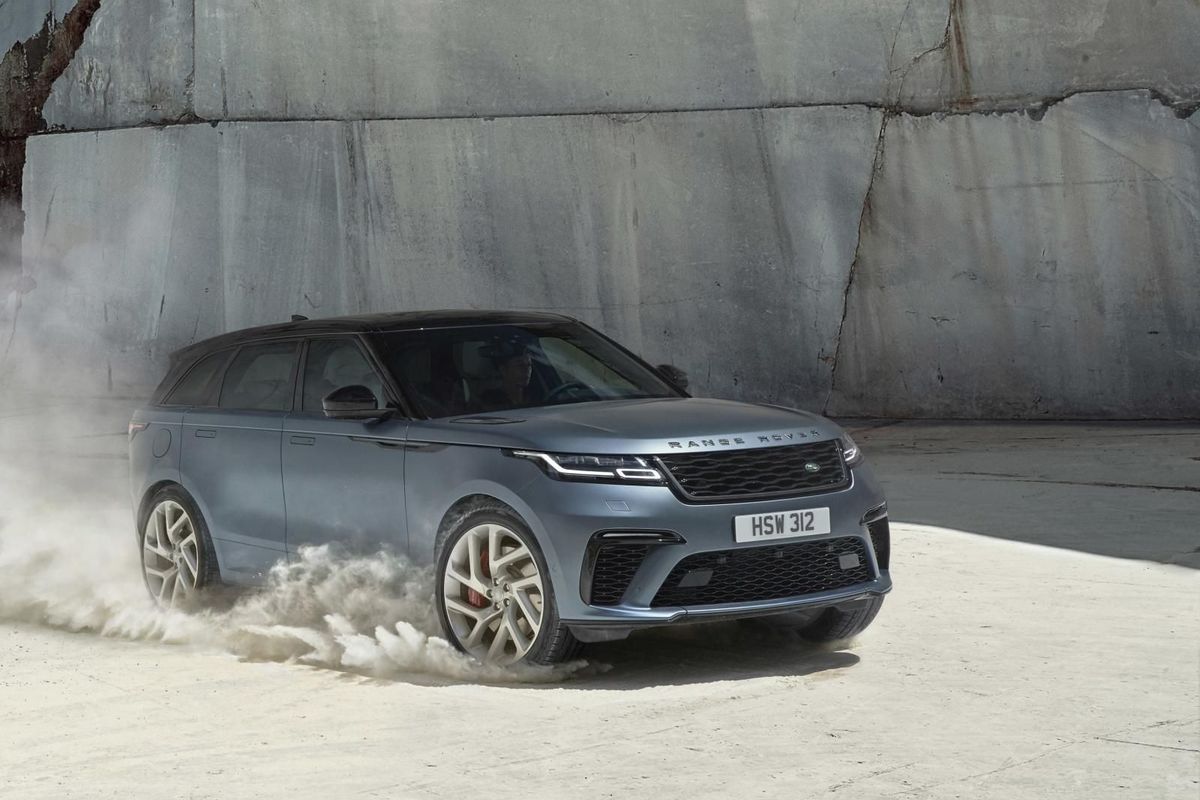
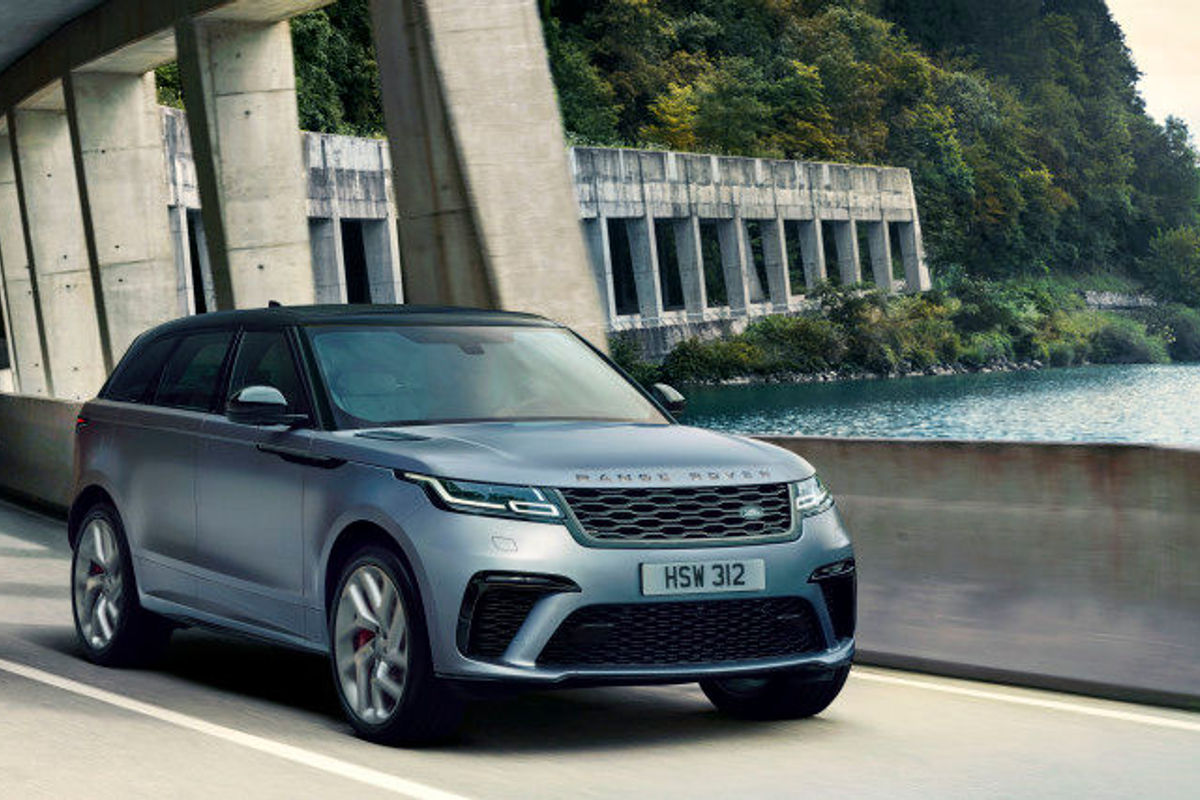
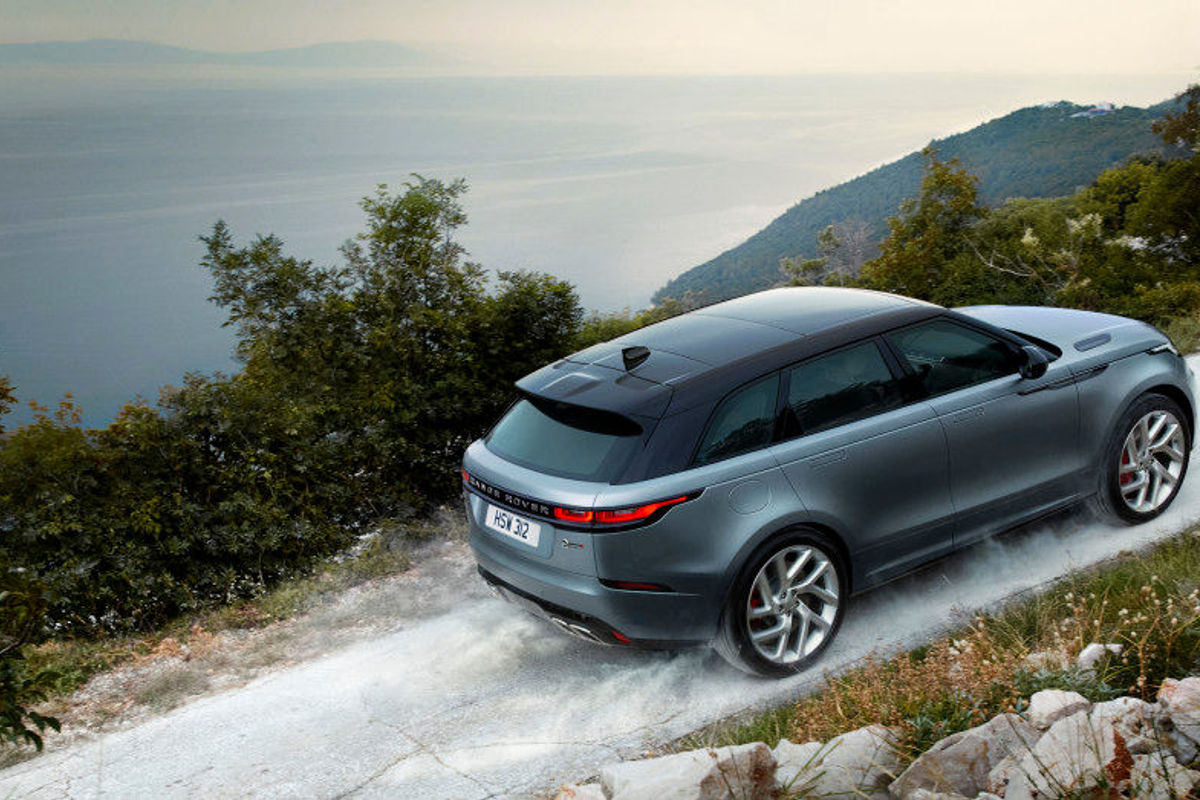
A high-powered version of the stylish Range Rover Velar is headed for South Africa in the second half of 2019. Meet the Velar SVAutobigraphy Dynamic Edition!
The forthcoming Velar SVAutobiography Dynamic Edition will top the local range when it arrives later this year and not only will it offer higher levels of luxury and exclusivity, but it will feature more performance too.
A supercharged 5.0-litre V8 engine with 405 kW makes it the most powerful Velar to date and it will sprint from zero to 100 kph in 4.5 seconds before reaching a top speed of 274 kph using an 8-speed automatic transmission to power all 4 wheels via a reworked AWD system. The model is also equipped with uprated brakes, active rear locking differential, air suspension and a Variable Active Exhaust System. An advanced Intelligent Driveline Dynamics system allows as much as 100% to be directed to the rear wheels, depending on the conditions.
Michael van der Sande, Managing Director, Land Rover Special Vehicle Operations, said: “Developing the Range Rover Velar SVAutobiography Dynamic Edition is the kind of task Special Vehicle Operations was made for. The challenge here was to increase performance without compromising the composure, capability and refinement inherent in Range Rover Velar. We’ve done this and, in the process, created an SUV that strikes a brilliant balance between go-anywhere practicality, dynamic performance and relaxing comfort – it truly is an SUV for any occasion.”
Unique styling
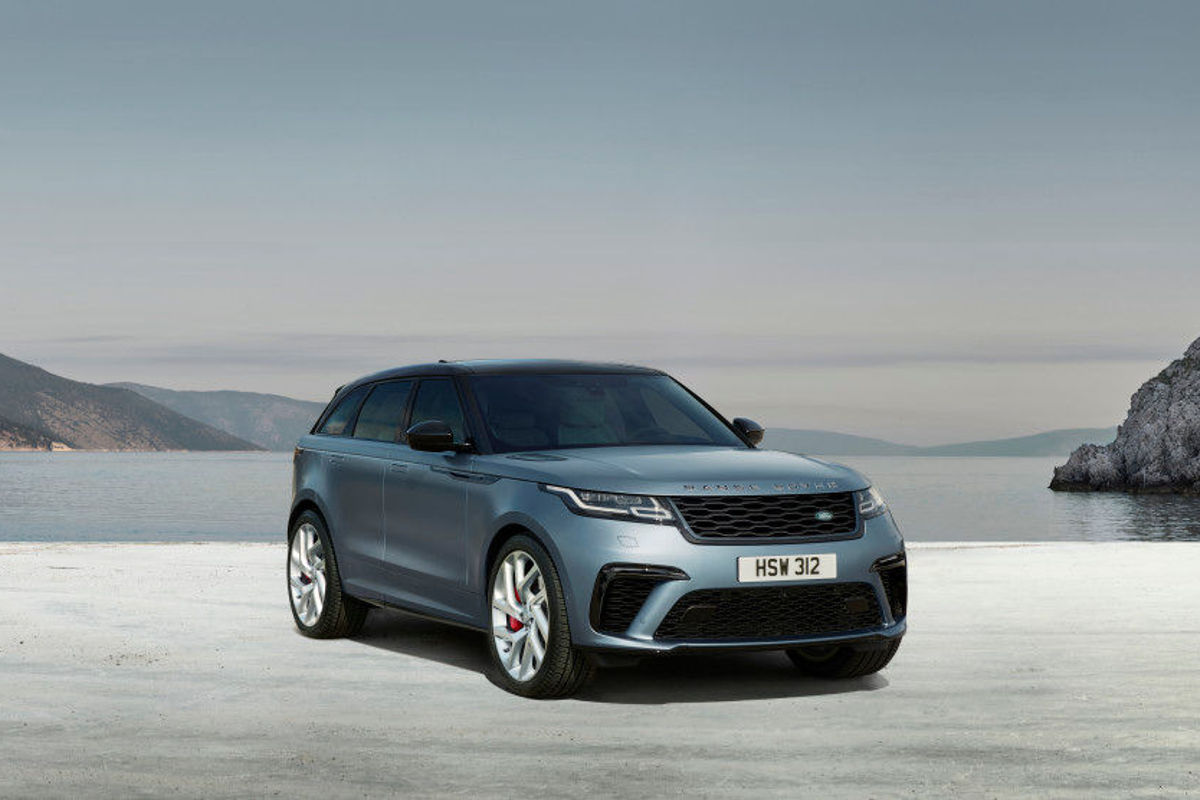
The Velar SVAutobiography Dynamic Edition will offer bespoke exterior and interior design details.
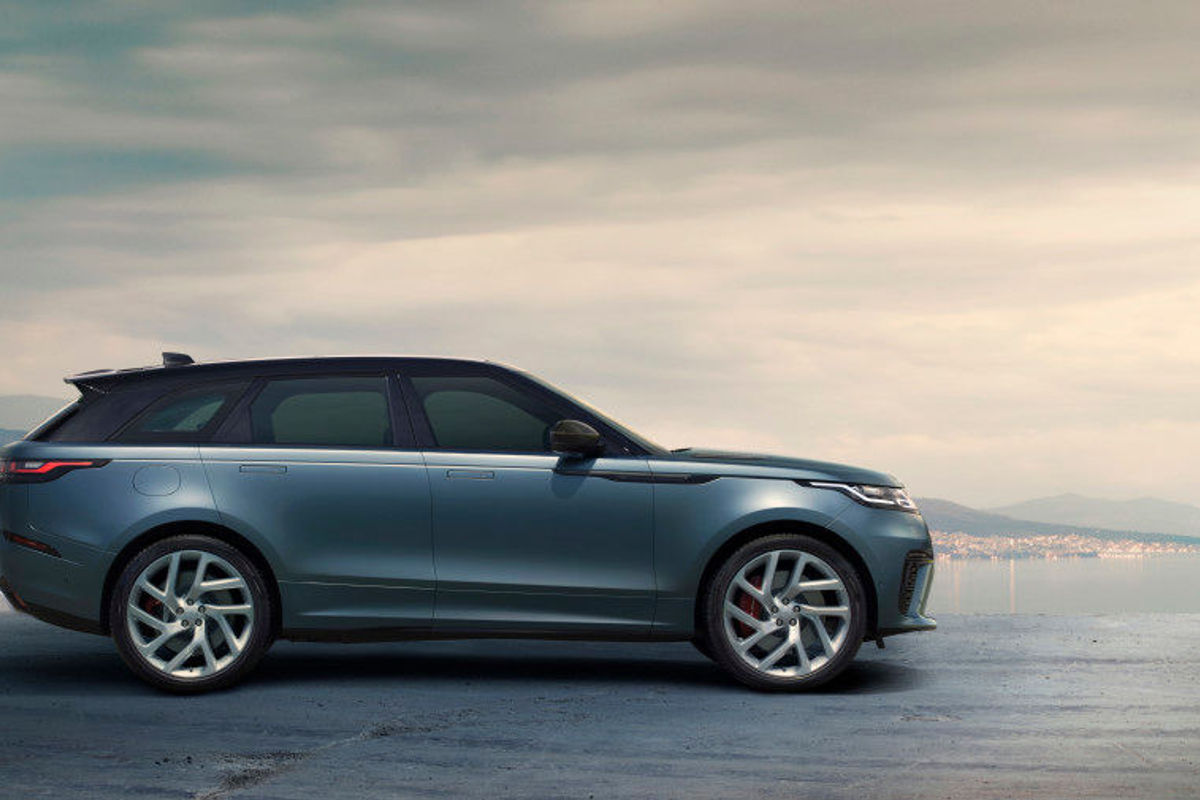
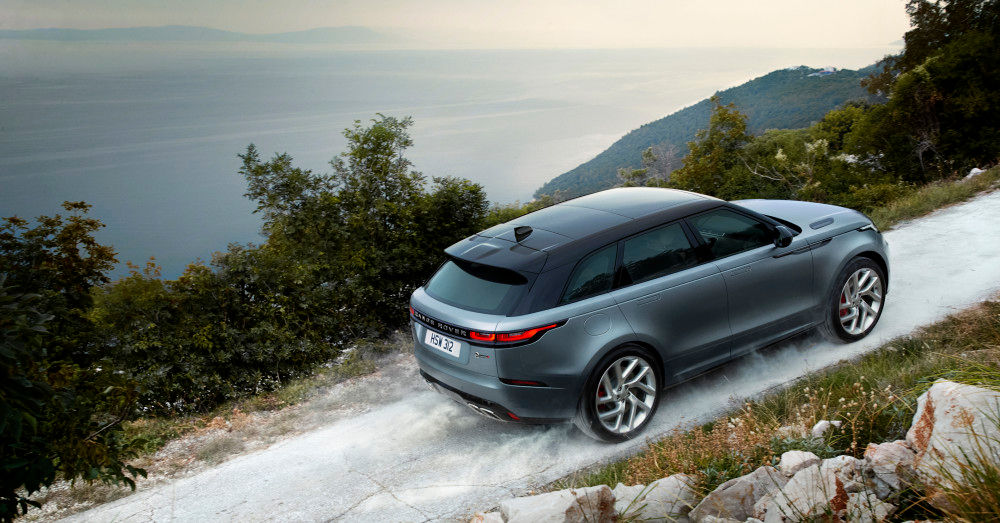
The Velar SVAutobiography Dynamic Edition is equipped with a new grille and front bumper with larger air intakes to help cool the engine and brakes. The revised rear bumper houses integrated quad exhaust finishers. This Velar will also be exclusively available in Satin Byron Blue metallic paint finish in combination with a Narvik Black contrasting roof. Other colours include Firenze Red, Santorini Black, Corris Grey, Fuji White and Indus Silver.
The model rides lightweight 21-inch forged aluminum wheels with 22-inch wheels optionally available.
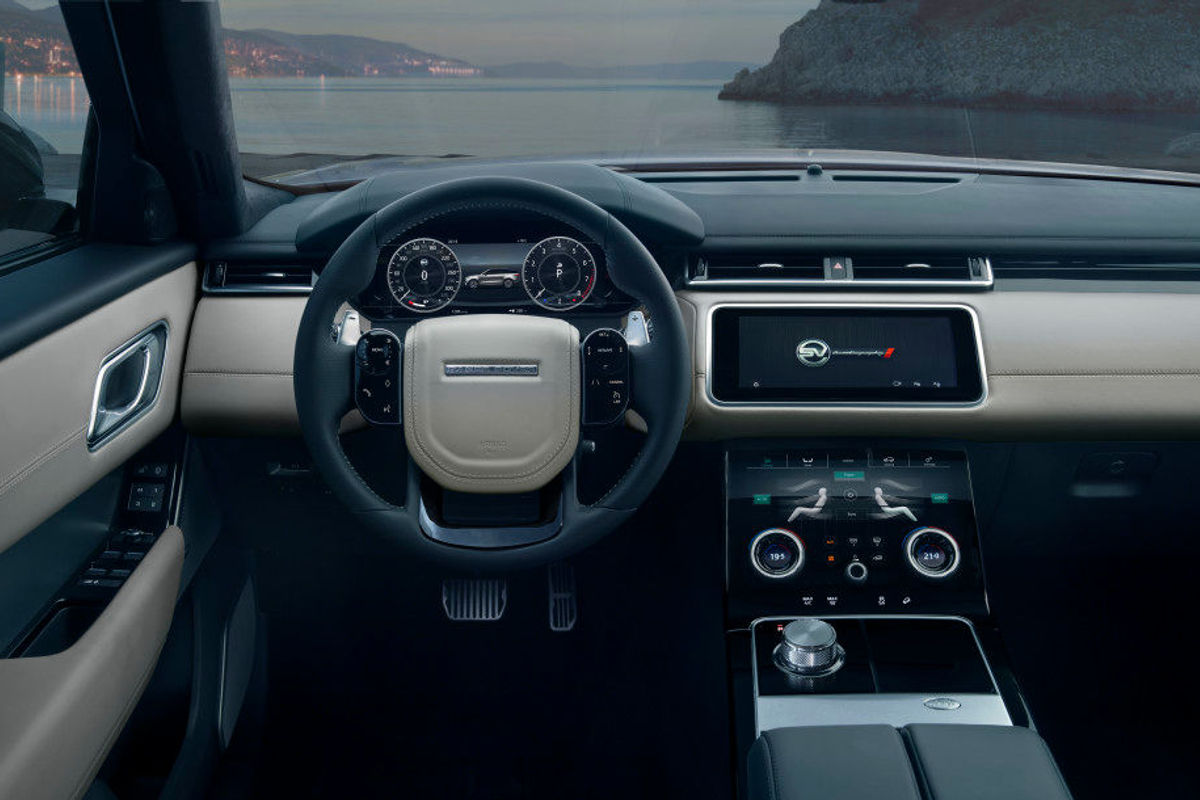
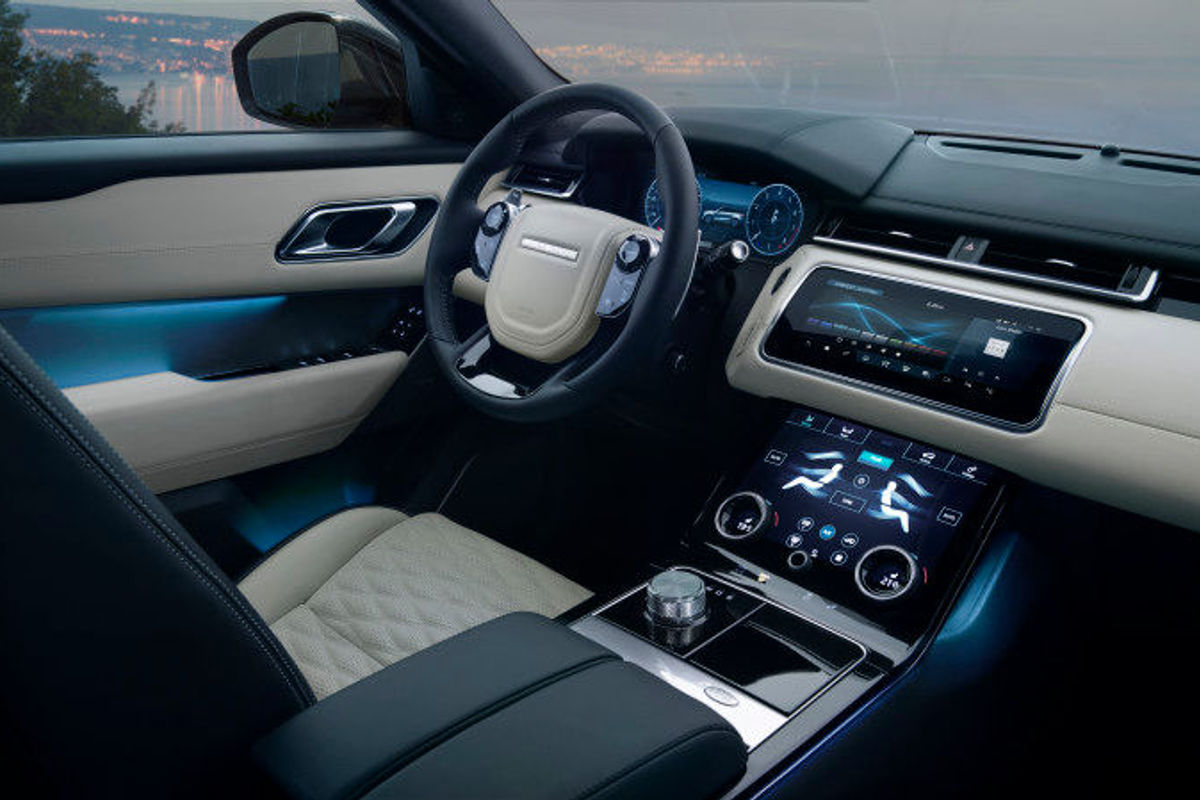
On the inside, the Velar SVAutobiography Dynamic Edition features exclusive twin-stitched, perforated and quilted Windsor leather offered in either Ebony, Cirrus, Vintage, Tan or Pimento. The front seats are heated and cooled and are 20-way adjustable with massage and memory function as standard.
Other notable features include a sports steering wheel with aluminium gear shift paddles, a 12.3-inch Interactive Driver Display and Touch Pro Duo infotainment system.
Stuart Adlard, SV Senior Vehicle Engineering Manager, Land Rover, said: “The Velar SVAutobiography Dynamic Edition retains the all-terrain capability and comfort customers expect from a Range Rover, with an even more rewarding and engaging driving experience. The result is a composed and luxurious SUV that looks, sounds and feels unique.”
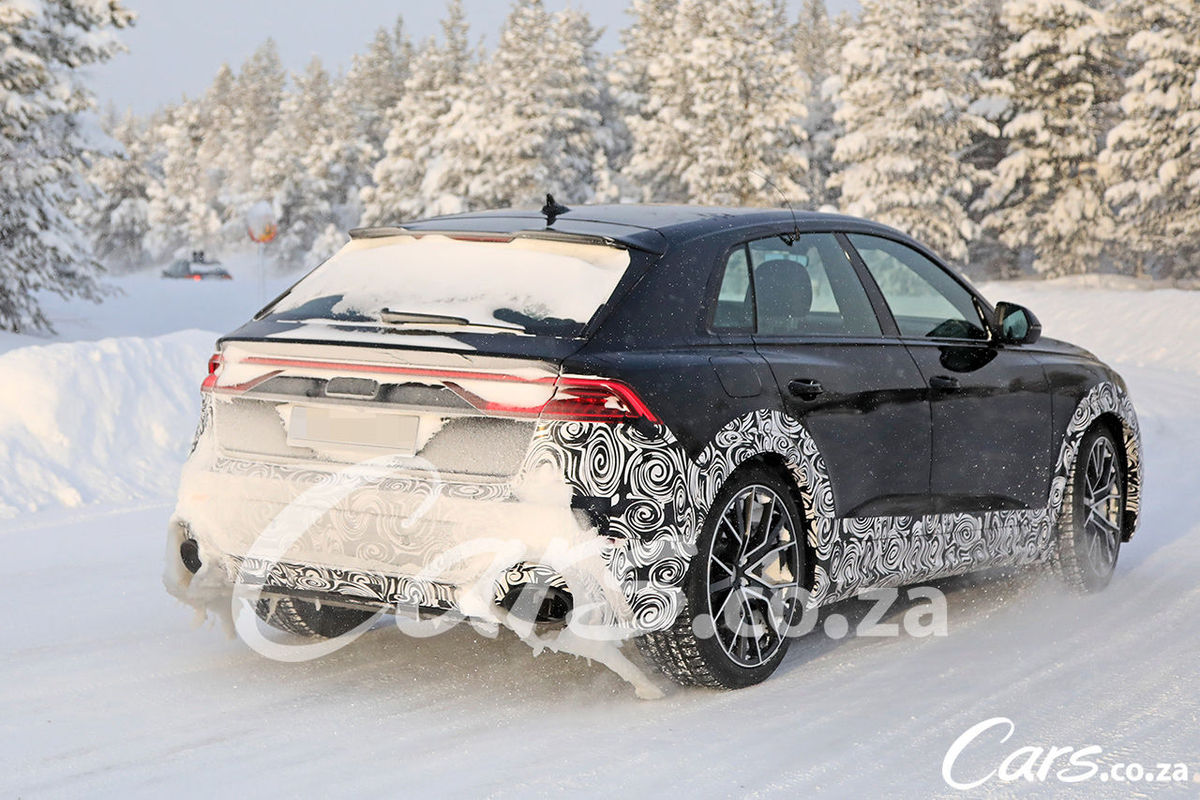
There’s a hotter RS version of the flagship Q8 SUV in the making and our spy photographers have captured images of a prototype testing near the Arctic Circle.
Picture credit:S. Baldauf/SB-Medien
While the new flagship Q8 SUV is destined to arrive in South Africa in Q2 of 2019, the Ingolstadt-based firm is hard at work preparing its high-performance sibling, the RS Q8, which will go head-on against the BMW X6 M and Mercedes-AMG GLE 63.
Seen here testing in icy conditions near the Arctic Circle with partial camouflage, the RS Q8 will feature an aggressive face with a large, gaping grille and air intakes, complemented with slim and edgy headlights. At the rear, large oval tailpipes communicate its performance intent.
The RS Q8 will likely feature a bi-turbo 4.0-litre V8 petrol engine, the same powering the Lamborghini Urus, but it will likely offer slightly less power but similar torque with as much as 447 kW and 850 Nm of torque on offer with an 8-speed automatic transmission directing drive to Audi’s quattro all-wheel-drive system. A hybrid powertrain, as seen in the Porsche Panamera Turbo S E Hybrid, is a possibility too, which may see power inch towards the 500 kW mark.
Unsurprisingly, the RS Q8’s performance will be impressive for an SUV and you can expect a zero to 100 kph sprint time of well under 4 seconds.
On the inside, a sporty interior with all the latest gadgetry that Audi has to offer, including a 12.3-inch Virtual Cockpit and dual touchscreens equipped with the latest MMI operating system can be expected.
The RS Q8 is likely to be revealed later this year before going on sale in 2020.
We will keep you updated as soon as more details are revealed.
The 7th-generation Lexus ES (but only the 2nd version to be offered in South Africa) enters a shrinking executive sedan market armed with grand exterior styling, an extensive safety spec, a plush and feature-packed interior and, in 300h SE guise, a hybrid powertrain. On paper, it represents astonishingly good value for money, but is its “old-school luxobarge” demeanour somewhat out of step with other cars in its segment?
We like: Grand kerb appeal, plush interior, lavish spec, excellent warranty and maintenance plan
We don’t like: Stodgy dynamics, hesitant braking performance
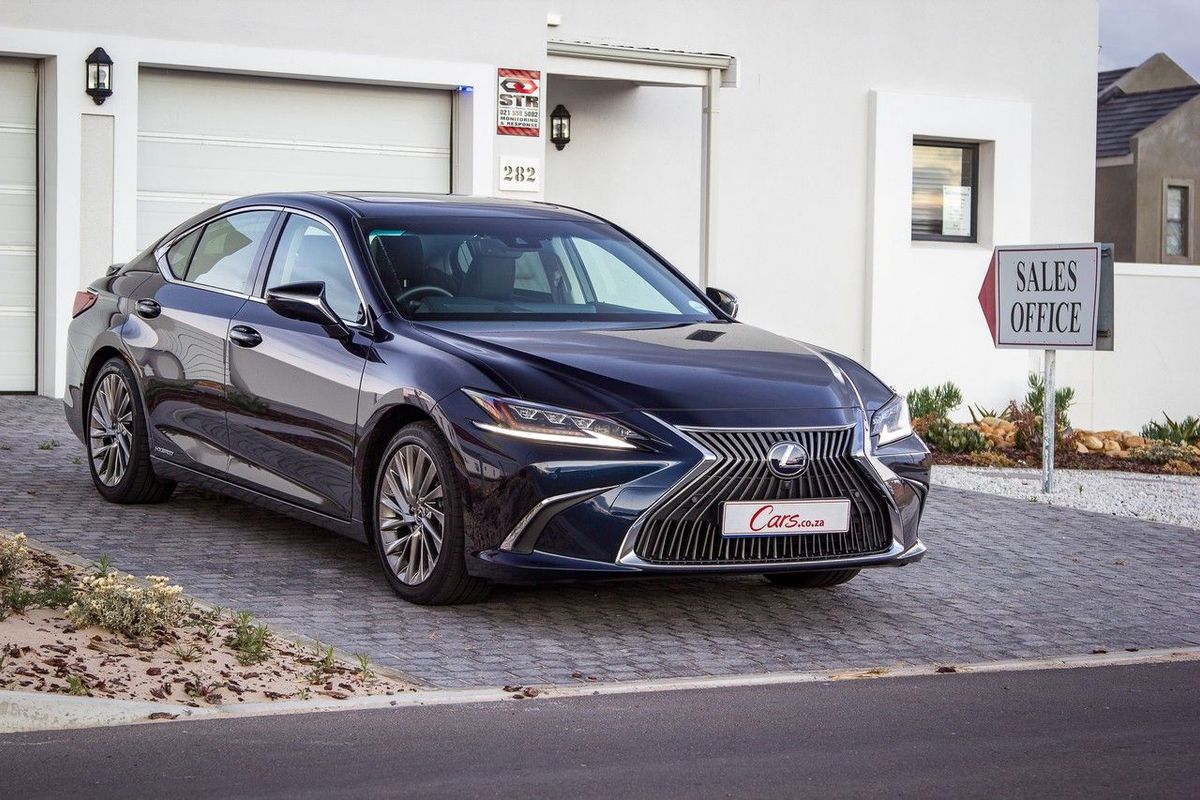
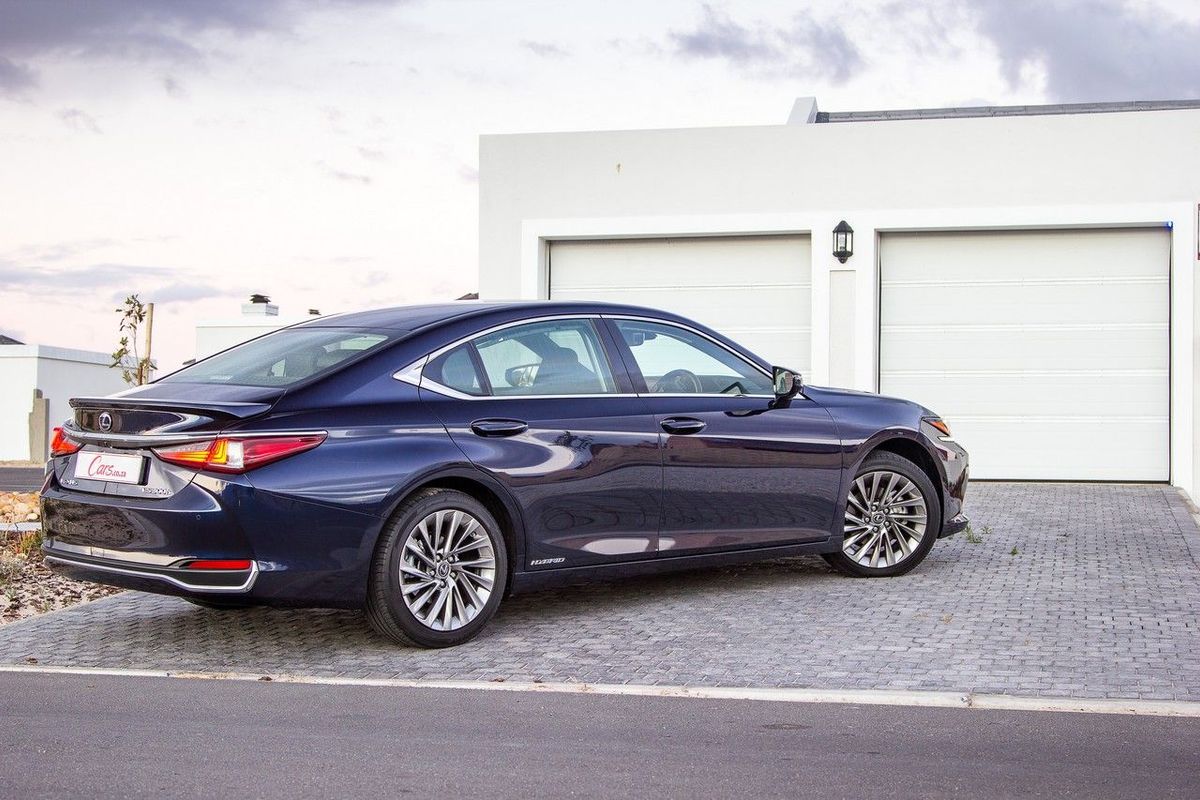
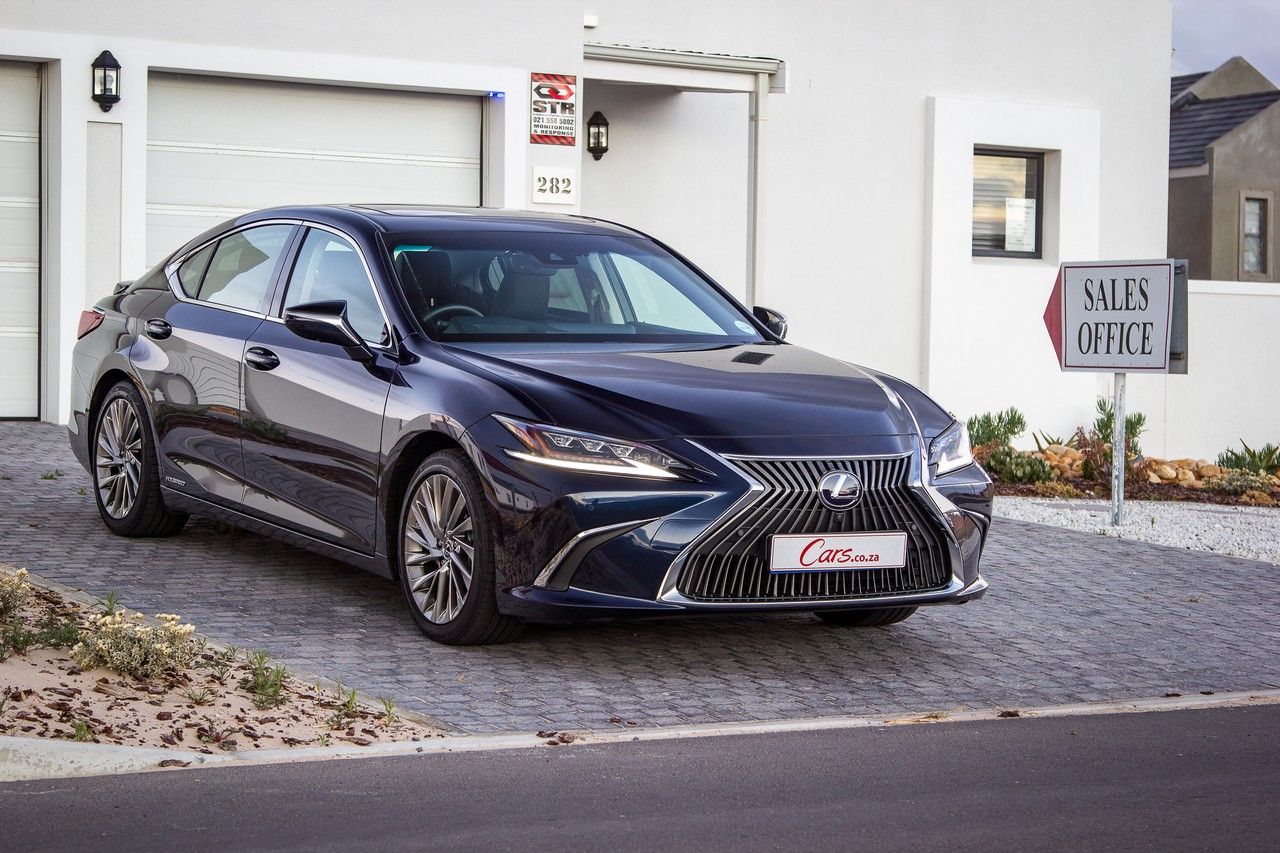
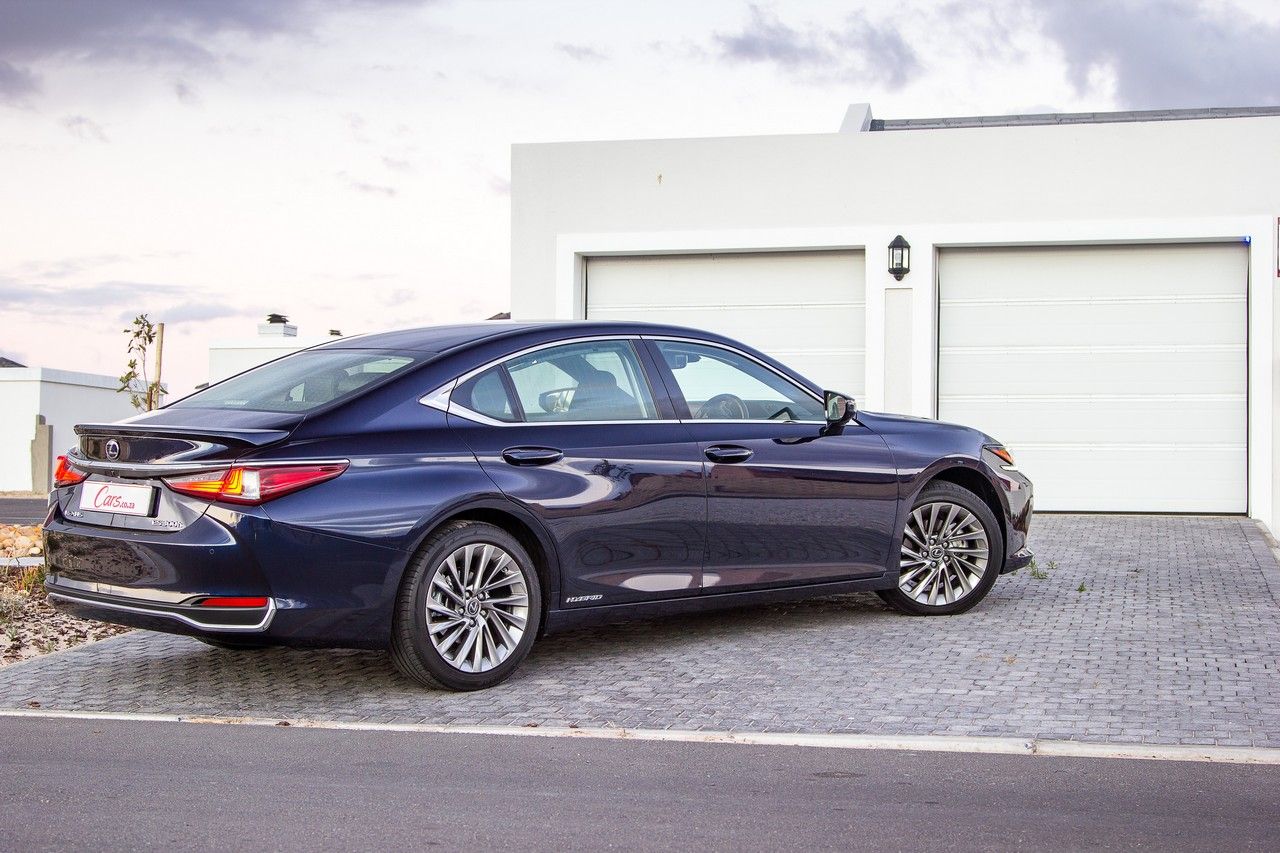
Clad in Opulent Blue dark metallic paintwork, the 300h SE looks expensive and futuristic, even if its very cruiser-like to drive.
What is it?
Whereas the ES used to represent a high-spec D-segment contender (in other words, a sedan that’s slightly bigger than a business class model… if not quite as sophisticated), in Lexus’ local sedan line-up, the new iteration effectively replaces the underappreciated GS executive sedan in South Africa. The new range’s line-up is quite limited compared with those of its BMW 5 Series, Jaguar XF, Mercedes-Benz E-Class and Volvo S90 rivals, but both the ES 250 EX and range-topping 300h SE versions are positioned to compete with 2.0-litre offerings from competing manufacturers.
Whereas most of its rivals blend refinement and sophisticated tech with a modicum of sportiness, the Lexus ES is more akin to the Volvo S90 insofar as it seems to prioritise occupant comfort and a luxurious driving experience above everything else, which is perhaps a bit predictable, even staid. However, when you consider the eye-catching packaging and eminently plush interior of especially the 300h SE derivative, Lexus clearly purports to know exactly what its (more mature) clientele is looking for from an executive sedan. The difference is: the new ES makes its pretentions abundantly clear; it’s much more distinctively styled and decidedly upmarket than its forebears and, critically, highly unlikely to fade into the scenery.
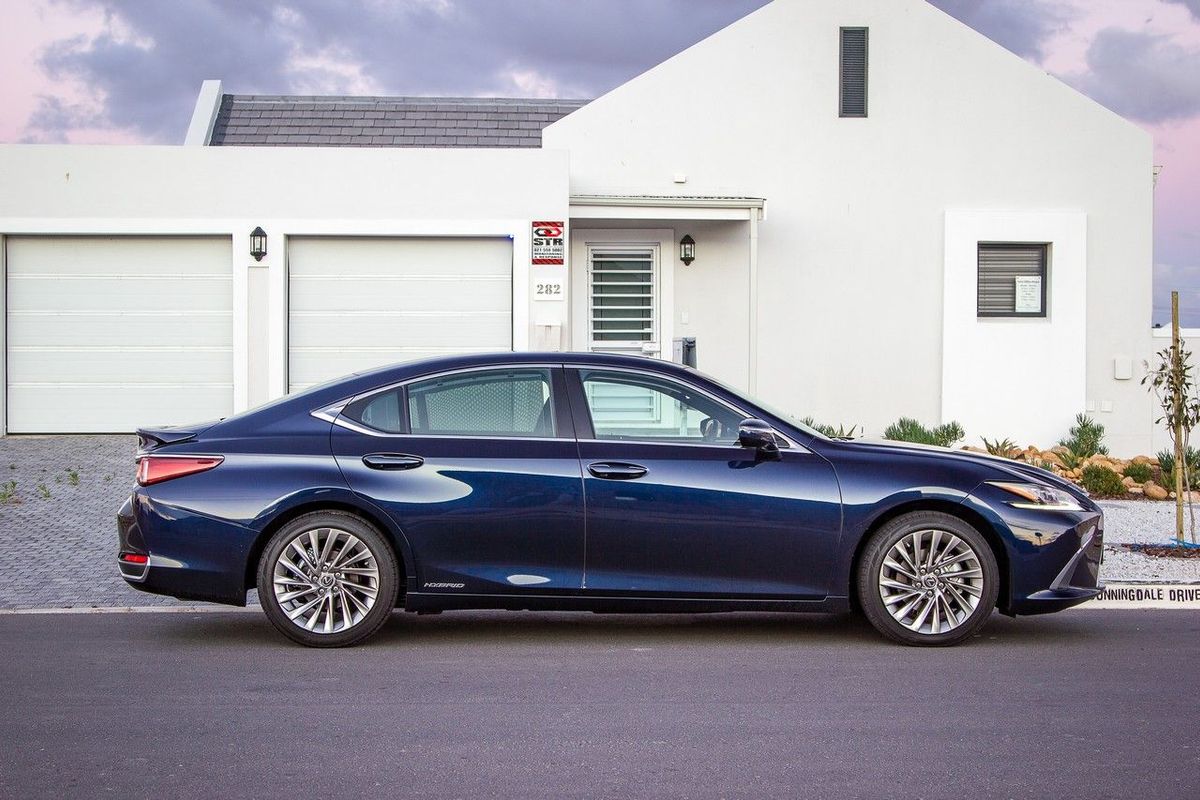
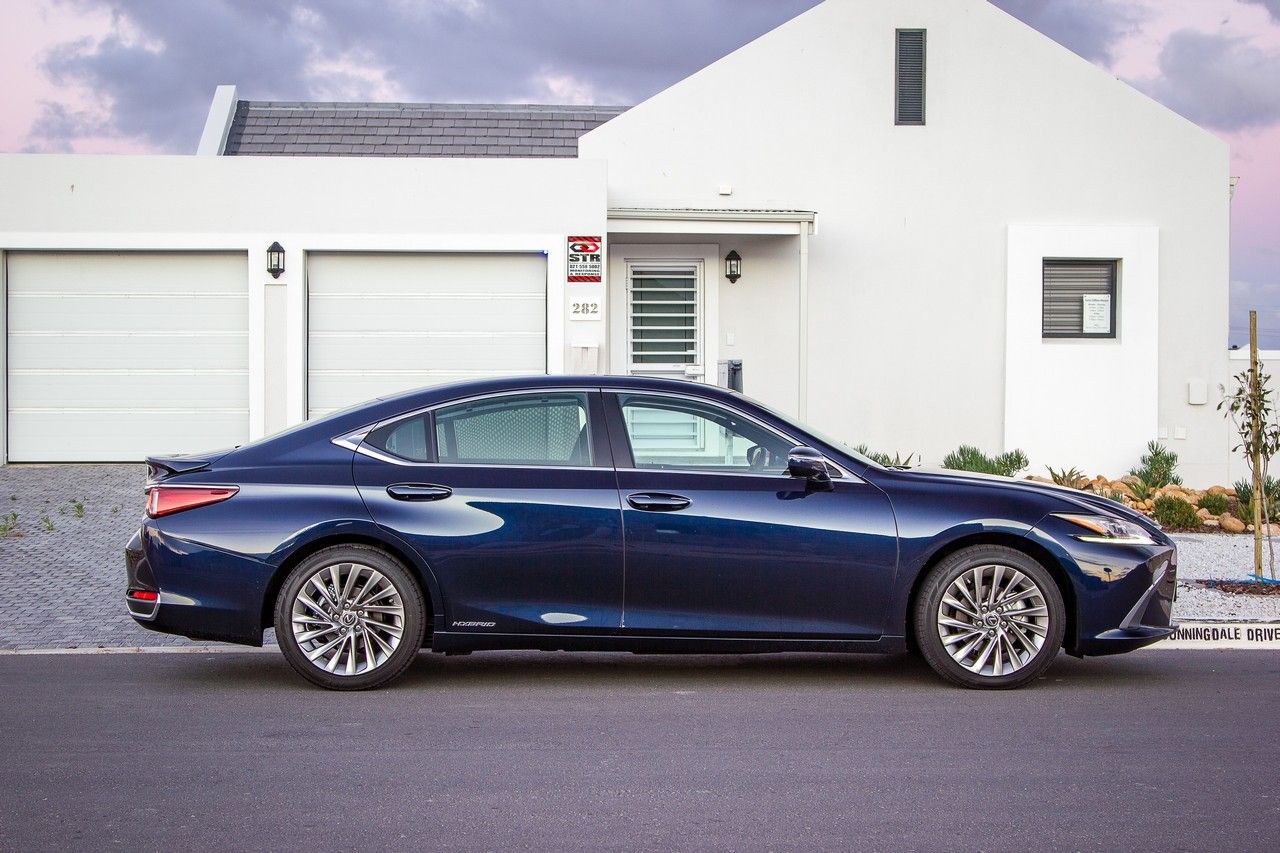
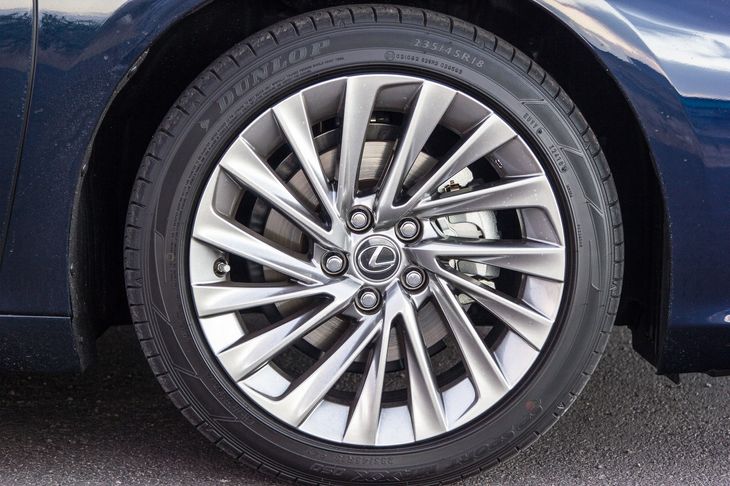
The ES arguably looks its best in profile, it's well-proportioned front-to-rear and its 18-inch alloys fill the wheel arches with aplomb.
How does it fare in terms of…
Head-turning looks?
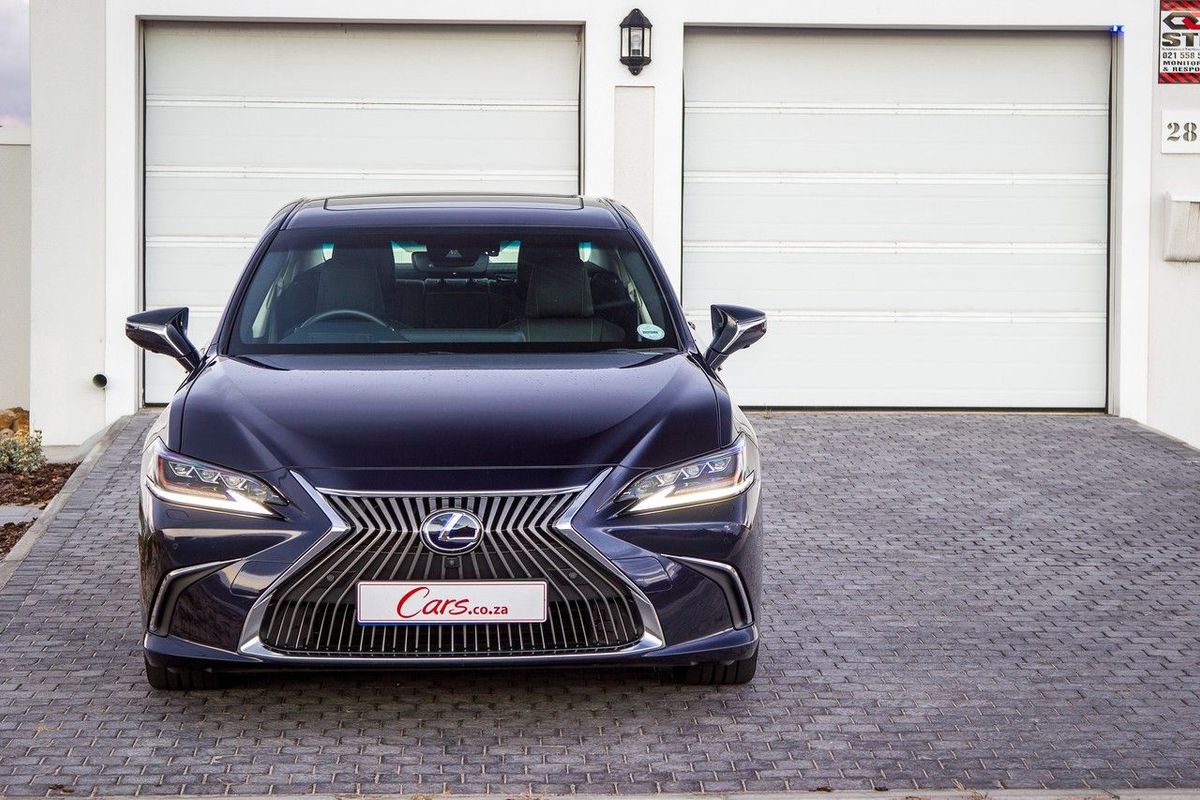
Can you think of a more imposing front-end treatment in the (admittedly conservative) executive sedan segment? With each evolution of Lexus’ characteristic spindle-grille, the Japanese frim adds greater sculptural detail to its products’ frontal aspects (and associated brightwork), while the adaptive LED headlamps become slimmer, more ornate and seem etched into the bumpers, replete with zigs and zags in their outlines. To reiterate, such design cues are usually reserved for Lexus’ IS business class range or its coupes, but this ES is evidently meant to draw admiring glances.
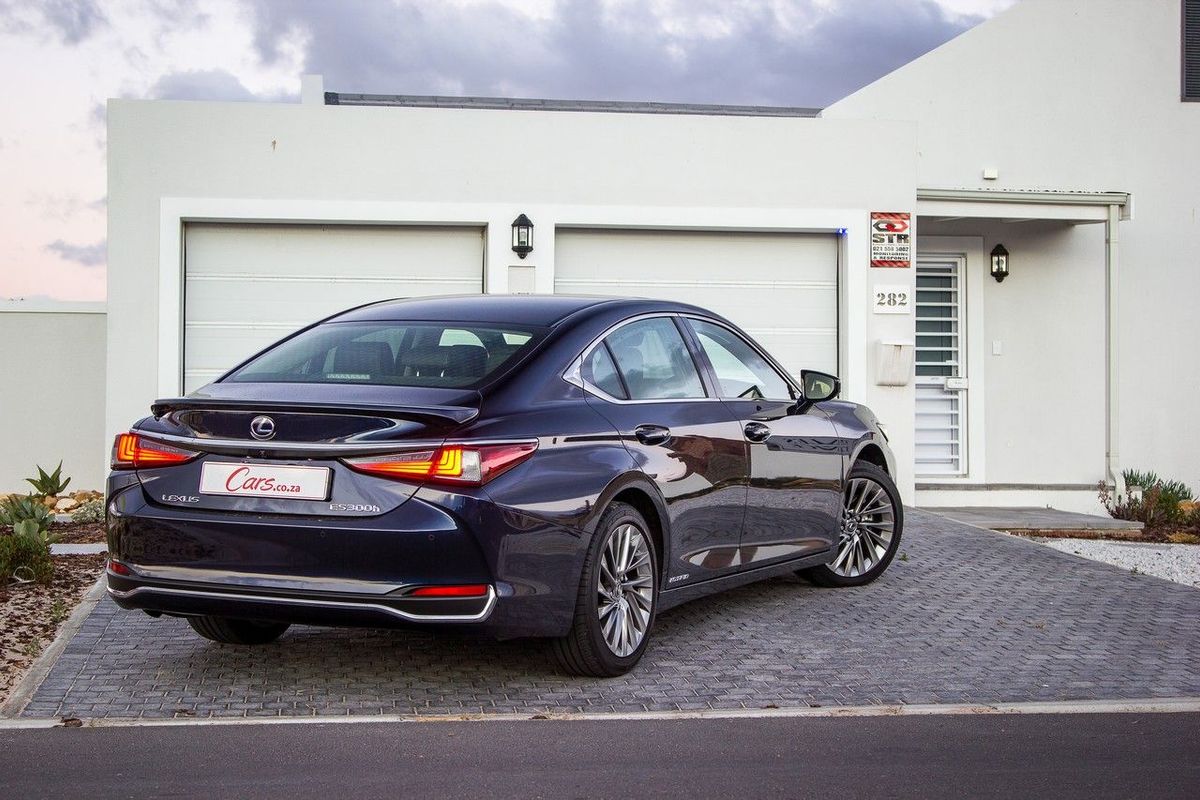
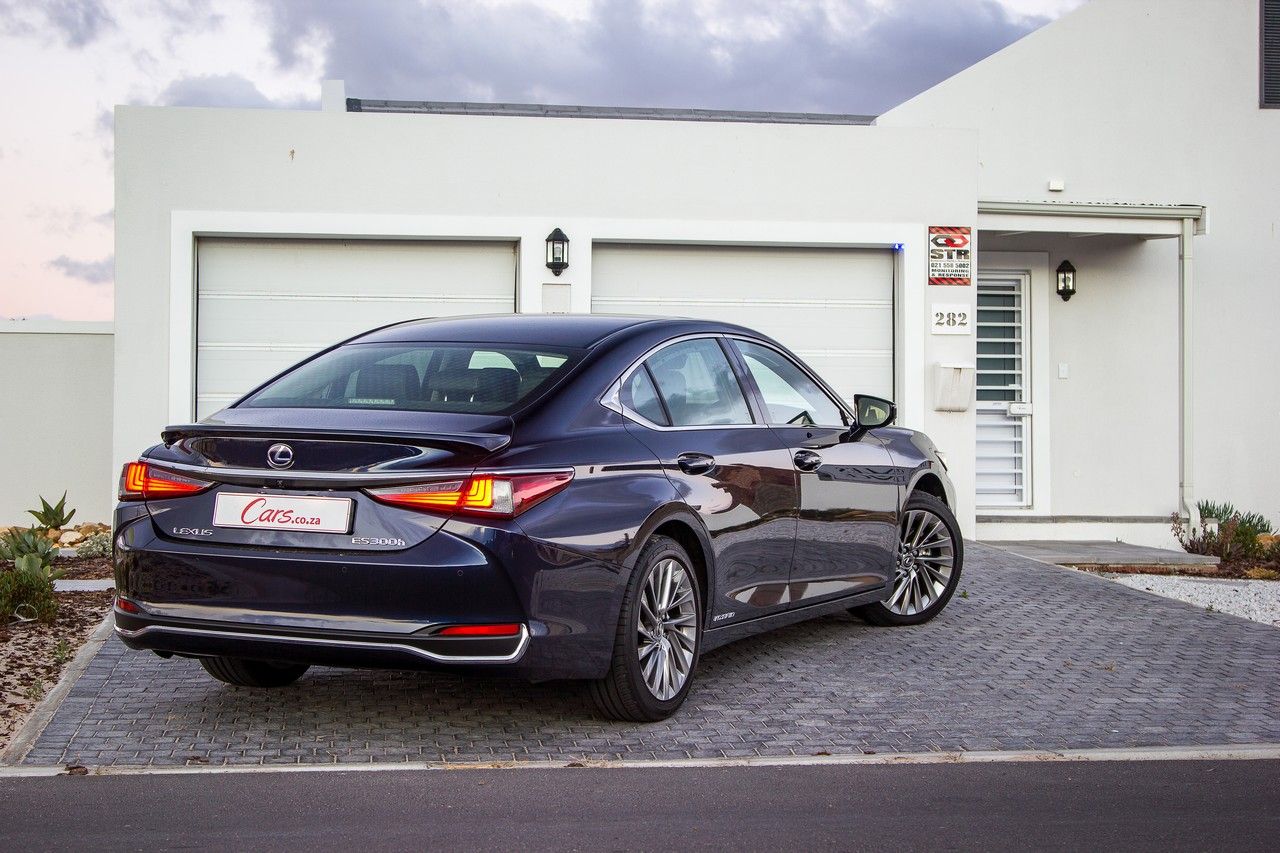
The test unit appeared thoroughly resplendent in its metallic “Opulent Blue” paintwork, which is tastefully contrasted with an assortment of chrome trim. The dark hue of the exterior successfully minimised the bulk and general slab-sidedness of the ES’ sheet metal, but upon closer inspection you may notice low swage lines that kick up towards the rear wheel arches (on the sedan’s flanks) and the smartly-profiled aft bumper that accentuates the characterful tail lamp clusters, which are separated from the prone spoiler lip by a thin stretch of wraparound satin chrome. Very neat.
Note how the contour of the rear bumper's lower chrome garnish mimics the outlines of exhaust ends; those are just for show…
Of course, the relative “shoutiness” of the newcomer’s exterior execution, at least by Lexus' traditional standards, is bound to divide opinion. It does not have an F-Sport styling pack per se, but we don’t believe the 300h ES, which looks dapper with its elaborately-spoked (and titanium-coloured) 18-inch alloys, should have to stand back to any M Sport, Avantgarde, R-Sport or R-Design specced rival in terms of outright kerb appeal.
Surfeit interior comfort?
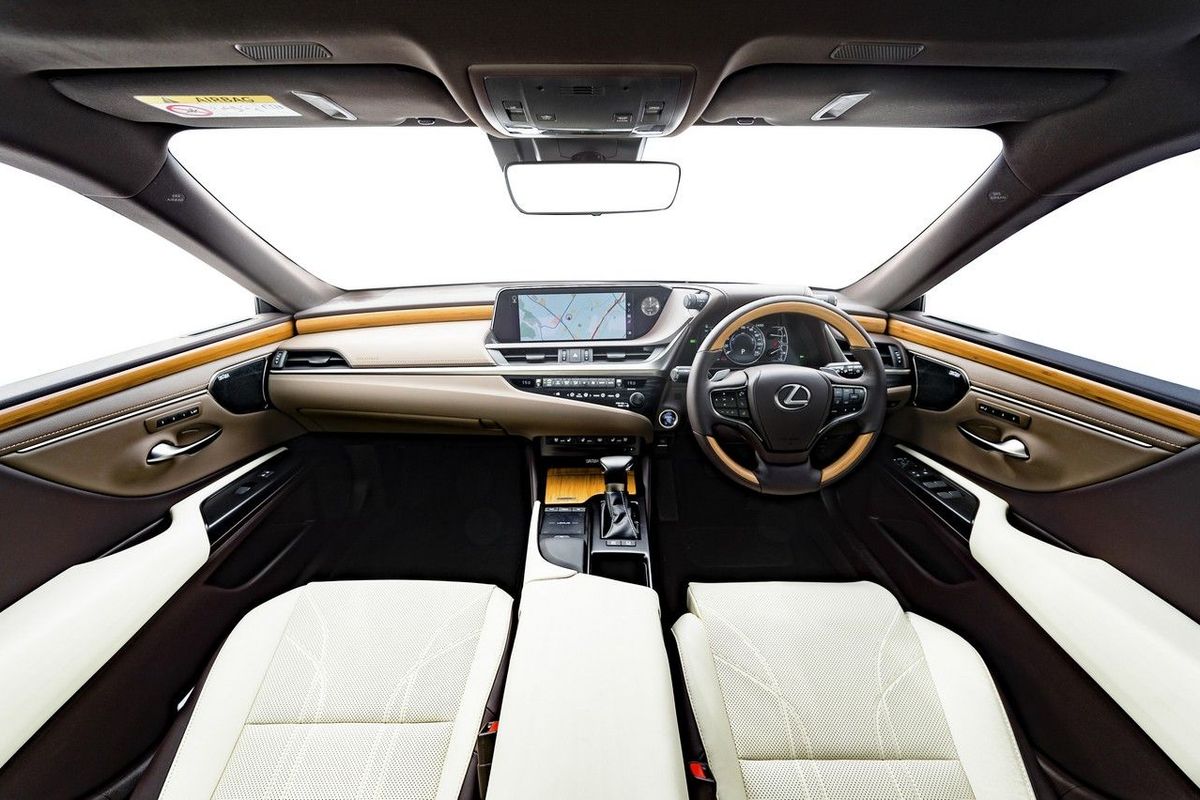
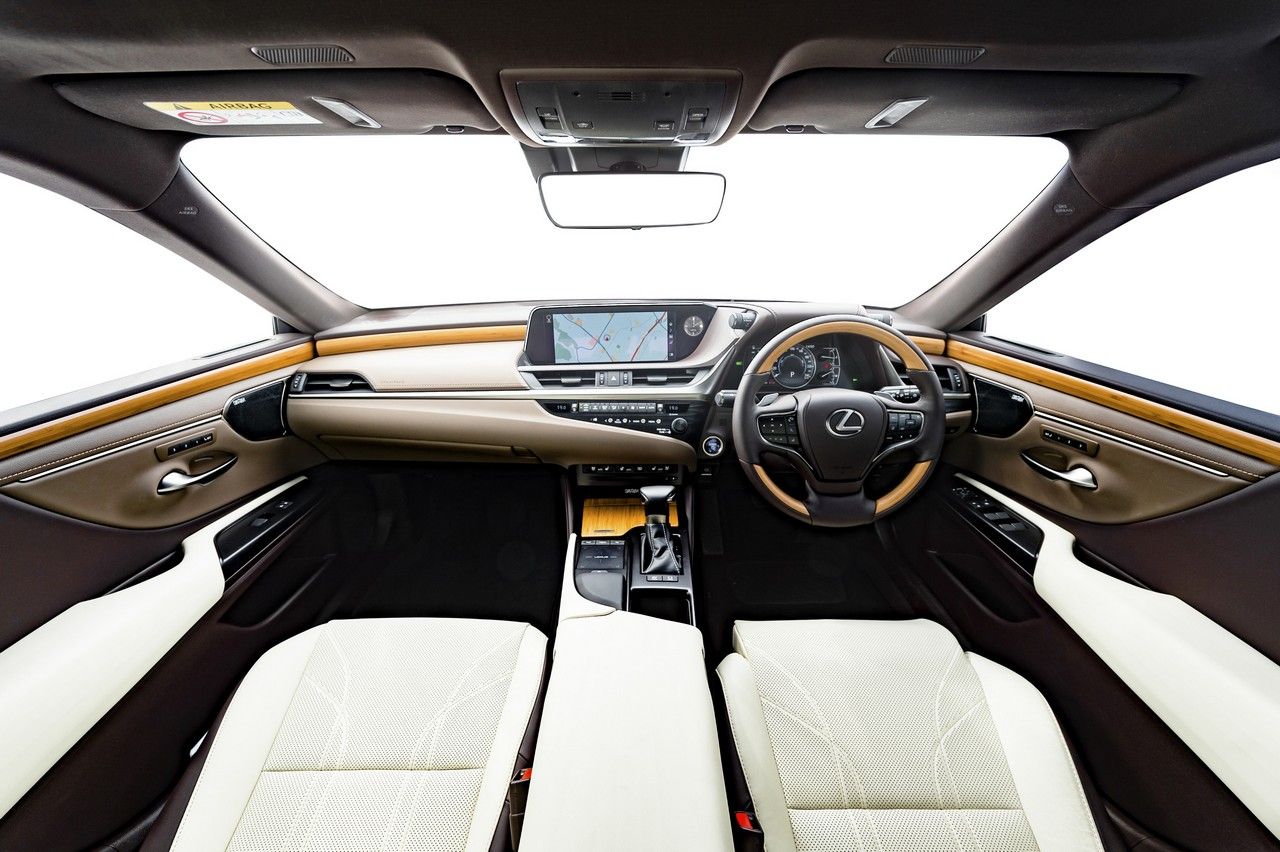
Irrespective of whether prospective buyers find the ES 300h’s exterior design to their taste, or merely acceptable (for that matter), the Lexus’ lavishly trimmed interior is elegant, old-school smart (in a good way) and hard to fault, at least from a fit and finish point of view. Swathes of semi-aniline leather with embossed stitching are complemented by wood trim with a pleasing natural finish (yes, natural veneer still looks attractive if executed well), as well as a plethora of soft-touch finishes and multiple modes of electric adjustment; the cabin exudes opulence in almost anyone's book!
Tasteful natural wood inserts frame the sumptuous interior of the ES 300h. There is no lack of electronic gizmos or -adjustment.
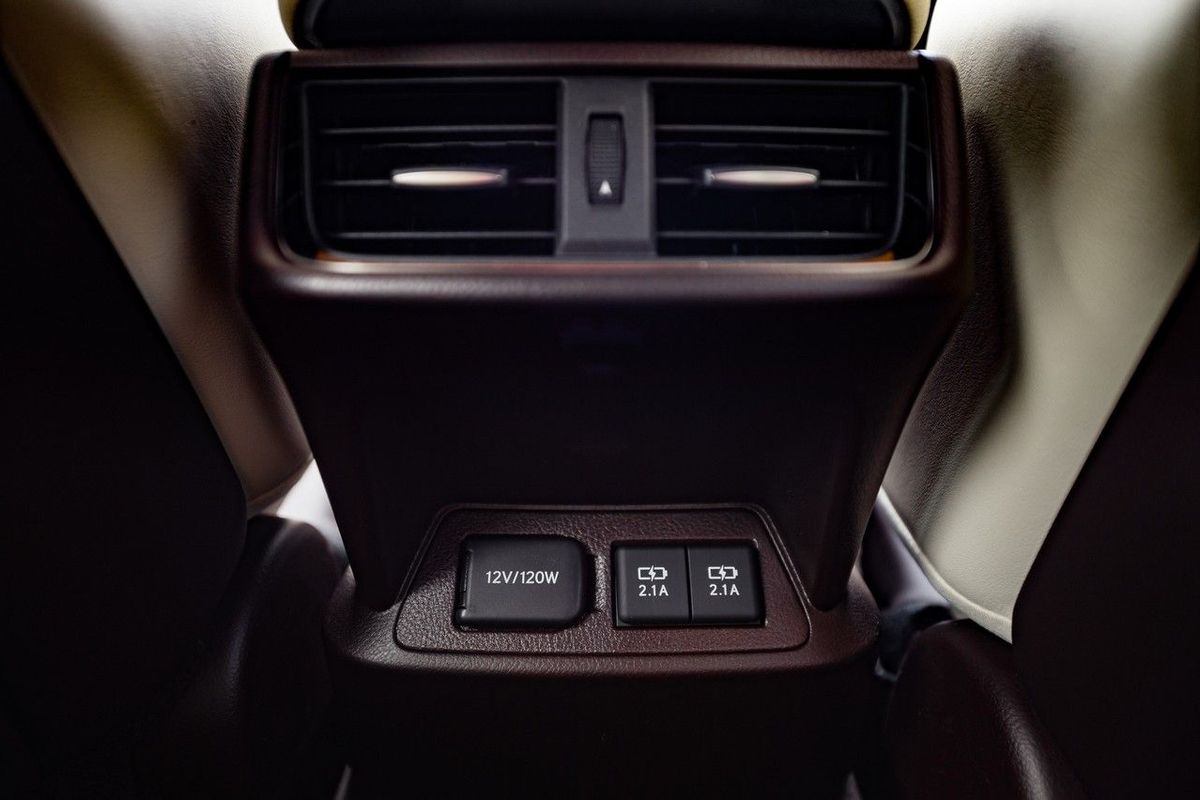
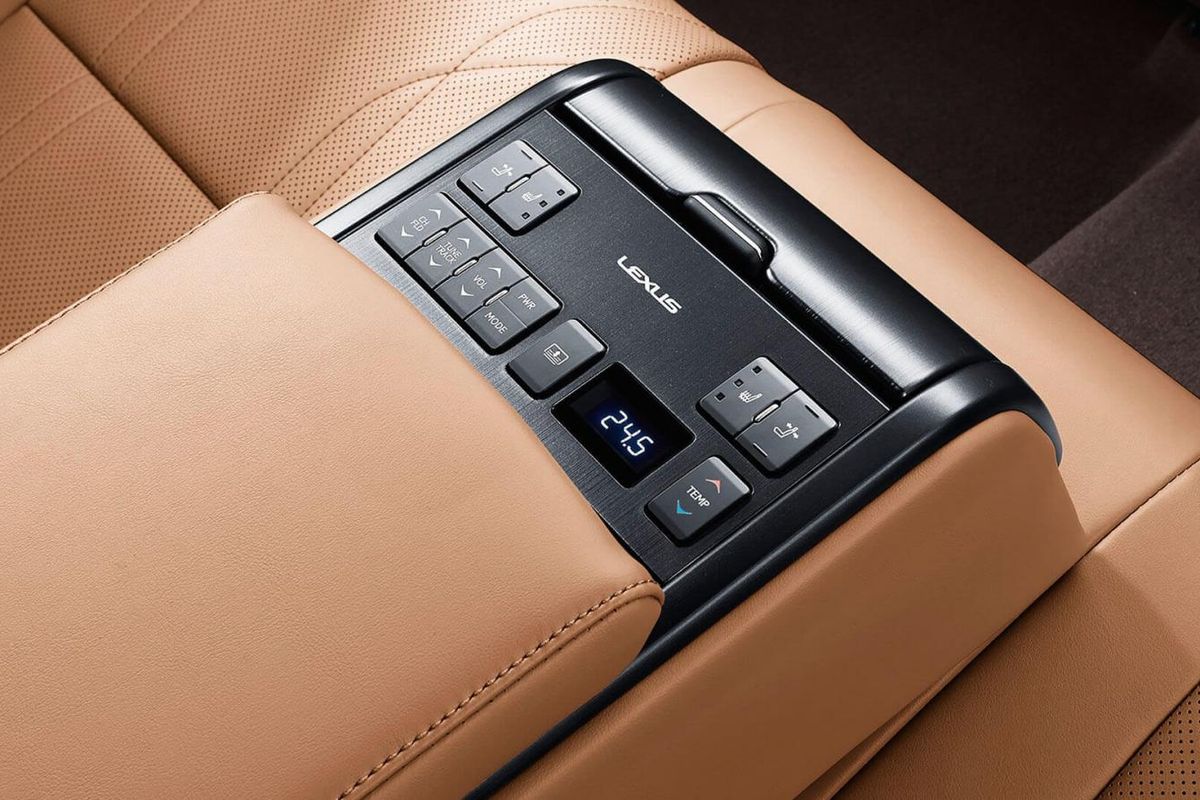
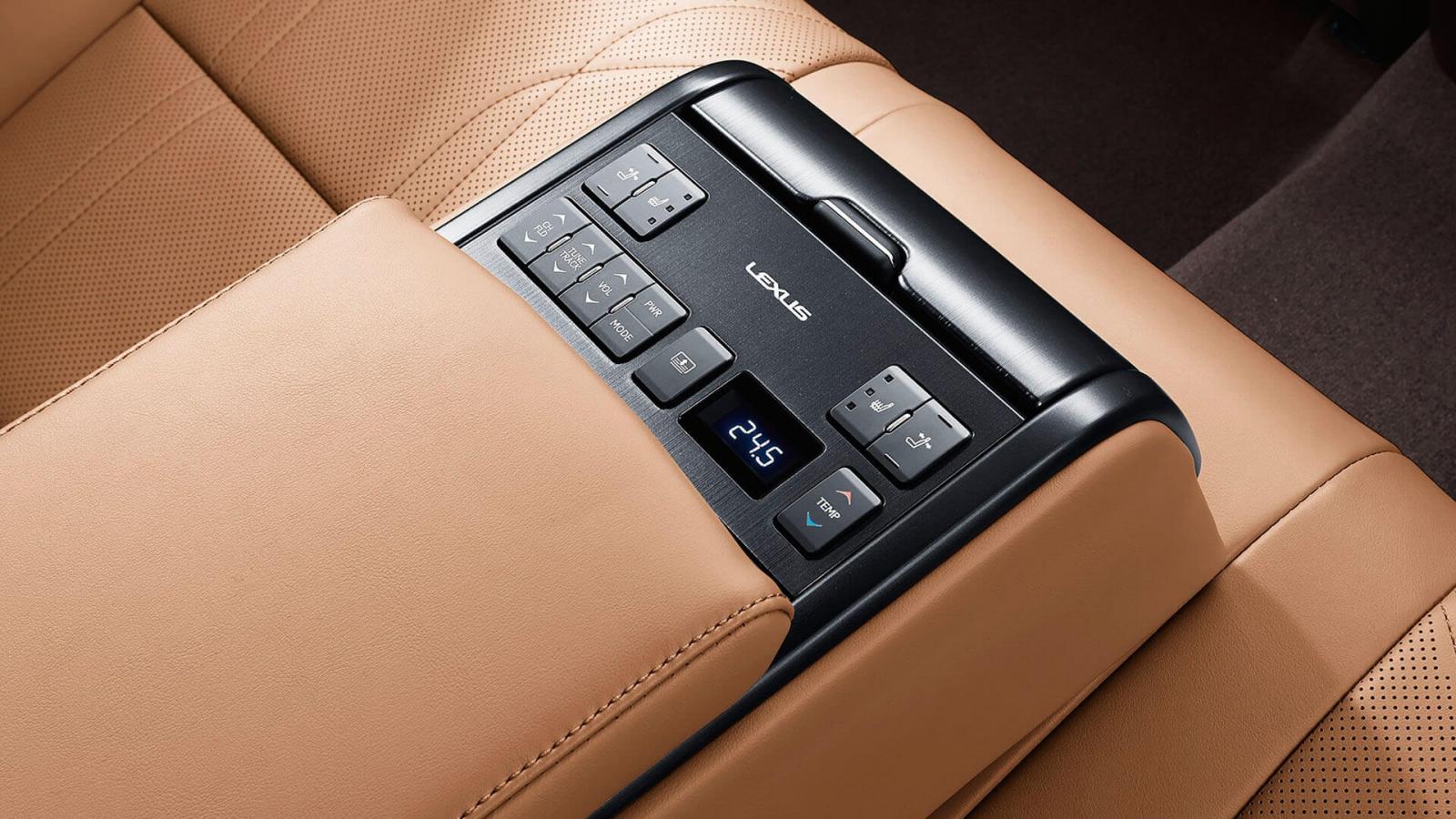
The front seats are cossetting and offer electric adjustment (including lumbar support) as well as heating, with a memory function for the driver, which stores the position of the seat and (also power-adjustable!) steering column and the angle of the right side mirror. As for the rear passengers, they’re availed generous leg- and good headroom, plus, when you fold the centre armrest out, you’re greeted by a console that allows aft occupants to set the 3rd zone of the climate control system to a temperature of their choice, activate seat heating if and when required (there are 3 settings to choose from), recline the outer seatbacks to angles that they prefer, and even operate some of the infotainment system’s functions.
What’s more, the occupant seated behind the front passenger can electrically adjust the chair in front of them to free up even more legroom; the ES 300h SE is certainly not a first-class sedan (there is an LS model for exactly that purpose), but it certainly incorporates a few limousine-like features.
The kids are going to love this! There is a console built into the rear centre armrest that affords a number of comfort adjustments.
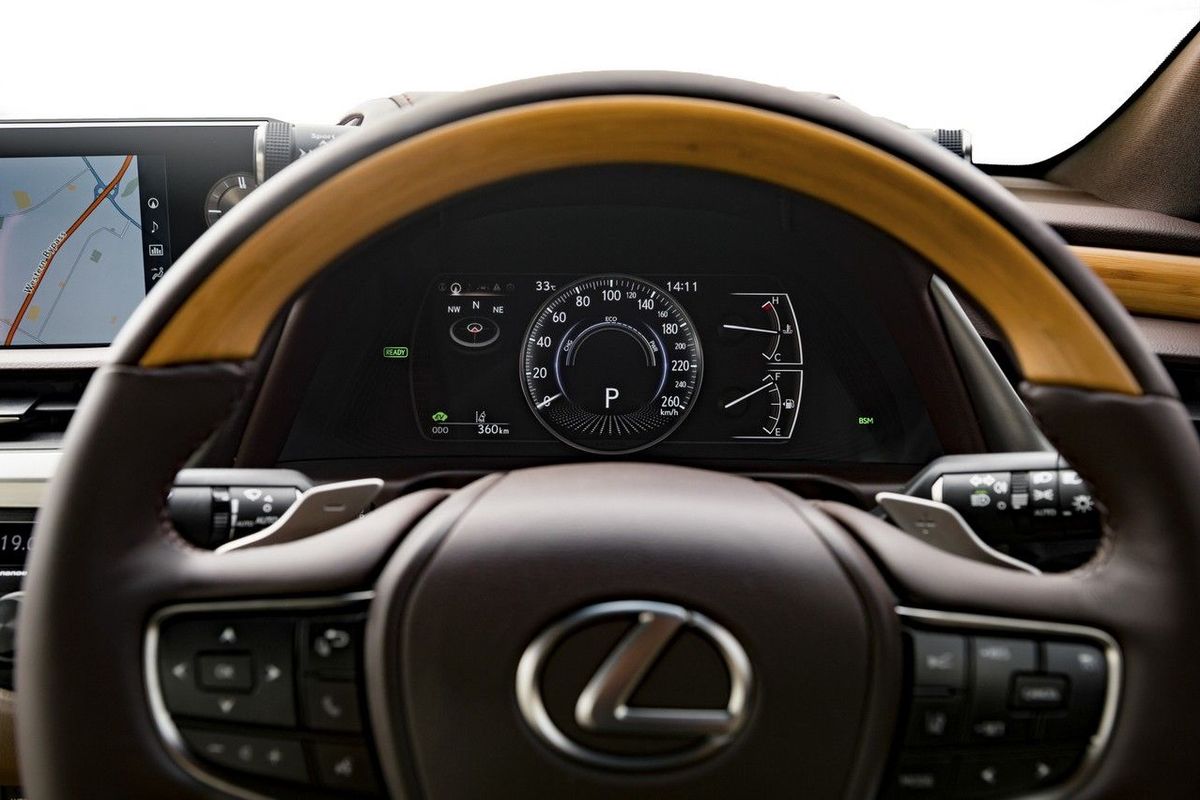
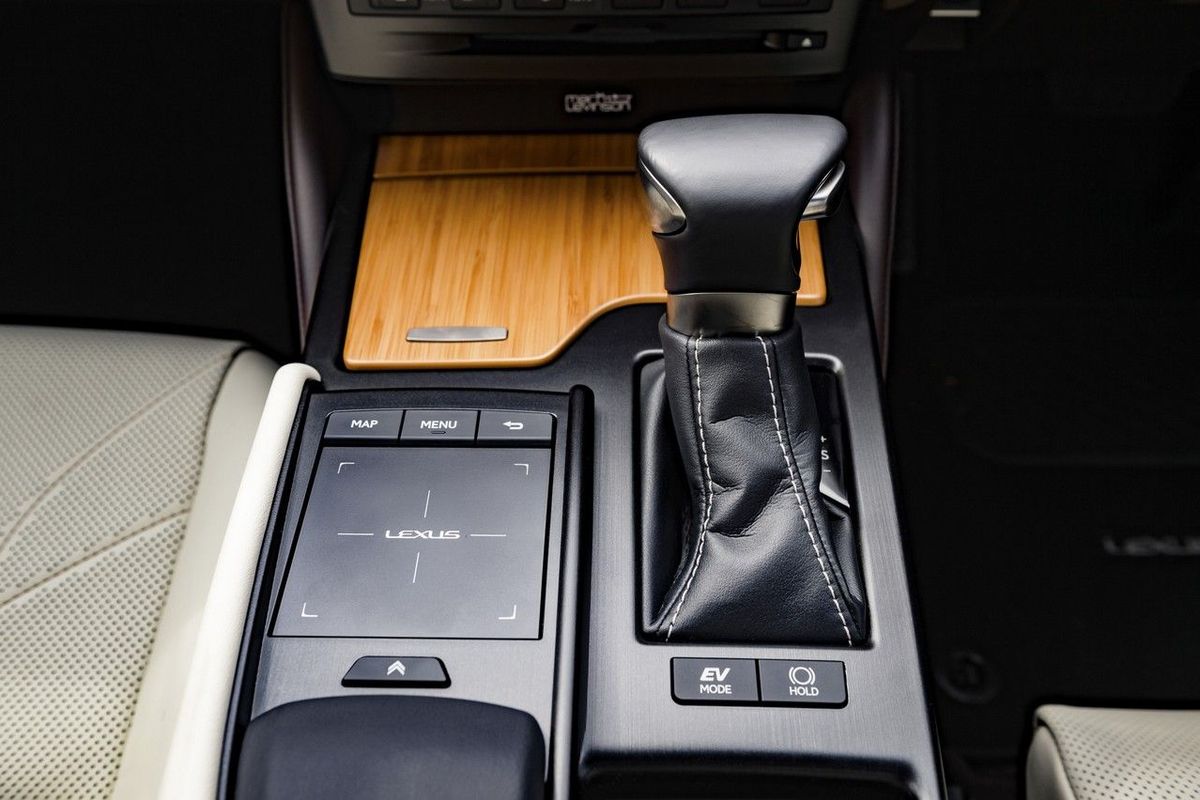
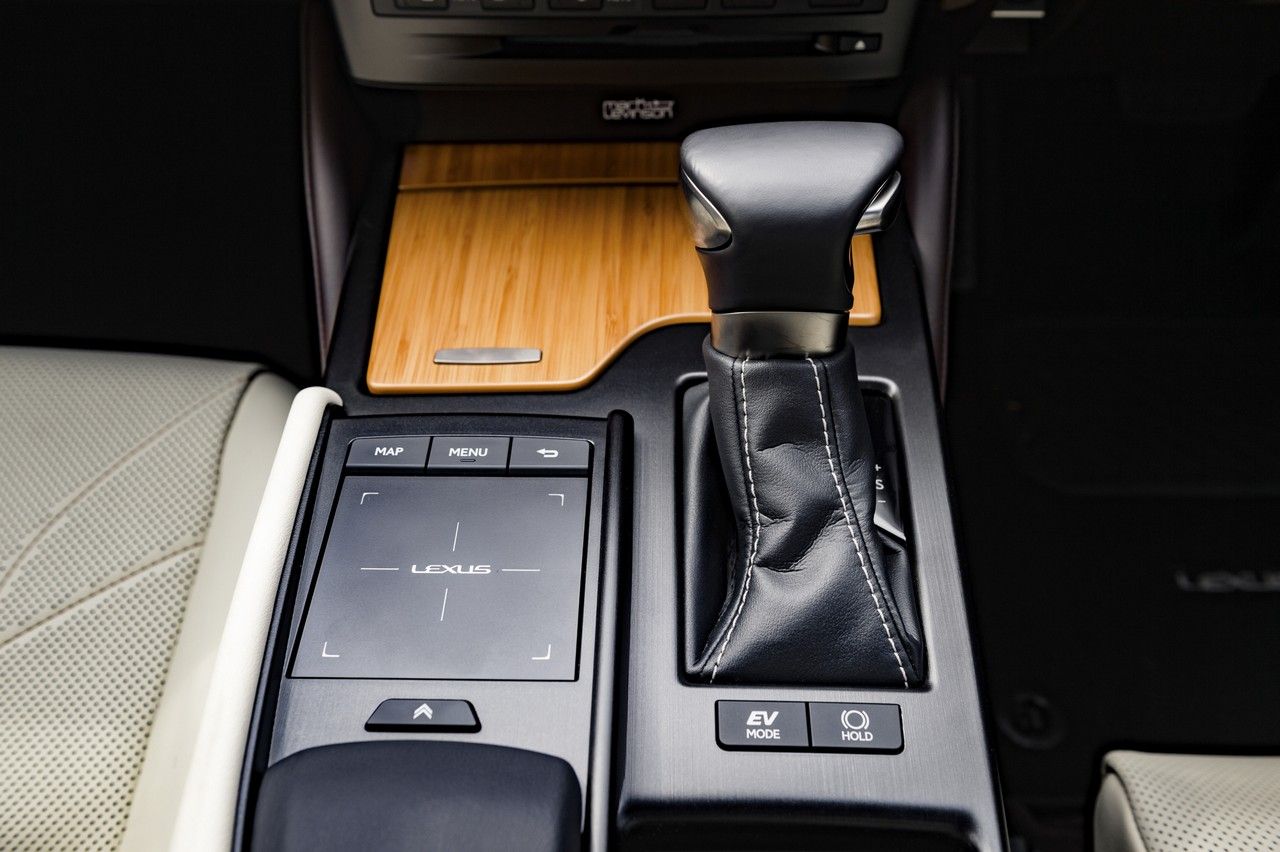
And criticism? Well, the cabin has a few minor ergonomic issues. As in other Lexus products, the infotainment system is operated by a square “Remote Touch” pad located next to the transmission lever. Unfortunately, those who are accustomed to using a clickable knob to sift through onboard menus are bound to find the interface imprecise, even fiddly, at first. We appreciated the crisp graphics of the 12.3-inch infotainment screen and how well it matched the look of the (mostly digital) instrument panel, but why do the lower fascia’s temperature readouts have to look so plain?
Luxurious specification?
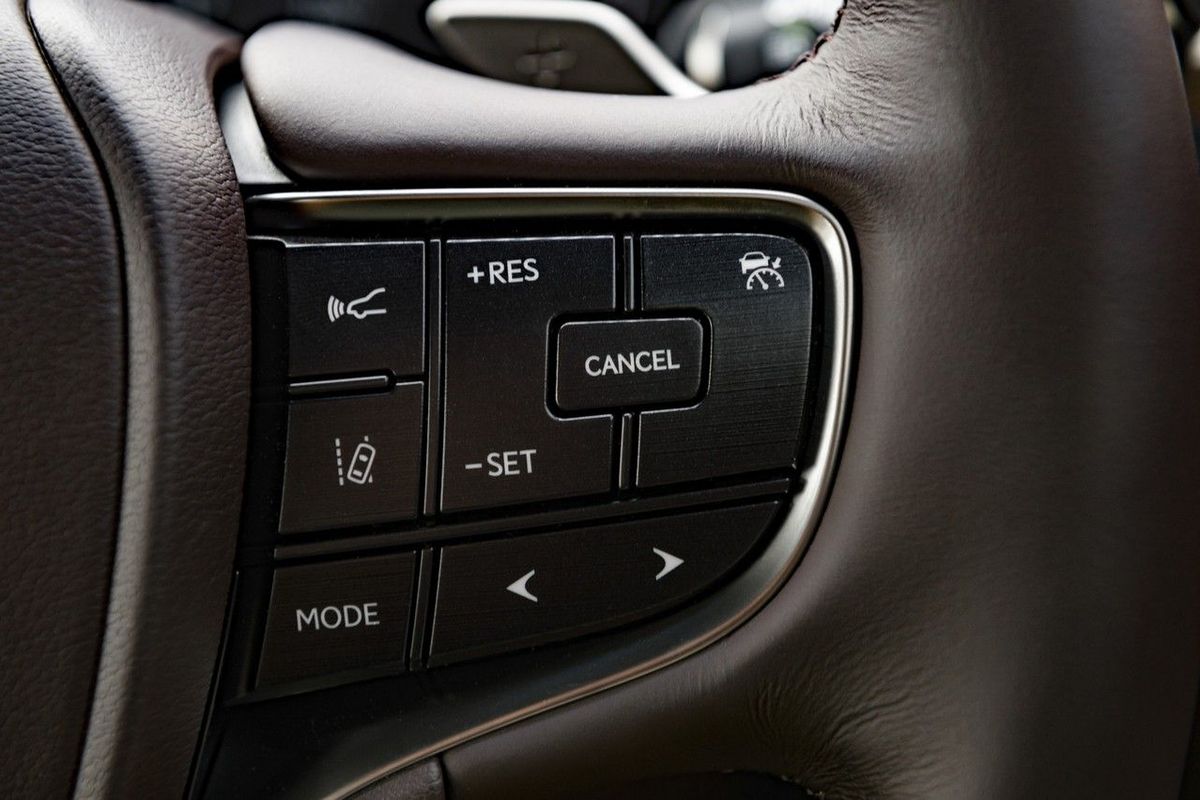
Most impressively, Lexus’ policy to equip its models with a comprehensive list of standard features makes the 300h ES (in particular, because it’s notably better equipped than the 250 EX) a tantalising proposition, compared with its continental rivals. Over and above the features we’ve already mentioned, the Lexus sports a wireless phone charger in its centre console, satnav, adaptive cruise control, a head-up display, a 17-speaker, 835-Watt Mark Levinson surround sound audio system, a surround-view monitor (including the reverse-view monitor) and expansive sunroof.
The Remote Touch controller has received quite a bit of criticism in the past. It requires familiarisation, but not as much as you'd think.
Of course, all of that excludes the safety specification, with incorporates a Pre-Crash System (underpinned by the radar and camera technology of the Dynamic Radar Cruise Control) with synchronised braking, lane-departure alert with lane-keeping assist, ABS with EBD, vehicle stability control, hill assist- and traction control, blind-spot monitor, PDC all round, and a total of 8 airbags, including a pair of knee 'bags up front.
Performance and refinement?
Let’s start with the good news first. Whether mostly as a result of aerodynamic efficiency and superior acoustic insulation, or a superbly pliant, comfort-biased suspension configuration (more likely a near-perfect combination of the two), the ES 300h has utterly refined road manners.
The Lexus positively wafts down the road in a way that few executive sedans, most of which ride on somewhat sportily-sprung suspensions and are probably shod with large alloys wrapped in low-profile tyres, can. Few driving experiences are as relaxing, or indeed as mindlessly luxurious, as cruising on the highway with the Lexus’ safety systems taking care of several of the driver’s responsibilities (there is no active cornering assist system, which is, perhaps, a bit of an oversight). We traversed a few marginal roads in the Lexus and its progress was mostly unflustered.
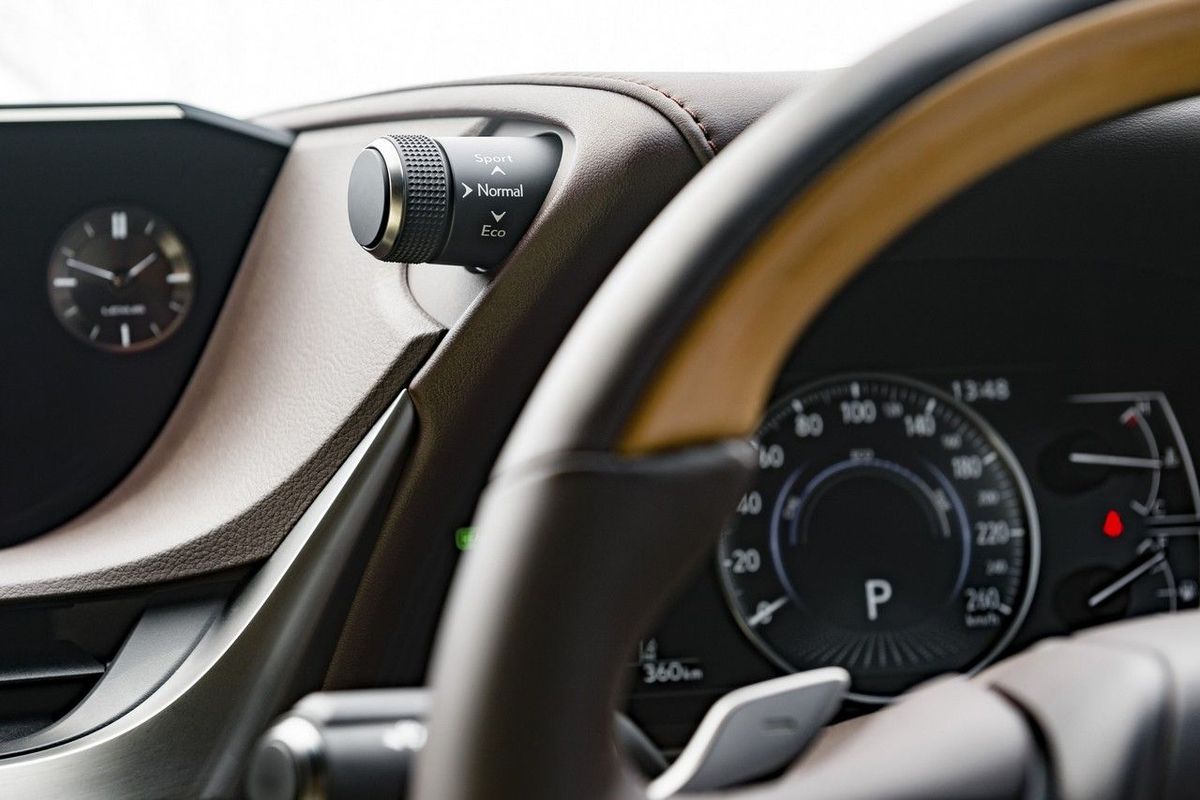
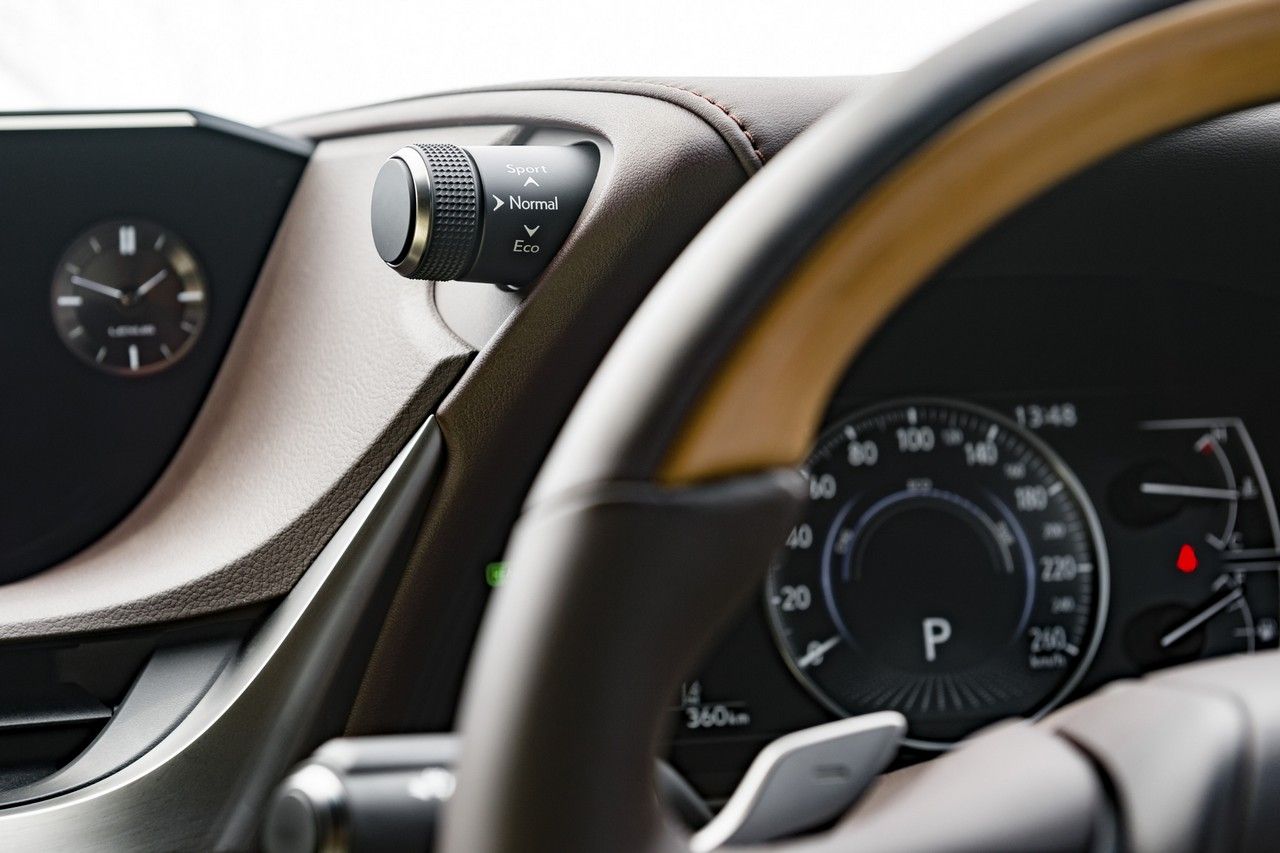
The placement of the drive mode selector (atop the instrument binnacle) is a bit strange. It's of little use in the ES 300h, anyway.
The downside to that easy-going on-road demeanour is that in terms of dynamism, the Lexus offers little in the way of driver involvement. The smooth, effortless steering feels largely inert, even remote, and, as efficient as the petrol-electric powertrain can be if driven with a measured approach (an ambitious consumption figure of 4.6 L/100 km is quoted for the 300h SE), it offers a merely moderate torque output, which means overtaking thrust is limited – or at least takes a while to make its presence felt. Most disappointing, however, is the lumpy braking performance… The Lexus has to use its brakes to harvest kinetic energy (which it uses to add charge to the battery) and, of course, haul around the added weight of the battery, motor and peripherals. As a result, the car feels heavy and the brake pedal requires firm pressure to scrub off speed in the twisties.
Price and Warranty
The 300h SE derivative of the ES range retails for R843 800 (February 2019), which includes a 7-Year/105 000 km warranty and an industry-leading 7-year/105 000 km maintenance plan.
What would it take to park these in your driveway? Lexus offers an impressive warranty, maintenance plan and guaranteed future value deals…
Verdict
Suffice to say the flagship of the new Lexus ES range makes a very strong first impression – and grows more likeable the more you drive it. Its aesthetic packaging has a great sense of occasion, the interior looks and feels grand and, what’s more, the feature-packed specification adds a sense of value for money, which seems odd at the 300h SE’s price point, but makes sense if you consider the lengths of its rivals’ options lists.
Alas, it’s not an all-rounder – it’s a handsome, spacious, luxurious and comfortable cruiser that reminds of plush land yachts of yesteryear, but then that might be exactly what most members of its target market are looking for. We sense that Lexus’ 2.0-litre turbo motor or even the venerable naturally aspirated 3.5-litre V6 might add a bit more pizzazz to the ES' driving experience, but as things stand, the hybrid setup is probably best suited to well-heeled commuters who need to negotiate gridlock traffic on the way to (and back from) their offices as (fuel) efficiently as possible.
Also consider that thanks to the 7-year/105 000 km maintenance plan, the Lexus represents a better-than-most long-term ownership proposition, which is a big plus, seeing that rapid depreciation hurts executive sedans (across the board) harder than hatchbacks and SUVs… Let us put it this way: you don’t want to sell on these cars after a couple of years of ownership unless you absolutely have to. To soften the blow, however, Lexus offers a number of guaranteed future value deals on the ES range from the outset – click here to learn more about Future Drive packages.
In a shrinking segment, Lexus has stuck with what it does best: comprehensive luxury. However, it looks much more enticing than before.
Alternatives (click on the names for specification details):
The Bavarian manufacturer’s self-styled “business athlete” offers reasonable performance and verve in 520i M Sport guise, but, expect to pay handsomely to spec it up to near the ES 300h SE’s level of appointment.
Although the current generation of XF doesn’t quite excite the senses in the way its predecessor did, there’s much to like about the spirited Jag, including its dynamic character. It's not quite as well made as the Lexus, however, and not particularly well equipped in Prestige spec either.
The Three-pointed Star’s E-Class has won the executive sedan category of the Cars.co.za Consumer Awards, powered by WesBank, for 2 years in a row, although not in E250 guise. The E-Class has an impressive melange of talents, although the ES, in 300h SE form, feels more luxurious.
Widely regarded as the best-kept secret in the segment, the S90 exudes cool elegance and tasteful understatement. With the Inscription package, the T5 derivative lacks very little and Volvo offers enticing deals to get you behind the ‘wheel. You can even rent one for 6, 12 or 24 months.
The first month of 2019 is out of the way. How have car sales begun in 2019?
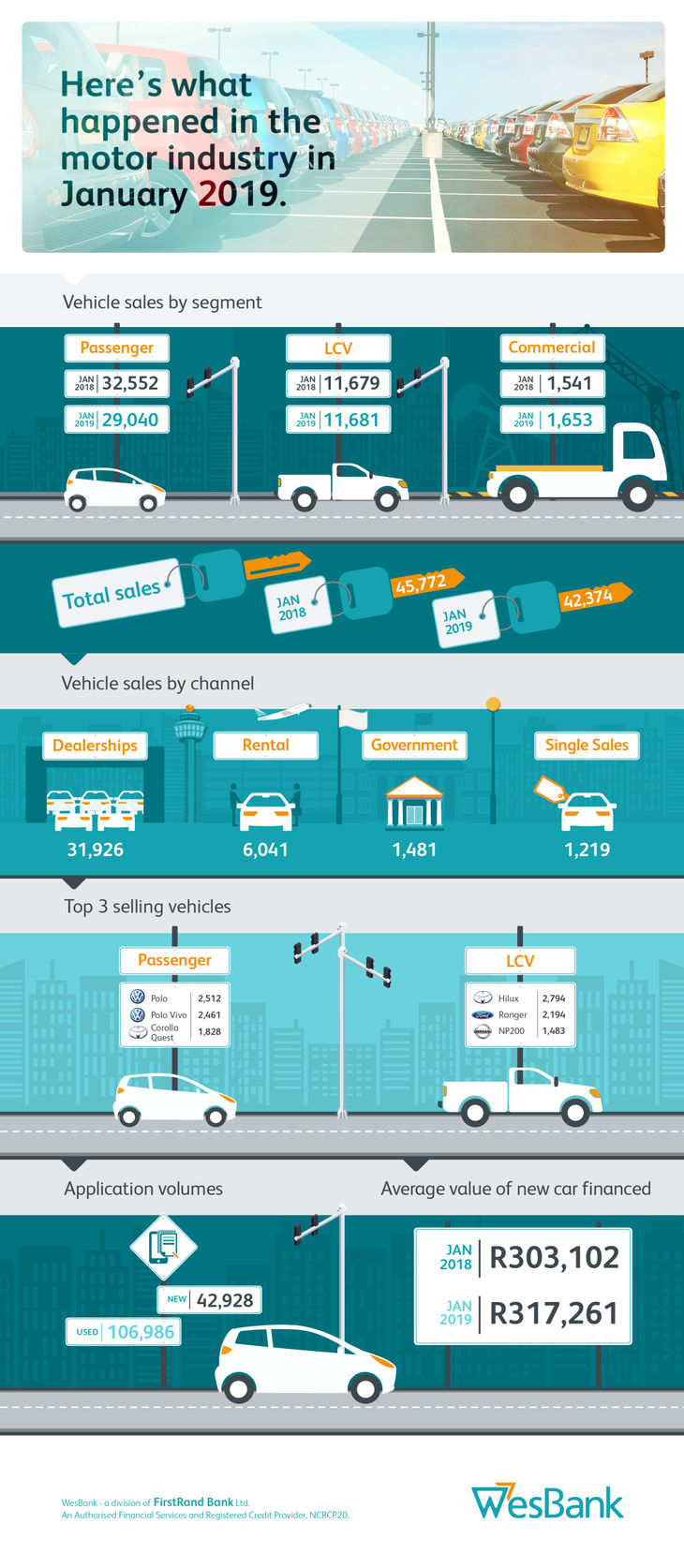
The local vehicle market is not off to a great start in 2019 with a total sales decline from the same period in 2018. New vehicle sales stumbled into 2019 with industry sales down 7.4% to 42 374 units year-on-year. According to the National Automobile Association of South Africa (Naamsa), passenger vehicles sales declined 10.8%, while Light Commercial Vehicle sales remained flat with 0% growth compared to January last year.
“This doesn’t come as a surprise given WesBank’s outlook for the new vehicle marketing during 2019,” says Ghana Msibi, WesBank Executive Head of Sales and Marketing. “We expect the first half to be slow given the increased pressure on household budgets as interest rates slowly increase and, especially, the political uncertainty towards the May elections.”
The rental market impacted the market substantially, slowing 25.7% to 6 041 units “We anticipated many tender processes and fleet deals to be delayed until after the elections but expect business to resume to normal levels in the second half of the year,” continued Msibi. “But these 2 091 fewer units in the market are a significant portion of the 3 398 fewer units sold during January.”
New car sales summary: January 2019
Aggregate new car sales of 42 374 down by 7.4% (-3 398 units) compared with January 2018.
Passenger car sales of 29 040 down by 10.8% (-3 512 units) compared with January 2018.
Light Commercial Vehicle (LCV) sales of 11 681 flat (+2 units) compared with January 2018.
Export sales of 18 289 up by 29.4% (+4 160 units) compared with January 2018.
Prospects for domestic new vehicle sales would be affected by the subdued current macro-economic environment and pressure on consumers’ disposable income. The November, 2018 0.25% increase in interest rates had impacted on new car demand due to higher vehicle financing costs.
Most automotive companies expected new vehicle sales to be flat during the first half of the year, however, following the general election and policy reforms, including expectations of a growth-enhancing budget, domestic sales should improve during the second half of the year.
The expected business conditions component of the latest Purchasing Managers’ Index, which tracked expected business conditions in six months time, had risen sharply. Besides this positive development, average new vehicle pricing remained at around 2.5% remained well below the inflation rate and this would assist in improved new vehicle affordability for consumers.
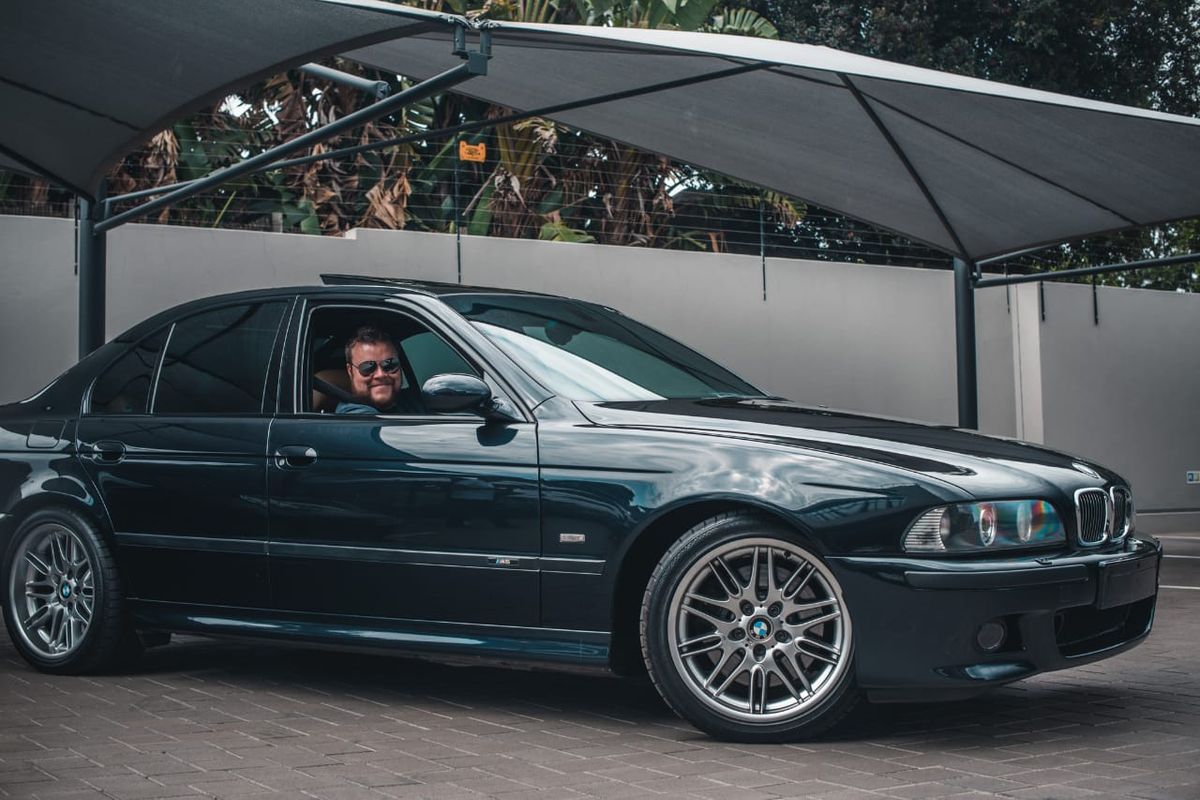
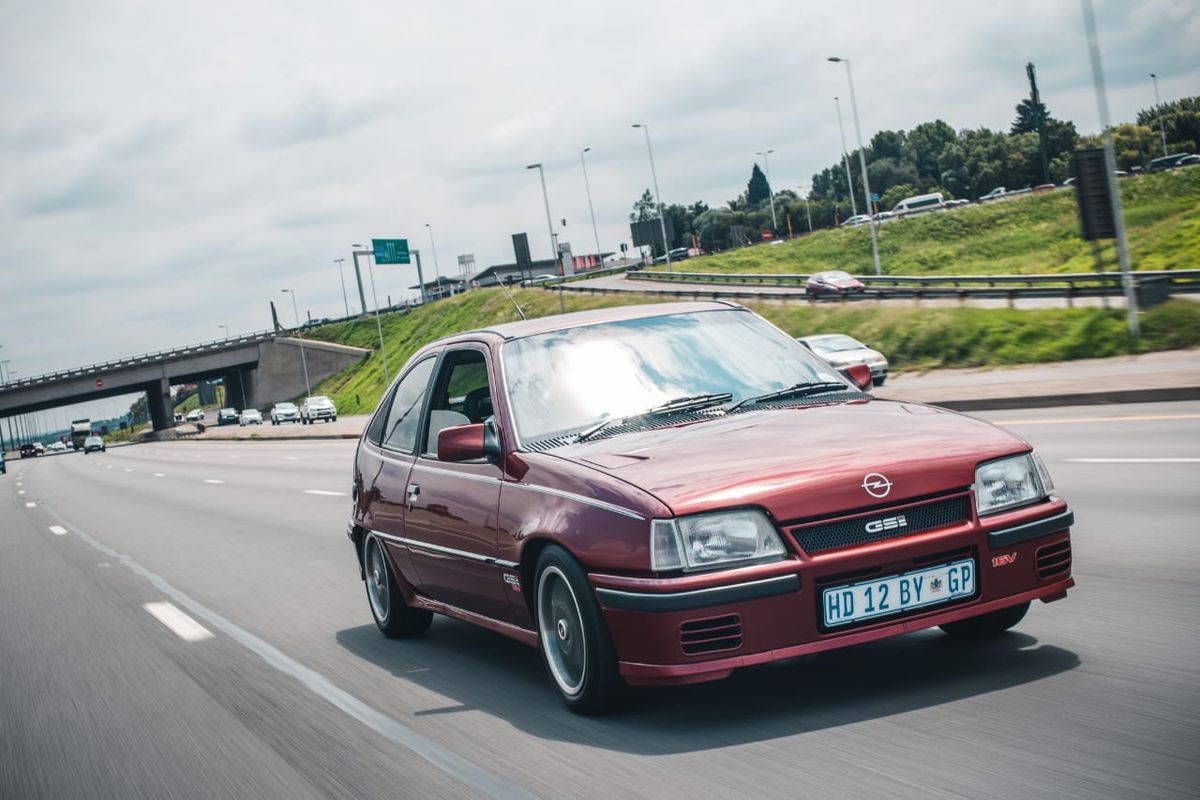
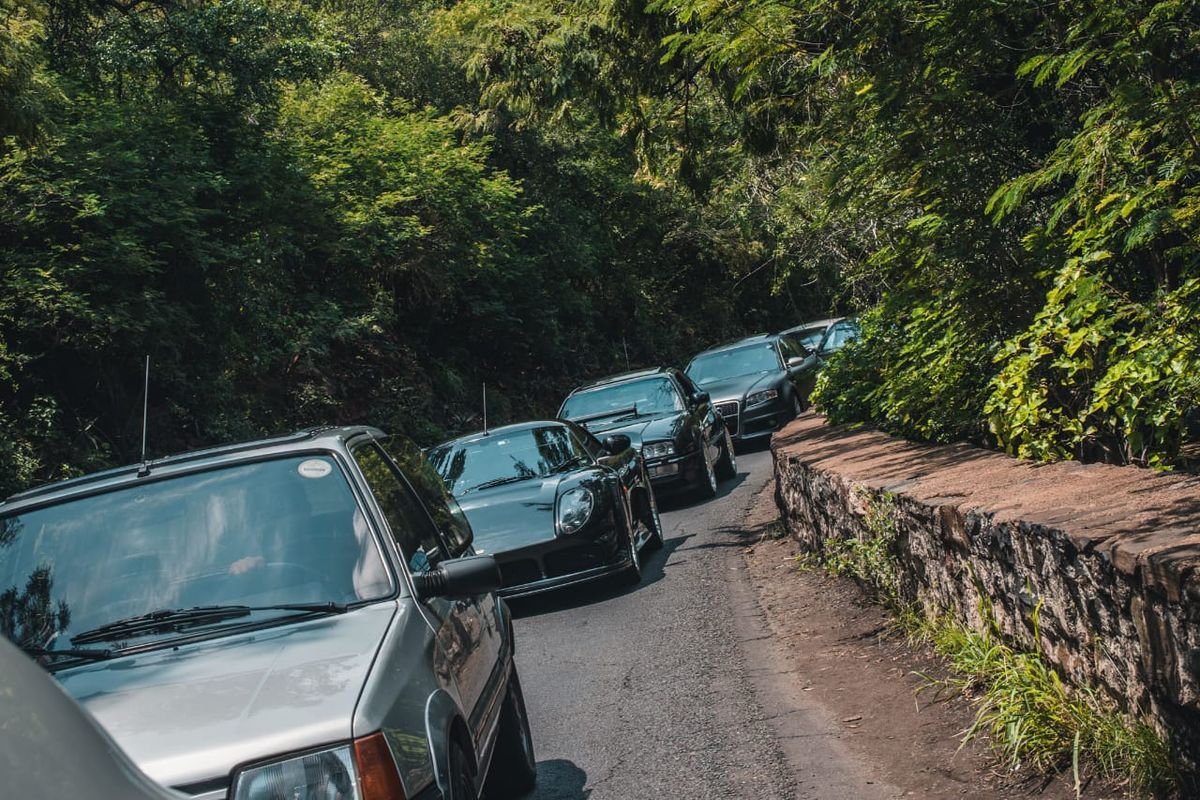
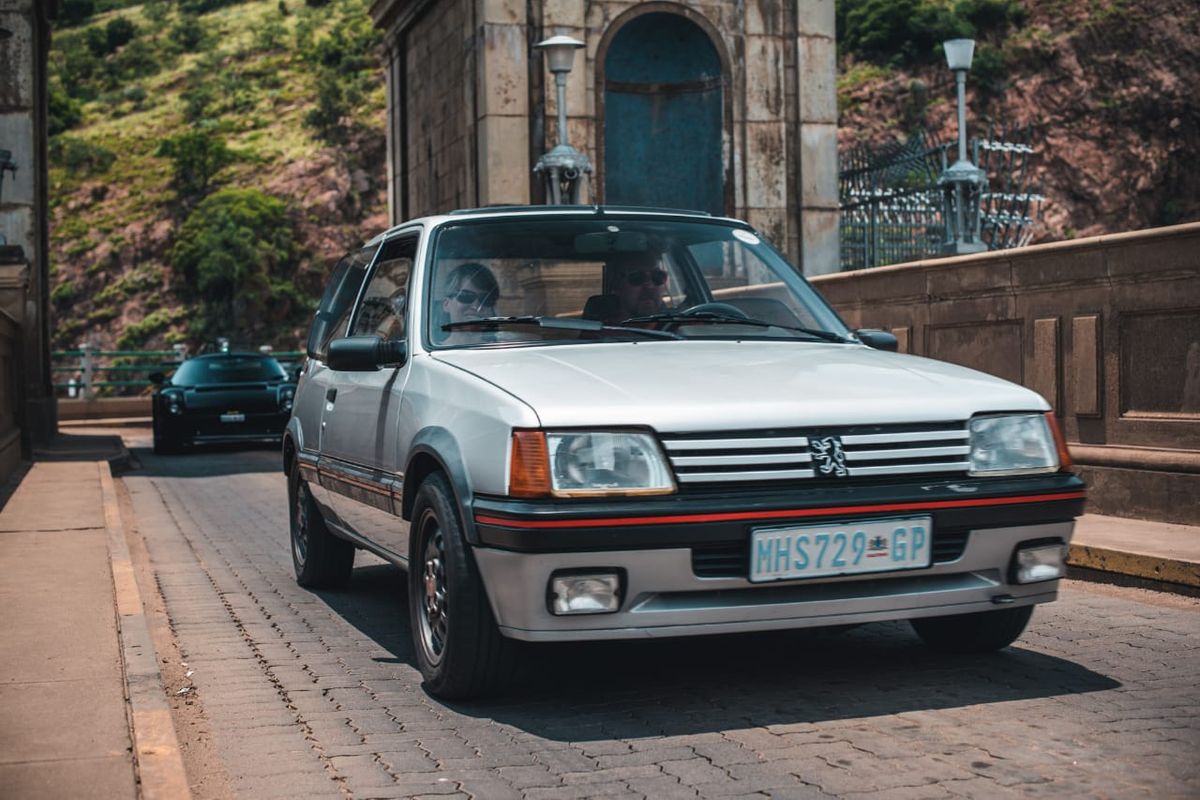
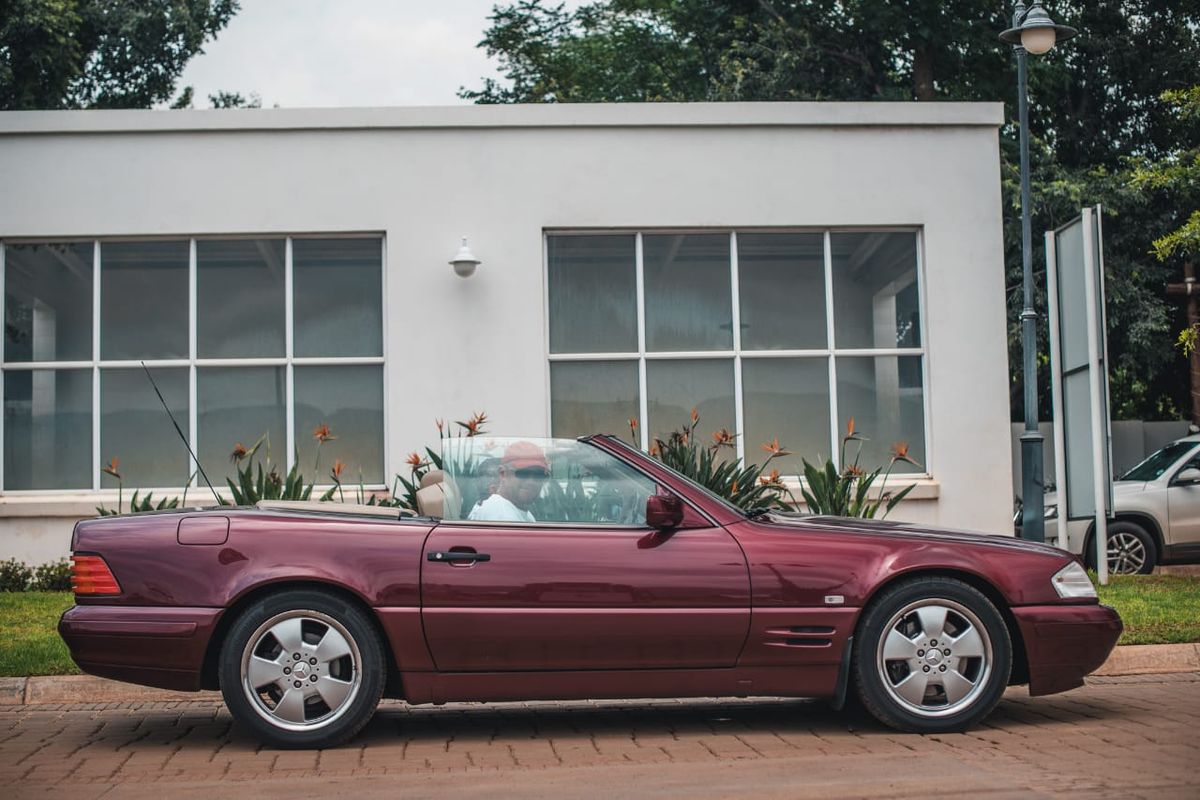
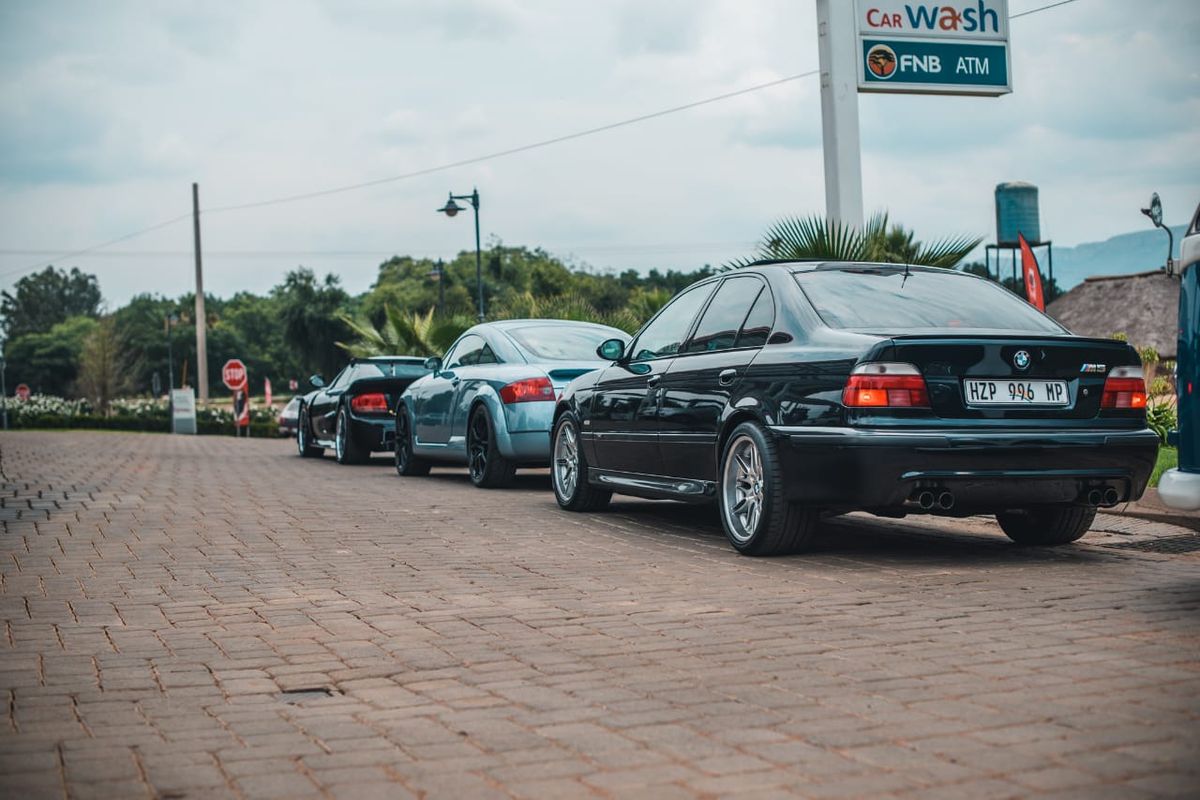
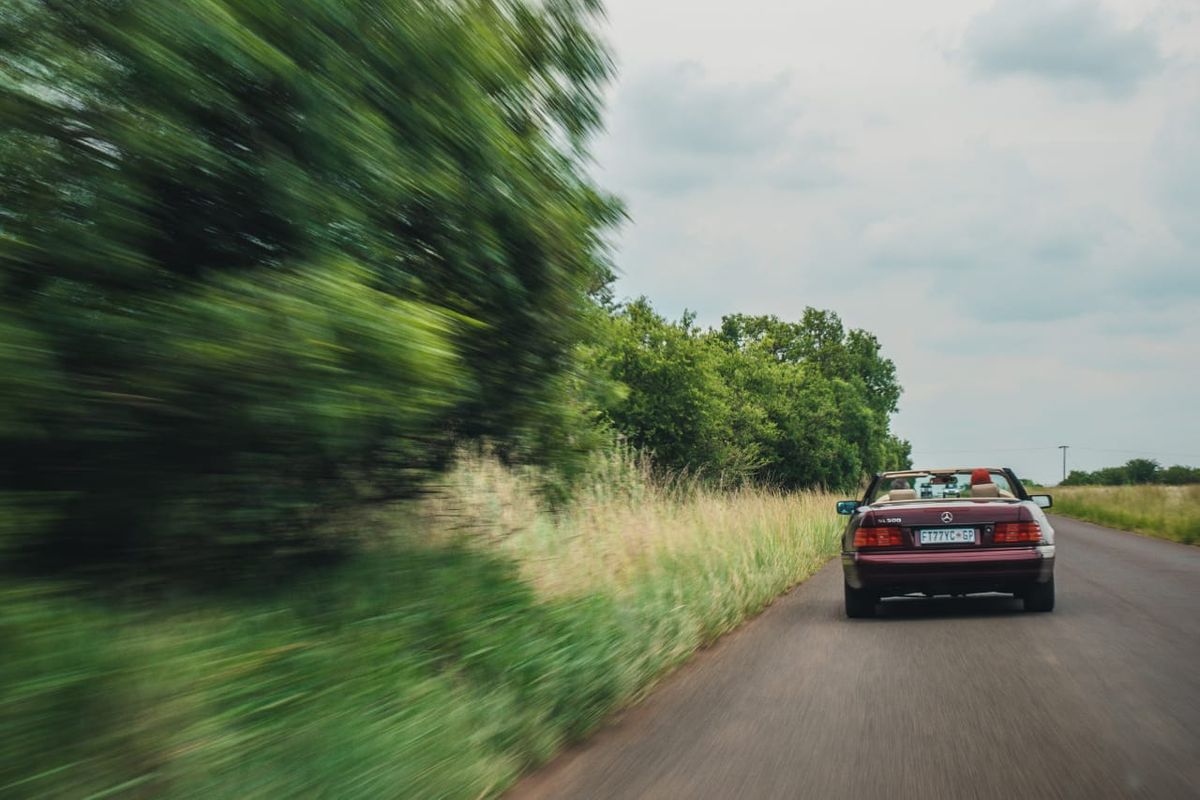
6 Cars that rocked the SentiMETAL Outrun (gallery)
The Cars.co.za SentiMETAL project kicked up several gears this past weekend with the first Gauteng Outrun, and the machines that showed up were pretty special…
Photography by Roarke Bouffe
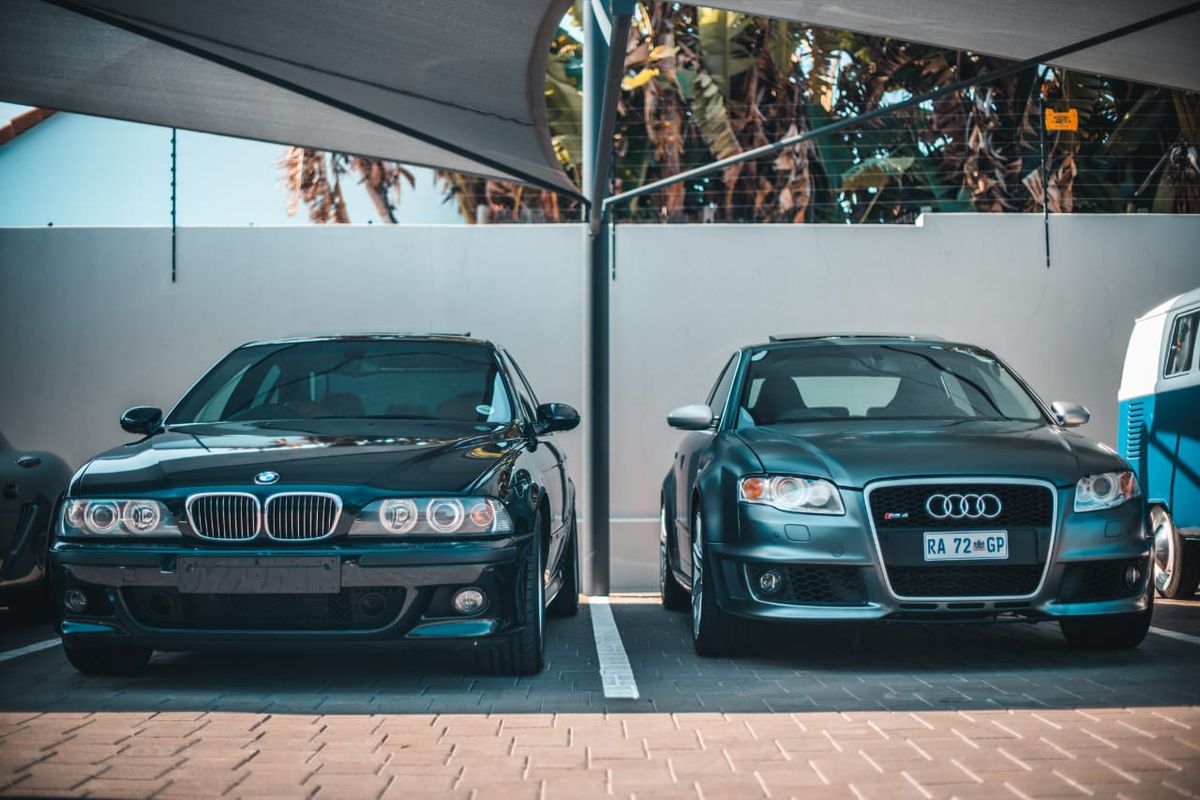
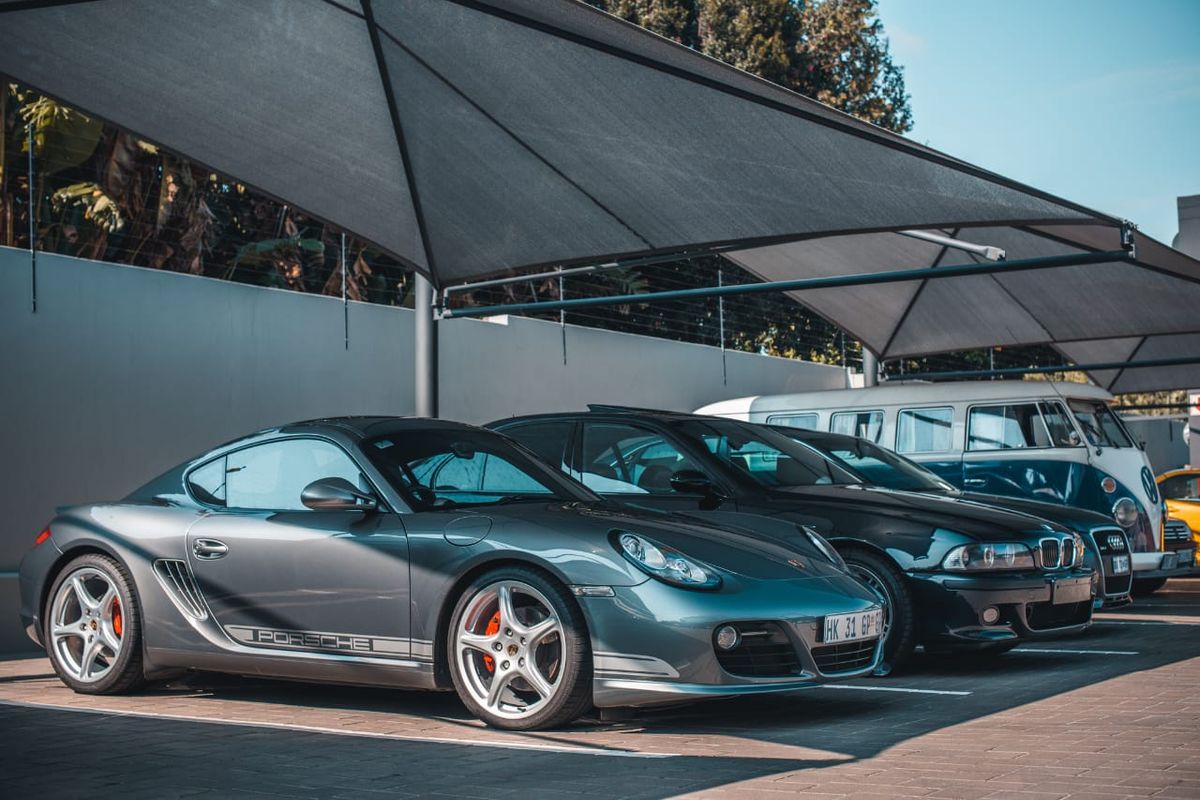
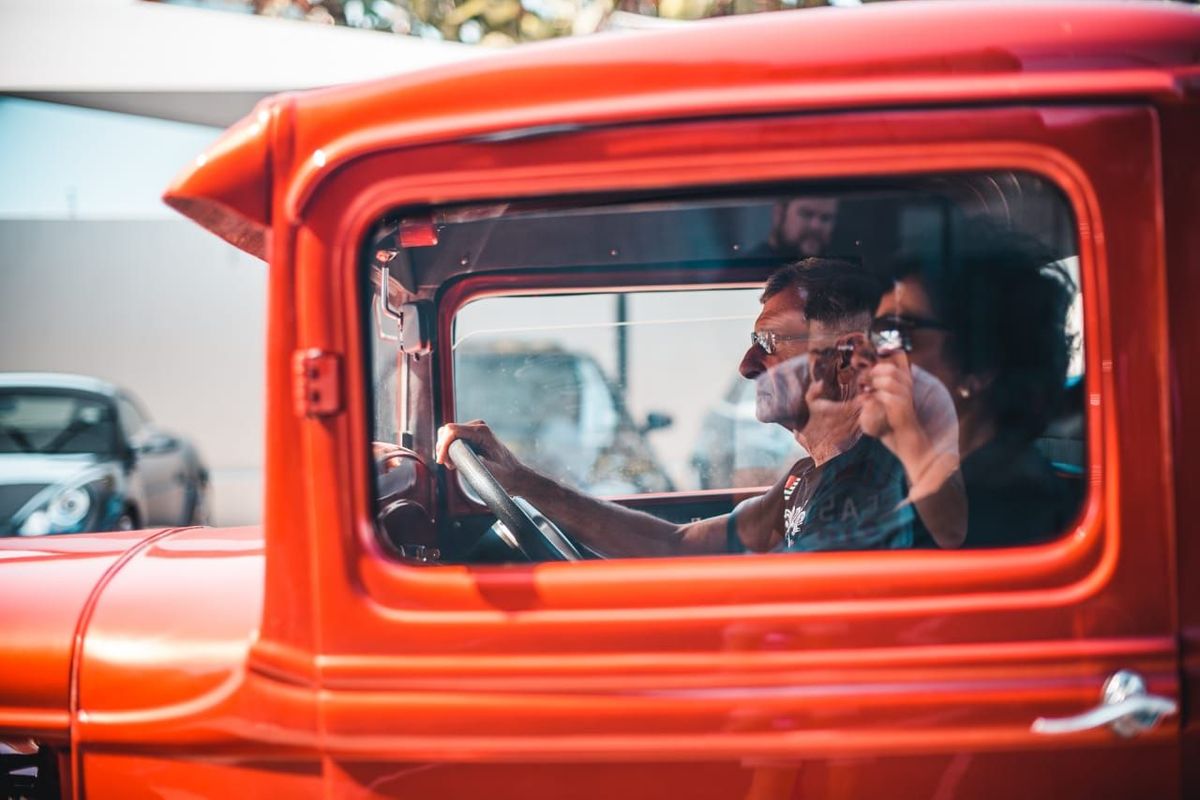
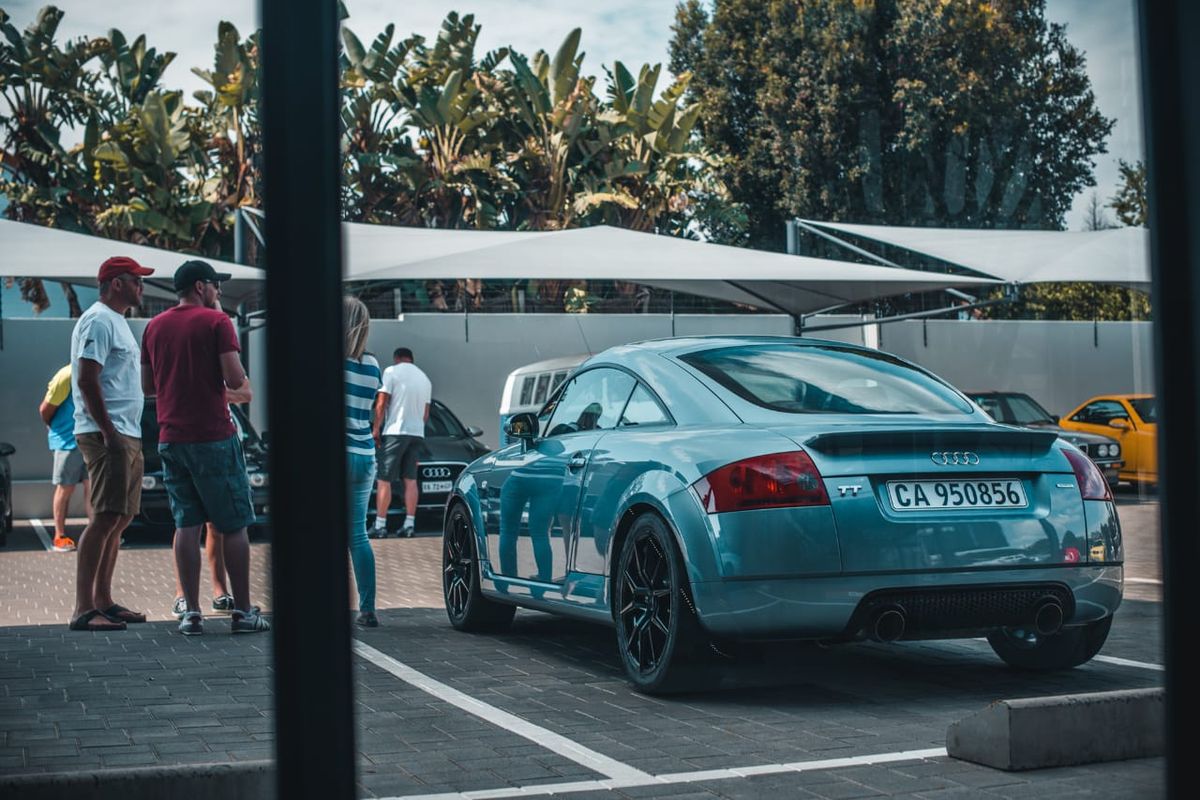
The idea with the SentiMETAL project is to create a community of car lovers that spans across brands, generations and all other barriers, and bring enthusiasts together for the purpose of enjoying their cars, while creating awareness and appreciation. "South Africans are passionate about cars, and we have a very rich heritage," says Hannes Oosthuizen, Cars.co.za's Consumer Experience manager. "We want to play our part in protecting this heritage, and also help create passionate new fans for the future. We believe cars shouldn't be put on pedestals, and be enjoyed on the road," he added.
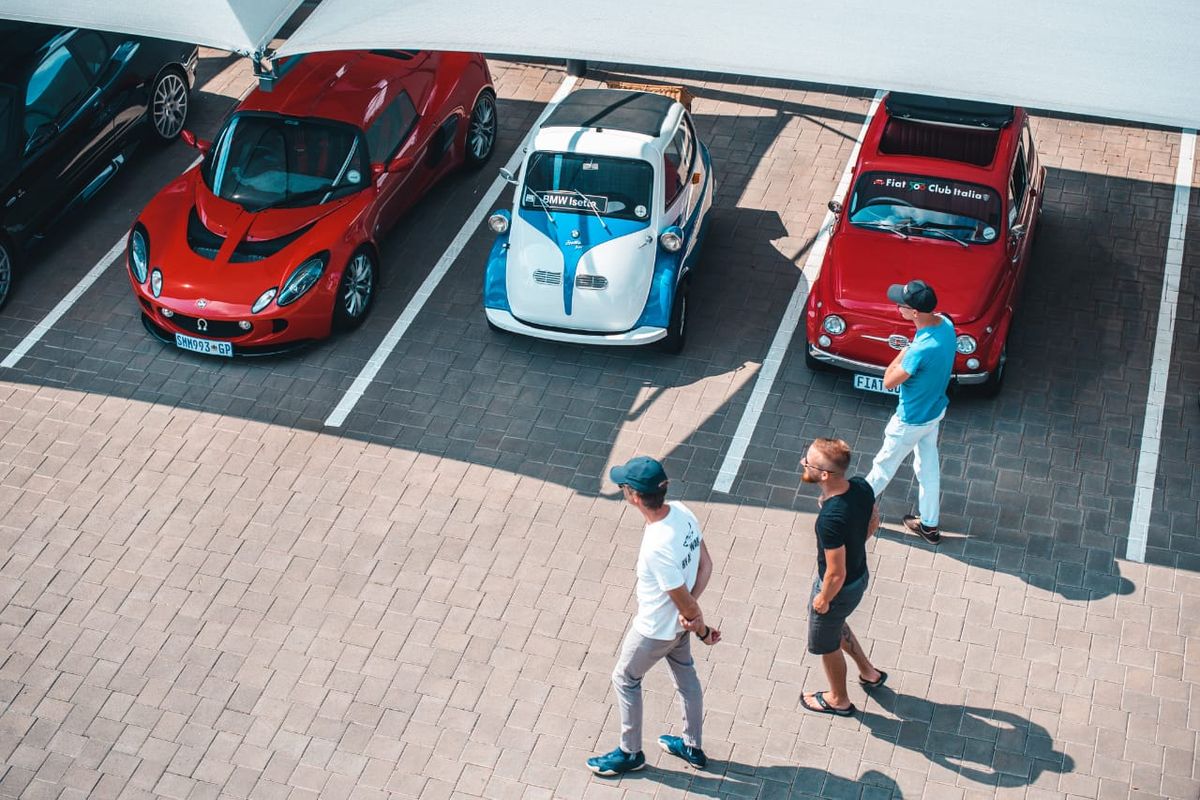
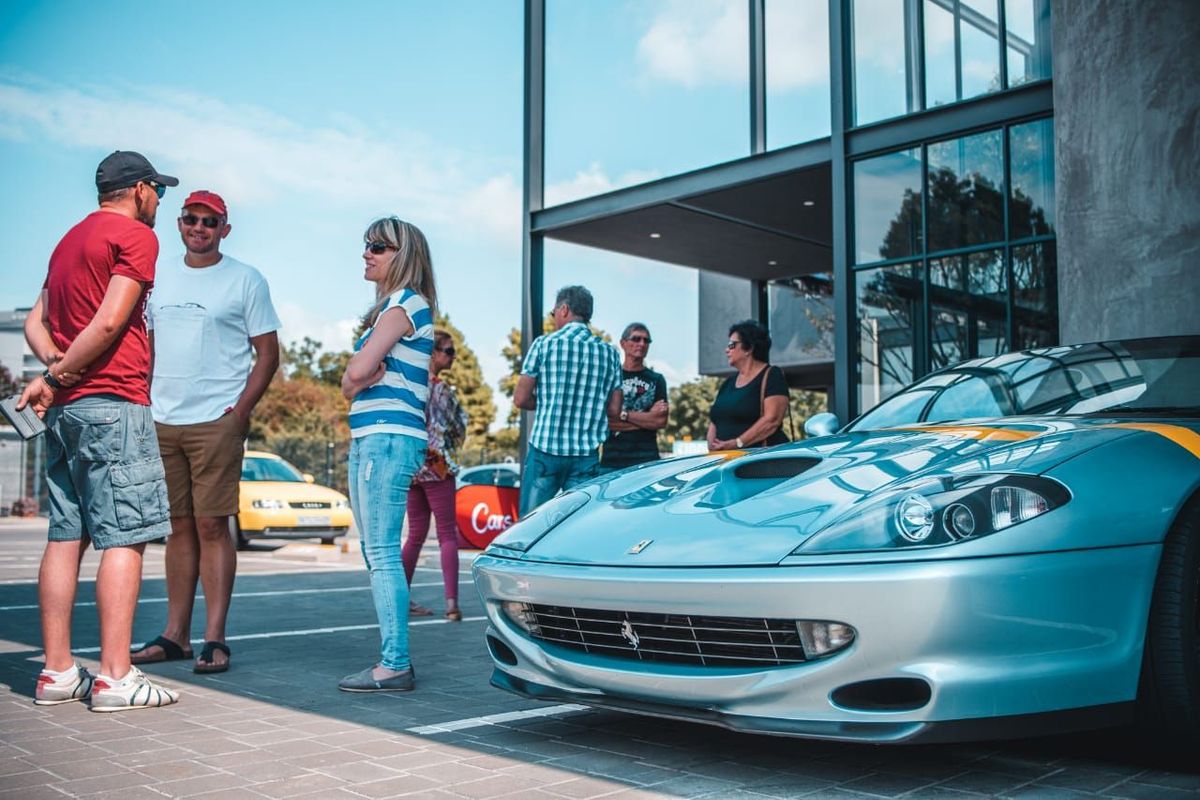
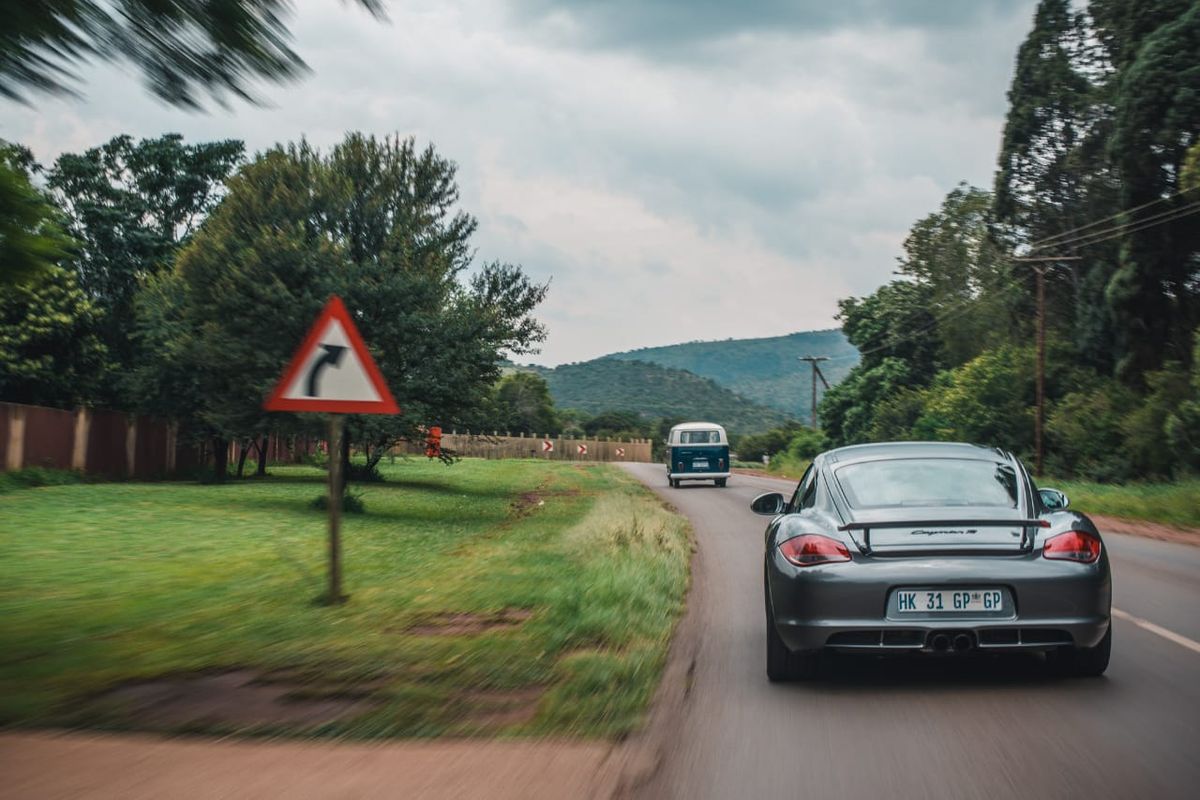
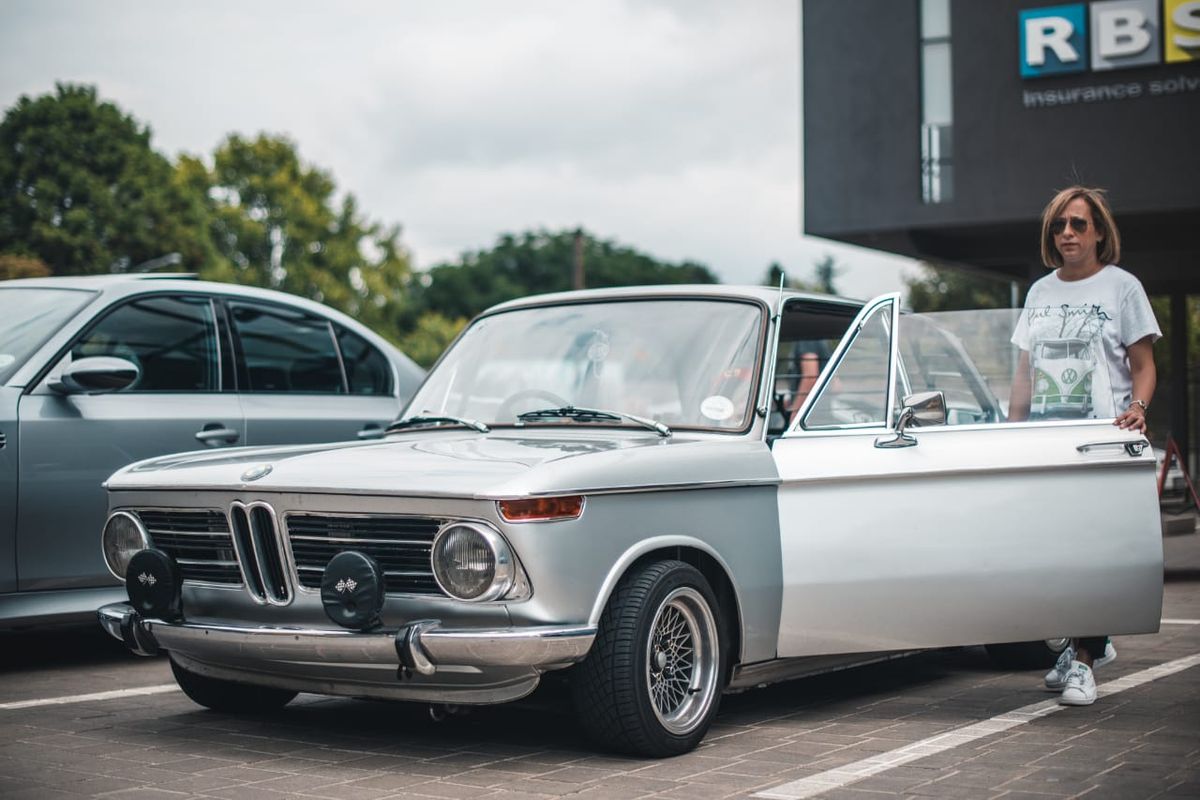
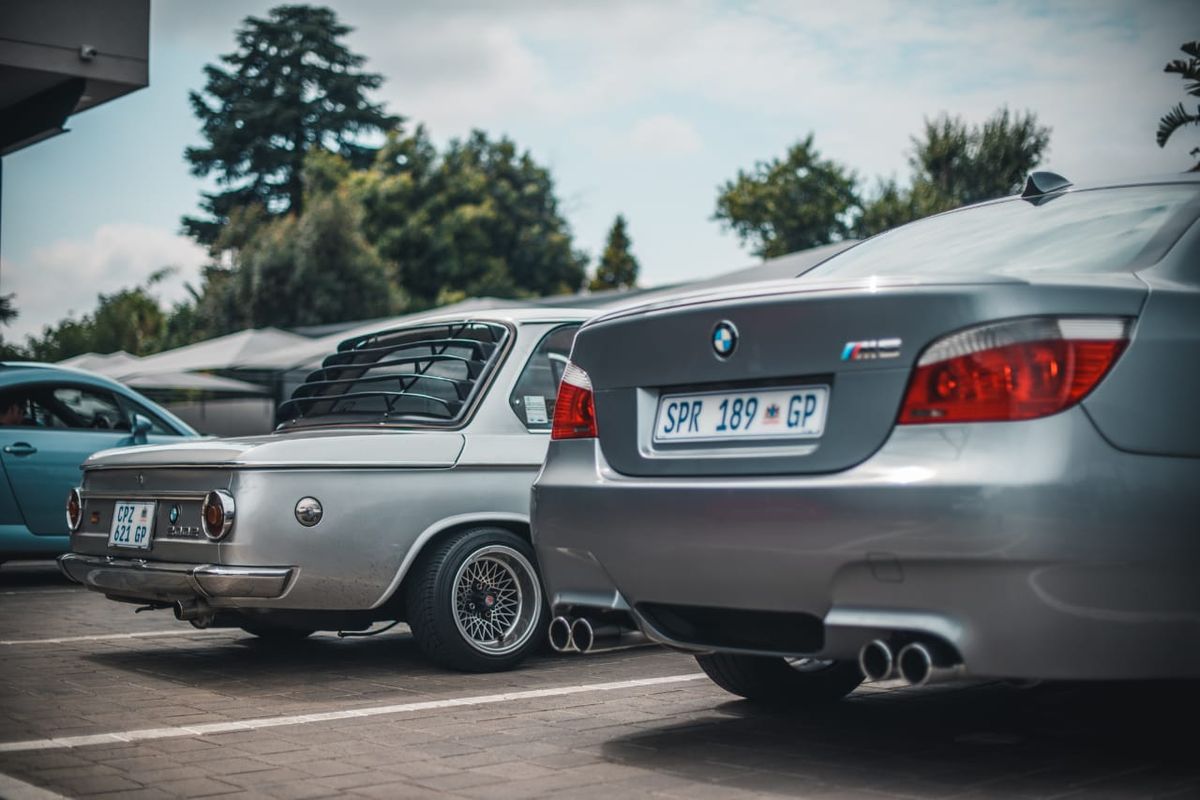
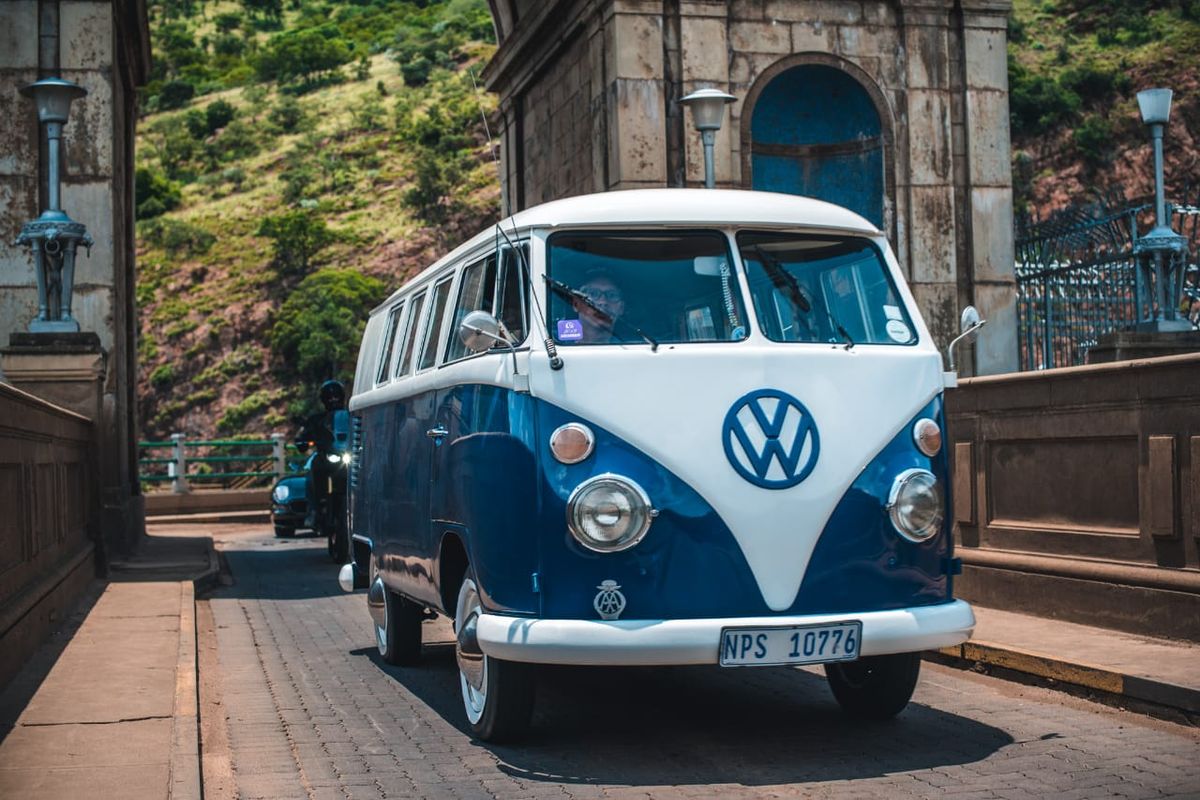
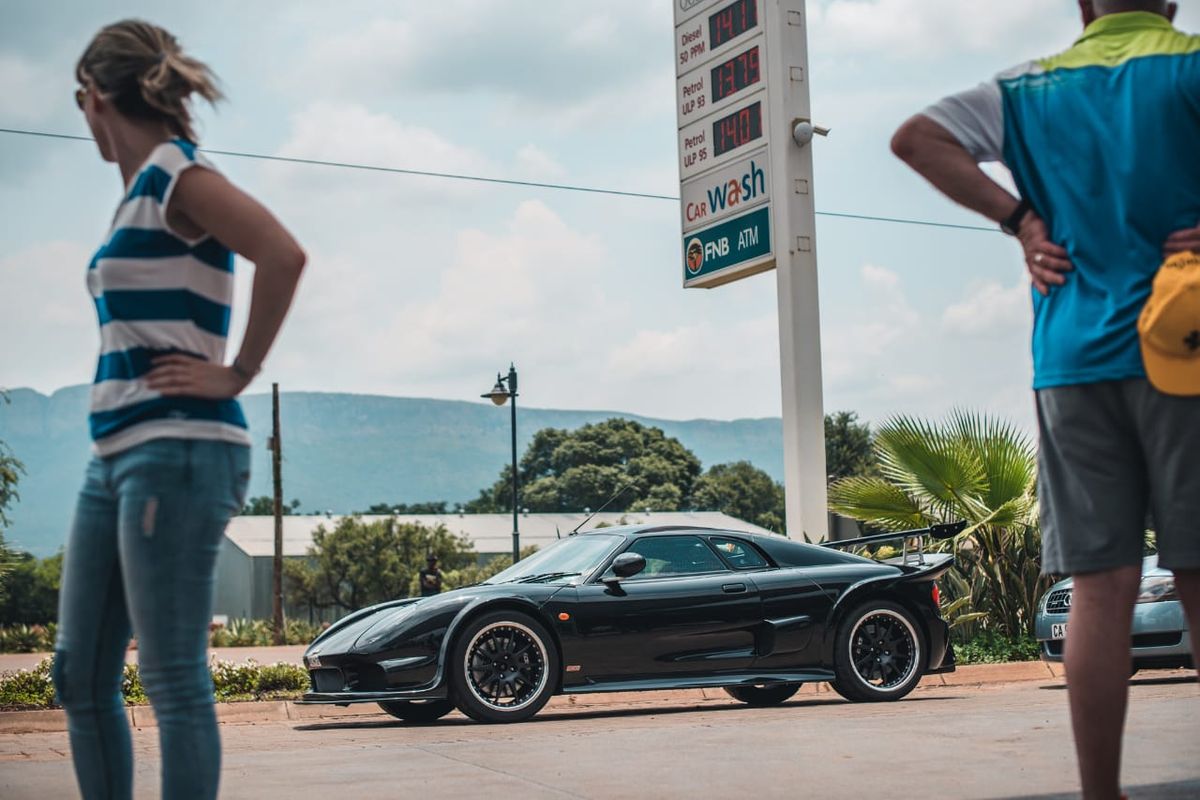
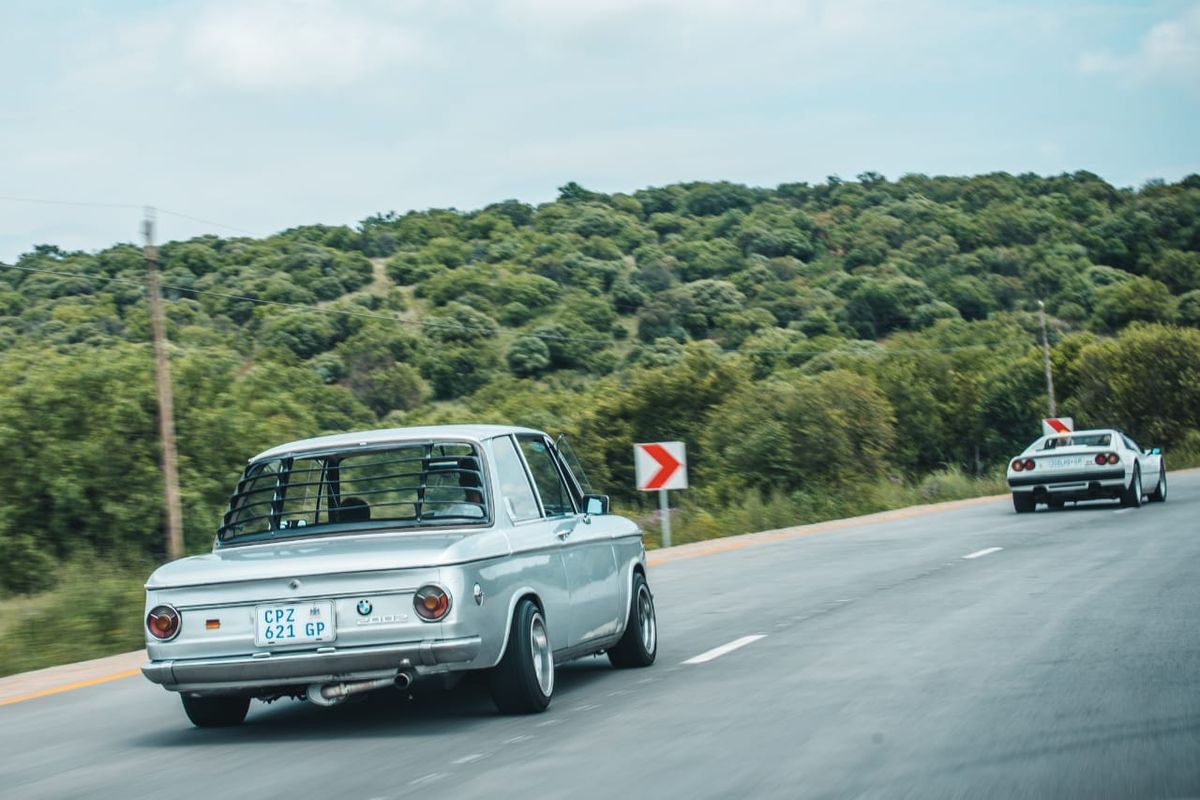
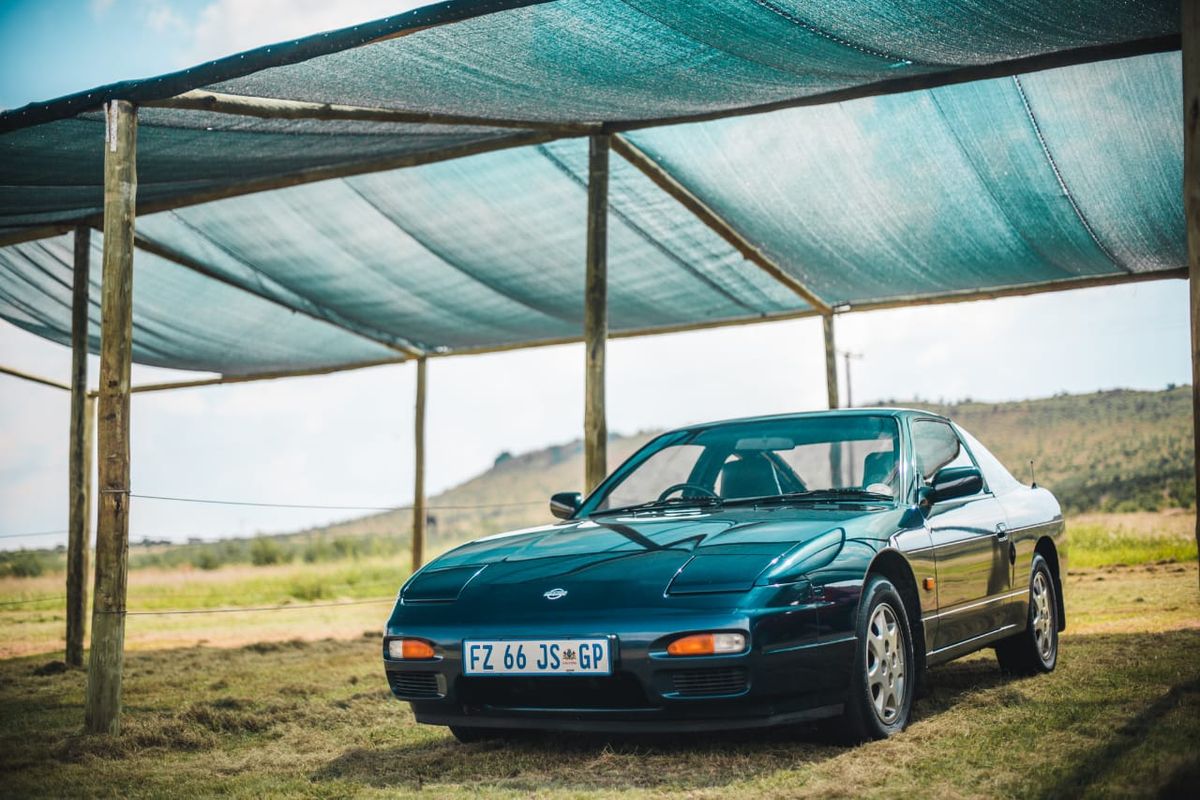
The Outrun on Sunday was just a first step to bigger plans for the SentiMETAL brand, which started in 2017 with a popular video series – find them here. The inaugural run took the 30-odd cars from the Cars.co.za office in Bedfordview to the Hartbeespoort Dam before finishing at a nearby lunch spot. "These drives are not about speed, but about just having a good drive out with like-minded people, enjoying the scenery and good company." The first meeting featured a stunning and diverse selection of machines, including rarities such as an Alfa Romeo Montreal and Ferrari 550 Barchetta.
The next Outrun is planned for Cape Town in early March. If you have a cool car, visit the SentiMETAL Facebook page to get in touch.
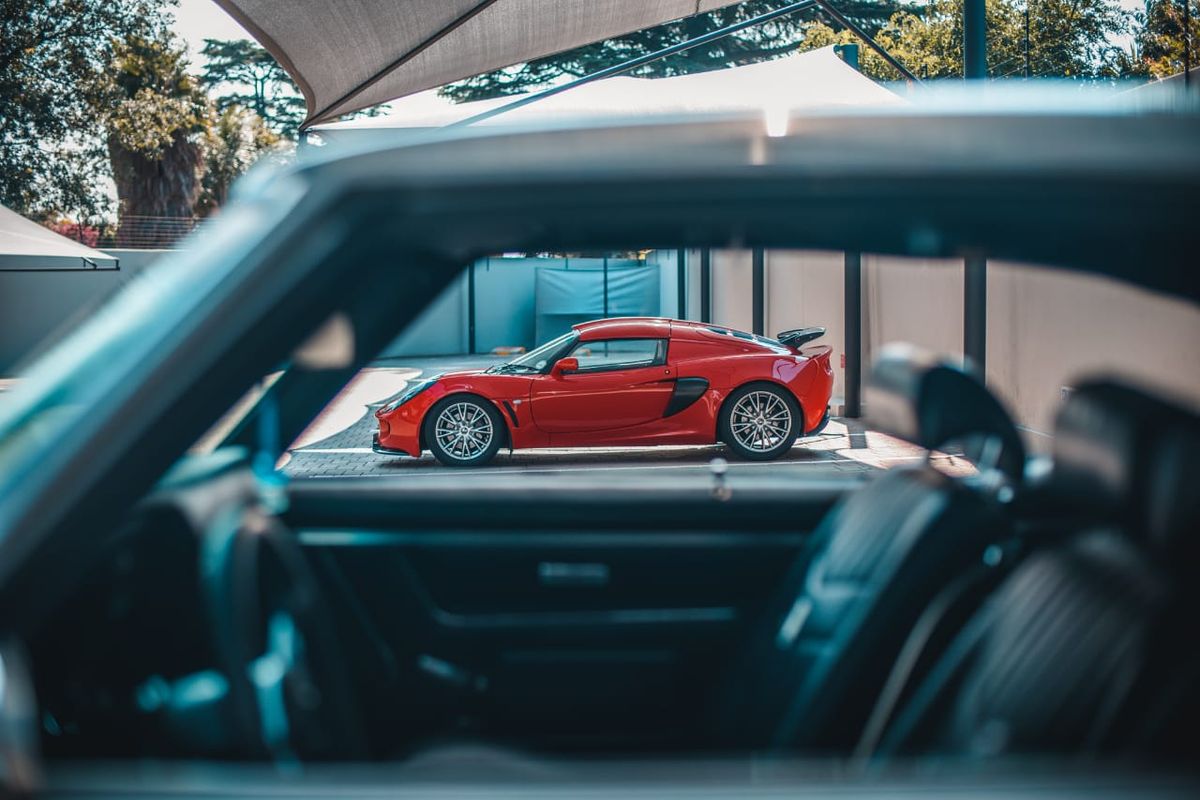
Here are some of the cars that made the Johannesburg Outrun so epic…
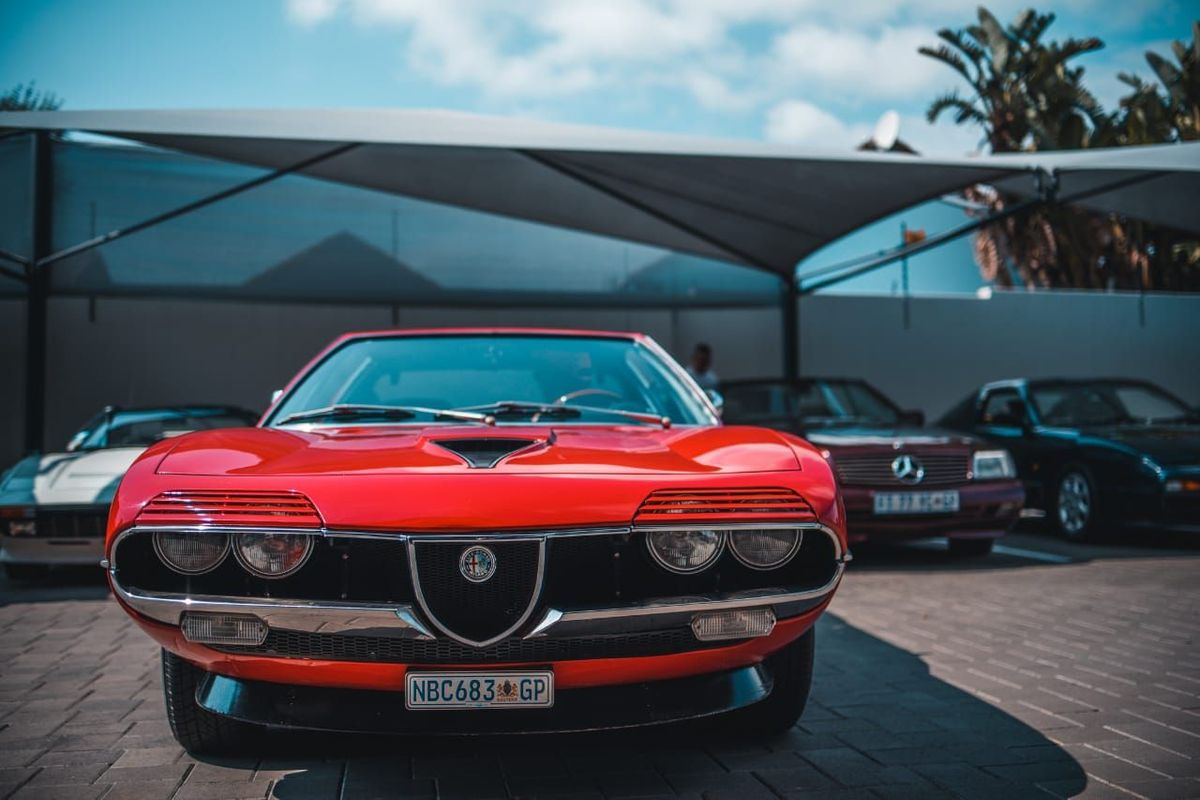
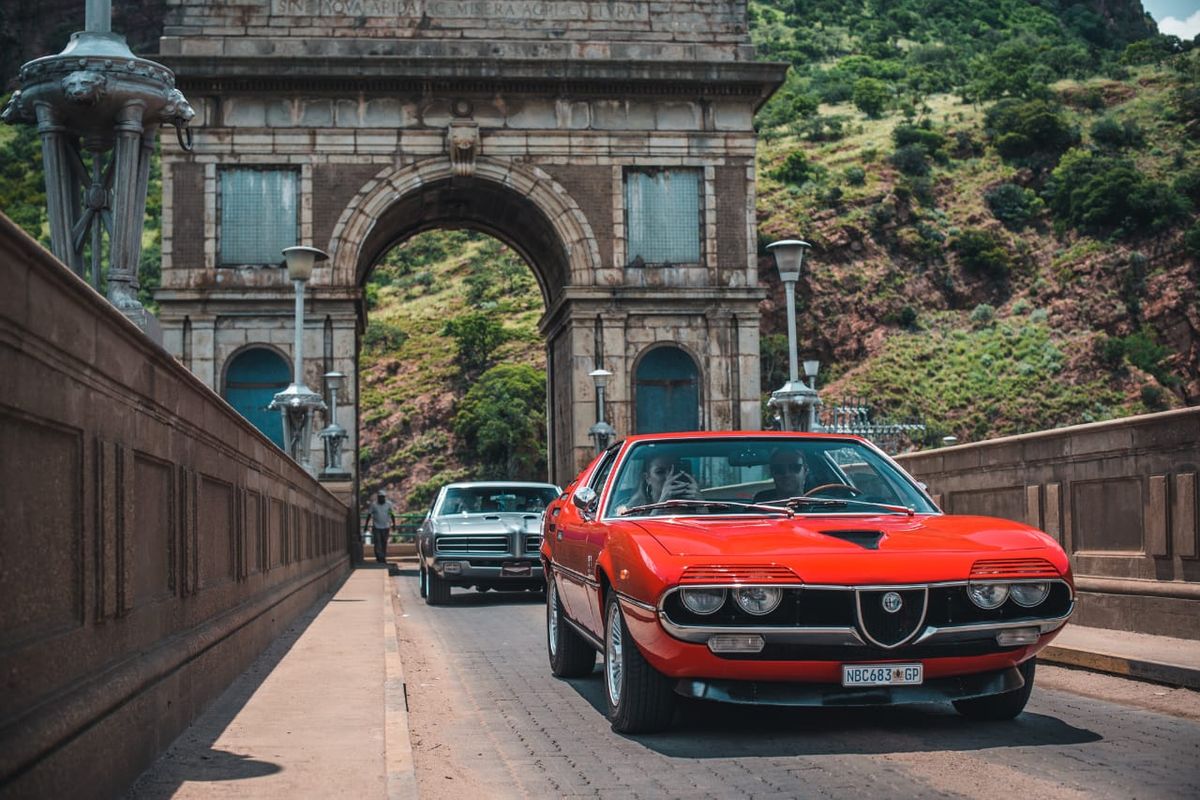
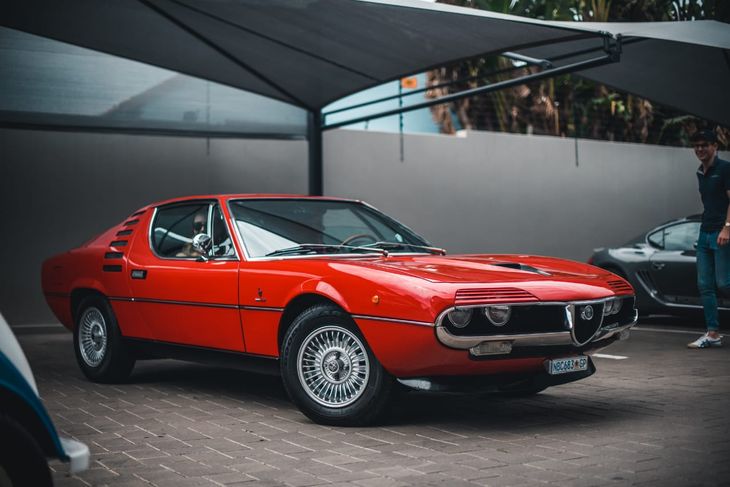
Alfa Romeo Montreal
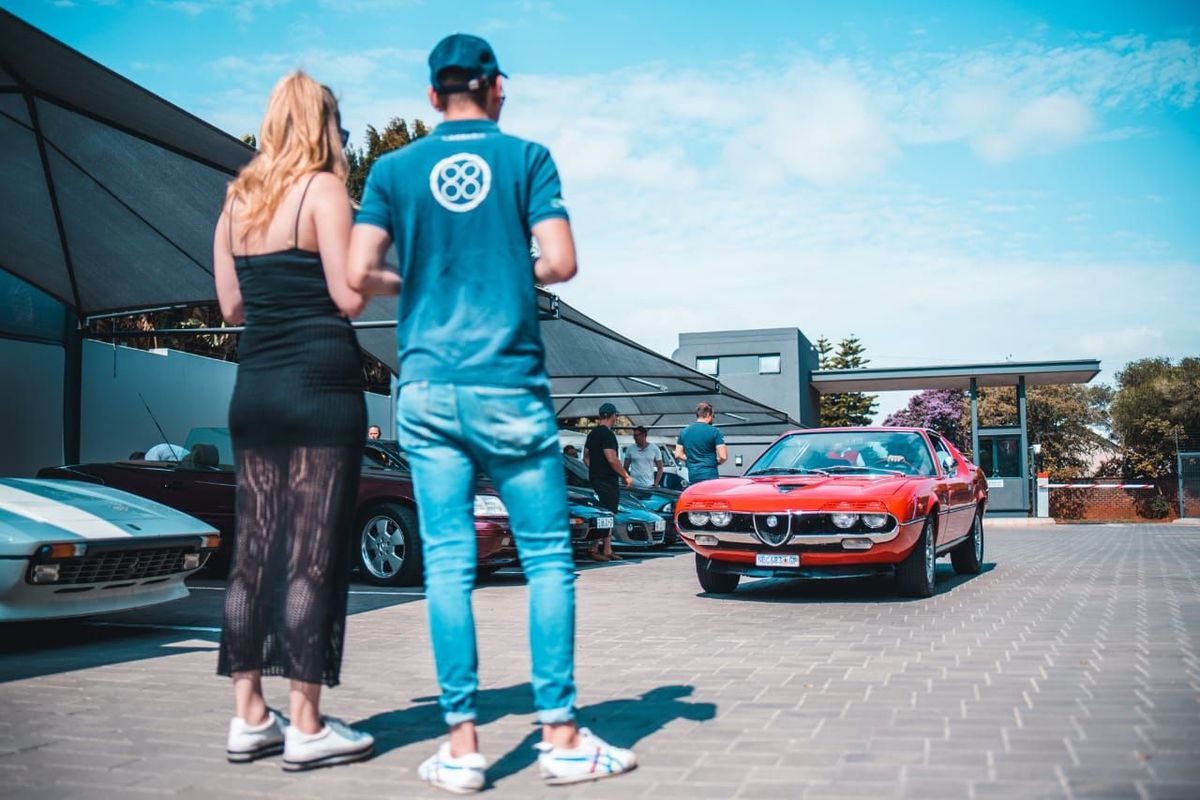
A stunning red example of one of fewer than 10 Montreals known to be in South Africa, this beauty stopped onlookers in their tracks. Designed (and built) by style master Bertone, the Montreal was made from 1970 to 1977 and powered by a compact, and gloriously vocal 2.6L V8.
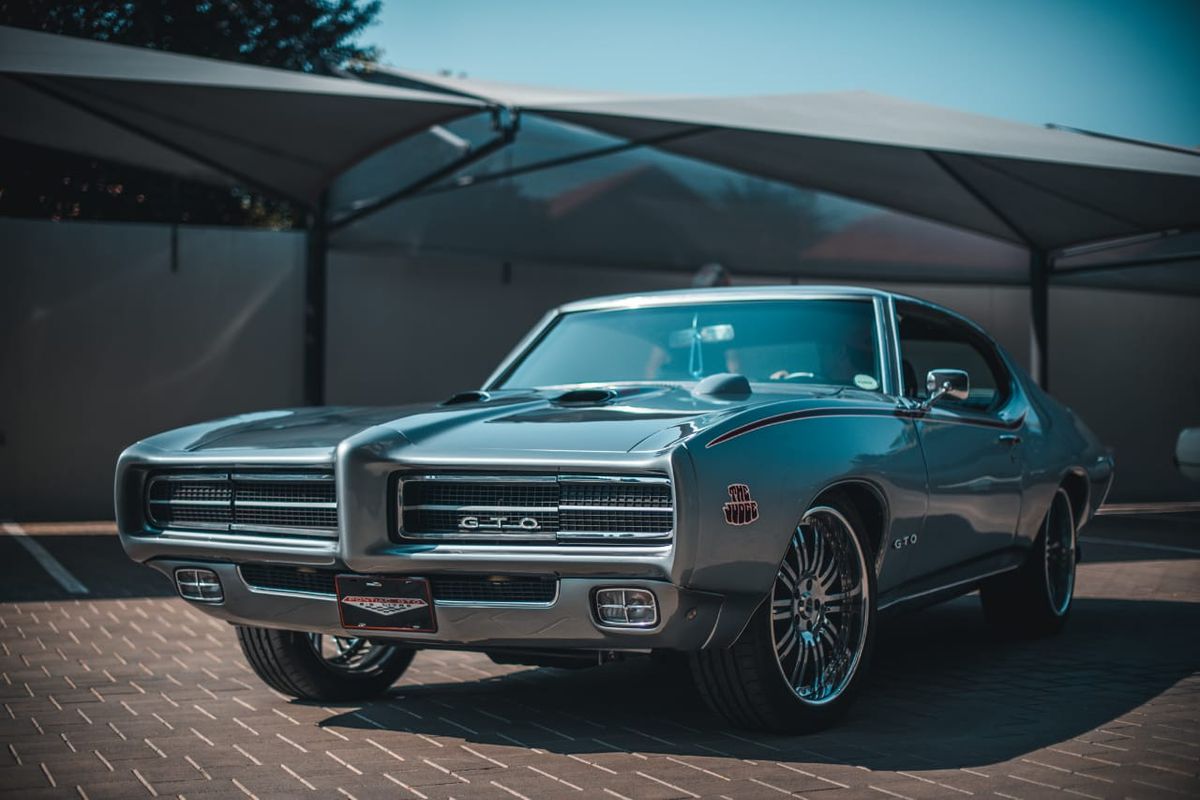
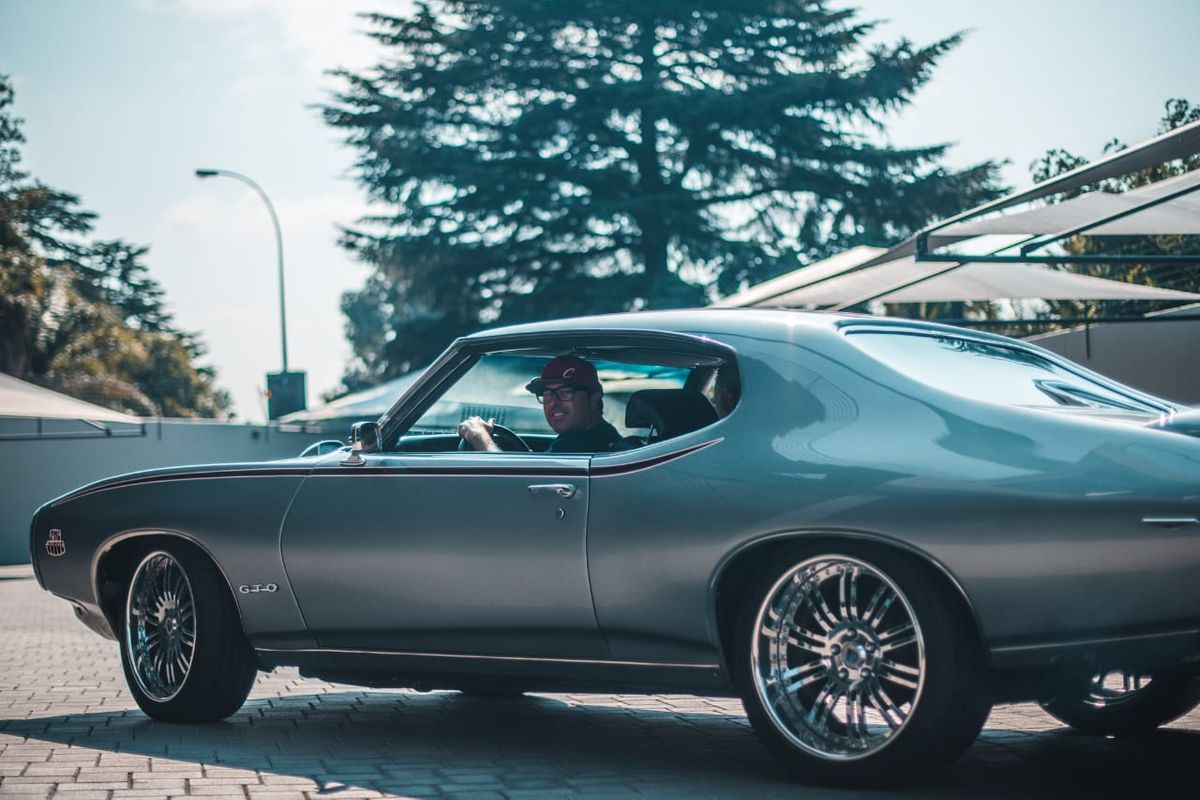
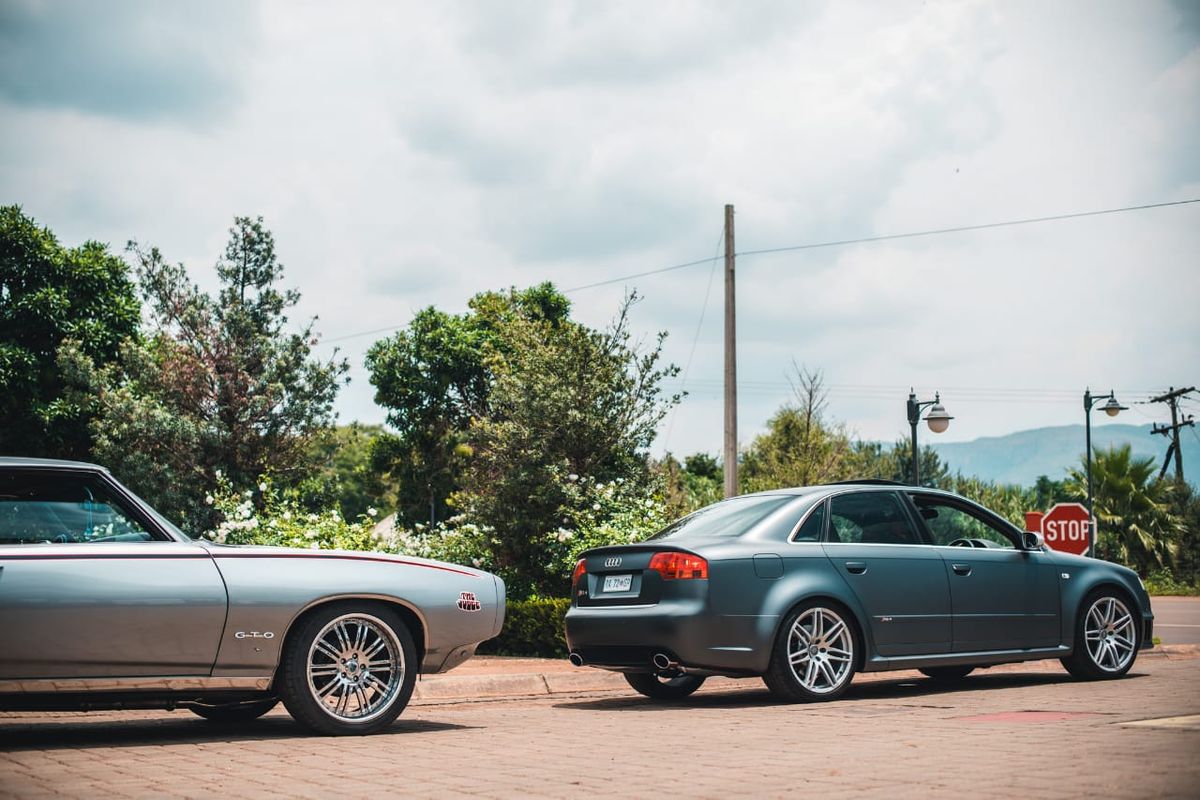
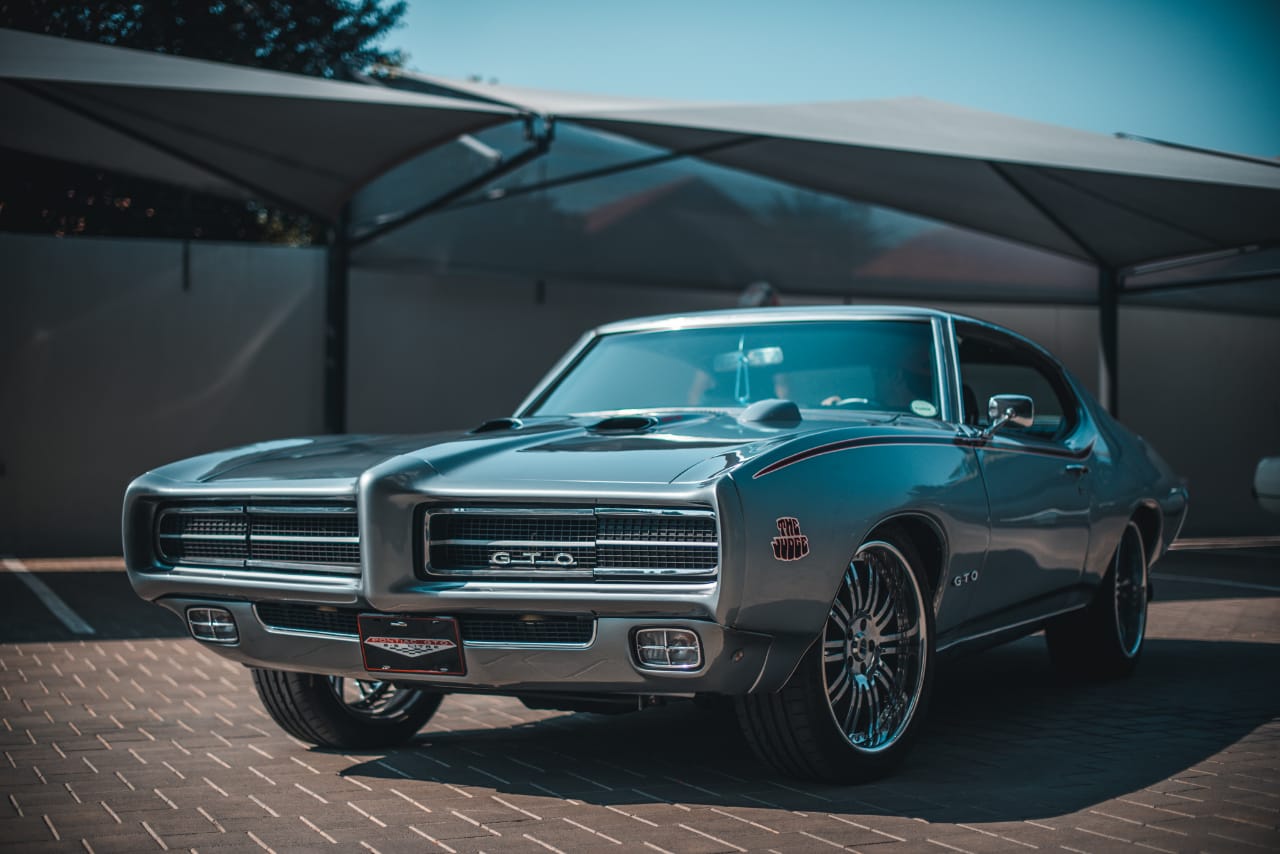
Pontiac GTO
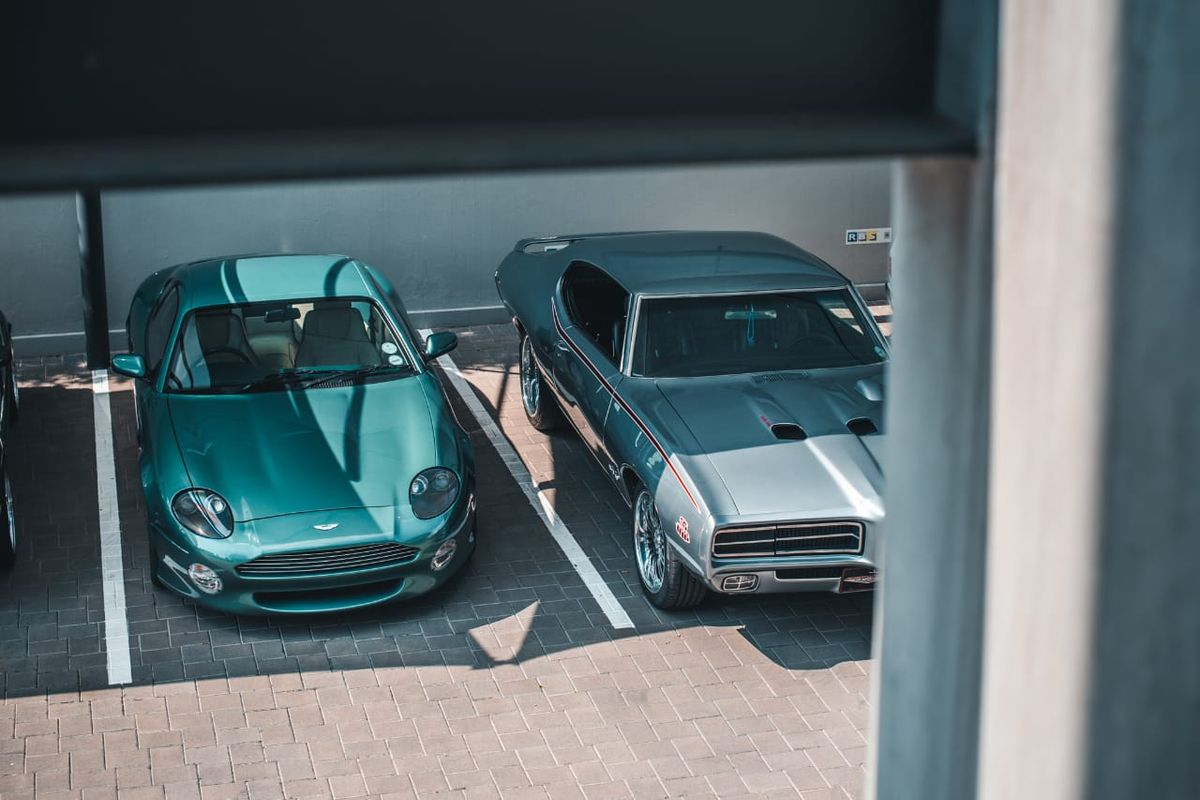
American muscle (and plenty of it) was provided by this macho Pontiac GTO, its design dating from the late '60s. Featuring some tasteful upgrades, but beautifully finished inside and out, The Judge was one of the most popular cars at every stop, its rumbling V8 always making its presence heard (and felt).
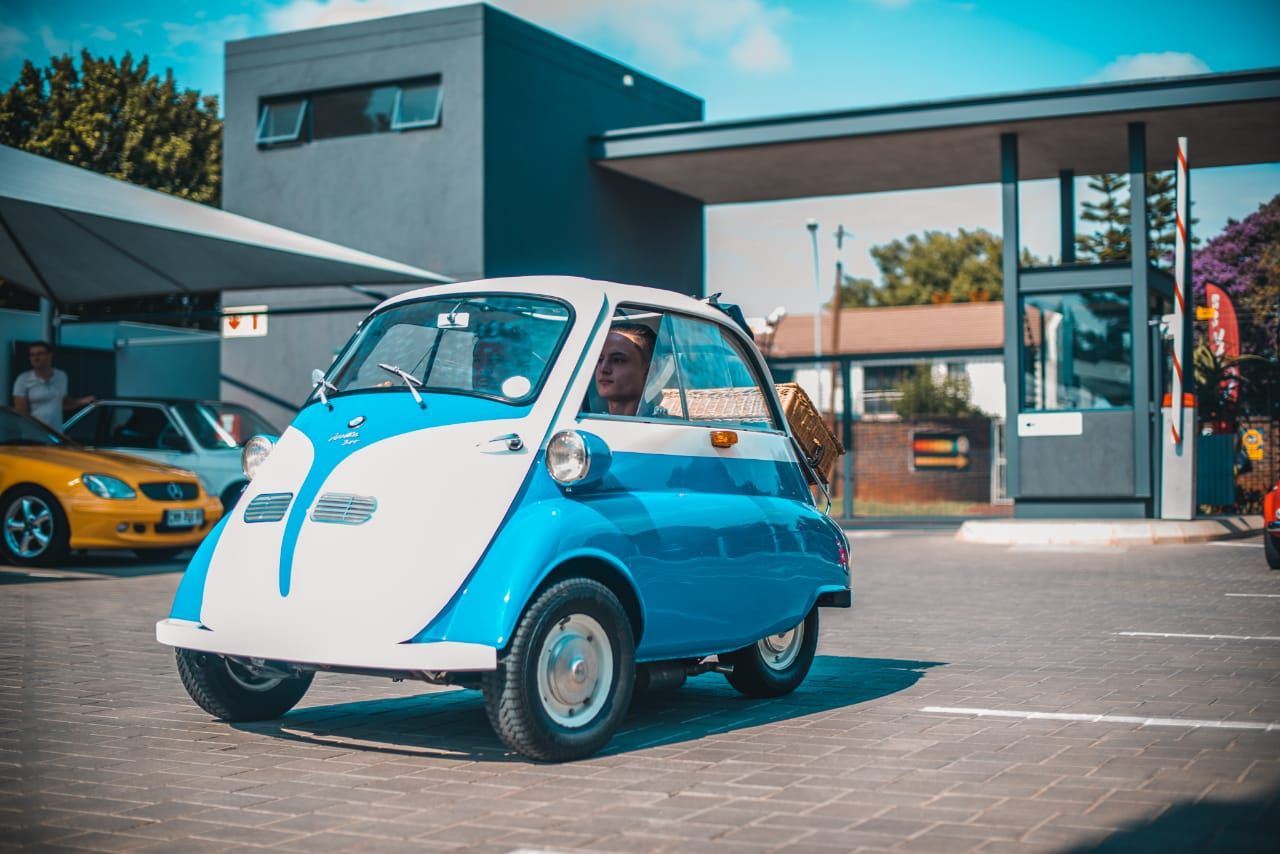
BMW Isetta 300
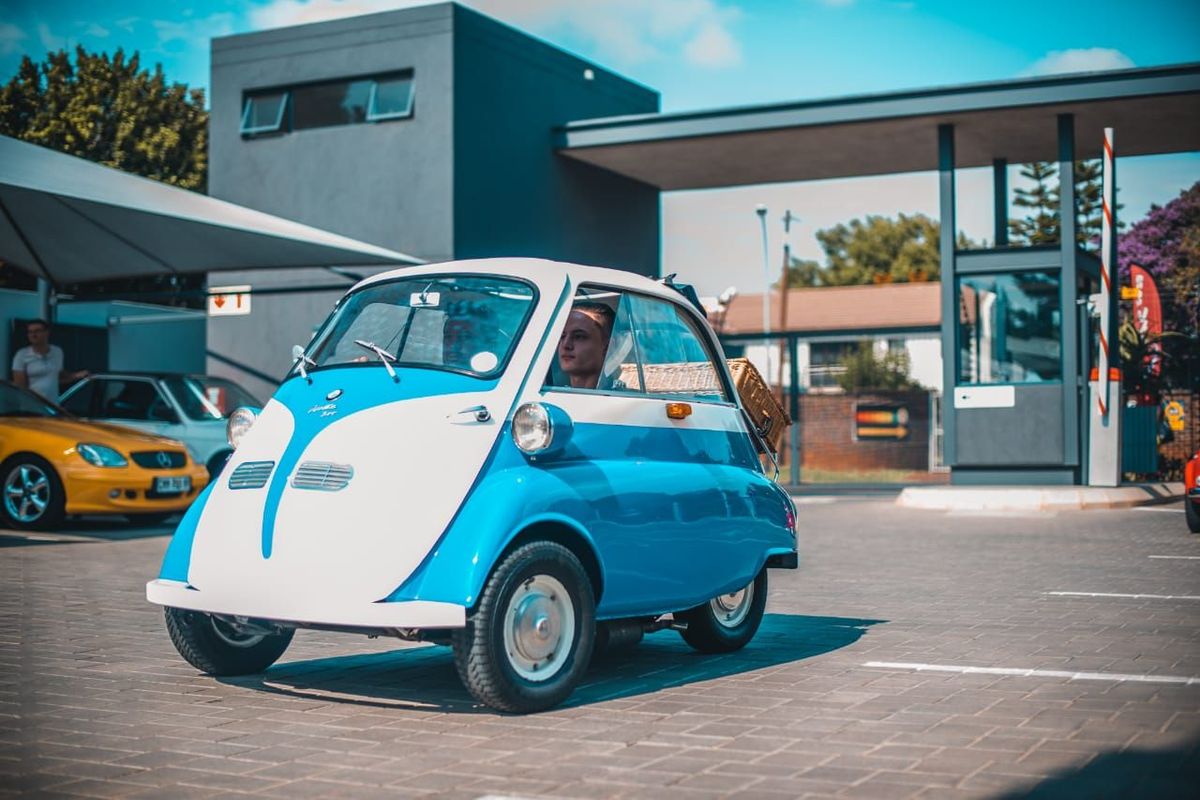
At the other end of the scale was this cute-as-a-button BMW Isetta 300, complete with a picnic basket on the back. Immaculate in every way, this example dates from the late fifties (1957). The Isetta 300 was powered by a single-cylinder engine that developed 10kW, enough to get to 85kph.
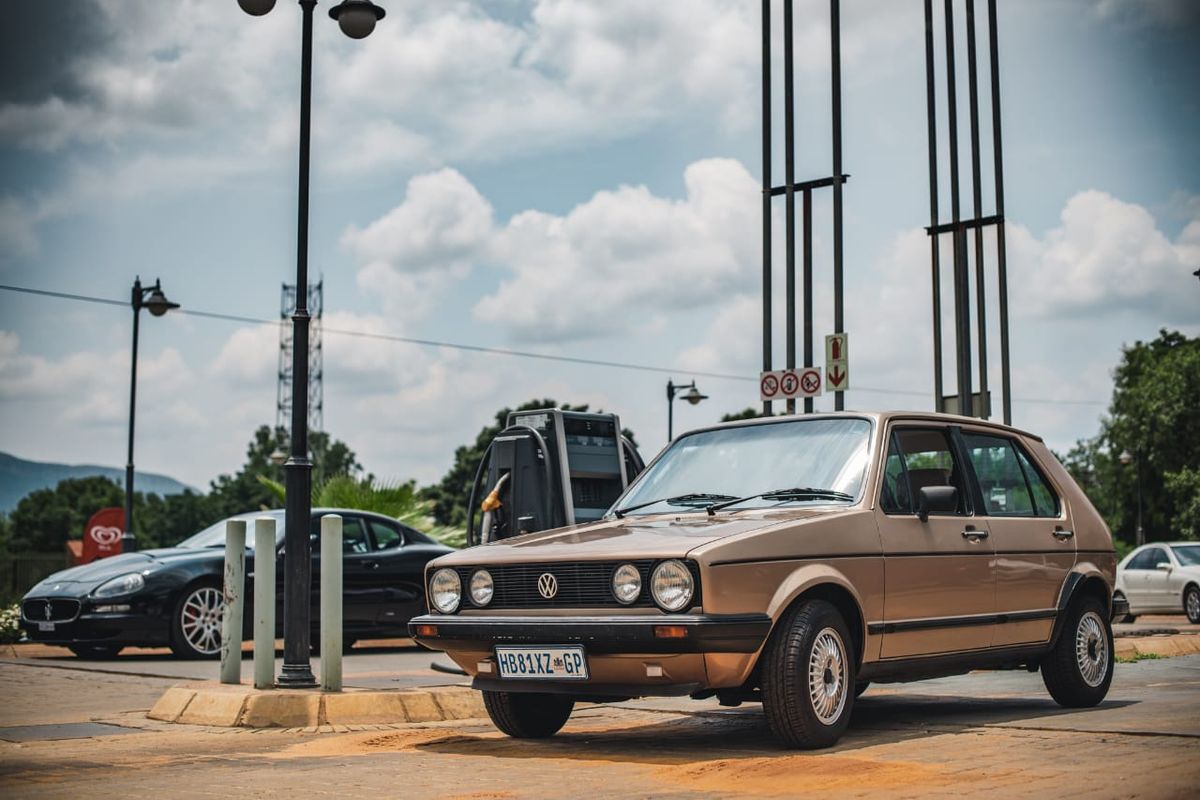
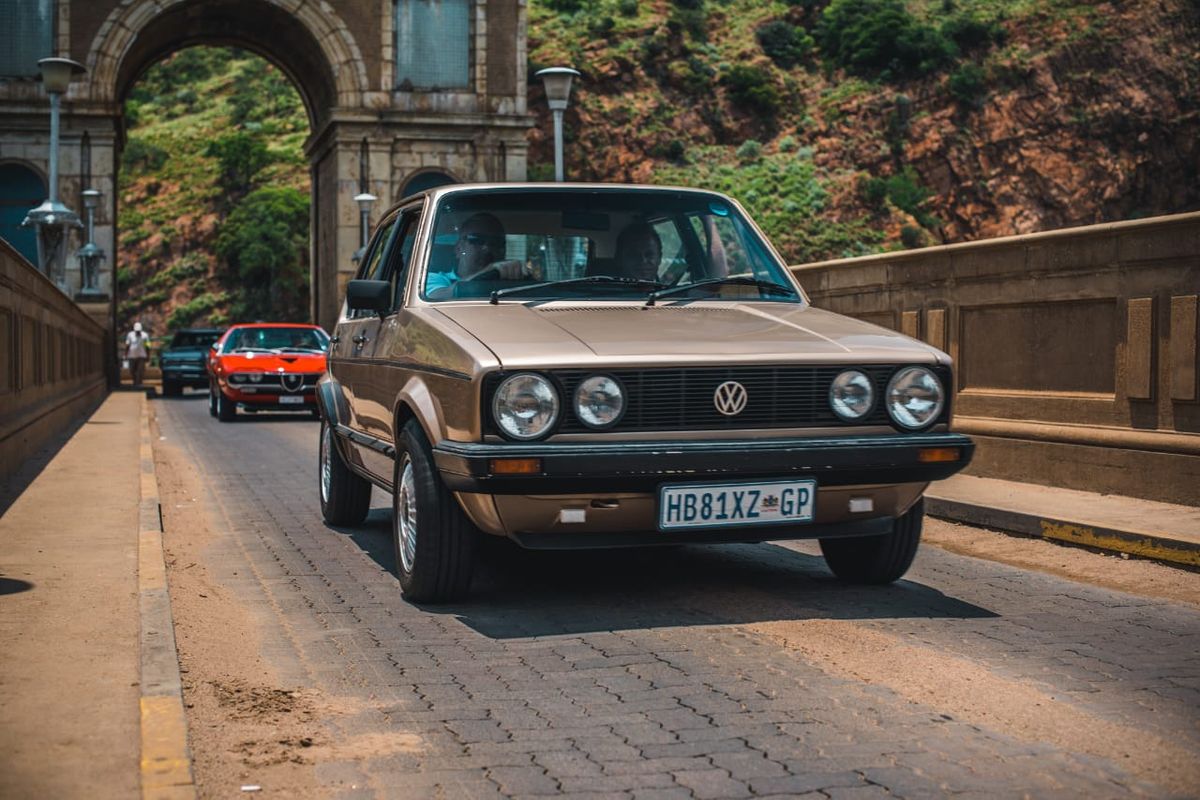
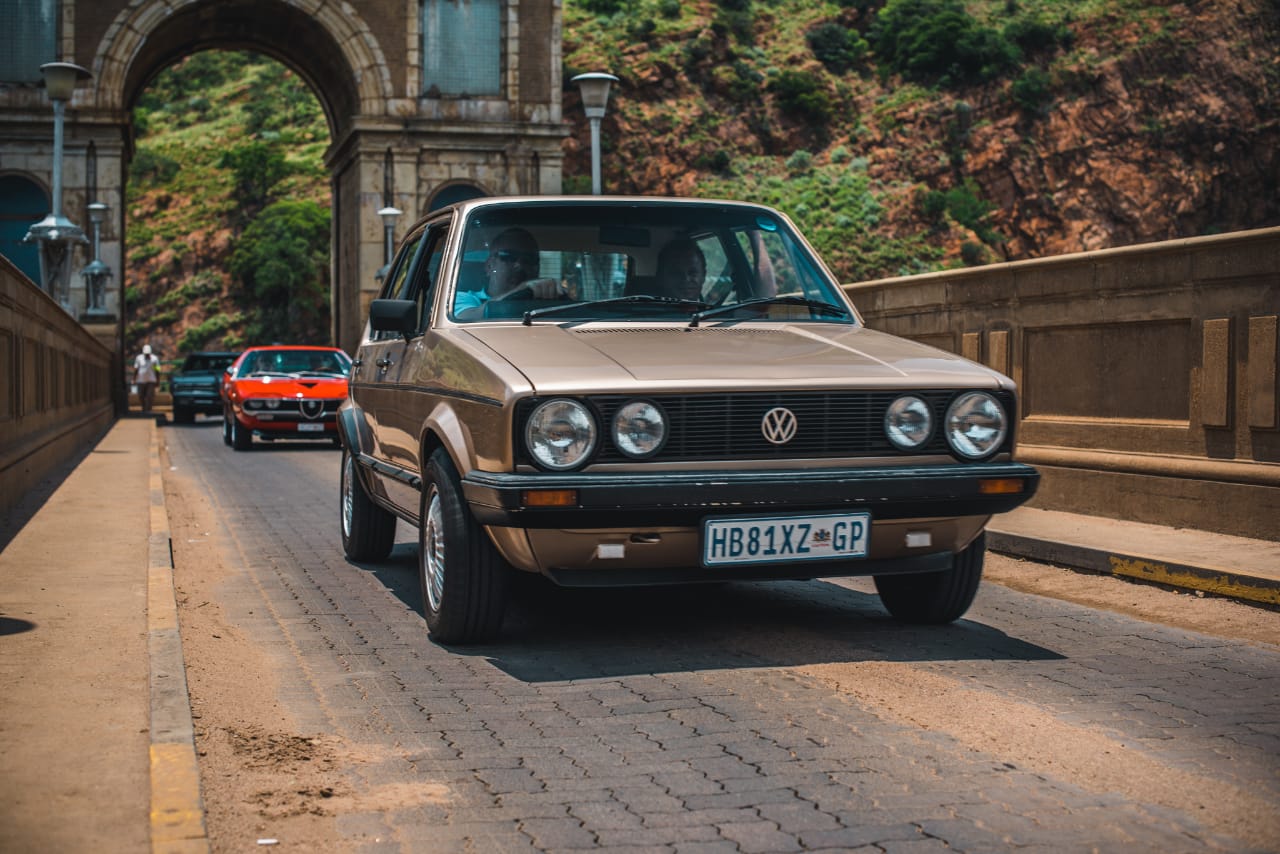
Volkswagen Golf mk1 GTI
Finding as clean a mk1 Golf GTI as this one is a rarity these days. This one still has the original upholstery inside and was obviously very well looked after. When tested in 1983 by CAR Magazine, the GTI (powered by a 82kW 1.8L engine) managed to get to 100kph in 9.3 seconds.
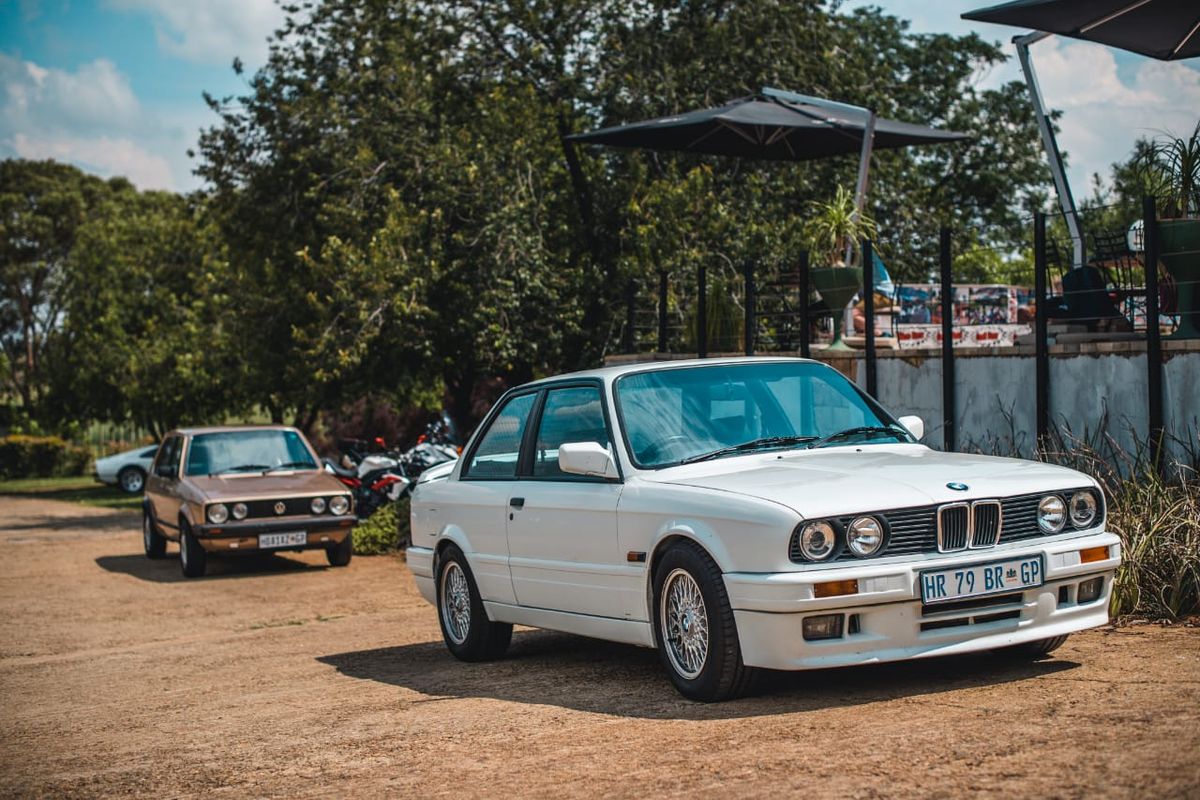
BMW 325iS "Gusheshe"
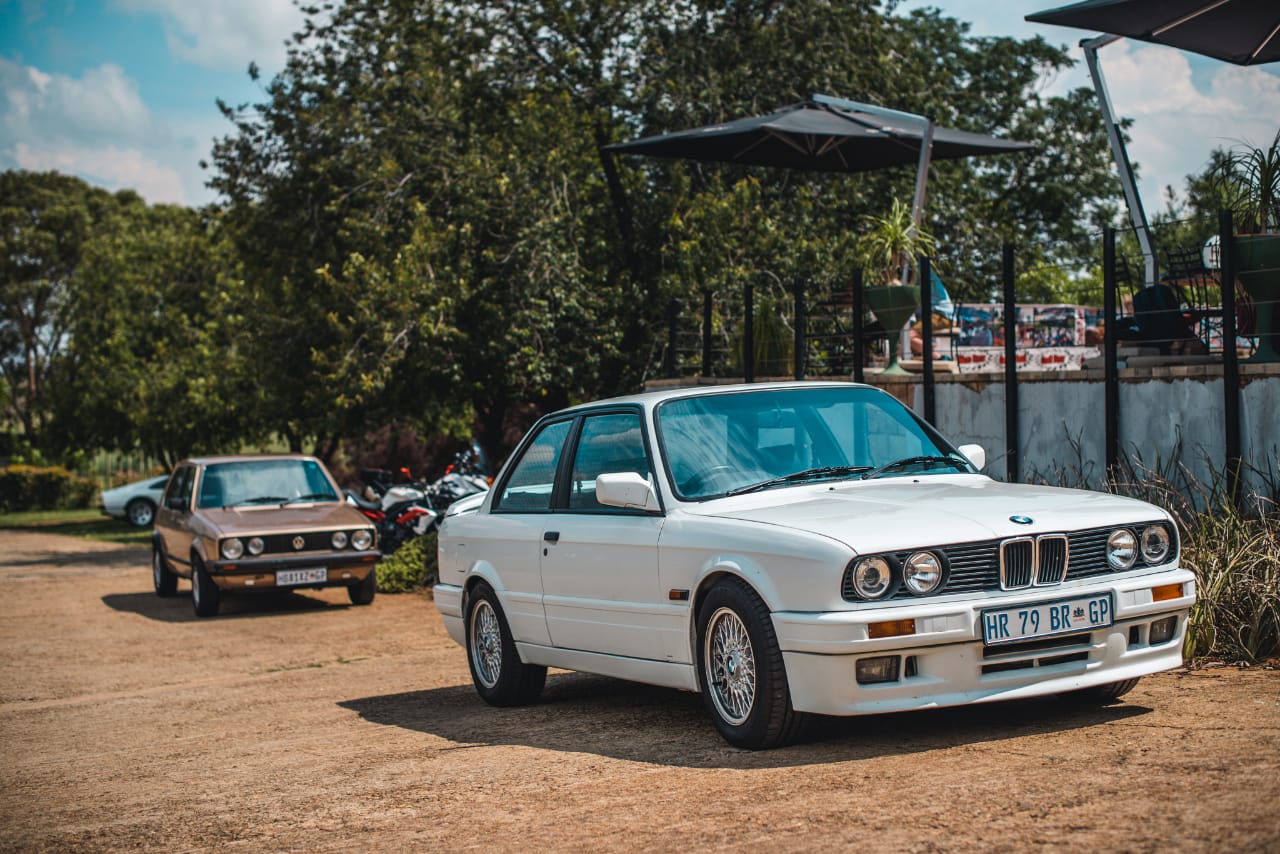
This car is such a South African icon! The white Gusheshe that joined us on the run was in very good nick indeed, and we're sure the owner received several offers along the way. Check out our Classic Drive of a similar car here.
Ferrari 550 Barchetta
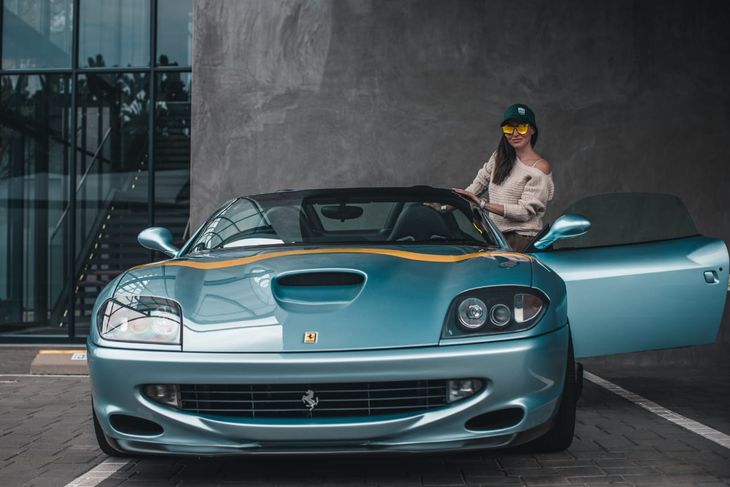
One of only 448 ever made, the 550 Barchetta is a real rarity. As the name suggests, it doesn't really offer any kind of roof, though the Italian marque did offer a cloth cover to provide some protection. Power is from a howling 5.5L V12.
Lamborghini Huracan Evo First Drive – How different is it?
We were asked by Lamborghini to come and test its new Huracan Evo at the Bahrain Formula 1 circuit. Obviously, we were not going to turn down the opportunity to thrash a new Lambo around a circuit so we sent Ash to give it everything.
The Huracan Evo's body hasn't changed much from the original, but under the skin, it's vastly different with new systems such as 4-wheel steering, a new torque vectoring system, reconfigured drive modes and a Lamborghini brain that single-handedly control all the systems.
South African SUV buyers are in for a treat in 2019 with a host of exciting products making landfall throughout the year. If you are looking for the best-of-the-best in terms of SUVs, this list is for you!
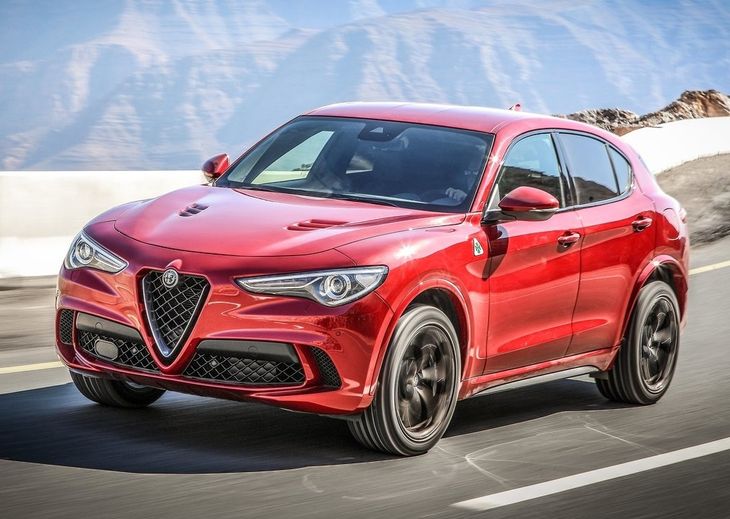
The Alfa Romeo Stelvio QV will look to set the cat amongst the pigeons in the super SUV segment and it is now available in SA. It brings thrilling performance to the road with a Ferrari-derived 2.9-litre twin-turbo V6 engine with 375 kW and 600 Nm. Coupled with an 8-speed automatic transmission and all-wheel-drive system, which can apportion up to 100% drive to the rear wheels, the Stelvio Quadrifoglio will sprint from zero to 100 kph in 3.8 seconds and reach a top speed of 283 kph.
Pricing is pegged at R1 675 000 for the Stelvio Quadrifoglio Verde and R1 825 000 for the Stelvio Quadrifoglio Race edition.
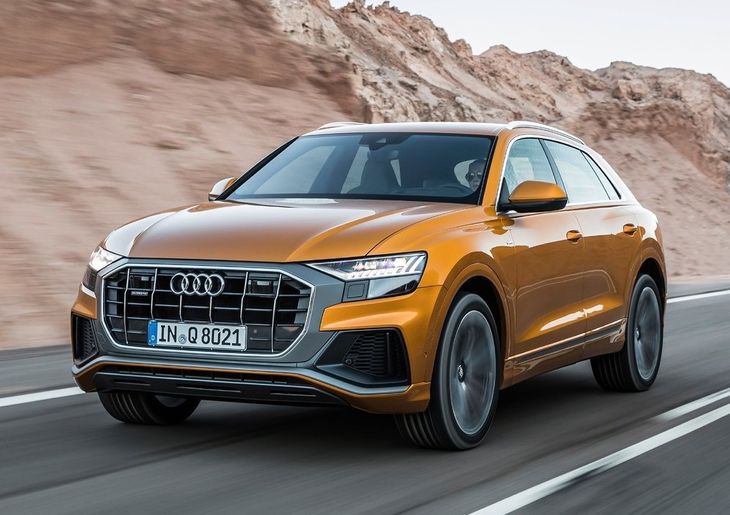
Audi’s new flagship SUV is expected in the second quarter of 2019 and will bring sharp and imposing styling to South African roads.
The Q8 50 TDI is powered by a 3.0-litre V6 engine with 213 kW and 600 Nm of torque and features mild-hybrid technology with a 48-volt electric system incorporating a lithium-ion battery and a belt-alternator-starter. The engine is mated to an 8-speed tiptronic automatic transmission while quattro all-wheel drive ensures maximum traction. The Q8 will sprint from zero to 100 kph in 6.3 seconds.
The engine range will expand at a later stage with an additional turdodiesel engine joining the mix, as well as a potent 3.0-litre turbopetrol engine with at least 253 kW expected. A plug-in hybrid (PHEV) is also on the cards and the Q8 will also likely be offered in S and RS guise. The Q8 RS may even offer as much as 395 kW.
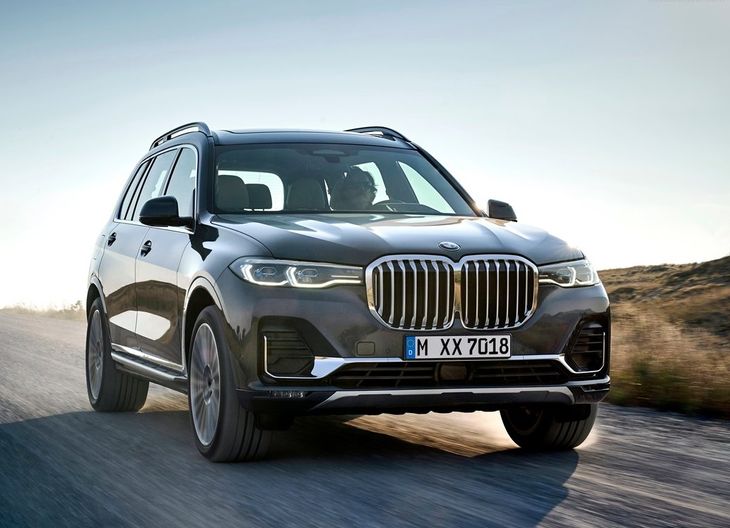
The burly X7 is due to arrive in March 2019 and will be offered in 2 diesel-powered flavours. The X7 xDrive30d has 195 kW and 620 Nm from a 3.0-litre inline 6-cylinder engine, while the range-topping M50d Performance pushes out 294 kW and 760 Nm from a quad-turbo 3.0-litre inline 6-cylinder engine. Both vehicles feature all-wheel drive and an 8-speed automatic transmission.
Pricing for the X7 xDrive30d starts from R1 562 849 while the X7 M50d is priced from R1 862 308.
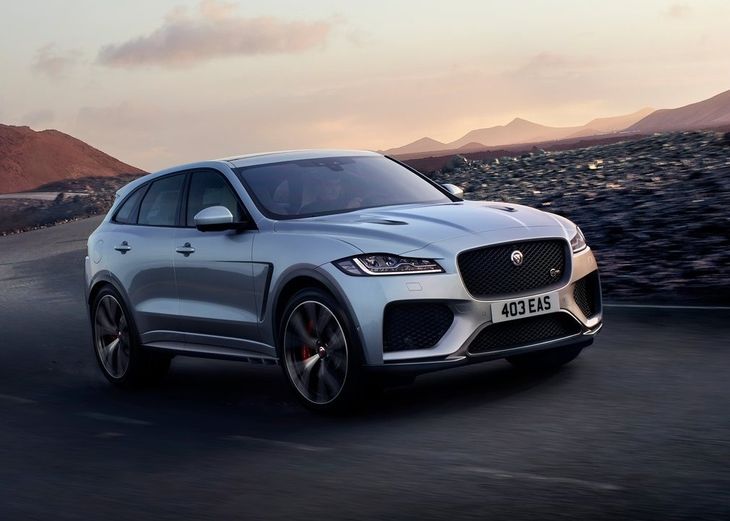
The high-performance Jaguar F-Pace SVR will land in South Africa in either Q2 or Q3 of 2019 (although Jag SA has a habit of using the Simola Hillclimb as a launchpad for new vehicles) and it will bring hefty firepower courtesy of a 5.0-litre supercharged V8 with 405 kW and 680 Nm which gives it enough grunt to hit 100 kph in a claimed 4.3 seconds and run to a top speed of 283 kph using an 8-speed automatic transmission.
In terms of styling, the F-Pace SVR gets bigger air intakes as well as 4 fat exhaust pipes. Either 21- or 22-inch forged alloy wheels will be on offer too. Pricing has yet to be announced.
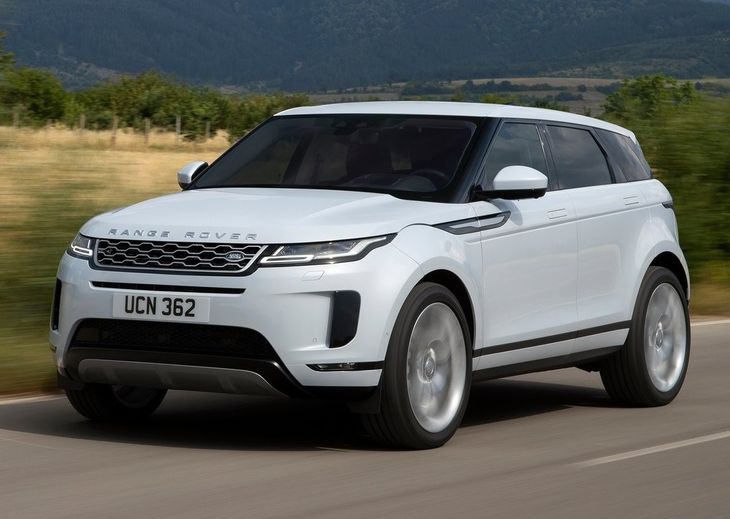
Due to launch in April 2019, the new Range Rover Evoque is a head-turner. Built on Land Rover’s new mixed-material Premium Transverse Architecture (PTA), the new Evoque draws some styling inspiration from the larger Velar SUV.
A range of Ingenium engines will power the new Evoque and from launch, the South African market will receive 2 engines initially. The P250 2.0-litre turbopetrol engine with 183 kW and 365 Nm of torque will be available as well as the D180 2.0-litre turbodiesel engine with 132 kW and 430 Nm of torque.
The range-topping P300 2.0-litre turbopetrol engine with 221 kW and 400 Nm will arrive later in 2019. All Evoque derivatives will be equipped with a ZF 9-speed automatic transmission and will feature all-wheel drive.
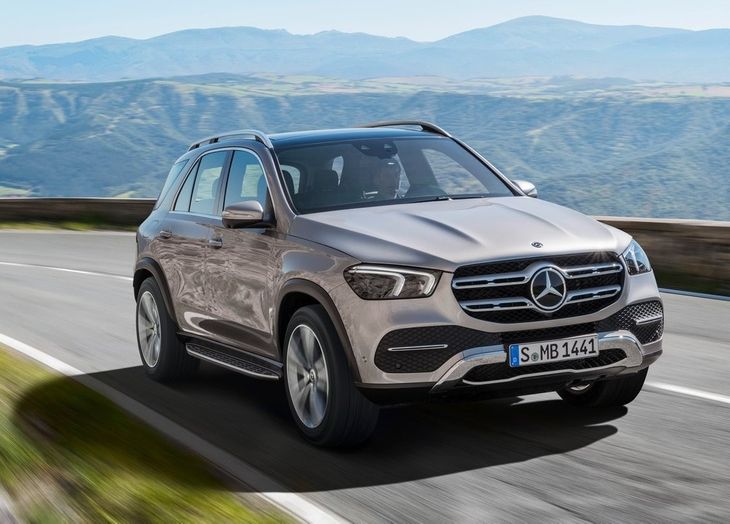
Mercedes-Benz's 4th-generation premium SUV is expected to arrive this year and it has grown in size and standing, with new engines and advanced new suspension technology that bolsters its overall abilities.
This is the fourth-generation model and it has been developed anew from the ground up in an engineering program that also includes the second-generation GLE Coupe and third-generation GLS, both due in 2019.
Possible engines include a turbocharged 2.0-litre four-cylinder diesel with 180 kW and 500 Nm of torque in the GLE300d 4Matic as well as the range-topping turbocharged 2.9-litre six-cylinder petrol engine with EQ Boost function (with a 48-volt integrated starter generator) boasting 270 kW and 500 Nm in the GLE450 4Matic.
Local specification and pricing have yet to be confirmed.
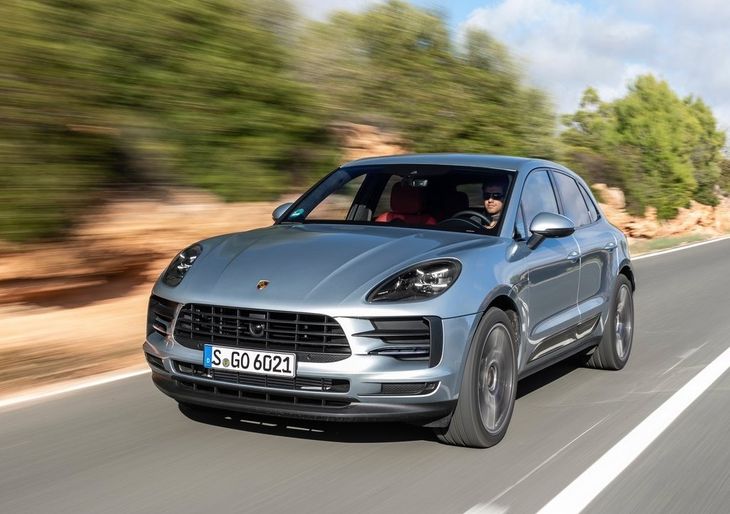
The updated Macan is due in the first quarter of 2019 and boasts improved styling, inside and out while also riding on a fine-tuned chassis in an effort to hone driving dynamics and boost comfort.
In terms of engines, the Macan’s 2.0-litre is good for 185 kW and 370 Nm (zero to 100 kph in 6.5 secs), while the Macan S features the 3.0-litre V6, with peak outputs of 260 kW and 480 Nm (Zero to 100 kph in 5.1 secs). Both engines engage Macan’s all-wheel-drive configuration through Porsche’s renowned 7-speed PDK transmission, and if you require the utmost throttle response urgency, there’s an optional Sport Chrono package, which trims a few 10ths off the benchmark acceleration times.
The Macan will be priced from roughly R845 000 while pricing for the Macan S has yet to be confirmed.
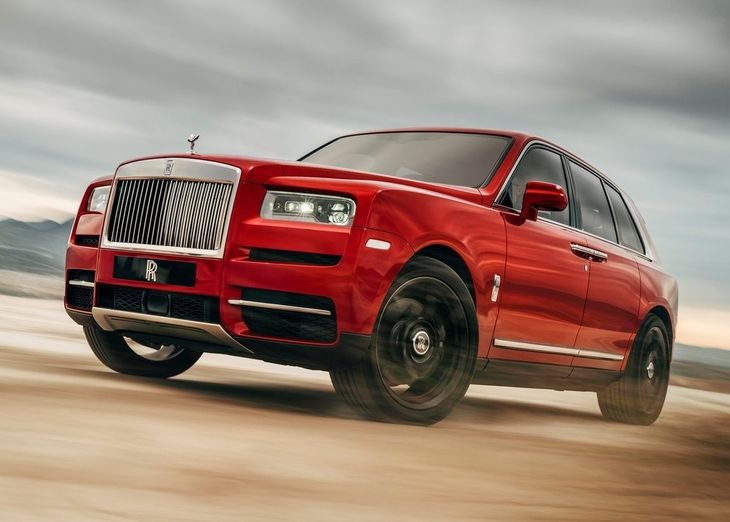
This is the first-ever SUV from Rolls-Royce! Named after the famous Cullinan diamond, which was discovered near Pretoria more than a century ago (1905) and subsequently cut up to form part of Britain's Crown Jewels, this new SUV represents a new direction for ultra-luxurious carmaker Rolls-Royce, based in Goodwood.
Under the large bodywork sits an all-aluminium architecture, self-levelling air suspension and a reworked version of the 6.75-litre twin-turbocharged V12 engine. In its latest incarnation, it has peak outputs of 420 kW and 850 Nm and drives all four wheels through an automatic transmission.
The timing of the Cullinan's arrival on local soil has yet to be confirmed.
Spy Shots: New Hyundai i10
Our spy photographers have snapped images of the next third-generation Hyundai i10 budget car. Here’s what we know thus far…
Picture credit: S. Baldauf/SB-Medien
Hyundai does good business in South Africa with the grand i10 serving first-time buyers who need an affordable budget car.
The third-generation i10 is due to arrive on showroom floors in 2020 which means it could be revealed this year. Heavily camouflaged prototypes have been photographed testing in Europe in icy conditions. While it’s difficult to tell what design Hyundai will take with the new i10, it’s safe to assume that the new model will receive a fresh face in the form of a new grille and bumper design.
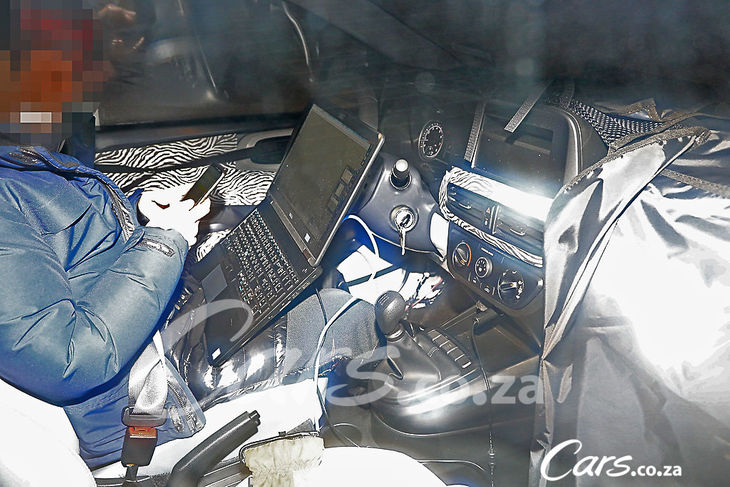
Nonetheless, critical changes are expected on the inside where the i10 will feature a newly designed interior incorporating a larger infotainment screen and a more aesthetically pleasing dashboard design similar to that seen in the latest Kia Picanto. Also note the new rectangular air vents and new-look instrument cluster.
The new Hyundai i10 will feature a newly-designed cabin with a larger infotainment system.
In terms of engines, you can expect small capacity engines in the form of a 1.0-litre 3-cylinder engine as well as a 4-cylinder 1.2-litre engine to be offered in combination with a 5-speed manual or 4-speed automatic transmission.
We will keep you updated as soon as more information becomes available.
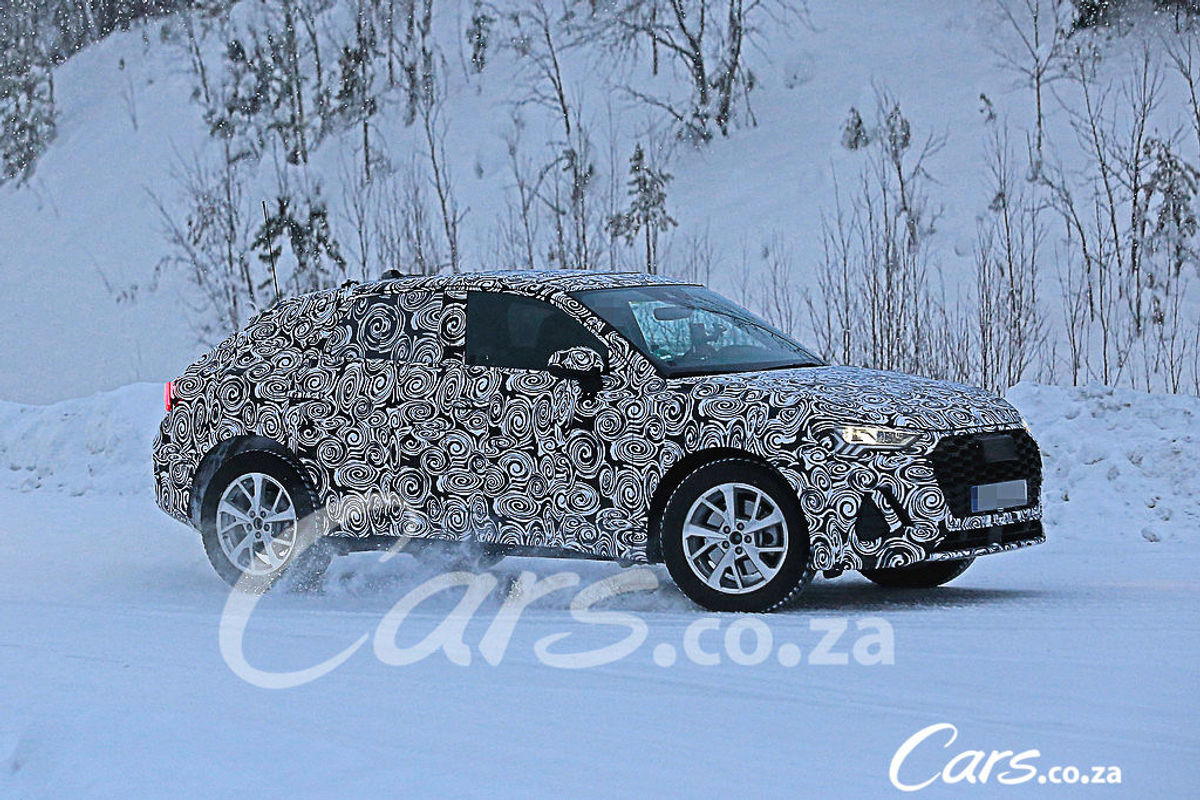
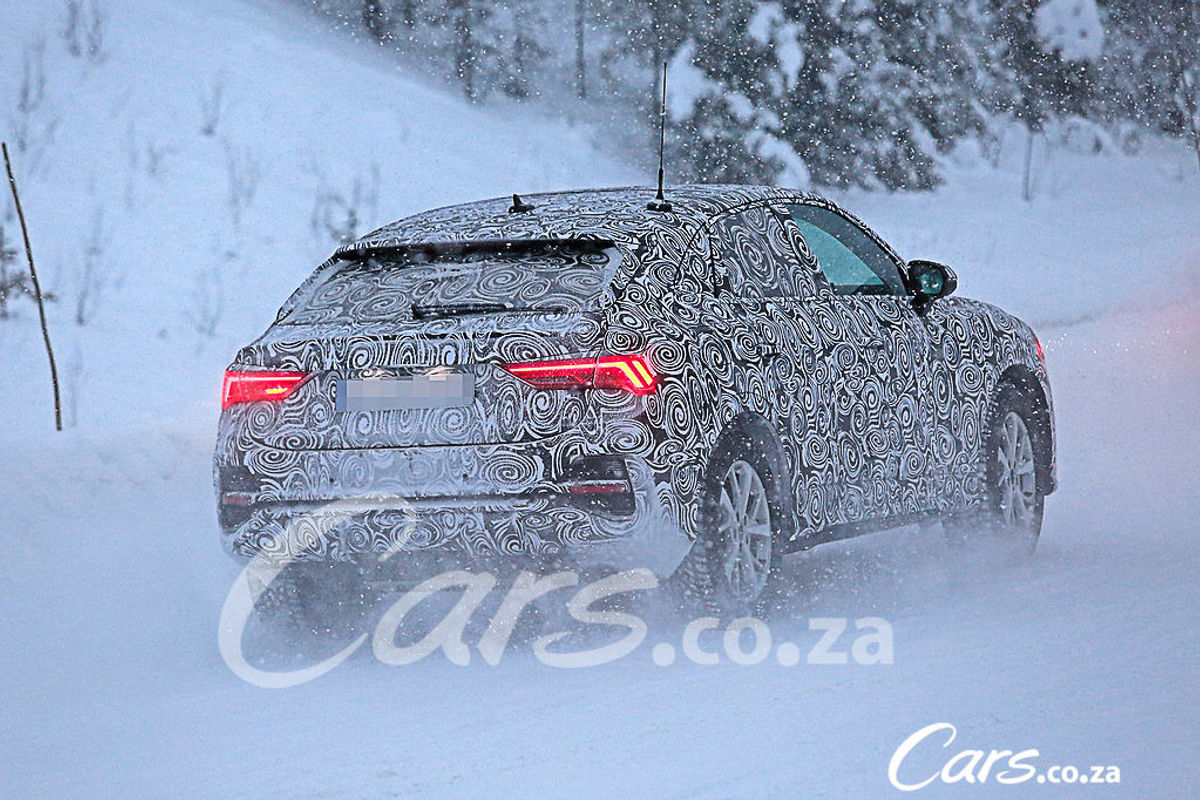
The spy photographers are at it again and have spotted an interesting-looking Audi SUV undergoing testing. It's rumoured to be the SUV/Coupe Q4 and should be revealed at some point in 2019.
Picture credit: S. Baldauf/SB-Medien
The attention and appeal of the big Q8 has clearly had an impact at Audi and the Ingolstadt-based manufacturer is keen to go down the road of SUV coupes. This is not a new segment at all as BMW and Mercedes-Benz already have a few models occupying similar space.
Think of the BMW X4 and X6, and the Mercedes-Benz GLC coupe and GLE coupe and you get an idea of where Audi will be playing. Early speculation presumed this model may even be called an Audi Q3 Sportback, but we don't think this is right and given how the Q8 is a natural evolution of Q7, we think this is the Audi Q4.
Like the Audi Q3, the Q4 will ride on the MQB platform and share the same engines. These powerplants range from petrol to diesel, and we wouldn't rule out electric e-tron derivatives coming along later. Let's not forget the eventual S performance versions either. At the current rate, we think the Audi Q4 will be revealed before the end of 2019, with an expected market introduction in SA in 2020.