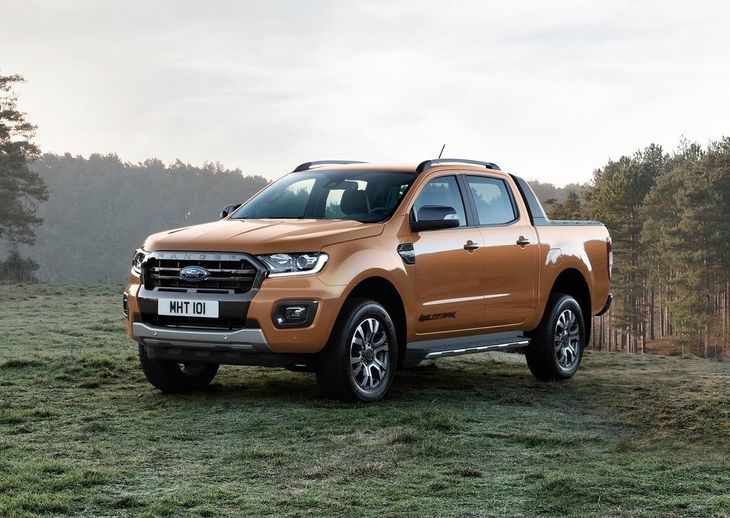
The facelifted Ford Ranger is due to arrive in South Africa in the first half of 2019. Here’s what you can expect from the updated Ranger.
The Ford Ranger bakkie is hugely popular in South Africa and an updated version is due to arrive in the next few months. Not only will the updated Ranger be offered with more powerful engines and new transmissions but it will also be more efficient and better-equipped in terms of connectivity and safety features.
Here’s what you can expect from the updated Ranger.
1. Improved Styling
The look of the Ranger has been enhanced with a revised bumper and a new grille which features a horizontal bar that now splits the grille into 2 sections. High-spec derivatives will have bi-xenon headlights with LED daytime running lights and new exterior colours include Diffused Silver and Blue Lightning.
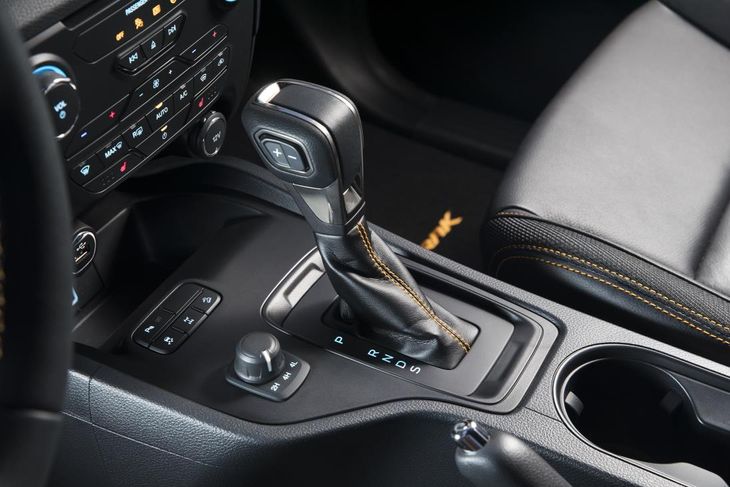
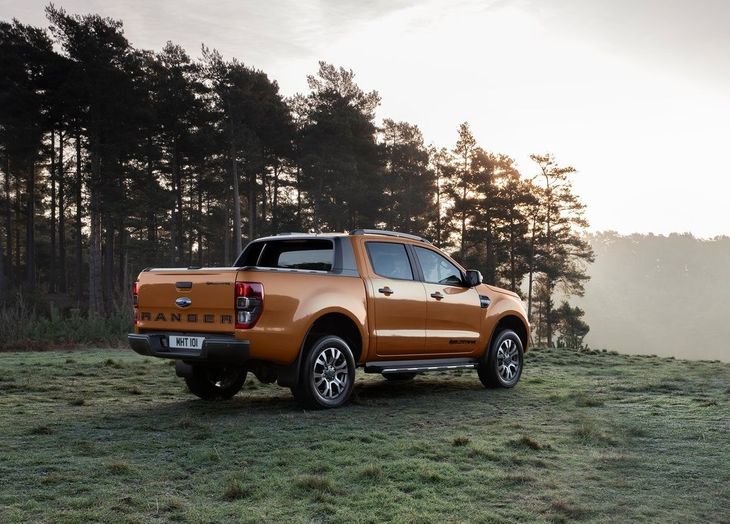
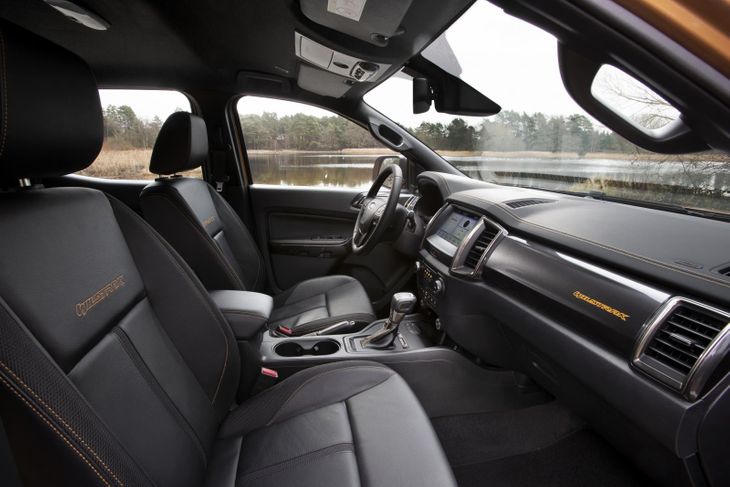
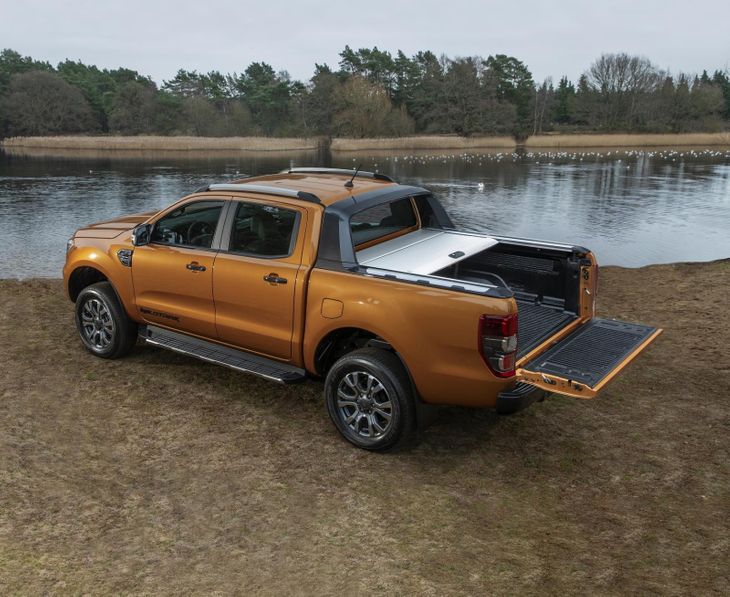
The Ranger Wildtrak derivative will be offered in a striking Saber Orange exterior body colour with a dark titanium-effect finish for the grille, side mirrors, door handles, side air vents and load bay rails. The Wildtrak’s interior gains dark-satin chrome elements and partial leather seats with embossed Wildtrak graphics.
High-grade derivatives will also be fitted with an easy-lift tailgate with a torsion bar that will make it easier to close the tailgate.
2. New Engines and Transmission
The updated Ranger will be offered with a new single and bi-turbo diesel engine as well as a new 10-speed automatic transmission. The current engine lineup (2.2 and 3.2-litre turbodiesel) will be complemented with the addition of a new 2.0-litre EcoBlue turbodiesel engine. In other markets, this engine offers outputs of either 96 kW/340 Nm of torque or 125 kW/420 Nm. The South African market, however, is only expected to receive the 125 kW 2.0-litre turbodiesel engine which will be mated with a new 10-speed automatic transmission. A 6-speed manual transmission will also be offered.
In terms of efficiency, Ford says that the new engine and transmission combination results in up to 9% improvement in fuel efficiency.
The same bi-turbo 2.0-litre turbodiesel that will power the Ranger Raptor (due in Q2 2019) will also be offered in the updated Ranger and it will offer 157 kW and 500 Nm of torque. This engine will also be mated to a 10-speed automatic transmission.
The Ranger's suspension has also been revised to offer a more refined drive.
The new Ranger is also expected to be equipped with more safety features including Pre-Collision Assist with Pedestrian Detection and Intelligent Speed Limiter.
The Pedestrian Detection system will detect pedestrians using a camera and radar and will apply the brakes if the driver fails to respond to the audio and visual warnings.
In the case of the Intelligent Speed Limiter, using the Speed Limiter and Traffic Sign Recognition, the Ranger’s maximum speed can be automatically adjusted to remain in the speed limits.
The updated Ranger will also offer Active Park Assist, lane-keeping alert, lane-keeping aid, adaptive cruise control with forward alert, front and rear parking sensors, rearview camera, Electronic Stability Control and trailer sway control.
4. More connected
Equipped with FordPass Connect, the Ranger is transformed into a mobile Wi-Fi hotspot that can accommodate up to 10 enabled devices. By using the FordPass mobile app, users will be able to access information such as vehicle status (oil level, tyre pressure, mileage) and vehicle locator as well as being able to lock/unlock the vehicle remotely.
The updated Ranger will also be equipped with an 8-inch, SYNC3 touchscreen infotainment system with Android Auto and Apple CarPlay capability. Ford’s MyKey system will also be offered, allowing the owner to limit the driver's speed limit and radio volume while also permanently activating the active safety features.
5. More capable
The updated Ranger will be able to wade through water at a depth of 800mm and boasts ground clearance of 230 mm. Furthermore, the Ranger has an approach angle of 29-degrees and a departure angle of 21-degrees. The Ranger has a maximum towing capacity of 3 500 kg and a payload capacity of 1 252 kg.
We will keep you updated as soon as local pricing and specification is confirmed.
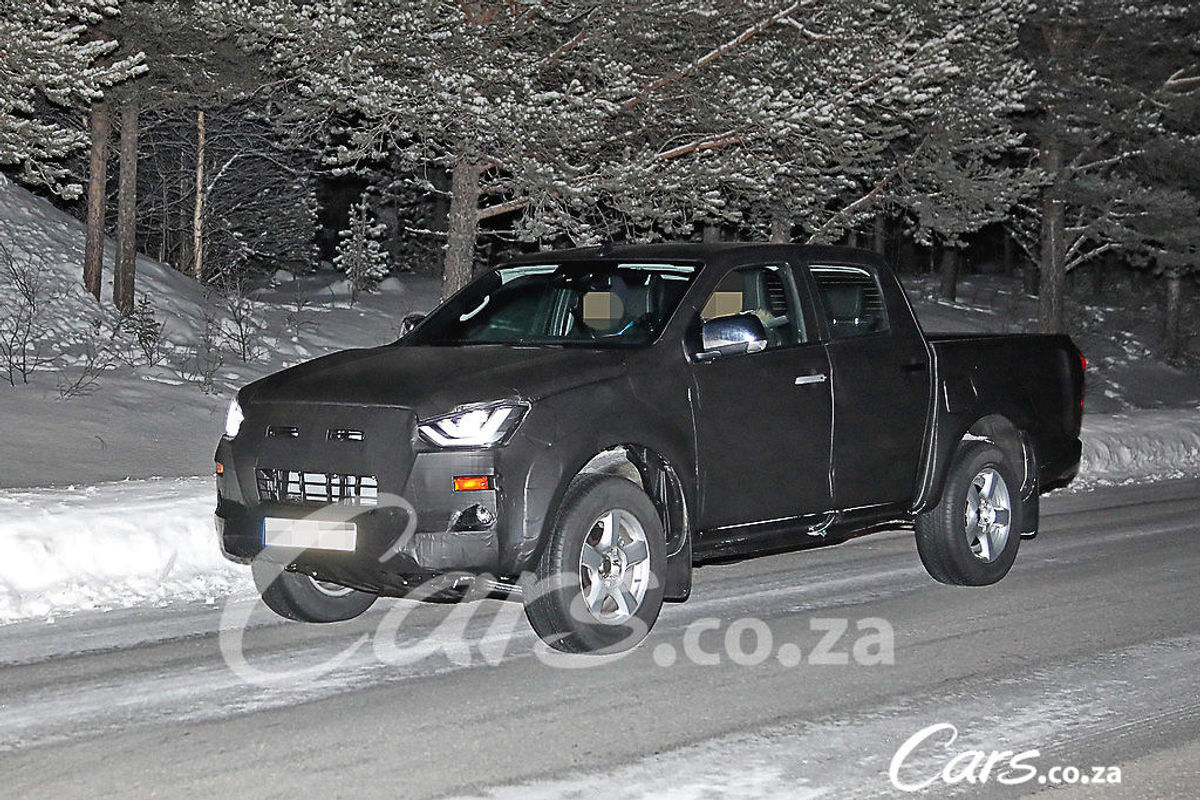
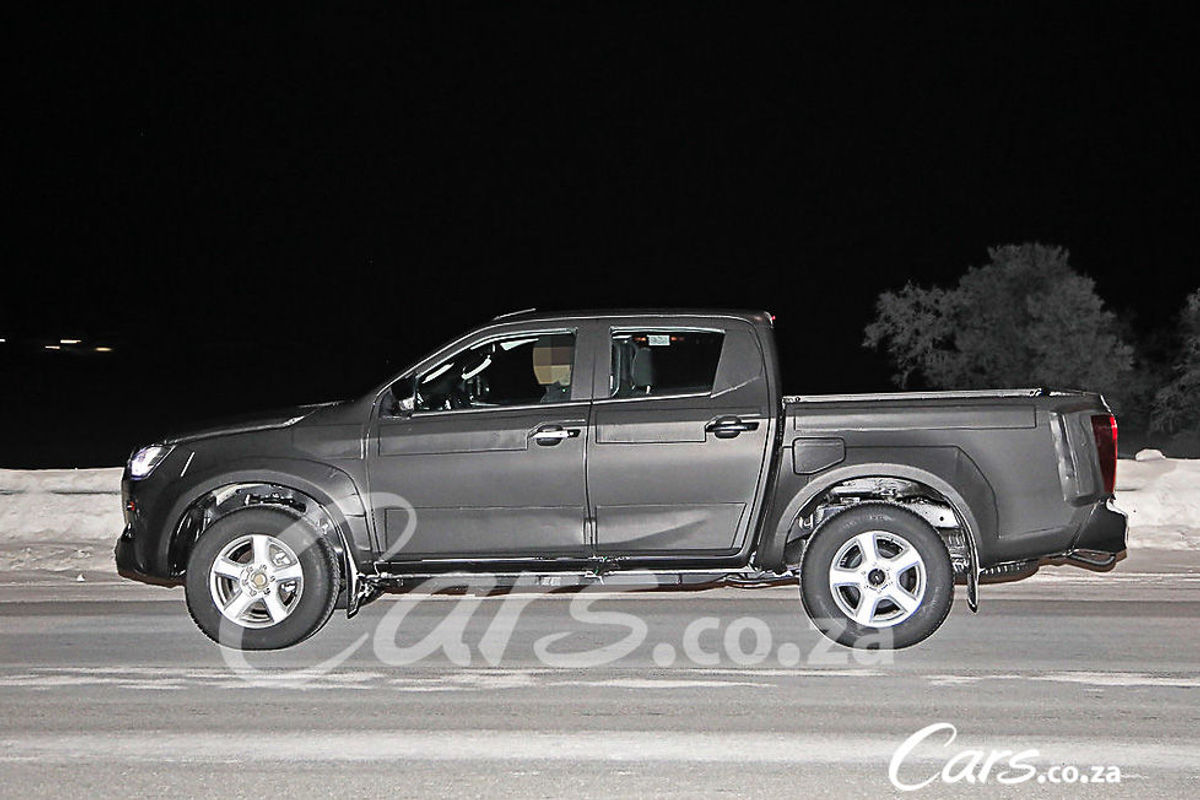
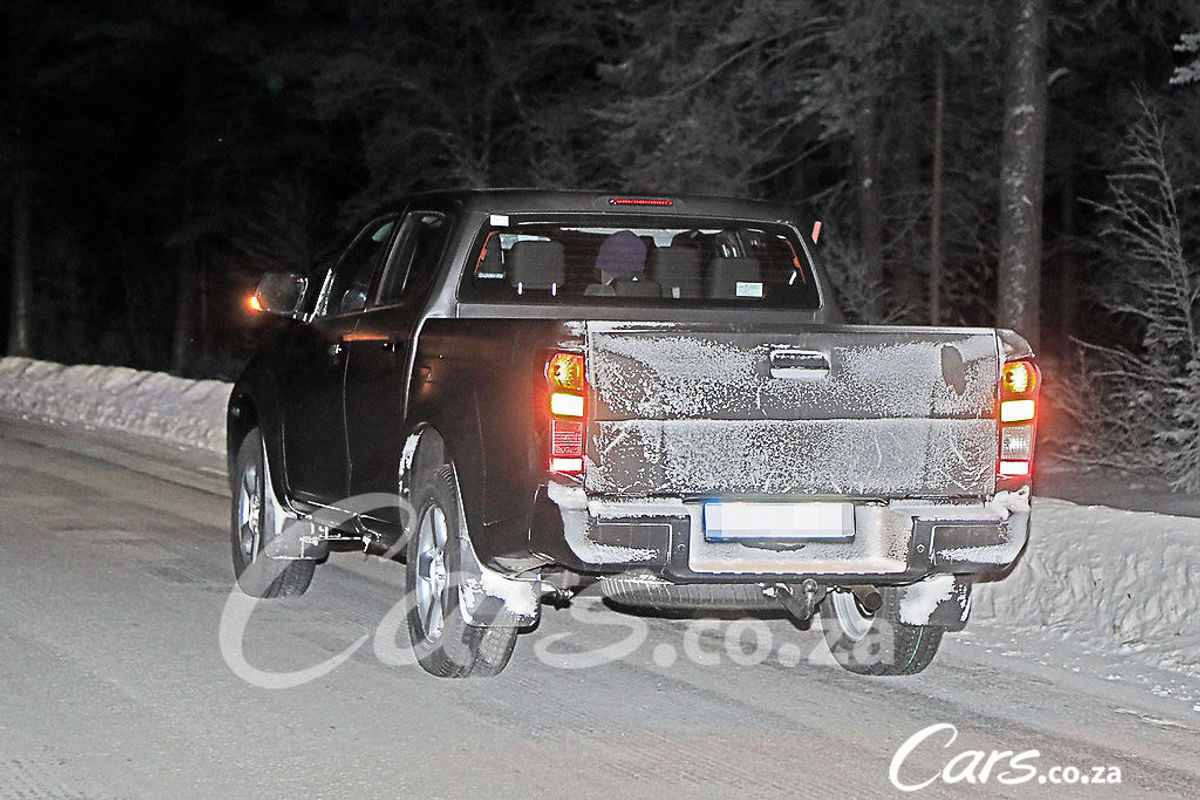
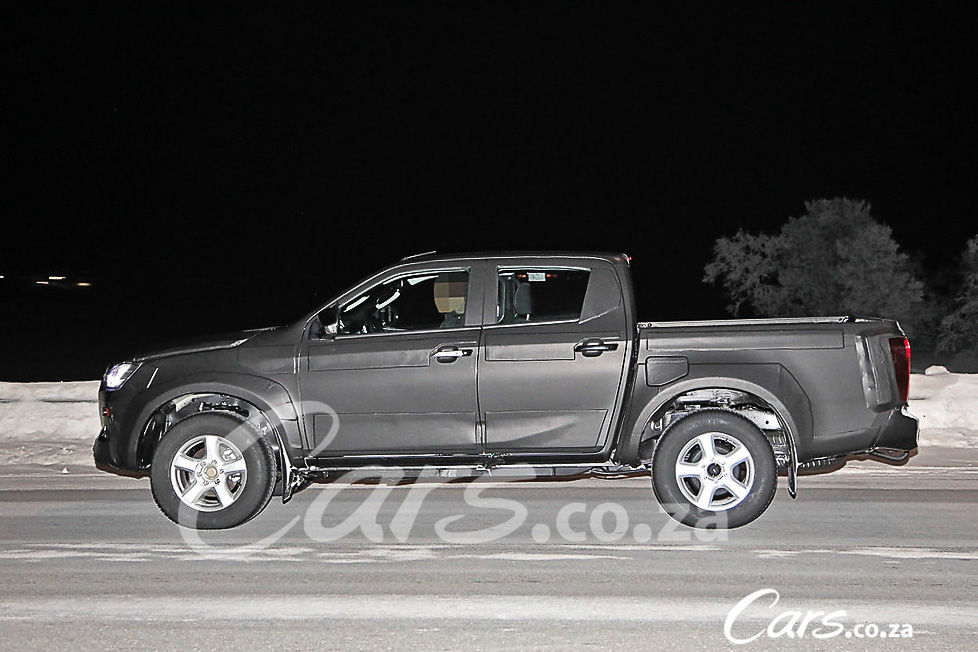
The next-generation Isuzu D-Max has been spotted undergoing testing in a very cold north European country. Having been around for some time, the D-Max has been due for an overhaul and we think this is the newcomer.
The Isuzu D-Max (formerly KB) has been getting on in years and despite its tough and rugged reputation, has fallen behind its rivals. There's no denying it is capable, but it certainly feels its age. Pictured here is what our spy photographers are calling the 2020 Isuzu D-Max. It's expected to retain its current ladder-frame platform, although it should be improved. Another key change will be some weight reduction.
The Isuzu D-Max's range of engines have also gotten on in years and given how emission laws have become ever more stringent, we think there should be substantial revisions to the current range of powertrains. We also think there will be a new-look interior complete with an updated infotainment system as well as additional safety features added.
Alfa Romeo Stelvio Quadrifoglio (2019) International Launch Review
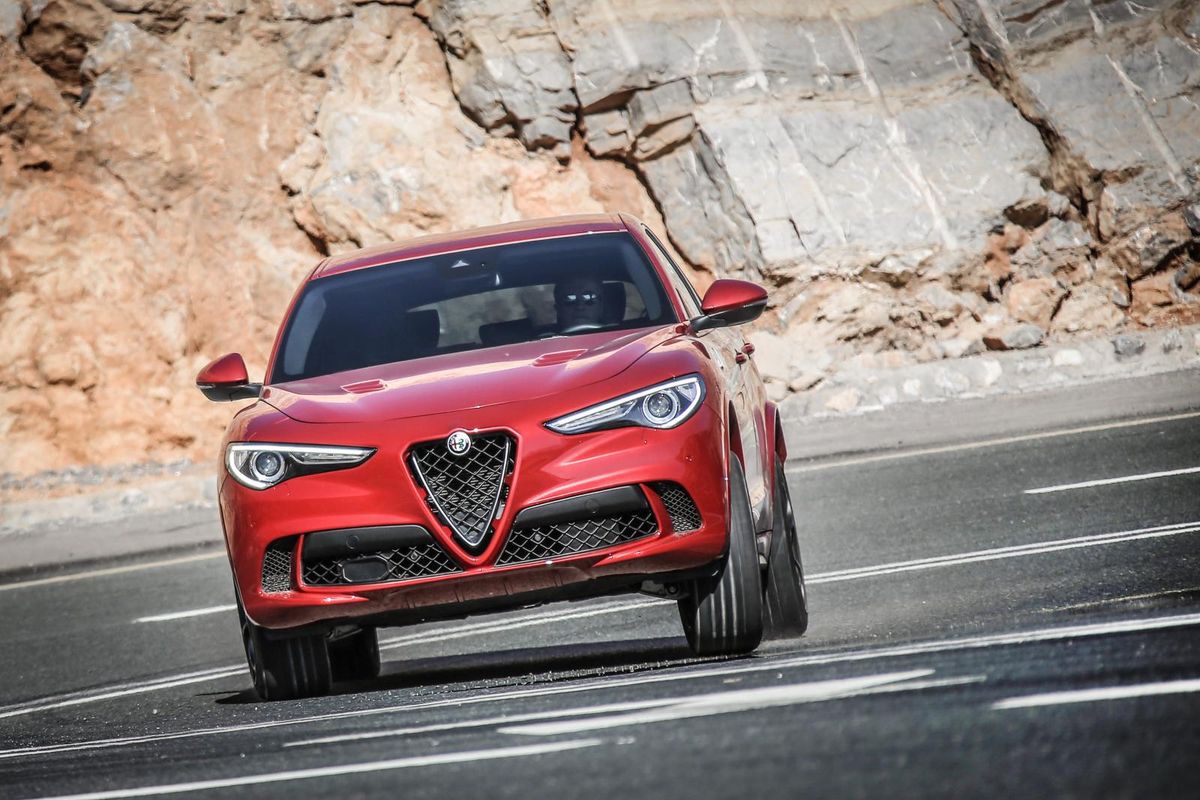
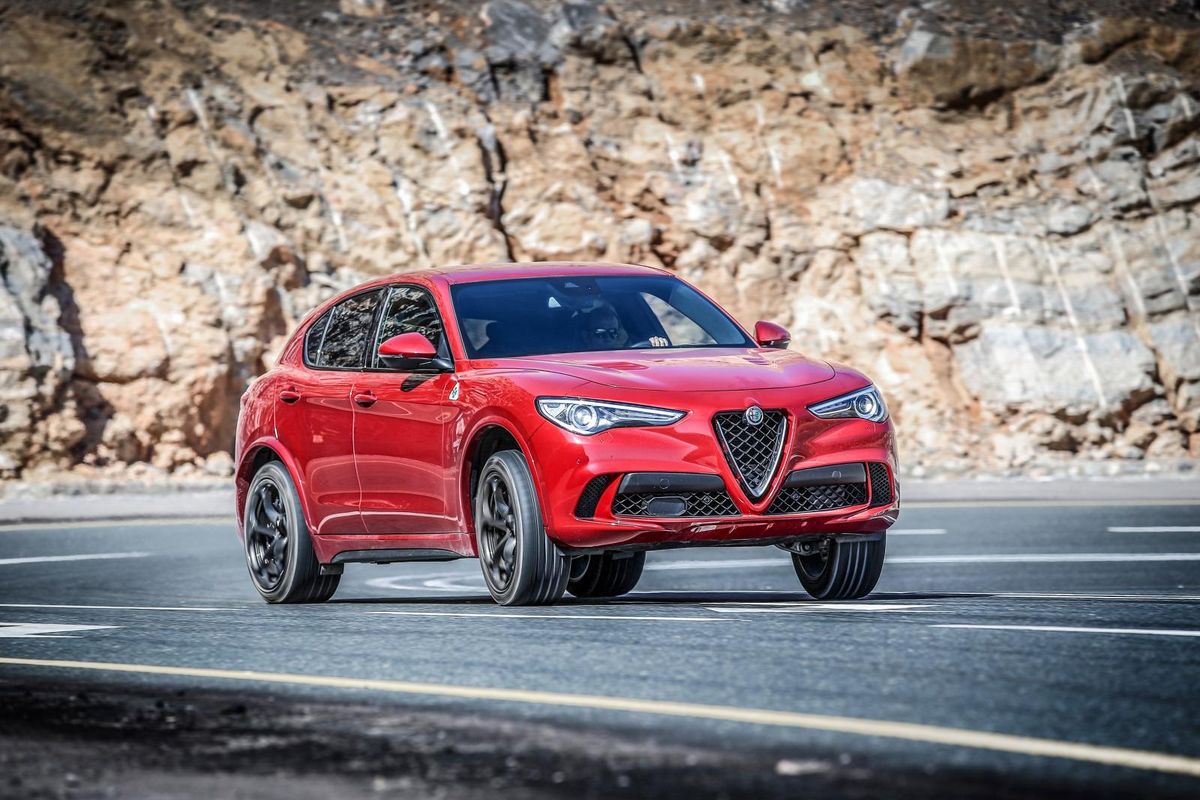
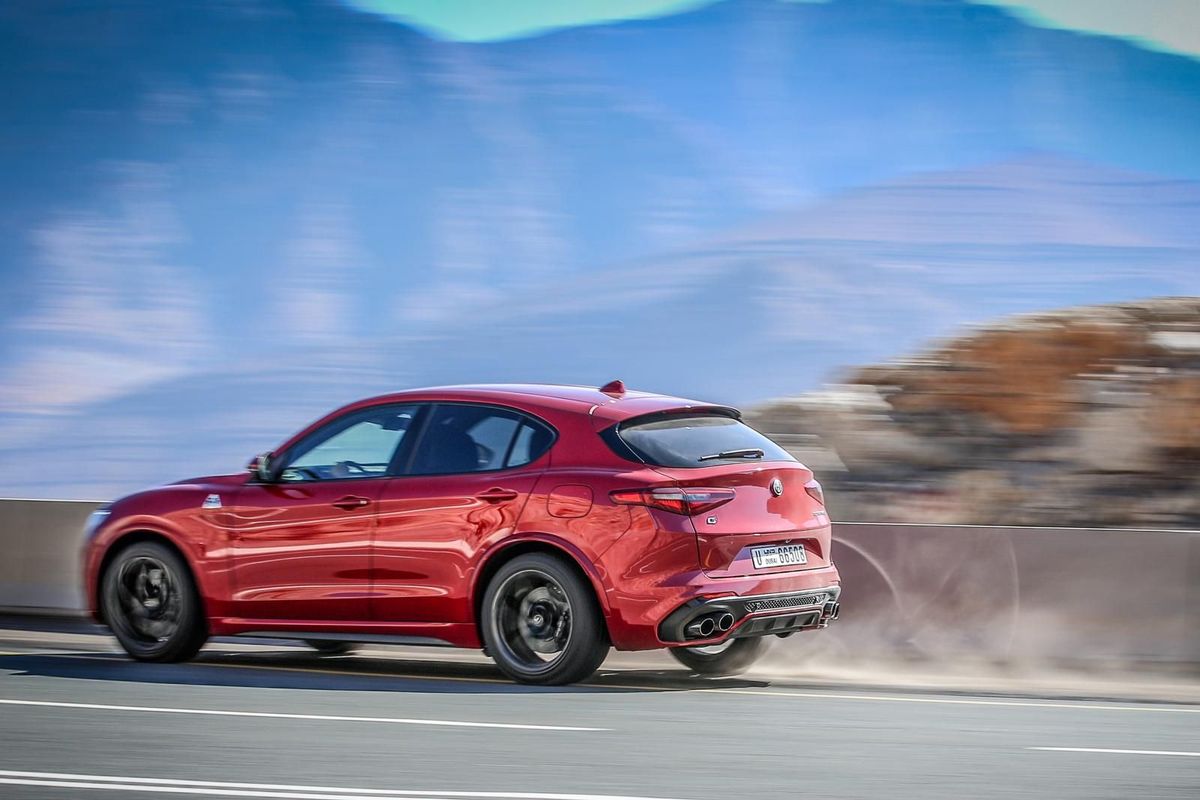
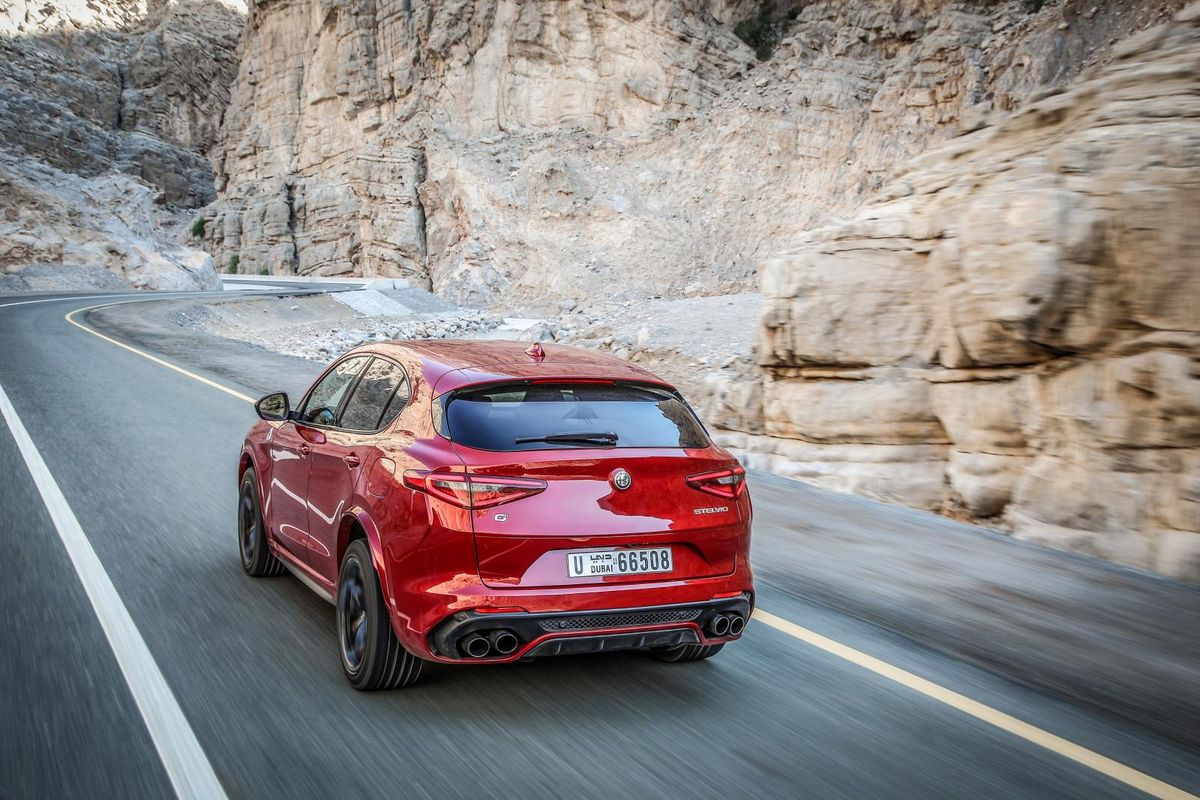
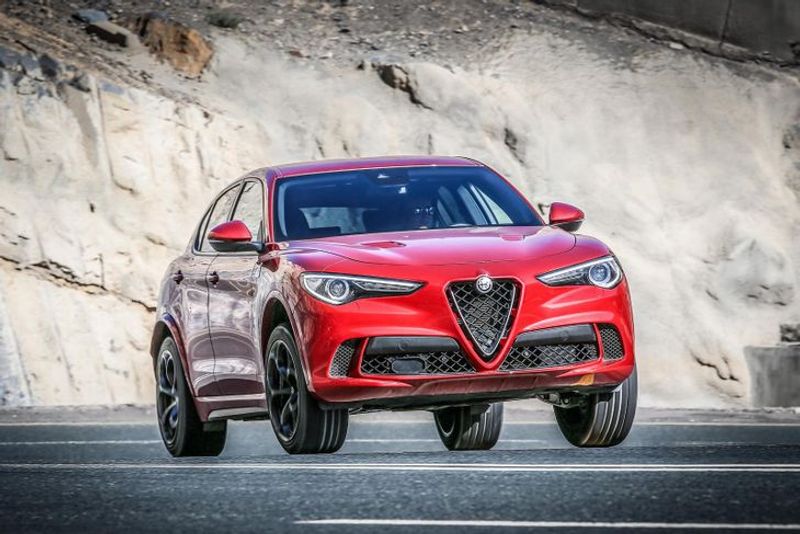
Until the recent local launch of the Lamborghini Urus, the Alfa Romeo Stelvio Quadrifoglio was the lone performance SUV from Italy (we mean no disrespect to the Maserati Levante). The evocative Stelvio flagship is now available in South Africa with prices starting at R1 675 000… The newcomer is fiendishly fast, thoroughly thrilling to drive and makes the feats it can achieve look laughably easy, but where does it fit in the market?
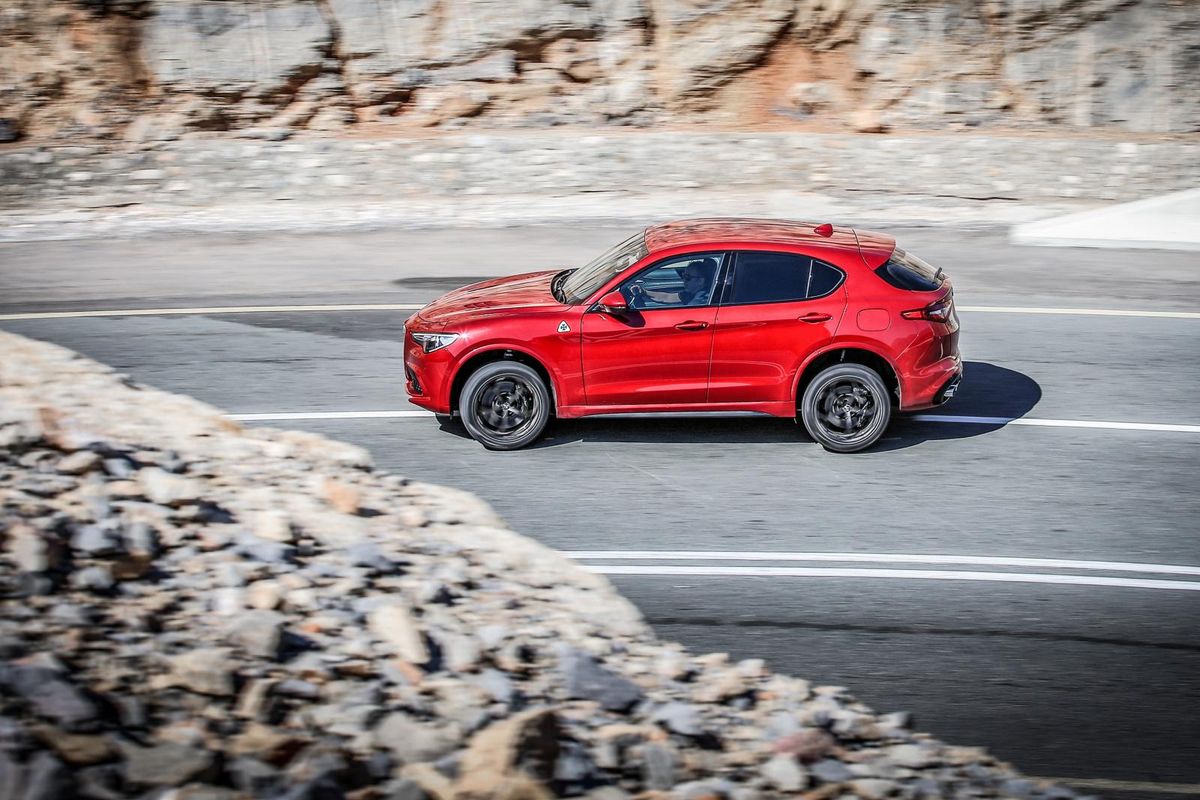
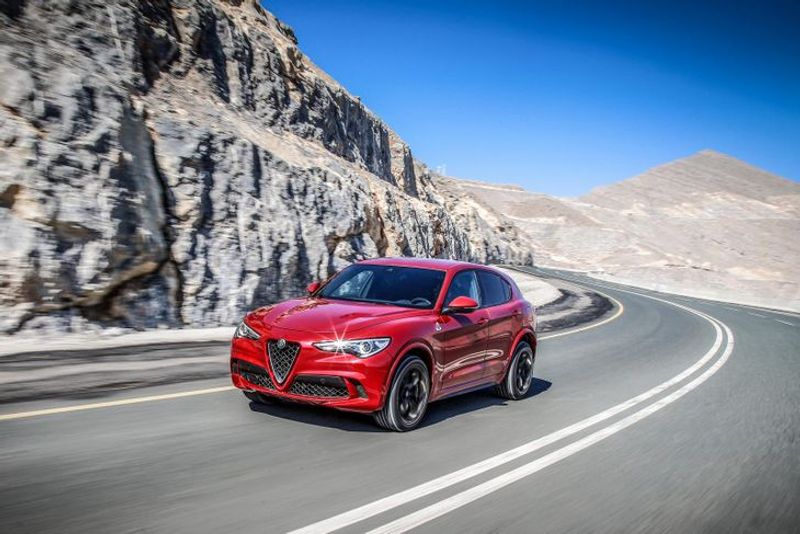
The Italian luxury car brand chose the picturesque (and mercifully quiet) incomplete Jebel Jais mountain road in the Ras Al Khaimah region of the United Arab Emirates (“the Stelvio Pass of the Gulf region” – as the firm's representatives called it) to introduce the flagship of its Stelvio executive SUV, a model range that recently became available in South Africa and has drawn mixed, but mostly positive, media reviews.
If ever there was a show of intent: Alfa Romeo's first performance SUV is also claimed to be the world's fastest SUV in production.
The Stelvio Quadrifoglio is essentially the off-roader version of the Giulia Quadrifoglio super saloon, with the not-insignificant addition of a Q4 all-wheel-drive system that can dynamically apportion up to 100% of the 375 kW/600 Nm produced by the Ferrari-derived 2.9-litre twin-turbo V6 to the newcomer’s rear wheels, with a maximum of 50% available to the front of the car as driving conditions require.
Whereas some critics have bemoaned the fact that the new generation of Alfa Romeos (based on the rear-wheel-drive Giorgio architecture) lack a little drama and sass in their conventional configuration, the Quadrifoglio derivatives turn the much-loved Alfa spiritedness up dramatically.
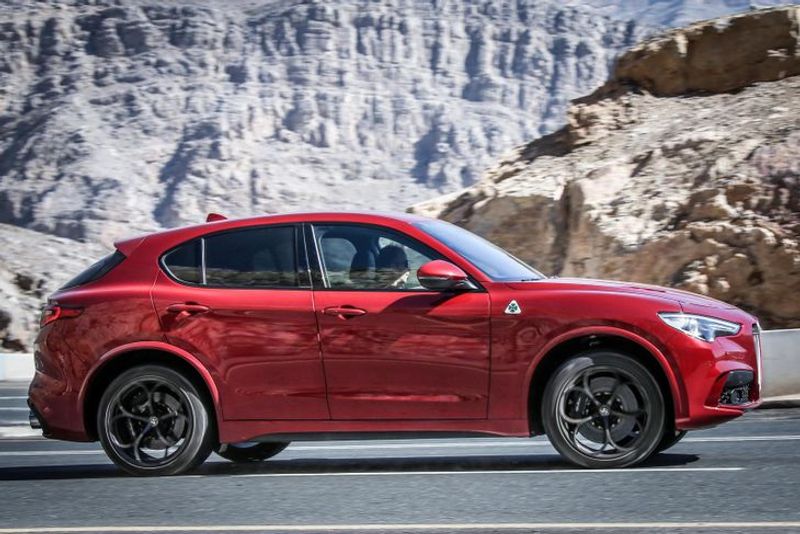
The Stelvio Quadrifoglio still has a relatively high stance; it leaves room for an even more hardcore version in the future…
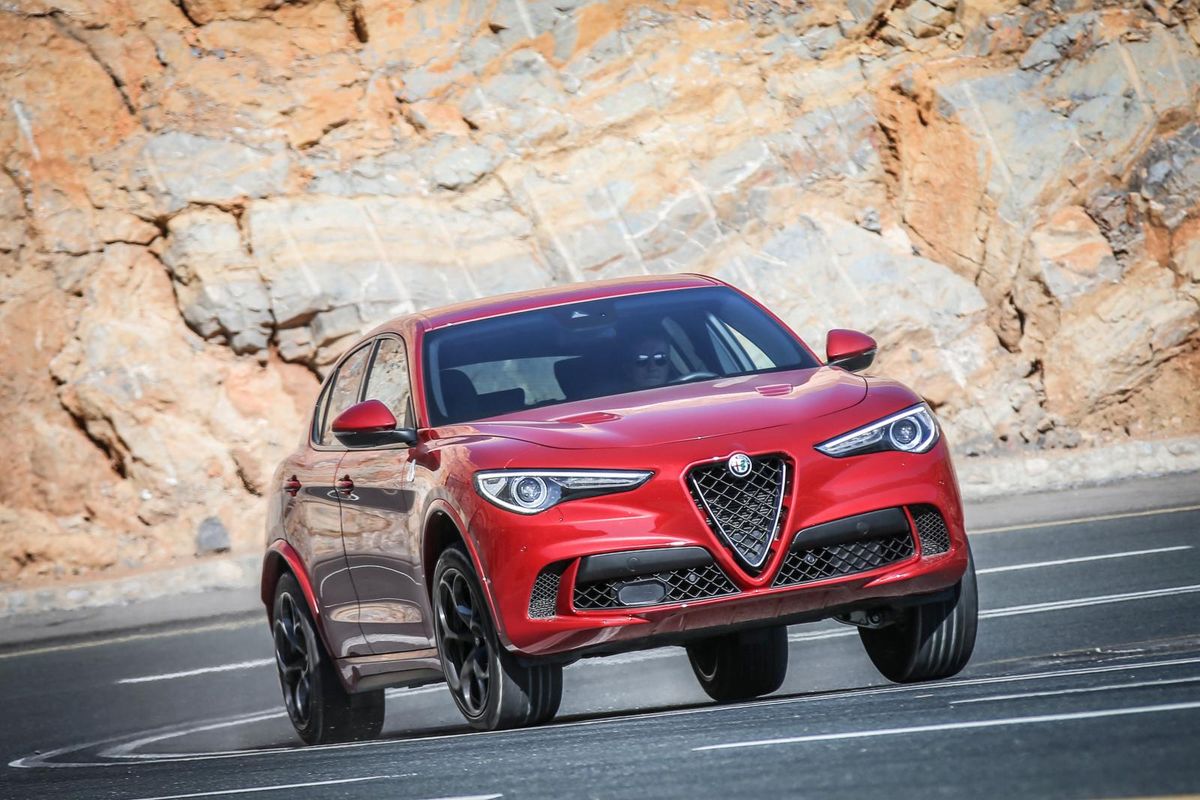
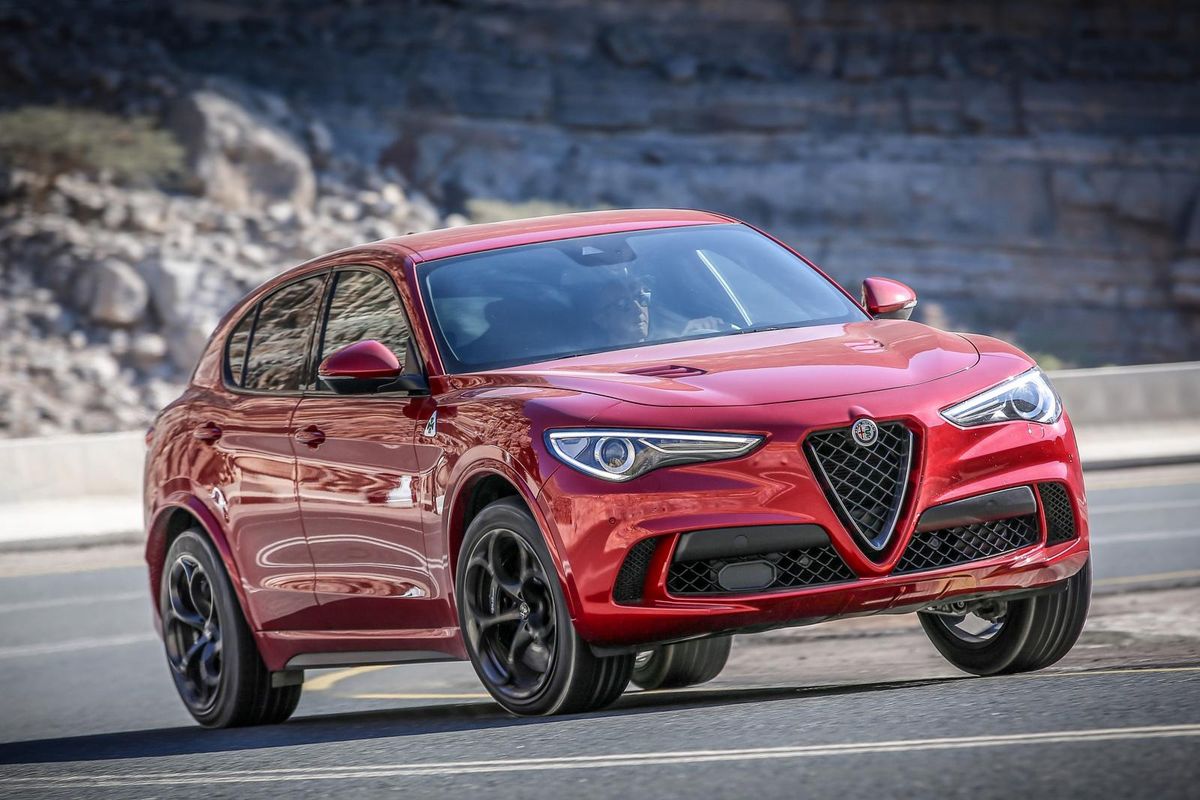
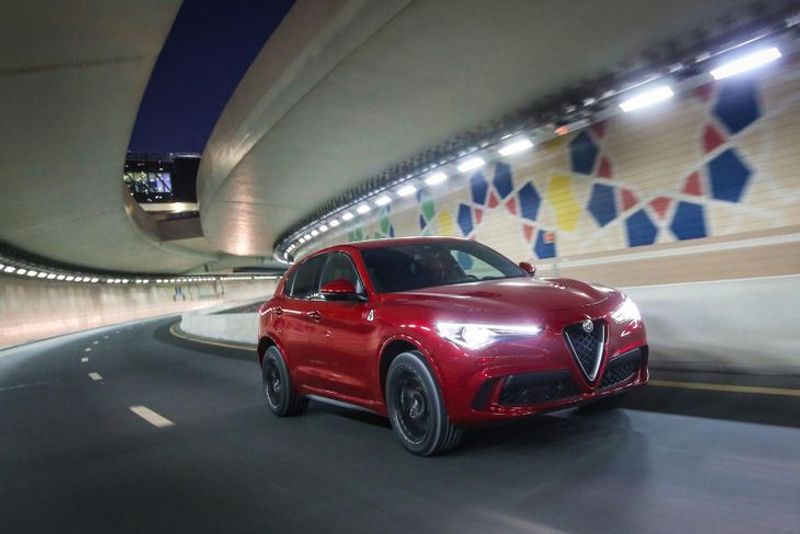
This is particularly true when one compares the Giulia with its four-leaf-clover-adorned sibling, but in the case of the flagship Stelvio, replete with its sculpted aprons, vented bonnet, a quartet of protruding exhaust tips and striking 20-inch black alloys, the contrast is less dramatic. Having perused the exterior execution of the Quadrifoglio in detail, it seems the high clearance between the wheels and their arches contribute to the still-somewhat-upright stance of the car. Otherwise, it’s an achingly-pretty SUV.
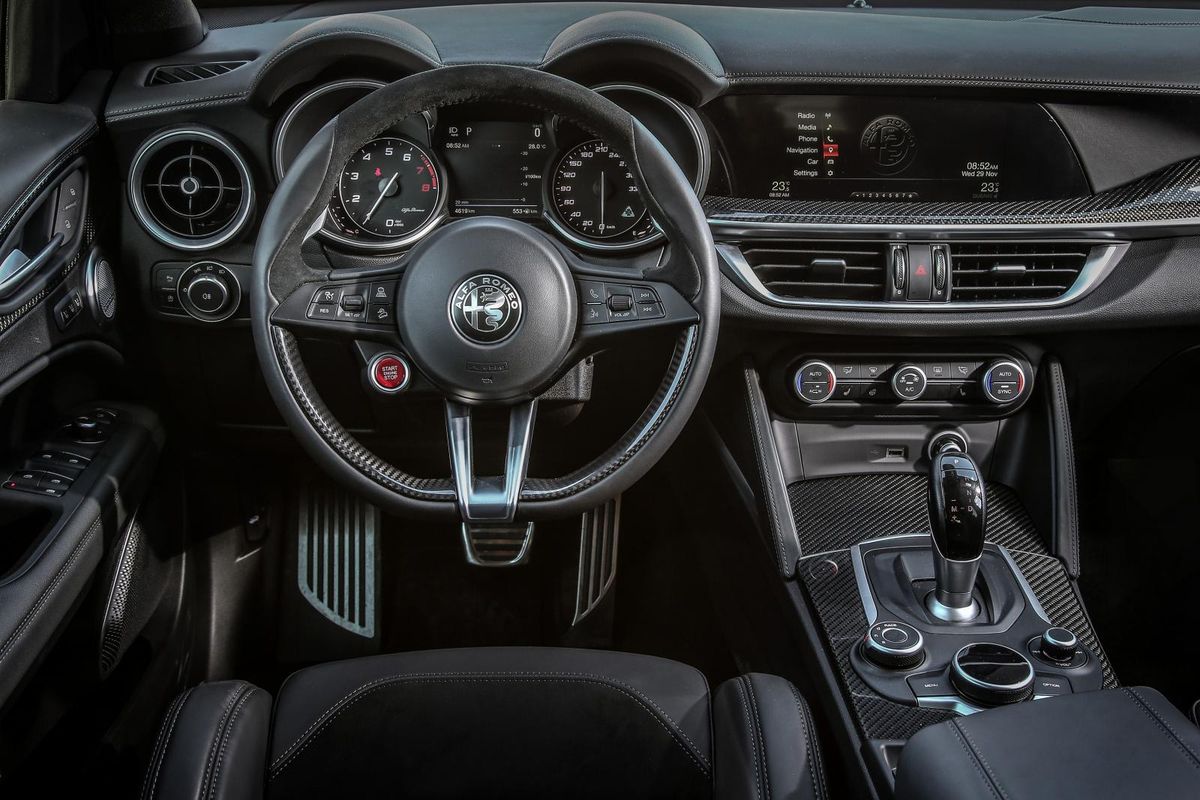
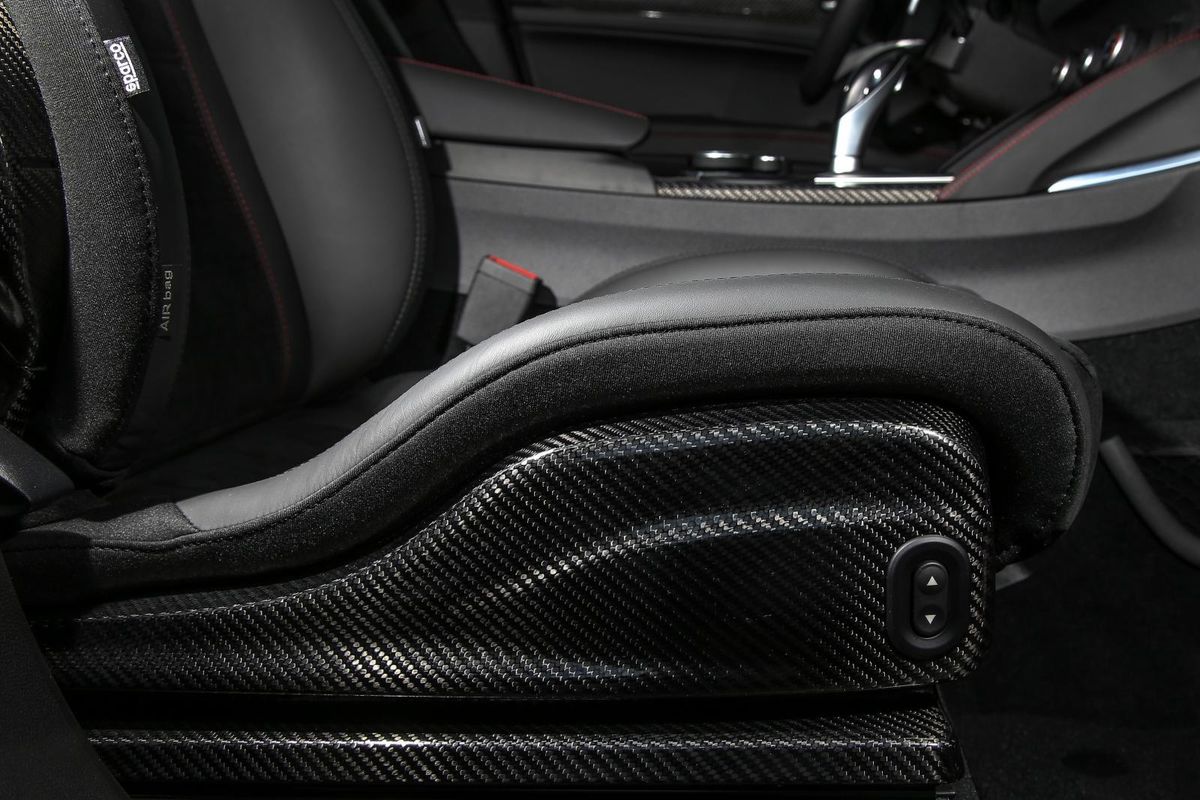
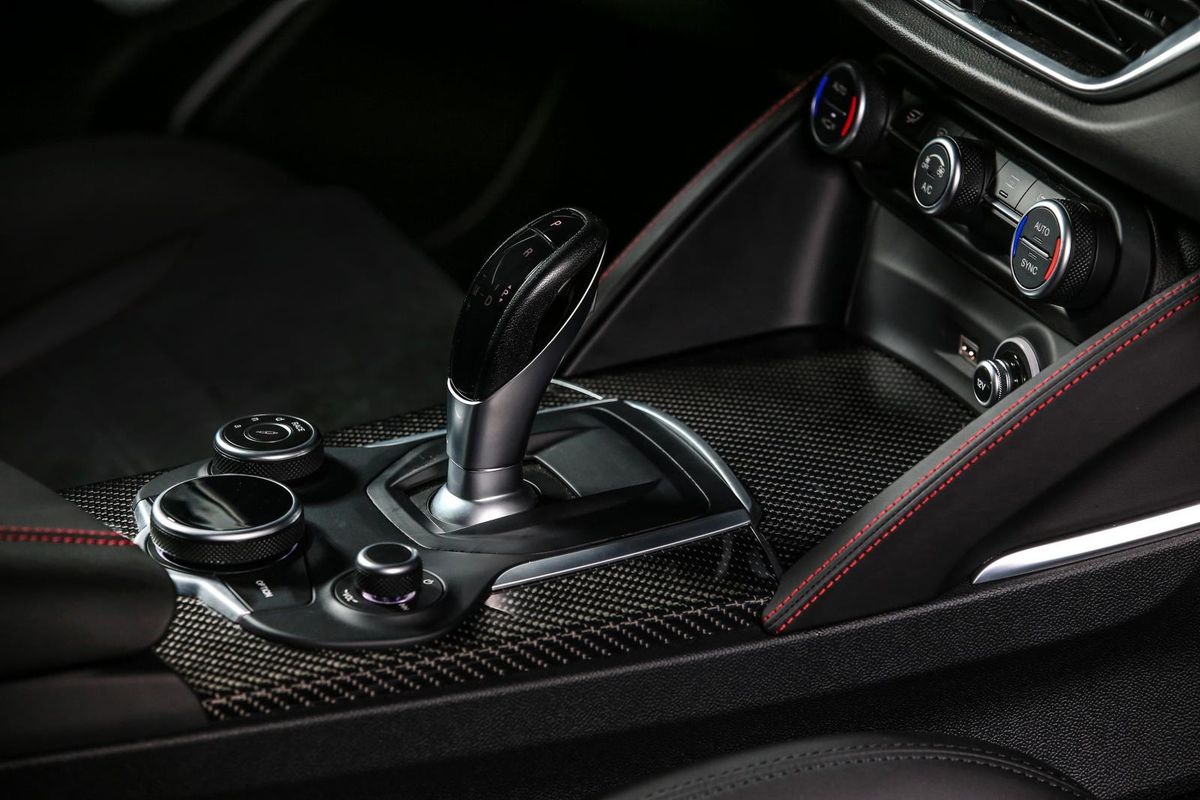
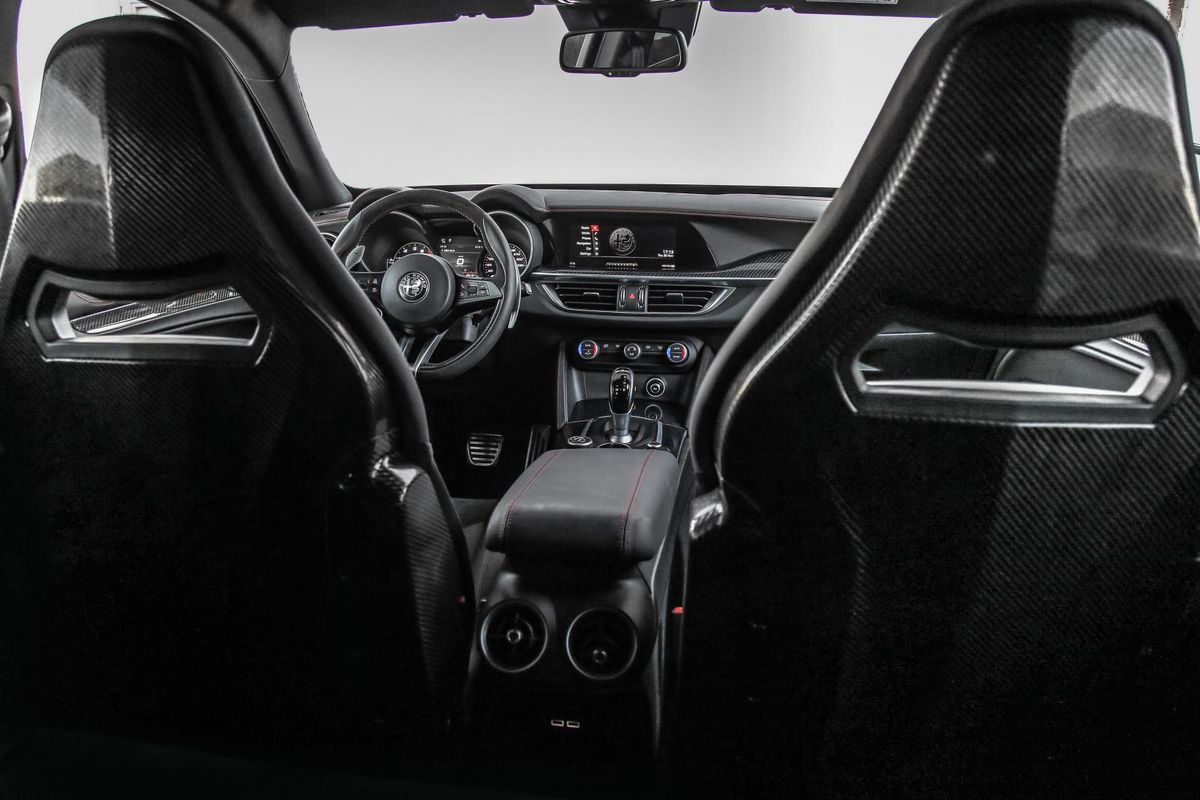
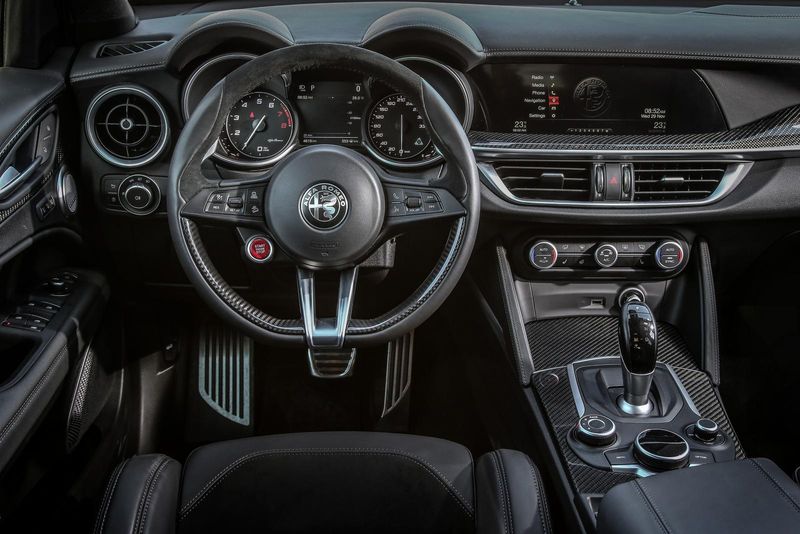
Inside, the Super derivative’s drab textured, dark grey dashboard has given way to a leather-trimmed and contrast stitched appointment and the unit we drove had lavish lashings of carbon fibre on the seatbacks, console, dashboard, handle inserts and steering wheel. These deliberate adornments are exactly what the Stelvio’s stylish interior needed. It may not be a class-leading in terms of fit and finish, but its quite acceptable and now features Apple Carplay and Android Auto functionality.
Lashings of genuine carbon fibre and a sumptuous stitched-leather dashboard set the Quadrifoglio's interior apart.
Yes, it has that Vrrr phaa
Reams of copy have appeared in exaltation of the Quadrifoglio’s Ferrari-flavoured 2.9-litre twin-turbo motor, but whereas the 3.8-second 0-100 kph and 283 kph headline stats speak for themselves, they do not convey the instantaneous throttle responses, innate flexibility and aural character of the force-induction V6. Many turbocharged motors sound a trifle muffled and dull – even upon full-bore acceleration – and that hint of lag between throttle input and accelerative response is ever-present. To its credit, the Alfa’s engine is singular in its character: in the mid-range it emits a brawny yawl and, as it strives towards the upper reaches of its rev range, it positively sings.
Even more impressive is the derivative-specific tuning of the 8-speed torque converter automatic transmission… it operates nearly unobtrusively in ordinary driving conditions, but changes cogs within a rapid 150 milliseconds, delivers pleasurable punches to the driver’s lumbar region and elicits delicious braaphs from the exhaust tips when it shifts aggressively in Race mode. Even when in Dynamic mode, the newcomer’s powertrain makes its presence felt; the Stelvio's German opposition, take note!
With a kerb weight of 1 830 kg (which is not that portly for a medium-sized SUV), an ideal 50/50 weight distribution and what Alfa claims is the best power to weight ratio in its segment, the Quadrifoglio has all of the ingredients of an accomplished performance machine.
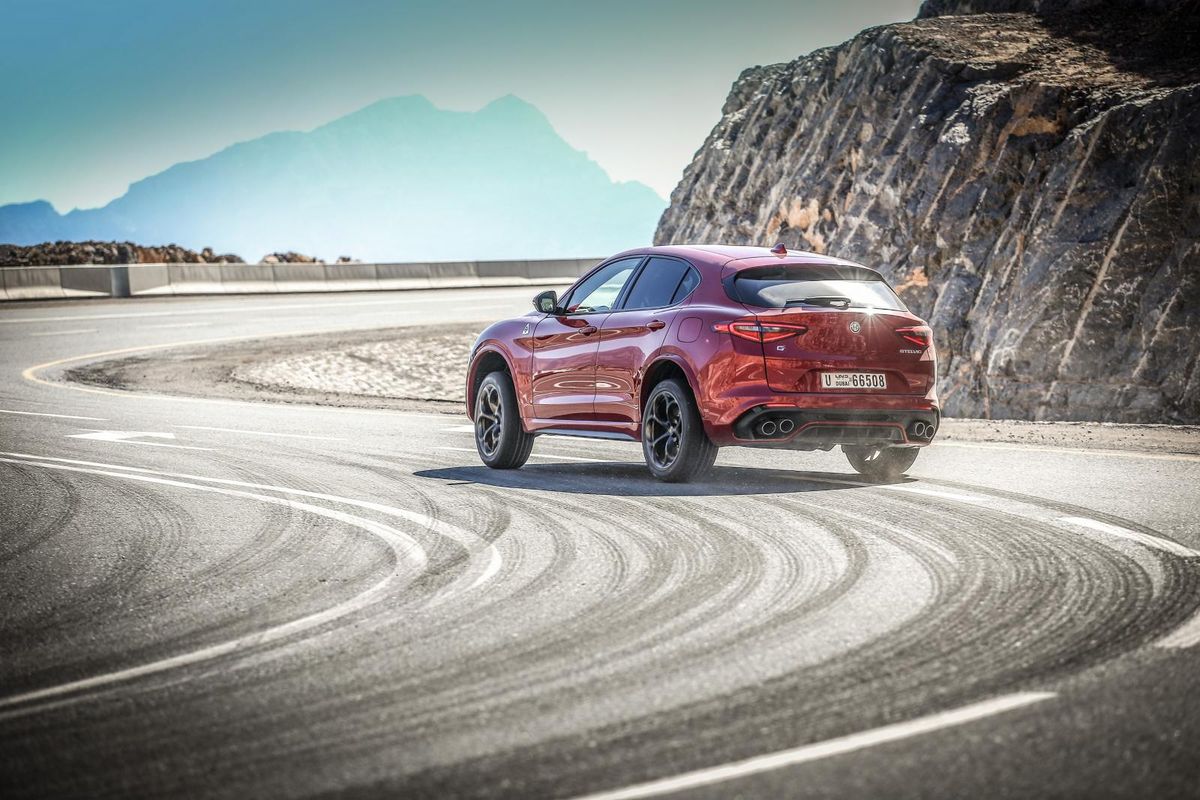
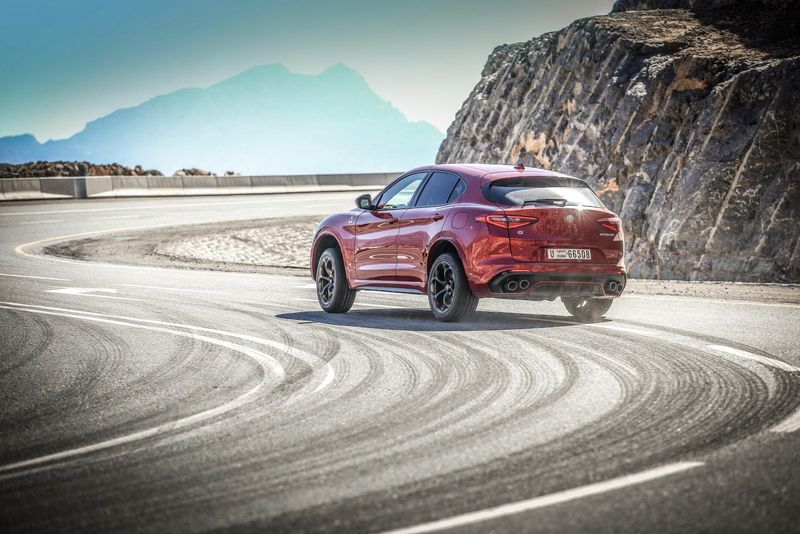
However, its upright stance and top-heaviness (typical of an SUV) don’t lend themselves to flat cornering attitudes and that’s where the AlfaLink adaptive suspension system really makes its presence felt. The Stelvio flagship resists body lean admirably, with only over-enthusiastically rapid entries to tight corners or hairpins prompting the big Alfa to list temporarily as its tyres squeal for mercy. Given the rear bias of its all-wheel-drive system, in Race mode, the newcomer is not reluctant to shake its rear end (although the stability control stops things from getting lairy)!
Slides can be easily controlled in Race mode, but given the Quadrifoglio's lofty grip levels, these happen at giddying speeds.
The particularly quick (let’s say darting) action of the Alfa’s steering wheel, something inherent to both Giulia and Stelvio packages, requires some – but not much – familiarisation. Thanks also to the prodigious grip that’s available, it is palpably easy to place the Quadrifoglio’s front end, with little steering correction required.
What was a little disappointing however, was the snatchy nature of the brake-by-wire setup; those who regard themselves as driving aficionados will argue that deliberate and decisive braking inputs are recommended, but if you just want to dab the brakes to scrub off some speed or subtly slow your progress in traffic, too much “bite” to the pedal is irritating. Having said that, the unit we drove the most was a “nibbler”, but the other unit, less so…
The AlfaLink adaptive suspension deserves credit for the way it smoothes out road imperfections.
Multi-faceted performer
Although the layout and driving conditions of the Jebel Jais road were conducive to hard driving, the Stelvio nevertheless proved adept at being mild/gentle when it needed to be. Given its performance bent, the Quadrifoglio delivers a palpably pliant ride quality that can be tuned to a soft damping mode in Dynamic mode and a mid-level setting in Race setup, which is likely to prove very handy when the newcomer traverses some of the marginal roads we encounter in South Africa.
In fact, for what it is, the Stelvio flagship is an accomplished and poised performance machine. It can slip seamlessly from urban family car to tar-shredding juggernaut with virtually no fuss whatsoever. There was something very reassuring and confidence-inspiring about the way that the Quadrifoglio would deal with high-speed cornering manoeuvres and have its throttle and brake pedals alternatively mashed into the recess of the footwell with tremendous gusto. The interior of the (admittedly well-prepared) test units remained creak and shudder free and the suspension and powertrain were unflappable… as for the Alfa Romeo’s tyres, well, they certainly wailed their lungs out in the extreme conditions.
Whether the flagship Stelvio's kerb presence and surfeit performance can justify its premium-SUV price tag is a moot point.
Summary
The Alfa Romeo Stelvio Quadrifoglio is eminently engaging. A devastatingly fast (and satisfyingly user-friendly) performance machine, it's nothing short of a tour de force. "With a starting price of just under R1.7 million (January 2019) and the Race edition a not-insignificant R1 825 000, it darn well ought to be", I hear you say. Yes, its asking price seems rather expensive for an executive SUV, but it needs to be remembered that although it is similar in size to the Audi Q5, BMW X3/4, Mercedes-AMG GLC, Jaguar F-Pace, Range Rover Sport and Volvo XC60, performance-wise it will obliterate most larger SUVs priced around it. It's most natural competitors are the 375 kW/700 Nm Mercedes-AMG GLC63 S coupe 4Matic+ (also around R1.7 million) and the 324 kW/600 Nm Porsche Macan Turbo with Performance Package (R1.6 million, with the 5-year maintenance plan).
Some might not understand the Stelvio Quadrifoglio’s raison d’etre, but those who do, are highly unlikely to be disappointed. It is, without a shadow of a doubt, one of the finest of its breed. It is a devastatingly fast and satisfyingly user-friendly performance machine in equal measures.
View a promotional video clip of the Stelvio Quadrifoglio below:
Lamborghini Huracan Evo (2019) International Launch Review [w/Video]
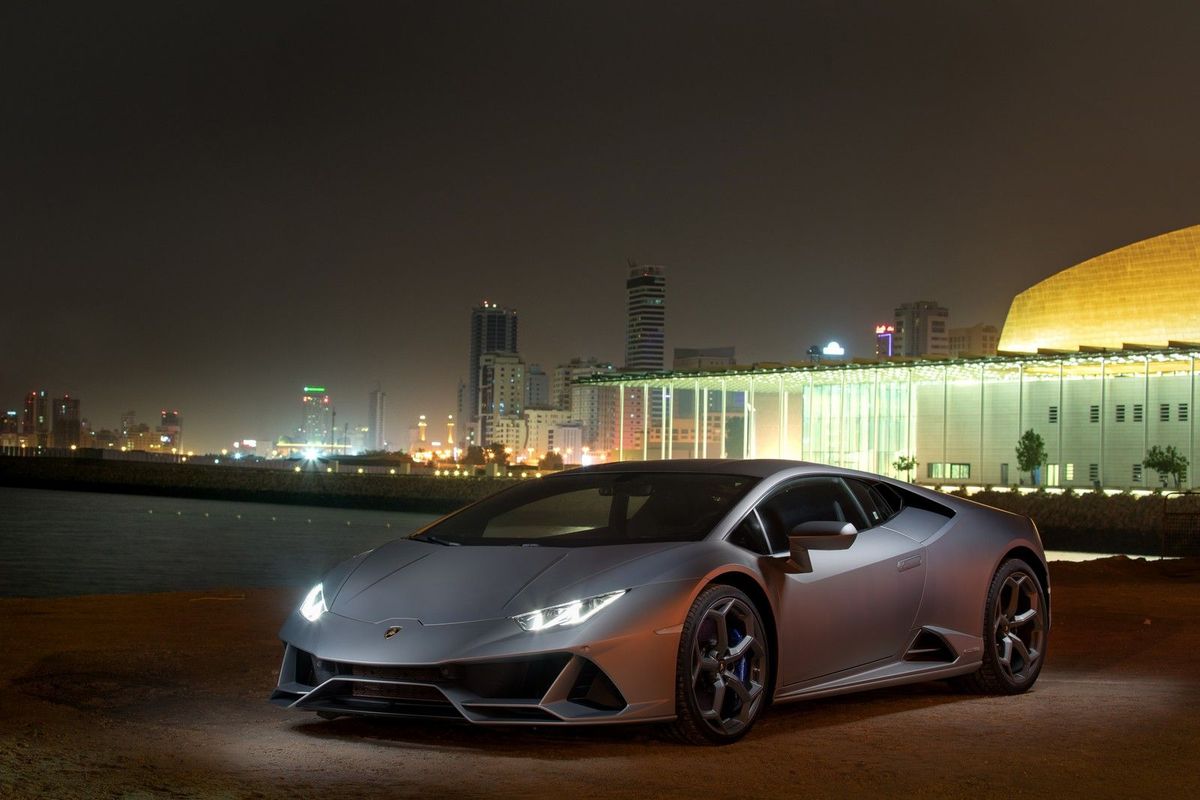
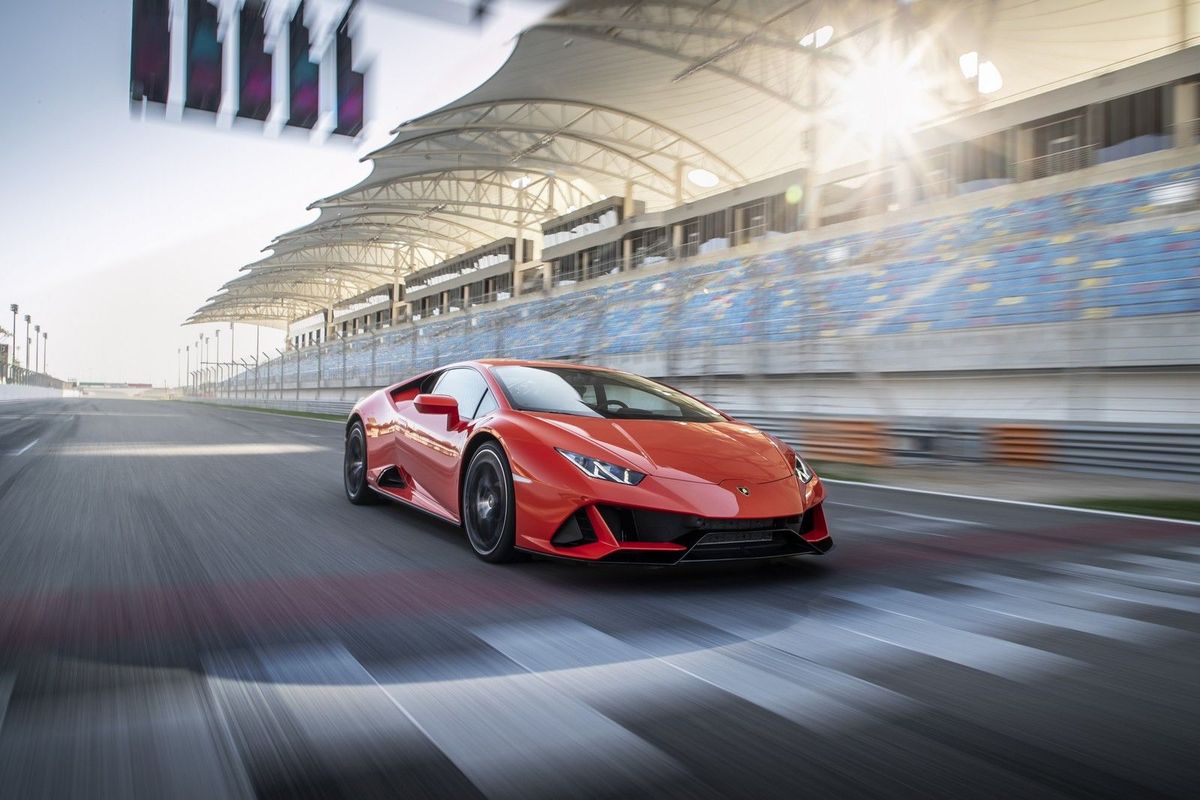
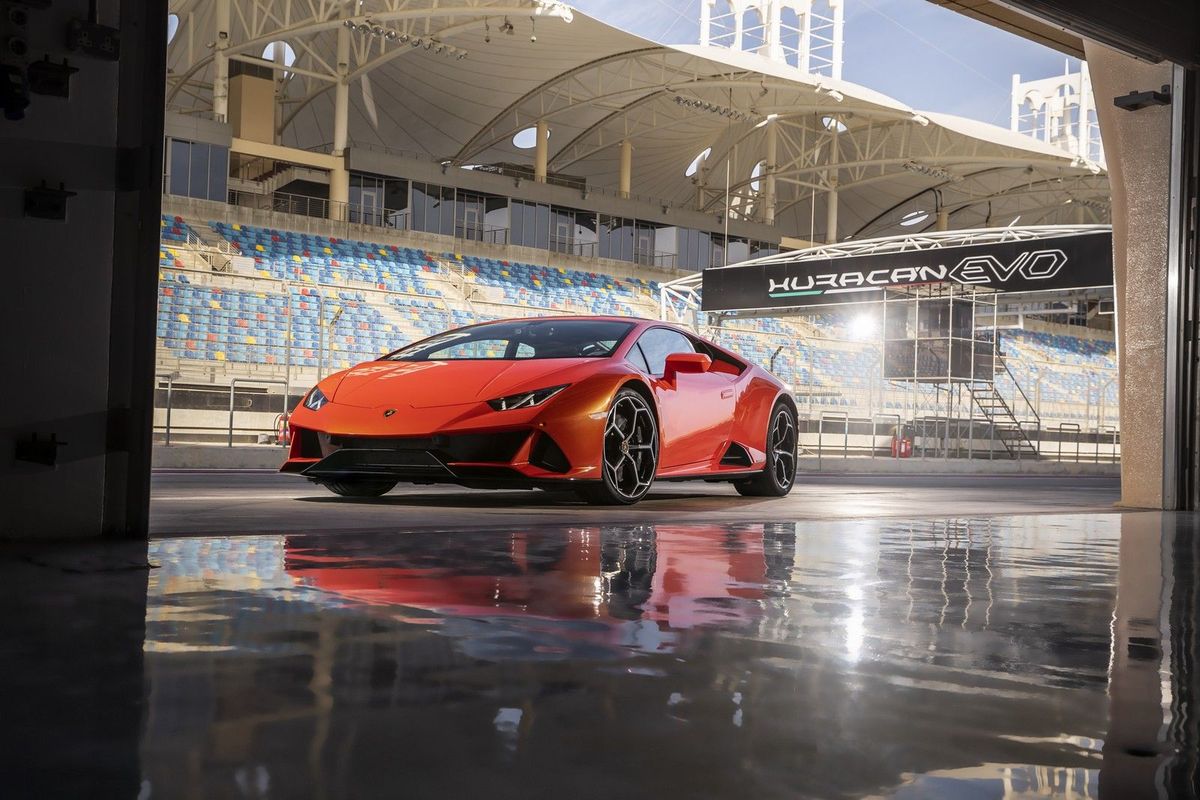
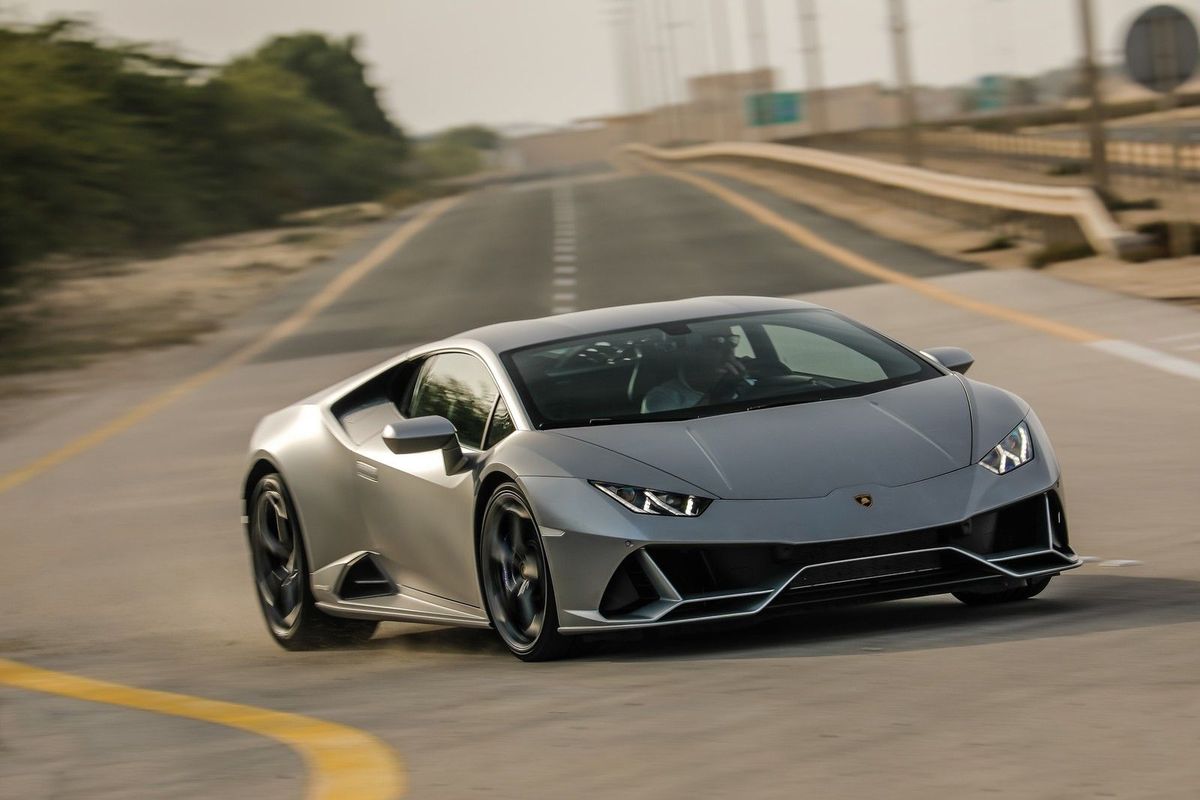
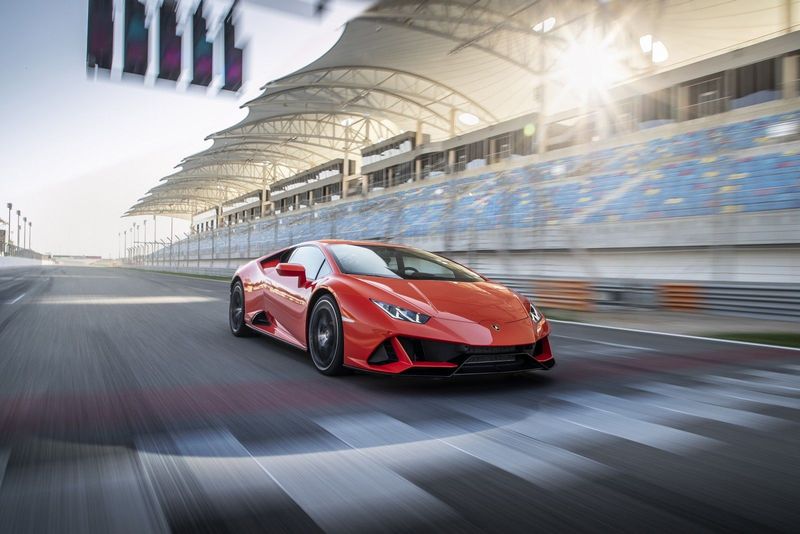
Lamborghini has introduced a revamped Huracan, called the Evo. The name suggests it is but a slight evolution of the super sportscar. In Bahrain, however, we found that it’s much more than that.
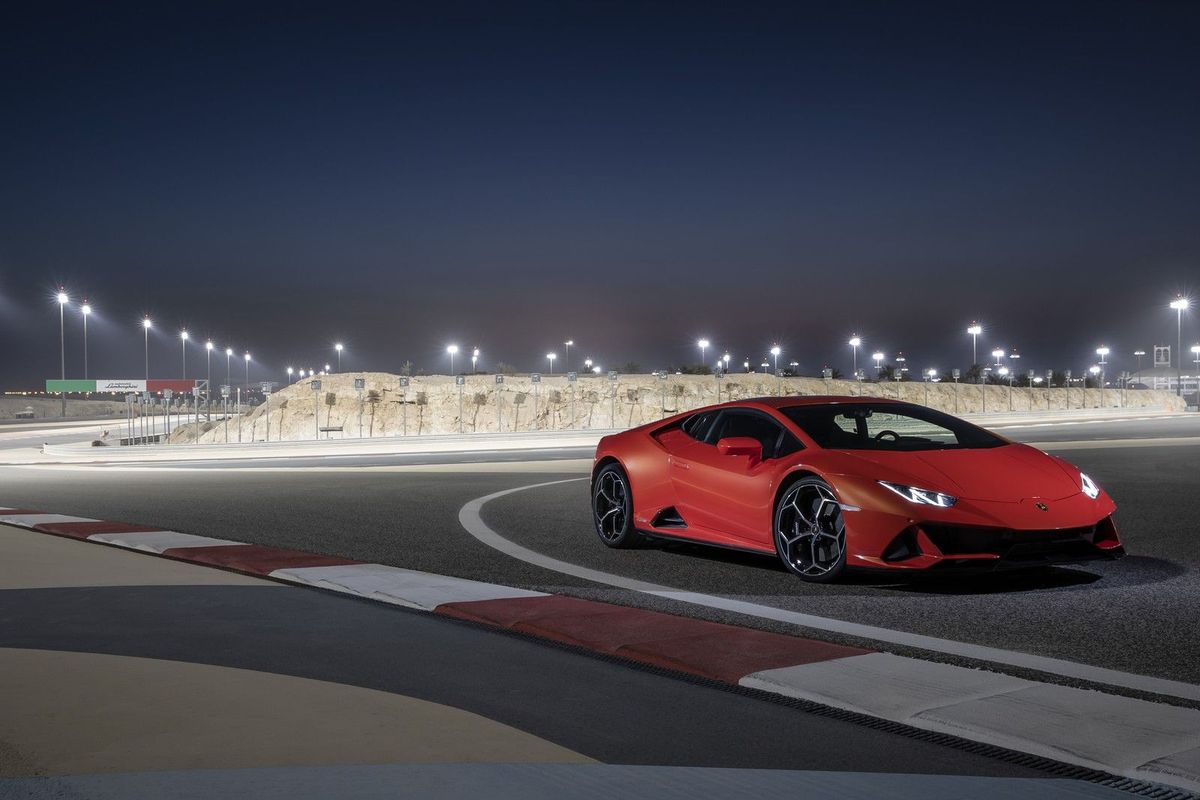
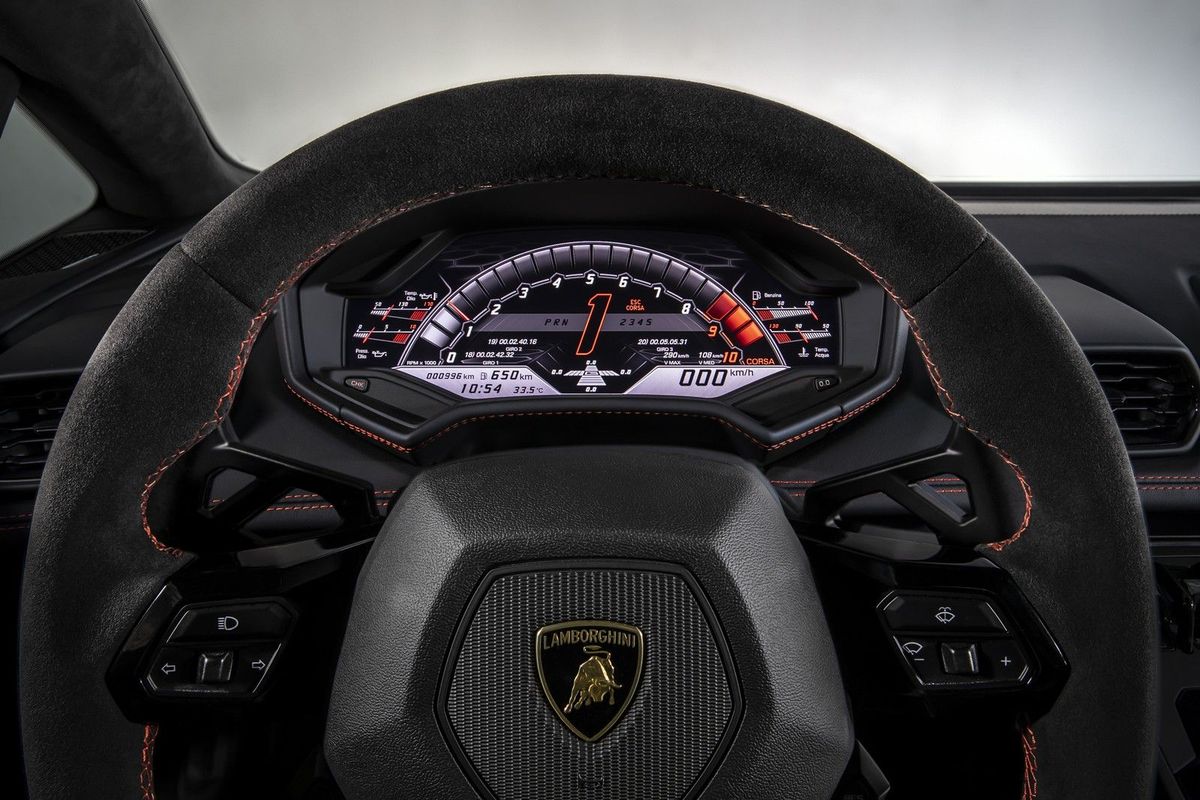
There are no driving roads in Bahrain, it’s a flat island that has a maximum elevation of around 130 metres above sea level. There’s no need for switchbacks, corners or interesting road building. It does have a racetrack, however, one that’s used to host the second F1 grand prix of every year and it’s a cracker of a track, notable for long sweeping corners and big stops. This is where I got to grips with the updated Lambo Huracan Evo and its plethora of technological features, which shifts it away from the "R8 with a Lambo casing" stigma that has plagued it since introduction (in 2014).
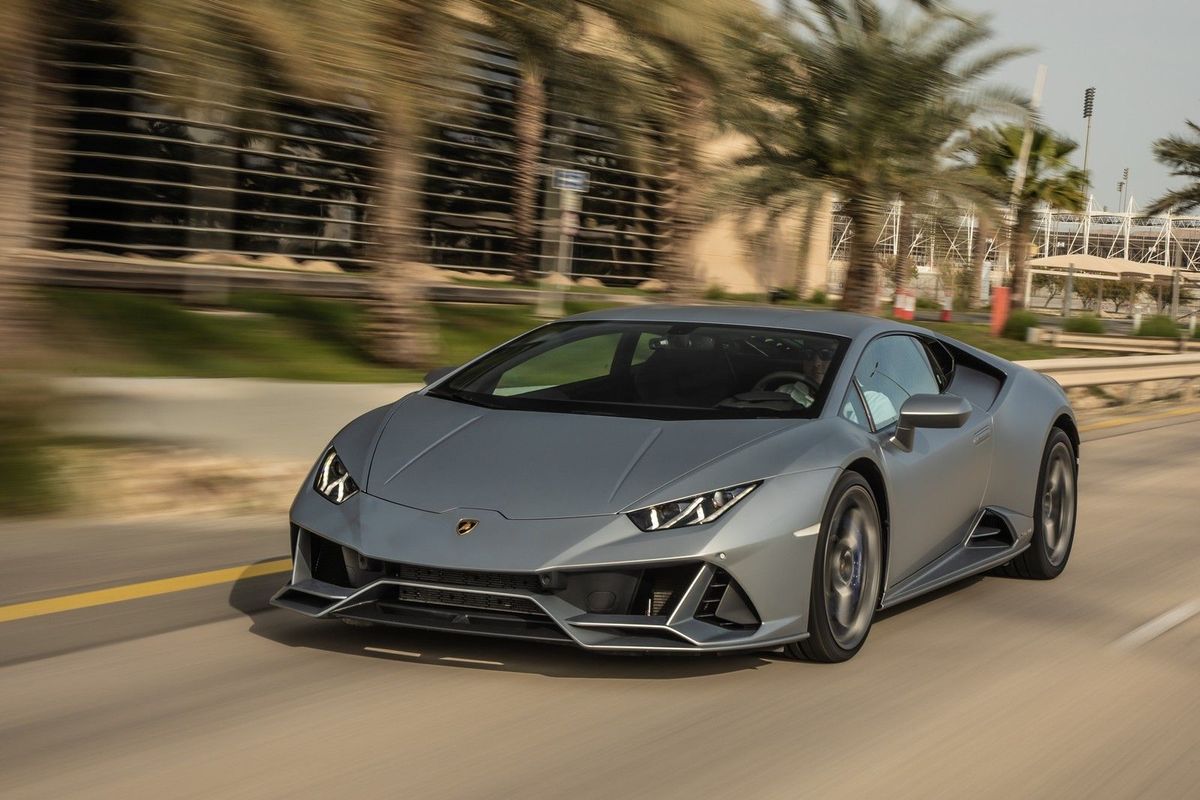
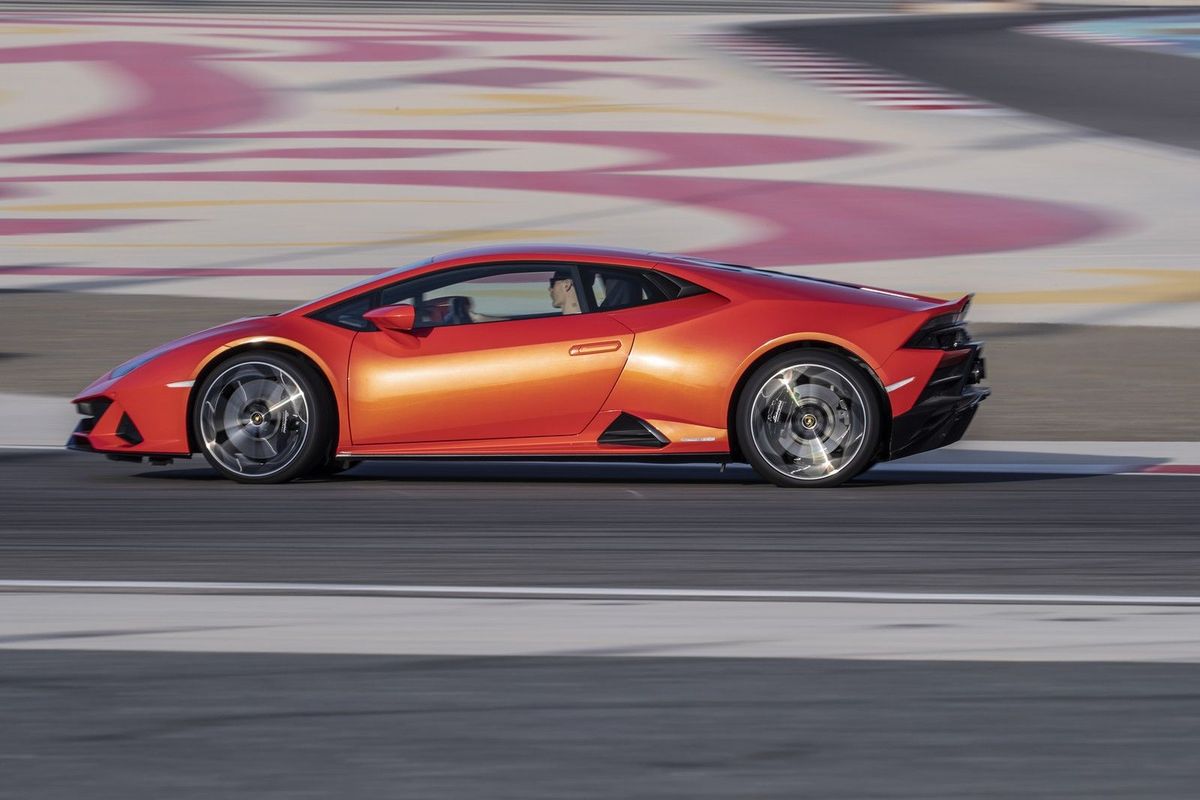
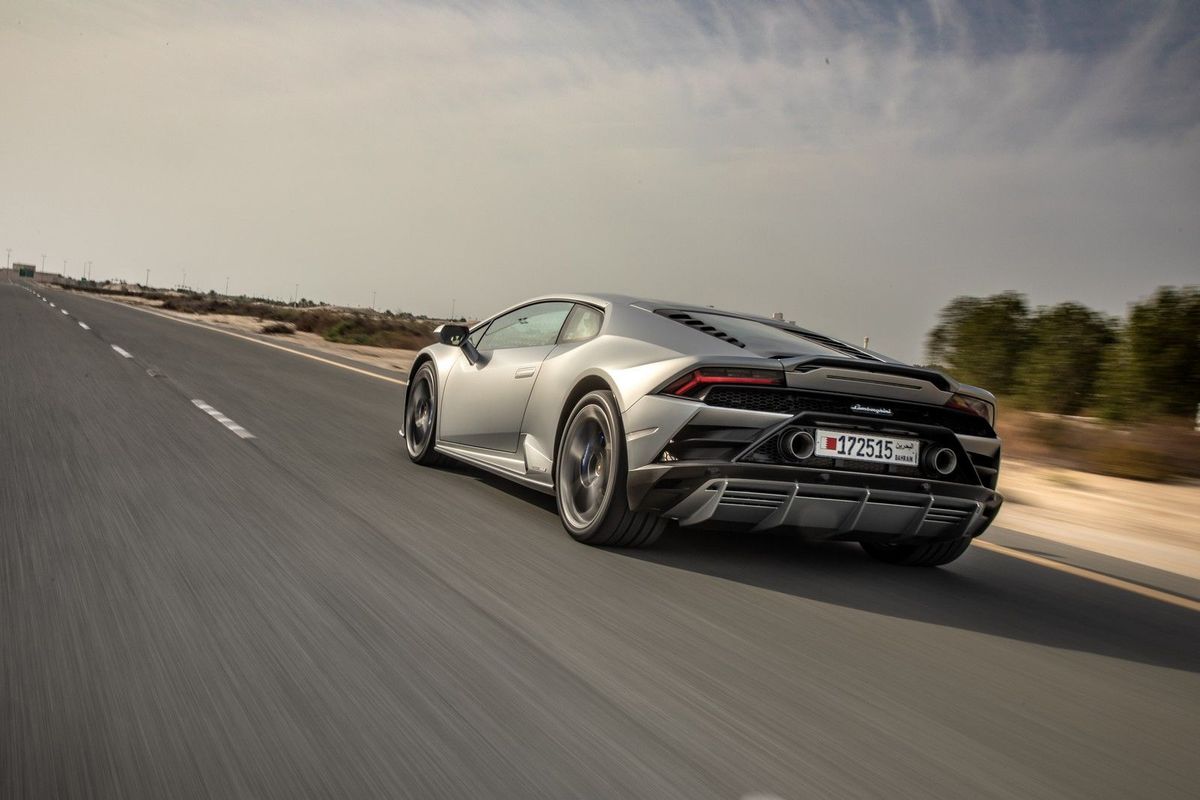
The exterior changes have been made purely with performance improvement in mind.
Yes, but there are a few notable changes… and for good reason. You get the impression that Lamborghini is stepping away from the old "playboy toy" or "Rambo Lambo" of old; as if it is striving to make a pure super sportscar that evokes sensory appeal both in looks and driving experience.
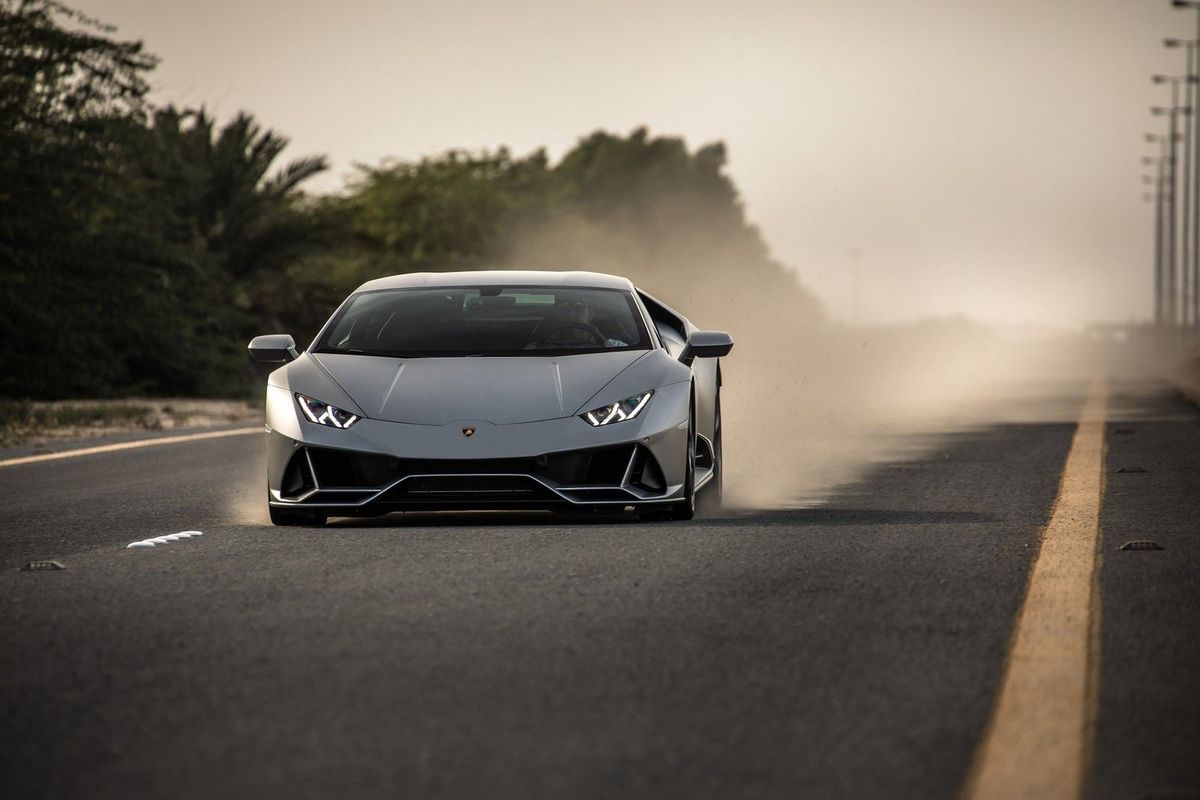
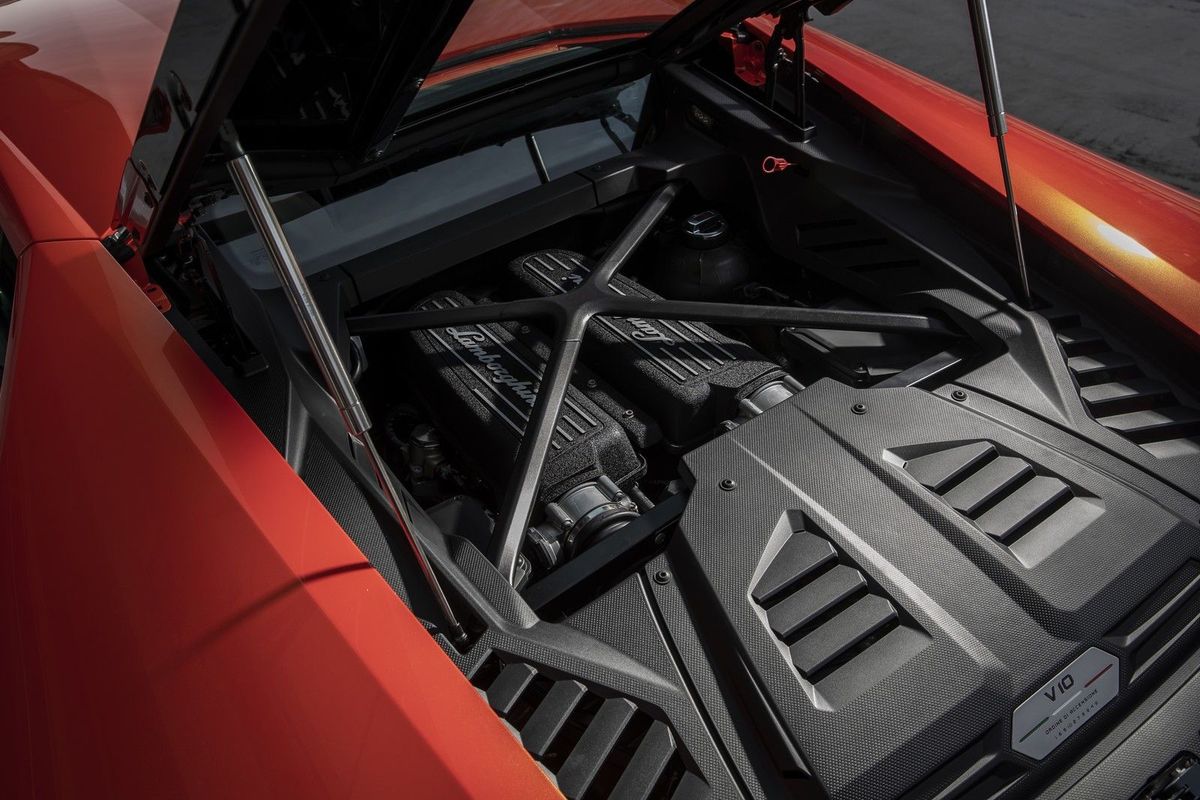
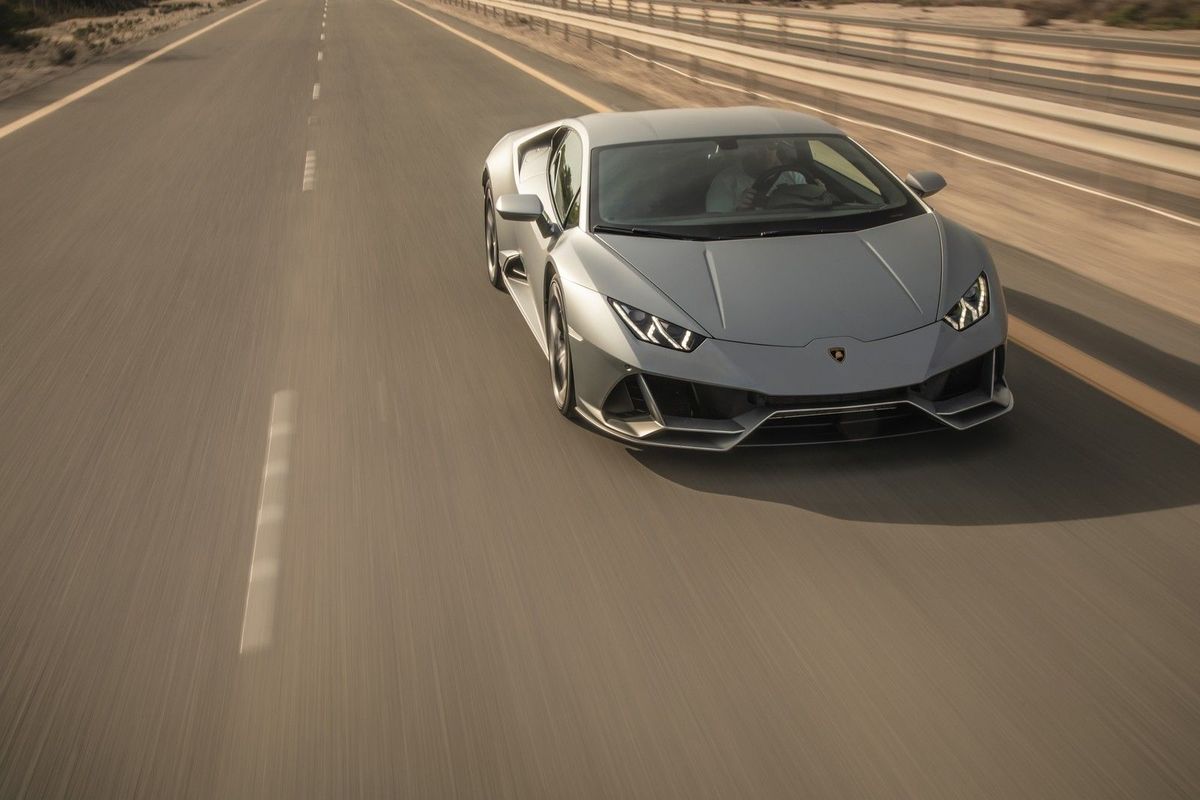
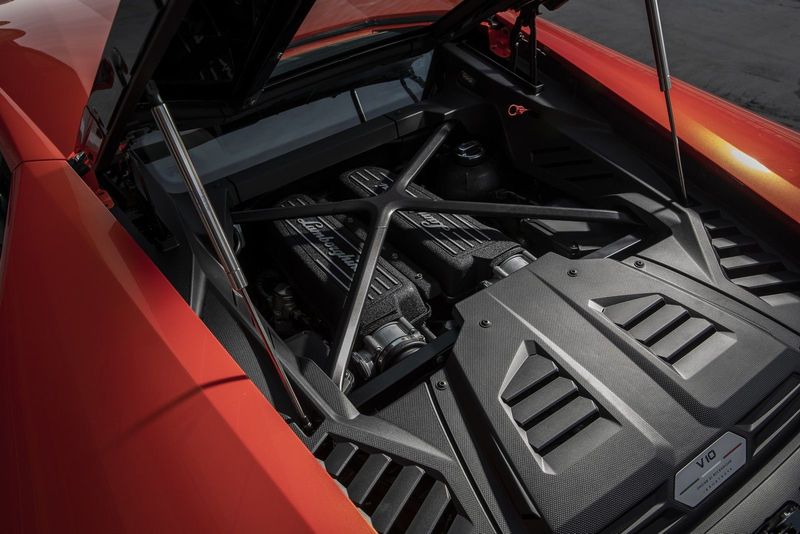
Physically the changes are purely for performance gain. The front has a new splitter and air intakes that usher 16% more air to into the radiators, allowing the engineers to ramp up the tolerances on the engine. The result is 470 kW and 600 Nm from the naturally aspirated 5.2-litre V10 engine. If you want to see an Italian engineer get emotional about their job, ask them why they haven’t gone the turbo route yet. They are enthusiasts to the core and hardcore fans of 8 000 rpm plus rev limit, with a profound, brings-a-tear-to-the-eye soundtrack to top it all off.
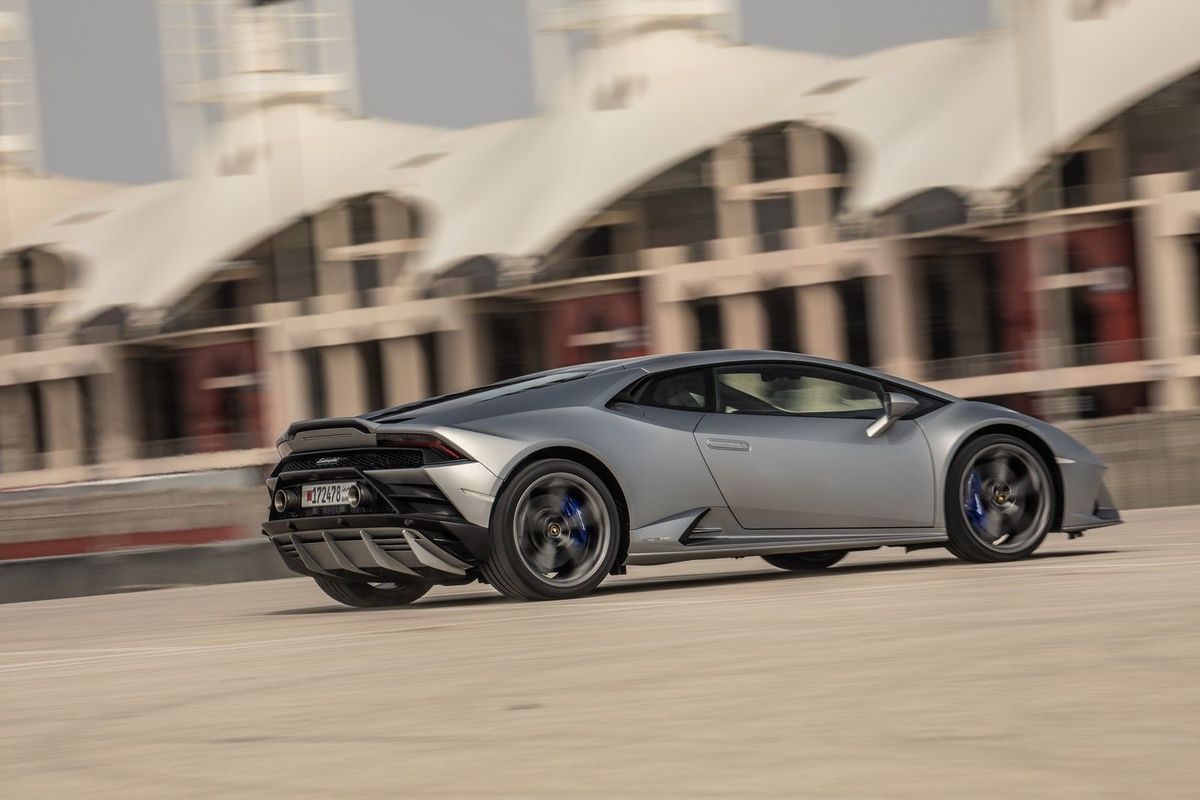
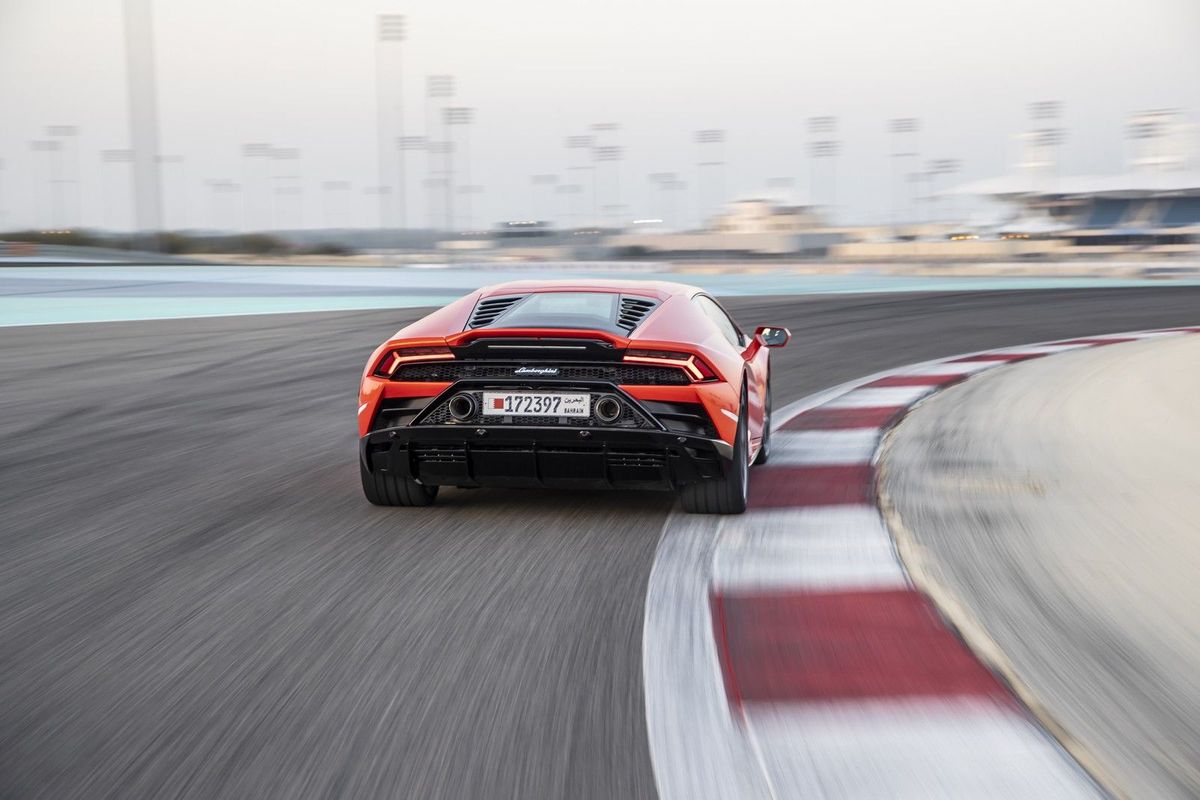
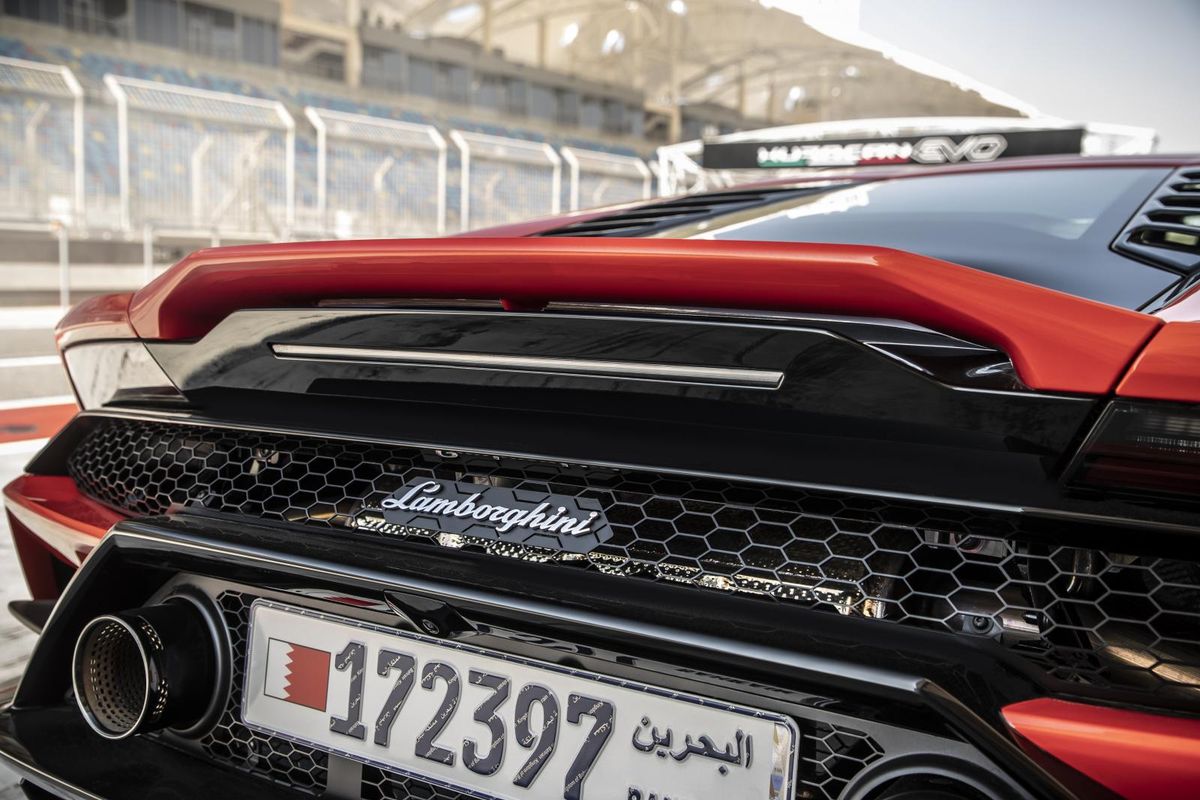
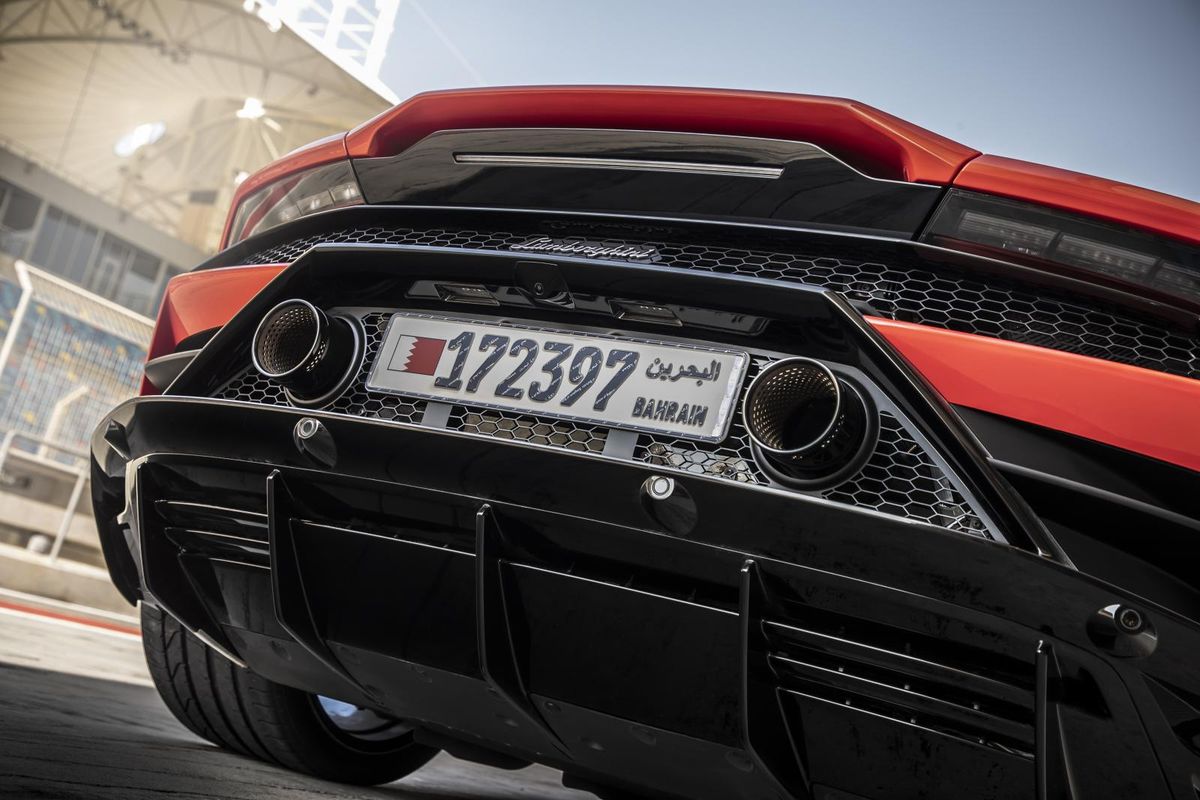
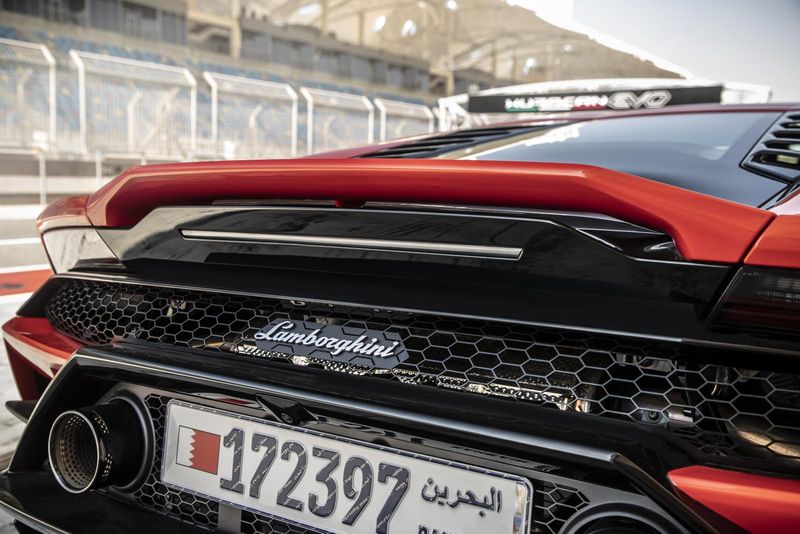
Mid-mounted exhausts as first seen on the Performant model. Also the gep in the rear wind helps with air flow.
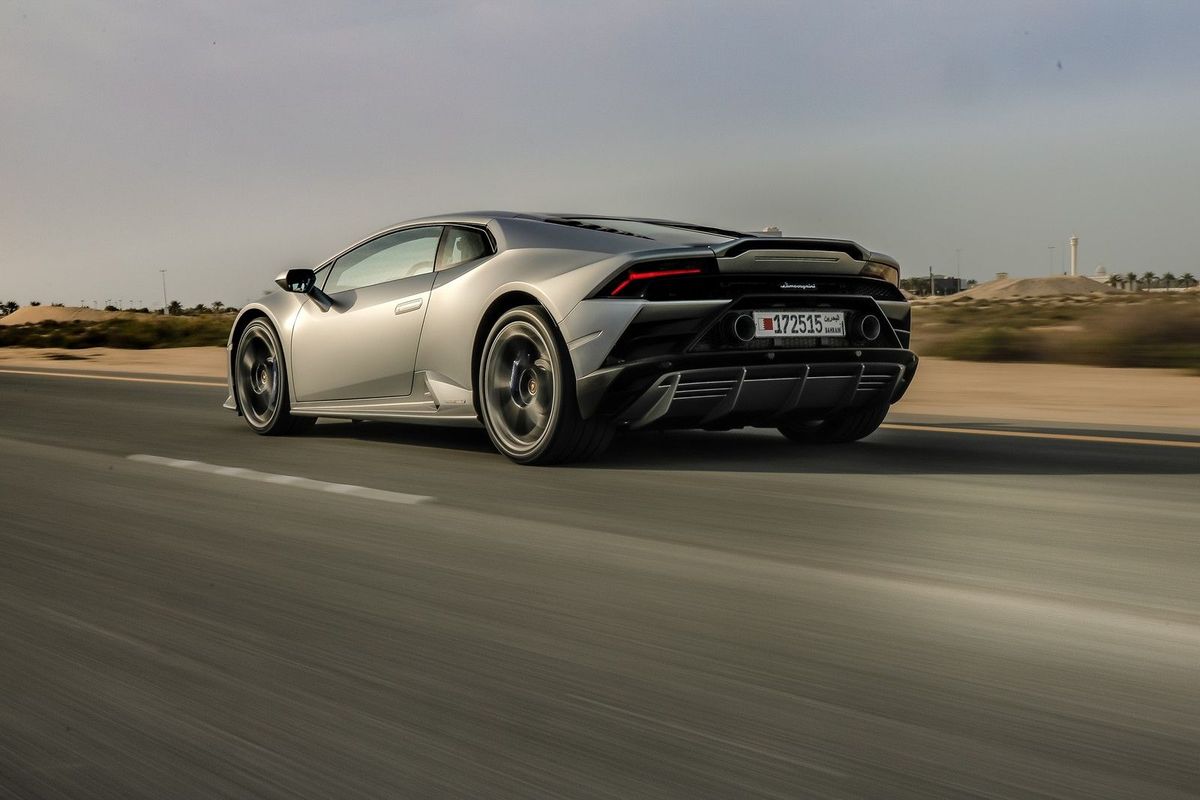
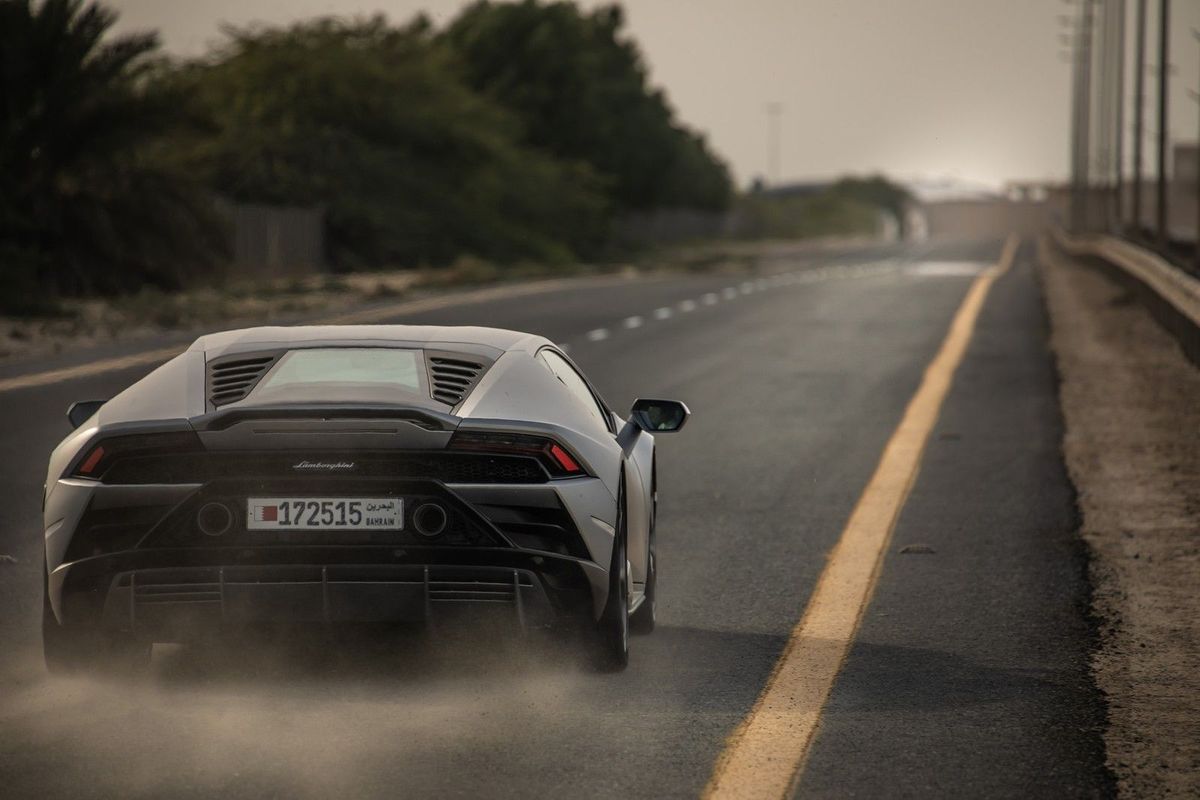
Move around to the rear and the Evo has a more distinctive look. The exhausts have been lifted to flank the number plate (don’t tell McLaren) and this has made room for a huge rear diffuser that sucks air underneath the car, essentially vacuuming it to the ground and helping the newcomer to produce 7 times the downforce of the original Huracan.
If you look a little closer at the rear lip, you can just about see a little gap in it. This is another addition to the aerodynamic update; the revision is said to improve downforce and direct turbulence away from the car, all of which reduces its drag coefficient.
Anything else worth knowing?
Natural aspiration is still at the heart of the Huracan, now with 470 kW.
The Huracan Evo is a bit of a tech fest: it brims with new technologies that help it stick to the road, and unstick from the road (if "at the very limit of the performance envelope" driving is your poison) and make you feel like a hero without ever needing more than a smidgeon of courage and talent.
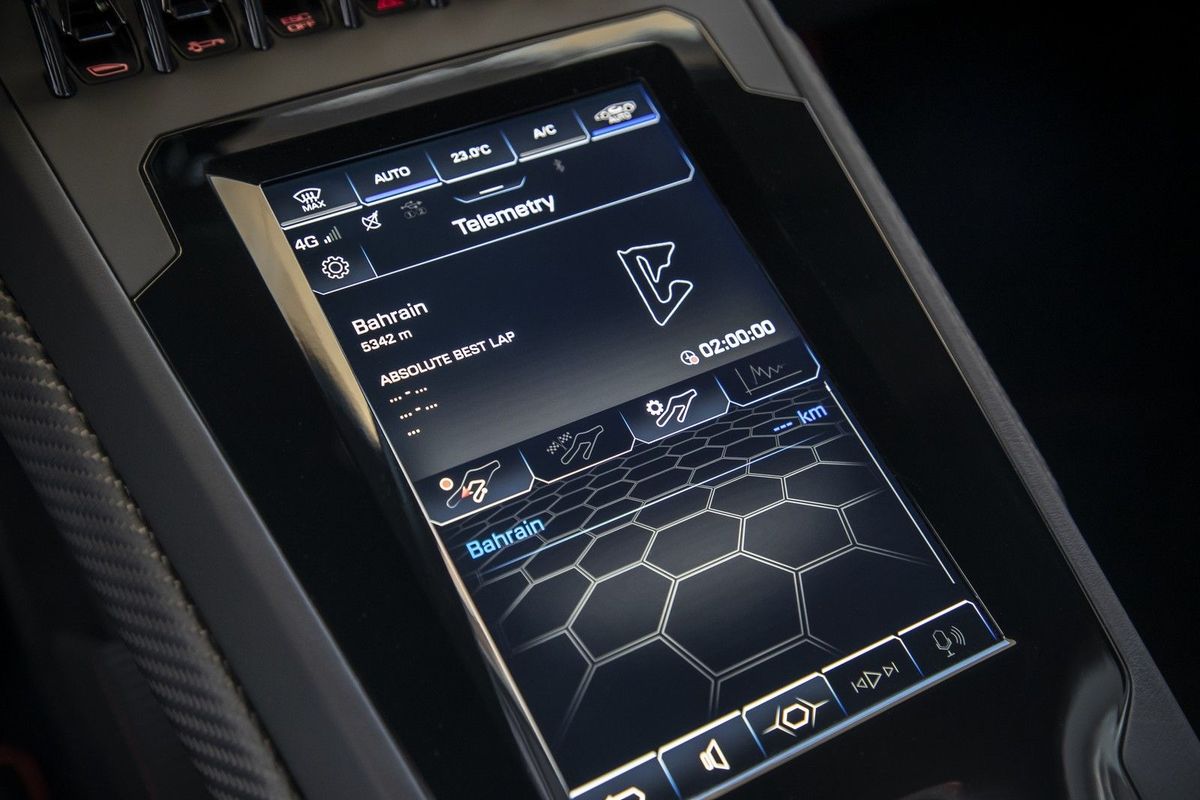
What's more, the Evo introduces 4-wheel-steer to the Huracan for the first time. Lamborghini has used the system before on the Aventador S. As with all 4-wheel-steer systems, the aim is to make the Evo more agile in low speed, tight corners, but then provide stability when cornering at higher speeds. You can actually see the system in action on the all-new integral 8.4-inch touchscreen, which was developed by Lambo.
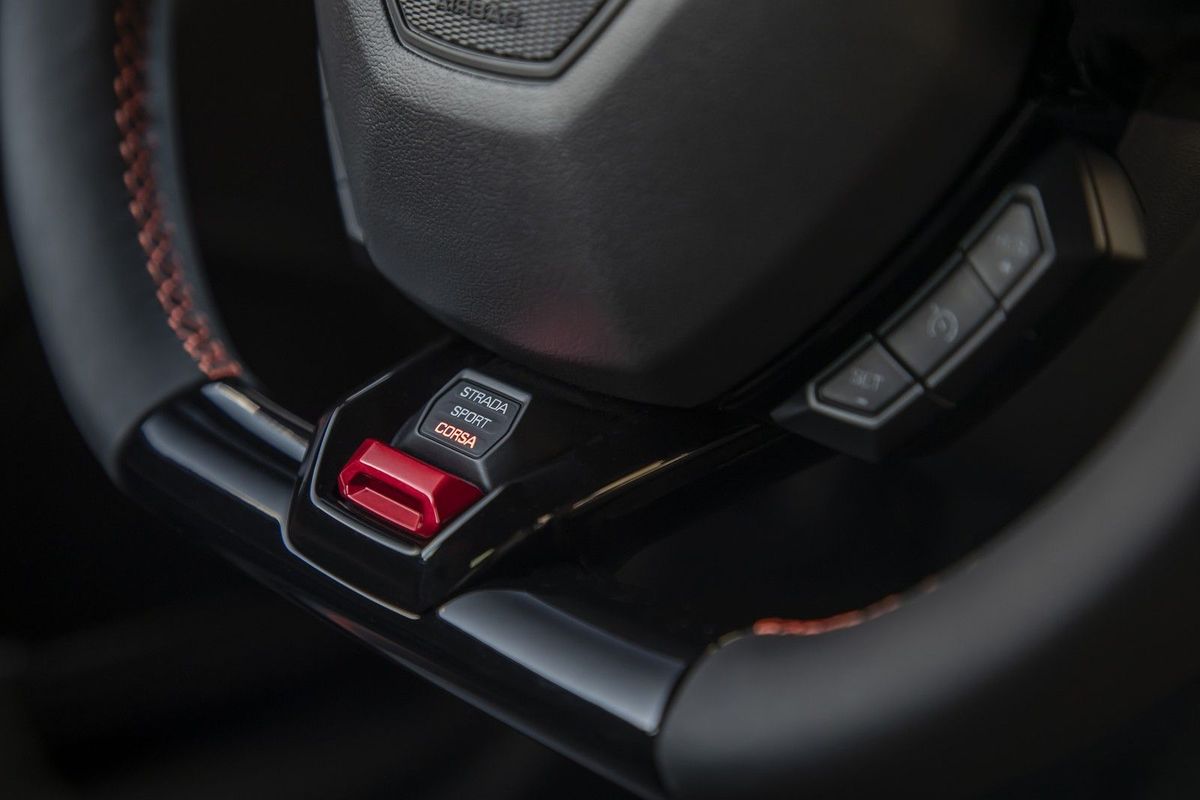
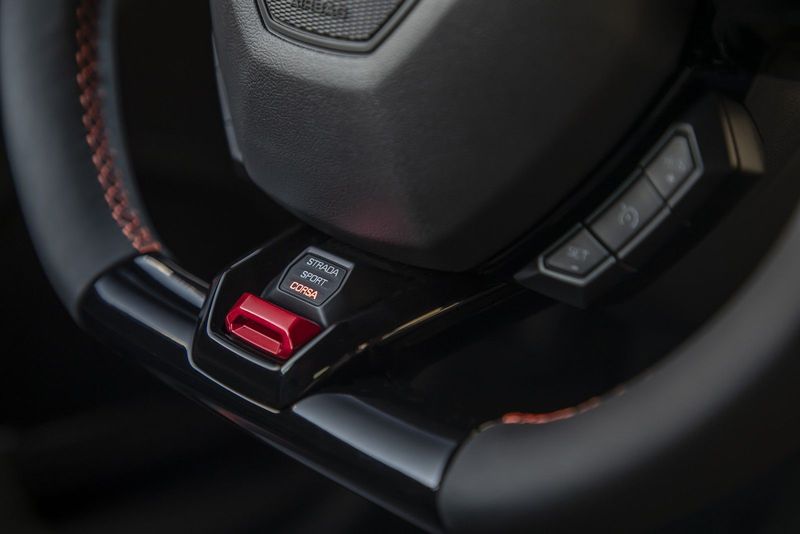
Then there are other driving improvement systems. Torque vectoring allows for torque to be directed up and down the propshaft, but also side to side. The traction control system has been configured to create a more discernible difference between the 3 driving modes (Strada, Sport and Corsa), but more on that later.
Drive modes now have very distinctive behaviours for each setting.
All of these systems are governed by a single overlord: LDVI (Lamborghini Dinamica Veicolo Integrata). Normally each system acts independently according to their own parameters set by programming, but in the case of the Evo, one "brain" takes inputs from over 300 sensors and decides what corrective measures or improvements should be made. All of this can be done in real-time with no lag. If you think this is impressive computing power, the engineer that calibrated the LDVI assured me his Smartphone had more computing power and the job could be done by a '90s Pentium.
You said you drove it…
Yes, on a current F1 track… did I mention that? How that makes it any different from another track I’m not certain, but it’s cool nonetheless.
Initially, the electronic driving additions give the Evo a slightly weird response to the driver’s inputs. It’s very difficult to unsettle, even if you make wild swings with the steering wheel, the electronics mute any overreaction from the car.
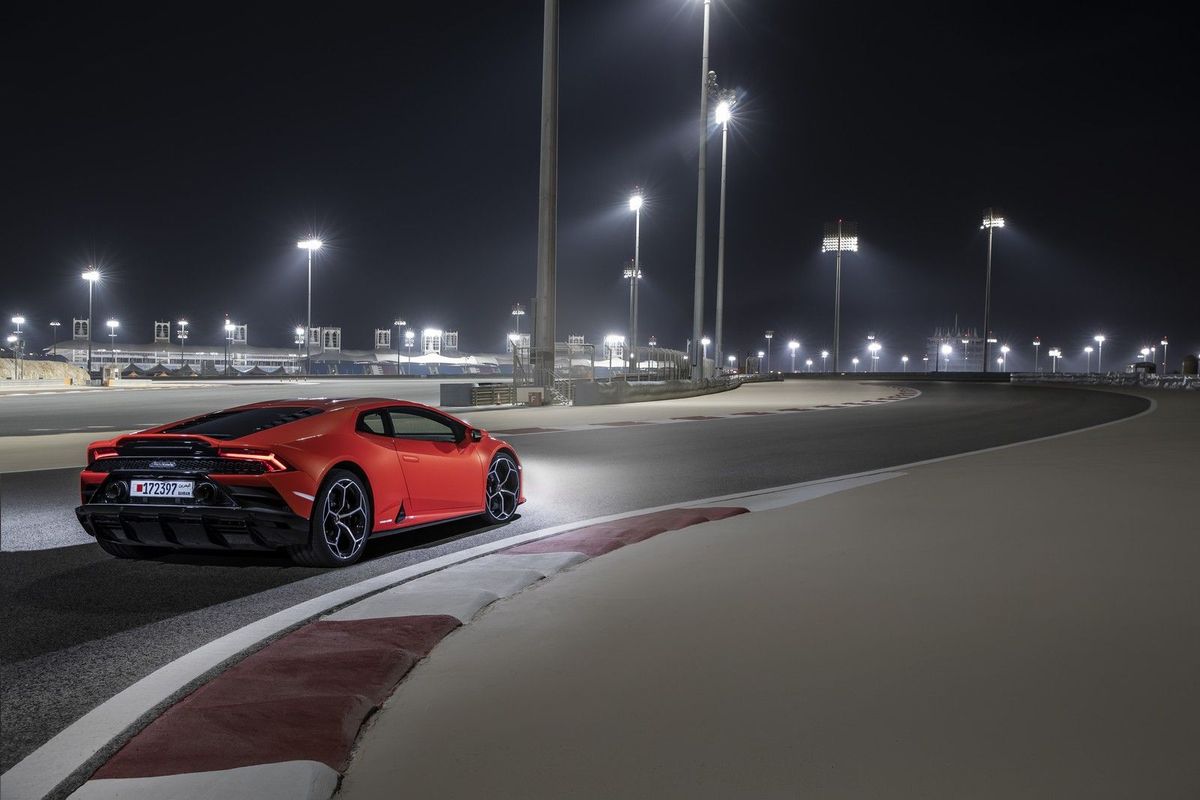
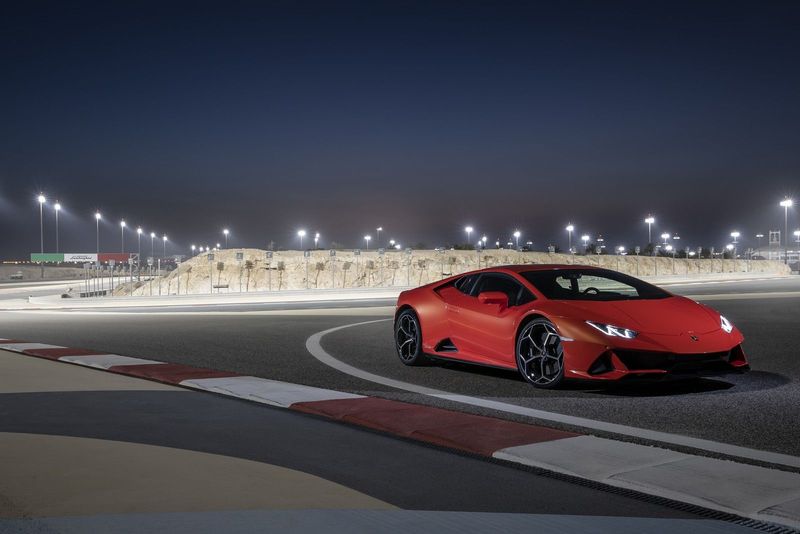
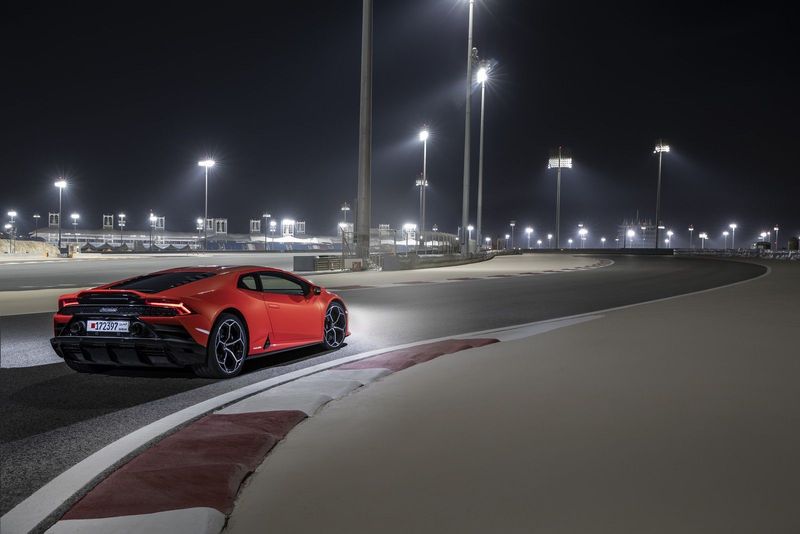
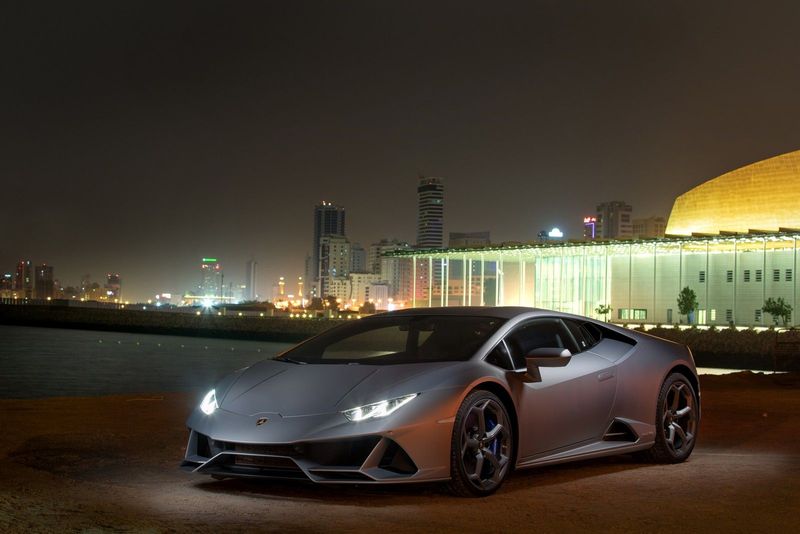
The Bahrain track at night proved an excellent test of the high-speed stability bestowed on the Huracan Evo.
Once cranking up the speed a bit more, the electronics begin to dissipate into the background, allowing the driver to take more responsibility and push a few more limits. There is so much grip from the aero, chassis and tyres that the Evo’s not a playful car on the limit, it’s very seriously fast. Upshift from 3rd to 4th with a half turn of lock and the throttle flat to the floor? No problem, it sticks, not even a momentary wobble. That injection of torque and weight shift would normally have you counter steering and praying for some sort of divine intervention to keep it out of the wall.
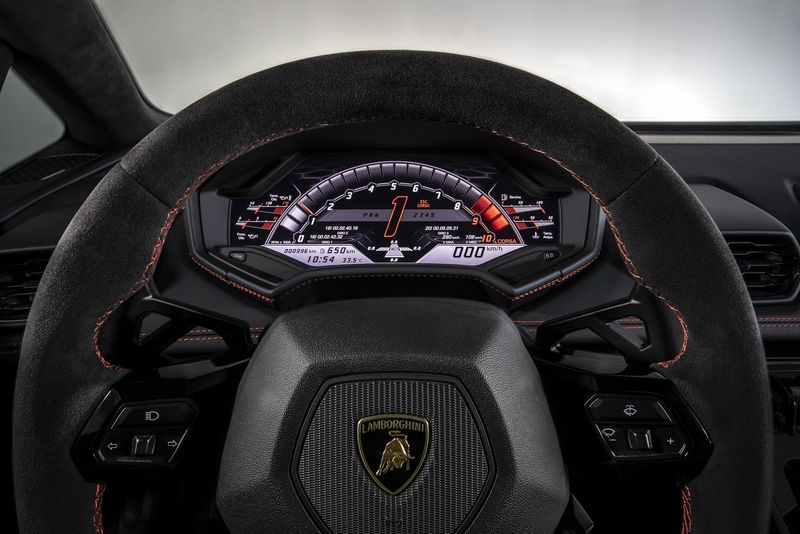
Column mounted paddle shifters have their pros and cons, but Lamborghini has stuck with them.
The addition of 4-wheel-steering has also helped to circumvent the nasty understeer that took some of the edge off the pre-facelift version’s driving experience. The Evo will really whip into a hairpin, sometimes so fast and directly that there’s a slight disconnect with the steering as it lacks that "granular feel" to the wheel that gives you an exact indication of what the front wheels are doing.
Lambo wants you to take this car seriously (like you would a Ferrari 488 GTB). It’s very much a track tool meant for setting very fast lap times.
Will I feel like a hero?
During the press conference, Lamborghini representatives made it very clear that you can have fun in this car too. And by fun, they meant drift and slide about like a hooligan. It wasn’t implied and they didn’t even try to play it down, they literally said: "Go out there and drift, we want to see it".
The new Lamborghini brain can make you feel like a hero while making sure everything is under control.
An adjustment to the driving modes has made the Sport setting quite playful. It’s also here where the LDVI brain comes into its own. Sport mode has been given parameters to make it safe for road driving, but allows you to get the tail out – comfortably. You won’t pull mega drift angles, but it will hold a decent slide with full confidence that it can’t spin and won’t get out of control. The "brain" is able to predict what the driver wants in this scenario… Instead of intervening with traction control and a whole load of torque sent to the front to stop the drift, it aids you, doing everything it can to make you slide elegantly and professionally, when all you essentially need to do is put your foot flat and turn the wheel in the right direction.
Purists (and I’m usually one of them) may look down on a system like this, but when you’re driving something that costs around R5 million and you want to have a bit of fun without ending up in a Youtube crash video, this is a good solution.
Updated insides
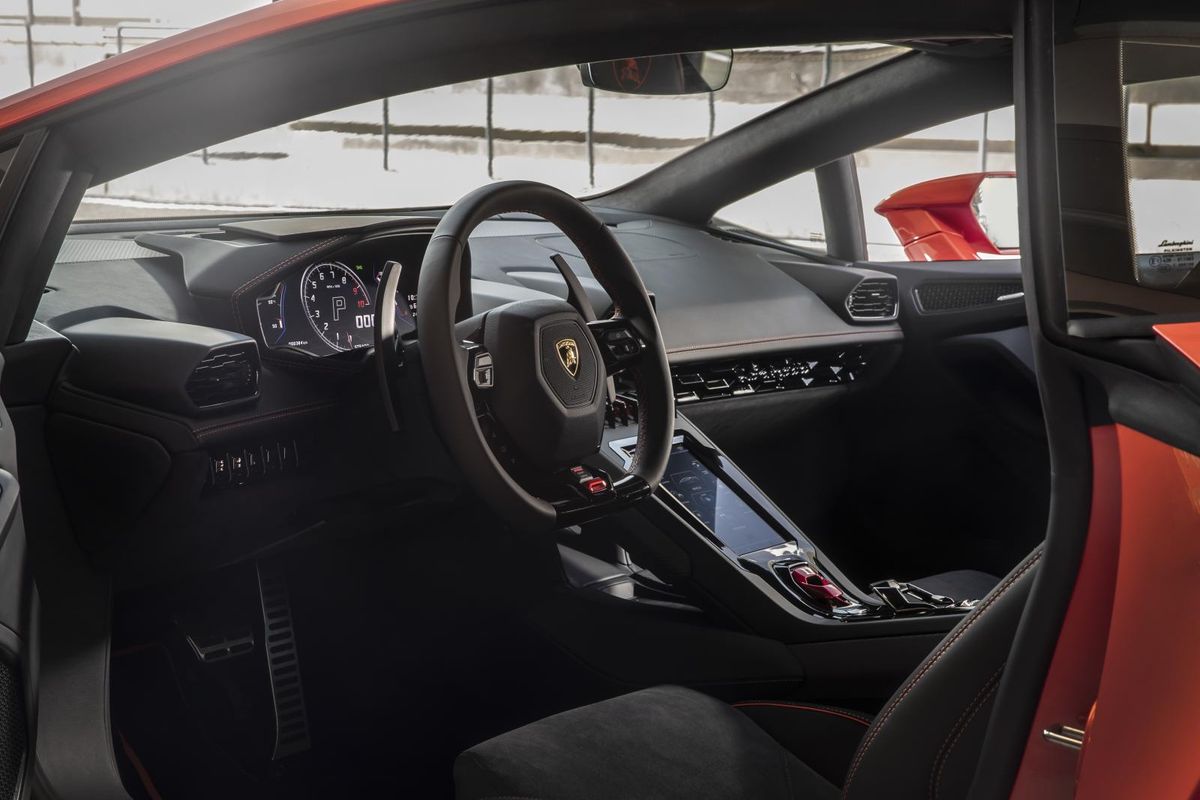
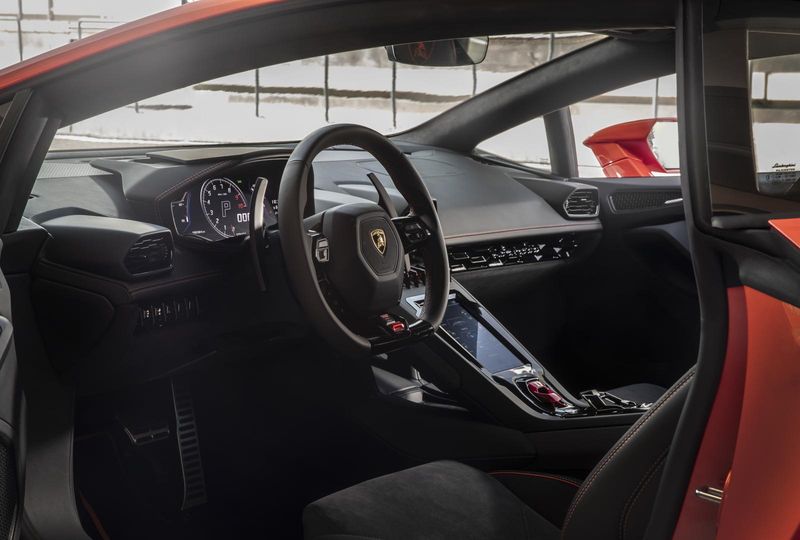
There is a new Lambo-developed infotainment system that has a built in telemetry system.
The major interior update in the Evo's cabin is Lamborghini self-developed infotainment system. The 8.4-inch touchscreen sits above the caged start button and is quick and easy to navigate. It has all the modern functionality and apps built in as well as the best telemetry system I’ve seen in a production car. The data is downloadable but on the screen, you can pick a sensor, like lateral acceleration, throttle input, speed or brake application (to name a few) and then overlay that data with your best lap. As I said, Lambo wants the Evo to be seen as a very serious track car.
Verdict
The Huracan Evo separates itself from the Audi R8 and makes huge strides from the original Huracan.
The new Huracan Evo employs a lot of electronic wizardry to improve its delivery of speed. The electronics prove most effective in slow corners, where the 4-wheel-steer can really rotate the car quickly and neutralises some of that deflating understeer from the original car. In faster conditions, the improved aero and downforce glue the Evo to the ground, cranks up the stability and confidence to really grab the bull by the horns.
Yet, you can still be a bit of a fool with a very expensive car thanks to the newly programmed Sport mode. When you’re not comparing lap times on the track, it’s nice to know you can still relax a little and have fun on an awesome road without employing race driver reactions and skill.
What this new Huracan Evo does is take a huge leap forward from the standard car, but also makes it distinctly different from the Audi R8. In doing so, Lamborghini has managed to offload the proverbial monkey that the Huracan carried on its back since introduction.
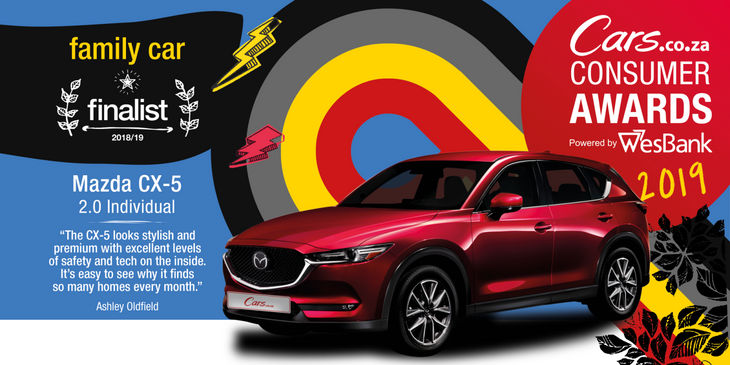
Meet the finalists in the Family Car category of the 2018/19 Cars.co.za Consumer Awards – powered by WesBank!
Now in its 4th year, the #CarsAwards was conceived to be South Africa's definitive automotive awards programme and is backed, for the 3rd year running, by the country's leading supplier of vehicle finance, WesBank.
The Family Car category is guided by both eligibility factors and Pillars of Success. Eligibility factors include a listed price between R400 000 and R500 000 at the time of semi-finalist voting (September 1, 2018), including the cost of all necessary optional extras. Necessary features include ABS, electronic stability control (ESC), 6 airbags (minimum), split rear seats, service plan and air-conditioning. The fitment of necessary optional features must not exceed the R500k price cap.
Pillars of Success for this category include engine flexibility, fuel economy, space and practicality, design and quality appeal, comfort and safety and in-car entertainment.
The CX-5 returns to defend its title in the 2017/18 Family Car category, but this time the 2.0-litre Individual derivative has been nominated to uphold Mazda’s honour. The stylish CX-5 continues to offer excellent build quality, practicality and a balance of comfort and safety features that is hard to beat at the price.
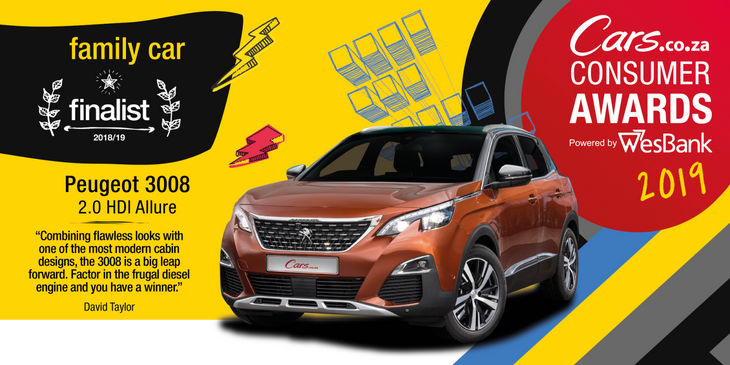
Peugeot’s 3008 brings a unique blend of style and functionality to the family car market. Not only does the French contender catch the eye with bold exterior styling, but its cabin is also impressively upmarket and futuristic. Considering the 3008’s extensive features list and willing powertrain, it’s difficult to overlook this contender.
There aren’t many 7-seater compact SUVs! The longer, more practical Tiguan Allspace affords families a capacious interior, which includes a 3rd row of seats, and represents reasonably good value at this price point.
Best Leisure Double Cab Bakkies in SA: #CarsAwards Finalists
Meet the finalists in the Leisure Double Cab Bakkie category of the 2018/19 Cars.co.za Consumer Awards – powered by WesBank!
Now in its 4th year, the #CarsAwards was conceived to be South Africa's definitive automotive awards programme and is backed, for the 3rd year running, by the country's leading supplier of vehicle finance, WesBank.
The Leisure Double Cab Bakkie category is guided by both eligibility factors and Pillars of Success. Eligibility factors include a listed price between R500 000 and R800 000 at the time of semi-finalist voting (September 1, 2018), to ensure upmarket, luxurious vehicles are considered as per market requirements. The vehicle must be a Double-Cab (4 doors) Pick-Up with a turbodiesel engine and 4-wheel drive. Eligible vehicles must be equipped with an automatic transmission and feature a minimum ground clearance of 200mm.
Pillars of Success for this category include performance, space and practicality, in-car entertainment, comfort, all-surface ability and safety.
The Ranger Wildtrak (2016/17 champion) is back to challenge for a win in this category. Well equipped, sturdy and endowed with appealing square-jawed looks, the Ford Ranger continues to sell up a storm in South Africa. This model is powered by a muscular 5-cylinder engine and is claimed to offer class-leading passenger comfort.
Toyota's latest Raider flagships have received an added dose of "wow" factor following a recent facelift that has seen them adopt the popular Dakar Special Edition’s design tweaks. Inside, too, it has received some attention making it a strong contender in this category.
Meet the finalists in the Adventure SUV category of the 2018/19 Cars.co.za Consumer Awards – powered by WesBank!
Now in its 4th year, the #CarsAwards was conceived to be South Africa's definitive automotive awards programme and is backed, for the 3rd year running, by the country's leading supplier of vehicle finance, WesBank.
The Adventure SUV category is guided by both eligibility factors and Pillars of Success. Eligibility factors include a listed price between R550 000 and R700 000 at the time of semi-finalist voting (September 1, 2018), including the cost of all necessary optional extras. Necessary features include electronic stability control (ESC), 6 airbags (minimum), split/fold rear seats, minimum 200 mm ground clearance and all-wheel drive.
Pillars of Success for this category include performance, space and practicality, in-car entertainment, comfort and all-surface ability.
Ford’s Everest is a spacious, well-specified and capable 7-seater variant of the locally-produced Ranger bakkie. South Africans have a love affair with large, rugged SUVs and Ford has served up exactly what they’ve been asking for… a macho, versatile machine that can tackle the rough stuff and transport a large family in comfort.
The MU-X is Isuzu’s first new offering since the Japanese marque became independent from the (now departed) General Motors in the South African market. The newcomer is effectively a Chevrolet Trailblazer under the skin, but has the D-Max’s bulletproof turbodiesel engine under its bonnet. Renowned for excellent after-sales service and reliability, Isuzu is also one of the most respected brands in SA.
The Toyota Fortuner is one of the country’s most-loved vehicles. It continues its predecessor’s winning recipe of ruggedness and versatility, but adds a generous helping of sophistication, style, refinement and technology into the mix.
Meet the finalists in the Hot Hatch category of the 2018/19 Cars.co.za Consumer Awards – powered by WesBank!
Now in its 4th year, the #CarsAwards was conceived to be South Africa's definitive automotive awards programme and is backed, for the 3rd year running, by the country's leading supplier of vehicle finance, WesBank.
The Hot Hatch category is guided by both eligibility factors and Pillars of Success. Eligibility factors include a listed price below R700 000 at the time of semi-finalist voting (September 1, 2018) to ensure that this doesn’t become a category dominated by extravagant and unattainable exotics.
Pillars of Success for this category include drivetrain engagement, handling, sensory appeal and standard features.
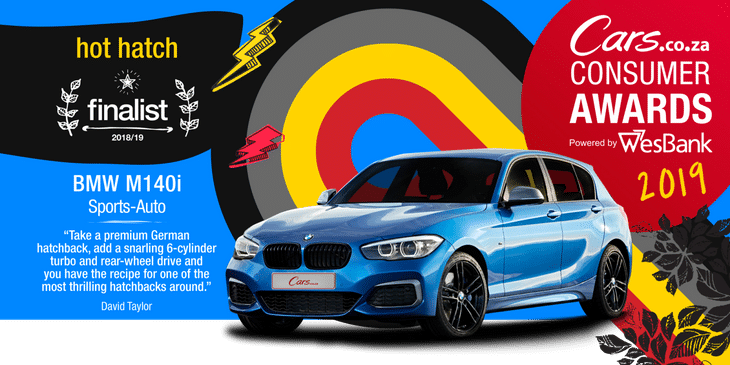
If you’re looking for rear-wheel-drive fun in a hot-hatch shape, the M140i is your only port of call. It’s not a range filler either, you get a straight-6 turbo engine under the bonnet and the short wheelbase makes it a feisty handler in the bends. It may not be as raucous to drive as some of the hot hatches in this category, but it does offer a more grown-up experience for performance aficionados.
The newest Honda Civic Type R blends hot hatch and sedan looks into one. It has been refined from the previous model in ways that have vastly improved its comfort and driving dynamics. Its exterior suggests something exceptionally wild, but all of the little winglets and vents are functional in either keeping the R stuck to the ground or cooling its components. The new Civic’s major drawcard is that it’s somehow brilliant on the track and suitably comfortable “when the red mist isn’t visible”.
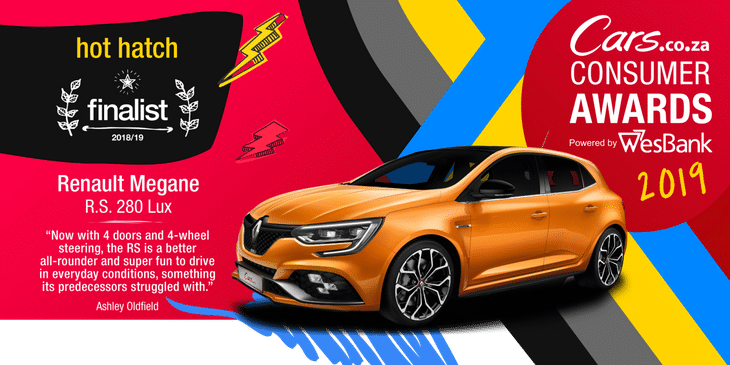
Some of the best hot hatches of the last decade have been crafted by Renault Sport. The newest Megane RS continues to deliver superb driving thrills and a massive fun factor. The new model comes with a few extra tricks up its sleeve, such as 4-wheel steering and, for the first time 4 doors. The Lux model, introduced in mid 2018, thrusts itself straight into competition with the Golf GTI.
Meet the finalists in the Premium SUV category of the 2018/19 Cars.co.za Consumer Awards – powered by WesBank!
Now in its 4th year, the #CarsAwards was conceived to be South Africa's definitive automotive awards programme and is backed, for the 3rd year running, by the country's leading supplier of vehicle finance, WesBank.
The Premium SUV category is guided by both eligibility factors and Pillars of Success. Eligibility factors include a listed price between R1 000 000 and R1 300 000 at the time of semi-finalist voting (September 1, 2018) and it must be a large SUV (BMW X5/Mercedes GLE size). Crossover derivatives such as the BMW X6 and Mercedes GLE Coupe are also considered. All-wheel drive must be offered as standard.
Pillars of Success for this category include powertrain technology, luxury features, brand strength, design and quality appeal, driving dynamics and space and practicality.
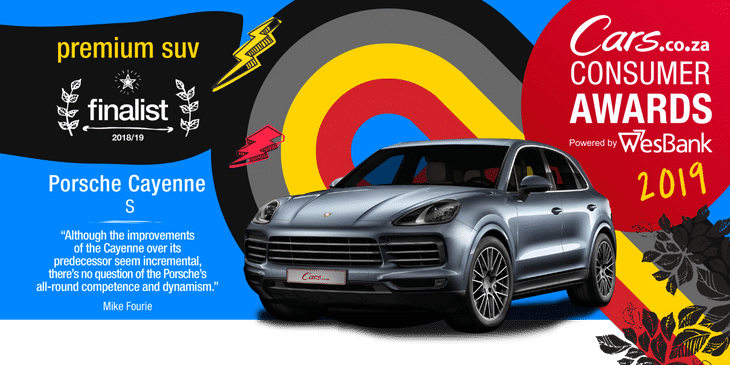
The 3rd-generation Porsche Cayenne made the cutoff for consideration for the 2018/19 Awards by just a few days, but we’re glad it’s here. While the changes from 2nd to 3rd generation may seem incremental, they add up to quite a lot; the Cayenne’s rivals have some thinking to do if they hope to match the Zuffenhausen’s latest SUV. If the exterior design leaves you cold, you’ll be blown away by how futuristic the cabin is.
Range Rover revealed the all-new Velar in 2018 as a filler between the Evoque and Sport models. It has eye-catching looks, clever flush-fitting door handles and a potent turbodiesel engine. The interior has an all-new design and features two separate touchscreens in the centre console. If its prestige and excitement you’re looking for out of your premium SUV, the Velar is the perfect offering.
The 3rd-generation Touareg is crammed with technology and luxury comfort features, plus offers genuine off-road capability. However, in the status-obsessed premium SUV segment, the badge on a car's nose is all-important. Will the newcomer attract customers (or an award) in the way its predecessors couldn't? Time will tell…
Best Performance Cars in SA: #CarsAwards Finalists
Meet the finalists in the Performance Car category of the 2018/19 Cars.co.za Consumer Awards – powered by WesBank!
Now in its 4th year, the #CarsAwards was conceived to be South Africa's definitive automotive awards programme and is backed, for the 3rd year running, by the country's leading supplier of vehicle finance, WesBank.
The Performance Car category is guided by both eligibility factors and Pillars of Success. Eligibility factors include a listed price between R600 000 and R1 000 000 at the time of semi-finalist voting (September 1, 2018) to ensure that this doesn’t become a category dominated by extravagant and unattainable exotics.
Pillars of Success for this category include drivetrain engagement, handling, sensory appeal and standard features.
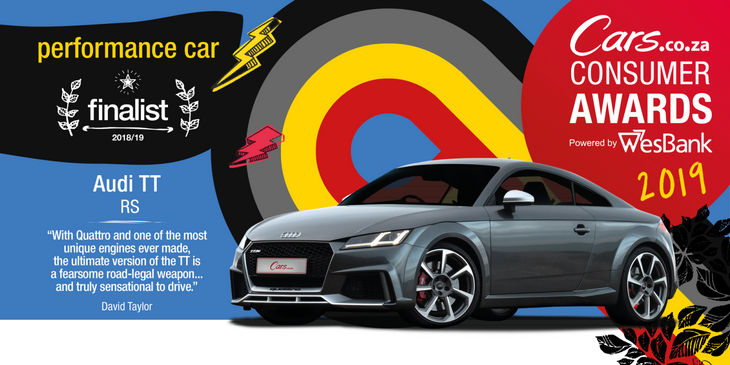
The Audi TT RS is a compact 2-door sportscar with one goal in mind: to deliver visceral, blistering performance. The RS badges, which are splashed prominently around the Audi’s bodywork, leave no-one in doubt that the coupe is meant to be the fastest in its family.
This is a supercar-hunting weapon masquerading as a well-mannered coupe. Underneath the bonnet is a thumping engine, the TT’s suspension has been overhauled and the visual go-faster bodywork serves as a reminder that this is meant to be hardcore driver's car.
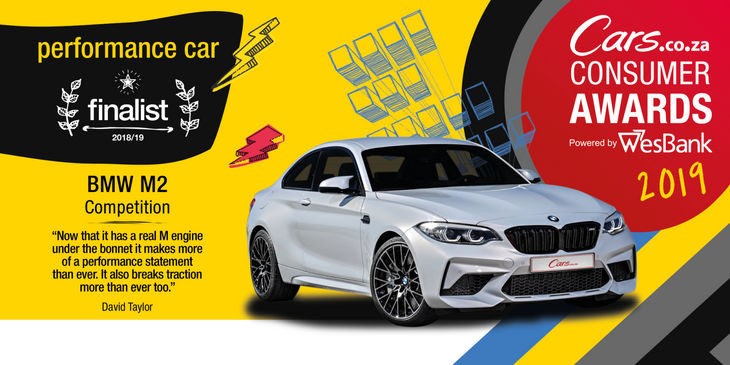
The 2017/18 Performance Car category champion returns in its latest, updated form: the BMW M2 Competition, this time in manual guise. Now fitted with a detuned bi-turbocharged engine sourced from its M3 and M4 siblings, the M2 Competition packs more power and torque while still delivering the performance and handling ability that makes it one of the greatest M-cars ever produced.
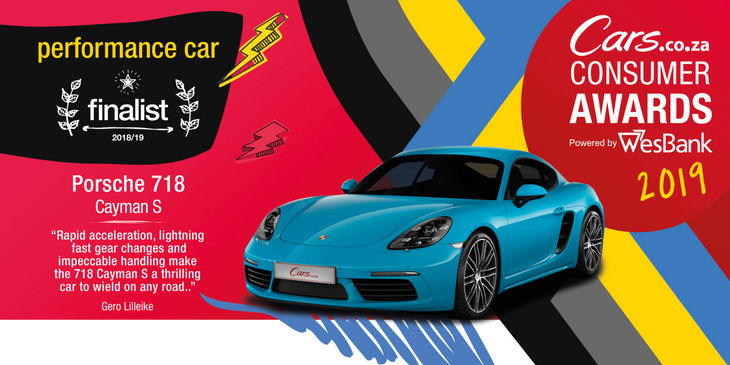
The Porsche 718 Cayman S, which is powered by a 2.5-litre flat-4 turbopetrol engine, offers exceptional performance for a sportscar priced under R1 million. Not only is the Cayman S an attractively styled coupe – it delights the senses by the manner it delivers accessible(but nonetheless engaging) performance.