BMW South Africa has confirmed the 3 Series sedan range will be expanding with more engines. Here's what you need to know.
The BMW 3 Series is the Munich-based manufacturer's bread-and-butter sedan model and when it launched in South Africa in early 2019, the range was a tad limited. There was just a 320d and a 330i, which covers the basics, but there's always been a diverse portfolio of engines to choose from.
Now, BMW SA has confirmed that the 3 Series range will receive 3 new engines. The 320i, 330d and all-new M340i will be reaching showrooms before the end of 2019. For the petrolheads, the BMW M340i xDrive represents the fastest and most dynamic 3 Series you can buy before the all-new M3/M4 are revealed. With a turbocharged 6-cylinder engine churning out 285 kW and 500 Nm, this M340i can accelerate to 100 kph in a claimed 4.4 seconds thanks to all-wheel drive. An M Sport differential should make it entertaining to drive.
Joining the M340i is the entry-level 320i featuring a 2.0-litre turbocharged 4-cylinder petrol engine with 135 kW and 300 Nm. The flagship diesel offering is also coming to South Africa. With 195 kW and 580 Nm, this will be the most powerful oil-burner in the portfolio. The 320i is said to consume 5.9 L/100 km, with its 330d sibling being more frugal at 5.2 L/100 km.
There will be some additions to the colours and trim, with the full arsenal of BMW Individual catalogue being made available to customers who wish to personalise their vehicles. Pricing for the new additions to the BMW 3 Series range will be made available closer to the launch, which we estimate to be around September 2019.
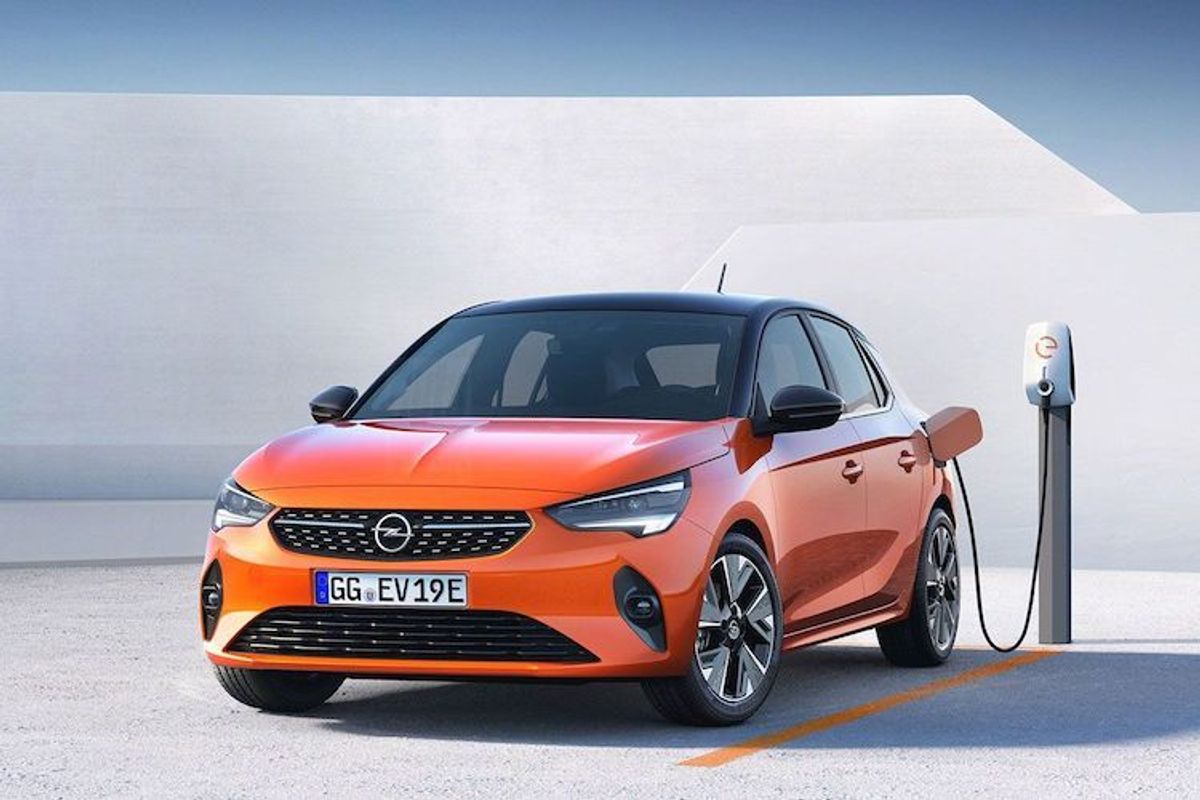
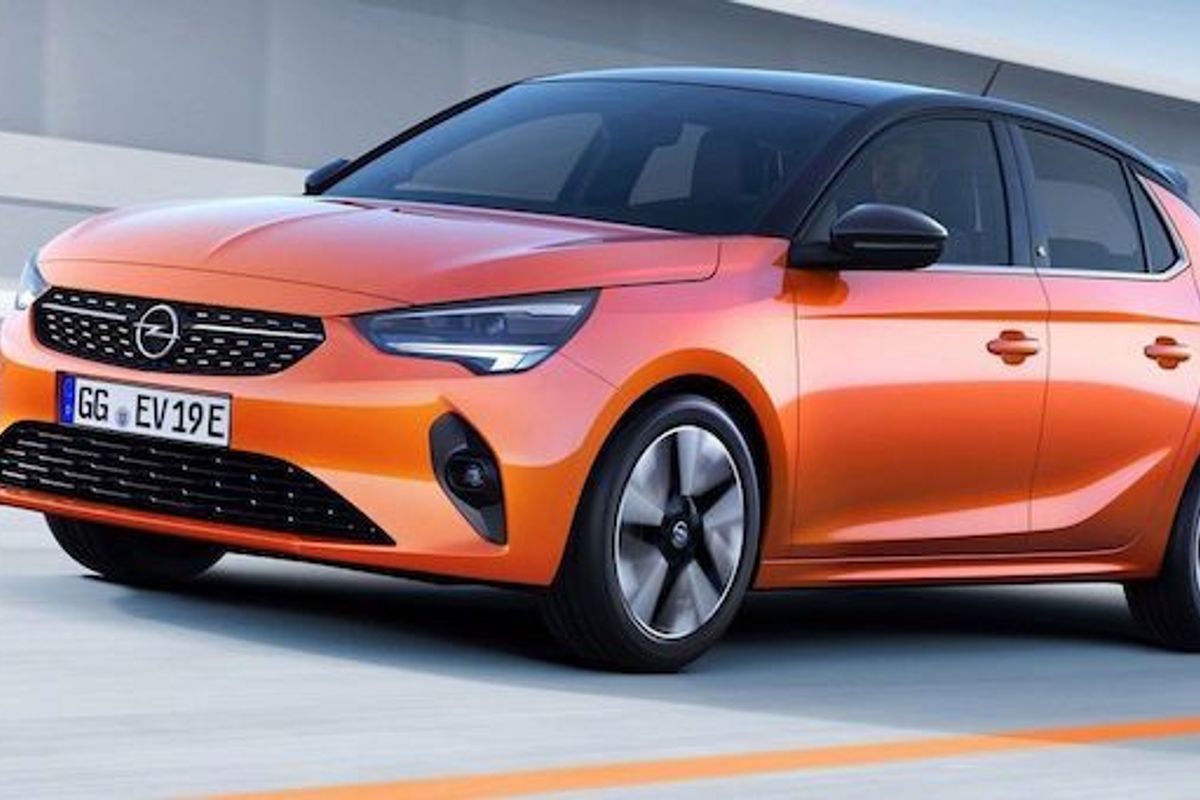
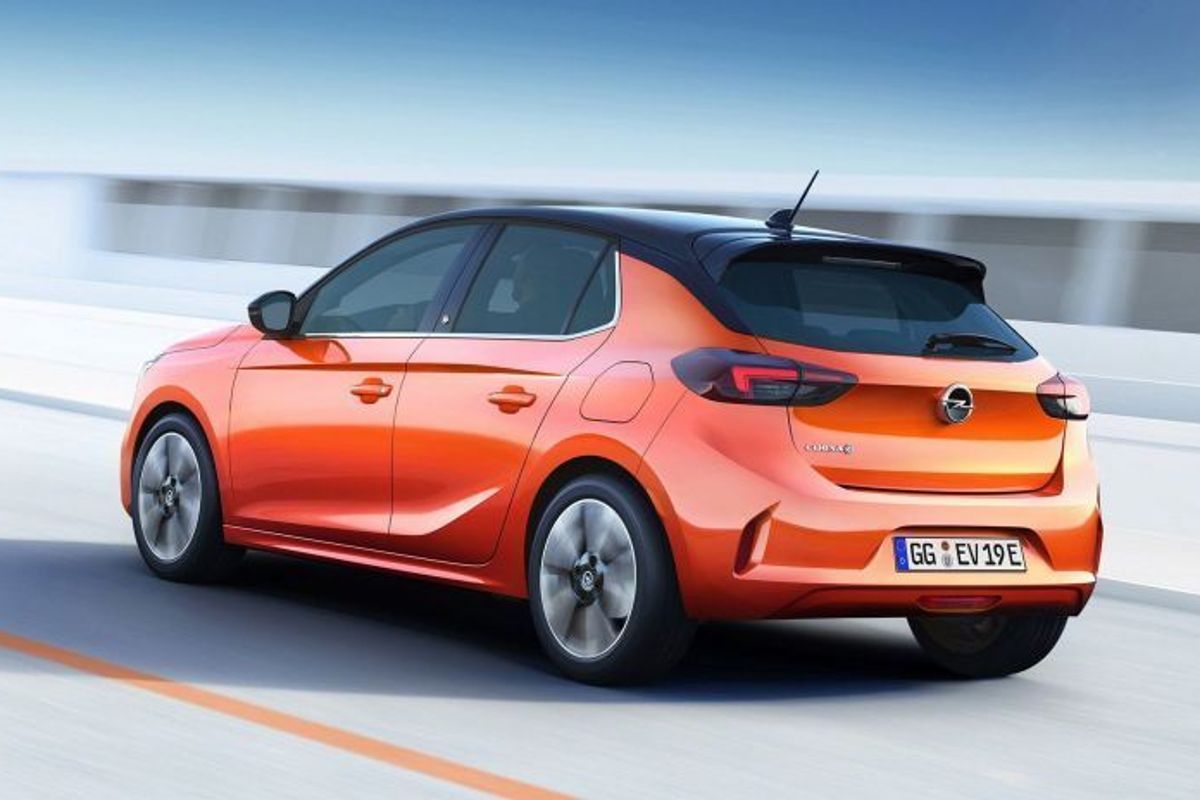
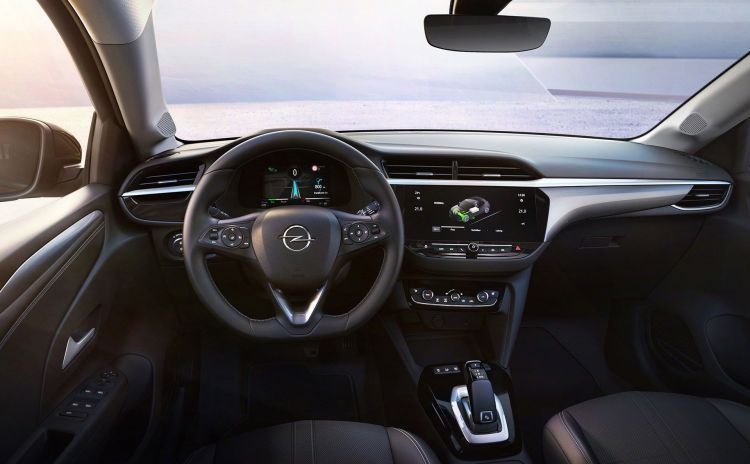
Photos of the next-generation Opel Corsa have appeared online, ahead of the new model's reveal later this year.
The photos were apparently posted by accident and subsequently loaded onto a forum. What you see here is the result of the PSA Group (Peugeot, Citroen, DS, Opel) working together on a shared project. This vehicle is the electric version, which shares a platform with other PSA products. This platform, dubbed CMP, forms the backbone of the new Peugeot 208 and Citroen DS3 Crossback. According to the forum, the Corsa has expanded in size and is 40 mm longer, 18 mm wider and it features a boot capacity of 309 litres.
While not much is known, the next-generation Opel Corsa has gone on a diet with some suggesting as much as 100 kg has been shed which bodes well for performance and efficiency. But let's just talk about the looks. How fresh and modern does this new Corsa look? Keen-eyed spotters will notice the smart Intellilux LED headlights which make their debut in the Corsa.
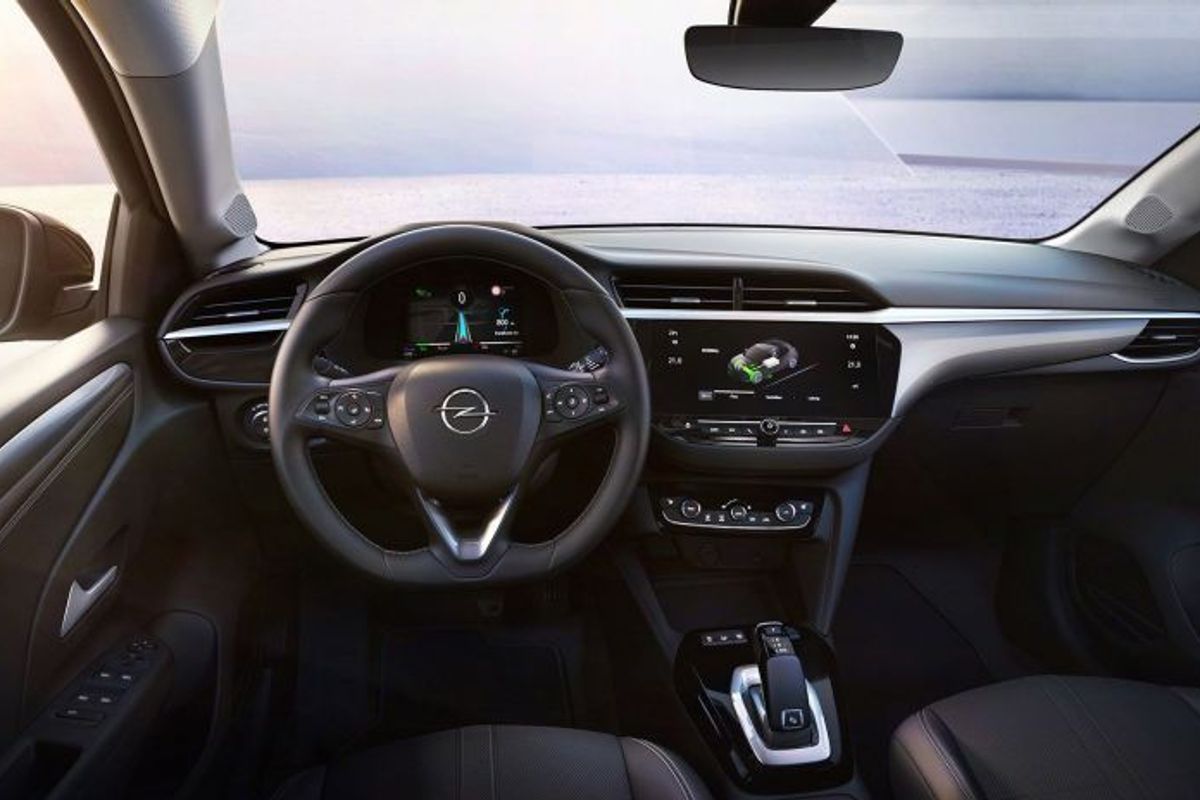
The cabin is a big step up too, with plenty of digital goodness. There's a digital dashboard and a digital infotainment system, and the gear selector looks suspiciously like its out of the Peugeot parts bin, but that's okay, as its a great unit. In terms of engines, we expect the powertrains from the PSA Group to make an appearance here, with the 1.2-litre turbocharged 3-cylinder motor being offered. This is a great engine and we've sampled it in many Peugeot products. There's also going to be an electric model, which is what you see here and that'll feature 100 kW from a 50 kWh battery pack. If the Peugeot e-208 is anything to go by, expect over 300 km of range.
We'll have more details on the new Opel Corsa soon and we expect it to arrive in South Africa in 2020.
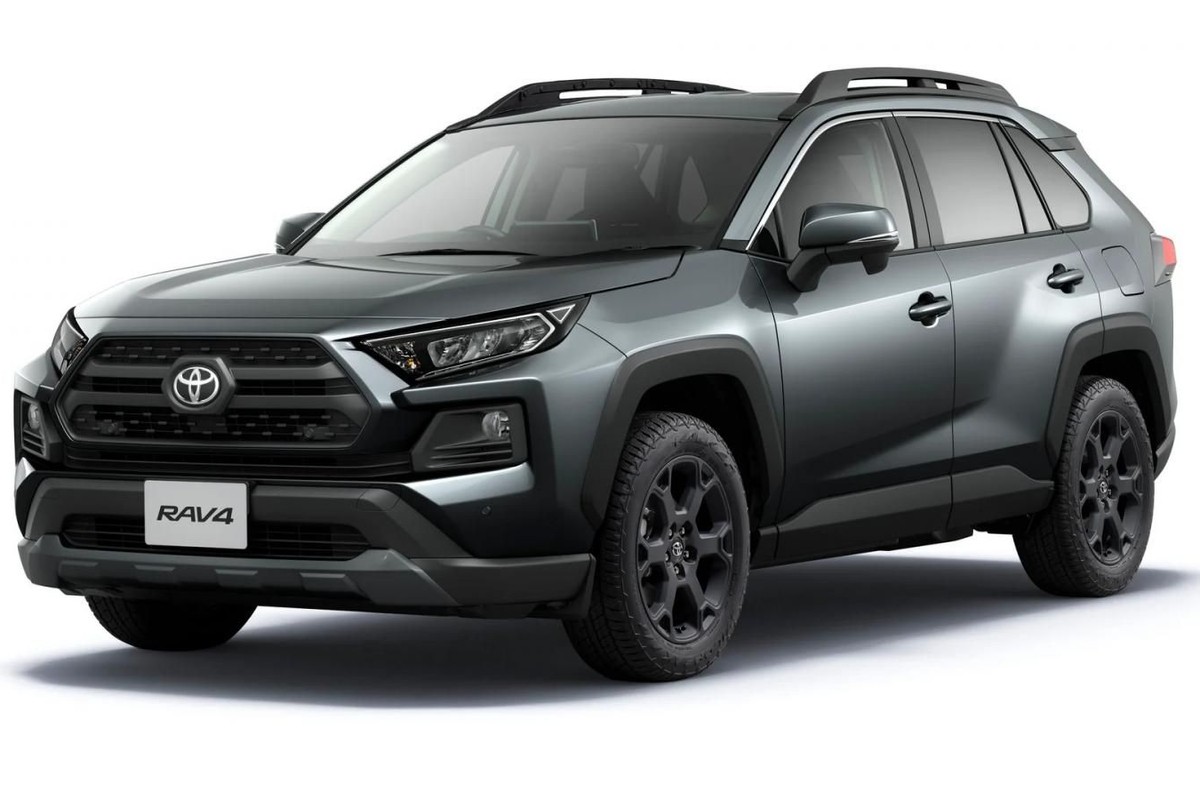
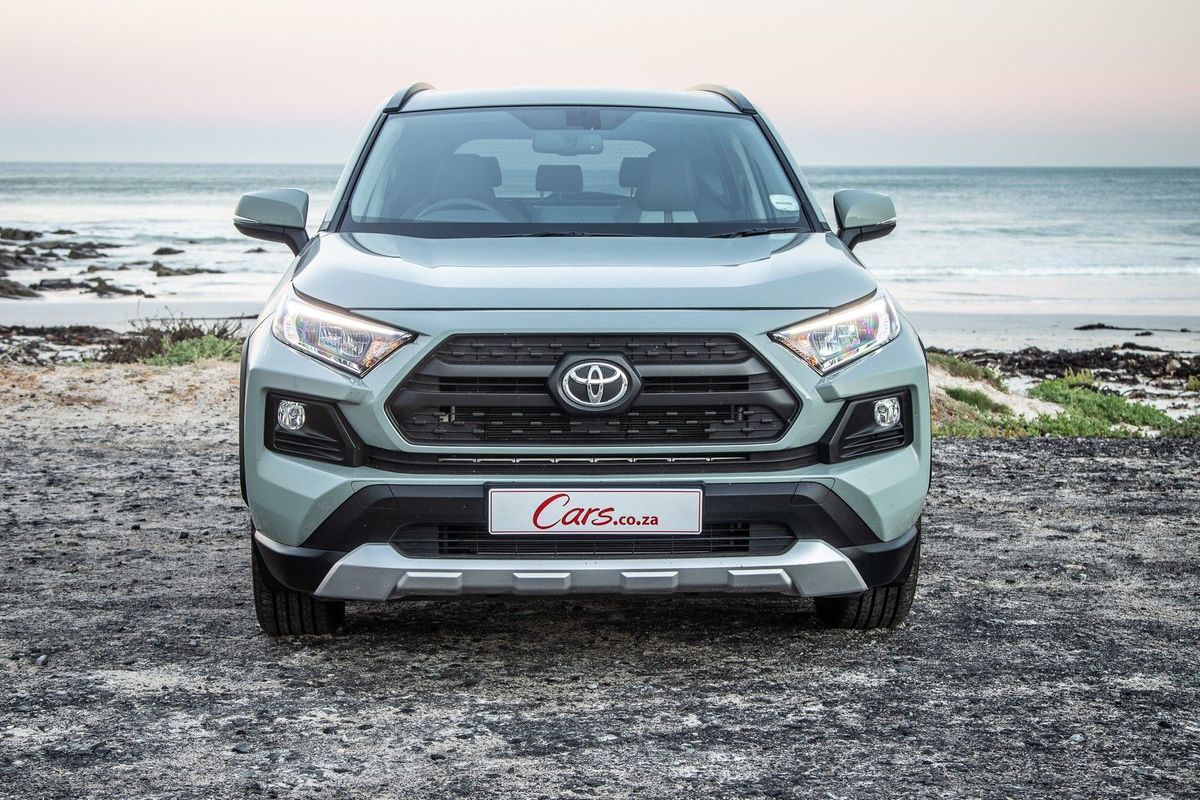
The radically-styled new-generation Toyota RAV4 has landed in SA and we have revelled in the chance to get to know it thoroughly. Will the sharper looks polarise the popular family car's target audience or will its all-round package continue to bring it tremendous sales success?
We like: Overall refinement, masses of space, bold styling, brand reputation, gravel competence.
We don't like: Sluggish petrol engine, lack of a turbodiesel option, no Apple CarPlay/Android Auto compatibility.
Some Toyota dealers regularly offer specials: Have look here.
Where does it fit in?
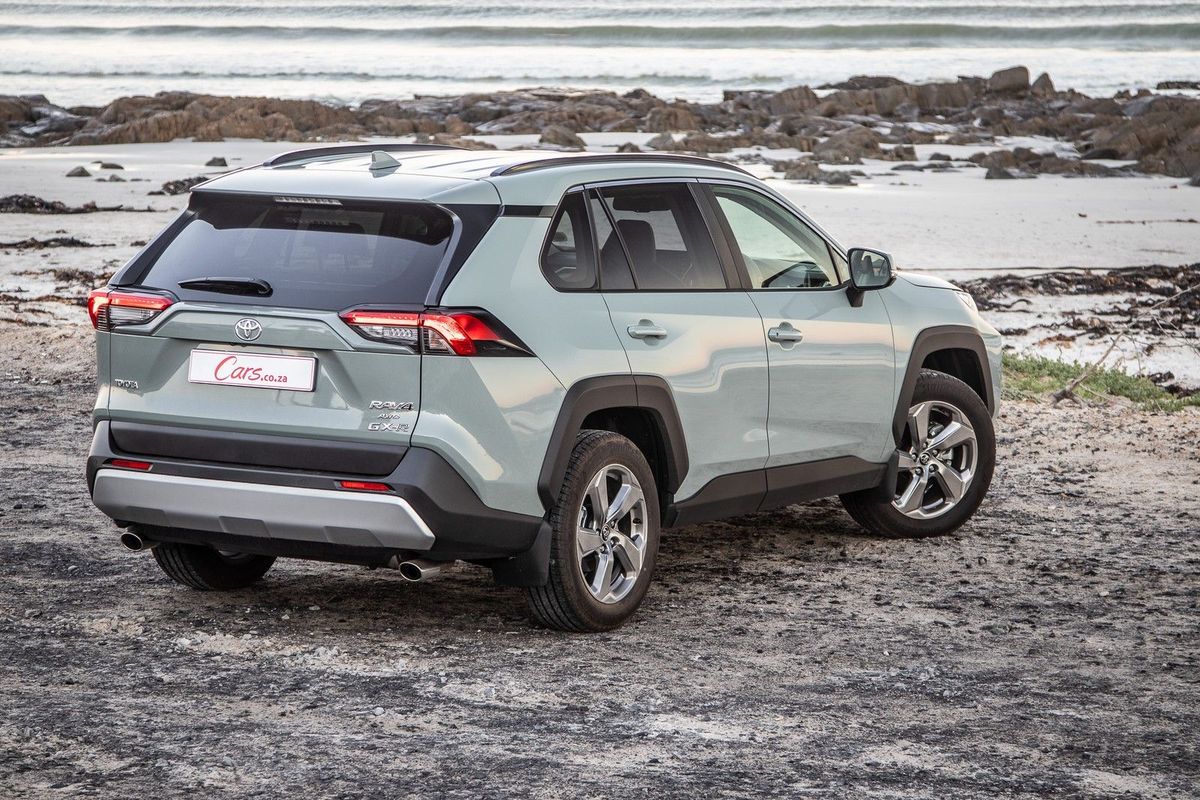
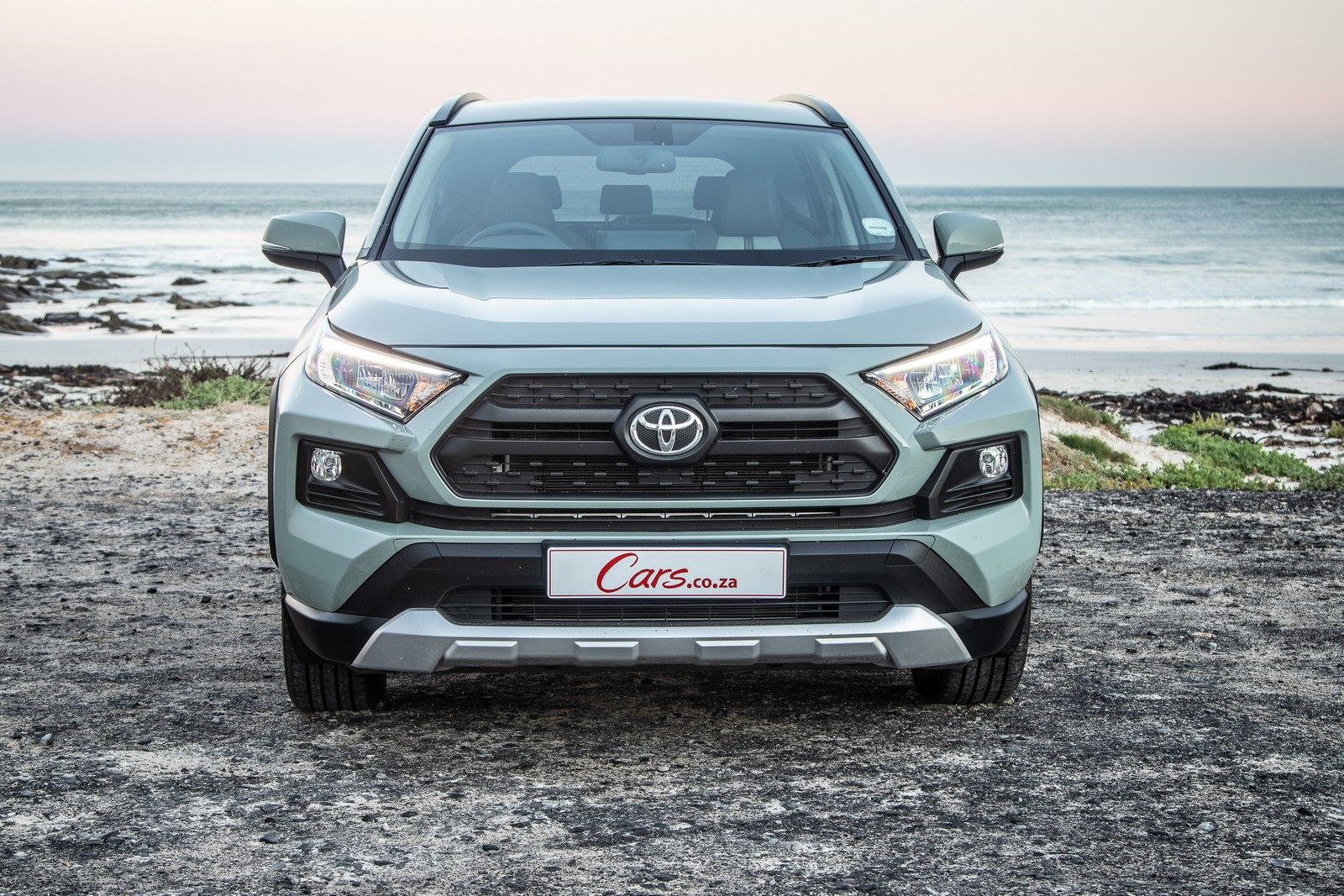
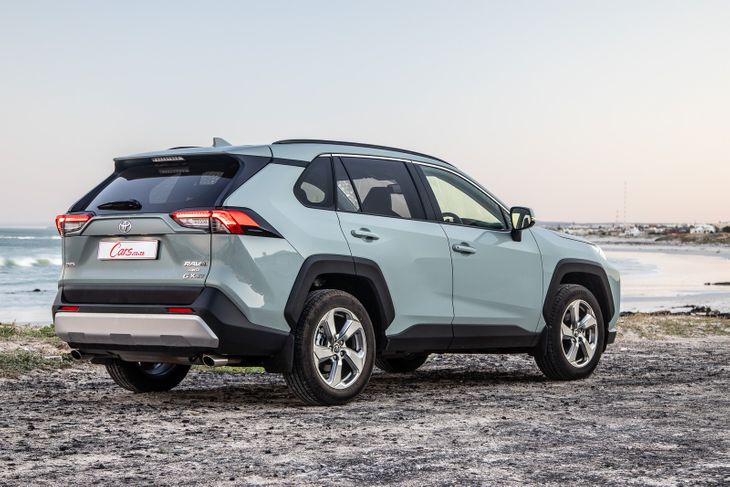
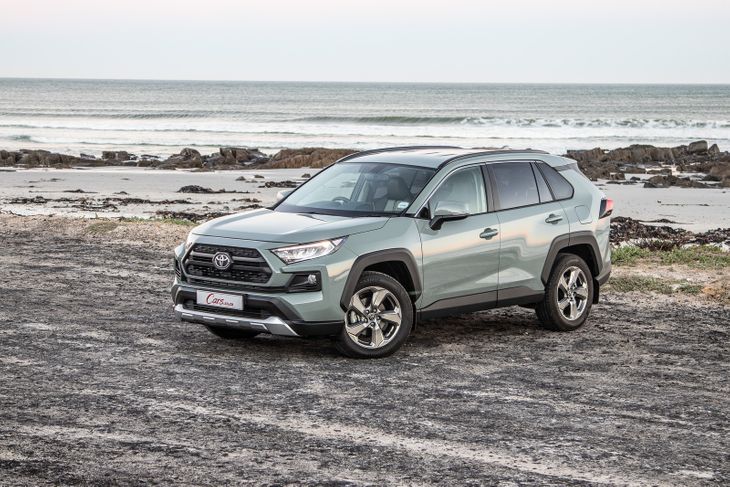
The RAV4 gets a bold new look, which we really like. The Urban Khaki finish adds to the presence
For those who don't know, the Toyota RAV4 is one of the most popular family cars in the world. Since the first RAV4 model was launched back in 1994, the Japanese family car has enjoyed massive success both internationally and here in South Africa. In 2018, 427 170 RAV4 units found homes in the USA alone, which is an indication of its incredible popularity.
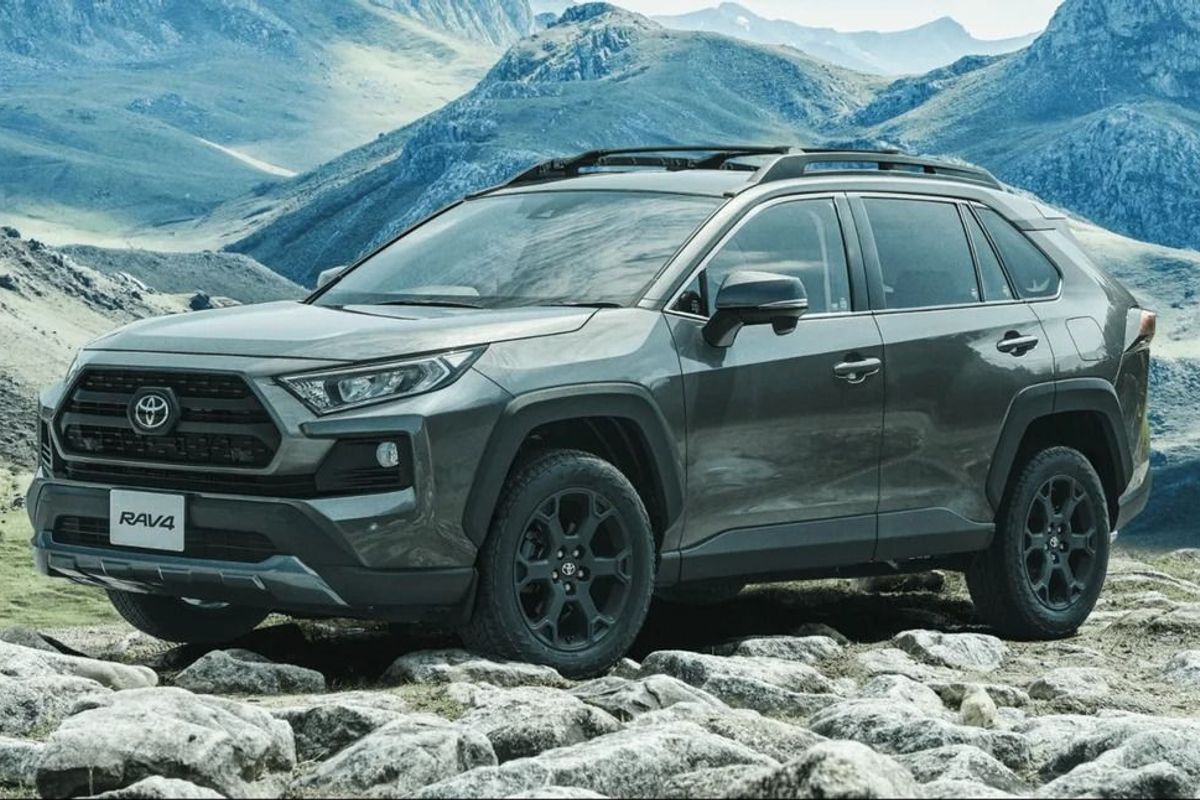
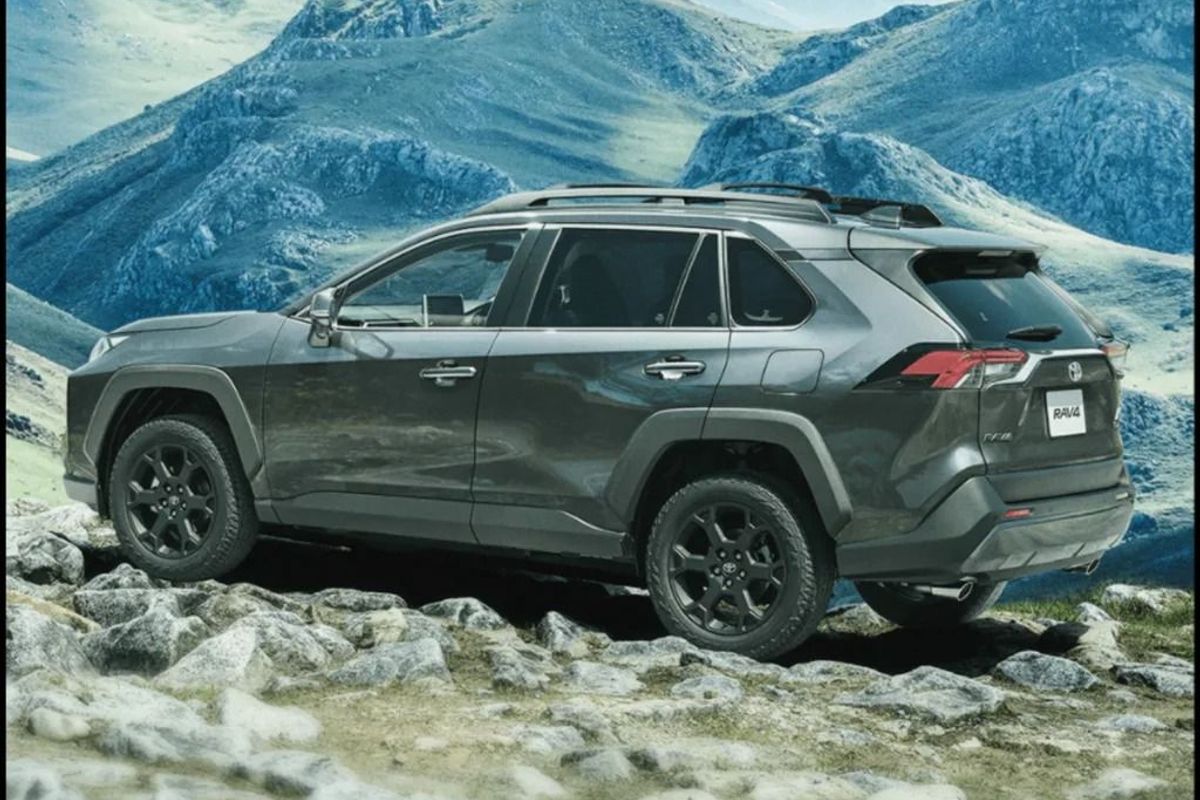
Now in its 5th generation, the all-new RAV4 (codenamed XA50) broke cover at the 2018 New York Auto Show. The styling was inspired by the FT-AC concept and from the first glance, we were blown away by this eye-catching SUV. It's even better-looking in the metal and when it arrived at our office resplendent in its Urban Khaki exterior finish, we were reminded of Toyota's newfound conviction to bring visually-striking new vehicles to market. Like the Prius, C-HR and Corolla Hatchback, the RAV4 is based on Toyota's New Global Architecture (TNGA) platform, which bodes well for the newcomer.
The South African line-up for the new Toyota RAV4 is interesting: there's no turbocharging or diesel power to be seen. There are 5 derivatives to choose from, with 2 engines and 2 trim levels. There's a solitary manual gearbox option (on the entry-level 2.0 GX) and the GX-R derivative, which we review here, features some offroad-focused bodywork.
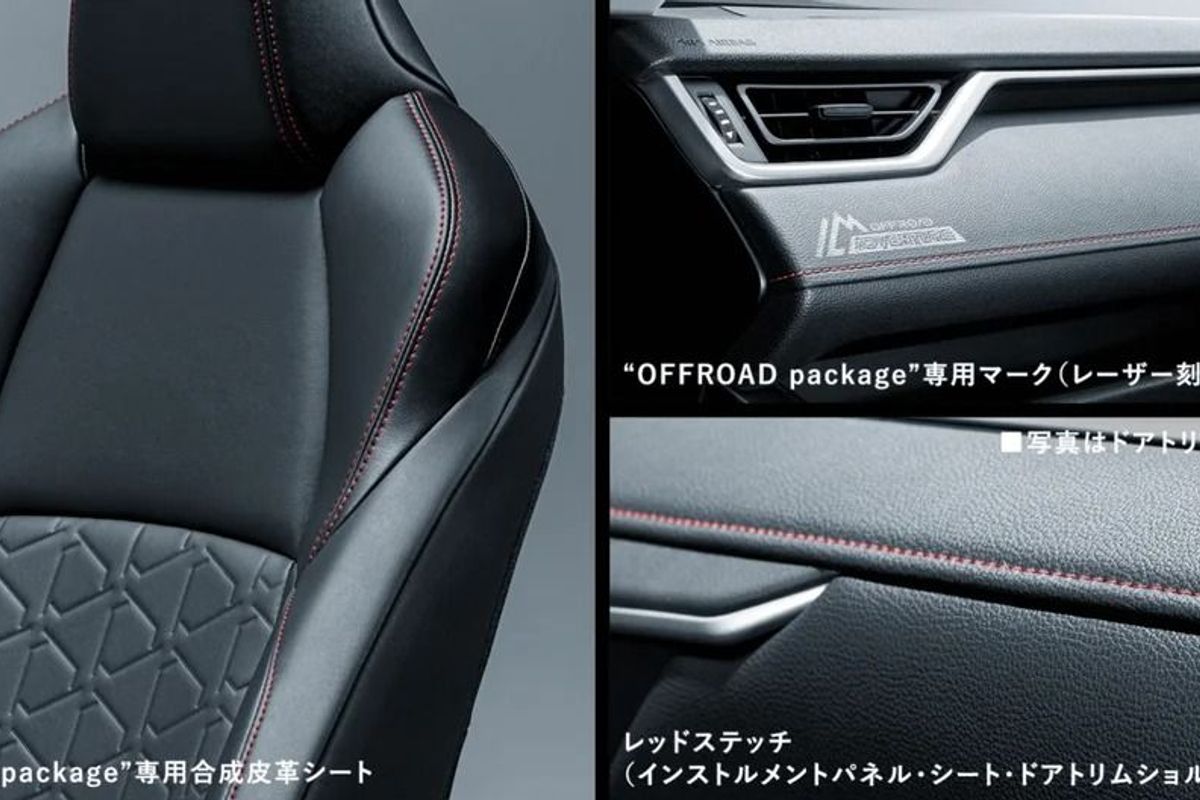
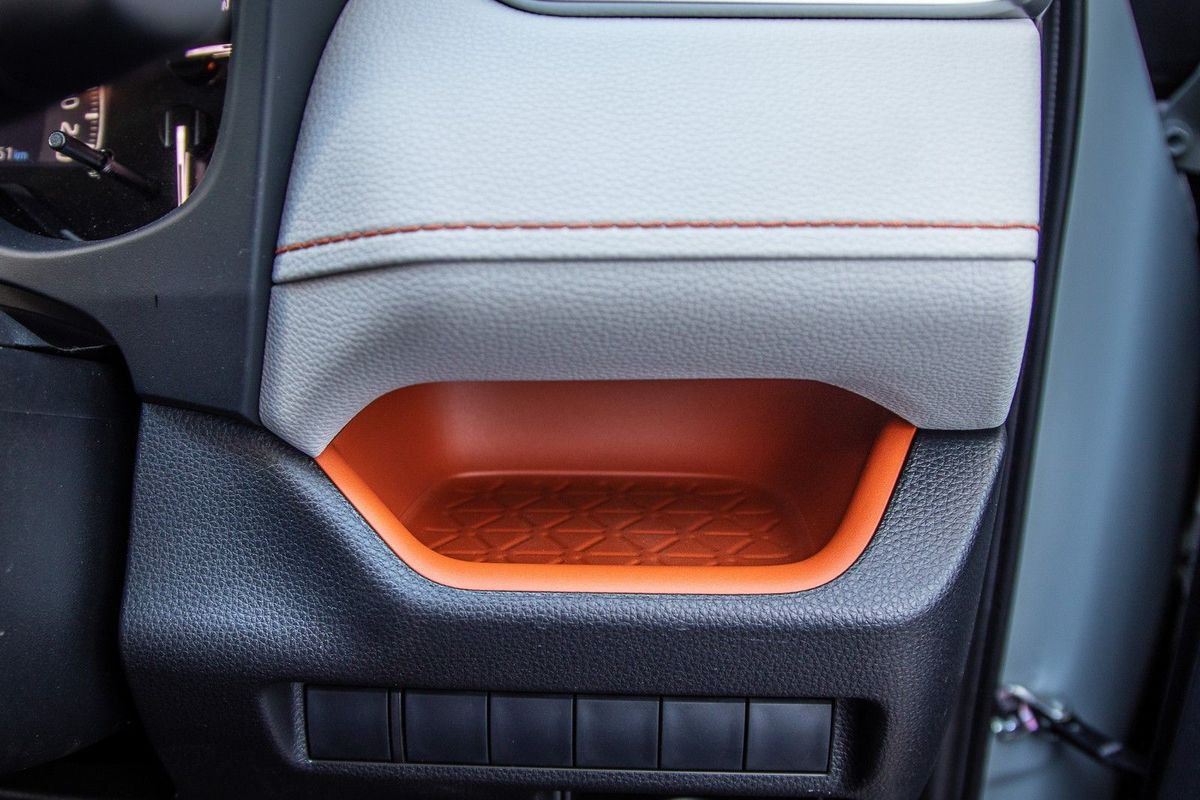
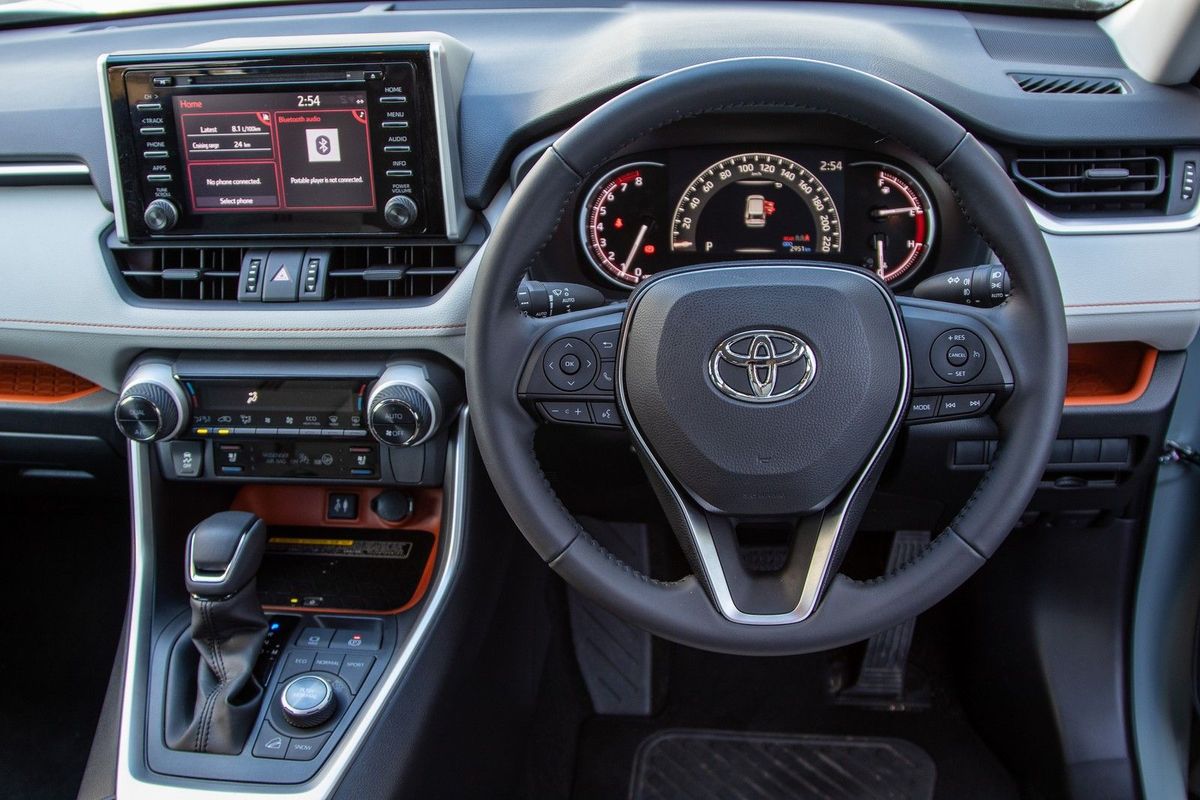
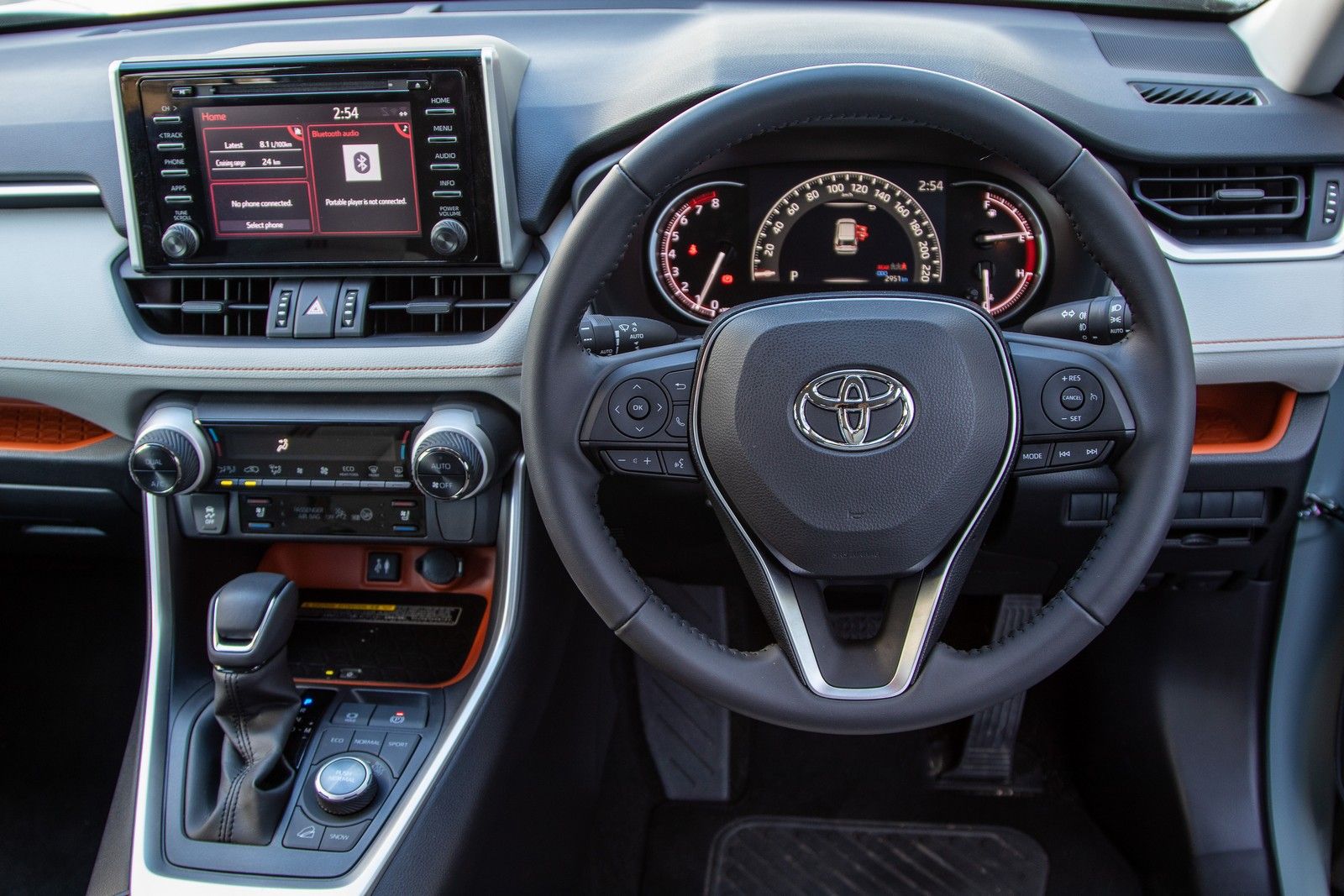
The orange interior accents in the GX-R give the new RAV4 a fresh dose of personality.
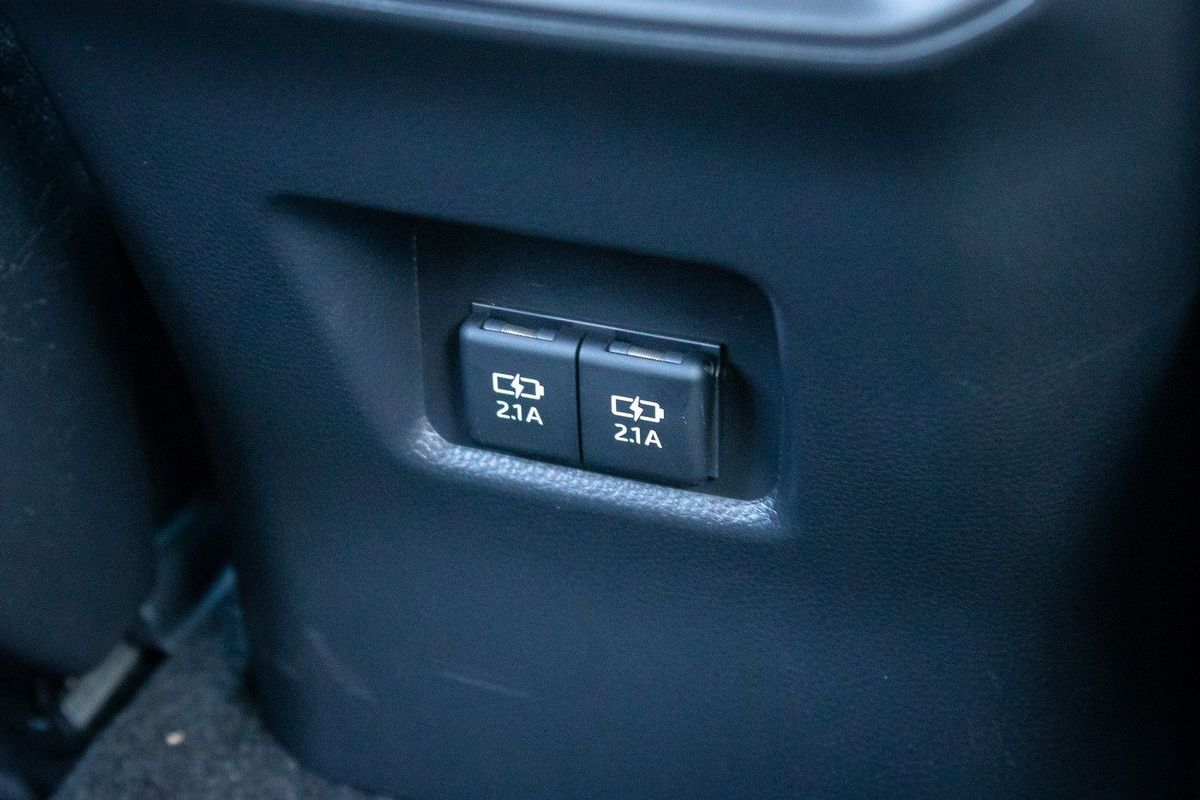
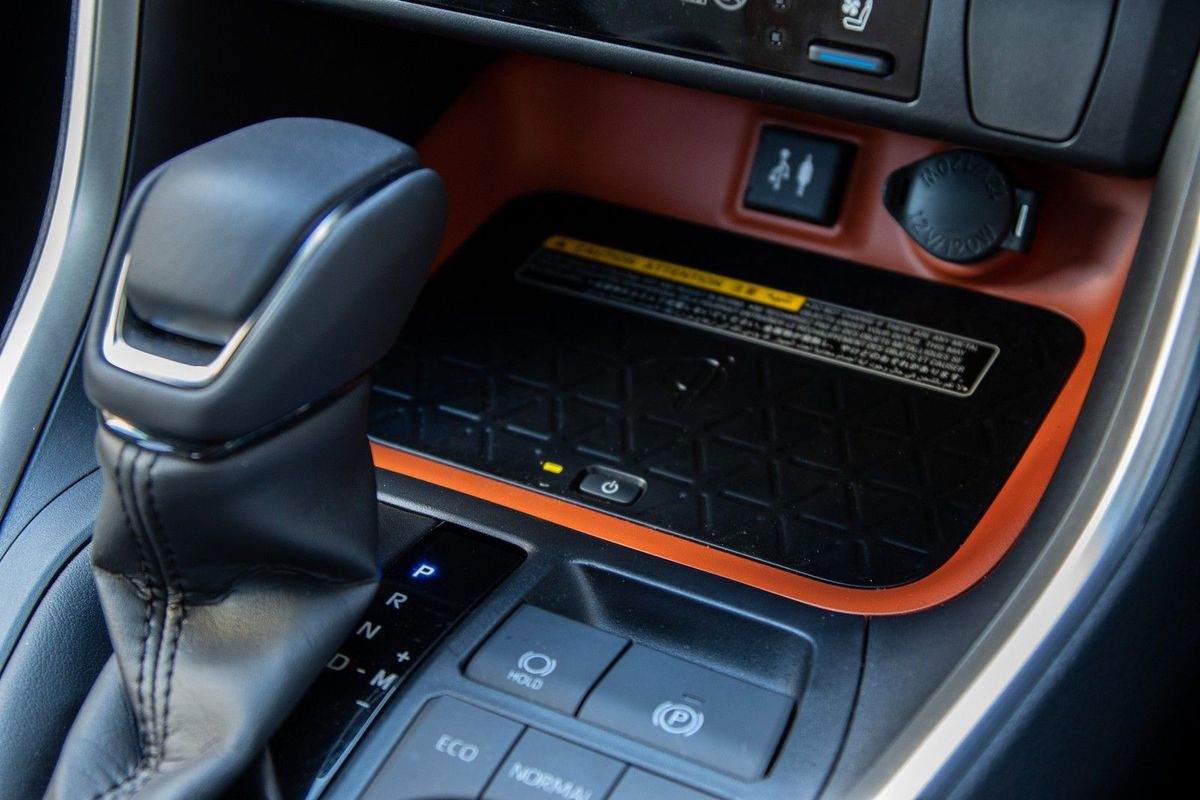
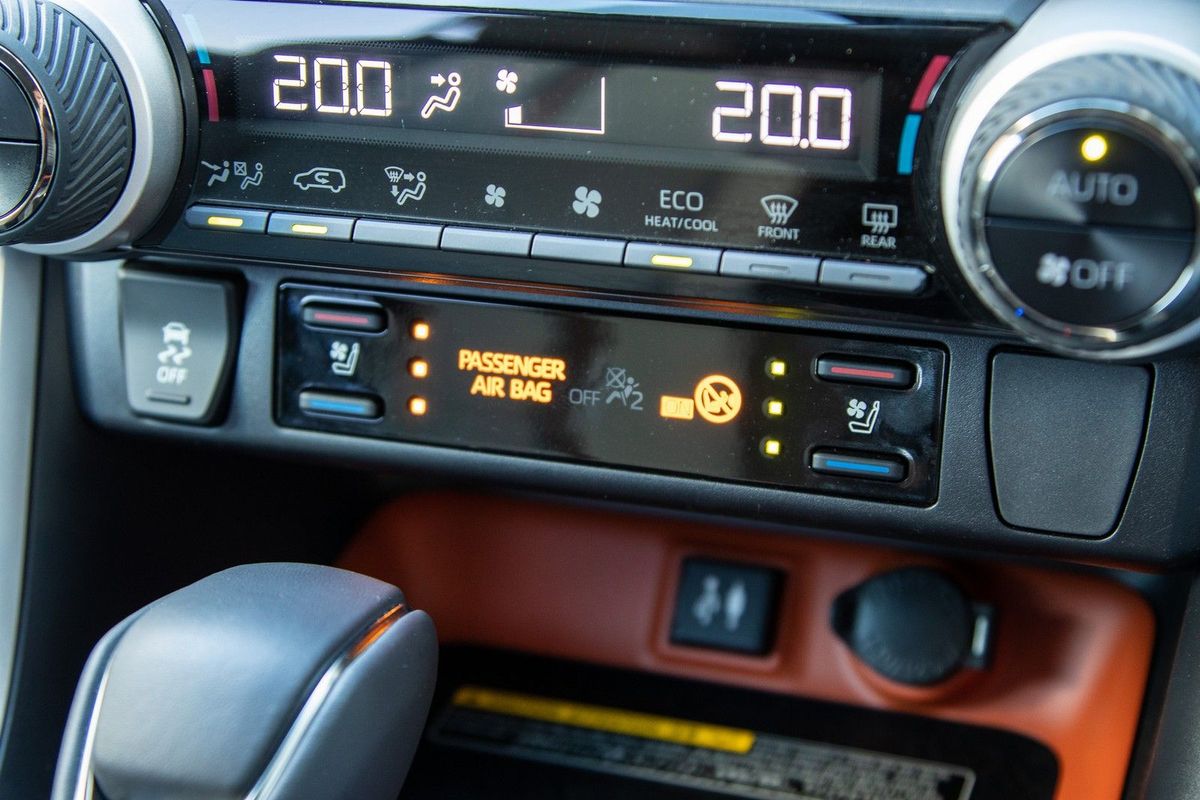
When a vehicle's list price crosses the half-million Rand threshold, one expects a high level of specification as standard. The GX trim is not at the top level offered in the RAV4 range, but we're impressed to find luxury items such as heated and cooled partial leather seats, a wireless charging pad for your smartphone, 3x USB ports, a reverse-view camera, LED daytime running lights, LED headlights, automatic wipers and cruise control to name a but a few features. The next trim up adds things like heated side mirrors with blind spot indicator, adaptive cruise control, as well as a powered tailgate.
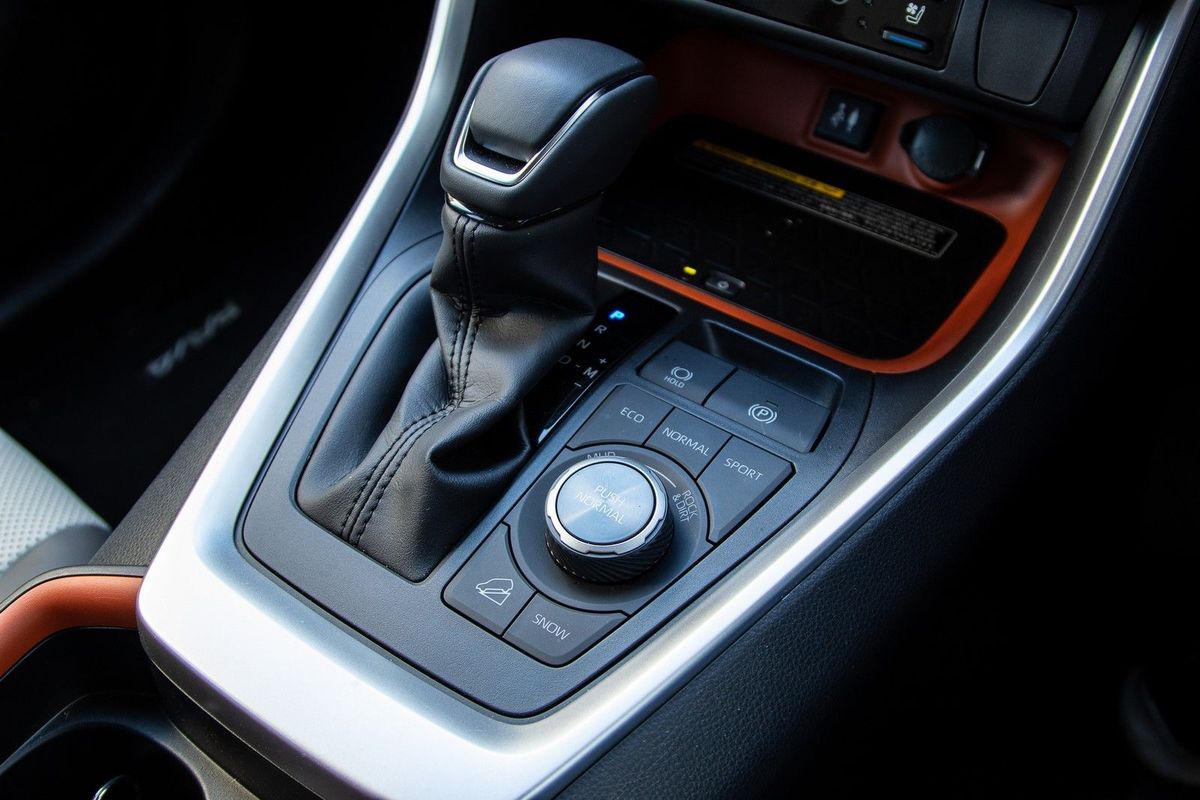
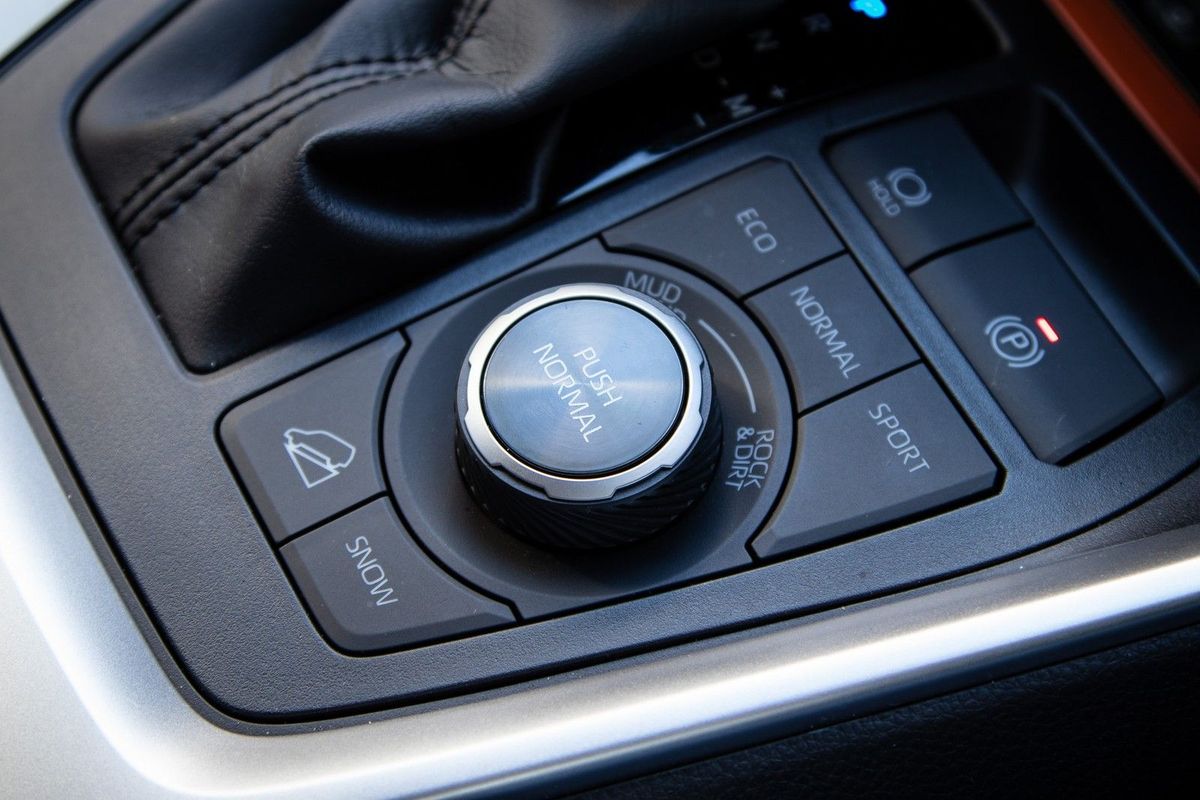
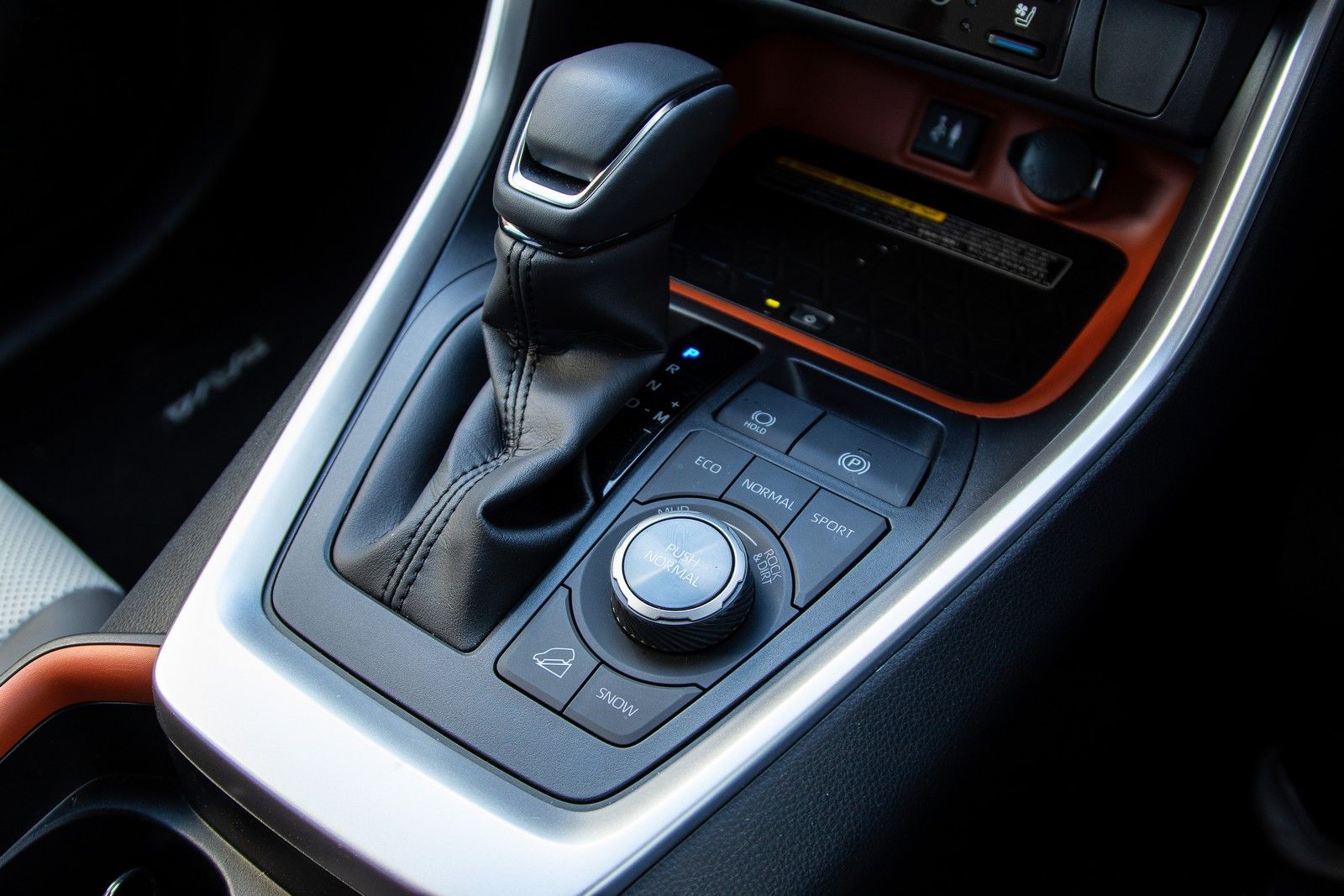
Off-road modes give it additional capability. Note the wireless charging pad, which also keeps your smartphone out of sight.
Good space utilisation is a hallmark of the TNGA platform. Most family cars either offer marginal rear legroom and a large load bay – or the inverse, but in the new RAV4 and you can have the best of both (provided the driver is not unnaturally tall). The luggage capacity is rated at 698 litres, which is decent considering there's a full-size spare under the boot board.
There's a core focus on practicality and there are plenty of cupholders and storage compartments. The second row of seats can fold down in a 60/40 fashion, enabling larger items such as mountain bikes. In fact, the RAV4 is one of the few vehicles to swallow a 29er mountain bike without the front wheel needed to be taken off.
Performance & Efficiency?
No turbodiesel or turbopetrol engines are available in this generation of Toyota RAV4.
As we've already mentioned, there are only 4-cylinder naturally-aspirated engines in this range. The 2.0 AWD GX-R has peak outputs of 127 kW and 203 Nm, with power going to all 4 wheels via a continuously variable (automatic) transmission. We suspected the middling torque output might be an issue if you are transporting a full complement of passengers and their luggage, and our suspicions were confirmed when we drove the vehicle up a particularly-steep mountain pass. While the GX-R doesn't actually struggle to climb, the engine has to work hard and the hum from the CVT rises considerably.
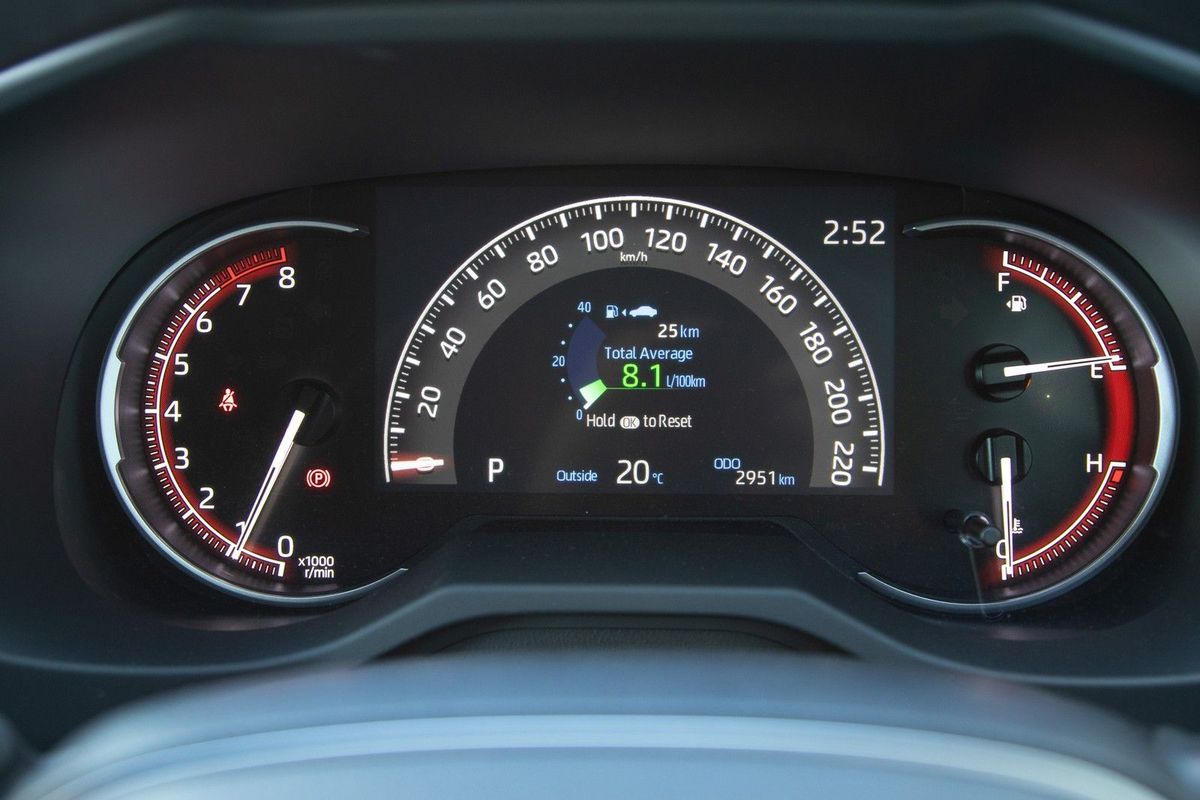
There's an upshot to this workmanlike power delivery, however. The 2.0-litre motor is commendably fuel efficient. Toyota claims the GX-R will, on average, consume 6.7 L/100 km and towards the end of the RAV4's tenure in our test fleet, we saw (a still impressive) 7.5 L/100 km on its trip computer. Even though naturally-aspirated engines tend to be revved harder to keep (typically chunkier than hatchbacks) SUVs at a canter, but to the detriment of fuel economy, the RAV4 has a kerb weight of just around 1 600 kg and its CVT is calibrated for efficiency; it keeps engine revs low whenever possible.
Ride & Handling?
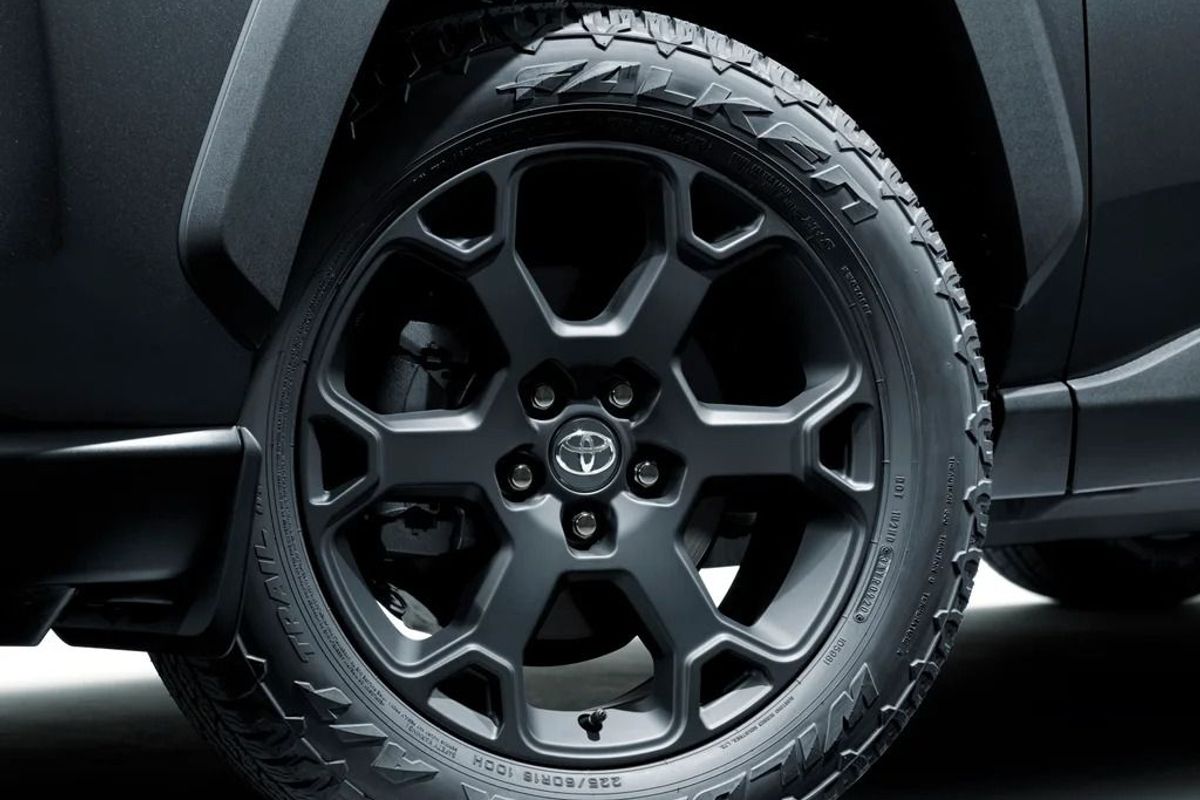
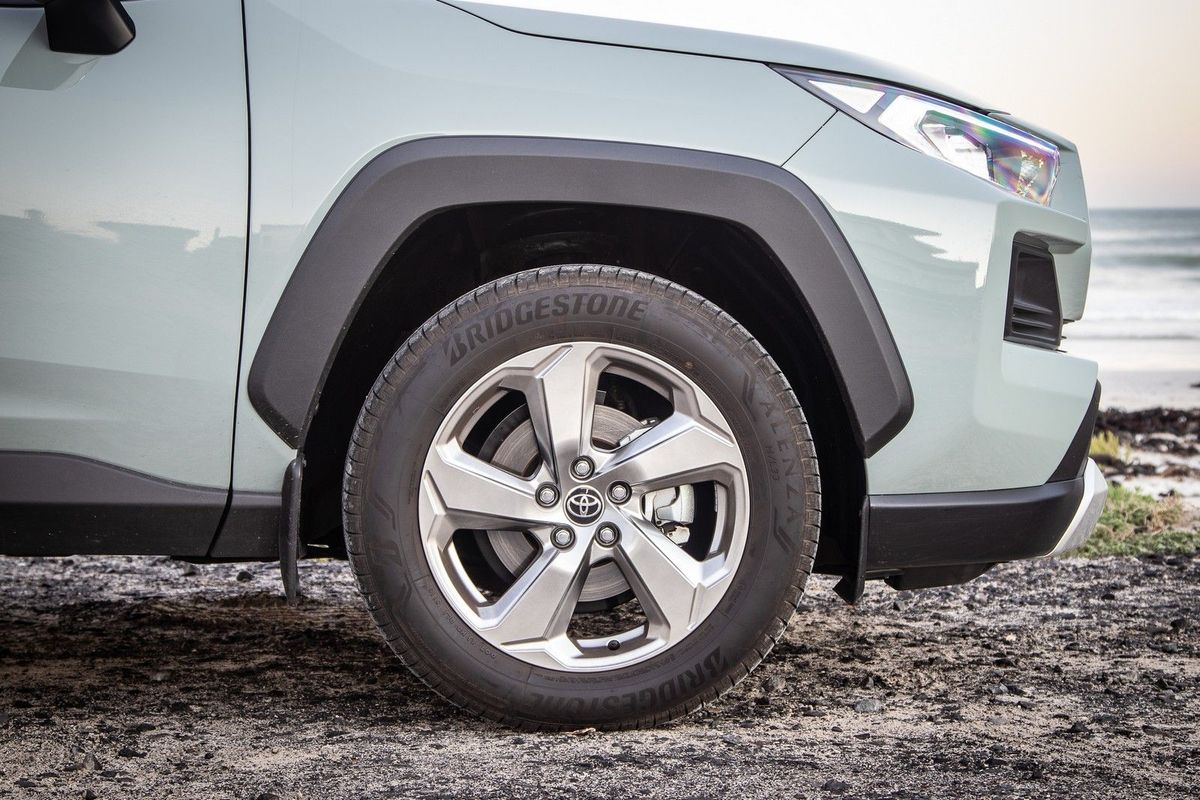
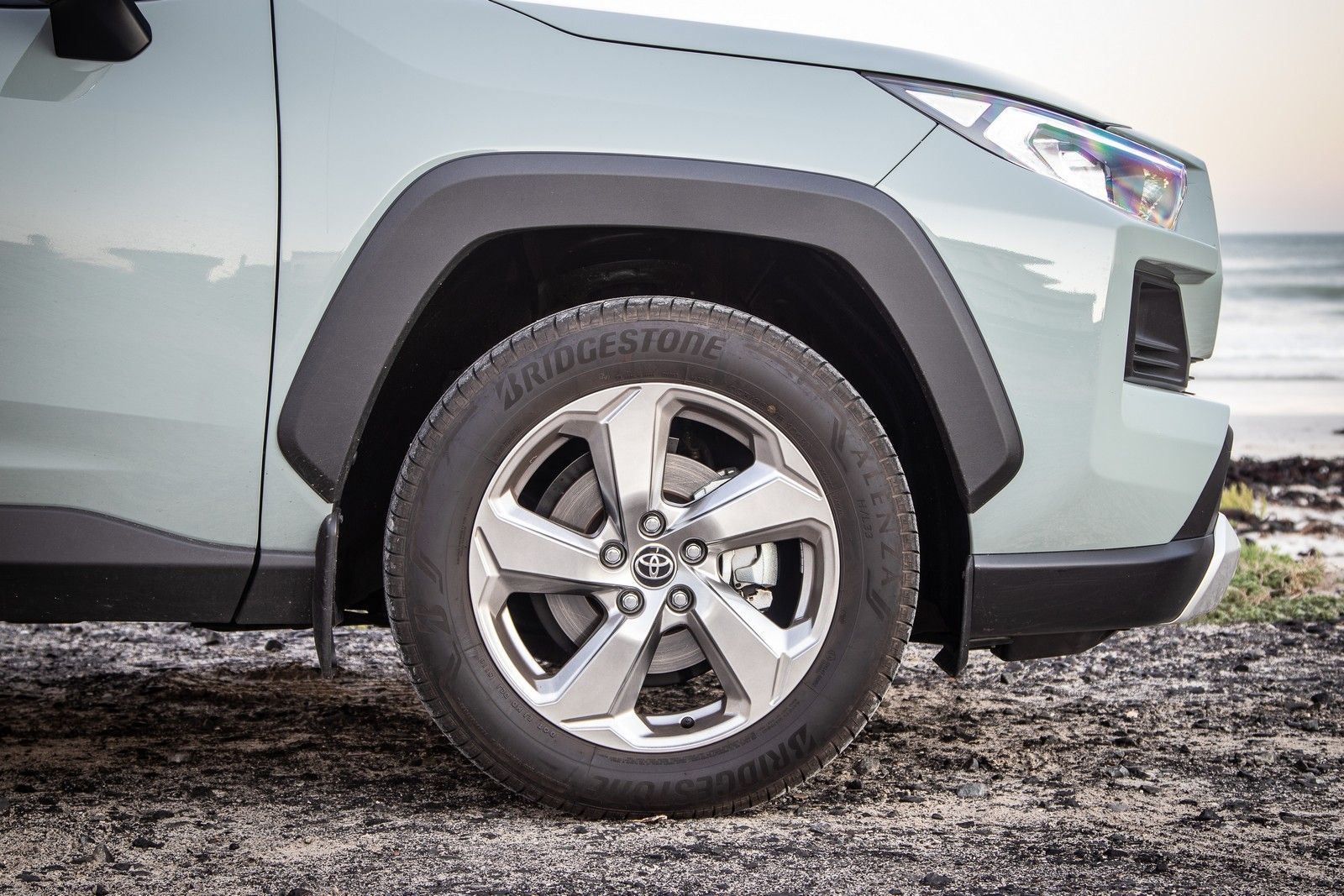
18-inch alloys wrapped in 225/60 rubber contribute to the decent ride quality
Another strong trait of the TNGA platform is its ride/handling balance. We've been impressed by the C-HR's on-road refinement and the new Corolla Hatchback's agility; they underline what this modular architecture is capable of and the new RAV4 is no exception – it rides with a maturity that thrusts it towards the top of its segment. There's a core focus on ride comfort (the GX-R's 18-inch alloy wheels are wrapped in thick 225/60 rubber) and on-road refinement (quietness). The steering has a relaxed feel to it, but there's sufficient directness to give you some feedback, which is par for the segment.
Given this derivative's appearance, you'd think some mild offroading would be possible and you'd be correct. There's 195 mm of ground clearance and the GX-R's mechanical all-wheel drive features dynamic torque vectoring with various off-road modes available (there's even a graphic on the instrument cluster showing what each wheel was doing).
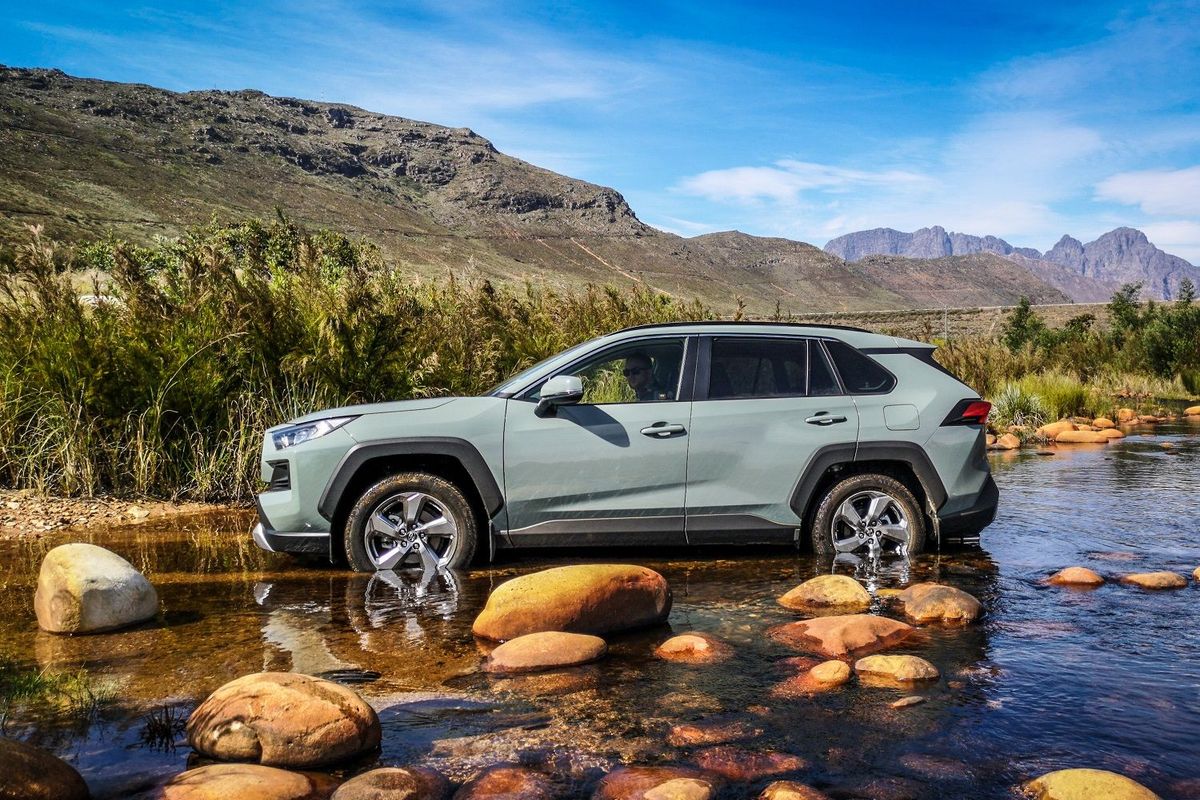
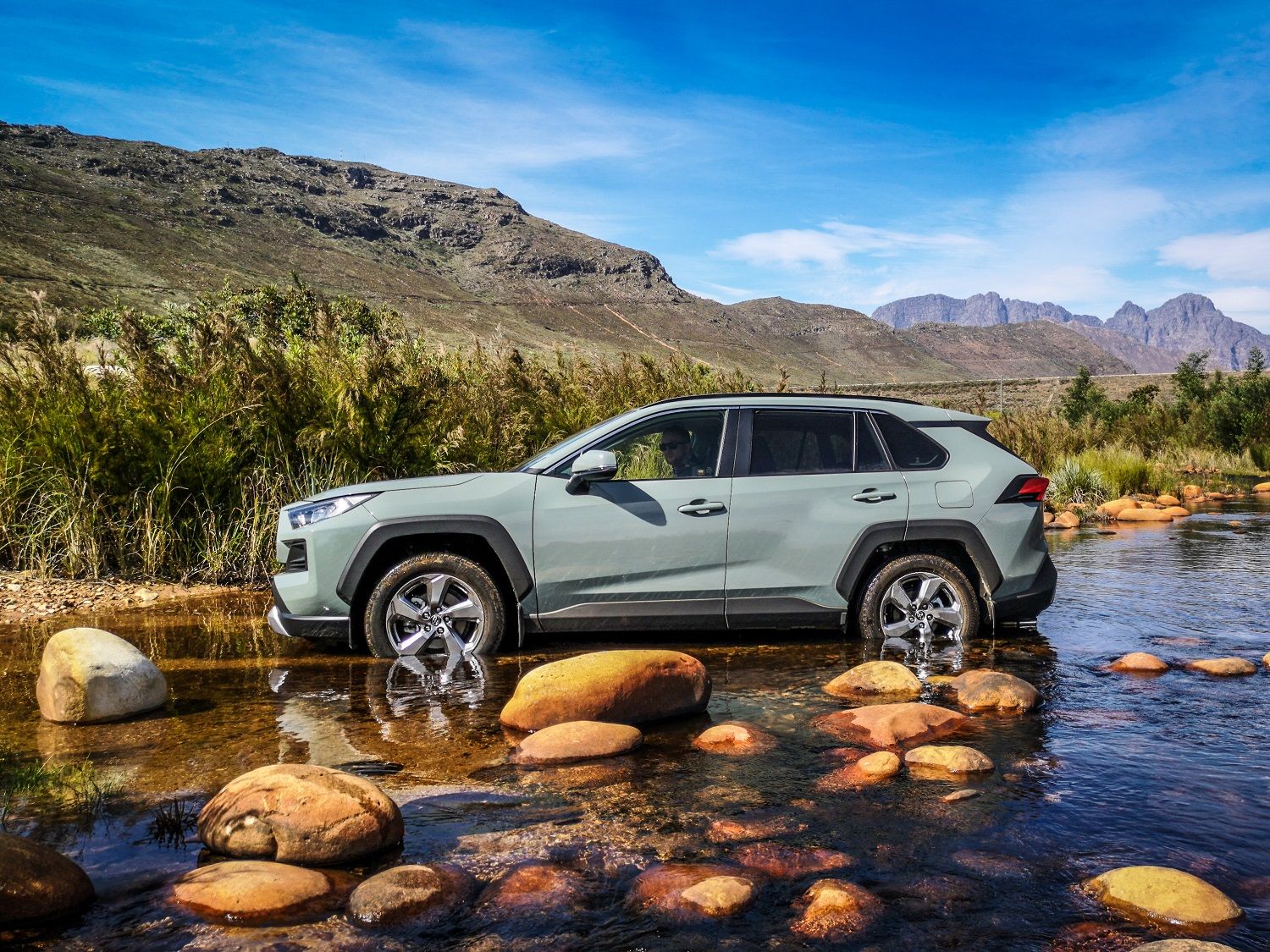
During the evaluation, we did a shallow water crossing and climbed a dirt road riddled with holes with the RAV4 and it emerged unscathed at the end. The rough road would best be crossed by something with a diff lock, but somehow the Toyota scrambled through the course. We wouldn't recommend doing this on a regular basis, but it's reassuring to know the GX-R is reasonably handy off the beaten track. The all-wheel-drive system offers excellent stability on gravel.
While it's not marketed as an offroad vehicle, the all-wheel-drive RAV4 was impressive on gravel and even completed a river crossing.
Pricing and warranty
The Toyota RAV4 range kicks off with the 2.0 GX derivative, the price of which begins at R416 400. This version is the 2.0 AWD GX-R, which retails for R508 100, while the top-of-the-range 2.5 AWD VX comes in at R577 900. A 3-year/100 000 km warranty and a 6-year/90 000 km service plan are standard across the range.
Verdict
The new RAV4 has already won many fans over and outsold the Fortuner in April 2019.
When we first shared images and info about the new Toyota RAV4, not all of our users were convinced by the newcomer's outlandish (by RAV4 standards) looks. Comments such as "it looks like a Jeep" were bandied about and while social media commentary is to be taken with a hefty pinch of salt, the underlying sentiment was valid. Most South African consumers are conservative by default: vehicles that are extreme, too "out of the comfort zone" and quirky are at risk of selling poorly.
However, our fears of the RAV4 not carrying on where its previous generation left off were totally unfounded as customers looked beyond the product at face value and explored its other talents. The result? As many as 839 units of the RAV4 were sold in April 2019, which is 23 more than the entrenched-in-SA Fortuner could muster. It's not surprising: the look-at-me styling grew on us during the RAV4's tenure and we found its build quality, practicality and refinement deeply impressive.
Should you buy one? The lack of a torquey turbodiesel option or another form of forced induction dents the aspirations of those who wish to tow and if you do need to tow trailers regularly, then we suggest you fork out a bit more for a diesel-powered entry-level 2.4 GD-6 Fortuner, which is similarly priced. No need to tow (and not all people do)? Good, because then you'll be satisfied with the levels of comfort, space and refinement in the new RAV4. Granted, the engine is not the most enthusiastic – you'll encounter some mildly unpleasant noise when the GX-R ascends a steep hill while fully loaded.
If you have a relaxed driving style, however, you'll be hard-pressed to find a gentler cruising experience in the family car segment. The new RAV4 is one of those vehicles in which you can effortlessly cover hundreds of kilometres and emerge from the cabin feeling reasonably fresh. There aren't many drawbacks to the package, but we would have liked more connectivity options. Overseas models come with fancy JBL sound systems, Apple CarPlay/Android Auto compatibility and Amazon Alexa, but perhaps the inclusion of such a high-end setup would have driven up the range's asking prices too far.
All in all, the new RAV4 feels thoroughly fresh and represents a big leap forward for Toyota's popular family car offering. With rugged styling, a well-thought-out cabin and ample space, it's virtually guaranteed to remain a popular choice.
James Bond-inspired Aston Martin DBS Superleggera [w/video]
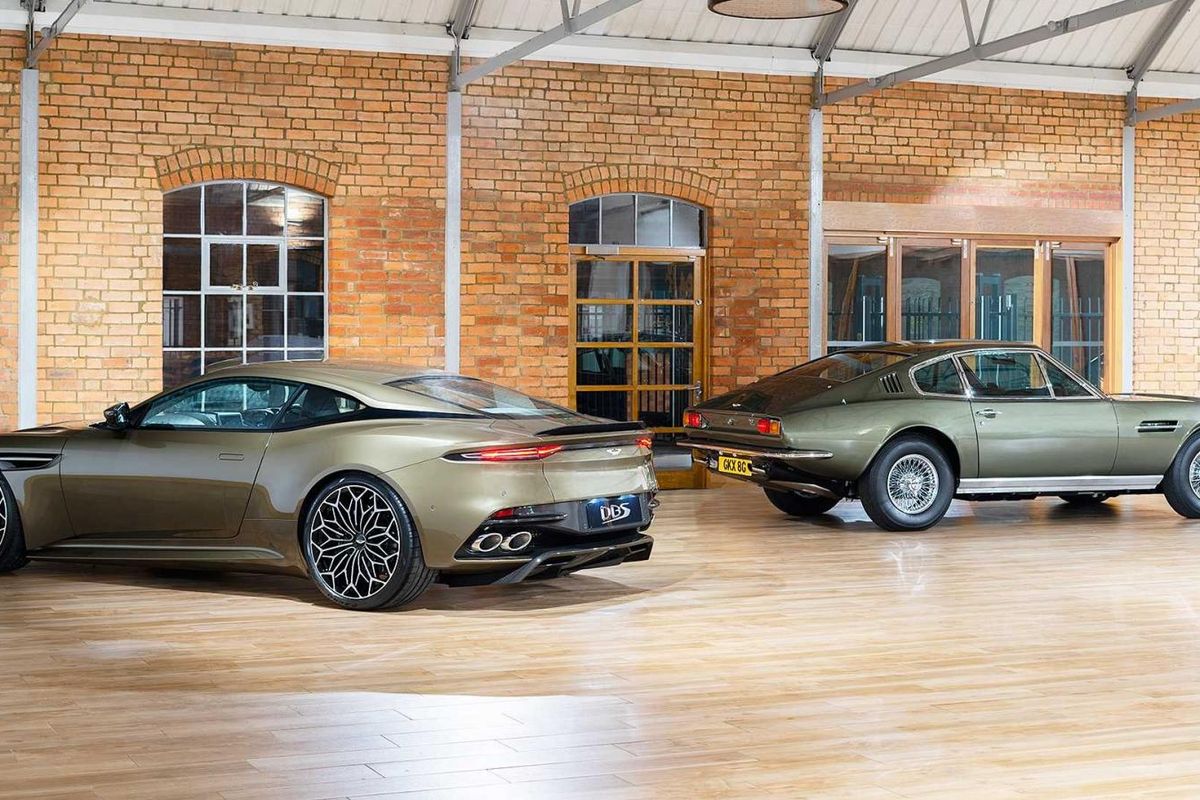
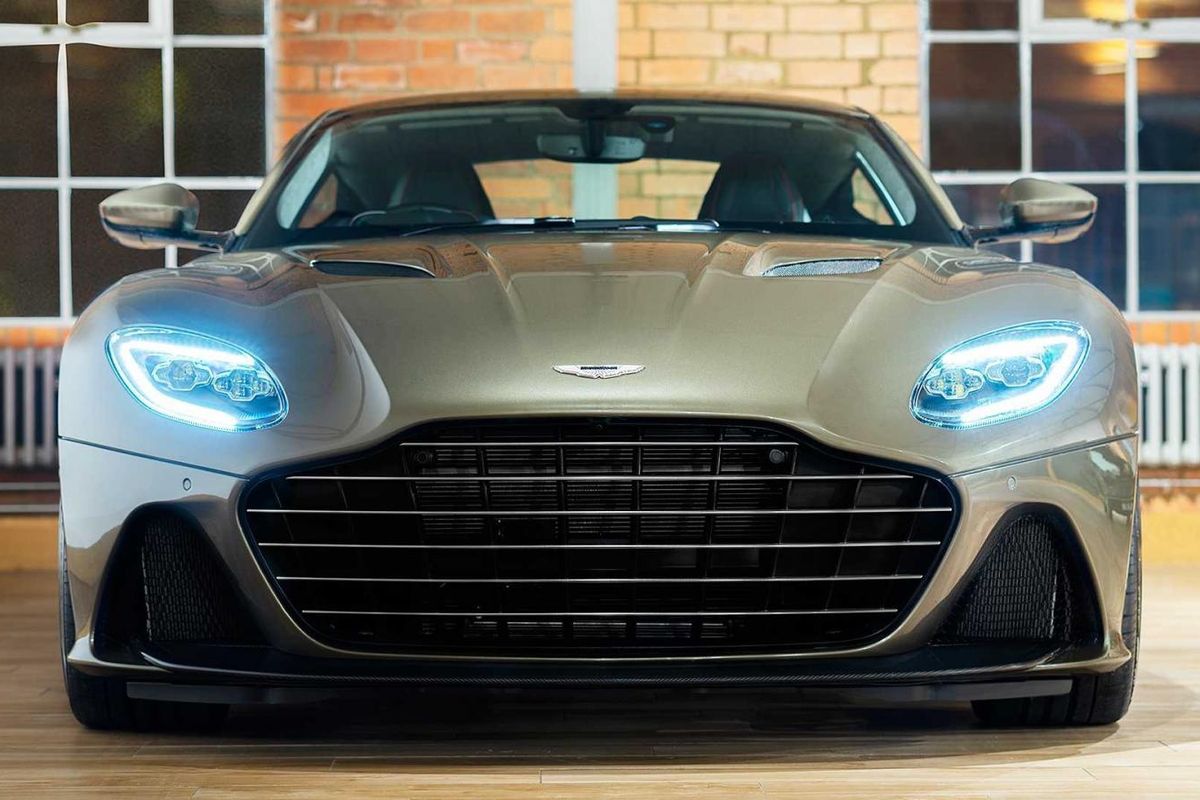
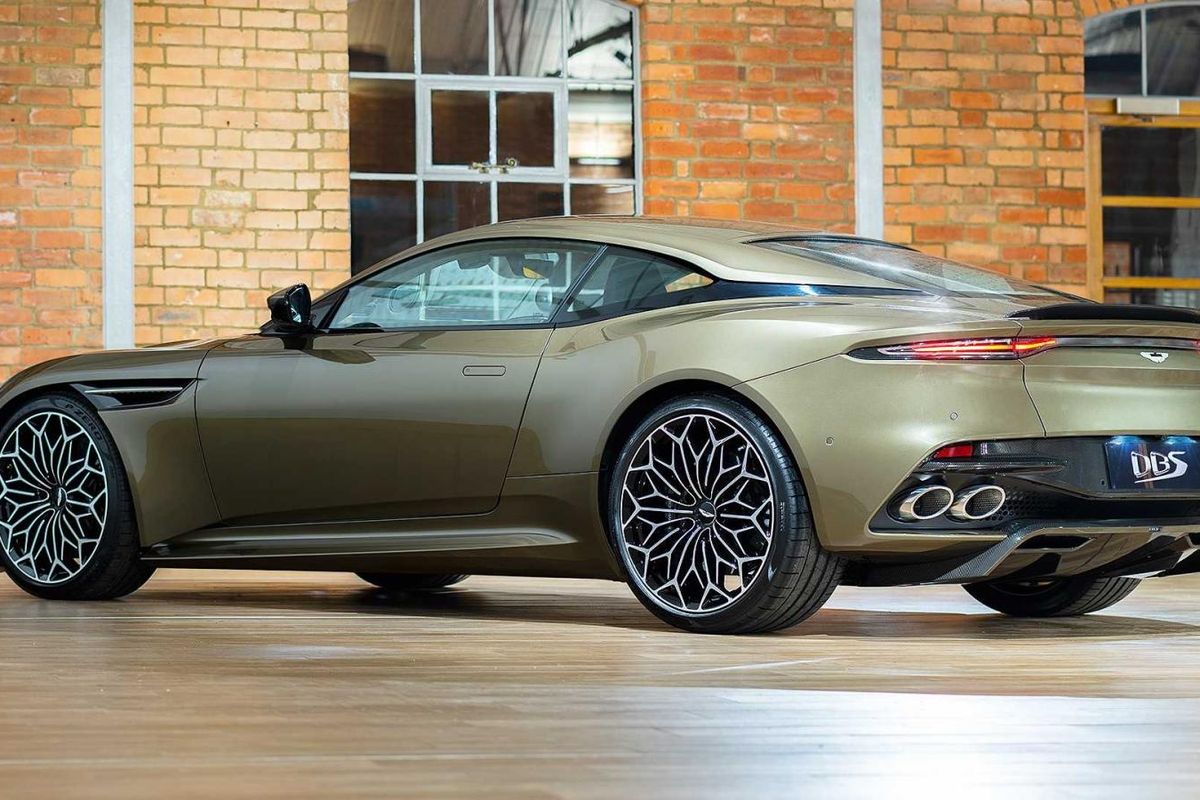
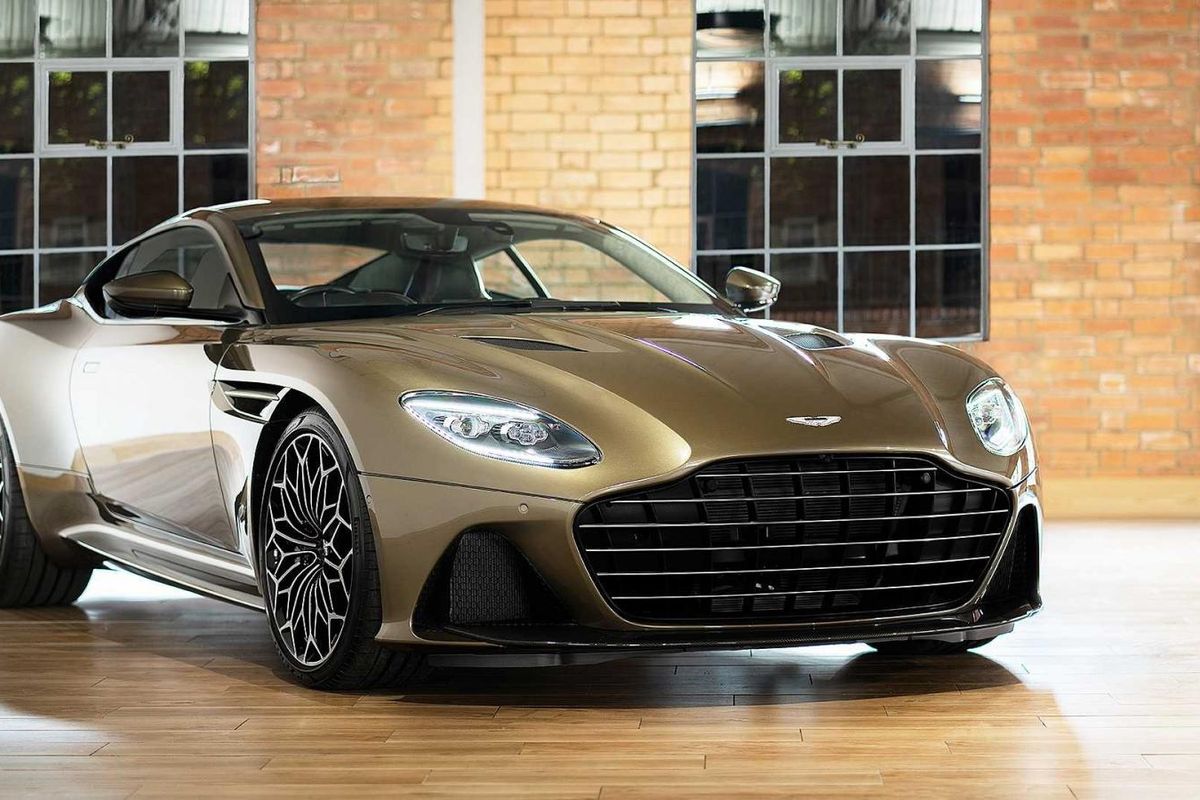
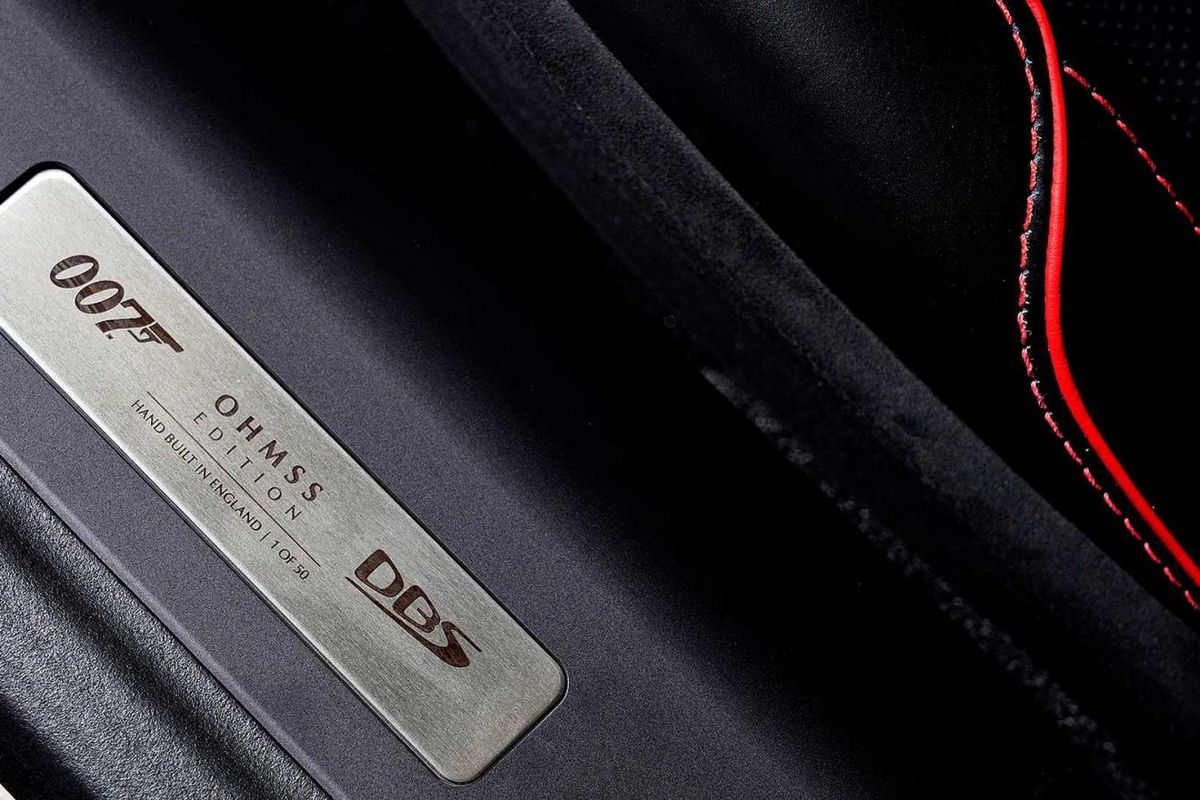
Aston Martin is celebrating the 50th anniversary of the sixth James Bond film, On Her Majesty's Secret Service, by creating a special edition Superleggera and yes, you guessed it, only 50 will be available to customers.
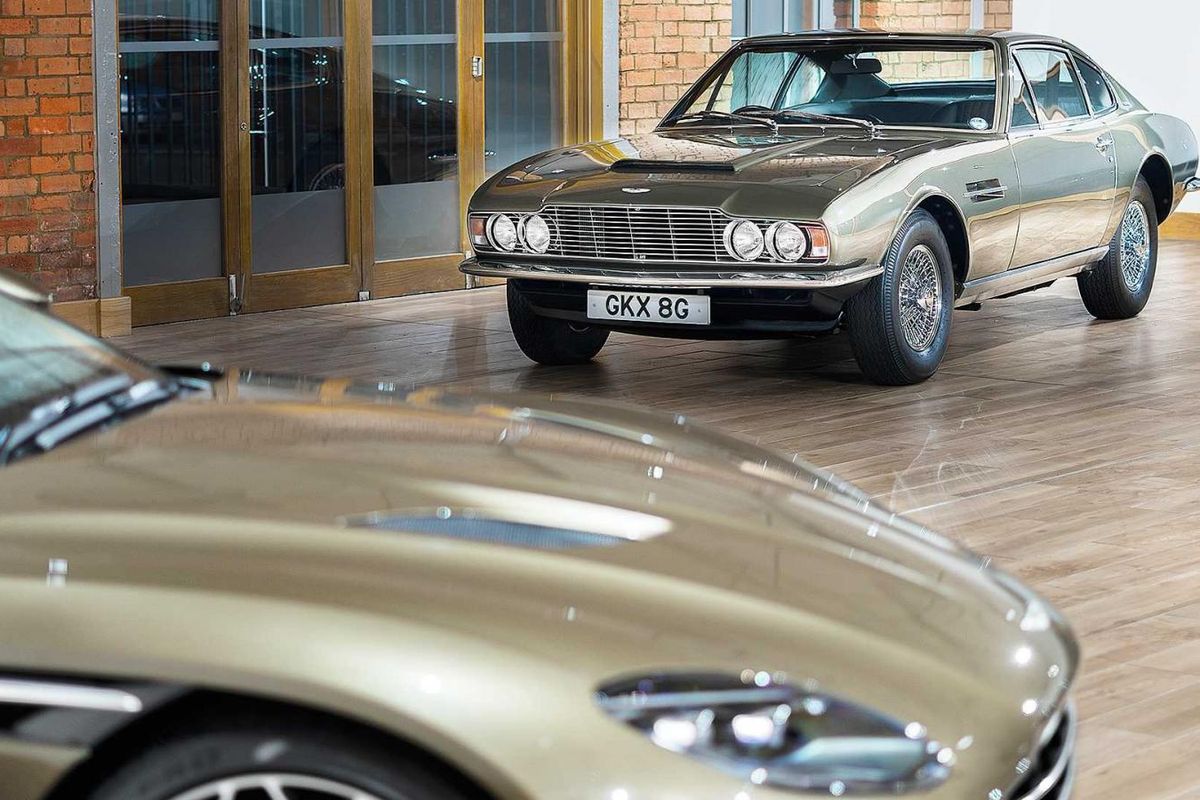
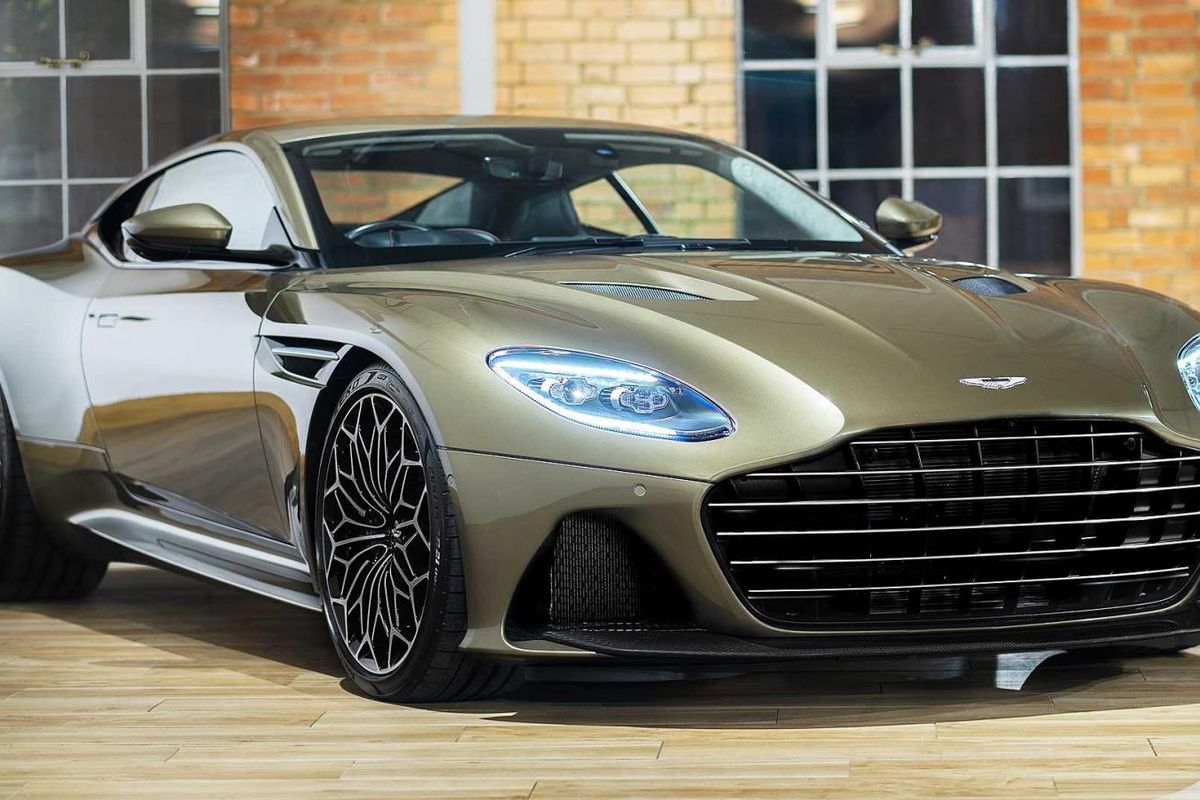
In an effort to capture the spirit of the olive green 1969 Aston Martin DBS that James Bond (played by George Lazenby) drove in the movie, the British sportscar firm has developed a special edition DBS Superleggera which is described as a ‘brute in a suit’.
Its brutish demeanour is no doubt derived from the powerful twin-turbocharged 5.2-litre V12 engine which has been positioned as low and far back in the chassis as possible to optimise centre of gravity and weight distribution. This engine develops 533 kW and 900 Nm of torque which bellows its song from quad tailpipes with active valves.
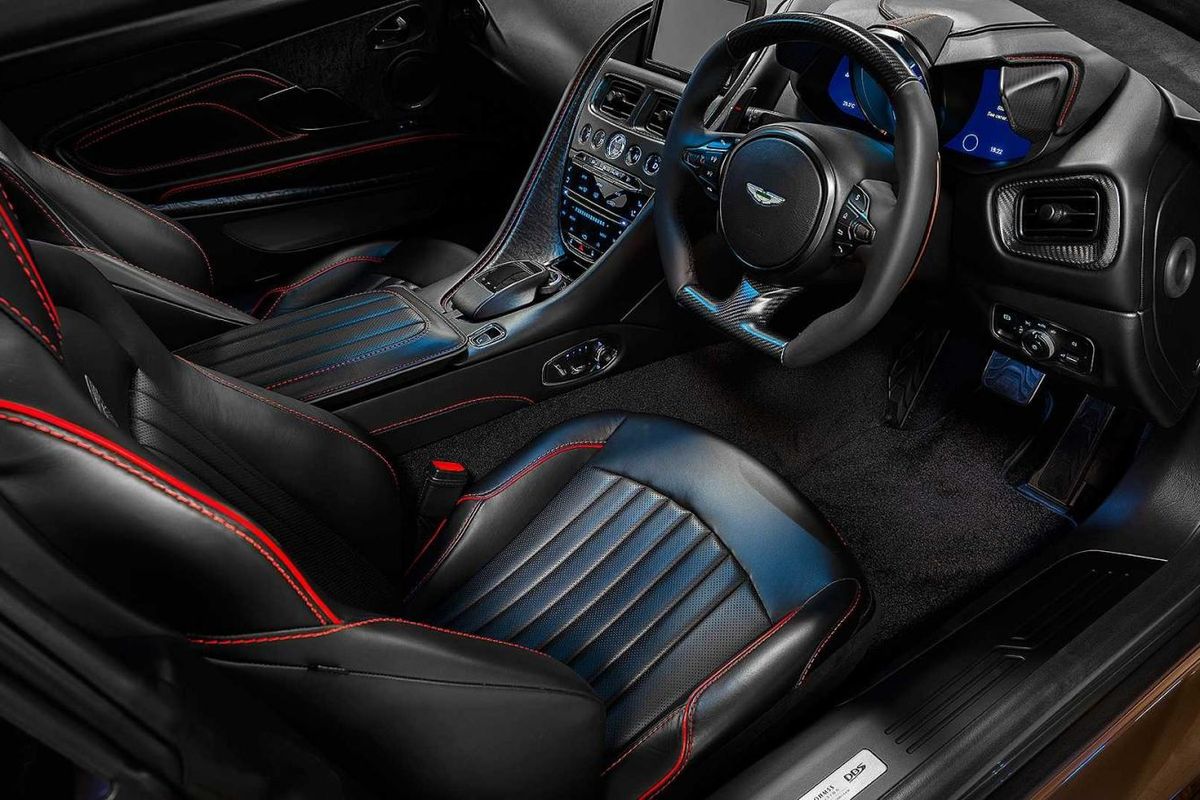
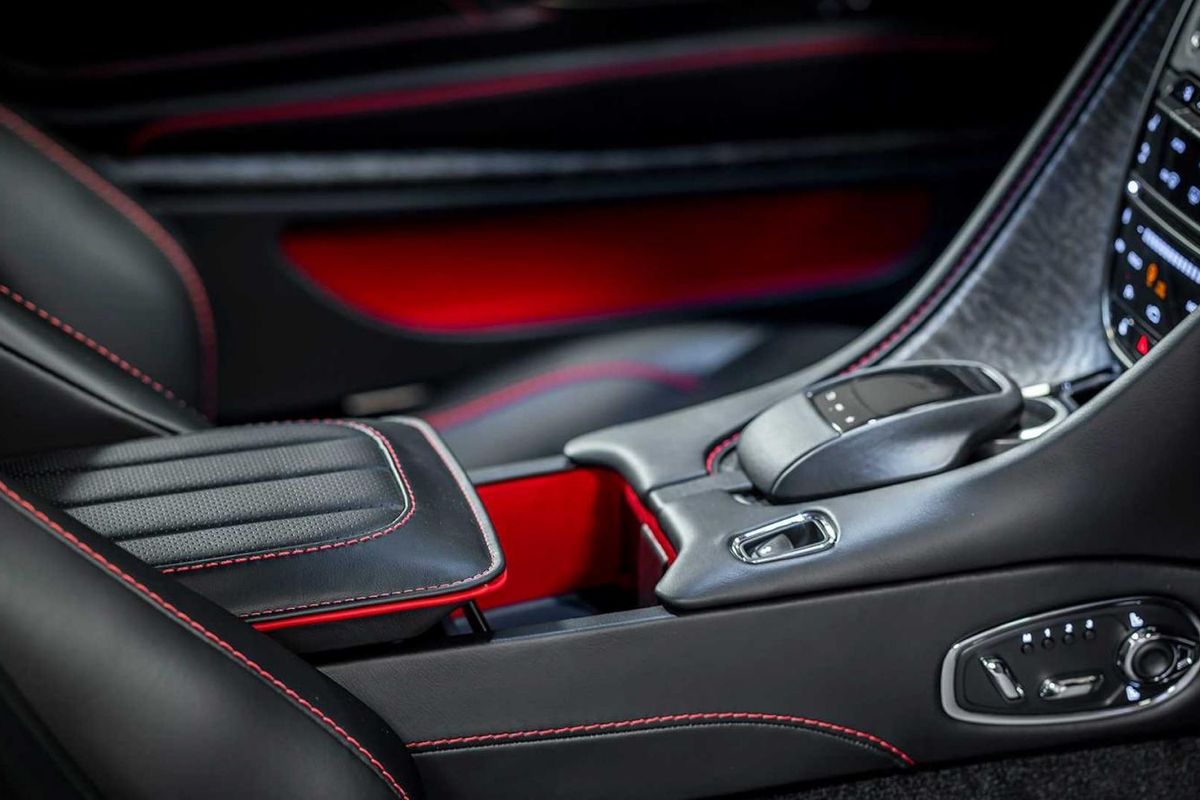
The bespoke model features a carbon fibre splitter and aero blade and rides on special diamond turned forged wheels. The metal grille, with 6 distinct horizontal vanes pays homage to the 1969 DBS. On the inside, black leather is complemented with grey blend Alcantara as in the 1969 DBS and also features a cockpit with red accents.
The finishing touch includes a special drinks case with matching red felt and holds 2 bottles of champagne and 4 champagne flutes, all perfectly stored in the load bay. Very fancy indeed…
Aston Martin Vice President & Chief Creative Officer Marek Reichman said: "Creating a James Bond special edition is always an exciting challenge as we work to create a car that embodies the legend of James Bond, and the original movie car. The DBS Superleggera is a muscular car that commands attention, but the Olive Green gives it a subtlety that belies the beast beneath."
The first deliveries of the special edition Aston Martin DBS Superleggera are expected to reach customers in Q4 2019 with pricing unsurprisingly starting at £300,007 which translates to about R5.5 million.
The new Audi Q8 has arrived in South Africa and we spent some time with the flagship SUV to find out if you should take a closer look…
This is the first ever Audi Q8, and it's quite a thing. Based on the same platform as its siblings – the Lamborghini Urus and Bentley Bentayga – if you think about it one way, this is the most affordable way to get yourself one of the VW group's best SUV chassis/engine combinations.
And it's not like you'd be shortchanging yourself in the looks department, this Audi drew stares and comments wherever we went. It's a traffic-stopper of note. It's a bold new design for Audi and we think it works.
But, at R1.4 million before options, does the car, as a package, justify the price? We sent Ciro De Siena to a pretty road in the Cape Winelands to find out.
New Volkswagen Golf 8 Boosted with Mild Hybrid Tech
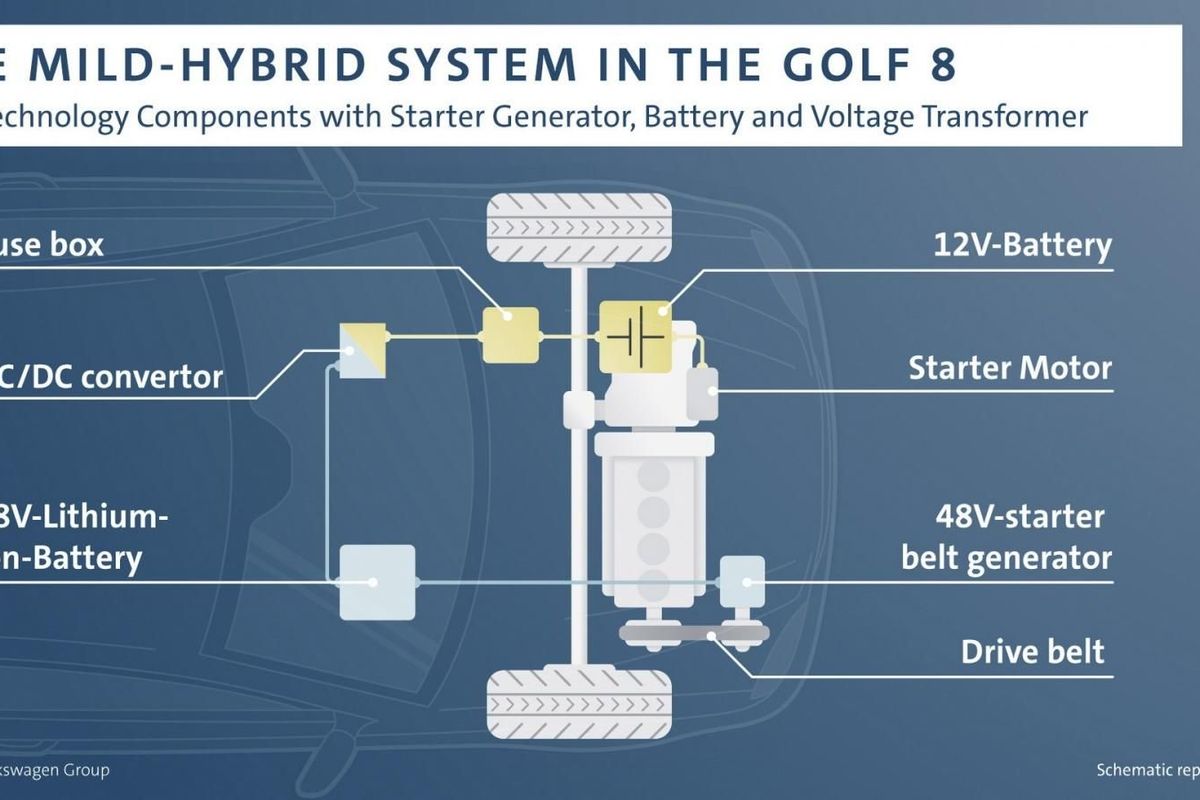
The next-generation Volkswagen Golf is coming in 2020 and details regarding the 48V mild hybrid system have been revealed. See details below…
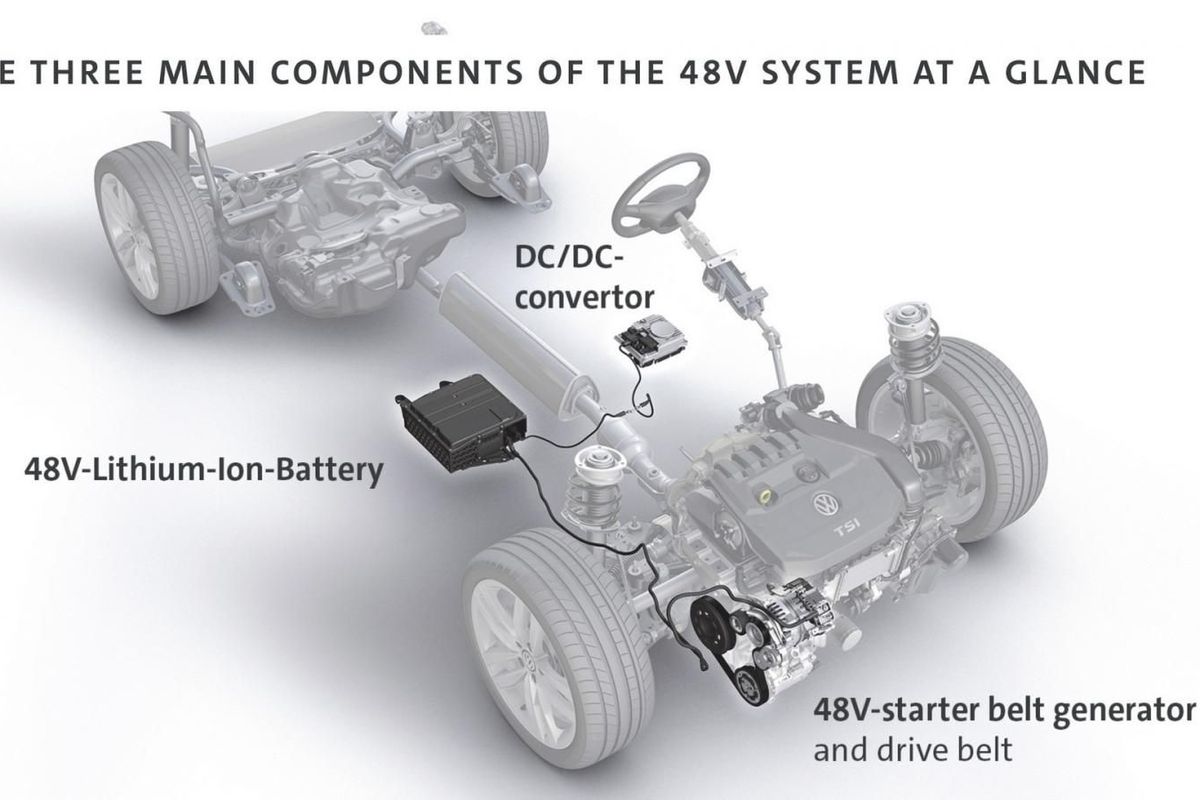
In an effort to improve efficiency and reduce emissions, the Golf 8 will offer a mild Hybrid Electric Vehicle (mHEV) derivatives with 48V technology. According to Volkswagen, 48V technology will be initially offered in conjunction with both the 1.0-litre and 1.5-litre (EA211 evo) engines and DSG gearbox. The system will then later be offered on other derivatives and models.
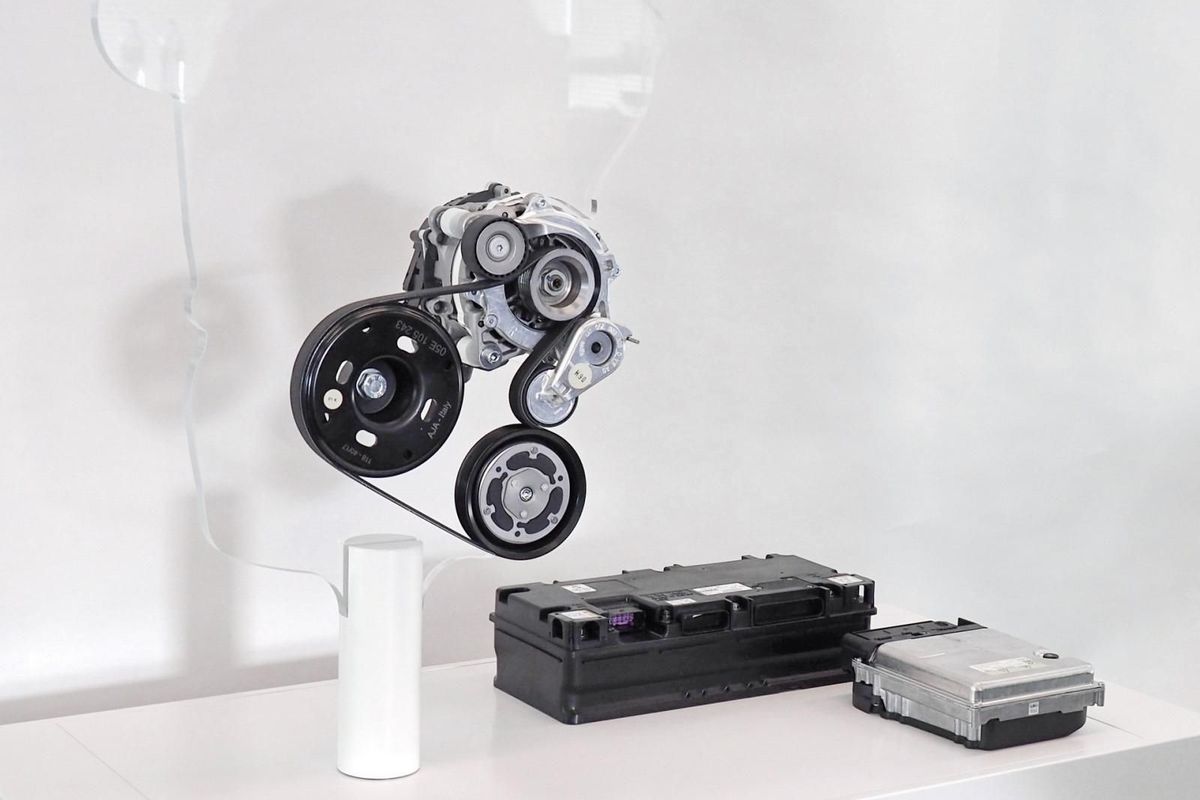
Where a Plug-in Hybrid (PHEV) gains battery charge via a plug, the mHEV is equipped with a 48V belt starter generator which, like an electric motor, supports the combustion engine in acceleration, for example. During deceleration, the generator converts kinetic energy that would otherwise be lost and charges the 48V Lithium-ion battery located under the passenger seat. This stored electrical energy can then be used to boost the Golf’s acceleration but more importantly, contributes to up to 0.4 L/100km in fuel savings, depending on the driving style.
The mild hybrid system is able to shut the engine off when the driver lifts off the accelerator and comes back to life when the accelerator is applied again. Volkswagen says that the engine is switched on and off ‘without delay’ or loss of comfort and with very little vibration.
As Volkswagen is readying its electric car family which will go on sale in 2020 (ID.3, ID.Crozz, ID, Vizzion, ID.Roomzz) with a projected 40% electric new car share in 2030, combustion engines will still play an integral role in the foreseeable future and mild hybrid technology is expected to become more widespread in an effort to reduce emissions and improve efficiency.
Land Rover Discovery Sport Significantly Updated for 2019
The Land Rover Discovery Sport has received a facelift for 2019 and the good news is that it will be coming to South Africa before the year is out.
The Land Rover Discovery Sport has been quite a success for Jaguar Land Rover. It has done well locally too, with a brace of CarsAwards-powered by WesBank under its belt. However, the segment has moved on significantly and the vehicle needed an update. Here it is and the visual changes range from new signature LED lights at the front and rear, a new front grille as well as new bumpers.
Under the skin, the latest version of the Land Rover Discovery Sport is built on the Premium Transverse Architecture, which JLR claims gives its body 13% more stiffness and a reduction in noise and vibration. Another change is the 20% increase in the storage capacity of the fuel tank, which now sits at 67 litres.
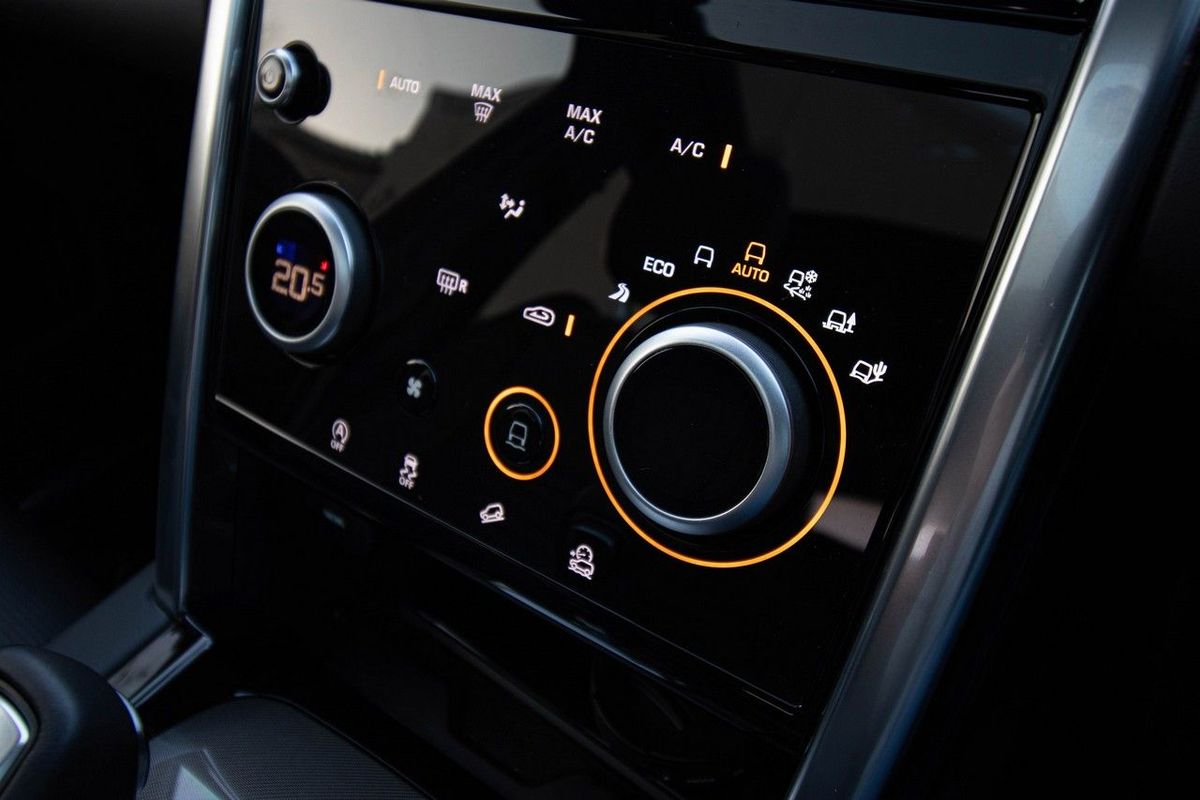
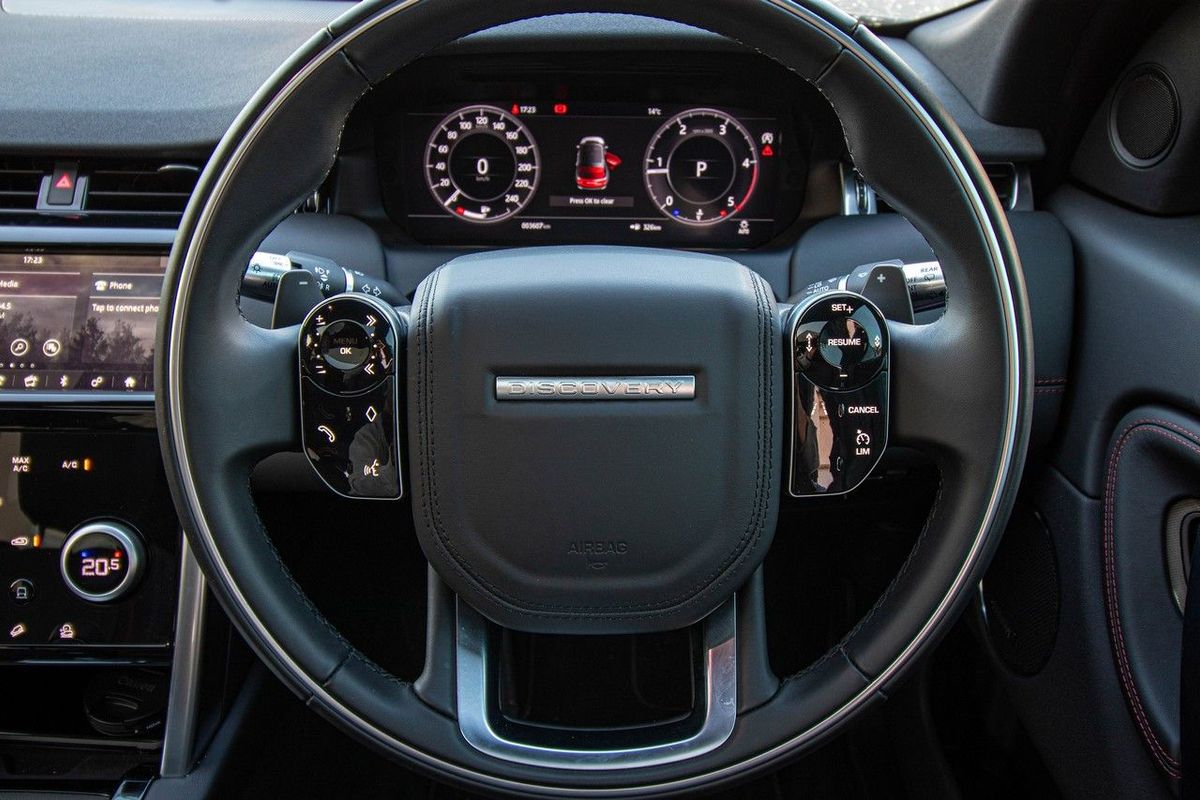
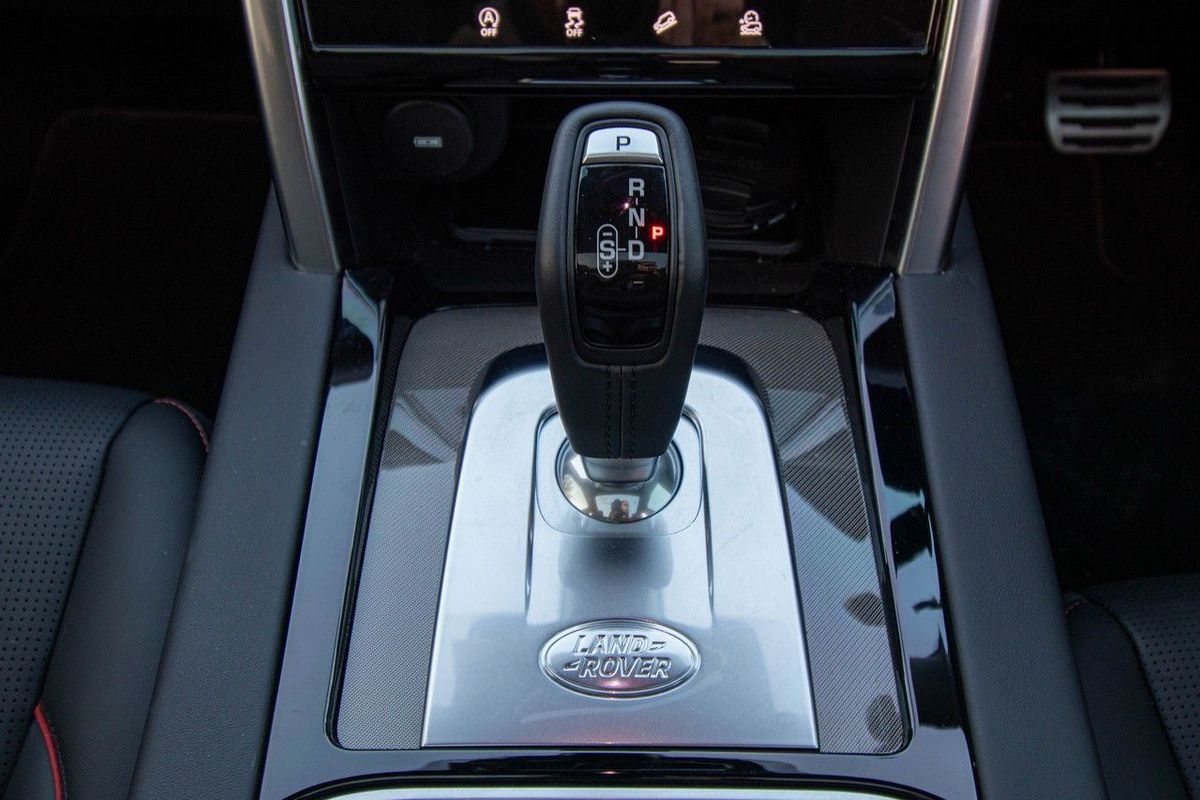
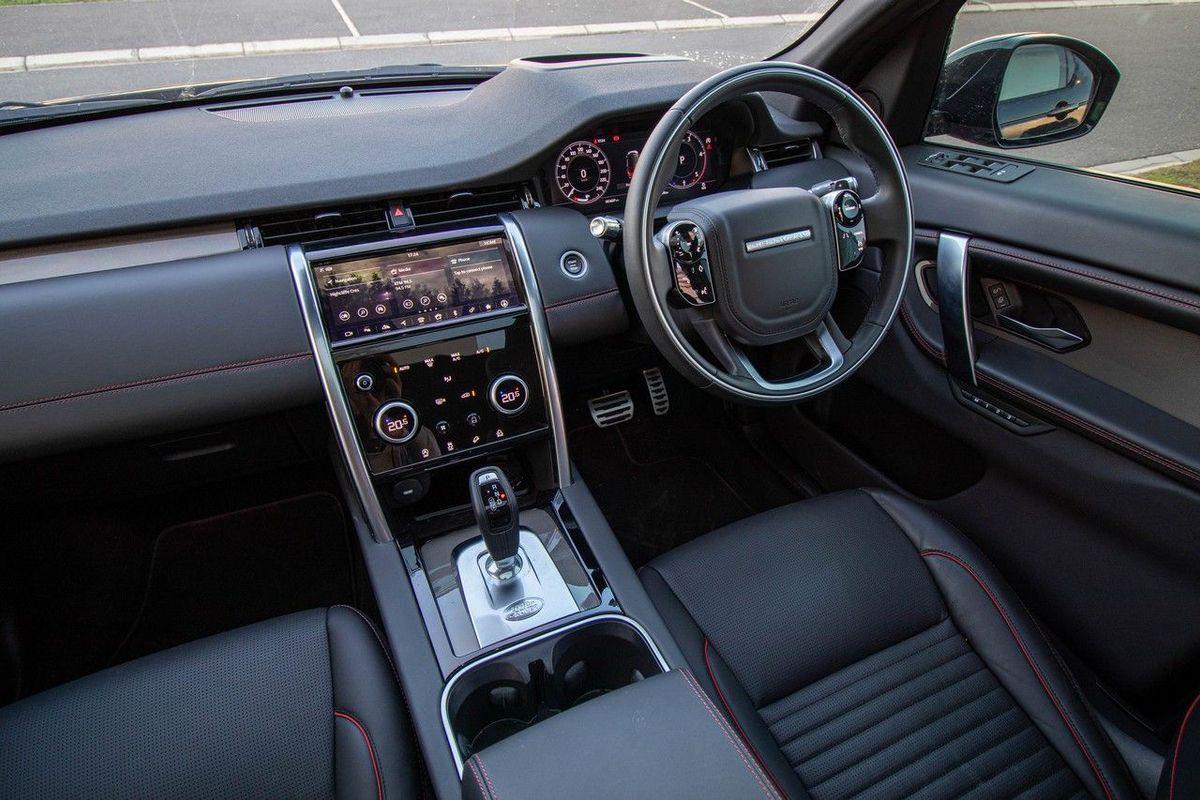
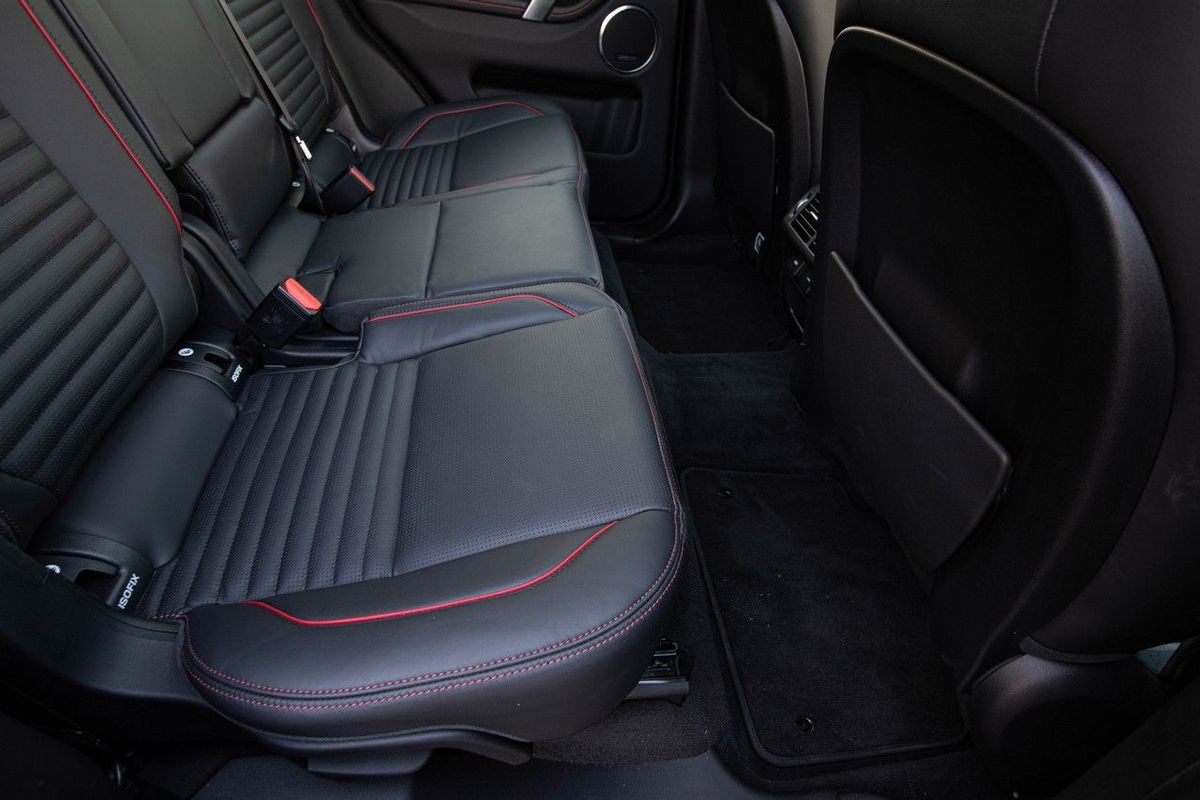
The Disco Sport's cabin has received some updates too and the digital Touch Pro infotainment system is now standard. There's extensive use of more premium materials in the cabin and there's even more focus on practicality in this 7-seat luxury SUV. The tech we've seen in the new Evoque has been carried over. The smart rearview mirror and ground view camera are available for the Discovery Sport. Wireless charging makes it debut here too.
European markets will be able to opt for Discovery Sport, S, SE and HSE trim as well as the striking R-Dynamic. While the engine lineup for the European market looks focused on new plug-in hybrid tech, we expect the new Land Rover Discovery Sport powertrain to replicate that of the recently-launched Range Rover Evoque. That'll mean a pair of 4-cylinder turbocharged motors, with the choice of petrol or diesel.
The turbopetrol 4-cylinder engine offers up 183 kW and 365 Nm of torque, while its diesel sibling is down on power at 132 kW, but packing a 430 Nm punch. Being a Land Rover, the Discovery Sport still offers commendable offroading capability. With a wading depth of 600mm and all-wheel drive, it should be just as good as before. We'll have local info on the Land Rover Discovery Sport shortly.
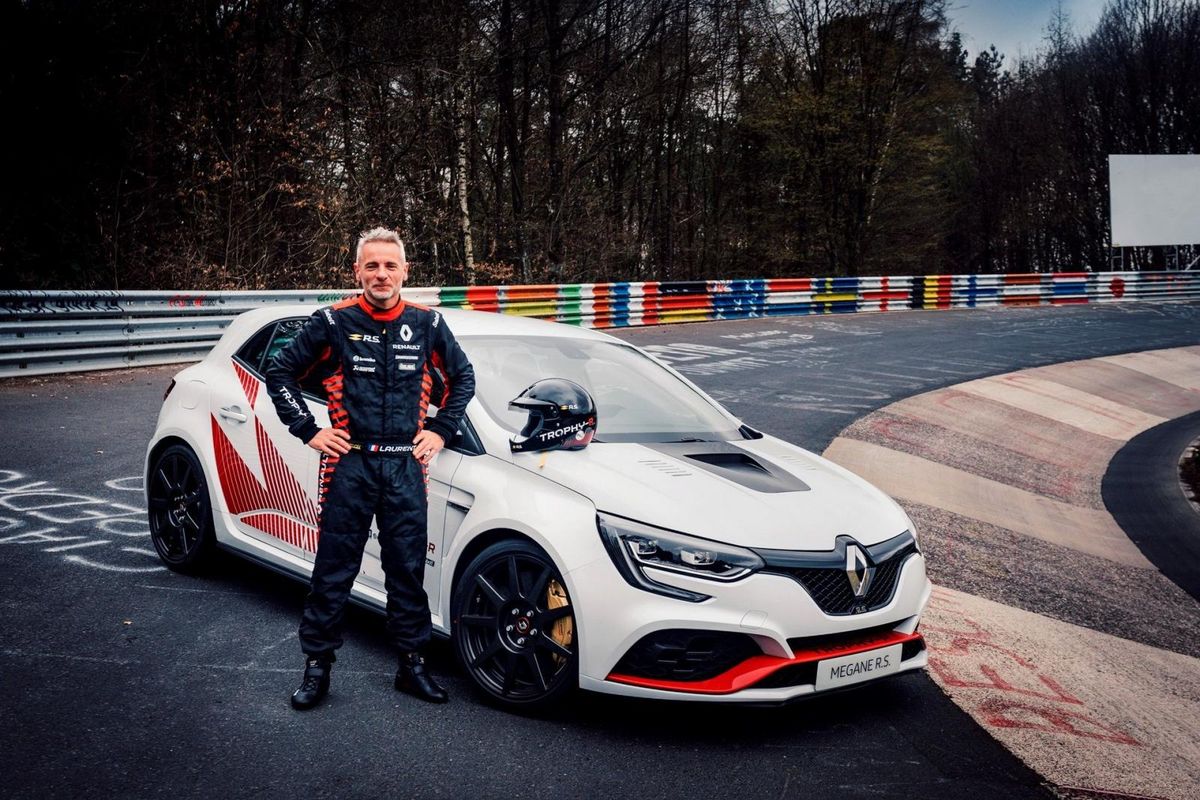
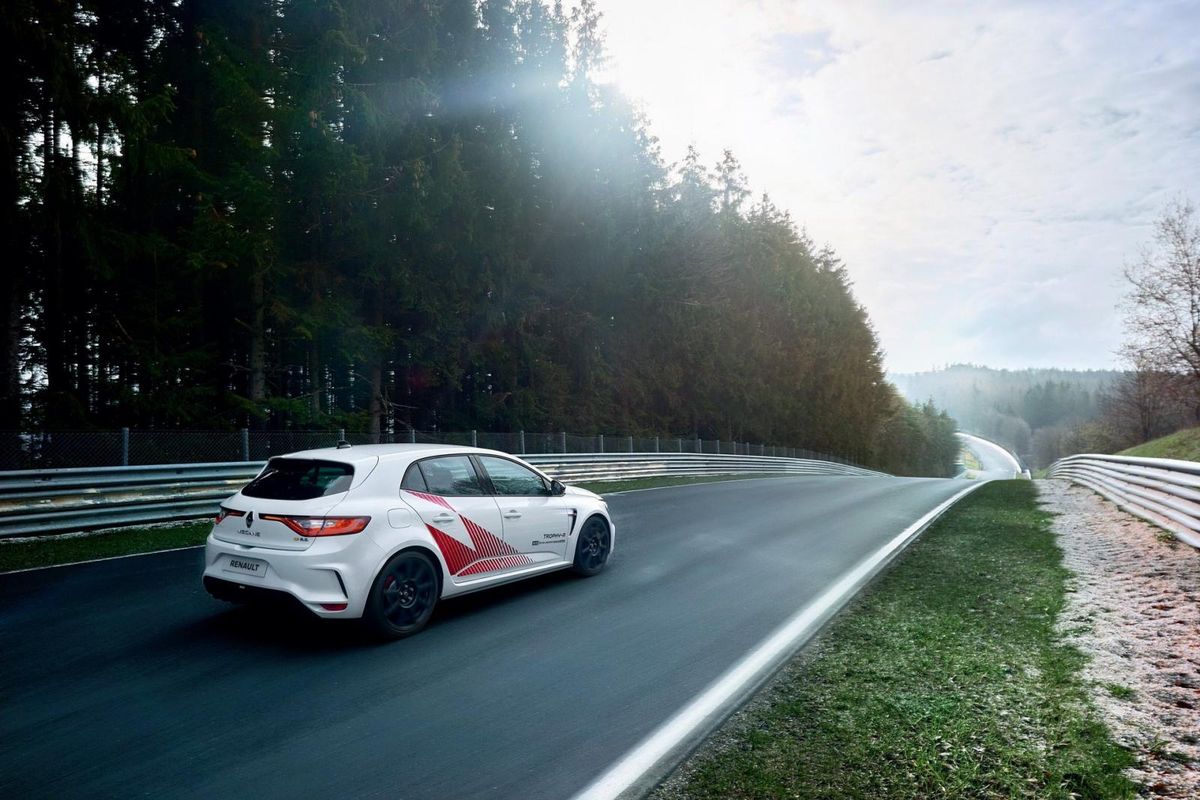
All-New Megane RS Trophy-R breaks Nurburgring Record
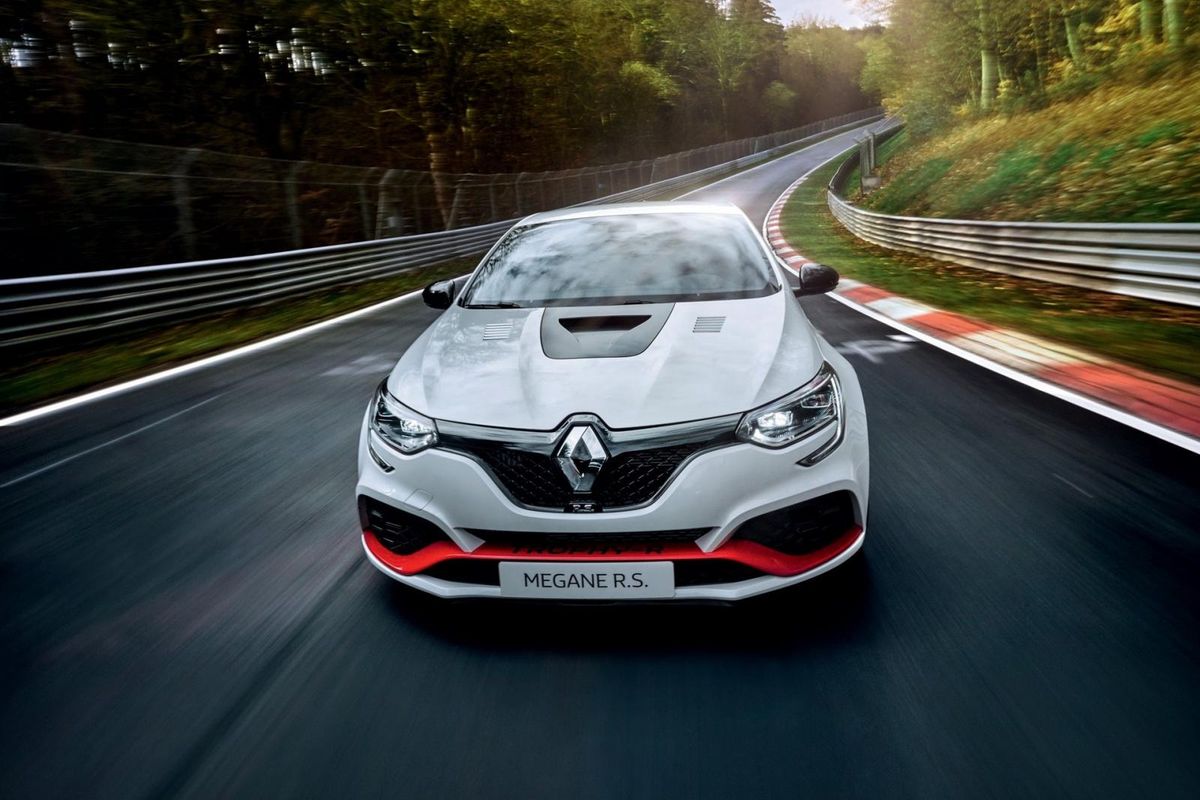
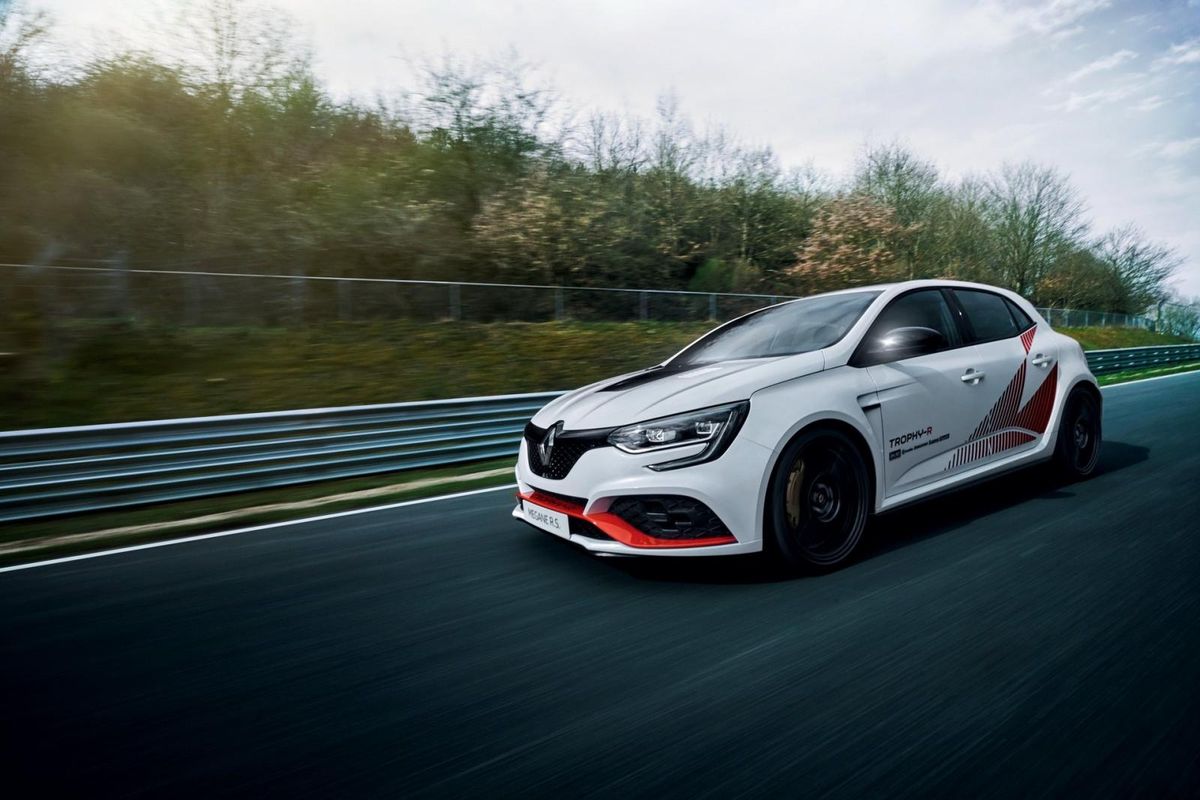
Renault has shown off its new Megane RS Trophy-R and what it's capable of by posting a new record for front-wheel drive production cars on the Nurburgring.
In late March 2019, our spy photographers sent us images of what appeared to be a more track-focused Renault Megane RS and now we get a first look at the newcomer, complete with a video of a Nurburgring record attempt.
What we know so far is that it's called the Renault Megane RS Trophy-R and it boasts the same power as its Trophy sibling, due in South Africa in September 2019. For the record, power sits around the 222 kW and 420 Nm mark from a turbocharged 1.8-litre turbocharged motor. The trick here is the weight reduction and the RS engineers have shaved around 130 kg from the standard Trophy. There are tweaks to the Ohlins suspension, the chassis, the addition of trick performance tyres to make it go around corners quicker.
As for the Nurburgring record attempt, the man behind the wheel was Laurent Hurgon, who is the brand's development driver. Previously, he managed a 7:54.36 in the previous-gen Megane III RS Trophy-R, which held the record until the new Honda Civic Type R came along. The Japanese road-legal weapon posted a 7:43.8 which has now been beaten by the 2019 Renault Megane Trophy-R. The time? A mind-blowingly fast 7:40.10.
To put that into context, that's faster than a Mercedes-AMG E63 S 4Matic+, Mercedes-Benz C 63 AMG Coupe Black Series, Lamborghini Gallardo LP570-4 Superleggera and Porsche 911 GT3 (997) to name but a few. The Renault Megane RS Trophy-R will go on sale in limited numbers and we don't expect any to make their way to South Africa, but we'll keep our fingers crossed. The Trophy-R will have its public debut on 24th May 2019 as part of the build up to the F1 GP in Monaco.
The rise in the number of Haval SUVs on South Africa’s roads has been noticeable for some time, but the Chinese brand only recently started reporting its new-vehicle sales figures… and those numbers have raised many eyebrows! We spoke to GWM/Haval’s local MD, Charles Zhao, about the brand’s rapid rise and how South Africa became its biggest export market.
Before we chat with Charles, however, it’s worth looking at the numbers. In April 2019 (according to figures provided by Lightstone Auto), Haval sold 651 of its SUVs and 156 of its Great Wall Motors (GWM) Steed bakkies, for a total of 807 units. This follows monthly sales aggregates of 835 units (March), 733 units (February) and 835 units (January).
When the Haval brand was launched in South Africa during mid-2017, it came at a time when GWM sales had all but dried up and the dealership network had shrunk significantly (following the Chinese automotive giant’s takeover of the GWM brand’s previous local distributor). Times were tough. And yet, a mere 2 years later, Haval looks to be in good health in South Africa, with its H1 and H2 compact SUVs garnering sales of more than 200 and 300 units a month respectively!
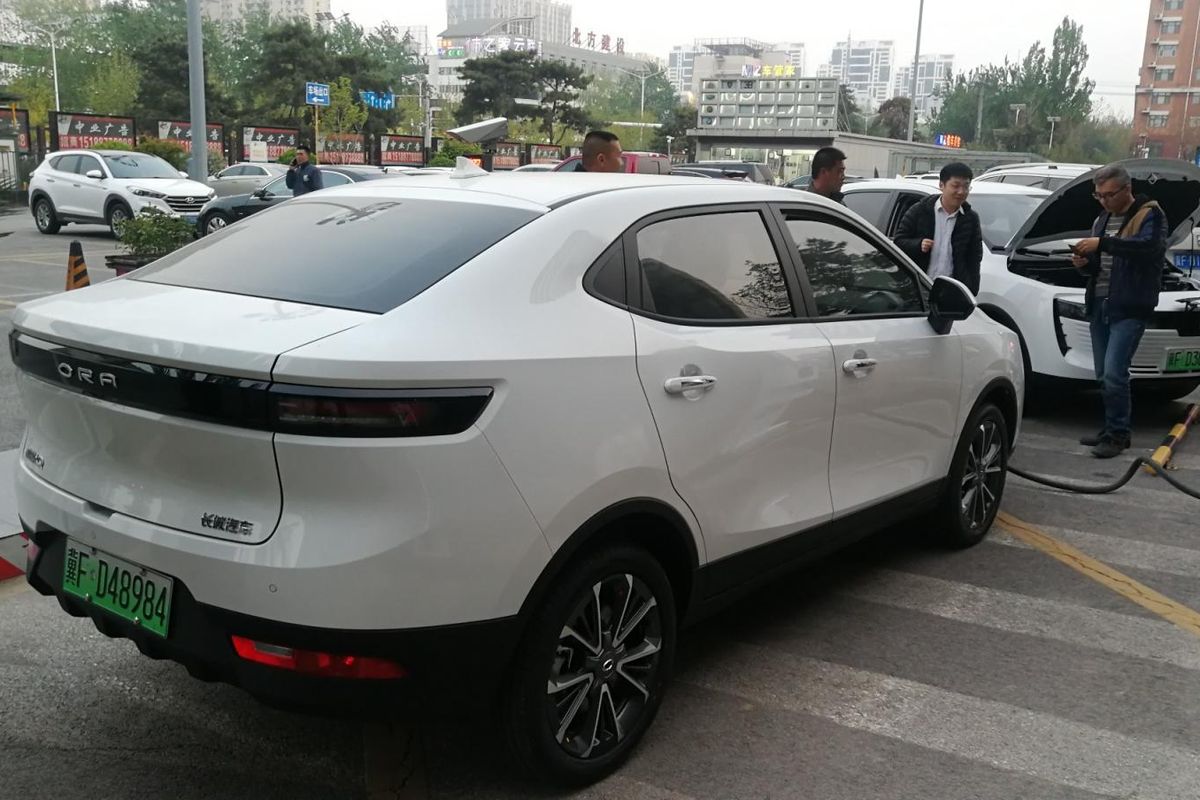
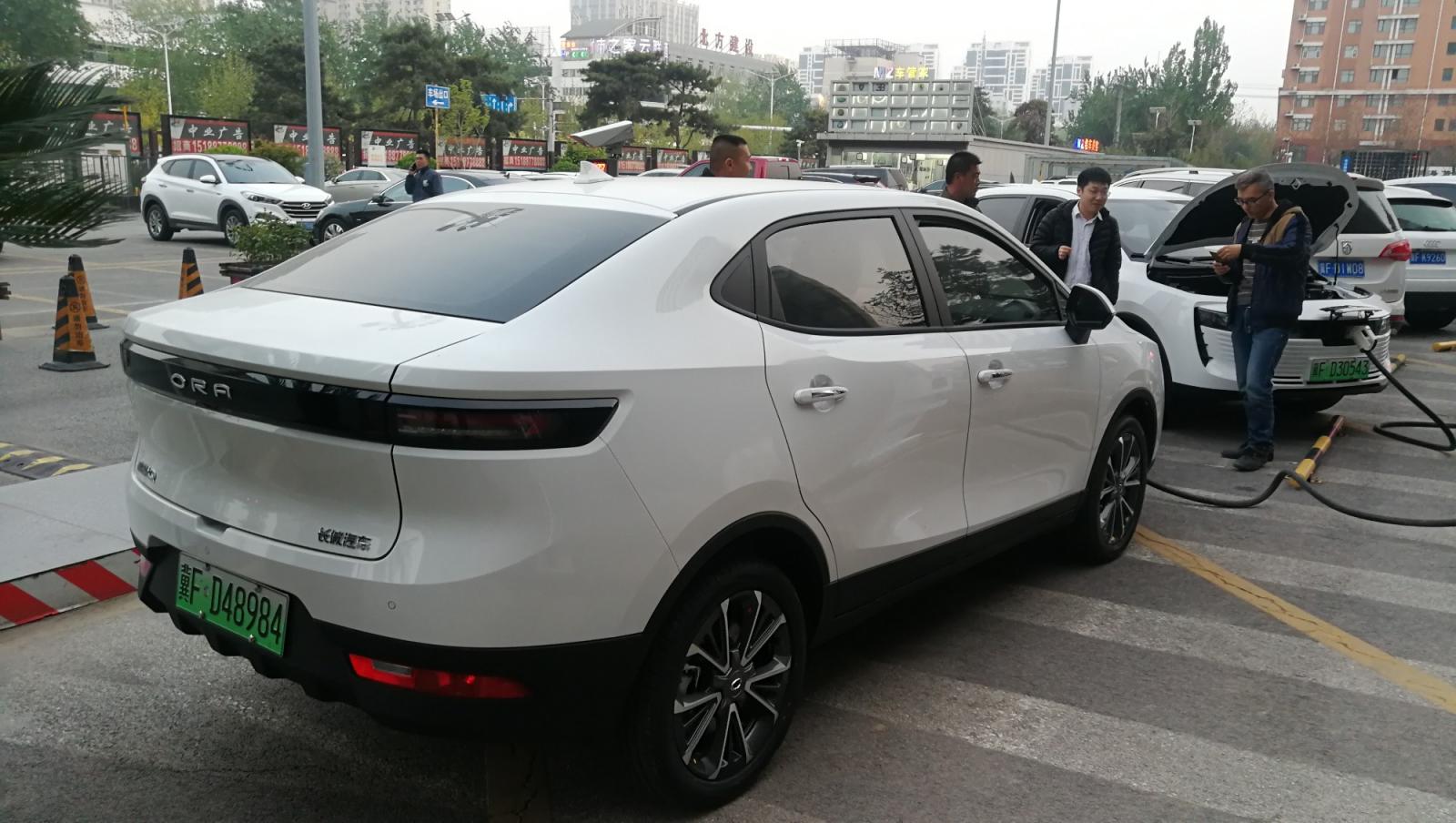
The company’s ORA EV brand was launched in 2018, and many of its iQ sedans can be seen on the streets of Baoding.
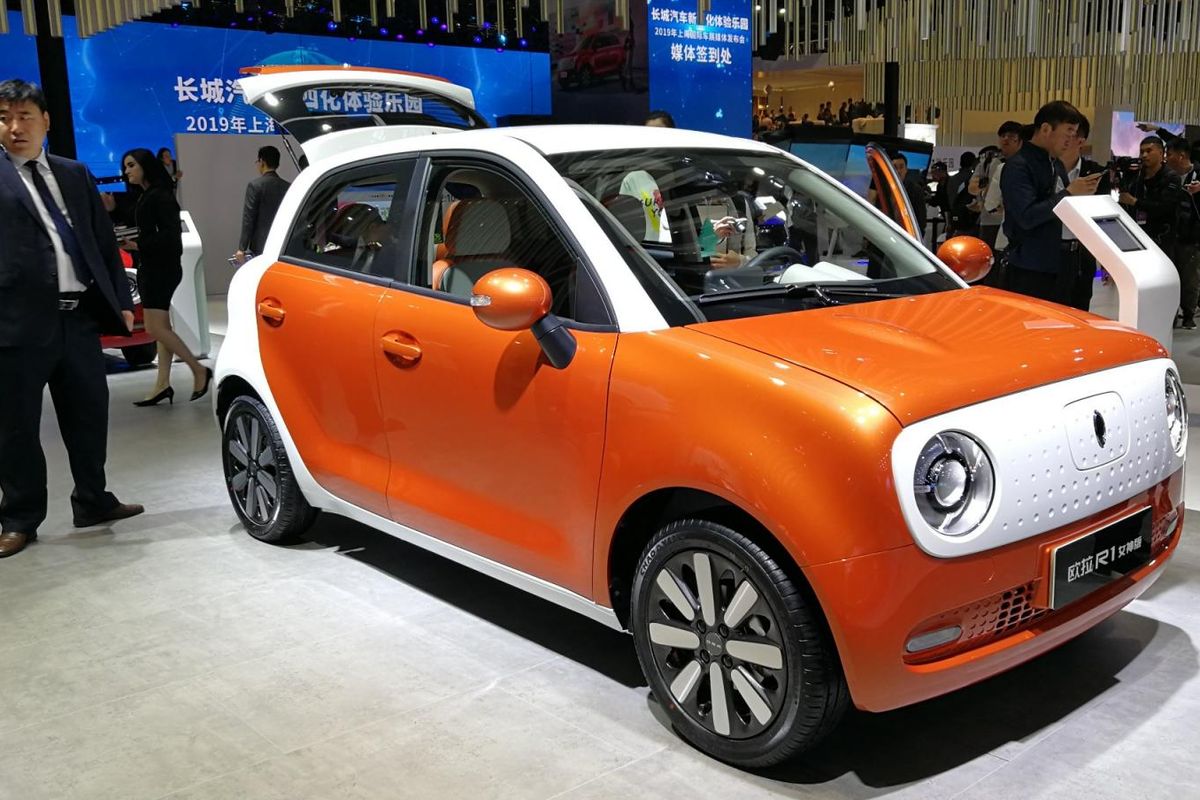
Over in China, the brand has maintained a strong growth trajectory, even as its domestic market endured challenges of its own. What we witnessed during our recent visit to China and the brand’s headquarters in Baoding, served to highlight the rapid progress and expansion being made. When I travelled to China previously (in 2017), its Ora EV brand did not exist and yet when I arrived in Baoding this year, they were everywhere, many of its iQ raised-sedan EVs have been entered into service on a ride-hailing platform. At the Shanghai Motor Show, it released another EV, the cute little Ora R1.
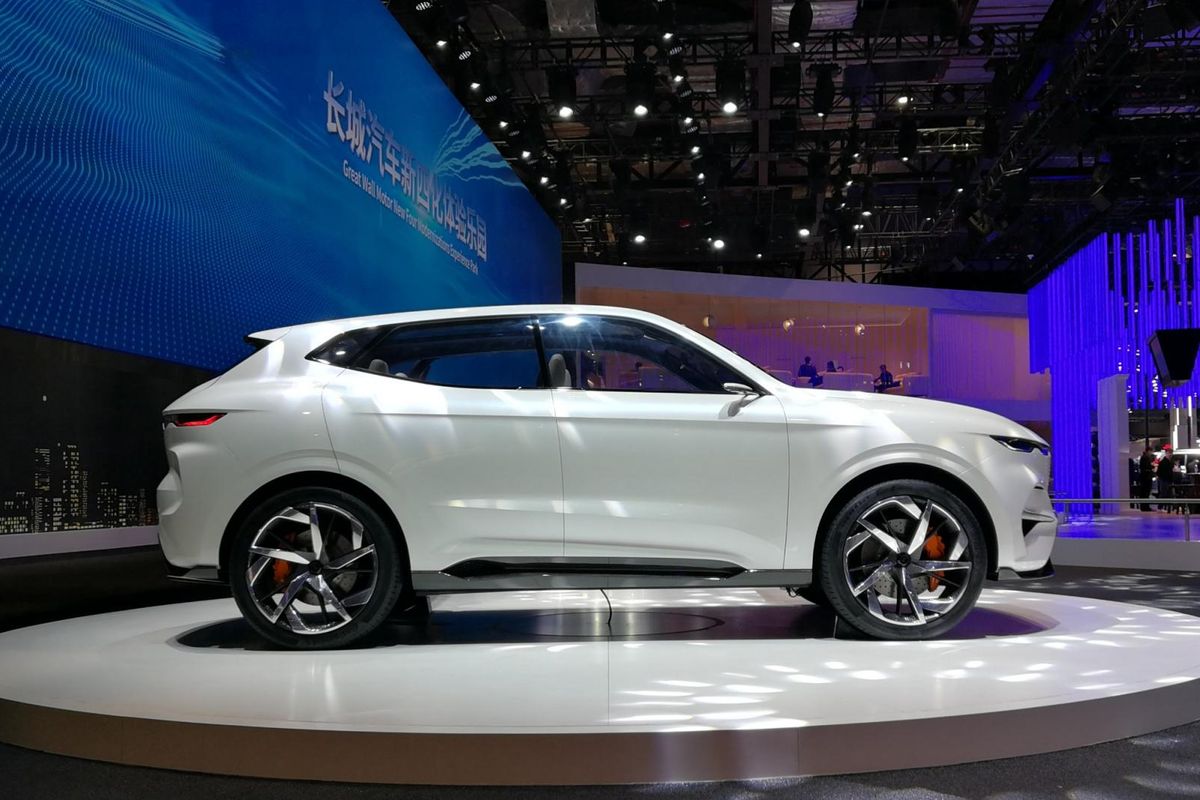
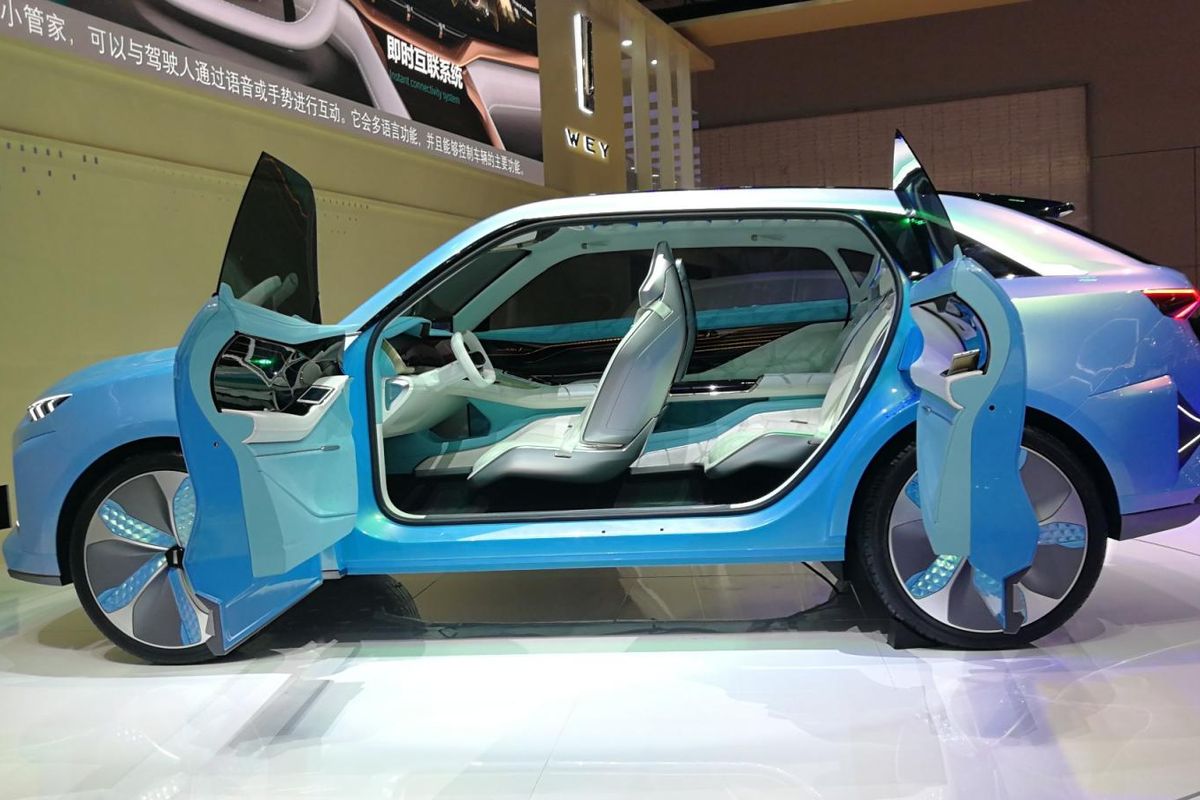
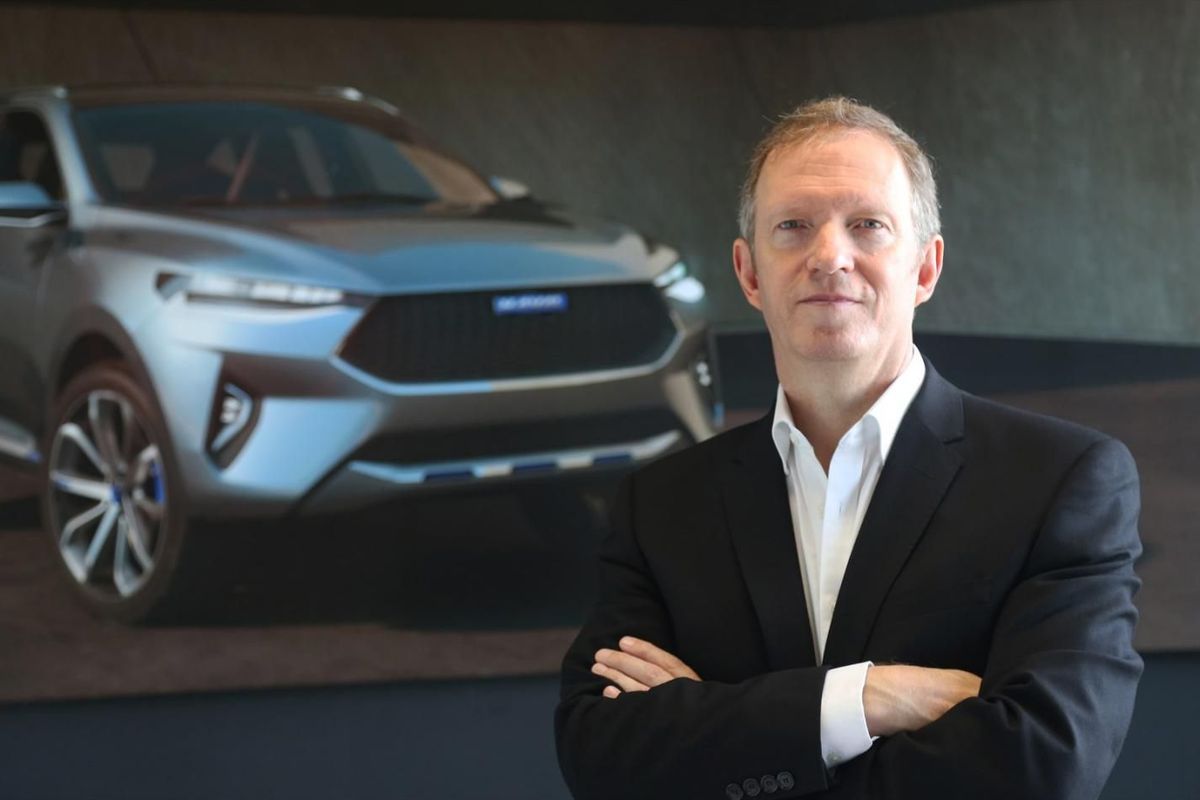
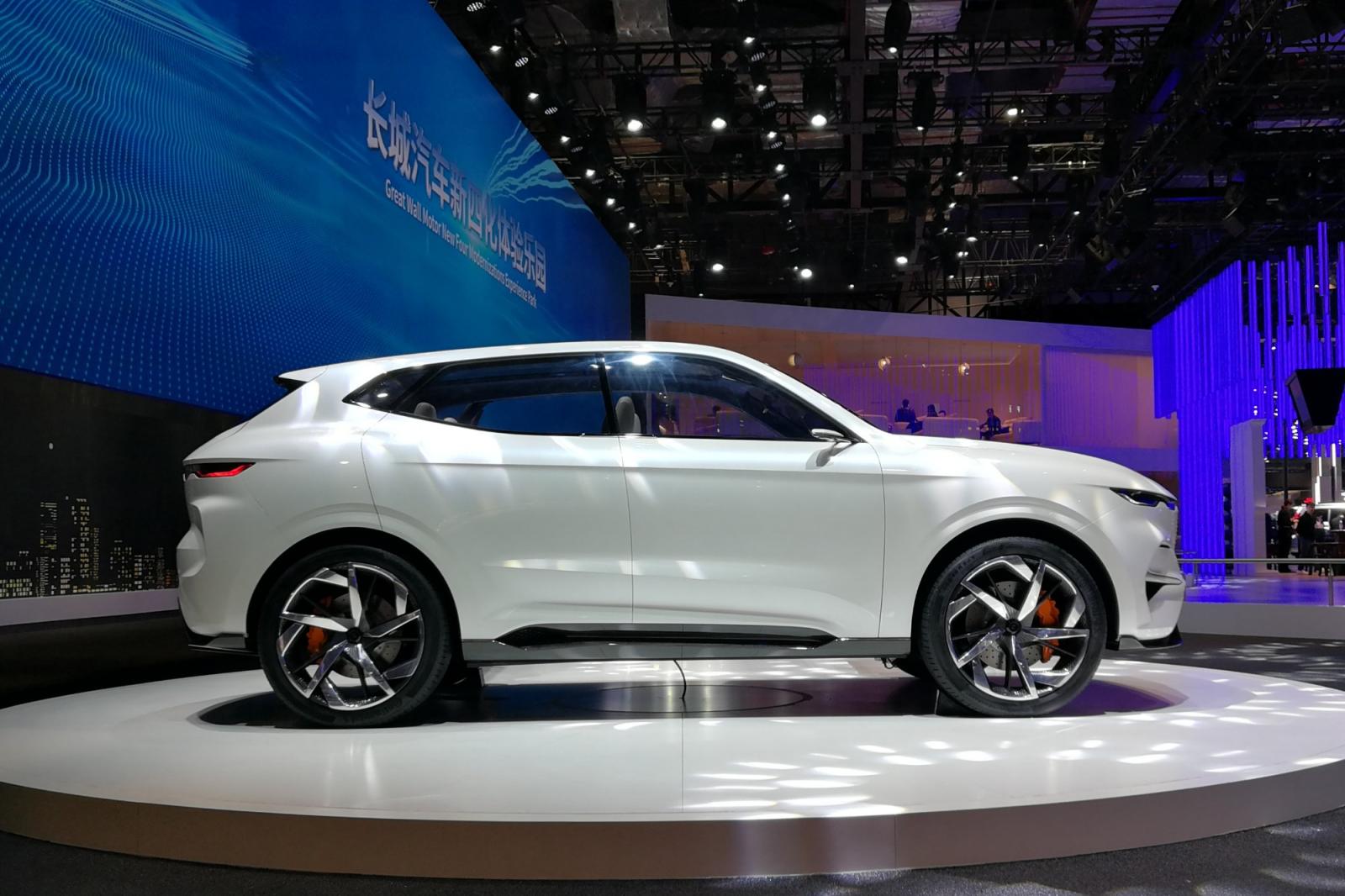
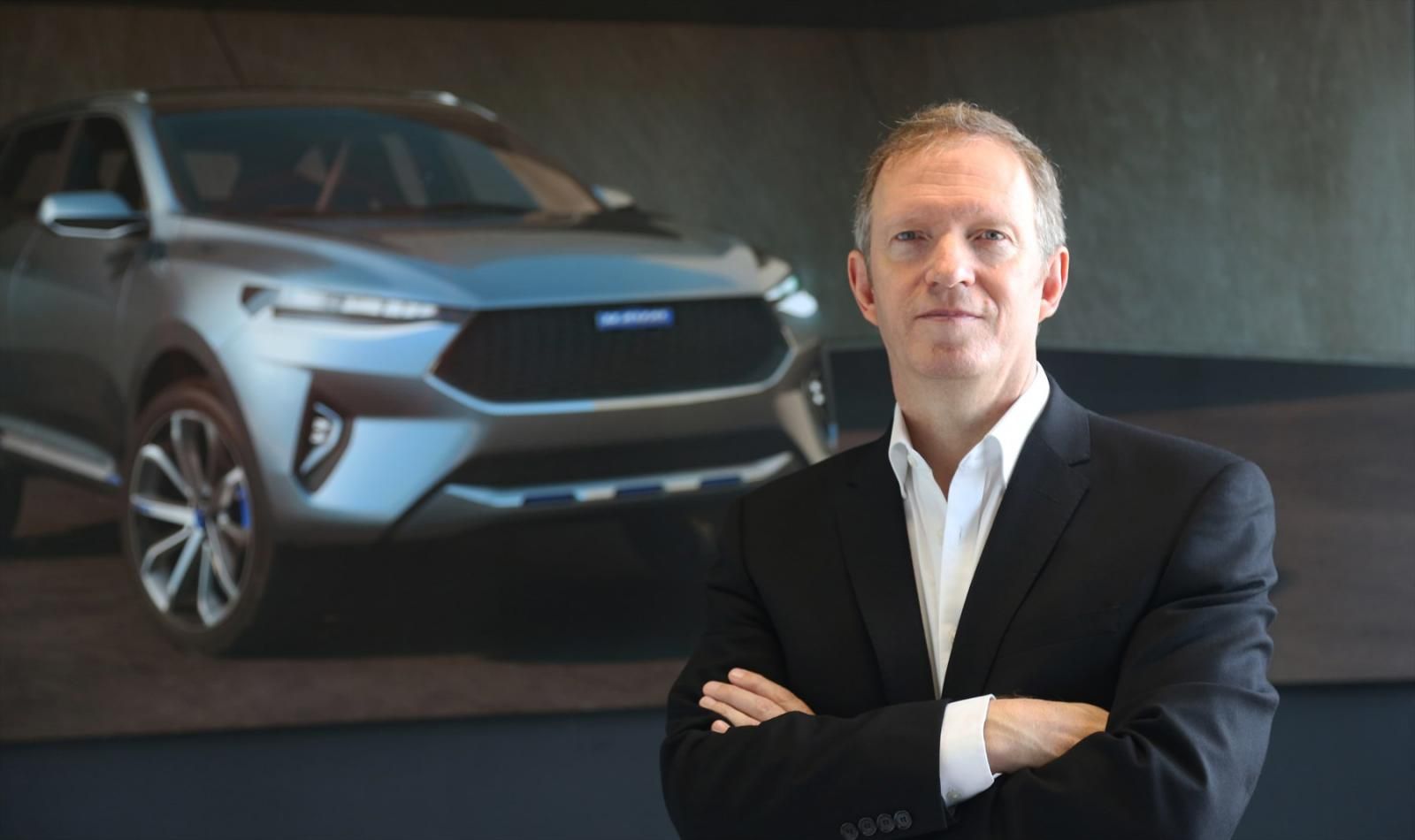
The first Haval concept to be styled under the guidance of Phil Simmons was unveiled at the Shanghai Motor Show.
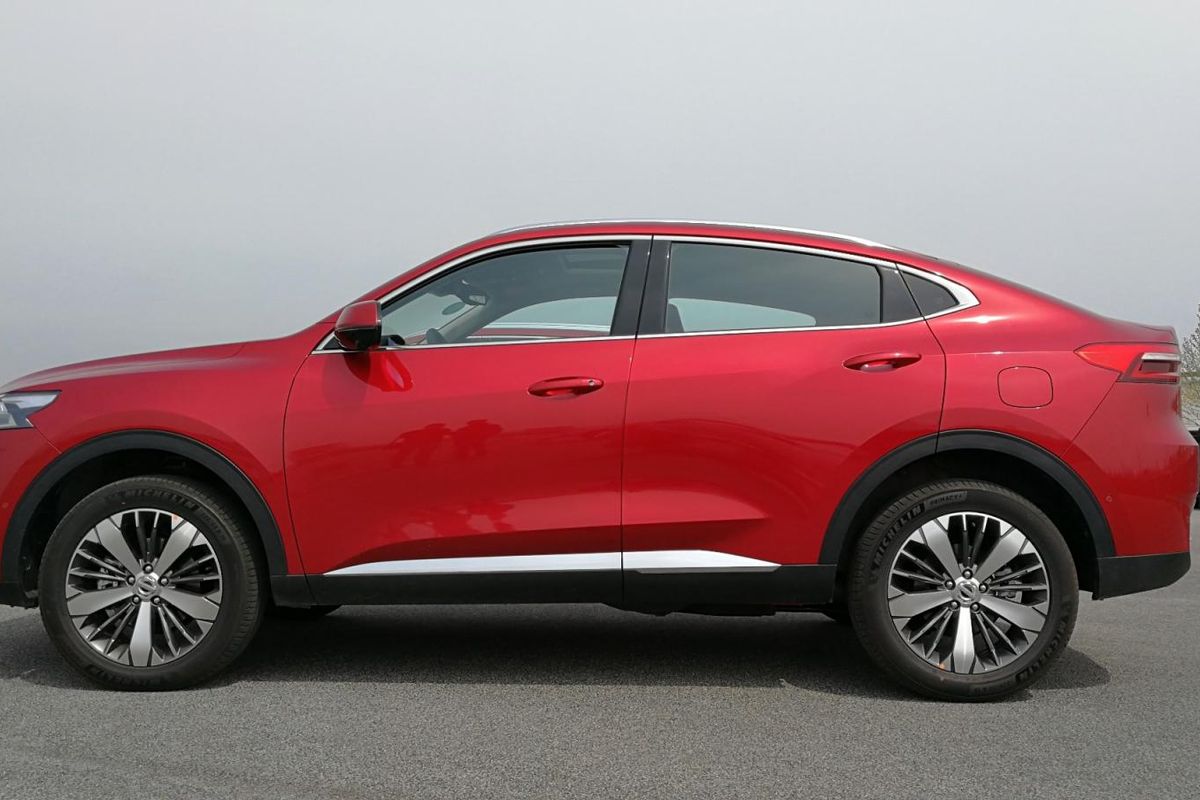
The Wey luxury brand (named after the company’s founder) has also made strong inroads into the Chinese market, with the striking VV7 model being particularly popular. The brand’s focus on design and quality is paying off, with Haval and Wey vehicles sporting increasingly European finishes.
The brand recently appointed Phil Simmons as its new design director. Simmons previously worked as a Studio Director for exterior design at Jaguar Land Rover, and under his watch striking vehicles such as the Velar and Discovery were created. In a chat at the Shanghai Motor Show, Simmons said that Haval already has a strong design DNA for a Chinese brand.
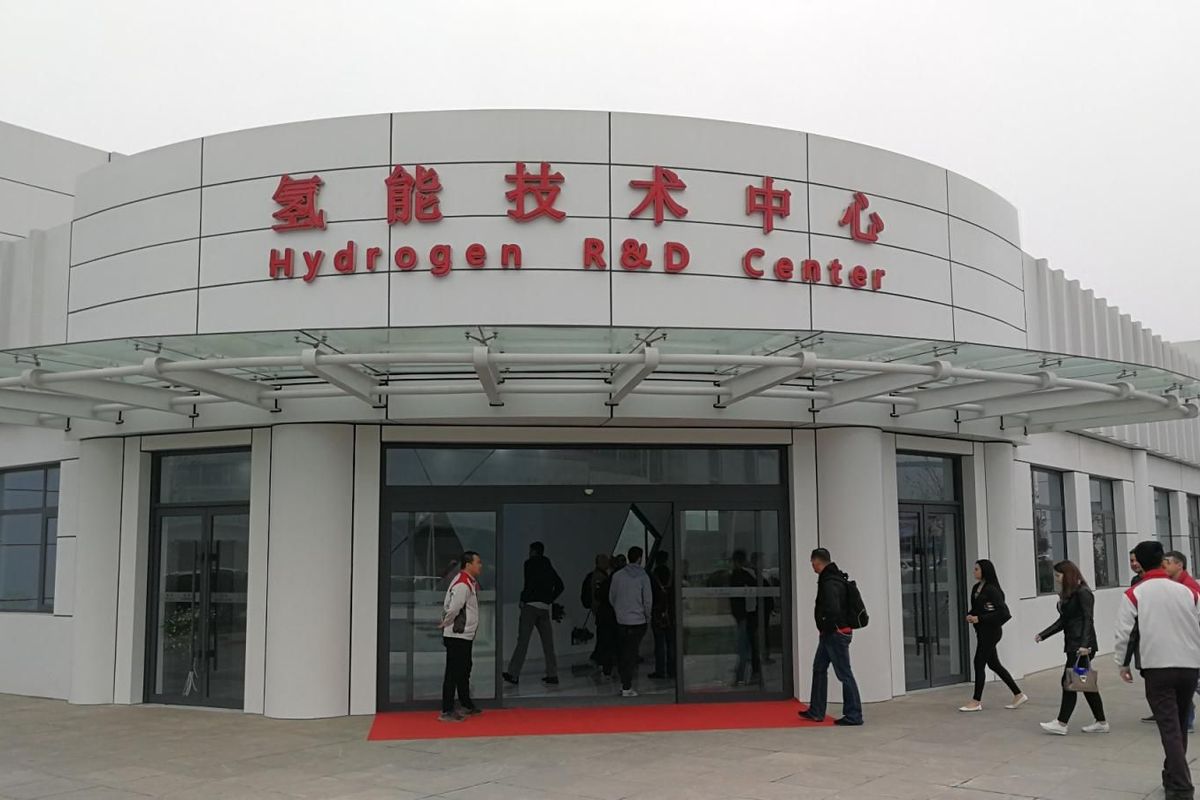
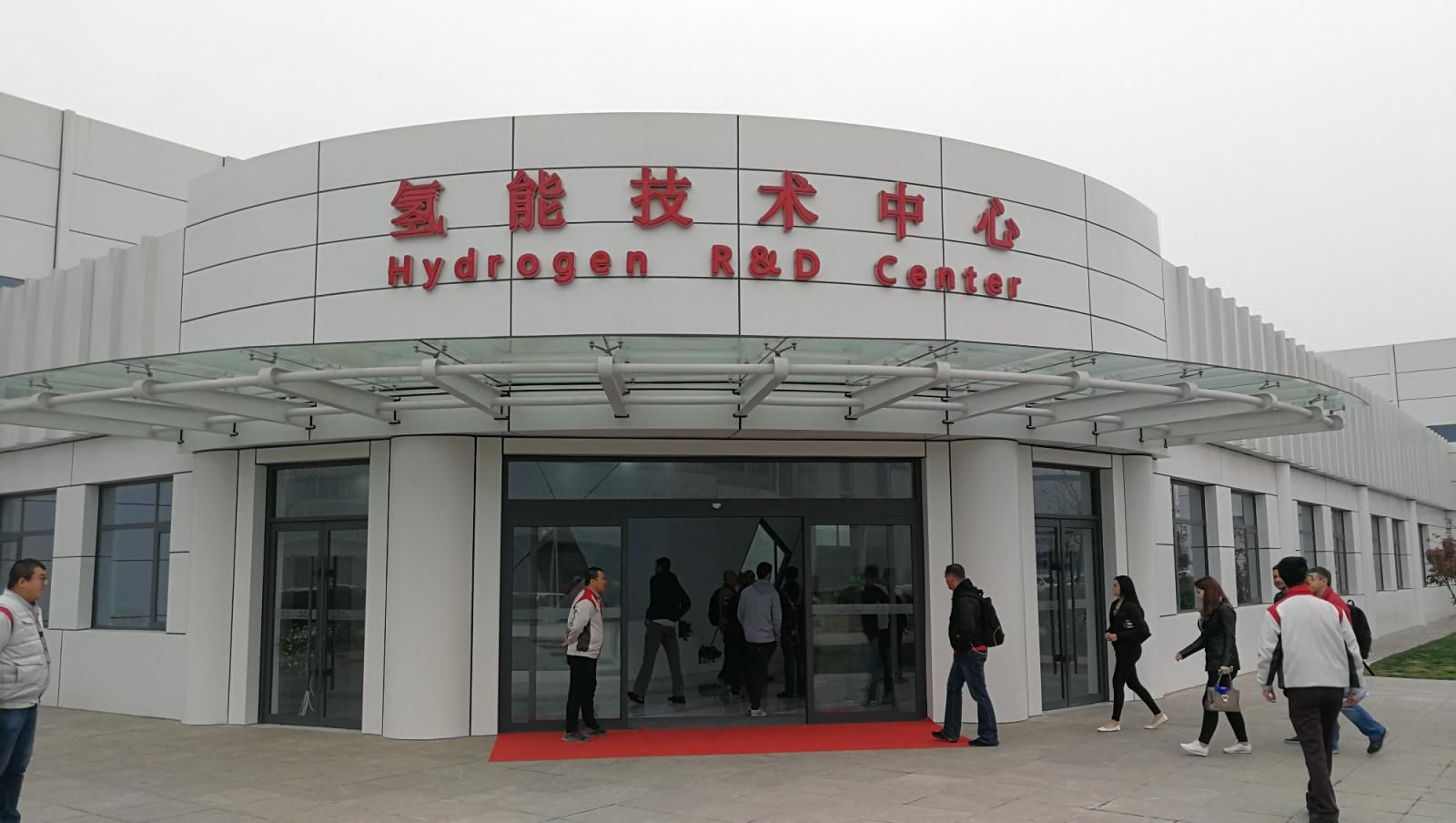
The introduction of hydrogen fuel-cell vehicles is high on the agenda for Great Wall Motors.
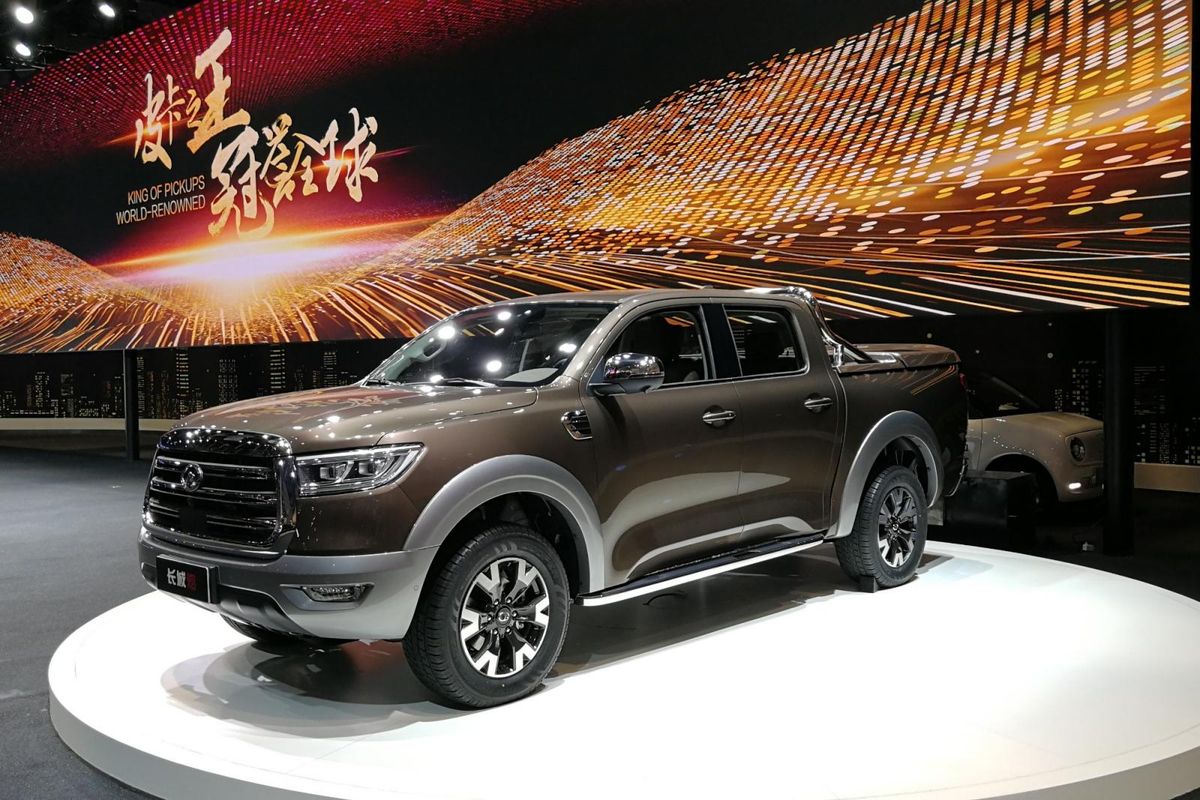
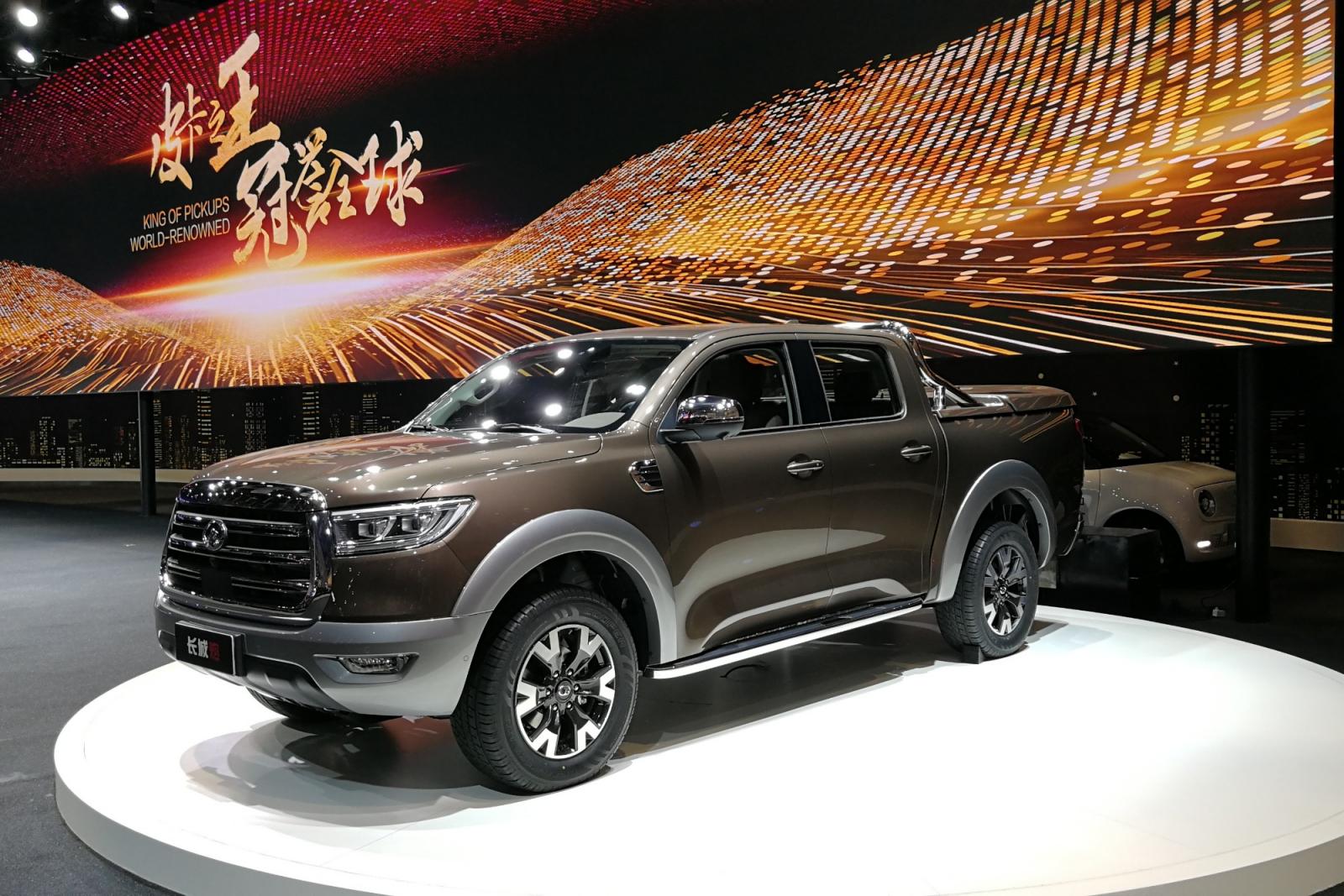
What’s next? The company took us on a tour of its new hydrogen fuel-cell research laboratory, which is claimed to be the biggest and most sophisticated of its type in China. It aims to have a production-ready fuel-cell vehicle in the very near future, even mentioning the possibility of a fuel-cell version of its new GWM leisure pick-up (confirmed for South Africa).
Later this year, GWM will announce a revised global strategy for the Haval brand as it seeks to grow export numbers significantly. So, expect a big push from this Chinese giant in the coming years and lots of new products to be unveiled.
Q: Why did GWM/Haval decide to start reporting its sales numbers?
Charles Zhao: We have 2 main reasons to report the sales figures, the first being that, given HAVAL/GWM’s growth so far, we are confident that the sales numbers will be good for our brand reputation. Secondly, as a member of Naamsa, we have a responsibility to report the figures to make sure the entire market’s sales volume picture is more accurate.
GWM’s new leisure bakkie could be in SA before the end of 2020 and debut some vital new engines.
Q: Recent sales numbers are very impressive; to what do you attribute this growth?
Charles Zhao: Our main goal was to get our dealer network in place, bearing in mind we had to choose quality dealer partners who our customers know and trust, as well as demonstrate a Haval & GWM presence across the country, for the sake of our customers’ peace of mind. And what was the key to our success? The high quality of vehicles that came in at affordable prices. When our customers test drive our vehicles, they’re amazed by the look and feel of the brand.
These products have now elevated us, not just as an affordable brand, but as a serious contender in the market. Our dealers have also been able to offer excellent service and service turn-around times to our existing clients. Our parts accessibility and delivery is also very good as we have a significant parts depot based in Johannesburg. This excellent after-sales service has also supported and influenced a high degree of brand loyalty among our current clients.
Phil Simmons (ex-Jaguar Land Rover) is tasked with further defining and evolving the Haval design DNA.
Q: How many dealers do GWM and Haval have in SA and how many will there by year-end?
Charles Zhao: We currently have 46 South African dealers and 4 outlets in neighbouring countries. We are aiming for 57 dealers in total by the end of the year.
Q: Can you confirm the arrival time for the H2 facelift? What changes will it incorporate?
Charles Zhao: We expect the H2 facelift will probably be launched in South Africa in November of this year (2019). There are mainly cosmetic changes to the front and the rear. We also plan to upgrade and improve some features; we’ll introduce a panoramic sunroof, new wheel designs and a new entertainment system etc.
Q: Would GWM/Haval consider extending its warranty even further?
Charles Zhao: The current warranty period is 5 years or 100 000 km. We are investigating an extension of the warranty.
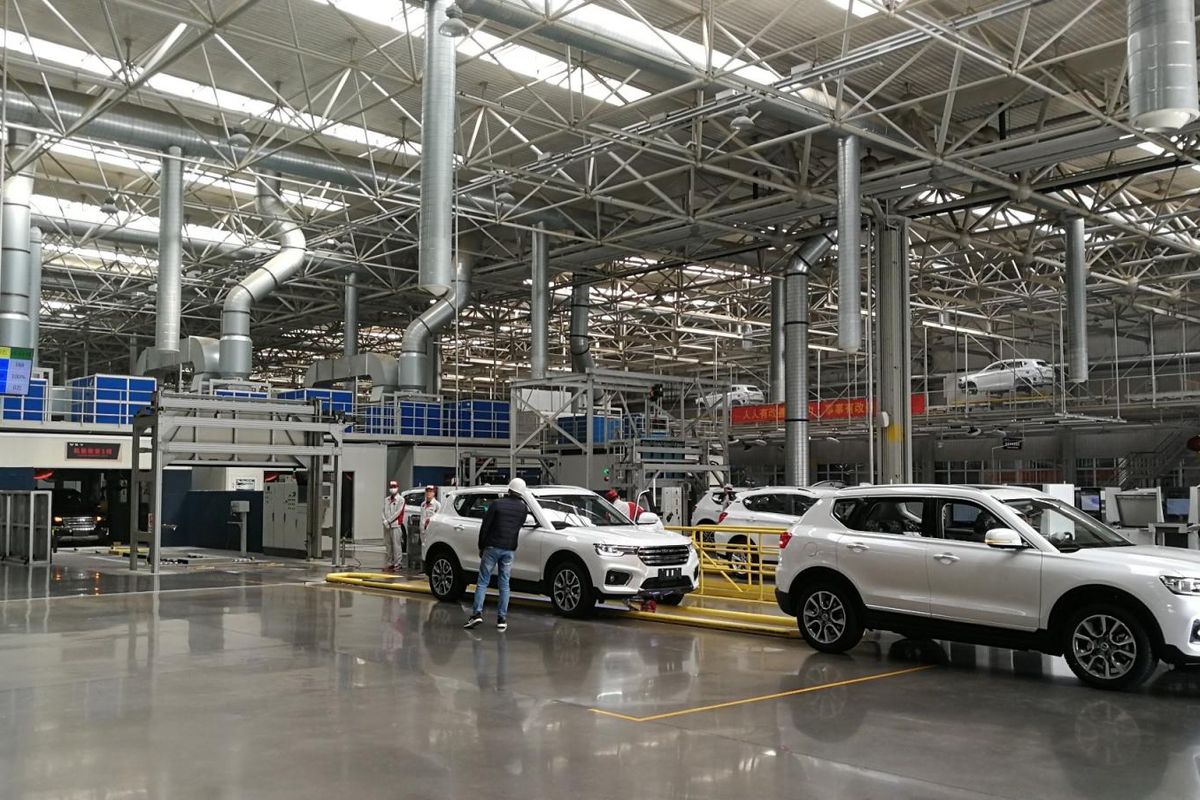
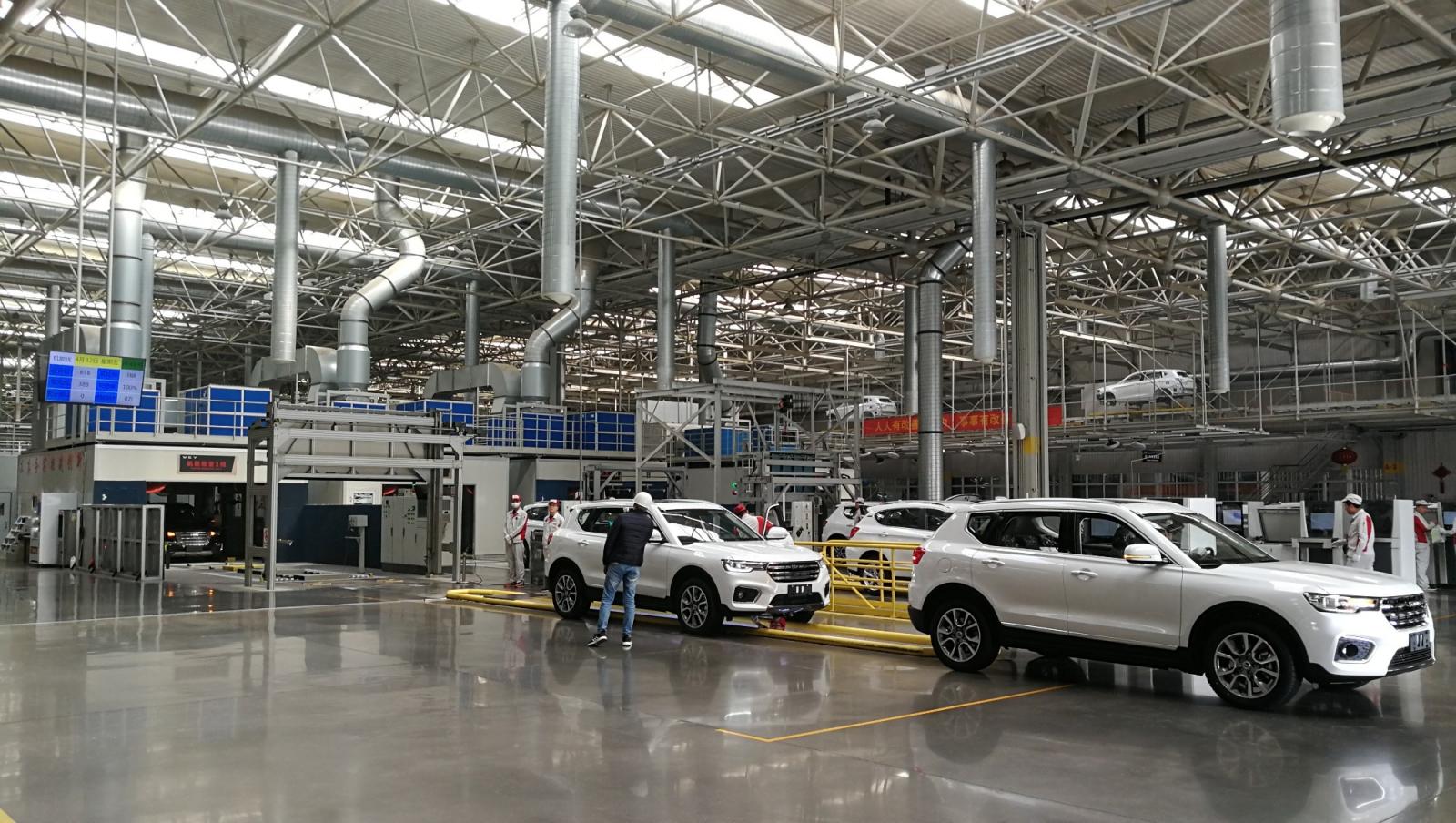
Havals roll off the production line at the company’s highly automated Xushui factory.
Q: Where does SA rank in terms of GWM/Haval’s export markets?
Charles Zhao: Haval Motors South Africa ranks number 1 in the export market, but we have Russia close on our heels!
Q: What is the future of the Haval H1? We’ve had requests for info on a possible automatic…
Charles Zhao: It is a pity that the Haval H1 doesn’t come with an automatic transmission. In about 2 years’ time, there will be a successor that’s slightly longer, and which will come with a choice of manual and automatic transmissions.
The challenges
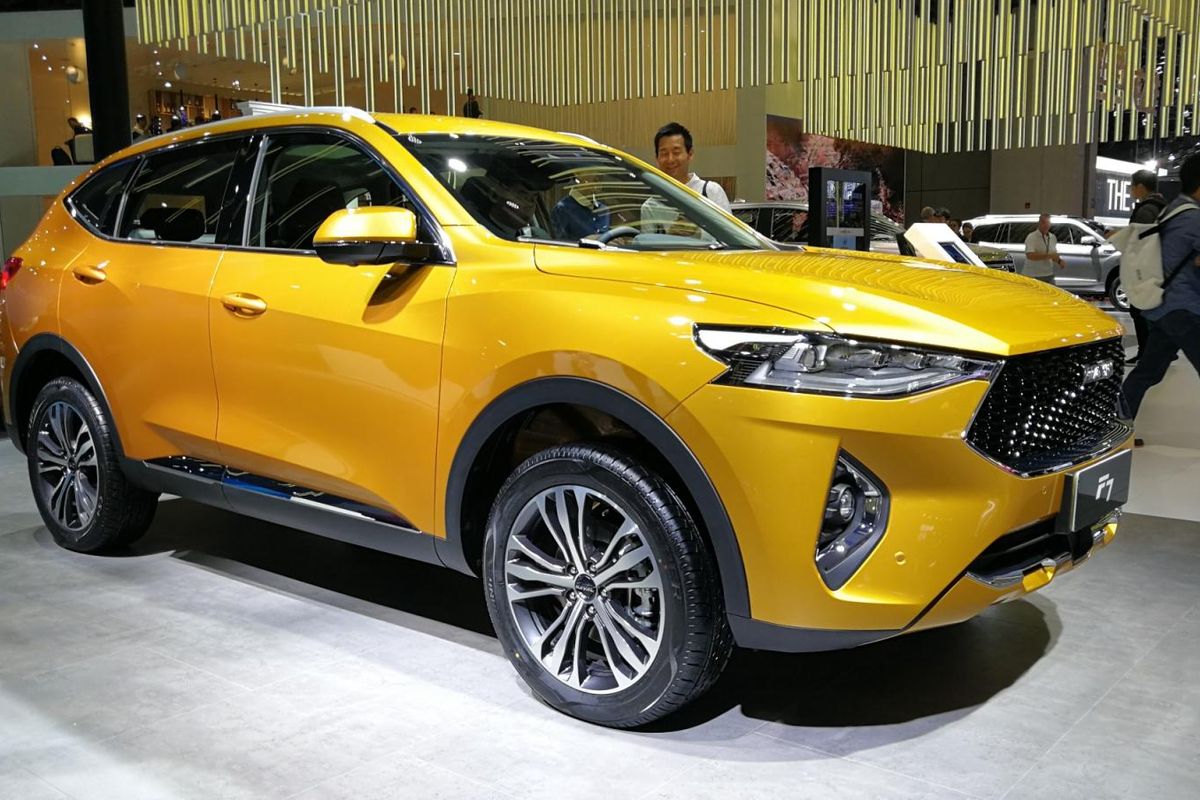
While GWM and Haval’s recent growth in South Africa is impressive, several major challenges remain to it becoming a more significant player. Firstly, it is still taking too long for new Haval products to reach South Africa. Right-hand drive development appears to be low on the priority list, and consequently, a vehicle such as the very impressive H6, which debuted in China 2 years ago, is only likely to arrive in South Africa in 2021. The same goes for the striking new F7 and F7X SUVs, too. While these vehicles are impressive when viewed against their current contenders, the game will have moved on significantly by 2021…
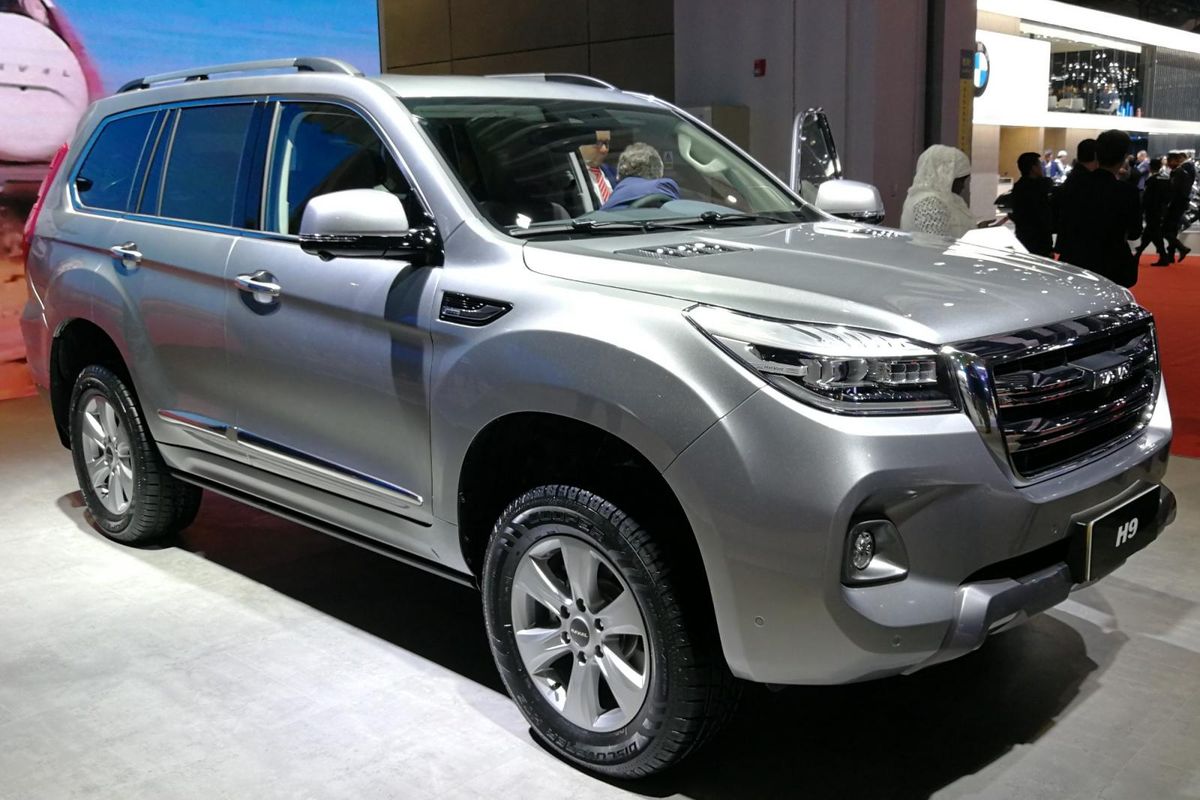
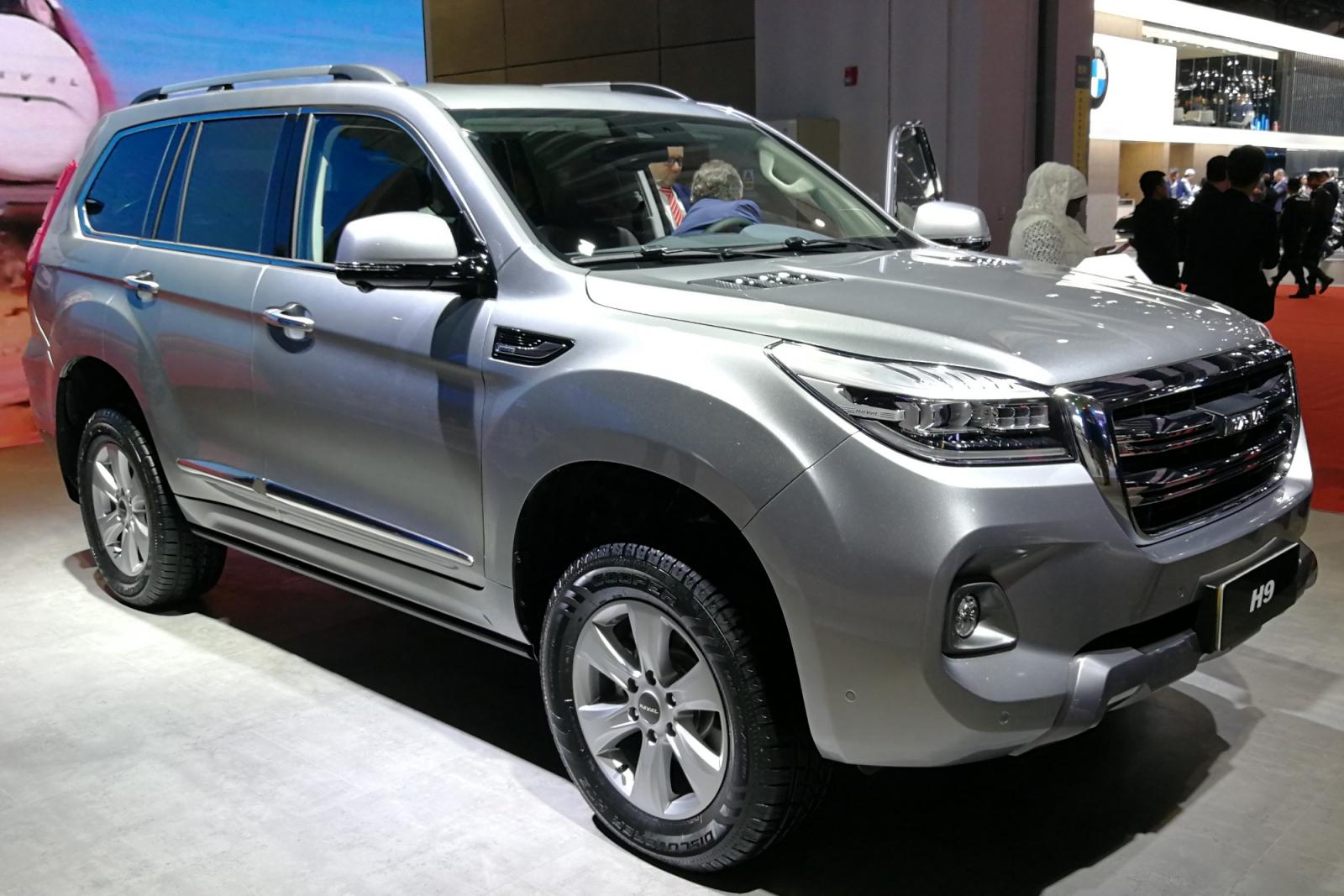
The updated Haval H9 is not likely to reach South Africa in the next 12 months.
And then there are the technology challenges… While the development of new-generation turbodiesel engines is very much on the backburner for many brands, the reality is that the larger SUV and pick-up segments in South Africa remain dominated by diesel-engined vehicles. For the very capable H9 to reach its sales potential, a diesel engine is simply a must. Besides, the marque’s petrol line-up, in general, is relatively thirsty compared with their rivals.
Nevertheless, the brand will be busy in the coming 2 years. Besides the H2 facelift later in the year, the all-new leisure pick-up could arrive by late next year, with the new H6 and/or the F7 and F7x following in 2021, and a new H1 thereafter.
Most Devilish Nissans Ever Made + The One We’re All Afraid to Drive
Despite having to adapt to ever-stricter emission laws and contemporary safety measures, the ethos of the Nissan sportscar has remained largely unchanged over the years. Aaron Borrill traces its lineage and covers some of its foremost models.
Nissan has a rich history when it comes to producing driver-focused, track-honed weapons disguised as everyday runabouts. In fact, a quick browse through the Japanese marque’s illustrious product encyclopaedia reveals a string of cutting-edge sportscars inspired by those that came before it – a lineage spanning some 50 years. And while South Africa missed out on some pretty epic models over the years (for various reasons), we did still receive a host of segment-defining sportscars, most of which hark from the last 3 decades. Here are 7 of Nissan’s most inspirational sportscar offerings of recent memory including (quite possibly) the most outlandish, winged beast to ever bear the GT-R badge…
Posthumous performer – 200SX
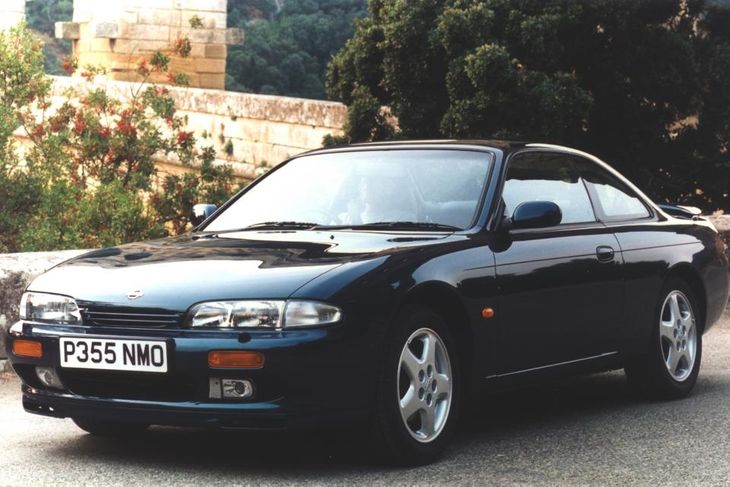
Many enthusiasts know the S14, in 200SX or 240SX guise (depending on where in the world it was sold) as the Silvia. In its pomp, it wasn't praised for its '90s Japanese styling, but its mechanical potential instead. Under the bonnet resided a banger of an engine (a 2.0-litre turbopetrol, the fabled SR20DET), which produced an unstressed 145 kW in stock trim.
The 200SX was available exclusively in a coupe body style and its rear wheels were propelled through either a 4-speed or 5-speed manual transmission, something that made it appreciably popular in the drift scene. The S14 featured more refined design attributes than its S13 forebear, ditching the pop-up lights (a trade many enthusiasts believed should have stayed) for fixed units while rounder, more aerodynamic, dimensions grew its wheelbase and track for increased traction and stability. Capable of a 7-second 0-100 kph sprint time, not to mention a near-perfect weight distribution, the 200SX possessed the credentials to make it a drift icon – something which has made it more popular than when it was on sale.
Full-body workout – 300ZX
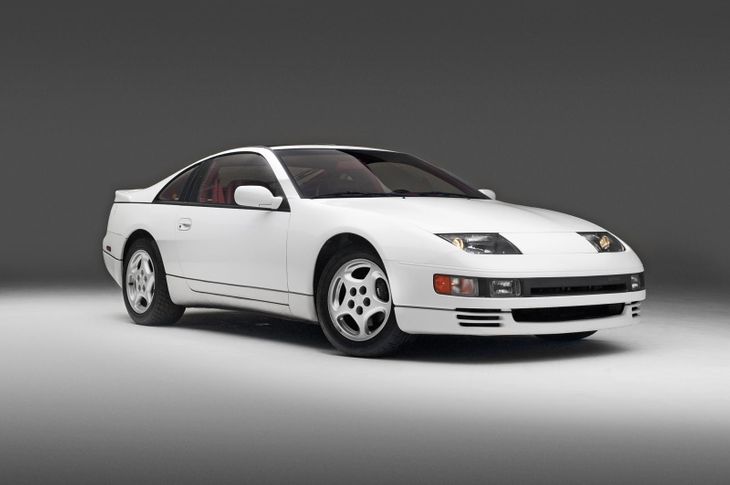
As much an icon as it is a myth, the 300ZX was a brutally fast machine for its time and one that took the fight to its rivals and defeated them one by one. We’re talking legendary models here such as the Toyota Supra, Mitsubishi 3000GT and Mazda RX-7. In fact, this Japanese juggernaut even had the firepower to give some of its contemporary German supercars a run for their money. It was incredibly difficult to tame the 300ZX’s huge dollops of low-down torque and tail-happy rear end; it gave its owners a full-body workout, especially in the wet, where many examples met an untimely demise.
Brimming with the Japanese styling riffs typical of the late Eighties/early Nineties, the 300ZX is the epitome of analogue engineering and still looks as glorious as it did 30 years ago. Underscored by a fire-breathing 206 kW/388 Nm twin-turbocharged 3.0-litre V6, the low-slung ZX was capable of a 5-second 0-100 kph sprint and 249-kph top speed.
God of Drift – Skyline GT-R R34
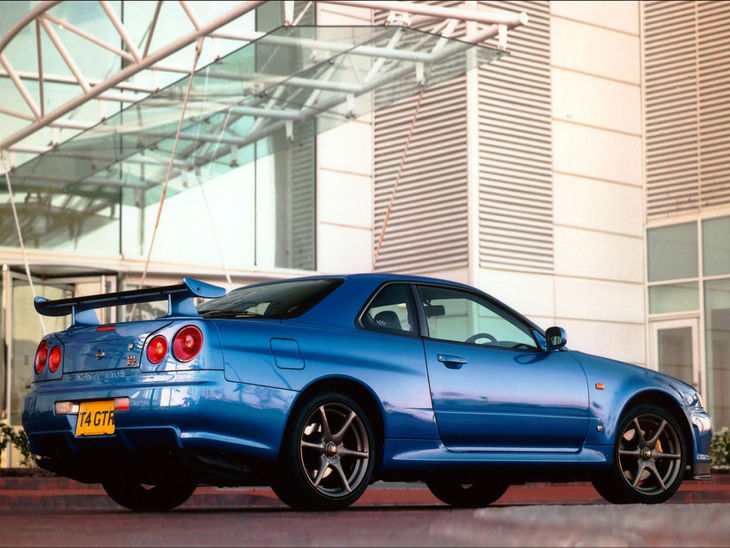
The Nissan Skyline concept may have sprung to life way back in 1969, but it wasn't until 2 decades later that the legend of "Godzilla" began to gain traction: that was when Nissan released the Skyline GT-R R32! Of all the Skyline models, however, it’s widely considered that the R34 is the one that started it all – particularly among those who enjoy a bit of tyre-smoking drift action. The R34 is special because it comes from an analogue era where the act of manual shifting and 3-pedal footwork resembled a ritual celebration of the gods of drift. That's right, no double-clutch flappy-paddle malarkey here. Of all the variants, it’s the V-Spec N1 homologation special that sits at the top of the R34 throne. It was sold without air conditioning, audio equipment and other amenities to reduce its kerb weight and was limited to just 38 units worldwide.
Full Carbon Jacket – R390 GT1
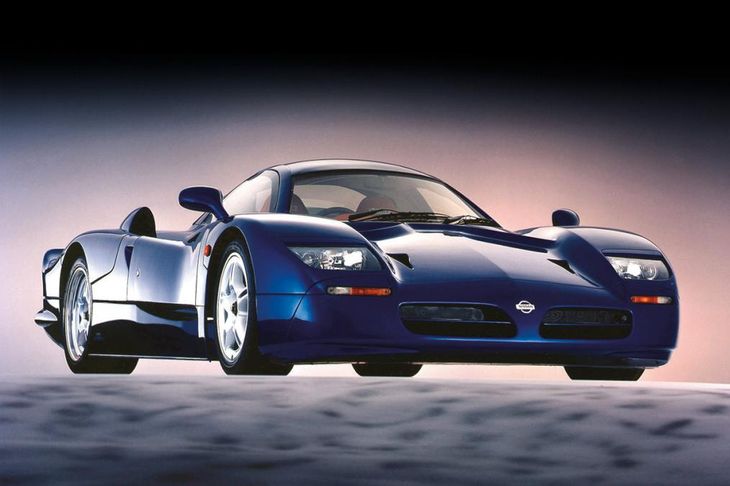
The R390 came to fruition after the firm's Skyline GT-R LM suffered multiple defeats to its GT1 competitors at Le Mans, most of which resembled fire-breathing winged dragons (such as the Mercedes-Benz CLK GTR and Porsche 911 GT1). Featuring exotic materials such as carbon fibre and Kevlar in its construction, sequential gearing and a minimalist cabin, the R390 GT1 is quite possibly the rarest Nissan of all time. It’s also the wildest, fastest and most expensive model ever.
Like the CLK GTR and 911 GT1, it was one of a handful of short-run homologation specials designed purely to satisfy entry regulations into GT racing. At $1 000 000 a pop, it was frighteningly pricey and while only 2 examples were ever made, it is unclear whether either of them was actually sold. Fitted with a mid-mounted twin-turbo 3.5-litre V8 producing an estimated at 412 kW, the R390 is a prime example of a bygone era where top speeds (355 kph in this case) trumped C02 emissions. It would surely have given the McLaren F1 a run for its money had it gone into a fully-fledged production run.
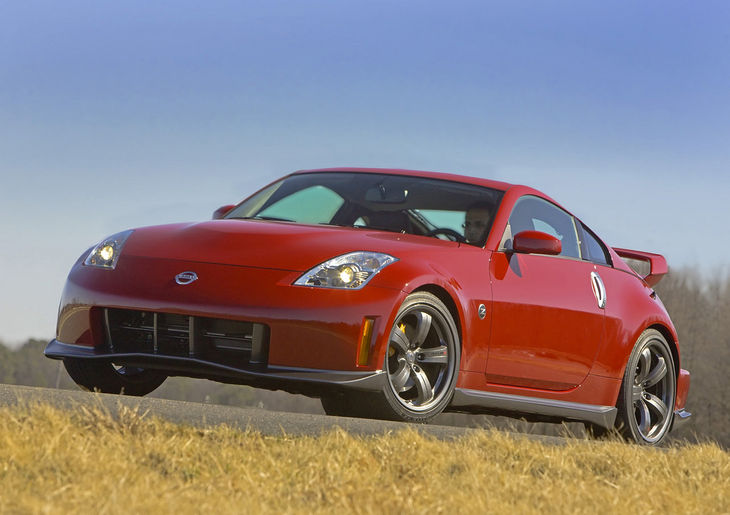
Muscle Car Mayhem – Nismo 350Z
Compared with the rest of the world, South Africa got the 350Z a little late in its lifecycle (during the mid-Noughties), but the anticipation was well worth the wait. Launched originally with a 206 kW lump, a rear-wheel-drive configuration, a 6-speed manual box and mechanical sound effects to rival those of a Star Wars movie, it was later liberated of an extra 24 kW (taking the total to 230 kW) thanks to a revised twin symmetric air intake system and a straight intake port.
And while this made for ample driver involvement, it wasn’t until Nissan launched the Nismo version in 2007 that the 350Z moniker cemented itself as a precision driver’s car. Armed with enhancements such as functional aerodynamic addenda, 18-/19-inch front/rear alloy wheels, Nismo-tuned independent multi-link suspension, Brembo brakes and a strengthened chassis, the Nismo 350 was designed to cut through mountain roads and carve up race tracks like a demonic machete.
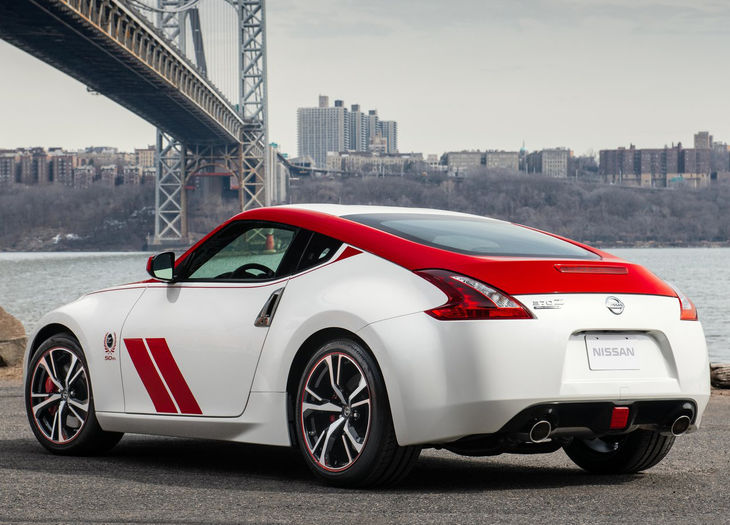
Unsullied Samurai – Nissan 370Z 50th Anniversary
Despite the global pressure for greener and more planet-friendly engines, Nissan has fought to keep its endangered naturally aspirated V6 engine alive – but for how much longer? By modern standards its engine blueprint is ancient but the brutish 3.7-litre V6 resting up front is a homage to the car that spawned the Z car theme, the Datsun 240Z Fairlady.
As the name suggests, the Nissan 370Z 50th Anniversary edition pays tribute to the Fairlady 240Z with a BRE 240Z race car-themed livery available in 2 colour schemes: white paint with contrasting red detailing or silver paint with contrasting black detailing. Further unique additions include special 50th-anniversary badging, and 19-inch RAYS alloy wheels. It employs the same 3.7-litre V6 engine as the standard model with a 6-speed manual 'box sending power to the rear wheels.
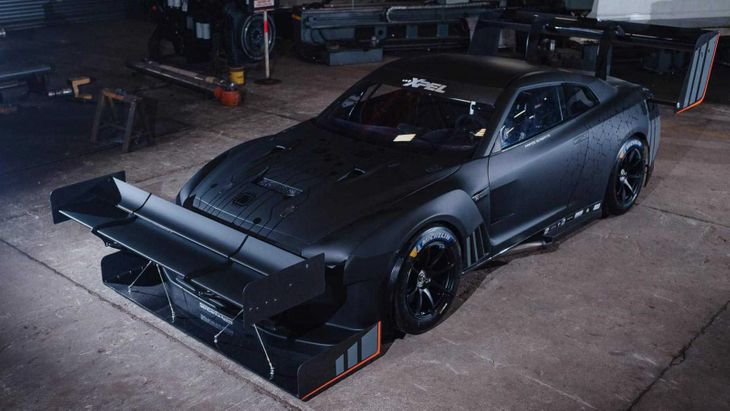
Wings of Change – Scribante GT-R R35
Avert your eyes. The Franco Scribante Racing Nissan GT-R may be a rather hideous-looking thing, but behind that garish facade is a fully functioning downforce philosophy fuelled by the idea of climbing a hill as fast as possible – in this case, the Jaguar Simola Hill Climb in Knysna. While it does bear some semblance to the standard GT-R R35 upon which it’s based, a litany of layered spoilers, wings and canards disguise its myriad carbon-fibre panels and add an element of allure.
Built in collaboration with Dobson Motorsport, the entire set up reportedly produces more downforce than the vehicle weighs, something that helped it dominate the Simola Hill Climb in the hands of Franco Scribante, who won the modified saloon cars class. Scribante Racing has kept most of the engine modifications under wraps, but claim the GT-R produces a reliable 1200 kW. It has a brace of management systems that maximise traction and keep power delivery sort-of civilised.