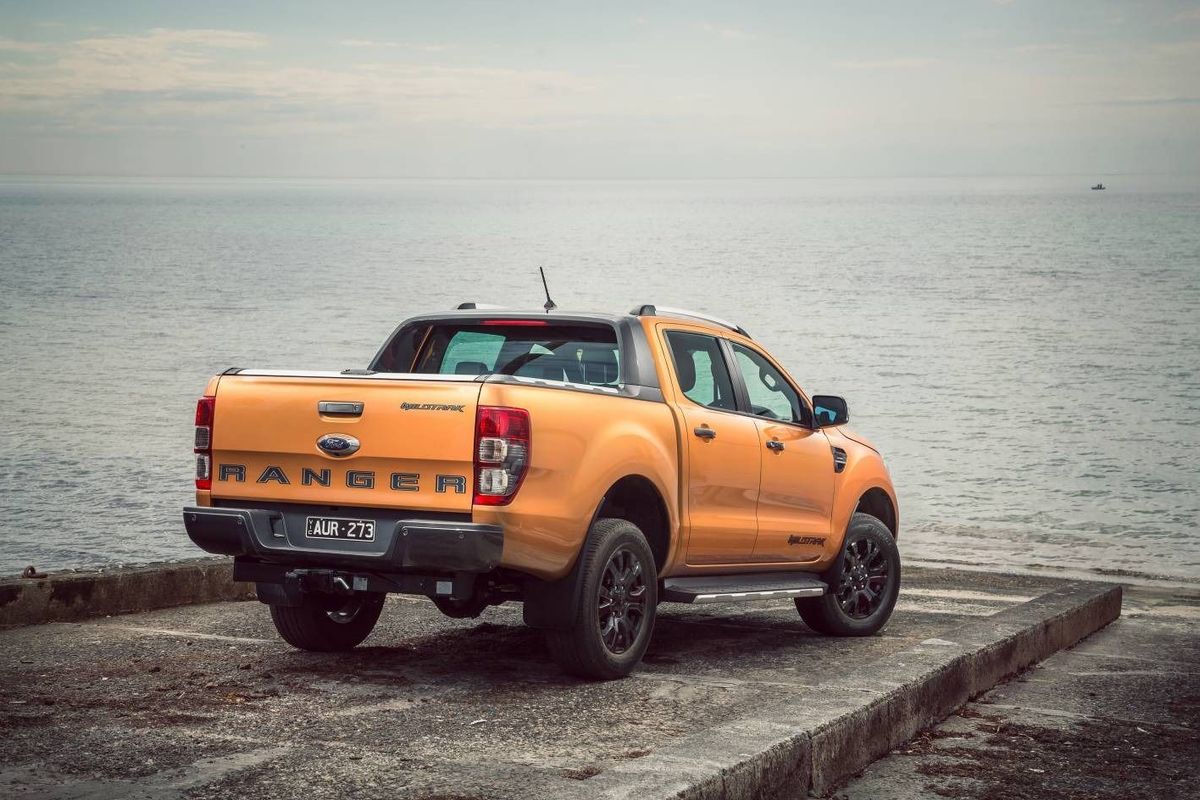
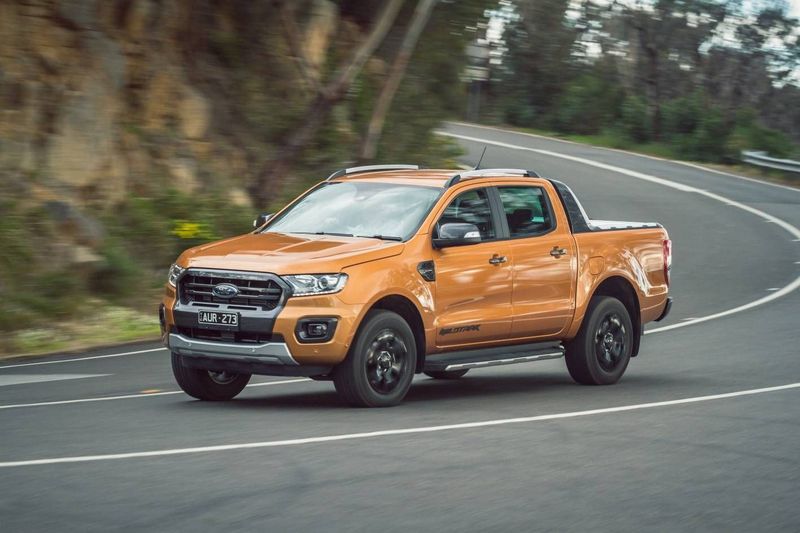
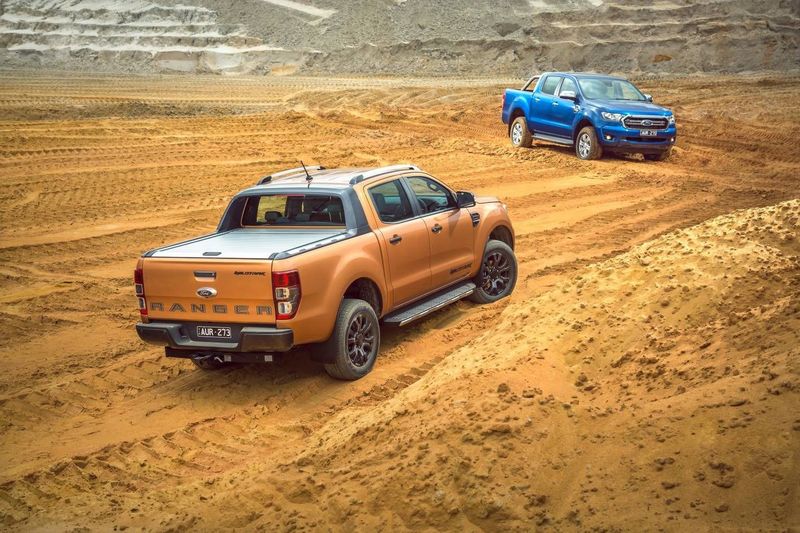
Facelifted Ford Ranger 2.0 bi-turbo (2019) International Launch Review
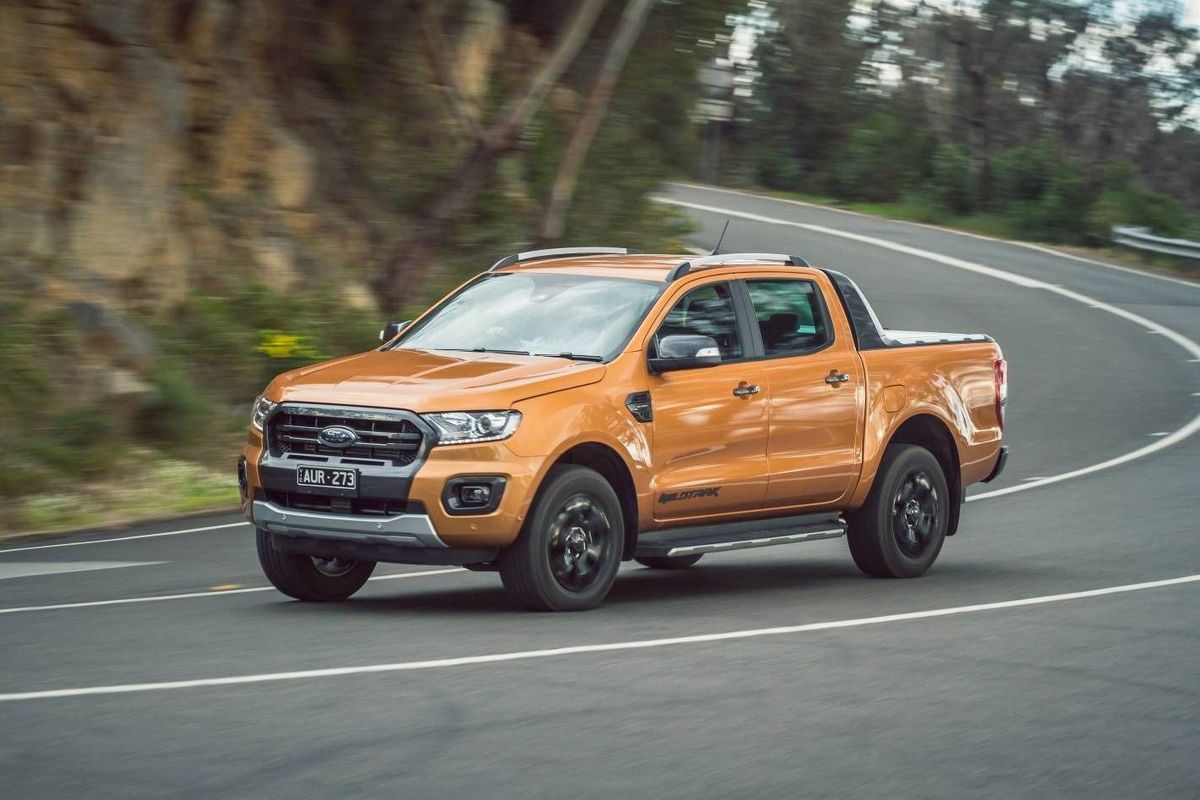
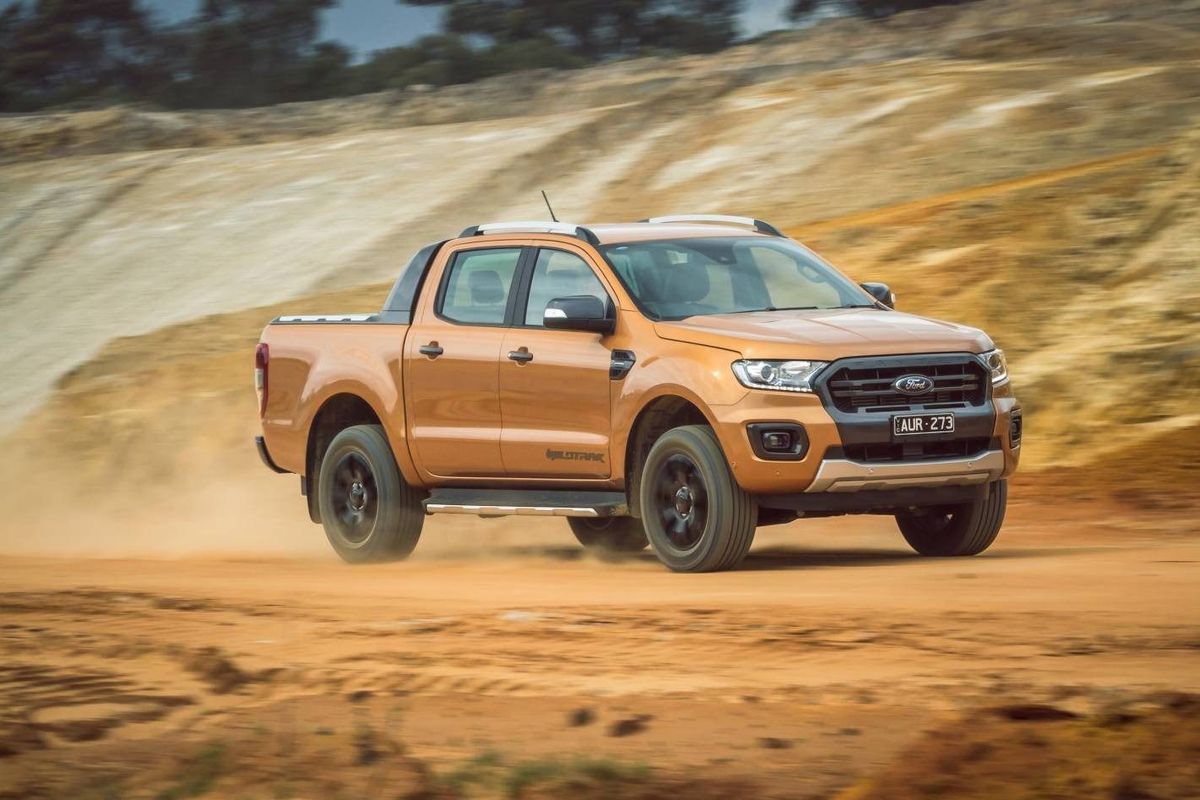
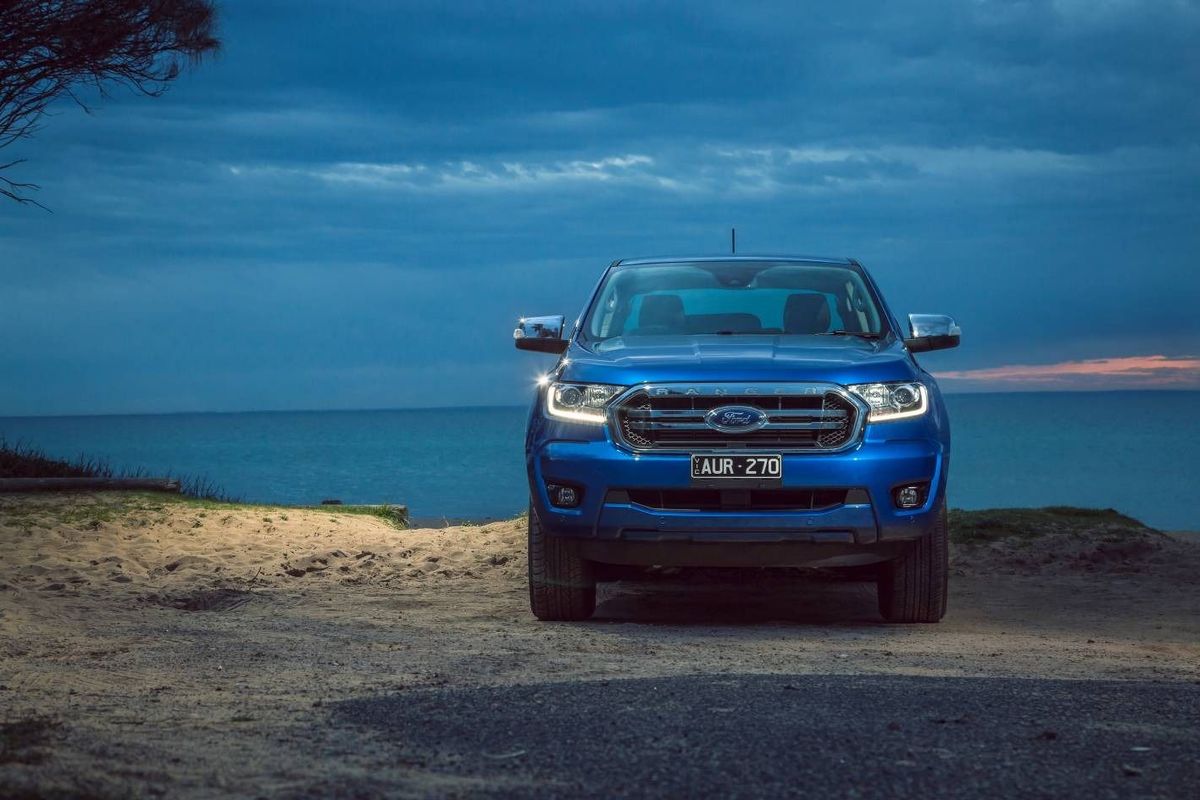
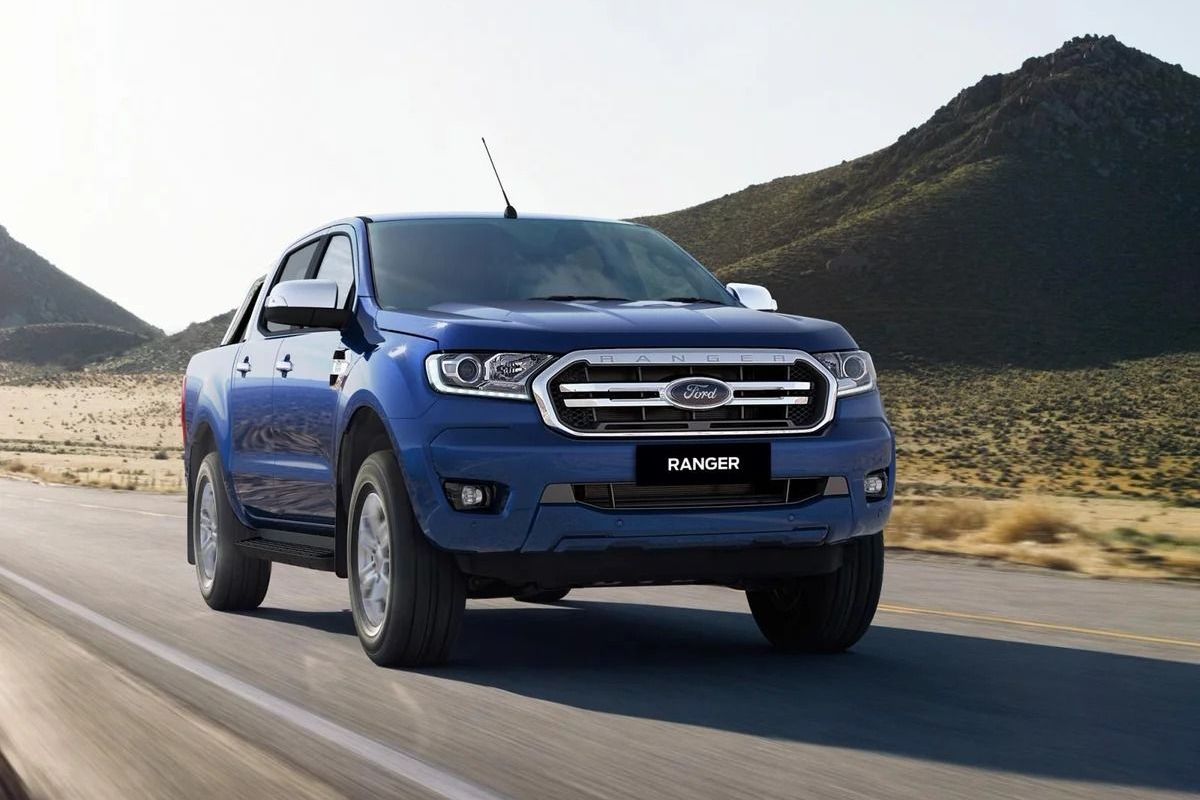
The Ford Ranger has changed its ways. The facelifted version of the big-selling bakkie has seen some important alterations, including the most obvious one: the introduction of a 2.0-litre 4-cylinder bi-turbo diesel engine, which is mated with a high-tech 10-speed automatic transmission. But there’s more to the updated Ranger than just a new powertrain… Our Australian correspondent Matt Campbell has tested it before it arrives in South Africa in 2019.

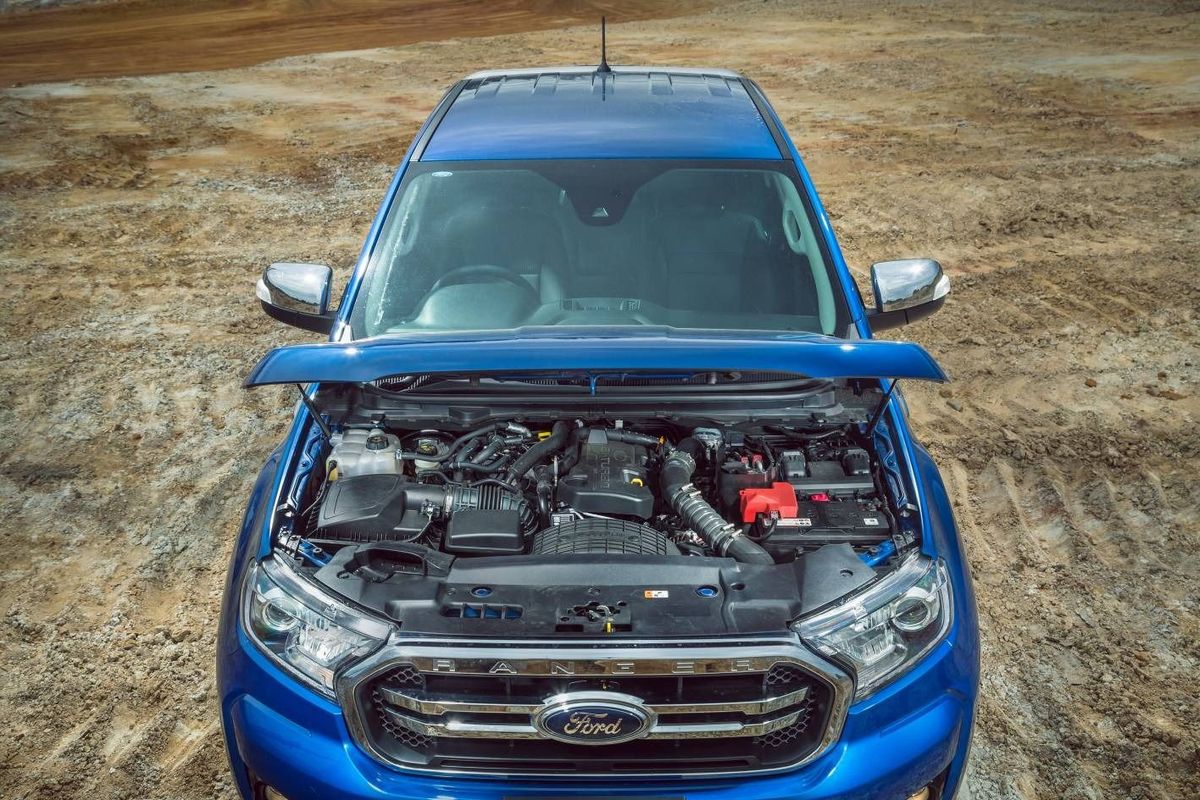
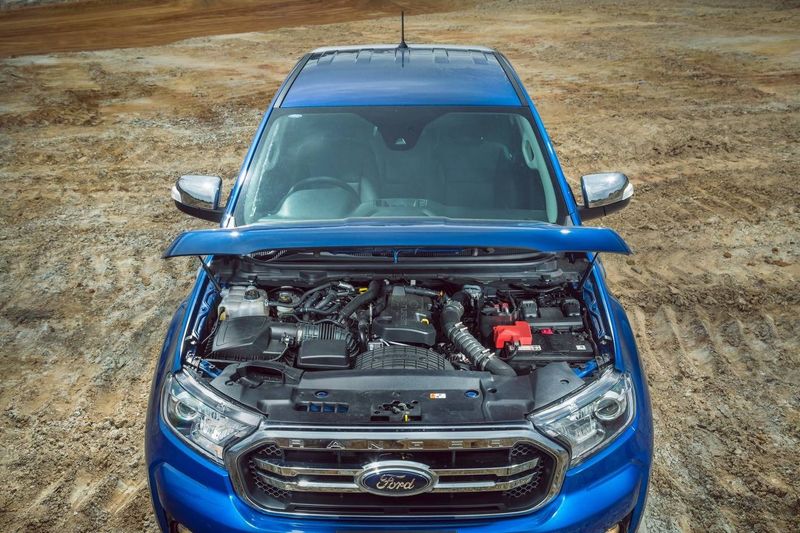
Under the bonnet

Let's address the most pertinent question first: Does the new 2.0-litre bi-turbo engine, which has peak outputs of 157 kW and 500 Nm of torque, make the existing top-of-the-range engine (the well-known 3.2-litre 5-cylinder single-turbo diesel powerplant) redundant?

Well, on paper it certainly seems it has. By dropping a cylinder and adopting another turbo, the new bi-turbo powerplant out punches the fiver’s grunt numbers, which remain set at 147 kW and 470 Nm for 2019 models. There have been no changes to the existing 2.2- or 3.2-litre engines.


The new 2.0-litre bi-turbo engine weighs around 30 kg less than the 3.2-litre 5-cylinder unit.

With full power available at 3 750 rpm and maximum torque of 500 Nm shifting things along from 1 750 to 2 000 rpm, you could understand why Ford has teamed the engine with a 10-spd automatic transmission, which does its best to try and keep the engine in its sweet spot at all times.

How does it work? Ford says the design uses a fixed geometry turbo that aims to negate low-rev lag, while the second turbo is a variable geometry unit for improved airflow at higher speeds.

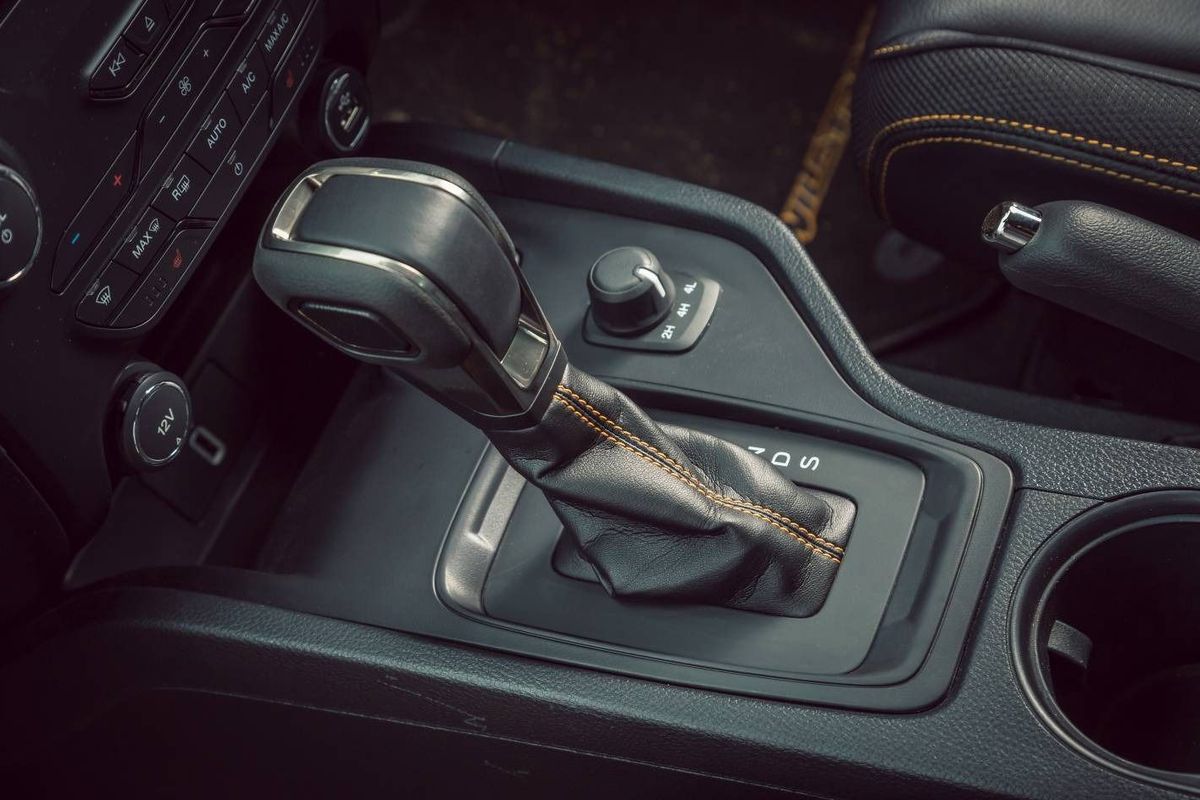
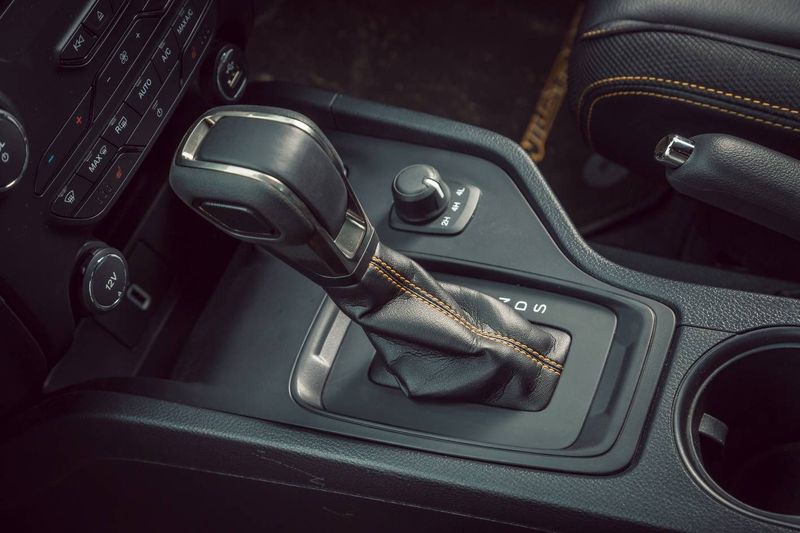
In practice, the engine largely lives up to Ford’s claims of making for a “smoother, quieter” model: this is, undoubtedly, “the most refined Ranger yet”. It is considerably more hushed in operation than the 3.2-litre engine, and because of the smoothness, you might find yourself wondering exactly what gear you’re in at any given time. Thankfully, you need only tap the plus/minus rocker on the gear selector and it comes up on the digital display. I found myself doing this every time I drove it because it’s amazing to see that you’re in 9th gear at 75 kph.


The new 10-speed 'box still has a low-range transfer case, effectively making it a 20-speed transmission!

However, there’s something to be said for having fewer gears to choose from – it makes for a less confused driving experience. In my experience, the 10-speed 'box can struggle to select what gear it needs at times, and this was noticeable both when the vehicle had weight in the back, and when it was just me driving around the suburbs.

What's more, there is some unwanted driveline shudder at lower speeds. In 1st and 2nd gear, you can often feel a heavy vibration through the cabin, which felt as though it was emanating from the transmission.

How does it drive?

There is no question that the powertrain is a welcome addition to the Ranger line-up. My opinion, however, is that there are better engines out there in the bakkie market, although they come in expensive packages. The 3.0-litre V6 in the VW Amarok is tremendous (plus its transmission isn’t as prone to confusion). And, while I haven’t yet sampled the V6 Mercedes X-Class, it promises to trounce the 4-pot Ford for both grunt and refinement.

However, this is the drivetrain I would want if I was in the market for a Ranger… and it could well appeal to a different clientele than the hardy 3.2.


The 2-litre makes for the best overall offering under the bonnet of a Ranger.

The 2.0-litre bi-turbo is pleasant on the ear and well within its stride when it comes to highway cruising; it never feels like it’s working too hard. For the heck of it, I gave it some welly (drove it with gusto), and it rewarded me with surprisingly strong performance… it’s not far behind a V6 in real-world performance, so there’s certainly something to be said for the wisdom of a bi-turbo setup and the lag-negating effect it creates.

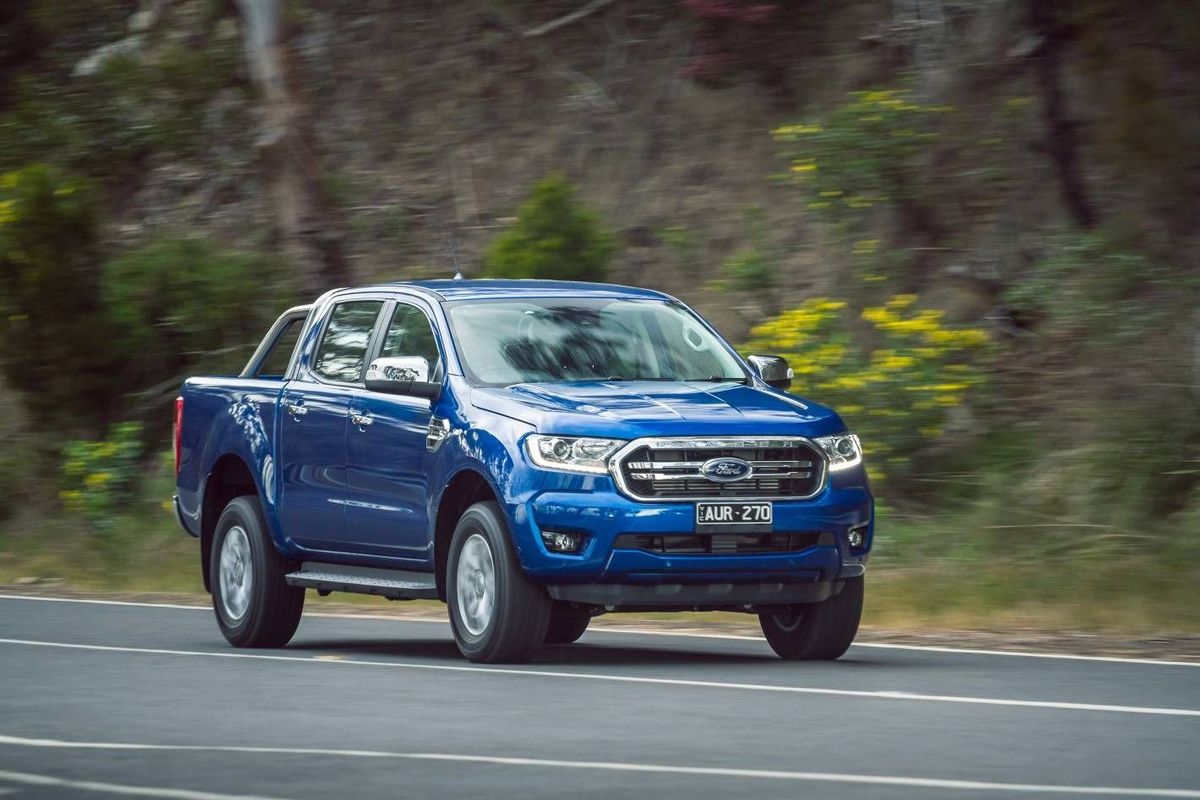
As for the rest of the driving experience, the Ranger has certainly had a softer edge applied to it. The springs have been softened at the front, the damper tuning has been adjusted and there are new bushes, too, plus stiffer roll-bars front and rear to help reduce and control body-roll.

More sure-footed, if slightly bouncier

Compared with a pre-facelift Ranger, this one does feel a touch more tied-down in cornering situations, but the soft springs up front can make for a bit more of a pogo-style effect over speed humps (at low speed) and some bounciness if you encounter big bumps (at higher speed).

I tested the load capacity to a degree, with 500 kg of ballast loaded in the load bin. And while the effect wasn’t that evident on the powertrain, the ride lacked some composure at the rear at lower speeds – the weight would normally help settle it, but it was a touch bouncy.

By the way, I like the new "easy-lift" tailgate. It does what it suggests, making it less of a heave to shut the aft flap.


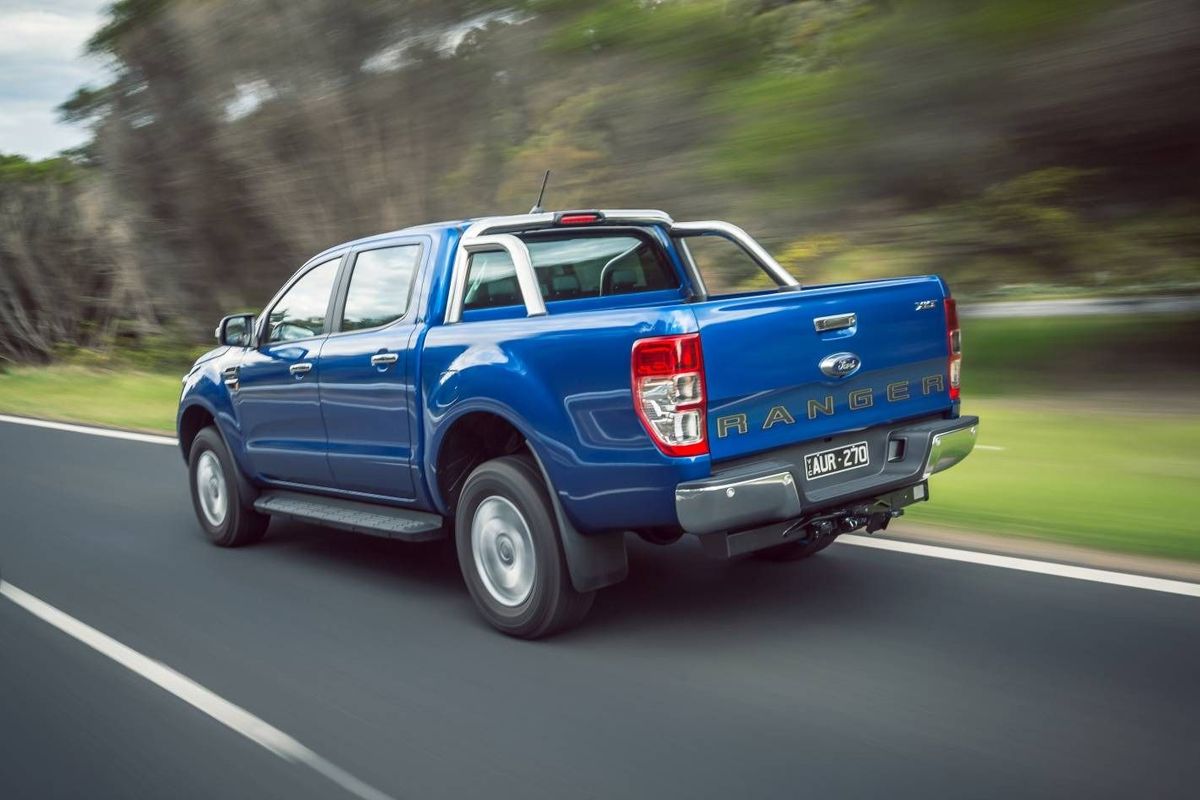
The ride on the facelifted Ranger feels more tied-down but it's not perfect at slower speeds.

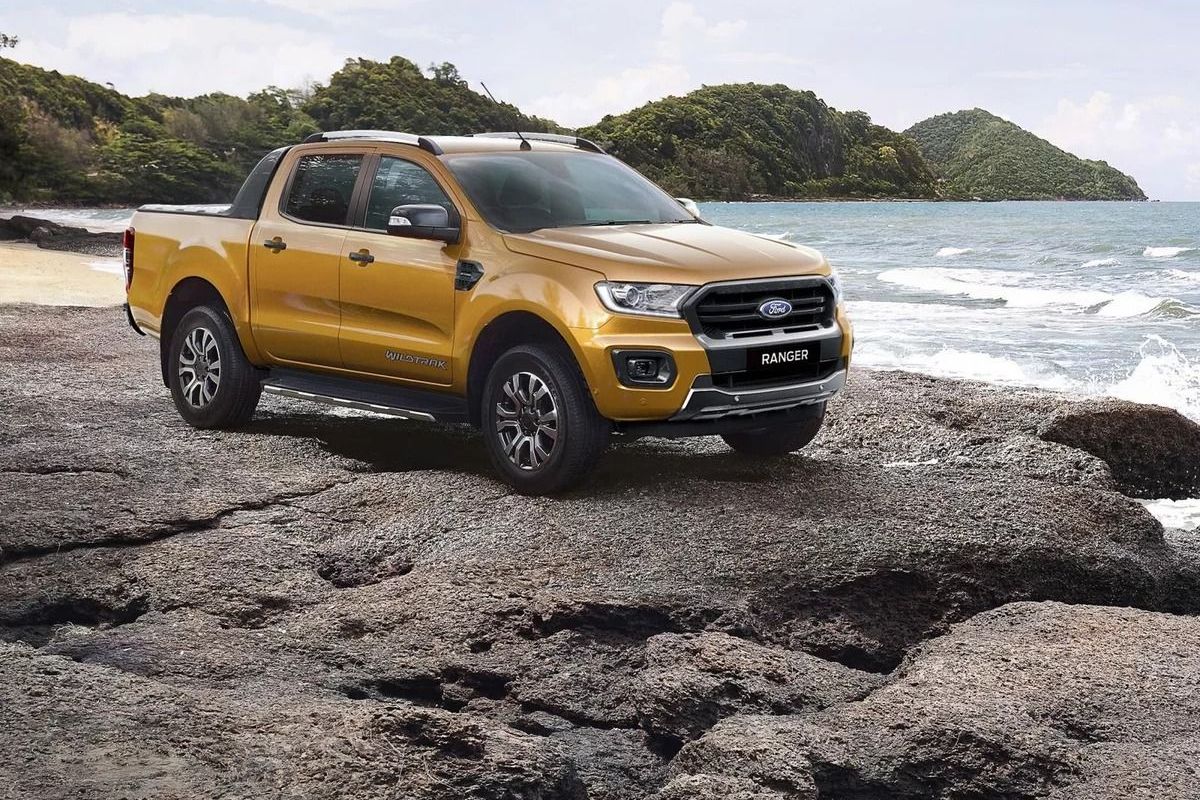
My absolute favourite thing about the Ranger, though, remains its well-balanced and responsive steering. The company has managed to give its 5.4-metre-long, 2 250 kg Wildtrak derivative an electric power steering system that means you can literally use a pinky finger to park it. It is brilliantly weighted at lower speeds, even if it has a rather cumbersome 12.7-metre turning circle.

Brilliant steering

At higher speeds (be it on the highway or on windy rural roads) the steering is brilliant. It is less prone to plough on straight ahead than some other bakkies, and the 2.0-litre engine certainly feels lighter over the nose than the equivalent 3.2 (the figures suggest there’s about 32 kg difference).

And while it doesn’t have the most sophisticated braking setup of modern-day pick-ups – discs at the front, drums at the back – it pulls up honestly enough.

Yes, in Australia there’s the choice of the 2.0 or 3.2 in high-spec XLT and Wildtrak guises, and I’d expect that strategy to be a successful one. If that's how the local line-up will look, I’d suggest that when it comes time to decide you test drive both, back-to-back, over the same road loop.


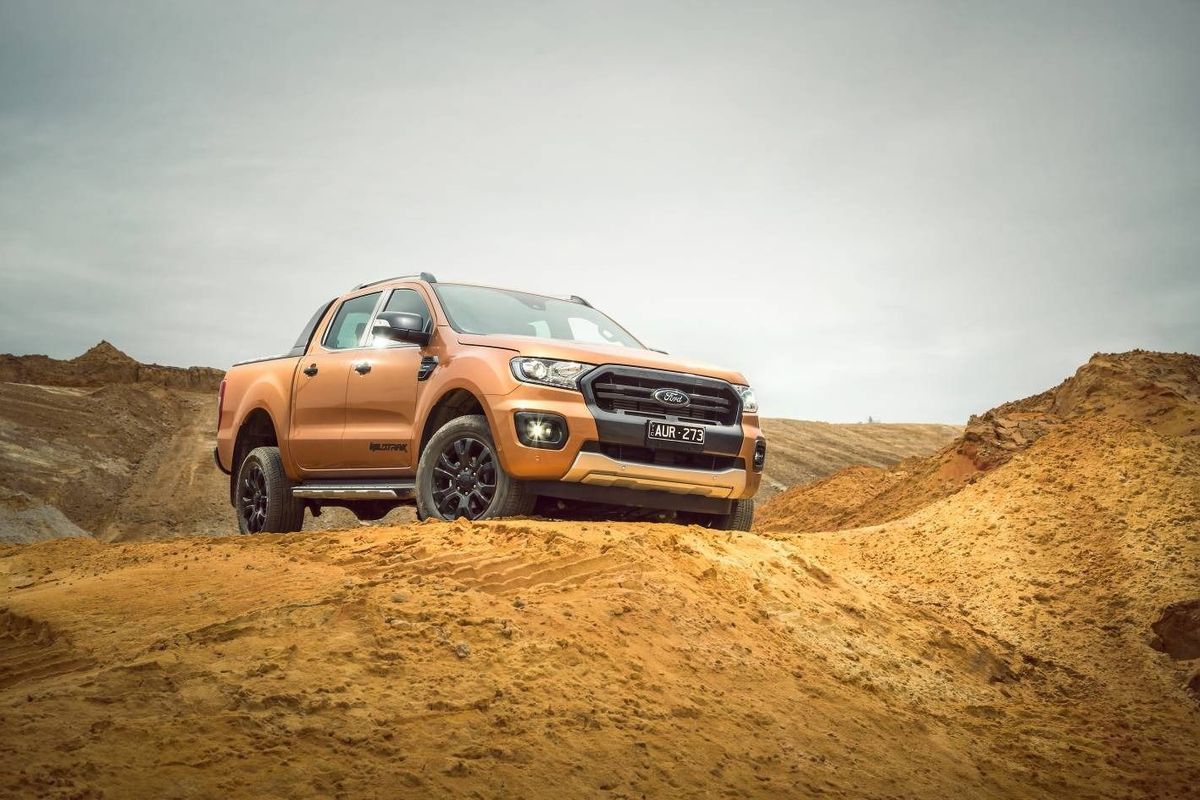
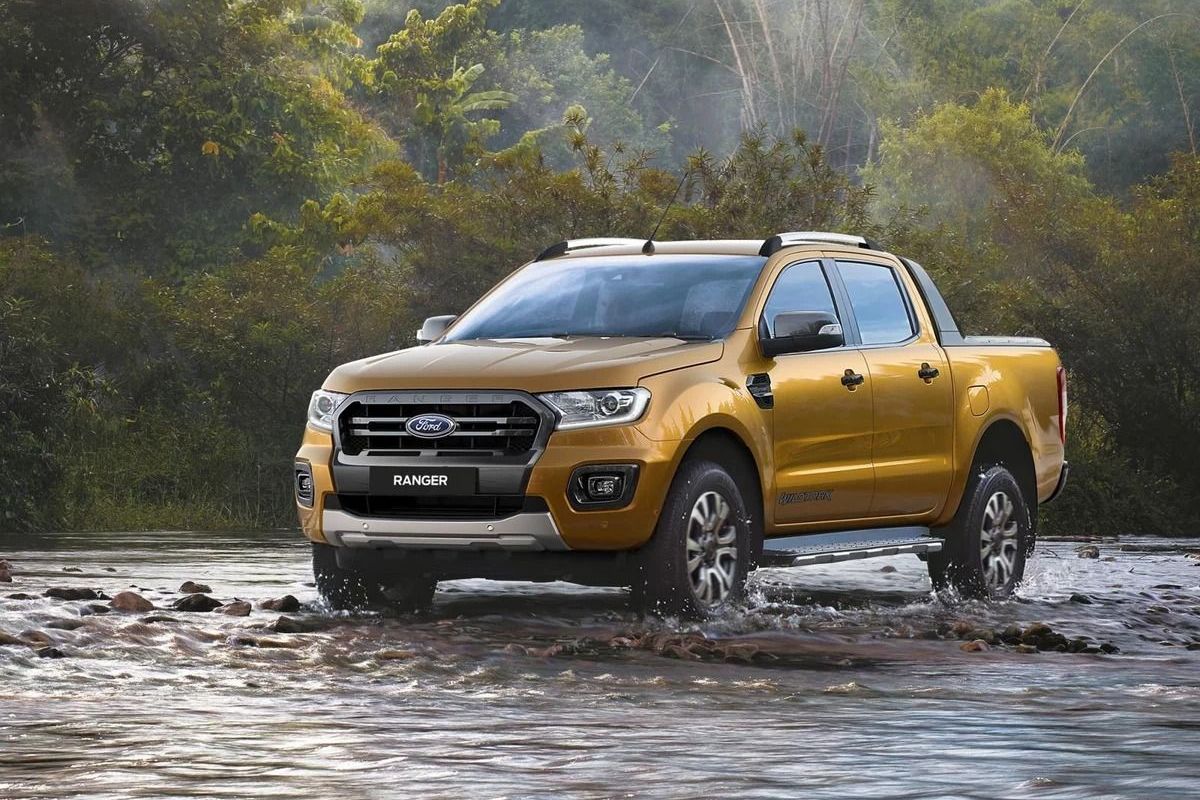
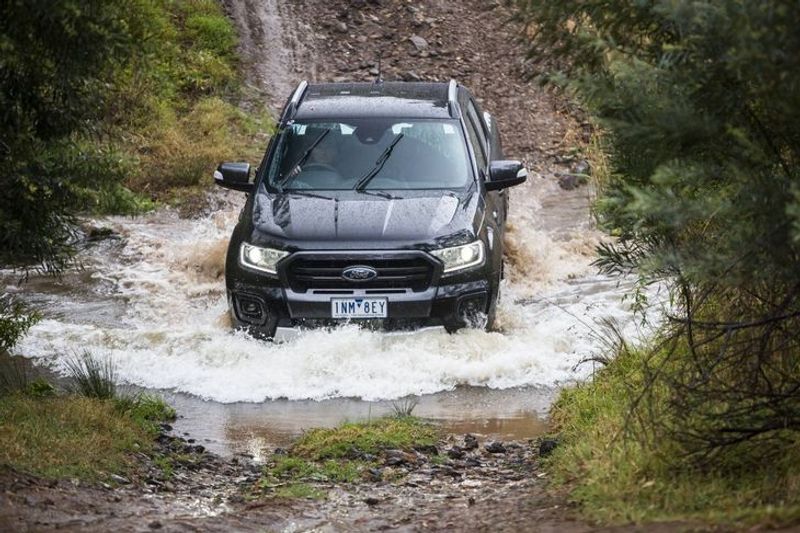
Wading depth on the facelifted Ranger is an impressive 800 mm.

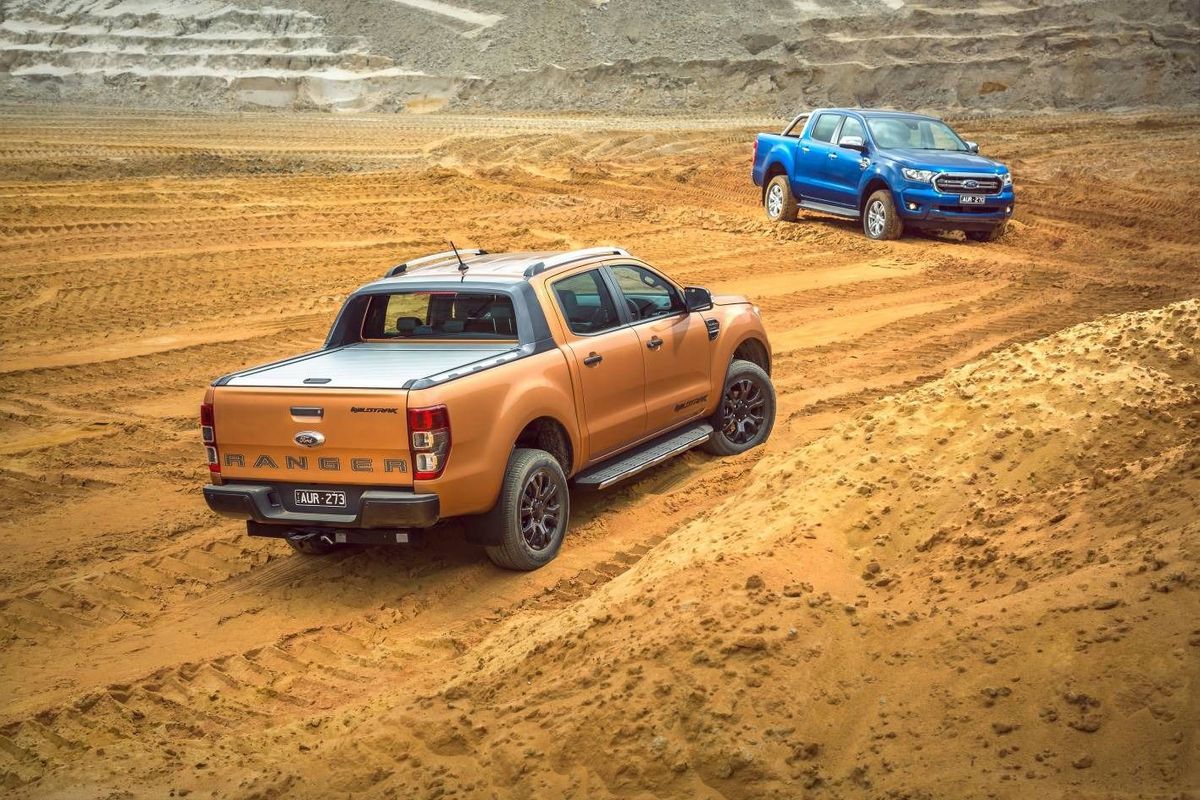
If you plan to do a lot of off-road driving, the 2.0-litre bi-turbo will be up for the task. It still has a proper low-range transfer case, and the fact there are 10 ratios to choose from means there’s a lot of capability on offer. Plus it has some strong specifications in terms of ground clearance (237 mm), approach angle (29 degrees), departure angle (21 degrees), a ramp break-over angle of 25 degrees, and wading capability up to 800 mm.

Sadly I haven’t had a chance to tow with the new 2.0L bi-turbo engine as yet, but it retains the same 750 kg (un-braked capacity) and 3 500 kg (braked capacity) ratings as the bigger-capacity motor. It would be most interesting to see just how much harder the engine and transmission have to work while pulling a couple of tonnes behind it.

On the inside

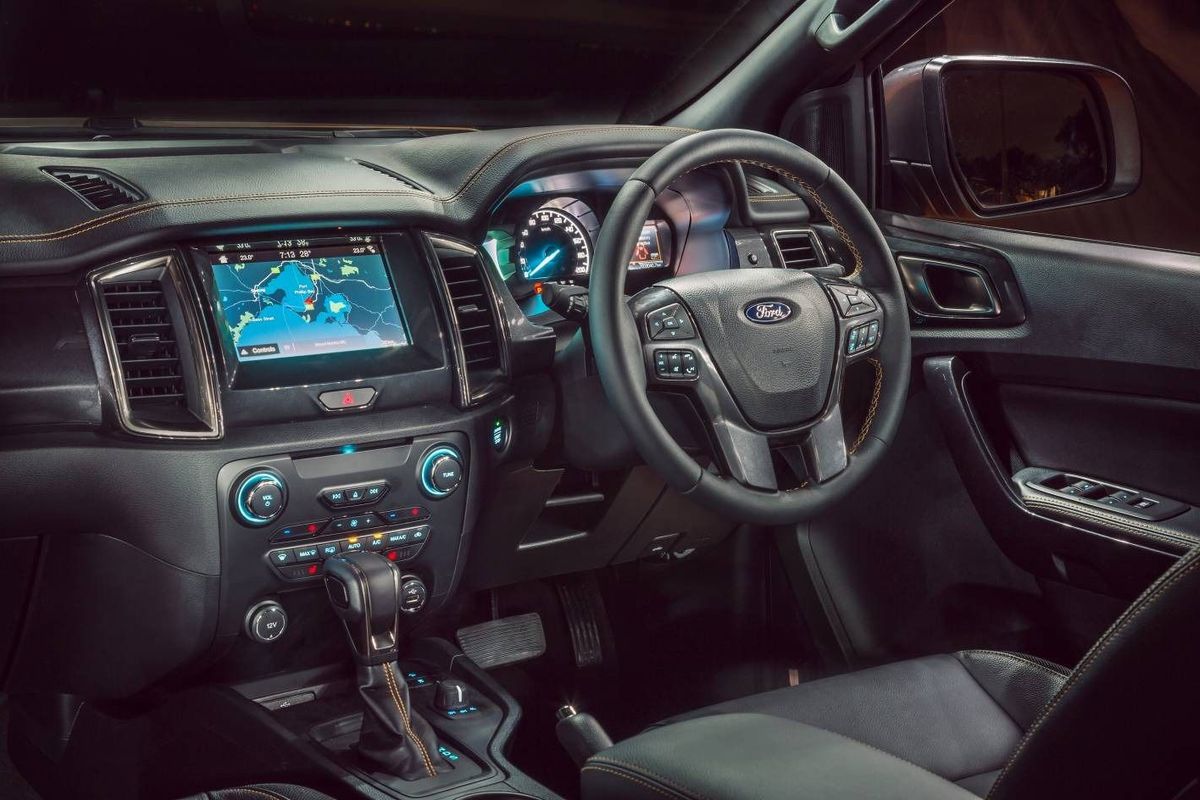
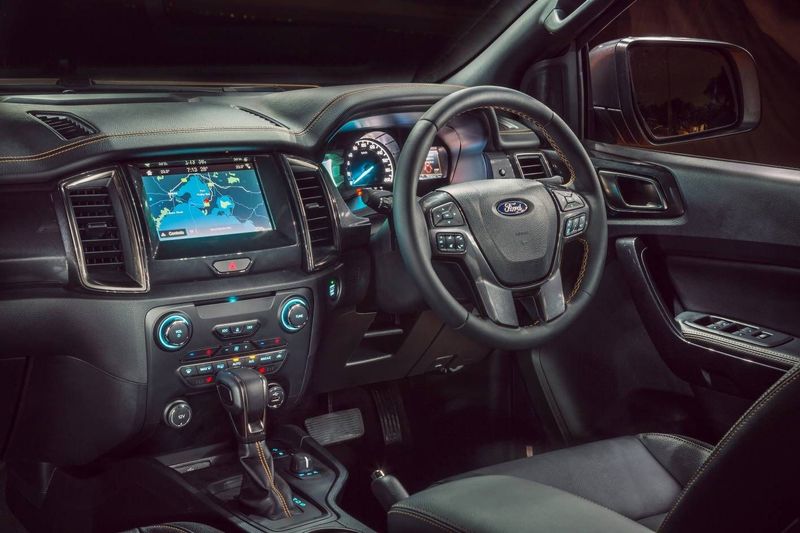
In Australia, there’s a broad application of Ford’s Sync 3 infotainment package, which is welcome because the system is rather good. Even if it’s only offered in the most expensive variants, the system includes Apple CarPlay and Android Auto compatibility, plus the brand’s built-in sat nav. You might find some annoyance if you have a destination set in the nav system and then connect your phone – it can override the existing mapping.


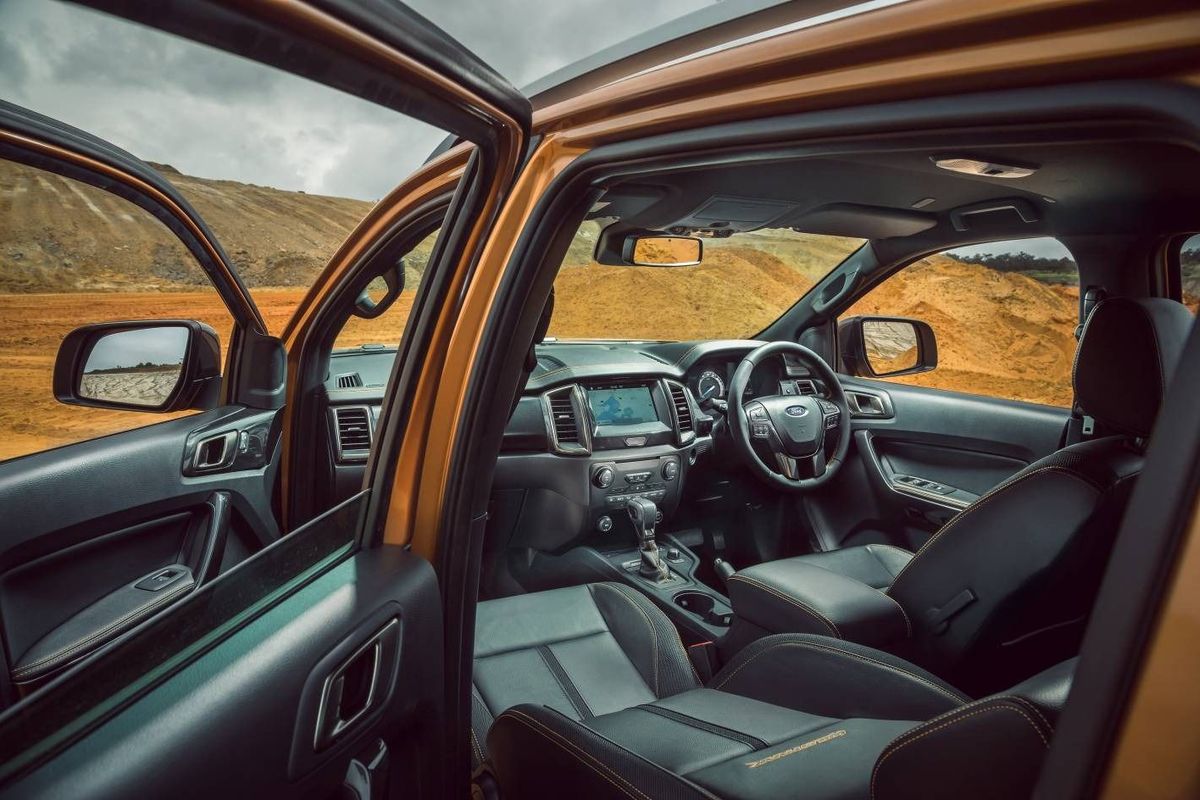
The Ranger's interior remains very similar with Sync3 installed on Wildtrak and XLT models.

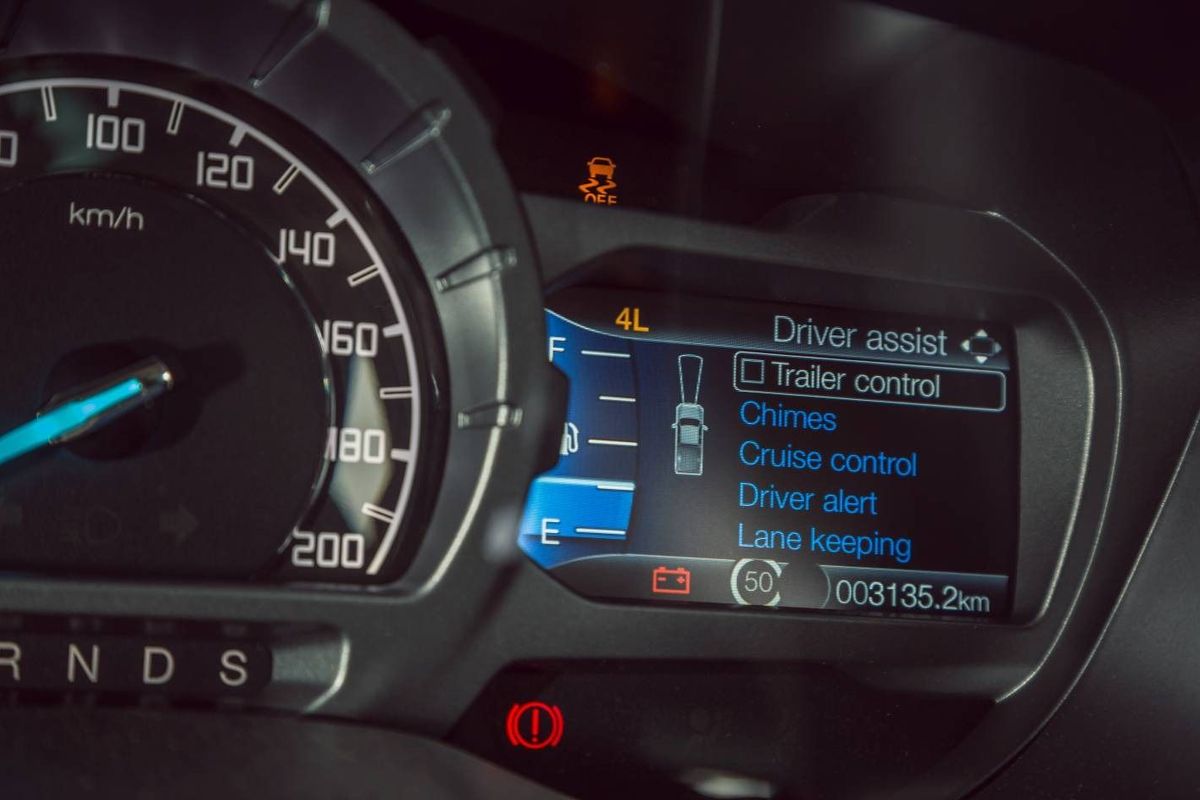
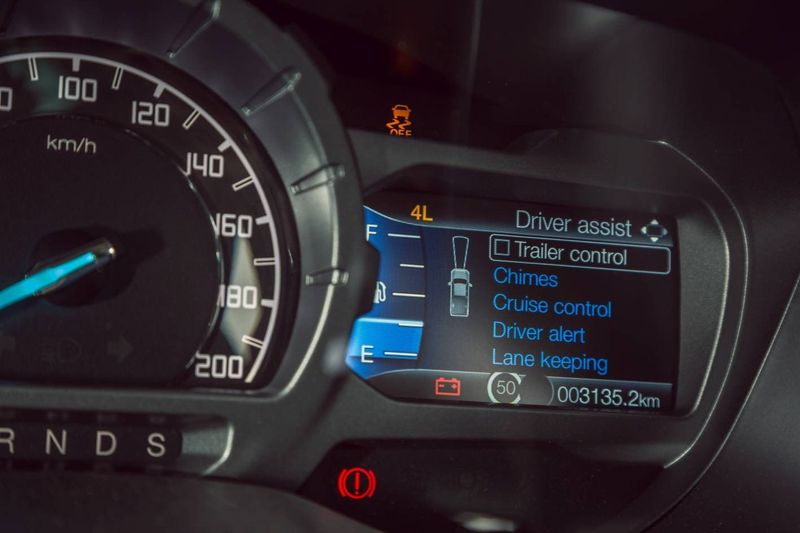
The digital instrument screens on either side of the central speedometer allow critical information to be displayed and add to the flair of the cabin with their colourfulness.

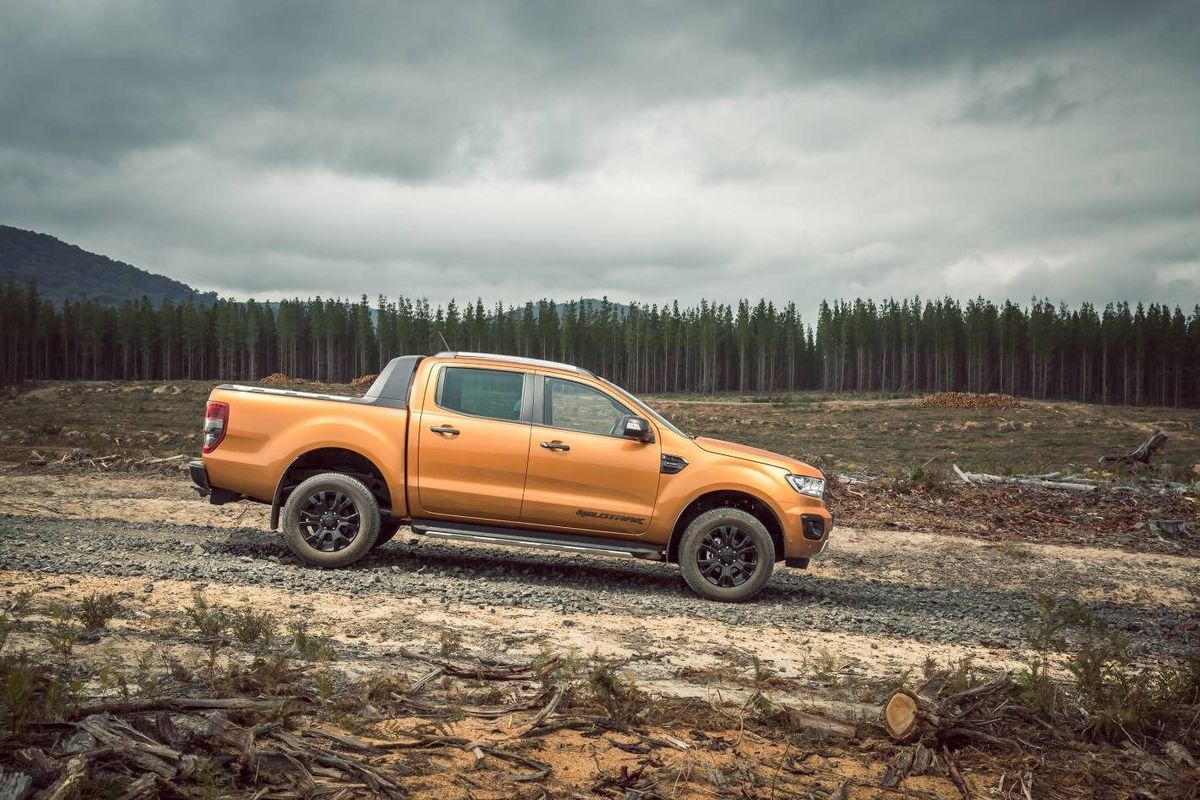
And for me, the Ranger Wildtrak nails the brief for feeling special inside – the orange stitching theme that is evident on the dashboard, seats, steering wheel and shifter makes you feel like you’re driving something that your mates will envy.

You could just take them with you… the back bench of the Ranger is one of the best in class for space and comfort.

Safety

Another important consideration for these dual-purpose, dual-cab models is that of safety, and the updated Ranger sees more of the advanced tech gear added as standard on Australian-spec Wildtrak, and as an option on XLT models.

There’s autonomous emergency braking (AEB) that works at speeds above 3.6 kph, and the system also works to detect pedestrians and warn the driver and failing that, bring the vehicle to a complete stop.


New traffic sign detection system displays in small beside the speedometer.

There’s also an adaptive cruise control system combined with a forward collision alert system, and if you do a lot of nighttime driving (as I do), you’ll certainly appreciate the new auto high-beam headlights.

Other tech inclusions in the pack offered in Australia include driver fatigue detection, lane-keeping assistance, traffic sign recognition (which annoyingly bings and bongs every time it sees a new sign if you’re over the limit it suggests), and there’s a semi-autonomous parking system for those concerned about their ability to park what is one of the longest bakkies on the market.

Verdict

Would I buy a Ford Ranger powered by the new 2.0-litre turbodiesel engine over any other Ford Ranger? Yes, I would. Would I buy one over any other (mid-luxury) bakkie, including the likes of the Toyota Hilux, Nissan Navara, Mitsubishi Triton and even the Mercedes-Benz X-Class? Certainly.

This is a thoroughly well-rounded double-cab bakkie, one with a lot of potential to please. Admittedly it isn’t perfect, but the 2.0-litre bi-turbo engine certainly helps push it further towards that level.

Related content:

Building the Ford Ranger Raptor

Ford Ranger Raptor (2019) International Launch Review
Toyota Hilux Dakar (2018) Video Review
Search for a used Ford Ranger here

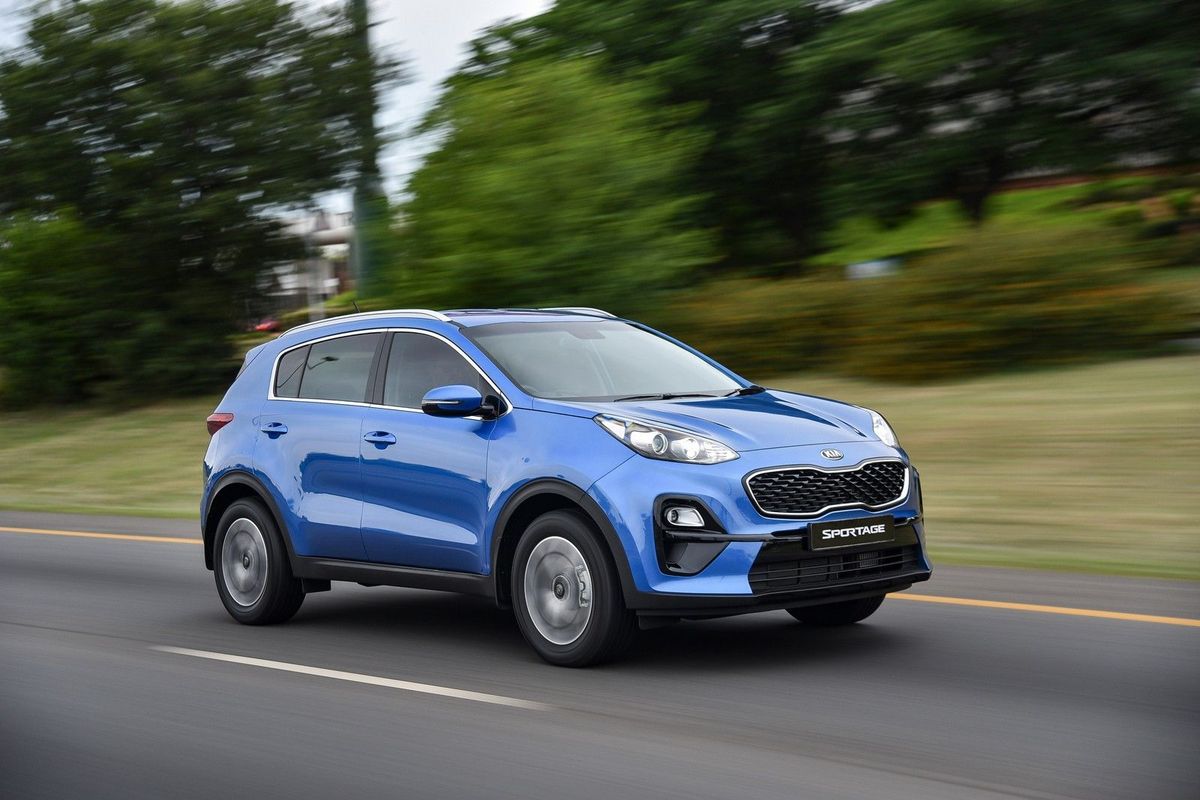
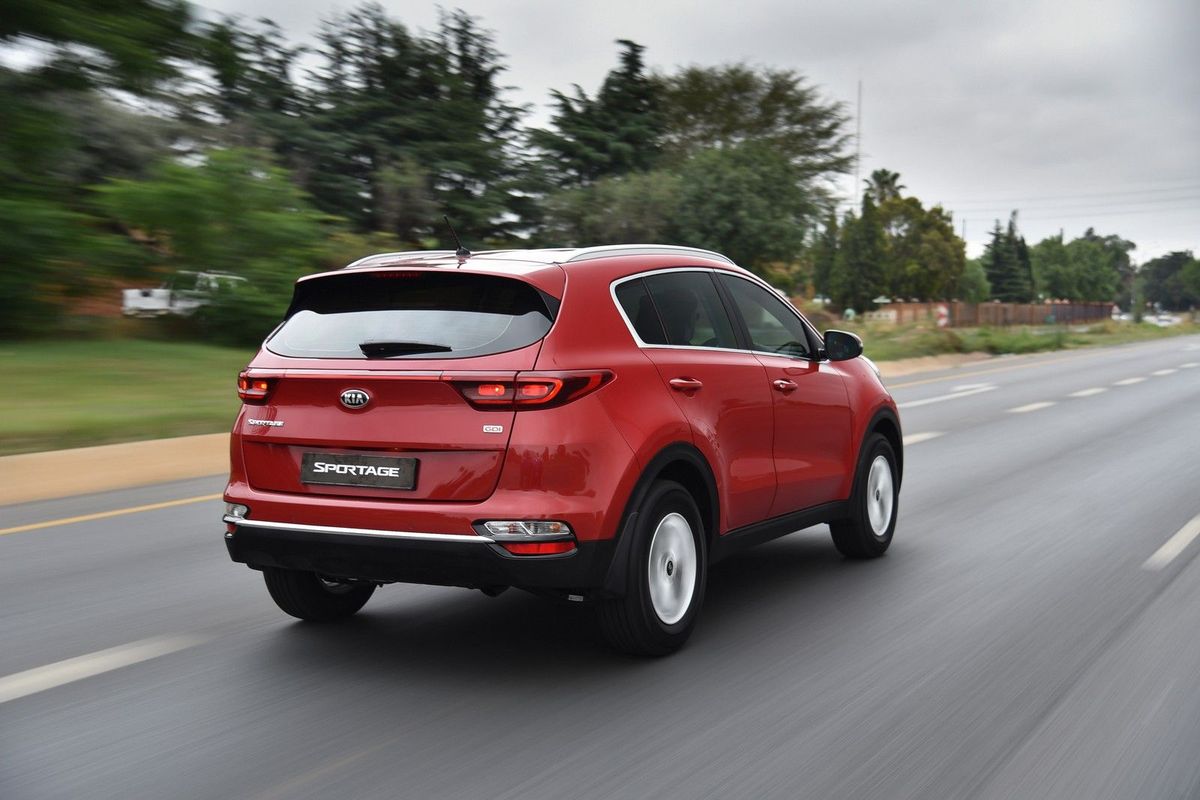
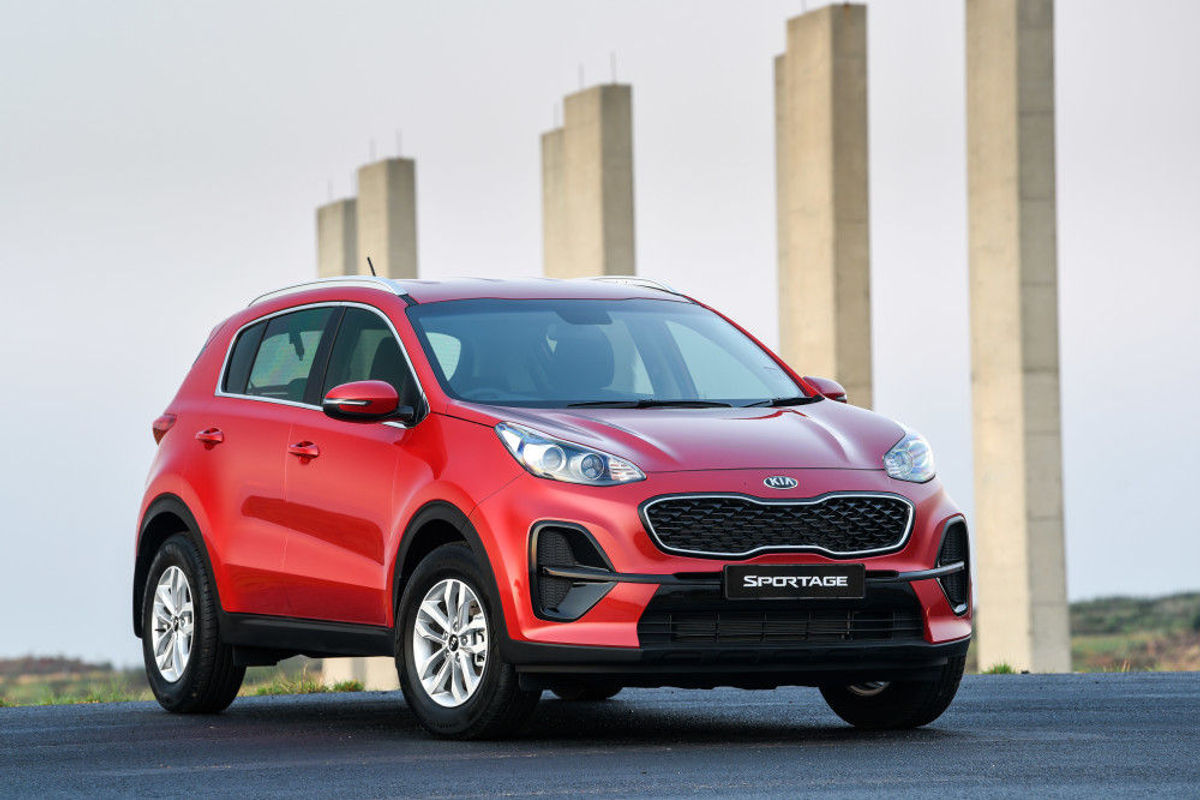
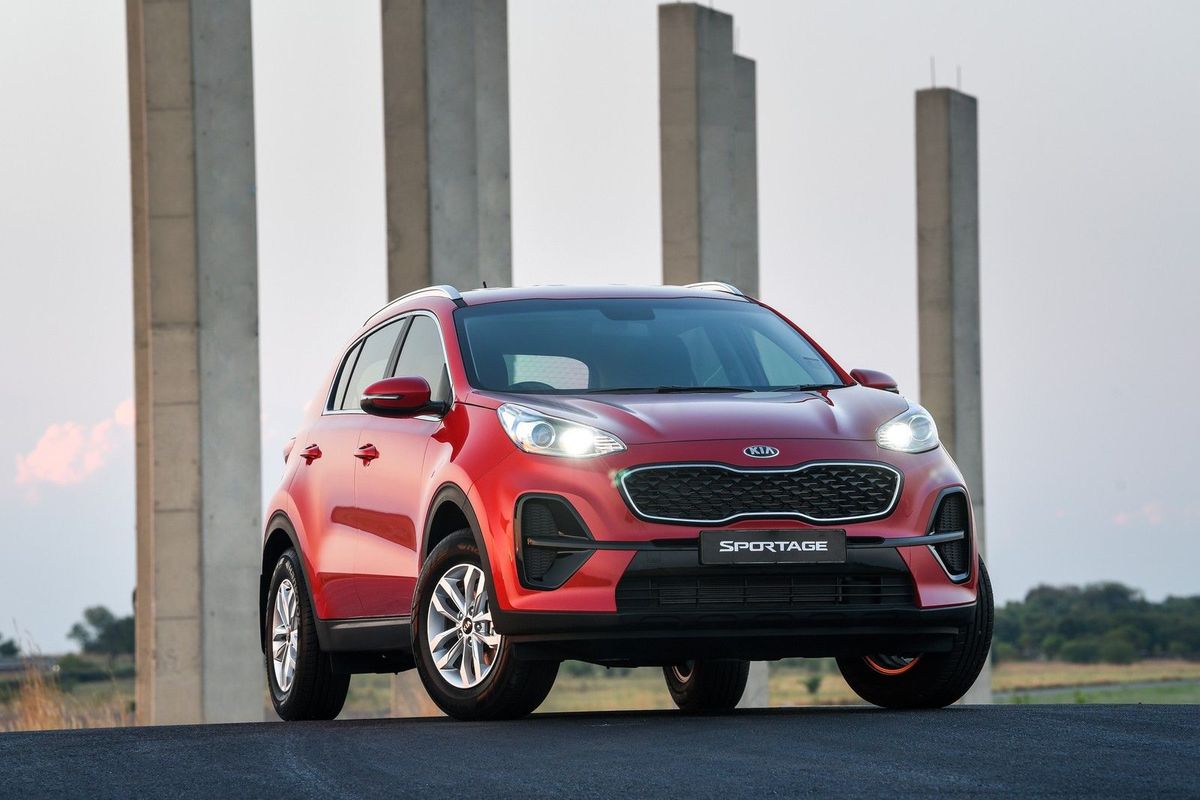
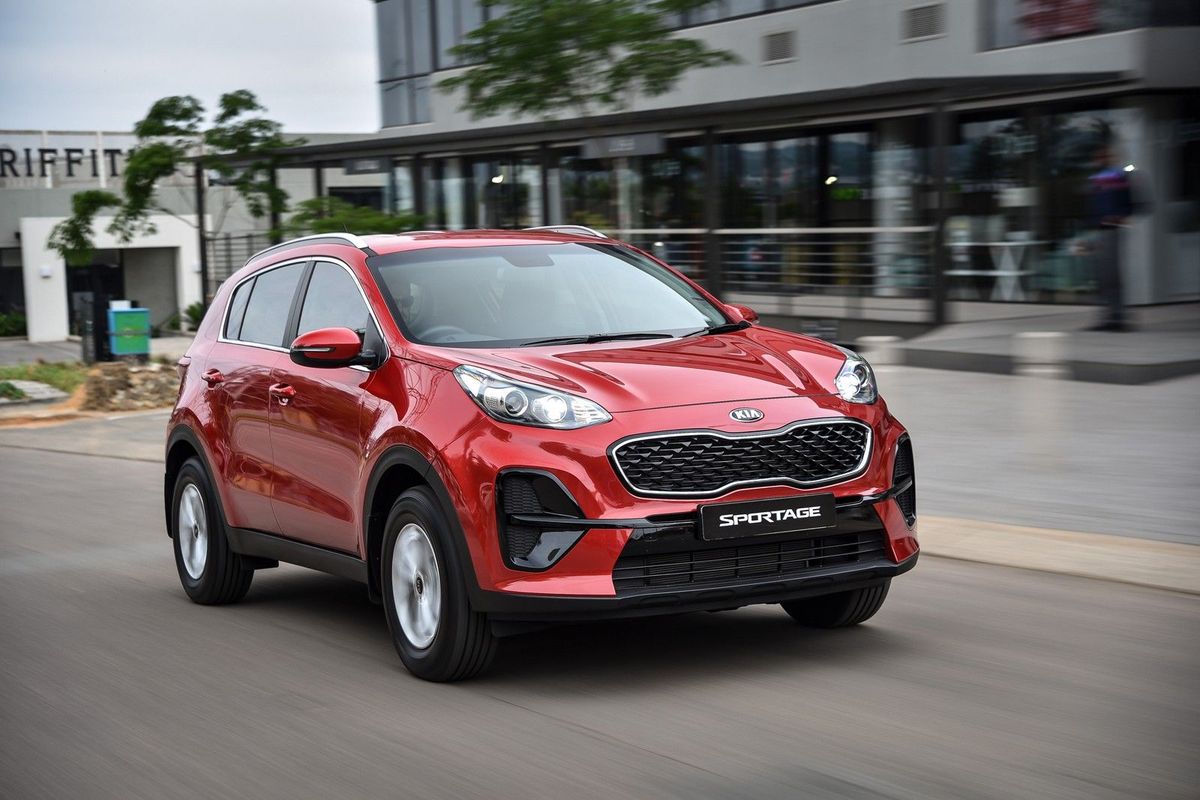
Kia Sportage Facelift (2018) Launch Review

The launch of the updated Kia Sportage took place in Cape Town this week, during which we took the Korean family car for a drive. There are key changes to the range and a few new parts to assess… Is the newcomer a better offering?

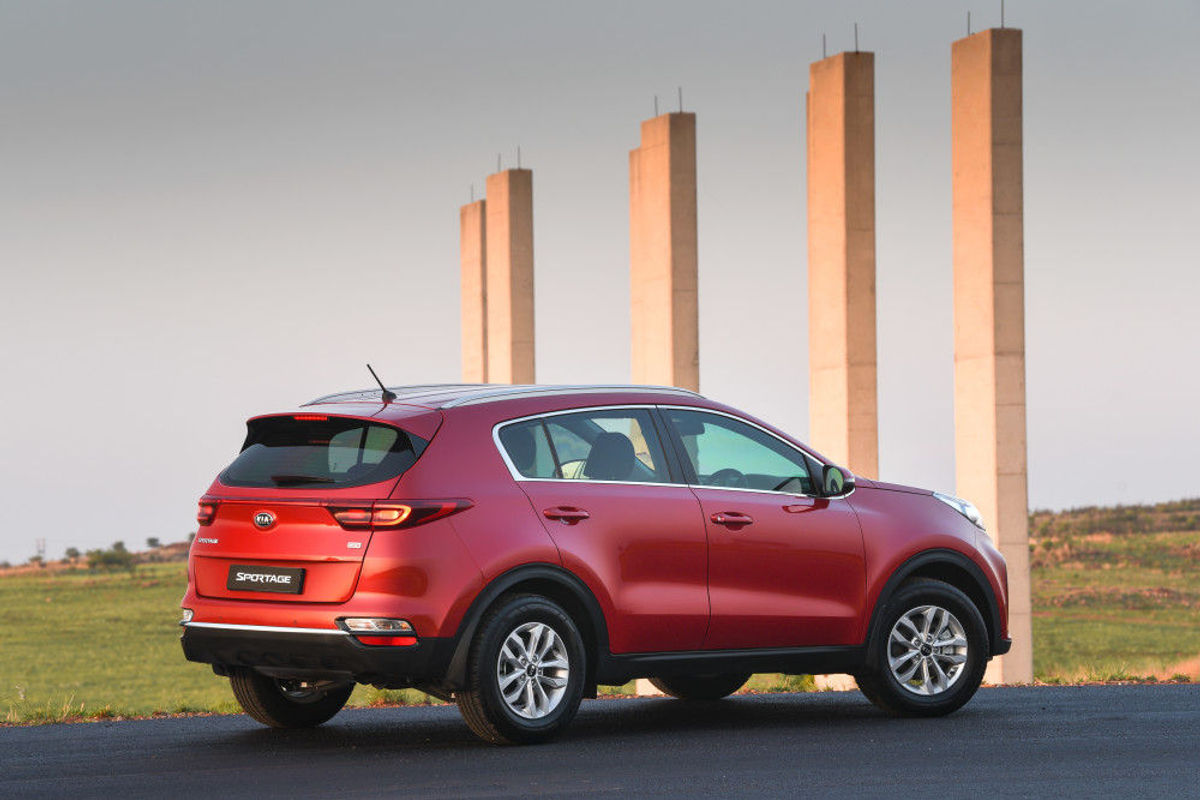
The Sportage has come a long way since its debut in the Nineties and it’s hard to believe that the Sportage nameplate is now 25 years old. Nonetheless, the Sportage has proven its worth on the market and has accumulated more than 5 million sales worldwide across its 4 generations, making it the most successful model in Kia’s history. The 3rd-generation Sportage was a raging sales success locally, but with the polarising styling of the 4th-gen version and a host of new rivals on the market, the Kia's latest family car has struggled to achieve the same levels of success.

Kia has now put the Sportage under the knife and implemented a number of changes in an effort to keep its product relevant in a highly competitive segment, where it does battle with heavyweights such as the Volkswagen Tiguan, Mazda CX-5, Toyota RAV4 and Hyundai Tucson.

Apart from visual updates to the exterior and interior design, the big news for the facelifted Sportage is that Kia has rationalised the lineup from 12 to 9 derivatives, doing away with 2 engines and 2 trim levels to simplify the range. Now, a total of 3 engines power the Sportage range (2 petrol and 1 diesel engine) and only 4 trim grades are on offer (Ignite, Ignite Plus, EX and EX Plus).

A new naturally-aspirated 1.6-litre petrol engine now serves as an entry point to the Sportage range and all (2.0-litre) turbodiesel derivatives are now equipped with Kia’s new in-house-developed 8-speed automatic transmission. We were keen to see how they performed out on the road…

Take a look at Kia Sportage (2018) Specs & Pricing here

What’s it like to drive?


The 2.0-litre turbodiesel engine offers solid punch and the new 8-speed transmission is well-matched to this engine.

Our launch drive started behind the wheel of the turbodiesel-powered Sportage 2.0 CRDI Ignite Plus, which is equipped with the new 8-speed transmission and offers peak outputs of 131 kW and 400 Nm of torque.

We headed out on the N1 in the direction of Stellenbosch and this engine’s strength soon came to the fore. With 400 Nm of torque, this powerplant performs well on the highway and has good pulling power for when you need to overtake. What's more, it cruises comfortably at the highway speed limit. We also found the engine to be well-matched with the new 8-speed auto' transmission, which appeared to be quite responsive and smooth.

The Sportage’s steering is nicely weighted, which is complemented by a pleasantly comfortable, but nonetheless sure-footed, ride quality. We were also surprised to find that the newcomer seemed to cope reasonably well on the odd dirt road that we (unintentionally) traversed.

In terms of efficiency, the 2.0 CRDI Ignite Plus impressed by returning an indicated fuel consumption figure of 6.2 L/100 km at the end of our route, which was better than Kia’s claimed figure of 7.3 L/100 km!


Ignite derivatives are fitted with a basic sound system (albeit with Bluetooth functionality), which may disappoint some buyers. 

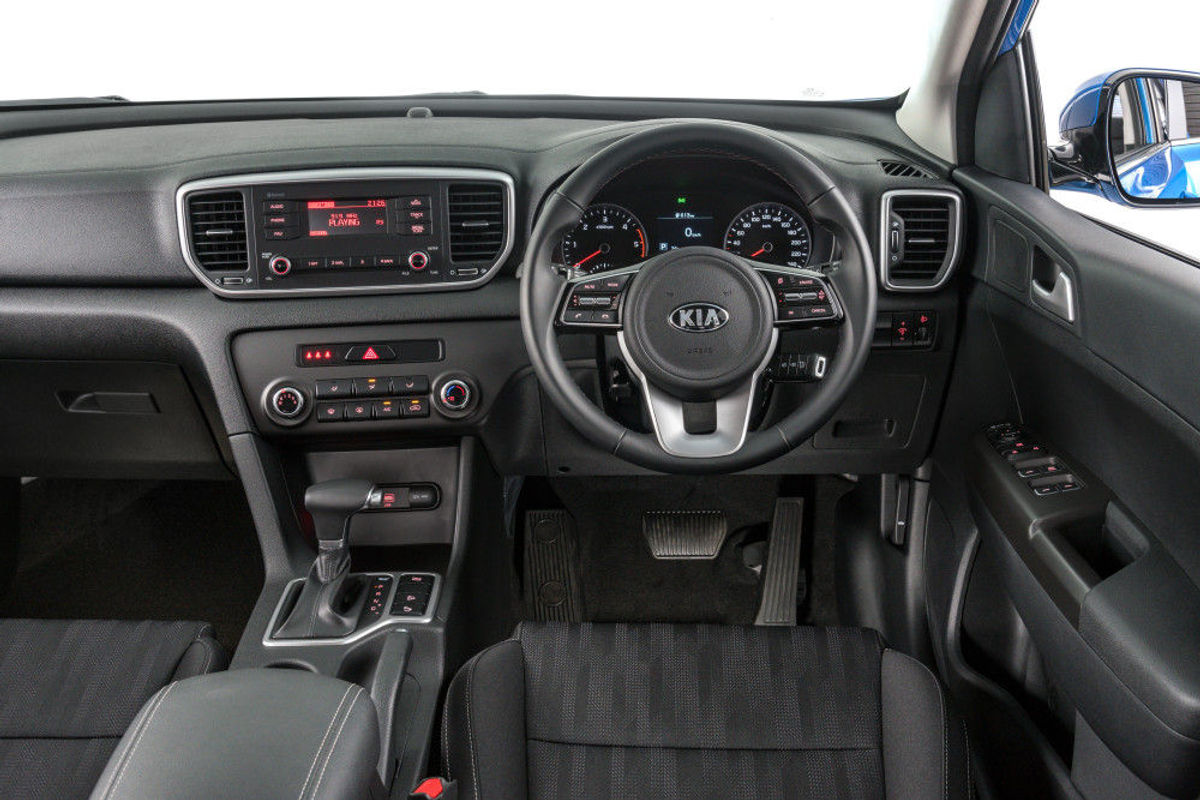
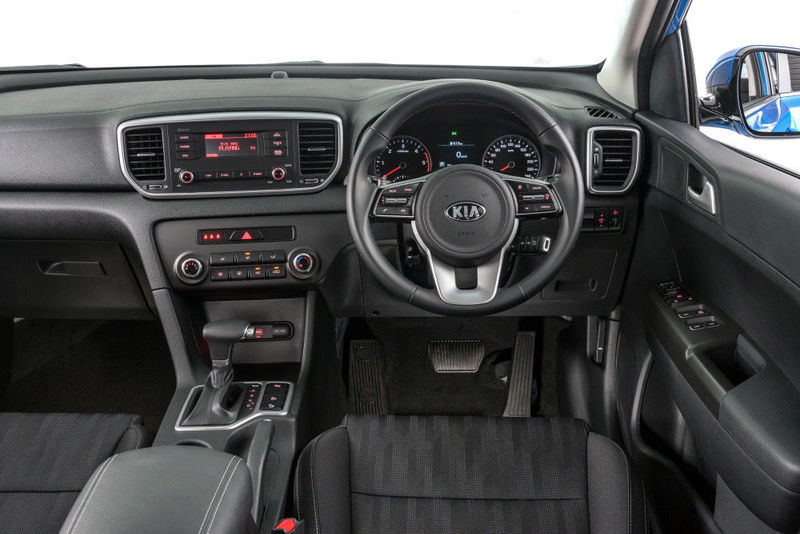
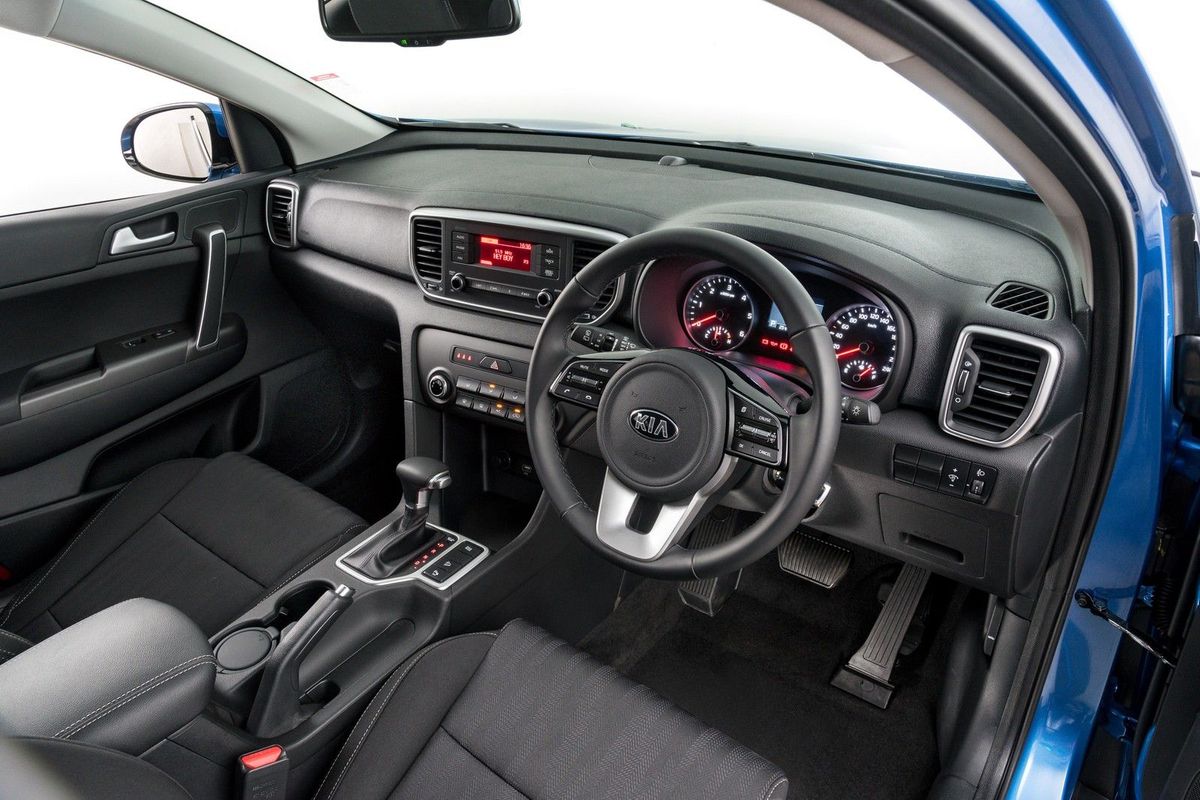
As for the interior, the changes are relatively minor and the Sportage now features a new steering wheel design and a redesigned fascia with new-look air vents. Disappointingly, Ignite derivatives are fitted with a basic radio system and although it offers Bluetooth functionality, we feel that Kia should have offered a touchscreen system instead to strengthen the overall value proposition. Nonetheless, perceived interior quality is good. 

In terms of practicality, the load bay offers a decent 466 litres of luggage space, which increases substantially when you fold the 60:40 split rear seats flat. There's also ample legroom and headroom for rear passengers. 


The new entry-level Sportage represents good value at its price point but its engine performance has its limitations. 

After lunch, we were keen to sample the new entry-level Sportage 1.6 GDI Ignite derivative, which is offered with a 6-speed automatic transmission exclusively. This new petrol engine offers 97 kW and 161 Nm of torque.

While its performance is acceptable under normal, relaxed driving conditions, the 1.6 GDI Ignite is not nearly as punchy as its brethren. Under harder acceleration, the engine whines at 6 000 rpm and its acceleration is, let's say, gradual. You will have to plan your overtakes carefully.

This derivative will work best in a city environment and on the school run where performance demands are well within the bounds of what the Kia is capable of delivering. We also suspect that this engine will struggle more at altitude and when the Ignite is fully laden with passengers and luggage.

In terms of fuel consumption, this engine returned figures in the mid-8’s (during the launch), but Kia has not released an official fuel consumption figure for this engine derivative as yet.

Final thoughts

We were pleased with the overall performance of the Sportage. The 2.0-litre turbodiesel engine is a peach, especially in combination with the new 8-speed automatic transmission; it strikes an attractive balance between performance and economy. The new entry-level 1.6-litre petrol offering will serve customers looking for a basic, spacious family vehicle at an attractive price point, but overall performance, although adequate, is not nearly as enticing. We do, however, think that Kia could have infused more value into the lower-spec Ignite derivatives by offering a touchscreen infotainment system (which is offered in EX grade) instead of the rudimentary radio system, which is a bit of a letdown both visually and in terms of functionality.

Kia wants to generate more sales in the lower end of the Sportage range, but by offering less in-car tech to match its price point, potential buyers may not be entirely convinced. Nonetheless, the newcomer looks good, is fun to drive and remains a competent, practical choice in its segment.

We will have the facelifted Kia Sportage on test in the near future, so look out for our thorough evaluation coming your way soon.

Buy a new or used Kia Sportage on Cars.co.za

Kia Sportage – prices in SA

Sportage 1.6L GDI IGNITE 2WD Auto – R379 995

Sportage 2.0L IGNITE PLUS 2WD – R389 995

Sportage 2.0L IGNITE PLUS 2WD Auto – R403 995

Sportage 2.0L Diesel IGNITE PLUS 2WD Auto – R453 995

Sportage 2.0L EX 2WD Auto – R459 995

Sportage 2.0L EX PLUS 2WD Auto – R499 995

Sportage 2.0L Diesel EX 2WD Auto – R509 995

Sportage 2.0L Diesel EX AWD Auto – R536 995

Sportage 2.0L Diesel EX PLUS 2WD Auto – R549 995

The Kia Sportage is sold with a 5-year/unlimited km warranty, 5-year/90 000 km service plan and 5-year/unlimited km Roadside Assistance.

Related Content

Facelifted Kia Sportage (2018) Specs & Price

Kia Sportage 2.0 EX Plus Auto (2017) Video Review
Kia Sportage 2.0 CRDi SX AWD (2016) Quick Review

Kia Stinger Review – Sideways in Kia's rear-wheel-drive Saloon

2018/19 Cars.co.za Consumer Awards – powered by WesBank; Finalists

Spy Shots: Mercedes-AMG GLB 35 4Matic

While we eagerly wait for the official reveal of the new Mercedes-Benz GLB crossover, our German spy photographers have captured images of a likely GLB AMG 35 test mule undergoing testing.

Picture credit: S. Baldauf/SB-Medien

We have already seen spy images of the forthcoming Mercedes-Benz GLB which is due to be revealed in coming weeks/months, but now images of a sportier AMG version have surfaced.

The GLB will share its underpinnings with the new A-Class and will slot in between the GLA and GLC in Merc’s premium crossover lineup. The GLB’s boxy shape will ensure ample interior space and is expected to seat up to 7 passengers.

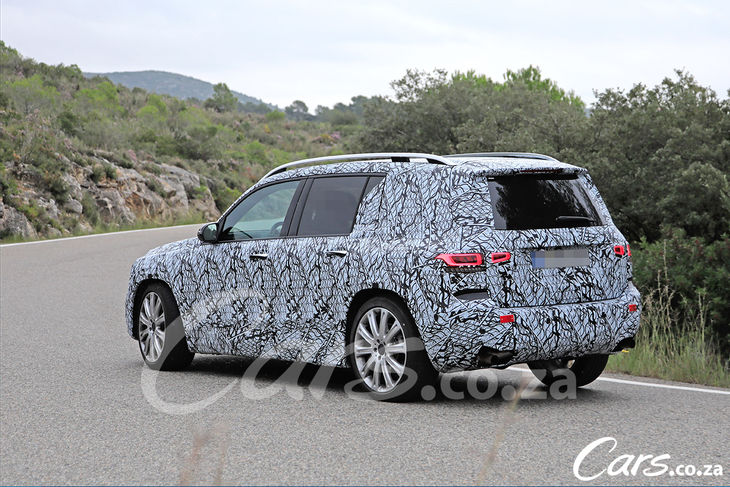
The AMG 35 GLB version you see here rides lower than the standard GLB and appears to have larger, low-profile tyres which hint at its sportiness. More so, it will feature a more aggressive front grille treatment which is to be expected for an AMG derivative and the dual exhaust pipes seen at the rear further identifies this as a hotter version of the GLB.


A hotter Mercedes-AMG GLB variant will cater for those looking for more grunt and aggressive styling. 

In terms of firepower, this GLB AMG 35 will likely feature the same powerplant that drives the recently-revealed Mercedes-AMG A35 4Matic hatchback which makes use of a turbocharged 2.0-litre engine producing 225 kW and 400 Nm of torque. The GLB AMG 35 is also likely to feature 4Matic all-wheel drive to maximise traction and enhance handling ability.  

The new GLB-Class is expected to be revealed early in 2019 before going on sale in the same year. The hotter GLB AMG 35 version will follow later, most likely as a 2020 model.

We will keep you updated as more details are revealed.

Buy a new or used Mercedes-Benz on Cars.co.za

Related Content

Spy Shots: Mercedes-Benz GLB

Mercedes-AMG A35: A true Golf R rival

Mercedes-AMG to launch A45 and A45 S

Mercedes-Benz A200 AMG Line (2018) Review

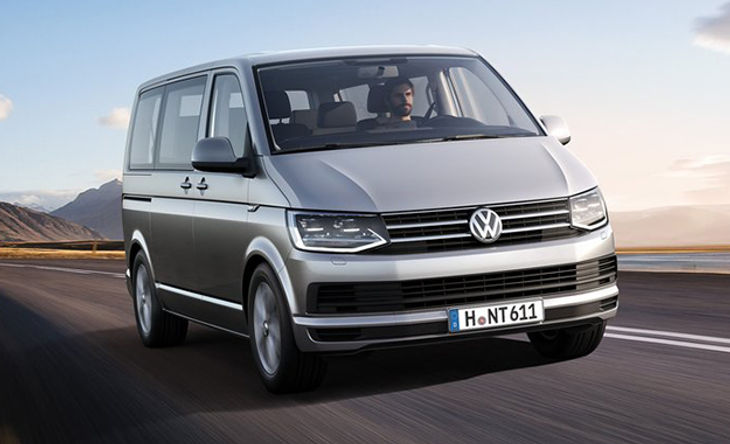
5 Reasons Why We Love the Volkswagen Kombi

Countless South Africans have fond memories of the Volkswagen Kombi, an icon that’s synonymous with long-haul holiday travel and lazy days at the beach. Five decades on, here’s why we still love The People's Bus.

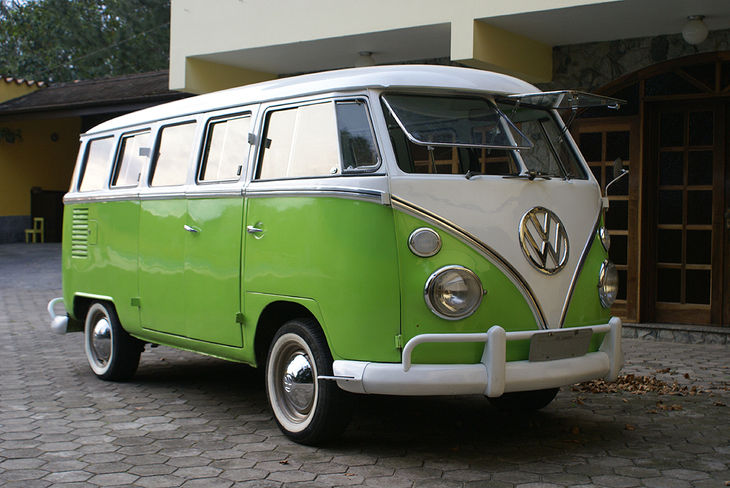
The beach and the venerable Volkswagen Kombi go hand-in-hand, a notion we’ve seen adopted across the globe from as early as the 1950s. And what’s not to like? The early models were appreciably affable-looking things that featured side windows and removable seats – a boon which endeared it to many families and outdoorsy types.

While many enthusiasts have a soft spot for the original models, including those of the split windscreen variety, it was the famous David Kramer Volksiebus advert that popularised the contemporary Kombi or Microbus here in South Africa. The Microbus and Caravelle went on to sell in big numbers and continue to overshadow many newer iterations on our roads.

Of all the models, the T4 Transporter (2003) took the Kombi recipe to another level in terms of styling and engine layouts. Its modern design represented a big departure for the Volksiebus as did its front-engine layout, the latter of which would form the crux of the contemporary Kombi.

We love Kombis so much, we found an owner in KZN who has the coolest collection of busses including this split-window Panel Van:

1. A friendly face

One attribute that Volkswagen has managed to retain throughout its documented history is the Kombi’s affable demeanour. From the rounded, smiley-faced designs of the original series to the "big window" Microbuses of the Nineties, the Kombi has always represented adventure and holidaying up the coast – elements that many purists feel were lost when the modernised T4 Transporter arrived on the scene here in 2003.

Despite its foibles, the T4 introduced the current Kombi’s shape and raised the bar by taking it into a contemporary space – and we’re talking elevated levels in everything from safety standards and aesthetics to fuel efficiency and comfort.

2. Made for travelling. And the beach…

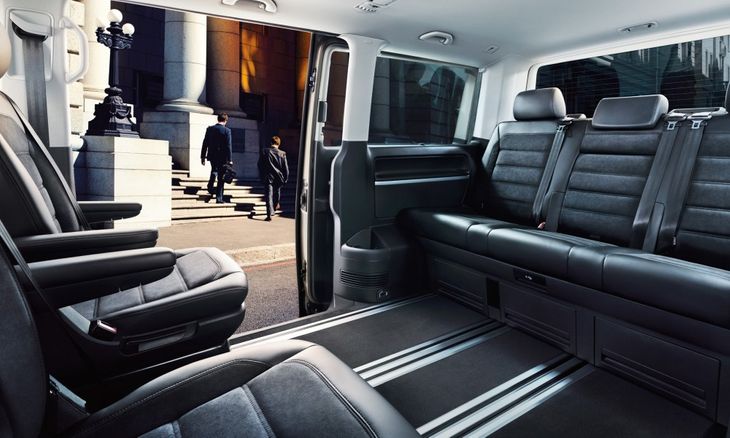
Think back to your fondest childhood memories of Kombi life and I’m sure you’ll recall fighting with your brothers, sisters and friends for the best spot in the "house", which usually took the form of the rear compartment. It always felt massive inside. The T6 Series still feels rather commodious, which can be attributed to the seating arrangement that can swivel and slide to suit your desires. The luggage bay can also be enlarged by moving the benches forward. Of all the derivatives in the current range, it’s the California Beach that rekindles all those nostalgic feelings and memories of holiday adventures. There’s no need for checking in to B&Bs here… Oh no, the California Beach comes equipped with all the creature comforts of a premium camper van, with such amenities as a pop-up roof tent and fold-down seat mattress (both sleeping 2) included in the package.

3. Retro-inspired aesthetics

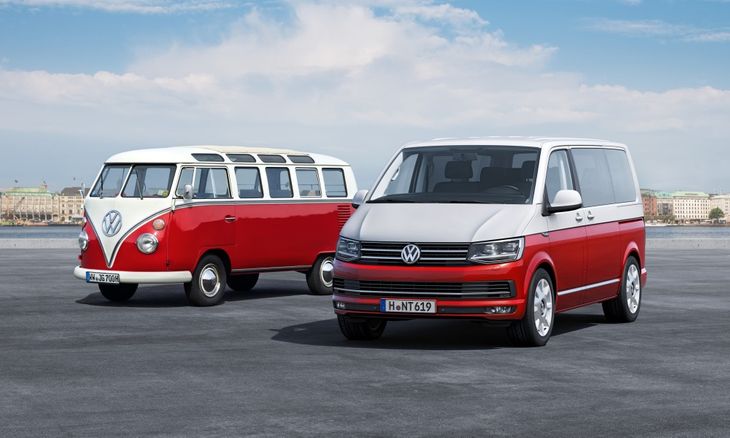
While some of the original Kombi's essence has been lost in translation over the years, the core ethos and zeitgeist of the original Volksiebus are still present. Despite the modern appearance of the new T6 Kombi several tasteful touches and optional garnishes pay homage to the original concept, such as the 2-tone paint (a must-have in our opinion), glasshouse arrangement and sliding door. There’s only one perplexing omission on the local options sheet: the retro-style-hubcap-look alloy wheels, which would have added another nostalgic and tasteful addition to the visuals.

4. Back to front

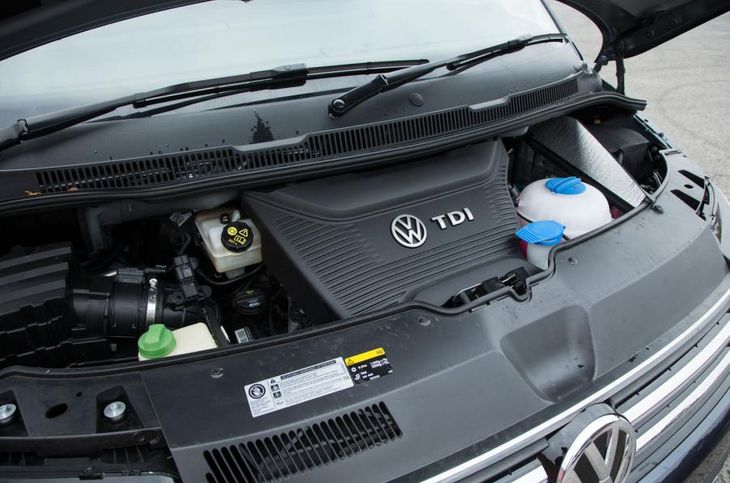
Remember the early offerings and their rear (air-cooled) engine rear-wheel-drive layouts? These were quickly culled with the introduction of the T4 Series when the development of more efficient and environmentally friendly engines prompted VW to move everything from the engine and drive layout to the front. Save for the Kombi (which utilises a single 2.0-litre turbodiesel motor in two states of tune: 75 kW/250 Nm and 103 kW/340 Nm), Volkswagen’s broadly employed 2.0-litre bi-turbodiesel units do duty across the Caravelle, PanAmericana and California ranges.

Available in different states of tune, power and torque outputs range from 132 kW and 400 Nm (Caravelle and PanAmericana) to 110 kW and 350 Nm or 150 kW and 450 Nm (California). While there are subtle performance differences between each derivative, you need to remember the Kombi has always been more about the journey and less about the destination.

5. Safer than ever

The modern Kombi sets itself apart from its predecessors when it comes to integral safety features. The current line-up boasts a throng of safety acronyms such as ESP, ABS, MCB, ASR, EDL and TSC as well as automatic post-collision braking, the latter of which aims to prevent a secondary collision after an accident. There’s also adaptive cruise control, lane-change assist and hill hold assist. Both driver and passenger have airbags and the options list includes high-beam assist and front fog lights with integrated cornering lights. Those looking for superlative traction levels, or who regularly have to deal with poor road surfaces or gravel, can spec it with 4Motion four-wheel drive system, including a mechanical differential lock.

Related content

Volkswagen Split-Window Crew Cab: SentiMETAL Ep8

Volkswagen PanAmericana Special Edition in SA

Kia Grand Sedona (2018) Launch Review

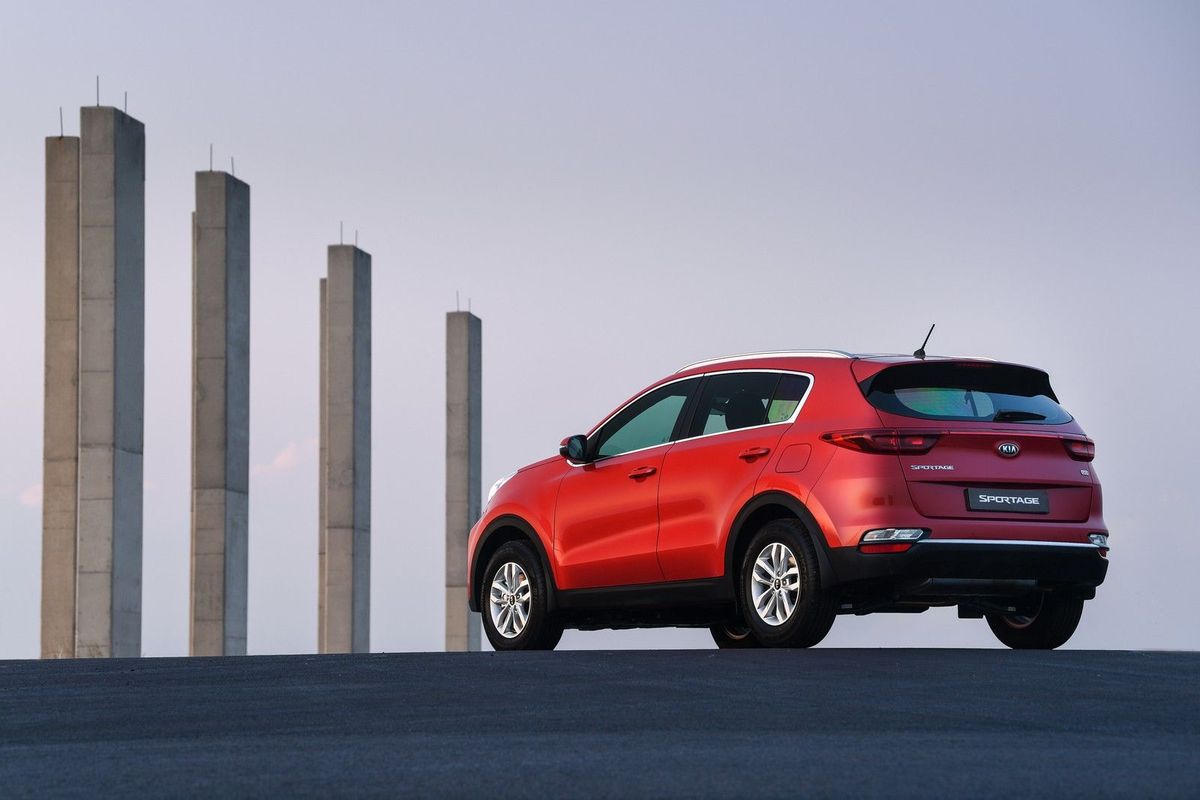
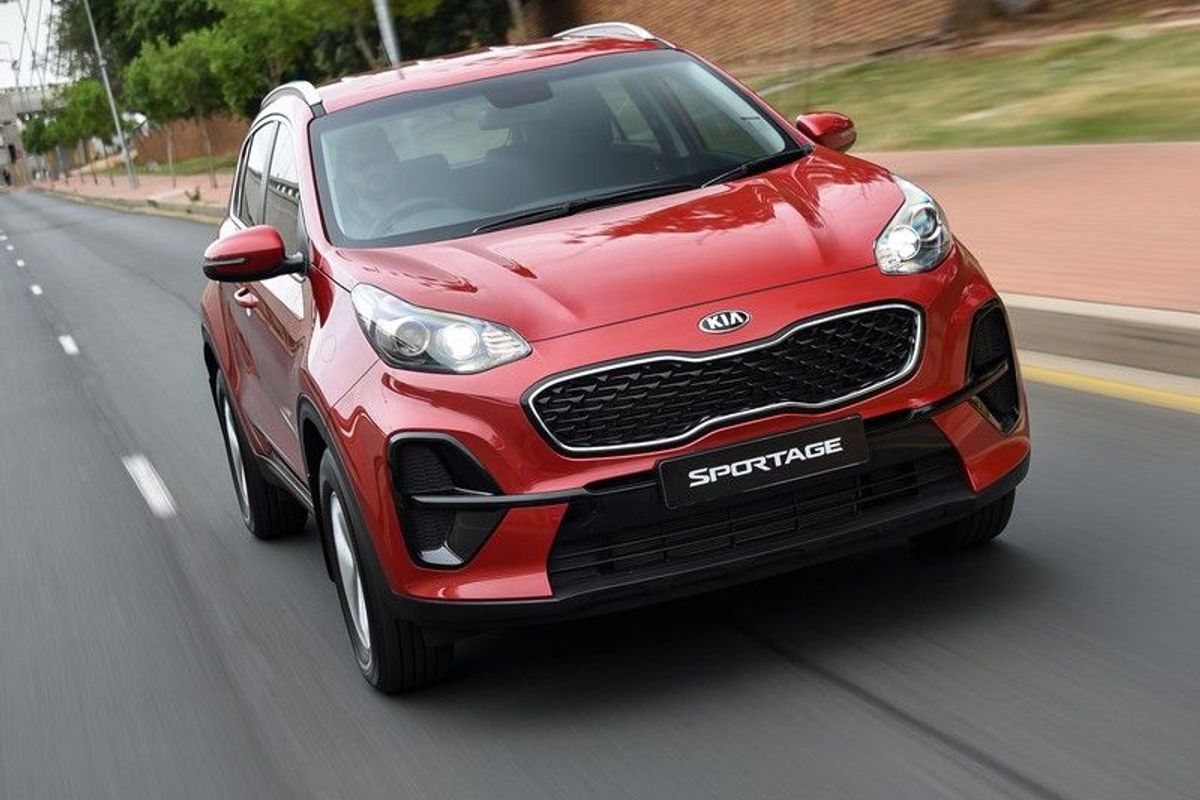
Facelifted Kia Sportage (2018) Specs & Price

Kia has launched its facelifted Sportage family car with updated exterior and interior styling and new engine choices.

The Kia Sportage has been updated to take the fight to the Volkswagen Tiguan, Hyundai Tucson (also recently updated), Peugeot 3008, Toyota RAV4, Ford Kuga and Mazda CX-5. The range's line-up has been reduced from 12 to 9 derivatives, with only 1 all-wheel-drive version available.

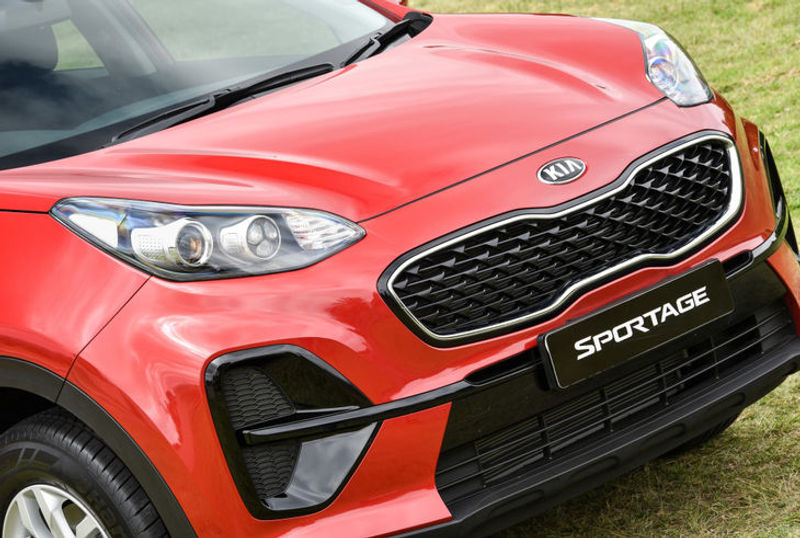
From an aesthetic point of view, the Sportage's exterior styling has been emboldened with a newly designed front-end including new-look headlights, fog lights and more chrome for a more sophisticated look.

The interior, meanwhile, has been updated and incorporates an attractive mix of soft-touch materials and convenience features such as an 8-inch touchscreen infotainment system (with integrated navigation), a wireless charging pad, split-folding rear seats, electrically adjustable front seats, power windows and -mirrors, park distance control, reverse-view camera and rake- and reach adjustable steering.

Engine choices

A range of petrol and diesel engines are on offer with a choice of manual and automatic transmissions. Trim levels include the entry-level Ignite/Ignite Plus and higher spec EX and EX Plus.

The engine range starts with the naturally-aspirated 1.6-litre petrol engine in the Sportage 1.6 Ignite. It offers peak outputs of 97 kW and 161 Nm of torque and is mated with a 6-speed automatic transmission.

A naturally-aspirated 2.0-litre petrol engine powers the Sportage Ignite Plus, EX and EX Plus. It produces 115 kW and 196 Nm of torque and is available with a choice of either a 6-speed manual or 6-speed automatic transmission.

The solitary turbodiesel engine (the previous 1.6- and 1.7-litre units have been discontinued on the local market) is a 2.0-litre motor (131 kW and 400 Nm of torque), which is mated with a new 8-speed automatic transmission in the Ignite Plus, EX and EX Plus derivatives.

All Sportage derivatives are front-wheel driven except for the Sportage EX AWD automatic, which employs all-wheel drive. The new 8-speed auto is said to offer improved shift times and responsiveness. Fuel consumption has also been improved with the introduction of the new transmission.

We are driving the facelifted Kia Sportage at launch this week so look out for our launch report coming your way soon.

Kia Sportage – Prices in SA

Sportage 1.6L GDI IGNITE 2WD Auto – R379 995

Sportage 2.0L IGNITE PLUS 2WD – R389 995

Sportage 2.0L IGNITE PLUS 2WD Auto – R403 995

Sportage 2.0L Diesel IGNITE PLUS 2WD Auto – R453 995

Sportage 2.0L EX 2WD Auto – R459 995

Sportage 2.0L EX PLUS 2WD Auto – R499 995

Sportage 2.0L Diesel EX 2WD Auto – R509 995

Sportage 2.0L Diesel EX AWD Auto – R536 995

Sportage 2.0L Diesel EX PLUS 2WD Auto – R549 995

The Kia Sportage is sold with a 5-year/unlimited km warranty, 5-year/90 000 km service plan and 5-year/unlimited km Roadside Assistance.

Buy a new or used Kia Sportage on Cars.co.za

Related Content

Spy Shots: 2019 Kia Sportage

Kia Sportage 2.0 EX Plus Auto (2017) Video Review
Kia Sportage 2.0 CRDi SX AWD (2016) Quick Review

2018/19 Cars.co.za Consumer Awards – powered by WesBank; Finalists

Understanding the Nissan NP300 Zero-Star Crash Test

The bakkie segment is the most popular vehicle class in South Africa. Should we judge body-on-chassis pick-ups and double cabs, especially those produced with affordability most in mind, by conventional passenger safety standards?

There is never a boring month that passes in the South African news cycle, but when our automotive industry makes international headlines, seemingly for all the wrong reasons – motoring enthusiasts are bound to take notice of it.

November hasn’t been a good month for Nissan South Africa. Not in terms of local product demand or production efficiencies, but reputation management. A joint venture testing initiative by Global NCAP and the AA yielded results that were trumpeted with great alarm to the public.

See also:  Global NCAP slams Hardbody safety, Yaris & i20 'unstable'

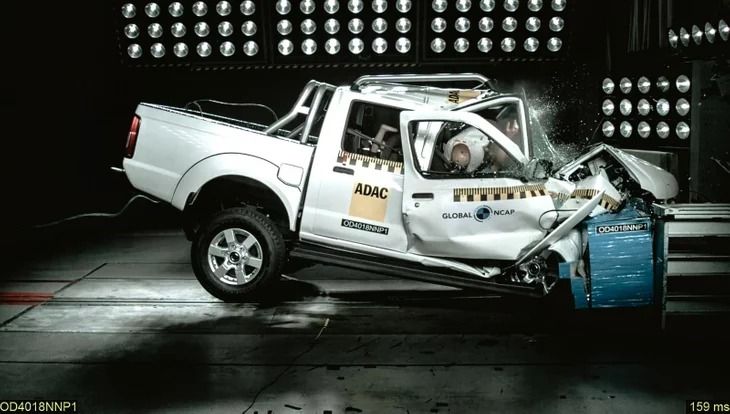
The vehicle that suddenly started trending on social media for all the wrong reasons was Nissan’s NP300 double-cab bakkie. It had underachieved in the worst way possible, by scoring (or rather, not scoring), a safety rating of zero.

Borrowed rage is a by-product of our age and issues are seamlessly claimed as personal victimhood; principles are championed, but meanwhile, behaviour continues unaltered. Global NCAP espoused itself as an organisation working towards greater transparency in vehicle safety awareness, empowering the public to make buying decisions informed by the most independent and robust safety testing protocols available.


The Nissan Hardbody actually dates back as far as the late 1990s.

I’m deeply suspicious of any activism and although the principles held dear by Global NCAP are lofty and even admirable, every organisation either has an agenda or delivers its service in a very specific "context". For Global NCAP to exist, the premise is that manufacturers don’t want everything to be known about their total safety engineering portfolio. The organisation’s Uruguayan head of technical matters, Alejandro Furas, believes that, for some manufacturers, a lesser standard of safety engineering is deemed as acceptable for African markets – and their testing results prove this.  

The complication of continuation vehicles

Cynics have questioned why Global NCAP tested the NP300 and didn’t contextualise it with other affordable double-cabs from GWM or Mahindra. The NP300 does a fair trade in the local market and its sales numbers justify the importance of selecting it for testing, so I can’t fault Global NCAP for its sampling logic. But, having said that, it would have been illuminating to see a Mahindra Pik-Up or GWM Steed6 tested to the same standard.

There’s no doubt about the technical standards that Global NCAP employed to calculate the crash safety rating of the NP300. It was conducted in one of the world’s epicentres of automotive technical excellence, Munich, by impartial (and painstakingly precise) German technicians.

Where I do think there’s a lot of context and analysis missing from the entire safer-cars-for-Africa campaign, is the fact that it fails to recognise the huge discrepancy between what Global NCAP perceives as customer behaviour – and the reality of African car ownership. Added to this issue, is the traditional South African practice of continuation production, as Volkswagen does with the Polo Vivo and Toyota with the Corolla Quest.


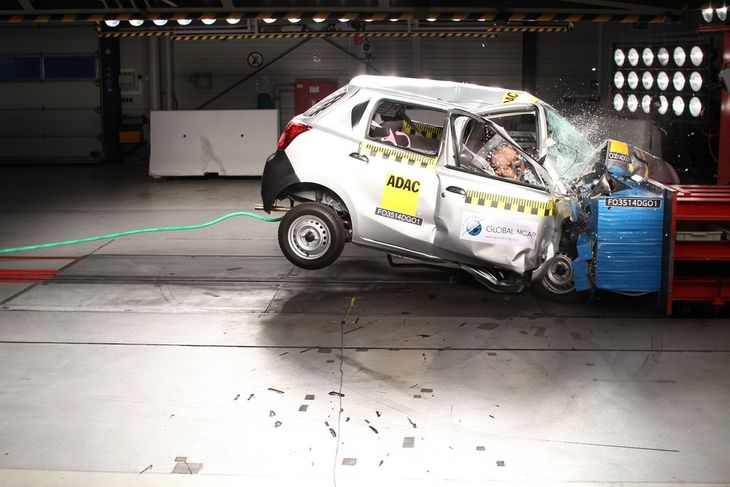
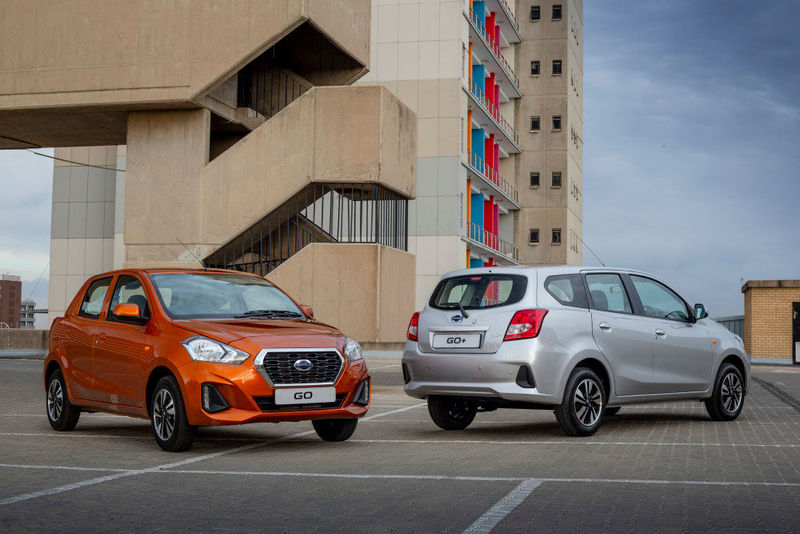
One of SA's top-selling passenger cars, the Datsun go scored zero stars. Since then Airbags have been added.

Global NCAP would like us to believe that 80% of new car buyers are influenced by their prospective purchases' safety ratings. This is a statistic that absolutely doesn’t correlate with the local market's monthly new vehicle sales data. In many other global markets, with narrower income disparity, customers might regard vehicle safety features as pivotal to their buying decisions. But in South Africa, that’s simply not the case. The enormous demand for the twin Renault-Nissan Alliance budget products (Datsun Go and Renault Kwid), strongly suggest that, for numerous South African new car buyers, a slick infotainment system that plays nice with your Smartphone, is a lot more important than a ticked list of safety features.

See also: Datsun Go (2018) Launch Review

Nissan’s transparency about its NP300’s 2018 safety standards have been called into question, but what exactly should the responsibility of a manufacturer be to someone who is purchasing a continuation vehicle? Since VW and Nissan kept the Golf1 (CitiGolf) and 1400 bakkie (Champ) in production decades after their global discontinuation, South Africans have shown a willingness to buy vehicles with outdated safety technology.

Anyone who is considering the purchase of an NP300 cannot seriously be under the impression that it is a "new" or "up-to-date" vehicle. Surely the bakkie-buying public in South Africa is well aware that this is a continuation model, a design known globally as the 1st-generation D22-series Navara, which dates to the late 1990s.

And that strikes at the most telling issue for me… and one which nobody has yet addressed. If selling a new car with 20-year-old engineering integrity is problematic, due to its failure to meet contemporary crash safety standards, why not legislate it to be illegal to trade any vehicle older than, say, 10 years?


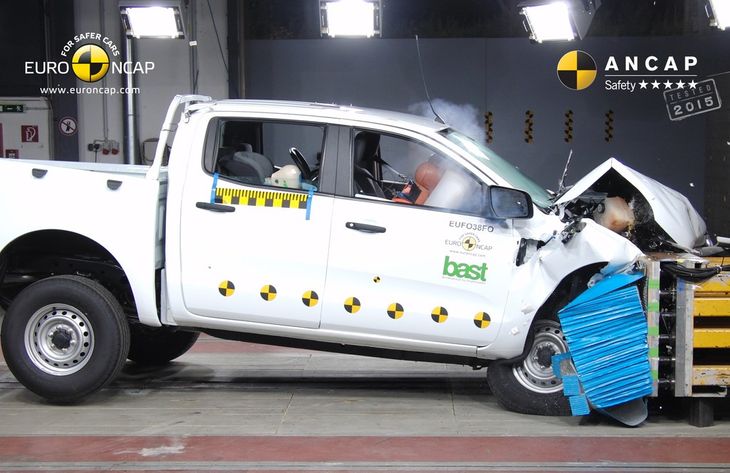
In 2015, the current version of the Ford Ranger scored 5 Stars in the Australian crash test (ANCAP).

In Europe, governments tax older vehicles out of consideration and, in Japan, a physical vehicle test has to be paid for every 2 years (it can cost up to the equivalent of R10 000, which explains why car owners choose to avoid it by replacing their cars regularly). Perhaps the true solution for Global NCAP would be to have any vehicle removed from the roads, which doesn’t adhere to the latest crash safety standards. Land Rover sold its Defender deep into 2015, and it was never even casually crash-tested, leaving one to guess how (un)safe the ancient design would have been.

Before its 2018 revision, much the same could be said for Mercedes-Benz’s G-Class (formerly known as the Geländenwagen), which was never independently safety tested by an organisation such as NCAP. The new one recently went on sale in South Africa, and we still don’t know how it scores in most crash safety metrics. It has airbags and a raft of (even autonomous) safety features, but structurally there is no independently verifiable data on how it collides with solid objects or other vehicles. Has that stalled demand for the Geländenwagen? Not in the least.

See also: Mercedes-AMG G63 (2018) Launch Review

Making bakkies better

When crash testing protocols started becoming an issue in the late 1990s, with the establishment of Euro NCAP, the main concern was how structurally safe a car would be in a conventional collision: front, side, rear and some offset object impacts. By 2018, you cannot achieve a 5-star rating without mandatory dynamic safety intervention systems (electronic stability control), pedestrian safety features and the best LEDs on the market.

Engineering a safety cell around the cabin, with enormous energy absorption and dissipation attributes, should be a goal regarded in isolation from whether bonnets sufficiently limit the harm to pedestrians – or vehicles are equipped with lights that can illuminate rural roads like it’s the second innings of a 20/20 cricket game. Fuel type is rarely mentioned in any safety testing and surely post-crash flammability is an issue? Should turbodiesel vehicles score higher than petrol-powered ones, for example?


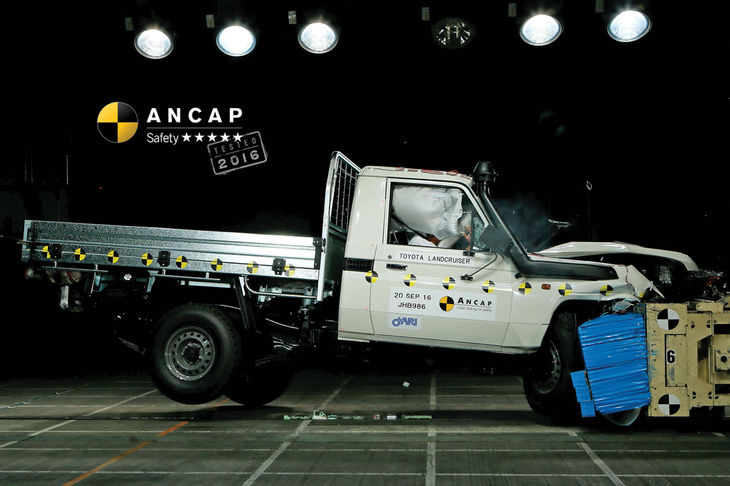
Concerns in Australia over the Land Cruiser forced Toyota to make it structurally safer.

It can be argued that bakkies exist in a safety realm of their own because they are constructed in a way that's crucially different to most cars and (these days) SUVs. The bakkie retains a steel ladder-frame, with its cab mounted on top, and this structure is not one given to crumple zone integration in the same way that a unibody or monocoque vehicle is.

The increased ride height of a bakkie means that many impacts that would be devastating for low-riding family hatchbacks and crossovers aren’t of the same risk to occupants of a double-cab. The structural strength of a steel ladder frame and elevated cab design gift double-cab bakkies a tremendous advantage over most other vehicles in most vehicle-to-vehicle collisions. But, without the latest autonomous driver intervention systems and clever lighting designs, bakkies are never going to achieve scores rewarding only their structural safety.

That said, it is possible to dramatically improve the harmonised crash safety rating of a ladder-frame platform bakkie or SUV. Toyota’s Land Cruiser 70-Series was first marketed in the mid-1980s and as crash safety regulations became a popular unit of vehicle analysis in the 2000s, the boxy ‘Cruiser became a problem.


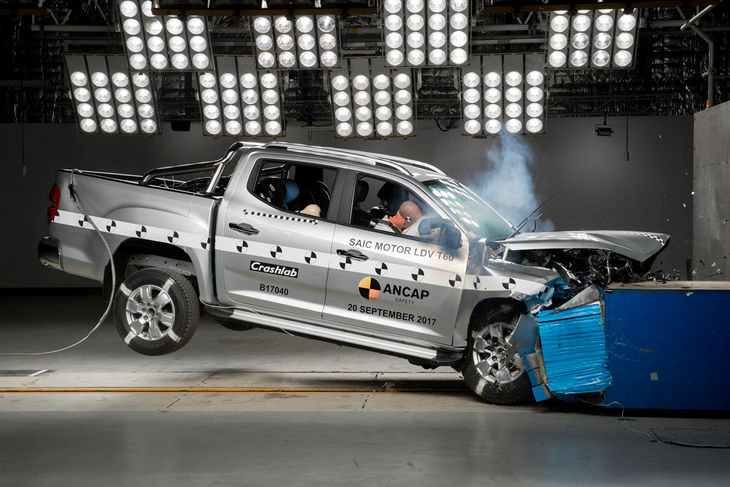
The 5 star scoring Chinese LDV T60 bakkie holds up pretty well.

Pressure from one of its most valued bakkie markets, Australia, forced Toyota to redesign the ‘Cruiser 70 three years ago, adding curtain and knee airbags to the cabin, whilst engineers redesigned the cab, platform and bonnet safety structure. The result was a 2-star increase in crash safety results, as recorded by ANCAP, the independent version of Euro NCAP for vehicles marketed Down Under.

Interrogating the Australian bakkie crash safety ratings are useful, as their market most mirrors our own, and there are some startling results. To name but 2 examples: the Tata Xenon achieved a 4-out-of-5-star rating in 2013 and a Chinese bakkie, the LDV T60, achieving a perfect score last year. GWM’s Steed6 rates 2 stars.

Marginal safety incentives

The sales numbers tell us that crash safety is not an issue for South Africans. If it were, Volvo would be a dominant premium brand here and the continuation models would not have a justifiable business case in the local market. However, South Africans have a gung-ho attitude to road safety, across the entire diversity of the country’s motoring spectrum. Price, image and entertainment features are considered priorities outranking safety technology. Verifiable crash safety data hardly ever influences any new vehicle purchasing decision.

Nissan’s NP300 could certainly benefit from some crash safety reengineering, similar to what Toyota did with its Land Cruiser bakkie Down Under, but who'd absorb that cost? If Nissan passes it onto retail pricing, NP300 becomes uncompetitive not only compared to Mahindra and GWM’s bakkies, but also some "newer" rivals from its traditional competitors.

Let's face it: In an environment where the South African government's department of transport has no policy that bars or penalises outdated safety specification in vehicles offered in the new car market, it’s always going to be a race for the bottom, to shore up sales volume…

Related content:

Global NCAP slams Hardbody safety, Yaris & i20 'unstable'

Global NCAP and AA Crash Test Popular Cars in SA

Children on the back of a bakkie – new law falls short

Kuga Fires: Here's What You Need to Know

Not all parking bays are created equal

3 Must-ask Questions for a Used-Car Salesman

The Motor Industry Ombudsman Of South Africa – In-Depth Q&A

Car Theft Insurance Claims: When Are You Negligent?

Vehicle Warranties: The Devil's in the Detail

Kia Stinger Review: Sideways in Kia’s rear-wheel-drive Saloon

A performance Kia sounds like a contradiction, but with the Stinger it appears that the Korean brand has nailed the brief completely. Watch Ciro de Siena experience the new Kia Stinger.

By definition, a halo car exists to bring positivity, excitement and awareness to a brand. Usually, a brand's halo car is a fire-breathing sportscar and occasionally its a fancy-pants SUV. It is very rarely a sedan. Either way, the car should, at least in part, make the driver feel like a hero.

But if the Kia Stinger isn't a halo car, we're not sure what is. For a brand that is, at least in a South African context, widely associated with budget-beating hatchbacks, on our roads, the Stinger might as well be from another planet. And thanks to a potent V6, rear wheel drive and dramatic good looks, it's garnered critical praise from petrolheads, too.

And so, without further ado, we present to you our Kia Stinger video review. In this film, Ciro De Siena first takes the Kia to the iconic Franschhoek Pass but decides he needs a safer space to really test the car. And so we end off at a secret test track in the Cape, to work out if this halo car can make Ciro feel like a hero. Which is actually quite a solid rhyme.

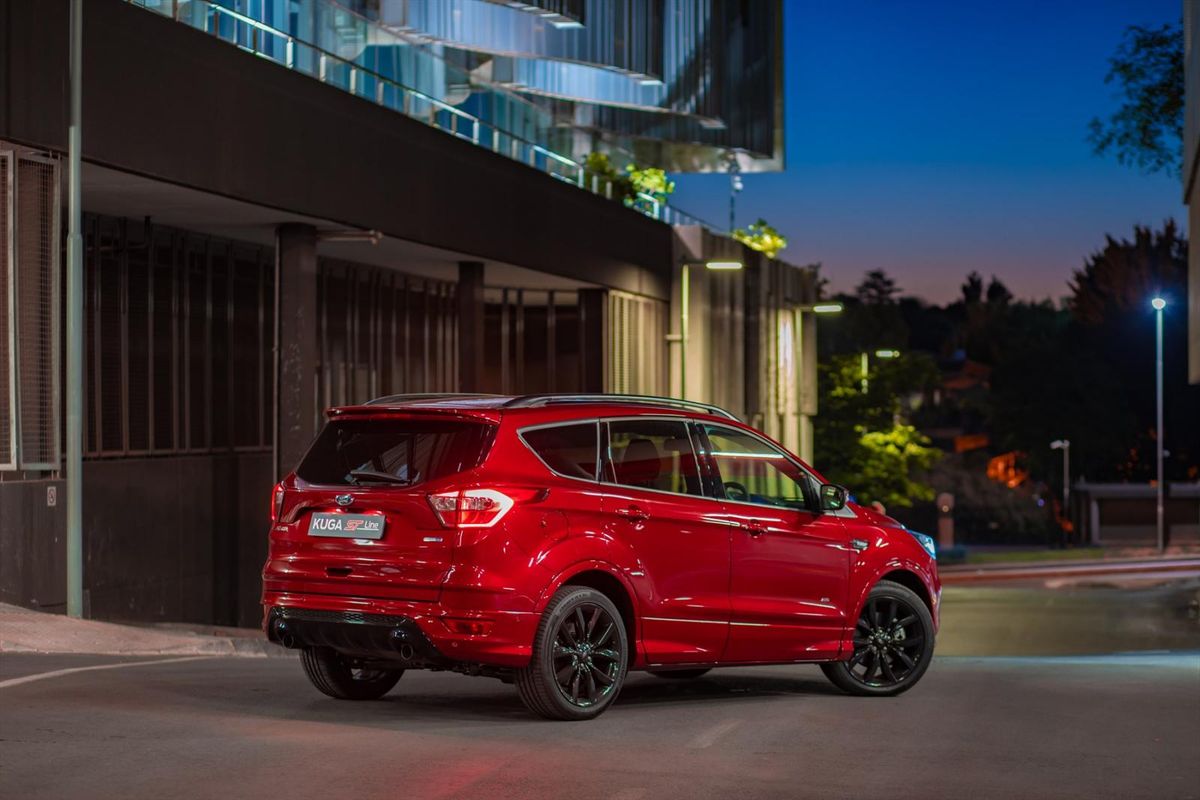
Ford Kuga ST Line in SA (2018) Specs & Price

Ford has added a sporty ST Line kit to the Kuga as well as a new, efficient turbodiesel model in an effort to jump-start the Kuga's sales on local soil. See details below… 

The new Kuga is not having the best of times on the sales charts, but that's to be somewhat expected after the disaster that befell the previous generation. Despite enticing pricing, a strong engine lineup and a practical offering, the new Kuga lags behind the competitors like the VW Tiguan, Mazda CX-5, Hyundai Tucson and Toyota Rav4 – to name but a few. Ford is looking to improves sales with some new additions to the Kuga range. Here's what the new models have to offer.

Sporty Kuga ST Line

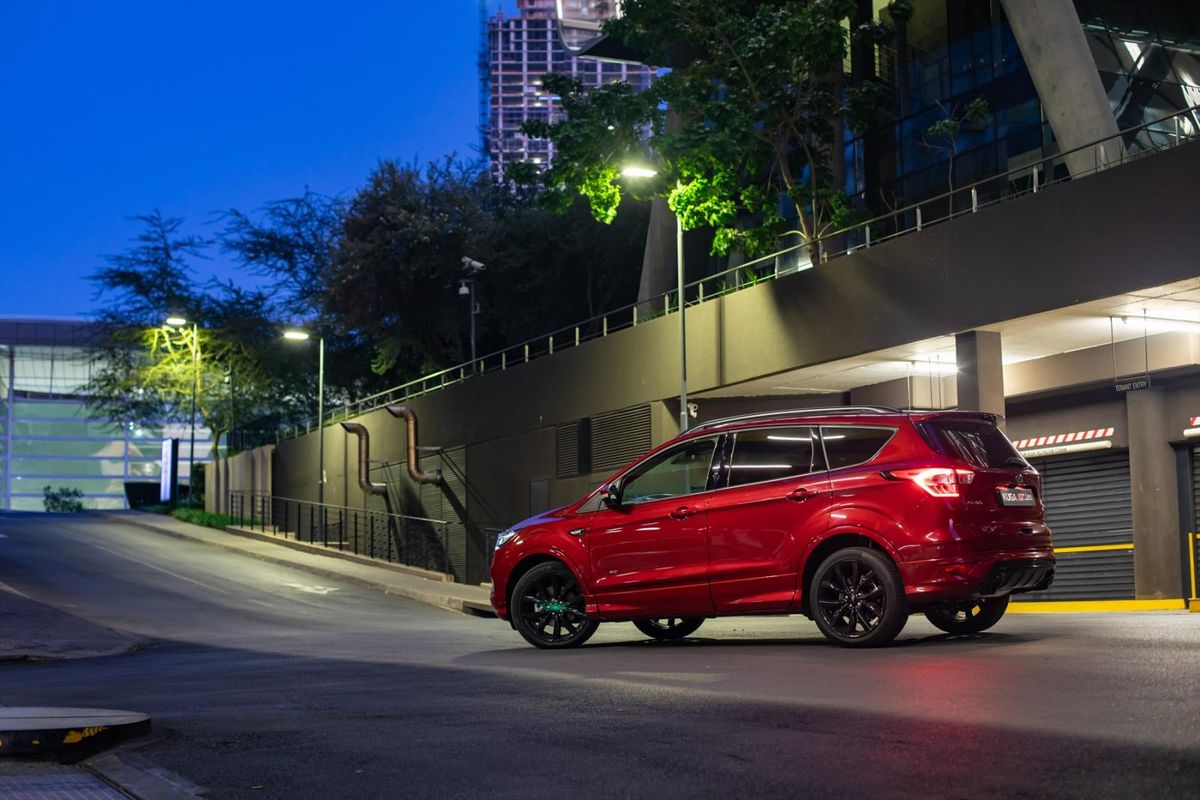
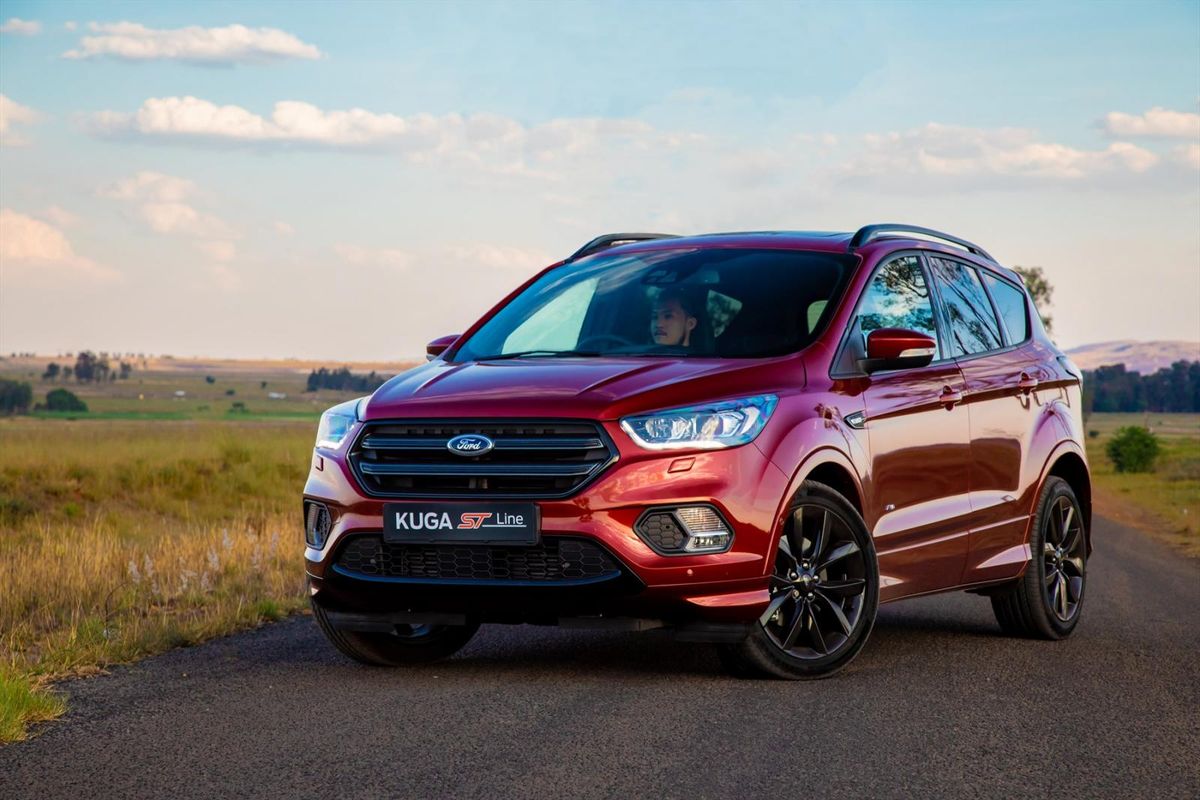
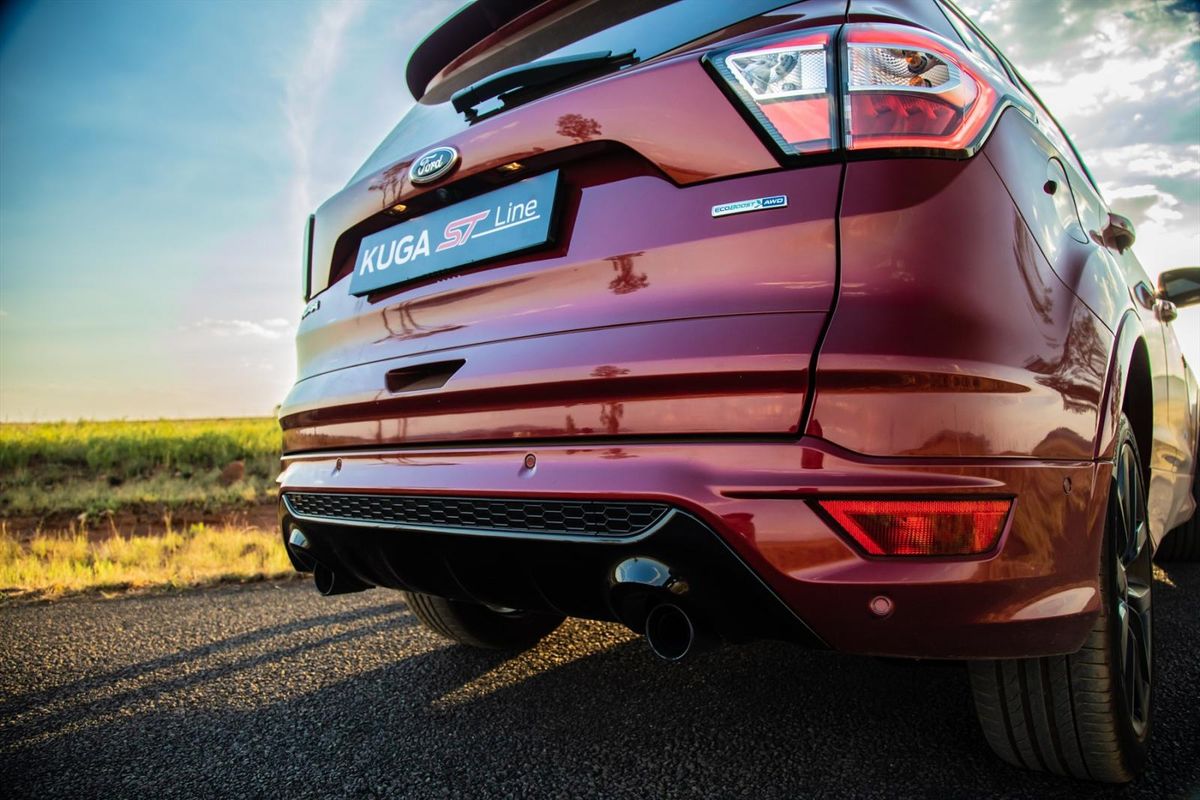
The Kuga ST Line replaces the old Titanium model and offers a sportier offering thanks to high-gloss Ebony Black finish for the front grille, honeycomb design for the lower portion of the grille and matching sports mesh finish on the fog lamp bezels. The skid plate, side skirts, mirrors, door handles, rear roof spoiler and wheel arches are all colour coded and make up the new body kit for the ST Line. Ford has even included an Ebony Black rear diffuser, black roof rails, tinted front and rear lights and privacy glass for the rear windows.

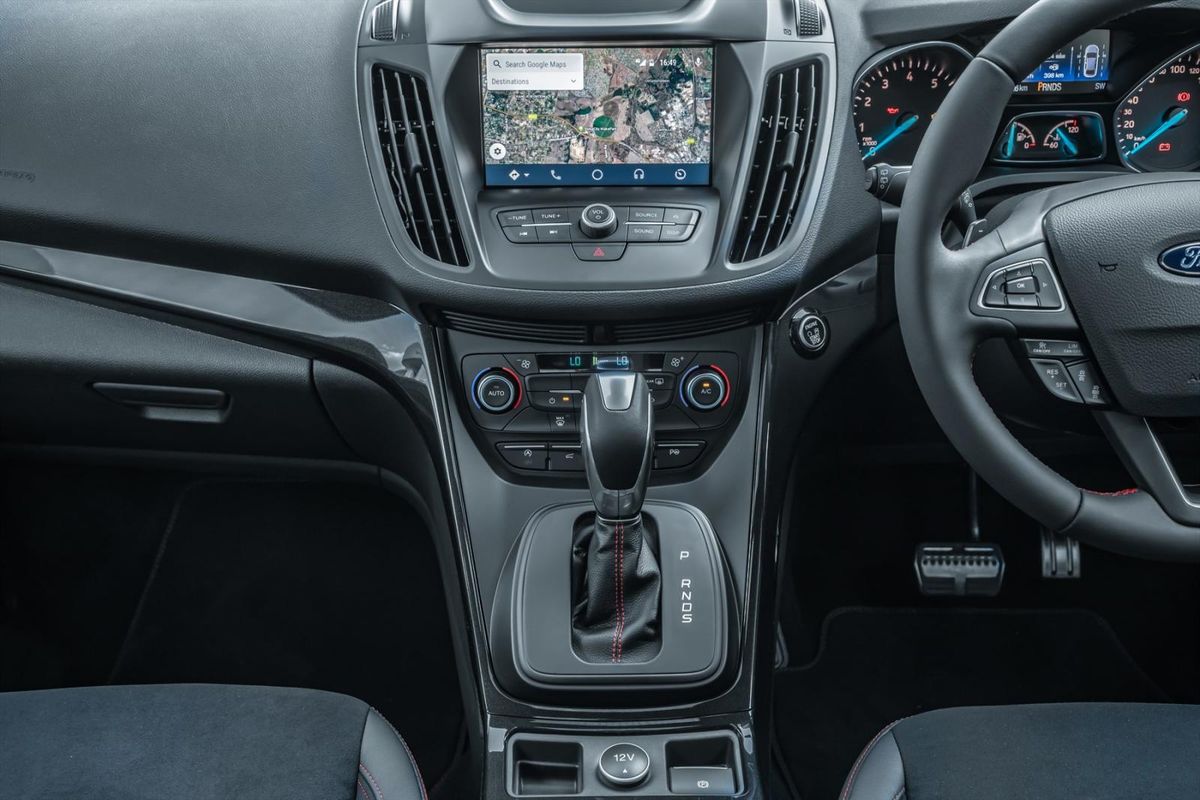
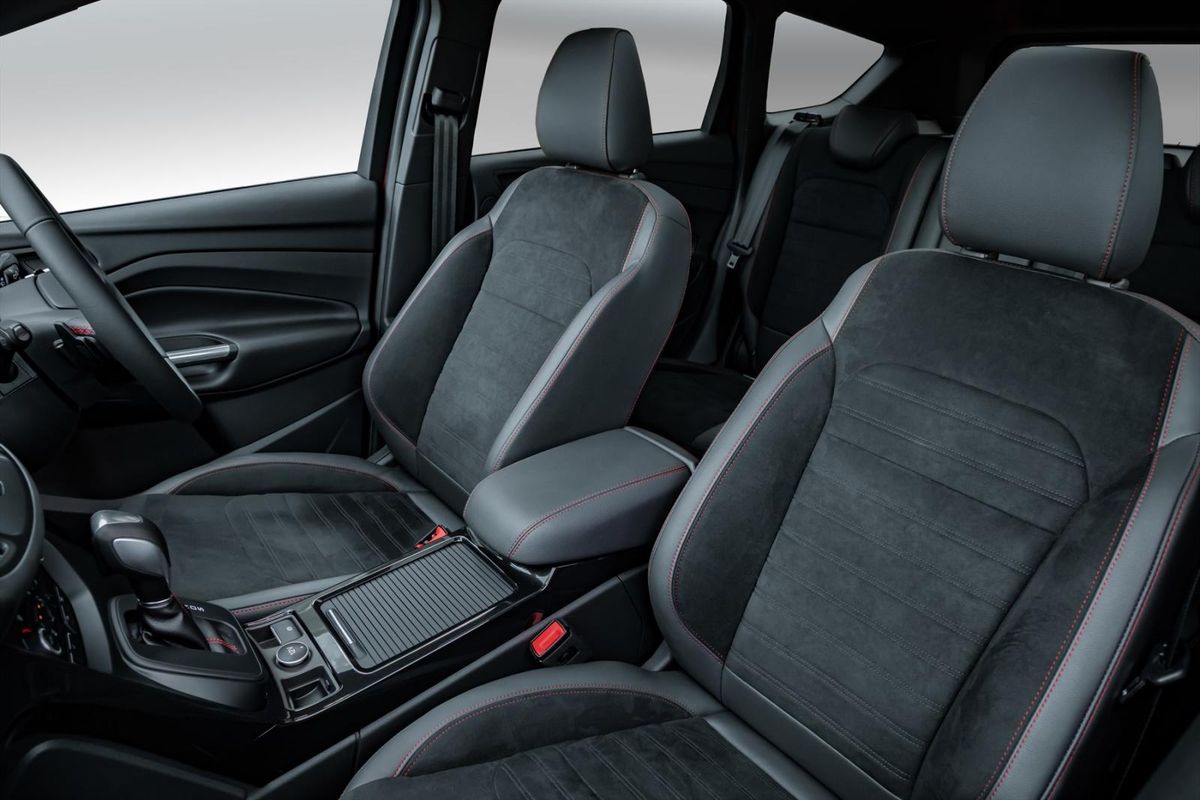
The interior of the ST line features partial leather seats with coloured stitching that extends to the gear lever, centre console and gear lever. The ST Line logo appears on the scuff plates as you open the door.

The trend towards sporty family SUVs continues with a revisited suspension setup that incorporates thicker anti-roll bars, a 10 mm lower ride height and stiffer suspension bushes. Spring and damper rates have also been fine-tuned to improve handling performance.

The Kuga ST Line is offered in either all-wheel drive diesel or petrol guise. The diesel variant is powered by a 2.0-litre turbodiesel engine with 132 kW and 400 Nm and is mated to a 6-speed Powershift automatic transmission. As for the petrol version, a 2.0-litre Ecoboost engine does service under the bonnet and provides 177 kW and 340 Nm of torque and comes mated with a 6-speed torque-converter automatic transmission. 

Frugal 1.5 turbodiesel

A new economy-oriented turbodiesel engine has been added to the Kuga lineup too. Power for this unit is rated at 88 kW combined with 270 Nm of torque. This engine is only available in entry-level Ambiente and mid-spec Trend variants. It is also only available with a manual 6-speed gearbox and front-wheel-drive. In terms of fuel economy, Ford claims an average figure 4.2 L/100km. 

Ford Kuga – Price in SA

1.5 EcoBoost Ambiente FWD 6MT – R384 900

1.5 EcoBoost Ambiente FWD 6AT – R398 500

1.5 TDCi Ambiente FWD 6MT – R426 200

1.5 EcoBoost Trend FWD 6AT – R445 900

1.5 TDCi Trend FWD 6MT – R456 200

2.0 EcoBoost ST-Line AWD 6AT – R548 500

2.0 TDCi ST-Line AWD 6AT – R566 900

Related Content

Volkswagen Tiguan 1.4 DSG (2016) Video Review
Mazda CX-5 2.2DE AWD Akera vs Hyundai Tucson 2.0CRDi Elite (2017) Comparative Video Review
Hyundai Tucson Sport (2017) Quick Review

Search for a used Kuga here

New BMW 3 Series (2018) Price in SA

The all-new BMW 3 Series is headed for  South Africa in March 2019. Here's what you can expect in terms features and pricing…

Codenamed G20, the 3 Series is an important product for BMW and the new model needs to up its game if it’s to effectively compete against cars such as Audi’s A4 and the Mercedes-Benz C-Class. 

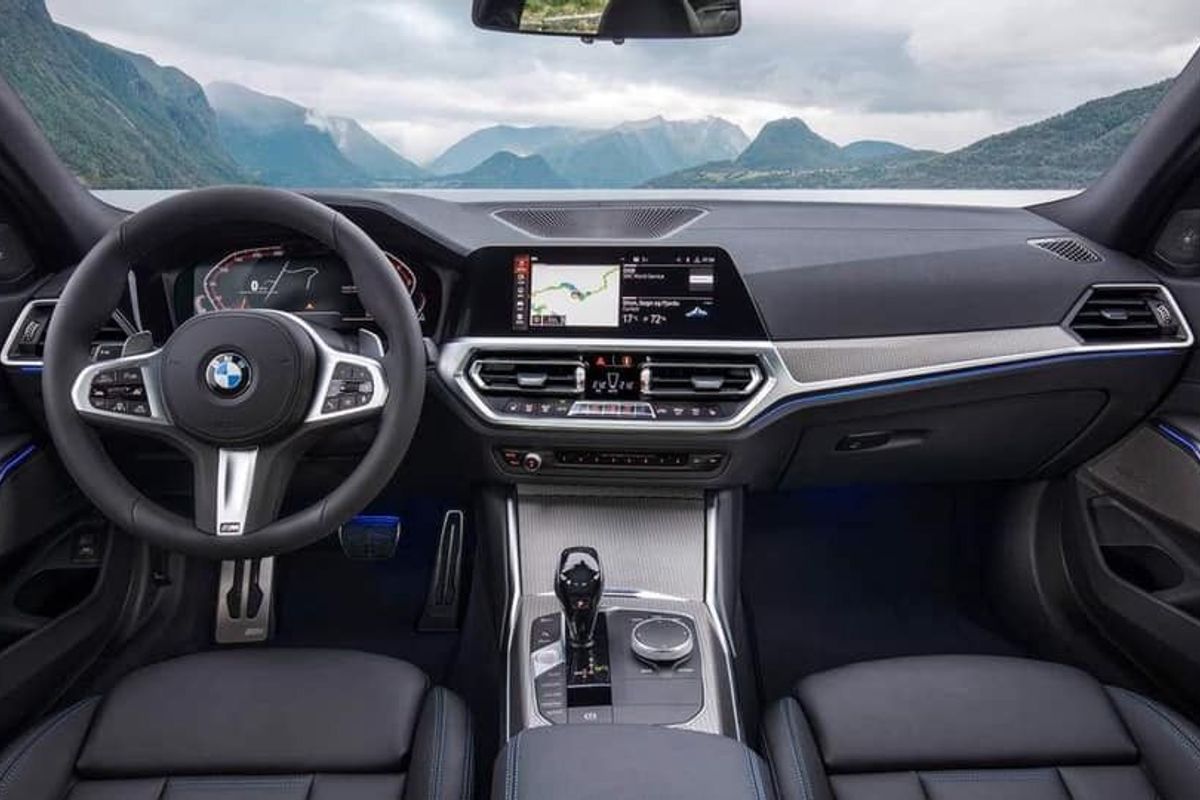
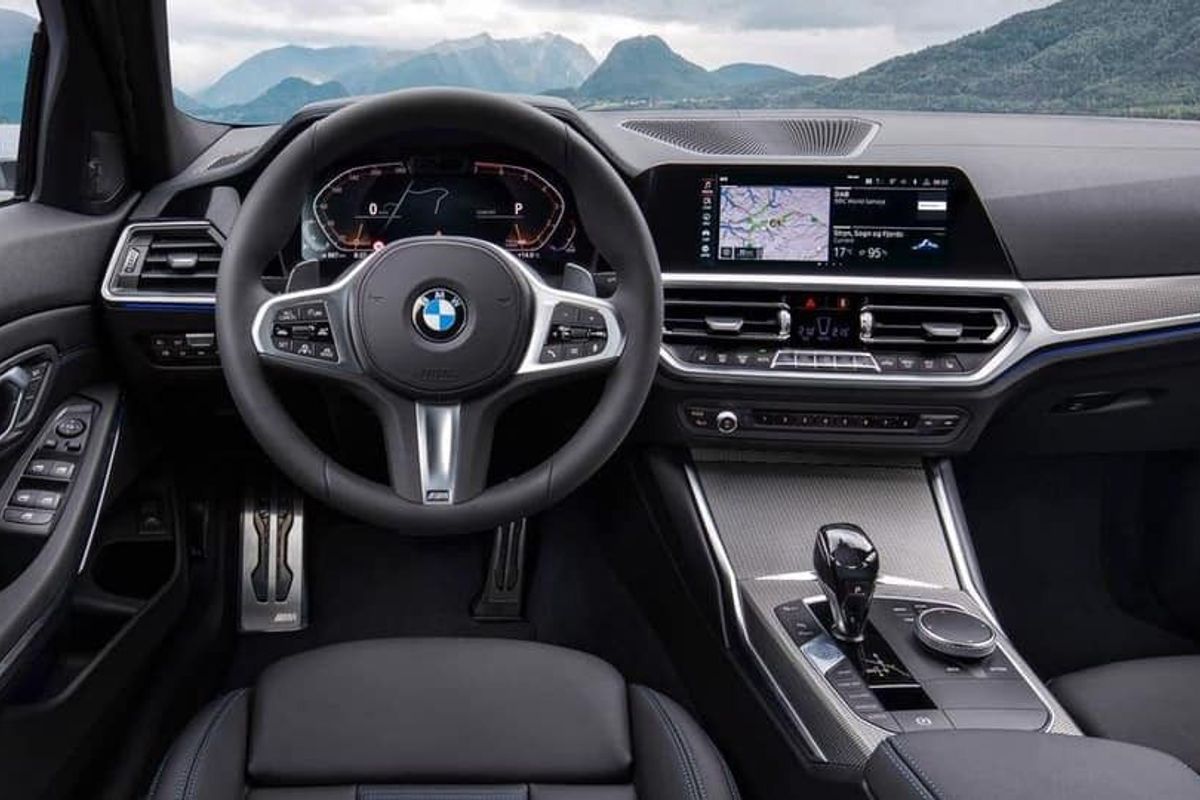
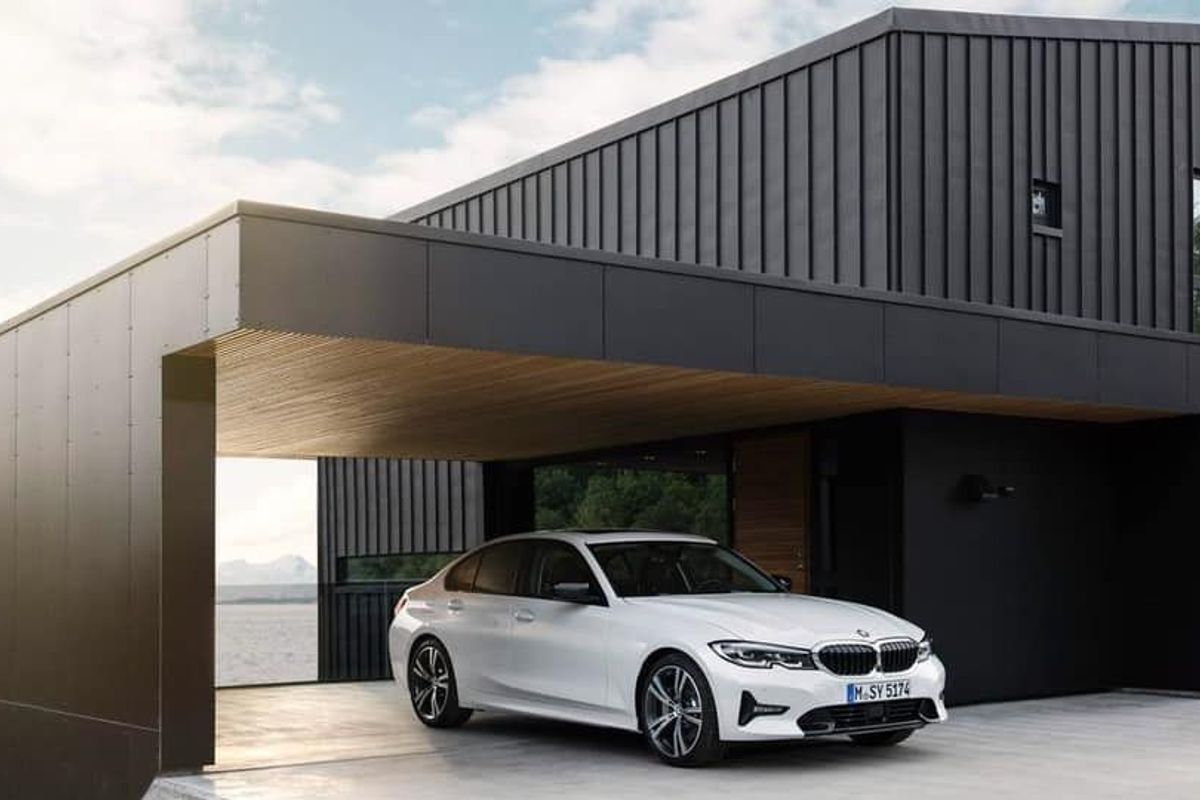
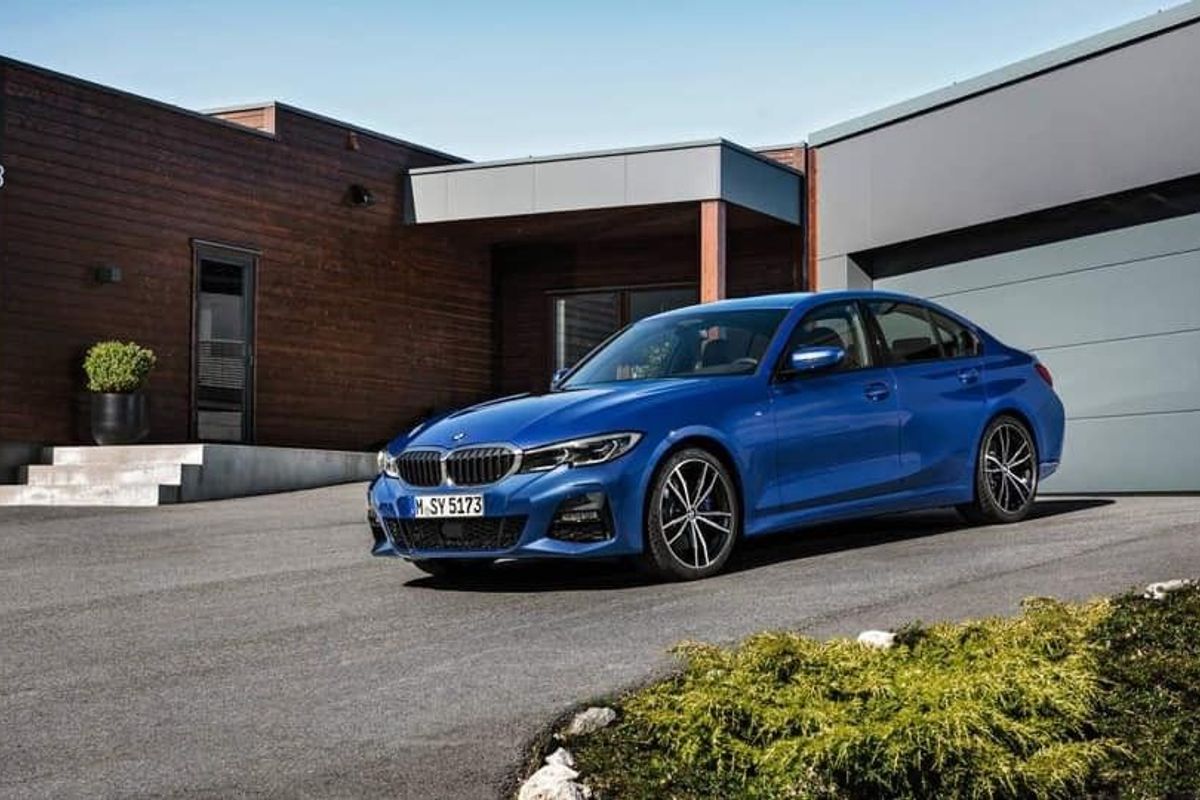
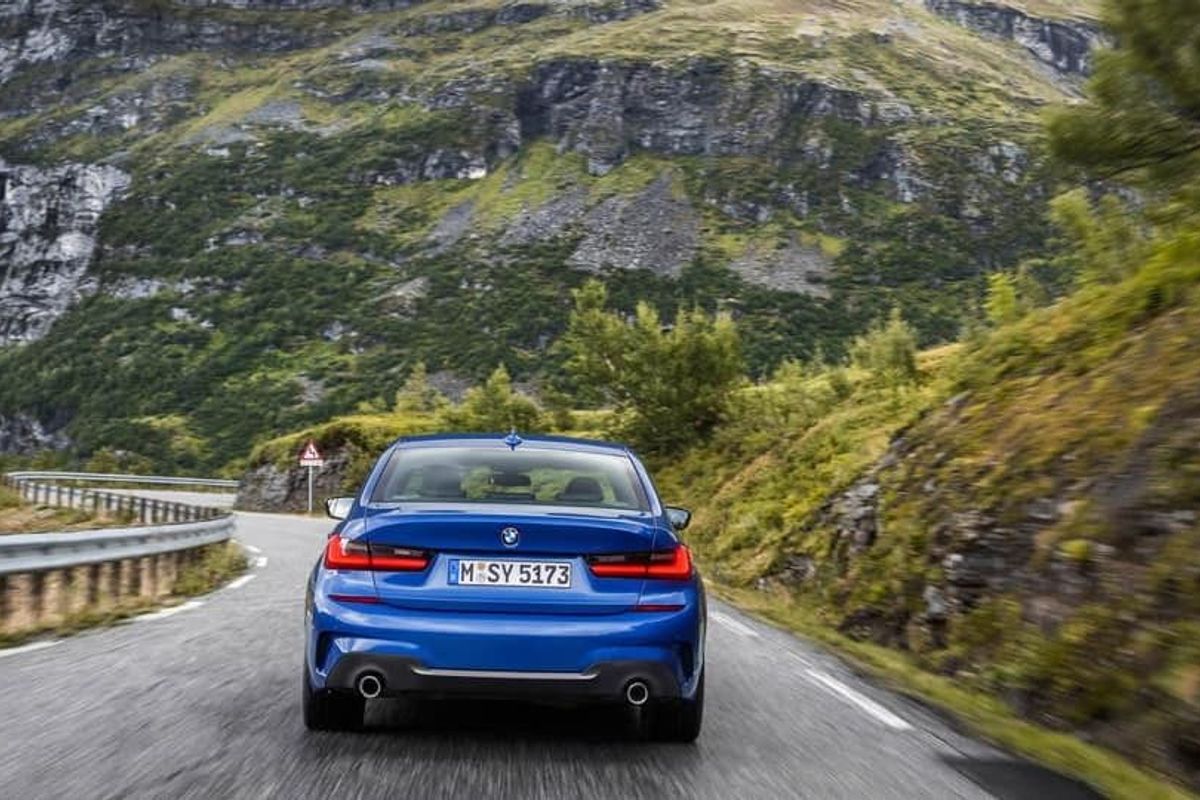
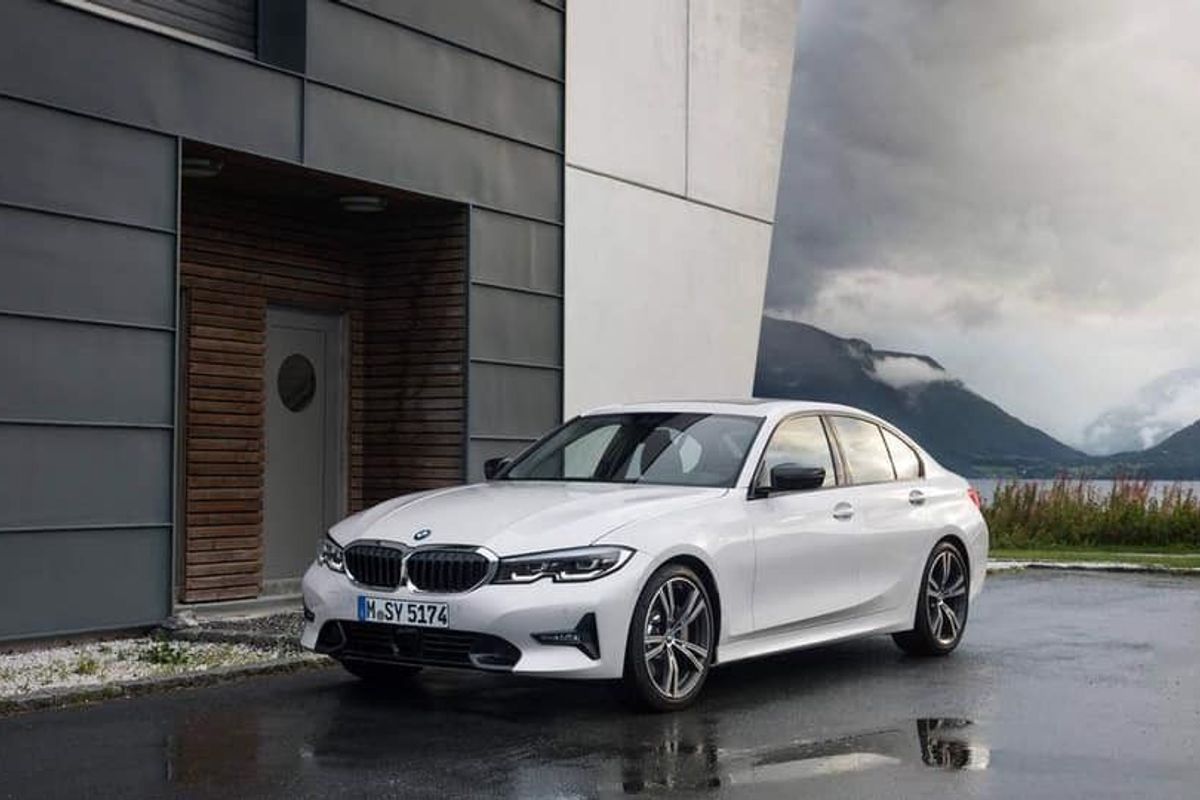
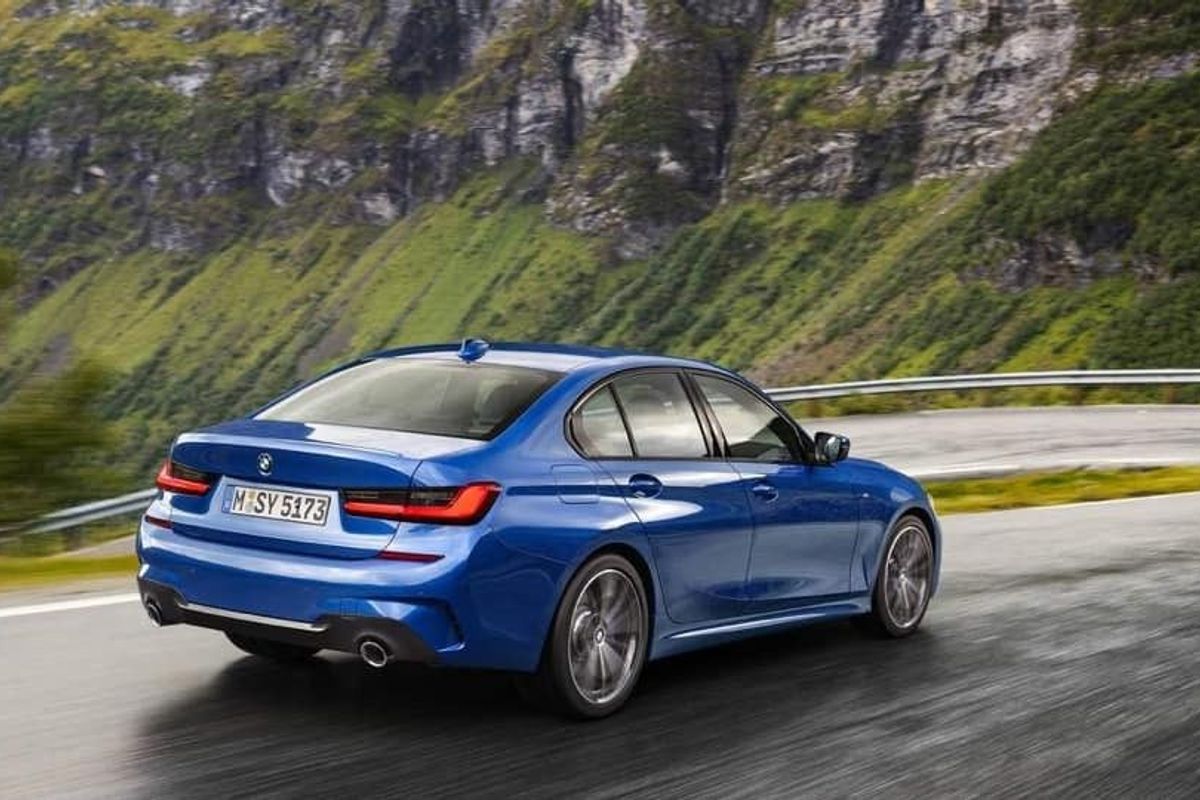
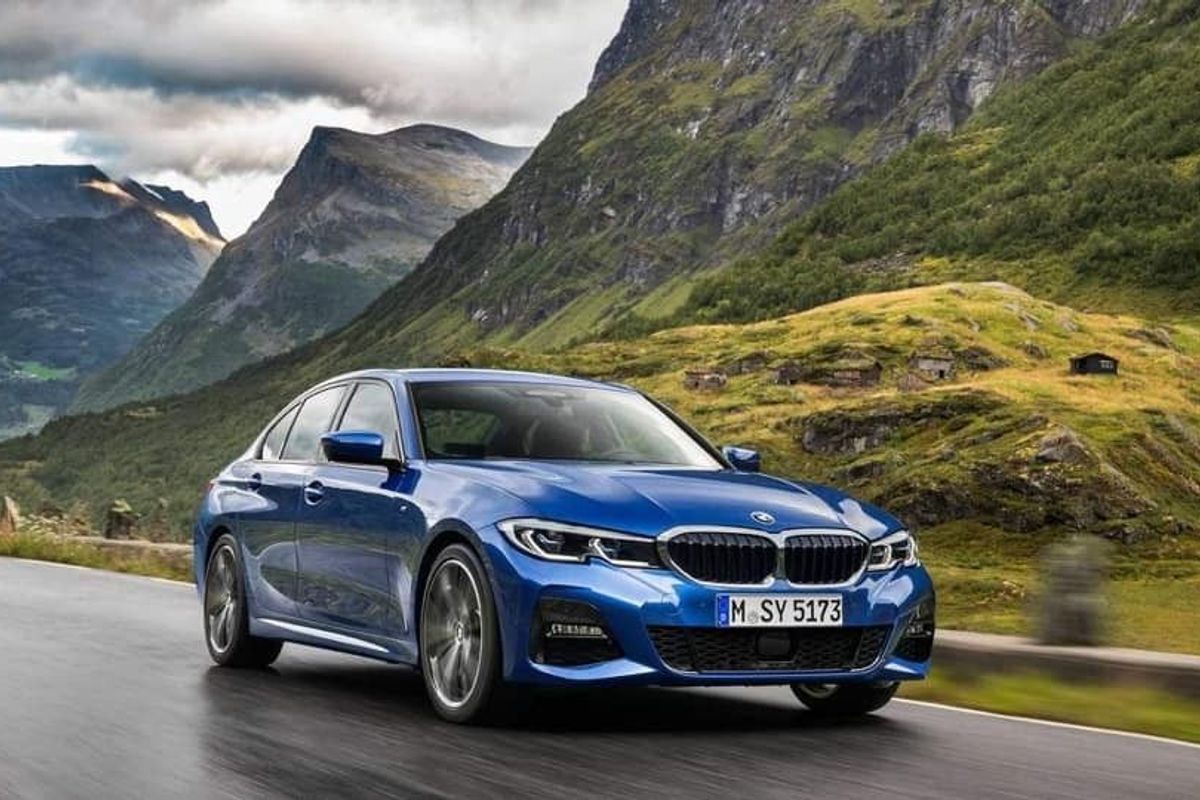
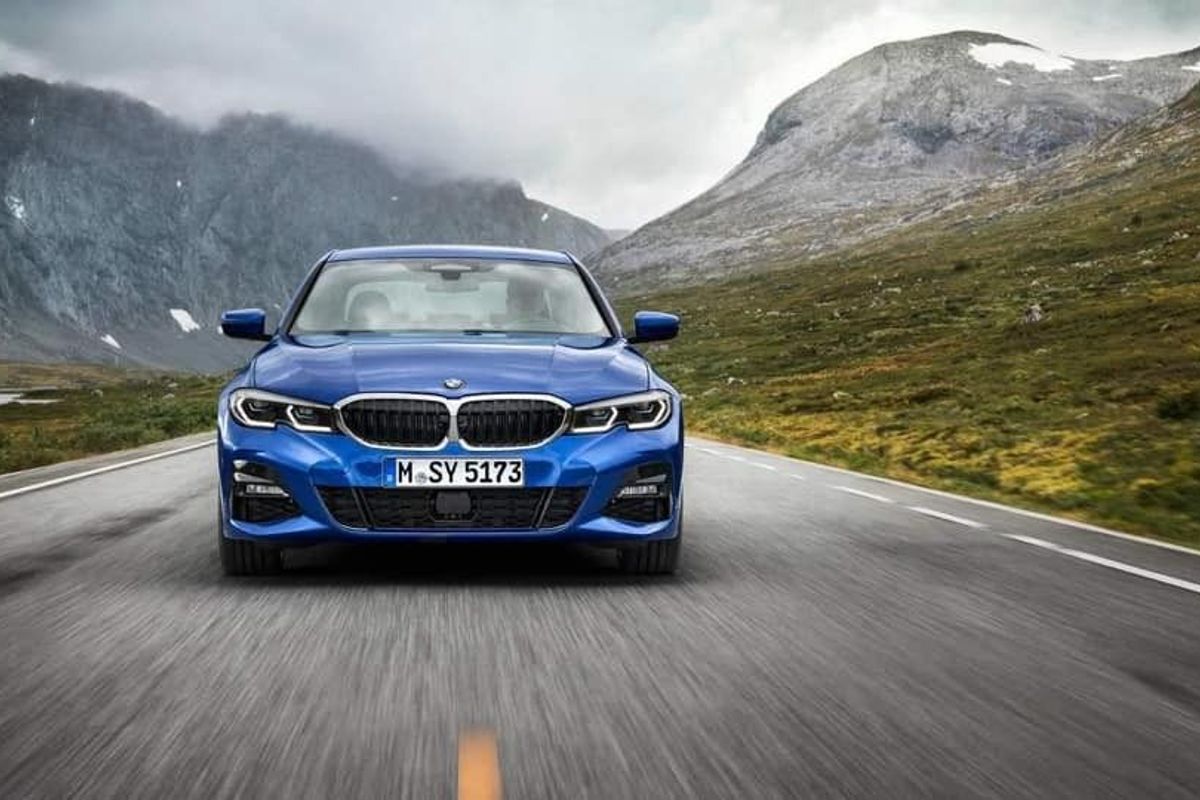
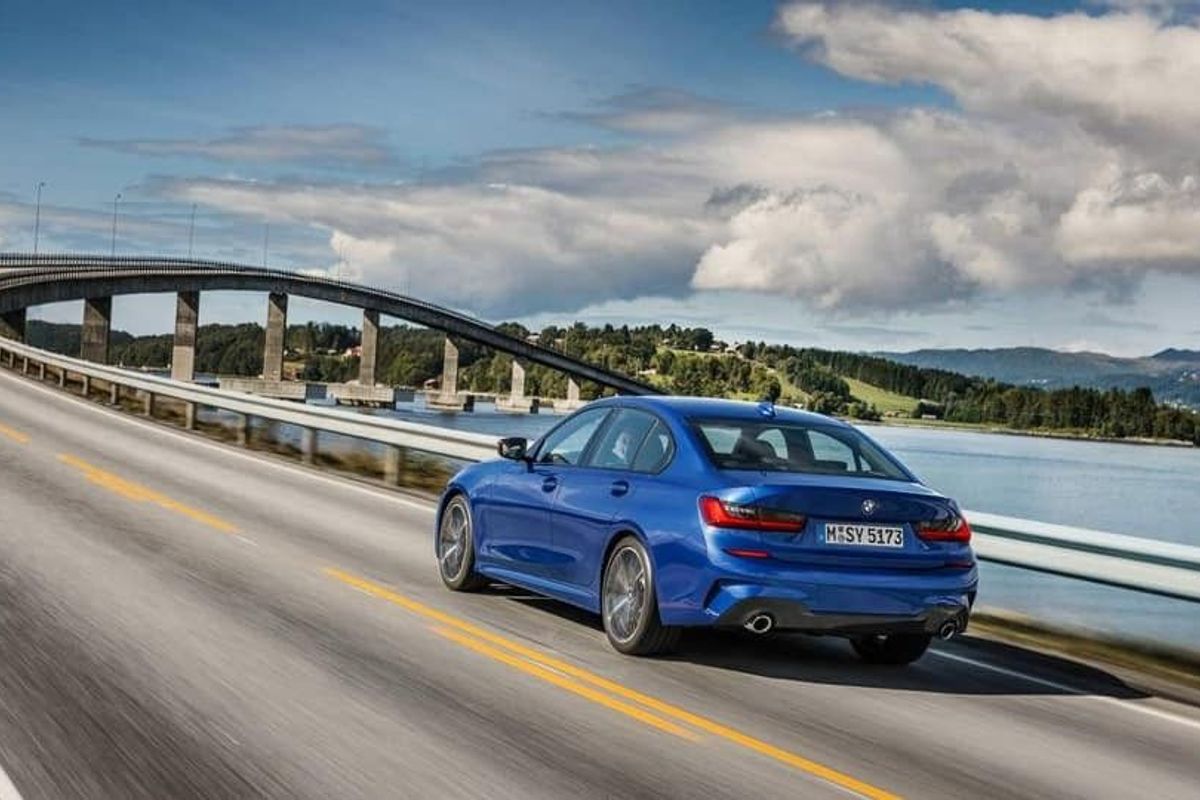
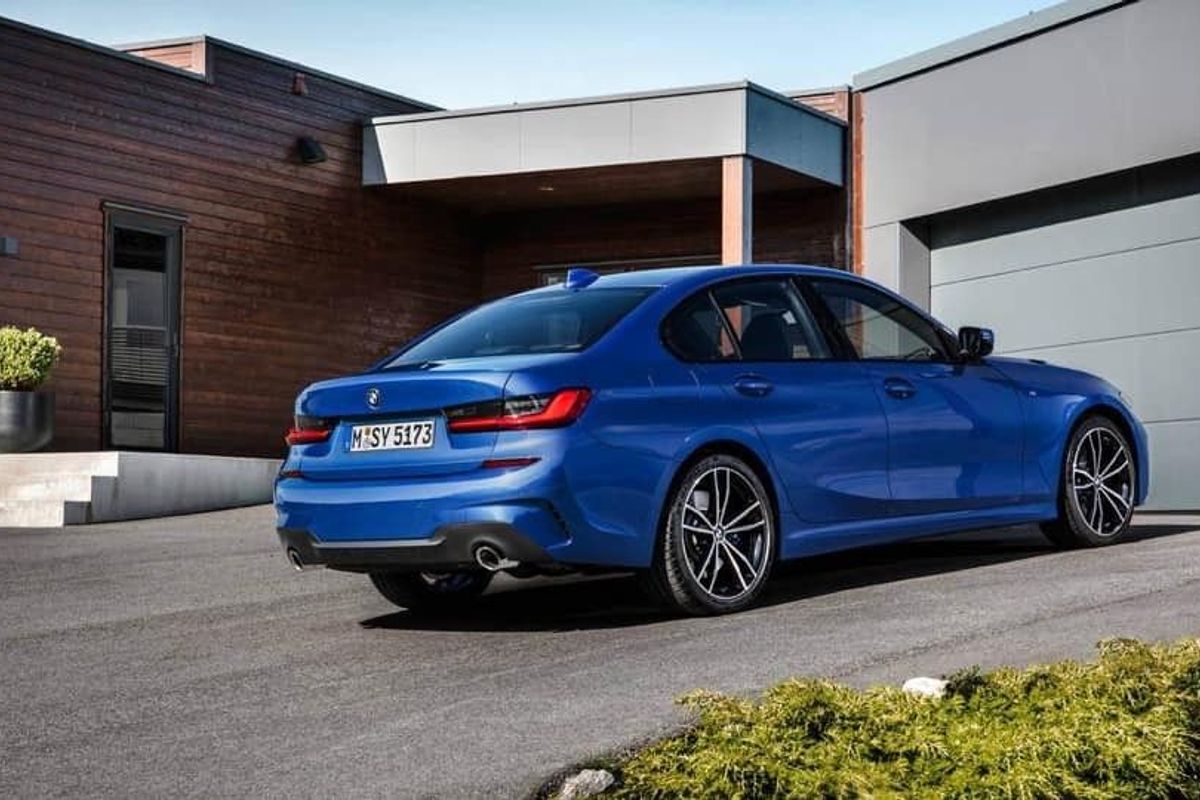
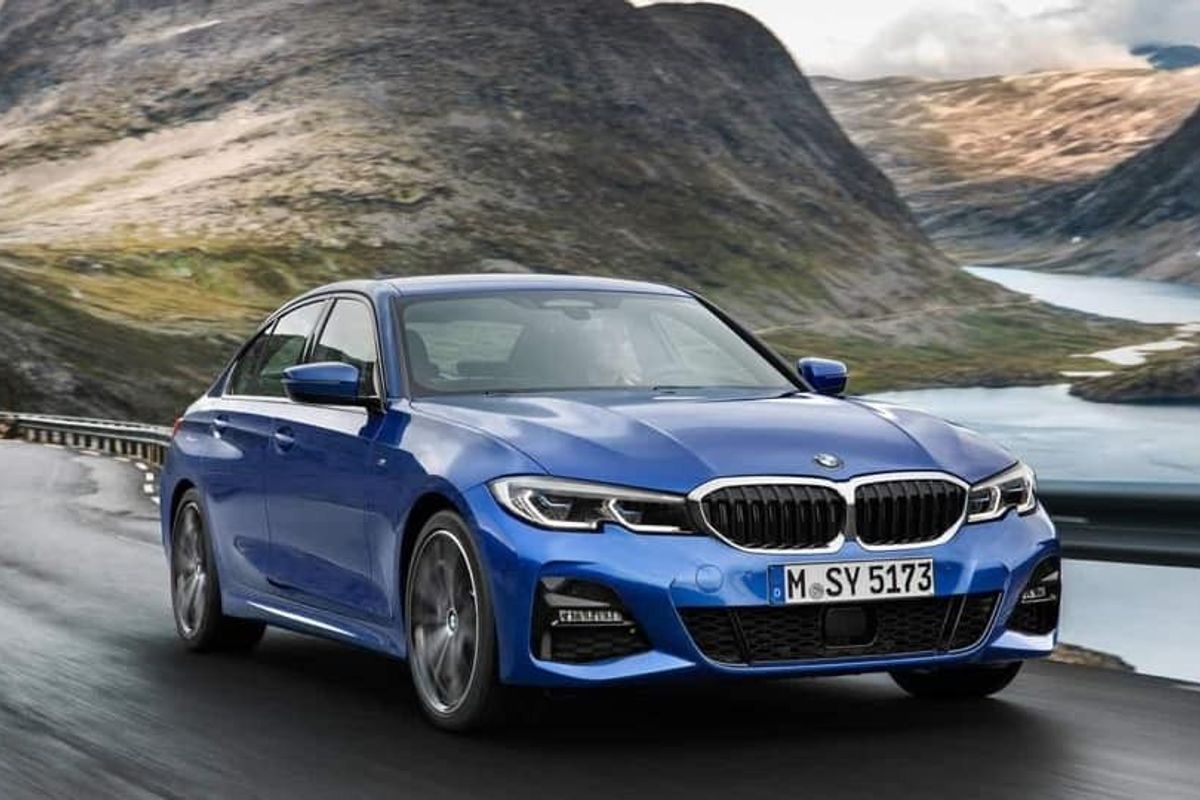
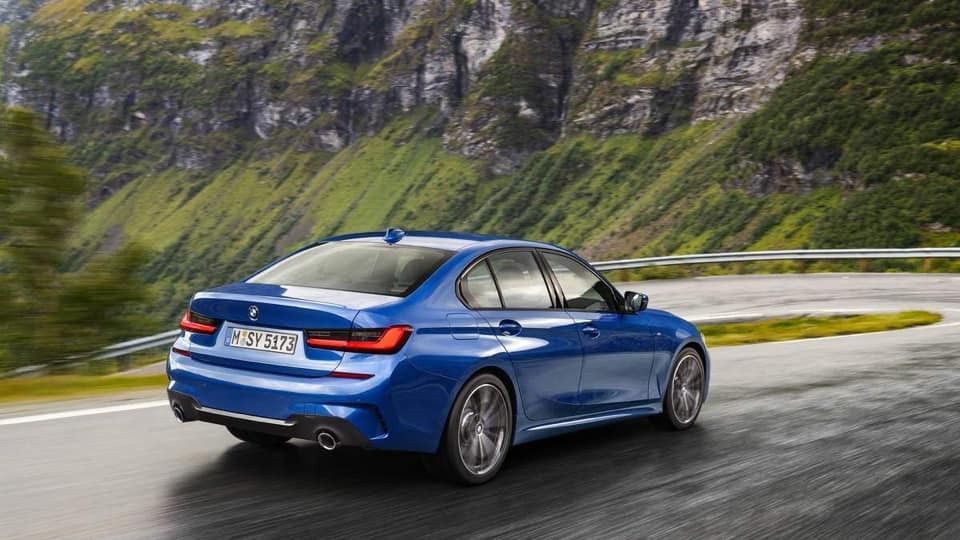
In terms of dimensions, the new 3 Series has grown in length by 85 mm while standing 16 mm wider and just 1 mm taller than the outgoing model. Up front, the new 3 wears a large kidney grille with a single surround which is flanked by newly-shaped LED headlights. Other new details include T-shaped air intakes, twin exhaust pipes at the rear and slim L-shaped 3D taillights. Trim lines include Advantage, Sport Line, Luxury Line and M Sport. 


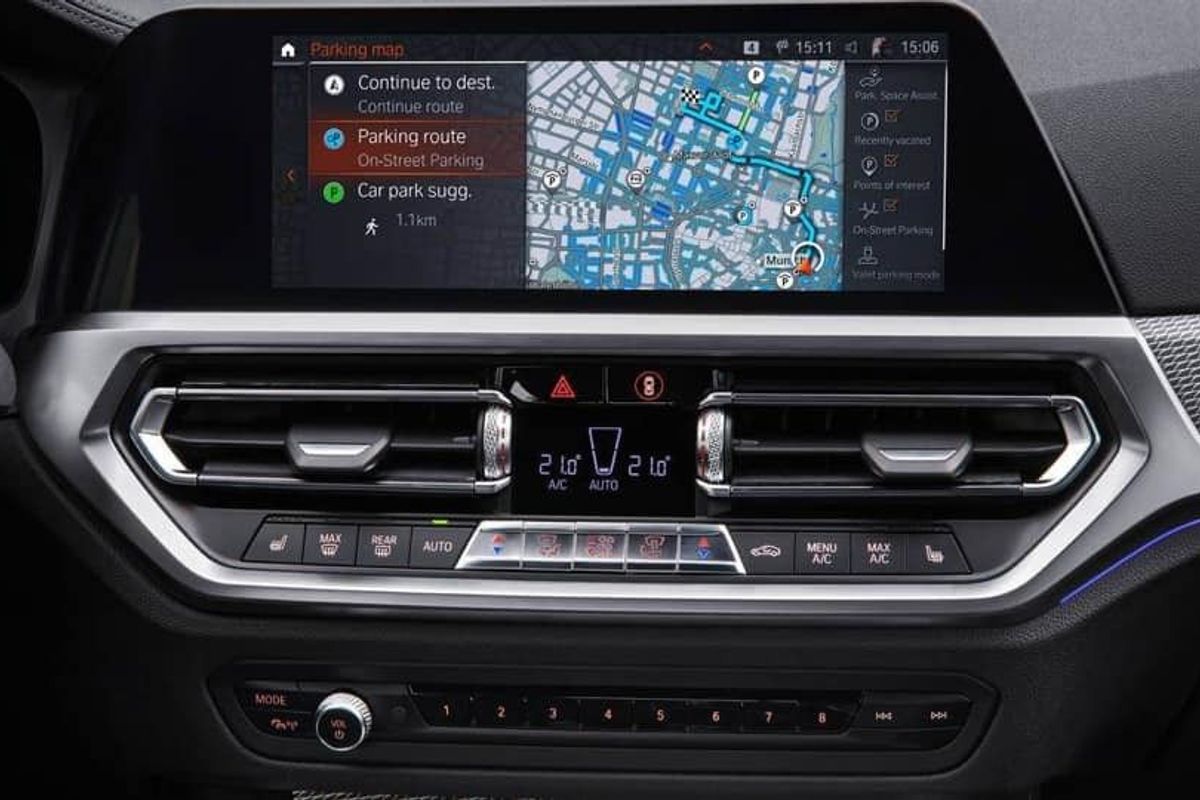
A revised interior with new display screens and the latest iDrive 7.0 operating system boosts the technology offering inside the new 3 Series. 

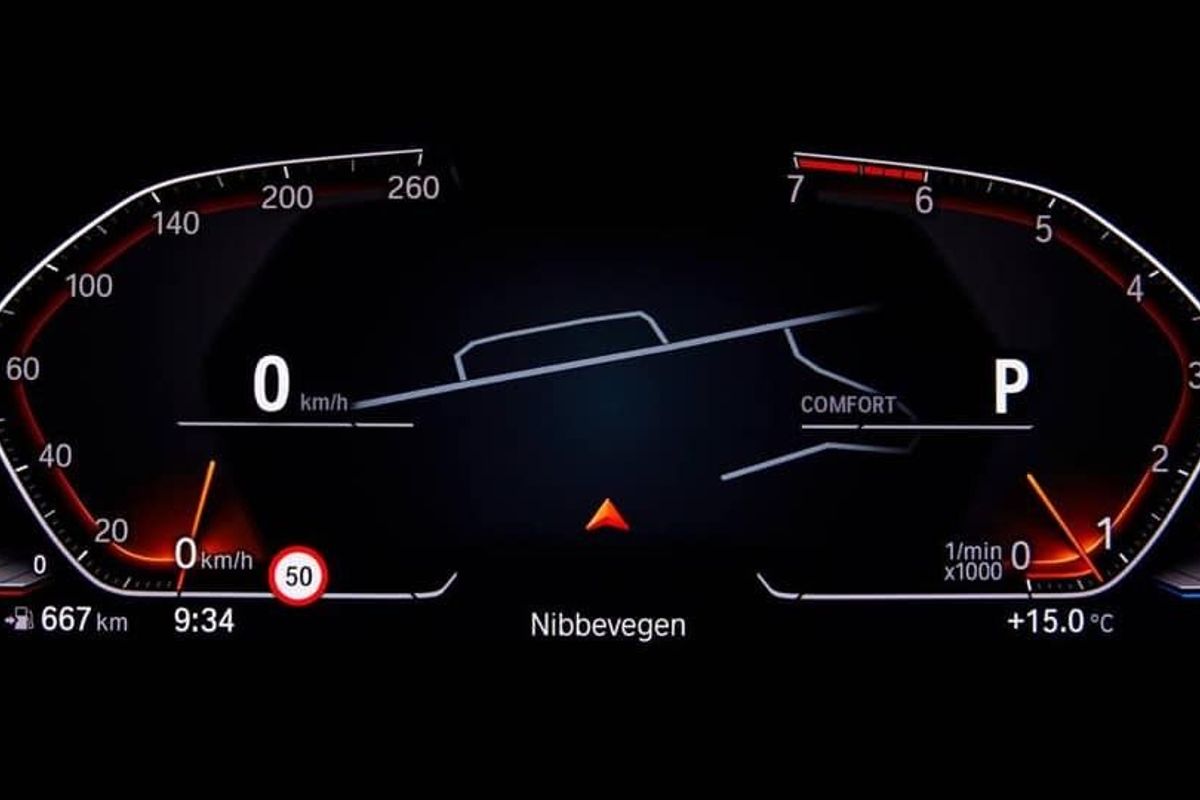
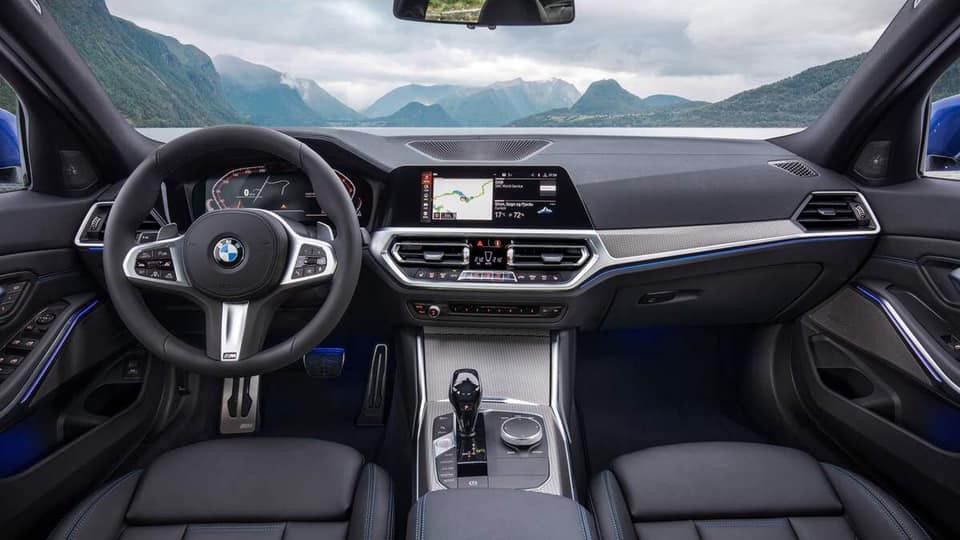
The major highlight inside the new 3 Series is the inclusion of the BMW Live Cockpit Professional which comprises a large 12.3-inch display for the instrument cluster and a 10.25-inch infotainment system, the latter of which is now equipped the latest iDrive 7.0 operating system. A head-up display with a 70% larger surface area is also offered. A wide range of driver assistance features are also on offer, including a Reversing Assistant which was also recently introduced on the new BMW X5

The rear seat is split 40:20:40 as standard and the load bay offers up to 480-litres of space. 

Engine Choice


The new BMW 3 Series will arrive in SA in March 2019. Local specification and pricing details have yet to be confirmed. 

The BMW 3 Series will offer 6 engine variants from launch including the 320i, 330i, 318d, 320d, 320d xDrive and the 330d. The 4-cylinder 2.0-litre turbopetrol engine powering the 320i offers 135 kW and 300 Nm with a claimed fuel consumption figure of between 5.7 – 6.0 L/100km. The 330i has more grunt with 190 kW and 400 Nm of torque and fuel consumption is claimed at between 5.8 – 6.1 L/100km. Both are mated to an 8-speed Steptronic transmission. 

The diesel range kicks off with the 318d with 4-cylinder, 2.0-litre turbodiesel engine offering 110 kW and 320 Nm of torque which is mated with a 6-speed manual transmission as standard while an 8-speed automatic transmission is optional. Fuel consumption for this engine is claimed at between 4.2 – 4.5 L/100km. The 320d is more powerful with figures of 140 kW and 400 Nm of torque and BMW claims an average fuel consumption figure of 4.4 – 4.7 L/100km. The 140 kW/400 Nm 320d xDrive employs BMW's all-wheel-drive system and is fitted with an 8-speed automatic transmission as standard with claimed fuel consumption figures coming in at between 4.5 – 4.8 L/100km. 

A 6-cylinder, 3.0-litre turbodiesel engine is found under the bonnet of the 330d and it has outputs of 195 kW and 580 Nm of torque. this derivative is equipped with an 8-speed automatic transmission and fuel consumption is rated at between 4.8 – 5.2 L/100km. 

The new 3 Series rides on a stiffer chassis with a lower centre of gravity and 50:50 weight distribution. A range of options can be chosen to further sharpen dynamics including M Sport suspension with lowered ride height, Adaptive M suspension, variable sport steering, M sport brakes and M Sport differential. 

According to BMW's online car configurator, 2 engine choices will be offered to customers from launch, including the 330i and 320d (See pricing below).

The new BMW 3 Series will go on sale in South Africa in March 2019. We will keep you informed as soon as more details become available.  

New BMW 3 Series – Price in SA

BMW 330i                         – R652 416

BMW 320d                       – R649 253

BMW 330i Sport Line auto – R676 016

BMW 330i  M Sport auto – R699 816

BMW 320d Sport Line – R672 853

BMW 320d M Sport automatic – R694 653
 

Watch the new 3 Series in action

Buy a new or used BMW 3 Series on Cars.co.za

Related Content:

Mercedes-Benz C-Class (2018) Launch Review

Mercedes-Benz C-Class (2018) Specs & Price

Fresh Audi A4 Revealed

Preview: 2019 BMW 3 Series

Spy Shots: BMW 3 Series is coming

Next BMW 3 Series Spied

Classic Drive: BMW 325iS "Gusheshe" & 333i

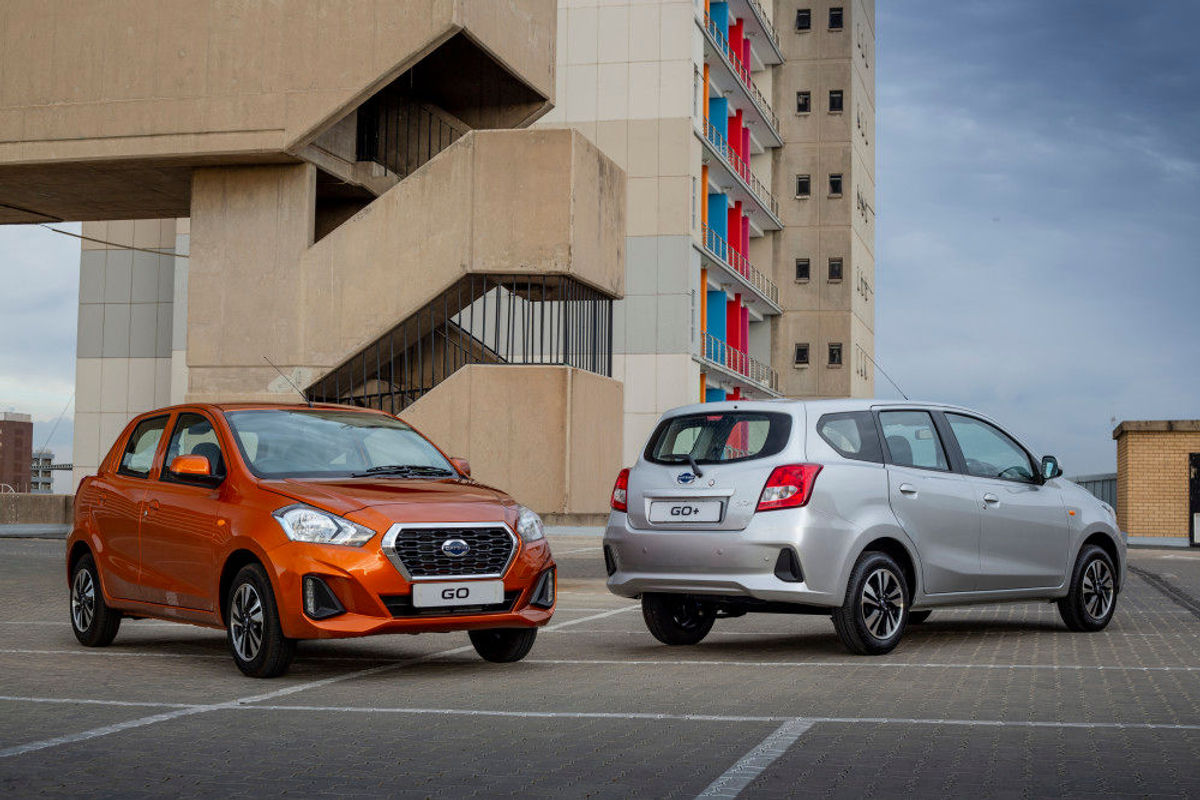
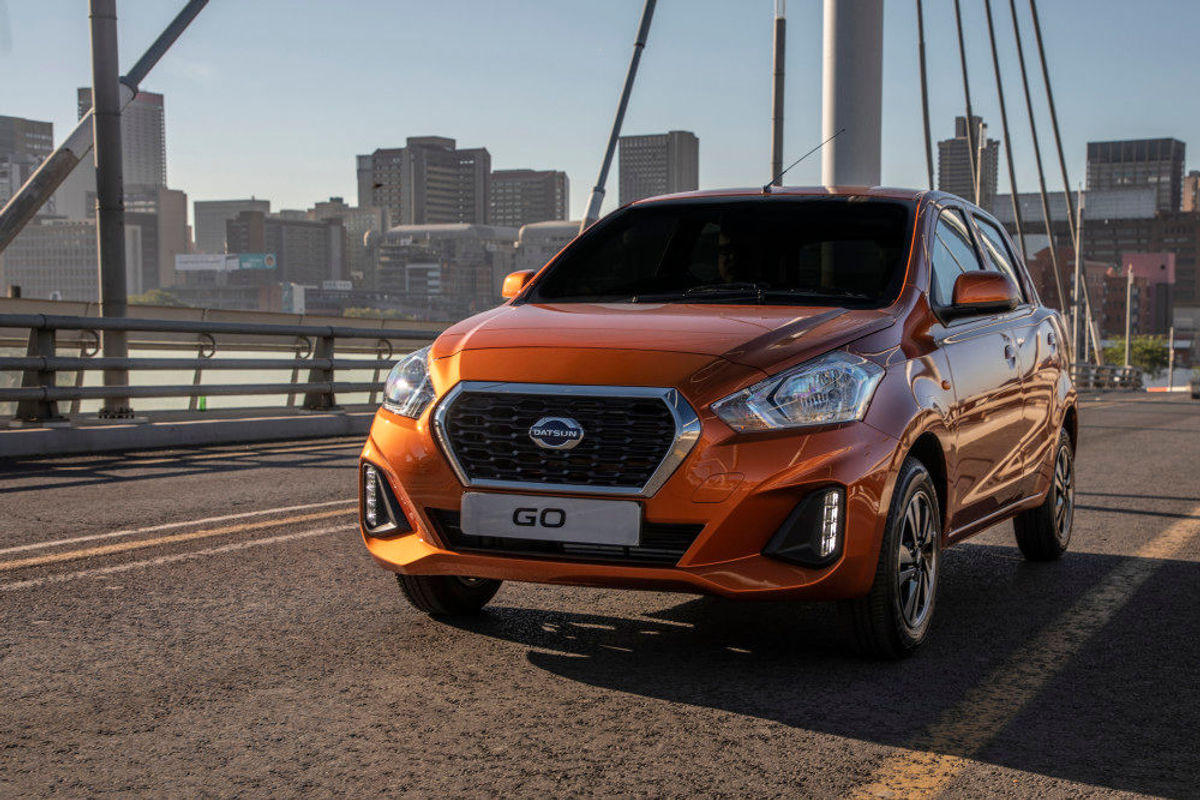
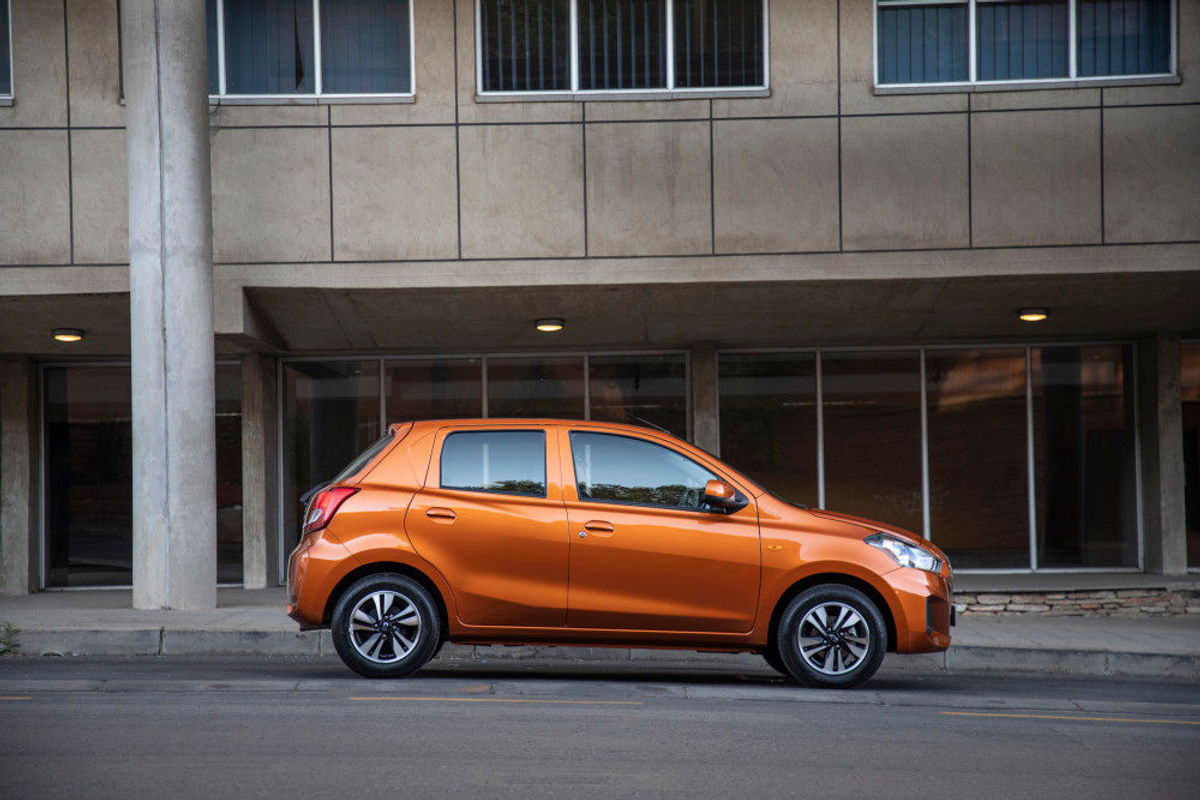
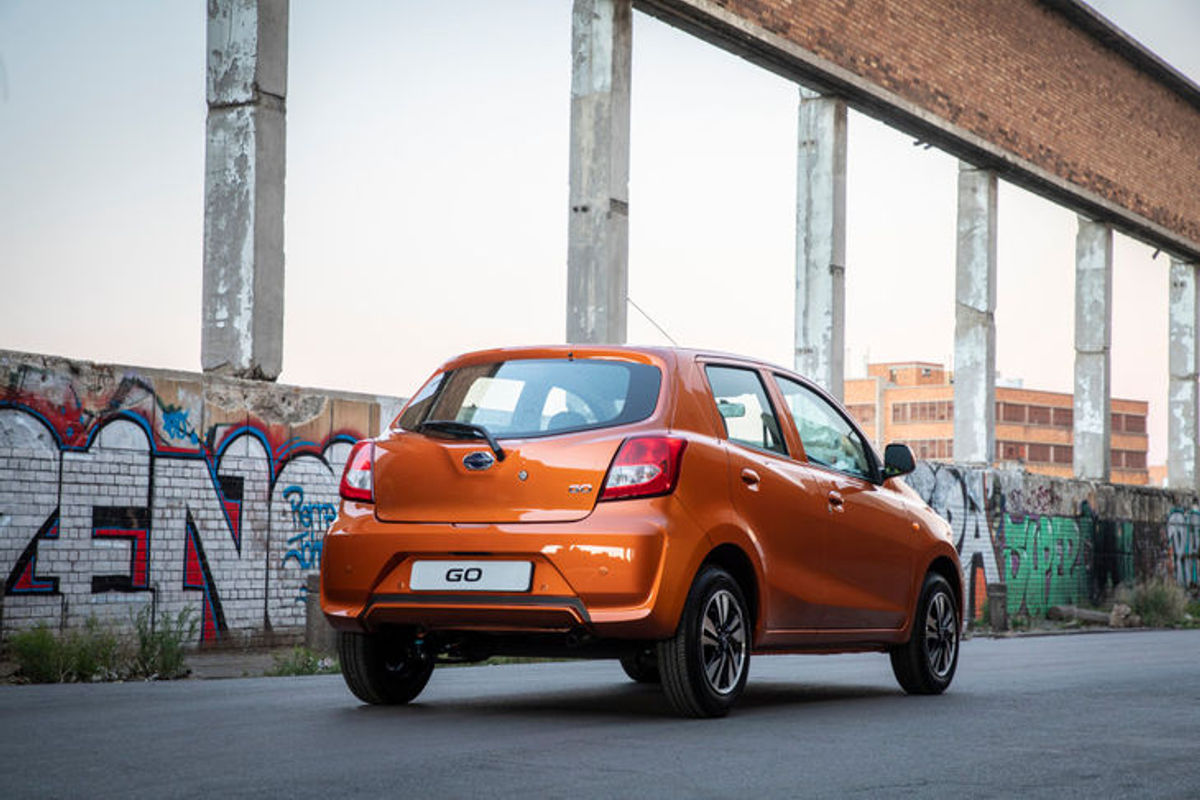
Datsun Go (2018) Launch Review

The Datsun Go has been updated and the revised version of the controversial budget car comes to market replete with substantial improvements, including a safety upgrade. We headed to Gauteng to drive the newcomer.

Back in 2013, the car world was surprised by news of the resurgence of the Datsun brand. Hopes were high that finally there would be a quality NEW vehicle that would suit budget-car buyers to a tee. Named Go, it offered pleasing levels of comfort, performance and specification on paper. However, there was a catch. The first iteration of Datsun Go was under-equipped in terms of safety, it featured no airbags or ABS. Later, a single airbag (for the driver) was added to the top-spec 1.2 Lux derivative, which was the sole offering on the market before the arrival of the facelift. 

Worse still was that the vehicle's body didn't appear to offer enough structural integrity to provide notable occupant protection in the event of an accident – which meant that even tripling the airbag count would have had little effect. The condemnation in the media (mainstream and social) was brutal after NCAP scored the Go zero. Our review of the Go was ambivalent; we thought it was okay to drive, but the safety issue was critical. 

Despite this, the Go has sold well in South Africa, which suggests that many customers are willing to sacrifice safety for the pleasure of owning a new vehicle (a phenomenon that ensured "continuation vehicles", such as the VW CitiGolf and Toyota Tazz, remained in local production long after they'd been replaced in their countries of origin; they sold well right up to the point they were discontinued). 

Besides, it's easy to understand why… the alternatives to new-car ownership are running inefficient or unreliable old cars or using public transport which is not without its risks and limitations. 

Enter this facelifted Datsun Go, with which the Japanese company hopes to surpass the average sales count of the preceding model (around 500 units a month). To date, almost 25 000 Datsun Go variants have found homes in South Africa.

What's new?


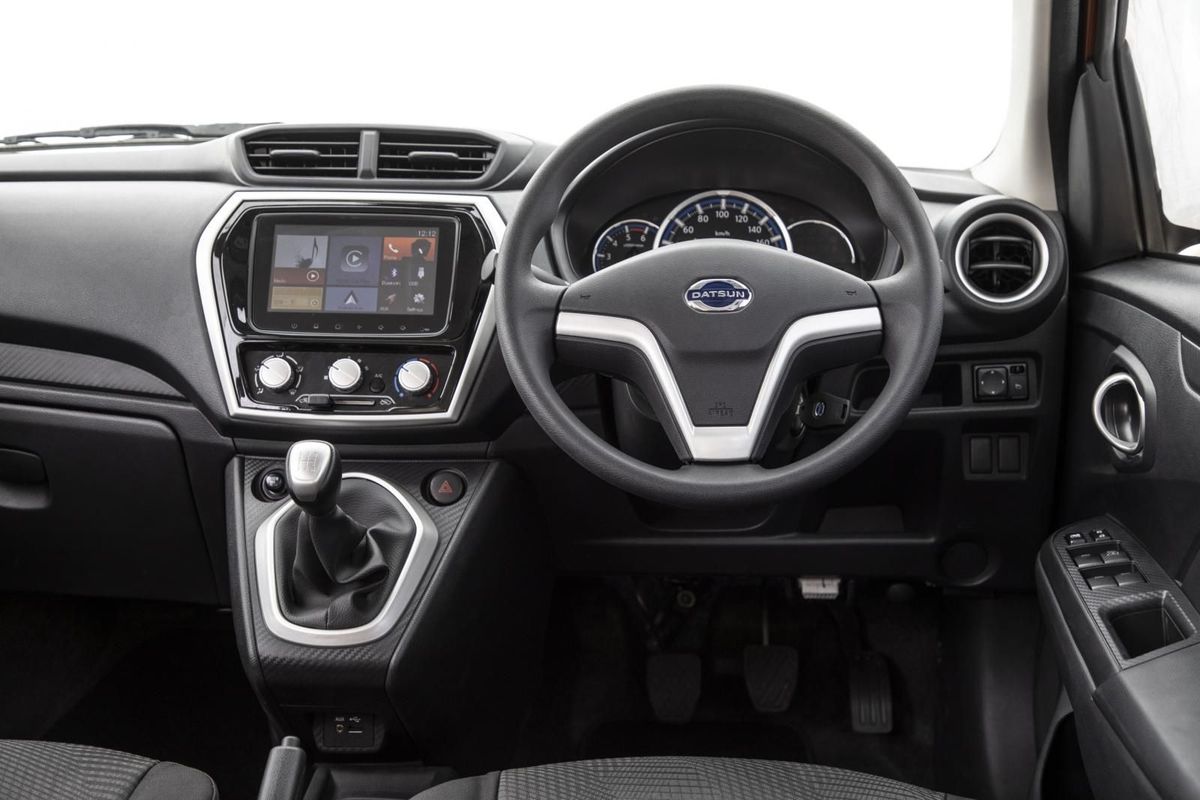
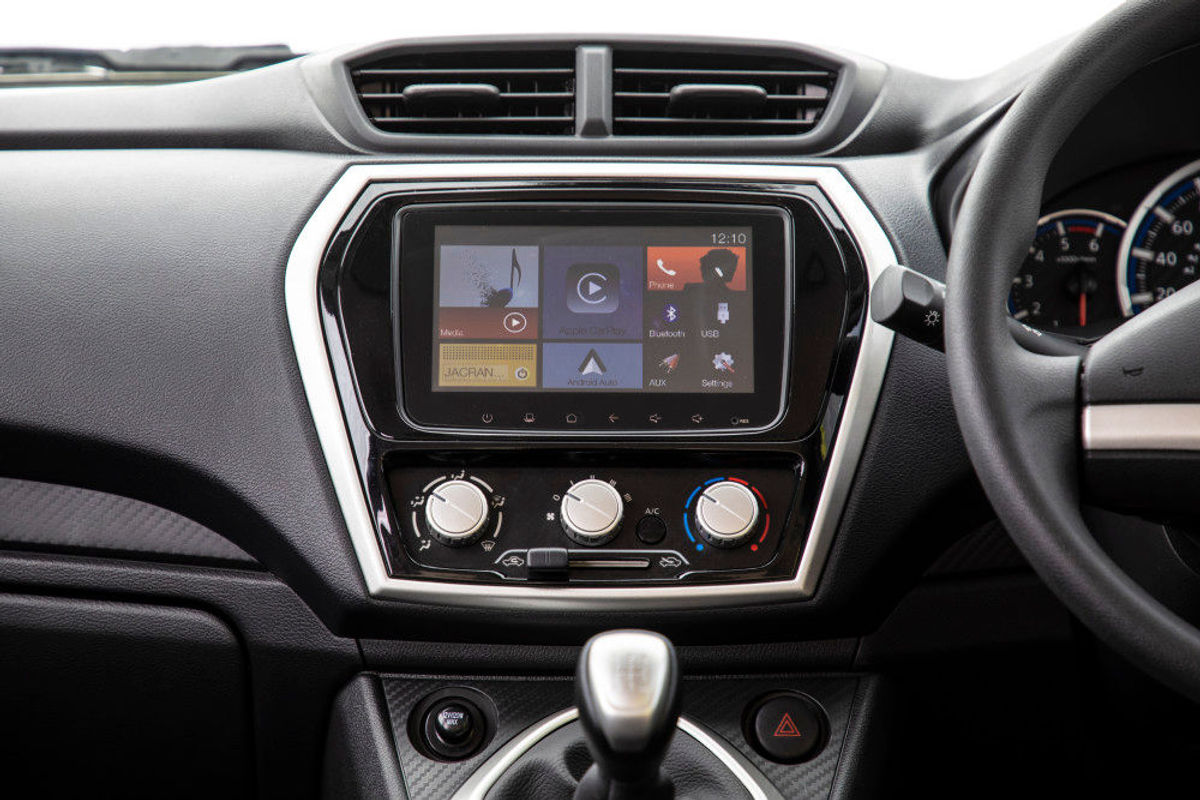
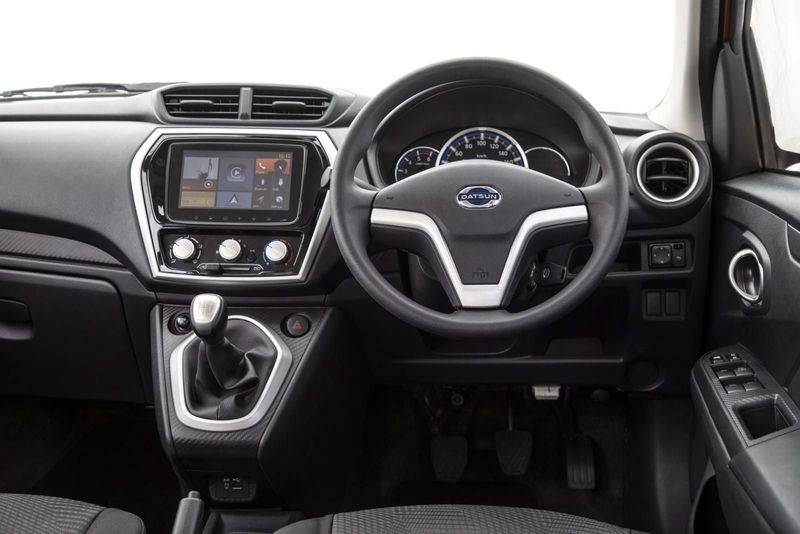
The Datsun Go's revised fascia features a far more modern infotainment system. The front bench also been replaced by 2 individual seats.

There has been a huge focus on the part of Datsun to improve the Go's cabin quality and ergonomics. The 1-piece bench seating arrangement at the front has made way for 2 individual seats and the resulting central space means a conventional handbrake has been fitted, doing away with the agricultural and ungainly "umbrella handle" handbrake, which used to protrude from the dashboard. 

There's an all-new touchscreen infotainment system, which is more akin in layout and user experience to that of a smartphone than a "fancy car radio". We believe the Go's tech-savvy intended target market will lap that up. Also in the mix is Apple CarPlay and Android Auto, the latter we used extensively for its music streaming functionality on our test drive. Another nice feature added to the Go's spec is rear parking sensors. 

Want to get Android Auto in SA? Here's how

The powertrain has been carried over and it's a 1.2-litre 3-cylinder motor that produces a tidy 50 kW and 104 Nm. Those outputs may not sound like much (at all), but the Datsun Go is a lightweight vehicle and it doesn't need much in the way of engine pulling power to motivate it. Power goes to the front wheels via a 5-speed manual gearbox. Datsun claims an average fuel economy figure of 5.2 L/100 km.

The massive change, however, is the addition of significant safety features. The driver's airbag has been joined by a 2nd airbag for the front passenger and crucially, an anti-lock braking system (ABS) has been fitted. The addition of ABS will result in fewer collisions (and help inexperienced drivers, in particular). As for improvements to the Go's structural rigidity (especially around the passenger cell), we expect that Datsun will have to have made (or will still make) running upgrades in anticipation of further crash testing being conducted on the upgraded Go by organisations such as NCAP. The firm said that it will be looking at introducing stability control in 2019, but that will undoubtedly impact the list price.

Read all about the detailed changes here


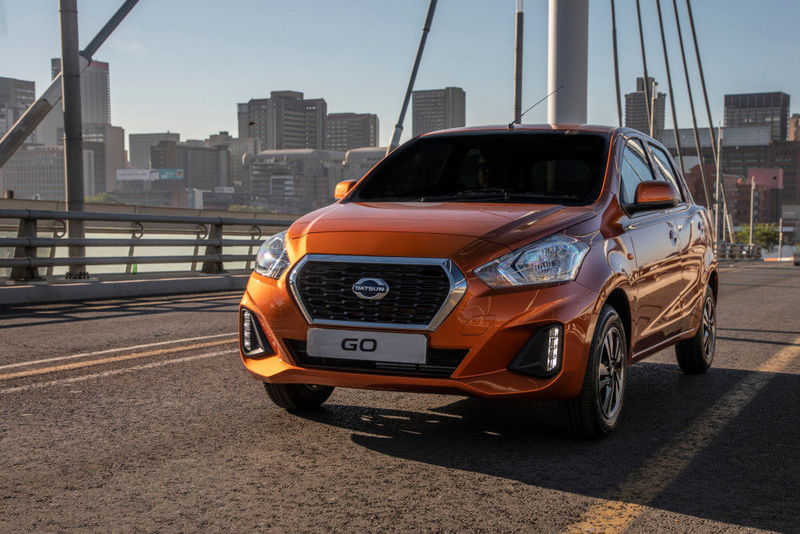
Top-spec models get alloy wheels and daytime running lights

How does it drive?

Our launch route was a combination of highway and urban driving, and we put the newcomer through its paces. However, when we recalled our impressions of the pre-facelift version, we realised that there's now a big jump between the two. The previous version of the Datsun Go suffered from severe body-roll during cornering and a combination of harsh road and engine noise was tough to bear. At 120 kph, we felt a bit vulnerable in the Go and the car didn't inspire confidence on congested highways. This newer version feels a bit more stable and offers a relaxed drive.

The great news is that the new Go feels more solidly assembled and -finished, in general. The gear action is light and smooth, and the 'box's shift quality slick (a good thing, as you'll be working the gears often!). At the altitude of Gauteng, you will need to work that little engine quite hard and almost every highway overtaking manoeuvre required a gear-change down into 4th. We feel that noise, vibration and harshness (NVH) suppression has been improved too. There are still a handful of rough edges, but at this price point, we can't criticise them that harshly.


The Datsun Go is also available in a 7-seater and panel van configuration.

Verdict

Now that safety, the proverbial elephant in the room has addressed (at least to an extent), one can justifiably regard the Datsun Go as a strong all-round contender in the (exceedingly) price-sensitive budget car segment. The addition of ABS has huge (but, thankfully, positive) implications and this should further bolster sales. In terms of interior quality, the difference between the outgoing model and the newcomer is night and day; so much so that one could easily be fooled into thinking they were 2 almost unrelated vehicles. More convenience features such as the smart and modern infotainment system will also help draw customers in. So the new Datsun Go is starting to look like quite the budget bargain and, as those dreadful infomercials go, "but wait, there's more". Datsun Go customers will receive 1 year's insurance with their new car, sweetening the deal even further.

Datsun Go – Price in SA

Datsun GO Mid R144 500

Datsun GO Lux R165 500

Datsun GO+ 7-seater Mid R154 200

Datsun GO+ 7-seater Lux R175 900

Datsun GO+ Panel Van R155 200

The Datsun Go is sold with a 3-year/100 000 km warranty and an optional service plan.

Further reading:

5 Cheapest New Cars in South Africa (2018)

Datsun shows off new Crossover

Datsun GO+ Launches in SA

Datsun GO (2014) Review
Datsun Go-Cross Concept Revealed

Global NCAP and AA Crash Test Popular Cars in SA

Interested in buying a Datsun?

Find a new or used example on Cars.co.za