Ranked: 5 Best Ford STs… So Far

From the naturally aspirated free-revving era to the turbocharged generation, the ST nameplate has spawned some incredible Ford performance models over the years. We look back on some of the best STs that the Blue Oval has produced (thus far) and discuss what we can expect from the forthcoming Focus ST.

Contrary to popular belief, fast Fords have been around a lot longer than their VW counterparts, but when the Blue Oval began rolling out ST (Sport Technology) models, it launched a direct assault on the hot hatch segment – a hotly contested space where models keep getting better, faster and way more powerful. The ST moniker, however, hasn’t exclusively comprised hot hatches… Oh no, we’ve seen some of its bigger offerings such as the Territory SUV and Mondeo compact sedan bear ST badging too. In South Africa, however, the most popular ST models have naturally all stemmed from the hot hatch persuasion, the result of which has delivered a direct assault on the 3-letter (GTI) thoroughbreds from Wolfsburg. And, in anticipation of a local launch of the Ford Focus ST Mk4, I’ve compiled a list of the best ST offerings (so far) and ranked them accordingly.

5. Racing Stripes – Ford Fiesta ST150
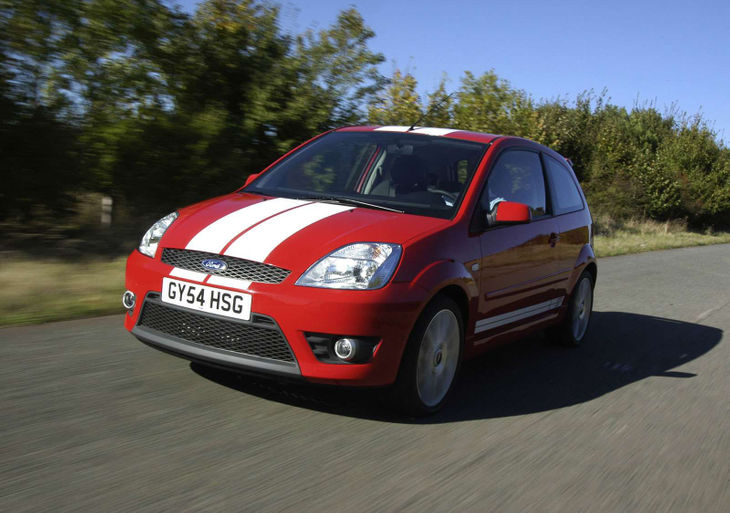
Armed with a naturally aspirated 110 kW/190 Nm 2.0-litre mill, the Fiesta ST made no bones about what it was designed for – taking the challenge to the Clio RS, Peugeot 206 GTI and Mini Cooper S. The ST150's Zetec engine (a broadly employed Ford motor at the time) underwent myriad changes to liberate extra ponies from under the bonnet, such as a less-restrictive exhaust system and a lighter flywheel for sharper throttle responses. The result culminated in a pretty nippy machine capable of an 8.3 second 0-100 kph sprint time. Available in a choice of several bright hues festooned with racing stripes, the Fiesta was visually rousing, but despite its squat and stocky appearance, it didn't conjure as much interest from the local audience as it did in Europe. As a result, it lived in the shadow of its brawnier Focus ST225 sibling.

4. Hamstrung Hammer – Ford Mondeo ST220
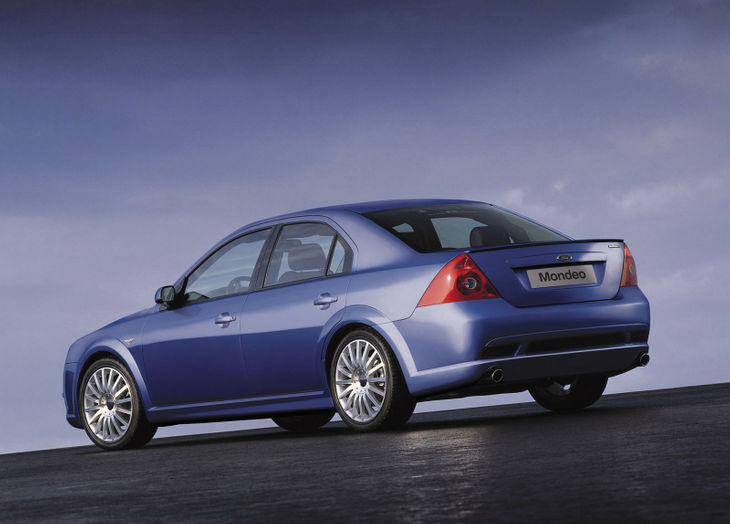
The Mk3 Ford Mondeo’s tenure in South Africa didn’t last particularly long, but we were at least treated to a string of models, the most influential of which was the ST220. Featuring a subtly styled body kit, twin exhaust tailpipes and 18-inch alloy wheels, the Mondeo had stealth feel to it. The visual treatment was backed by a naturally aspirated 3.0-litre V6 good for 166 kW and 280 Nm of torque (respectable numbers for the time) that enabled it to accelerate to 100 kph from standstill in under 8 seconds (7.5 secs).

It didn’t stop there… The interior space was also crafted with performance in mind – it featured Recaro sports seats, with ST garnishing/"trinketry" scattered throughout the cabin. Despite its lowered ride height, sportier damper rates and spunky engine, the ST220 was ultimately let down by a front-wheel-drive configuration that hampered its dynamics, as well as its chances of challenging the BMW 3 Series for sports sedan bragging rights.

3. Beast on a Leash – Ford Focus ST Mk3
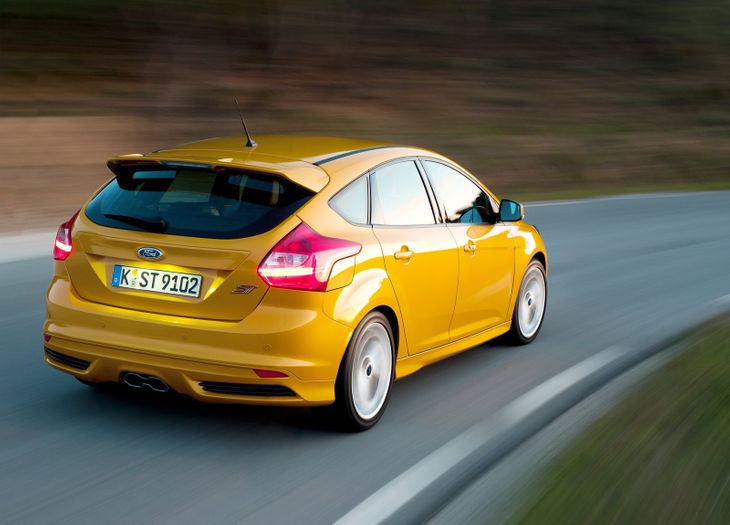
Ford’s ever-improving go-faster formula continued with the Mk3 Focus ST, in which a smaller, greener and more powerful 2.0-litre 4-pot EcoBoost engine replaced the thirsty force-fed 2.5-litre 5-cylinder of its forebear. Employing such innovations as recalibrated electric power steering and stiffer suspension, it was easily the sharpest Focus ST produced up to that point. While it possessed an entertaining chassis with a good handling balance in the bends, the lack of a dedicated LSD made it incredibly difficult to tame, especially with 184 kW directed through the front wheels.

Its trump card, however, was its propensity to please and an ability to adapt to every situation thanks to its frugal and pragmatic tendencies. Could it have done with a bit more spice? Of course. It may have lacked the effervescence of some of its more focused rivals – the Megane RS and Honda Civic Type R – but more power and zip may have resulted in a pseudo-RS and that would have defeated its role in the hot-hatch foodchain.

2. Snap, Crackle, Pop – Ford Focus ST225
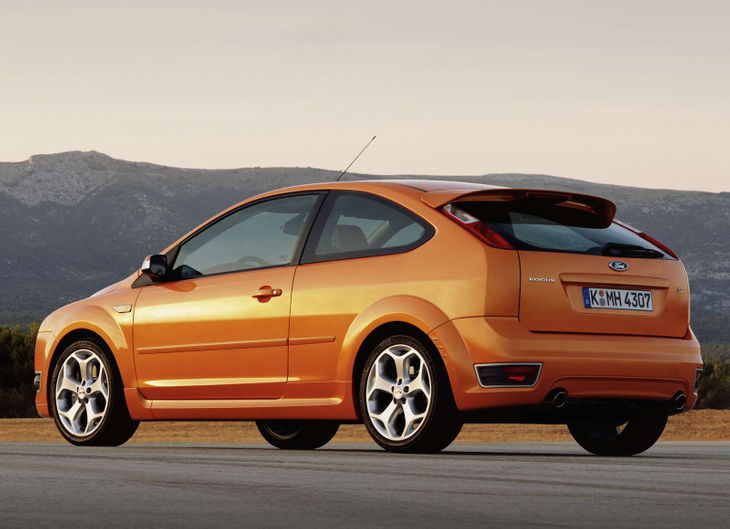
While the ST170 is widely considered as the genesis for the contemporary ST recipe, it was only when Ford introduced the ST225 in 2006 that enthusiasts really began to take note of the Blue Oval’s foray into the hot hatch space. In terms of engine configurations, it tore up the script by introducing a fire-breathing 166 kW/320 Nm 2.5-litre 5-pot turbo mill. With the ST225, the company went all out to make this a complete success; as a consequence, everything from the Focus' interior and exterior to the underpinnings underwent a performance makeover.

ST badges featured heavily in its composition, while sporty seats, a collection of gauges (including for boost) and optional racing stripes formed the crux of the ST225's appeal. Its most notable feature was its fiery 5-cylinder soundtrack, replete with crackles, pops and impressive pyrotechnics!

1. Furiously Fast – Ford Fiesta ST200
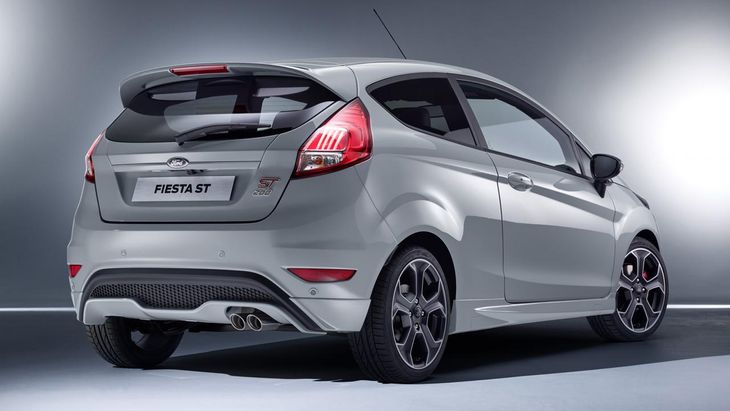
The 6th-generation Ford Fiesta ST knocked it out of the park as far as dynamics, power and visual impact were concerned, but it was only when Ford South Africa announced it would be bringing the limited-edition ST200 to our shores that its rivals began to take note.

With power and torque outputs more in line with that of its rivals the Volkswagen Polo GTI and Clio RS, the ST200 took all the awesomeness of the base ST and made it even better. For starters, its 1.6-litre turbocharged 4-cylinder powerplant received a software upgrade to boost peak power from 134 kW to 149 kW, with a further 11 kW available for up to 20 seconds on overboost. The underpinnings also received upgraded springs and stiffer damper rates. Together with the electronic limited-slip differential, the ST200 was everything the standard ST should have been – faster, sharper and more responsive in terms of handling, it was also more fun to drive, with hilariously entertaining lift-off oversteer.

Preview: Mean Machine – Ford Focus ST Mk4
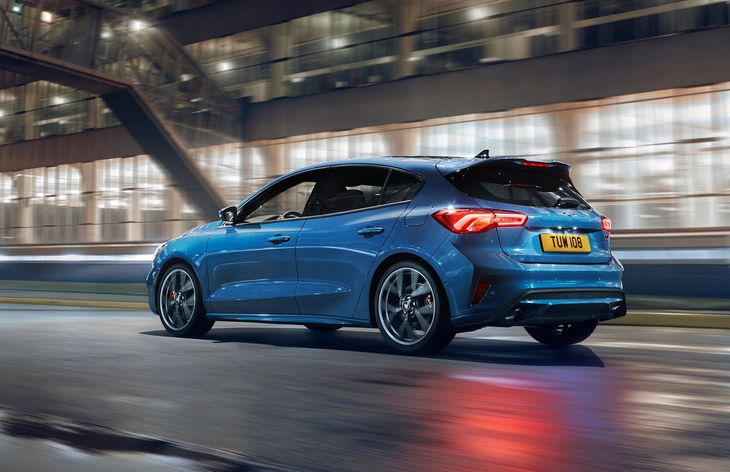
It’s clear that Ford is looking to tackle the latest iterations of the Renault Megan RS, Volkswagen Golf GTI and Honda Civic Type R head on with the all-new Focus ST. It’s expected to pack 12 per cent more power and 17 per cent more torque, making it the most lethal Focus ST of all time.

It will use a detuned version of the 2.3-litre EcoBoost 4-cylinder engine found in the current Focus RS, with maximum power and torque figures standing at 206 kW and 420 Nm respectively. Other high-tech trick additions include anti-lag (originally developed for the Ford GT supercar), which keeps the throttle plate open at all times for improved spool-up, as well as an e-differential to marshal power/torque and keep things tidy. There will also be a host of other go-faster bits available in the form of a Performance Pack that includes continuously controlled damping, selectable drive modes, rev matching and a gearshift indicator for added boy racer kudos.  

But before I rile up too much excitement, Ford SA has been tight-lipped about the next ST's inclusion to the local car market. After the premature death of the Fiesta ST lineage locally, the local branch of the Blue Oval has only said that the Focus ST is "under consideration" for our market.
Related content:

Ranked: 5 Best Golf GTIs… So Far

Meet the New Ford Focus ST

Toyota Aygo (2019) Specs & Price

Toyota South Africa, which refreshed its Aygo last year, has made further tweaks to its compact city car for 2019. Herewith the consolidated specifications and prices of the updated range.

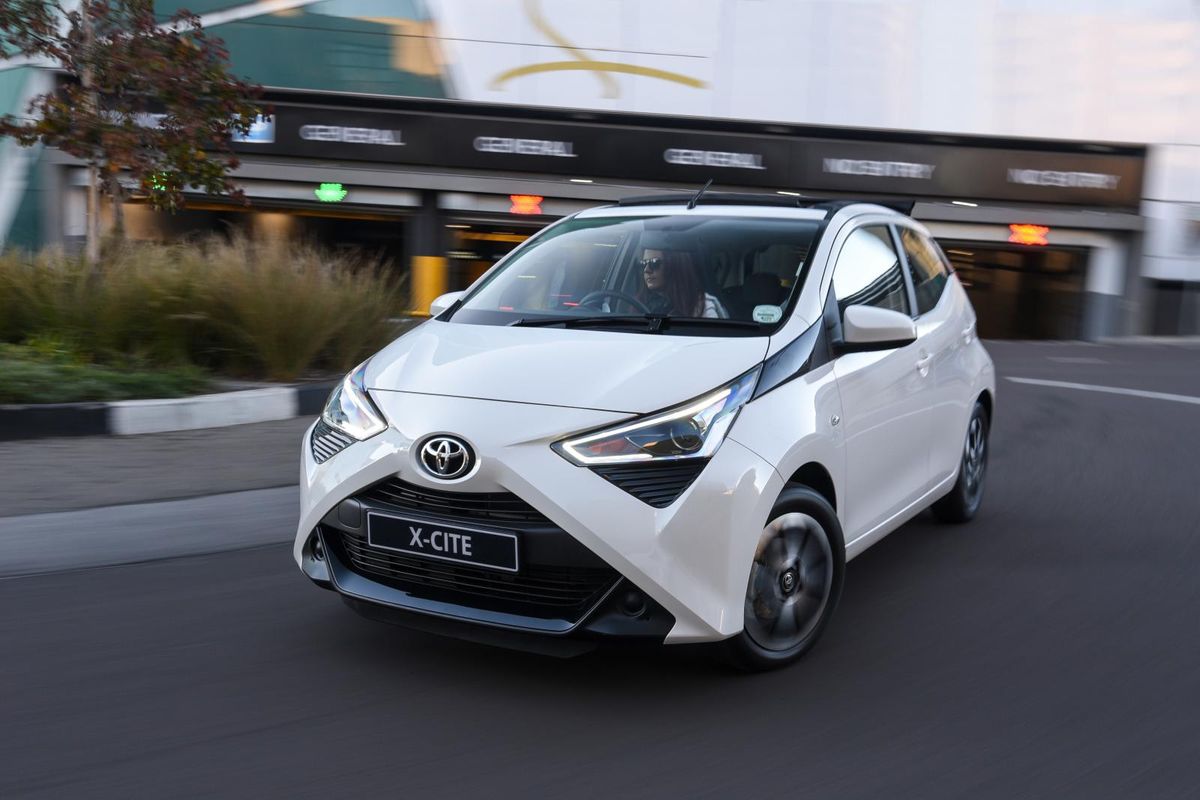
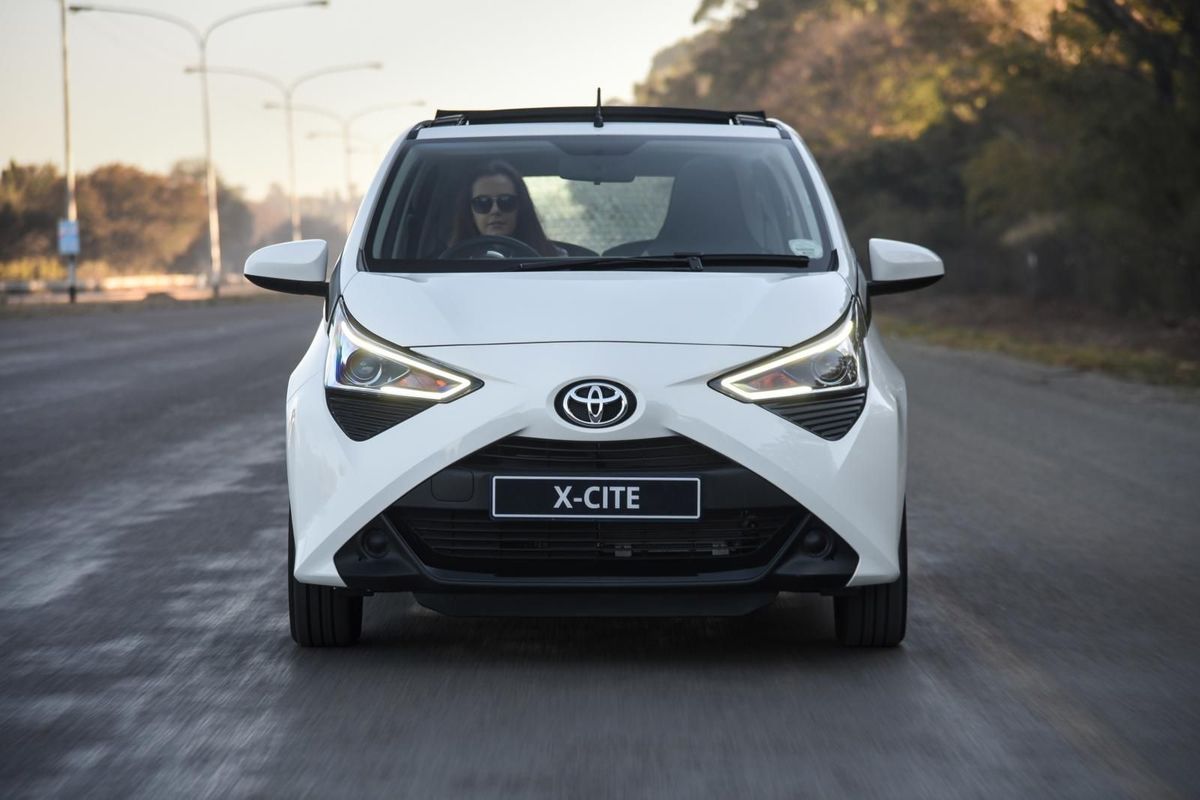
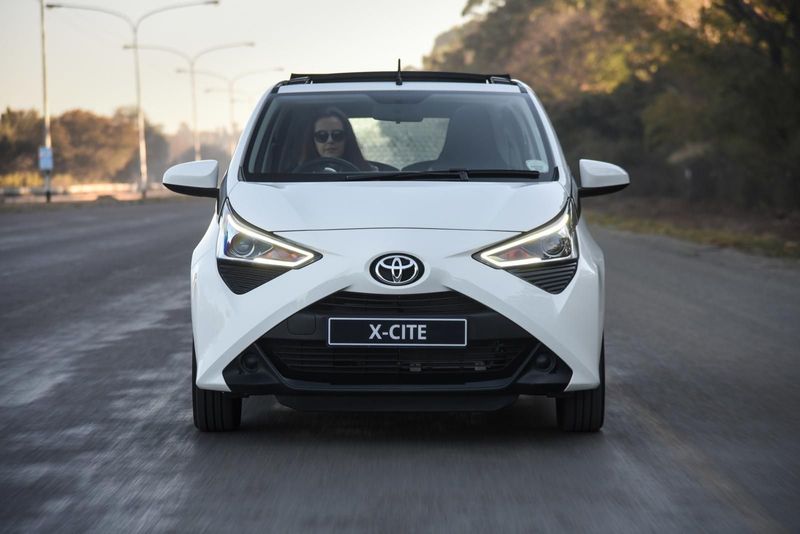
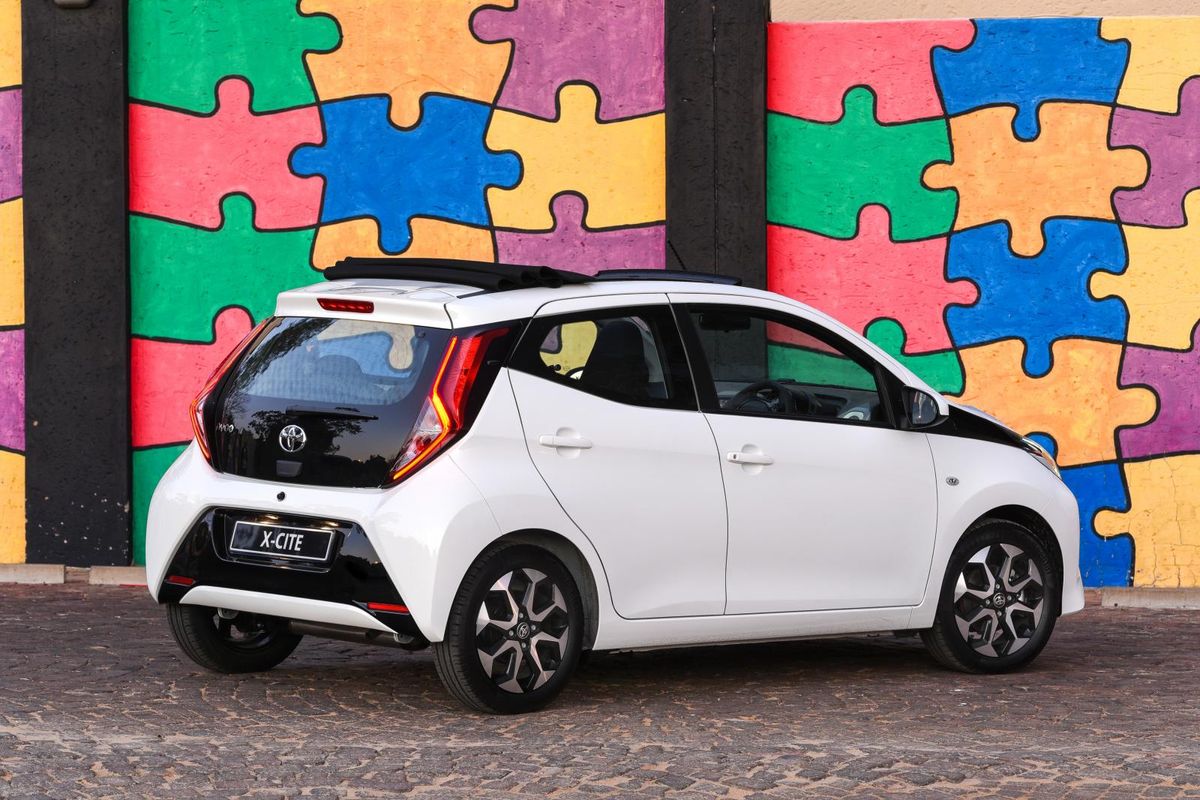
The Toyota Aygo – now in its 2nd generation, was launched back in 2015. However, in 2018 it underwent some design tweaks and received more features. The aesthetic updates incorporate larger projector-type headlamps with LED daytime running lights, as well as new-look tail lamps.

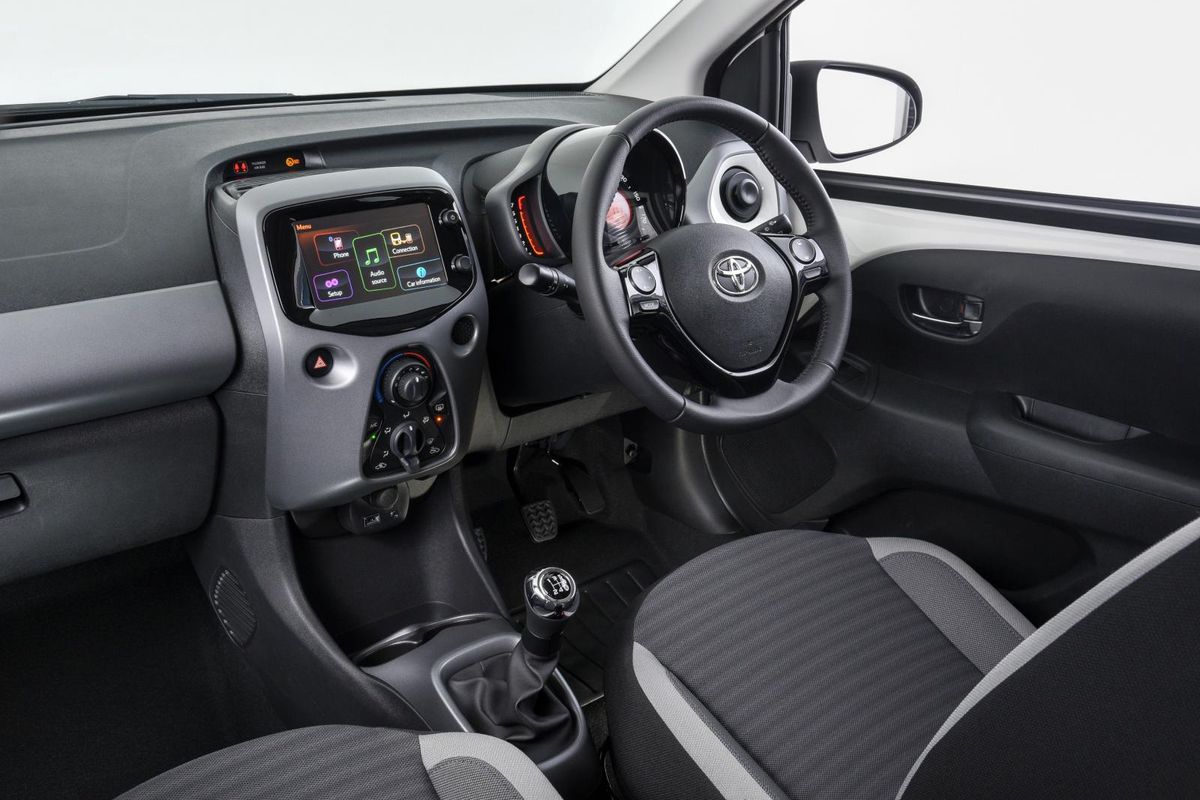
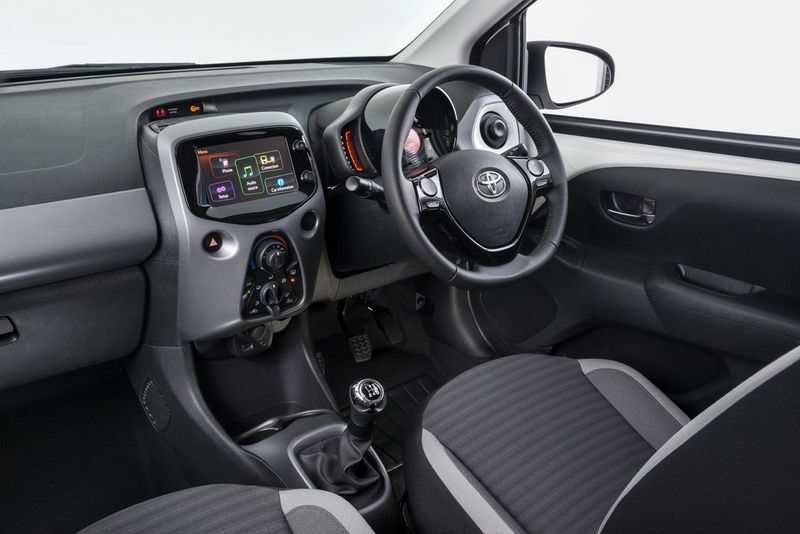
The cabin features 1-piece moulded bucket seats with multi-tone fabric, a combination of black and dark grey dashboard plastics (with a smattering of exterior-colour-coded panels), as well as a leather-trimmed multifunction steering wheel and gear lever.


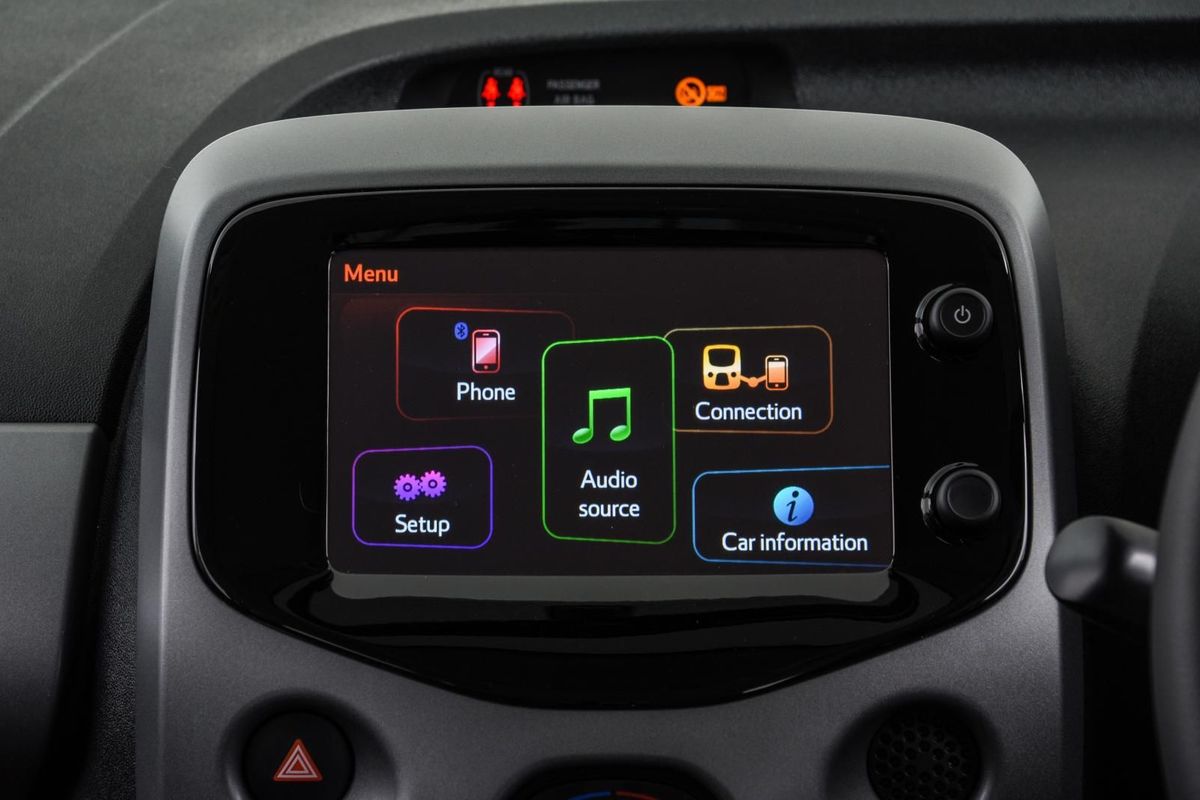
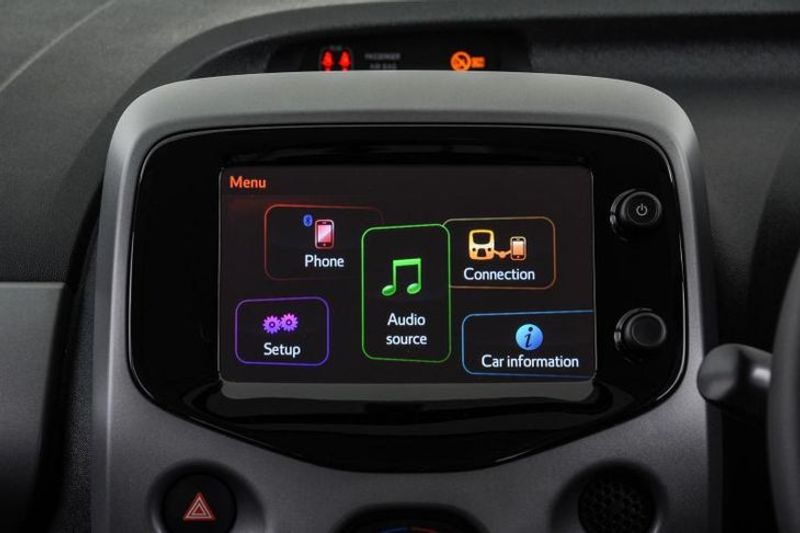
The 2018 Toyota Aygo comes with a slick infotainment system which features USB, Aux and Bluetooth.

Although the Aygo is a budget-oriented offering, all versions have a touchscreen audio system with USB and auxiliary audio inputs and Bluetooth connectivity, a trip computer, electric windows (front), remote central locking, power-adjustable side mirrors, air-con and a 12V power socket. 

In terms of safety systems, the diminutive Toyota comes with ABS with brake assist, plus (since 2018) vehicle stability control and hill-assist control. There is a total of 4 airbags (dual front and side), ISOfix child-seat mounts and 3-point seatbelts with force limiters and pre-tensioners.


Although the Aygo's cabin is less than luxurious, the leather-trimmed steering wheel and gear knob add an upmarket feel.

Compared with the 2015-spec cars, the engine now offers a tiny bit more power, 2 kW more in fact. For the record, the engine is a 1.0-litre naturally-aspirated 3-cylinder petrol engine, but it now pushes out 53 kW and 93 Nm. Despite the tiny increase in power, fuel economy has decreased and now sits at 4.3 L/100 km. Toyota claims that the noise, vibration and harshness have also been reduced, resulting in a quieter drive. 

Revised line-up

The 5-door range begins with the simply-named Aygo entry-level derivative, followed by the dual-tone X-Play Black, while the previously offered X-Play Silver has been replaced by a new X-Clusiv derivative, which is available exclusively in Black with silver-coloured exterior accents (fog lamps are standard). The interior features a combination of Quartz Grey and Piano Black interior trims, while the door handles have a chrome-plated look.


The X-Play X-Cite represents the most affordable source of open-topped motoring in the SA new vehicle market…

Flagship X-Cite versions feature power-retractable canvas sunroofs and 15-inch alloy wheels, whereas the lesser models ride on 14-inch wheels. Whereas the X-Cite Black features a more traditional black folding roof, Toyota now also offers buyers the option of a vibrant orange-hued canvas top, which can be paired with any of the 6 exterior colours (White, Silver, Ash Grey, Cherry Red, Caribbean Blue or Black) at no extra cost.

Toyota Aygo Price in South Africa

All Aygo models come standard with a 3-year/100 000 kilometre warranty. A range of service plans is available for purchase from Toyota dealer.

Aygo R171 900

Aygo X-Play Black R174 200

Aygo X-Clusiv R174 800

Aygo X-Cite (Black roof) R198 900

Aygo X-Cite (Orange roof) R198 900

Further Reading

Toyota Aygo X-Play (2018) Quick Review

Datsun Go 1.2 Lux (2019) Quick Review

Suzuki Baleno, Ignis GLX Gain New Infotainment System

4 Small Crossovers for Under R200k

Budget Car Comparison: Volkswagen Move up! Vs Toyota Aygo X-Play

Want to purchase a Toyota Aygo? 

Buy a new or used Toyota Aygo on Cars.co.za

Hyundai Venue Revealed as Kona’s Junior

Another crossover has evolved from Hyundai's humble hatchback platform and it may be on its way to South Africa. 

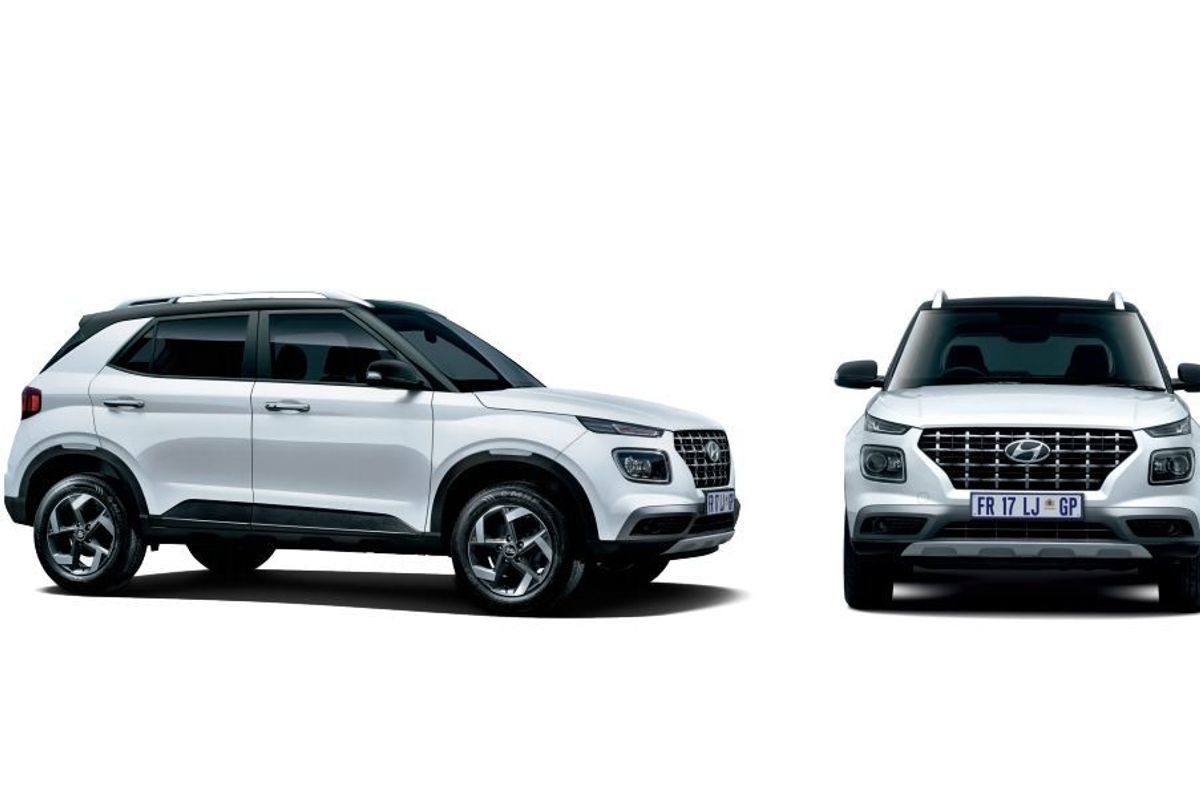
Hyundai has added another quirky crossover to its compact vehicle line-up and it's called the Venue. 

Hyundai South Africa is in the process making a business case for the Venue's local introduction and if the numbers play ball, we may very well see the Venue launched locally before the end of 2019. 

This new Korean front-wheel drive high-rider will position itself below the Kona in Hyundai’s product portfolio and can be thought of as a slightly more refined and sophisticated Creta alternative.

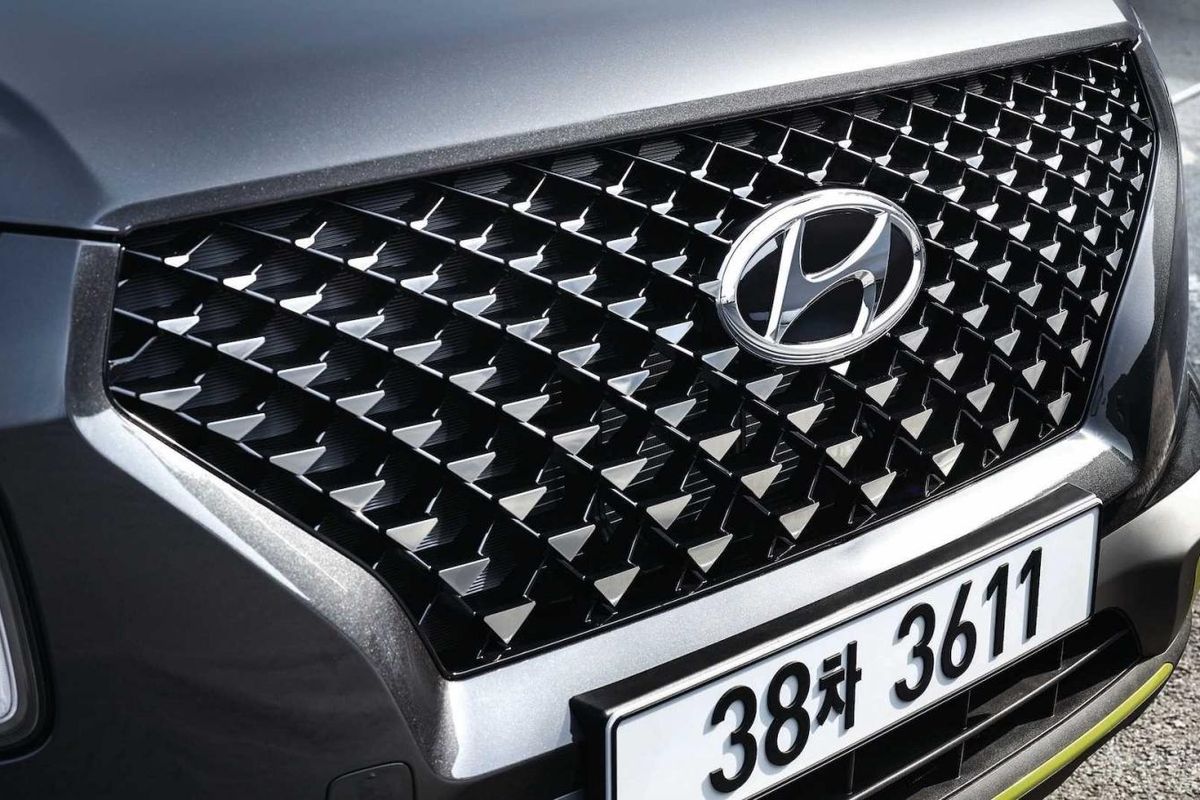
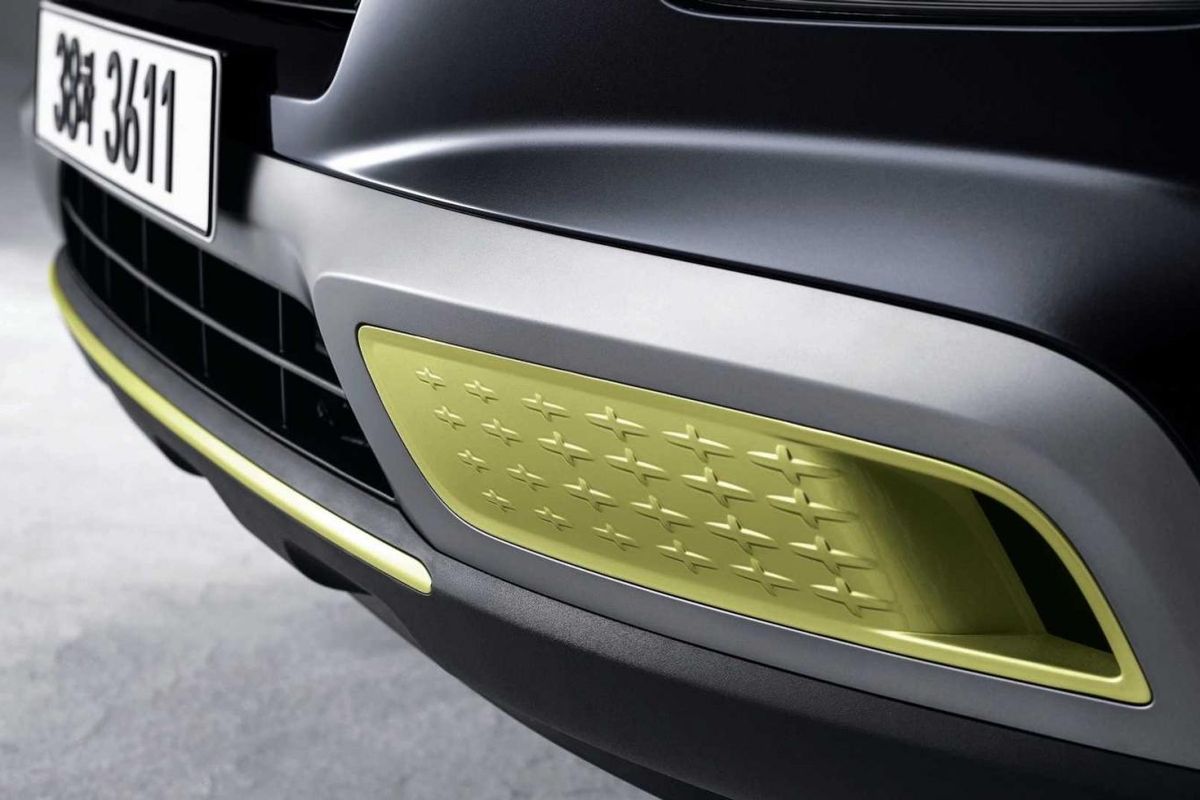
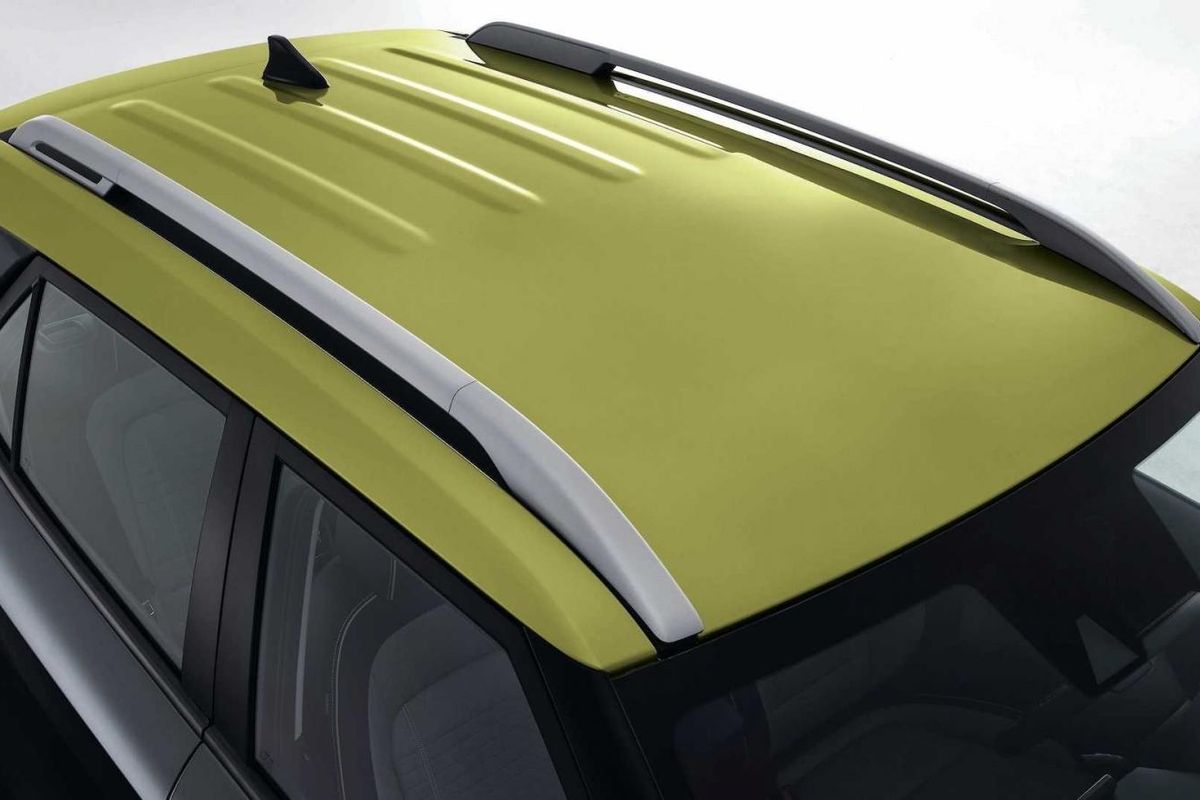
Styling elements include LED embedded cube headlights and secondary thin-slit headlamps mounted at the bonnet-to-grille shutline. This is an obvious evolution of the daring styling Hyundai first applied to Kona. Venue’s tailgate features a pronounced kink and crease treatment, also anchored by cube taillights. Viewed as a design purpose, Venue is Hyundai’s attempt to bring large SUV styling elements to an A-segment crossover buyer.

Inside there is an 8-inch touchscreen which mirrors all your Smartphone functions via Apple CarPlay or Android Auto and dual USB ports for device recharging. Vehicle information other than road and engine speed is relayed via  TFT instrumentation and the driver directs the Venue with a leather-covered steering wheel.

True to its pseudo-adventure vehicle billing, the Venue’s rear seats feature a 60/40 split function, to enable the loading of oversized items or weekend away activity gear.

Powering the Venue will be Hyundai’s latest naturally-aspirated 1.6-litre petrol engine, good for 90 kW. Shift options are either a six-speed manual or continuously-variable two-pedal transmission.

Hyundai’s Venue will feature a credible level of driver assistance systems, including autonomous emergency braking, blind spot warning, rear cross-traffic alert when backing out of a parking bay and a reverse assistance camera.

We will keep you updated as soon as more information becomes available. 

Related content

Hyundai Kona 1.0T Executive (2018) Review

Hyundai Creta 1.6D Executive (2018) Video Review

Nissan Qashqai Updated for 2019

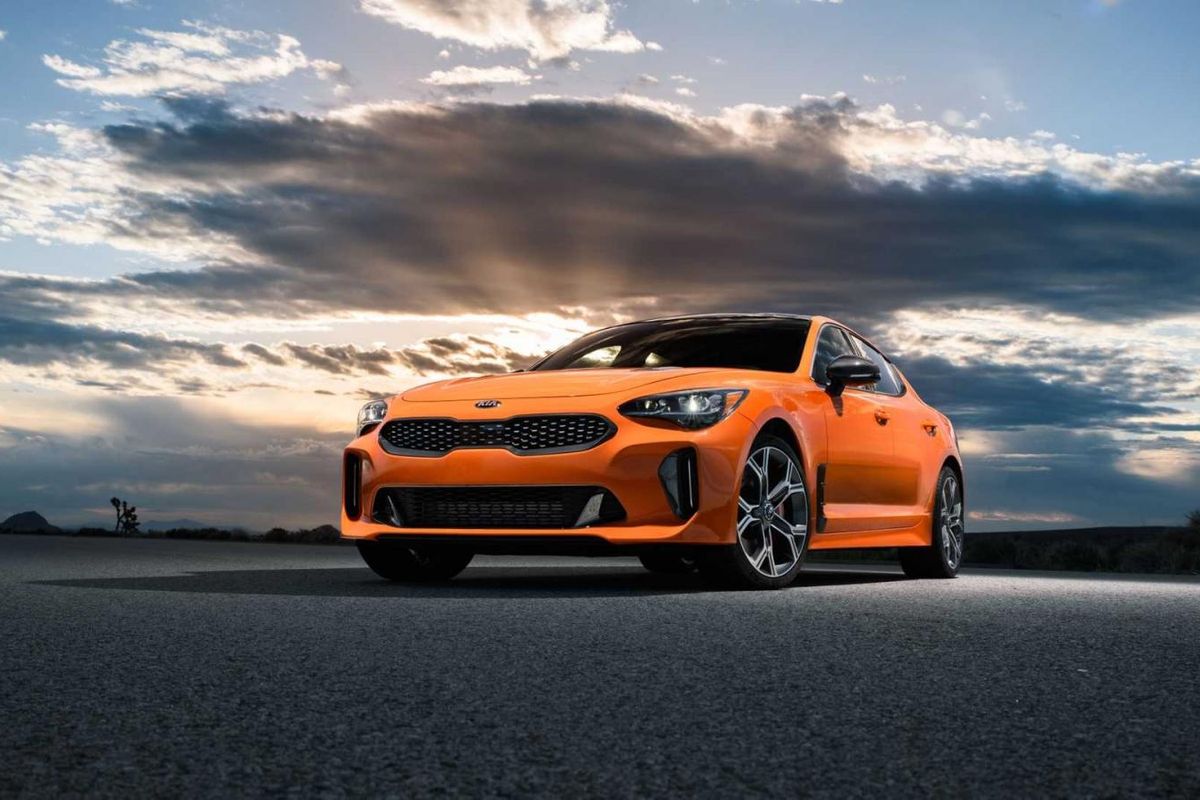
Tyre-Shredding Kia Stinger GTS Unleashed

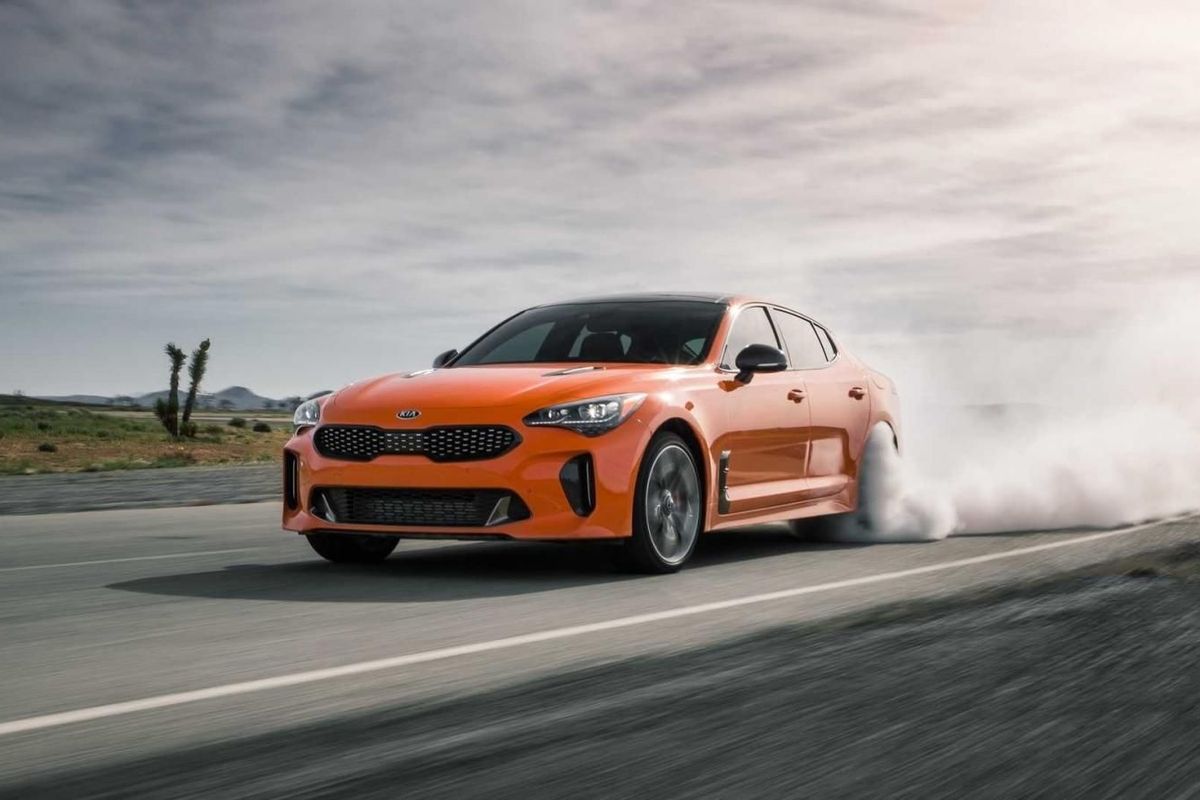
Kia has unleashed a limited edition Stinger GTS featuring all-wheel drive and drift mode to elicit higher levels of driving engagement.

If you haven’t done so yet, check out our video review of the rear-wheel drive Kia Stinger. It’s sophisticated but still delivers the thrills when you lay the hammer down.

Now, Kia has developed a limited edition Stinger GTS featuring a new D-AWD system which in Kia-speak “has been tweaked to close the gap in behaviour between the AWD-equipped and RWD-equipped Stinger GT”. The Kia Stinger GTS can be had in either all-wheel drive or rear-wheel drive guise and only 800 units will be made available to customers.  

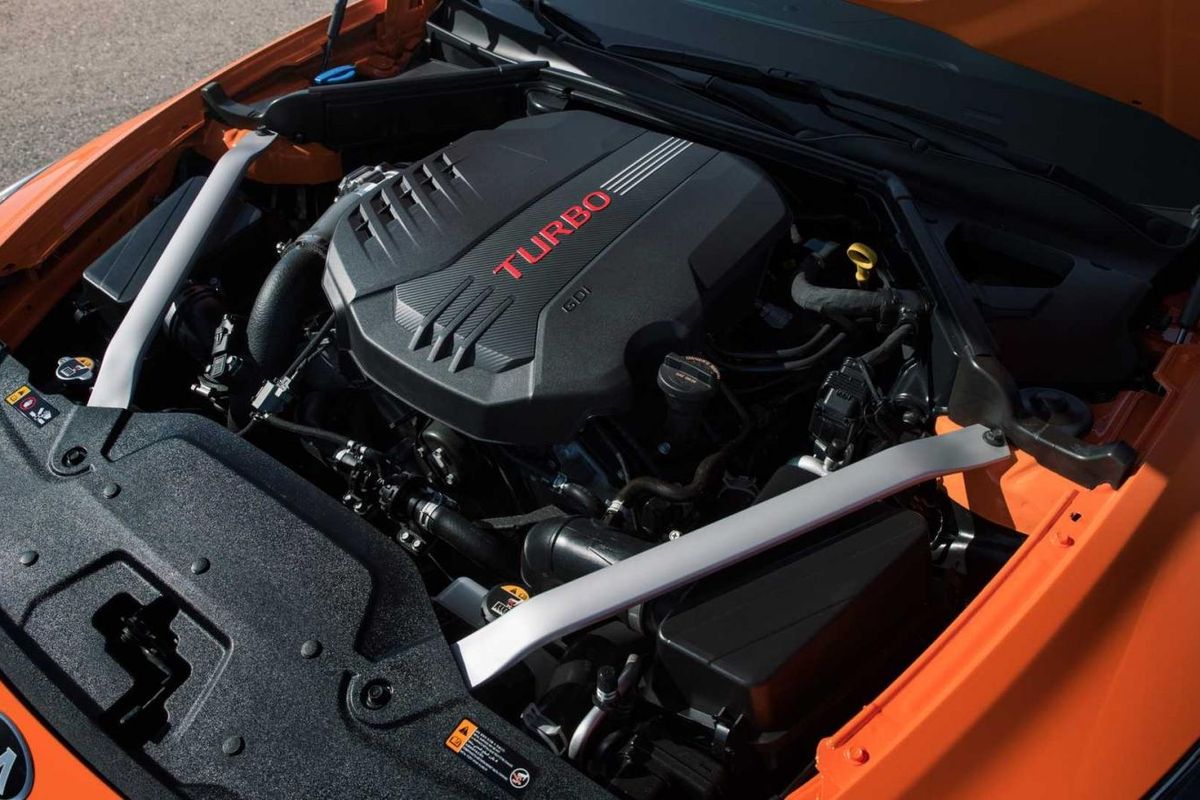
The Stinger’s twin-turbocharged 3.3-litre V6 engine with 272 kW and 510 Nm delivers the punch in conjunction with an 8-speed automatic transmission.

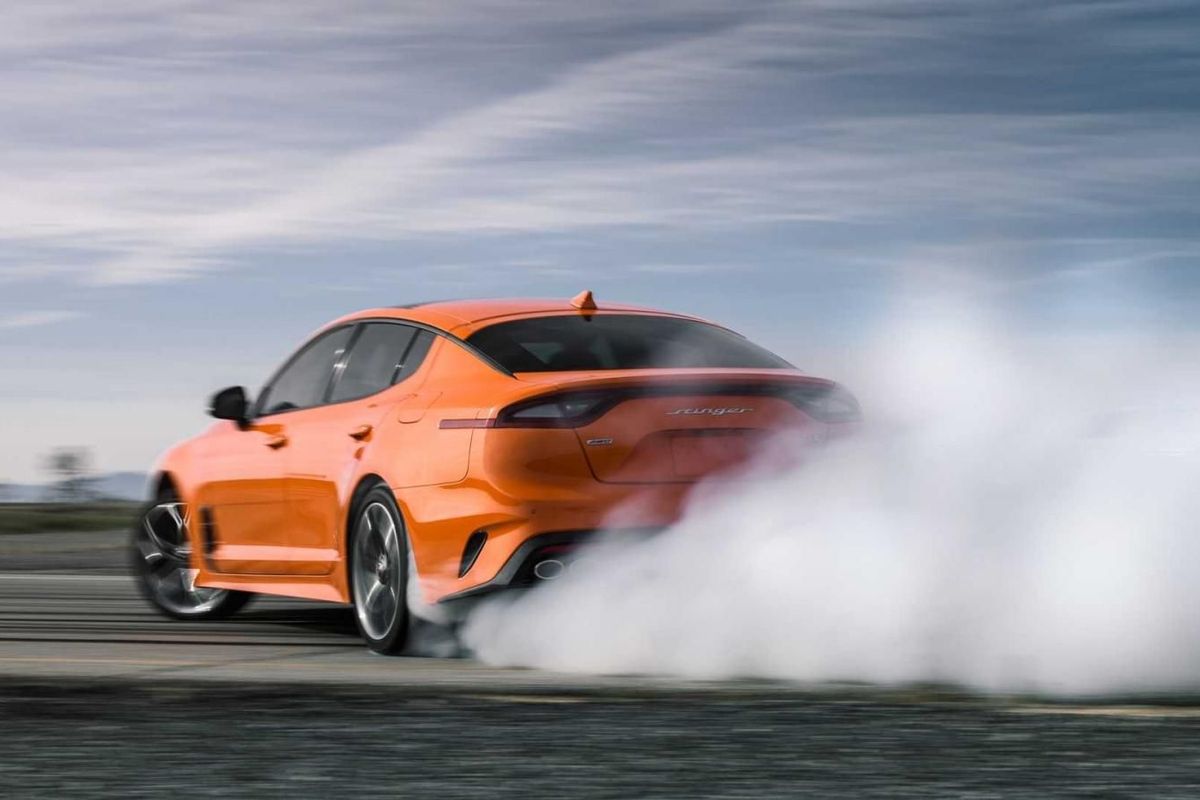
The AWD system is coupled with a mechanical limited slip differential and by using the Drive Mode Select, varying power can be directed to the rear wheels depending on the type of drive you are after. For instance, Comfort mode sends 60% power to the rear while Sport mode ups the distribution to 80%. For full-on rear-wheel drive fun, the Stinger GTS is equipped with a Drift mode which sends 100% power to the rear wheels and holds the gears without initiating upshifts which guarantees tyre-shredding goodness!

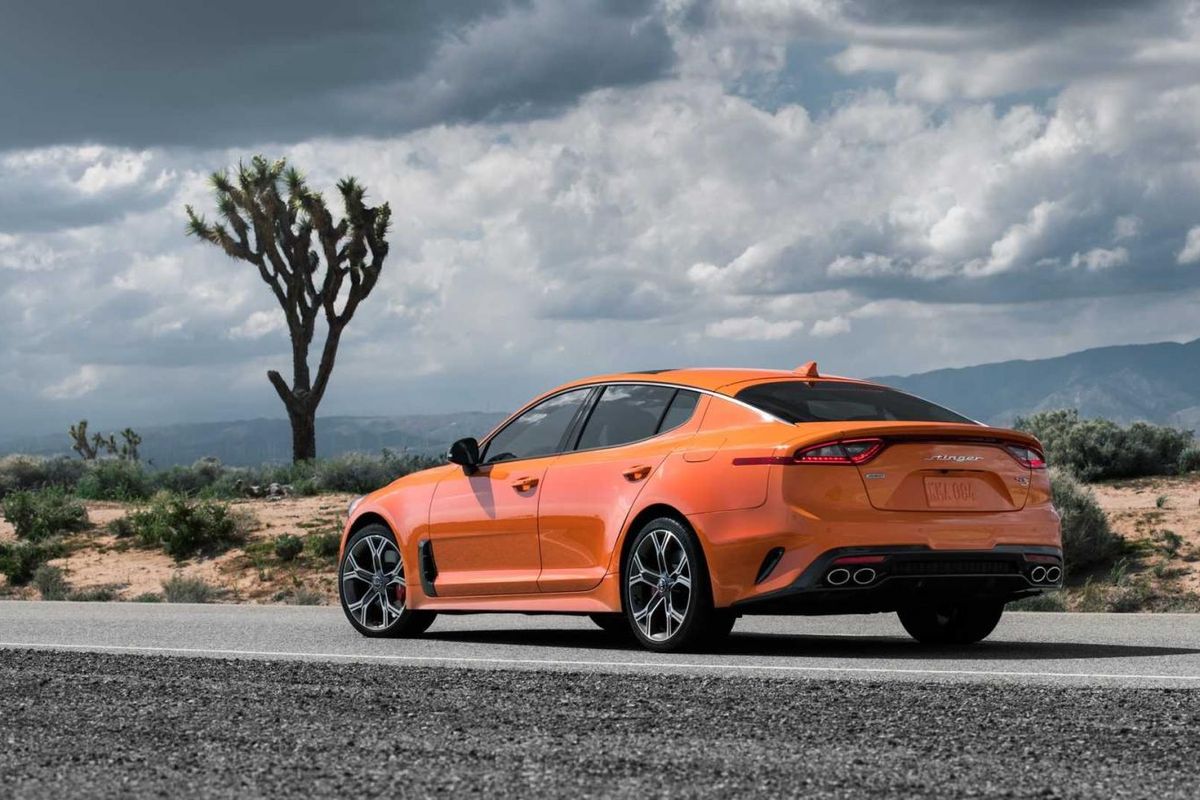
This limited edition Stinger GTS is also offered in a new ‘Federation’ premium orange paint colour and wears carbon fibre parts seen on the tiger nose grille, mirror caps and side vents. The bespoke model also gains a GTS emblem at the rear as well as a centre Stinger emblem.

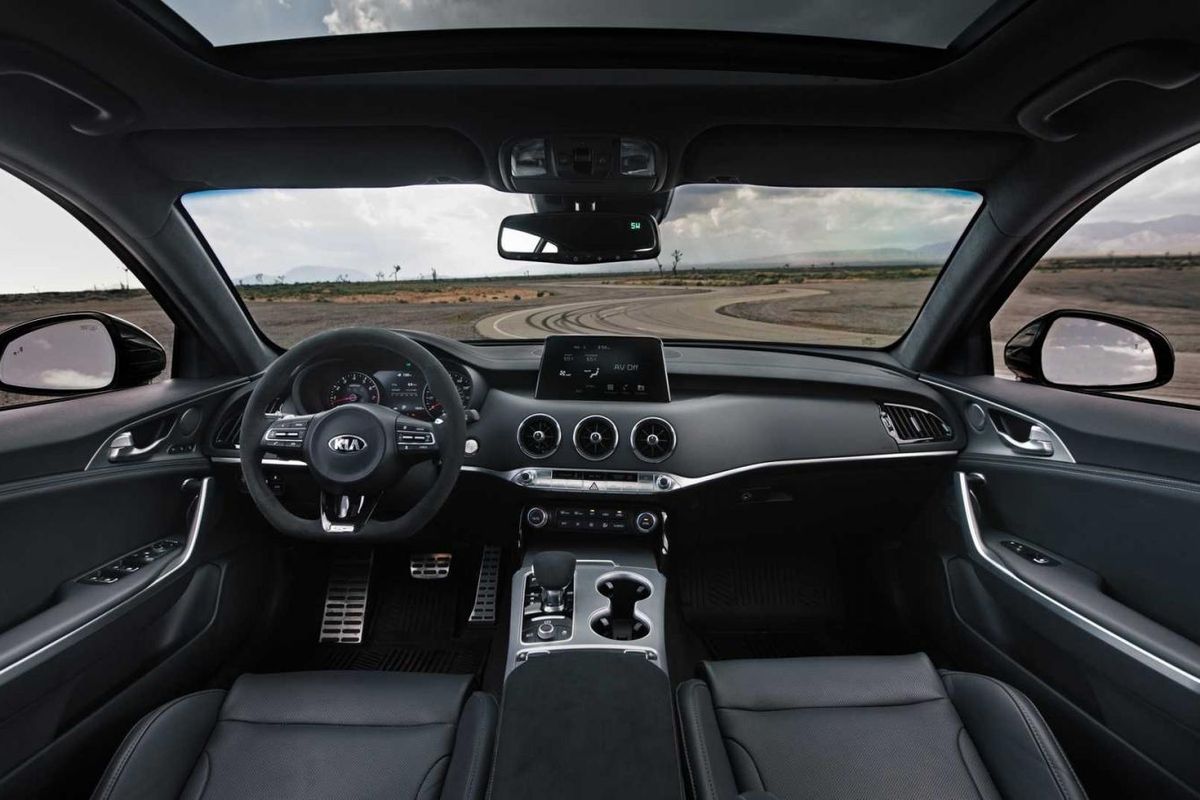
The interior gains an Alcantara steering wheel and a headliner in Chamude, which is a suede-like material. Other notable features include a sunroof, 720 W Harman Kardon premium sound system and a wireless smartphone charger.

watch the Kia Stinger GTS in action below!

Buy a new or used Kia Stinger on Cars.co.za

Related Content

Kia Stinger GT (2019) Quick Review [w/Video]

Kia or BMW? Is Actually a Real Question Now

Kia's baby SUV coming to SA & other insights


Land Rover Discovery Landmark Edition Announced

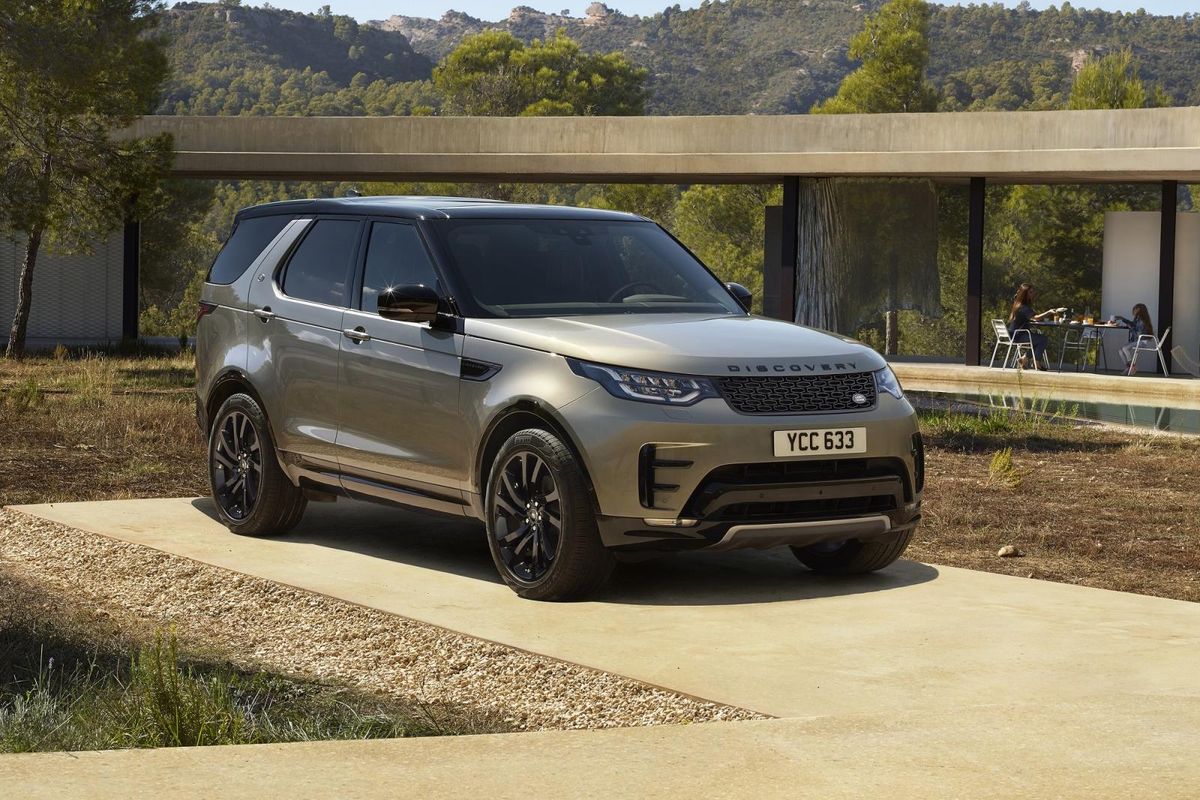
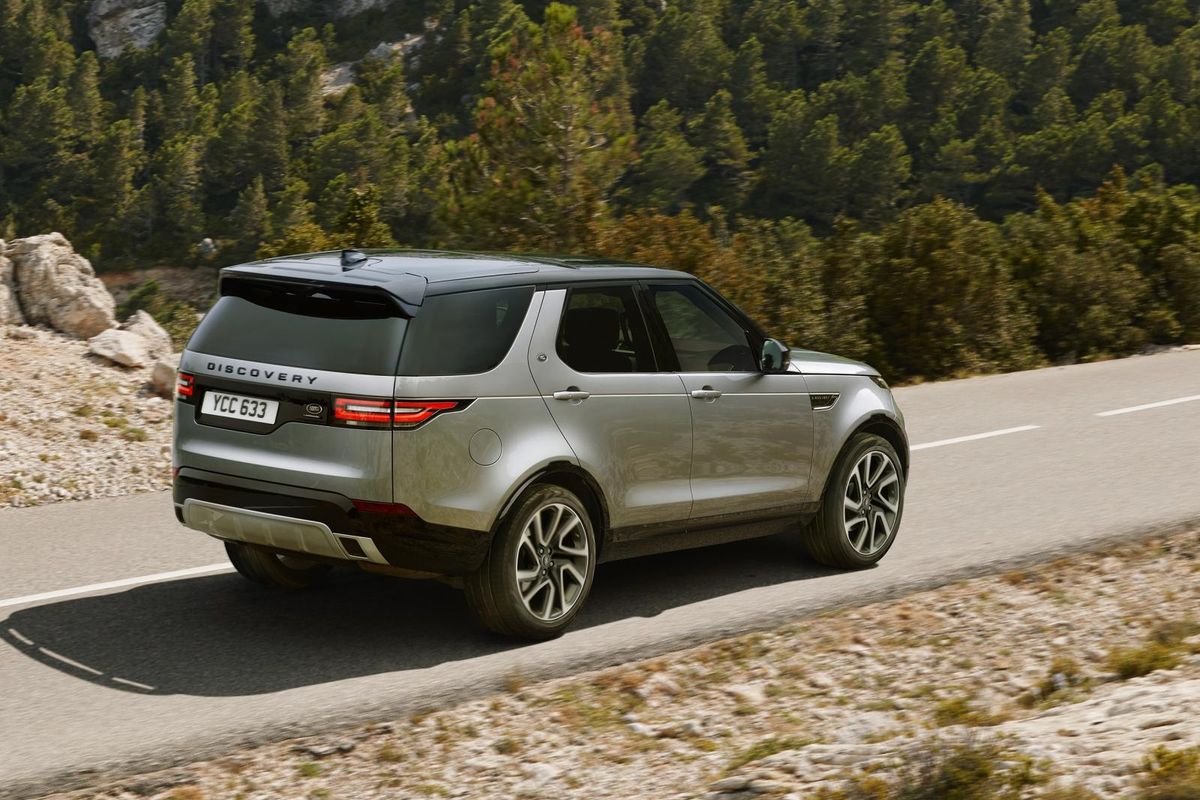
The Land Rover Discovery Landmark Edition has been announced and it's coming to South Africa. Here's what you need to know. 

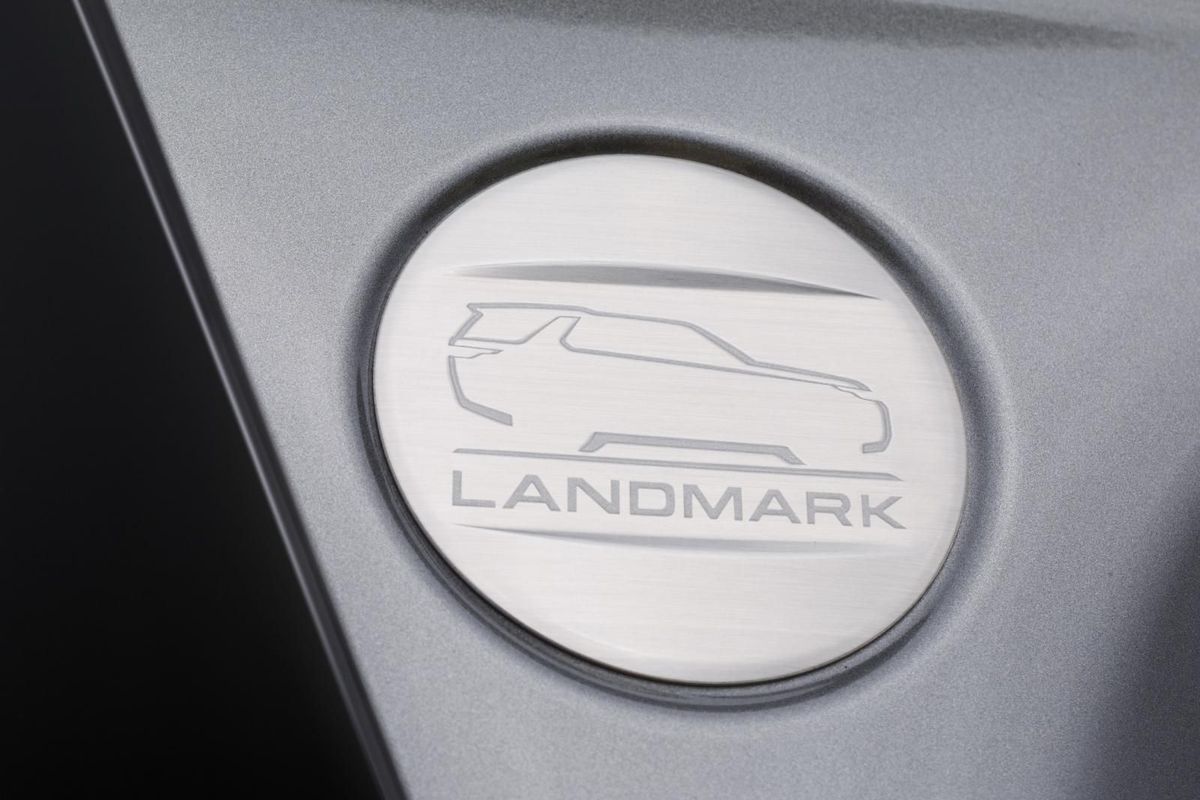
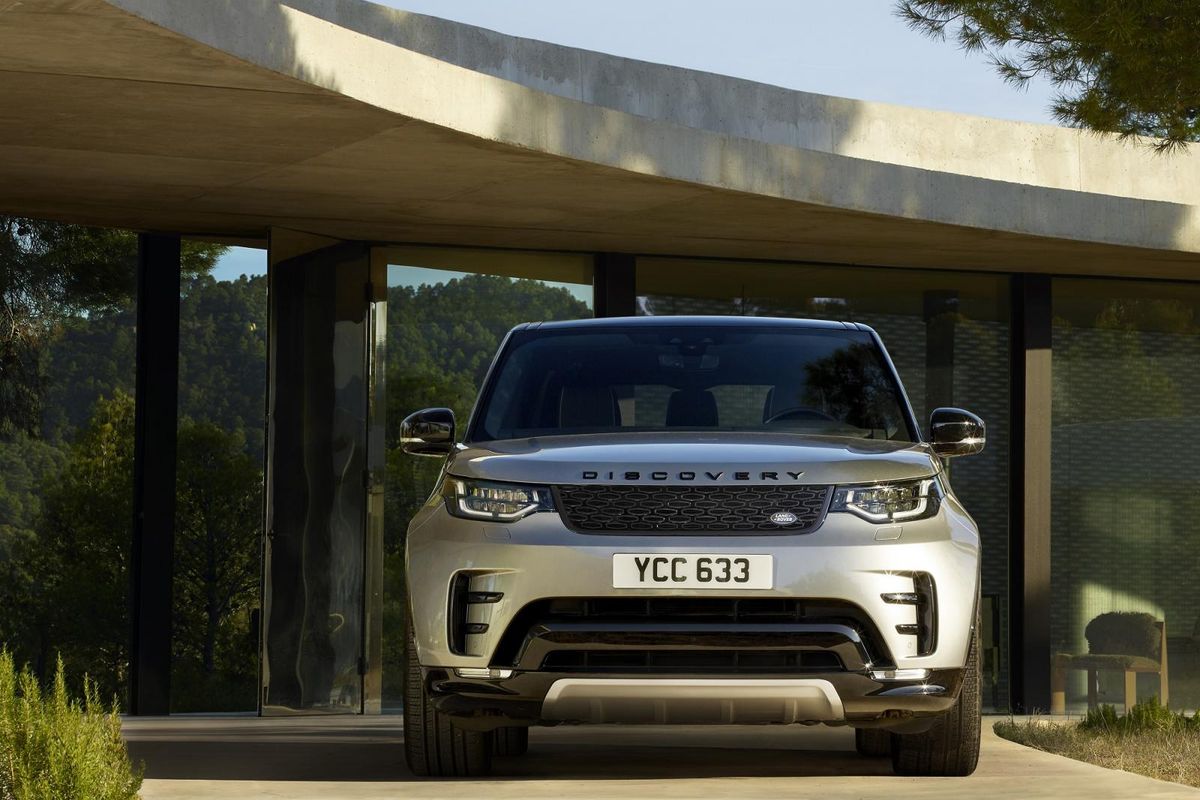
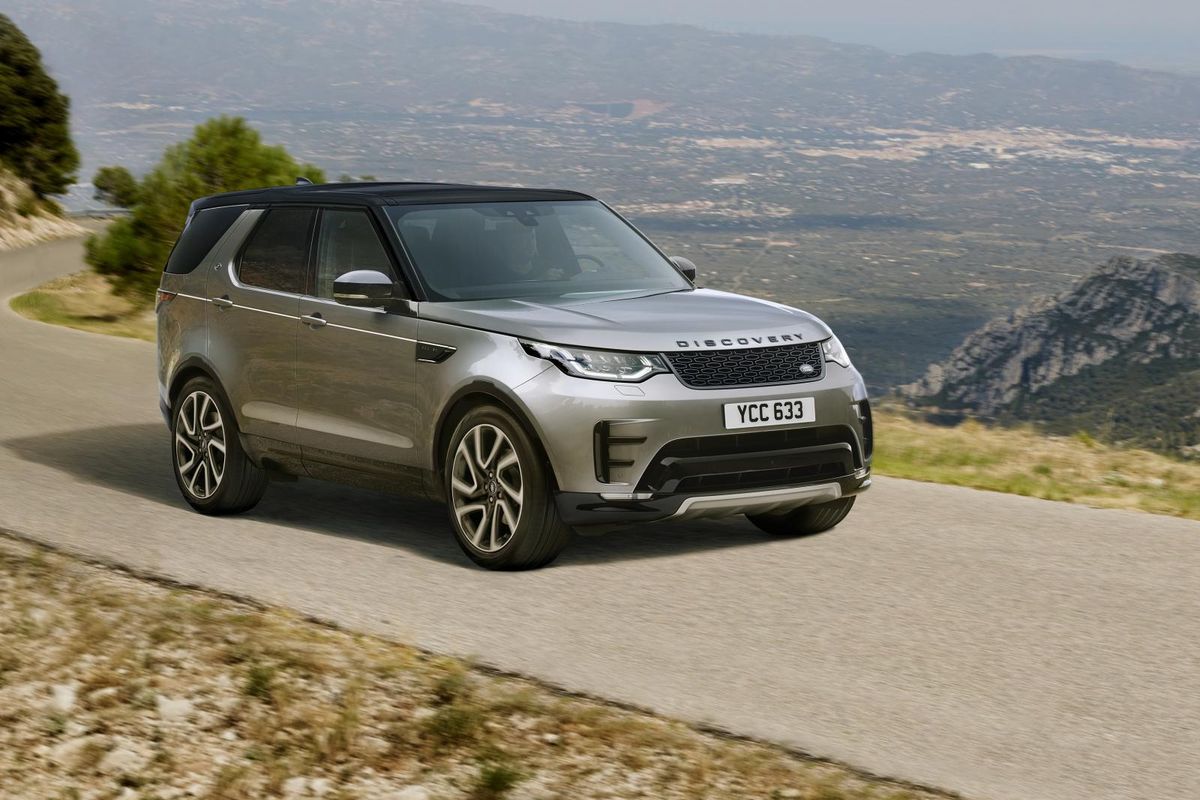
To celebrate 30 years of Discovery, Land Rover has announced a special edition. Called the Discovery Landmark Edition, this newcomer boasts more standard features and some subtle design changes. Since the Discovery was first announced at the 1989 Frankfurt Motor Show, the big SUV has offered luxury and offroad capability in one sweet package. 

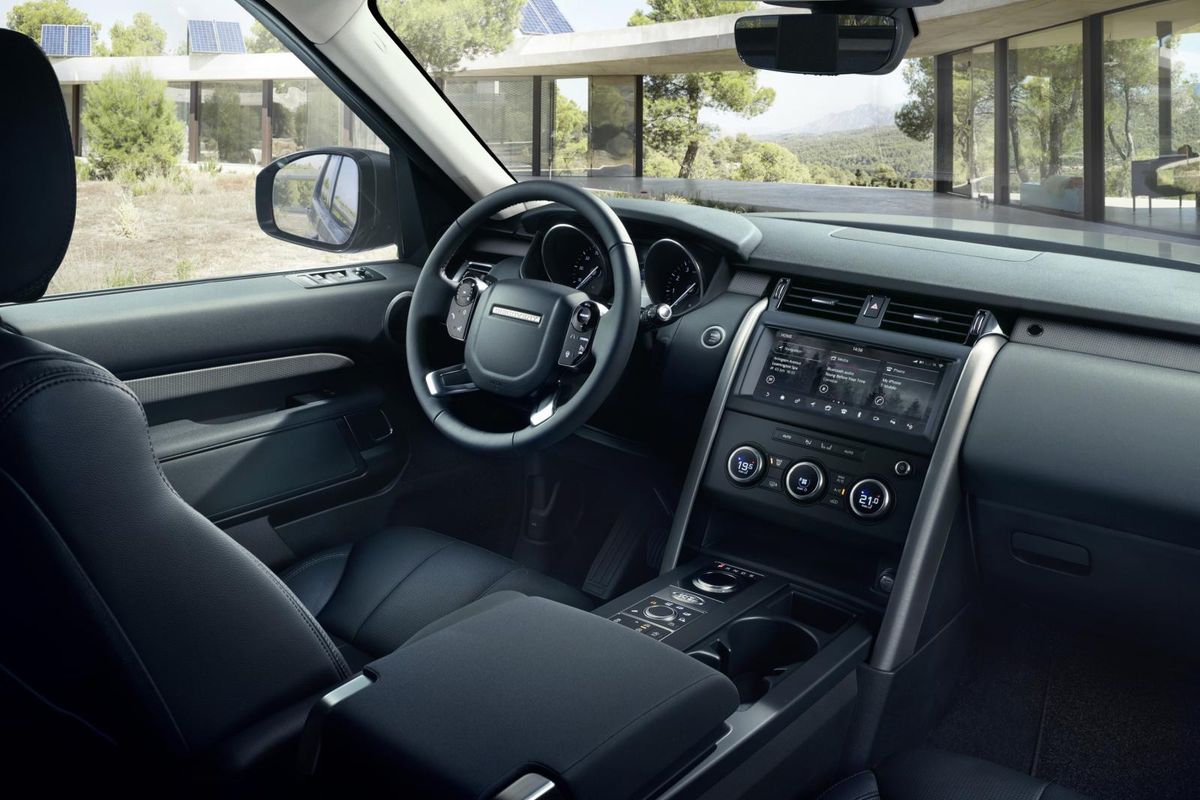
Based on the Discovery SE, the Landmark Edition features the Dynamic Pack which has some visual tweaks such as new-look bumpers and grills. The vehicle also features a fixed panoramic roof, front fog lights and signature tail lights, while privacy glass and 20-inch Gloss Black wheels complete the modern and contemporary look. Inside, the cabin offers a choice of three premium Windsor leather colourways with contrast micropiping. A Satin Brushed Aluminium centre console and titanium mesh finishers also set it apart, with the 380W Meridian Sound System, helping to create a truly first-class travel experience.

Nick Collins, Vehicle Line Director, Jaguar Land Rover, said: “The Land Rover Discovery has set the standard for all-terrain adventure for 30 years. Whether tackling jungles, mountains or the school run, it has delivered at every turn with class-leading all-terrain capability and seven-seat versatility. The Landmark Edition is a fitting celebration of the ultimate family SUV.”

South African-spec Discovery Landmark Edition will feature a 190 kW / 600 Nm 3.0-litre TD6 engine mated to an 8-speed automatic transmission. It'll retain the legendary 4×4 capability too and the vehicle features Terrain Response 2 as well as a class-leading wading depth of 900 mm and a 3 500kg towing capacity.

The new Land Rover Discovery Landmark Edition will be available in South Africa in the third quarter of 2019 with pricing to be announced closer to the time.

Further Reading

Land Rover Discovery HSE Td6 (2018) Quick Review

Land Rover Discovery Workhorse launched

Land Rover offers Cycling Kit for Discovery

Range Rover Sport HSE SDV6 (2019) Review

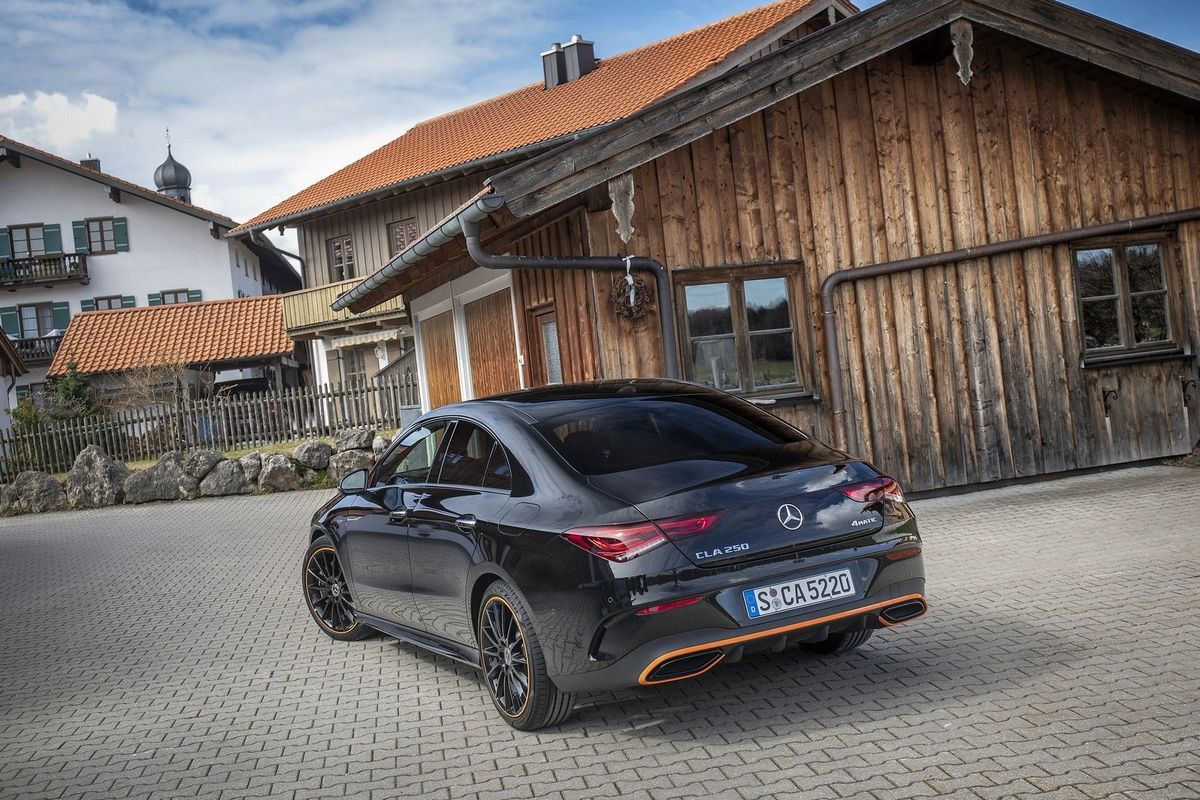
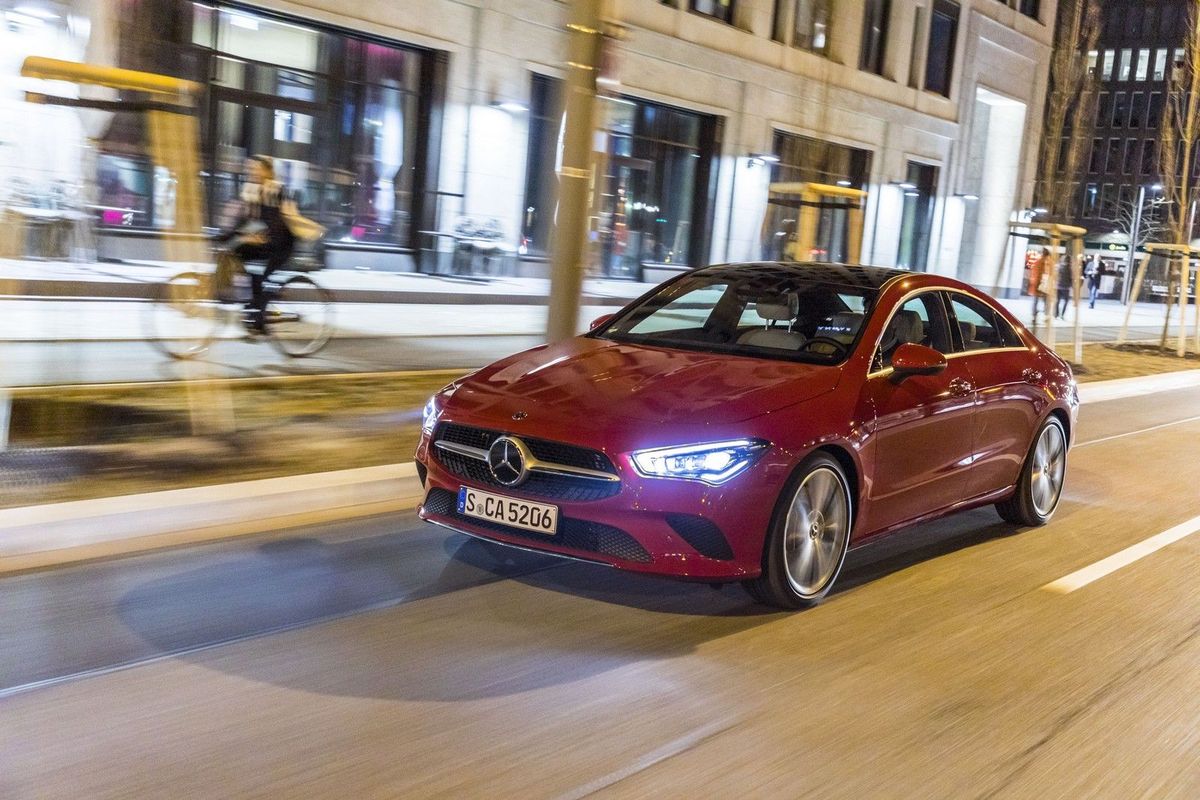
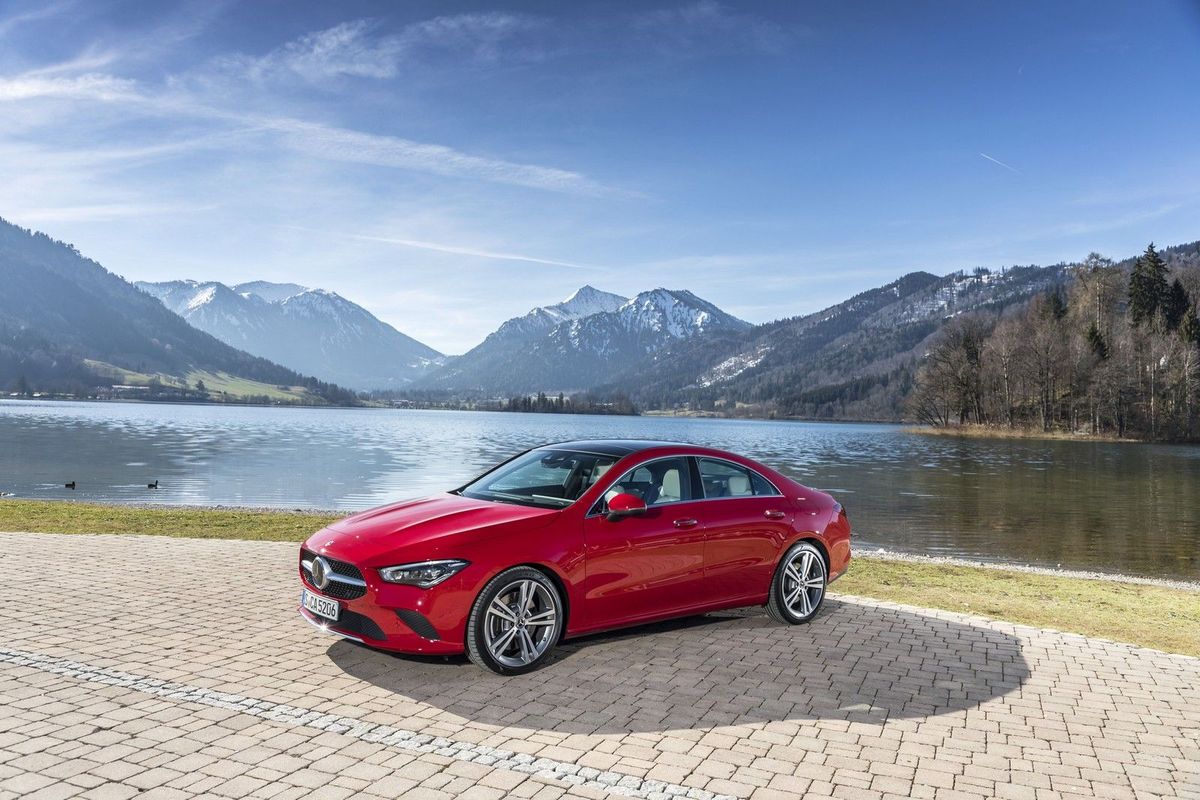
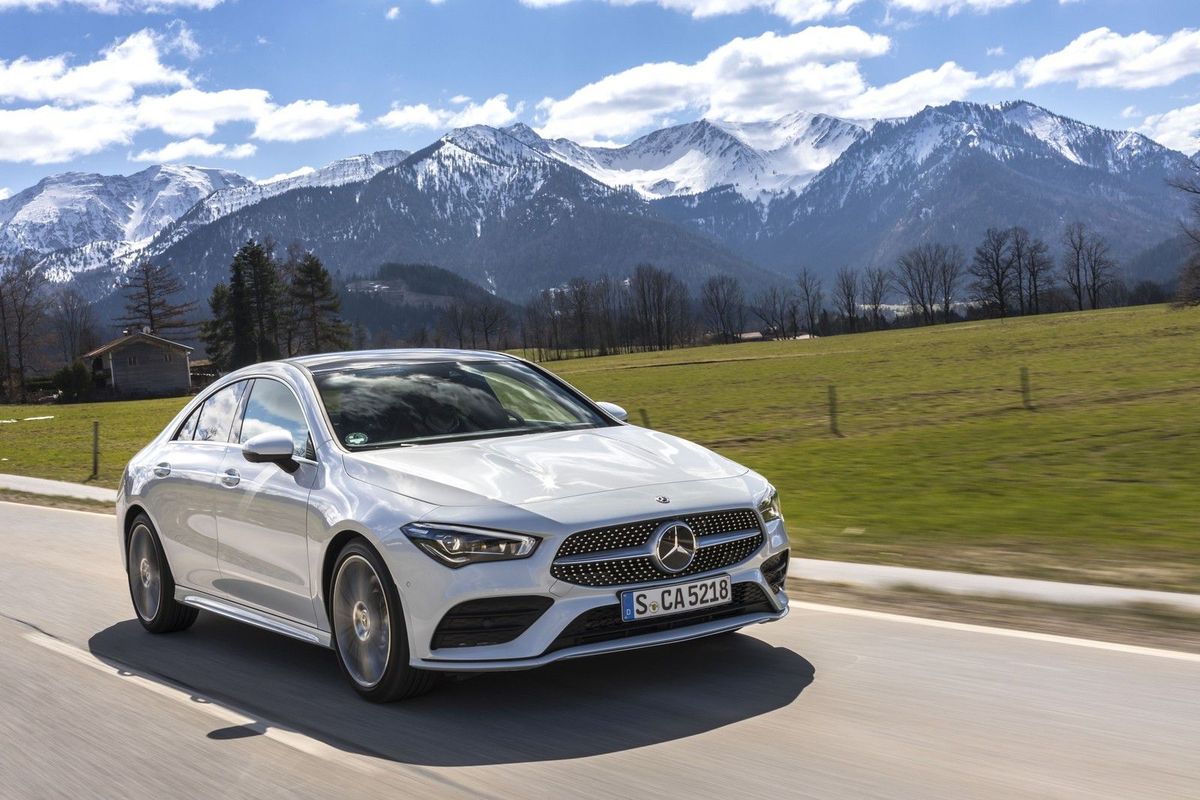
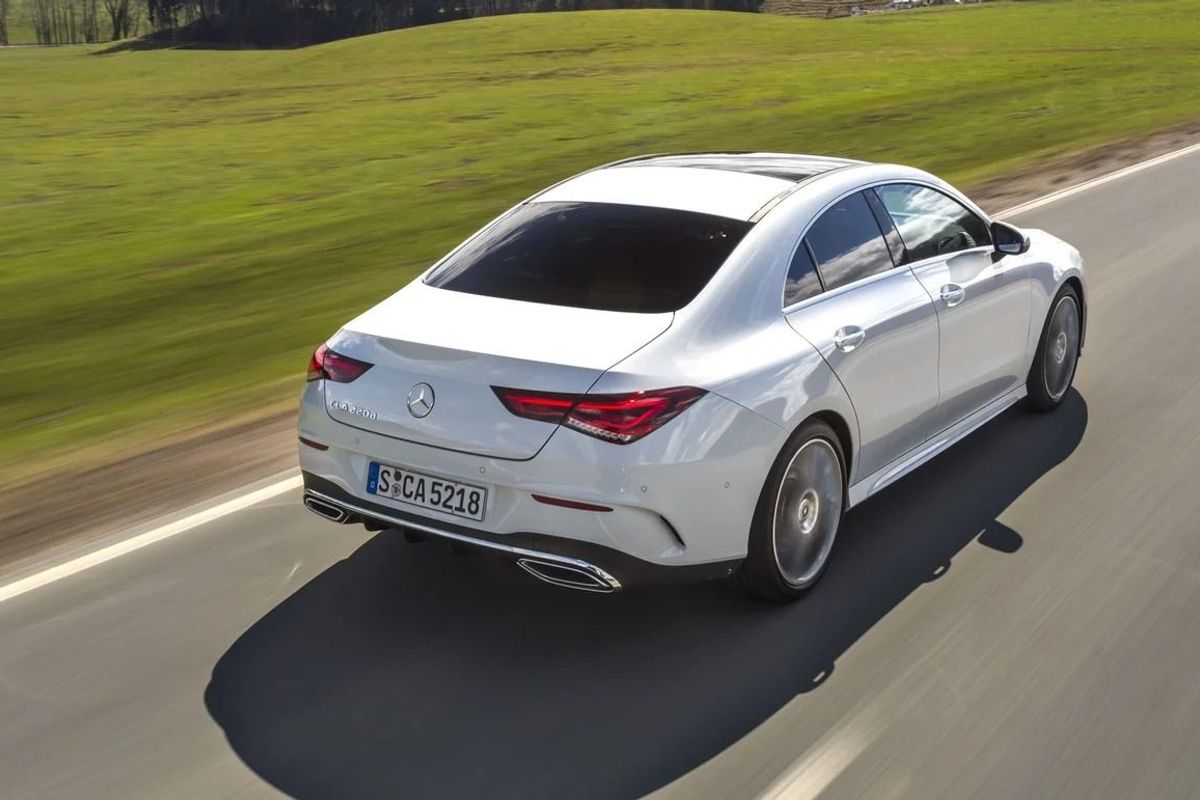
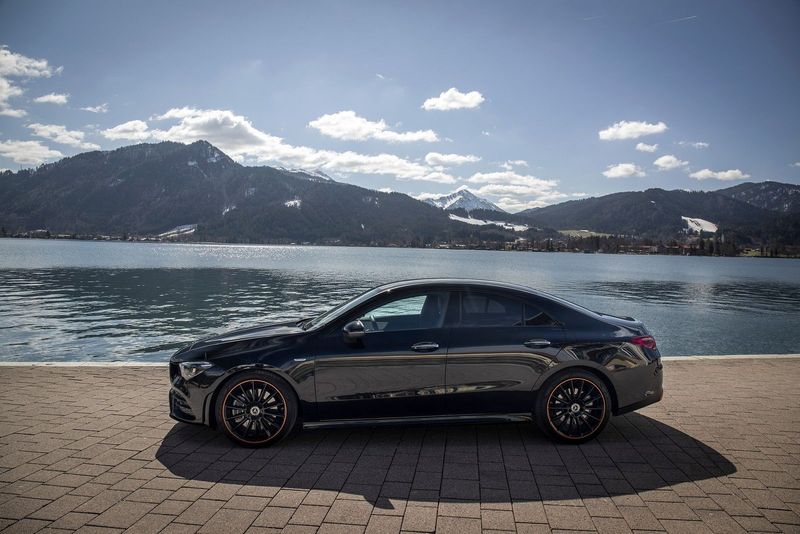
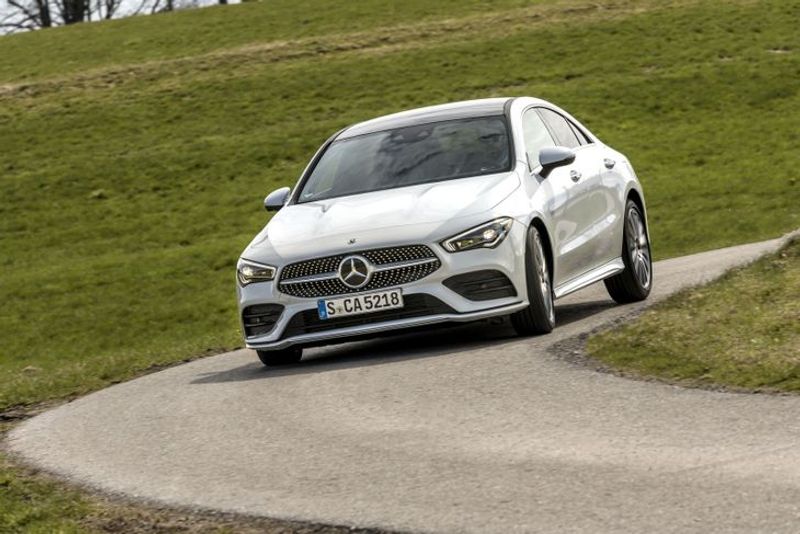
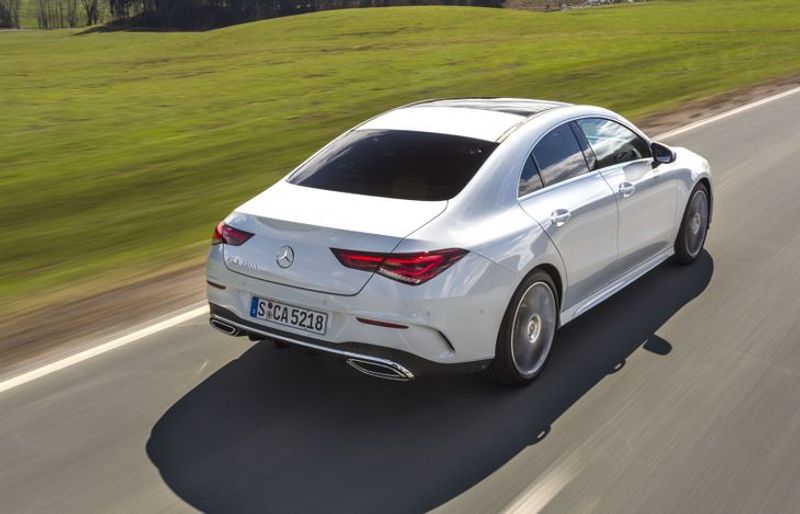
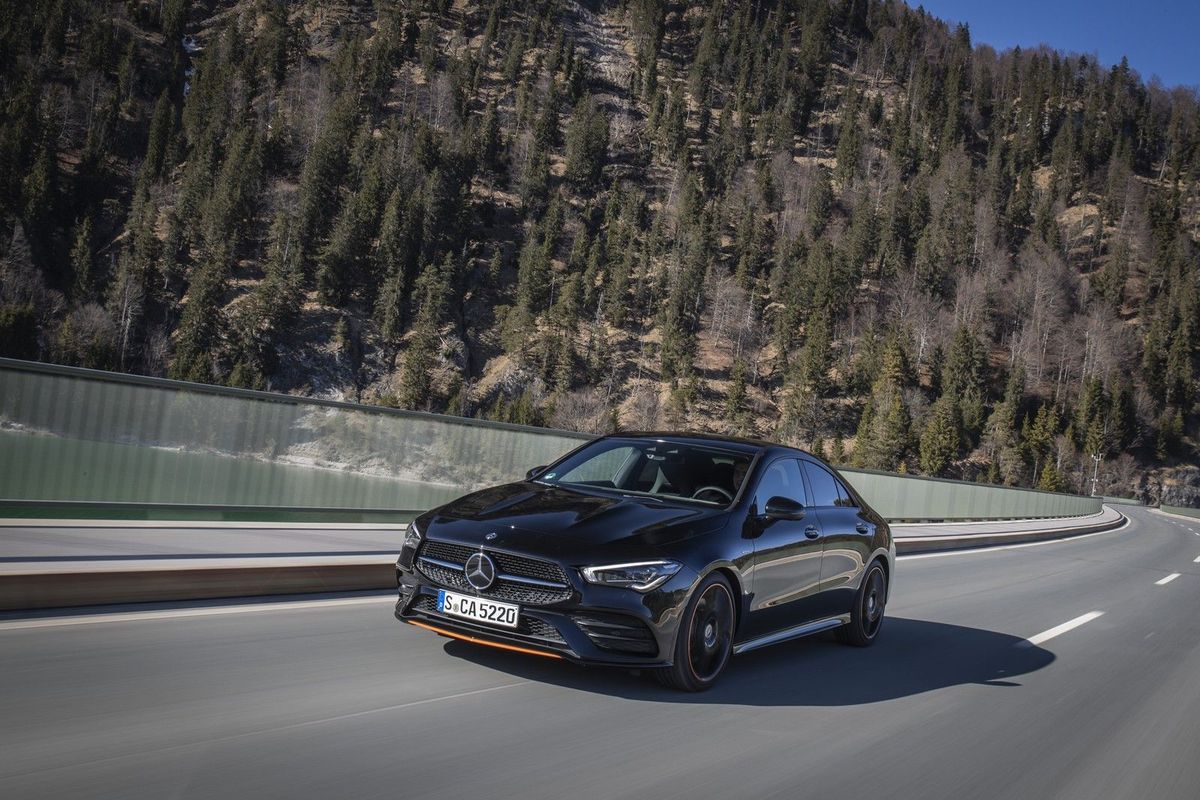
Mercedes-Benz CLA (2019) International Launch Review

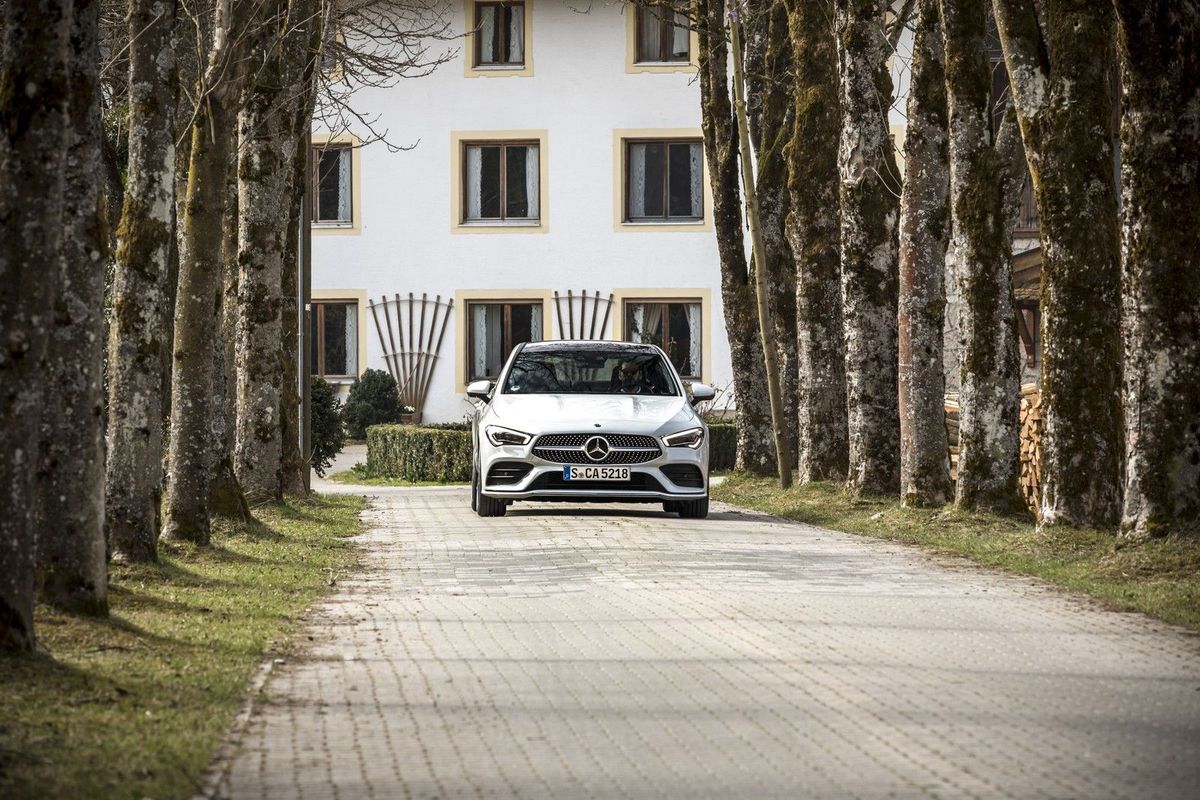
The fashion-forward 2nd-generation CLA has joined the A-Class and A-Class Sedan as part of Mercedes-Benz's 3-pronged attack on the premium compact segment. We headed to Munich (BMW’s backyard…) to test the newcomer.

What’s new?

This generation of CLA sports new underpinnings similar to those of the A-Class hatchback that was launched in South Africa during 2018. In terms of dimensions, that means the newcomer has grown in length and width, while its wheelbase is slightly longer too.

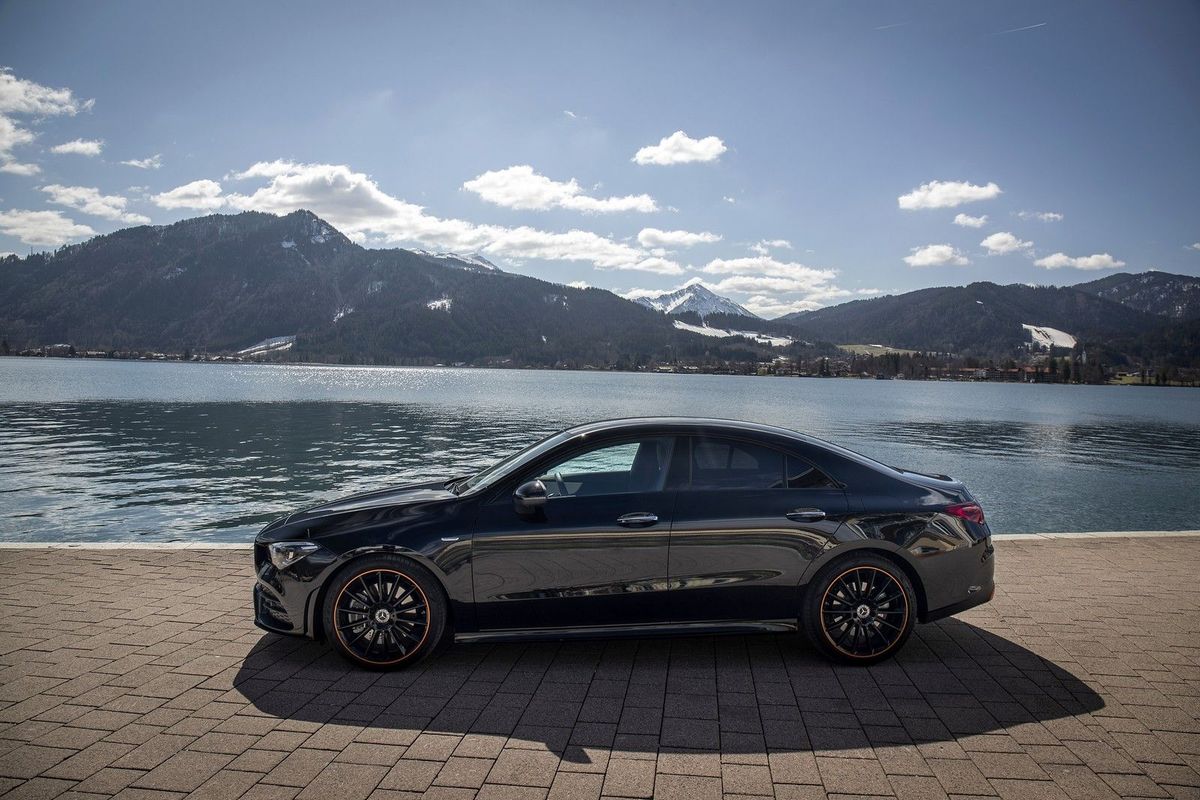
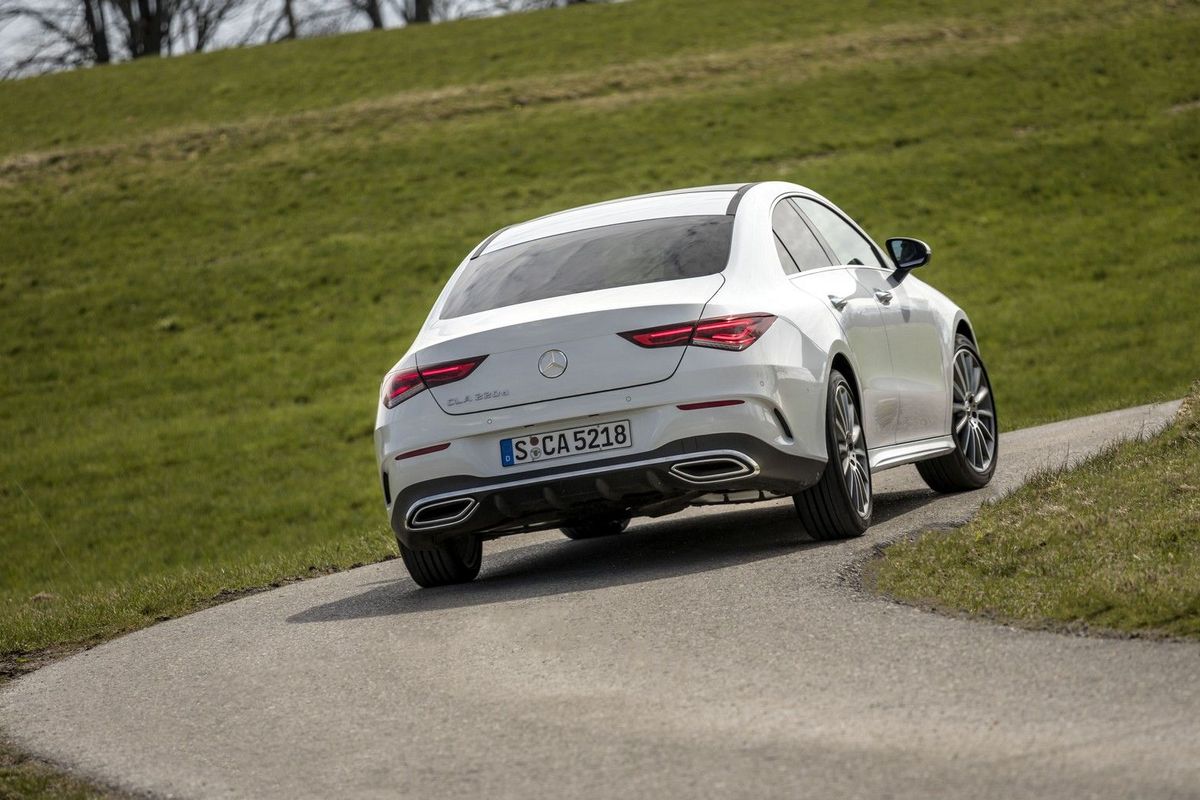
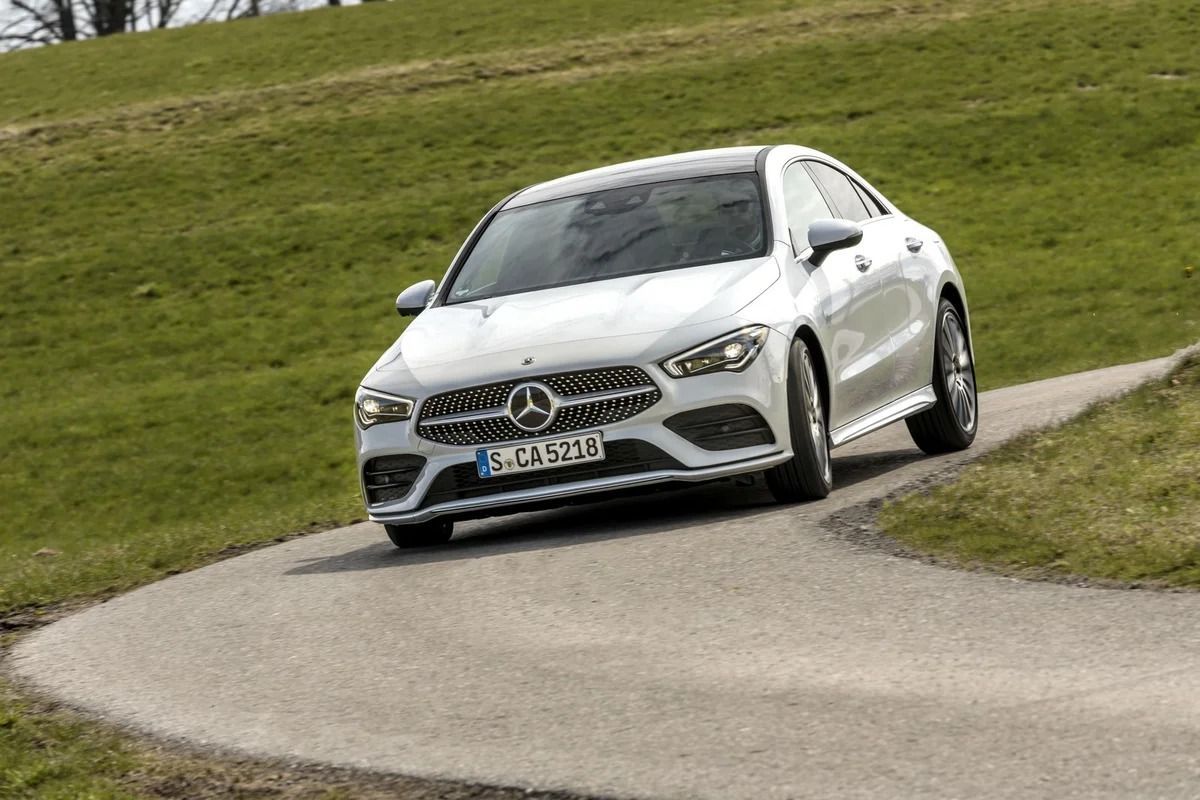
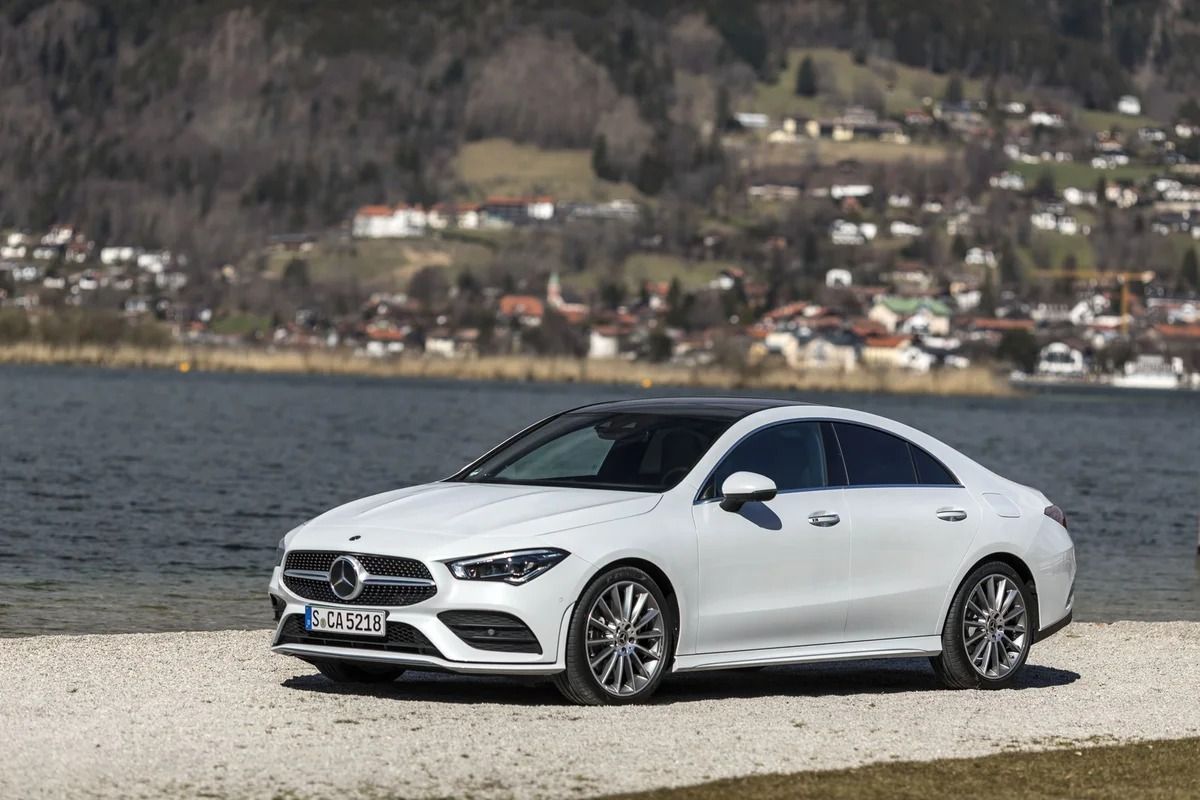
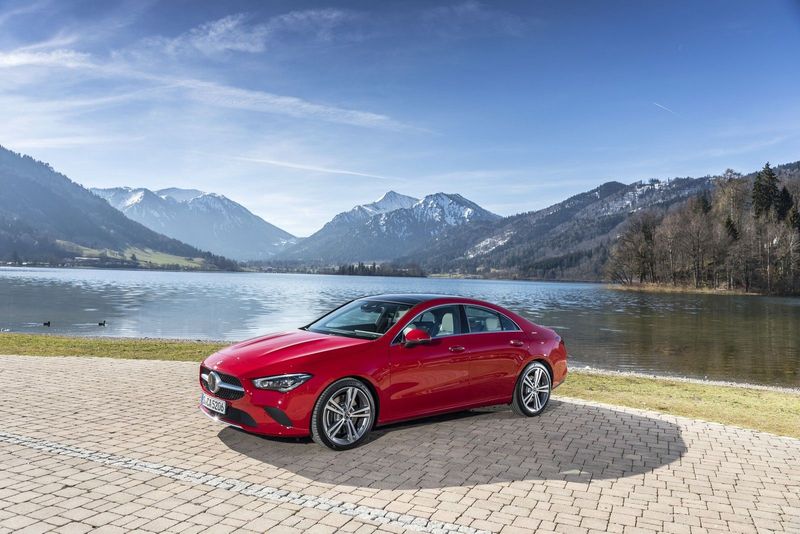
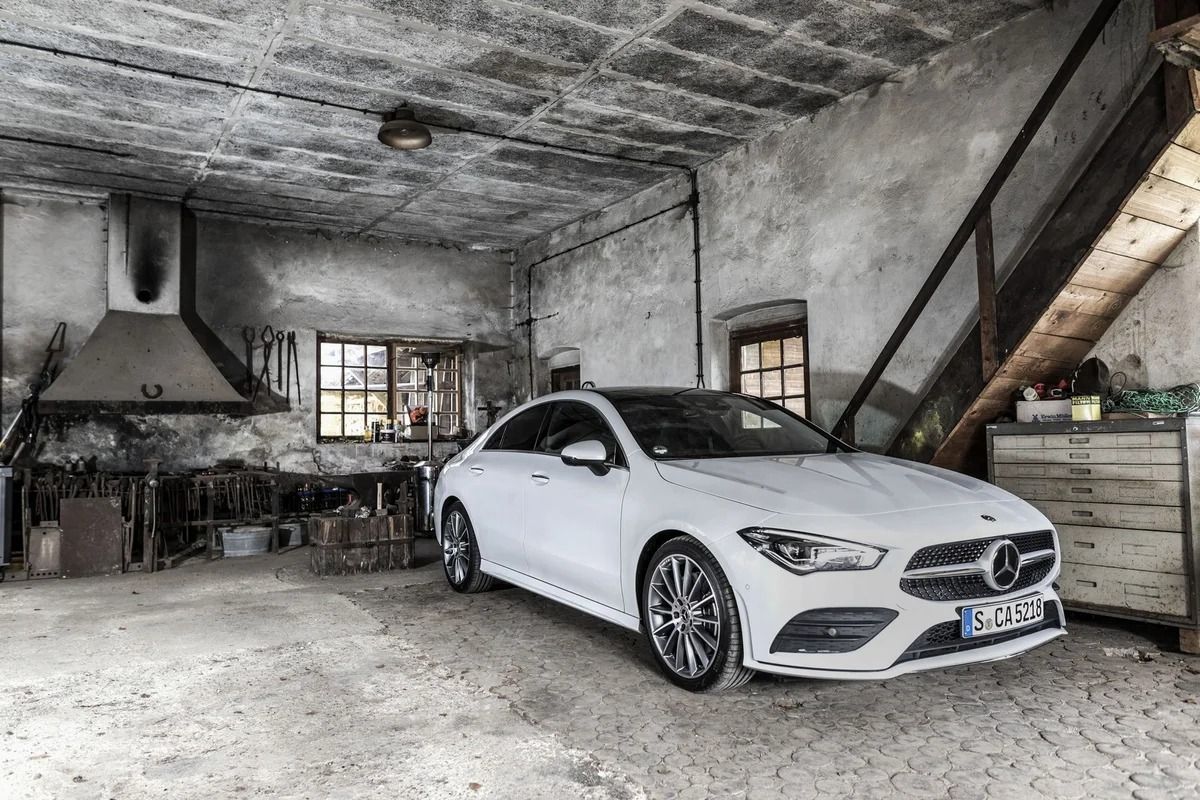
The CLA’s job within Mercedes-Benz's range of compact cars is to be the sportier of the 2 sedans and offer oodles of boutique appeal. The Sindelfingen-based brand considers its previous CLA a design success; it sold around 700 000 of the compact "4-door coupes". Therefore, it didn’t want to fiddle with the formula too much, so it maintained the "Coke bottle" shape, but refined the edges to make it less polarising than the previous model. The C118 arguably doesn’t evoke the initial excitement (good and bad) the previous model did, but it remains eye-catching and distinctive.


The new CLA is slightly bigger in all directions.

In order to position the CLA as the dynamic choice in its (admittedly small) segment, the model's track has been widened specifically for this application. It’s 45 mm wider at the front than the A-Class Sedan and 55 mm wider at the rear, but more on that later…

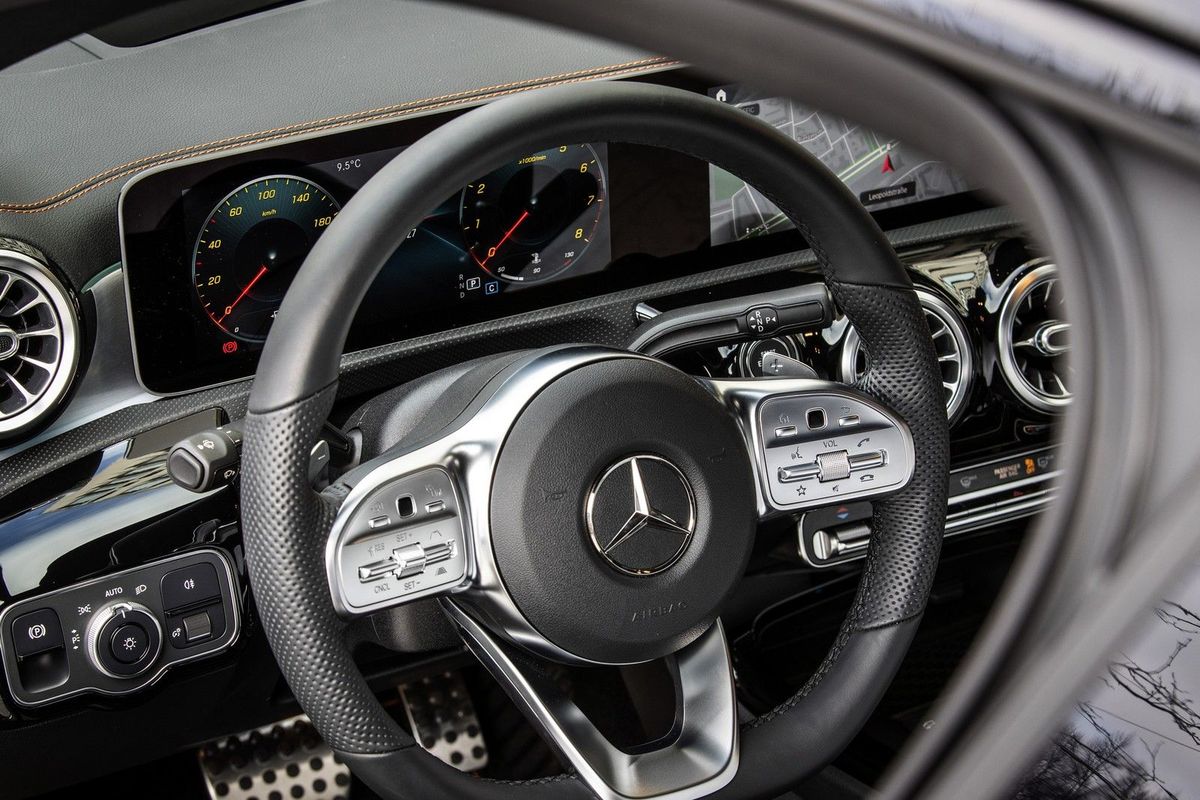
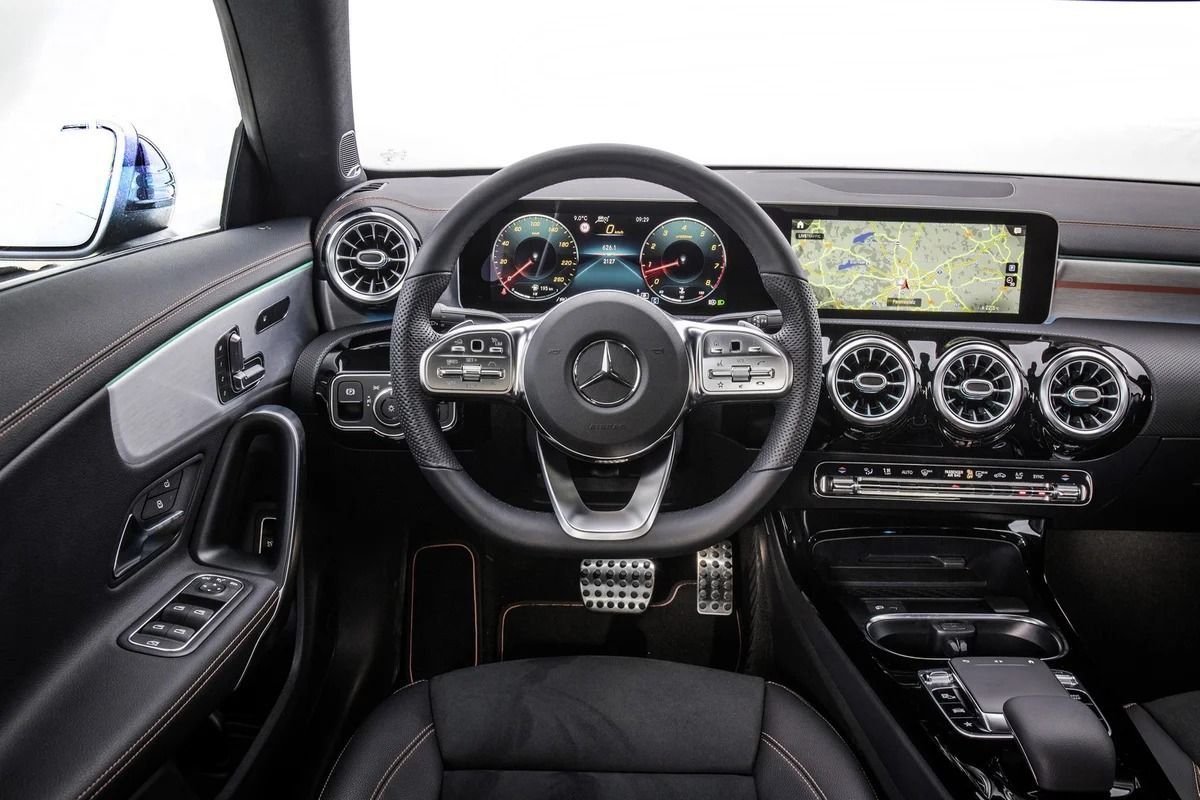
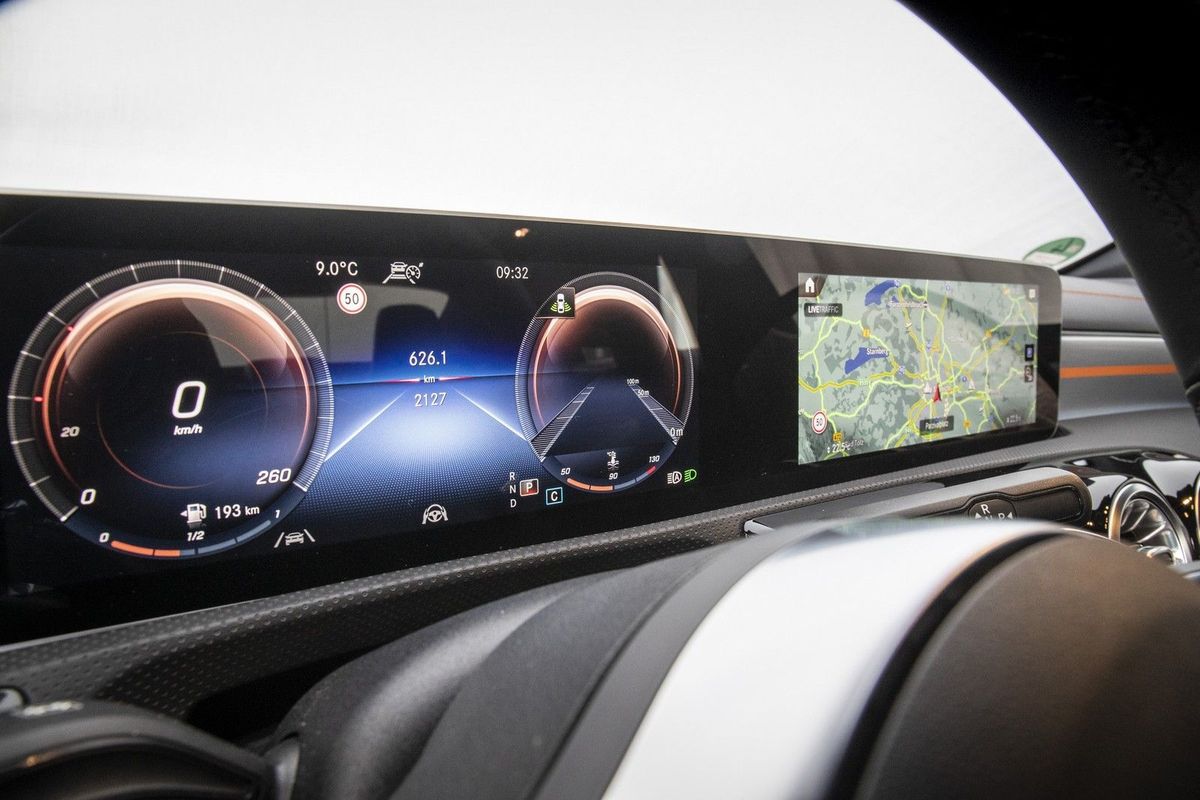
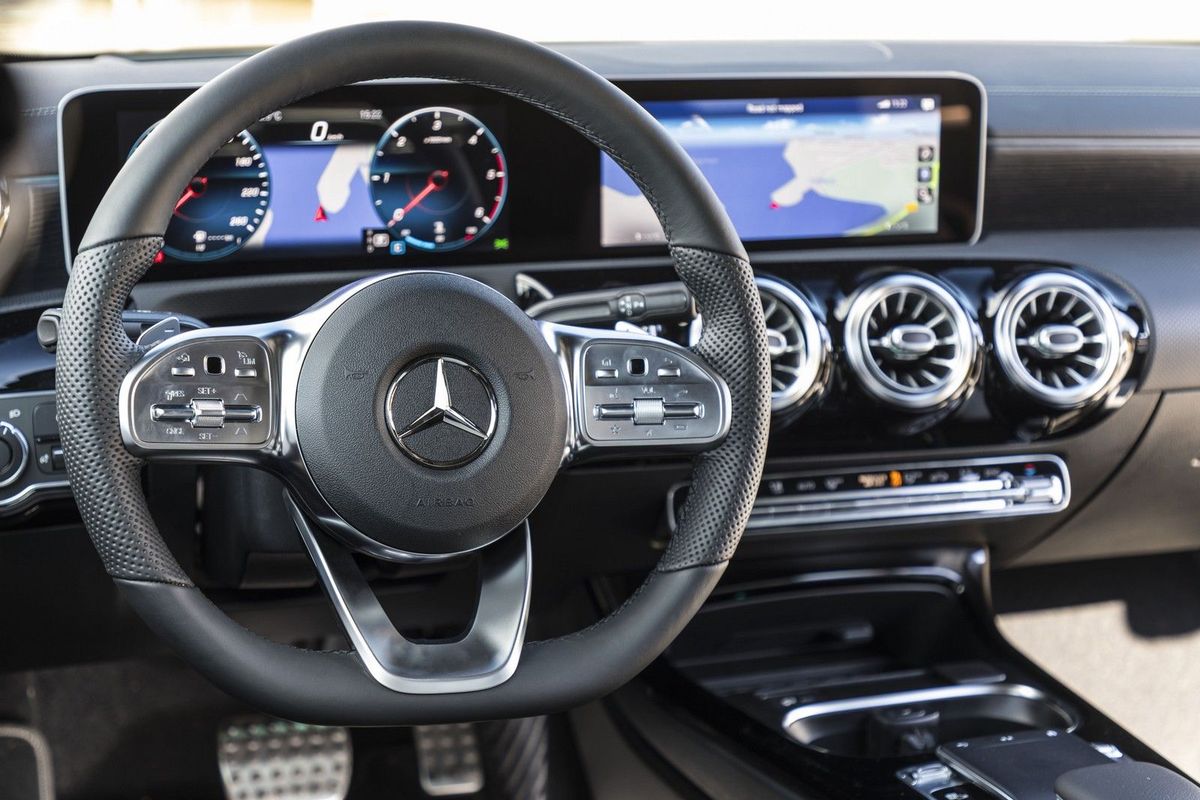
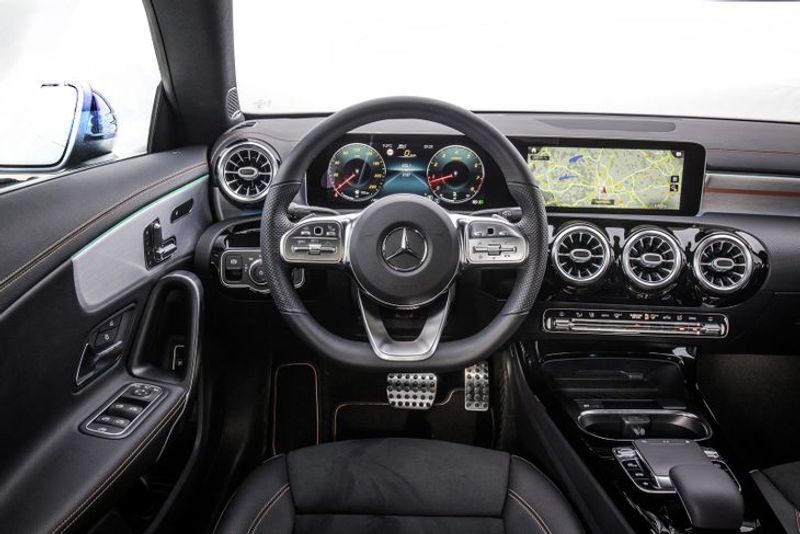
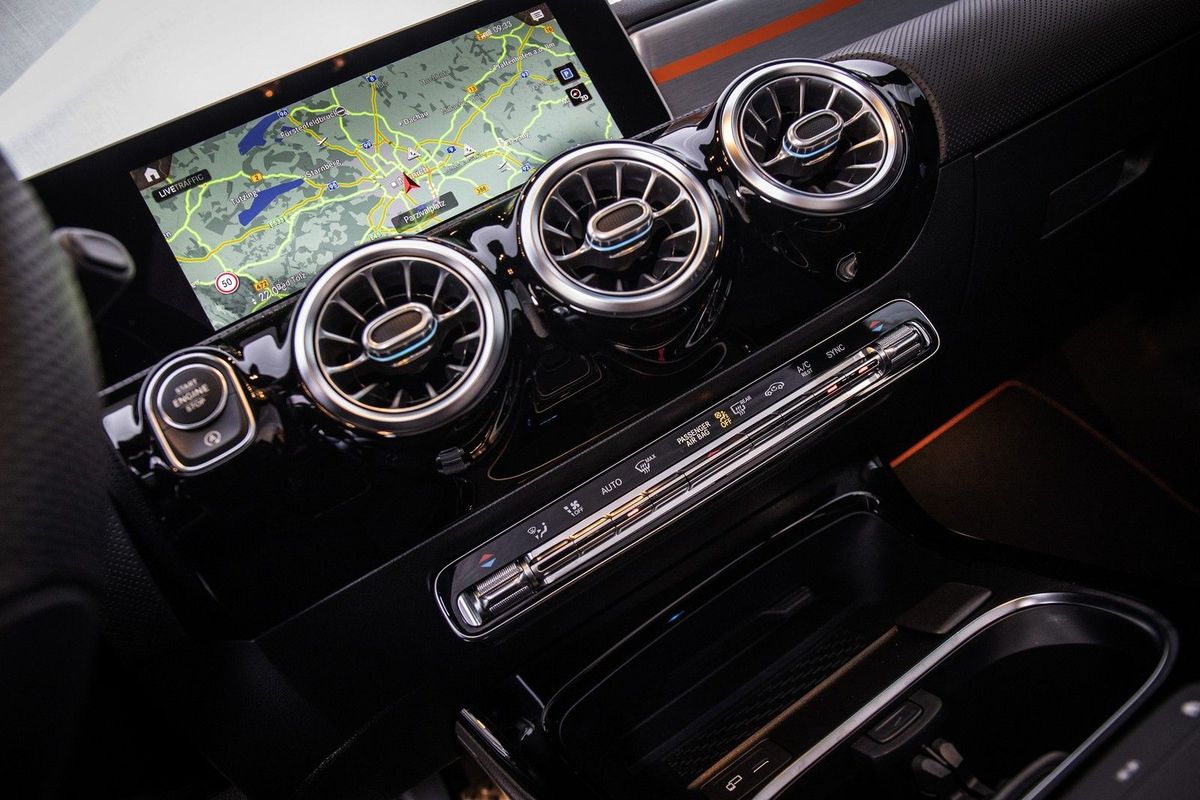
The final and most significant development in the new CLA, however, is the updated interior, which features the latest and greatest MBUX infotainment system and digital instrument cluster…

Own a Mercedes-Benz? Tell us about your experience here. 

What engines will we get?

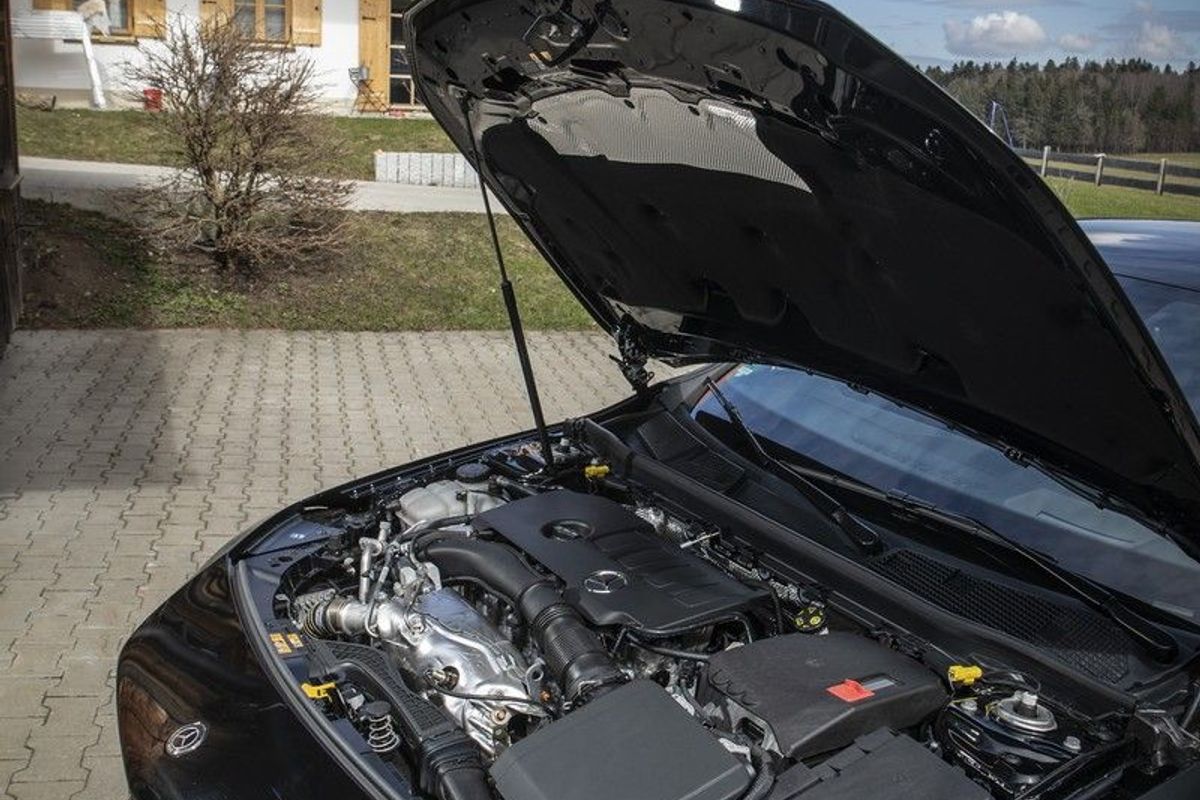
South Africa has opted for the entry-level turbopetrol and mid-level turbodiesel derivatives. That means the 1.3-litre 120 kW and 250 Nm unit from the A-Class powers the entry derivative: the CLA 200. The turbodiesel unit arrives in the form of the CLA 220d, with a 140 kW and 400 Nm engine.

Mercedes-Benz SA has decided against the introduction of the 165 kW/350 Nm CLA 250 turbopetrol as it encroaches on the upcoming AMG 35 version it plans to introduce in 2020. What that means is that, upon introduction, there really isn’t a sporty-engined derivative available for this, the sportiest compact car that Mercedes-Benz produces. But, having spent a bit of time in the CLA 250, I'd say you’re probably not missing out too much, because it doesn’t quite match up in the performance stakes. If you want a performance-oriented CLA, it'd be best to wait for the AMG 35.


The CLA will come to SA with a 200 turbopetrol and a 220d turbodiesel.

For those less addicted to performance, however, both the turbodiesel and baby turbopetrol derivatives do a remarkable job of delivering just enough shove and, of course, creamy acceleration; indeed, the CLA still feels like a Mercedes-Benz should…

The CLA 200, with its 7-speed dual-clutch (automatic) ‘box, keeps the engine nicely on the boil (operating within the sweet spot of its power/torque delivery). Under 4 000 rpm it feels sharp and responsive, but beyond that its limited capacity becomes more noticeable and acceleration dissipates. 

The CLA 220d, in turn, utilises an 8-speed dual-clutch (automatic) 'box and provides smooth and surprisingly linear acceleration for a turbodiesel. It delivers commendable performance and surges off the line without quaffing too much fuel – its claimed consumption is just 4.2 L/100 km and you’ll have to work exceptionally hard to see anything over 7.0 L/100 km. It’s also particularly quiet on-road; diesel clatter is almost entirely absent.

What's it like to drive?


The wider tracks make it more stable at speed and mitigate body roll.

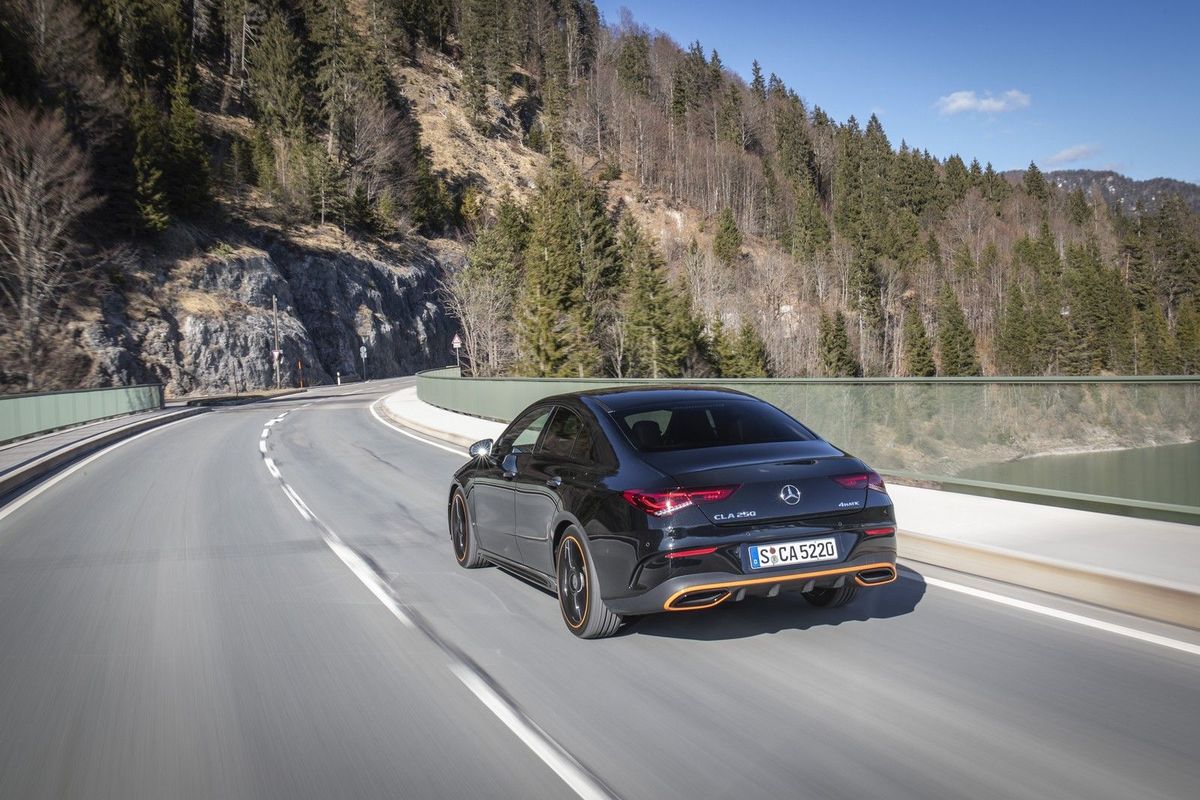
The previous CLA’s suspension was far too stiff for our roads and it thudded about tiresomely. But things are much improved for this generation, thanks to a more adaptable suspension setup. The multi-link rear suspension deals better with vibrations and bumps and absorbs them without affecting ride comfort. There’s also the option of adaptive damping if you want to tune the chassis a bit further towards comfort or sportiness.

You may be wondering what effect the widened front and rear tracks have on the handling? By effectively widening the CLA, Benz has lowered its centre of gravity, making it more stable, both at speed and in the corners. It also reduces body roll, which tends to improve driver confidence. As a result, when the CLA is driven with verve – albeit its less powerful derivatives – it maintains its balance and poise, doing just "what it says on the tin".

I wouldn’t describe the handling balance as "playful", because the chassis offers plenty of grip; to put it another way, the CLA sticks it to the road as if it's a Scalextric car that’s glued to the track. I’m sure that once AMG gets its hands on the CLA, we’ll see a bit more excitement generated.

How nice is the inside?


The interior is a technophile's dream. Big screens with loads of customisation options.

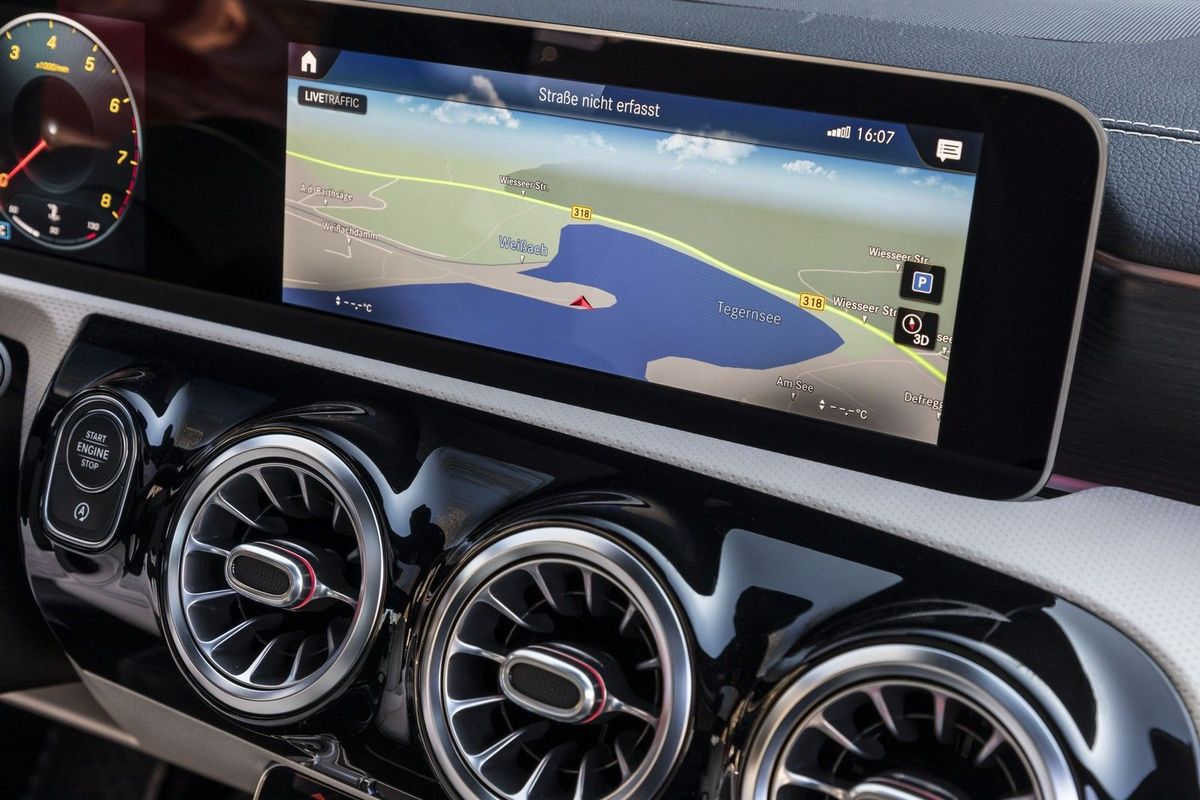
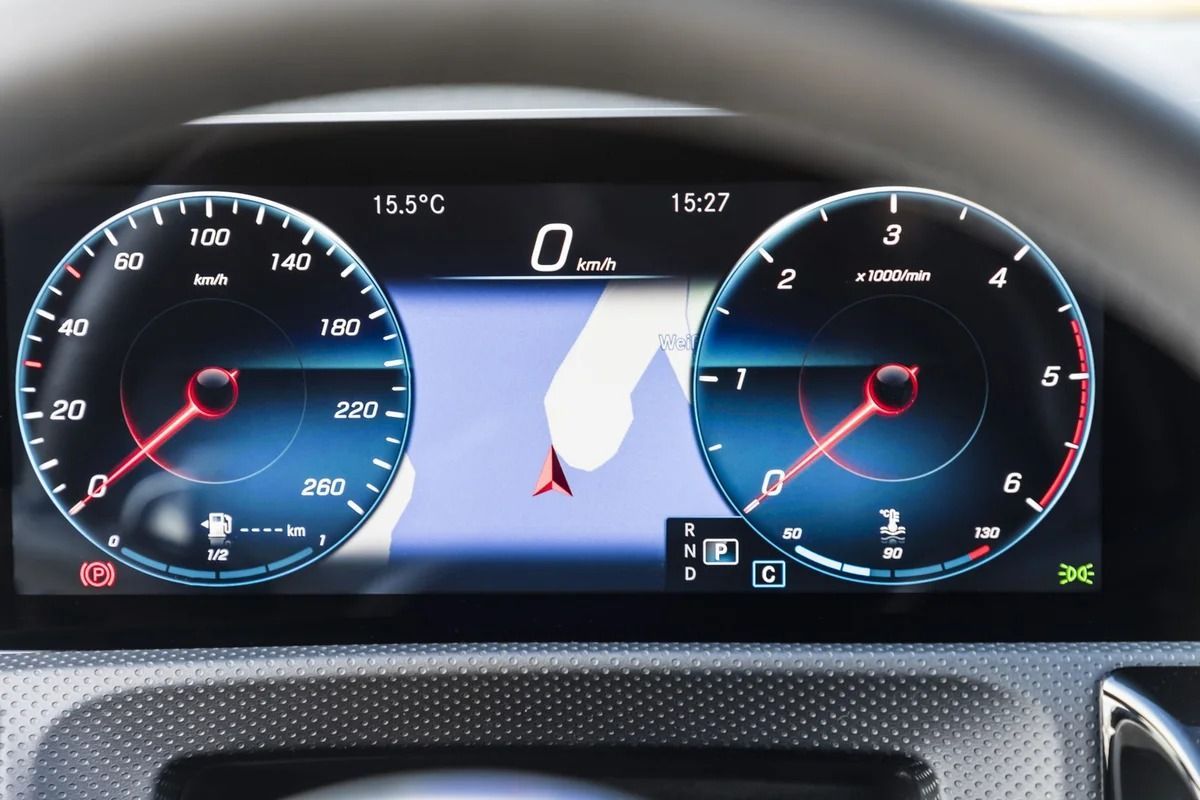
This generation of compact Mercedes-Benz models is attuned to what people get excited about when stepping into a modern car. Targeting a slightly younger market, the CLA’s inside feels like a modern entertainment area rather than a cockpit. The infotainment and instrument cluster are huge touchpads with crystal-clear screens akin to the latest smartphones, replete with adaptable themes, colours and voice integration. Wireless charging is available as well as Apple Carplay and Android Auto, although the native navigation system is nearly as good as Google Maps.

New to the MBUX infotainment system is an augmented reality component that significantly assists the navigation function. It utilises the front camera to display what’s ahead and then renders an arrow on the screen as to where exactly you need to make your next turn. It's a truly a sweet and simple setup that makes inner-city navigating significantly easier. What's more, it displays which lane you should stay in, or change to.

In terms of interior space, the slightly extended wheelbase has improved the CLA's rear legroom slightly, but headroom in the back remains tight for those who are taller than 1.8 metres.

Summing it all up


If performance is your want, wait for the upcoming AMG35 or even AMG45 variants.

With the new CLA, Mercedes-Benz has refined the formula for the compact "4-door coupe". The looks may be less divisive, but overall the newcomer appears smoother and will probably appeal to a wider audience…

It doesn’t have the engines to challenge its chassis (at least not yet), but the 2nd-generation car's general on-road demeanour is more comfortable and composed over varied surfaces compared with that of its predecessor. The engines that will be available in Mzansi at launch in late 2019 are targeted at buyers who are more interested in the design and appeal of the badge than outright performance, but the motors still provide Mercedes-Benz-worthy propulsion. Those who want to push the limits of the CLA are better off waiting for the AMG versions that will arrive a little later.

Crucially, the new CLA's supremely-connected interior remains the area in which Mercedes-Benz has stretched the biggest gap over its rivals' compact offerings. It has integrated what younger buyers love about smartphones, tablets and connectivity and incorporated it into the newcomer's cabin. It may not be right up there in terms of build quality, but that’s not likely to deter a buyer that’s wowed by how thoroughly modern the car is.

Related content:

Mercedes-Benz CLA: Old vs New

BMW Teases 2 Series Gran Coupe

Audi S3 Sedan (2017) Quick Review

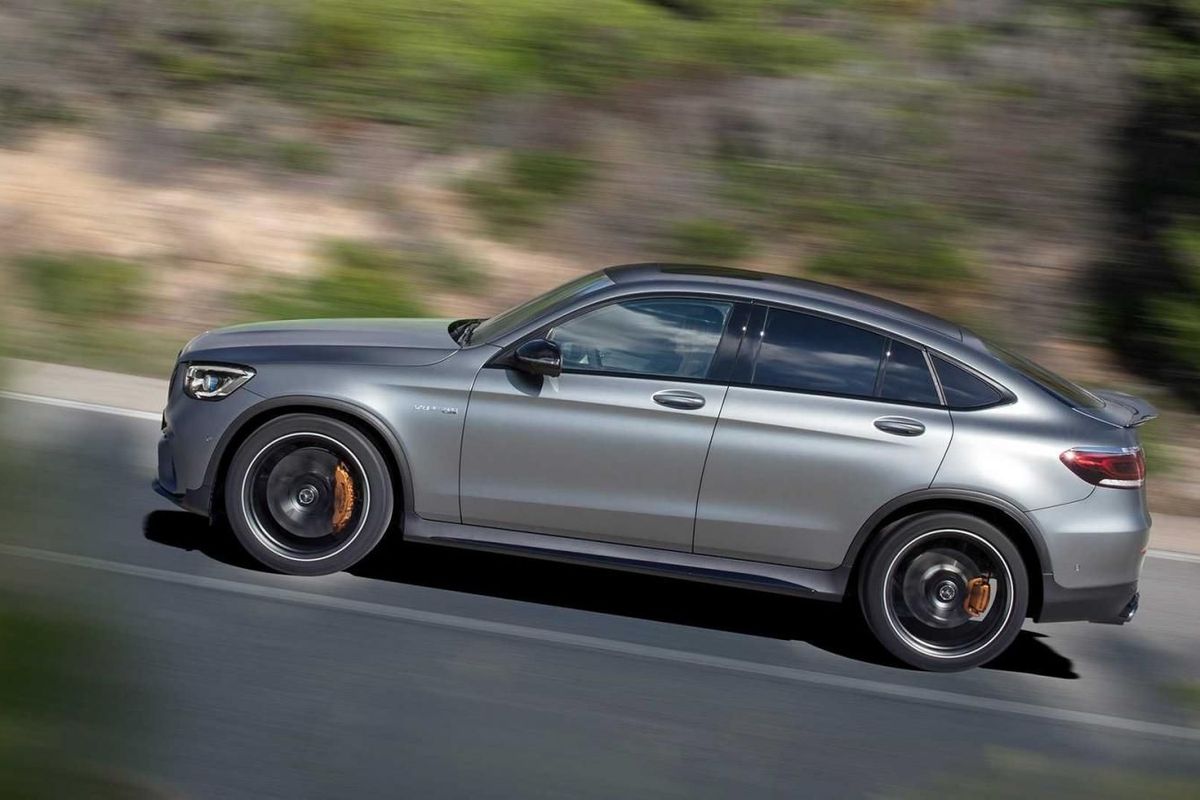
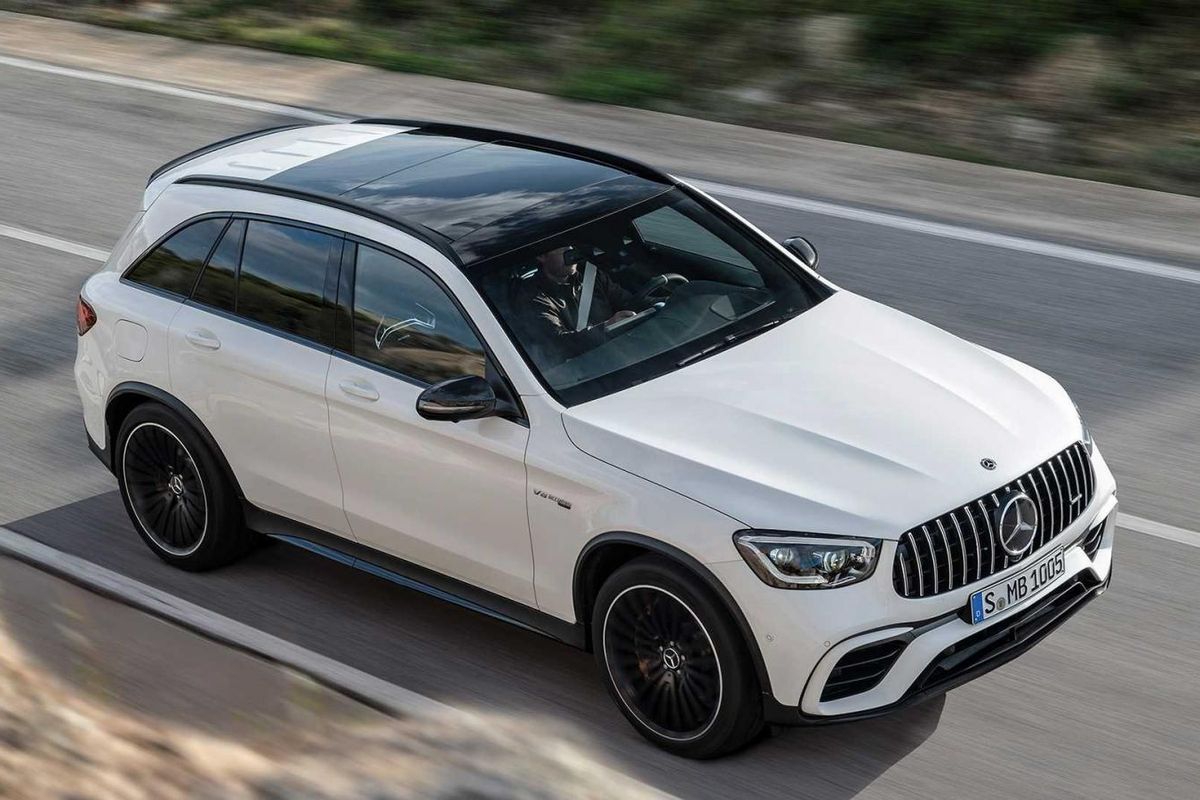
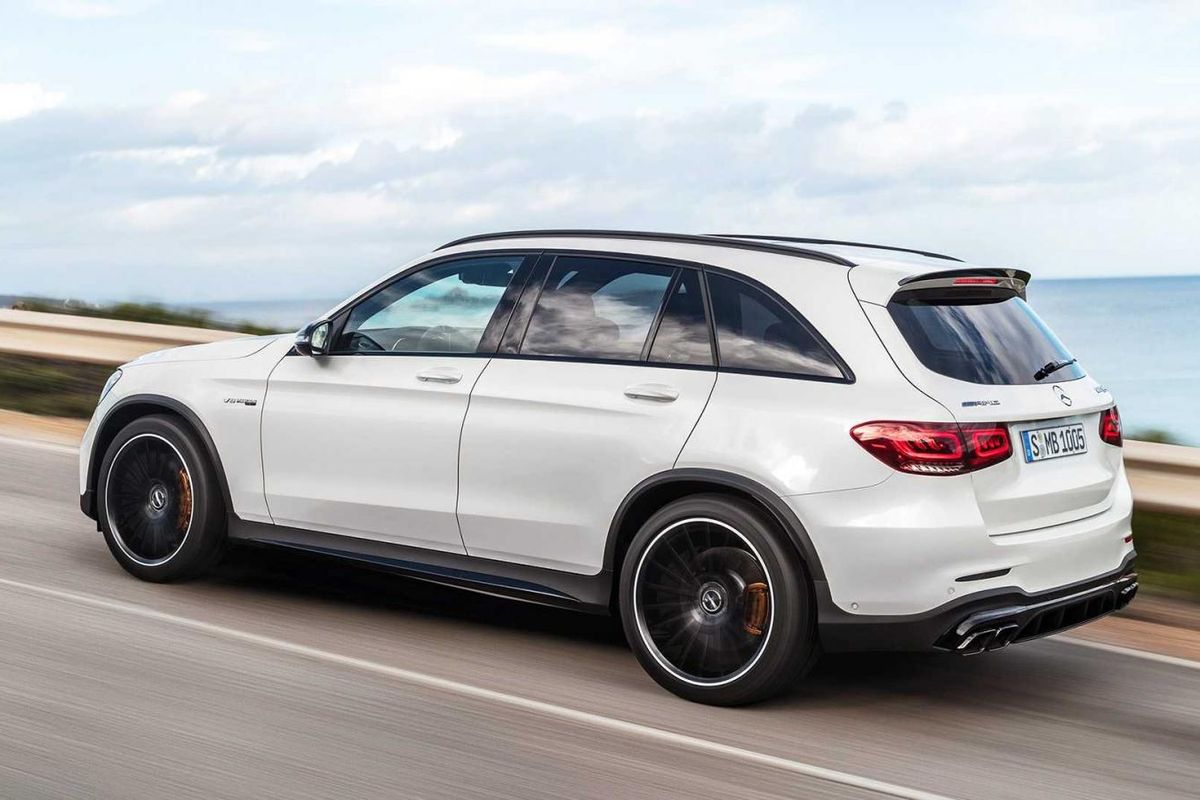
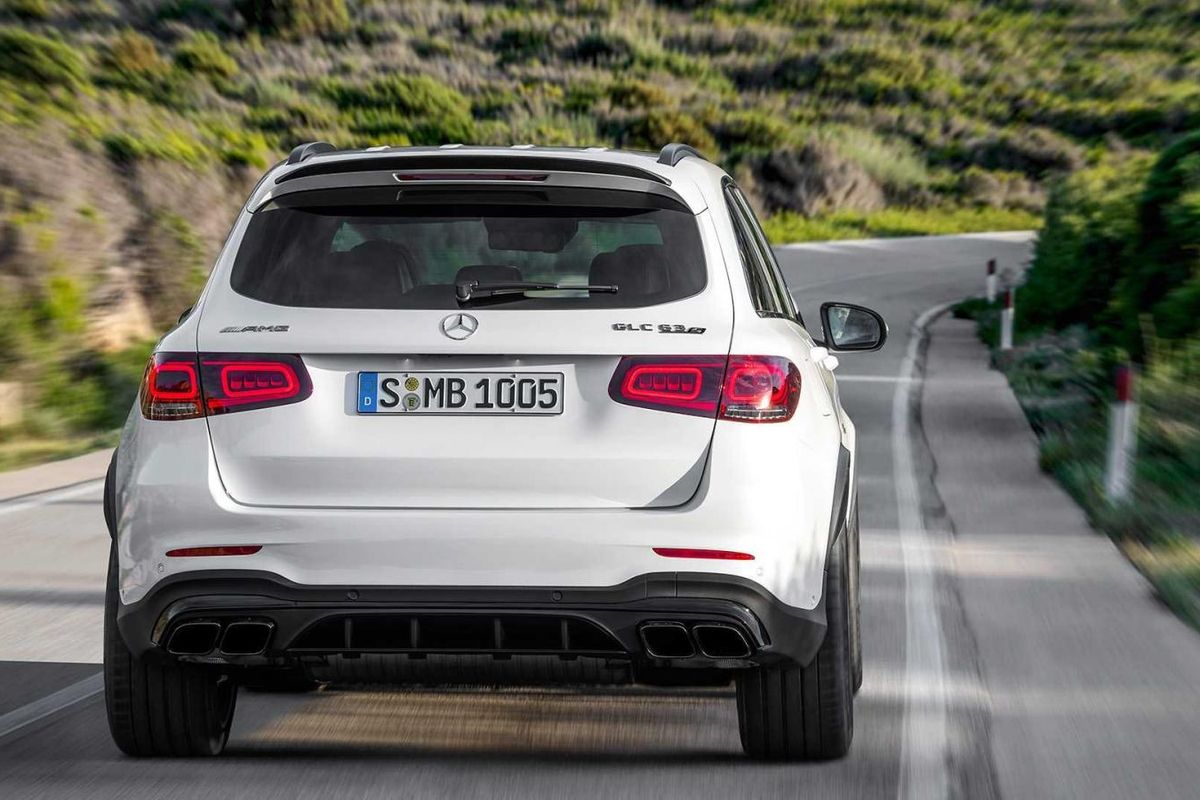
Mercedes-AMG Brings GLC Firepower to NY

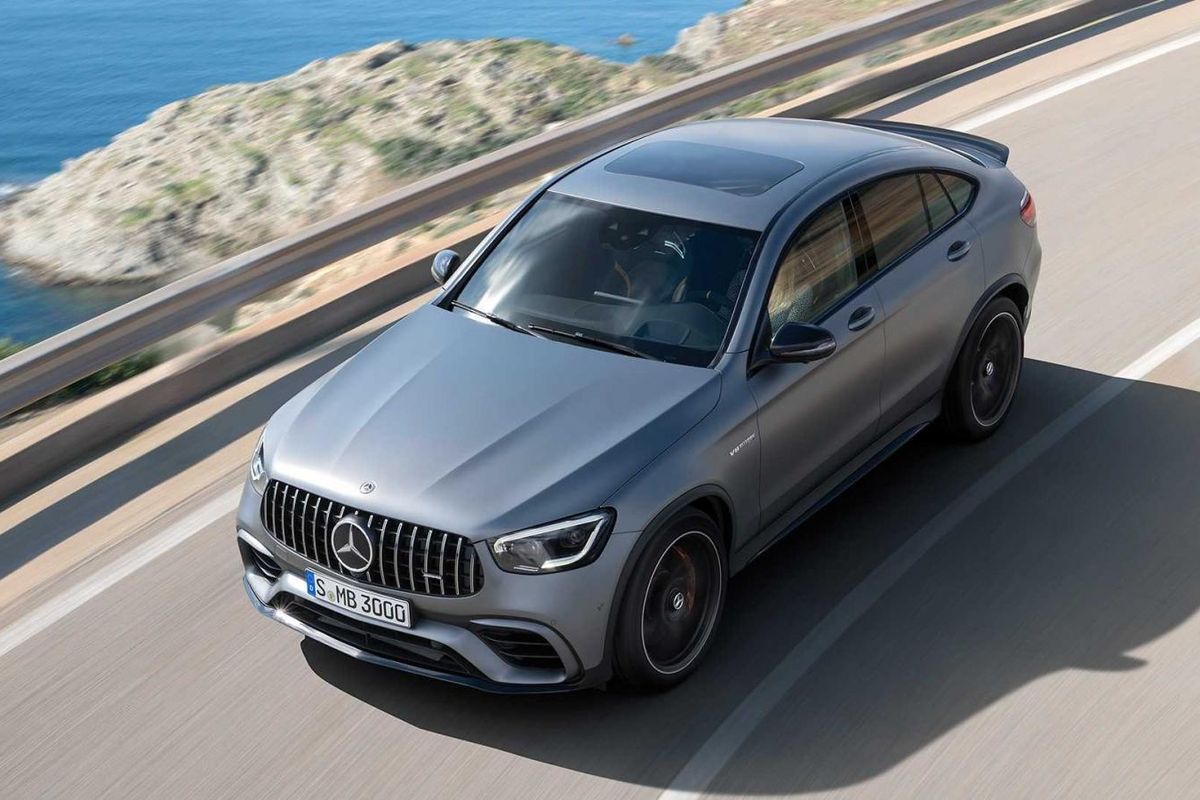
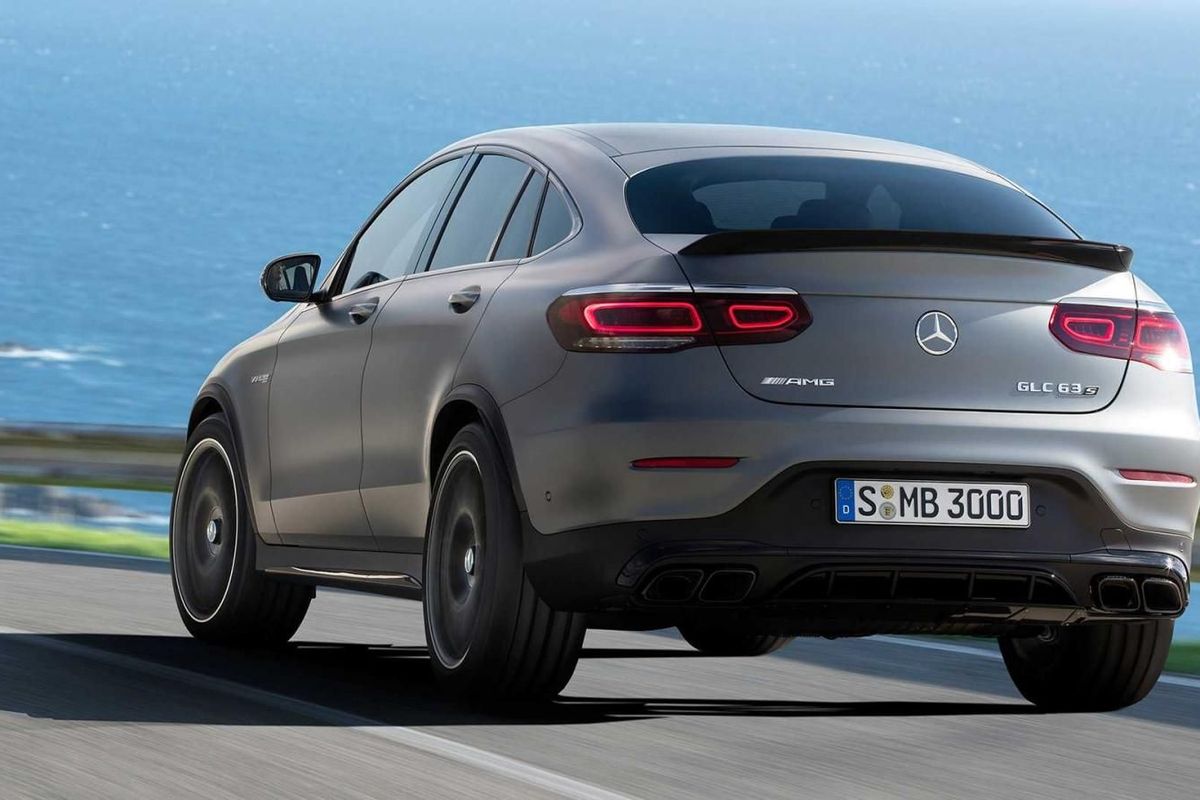
Mercedes-AMG has brought some SUV firepower to the New York Auto Show where the GLC 63 AMG and the GLC 63 S AMG are being showcased.

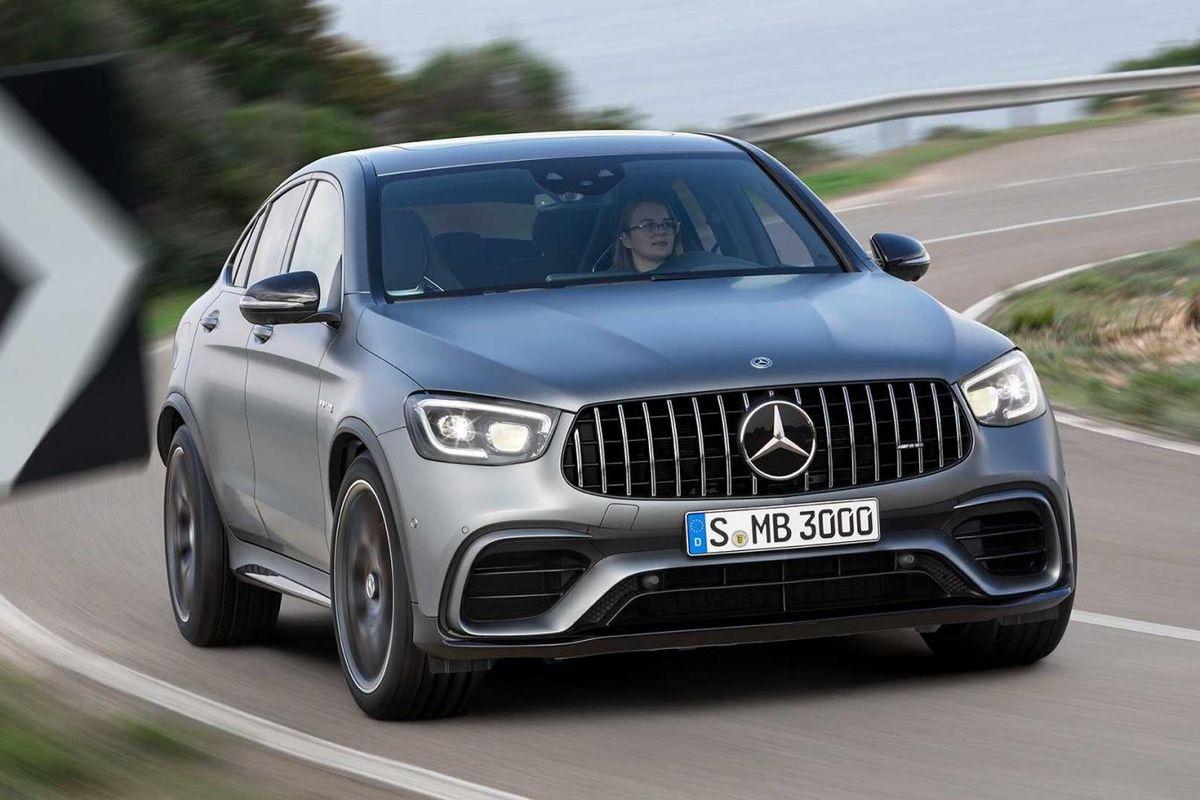
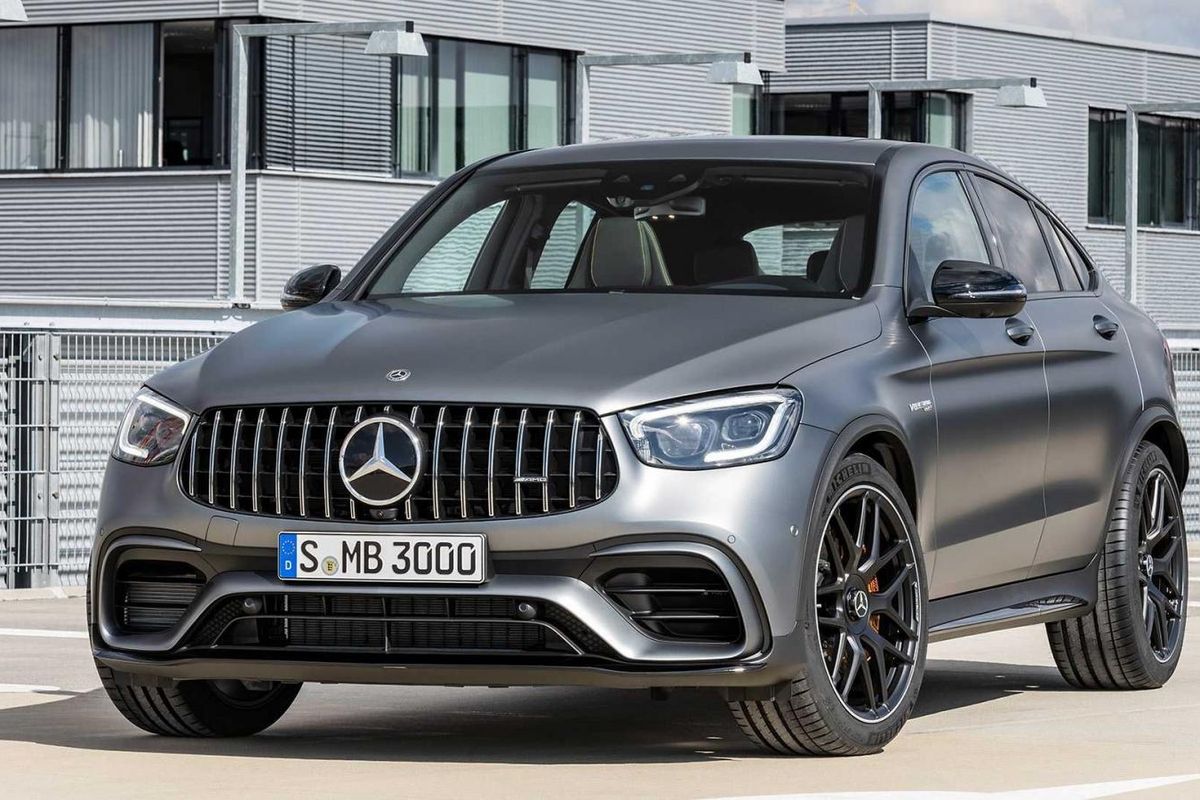
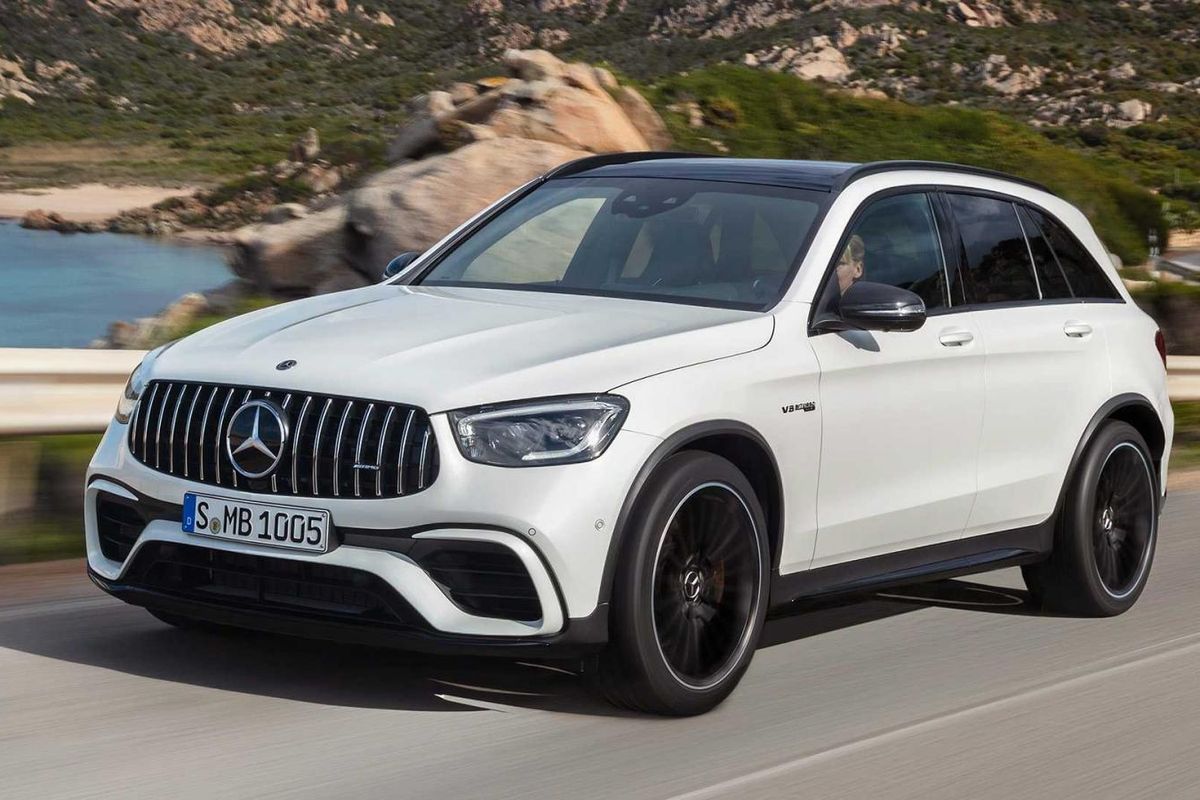
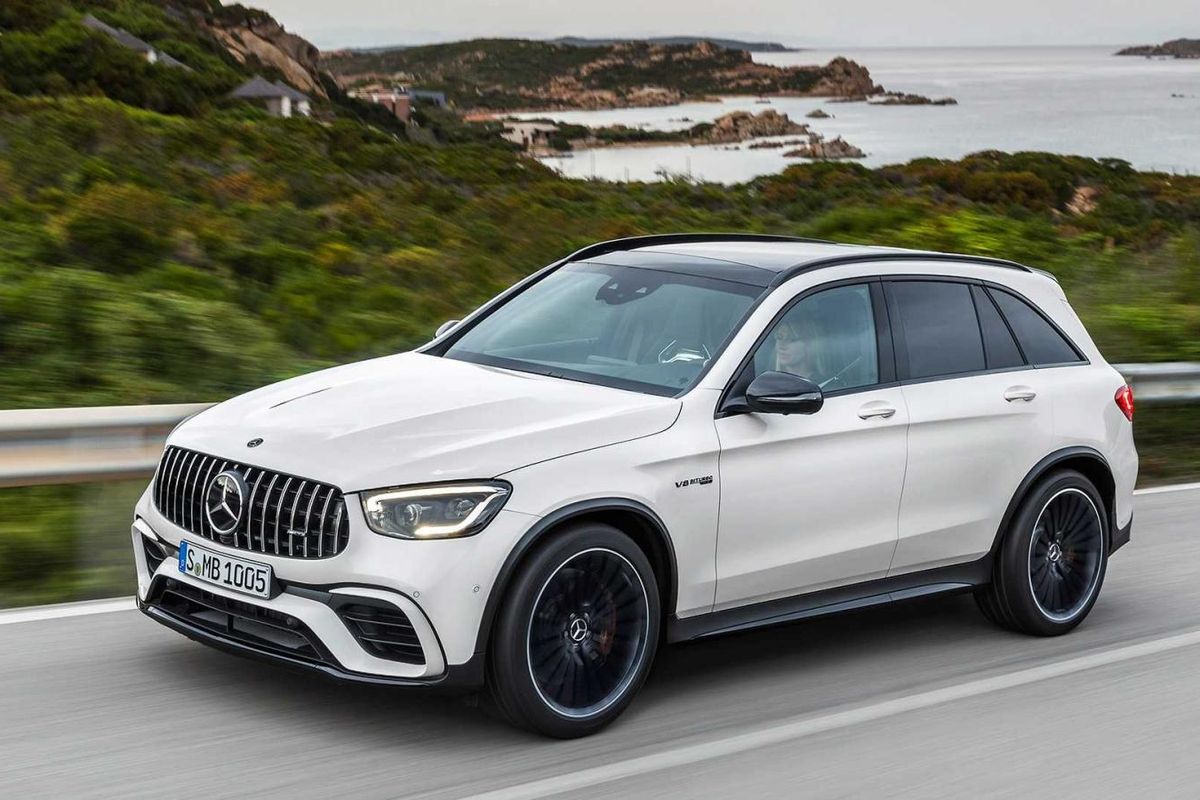
The updated GLC was revealed last month but visitors attending the New York Auto Show will have the opportunity to see the Mercedes-AMG GLC 63, GLC 63 Coupe, GLC 63 S and the GLC 63 S Coupe in the metal.

A twin-turbocharged 4.0-litre V8 engine does service in the both GLC AMG variants. The GLC 63 and Coupe produce 350 kW and 649 Nm of torque, while the range-topping GLC 63 S / Coupe produces 375 kW and 700 Nm of torque. A 9-speed automatic transmission and 4Matic all-wheel drive ensure brisk acceleration.

The standard GLC 63 will take roughly 3.8 seconds to reach 100 kph from standstill while the GLC 63 S derivative is obviously faster and will take only 3.6 seconds with a top speed of 280 kph. The models are also equipped with air suspension, adaptive damping and an electronically controlled locking rear differential.

The Mercedes-Benz GLC 63 S is currently the fastest SUV on the Nurburgring’s North Loop after completing a time of 7.49.369 minutes.

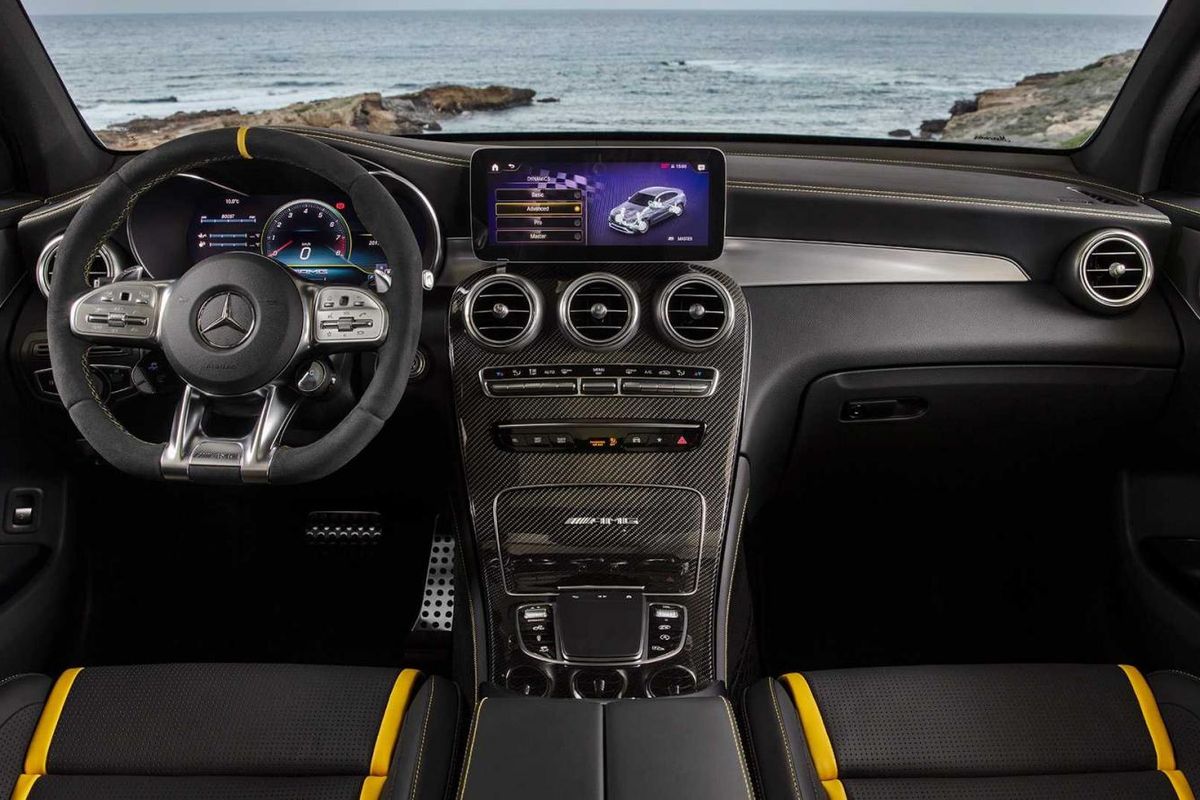
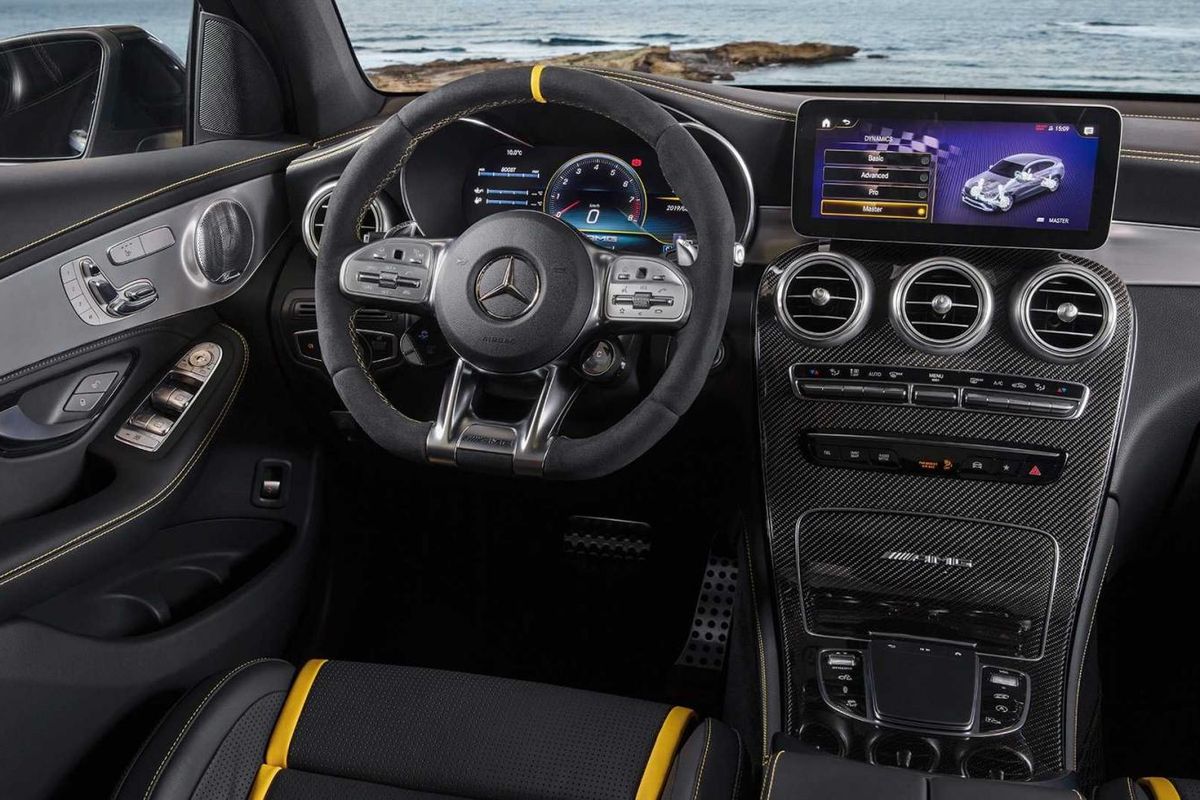
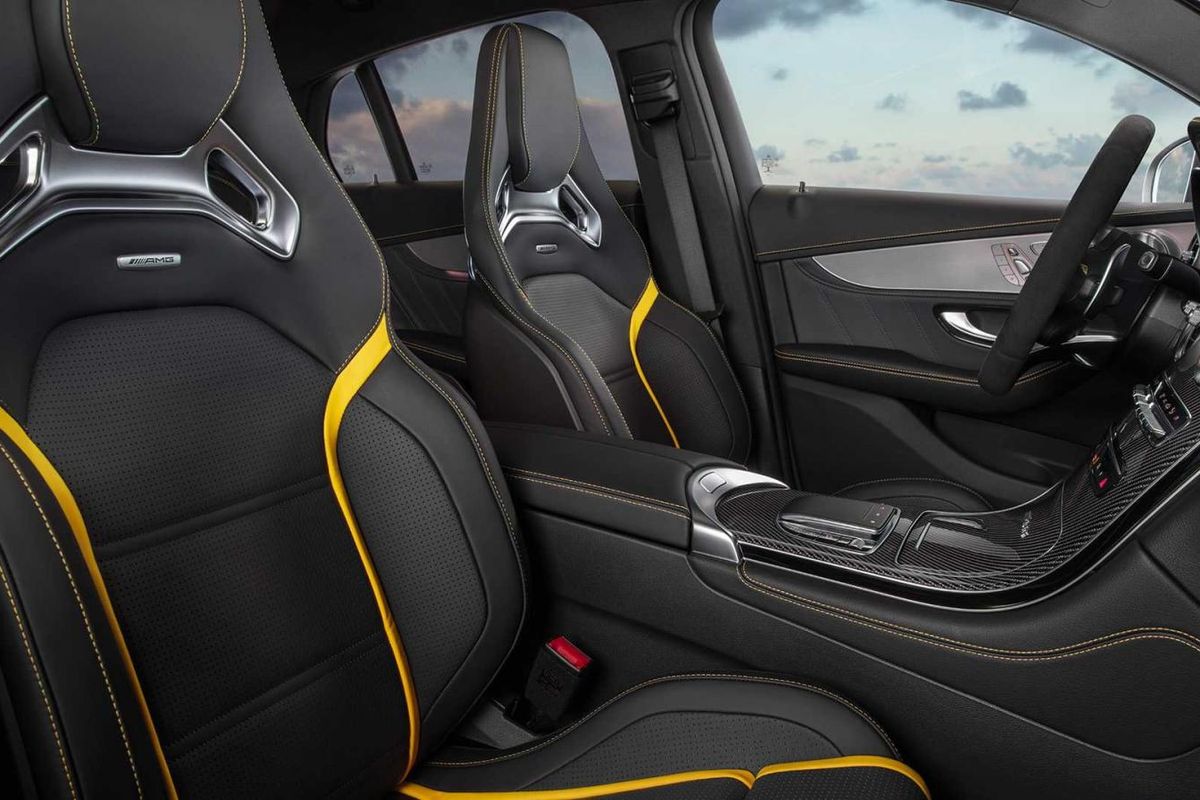
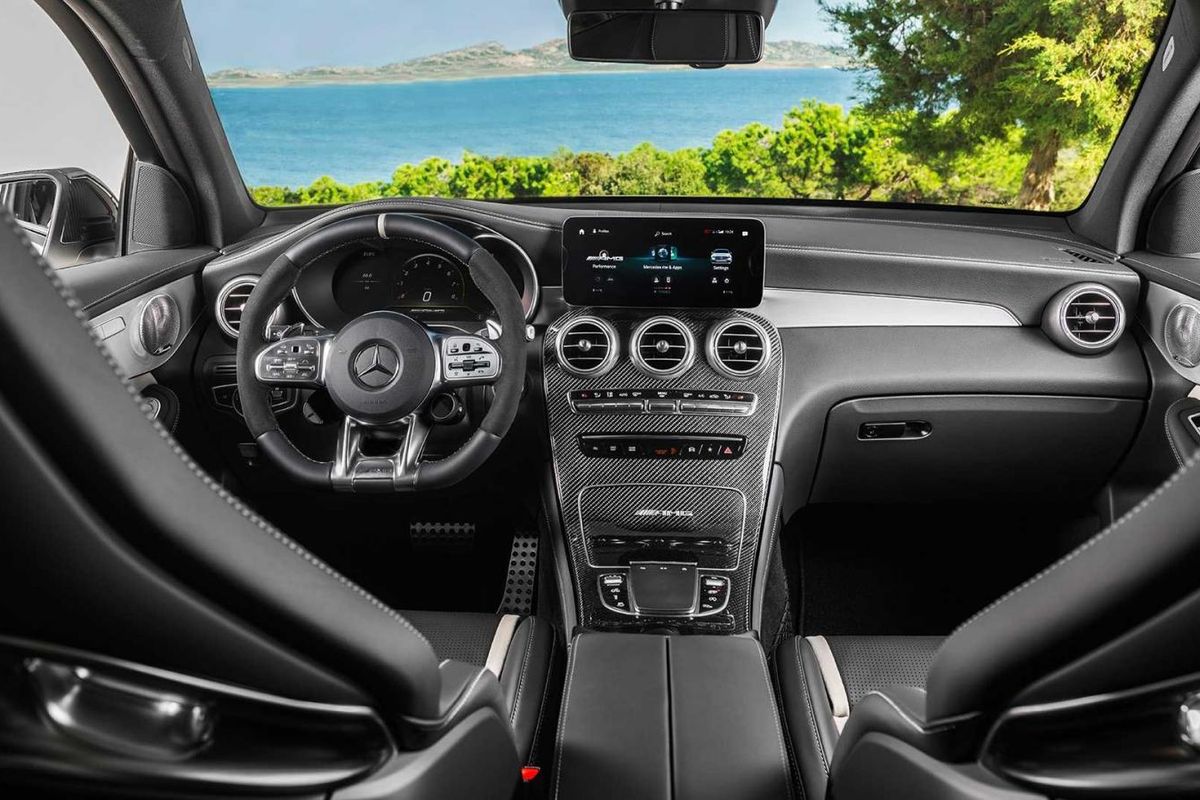
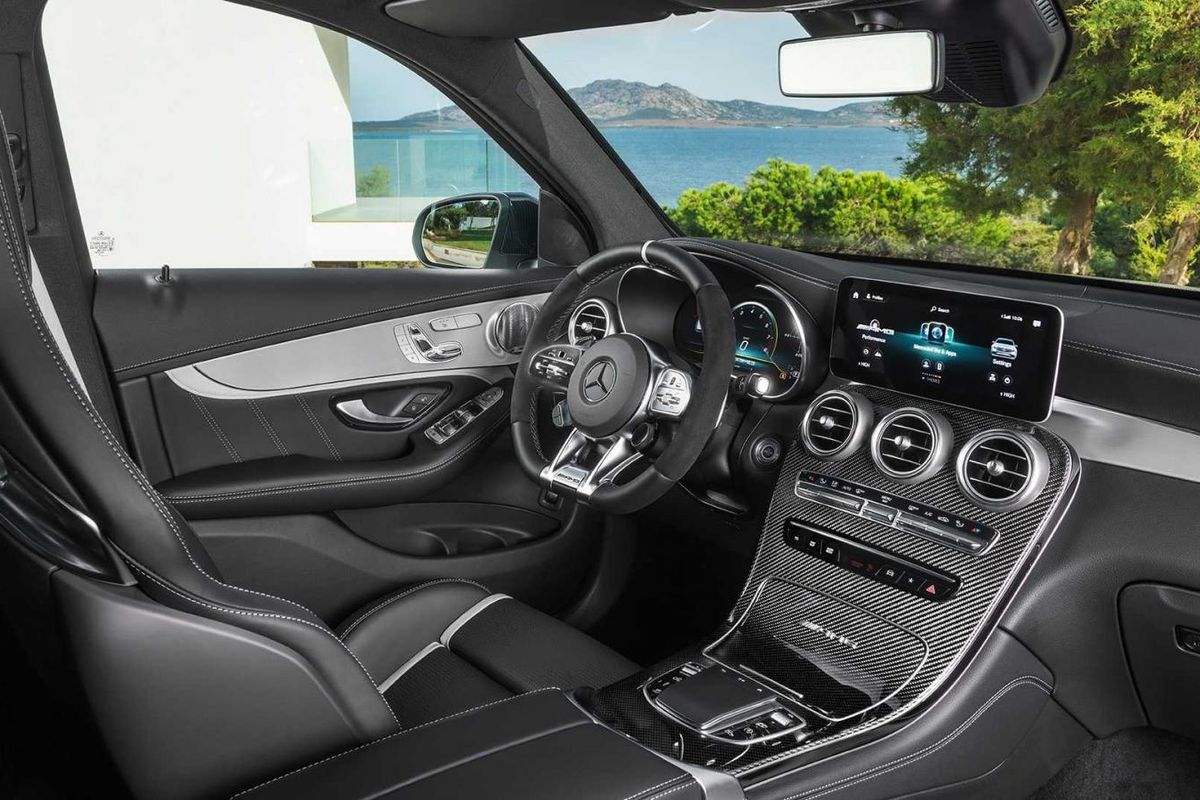
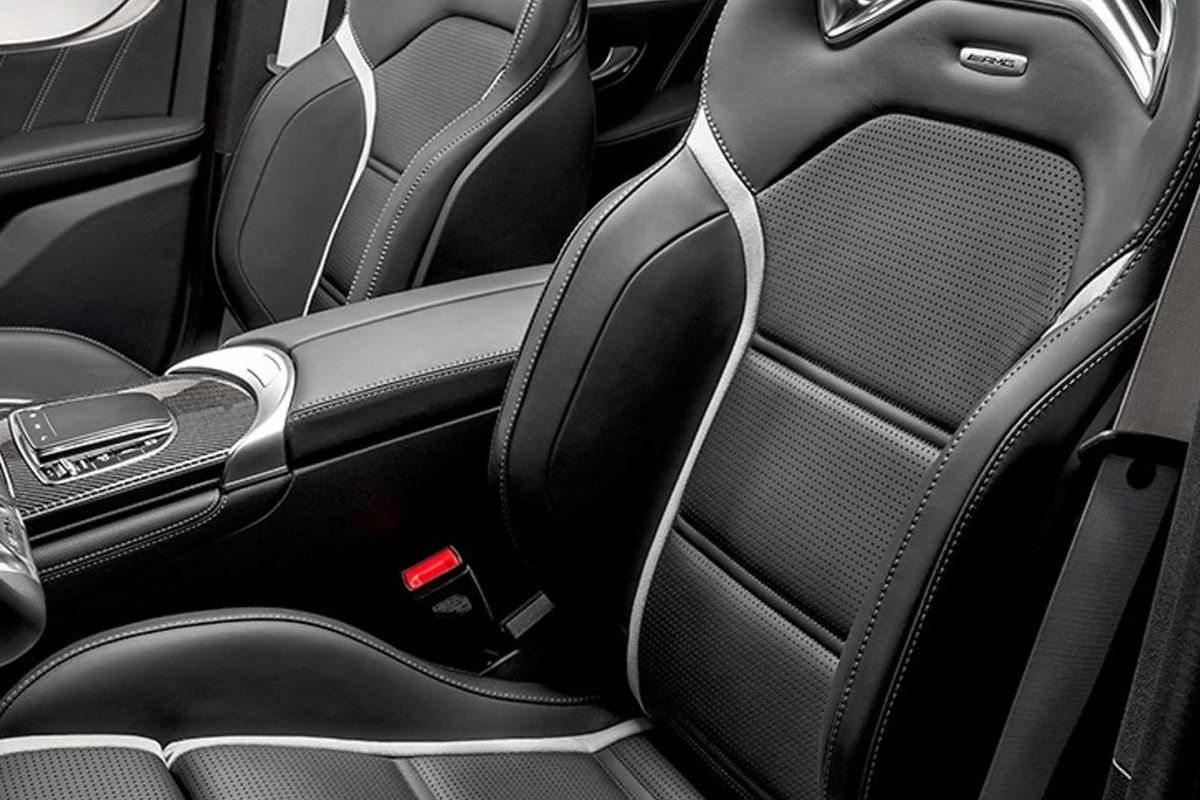
On the inside, these high-performance GLC derivatives gain Merc’s MBUX infotainment system but with AMG-specific functions and displays. This system includes a 12-inch screen directly in front of the driver as well as a 10.25-inch screen off to the right. A new AMG steering wheel is also fitted and comes equipped with touch control buttons. Upholstery options include Magma Grey Nappa leather or Black Nappa leather.

The GLC (all derivatives) is expected to arrive locally in Q4 of 2019.

Buy a new or used Mercedes-Benz GLC on Cars.co.za

Related Content

Mercedes-AMG GLC 63 S (2018) Launch Review

Revealed: Mercedes' Revised GLC Coupe

Revised Mercedes-Benz GLC is a Stealth Hybrid

Mercedes-AMG GLC 63 S Breaks Ring Record [w/video]


10 Performance Car Flops You’ve Probably Already Forgotten

These performance models (or derivatives) were all expected to do great things, but none of them really did…

When they were new, every car listed below was hyped up by its respective manufacturer as a saviour of sorts – a model (or derivative) that would help fill a particular niche or build brand awareness of its maker in the new vehicle market. Somewhere down the (production) line however, something went wrong. Unforeseen circumstances such as financial difficulties or badly delivered marketing campaigns put paid to some potentially epic cars. Some were just plainly weak, overhyped offerings, however. As a result, they were foisted into obscurity to be forgotten forever.
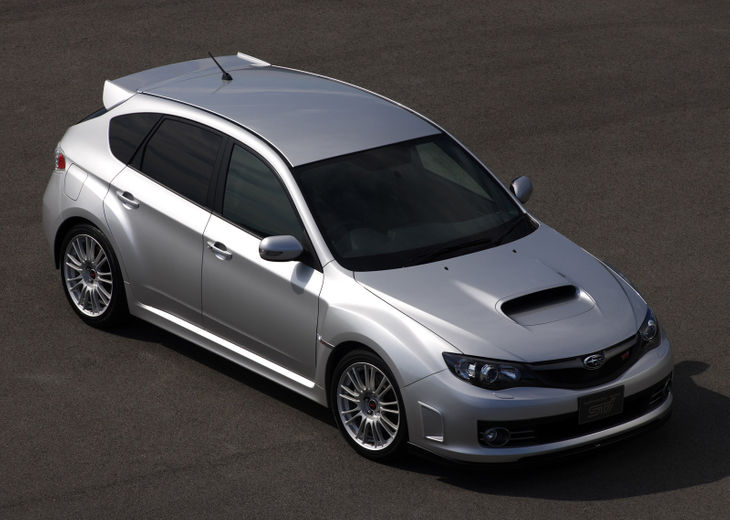
Subaru Impreza WRX STI hatchback

For one of the most talked-about performance hatches of the mid-to-late 2000s, the Subaru Impreza WRX STI hatchback was a major letdown for performance enthusiasts all over the world. For starters, it failed to shake up the hot hatch segment as predicted and subsequently, struggled to find favour with purists owing to its untraditional and sacrilegious (for a Subaru) hatchback styling. It wasn’t a total disaster though – compared with its lesser-powered WRX sibling, the STI version boasted brawnier body panels to accommodate a wider track and the addition of a burbling 221 kW/407 Nm 2.5-litre turbocharged flat-4 mill made up somewhat for the ungainly proportions, poor refinement, handling discrepancies and tendency to understeer. It’s no surprise then, a more traditional WRX STI sedan was later added to the line-up to rectify the hatchback’s shortcomings.

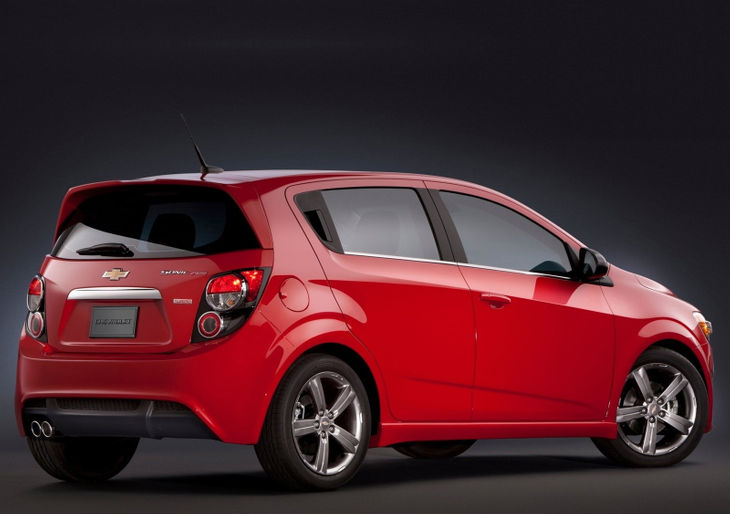
Chevrolet Sonic RS

In a country obsessed with thoroughbred hot hatches, the Chevrolet Sonic RS was never going to do particularly well, especially with rivals such as the Renault Clio RS, Volkswagen Polo GTI and Ford Fiesta ST dominating the scene. Which was a shame, because the Sonic RS appeared to be an interesting prospect, both in terms of visual clout and performance. As the sportiest derivative in the Sonic line-up, the RS benefitted from disc brakes, a 6-speed manual 'box and a 103 kW200 Nm turbocharged 1.4-litre engine, while exterior paraphernalia included anthracite wheels and RS badging on its rump. It’s demise however came when it was discontinued from the Chevrolet’s local lineup in 2016 after just 2 years on the shelf – it seemed to foreshadow the withdrawal of General Motors from South Africa. The US company packed up and headed for the exit the following year.

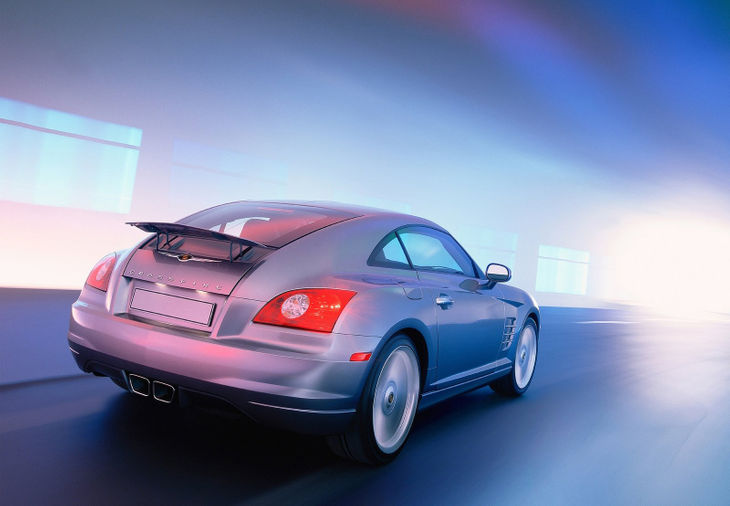
Chrysler Crossfire

As spectacular as the Eric Stoddard-penned concept may have initially appeared, the production version of the Chrysler Crossfire failed to live up to its hype and potential. It was, after all, a re-skinned 1st-generation Mercedes Benz SLK (the Sindelfingen-based firm owned Chrysler at the time), so you’d expect it to deliver the goods what with all that German pedigree, right? Well, the production model did employ a host of SLK componentry such as the entire drivetrain, front and rear suspension and platform but that’s as far as the similarities went. Visually it took on a classic, American muscle-like appearance and it looked great – make no mistake. In SRT-6 guise, its 246 kW supercharged 3.2-litre V6 was rapid and sang a great tune too (loud, granular and aggressive), but concerns over depreciation values, not to mention an iffy cabin and questionable build quality put paid to its progress and favourability with owners. A 75% global drop in sales after just 3 years on sale quickly killed a car that could have been great.
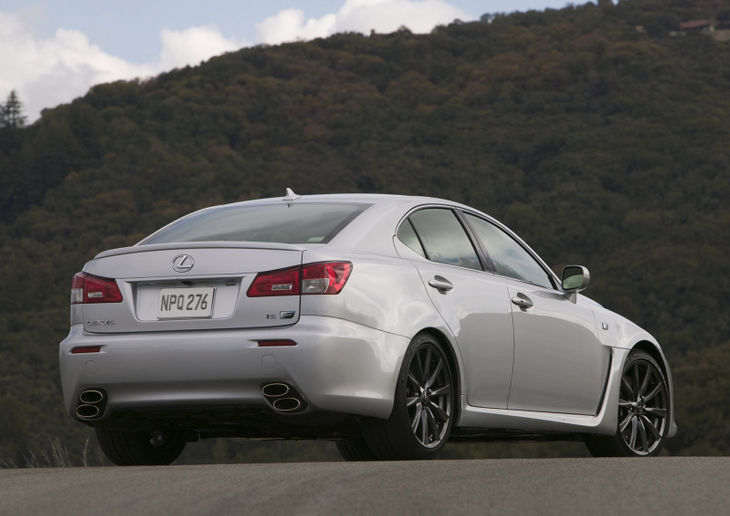
Lexus IS-F

The Lexus IS-F is undoubtedly one of the best performance models to come off the Japanese carmaker’s production line, but it wasn’t without fault. Let’s forget about its Yamaha-tuned 5.0-litre V8, ultra-refined power delivery and smile-inducing tenor-like soundtrack for a moment and get straight to the point: when it came to handling prowess the IS-F failed to communicate as telepathically with its driver in the same manner as thoroughbreds like the BMW M3, Audi RS4 and, to a lesser extent, the brutal Mercedes-Benz C63 AMG.
Sure it was never an outright failure in the twisties, but it could have been so much better dynamically if Lexus simply fitted it with a conventional limited-slip differential, rather than an e-diff… So was it really all that bad? No, not at all, but its lack of popularity among enthusiasts stemmed more from Lexus’ poor marketing strategy, which rendered it more as a better-handling and more refined IS than bona fide performance saloon.

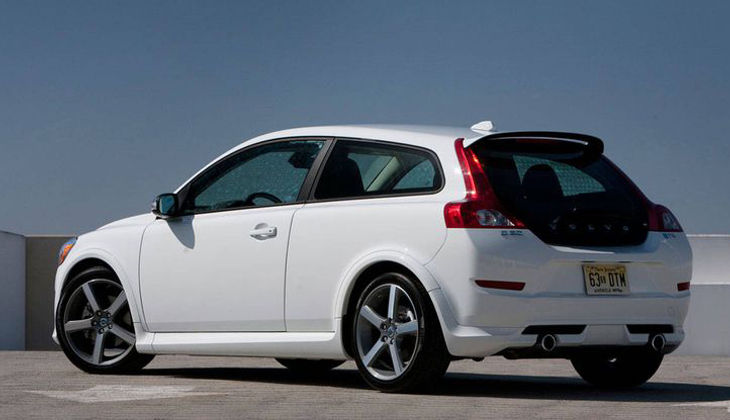
Volvo C30 Polestar

Bar a software upgrade, which took the standard C30 T5’s respective power and torque outputs from 169 kW/320 Nm to 184 kW/370 Nm, the Volvo C30 Polestar was a dull prelude to the Volvo’s remarkable renaissance of late. Unlike more recent Polestar derivatives that feature a combination of visual and hardware performance upgrades – all of which is complemented by superior handling manners – the C30 Polestar was an outright flop.

For starters, the software upgrade was hardly noticeable and despite it featuring sportier and stiffer suspension, its wooden steering failed to instil any confidence in the bends. And let’s not talk about the automatic gearbox… Polestar offerings have become famous for their ‘Rebel’ blue hues and bold Polestar badges, but the particular C30 version was uninspiring when it came to visual fireworks… In fact, it was as tame as a city pigeon.

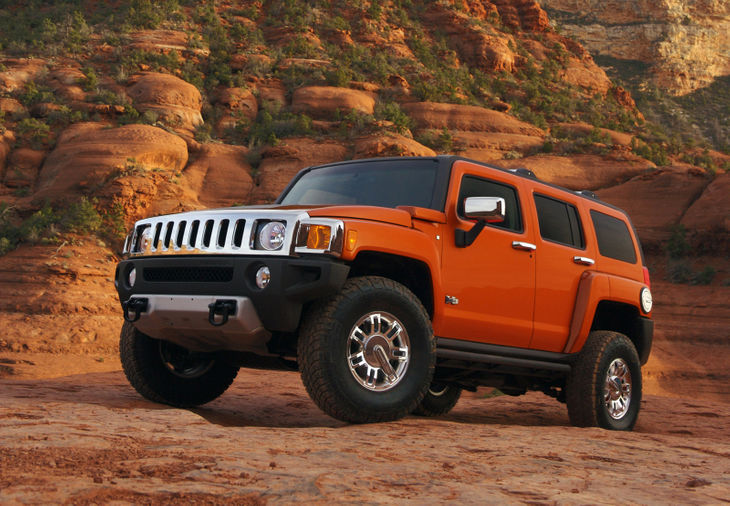
Hummer H3 V8

Having built a reputation as a bona fide military vehicle, the Humvee eventually went mainstream when AM General launched the M998 Humvee in the early Nineties. It was an instant success and duly grabbed the attention of General Motors, which purchased the company outright in 1998. Several models comprised the line-up including the H1, H2 and H3, the latter of which went on to sell in pretty huge numbers. Here in South Africa, the (locally produced!) Hummer H3 didn’t do particularly well and despite some initial sales success and interest from early adopters, its blocky facade faded quickly – worldwide. While the 5.3-litre V8 version did garner some interest the monumentally thirsty mill, gargantuan proportions and unpractical nature saw sales plummet even further, forcing GM to close doors and discontinue the brand on a global scale back in 2010.

Hyundai Tiburon V6

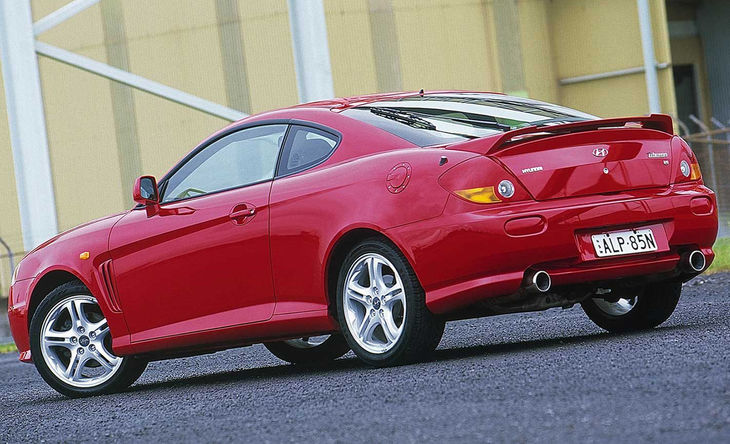
Upon its introduction, the Hyundai Tiburon was the most serious performance coupe to ever leave the shores of South Korea. It was bigger, more purposefully styled and far more aggressive-looking than anything that came before it. Available in a host of engine options, it was the V6 version, however, that grabbed most enthusiasts' attention – in fact, it even featured in the award-winning arcade car game Need for Speed Underground in the early Noughties. In reality, the Tiburon V6 failed to live up to any of the hype and the 130 kW/250 Nm 2.7-litre V6 mill was a disappointment.

Devoid of any real emotional appeal and sportscar feel, the Tibby (as it’s affectionately known) didn’t quite instil much confidence in its drivers. With a 0-100 kph sprint time of 7.2 seconds, it was hardly rapid and its front-wheel-drive layout reduced any sense of sporty finesse. Coupled with the fact the there were cheaper, faster and more status-orientated hot hatches doing the rounds at the time, the Tiburon met a somewhat unfair death.

Volkswagen Golf 3 GTI

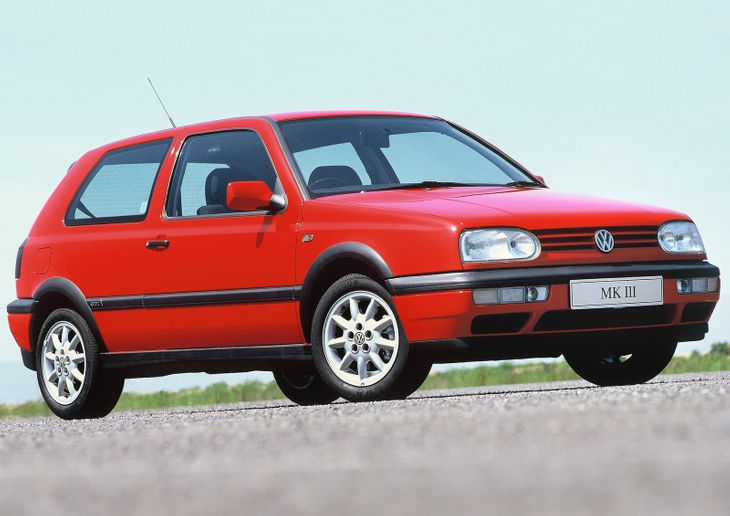
Overweight, underpowered and visually tame. These 3 attributes will forever define the shortcomings of the Volkswagen Golf 3 GTI. However, things weren’t all that bad – the Golf 3 GTI did step things up in a big way over its predecessor in terms of safety, refinement and improved aerodynamics, but performance enthusiasts demanded other things… Such as better performance and more power than the 2.0-litre 4-cylinder could muster.

It ultimately failed to stir any emotions from GTI acolytes, its horrendously underpowered engine and dreary performance figures created what many consider a dark period in the GTI lineage, a fact that still haunts the German brand to this day. Here in South Africa, the Golf 3 model as a whole was still popular and sold in decent numbers, especially the 128 kW 2.8-litre VR6 – a derivative that restored some order and pride within the ranks.

Peugeot RCZ

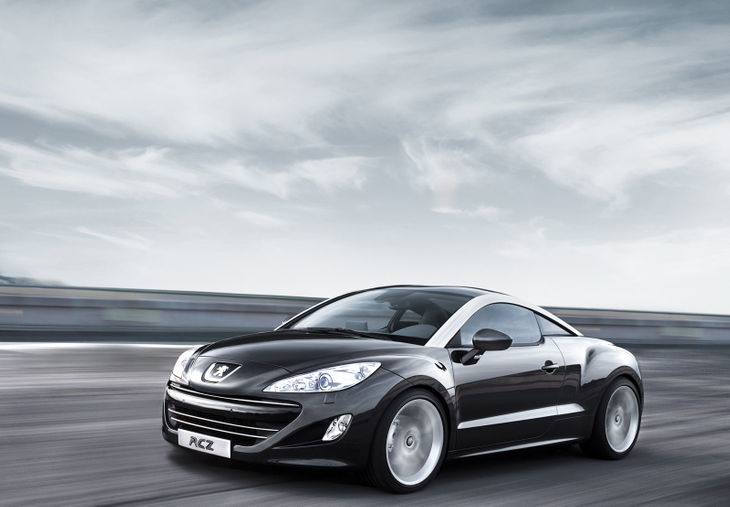
The Peugeot RCZ is another tragic case brought on by a negative public perception and an economic slump. Perhaps it’s a South African problem, but sales of French cars have suffered due to a number of reasons, pick one: poor reliability, a lack of spare parts or questionable after-sales support. Despite these hiccups, it would be a crime to ignore the beauty and excitement brought about by the Peugeot RCZ’s amicable appearance – it was a sprightly roadster many thought would bring about a positive change considering the brand’s rich motorsport history and involvement in WRC and Le Mans. Despite its relatively diminutive 1.6-litre turbocharged 4-pot, the RCZ was a nimble thing and made easy work dispatching the various performance yardsticks not to mention twisty mountain roads with aplomb. Despite rave reviews and favourable press coverage, the RCZ failed to attract much local interest. In fact, it’s pretty rare to even spot one on our roads these days. The model was discontinued globally in 2015.

Toyota 86

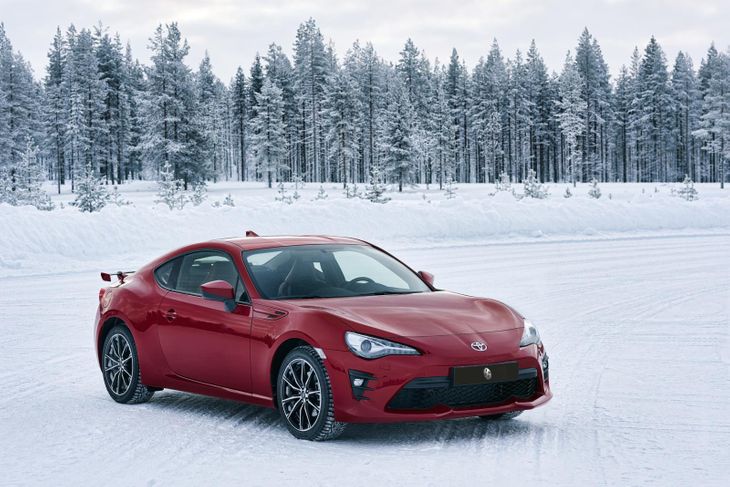
Okay, time to gather your torches and pitchforks. Collaborations will always have a place in business, but the Toyota 86-Subaru BRZ alliance seemed doomed from the start and detracted somewhat from the legacy upon which the 86’s spiritual forebear, the Hachi-Roku AE86, was built. When it was launched, the 86 wasn’t particularly overwhelming in terms of straight-line performance (or lap times, for the matter), but its rear-wheel-drive layout and handling purity endeared it to enthusiasts. The simplicity of its cabin and intuitive instrumentation layout pointed towards its fundamental role as a driver’s car even though its naturally aspirated motor's power and torque outputs were relatively ho-hum.

Apart from the Subaru link, the 86’s downfall stemmed more from the boy-racer generation and subsequent hot-hatch onslaught – most notably that of the Honda Civic Type R, Volkswagen Golf GTI and Ford Focus ST, each of which offered similar price points, but far better performance. The 86's fall in popularity is a shame really, considering few will either understand the 86 or realise just how it came to be.

Things would have played out quite differently had Toyota/Subaru shoehorned a boxer turbo motor under the bonnet…

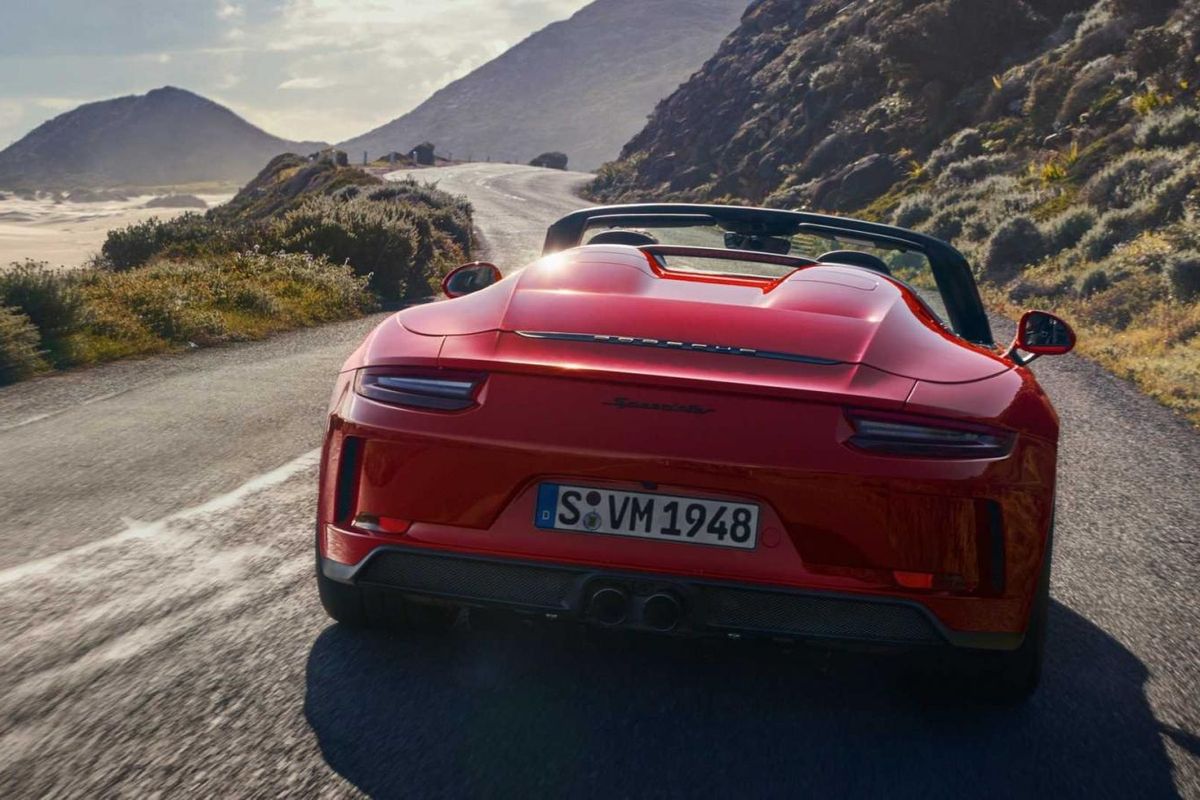
Porsche 911 Speedster Revealed

Following on from the 911 Speedster Concept shown in 2018, Porsche has now revealed the production version at the New York Auto Show.

We were smitten with the concept 911 Speedster and now the production version has arrived and it looks glorious, don’t you think?

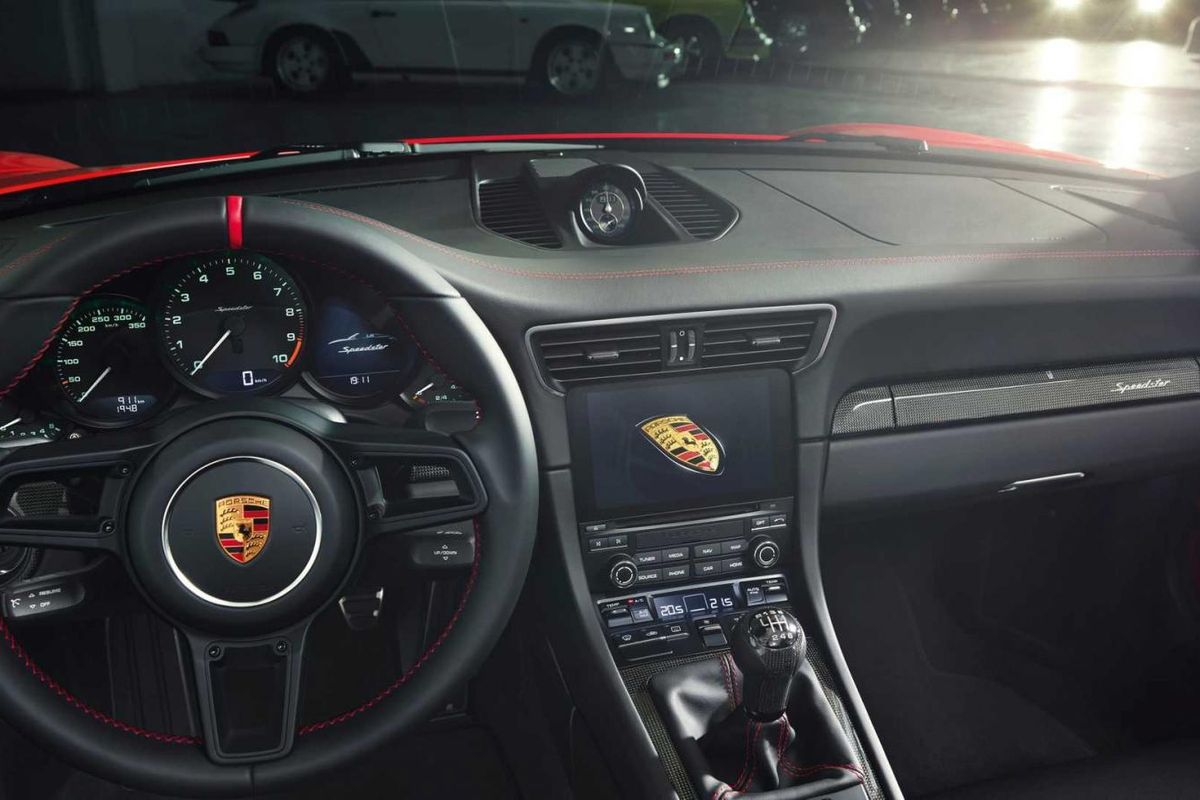
The Porsche 911 Speedster uses the same 4.0-litre flat-six engine found in the 911 GT3 and 911 GT3 RS but offers 374 kW and 469 Nm of torque and peaks at 9 000 rpm. What’s more, the 911 Speedster is said to feature a race-inspired soundtrack with a sharper throttle response like the 911 GT3 R race car. The 911 Speedster is exclusively offered with a GT Sport 6-speed manual transmission.

The sprint from zero to 100 kph will take approximately 3.8 seconds with a top track speed of 309 kph.

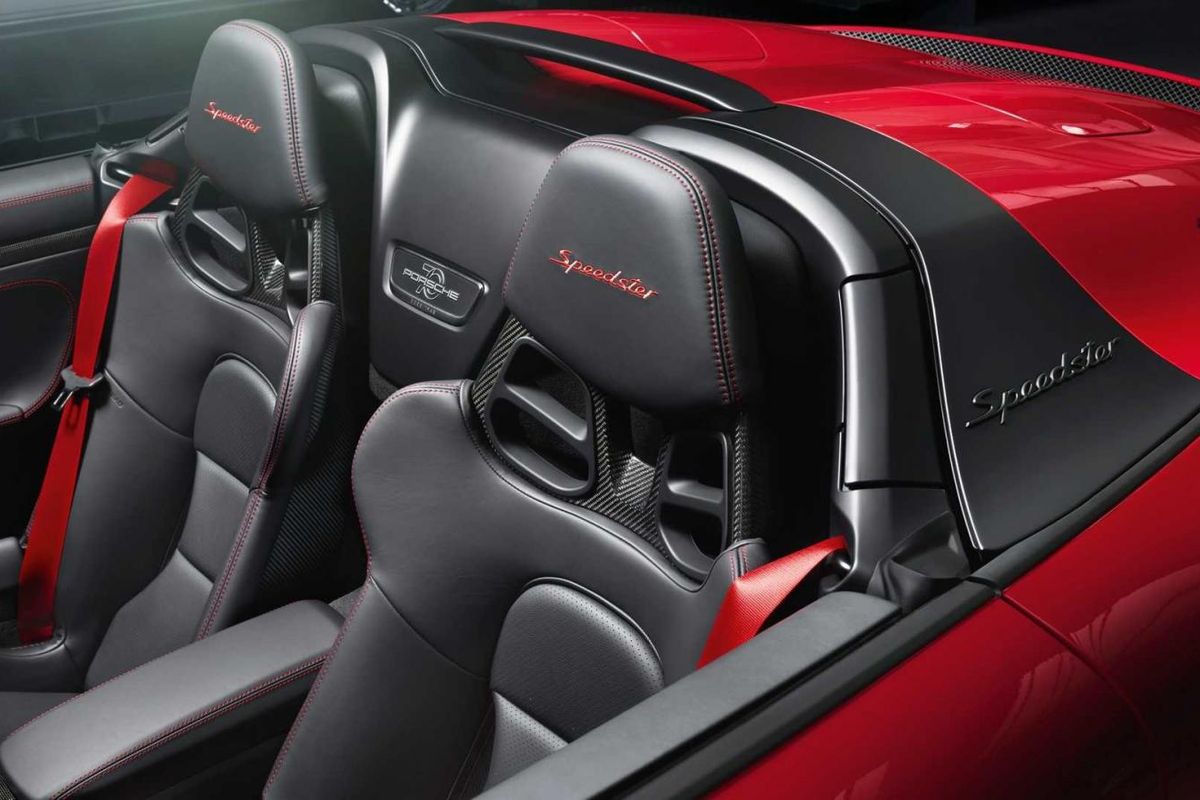
Extensive weight-saving measures have been implemented. For instance, the lightweight fabric roof is manually operated and the front luggage lid, front fenders and rear deck lid are all made of a carbon fibre composite. Inside, lightweight door panels with storage nets and pull handles further reduce weight and no air conditioning system is fitted either but is offered as an option.
The 6-speed manual transmission is some 4 kg lighter than the 7-speed manual transmission offered in other 911 Carrera models and a significant 18 kg lighter than the dual-clutch PDK. As a result, the Porsche Speedster weighs only 1 465 kg.

The Porsche 911 Speedster rides on Satin Black 20-inch wheels with Porsche Ceramic Composite Brake (PCCB) system fitted as standard. A specifically calibrated rear axle steering system and dynamic engine mounts further enhance the dynamic ability of the 911 Speedster. The Porsche 911 Speedster can be expected in South Africa but it will arrive in very limited numbers. 

Buy a Porsche 911 on Cars.co.za

Related Content

New Porsche 911: Price in SA

Porsche 911 Cabriolet Announced with Local Price

Porsche 911 Range Explained

Porsche Reveals Cayenne Coupe

Porsche Macan (2019) Launch Review

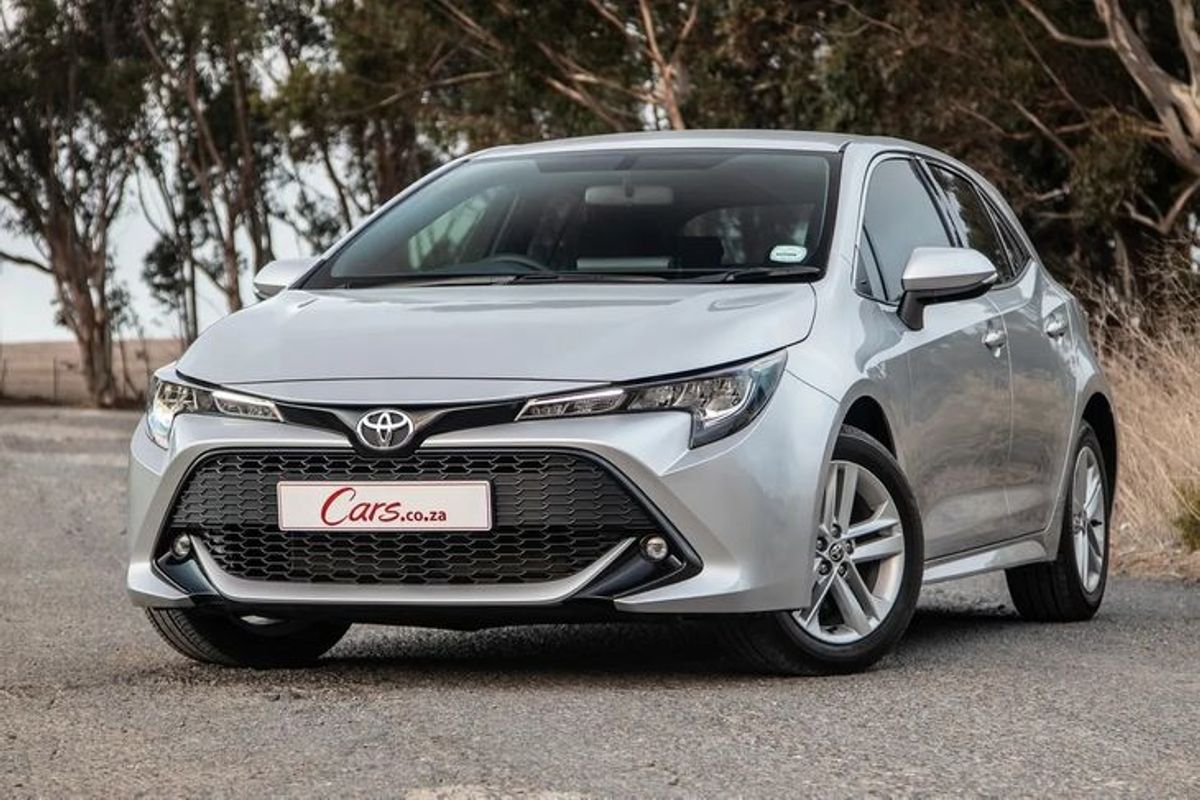
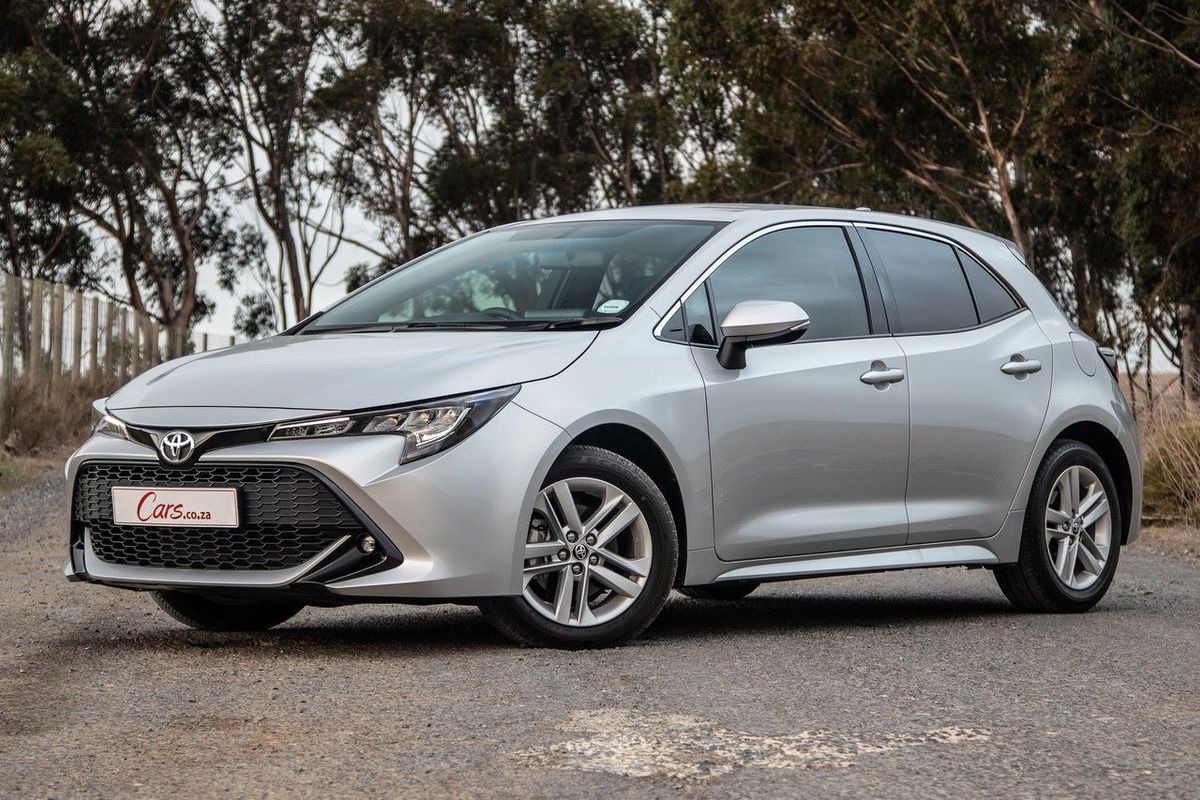
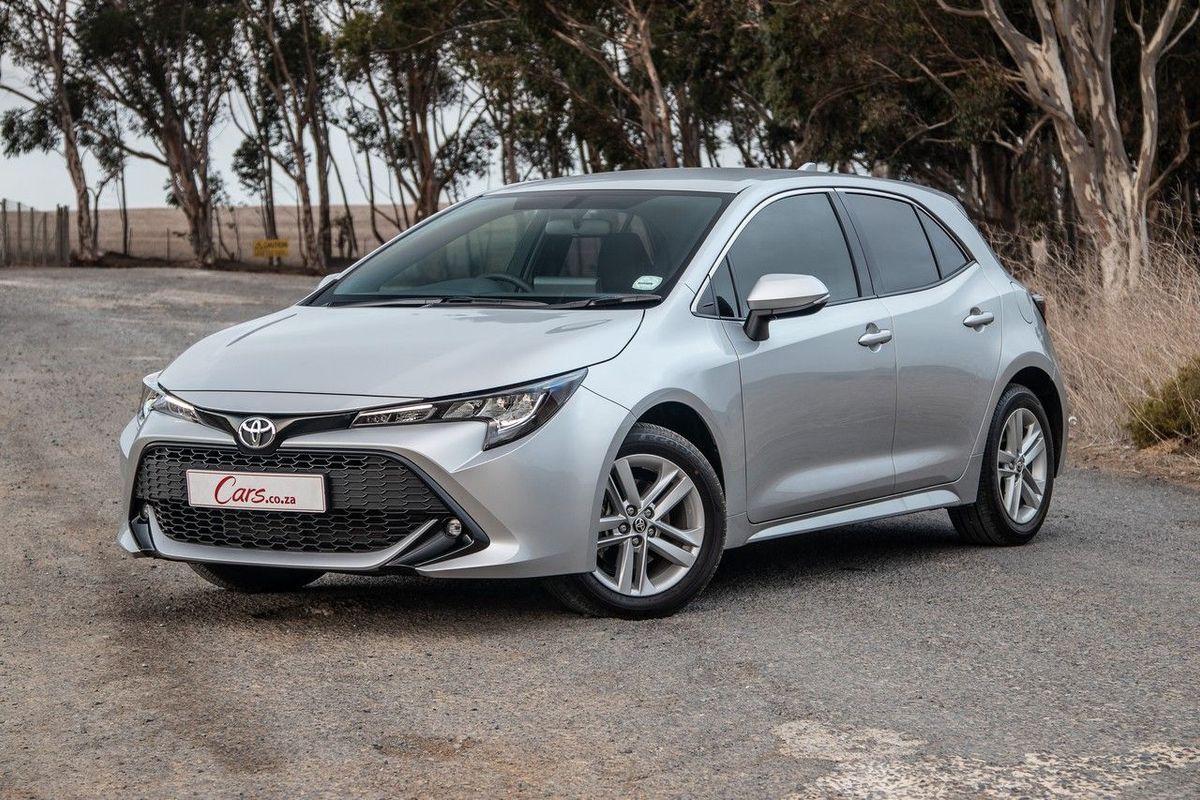
Toyota Corolla Hatch 1.2T XS (2019) Review

Toyota's launched a hatchback version of its Corolla, but it's not a derivative of the (current) sedan – it's all-new and based on the brand's New Global Architecture. As a result, it leaves its Auris predecessor well in the distance and, dare we say it, appeals strongly to young, fashion-conscious buyers. We review the entry-level manual Corolla Hatch.

We like: Styling, ride quality, refinement, excellent powertrain, well-specced.

We don't like: Only one engine in the range, the infotainment system is not the most modern, small load bay

Fast Facts

  • Price: R336 800 (April 2019, without options)
  • Engine: 1.2-litre i4 turbopetrol
  • Gearbox: 6-speed manual
  • Fuel economy: 6.1 L/100 km (claimed)
  • Power/Torque: 85 kW/185 Nm

Own a Toyota? Tell us about your experience here. 

SERIOUS ABOUT BUYING?

Where does it fit in?


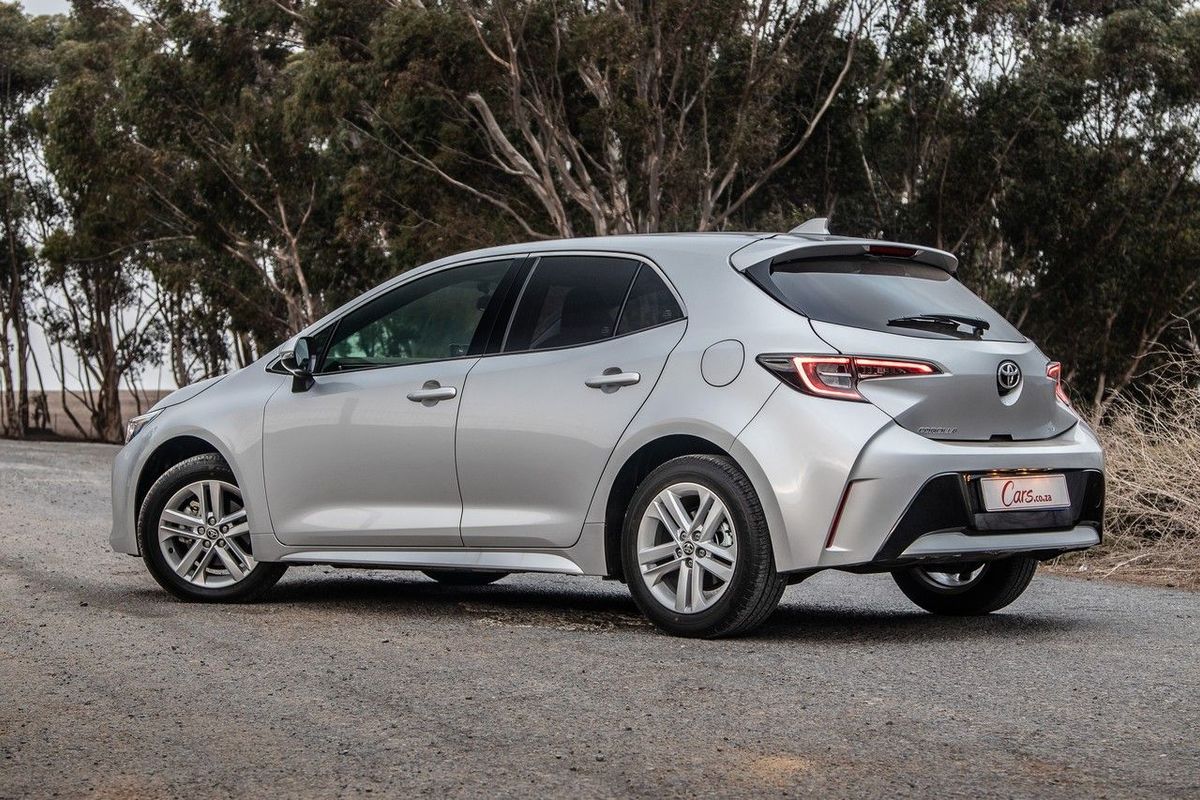
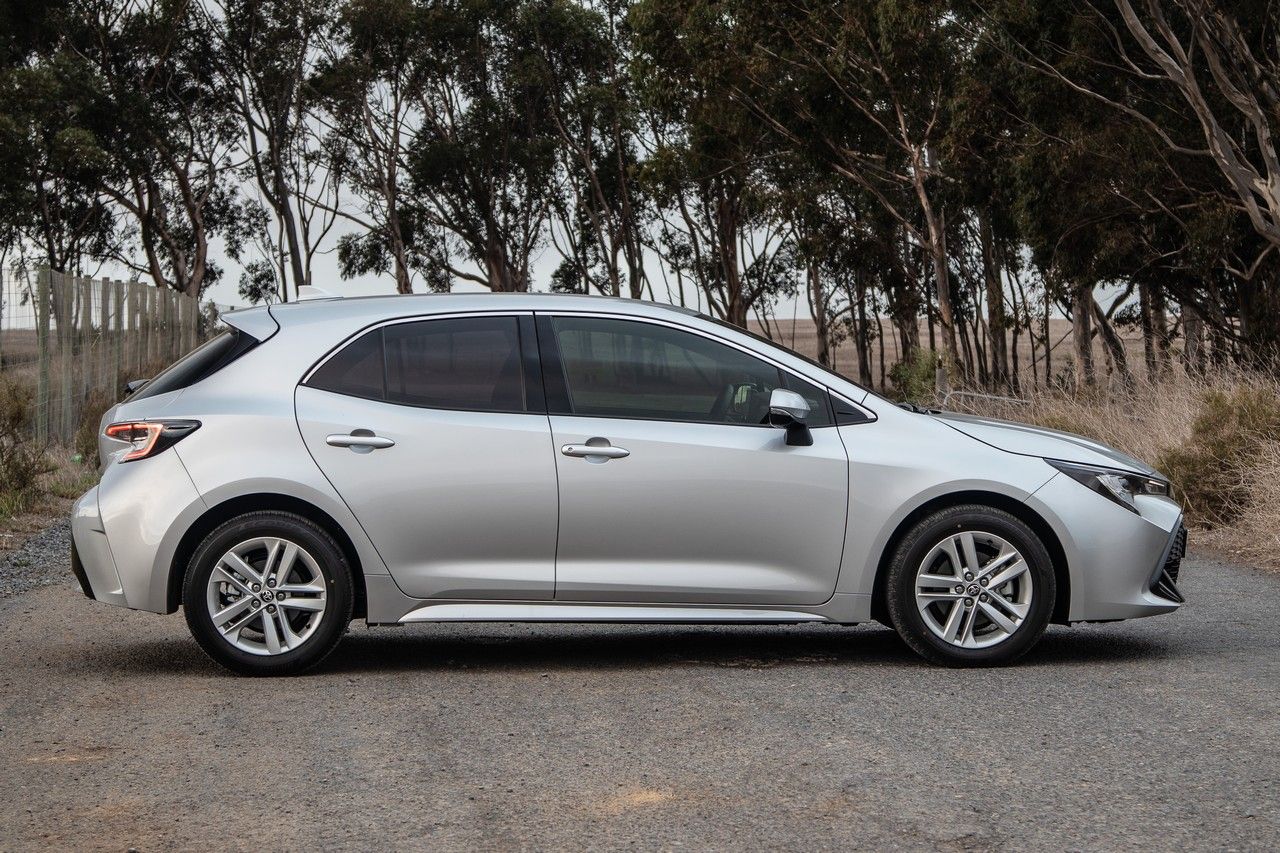
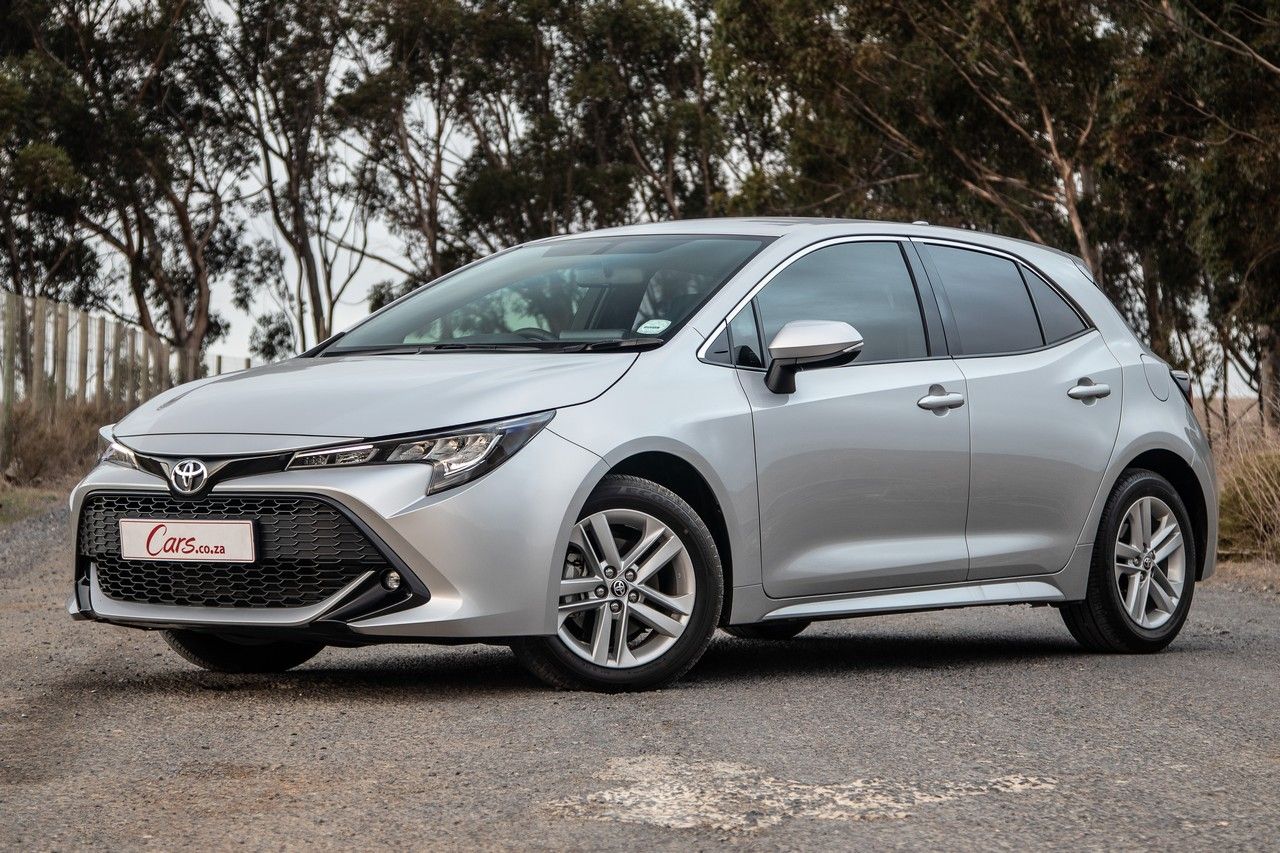
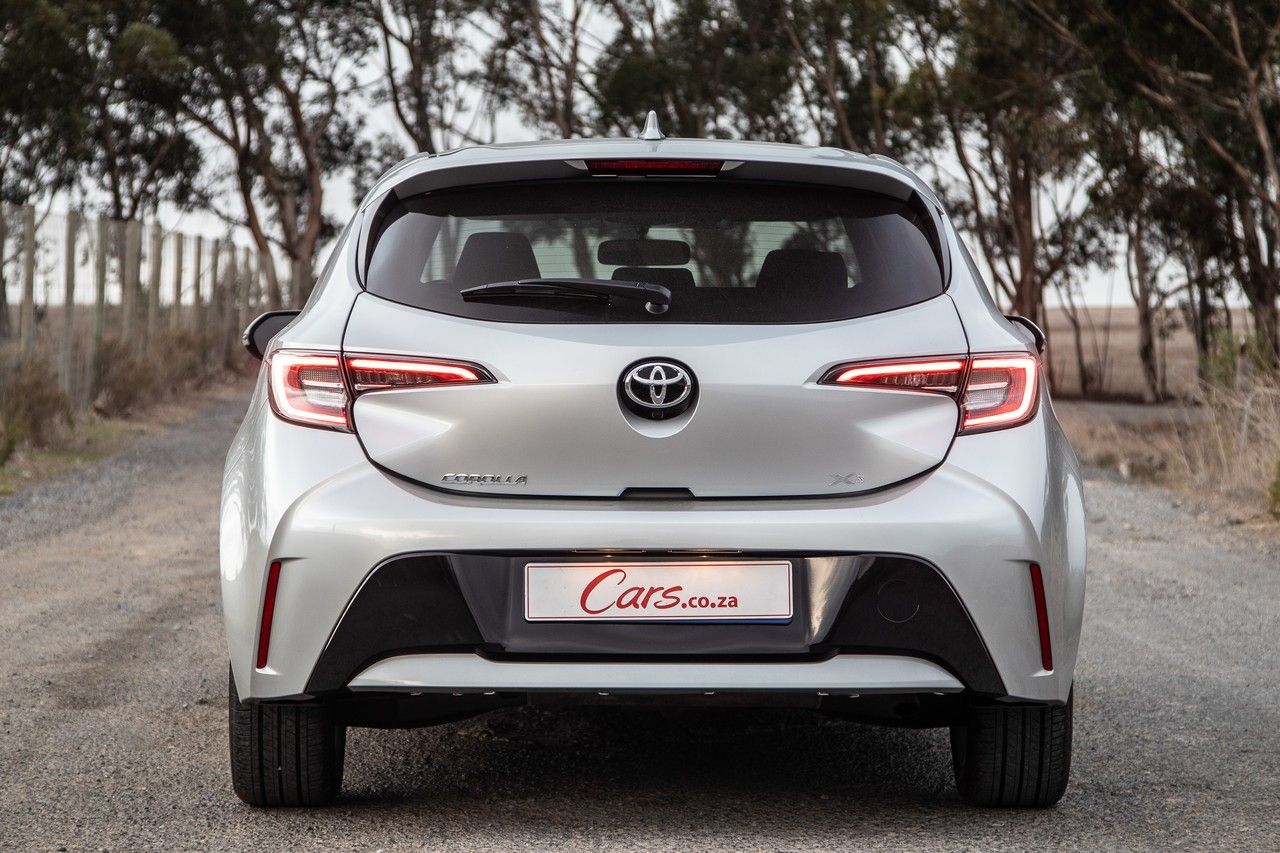
Even in "rental-car silver", the Toyota Corolla Hatch is one seriously good-looking compact car.

Traditionally the Toyota passenger car family has been split equally between hatches and sedans; in the C segment, it offered the Corolla sedan and Auris hatchback. The latter has now been dropped and replaced by what you see here, the Corolla Hatch(back). When we first saw images of this 5-door, we were gobsmacked. It was a fresh and inspiring design from the typically conservative Japanese brand… and a revelation, considering the car it replaced. It's not that revolutionary though, Toyota has introduced some striking vehicles of late: think of the C-HR and latest iteration RAV4. 

In the run-up to the vehicle's South African launch, we spoke to Toyota SA extensively and the firm's representatives admitted that they couldn't introduce as broad a range as in overseas markets (where a 2.0-litre petrol, a hybrid, and some great-looking alloy wheel options are available). SA-spec Corollas, by contrast, have just the 1 engine, with the option of either a manual gearbox or a continuously variable (automatic) transmission.

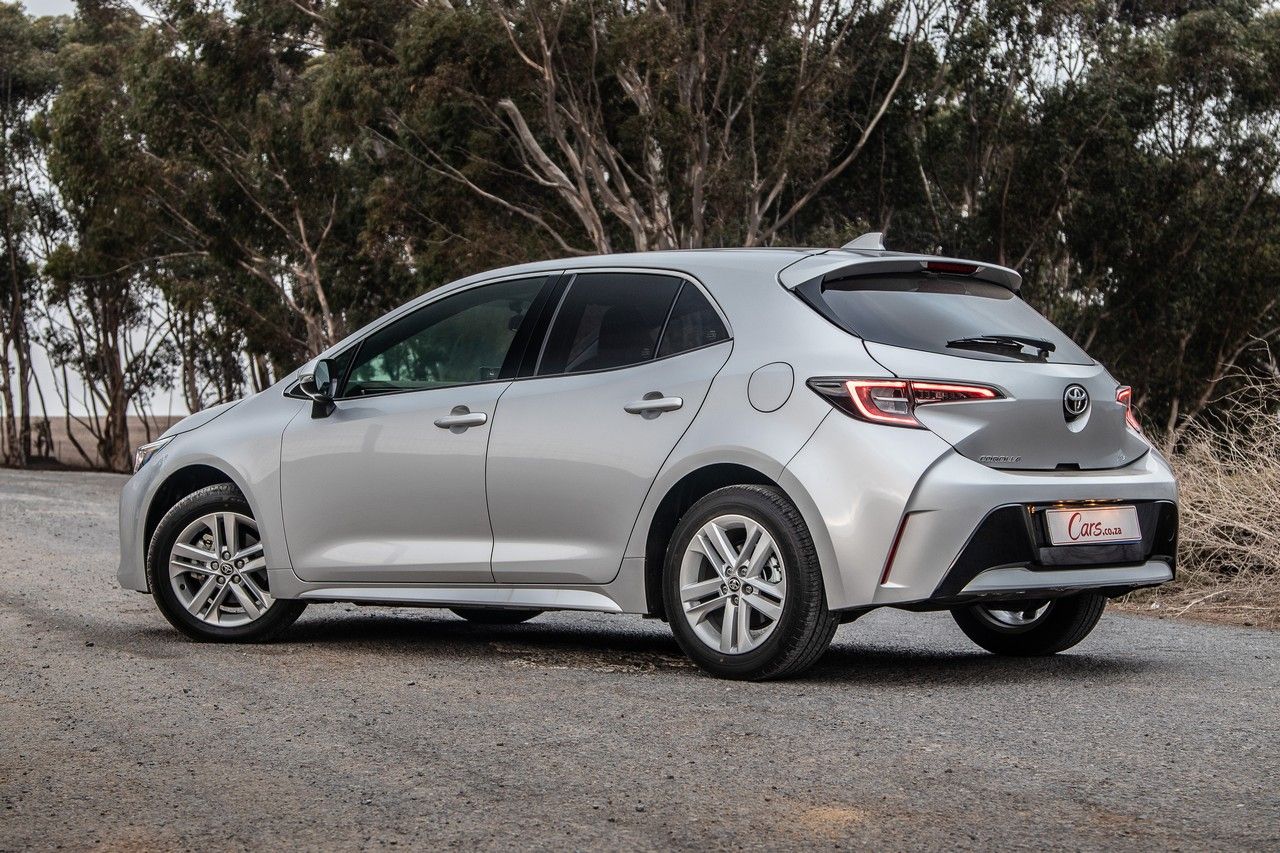
The first thing you'll notice about the Corolla Hatch is its striking appearance – it's really a great-looking vehicle, even in an unflattering exterior paint finish such as silver. Given the success of the Corolla as both a brand and a product, it's critical that this new one is good. And, is it? Read on…

How does it fare in terms of…

Refinement and handling?


A fantastic platform and chassis combines beautifully with a modern suspension to make the Corolla an engaging drive

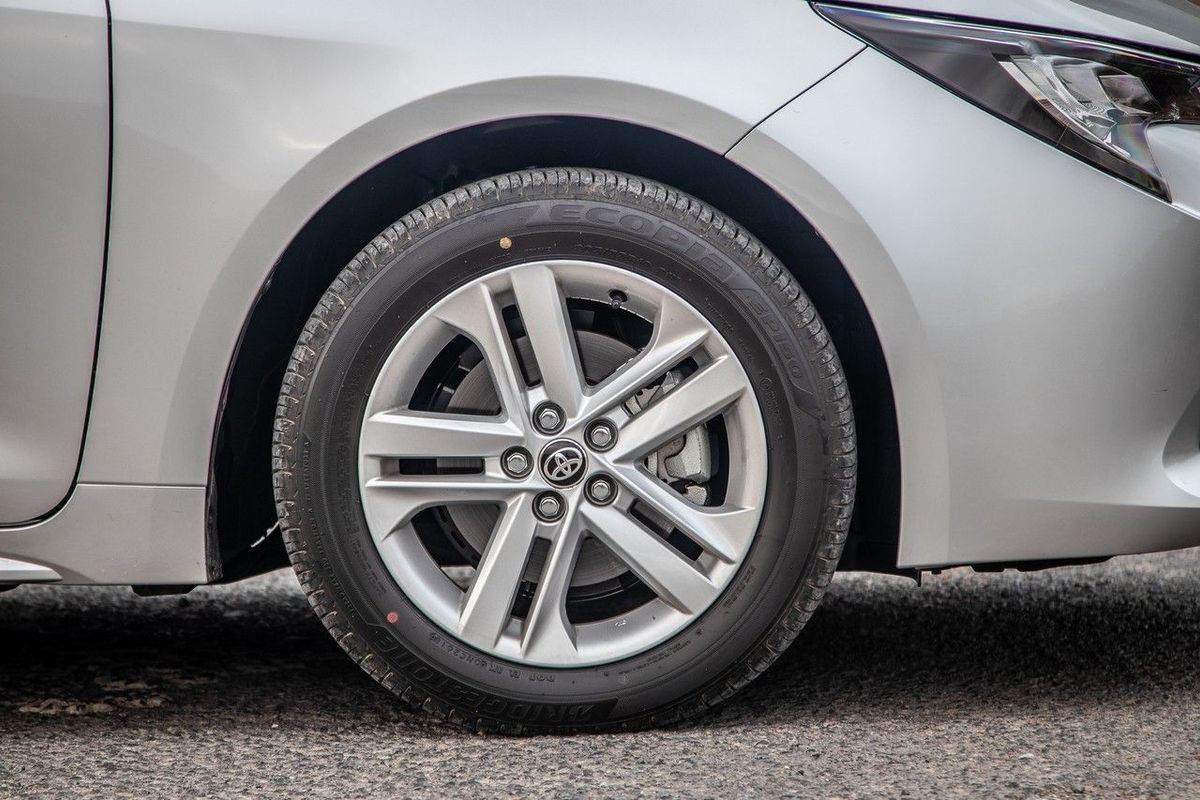
The short answer is: yes, it's very good. The Toyota New Global Architecture (TNGA), which also underpins the C-HR, RAV4 and Prius models, contributes immensely to the newcomer's overall quietness AND imbues it with excellent surefootedness. Because it has a more rigid bodyshell, an optimised weight balance, all-new multi-link rear suspension and a lower centre of gravity compared with the Auris, the Corolla Hatch impresses dynamically, without sacrificing everyday comfort. The 1.2T XS rides on 16-inch alloy wheels, which contribute to the low road noise.

The Corolla Hatch is particularly good at soaking up ruts and bumps in the road, but, should you wish to corner at a brisk pace it offers just enough firmness to deliver an engaging driving experience. While there's only 85 kW on tap, we feel that the chassis can cope with much more and this bodes well for future performance versions. The steering is pleasantly light and direct too, it balances performance driving and urban manoeuvring rather well. The Volkswagen Golf has long been the segment benchmark when it comes to comfort and ride quality and despite the competition's best efforts, all have come up short. Until now. We think this new Corolla can match its rival in terms of quietness and comfort – it's that good.

Performance?


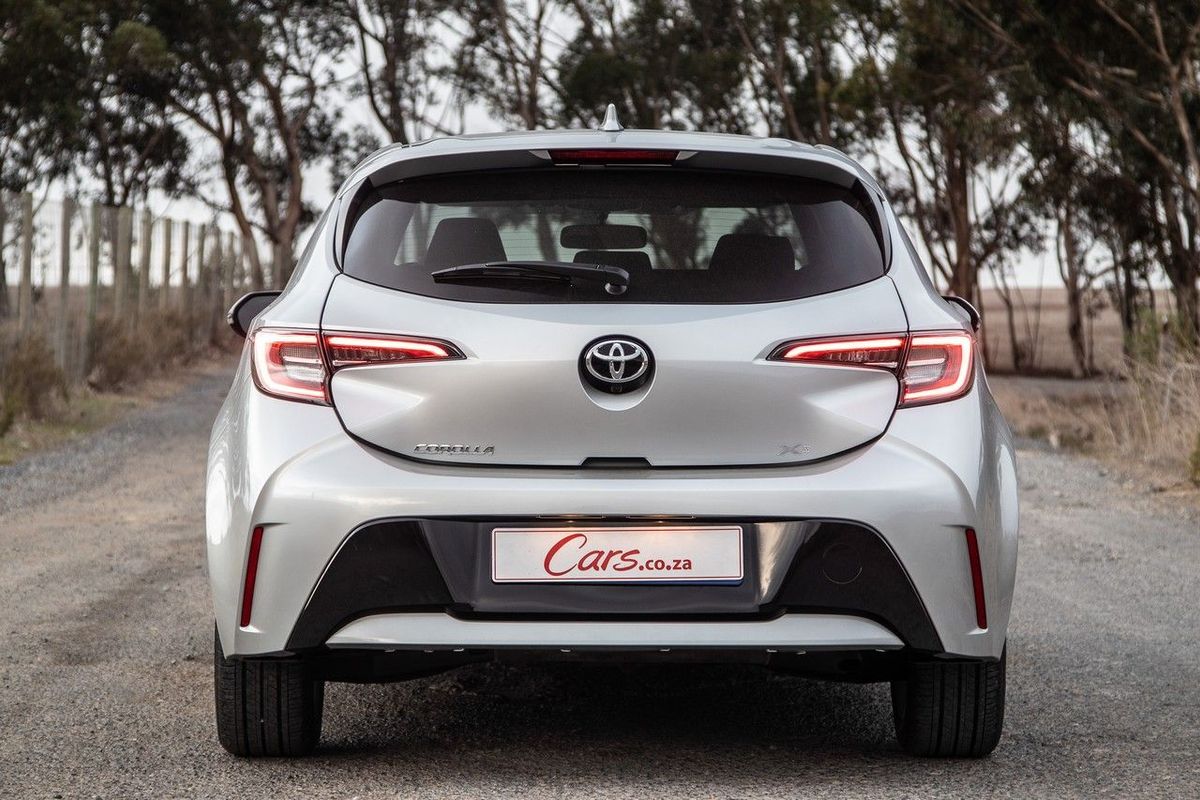
The distinctive LED tail-light clusters look fantastic, particularly at night.

By pairing the refined TNGA platform with a 1.2-litre turbocharged inline 4-cylinder engine, Toyota has produced a vehicle that offers not rapid, but spirited, performance and well-balanced road manners. While it only offers up 85 kW and 185 Nm, peak torque is available from only 1 500 rpm, which means it feels quite lively to pilot. Bridging the gap between engine and front wheels is a 6-speed manual gearbox, which is both light and direct to use. Toyota has cleverly fitted this manual gearbox with a smart rev-matching function, which is activated by a button near the gear lever. We'll admit that sometimes we don't nail those shifts every time, but with iMT engaged, the car makes every gear change feel virtually… perfect. 

The 1.2-litre turbopetrol engine's outputs are on par with its rivals, but when you take on board 4 adults (including the driver), the Corolla Hatch's performance does lag a little, which is to be expected given the small capacity of its powerplant. Despite it having to endure some spirited driving antics during its tenure in our test fleet, the 1.2T XS repeatedly returned under 8 L/100 km. In fact, we estimate that it would break into the 6s if driven thriftily. The vehicle also features an electronic handbrake, which is unusual for a manual gearbox-equipped car. Fortunately, there's a Hill-hold function, which requires familiarisation, but once you get the hang of it, it works smartly to keep the vehicle in position on steep uphills.

Specification?


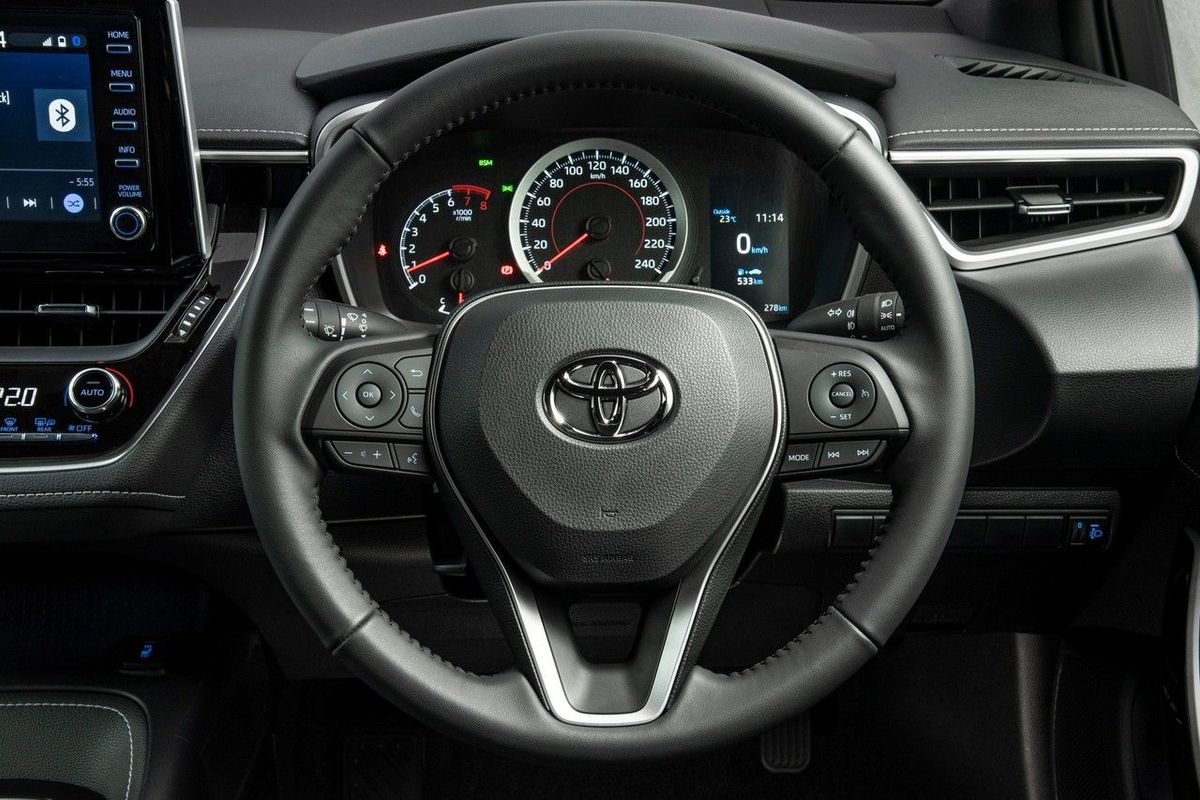
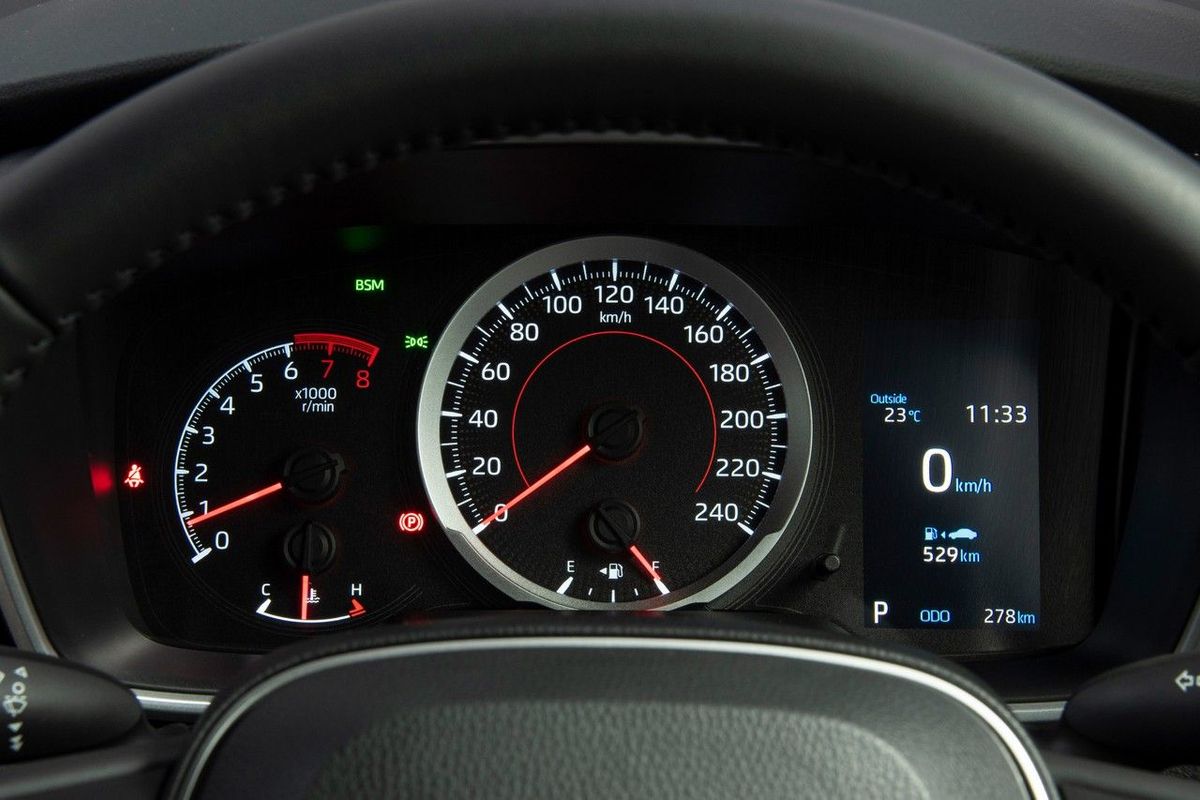
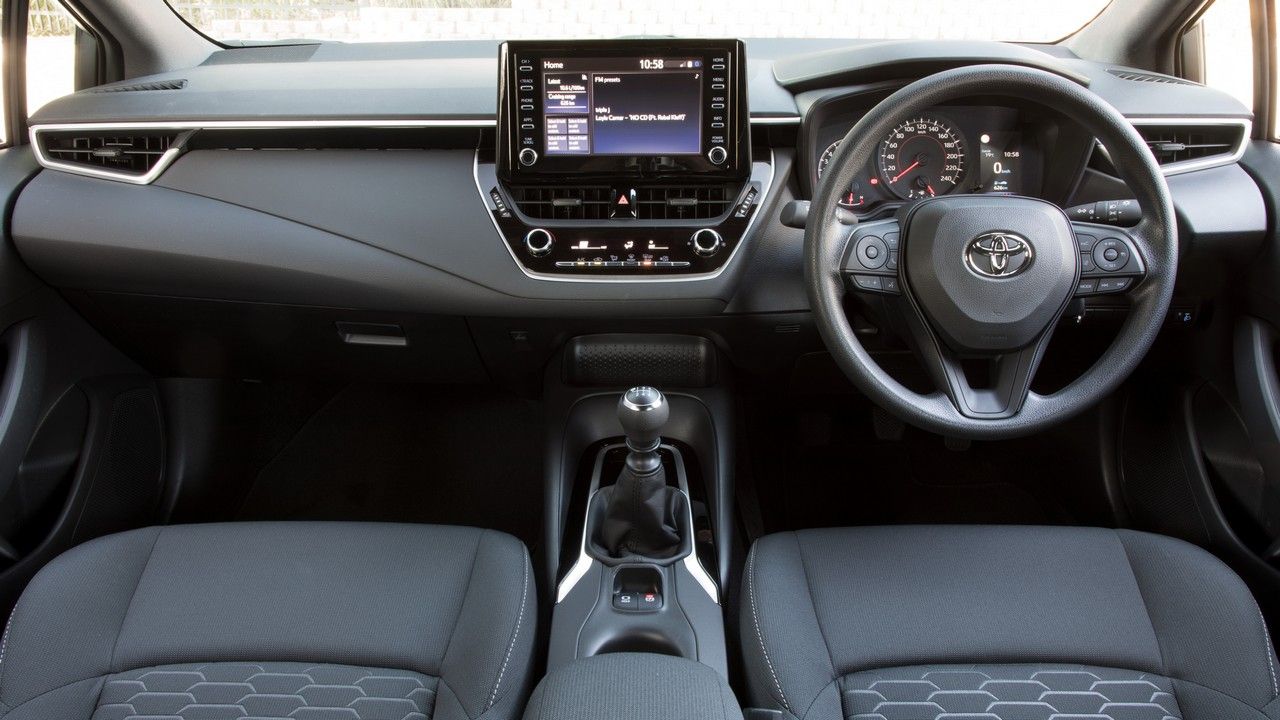
A minimalist approach to the Corolla's cabin. Build quality is top notch.

As it stands, there are only 3 Corolla Hatch derivatives available, with 1 engine, 2 gearboxes and 2 levels of trim. Kicking off the range (and tested here) is the manual gearbox-equipped 1.2T XS. Next step up is the XS CVT, which has a gearless automatic transmission. Finally, at the top of the pile sits the XR CVT. XR specification adds leather/suede upholstery, seat heating and lumbar support, as well as blind-spot monitoring. 

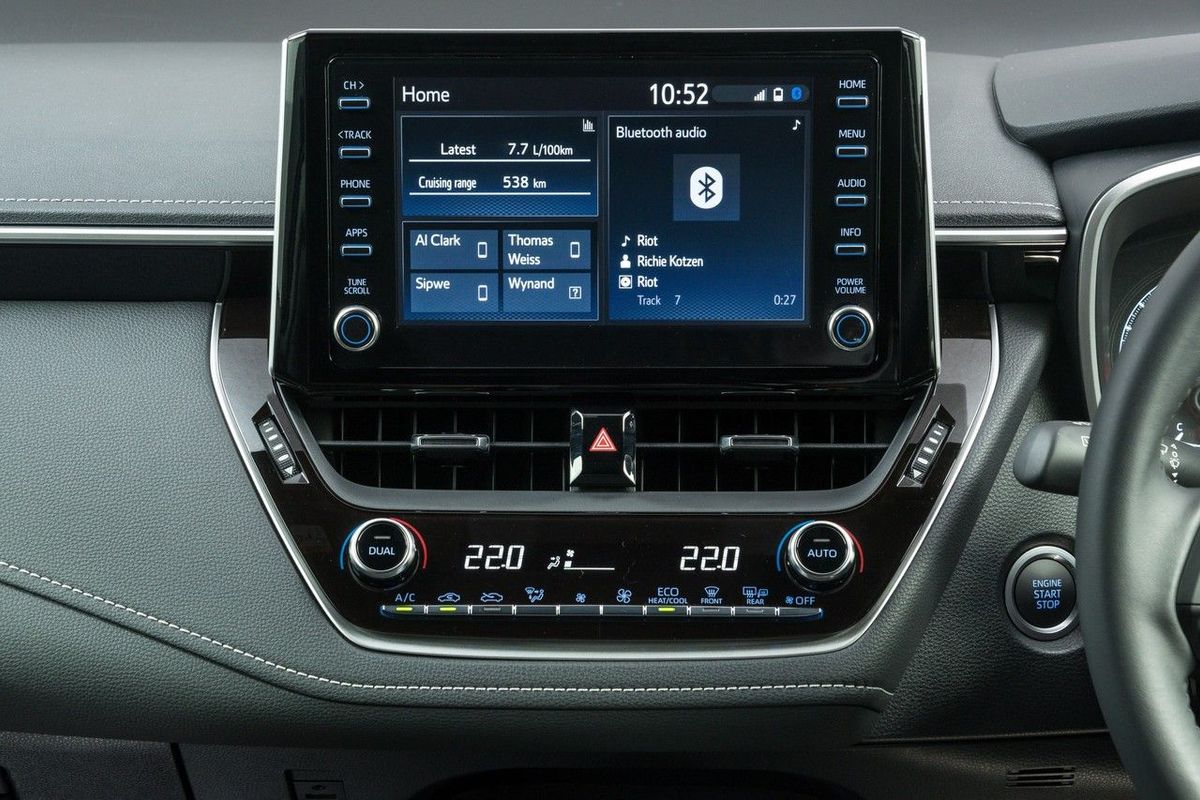
Don't be dissuaded from buying the XS version though, as its standard spec is surprisingly generous (for an entry-level derivative). There are a number of comfort features fitted as standard, such as dual-zone climate control, the centrally-mounted touchscreen infotainment system, Bluetooth connectivity, LED lighting, keyless entry, a reverse-view camera, as well as cruise control. There's also USB connectivity, with the connection port mounted discreetly under the dashboard. There's no skimping on safety features either, as all derivatives come with stability control and 7 airbags.

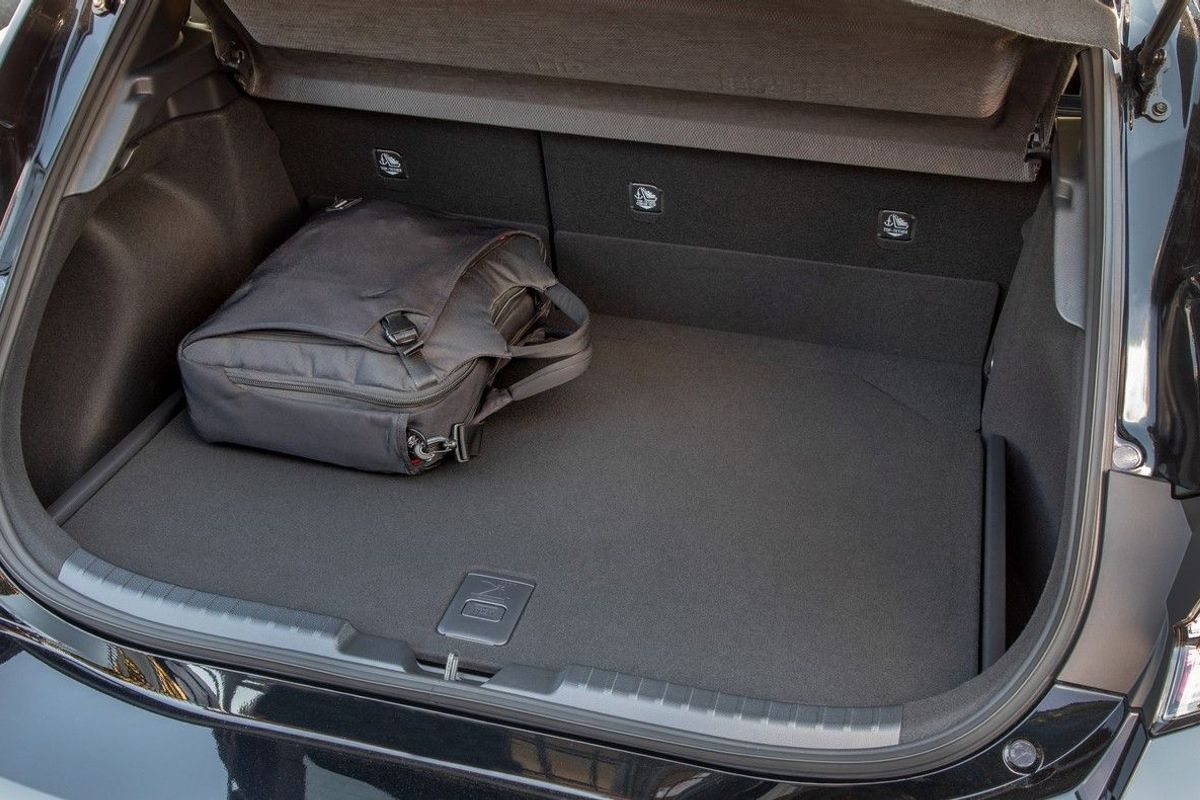
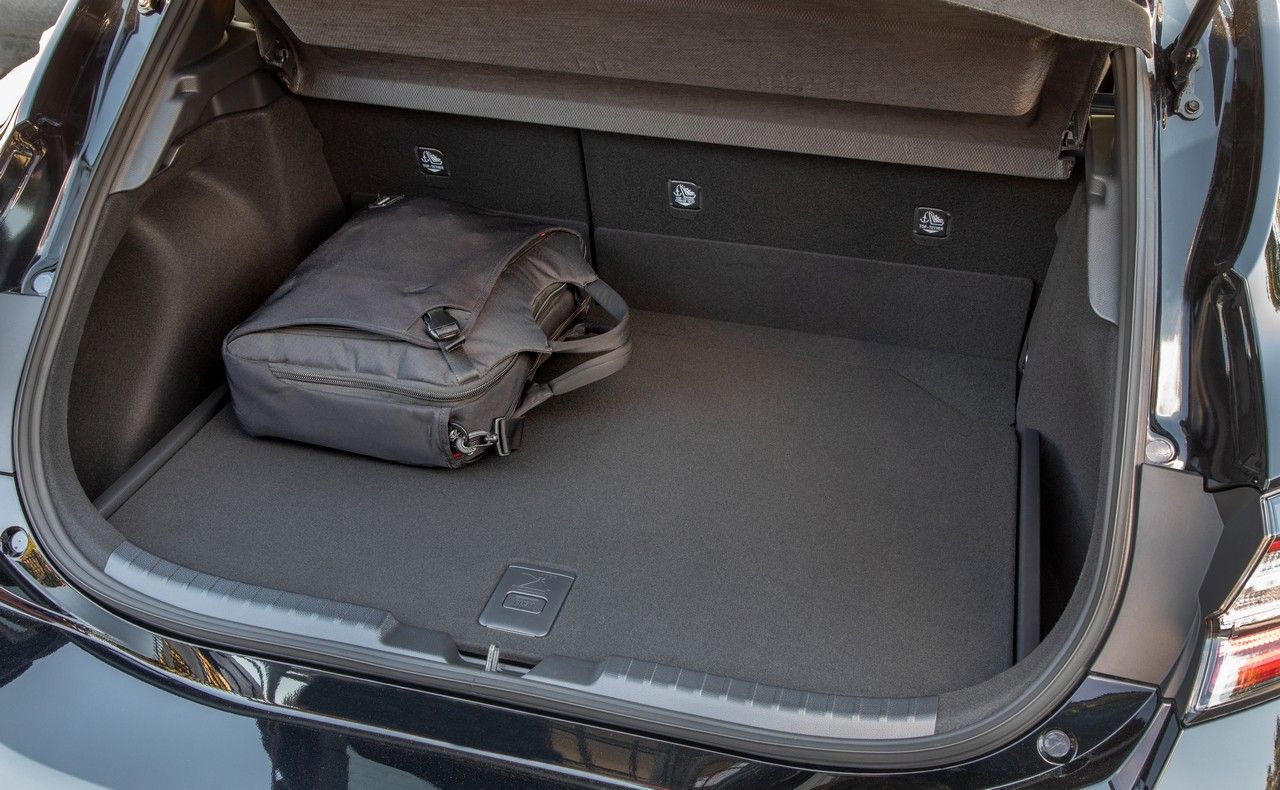
Downsides? Well, we'd love a more modern infotainment system with Android Auto and Apple CarPlay compatibility. We'd also like to see a few more oddment spaces: 1 cupholder in the centre is just not enough for a phone, wallet, house keys and so forth… We also found the 1.2T XS' load bay a touch small compared with its rivals. This is easy to explain though as the vehicle comes with a full-sized spare wheel. Given the condition of South Africa's roads, we'd happily take this option and suffer from reduced carrying capacity, as opposed to fiddling with a tyre-repair kit.


The Corolla Hatch's luggage space is not the largest, but there is the bonus of a full-sized spare wheel.

Price and after-sales support

The new Toyota Corolla Hatch comes with a 6-services/90 000 km service plan and 3-year/100 000 km warranty. Service intervals are set at 12 months/15 000 km. 

Corolla Hatch 1.2T XS 6MT  R336 800

Corolla Hatch 1.2T XS CVT  R347 400

Corolla Hatch 1.2T XR CVT  R367 100

Verdict

So, to put it plainly, the new Toyota Corolla Hatch is one impressive piece of kit. Not only does it look superb, but it represents commendable value for money, given how much specification is offered on even this, the bottom-of-the-range derivative. The engine and gearbox work well together, and while most Corolla Hatches are going to be used for commuting, the 1.2T XS can deliver surprising thrills when you want to press on. The chassis and handling are good, and with the rise of Toyota's GR/GR Sport/GRMN performance versions, this bodes well for an eventual Corolla (Hot) Hatch to rival the likes of the Megane RenaultSport and VW Golf GTI. If the Yaris GRMN was anything to go by, the Corolla GRMN should be sensational. 

Plus the overall driving experience is excellent… After all these years, we finally have a product that can match the mighty Volkswagen Golf in terms of on-road manners and refinement. The bad news is that 2019 will see new segment entries from Mazda and Ford (all-new versions of the 3 and Focus are heading for Mzansi). Should you buy a Corolla Hatch, though? We think if you have a small family with an infant without significant space requirements and you don't feel inclined to go the SUV-route (yet), then Toyota's newcomer offers great value as a compact hatchback or as a 2nd car. Toyota is currently Brand of the Year in the #CarsAwards – powered by WesBank, and has a vast dealership network across South Africa.


The new Corolla hatchback is one good-looking car. The bonus is it happens to be exceptionally good to drive too.

Looking to buy a new / used Toyota Corolla?

Find one on Cars.co.za by clicking here

Alternatives (click on the names for specification details)

Volkswagen Golf

The evergreen favourite. The GTI performance derivative may be the most popular version in the range, but the base-spec 1.0-litre is still an excellent car that offers impeccable on-road manners. However, there are many optional features that can substantially increase the asking price. 

Opel Astra

Opel is enjoying renewed support in South Africa thanks to Unitrans and the Astra, which is a great all-rounder, soldiers on. There is a choice of petrol engines, excellent standard specification and we're led to believe that the vehicle will receive some updates during the course of 2019.

Mazda3

The all-new Mazda3 is due to be released in South Africa this year, bringing a raft of updates both inside and out. It also happens to be one of the best looking vehicles in its segment…

Ford Focus

We drove the all-new Ford Focus abroad in July 2018 and have been waiting for confirmation of when it will become available in South Africa. Apparently, its pricing has been an issue, but it should arrive in local showrooms towards the end of 2019. 

Related content:

Toyota Corolla Hatch (2019) Video Review

New Toyota Sedan Corolla Revealed

Toyota Corolla Hatch (2019) Launch Review

Toyota Unveils Lukewarm Corolla GR Sport

Toyota Corolla Hatch GRMN: Will It Look Like This?