Honda Amaze 1.2 Comfort Auto (2018) Quick Review
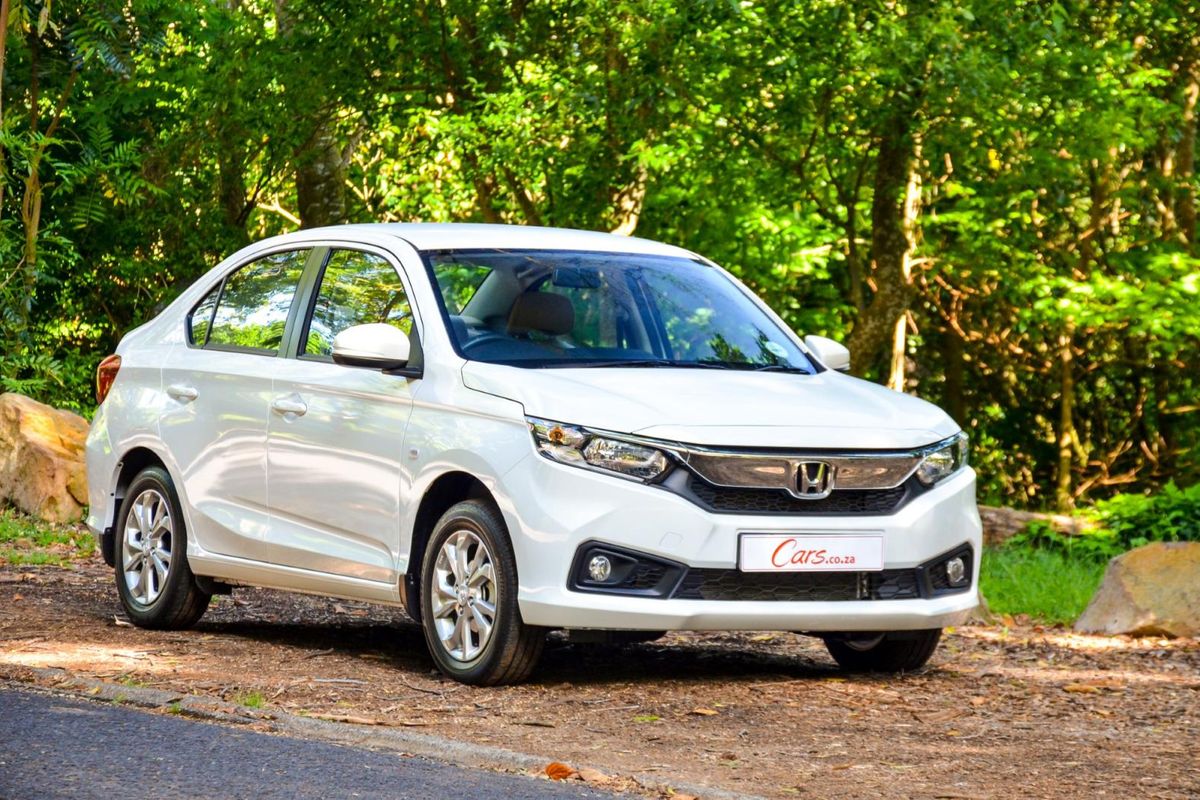
The Honda Amaze budget sedan was launched in South Africa in October 2018 and we recently had the opportunity to test the range-topping 1.2 Comfort Auto derivative. How does it perform overall? Let’s take a closer look…

We Like: Decent performance, ride/handling balance, rear passenger space  

We Don’t Like: Some build quality issues, interior colour, hard plastics, wind noise

Fast Facts

Price: R208 900 (November 2018)
Engine: 1.2-litre petrol
Power/Torque: 66 kW / 110 Nm
Transmission: CVT (automatic)
0-100 kph: 13.5 seconds
Top Speed: 160 kph
Boot Space: 420 litres

Serious About Buying?

Check out full specification details and finance estimates here
Some Honda dealers regularly offer specials: Have a look here!

What is it?


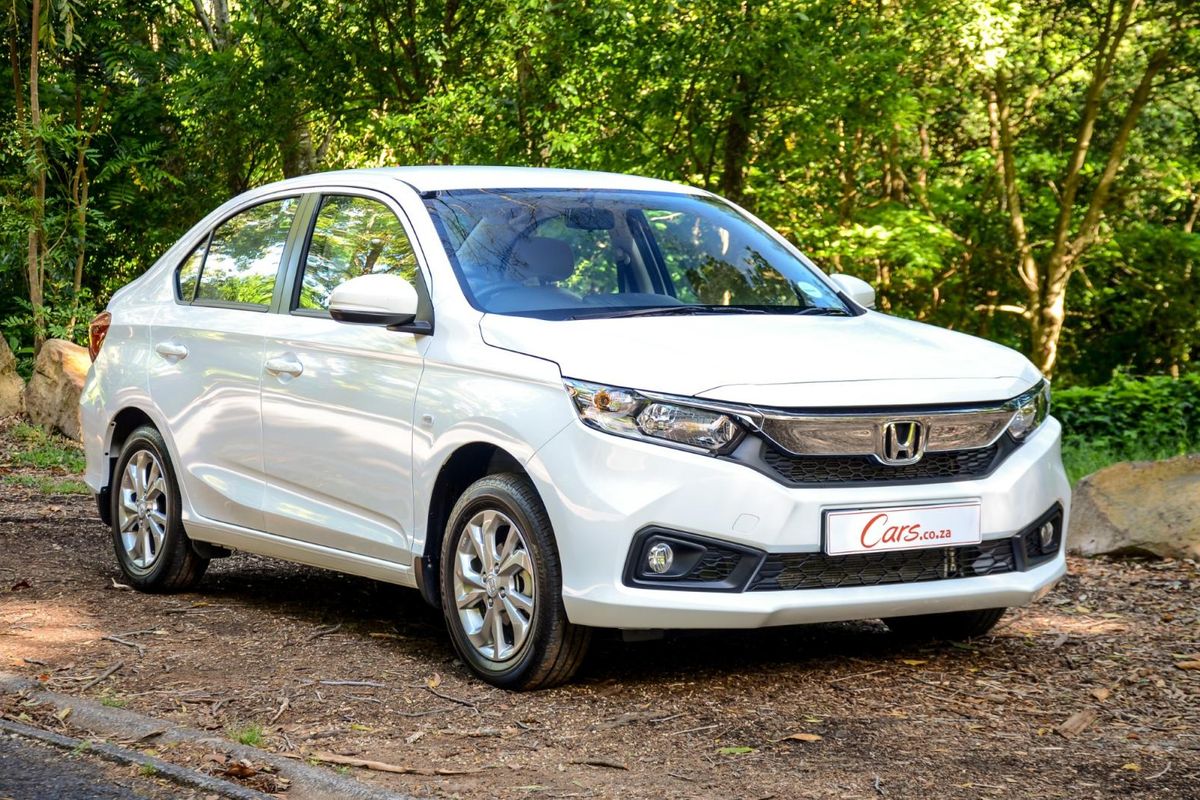
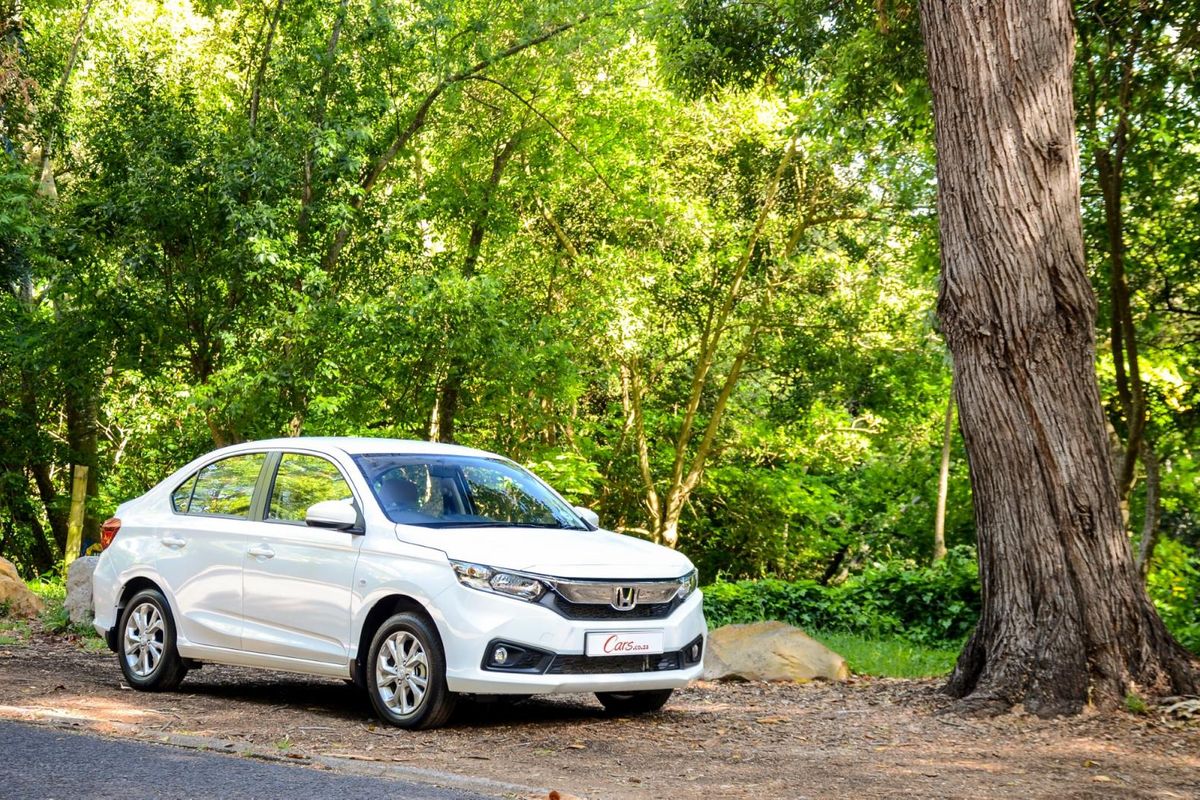
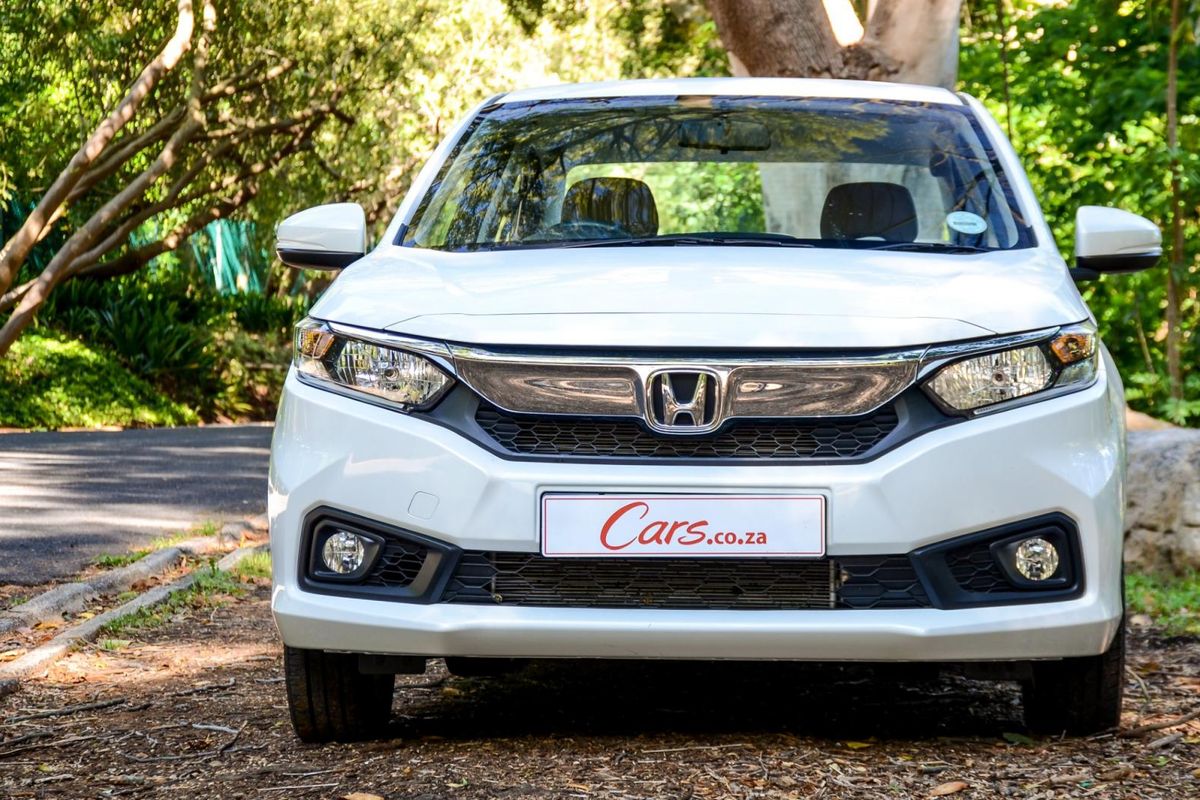
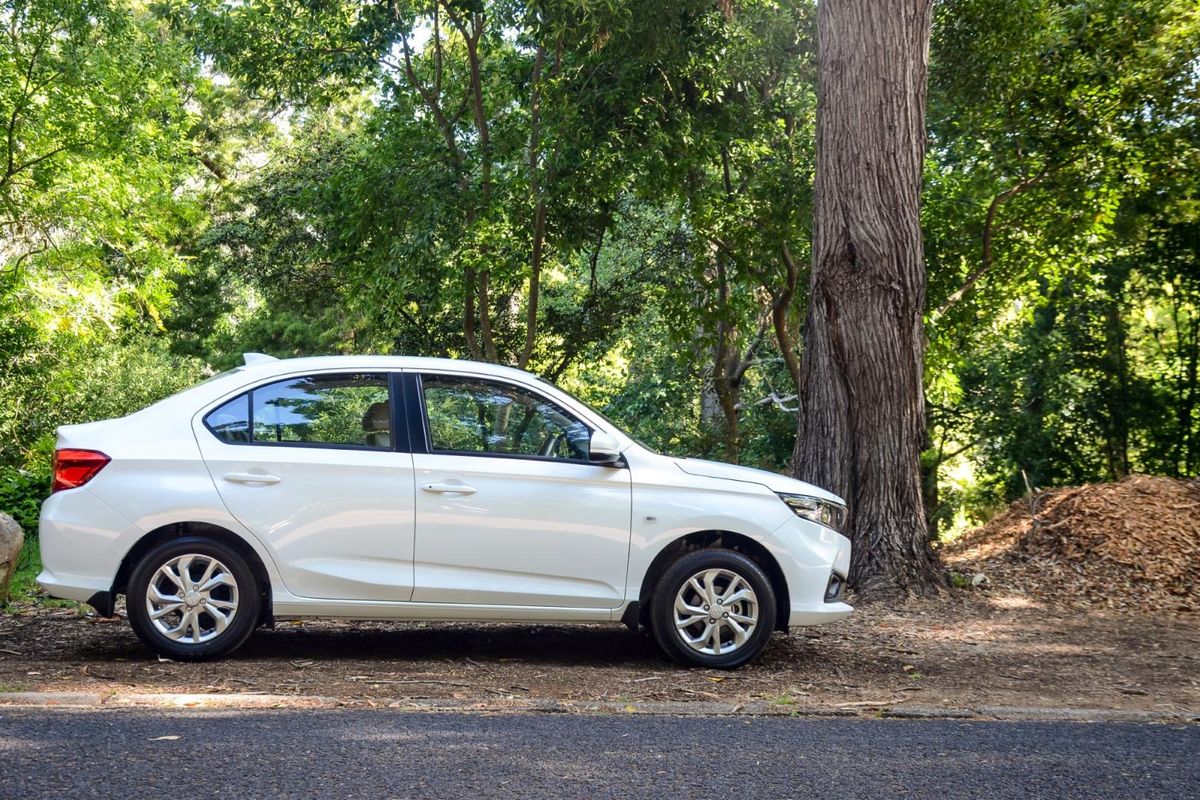
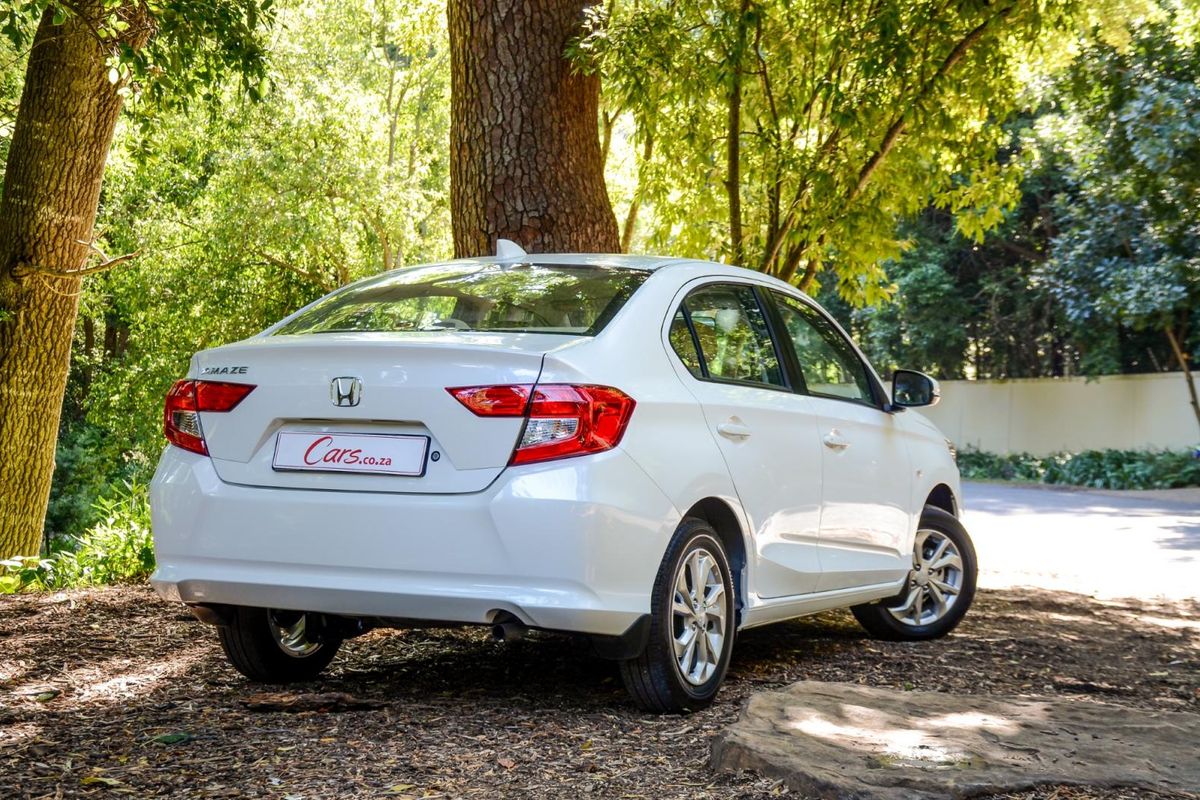
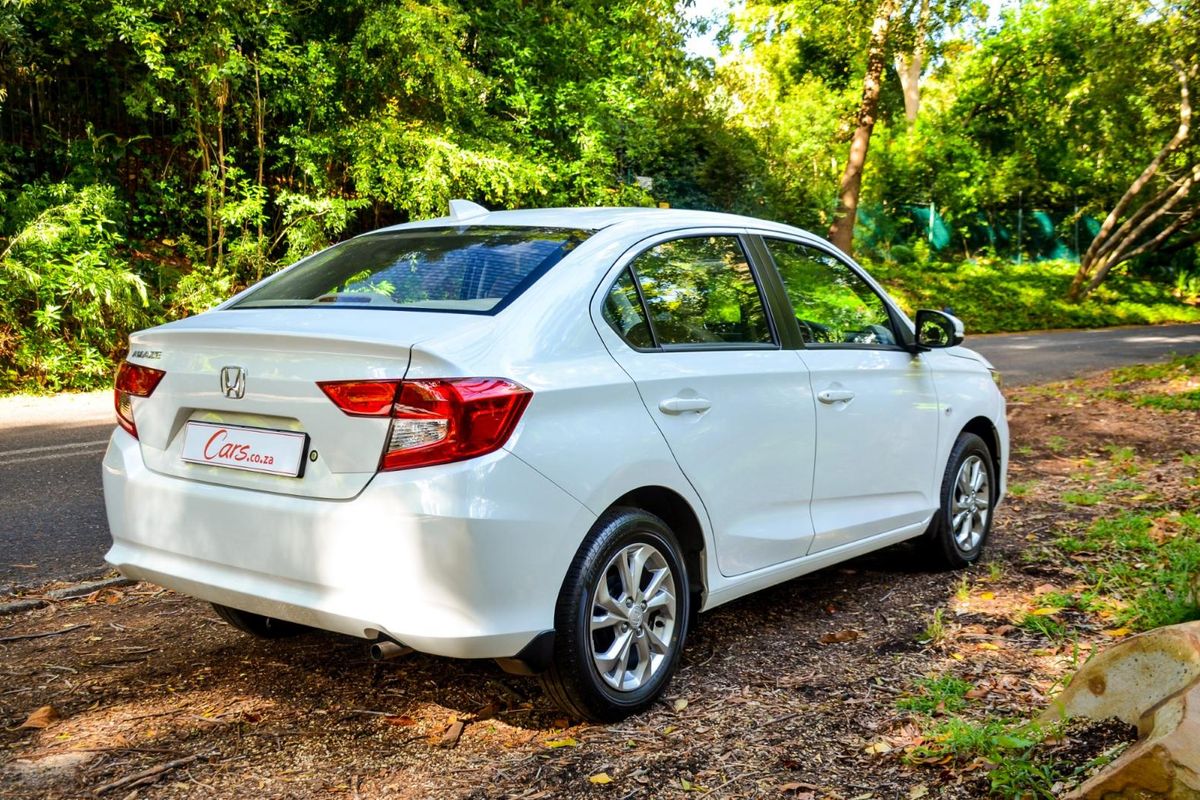
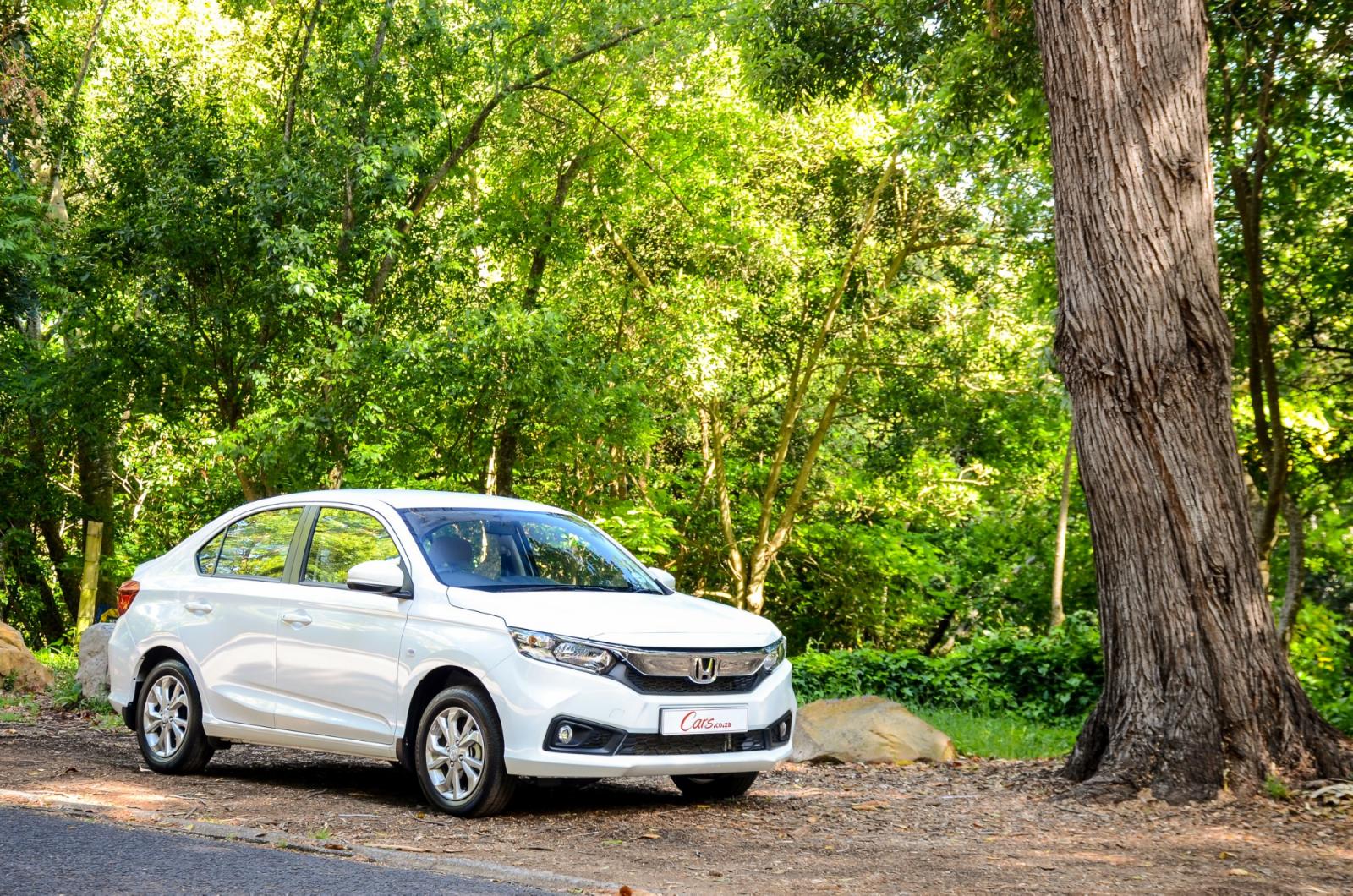
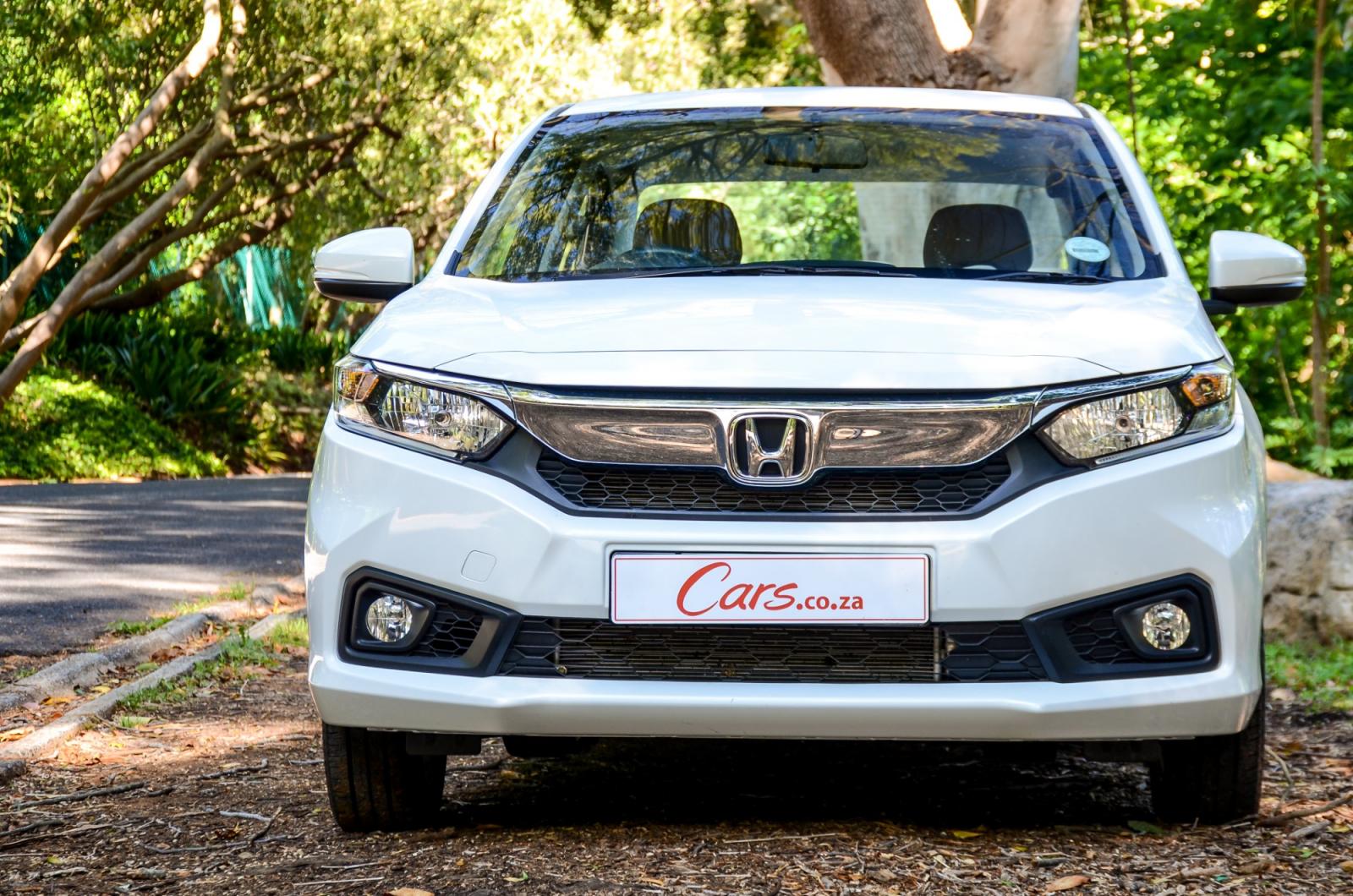
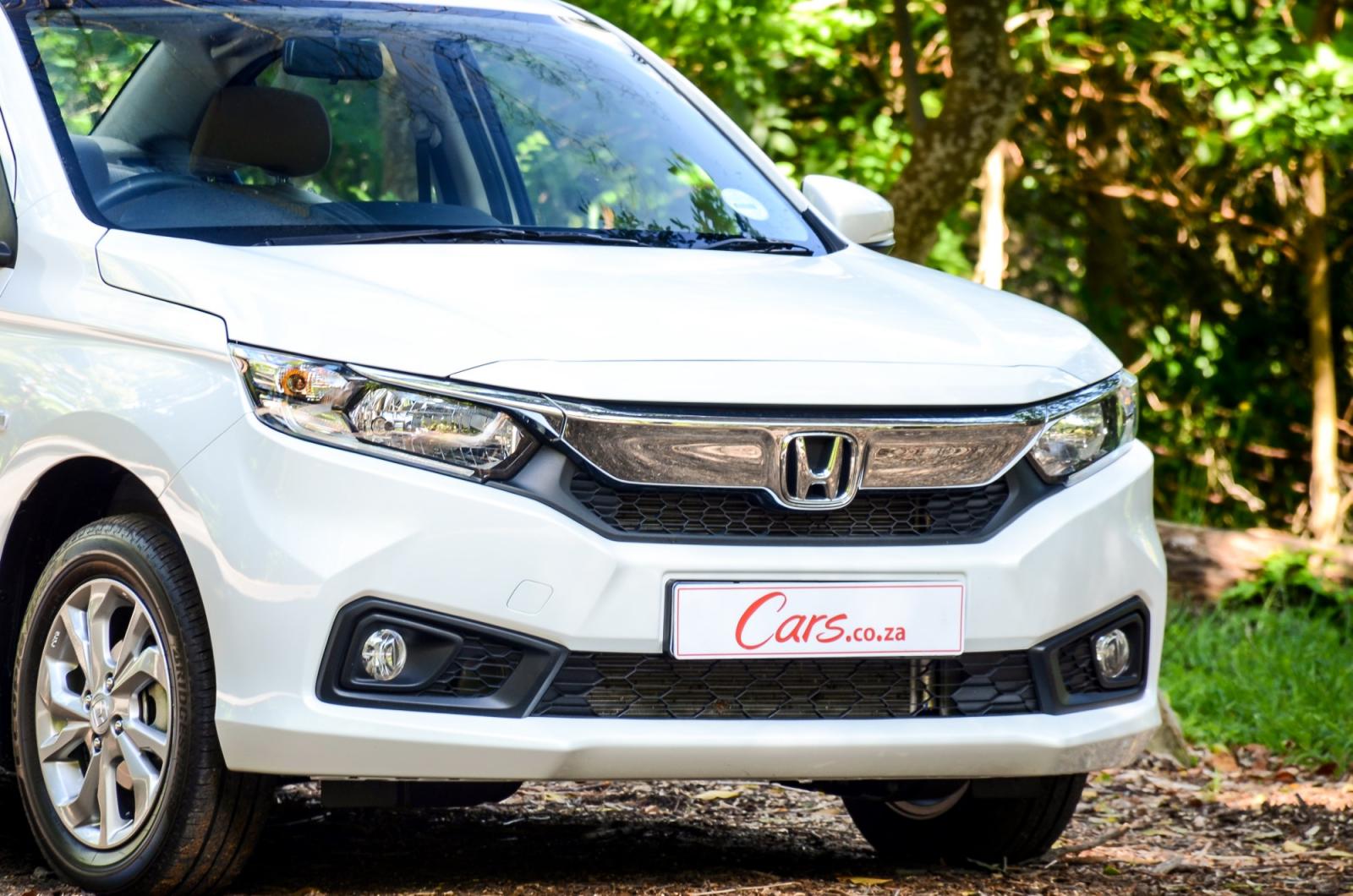
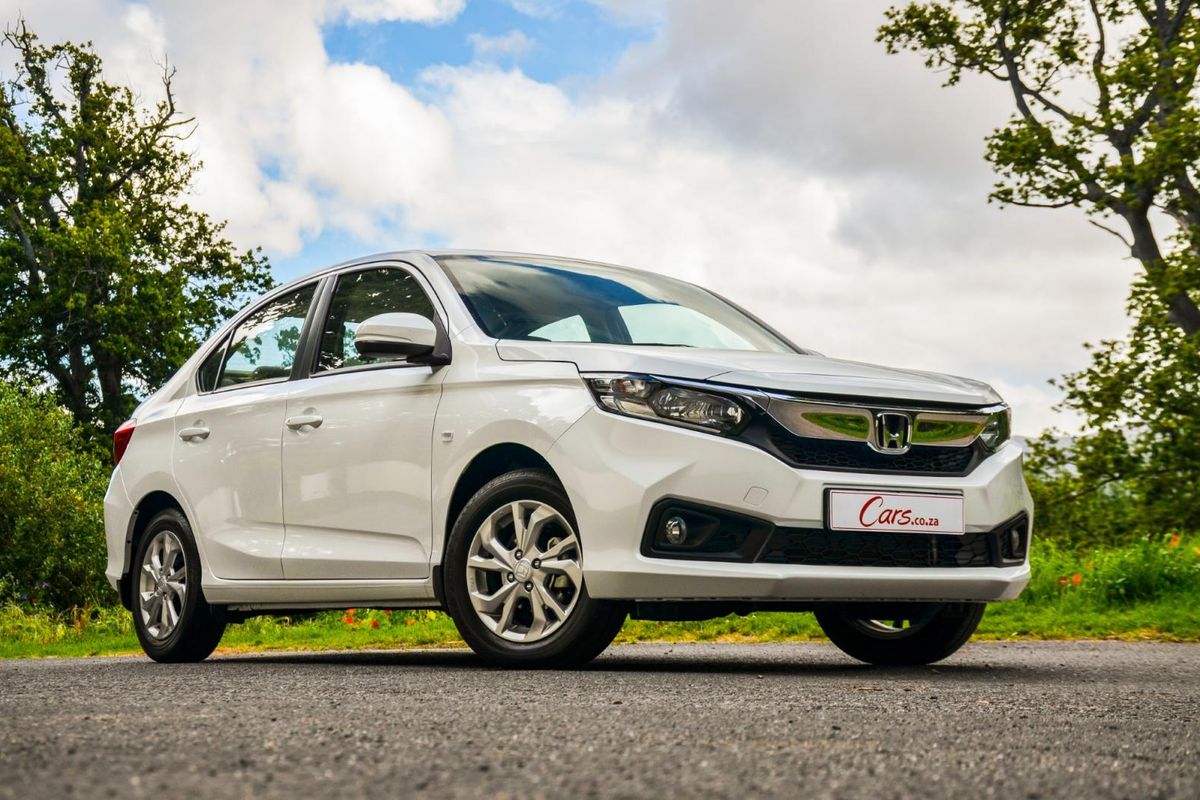
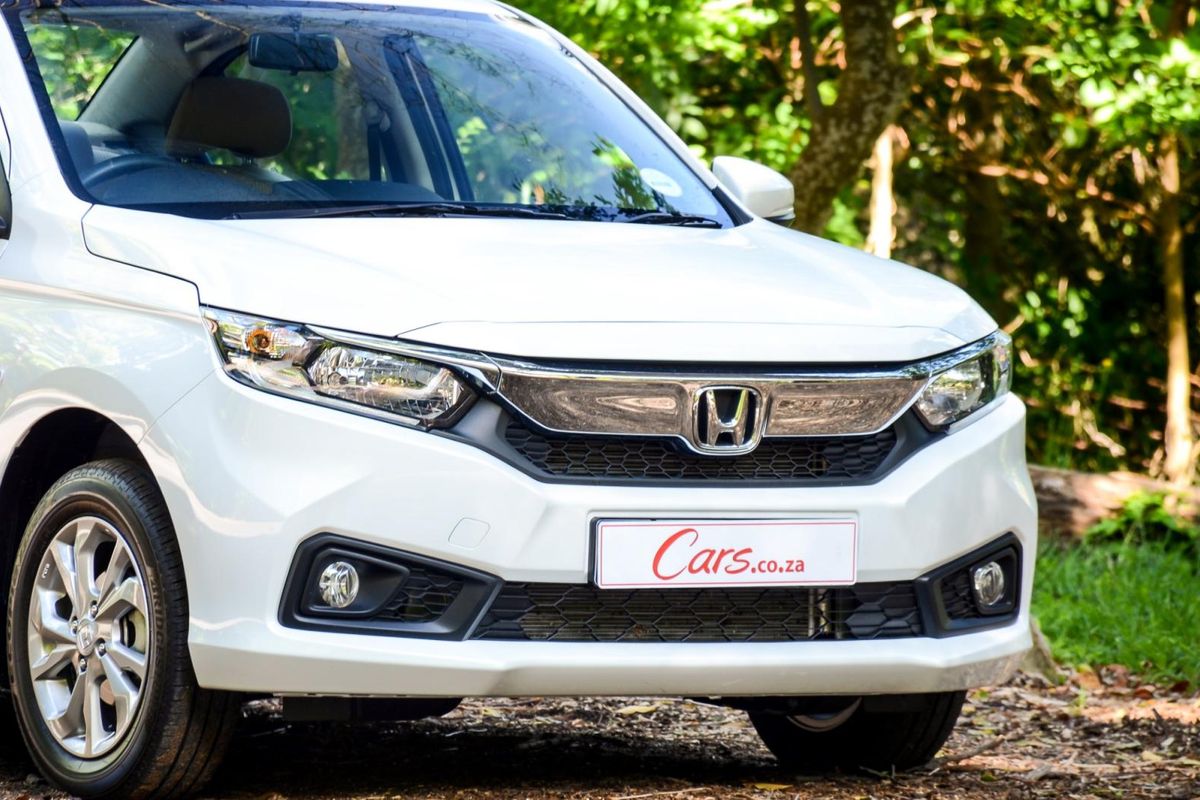
The Honda Amaze has a unique look with a squared-off face and large chrome-look grille, which makes it easily recognisable. 

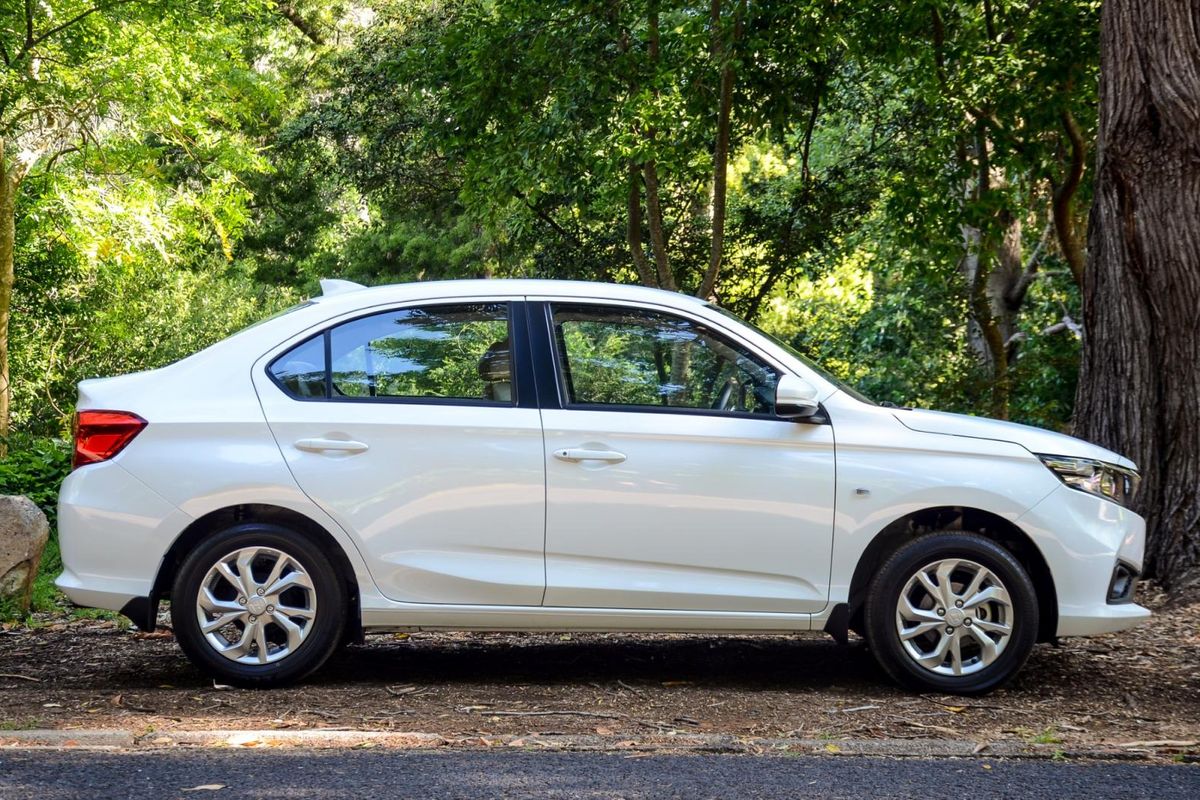
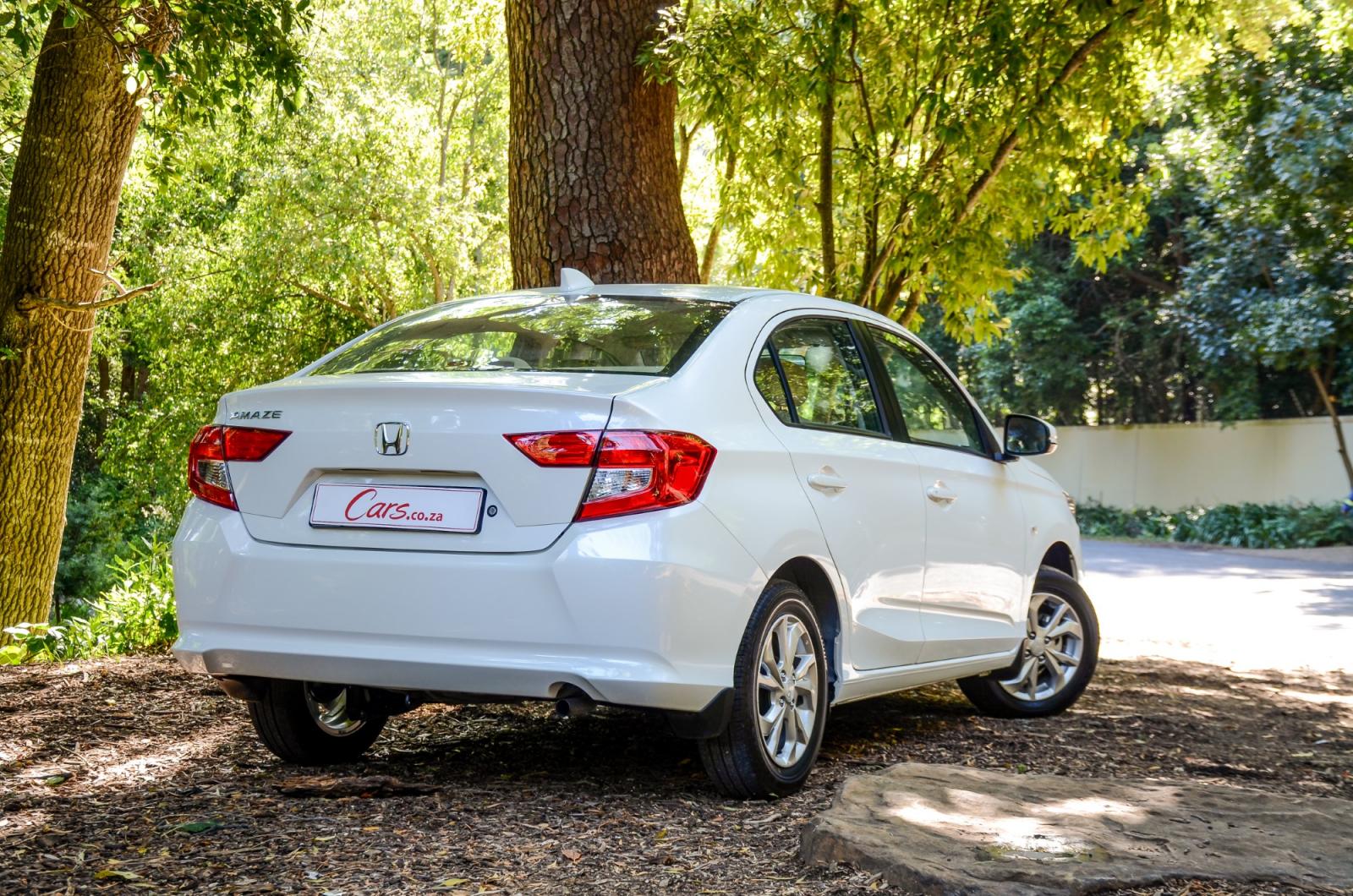
The Amaze replaces the previous Brio Amaze sedan and competes directly with the new Suzuki DZire, Toyota Etios and updated Ford Figo sedan in the entry-level (budget-oriented) compact sedan segment. Not only is it longer and wider than its predecessor, but its wheelbase has been stretched out by 65 mm, which has improved the Honda's interior space appreciably. The Amaze is easily recognisable by its squared-off face with a large chrome and honeycomb grille that dominates the front-end. This specific derivative rides on 15-inch alloy wheels.

While the sedan market is ostensibly shrinking, the Amaze will appeal to the budget-conscious family car buyers, fleet operators and entrepreneurs who are looking for a competent Uber vehicle (for example). Is the new Honda Amaze 1.2 Comfort CVT worthy of your attention? Let’s find out…

What’s good?

Decent performance


The Amaze performs reasonably well when driven in a measured manner. 

As a result of weighing in at just over 900 kg, the Amaze is light, which means its workmanlike, naturally-aspirated 1.2-litre petrol engine (with peak outputs of 66 kW and 110 Nm), doesn’t have to work too hard to shuffle the sedan around town at a reasonable pace. That’s to say that the Amaze performed better than what we expected it would, even when equipped with a less-than-engaging continuously variable (automatic) transmission. We do, however, suspect that the Amaze will struggle more at altitude and when fully loaded with passengers and their luggage.  

When driven with a measured approach, the Amaze delivers acceptable performance in both city and highway driving situations. It’s only when you mash the accelerator pedal hard that the dreaded CVT drone and excessive engine noise come to the fore, but the 1.2 Comfort is not meant to be driven hard anyway (hence its name, we guess), so in most cases, the powertrain performs acceptably.

Steering wheel-mounted paddle shifters allow you to manipulate the CVT's "steps" manually, but mostly it’s best to let the transmission to its own devices. The CVT also has a Sport mode (not that you should need it), which holds higher revs for longer to get the most from the engine.

In terms of fuel consumption, Honda claims an average efficiency figure of 5.7 L/100 km and returns in the mid-6 range should be easily achievable.

Ride and handling


Ride comfort is a highlight in the Amaze.

To its credit, the Amaze delivers a smooth and comfortable ride on most surfaces; it does a fair job of absorbing most road imperfections. While its steering is somewhat dead at centre, it has a positive feel and is nicely weighted, which makes the drive more pleasurable. The Amaze also remains well-composed through corners with minimal body roll. We did, however, notice a fair amount of wind noise in the cabin at highway speeds.   

Standard features


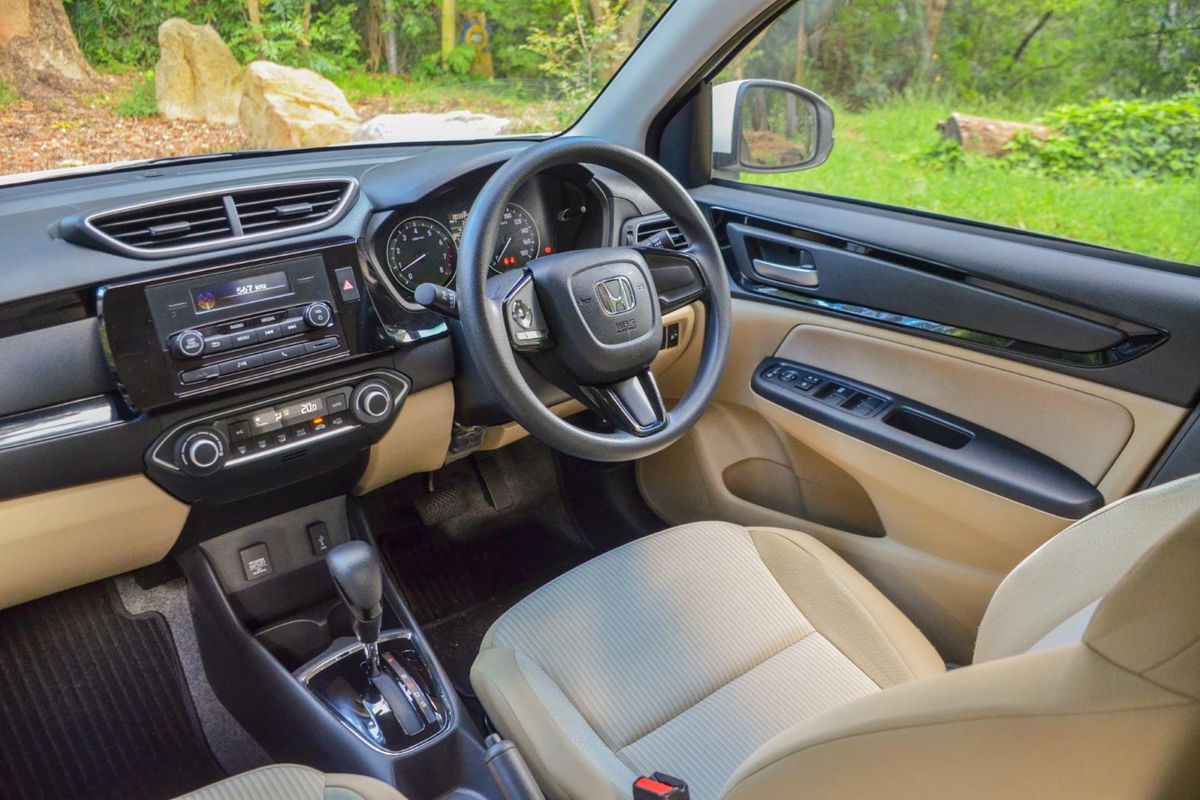
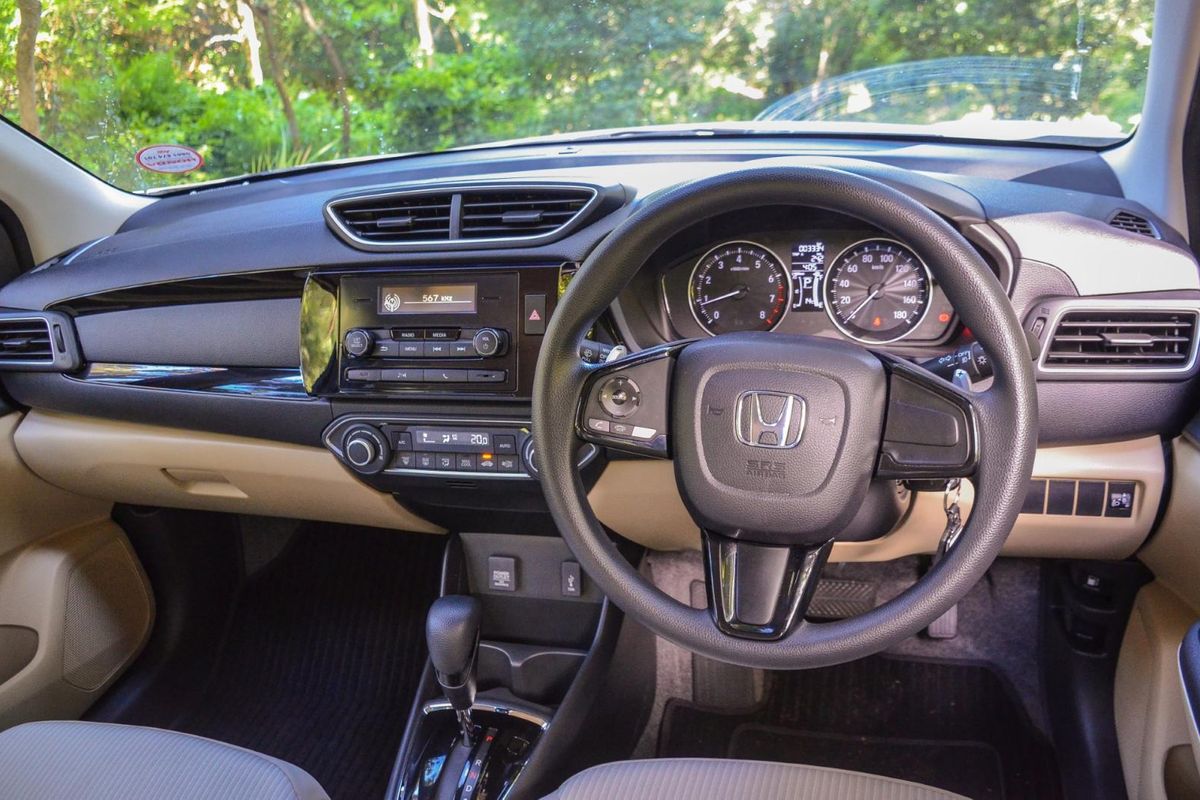
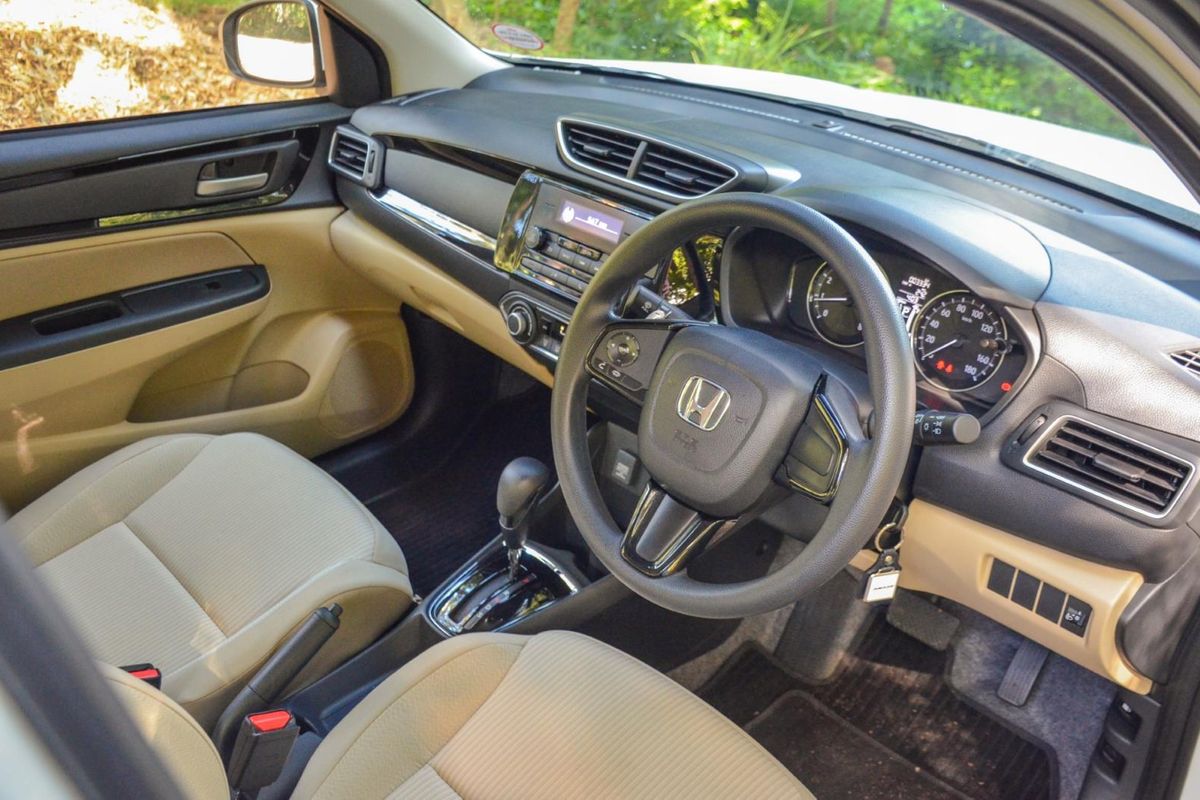
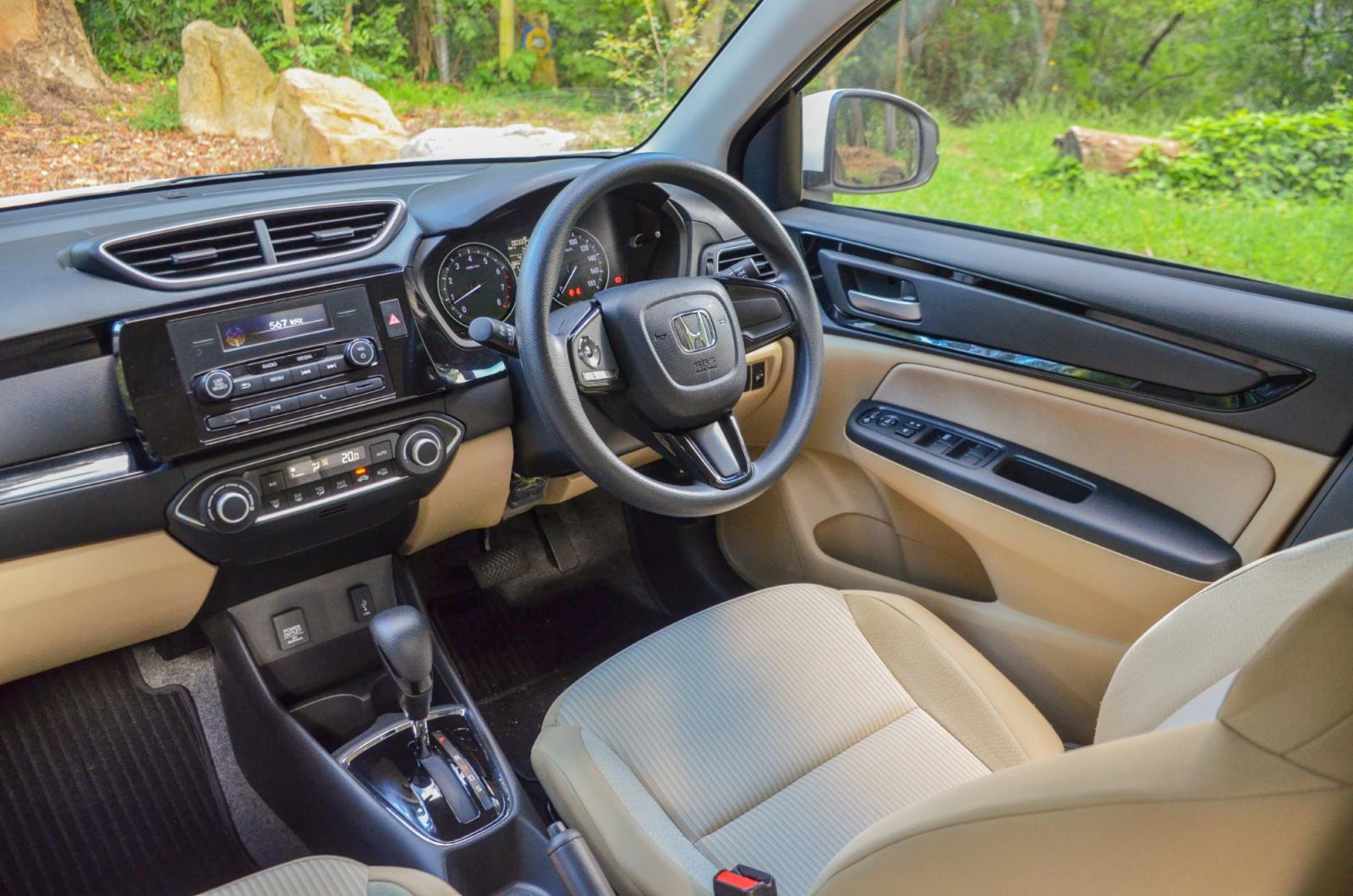
The cabin design and feature offering is basic, making for a fuss-free experience behind the wheel. 

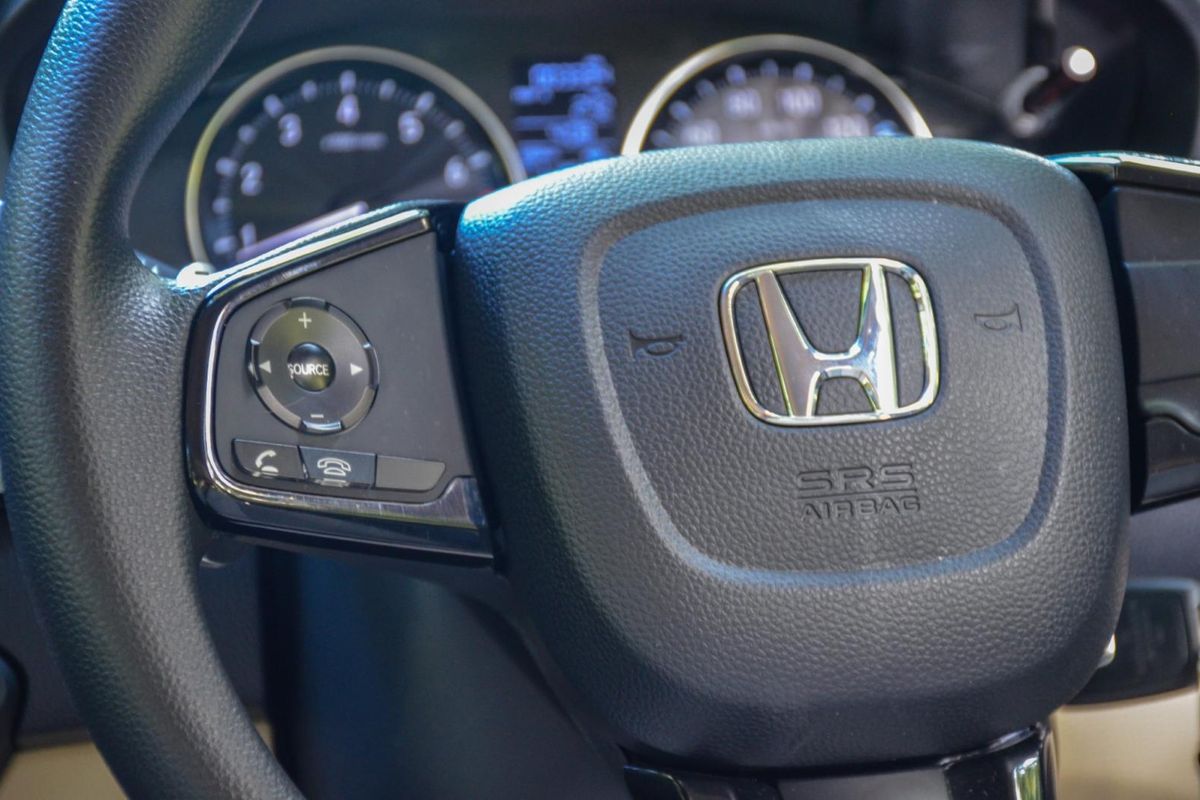
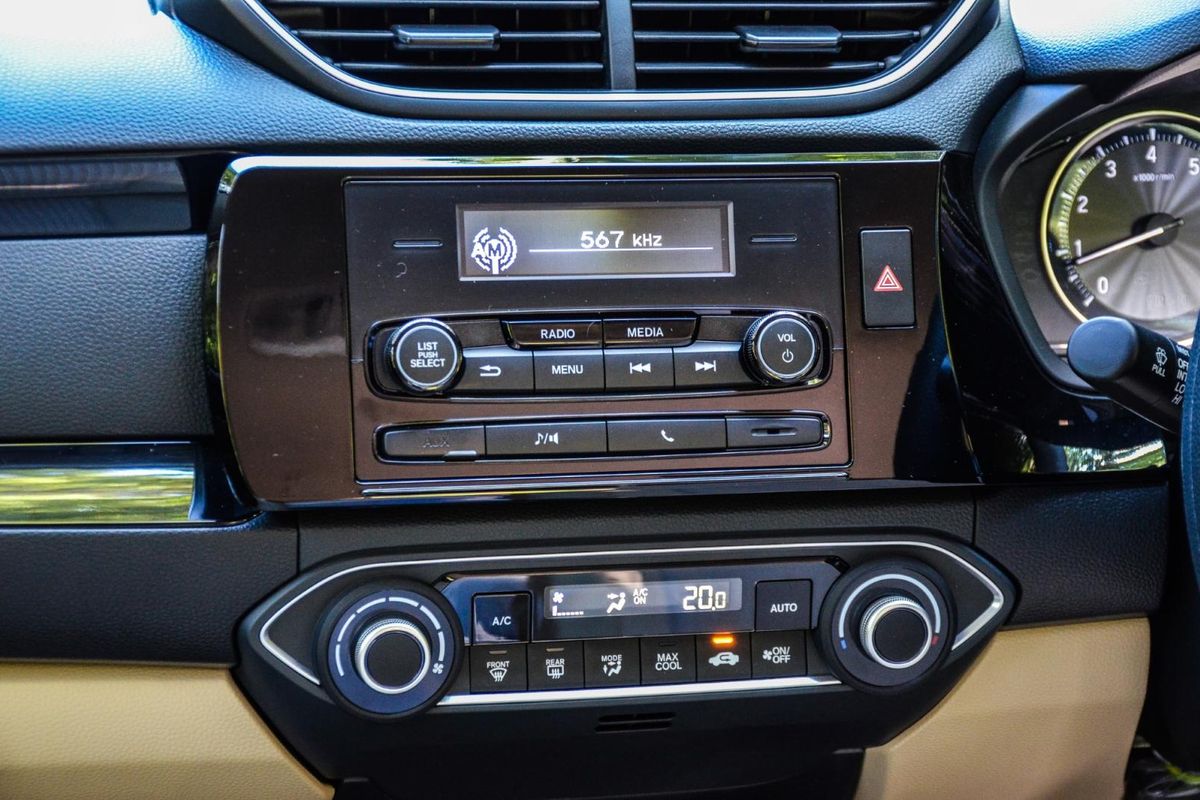
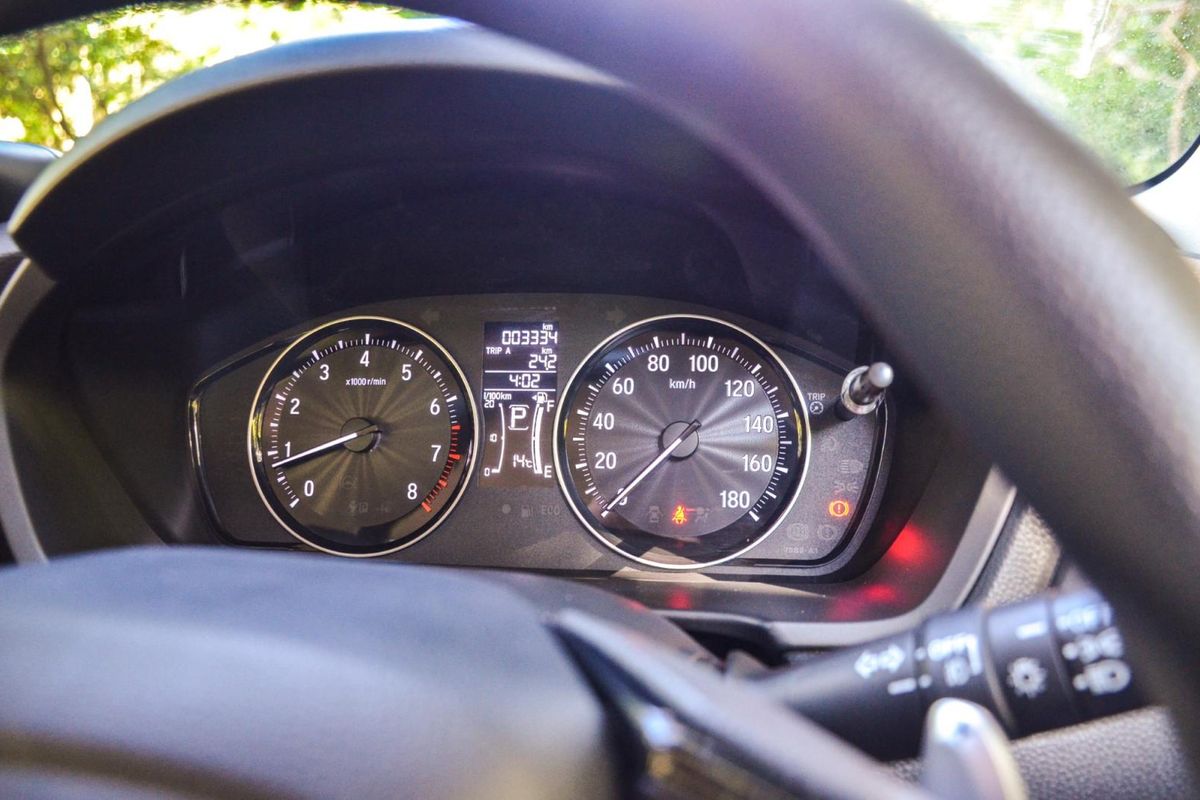
The basic sound system is very straightforward to use and offers Bluetooth connectivity and MP3 playback (USB and auxiliary ports are standard). The system's settings and Bluetooth can be controlled with the mounted controls on the steering wheel, of which the column is adjustable for rake.

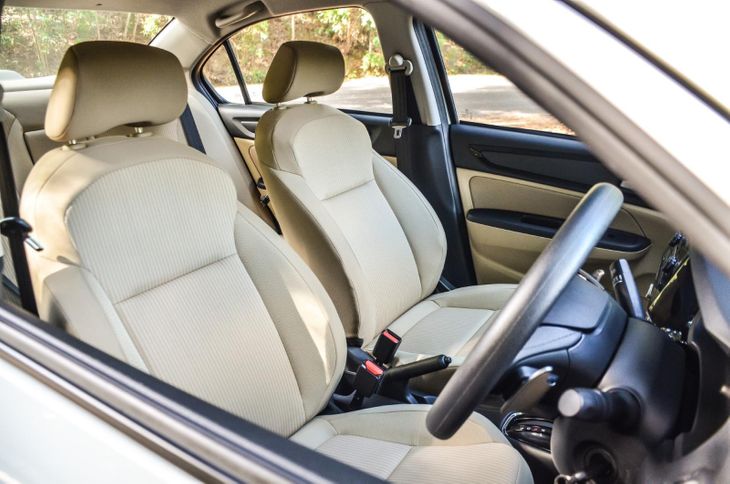
Other notable standard features include single-zone automatic air conditioning (a nice-to-have feature), front and rear electric windows and electric folding mirrors. The seats are upholstered in cloth and are well cushioned to offer a fair degree of support and comfort.

In terms of safety, the Amaze is equipped with 2 airbags and ABS with EBD. Brake assist and stability control with traction control is not included.

Reasonably practical


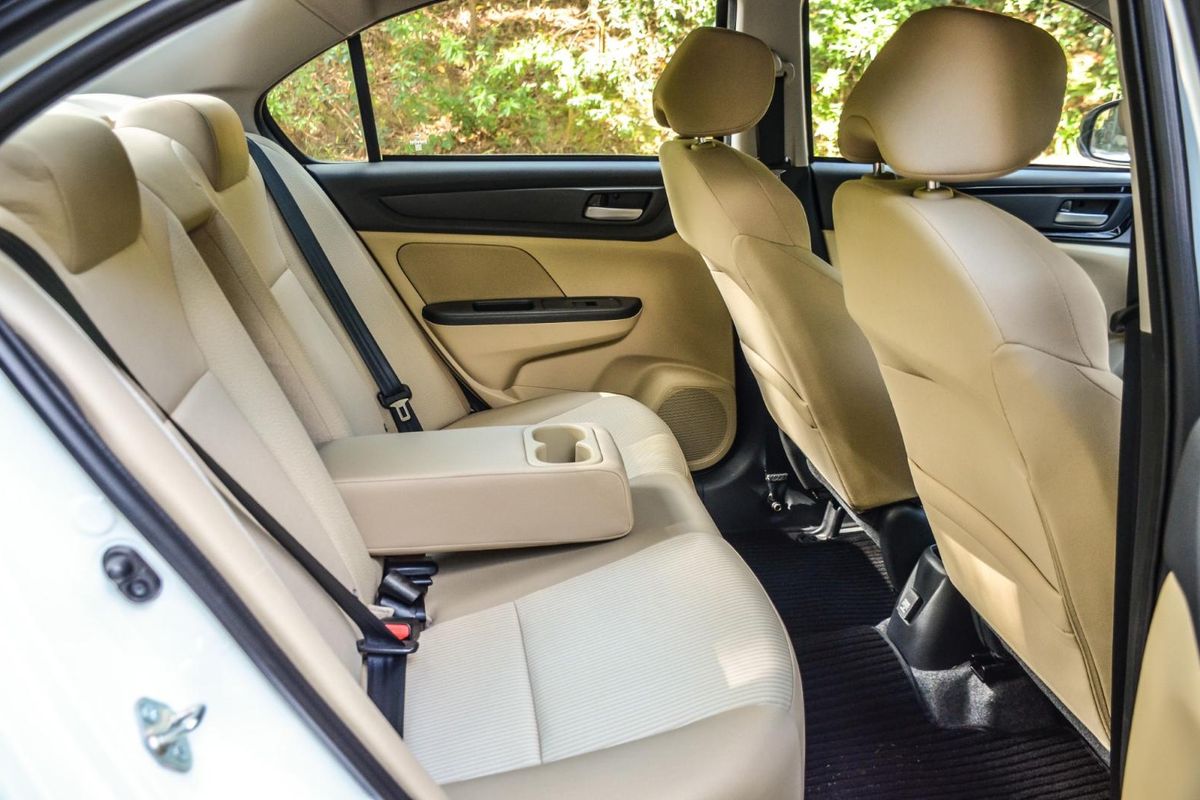
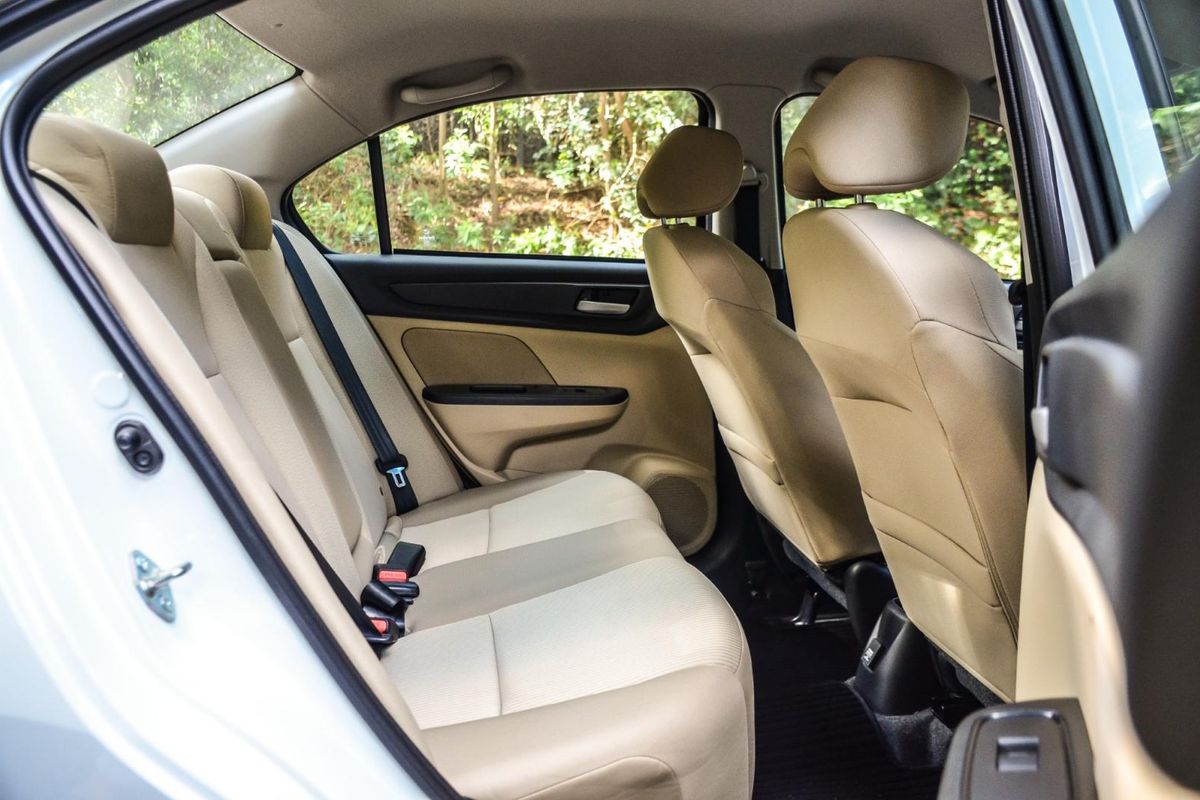
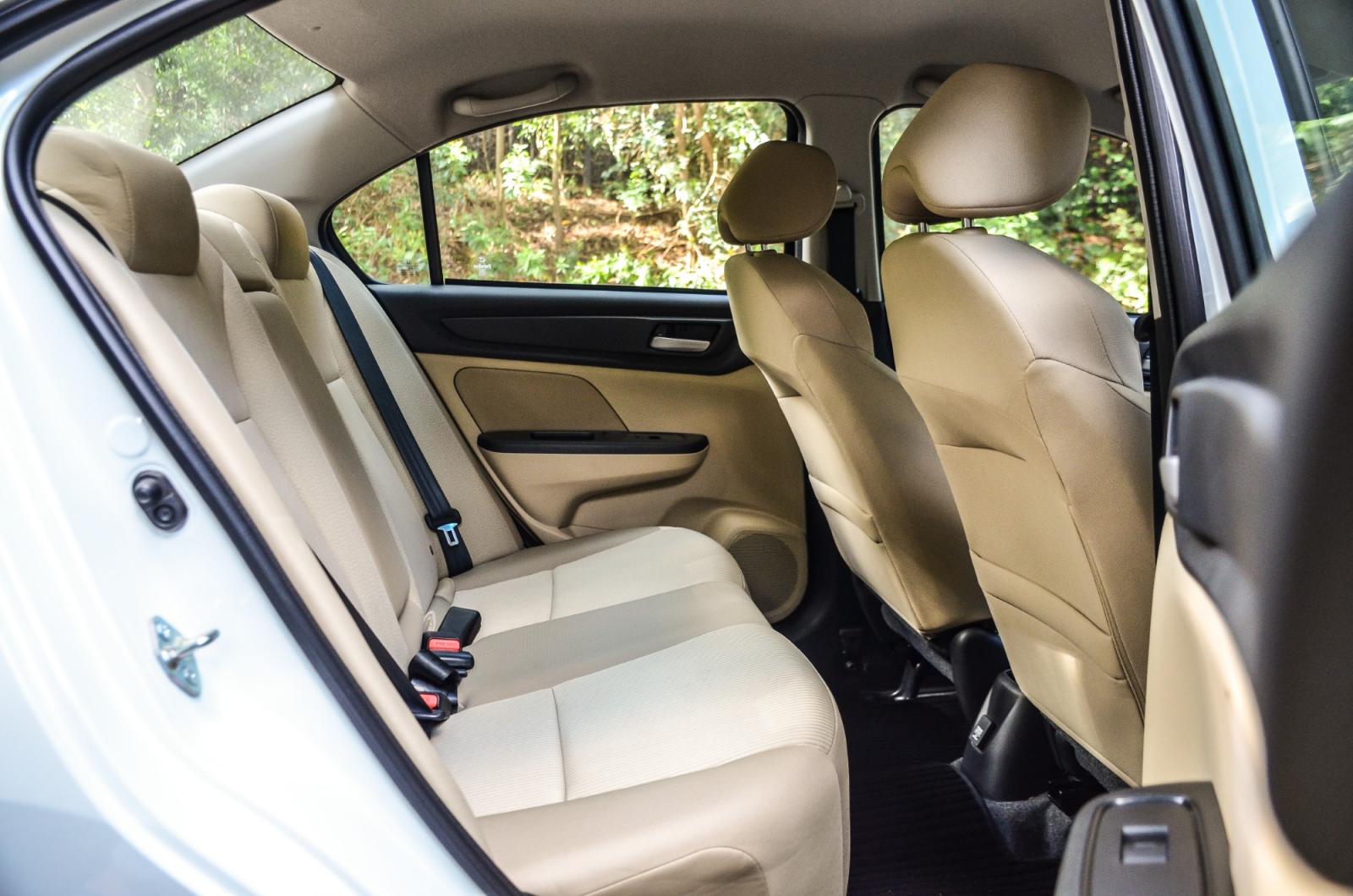
Rear passengers should be relatively comfortable on the back bench with ample legroom. 

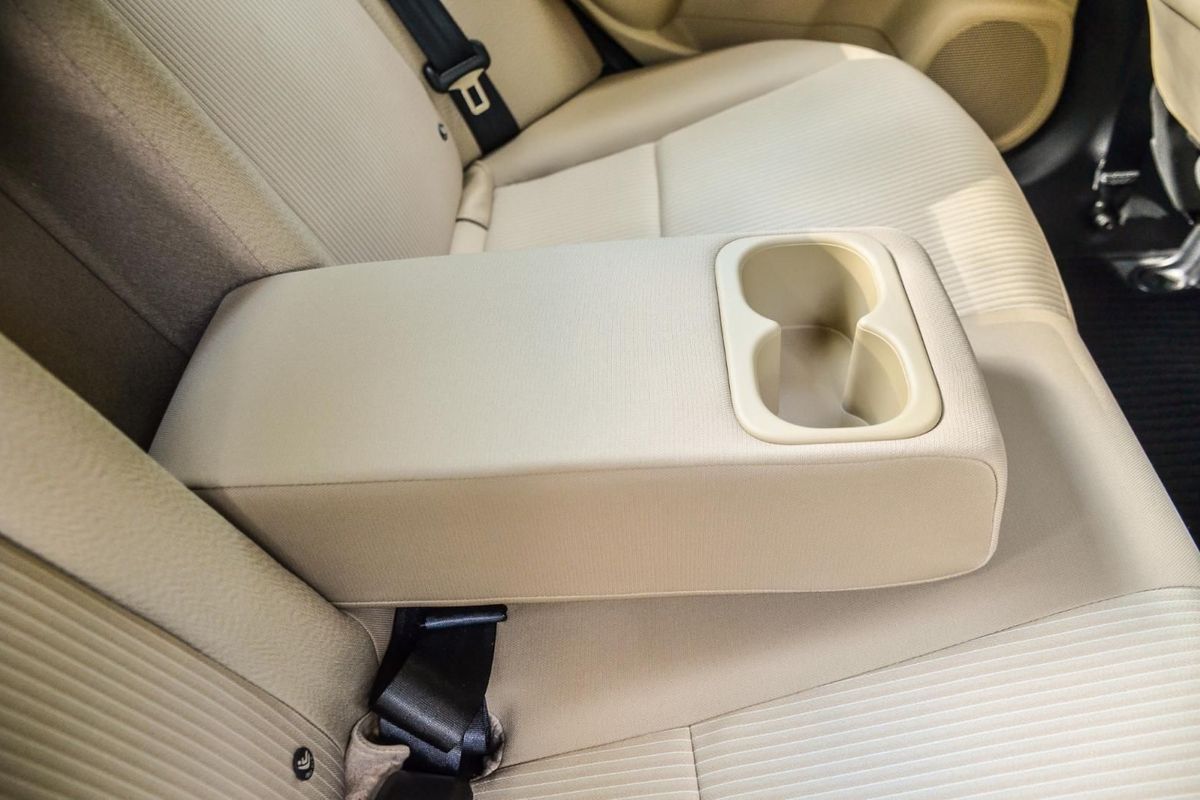
Thanks to its larger dimensions, the Amaze’s interior is quite spacious and rear passengers are afforded acceptable leg- and headroom. Rear passengers also have access to 2 cupholders in the central armrest and additional storage for bottles and other oddments can be found in all the door mouldings. Up front, the driver and passenger also have 2 cupholders ahead of the gear lever and additional storage in the glovebox.

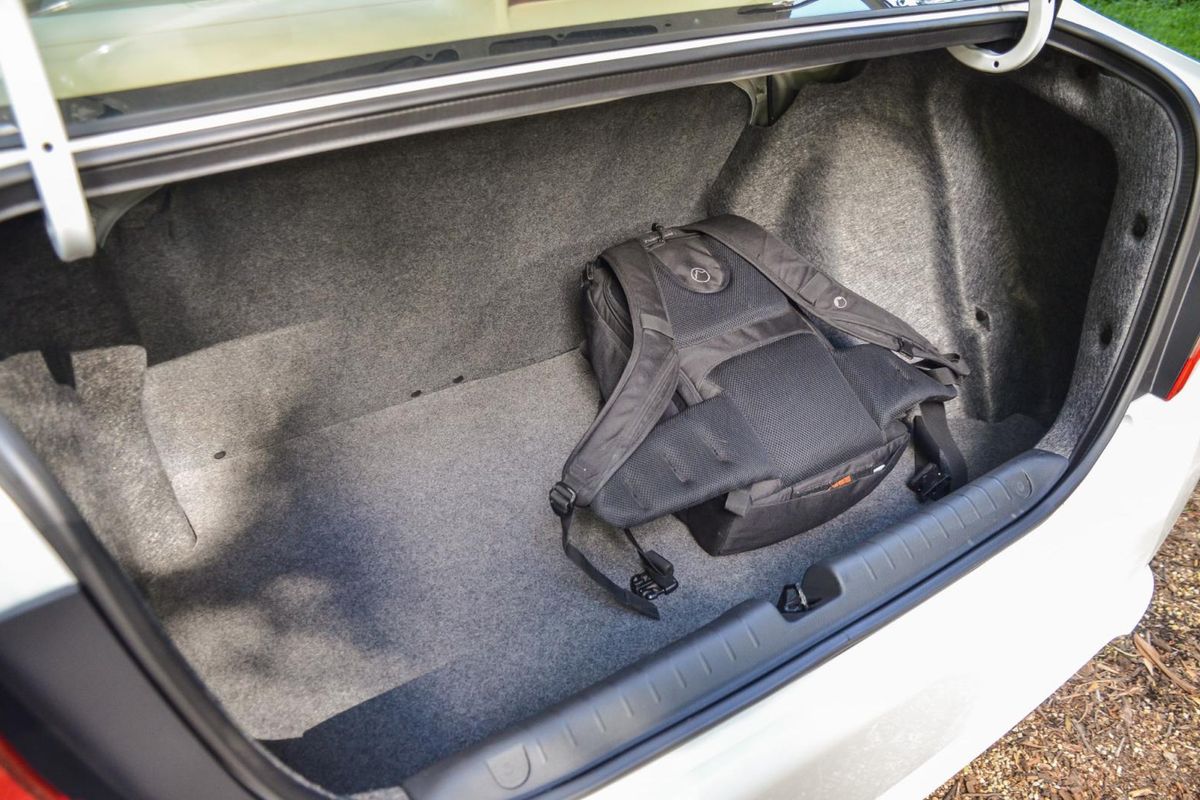
As for the boot, it offers 420 litres, which compares favourably with the 378 litres offered in the Suzuki DZire. The rear seat does not split, however.

What’s not so good?

The sea of beige


The beige upholstery and trim finishes will get dirty easily. Best to opt for the no-cost synthetic leather seat covers. 

While the cabin’s design itself is actually inoffensive, the interior is dominated by hard, cheap-looking beige plastic, which is matched by the colour of the cloth seats. Sure, the colour reflects the preference of consumers in the Amaze's home market (so Honda SA may have had no say in the spec), but we dislike it. Our main gripe is that dirt and scuff marks will show up quickly after moderate use and will be a pain to maintain on a regular basis. However, Honda does offer synthetic leather seat covers as a no-cost option which is advisable if you want to protect the integrity of the seats.

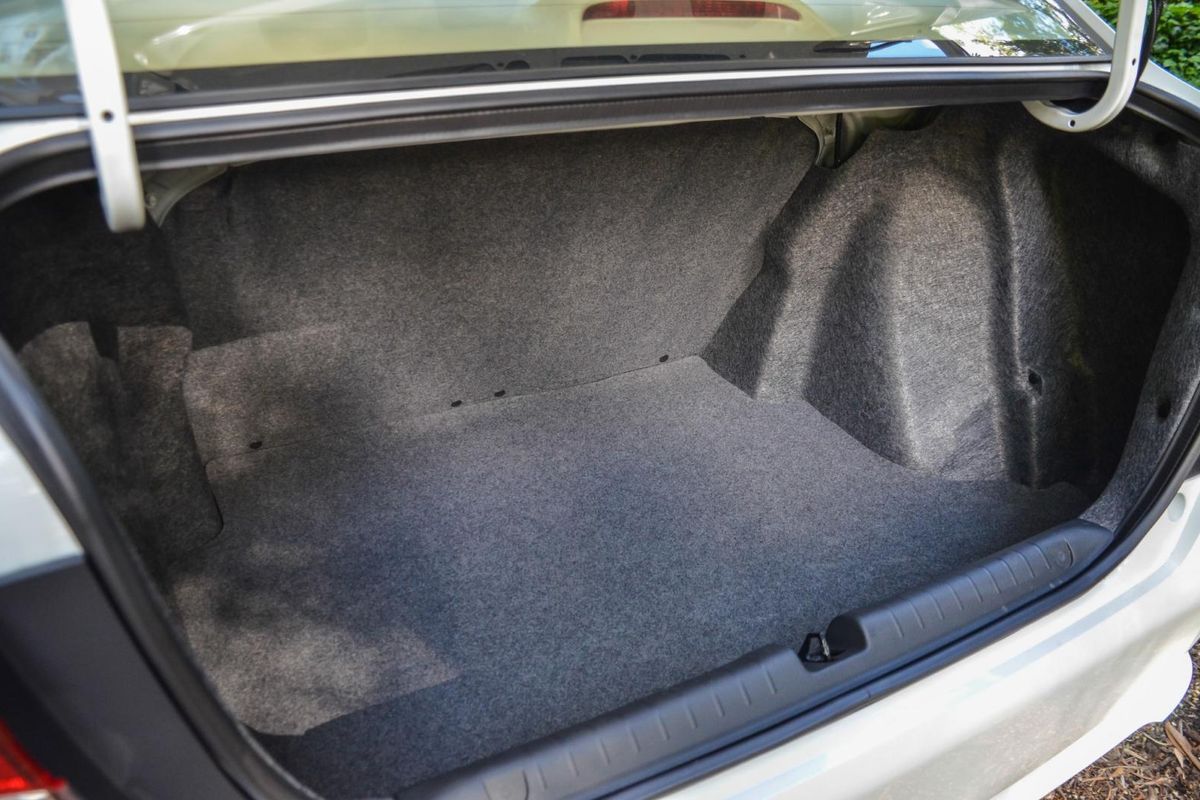
The cabin appears to be mostly solidly built and is generally free of squeaks and rattles, but we did find questionable build quality issues. The glovebox, for example, requires a mighty push to close properly or you need to manually latch it into place. Apart from looking unsightly, the boot lining is also poorly finished and looks like it can be peeled away with little effort, something that could very well happen after extended use.  

Price and warranty

The Honda Amaze 1.2 Comfort CVT is priced at R208 900 and is backed by a 5-year/200 000 km warranty and a 2-year/30 000 km service plan.

Buy a new or used Honda on Cars.co.za

Verdict


While the Amaze CVT adds convenience, we would rather look to the manual version, which should offer better performance. 

For the most part, the Honda Amaze 1.2 Comfort CVT is a convincing product in this segment… if you don't mind its beige interior. It offers better-than-expected performance while also delivering a comfortable ride and competent handling ability. We suspect that it may even outperform the equivalent Suzuki Dzire automatic (R191 900), which may very well justify the additional outlay. It’s also worth noting that Honda has a solid track record for reliability, which needs to be factored into your purchasing decision, along with the presence of a comprehensive product warranty.  

However, if an automatic is not a necessity for you then we suggest you also consider the manual Amaze priced at R193 900. With a manual transmission, the Amaze should be more lively (its performance will be easier to exploit, in other words) and marginally more fuel efficient too.

Alternatives (Click on vehicle name to view specification details)

Suzuki DZire

While we have yet to test the Suzuki DZire automatic (priced at R191 900), it’s worth a test drive if you are looking for an automatic budget sedan. Its 1.2-litre petrol engine offers 61 kW and 113 Nm of torque. The manual GL version, priced at R177 900, is the sweet spot in the range and represents good value-for-money in this segment.

Ford Figo Sedan

The Ford Figo 1.5 Trend sedan is priced at R197 950 and offers more power and torque from its 1.5-litre petrol engine: 88 kW and 150 Nm of torque. It is, however, offered with a 5-speed manual transmission and has more boot space to the Amaze (the claimed capacity is 445 litres).

Toyota Etios Sedan

Offered in either Xi or Sprint guise and only in manual form, the Etios sedan is powered by a 1.5-litre petrol engine 66 kW and 132 Nm of torque. It has the largest boot capacity (595 litres) and pricing starts at R181 for the 1.5 Xi derivative, while the 1.5 Sprint sedan is priced from R186 200. 

BAIC D20 Sedan

The untested BAIC D20 1.5 Fashion auto is priced at R209 990 and is powered by a 1.5-litre petrol engine with 85kW and 148 Nm of torque. The front wheels are driven through a 4-speed automatic transmission and it comes equipped with nice-to-have features such as rain-sensing wipers, sunroof, climate control air conditioning and rear park distance control with a reverse-view camera.  

Related Content

Honda Amaze (2018) Launch Review

Suzuki Dzire 1.2 GL (2018) Quick Review
2018/19 Cars.co.za Consumer Awards – powered by WesBank; Finalists

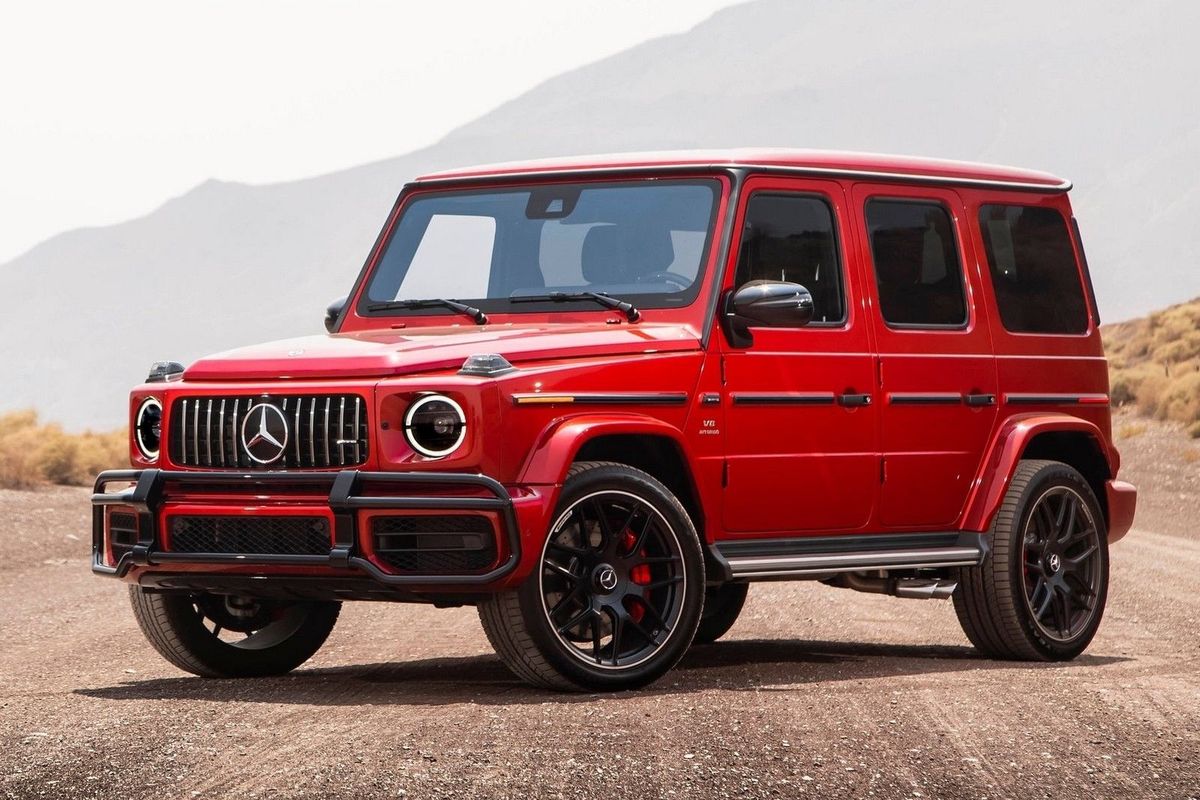
Mercedes-AMG G63 (2019) Specs & Price

The Mercedes-AMG G63 luxury SUV has arrived in South Africa! Here's how much the G63 AMG costs…

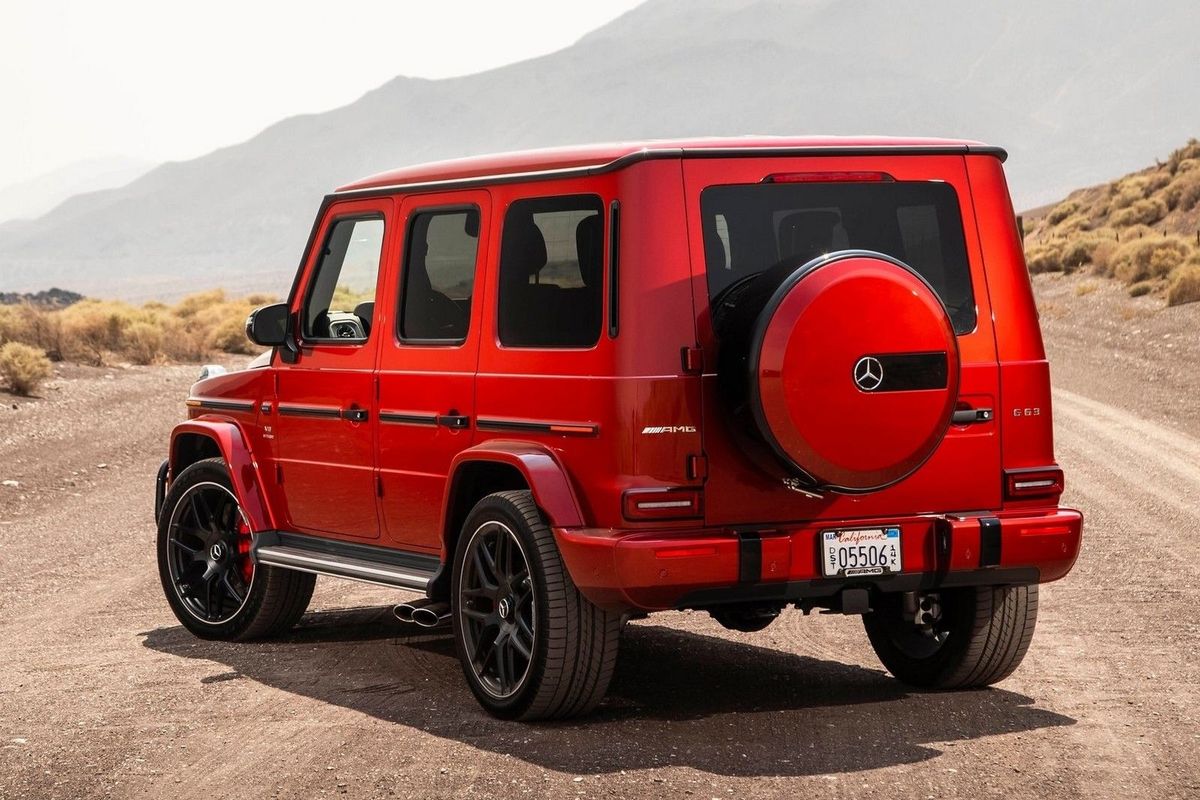
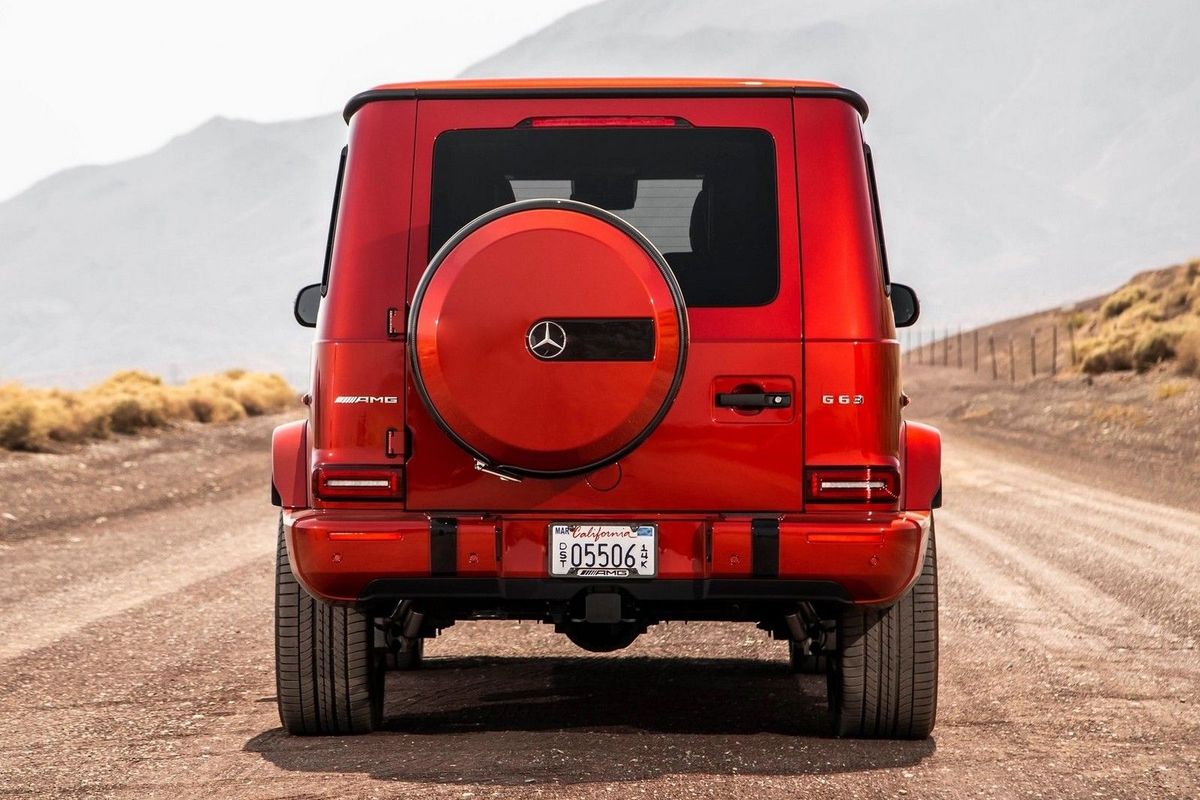
The Mercedes-AMG G63 is launching in South Africa this week and we're able to share pricing of the Austrian-built SUV. The only model to make it to our shores is the G63 AMG, which is the flagship model.

Under the bonnet sees the 4.0-litre twin-turbocharged V8 engine make its debut in the Gelandewagen and in this application develops 430 kW and 850 Nm. This means the G63 can hit 100 kph in a claimed 4.5 seconds and it'll run to a top-end speed of 220 kph, but you can tick an option to move that limiter to 240 kph. Power goes to all 4 wheels via the AMG Speedshift 9G gearbox and the vehicle boasts a rear-biased torque split with 60% going to the rear axle. It's interesting to note that the outgoing model's split was 50:50.

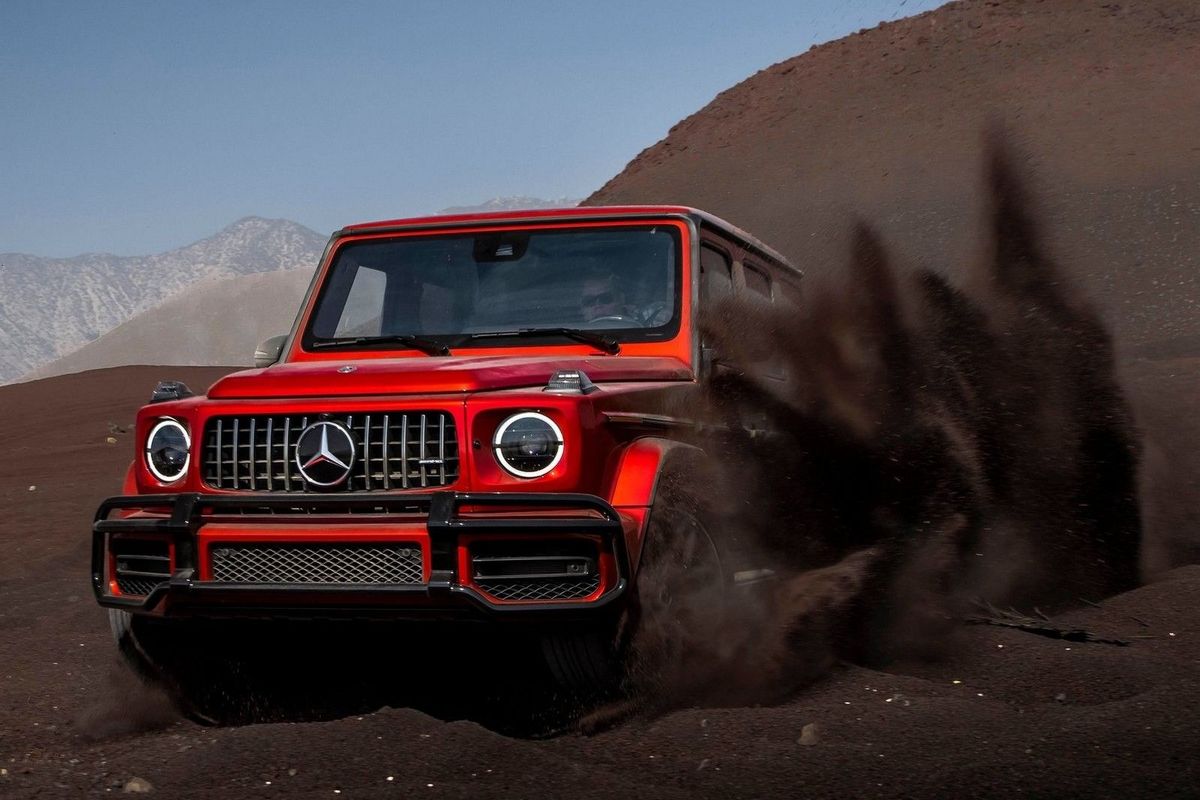
Despite its AMG engine, the G-Class has always been a potent offroad vehicle and this latest incarnation is just as tough when the tarmac ends. It can ford through water at a depth of up to 70 cm, has approach/departure angles of 30.9 and 29.9 degrees respectively, and has a ground clearance of 270 mm.

Being a Mercedes-AMG G-Class, customisation and options are extensive. The Edition 1 package is available (R300 000) as is the AMG Night Package (R52 800). You can also choose from things like an uprated Burmester sound system (R23 000) and a carbon fibre engine bay cover (R13 300).


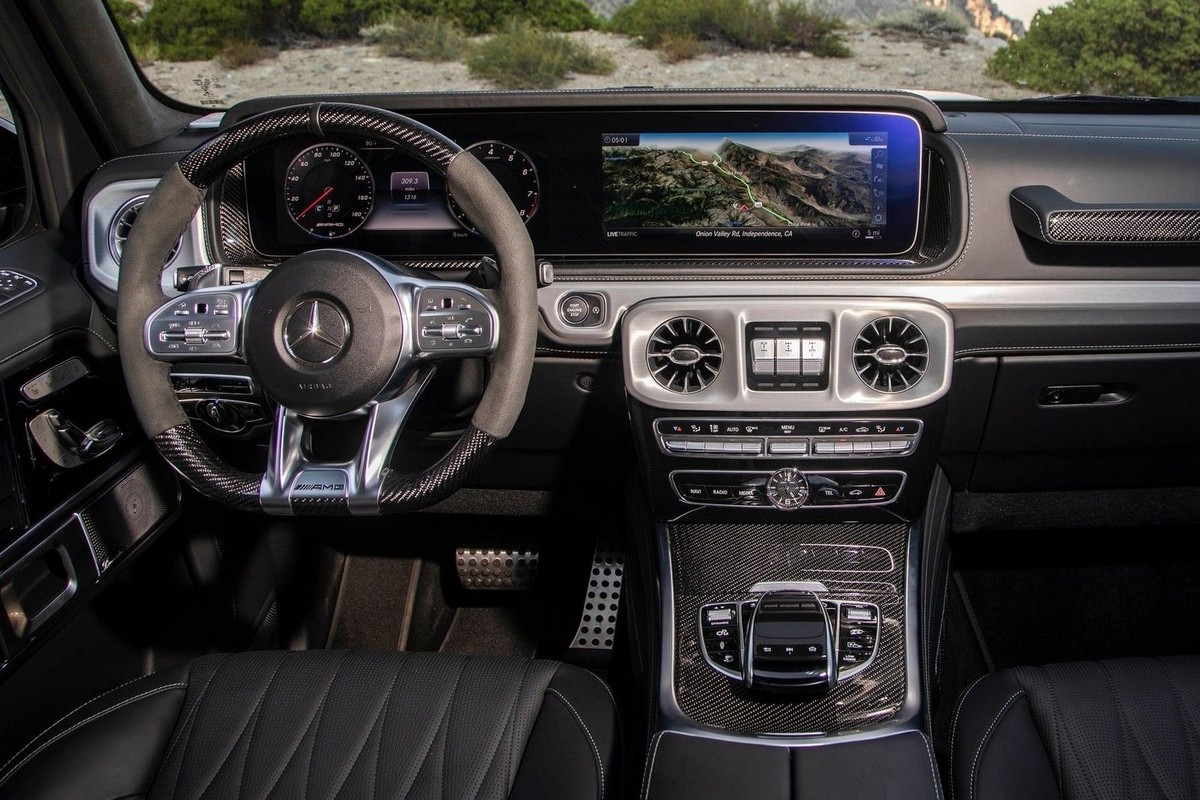
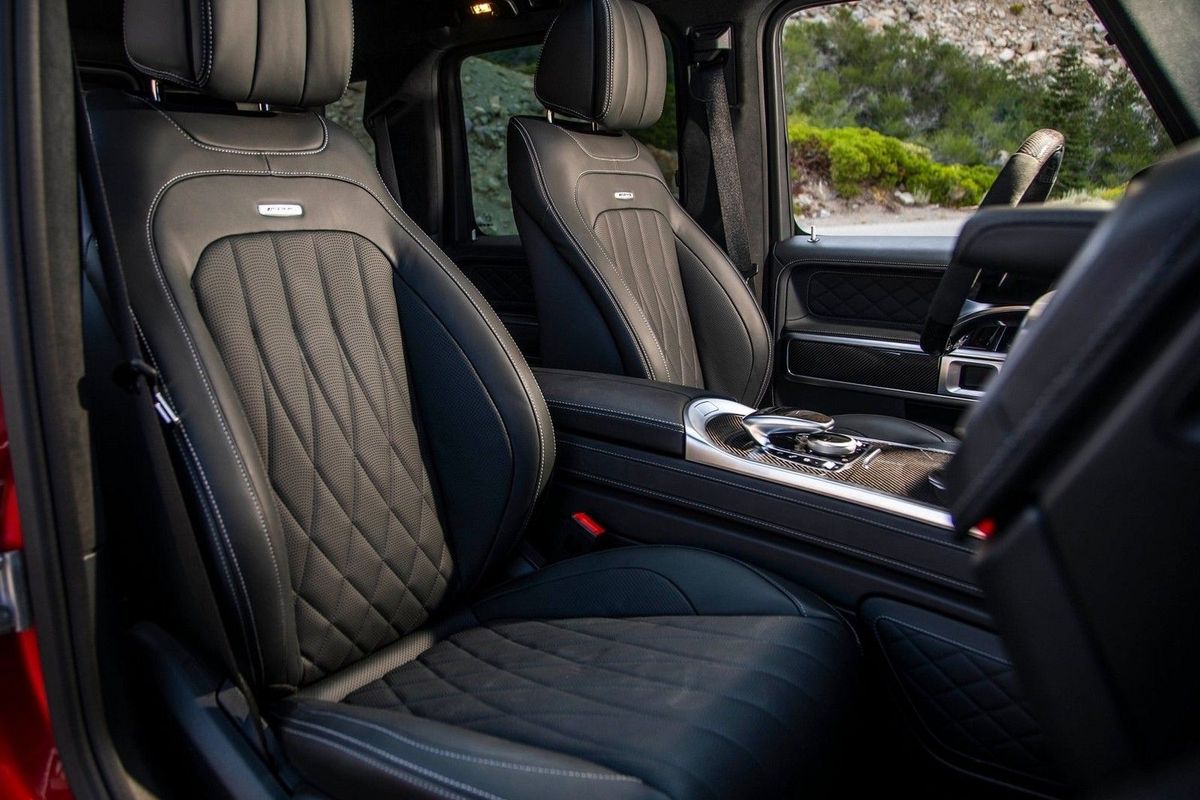
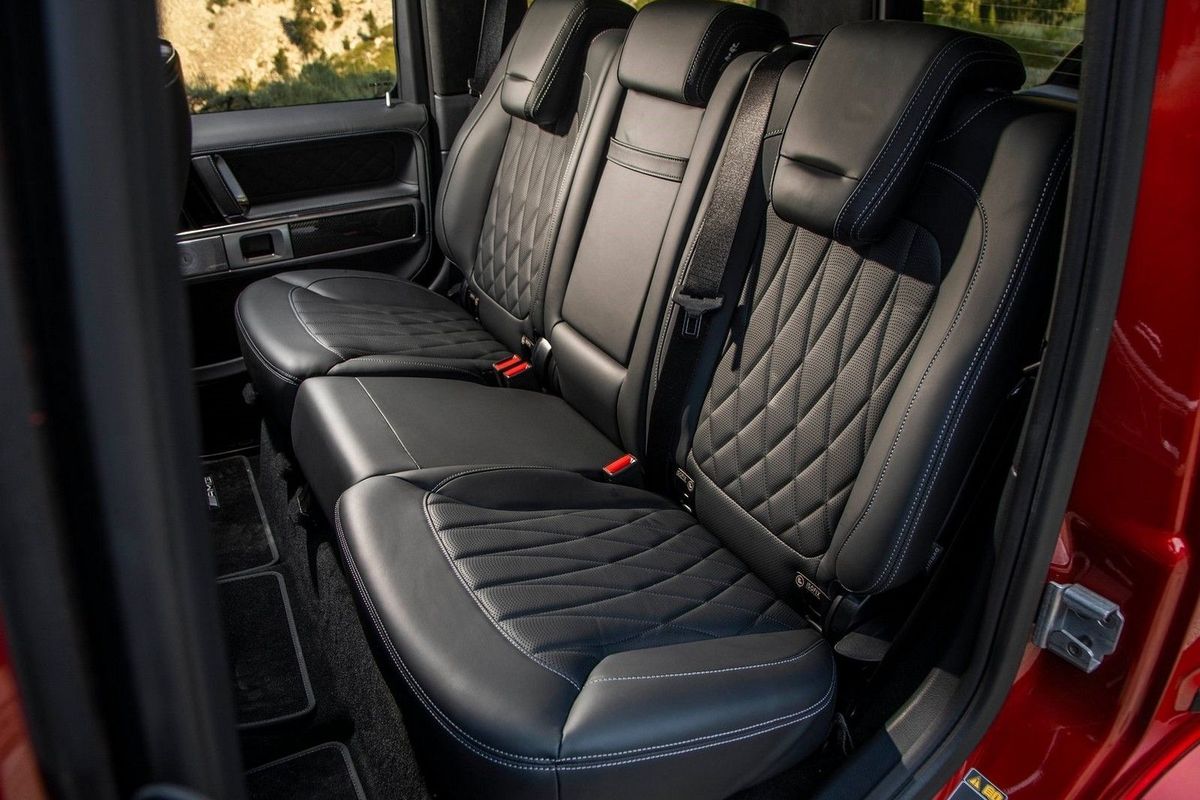
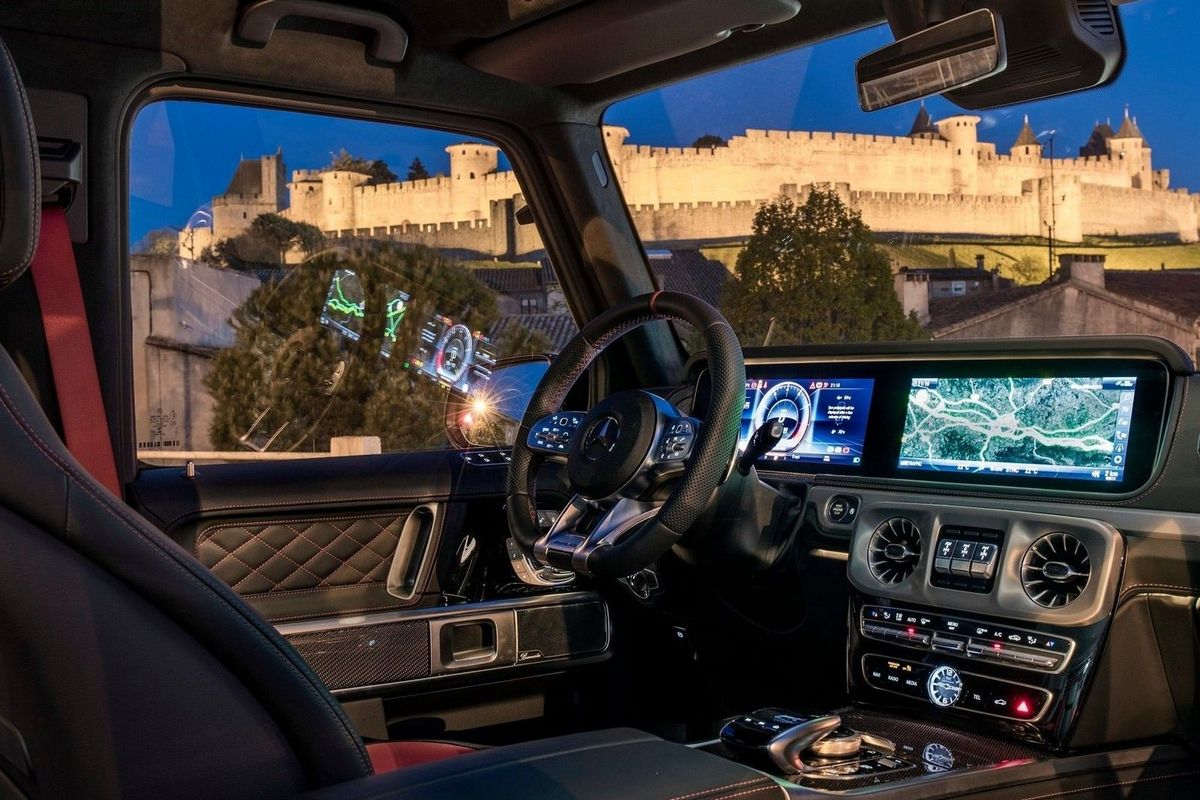
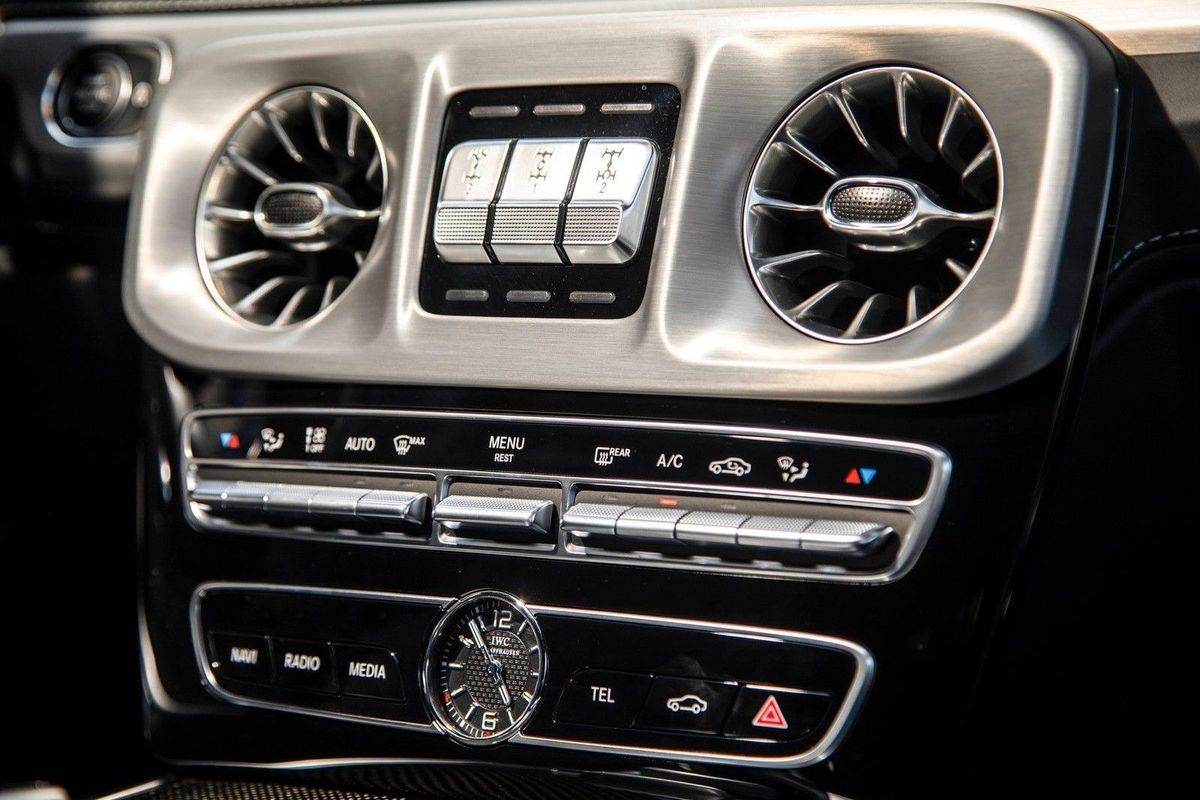
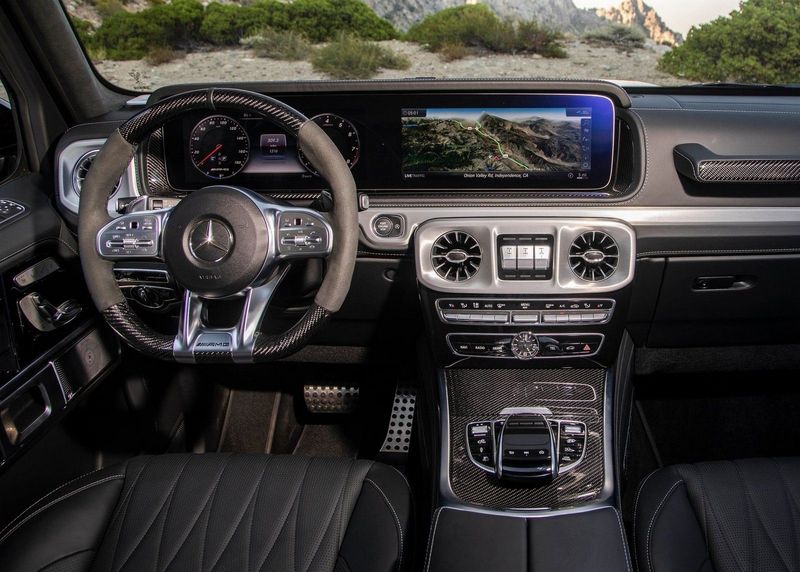
The cabin of the new Mercedes-AMG G63 has taken a serious luxury turn and no longer looks like it belongs in the military

Mercedes-AMG G63 Price in South Africa (November 2018)

Mercedes-Benz is offering a 2-year/unlimited km warranty and a 6-year/100 000 km service plan.

Mercedes-AMG G63 (W463)        R2 613 644 

Further Reading

Mercedes-Benz G-Class (2018) International First Drive

Brabus Unleashes Monster G-Class

New Mercedes-Benz G-Class Shown

Mercedes-Benz G-Class Bakkie Spied

Can't Wait for Mercedes-Benz X-Class? Check this out

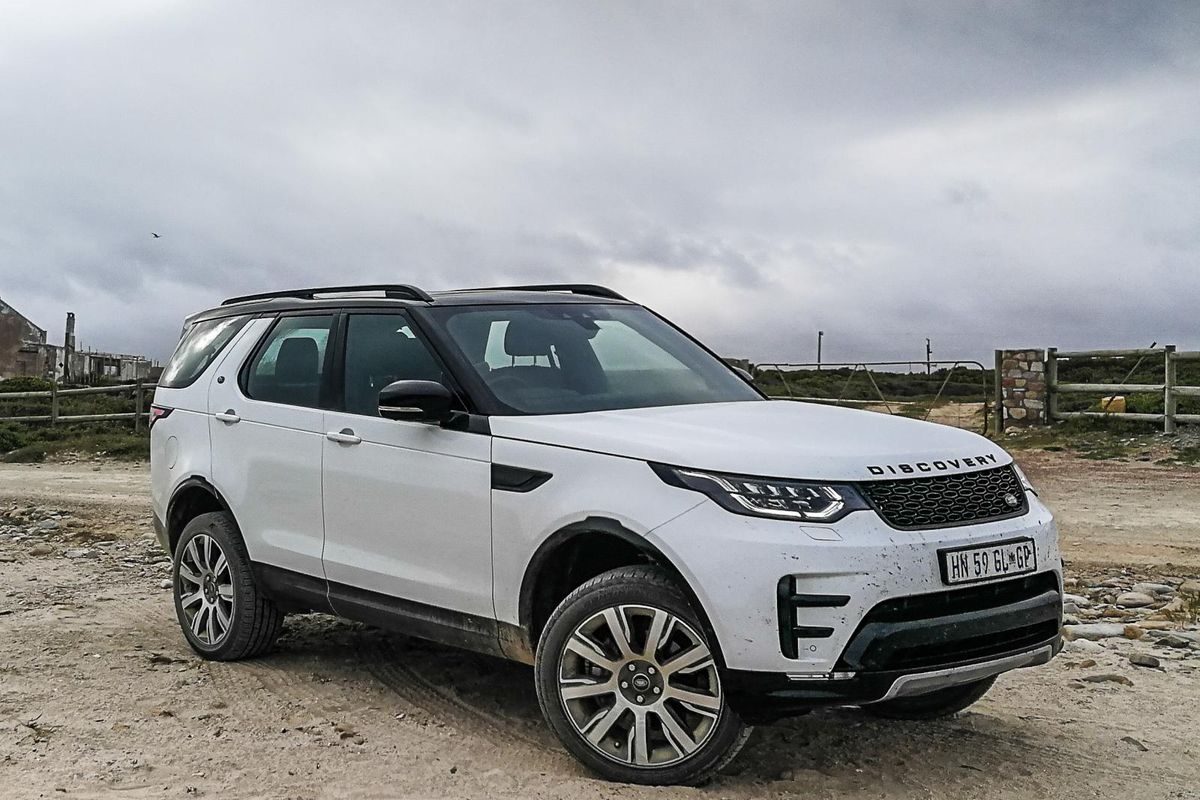
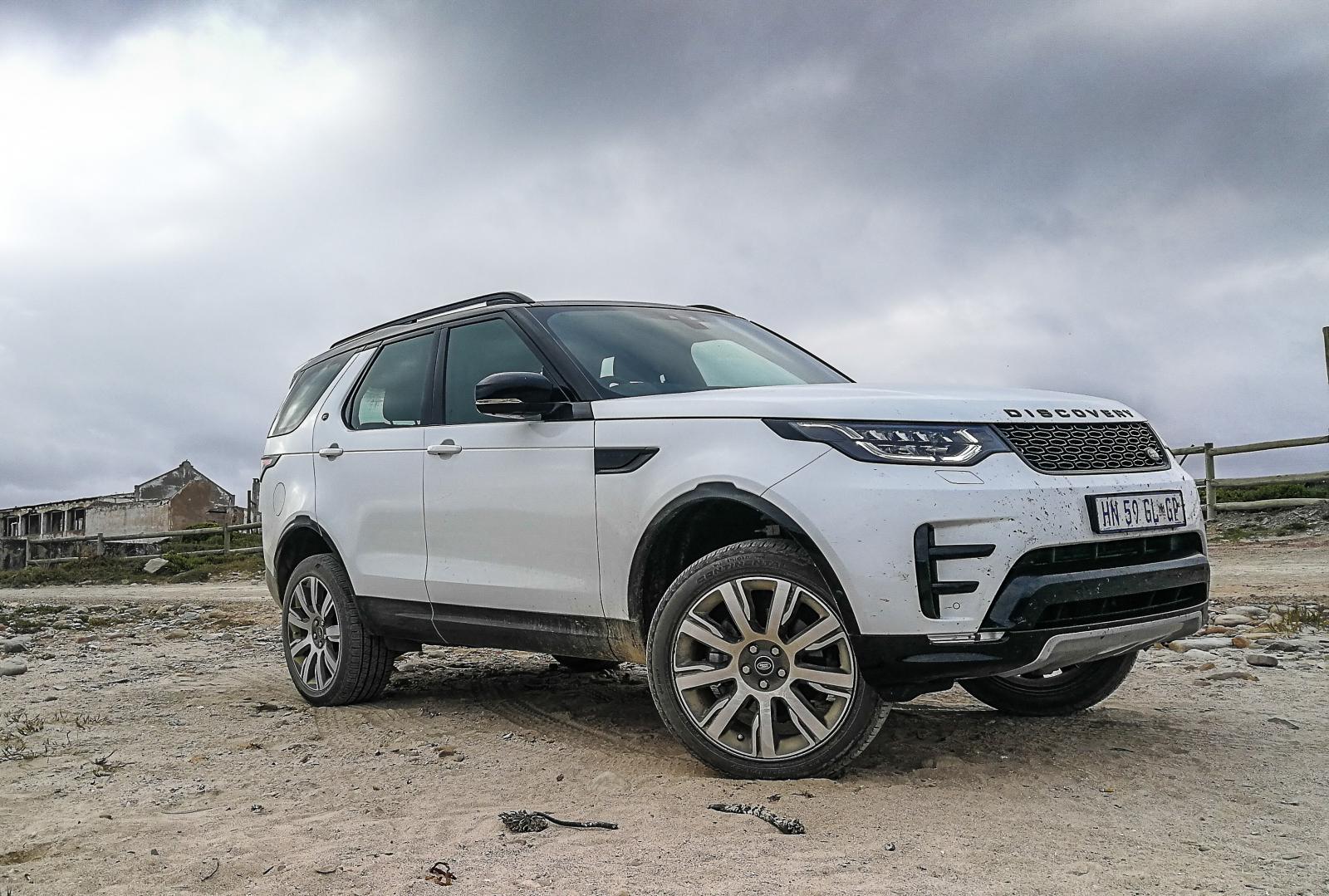
Land Rover Discovery HSE Td6 (2018) Quick Review
When it comes to Premium SUVs that offer true off-road ability, the list of candidates is very short. For a very long time, Land Rover's Discovery seemingly had that niche wrapped up, but its rising price and numerous options have placed it in the proximity of some very legendary 4x4s, albeit ones that aren't as, shall we say, "urban sophisticated". We tested the Td6 HSE to figure out whether this Discovery derivative's price is now simply too big a pill to swallow.

We like: Comfortable ride, relaxed cruiser, excellent off-road, driving position, advanced features

We don't like: Very expensive, some options should be standard

Fast Facts

  • Price: R1 314 406 (November 2018, without options)
  • Engine: 3.0-litre V6 turbodiesel
  • Gearbox: 8-speed automatic
  • Fuel economy: 7.8 L/100 km (claimed)
  • Power/Torque: 190 kW/600 Nm

SERIOUS ABOUT BUYING?

Where does it fit in?


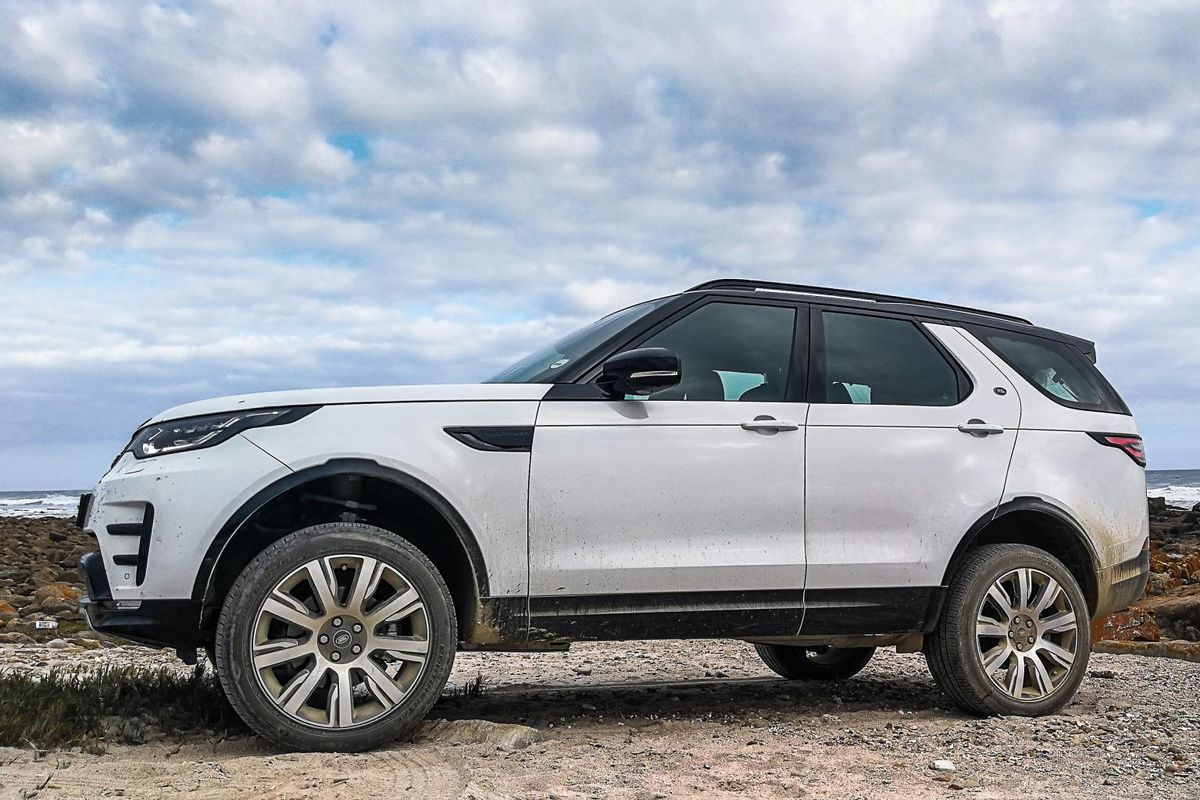
One of the few luxurious 7-seater SUVs that can also confidently go off-road, the Discovery remains a highly desirable adventure machine.

Launched in South Africa last year, the latest-generation (5th) Discovery replaced a much-loved model that sold well even at the end of its product cycle. Unfortunately for Land Rover, the new version has not set the sales charts alight. Whereas its predecessor was probably the undisputed king of the luxury off-roaders, with sales in excess of 2 000 units in some years, the new model is "only" averaging around 60 units per month. In recent years, the Toyota Land Cruiser 200 has emerged as the most popular choice among well-heeled buyers who seek continent-flattening machinery.

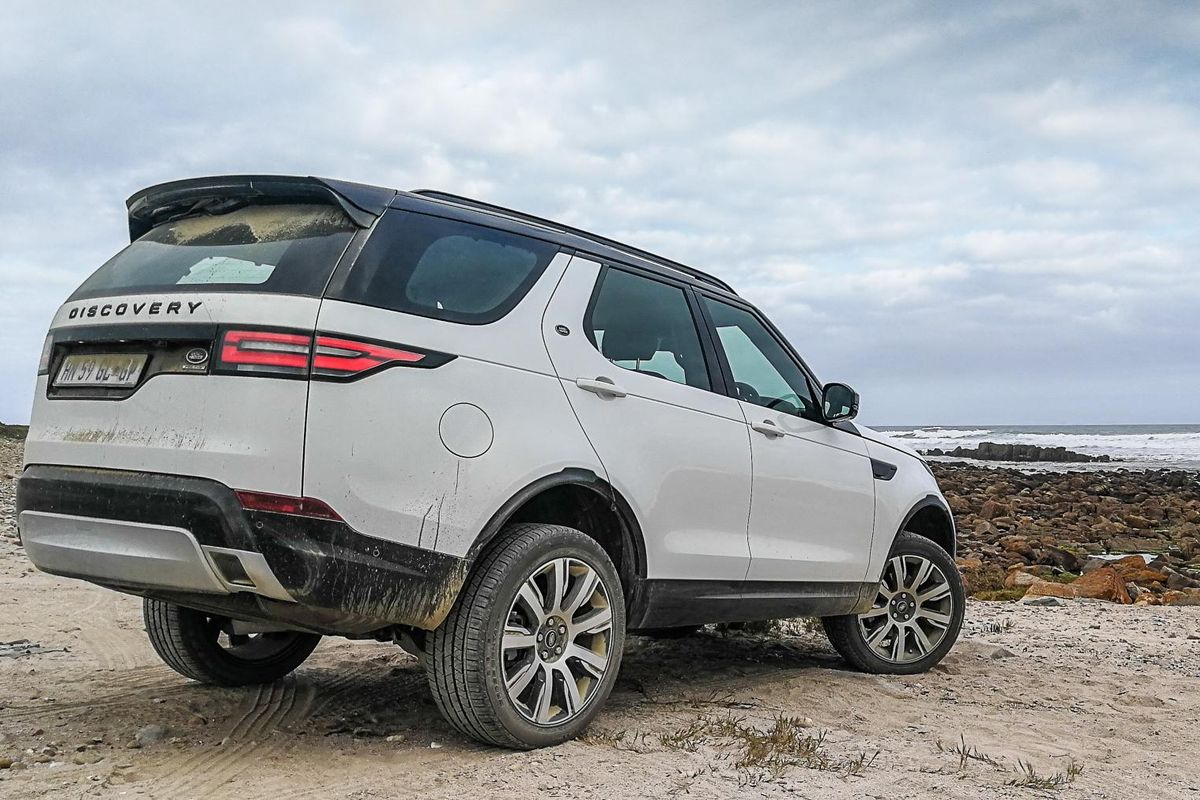
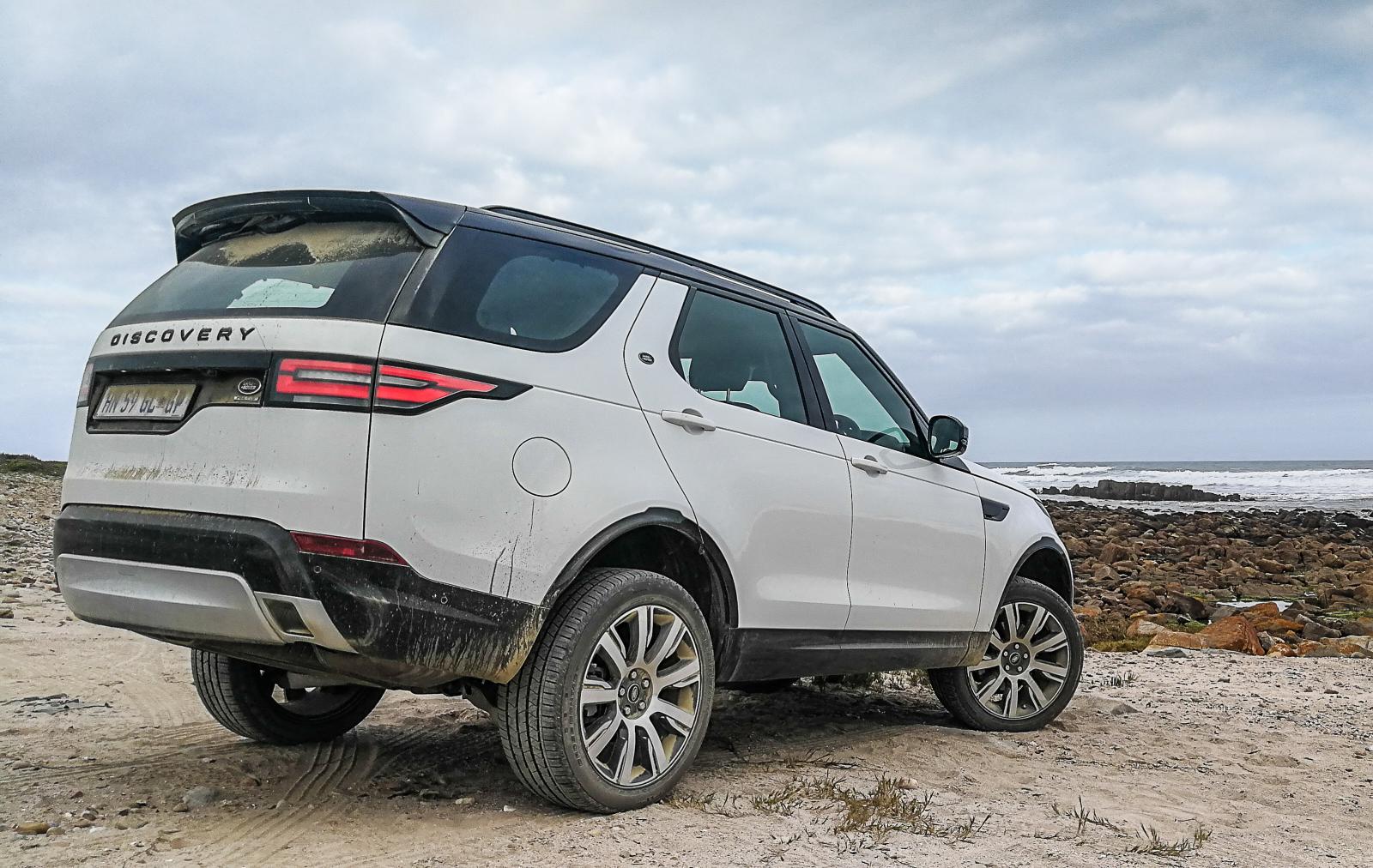
So, what's the matter? Is there something wrong with the product? Is it too expensive? Is the weird-looking rear end too off-putting? Let's find out…

  • DO YOU OWN A LAND ROVER? Tell us about your ownership experiences here.

What's good about it?

High-tech, "coherent" cabin


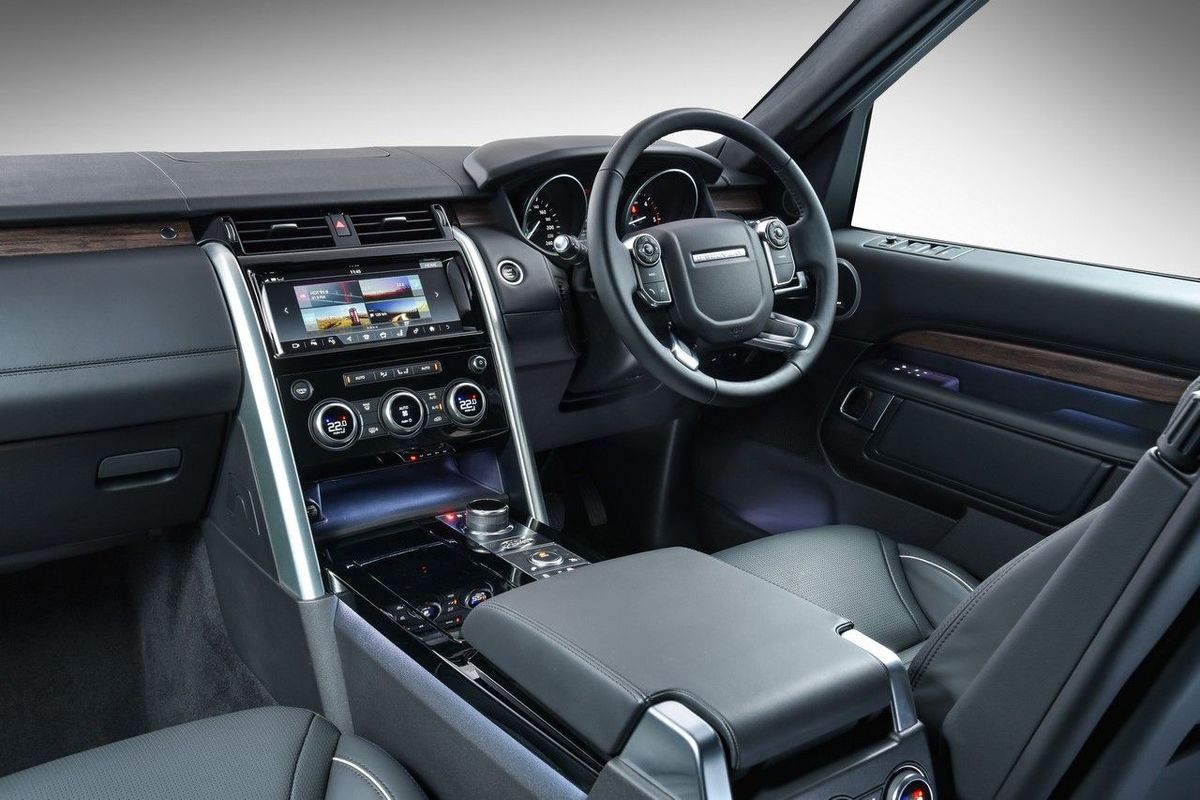
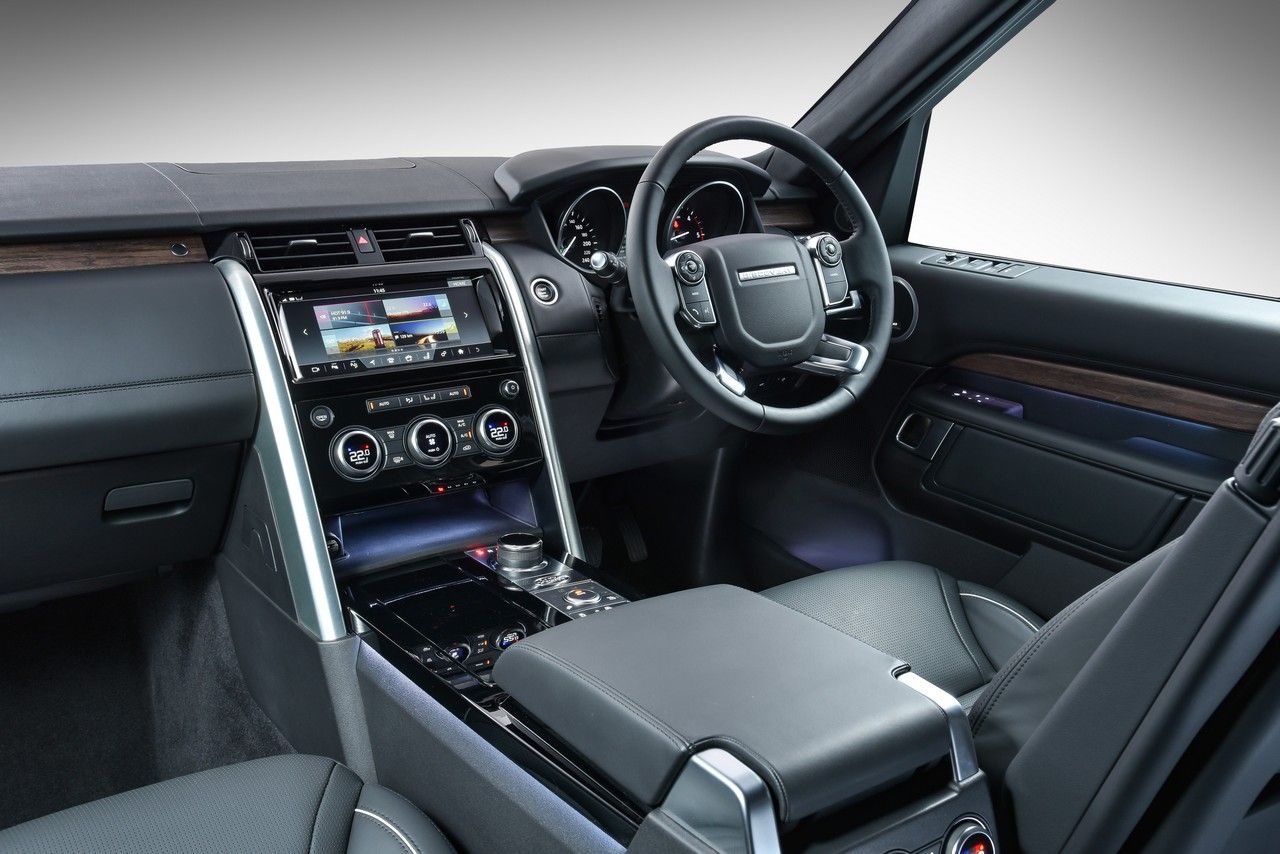
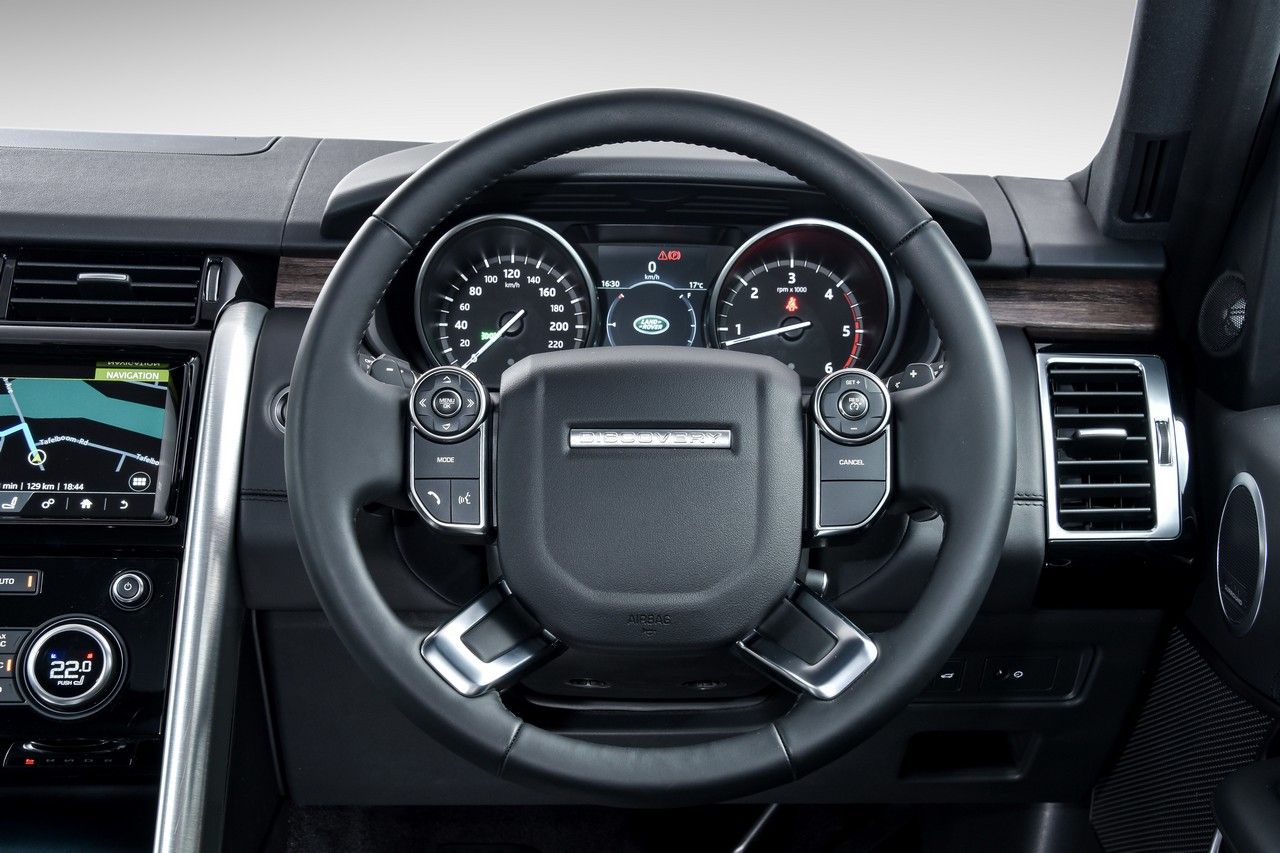
The cabin is neat and the minimalist control layout is quite an achievement given the sheer number of high-tech features fitted.

Step up and into the seat of the latest Discovery and you'll be pleased to learn that one of the greatest features of its predecessor – its "top-of-the-world" seating position – is unaltered. You sit high in a Disco, so much so that the window sill makes for a good armrest, while you peer down at "lesser" vehicles. But that's the only thing, design-wise at least, that has been left untouched because the fascia layout is completely new. 

Land Rover has packed a liberal number of tech features into the cabin of the Discovery, so the fact that it comes across as minimalist in design is a compliment. Its coherent design also sets it apart from a vehicle such as the Land Cruiser 200 4.5D-4D V8 VX-R, which offers a similar number of features, but sports a design that is neither as modern or as cohesive as the Landy's. Of course, there are numerous options to choose from with the Discovery, including trim colours and materials, in addition to actual features, so you can really personalise your Disco to suit your wants and needs. Does the Disco make its driver feel special? It does indeed… you may often be left wondering why you would ever need a Range Rover…


The Discovery boasts a neat, simple instrumentation layout and there is a sense of very good overall build quality.

As standard, and even more so once a few option boxes have been ticked, the Discovery is loaded with modern features that will boost its appeal to tech-savvy buyers, including the ability to change the ambient colours of the cabin. The large (10-inch) touchscreen boasts logical menu structures, high-resolution graphics and can also be specced to include Apple CarPlay/Android Auto (for R800 more). There's also a 380W Meridian 10-speaker sound system, a reverse-view camera and Touch Pro navigation. But there's much more on offer when you head to the optional extras list…

Practical packaging and clever features


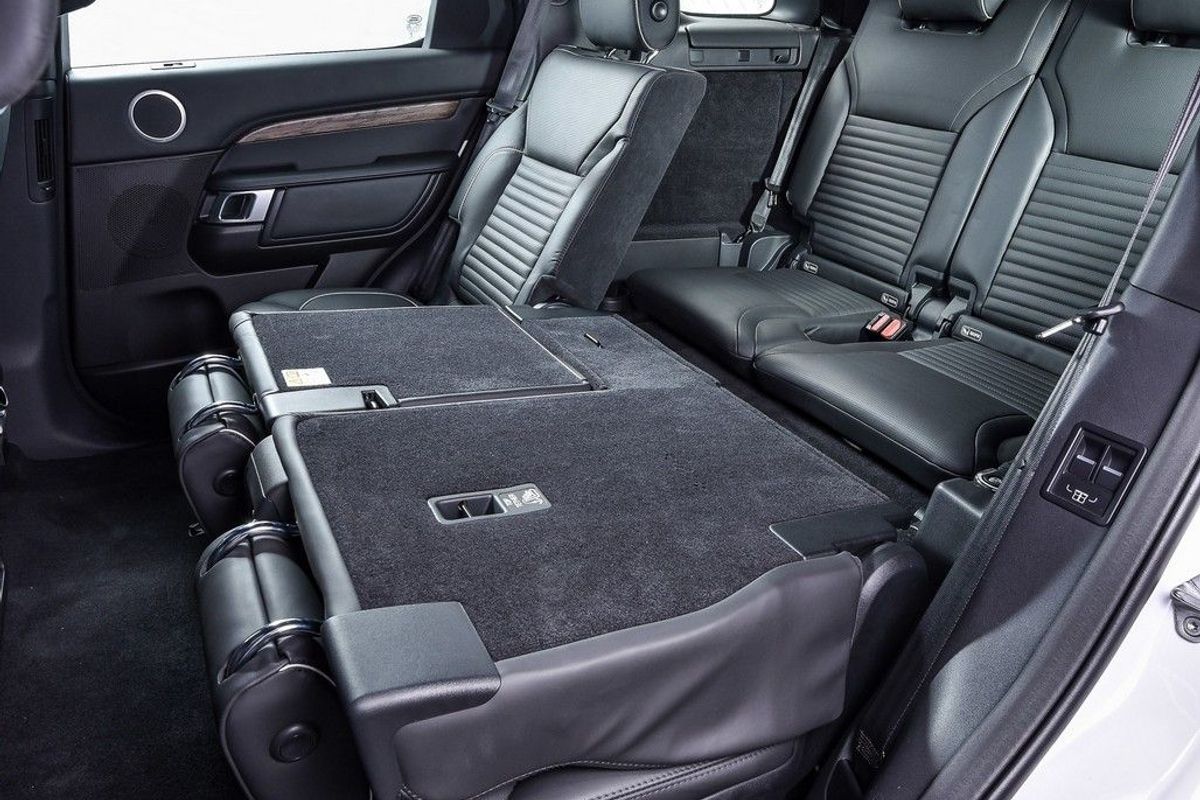
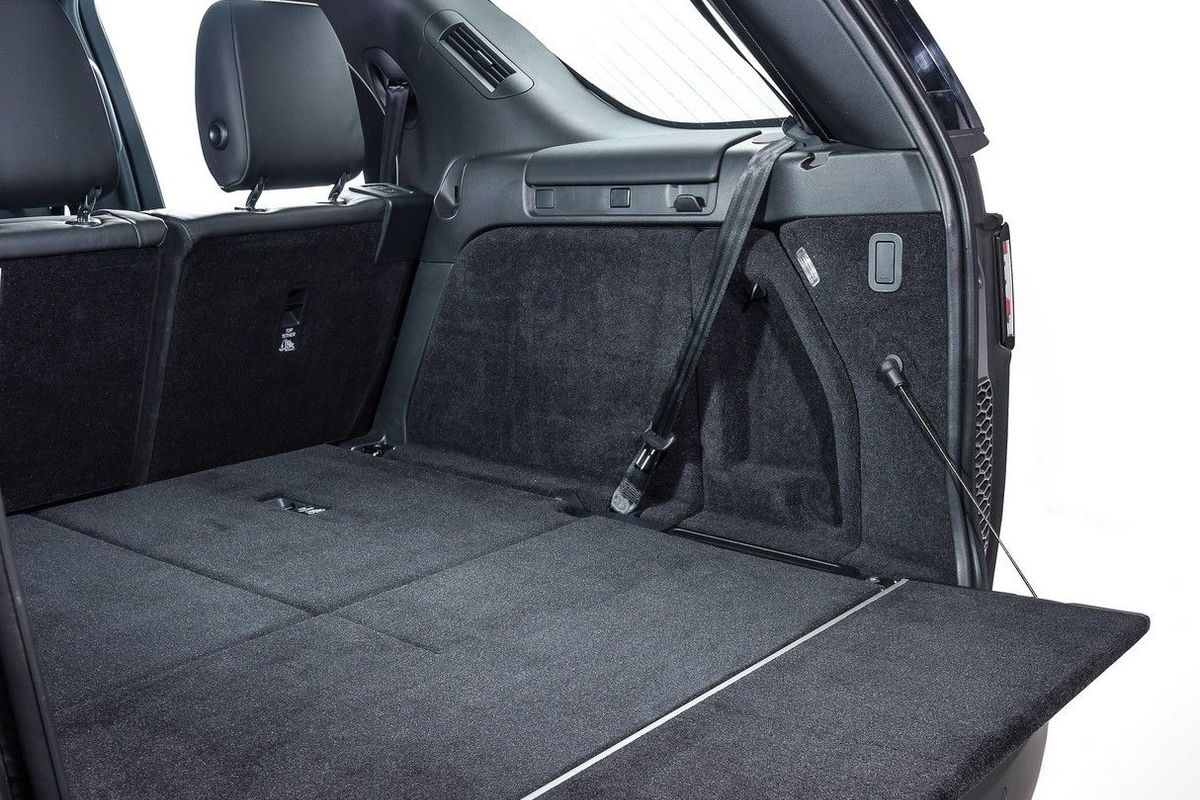
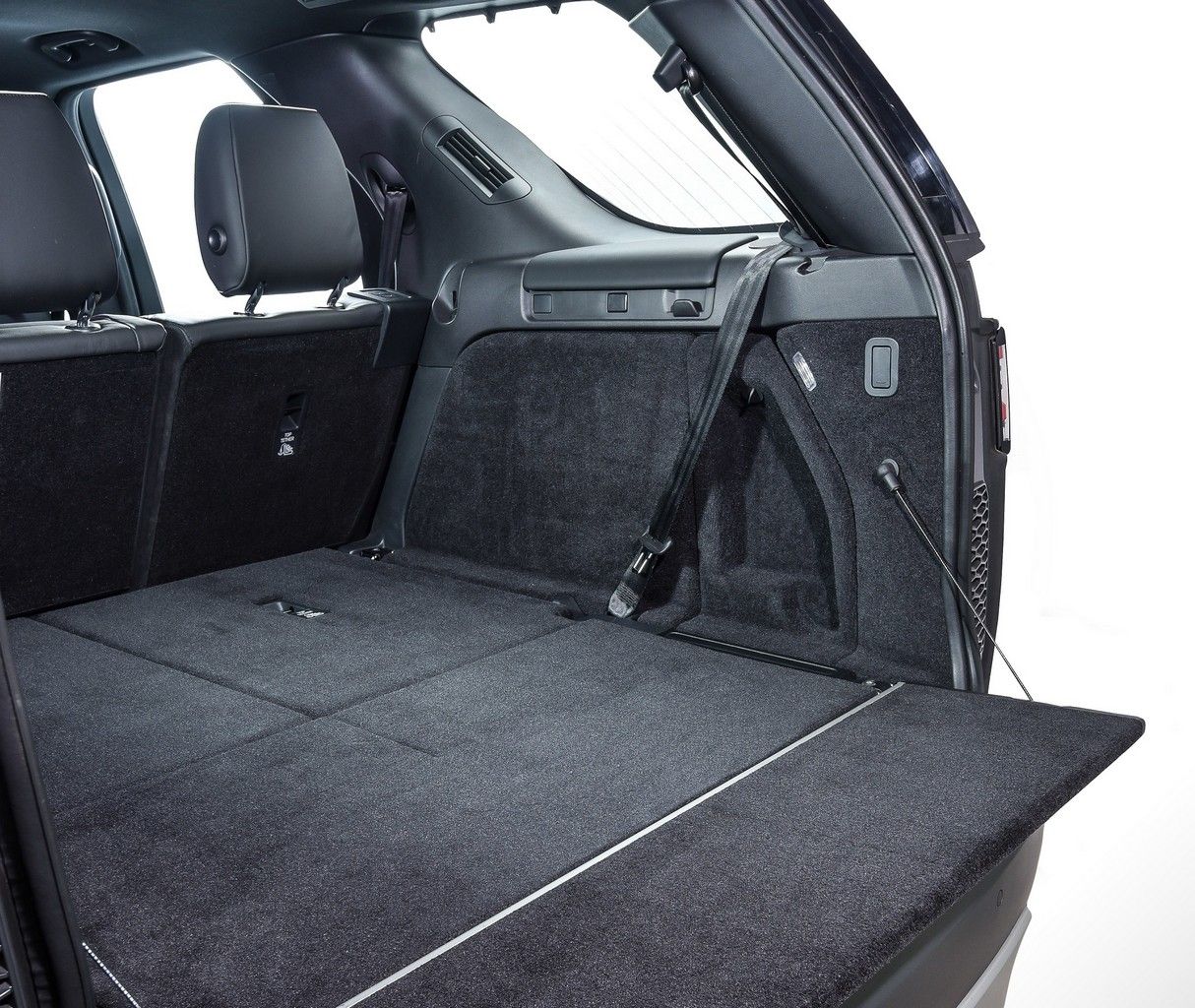
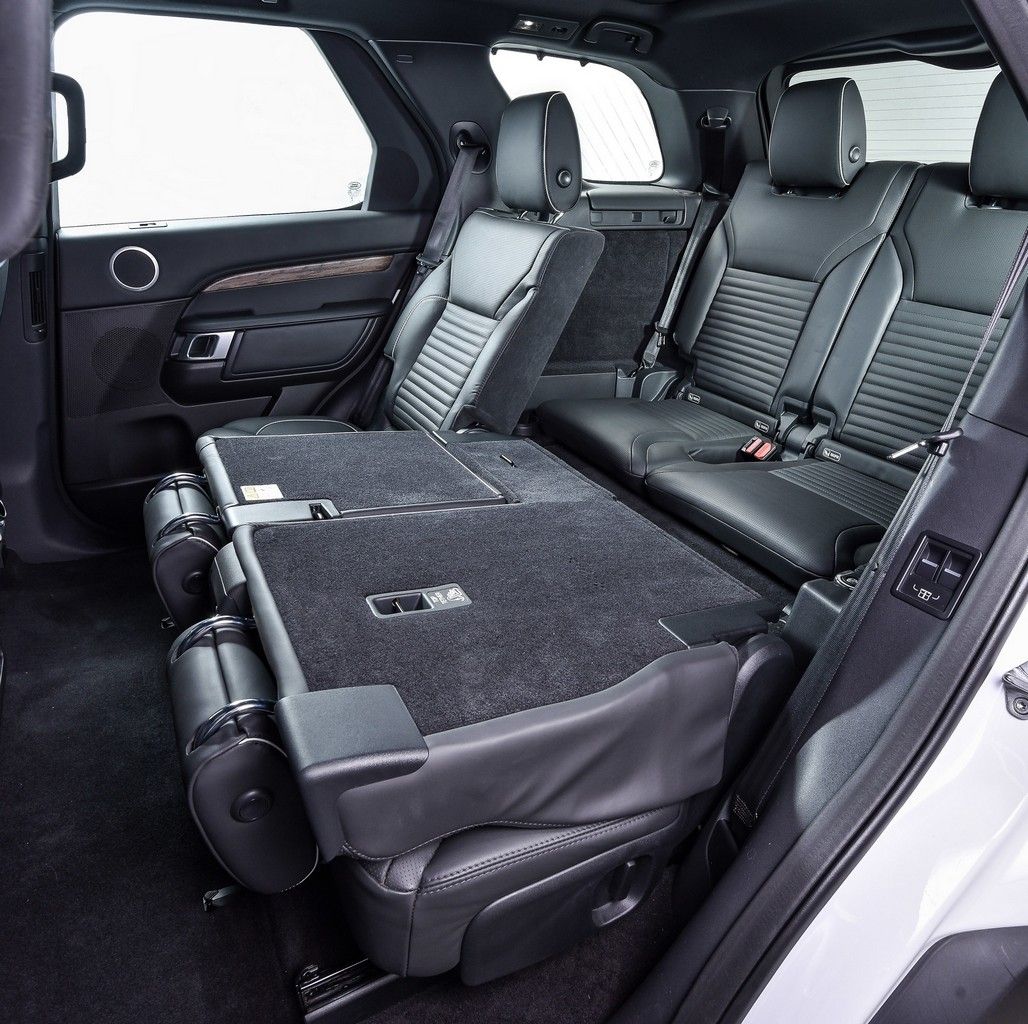
Vast luggage bay hides electrically folding/raised 3rd-row seating. (Electrically) extending shelf is a practical feature.

While a major focus area with the new Discovery was weight-saving (it is, in some instances, more than 400 kg lighter than before), it is nevertheless bigger and more spacious than previously. A major difference between this model and its predecessor is that you now have to decide if you need 3rd-row seating (and be prepared to pay R22 500 extra, if you do). To us, given the family-friendly size of the vehicle and its overlanding abilities, this is potentially an error and one that hurts the perceived value on offer, especially as the aforementioned Land Cruiser flagship is a 7-seater in standard guise. Interestingly, however, Land Rover says that "only" 60% of buyers opt for 3rd-row seating.

In standard 5-seater form, it has to be said that those seated in the 2nd row will have no reason for complaint – legroom has improved and while the much-loved stadium-seating of the old car is gone, an overall sense of spaciousness (and a good visibility) remains.

If fitted with 3rd-row seating (as our test unit was), the rearmost chairs are fitted with ISOfix child seat mounting points and offer respectable legroom too. Included as standard is an electrically operated rear "picnic table" that folds out to make loading easier. What's more, we found it particularly practical when organising luggage and as a seating platform for small kids – while cleaning their feet following a visit to the beach, for example.


Note electrical controls on the door frame for folding the rear seats.

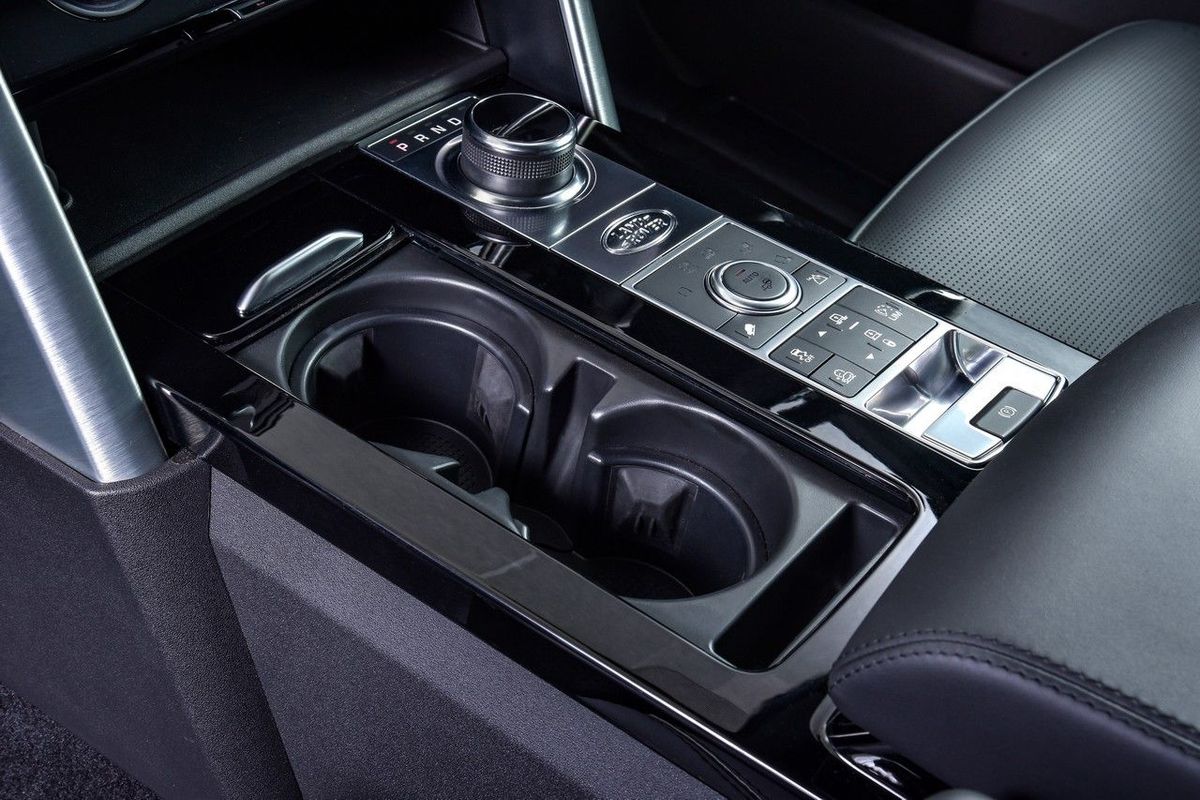
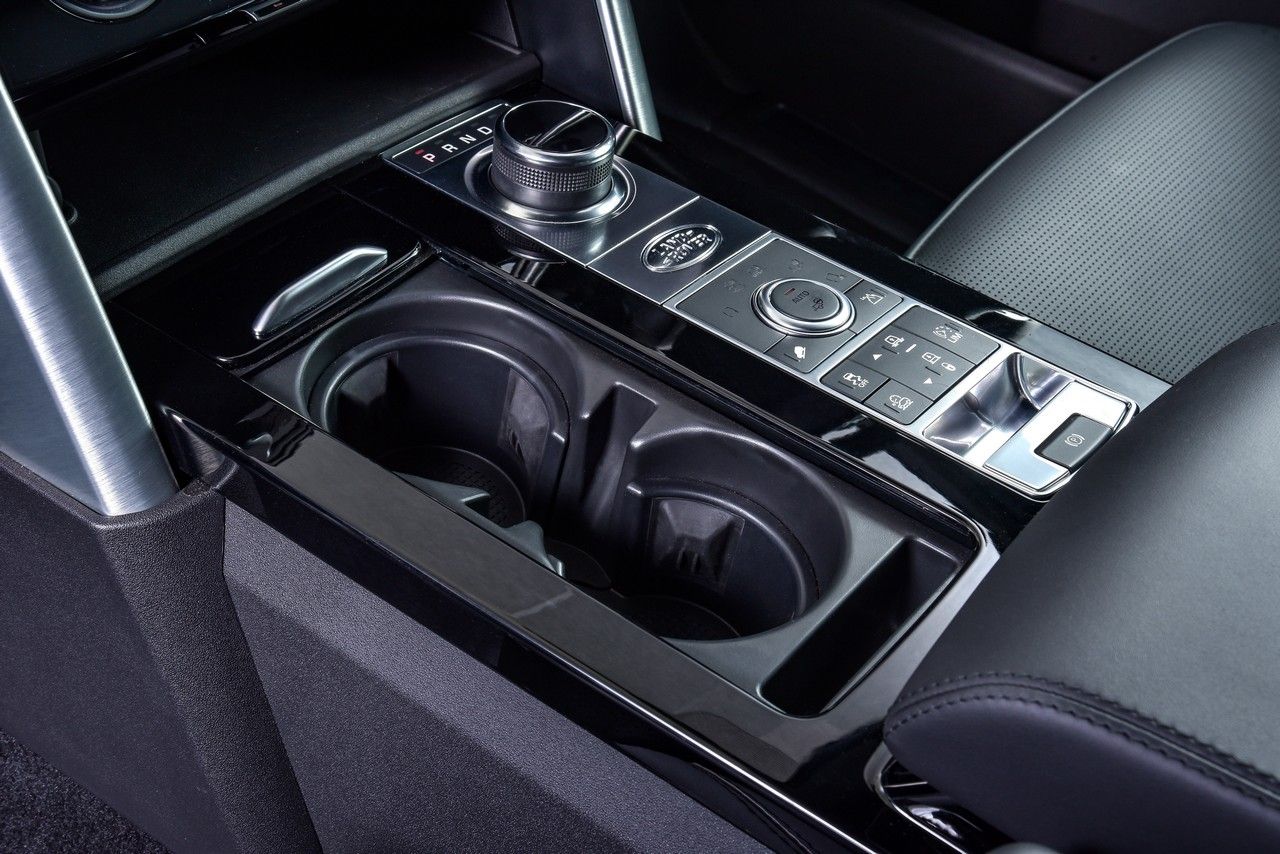
Inside, besides a massive luggage bay (more than 1 000 litres of storage space in 5-seater configuration) there are a large number of hidden storage solutions… In addition to the very spacious storage box between the seats (cooled as an option), another secret (a very deep storage area) is revealed by sliding the entire cupholder section on the transmission tunnel out of the way. Also, the climate control interface (on the fascia) can lift out of the way at the press of a button to reveal another hidey-hole. 

There are a number of optional extras that can further boost the Disco's practicality. You can, for example, spec the HSE Td6 so that you can fold down the 2nd and 3rd rows electrically. And when fitted with the Remote Intelligent Seat Fold pack (R22 800) one can adjust the seating configuration in 3 ways: via the fascia-mounted touchscreen system, buttons mounted in the cabin, or even by using an app on your smartphone. 

Excellent off-road ability


An extensive array of off-road systems (some optional) ensure the Disco retains its legendary off-road ability.

Off-road ability remains core to the Discovery's appeal, even though it's unlikely that its full capability will ever be called upon by most owners. In HSE specification (as featured on our test unit) air-suspension and the high/low-range transfer box are standard features. There are, however, a trio of features on the options list that might potentially raise some eyebrows. Terrain Response 2, an active rear locking differential and ATPC (All-Terrain Progress Control) are optional extras that can be included as part of the Capability Plus Pack that costs an additional R27 600. Interestingly, only about 15% of Discovery buyers opt for this pack, indicating that extreme off-roading is not necessarily a pillar of success for most buyers.

Don't confuse Terrain Response 2 for a replacement for the well-known Terrain Response system, which is still offered as standard (with Rock Crawl mode) and allows the driver to manually select the appropriate mode for the type of terrain they hope to traverse. Terrain Response 2 simply automates the selection. Even without ATPC and Terrain Response 2, there's little that will trouble the Discovery when it heads off the beaten track.

Land Rover claims a ground clearance of 283 mm (up by 43 mm) for this model and a highly impressive maximum wading depth of 900 mm (an increase of 200 mm). The air suspension also offers another practical benefit – you can stand behind the vehicle and at a press of a button lower the rear end to easier load items in the luggage area, or to make the hooking-up of a trailer easier, for example.

In summary, then, there are few vehicles out there that feel so equally at home on smooth tar, rough/broken surfaces, gravel and the really rough, slow-speed stuff. Of course, if you are going to head off-road a lot, you may want to consider more suitable tyres.

Good performance/economy balance


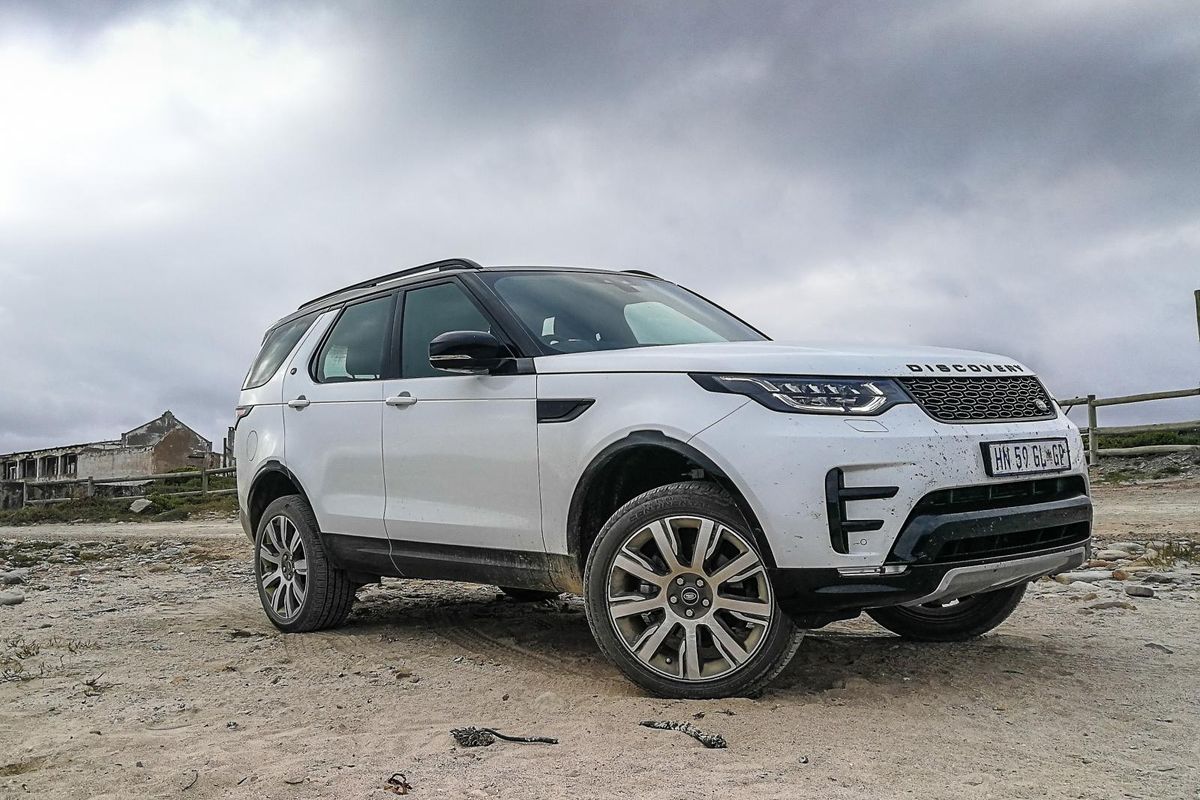
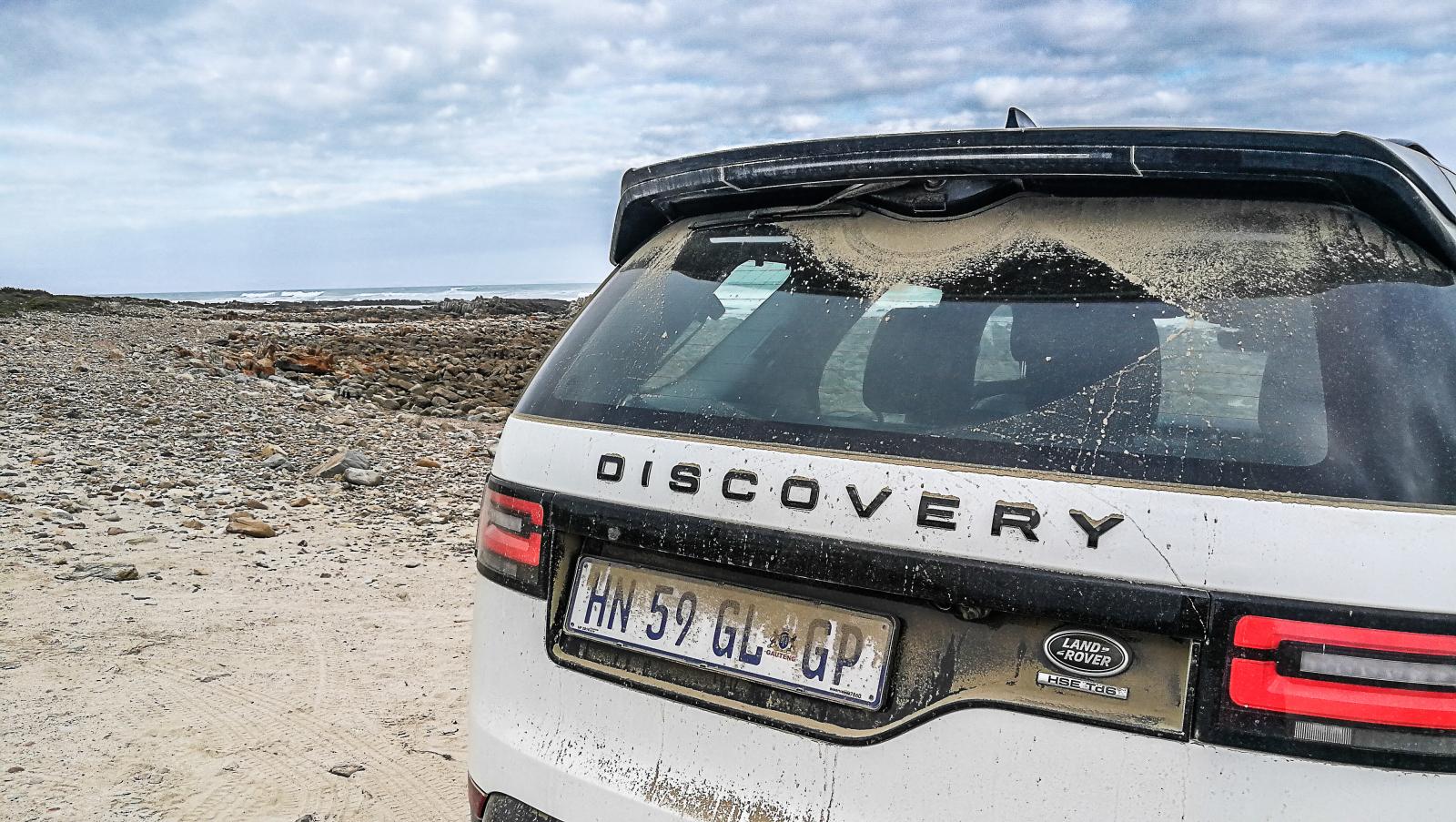
Handsome from the front, arguably less so from the rear – but perhaps the Discovery lacks the iconic, stand-out design of its predecessor?

This Discovery is powered by the pick-of-the range 3.0-litre V6 turbodiesel engine that develops 190 kW and 600 Nm of torque. We mentioned before that the Disco 5 is significantly lighter than its predecessor (due to the extensive use of aluminium), but it remains a heavy vehicle – in fact, it tips the scales at over 2 tonnes. Still, the engine and transmission (a smooth 8-speed automatic) do a good job of propelling the large Landy swiftly and in a refined manner. It can get from 0 to 100 kph in under 9 seconds, should you be a late entrant into the morning school run.

Land Rover claims a combined cycle consumption figure of 7.8 L/100 km, which is significantly better than the 11.5 L/100 km claimed for the previously tested Si6 derivative. In the real world, and loaded with 6 adults and all their holiday paraphernalia, we achieved a consumption figure of 9.6 L/100 km, which is good for a vehicle of this size/nature. It is also worth noting that Land Rover claims a (braked) tow rating of 3 500 kg for this model and that an electrically deployed towbar was fitted to this test unit. 

There's more good news… The HSE Td6's general ride comfort is pliant and refined – like its predecessor, the latest Discovery sort of wafts along with a soft ride and long-travel (air) suspension making it a very relaxing car to drive (and be transported in). It can, however, feel a bit top-heavy when you're in a hurry, but for most buyers, the emphasis on comfort over sporting dynamics will be a good thing.

What's not so good about it?

Standard spec/pricey options


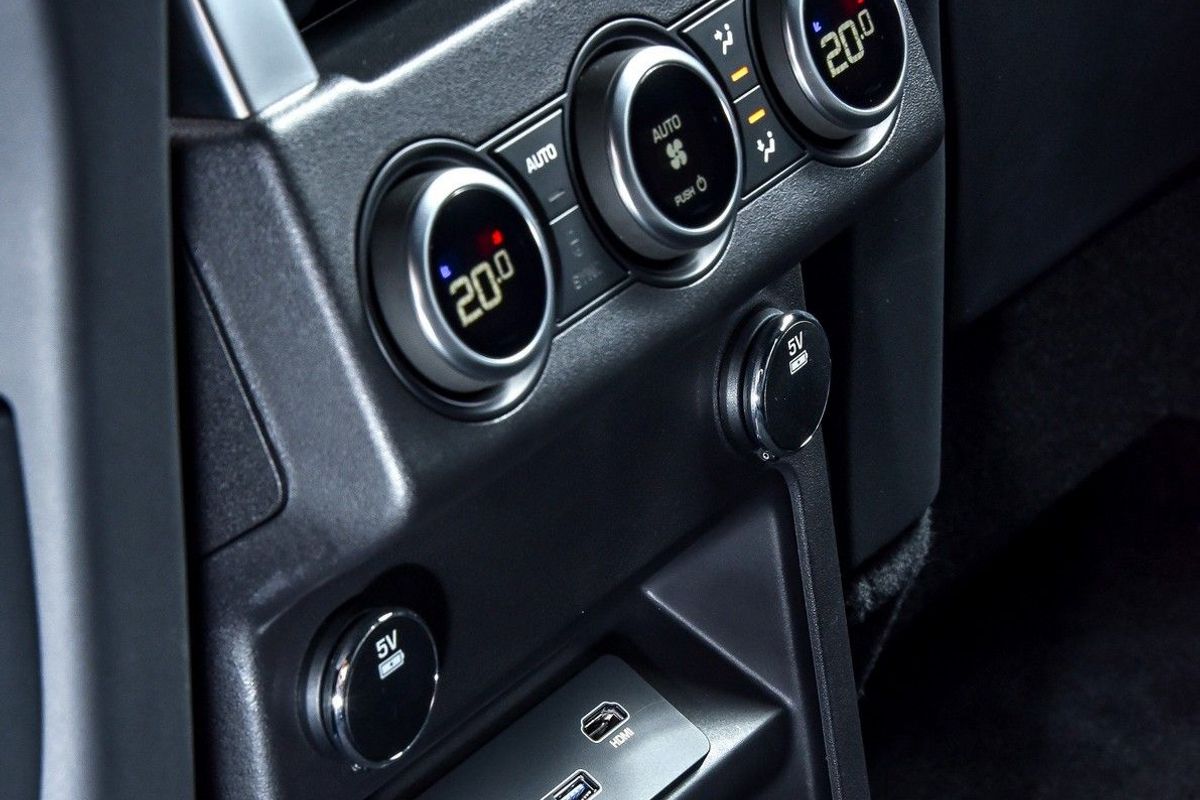
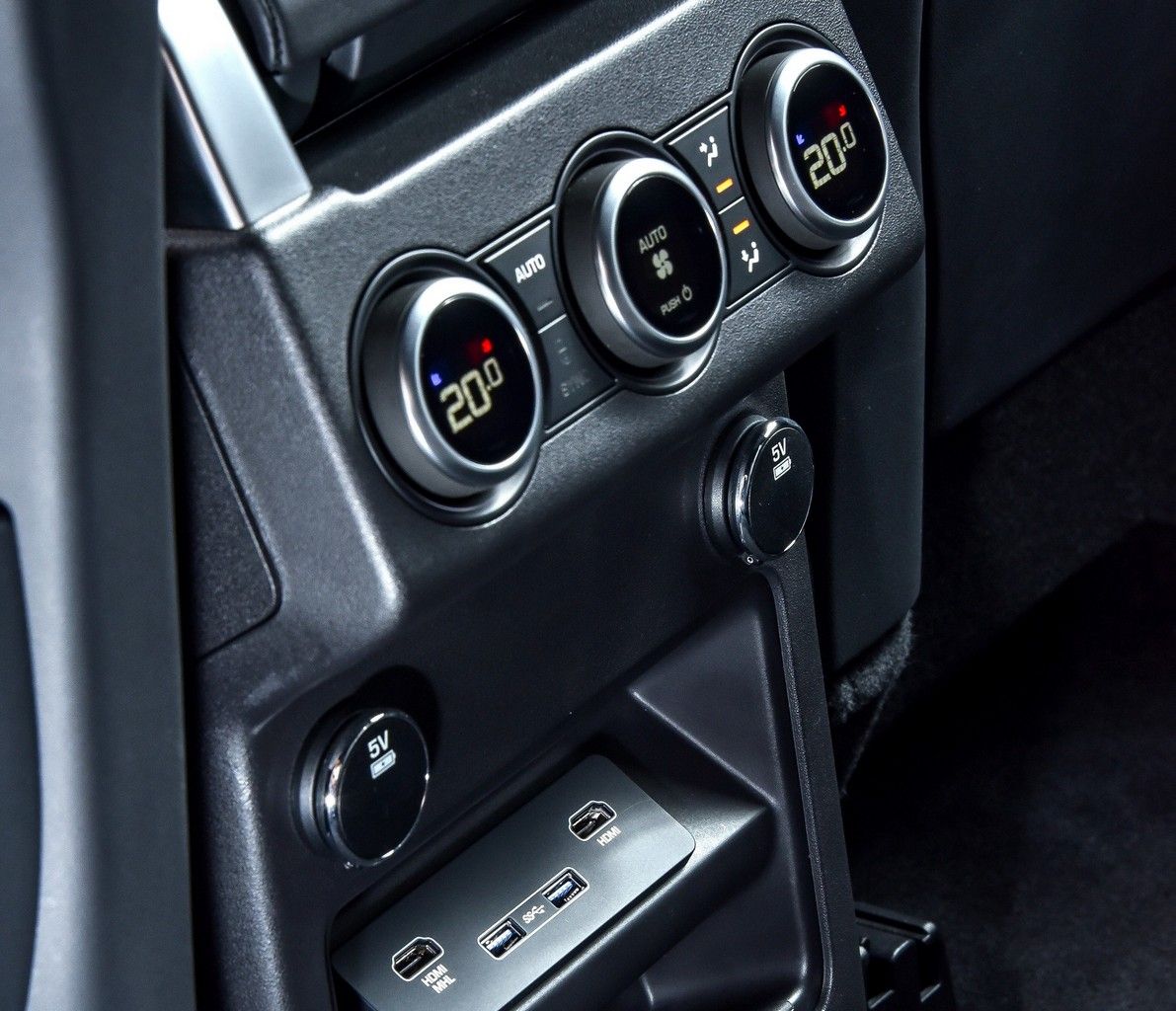
It is possible to specify your Discovery with extensive rear-seat entertainment and comfort features, including 4-zone climate control and multiple connectivity options.

One of the possibe hurdles the current Discovery faces is the fact that its predecessor was, for many years, somewhat of a bargain in the local market. The Discovery's jump in price during the 2015/2016 period was probably a major contributing factor to its sales decline (even in Discovery 4 shape). There's not much Land Rover can do about the rand's foreign exchange weakness etc., sadly, but the result is that the current Discovery has probably moved beyond the reach of even some relatively recent Land Rover owners who face a difficult decision at trade-in time. 

Our test unit is priced at R1 314 406 as standard, but with its various features fitted, including a Dynamic Exterior Pack, Capability Plus Pack and numerous other items, it would probably end at close to (or above) R1.5 million. By comparison, the Toyota Land Cruiser 200 4.5D-4D V8 VX-R costs just over R1.4 million (has few, if any, options) and its standard spec is similar (in some ways, more generous) than that of the Land Rover. 

Ultimately, we think a combination of high starting price and complicated/numerous options is not helping the Disco 5's cause. 

Pricing and Warranty

The Land Rover Discovery HSE Td6 sells for R1 314 406 (without options, November 2018), but our test unit featured a number of optional features and was probably priced closer to R1.5 million. The Disco is backed with a 3-year/100 000 km warranty and 5-year/100 000 km maintenance plan. 

Verdict


The Discovery remains one of the best luxury adventure machines out there and could be the ultimate all-rounder.

In several ways, the Discovery remains one of the most desirable vehicles one can buy. The way in which it seamlessly blends being a deeply impressive off-roader with a level of Premium SUV luxuriousness remains arguably unequalled, even at the heady price.

As mentioned earlier, we think a number of factors are, however, hurting its sales at present. Firstly, its predecessor was, for many years, a veritable bargain considering its ability and (then) pricing. Secondly, in terms of design, the new Discovery has lost much of its predecessor's iconic (albeit quirky) appeal. Thirdly, perhaps the optional extras list needs to be streamlined and the standard specification revisited. And finally, there is the presence of the Land Cruiser 200 4.5D-4D V8 VX-R on Toyota's new vehicle price list. That particular vehicle has a reputation for unburstable reliability, whereas doubts may still linger about Land Rover's reputation, and those concerns are magnified at these price levels. 

Overall, however, the Discovery HSE Td6 remains, in our view, one of the most complete cars on the market, whether you look at it from a family practicality, luxury, status, off-roader or long-distance cruiser point of view. 

Interested in buying a new/used Land Rover Discovery?

Find one on Cars.co.za today by clicking here

Mitsubishi Triton Facelift Coming to SA

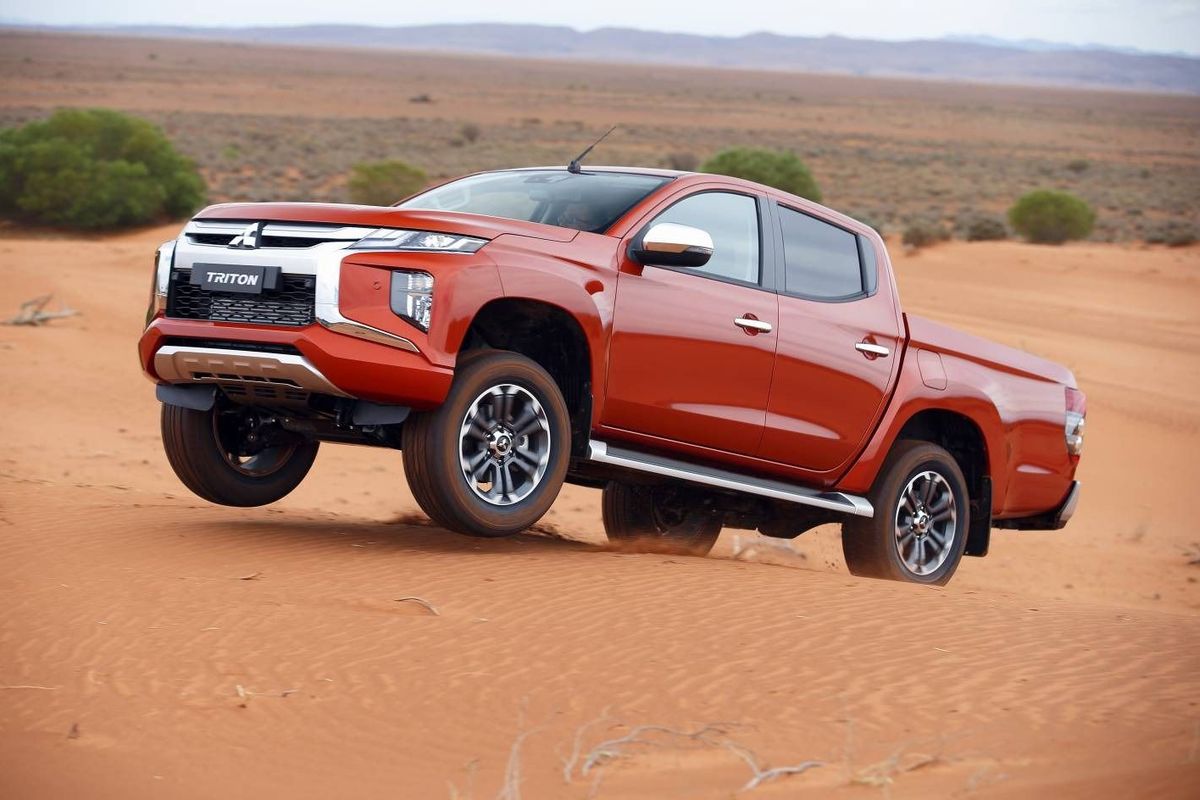
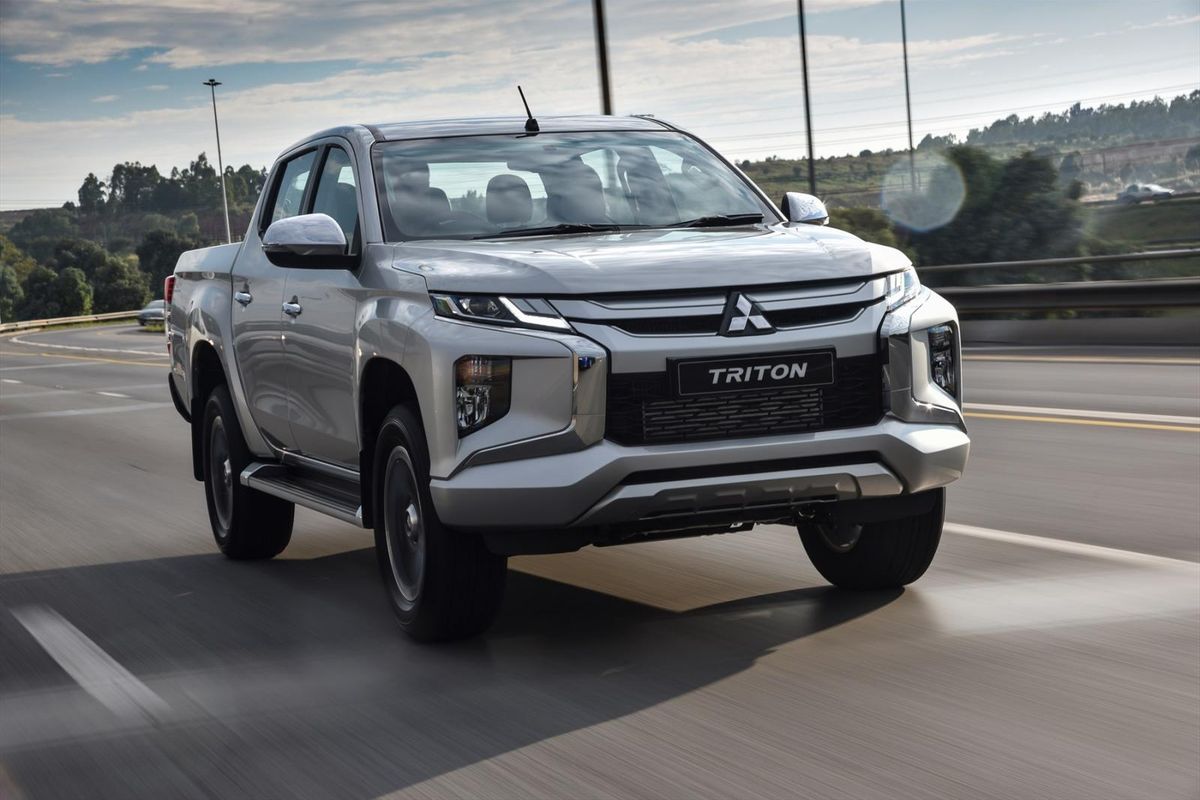
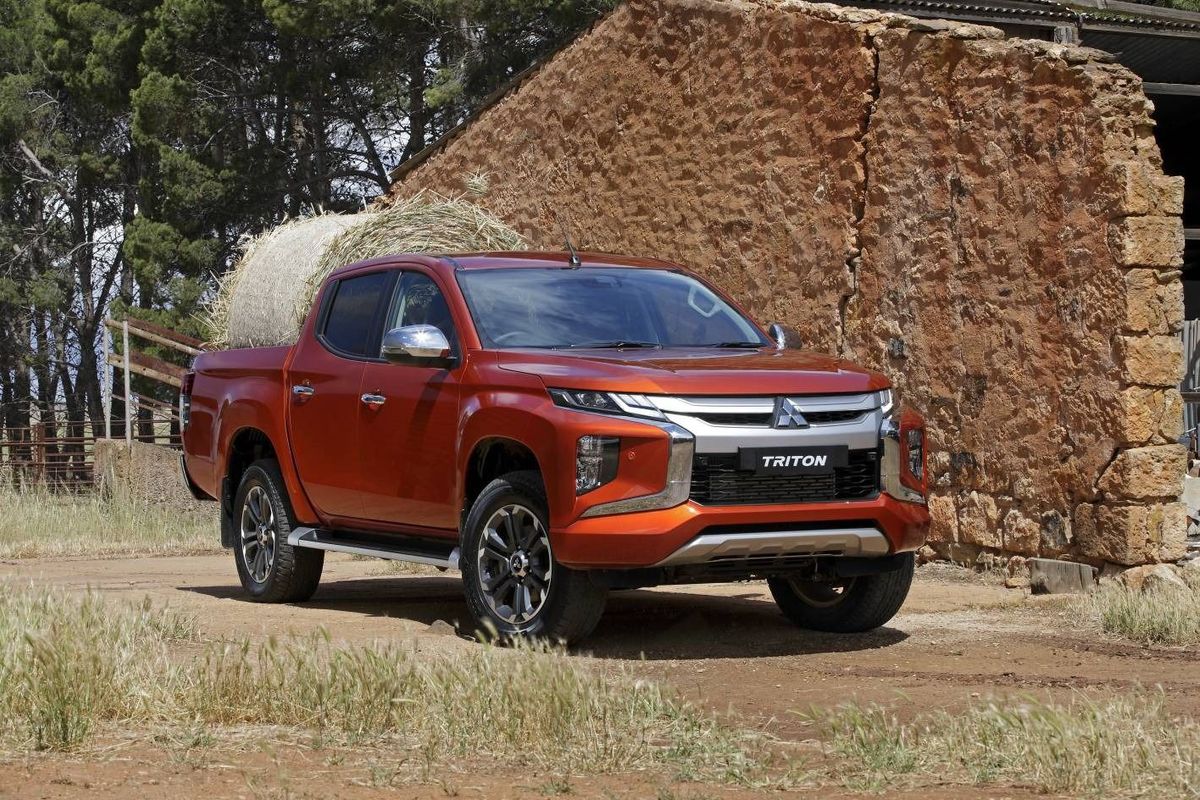
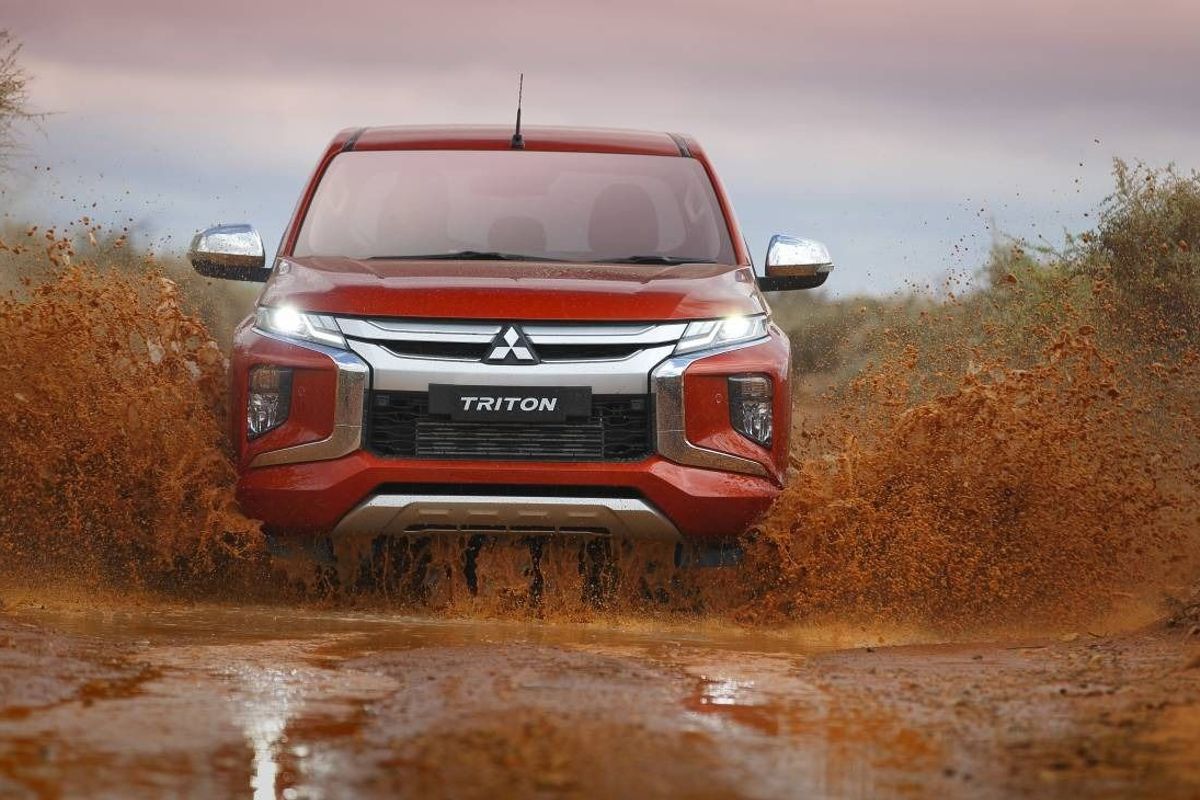
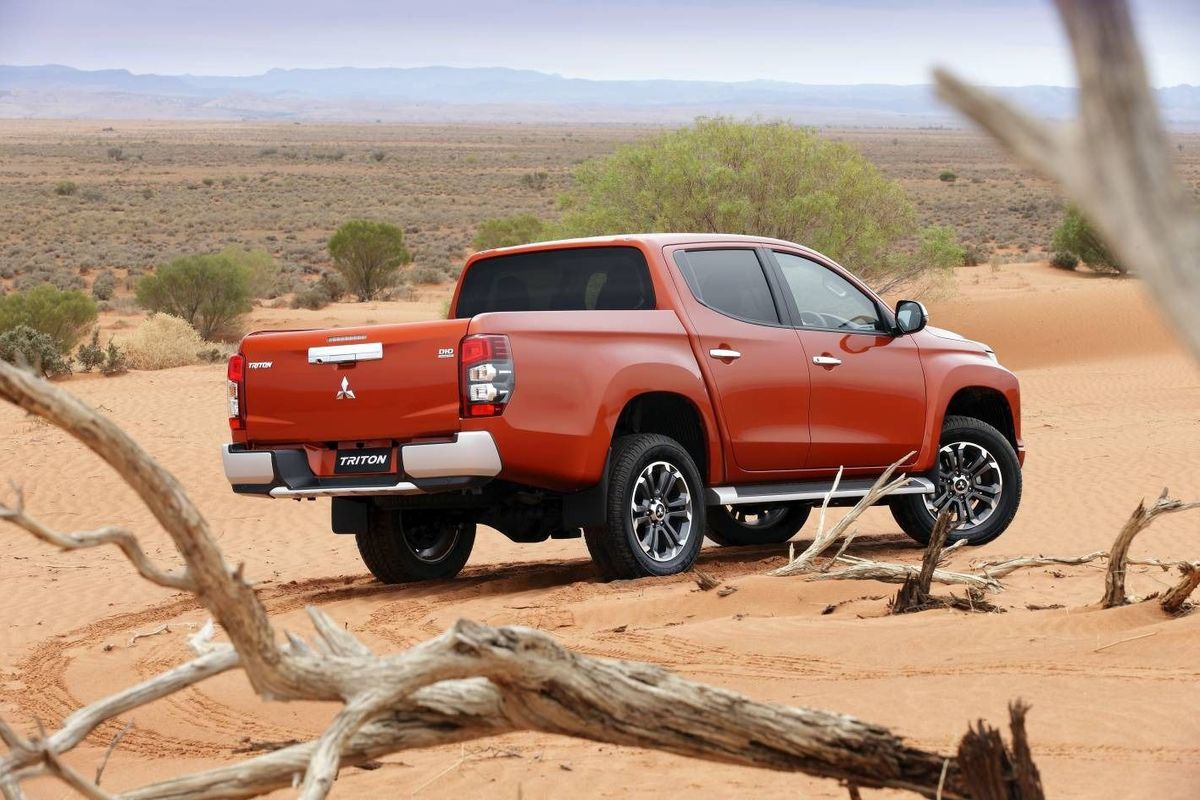
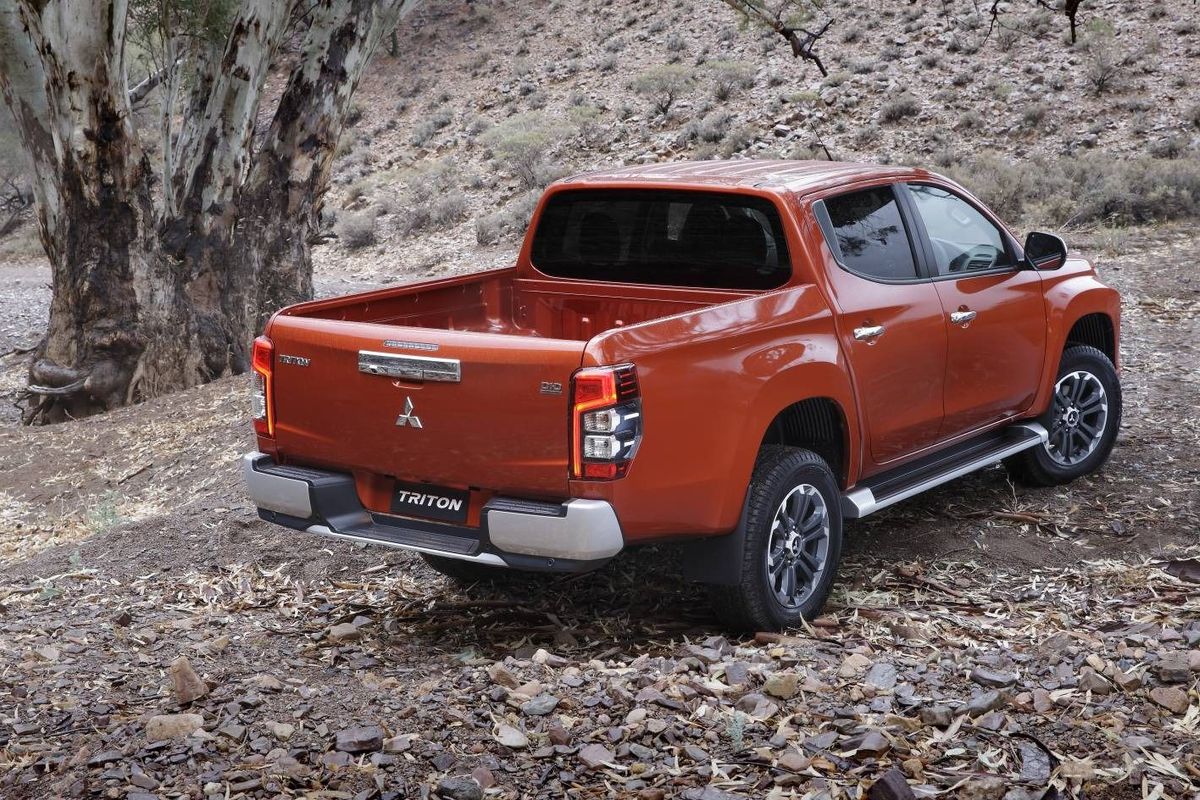
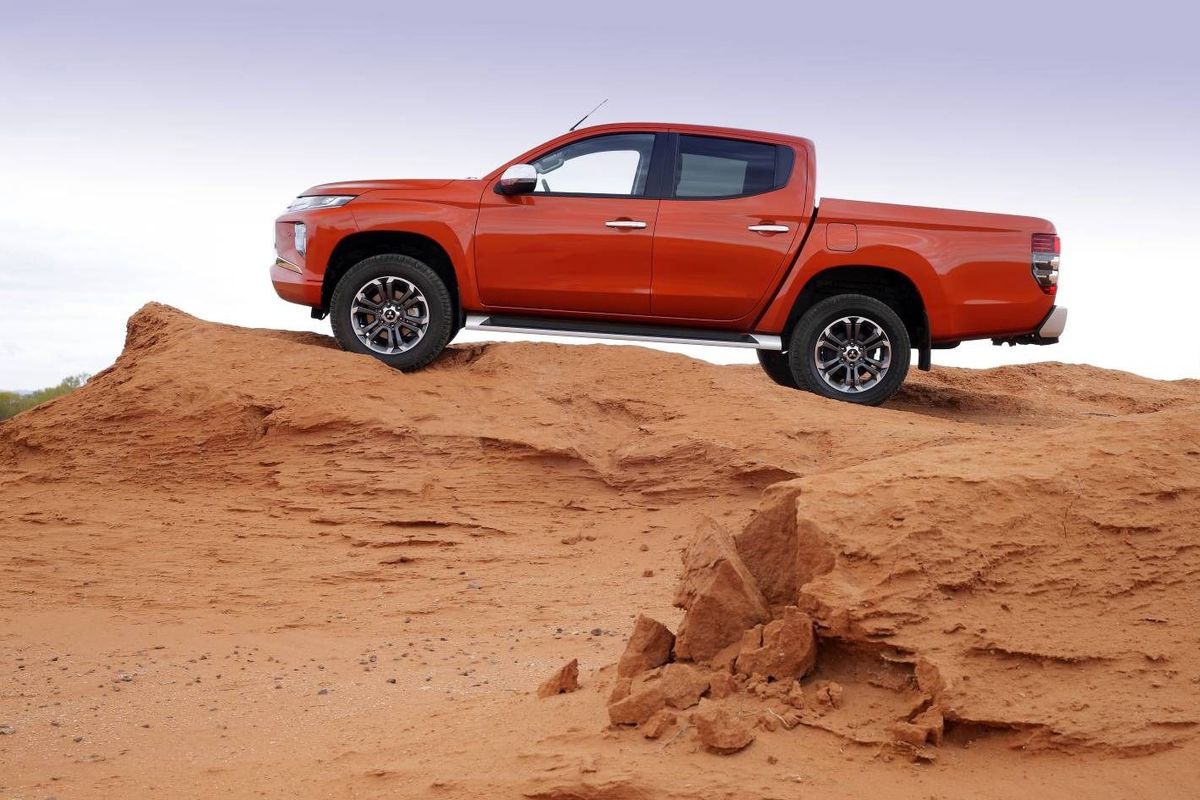
Meet the facelifted Mitsubishi Triton! 

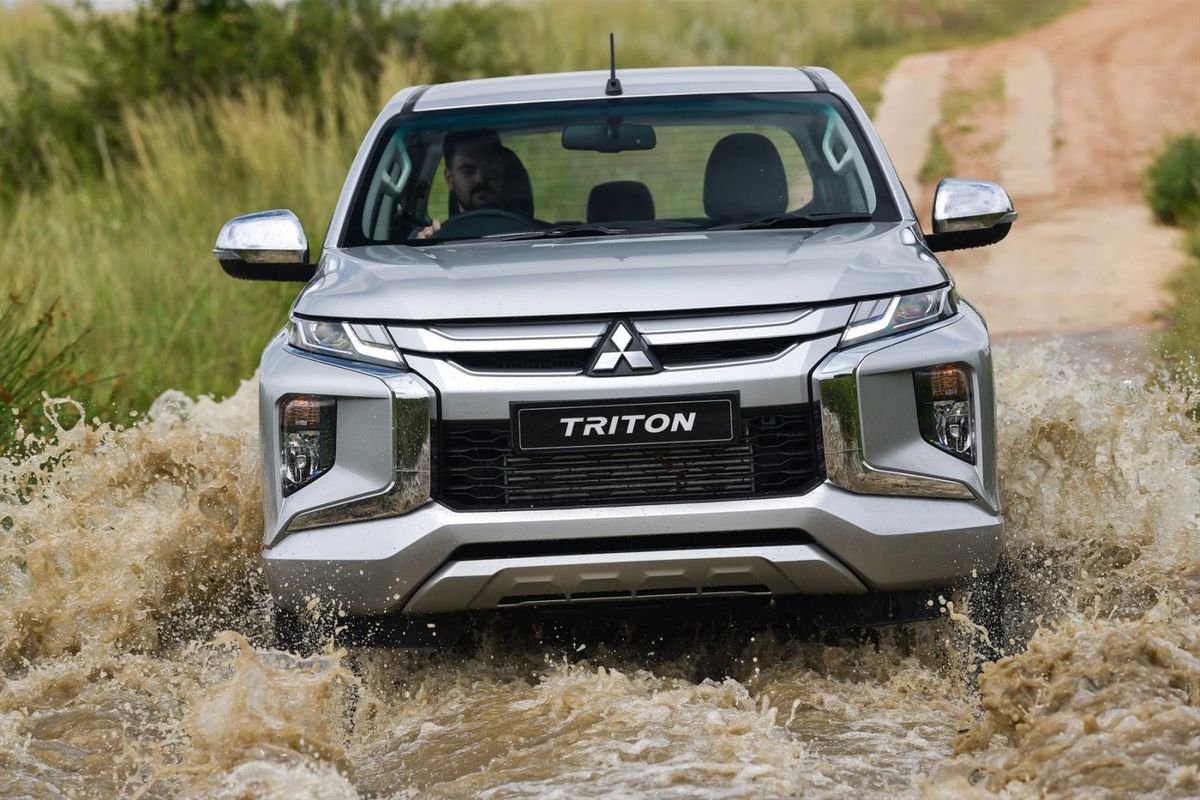
Mitsubishi's Triton is a hard-to-fault double-cab bakkie offering. It combines great capability with a refined powertrain. The current Triton made landfall back in January 2017 and now a facelifted version has been revealed in Bangkok, Thailand, where it's produced at Mitsubishi's Laem Chabang Plant. It will go on sale in Thailand in November 2018 and will then eventually be rolled out to 150 countries worldwide in the months ahead, including South Africa. You can expect to see the latest Triton arrive in South Africa in March or April 2019.

Mitsubishi Motors CEO, Osamu Masuko, stated: “The new Mitsubishi L200 is one of our most important global strategic models. Its success will accelerate the momentum of the company’s sustainable growth. The new model brings enhancements to the durability, reliability and comfort developed over the 40 years since the introduction of the series. I am fully confident the new Mitsubishi L200 will meet the diverse needs and wishes of our customers around the world.”

What's changed?


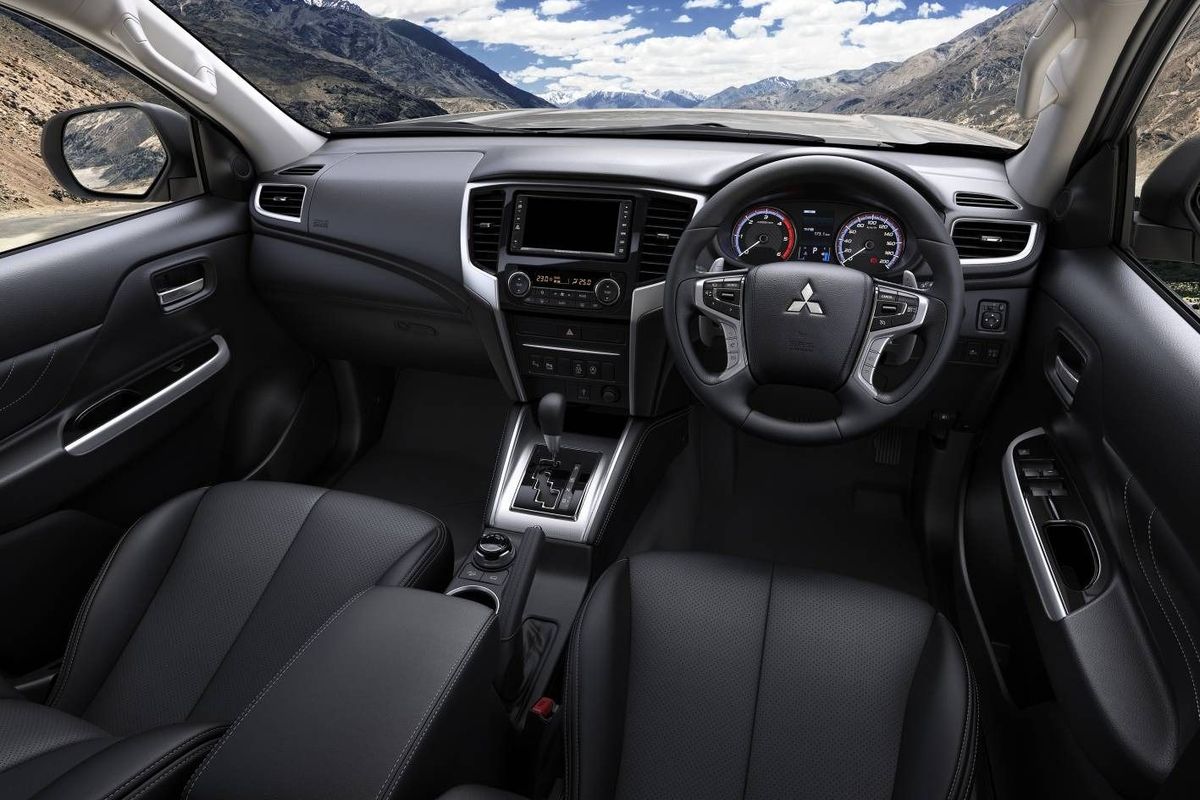
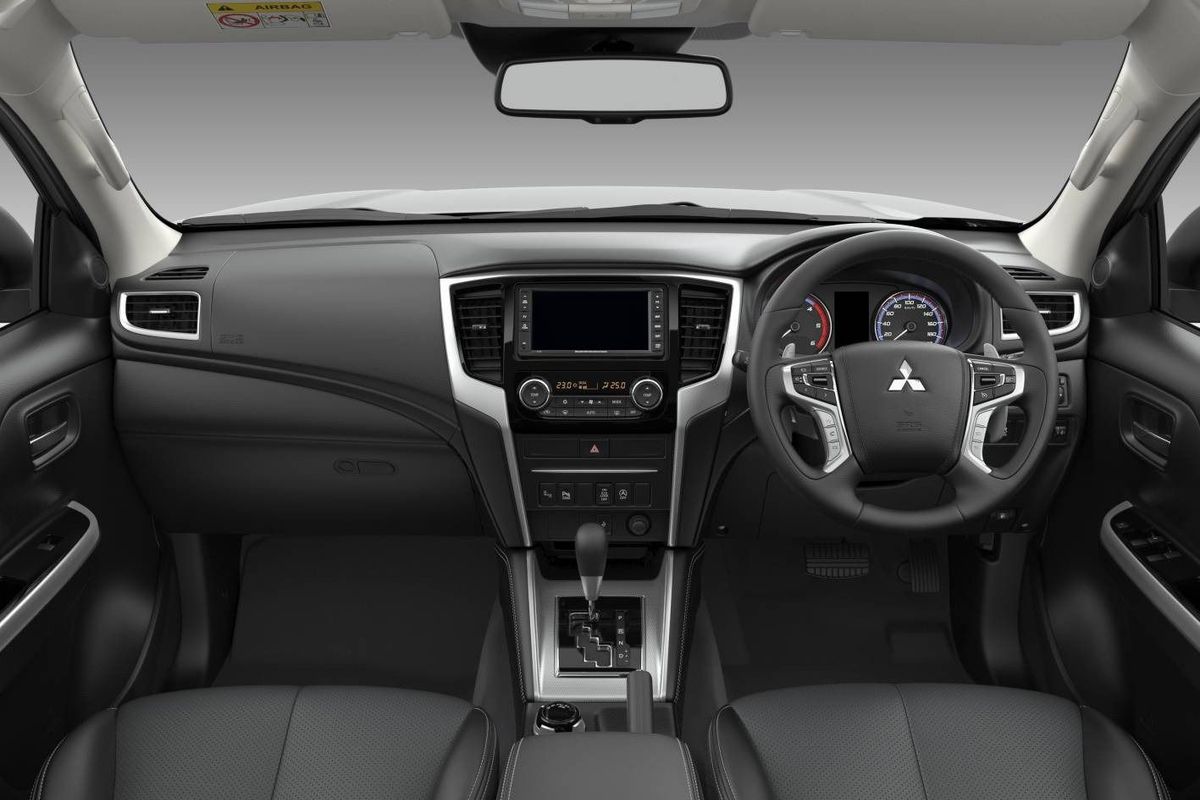
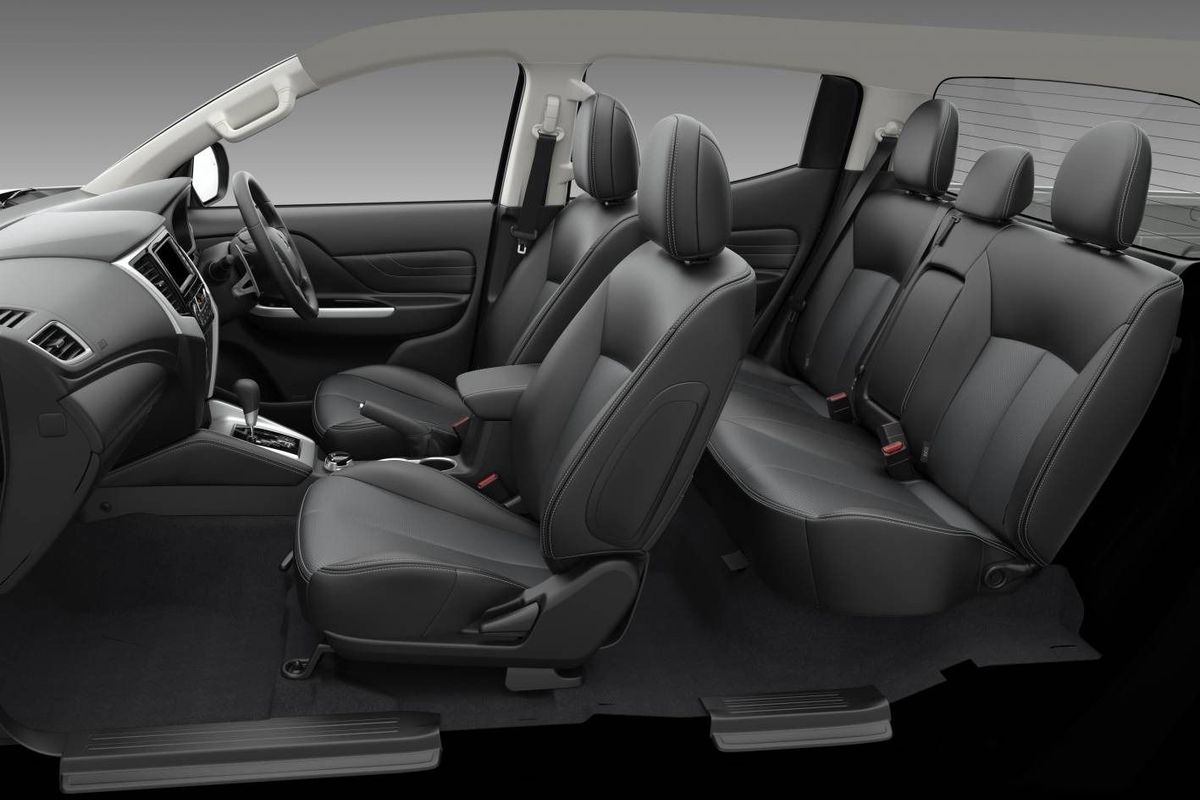
A revised interior with a host of feature updates will make the Triton more competitive in the double-cab bakkie market. 

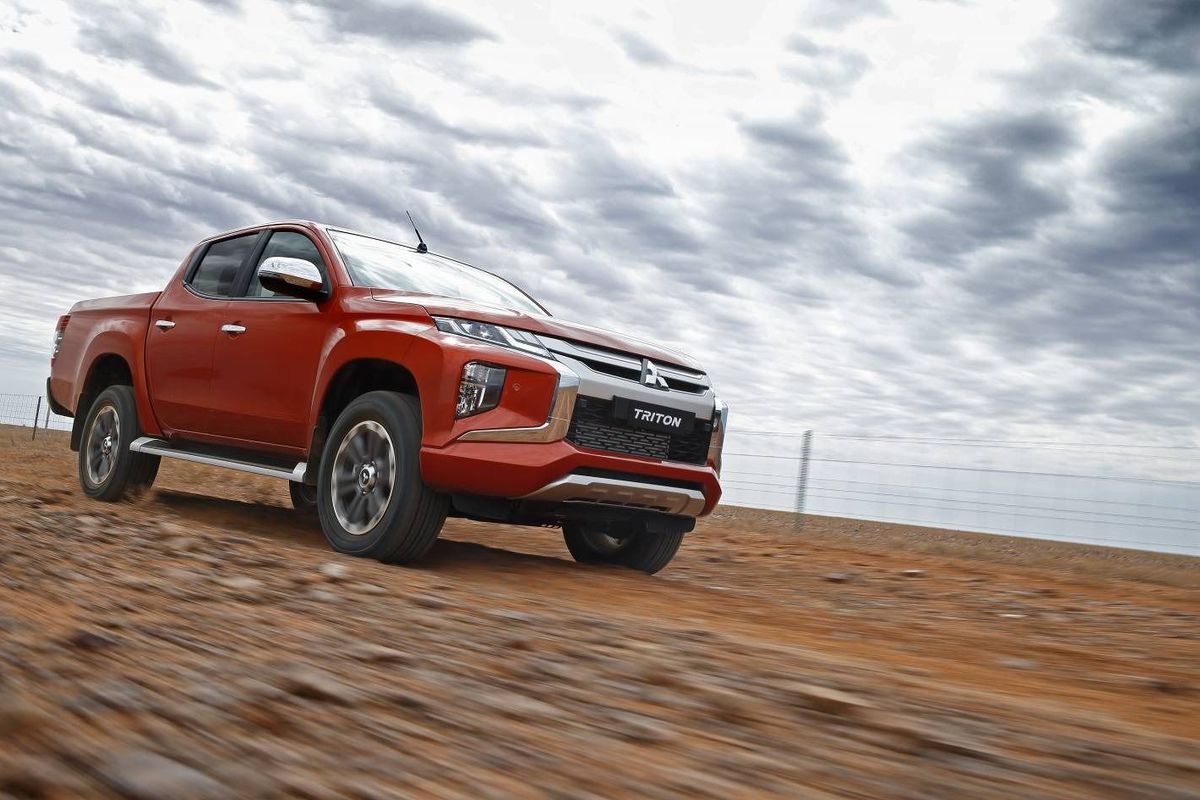
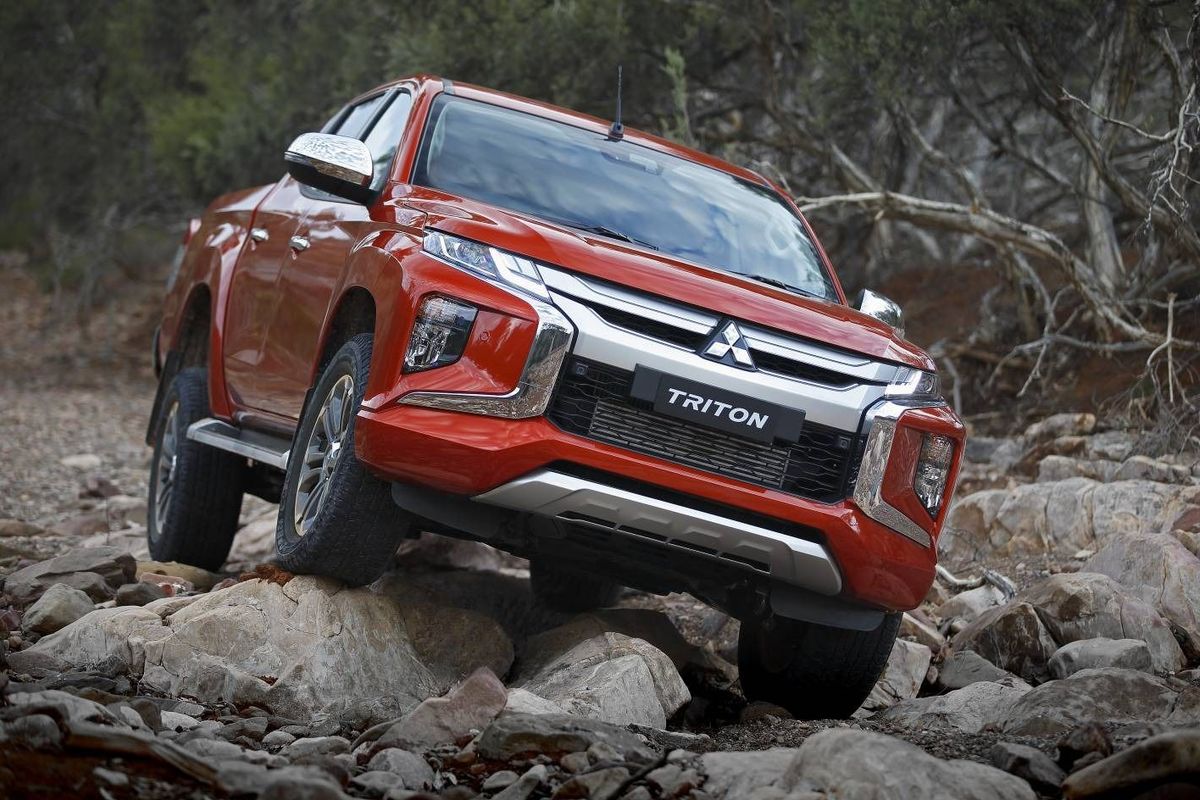
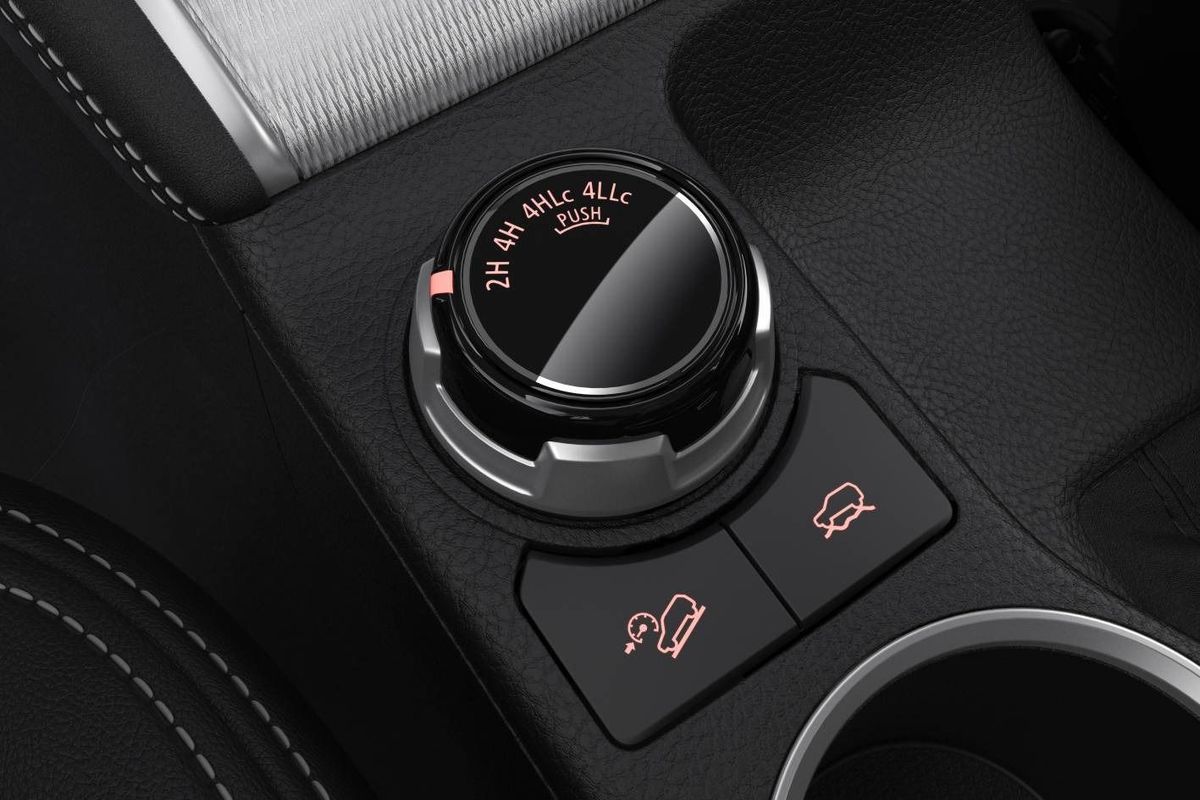
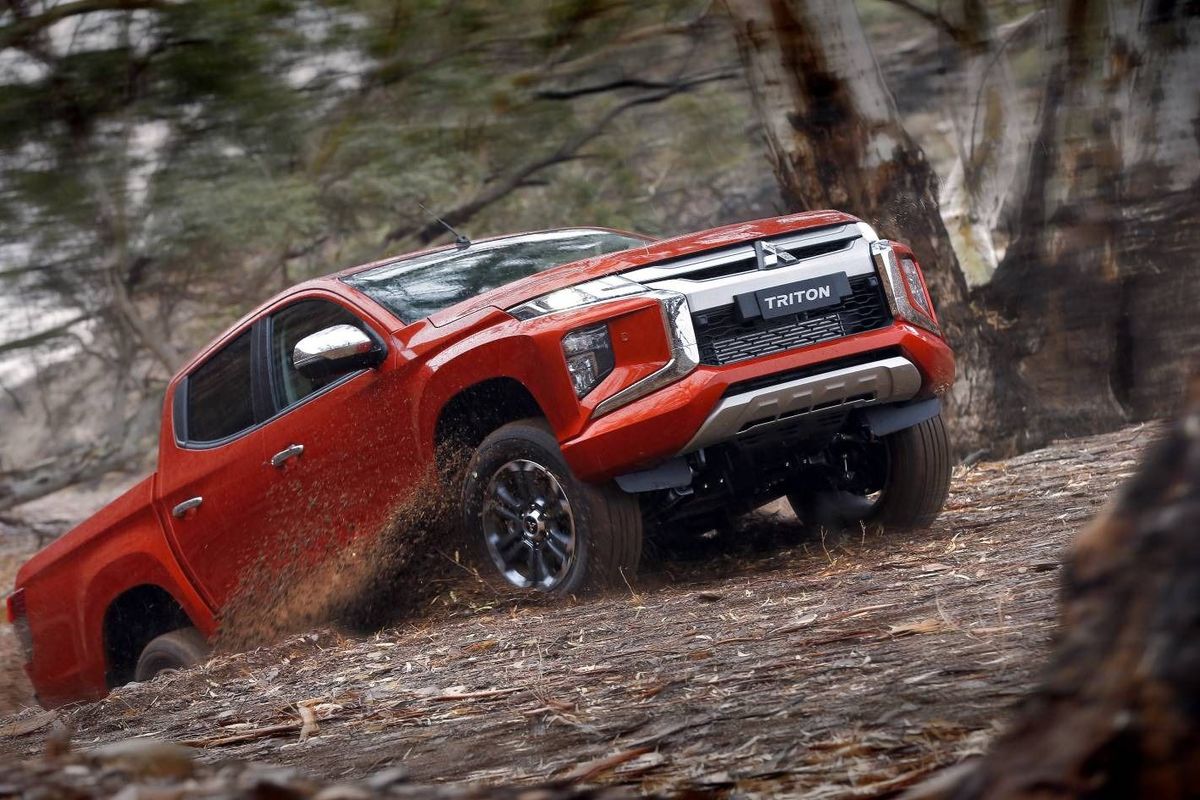
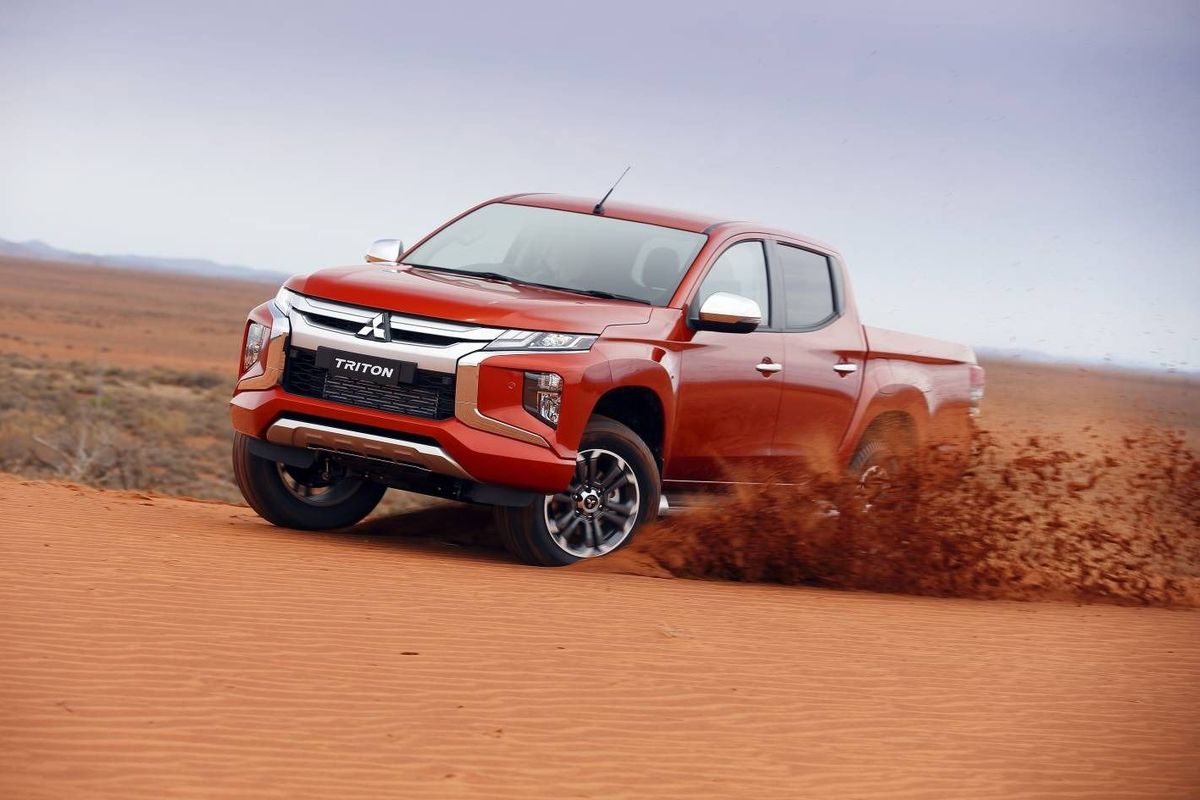
The new Mitsubishi Triton double-cab bakkie looks fresh and modern and is unmistakably a Mitsubishi product. This facelifted Triton features a bolder face and an enhanced Super-Select 4WD system that improves traction and handling on all surfaces. An Easy-Select 4WD system is also offered which makes it easy switch between modes depending on the terrain. Both systems make use of a new Off-Road mode offering settings for Gravel, Mud/Snow, Sand and Rock. Hill Descent Control will also help the driver to safely navigate steep or slippery descents. 

Mitsubishi has also beefed up the Triton's safety with driver assistance systems such as Forward Collision Mitigation, Blind Spot Warning, Rear Cross Traffic Alert, Ultrasonic Misacceleration Mitigation System and a Multi Around Monitor with parking sensors. Mitsubishi has also improved ride comfort with larger rear dampers and the latest Triton's braking performance has been improved with larger front discs and callipers. 

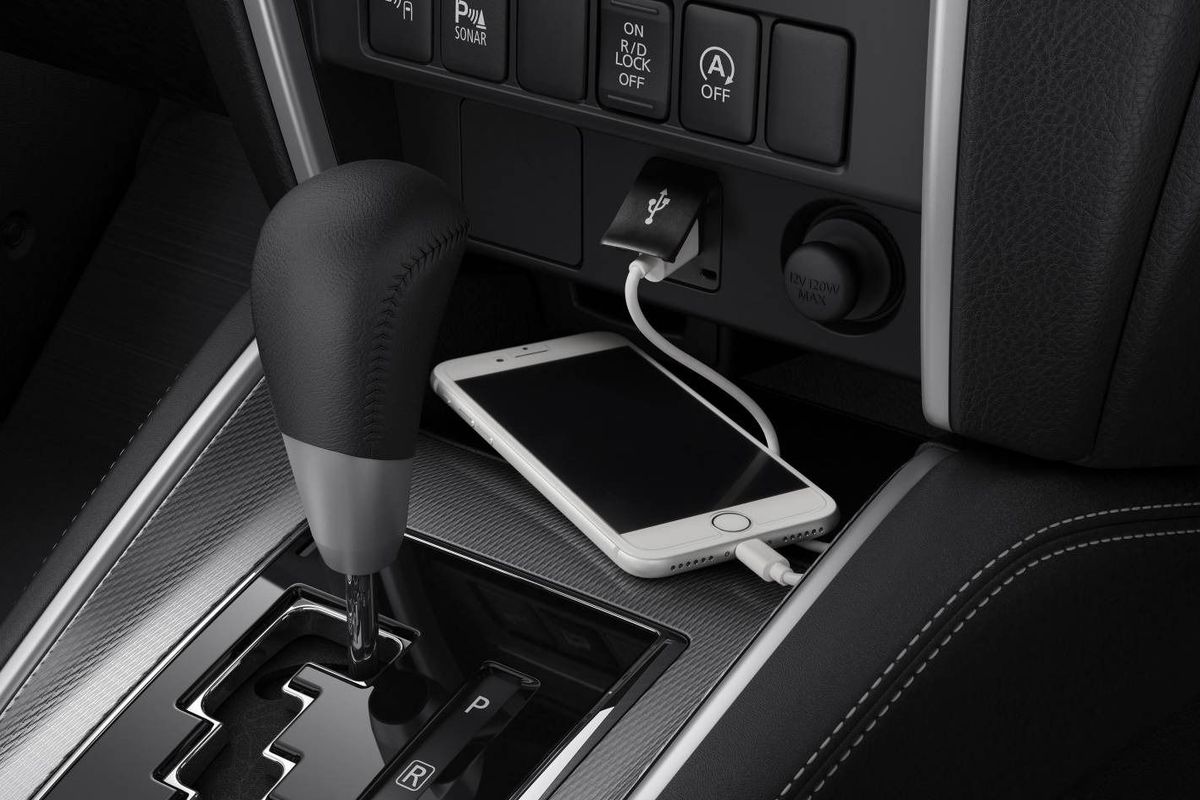
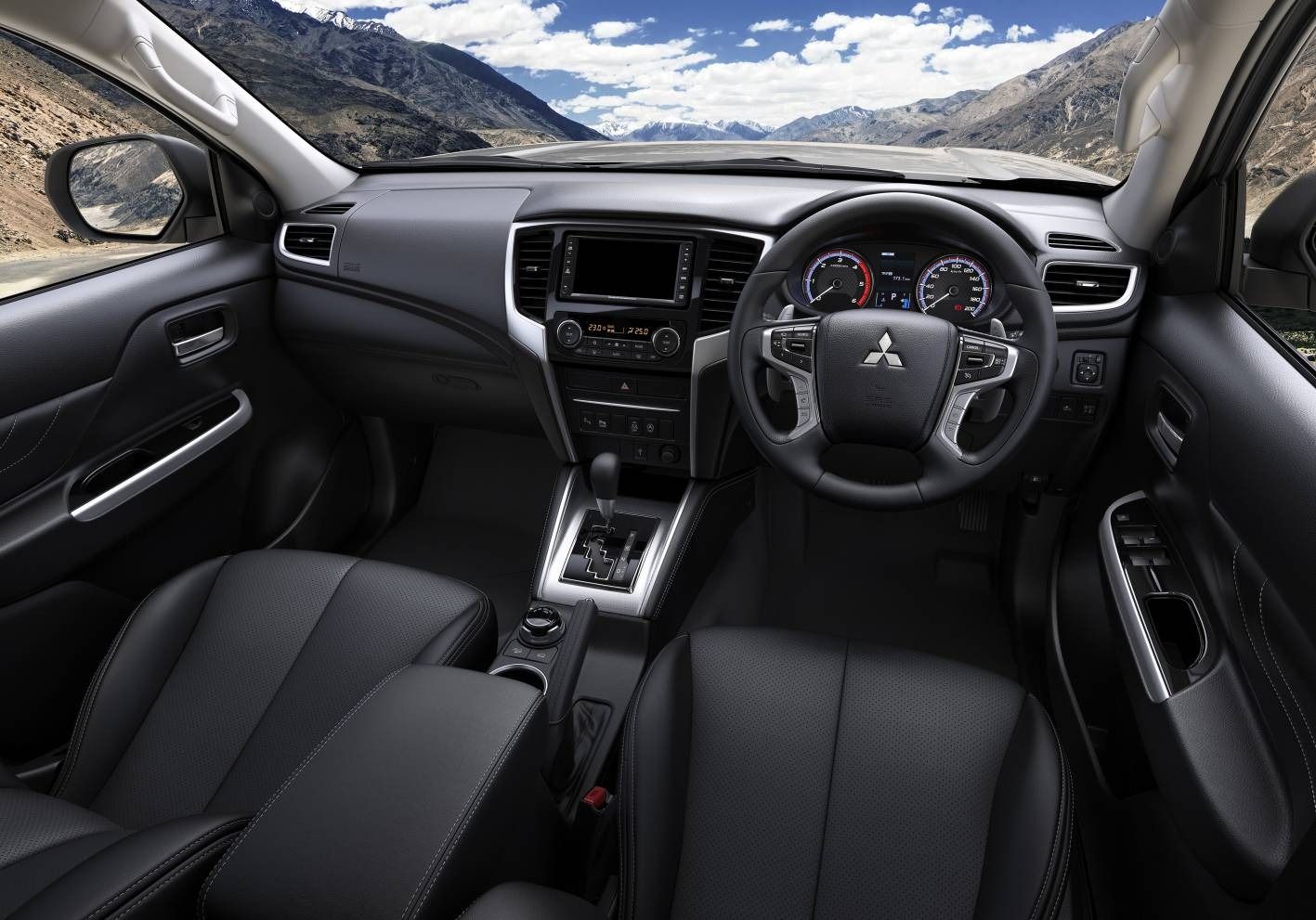
The interior has been updated too to reflect a more modern design and now features soft-touch materials and stitching on the floor console, armrests and parking brake. 

The Triton will be powered by the familiar 2.4-litre turbodiesel engine with 133 kW and 430 Nm of torque but will now make use of a 6-speed automatic transmission which replaces the previous 5-speed automatic shifter. 

We will keep you updated as soon as local pricing and specification details become available. 

Buy a Mitsubishi Triton on Cars.co.za

Related Content

Mitsubishi Triton Athlete in SA

Mitsubishi Triton (2017) Video Review

Mitsubishi Triton 2.4DI-D Double Cab 4×4 (2017) Quick Review

Mitsubishi Triton 2.4DI-D Double Cab 4×4 Auto (2017) Review

5 Cheapest Automatic Double-Cab Bakkies in SA

6 of the Most Impressive In-Car Sound Systems

The modern car has become a state-of-the-art digital sound symposium capable of putting concert halls to shame. Here are 6 of the most spectacular installations…

There was a time when tapedecks were state-of-the-art when it came to in-car audio. In fact, some of you may even remember the anti-theft pull-out units that revolutionised the female handbag market in the eighties… This eventually gave way to the CD front-loader and who can forget the shuttle drive – remember those things? You’d have to pre-load your CDs (usually in a hub located in the boot) and wait an eternity for your head-unit to select a track let alone the correct album. Thankfully those days are over – well for some at least – and we have technology to thank for the amazing strides made in terms of delivering the all-encompassing sound experience of the modern car.

Nowadays, it’s sometimes better listening to your favourite album on the way to work than it is attending a live music concert, such is the clarity and texture of these systems. These developments are largely a result of collaborative efforts between car makers and sound engineers to tailor and develop bespoke systems based on exclusively developed cabin architectures.

1. Harman Kardon and BMW

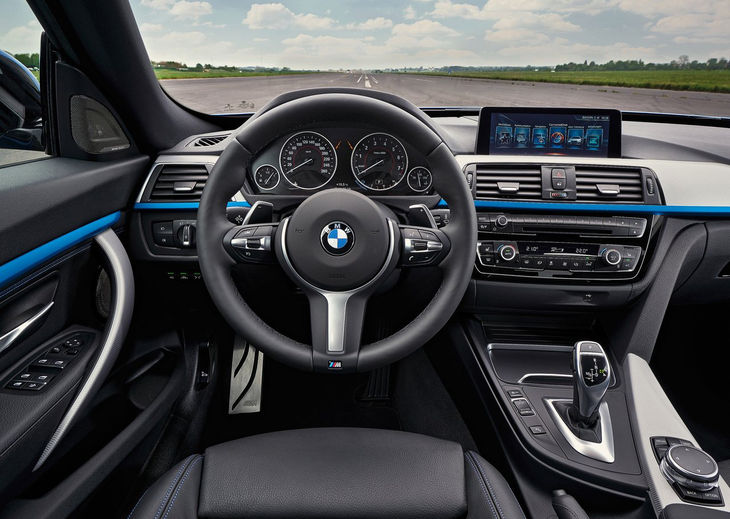
Known around the world for its premium audio and refined design characteristics, Harman Kardon has a long-standing partnership with BMW when it comes to the acoustic arts. The BMW 3 Series is available with 16-speaker Harman Kardon Sound System. Yes sir, 16 speakers! The sound system comprises seven 26 mm tweeters, two 8-inch subwoofers, seven 4-inch midrange speakers and a 600w 9-channel amplifier – the result of which makes for the most incredibly detailed and crisp surround sound systems in the premium midsize car segment. Visually, each speaker is finished in a brushed-aluminium-look veneer cover with matching Harman Kardon emblems. It might be one of the cheapest options around but at R11 400 it’s worth its price in watts.

2. Mark Levinson and Lexus

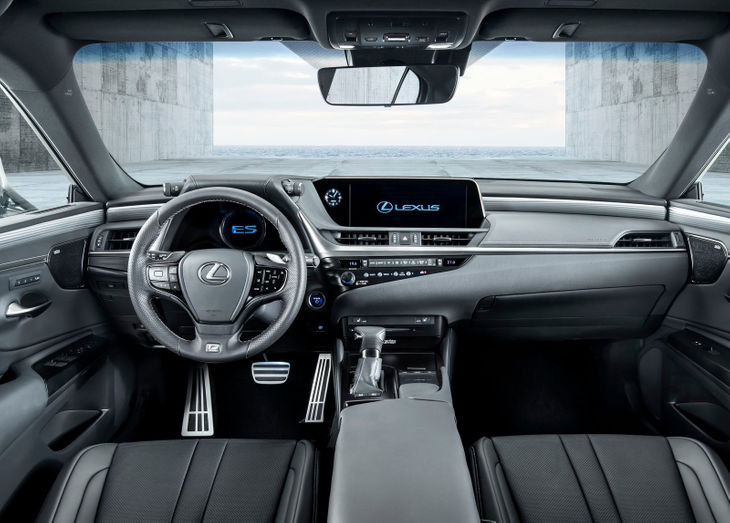
Mark Levinson and Lexus have collaborated on some of the most impressive in-car audio systems of recent memory. Levinson systems are designed to replicate the sound of a concert hall and naturally have clarity levels of an unprecedented nature. The Lexus ES 300H SE features a Mark Levinson Premium Surround Sound system that utilises 17 speakers. The 835 W bouquet was developed exclusively for the ES, taking into account such parameters as materials, negative space and NVH compliance. The result is very close to the best surround sound system in its class delivering an experience that borders on quasi-religious.

3. Burmester and Porsche

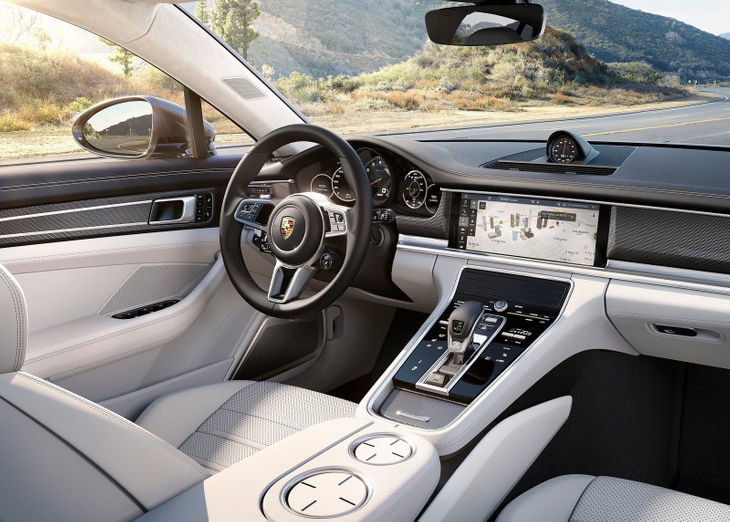
The catchphrase on the Burmester website is quite amusing: “The sound from Weissach is being enhanced from Berlin.” We’re not talking about the incredibly detailed engine soundtrack here but rather the Panamera’s entertainment system. While the granular soundtrack of the Panamera is always going to cause a rubbernecking frenzy from onlookers, the masters at Burmester have managed to engineer an in-car surround sound system that’s equally as capable of turning heads. A 21-speaker, 1 455 W sound system takes responsibility for the decibel disruption complete with a Sound Conditioner that provides a dynamic sound adjustment to the prevailing vehicle noise levels.

4. Naim and Bentley

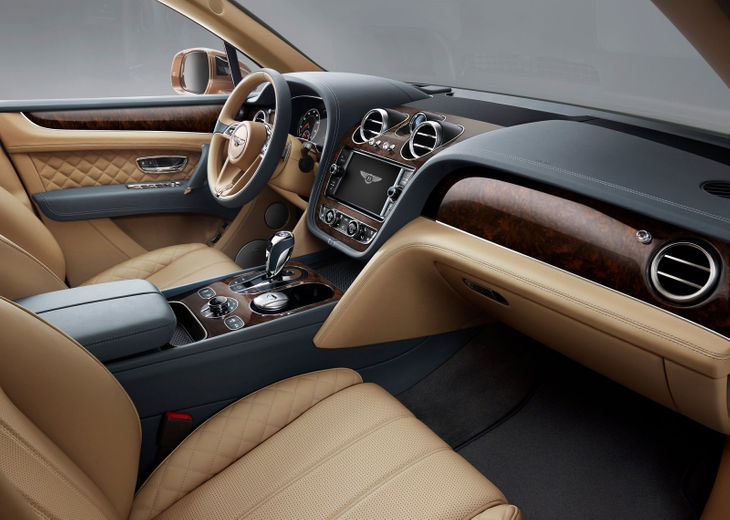
Naim is to audio what Bentley is to the world of motoring – a uniquely British icon famed for its premium and bespoke hand-made products. Since 2008 these 2 enterprises have been collaborating on some of the most incredibly impressive projects by harmonising car design with audio excellence. And the result is other-worldly. Each Naim in-car sound system has been tailored to work exclusively with each car to ensure the best acoustics. Featuring heavily across Bentley's entire range the 'Naim for Bentley' set-up comes as standard fitment on its first SUV, the Bentayga, which uses 20-speakers driven by a 1 950 W, 21-channel amplifier. The speaker configuration includes a 300 W subwoofer, and a couple of super tweeters to extend high frequencies.

5. Bang & Olufsen and Audi

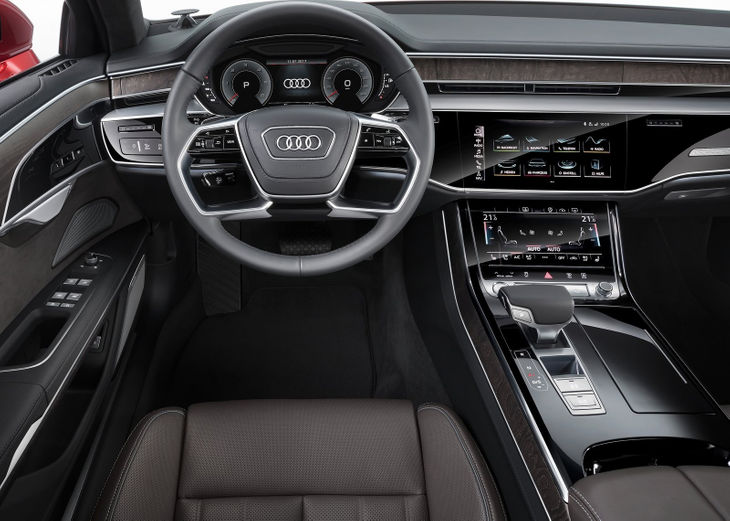
After a brief alliance with Bose, Audi decided to ramp things up in terms of premiumness by joining forces with Danish firm Bang & Olufsen at the turn of the century with the second-generation Audi A8. It’s featured in every A8 since and has become the sound staple for the entire model portfolio as a result. The current Audi A8 can be optioned with the all-new 3D ‘Advanced Sound System’. Boasting 23 speakers, 23 channels of amplification and 1 920 W of power, the new arrangement of height speakers as well as a new version of the Fraunhofer Symphoria algorithm helps create three-dimensional audio effects. The cost? R93 810. Gulp.

6. Bowers & Wilkins and Volvo

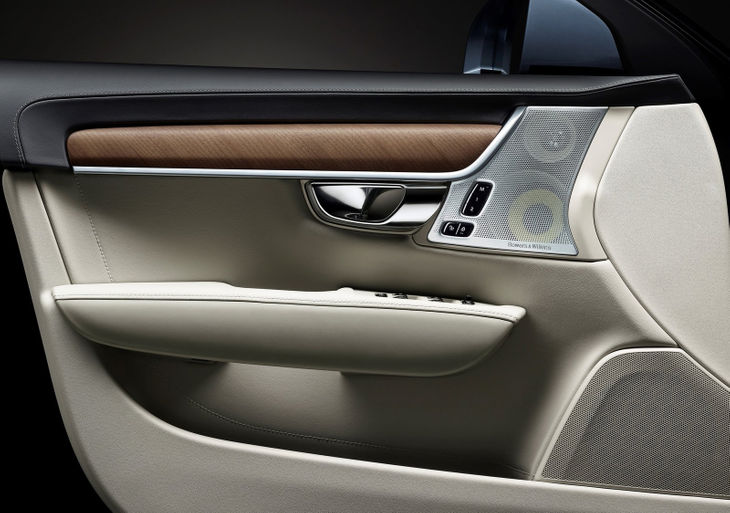
Just a few years ago, the thought of driving a Volvo wasn’t very high up on the lists of car lovers but that all changed when Volvo introduced its new design philosophy on the XC90 and S90. You’d expect the ultra-premium S90 to come standard with something like a Bowers & Wilkins system but it will cost you an extra R80 000 to get the noise to match the poise. Pricey, yes, but worth it not just in terms of the entire experience but the aesthetic merit of the system too. Most of the tweeter and mid-range speaker panels come finished in stainless steel and the contrasting yellow speaker cones are just about visible through the mesh, it’s a spectacular-looking system. The 19-speaker system is powered by a 12-channel 1 400 W amplifier which operates seamlessly with the Sensus Connect infotainment system.

Related content

Top 5 Best Car Interiors of 2018 (So Far)

New Audi Q3 First Drive – Is Audi's latest SUV worth waiting for?

All-new Volvo S60 Revealed and It's Coming to SA

New Renault Megane RS Lux: Does the new 4-wheel steering really work?

Renault's hot hatch game is strong but their products don't seem to have the traction or cult following in the South African market compared to say the overly-popular Golf GTI or highly-regarded Honda Civic Type R.

With the latest generation Megane RS, Renault has seemingly gone all out to attract the attention of the hot hatch crowd. The all-new exterior design is dramatic and certainly turns heads. The interior has that boy-racer feel and its 1.8-litre turbo motor produces 205 kW.

But in this video we set out to test a brand new feature on the Megane, a feature unique in this segment: 4-wheel steer. Watch as Ernest Page takes to the track to find out if the 4-wheel steer actually works. 

Buy a new or used Renault Megane on Cars.co.za

Related Content

Renault Megane R.S. Lux (2018) Launch Review

Renault Megane RS: 5 Rivals To Beat

Renault Megane RS Trophy Ups the Ante

2018/19 Cars.co.za Consumer Awards – powered by WesBank; Finalists
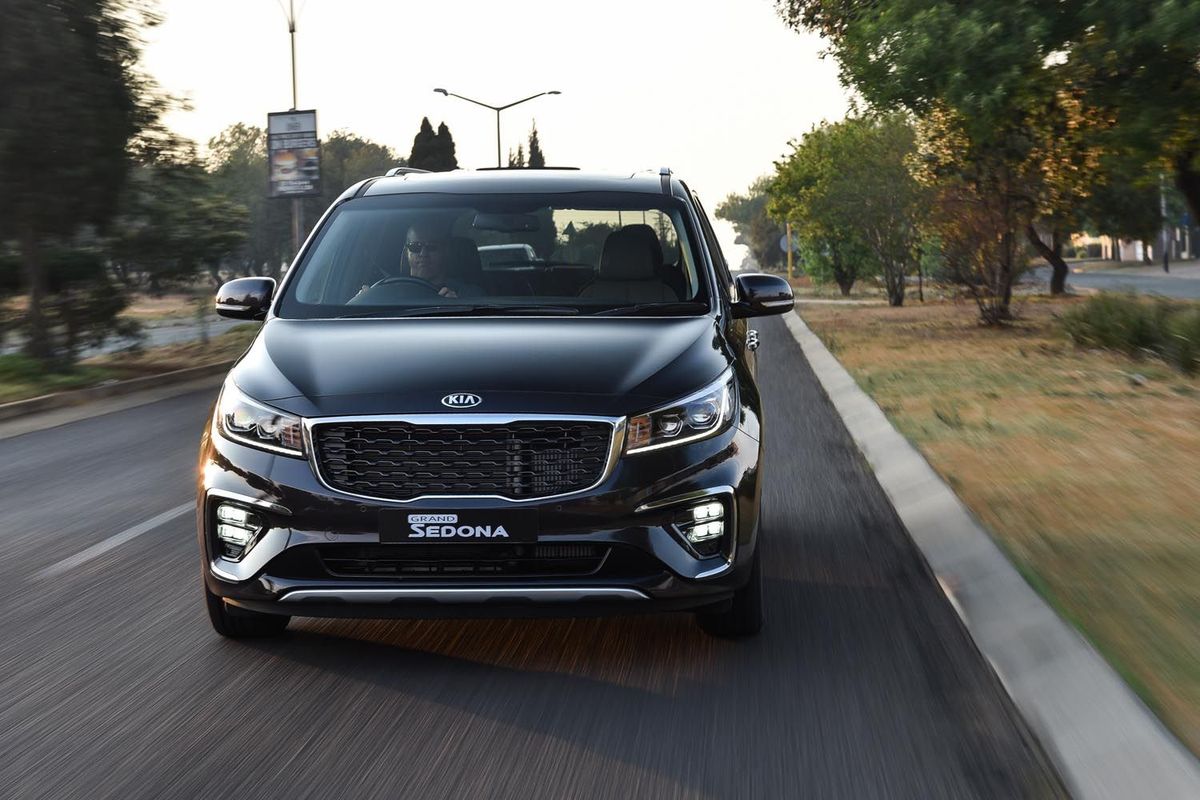
Kia Grand Sedona (2018) Launch Review

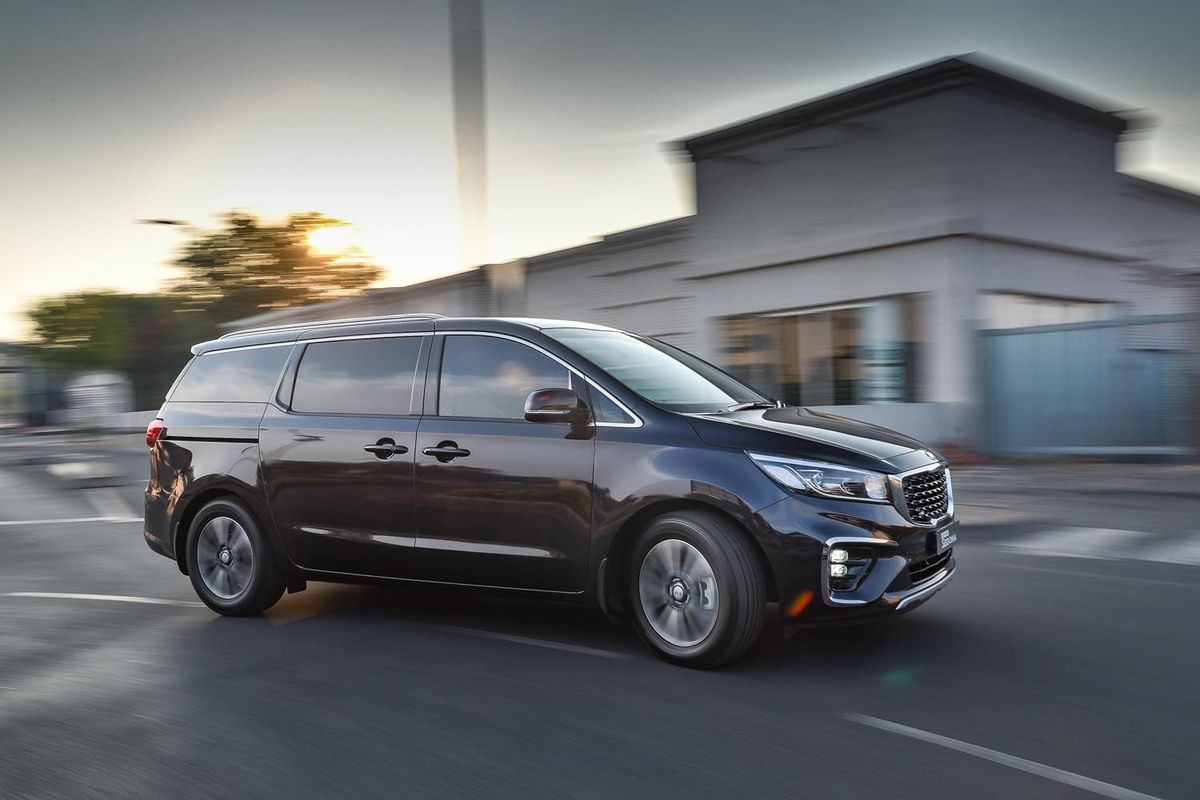
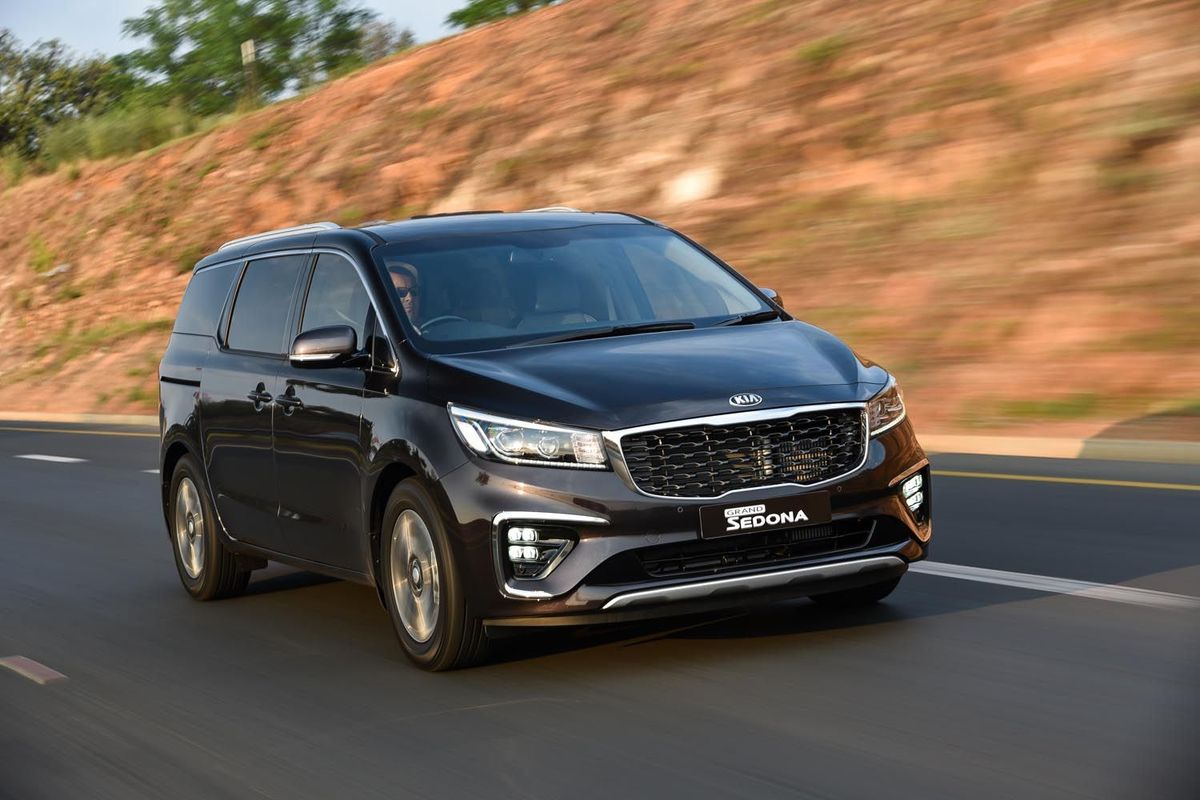
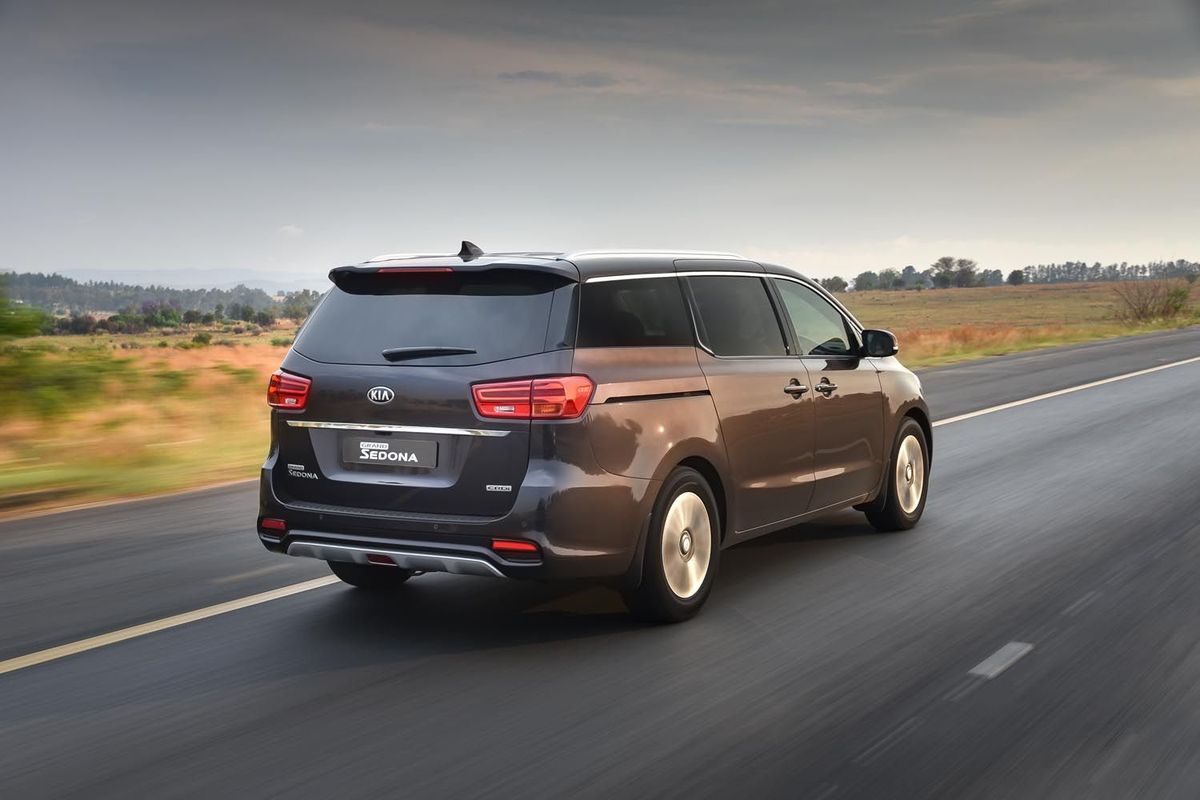
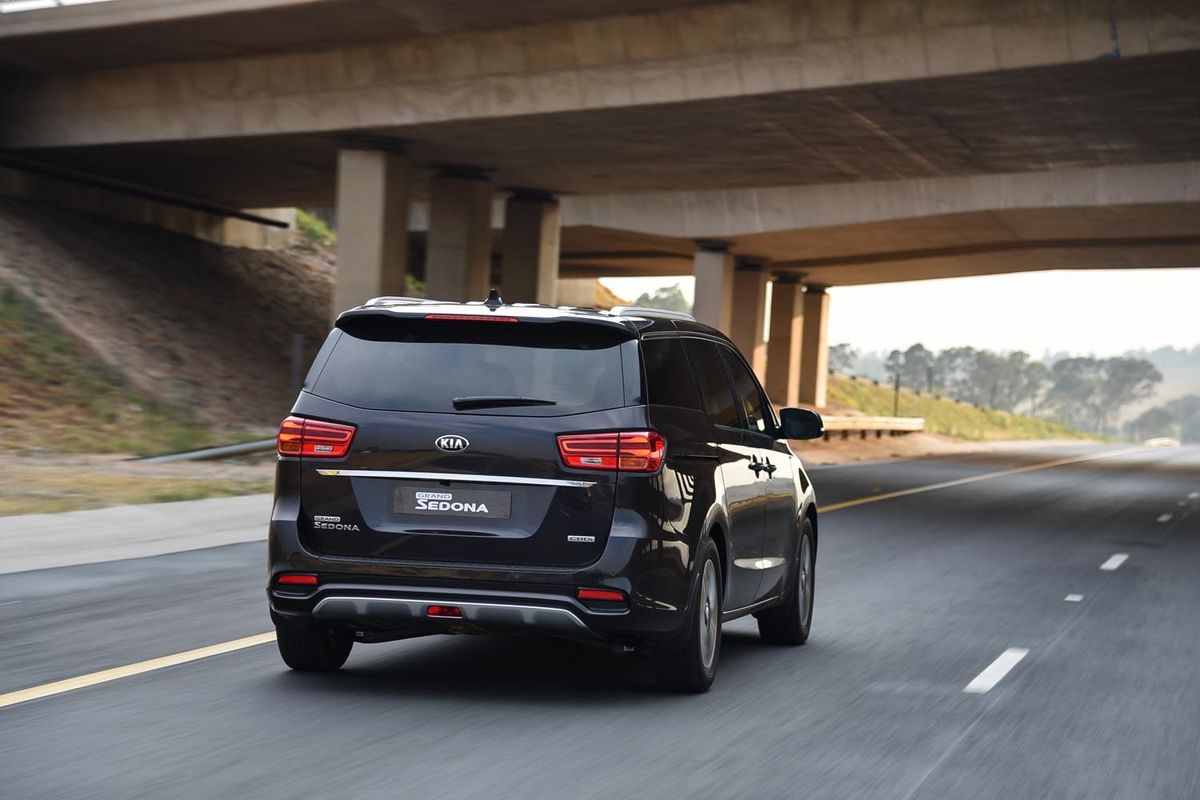
Even the most ignorant motorists will acknowledge that the demand for MPVs has declined due to the rise in popularity of SUVs. Buses may be out of fashion, but Kia’s Grand Sedona, though spacious, comfortable and practical, doesn’t strictly conform to the "bus" description; its crossover execution makes it particularly attractive.  
For the 2018 model year, Kia has rung the changes for its full-sized MPV. Apart from the usual cosmetic updates (redesigned bumpers, head- and tail lights, with LED daytime running lights and lighting signatures on higher-end models) and upgraded interior (including a redesigned fascia and instrument cluster), the Korean firm has discontinued the SX-spec grade and 3.3-litre V6 derivatives and added a new, EX+ 8-seater version.

The flagship Grand Sedona SLX 7-seater comes equipped with LED headlamps with automatic levelling.

The entry-level EX 7-seater (also available with 11 seats, on special order) features, inter alia, aircon, auto headlamps (with ‘welcome home’ and ‘escort’ lighting), a centre front armrest, electrically adjustable and heated side mirrors, electric windows all round, rear PDC and reverse-view camera, a new 7-inch Apple CarPlay/Android Auto touchscreen infotainment system with front and rear USB ports, as well as 17-inch alloys.

The subject of the launch drive, however, was the new, mid-spec EX+ 8-seater derivative, with which my partner and I, plus another couple (and, of course, our assorted detritus) travelled from Cape Town to George. For all its boxy dimensions, the Grand Sedona is spared that MPV-based-on-a-commercial-vehicle curse that afflicts virtually all of the Kia’s competitors (in other words, it’s not a delivery van/crew cab converted into a bus).


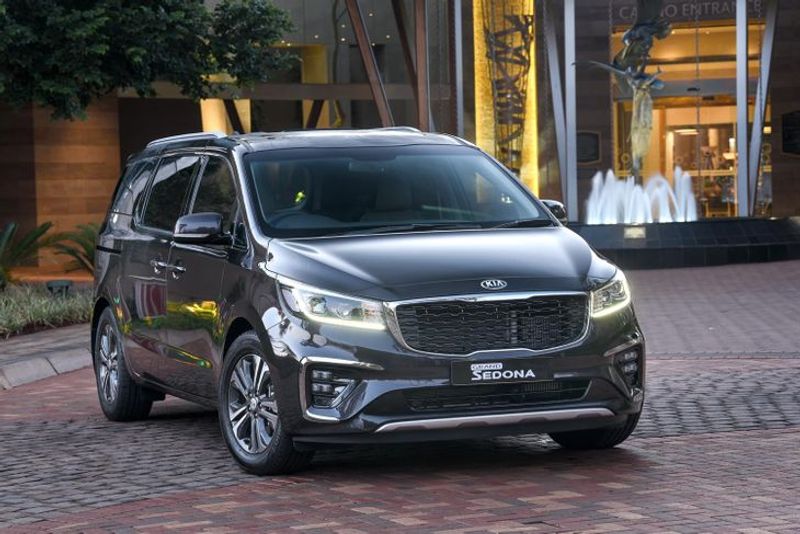
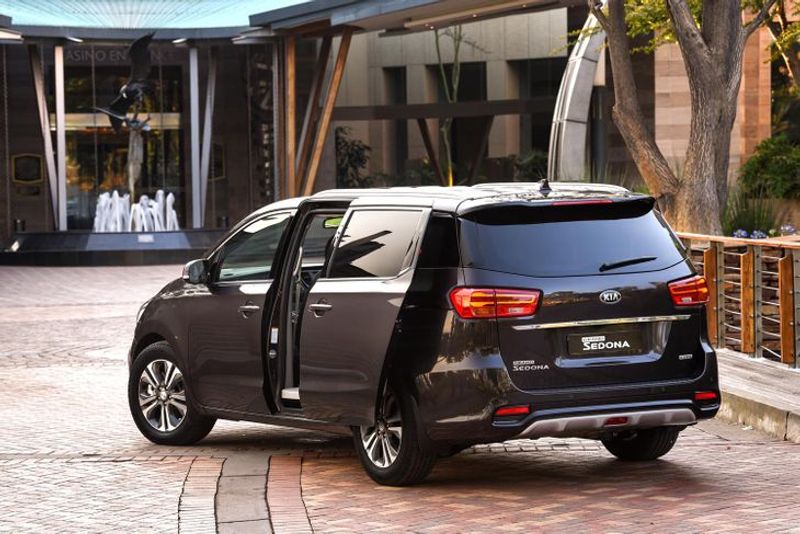
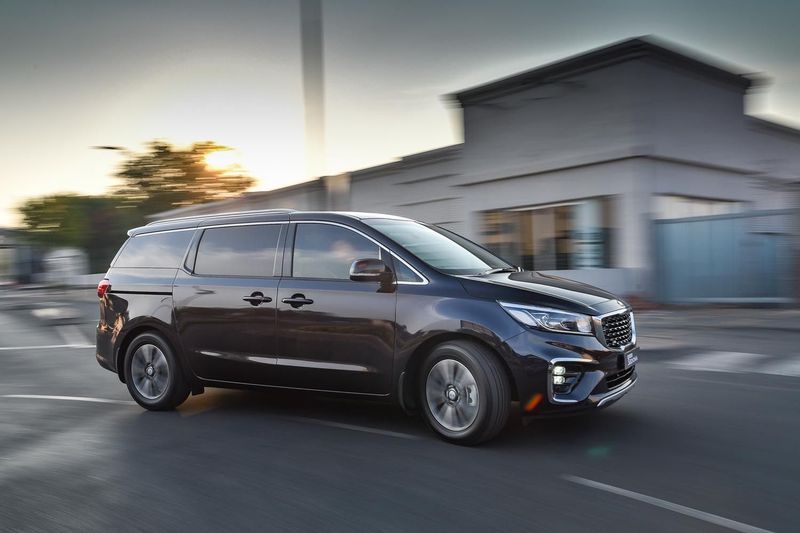
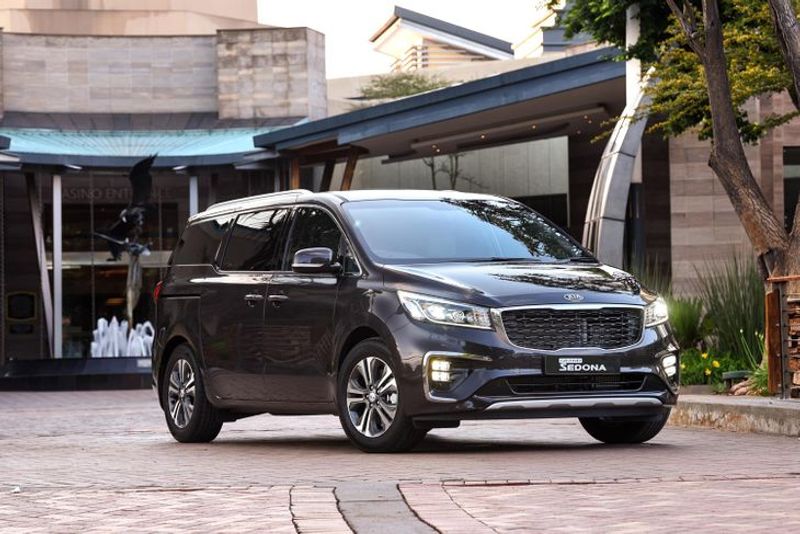
Despite its double-sliding-door configuration, the Grand Sedona chunky detailing lends the refreshed Kia more of a crossover vibe.

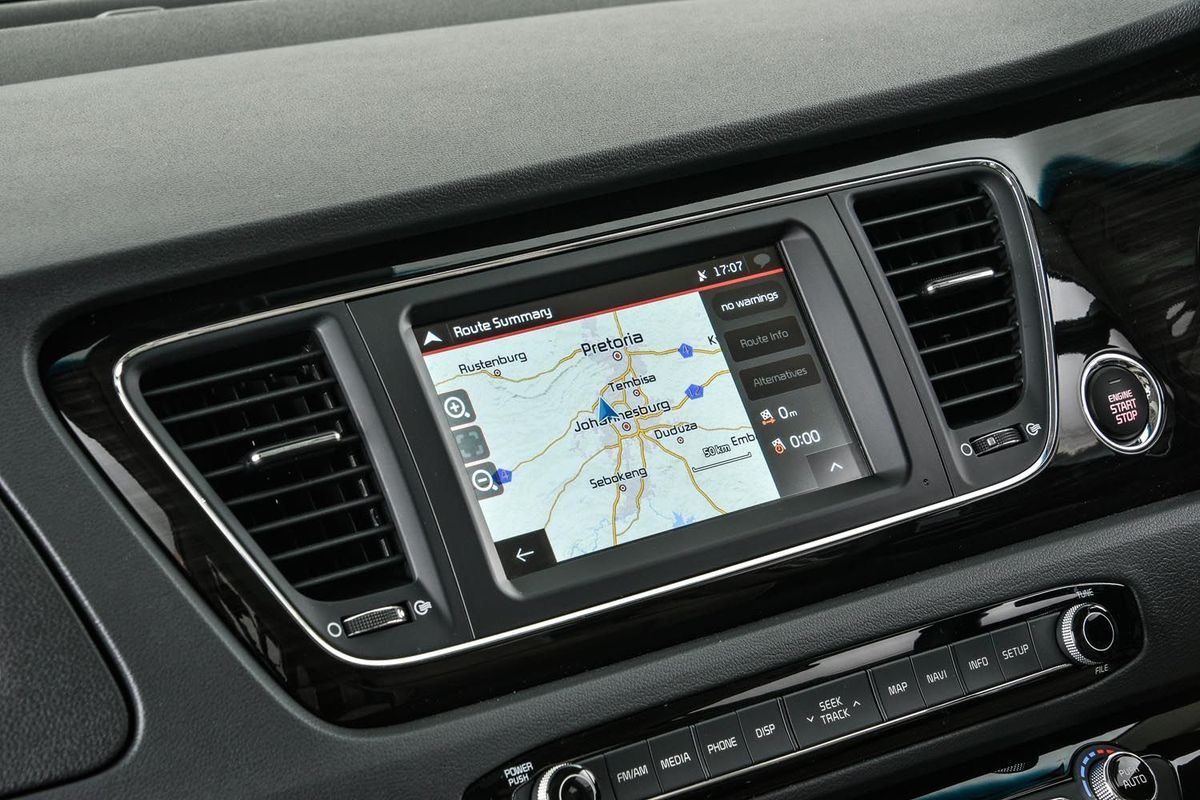
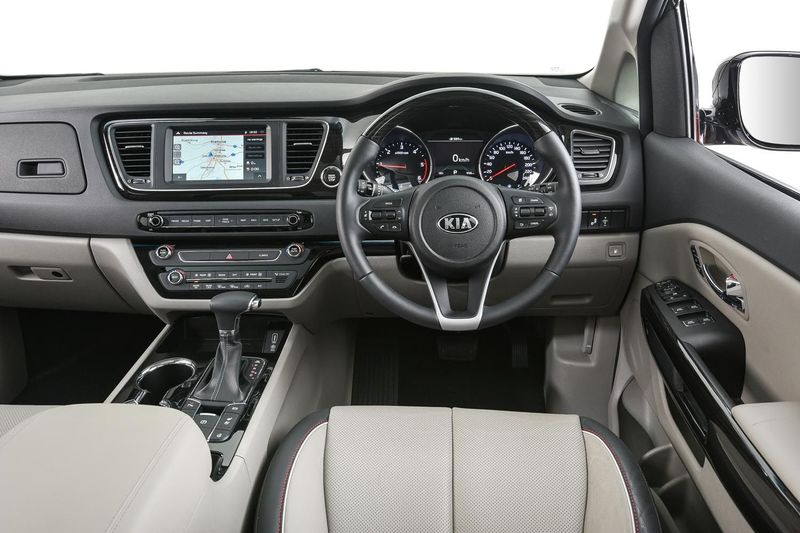
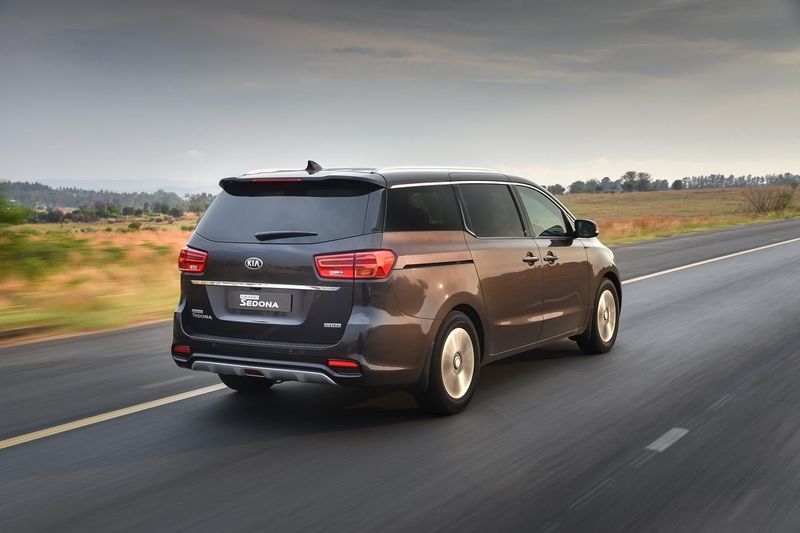
Granted, the Grand Sedona’s no sleek executive sedan or macho, large-tyred SUV, but thanks to recent aesthetic updates, it looks fresh and hides its bulk relatively well (especially when adorned in a dark metallic paint finish, I must add). The theme continues inside the Kia’s cabin, where the driving position is predictably perched, but the fascia isn’t a plunging slab of utilitarian plastic with only a sparse scattering of buttons (as befits a vehicle designed for commercial purposes). In fact, the cockpit is quite enveloping and the new 8-inch touchscreen (with satnav) is the highlight.

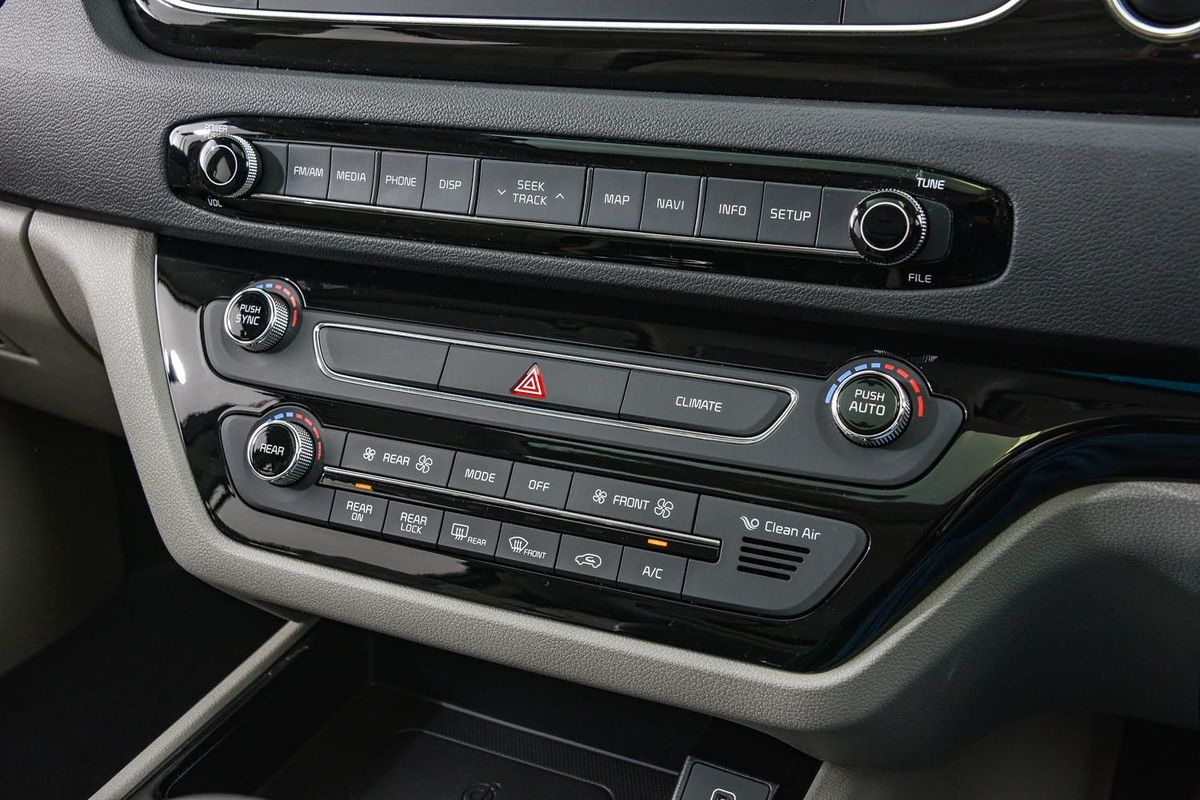
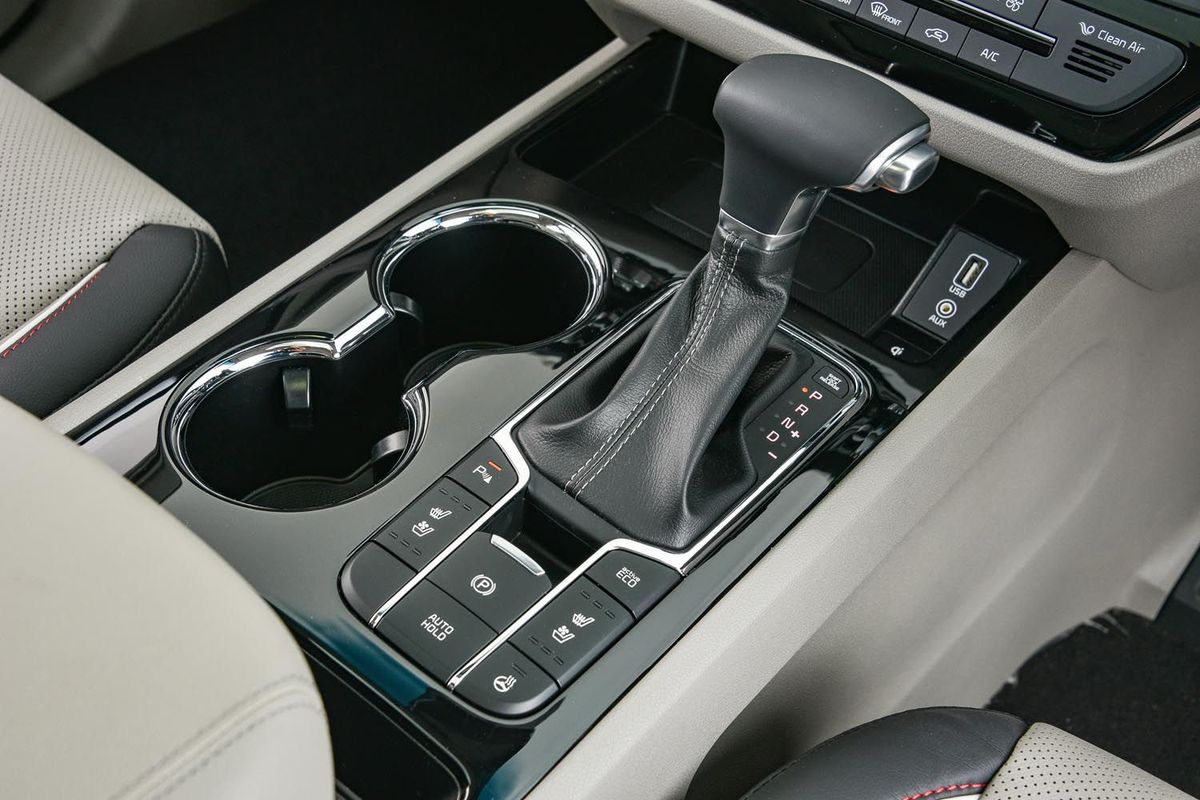
During my stint at the wheel, I appreciated the provision of the automatic dual-zone aircon (it provided much relief during an unseasonable heat wave in the Cape), as well as the auto-folding (and heated) side mirrors, cooled glove box, auto-dimming rear-view mirror, plus front and rear park distance control (in conjunction with the reverse-view camera… as you may imagine, a Grand Sedona effortlessly fills out a parking bay). And, finally, an electric parking brake (including an Auto Hold function, activated from the centre console) has replaced the foot-operated brake.


The raised centre console, cowled dials of the instrument cluster and sporty multifunction steering wheel are car-like elements.

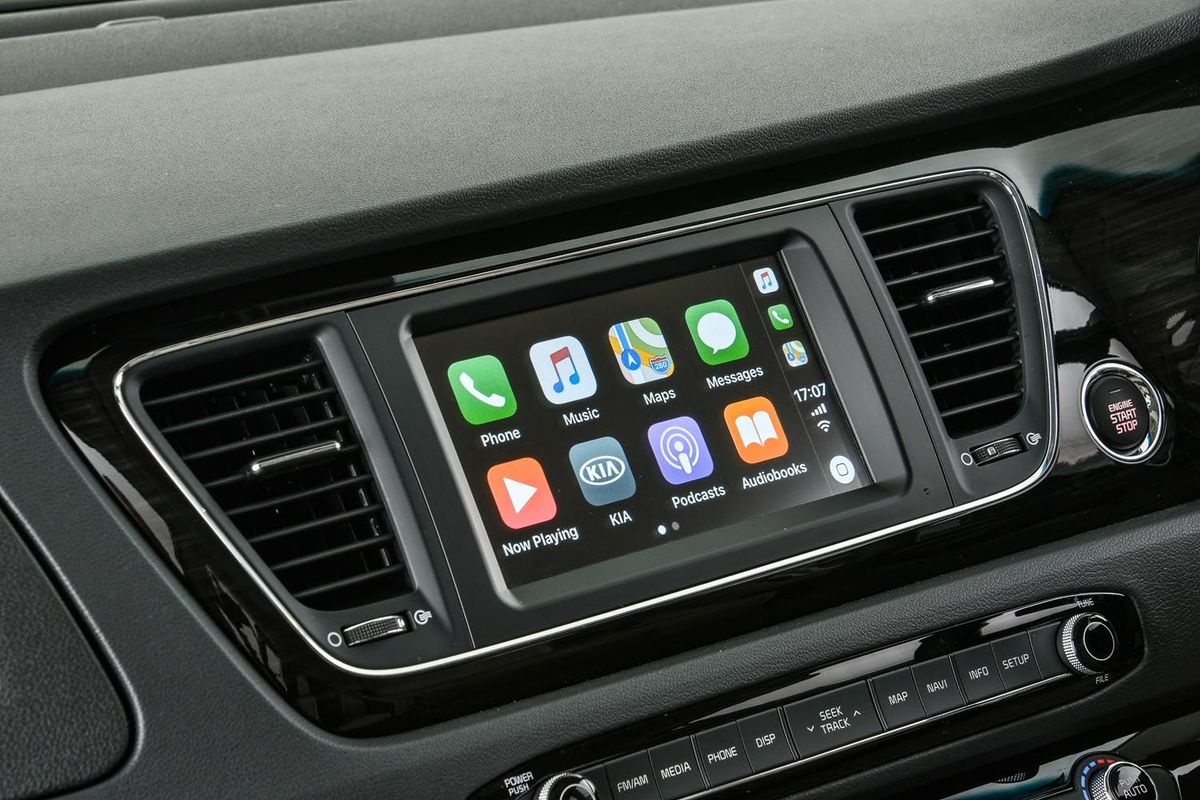
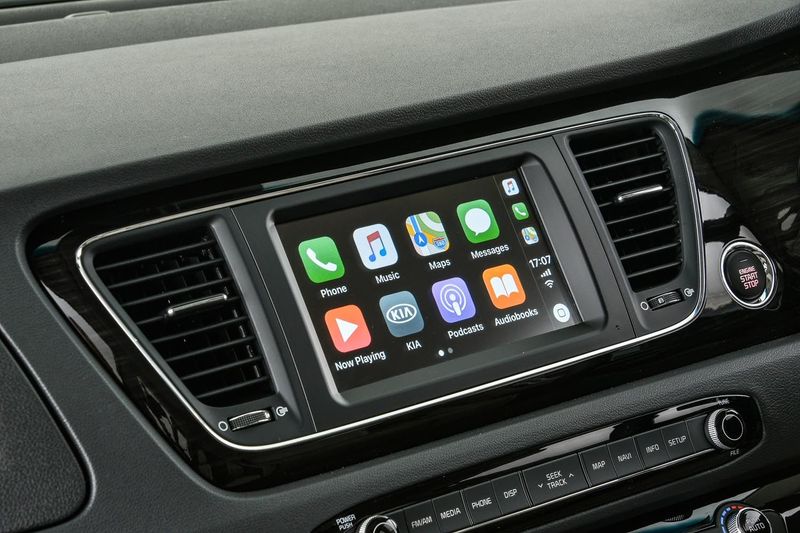
During the drive, potential embarrassment was averted by streaming chart-friendly and contemporary pop music from my iPhone 7's iTunes through the use of Apple CarPlay (hey, bear in mind that not everyone likes disco, film soundtracks and musicals ­– it's better to be safe than irksome when travelling with new acquaintances). For the record, the CarPlay interface is slick and intuitive and our only regret was that the smartphone that served as the source of the musical entertainment wasn’t enabled to work with the nifty (standard) wireless smartphone charger in the EX+.

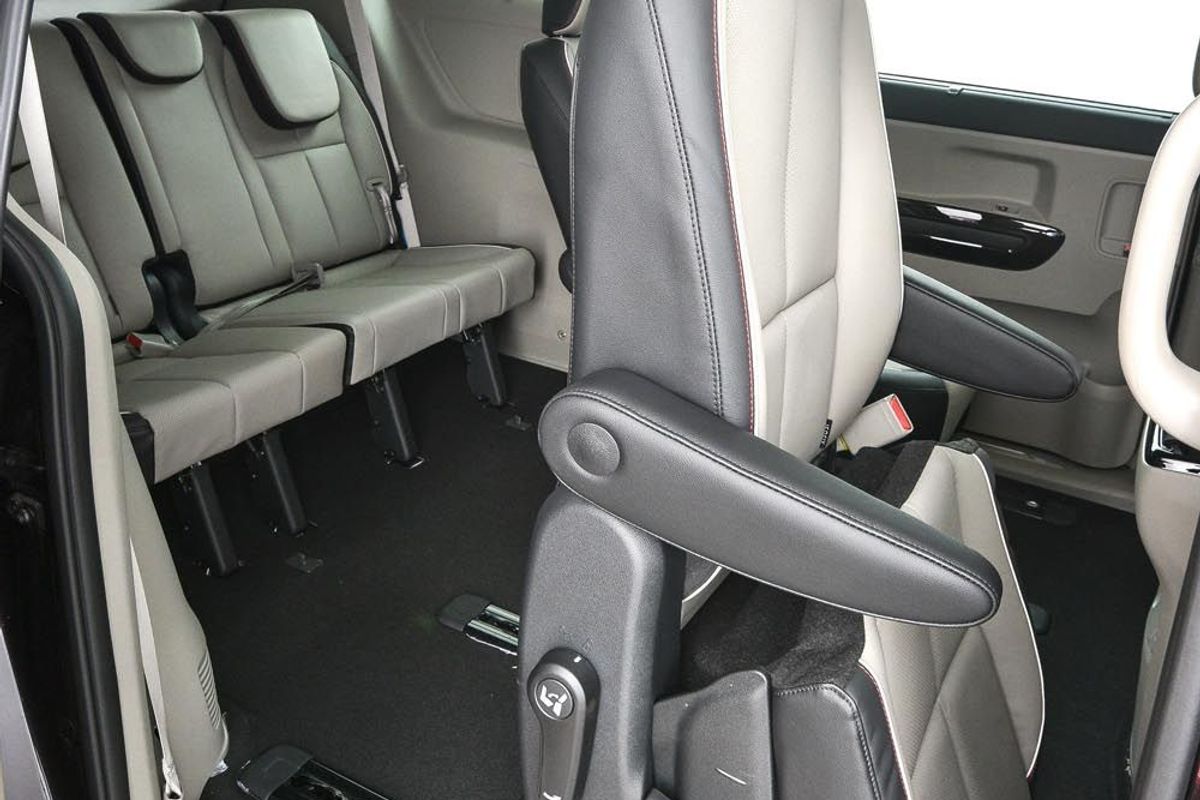
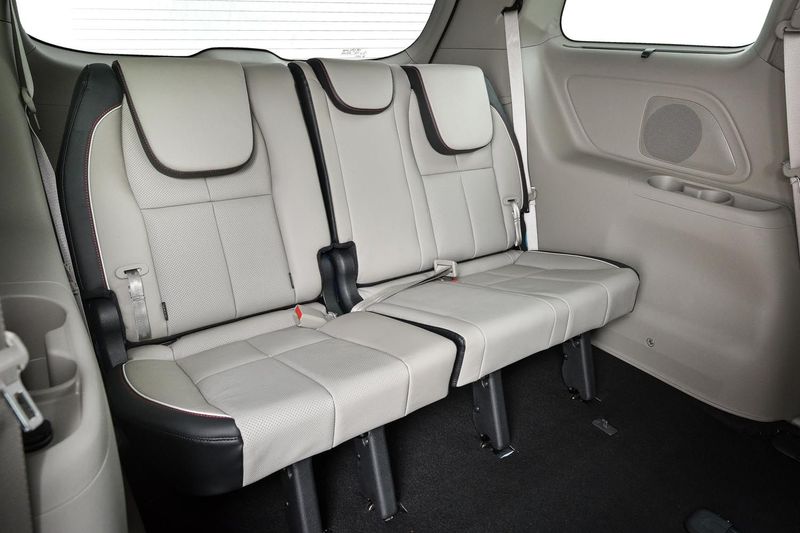
To emphasise the Grand Sedona’s refreshing packaging, when you open the generously sized sliding doors on either side of the Kia, 2 rows of sculpted and well-padded leather-trimmed seats – not gormless bus benches that resemble church pews – come into view. And not only does the comfy 2nd row of seats offer an admirable range of fore and aft adjustment, but they easily tilt upwards to offer ample access to 3 seats at the back.


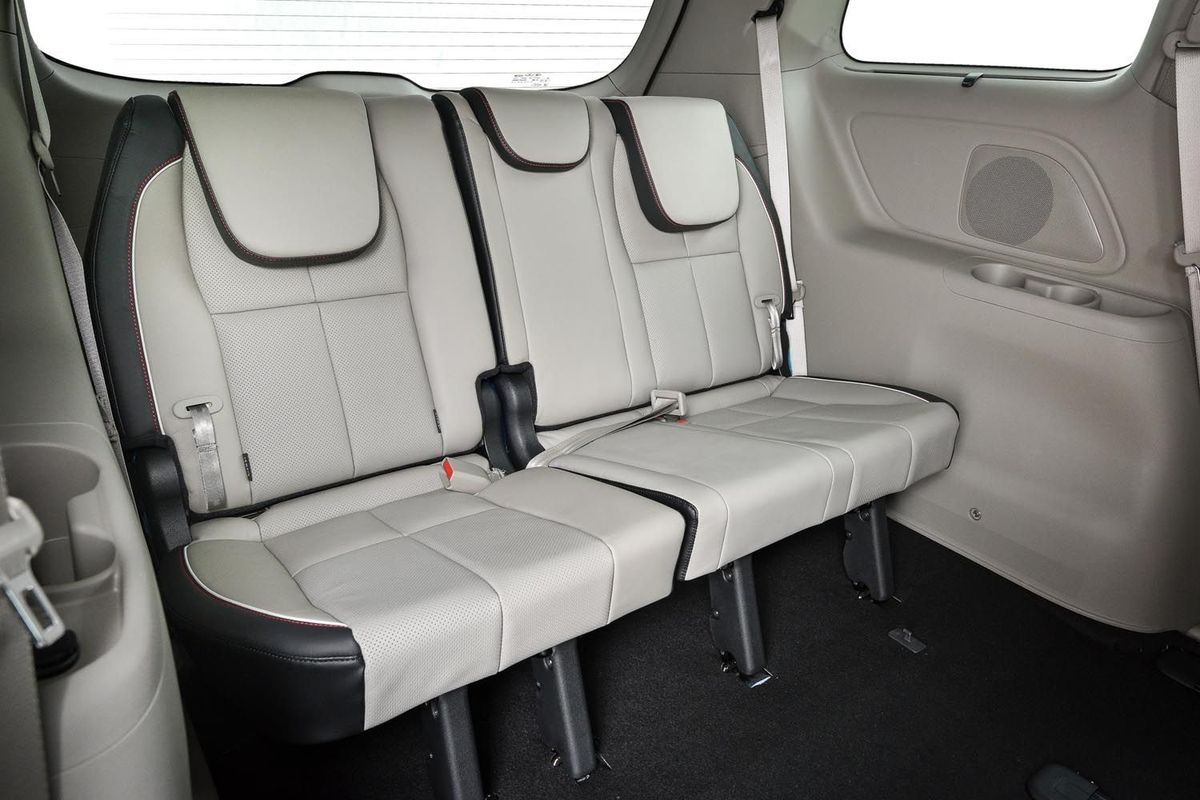
Third-row seating is comfortable, even for a pair of average-sized adults (legroom can be improved by sliding the 2nd row forward). 

After a driver change, while our partners were chatting to one another up front, my tall co-driver (a strapping former Ironman contestant) spent a protracted period lounging on the rearmost bench, while I caught a few winks on the 2nd… The machinations of the individual climate control (with its outlets located at opposite edges of the roof lining) facilitated my unplanned trip to dreamland. All the while, our luggage for the weekend-long trip, including work bags, occupied the load bay, which, at 359 litres, offers fair space and could, of course, be expanded with the 3rd row folded.

As for the driving experience, the Grand Sedona is surprisingly not quite as anodyne to pilot as many may expect. Its steering is well assisted (electrically) and light as a feather to twirl, which is undoubtedly a bonus on exhausting long-haul drives, but admittedly makes the vehicle feel a little floaty to drive on a winding country road. To its credit, however, visibility out of the Kia’s cabin is good and the general ride quality quite forgiving. Courtesy of wide tracks and 235/60 18-inch tyres (on the handsome wheels of the EX+) the vehicle's general road-holding is just fine.

 
Even though steering feel is virtually absent, the Kia's suspension is comfortably sprung – it's a good long-haul family car. 

Meanwhile, the 2.2-litre ‘R’ turbodiesel engine (widely regarded as one of the best motors in Kia’s local line-up) has peak outputs of 147 kW and 440 Nm; it offers sufficient oomph in its low to mid rev range and sounds suitably refined, even if it delivers workmanlike performance in this particular (full-sized MPV) package. The introduction of a new 8-speed transmission is also quite noteworthy…

Designed in-house by Kia, the transmission is said to incorporate 143 newly-patented technologies and, as a consequence, shifts much faster and smoother than its 6-speed predecessor. The auto ‘box operated particularly unobtrusively on the freeway, where the author could take his feet off the Grand Sedona’s pedals for a few stretches of the route and adjust the Kia’s road speed by adjusting the cruise control with his fingertips.

 
If you're not a fan of the Grand Sedona's infotainment screen's interface, Apple CarPlay turns it into an extension of your smartphone.

On a family vehicle, let alone a luxurious one, a comprehensive list of safety and driver assistance systems is essential. To that end, the EX+ 8-seater derivative includes ABS with EBD, electronic stability control and hill-start assist, 6 airbags and ISOfix child seat anchors. The electric windows have an anti-pinch function, which automatically halts closures if an obstruction (such as a child's hand) is detected.

Judging from our road trip experience with the Grand Sedona, the EX+ 8-seater derivative is arguably the pick of the range, although the provision of an electrically operated tailgate (for added convenience, power-sliding doors may have been overkill) would have been welcome.


Are you looking for a genuine people mover, as opposed to a part-time one? The EX+ 8-seater undercuts the Sorento flagship's price.

For those who want a fully-specced version, the flagship SXL 7-seater derivative offers those features, as well as keyless entry and push-button start, blind spot detection, a dual sunroof, LED headlamps, foglamps and LED rear combination lights, electrically-adjustable driver and front passenger seats (including memory function and 4-way lumbar adjustment), rear seat warmers, plus an upgraded (8-speaker) audio system.

New Kia Grand Sedona Specs & Prices in South Africa

Summary

With an asking price of R629 995, which includes a very competitive 5-year/unlimited kilometre warranty, a 5-year/100 000 km service plan and 5-years’ roadside assistance, the Grand Sedona EX+ 8-seater finds itself in an interesting position in the market. It’s more expensive than the top-specced 2-wheel-drive Adventure SUV brigade (Toyota Fortuner, Ford Everest, Isuzu MU-X and Mitsubishi Pajero Sport), but more spacious, comfortable (especially in terms of the 3rd row), liberally equipped and, not unimportantly, more car-like to drive.


How often will you require a genuine 8-seater to transport people? If the answer is "Very", the Grand Sedona ticks many boxes.

The EX+ is quite a bit more expensive than the flagship Ford Torneo Custom – the 2.2TDCi SWB Limited (R590 700) and a bit dearer than the mid-range Volkswagen Kombi 2.0TDI SWB Trendline Plus auto, but it has more features and a smarter, plusher cabin. Then again, the Kia undercuts its Hyundai 2.5CRDi bus Elite cousin (R639 900), Comfortline-spec Volkswagen Kombis (in either SWB or LWB guises) and as for the Mercedes-Benz V-Class, well that starts at a whopping R848 294. And besides, they’re all, well, buses, in which private buyers seem to have little interest.

Prospective Grand Sedona buyers will have to consider how often they’d need a full 8-seater vehicle – that's the critical purchasing decision. Unlike top-end versions of the Fortuner, Everest, MU-X and Pajero Sport, the Kia does not offer off-road ability, even though it’s more sophisticated and comfortable overall than those vehicles (perhaps it's better to compare them with the Sorento). If it strictly comes down to this charming MPV’s ability to move people (and their things) in luxury and comfort, when compared with buses around the EX+’s price range, the Kia’s a sound choice. 

Related content:

Kia Sorento (2018) Specs & Price

Hyundai H1 (2018) Specs and Price

Haval H9 2.0T 4WD Luxury (2018) Review

Volkswagen Caravelle Highline 2.0 BiTDI 4Motion DSG (2016) Review

Interested in buying a Kia Sedona?

Find one for sale on Cars.co.za

Volkswagen Tarok Concept Previews Baby Amarok

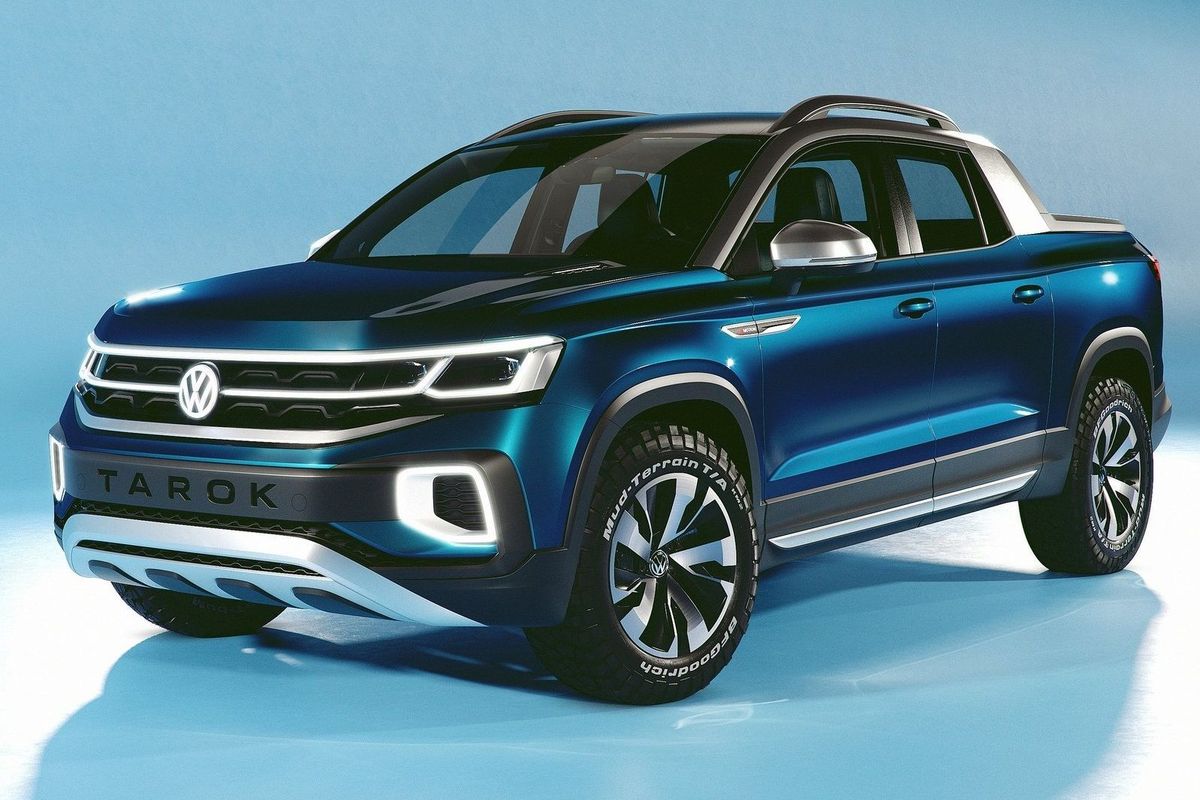
Volkswagen has unveiled the Tarok Concept at the 2018 São Paulo International Motor Show, in Brazil. Does this concept preview a smaller-than-Amarok bakkie?

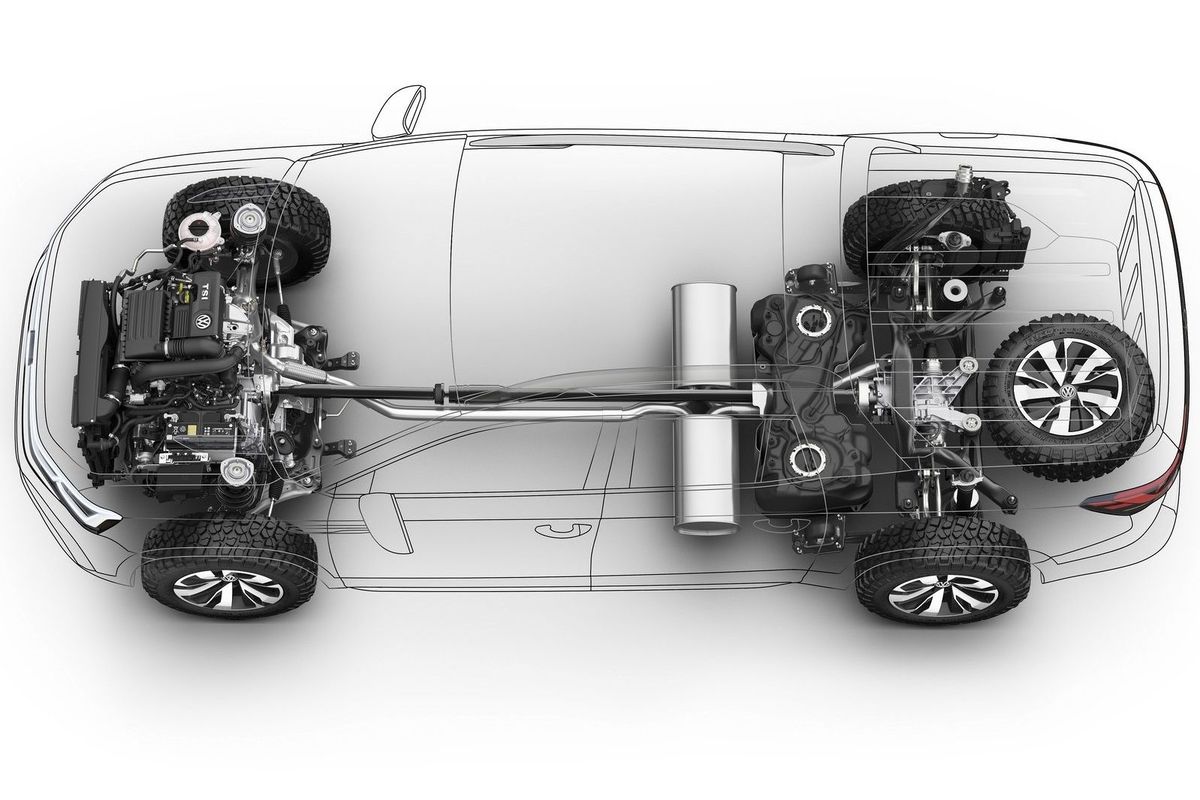
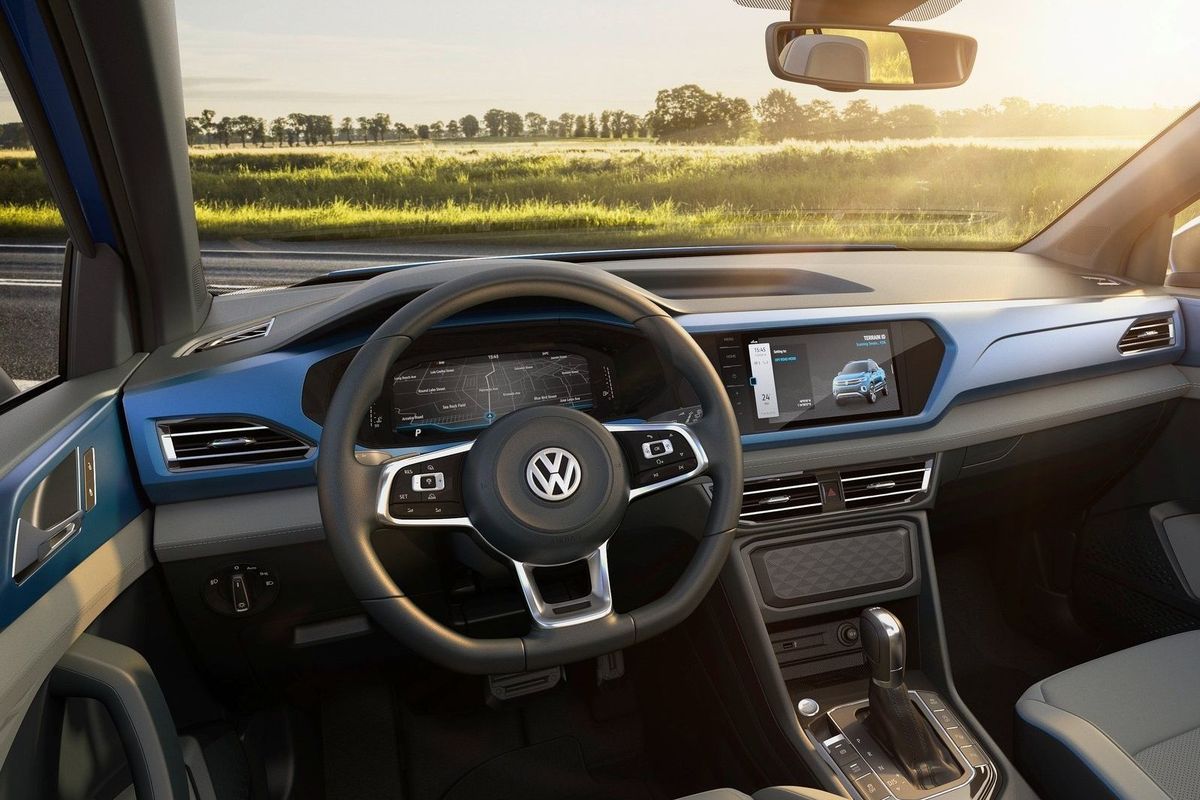
This Volkswagen Tarok concept is built on the MQB platform, which underpins the likes of the Audi A3, Volkswagen Polo and Golf, as well as the Tiguan. Volkswagen claims that it will be building a production version of this, "with barely any changes", which gives us a great look at the next generation of Volkswagen design language. 

In terms of powertrain, the Volkswagen Tarok Concept is powered by a 1.4-litre TSI motor with 110 kW. Unique to the South American market is the variety of fuels and the Tarok can run on pure ethanol (E100) as well as a blend of petrol and ethanol (E22). This engine is mated to a permanent 4Motion all-wheel drive via a 6-speed automatic gearbox. Also on the cards is a 2.0-litre turbo diesel direct injection TDI motor which has 110 kW on tap.

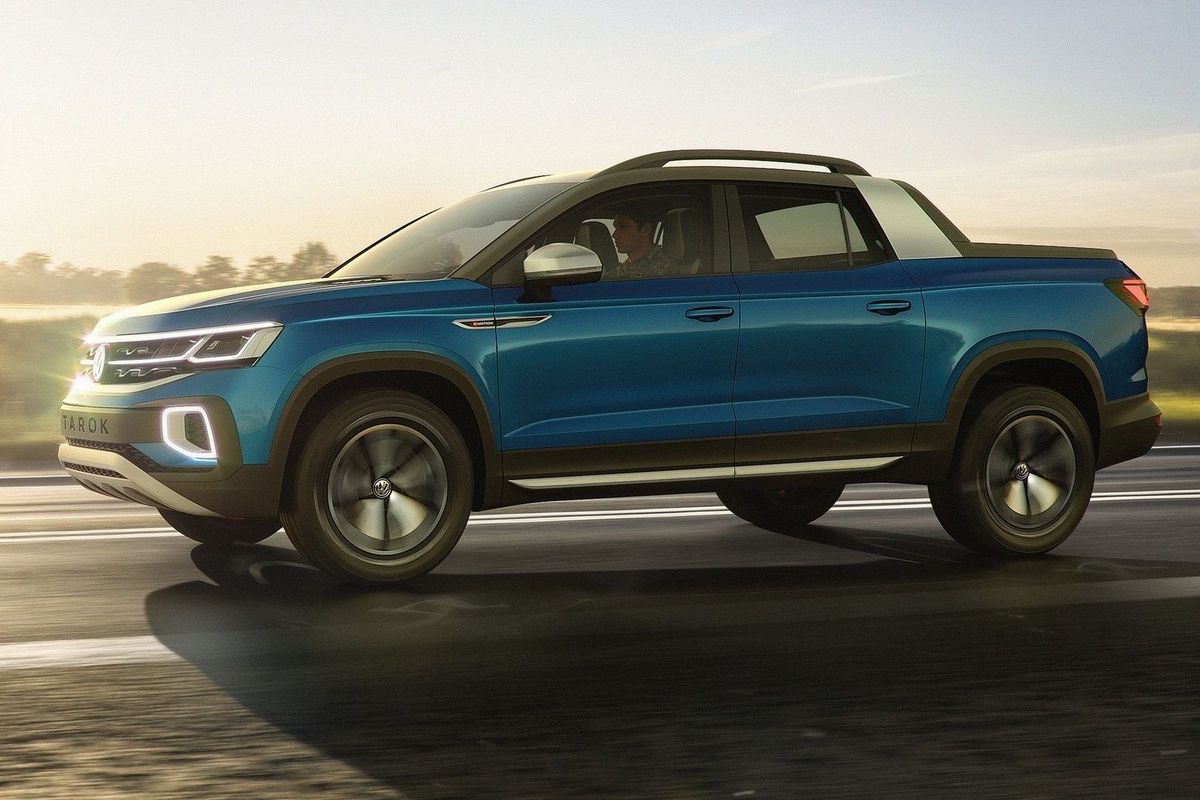
Klaus Bischoff, Head Designer at the Volkswagen brand, explains: "With its striking Targa-inspired roof bar, charismatic front end, three-dimensional LED lighting strip in the rear, and powerful yet stylish side panels, the Tarok Concept's expressive design makes it the first pick-up to combine the stylistic elements of an urban SUV with an authentic off-road design." Bischoff continues: "The Tarok's DNA adds an exhilarating dynamic to the segment."

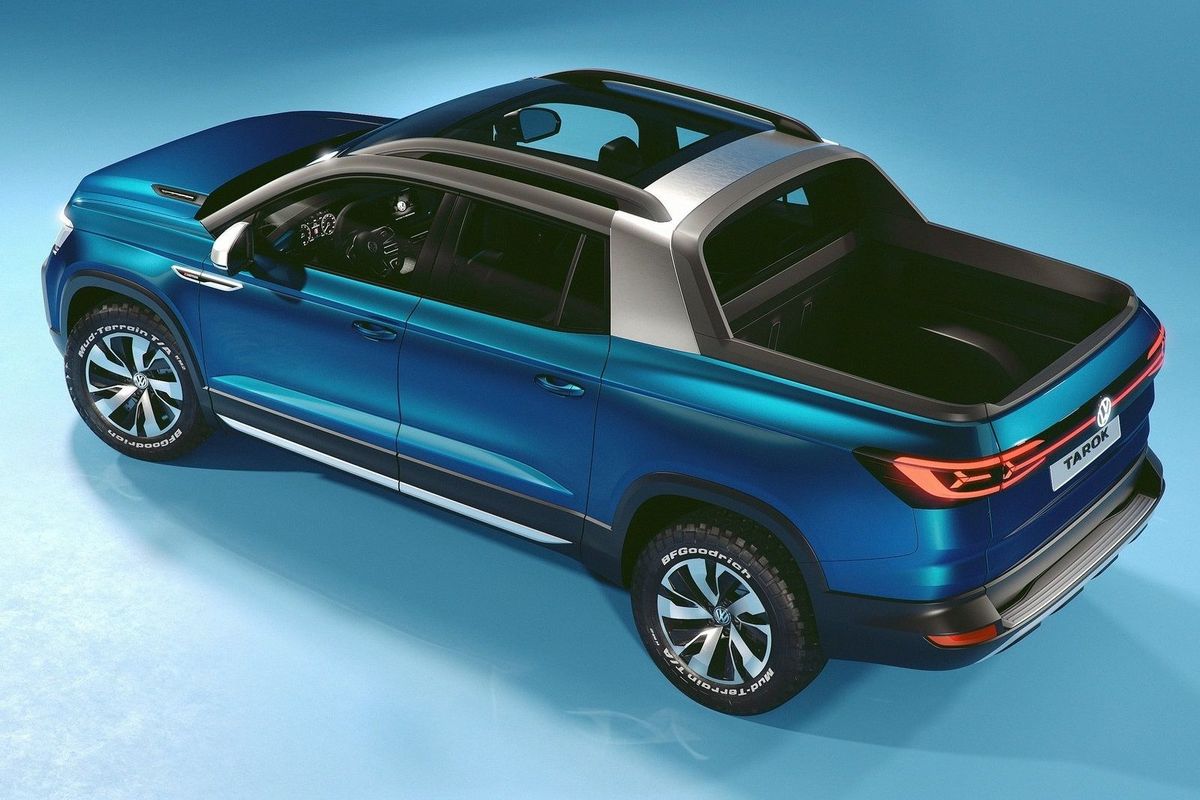
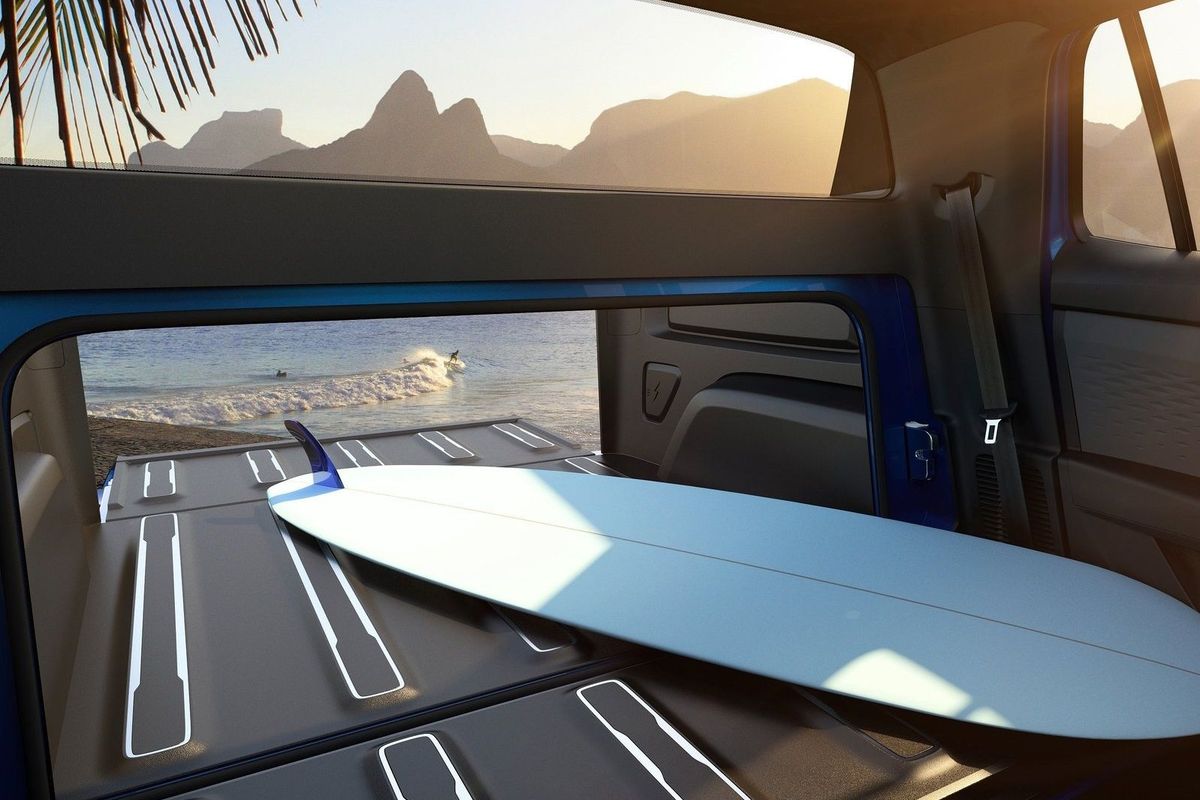
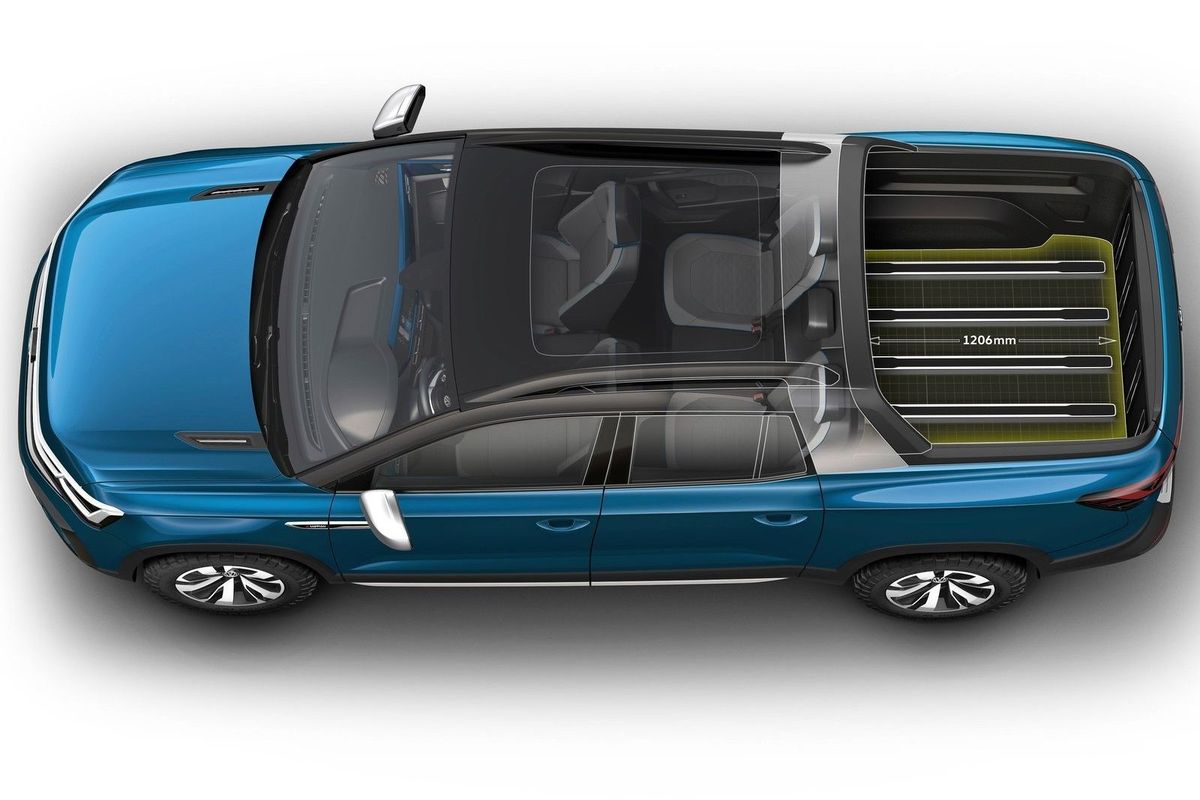
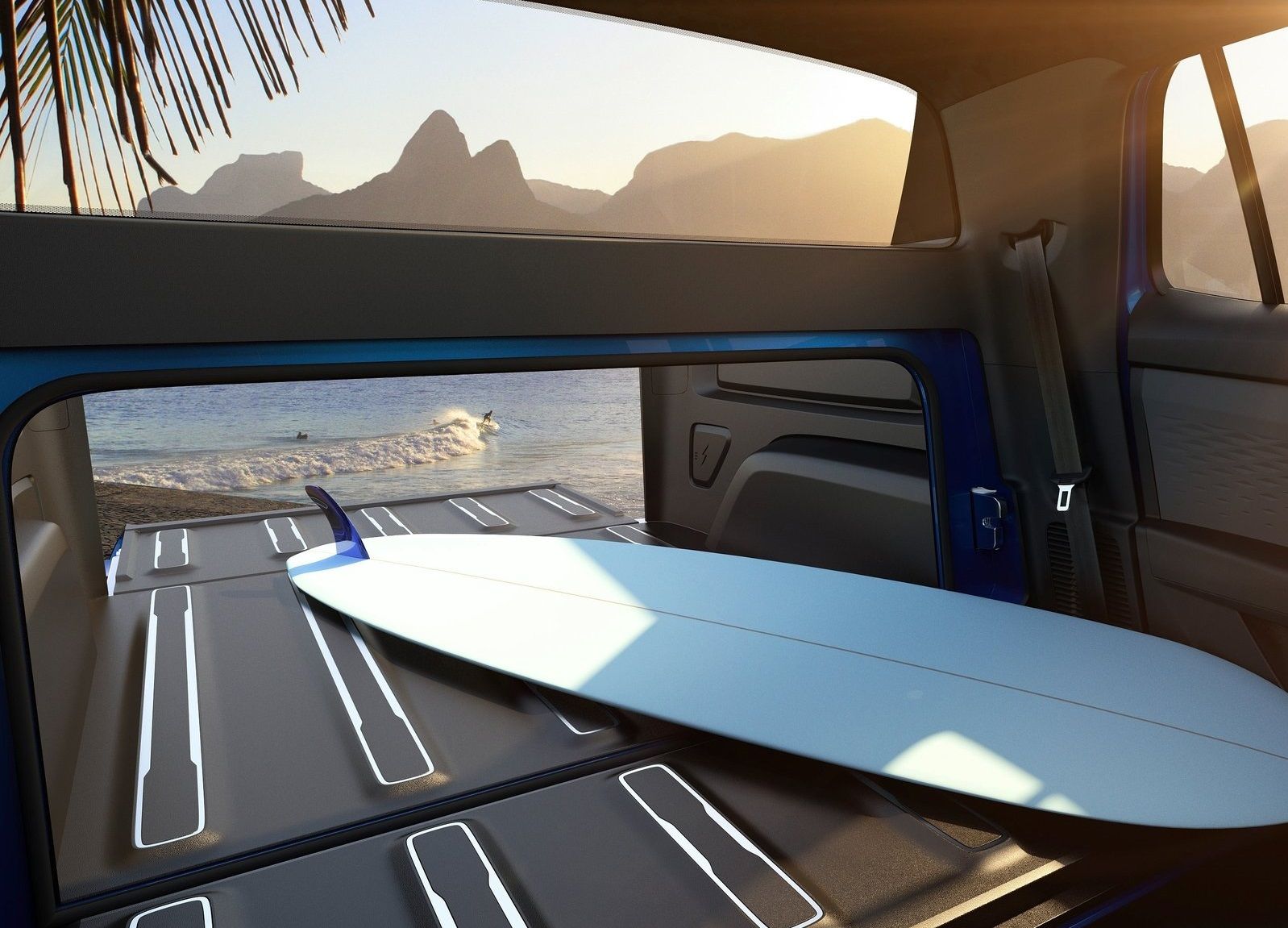
One interesting design feature in the five-seater Volkswagen Tarok Concept is its variable loading area. The floor space can be extended by opening the tailgate or using the brand new mechanism that allows the bottom of the passenger cab rear panel to be folded down. As a result, drivers can also use the back of the cab to transport extra-long items. The maximum load capacity sits around the one-ton mark.

Brazil is a pivotal pickup truck market for Volkswagen which already has both ends of the market covered with the Polo-based Saveiro and the Amarok. This new model slots neatly between the two. With the German company’s other recent pickup concept, the Tanoak, also a dead-cert for production, Volkswagen really is making a bid for global bakkie glory. 


The clever load-through bay of the Volkswagen Tarok Concept

What is the likelihood of the newcomer being made available in South Africa in future, however?

When asked for comment, Andile Dlamini (Head of Group Communications at Volkswagen SA) told Cars.co.za the bakkie would, in all likelihood, be produced for left-hand-drive South American markets, if not exclusively for Brazil. Once the vehicle is unveiled in production form, feasibility studies will be conducted to determine the viability of producing it for export to right-hand-drive markets. It goes without saying that should the production version of this concept be available in RHD, and VWSA could make a business case for its introduction, its arrival cannot be ruled out. 

Related content:

Renault Duster Oroch Double Cab (2017) First Drive

Audi Is Pressing Ahead With Its Future Plans

Isuzu Concept X Revealed (w/video)

Renault K-ZE Concept Previews Electric Kwid

New Audi Q3 First Drive – Is Audi’s latest SUV worth waiting for?

We headed to Italy to drive the new Audi Q3 ahead of its local launch next year. What has Audi done to make this model better than its rivals? Ciro de Siena made a video while he was there.

The latest generation of Audi Q3 will only arrive in SA in the 2nd quarter of 2019, but we recently attended the international launch in northern Italy to test drive the German brand's newest SUV.

With styling cues from the bold Q8, the new Q3 is an all-new car and is now based on the Tiguan chassis. Its dimensions have grown but mostly in length, the extra perceived width is largely a trick of the eye thanks to clever design.

With increased practicality in terms of load bay capacity and rear seat flexibility, as well as a wide array of cutting-edge tech features and safety systems, is the new Q3 worth waiting for? We sent Ciro De Siena to find out.

Read Ciro's launch report here

Related content

BMW X1 xDrive20d (2016) Review

Mercedes-Benz GLC 300 (2015) Review

Volvo XC40 T5 AWD R-Design (2018) Review

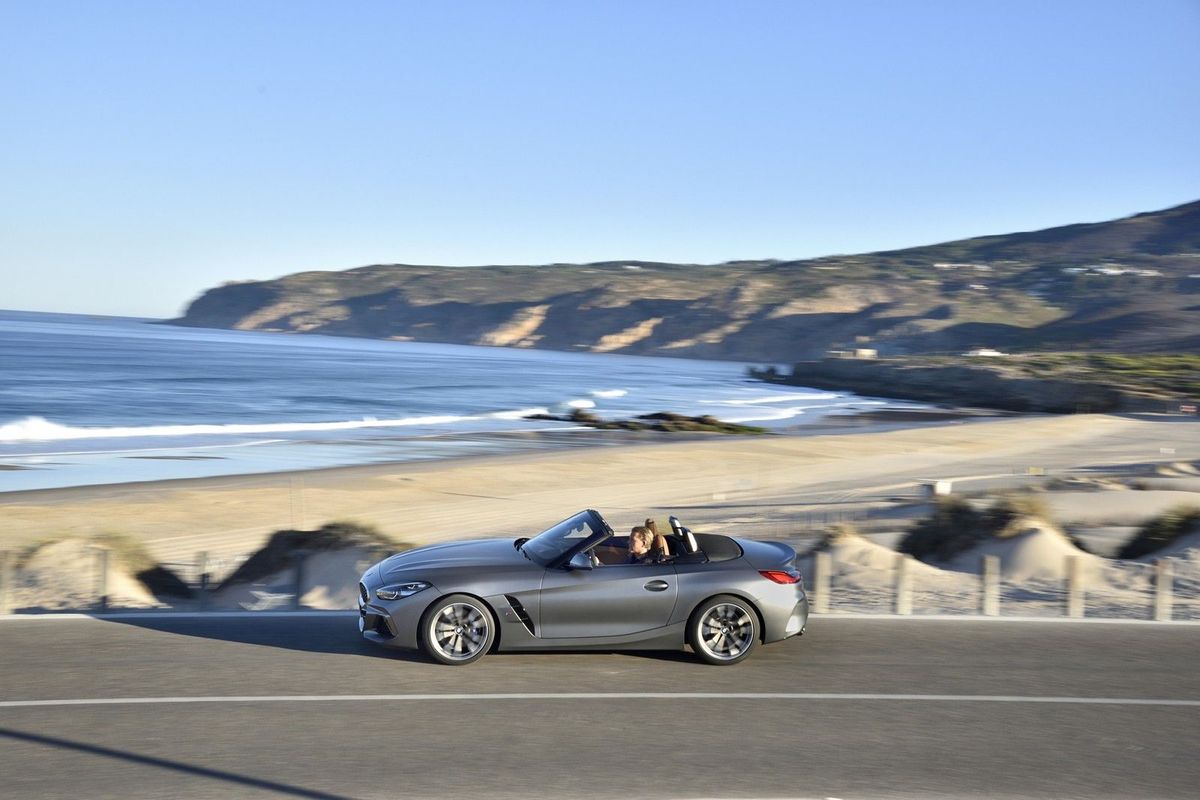
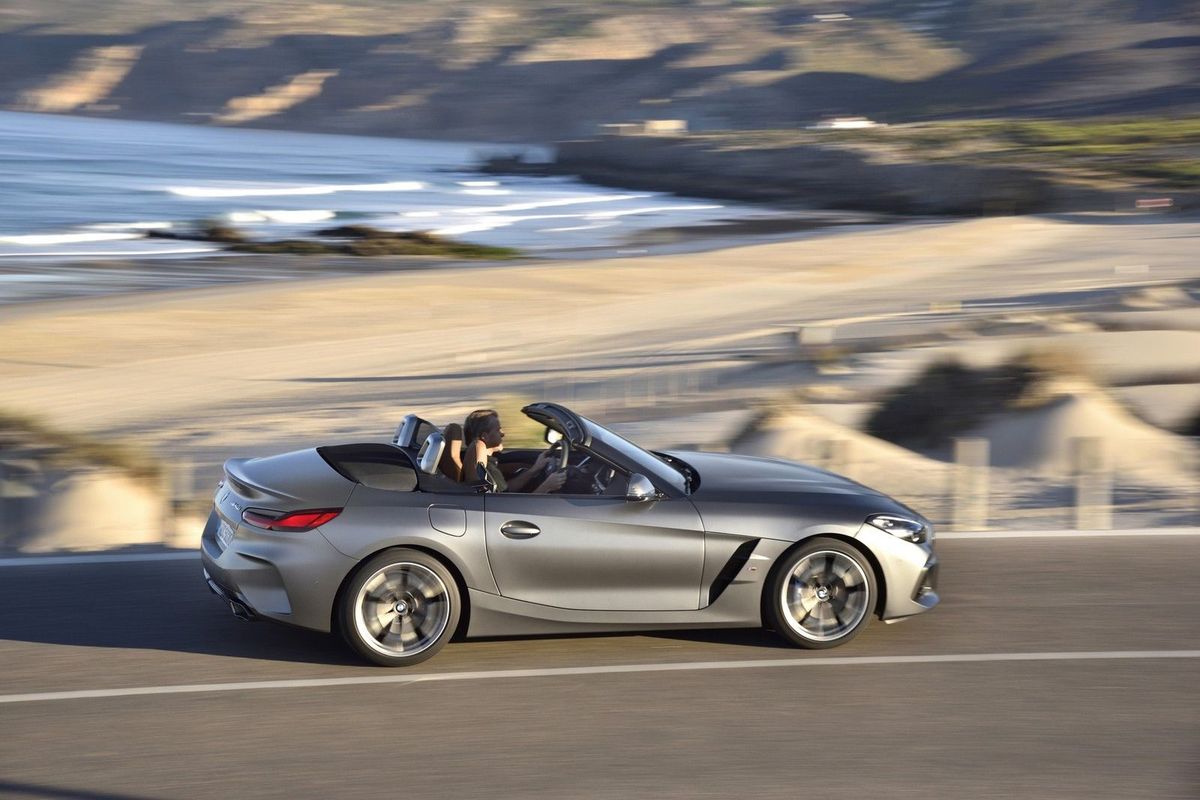
BMW Z4 M40i (2019) International Launch Review

BMW has renewed its challenge to the Porsche Boxster with the Munich-based firm's new (and thoroughly repackaged) Z4 roadster… Our Irish correspondent Shane O' Donoghue drove the M40i range-topper in Portugal.

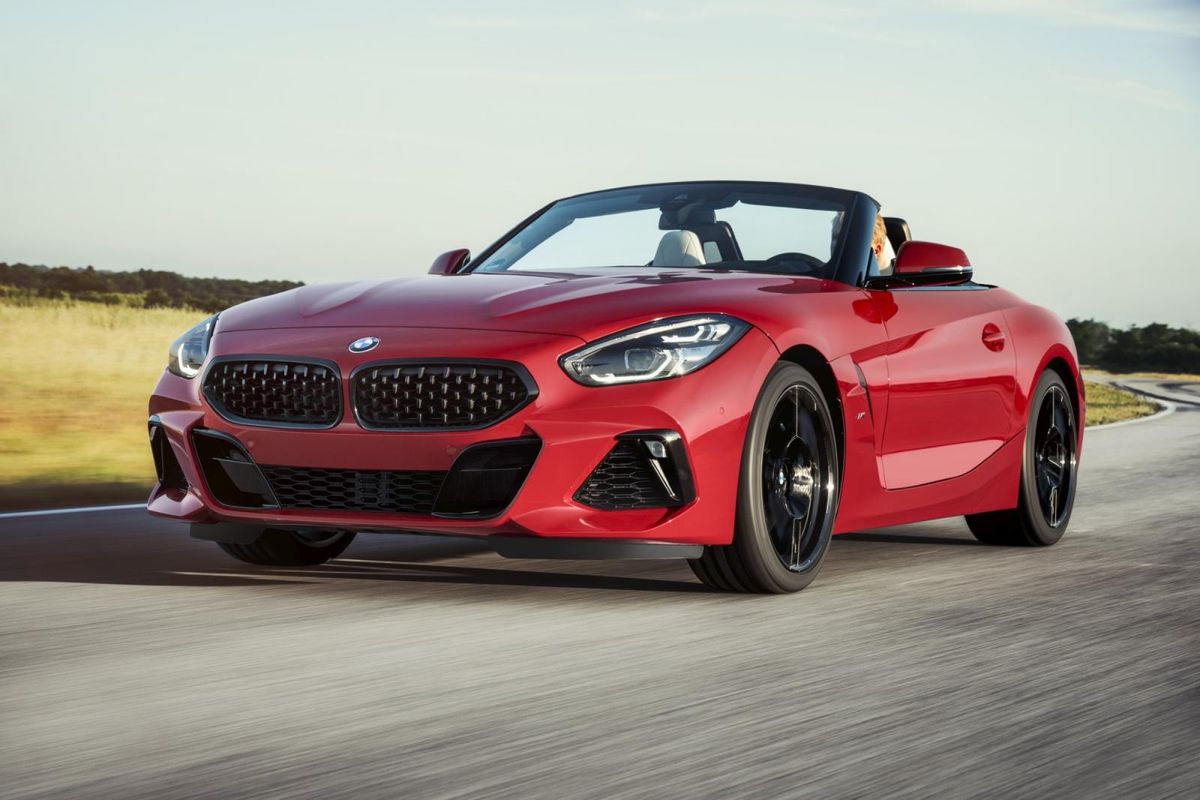
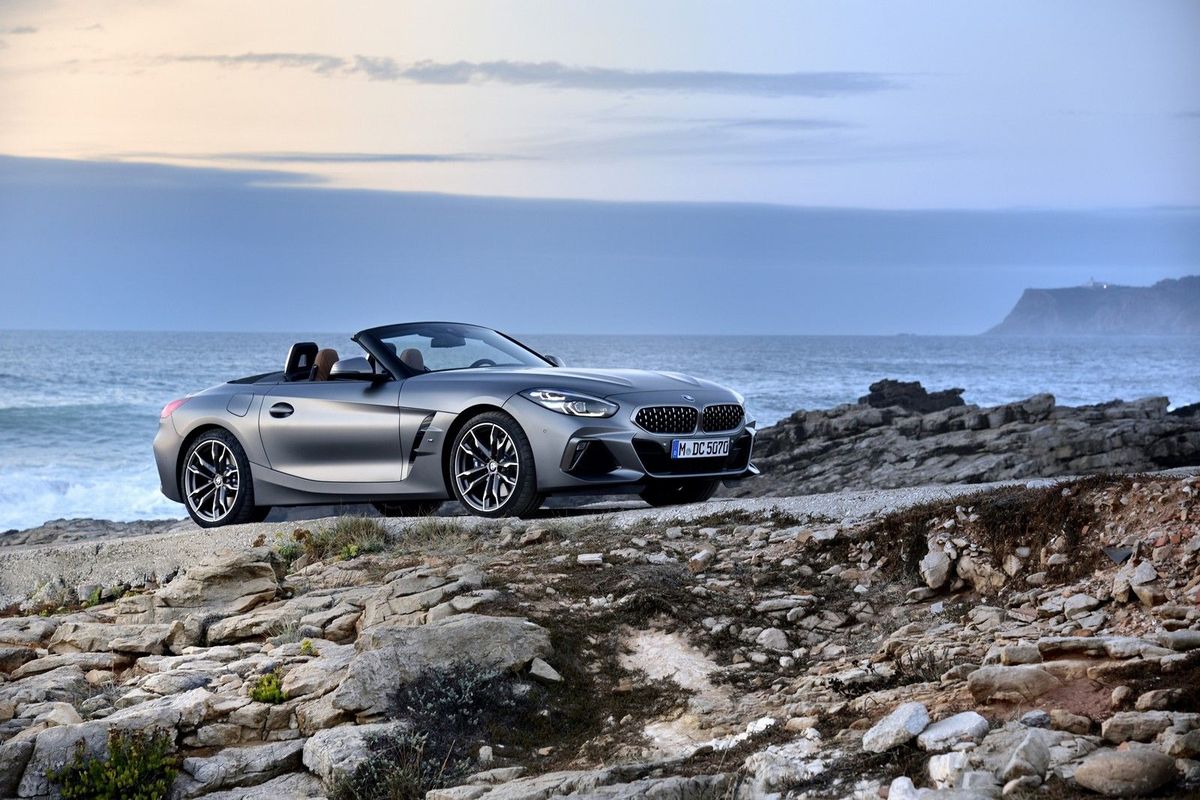
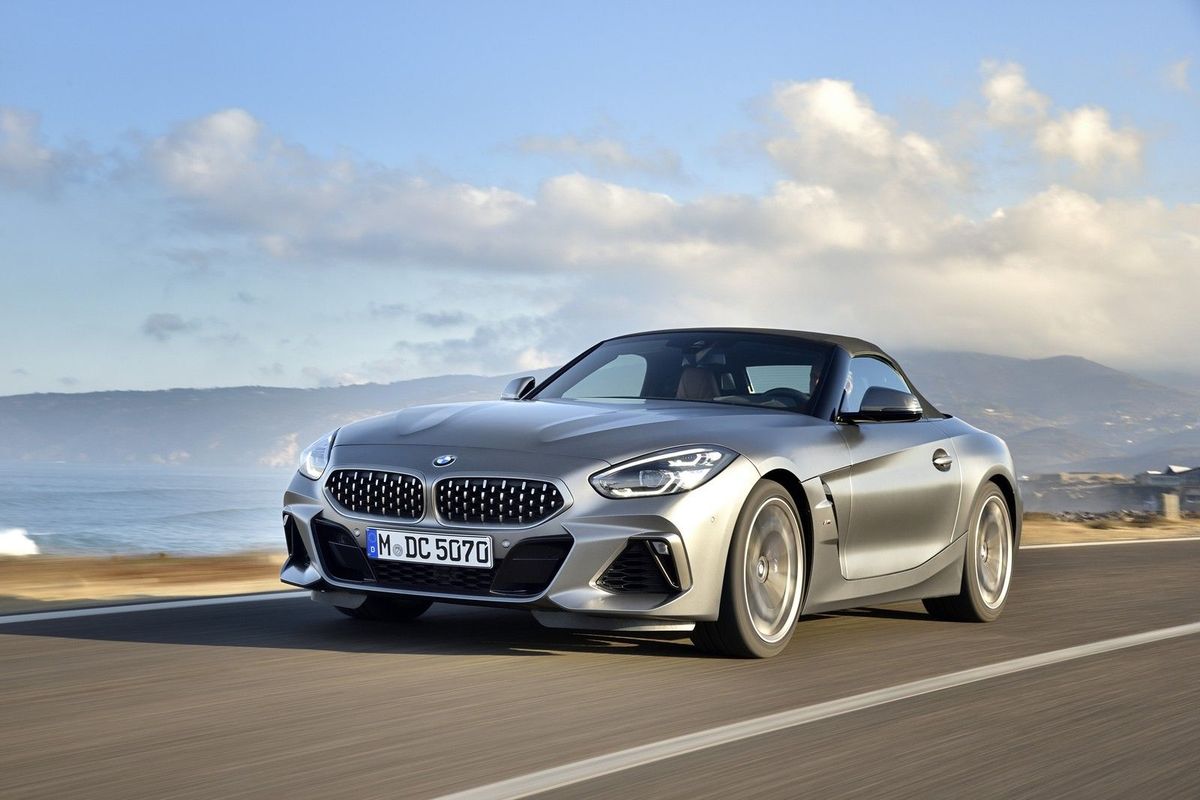
BMW sniffs an opportunity for its 3rd-generation Z4 roadster. In its reinvention, specifically in M40i range-topping guise, it could well plug the gaping hole in 6-cylinder roadster enthusiasts’ lives left by the demise of the flat-6 Porsche Boxster and Cayman. Yeah, we know there are boosted V6 versions of the Jaguar F-Type and Mercedes SLK, but those cars can’t hold a candle to the latest Porsche 718's chassis. Can the Z4’s? BMW certainly thinks so.

What's changed?


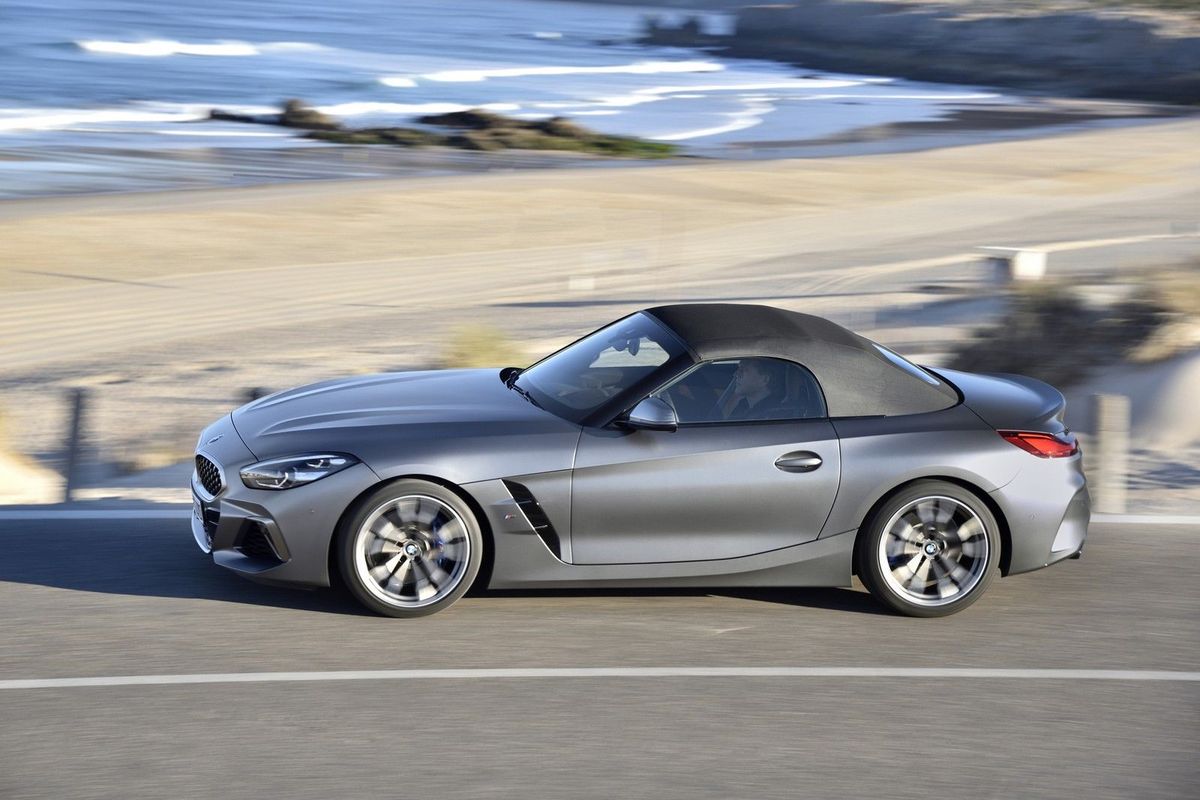
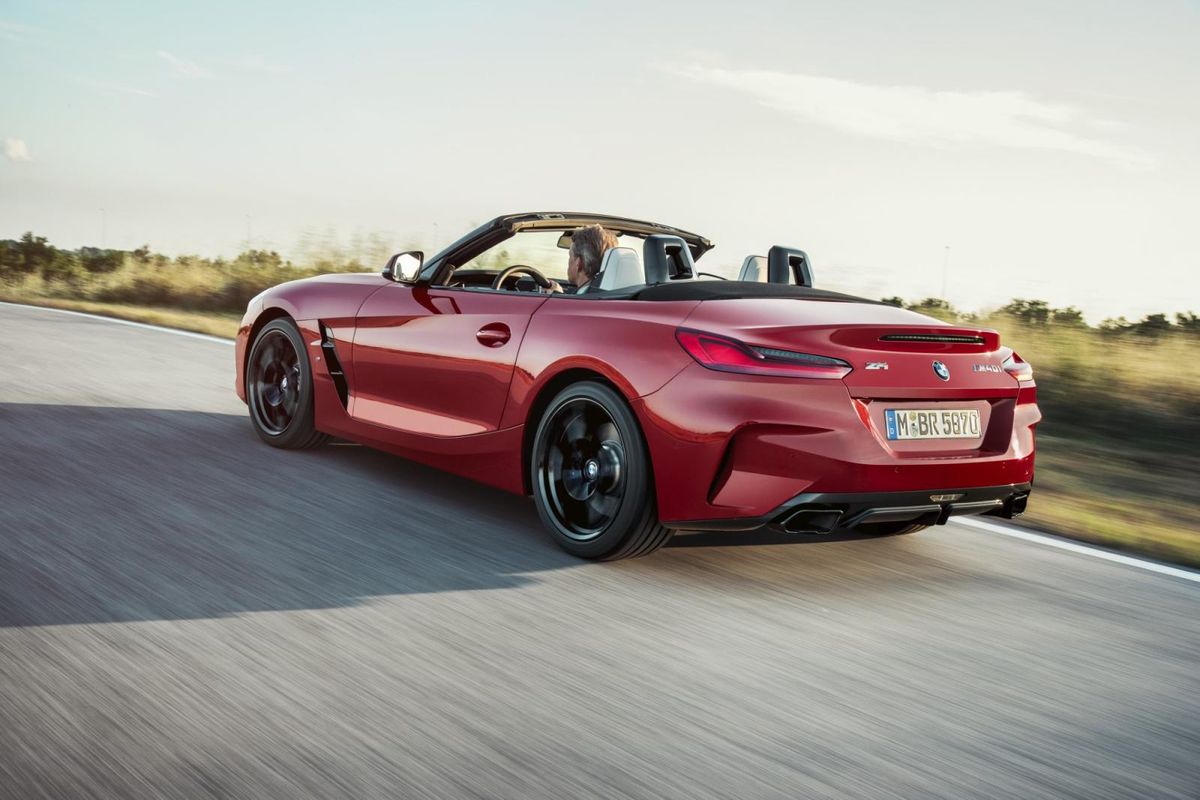
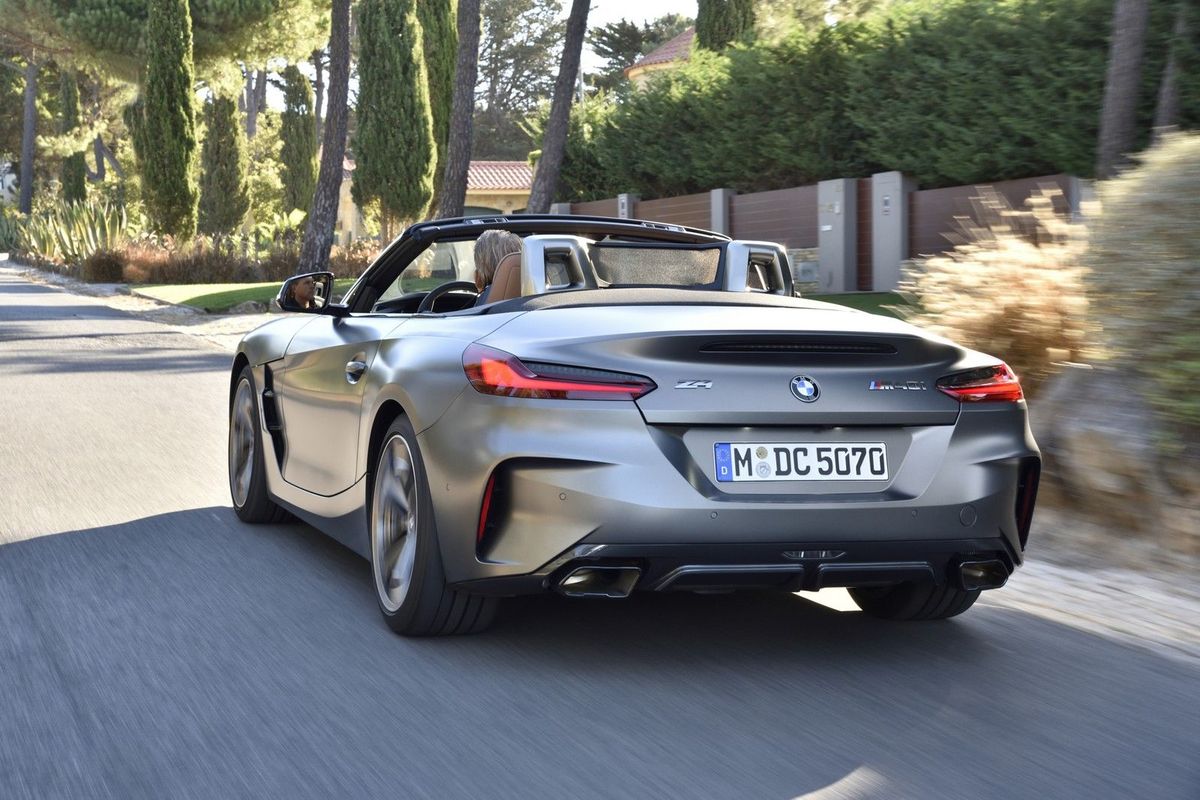
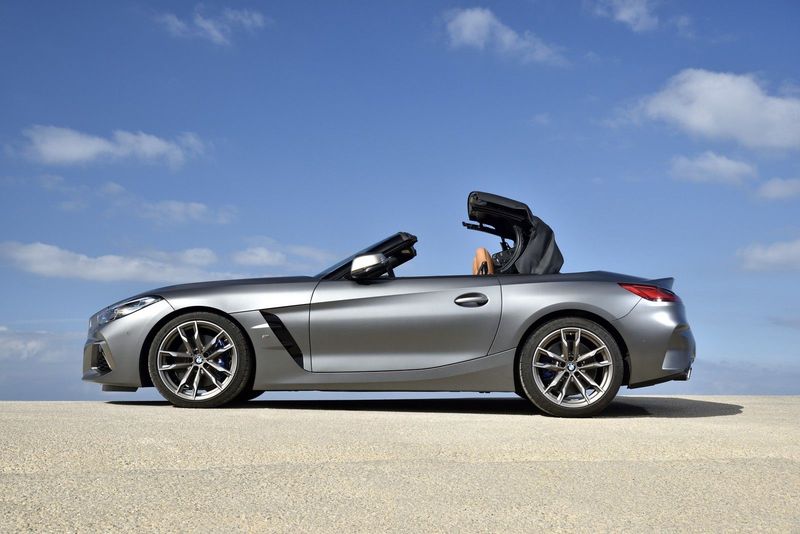
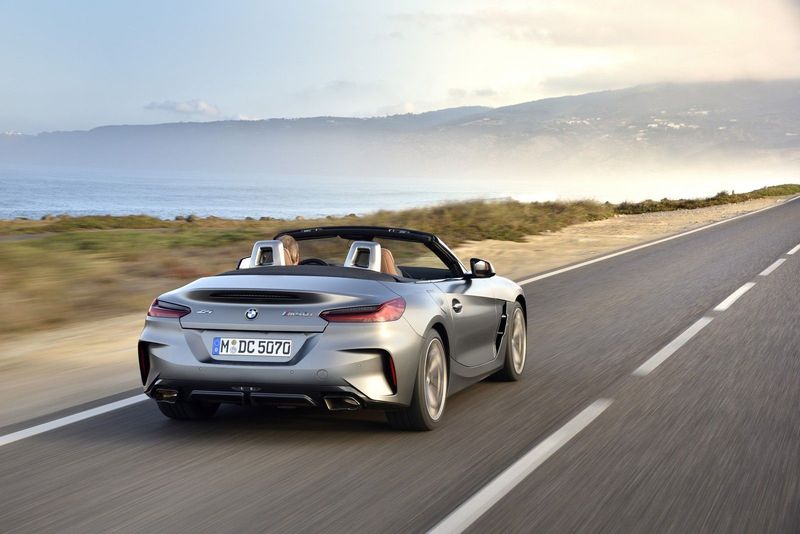
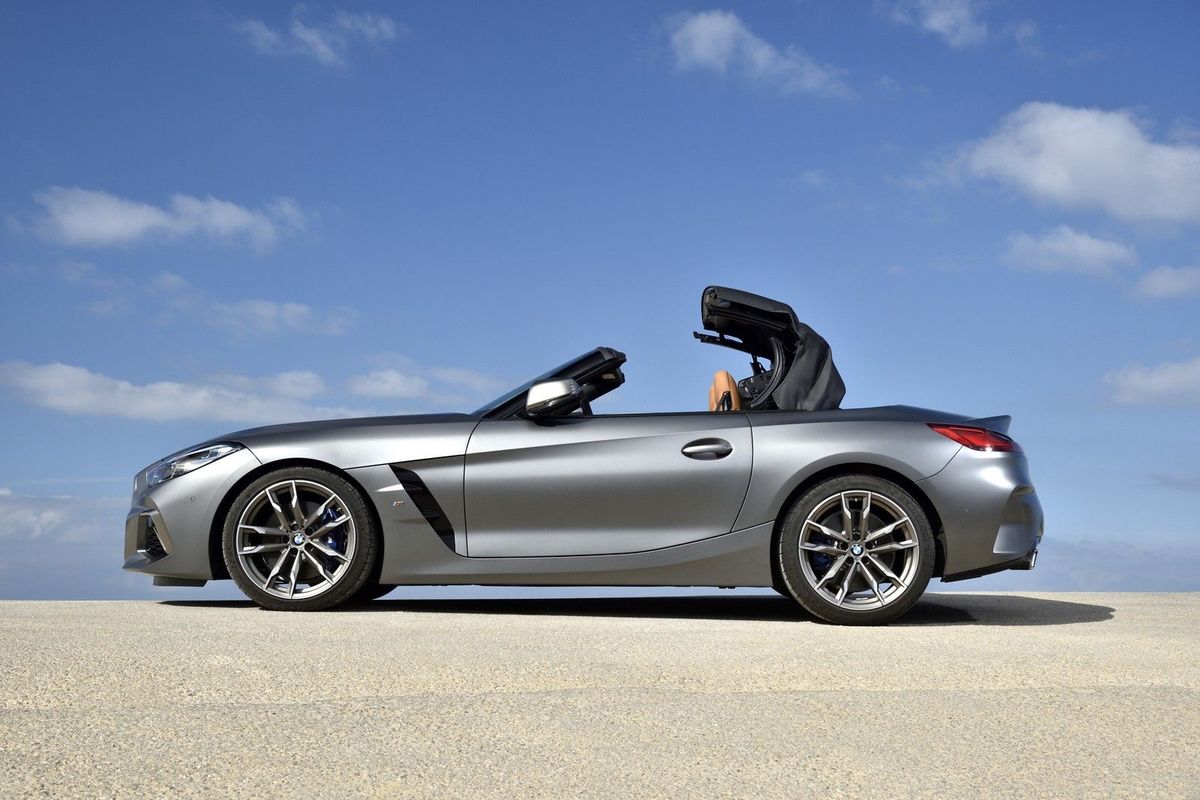
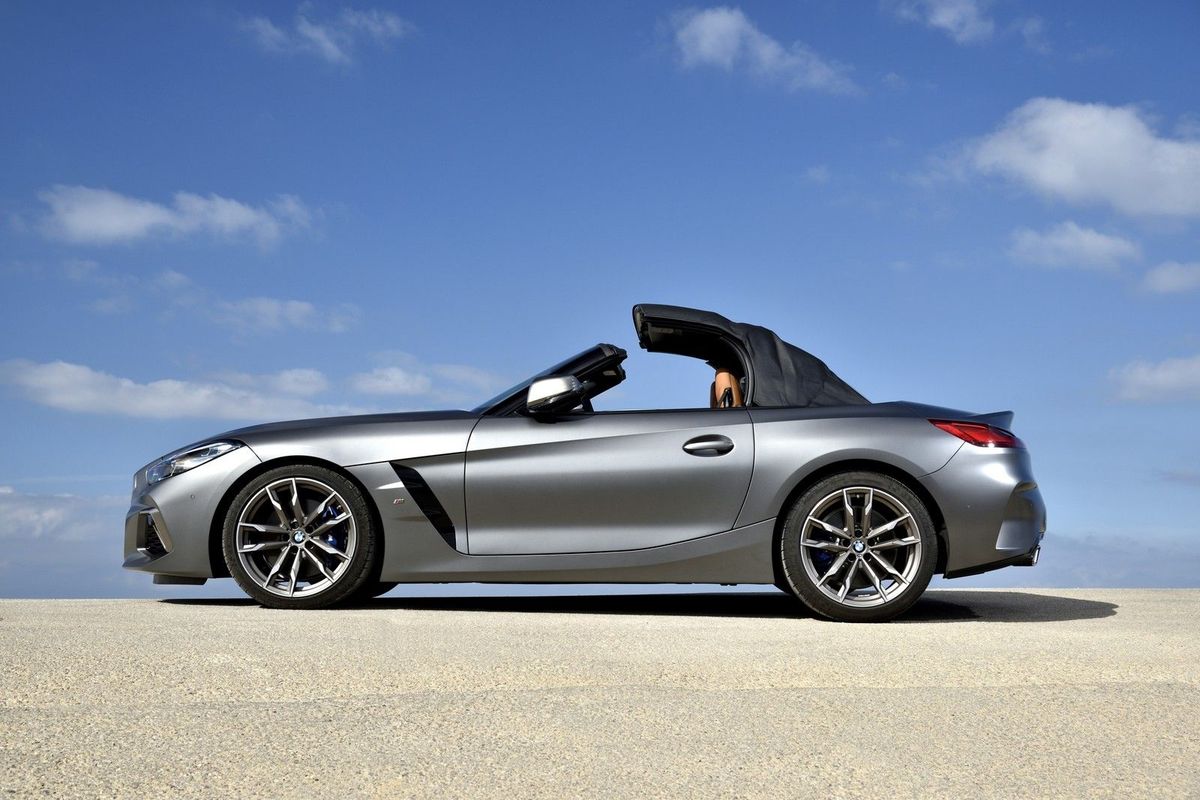
The old hard-top roof has been replaced with a lighter, canvas roof.

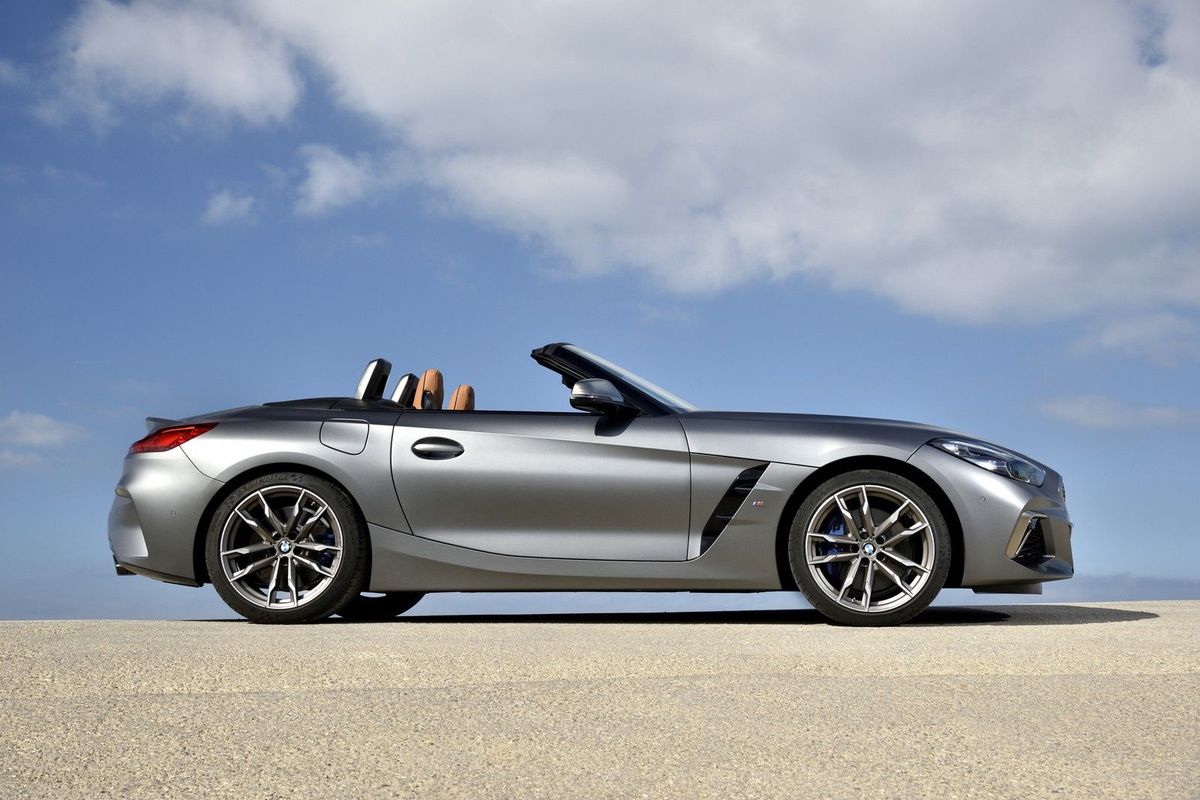
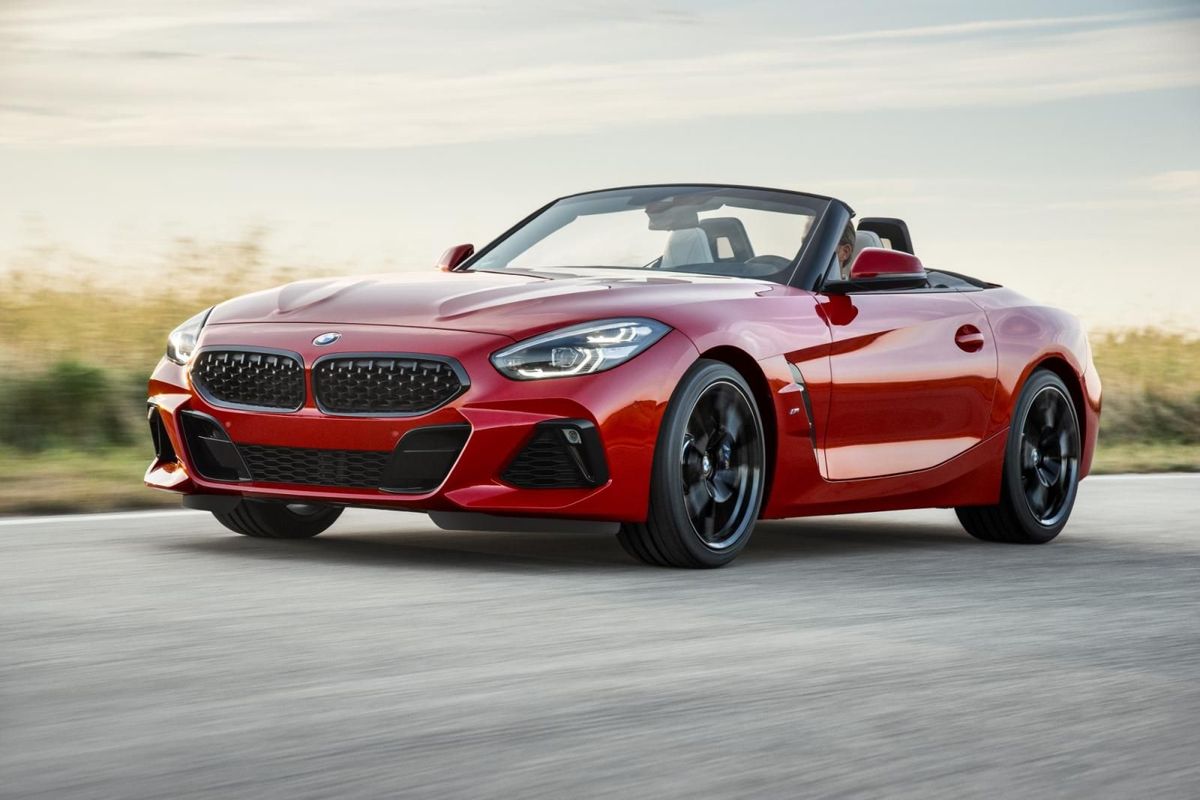
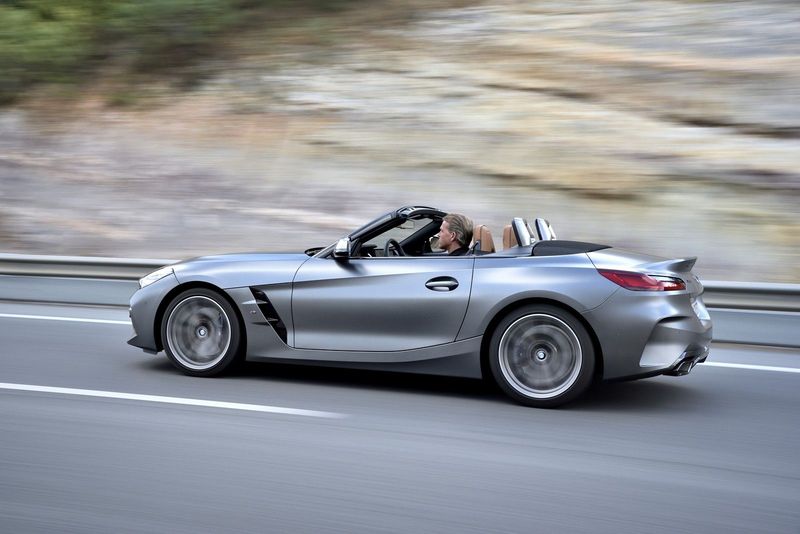
The previous Z4 was a soft pudding of a car, but you get the sense that the engineers in the company were given more of a say this time around. The new model is 85 mm longer, 74 mm wider and 13 mm taller; while the front and rear tracks have been increased by 98- and 57 mm respectively. So far, nothing too unusual, but then you’re told that the wheelbase has been shortened, giving the Z4 an all-square stance on the road, with the chassis team’s eyes firmly set on the centre of the target marked "agility".

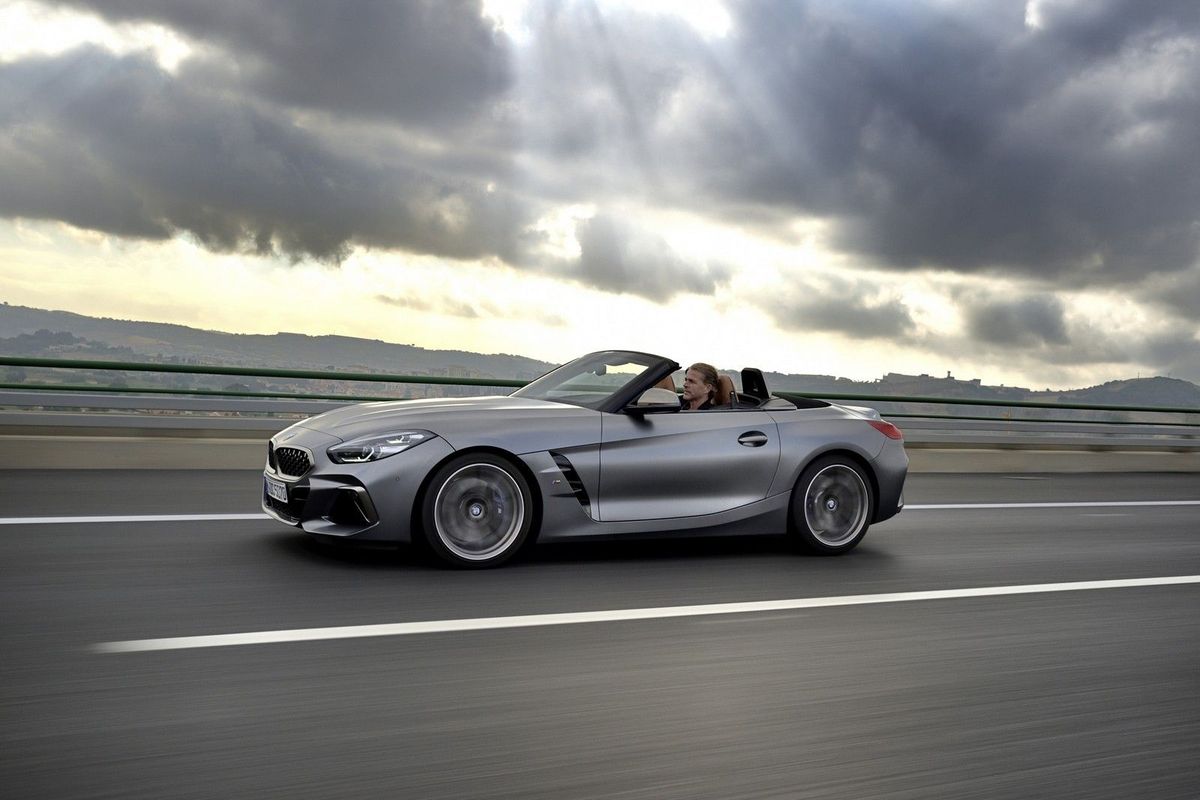
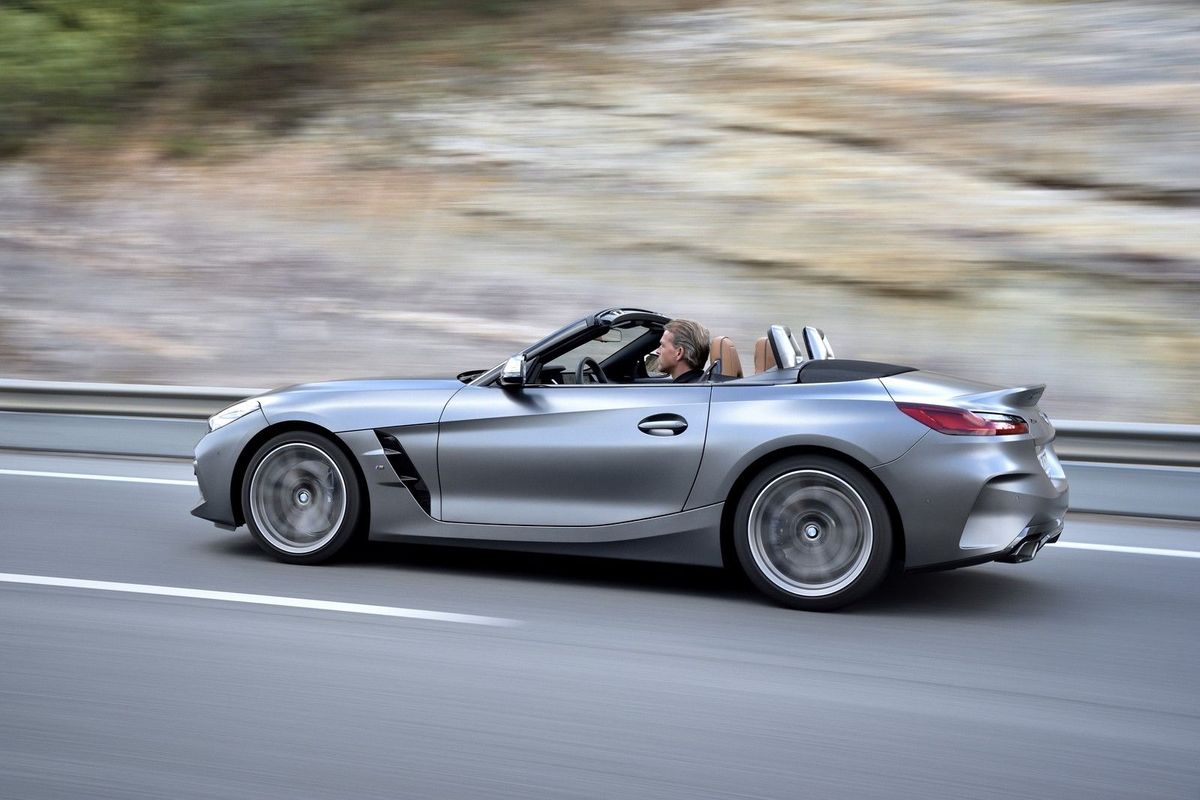
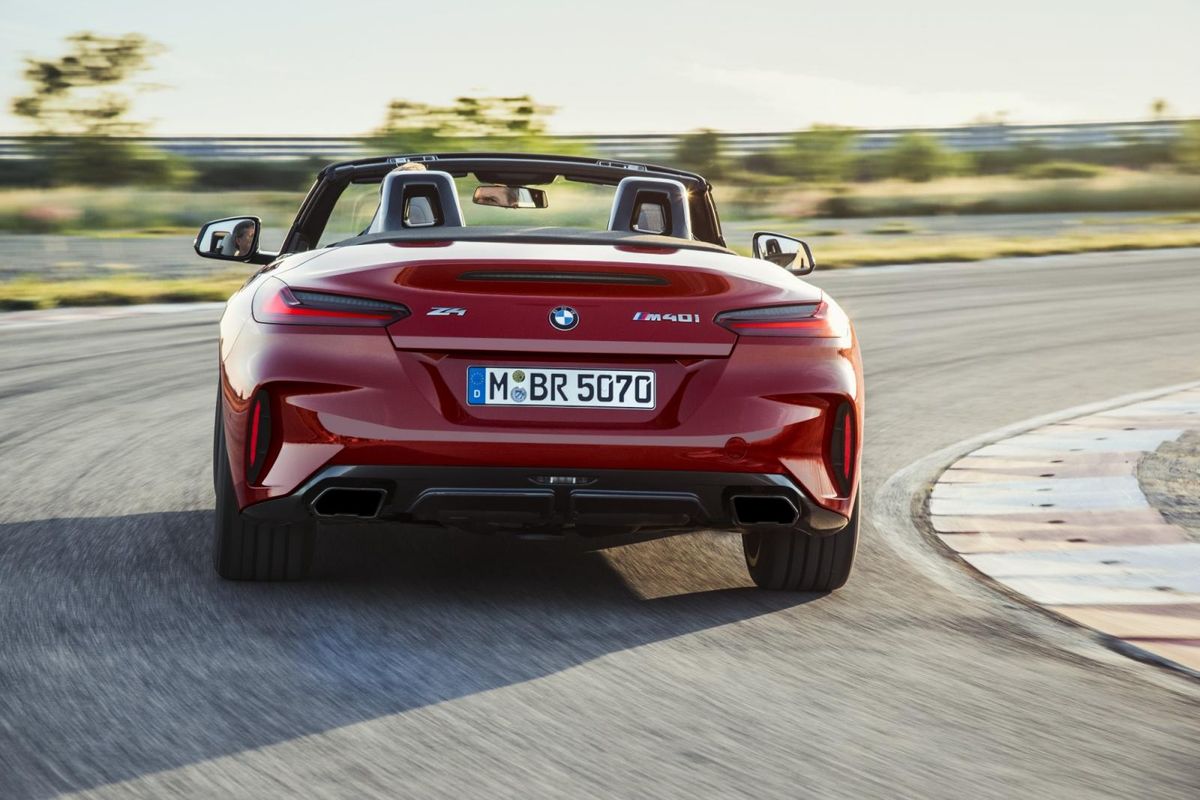
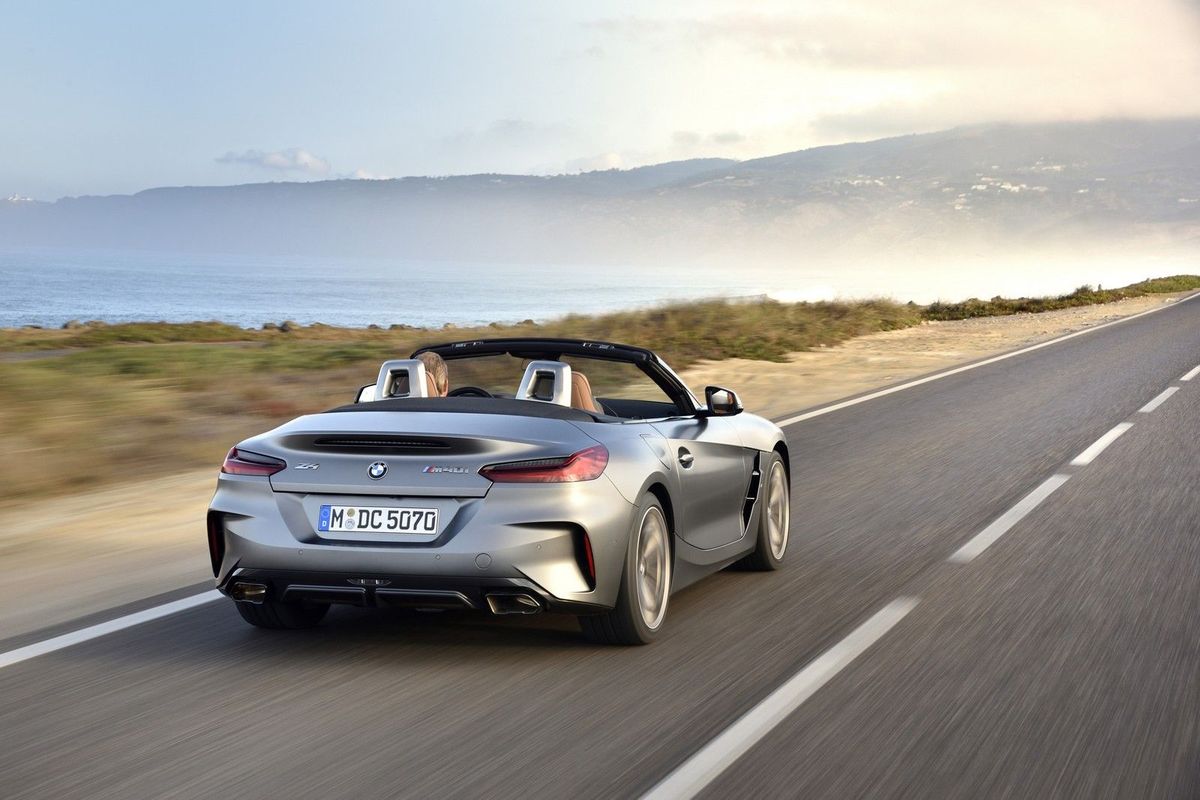
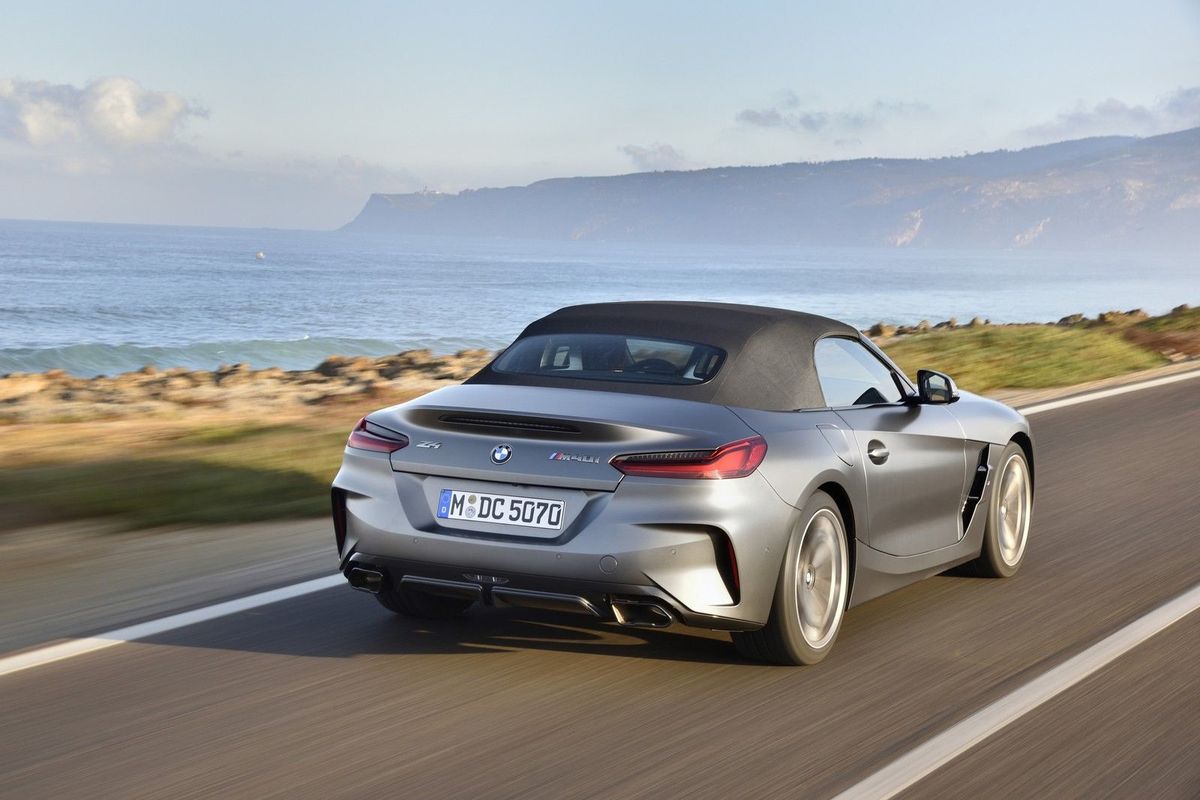
To make the most of the layout, BMW focused on the rigidity of the body, creating the stiffest structure of any open-topped car it has yet produced. On top of that, the hefty high-mounted folding hardtop of the previous Z4 was binned, in favour of a light new fabric roof. That not only reduces overall weight, it also helps bring the centre of gravity down and, as a side benefit, it neatly folds away (at speeds of up to 50 kph) in front of a much-enlarged boot space (in just 10 seconds).


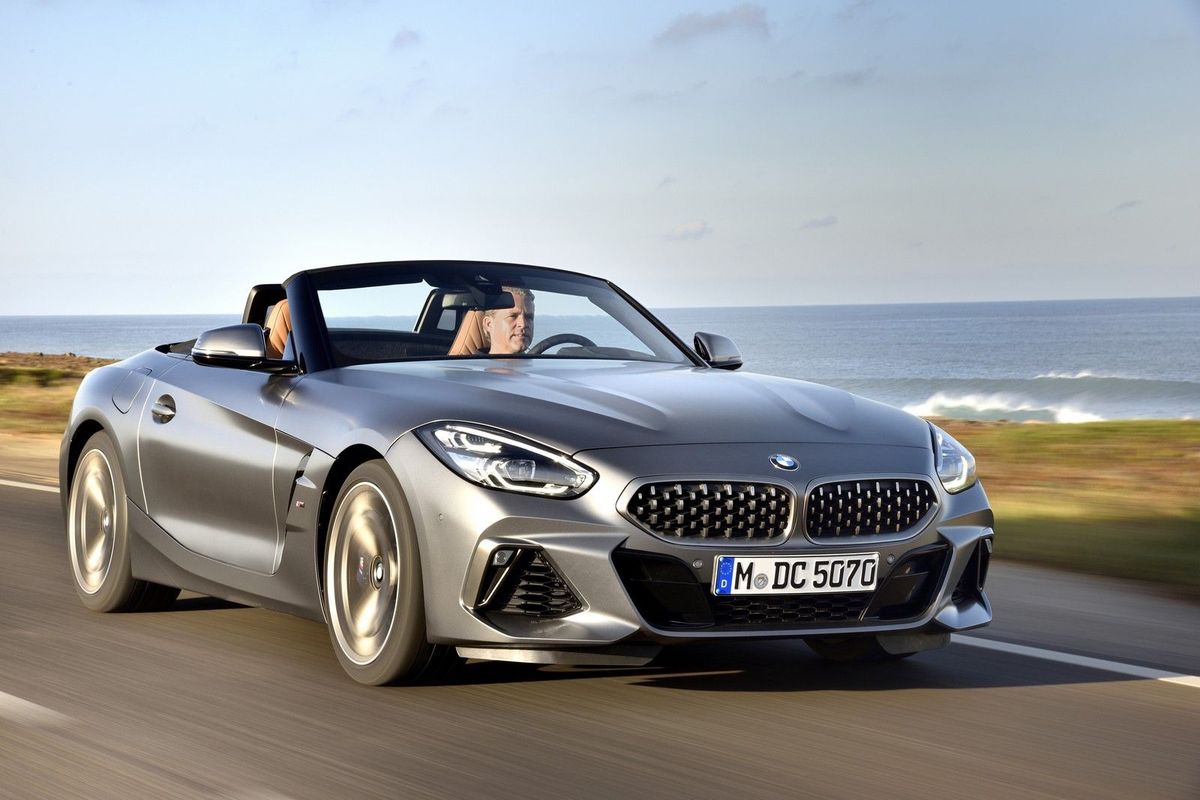
The new Z4 has its sights squarely on the Porsche Boxster.

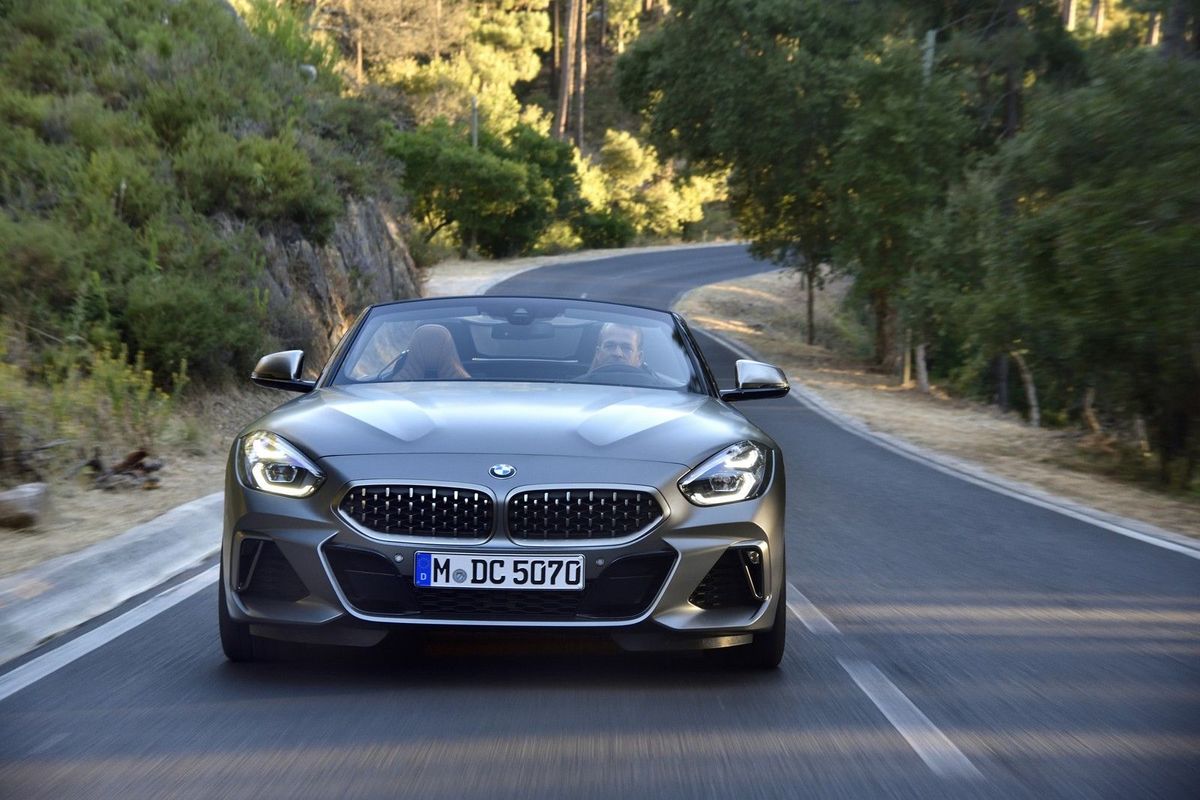
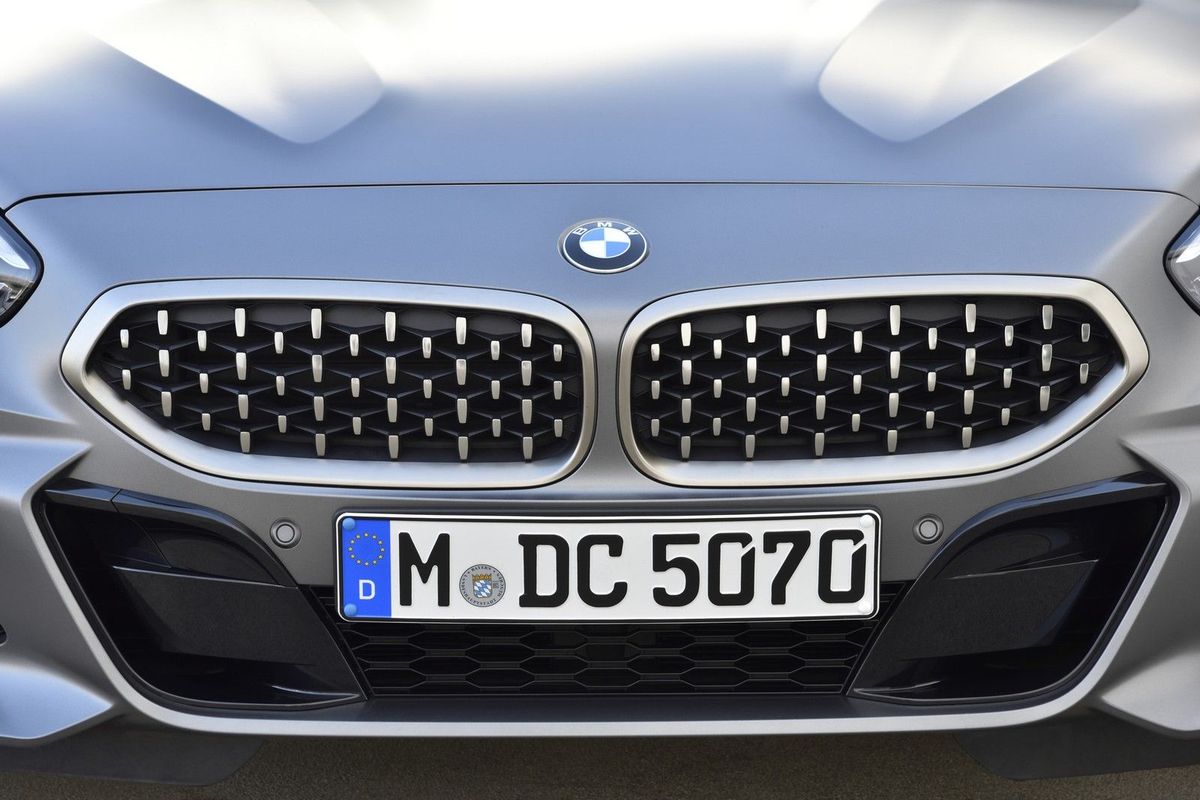
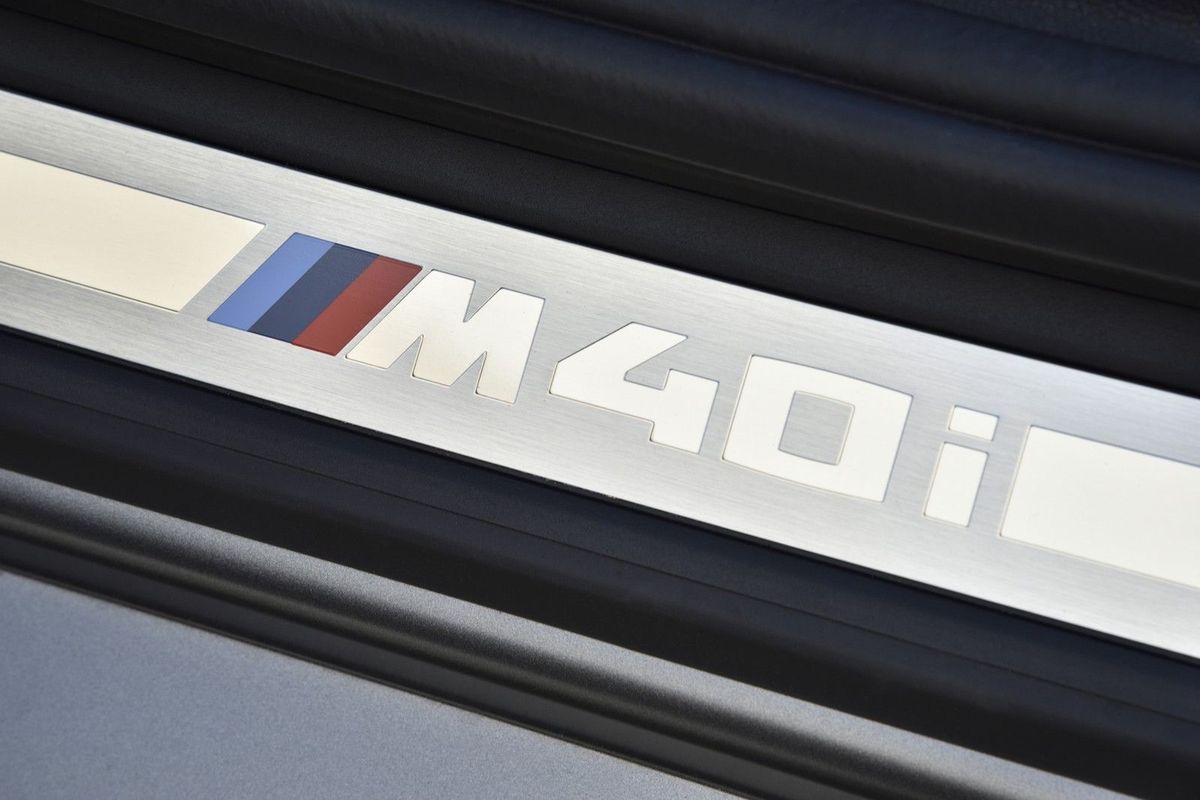
The fabric roof is black as standard and optionally available in Anthracite Silver. The latter works particularly well on the Z4 M40i, which gets the usual Cerium Grey details found on a BMW M Performance Vehicle – though they’re admittedly lost when put up against the Frozen Grey paintwork of the test car. Still, your eyes will be too busy digesting the weird new kidney grille mesh up front and the protruding aerodynamic breathers behind the front wheels to worry about trim colours, though we reckon there’ll be universal approval for the muscular rear end and high-tech LED lights. The keen-eyed will note there are mixed tyre sizes front and rear, which is the case across the whole Z4 line-up – and again reinforces our sense that the engineers were listened to for this car’s development.

Better oily bits

There’s more technical goodness underneath as standard in the M40i, including Adaptive M Sport suspension with electronically controlled dampers, M Sport brakes and, perhaps most importantly of all, an M Sport differential on the rear axle. Naturally, all Z4s send their power to the rear wheels, exclusively through the latest development of BMW’s excellent 8-speed Steptronic automatic transmission.


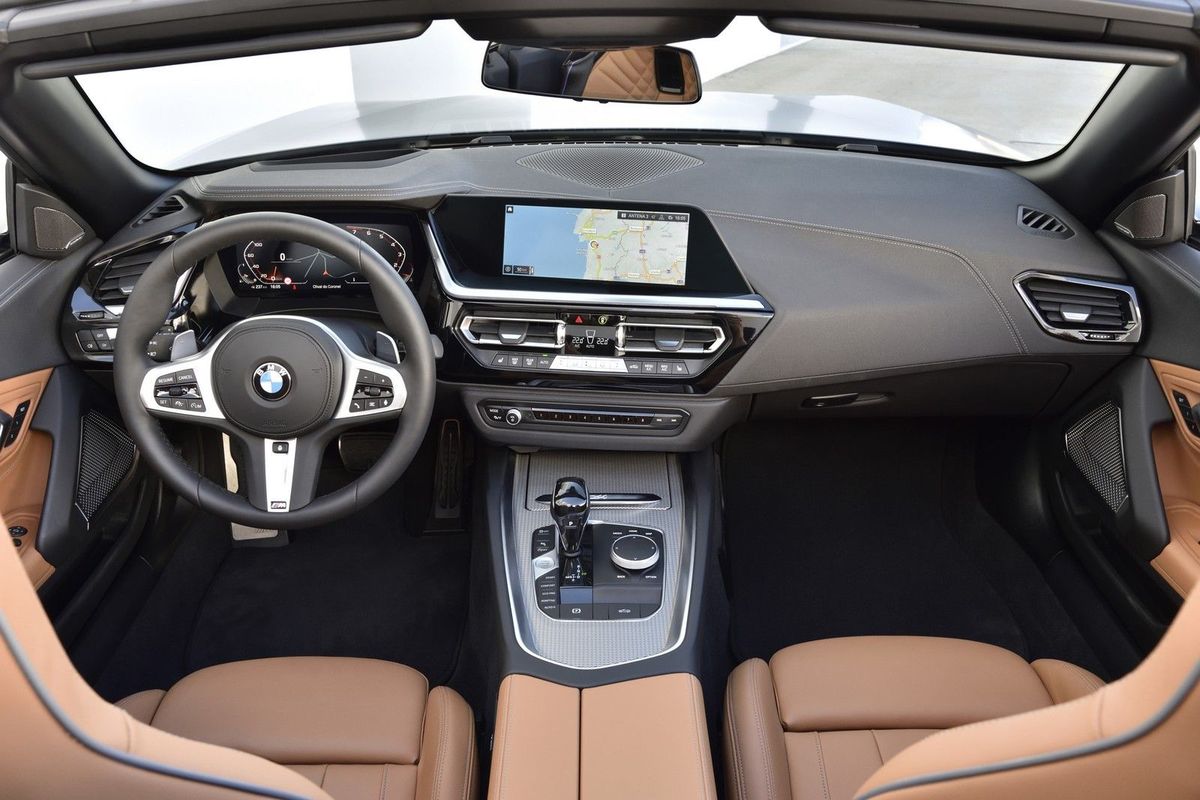
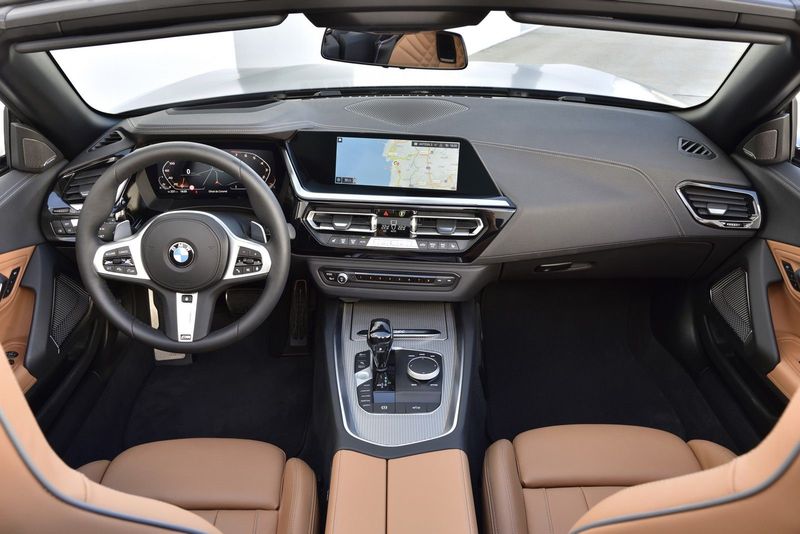
Interior features a much larger centre screen and new iDrive controller.

This comes with tactile gearchange paddles behind a high-quality three-spoke M-branded steering wheel in the M40i. There’s a lot more going on in the cabin for you to check out, including a new dual-screen dashboard called BMW Live Professional. In front of the driver are digitally rendered instruments that change appearance depending on driving mode, while the central touchscreen uses a brand-new operating system and interface.

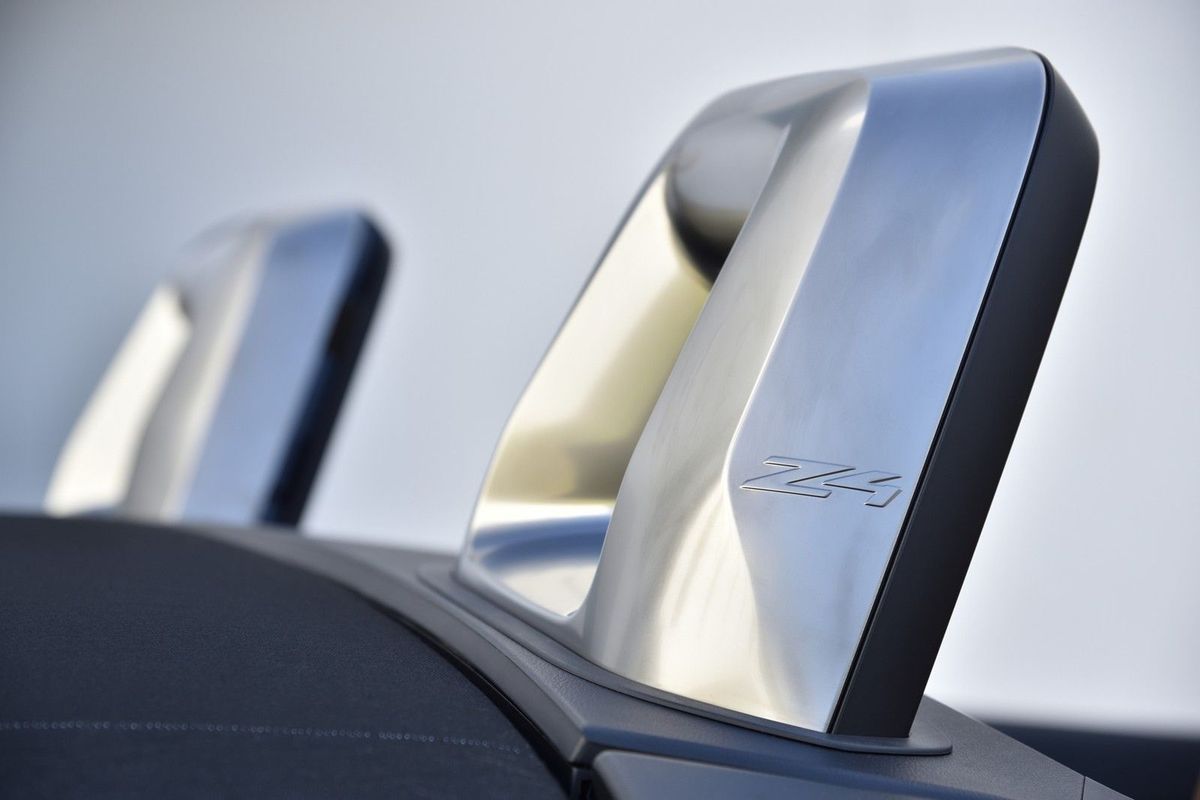
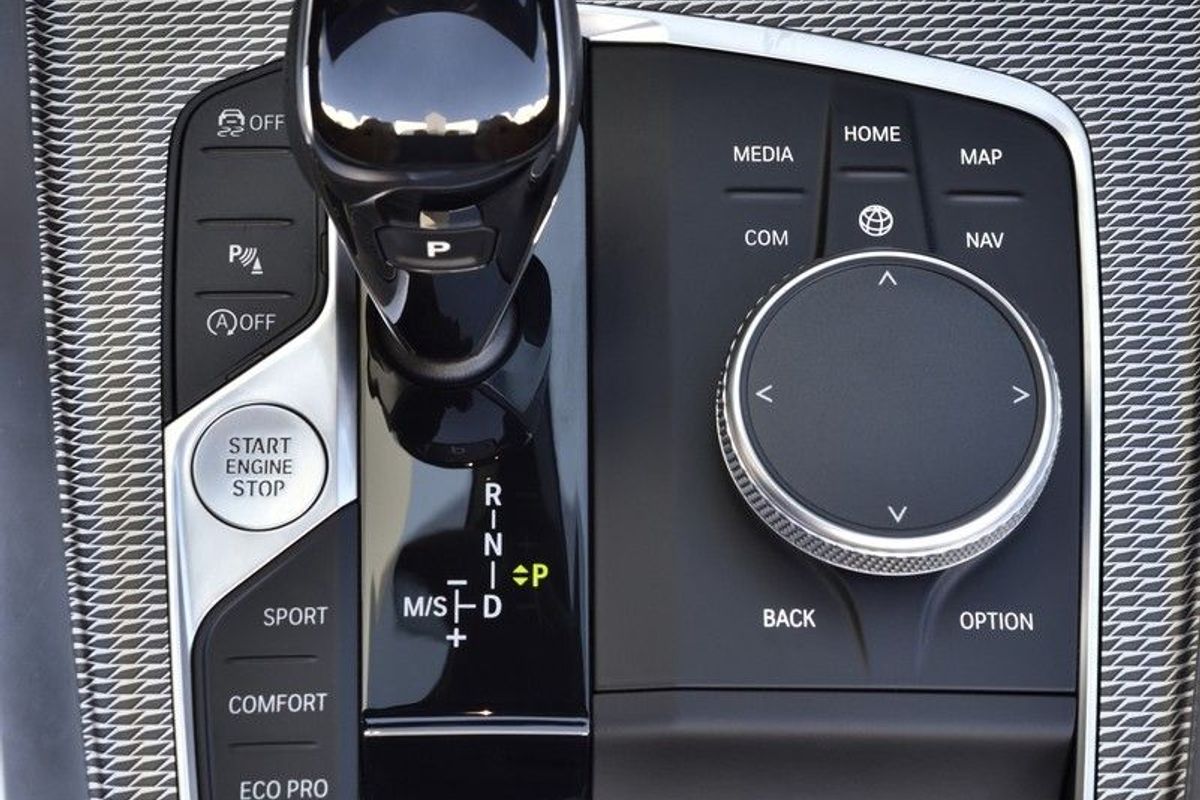
It’s super-quick to use by touch, though we reckon it’s still easier to use the newly-styled iDrive rotary controller to navigate the menus when you’re on the move. The rest of the cabin is neatly styled and beautifully put together. You sit down low as you’d hope, with plenty of adjustment in the seats and steering wheel. There are plenty of small storage areas and don’t forget to fit the (rather flimsy) plastic wind deflector between the roll hoops behind before you attempt any speeds higher than the urban crawl.

Gutsy straight-6


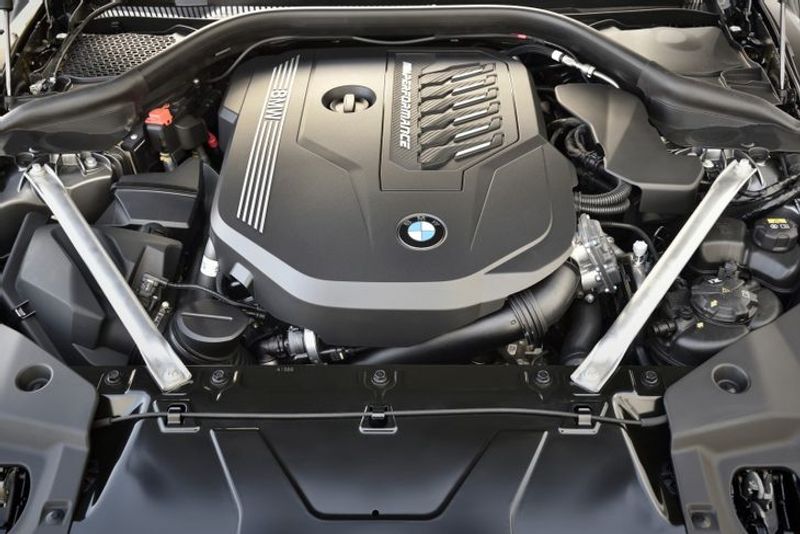
The straight-6 under the long bonnet puts out 250 kW and 500 Nm of torque.

And while the new Z4 is perfectly civil with its multi-layer roof in place, you buy a roadster to drive it with the wind in your hair, right? What’s more, you’ll want to do that to let your ears have unhindered access to the exhaust note. It’s a sonorous tune that only a straight-six could sing, even a turbocharged one. There’s 250 kW of power from 5 000 to 6 500 rpm and this engine really does encourage you to go looking for it all with a purposeful, yet cultured snarl, with the soft limiter kicking in at 7 000 rpm. Not that you actually ever need to use that many revs, because there’s a chunky 500 Nm of torque produced from 1 600 to 4 500 rpm, making the M40i feel rapid seemingly regardless of engine speed or gear selected.

That’s especially the case if you choose Sport or Sport+ driving modes, as everything sharpens up noticeably, banishing memories of the previous Z4 to history. The Sport+ setting is particularly aggressive in terms of throttle response and gear selection. The best news though is that the adaptive damping never turns the car into a denture-loosening mess; sure, it ramps up the firmness and body control in the Sport modes, but not at the expense of composure over rougher surfaces. This means you can still use the Z4’s performance to the full, even when not on a glass-smooth road. In Comfort mode it’s surprisingly relaxed, too, making for a good long-distance cruiser.

Is it a proper sportscar?


BMW has shortened the wheelbase on the Z4 to make it more agile while widening the track for better traction.

Last, but certainly not least, is that M Sport differential, a fully active unit, the operation of which is mapped to the driving modes. In Comfort mode, this attempts to keep the rear of the car stable at all times, while enhancing traction. It does that to a certain extent, though even so, if you’re clumsy with the throttle on the exit of a dusty or damp junction, there’s a momentary rear twitch to serve as a reminder of which end the power is being sent.

On the move, it’s never nervous, however, and it takes a little provocation to push beyond that initial movement, especially on dry tarmac. The differential allows for a more "dynamic" stance on the exit of corners if you’re in one of the Sport modes, as you’d hope, and this reveals a delicious balance to the whole car.

You can really lean on the outside tyres and get on the power incredibly early, letting the differential do its thing. What’s more, on the approach to a corner and on initial turn-in, it can also help make the Z4 feel "pointy", adding to the overall sense of agility. No doubt the sports steering adds to that, as it’s a variable assistance and ratio system. Feedback to your hands isn’t bad, though would be better with a thinner steering wheel rim. The brake pedal is reassuringly firm, even after a spirited mountain drive, allowing you to confidently deploy as much braking force as you need.

Summary

Confidence is a word we’d use to summarise the new BMW Z4 M40i. This is an incredibly polished product from the German marque, mixing quality with the latest interior technology and the usual desirability of a drop-top roadster with rear-wheel drive. BMW has managed to incorporate all of that while giving its new Z4 a chassis that is clearly developed with the enthusiast in mind… especially so in the M40i. So, do you still want that Boxster?

A local BMW representative has confirmed that the new Z4 will reach South Africa in Q1 2019. 

Related content:

Toyota Supra (2019) Pre-production Drive

Porsche 718 Cayman & Boxster GTS (2018) Launch Review

Does the new Jaguar F-Type 2.0 work as a sportscar?

Mazda MX-5 RF – Has Mazda Ruined the MX-5?