Poster Child – 1985 Ferrari Testarossa | SentiMETAL Ep.7
Few cars epitomise the 1980s in the same manner as the Ferrari Testarossa. And few cars adorned as many bedroom walls as this iconic Prancing Horse. One such bedroom wall was in a little-known town of Umzinto on the KwaZulu-Natal South Coast. Said poster belonged to a young man with big dreams named Vijay Maharaj. Like many youngsters of the era, Vijay lusted after the star car from Miami Vice.
Words by Sudhir Matai; Images by Justin Pinto
Decades later, business success brought with it the opportunity to own a Testarossa, but initial impressions let him down and Vijay settled for the less recognisable Ferrari 348, a baby Testarossa, if you will. Nevertheless, the yearning remained and Maharaj decided that one day he would own the car that he glanced at daily as a teenager. The search continued and Vijay eventually found this pristine 1985 Testarossa seven years ago, which he duly bought.
“The car required very little work, and is the same condition now as when I bought it,” explains the owner. “We’ve replaced the clutch and touched up the spoiler but that’s it.”
Launched in 1984, Testarossa was the successor to the 512BB and became Ferrari’s halo model. Those instantly recognisable straked air intakes along the flanks cooled a 4.9-litre flat-12 engine that produced just over 280 kW of power. That power level is comparable to a modern hyper hatch, but it was plenty of grunt for the time. Incidentally, the name was derived from the red cam covers that adorned a Ferrari racecar of the same name, in Italian testa = head and rossa = red. That power output in a slippery, Pininfarina-designed shape gave a claimed top speed of 290 kph.
Since buying the car of his childhood dreams Maharaj has bought several other Ferraris, some of which can be seen in the video, but the Testarossa still maintains a special place in his heart. It’s a car that he uses and isn’t afraid to drive.
“We had the most memorable drive down to Cape Town a few years ago. We took five cars including the Testarossa and we covered 2 000 km on the way to Cape Town. It really is a great car to cruise in. It doesn’t like traffic or being driven slowly, it’s for the open road. On the trip, I watched and heard the car while it was being driven by my son and it was lovely to see it on the move, you only really appreciate the noise it makes when you are outside.”
Massive Fuel Price Hikes for October 2018
The Department of Energy has announced massive fuel price hikes that will take effect on 3 October 2018.
Rising fuel prices remain a major cause of concern for many South African motorists and consumers who have endured countless increases that continue to squeeze household budgets.
Now, a major increase will materialise in October 2018.
The price of 93 octane petrol will increase by 99 cents per litre while the cost of 95 octane petrol will increase by R1.00 per litre. Both grades of diesel (0.05% and 0.005%) will see a massive price increase of R1.24 per litre.
The main factors that contributed to the increase include a weakening Rand/Dollar exchange rate, increases in the prices of crude oil and increasing import proces of petroleum products.
Previously, the AA warned that the agricultural sector, which is already under stress from the prolonged drought, will be severely affected by the rising cost of diesel and price hikes such as this will place marginal businesses (including farms) under considerable pressure and will ultimately have a negative impact on consumer pricing.
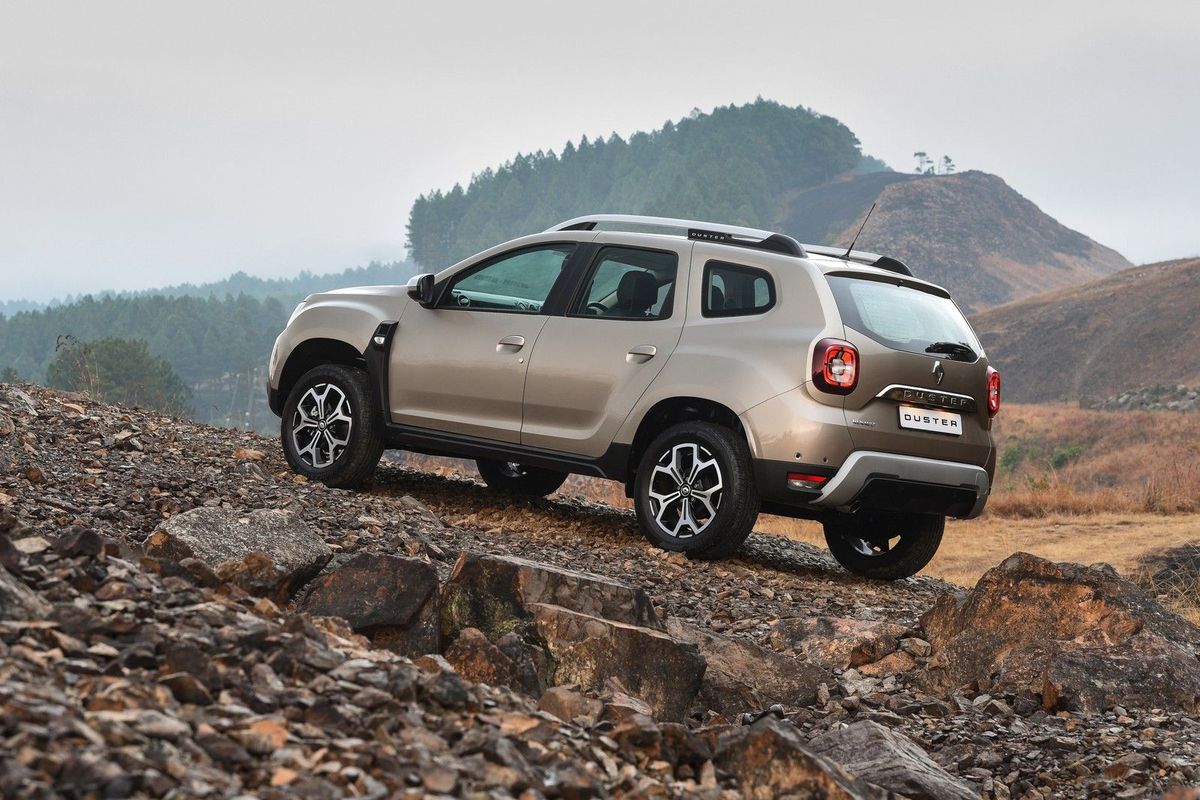
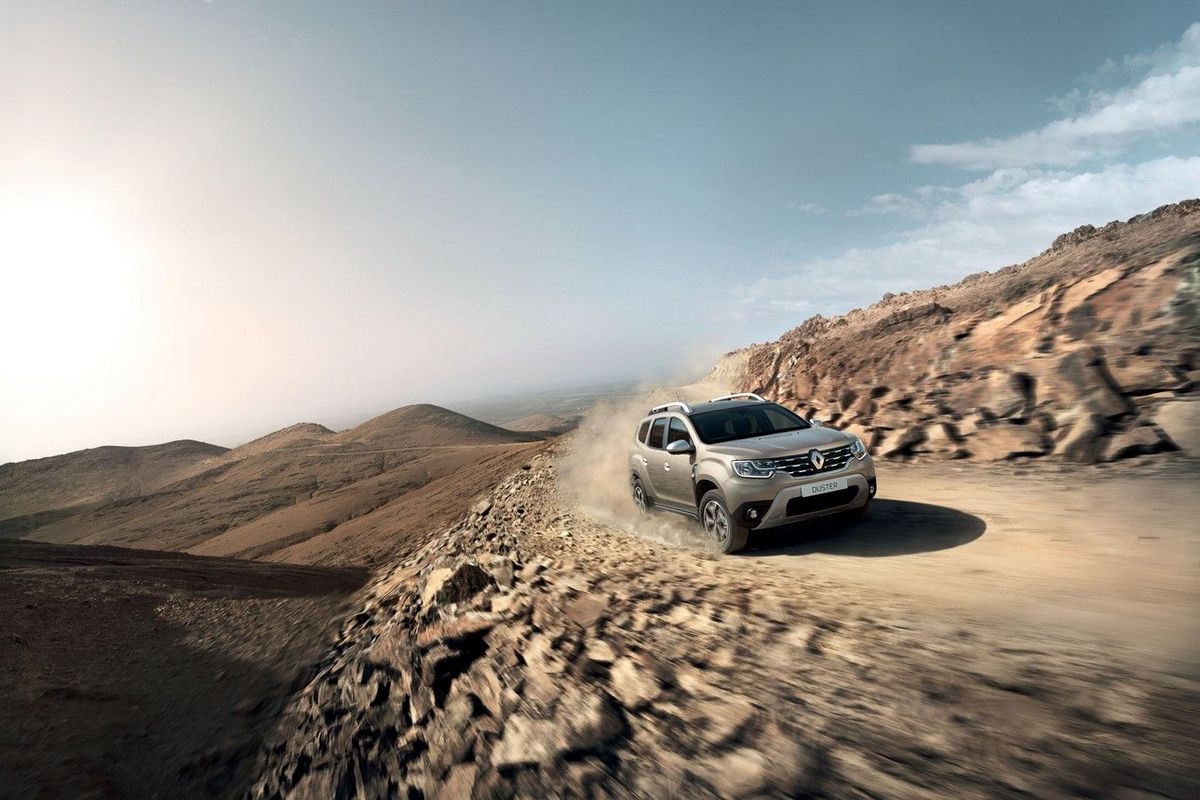
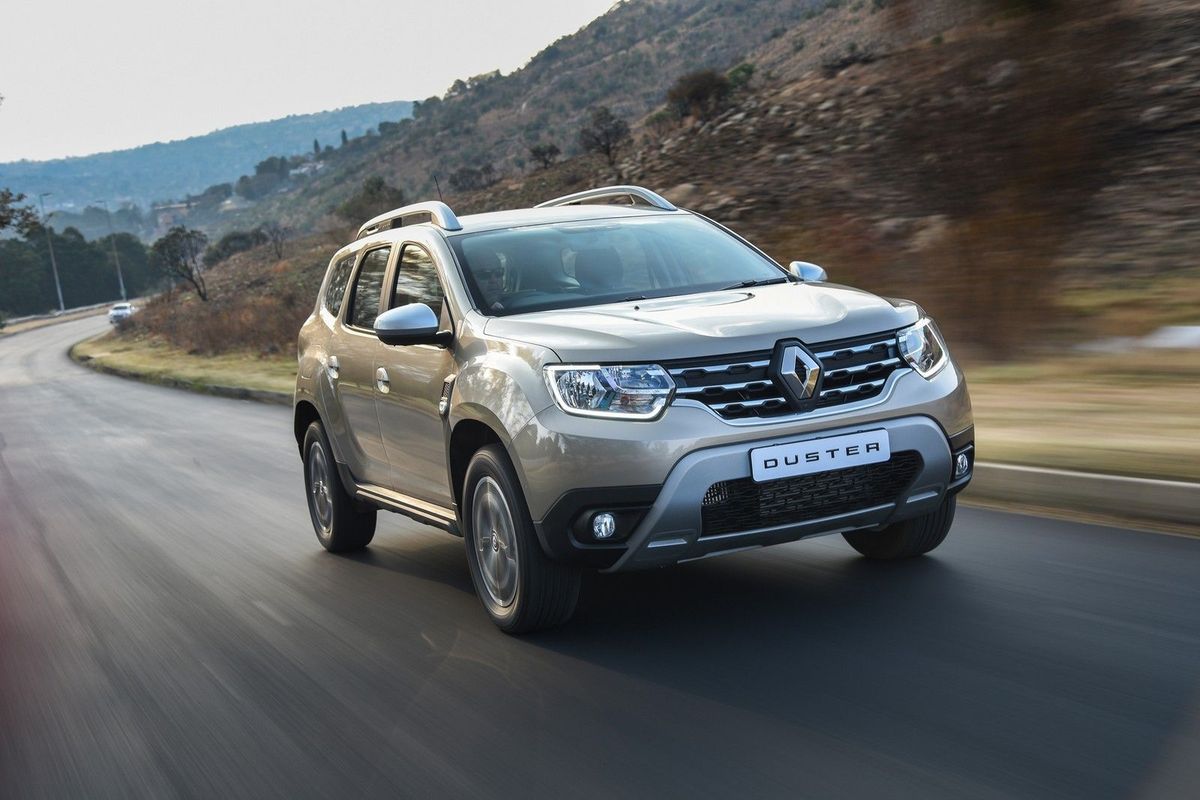
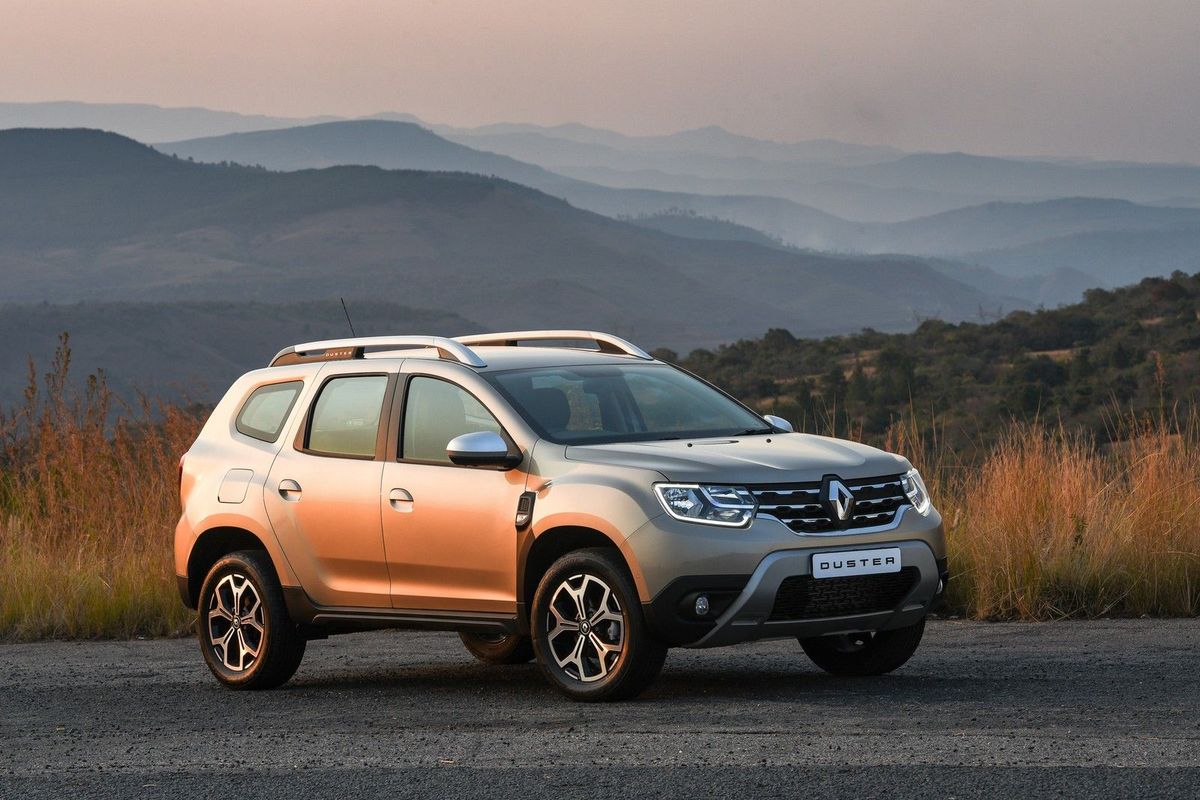
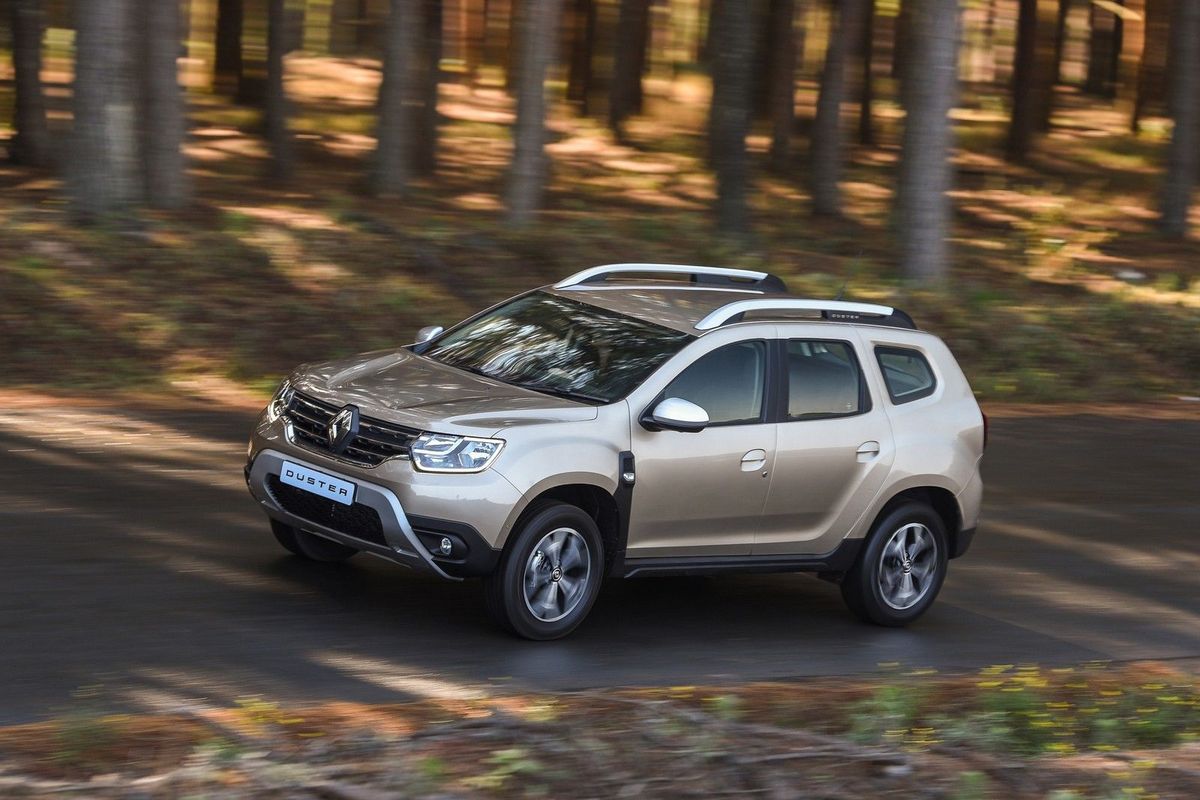
The hard-working Renault Duster returns to the fray with a new model that improves on some of the niggly bits of its predecessor, but remains the default rugged choice in the compact family car segment.
What’s new
The 2018 Renault Duster is an all-new car, but considering that it utilises the same platform and (mildly revamped) engines as before, it feels more like a facelift model than something that's said to be a brand-new vehicle… Don’t let that deter you too much, as the changes Renault has made to the new Duster make a big difference.
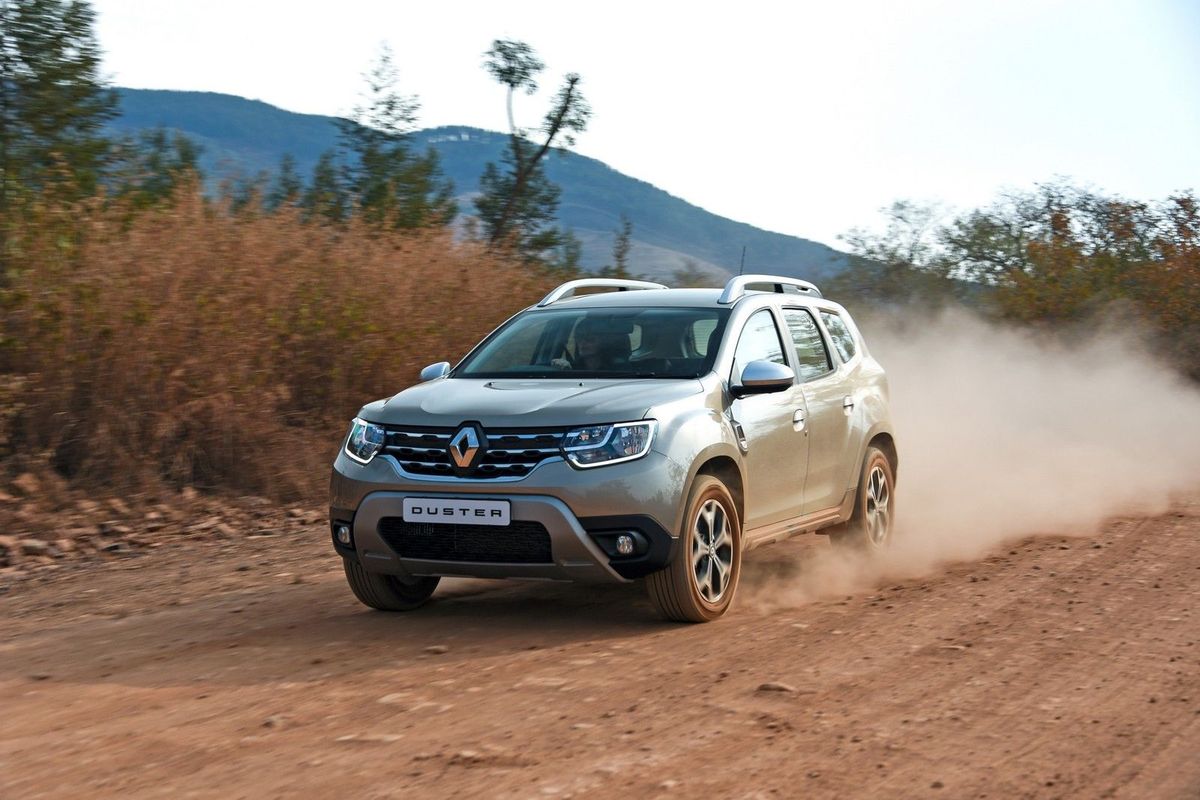
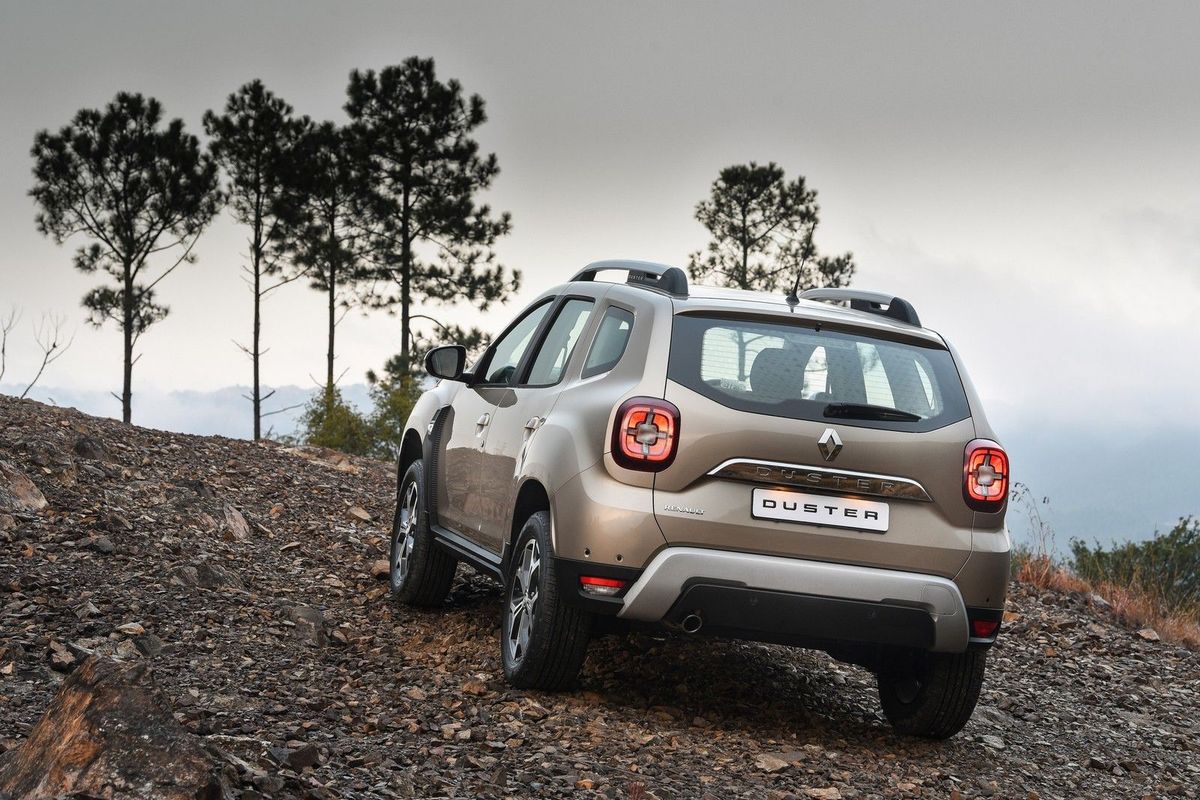
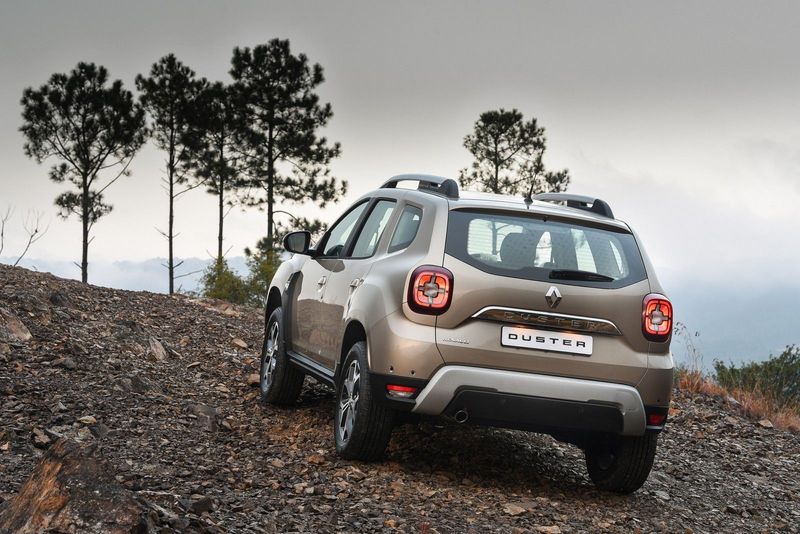
The design is the most obvious change, where the LED lights at the front show the C-shape design that Renault is implementing in its new models. It’s not the same tear-drop effect that the Megane has, but still a distinct Renault cue. The rear features a new tail-light design and reminds me of the Jeep Renegade with its square shape "crosshair target" light cluster. It’s by no means a drastic restyle, but looks modern and maintains that sturdy, chunky design that makes it look like a pukka off-roader.
The square rear taillights are the major new addition to the rear end design.
The engines under the bonnet include a naturally aspirated (non-turbo) 1.6-litre petrol, lifted from the Megane and the 1.5-litre turbodiesel unit is carried over from the previous Duster with a little bit of extra torque. As before, there is a 4×4 derivative in the range, but it will only be available from early in 2019.
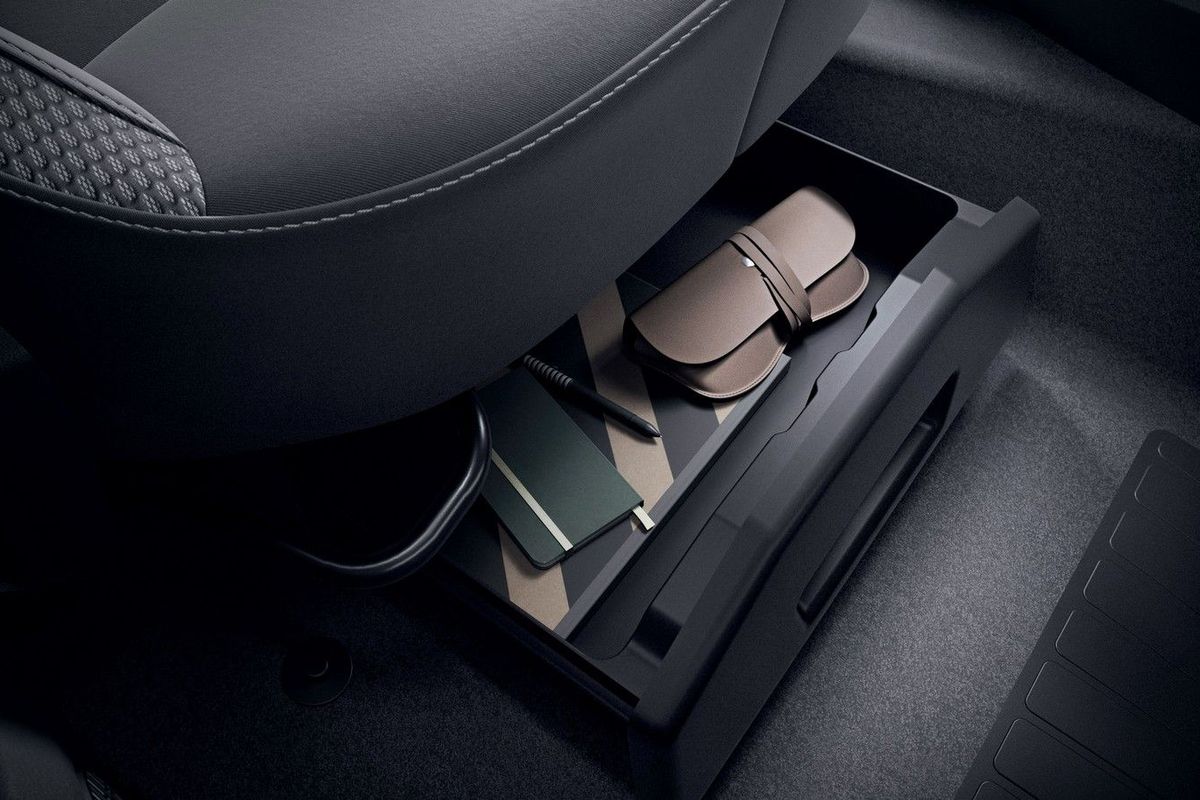
The other major highlights of the new model are improved cabin materials, which endows the Duster's cabin with more of a quality feel, and new specification improvements, such as a new Prestige derivative that sits atop the Duster range. More on that later…
Improved quality
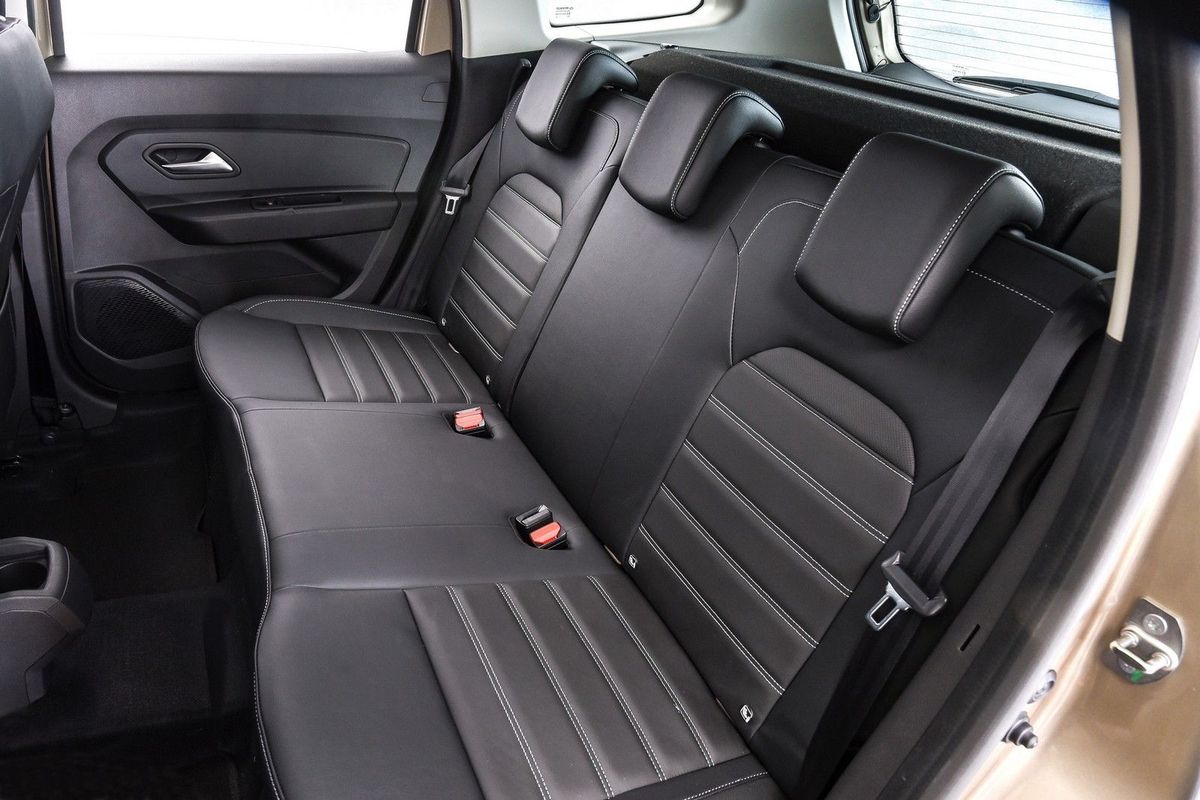
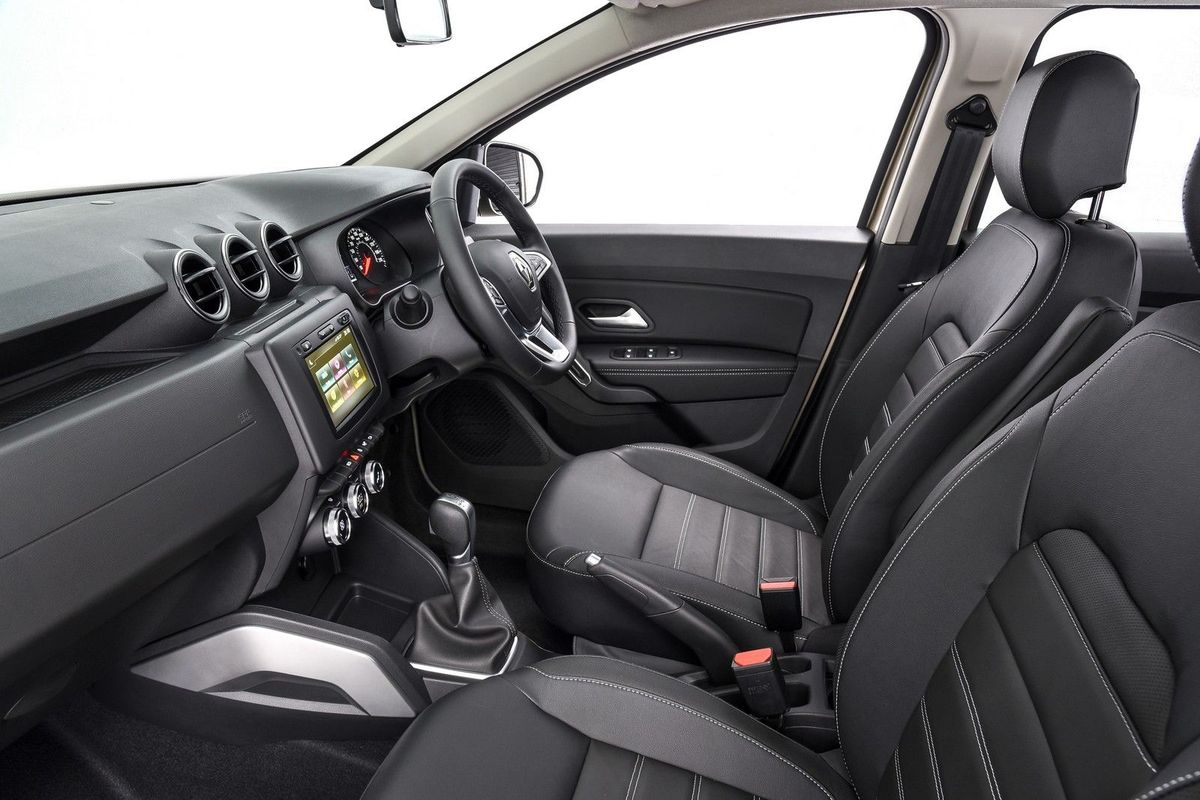
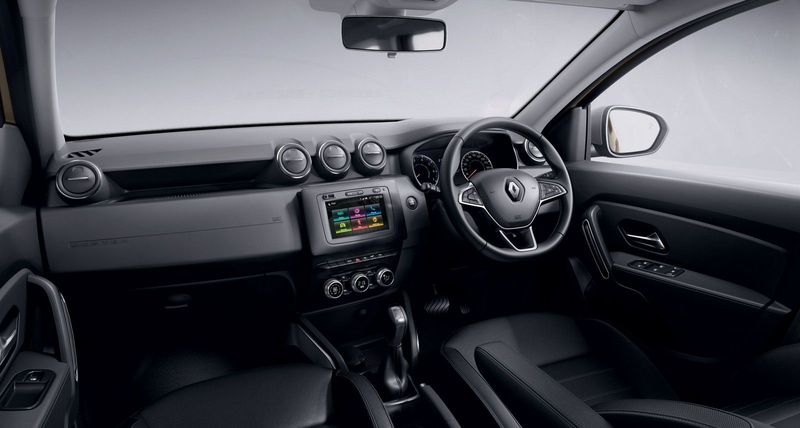
One of the drawbacks of the previous Duster was the quite harsh, plasticky surfaces in the cabin. The new model has improved on that with softer-touch areas and improved seats, which have more side support on both the lower and upper sections. The Prestige derivative includes an armrest and leather trim is a R10 088 option.
The interior has softer touch surfaces that feel sturdy. The new aircon dials are a modern touch too.
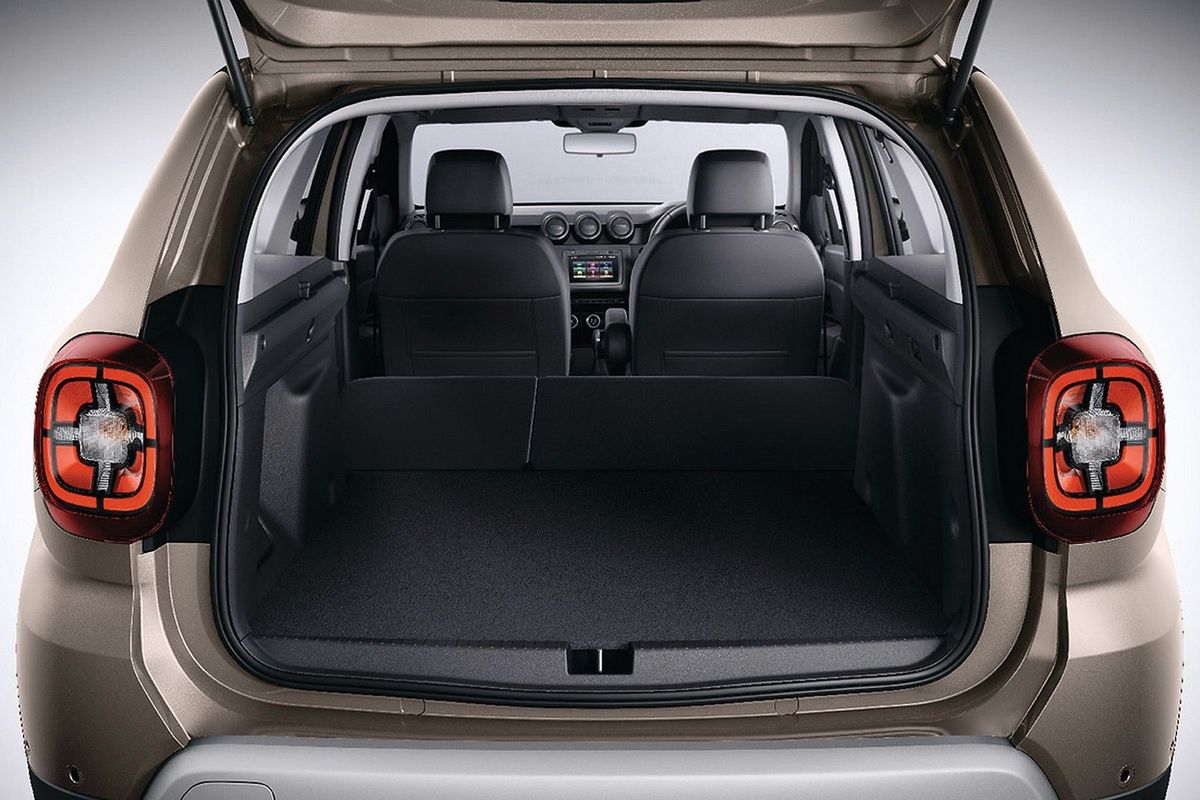
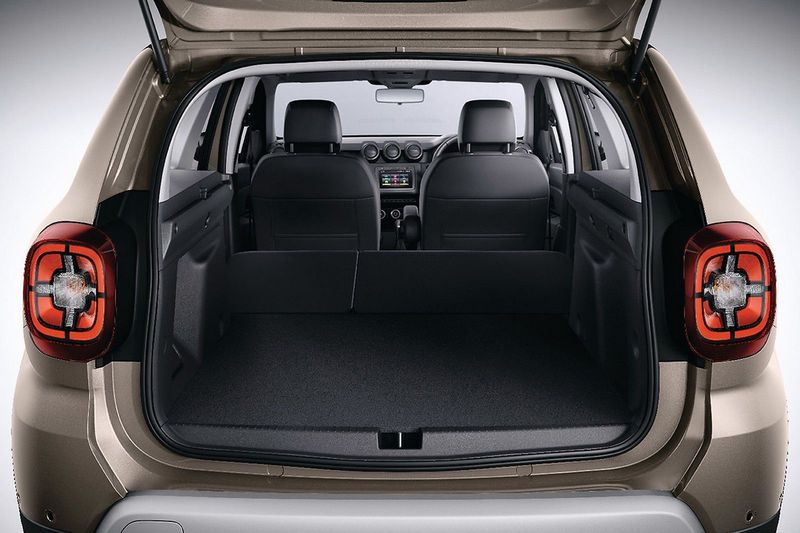
Space within the cabin (a proven strength) has grown further and the luggage bay's capacity has increased. In fact, the Duster boasts one of the biggest bays in the segment (478 litres) and the rear seats fold down in a 60/40 split. When the rear seats are folded, it's not a flat loading area, but steps up at the rear seat position.
Meanwhile, the steering wheel and its controls are of a better quality than before; there is a firmer, more long-lasting feel to them.
Is the power unit capable?
At the launch, only automatic 1.5-litre turbodiesel units were available to drive, so I can’t comment on the performance of the 1.6-litre petrol or the manual 1.5-litre turbodiesel derivatives. The automatic diesel and 4×4 manual model share outputs of 80 kW and 250 Nm. The manual 4×2 model gets a detuned version of the same 1.5-litre powerplant (with peak outputs of 66 kW and 210 Nm), while the 1.6-litre manual produces 84 kW and 156 Nm. The most efficient version is the automatic diesel we drove (a claimed fuel economy of 4.8 L/100 km) and after 2 days of driving both on and off-road, we managed under 6 L/100 km: not bad for a car in this segment.
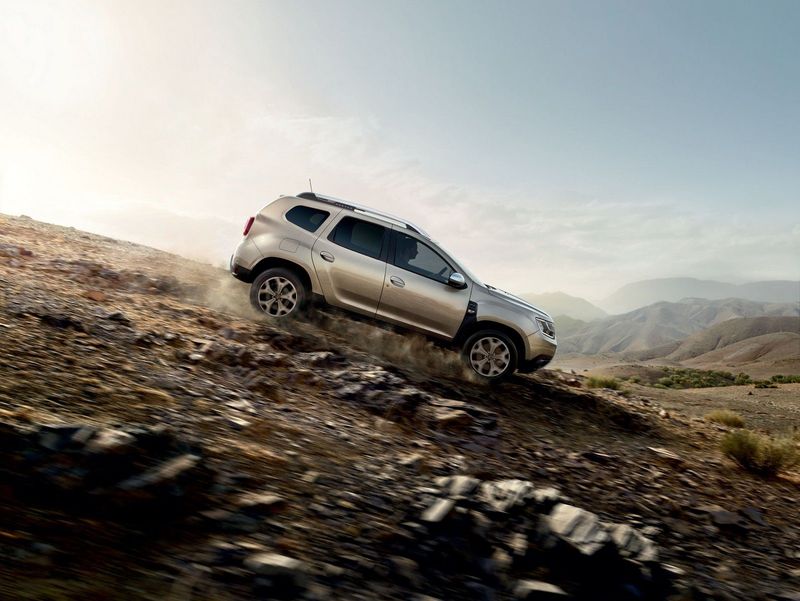
Hill descent control is available on the 4×4 model, but that will only arrive in 2019.
The dual-clutch automatic transmission, which Renault labels EDC, is much-improved from the versions we sampled in the old Duster. Its shifts are quicker up and the downshifts are less intrusive. It's also less jerky in traffic or at rolling speeds.
The diesel does have a slight dead spot at the very bottom of the rev range (as it spools up the turbo), but it’s something that’s only obvious when you’re in a rush.
Does it ride and handle any better?
The noise levels inside the cabin have been reduced markedly, in terms of noise, vibration and harshness (NVH), especially when you're travelling at freeway speeds.
The luggage bay's capacity is 478 litres before the rear seats are folded down.
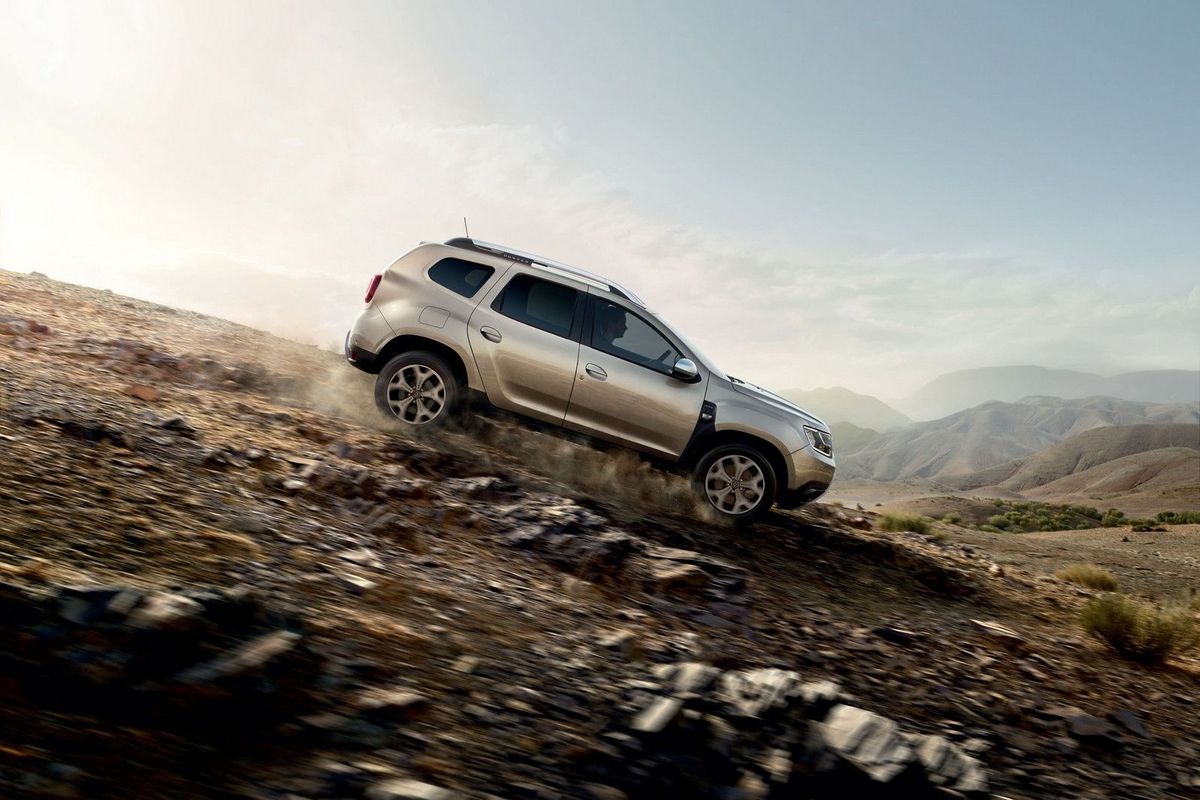
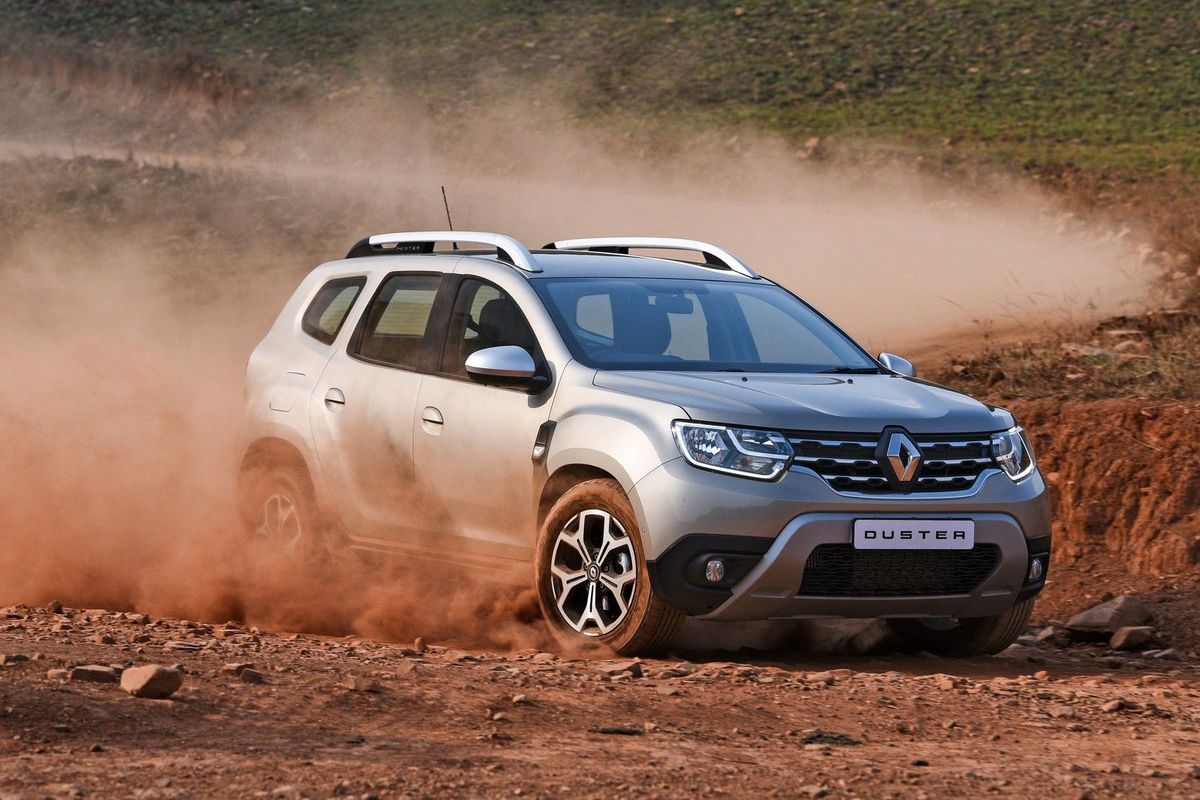
The chassis underneath the Duster remains the same, so the overall feel of Renault's rugged compact family car is quite similar to that of the outgoing model. That’s to say it’s still capable when you encounter a dirt road and rides better than its direct competitors over rough terrain. The 4×4 model remains the standout derivative in the Duster range, as there aren’t many direct competitors in the small 4×4 segment, especially at this price point.
Onboard tech
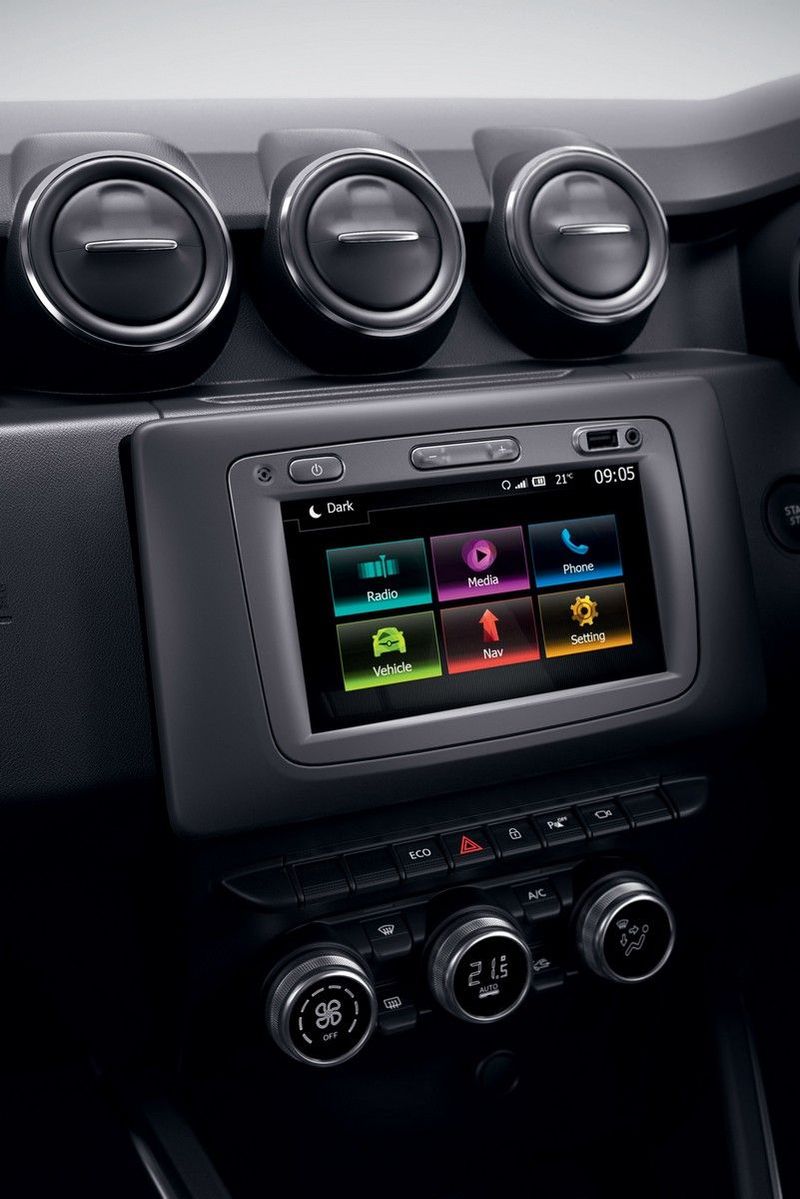
The Duster's infotainment system has been moved up above the air conditioning dials so you don’t need to look so far down into the cabin to see it anymore. Its the same system as in the Clio and Captur and features navigation as standard in Dynamique and Prestige derivatives. USB and 12V ports, as well as Bluetooth, is availed. The system does not support Apple Carplay or Android Auto, but Renault SA is testing this system and, if all goes well, will have it ready before the end of this year.
Navigation is standard on Dynamique and Prestige models. Apple Carplay and Android Auto are still being tested but may be here before 2019.
Safety features are good throughout the Duster range. All derivatives feature stability control, as well as ABS and EBD. The Prestige version gets a multi-view camera that allows you to see out of the front, sides and rear of the vehicle at any time. It also features blind-spot alert and keyless entry.
Summary
The Duster doesn’t stray too far from the formula that has made it a popular choice in the compact family car segment. It is still a rough-and-ready player that sees its target buyer as the outdoorsy type who wants to venture beyond tarred roads. Furthermore, the newcomer's interior has an improved look and feel, courtesy of more soft-touch bits sprinkled about the cabin, and, overall, the Renault feels more solidly put together now.
The automatic will attract more fans now that Renault has improved the transmission's shifting pattern and response times to user inputs. It doesn’t infuriate in traffic like the preceding turbodiesel automatic derivative did and returns excellent real-world fuel consumption figures.
Its price is still a key attraction; the Duster remains one of the cheaper off-road-capable choices at this price point and it performs its role as a compact family car solidly.
Renault Duster Price in South Africa (September 2018)
The rumour mill around the Audi SQ2 has always been turning, but finally, we get an official photograph and details about the all-new performance SUV from the Ingolstadt-based manufacturer.
Audi has released some information and a photograph of its all-new performance SUV, the SQ2. We'll see the SQ2 being fully revealed at the 2018 Paris Motor Show. Given Audi's love for performance SUVs (SQ5, RS Q3 and SQ7), it was only a matter of time before the same treatment was applied to the baby SUV in the range. After rival manufacturer BMW released an M35i version of its X2, it was inevitable that Audi would follow with a product of its own.
Powered by a 2.0-litre turbocharged engine with 220 kW and 400 Nm, this SQ2 is able to hit 100 kph in 4.8 seconds and run onto a top speed of 250 kph. Performance fanatics will note that this is the same engine found in the S3 hatchback. The Audi SQ2 features quattro all-wheel drive, S sports suspension and a fast-shifting S tronic gearbox.
The Audi SQ2 sits 20mm lower than its Q2 siblings and the steering setup has been tweaked for performance, which Audi claims improves agility in traffic and tight bends. Visually, the SQ2 gains larger wheels, a trademark Audi S performance grille and quad exhausts. Audi is offering a choice of alloy wheels for the new SQ2. Standard are the 18-inch alloys, but you can go up to 19-inch.
We'll have more details on the new Audi SQ2 as its revealed at the 2018 Paris Motor Show early next week. Audi says the first deliveries in Europe will start in early 2019. A South African market introduction has been confirmed and the new Audi SQ2 should be arriving in the first quarter of 2019.
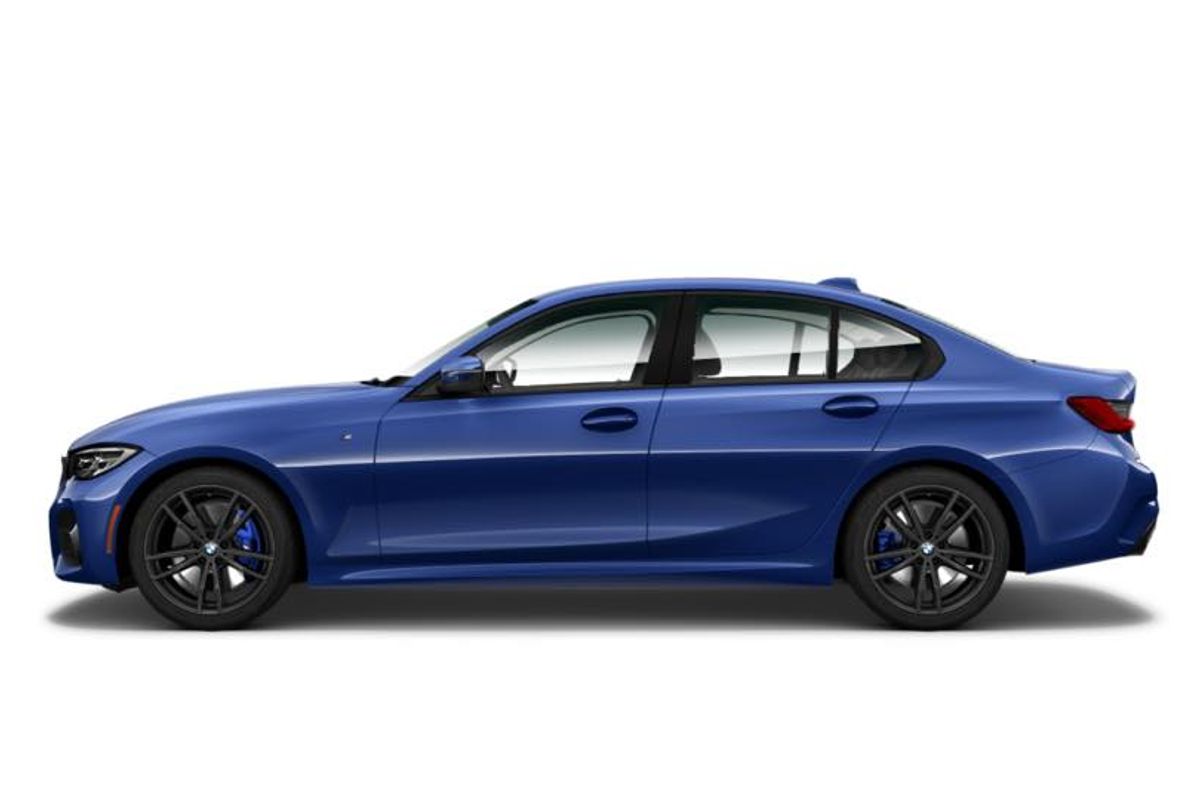
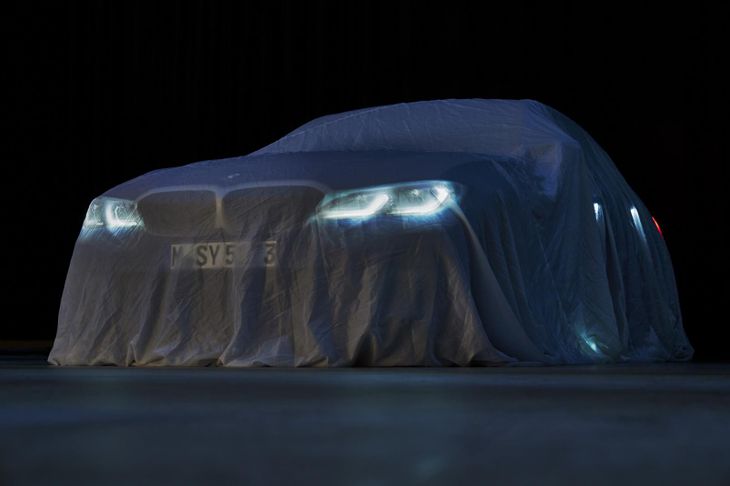
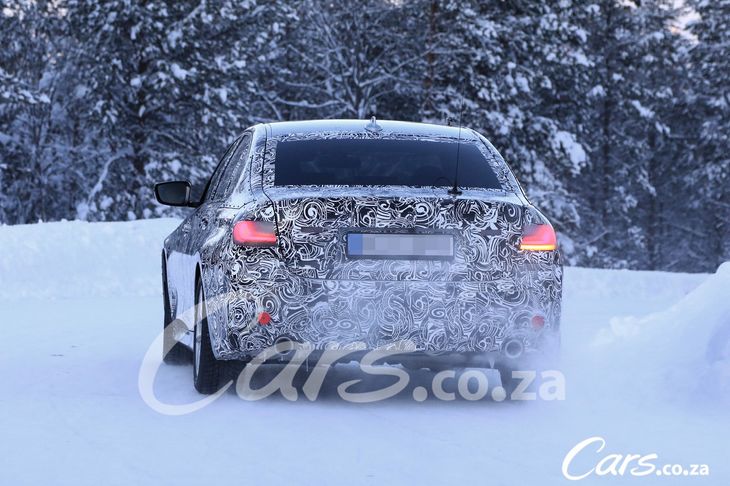
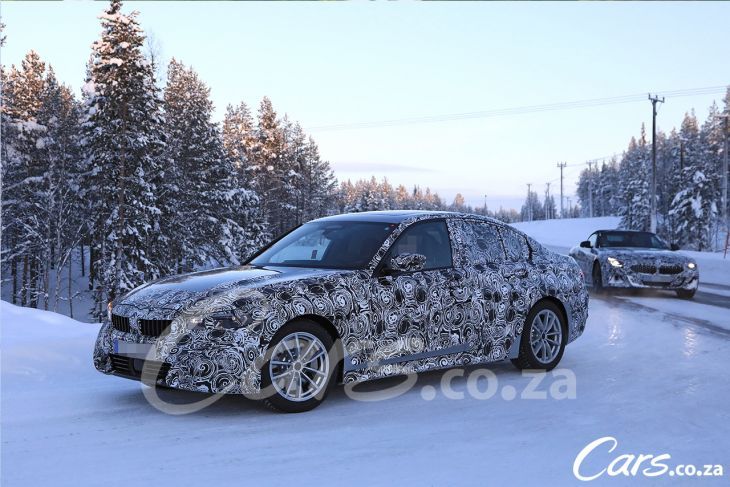
The F30 BMW 3 Series, which was introduced in the local market early in 2012, has fallen behind the competition in some areas. Dynamically, it falls short of the Alfa Romeo Giulia and its interior is eclipsed by that of the Audi A4. The F30's comfort damping/handling balance has always been admirable (the latest generation run-flat tyres seem to offer more "give"), but in terms of ride quality, the Bimmer falls short of the A4 and a Mercedes-Benz C-Class equipped with air suspension. Suffice to say BMW hopes the new 3 Series, codenamed the G20, will return the Munich-based brand back to the top of its class…
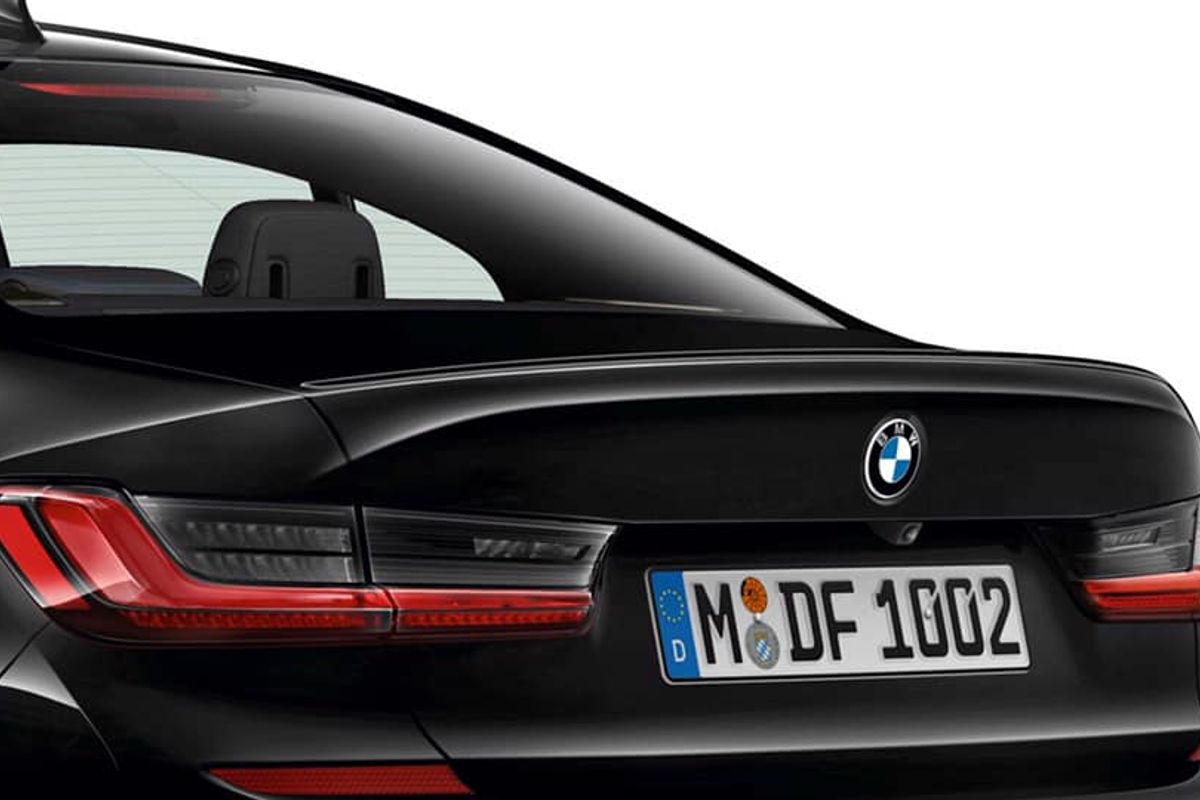
Artist's impression
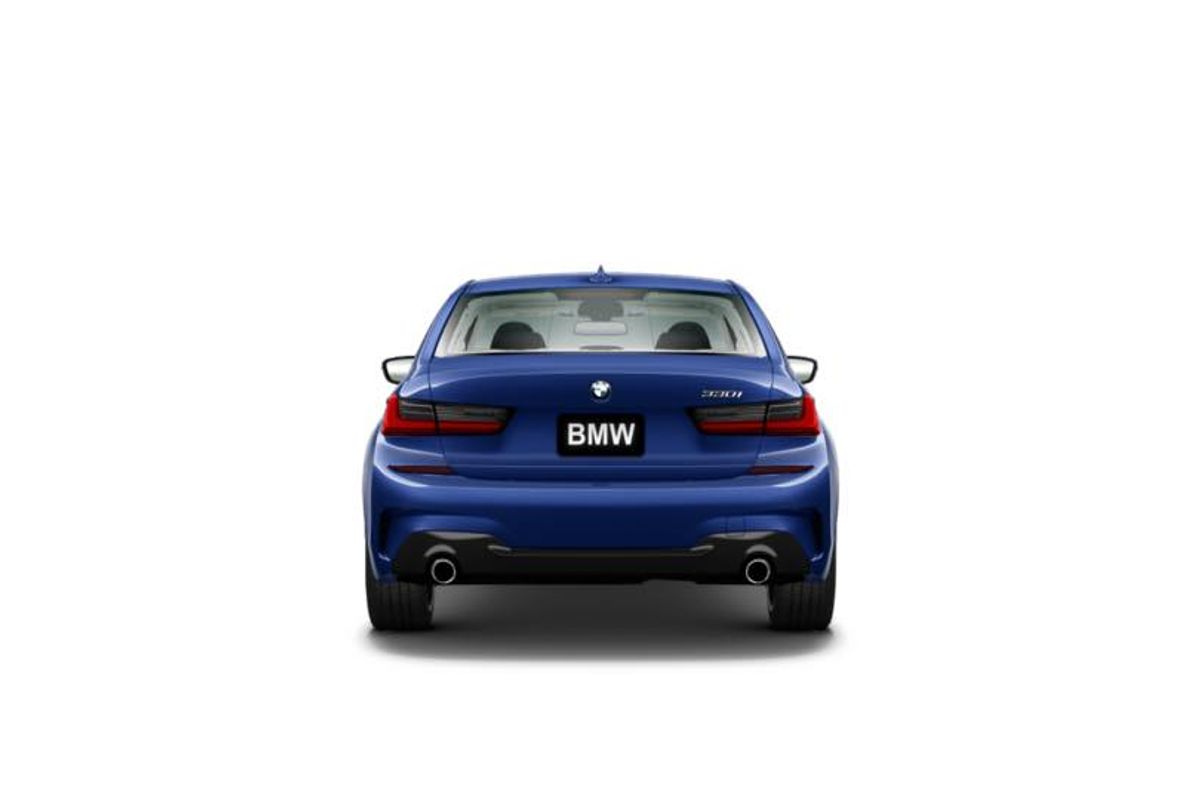
The image above is an artist's impression of the new 3 Series, based on the multitude of spy pics we've seen over the last year or so. We've dulled some of it down to look more like a production model and as the impression came to life, we noticed how much it looks like a 5 Series! The new 3 Series will ride on a new platform called CLAR – cluster architecture. This platform lightens the 3 Series by around 70 kg and apparently features a longer wheelbase, wider track and lower centre of gravity, much of which lends itself towards looking like a 5 Series.
Unlike the C-Class, BMW has chosen not to go the air suspension route with the new 3 Series, but will continue to develop adjustable dampers, anti-roll bars and an updated version of active steering and torque vectoring systems.
Improved interior
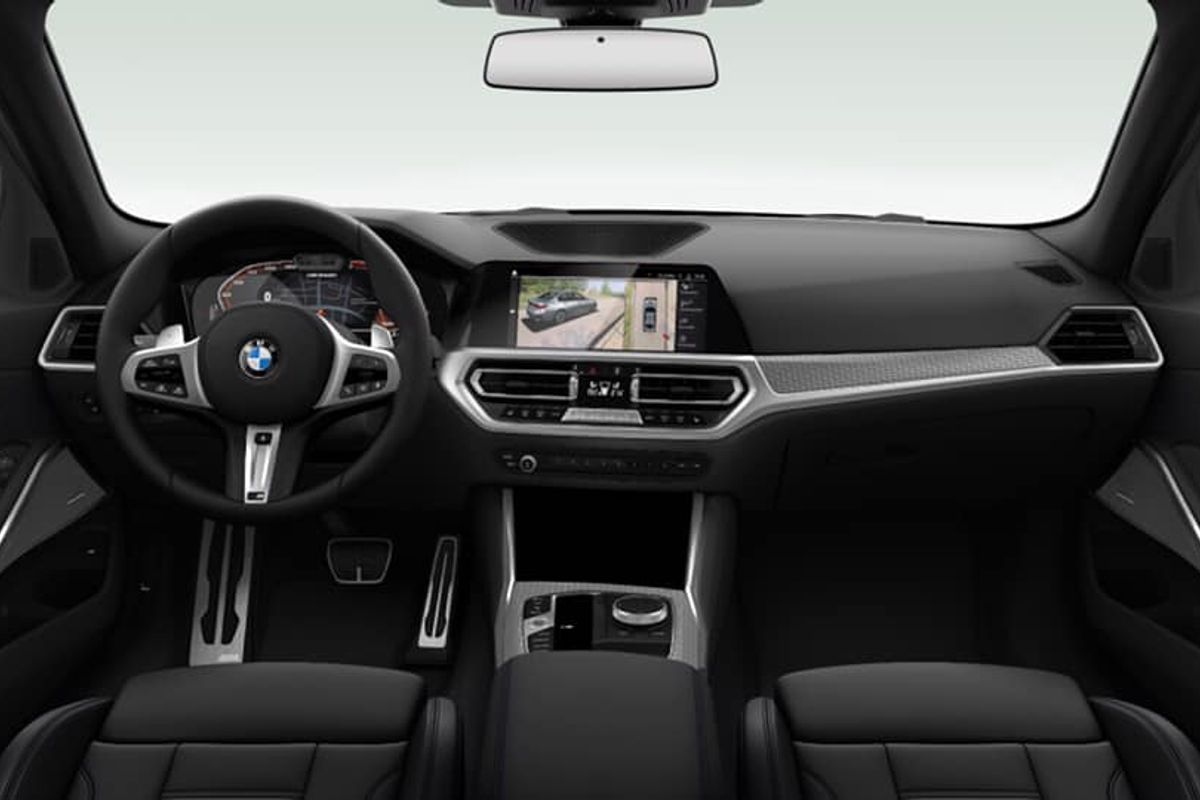
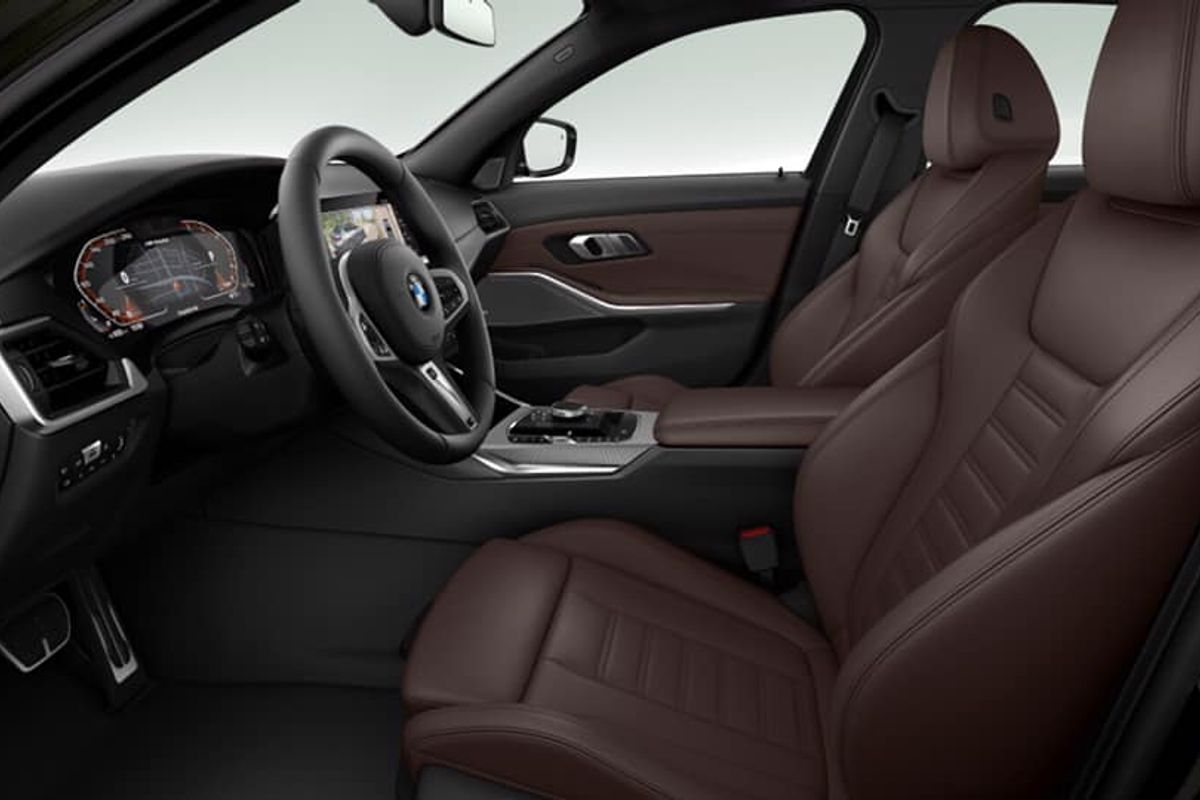
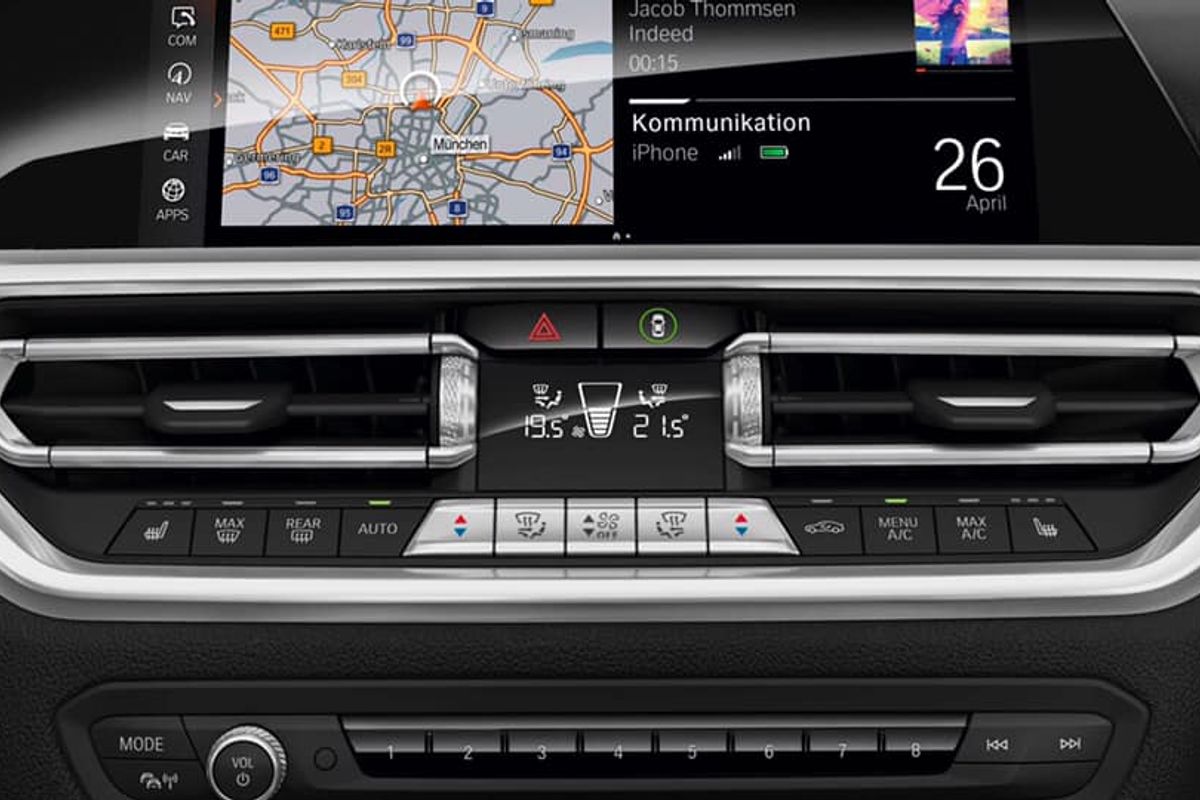
Current images of the interior aren't much to go on, but BMW is expected to release the new 3 Series with a multifunction instrument display, a larger, more sophisticated infotainment screen and semi-autonomous driving modes. The design of the current model's interior will need to be refreshed as it feels old compared to the more modern and uncluttered design in the Audi A4.
Engine range
There doesn't appear to be much difference in engine derivatives for the G20. The 3-cylinder turbopetrol is likely to remain the entry point, while the 2.0-litre turbopetrols will be the most popular, sales-wise. Expect incremental power/torque improvements for each engine and lower claimed fuel economy figures throughout the range. The 340i is expected to join the M Performance line-up in the shape of the M340i.
When is it coming?
Unofficially, the reveal will be at the Paris Motor Show in October this year (2018). Expect to see a few leaks online as well as more spy pics of testing in summer conditions in the months ahead. It will likely only go on sale in 2019 and a few months after that in South Africa.
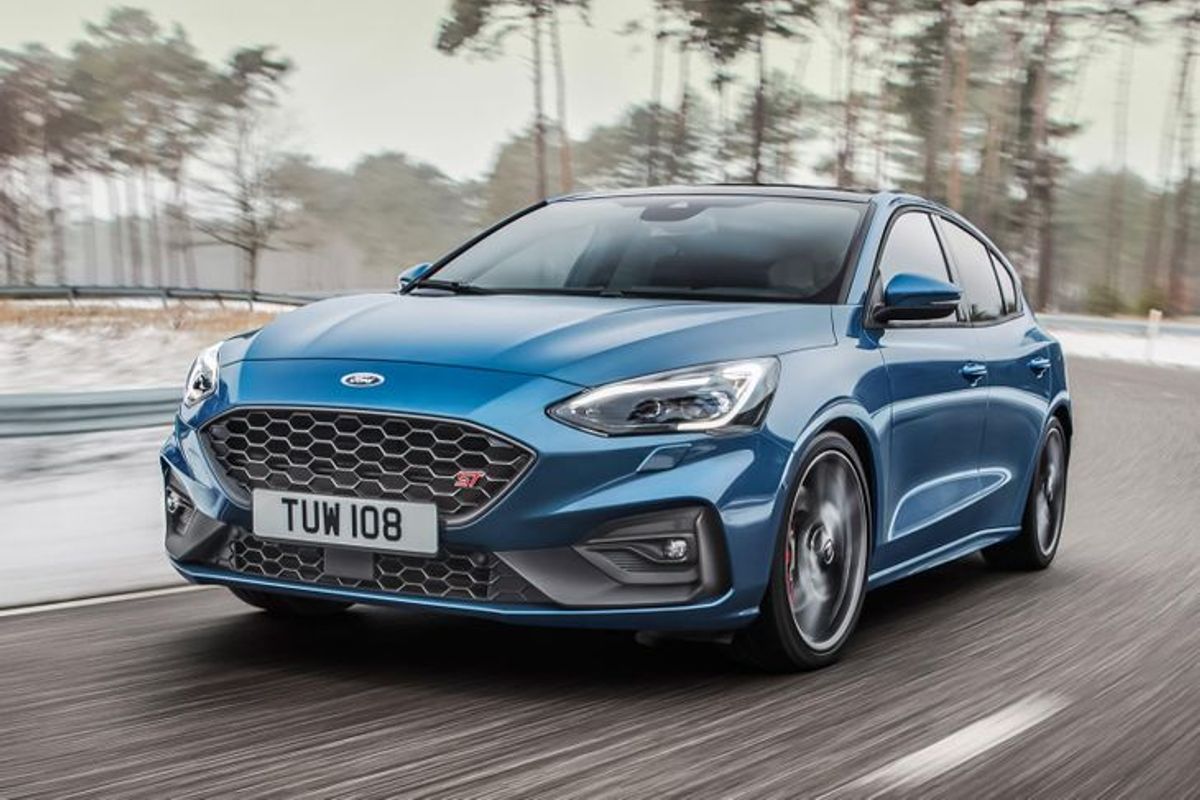
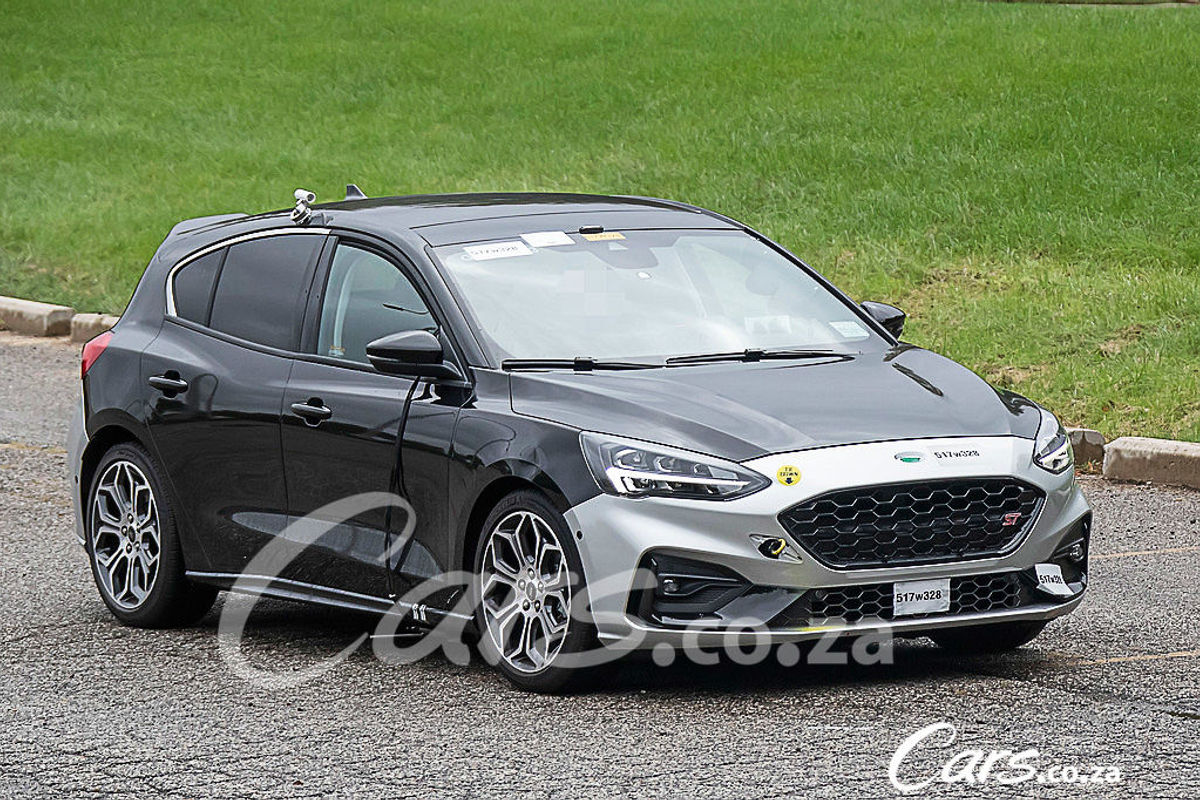
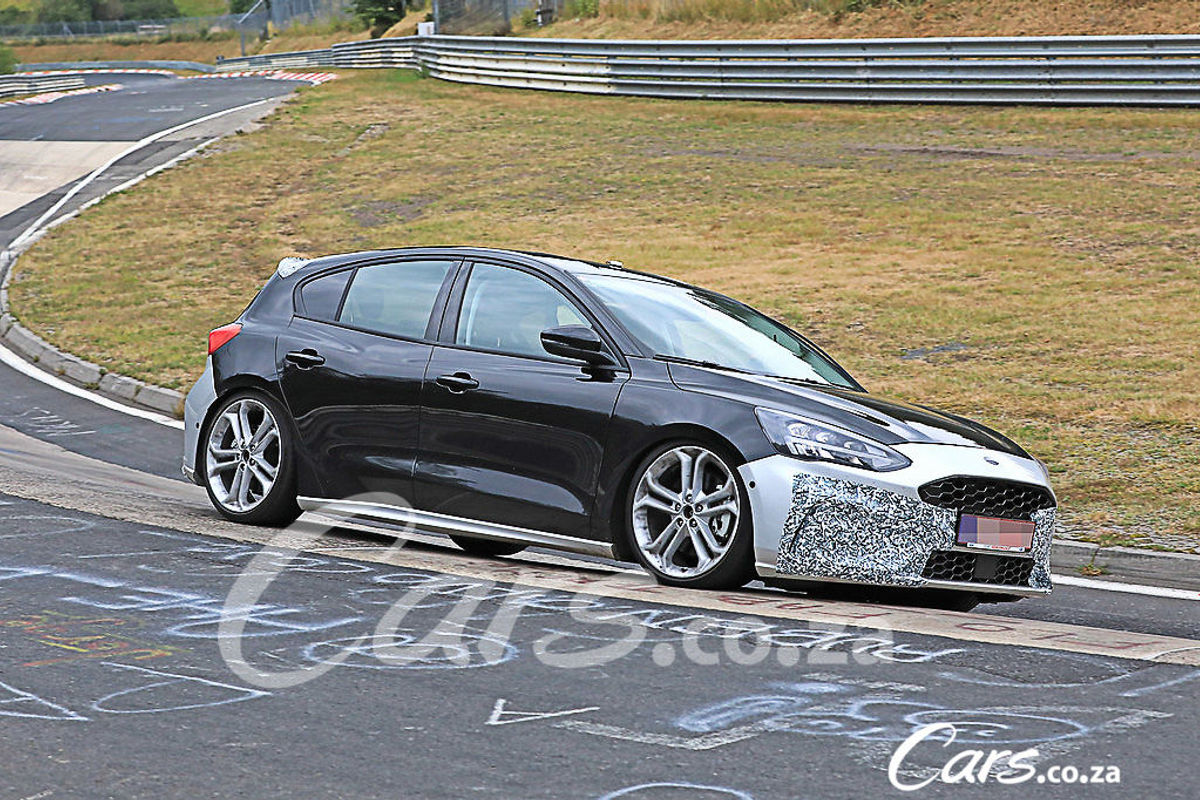
The new Ford Focus has just been released internationally, but now attention has turned to the performance derivatives. Here's the next Ford Focus ST undergoing testing.
Image credit: S. Baldauf/SB-Medien
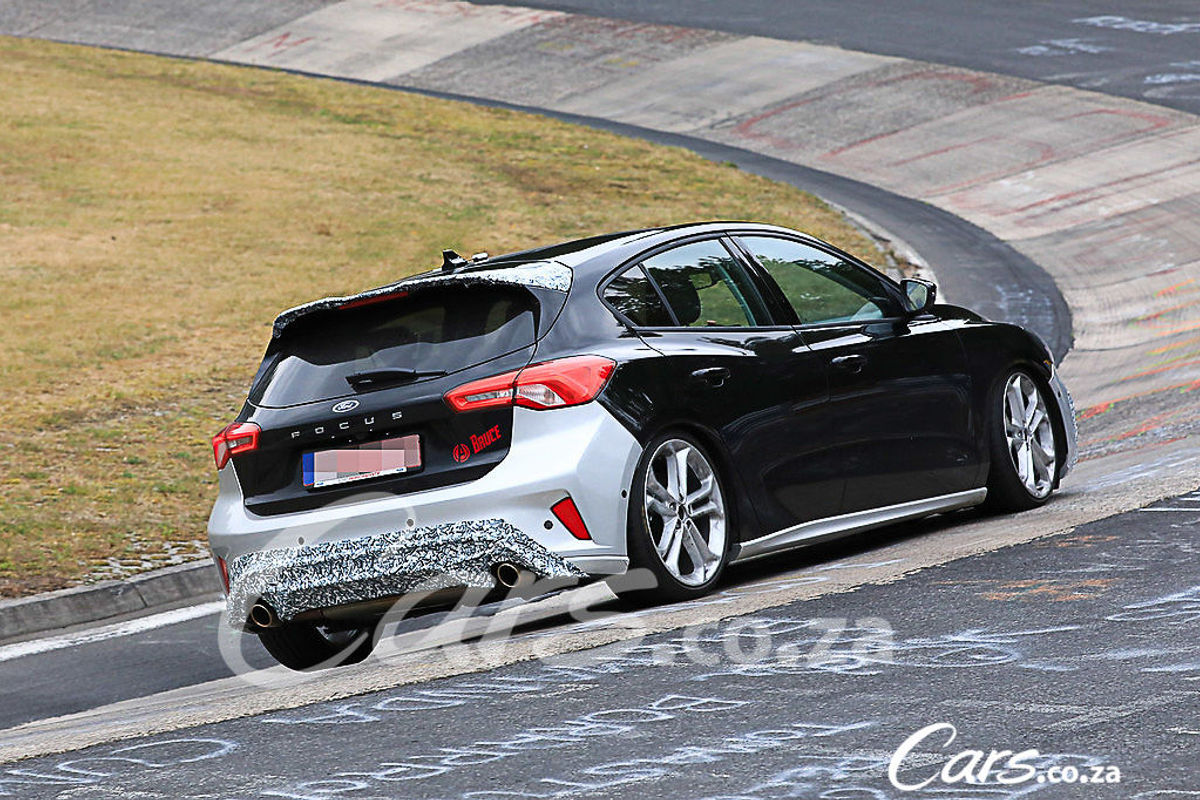
*Update: More recent photos of the next-generation Focus ST have emerged. This time we can clearly see the front bumper, complete with ST badging and the rear has the distinct twin exhaust setup. The new Ford Focus ST is likely to come to SA in 2019, but we do have to manage our expectations. While the market has upped outputs to around 200 kW, we suspect that the Focus ST will be on par with its rivals, with the real killer power coming from the next-gen RS, which should be closer to 300 kW.*
The next-generation Ford Focus ST is coming. Spotted this week on the Nurburgring Nordschleife were some Focus prototypes. The obvious giveaway would be the large alloy wheels, the camouflaged bumpers and dual exhaust setup. The key discussion point here is the choice of engine and there are many rumours as to which powertrain will be selected.
One thing we know for sure is that European emission regulations are becoming more stringent by the year and if the downsizing trend for the Fiesta ST is anything to go by, it wouldn't surprise us to see one of the new 1.5-litre 4-cylinder engines will be modified much in the same way. There are also rumours suggesting that the Focus ST powered by a modified version of the current 2.0-litre 4-pot turbo, pushing past the 200 kW barrier. Ford will be calling upon its recent advancements in twin-scroll turbos, direct injection and cylinder deactivation technology to achieve these outputs while maintaining a credible economy and efficiency rating.
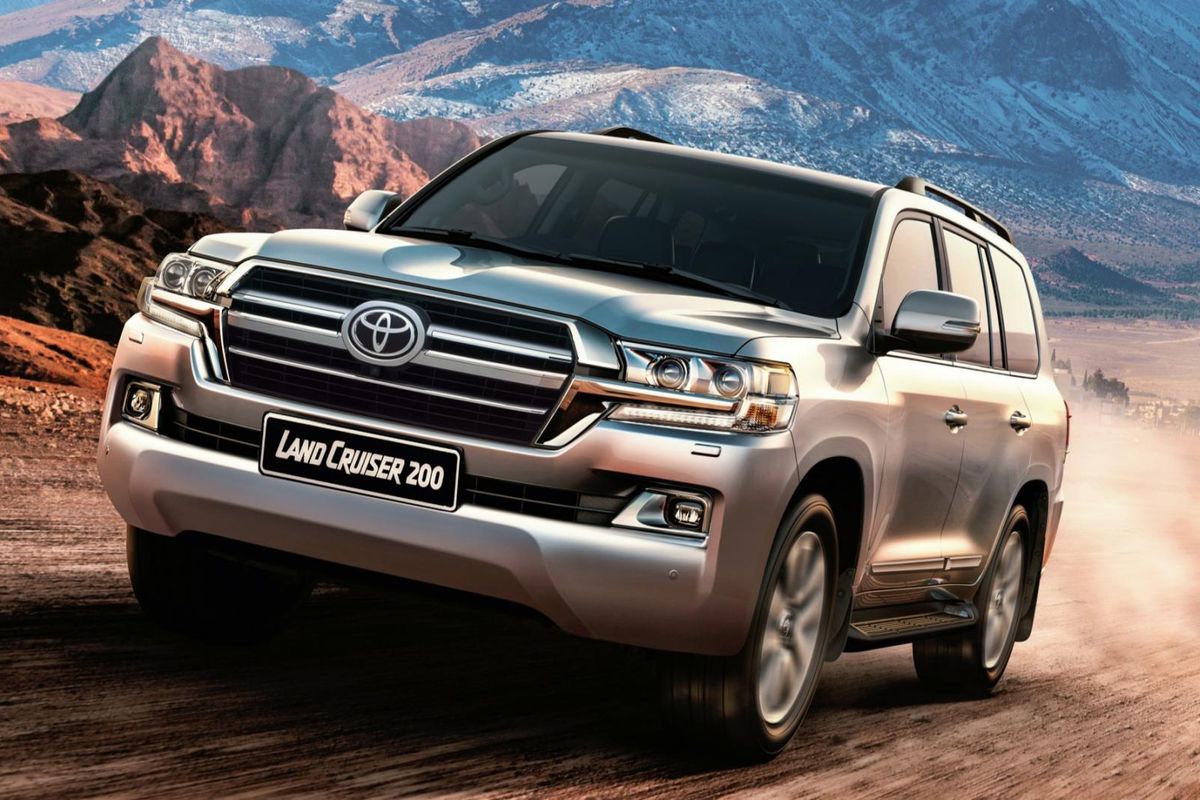
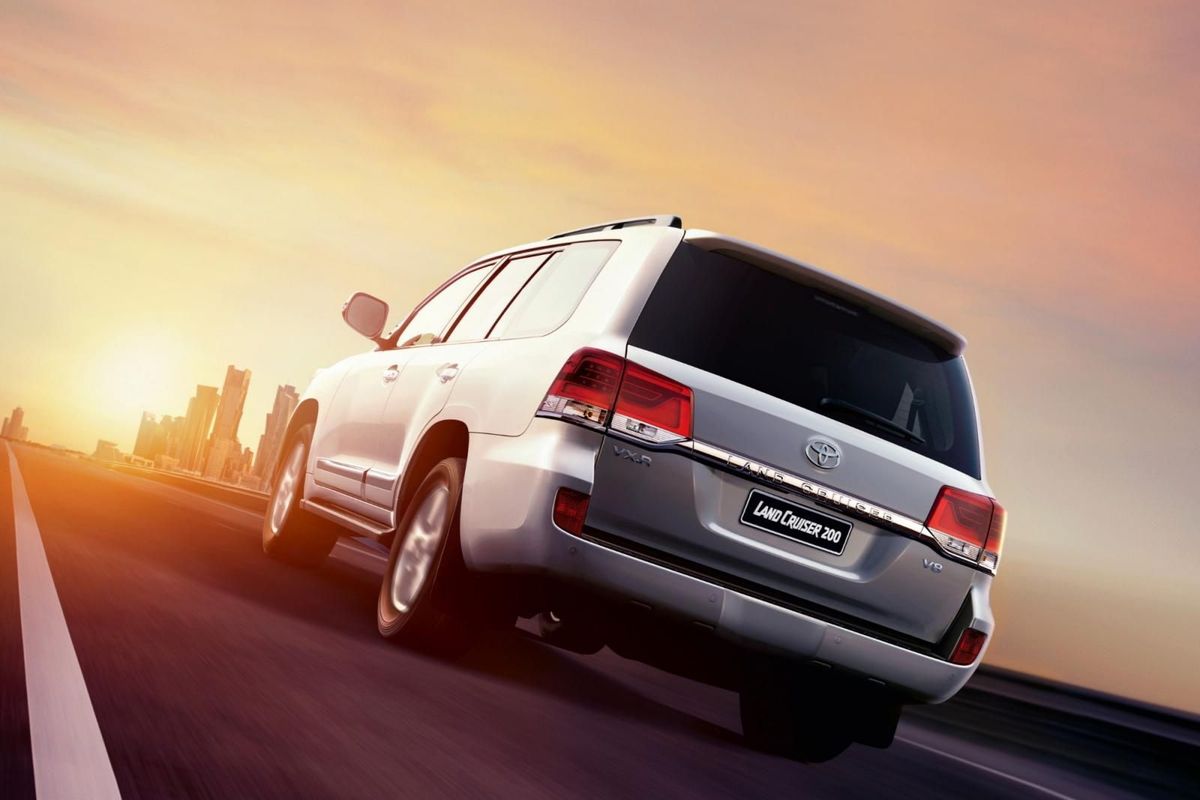
The ever-popular Land Cruiser 200 – the big daddy of Toyota's local model line-up – has received a number of cosmetic updates.
With around 100 units of this R1 million-plus vehicle sold in South Africa every month, the Land Cruiser 200 is a very important model for Toyota. For adventurous types its rugged underpinnings, legendary off-road ability, reliable and powerful V8 diesel engine, as well as a large dollop of luxury, make it the preferred weapon of choice for those long treks into the unknown.
Now, Toyota has added a number style updates. As before, two trim levels are offered, but the entry-level GX has been rebadged the GX-R, to bring its naming in line with the flagship VX-R. Both derivatives are powered by a 4.5L turbodiesel V8 that delivers 195kW at 3 400rpm and 650 Nm from 1 600 to 2 600 rpm.
Most of the changes to the VX-R can be found at the front, where there is a new grille design and a "smoked treatment" has been applied to the Bi-LED headlamps and LED fog lamps. The headlamps feature Auto High Beam functionality, LED illumination and daytime running lights.
In its latest form the Land Cruiser 200 is far from a "utilitarian" beast. It's a proper luxury vehicle.
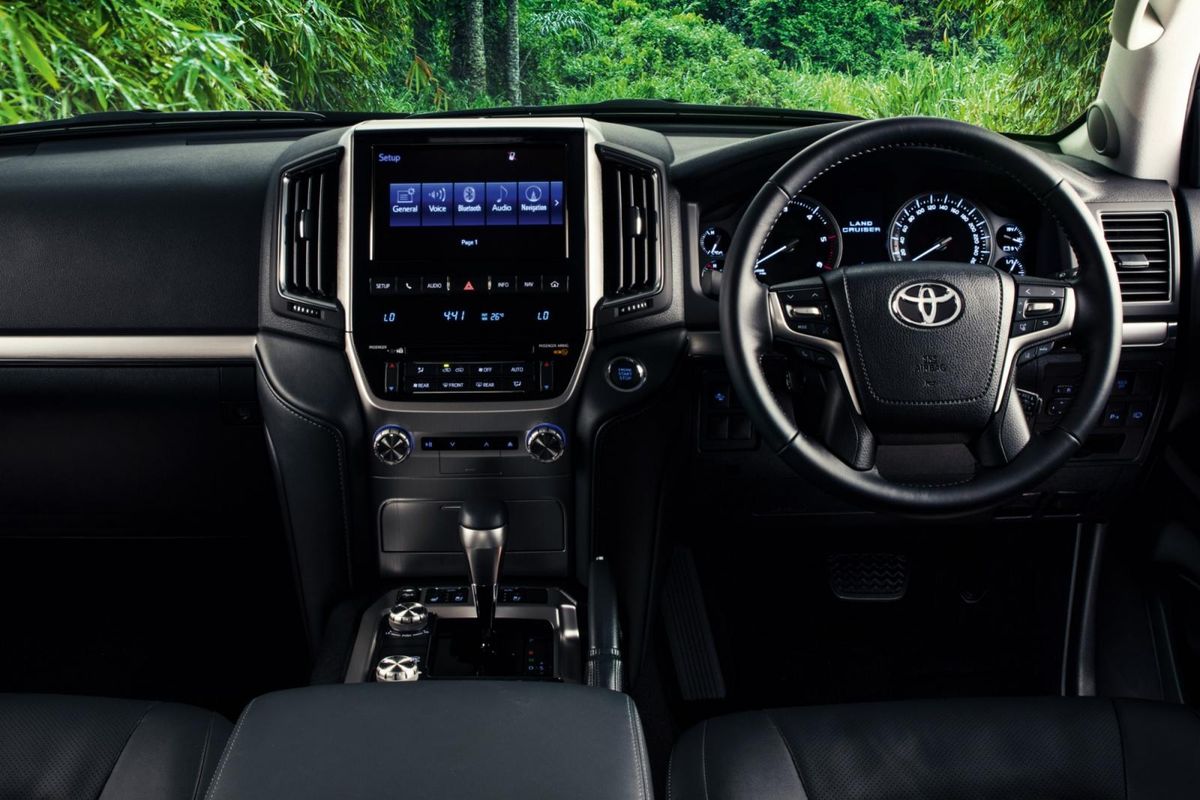
Inside, Toyota has added the option of brown interior trim, in addition to the choice between black and beige offered before.
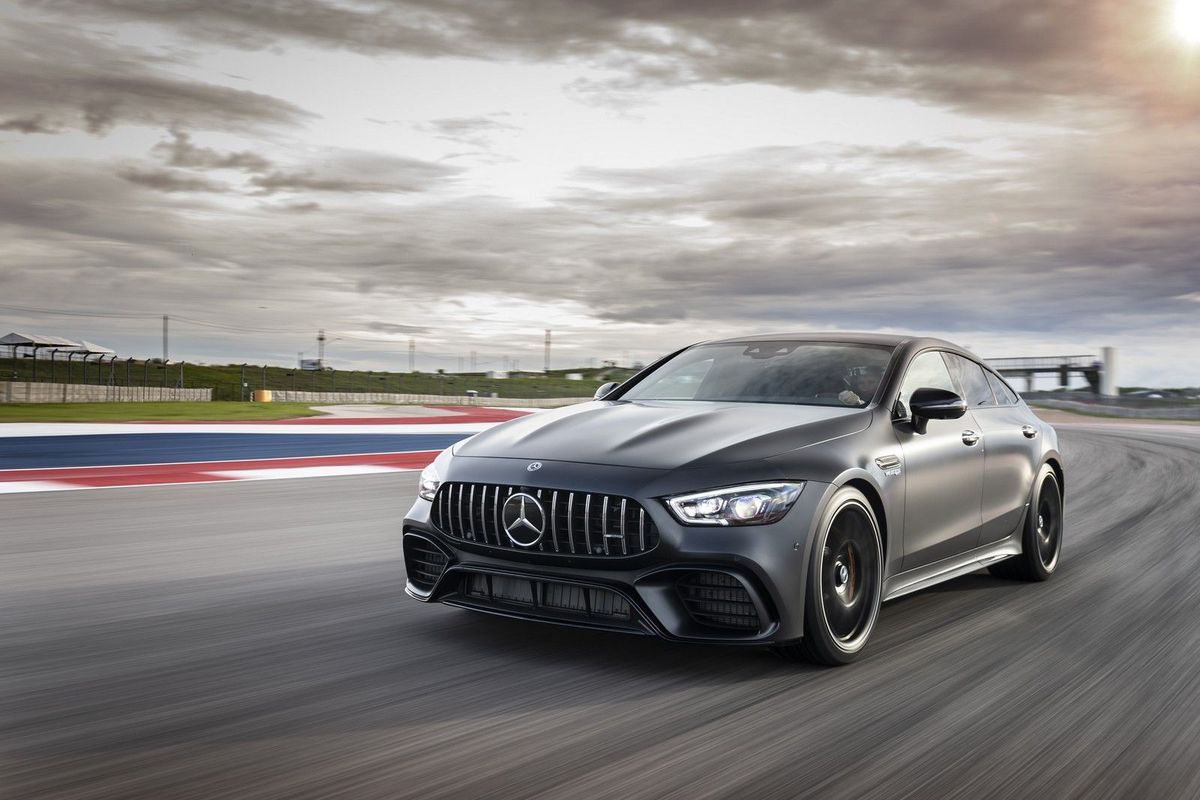
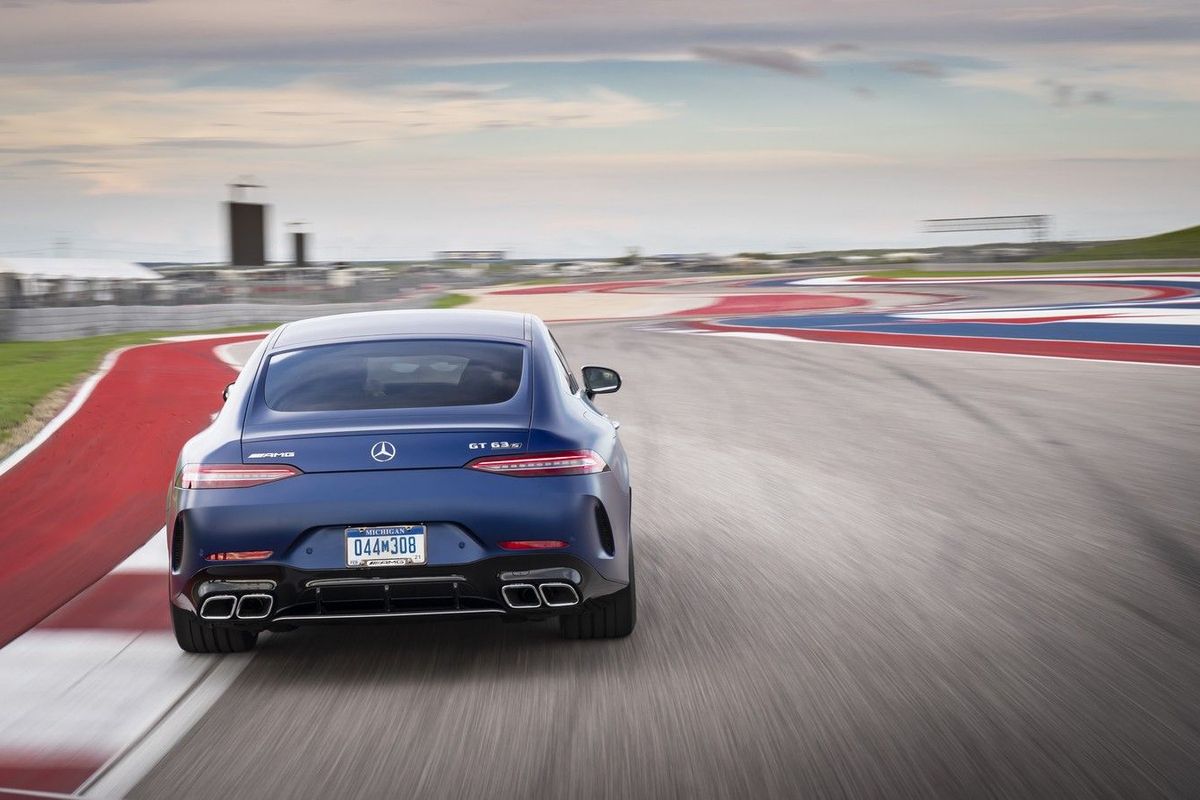
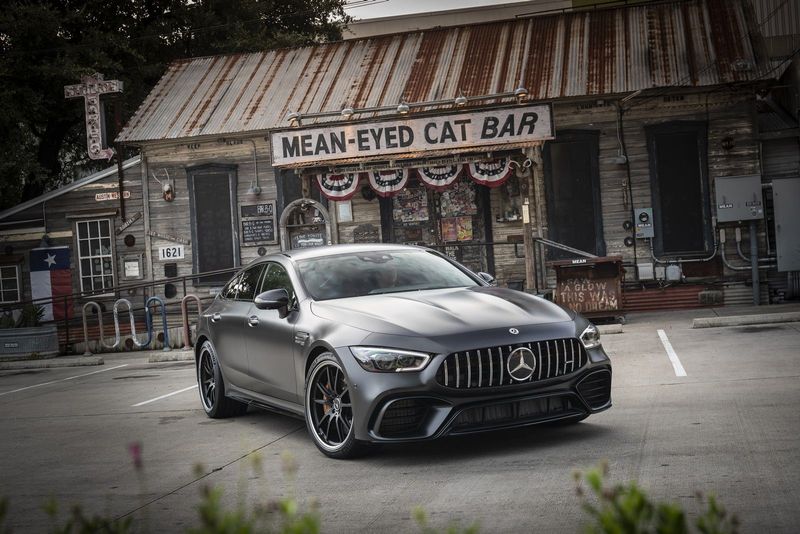
Mercedes-AMG GT 4-Door (2018) International Launch Review
The GT 4-door is not only Mercedes-AMG's 3rd standalone model (after the SLS and GT), but also the Affalterbach-based division's 1st sedan. Ross McIlroy travelled to Austin, Texas to drive the most focused performance 4-door that Mercedes-Benz has produced.
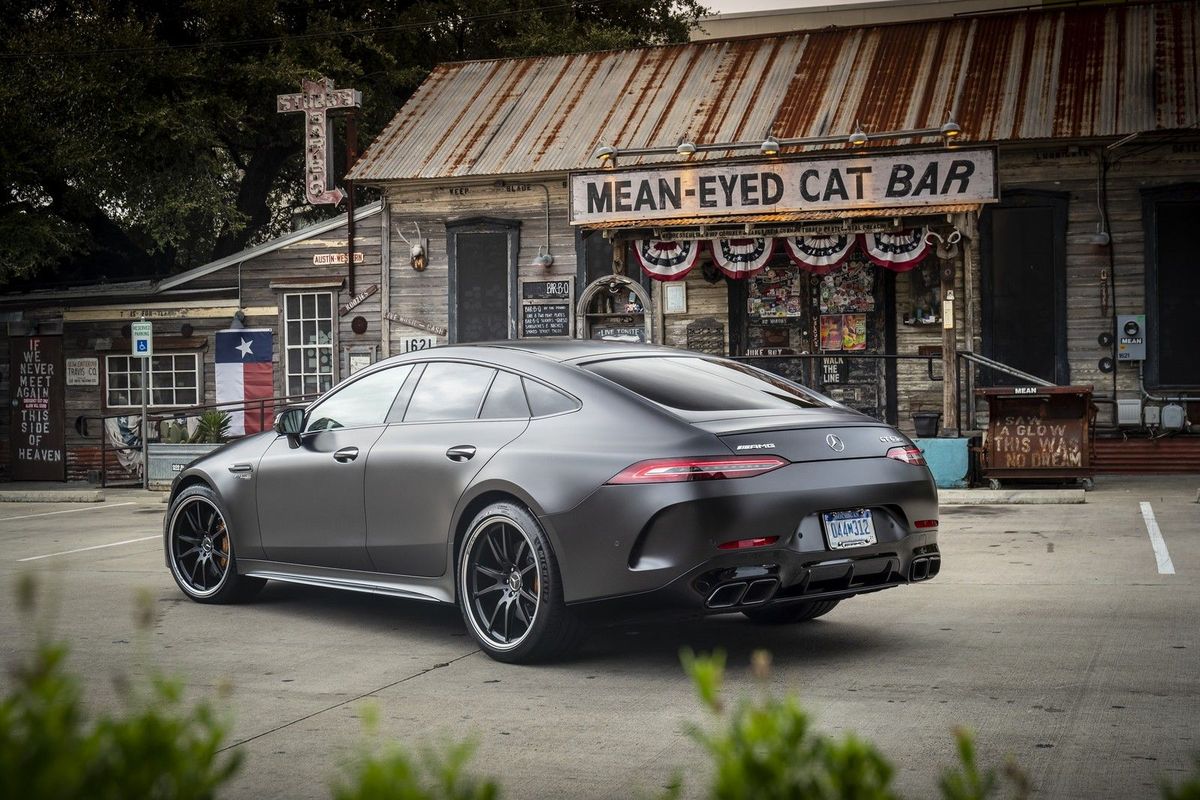
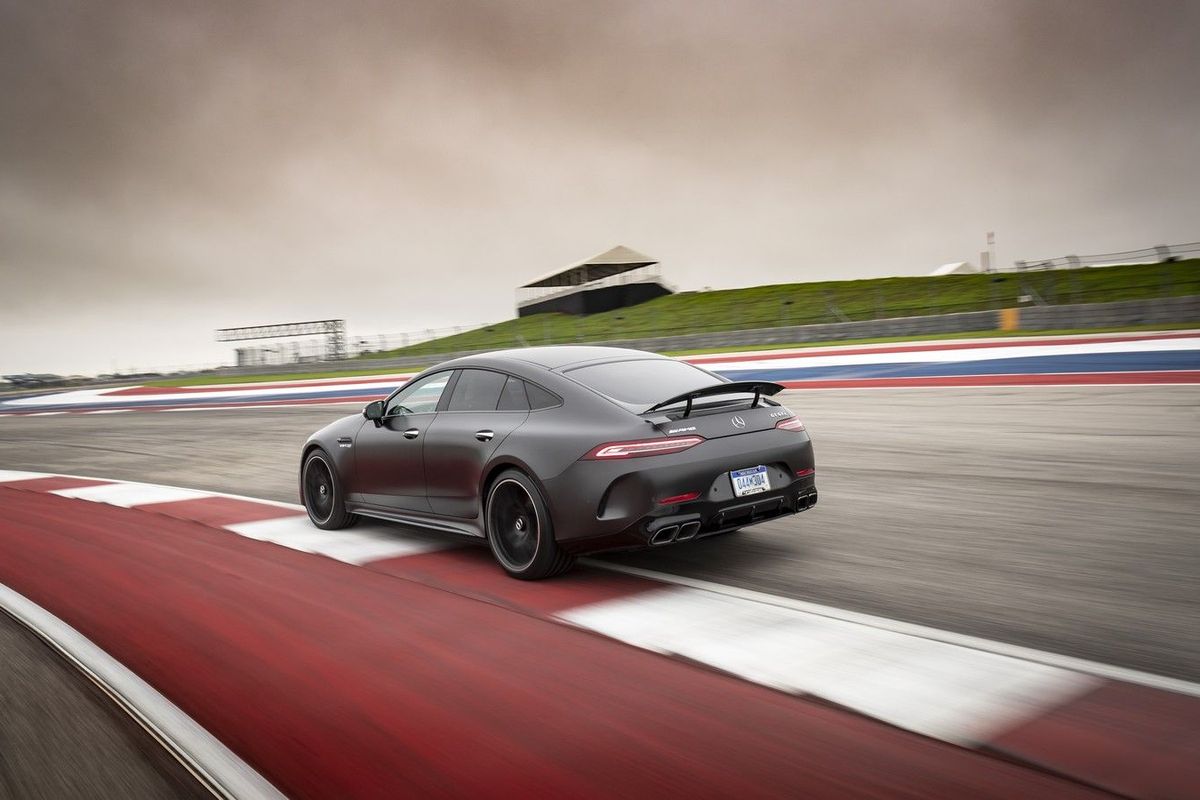
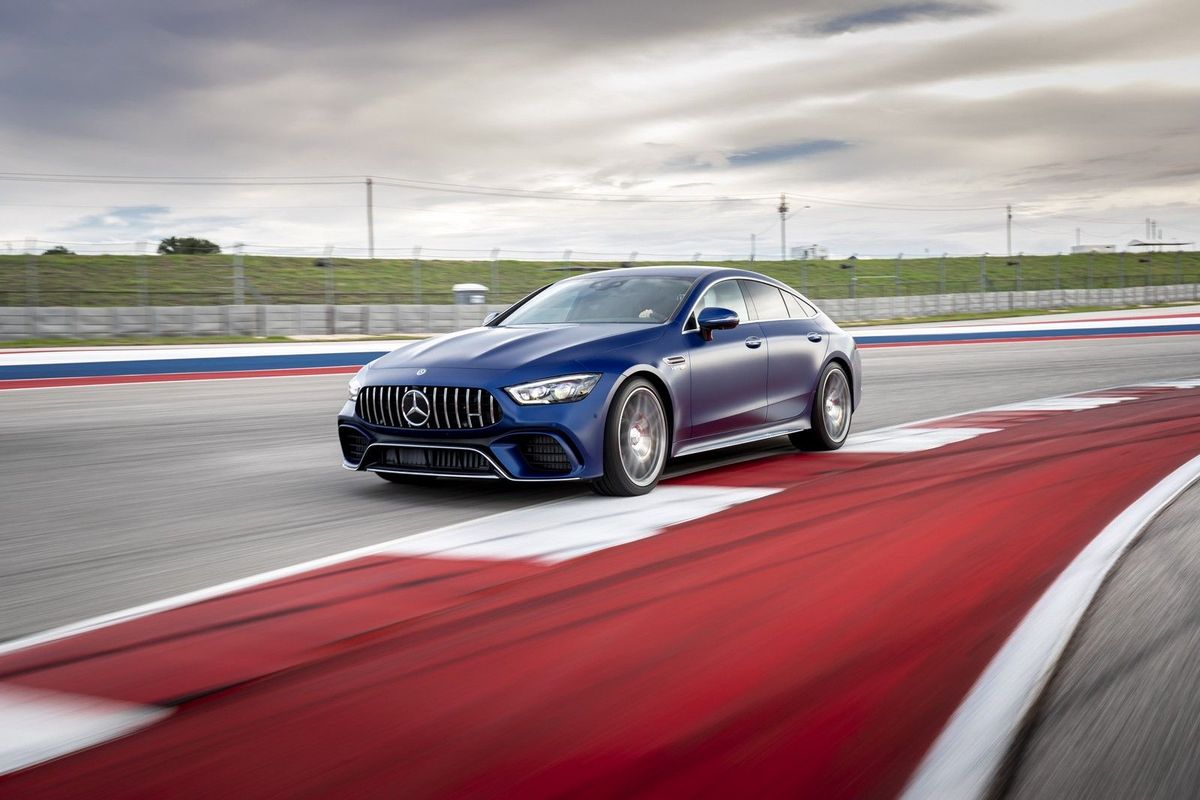
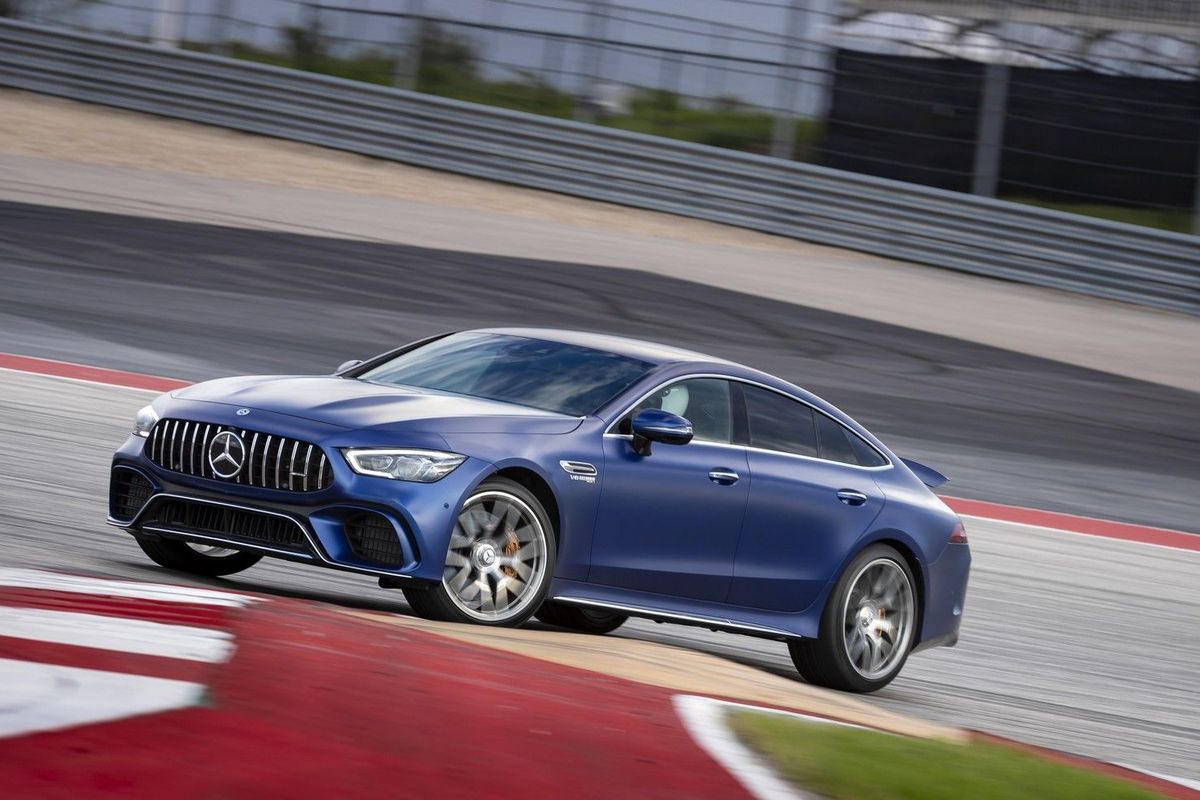
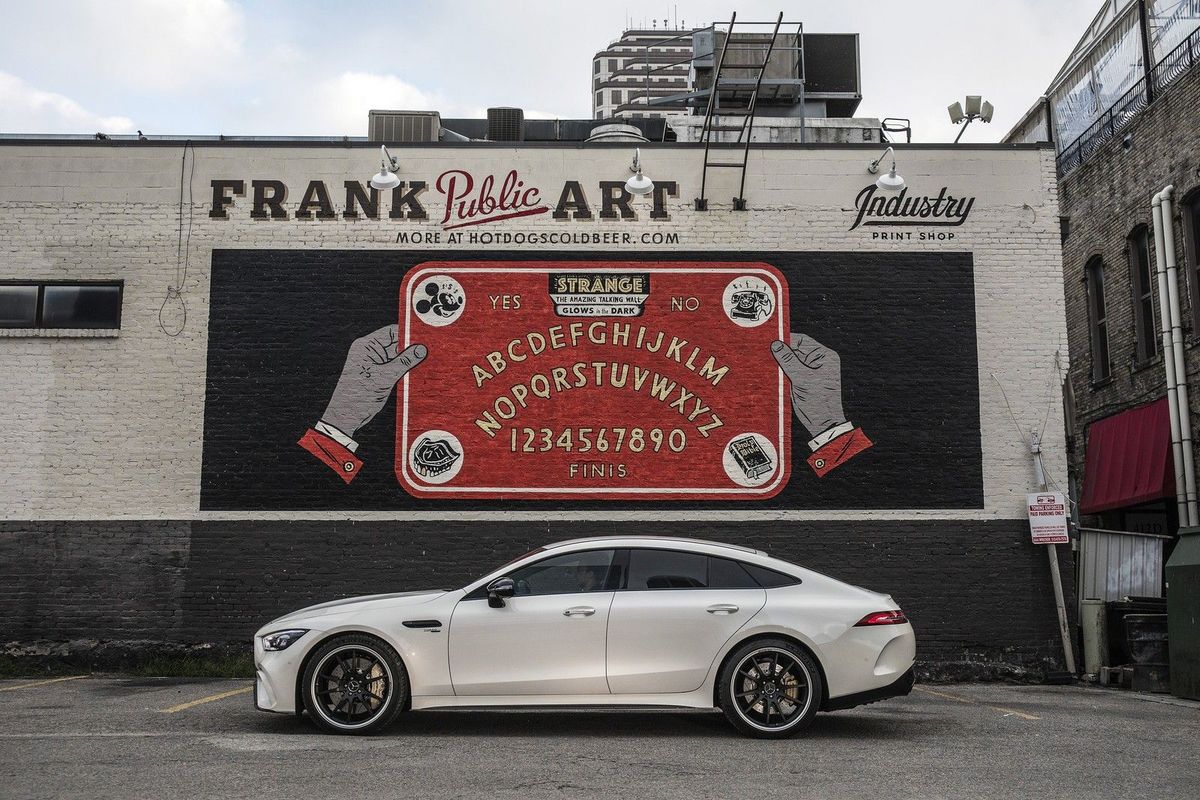
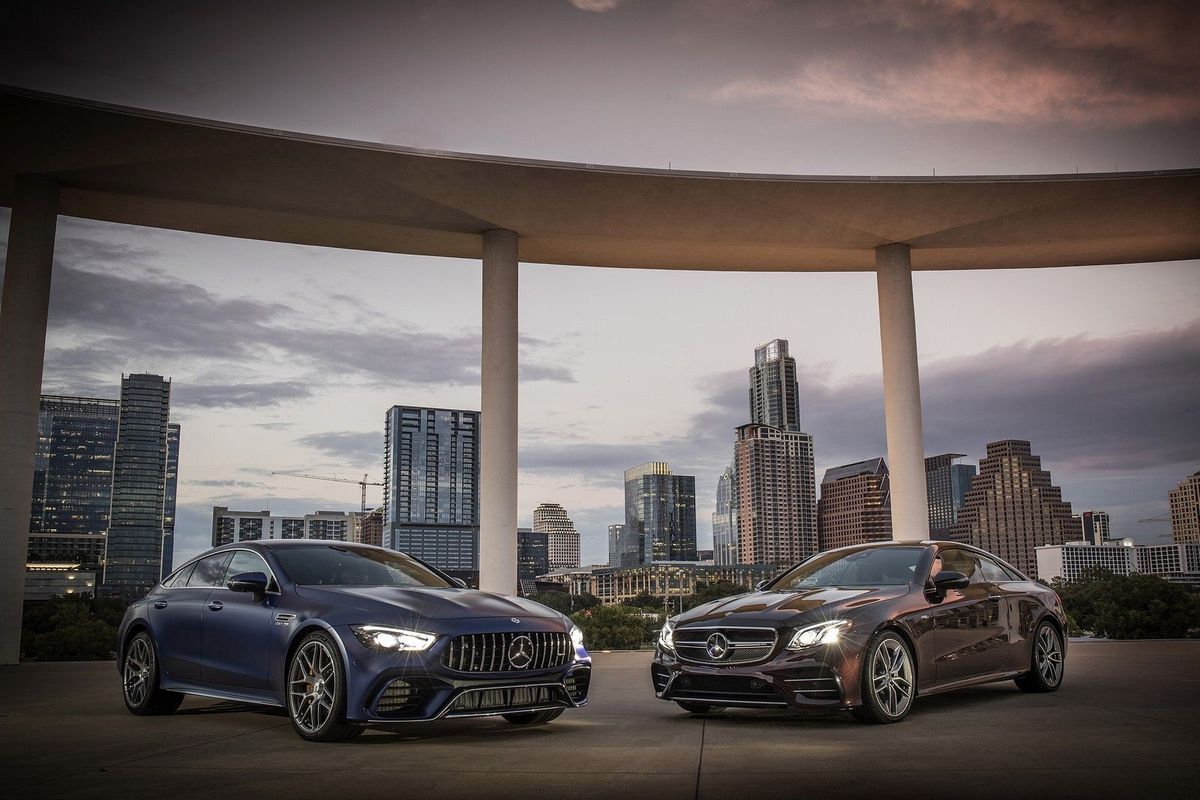
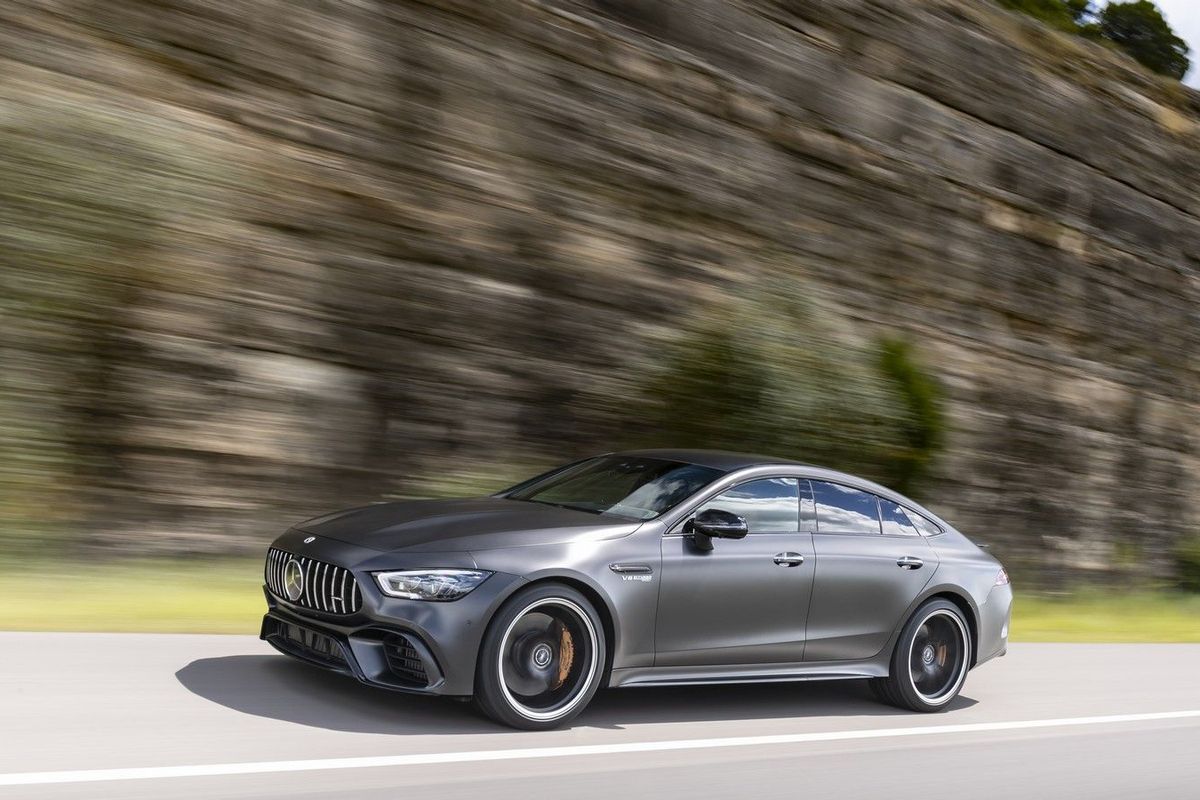
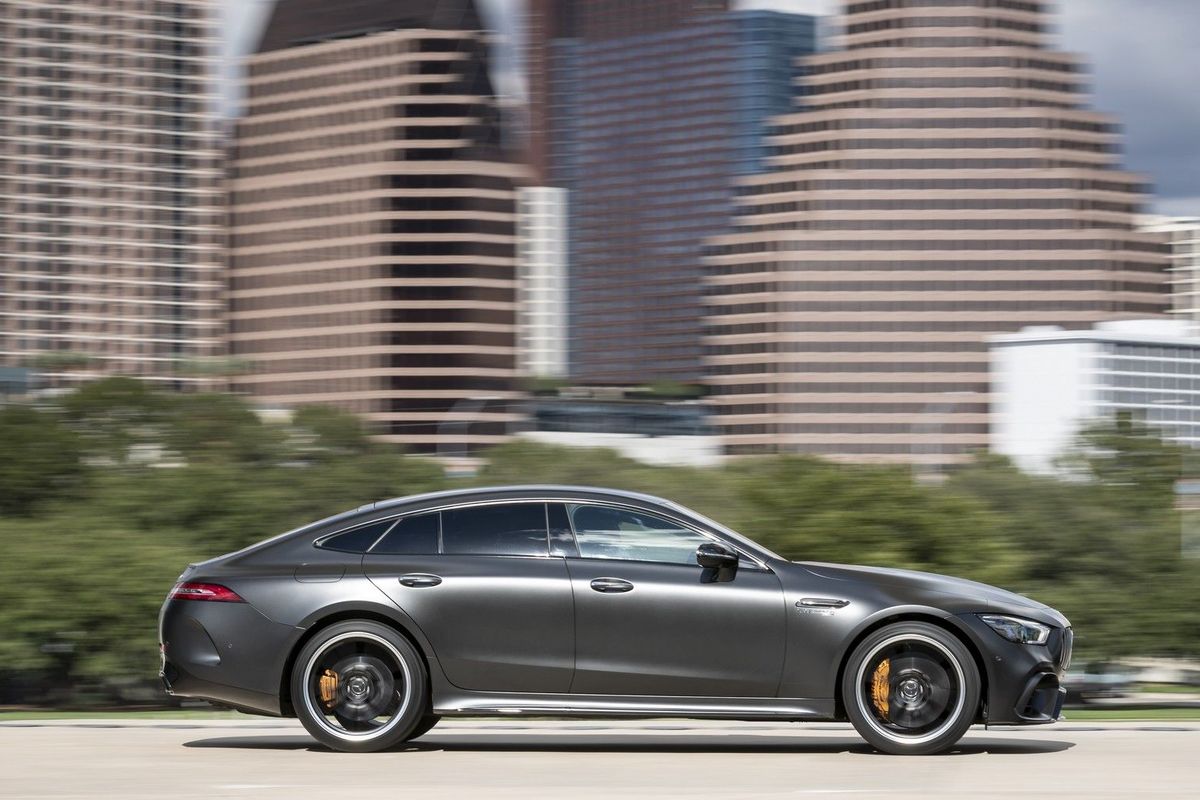
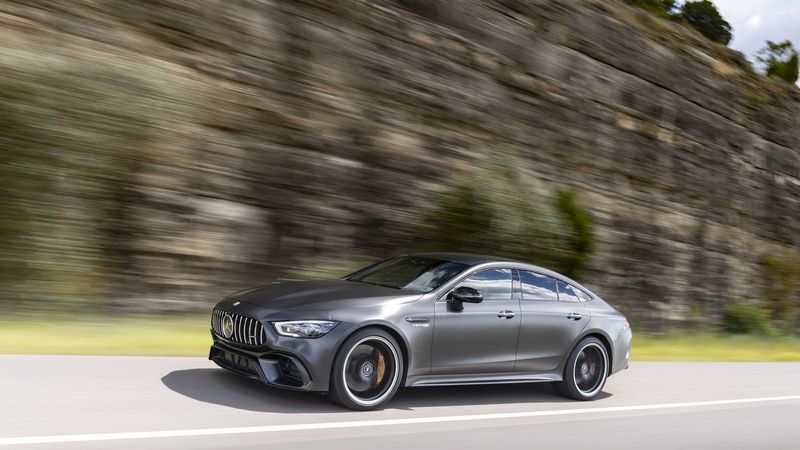
Mercedes-AMG GT 63S 4Matic+ 4-Door Coupe. Perhaps it's fitting that the name of the flagship version of the most anticipated performance sedan to be released by the Three-pointed Star in recent memory takes almost as long to say as the 63S needs to accelerate from 0 to 100 kph (in a breathtaking 3.1 seconds). Although the newcomer's moniker suggests that its a 4-door version of the provocative GT (and they certainly do look related), the newcomer is based on the MRA architecture of the E-Class executive sedan, although its imposing front-end styling, low-slung profile and fastback Panamera-esque rear-3-quarter styling set it well apart.
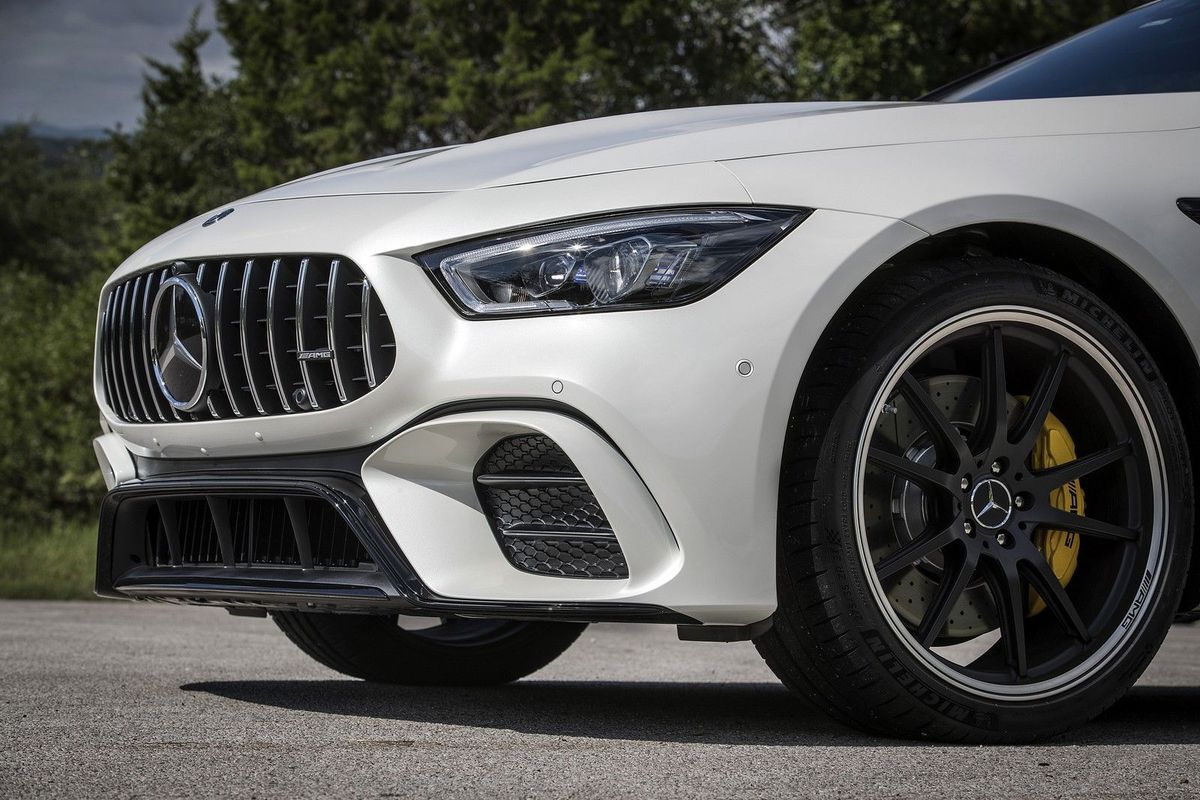
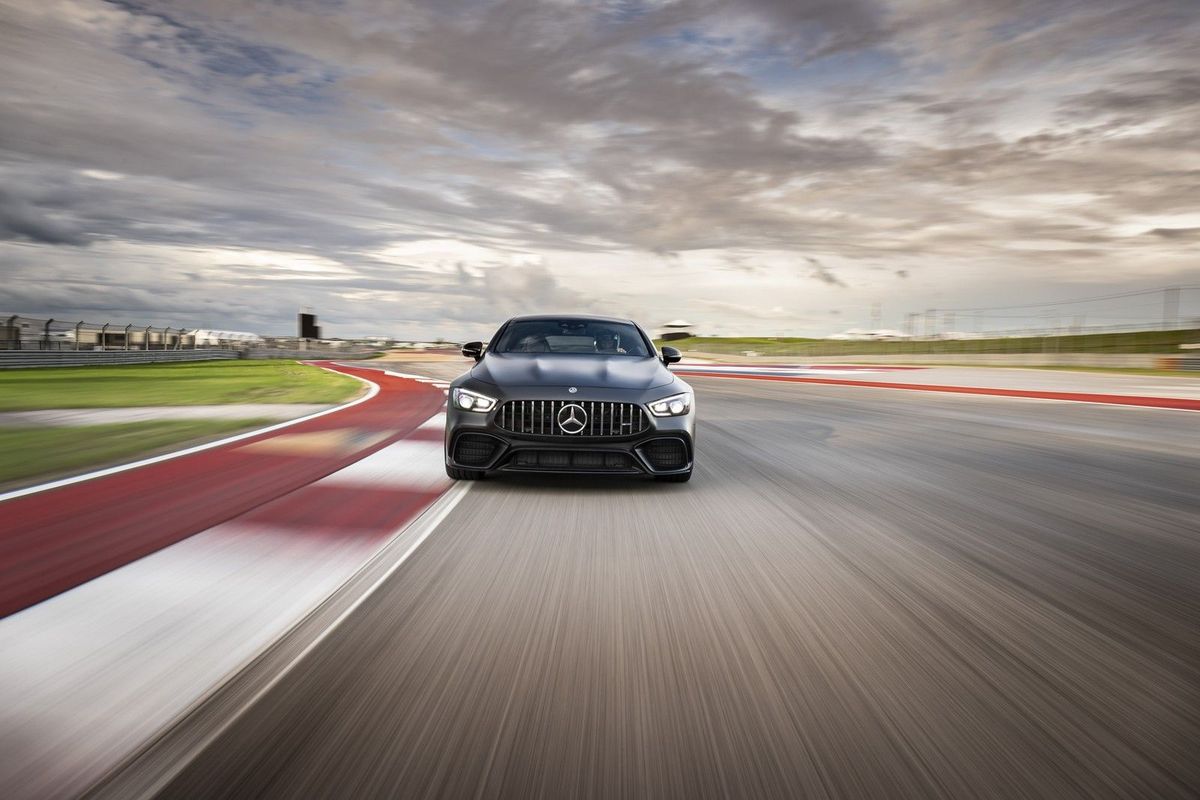
The smoothed sheet metal of the GT 4-door gives the newcomer a cruise missile-like appearance and its expansive grille (with vertical slats) looks menacing.
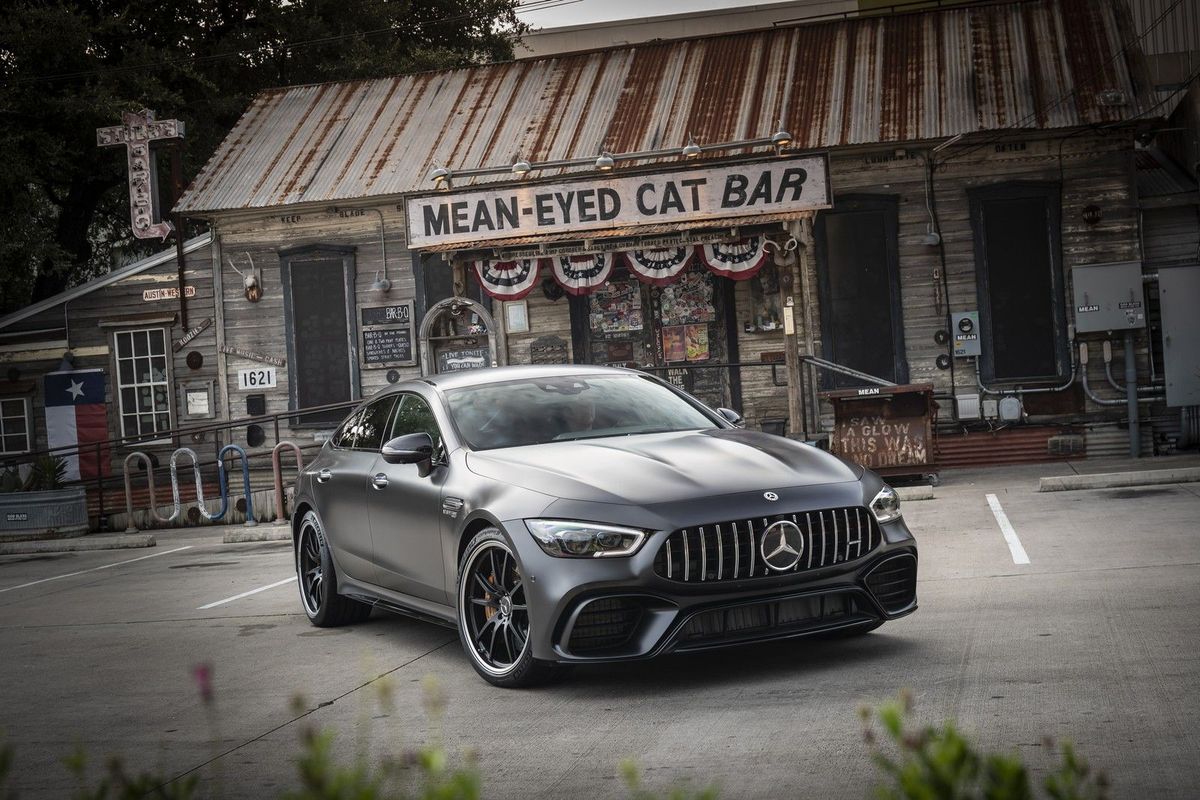
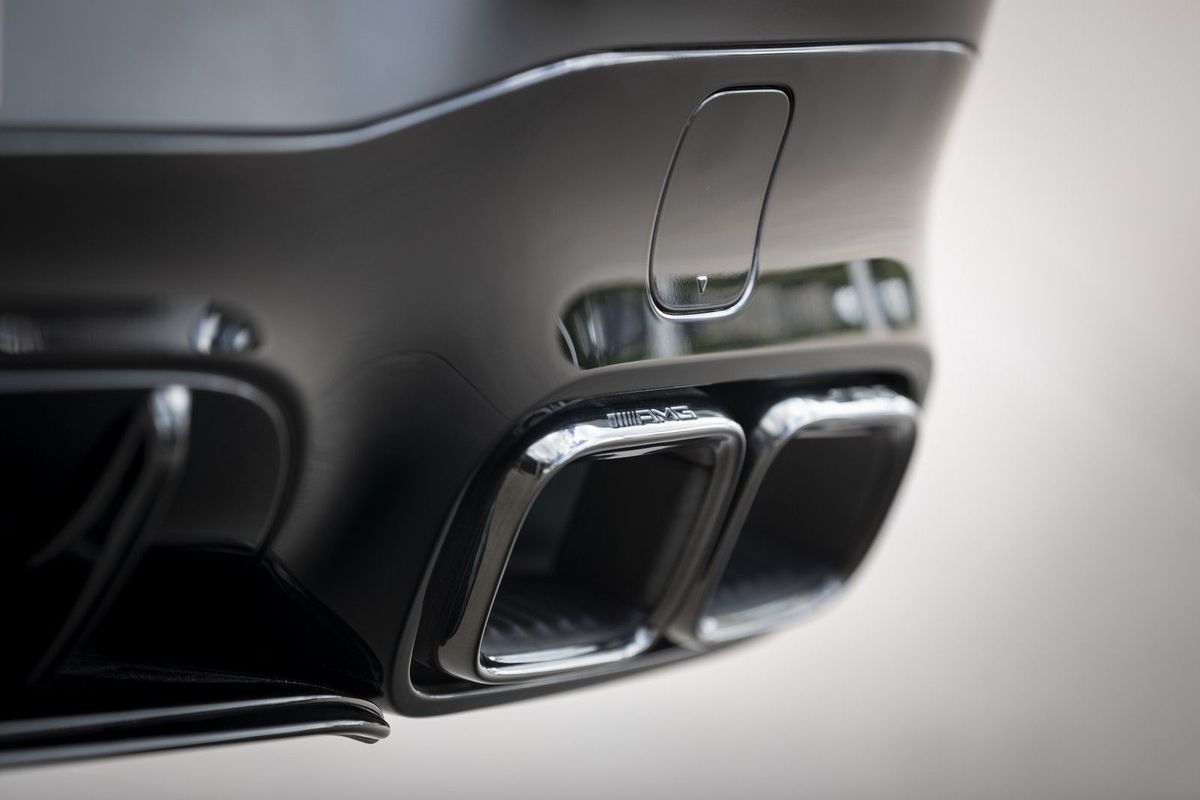
When clad in matte graphite grey, the 63S is a real head turner and we were afforded many admiring glances in the streets of Austin. Appearance wise, the front looks super sick courtesy of the Benz's expansive grille, bonnet ridges and gaping air intakes (the central unit incorporates an active aerodynamic flap). As for the back, well that's very polarising… The hatchback-like tailgate, which is fitted with a multi-stage integrated rear spoiler, is an awkward, if immediately recognisable, aesthetic cue.
With peak outputs of 470 kW and 900 Nm of torque from its 4.0-litre twin-turbocharged V8, which are harnessed by a 9-speed auto transmission (with shift paddles), a constantly variable all-wheel drive (4Matic) system, a limited-slip rear differential, plus a rear-wheel steering system (which minimises the car's turning circle at parking speeds), the 63S package promised much as we found our way to the windy roads of a nearby suburb and the traffic began to clear.
The 63S 4Matic+ flagship impresses with a sure-footed, but pliant ride quality. It has no trouble fulfilling the refined (but rapid) luxury car role.
The Benz evidently has more than enough power (replete with an evocative double-cream soundtrack) and feels exceptionally smooth to drive, confidently planted and comfortably-sprung (courtesy of its standard AMG Ride Control+ air suspension setup). However, given its bold, muscle-bound exterior looks and headline-grabbing performance credentials, the 63S is almost too demure when driven sedately. The sound is there, the power is there, but it's not a visceral, unbridled beast.
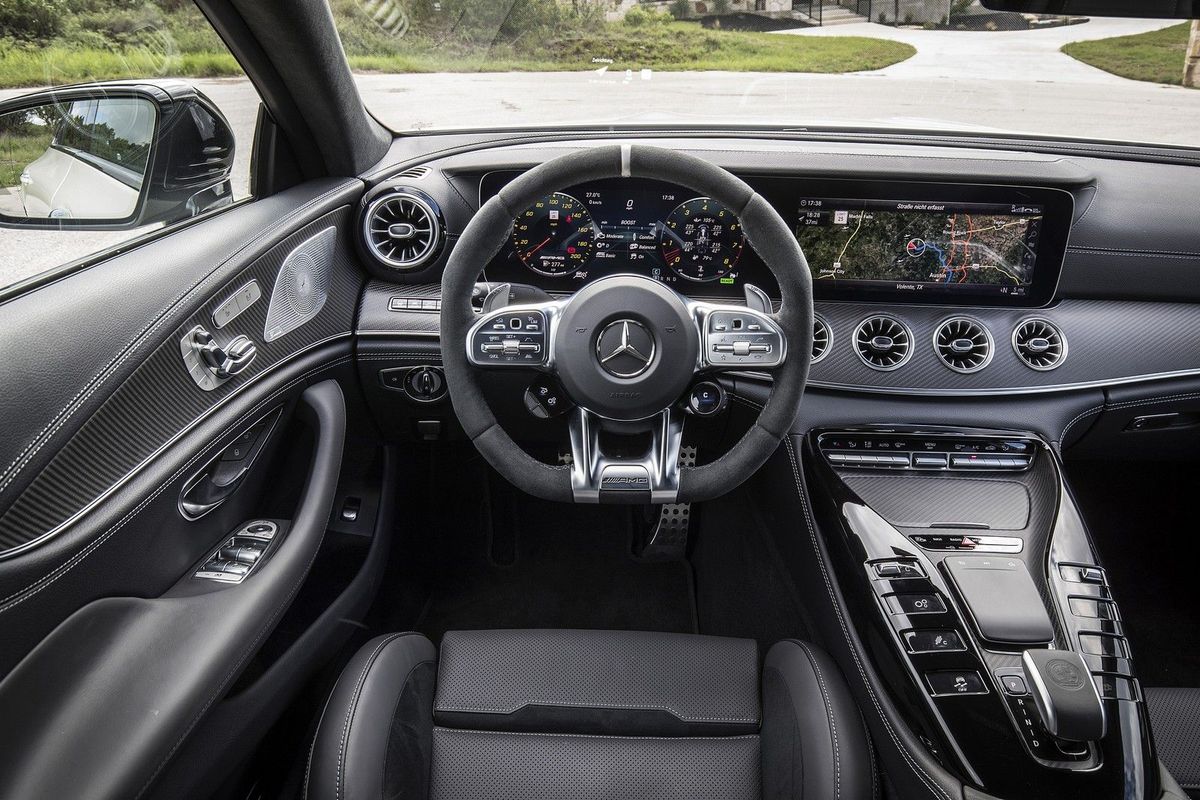
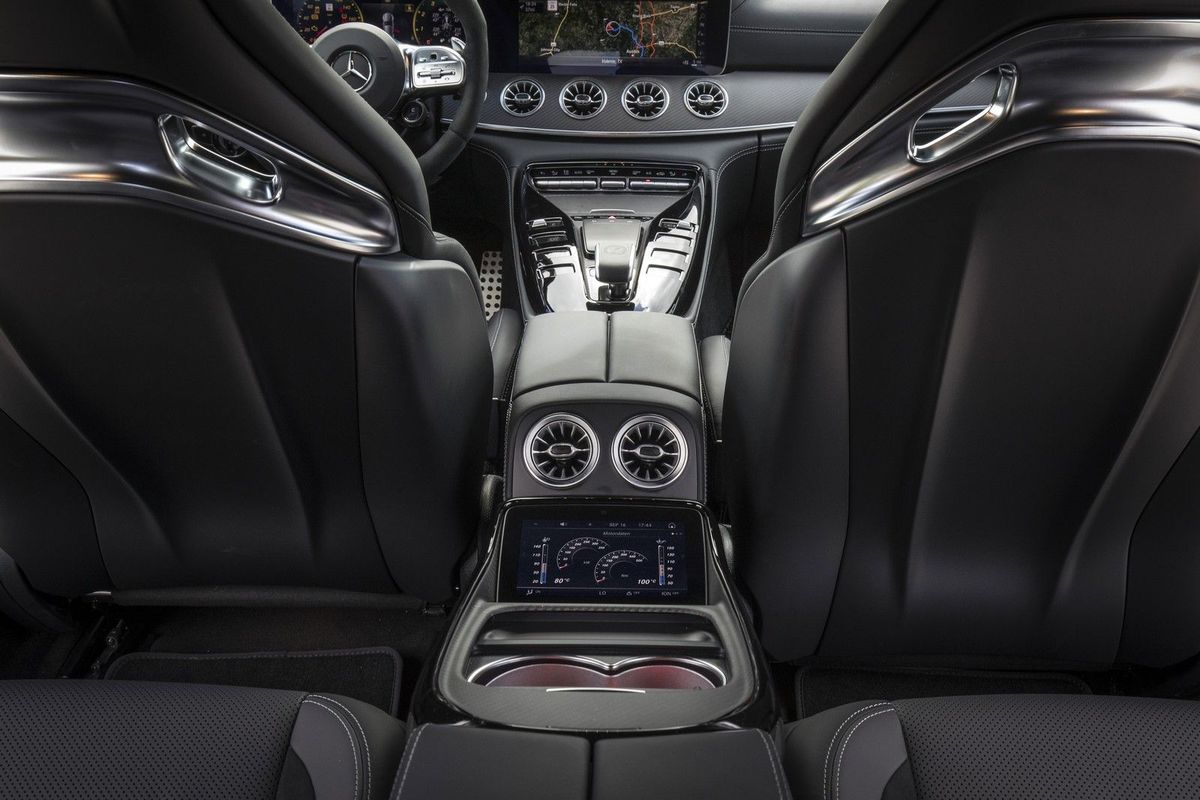
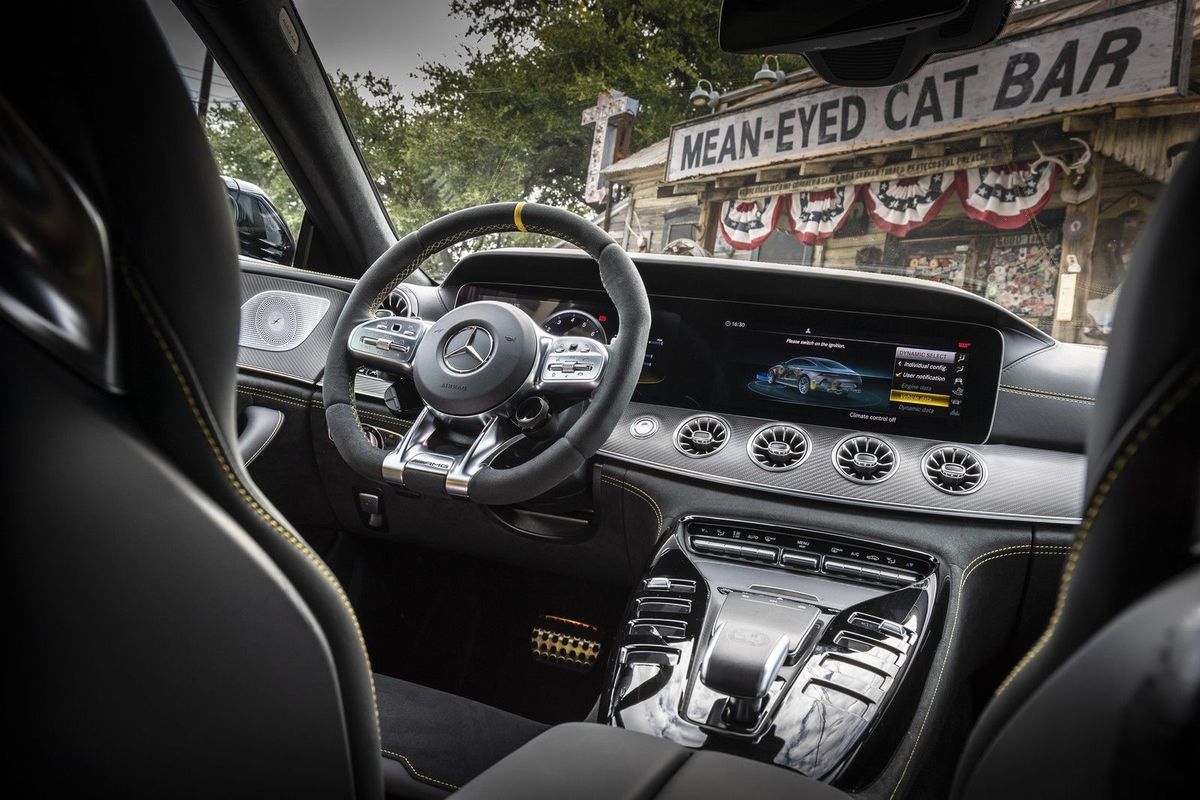
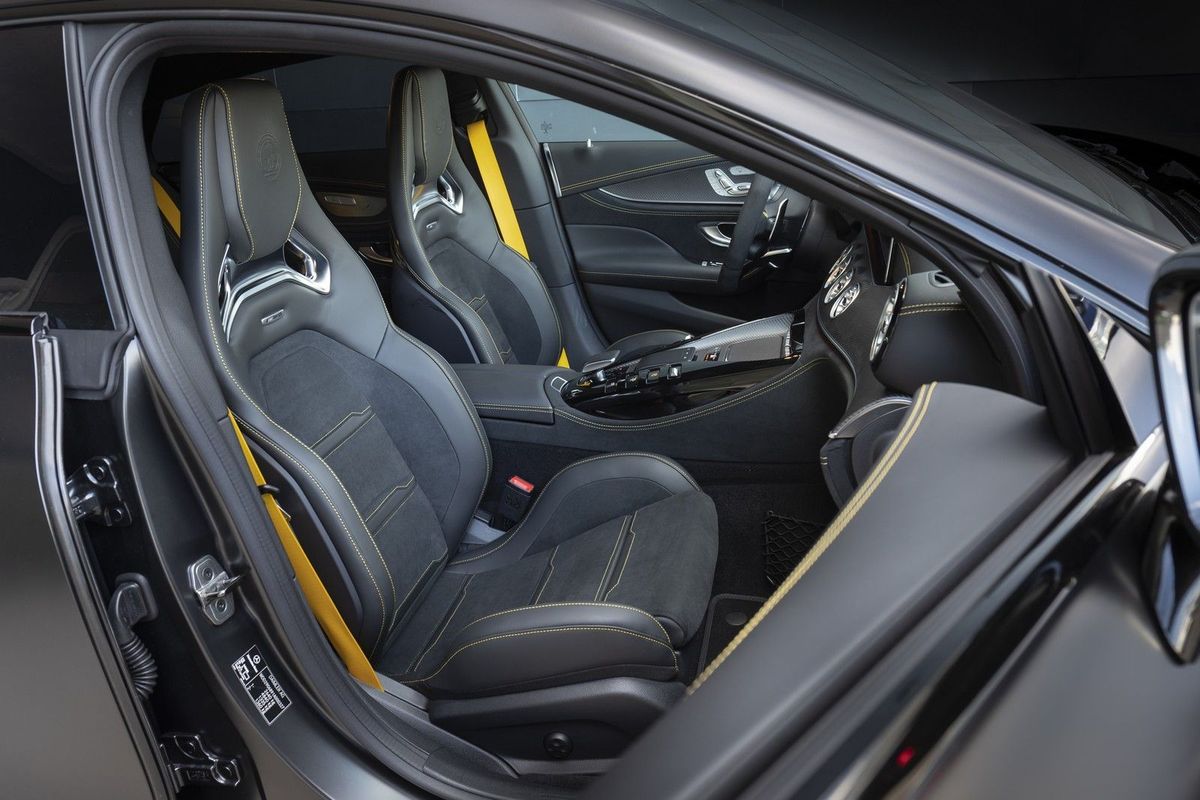
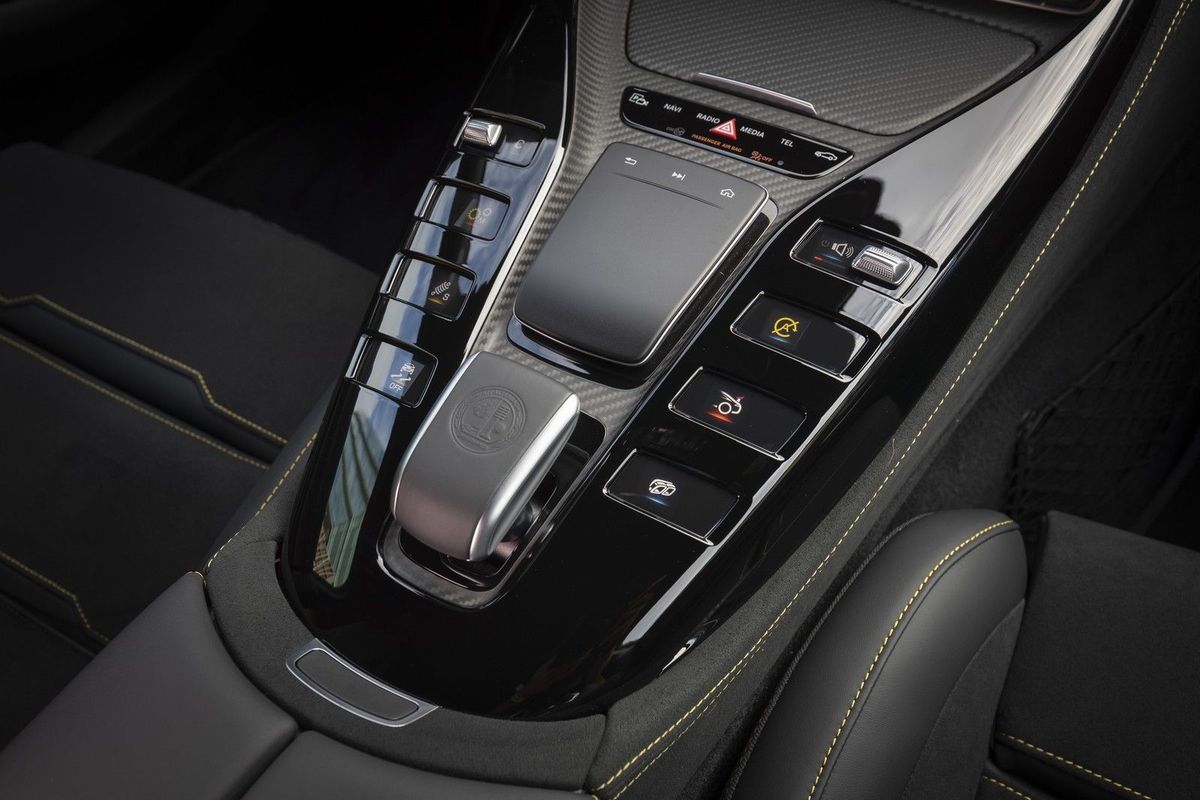
Of course, all of this refinement speaks volumes of the flagship's abilities to cover vast distances in "refined, luxury sedan" mode. The 63S is a beautiful cruiser and its cabin offers surfeit space and comfort – many of Mercedes-Benz's high-end onboard systems and conveniences were specified in the launch unit we drove. The metallic-trimmed interior looks very premium – it is a veritable tech fest, courtesy of the dual 12.3-inch screens (that serve as instrument cluster and infotainment monitor), the button-rich sloping centre console (another nod to the GT) and a new Comand touchpad. The latter does require familiarisation; we never quite got the hang of it…
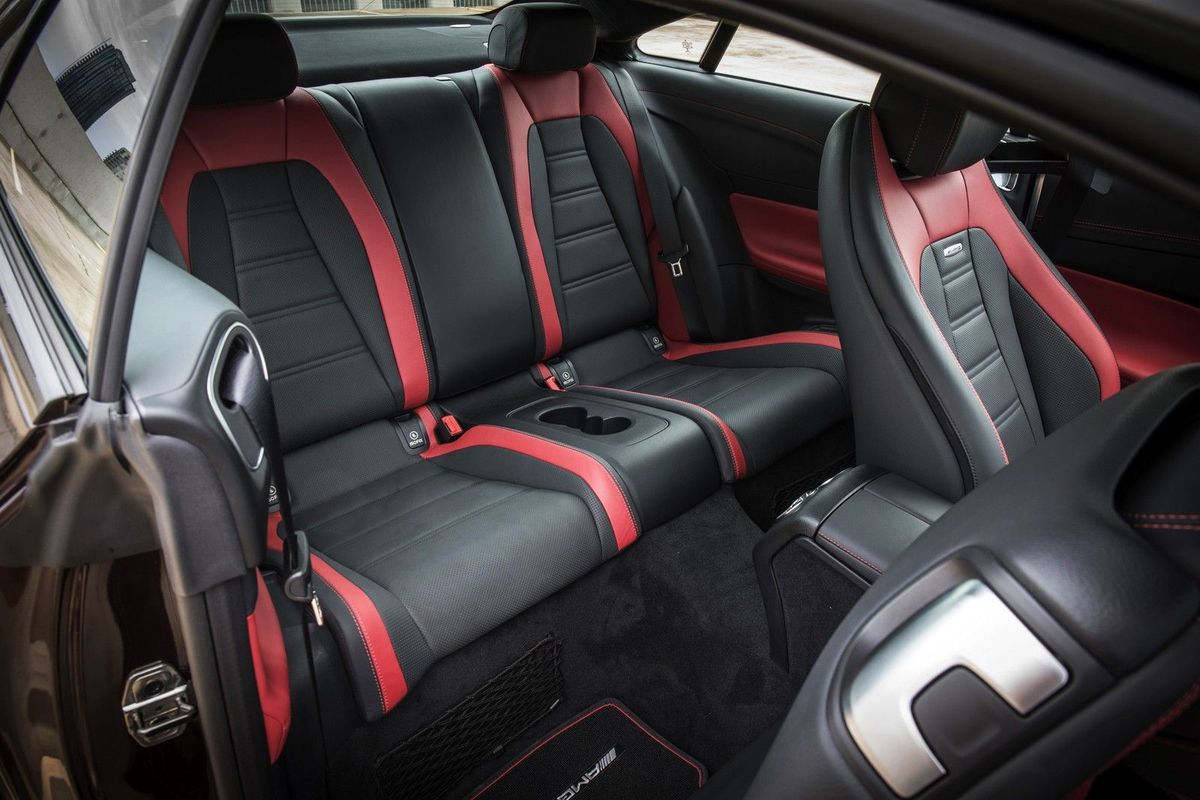
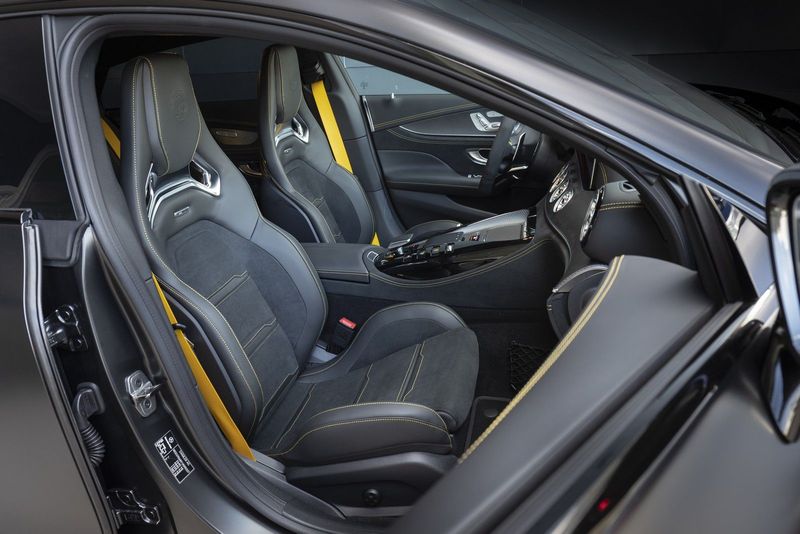
The contoured and well-bolstered AMG seats (with contrast stitching) offer plenty of support in dynamic driving conditions. They certainly add a sense of occasion too!
Sports seats (with massaging function) are standard, but we believe the AMG Performance seats with adjustable side bolsters and heating/ventilation function will be very popular. If so specced, the sportscar theme continues at the back, where occupants are not only availed generous legroom, but bolstered bucket seats too. Oh, and the yellow seatbelts and stitching on black seats are epic. Yellow is Mercedes-AMG's performance colour and the highlights are only available on top-end variants.
Track time!
However, luxury was the furthest thing from our minds when we were presented with an opportunity to lap the Circuit of the Americas Formula 1 track in the 63S. The GT 4-door range features an AMG Dynamics system with 4 selectable settings: Basic, Advanced, Pro and Master, over and above the 6 Dynamic Select driving modes (Slippery, Comfort, Sport, Sport+, Race, and Individual).
Whereas the flagship tends to hide its pent-up ferocity rather well on public roads, its myriad performance settings enable enthusiasts to utilise the Benz's dynamism to levels that befit their respective levels of driving skill. For those who like to attack a twisty section of blacktop occasionally, but don't want to drive the car at its limits, the 4Matic all-wheel-drive and rear-wheel-steering systems make the 63S pointier, exceedingly grippy and relatively wieldy.
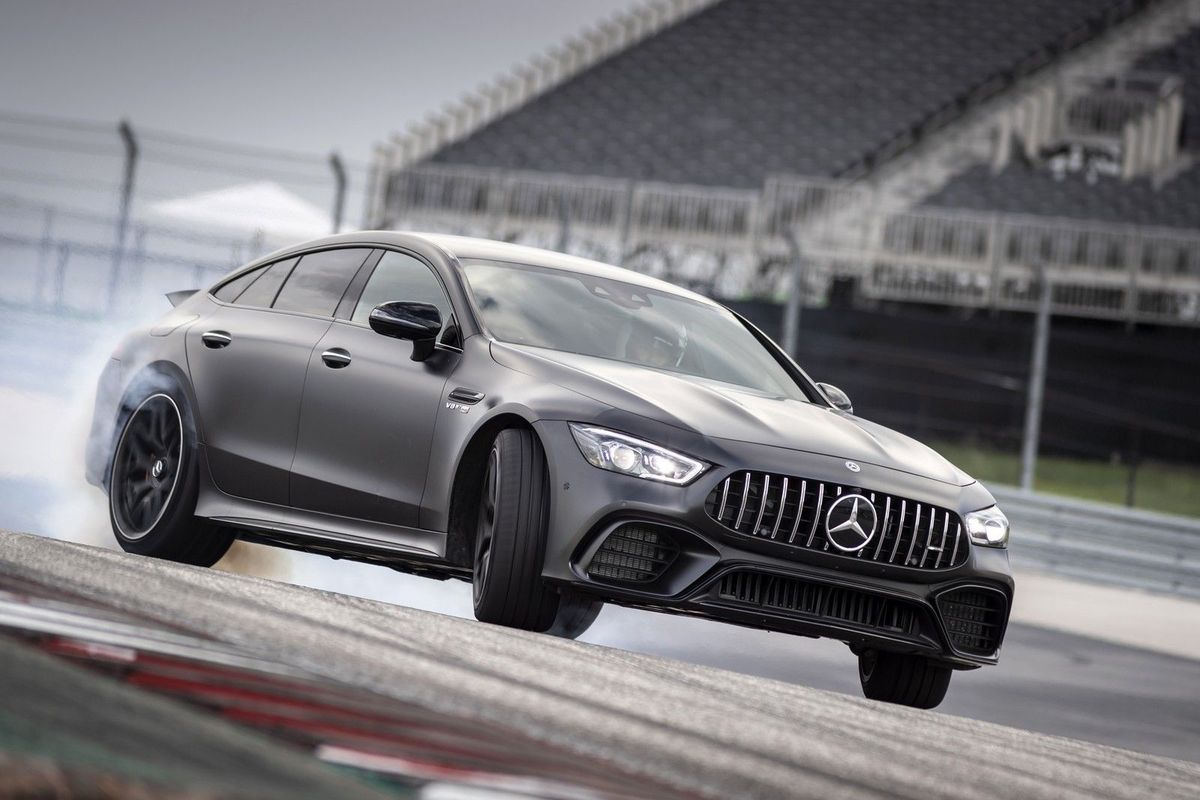
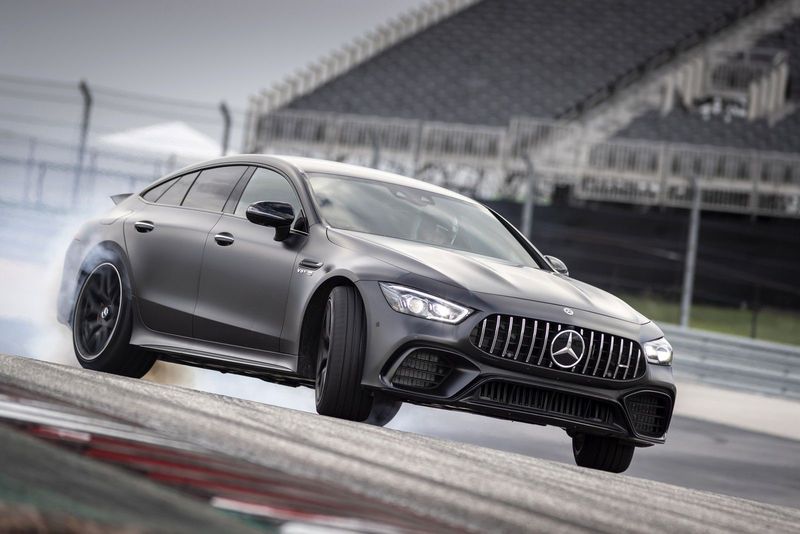
"Drift Mode", which directs power solely to the rear wheels, comes as standard on the GT 63S…
Compared with its aforementioned thoroughbred AMG brethren, the GT 4-door is probably the least sportscar-like of the 3 and can feel a bit heavy (it's not as quick to change direction and requires firm stomps to the brake pedal so that the ceramic discs can brush off speed). However, as a powerful luxury sedan, it has few peers performance wise. The brave and talented can switch out the traction control; they'll find that in its most intense modes, the Benz is a tyre-smoking, tail-sliding beast.
Summary
When the GT 4-door range arrives in the South African market early in 2019, the 63S 4Matic+ should be one of the most expensive derivatives in the Sindelfingen-based marque's local price list (only top-end S-Classes and other exotic models will be pricier). There will be 43 and 53 derivatives too, which will be impressive in their own ways, but the 63 versions are the ones that are juxtaposed with top-end derivatives of the Porsche Panamera and the upcoming BMW 8 Series Gran Coupe. For those who seek more exclusivity and luxury than what executive-sedan super saloons can offer, the flagship GT 4-door offers enough extra (Three-pointed) star power and even though it's not as visceral (read: intimidating) to drive as it looks, it's nevertheless much more focused than any AMG-fettled sedan that preceded it…
Korean carmaker Hyundai will be launching two more products into the South African market in 2018. Let's meet them both.
The SUV market is flying, both locally and internationally and one manufacturer who has capitalised on this is Hyundai. With recent facelifts to the Creta and Tucson, these two models should start tallying up healthy sales. At the launch of these two SUVs, Hyundai SA confirmed that it had two more launches scheduled for 2018.
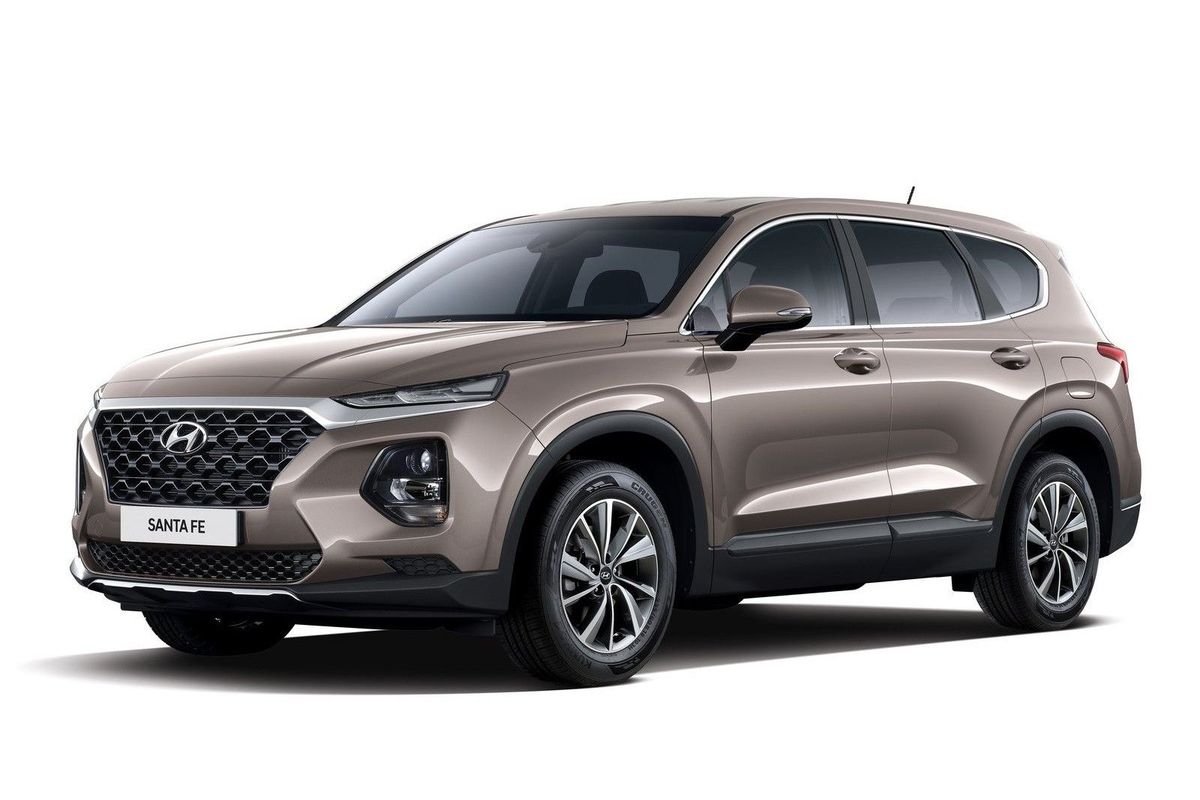
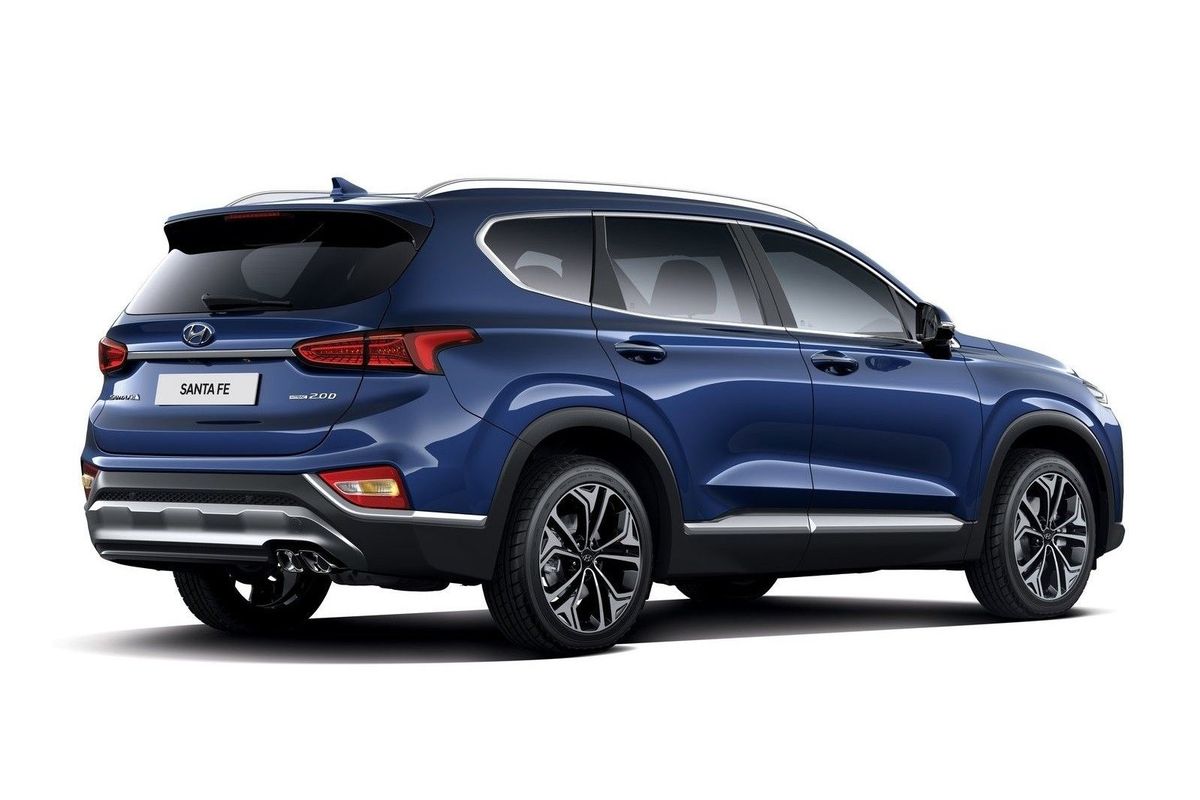
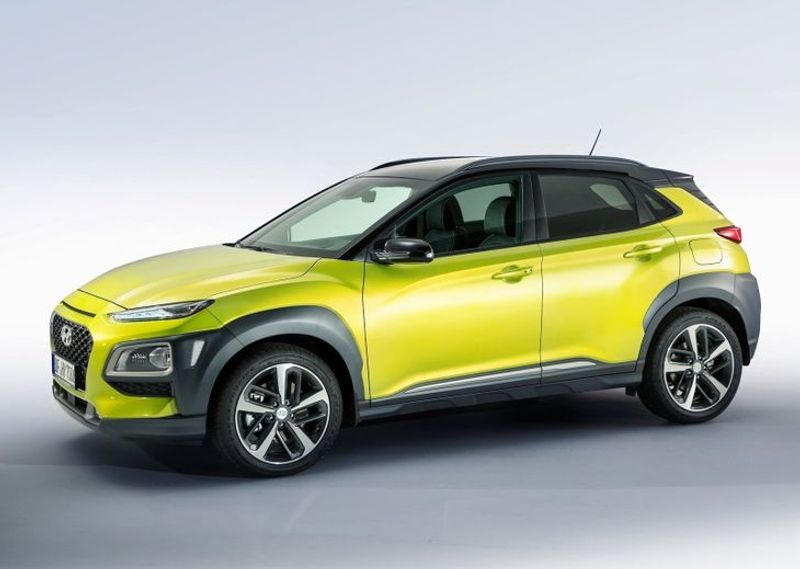
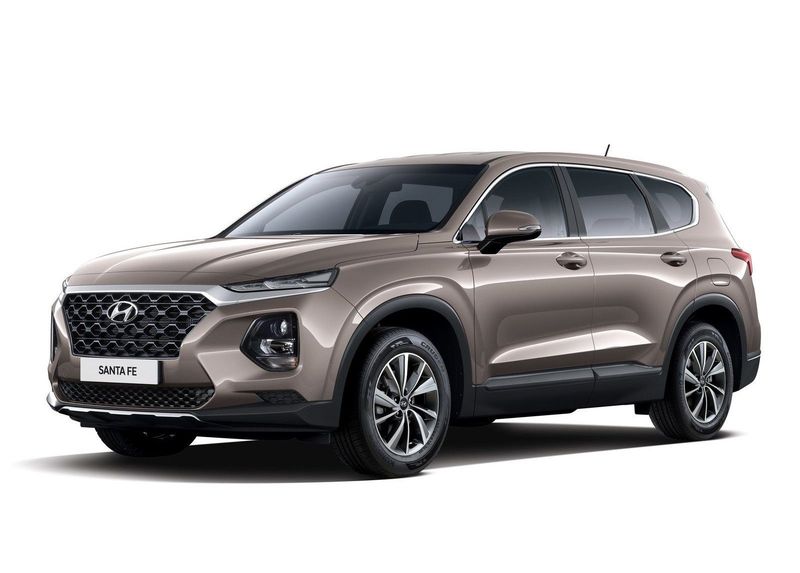
While petrolheads are lusting after the Hyundai i30 N, sadly it seems unlikely that this performance model will come to our shores as its just too expensive. The next Hyundai vehicle to make its way to South Africa is the Kona, which will be launched in the middle of October, while the larger Santa Fe arrives at the end of November.
Hyundai Kona (October)
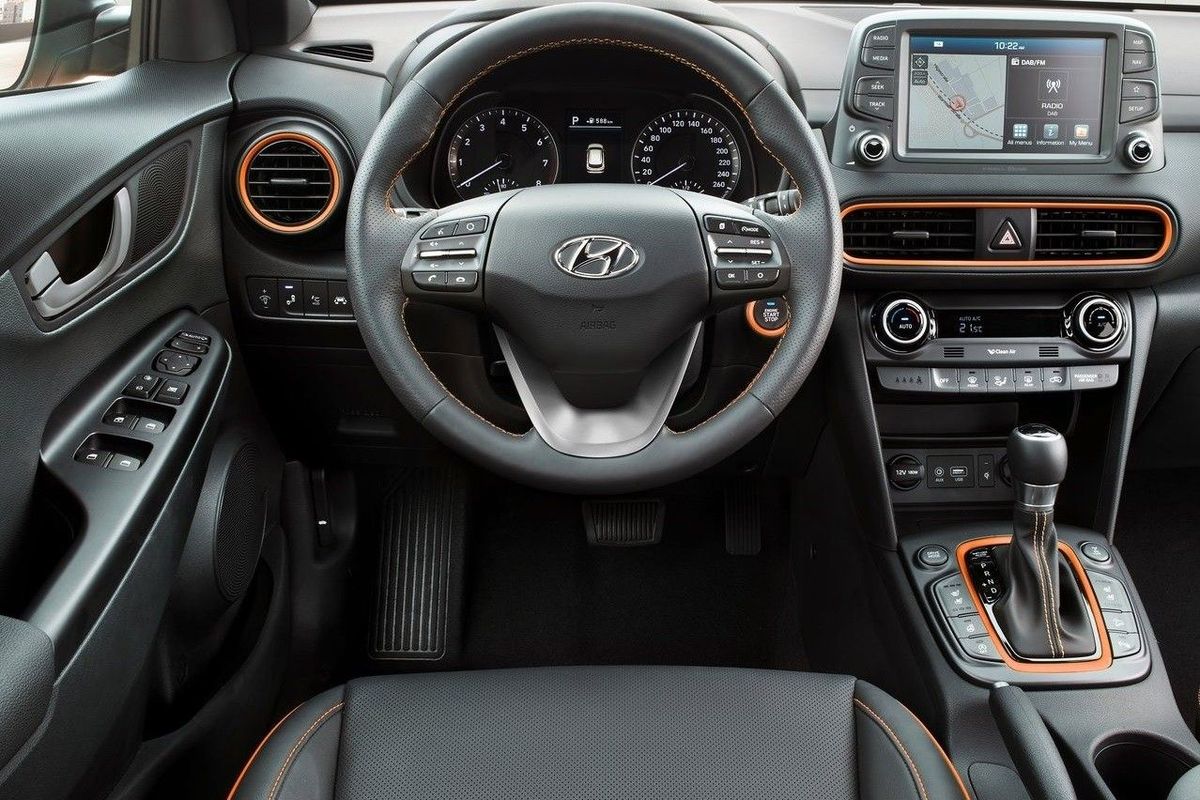
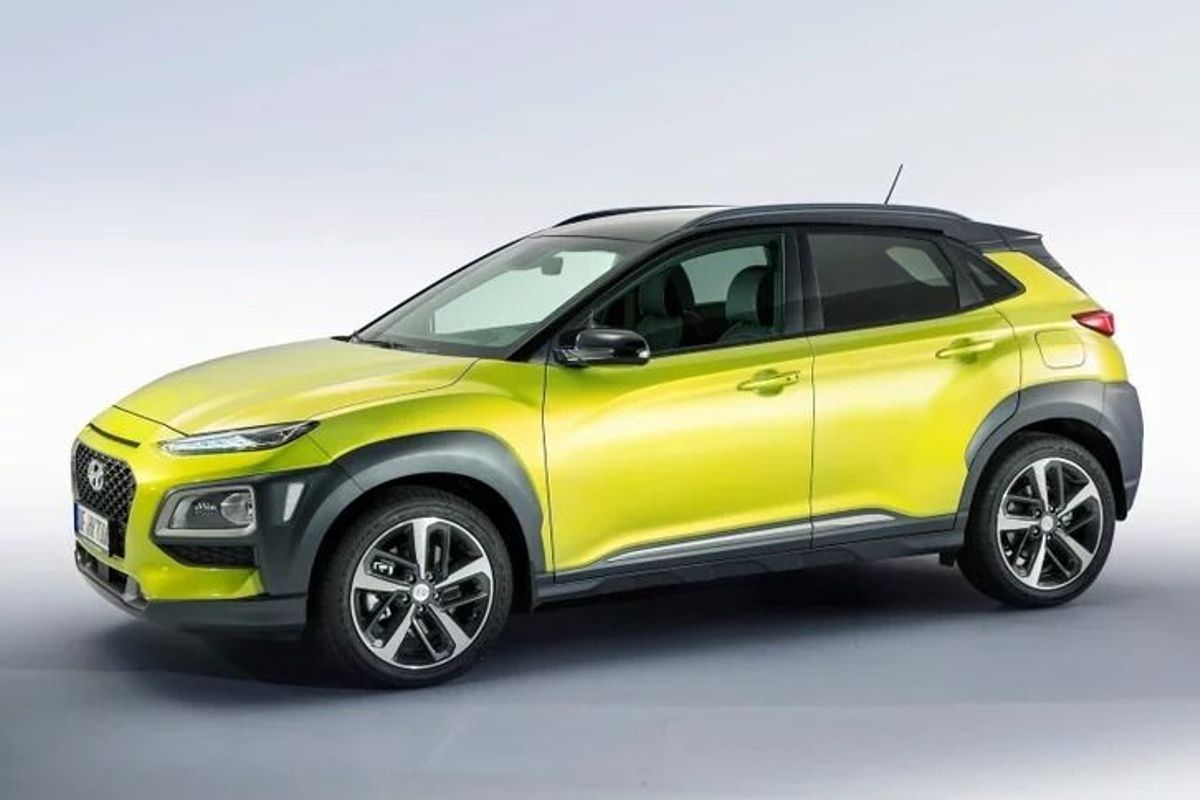
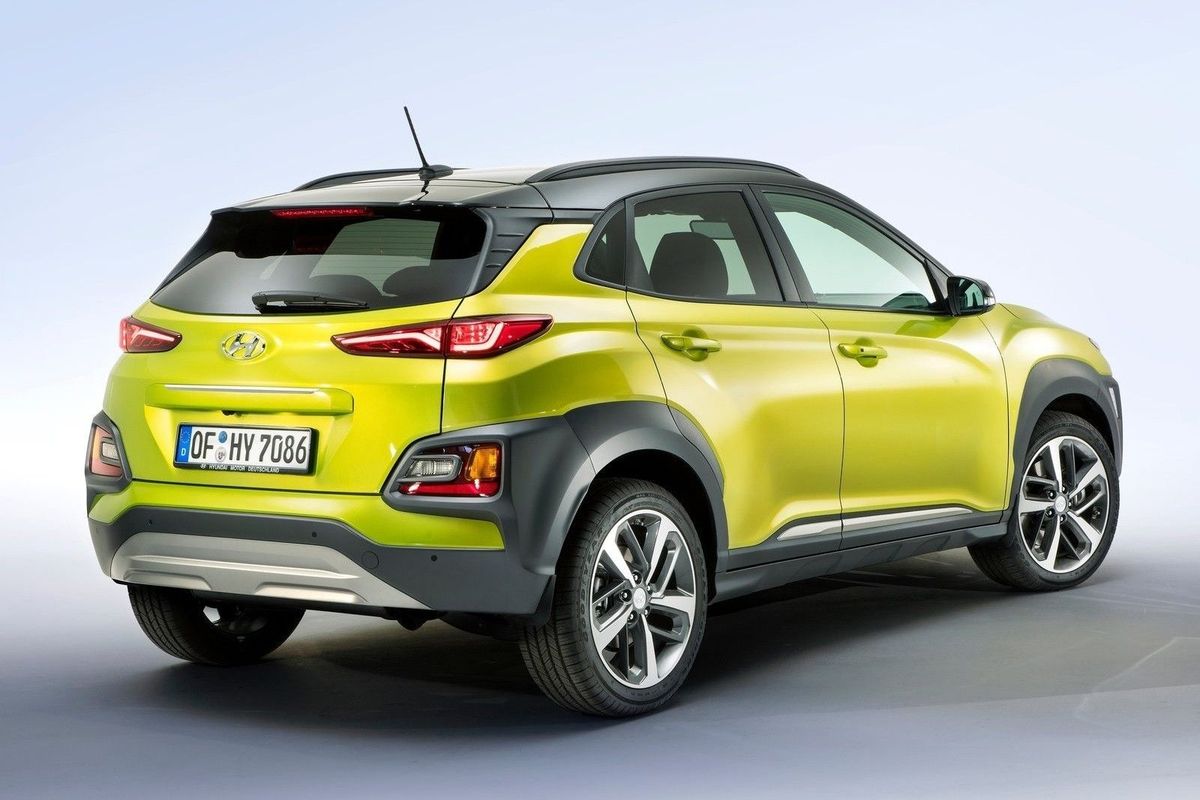
The Hyundai Kona is one of the more striking crossovers since the arrival of the Renault Captur a few years ago. Designed by Peter Schreyer, the man responsible for the Kia Stinger and the now-iconic Mk1 Audi TT, the i30-based Kona made its public debut as long ago as June 2017. Hyundai Automotive SA has confirmed 2 derivatives for the local market. It will see the introduction of the brand's first 1.0-litre, 3-cylinder turbopetrol engine. The second derivative is the tried and tested 2.0-litre naturally aspirated petrol, which will be exclusively available as an automatic. Both models are front-wheel-drive only.
Hyundai Santa Fe (November)
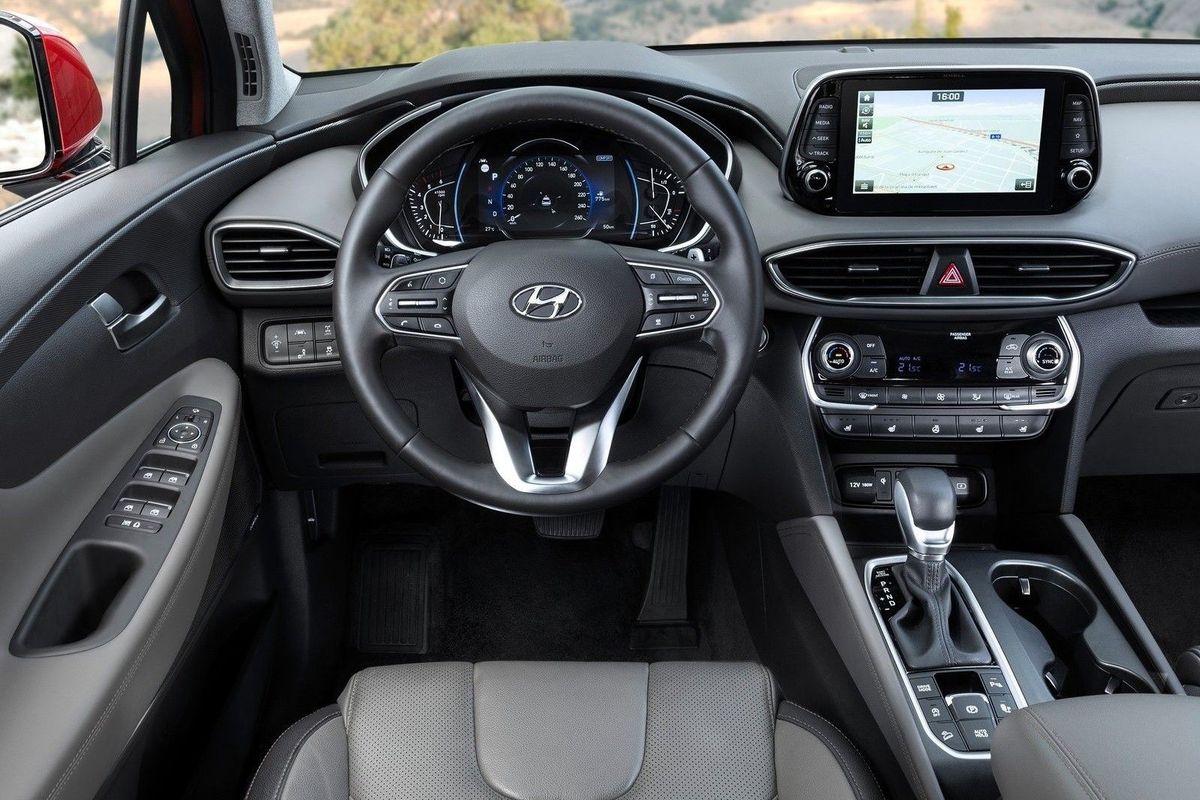
The Hyundai Santa Fe is back for a 3rd generation, with the 7-seat SUV aiming to offer more to buyers in many ways: more space, more style, more safety and more value. The new styling doesn’t hide the fact the 2018 Santa Fe is larger than its predecessor, measuring 4 770 mm in lenght (+70 mm), 1 890 mm in width (+10 mm) and 1 680 mm in height (+10 mm), and with a stretched wheelbase now running 2 765 mm (+65 mm). The existing Santa Fe has just one engine option across two variants – a 2.2-litre 4-cylinder turbodiesel engine with the entry-level front-wheel-drive model and the high-spec all-wheel-drive version, which we expect to be mostly carried over from the existing range.
What if we told you that car collectors around the globe secretly scour the internet in search of bagging some of the rarest and most sought-after models that have ever been produced… in South Africa?
Many motoring enthusiasts dream about importing rare models from overseas, when, in actual fact, our country has a rich heritage of locally conceived (and -built) exotic cars. Some of these models are held in such high esteem that several units have left our country and reside in private collections in Europe, the States and Australia. Yep, we’re talking about the SA-only special editions of the past 3 decades. Some of them are performance machines built in small numbers to satisfy the homologation requirements of local racing series, while others celebrate the sales success of certain models. Feast your eyes on some of the most pertinent cars of a bygone era…
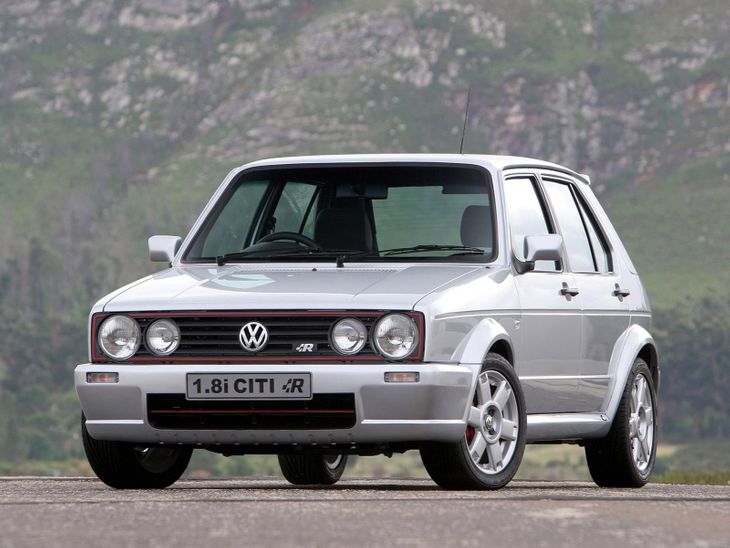
Volkswagen Citi R-Line
We all know the illustrious history of the Volkswagen CitiGolf and the many performance variants that came about during its 25-year tenure in South Africa – some of these included the original CitiGolf Sport, the red-hot 1.8-litre CTi and, in more recent times, the Citi R-Line. Like the CTi, the R-Line was powered by a 1.8-litre 8-valve engine, but with somewhat modernised and tweaked internals. It boasted performance-enhancing tricks such as a smoothed-out cylinder head and chip-tuned ECU, which resulted in a lumpy idle and rorty soundtrack. With a total power output of 90 kW and 162 Nm, the 900 kg Citi R-Line was no slouch in a straight line with a claimed 0-100 kph sprint time of 8.5 seconds. Furthermore, it looked the part with a chunky-yet-purposeful bodykit, a pin-striped grille and limited-edition alloy wheels rounding off the exterior treatment. Limited to only 375 units, the VW Citi R-Line is a rare machine that will only increase in value with age if kept in original condition.
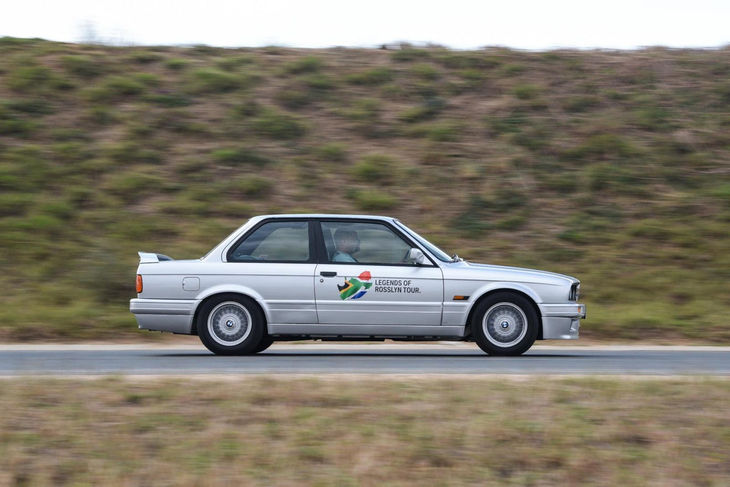
To this day no other BMW in South Africa (bar perhaps the 333i) has as big a cult following as the legendary E30 325iS or Gusheshe (as it’s colloquially known across the country). Like the Superboss (see below) it was introduced to comply with homologation rules and fill the void of the left-hand-drive E30 M3, which was never launched in SA. The first incarnation of the 325iS was released in 1989. Powered by a 2.5-litre straight-6 engine (with peak power of 130 kW, the same as the standard sedan and coupe), the Bimmer featured a close-ratio 5-speed gearbox and a bodykit. Its 2.7-litre successors, however, are what collectors are most desperate to find…
Released in 1990, the 325iS Evo 1 sported aluminium body panels, brakes and suspension from the M3, plus that bored-out 2.7-litre Alpina-fettled engine. Initially offered in 145 kW-spec only it was later upgraded to stay competitive in the Group N Racing Series, where an extra 10 kW took its output to 155 kW (that derivative was known as the Evo 2). At the time, the 325iS was a lethal streetcar and its muscular M20 motor sent shrills down the spines of all that lined up against it – both at traffic lights and race tracks. Its 6-cylinder symphony is still regarded by many aficionados as one of the best-sounding free-revving BMW engines of all time.
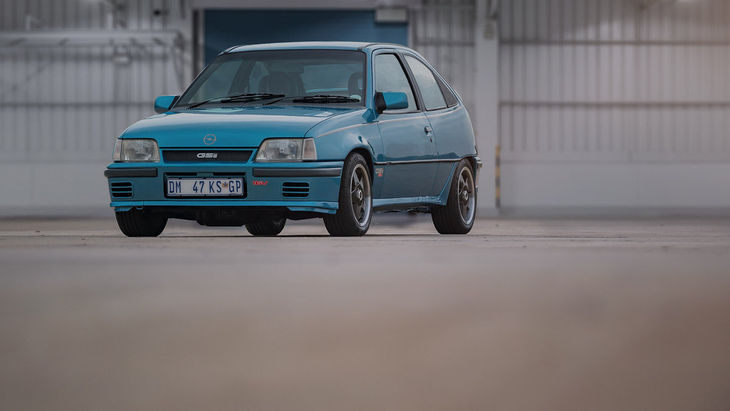
The Opel Kadett "Superboss" was the South African-only evolution of the Kadett GSi 16V "Big Boss" and only 244 were built to satisfy homologation regulations of the then Group N Racing Series for "production cars". The Superboss was frighteningly fast in a straight line and confident in the twisties thanks largely to a low kerb weight, a litany of bespoke modifications to its suspension assembly and its legendary 20EX mill. Tweaks included a raised compression ratio of 10.5:1, a modified intake, aggressively tuned 276-degree Schrick camshafts, a remapped ECU, Irmscher-sourced springs and a locally developed limited slip-differential.
Engineers extracted 125 kW and 228 Nm from the naturally aspirated 2.0-litre 16-valve motor, enabling the Superboss to dominate the serpentine environments of track days and hill climbs alike. According to popular belief, up to half of all Superboss cylinder heads were hand-ported by Cosworth; this could explain why no Superboss was equal and why some possessed that "Wednesday car" poke. A stripped-out interior bereft of sound deadening materials, air conditioning, power steering and electric windows helped not only reduce weight, but provided an auditorium from which to appreciate all the glory of that raw and unsullied naturally aspirated masterpiece.
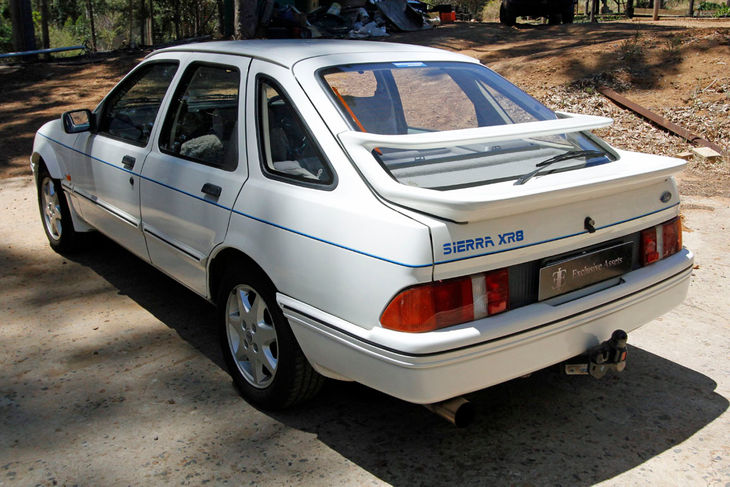
Ford Sierra XR8
There’s no mistaking what’s brewing under the hood of the Ford Sierra XR8. Powered by a Mustang-sourced 5.0-litre V8, it naturally had a "drinking problem", but that meant very little at a time when performance trumped economy. Like many of the cars listed here, the Sierra XR8 was built to meet homologation laws of the time, in this instance Group One Racing – only 250 were ever produced between the years of 1984-1988 and suffice to say there were numerous enthusiast-made clones that did the rounds. While it was largely based on the XR6, the introduction of blistered wheel arches, a hunkered down stance and gargantuan dual-plane rear wing confirmed its reputation as a veritable muscle car. In terms of performance figures the 154 kW churned out by its naturally-aspirated V8 may seem a little tame by today’s standards, but back then it was one of the quickest street machines around (it was said to complete the 0-100 kph dash in under 7 seconds and reach a top speed of 225 kph).
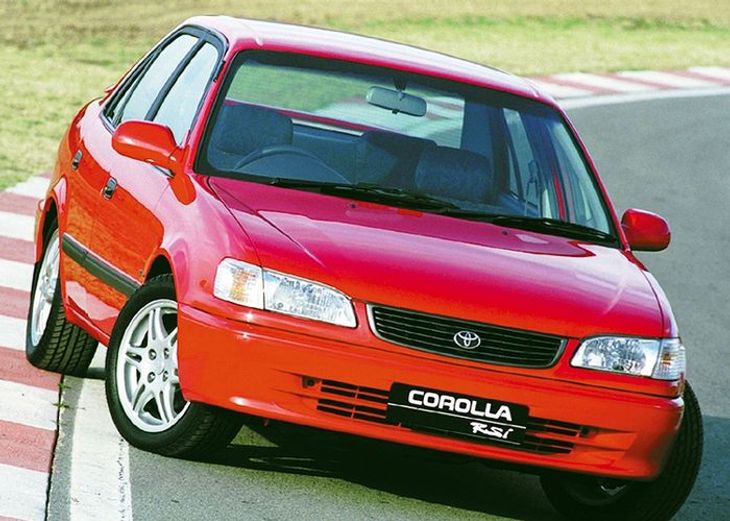
Toyota Corolla RSi
Speak to any Toyota purist and the fabled 4A-GE engine will quickly become the subject of the conversation. And that’s not a bad thing, given its incredible reputation –both in terms of power delivery and racing heritage. These bulletproof and incredibly powerful engines were discontinued by Toyota SA in the early Nineties and replaced by the more efficient 4A-FE 1.6-litre 16-valve and 7A-FE 1.8-litre 16-valve engines, neither of which were particularly performance-inspiring.
That all changed in 1997 when the Japanese marque announced that it was engineering an all-new 20-valve 4A-GE unit and South Africa was the only country that would receive it in Corolla guise. The car in question would become known as the Corolla RSi – a nod to the GLi Twin Cam and RSi models of yesteryear. The Corolla RSi featured the company’s rebooted 1.6-litre 20-valve 4A-GE motor, often referred to as the "Black Top" owing to the engine cover, with a rated power and torque output of 115 kW and 150 Nm respectively. These impressive figures culminated in a claimed 0-100 kph sprint time of just over 7 seconds and a top speed of 208 kph.
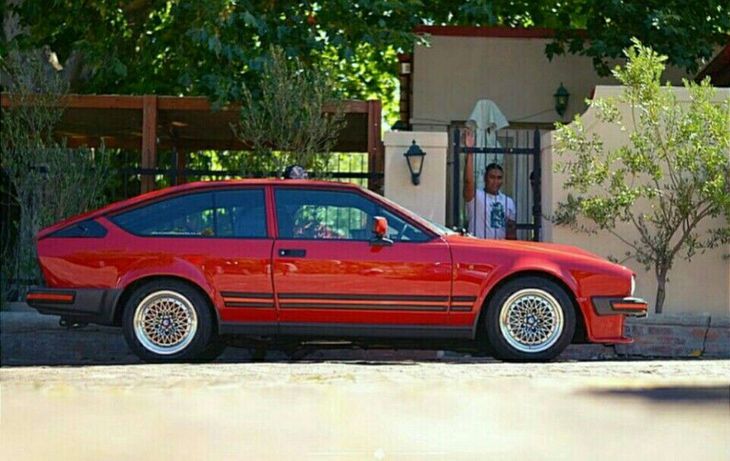
Track racing was the major driver behind the inception of the world-renowned Alfa Romeo GTV6 3.0 (212 were built for homologation reasons). Unlike the rest of the world, which had to make do with 2.5-litre V6 derivatives, South Africa got permission from Italy to build and utilise the company's 3.0-litre V6 engine before its global launch in 1987. Items such as the cylinder-head castings, crankshafts, pistons and sleeves were all imported from Alfa Romeo’s tuning arm, Auto Delta and put together using no less than 6 Dell’ Orto carburettors to fuel the combustion process. The result? 128 kW and 222 Nm of thrust, which were pretty impressive numbers back then.
Visually the GTV6 3.0 differentiated itself from its lesser siblings via a handful of tasteful touches that comprised such items as a lowered suspension, a pulsing fibreglass bonnet with functional scoop and Compomotive alloy wheels. It looked sensational… we're pretty certain even Giorgetto Giugiaro would have been happy to sign it off.