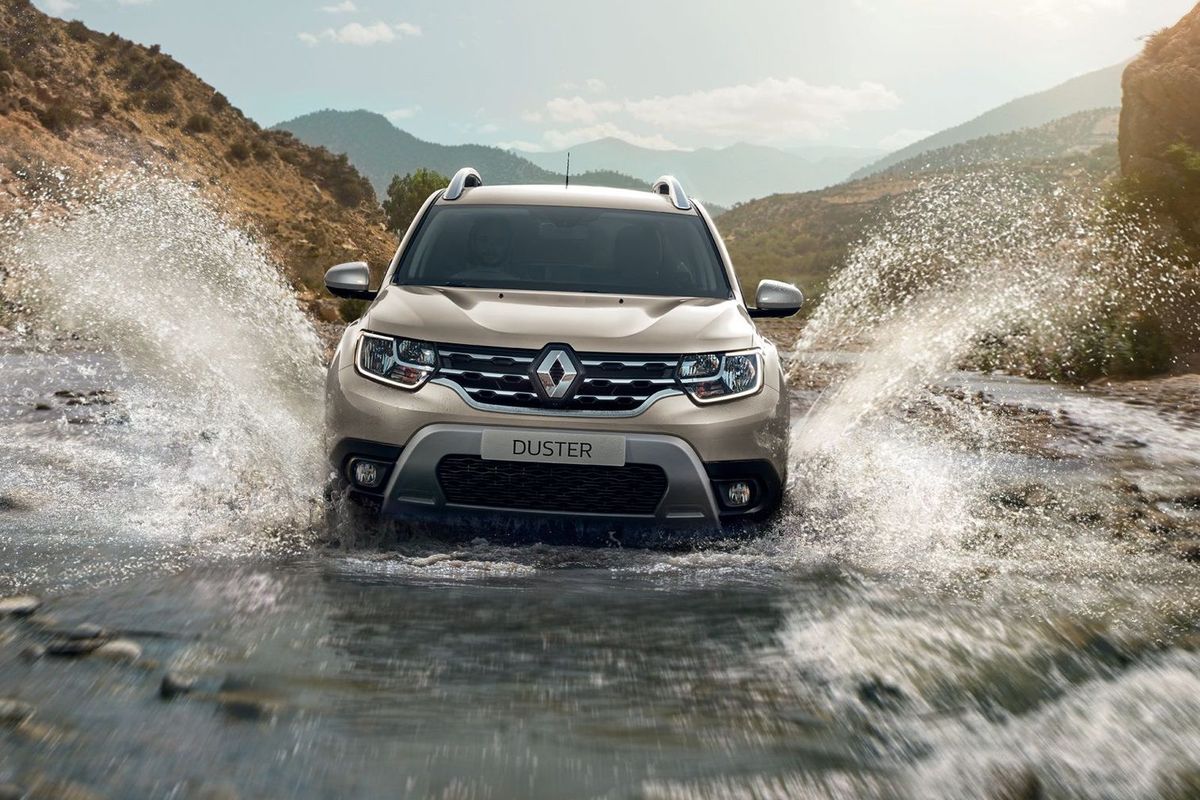
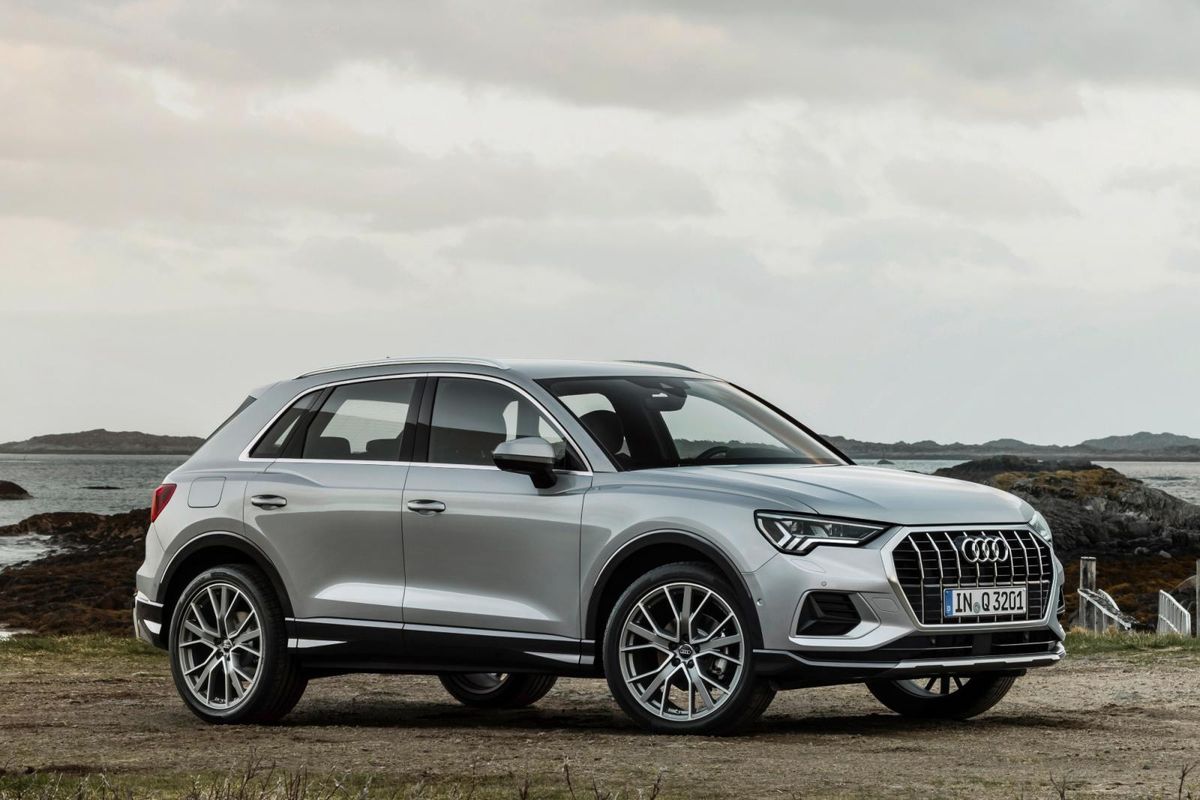
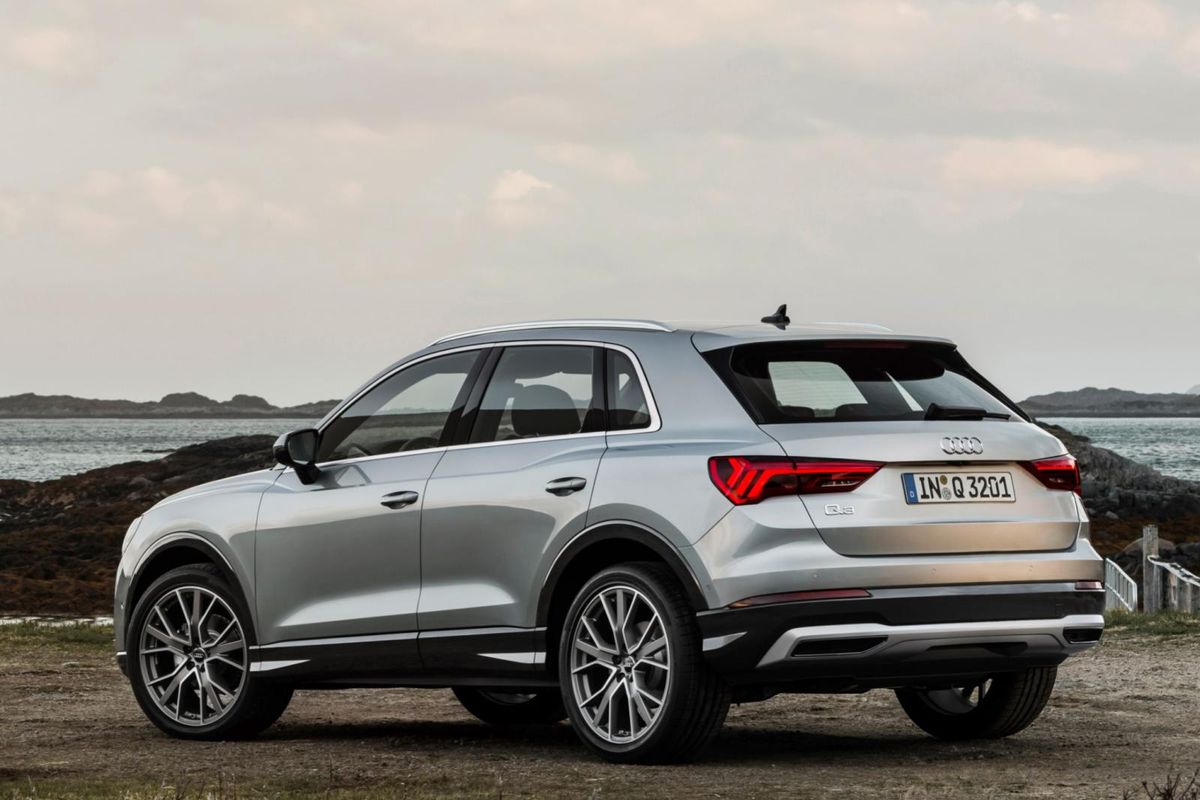
Renault South Africa has confirmed the specifications and pricing of its highly-anticipated Duster compact SUV. Here's how much the newcomer costs.
The Duster has been a popular model for Renault, both locally and internationally. With over 2 million units finding homes globally and 15 000 locally, the all-new Duster has come to market and offers more in terms of build quality, looks and features. It still retains its value for money offering, with plenty of go-anywhere attitude.
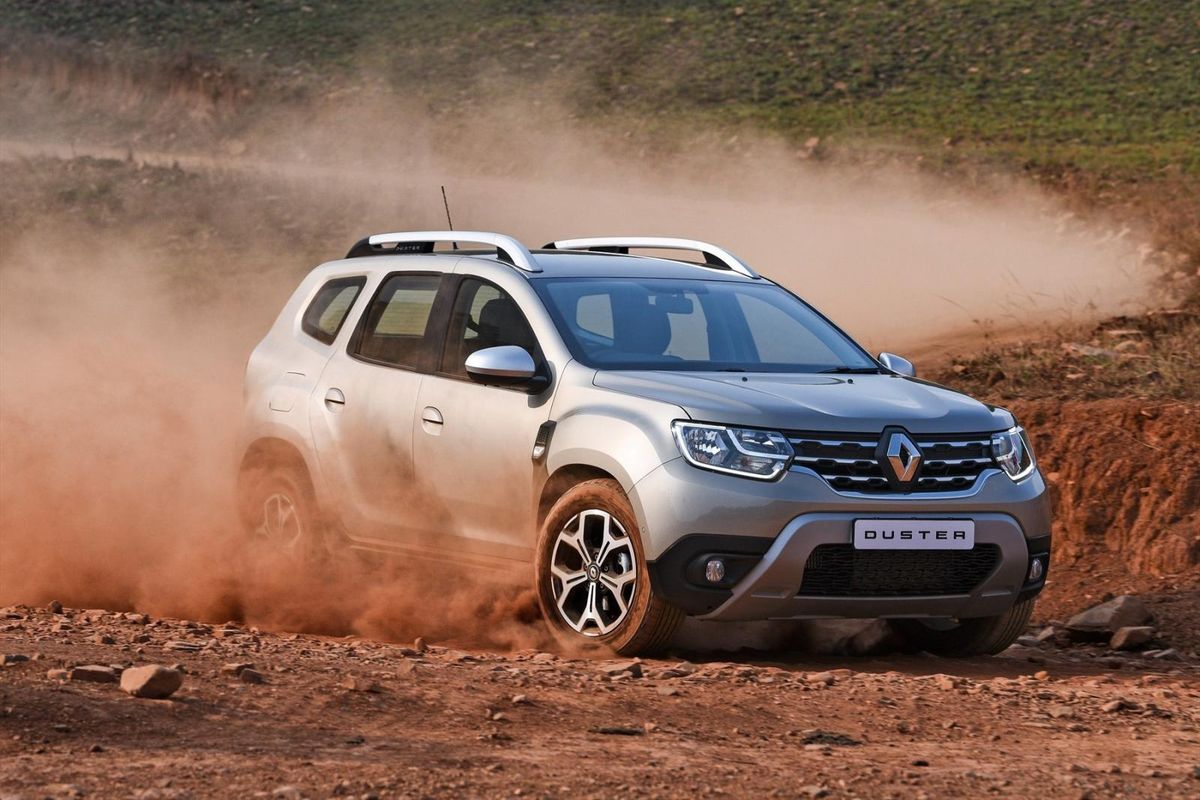
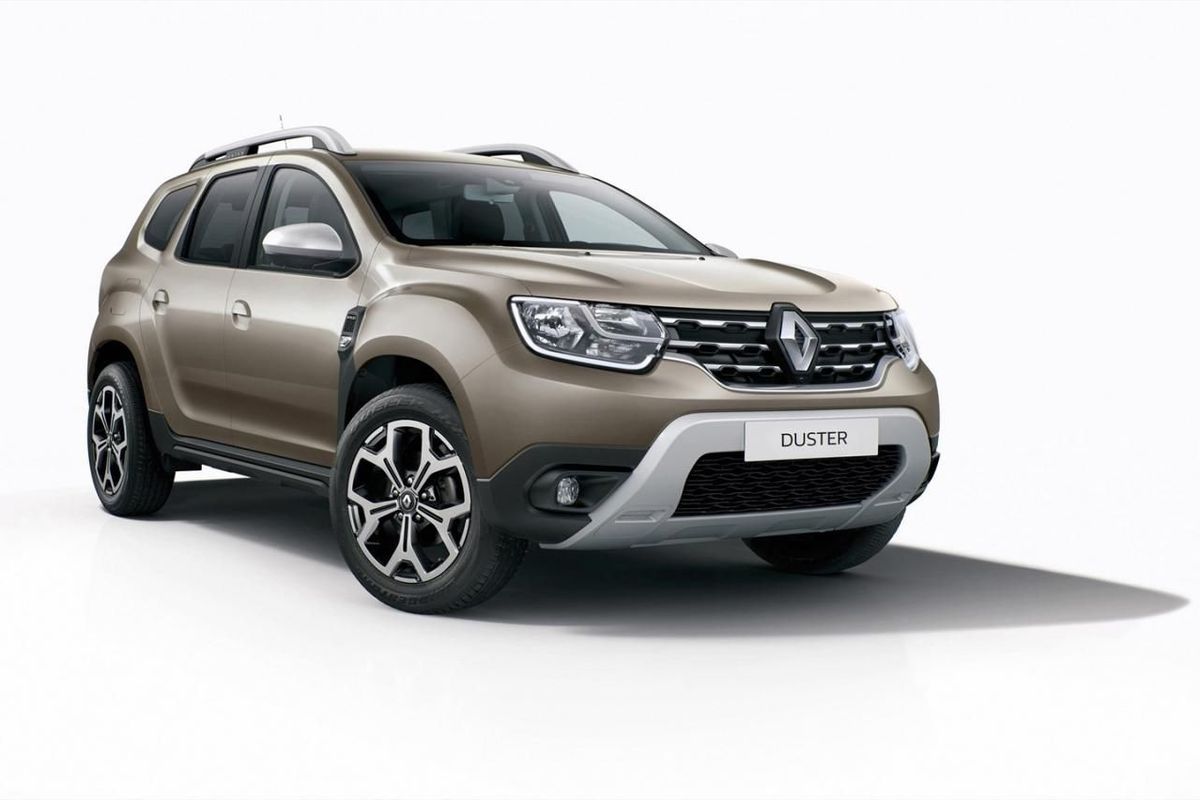
The looks have not changed dramatically, but this is an all-new model with new-look front and rear, all-new 16- and 17-inch alloy wheels and new headlights. It's now even more capable when the tarmac turns to sand as it boasts 210 mm of ground clearance and Renault says that it has 'approach and departure angles suited to all-terrain driving.'
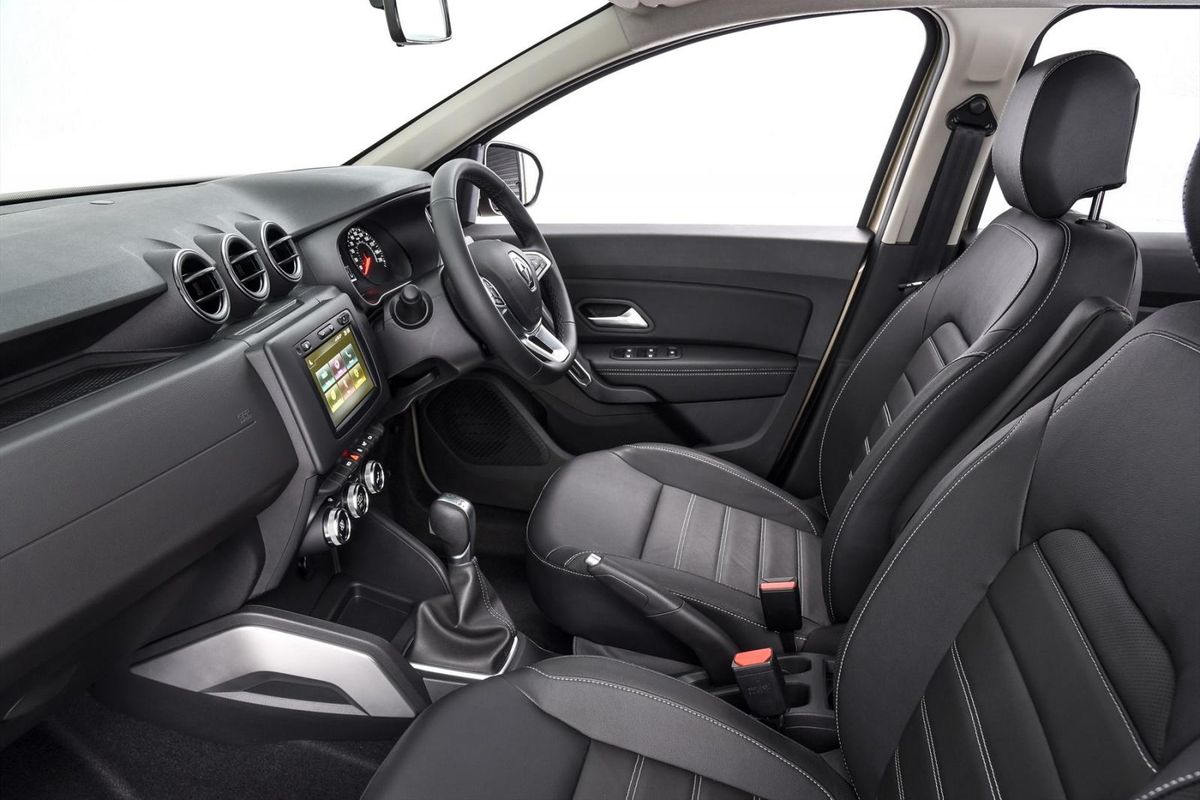
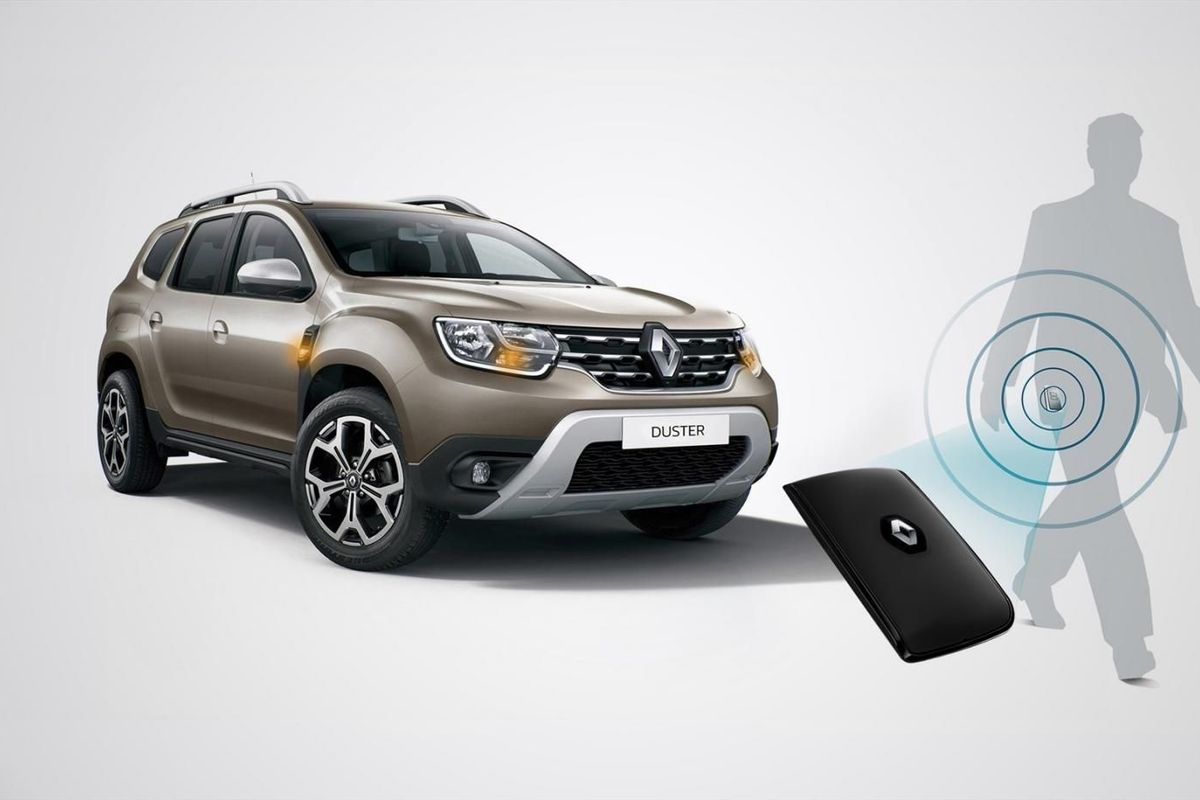
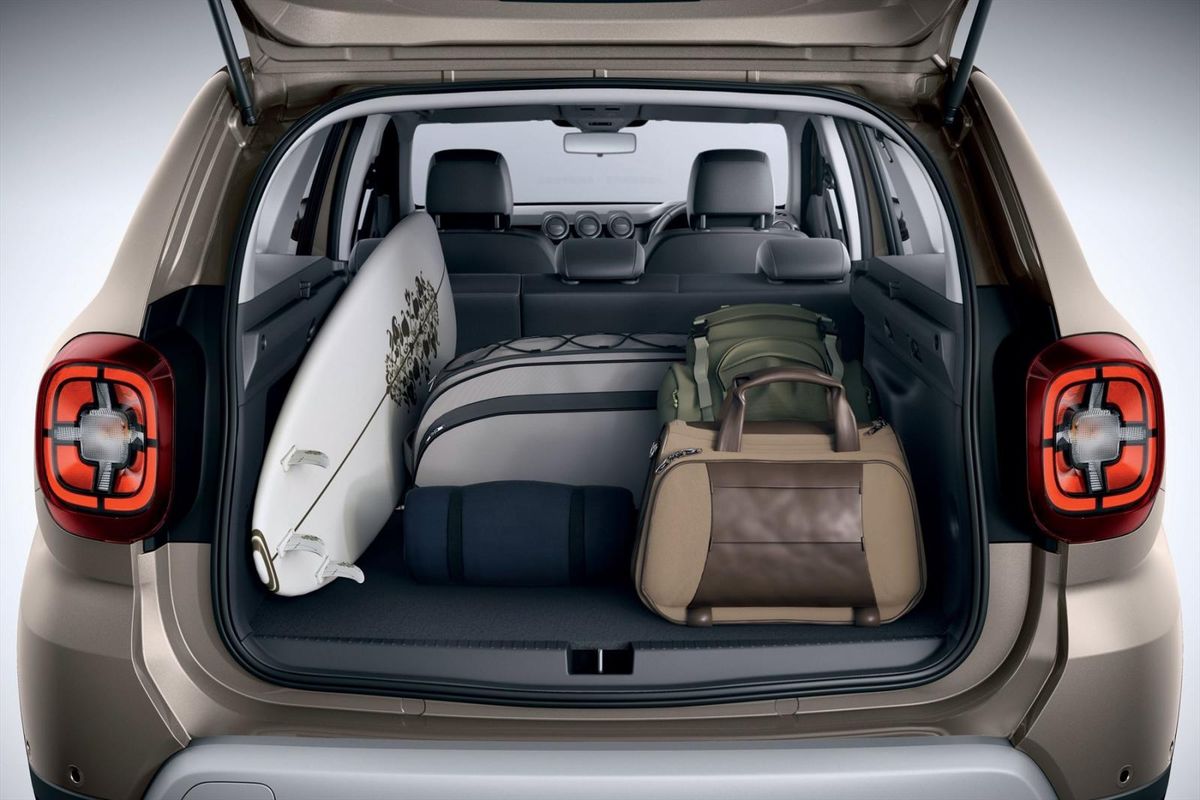
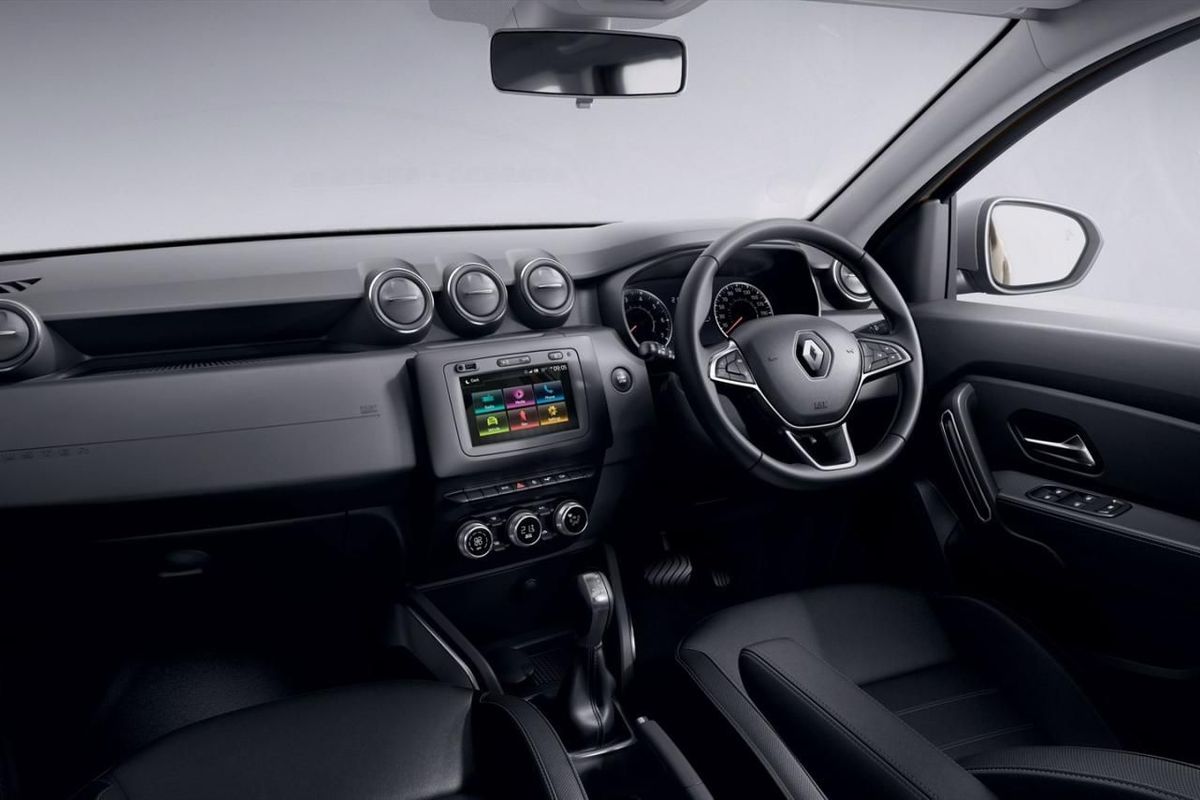
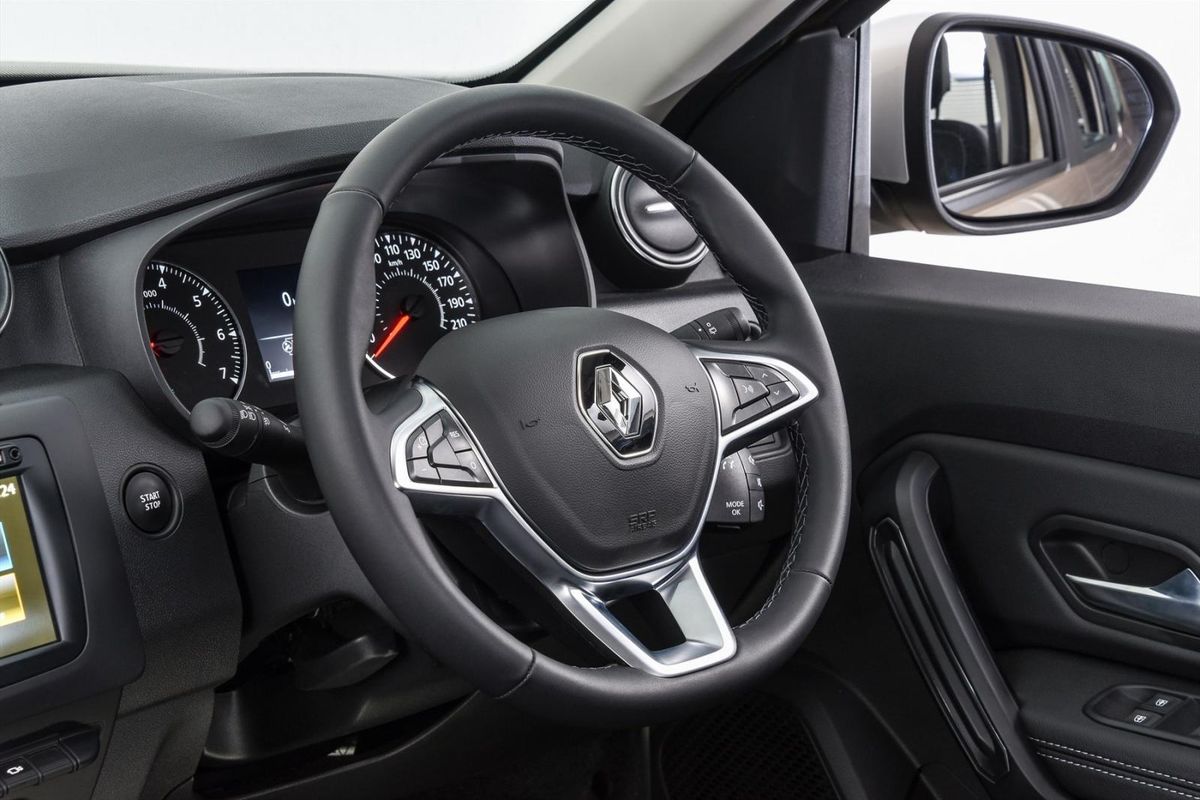
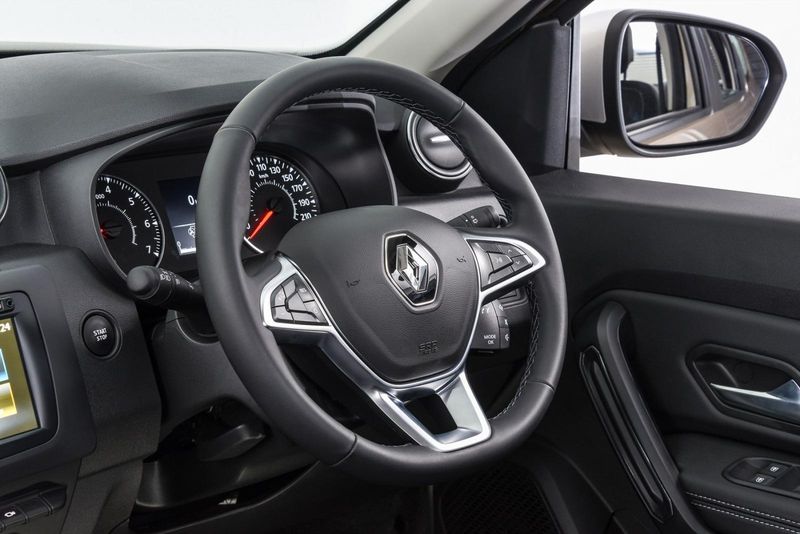
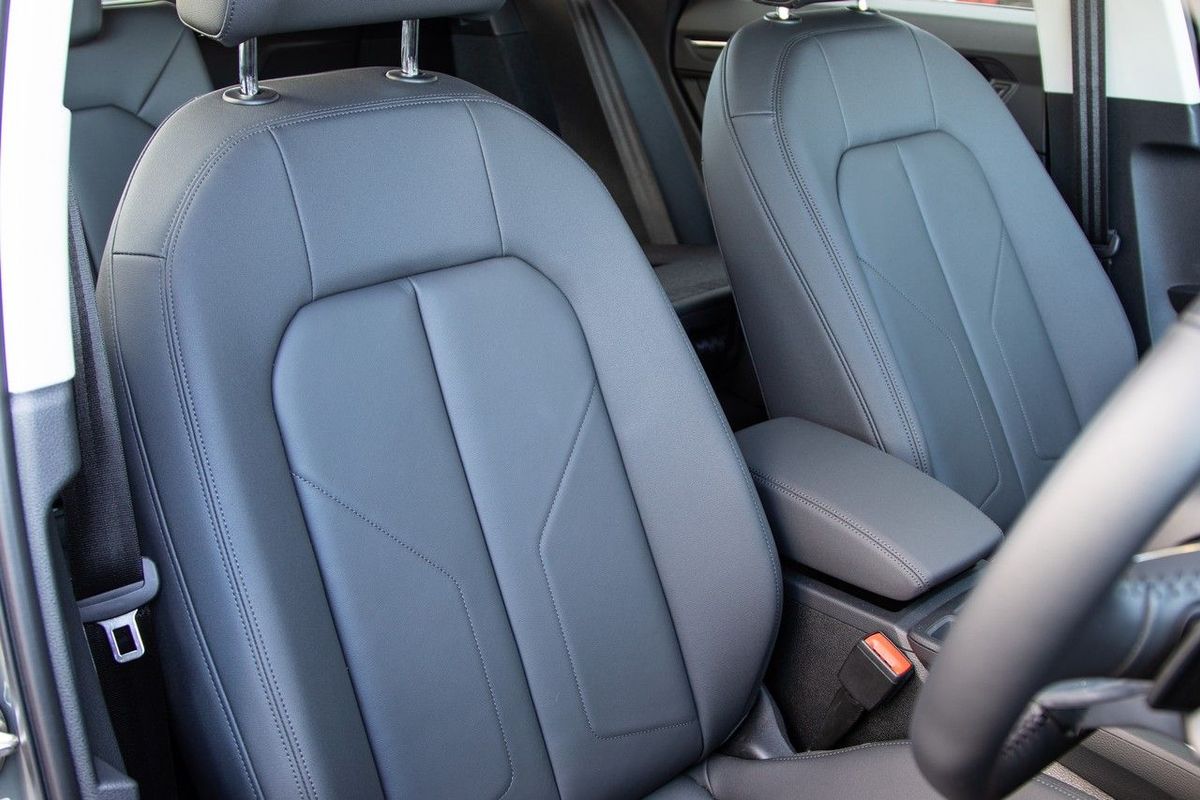
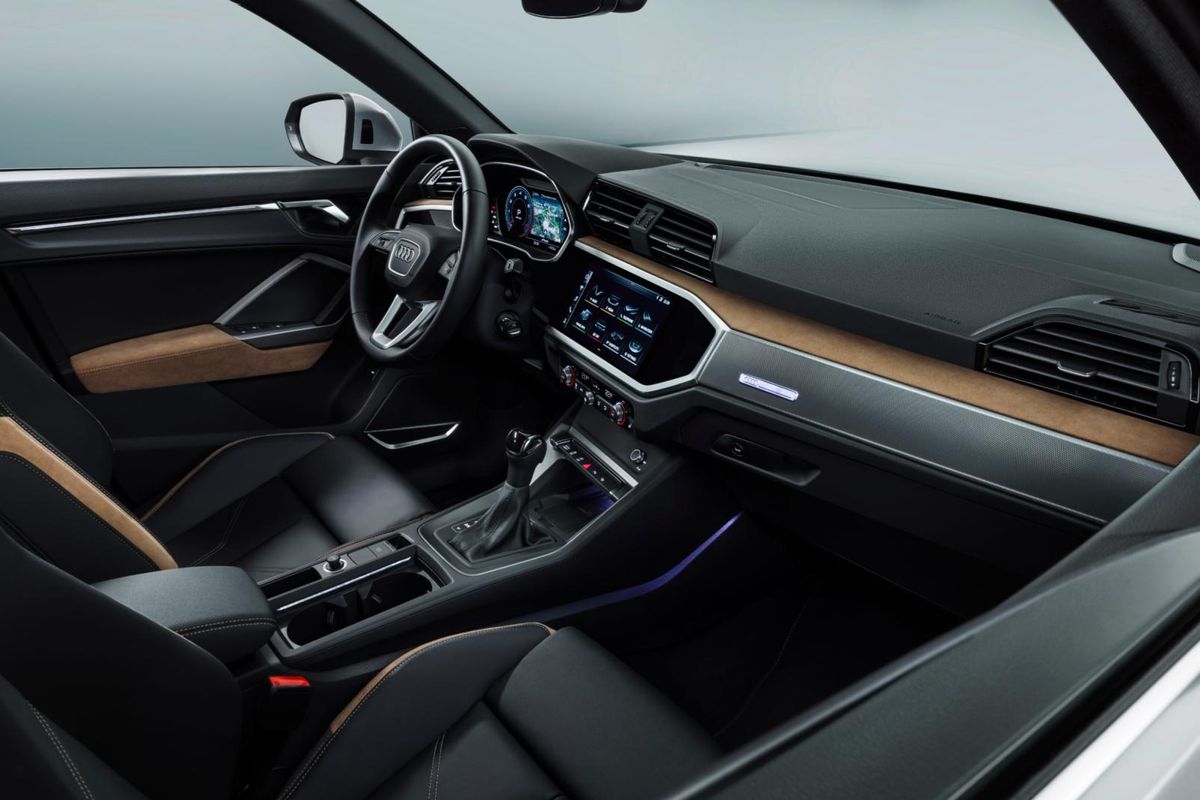
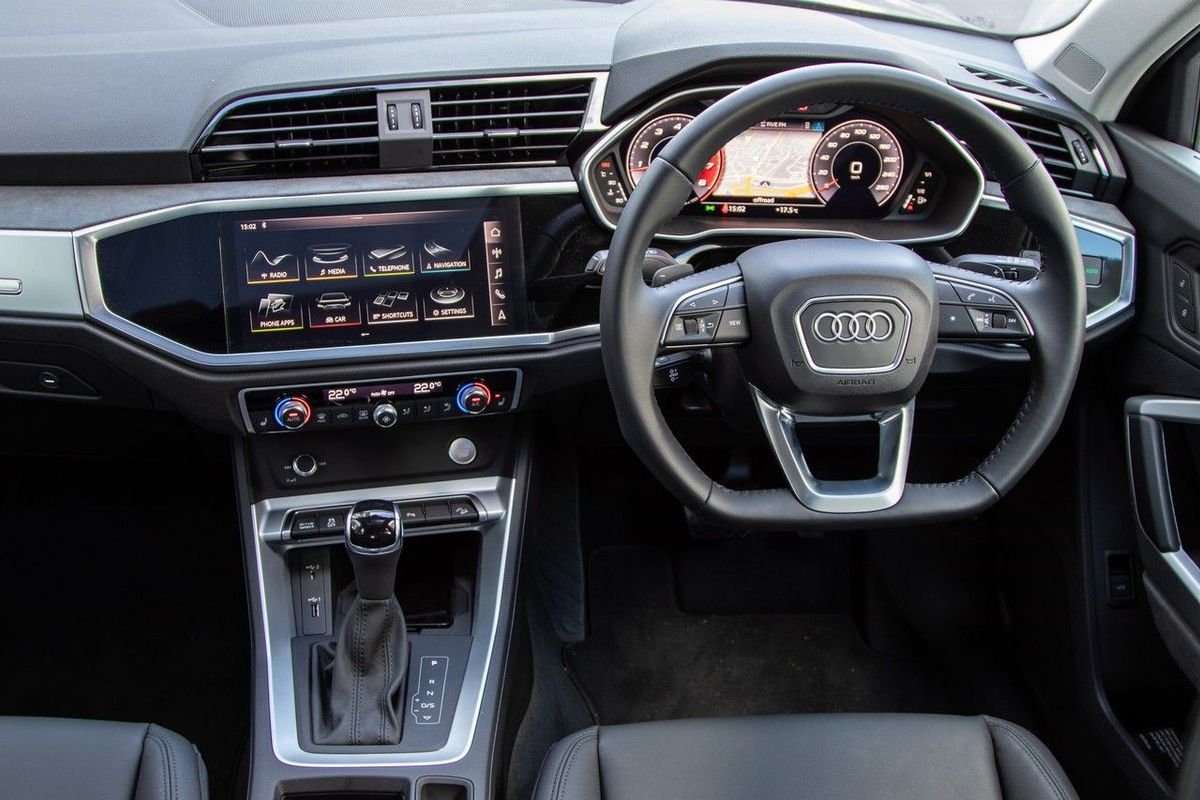
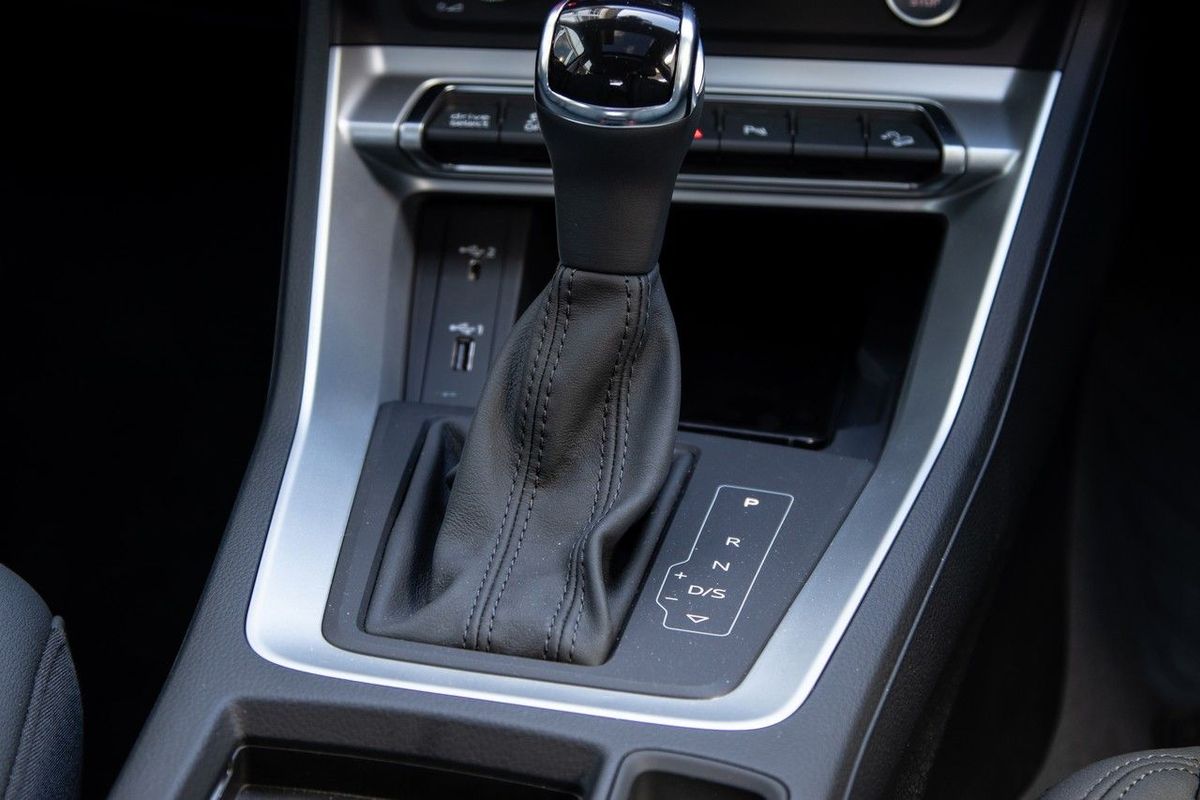
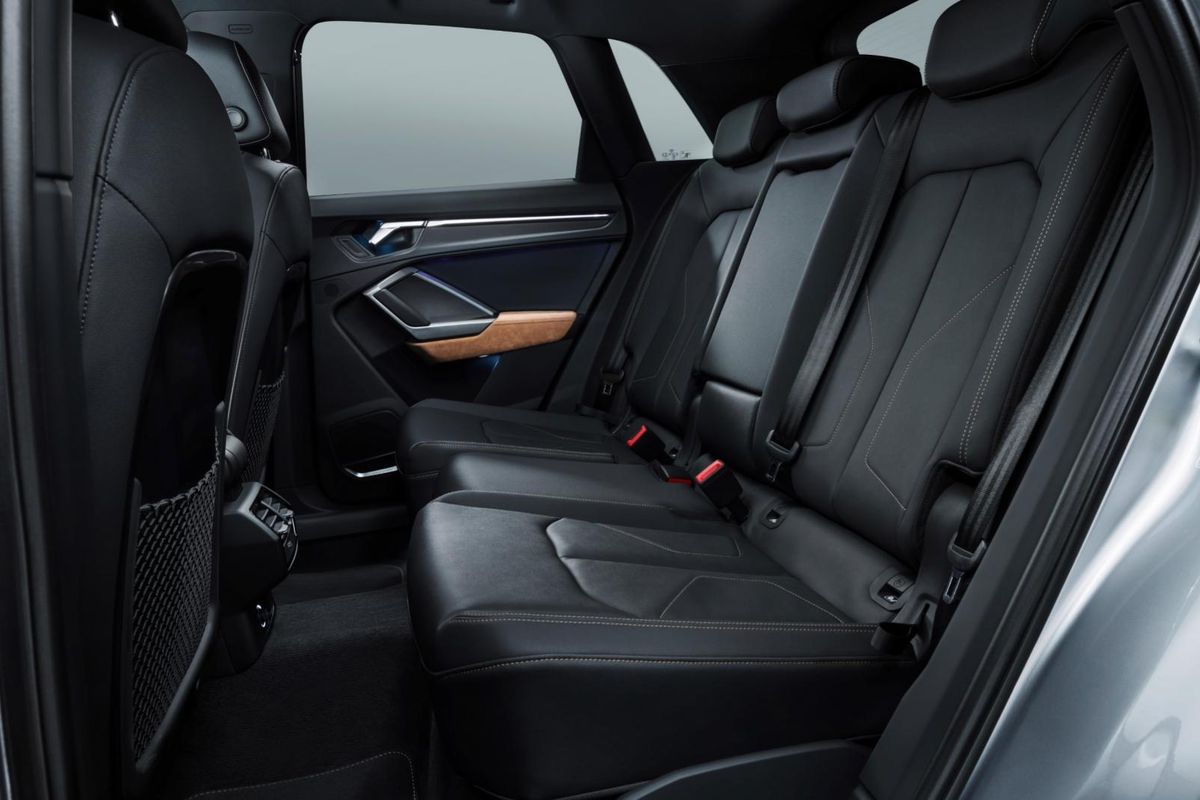
Inside, the cabin continues to be a spacious place to be. There's new upholstery with a high-quality finish and the dashboard has been replaced by a new one with a focus on ergonomic design. There are also new seats which are claimed to be more supportive and the cabin also boasts more storage space. The infotainment system has been upgraded too. In terms of practicality, the rear bench features 60:40 split and the capacity is rated at 478 litres. For the first time, Renault's keyless entry system makes its debut in the Duster and blind spot warning is now available. The vehicle also features hill descent control, multiview camera, automatic climate control, speed limiter and cruise control. In terms of safety, the Duster comes with ABS (Anti-Lock Braking System) with EBD (Electronic Brake Force Distribution) in conjunction with EBA (Emergency Brake Assist).
As it stands, there are both petrol and diesel motors available, with the option of either a manual gearbox or electronic dual-clutch automatic. The 1.6-litre 16V naturally-aspirated four-cylinder motor makes 77 kW and 148 Nm, while there are 2 states of tune for the 1.5-litre diesel. You can have a 66 kW/210 Nm derivative, but there is also an 80 kW/250 Nm option. The diesel engines will be more frugal than the petrol, and Renault claims these engines consume 5.1 L/100 km and 4.8 L/100 km.
The all-new Renault Duster boasts an uprated cabin with more practicality and improved materials
Renault Duster (2019) Price in South Africa
The all-new Renault Duster Model ranges come standard with a 5-year/150 000km mechanical warranty and a 6-year anti-corrosion warranty. Services take place at 15 000km intervals, and a standard 3year/45000km service plan applies.
Renault DUSTER 1.6 Expression 4X2 R249 900
Renault DUSTER 1.5 dCi Dynamique 4×2 R282 900
Renault DUSTER 1.5 dCi Dynamique EDC 4×2 R316 900
Renault DUSTER 1.5 dCi Dynamique 4×4 R321 900
Renault DUSTER 1.5 dCi Prestige EDC 4×2 R334 900
Drag Race: Volkswagen Polo GTI vs Toyota Yaris GRMN
The final drag race instalment of our warm hatch shootout is here. The new Polo GTI takes on the supercharged Toyota Yaris GRMN.
In part 3 of our warm hatch drag race competition, the new Volkswagen Polo GTI takes on the very limited edition Toyota Yaris GRMN. The Yaris will not even be sold in South Africa, but we managed to get hold of one. Both cars managed to beat the Renault Clio RS 18 in the previous races so it's a winner vs winner takes all race for the line.
The Polo has more torque and launch control, but will the manual gearbox and lighter weight of the Yaris give it an advantage?
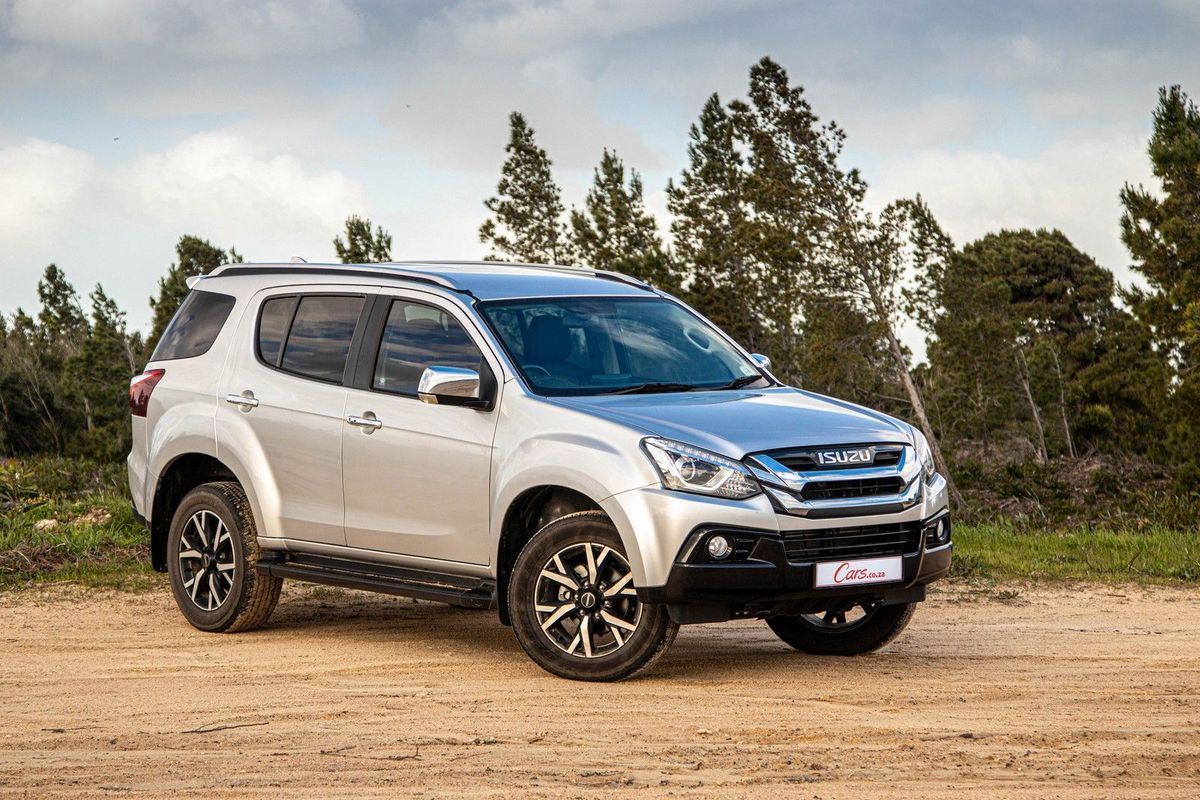
One of the most loved and trusted brands in South Africa, Isuzu, is now flying solo following the withdrawal of General Motors from the local market. The Japanese marque previously offered the trusty KB bakkie only, but with the addition of the MU-X 7-seater adventure SUV, it can now also take on the likes of Toyota's Fortuner and Ford's Everest. Is it worth a test drive?
We like: Comfortable ride, solid build, relaxed cruiser, more economical than rivals, well-priced
We don't like: No stand-out talent, lazy performance
Some Isuzu dealers regularly offer specials: Have look here.
Where does it fit in?
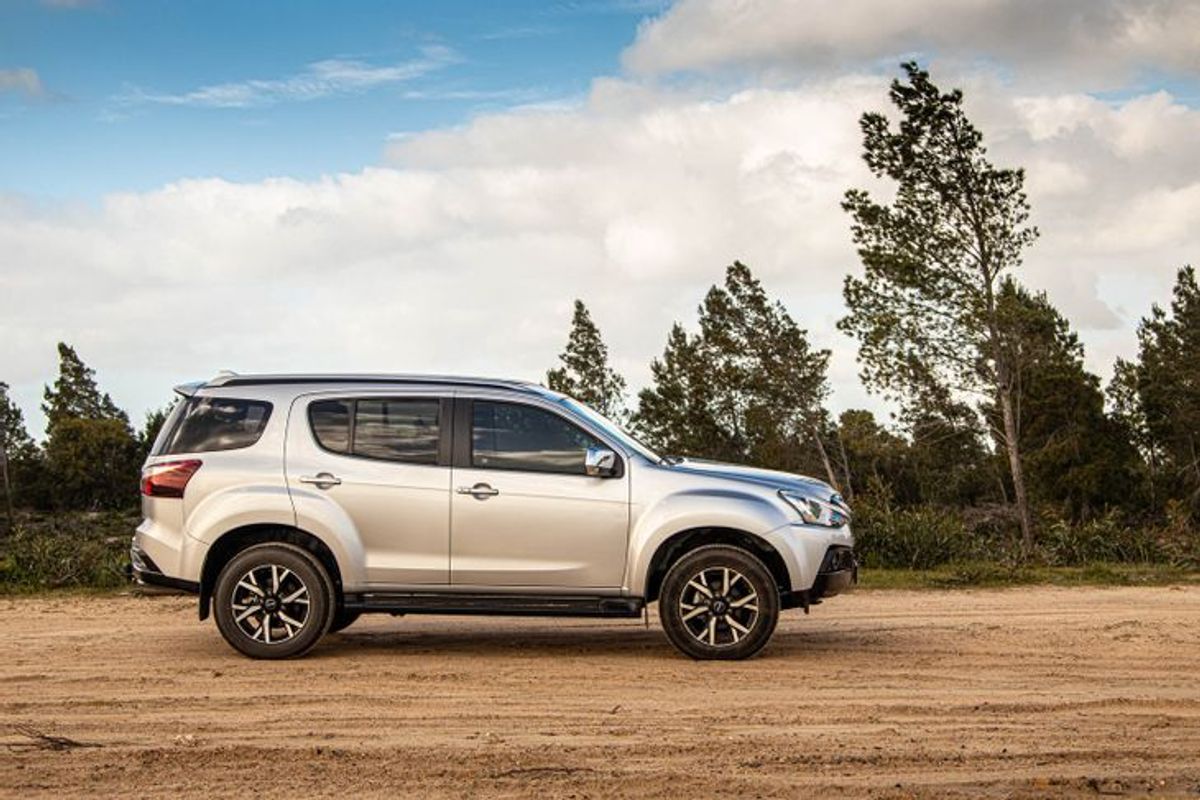
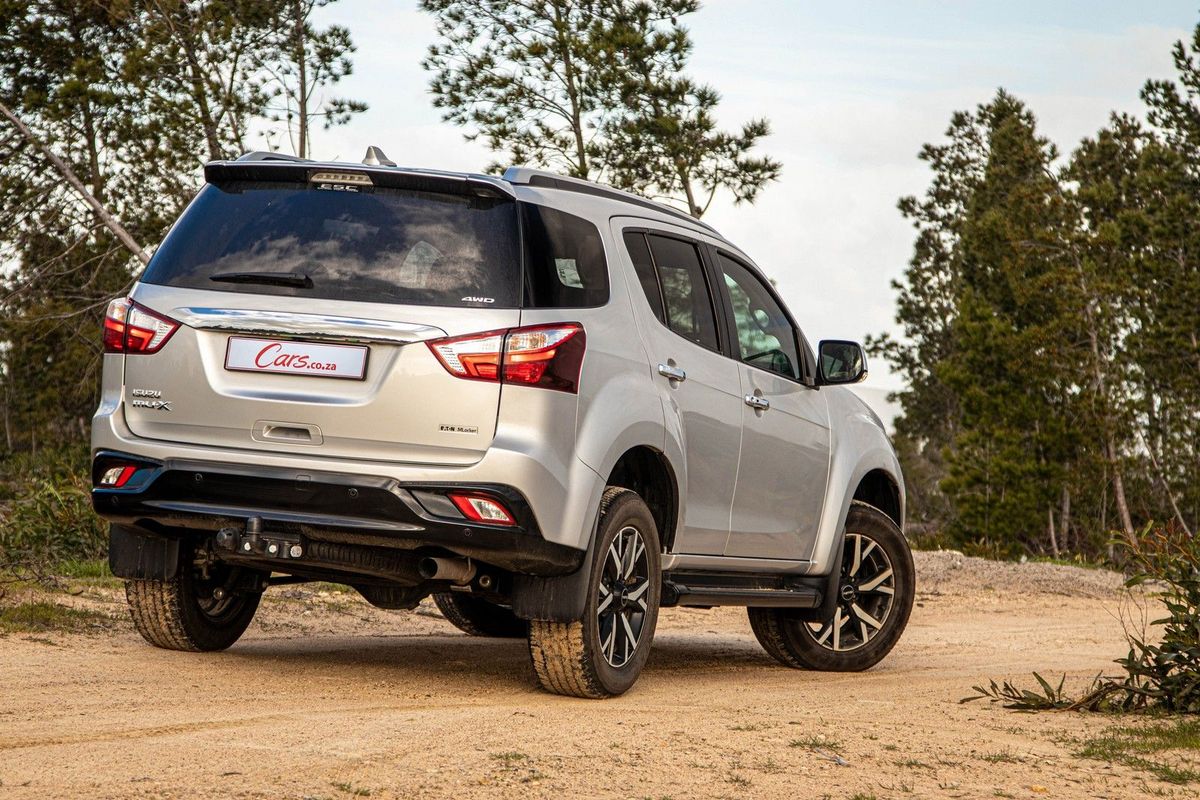
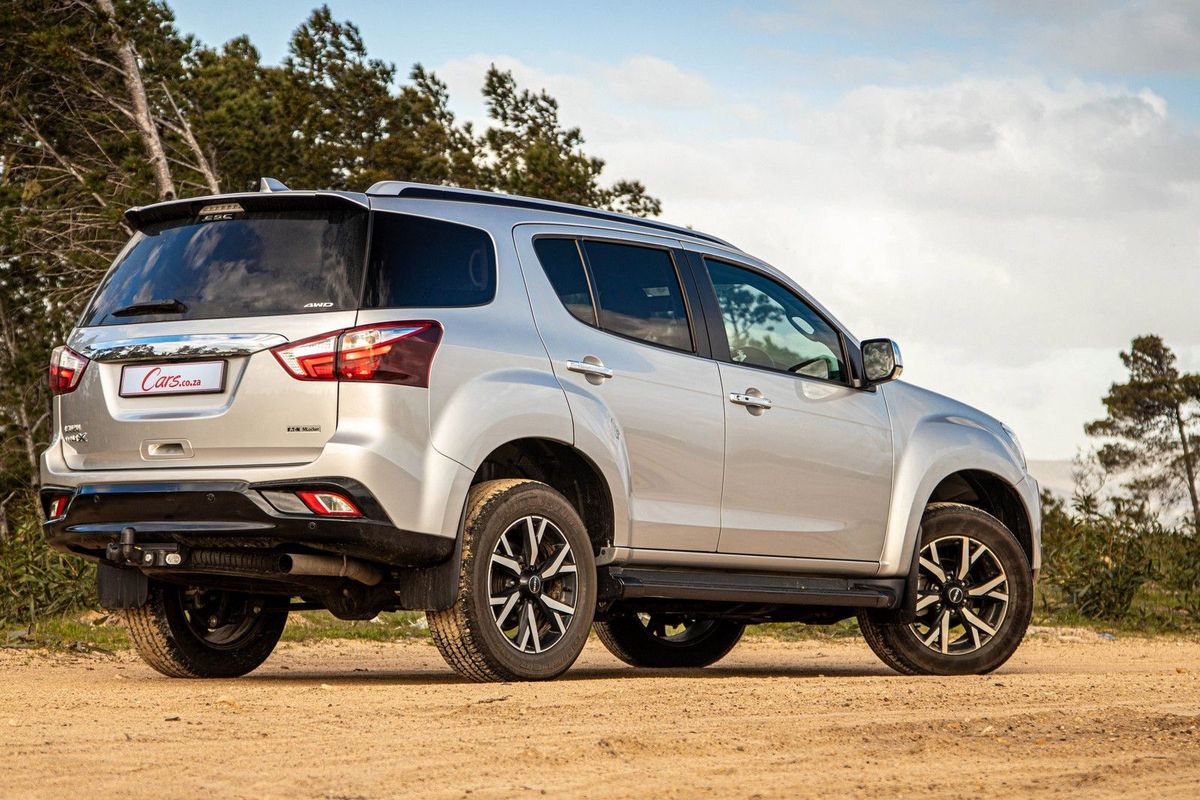
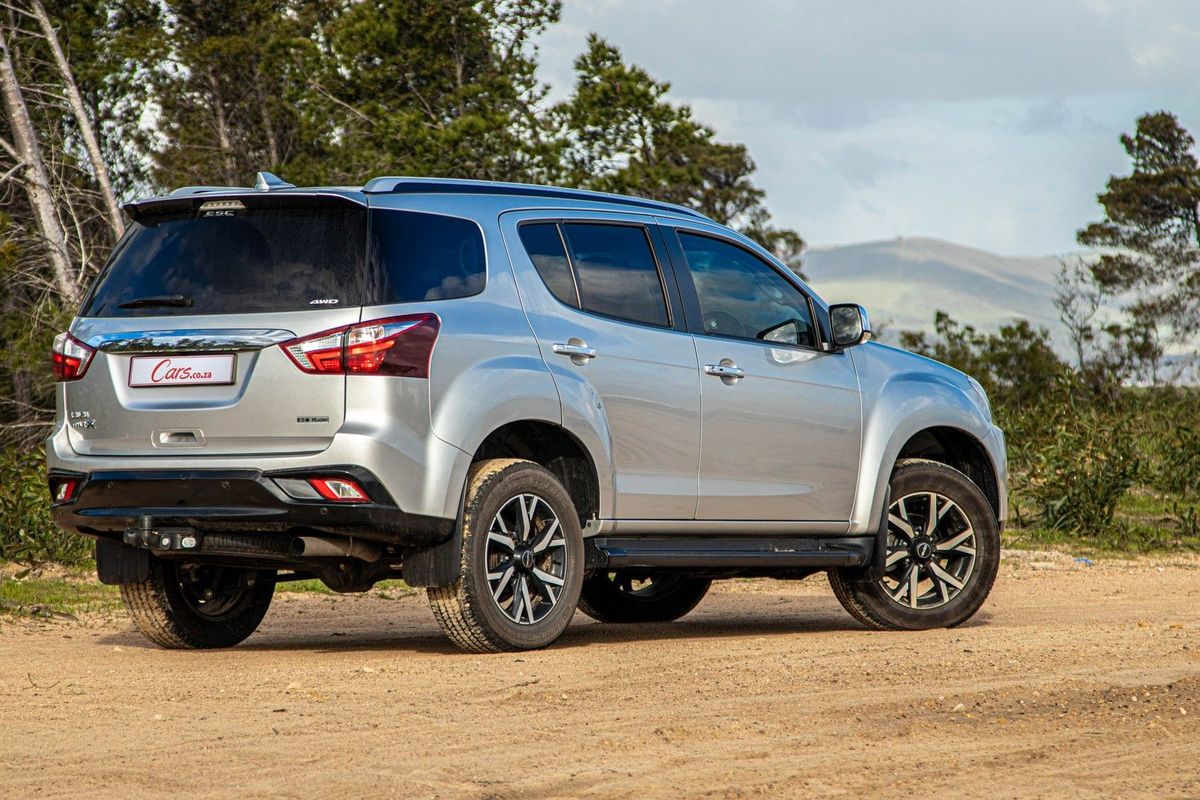
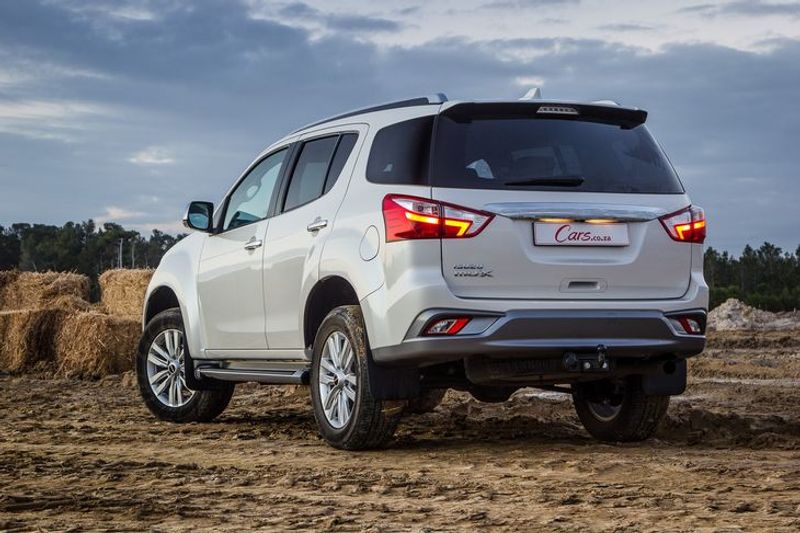
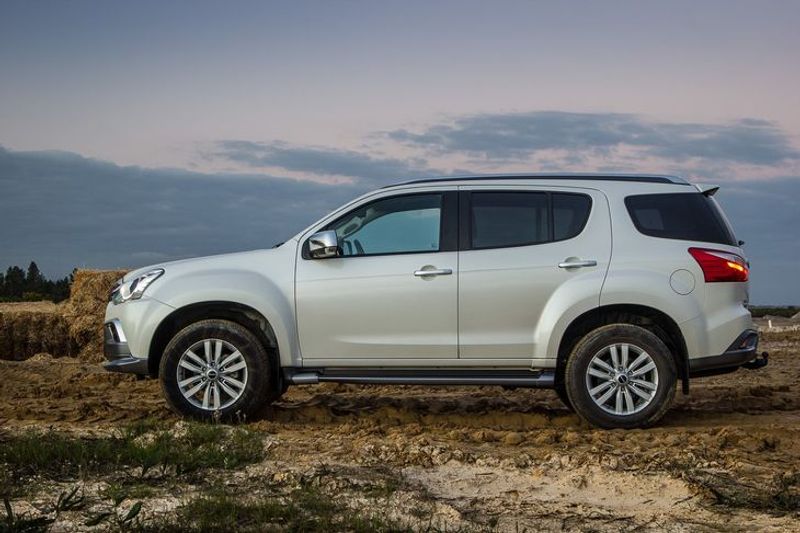
Rear end has a shorter overhang than the Chevy Trailblazer, but load capacity has not been compromised.
Adventurous South African families just love rugged body-on-frame (bakkie-based) SUVs. Toyota's Fortuner is one of the country's most popular vehicles, even though it is far from a budget contender. Ford's Everest is a strong seller too… But prior to the 1st-generation Fortuner's arrival in South Africa, there was another vehicle that found favour, Isuzu's KB-based Frontier. But… as Isuzu was until recently part of General Motors' portfolio, and GM was never particularly good at fostering brands, nor terribly consistent, the brand never followed up its initial niche-establishing vehicle with anything. Many years later GM decided to launch the Chevrolet Trailblazer here instead, even though in the eyes of most industry observers an obviously better contender would have been the vehicle that underpinned it, the Isuzu MU-X.
Now that GM is no longer represented in South Africa, and Isuzu's local distribution is in the hands of Isuzu Japan (with an experienced local team), the MU-X has finally arrived in South Africa to counter the Fortuner, Everest, Mitsubishi Pajero Sport and also Haval's brand new H9. Is it a case of too little, too late, however?
What's good about it?
Trusty, efficient mechanicals
Unlike the Trailblazer, which used Chevrolet's 2.8L Duramax Turbodiesel, the MU-X sticks to Isuzu's proven 3.0-litre 4-cylinder turbodiesel which, in this application, pumps out 130 kW and 380 Nm of torque, the latter figure being available from 1 800 to 2 800 rpm. These figures may lag the outputs offered by the competition, but as our Ownership Satisfaction Survey shows, the engine is highly rated for reliability and driving satisfaction by KB owners. Coupled with a 6-speed automatic transmission driving the rear wheels, performance is "lazy" at best, but the upshot is class-leading fuel economy.
Isuzu claims a combined cycle consumption figure of 7.3 L/100 km and we averaged just 8.8 L/100 km, which included a relatively long-distance return trip out of Cape Town. The Ford Everest, for example, can be far thirstier in the real world than its claimed figure of 8.2 L/100km suggests – we achieved around 11 L/100 km.
Relaxed ride quality
With its soft suspension and high ground clearance, the MU-X remains comfortable off the beaten path.
We rated the Trailblazer highly for its balance of on- and off-road ability, and the MU-X is very similarly impressive in this regard, as it should be. During the last round refinements to the big Chevy, particular emphasis was placed on NVH (noise, vibration, harshness) improvements, and those have obviously also been applied to the Isuzu, because the Isuzu is a particularly relaxed long-distance cruiser, with a quiet cabin and comfortable, loping gait. Even the clatter of the (traditionally quite vocal) 3.0-litre motor underneath the bonnet is noticeably subdued on these longer journeys when the Isuzu has found its stride (in 6th gear).
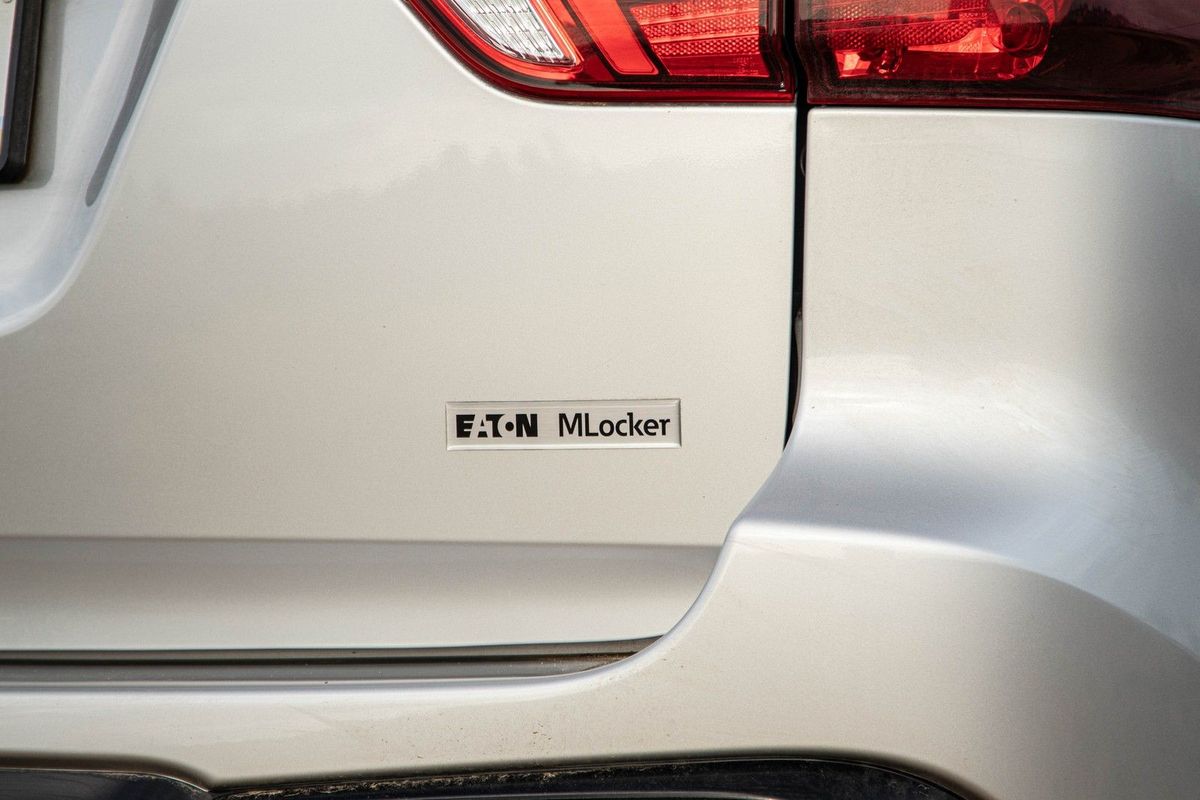
The MU-X rides on 18-inch wheels as standard, but the rubber is quite generous (255/60 profile). Combined with the supple suspension, this translates into a vehicle that is very comfortable on gravel or poorly-sealed tarred roads. It also has a good ground clearance (230 mm is claimed). We think the point of buying a bakkie-based SUV is to often use its inherently more rugged structure for travel off the beaten track. In that regard, the MU-X impresses, but we do wish the Isuzu featured a rear diff-lock for even greater usability. To be fair, most of its rivals also lack this feature.
Standard features
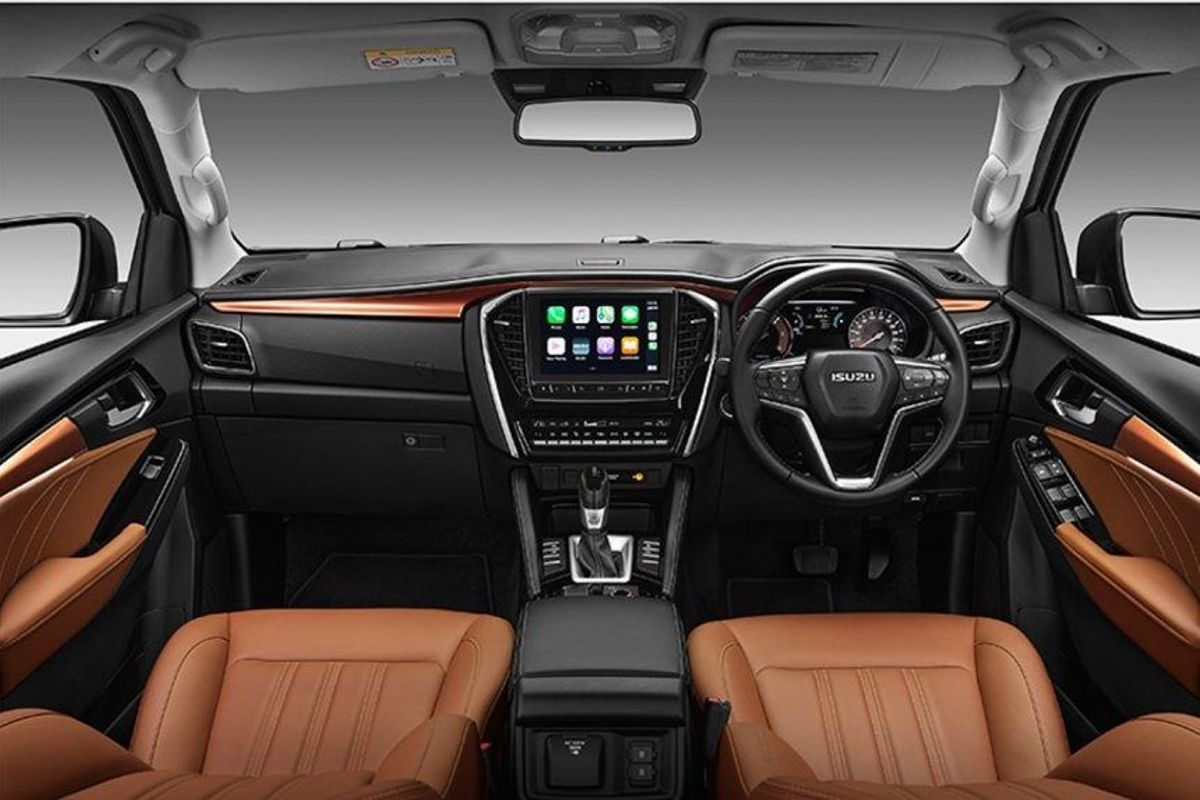
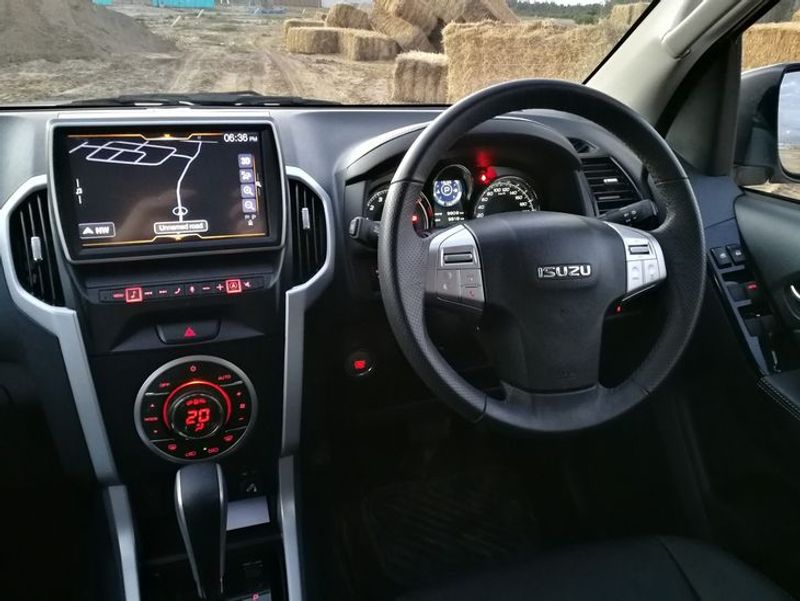
Large infotainment screen is a major difference between the MU-X and KB interiors. Build quality is very solid.
The MU-X is very similarly specced to its rivals, which is a good thing seeing as those competitors are generally loaded to the roof with equipment. You get leather upholstery, an electrically adjustable driver's seat (including height), climate control, heated/folding side mirrors, cruise control and a comprehensive touchscreen infotainment system that also includes navigation and Apple CarPlay/Android Auto compatibility.
On the safety front the package is also comprehensive, with ABS/EBD, stability control, hill-descent and hill-start assist control systems featured as standard in addition to 6 airbags. The infotainment screen also doubles as display for the rear-view camera. A feature that isn't included is trailer-sway control, which is unfortunate seeing as this type of vehicle will often be purchased with occasional towing in mind. The mu-X offers a 3 000kg (braked) tow rating.
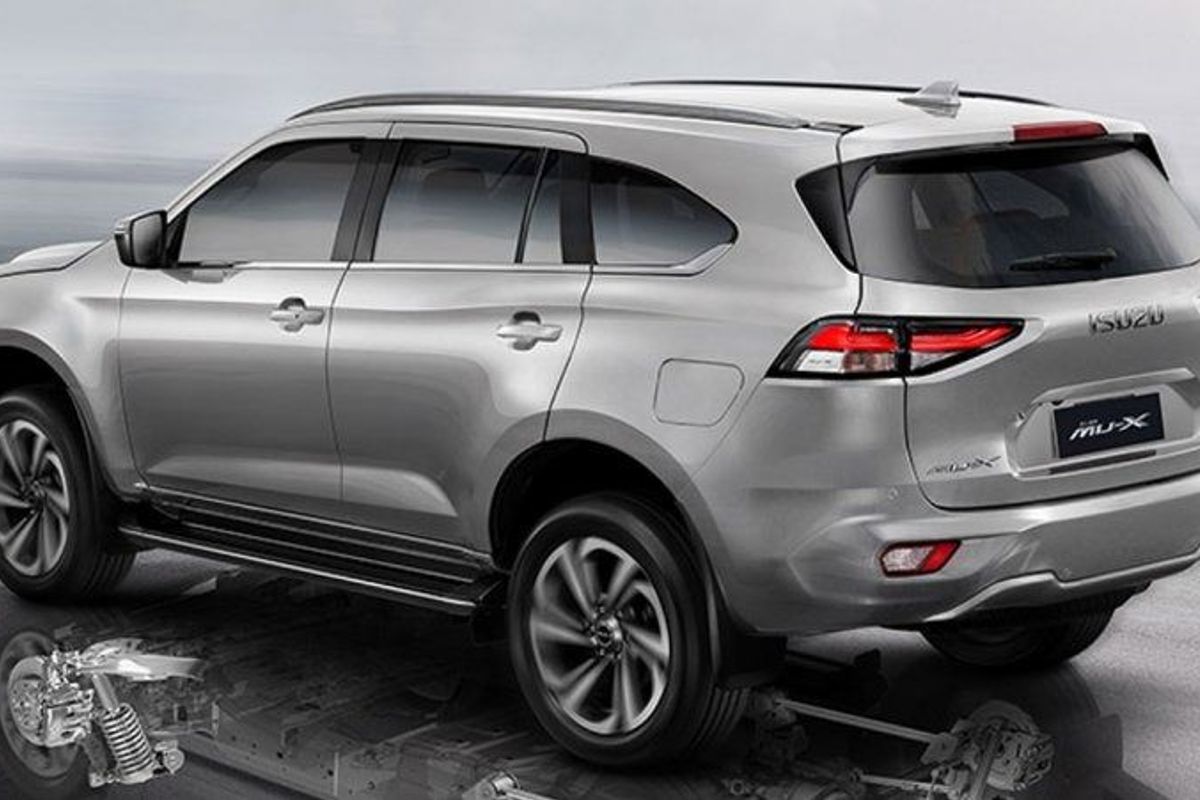
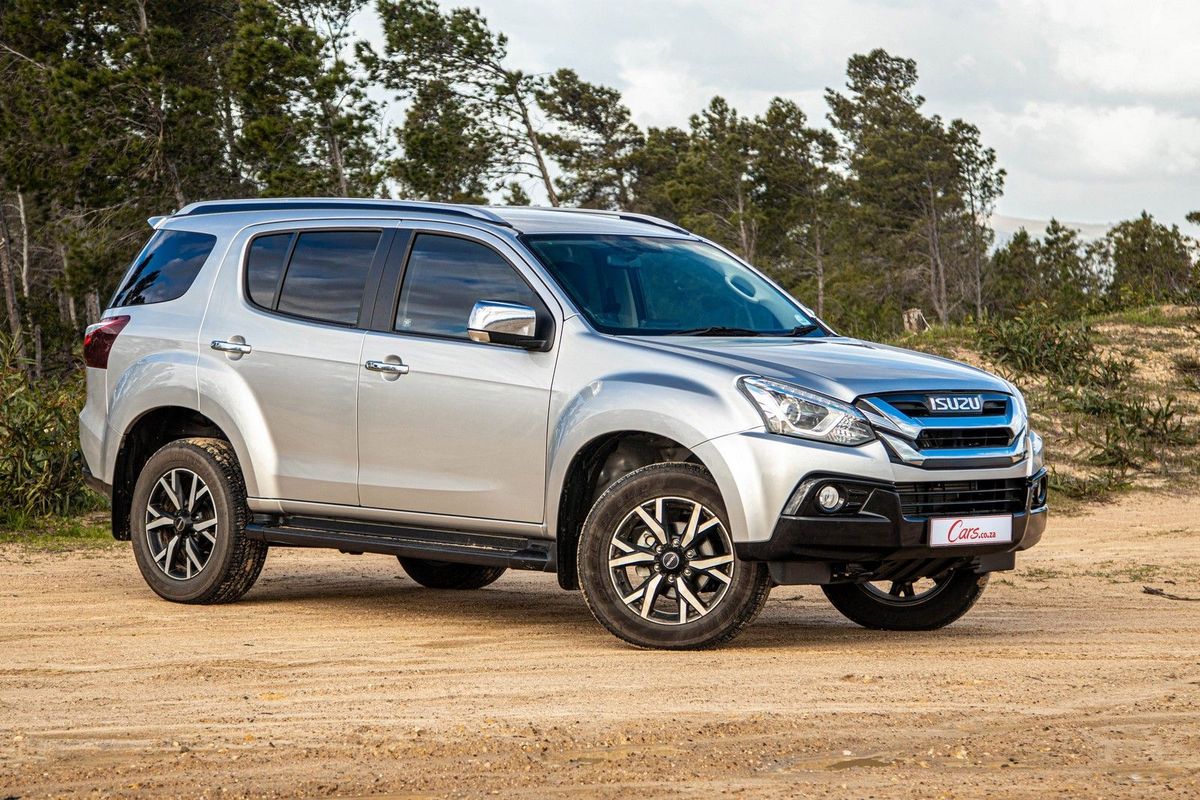
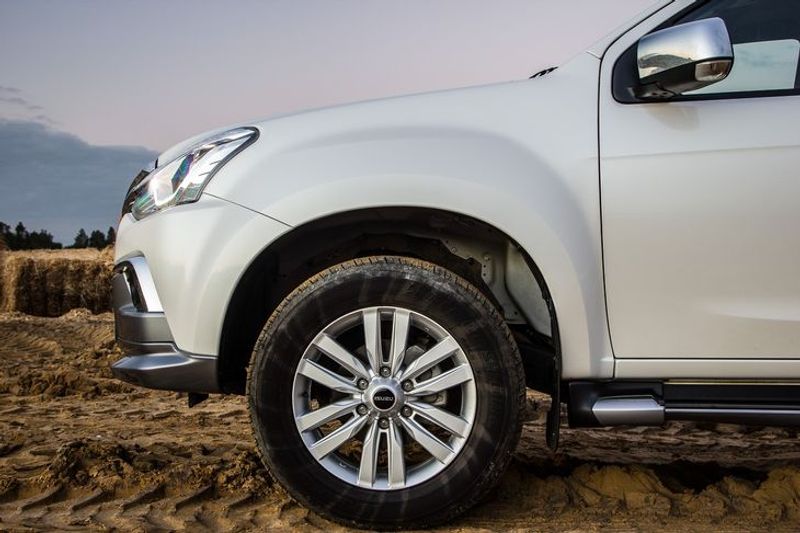
Isuzu has also done a good job at making the mu-X, which has been on sale in other parts of the world for more than a couple of years already, appear rather attractive from the outside. It gets neat 18-inch alloy wheels, roof rails, side steps, LED-infused headlamps and LED tail lamps, too. There's also just the right amount of chrome to make it look like a relatively expensive vehicle.
Packaging for practicality
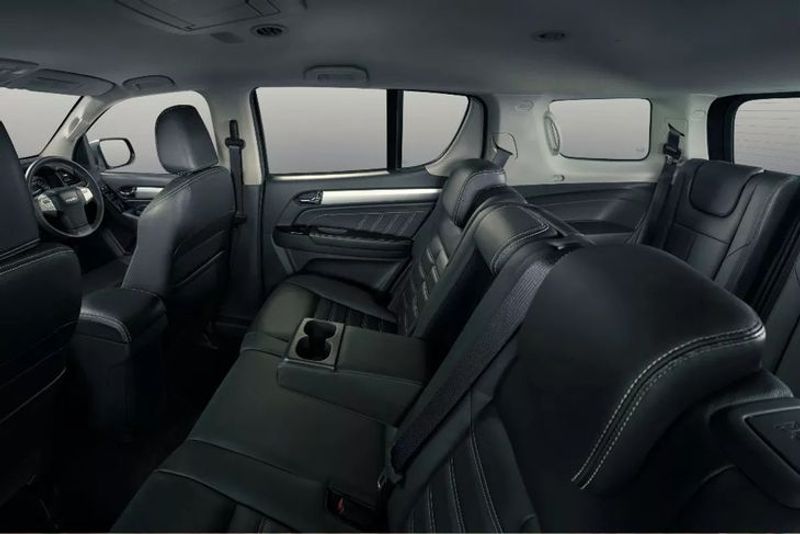
Black leather upholstery is standard on this model. Legroom in the middle row is very good.
Whether you're going to use the 3rd-row of seats a lot is probably not as important a consideration as whether you might require them at some point. As is the case with most rivals, the MU-X's third-row seats are small and better suited to small kids, but they're there to boost the ultimate flexibility of the vehicle. When they're not used they fold down neatly into the boot floor, but this does result in a relatively high loading height. Like the Trailblazer, the MU-X features a similarly handy lidded storage box at the edge of the boot floor, which is great for muddy/wet lifestyle gear.
The middle row provides comfortable seating for 3 adults with good head- and shoulder room. These passengers also have access to their own ventilation outlets and there's a USB charging port for them, too. Front passengers will have little reason for complaining as the seats are comfy and the height of the vehicle affords them a great view of the surrounds. There are also a large number of oddments storage spaces, including 2 glove compartments.
Where does it fall short?
No stand-out feature or talent
The MU-X appeals as a reliable, rugged, long-distance adventure vehicle.
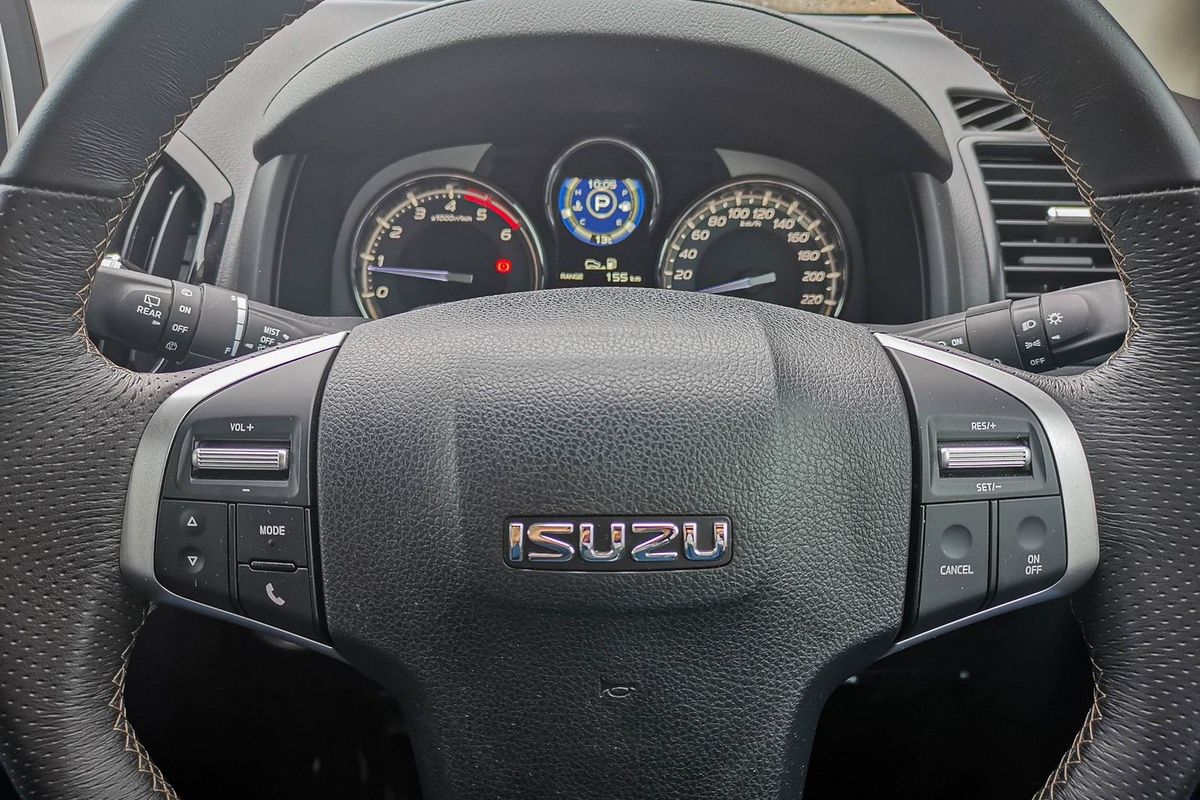
Like the Trailblazer before it, the MU-X is a vehicle that competes well on virtually every front, but without ever quite planting a knock-out punch. Its standard features mix is comprehensive, but yet there are some oversights – we'd have liked to see dual-zone climate control in such a large, semi-luxurious vehicle. And the steering wheel is also only adjustable for rake (not reach).
Given its rugged nature, hill-descent control, good ground clearance and ride set-up, we think the standard fitment of a rear diff-lock may have given it an advantage over its competitors. As many an off-road expert will tell you, a 4×2 with good ground clearance and a rear diff-lock can go surprisingly far off-road… The MU-X feels perfectly suited to that type of usage pattern.
Pricing and Warranty
Currently (September 2018) the Isuzu MU-X 3.0 4×2 sells for R568 000, which makes it the most affordable high-spec, 7-seater, 4×2 bakkie-based SUV. It comes backed with a strong 5-year/120 000 km warranty, which given Isuzu's sterling reputation for reliability, is unlikely to be called upon very often. Also included are: a 5-year/90 000 km service plan and a 5-year/unlimited km anti-corrosion warranty. Services are scheduled for every 15 000 km/12 months.
Verdict
There's not much wrong with this new Isuzu. In fact, it does a lot of things very well, just like its Chevrolet-badged predecessor did. This is an exceptionally comfortable long-distance adventure machine that also promises excellent reliability and support from a growing network of Isuzu-specialist dealers. It may not be as refined or modern in some areas as its main rivals, but in many ways that ruggedness is appealing.
It's likely to appeal strongly to consumers who are already fans of the Isuzu brand, but may ultimately find it an uphill battle to lure shoppers that are also considering the Toyota and Ford, simply because of its slightly dated drivetrain. Nevertheless, given its attractive mix of features (particularly on the infotainment side) and attractive pricing/warranty, the Isuzu MU-X is a vehicle we can easily recommend adding to a shopping shortlist.
NOTE: Video above features 4×4 model.
Alternatives (click on the names of the cars for detailed info)
The Fortuner is a massively popular vehicle in South Africa, but most buyers of the Toyota opts for the 4×4. It (the 4×2 variant) sells for around R20k more than the Isuzu and has a more refined, eager engine under the bonnet. The debate rages on whether its flip-up up (as opposed to fold-down) third-row seats are more practical. The Isuzu offers a more relaxing cruising gait. The Toyota is the current Adventure SUV champion in our Cars.co.za Consumer Awards – Powered by WesBank.
Also around R20k more expensive than the Isuzu, the popular Ford is a larger vehicle that offers more interior space. Its ride is similarly good, and the specification is similar. The Ford's engine has more grunt, but it needs it because the Everest is a heavy vehicle. It feels similarly lethargic on the road. Isuzu currently has a better after-sales service reputation than Ford.
Mitsubishi's Pajero Sport is a real dark horse in this segment and very underrated. Our recent test showed that it's a refined, well-specified vehicle that offers impressive comfort and build quality. It lags most of its rivals in terms of towing capacity (2 700kg) however, and the packaging is not quite as well thought out as in its major rivals (no sliding second row, for example, and a lack of oddments stowage space in front).
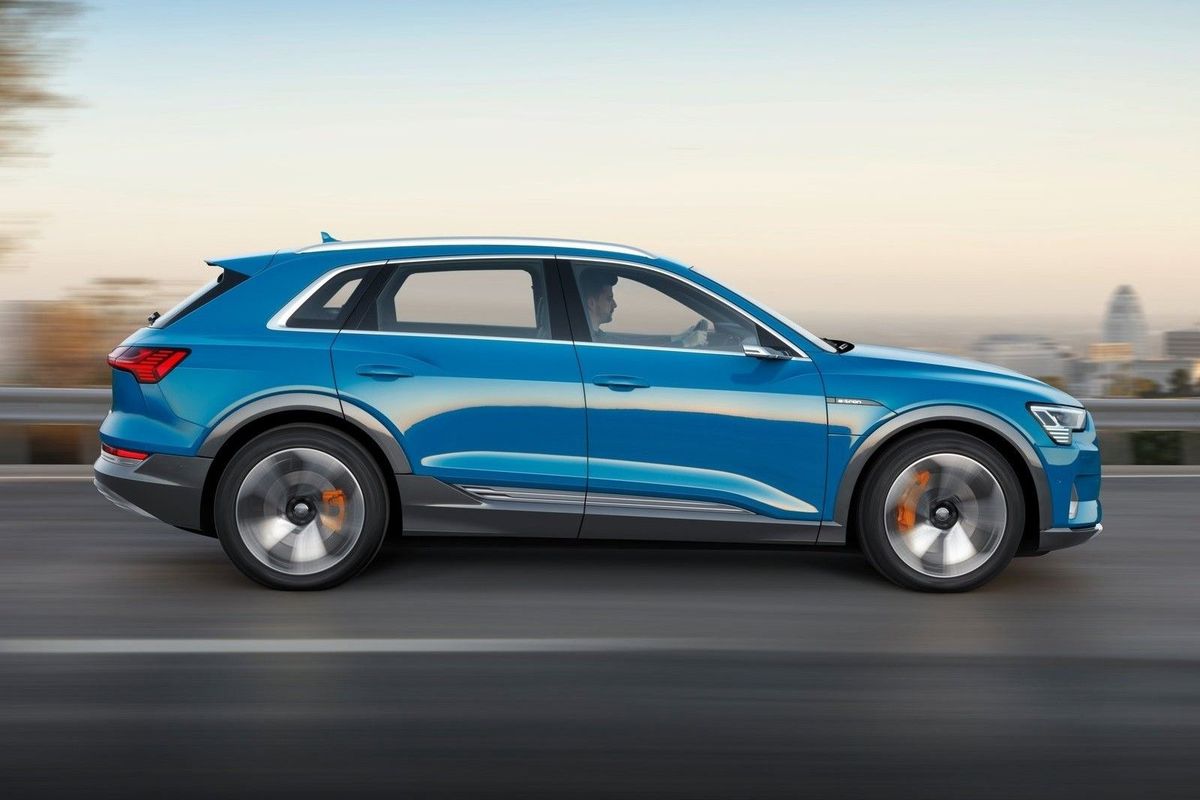
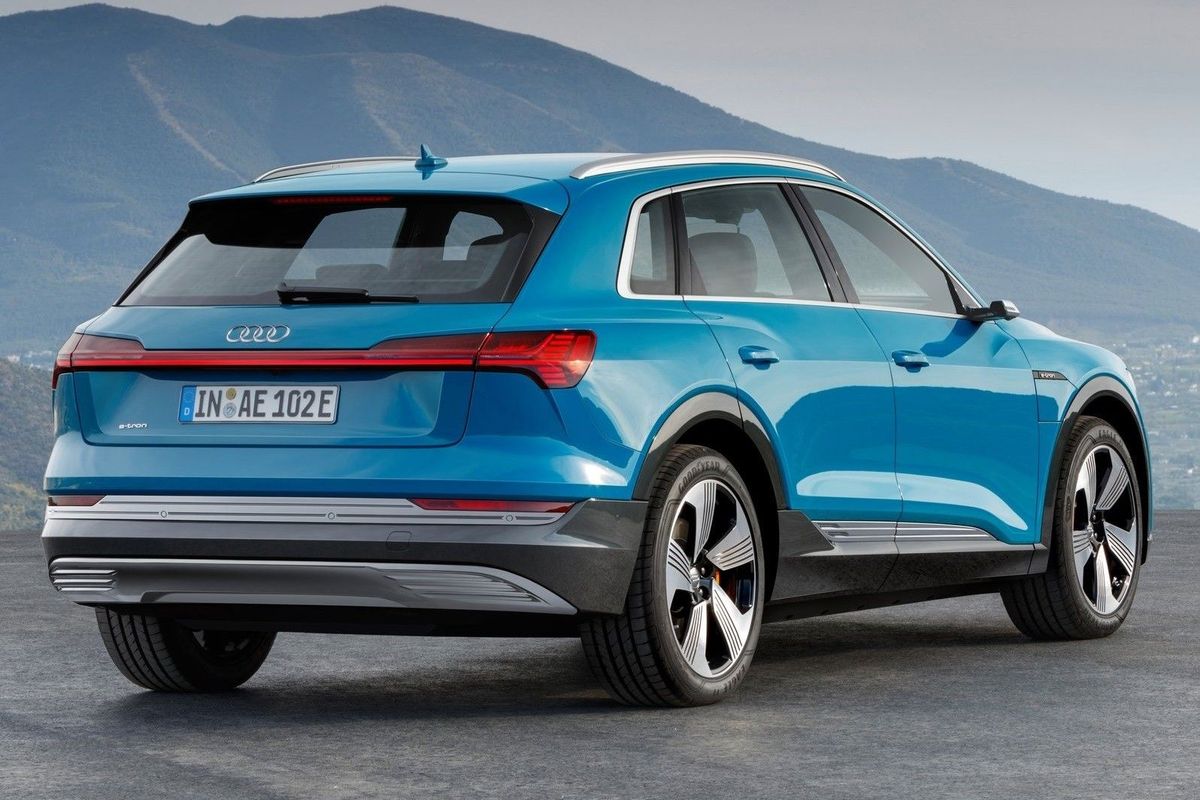
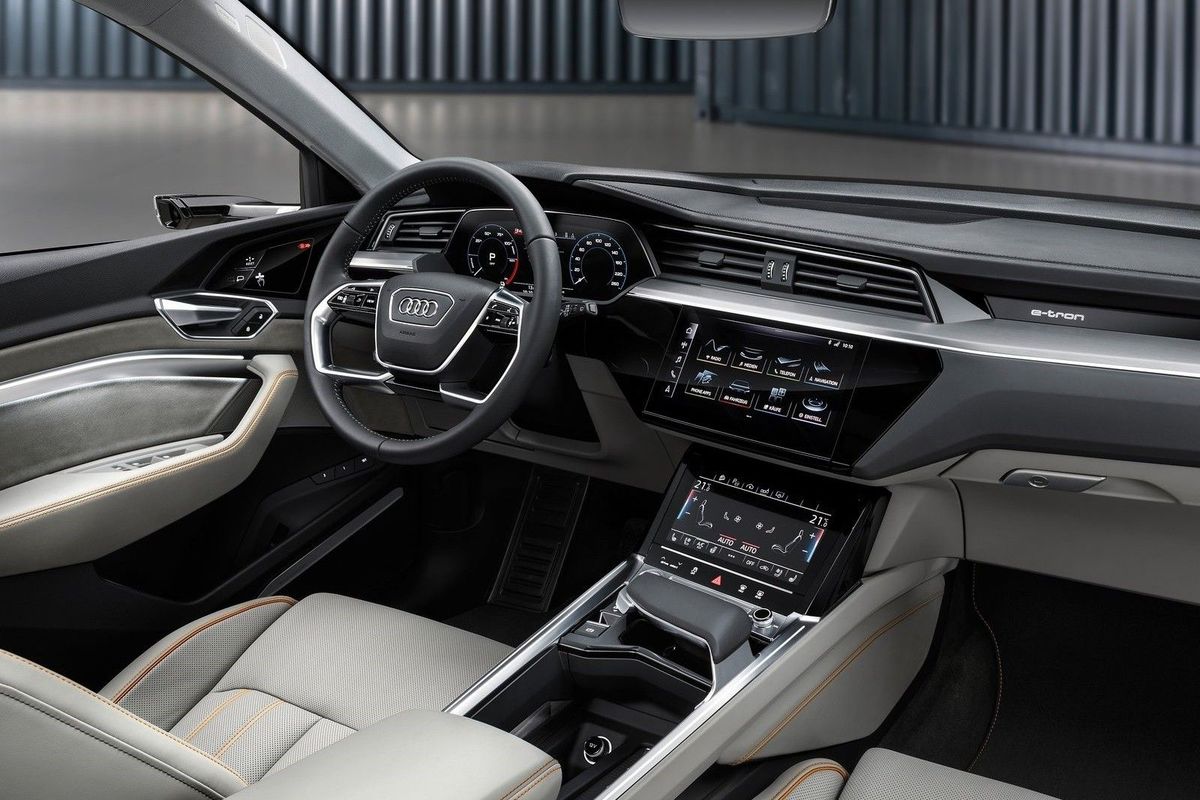
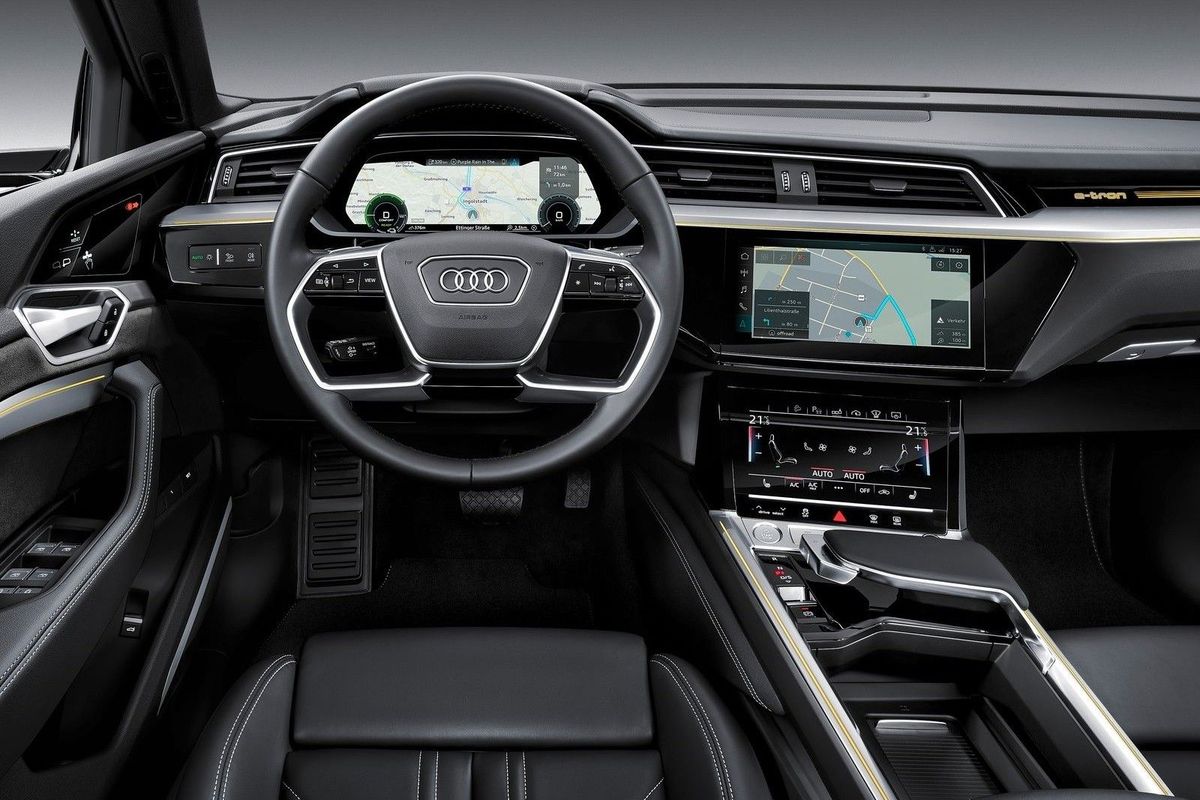
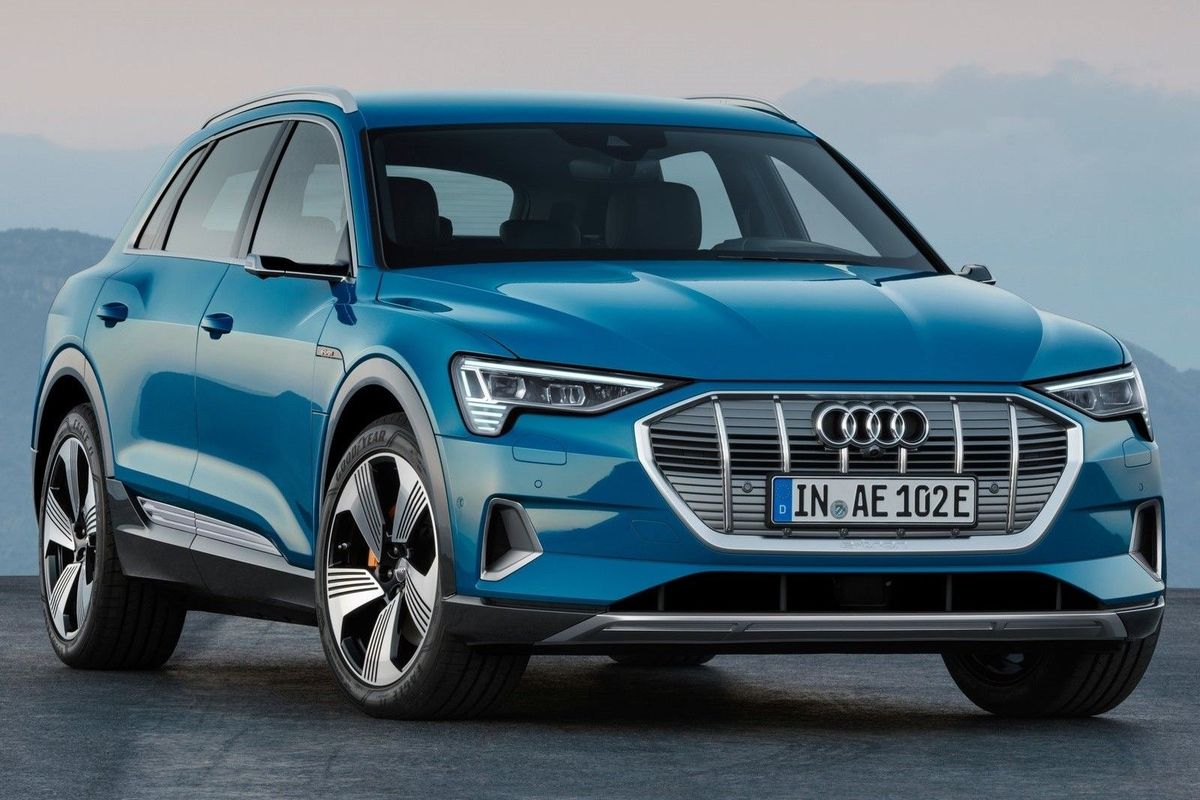
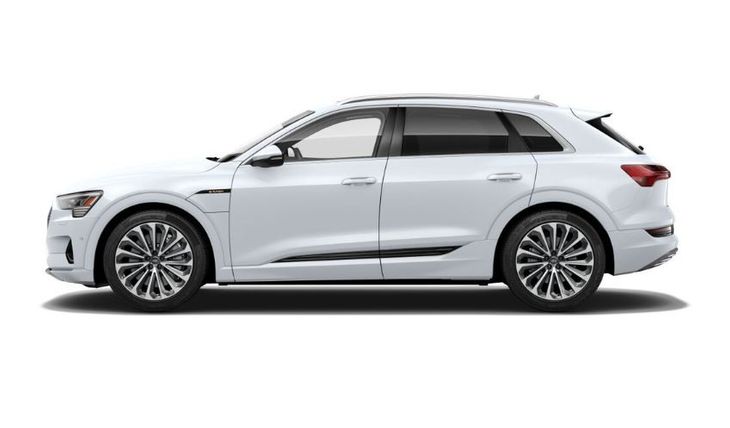
By now, many of you will have seen the new Audi e-tron and, if first impressions are anything to go by, Ingolstadt's all-electric vehicle ticks many boxes. What does Ingolstadt's newcomer mean for South Africa, though?
Audi is not the first German brand to embark on an electric-car offensive. While marketing buzzwords focus on things like "early adopters" and "disrupt or be disrupted", Audi has played a conservative hand when it comes to its first all-electric vehicle. While the Audi e-tron was due to form the backbone of the Audi Summit in Brussels, Belgium at the end of August 2018, its unveiling was delayed until the middle of September 2018 in San Francisco, United States. This delay allowed rival German brand Mercedes-Benz to showcase its EQC electric SUV in Sweden, just a few weeks before the e-tron's unveiling.
Bringing 21st-century technology to SA
The proliferation of electric cars in South Africa is a sticky subject. There is, of course, the catch-22 of not being able to introduce cars due to limited infrastructure and few charging facilities, but there's no point to building numerous fast chargers if there are just a handful of electric cars on our roads. The real sting is that government doesn't appear to see any benefit to electric cars, other than a source of revenue via import duty (one has to ask: Why would government levy a carbon emissions tax on most new vehicles, but not incentivise, via a rebate on taxation, those pricey vehicles that emit no carbon dioxide at all?).
By contrast, European Union countries subsidise electric-car purchases. For example, some countries make electric vehicles (EVs) and plug-in hybrid models exempt from registration tax, annual circulation tax and company car tax, while others offer cash incentives. As it stands, the only country in Africa to offer any benefit is Morocco, which has made EVs and hybrids exempt from customs duties since 2017. The Audi USA e-tron configurator went live recently and your $1 000 deposit gets you a build slot. We've opted for the $81 800 Prestige model on the bigger alloy wheels.
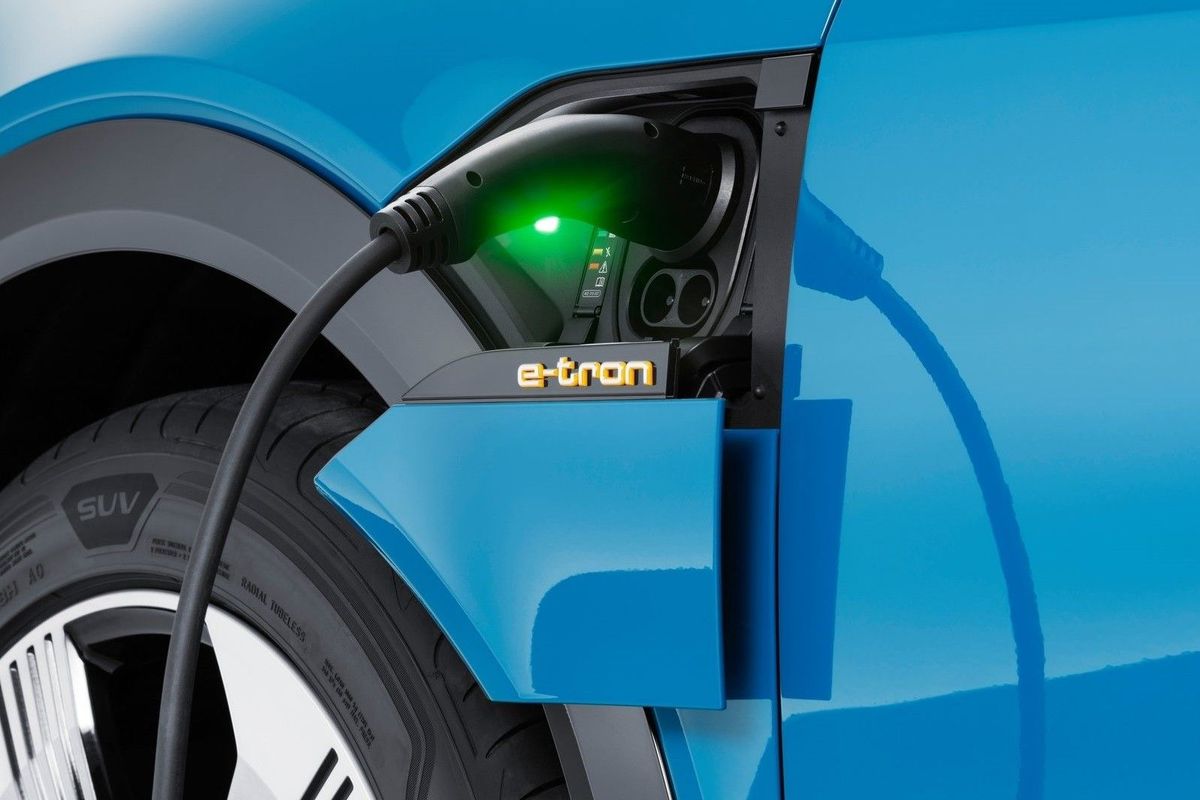
Despite the less-than-hospitable business environment, many manufacturers are pressing on with electric- and plug-in hybrid vehicle introductions to the South African market. Setting aside hybrid products (and their plug-in variants) for the moment, Audi will soon be joining the likes of BMW, Nissan and Jaguar, all of which either have EVs in their local portfolios or are planning to launch them in the near future. Audi South Africa will be introducing dedicated e-tron dealerships in major urban hubs, equipped with the 150 kWh super-fast chargers, with which the e-tron can be charged to 80% in around 30 minutes.
Suffice to say, the challenges of introducing an EV are multiple and significant. The entire dealer teams will need to be trained on the intricacies of how the vehicles are driven, charged, maintained and so on.
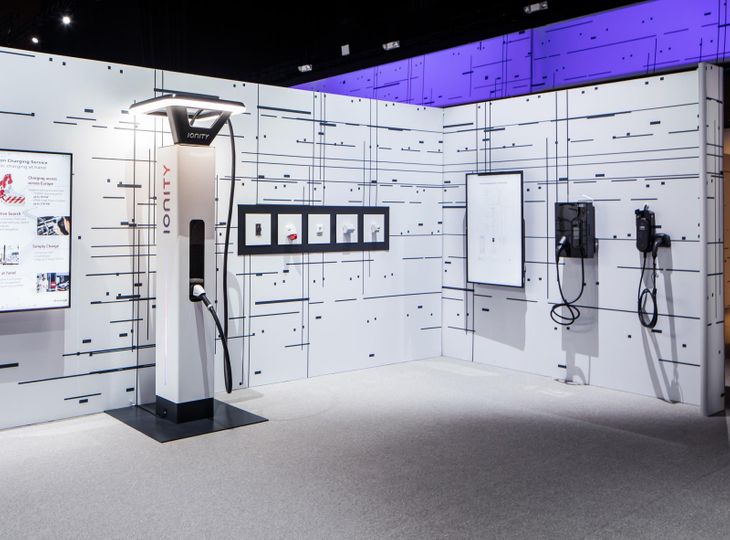
The array of charging options. From left: the 150 kWh fast chargers in dealerships, to the smaller business and home chargers
The true cost of switching from fossil fuels to electric
Dealerships will naturally be cautious to invest as the low volumes and the high cost of charging station installation may not be worthwhile. Whichever way you look at it, it's a tough sell. As a dealership, would you rather invest in the rollout, marketing and support of established volume-selling models… or devote resources to a brand-building premium niche product, of which you will sell just a handful of units?
If you're a cash-strapped retailer with strict sales targets and low overheads foremost in mind, the former scenario applies. However, selected dealers in major centres may look into getting onboard the e-tron brand and creating workspaces where e-tron customers can work or host meetings while their cars are charging, for example.
Despite the myriad obstacles to the proliferation of EVs in South Africa, things become a bit more workable if manufacturers/importers and their associated franchised outlets work together or team up with a company like GridCars. BMW was the first brand out the block and has many charging stations dotted around the country, Jaguar has committed to a R30-million investment into creating a charging network with 82 chargers linking the major routes across the country. We're sure that Audi will announce a similar charging network plan of its own prior to the launch of the e-tron.
The majority of these chargers will be of the 60 kWh (fast-charging) variety, which allows you to charge your car's batteries to around 80% in just over an hour. There will also be 22 kWh chargers, with which you can charge your vehicle overnight. Critically, the high-power chargers will feature the CCS (Combined Charging System) plug, which is universally accepted across the brands. For electric car ownership, being able to charge at any station is vital, irrespective of brand. Don't be surprised to see Audi e-trons at BMW dealerships and Jaguar I-Paces popping into Audi dealerships for a quick charge, for example.
The plan is to link the major cities with chargers so that it's possible to drive an electric car across South Africa. Cape Town to the Garden Route is possible, as is Jhb to Durban.
Audi e-tron coming to SA?
The Audi e-tron is officially confirmed for a South African market introduction around the middle of 2019. There is a lot of work to be done to prepare for its arrival and there's no doubt that the e-tron model will be introduced an asking price that puts it beyond the reach of average South African consumers. Still, even though the technology is new, it's advancing at a tremendous rate. The battery tech, for example, has come a long way during the past few years (contemporary battery cells can hold more charge for longer, yet are smaller in size than their predecessors).
The e-tron will be the first of many electric products that Audi will offer in its portfolio. There will be more than 20 new Audi models introduced between now and 2025, some of which will feature electric assist (including plug-in models and full-electric vehicles). For example, the e-tron Sportback will make its debut in 2020, there will be another compact hatchback vehicle and a performance 4-door gran turismo flagship as well. The prediction is that by 2025, every 3rd Audi will be electrified… suffice to say it'll be fascinating to see at what rate the South African market adopts electric cars over the next few years.
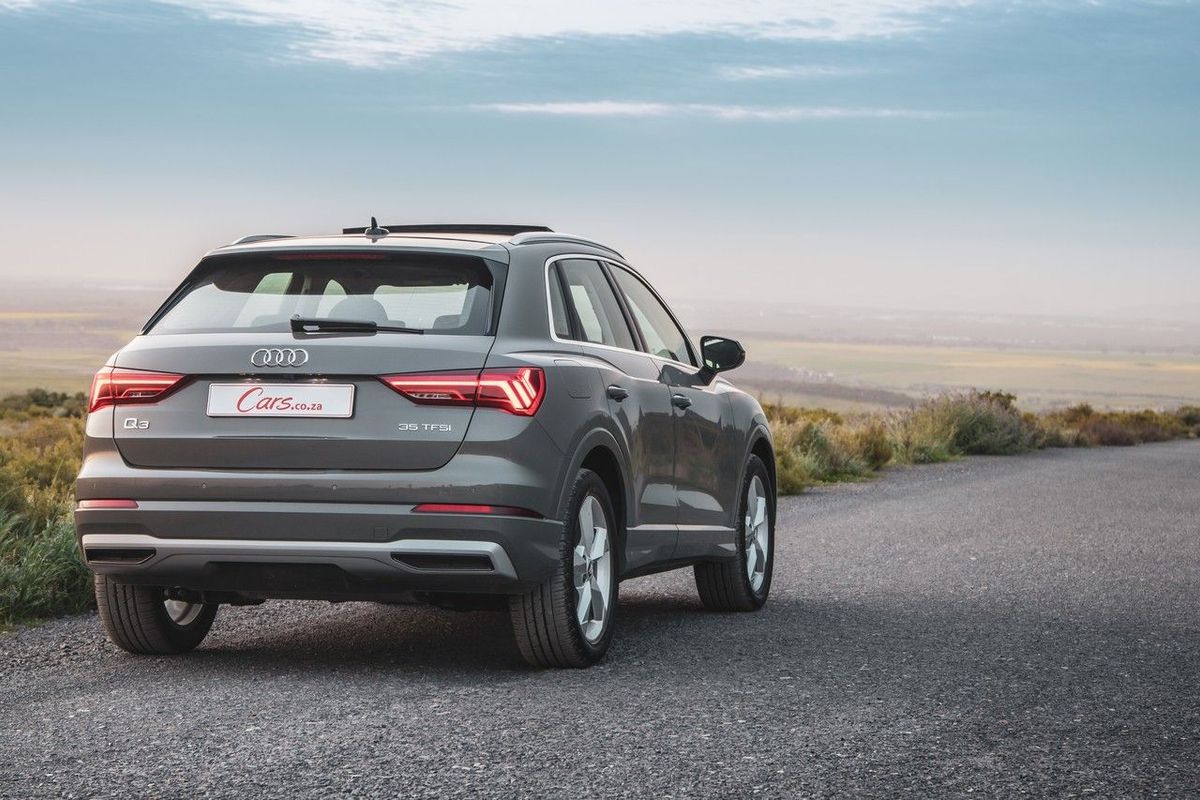
With this, the 2nd-generation Q3, Audi is keen to distance its family car from its predecessor (in just about every way possible). An all-new platform, all-new looks and all-new interior have been carefully combined to create a compelling offering – one that’s ostensibly tailor-made for tapping into SA’s love affair with the SUV. Ciro De Siena drove the Q3 in Italy at the newcomer’s international launch.
FAST FACTS
Arrives in SA: 2nd quarter 2019 (est)
Likely line-up: Audi SA is looking at introducing the 1.4 TFSI (110 kW) as the entry-level powerplant, with 2.0TFSI (132 kW) and 2.0 TDI (110 kW) possible later.
Key rivals: BMW X1
The new Q3 is all-new…
Well, except for the engines and the transmissions, which are largely unchanged and borrowed from elsewhere in the expansive VW Group. Audi is banking on the fact that buyers are far more interested in premium build quality, high-tech interiors, and sporty, bold SUV looks. And in those respective departments, the new Q3 delivers.
The car’s exterior and interior designs feature much sharper lines than the soft-shouldered, generically laid-out 1st-generation model; the newcomer’s outer shell, in particular, draws heavily on Audi’s quattro history to beef up visual appeal. As a result, the new Q3 works particularly well in the metal – it is certainly eye-catching!
Exterior design cues and tech
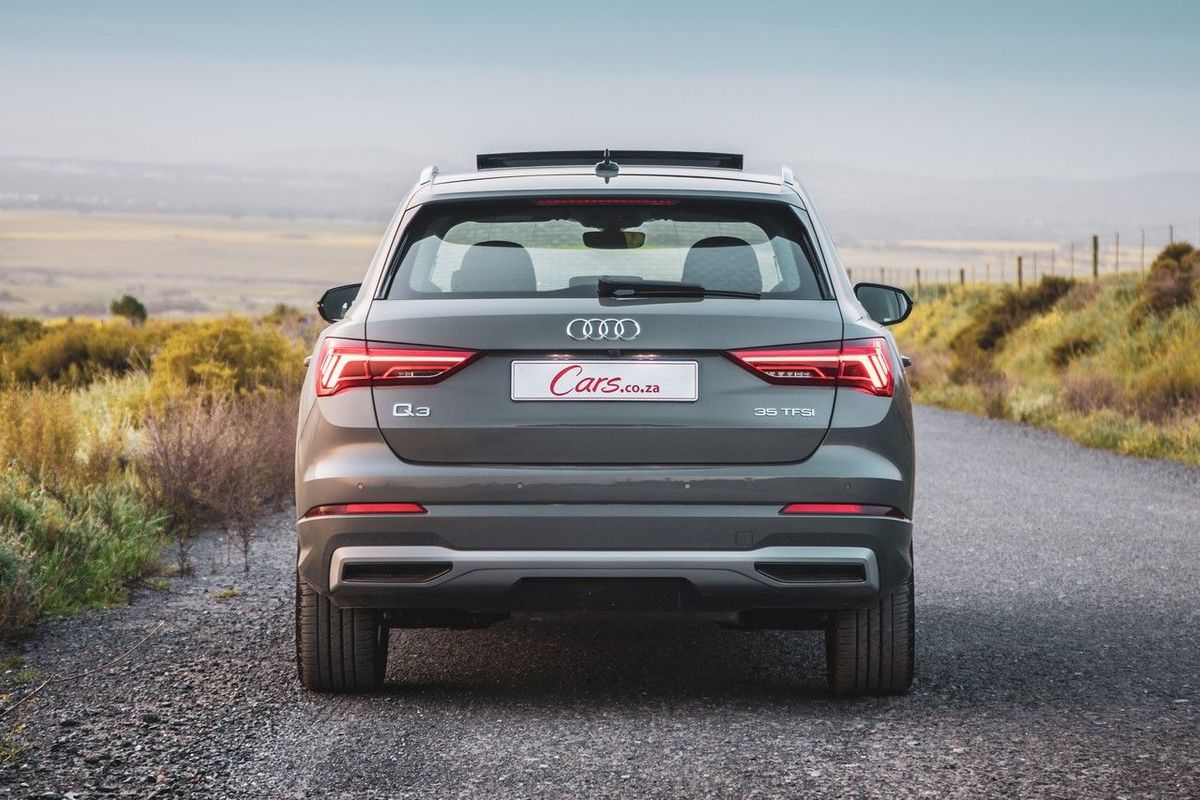
The Q3 features Audi’s new single-frame grille design, which is flanked by LED headlights as standard (there are 3 types of LED headlights available, as a matter of fact, with the top-of-the-range Matrix LED system featuring an active high beam assist function). The tail lights are also LED units, which feature those pulsating indicator lights that have become a bit of a trademark for the brand. Overall, the newcomer appears sportier and larger, and given that it is now based on the Tiguan chassis, it is longer by 10 cm. However, the extra width is a bit of an illusion… by virtue of clever design cues that fool the eye, the new Q3 is only 1.8 cm wider than its predecessor.
Interior is a highlight
Audi is certainly not “first to market” with much of the technology available in the Q3. However, the technology is smartly executed and masterfully integrated. Customers want connectivity, and as much integration (with the tech they use every day), as possible. To this end, every Q3 is fitted as standard with a wireless charging pad, which is neatly integrated into the base of the centre stack. And I’m happy to report that the charging area is huge – perfect to accommodate ever-growing smartphones.
Apple Carplay/Android Auto compatibility is also included, and all of the infotainment system’s functions are accessed through a standard 10-inch centre mounted touchscreen, which itself represents a big change in Audi’s approach to onboard technology.
Since inception, Audi’s infotainment has featured a jog wheel, 4 hotkeys and a volume knob, all of which made it easy to skip radio stations and music tracks. Happily, the volume knob remains, but the jog wheel and hotkeys are gone. This is now a touchscreen-only interface, and it’s undoubtedly one of the best in the business.
Driver-oriented fascia design
To facilitate ease of use, the Audi cabin designers have arched the cockpit around the driver. Again, this is not a new innovation, but the design is successful in that it looks good and functions well, bringing the touchscreen much closer to the driver (making it easy and comfortable for them to interact with the large touchscreen).
The user experience is all-new, beautifully simple, and features some neat tricks. Here’s an example: the user can scribble an entire word with their finger, which makes entering an address in the satnav as pain-free as possible.
And, in recognition that when motorists buy down, they still want all the big-car toys, Audi has ensured the new Q3 can be specced to the brim with high-end features. A 12-inch virtual cockpit is available (but even so, base-spec A3s still receive a 10-inch digital instrument display), as well as a 15-speaker Bang & Olufsen audio system.
The new Q3 is further integrated with the myAudi app… The owner can transfer navigation routes and the smartphone calendar to the MMI and locate where the Q3 is parked. Both the app and the infotainment system feature Google Earth and Google Search integration, which makes finding the perfect Italian eatery that much easier.
Comprehensive safety systems
Again, while none of the technology in the Q3 is new-to-market, in some cases the availability of the safety systems is a first for the Q3, and for its market segment.
Adaptive radar-guided cruise control, which integrates traffic jam assist and active-lane assist to help keep the Audi in its lane, is optional; adaptive dampers can be fitted for a more comfortable (or sportier) ride at the touch of a button; rear cross traffic alert helps enormously with exiting difficult parking spaces; Audi pre-sense, which is standard, will automatically brake for pedestrians, cyclists and cars; park assist will automatically park the car in both parallel and alley-docking situations (with the driver only required to brake/accelerate) and a 360-degree camera system, which gives the driver a birds-eye view of the car while parking the Q3, can also be ordered.
Engines, drivetrain and ride quality
The Q3 is available with either front- or permanent all-wheel drive, and while Audi South Africa has not confirmed the engine line-up for our market, we have been told that local buyers can expect an entry-level derivative with a 1.4 TFSI 110 kW engine, with 2.0TFSI (132 kW) and 2.0 TDI (110 kW) engines possibly available too.
Power is transferred through either a 6-speed manual or 7- or 8-speed auto, however I suspect we won’t see the manual locally. Unfortunately, I was only able to sample the 1.5-litre petrol-engined Q3, which probably won’t be making its way to our market, during the launch event. However, on the extremely twisty mountain roads around Bolzano, the Q3 proved to be quite fun to drive, as well as comfortably-sprung on rougher surfaces.
If comfort is your top priority, its best to opt for the smaller wheels and tyres with a taller sidewall; even though the 18-inch wheels look good, the ride quality they produce feels a bit more brittle. The steering system is progressive, feeling lighter and lower speeds (great for parking) and weights up nicely the faster you progress. When rain fell along the launch route, I did appreciate the competence of the Q3’s all-wheel-drive system, which makes the car feel particularly planted in slippery conditions.
Practicality: a much larger luggage bay, sliding rear seats
With its claimed capacity of 460 litres, the 1st-generation Q3’s luggage bay was a little on the tight side. Audi has addressed this shortcoming in 2 ways: the larger dimensions of the car simply result in more interior space and with a deeper floor, load space has increased to 530 litres. However, the rear seats can now also be slid forward, which increases the capacity to over 700 litres at maximum. Plus, the rear bench folds in a 40:20:40 split, which makes the space very versatile indeed.
The parcel shelf has been designed to fit under the bay’s floor (when not required) and an electrically powered tailgate is available as an optional extra. The aforementioned “power tailgate” can be operated by swinging a foot under the rear of the car (it is recommended that you use your own foot, however).
Summary
Simply put, the Q3 makes a strong first impression and should appeal to customers who are looking to buy down, or those buyers who were considering an upmarket hatchback, but are looking for the additional ride height, elevated seating position and perceived elevated status that come part and parcel with SUV ownership.
In our market, buyers increasingly favour SUVs (which explains why we introduced the Premium Compact category for the 2018/19 #CarsAwards), and I’m confident that the new Q3 will cannibalise sales of the brand’s own A3 hatchback and Q2 SUV, as well as potentially poach sales from the Mercedes A-Class and BMW 1 Series.
The Q3 just feels ideally sized. The Q2 feels a bit too compact, the Q5 is now quite a large car and I’m not actually sure who really needs a Q7 in the contemporary market. But, if I had to choose a size of car to live with every day, the Q3 is just about perfect. Combined with bold new looks, a superb interior, up-to-date connectivity options, a relative tech-fest inside and out, and an impressive array of safety features as standard, the 2nd-generation Q3 is likely going to be catnip to local motorists.
Unfortunately, local pricing and the range’s exact line-up were unavailable at time of writing. We’ll publish those details for you as soon as they become available.
The Journey Mozambique: The Search for Sunken Land Rovers [Video]
In this latest iteration of The Journey, we venture into the heart of Mozambique in search of sunken treasure in Pomene, in celebration of one of the world’s most iconic automobiles, the Land Rover Defender.
The year 2018 marks Land Rover’s 70th anniversary and the Defender has played a key role in the brand’s rich heritage. In many ways, the Defender is the ideal offroad adventure vehicle – it’s unashamedly rugged, confidently capable and intrinsically imbued with the spirit of adventure.
To celebrate this motoring icon and to pay tribute to 70 years of adventure, Cars.co.za recently embarked on an epic journey to Mozambique in search of the sunken Land Rover Defenders of Pomene, some 600 km north of the capital of Maputo.
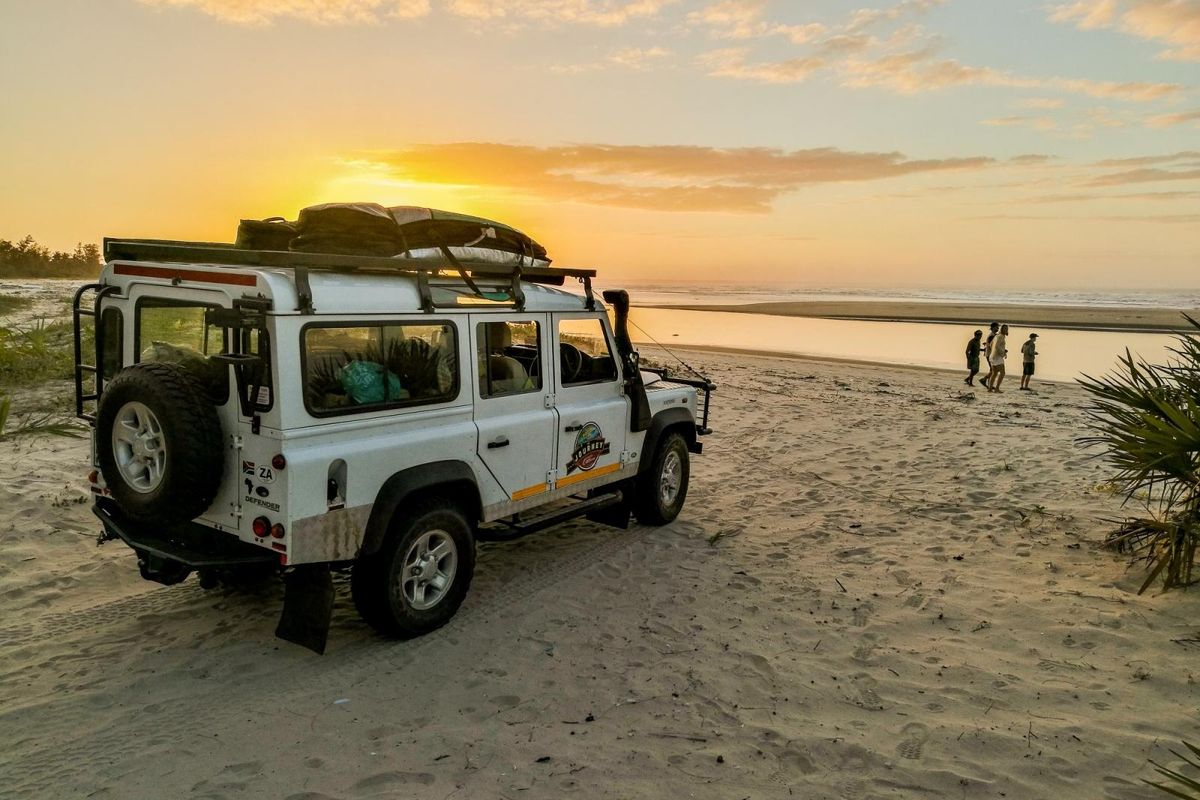
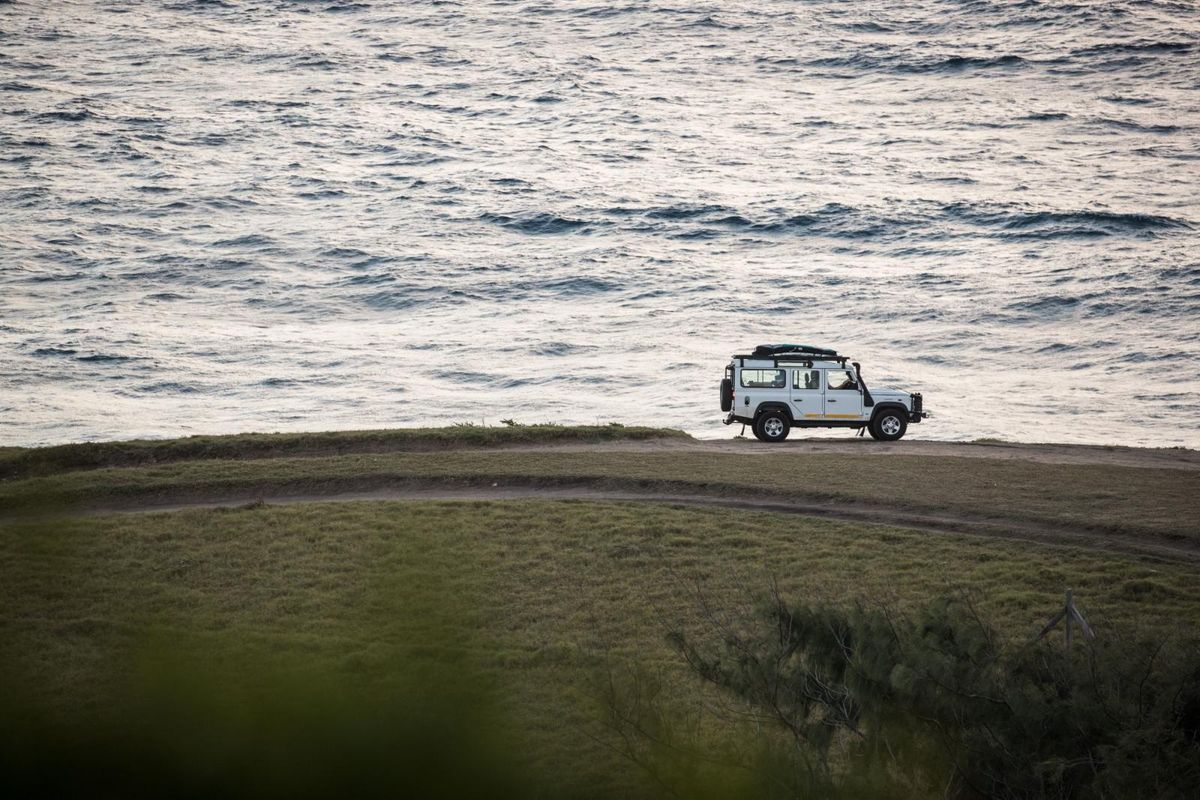
The iconic Land Rover Defender blends in perfectly with the Mozambican landscape. Photo: Troy Davies
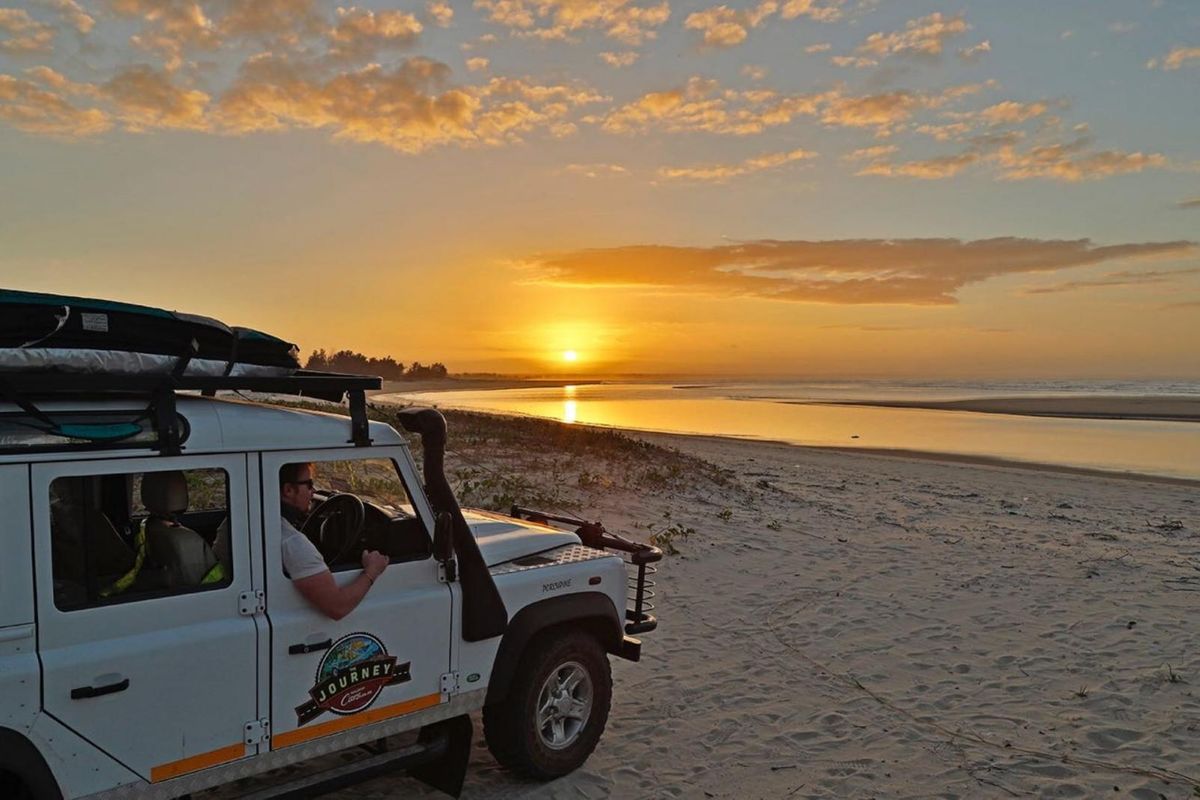
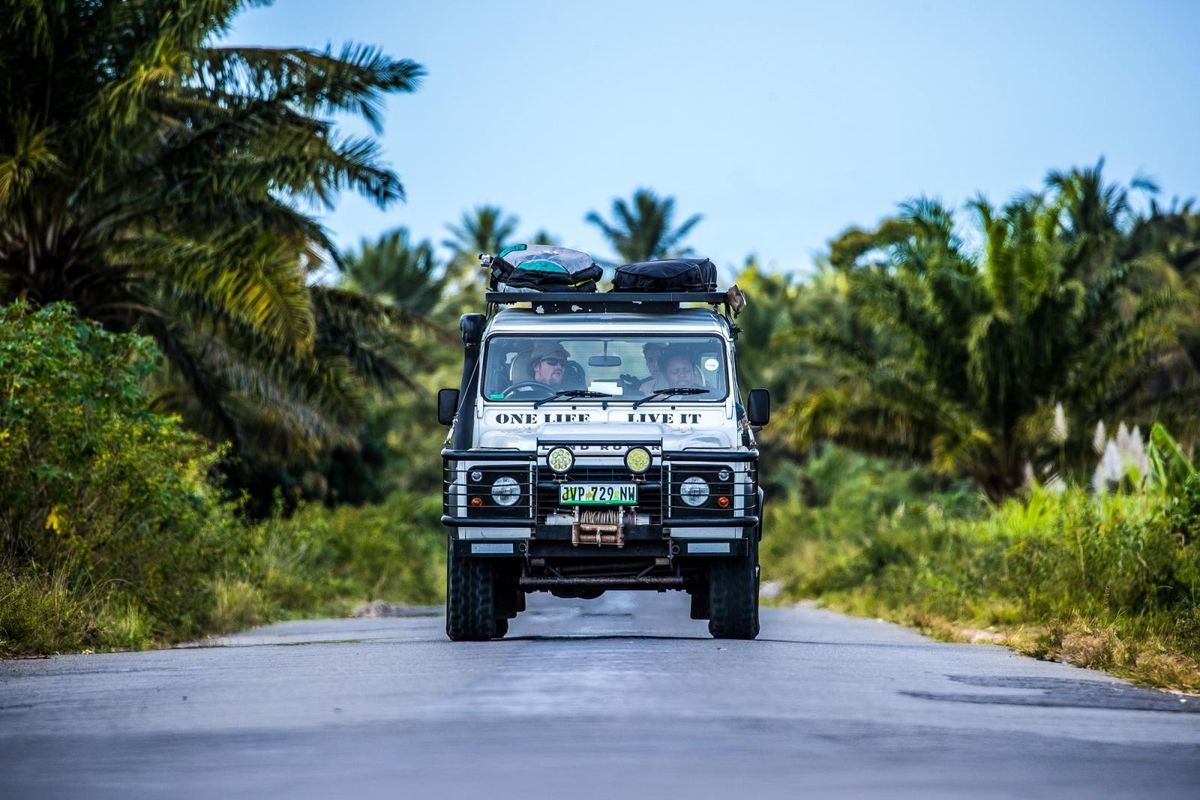
Our journey started in the bustling city of Johannesburg with resident Cars.co.za Journalist and Photographer, Gero Lilleike, behind the ‘wheel of a 2014 Land Rover Defender 110 Ultimate Puma.
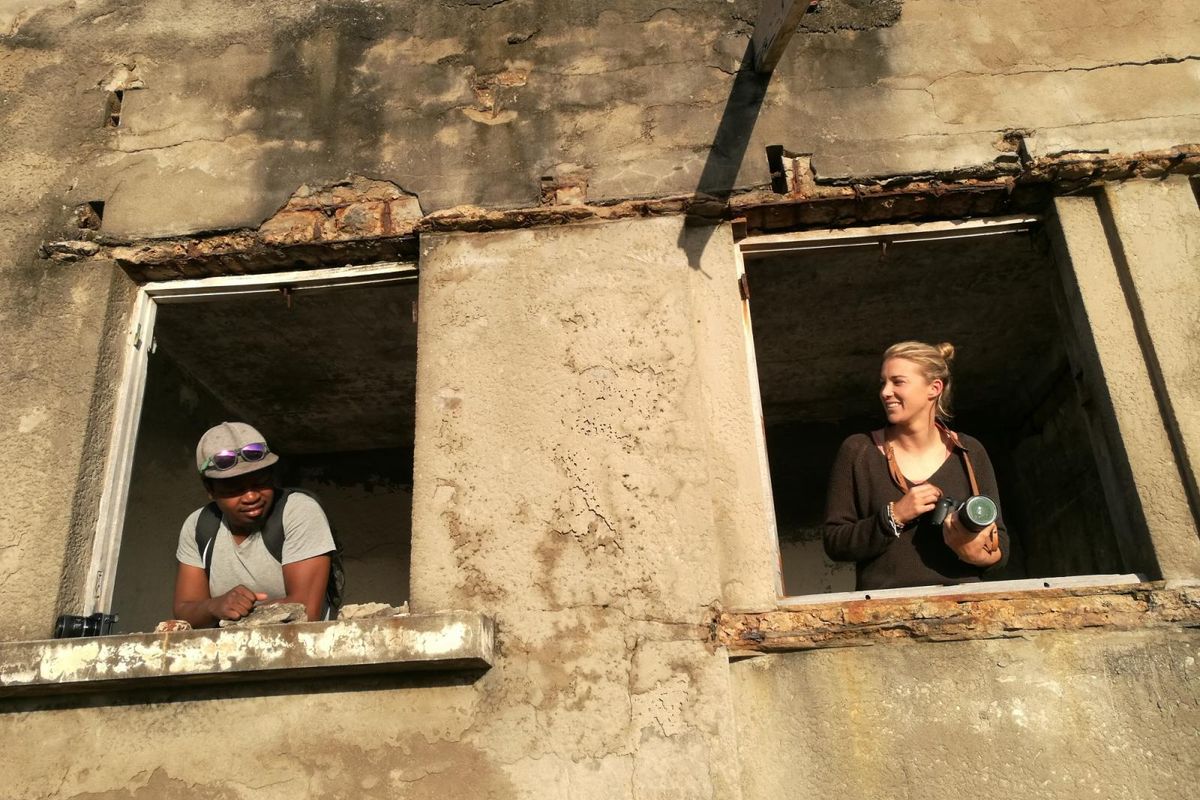
Gero was joined by popular YouTuber and photographer, Nicole Eddy and talented filmmaker, Calvin Munhuweyi. A long and moderately slow drive took the Journey team some 500 km north of Maputo to the warm azure waters of Tofinho where scuba diving, snorkelling and surfing are popular pastimes.
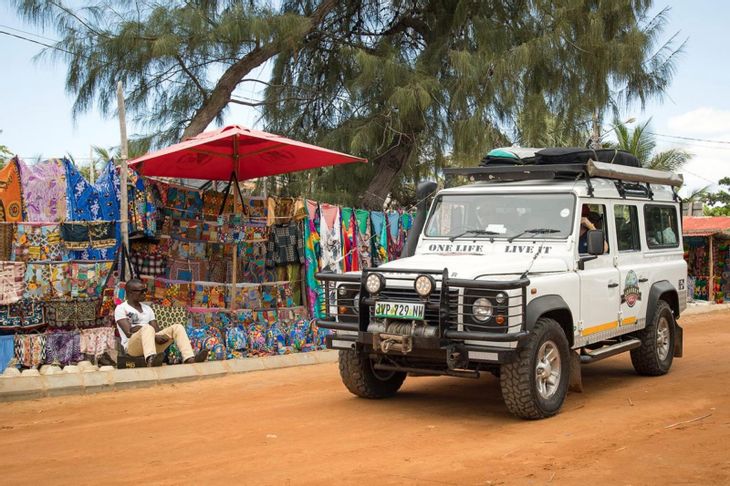
The market in Tofinho is vibrant with a wide variety of food and goods on sale. Photo: Nicole Eddy
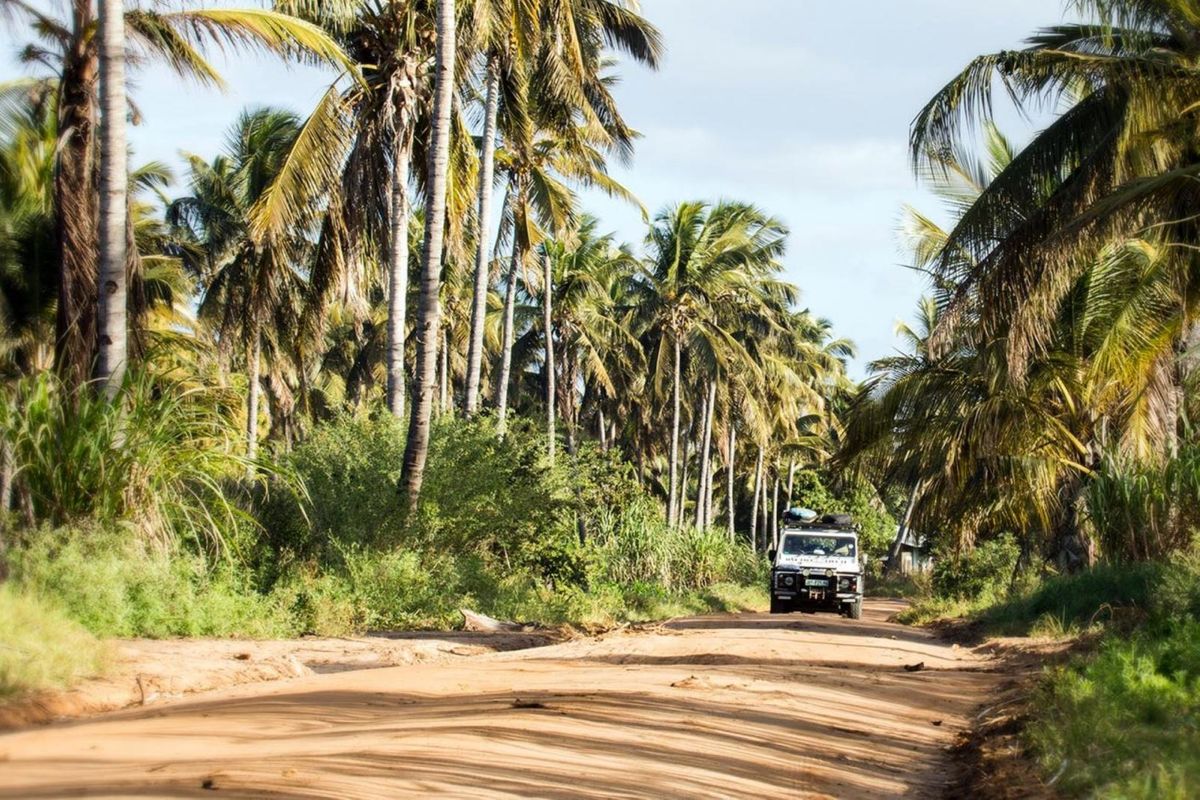
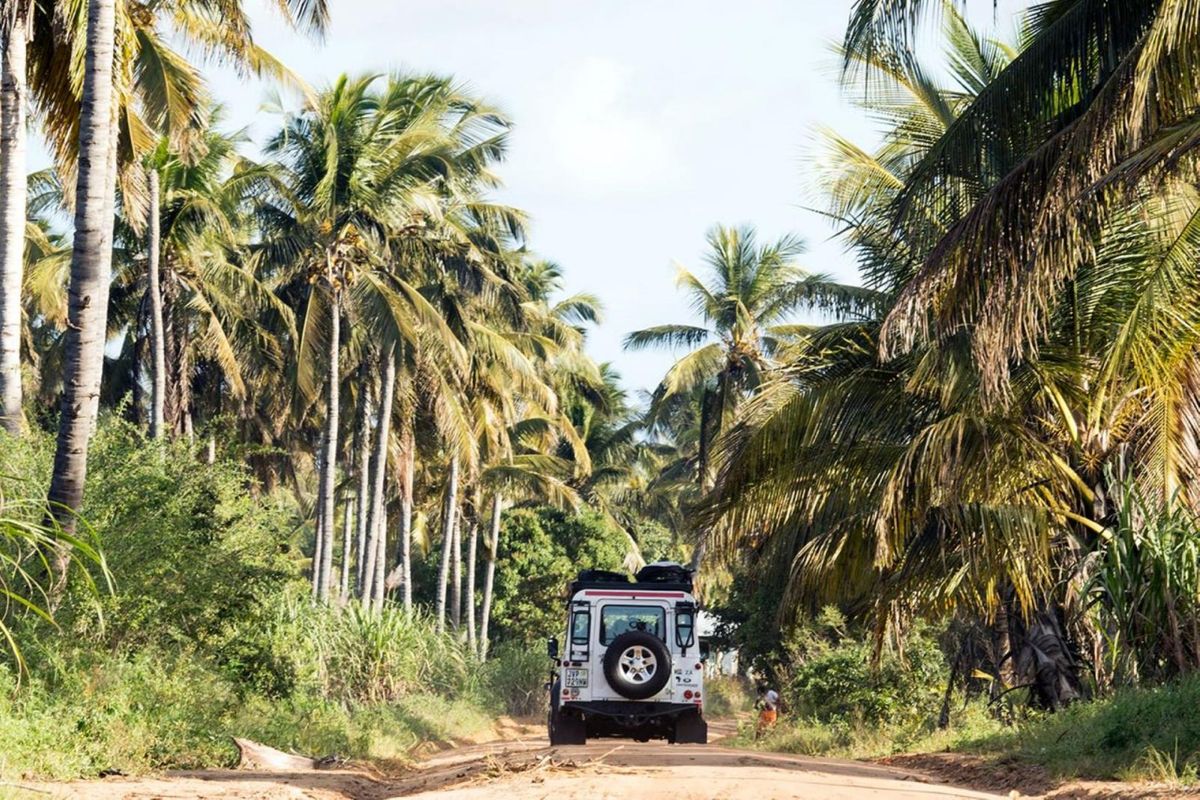
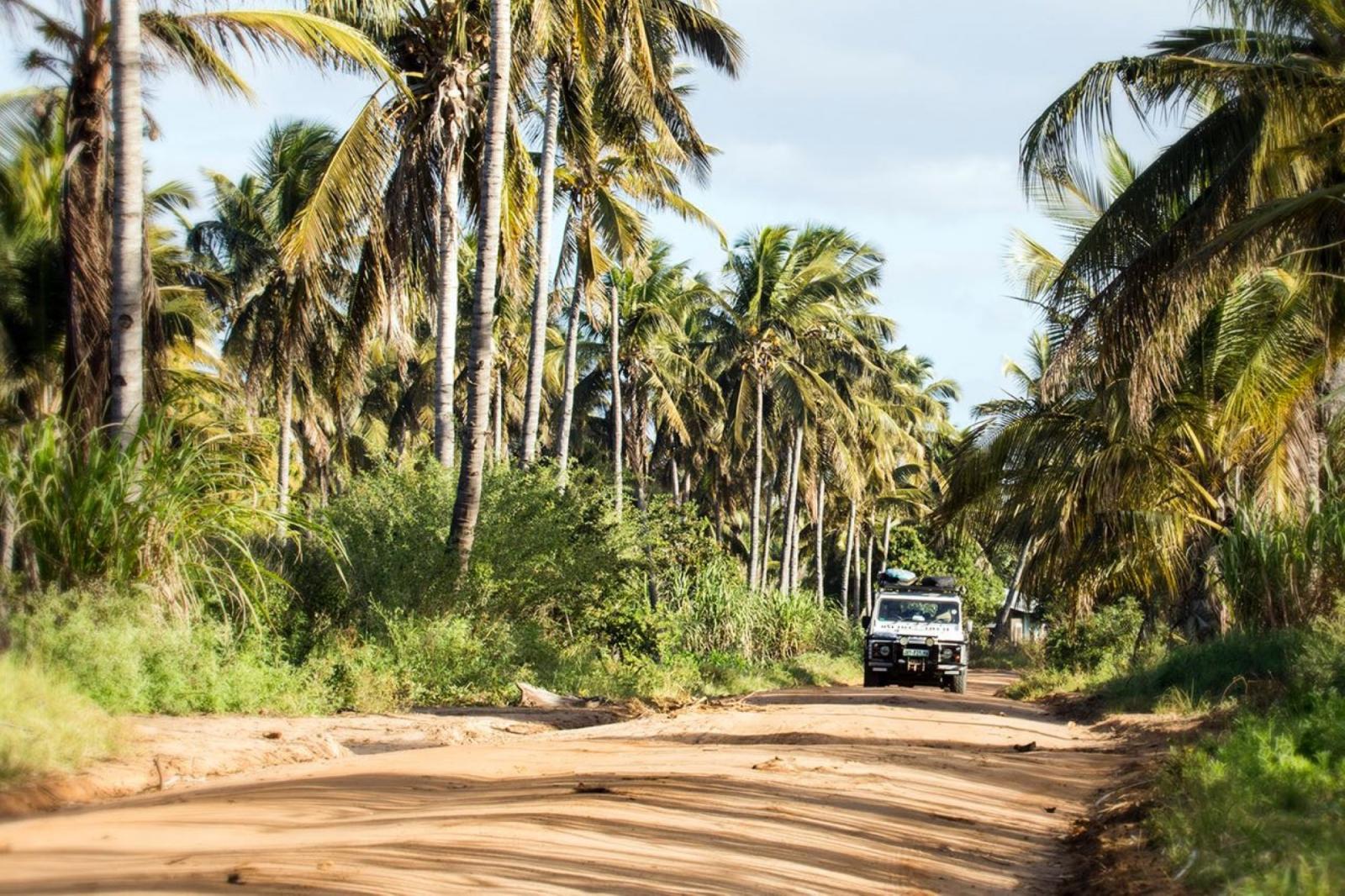
Palm trees become more widespread the further north you go and they stretch across this landscape as far as the eye can see, providing local communities with an endless supply of nutritious coconuts.
The ocean was teeming with wildlife and countless Humpback whales, dolphins and whale sharks welcomed us. We got up close and personal with these creatures of the deep and the experience was both breathtaking and surreal.
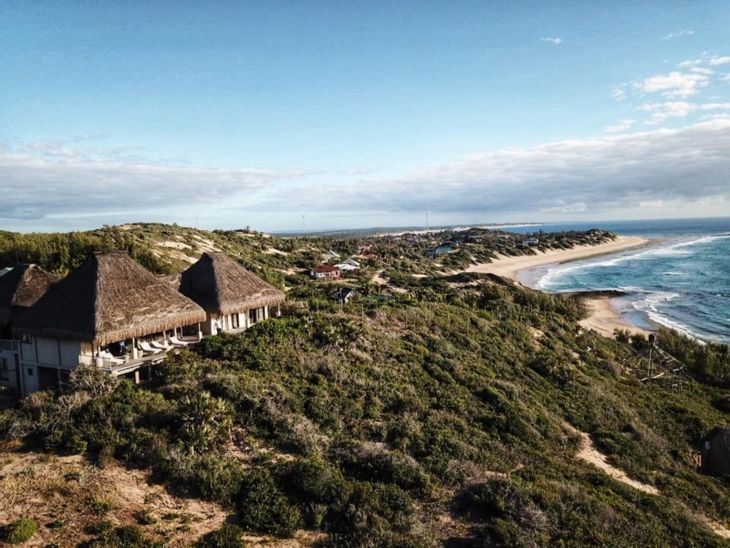
Mozambique is well-known for its cuisine and a fresh selection of seafood, peri-peri chicken and vegetables delighted our taste buds while our stunning accommodation at Villa Marimba afforded us spectacular views of countless whales frolicking in these tropical waters.
Villa Marimba in Tofo offers spectacular views of the Indian Ocean. Photo: Gero Lilleike.
On route to Pomene, some 200 km further north, we passed through the busy town of Massinga where we were surprised to see numerous cars with GP number plates on the streets. Our local guide informed us that many stolen cars from South Africa ended up here. If you are wondering what happened to your stolen Toyota Fortuner, you might just find it here…
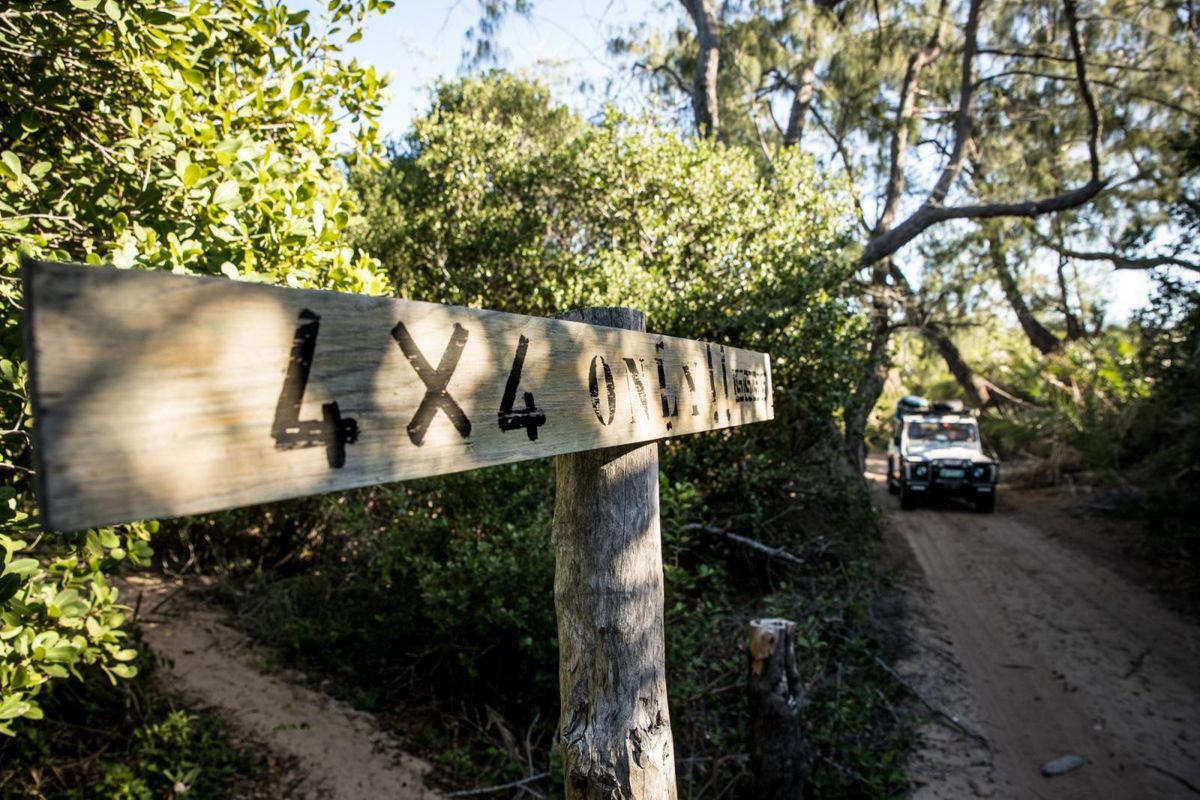
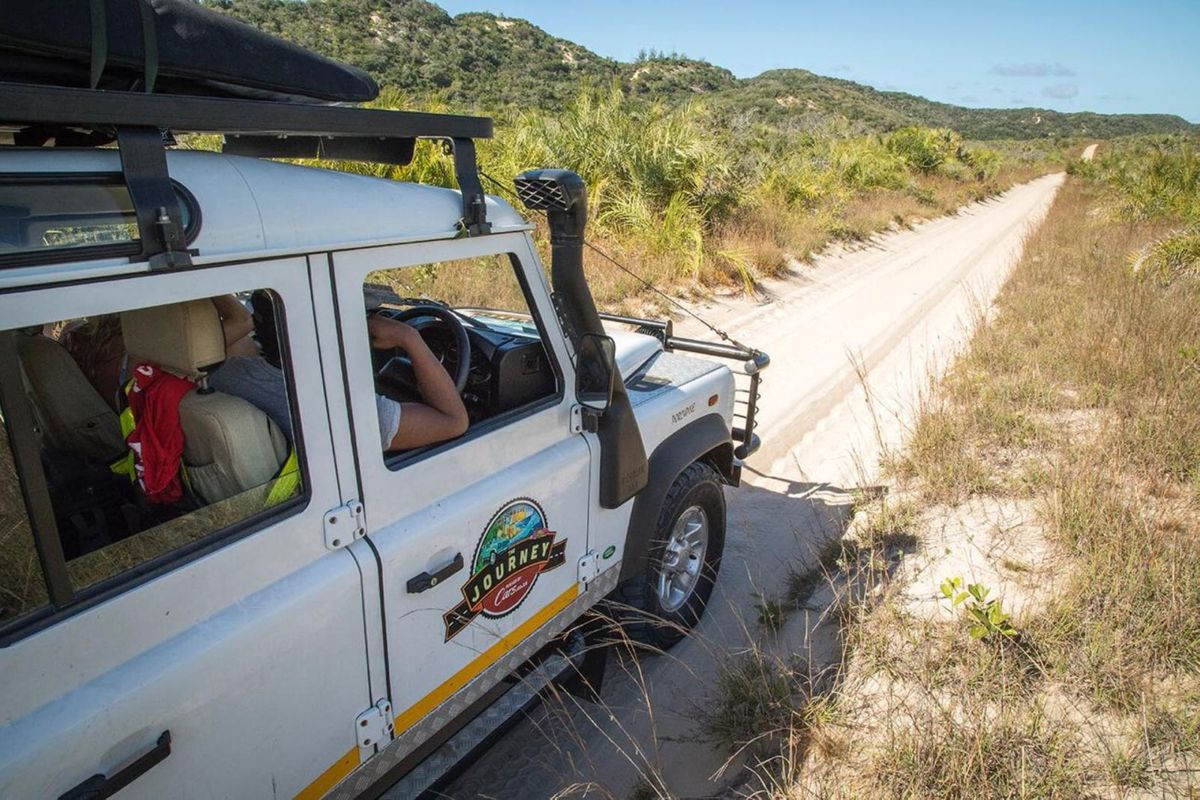
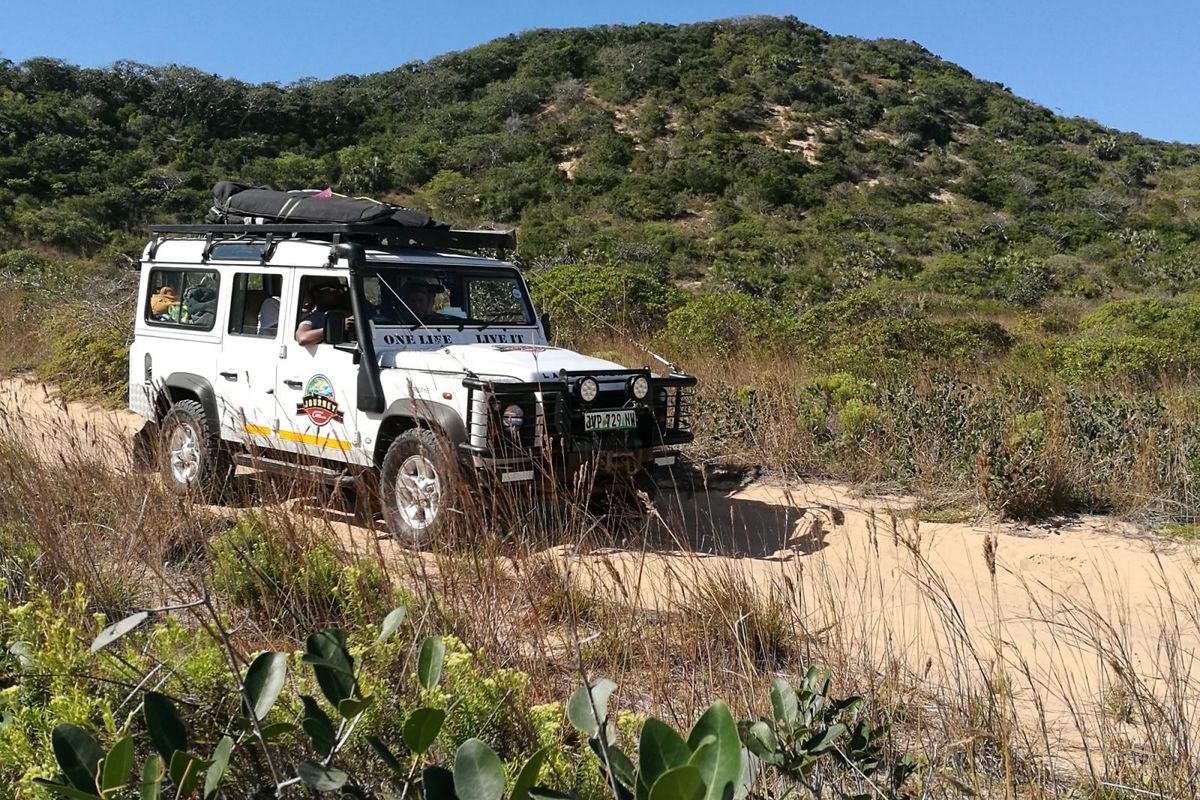
Tar soon gave way to sand-clogged rural roads and the Defender came into its own. This is what the Defender was made for and it powered on to Pomene through soft sand with little fuss. Our goal was finally within our grasp!
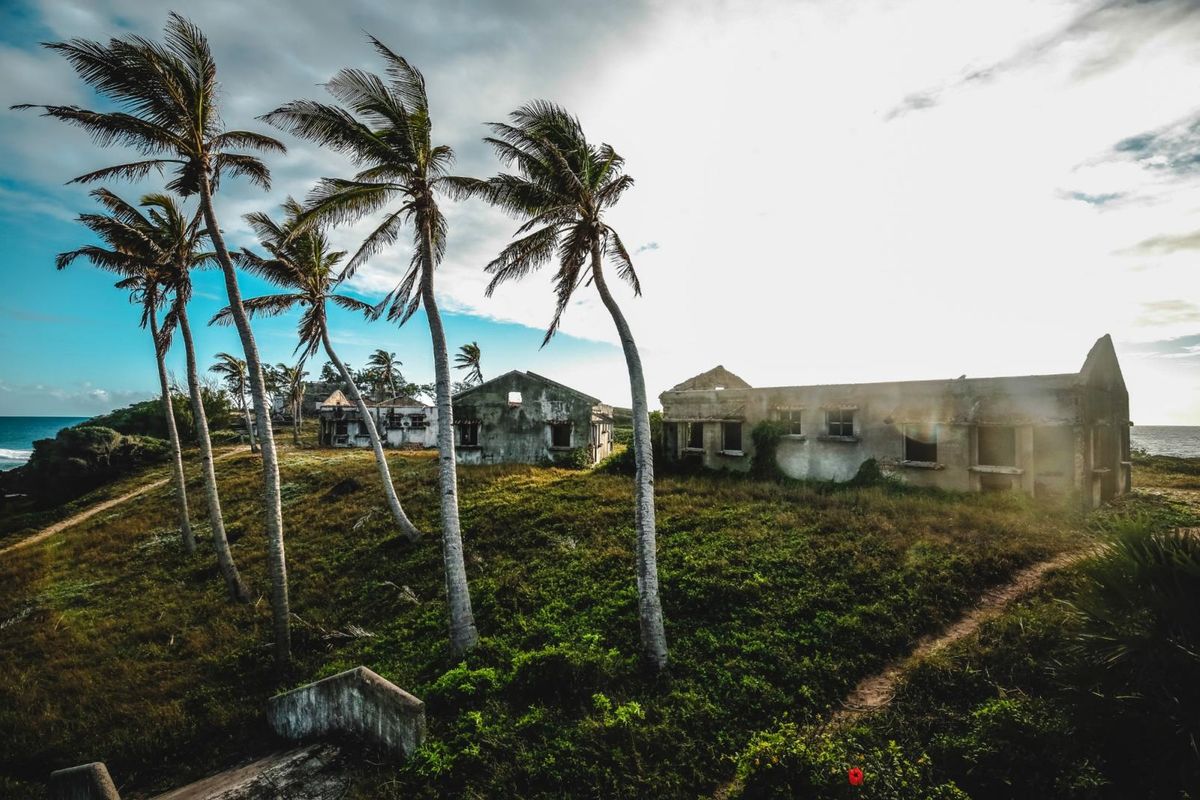
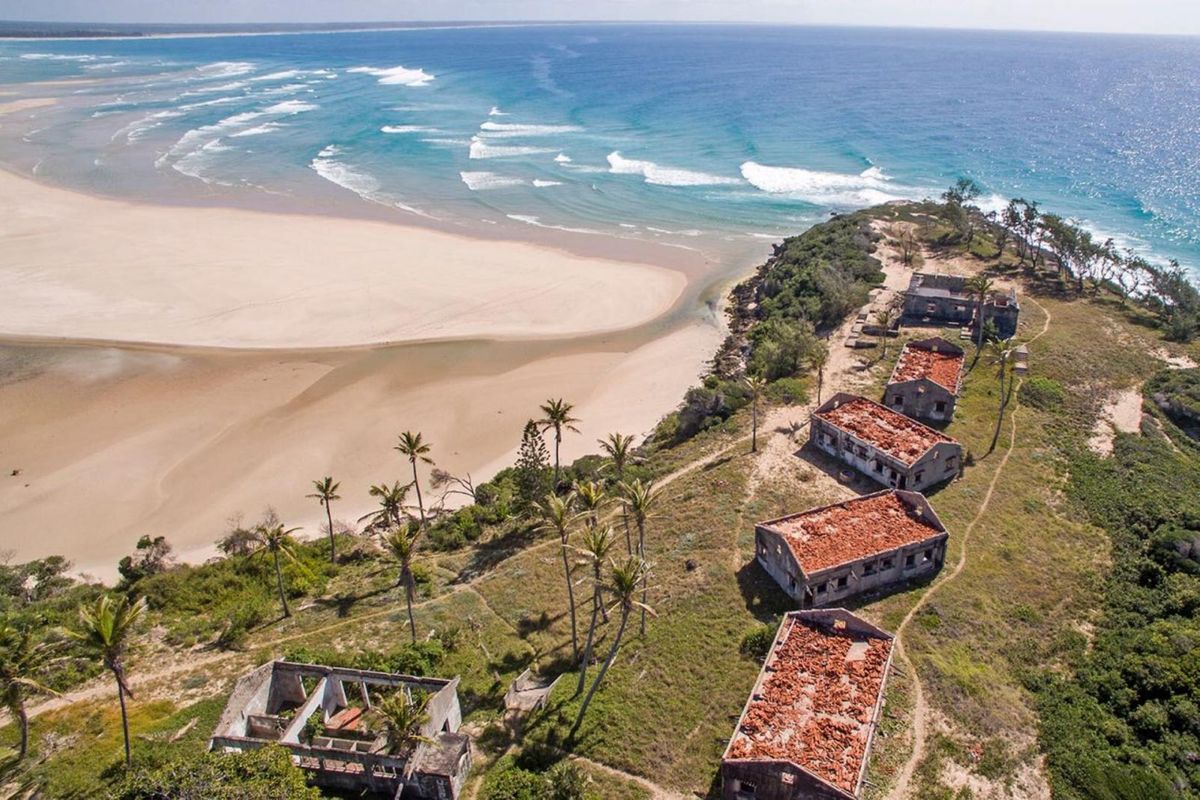
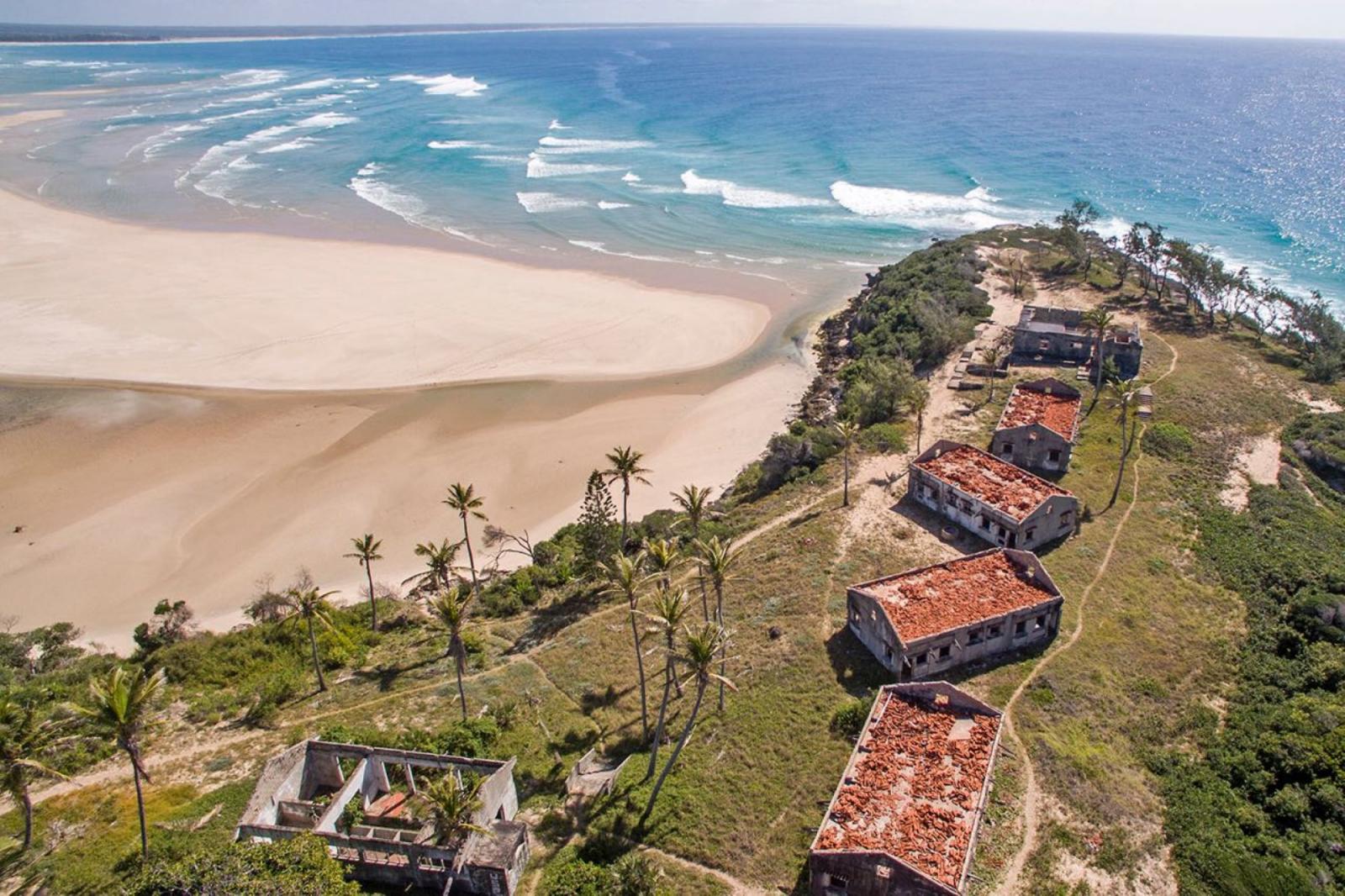
The abandoned Pomene Hotel is steeped in history and now lies in ruin. Photo: Troy Davies
Pomene is very remote and a major attraction in this area is the old Pomene Hotel which was abandoned in 1974 and once served as a holiday home for the late Fremilo leader and 1st president of Mozambique, Samora Machel. It was also a stronghold for Renamo during the civil war, which lasted 15 years between 1977 and 1992. The old buildings now lie in ruin with nature slowly reclaiming this idyllic space.
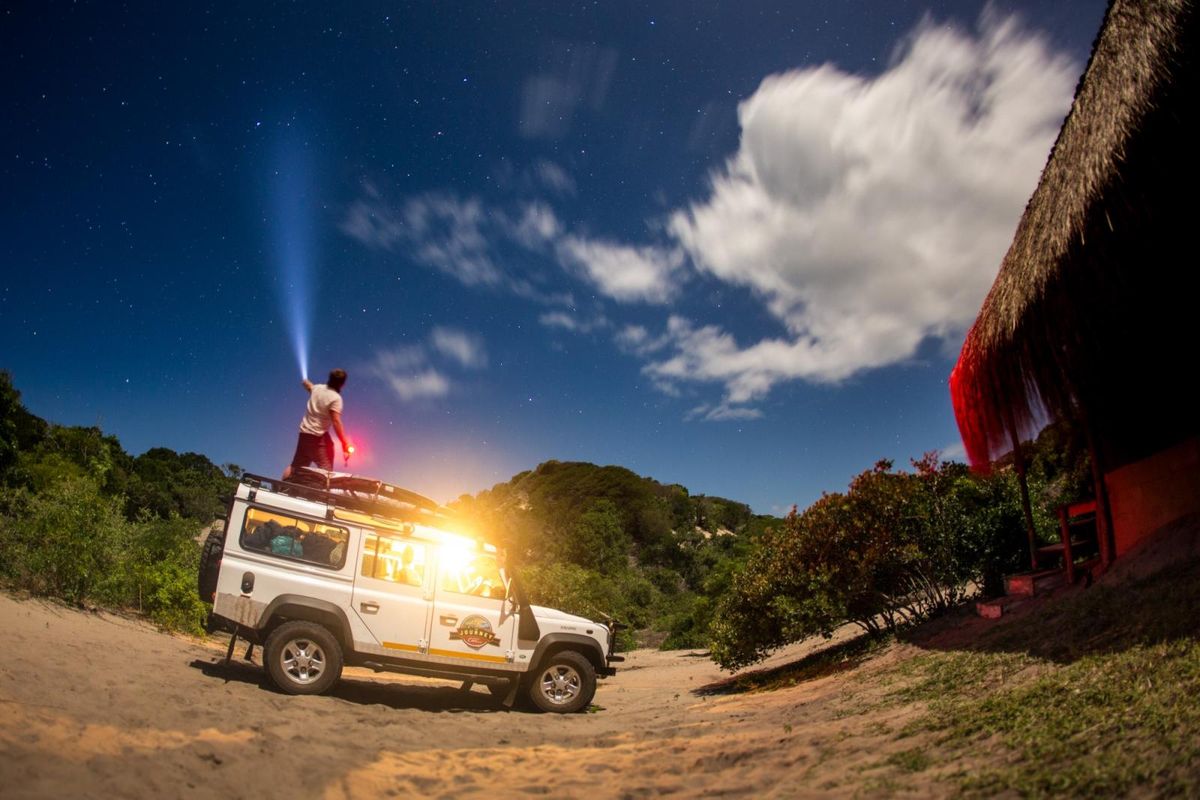
Accommodation in Pomene is very limited, but Pomene Beach Camp, which is tucked away in the sand dunes, provides visitors with delicious meals, cold beer and basic yet comfortable amenities.
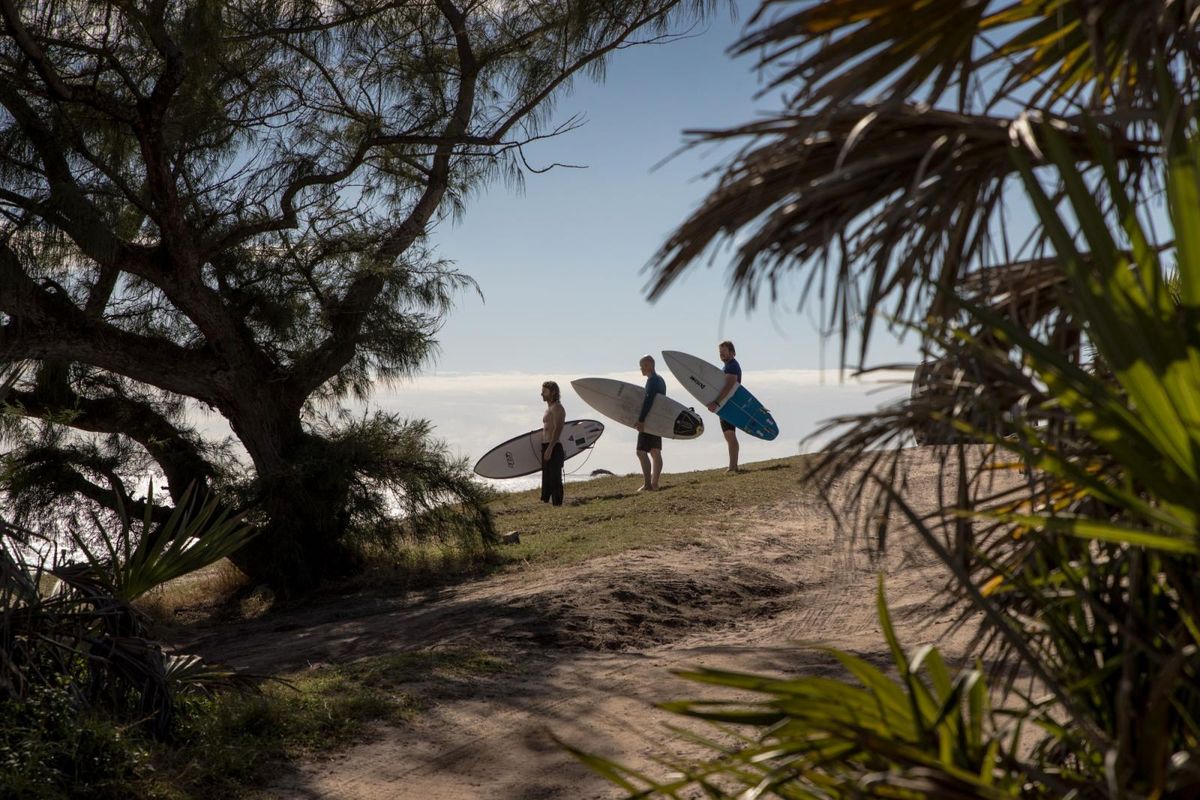
The clear, turquoise waters of Mozambique are what surfers dream about. Photo: Luke Patterson
At the end of a long, white sand beach is where you will find the expansive waters of Pomene Estuary, which is home to a wide variety of fish, flamingos, and surprisingly, 2 sunken Land Rovers (believed to be Series II and Series III models).
The sunken Land Rovers once served at the now-defunct Pomene Lodge on the banks of the estuary. After many years in close vicinity to the ocean, the Land Rovers succumbed to rust and eventually were beyond repair. The then owners of Pomene Lodge decided to put the rusty Land Rovers to good use and rolled them out into the estuary in 2002 and 2004, effectively sinking them, with the intention of creating an artificial reef, which would not only serve as an artificial home for the fish in the estuary, but also create a local diving attraction for visiting tourists.
The sunken Land Rovers of Pomene. Photo: Troy Davies
Today, a white buoy marks the site and the sunken Land Rovers are best viewed at high tide when the current isn’t too strong. The Journey team spent at least 40 minutes snorkelling over the site and although they are almost completely submerged and disintegrated, it was amazing to see parts such as the steering wheel, gear lever, radiator fan and load bay still clearly visible amongst other debris… such as tyres, a quad bike and even a kitchen sink.
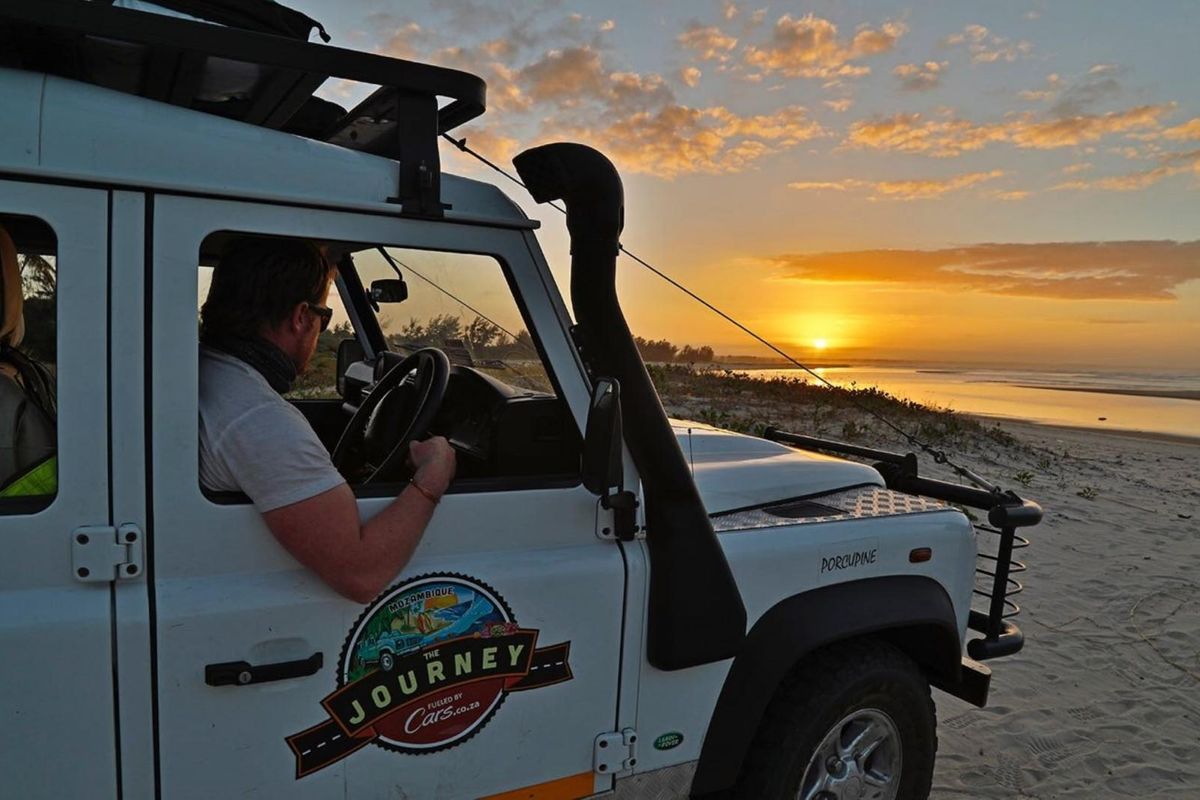
We had covered a total distance of well over 2 500 km in our Land Rover Defender 110 Ultimate Puma and it never skipped a beat. We accomplished our mission and found the sunken Land Rovers of Pomene and the iconic Defender had made this journey possible. Land Rover Defender, we salute you! This was another Journey to remember…
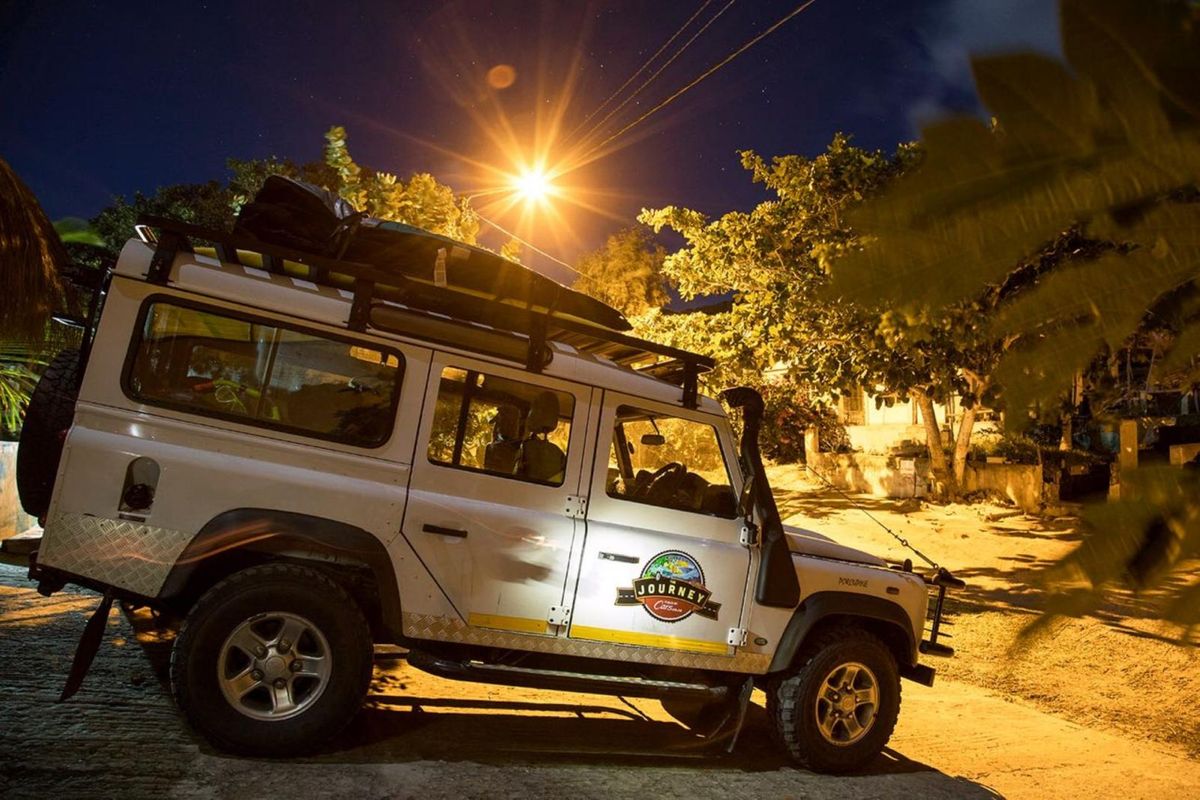
This Land Rover Defender Ultimate Puma took The Journey in its stride and never skipped a beat. Photo: Gero Lilleike
They said Japanese and German engineers could never work together… This is the story of how Toyota and BMW made the Supra/Z4 project happen.
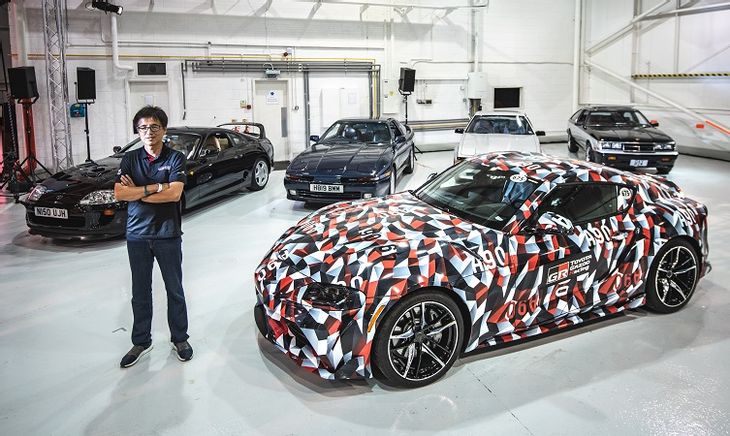
The launch of Toyota’s 86 was a defining automotive moment of 2012. For years, the world’s biggest Japanese brand didn’t have a sportscar and 86 was the work of an enigmatic chief engineer called Tada-san. An electronics genius, Tetsuya Tada started his career at Toyota by devising and refining the complex algorithms of electronic stability control and anti-lock braking systems.
After a succession of proven developments, Tada-san was finally given the responsibility of recreating a Toyota sportscar, which realised as his vision in the 86. And at its global launch in Spain, during the summer of 2012, the man who was anointed as the saviour of Toyota’s rear-wheel drive sportscar heritage, went strangely absent from the event showcasing his work for a few days.
Tetsuya Tada was previously the mastermind behind the Toyota 86, and now, the Supra.
Toyota had just signed a memorandum of understanding with BMW concerning fuel-cell and battery development when Tada-san was told to abandon his 86 team at the launch in Spain and make a journey in secret to Munich. His brief was simple: evaluate the possibility of a collaboration with BMW on future sportscar projects.
Industry observers were hugely sceptical about the success of German/Japanese corporate cooperation. The engineering cultures were considered simply irreconcilable. When the opportunities presented themselves, German car companies had always bought out British brands (Bentley, Mini, Rolls-Royce), instead of attempting joint-ventures with the Japanese. Conversely, Toyota preferred to buy shares in smaller domestic brands (Daihatsu, Subaru) instead of cooperating with foreign car companies.
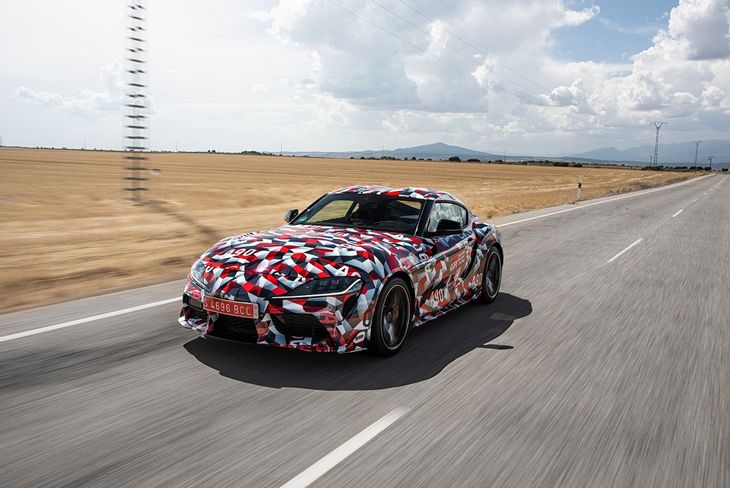
The fact that a 5th-generation Supra will go on sale in South Africa midway through 2019, is evidence that the cooperation between BMW (G29-generation Z4) and Toyota (A90-generation Supra) clearly worked, but the fascinating backstory concerns the people who made that possible – and proved industry analysts wrong.
Why did Toyota partner with BMW?
The new Supra needed to be special and it didn't have the available architecture in-house.
Typical of ultra-conservative Japanese balance sheet management, Toyota has incredible cash reserves – more than most governments, about $150 billion. With money not being an issue, the obvious question is why Toyota didn’t simply develop its own platform and engine for the new A90 Supra?
Nearly all sportscar brands now market an SUV to subsidise the development of their dedicated 2-door performance cars – think Lamborghini (Urus), Porsche (Cayenne/Macan) and soon Ferrari. SUVs have warped traditional product planning and demand management principles, especially in the more expensive market segments where sportscars once dominated, commanding all the high-end customer spend.
Qualifying a custom front-engine/rear-wheel-drive platform for a sportscar might have been justifiable in the late 1990s, when Japanese sportscars dominated markets such as North America, but in a contemporary world obsessed with SUVs, Toyota was seeking a partner.
“Why not use the Lexus LC platform? That’s rear-wheel-driven?” Quite. But Tada-san, much as he had with 86, was immoveable about specific technical goals with the new Supra, and his triangle of engineering influence was anchored at its 3 points by: 1) wheelbase 2) track and 3) centre-of-gravity. The Lexus platform was simply too heavy for what he wished to achieve and BMW’s new CLAR structure, which Tada-san would no doubt have been privy to during that 2012 Munich meeting, was more reconcilable with his vision.
Enter Kai-San
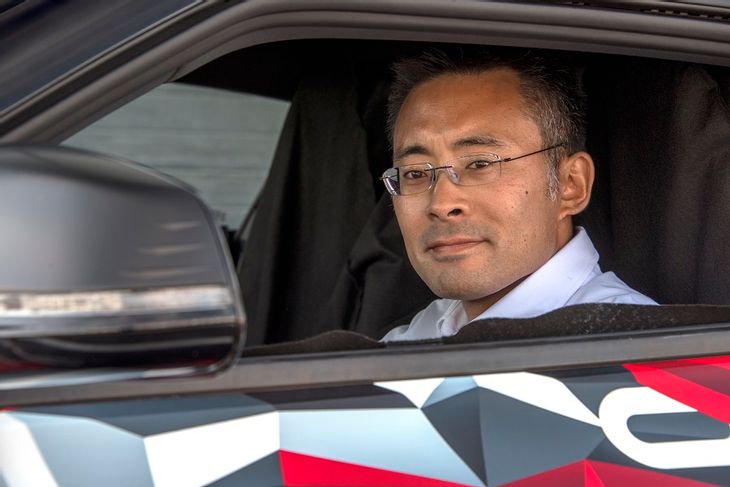
Masayuki Kai's role was as a diplomat/interpreter between the Germans and Japanese.
As lead engineer for 86, Tada-san’s reputation was such that few questioned his ability to deliver the best possible reinterpretation of the Supra, using BMW’s technical assets. The issue would be managing a project with significant language, culture and time zone issues.
German engineers are direct. Japanese engineers are selflessly polite. German engineering teams are led by the decision making of a single authority. Japanese engineering teams are collaborative. Munich and Aichi are separated by 7 hours in time difference and best of all, the 2nd language for both Germans and Japanese are English, with wildly varying degrees of competency.
Toyota’s desire to repurpose the CLAR platform for a new Supra could very easily be derailed by miscommunication and it nearly was, until Tada-san made the inspired decision to deploy Masayuki Kai to Munich. An experienced Toyota engineer with motorsport expertise, Kai-san had one crucial ability that would unlock the potential of the Supra project: he spoke fluent German.
Having spent the first 10 years of his life in Dusseldorf, Kai-san’s language ability and recognition of those cultural differences between 2 technical cultures, proved decisive. The project moved along swiftly, with Kai-San’s mediation enabling engineers from BMW and Toyota to separate into their own development silos for Z4 and Supra by 2014, with the individual products now effectively being ready for market.
And some Afrikaans for good measure too…
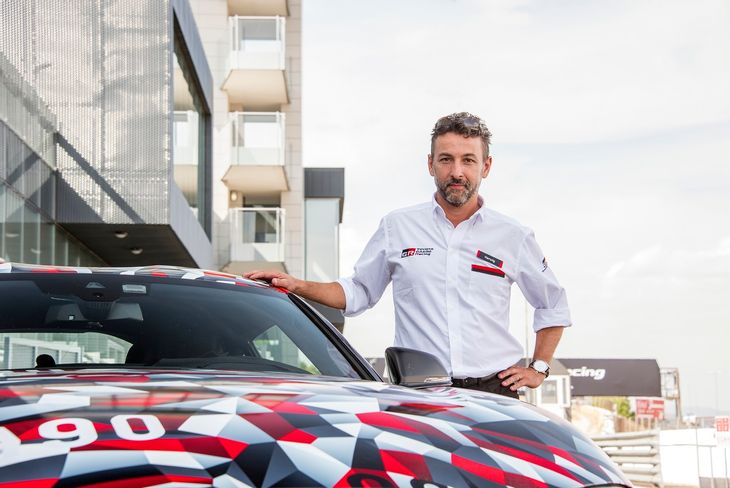
Herwig Daenens, whose role at Toyota is "Master Driver".
If Kai-san’s role as the technical diplomat was crucial in preventing the Supra project from becoming mired in miscommunication, refining the A90 to something which drove with the authenticity of a Supra, was the responsibility of a man who has quite a good grasp of Afrikaans.
His name is Herwig Daenens and within Toyota’s engineering structures his official title is "master driver", which is corporate-speak for a professional hooligan with technical literacy. Daenens is a Belgian who believes that engineering proper traction systems and corner balance makes for a great driver’s car, instead of clever intervention systems.
He was tasked with testing, to the limit, various spring rates and perfecting the adaptive dampers which gift new Supra its uncompromised flexibility between grand touring ride quality and track day turn-in agility.
Daenens believes you can engineer the character out of a car with the wrong type of driver assistance systems. “Good steering, the correct suspension settings and traction. Those give you feel.” He isn’t a big fan of torque-vectoring either. “Once the brakes are coming into play, it’s a safety intervention and effectively that is what torque-vectoring is. You are guiding around incorrect inputs. It’s why we went with an active-differential instead, that provides traction and rewards a skilled driver with support when powering out of the corner, instead of torque-vectoring.”
Toyota’s European operations are managed from Brussels, and the man who oversees all of this for Japan’s largest car maker is none other than Dr Johan van Zyl, also chairman of Toyota South Africa. Daenens admitted that Afrikaans was a language of informal communication and humour with Dr van Zyl, often much to the surprise of other international colleagues.
The future of sportscars: collaborations
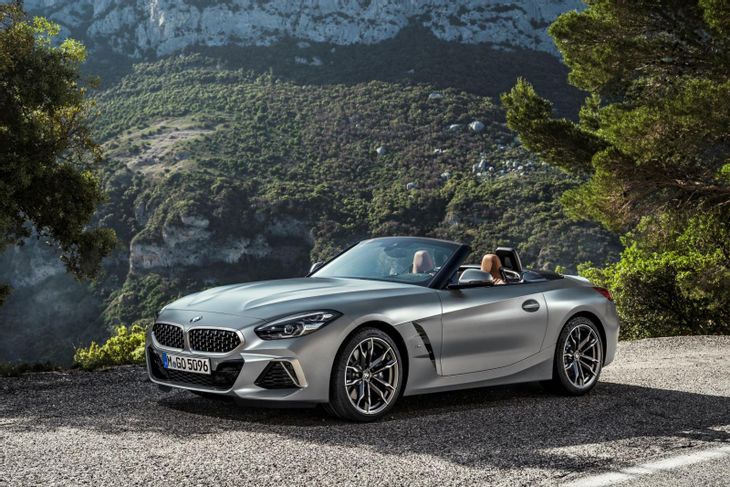
The Z4, that shares its platform and engines with the A90 Supra.
The Z4/Supra project has been an unexpected success for German/Japanese cooperation, reviving a revered sportscar that droves of Toyota fans have clamoured for over the last 16 years.
Supra will be built by specialist contract manufacturer Magna-Steyr, based in Austria, but owned by Canadian capital. It’s notably the same facility that has kept Mercedes-Benz’s Geländenwagen (G-Class) going long after it was supposed to be discontinued and considering the small volumes involved with most sportscars, contract manufacturing is the future.
SUVs pose a very real threat to the future of sportscars. They compete for production resources and luxury SUVs are priced exactly where sportscars once traded without opposition. The market for supercars has grown, but their prices are beyond the reach of even the most financially disciplined enthusiasts.
What the new Supra demonstrates is that internationalisation and partnerships are necessary for sportscars to remain relevant and present in the market. And the Supra/Z4 is a happy tale of that, quite unlike something such as the erstwhile Chrysler Crossfire and Mercedes-Benz SLK joint venture.
The revival of Supra started with a German concept that was adapted by Japanese engineers before final production will be entrusted to some Austrians – who work for a company owned by Canadians. The automotive world works best when operating across borders, instead of being constrained by artificial barriers.
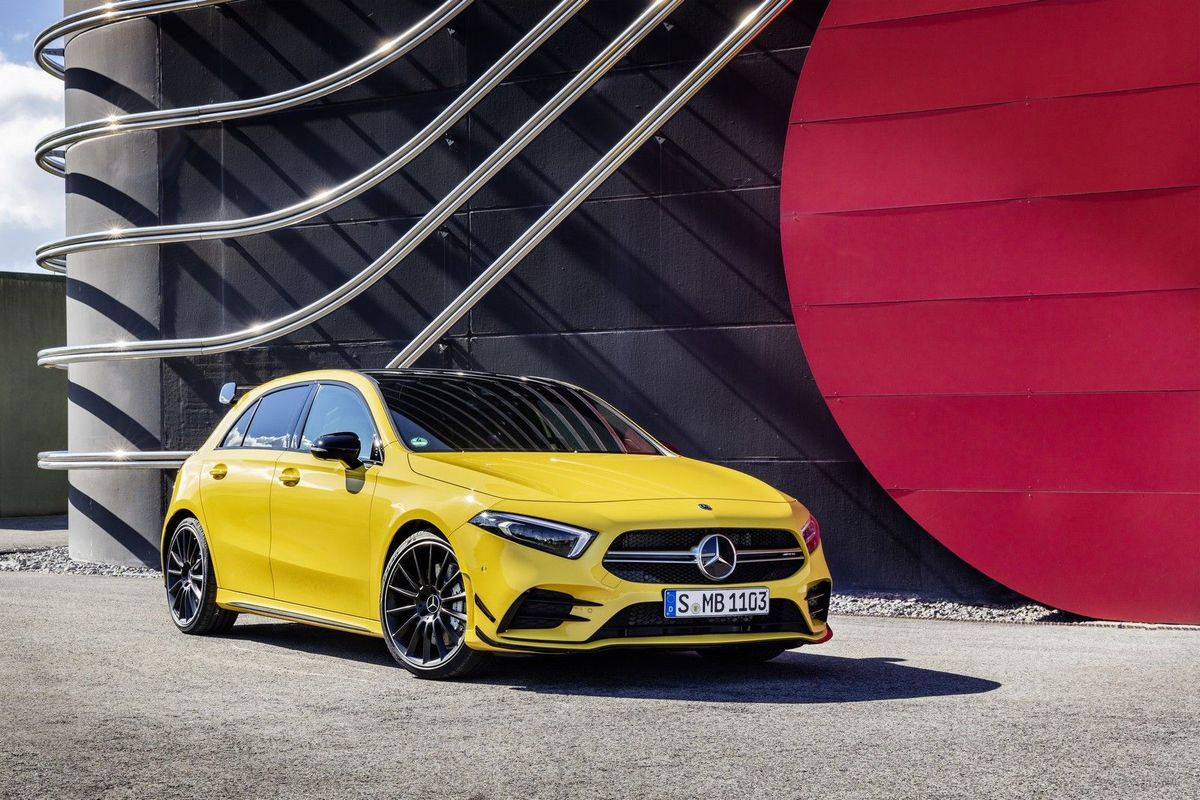
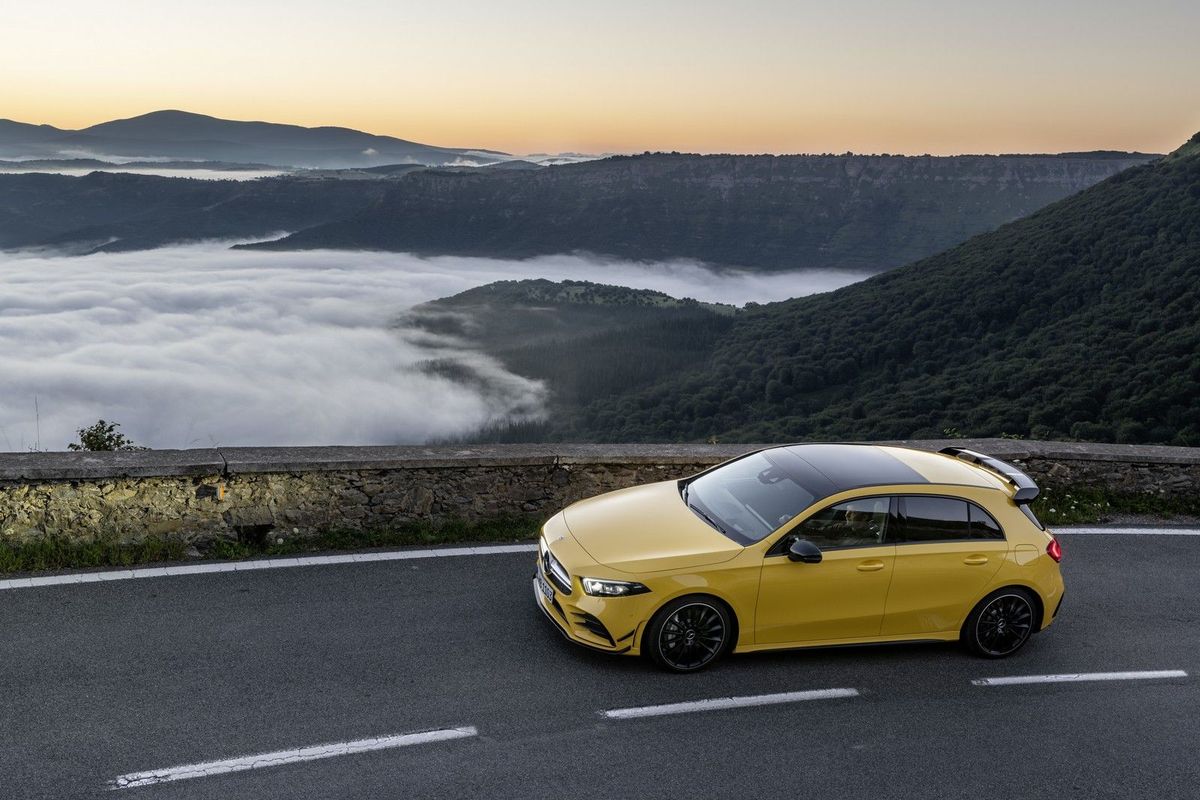
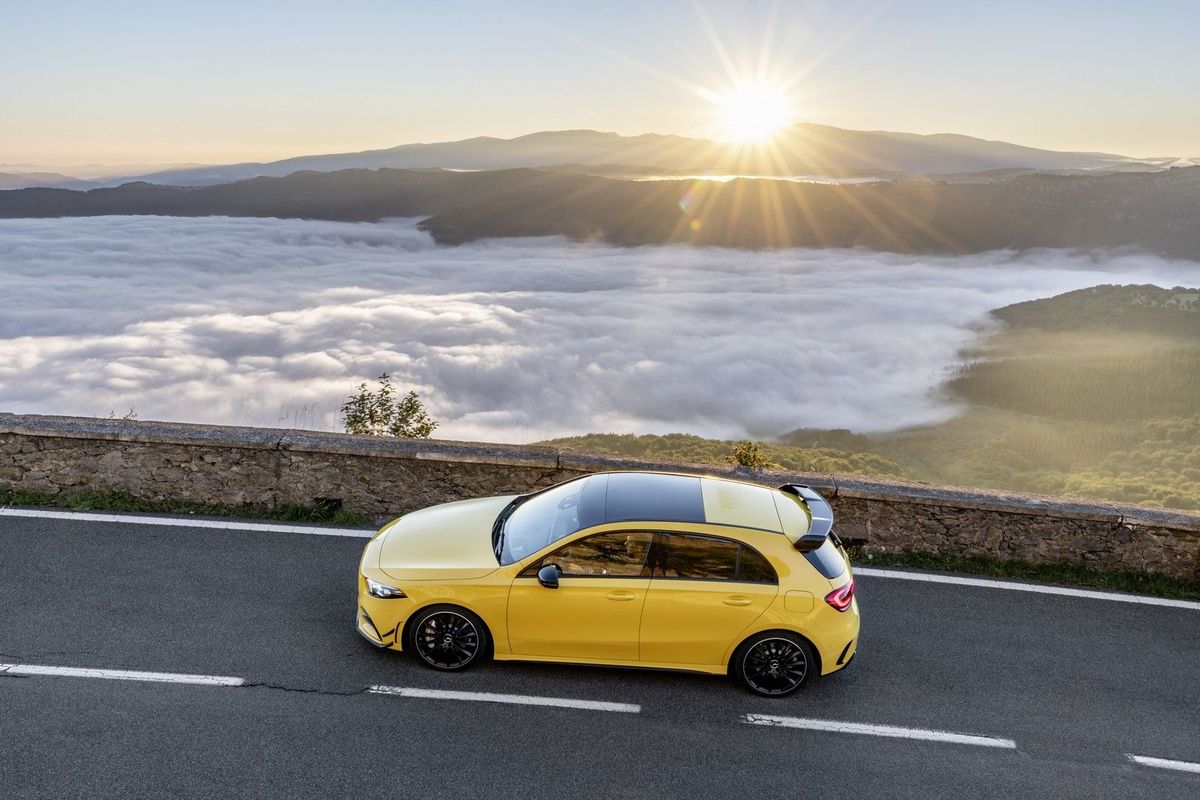
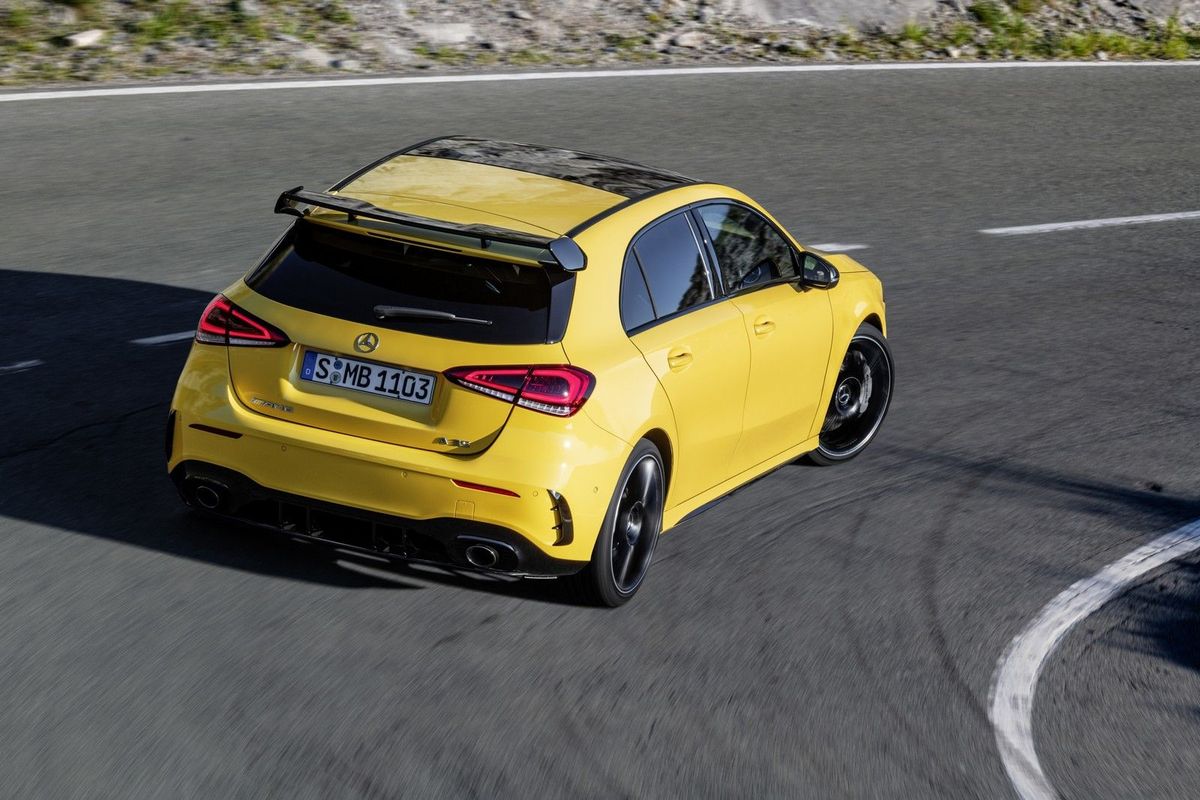
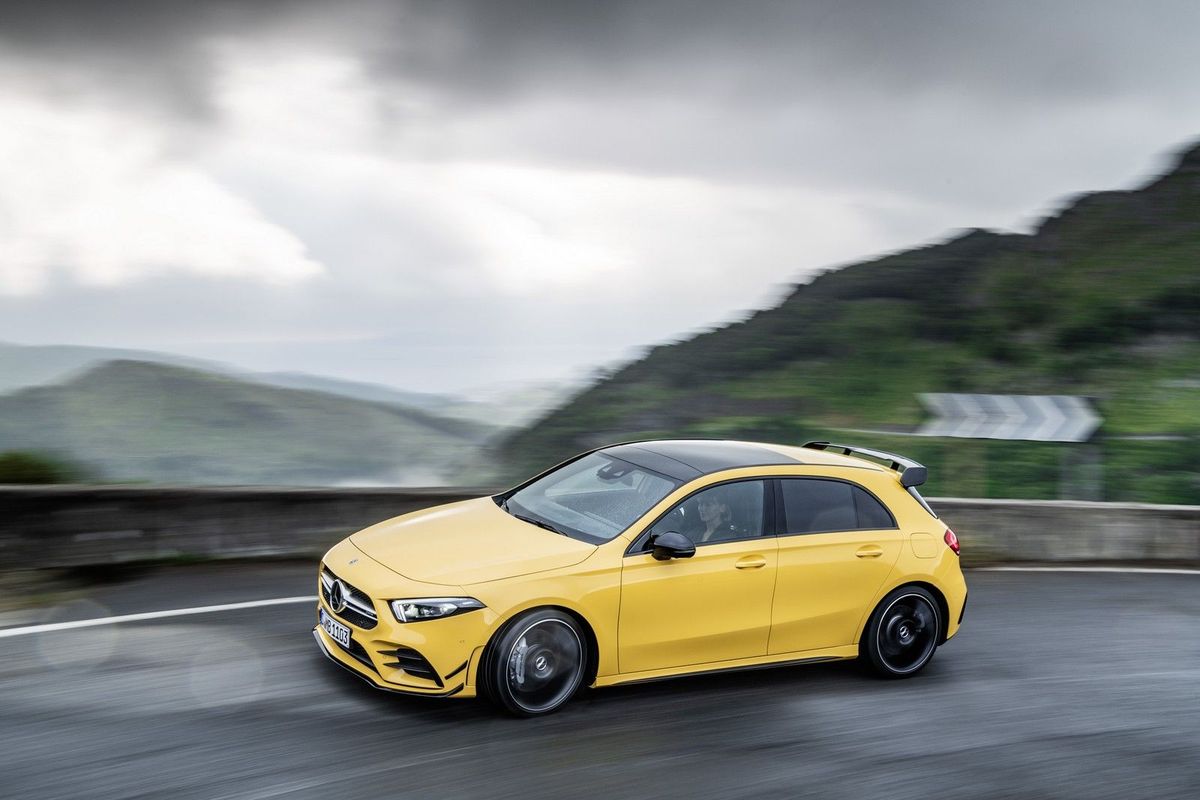
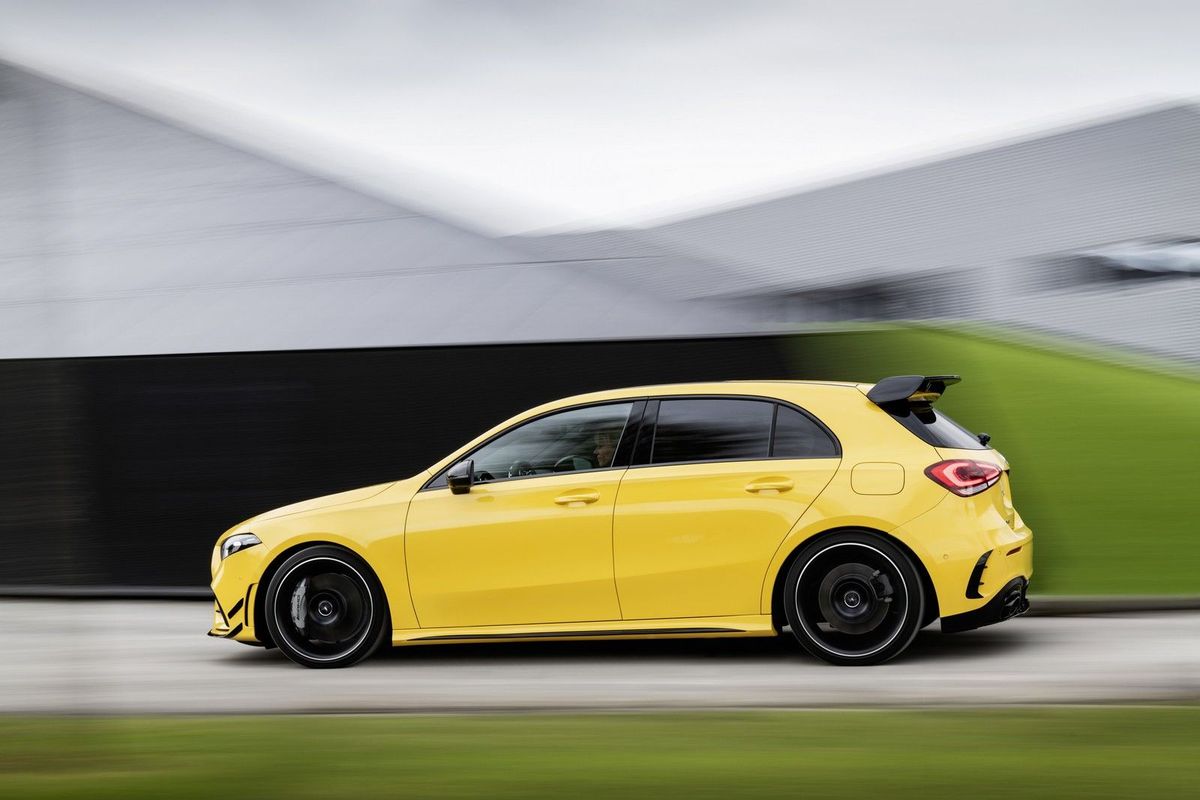
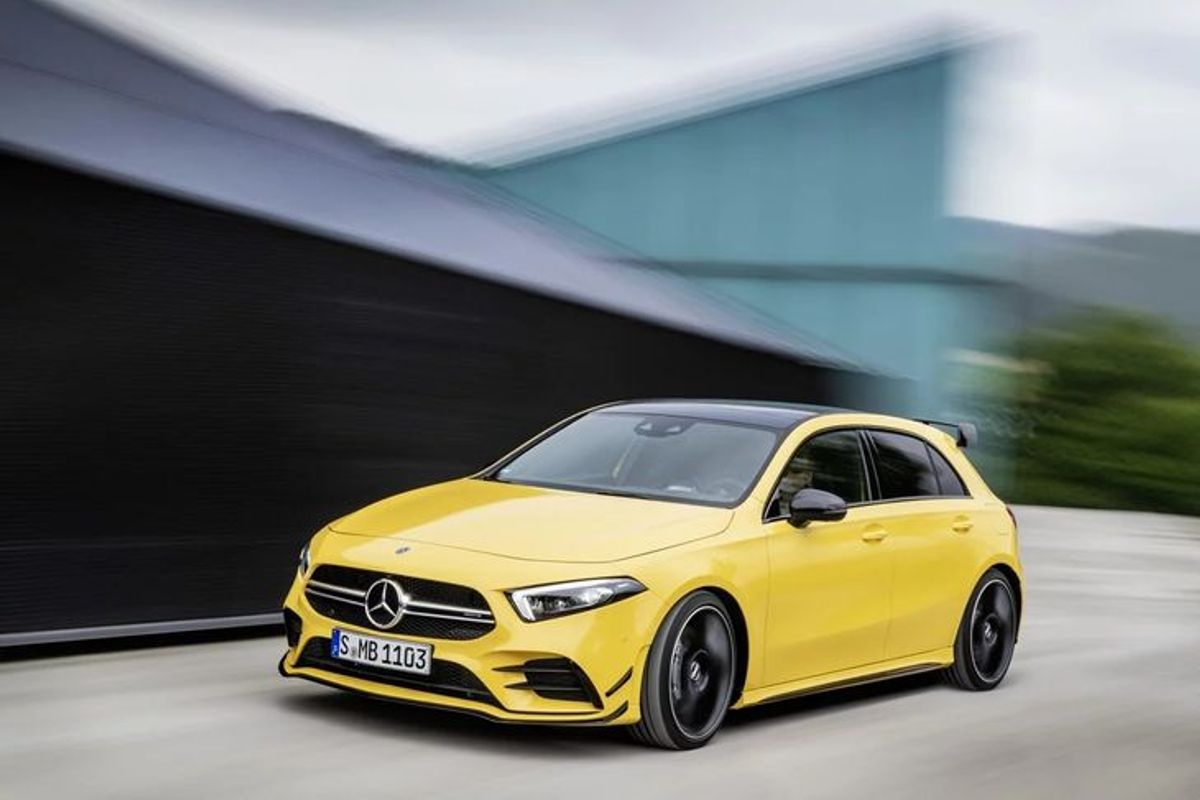
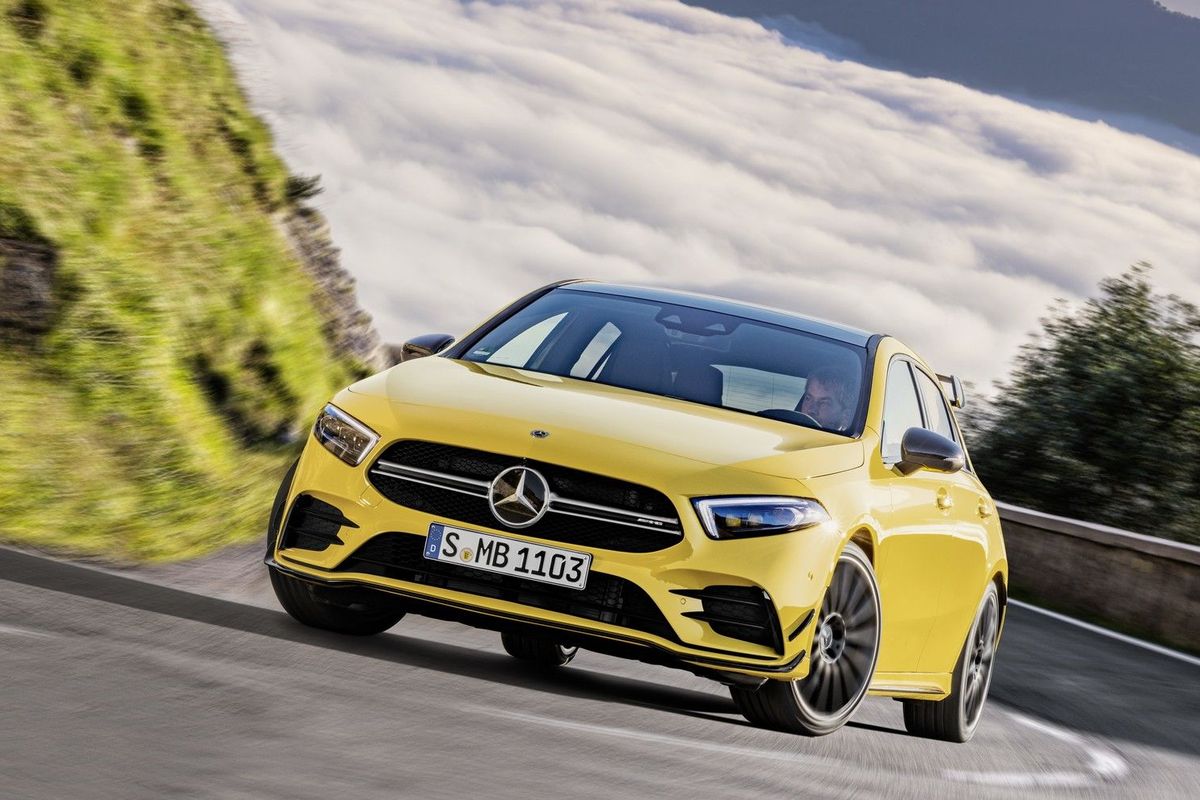
Mercedes-AMG has revealed its new A35 4Matic hatchback, which will sit below the range-topping A45 4Matic in the A-Class line-up. While the Sindelfingen-based firm's A250 derivatives have not fared that well when compared with the iconic Volkswagen Golf GTI, the all-wheel driven A35 has its sights set on something a bit higher: the Golf range's flagship R derivative.
Mercedes-Benz will diversify its recently launched A-Class premium hatchback range with the addition of the AMG A35, which can be considered to be more hot-blooded than the A250 4Matic, but not as ballistic as the A45. The new Mercedes-AMG A35 is expected to make its public debut at the Paris Motor Show next month.
A turbocharged 2.0-litre petrol engine will do service under the bonnet with a power output of 225 kW and 400 Nm of torque. All four wheels will be driven through a 7-speed dual-clutch automatic transmission. The A35's 0-to-100 kph time is claimed at 4.7 seconds.
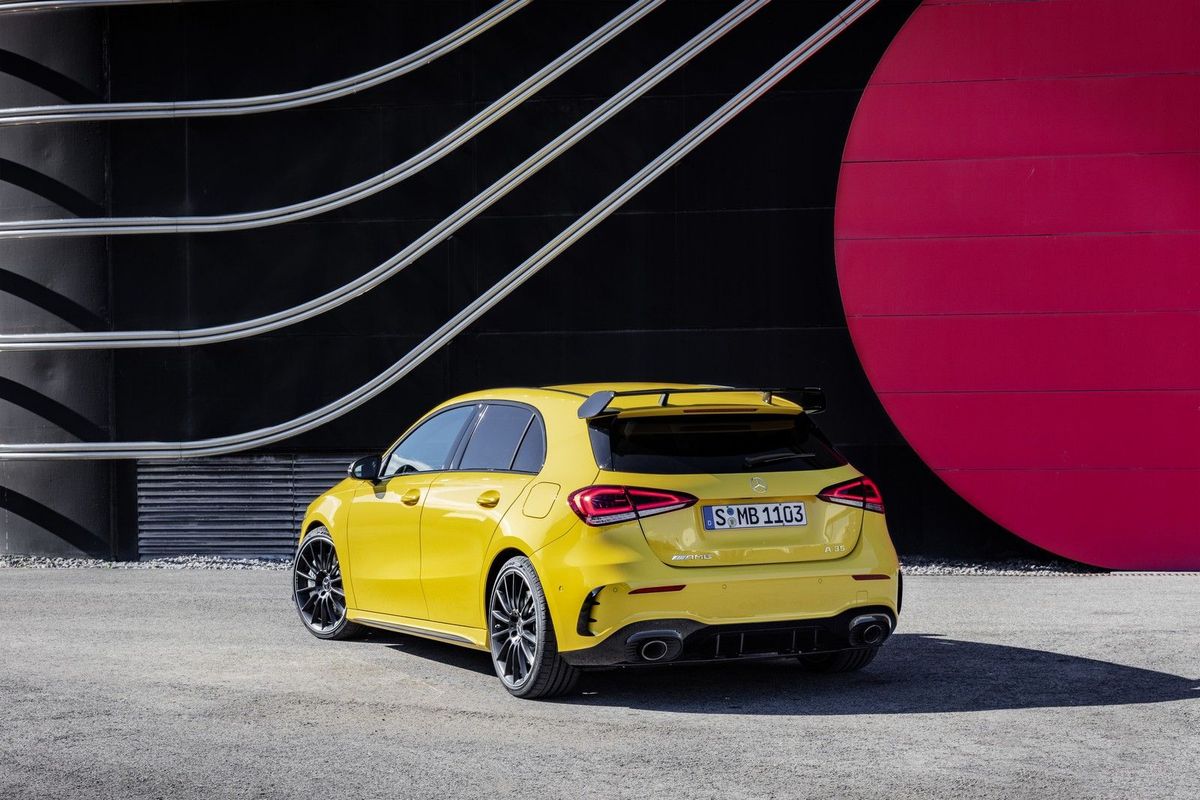
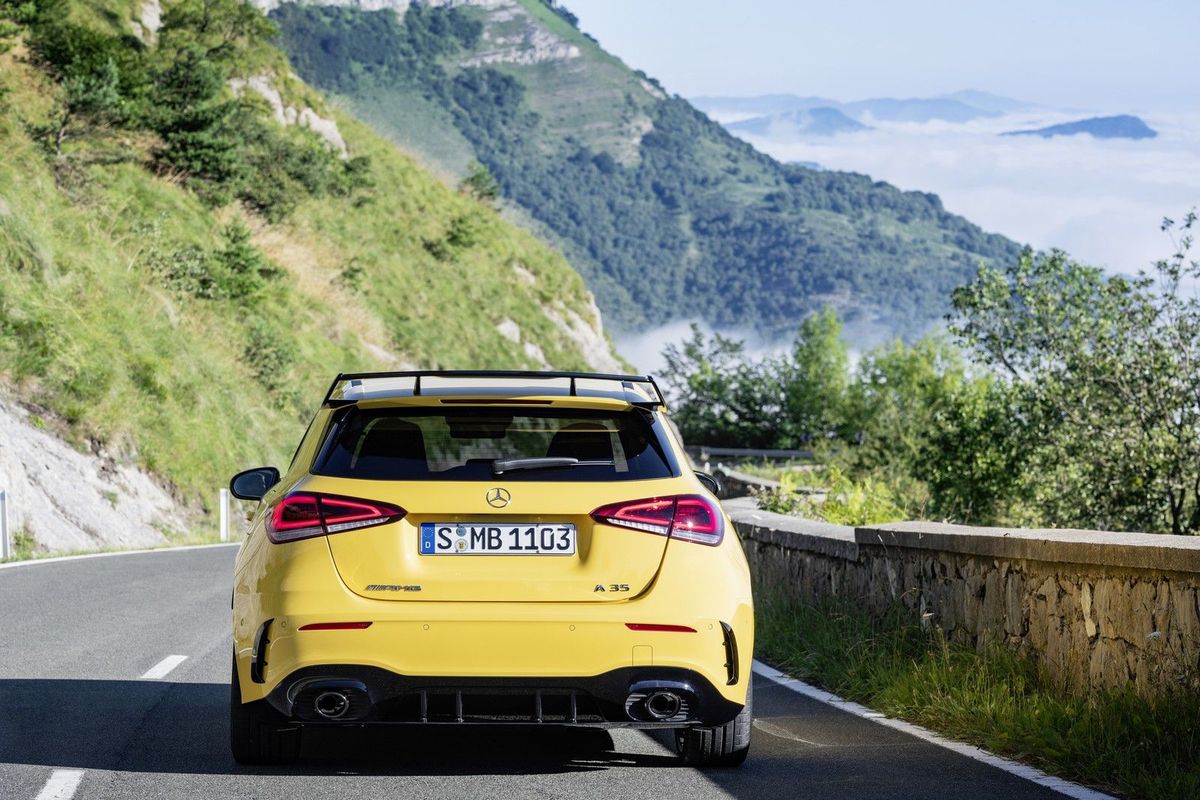
The A35 wears a twin-blade radiator grille with large front air intakes, while the rear is highlighted by a large rear wing, dual exhaust system and a model-specific diffuser.
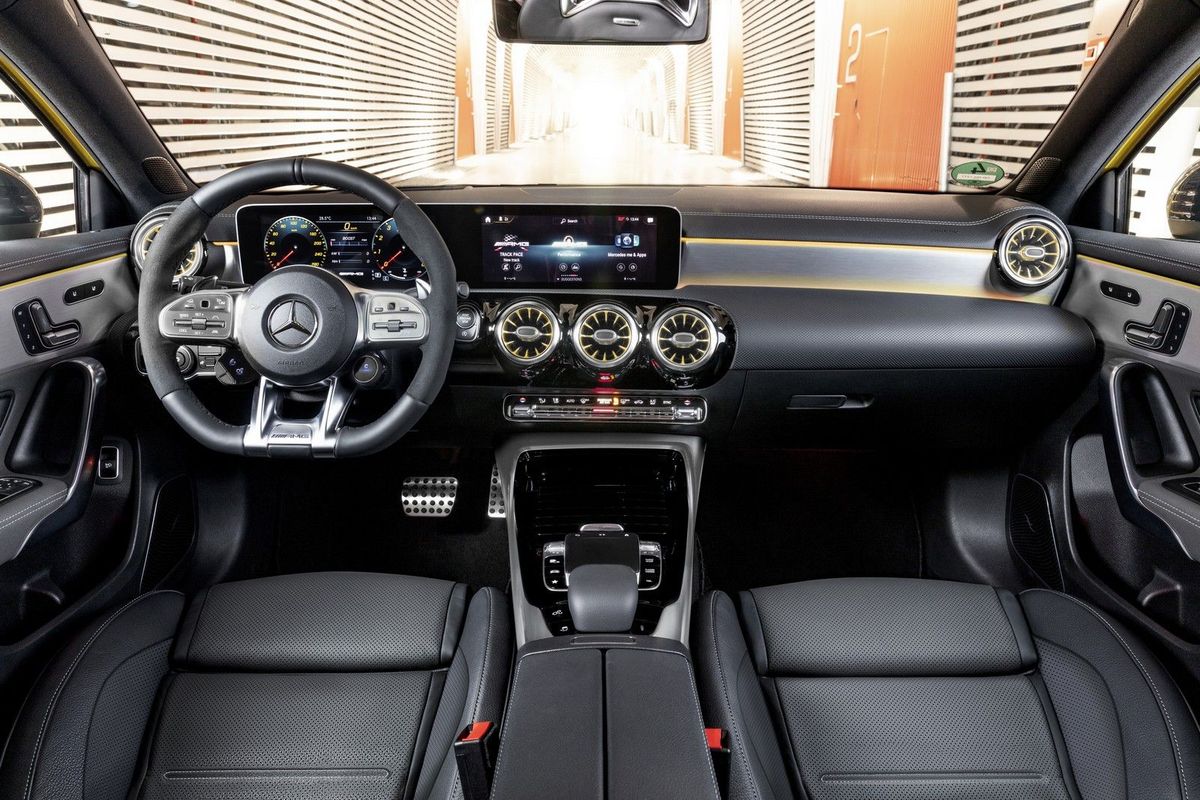
The interior will follow the design of the latest A-Class and will, therefore, feature the latest MBUX infotainment system with 2 digital screens, while sportier features such as sports seats and an AMG steering wheel will be optional, if not standard (depending on market). Three specific AMG screens have been added that display information like G-Force- and engine data. The A35 also has a Track Pace system that's the equivalent of a data logger for the track. It collates and processes 80 separate kinds of data that can be analysed to improve track performance. It also has a built-in lap-timer with sector times and a "relative to best" timing mode.
In terms of driving dynamics, the A35 is equipped with 4Matic all-wheel drive, capable of making it up to 100% front-wheel-drive or a 50/50 split. Aside from the raucous power upgrade, the major focus on the A35 appears to be the beefed-up brakes. The front axle is fitted with new 4-piston Monoblock fixed callipers and 350-millimetre brake discs, the rear axle with 1-piston sliding callipers and 330-millimetre brake discs. The discs are internally ventilated and perforated to better dissipate heat and prevent brake fading, even with extreme use. The silver-painted brake callipers have black AMG lettering.
The "7.5" iteration of the Golf R, meanwhile, is perhaps not as shouty as the A35 in terms of its outer appearance, but it's a headlining performance hatchback nonetheless. In our September 2017 review, we concluded that Golf R "is probably the ultimate expression of the fast Golf formula, offering nearly all the practicality of a GTI, but with even more dynamic appeal, greater performance and a cabin that knocks most of the competition for a 6. (It) does everything better than expected and, most importantly, delivers greater driving engagement than what we've become used to from this type of car". Now that's a description for the A35 to live up to!
In terms of the numbers, the Golf R does not lag the A35 (at least in terms of claimed figures). Its 2.0-litre 4-cylinder turbopetrol engine produces 213 kW and 380 N.m of torque and the all-wheel-drive Volkswagen is said to complete the 0-100 kph sprint in 4.6 seconds, which is marginally faster than the Mercedes-AMG…
Meanwhile, the A35 4Matic will be shown in Paris next week (late September 2018), before going on sale in Europe in early 2019. We've learnt that South Africa will get its allocation of A35 units during the first quarter of next year. Interestingly, the A35 may entirely replace the A250 in our market when it arrives. Pricing is likely to start at around R850k, but it may fluctuate depending on exchange rates over the next few months.
Chinese SUV brand Haval has introduced its first 4-wheel-drive model in South Africa. Although it has the body-on-frame configuration of an adventure SUV, such as the Toyota Fortuner (for example), and is priced accordingly, Haval’s flagship comes packed with the kind of features most would associate with large luxury off-roaders.
The 7-seater H9 joins the H1, (#CarsAwards-nominated) H2, H6 and H6C in Haval’s local line-up. There is only one H9 derivative: a 2.0 Petrol 4WD Luxury, priced at R599 900 (which is, incidentally, exactly the same price as the flagship Mitsubishi Pajero Sport – at the time of being published, August 2018). Powered by a 180 kW 2.0-litre turbopetrol engine that produces peak torque of 350 Nm (1 800 to 4 500 rpm), the H9 has an 8-speed (ZF-sourced) automatic transmission replete with shift paddles and a low-range transfer case.
In this video, we take a detailed look at the newcomer and compare it to the doyens of the market, the Ford Everest, Toyota Fortuner and Toyota Prado.
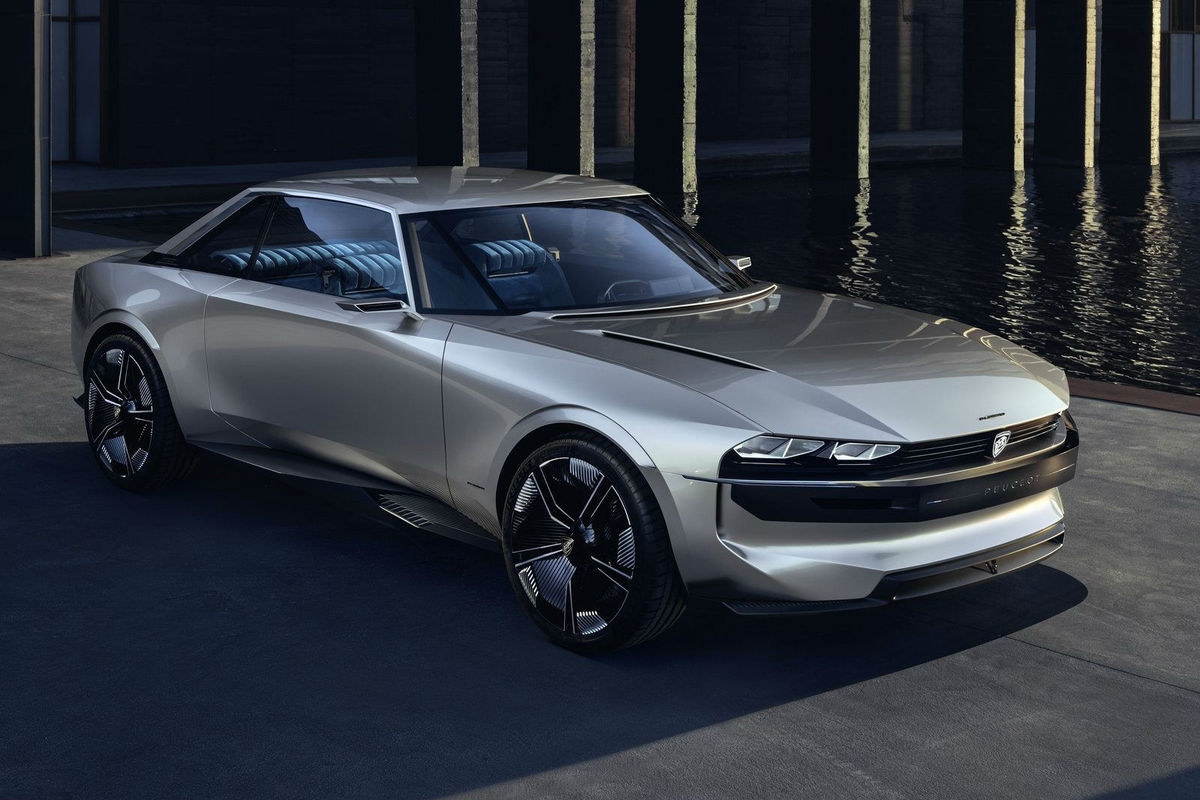
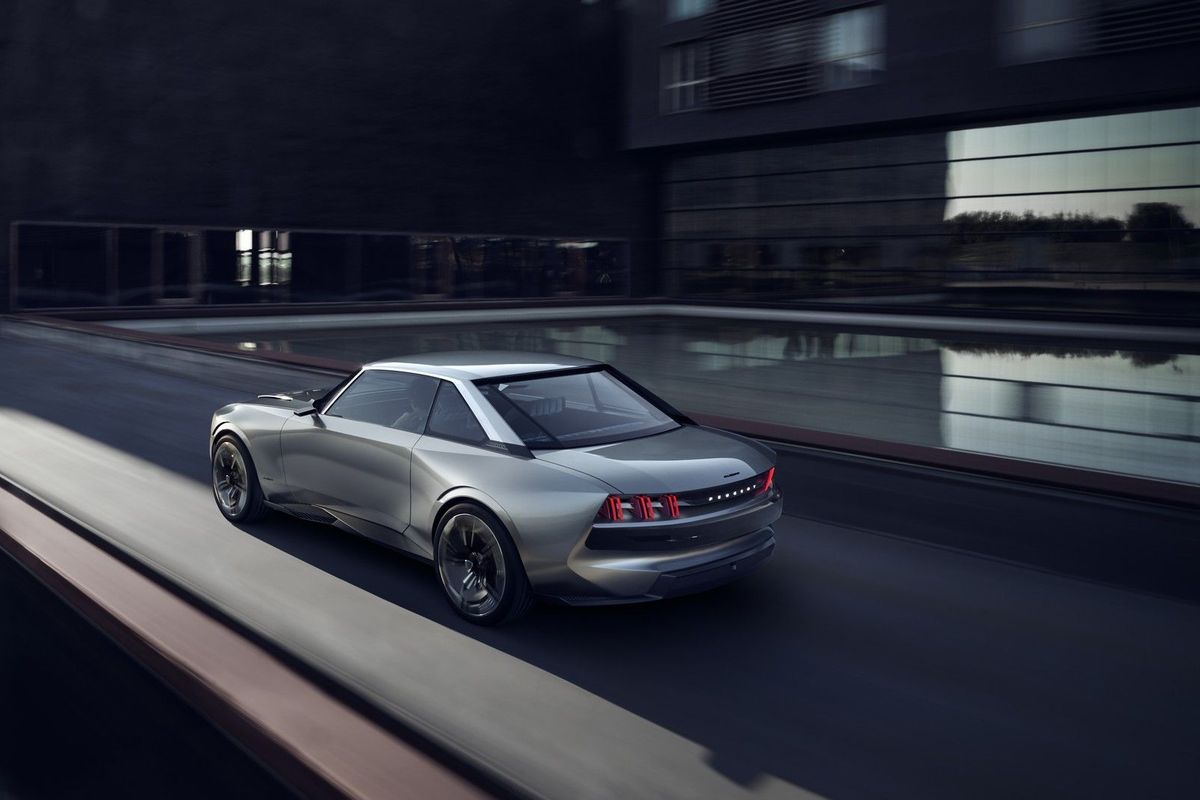
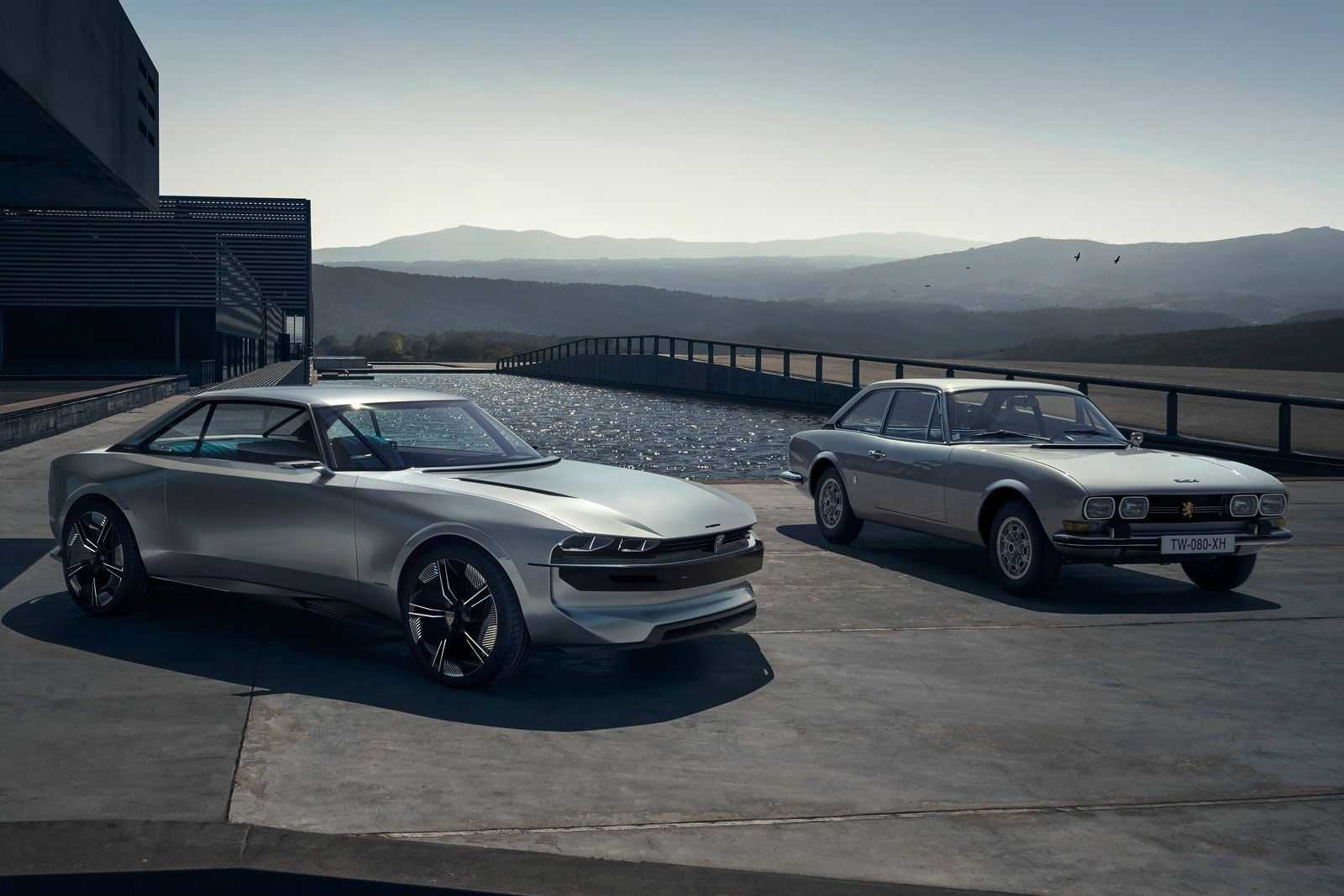
Is retro “making a comeback”? The design trend that peaked in the early Noughties seems to have strongly influenced Peugeot’s eye-catching e-Legend concept, which references the classic 504 Coupe and will make its debut at the 2018 Paris Show.
Peugeot has not offered a coupe in the SA market since the swoopy RC-Z compact sportscar was discontinued, but besides a gaggle of coupe convertible (CC) models (which were not really attractive, nor particularly impressive), there have been eye-catching coupe variants of the 407, 406 and 504.
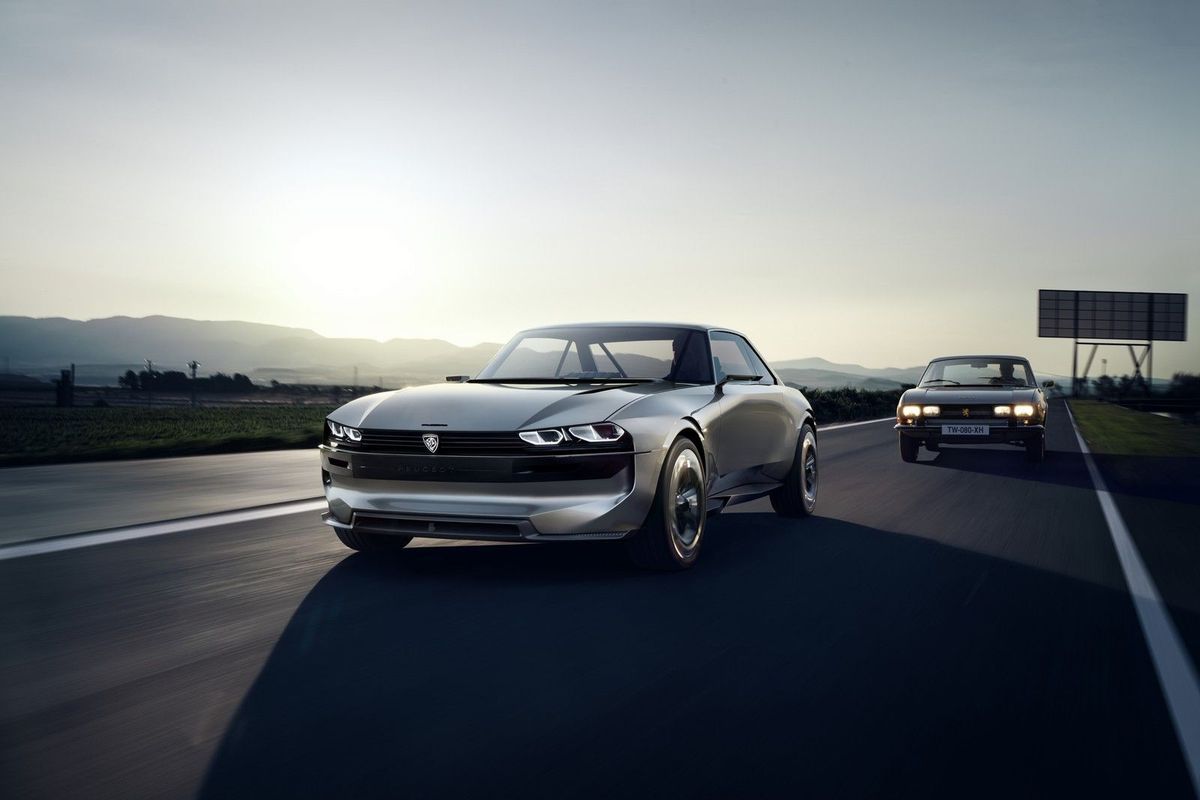
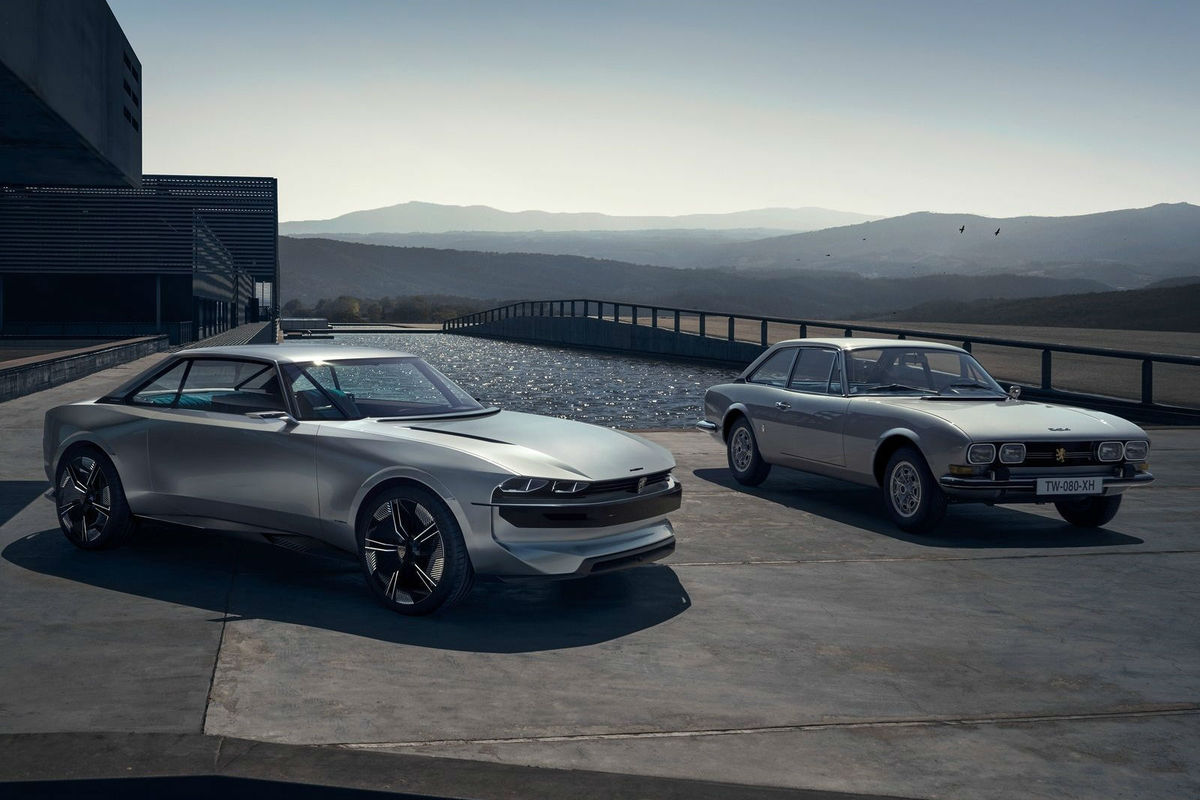
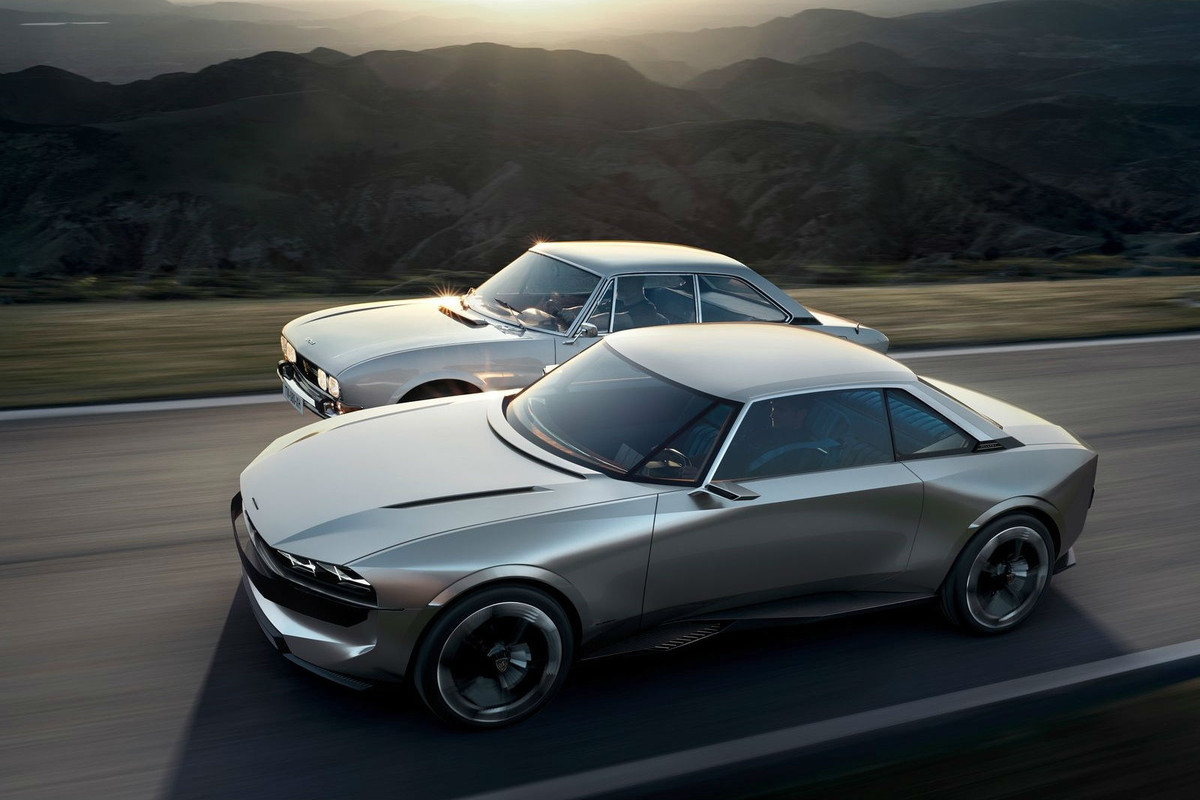
The 406 and 504 are of particular interest, because they were designed by renowned Italian design house Pininfarina. The former was regarded as ahead of its time when it was sold in the mid-90s, but the latter, which debuted almost 50 years ago, is regarded a classic and serves as inspiration for the e-Legend.
Although the 504 Coupe (right), which inspired the e-Legend, exudes late-'60s Italian elegance, the latter is decidedly more muscular.
The French marque describes the electric sports car concept as “a real object of desire that promotes the freedom of movement and offers the choice between a never-ending choice of pleasures”, which serves to underline Peugeot’s motto of “#Unboring the future”. But to set aside the woolly marketing speak for a minute, the e-Legend is remarkable in that its styling draws heavily from the 504 2-door, and opens the possibility that Peugeot could be convinced to produce a coupe of the all-new 508.
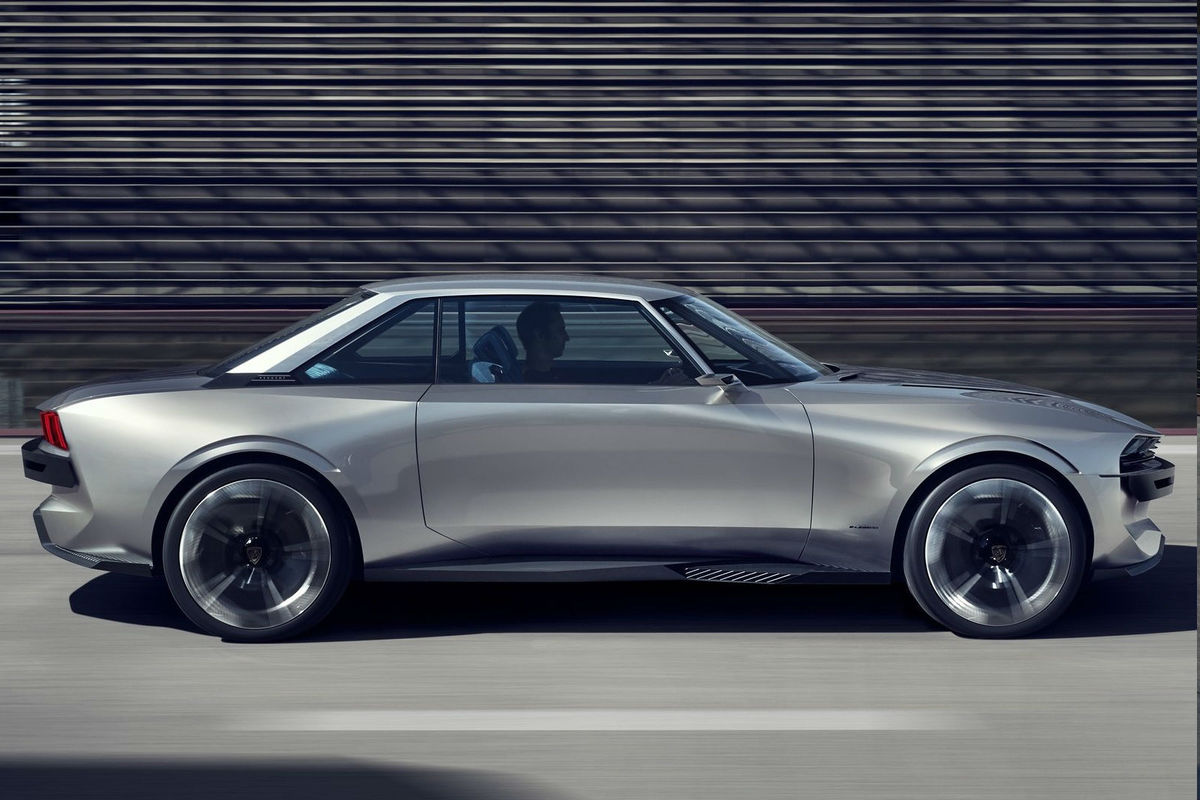
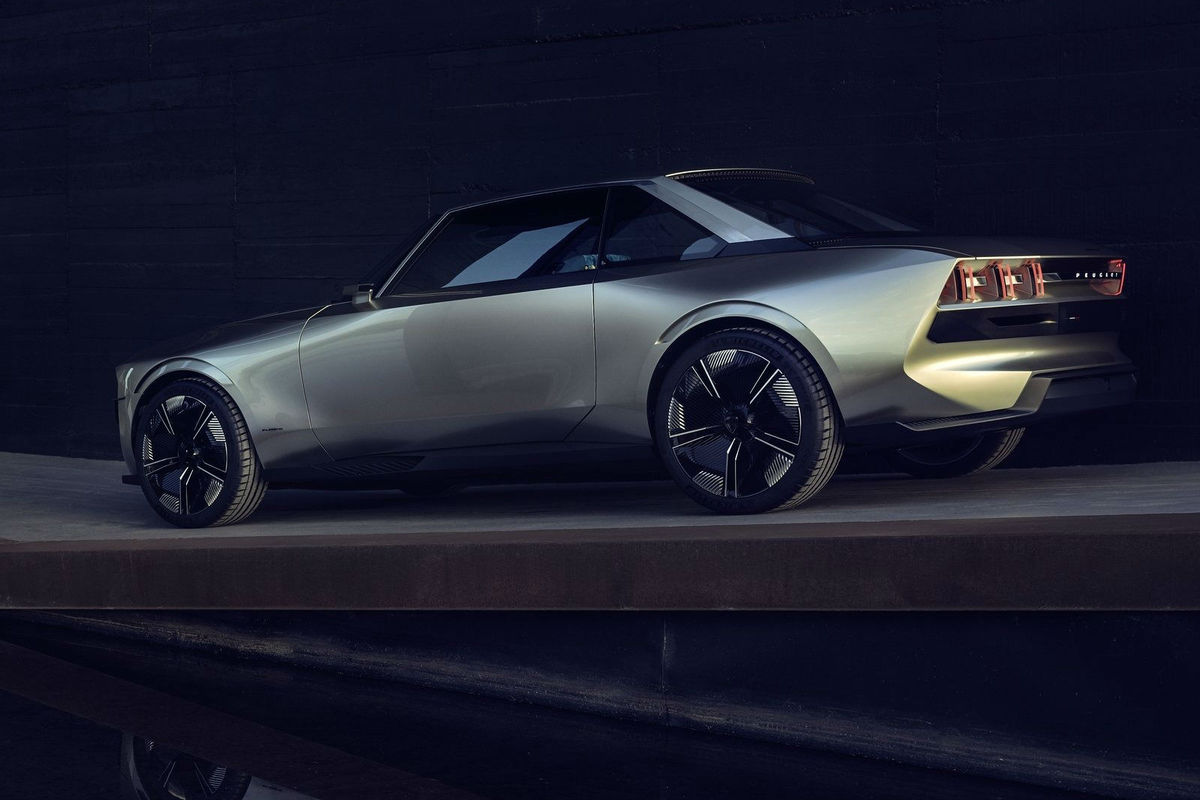
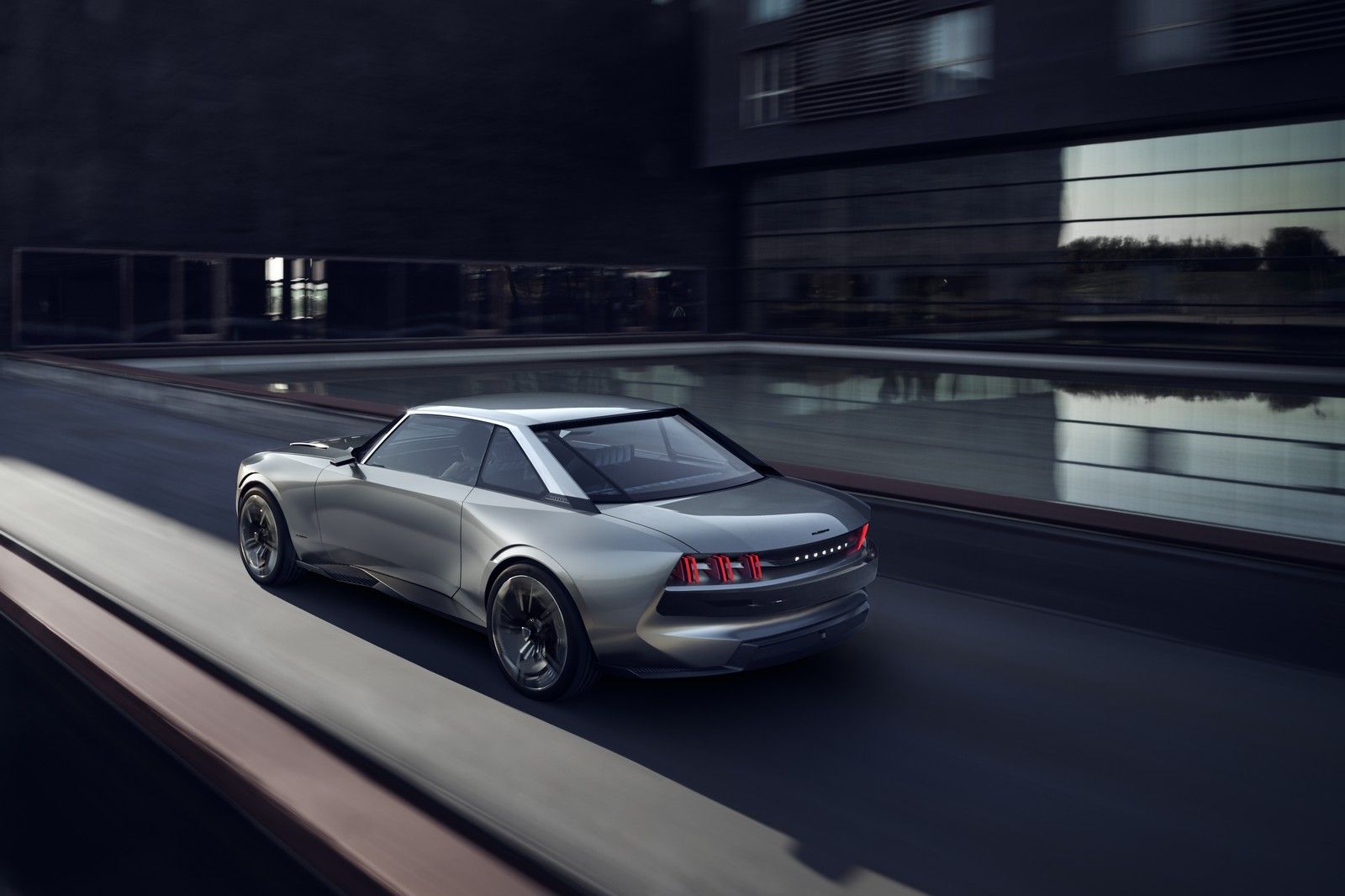
In fact, the proportions and athletic, squared-off styling cues of the e-Legend is reminiscent of classic ‘60s muscle cars. Over and above the characteristic pairs of twin headlights, the front bumper is seamlessly integrated with the fenders and split in half by a black aluminium beam, a legacy of the 504’s chrome-plated stainless steel bumpers. At the back, the design theme is duplicated, replete with voluptuously flared wheel arches, “3-claw design” tail light clusters and a full-width 3rd brake light.
The concave surfacing of the e-Legend makes its wheel wells look particularly pronounced. Note the muscle-car tail lights!
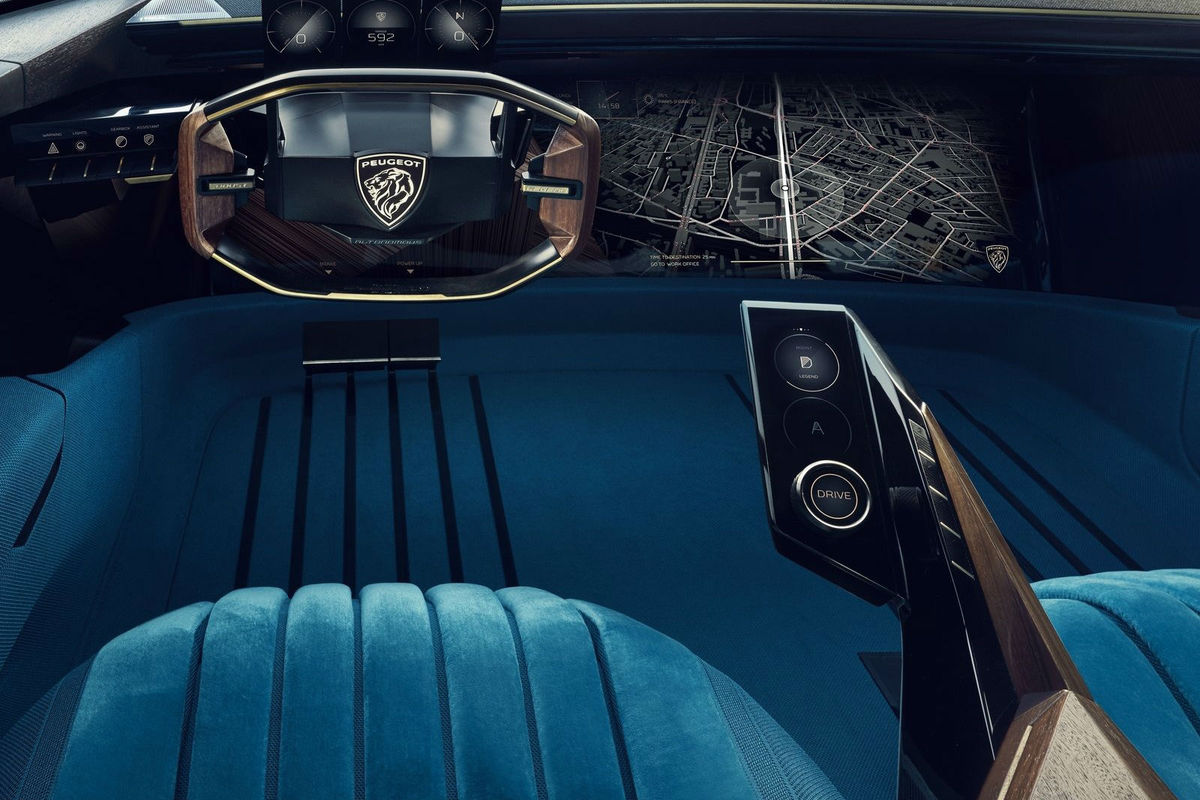
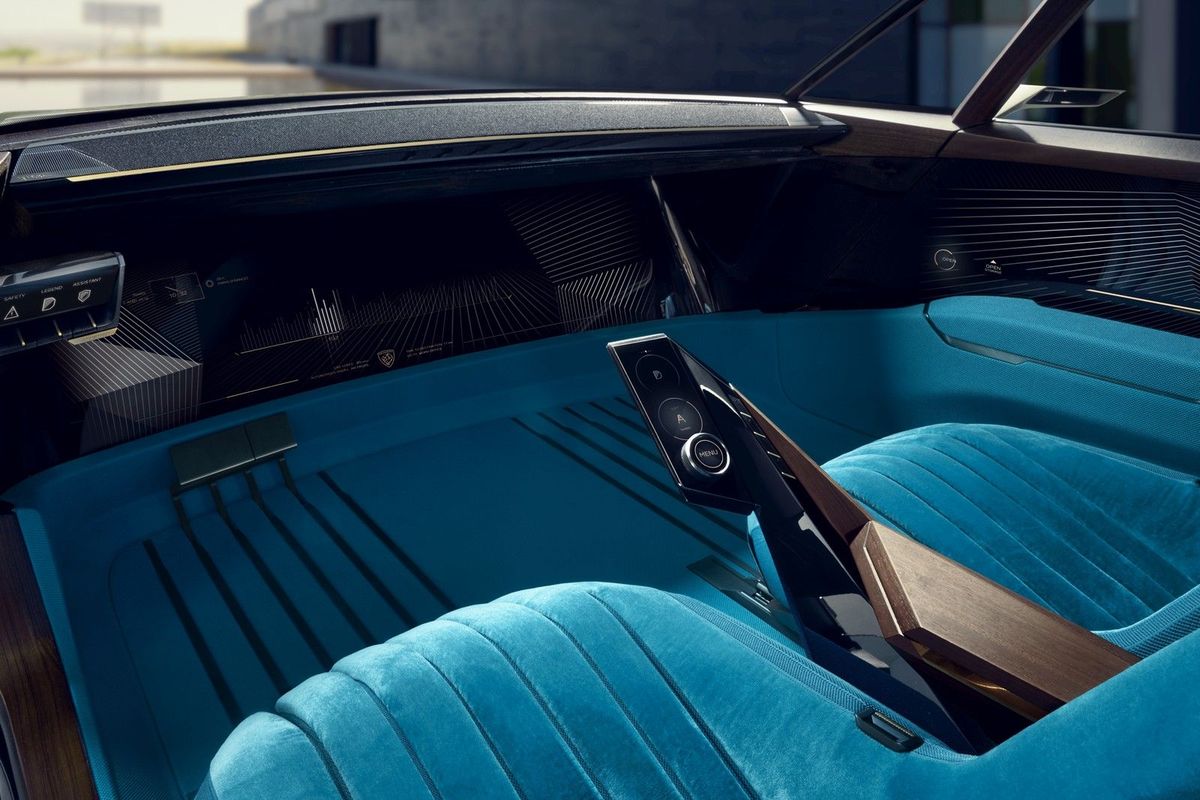
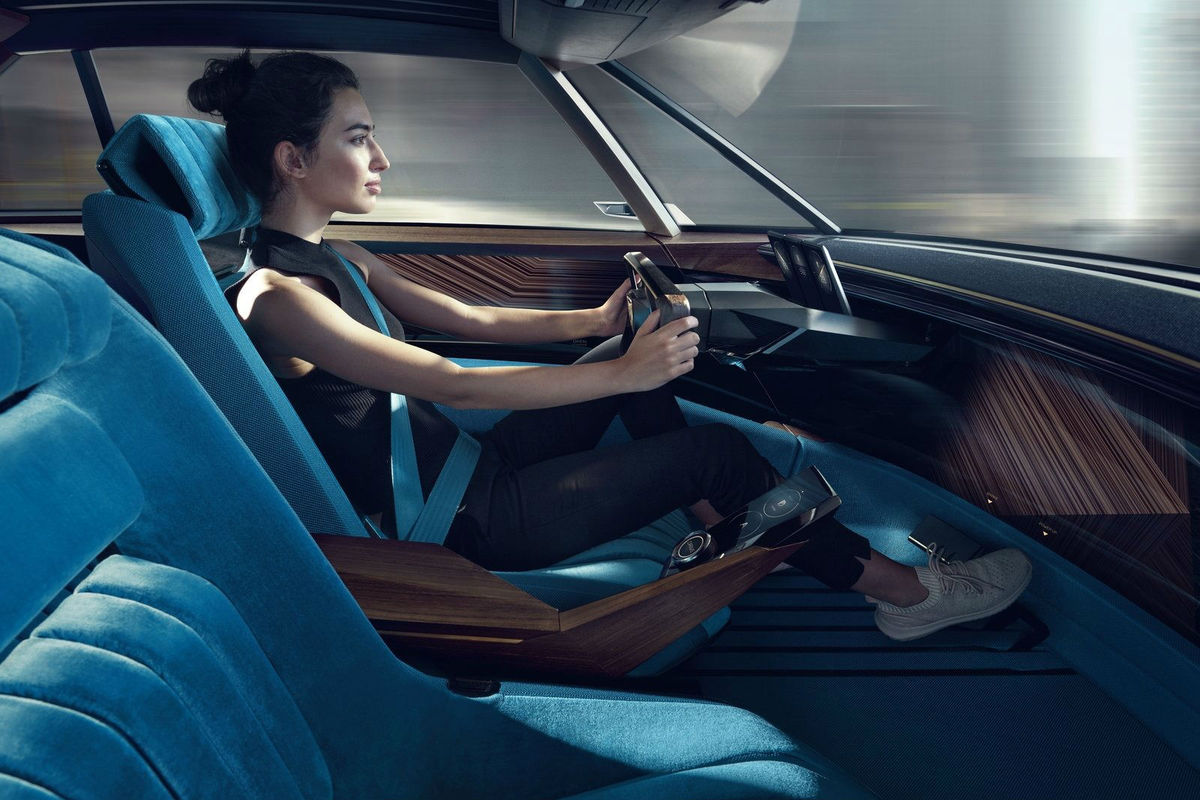
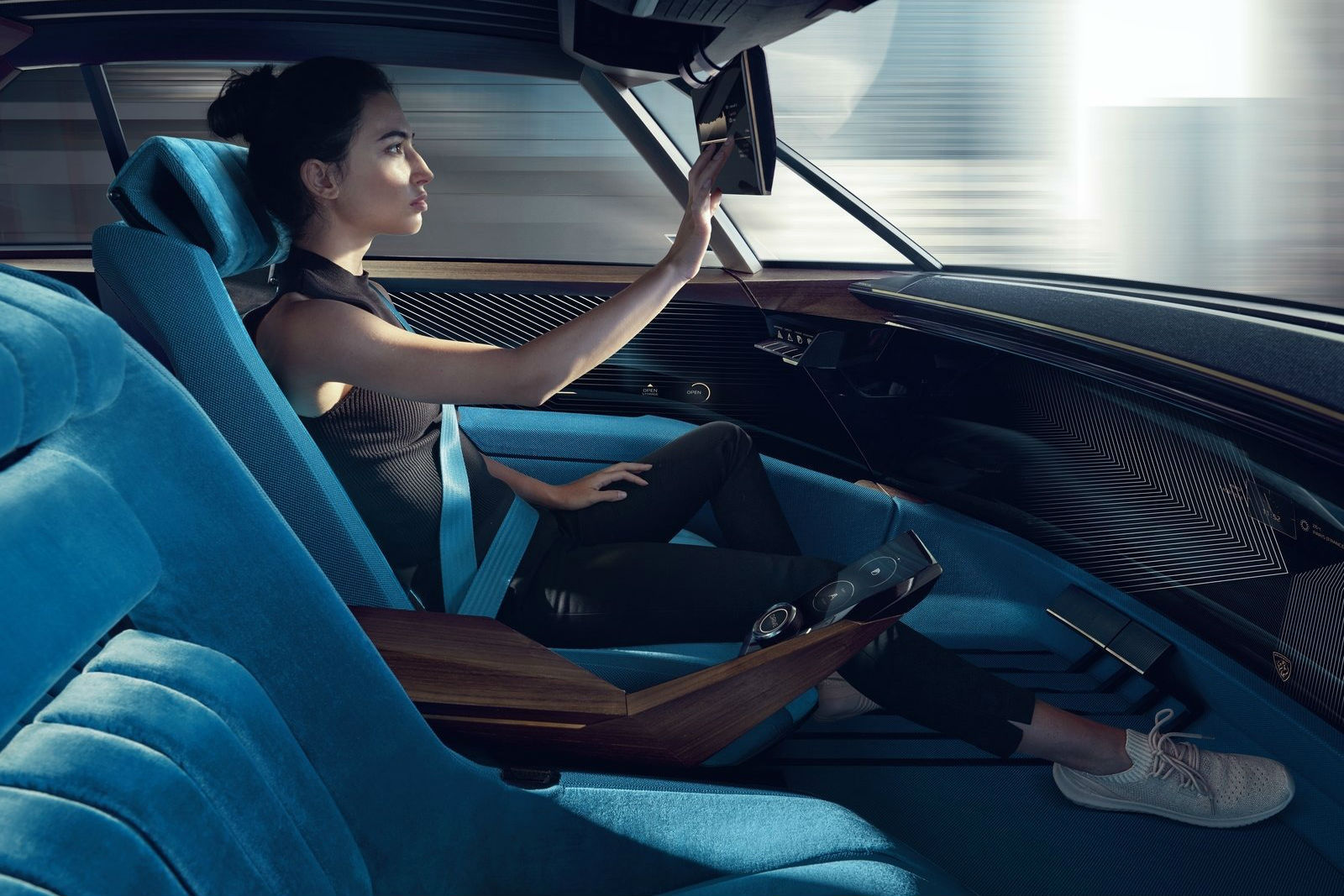
The e-Legend is said to afford Level 4 autonomous driving technology. When driven in a conventional manner, there are 2 driving modes: Legend features a trio of display screens that are an homage to the dials on the 504’s dashboard; Boost uses a single driver information screen and projects images from the car’s cameras onto digital surfaced inside the car to offer a more immersive experience.
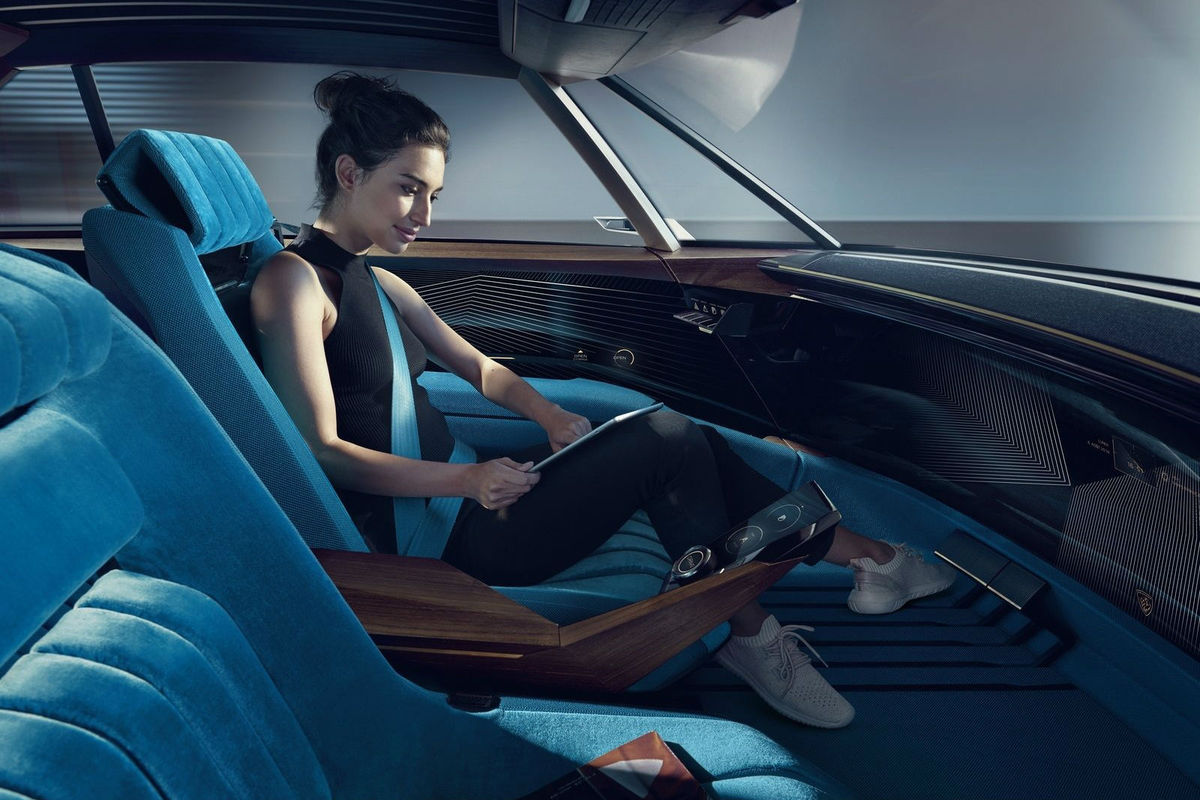
In autonomous modes, which is either Soft (for a relaxing low level of electronic activity) or Sharp, which avails the full range of connectivity and information displays, the e-Legend’s steering wheel retracts under the sound bar in order to fully reveal the curved 49-inch screen (yes, its wider than many people’s living room television sets!). What’s more, the front seats recline and the side armrests deploy automatically, which allows the e-Legend to free up a large storage area and an induction charging area for smartphones. The main controls remain accessible via the centre console, though.
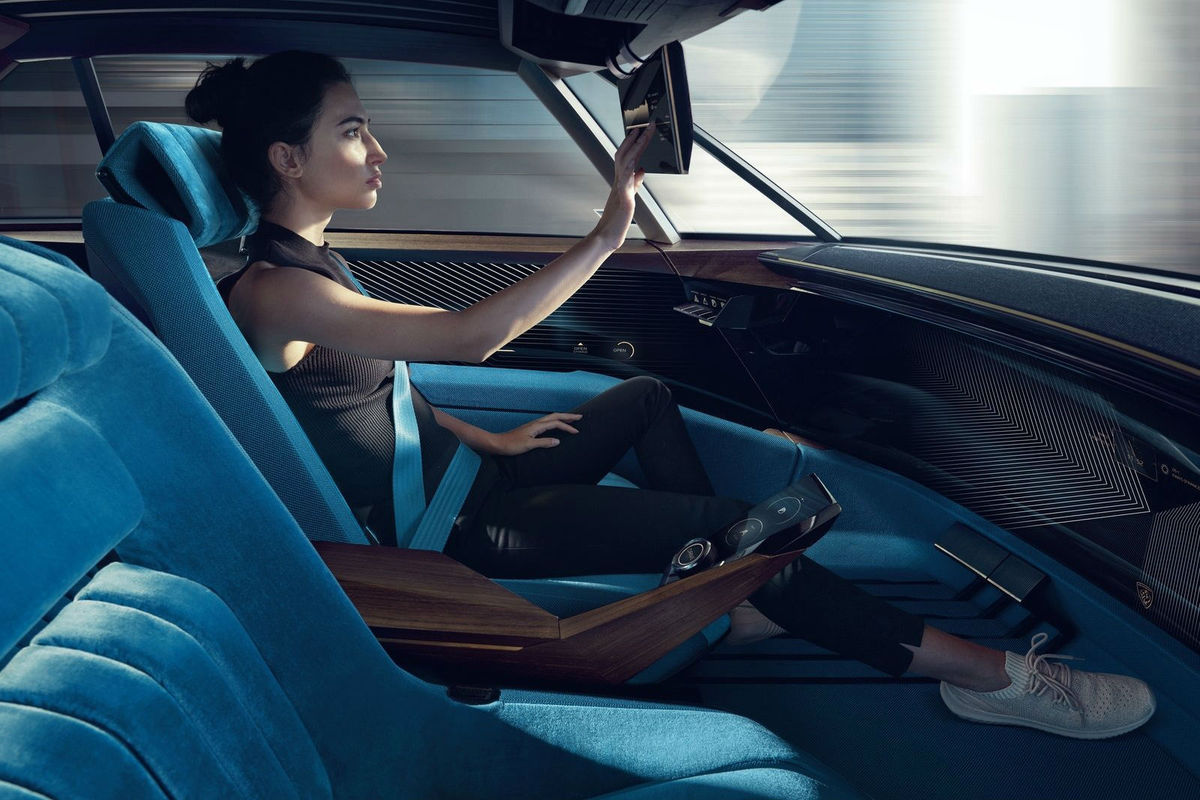
With the e-Legend's steering wheel neatly tucked away when the concept is running in autonomous mode, the driver can use the sun visor as an entertainment screen.
“The occupants can then enjoy their favourite hobbies: play the integrated video game or watch a film either in the curved central screen or in each screen built into the sun visors,” Peugeot claims.
Powered by 100 kWh batteries, the e-Legend’s electric motor produces 340 kW and 800 Nm of torque, which is distributed to all 4 wheels. The French firm claims its concept can accelerate from 0 to 100 kph in less than 4 sec and reach a top speed of 220 kph. The car’s projected range is 600 km (according to the WLTP protocol). Fast charging, as well as induction charging, are supported.