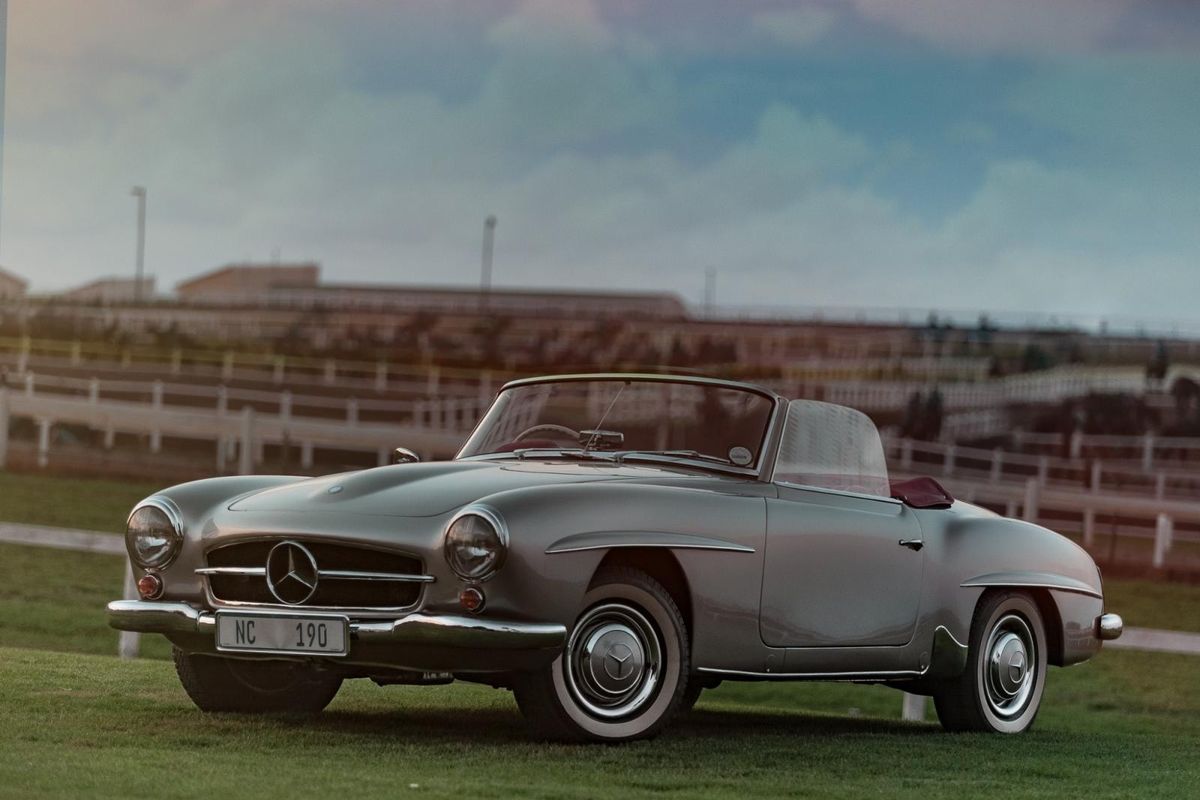
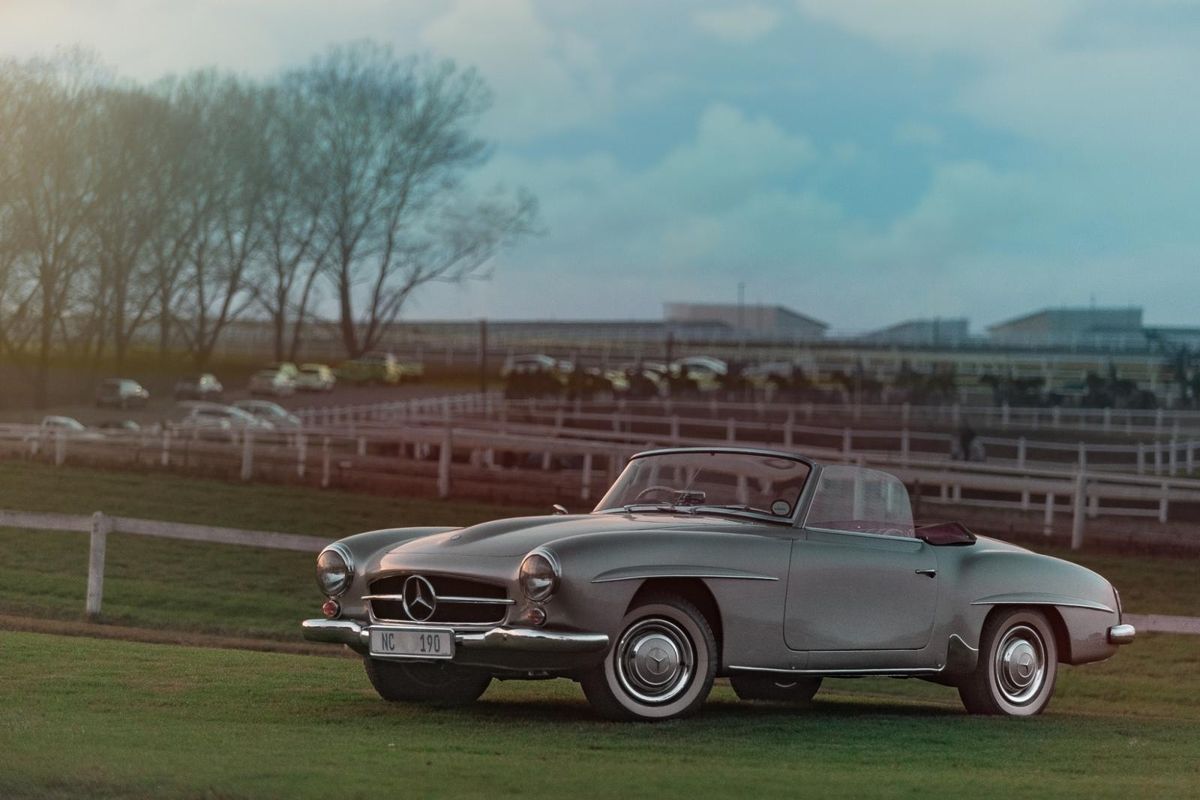
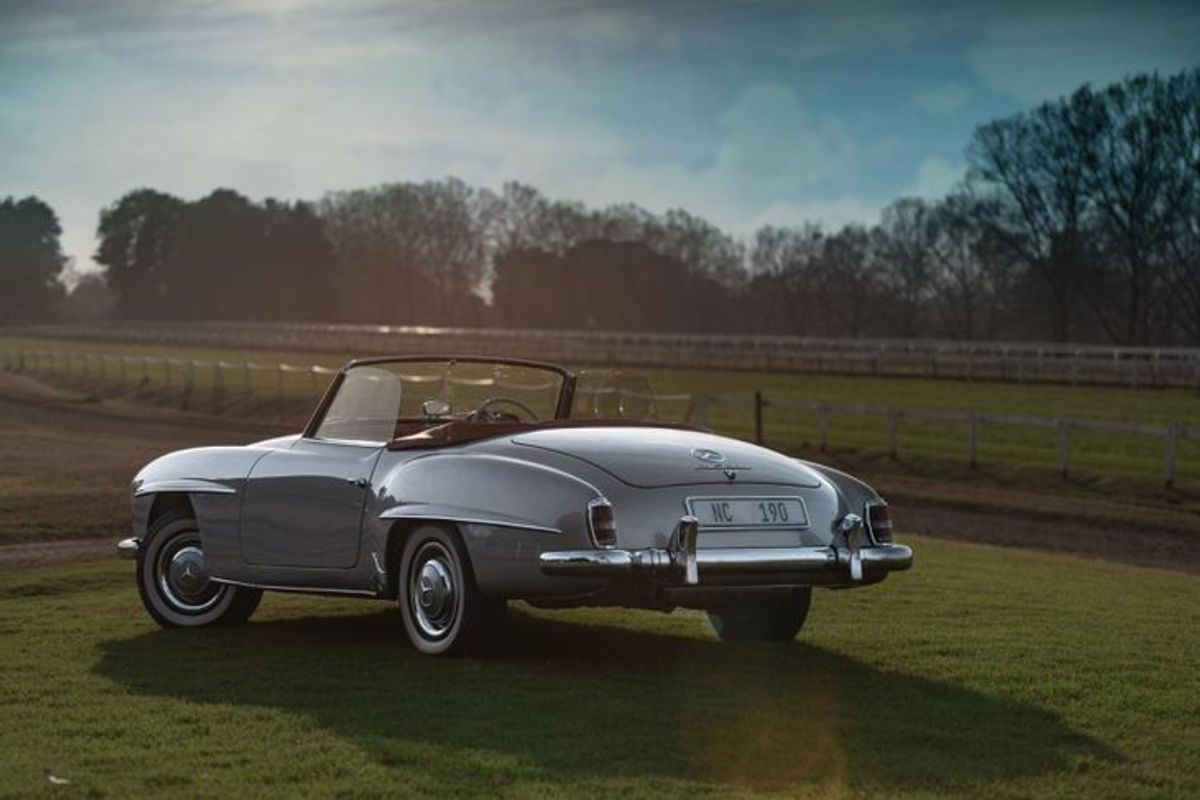
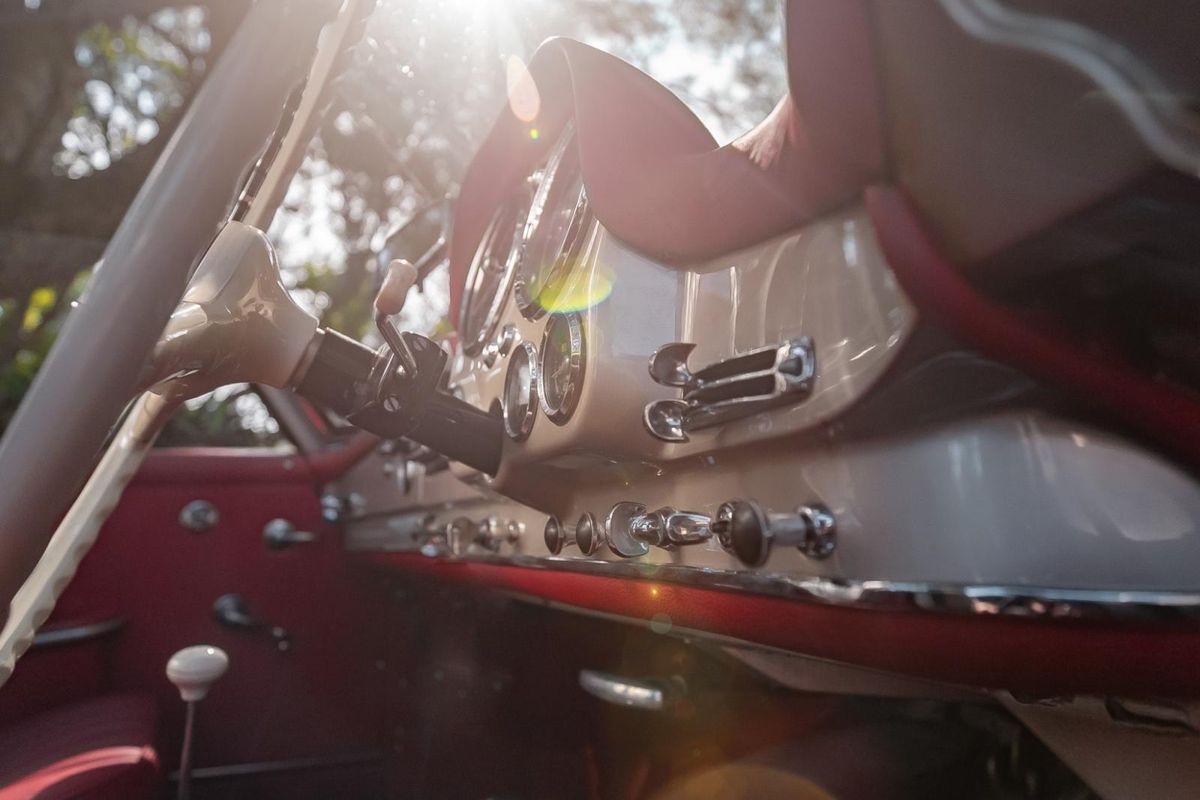
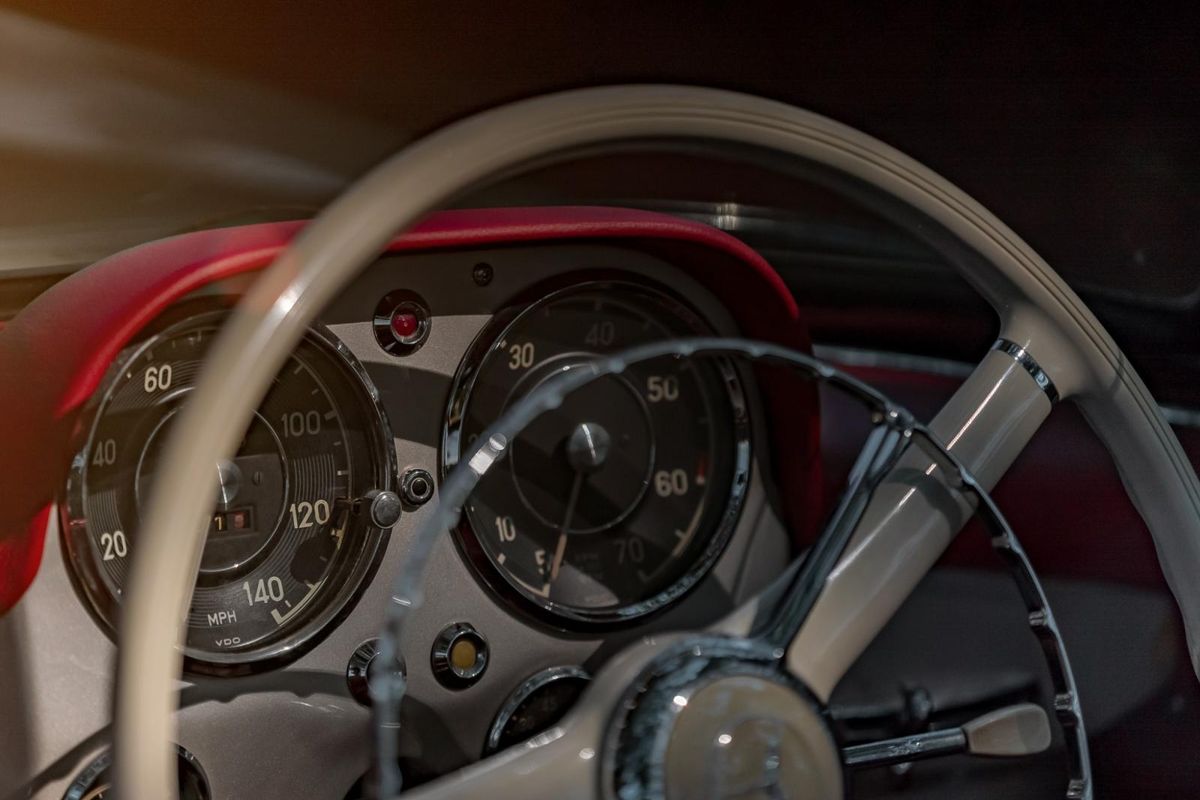
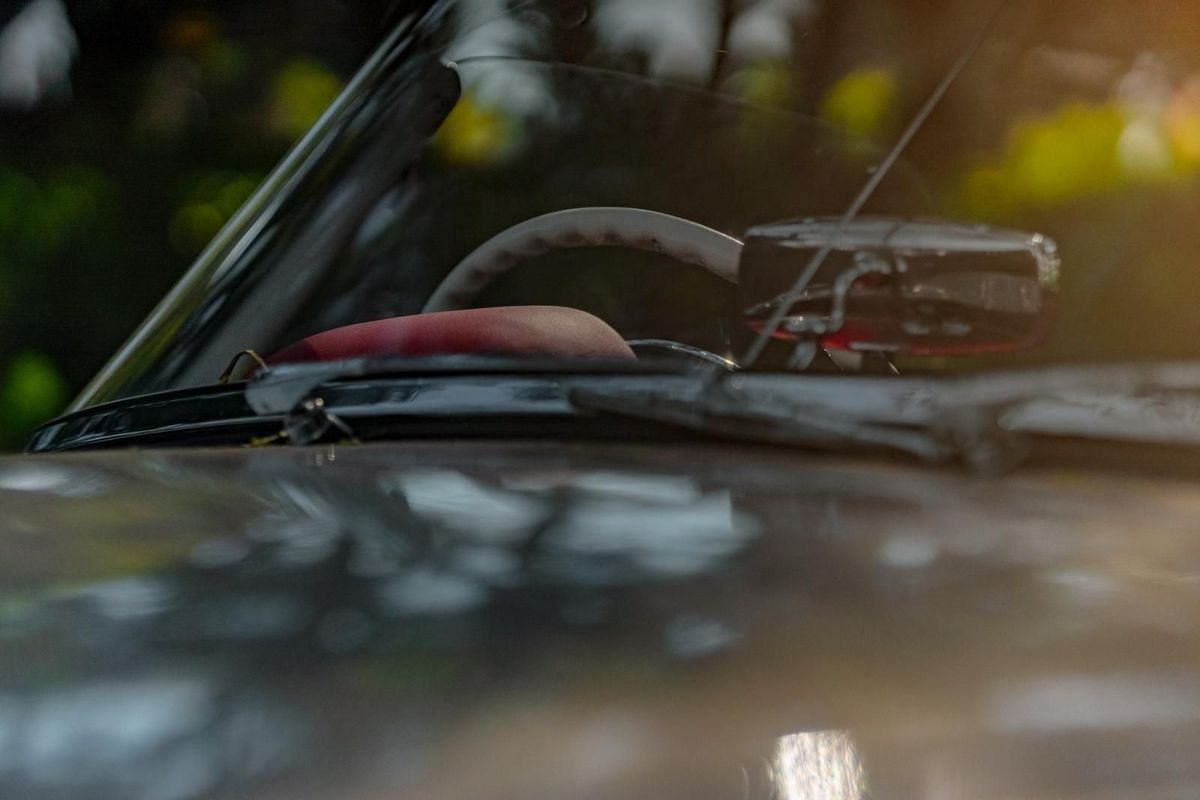
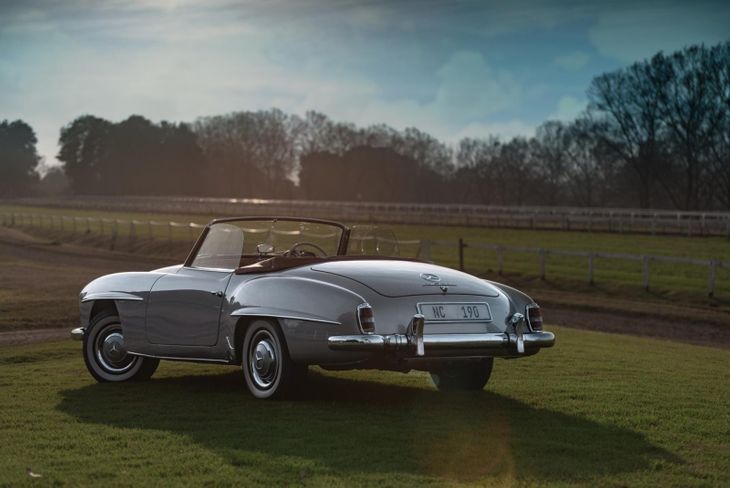
Several stunning cars emerged from the design studios of motor manufacturers in the 1950s. Among these was the Mercedes-Benz 190SL. For many years this model lived in the shadow of its more illustrious stablemate, the 300SL, or ‘Gullwing’ as it came to be known, and its roadster sibling. But a select few aficionados knew better.
Text By Sudhir Matai – Photos by Justin Pinto
The W121 190SL rates as one of the most beautiful cars of the era, which is no small feat, considering that competition included the Jaguar E-Type, BMW 507 and first-generation Corvette. Although it looked very much like a 300SL roadster, the 190SL was, in actual fact, a scaled-down version based on a saloon car of the time, rather than on the more expensive tubular set-up of the 300.
A young lady, Manana Nhlanhla, who grew up in the KZN interior, adored the 190SL. For her, the car epitomised gracefulness. It conjured up images of Princess Grace driving her own 190SL in Monaco, or some of the uber-cool Jazz artists of the day who owned them including one of Nhlanhla’s favourites,Miles Davis.
The beautiful curves and timeless elegance of the W121 190SL has made it a highly sought-after collectable.
A young Nhlanhla decided that she would try her utmost to own the svelte roadster. “One day I wanted to wrap my hands around this car's steering wheel and know it was mine. I own a few other SL models, but I could not find a 190. A few years ago, we heard about this car for sale in Cape Town, it was in a beautiful condition so we bought it. I have one of each SL now so I call them the Four Sisters. One day maybe I will start a wine label by the same name,” laughs the owner.
Ms Nhlanhla’s 190SL is an award-winning car. It bagged the coveted Show and Shine category at the 2016 Concours South Africa, which she is very proud of. But this isn’t just a show pony. When the skies are clear Manana grabs the keys and heads for her favourite back roads in the Valley of a Thousand Hills early on weekend mornings. There she enjoys the driving sensations of the 190SL with the sun pouring into the cabin, because, she hardly ever closes the roof of her car.
Watch the beautiful Mercedes-Benz 190SL in motion and listen to Ms Nhlanhla talk about her pride and joy.
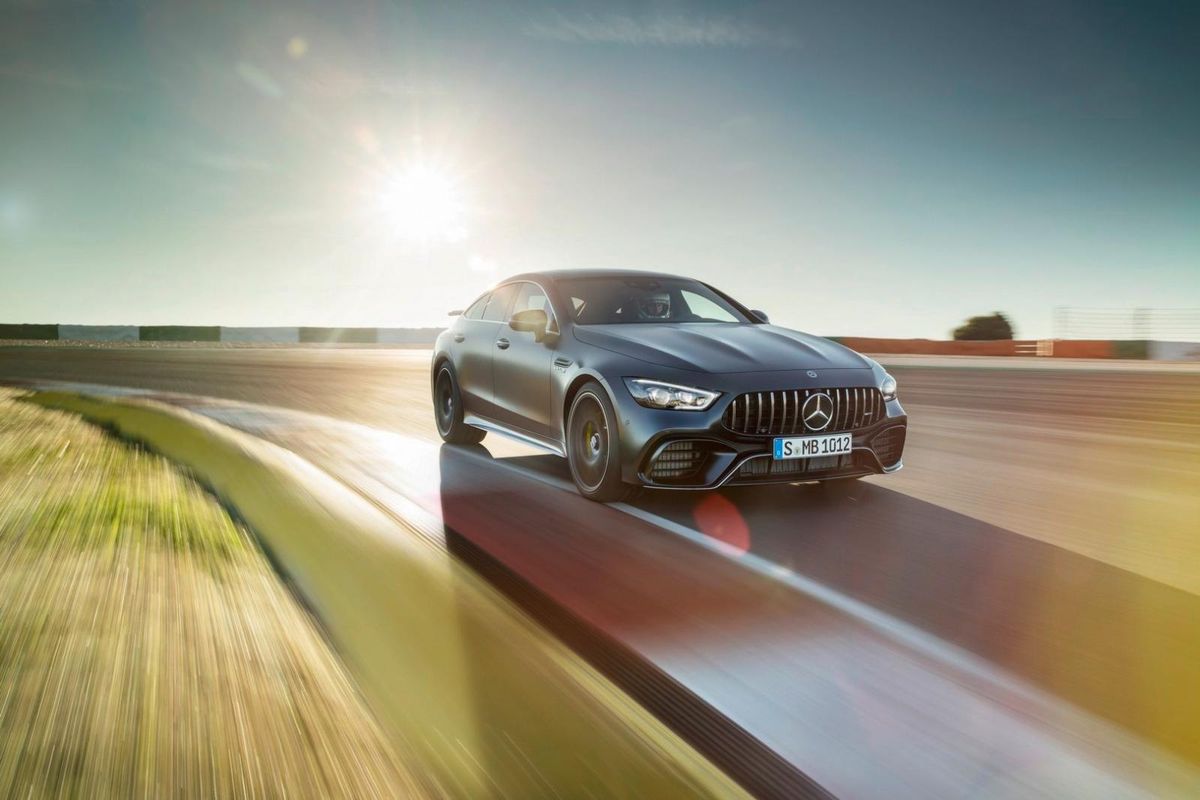
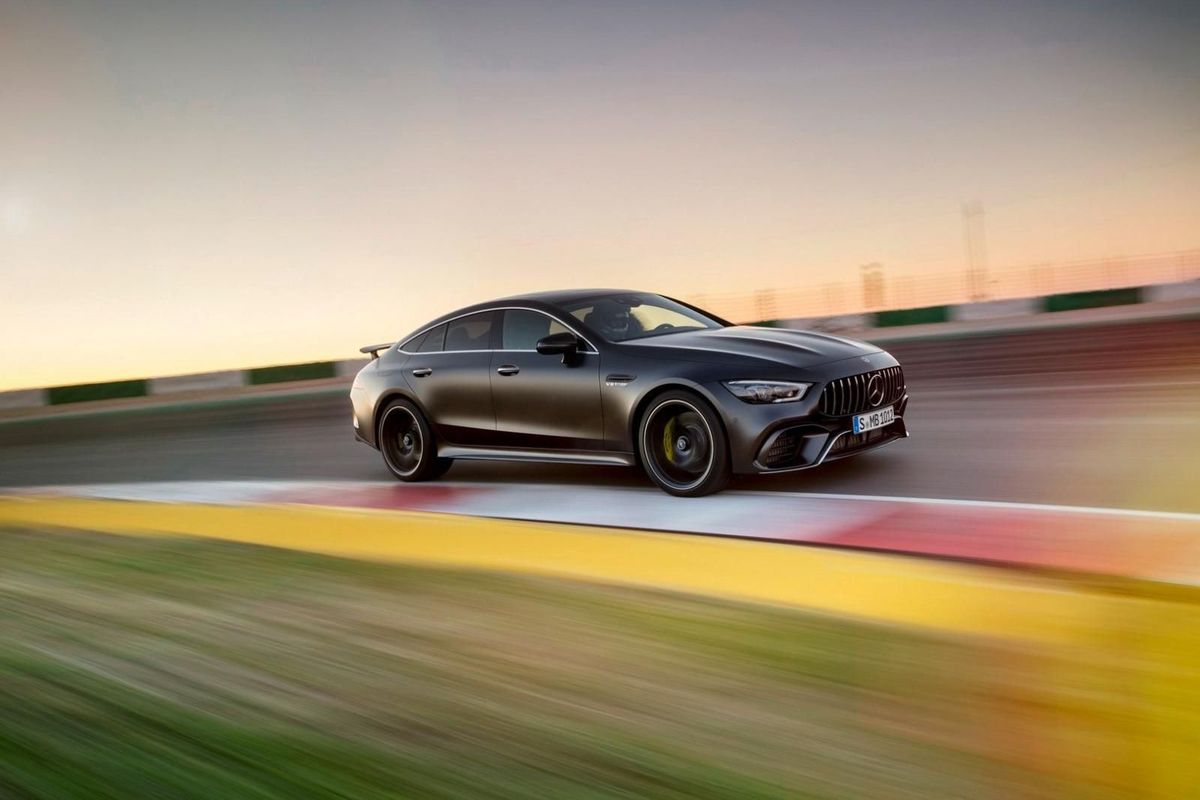
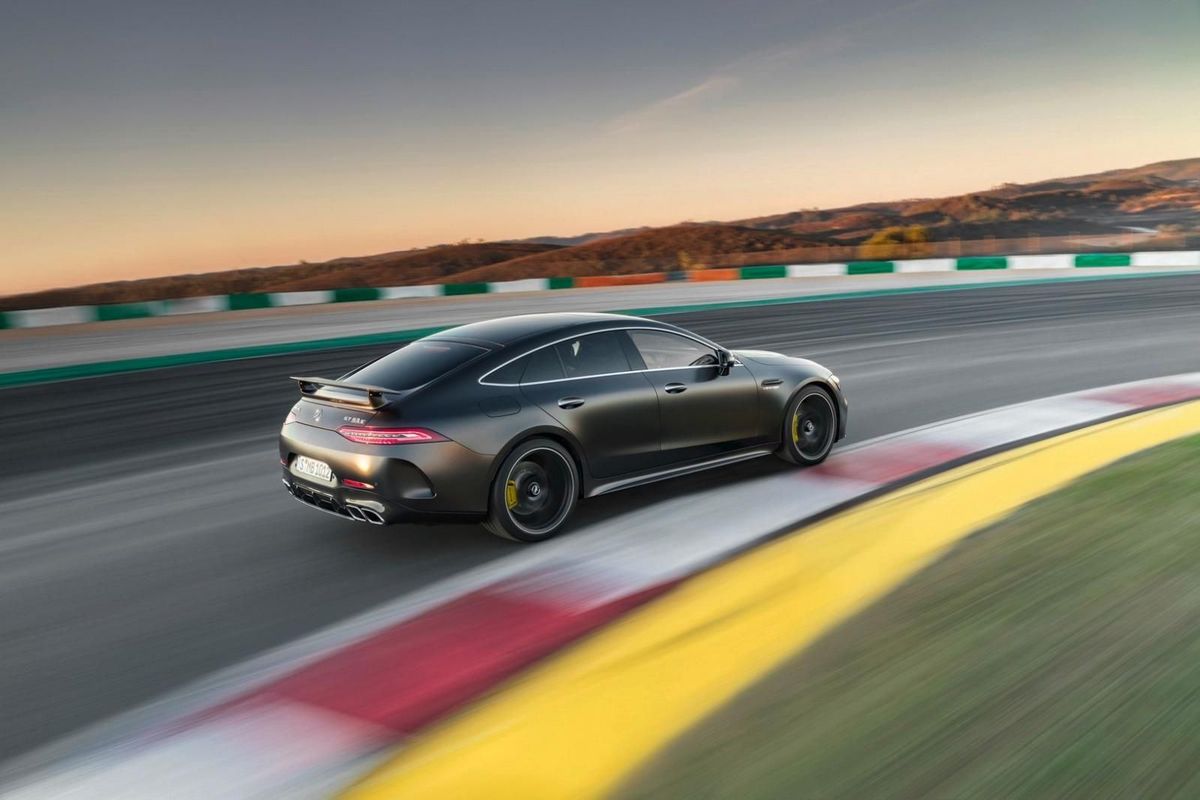
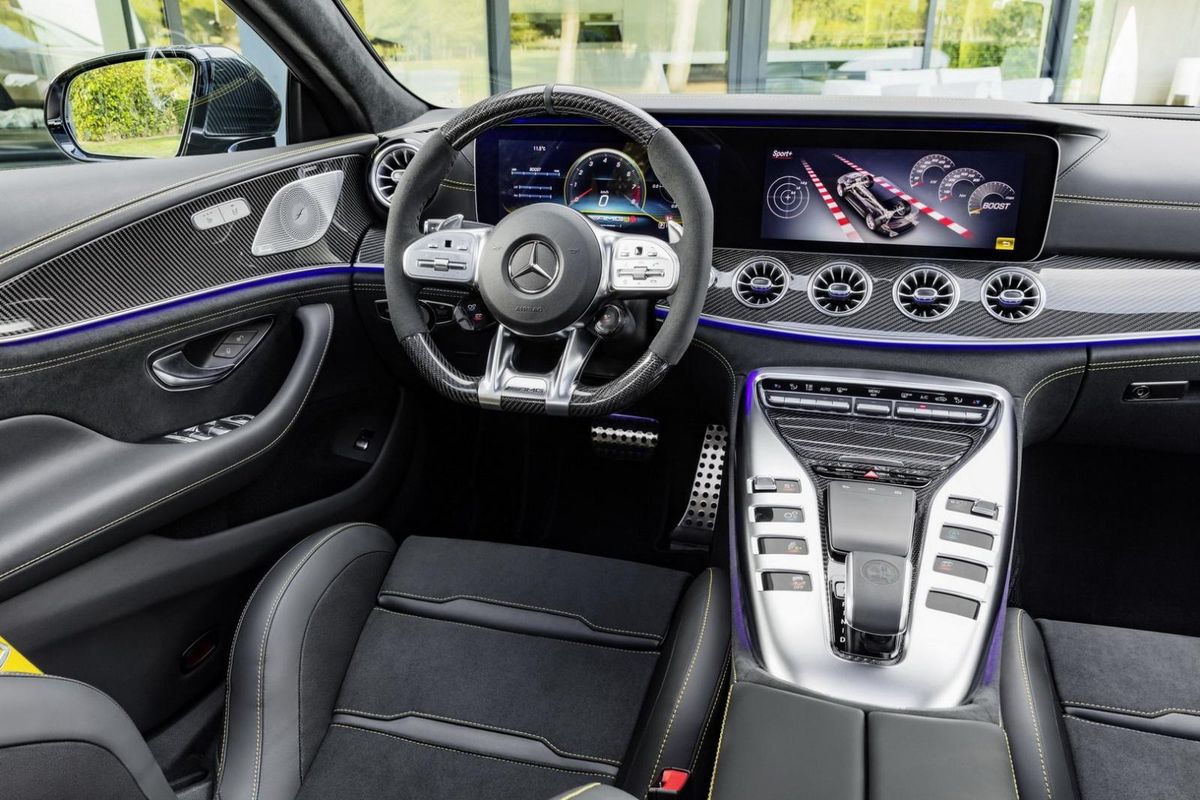
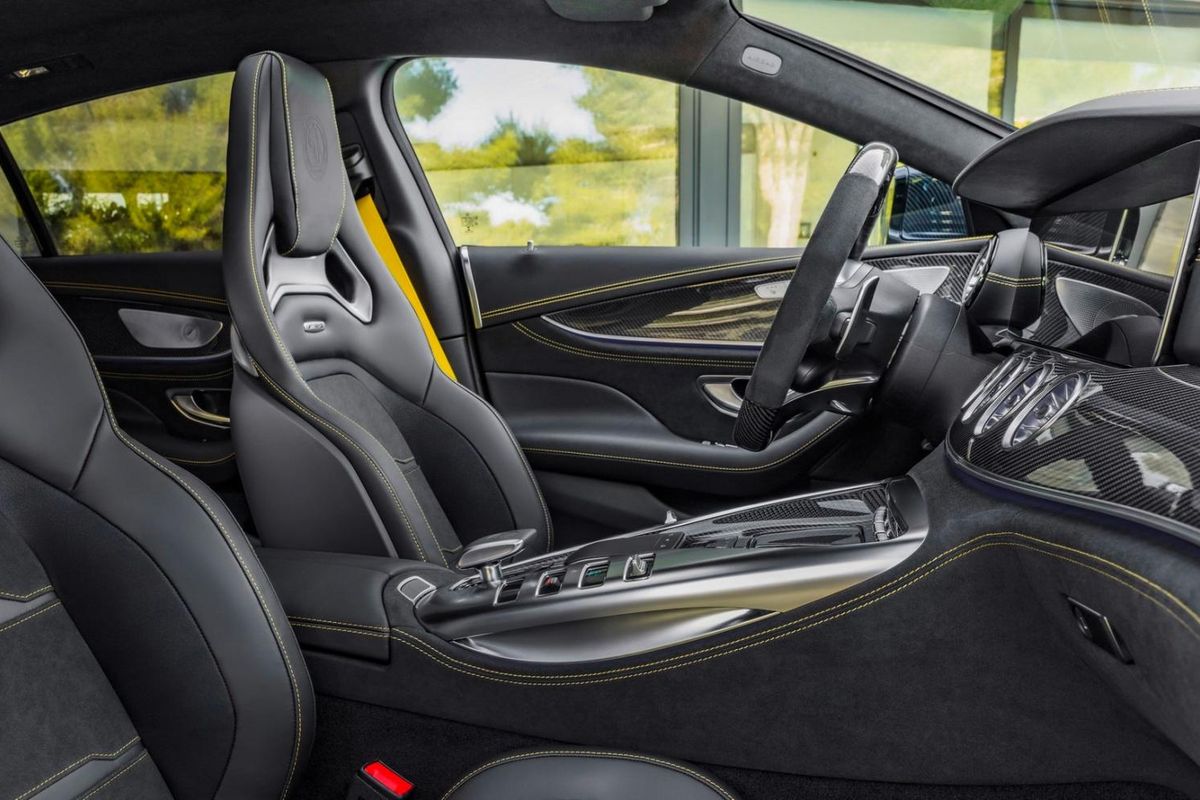
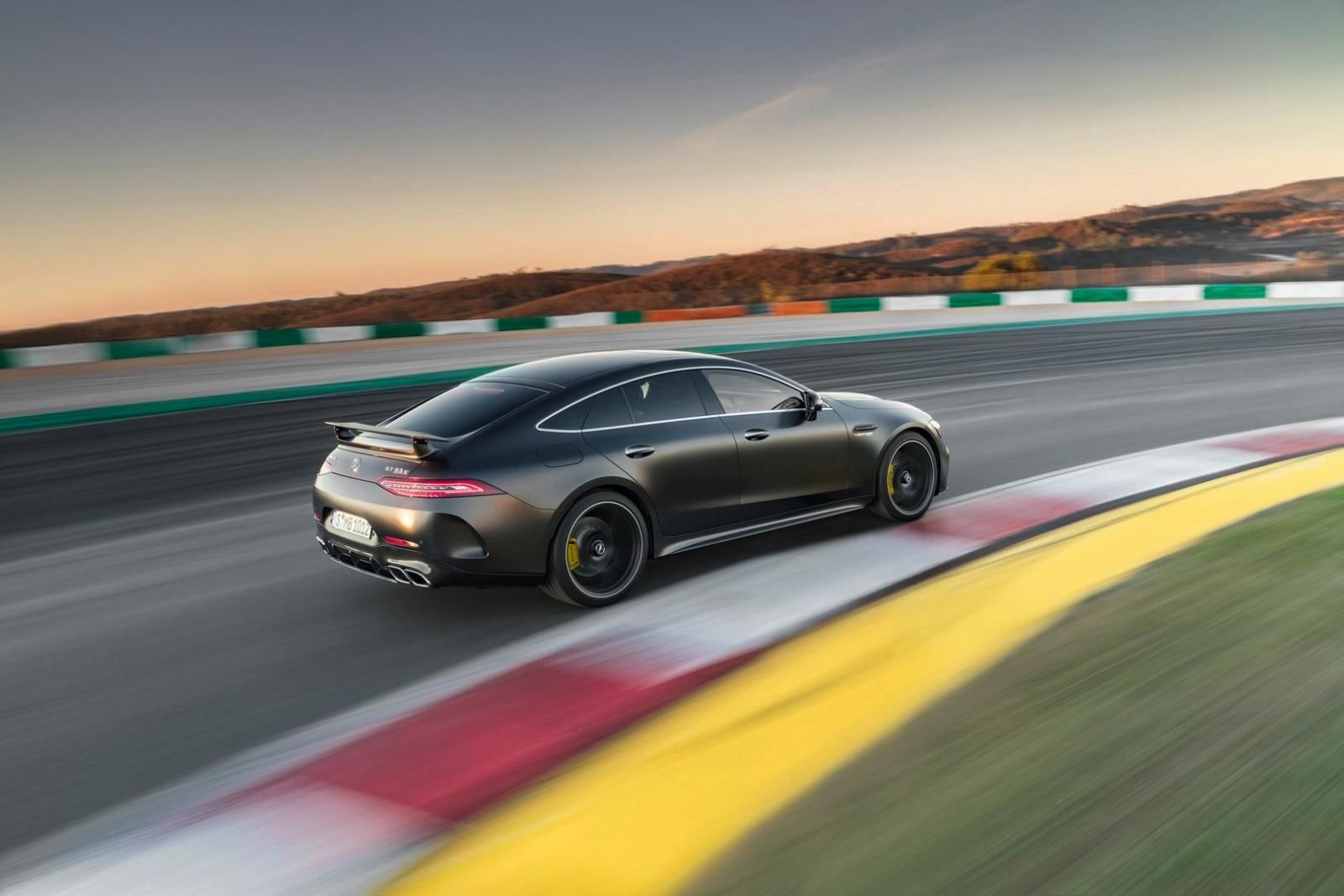
Production of the new Mercedes-AMG GT 4-Door Coupe has started at the Mercedes-Benz plant in Sindelfingen.
Building 36 at Merc’s Sindelfingen plant is where new Mercedes-AMG GT 4-Door Coupes will roll off the production line and by 2020, Daimler will invest over 1.5-billion Euros into the plant to safeguard its future. The plant will be modernised with the intention of making its operation more sustainable. A further 600-billion Euros will be invested in Research and Development.
Sindelfingen is also the site where the E-Class and S-Class are produced and electric vehicles under the EQ brand will also be produced here. More than 25 000 people work at Sindelfingen with about 250 cars produced there everyday.
The GT 4-Door Coupe range is headlined by the GT 63 S 4Matic+ with 470 kW and 900 Nm of torque.
"With the Mercedes-AMG GT 4-Door Coupé, Sindelfingen is totally living up to its role as the competence centre for upper-segment and luxury-class vehicles. It is an impressive vehicle produced by highly qualified and highly motivated colleagues. With our company agreement "Future Vision 2020+" we once again contributed to the safeguarding of employment at our site. And this totally new model is going to play its part in this regard", says Ergun Lümali.
The Mercedes-AMG GT 4-Door Coupe is the third in-house model following the SLS AMG and AMG GT and will rival the likes of the Porsche Panamera and BMW 8-Series Gran Coupe. The full range of AMG GT 4-door variants comprises the entry-level GT 43 4Matic+, GT 53 4Matic+, GT 63 4Matic+ and GT 63 S 4Matic+.
Power ranges from 270 kW in the GT 43 4Matic, 320 kW in the V6 53 4Matic right up to 470 kW in the 63 S 4Matic. The other headline figures for the S model is that it delivers 900 Nm of torque and shoots from 0-100 kph in a claimed 3.2 seconds. The V8s are equipped with multi-clutch 9-speed transmissions that allow for launch control starts while the V6 has a 9-speed torque converter automatic with race start mode.
The Mercedes-AMG GT 4-Door Coupe can be expected in SA in early 2019.
Toyota has finally revealed official details of its new front-engined, rear-wheel drive Supra sports car. Take a look at what the new Supra has to offer…
In 2012, Toyota and BMW announced a collaboration to each co-develop and build 2 new mid-size sportcars on the same platform. In the case of BMW, the result is the new Z4 which was revealed earlier this year and is due to arrive in South Africa in 2019. For Toyota, the result is the highly-anticipated Supra which has now been officially revealed.
Engine Details
The new Toyota Supra is powered by a BMW-sourced 3.0-litre, in-line 6-cylinder turbocharged petrol engine with outputs of ? and ? driving the rear wheels via a ?.
Those figures ensure brisk acceleration and Toyota claims a zero to 100 kph sprint time of ? for the Supra while top speed is claimed at ?
Buyers can also expect an entry-level, 4-cylinder version to join the range.
A more hardcore Supra GRMN version is expected at a later stage and Toyota is also reportedly considering a track-focused version.
Exterior and Interior Design
The Toyota Supra is clearly distinguished by its revised front bumper with large air intakes as well as newly designed taillights. the front-end design and double-bubble roof clearly take inspiration from the 2014 Toyota FT-1 concept car.
The Supra's interior has been designed around the driver with all the controls within easy reach. A large touchscreen display along with bolstered sports seats and a 3-spoke steering wheel are fitted.
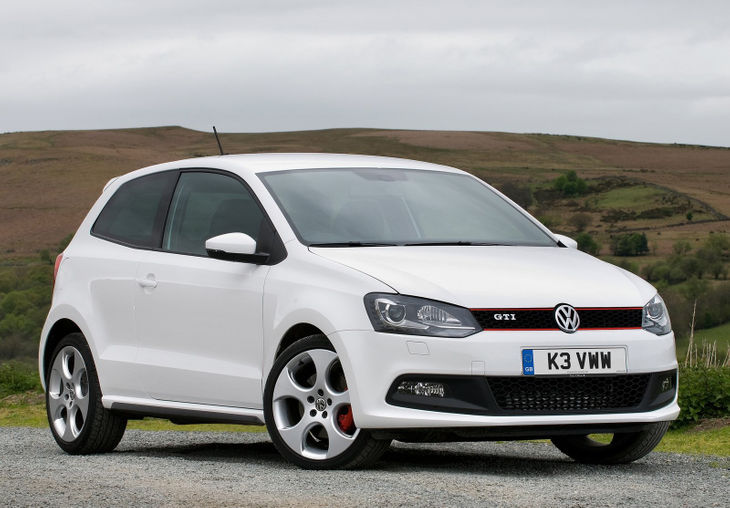
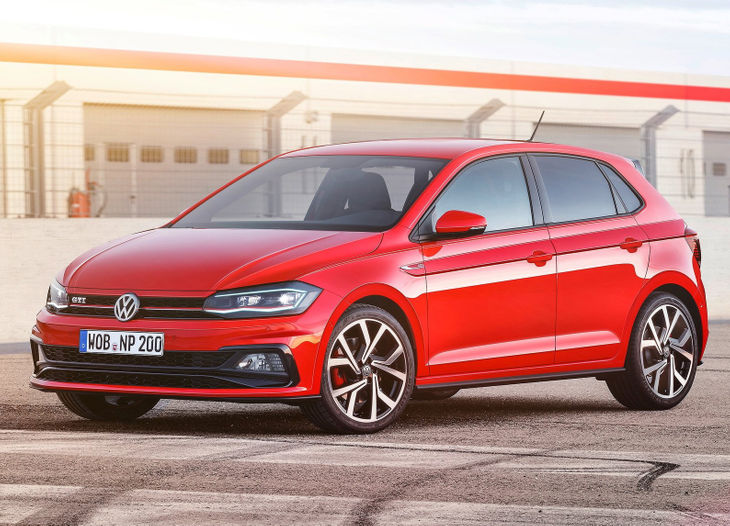
So we never got the Polo GT G40 or original GTI, but several fast Volkswagen Polos (including GTI-badged ones) eventually made their way to South Africa. Aaron Borrill traces the nippy supermini’s lineage from the Polo Playa to the current Mk6 Polo GTI.
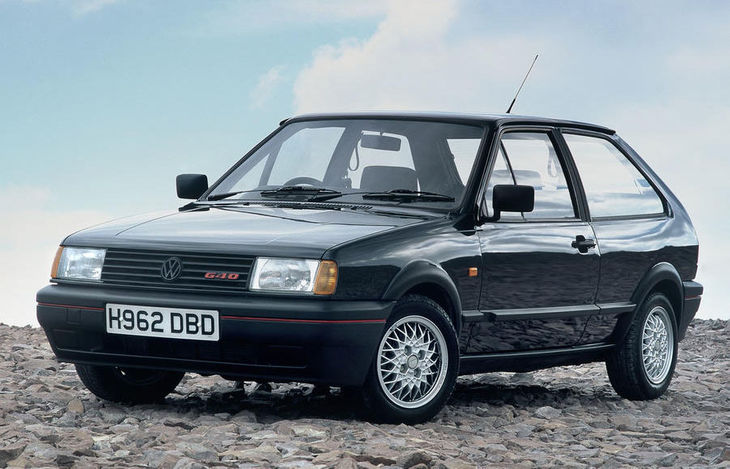
Between 1975 and 2002 South Africa missed out on three generations of the Volkswagen Polo which included unicorns such as the supercharged Mk2 Polo GT G40 and the first GTI, a model renowned as one of the most playful VW hatchbacks ever produced. Disappointing, yes, but at the time SA had no need for the Polo designation – the CitiGolf was well in its prime and VWSA’s Uitenhage factory was churning out thousands every month with the odd performance-bent model thrown in to sate the thirst of the young enthusiast. Over time, however, the gap between the ageing Citi and venerable Golf began to broaden and this eventually led to the introduction of the Polo nameplate to the local market and with it the eventual rollout of the GTI badge.
The 1(s) We Never Got
The Mk2 Polo GT G40 and its 82 kW supercharged 1.3-litre engine quickly gained a cult following in Europe and is said to have kickstarted the fast-Polo craze. After production of the G40 halted in 1994, Volkswagen released a limited number of GTI-edition Mk3 Polos for left-hand-drive markets before making its way to the UK just six years later. It’s rev-happy 1.6-litre 16-valve lump complete with variable valve timing churned out 92 kW – enough poke to break the 10-second 0-100kph marker quite comfortably. In terms of handling, it rekindled the go-kart-like qualities that made the original Golf GTI so successful and fun to drive. A throng of visual-bolstering add-ons gave it the show to match the go with sculpted front bumpers, honeycomb mesh inserts and grill, side skirts and 15-inch BBS alloys rounding off the kerbside drama.
Don’t Hate the Playa…
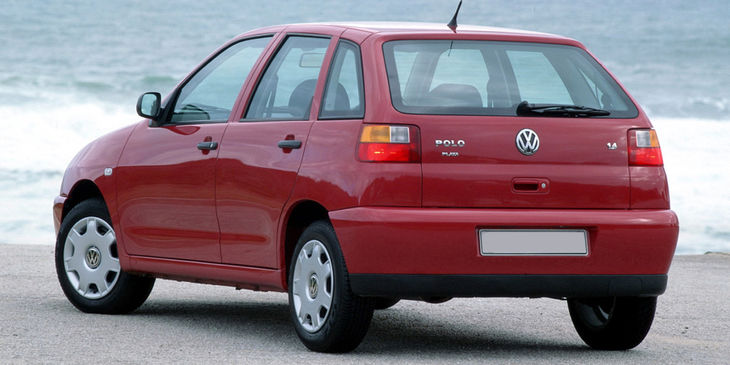
As far as the Polo moniker goes it all started in 1996 with the introduction of Volkswagen Polo Playa to the South African market – a rebadged SEAT Ibiza. Despite sharing its A03 platform with the Polo of the time it was more a pseudo-Polo than anything else but that did little to thwart its popularity with local enthusiasts. These ‘Ibizas’ sold particularly well over the next seven years (1996-2003) and were offered with three distinct engine outputs: 1.4-, 1.6 and 1.8-litre 8v engines governed by MP9 fuel management systems. With its 82 kW/162 Nm naturally aspirated 1.8-litre powerplant it was the latter that paved the way for the first performance-oriented Polo in the country, the Mk4 Polo GTI which was launched in 2006. The people were hungry for a Polo hot hatch…
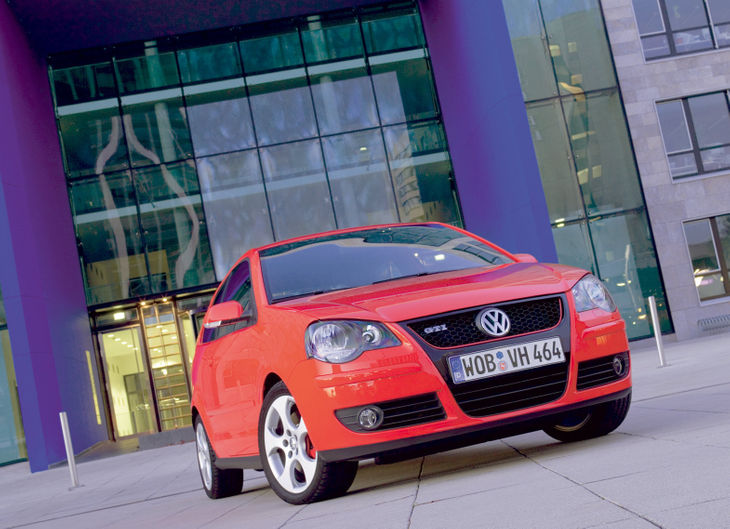
The Mk4 Polo (9N3) was the first Polo in South Africa to bear the famous GTI nomenclature. It took on the appearance of a baby Mk5 Golf GTI with similar Detroit-style alloys, cherry-red callipers and a red pin-striped honeycomb grille. Despite these racy touches however, it was lambasted for lacking the aggression and muscly facades of supermini rivals such as the Renault Clio RS, Mini Cooper S and Ford Fiesta ST. And then there was the underwhelming 110 kW/220 Nm 1.8-litre 20-valve turbocharged engine – the very motor that was employed across a plethora of the VW and Audi models throughout the late nineties and early noughties. Capable of reliably dishing out 132 kW/250 Nm, a fact underscored by Europe’s Polo GTI Cup Edition of the same era not to mention even greater numbers in applications such as the Audi TT and S3, the detuned engine brought about an uproar from GTI acolytes who referred to it more as a fast Polo than genuine GTI.
After the poor reception of the previous model, Volkswagen was forced to adopt a new strategy with the Mk5 Polo GTI and this involved implementing its revolutionary downsizing rhetoric but with a twist. The company called it twin-charging – a risky move but one that Wolfsburg wholeheartedly backed. The concept involved extracting 132 kW/250 Nm of torque by strapping the 1.4-litre 16-valve engine with both super- and turbocharger. On paper, the figures looked mouth-wateringly good and VW subsequently received myriad awards for what was considered an engineering marvel. Performance-wise it was as nippy as expected and frugal too, but a host of reliability issues put paid to its promising future and forced VW to cull it from the lineup altogether. For the facelifted GTI, the engineers looked to Audi for guidance and sourced a 141 kW 1.8-litre 16-valve turbo unit available in both DSG and manual configurations. It was just what the doctor ordered – incredibly fast and nimble (thanks to the XDS e-differential) and, at the time the most impressive Polo GTI ever manufactured.
The much-anticipated MK6 Polo GTI was a hotly debated topic on motoring forums all around the world. Speculation was rife as to what engine would eventually power the new halo model but Volkswagen turned to the MK7 Golf GTI’s EA888 2.0-litre 16-valve turbo unit to power the front axle, albeit in detuned 147 kW/320 Nm guise. This made it the most powerful Polo GTI ever. More importantly, though, the all-new GTI looked to retrace its roots by resurrecting the hot hatchery of its Mk3 GTI forebear – something which involved redesigning the suspension geometry and reprogramming the electronic differential and dual-mode damping system to deliver a nimbler and more responsive front end. The result? The best and most direct Polo GTI of recent times – a genuine hot hatch with the poise and refinement of a Golf.
2019 Mercedes-Benz GLE and 2019 BMW X5: What can we expect from these SUVs?
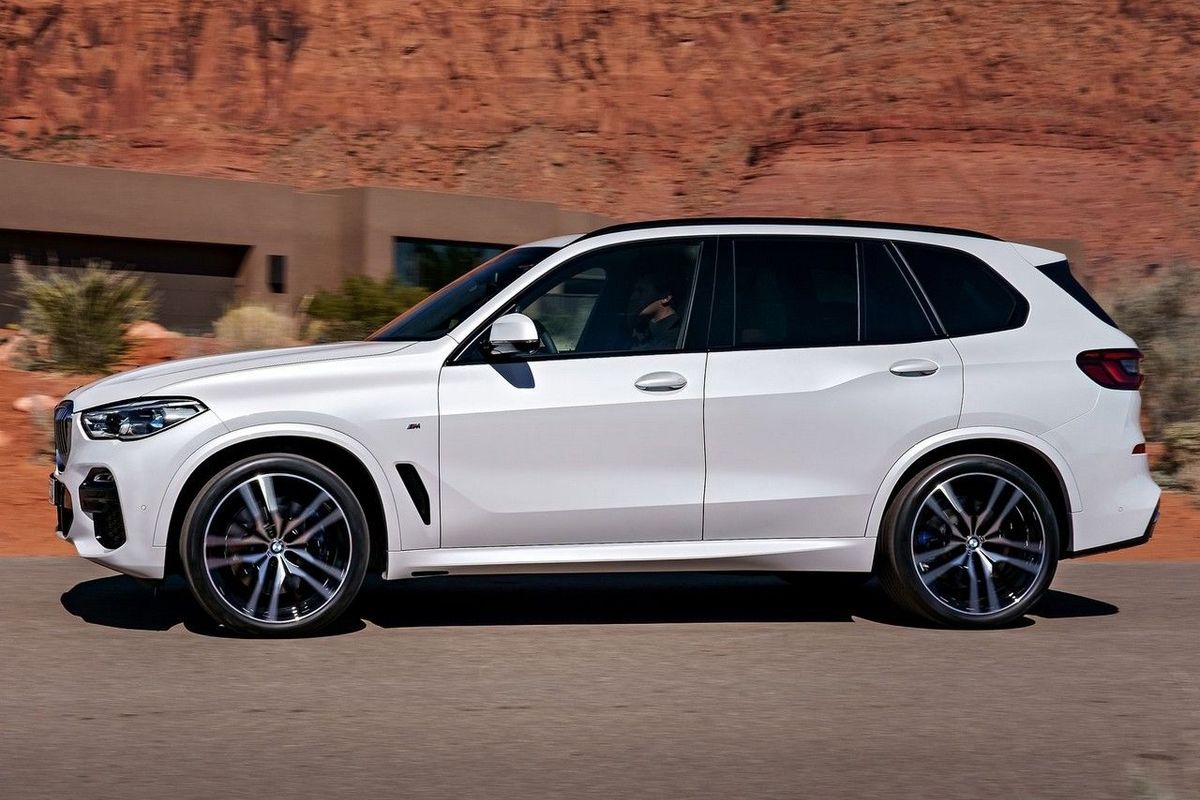
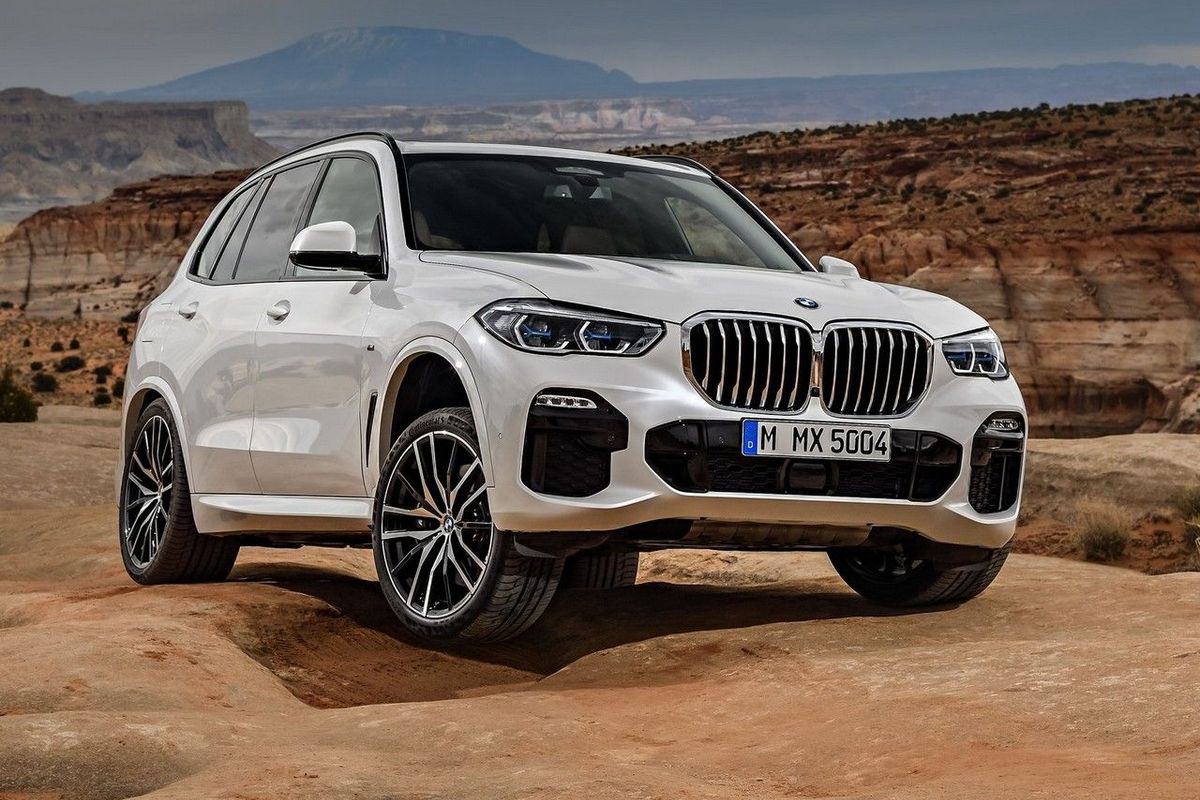
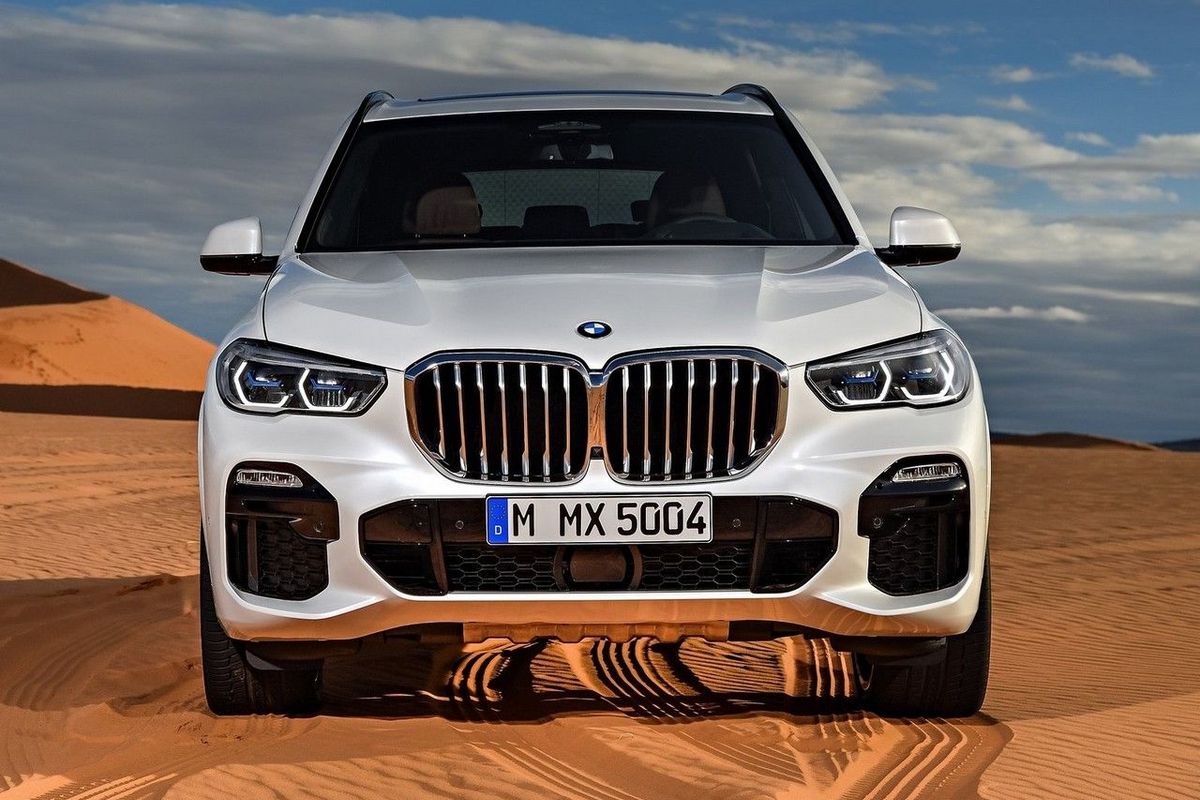
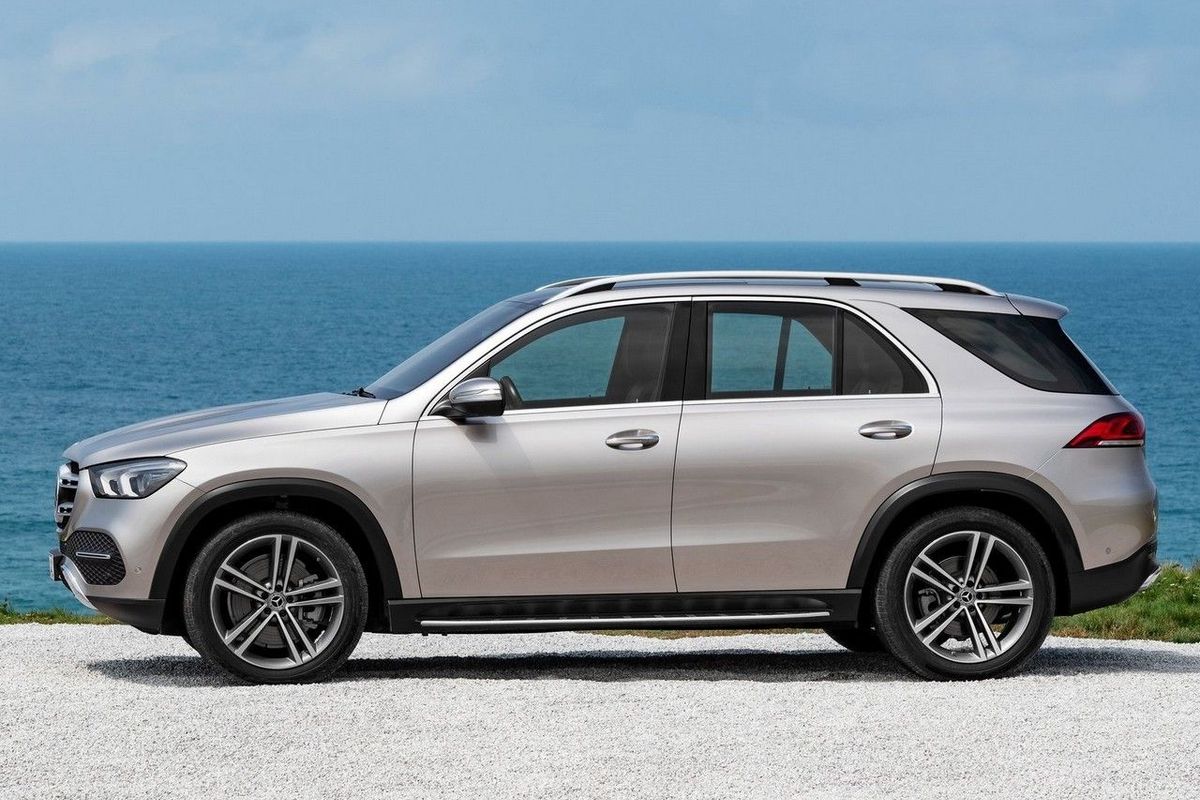
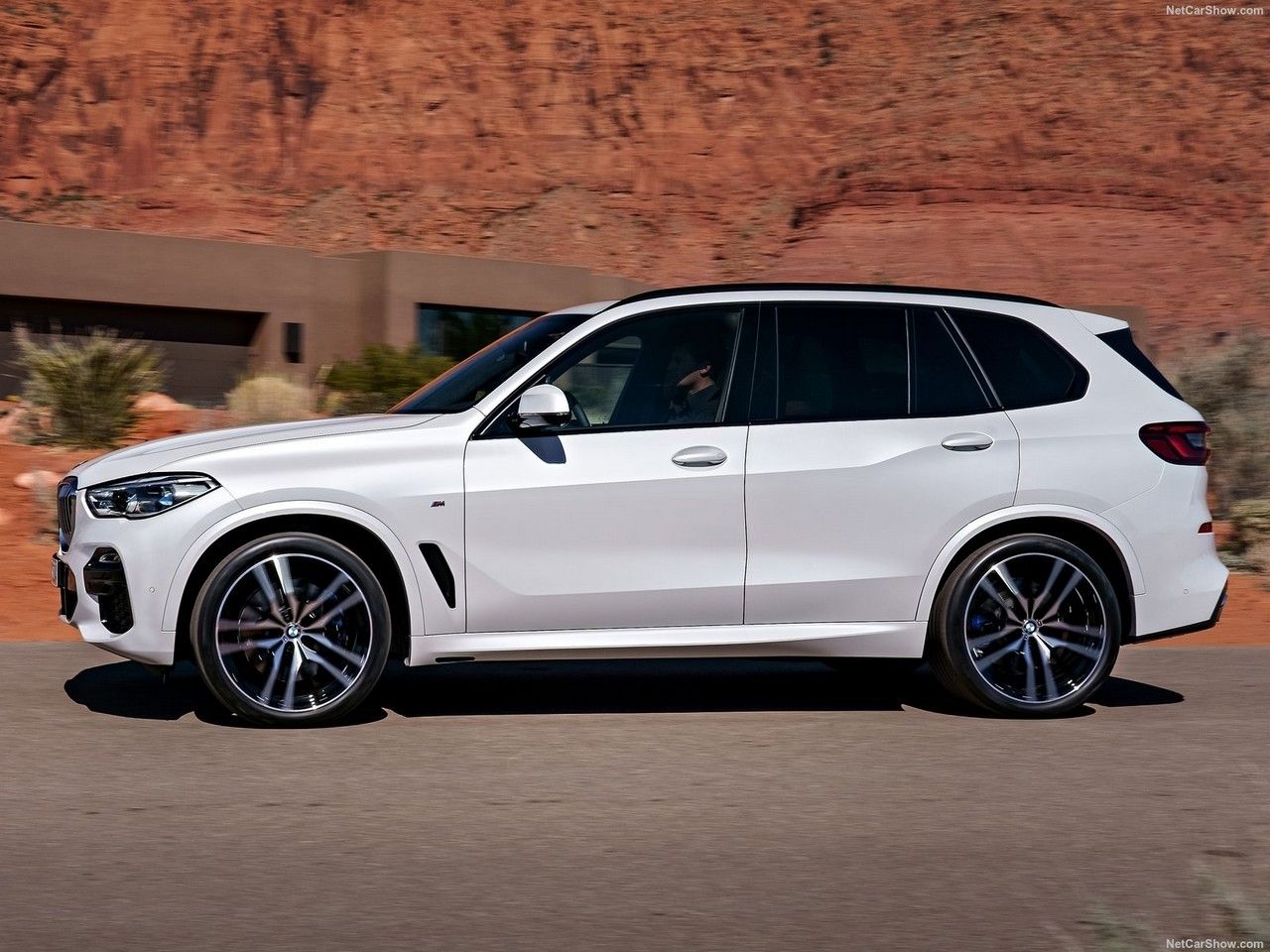
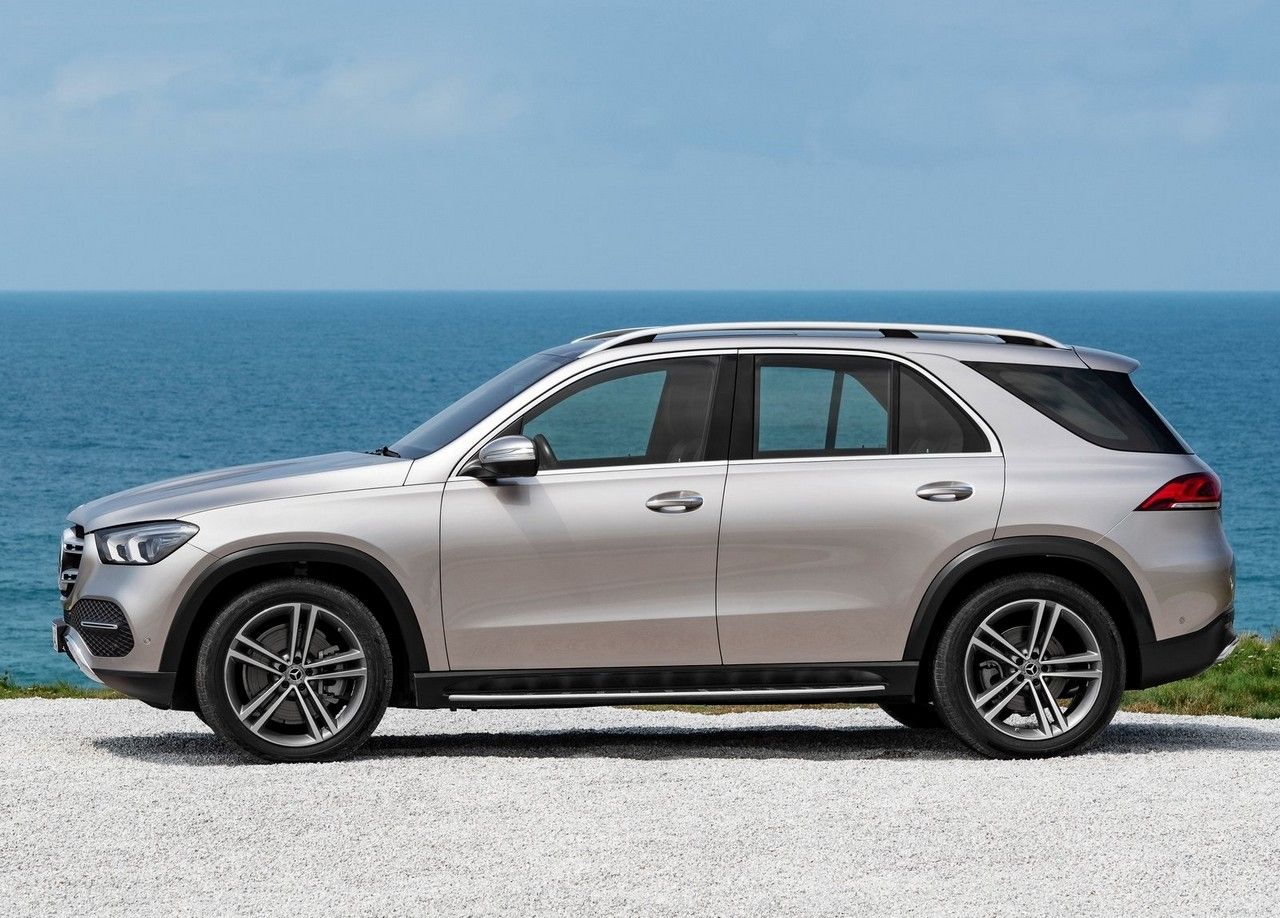
The luxury SUV segment will be heating up locally in 2019 as two stalwarts bring new models to market. The BMW X5 and Mercedes-Benz GLE have both been replaced by all-new models and they bring an assortment of new tech, cabin layouts and engines. While we haven't driven either, we can do a spec-for-spec comparison and see what they offer.
BMW's all-new 4th-generation X5 was shown a few weeks ago and is set to arrive in South Africa before the end of 2018 with a host of new technologies. The new Mercedes-Benz GLE, on the other hand, will make its official appearance at the Paris Motor Show in October 2018 and can be expected in South Africa within the first half 2019.
Styling
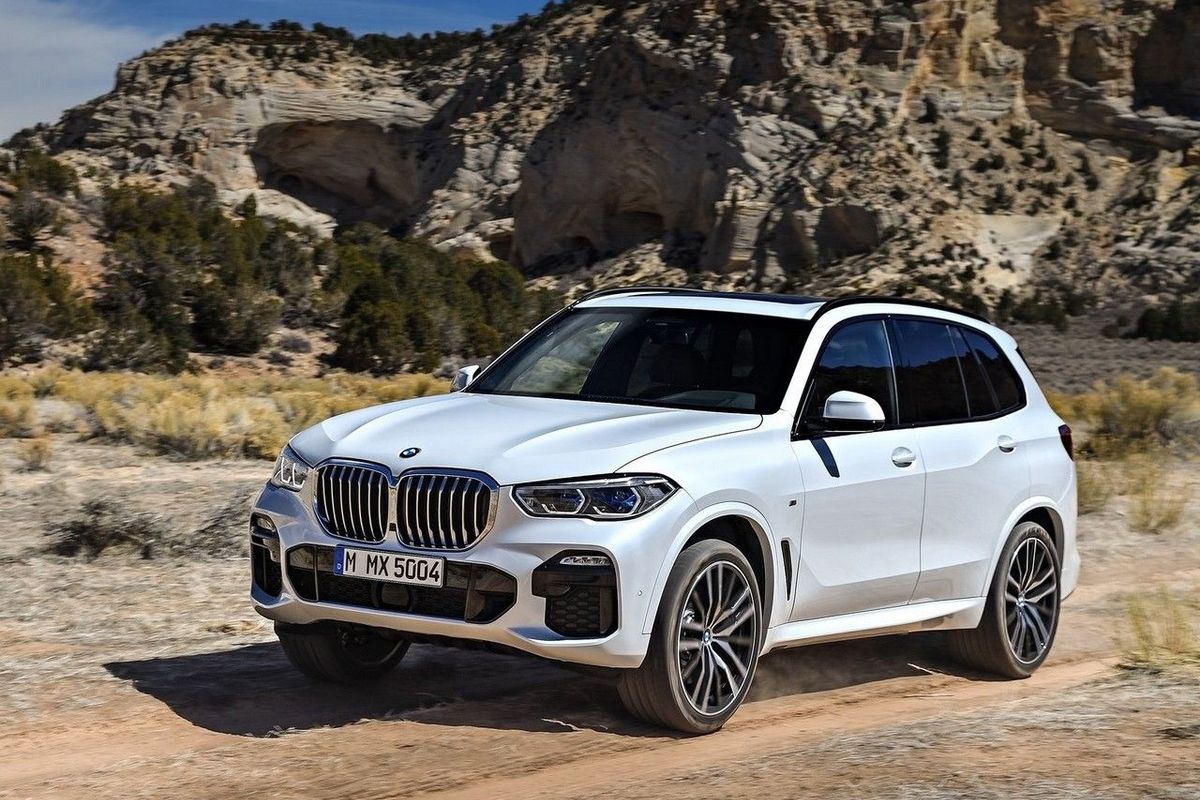
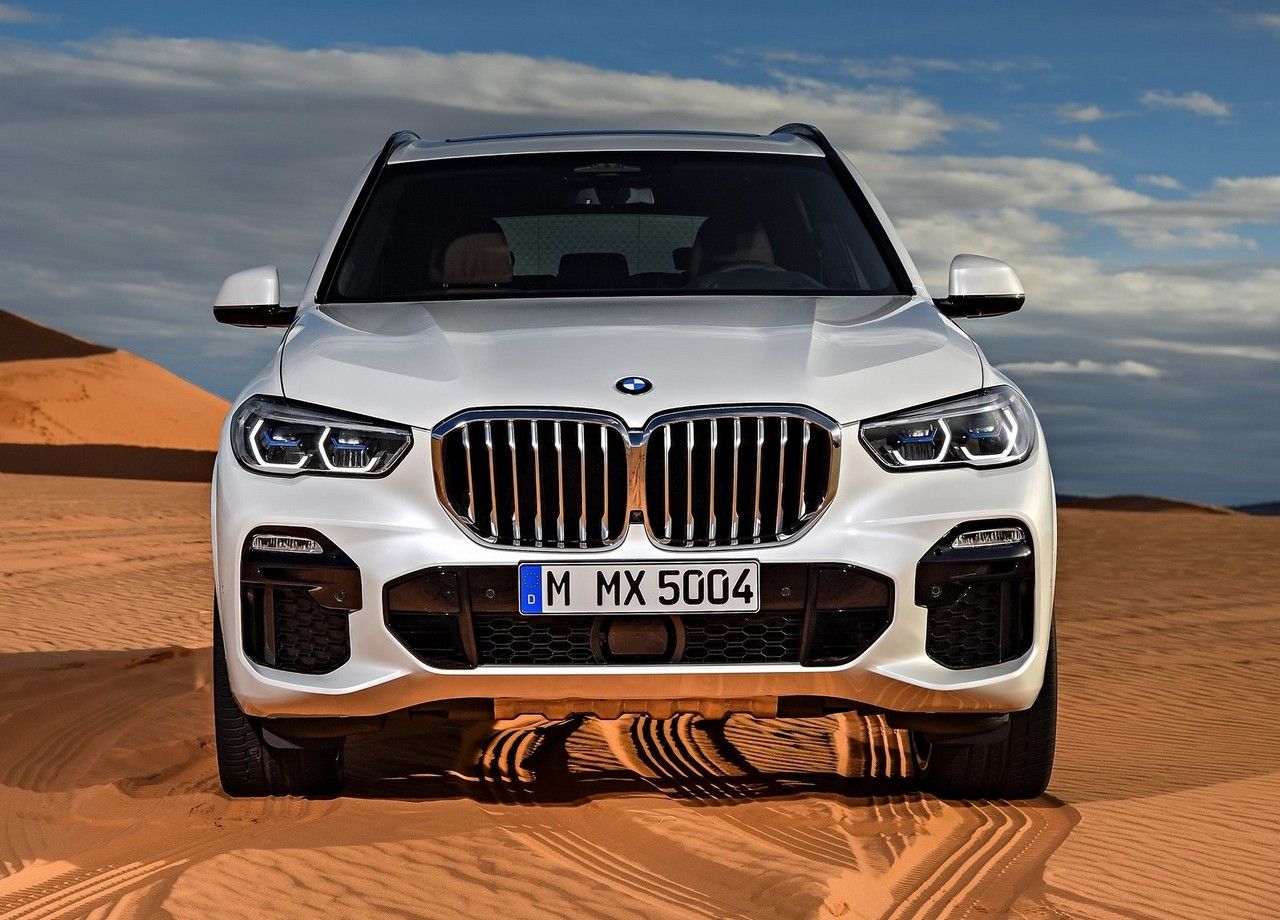
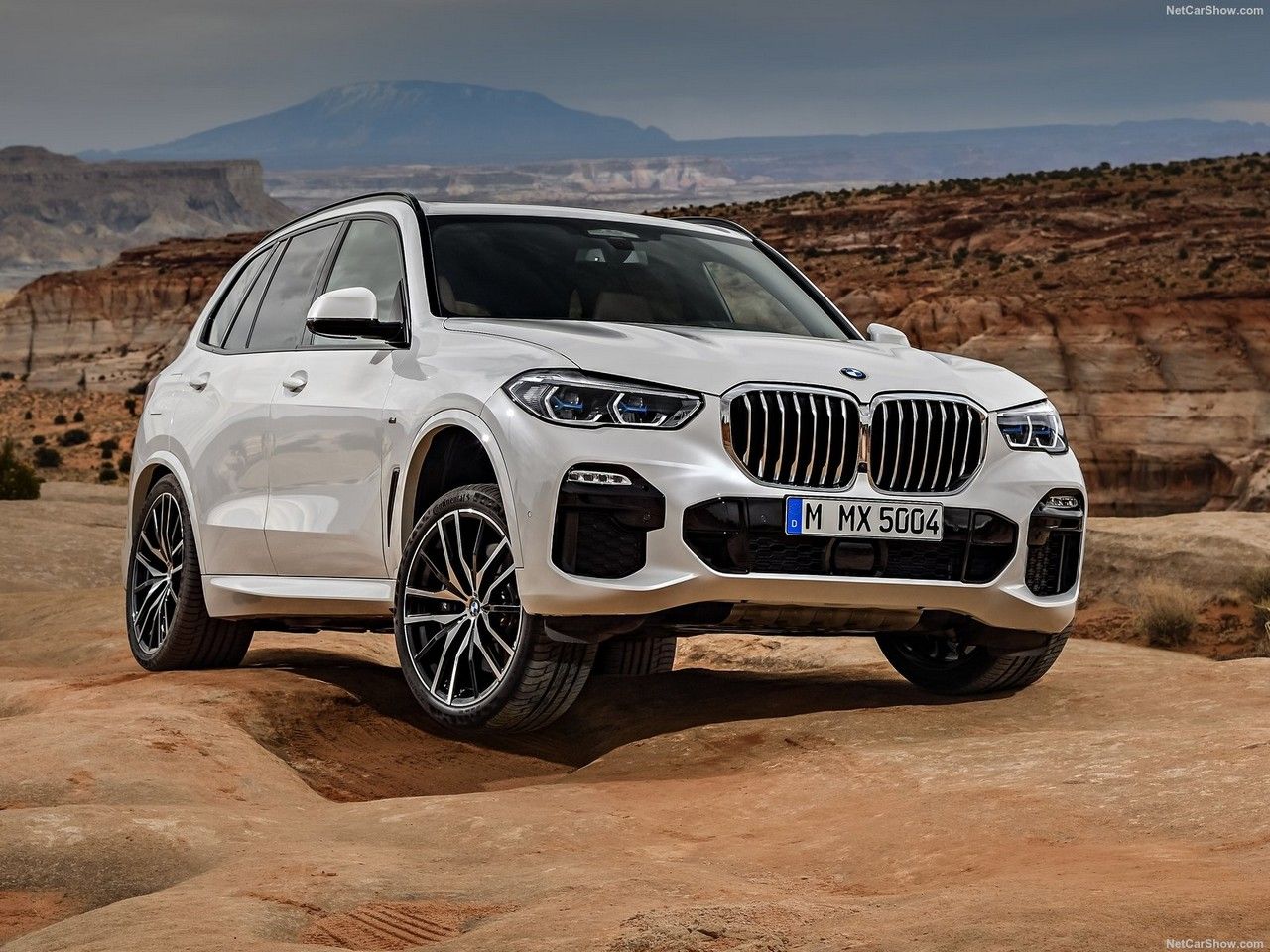
Built at BMW’s Plant in Spartanburg, South Carolina, the new X5, which will be offered in either xLine or M Sport trim, has grown in all directions and its front-end look is dominated by a large kidney grille and standard-fit adaptive LED headlights (BMW Laserlights will be offered as an extra-cost option). At the rear, LED tail lights are standard too. The new X5 xDrive30d rides on standard 19-inch light alloy wheels as standard, but up to 20-,21- and 22-inch options will be available as an option. The X5 M50d rides on 21-inch M light alloy wheels as standard with 22-inch wheels to be offered as an option.
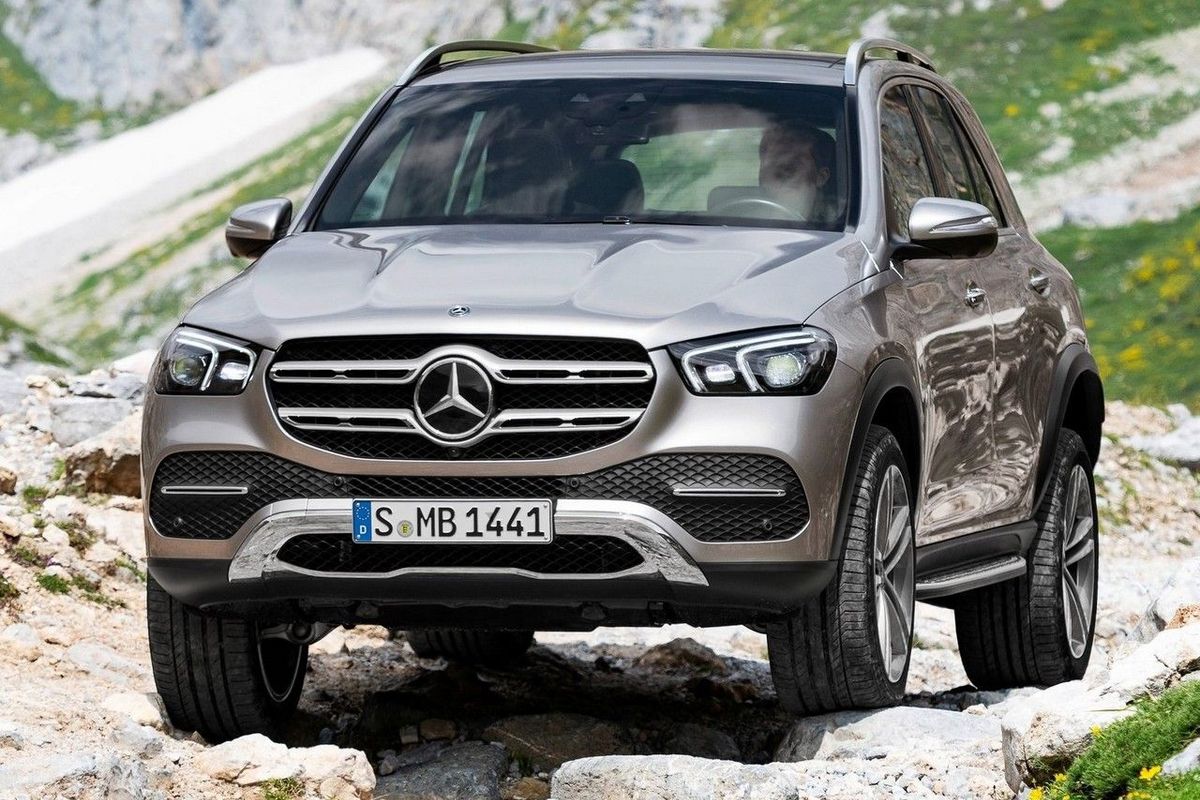
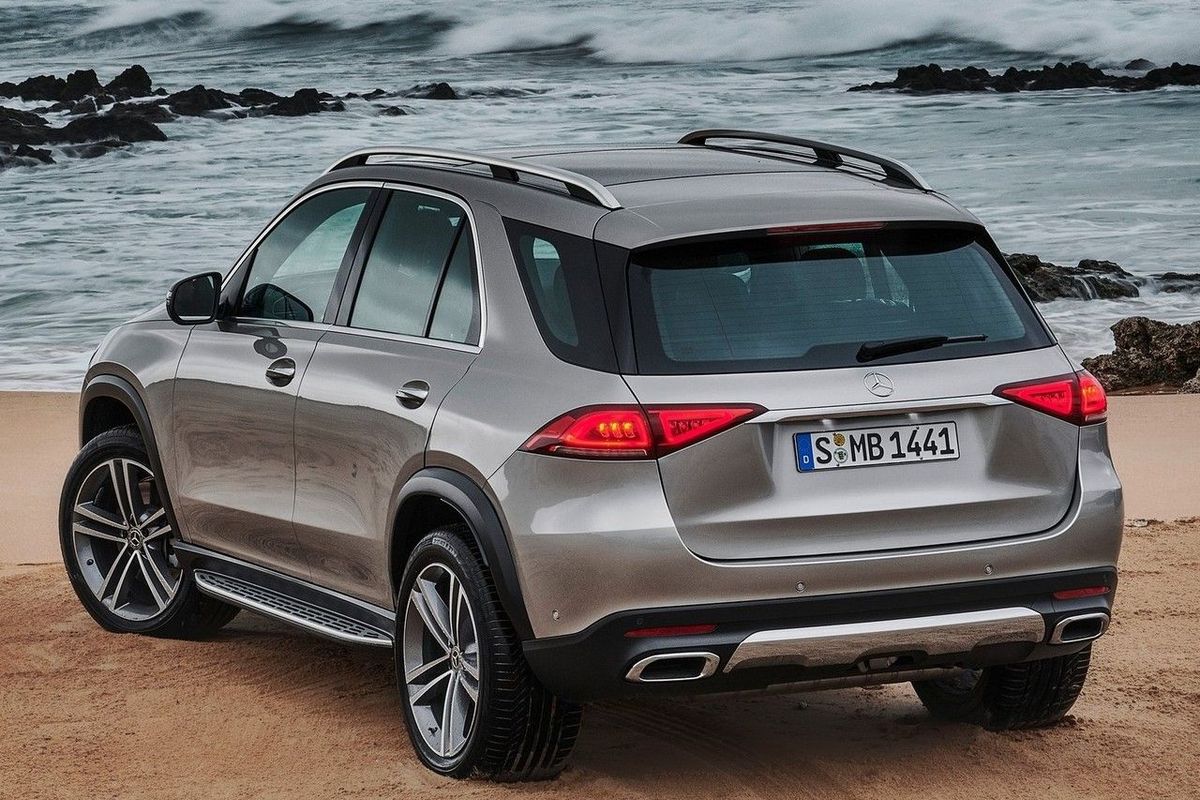
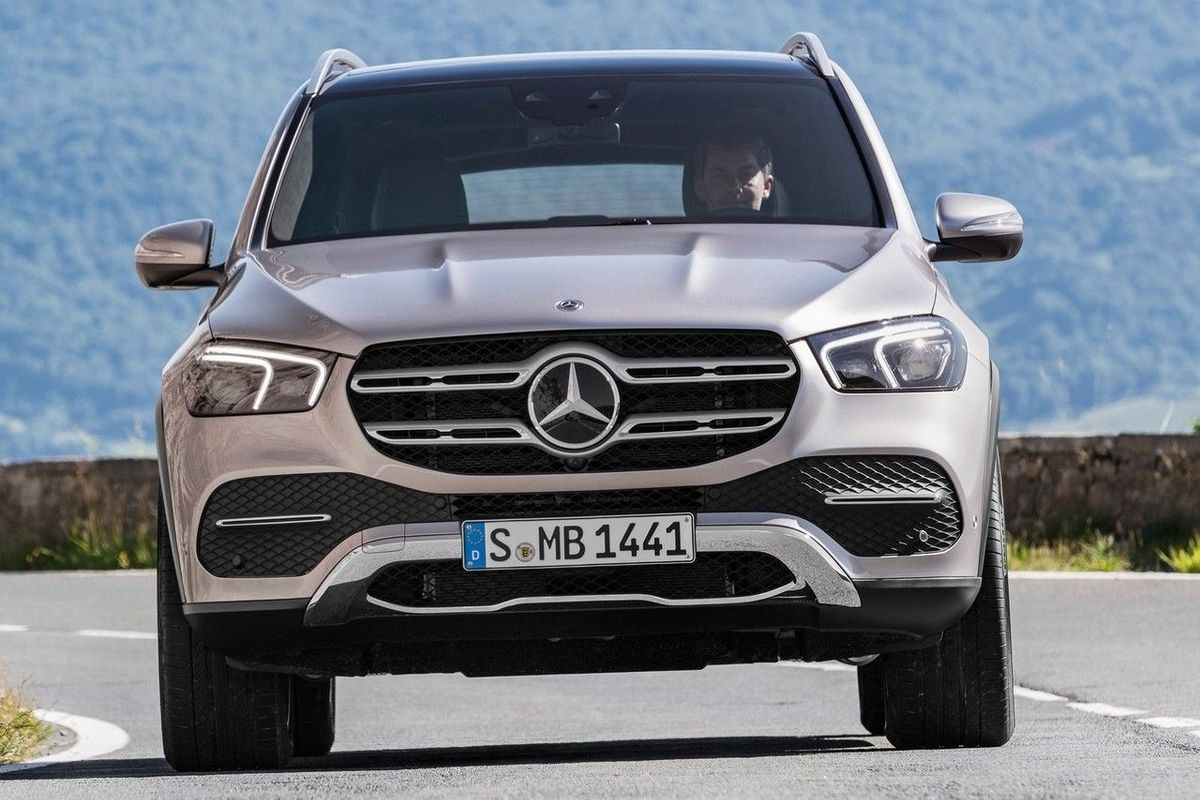
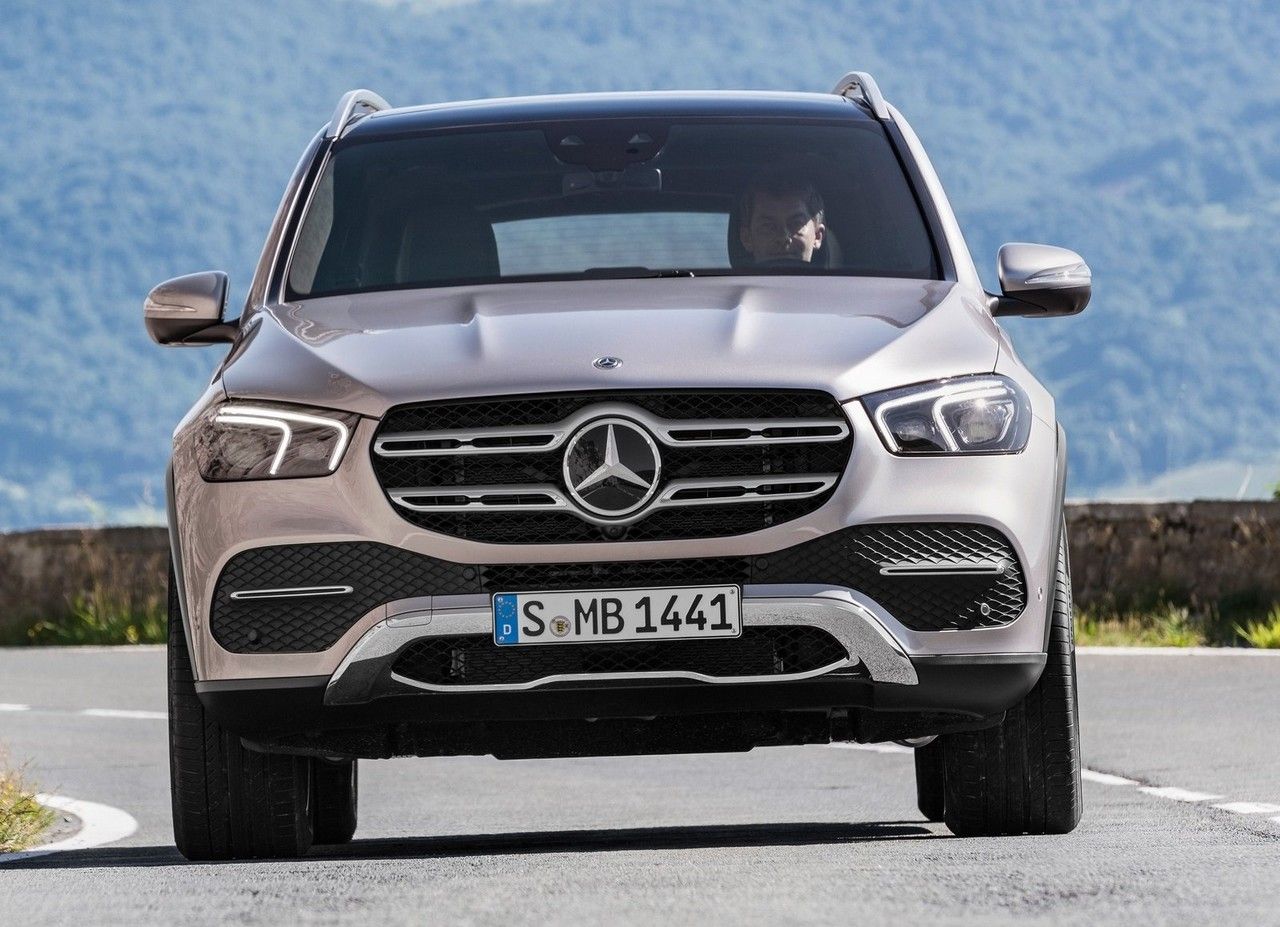
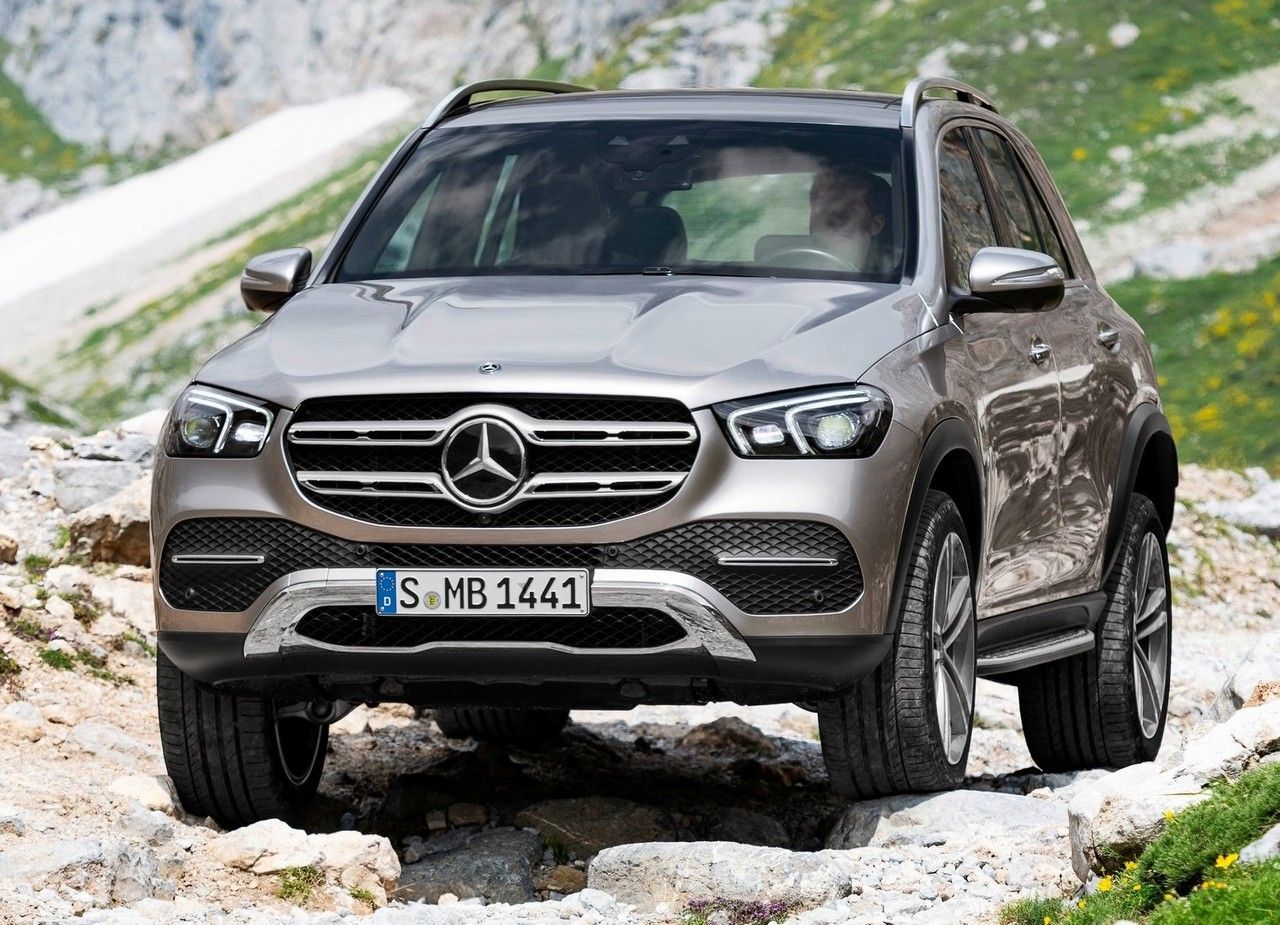
The face of the new GLE is defined by an octagonal upright grille with 2 dominating louvres that frame the large pointed star on its nose. The new model also wears a chrome-plated under guard and the bonnet features 2 powerdomes that provide some added visual muscle to the front-end. Multibeam LED headlights light the way with an illumination range of over 650 metres. At the rear, flared haunches and 2-section taillights give the GLE added road presence and a chrome-plated under guard rounds off the look. The GLE rides on wheels sizes between 18- and 22-inches.
Engines
The new GLE will be powered by a new 6-cylinder petrol engine and Mercedes-Benz says that other engines including diesels and a plug-in hybrid version will join the range later on. While broader engine details have yet to be revealed, Merc has provided details of the GLE 450 4Matic which will be powered by a 6-cylinder petrol engine which is systematically electrified with 48-volt technology. This variant offers 270 kW and 500 Nm of torque with an additional EQ boost of 250 Nm and 16 kW available for a short period of time. Let's not forget the inevitable AMG versions too.
A spokesperson from BMW SA has confirmed that only the X5 xDrive30d and X5 M50d will be offered in South Africa. The base diesel engine offering (in the X5 xDrive30d) is a 6-cylinder, 3.0-litre turbodiesel engine with 195 kW and 620 Nm, while the mighty X5 M50d will be powered by a 6-cylinder, 3.0-litre quad-turbodiesel engine with no less than 294 kW and 760 Nm of torque on tap. Overseas, there are hybrid and petrol engines, but we'll have to see if they arrive later and yes, there will be a flagship X5M performance variant.
Practicality
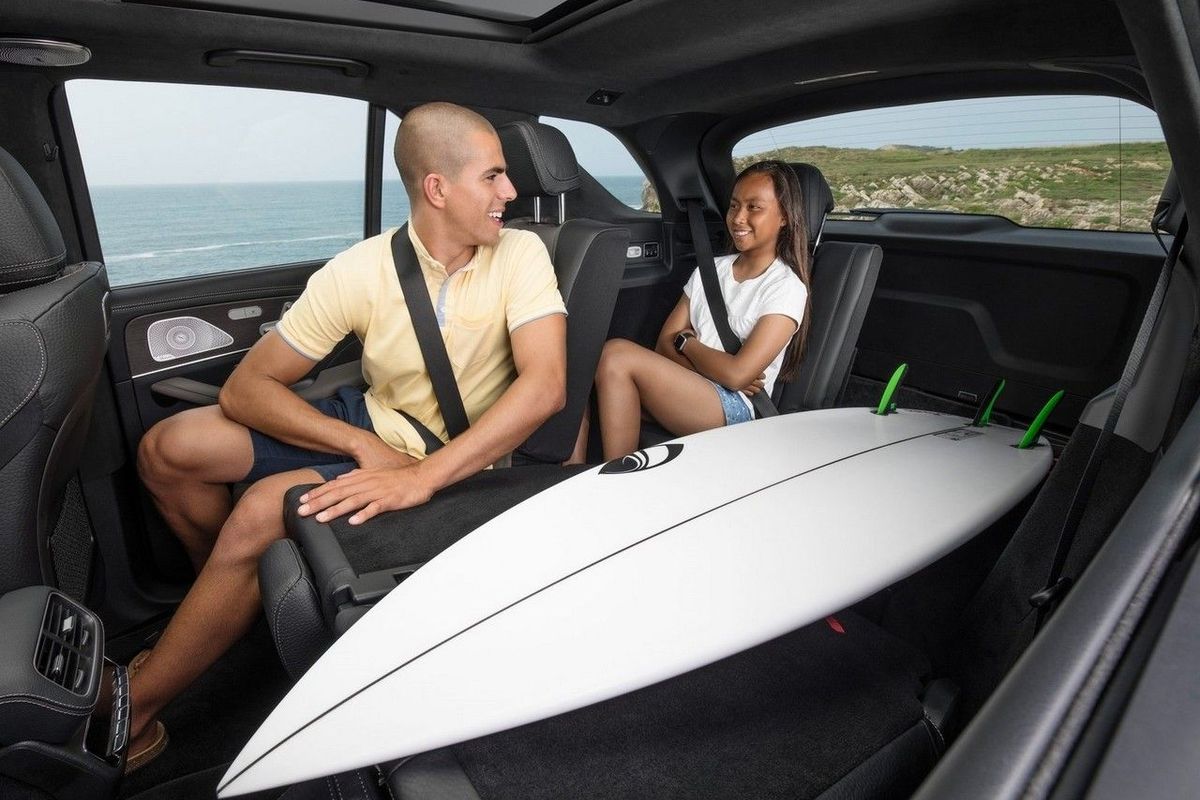
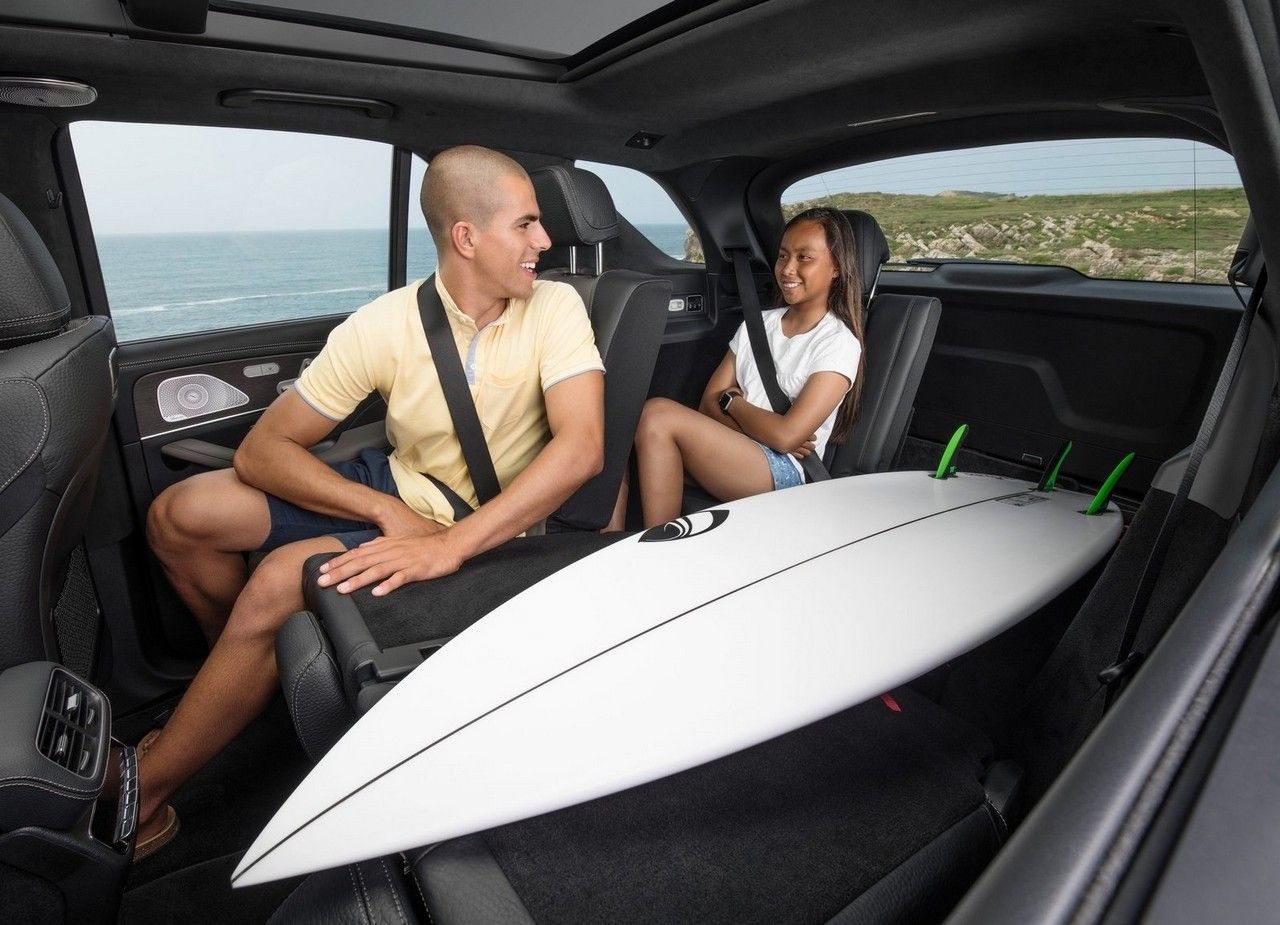
The wheelbase of the Mercedes-Benz GLE has been extended by some 80 mm which has improved interior space significantly. Rear passengers now have 69 mm more legroom and headroom is said to have improved by 33 mm. The new GLE may be offered as a 7-seater as standard when it arrives in 2019, or at the very least, it will be offered as an option. Luggage capacity in the new GLE has increased from the current 690 litres to a generous 825 litres which expands to a capacious 2 055 litres with the 40:20:40 rear seats folded down.
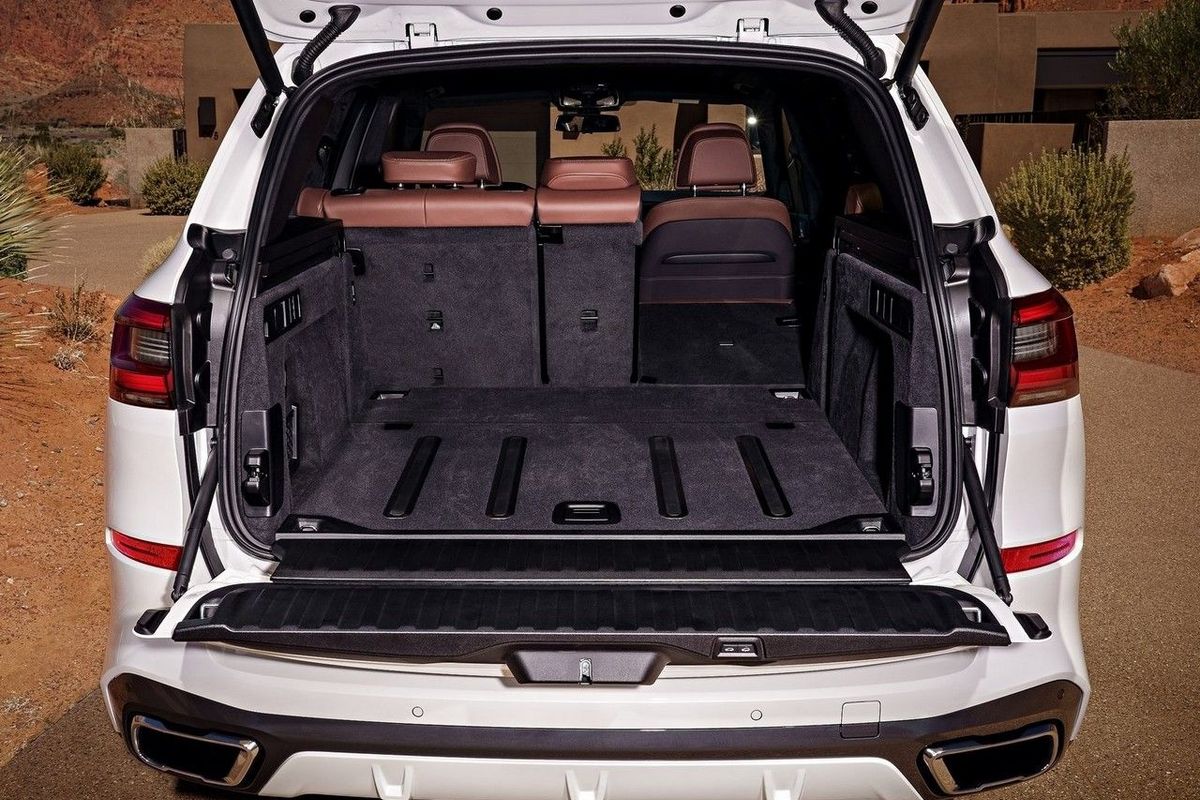
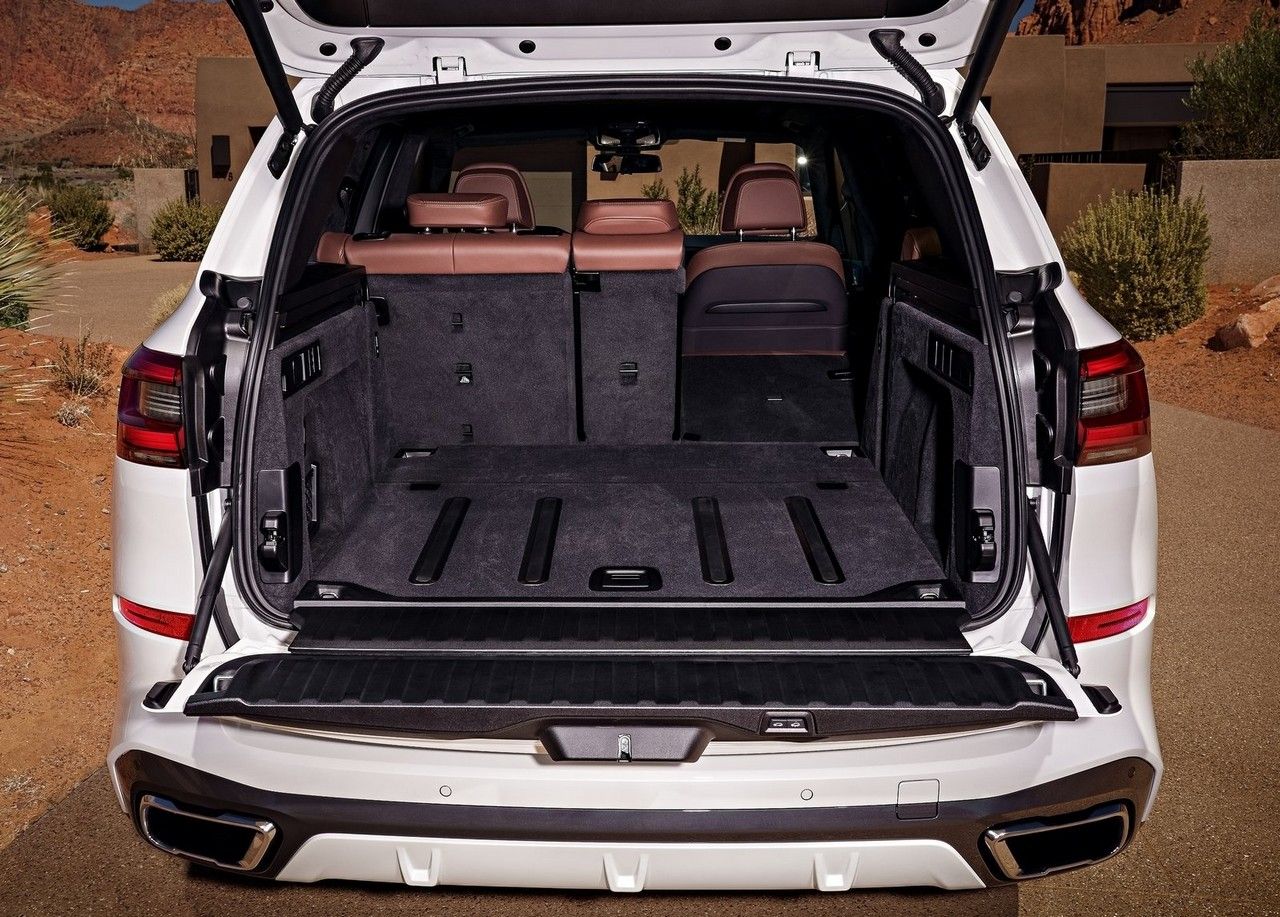
An interesting feature on the new X5 is a 2-section tailgate, which can be operated automatically and hands-free. Load space is claimed at 645 litres, expanding to 1 860 litres with the 40:20:40 split rear seats folded down. We'll have to see if BMW SA offers the new X5 with the option of 7 seats.
Offroad ability
Power distribution is achieved in conjunction with BMW’s xDrive all-wheel-drive system, which can split torque between the front and rear axles as needed, but further provides a rear-biased setup for a sportier driving experience. Ride settings can be enhanced with the standard dynamic damper control system. Adaptive M Suspension Professional with active roll stabilisation and integral active steering will be offered as an option, as well as a 2-axle air suspension system for optimum ride comfort. An optional off-road package will also be offered on the X5 for the first time, which includes rugged underbody protection, 2-axle air suspension and an electronic rear differential lock to tackle surfaces such as sand, rock and snow.
All GLE derivatives will make use of a 9-speed automatic transmission. All-wheel drive capability is made possible using a transfer case that distributes torque in a fixed ratio of 50:50. Other engines will make use of a transfer case with an electronically controlled multi-disc clutch allowing for variable torque distribution. For ultimate offroad driving, an optional torque-on-demand transfer case with a reduction gear set (low range) and automatic locking effect will also be offered. Ride comfort is also enhanced with a new E-Active Body Control System with a 48-volt suspension system that, for the first time, can control/adjust spring and damping at each individual wheel.
Infotainment and technology
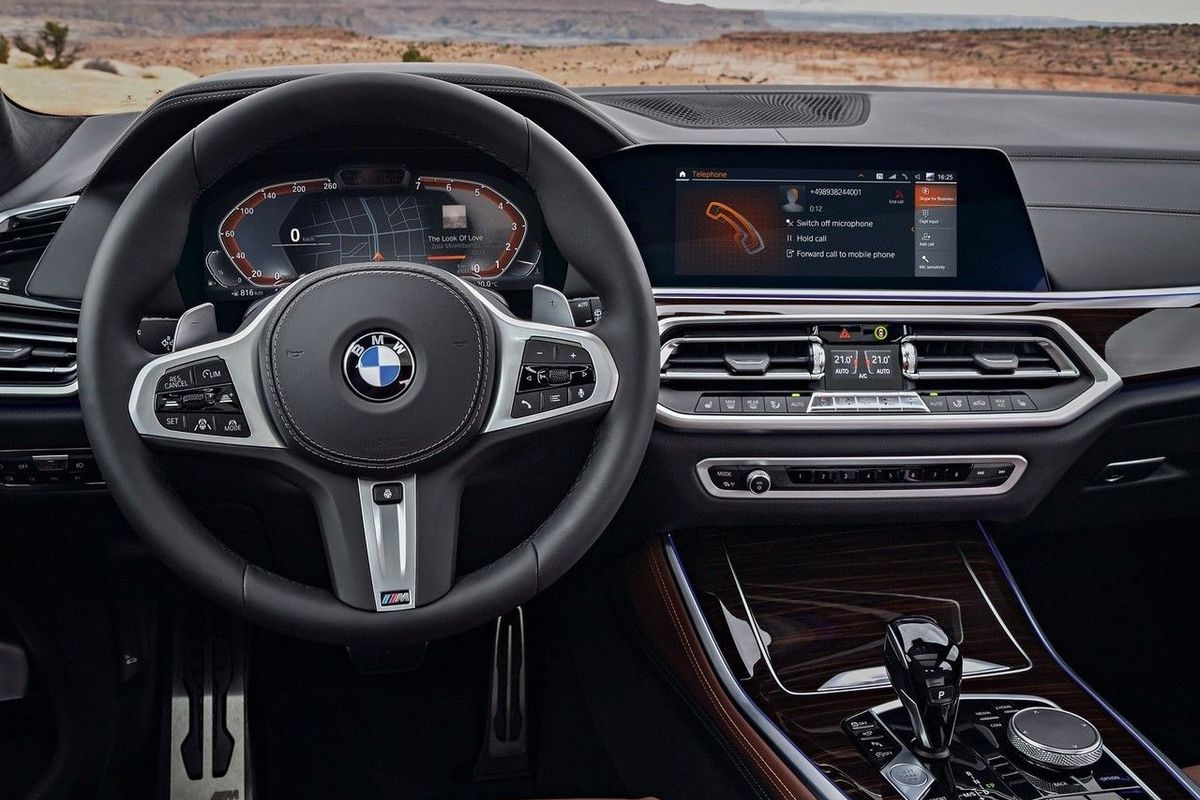
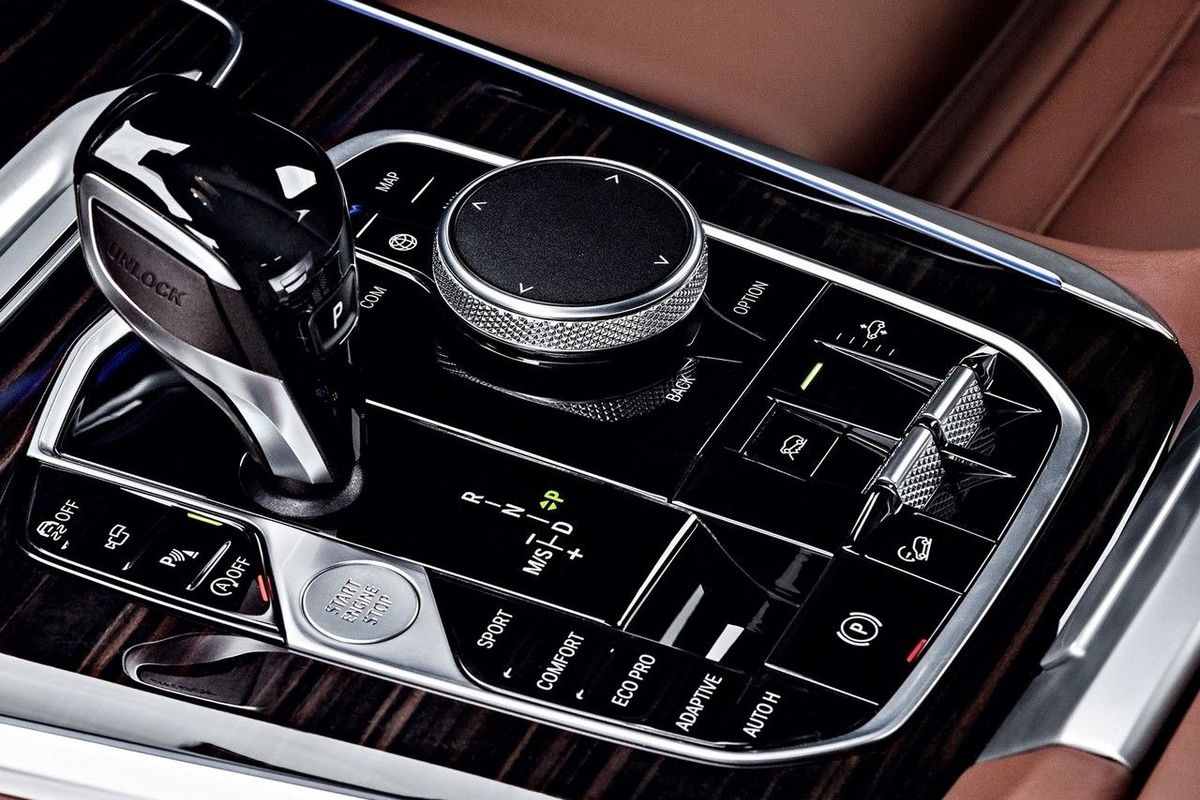
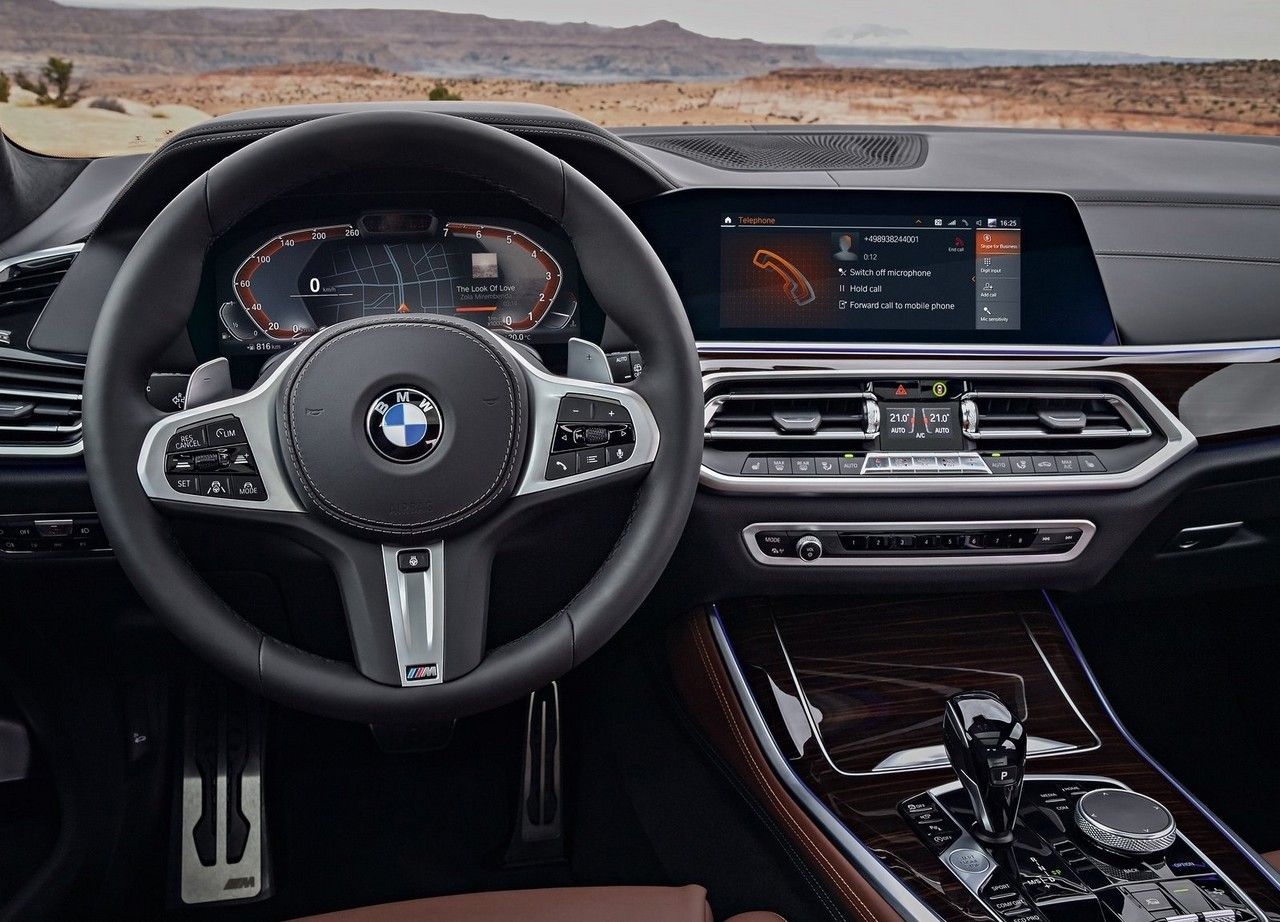
The major change inside the new X5 is the inclusion of two 12.3-inch screens known as BMW Live Cockpit Professional. The first serves as a digital instrument cluster, while the second screen houses the infotainment system and vehicle functions. Gesture control will also be standard. Rear passenger entertainment in the form of two 10.2-inch screens will be offered as an option.
The new X5 is equipped with a variety of driver assist features to improve safety and these include the standard Active Driving Assistant with Blind Spot Detection, Lane Departure Warning, Rear Collision Warning, Frontal Collision Warning and Pedestrian Warning with City Collision Mitigation (which now also alerts the driver if cyclists are detected), Cross Traffic Alert (rear) and Speed Limit Information. Active Cruise Control with Stop & Go and Cross Traffic Alert will also be available.
An optional Driving Assistant Professional package will also be offered which will include Traffic Jam Assist, Lane Keeping Assistant and Automatic Lane Change Assistant. Furthermore, Parking Assistant Plus will take care of acceleration, braking and steering to manoeuvre into a parallel parking bay.
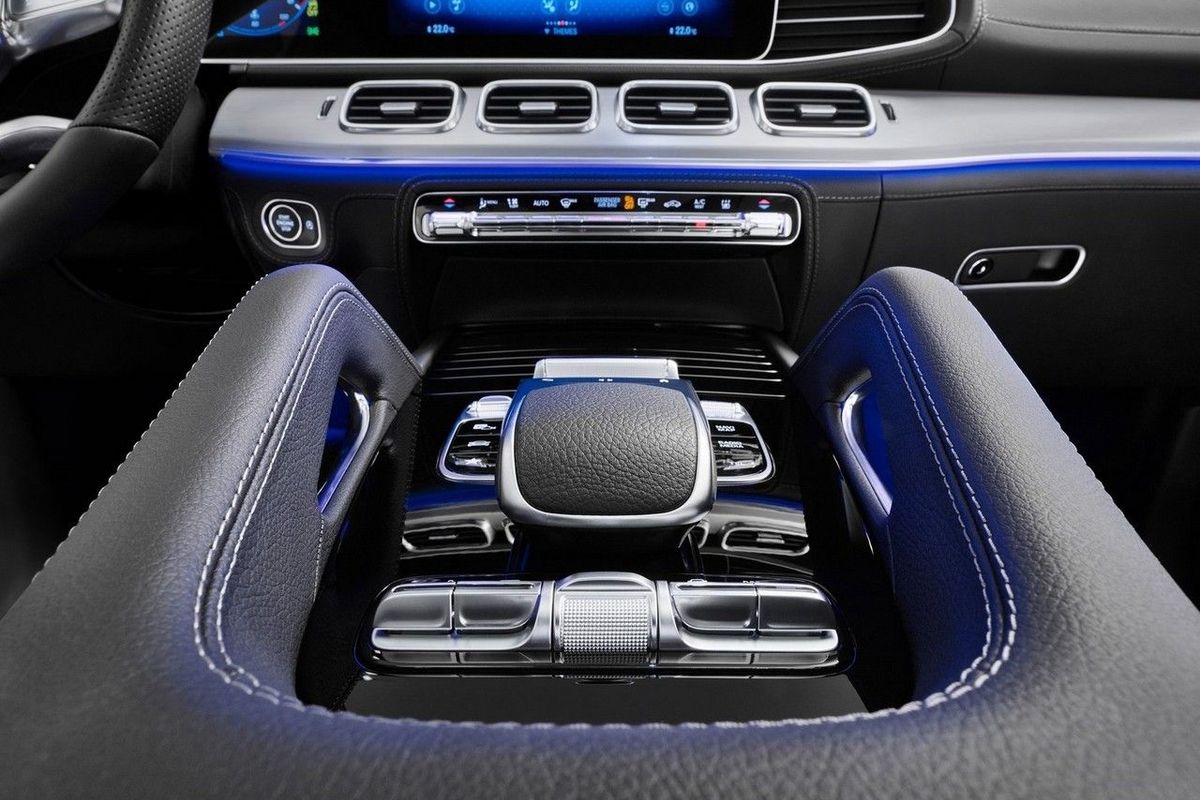
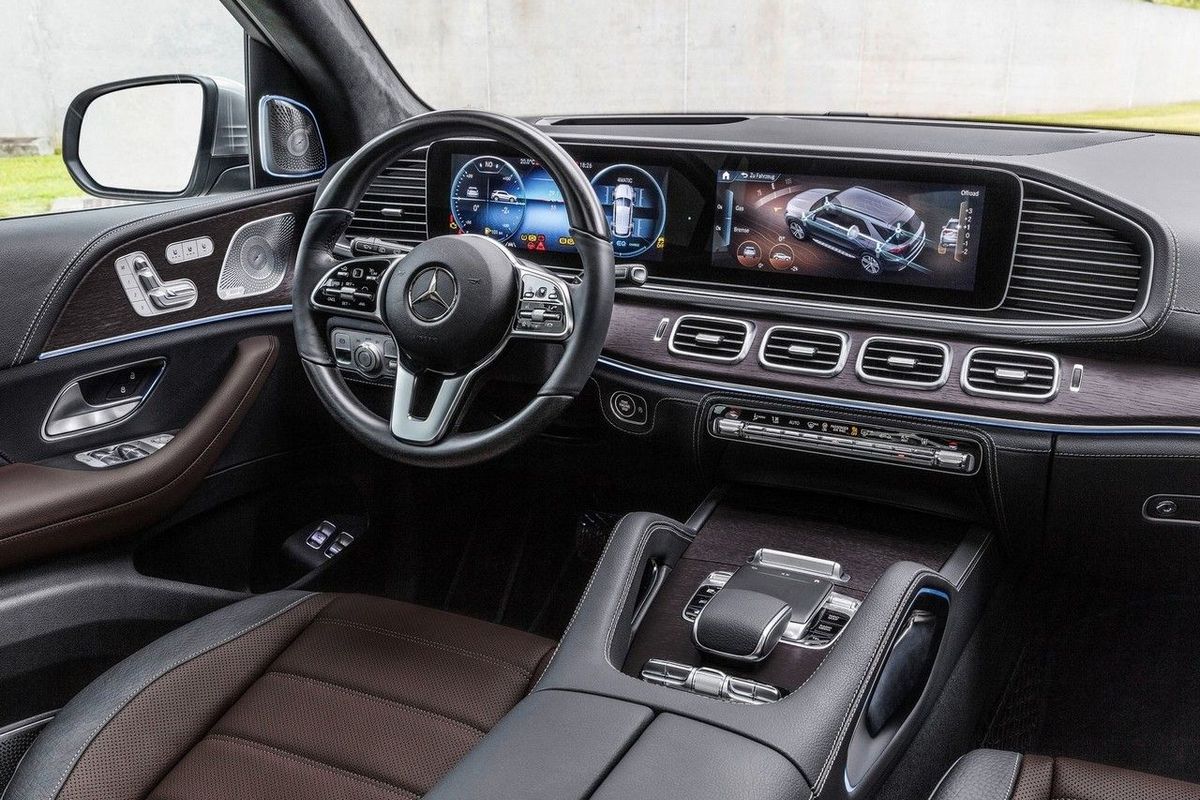
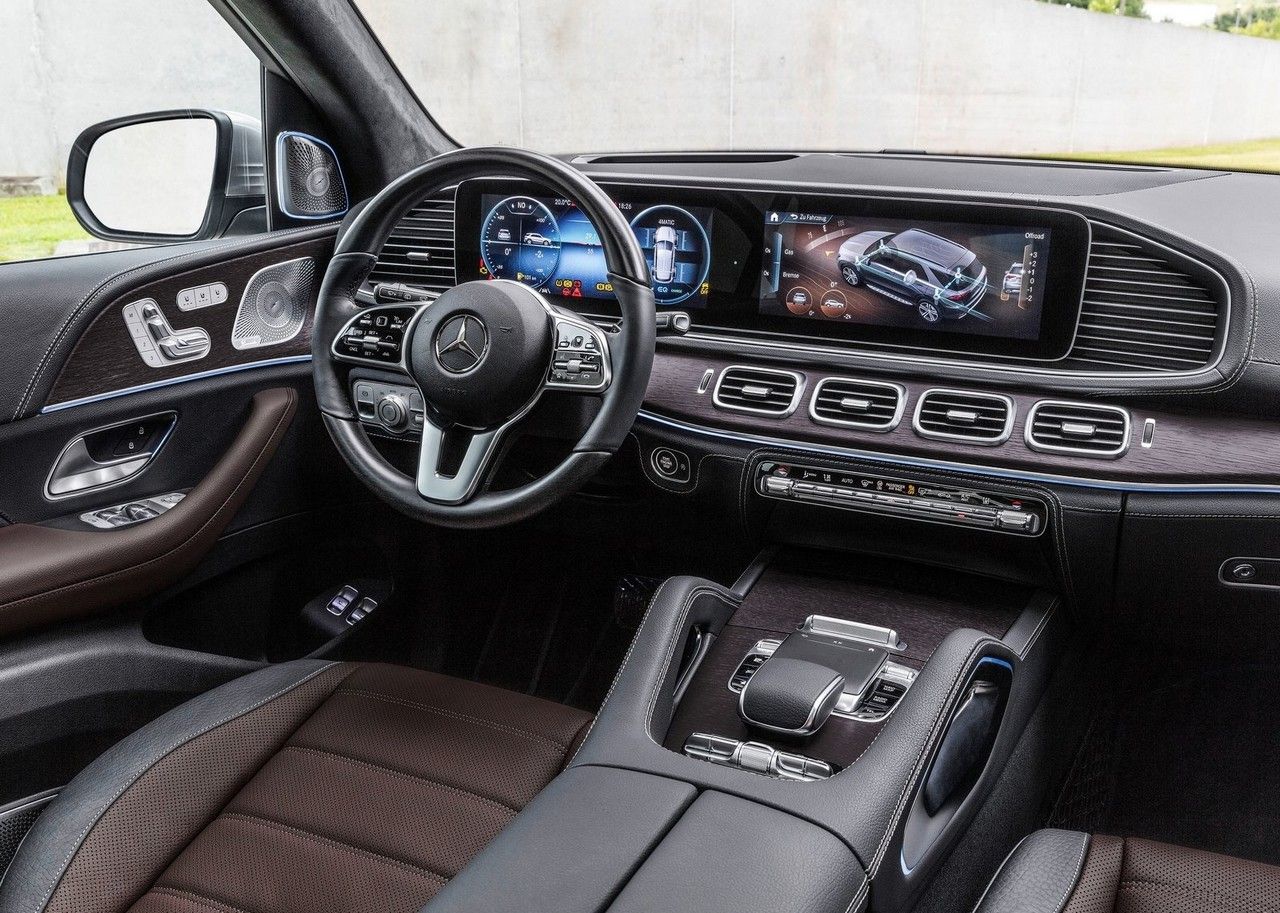
The new GLE is equipped with the latest MBUX infotainment system which was first previewed on the new A-Class. The system incorporates 2 large 12.3-inch screens that sit side-by-side to give a widescreen effect. The system results in a configurable layout with 4 distinct styles to choose from (Modern Classic, Sport, Progressive and Discreet) and with all in-car functions easily within reach, fewer buttons are to be found in the cockpit. The MBUX system takes care of a wide range of functions including navigation, gesture prediction, artificial intelligence, in-car comfort settings and voice control which is activated by saying “Hey Mercedes”.
A wide range of driver assistance tech is offered on the new GLE. The new GLE will be able to assist the driver stop-go traffic situations but also provide support in a tailback situation using Active Distance Assist Distronic. The system uses live traffic information to detect upcoming tailbacks or slow-moving traffic and will automatically reduce speed to 100 kph as a precaution. If a tailback is recognised, the Active Brake Assist will brake the vehicle to a standstill.
Other assistance systems include Active Steering Assist, Evasive Steering Assist, Active Lane Keeping Assist and Active Emergency Stop Assist. Active Blind Spot Assist with exit warning is also offered as well as Trailer Maneuvering Assist, which helps novices manoeuvre with a trailer at speeds up to 5 kph.
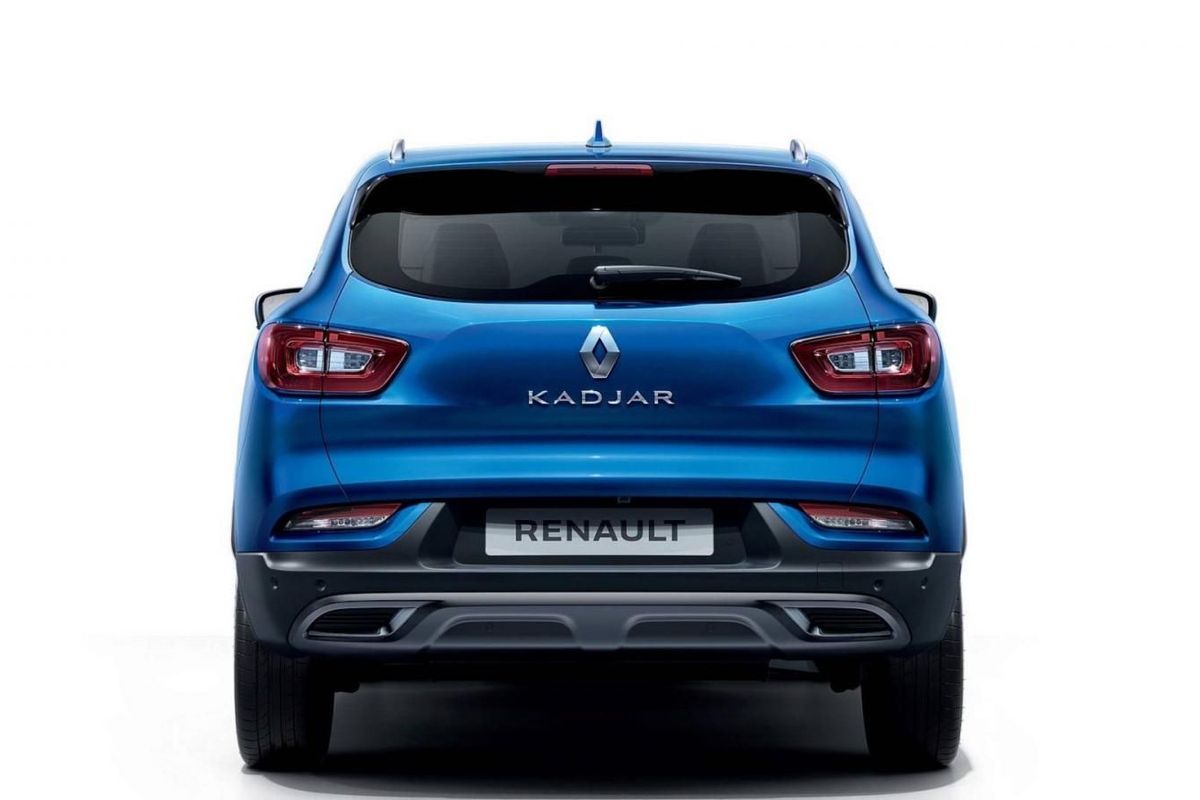
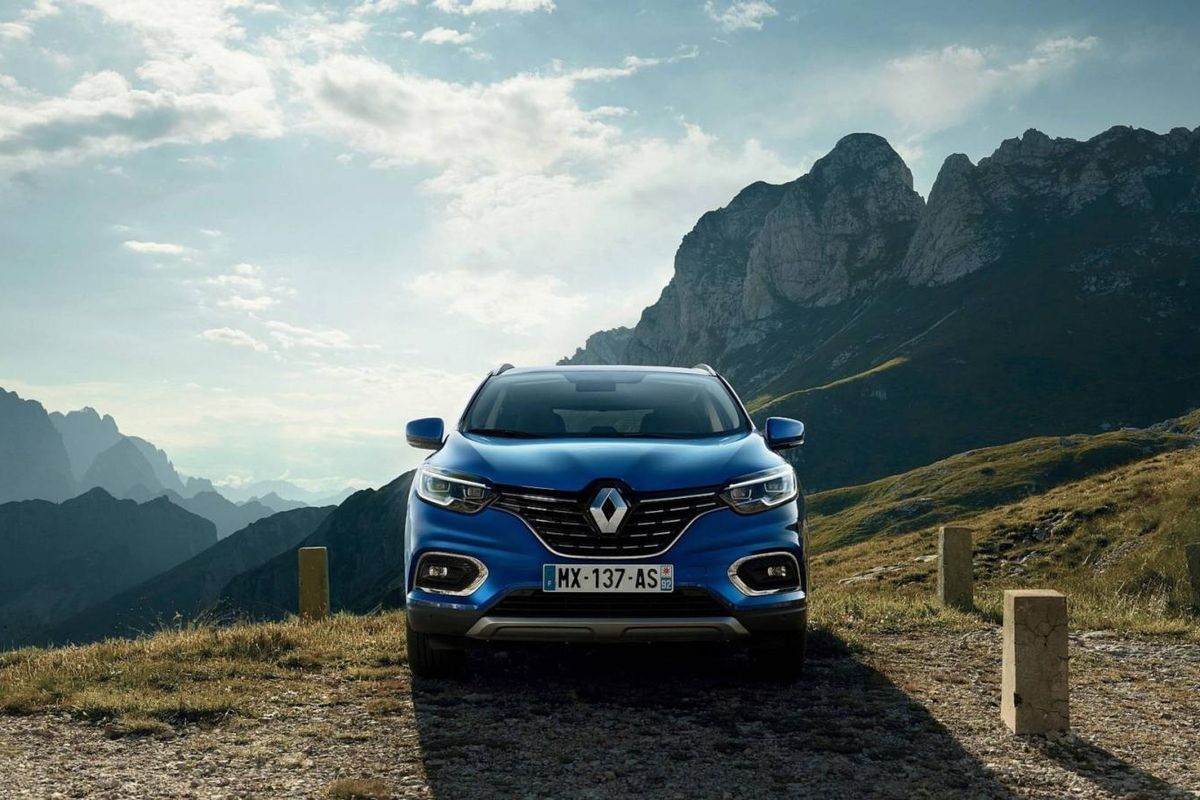
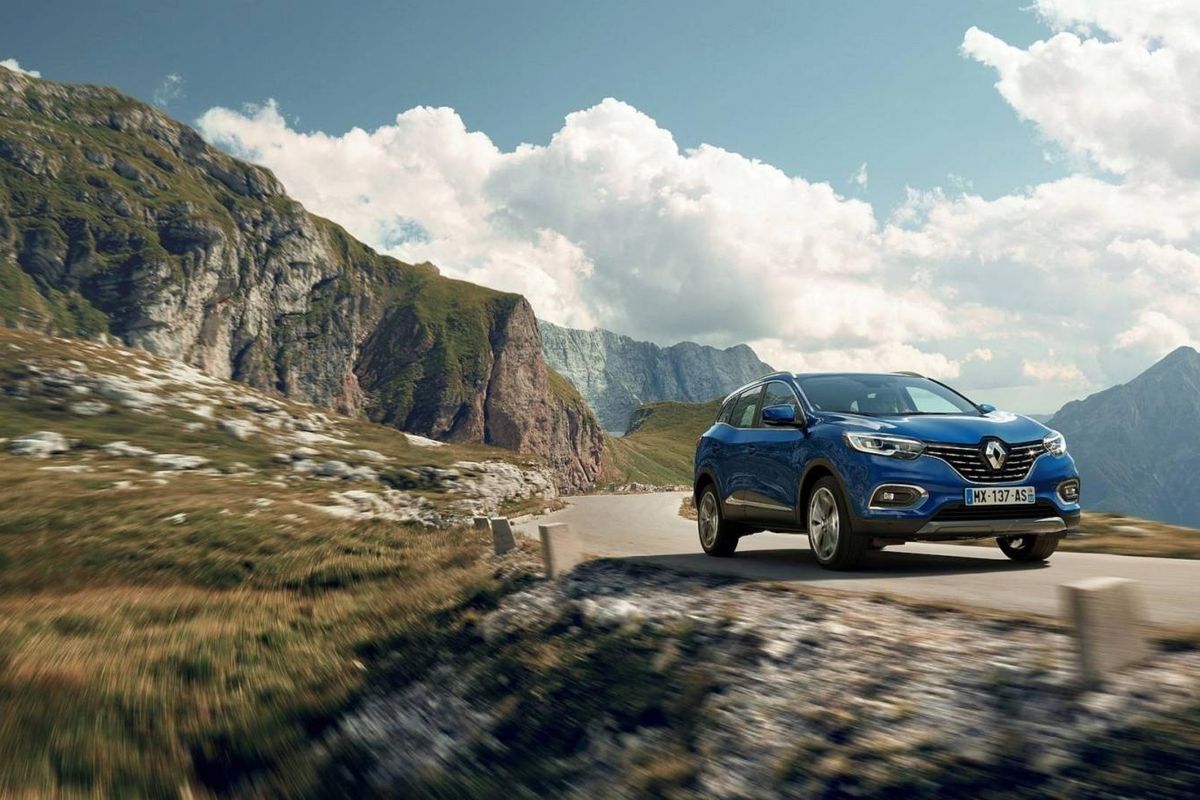
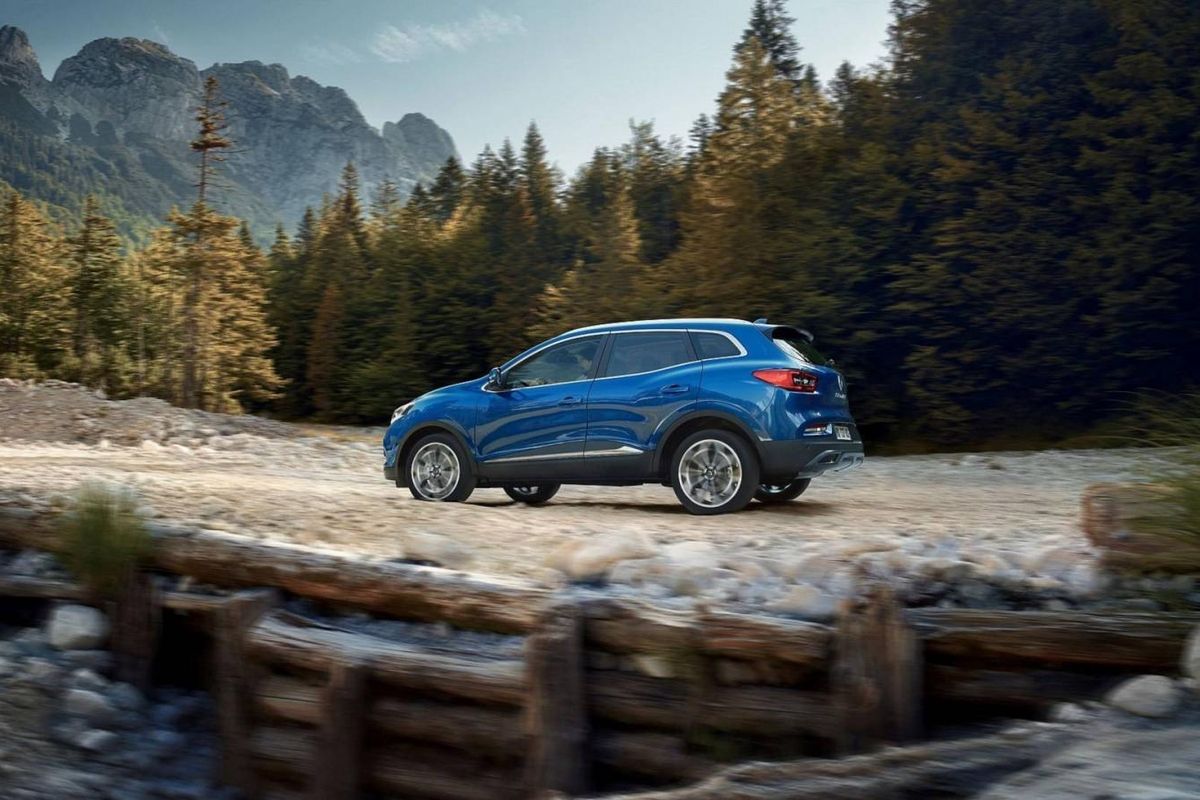
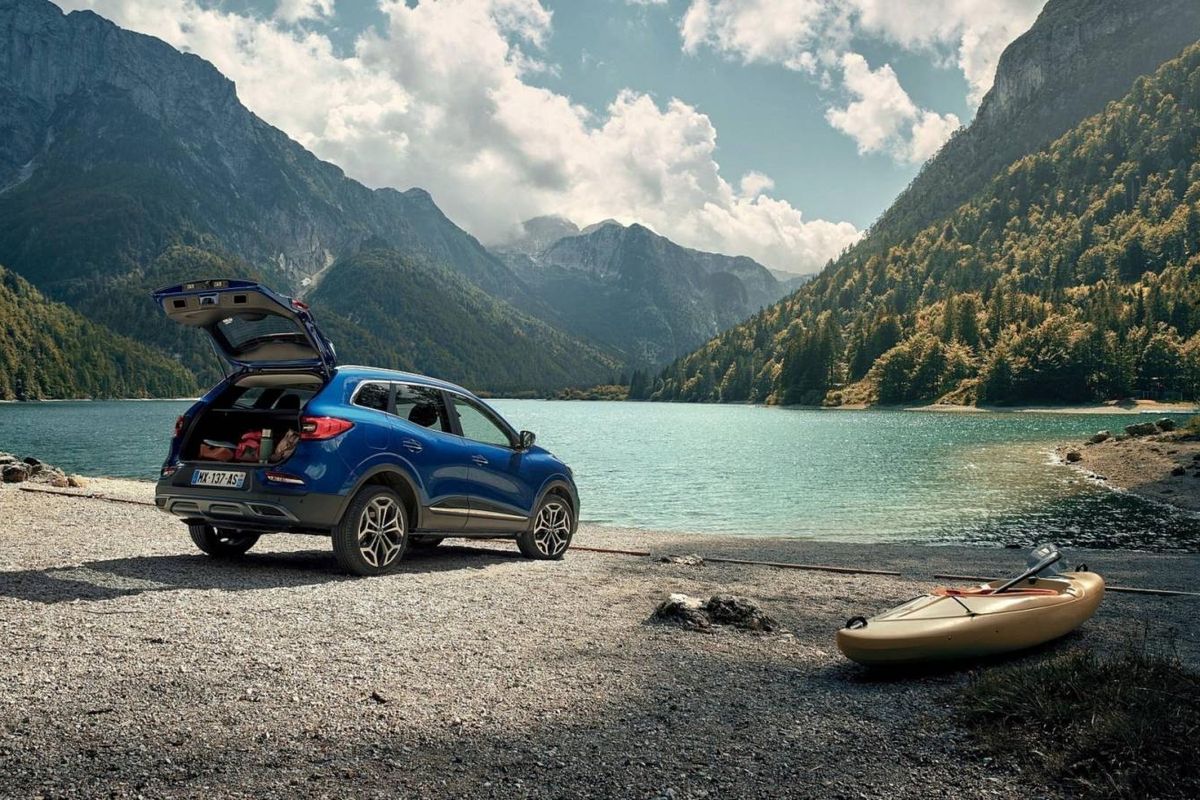
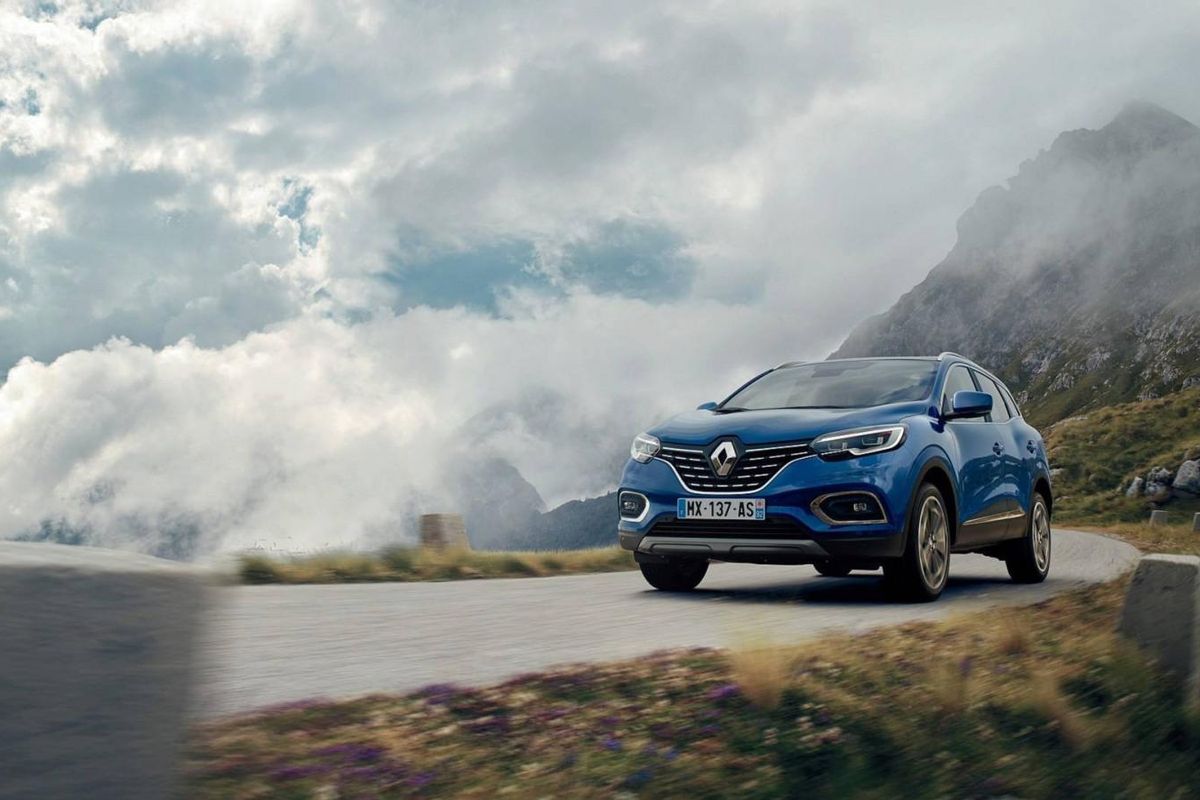
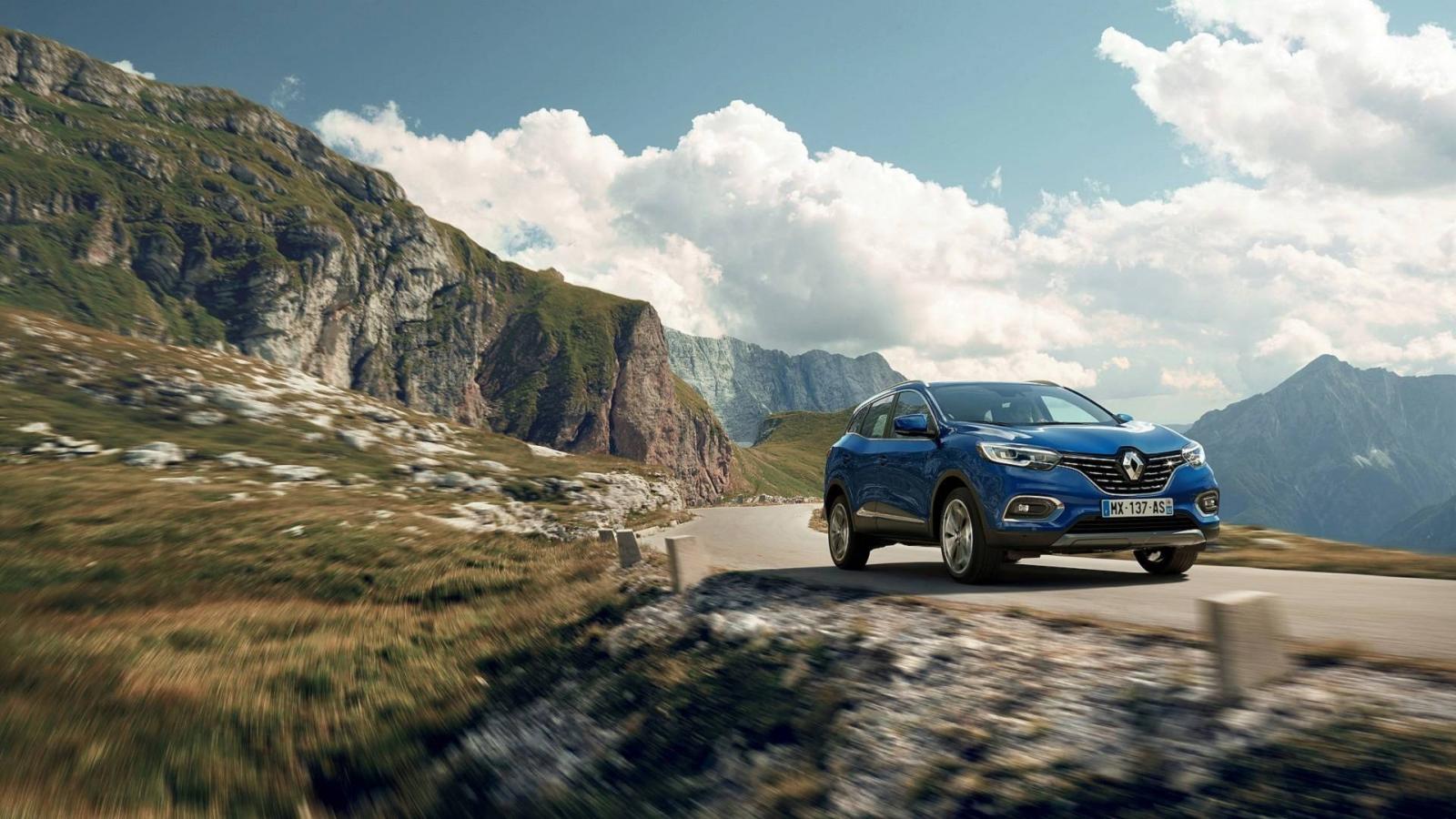
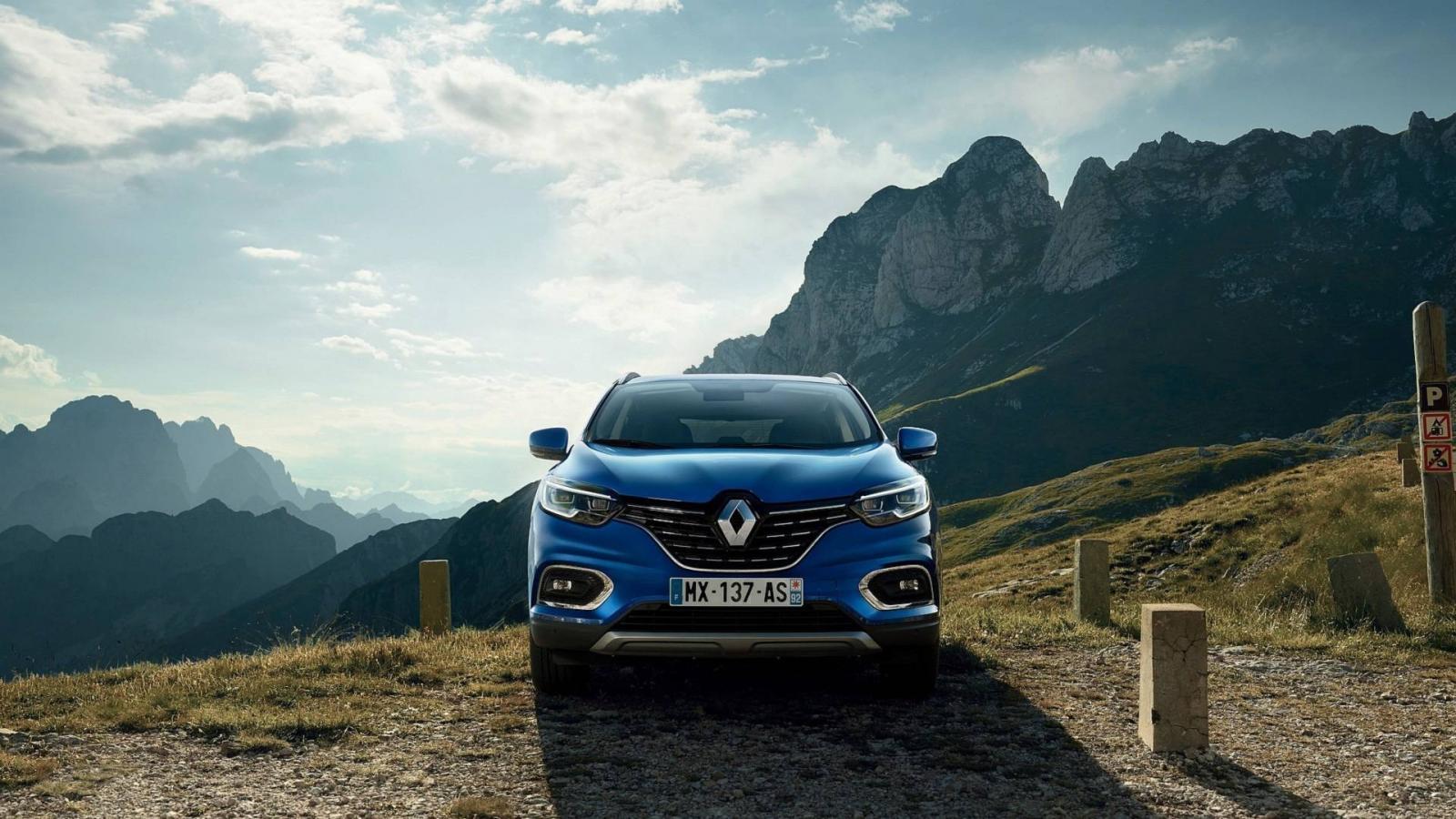
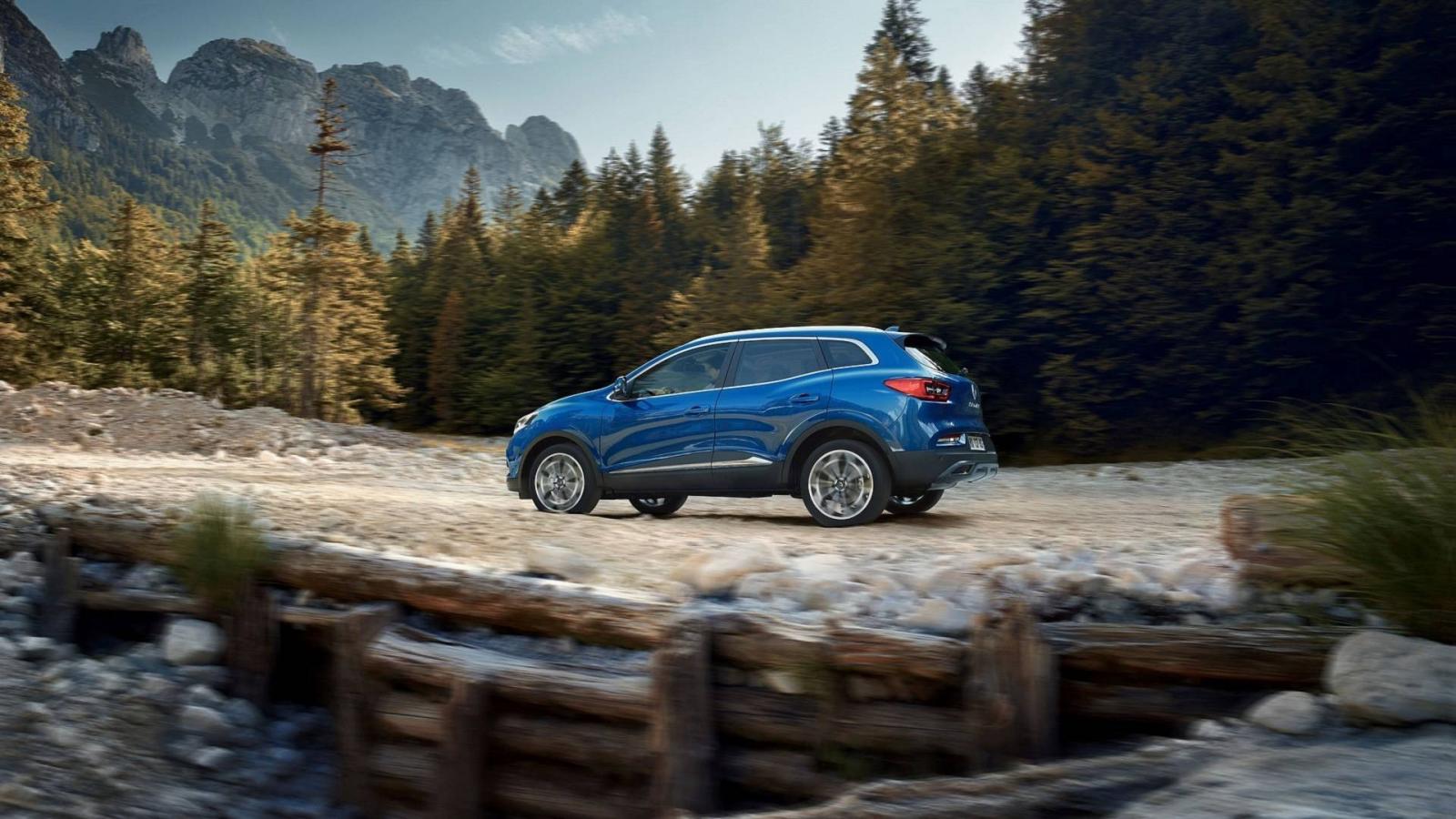
A facelifted version of the Renault Kadjar has been revealed with exterior and interior styling upgrades as well as the addition of a new turbopetrol engine and updated diesel engines, but it may not make it to South Africa…
The Kadjar compact SUV first arrived on local soil in 2016 and now the Boulogne-Billancourt-based firm has revealed a facelifted version. The Kadjar stood alongside the Captur and rugged Duster, the latter of which is due to be replaced next month with an all-new version.
However, the Kadjar’s future on local soil appears to be in the balance and the facelifted Kadjar may not make it to South Africa (the current model is no longer listed on Renault’s website) and Renault may decide to re-introduce the new Koleos to market instead (see below for more detail).
Engine updates
A revised engine lineup makes its way into the latest Kadjar to improve efficiency and reduce emissions.
The big news for the facelifted Kadjar is the addition of a new 1.3-litre turbopetrol engine which was co-developed with Daimler and is fitted with a particulate filter. It will offer outputs of 104 kW and 119 kW and will be paired with either a 6-speed manual or dual-clutch automatic transmission. This is the same engine that powers the new Mercedes-Benz A200.
As for the diesel engines, they have been modernised to meet emission requirements and as such feature a selective catalytic reduction (SCR) system. The first diesel engine is an 85 kW 1.6-litre turbodiesel (manual and EDC) followed by a more powerful 112 kW version (manual), the latter of which will be offered in both 4×2 and 4×4 guise.
Fresh Exterior Looks
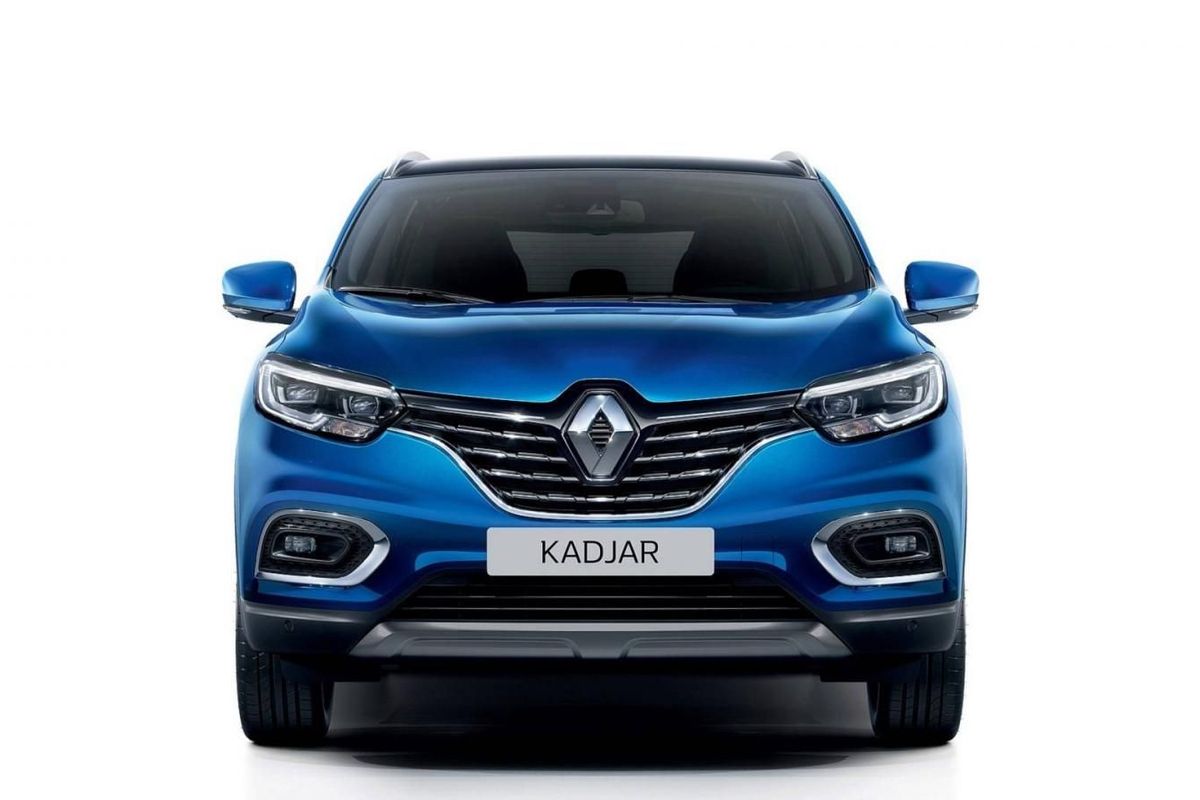
Renault has refined the Kadjar's face with a wider grille and an updated headlight design.
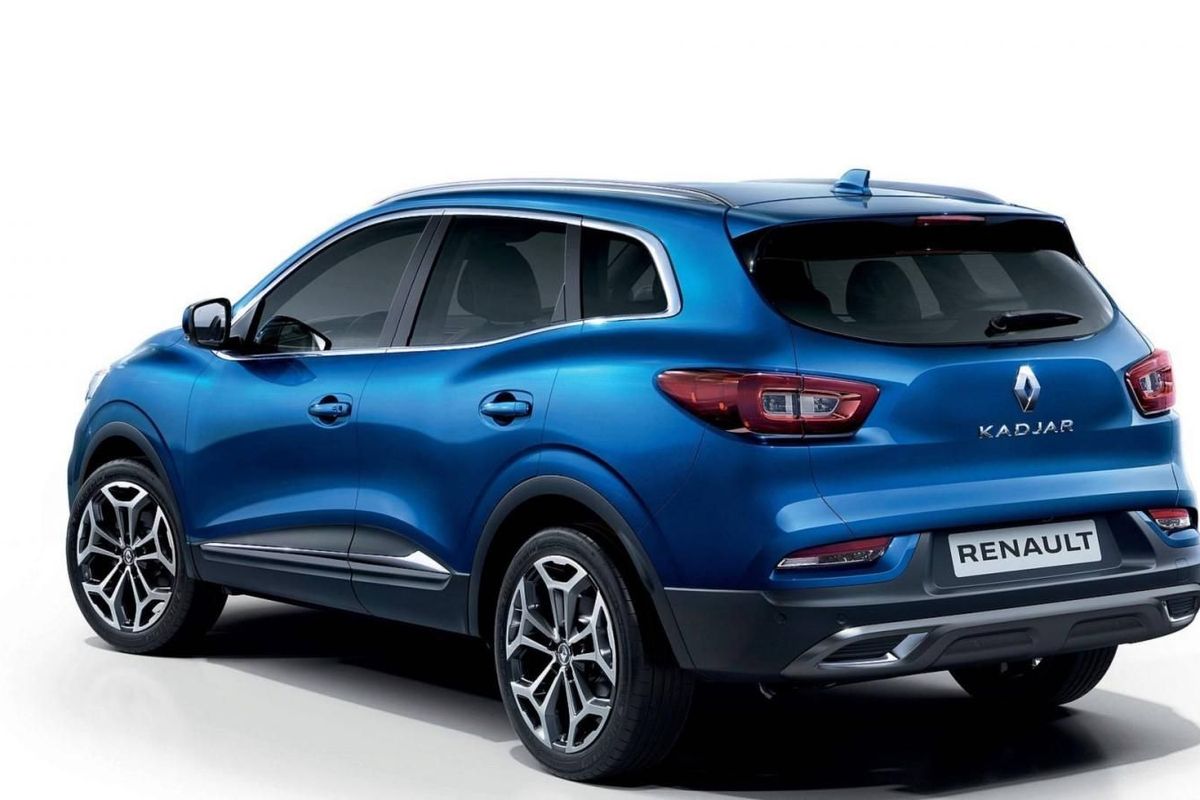
As for the design, Renault has refined the look of the Kadjar by retaining the familiar C-Shape daytime running lights but they now include integrated LED indicator lights. LED fog lights are now fitted and they are said to be 6 times more efficient than the previous halogen units. The rear also benefits from indicator lights, rear fog lights and reverse lights with LED technology.
Furthermore, the grille is wider with new chrome inserts and the front and rear bumpers have been reworked with added touches of chrome on select derivatives. The Kadjar ride on new alloy wheel designs in sizes ranging from 17 to 19-inches in size. A total of 3 new colours have been introduced, including Oural Green, Iron Blue and Highland Grey.
The Kadjar has a ground clearance of 200 mm with an approach angle of 17 degrees and a departure angle of 25 degrees, making it suitable for mild-to-moderate offroading if required.
Improved Interior
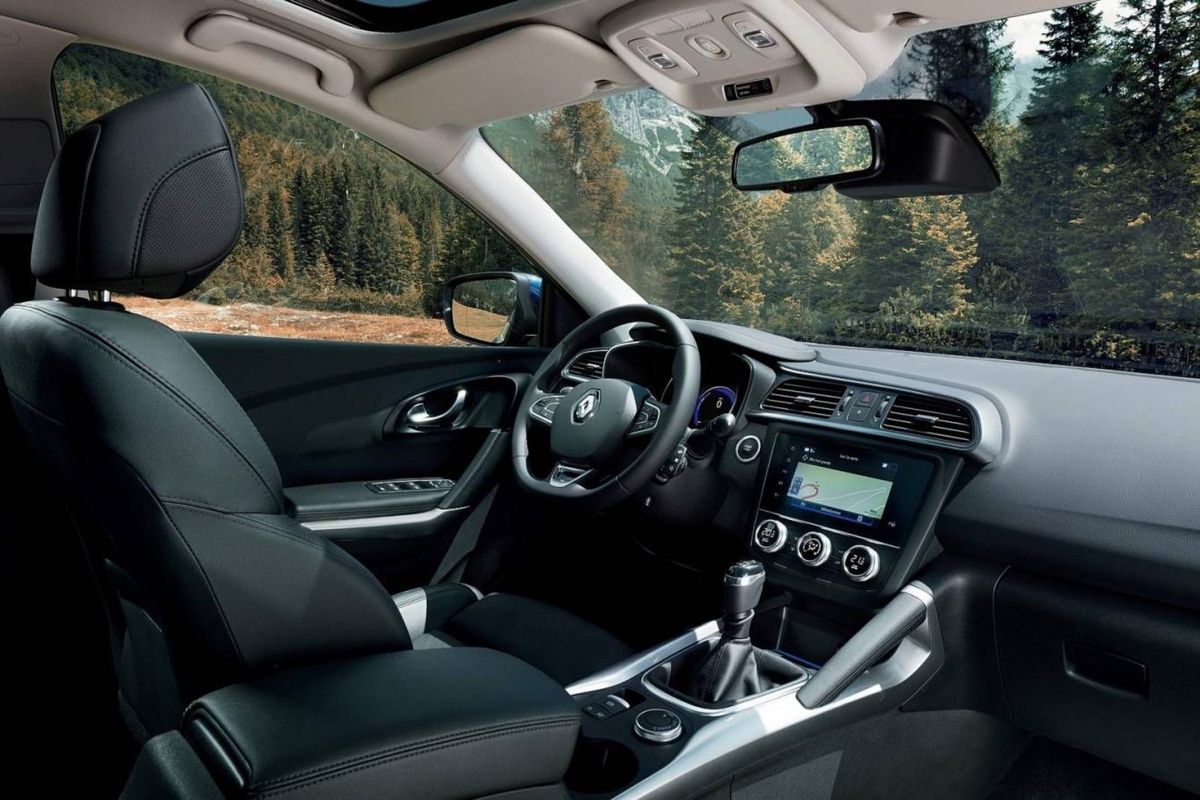
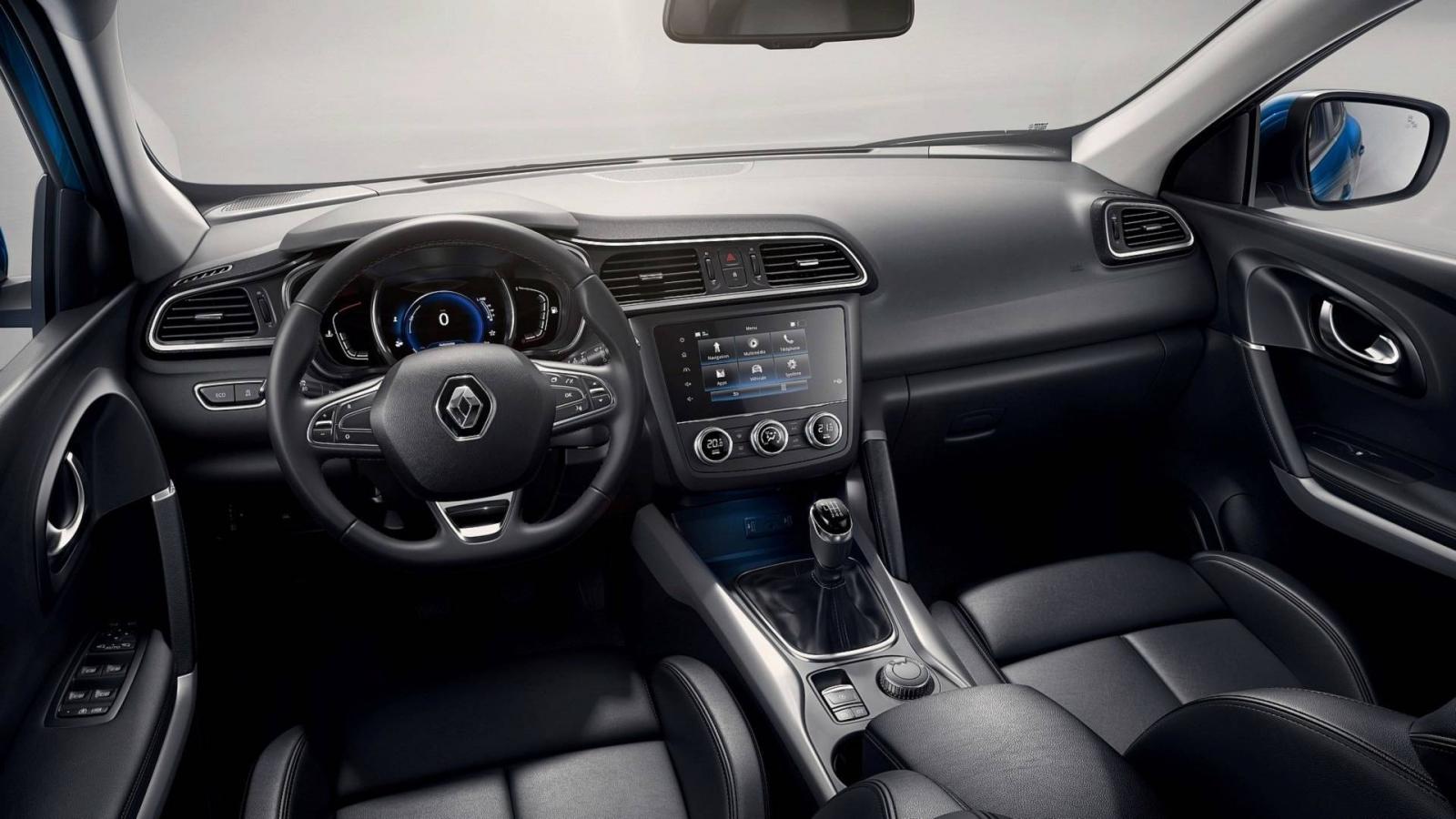
A new flush-fitting touchscreen infotainment system gives the Kadjar a more elegant appearance.
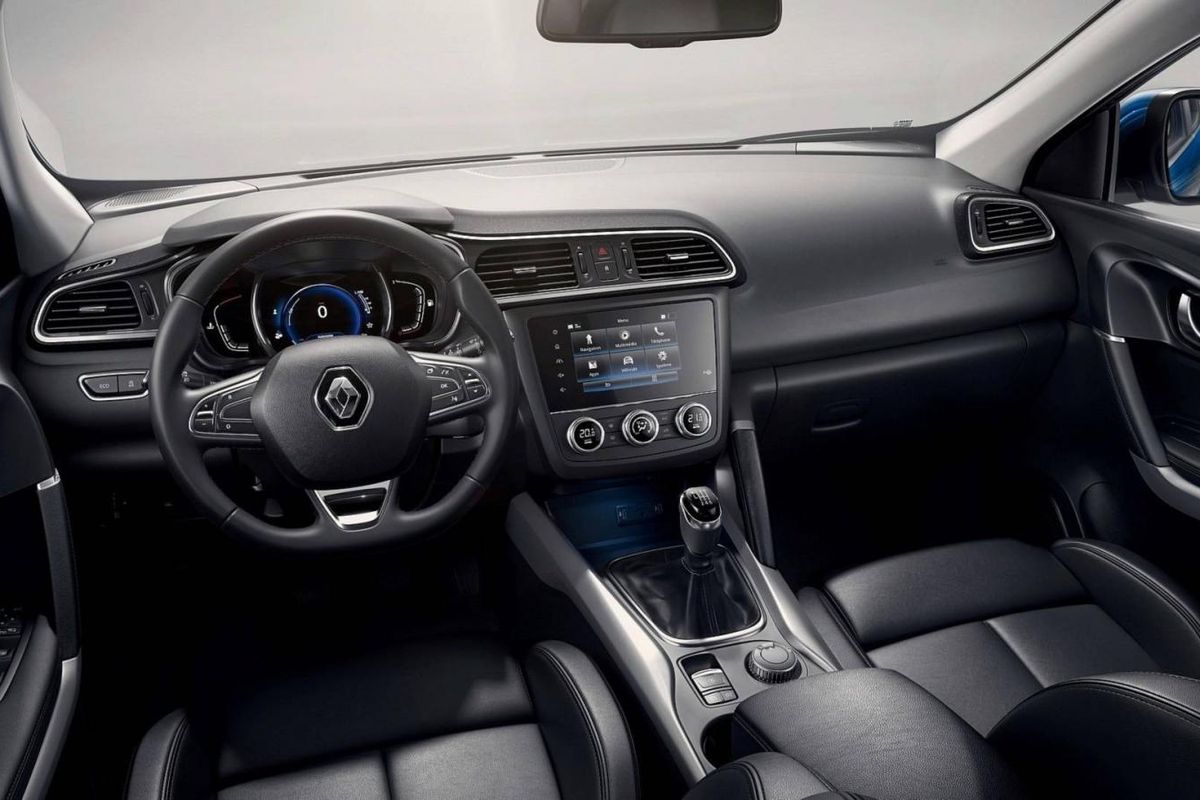
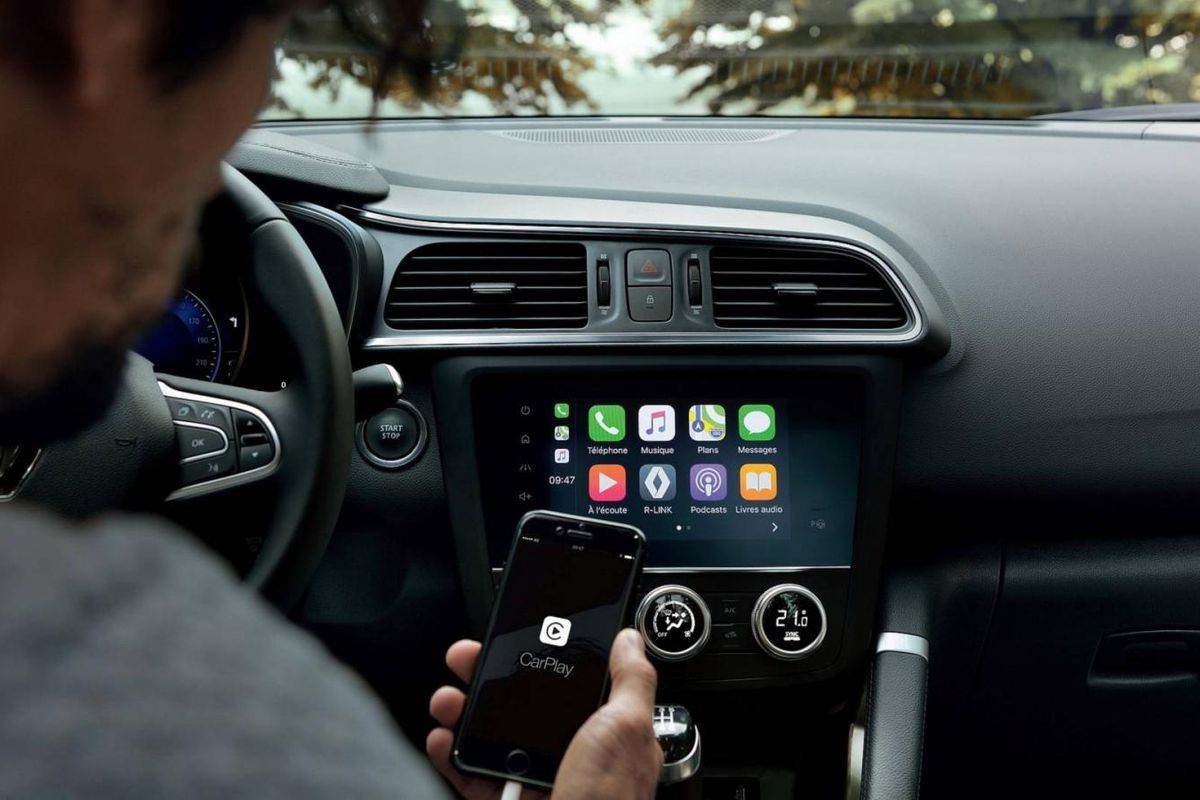
Perceived interior quality has been enhanced and the facelifted Kadjar features a new 7-inch R-Link 2 infotainment system that offers Apple Carplay and Android Auto. The controls for the air conditioning system have been updated and settings are now displayed in the centre of 3 thumbwheels.
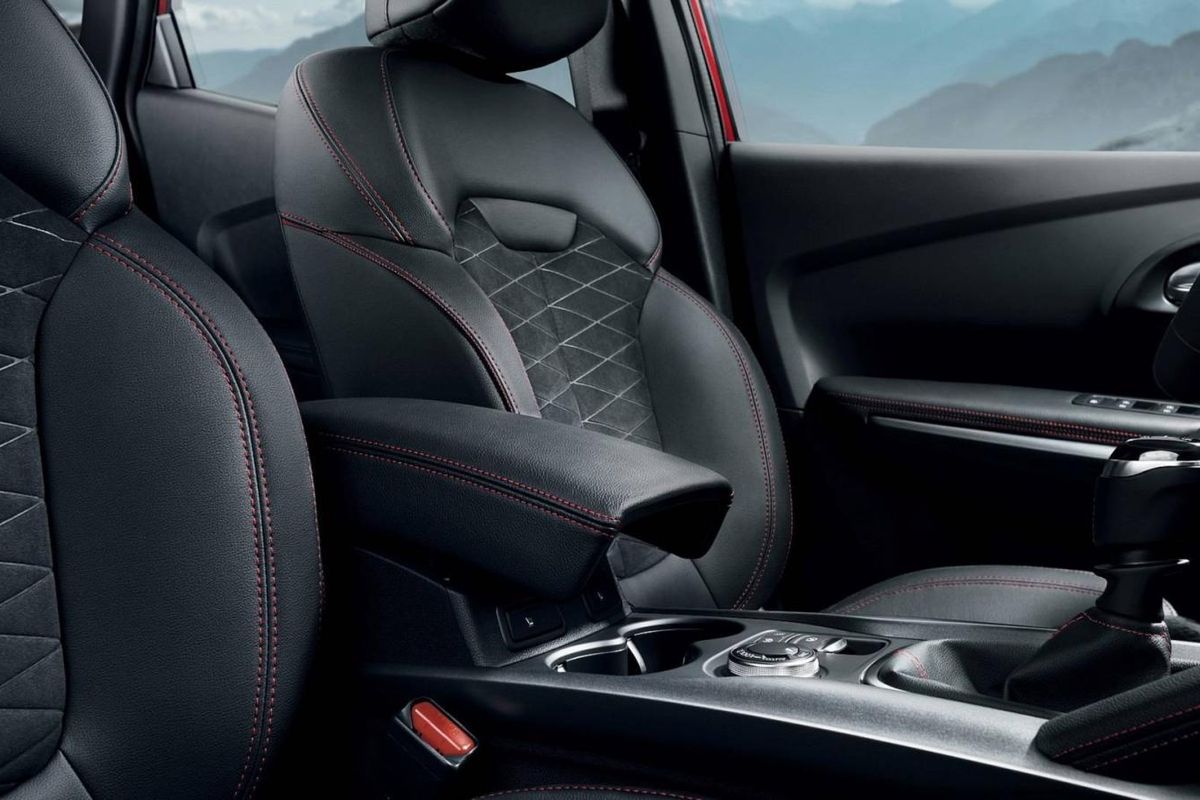
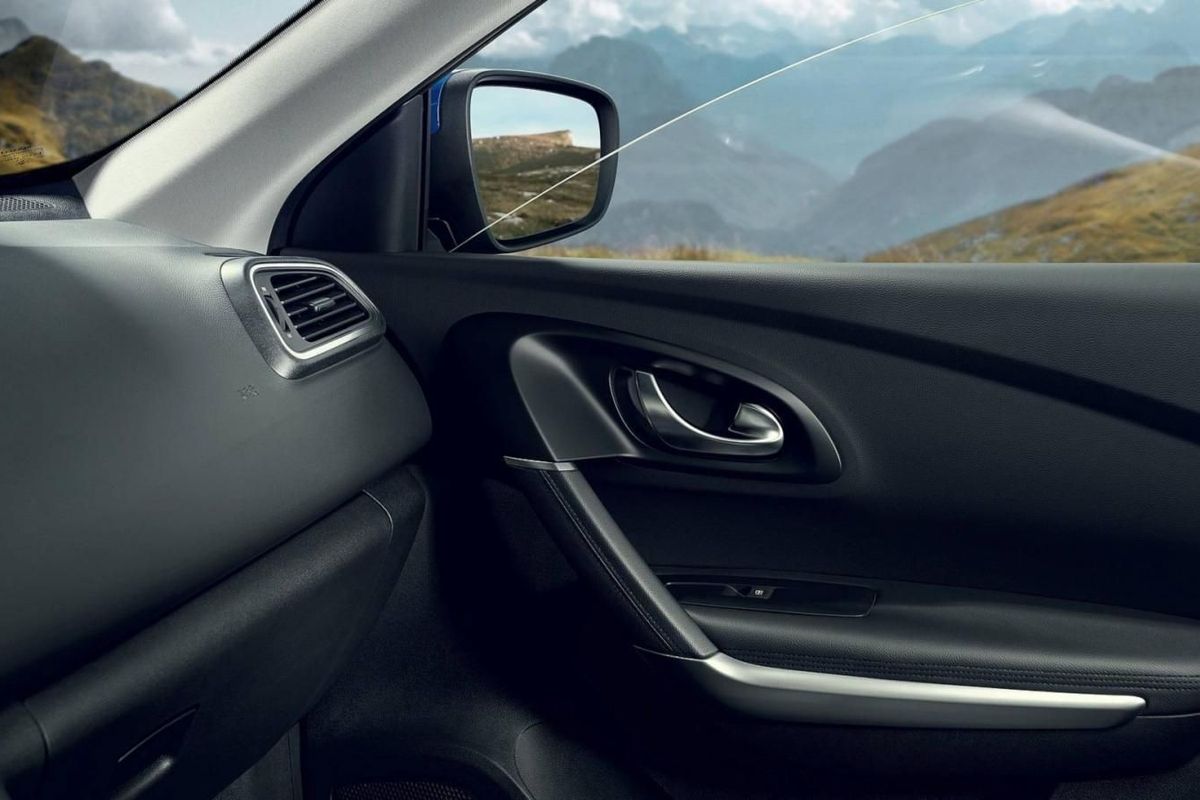
Touches of satin chrome are seen around the air vent surrounds, door handles and centre console for a more elegant look. The inner door panels also gain new electric window and mirror switches with backlighting for added convenience. New choices of upholstery are also offered and the redesigned seats now feature length adjustment as well as double density foam and firmer side support for added comfort. A sliding front armrest adds further comfort for the driver.
Other convenience features include larger front cup holders with adjustable function, larger in-door bins to hold 1.5-litre bottles and 2 additional USB ports for rear passengers.
The luggage bay offers 527 litres of space and the 60:40 split rear seats can be folded down to load items over 2.5 metres long.
Is the facelifted Kadjar coming to South Africa?
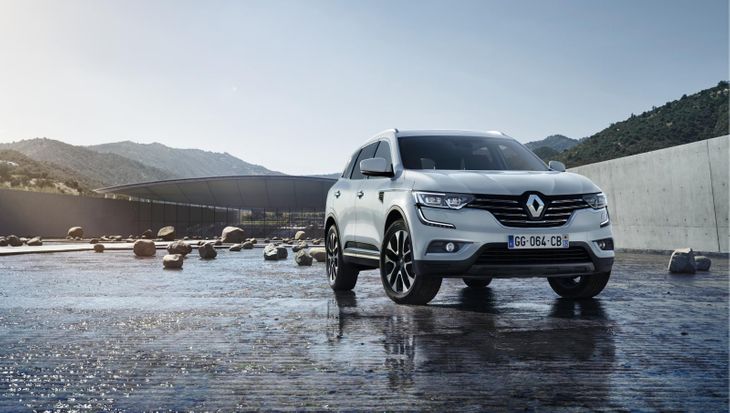
The fate of the facelifted Kadjar has yet to be confirmed but Renault might decide to introduce the new Koleos instead.
At this stage, the facelifted Renault Kadjar has not yet been confirmed for the South African market. Interestingly, a local Renault representative has informed us that Renault South Africa and Renault’s Corporate Team in France are currently studying the possibility of either introducing the facelifted Kadjar or to re-introduce the latest Koleos to market in 2019.
The Koleos was sold in South Africa previously but was discontinued due to poor sales performance in our market. The new Koleos shares its underpinnings with the Nissan X-Trail as part of the Renault-Nissan alliance and is built on the Common Module Family (CMF) platform.
Here's a shot of the Koleos, which will Renault SA choose to bring here, if any?
While the Kadjar has proven popular in other markets, it has not sold particularly well in South Africa either and perhaps unsurprisingly no longer appears on Renault’s website either, which probably means that Renault has already phased it out of our market. With this in mind, it’s more likely that Renault will re-introduce the Koleos in 2019, but we will update you as soon as an official decision has been taken.
Jaguar has invested R30-million to install new public charging stations in South Africa’s major cities and along major holiday routes in an effort to alleviate range anxiety for owners of electric and plug-in hybrid vehicles.
Range anxiety is a major factor preventing the widespread adoption of electric and plug-in hybrid cars in South Africa. We generally travel vast distances and the limited range of electric cars make their adoption difficult to justify, especially when charging infrastructure is limited.
Jaguar is looking to change the situation and has partnered with electric vehicle charging authority, GridCars, to install 82 new charging stations across South Africa with an investment of R30-million. The charging stations will be installed at all Jaguar Land Rover retailers as well as at various points of convenience such as shopping centres, major hubs including Johannesburg, Pretoria, Durban, Cape Town, Port Elizabeth, East London and Bloemfontein.
City centres will also be connected by the Jaguar Powerway which comprises a series of 22 charging stations along the N3 between Gauteng and Durban and the N1 between Gauteng and Cape Town. Furthermore, Cape Town will be be connected to the Garden Route with a series of charging stations along the N2 all the way to East London.
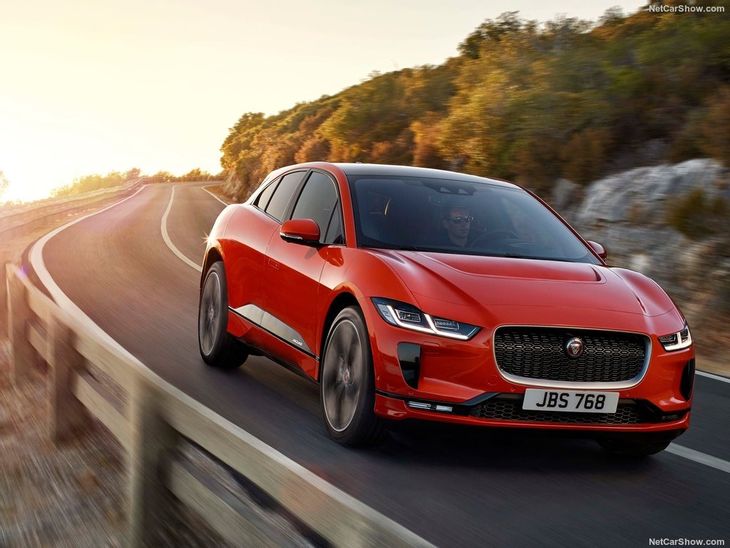
The new electric Jaguar I-PACE will arrive in SA in Q1 of 2019.
The announcement comes ahead of the introduction of Jaguar’s new I-PACE electric SUV which is due to arrive locally in the first quarter of 2019. The I-PACE has a range of up to 470 km depending on the driving style adopted.
Richard Gouverneur, Managing Director of Jaguar Land Rover South Africa and sub-Sahara Africa said: "As Jaguar we are proud to be setting the pace for the new generation of electric vehicles in South Africa. The launch of the Jaguar Powerway demonstrates our commitment to electrification technology and the future of mobility in our market. This new network provides peace of mind to our Jaguar I-PACE customers who can now experience more of their world with less range restrictions."
Jaguar says that the majority of the charging stations will be 60kWh fast chargers allowing I-PACE owners to charge from zero to 80% in about 72 minutes while 100 km of charge will take about 20 minutes. Each charging station will be equipped with a 22kWh AC fast charger to accommodate plug-in hybrid cars while an AC standard Type 2 socket will allow charging for all electric vehicles available in South Africa.
Charging stations along major holiday routes will help to alleviate electric range anxiety in South Africa.
Jaguar Land Rover owners will make use of an RFID card to activate the charging station and the card can be credited with simple EFT payments, much like topping up your smartphone with airtime. More so, electricity discounts of 25% will apply for all owners of Jaguar Land Rover electric or plug-in hybrid vehicles.
Like fuel prices, the price of electricity fluctuates and currently 1kWh will cost between R3.00 and R3.50 depending on where the electricity is redeemed. In the case of the I-PACE’s 90kWh battery, a full charge will cost between R270 and R315, which is far less than what you would pay to fill up with petrol or diesel.
Jaguar says that the entire charging grid and Powerway infrastructure will be fully operational by the end of November 2018.
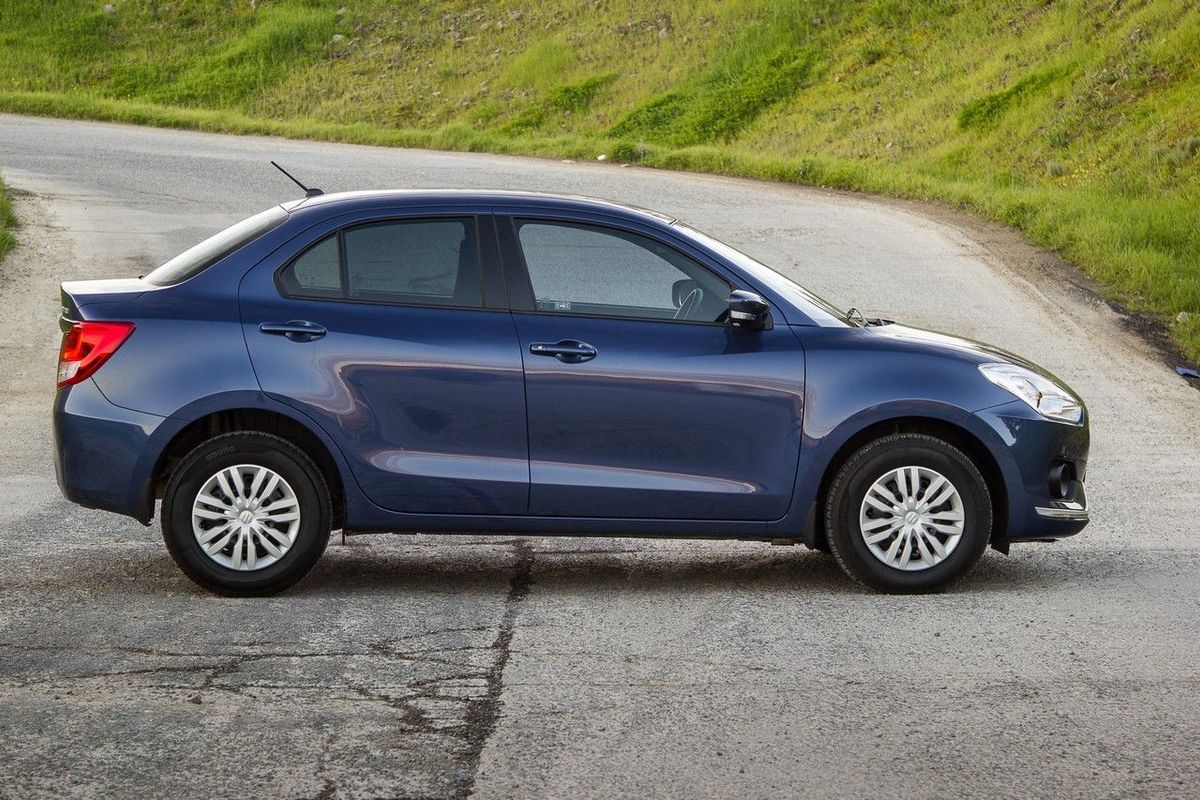
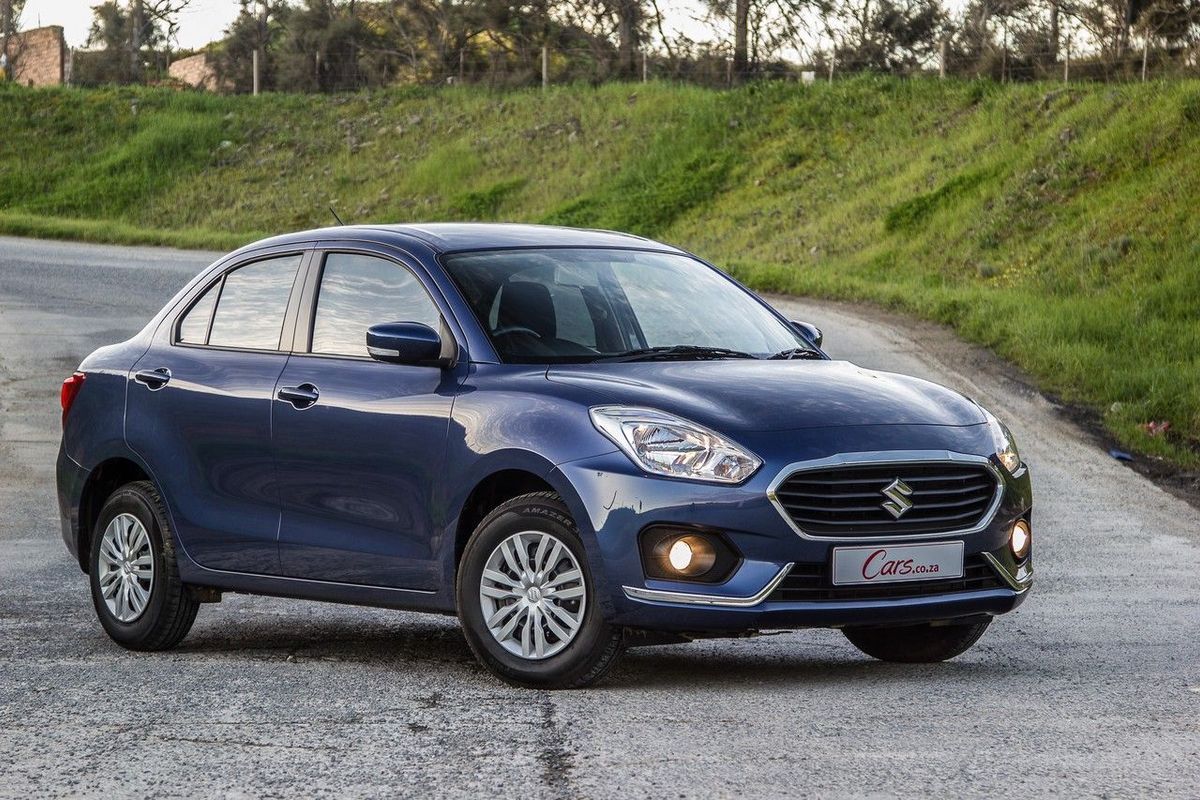
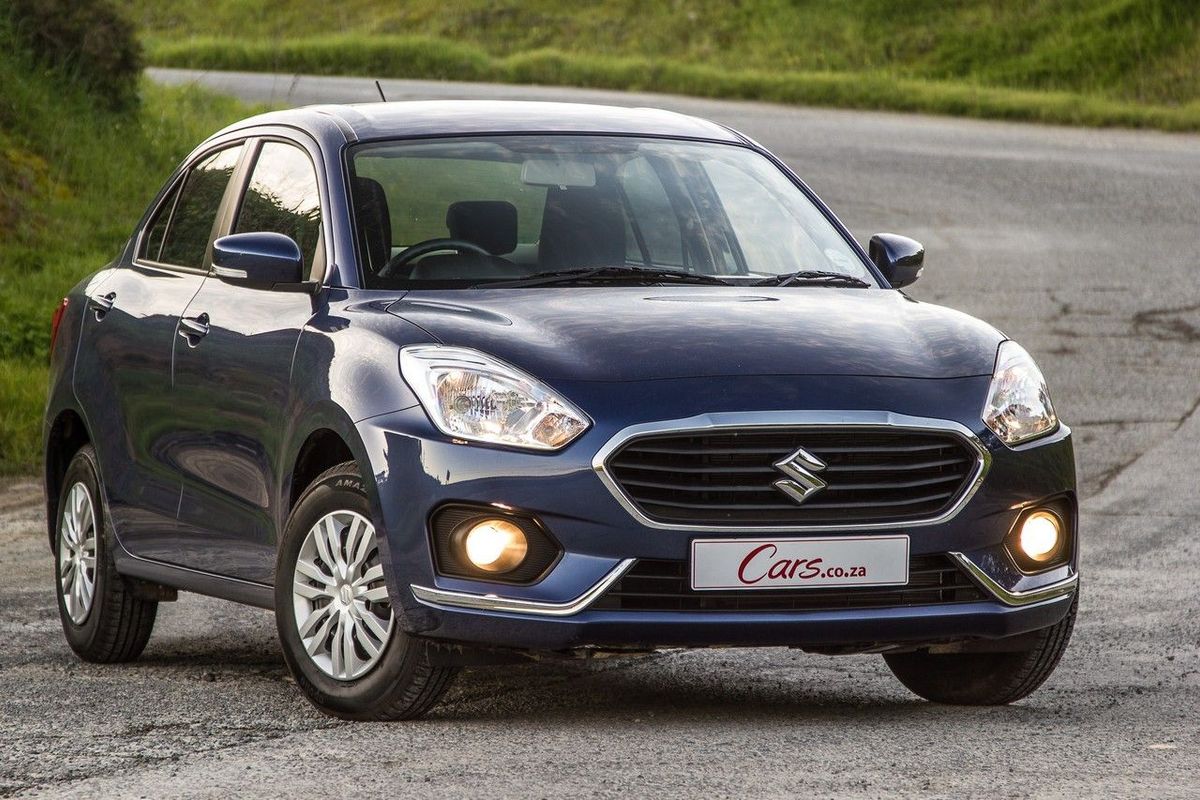
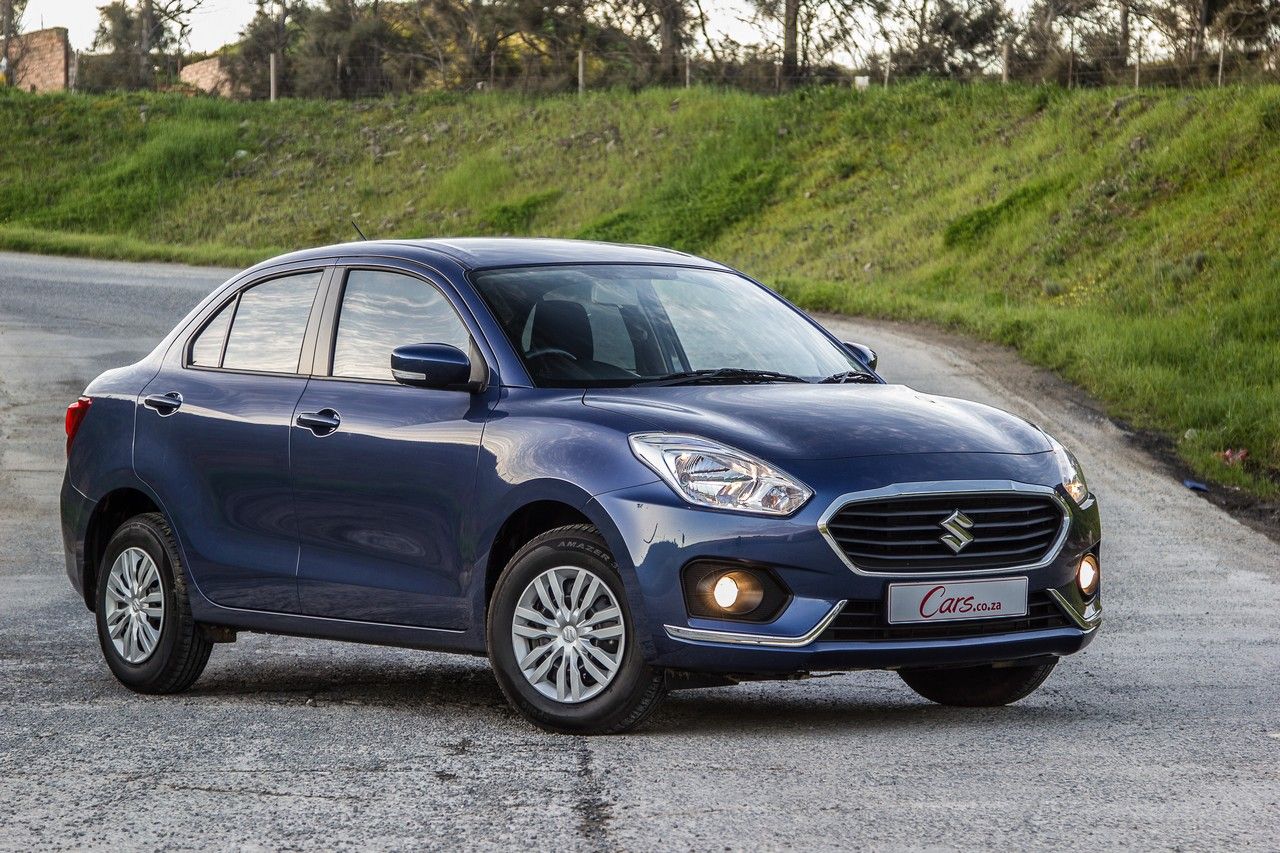
Suzuki recently released a sedan variant of its Swift hatchback, which is historically the Japanese marque's top-selling model in South Africa. Now called Dzire, as opposed to the Swift Dzire, the 4-door has similar strengths to its sibling…
We like: Thrifty engine, rear legroom, comfortable drive, value for money
We don’t like: Back seats don't fold down, lacks top-end shove
Are there any specials currently on this model? Find out here.
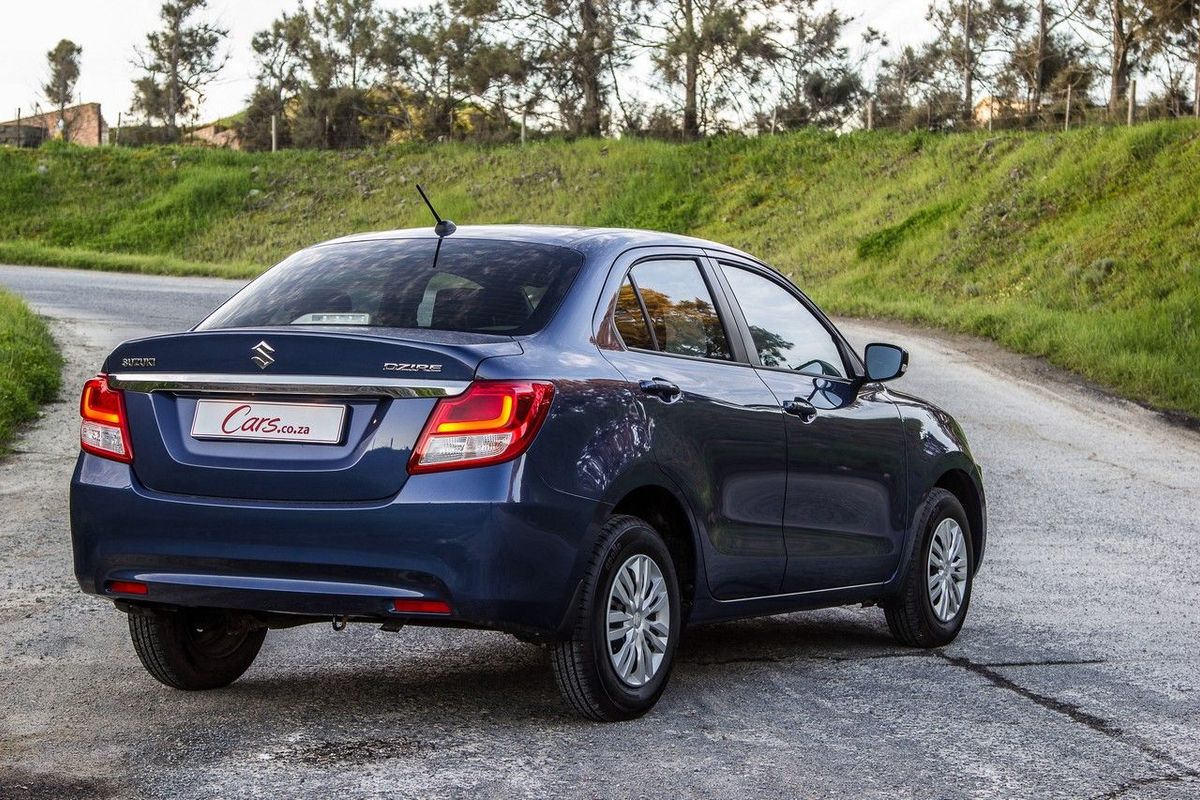
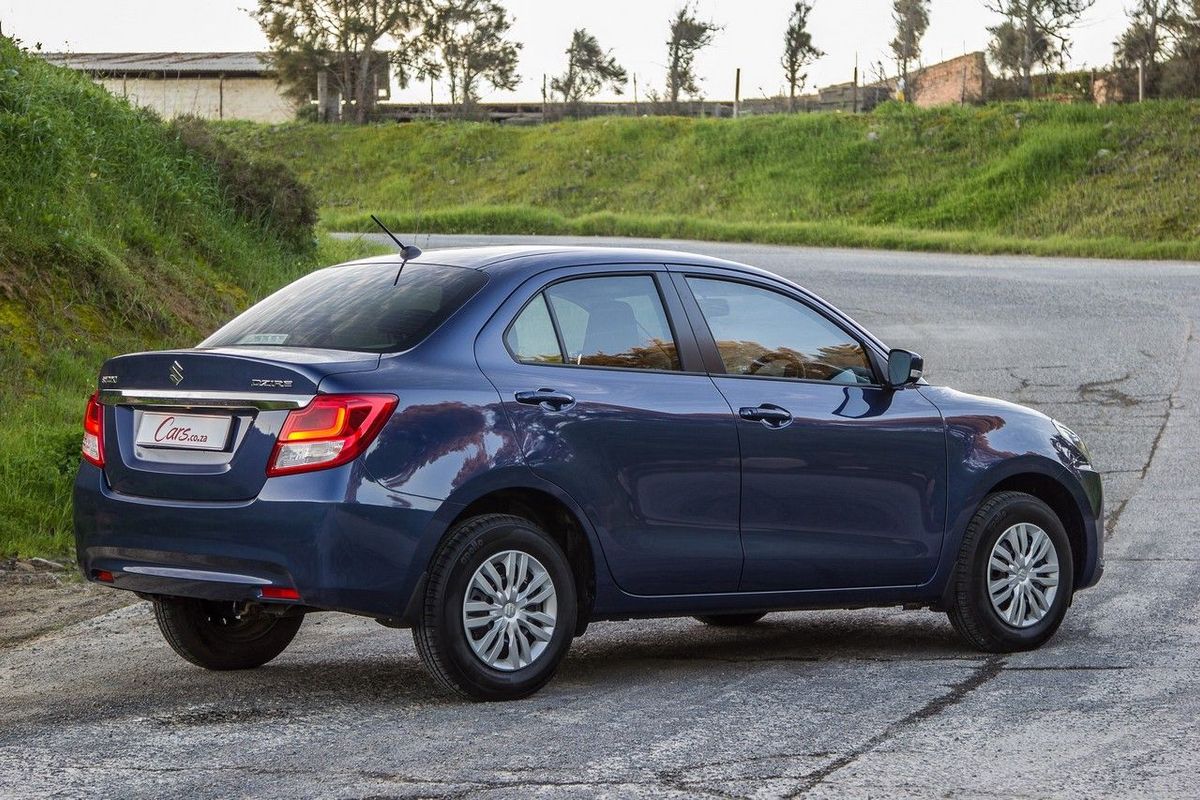
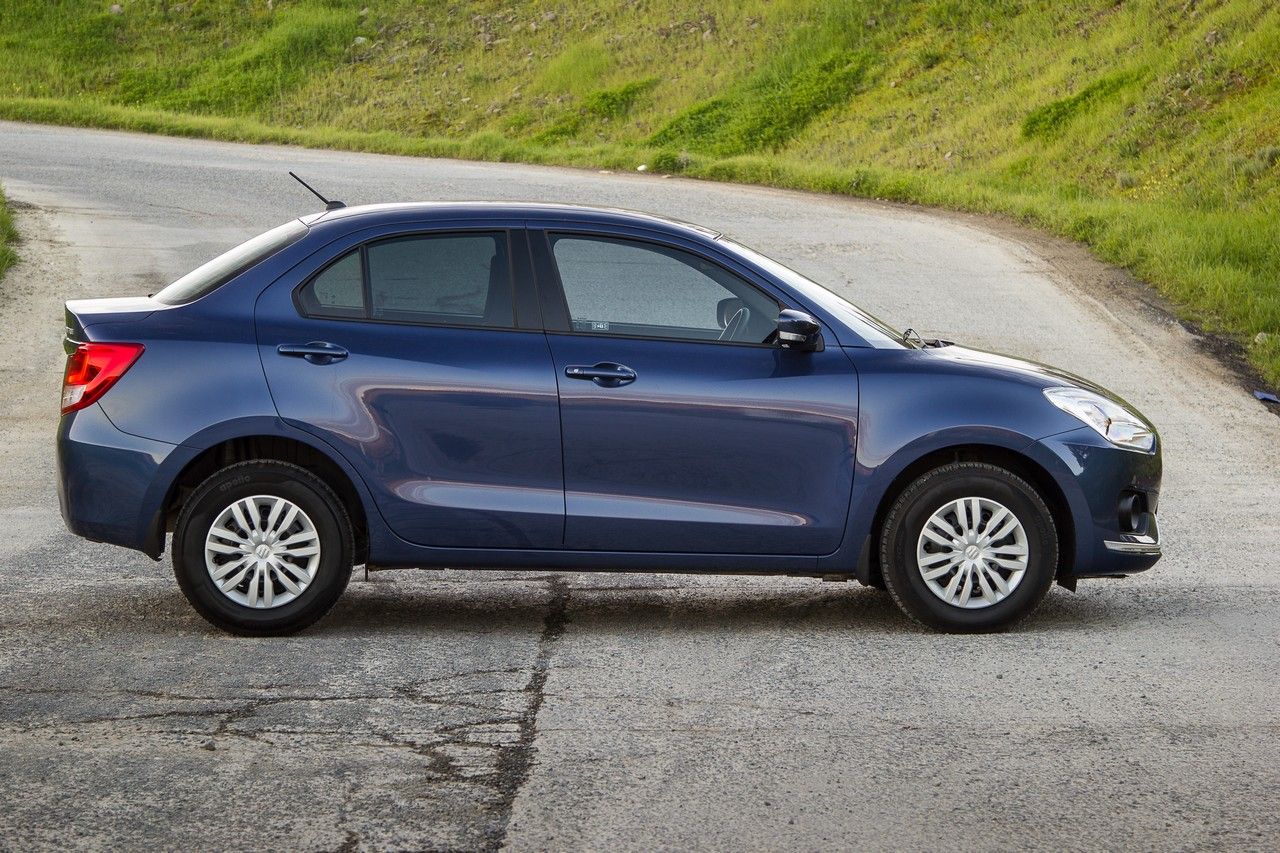
Sales of the booted Dzire will pale in comparison to the bubbly Swift, but its comfort and interior practicality are appealing.
Where does it fit in?
The Suzuki Dzire is the sedan version of the popular Swift. The 4-door version was launched at the same time as its hatchback sibling, but Suzuki has dropped "Swift" from the newcomer's name to make it a stand-alone model. While sales of the Dzire will always trail those of its hatchback sibling, we think there's definitely a case for a compact booted sedan. Think of the taxi and Uber market, which require cars with comfortable cabins, generous rear legroom and boot space.
What’s good about it?
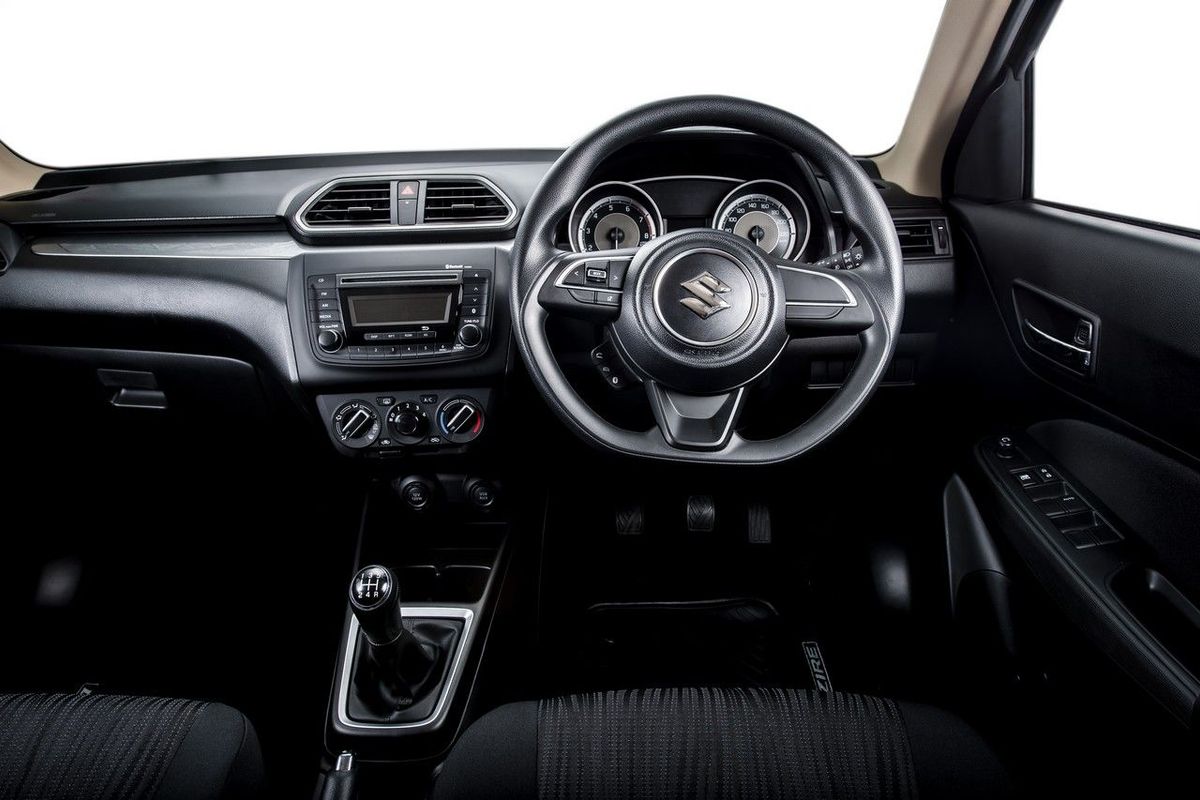
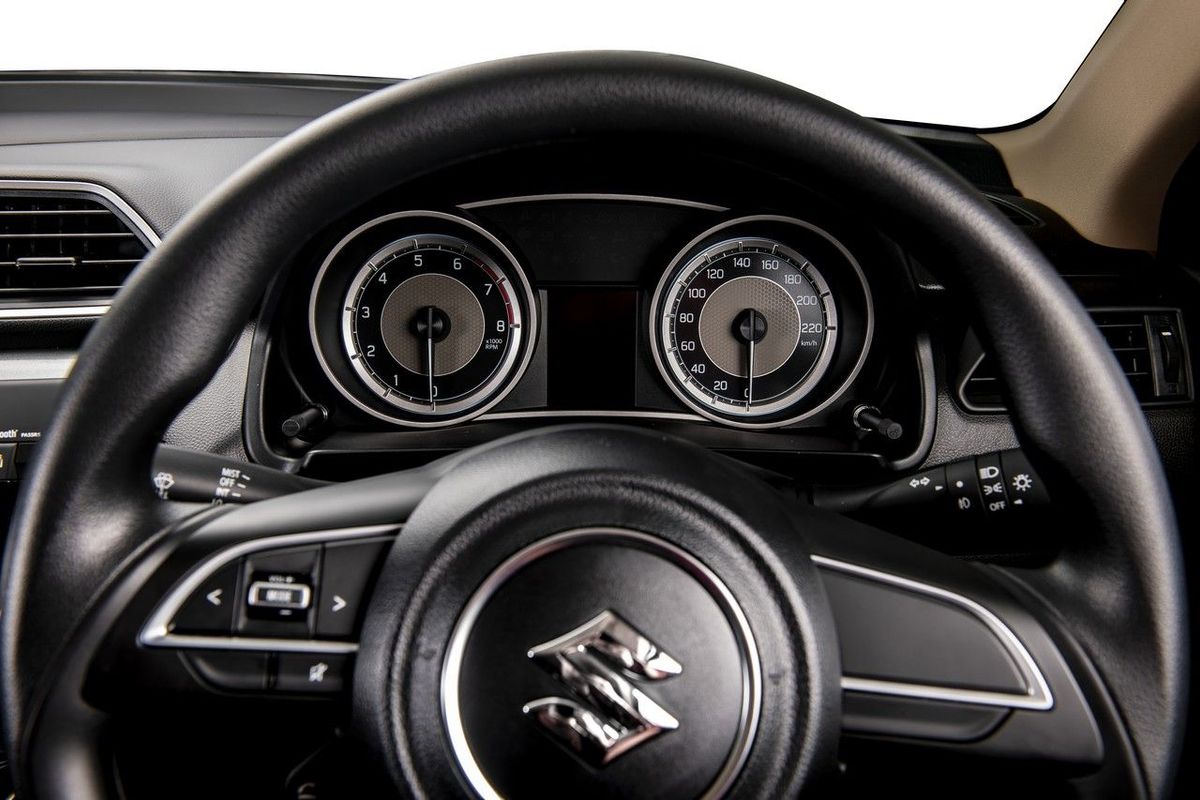
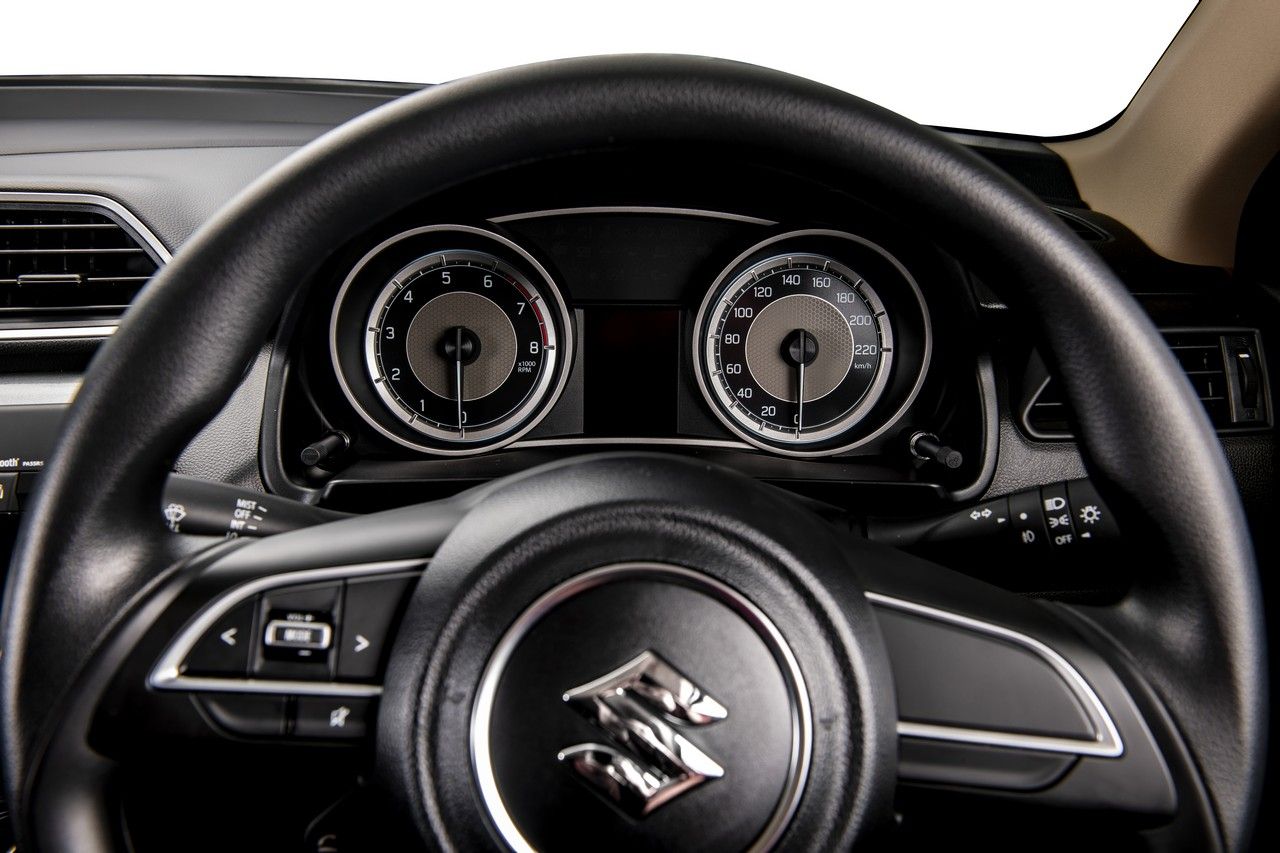
The Dzire's instrument cluster has an understated (almost retro) elegance to it. Note the combination of black and grey elements.
Abundant features
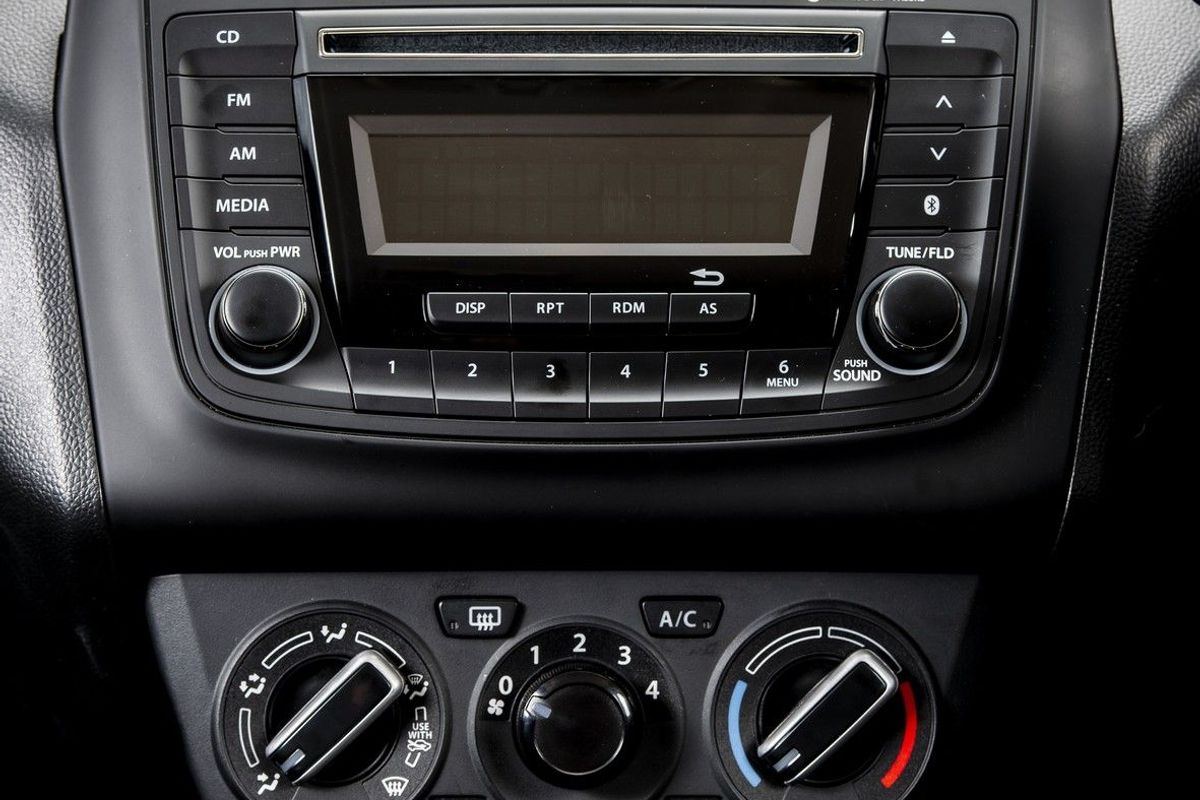
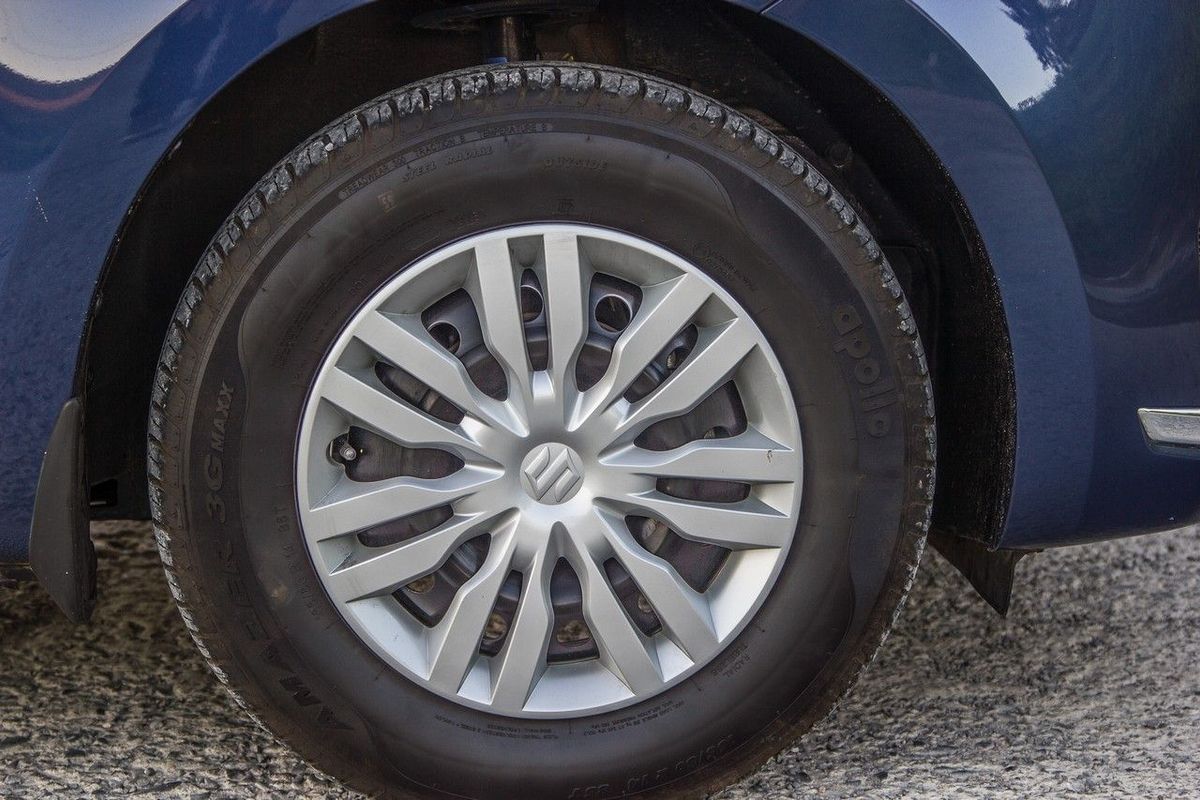
There are a few differences between the Swift and Dzire. Whereas the Swift has a red and sporty theme, the Dzire has silver accents. A new instrument cluster with a multi-information display is fitted and the Dzire GL derivative adds a tachometer, rear air vents, extra 12V socket, audio system with USB and Bluetooth support, steering wheel-mounted controls and electrically adjustable, colour-coded side mirrors. GL specification also includes a foldable rear armrest with integrated cup holders.
Fuel economy
The Suzuki Dzire is powered by the tried-and-tested 1.2-litre 4-cylinder naturally-aspirated petrol engine. It produces 61 kW and 113 Nm, which doesn't sound like much, but when you combine those outputs with a low kerb weight (of under 900 kg) and a snappy 5-speed manual gearbox, the Japanese sedan's performance is not as pedestrian as many might assume. Plus, the real ace up the Dzire's sleeve is excellent fuel economy… While Suzuki claims an average consumption figure of 4.9 L/100 km, which is usually optimistic, we found we could easily match the indicated figure. It's only when you really put your foot down that the readout will climb to the mid-5s.
Interior space
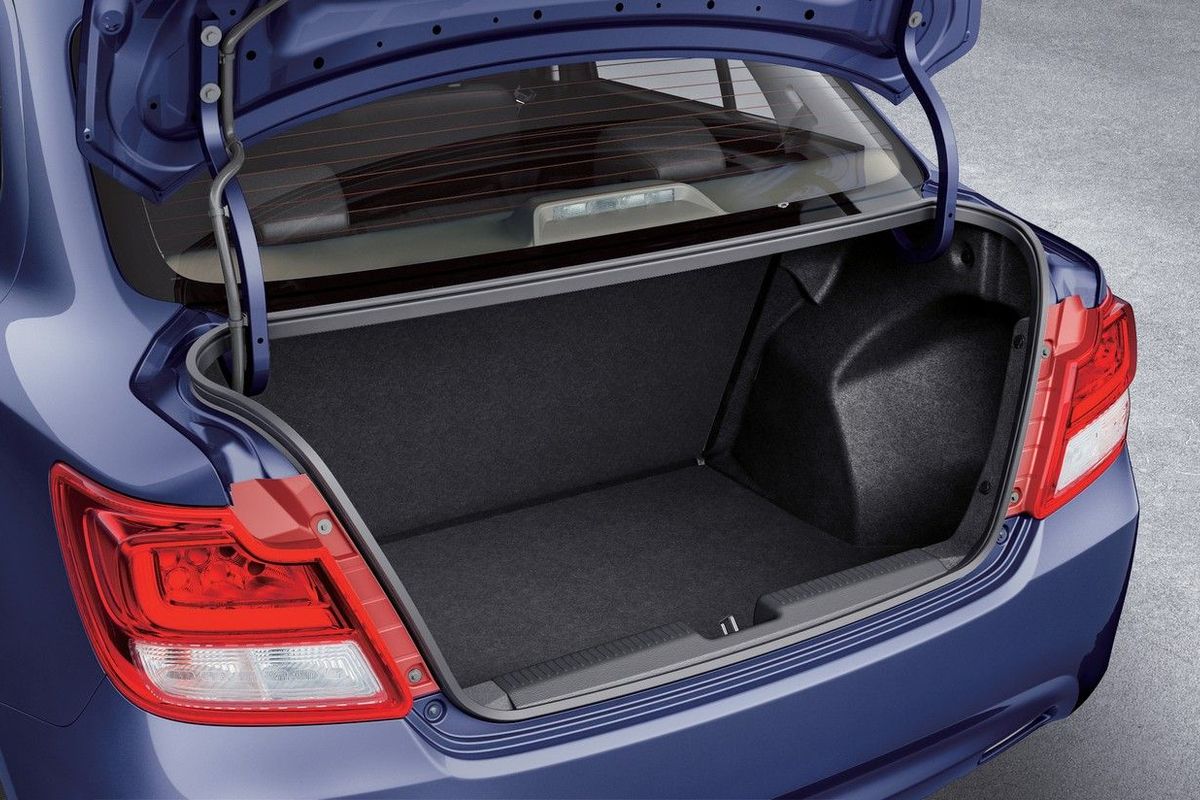
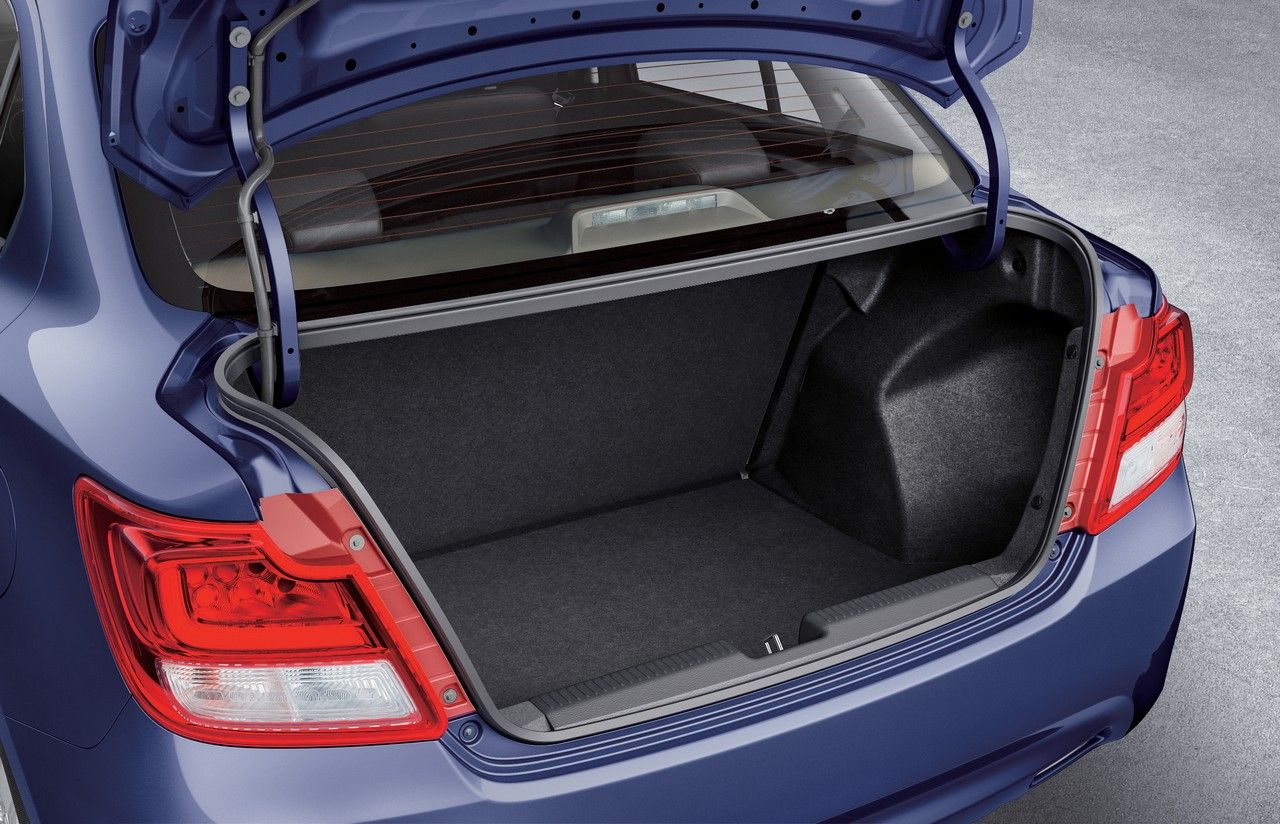
This new compact platform from Suzuki has a lot going for it. Not only does it promote a good driving experience (replete with a touch of dynamism, believe it or not), the low kerb weight means the engine doesn't need to work as hard and finally, there's the sedan's impressive space utilisation. For such a compact car, it's impressive to see how much room there is for both driver and passengers. Headroom is to be commended, but the biggest highlight is the rear legroom. The standard sit-behind-yourself test as a 1.9-m tall adult was passed with flying colours. Suzuki claims that the new Dzire's boot can hold 26% more luggage than before, and if you're used to the litres measurement benchmark, then the number you're looking for is 378. It's not the biggest in class, mind you, but there's enough space for 2 medium suitcases.
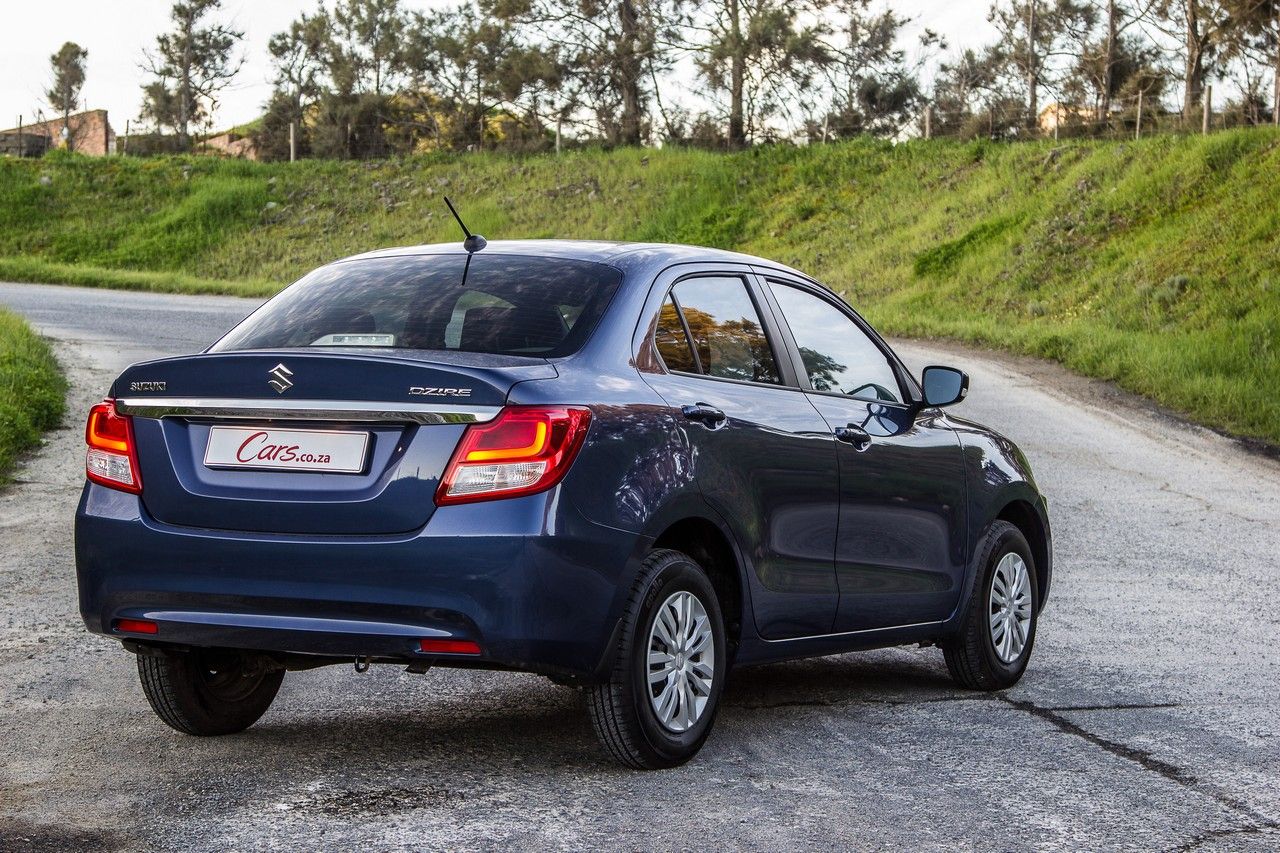
The Suzuki Dzire is a fresh-looking compact sedan that will appeal to those looking for generous space on a tight budget.
Value for money
As we find ourselves forking out more and more for petrol and vehicle insurance, it's refreshing to see a commendable value-for-money offering, particularly at the bottom end of the segment. We've encountered mere shells of cars with precious little specification and space, and yet the Suzuki Swift and its new booted Dzire sibling offer a lot for around R180 000. Let's not forget about the brand's commendable after-sales support. After all, Suzuki is a 2-time Brand-of-the-Year winner in the #CarsAwards.
What's not so good about it?
Back seats don't fold down
For a car that's angled towards cargo and passengers, we find it strange that the rear bench's seatback does not fold down to increase utility space. It's a minor gripe, but it's a gripe nonetheless.
Spacious boot, but the Dzire's carrying capacity can't be increased, because the rear bench's seatback does not fold down.
Lacks top-end shove
We're impressed with the in-town performance of the Suzuki Dzire. It rides pretty well and can deliver a decent turn of pace when it's just the driver behind the wheel. However, what if the Dzire was required to complete longer journeys with 3 passengers and their luggage aboard? Would it have enough in-gear shove in reserve to comfortably perform the 80-120 kph overtaking test? Yes, it's possible, but you have to work that gearbox and engine hard, to the detriment of fuel economy.
Pricing & Warranty
The Suzuki Dzire 1.2 GL costs R177 900, which includes an impressive 5-year/200 000 km mechanical warranty and 2-year/30 000 km service plan.
Rivals to Consider
The segment's sales leader: The Toyota Etios 1.5 Sprint sedan is the segment leader, but it costs a bit more than the Swift (R184 400). You do get a more powerful engine, a bigger boot, as well as a larger fuel tank, but is it quite as well-made as the Suzuki?
Closest rival on price: The Honda Brio 1.2 Trend sedan is fractionally cheaper than the Suzuki (R175 700), but it loses out on many features such as Bluetooth connectivity. It also boasts a punchier engine than the Suzuki.
The Suzuki Dzire is a basic and simple way of getting from A to B. With its low price, generous space, and ease of use, the Dzire makes a great argument for simple motoring. Then there's Suzuki's great after-sales support and a long, comprehensive warranty thrown in to sweeten the deal. While it may lack top-end performance prowess, we can't fault the 1.2 GL's performance in and around town, where it's likely to spend most of its time. For those who want to add another vehicle into an e-hailing/ridesharing fleet and can't afford a bigger sedan, then we think the Dzire could be a worthy investment. The exceptional fuel economy is the clincher!
Drag Race: Renault Clio RS18 vs Volkswagen Polo GTI
Who is ready for a warm-to-mildly-hot set of drag races? Well, we're going to post them anyway. Here's the first one, where the limited edition Renault Clio RS18 takes on the Volkswagen Polo GTI.
Over the next four weeks, we'll be rolling out a 4 part video series, featuring some of the hottest (warmest?) hatches available right now in South Africa. It's called the Ultimate Warm Hatch Shootout, and it's exclusive to Cars.co.za.
Stay tuned and subscribe to be the first to see two more drag races and a track race featuring the 2018 Polo GTI, the Renault Clio RS F1, the Mini Cooper S and the very special Toyota Yaris GRMN.
In this video, the Polo and the Clio go head to head on the quarter-mile drag strip. The race took place at sea level on a cold day, so Ashley Oldfield and Ciro De Siena braved the elements to bring you this cracking race.
If the world’s most disruptive car company hopes to survive, it might need to lose its maverick CEO.
For the world’s most charismatic billionaire, 2018 has been the most trying year of his incredible career. Isolate his uncontained arrogance and baiting on Twitter and there is no argument that Elon Musk is both outrageously talented and an unrepentant car guy.
With all the production issues, share price valuation debates and questions regarding his stewardship of the automotive world’s first successful battery-car company, we tend to forget that Musk isn’t merely a technologist seeking to disrupt the established car brands. He is an enthusiast who, like Mr Bean/Blackadder/Johnny English star Rowan Atkinson, has owned (and crashed) a McLaren F1 – arguably the purest road-going performance car ever made.
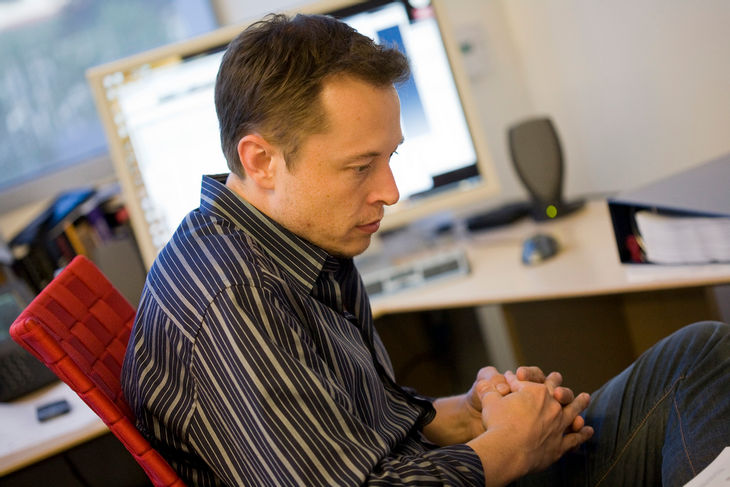
Musk is well-known for putting in 120 hour-plus weeks at the office, but has his strenuous efforts finally got the better of him?
There has always been a contention from those dedicated – and slightly obsessed – Musk followers that his Tesla project has an untrivial sense of destiny about it. The battery-powered car should have happened decades ago and its absence is merely a conspiracy between manufacturers and Big Oil. Ettore Bugatti, after all, had an electric car, with which he used to commute around the Molsheim factory in the 1930s.
Could August 2018 be remembered as the date when Tesla was either steered towards ultimate success – or terminally derailed? Last month Musk used his preferred personal device – Twitter – to admit that he felt overworked and isolated. The tension between Tesla’s production obligations and supplying perfectly configured powertrain batteries on a scale never attempted in the automotive industry, are now consuming him with 120-hour working weeks.
Has it all become too much for Musk?
On 7 August 2018, Musk – in a manner typical of him – enraged investors by tweeting that he had enough support to delist Tesla. For a man who has openly mocked institutional investors whilst presenting the company’s results, the published note of an intention and ability to remove Tesla from the public sphere was a bit too ambitious. Musk had called the bluff of all his critics.
The desire to take Tesla private was obvious: it would allow Musk greater independence and avoid the annoyance he has suffered as CEO of a publicly traded company, one which is beholden to strict financial reporting rules and all manner of scrutiny.
Investors were concerned when Musk appeared to puff on marijuana on the Joe Rogan podcast.
A private Tesla would not have to report every quarter, and this has been Musk’s moment of infamy as production targets have consistently underwhelmed – sometimes by enormous margins. The market has been good to Tesla. Its share price has ballooned tremendously in the last two years, from just below $40 in 2013 to above $300 in 2018, which availed Musk a massive capital base from which he could execute his master vision for a battery-powered future.
When you take open-market money it comes with a required measure of scrutiny too – and this relationship has not been one Musk is at all comfortable with. His behaviour when questioned about Tesla’s missed production targets or any other strategic discrepancy has often bordered on hostile. With Musk, there is always the sense that telling other people what you are doing with their money is an unnecessary detail which should not apply to renegade entrepreneurs such as himself.
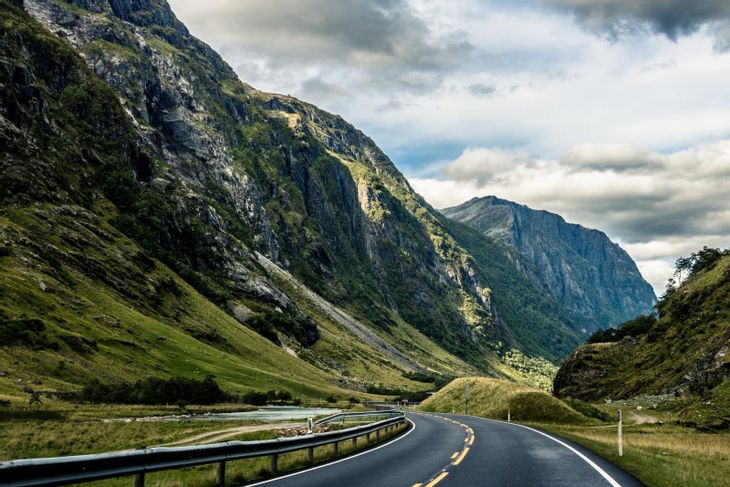
Norway was once a huge supporter and investor of Tesla, but the carmaker's reputation has slid somewhat in the eyes of the Scandanavians.
Record Tesla share prices created other issues too and were perhaps the primary reason why Musk could not do as he had originally tweeted he would. When your share price is as fully valued as Tesla’s, it makes delisting very expensive and few institutions or investors have the reserves of cash, and steadfast belief in Tesla’s wildly ambitious vision, to fund the realisation of Musk’s privatisation tweet. Ironically, the people who had sufficient cash to help Tesla go private were also those most at risk of its battery-powered cars.
Why would Big Oil save the electric car?
Pressured to reveal the credibility of his claim that Tesla has a partner with the $66 billion required to delist, Musk admitted that the Saudi’s national sovereign wealth fund was involved. The irony is crushing. Saudi Arabia is the world’s biggest oil producer and an anchor member of OPEC, the cartel which controls global petroleum production and supply – depending on price fluctuations.
It would appear madly irrational for a national oil revenue investment fund to help Tesla perfect a product and supply chain that will, ultimately, destroy the Middle Eastern hydrocarbon economy. With Elon Musk the new normal is always an outrageous a scenario, hence his claim of Saudi willingness to entrust a ridiculous amount of money, to a company that has never been profitable, isn’t that unbelievable. To take Tesla private at Musk’s $66-billion valuation would have wiped out a 3rd of the Saudi sovereign wealth fund’s holding: which currently stands at a healthy $230 billion.
Why would Saudi oil money be interested in acquiring a large stake in Tesla?
That Musk is desperate isn’t surprising, but that the Saudis signalled an interest? That requires explaining. Despite the Kingdom’s ultra-conservative appearance, the Saudis have realised their prosperity beyond 2030 can’t rely solely on oil. Diversification is now an urgent strategy and buying into the electric car future is a clever move.
Saudi oil money currently owns 5% of Tesla and the world's most ethically responsible oil revenue wealth fund, that of Norway, a minor interest of 0.48%. The Norwegians have immense cash to invest, their oil money piggy bank is 4 times the size of Saudi Arabia’s, yet they weren’t keen on a deal. Norwegians have shown a tremendous appetite for Tesla’s cars, at one stage being the brand’s best comparative market, but customer issues have tarnished Tesla’s image in Norway.
The Norwegian sovereign wealth fund is extremely prudent with its investment strategy and has criticised Musk’s position as both CEO and chairperson of Tesla. It is unlikely they would ever have paid an enormous amount of cash for a business that hasn’t yet made a profit.
Is Tesla better without Musk?
After calling the market’s bluff and being embarrassed by his inability to delist Tesla, Musk has stumbled into yet another public relations disaster, by smoking marijuana during a recent podcast interview – with video footage to confirm the act.
Tesla’s chief accounting officer has subsequently quit, after only a month in the position, and despite the Model 3's production numbers improving, they are nowhere near the required targets. There is an increasing sense that for Tesla to survive, it can no longer have the individualistic Musk as its CEO.
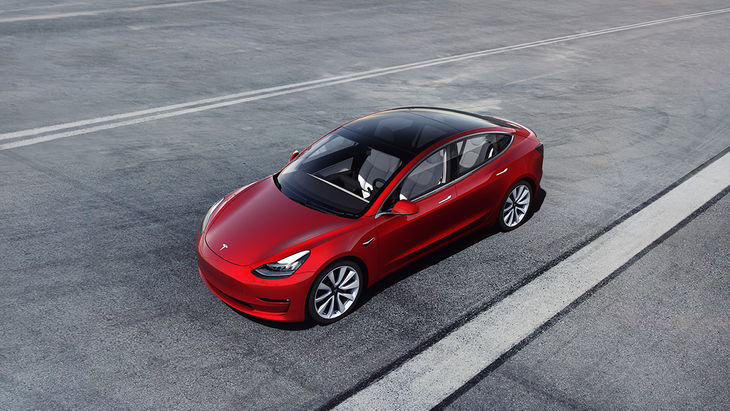
The Model3 has been hit and miss in terms of meeting its production targets.
It’s worth remembering that Musk was not the company’s founder. The original technology and vision, of marrying battery power with a sportscar, was an initiative of Martin Eberhard and Marc Tarpenning. Musk merely bought into the idea and thereafter attempted a hugely ambitious scaling of Tesla’s technology. This has perhaps been his greater failure too.
Tesla’s sophisticated electric powertrain and electronics architecture deserves all the accolades it has received from engineering specialists and technology trends observers. The company’s issue is that it cannot produce enough cars and build them to a desired level of quality. Tesla should have recognised the limits of its disruption and contracted production to an assembly specialist, much as Apple does with its iPhones. Incubating breakthrough technology and assembling it in required production volumes are 2 very different applications – Tesla is brilliant at the former, but has failed miserably at the latter.
Is the Tesla dream slipping away?
Where does the disastrous series of events in August 2018 leave Musk? It would appear all he has gained is a retiring share price and many calling for his resignation. It also leaves Tesla exposed at a time of rising oil prices, which are usually good for the electric car industry as more expensive fuel hikes up customer demand for alternative-propulsion products. Increasing oil prices would also give the Saudis more buying power and, as Musk’s shenanigans make Tesla shares cheaper, Saudi sovereign wealth fund managers can buy more of them…
If Musk thought he could use Saudi oil money to take Tesla private and avoid the grinding administration that accompanies running a publicly listed company, he has been proven very wrong indeed. The great irony is that his antics might have made it affordable for oil money to take over Tesla instead. It would appear Musk has been dealt his final hand and that the house holds all the winning cards.