Volkswagen Polo GTI (2018) Quick Review [w/Video]
The new, smartened-up Polo GTI exudes class and sophistication, but while the peak outputs of its new 2.0-litre motor look impressive on paper, is Volkswagen's compact hot hatch more involving to drive than its rivals?

We like: Maturity, punchy engine, luxury feel, spaciousness, comfort, tech.

We don’t like: Not involving as rivals, costly extras

Alternatives:

  • For more fun and involvement: The Renault Clio RS18 F1 is an absolute rocket in terms of outright acceleration and handling, but it's perhaps too compromised as a daily runabout, because its ride quality is too hard and the gearbox/engine setup has to be in Race mode to be properly enjoyed. You can't beat the 162 kW and 280 Nm singing loudly out the standard Akrapovic pipes, however.
  • Something a bit more flamboyant: A facelifted version of the Mini Cooper was recently released and in Cooper S guise, it's certainly a match for the Polo GTI in terms of performance, courtesy of its turbocharged 2.0-litre pumping out 141 kW and 280 Nm. Whereas the Polo GTI has gone with a digital approach to its cabin layout, the Mini opts for a funky setup. It's expensive, though.
  • Sadly it's not coming: The new Ford Fiesta ST looked so promising, but the quality of South Africa's fuel is apparently incompatible with the newcomer's 1.5-litre 3-cylinder motor, which is why it won't be launched here. Perhaps consider the previous-gen ST200

Compare the VW Polo GTI with the Mini Cooper S and Renault Clio RS18 

SERIOUS ABOUT BUYING?

What is it?


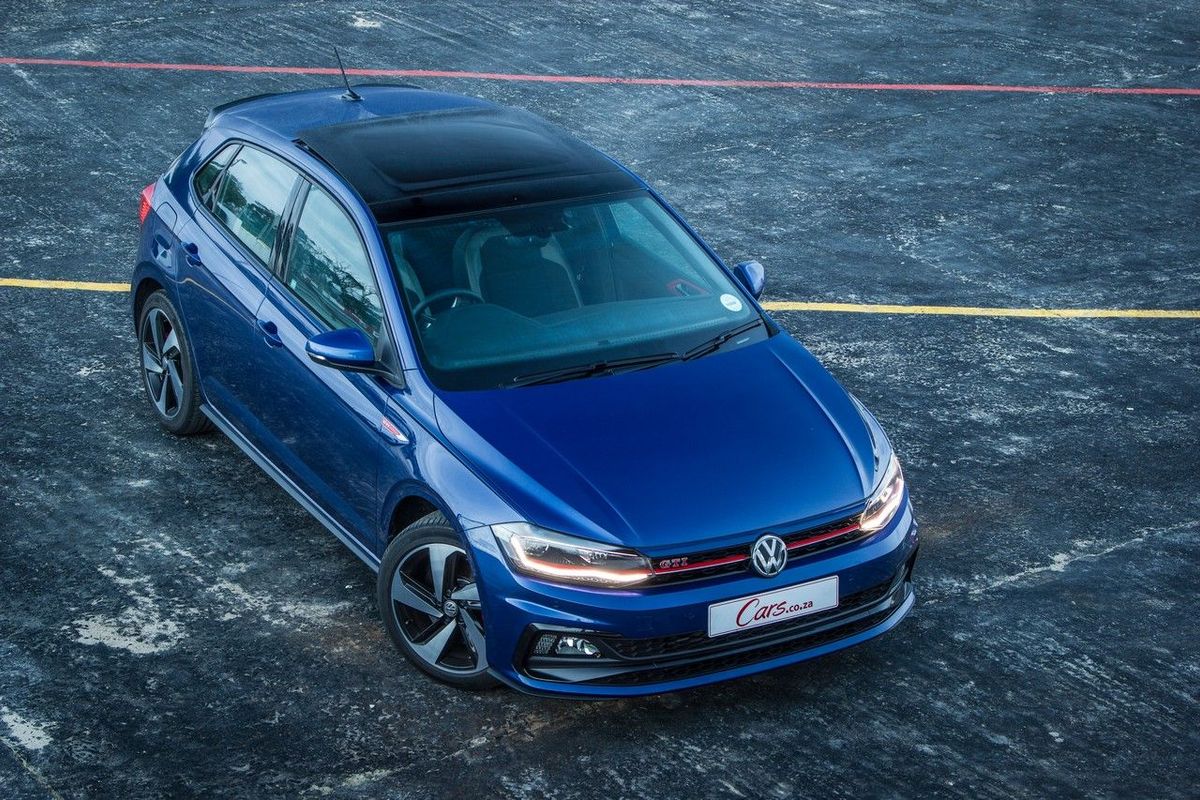
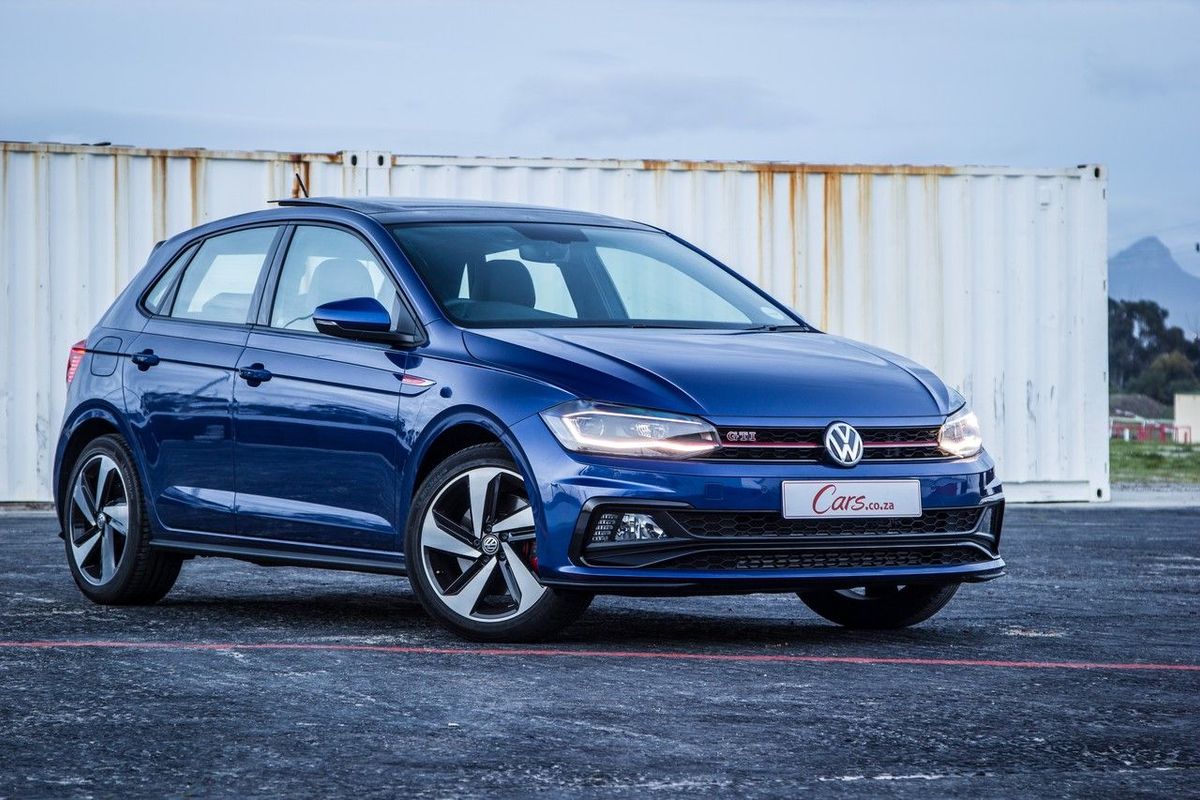
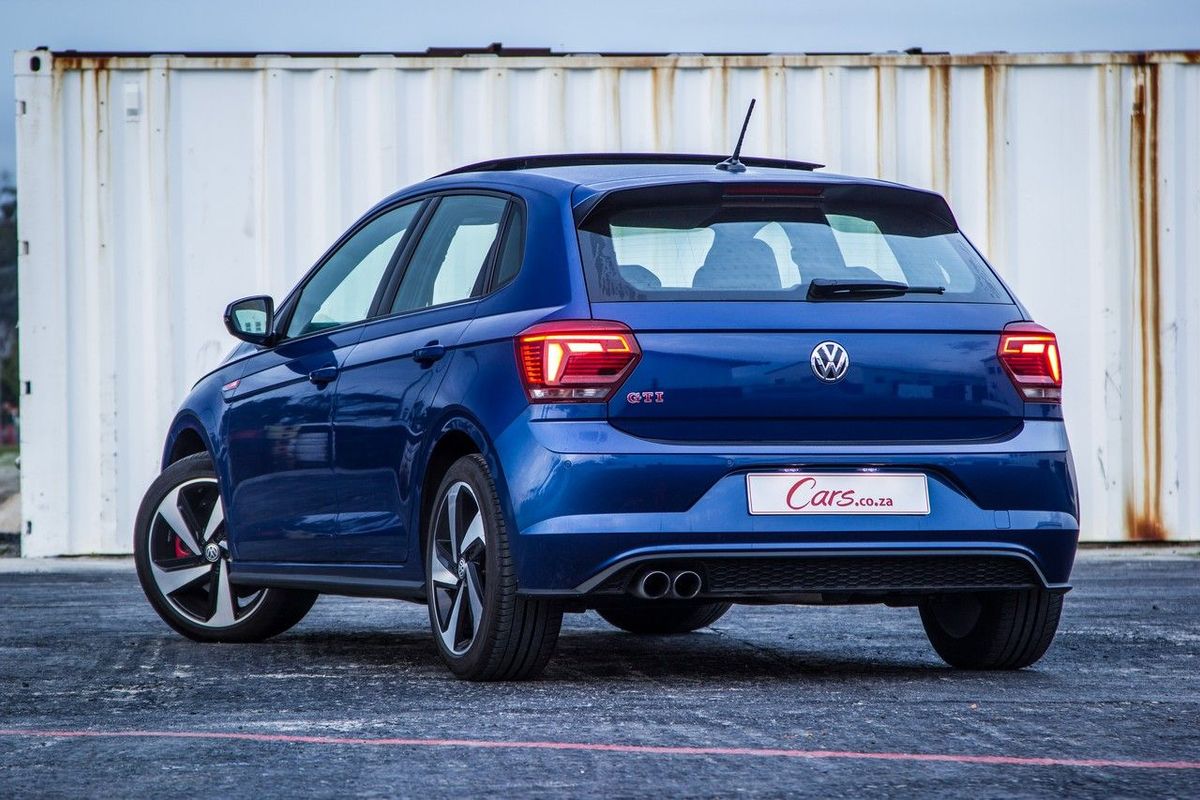
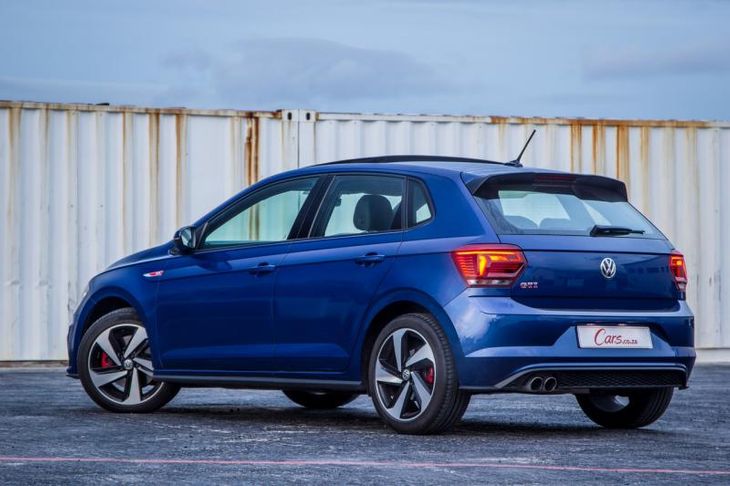
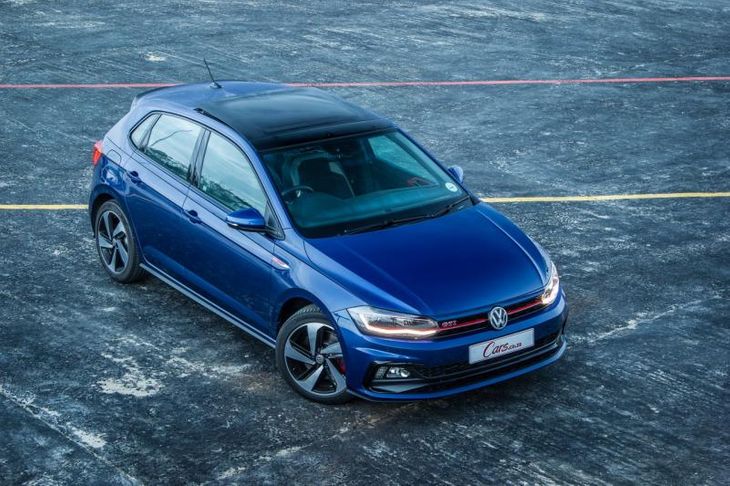
Given its position at the head of the Polo family, the GTI certainly looks the part

Volkswagen has substantially revised the Polo GTI's packaging: the boy racer image has (somewhat) diminished and in its place is a junior hot hatch – a playful executive, if you will. Some detractors have called the newcomer a "Golf GTI lite", which is a trifle unfair, the Polo GTI is, as a matter of fact, powered by a detuned version of the 2.0-litre turbocharged 4-cylinder motor from its "7.5" sibling. What's more, the Polo GTI also features its bigger brother's trick XDS electronic front differential, which should liven things up in the handling stakes.

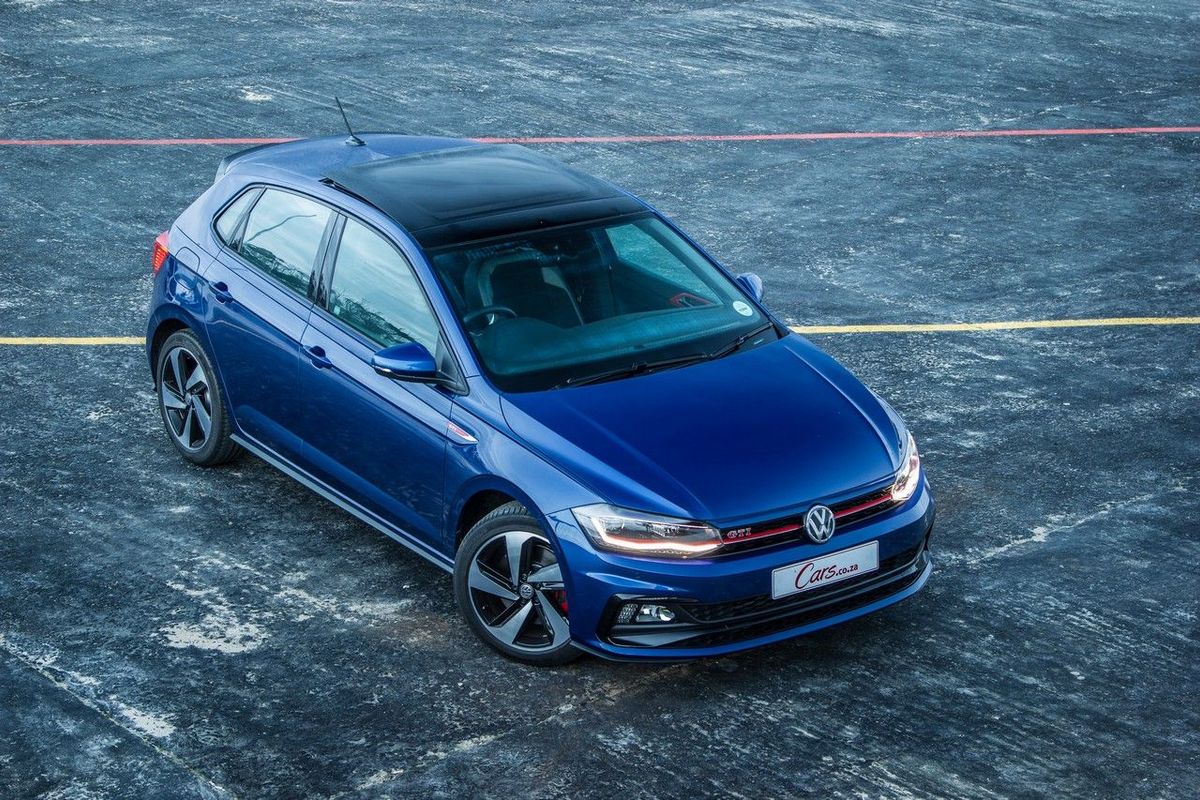
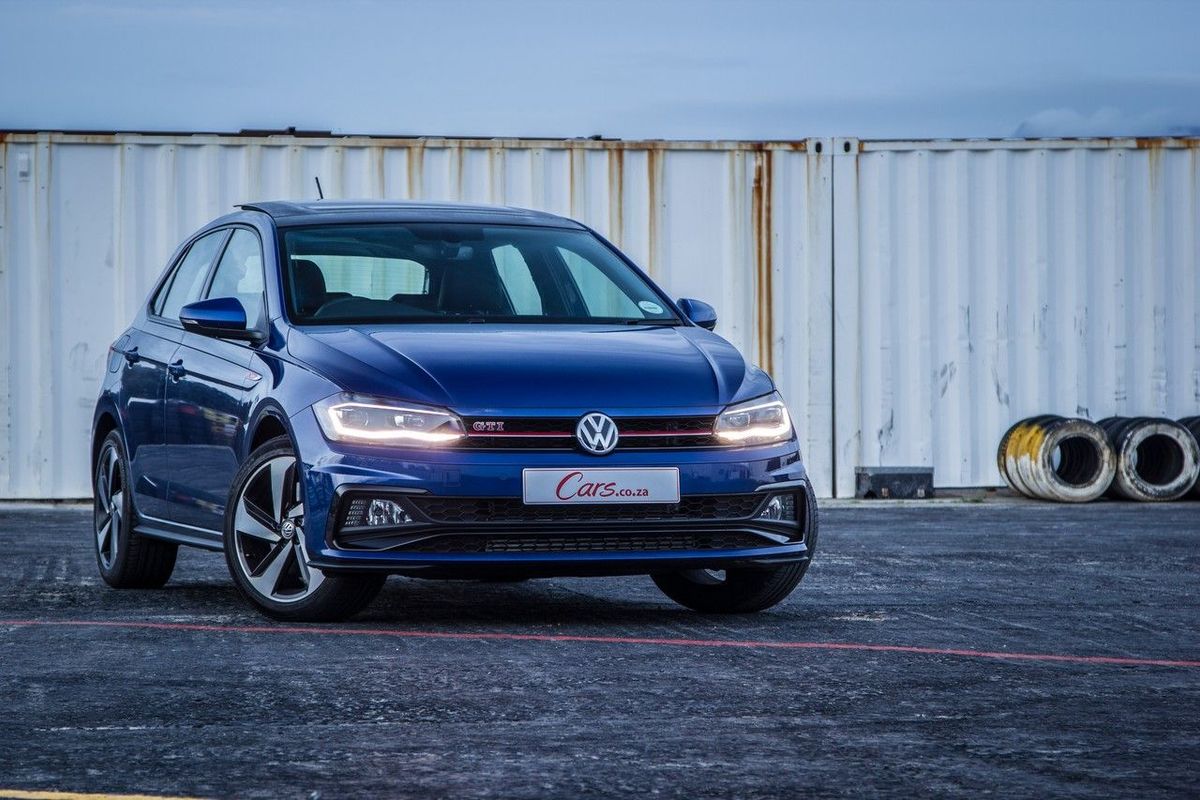
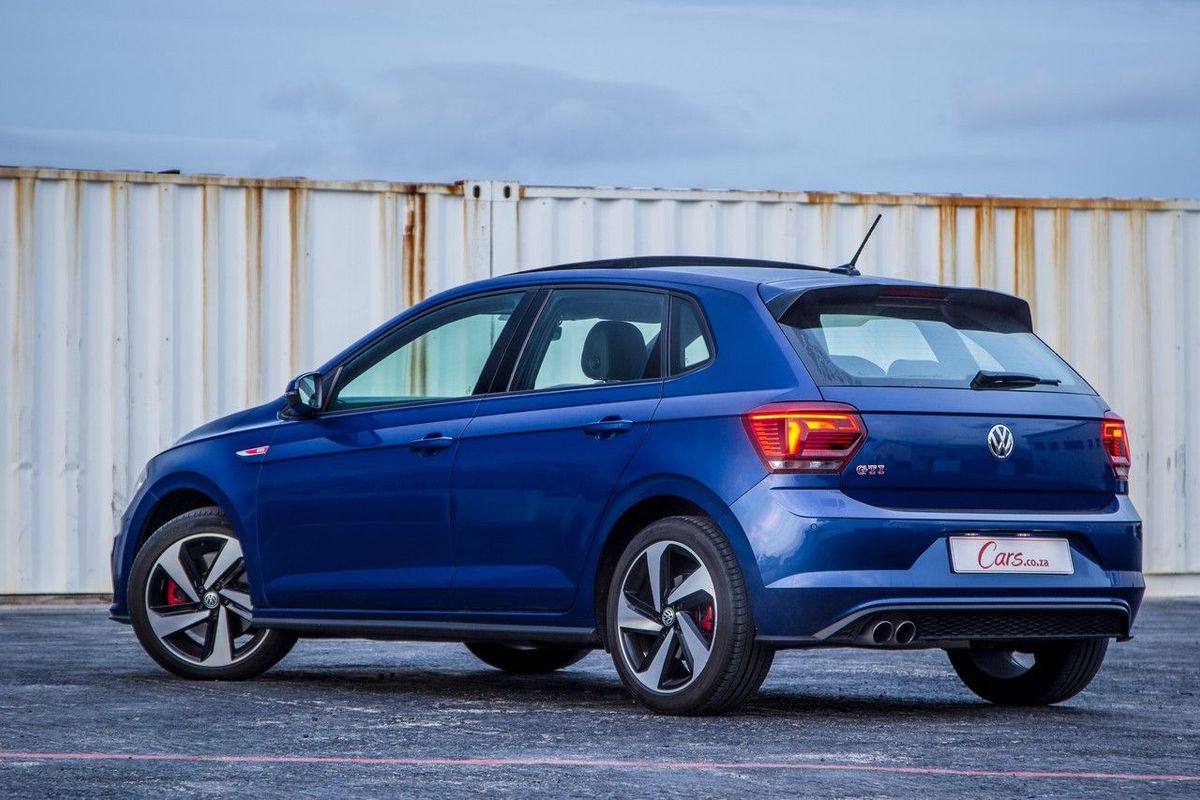
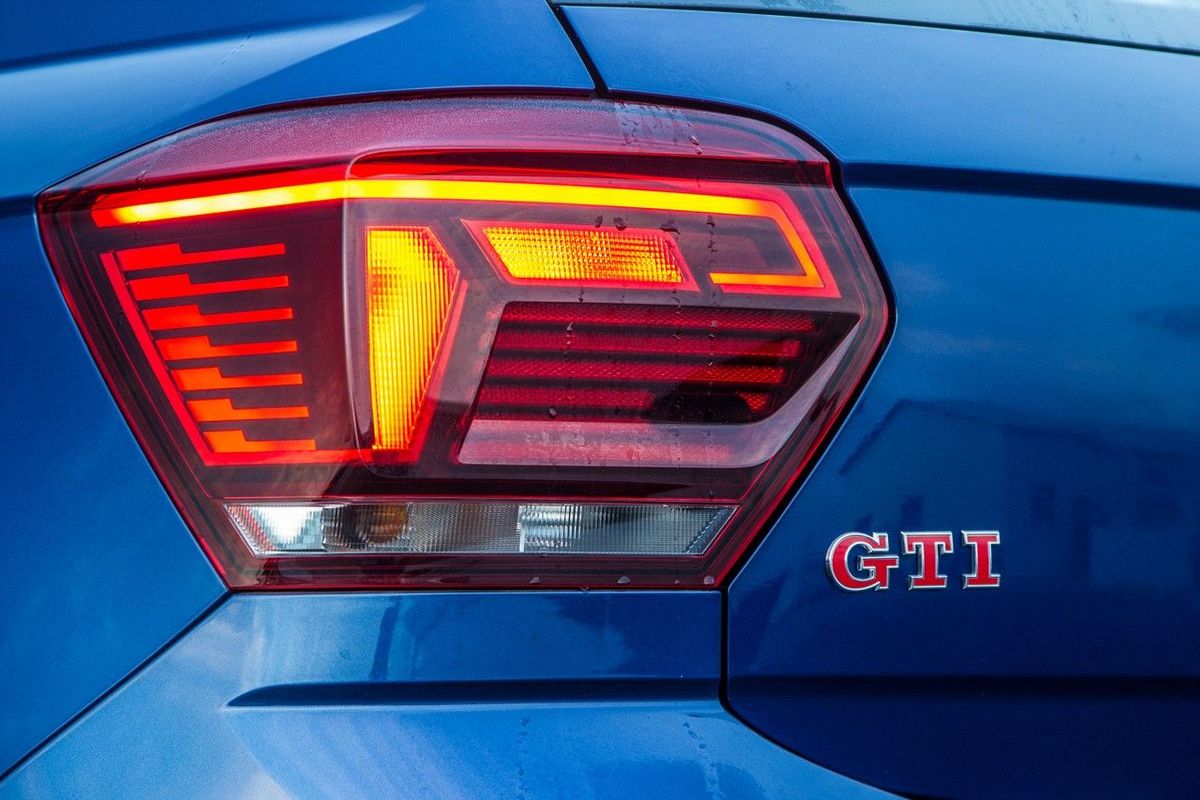
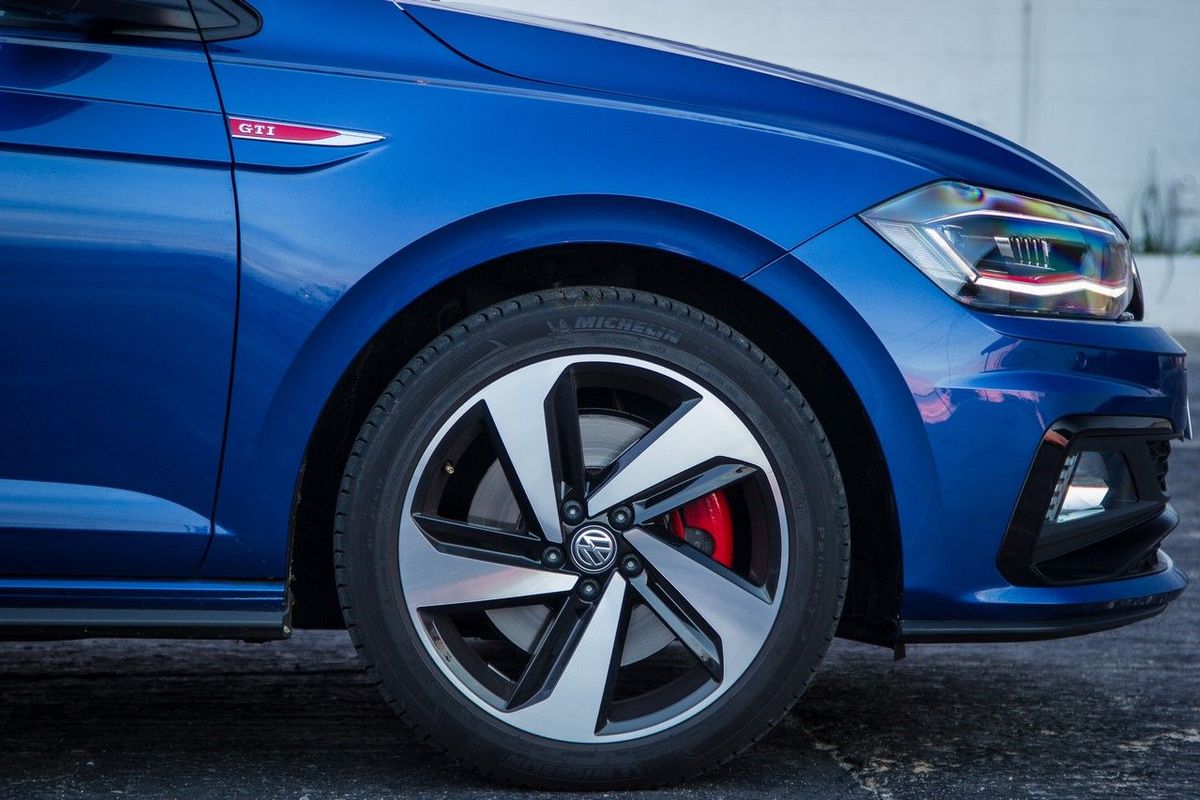
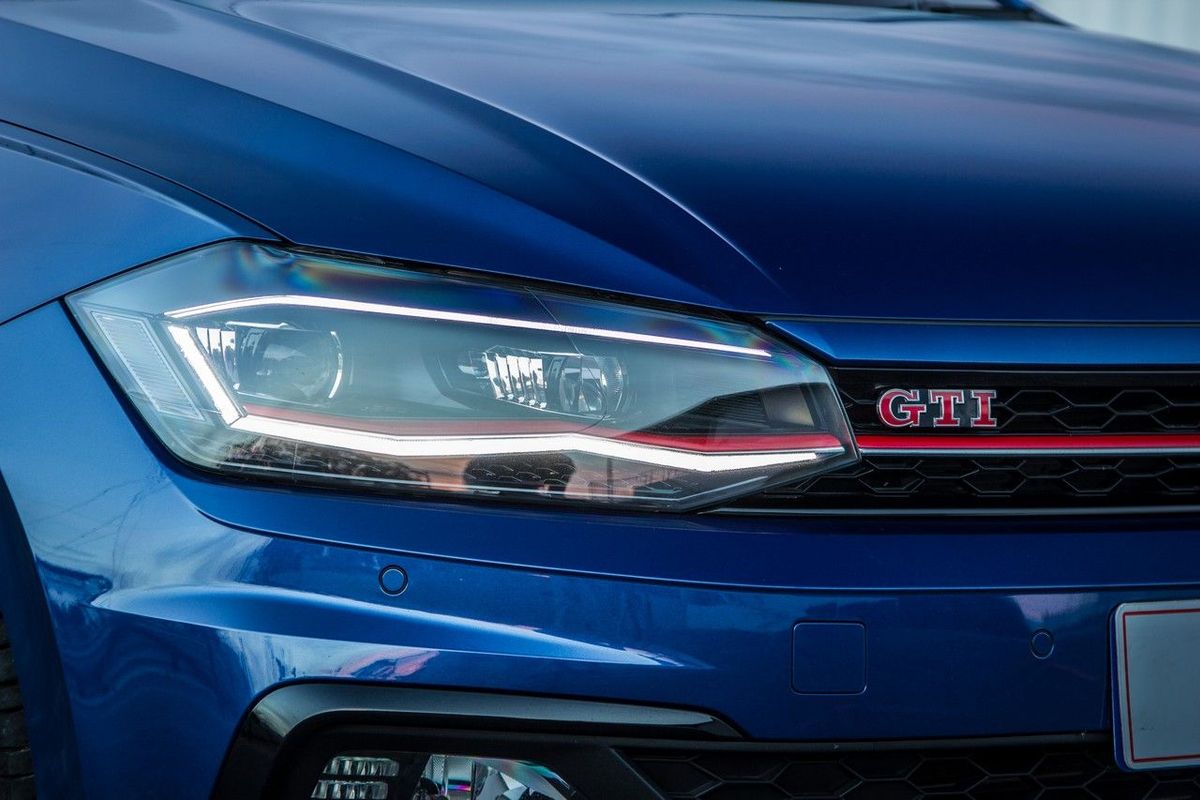
Apart from the change in the engine (from a 1.8- to a 2.0-litre unit), this is a more mature, sensible and practical Polo GTI altogether. From an aesthetic point of view, the best way to distinguish this iteration of Volkswagen's baby hot hatch is to look for the intricate headlights that blend with the characteristic GTI red trim that underlines the grille. There are plenty of GTI badges (outside and in), a set of twin exhausts and bigger alloy wheels. Our test car being was fitted with the standard 17-inch wheels, but very attractive 18-inch 'Brescia' wheels are available at extra cost. Can a grown-up GTI still appeal, or should you look elsewhere for your junior hot hatch thrills? Perhaps this is the cut-price Golf GTI you've always wanted… Let's find out.

The Good

Space and luxury
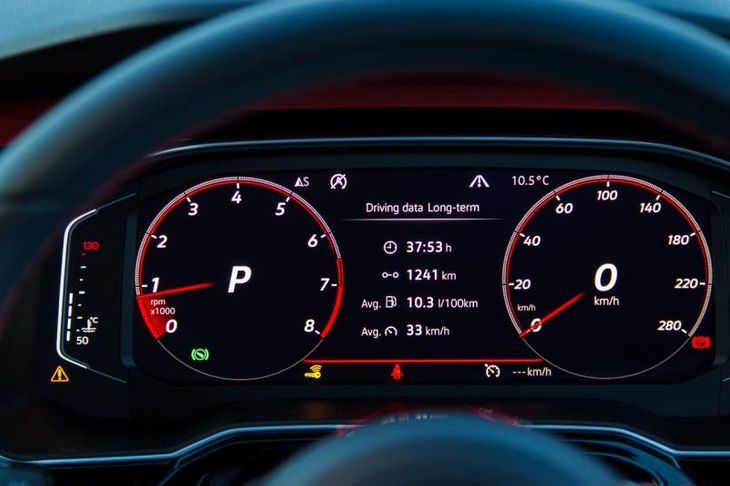

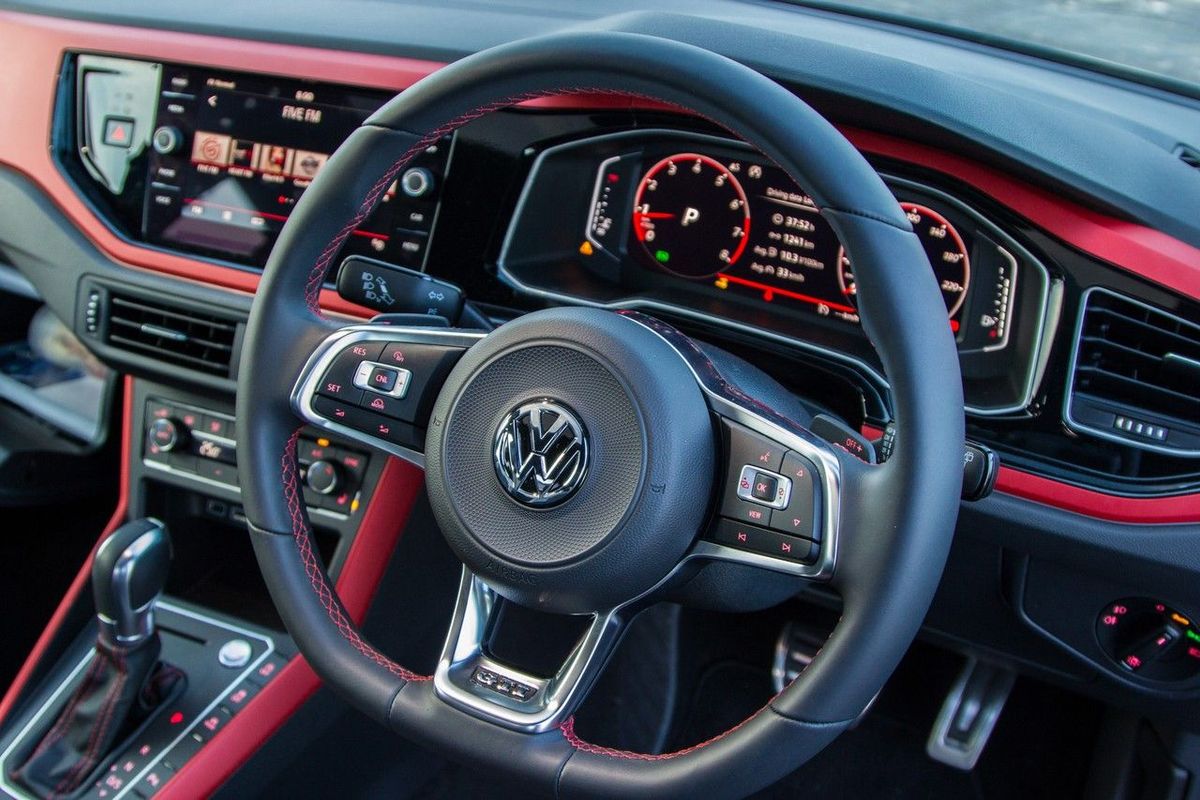
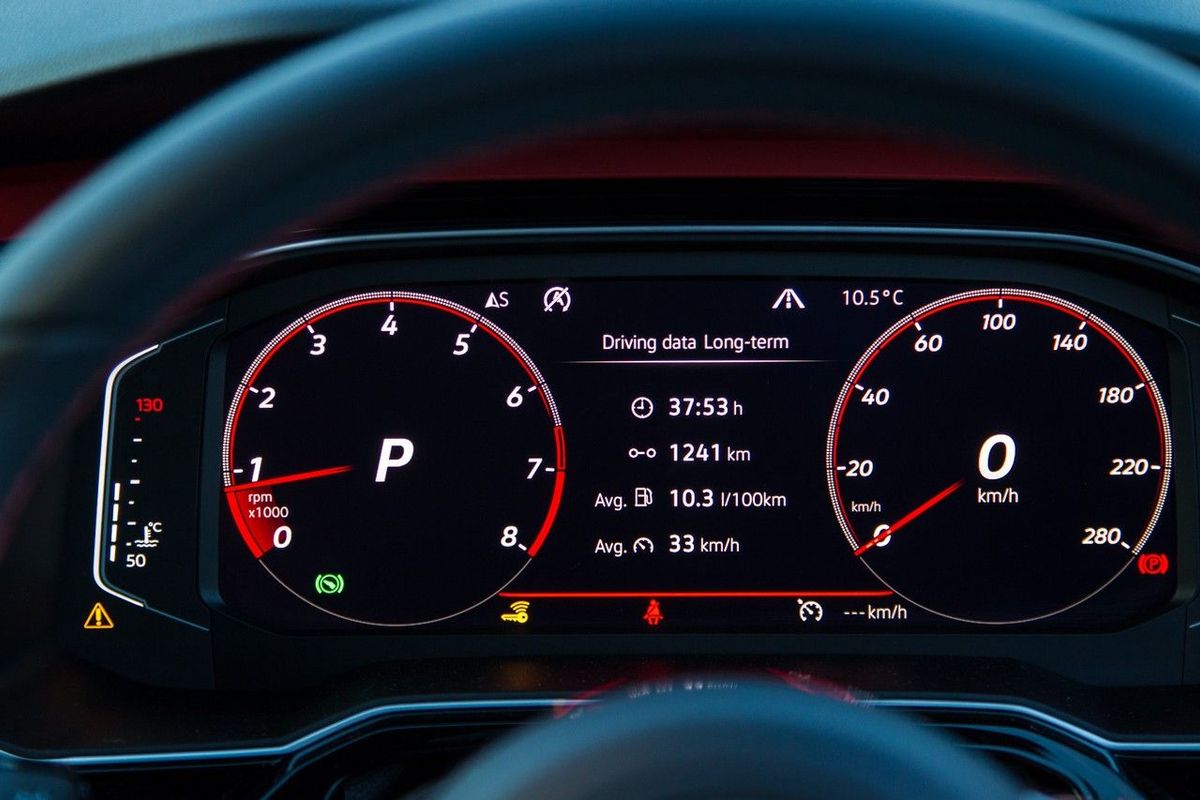
The Volkswagen Active Info Display in the Polo GTI has a GTI-specific red theme.

By virtue of being based on a new architecture, the new GTI boasts improved cabin space. The MQB platform, which has been used for a host of VW Group products, has a sterling reputation for refinement and comfort, as well as good space utilisation. Indeed, the Polo GTI has grown up and expanded in all dimensions. The (once-pint-sized) hot hatchback's overall length has grown by 81 mm, it's now 69 mm wider and, despite its overall height reduction (by 8 mm), headroom has increased. The associated enlargement of the cabin is most apparent at the back, where legroom is now tolerable for adults. The luggage bay's capacity has increased to 500 litres with the rear seatback in situ.

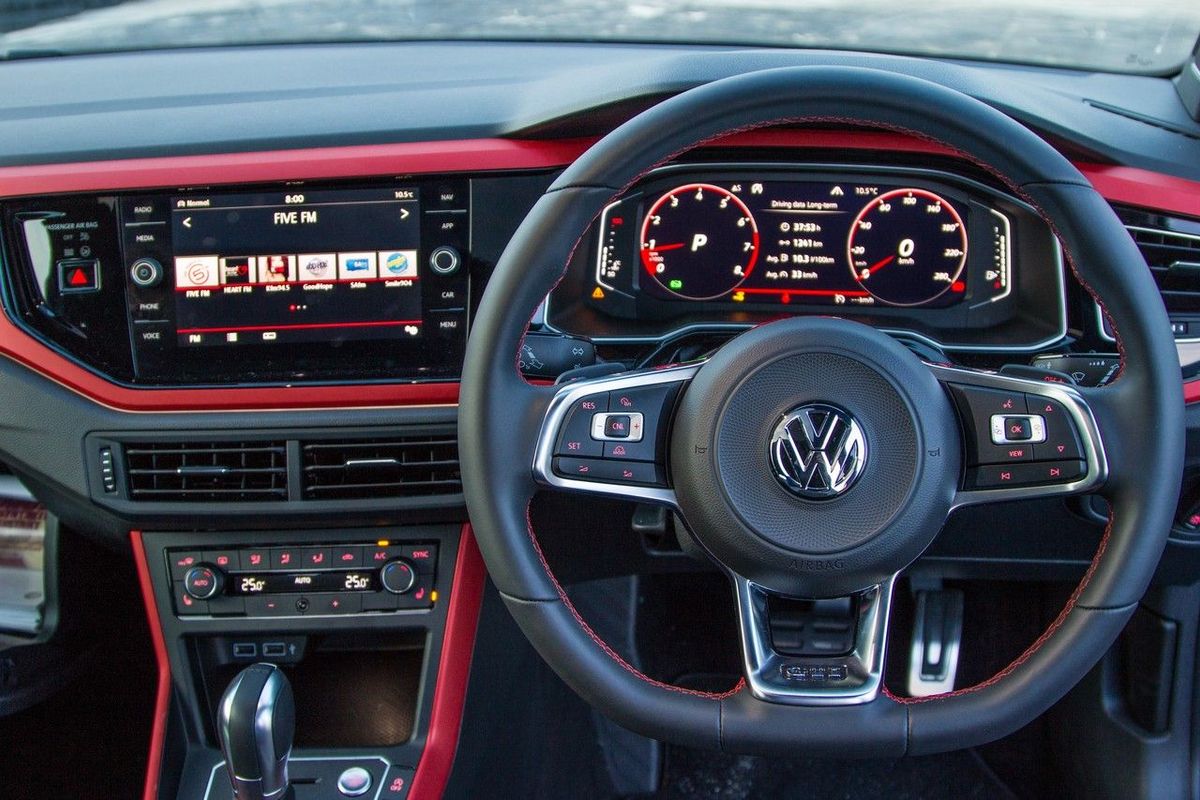
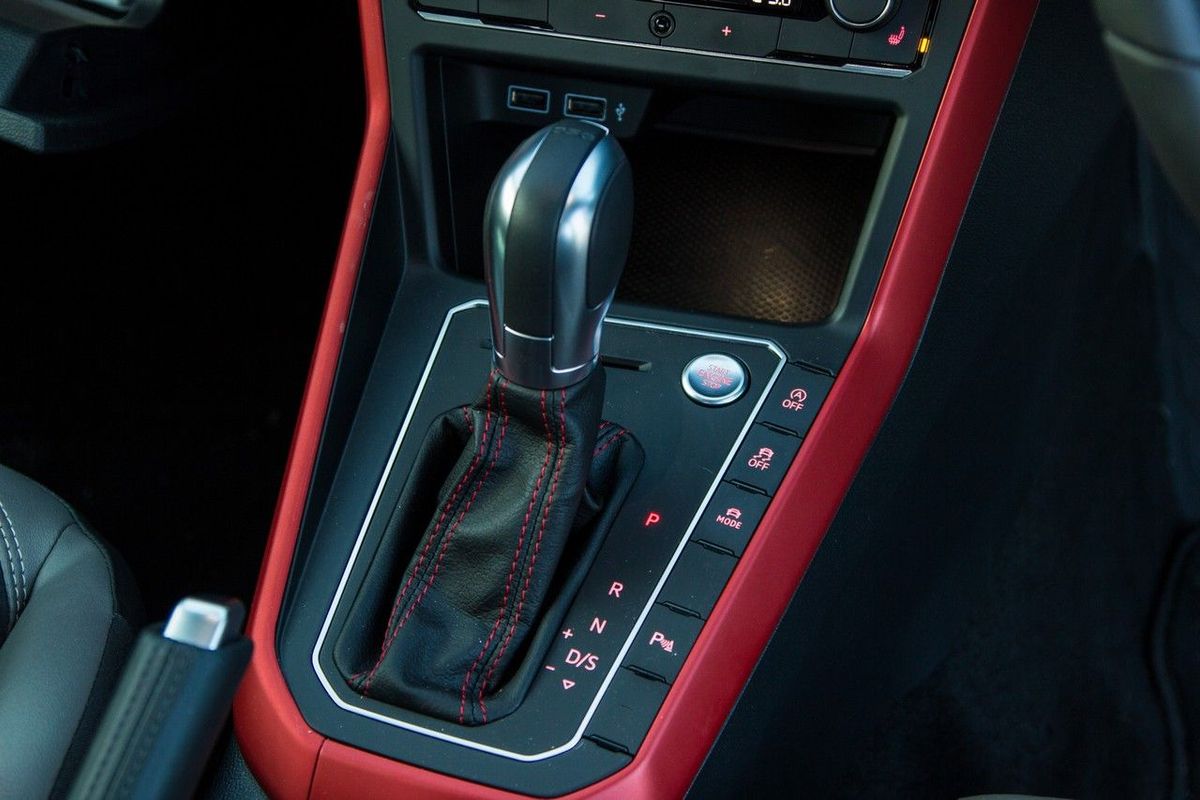
The GTI's the flagship Polo derivative, so you'd expect it to be well equipped. Unfortunately, some of its nicest features are optional, but they're well worth considering, particularly the Active Info Display, which has been tailored for the GTI and features a handsome red theme. The dashboard sports a beautiful matte red finish, which, interestingly, it's not available on red cars. The cabin design feels appropriate; there are plenty of red touches to remind you that you're in a GTI, such as red stitching on the stylish flat-bottomed steering wheel and gear lever boot, plus metallic-finished pedals.
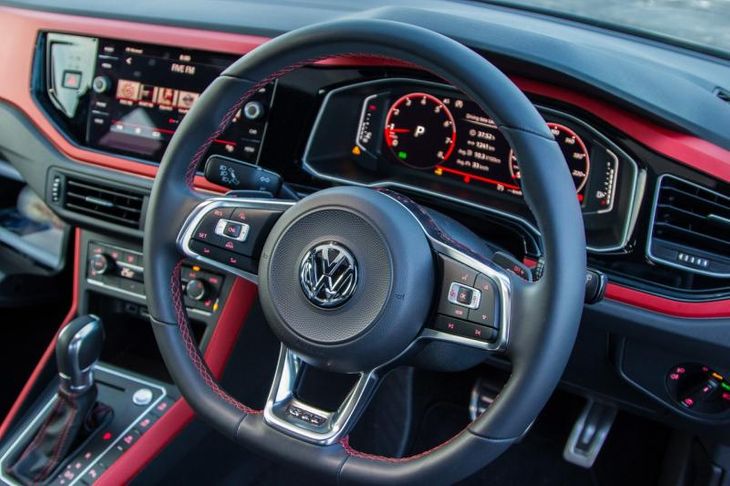

The cockpit of the Polo GTI. We hope you like the colour red…

That powertrain is a peach

The Polo GTI's new 2.0-litre turbocharged motor is the EA888 (those who are familiar with engine codes will recognise it as the Golf GTI's powerplant, albeit in a different state of tune than in the "7.5"). Compared with its predecessor, the newcomer's peak outputs have increased slightly to 147 kW and 320 Nm (from 141 kW and 250 Nm/320 Nm), but while these differences may seem small, the switch from a 7-speed dual-clutch (DSG) 'box to 6-speed dual-clutch unit has seen a reduction in sprint times, with claimed fuel efficiency improving fractionally (from 6.0 L/100 km to 5.9 L/100 km). Speaking of sprint times, the new Polo GTI is claimed to hit 100 kph from standstill in a 6.6 seconds, thanks to the provision of a launch control function.

While there is little in the way of theatrics, which is typical of virtually every Volkswagen product, the development team has imbued the new Polo GTI with some aural entertainment. The exhaust pops merrily when you lift off the throttle at high revs, but sadly there are precious few vrrrphaas on upshifts, unlike its bigger brother. While the Polo GTI is available with a manual transmission overseas, it's unlikely that it'll ever make its way here. Besides, the DSG setup is just so good and perfect for both day-to-day as well as performance driving, only the most hardcore manual-gearbox fans (who are a dying breed) would insist on a 6-speed manual 'box. Long live the EA888 and DSG partnership, long live! 

The ace up the Polo GTI's sleeve is its torque delivery. With 320 Nm available from reasonably low down in the rev range and a responsive transmission that's calibrated to fling you into the motor's powerband at will, the Polo GTI outguns all of its rivals when it comes to in-gear performance. Both the Clio RS18 and Mini Cooper S can only muster 280 Nm, giving the Uitenhage-built newcomer the rolling-run advantage.

Quick, wieldy AND refined
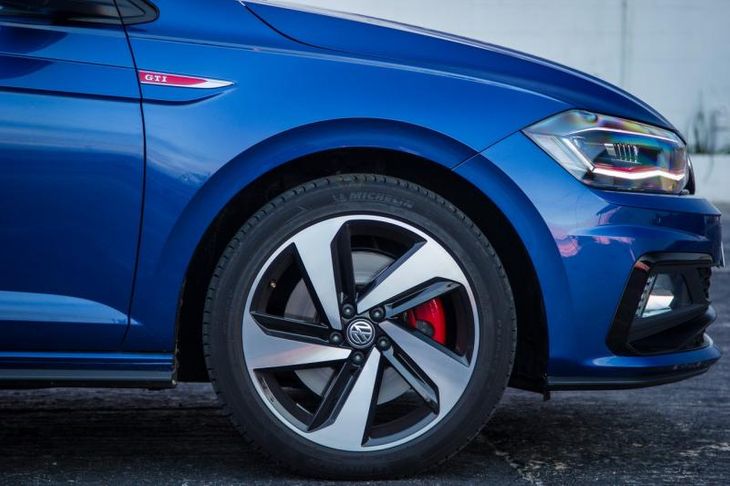

The standard 17-inch alloy wheels look smart, but if you really want to make a statement, there is the option of 18-inch wheels.

The MQB platform brings with it some playful handling and the XDS differential certainly furthers the Polo GTI's cause. The combination of a punchy engine and a relatively low kerb weight makes this the best Polo GTI to date in terms of the newcomer's sheer wieldiness. When the Drive mode is set to Sport, the steering weight increases, the throttle becomes dramatically more responsive and there's an excited energy about the car that makes you want to press on.

And once the traffic clears and you're presented with a challenging stretch of twisty blacktop to fully exploit the Polo GTI's abilities, the diminutive hot hatch responds to eager and enthusiastic driving inputs with aplomb. Thanks to its sporty suspension and bigger tyres, grip levels are high and even when you're approaching the car's handling limits, the Volkswagen's planted front-end warns you well in advance so that you can respond accordingly.

But the real strength of the Polo GTI is its vast array of abilities. Not only is it entertaining to drive in Sport, but arguably its major selling point is how comfortable and easy it is to drive in Comfort. Sure, the ride is a little firm, but that rings true for most hot hatches. If you opt for the larger, sexier 18-inch alloys, consider ticking the adaptive damping option – it is likely to soften the ride on poorer-quality roads.

The Not-so-good
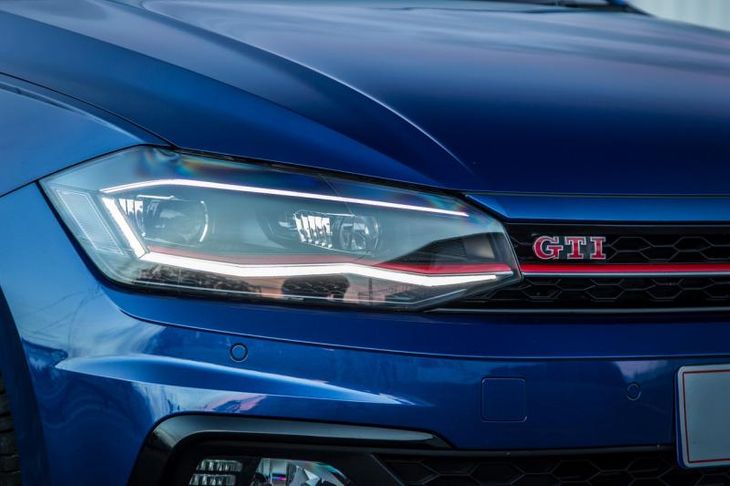

Volkswagen has done a sterling job to differentiate the GTI from its lesser siblings. The GTI badge is displayed in many places.

Not as fun to drive as rivals

Despite an admirable powertrain and a dynamic chassis, the Polo GTI driving experience is not quite as engaging as some would have hoped. Sure, it's brisk in a straight line and corners with alacrity, but perhaps its inherent sophistication and allround refinement have rendered it incapable of providing as many driving thrills as some of its more-focused rivals. In its defence though, GTI has never been about outright performance, but rather a healthy blend of fun and day-to-day drivability. The new Volkswagen Polo GTI can cover large swathes of tarmac briskly, but there is a distinct "clinical, tame and predictable" feeling about it, which won't endear it to serious enthusiasts.

Expensive when well-specced

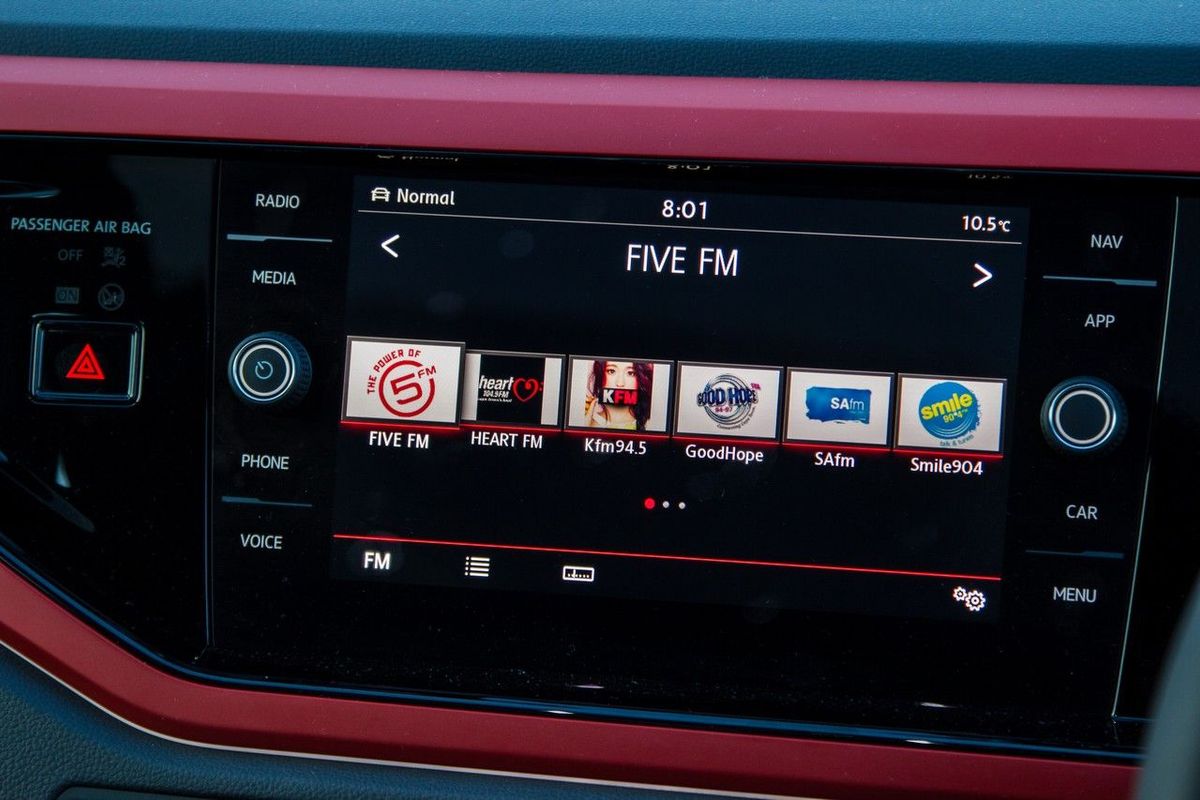
Despite Volkswagen SA launching the new Polo GTI at a cheaper price than its predecessor, we still wish there were more standard features. Our test car came with plenty of extras, some of which could be justified from a customer point of view. Extra items such as a panoramic sunroof, climate control, keyless entry, upgraded infotainment system, active info display, LED headlights and park assist all add up, and based on the VWSA's online configurator, our test car would retail at just over R450 000, a far cry from its R375 900 list price. R450k puts it in the same ballpark as the Renault Clio RS18!

Price and warranty

The Volkswagen Polo GTI has a recommended retail price of R375 900. Spec your GTI carefully and you should be able to sneak its asking price under the R400k mark. The new Polo GTI comes standard with a 3-year/120 000 km warranty, 3-year/45 000 km service plan and a 12-year anti-corrosion warranty. Service intervals are set at 15 000 km.

Buy a new or used VW Polo on Cars.co.za

Verdict
The claim that this new Polo GTI is a "shrunken Golf GTI" is arguably true, but why is that a bad thing? The two are uncannily alike in many ways, especially in terms of the driving experiences they deliver. The new Polo GTI is a superb offering and its skill set – in contrast with those of its rivals (of which there are now few) – is broad, which is the same that can be said of its bigger brother. Not only is the Polo GTI comfortable and refined, but practical (you could effortlessly load up you and your partner's luggage and take the hot hatch on a weekend getaway) and, for a performance hatchback, it is refreshingly forgiving around town, as well as the open road. Despite its performance-oriented GTI badge, it requires few compromises. 

But the Polo GTI is nonetheless a hot hatchback, therefore we have to consider its performance credentials carefully. Despite its breadth of talents, we would not recommend this Volkswagen to serious driving enthusiasts… It may do everything else incredibly well, but for those looking for that ultimate driver involvement and visceral performance, it would be best to look elsewhere, like the outrageous Clio RS18, or a three-door Mini Cooper S. Fortunately, however, a liberal supply of performance driving thrills (and not much else) is not a deal-breaker for the majority of new car buyers. For those who want to flaunt their status with a sporty car endowed with a diverse list of talents, you'd be hard-pressed to match the Polo GTI as a daily driver.

Further Reading

Volkswagen Polo GTI Video Review (2018) | Bigger Engine, More Fun?

Volkswagen Polo GTI (2018) Specs & Price

Volkswagen Polo GTI: Old vs New

Volkswagen Polo GTI (2018) International Launch Review

6 Rivals 2018 Volkswagen Polo Needs to Beat

Preview: 2018 VW Polo GTI vs 2018 Ford Fiesta ST

Ford Fiesta ST (2018) International Launch Drive [w/Video]
Searching for a used Polo GTI?

Start your search here

Suzuki Swift GL Review (2018)

Welcome to our Suzuki Swift GL review! The Swift makes up 30% of Suzuki South Africa’s new car sales and is, therefore, a very important model for the award-winning Japanese manufacturer. This all-new Suzuki Swift displays renewed focus on what made the previous car so popular and should be a strong contender in the budget car/entry-level compact hatchback segment. 

Take a look at this Suzuki Swift GL review for more insight!

We Like: Build quality, fuel efficiency, spirited performance, agility, ride quality, spaciousness, warranty

We Don’t Like: Lacks the character/flair of its predecessors, no particular “surprise-and-delight” features in the cabin

Alternatives

  • Volkswagen Polo Vivo 1.4 Trendline: Already one of the top-selling cars at this end of the market, the entry-level Polo Vivo holds inherent appeal because it’s a previous-generation Polo, which was pitched at the upper end of the B-class segment. So there’s a lot of quality evident in the design. Spec-wise it rivals the Swift quite closely, but lacks a multi-function steering wheel, front fog lamps and has smaller wheels. It’s also not as frugal and lacks a standard service plan. Should be a star on resale, however!
  • Toyota Etios 1.5 Sprint: The Japanese brand’s offering remains a popular one because of its combination of spaciousness, performance, affordability and, of course, that Toyota badge, which instils consumer confidence. It mostly matches the Suzuki’s specification, but isn’t as economical, fun to drive or as solidly put together.
  • Ford Figo 1.5 Ambiente: Recently updated and now a more stylish offering, the littlest Ford is now a more serious threat in this segment. It’s more powerful than most of its rivals, but not necessarily more fun to drive, and at the same time also thirstier. Yet, there’s a grown-up feel to the way it rides and it has a good warranty/service plan.

SERIOUS ABOUT BUYING?

Where does it fit in?

Suzuki Swift GL Review

The Suzuki brand continues to gain traction in South Africa. Following back-to-back Brand of the Year victories in the annual Cars.co.za Consumer Awards – Powered by WesBank, increasing sales and an expanding dealership footprint, the Japanese marque is in a bullish mood for 2018 and the foreseeable future. Last year the outgoing Swift achieved its best local sales ever, and so much is expected of this all-new model. It is similarly positioned as the outgoing car, but significantly different in a number of important ways. The new Swift targets customers that may otherwise also consider the Volkswagen Polo Vivo, Toyota Etios and Ford Figo. Let’s see how it goes…

Suzuki Swift GL Review

How does it fare in terms of…

Value for Money?


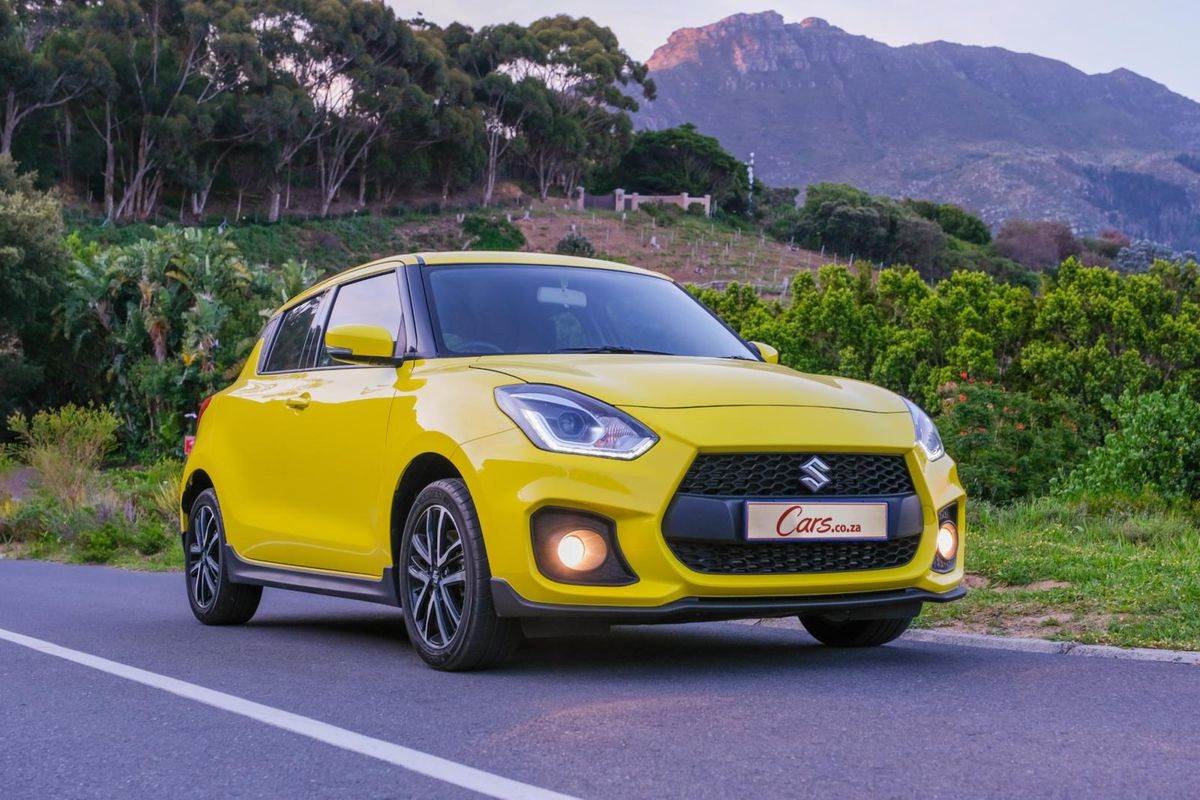
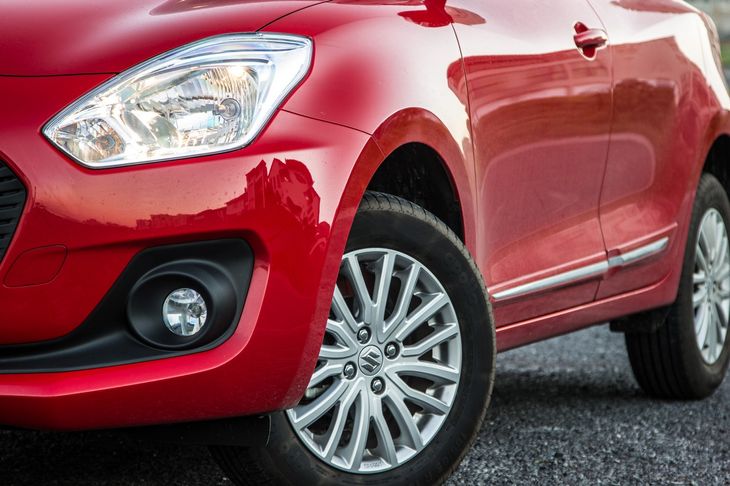
Front fog lamps are key giveaways that this is a GL-specification derivative. Alloy wheels are optional. 

If a check-box list of desirable features exists for manufacturers of budget cars, then it appears Suzuki’s engineers and product planners simply made sure to put a tick next to each item… and no more. Let’s start with safety and security – here the Swift GL offers ABS with EBD, front fog lamps, dual front airbags, remote central locking and Isofix child seat mounting points at the rear. It doesn’t feature an electronic stability control system, but few cars in this segment do.

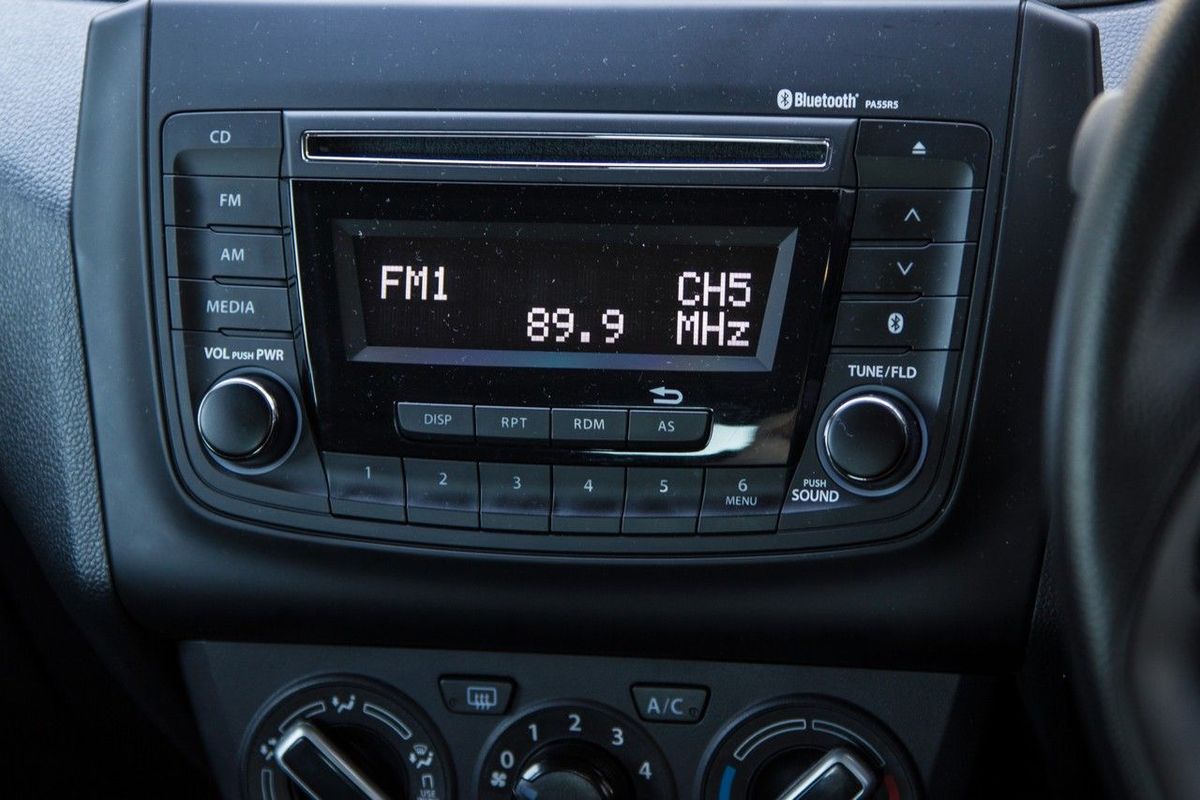
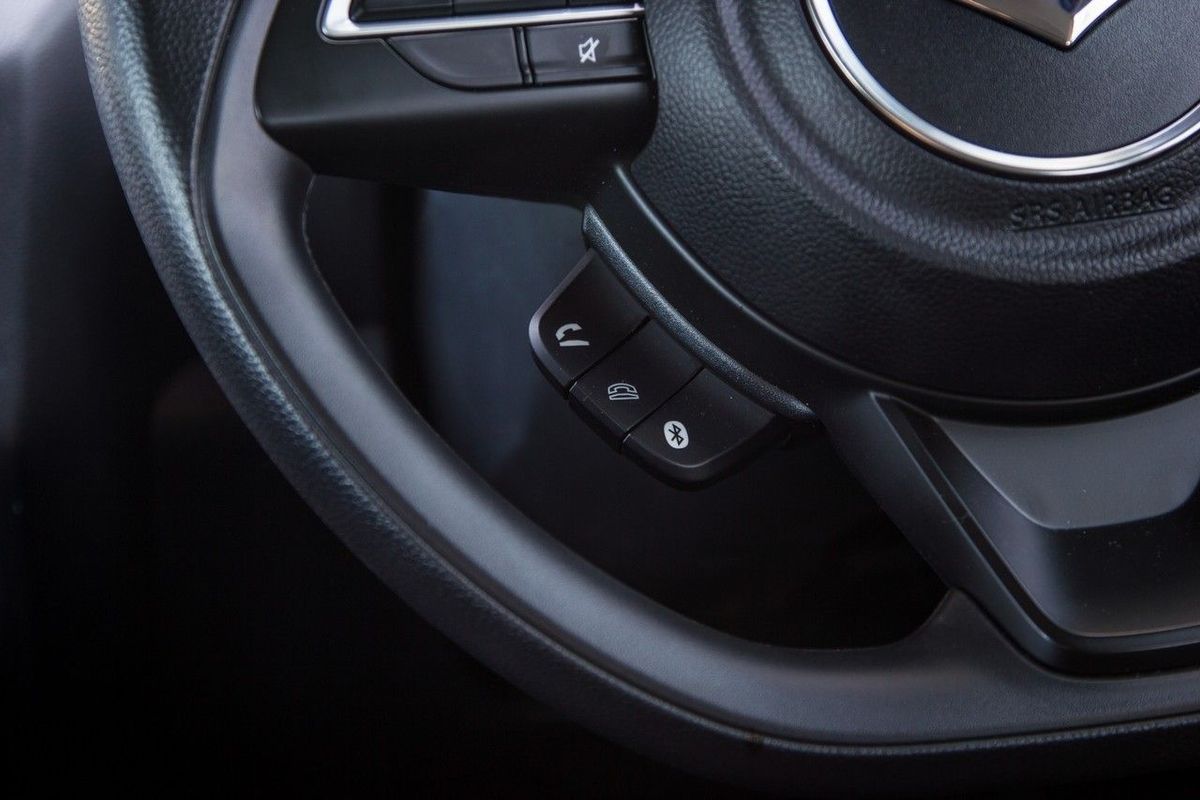
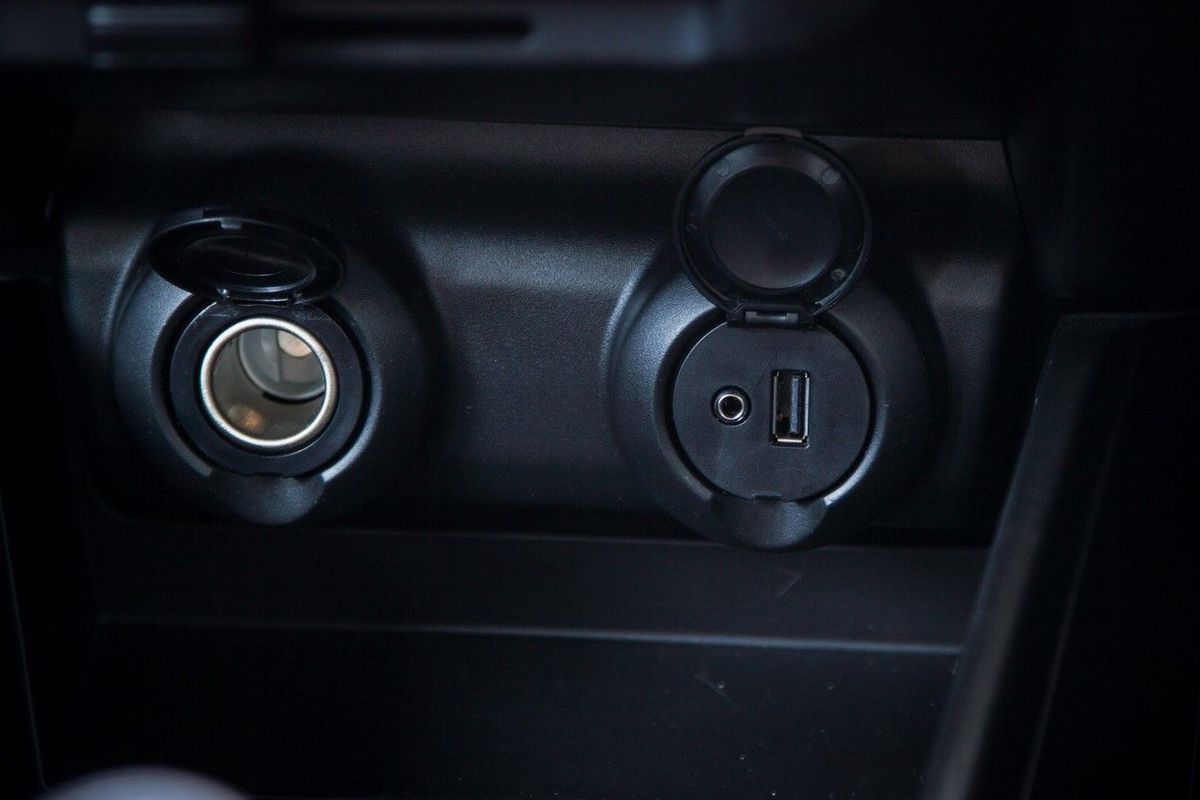
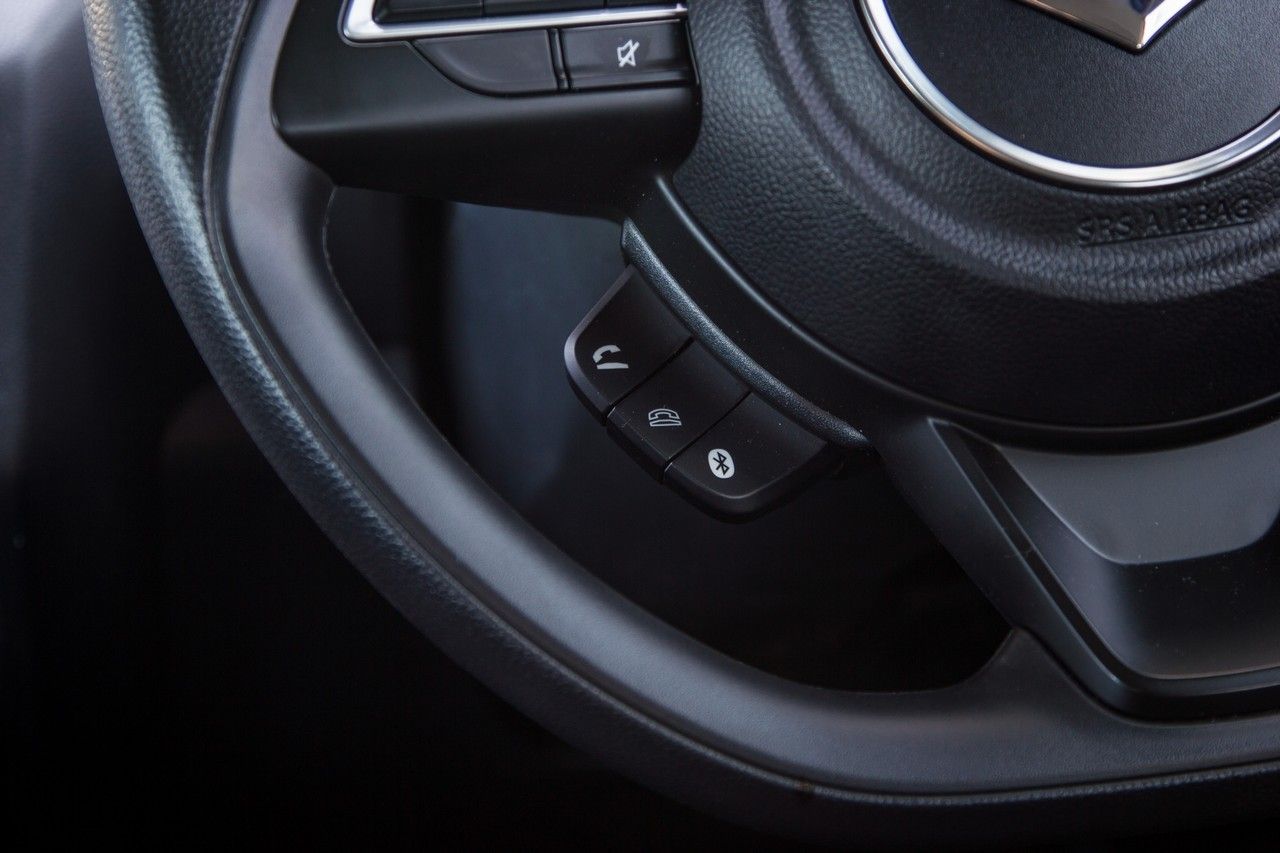
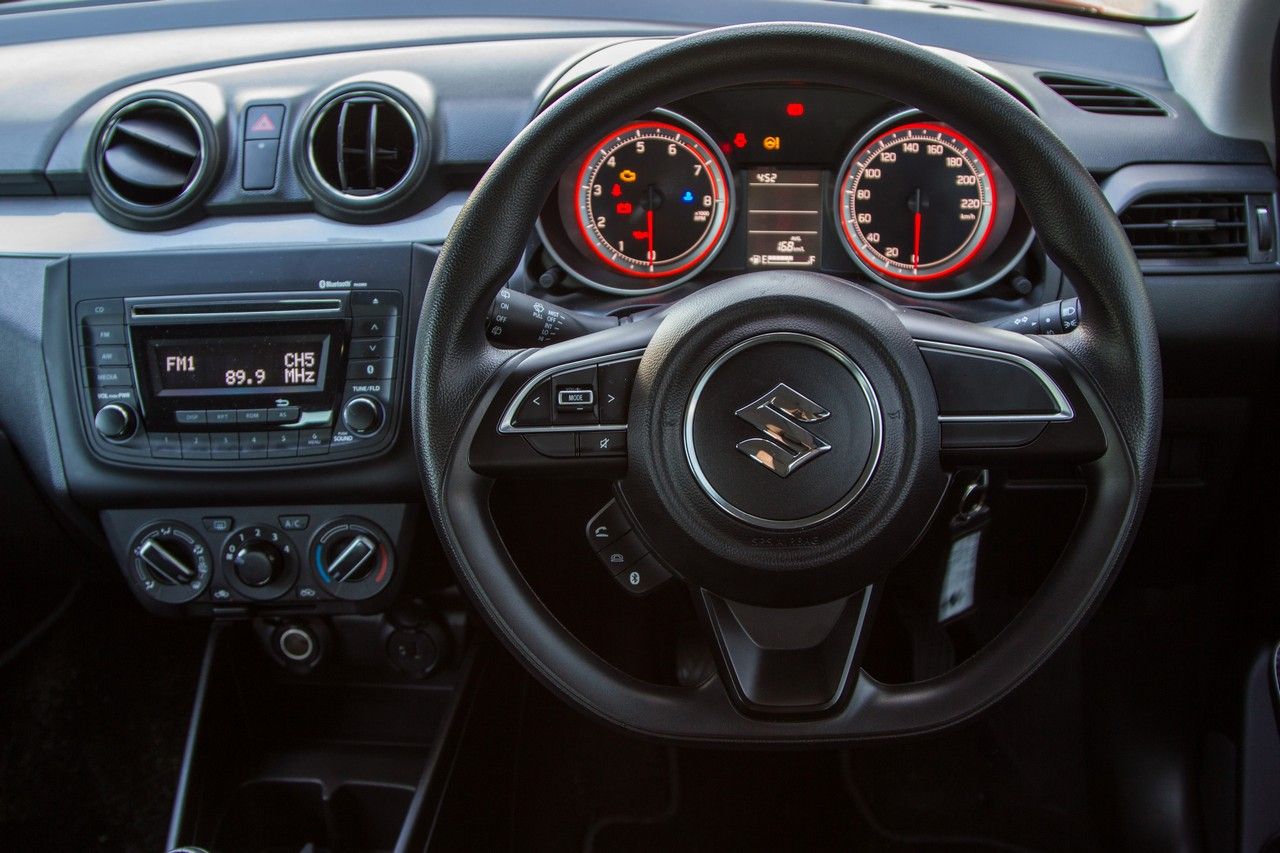
In terms of comfort items, too, the Swift appears to have all bases covered, with air-conditioning, electric windows all-round (several key competitors only offer these at the front), power steering and electrically adjustable side mirrors. The sound system appears to be a pretty basic unit (no touchscreen interface), but USB, auxiliary audio and Bluetooth are supported, and this derivative also comes with a multi-function steering wheel.


Swift GL features an audio system with Bluetooth support, and also neat telephony controls mounted to the steering wheel.

So, the new Swift GL has everything that you could rightfully expect from a budget car at this price (including more space in the rear courtesy of a wheelbase extension) and a significantly larger luggage bay than before. If you factor in the current promotional warranty (valid for 5 years or 200 000 km, whichever comes first) and a 2-year/30 000 km service plan, the purchasing proposition seems sweeter still.

Performance & Fuel Efficiency balance?


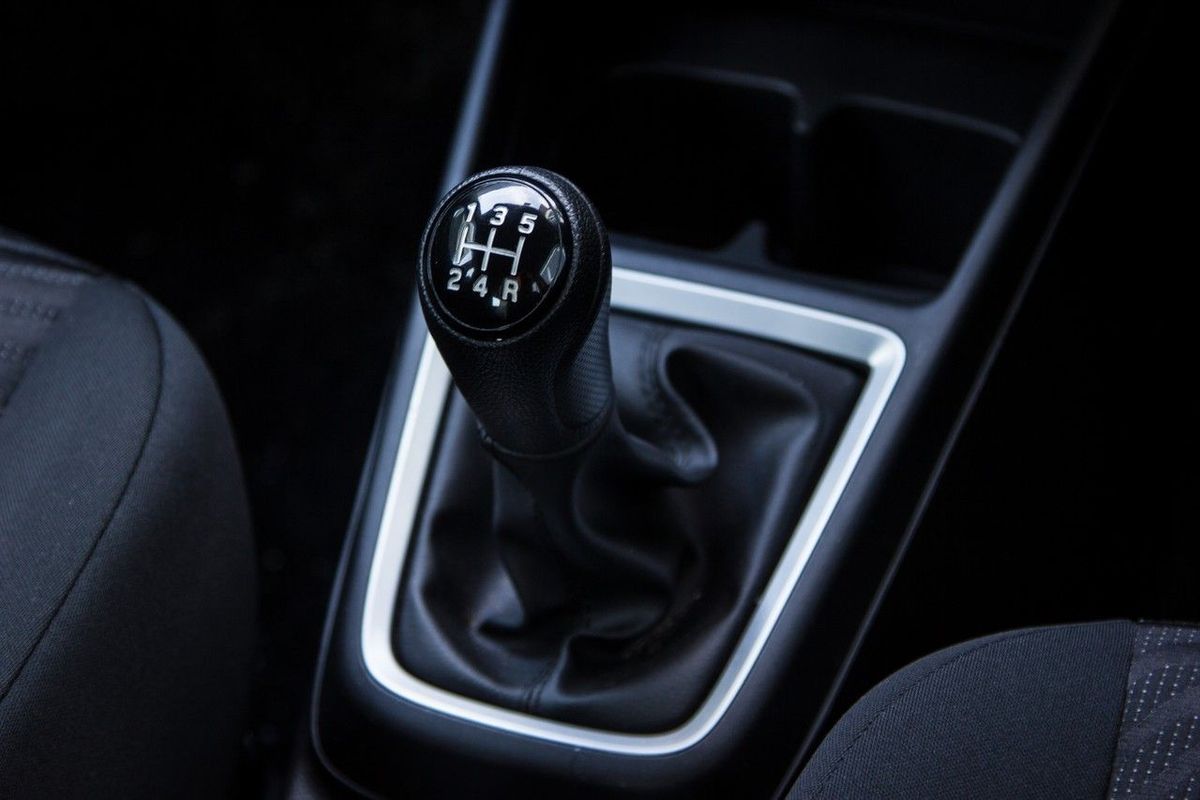
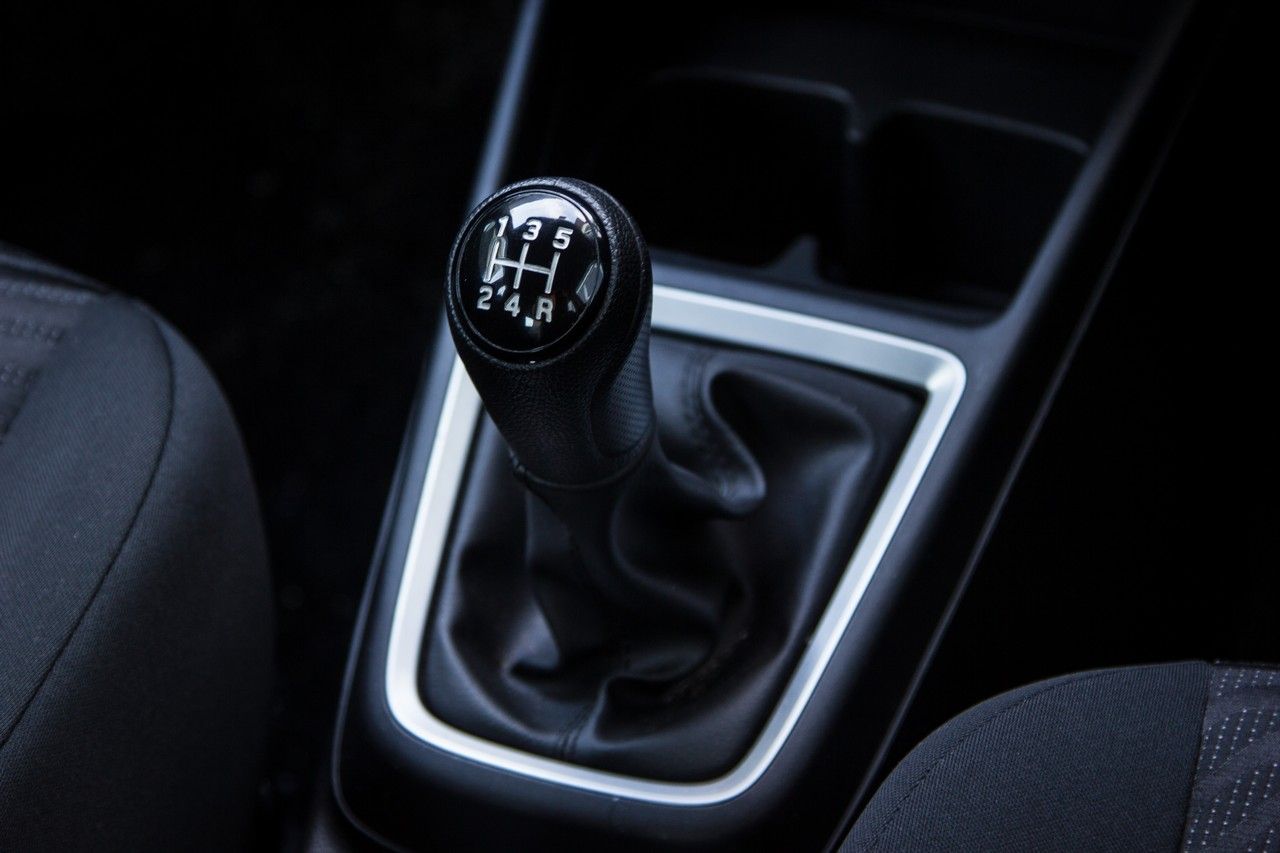
The 5-speed gearbox is precise and the clutch action light – the Swift 1.2 GL is a delight to drive.

Under the bonnet of the Swift you will find the same proven 1.2-litre naturally aspirated 4-cylinder engine that was used before. It is claimed to deliver 66 kW and 113 Nm of torque, with the latter figure looking particularly low compared with the competition. However, the new Swift is based on a far lighter platform than before (by almost 100 kg, in fact), and so that little engine doesn’t have to work particularly hard during most drives. It’s also willing to rev, which endows the Swift with a delightfully spirited character. The 5-speed ‘box shifts slickly, too, so all of our testers rated the driving enjoyment the Suzuki offers as no less than class-leading. 

Most impressively, and despite our er… enthusiastic test team’s best efforts, the fuel consumption remained impressively low during our test period. The worst we recorded was 6.5 litres/100 km, but most economy-minded drivers could easily get that down to around 5.8 litres/100 km, possibly even lower (Suzuki claims 4.9 litres/100 km).

Ride & Handling?


With a slightly longer wheelbase and wider track, the Swift is an agile and fun little hatch to drive.

It would have been a travesty if a car with such a delightful powertrain didn’t have the dynamic ability to match it. Happily, the Swift excels in this department. The light new platform is also stiffer than before and interestingly, the Swift is shorter than the outgoing car, but has a 20-mm longer wheelbase and 40-mm wider track. That’s a great base to work from when developing an agile little car, Suzuki’s engineers have certainly delivered. 

Composed and supple around town and on poor surfaces, yet responsive and keen to change direction, the Swift GL shows that the new Sport (sadly not yet confirmed for South Africa, but we remain hopeful) should be an absolutely cracking little hot hatch. 

Design & Packaging?


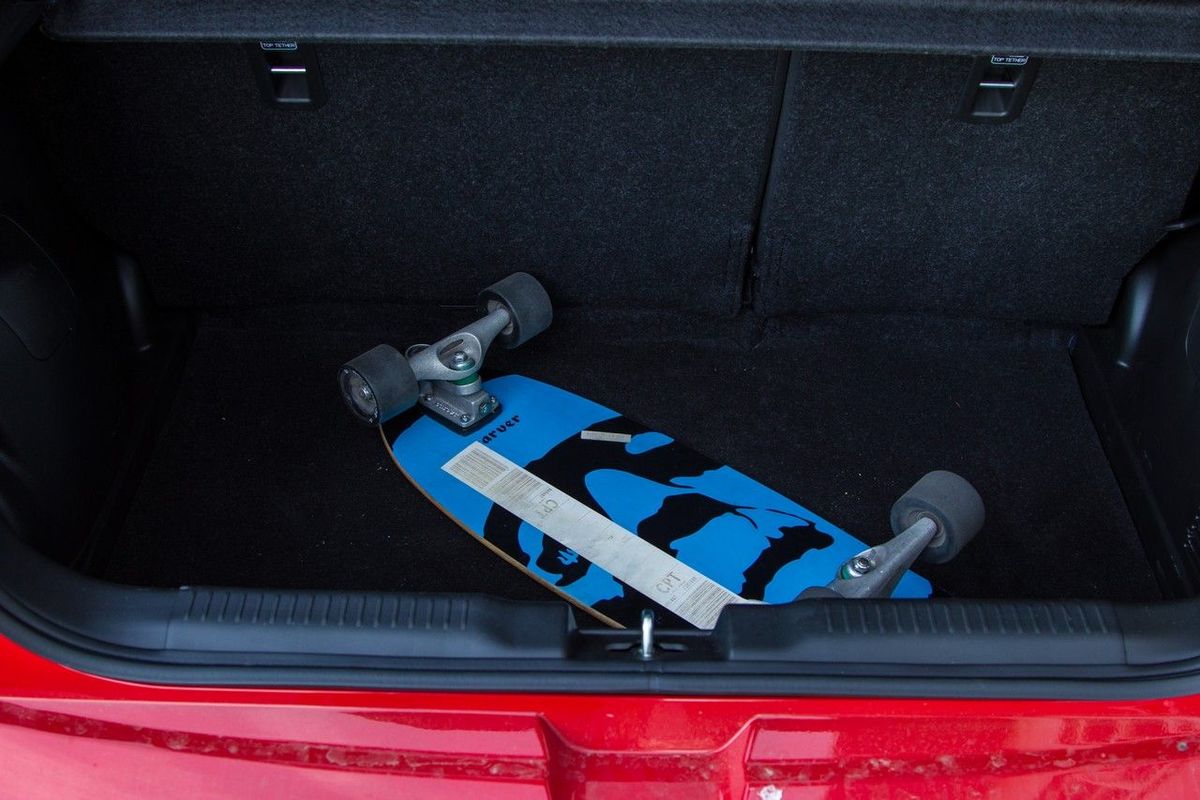
Boot space has been vastly improved compared with the previous model.

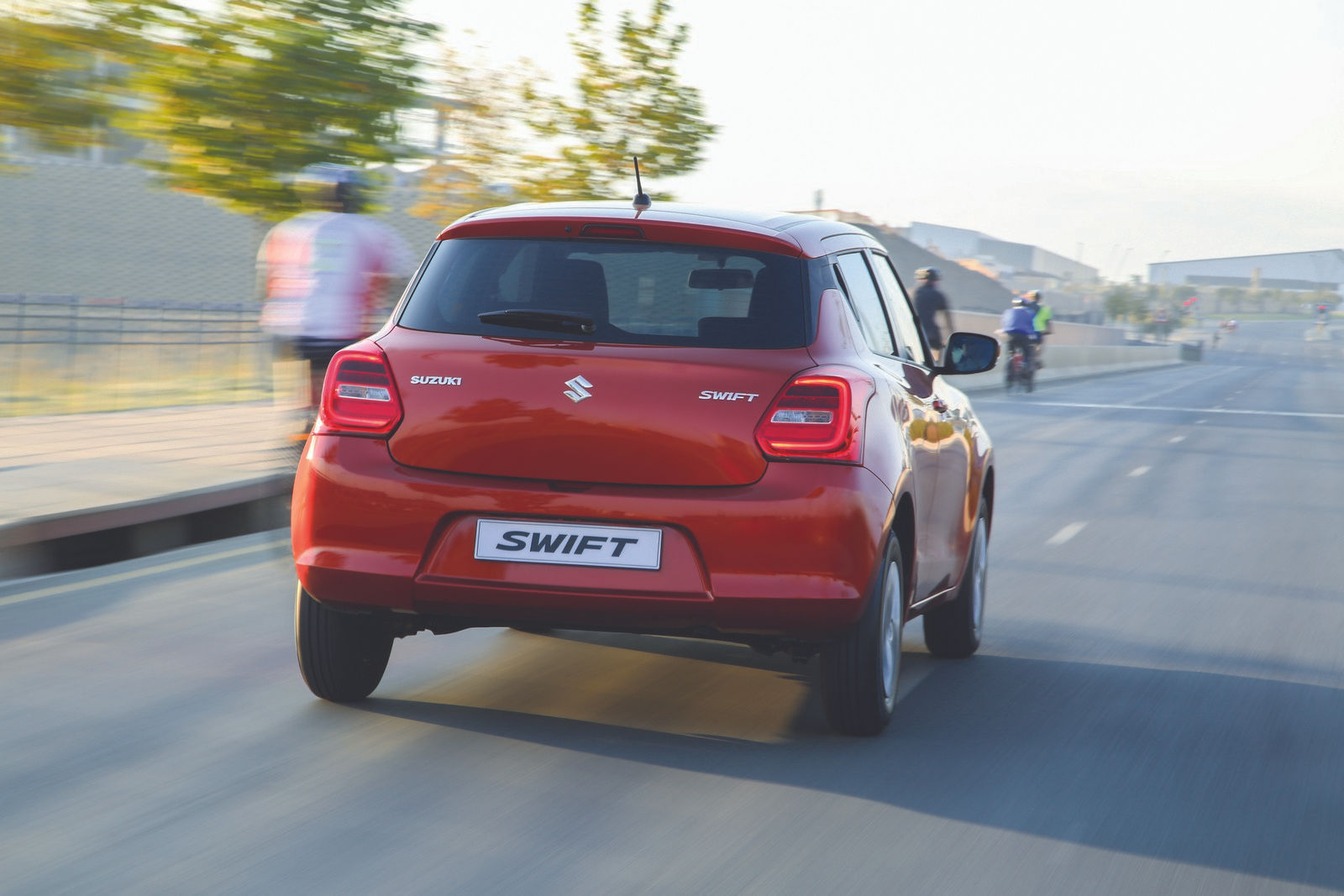
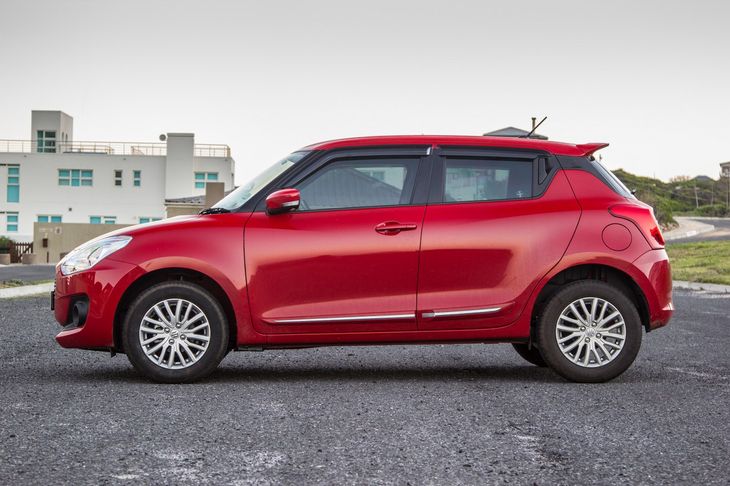
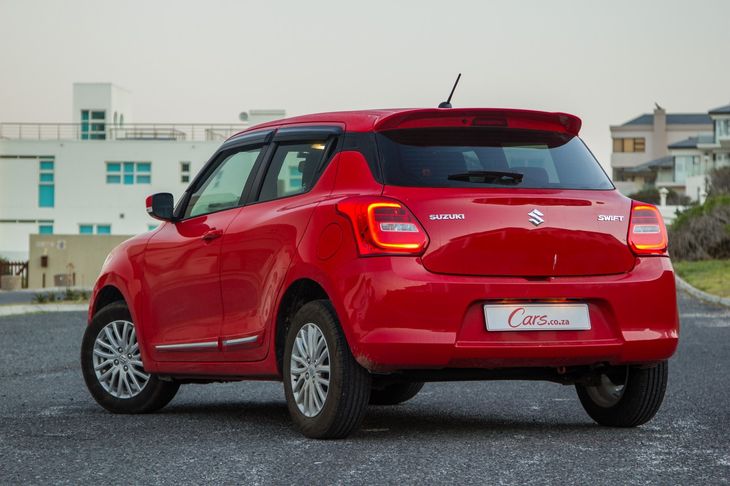
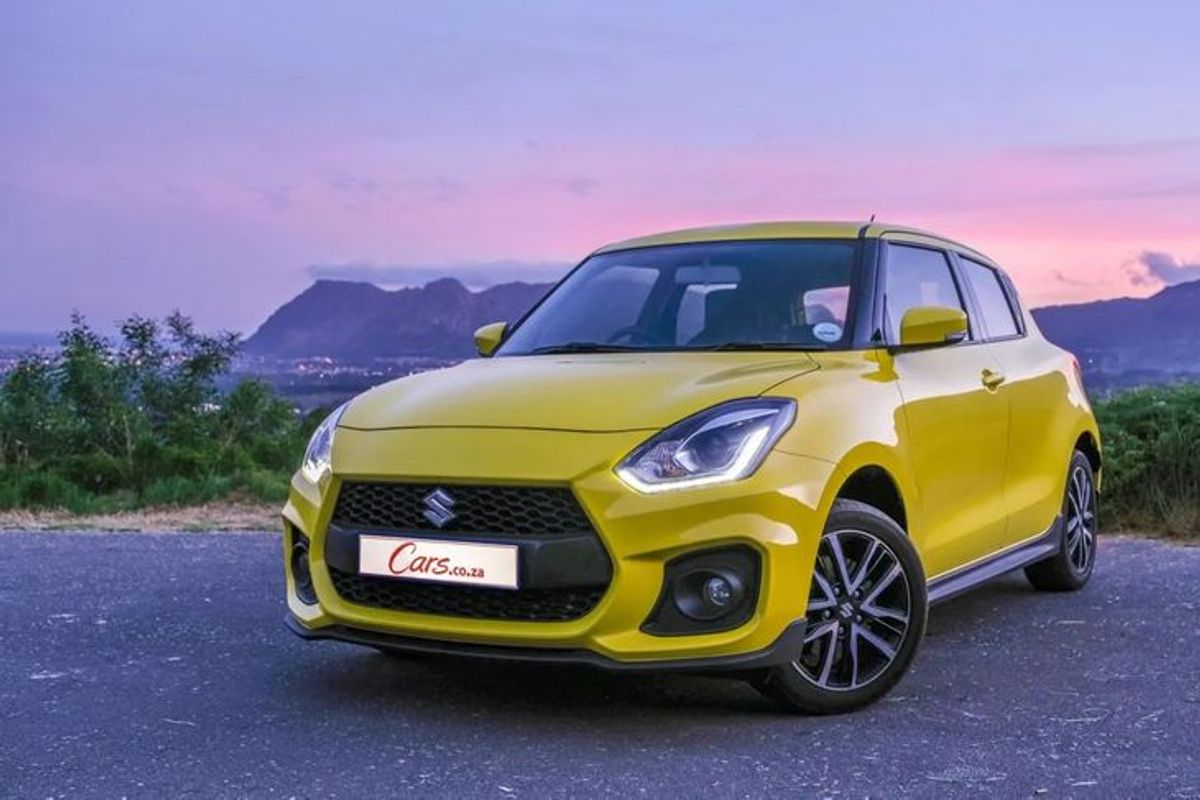
The one area where we feel Suzuki could have delivered a bit more is on the design front. Given some of its recent efforts (notably the Ignis and the upcoming new Jimny), the Swift is relatively bland even though it has some nice touches (hidden rear door handles and curves along the flanks). Our test car benefitted from the addition of optional alloy wheels, among other extras (such as window guards).

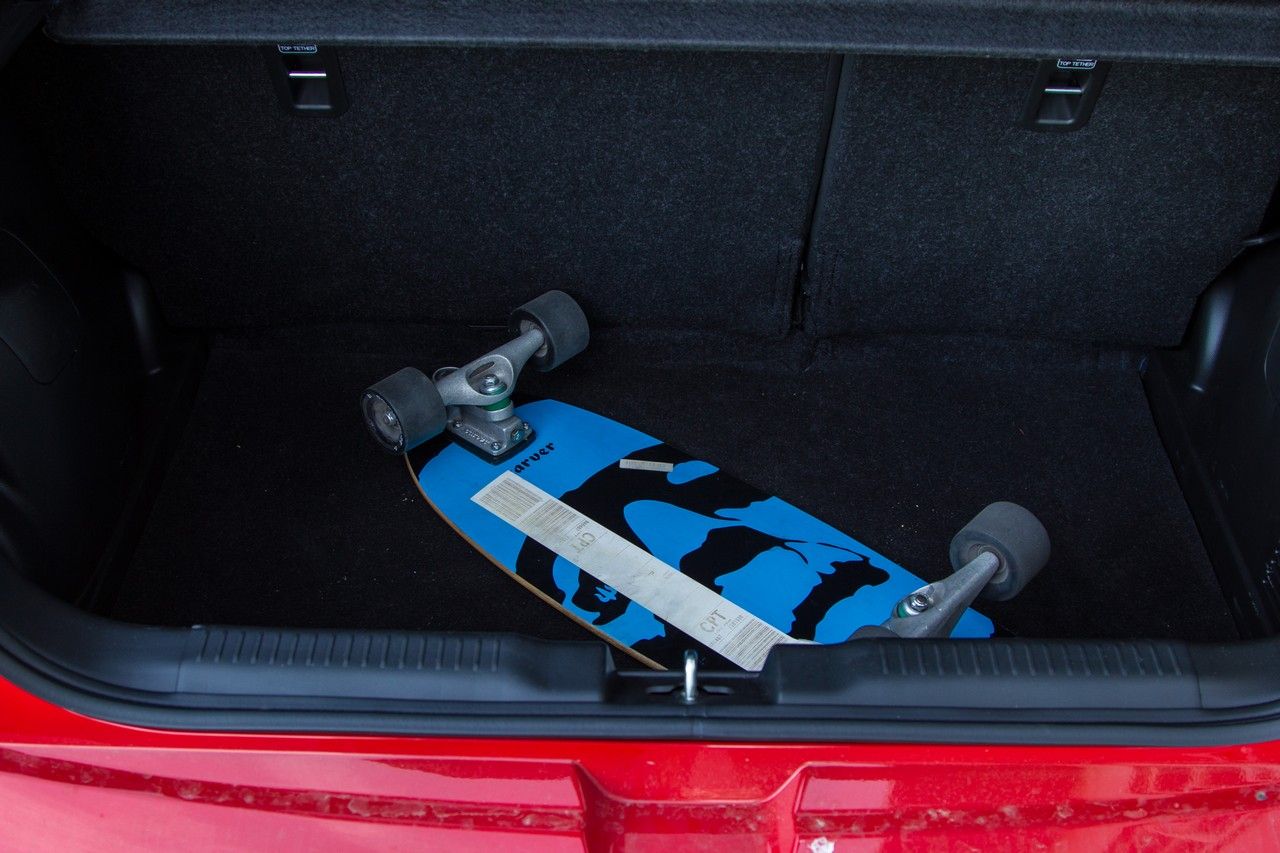
Inside, the biggest advantage of the redesign is improved spaciousness. Rear legroom is significantly better, but the luggage capacity (always the Achilles Heel of the previous car) has improved massively (it has grown to a very competitive 268 litres). The rear seatback splits and folds too. 


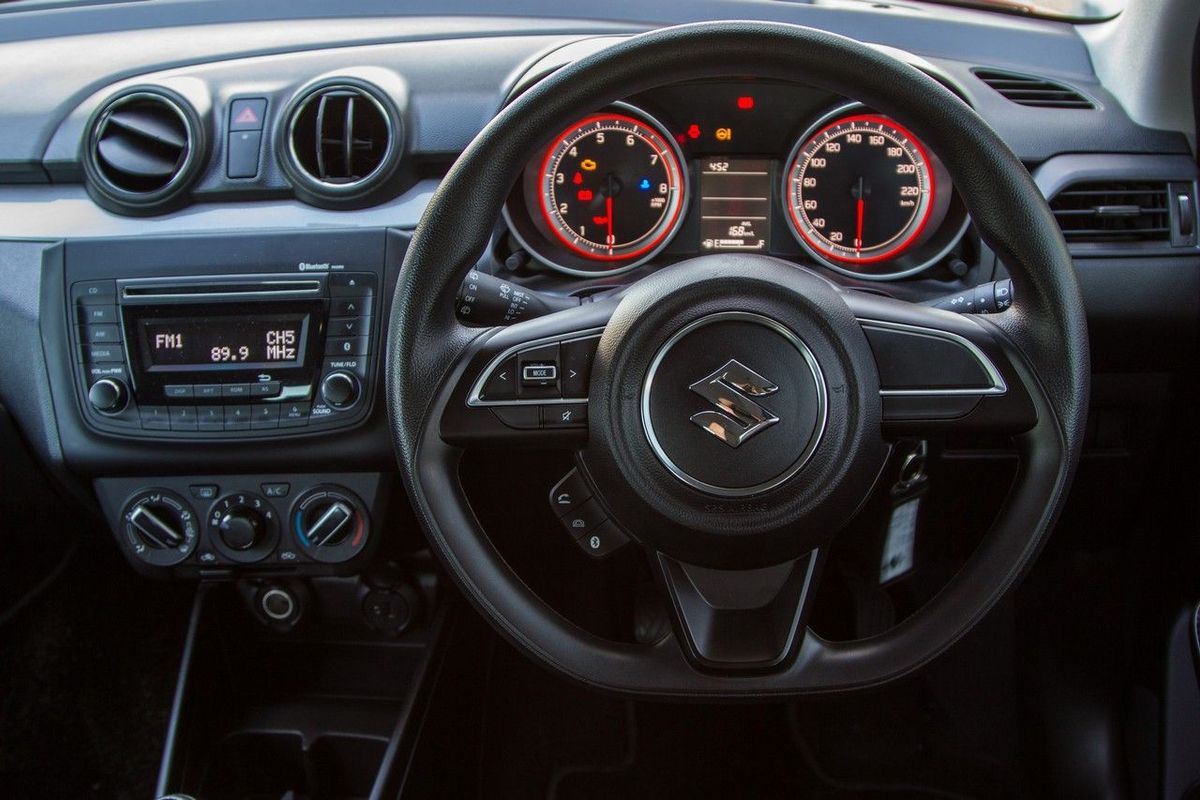
Smart, comprehensive instrumentation for this GL model. Build quality impresses.

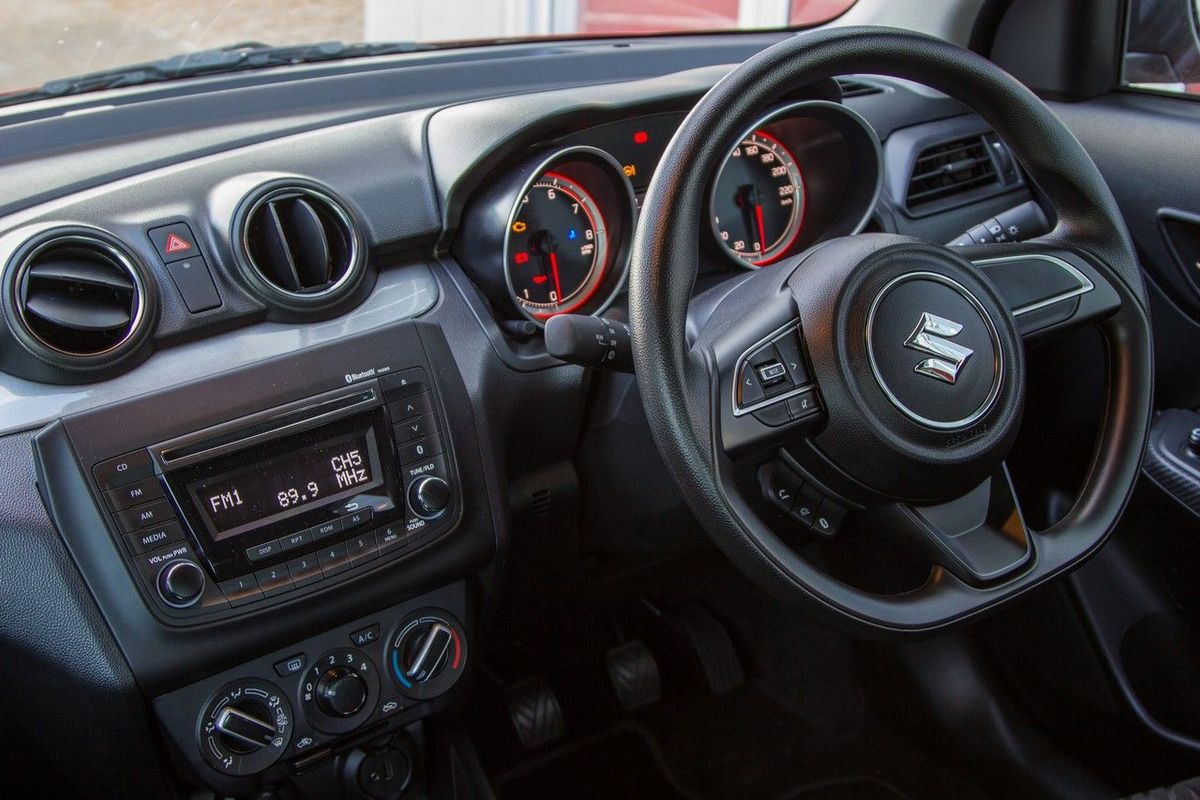
In front, the layout of the facia is simple, but effective. The instrumentation is of a neat chronograph-type finish and a comprehensive trip computer is included. The build quality is excellent, as we’ve come to expect from Suzuki. You’ll also appreciate the variety of storage spaces on offer.

How much does the Suzuki Swift GL cost in South Africa?

The Suzuki Swift 1.2 GL sells for R175 900 (August 2018) and is backed with an excellent 5-year/200 000 km promotional warranty (make sure whether this still applies when purchasing). Also included is a 2-year/30 000 km service plan. Services are scheduled at 15 000 km intervals.

Verdict


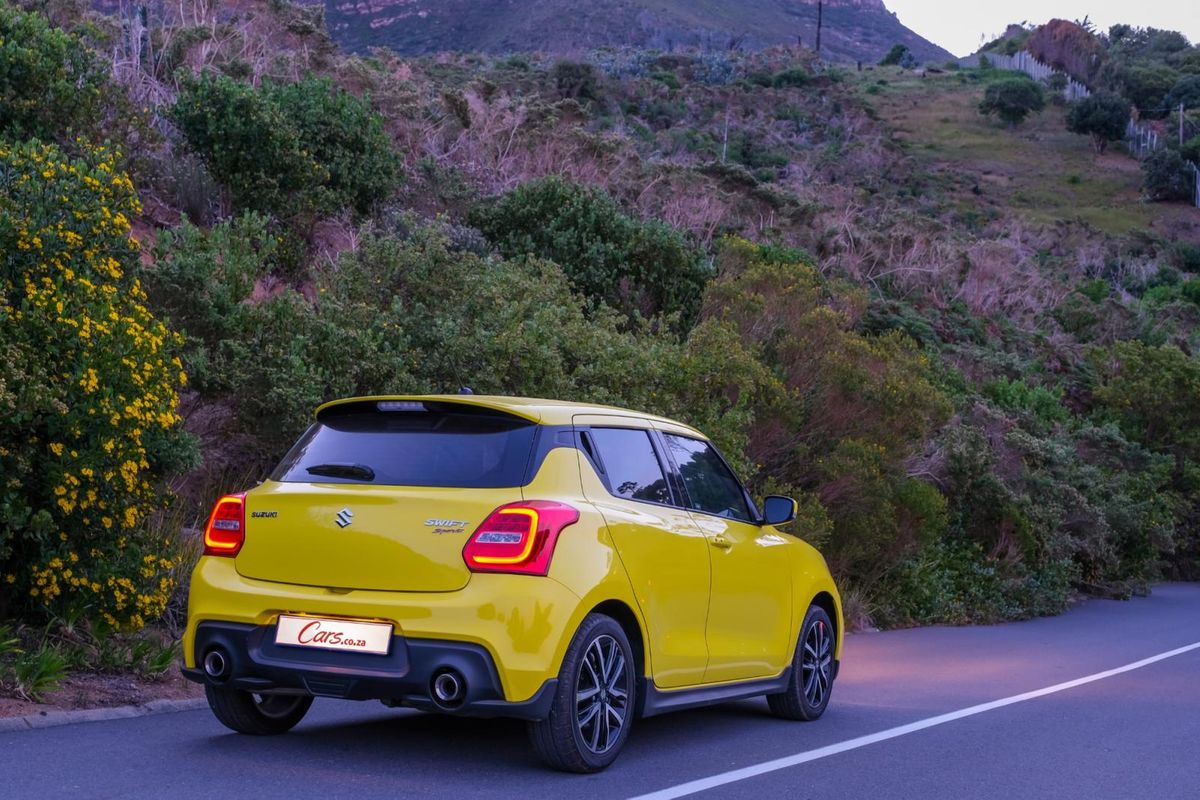
Perhaps the new Swift’s best view – hidden rear door handles, LED detail in the tail lamps and curvy flanks are design highlights. 

Given its price and purpose, as well as what it offers and how it delivers its performance (replete with oodles of driving fun), the new Suzuki Swift is a very hard car to fault. In GL specification it offers all the features you can reasonably expect, more space than before and a class-leading driving experience. We wish it displayed a little more flair on the design front, but we’re happy to give it an enthusiastic double thumbs-up nonetheless.

We hope that this Suzuki Swift GL review has given you the information you need to make a more informed car buying decision!

Looking for a new / used Suzuki Swift to buy?

Find one on Cars.co.za to purchase today by clicking here 

Frequently Asked Questions

What are the different Suzuki Swift models available in South Africa?

The 2025 Suzuki Swift in South Africa is available in three main derivatives: the GL, a new mid-tier GL+, and the top-end GLX.

What is the engine and performance of the new Swift?

The new Swift is powered by a Z-Series (Z12E) 1.2-litre, 3-cylinder petrol engine. This engine produces 60 kW of power and 112 Nm of torque, and is paired with either a 5-speed manual or a Continuously Variable Transmission (CVT).

What is the price of the new Suzuki Swift in South Africa?

The starting price for the 2025 Suzuki Swift is approximately R219,900, with the top-end GLX model priced around R284,900.

What safety features are standard on the 2025 Suzuki Swift?

Standard safety features across all models include six airbags, hill-hold control, ABS, electronic stability control (ESC), and ISOfix child-seat anchors.

What warranty and service plan are included with the Swift?

The vehicle comes with a 5-year/200,000 km warranty and a 2-year/30,000 km service plan.

Related Content

Suzuki Swift: Specs & Price (2025)

Review Articles 

Suzuki Swift (2014) Review

Suzuki Swift Sport Review (2019) 

Suzuki Swift Sport Review (2016) 

Suzuki Swift Sport (2013)

Comparison Articles

Suzuki Swift vs Hyundai Grand i10 (2023) What To Buy 

Suzuki Swift vs Kia Picanto (2014) What To Buy

Suzuki Swift Sport (1st-, 2nd- & 3rd-gen): Classic Comparison

Buyer’s Guide

Suzuki Swift Buyer’s Guide (2011-2018)  

Suzuki Swift Buyer’s Guide (2018-2024)

Aston Martin DBS Superleggera – First Drive


The assault of new Aston Martins continues with the launch of this, the Aston Martin DBS Superleggera. We sent Ciro to drive it in the German Alps.

This is the Aston Martin DBS Superleggera. And while you may not immediately associate that very Italian term with this British manufacturer, the iconic DB5 proudly displayed the nameplate on its bonnet, too.

While based on the DB11, the DBS Superleggera is an entirely different beast. The 5.2-litre twin turbo V12 which debuted in the DB11 is employed here but heavily tweaked to produce over 715 bhp (725 PS, 541 kW) and a gearbox-troubling 900 Nm of torque. The suspension has been thoroughly overhauled and the downforce generated increases to around 240 kg.

Those figures and the efforts to reduce the car’s weight by 70 kg mean the DBS has the same torque-to-weight ratio as the rather loony Aston Martin Vulcan. The torque output is so monumental that Aston was forced to ask ZF to help out and create a new 8-speed gearbox specifically for the DBS. And even still, the drivetrain engineers had to electronically limit the torque output in first and second gear to protect the transmission.

In this video, we drive the car at the international launch held in July in the beautiful Berchtesgaden region of Germany.

Related content

Launch Gallery: Aston Martin DBS Superleggera

McLaren 720S Video Review | The Big Mac Attacks

BMW i8 vs Audi R8 Spyder – The Strangest Sportscar Rivalry?

Part 1: Audi R8 vs McLaren 570S with Drag Race

Search for a used Aston Martin on our site here

Ford EcoSport (2018) Launch Review


Ford’s popular compact family car – the EcoSport – returns with an updated interior and more safety equipment as standard. Is it still a bargain buy, however?

Turn back the clock to 2013 when the EcoSport arrived in the local market. Back then, Ford's mini SUV had very few competitors to fend off. In fact, the polarising Nissan Juke and chunky Renault Duster were its main threats. Now, the segment hosts far more players, many of which are produced by volume manufacturers, such as the Mazda CX-3, Hyundai Creta, Suzuki Vitara, Toyota C-HR, Honda HR-V, Renault Captur and Peugeot 2008.

As a result of its early arrival, Ford got a bit of a jump on the segment with the EcoSport; large volumes of the Indian-made model found homes over the course of the first model’s lifespan. Some months would see close to 1 000 units sold, making it a top-seller across the whole market, not just the compact family car segment. Now, after ceding sales to newer entrants, Ford has renewed the EcoSport, which we drove in the KZN Midlands.

What’s new?


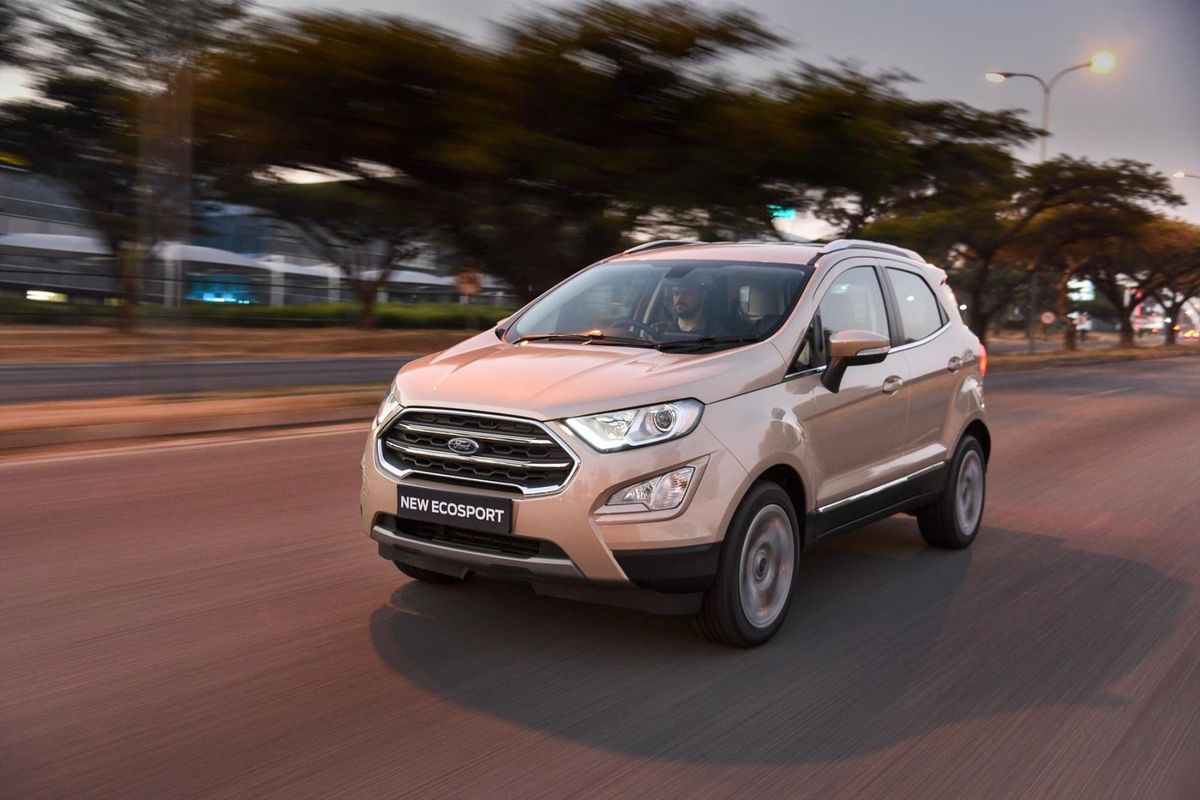
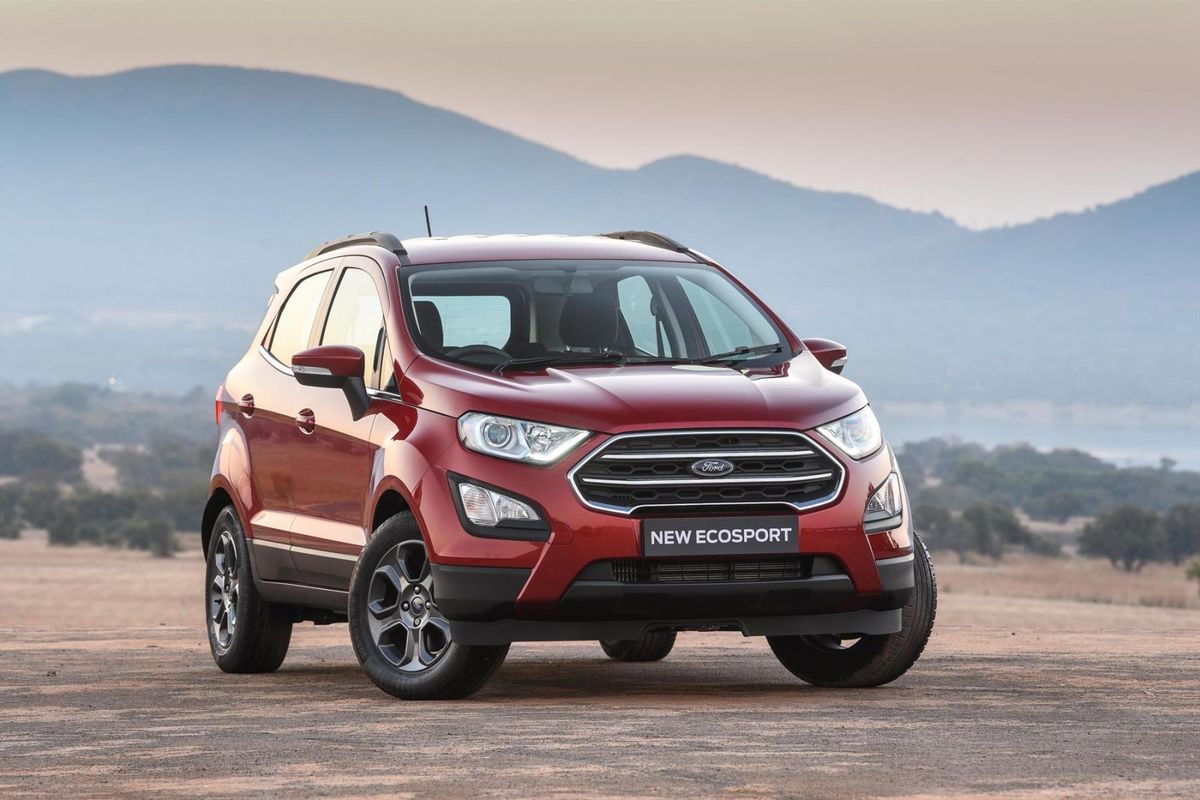
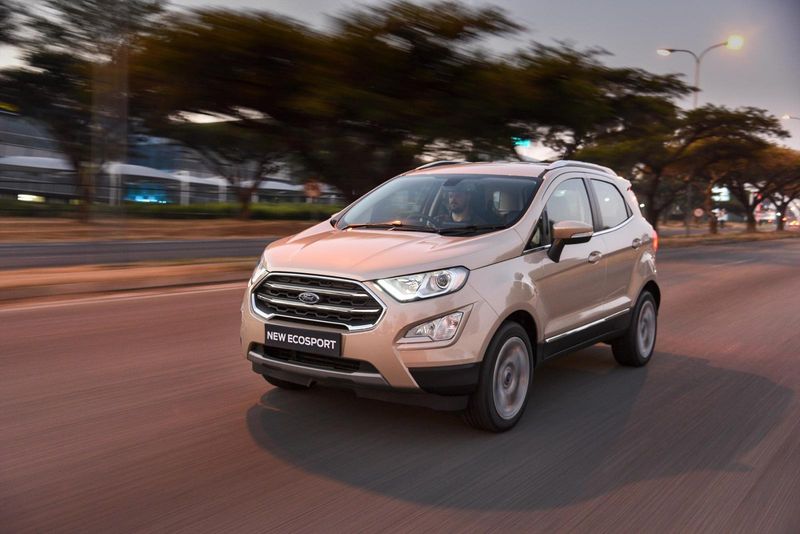
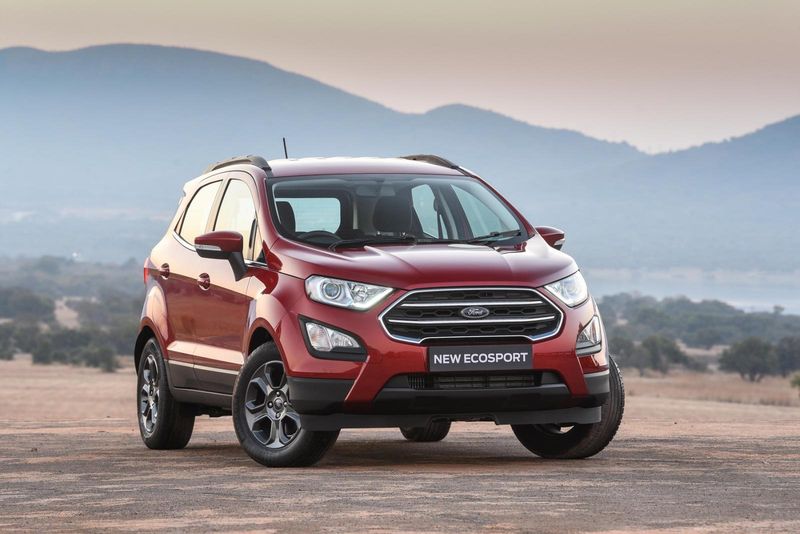
New EcoSport shows the more aggressive front grille as well as the new bonnet bulge.

The range still consists of Ambiente, Trend and Titanium derivatives, but it’s now the 1.5-litre turbodiesel that sits at the bottom of the range, it's only available in Ambiente trim and with a 5-speed manual gearbox. This unit is sourced from India, whereas the Trend and Titanium versions are built in Ford’s Romania plant. The Trend and Titanium feature the longstanding 1.0-litre 3-cylinder turbopetrol with 92 kW and 170 Nm of torque.

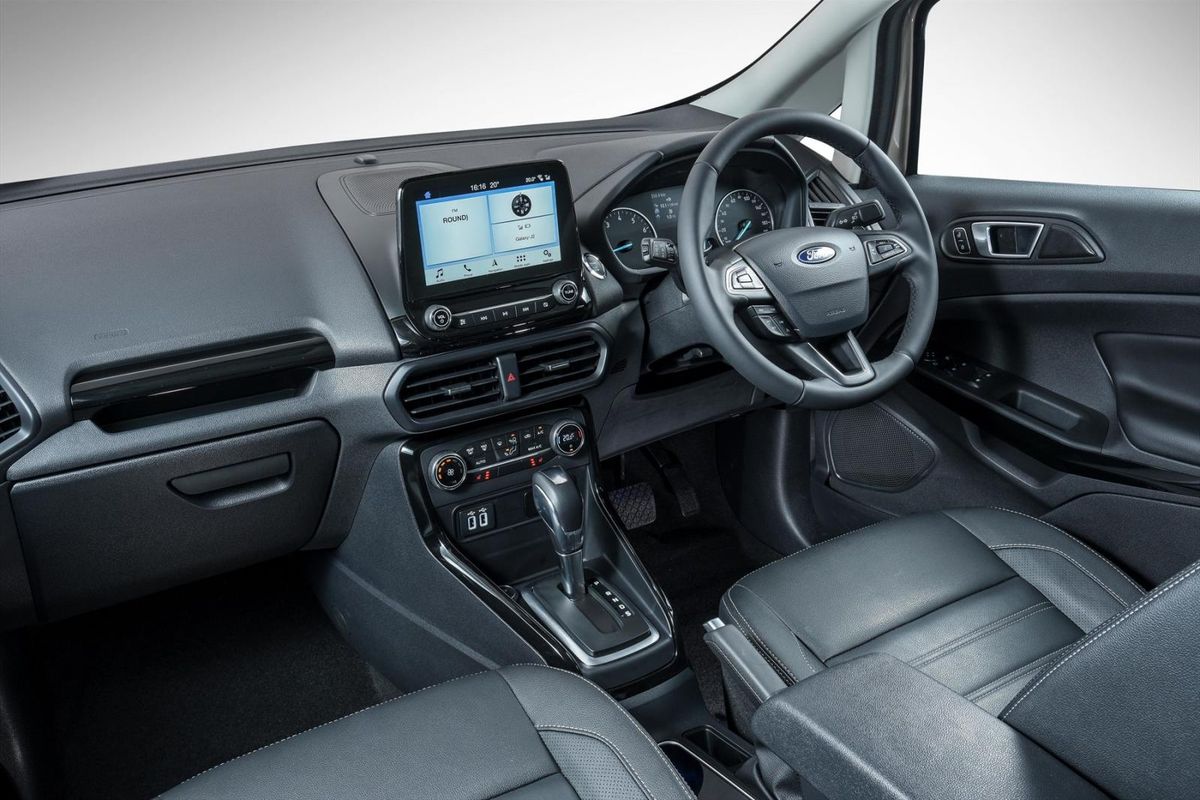
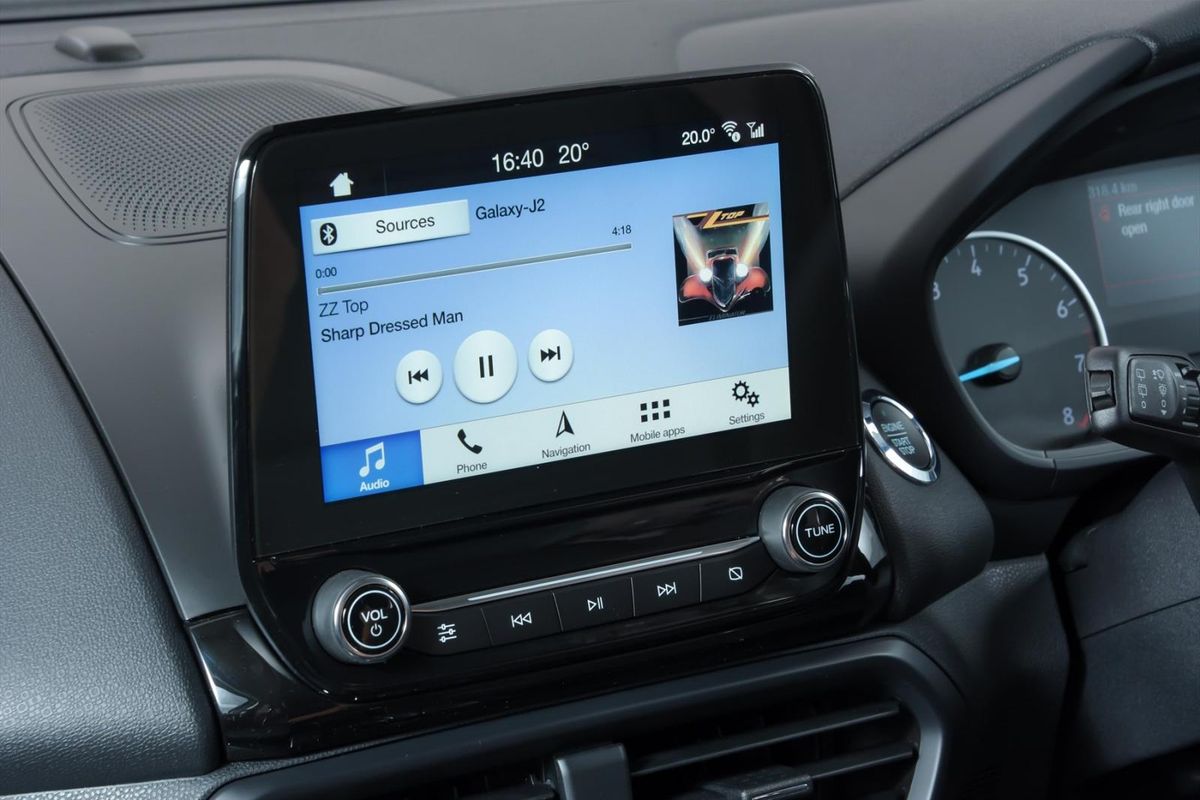
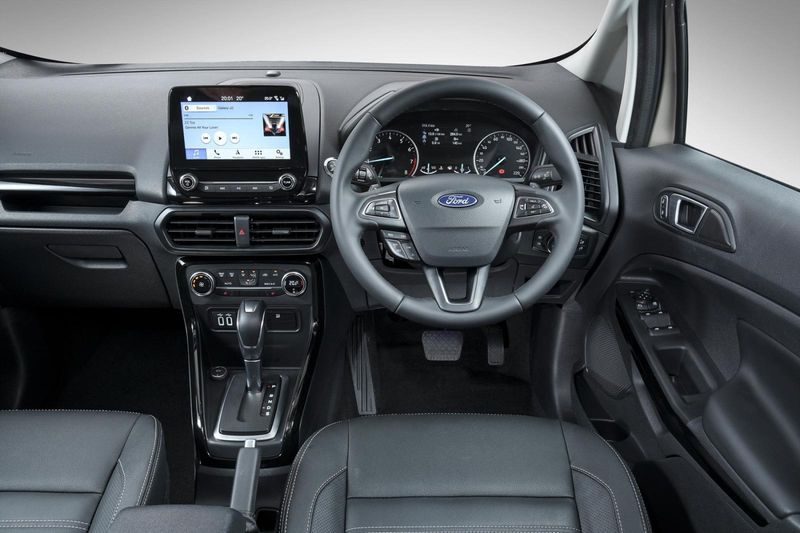
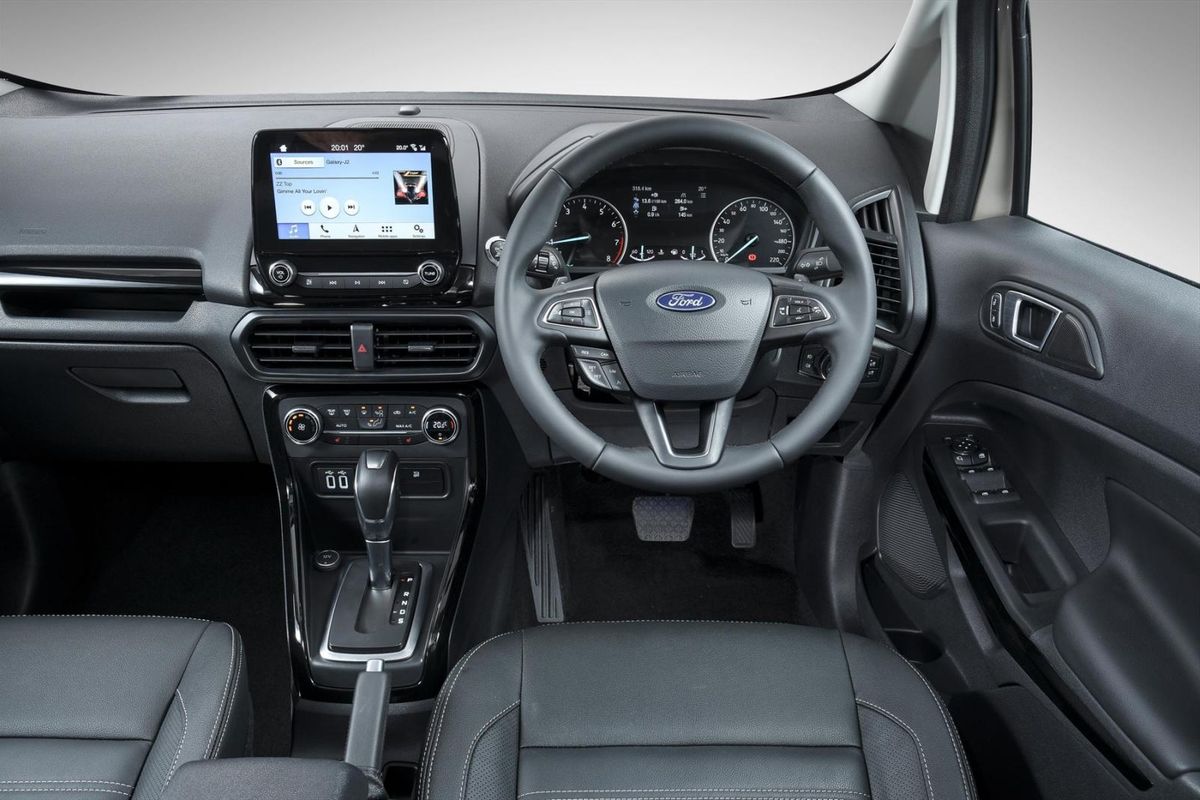
The interior has been vastly improved. We sampled the Trend and Titanium derivatives at the launch and their infotainment systems feature the Sync 3 interface, plus are Apple Carplay and Android Auto compatible. The Titanium gets a larger touchscreen and features navigation as standard.

Meanwhile, the EcoSport's standard safety specification has been improved to such an extent that it now ranks it as one of the safest cars in the segment. Stability control is stock fitment across the range, with 6 airbags on the Ambiente and 7 on the Trend and Titanium models.

Is it practical?


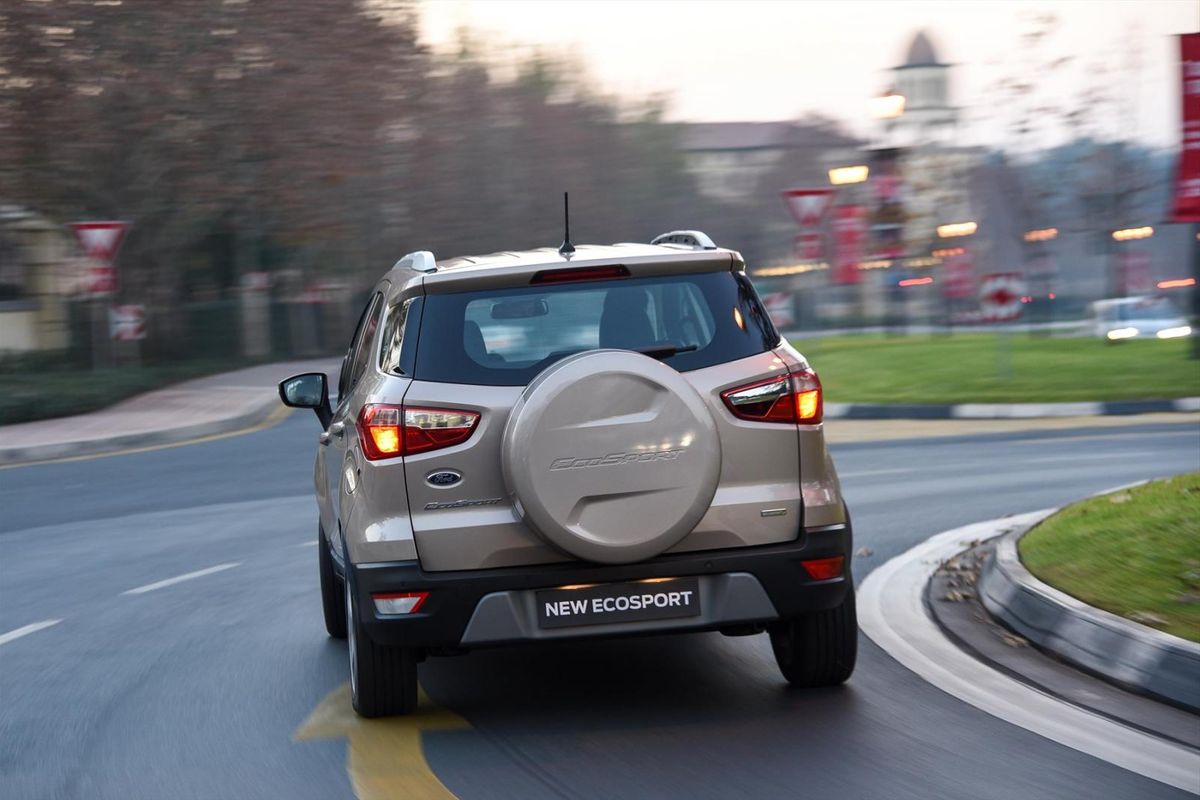
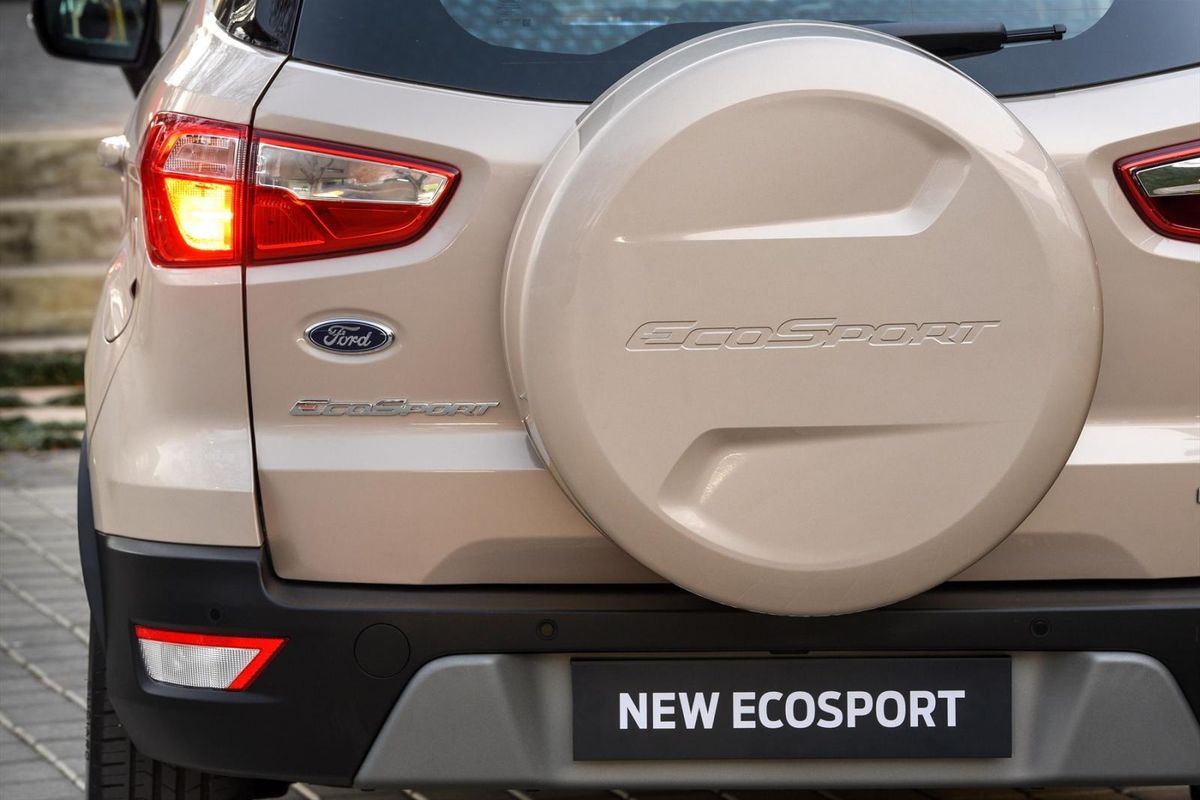
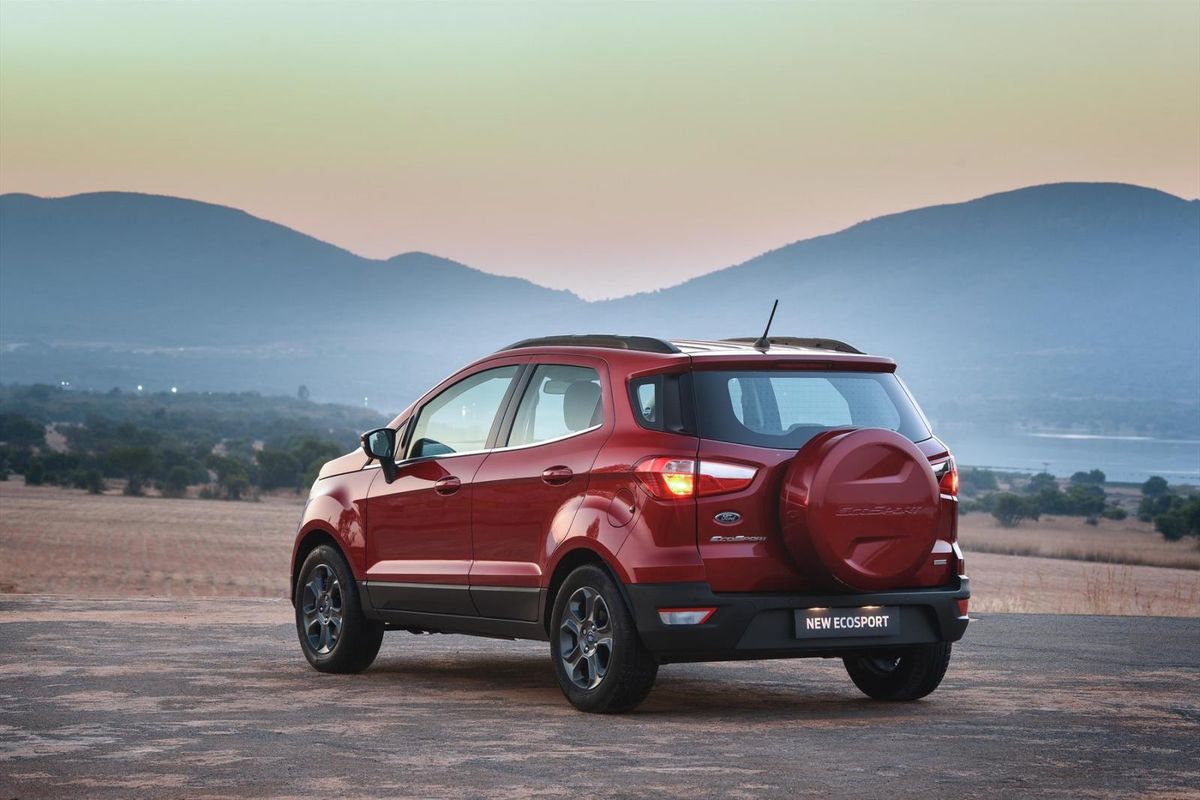
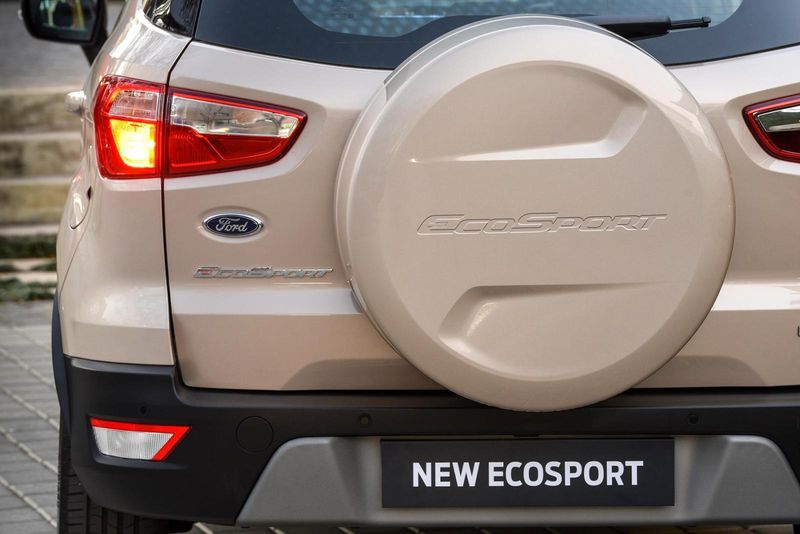
The EcoSport retains its rear-mounted spare wheel. It allows for a full-size spare to be equipped and avails more luggage space.

The EcoSport is based on the Fiesta's underpinnings, so there’s only so much space you can create on a B-segment hatchback platform. The luggage bay can accommodate a maximum of 333 litres and has a 2-tier system where the bay floor can be raised to hide valuables underneath it. Rear legroom feels economical for an adult with a (just about) acceptable level of kneeroom. We'd say that width-wise, you’re going to struggle to fit more than a pair of adults in the back. Children will have enough room, however, and that’s why Ford markets the EcoSport at young families.

While many other brands have opted to position the spare wheels of their compact family cars inside or underneath the vehicles, in the case of the EcoSport, it remains bolted to the tailgate. The tailgate-mounted spare allows for a full-size spare, as well as improving the luggage capacity.

Is the 3-cylinder engine enough?


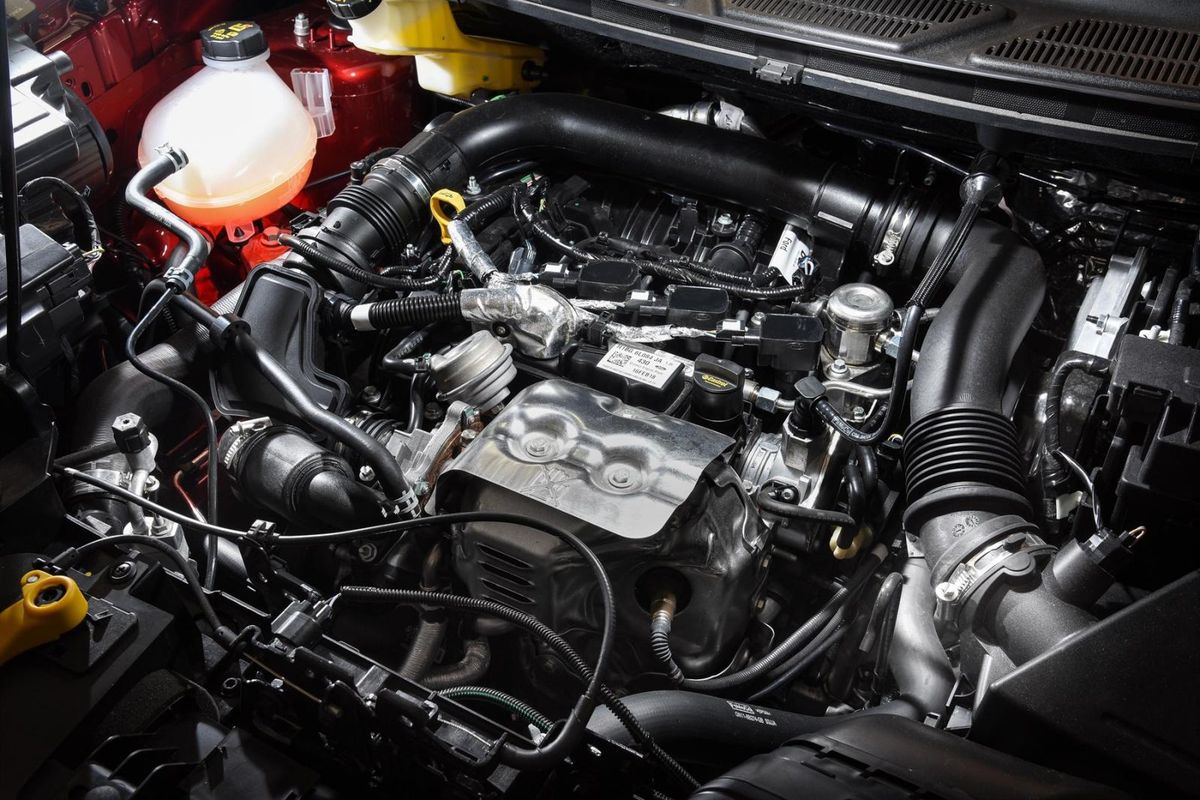
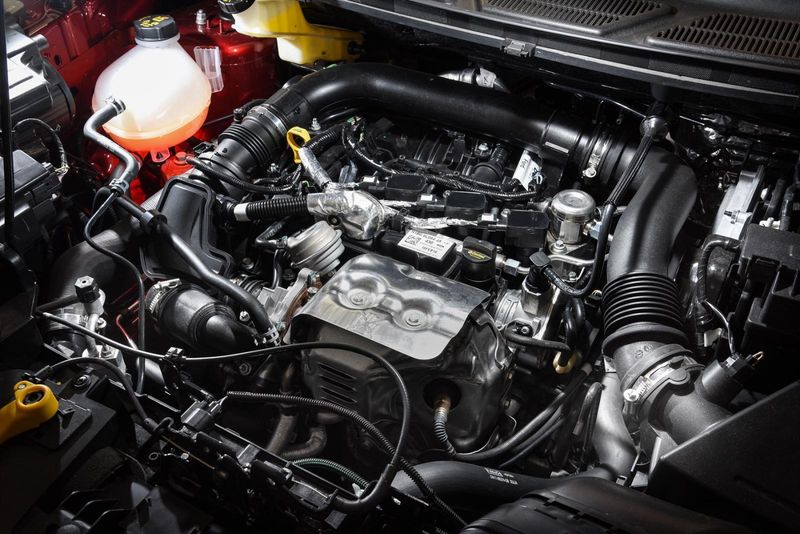
The 6-time Engine of the Year-winning 1.0-litre 3-cylinder turbo delivers 92 kW and 170 Nm of torque.

The short answer is yes. The 1.0-litre turbo has been around for a long time by modern engine standards and garnered 6 Engine of the Year awards (in its class) along the way. With 92 kW and 170 Nm of torque, it does the job adequately. The new torque converter 6-speed automatic is also better suited to the engine than the previous dual-clutch ‘box. It cruises better than expected at freeway speeds with enough in reserve to overtake easily.

The question of "actual versus claimed" fuel consumption often comes up in discussions about small-capacity turbocharged engines and during our trip up from Durban to the Midlands, the dirt track and multitude of climbs took a toll on the EcoSport's return. We averaged in the range of 10 litres/100 km, but on the return leg back to the airport (which comprised a stretch of freeway), we achieved a more reasonable 5.6 litres/100 km.

During our off-roading stint, the small turbo provided enough shove to climb some quite steep inclines. Not once did the pint-sized engine’s capability come into question.

Is it comfortable?


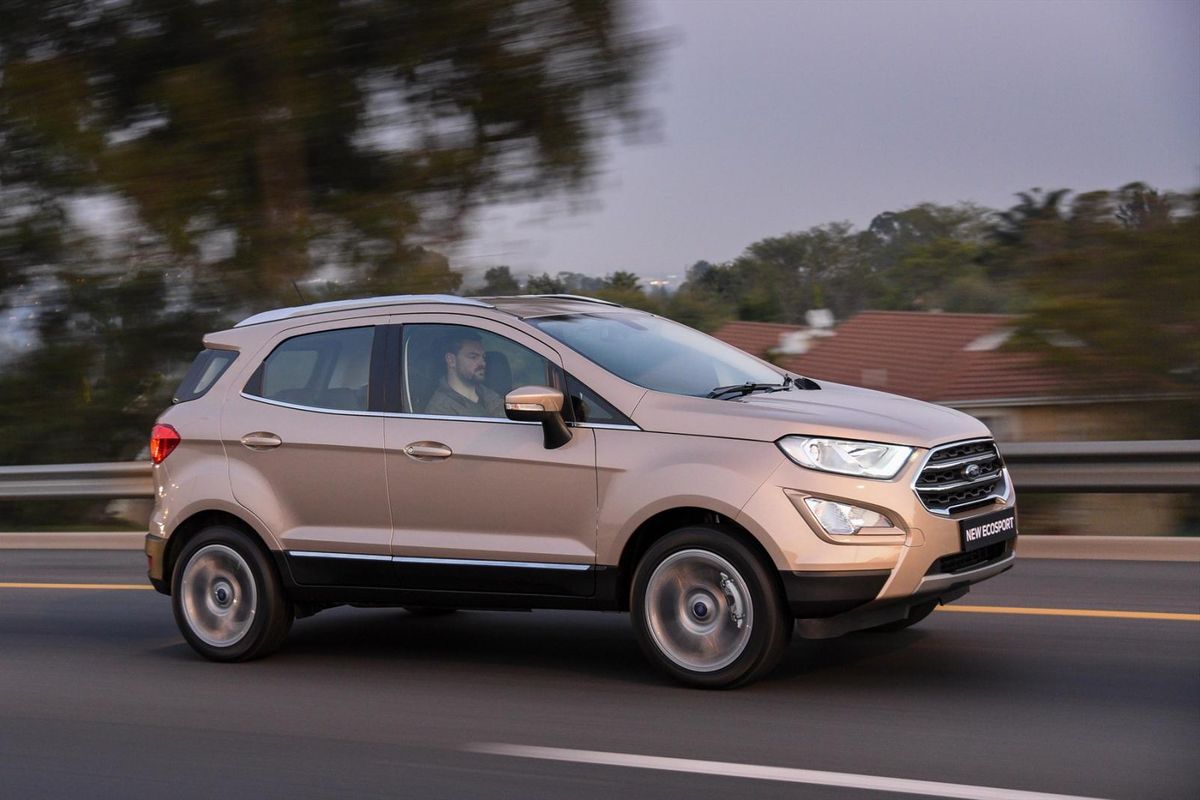
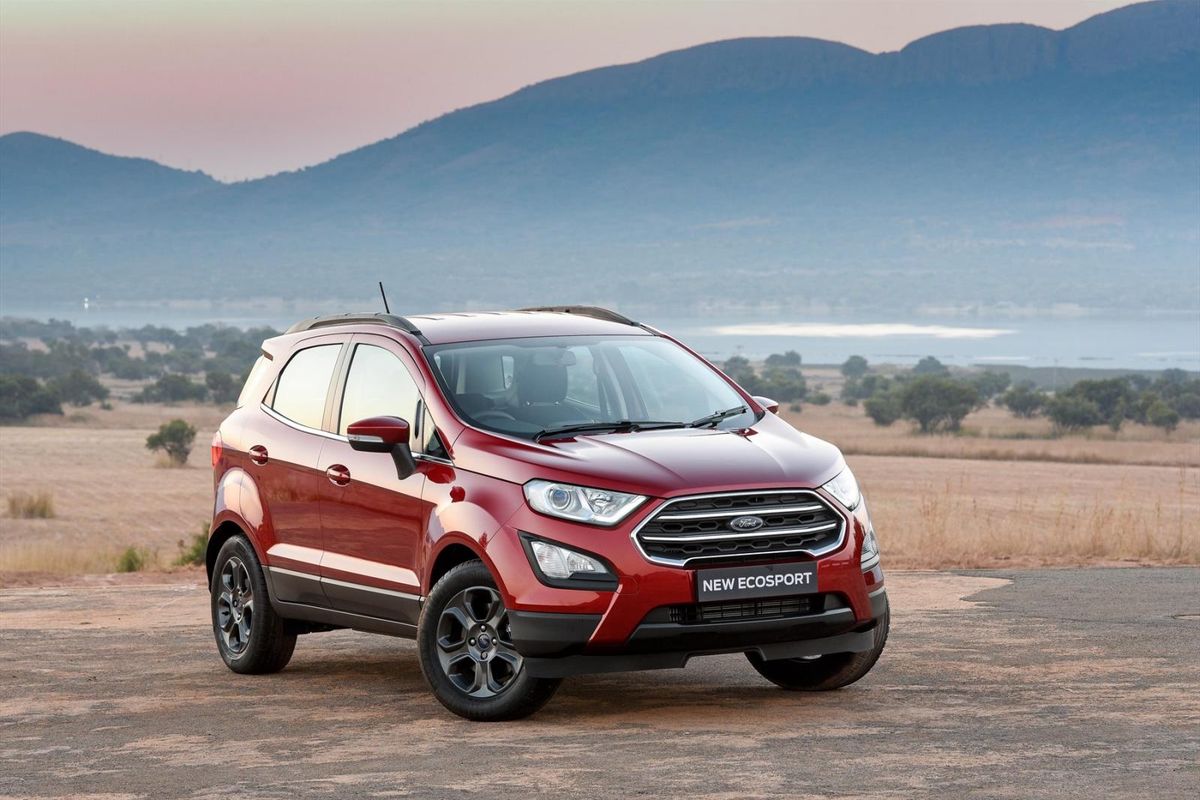
The Trend derivative gets these black wheels and black surrounds on the foglights, but it appears to be the sweet spot in the range.

The EcoSport is only available in front-wheel-drive configuration in South Africa and that suits its purpose just fine. It handled the 60 km of dirt road with consummate ease. The suspension is well damped and balanced nicely between being cushioning and firmly sprung.

The steering lacks feel on twistier roads, but has enough weight to it around the centre to instil confidence when the EcoSport's travelling in a straight line. The taller body style does contribute to more body roll than in the Fiesta, but nothing worse than any rivals in the segment.

What’s it like inside?


Improved materials throughout the cabin lift its ambience. The Sync 3 system is one of the best infotainment systems around.

First of all, the EcoSport's interior quality levels have been improved by virtue of the fitment of comfier seats and a more liberal use of soft-touch panels. At this price point, as you’d expect, there is still a fair amount of coarse plastic applied around the dashboard and door panels. Having said that, it’s a modern cabin that feels more upmarket than many of its rivals, mostly due to the high-res infotainment system.

There are 2 USB ports positioned in front of the gear lever and the Titanium derivative comes with an armrest/centre console storage compartment. It’s a bit on the small side, but a nice place to rest your arm.

Summary

Appealing design/packaging and keen pricing seem to be the major characteristics that buyers look for when shopping in this segment. The new EcoSport has enhanced kerb appeal by virtue of its more purposeful and eye-catching front-end styling – its looks alone could attract new buyers. Plus, shoppers who were a little put off by the lack of safety equipment will now be appeased with the improved safety spec across the range.

As for pricing, Ford has kept it very competitive, so much so that the EcoSport doesn’t demand much of a premium over its Fiesta sibling. The range starts at R264 500 and tops out at R339 900, making Ford's newcomer good value for money in the segment. It is a little dinky compared with its rivals, but if you’re a family with small kids or looking for a dirt-road capable car to support your hobby, the EcoSport makes a good case for itself.

Related content:

Ford EcoSport (2018) Specs & Price

Ford Figo (2018) Launch Review

Comparative Review: Ford Fiesta vs Volkswagen Polo (2018) [w/video]

Shelby F-150 Confirmed for South Africa

Best-Selling Cars in the World for 2018

Interested in buying an EcoSport?

For the specs and pricing of the Ford EcoSport click here

Find a used Ford EcoSport for sale here

Take a look at the latest new car specials here

Infotainment Systems: As Distracting as your Smartphone?


Touchscreens and elaborate infotainment systems look great, but to operate them when you're driving a vehicle could pose as big a risk to road safety as using a smartphone while you're at the 'wheel.

In the realm of automotive design analysis, we often speak in millimetres, when describing a styling crease or character line. For decades metric markets, such as South Africa, only used inches when referencing wheel size. That’s all changed rather rapidly in recent years and an obsession with inches has potentially become a huge issue in the making for motorists.

That's because the demand from consumers for progressively larger infotainment screens has made inch-width one of the most quoted numbers in contemporary car marketing. Whereas the Smartphone industry has contained the largeness obsession by prioritising weight and slimness, most modern automobile manufacturers' interior architects keep inflating the size of touchscreen infotainment systems.

It could be argued that some of the latest dual-screen displays create a distracting field of view. This is the issue: Are infotainment screens becoming too large and complex to safely operate while you're driving… could they pose the same risk as typing a text message on your phone?

How big, is big enough?


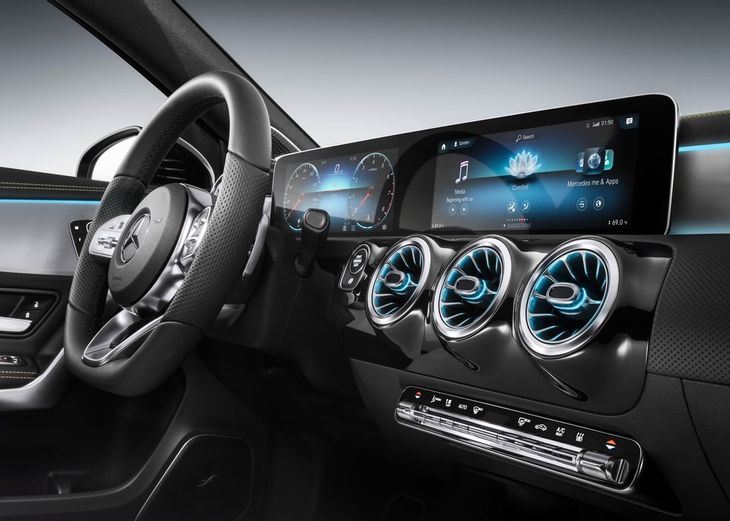
The Mercedes-Benz A-Class features the new MBUX system with dual 10.25-inch screens.

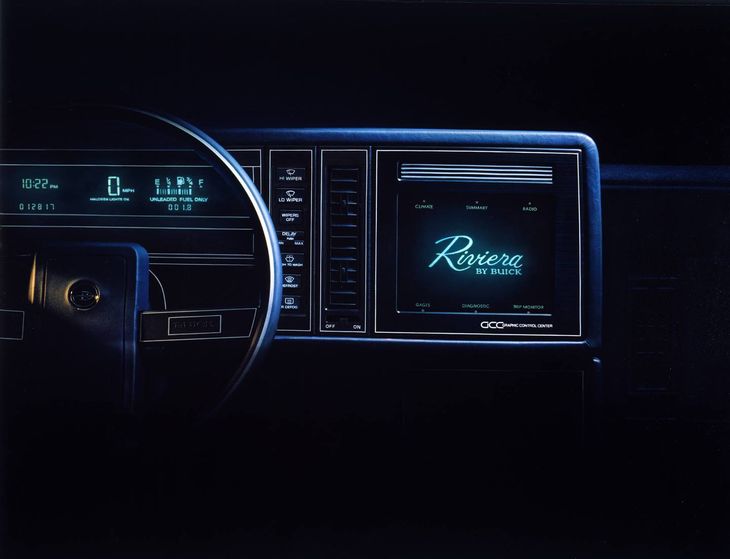
The first infotainment screens with touch functionality were American and featured on Buick’s 1986 model year Riviera. At only 3-inches wide and 4-inches in height, it was compact, but also unpopular. Buick discontinued the feature by 1990 after customers cited it as a distraction to driving.

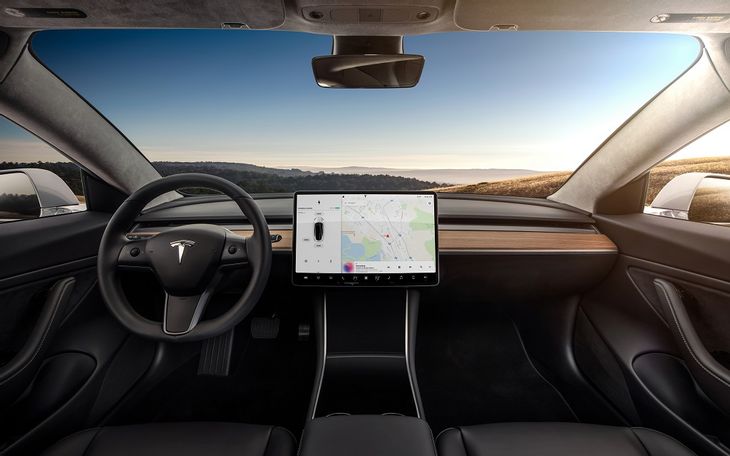
True to its billing (as a digitally-driven disruptor of the automotive industry), Tesla has made the largest possible screen available: a 17-inch tablet-type interface with no tactile controls other than the screen. Volvo’s has championed the use of a tablet type system too, with its Sensus interface.

Mercedes-Benz is inching up too and its new MBUX infotainment system is destined to become a digital departure point for most ‘Benz vehicles. It features dual 10.25-inch screens, it offers a gigantic swathe of active pixels to inform (and potentially distract!) drivers. The issue of distraction does not reside in any graphics lag, MBUX is powered by 8G of RAM and runs on a quite-slick Linux operating system.

Fortunately for consumers, infotainment systems with touch functionality are getting larger and displaying with clearer resolutions, even in direct sunlight – which was a bane of attempting to operate earlier systems in South African conditions. Their weakness, however, is that the user experience (UX) engineering that drives most touch-based technology, is meant for a relatively static environment, instead of the highly dynamic environment in which a vehicle operates. The distraction of sitting in public while operating some of a Smartphone's higher functions presents a very low risk in terms of personal injury or liability – which is quite different to a similar operating logic while driving a vehicle on a congested road.


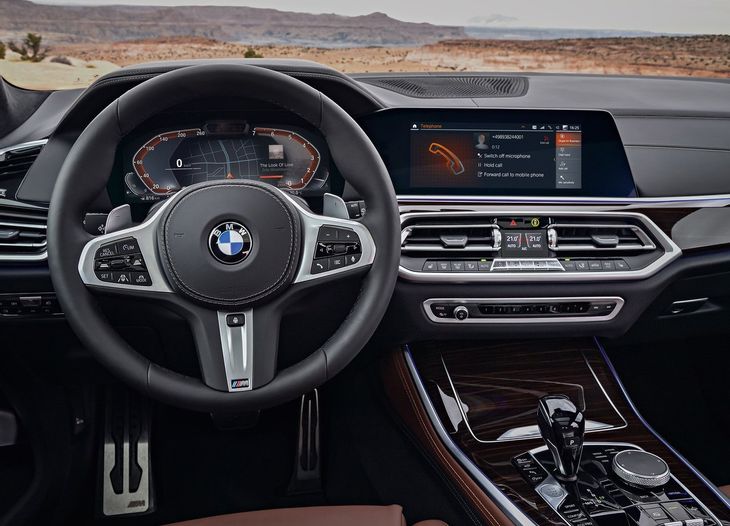
The BMW iDrive system as seen on the new X5. According to research, one of the most taxing systems to operate.

With sub-menus and a surplus of functionality, most of which are impressive yet largely superfluous to users, contemporary car infotainment systems create a nearly infinite source of possible distraction to a driver while they're operating their vehicle. University of Utah researchers evaluated 40 new vehicle infotainment systems last year and found that 29 of those place a very high cognitive demand on drivers. The most demanding vehicle systems were all German: Audi’s Q7, BMW’s 4 Series and Mercedes-Benz’s C-Class. These vehicle interfaces may be feature-rich, but they require immense application by a driver, which diverts attention from their primary task, to steer and manage the vehicle’s speed.

Keyboard intuition versus touch?

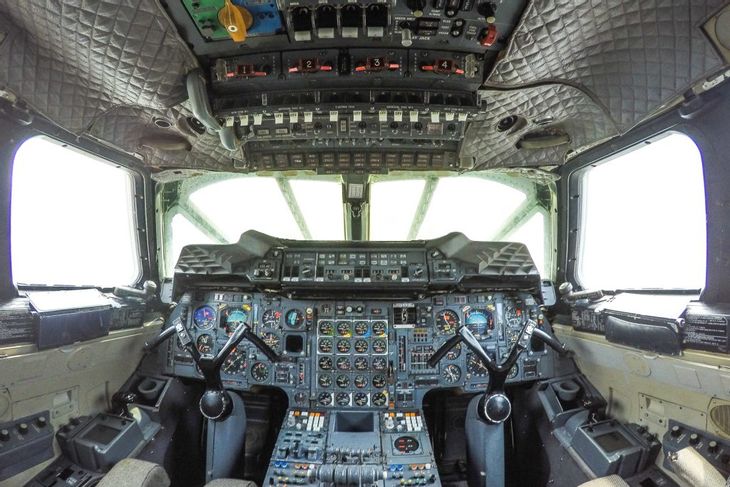
Touchscreens are brilliant in their adaptability: they're capable of consolidating loads of functionality and input commands in a relatively compact allocation of screen real estate. If you were to replicate the entire depth of a touchscreen infotainment system’s myriad inputs and submenus, with traditional buttons, it would overwhelm the centre console and dashboard. A good example to illustrate this is imagining the cockpit of Concorde, with panel upon panel of gauges, switches, toggles and buttons, in comparison with a modern A380, which has a relatively uncluttered cabin.


The cockpit of the Concorde. It was clearly designed long in advance of the touchscreen revolution.

Where touchscreens fail, is that even with practice, the ergonomic intuition of a screen with submenus is massively challenging to operate without looking at it. And when you're driving a vehicle, that’s essentially what the touchscreen is expecting of you: eyes on the road and a left hand attempting to find the correct touchpoint on that screen.

Touchscreens have a relatively small margin for input error and when you are driving a vehicle on anything but the most perfectly smooth road surface, you’ll often find frustration in continuously glancing away from the road to check you've made the intended input to the infotainment screen.


The 1986 Buick Riviera, the touchscreen proved unpopular and was discontinued for the 1990 model.

An argument could be made for the merit of a hybridised configuration that recognises the importance of buttons. If you blindfolded someone in a test scenario and asked them to input data or execute a simple task on any smartphone, the traditional keyboard function of a Blackberry (the wildly popular smartphone of a decade ago) would probably be far superior for achieving success than a touchscreen phone. It’s the tactility of buttons and our ability to remember which button, or sequence of buttons, correspond to a specific thread of functions.

When the first satellite controls appeared on steering wheels they were marketed as boons to road safety, because they allowed drivers to access vehicles' onboard audio, phone, trip computer and cruise control functions without the need to take either of their hands off the wheel. These days some steering wheels have a dozen or more input buttons or toggles (of some kind) and if you don’t have a sophisticated head-up display to show menu guidance for what your thumbs are trying to do, it all becomes a bit too complicated.  

Is voice the great mediator?

Although its UX is problematic the processing power of modern infotainments systems can render a fantastically convenient service. For technologists, the argument in mitigation is voice control, which keeps your eyes on the road and both hands on the helm whilst driving.

In theory, voice would appear to be the ideal solution, but there are 2 distinct disadvantages. The first of these is vernacularity. Localised accents can prove problematic and in South Africa, with its diverse spread of pronounced English, voice command inputs can become a war of accent attrition. Even the very best digital voice recognition systems, like Apple’s Siri, could hardly be classed as flawless and often frustrate users.  

Voice commands also lack immediacy and agility. A physical button renders immediate function while voice commands require the cognition of thinking about, then relaying a plain language command, hoping the system will interpret it as intended and then following it up with another. A system with reinforcement learning, where the vehicle owner spends time in a static (parked) environment, tutoring the infotainment system on an exact selection of voice commands to be used, could render greater efficiency – but that’s quite analogue, for a digital system, isn’t it?


Tesla's touchscreen system is so large it looks like a TV screen has been plopped on the dash.

It appears unlikely that a voice recognition-based interface will become the solution for drivers, considering the dynamic environment of cars moving near each other at speed, or navigating traffic. The burden of cognition to continuously think of and construct perfectly logically sentences for input commands are unrealistic. Pilots have superior training and discipline logic compared with the overwhelming majority of car drivers and even they don’t use voice commands to throttle engines or release landing gear. And yet, they also have the redundancy benefit of being two instead of one.

Would the future perhaps be an iPod-like active dial, on the steering wheel? Apple managed to convince most of us to adopt the simplicity of iPod functionality and two such dials, in reach of your thumbs on the steering wheel’s horizontal spokes, could yield a lot of functionality. Paired with a high-contrast head-up display, this could be a solution of sorts for lessening cognitive burden and infotainment system distraction while driving.


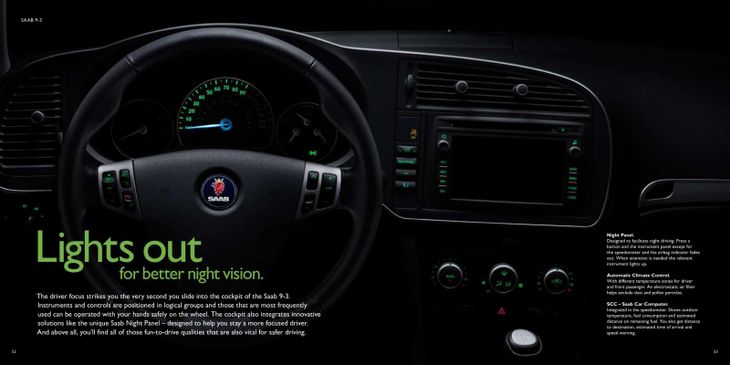
Saab championed a night mode where only important information was displayed, focusing the driver's attention on the road.

As cabin digitation is a trending topic right now, the burden of cognition and distraction is only getting worse, flooding the contemporary vehicle cabin with an overwhelming blend of entertainment and infotainment functions. There is a sense of the inevitable that current design tendencies are merely a transition to full autonomy, preparing us for a mobility future where we’ll be entertained and engaged passengers, instead of drivers.

One can't help but pine for the night-panel cockpit function available in Saabs of yesteryear, where only the most necessary instrumentation was shown when driving in the dark, thereby focusing the mind and avoiding fatigue.

Related content:

Top 5 Best Car Interiors of 2018 (So Far)

Autonomous Cars: Why they aren't working

2040: The End of the Car (As We Know It)?

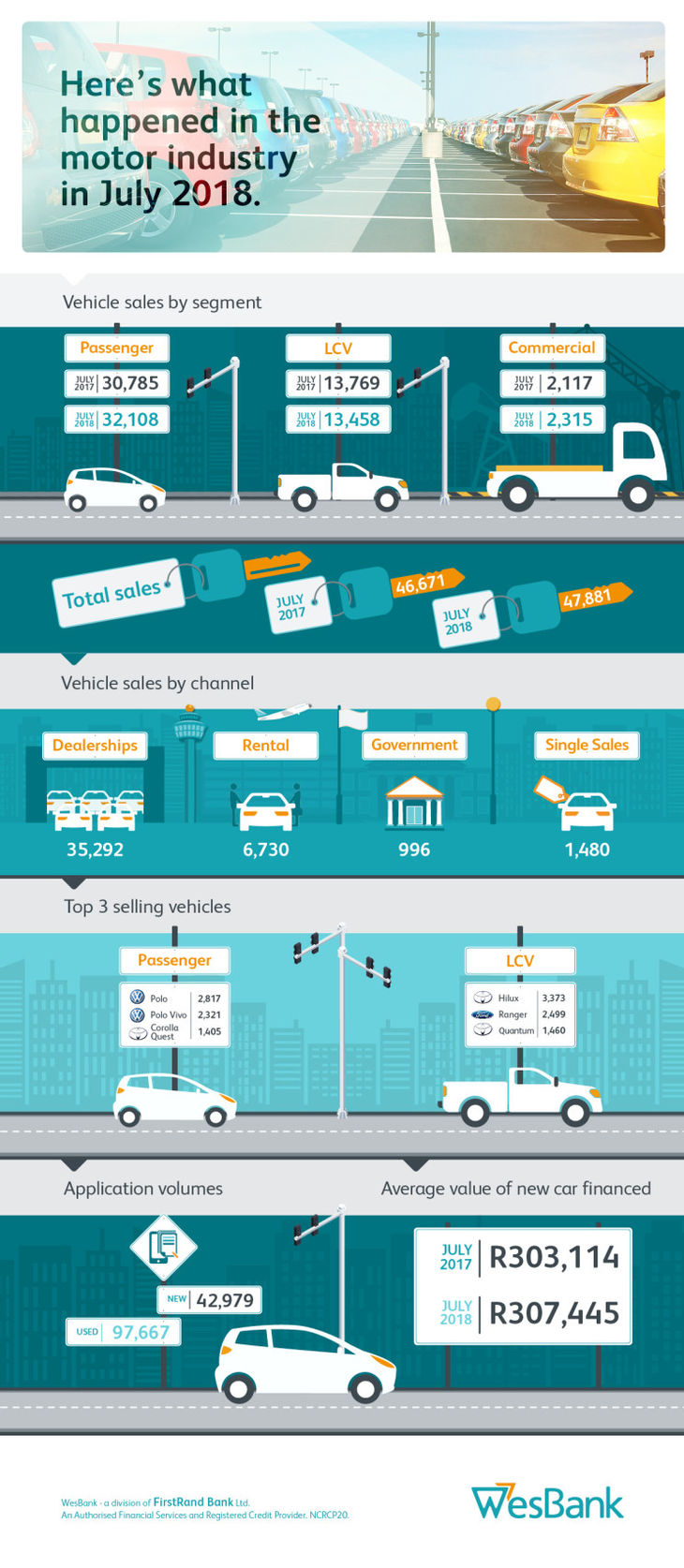
New Car Sales Summary July 2018


New vehicle sales in South Africa in July 2018 remained stable and true to expectation with marginal gains while exports nose-dived according to the National Association of Automobile Manufacturers of South Africa (NAAMSA).


Aggregate new vehicle sales in South Africa reflected a slim improvement of 2.6% in July 2018 despite weaker economic growth numbers but export sales took a significant knock with a decline of 19.2% during the same period. The new car market gained 4.3% compared with the same period last year while light commercial vehicle (LCV) sales declined marginally by 2.3%.

The dealer channel accounted for 80% of sales in July 2018 and WesBank's Executive Head of Sales and Marketing, Ghana Msibi commented, "The consistent growth seen in the dealer channel this year is testament to the strength of the dealer model, as well as an increase in demand off the back of the positive consumer sentiment seen in the first half of 2018. When consumers feel more positive about the future, they are more comfortable making longer-term financial decisions such as buying new cars."

 “This is further supported by WesBank’s data showing a 13% increase in applications year-on-year and the Bureau for Economic Research indicating a consumer confidence of 22 index points in the second quarter of 2018 versus  -9 in the second quarter last year,” Msibi concluded. 

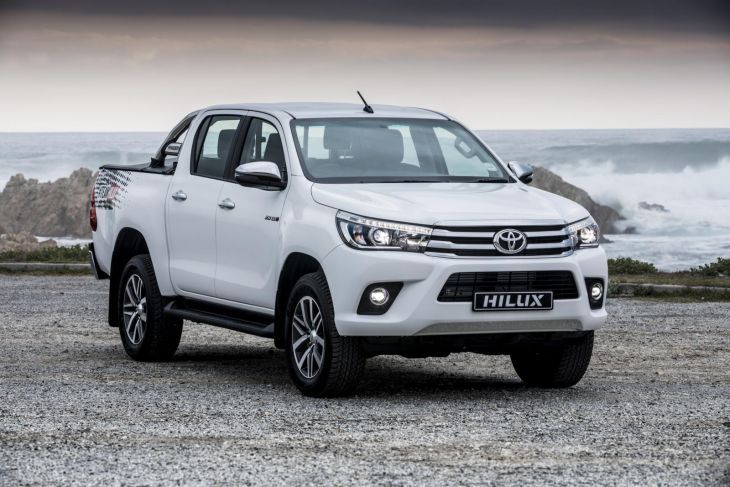
The Toyota Hilux remains king of the sales charts for July 2018, indicating that the Hilux’s popularity is still far superior to that of its main rival, the Ford Ranger. The Volkswagen Polo and Polo Vivo are still best sellers in the passenger car segment. Let’s take a quick glance at some of the key figures for the month of July 2018.

New car sales summary – July 2018

  • Aggregate new car sales of 47 881 units up by 2.6% (+1 210 units) compared with July 2017

  • New passenger car sales of 32 108 units up by 4.3% (+1 323 units) compared with July 2017

  • New LCV sales of 13 458 units down by 2.3% (-311 units) compared with July 2017

  • Export sales of 28 063 down by 19.2% (-6 657 units) compared with July 2017

Top 5 Most Popular Car Brands in SA


  1. Toyota – 12 840 units

  2. Volkswagen – 7 691 units

  3. Ford – 4 856 units

  4. Nissan – 4 530

  5. Hyundai – 3 150

Top 5 Best-Selling Cars in SA


  1. Toyota Hilux – 3 373 units

  2. Volkswagen Polo – 2 817 units

  3. Ford Ranger – 2 499 units

  4. Volkswagen Polo Vivo – 2 312 units

  5. Toyota Corolla/Auris/Quest – 2 047 units

New Car Sales Outlook


Domestic new car sales continue to be supported by stable consumer confidence and improved new vehicle affordability with price increases remaining well below inflation for the fourth consecutive quarter. New car sales are expected to follow previous positive sales trends in the second half of 2018 with further improvements on the cards for the remainder of the year.

Exports, however, are expected to remain under pressure with a downward revision for the remaining months of the year. This downward projection is further complicated as a result of the increased risk of global trade disputes which could have a negative impact on international trade flows, which include vehicle exports.  

Related Content

How to get the Best Car Insurance Deal

12 Well-Specced Cars Under R250k in SA

4 Simple Ways to Cut the Cost of Motoring

2 Major Reasons to Consider Buying a Used Car

5 Ways to Ensure Car Loan Approval

10 Ways To Save Fuel

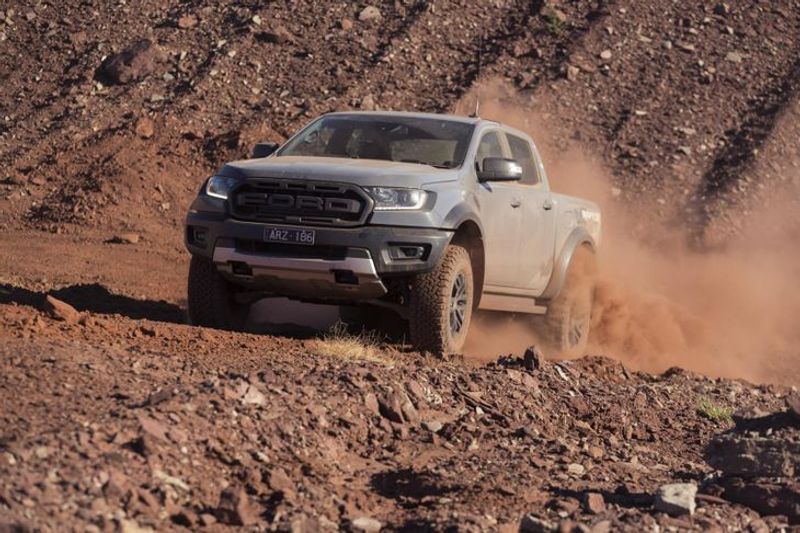
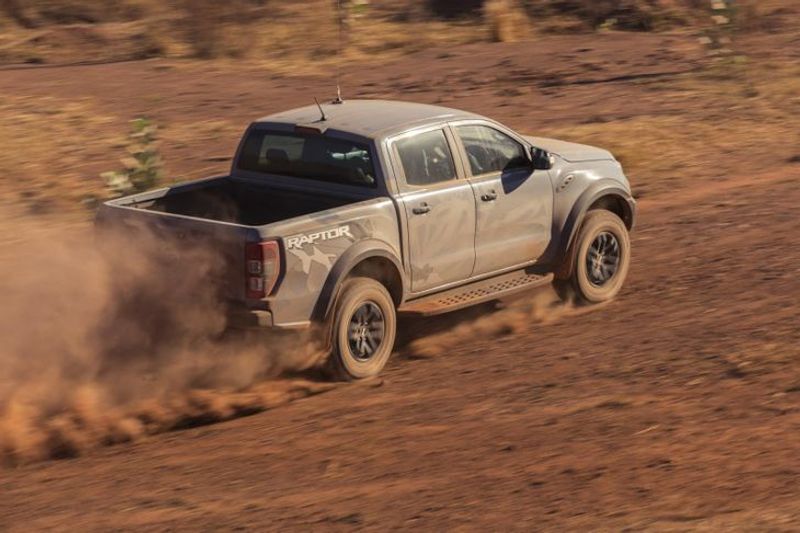
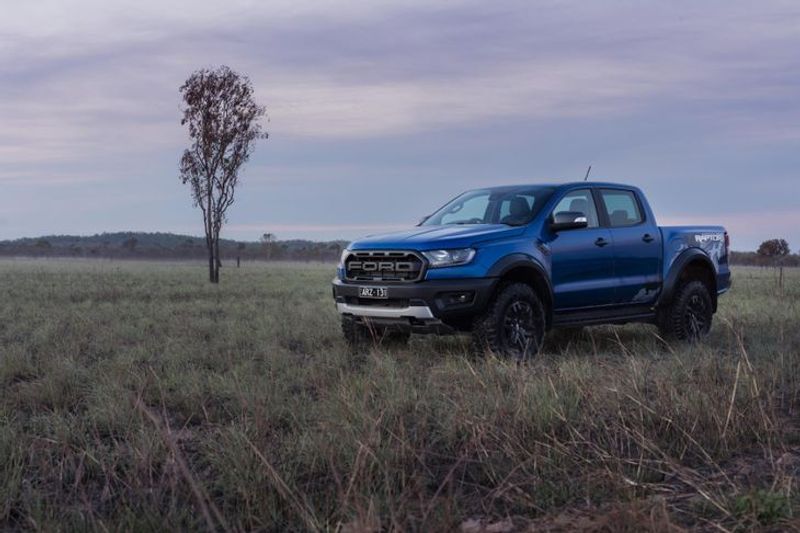
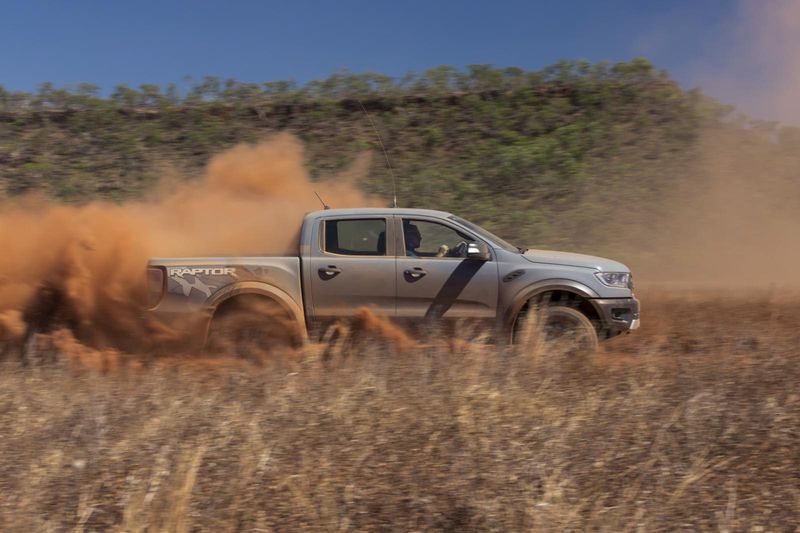
Ford Ranger Raptor (2019) International Launch Review


With the first-ever Ranger Raptor, Ford is pioneering what may become an important splinter of the top-end double-cab segment. And, with such a radical new product, Ford needed a spectacular launch location to best show off its capabilities, so we made our way to the Australian Outback to get our first taste of the new performance bakkie.

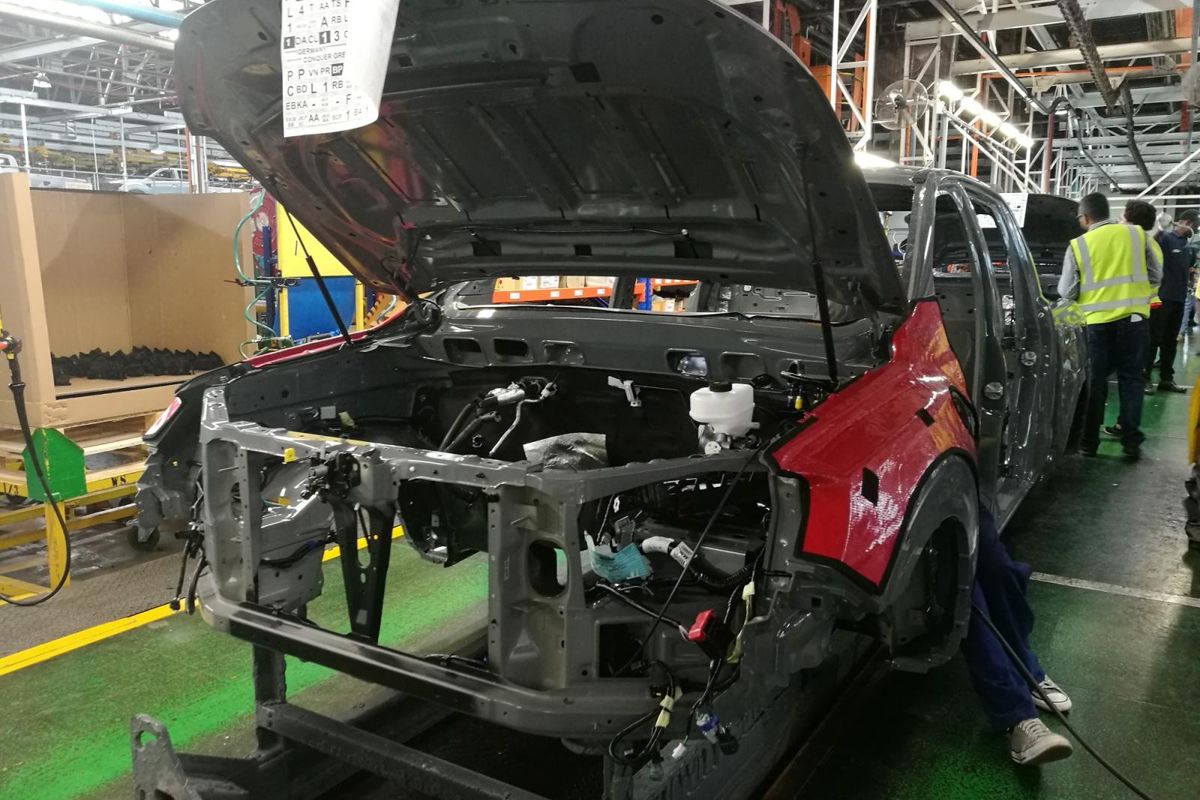
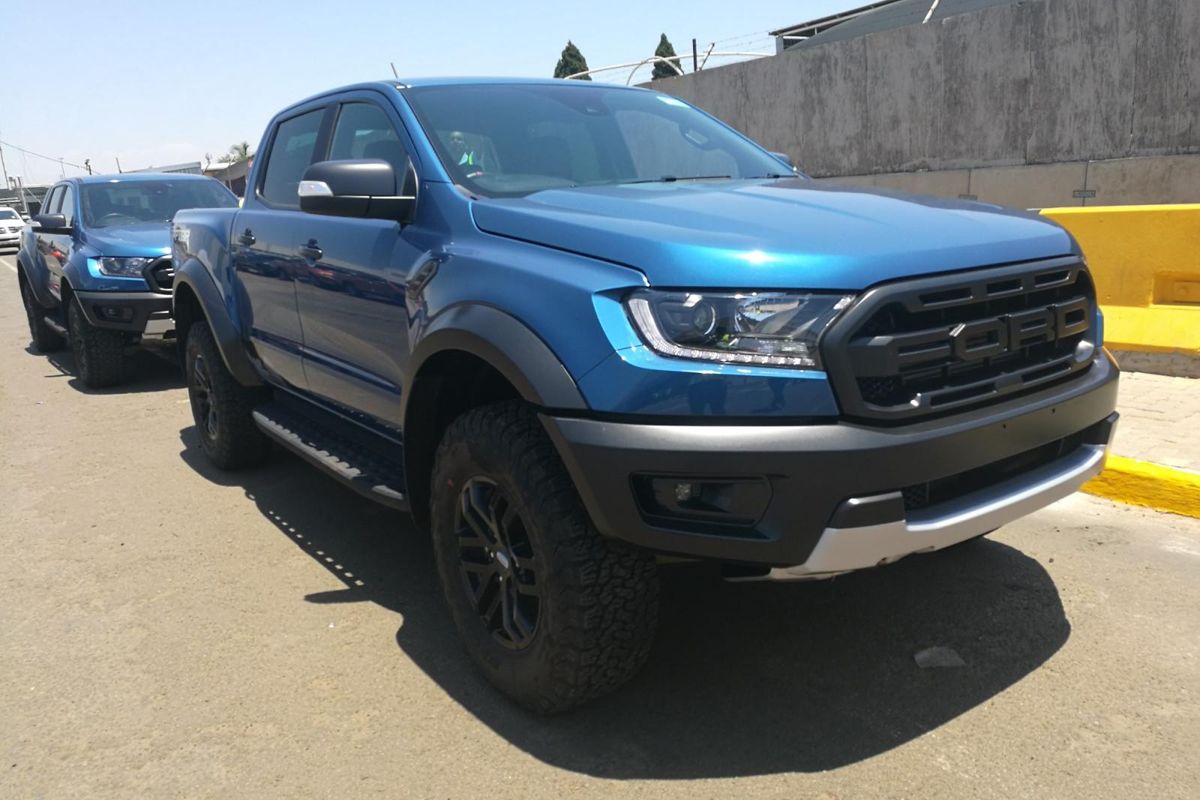
If you have been anywhere near a road in South Africa, you may have already spotted a Ford Ranger Raptor… however, your eyes would have deceived you. In a bid to capitalise on the brand cache and status factor created by Ford’s F150 Raptor, which is sold in the United States, local Ranger owners have resorted to (mostly cheap and nasty) aftermarket kits that turn their tame Rangers into garish monstrosities.

The official Ranger Raptor will only arrive in South Africa early in 2019 and, as we would find out, the upgrades go far deeper than a plastic body kit.


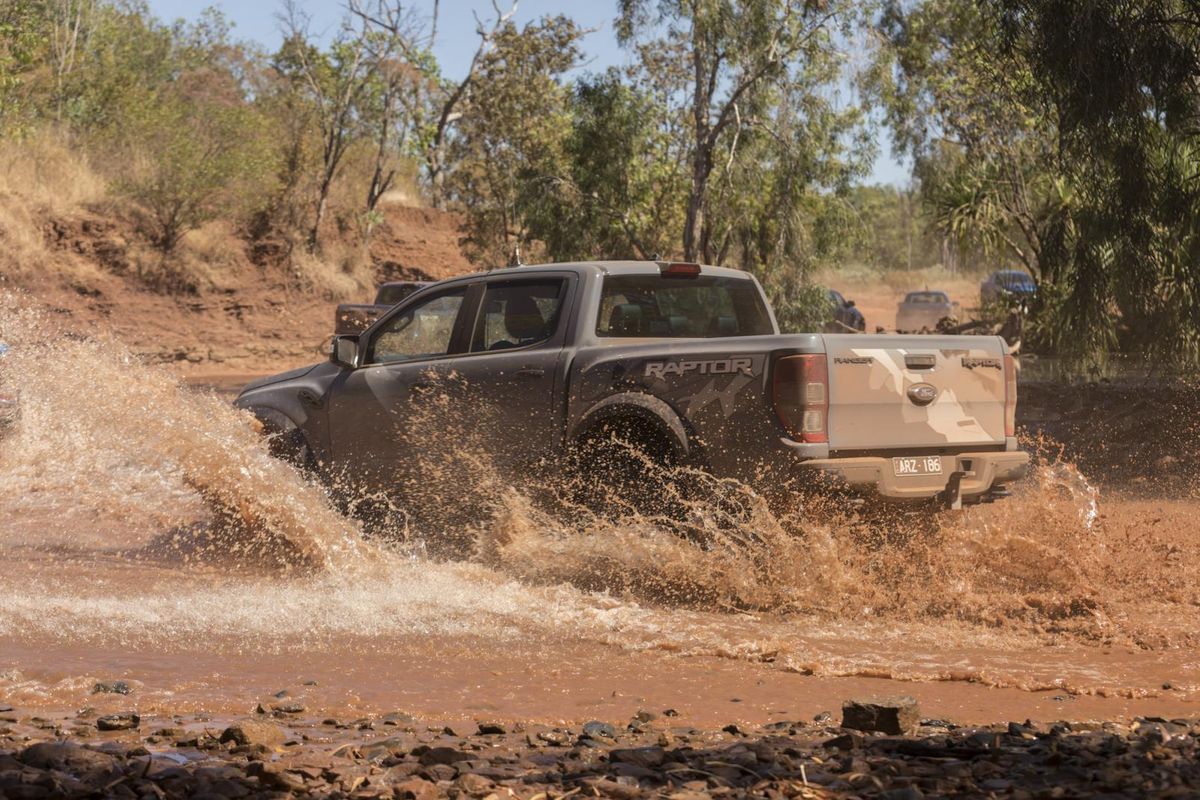
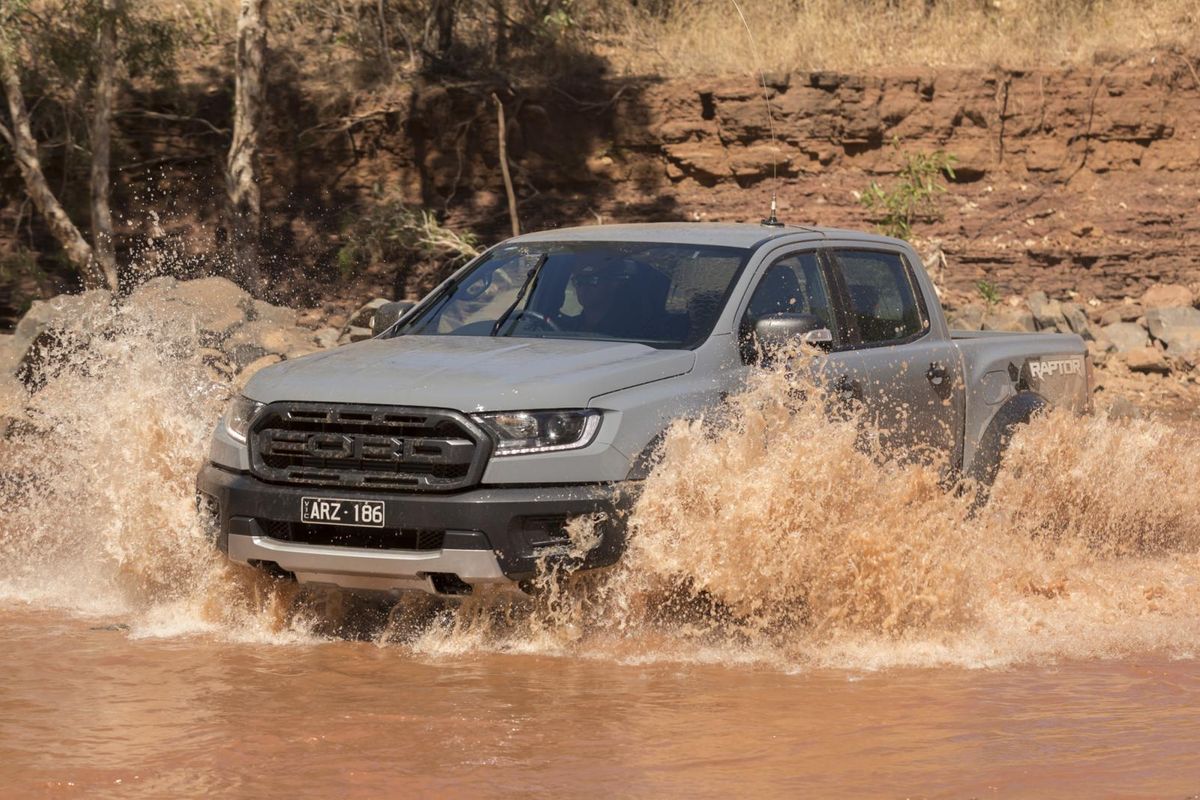
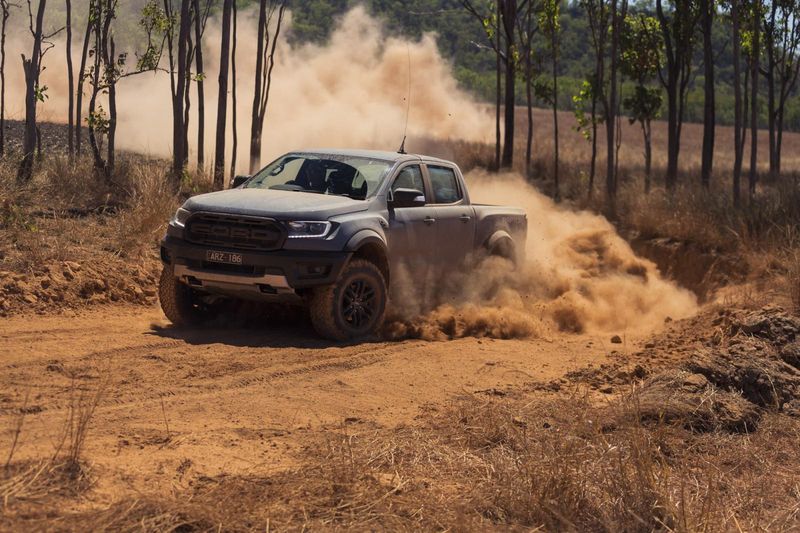
Ford gave the Ranger Raptor its international debut in the expansive and untamed Northern Territory of Australia.

So, what’s changed?

For the Raptor, Ford has made extensive changes to the Ranger chassis to ensure that the newcomer can cope with the unique demands of caning your bakkie off-road without voiding your pricey asset's warranty. The chassis is, in fact, a hybrid of that found under the Everest and the Ranger, but significantly strengthened to handle big impacts and high-speed travel along badly surfaced roads.

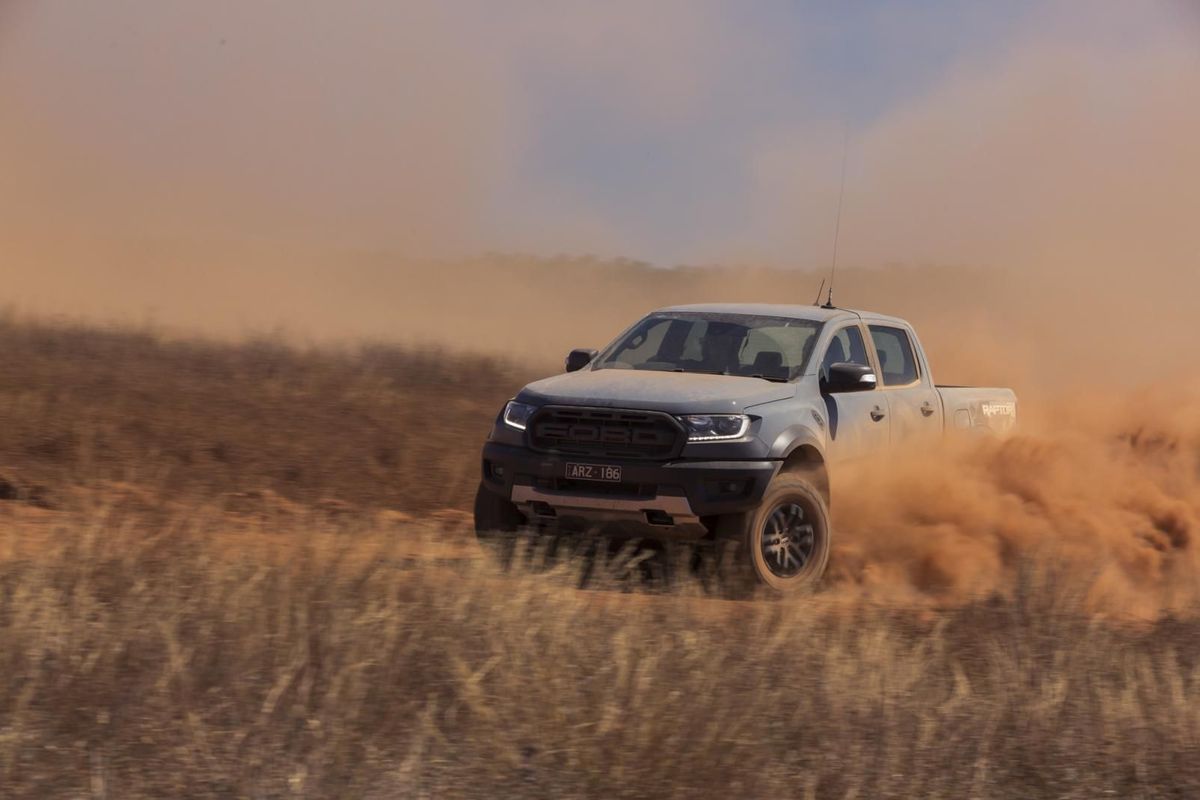
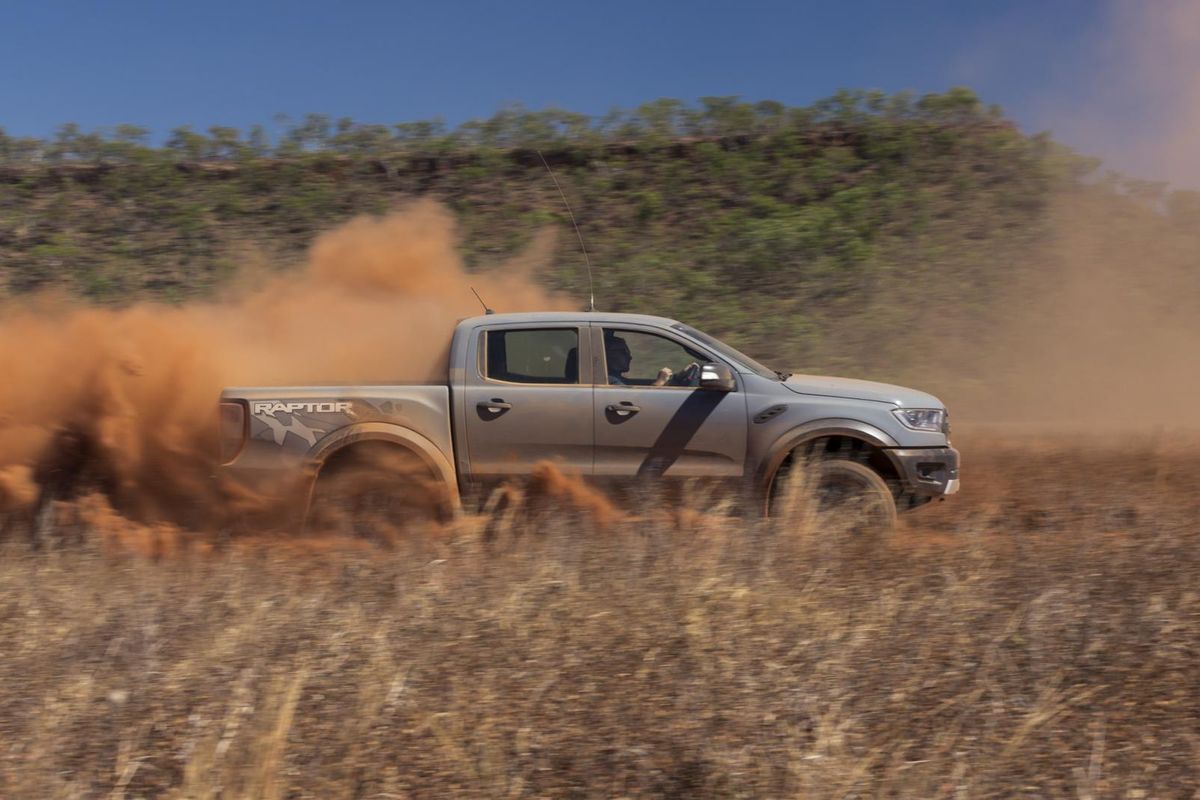
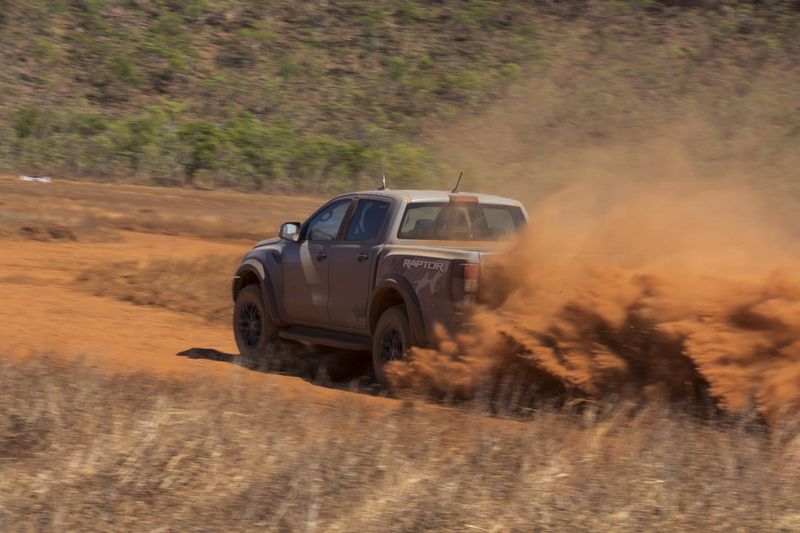
For extra stability, the rear suspension has been softened by a fair margin to provide improved handling abilities. The pay-off is immediately noticeable, especially when tarmac turns into gravel. On one of the world’s largest cattle farms, unhindered by speed limits, we were comfortably cruising at around 130 kph and hugely impressed with the grip available and the low noise and vibrations making it through to the cabin.


Whereas motoring journalists are usually requested to treat test cars with great care, Ford said the Raptor should not be spared.

The downside is that the Ranger Raptor can only handle a 600-kg load on its rear bed (down from approximately 1 050 kg, and the tow rating is down from 3.5 tonnes to 2.5 tonnes.

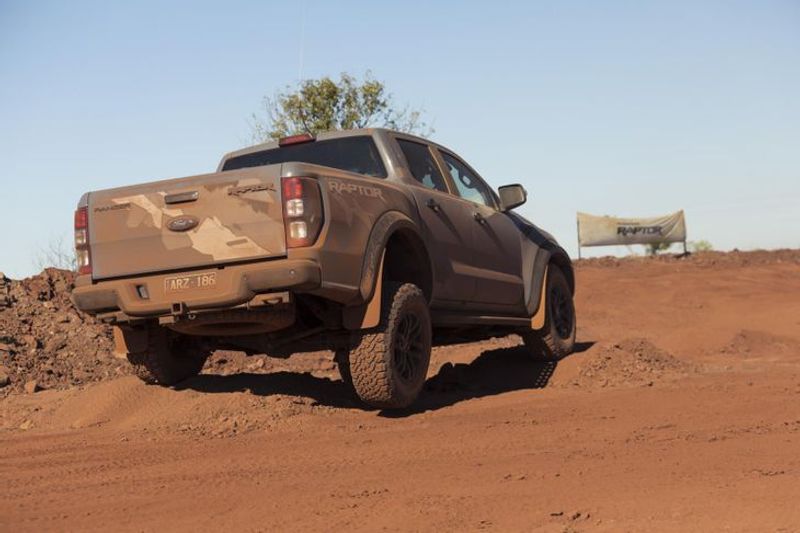
One of the most notable changes is the significantly wider track. The Raptor is 150-mm wider at each axle than a standard Ranger, and 50-mm taller. As a result, the car looks far more imposing, with aggressively flared wheel arches and redesigned front and rear bumpers that increase approach-, breakover- and departure angles, as well as accentuate the Raptor's width. What's more, the extra-wide track is critical to the offroad stability of the Raptor… and is undoubtedly going to be more important in setting the official Raptor apart from the knock-offs in the parking lot.


The widened tracks of the Ranger Raptor not only contribute to the newcomer's broad-shouldered look, but aids off-road stability. 

The oily bits

The Ranger Raptor's suspension has been completely overhauled and now features a new coil-over rear suspension using a Watt’s link setup with a solid rear axle, which is claimed to provide superior lateral control off-road while also helping improve ride and handling.

The dampers undoubtedly steal the show. They are sourced from Fox Racing and designed to absorb an enormous amount of stress, and specially tuned to settle quickly after a huge jump and/or bump. The entire braking system has been replaced by a high-performance arrangement, while the 17-inch wheels are shod with all-terrain BF Goodrich 285/70 R17 tyres (they are fitted as standard and were specifically designed for the Raptor).


The Ranger Raptor's all-terrain BF Goodrich 285/70 R17 tyres are standard fitment as was developed especially for the vehicle.

The looks

In the metal, the Ranger Raptor is so different from a standard Raptor that it almost looks like a different model. For the most part, this is down to the extra width, but every new element combines to make the Raptor look special. The bold Ford badge across the nose is unmissable. The magnesium alloy running boards are fitted as standard and protect the bodywork as well as helping the vertically challenged, such as myself, climb aboard.

However, Ford has been careful not to overdo the styling, and it is, in the best way possible, more subtle than some of the radical aftermarket kits available. For the tribal tattoo brigade, this may actually be a turn-off, but I suspect most buyers will be impressed when they see it in the metal.


Although there are many Rangers adorned with aftermarket Raptor-look kits, the raised, wider newcomer's kerb appeal is undeniable.  

In fact, I commented to the design team from Ford that perhaps the downside of releasing the Raptor is that it makes the standard Ranger look dull and softcore by comparison…

The engine

The Ranger Raptor is the first Ford to use a brand new, twin-turbo 2.0-litre 4-cylinder turbodiesel, which is mated with a relatively new 10-speed transmission, developed in a partnership with General Motors. The engine has come in for much criticism for, on paper at least, not providing the sort of firepower worthy of the Raptor nameplate. In a world of 190 kW Amaroks and Mercedes X-Classes, the peak outputs of 157 kW and 500 Nm (as claimed for the Raptor) do seem somewhat anaemic. With a 0-100 kph time of around 10 seconds, this is no robot-to-robot racer.

However, where the engine shines is in the linear characteristics of its power delivery, which is arguably more important in a performance vehicle. The Raptor's handling is easy to balance on the throttle and the relationship between the transmission and engine is quite extraordinary.


The 10-speed transmission makes optimal use of the Ranger Raptor's 500 Nm. The motor isn't as punchy as a V6, but it's very flexible.

The linearity is a result of the twin turbo setup, which features one turbo smaller than the other, connected in sequence, with the added trickery of bypassing the smaller turbo at higher speeds. The result is a turbodiesel-powered bakkie that exhibits virtually no turbo lag, which is no mean feat. While, on occasion, my co-driver and I did want more oomph out of the engine, the Raptor’s handling ability far outshines what it "lacks" in grunt.

The handling

There is nothing on the market today that offers the capability of the new Raptor. I’ve never driven a vehicle that can take as much punishment as this; drivers can hammer this vehicle in a way which, until now, has only been possible in bespoke off-road racing vehicles. But here, you get a warranty.

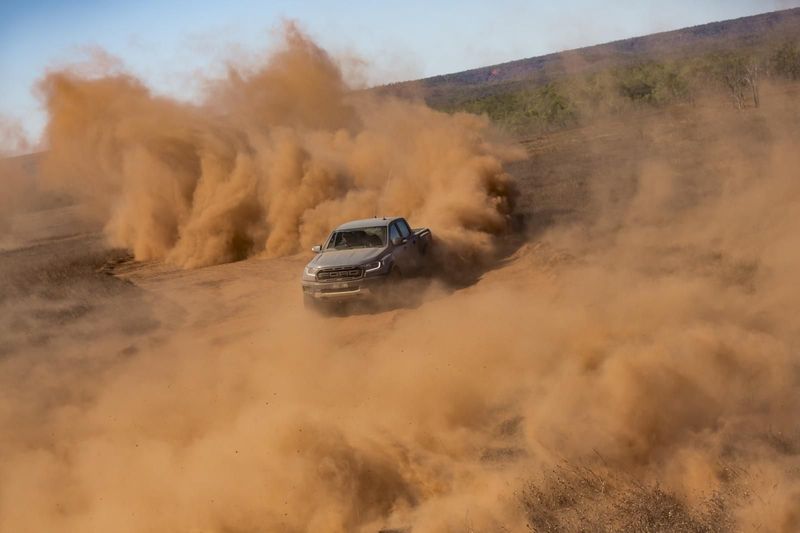
At the launch event, Ford had carved out a large offroad playground for us to drive the Raptor with abandon. The instructor who accompanied me was a hugely enthusiastic legend from the world of Aussie V8 racing, and he seemed to be having as much fun as I was.


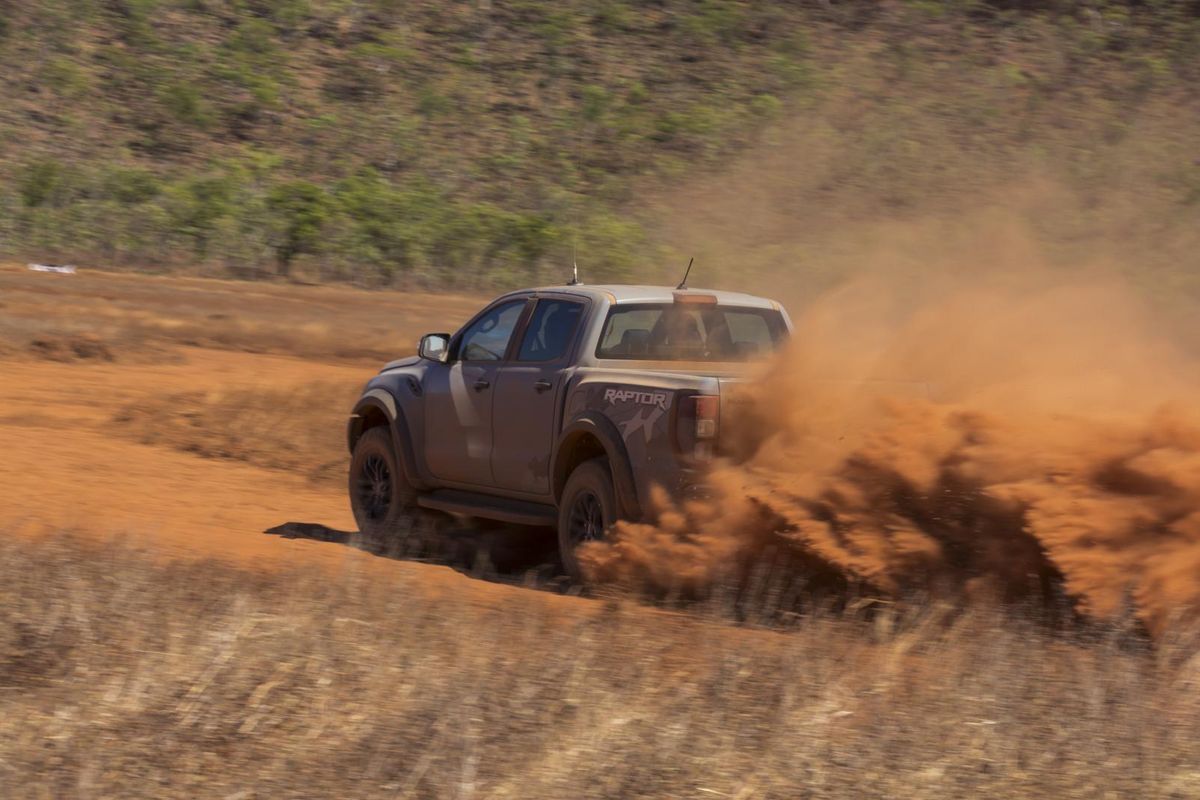
The Ranger Raptor's well-balanced chassis allows drivers to balance the bakkie's handling on the throttle.

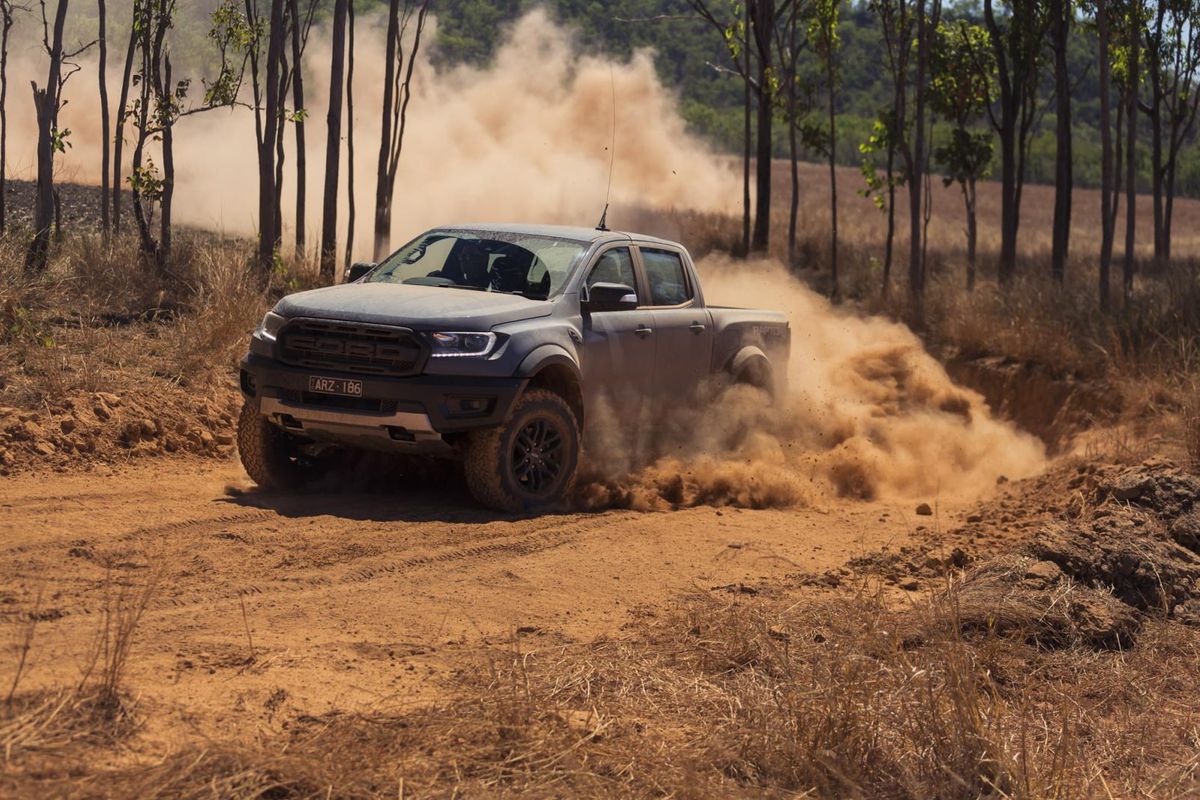
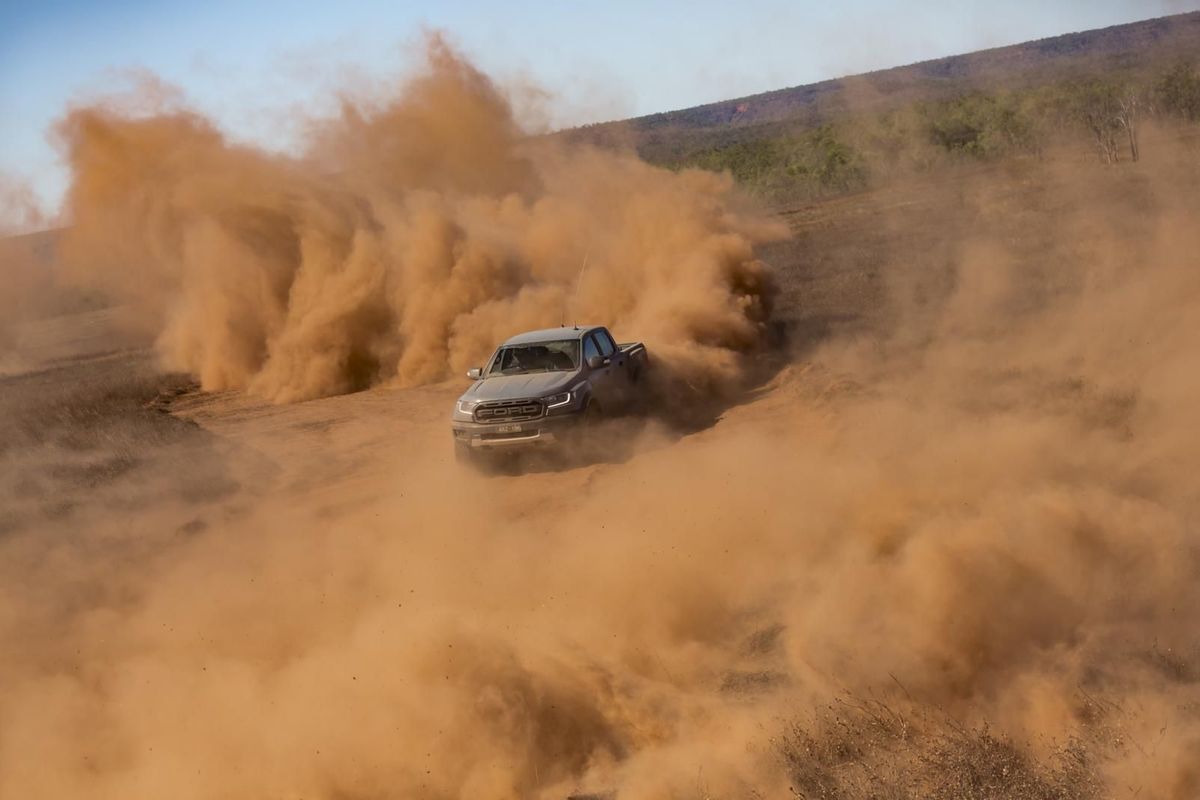
It must be said that normally on car launches we are asked to be careful and employ “mechanical sympathy”, all of which is fair enough. There was none of that on this launch. I got shouted at for slowing down and was constantly encouraged to “hit it hard”. I attacked the multiple “S” section of the track at around 90 kph. And as I was drifting the Raptor through the switchbacks, I felt like an absolute hero.

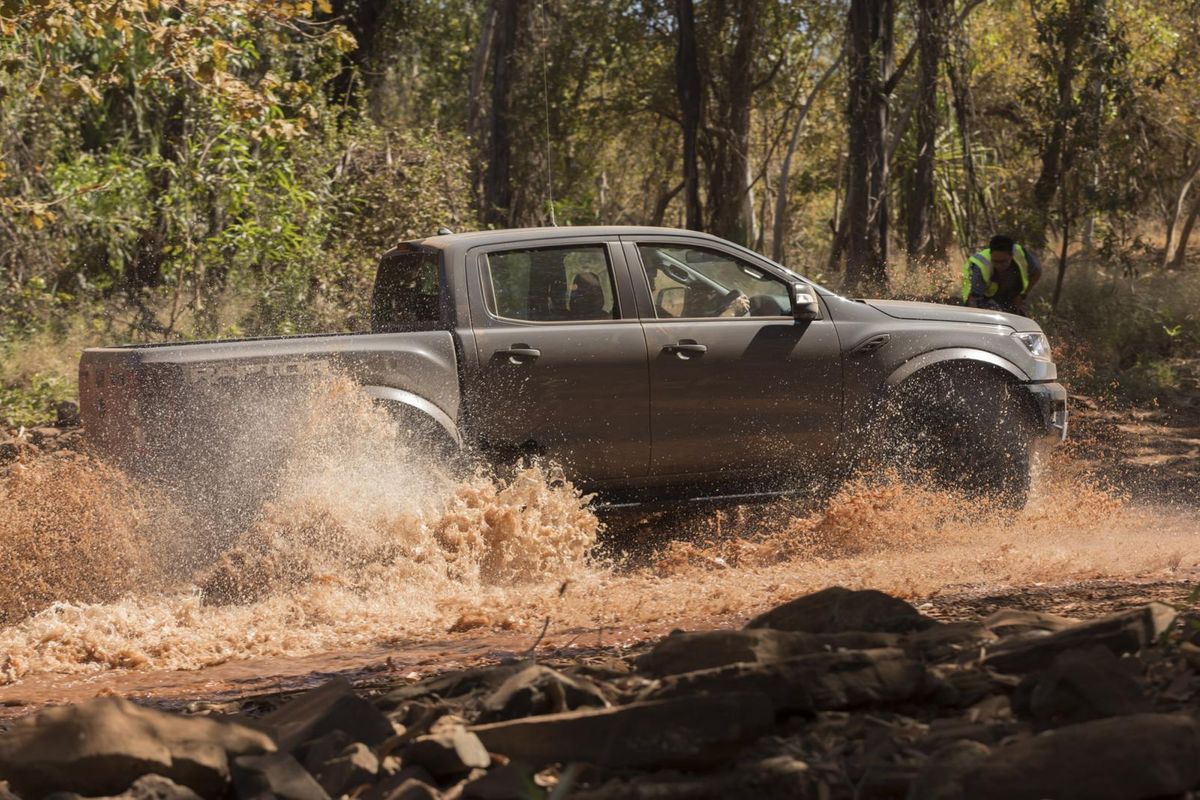
I pummeled through riverbeds and hit at least 130 kph on a horribly surfaced straight stretch along the treeline. The final leg of the track featured jumps that we hit at over 100 kph and ramped the Raptor clean off the ground. It was an utterly exhilarating experience and I'm not being humble in saying that the Ford almost certainly flattered my off-road driving ability, which, up until that very moment, was scant. The way this vehicle settles after a huge jump or undulation is frankly ridiculous, and the control and, moreover, "sense of control" afforded to the driver inspire much confidence.


The Ranger Raptor's sure-footed handling and ability to stabilise itself after traversing an obstacle at speed, inspires confidence.

If you have the location and the opportunity to thrash this bakkie, you will have enormous fun. This is smile-inducing motoring at its very best.

Normally, with on-road sportscars, the more extreme its handling abilities are, the more unusable the car becomes in everyday situations. However, that is not the case with the Raptor. By virtue of its radically altered underpinnings, the Raptor is better to drive on-road and on gravel than a normal Ranger. The ability to deal with poor surfaces is much improved and, despite those enormous, knobbly tyres, there is little road noise to speak of. All of these characteristics make for an even better experience on gravel. If ever there was a Bush Lamborghini (with respect to the Italian firm's ill-fated LM002 of yesteryear), this is it. For those who live far from tarred roads and need to get to their destinations in a big hurry, there is no better vehicle.

The interior

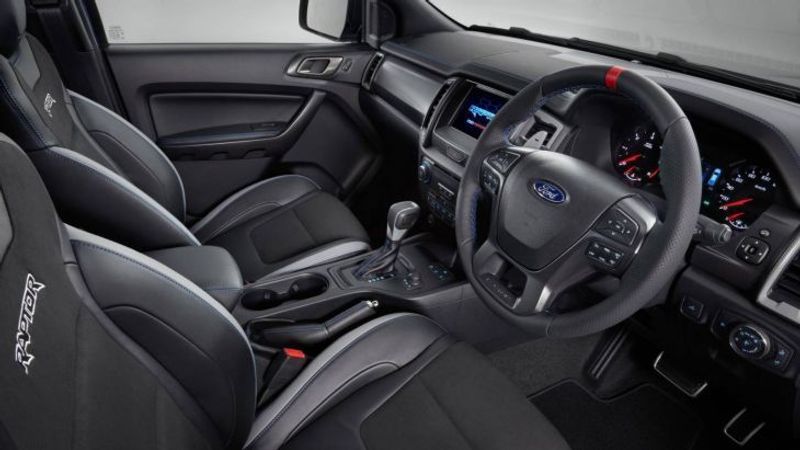
Little has changed in the interior, but the changes that have been made are effective in reminding you that you’re driving something quite special. A Ford Performance steering wheel with Raptor insignia looks and feels the part, while the instrument cluster is unique to the model and has been rejigged to feature a proper, analogue tachometer, which replaces the vertical, digital rev counter in the standard Ranger.


The best elements of the upgraded interior, according to the author, are the supportive, sculpted front seats. 

The transmission selector has been revised and the dashboard features a graphite grey inlay, which matches the large, steering wheel-mounted paddle shifters, which, to be honest, I never used – the transmission is very good at doing its thing and I found is generally best when left alone.

The seats are a real highlight. Unique to the Raptor, they not only look sporty, but offer impressive comfort and support. They hold you in place in a way that, in a vehicle that can perform like this off-road, is almost a safety feature.

Infotainment is provided courtesy of Ford’s more-than-sufficient Sync 3 system and navigation is fitted as standard. In fact, there are few, if any options on the Raptor, it’s ready to go right out of the showroom.


The Ranger Raptor challenges its driver to make the most of the off-road conditions at their disposal… at considerable speed.

Pricing and optional extras

While local pricing has not been confirmed, there are whispers that the car will make it to our market at under R800 000, which given the new climate of million-rand bakkies, will be impressive if Ford pulls it off. The Raptor, including its powerplant, will be locally built for our market.

While a full list of options is yet to be confirmed, there will be precious few boxes to tick if you decide to place an order. You may want to add a protective armadillo-style bed cover, which the dealer will fit for you. Ford has recently changed supplier for the item (further details will be made public next year).


The Ranger Raptor possibly marks the emergence of a performance-bakkie niche, one that goes beyond mere horsepower and luxury.

In summary

For those who believe in using their bakkies to the utmost of their abilities, there is enormous appeal in owning a vehicle that's capable of far beyond what the average owner might ever utilise or experience. Manufacturers have been exploiting this for decades to sell sports cars, the vast majority of which never see racetracks. In the same way, the average owner might never race their Raptor off-road, but the fact that they could is a big draw.

It's potentially an industry-changing gamble from Ford. The Ranger was Ford's first ever global pick-up, and this is the first global Raptor. If the company can develop a thirst for off-road vehicles in this segment, and capitalise on the ever-increasing status symbol factor of owning a high-end bakkie, there is potential for huge success, and I suspect the business model will be rapidly copied by competitors. In fact, I’ve just seen a highly-modified racing Hilux outside my office… and so it begins!

Further Reading

Ford Ranger Raptor: 7 Things You Need to Know

Mercedes-Benz X350d 4Matic (2018) International Launch Review

Volkswagen Amarok 3.0 V6 TDI (190 kW) Launch Review

2016 Toyota Hilux vs Ford Ranger – Offroad & Review

Ford Ranger 2.2 XLS 4×4 Automatic (2016) Review

Ford Ranger 3.2 4×4 Wildtrak (2016) Review

Ford Ranger Fx4 (2017) – a Raptor Kit with a Warranty

6 Most Fuel-Efficient Double-Cab Bakkies in SA

Most Powerful Double-Cab Bakkies in SA

2016 Toyota Hilux vs Ford Ranger – Offroad & Review

Want to buy a Ranger?

Browse through stock here.

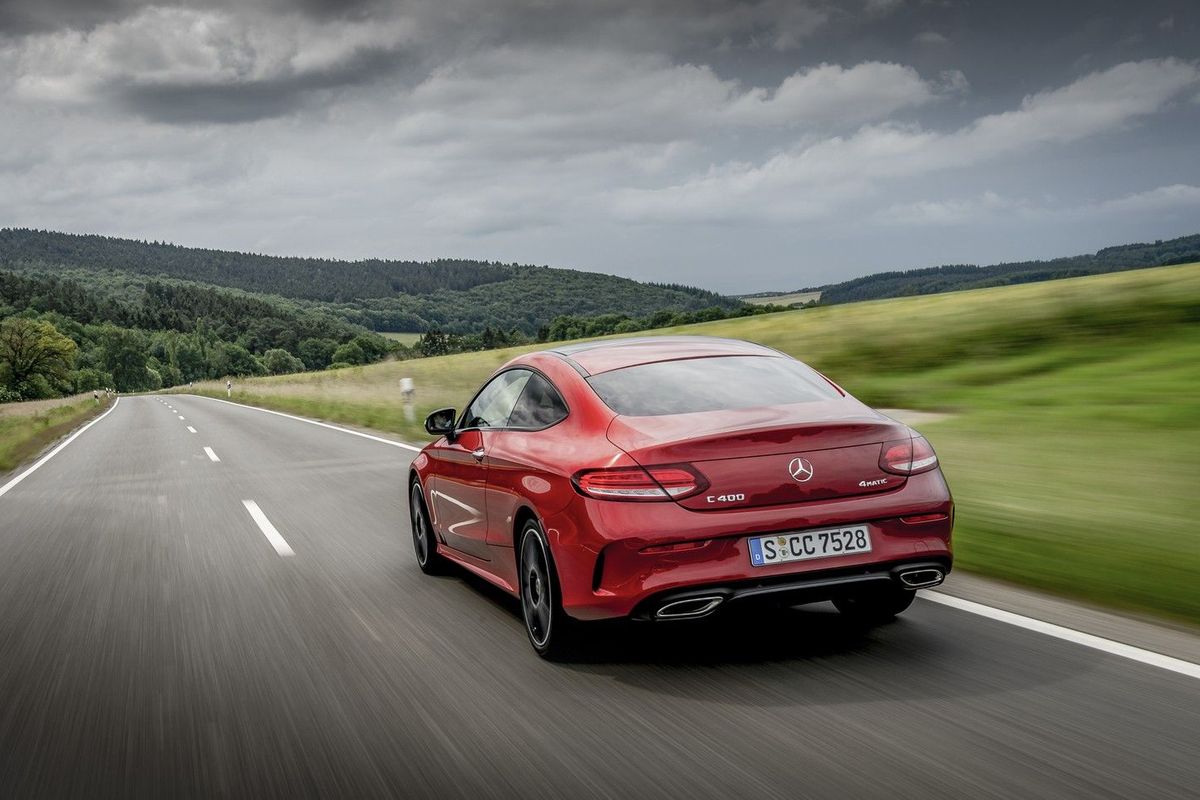
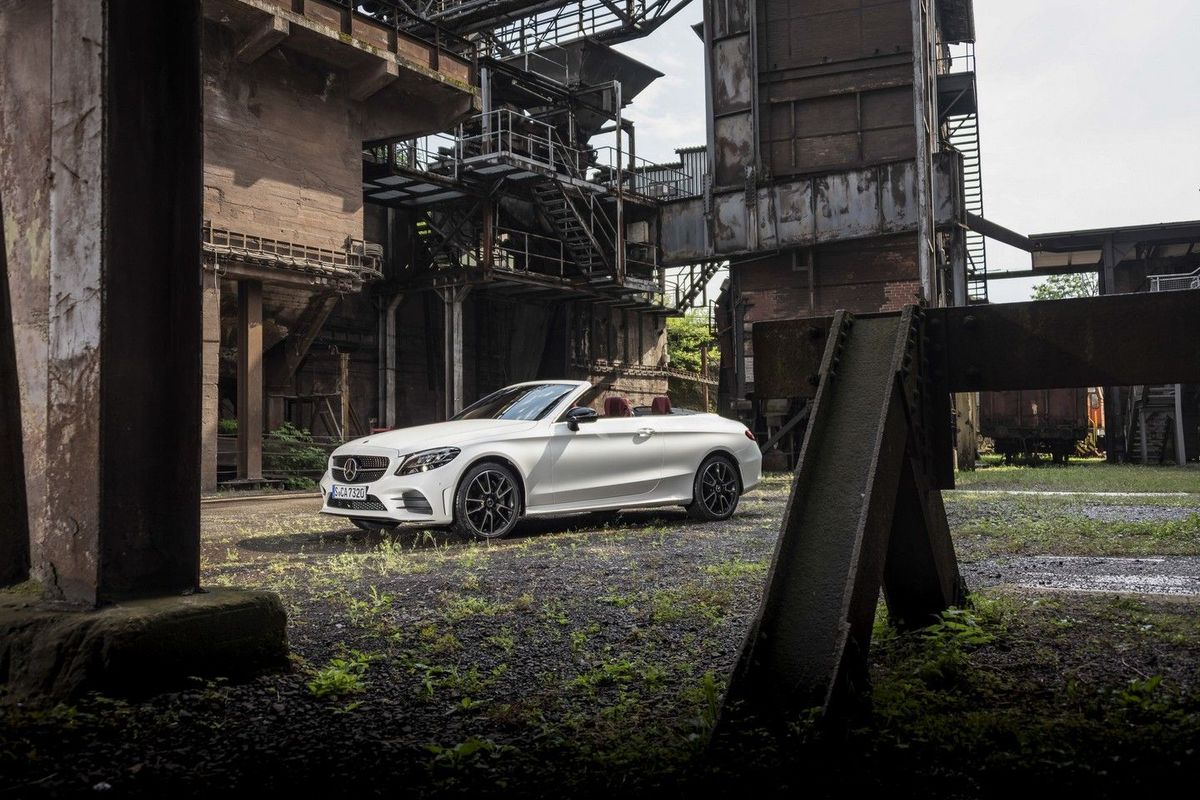
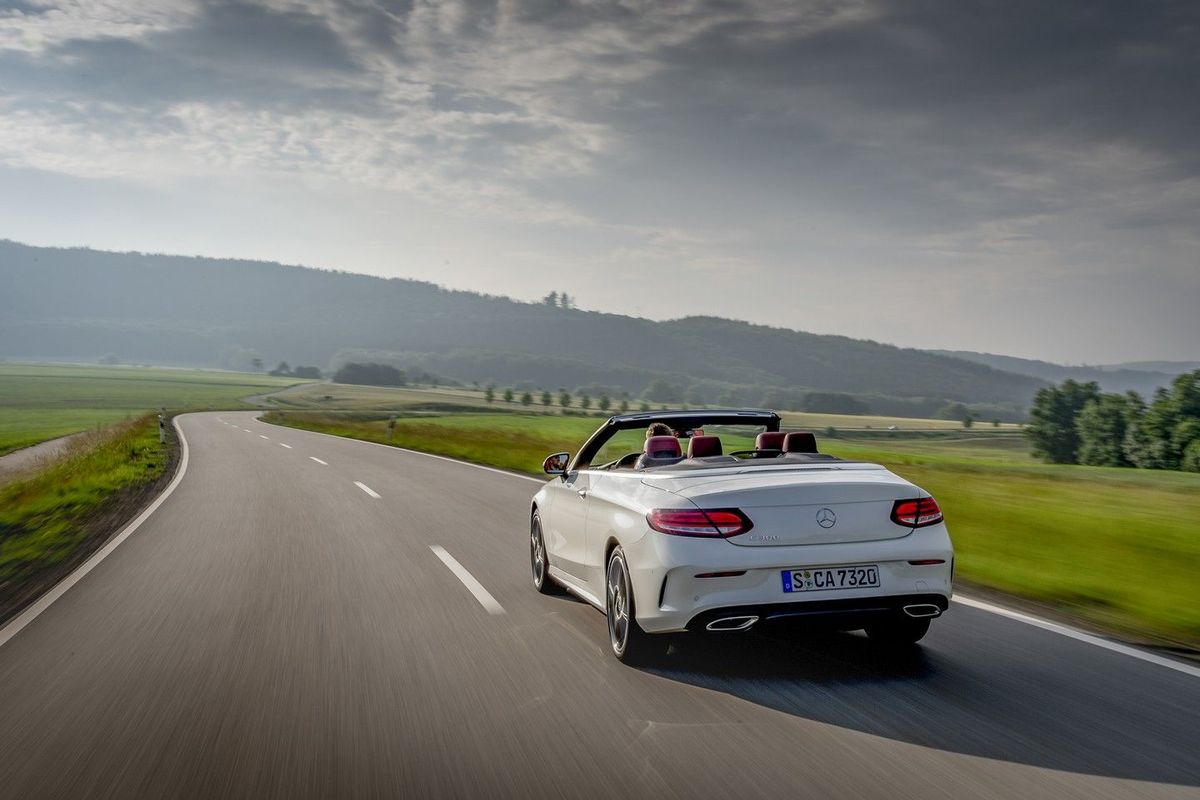
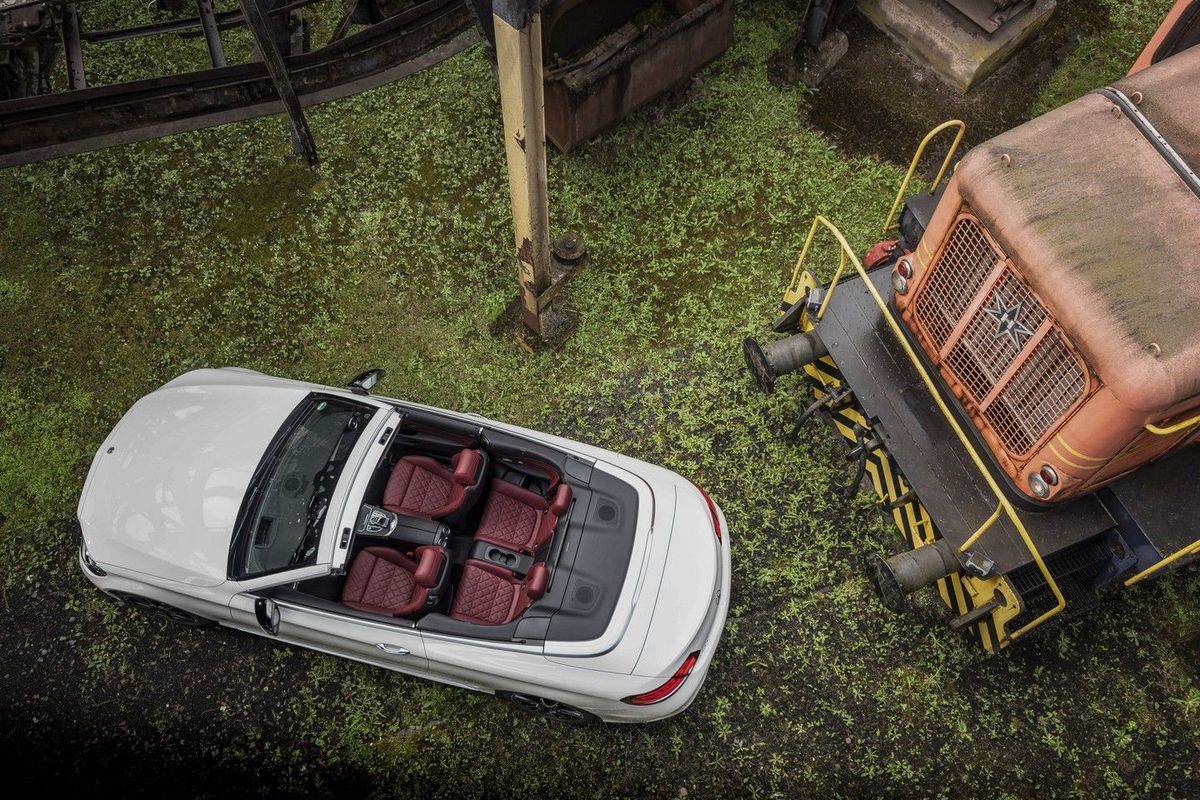
Mercedes-Benz C-Class (2018) Launch Review


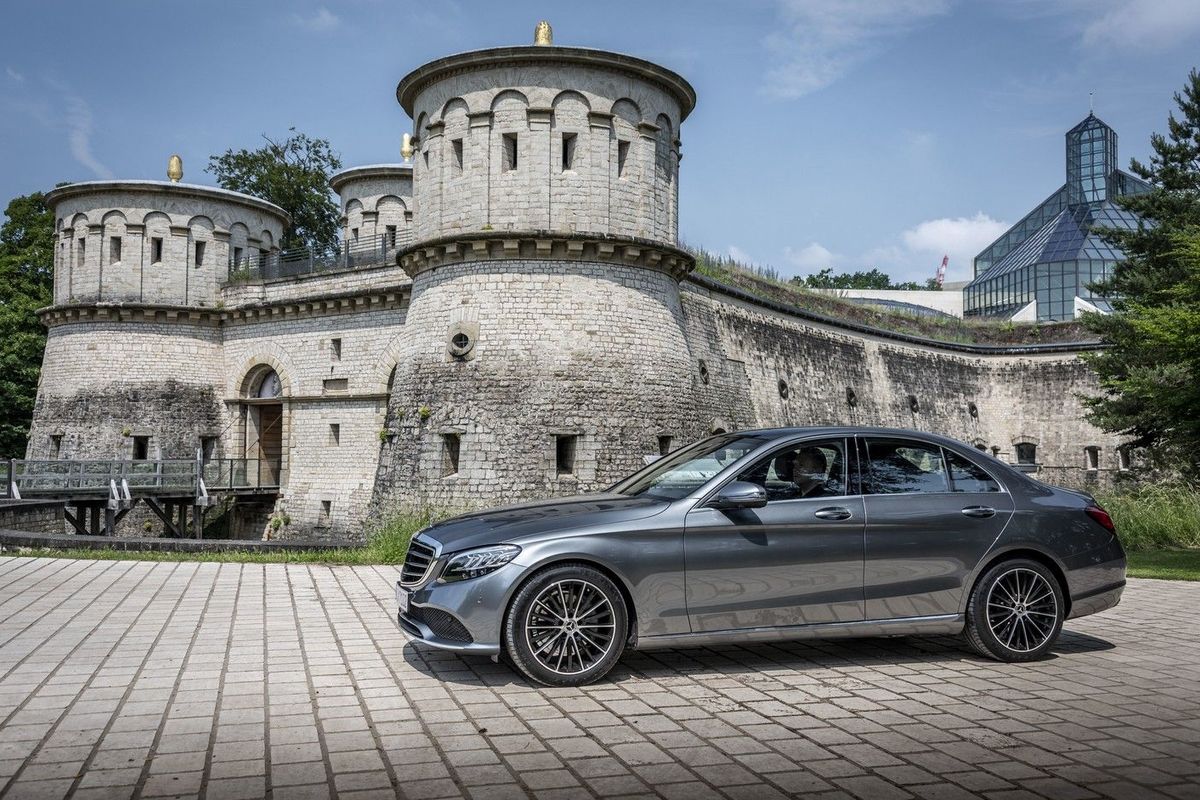
???Mercedes-Benz has introduced a facelifted version of its C-Class, but has the Three-pointed Star done enough to keep the business class sedan at the cutting edge of its segment? We sampled the newcomer at its local launch…

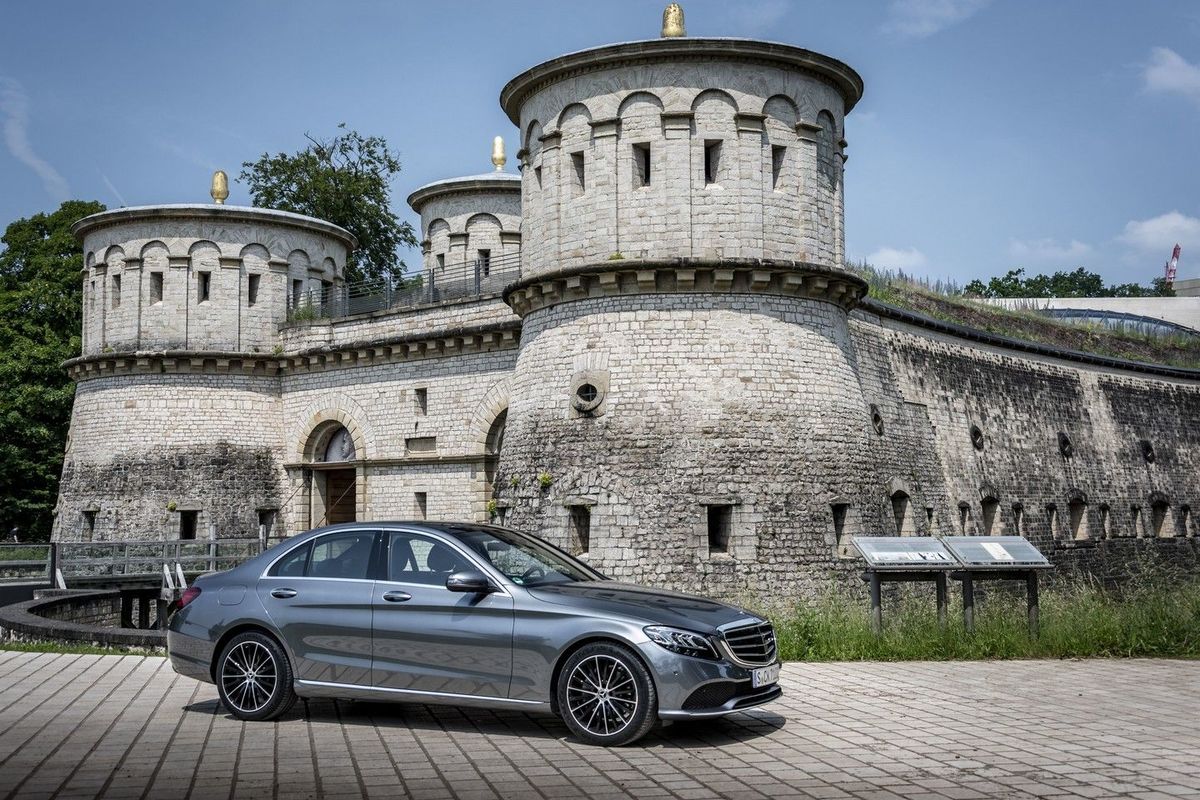
It must be a good time to be working for Mercedes-Benz! Not only is the Stuttgart-based company the best-selling luxury brand in the world, it's also rated the 9th-most valuable brand globally, which is to say it rubs shoulders with the likes of Apple and Amazon. It's critical, then, for Mercedes-Benz to ensure that its bestseller remains at the top of the pile. To that end, the firm has introduced a raft of upgrades for the C-Class that bring it in line with the rest of Benz's portfolio and, thanks to a massive investment into the East London plant, the new car will continue to be assembled locally.

What's changed? 


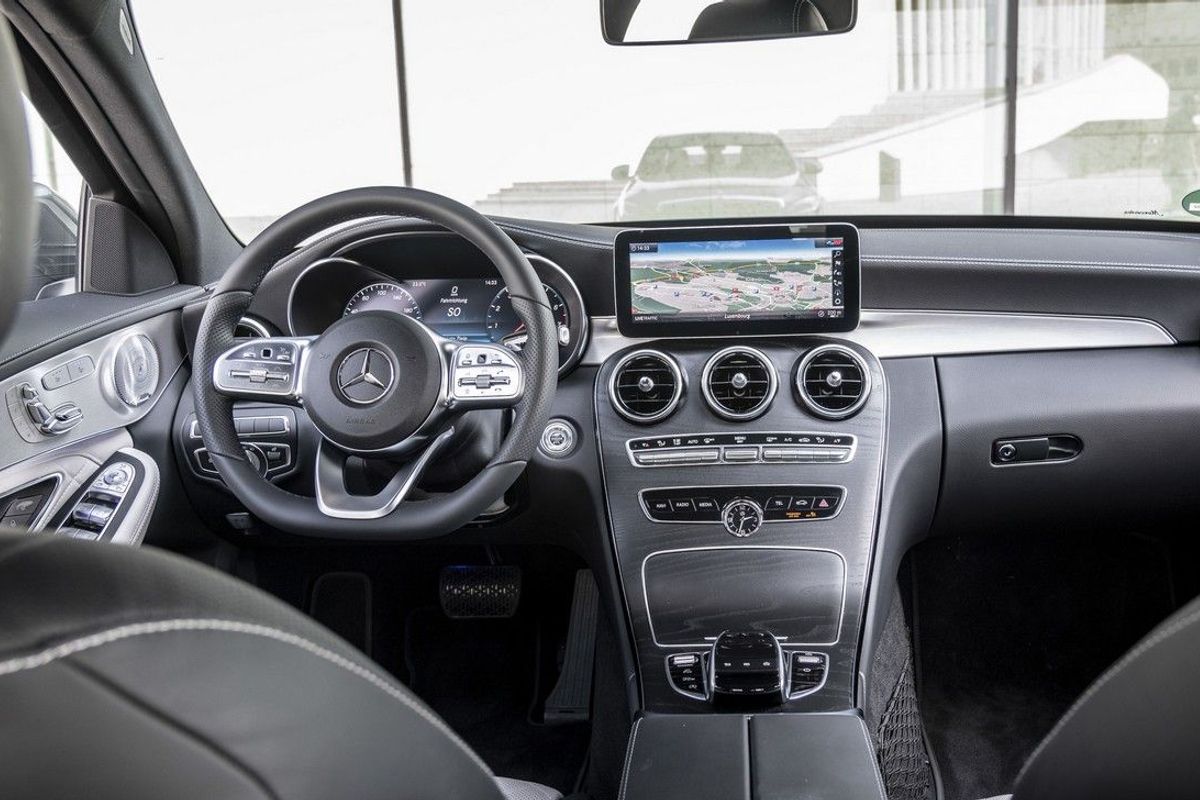
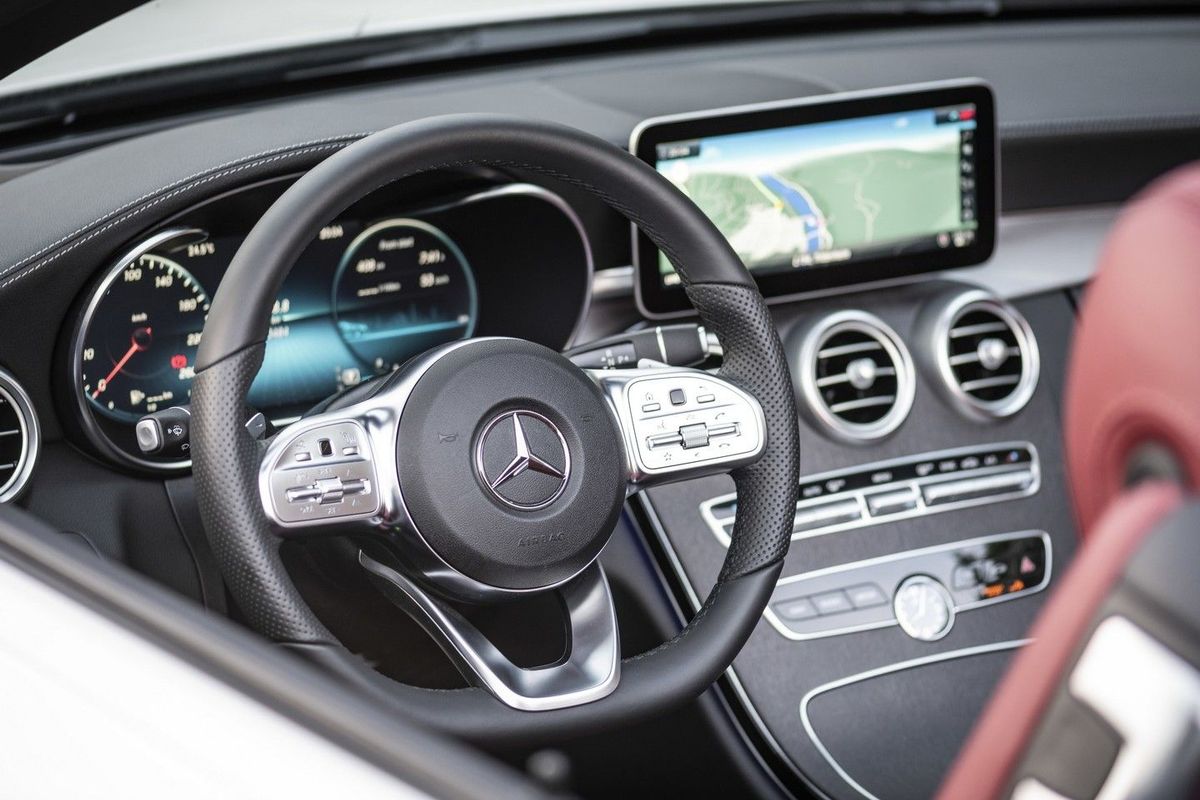
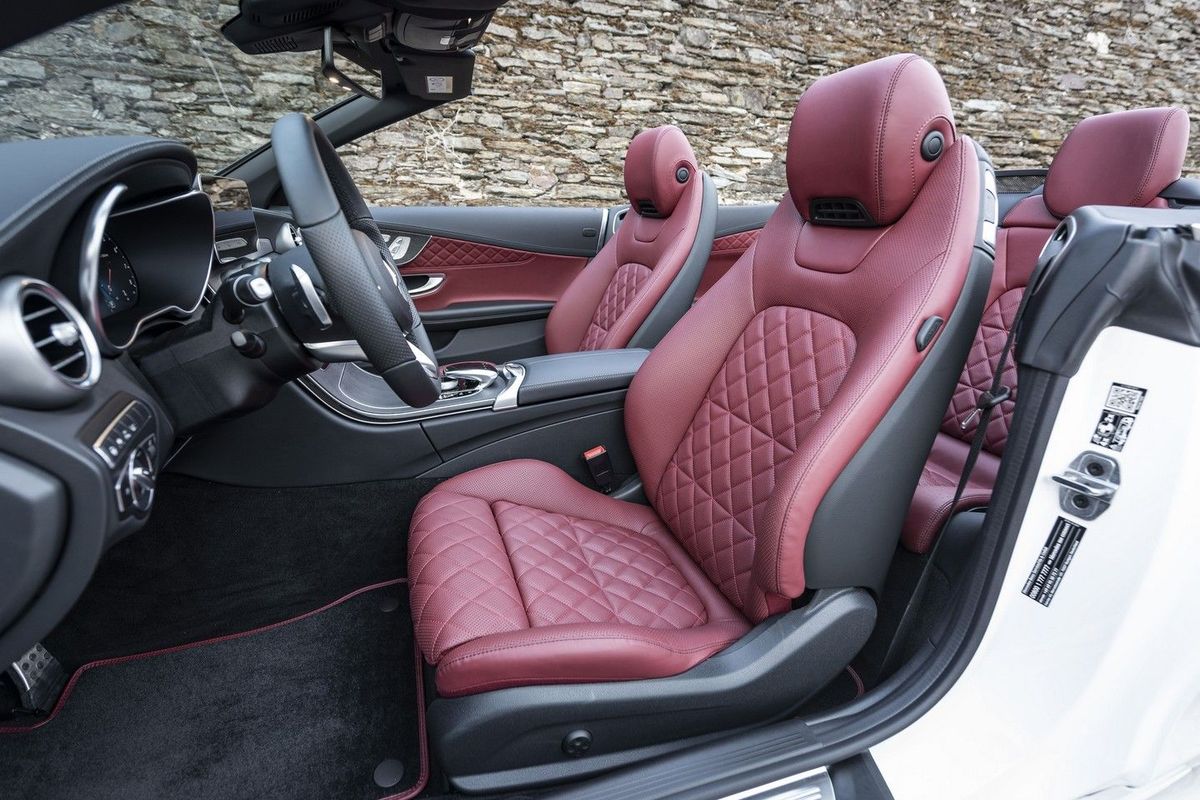
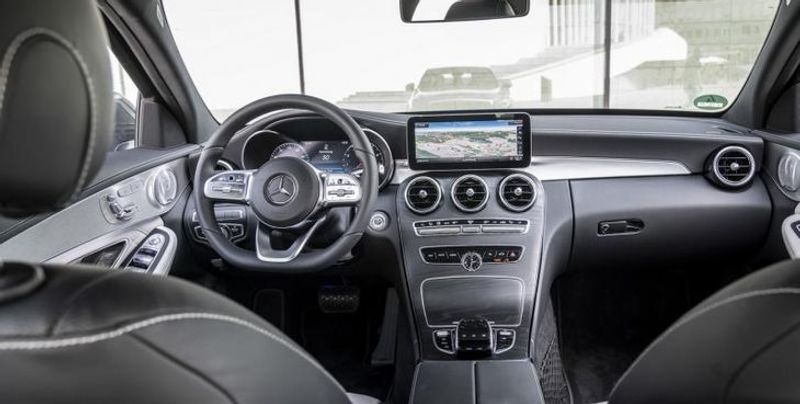
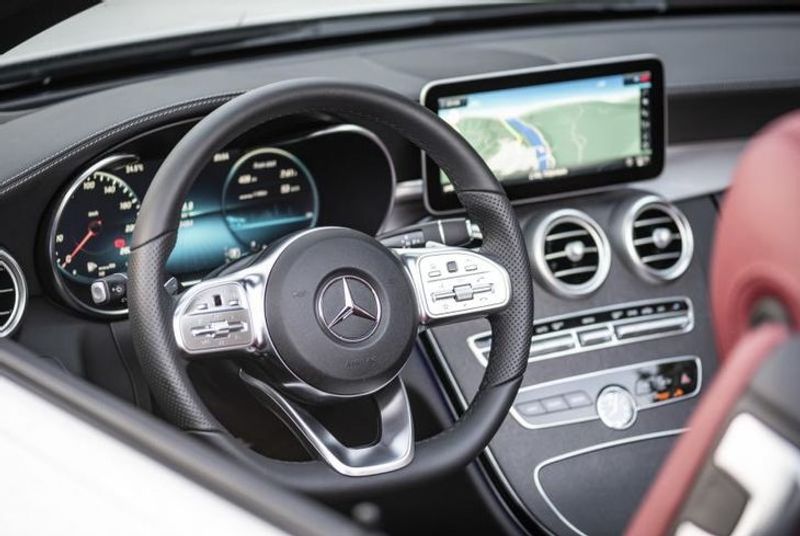
In terms of changes, the highlights are to be found in the cabin

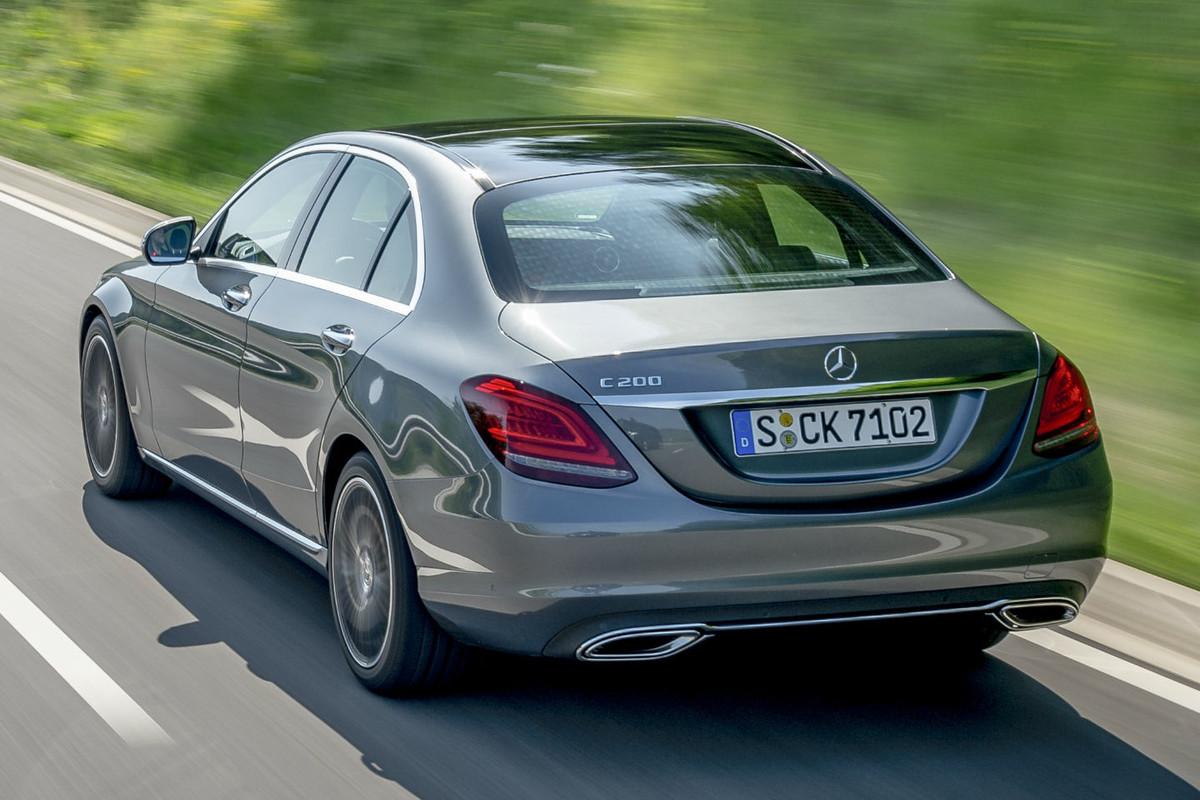
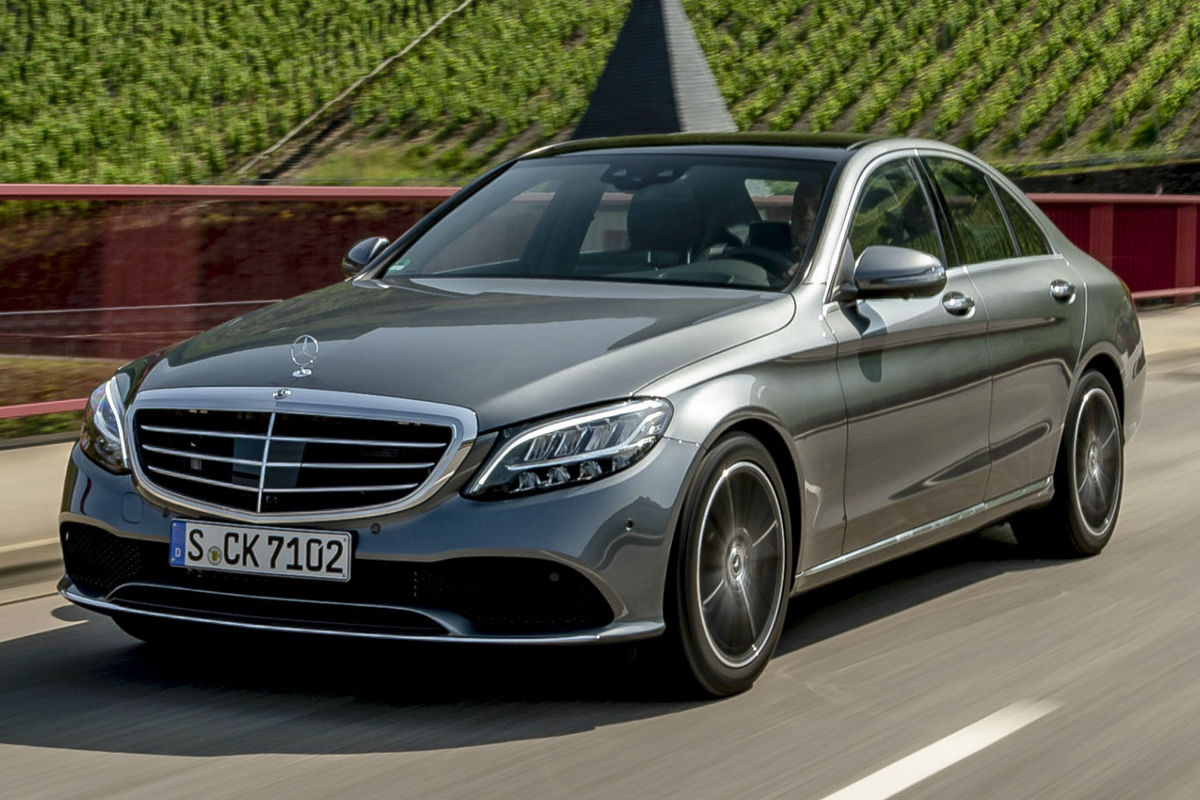
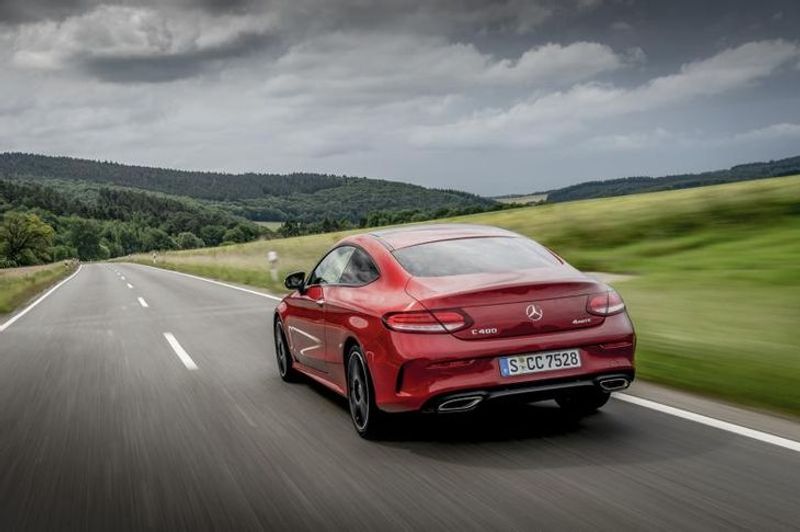
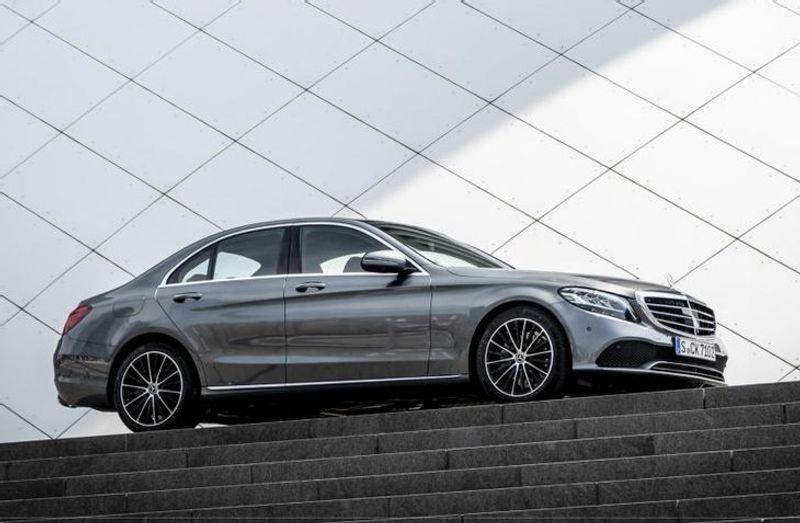
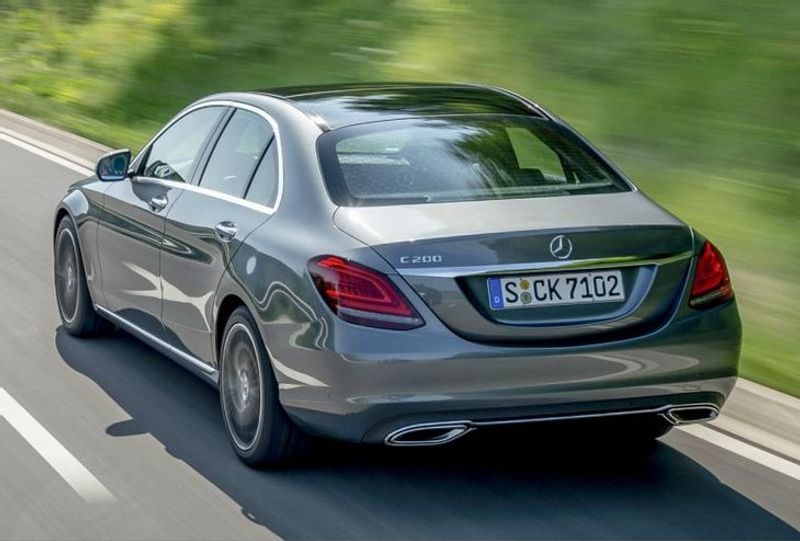
You'd be hard-pressed to spot the changes to the C-Class' exterior. There are subtle revisions to the grille, some tweaks to the bumpers, plus revised head- and tail lights (the bumper treatments differ depending on trim level). Speaking of headlights, there are LED high-performance headlamps, but you really want the Multibeam LED units with Ultra Range, which Mercedes-Benz claims can illuminate up to 600 metres. 

By contrast, there have been significant advances in terms of cabin layout, infotainment systems, ergonomics, and engines. Overall, Mercedes-Benz claims to have changed more than 6 000 parts, with a particular focus on electronics. The new electronics incorporate the latest safety systems from Mercedes-Benz and the Stuttgart-based brand claims in terms of semi-autonomous driving capability, the new C-Class is on par with the S-Class. 


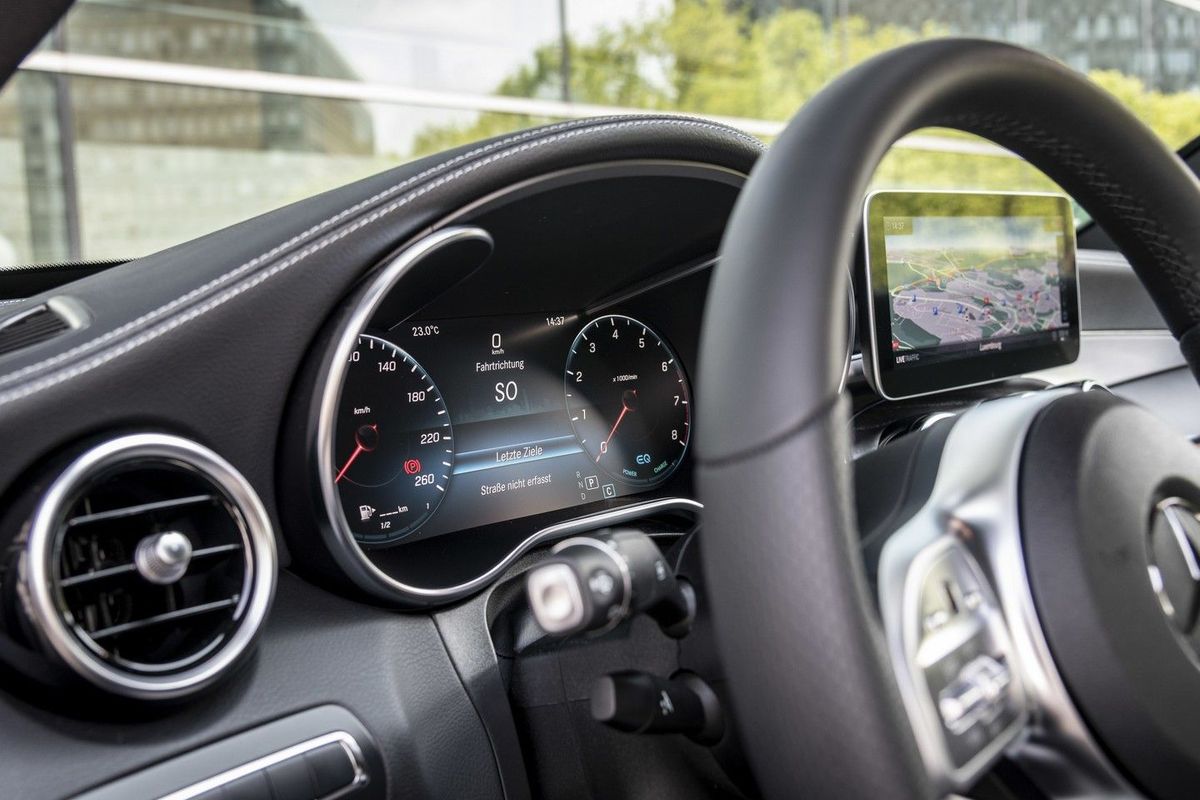
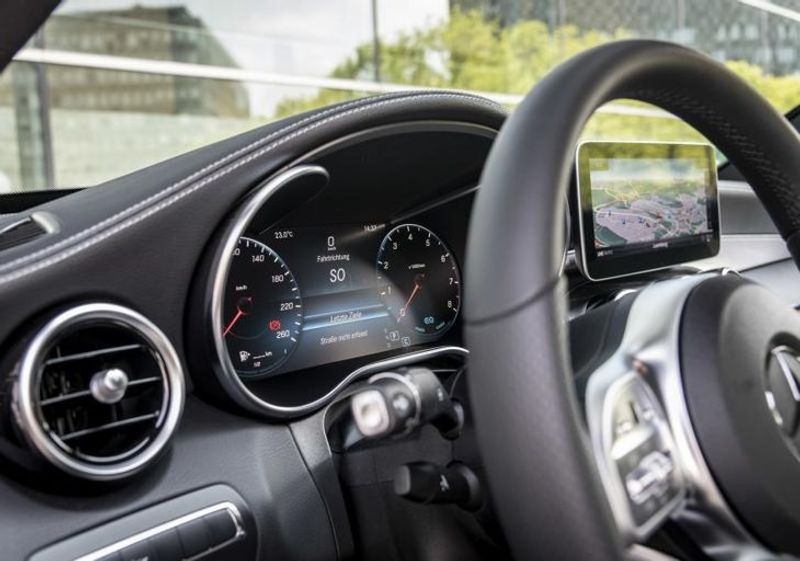
A digital dashboard makes its debut in the Mercedes-Benz C-Class; it is an extra-cost option, however.

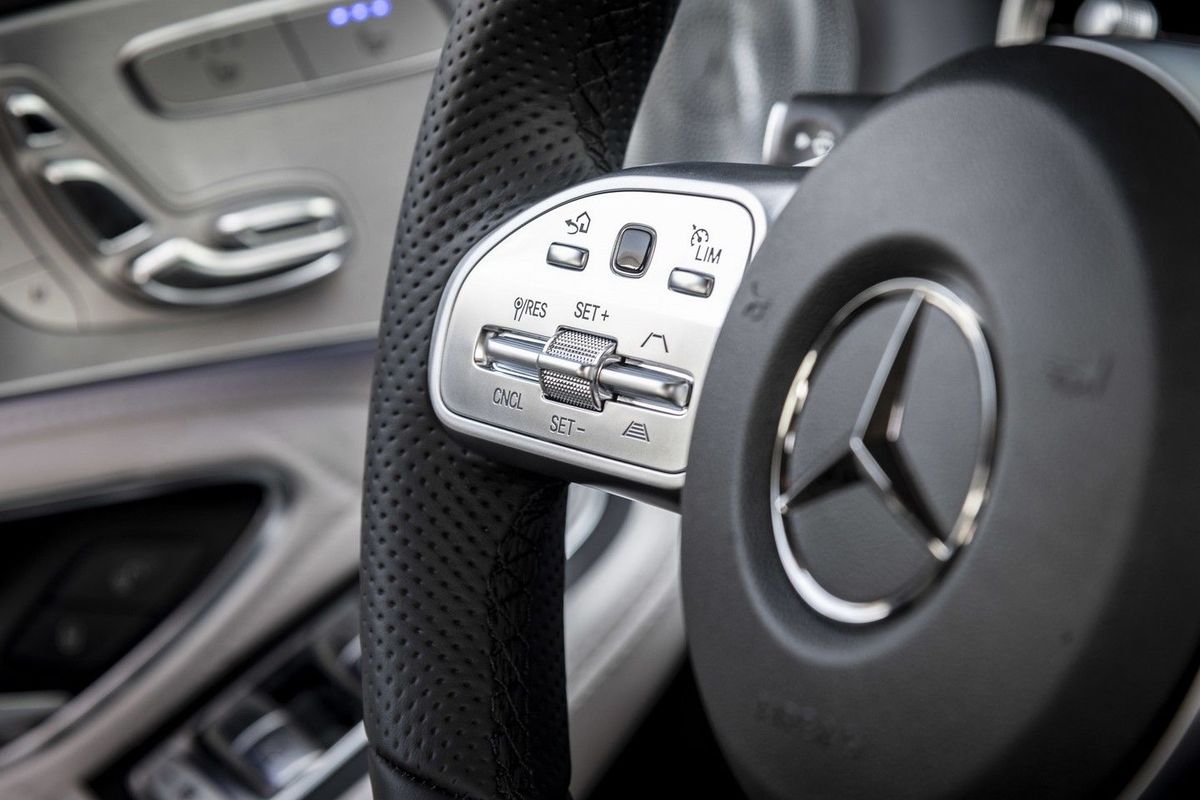
Speaking of bigger Mercedes-Benz models, the first thing you'll notice when you step inside the cabin of the facelifted C-Class is the revised steering wheel, which is akin to those in the E-Class. It's a smart-looking tiller and you can now activate cruise control from the 'wheel as opposed to using the clumsy stalk of yesteryear.  The 'wheel also gains smartphone-like swipe buttons… Remember the Blackberry touchpads from a decade (or so) ago? Well, they're very similar in operation. While you may scoff at the idea of Blackberry-style tech being used in a 2018 car, we can confirm after driving both the facelifted C-Class locally and facelifted C63 S internationally, that the controls are remarkably easy to use – and work well. 

The other focus points in the revised cabin are the displays. The crisp 12.3-inch digital dashboard is admittedly an option, but it's worth considering because it brings the instrument cluster bang up to date with the best systems in the new vehicle market, let alone its business class segment. The Comand infotainment screen is underpinned by new software – its icons, menus and, importantly, user experience mimic those of a smartphone, which will please tech-savvy users. It's a smooth and intuitive system with excellent graphics, a far cry from previous generations of Comand.


The new steering wheel is stylish and now incorporates cruise control functions, which eliminates the need for the stalk.

Powertrain changes

From launch, there are numerous engines to choose from. Sadly, due to the C200 suffering a puncture on the test route, we weren't able to test the new 1.5-litre 4-cylinder turbo motor with electric assist. We got a chance to get behind the wheel of the C180 (the entry-level point in the range), as well as the mighty C43 AMG. All Mercedes-Benz C-Class derivatives now feature a new 9-speed (as opposed to 7-speed) automatic transmission.

The C180 is powered by a 1.6-litre turbopetrol engine, with outputs of 115 kW and 250 Nm. The C200's (relatively small-capacity) engine, pushes out a credible 135 kW and 280 Nm by virtue of turbocharging and a 48V electric system. The electrical system alone provides 10 kW and 160 Nm.

There's a punchy 2.0-litre turbopetrol in the C300 with 180 kW and 370 Nm and turbodiesel fans can opt for the C220d's 2.0-litre with 143 kW and 400 Nm. Finally, at the top of the pile of the C-Class range (at least before the C63 arrives later this year), is the new C43 AMG. Its 3.0-litre V6 turbopetrol now produces 17 kW more and is mated with the new 9-speed 'box. With its 287 kW and 520 Nm, the C43 4Matic is ballistic off the line. 

What's it like it drive? 


Refinement and build quality have improved, but the steering feel is more suited to cruising than dynamic driving.

Let's start with the Mercedes-AMG C43 sedan. Other than a subtle AMG badge, bigger alloy wheels and quad exhausts, its an understated car. The transmission's closer-spaced ratios allow you to access that sonorous V6's powerband often and in Sport+, it feels effortlessly capable of matching its claimed sub-5-second 0 to 100 kph time. We also commend the AMG division for amplifying the soundtrack of the C43: it's certainly a lot louder than before. Each pull of the nicely-crafted metal shift paddles prompted a cacophonous bang from the new-look quad exhaust system.

Drawbacks? Well, the 9-speed transmission battled to produce smooth gearshifts in Comfort mode, but seemed more keen to deliver lightning-quick shifts in Sport+ mode. We believe the clumsy shifts could be attributed to the newness of the car – our unit had only 300 km on the clock! We expect that the car will loosen up nicely after a few thousand kilometres and we look forward to giving the C43 a more thorough assessment on home turf. 


With a smart 1.5-litre turbocharged 4-cylinder motor combining with an electric assist, the C200 should be light on fuel

The road noise was a little high, but the test unit did traverse sections of very coarse tarmac. The ride quality was commendable, but it all depends on which driving mode you're in, as the differences between them are night and day. Comfort is pliant and fair, while Sport+ is firm and poised. The modes also modify the engine's responsiveness, exhaust tone and gearbox shift speed. The best part is you can get the best of both worlds by using the Individual setting: Suspension in comfort, engine responsiveness about midway and exhaust at its loudest would be our preferred setting. 

Our second vehicle to drive was the entry-level C180, which came in AMG Line trim. It really is a good-looking car with its diamond-stud grille and 5-spoke AMG alloys. The performance of the turbocharged 1.6 litre was adequate for around town, but highway overtaking manoeuvres required a bit of effort (and several kicks down the 9-speed auto 'box) to access all of the 250 Nm. It may have had bigger, sportier wheels, but ride quality was not that compromised. The steering setups in both the C180 and the C43 are not the most direct, with a bias towards comfort and ease of use. 

Summary


The updates bring the C-Class up to date with its rivals and with a new BMW 3 Series just around the corner, it's going to have its work cut out

There's a distinctly upmarket feel about the new Mercedes-Benz C-Class. On the back of a massive investment (R10 billion), the future of Benz's East London plant is looking bright as the assembly line's productivity is expected to increase in the near future. In the past, we've criticised some Mercedes-Benz products for marginal cabin finishes (frequently, test units have had annoying rattles and squeaks). While press cars tend to live hard lives, it's unfathomable how an R800 000 premium German sedan could suffer from a creaking dashboard with under 10 000 km on the clock. 

Thankfully, our first impression of the facelifted C-Class' cabin quality is positive! The materials feel more upmarket and critically, solid. The C180 unit we drove did have a rather rudimentary glossy plastic finish around the trio of centre vents, which unfortunately creaked, but it's perhaps forgivable on the entry point of the range and likely to be improved as local production ramps up. Also, we expect dealerships to offer prospective C180 customers tasty incentives to get them behind the wheel of the C200, the second-from-bottom derivative we expect will be the most popular. 

Overall, the facelifted C-Class does what it says on the tin – but in an admirable way – it's a package that looks smart and performs smartly. It should remain the brand's best-seller (both locally and globally) and with these new technological updates, continues to shake off its "Old Man's Car" image. With a facelifted Audi A4 and all-new BMW 3 Series due before the end of the year, the battle for "best in class" will resume in earnest. 


The Mercedes-Benz C-Class main change is in the interior

Mercedes-Benz C-Class prices in SA 

You may look at the price and wonder how Mercedes-Benz justified this new price when compared to the outgoing model. We sure did. For example, a pre-facelifted C200 cost R559 167, whereas a new car retails for R613 500. Mercedes-Benz explained that there's more specification fitted as standard, as many of the options fitted to the outgoing model had a 100% take-up rate. So instead of Mercedes-Benz making them available as costly options, they're fitted as standard. The facelifted Mercedes-Benz C-Class comes with a 6-year/100 000 km maintenance plan.

Sedan

C180      R586 500

C200      R613 500  

C220d    R651 000

C300      R716 000

Mercedes-AMG C43 R948 500   

Coupe

C180      R666 000

C200      R766 000 

Mercedes-AMG C43 R983 500  

Cabriolet

C200      R793 500  

C300      R884 000

Mercedes-AMG C43 R1 100 000

Related content:

Mercedes-AMG C63 S (2018) International Launch Review

2019 Mercedes-AMG C63 S: 5 Key Changes

2018 Geneva Motor Show: Highlights

Facelifted Mercedes-AMG C43 Announced

Spy Shots: BMW 3 Series is coming

Mercedes-Benz Edition C (2017) Specs & Price

Interested in buying a C-Class?

Search a new/used example on Cars.co.za

Suzuki showcases facelifted Vitara


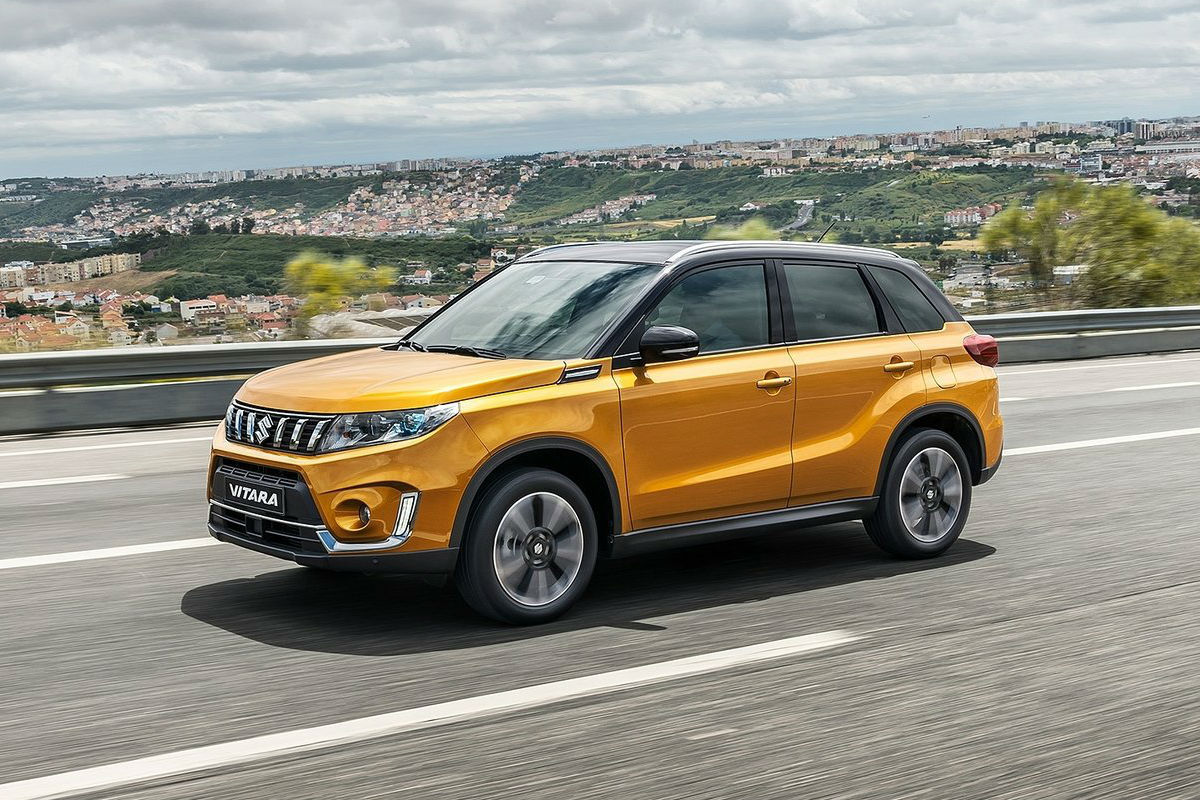
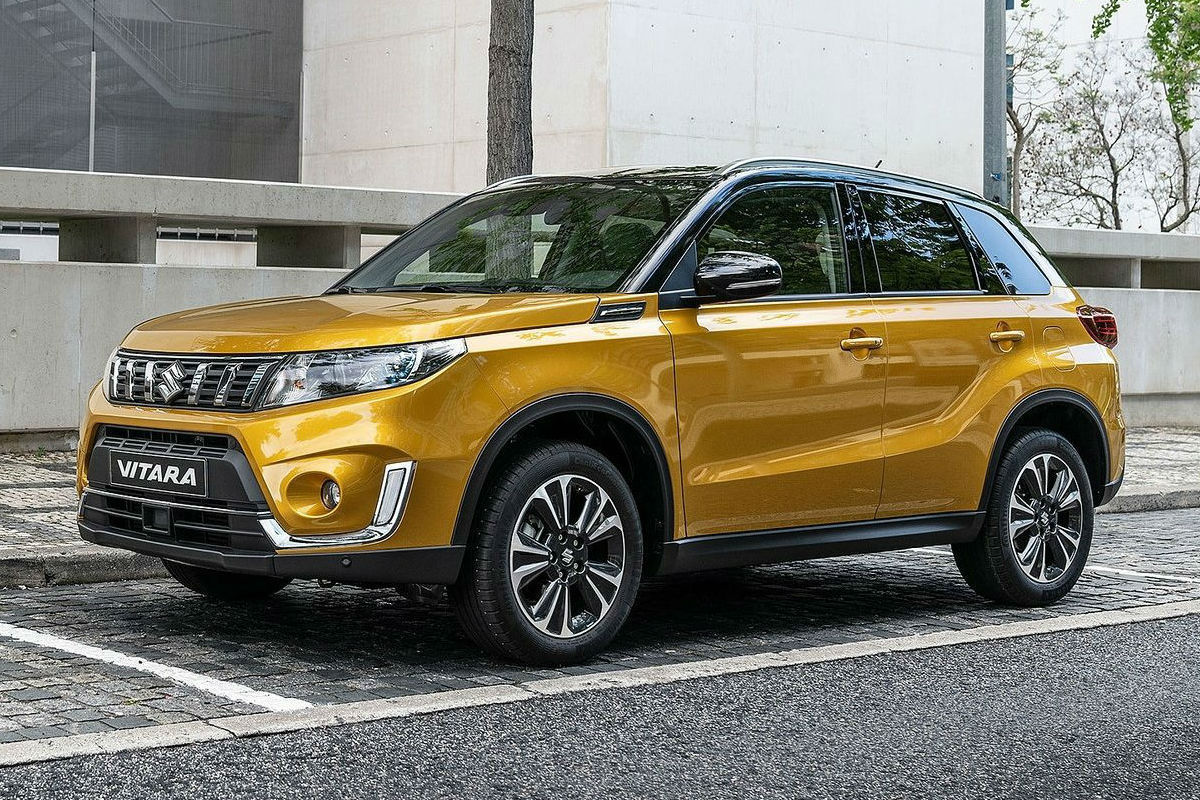
Two-time #CarsAwards compact family category champion – the Suzuki Vitara – has been updated for 2019 with a slew of visual, safety and engine tweaks. The newcomer is expected in South Africa in the first quarter of next year.

Suzuki, which recently launched its budget-oriented Swift compact hatchback in the local market, has won back-to-back Brand of the Year titles in the Cars.co.za Consumer Awards – powered by WesBank, validating its position as one of the most loved automotive brands in South Africa.

Having sold close to 300 units this year alone it’s fair to say that Suzuki’s Vitara is one of the brand’s best-selling cars here in South Africa. For 2019, the Vitara has gone under the knife and received a mild nip and tuck, improved safety and engine configurations to keep it more relevant.

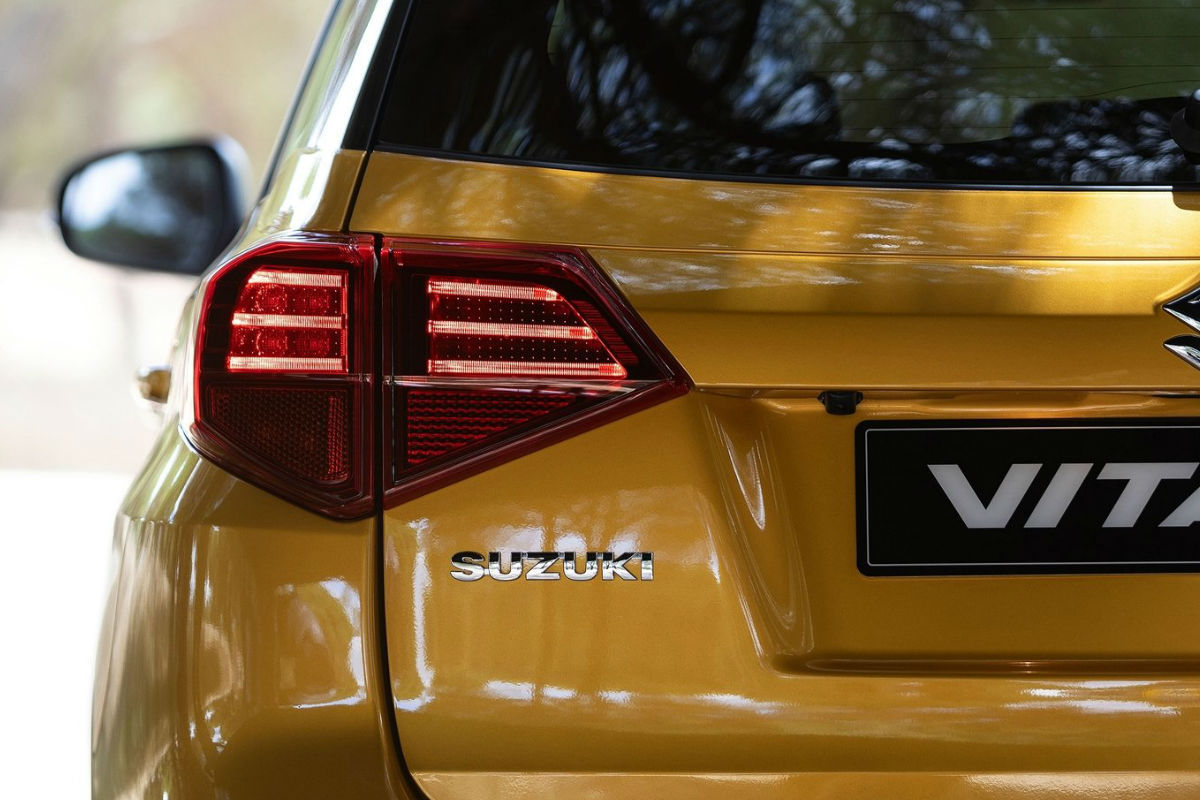
Visually, the updated Vitara benefits from a re-designed grille and overhauled front bumper, which helps keep it more in line with the contemporary cues of its stablemates. The tail-light clusters have also been given a makeover with a distinctive LED graphic taking centre stage.

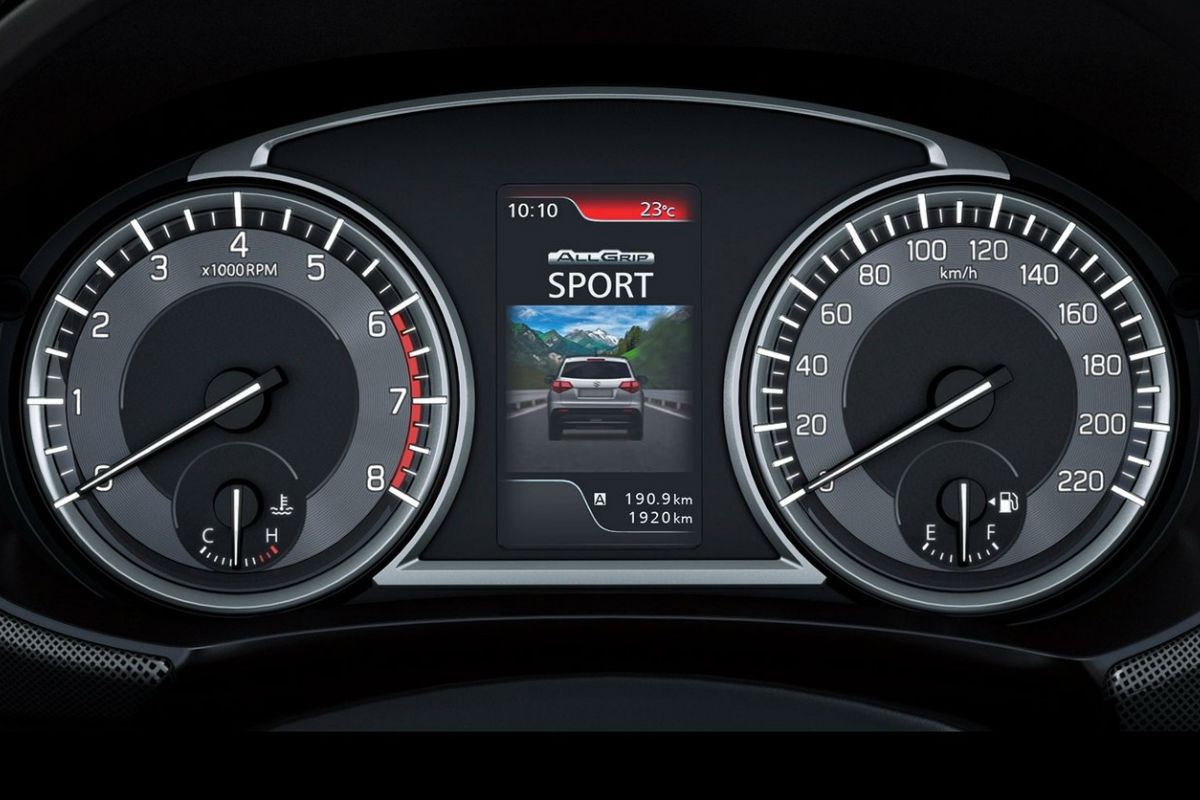
In terms of its interior execution, it's still a relatively conservative affair, but the facelifted version receives a sprinkling of soft-touch materials, most notably atop the dashboard, and an all-new instrument cluster (with full-colour central information display) for a more premium feel in the cabin.

One of the Vitara’s biggest drawcards for 2019, however, is its the enhanced array of integral safety features, which includes dual sensor brake support, lane departure warning, lane-keeping assist, traffic sign recognition, blind spot monitoring, and a rear cross-traffic alert system.

As for the engine options – Suzuki has reportedly replaced the naturally aspirated 86 kW/151 Nm 1.6-litre four-cylinder petrol motor with a sprightly 82 kW 1.0-litre 3-cylinder turbopetrol motor, while the 103 kW 1.4-litre 4-cylinder turbopetrol (offered in the European market) remains available too.

Suzuki South Africa has yet to confirm the specification of the updated Vitara for the local market (such as the engine and safety specification line-up). However, given the brand's overall value-for-money product strategy, we assume that the newcomer won't move far upmarket, spec-wise.   

Related content:

Ford Figo vs Suzuki Swift – Budget Car Battle

New Suzuki Jimny — What to Expect

Suzuki Swift (2018) Launch Review

New-Look Suzuki Celerio (2018) Specs & Price

New Suzuki Dzire (2018) Specs & Price

Crossover Group Test: Suzuki Vitara, Hyundai Creta & Renault Captur [with Video]

Suzuki's Brand of the Year milestone

Interested in buying a Vitara?

Get a quote / Book a test drive

Search for a new/used example on Cars.co.za

Porsche Releases Taycan EV Specs


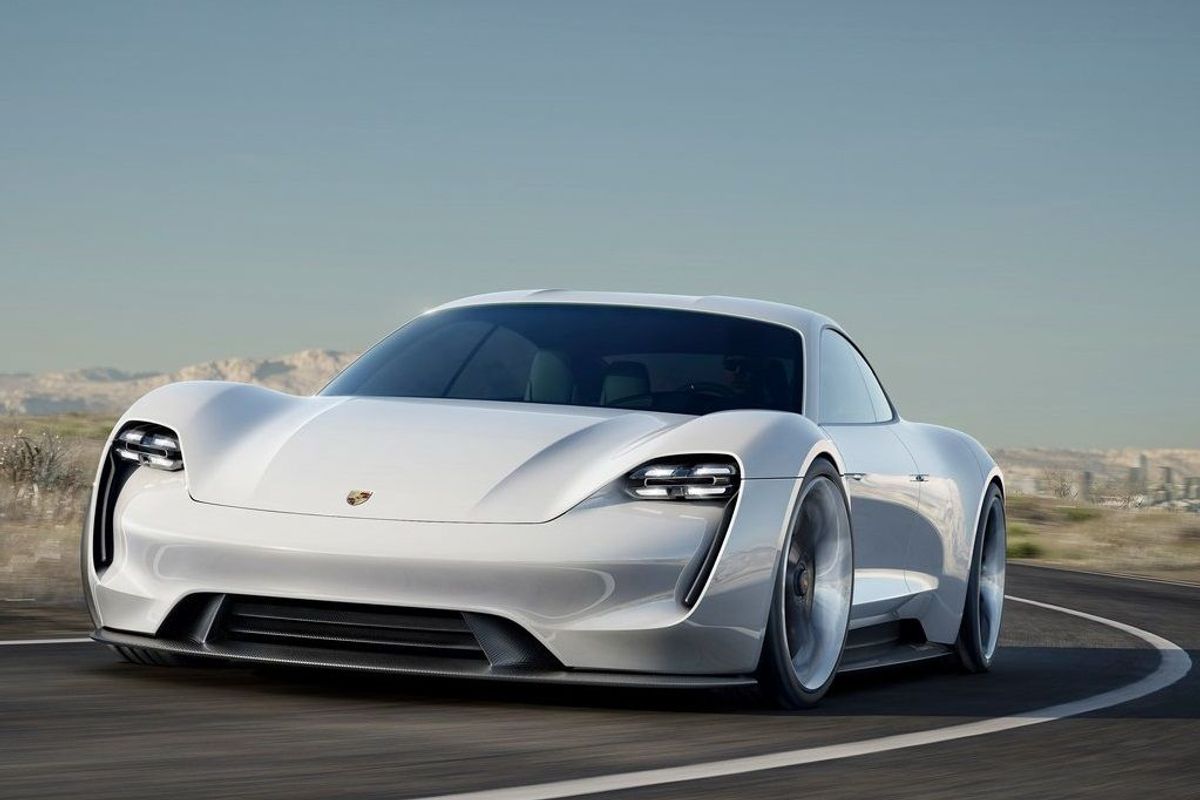
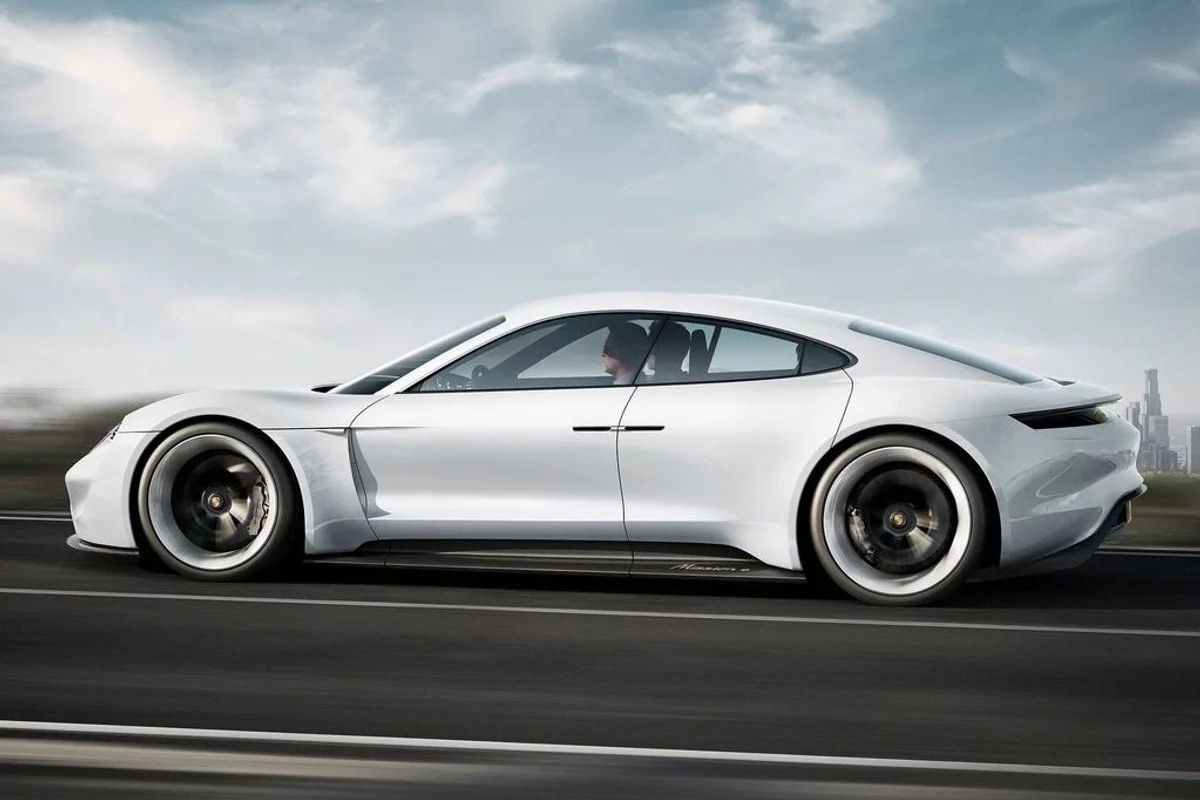
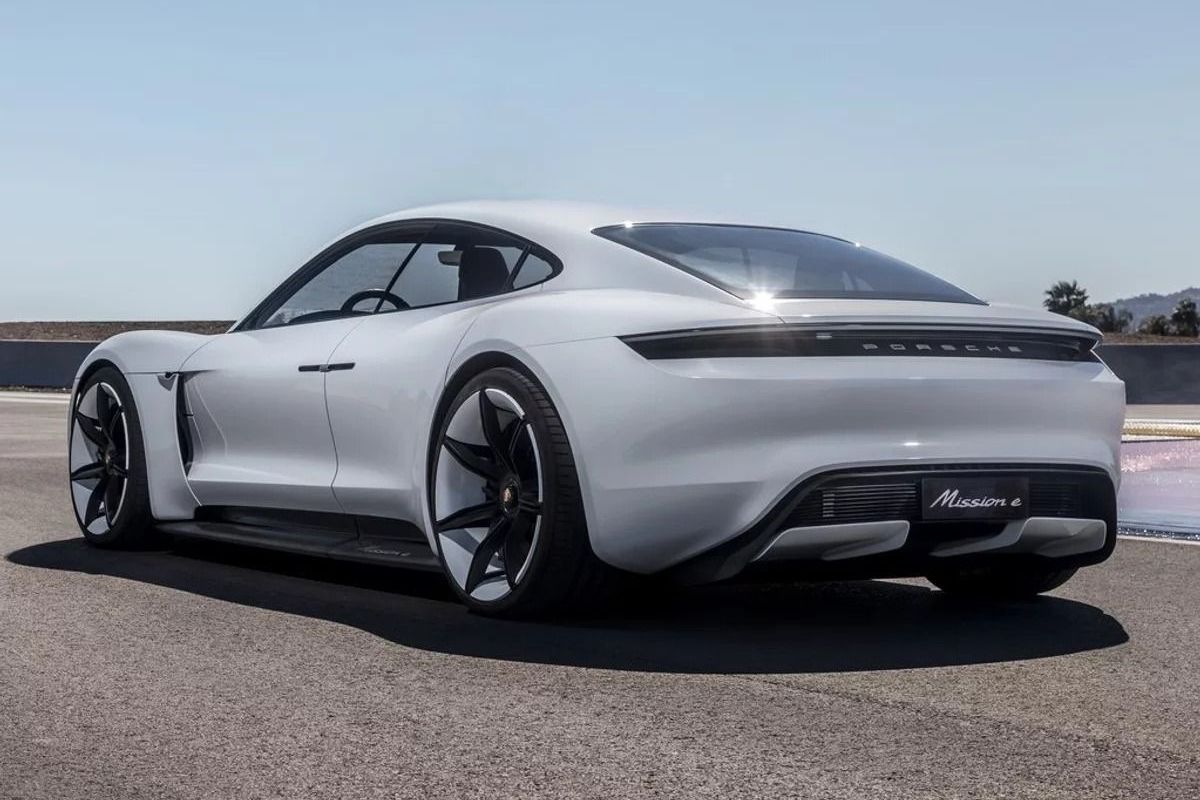
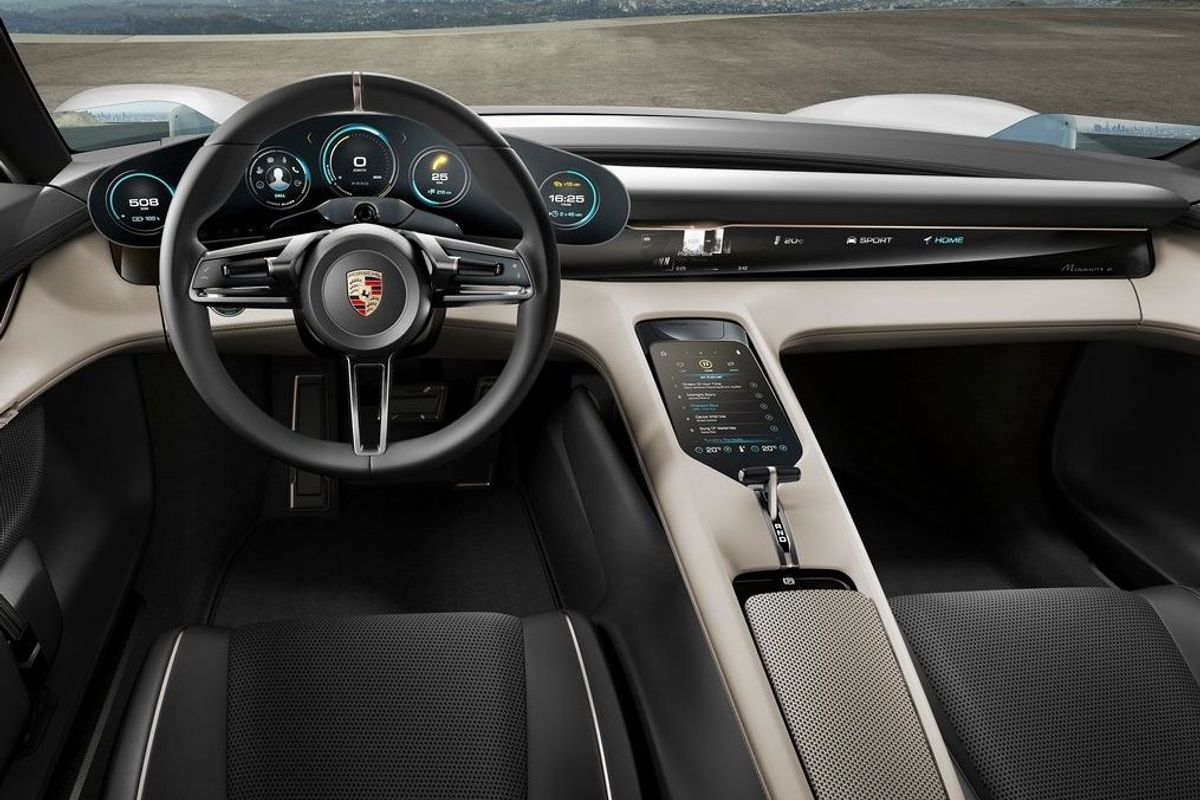
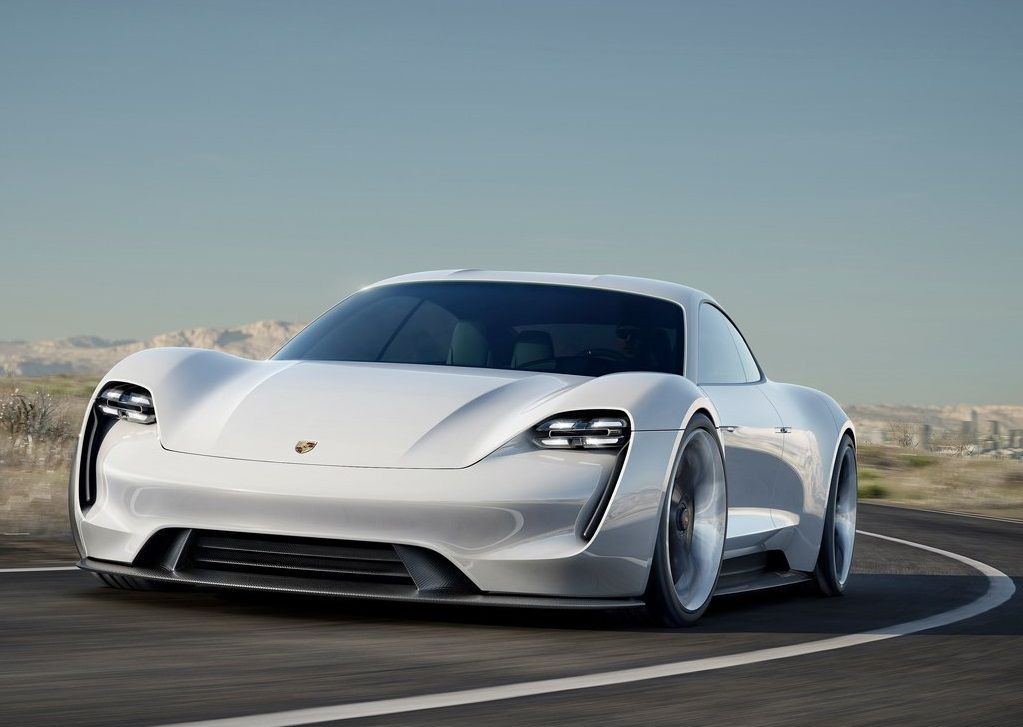
Remember the Porsche Mission E concept from 2015? Well, the good news is that it’s going into production albeit with a very different name – the Taycan, a name Porsche says translates to a ‘lively, young horse’. Interesting…

Porsche has confirmed that the Taycan will utilise 2 electric motors fed by a battery pack comprising 4-volt cells, which equates to a range of 500 km. The battery pack’s biggest trump card is its ability to be fast-charged to 400km (80%) in just 15 minutes – something which was a ‘major challenge’ for the brand according to Nora Lobenstein, Porsche's head of energy storage systems. 

And what of the key specifications? Well, the combined power output of the synchronous electric motors – each of which powers an axle – is confirmed at 440 kW making the Taycan a rather lively machine. It’s zero to 100 kph sprint time of under 3.5 seconds puts it ahead of the Panamera Turbo Sport Turismo in the acceleration stakes.


The forthcoming Porsche Taycan is based on the Mission E Concept and will offer 440 kW. 

As far as dynamics go, nothing has been divulged at present, but several test mules have recently been spotted barreling around the infamous twists and turns of the Nürburgring-Nordschleife, so it’s safe to say we’ve got nothing to worry about.

During the initial testing phase, Porsche sent 21 camouflaged prototypes to western South Africa where more than 60 developers racked up about 40 000km worth of hot-weather testing data. Not a lot by global standards, no, but that’s just the start. Porsche says ‘millions’ of kilometres will be spent honing the Taycan and ensuring it runs like clockwork in the toughest conditions.

Buy a new or used Porsche on Cars.co.za

Related Content

New Electric Porsche Taycan Coming [w/video]

Porsche 911 Carrera T (2018) Launch Review

Facelifted Porsche Macan (2019) Revealed

Porsche Macan Facelift Testing in SA [w/Video]
Porsche at 70: Ten of its Greatest (gallery)