Nissan Micra (2018) Launch Review
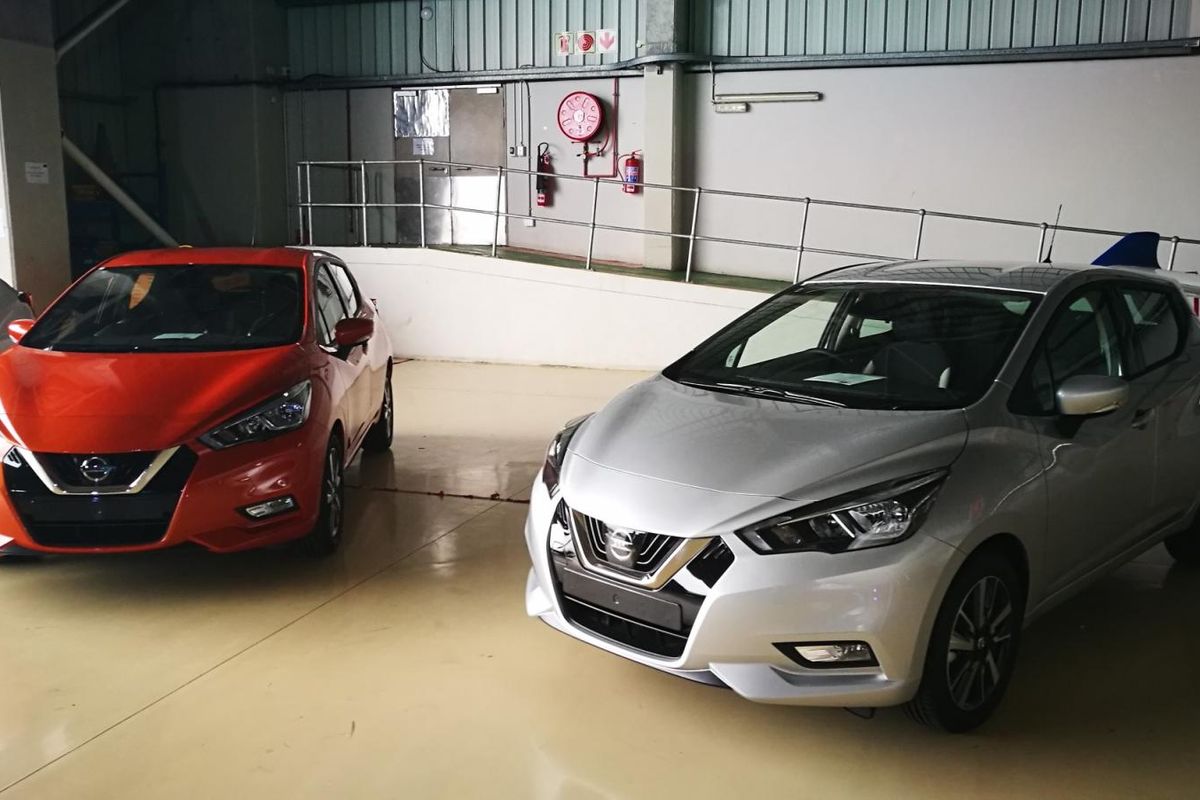
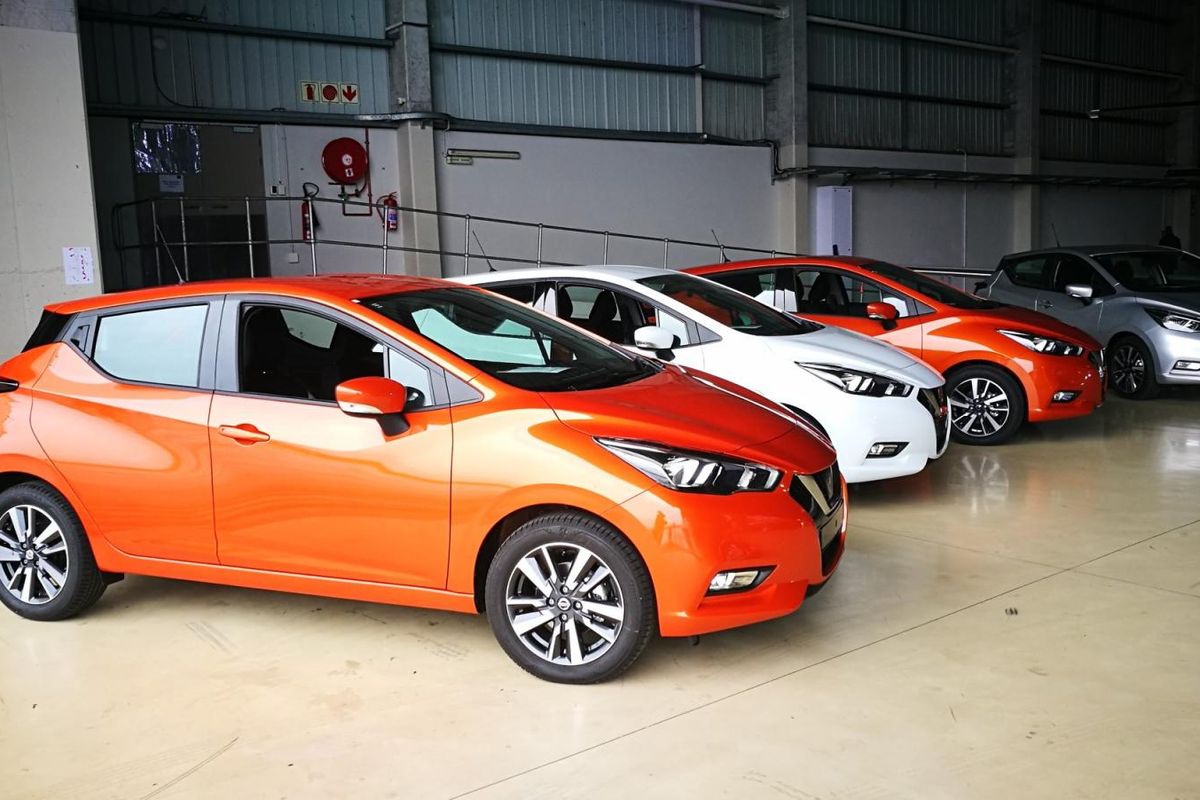
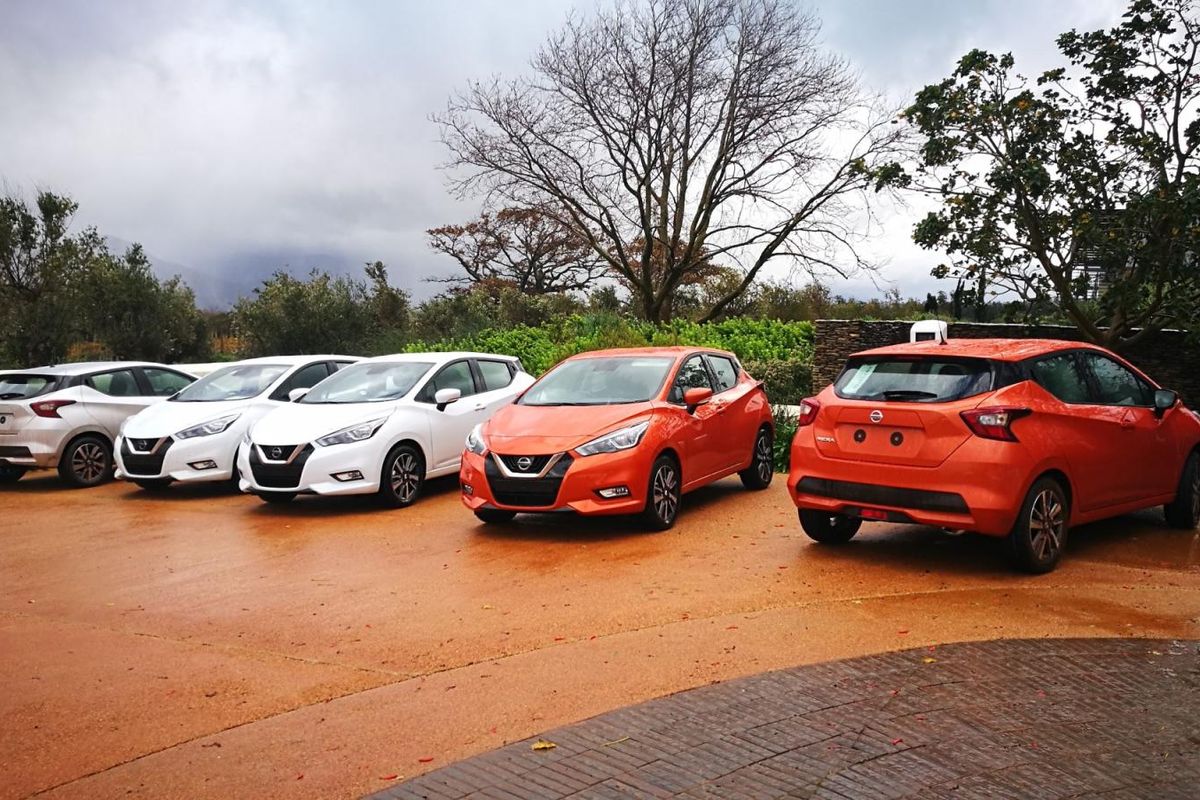
Nissan has introduced its eagerly-anticipated new Micra in South Africa. We sampled the newcomer at its local media launch in Cape Town to see if it has what it takes to compete against a host of formidable rivals in the popular compact hatchback segment.   

The local B-segment hatchback market is crowded and highly-contested with established products such as the Volkswagen Polo, Ford Fiesta, Renault Clio, Toyota Yaris, Hyundai i20, Kia Rio, to name a few, jostling for market share.

Buyers now have one more newcomer to add to their hatchback shopping list and it comes in the form of the new Nissan Micra. When it comes to this new Micra, we suggest you abandon past judgements of the Micra and look at it with fresh eyes.

Nissan has completely redeveloped the Micra and made it fit for purpose to confidently compete against its rivals. The Micra Active (based on the previous Micra) is still offered locally to serve budget-conscious buyers, but this new Micra has gone upmarket in an effort to secure market share in the upper reaches of the B-segment.

Look at specification and pricing details for the new Nissan Micra

What’s it like to drive?
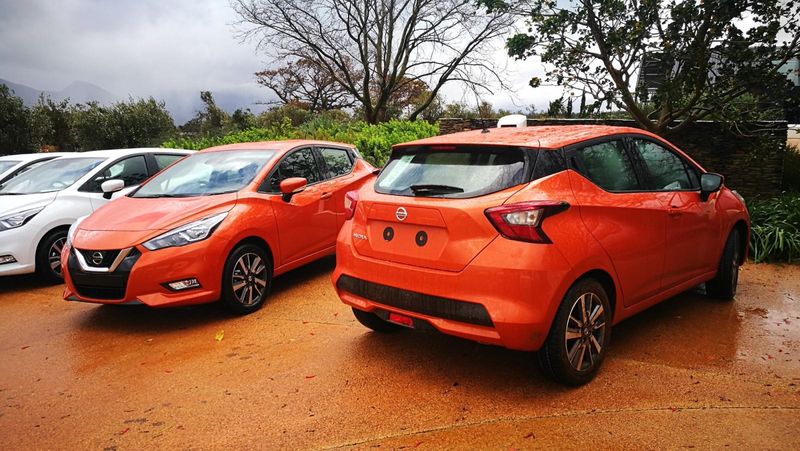

The new Micra offers much-improved styling and offers good performance in the city and on the highway. 

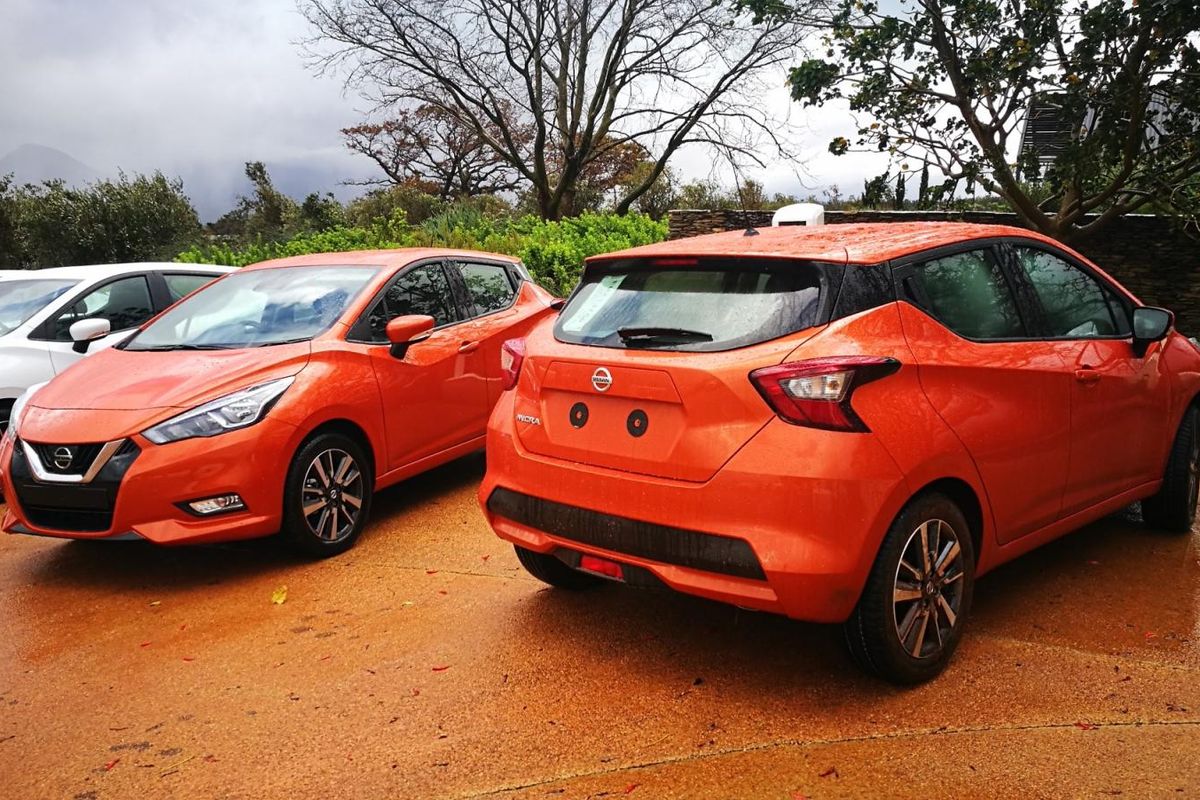
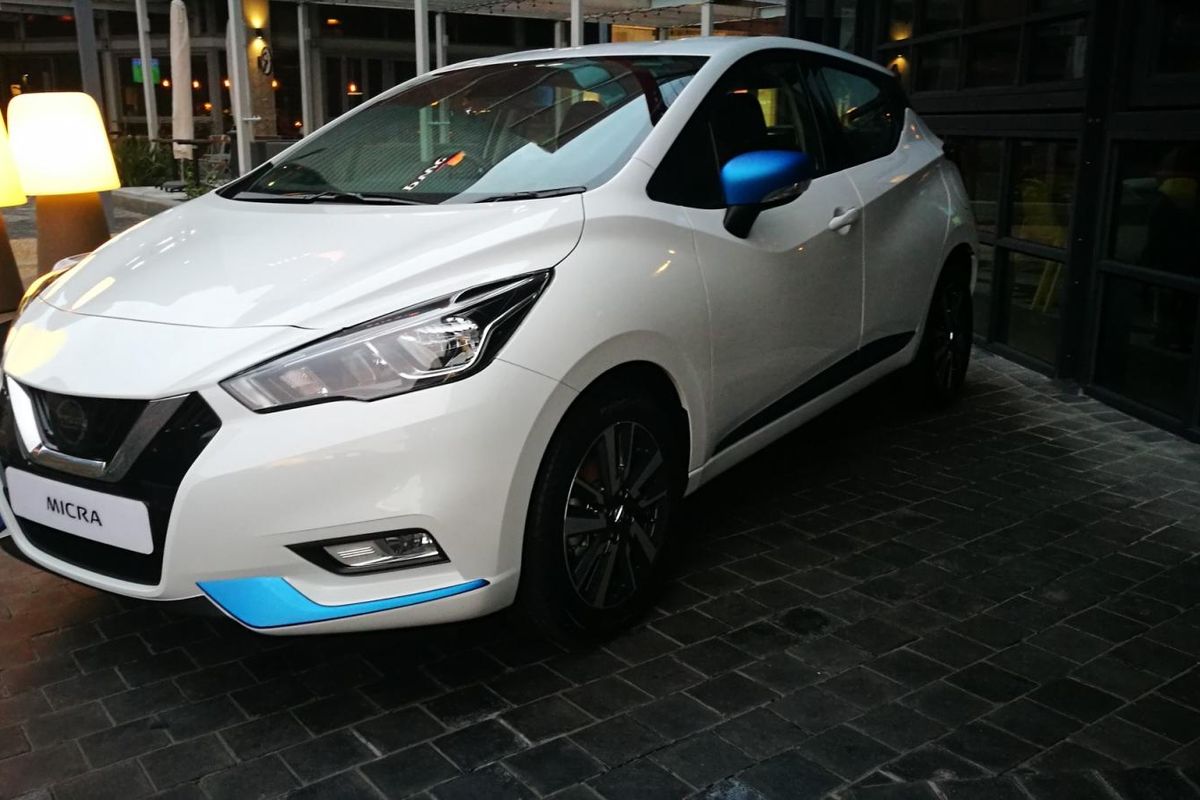
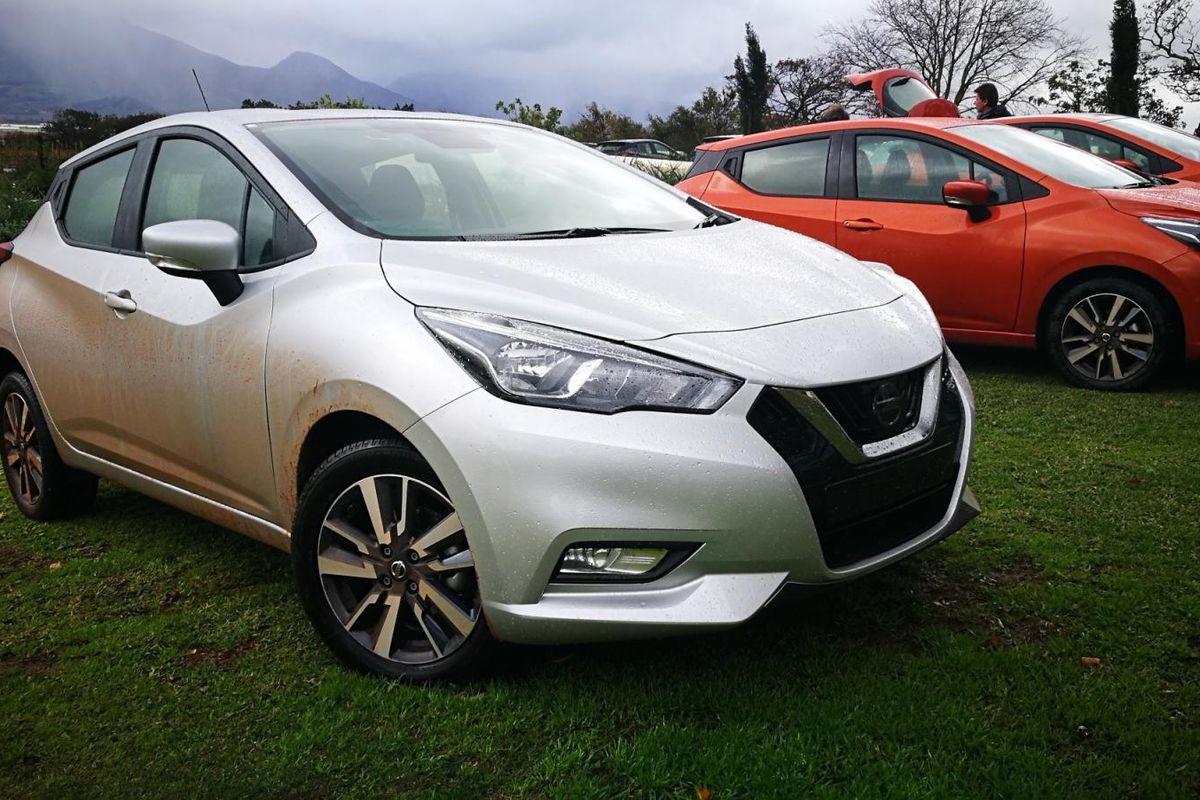
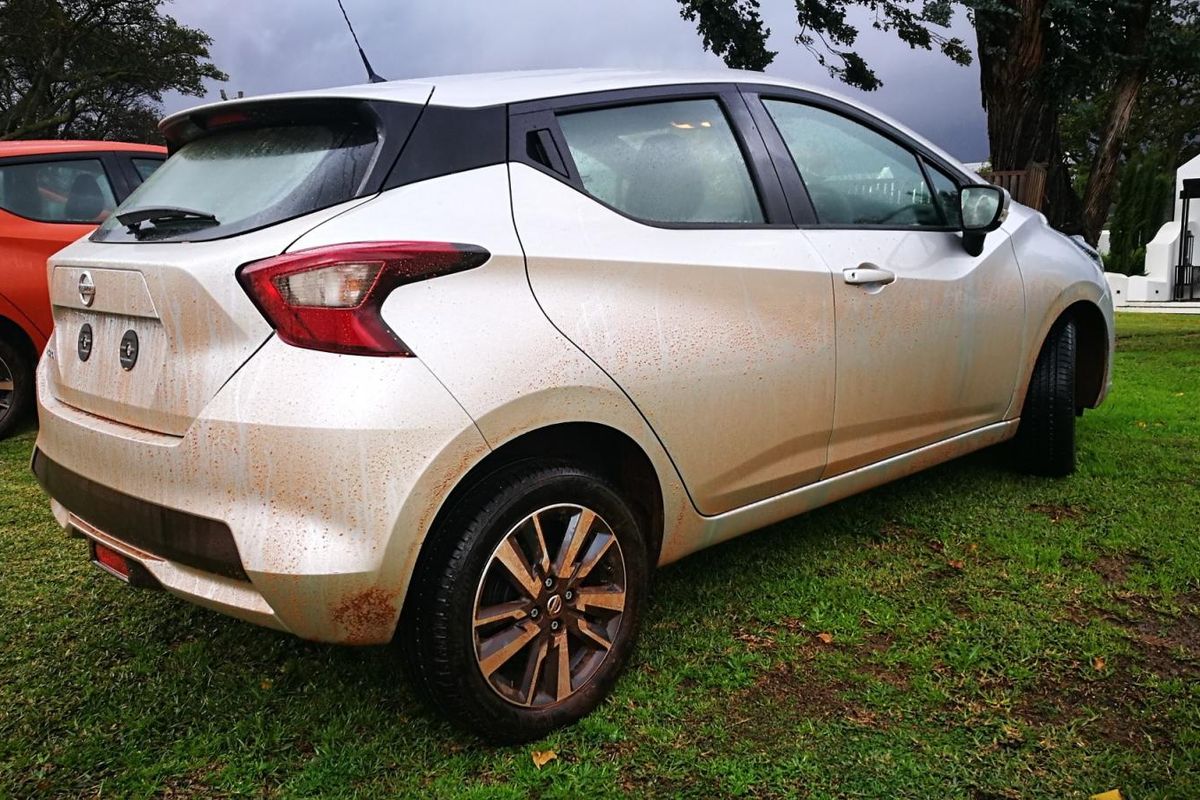
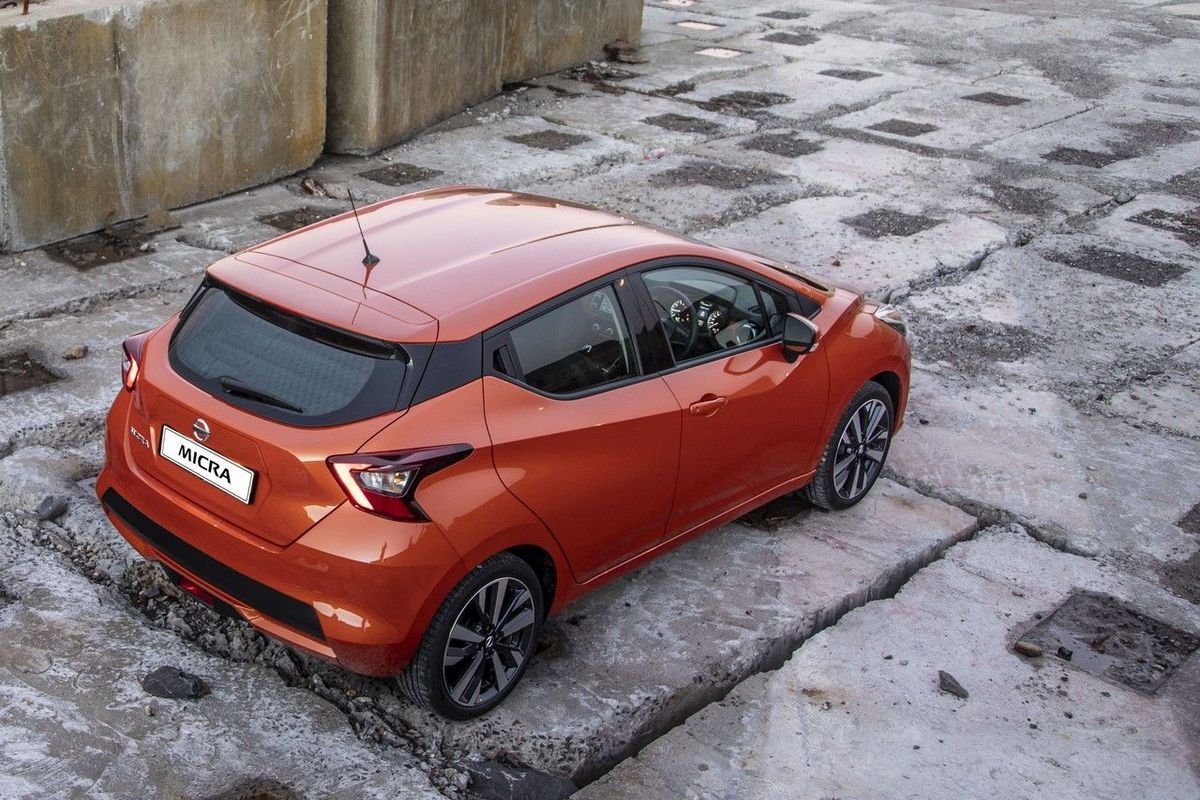
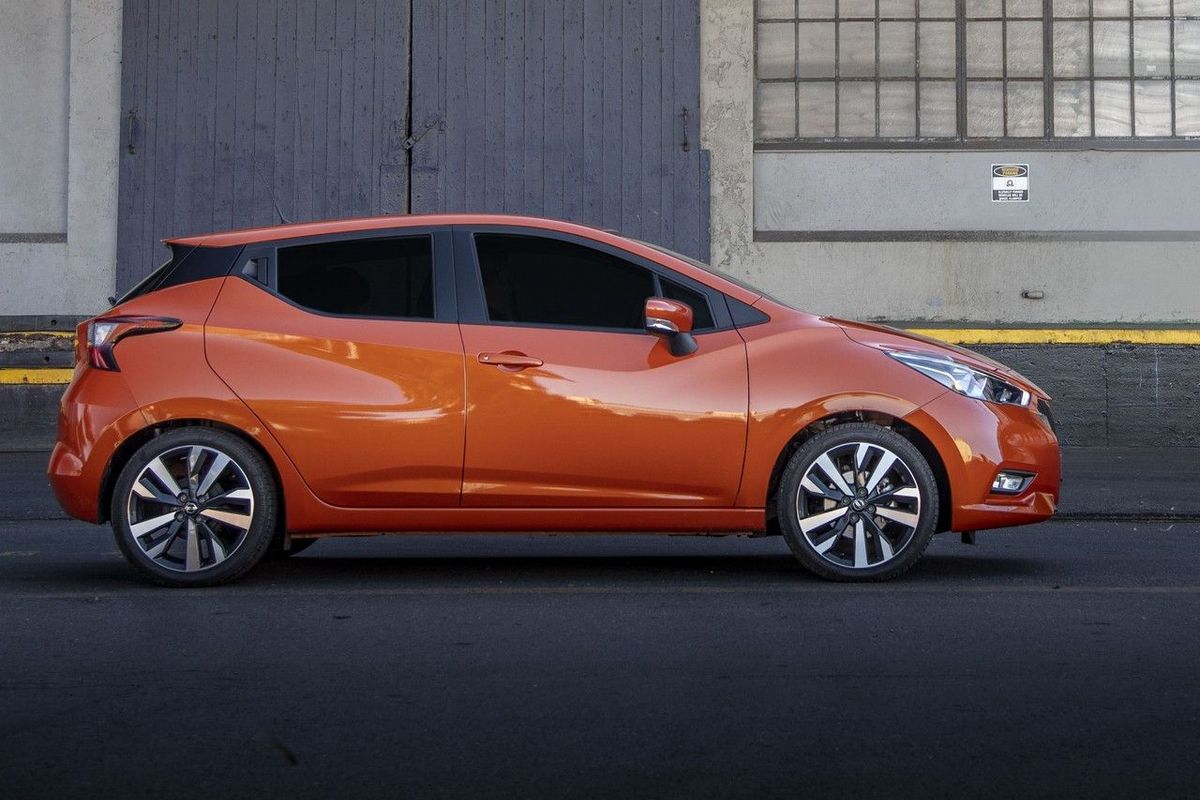
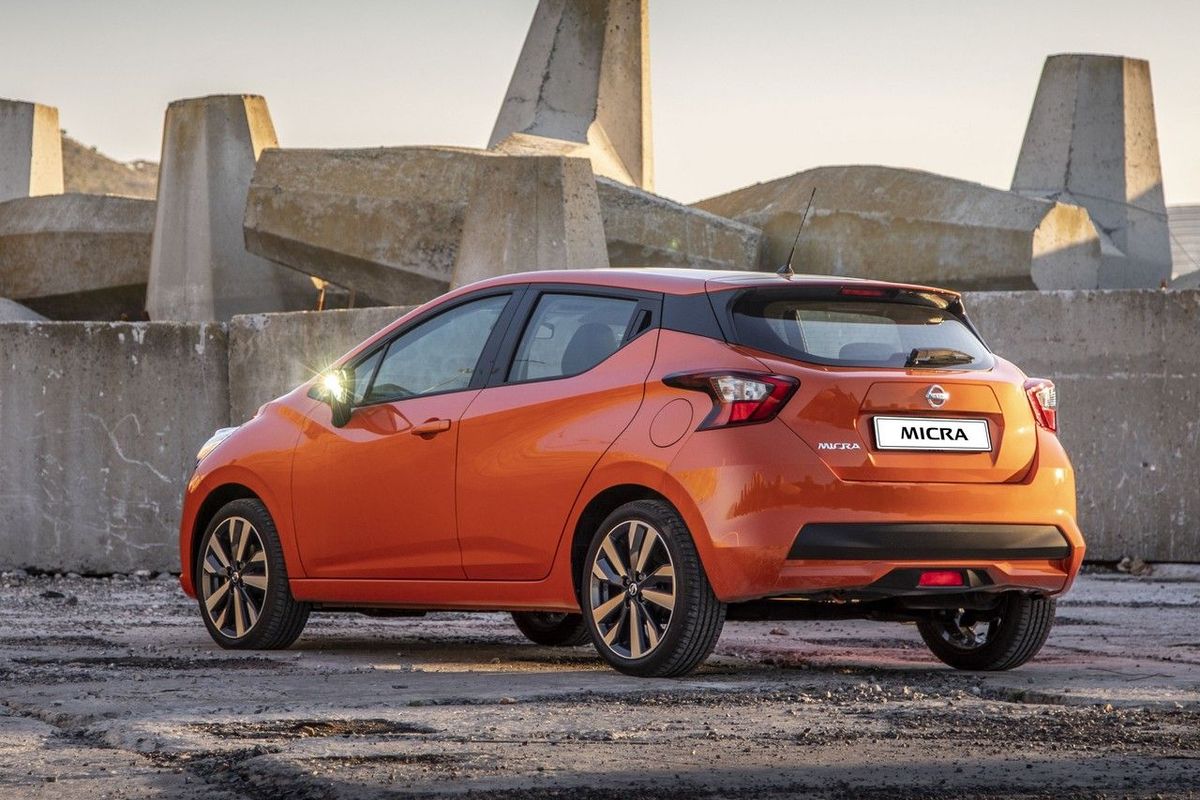
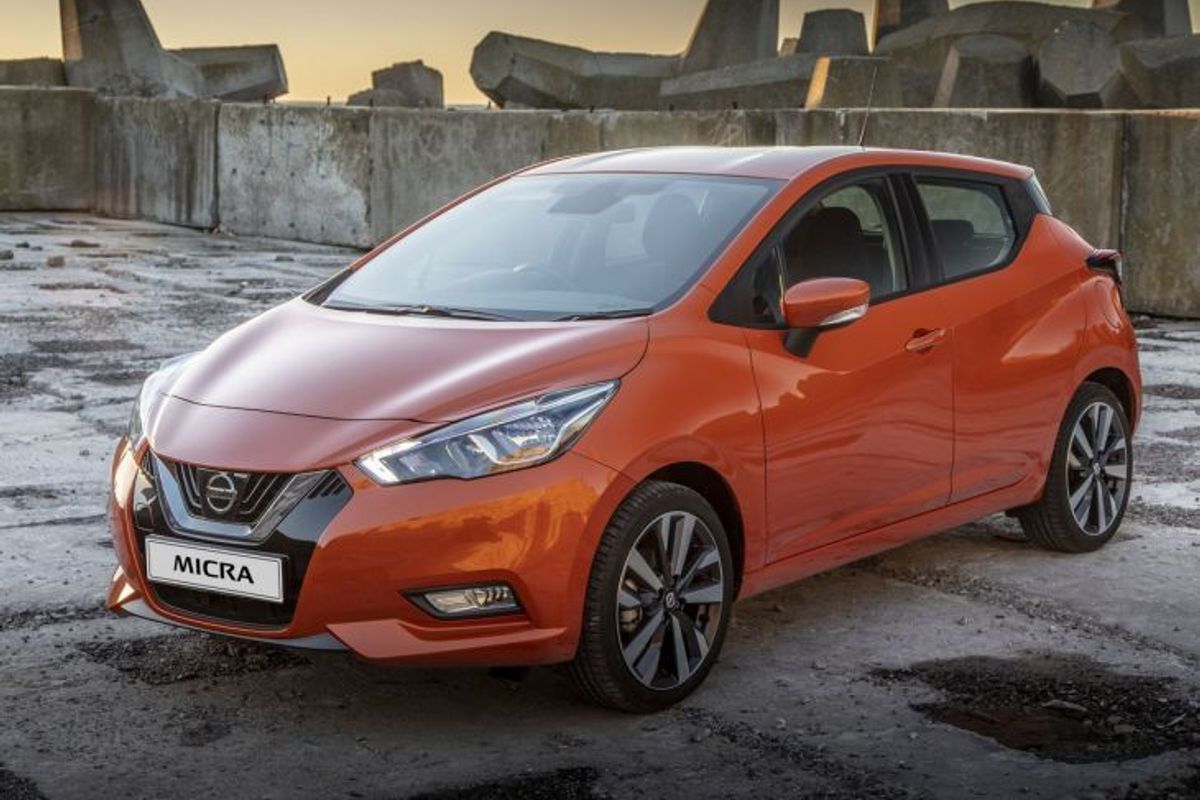
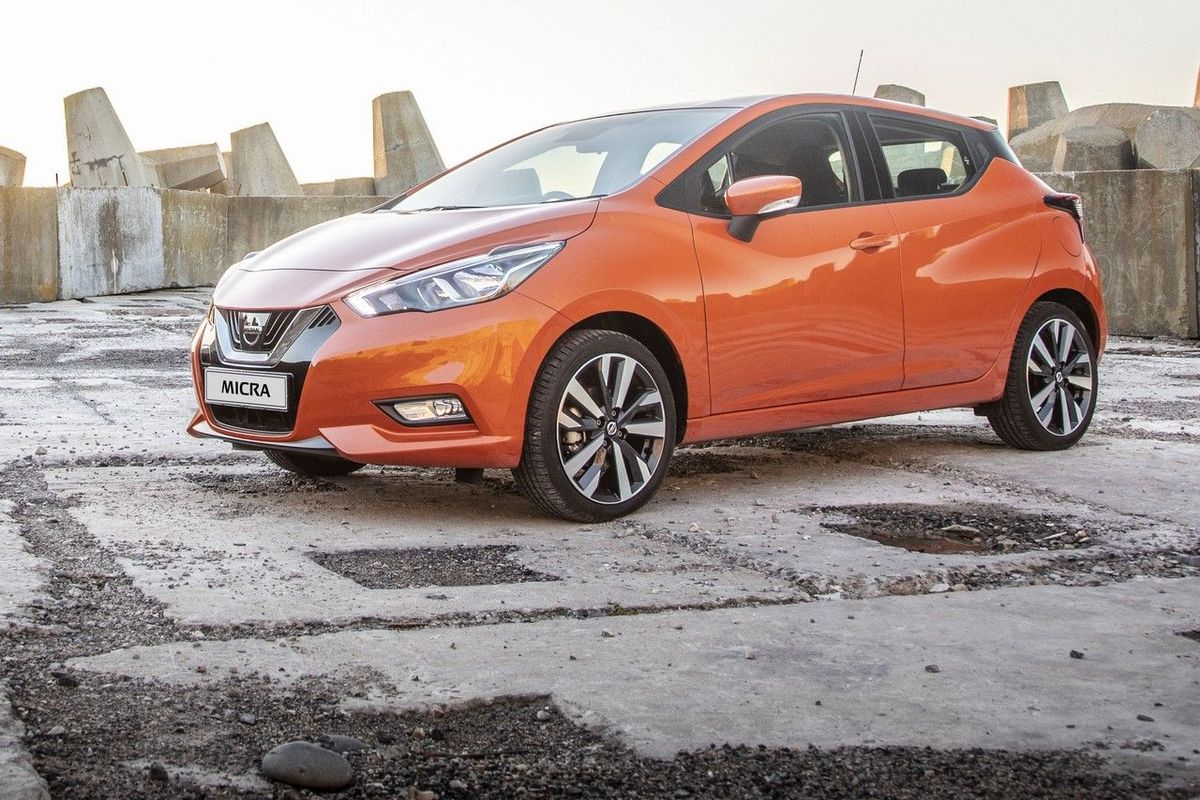
The Micra has grown up and is longer and wider than the previous model and now features more modern and edgier styling that aims to attract youthful buyers. But it’s not only on the outside where the Micra makes a statement. Its interior design is a huge improvement with a premium look and feel that buyers in this segment will appreciate.

The new Micra was introduced to motoring media inside a hangar near Cape Town International Airport while a vicious winter storm raged outside. Nissan had a large fleet of mid-spec Micra Acenta derivatives on hand for driving. All new Micra derivatives are powered by a Renault-sourced 0.9-litre, 3-cylinder turbopetrol engine offering 66 kW and 140 Nm of torque which is mated to a 5-speed manual transmission. We found the transmission to be smooth and direct in changing gears.

The engine is familiar from the Renault Clio and in the Micra, it delivers adequate performance for both city and highway driving. It's also quite perky when driven with fervour and only on steeper uphill sections did the engine run out of puff in 5th gear, forcing a gear-down to get the engine back into the power band.

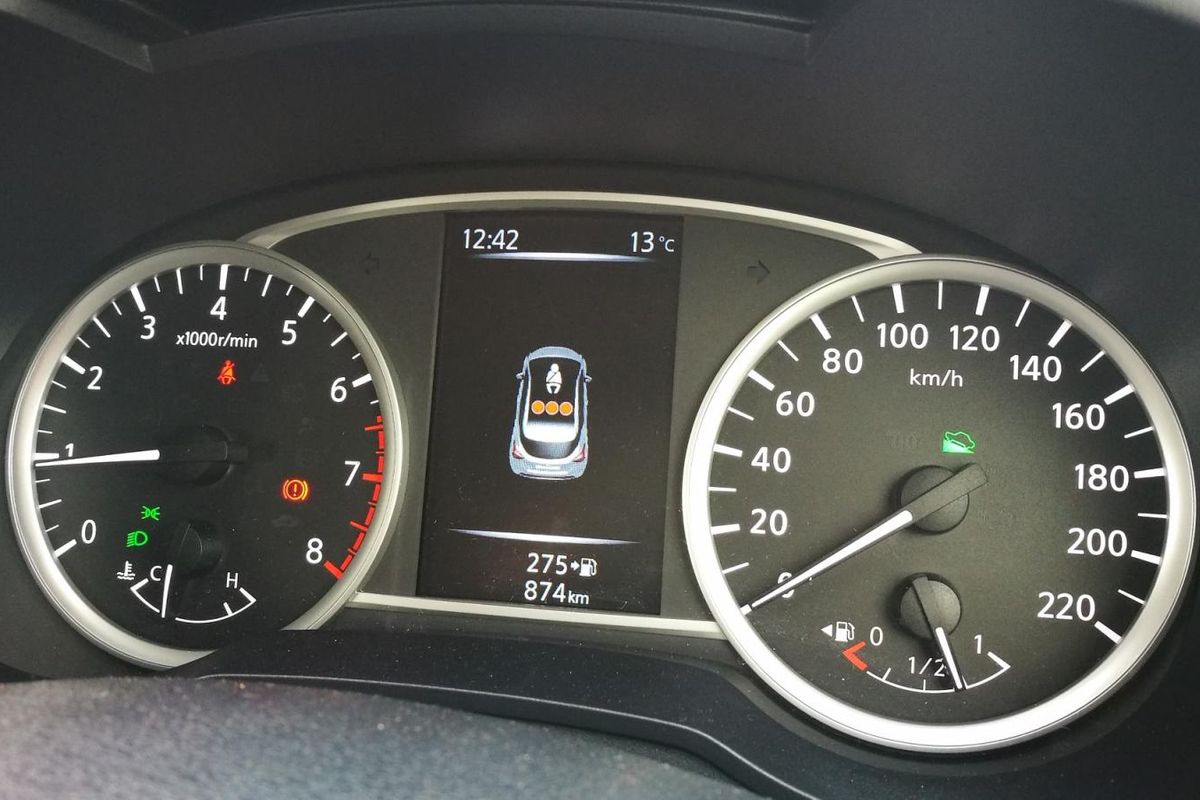
In terms of fuel consumption, Nissan claims 5.1 L/100 km for the new Micra and during the launch drive, the trip computer returned a reasonable figure of 6.8 L/100km.

It coped well at the national speed limit and despite the poor weather conditions, the Micra displayed good ride quality with a smooth and comfortable ride. The cabin is also well insulated, suppressing excess road and wind noise from entering the cabin.

Gale force winds made driving difficult, but thankfully the Micra managed to stay on the road. We found the steering to be nicely weighted and responsive to steering inputs and we got the sense that the Micra had a fun side, but the weather prevented us from exploring its dynamic capability.  

What about the interior?
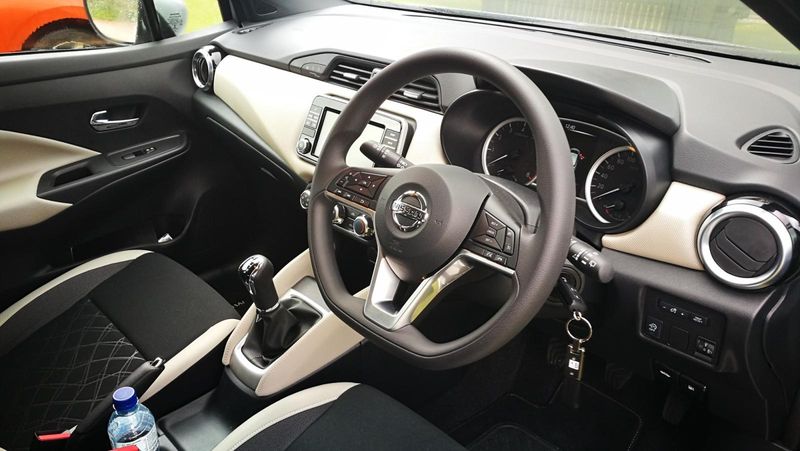

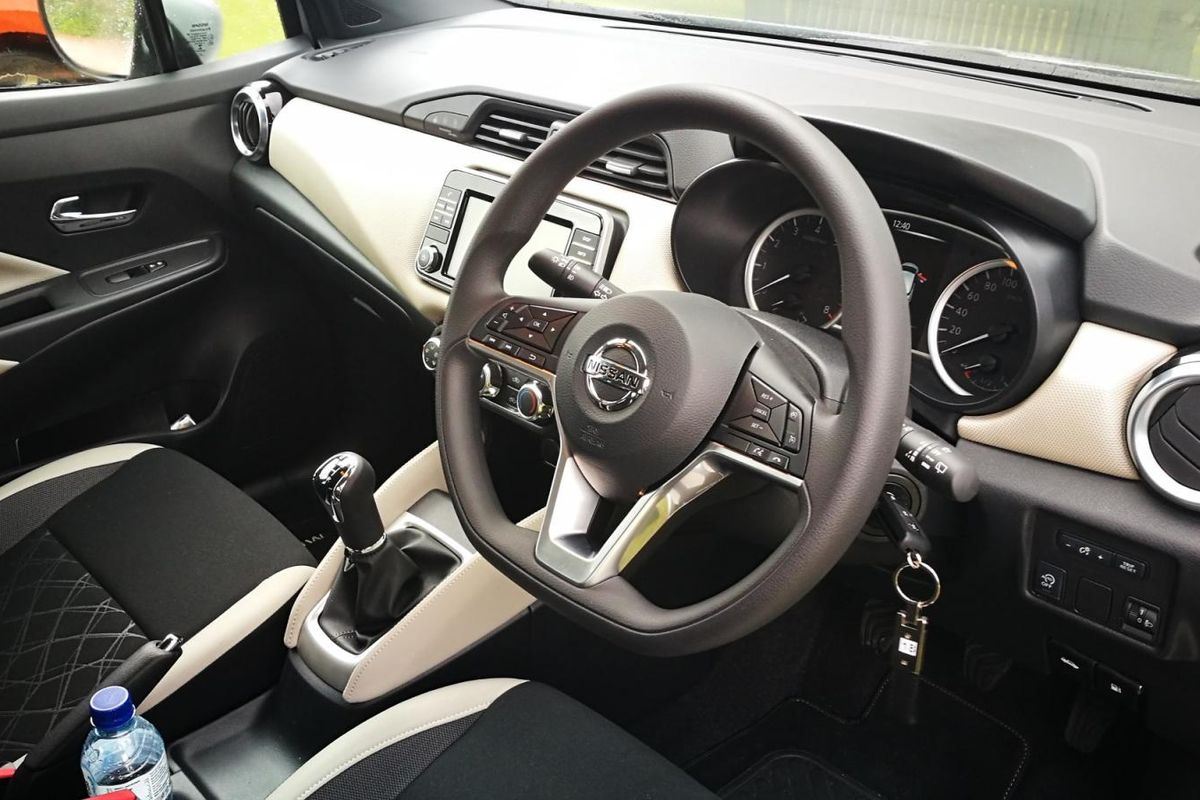
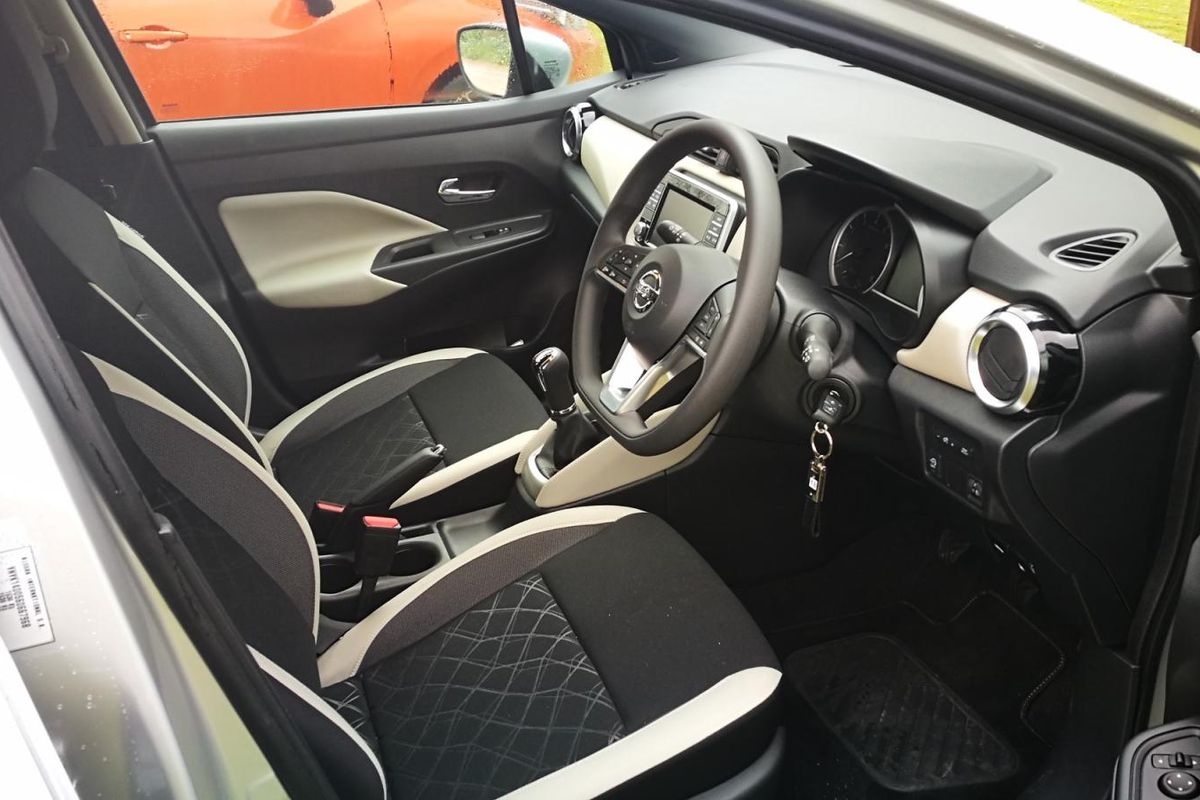
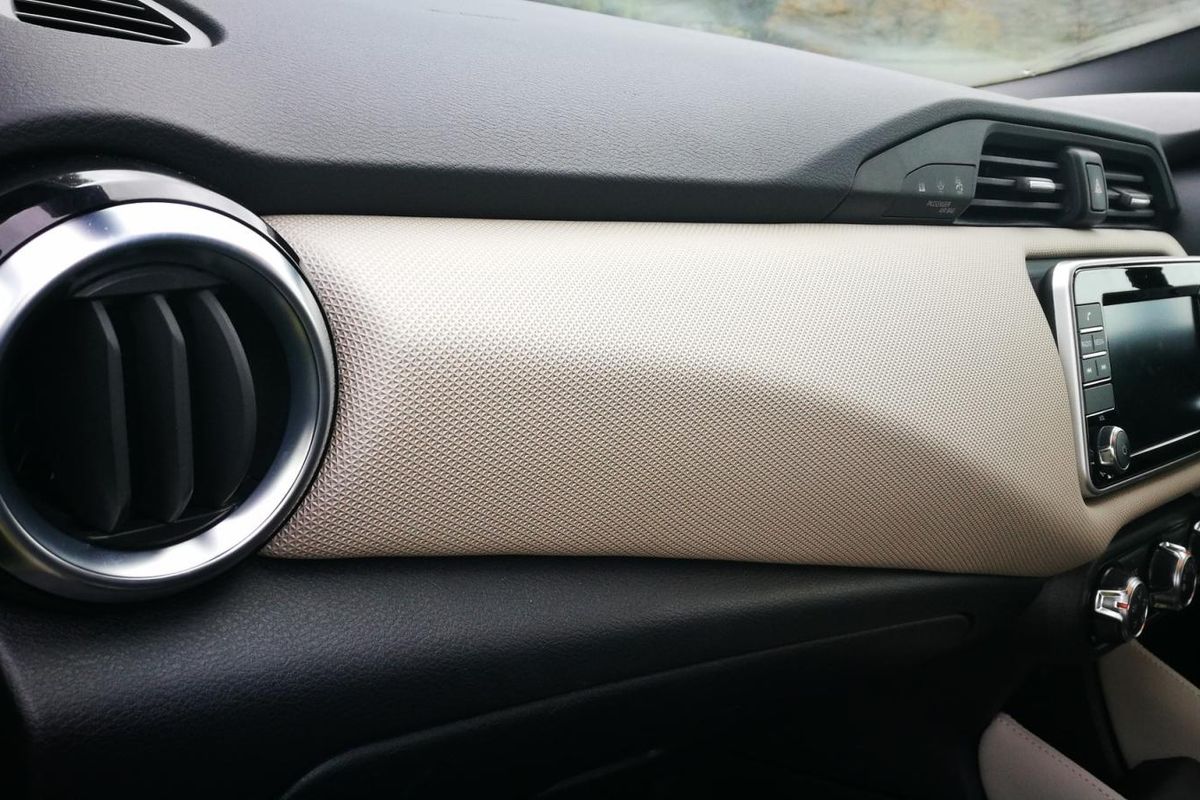
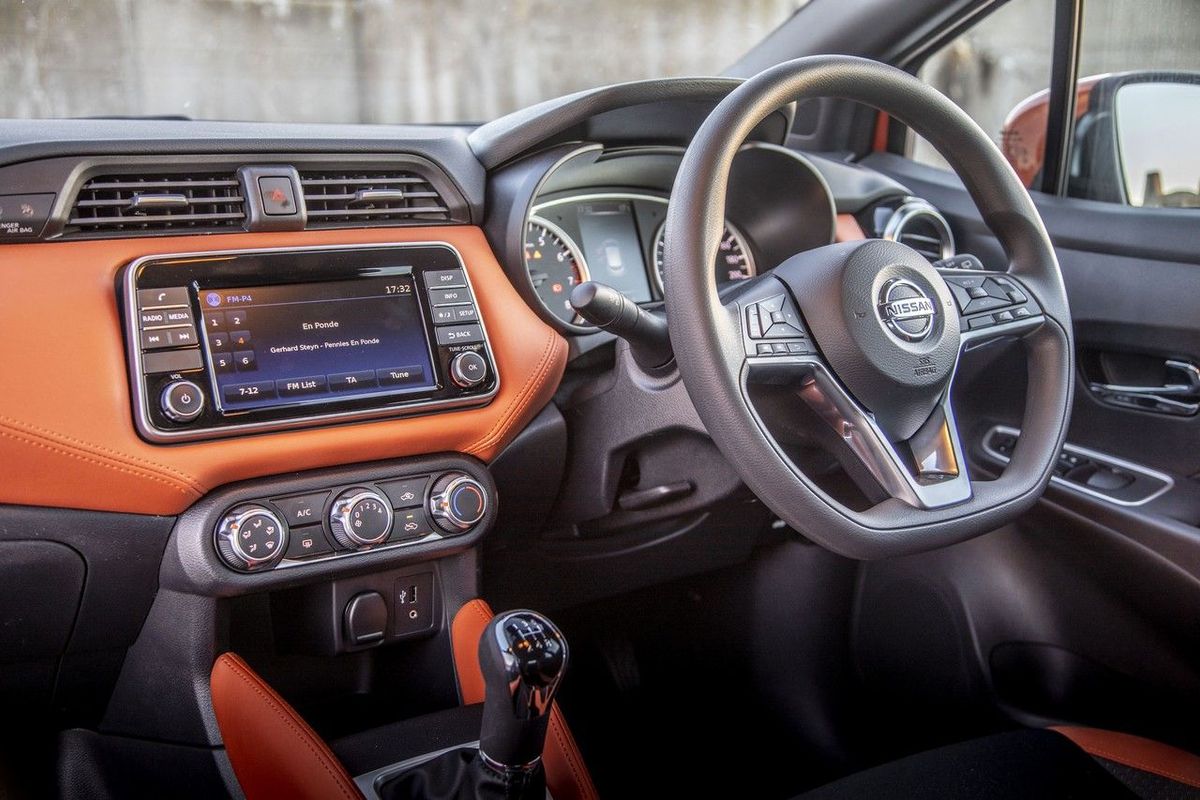
The interior is far more premium than before with a mix of hard and soft materials. 

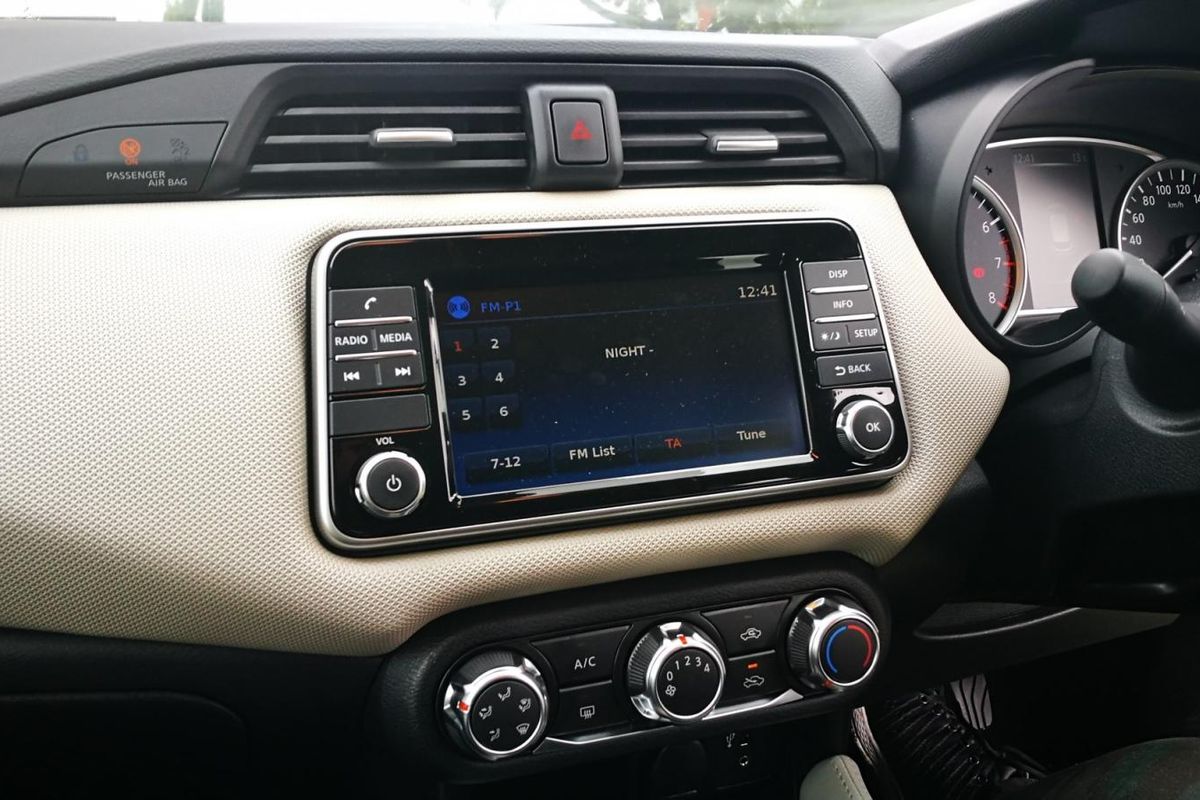
We were (mostly) impressed with the interior of the Micra, but there are some drawbacks too. We liked the mix of hard and soft materials as well as the youthful design of the dashboard. General build quality appears to be good and the Micra Acenta comes equipped with a 7-inch infotainment system that offers Bluetooth, USB/MP3 playback and Apple CarPlay.

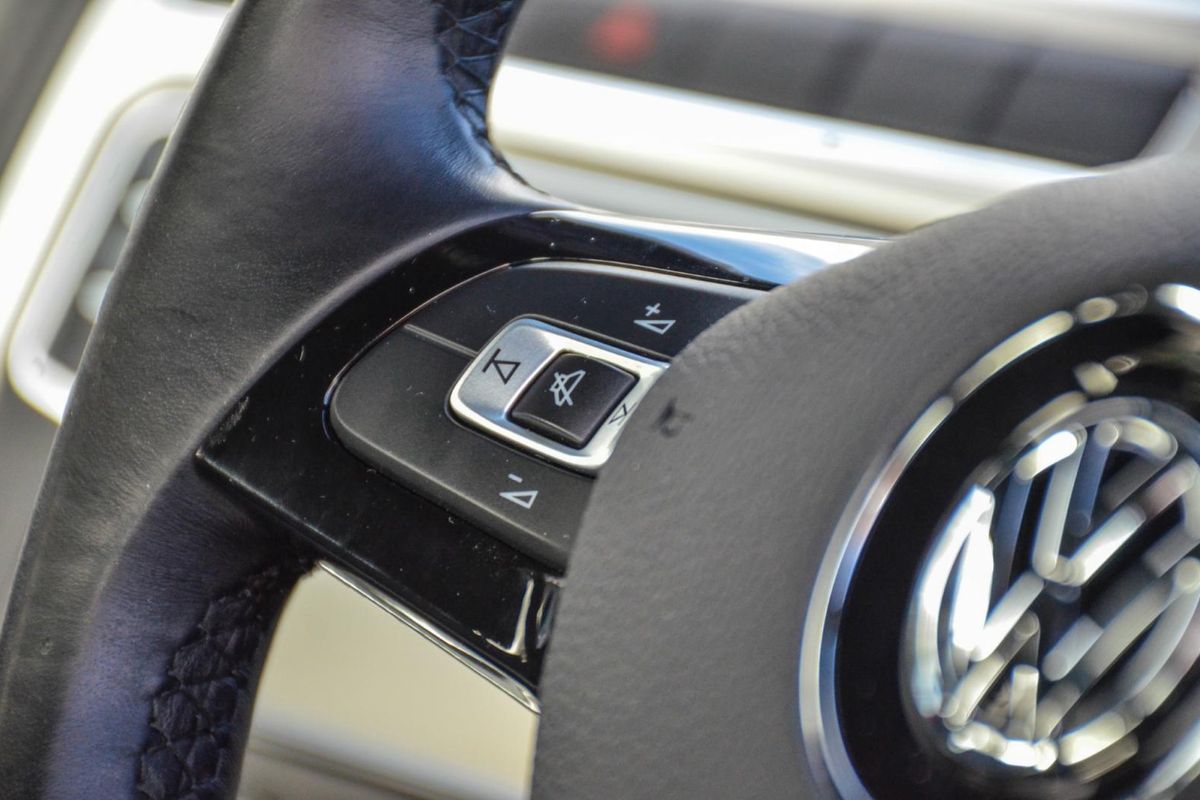
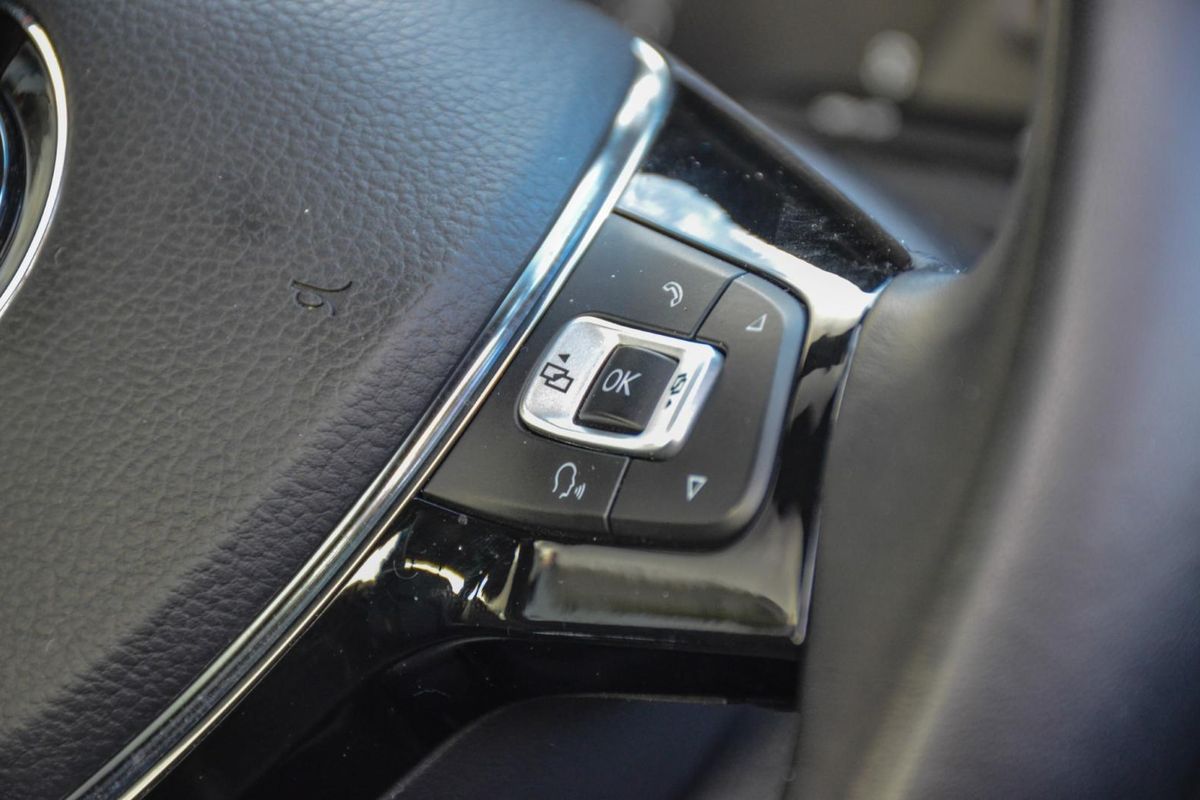
The steering wheel is adjustable for rake and reach and comes equipped with mounted controls for the standard cruise control, audio and multifunction display. In terms of safety, the Micra comes well equipped with 6-airbags, ABS with EBD, Electronic Stability Control, Hill Start Assist and ISOFIX child seat mounts.

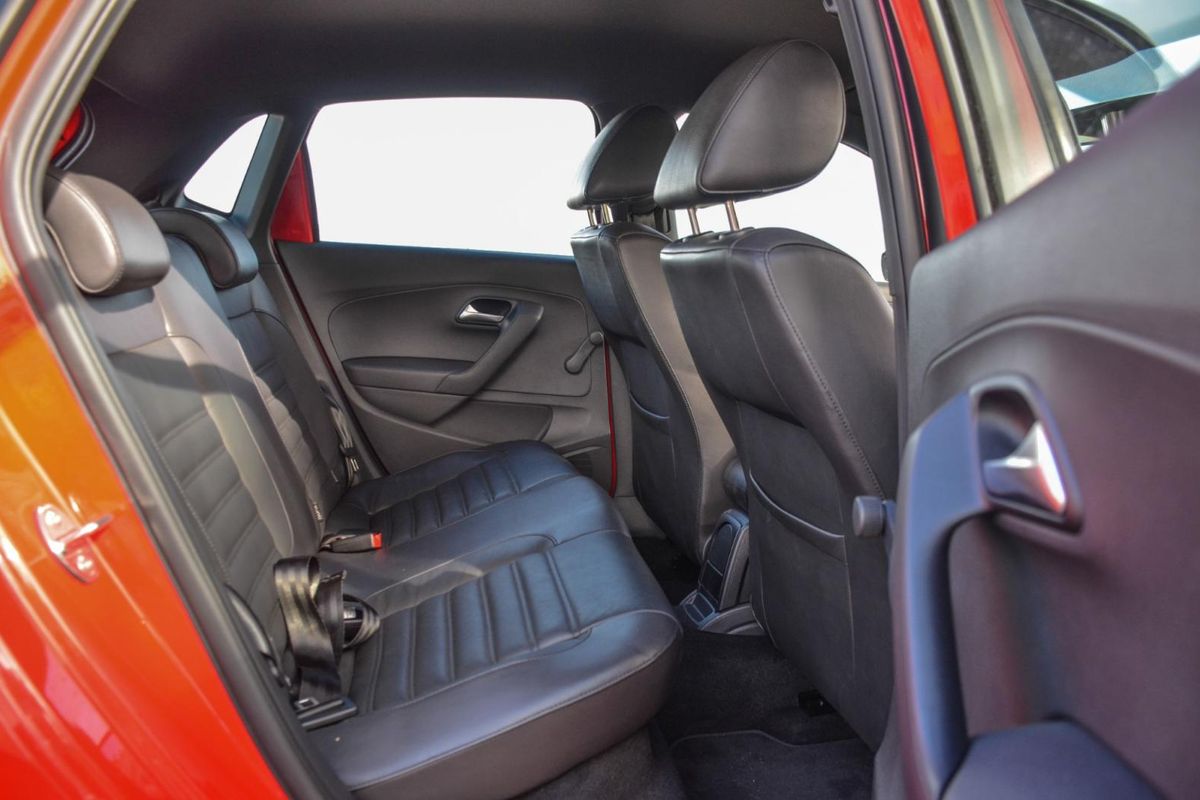
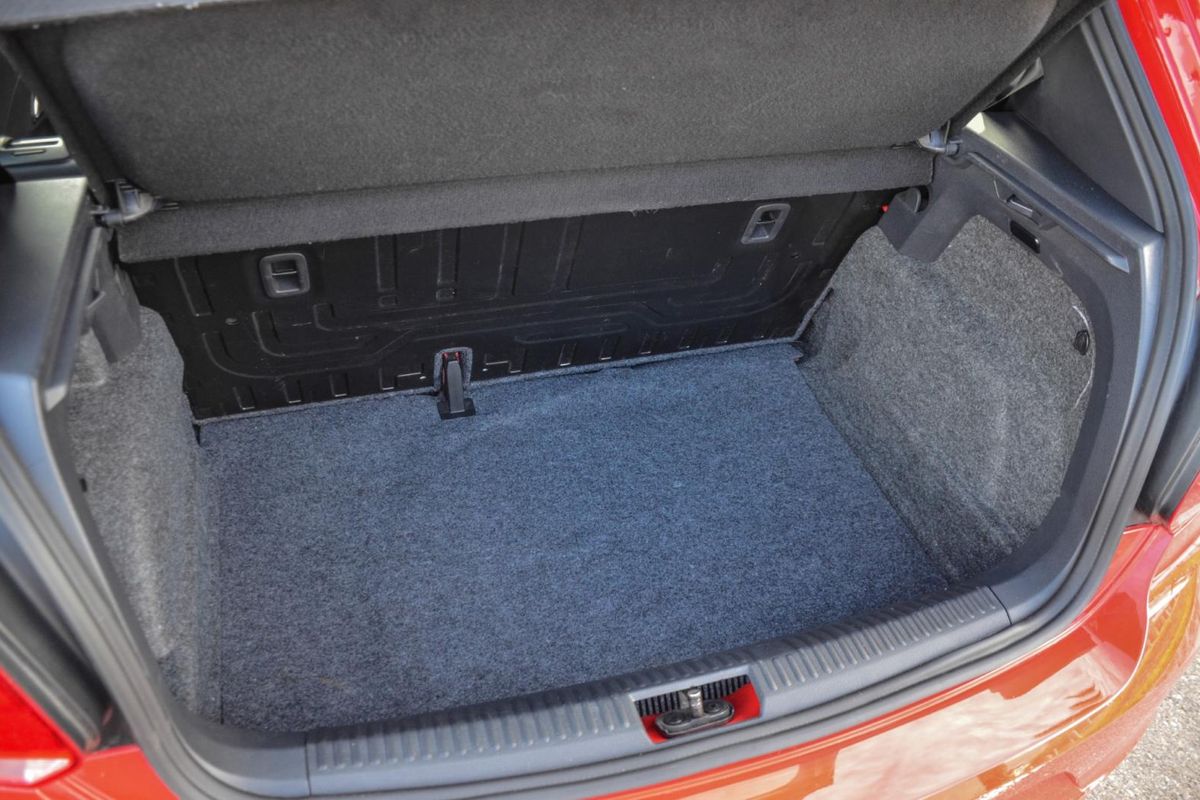
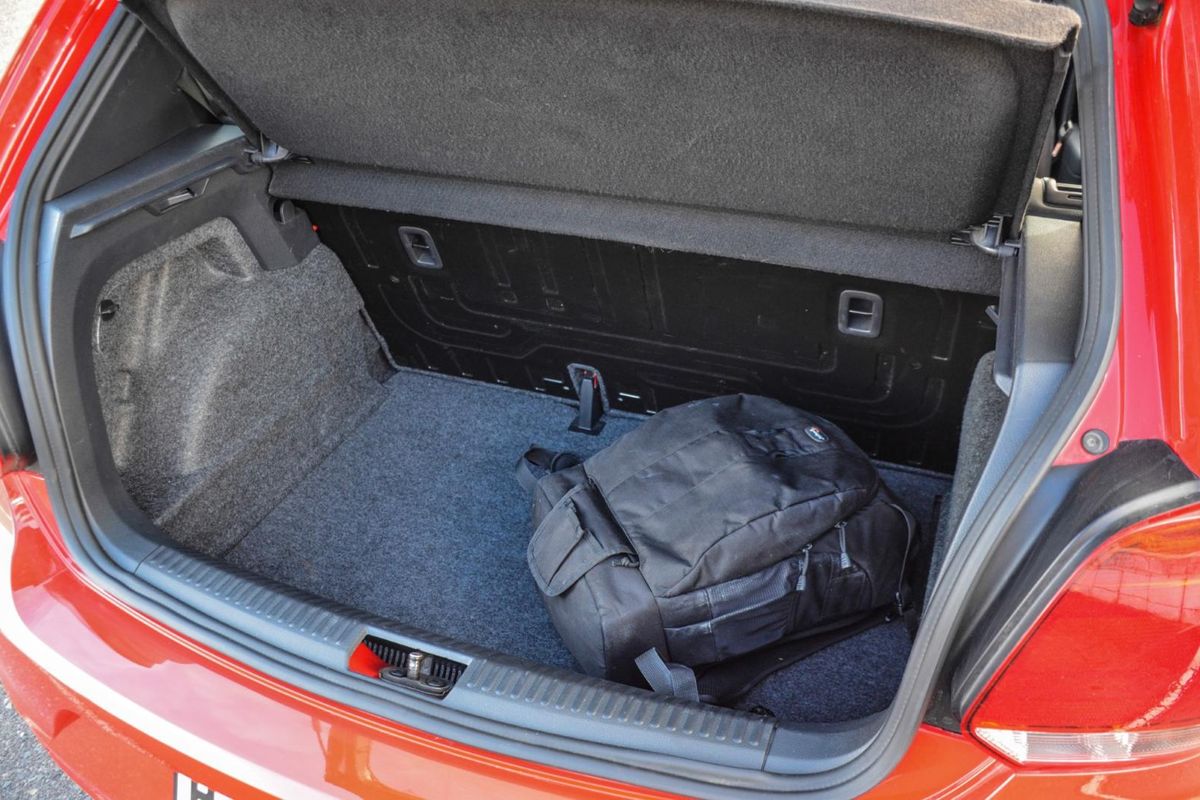
Although we found the seats comfortable, rear passengers might be a bit cramped. With a sloping roofline, rear headroom proved to be an issue and knee and legroom could be better. The load bay is reasonably-sized at 300 litres, which expands to 1 004 litres with the 60:40 seats folded down. We did notice that the carpeted finishing used in the load bay was of marginal quality.    

Final thoughts
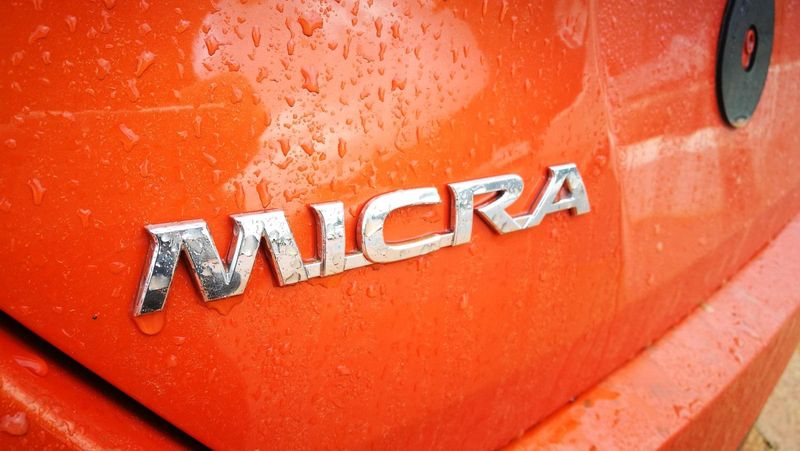

The Micra is well-worth considering in this segment and it should sell reletively well in South Africa. 

Overall, we think Nissan deserves praise for revitalising the Micra nameplate and elevating it into a more premium realm. Not only is the exterior and interior design of the new Micra far more appealing than ever before, its keen pricing, good standard specification and comprehensive warranty makes it an alluring proposition.

We think the new Micra has much to offer buyers in the compact hatchback segment and it should, in theory, sell well against more established rivals in this segment. Time will tell how well the Micra is received locally and Nissan hopes to initially sell in the region of 300 Micras per month. Nissan expects the mid-spec Micra Acenta to be the best-selling derivative in the range with a price of R257 400. It might be ambitious, but we think that if buyers can shake their previous perceptions of the Micra, then this new version might very well become a top-seller for Nissan on local soil.

We will have the New Nissan Micra on test soon, so look out for our thorough evaluation soon. 

New Nissan Micra – Price in SA 

Micra Visia – R233 500

Micra Acenta – R257 400

Micra Acenta Plus – R272 400

Pricing includes a 6-year/150 000 km warranty and a 3-year/90 000 km service plan.

Buy a new or used Nissan Micra on Cars.co.za

Related Content:

Nissan Micra (2018) Specs & Price

We Drive 2018 Nissan Micra [updated]

Nissan Micra Active (2017) Quick Review

Ford Fiesta (2018) Launch Review
Hyundai i20 Facelift (2018) Specs & Price

Volkswagen Polo (2018) Specs & Pricing

Volkswagen Polo Vivo GT (2018) Review

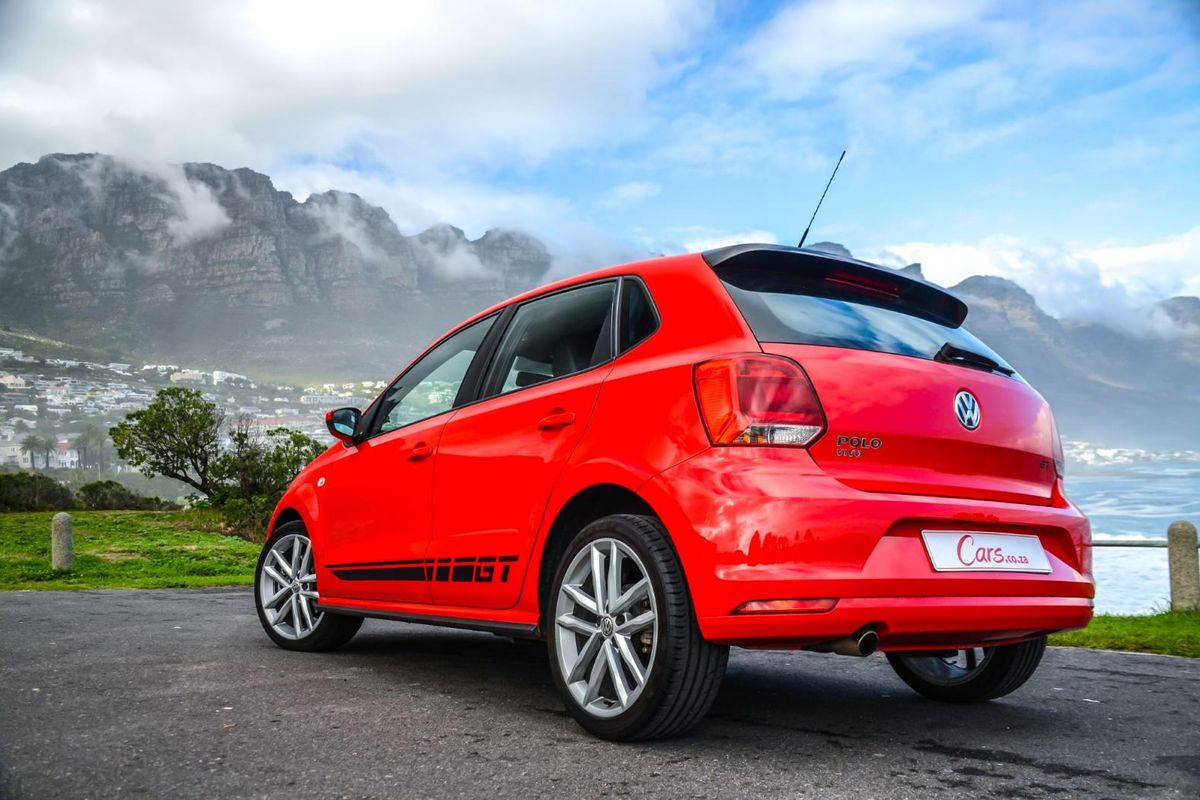
The new Polo Vivo is arguably the most accomplished vehicle in the budget segment and continues to find favour with buyers who are looking for value, reliability and quality. However, the range-topping Polo Vivo GT is perched at the pinnacle of the range with a starting price of R245 000. Does the Polo Vivo GT offer enough value to justify its lofty price tag? Let’s find out…

Should you buy a 2018 Volkswagen Polo Vivo GT? This quick review will help you make an informed buying decision!

We Like: Punchy engine, handling, refinement, interior design appeal  

We Don’t Like: Firmer ride, could offer more standard features, sub-standard rear legroom, pricey

Facts & Figures

Price: From R245 000, as tested R256 399 (June 2018)

Engine: Turbocharged, 3-cylinder 1.0-litre petrol

Transmission: 6-speed manual

Power: 81 kW

Torque: 200 Nm

Fuel consumption: 4.6 L/100 km

0-100 kph: N/a

Top Speed: 196 kph

Alternatives

The Champ: Consider the Mazda2 1.5 Individual priced at R248 400. It’s the current Cars.co.za Consumer Awards – powered by WesBank Compact Hatchback champion with 82 kW and 145 Nm of torque offered from its 1.5-litre naturally aspirated engine. Standard specification is comprehensive and it’s a stylish choice in this segment.   

French Flair: At R246 900, the Renault Clio 66 kW Turbo Dynamique is difficult to ignore. It’s arguably more stylish than the Polo Vivo GT and offers 66 kW and 140 Nm of torque from its 0.9-litre turbopetrol engine and comes kitted with generous standard specification and represents good value at this price point. If your budget can stretch to R269 900, then the 88 kW Clio GT-Line is also well worth considering.

Similar Punch: Consider the Opel Corsa 1.0T Enjoy priced at R256 429. It’s also powered by a punchy 1.0-litre turbopetrol engine with 85 kW and 170 Nm of torque. Standard safety specification is good and it’s slightly more practical than the Polo Vivo GT in terms of load space.

Compare the Volkswagen Polo Vivo GT with the Mazda2 1.5 Individual and Renault Clio 66 kW Turbo Dynamique


The range-topping Vivo GT is the only turbocharged derivative in the range, offering 81 kW and 200 Nm of torque. 

What is the Polo Vivo GT?


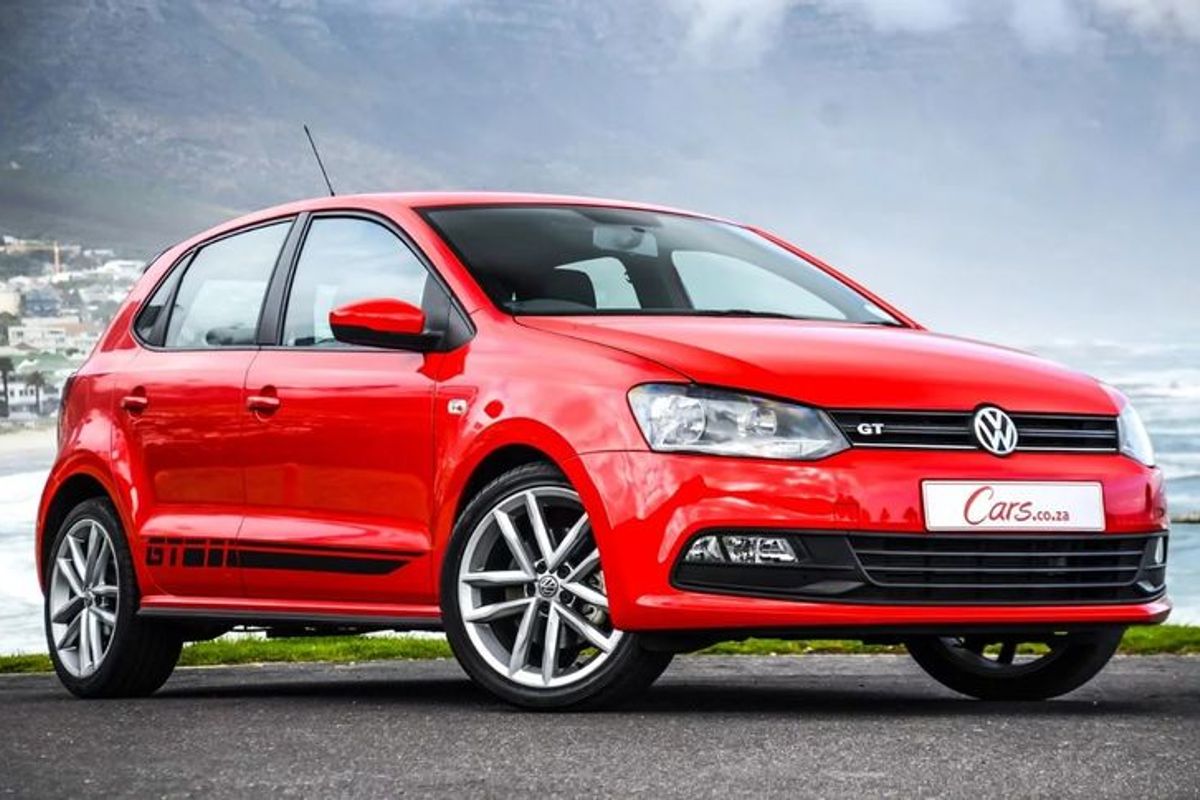
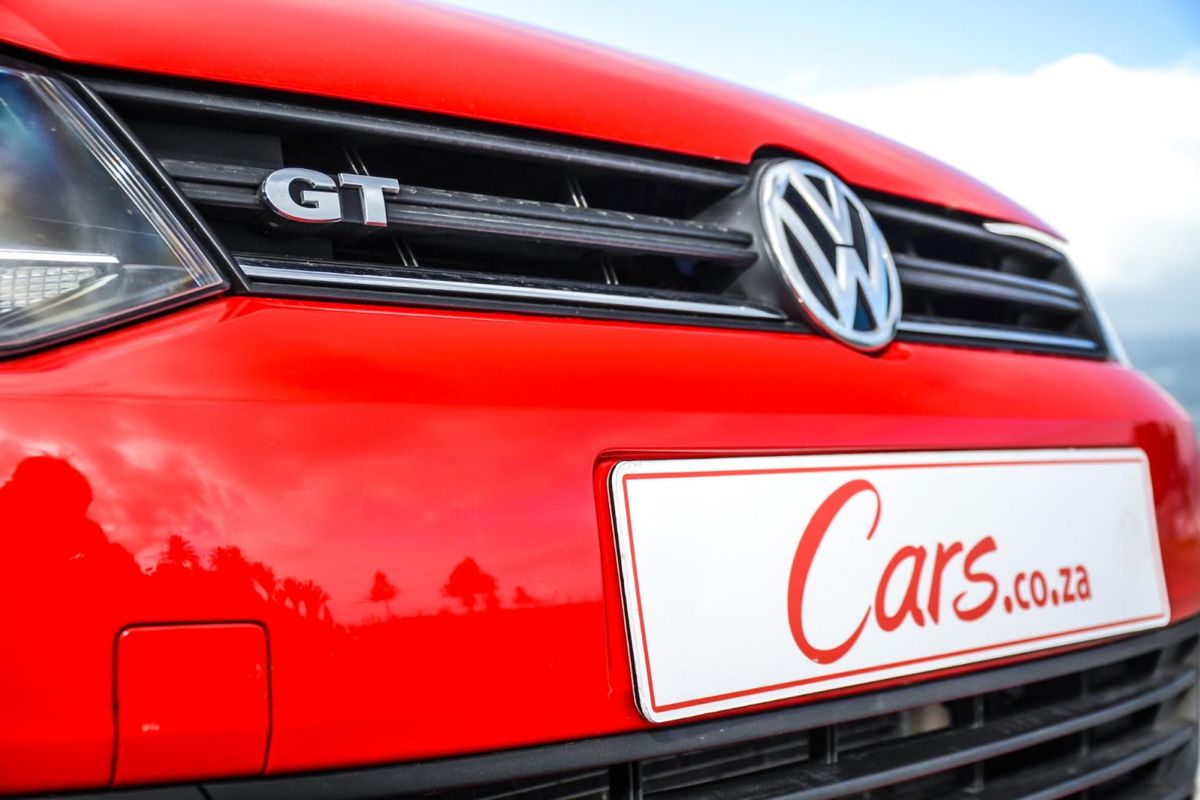
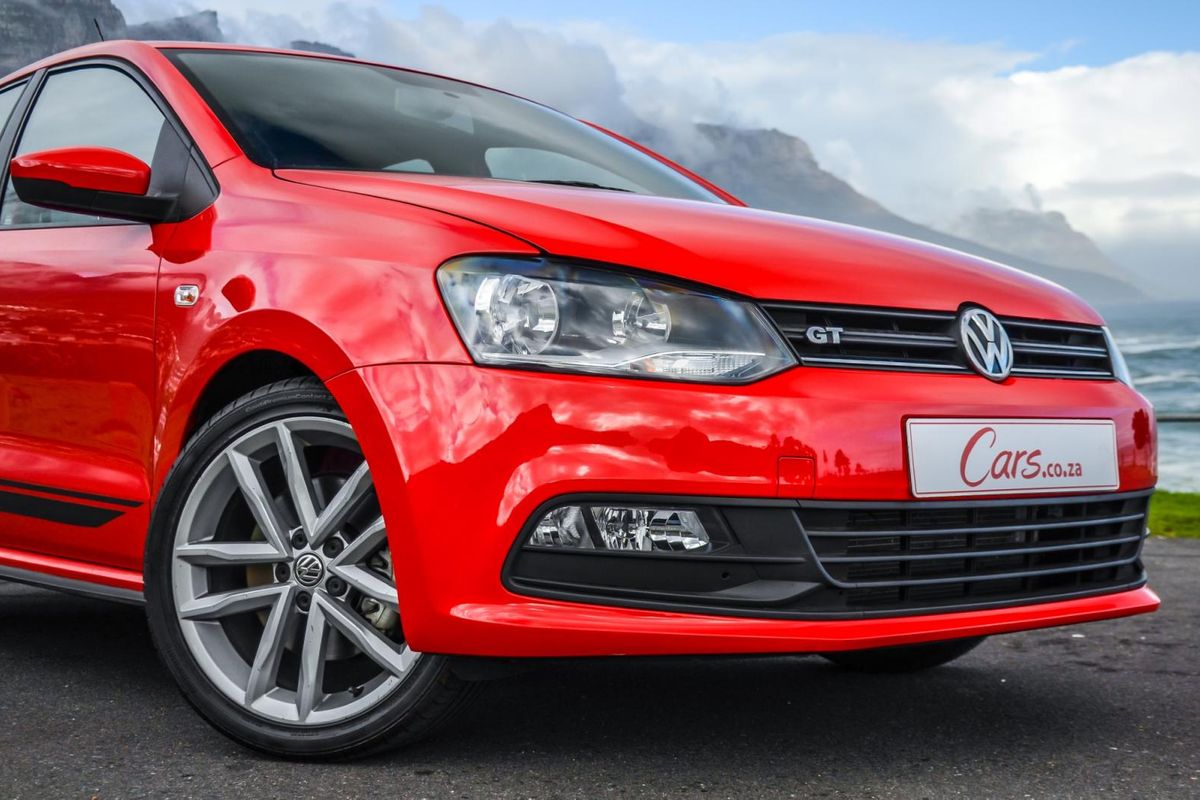
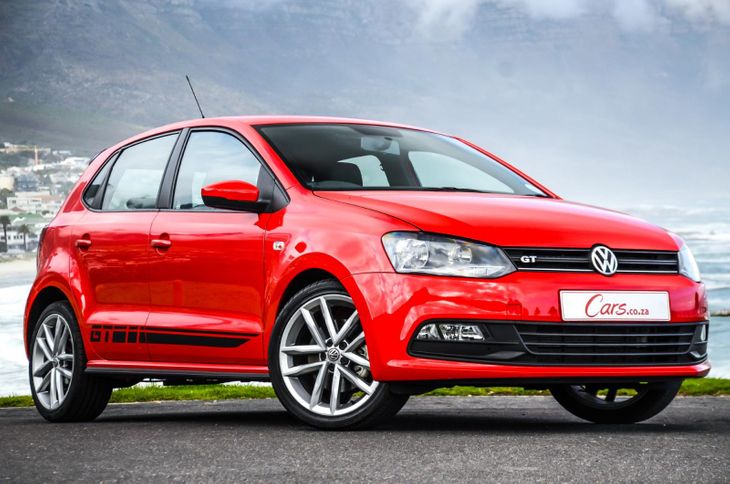
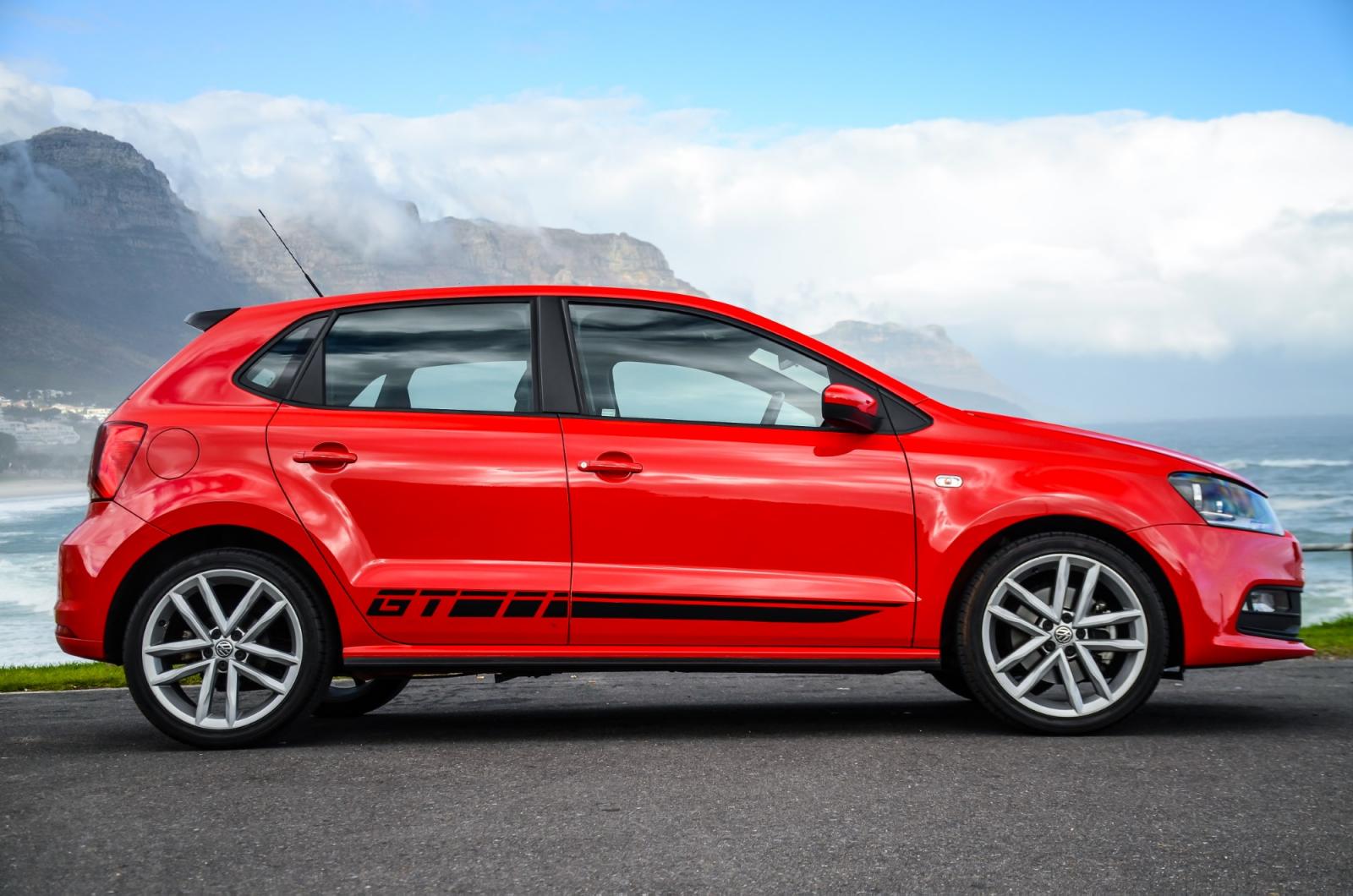
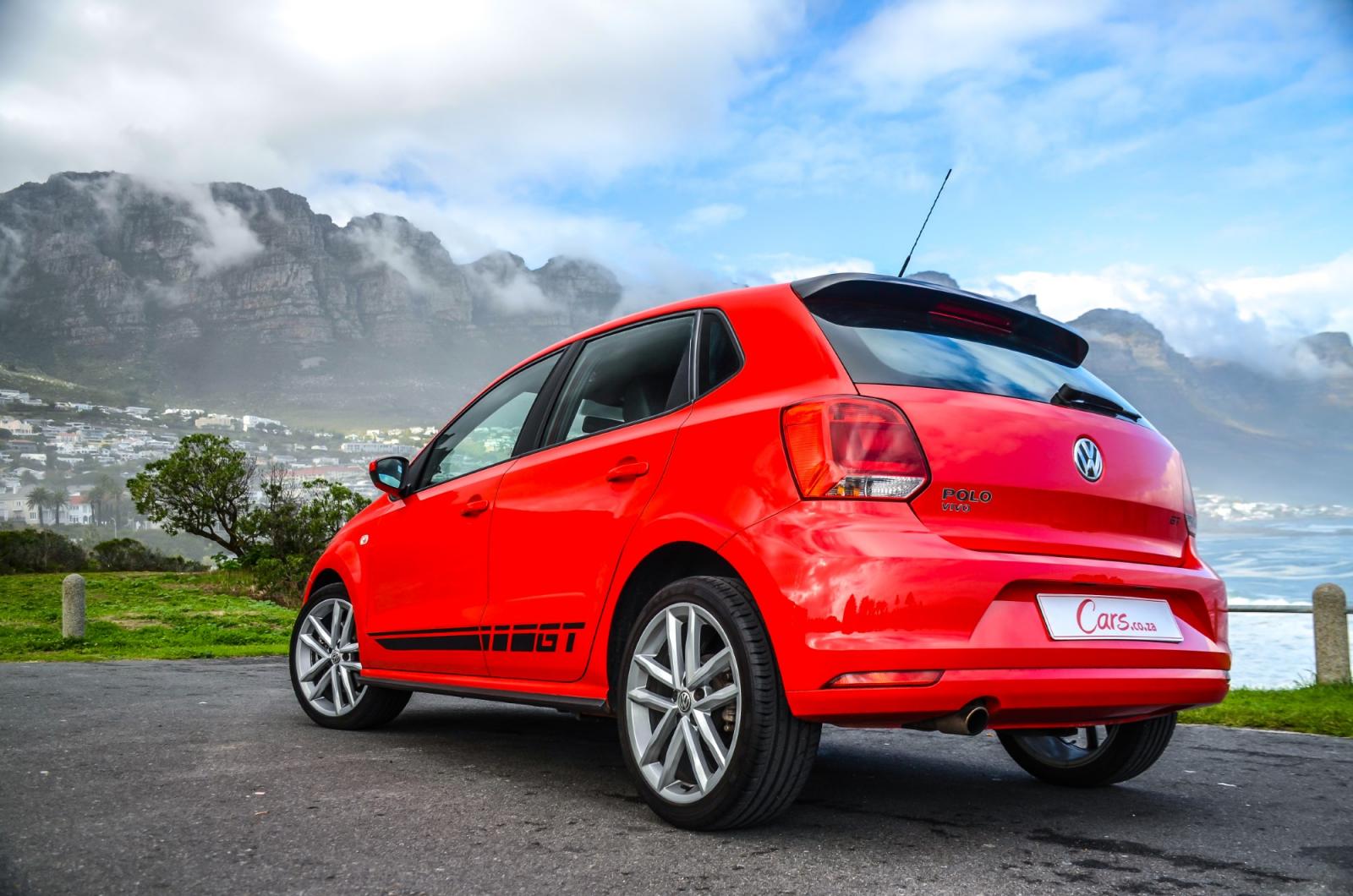
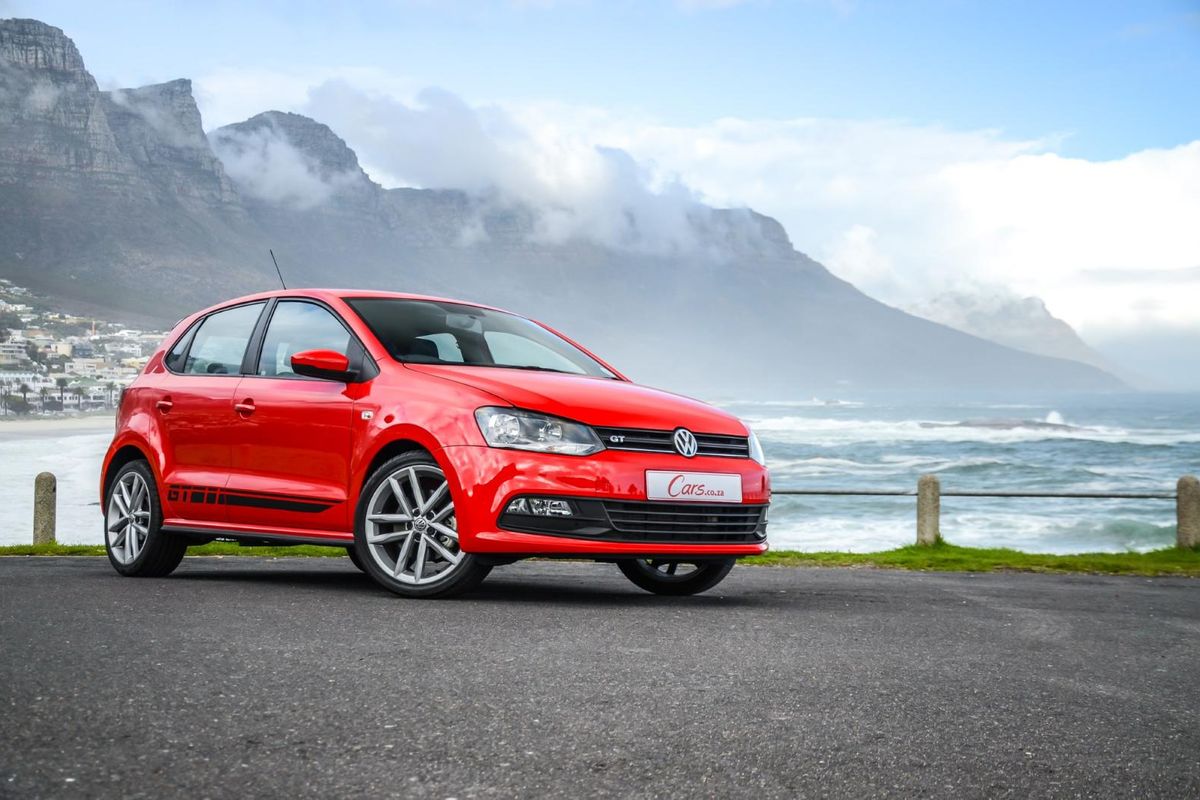
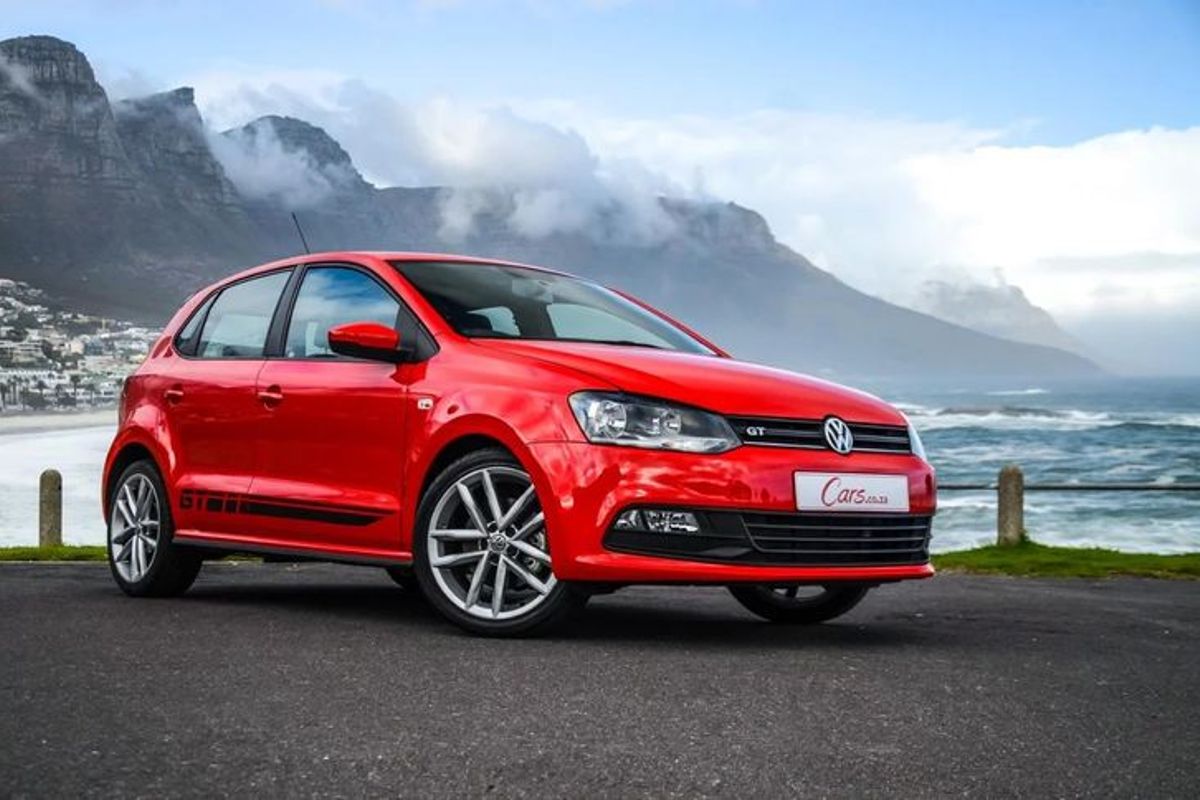
Sporty exterior details make it clear that this is not a run-of-the-mill Polo Vivo.

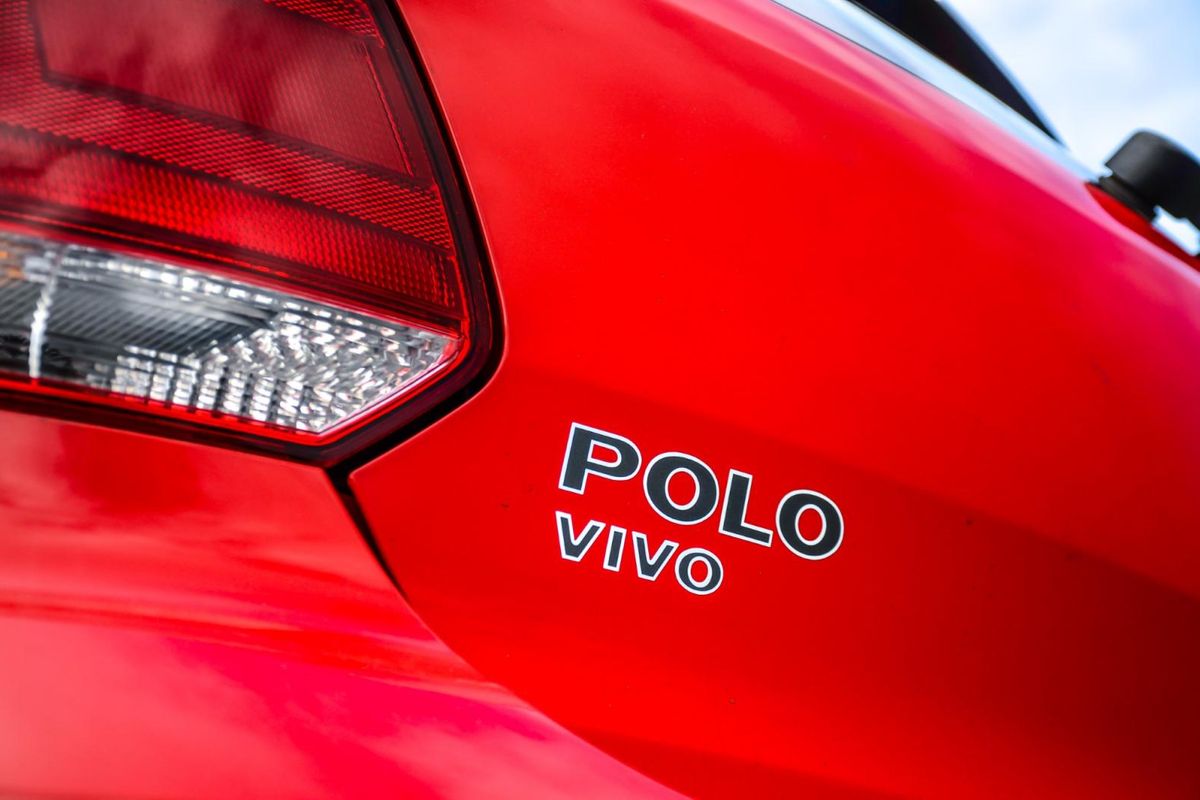
The new Vivo is based on the previous fifth-generation Polo and as a consequence, it has inherited not only its chassis but also some neat interior trimmings that has positioned the Vivo as a more premium budget offering.

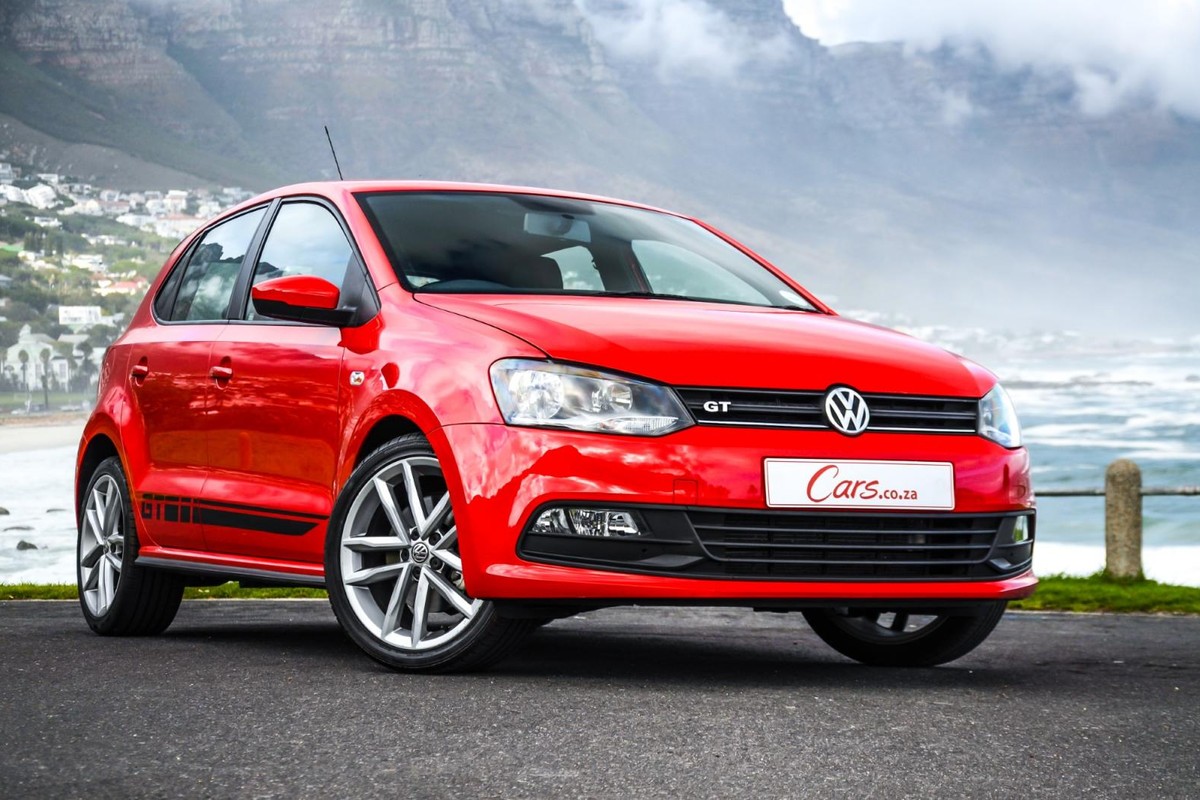
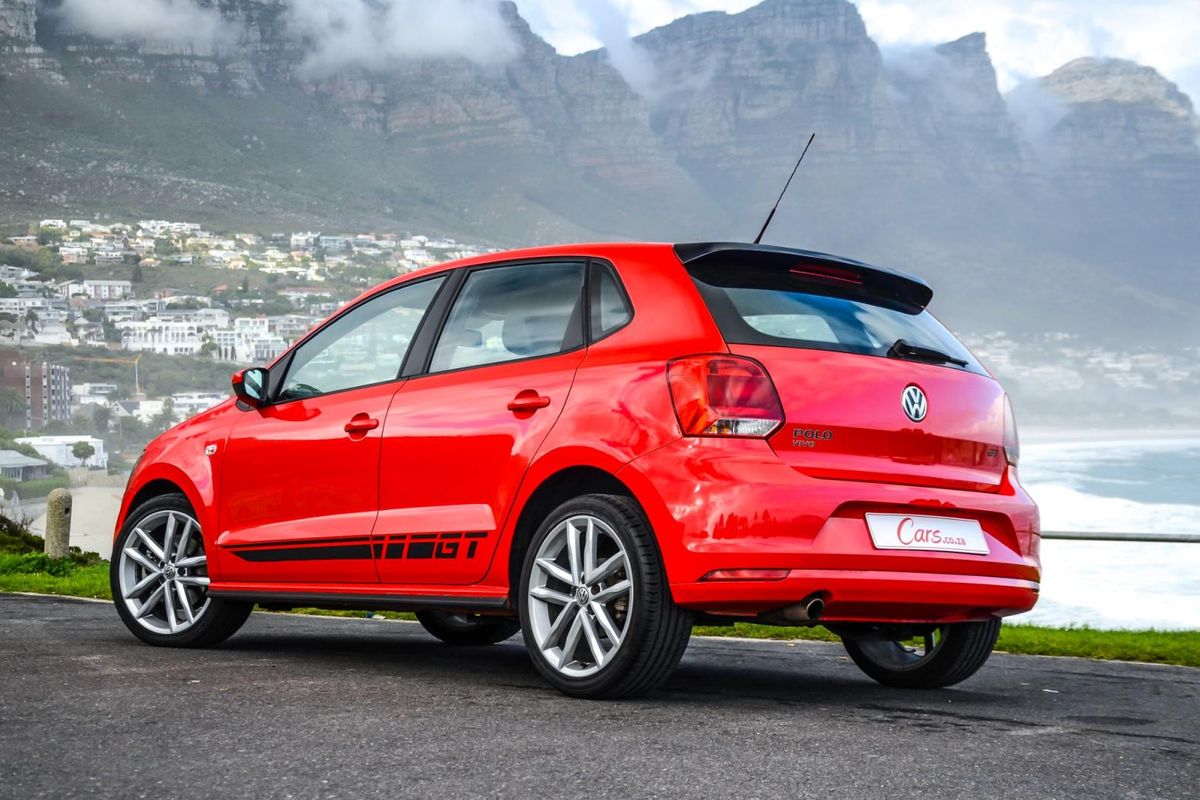
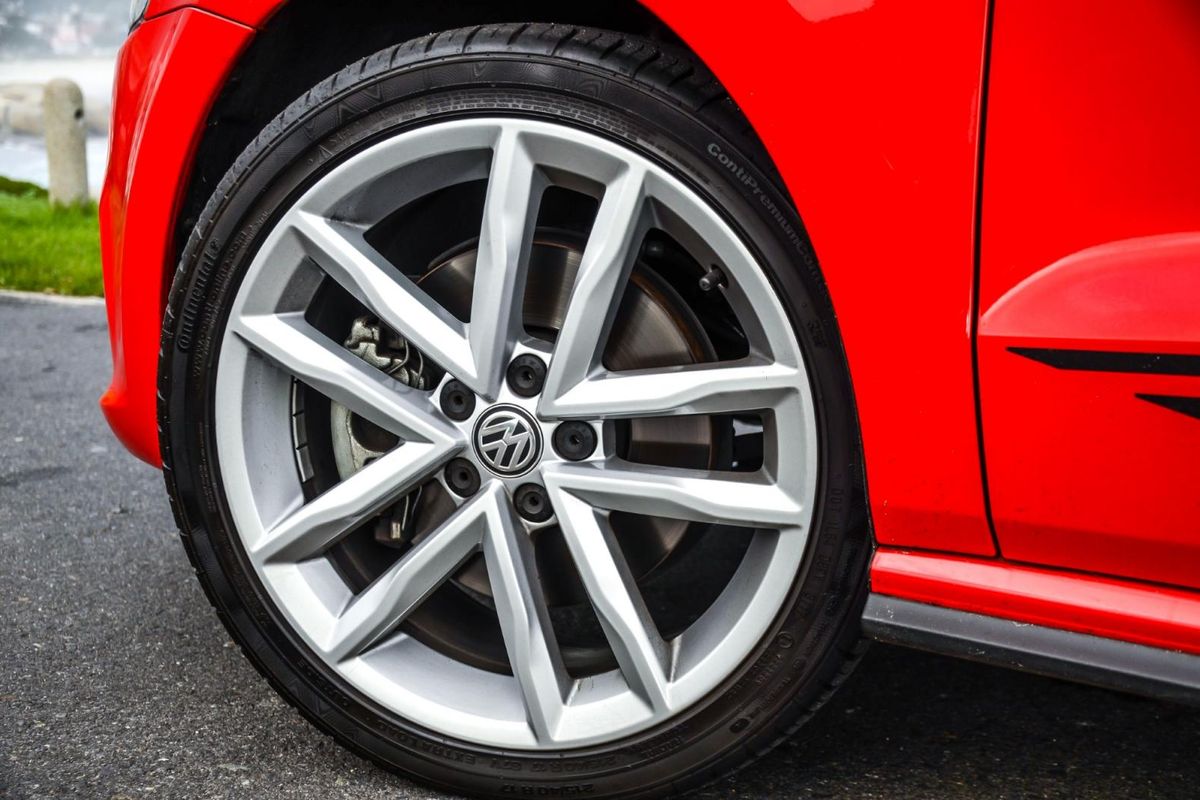
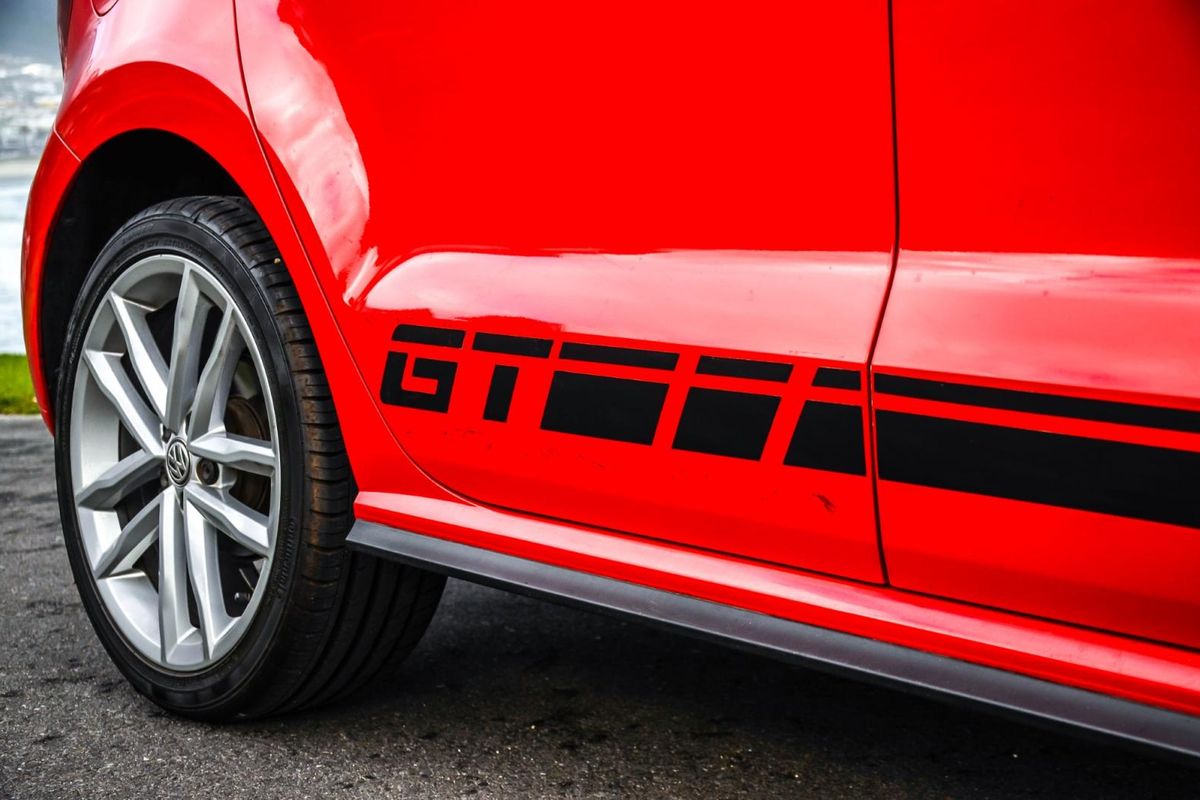
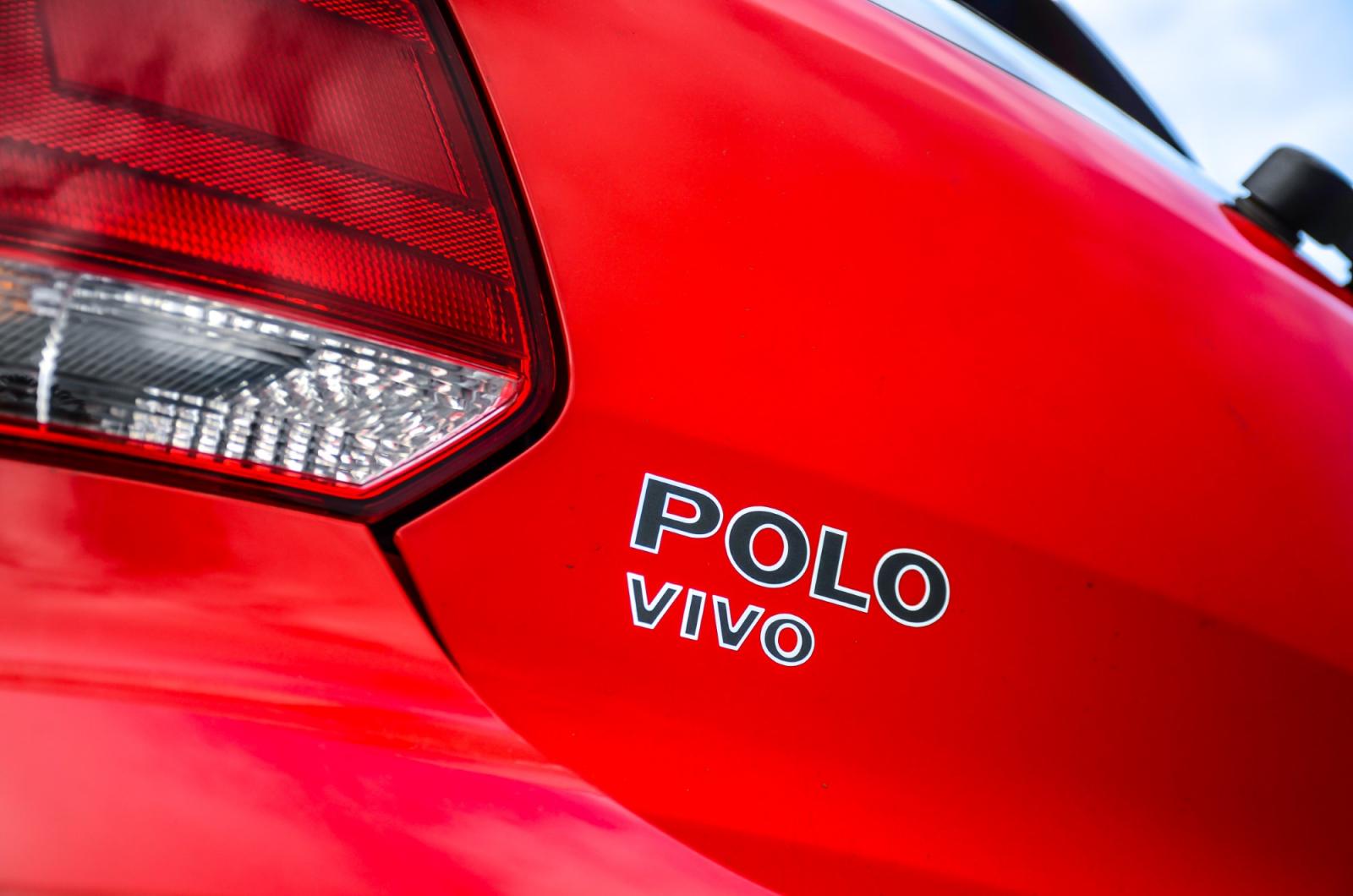
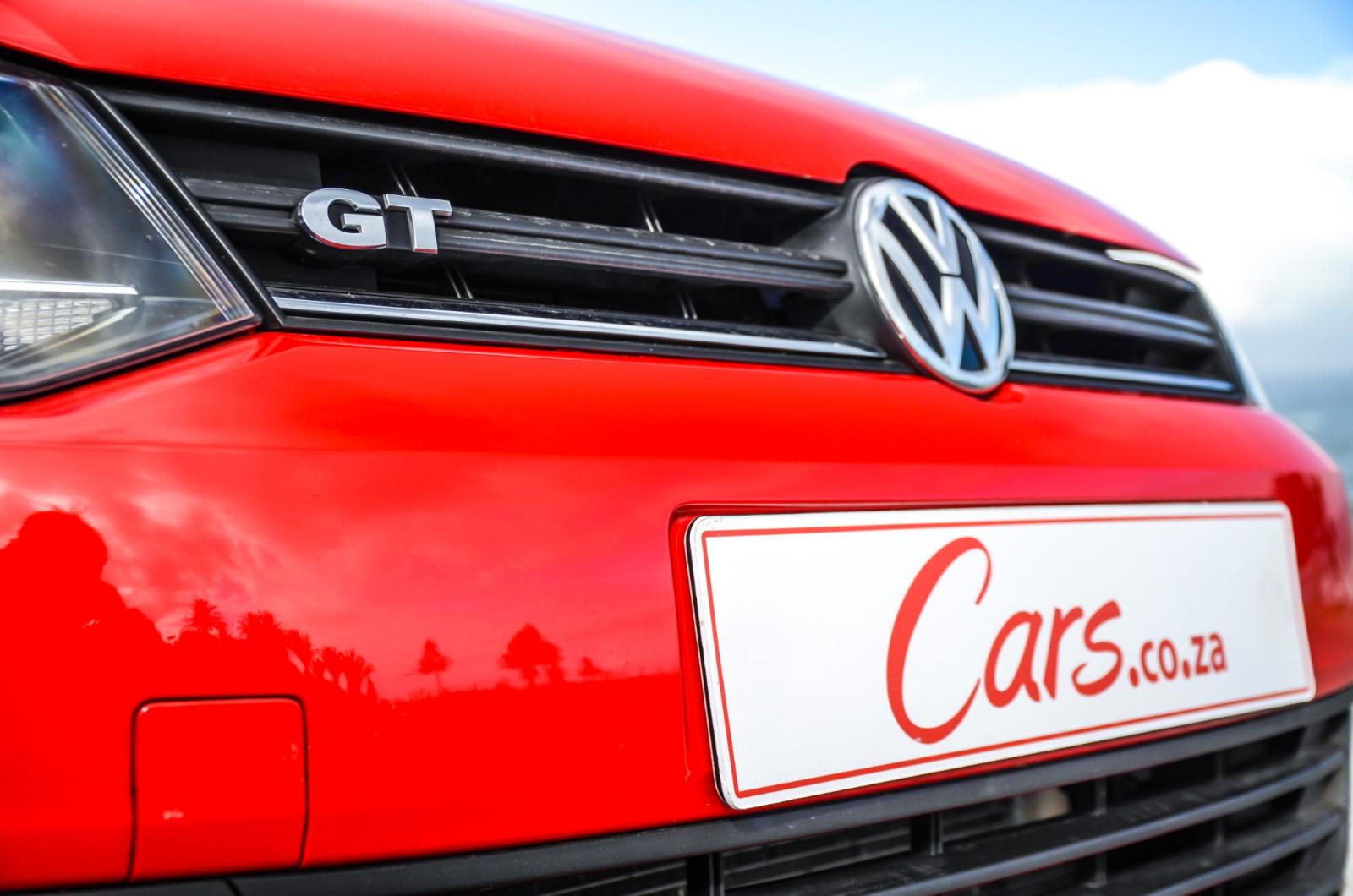
While this latest Vivo is distinguished from the previous Polo with features such as new headlights and taillights, a revised upper and lower grille and new alloy wheels, this range-topping GT version ups the styling stakes with sportier details of its own. Body-coloured side mirrors, a rear tailgate spoiler, black side moulding, chrome-trimmed exhaust and GT lettering seen on the tailgate, side sills and grille are key styling features on the Vivo GT. The suspension has been lowered too and sport pedals are included.

The Vivo GT can be considered to be a ‘hotter’ version of the standard Vivo, much like the GTI is to the Golf and perhaps more importantly, it’s the only Vivo with a turbocharged engine which also powered the previous Polo R-Line derivative. Is the show worth the dough? Let’s find out…

The Good

Punchy performance


The Vivo GT offers surprising zeal from its 1.0-litre turbopetrol engine. 

Unlike its naturally aspirated siblings, the Vivo GT offers more urgency in its performance courtesy of a 3-cylinder, 1.0-litre turbocharged petrol engine with 81 kW and a generous helping of torque at 200 Nm. The Vivo GT feels livelier and the extra poke makes it more entertaining to drive.  

The engine punches above its weight and once you break through the initial lag, it’s reasonably quick off the mark which is great for burst acceleration in cut-and-thrust traffic. We also found it to be particularly useful to execute overtakes on the highway, which it does with ease.

It’s only offered with a 6-speed manual transmission, which won’t please everyone, but it does allow you get the most from the engine when you need to. The transmission itself shifts quite seamlessly through the gears too.

In terms of fuel consumption, Volkswagen claims 4.6 L/100 km but we averaged closer to 6.0 L/100 km during our test, which is respectable. Cruise control is standard and is a useful feature to help reduce consumption on longer trips.  

Ride and handling


The Vivo GT handles with a planted feel and can be quite fun to drive enthusiastically.

Coupled with its perky engine and capable chassis, the Vivo GT is sprightly on its rubber and can be lobbed through corners with confidence. It’s sure-footed and feels grippy in the bends and the lowered suspension helps to reduce body roll. The steering is nicely weighted with relatively good response and feedback.

Ride comfort, however, was not as good as we had hoped. The suspension felt firmer and the ride was harsher on poorer surfaces. It’s not overly firm, which means you can still live with it every day, but it’s not as forgiving. The larger 17-inch wheels impinge on ride comfort but the added firmness does play into the Vivo GT’s sportier persona, so some buyers might prefer that.  

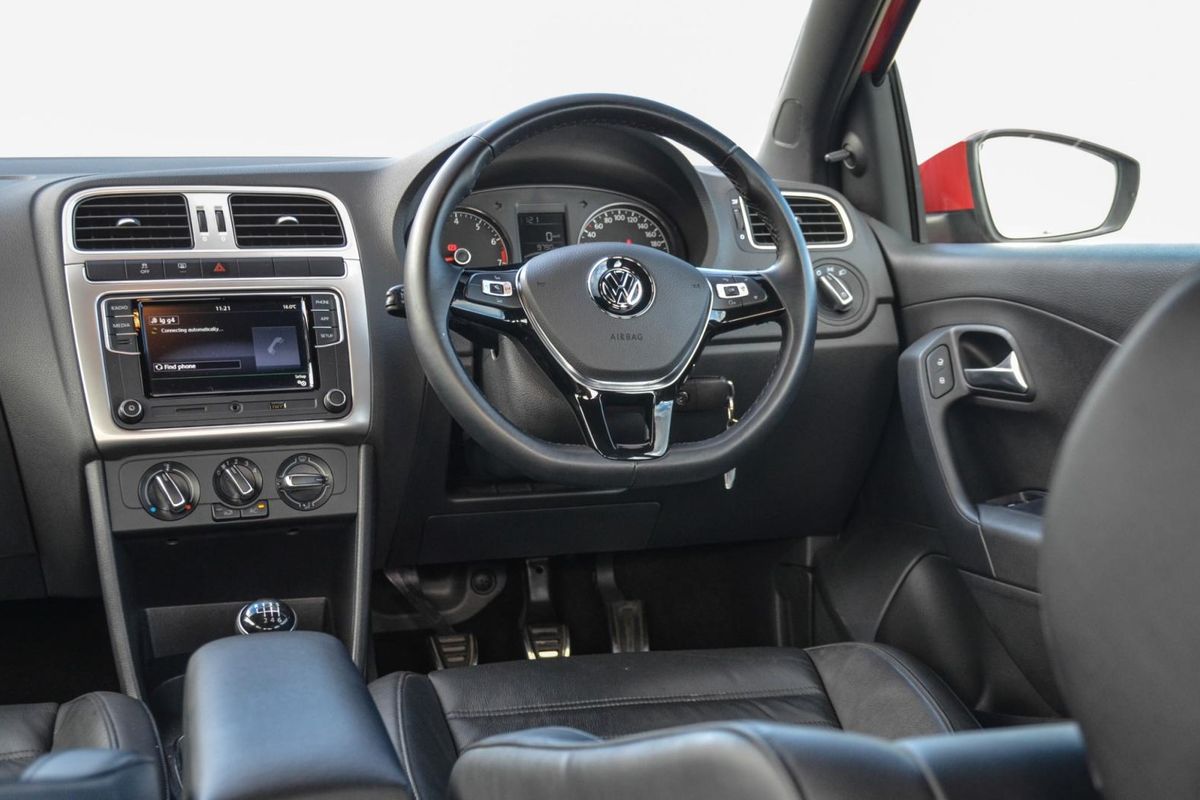
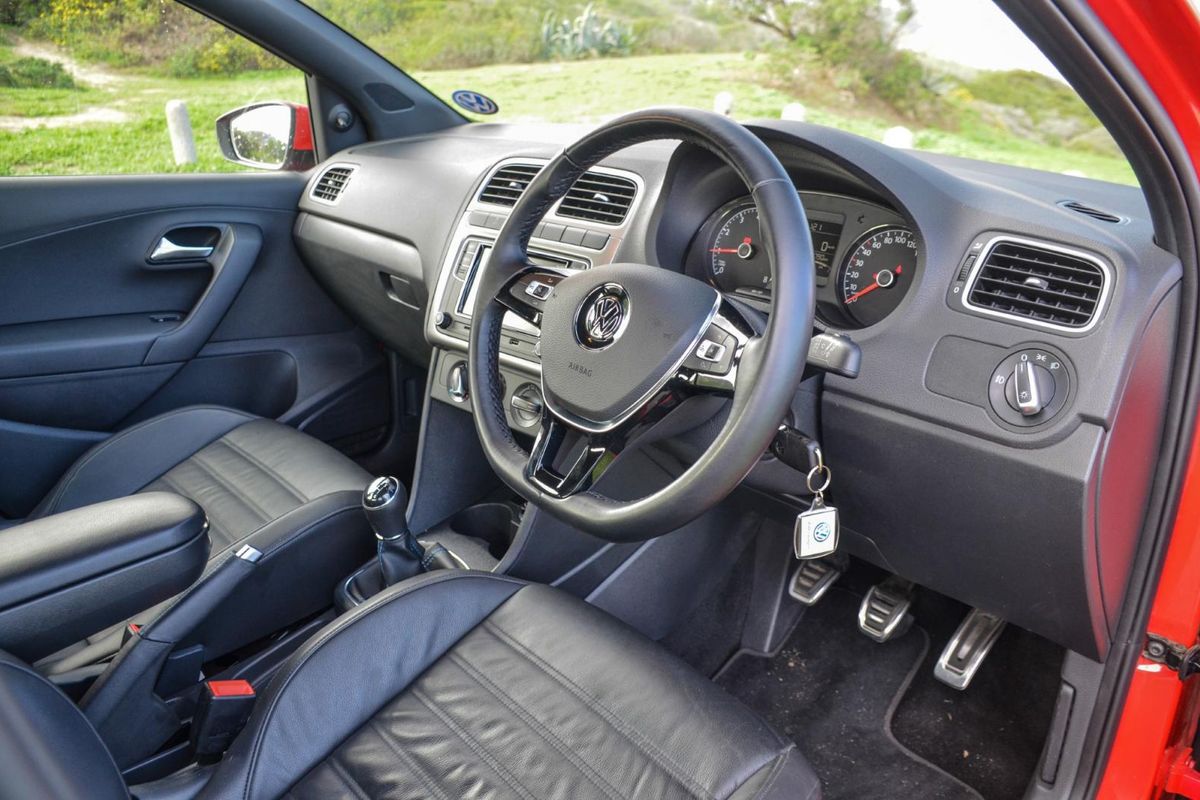
A height-adjustable driver’s seat is standard and the steering wheel can be adjusted for rake and reach to find your ideal driving position.  

The Bad

Not as practical as it could be


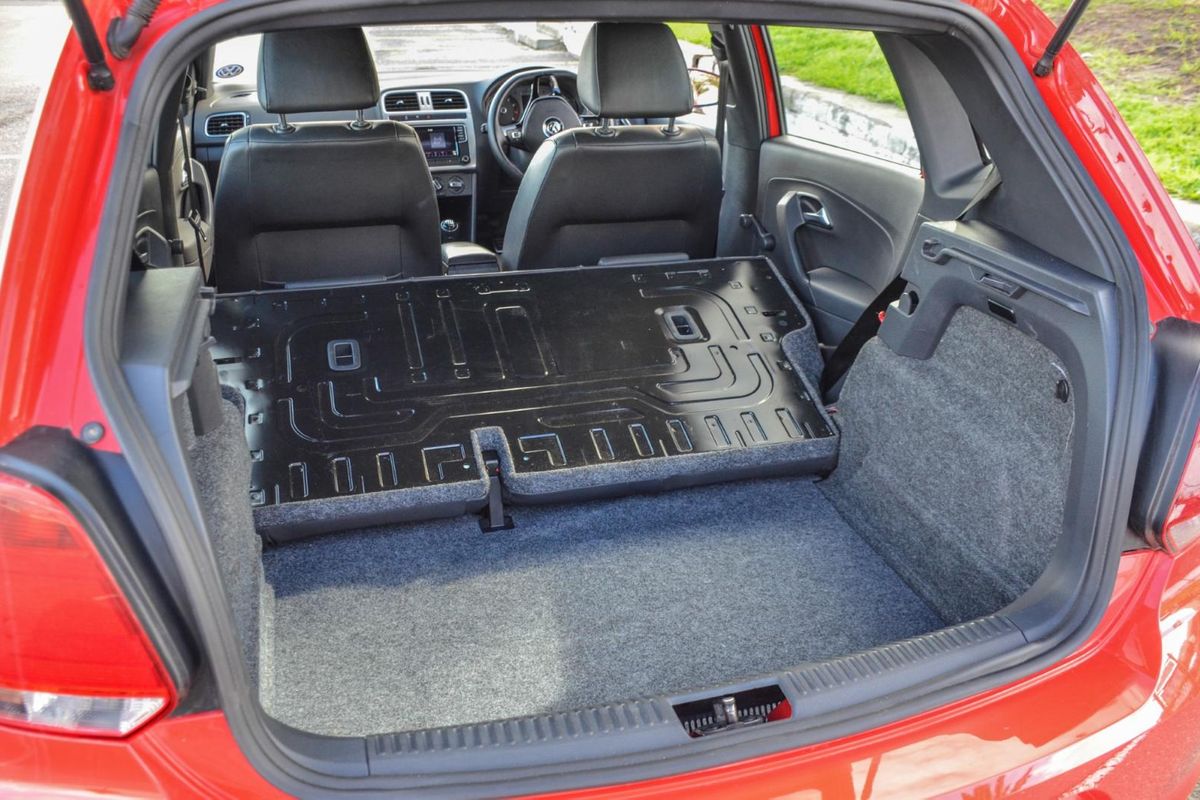
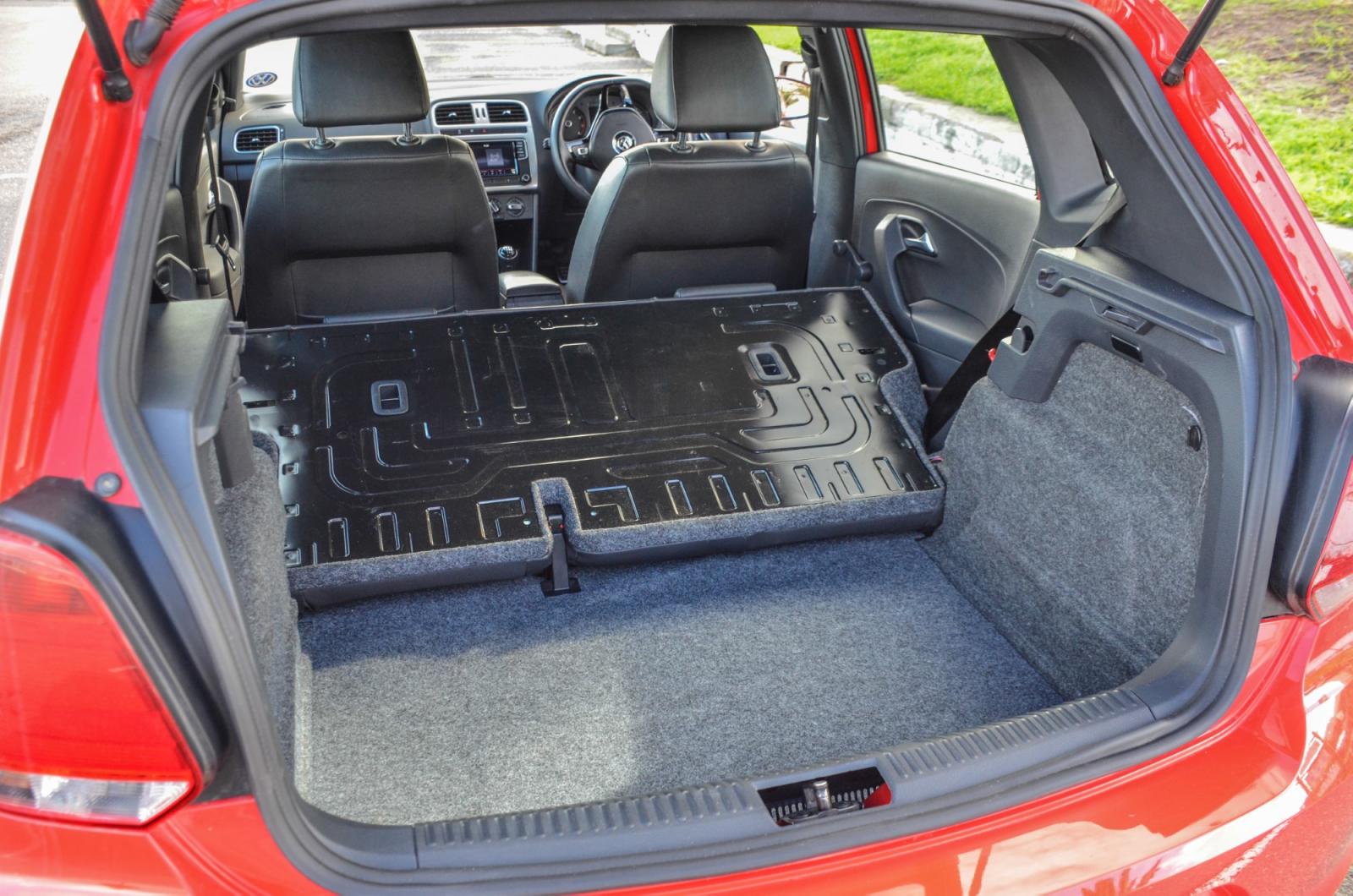
The rear bench is not split and we think the exposed steel back looks tacky and unfinished. 

This new Vivo comes with load bay space quoted at 280 litres which is some 10 litres more than the old Vivo. It’s one of the bigger boots in this segment but it must be noted that the rear bench isn’t split, which means the whole seat back folds down as a single piece. Space expands to 952 litres with the rear bench folded down which gives you a reasonable amount of space.

Also, the rear seat doesn’t fold completely flat and there is a pronounced, raised lip that gets in the way, depending on what you are loading. We have also previously criticised the Vivo for the exposed steel seen on the rear seat back which looks tacky and will become unsightly as is gets scratched and damaged over time. We think carpeted trim would have been more appealing.


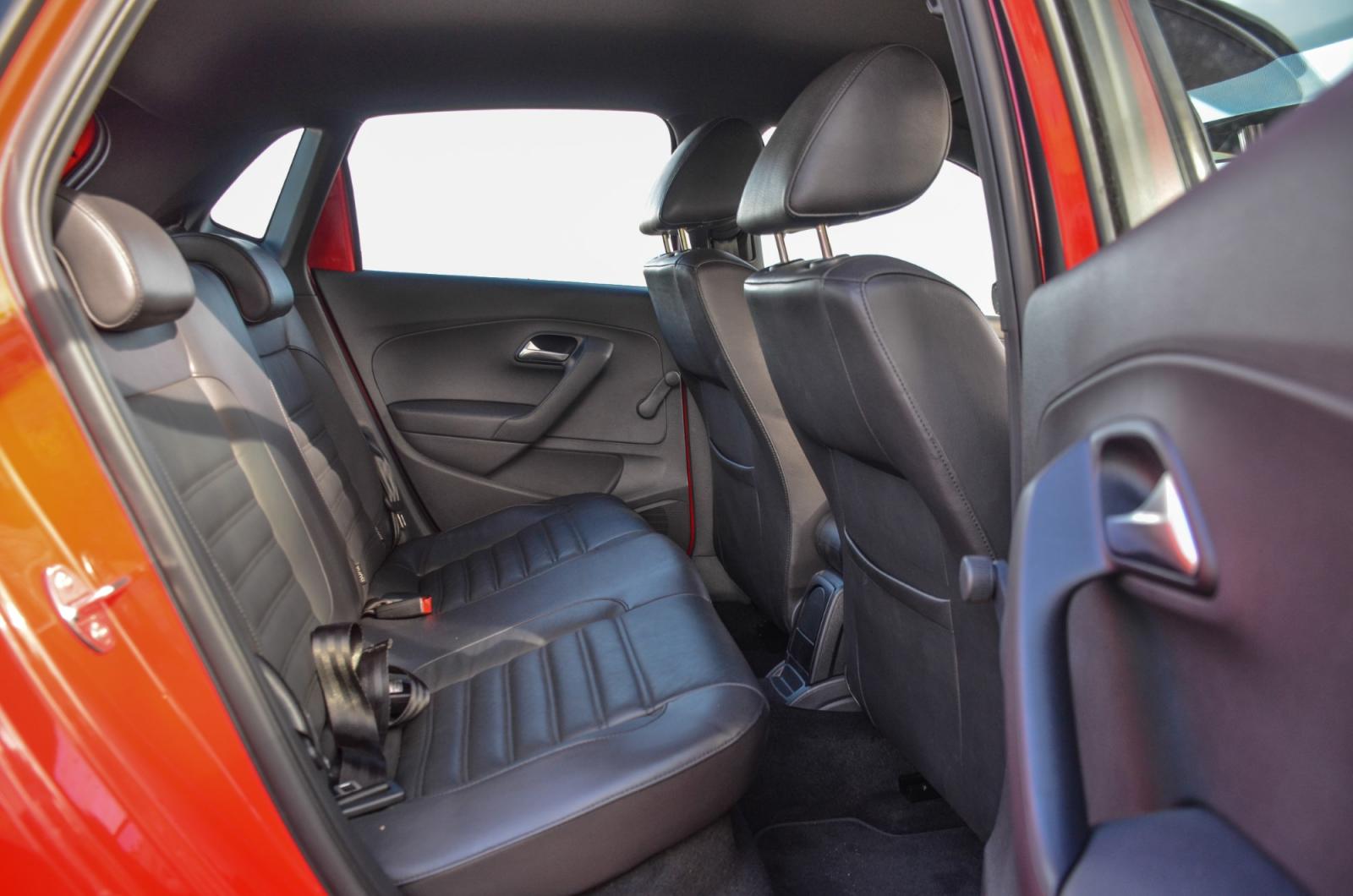
Tall passengers might find rear legroom to be inadequate, especially on longer journeys. 

Space for rear passengers is average at best and legroom might be an issue for taller passengers who will struggle to get comfortable.

There is ample storage dotted around the cabin including bottle holders in all the door mouldings and 2 cupholders and additional storage space for oddments ahead of the gear lever.

The optional Storage Package (R2 017) was fitted to this test unit which includes a drawer under the driver’s seat and a centre armrest for added comfort.

Interior Antics


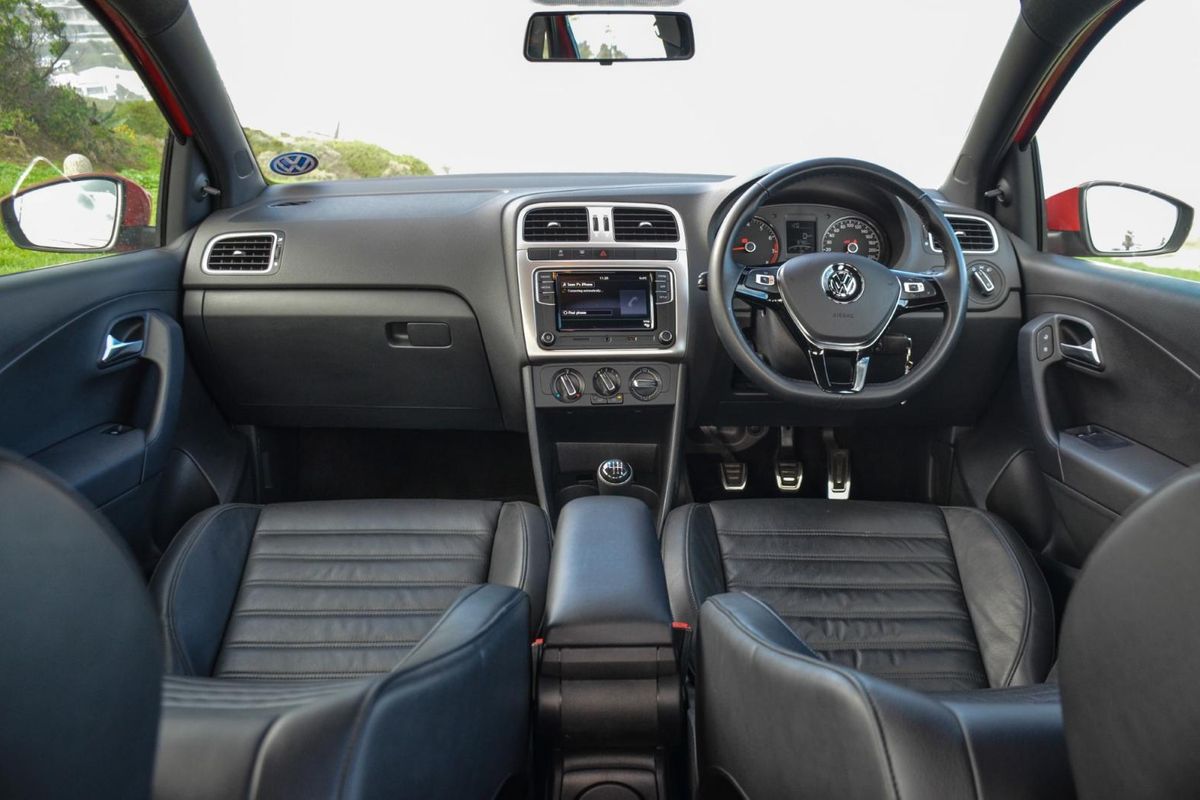
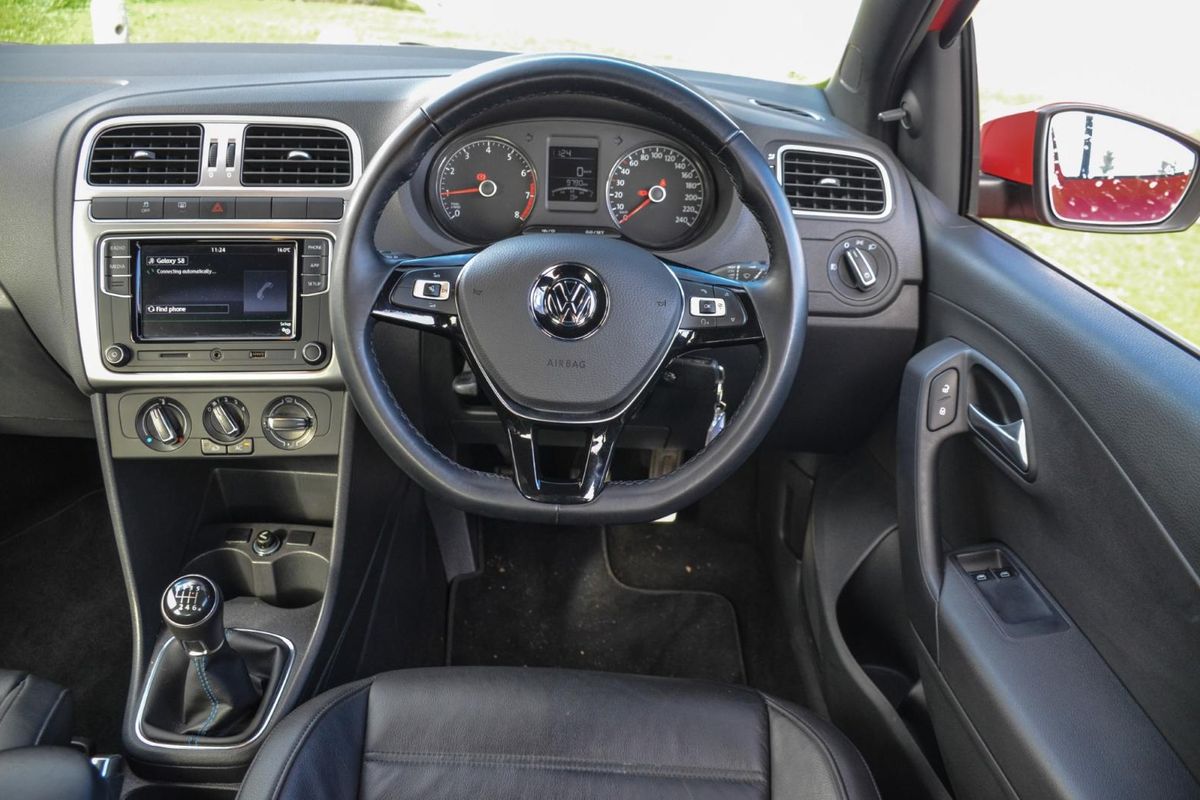
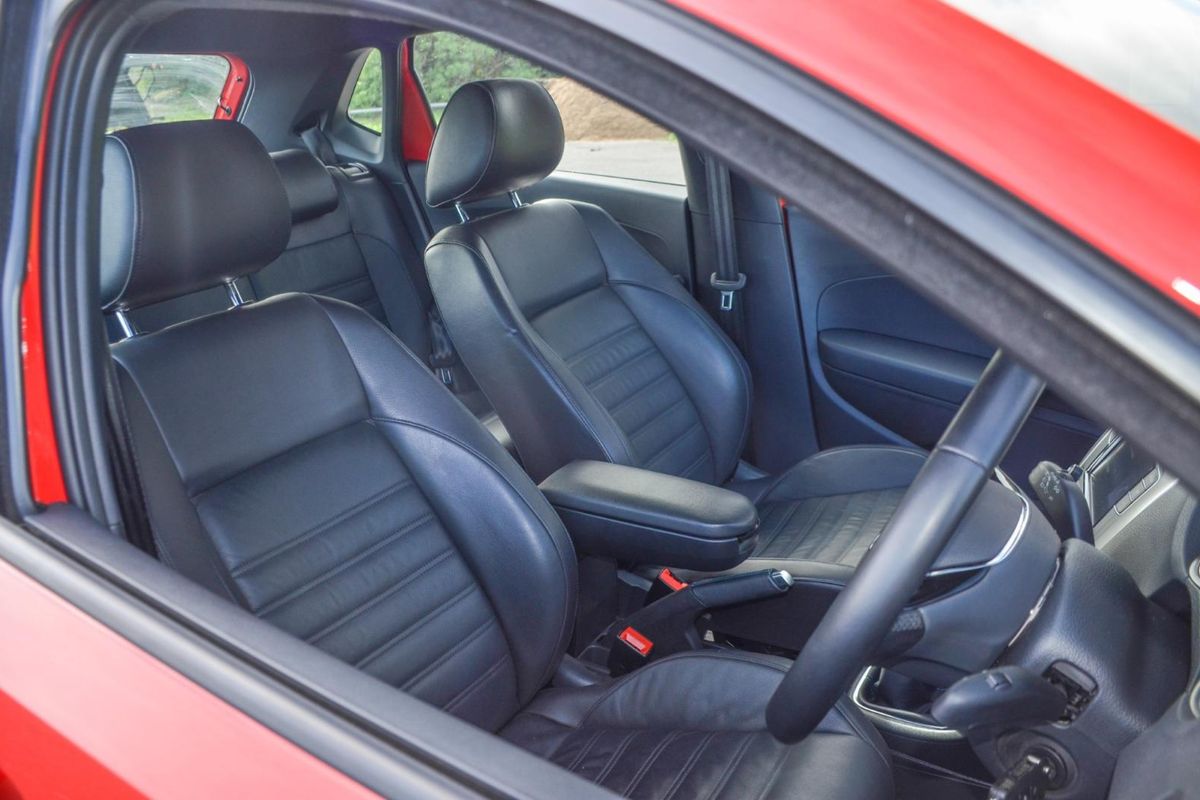
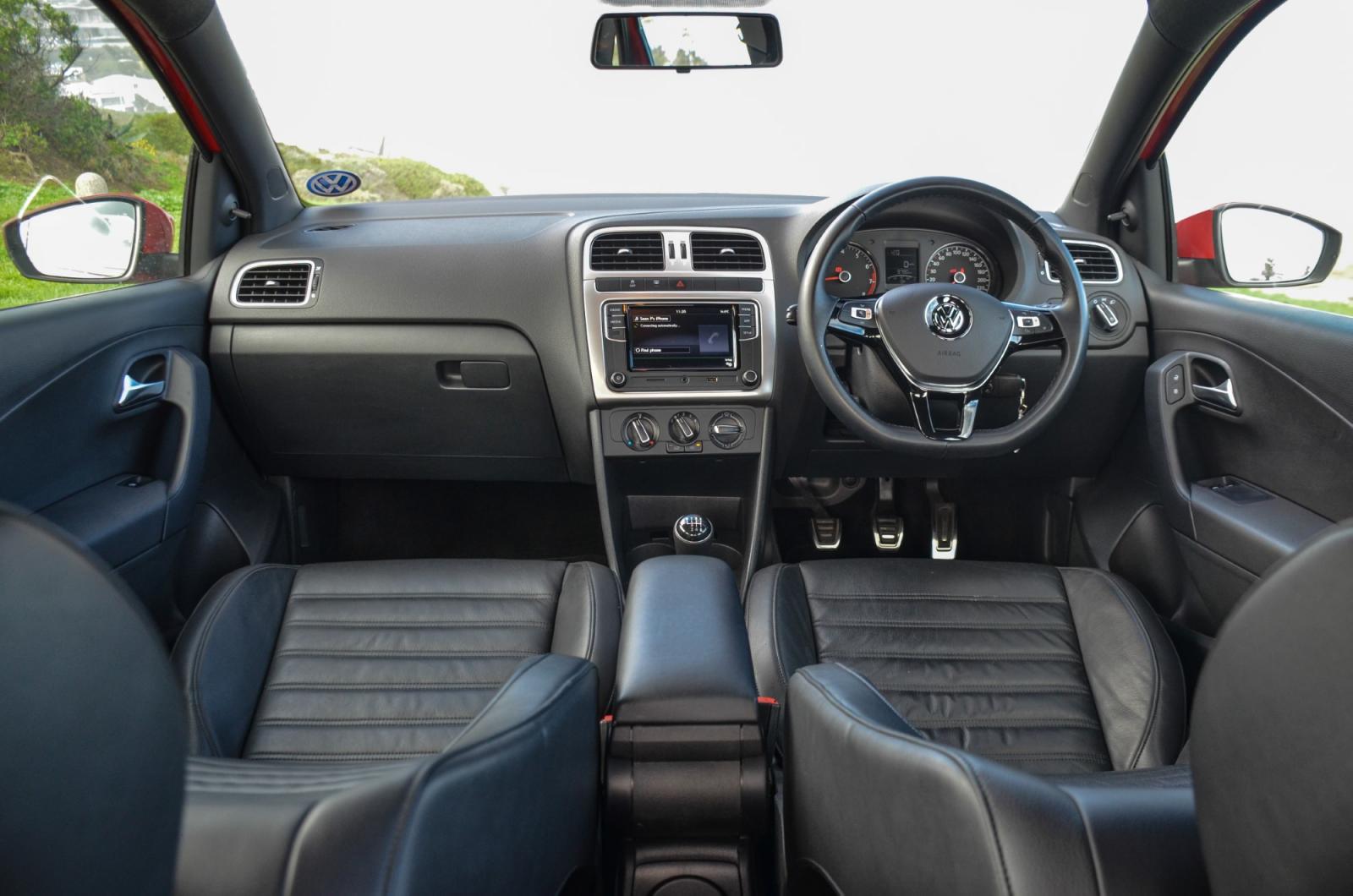
The cabin of the new Vivo is more premium in look and feel. Those leather seats are optional. 

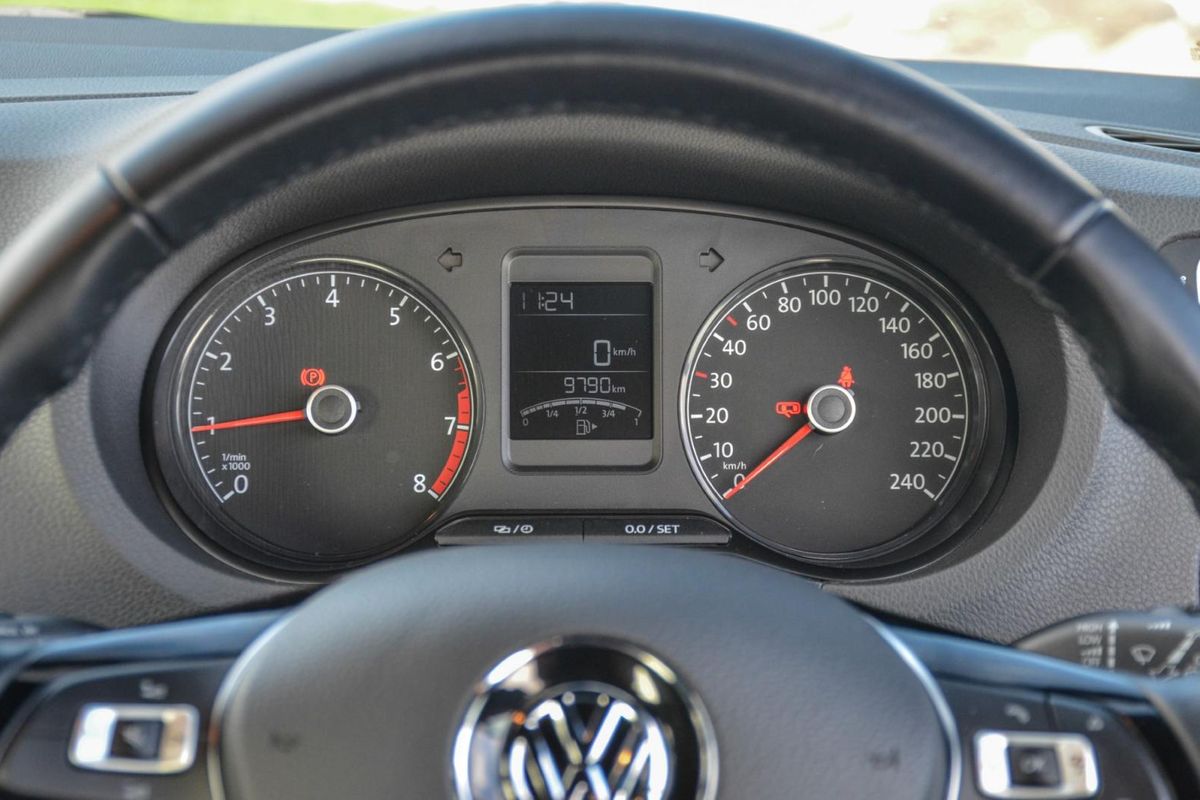
We suspect that this particular Vivo GT test unit has lived a hard life as a media test vehicle. Our previous experience with the new Vivo was positive in terms of its interior build quality, but this test unit was already emitting creaks and squeaks inside the cabin which we didn’t quite expect.  

Although we really like the interior look of the Vivo GT, we couldn’t help but feel that it lacked some features. Why not offer front and rear electric windows and electrically adjustable mirrors as standard? Also, bear in mind that the standard Vivo GT comes with cloth seats and we think that perhaps the optional leather upholstery (R9 382) could have been included as standard to not only sweeten the deal but also to do the car justice. Do you agree with us?

Also, only 2 airbags are fitted along with ABS, EBD and stability control. Brake Assist and traction control are not offered.

A quick word on the infotainment system – it comes with 6 speakers and is really easy to use, featuring Bluetooth connectivity, App Connect and a USB port to hook up to your device. It has the basics covered, barring navigation, so most buyers shouldn’t have much to complain about in terms of connectivity.  

Price and warranty

The Volkswagen Vivo GT is priced at R245 000 and is sold with a 3-year/120 000 km warranty. A service plan is optional.

Our test unit was equipped with optional Vienna leather upholstery and a Storage Package which brings the total vehicle price to R256 399.

Buy a new or used Volkswagen Polo Vivo on Cars.co.za

Should you buy a VW Polo Vivo GT?


The Vivo GT will suit buyers looking for a sportier drive over its lesser Polo Vivo siblings.

The Vivo GT has an aspirational element to it and it’s the kind of car that will appeal to buyers who dream of owning a Polo GTI or Golf GTI but can’t afford it. All the extra styling features on the Vivo GT go a long way in differentiating it from its more mundane Polo Vivo siblings and if you like your car to have a bit of a sporty look, then perhaps the Vivo GT will tickle your fancy.

It also offers sufficient power to get around town with a fair degree of pace and it handles nicely too. Some buyers might not like the firmer ride but it shouldn’t be a deal breaker. However, we feel that the Polo Vivo GT is overpriced and Volkswagen could have offered more standard features and safety specification to justify the asking price. 

But even so, you are paying for the extra performance offered by its turbopetrol engine and at that price its power and torque outputs are unmatched. You will have to extend your budget to nearly R270k for the Clio GT-Line (88kW /205 Nm) to obtain similar outputs. In that sense, the Polo Vivo GT is certainly worth considering if you put a premium on performance.  

Frequently Asked Questions

Is the Volkswagen Polo Vivo a good car to buy in South Africa?

The Volkswagen Polo Vivo has a strong reputation in South Africa and is a consistent top-seller. It is often considered a reliable, affordable, and practical choice for everyday driving, with a strong focus on build quality. Its popularity also means there is a good market for used models and parts are readily available.

Where is the Volkswagen Polo Vivo manufactured?

The Volkswagen Polo Vivo is proudly manufactured in South Africa at Volkswagen’s plant in Kariega (formerly Uitenhage), Eastern Cape.

What are the engine options for the Volkswagen Polo Vivo in South Africa?

The Polo Vivo range in South Africa is available with several engine options, including naturally aspirated 1.4-litre and 1.6-litre petrol engines. The top-of-the-range GT model features a 1.0-litre turbocharged TSI petrol engine.

What is the Volkswagen Polo Vivo’s safety rating?

The Volkswagen Polo Vivo has a 4-star Global NCAP safety rating for Adult Occupancy Protection and a 3-star rating for Child Occupancy Protection. Key safety features include driver and passenger airbags, ISOFIX mounting points, and in some models, Electronic Stability Control (ESC) and side airbags.

Related Content 

VW Polo Vivo (2025) Specs & Price 

Reviews 

Volkswagen Polo Vivo (2018) Review

Volkswagen Polo Vivo GT (2018) Review

Volkswagen Polo Vivo GTS (2016) Review

Volkswagen Polo Vivo (2014) Review

Comparisons
New Polo Vivo vs Old Polo: How different are they?

VW Polo Vivo: 5 Good Alternatives to Consider

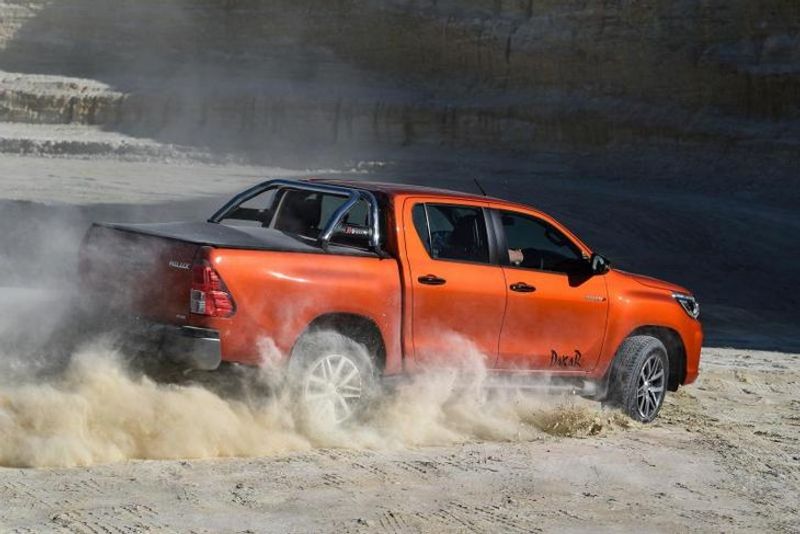
Toyota Hilux Dakar Edition (2018) Launch Drive [w/Video]


Toyota has introduced limited-edition Dakar derivatives of its Hilux, replete with factory-fitted accessories that bring a fresh, new look to South Africa's bestselling bakkie. We headed to Upington’s Goera Pan to find out more about the new Hilux that bears the most prestigious name in off-road racing.

Toyota has used the Dakar label on its limited-edition bakkies since 2013, and rightly so. The manufacturer has earned (and, without putting too fine a point on it, paid) for the right by clinching multiple podiums over its 6-year involvement in the gruelling event. Hilux still sits atop the hill when it comes to new vehicle sales in South Africa and sells about 500 units more (a month) than its nearest competitor, the Ford Ranger. So not to mess with a winning formula, the Toyota Hilux Dakar comes with no mechanical upgrades, but a host of cosmetic enhancements.

On the outside


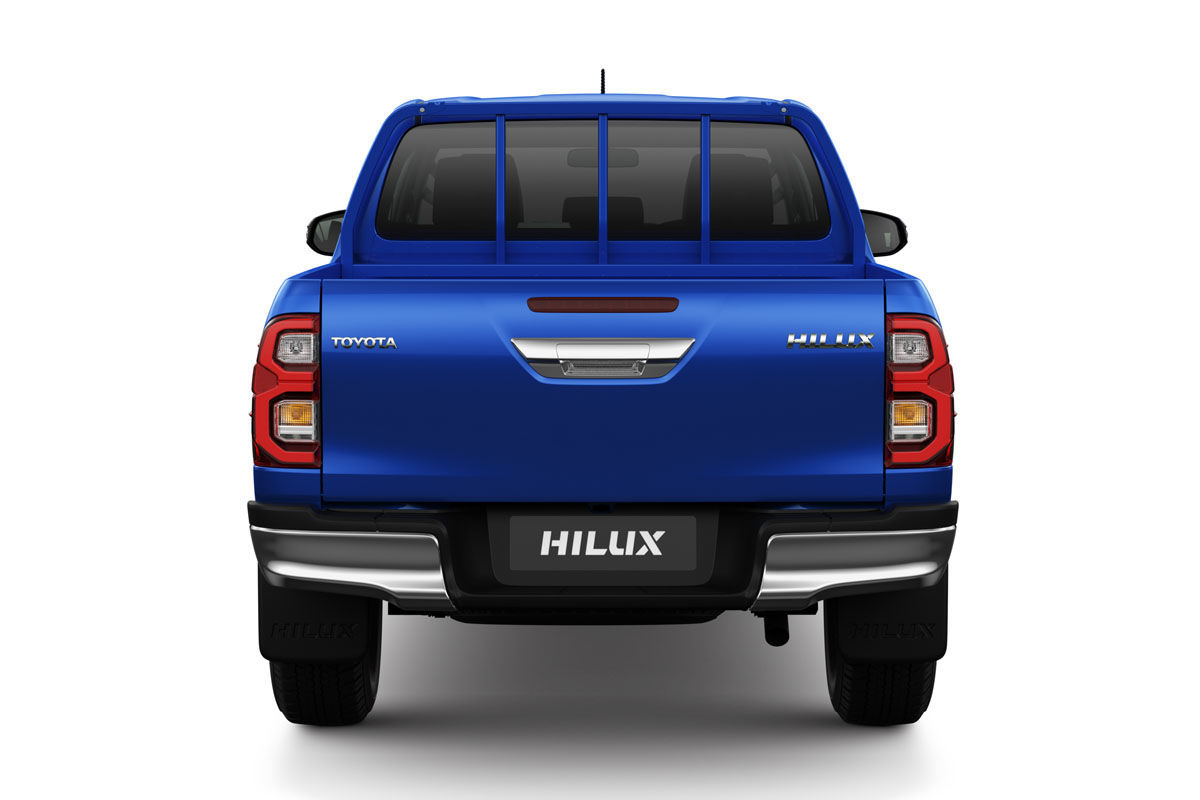
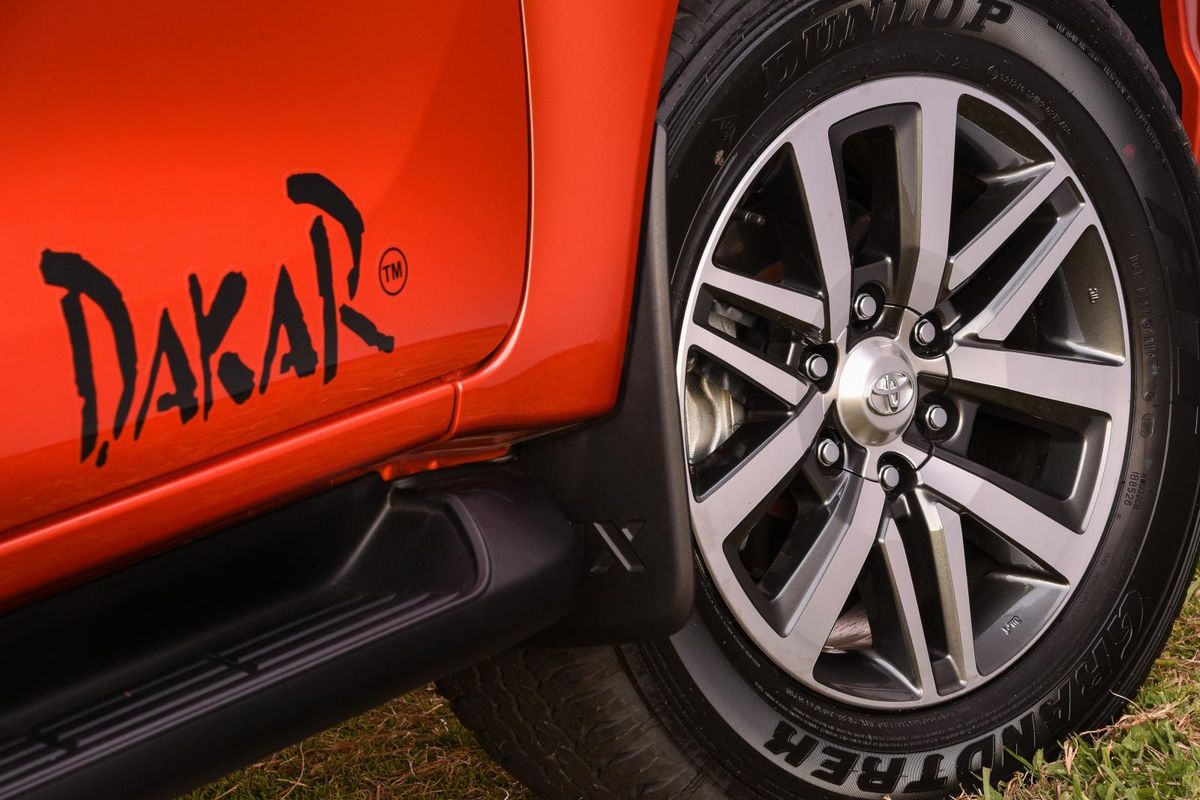
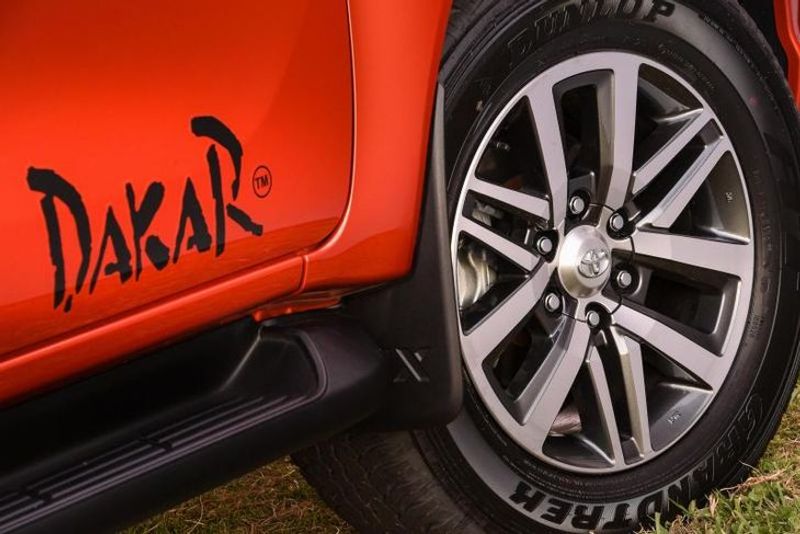
The key visual changes are the orange paint job and Dakar branding.

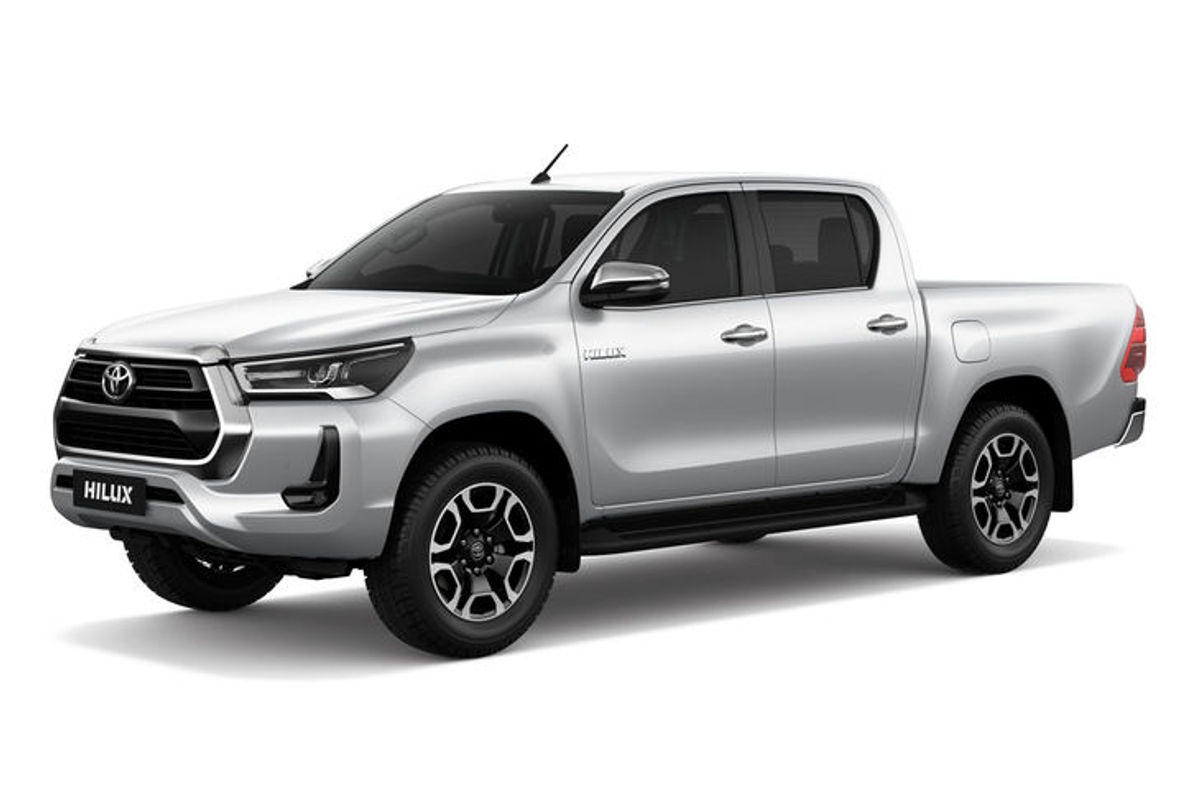
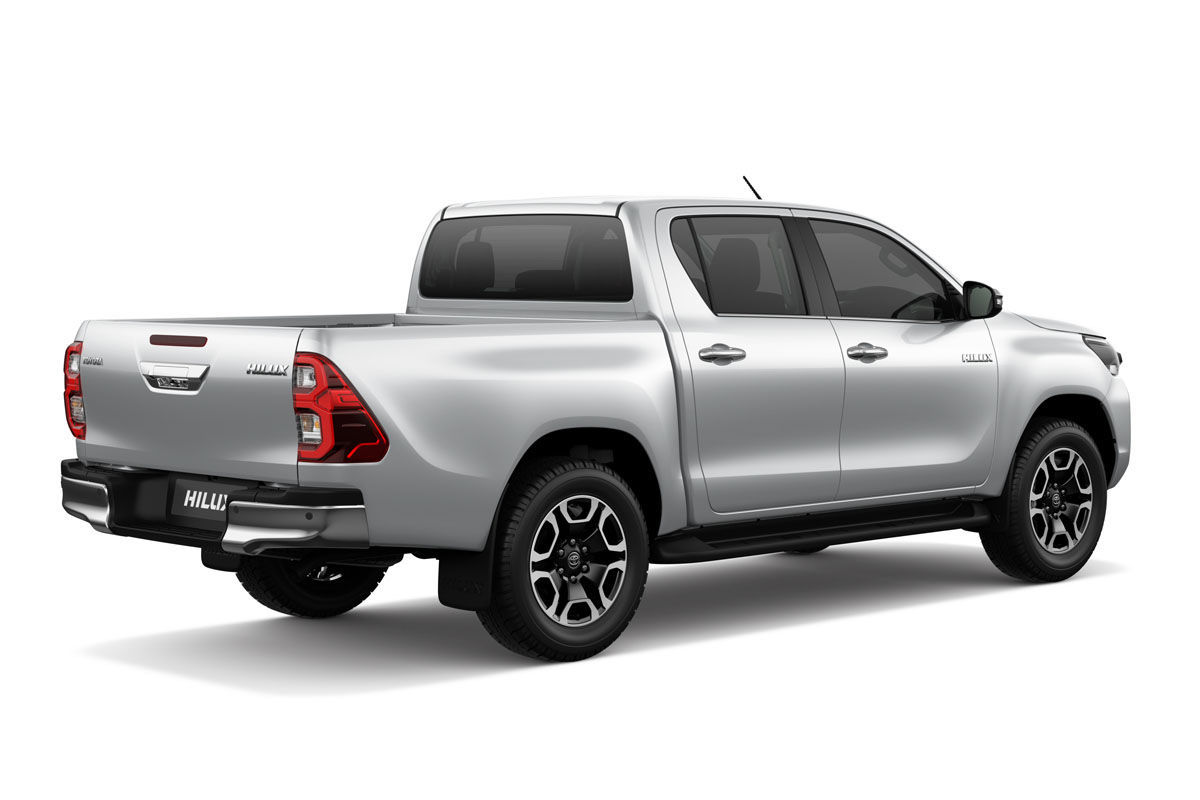
The upgrades are mainly visible externally, with Dakar editions sporting a new face with a larger, gloss black grille. The inner grille has a metallic grey border, and black accents take pride of place all over the front bumper, as well as the front LED fog lamp housings. The skid plates and rear bumper are also finished in metallic grey, and Dakar body decals have been positioned on the sides of the bakkie and on the rear tailgate with the latter also sporting new Hilux branding.

Toyota has done some research to find out what typical buyers of Raider-spec (or equivalent) Hiluxes would prefer as standard options. It’s with that information in mind that Dakar has been equipped with power-retractable side mirrors and gloss-black door handles.


The bakkie is exclusively available in 4 colours: Graphite Grey, Glacier White, Chromium Silver and my personal favourite, Inferno Orange, which coincidentally looked quite like the bright orange desert sand we traversed on our off-road drive. The Glacier White also looks quite fetching as those black accents really “pop” on the lighter paint finish.

On the inside


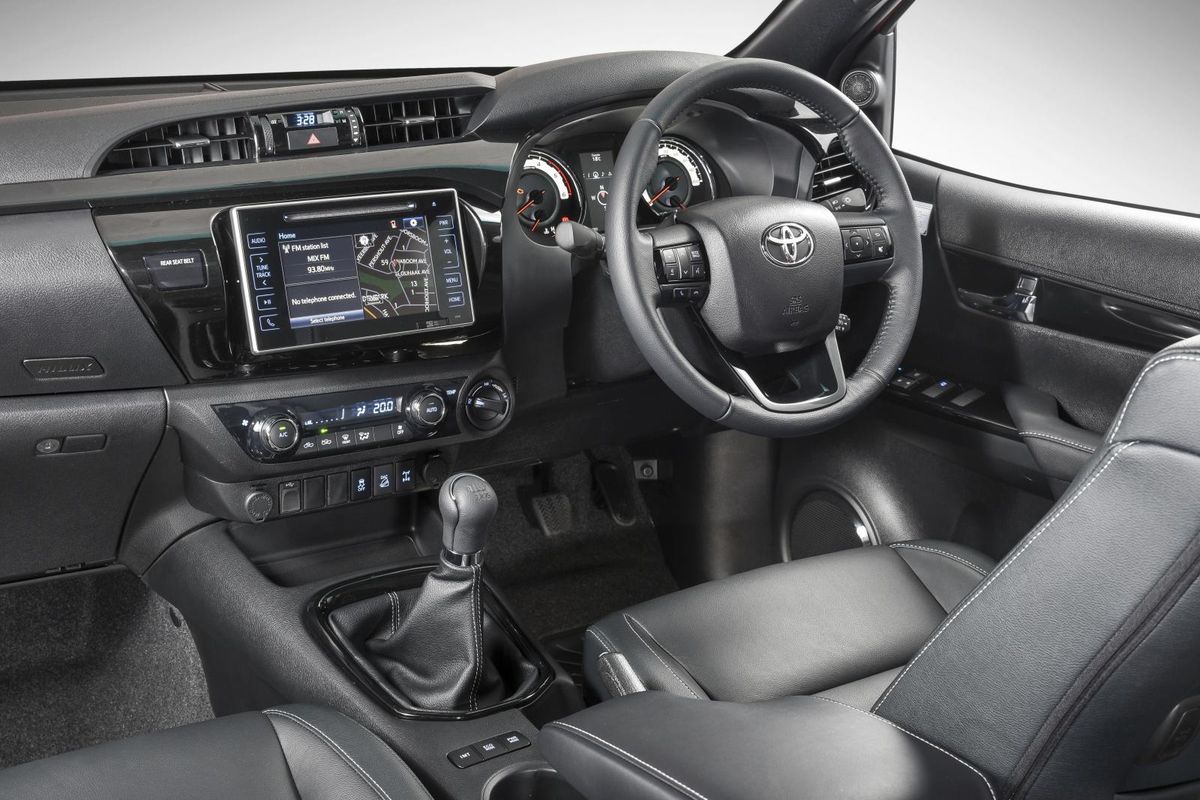
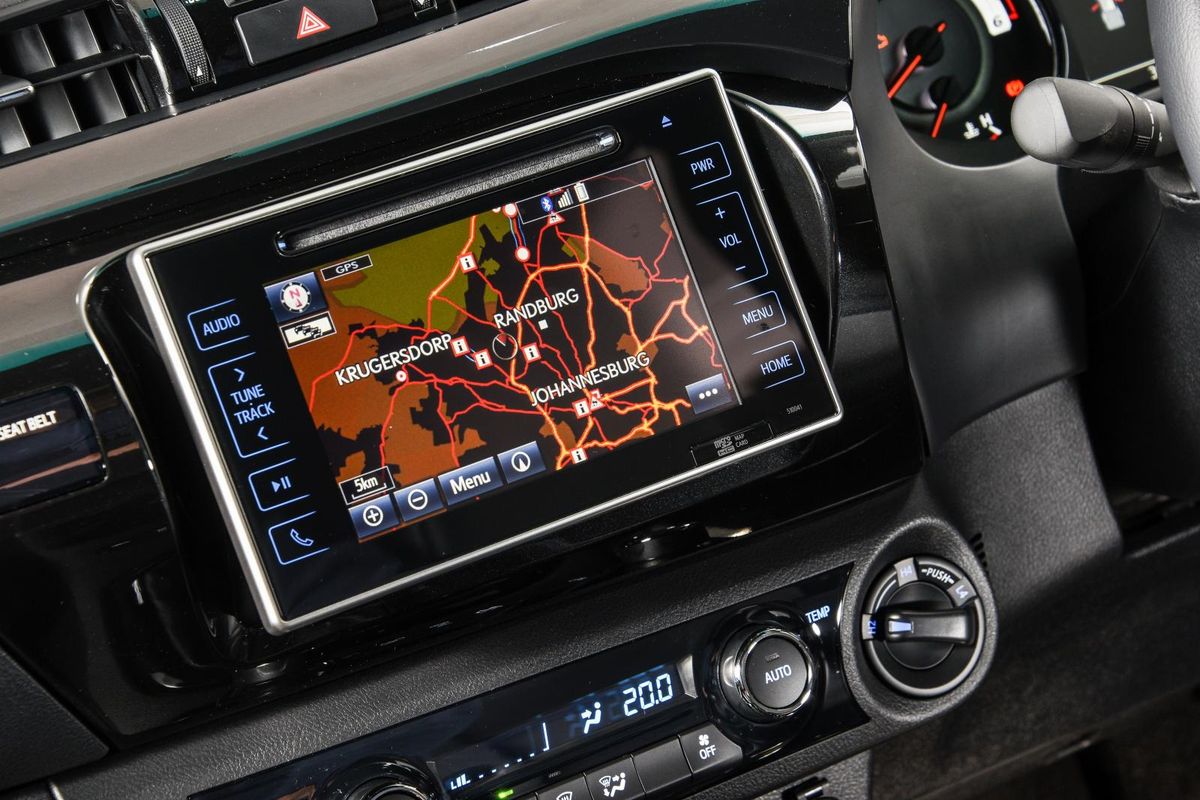
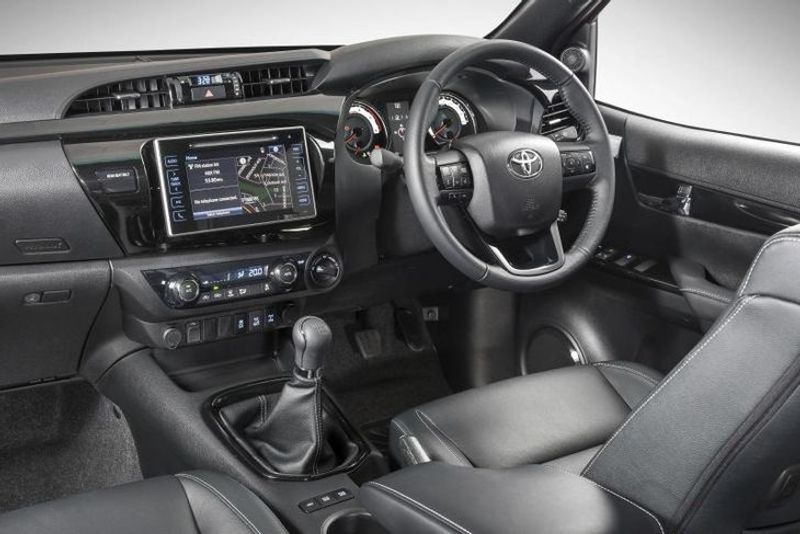
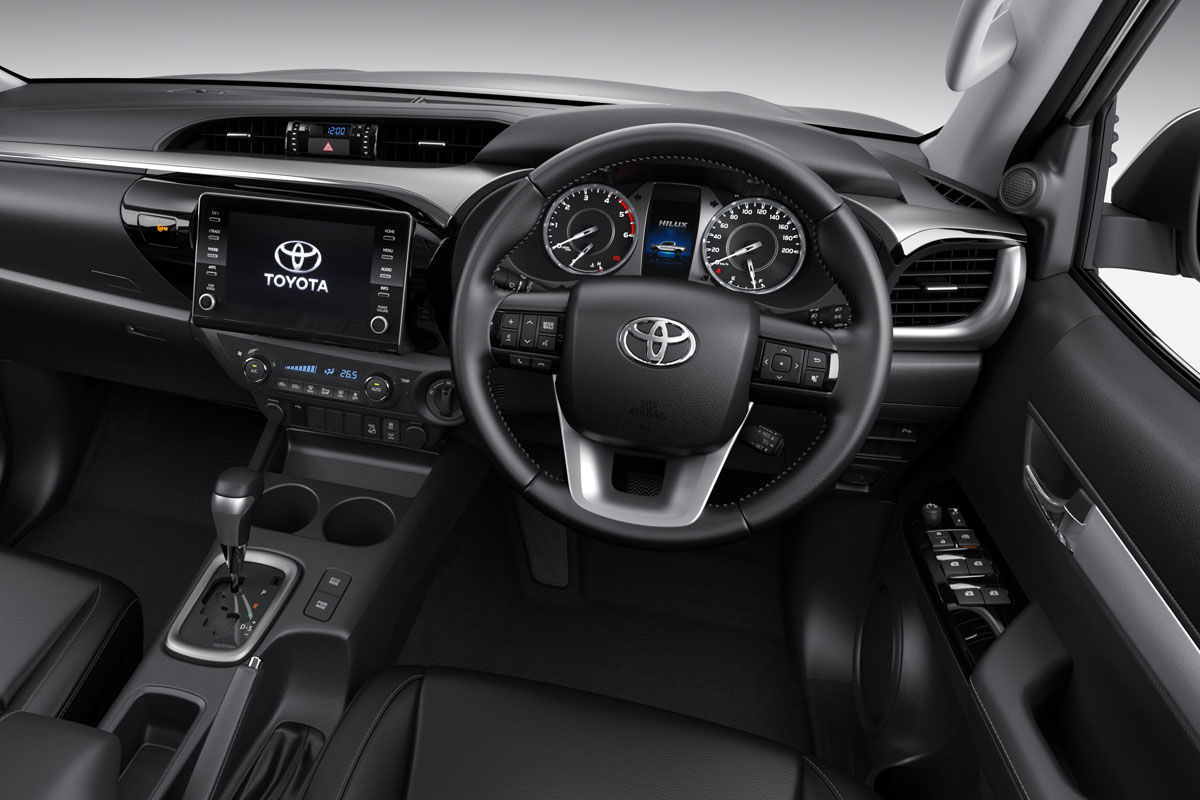
The cabin of the Toyota Hilux Dakar has been changed slightly and now features satnav.

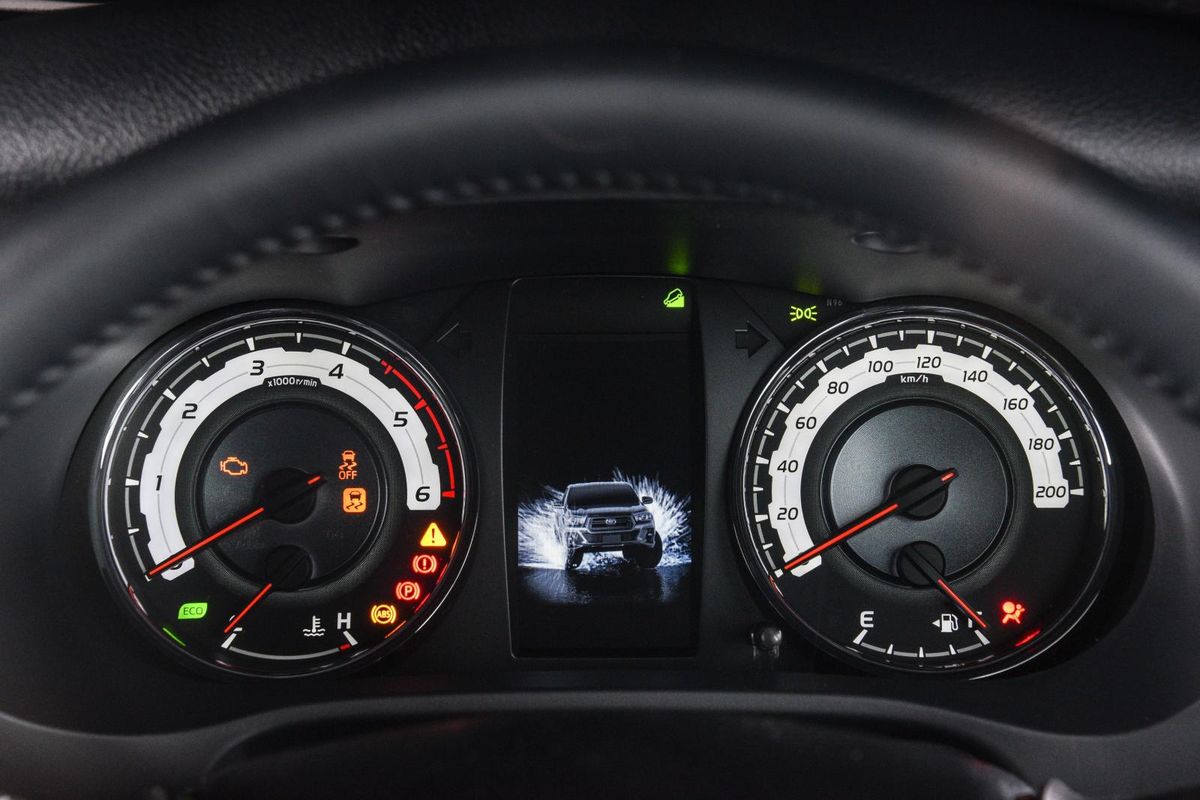
The interior has been darkened with little details, such as the black roof liner, metallic black interior accents, Dakar-branded floor mats and leather seats. The instrument cluster is unique to the Dakar Edition, and is now white, with orange needles. The Dakar Edition still has the usual USB and Bluetooth features, but now comes with a touchscreen satnav system. This proved quite tricky to use and is certainly not the most modern or user-friendly navigation system available on the market. Having said that, with more practice I’m sure I would have gotten the hang of it.


On the road

To reiterate, the Dakar Edition features no mechanical changes, so our on-road experience merely reaffirmed why the Hilux is so popular among South African buyers. On the long, open road to the Goera Pan 4×4 facility, the Hilux once again demonstrated its ability to cruise long distances in sure-footed comfort. Our test units were 6-speed manuals, which might be the most popular option on the platteland, but, personally, I would have preferred the 6-speed auto for its ease of use around town.

… and off it


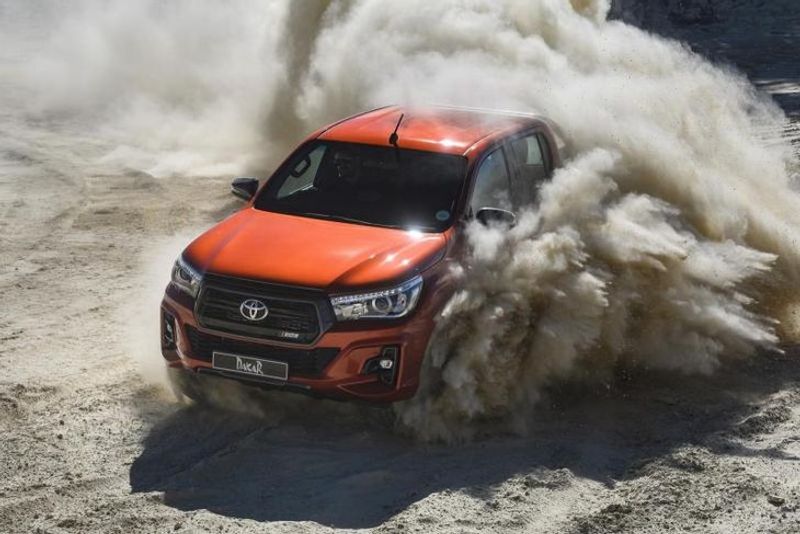
It's going to take a lot of ham-handedness to get a Toyota Hilux stuck in an off-road scenario.

Engage 4-Low, drop the tyre pressures and the Hilux becomes virtually unstoppable on anything but the most demanding of off-road courses. Our test vehicle was the double cab 2.8 GD6 derivative, and with its peak torque of 420 Nm and ultra-short gear ratios, getting stuck on the loose Northern Cape sand was simply not an option. Truth be told I did fail to make it up a few hills, but that was purely down to driver error and, as my driving partner kept pointing out: “Not enough momentum!”

Summary

At R17 666 on top of the standard derivatives' list prices, the Dakar Edition is effectively a refreshed Raider. Those who are looking to customize the Dakar further have the option of bull bars, roll bars and various other tidbits, all of which, of course, cost extra. With only 5 000 Double Cabs and 1 000 Xtra Cab units of the Dakar Edition being made available for the next few months, exclusivity is guaranteed. At least until the new look is applied to other Hilux derivatives (Toyota confirmed that it might apply the new front-end treatment to Raider versions in future, but that remains to be seen). The updated grille looks fresh and modern, and you still get that same dependability that's so integral to Hilux. Just make sure to take some time to figure out the satnav… 


The Toyota Hilux Dakar looks good and reminds why it is still one of SA's most popular bakkies

Further reading:

Toyota Hilux Dakar Edition Price Announced

Toyota Hilux Turns 50: 8 Bakkies That Made it a Legend

Drag Race: Hilux vs Ranger vs Amarok vs KB

Toyota Hilux vs Ford Ranger vs Isuzu KB vs Volkswagen Amarok (2016) Comparative Review

2016 Toyota Hilux vs Ford Ranger – Offroad & Review

Bakkie Comparison: Nissan Navara vs Ford Ranger Fx4 [with Video]

Every Type R On One Track: Honda Civic Type R Special [Video]


Over 5 generations and 6 models, the Honda Civic Type R has become a cult classic, building up a legion of hardcore enthusiasts who are simply obsessed with the iconic Japanese hot hatchback.

We’ve gathered every model ever made – even the 3 that were never sold in South Africa – for a special day out on the track. The aim of the day was to compare the older, naturally aspirated TypeRs with the more modern, turbocharged generations, and to work out which one we liked the most.

The cars featured in this video include:

Honda Civic Type R EK9 (the one that started it all)

Honda Civic Type R EP3 (the minivan)

Honda Civic Type R FD2 (the Asian territories-only four door sedan)

Honda Civic Type R FN2 (the one no one liked very much)

Honda Civic Type R FK2 (the first one to feature a turbocharged motor)

Honda Civic Type R FK8 (the one you'll find on showroom floors today)

Driving all of these cars back to back was a particularly special opportunity, and could not have happened without the help of the passionate owners of the cars and special thanks to #CarsAwards guest judge Ernest Page for pulling it all together. A huge thank you to everyone involved.

Further reading:

Honda Civic Type R (2018) Video Review

Honda Civic Type R (2018) Launch Review

Honda Civic Type-R (2016) Review

Honda Civic Type R (2007) Driving Impression

Volkswagen Golf GTI (2017) Video Review

Volkswagen Golf R, GTI & GTD (2017) Track Comparison Video

Renault Megane RS 280 (2018) International Launch Review

Ford Focus RS (2016) Video Review

Interested in buying a Civic Type R?

Seach for a used example here

Volkswagen Arteon 2.0 TSI 4Motion R-Line (2018) Review


One could be forgiven for assuming that because Volkswagen's hatchbacks and compact SUVs are so wildly popular, the Wolfsburg-based manufacturer would see little point in producing a fastback business class sedan. But no, with its new Arteon, Volkswagen hopes to capture some market share from its fellow Teutons. Does the new stylish Volkswagen Arteon have enough going for it? 

We like: Exterior styling, performance, fit and finish, excellent space, huge boot

We don’t like: Derivative cabin fails to match the glamorous exterior

Alternatives

  • BMW 430i Gran Coupe – The BMW plays in an upmarket place in comparison to the Arteon. Its engine is sadly no longer a majestic straight 6, but rather a force-fed 4 pot. It's also a Gran Coupe meaning it too boasts a spacious boot. 
  • Audi A5 Sportback 2.0 TFSI – The Arteon's closest competition comes from within its own ranks. The Audi A5 Sportback is beautiful, both inside and out. It has similar performance, but it doesn't offer as much spec as the Volkswagen.

Compare the specs of these rivals

What is it?

The Passat remains a car that baffles us. Not only does it offer excellent refinement and comfort, it's specced well and offers great value for money in the business class sedan segment. However, since the reintroduction of the Passat model to our market more than 15 years ago, none of its iterations has made a significant impact on new vehicle sales figures. Why is that? There are a number of plausible answers to that question, but the two we'll look at is the fact that the badge on the nose wasn't premium enough for customers, who'd rather fork out a little more for an equivalent BMW 3 Series, Mercedes-Benz C-Class or Audi A4. The second answer is a subjective one. The design of the Passat is more function over form, and definitively conservative. 

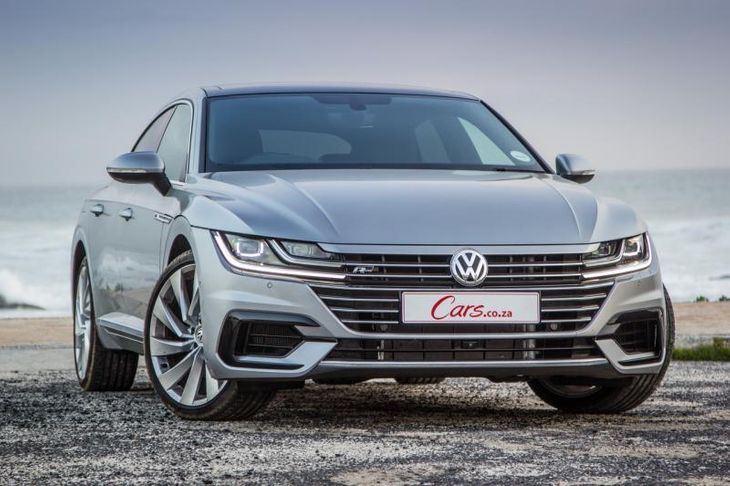
In 2018, we find ourselves with the Volkswagen Arteon, the successor to the svelte Passat-based CC. It looks like no other Volkswagen and is, in essence, a fashion-forward reimagining of the Passat. The R-Line kit for the Arteon does a sterling job of making this one of the most striking vehicles on the road; it drew numerous admiring glances during its week-long tenure in our fleet. Beauty is only skin deep, and it would take a thorough assessment over a few hundred kilometres for us to truly understand what the Arteon, in flagship 2.0 TSI 4Motion R-Line guise, is all about.

How does it fare in terms of…

Performance?


With looks this good, you'd hope for performance to match… and the Arteon duly delivers.

Let's get straight to the numbers. Powering this derivative of Arteon is Volkswagen's 2.0-litre turbocharged EA888 motor. Peak outputs of 206 kW and 350 Nm are on tap, which sound promising, but in reality, things are a little different. This engine does duty in the Golf R, and we incorrectly assumed the power delivery and performance would be similar, but the Arteon is no Golf R fastback – despite VW's 0-100 kph claim of mid-5 seconds, it doesn't feel as… lively. It does still have launch control and it's amusing to prove that the Arteon has considerable go to match its show.

Another reason for a perceived lack of fireworks is that Volkswagen has upped the refinement considerably: there's no DSG-induced exhaust pop between gearshifts and there is no sharp induction bark upon hard acceleration. Make no mistake, it's still a brisk car and gets to the national speed limit with aplomb. Overtaking? Effortless. You can either drop gears yourself using the steering-wheel shift paddles or (our preferred option) leaving the quick-acting dual-clutch 'box to its own devices. Either way, the transmission responds swiftly and puts the engine right into the sweet spot and all 350 Nm are unleashed upon all four wheels. Yes, you read correctly. This is no front-wheel-drive faux performance fastback, 4Motion merrily aids acceleration and traction.

Ride and handling?

Even though we have a mild climate with little snowfall, 4Motion still has its benefits and the new Volkswagen Arteon offers grip in abundance. If you do feel like tackling a beautiful section of tarmac, then the setup is conducive to a confidence-inspiring drive. It's going to take a lot of manhandling to unsettle the Arteon and, to be blunt, driving the vehicle in such a manner is tacky. 


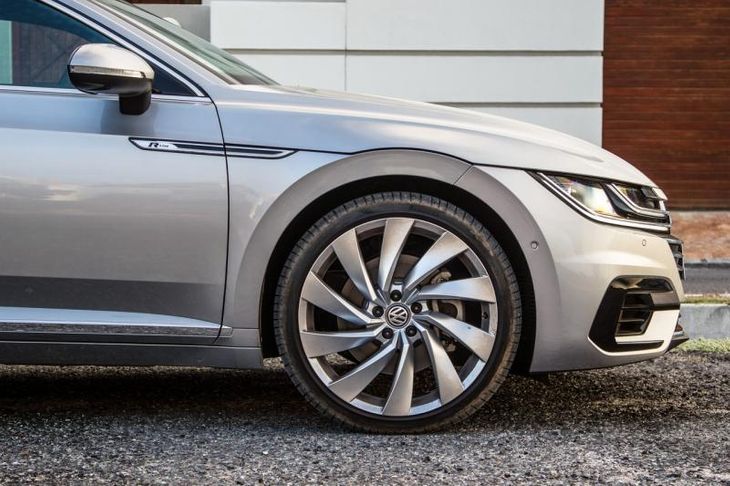
The optional 20-inch alloys give the Arteon a decidedly hunkered-down stance.

Our test unit was fitted with sports suspension as part of the R-Line package. The ride quality is generally good. However, if you engage Sport mode, the car tends to jiggle a bit, perhaps this is exacerbated by the optional 20-inch alloy wheels and low-profile rubber. They're striking and add presence to the car, but given how poor some of our roads are, it might be a safer bet to opt for smaller alloys. In terms of steering feel, the wheel is light in your hands and quick in action. There could be a touch more weighting applied, which would be more in keeping with that big-car feel.

Overall refinement is decent too, with very little noise making its way into the cabin. That is a very impressive characteristic if you consider that the doors are frameless and it demonstrates how much effort Volkswagen puts into achieving lofty build quality. The Arteon's forte is on faster roads such as the highway, and we found the cabin to be a refined and comfortable place to be.


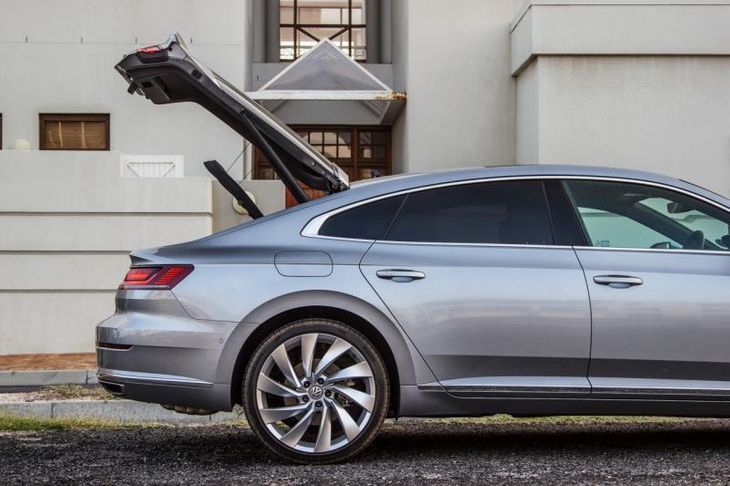
The fastback design lends itself to excellent luggage capacity. The bay's aperture is huge, making it easier to load bulky items.

Blending luxury and practicality?

The new Volkswagen Arteon is a radical design compared to other vehicles in the Volkswagen portfolio. However, under the skin, there's a lot of shared technology, such as the lauded MQB platform that underpins the newcomer. This modular architecture forms the basis of the Golf, Tiguan and some Audi products, and is renowned for its practicality and compliant ride quality. Admittedly in Arteon application, the MQB platform has been stretched out and has a wheelbase length of 2 841 mm, but the benefit here is generous cabin space.

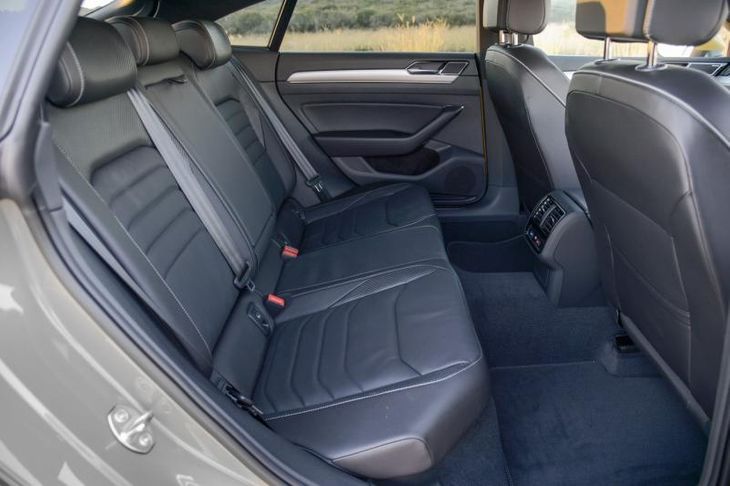
Rear passengers are availed excellent legroom and, thanks to the fastback design, the luggage bay is practically shaped and exceptionally cavernous, making it an accomplished vehicle for families. Volkswagen quotes 563 litres of luggage space and, to put that in perspective, the Tiguan family SUV can only muster 442 litres with its rear seatback in situ. 


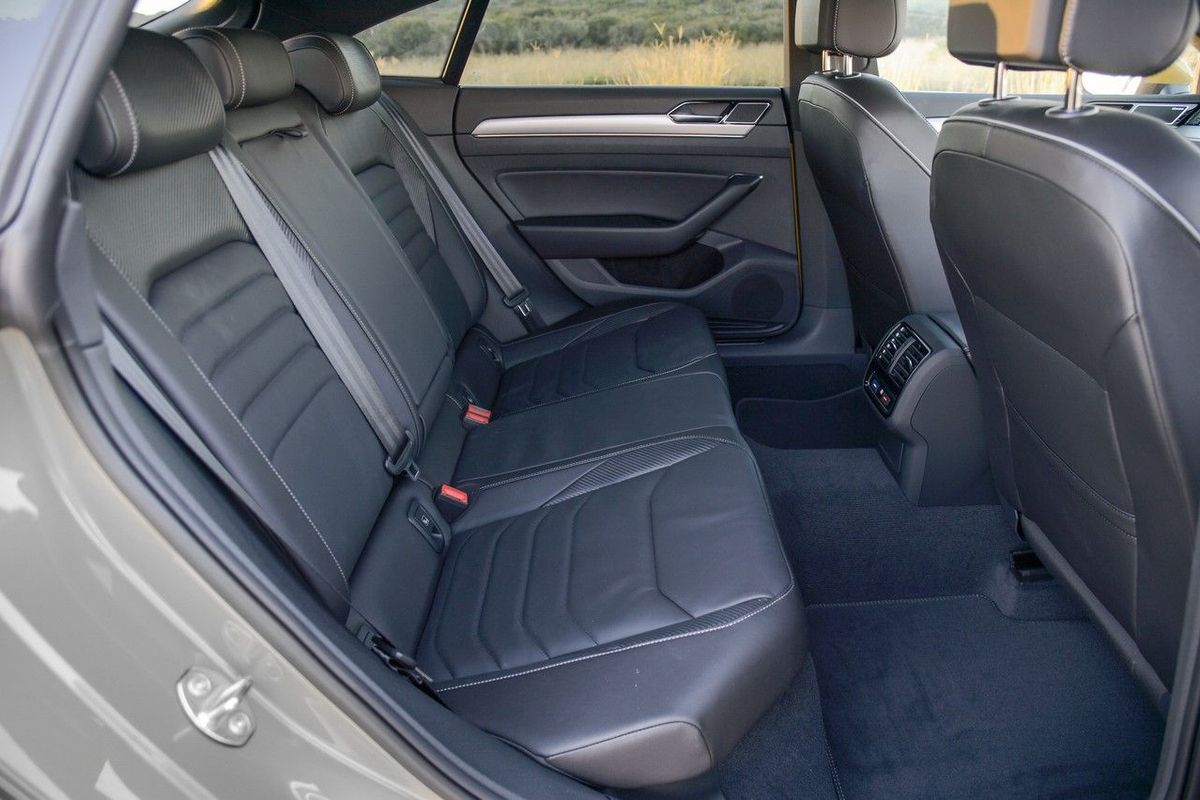
Rear legroom in the Volkswagen Arteon is one of the best we've ever experienced in its segment.

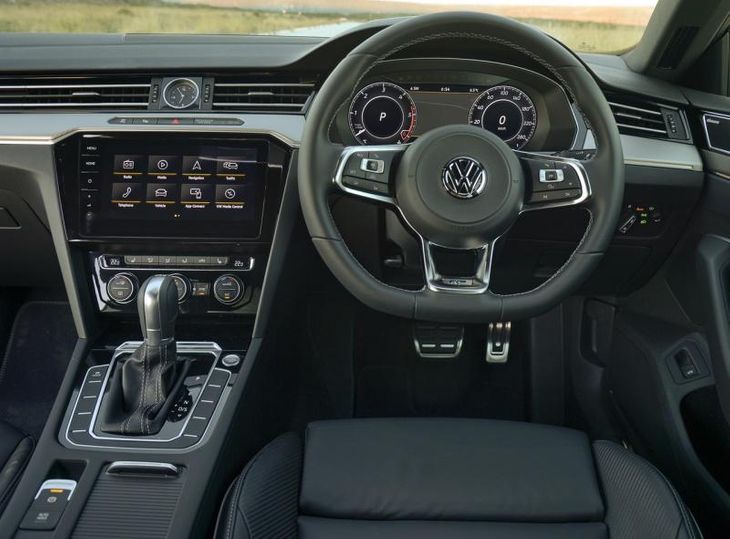
In terms of cabin design, the Arteon loses some ground. While there's nothing fundamentally wrong with its classy, buttoned-up execution (everything works well and is well assembled), we feel that it lacks the glamour to match the car's fantastic exterior style. The ambience is akin to a Passat or even a well-specced Golf. To reiterate, the cabin boasts a slick user experience, but we feel it just needed some pizzazz to really set it apart. Surely this would be the time where Volkswagen would pinch some interior kit from sister brand Audi to liven up the Arteon's cabin?

There are no complaints about the quality of the interior materials, even if we think the cabin looks a touch too ordinary. The R-Line package includes sporty leather seats that include a heating function, are electrically adjustable and, of course, wrapped in sumptuous leather. The leather-wrapped steering wheel is a personal favourite of ours too.

Features?


The Arteon's cabin is well appointed, but we feel it's a touch too predictable. It needed a little something extra…

The Volkswagen Arteon truly shines in the standard features and technology departments. There are two trim levels available, but we anticipate that most buyers will want to spec the R-Line for maximum effect. The R-Line steering wheel features audio and cruise control functionality, as well as controlling the views of the standard digital instrument panel, known as Active Info Display. While it doesn't have the fanciest of graphics, unlike say, the Peugeot 3008, it's a slick and intuitive interface. 

Climate control is standard too, but in the Arteon, this is extended to the rear passengers. The standout feature is the 9.2-inch Navigation Pro infotainment system that boasts both Android Auto and Apple Carplay functionality, as well as gesture control. The graphics, colour and resolution are of high quality and visually, it's a beaut of a system. Best of all, it's stock standard. 


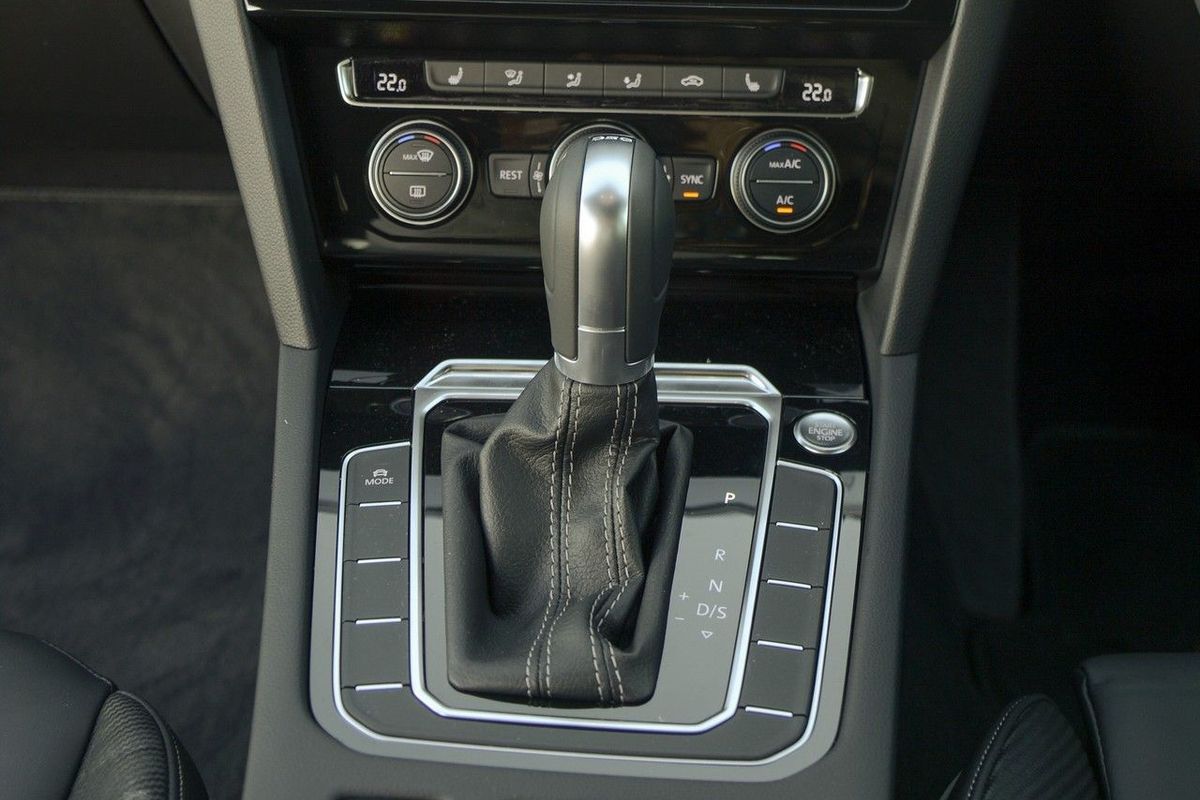
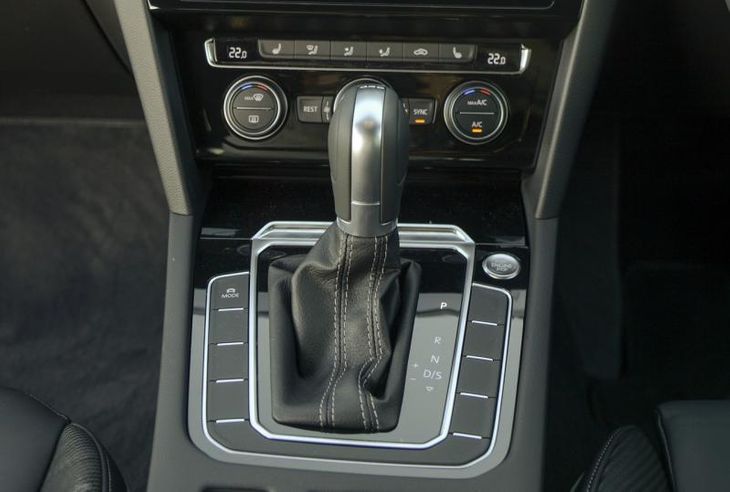
Heated seats, dual-clutch transmission, driving modes, climate control… the Arteon lacks very little, spec-wise.

Modern-day semi-autonomous safety technology has also made its way into the Arteon and our test unit featured city emergency braking and front assist, which forms part of the adaptive cruise control package. This is an extra-cost option, however, but well worth looking into. Also built-in is a 360-degree camera that gives you excellent all-round vision when you need to park your car.

As far as options go, our Volkswagen Arteon came with metallic paint (R 8 322), electronically detachable towbar (R 2 219), a DynAudio Confidence Sound System (R 14 627), Adaptive Cruise Control with Front Assist (R 10 996) and the striking Rosario 20-inch alloy wheels (R 9 987).

Verdict


With the R-Line kit, the Volkswagen Arteon is a looker and with that much cabin space, makes a strong case for itself.  

This car certainly does not fall into the mutton-dressed-as-lamb category. It's so much more than just a new body style slapped onto an existing product, which we wholly applaud. There's substance to this Arteon: it's an accomplished tourer that is spacious enough to seat 4 adults in luxurious comfort, with more than enough capacity to accommodate their luggage as well.

As we said at the Arteon launch, "those who've driven the Passat will attest to the fact that it's a superb package, yet (its) poor sales figures suggest consumers are not attracted to its nameplate, at least not in significant numbers." Unfortunately, even though the Arteon is lightyears more fashionable than a Passat and offers more youthful appeal, we don't think it will be a sales success either. Granted, even Volkswagen does not expect its newcomer to achieve volume sales, but how is the Arteon going to build momentum as a fledgeling product in a cutthroat, shrinking segment if it won't be widely seen and appreciated? Realistically, what are its chances of gaining a foothold in the market when it's up against not only its vaunted countrymen, but a glut of SUVs too?  

Well, at least the Arteon gives Volkswagen loyalists something to aspire to. Imagine when the time comes for a Volkswagen owner to get a bigger car and a Golf GTI just won't cut it, a Tiguan's not for them and the Jetta is no longer available? Those who buy an Arteon will be impressed by its levels of comfort and technology and, if they opt for this engine, notable performance.  However, we'll have to watch the sales charts to see if buyers are willing to tear themselves away from their coveted German (premium) brands and opt for something refreshingly different. 

Related content:

Volkswagen Arteon Revealed [with Video]

Update: Volkswagen Arteon Teased Ahead of Geneva

Volkswagen Arteon (2018) Launch Review

Volkswagen Arteon (2018) Specs & Price

Mazda MX-5 Updated for 2019


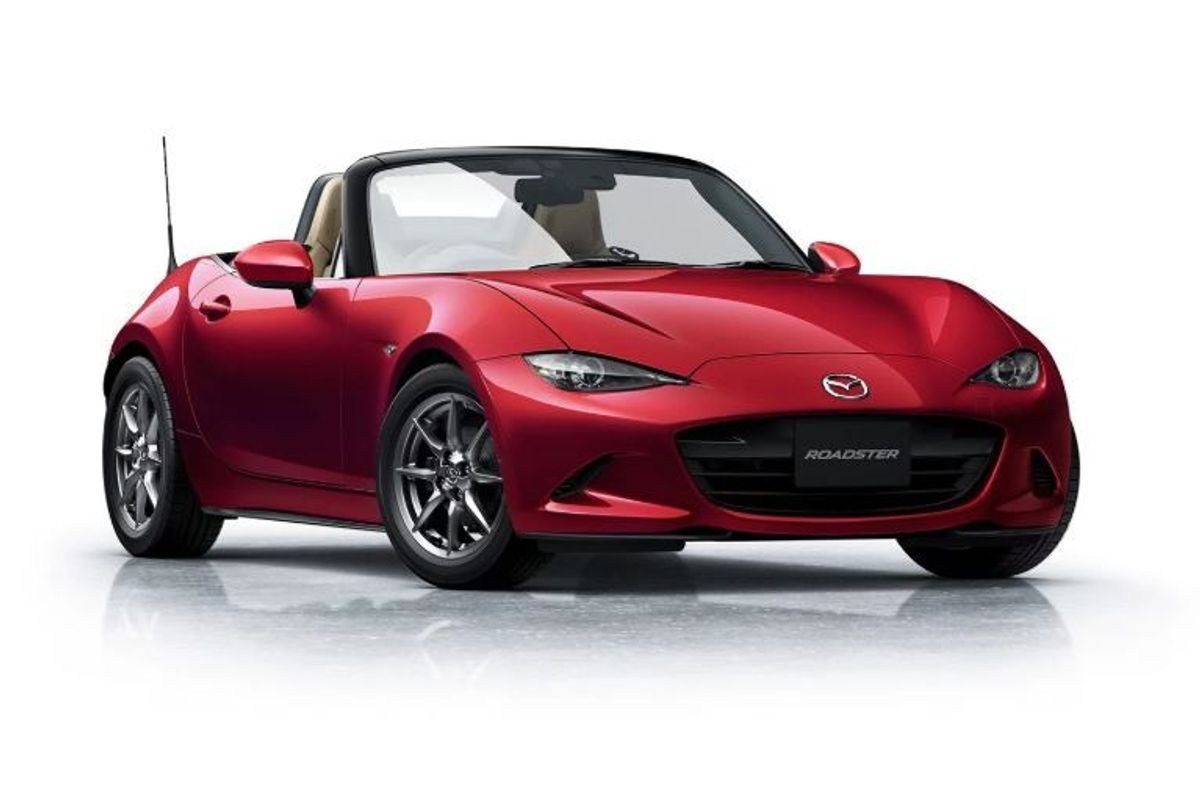
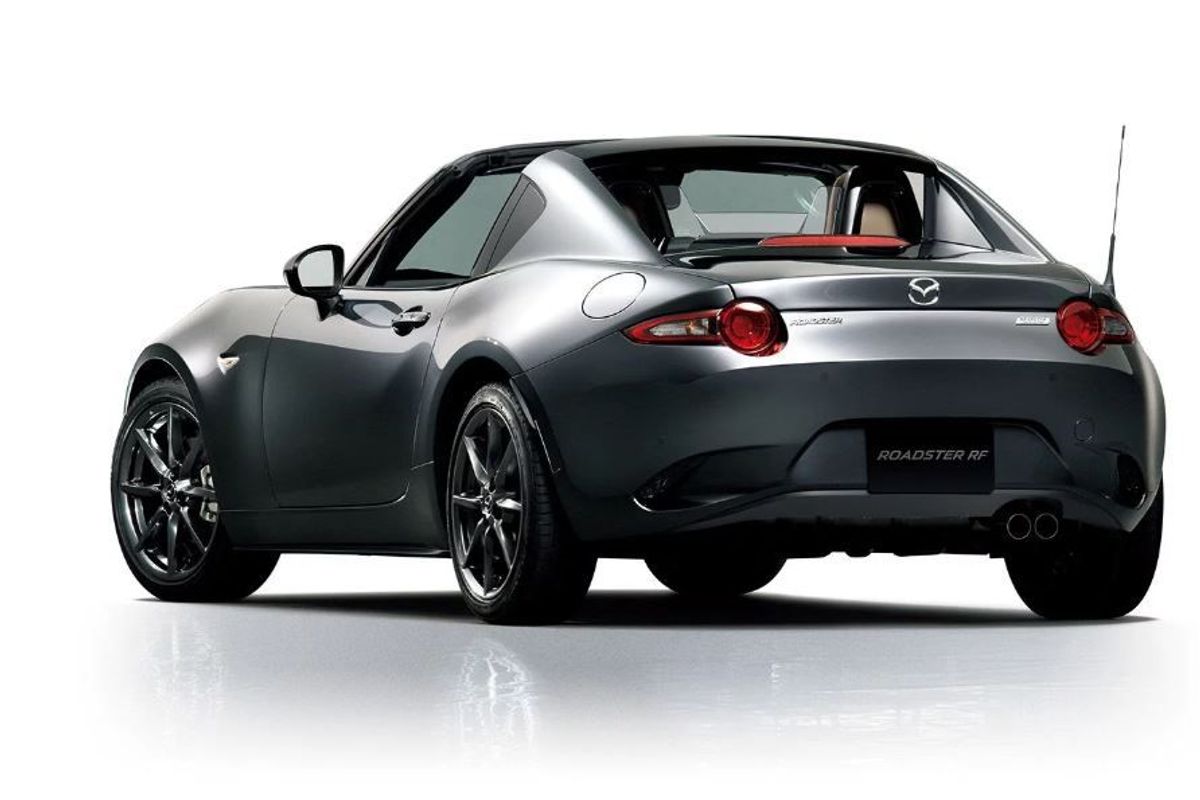
The 2019 Mazda MX-5 has been substantially improved over the current model and boasts more power, more safety and upgraded technology. 

Officially, Mazda says the new 2019 MX-5 will be unveiled in Japan towards the end of July 2018. The big changes can be found under the bonnet, with the new MX-5 featuring an optimised air intake, new cylinder heads, revised pistons and different connecting rods. The reason behind these upgrades? Mazda claims they're lighter components which will increase the performance. 

How do the numbers stack for the 2.0-litre naturally-aspirated SKYACTIV-G engine? With a redline now set at 7 500 rpm (previously 6 800 rpm), figures now stand at 135 kW and 205 Nm (previously 118 kW and 200 Nm). Naturally, the engine is cleaner and more efficient too. There are revisions to the 1.5-litre motor which never came to SA and that now offers up 97 kW and 152 Nm. 

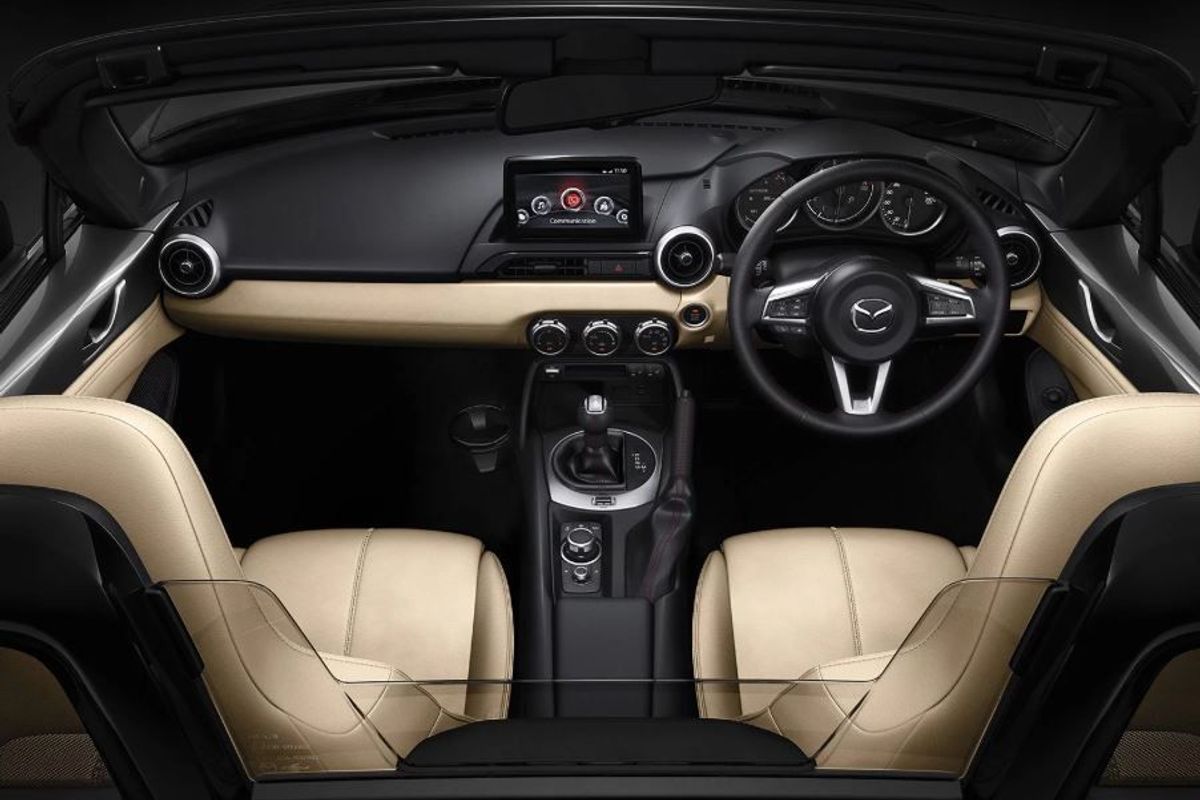
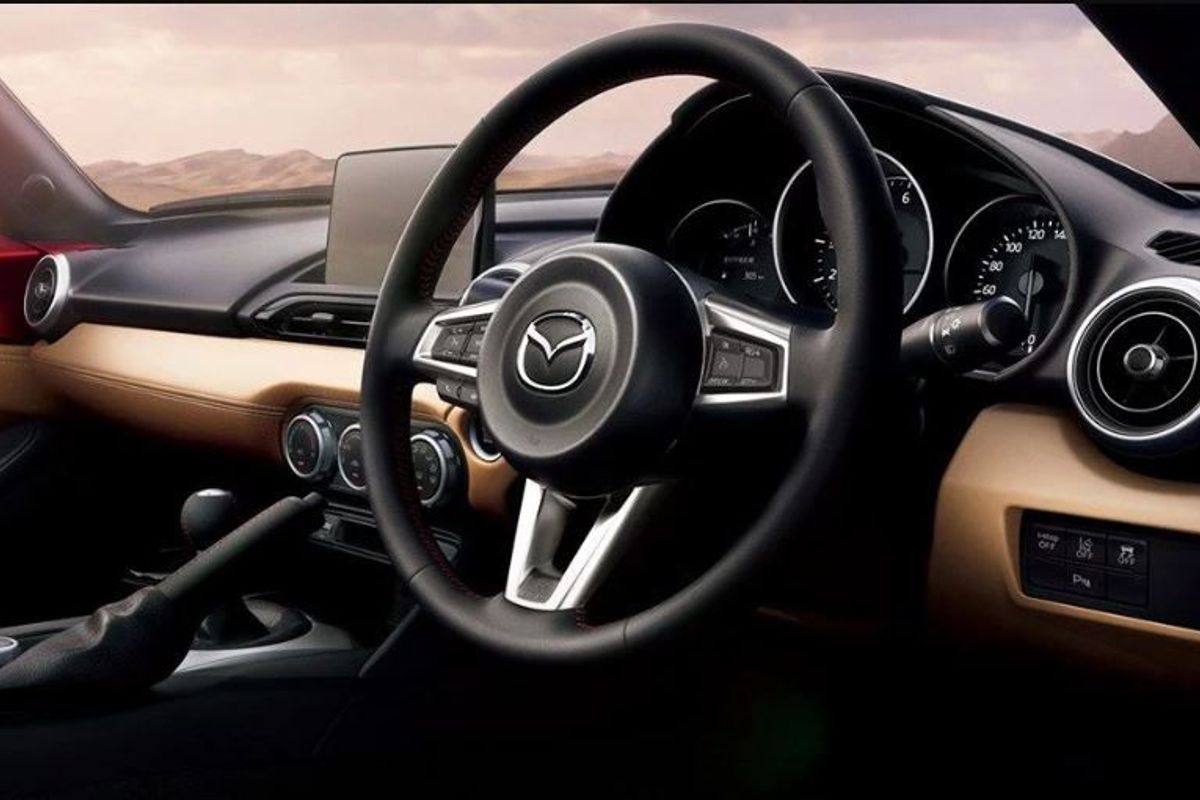
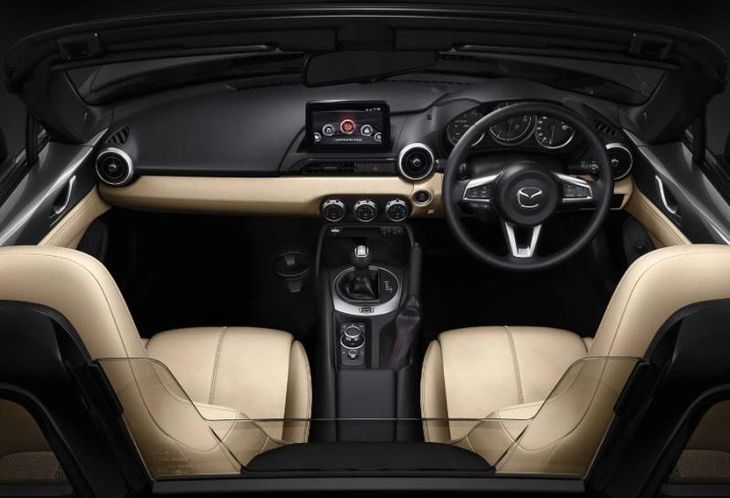
In terms of cabin changes, the car now features a revised TFT display and telescopic steering wheel as well as a whole host of standard safety equipment like Advanced Smart City Brake Support and a Lane Departure Warning System. There are options available such as a tan leather cabin, 16-inch alloy wheels and a brown fabric roof.

Mazda has discontinued sales of the MX-5 roadster in South Africa and now only offers the MX-5 RF automatic locally, which will have to do. We have our doubts as to whether we will see this latest MX-5 roadster in South Africa but based on previous driving experiences, we can only but hope that Mazda brings the roadster back to South Africa.

We'll have more info when the vehicle launches at the end of July 2018. 


There's now an option for a tan interior in the 2019 Mazda MX-5, but the real headline news here is more power!

Related content

Extended Test: Mazda MX-5 [with Video]

Mazda MX-5 RF Automatic (2017) Quick Review

Mazda MX-5 (2015) Review

Abarth 124 Spider (2017) Quick Drive

Toyota 86 High (2017) Quick Review

Toyota 86 (2017) First Drive [with Video]

Want to buy a Mazda MX-5?

Browse through stock here

Spy Shots: 2020 Audi RSQ8


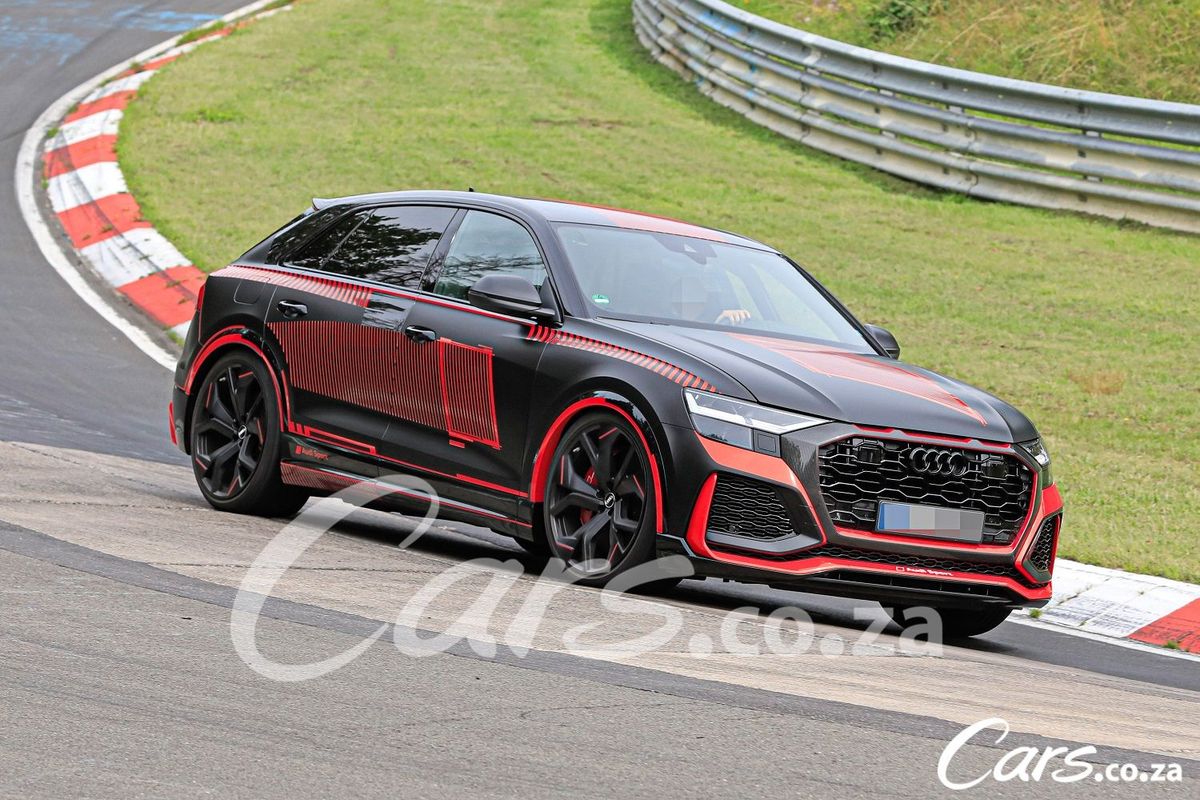
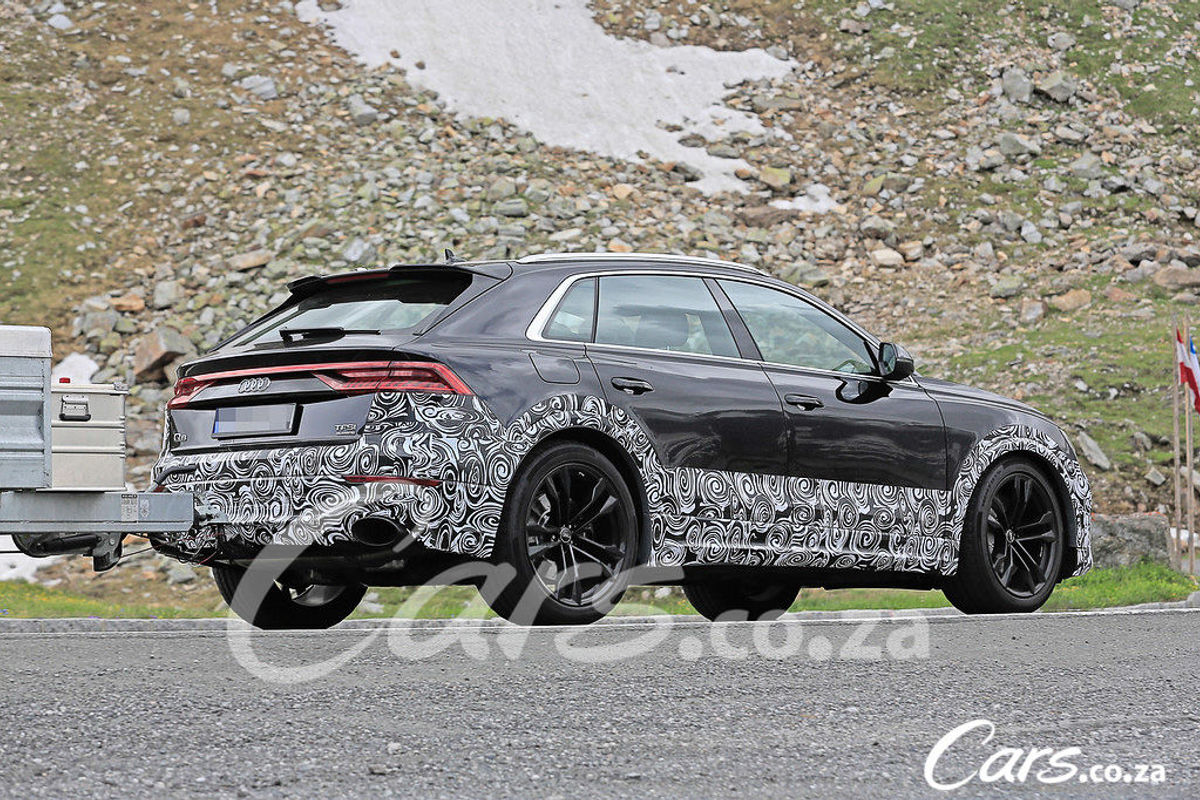
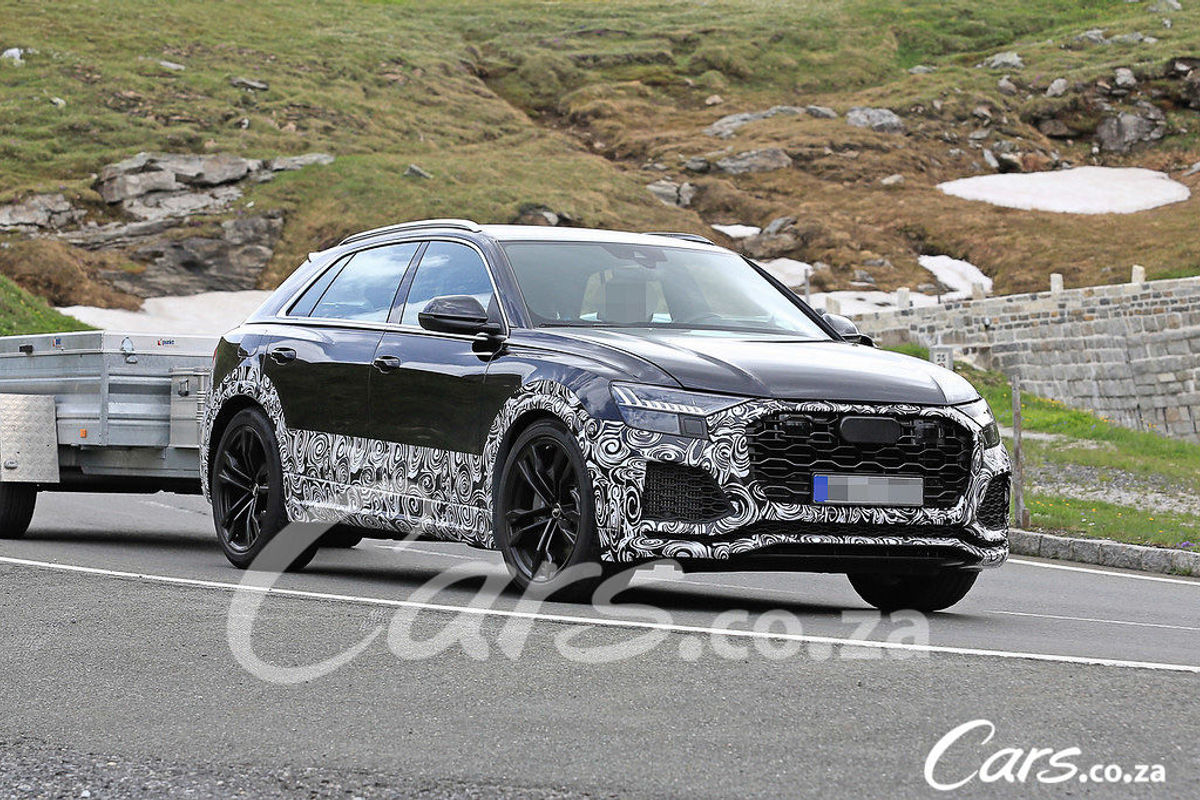
With the new Audi Q8 having just been revealed, attention has now turned to Audi's RS division. Would it be keen on producing an RSQ8? The answer is yes, and it has been spied undergoing testing.

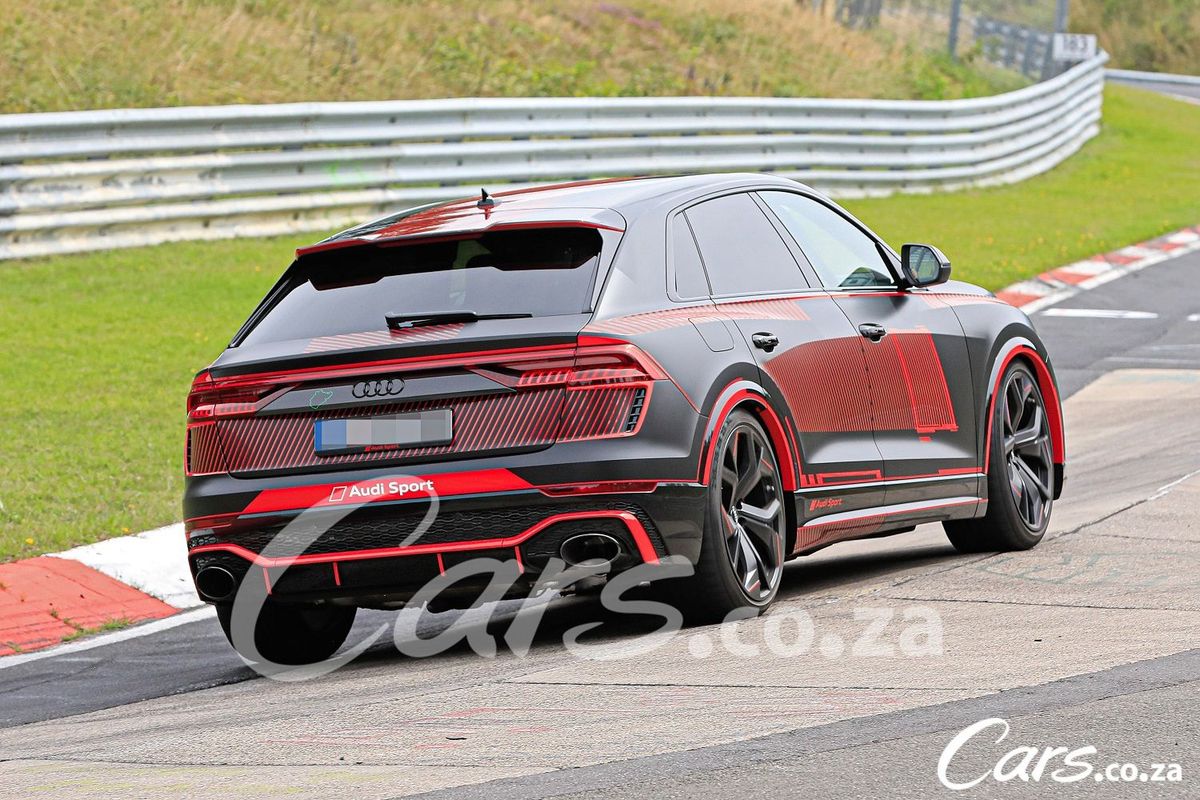
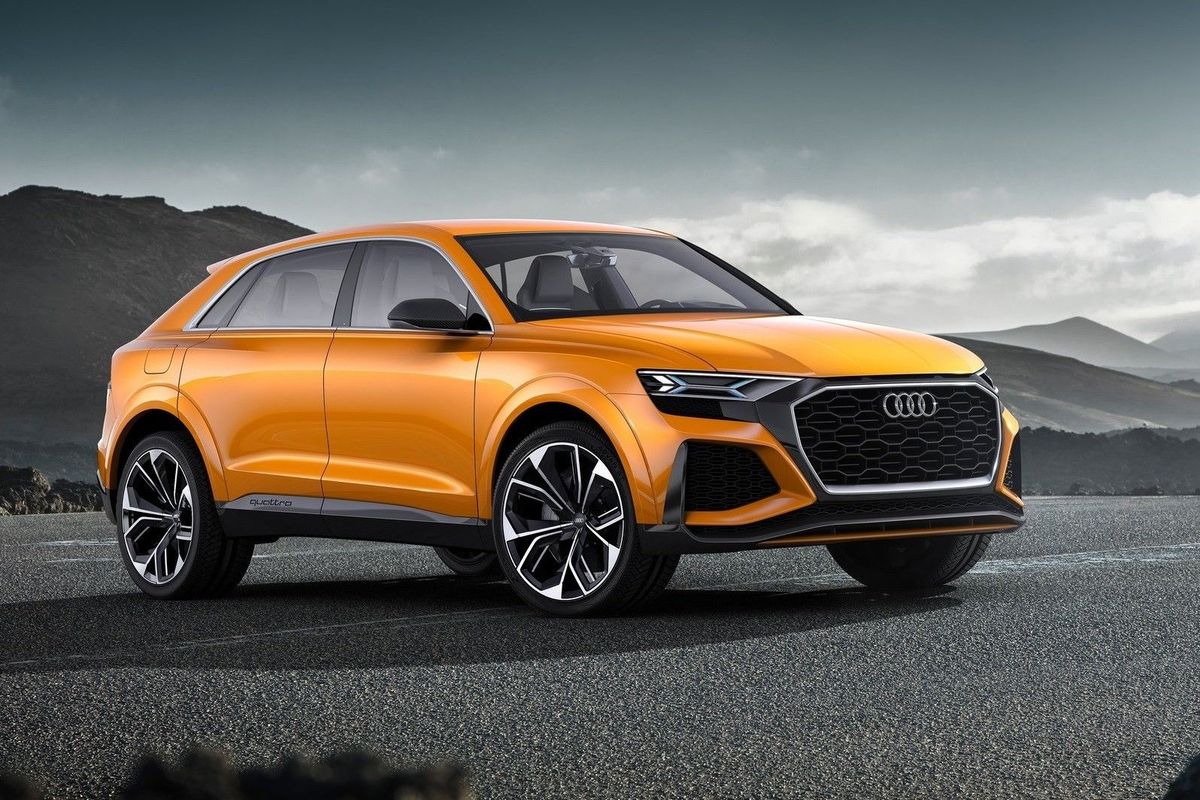
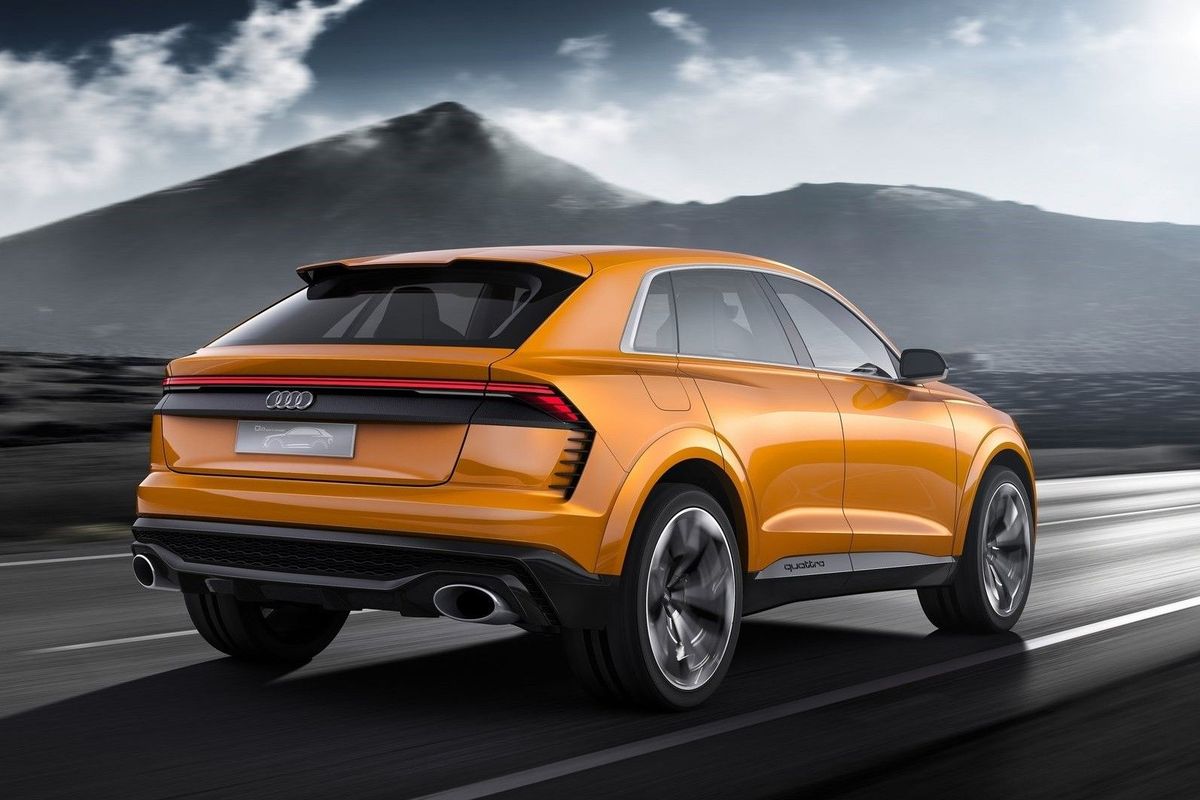
These photos show the new Audi RSQ8 being put through its paces. There's very little disguise on the prototypes, giving us a good look at the wider body, more aggressive bumpers, monstrous exhausts and huge alloy wheels. Lurking behind those wheels will be large brakes and we'd guess right away that the new Audi RSQ8 will feature ceramics. As for final styling cues, we can look to the 2017 Q8 Sport Concept and 2017 Q8 Concept for inspiration.

In terms of engine, we'd speculate that it will be the same 4.0-litre twin-turbocharged petrol V8 motor as the one found in the new Lamborghini Urus, however, it's likely to be slightly down on power, giving its more premium sibling the edge. In the Urus, it puts out 478 kW and 850 Nm through an eight-speed automatic gearbox to all four wheels. We'd guess that the RSQ8 will push out at most 450 kW, to avoid upsetting the Italians. Still, it'll be able to blitz to 100 kph in under 4 seconds, making it one very quick luxurious SUV. In terms of rivals, you're looking at the BMW X6 M and Mercedes-AMG GLE 63 S.

The Audi Q8 is scheduled to arrive in SA before the end of 2018, but it will be some time before the RSQ8 lands here. We estimate that it could be in SA towards the end of 2019.


The 2017 Audi Q8 Sport Concept. Could some of these styling cues make their way onto the production version of the Audi RSQ8?

Further Reading

Flagship Audi Q8 Revealed [w/video]

Spy Shots: Audi Q8

Audi Q8 Concept Revealed in Detroit

Audi to Show RS Q8 Concept in Geneva

Nissan Micra (2018) Specs & Price


Nissan is launching its new 5th-generation Micra compact hatchback in South Africa this week! Take a look at what you can expect in terms of specification and pricing for the newcomer…

Nissan is hoping to rattle some cages with the introduction of its new Micra which will rival cars such as the new Ford Fiesta, Volkswagen Polo and Hyundai i20 to name a few.

Engine power

The new Micra is powered by a 0.9-litre, 3-cylinder turbopetrol engine (sourced from the Japanese company's alliance partner Renault) with peak outputs of 66 kW and 140 Nm of torque. The powerplant is mated with a 5-speed manual transmission and combined average fuel consumption is claimed at 5.1 L/100 km. 

Key design features


There are three trim levels for the new Nissan Micra: Visia, Acenta and Acenta+

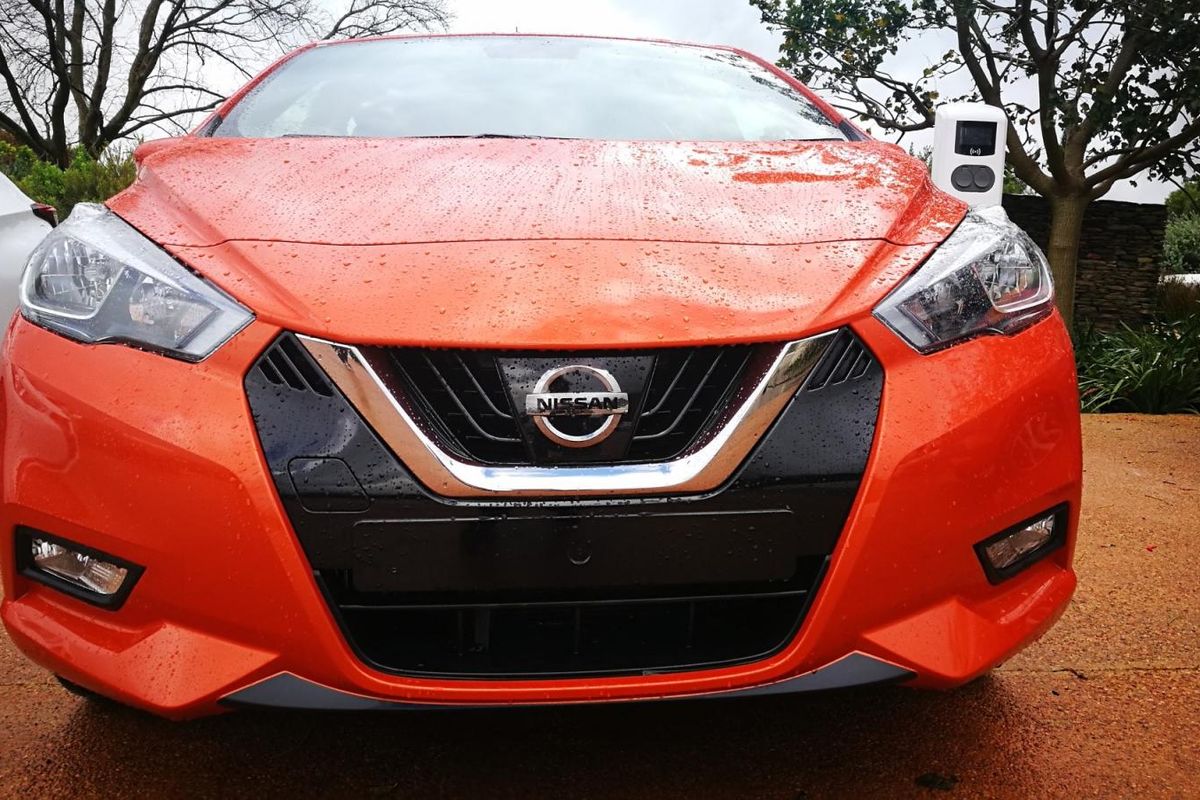
From a styling perspective, the new Micra is a massive improvement over the previous generation with sharper, curvy lines giving it a more modern and youthful appearance. The front-end features Nissan's V-motion grille in chrome and gloss black, which is complemented with boomerang LED daytime running lights. A blacked out C-pillar gives the Micra a floating-roof effect with hidden rear door handles; a roof spoiler and new boomerang taillights round off the Micra's design. The new Micra will be offered with 3 trim levels to choose from including Visia, Acenta and the top-spec Acenta Plus, which comes fitted with two-tone, 17-inch alloy wheels. The base-spec Visia derivative rides on 15-inch steel wheels while the mid-spec Acenta wears 16-inch alloys. 

On the inside, the Micra features a thoroughly improved interior. A T-shaped "gliding wing" dashboard design with chrome and gloss black details gives the Micra's cabin a more premium look and feel. Cloth seats are standard, but come in a variety of designs depending on the trim level you choose. The Micra Visia comes with casual black upholstery, while the Acenta derivative benefits from black and grey upholstery. The top-spec Micra Acenta-Plus features the vibrant Energy Orange upholstery. 

A multifunction D-shaped steering wheel is fitted and the gear lever is surrounded by soft-touch knee pads. A 7-inch colour floating touchscreen display with navigation and Apple CarPlay is offered on the Acenta and top-spec Micra Acenta Plus, while the entry-level Visia derivative gets a more rudimentary audio system with Bluetooth, MP3, USB and iPod connectivity. Cruise control is standard across the new Micra range. The luggage bay of the new Micra is sizable at 300 litres. 

In terms of safety specification, the Micra comes specified with, inter alia, 6 airbags, an anti-lock braking system (ABS) and electronic brakeforce distribution (EBD). We will be driving the new Nissan Micra at the local launch this week so look out for more details later in the week.

New Nissan Micra – Price in SA 

Micra Visia – R233 500

Micra Acenta – R257 400

Micra Acenta Plus – R272 400

Pricing includes a 6-year/150 000 km warranty and a 3-year/90 000 km service plan.

Buy a new or used Nissan Micra on Cars.co.za

Related Content

We Drive 2018 Nissan Micra [updated]

Nissan Micra Active (2017) Quick Review

Ford Fiesta (2018) Launch Review
Hyundai i20 Facelift (2018) Specs & Price

Volkswagen Polo (2018) Specs & Pricing

Volkswagen Polo GTI (2018) Specs & Price


Following the launch of the new Polo earlier this year, Volkswagen has now introduced the new range-topping Polo GTI to market in South Africa. Take a look at specification and pricing details for the Polo GTI below…

The new locally-built Polo GTI is now available in South Africa and not only does it offer better specification than the model it replaces, but it’s also a bit cheaper, which should please local buyers.

VW Polo GTI – Key Features

Engine and Performance


A 2.0-litre turbopetrol engine finds a home in the Polo GTI for the first time. It's a detuned version of the engine found in the Golf GTI. 

For the first time, the new Polo GTI is powered by a 2.0-litre turbopetrol engine with 147 kW and 320 Nm of torque. Power is sent to the front wheels via a 6-speed dual-clutch transmission as standard.

In terms of performance, the Polo GTI will sprint from zero to 100 kph in 6.7 seconds and reach a top speed of 237 kph. Fuel consumption is claimed at 5.9 L/100 km. The driver can select various driving profiles and these include Eco, Sport, Normal and Individual.

The standard Polo GTI features sport suspension as standard but can be optionally equipped with Sport Select suspension with active dampers. An XDS differential lock further enhances traction and cornering ability of the Polo GTI.   

Exterior styling features


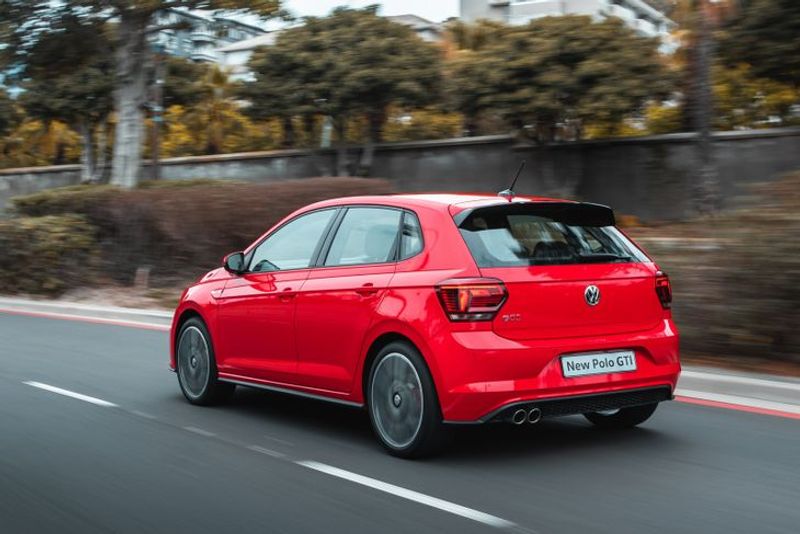
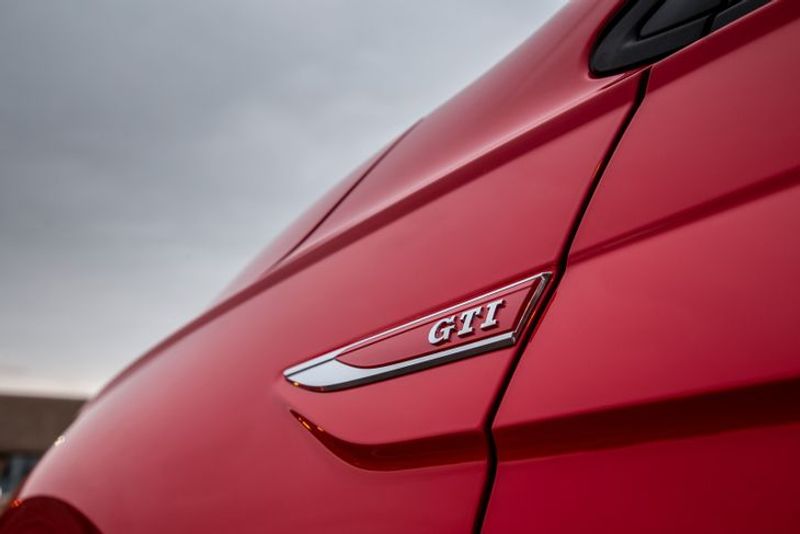
GTI badging and obligatory red detailing sets the Polo GTI apart from its lesser Polo siblings.

The Polo GTI features an independent bumper with a spoiler lip and fog lights while the familiar red GTI stripe seen on the grille runs through into the red winglets of the optional LED headlights. The air intakes have a honeycomb structure and the C-shaped air curtains are finished in high gloss black, further differentiating the Polo GTI from the lesser Polo derivatives.

At the rear, a two-piece roof spoiler is fitted as is a rear diffuser finished in high-gloss black with dual chrome tailpipes and LED tail lights. The Polo GTI rides on new 17-inch ‘Milton Keynes’ alloy wheels while 18-inch ‘Brescia’ alloys are offered as an option for the first time. Red brake calipers are standard.

The Polo GTI is available in Pure White, Flash Red, Deep Black Pearl Effect and Reef Blue Metallic.    

Interior features


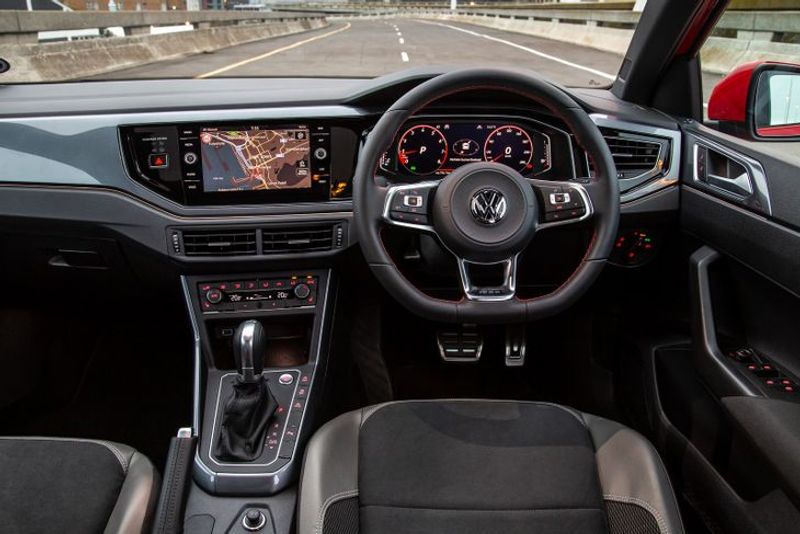
The optional Active Info Display lifts the sportiness of the Polo GTI's interior considerably.  

The Polo GTI features a customised interior in either black, red, grey and chrome. Titan black accents is used to finish off the interior look. The dashboard panel can be ordered in Deep Iron Metallic or Velvet Red. Typical red GTI stitching is seen on leather multifunction steering wheel, gear lever, floor mats and outer seat surfaces.

The sports seats are kitted out in Art Velour upholstery as standard while black leather upholstery with heating function is optionally available.

The Polo GTI can also be optionally equipped with Volkswagens’ latest Active Info Display. The high-resolution, 10.25-inch display can be adjusted to preference using the ‘View’ button on the steering wheel or further configured via the standard 8.0-inch Composition Media infotainment system. Note that the 8.0-inch radio/CD navigation infotainment system is optional as is a sunroof.

Safety features

The Polo GTI has a minimum of 6 airbags, ABS with EBD, emergency braking, Electronic Stability Control (ESC) with traction control. Other standard safety features include a driver alert system, automatic post-collision braking system and tyre pressure monitoring system.

An optional Advanced Safety Package is also available and includes Parallel Park Assist, Park Distance Control, Rear View camera, Blind Spot Detection and electric folding mirrors. Rear traffic alert is offered in conjunction with blind spot monitoring.  

New Volkswagen Polo GTI – Price in SA (June 2018)

VW Polo GTI – R375 900

The new Polo GTI comes standard with a 3-year/120 000 km warranty, 3-year/45 000 km service plan and a 12-year anti-corrosion warranty. Service intervals are set at 15 000 km.

Buy a new or used VW Polo GTI on Cars.co.za

Related Content

Volkswagen Polo GTI (2018) Launch Review
Volkswagen Polo GTI (2018) International Launch Review
Volkswagen Polo GTI (2015) Review
Volkswagen Polo 1.0TSI Highline AT (2018) Video Review
Volkswagen Polo 1.0TSI Highline auto (2018) Review [w/Video]
Volkswagen Polo 1.0 TFSI Comfortline (2018) Quick Review
Updated Spy Shots: 2018 Mercedes-Benz GLE


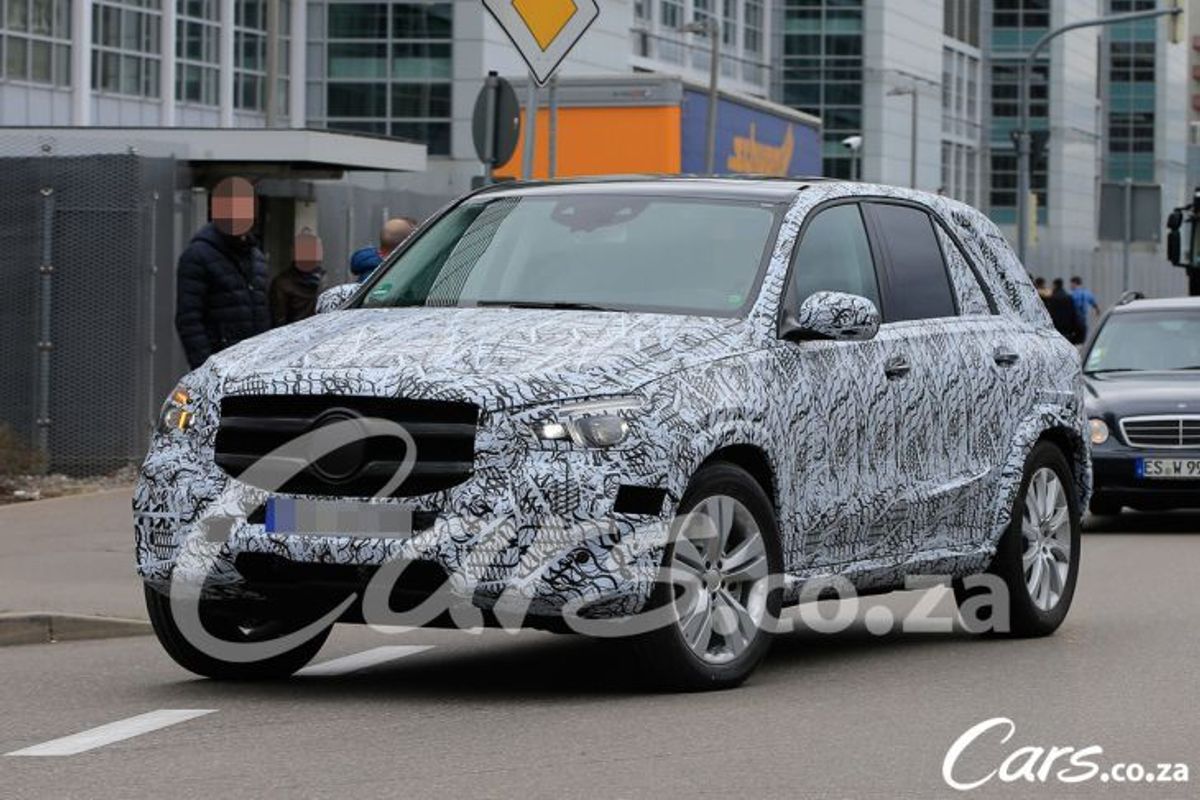
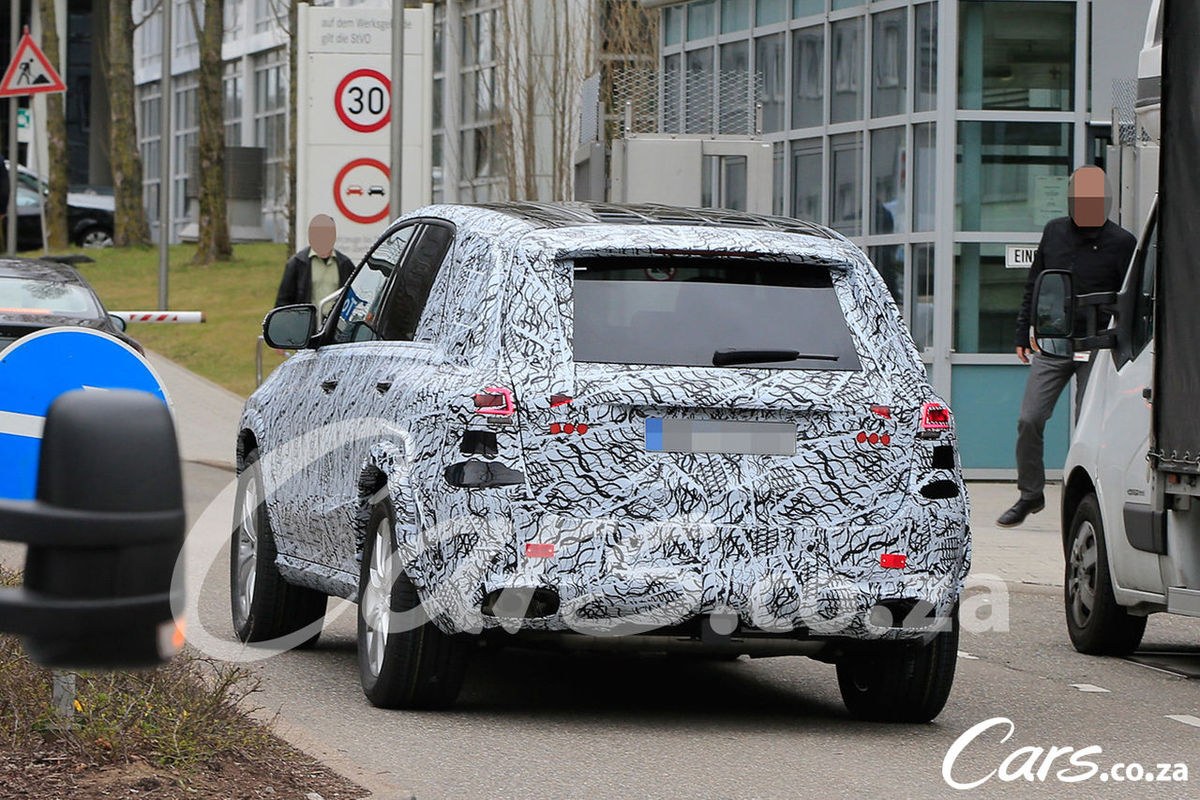
We've been tracking the development of the new Mercedes-Benz GLE SUV and it looks like the vehicle is almost ready to be revealed. Our latest spy photographs show the new Mercedes-Benz GLE virtually undisguised.

Picture credit: S. Baldauf/SB-Medien

We first got a glimpse of the next generation Mercedes-Benz GLE back in July 2016, but these new images show a vehicle that’s much closer to the showroom version. Mercedes-Benz plans to put the all-new GLE into production in 2018 or early 2019.

Without all that much camo aboard, the new images show a more rounded body, not too dissimilar from the current generation GLE. The GLE mules were spotted testing against rivals from Porsche (Cayenne) as well as an Audi Q7. 

The rear lights have also changed in design and appear to be thinner and resemble those of the newly launched A-Class.

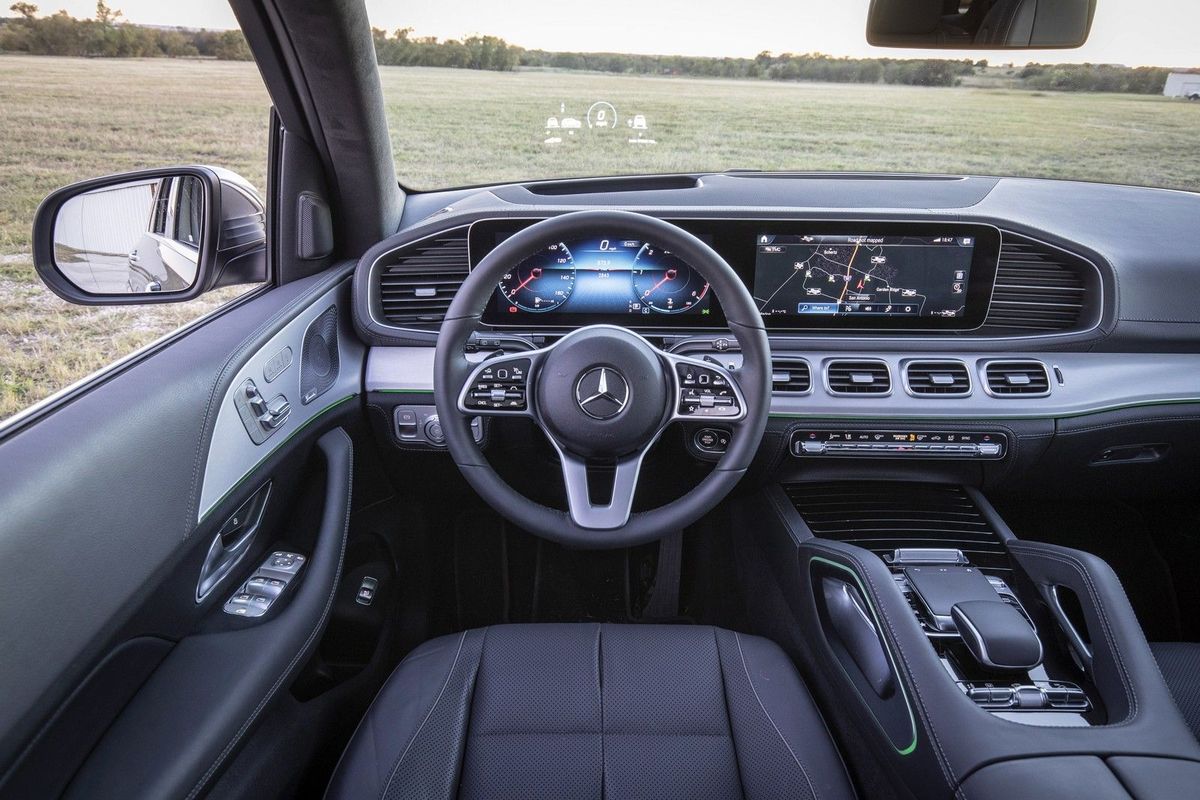
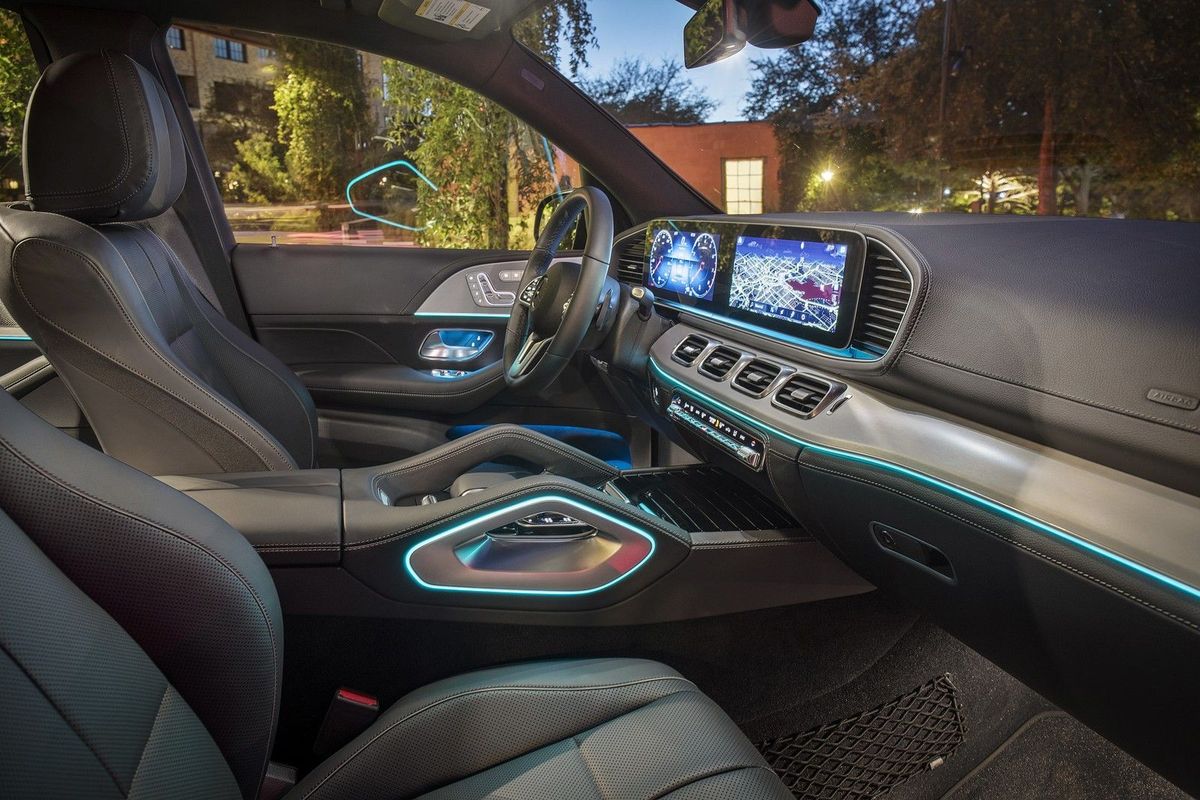
As for details on the new GLE, the chassis is borrowed from the current E-Class. Engine variants are said to include the next generation of 4 and 6-cylinder turbopetrols and -diesels. Later on, there will be an AMG-fettled model likely to be powered by the 4.0-litre V8 biturbo.

Related content:

Spy Shots: Mercedes-AMG GLE 63

Audi Q7 vs Volvo XC90 Video Review and Comparison|
Jaguar F-PACE 30d AWD R-Sport (2016) Review
Mercedes-AMG GLE63 AMG (2016) Review
Looking for a used Mercedes-Benz GLE?

Start your search here