Jaguar has bolstered the local E-Pace lineup with the addition of a 147 kW 2.0-litre turbopetrol engine as well as offering adaptive suspension and Smart Settings self-learning technology across the E-Pace range.
The recently-introduced Jaguar E-Pace range will soon welcome a 147 kW 2.0-litre turbopetrol engine to the local lineup in October 2018, but orders can now be placed at your nearest Jaguar Land Rover dealerships.
Jaguar claims a fuel consumption figure of 8.2 L/100 km for the 147 kW E-Pace and it's claimed to sprint from zero to 100 kph in 8.2 seconds.
Added Features
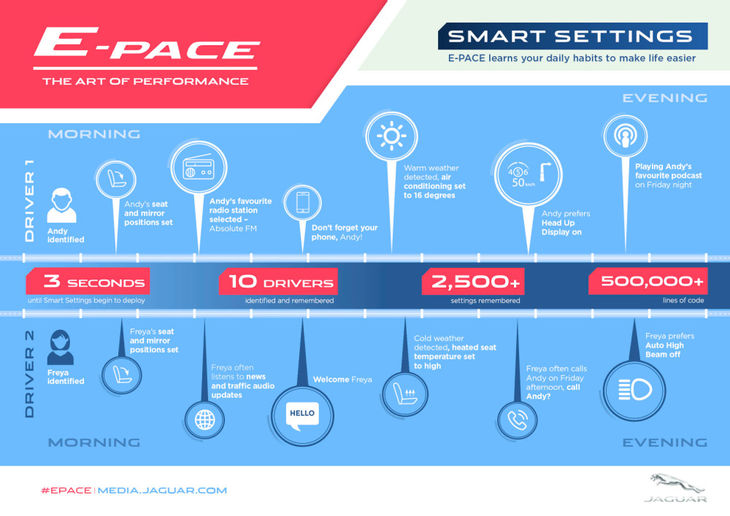
In addition to this, the E-Pace can also be had with self-learning technology known as Smart Settings, which will also feature on the forthcoming I-Pace which is due to arrive in South Africa in 2019.
According to Jaguar, Smart Settings learns the driver’s habits and anticipates their needs. For instance, the E-Pace can recognise the driver based on the key fob or Bluetooth signal emitted from a smartphone. The car will then proceed to automatically adjust the seat settings specifically for that driver and set the interior climate and infotainment settings based on previous preference.
Algorithms will tailor settings over time and up to 8 different profiles can be accommodated. Other features include an Intelligent Phone Reminder (reminds you if you have forgotten your phone) and Predictive Call List (learns your most popular contacts). Smart Settings is offered as part of the optional Connect Pro Pack which also includes a 4G Wi-Fi Hotspot, Pro Services and Navigation Pro.
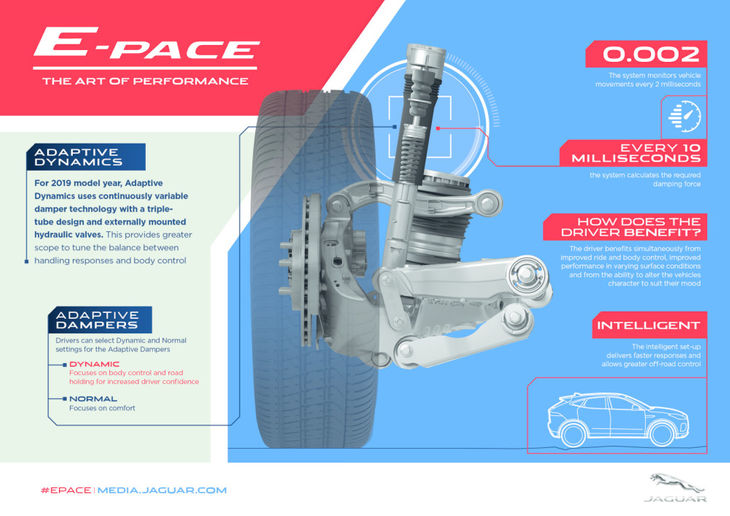
Buyers can also opt for an E-Pace with Adaptive Dynamics to enhance ride comfort and handling ability. Using continuously variable damper technology, Adaptive Dynamics monitors vehicle movement every 2 milliseconds and calculates and adjusts the required damping every 10 milliseconds to improve ride and minimise body roll.
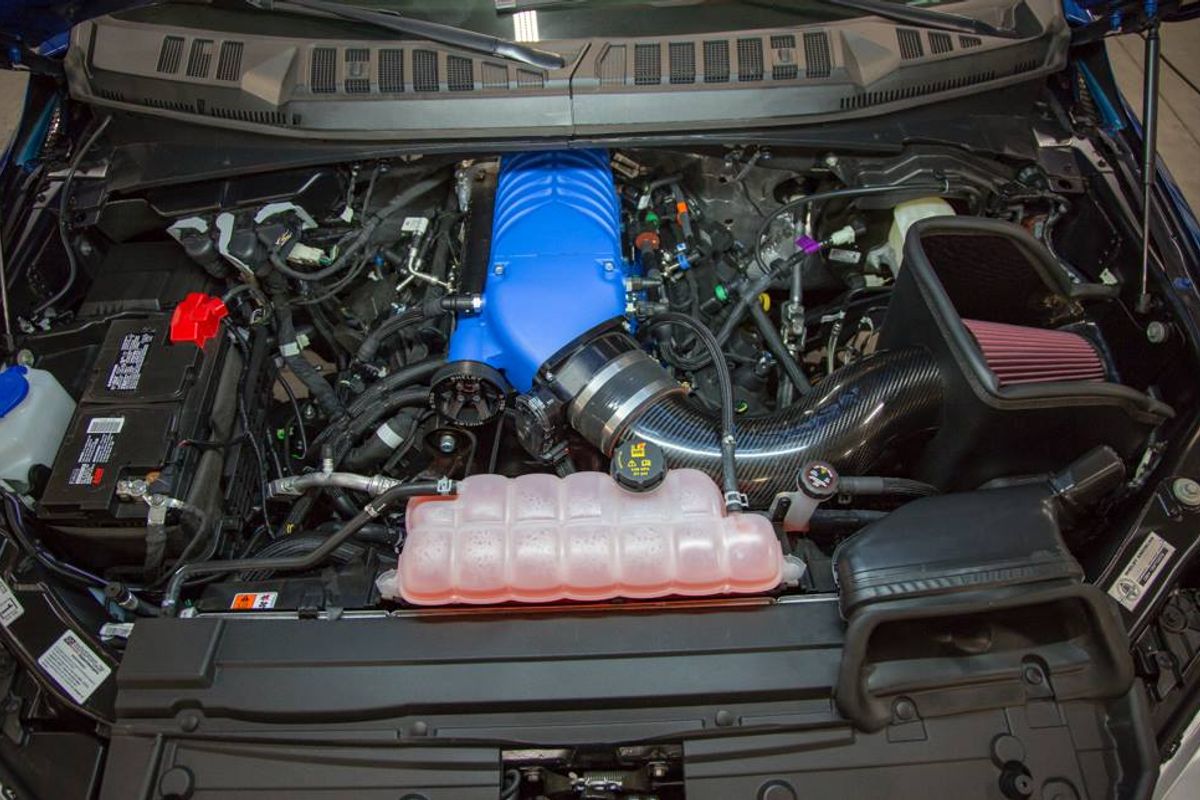
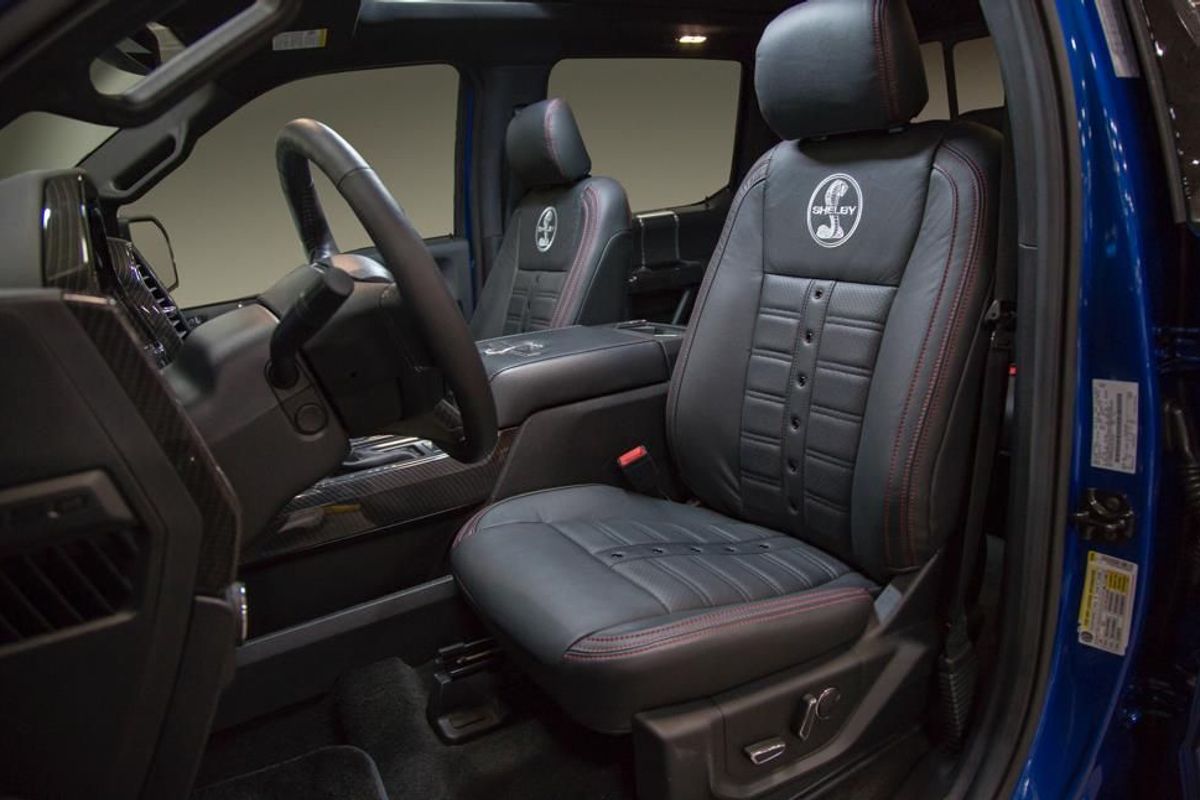
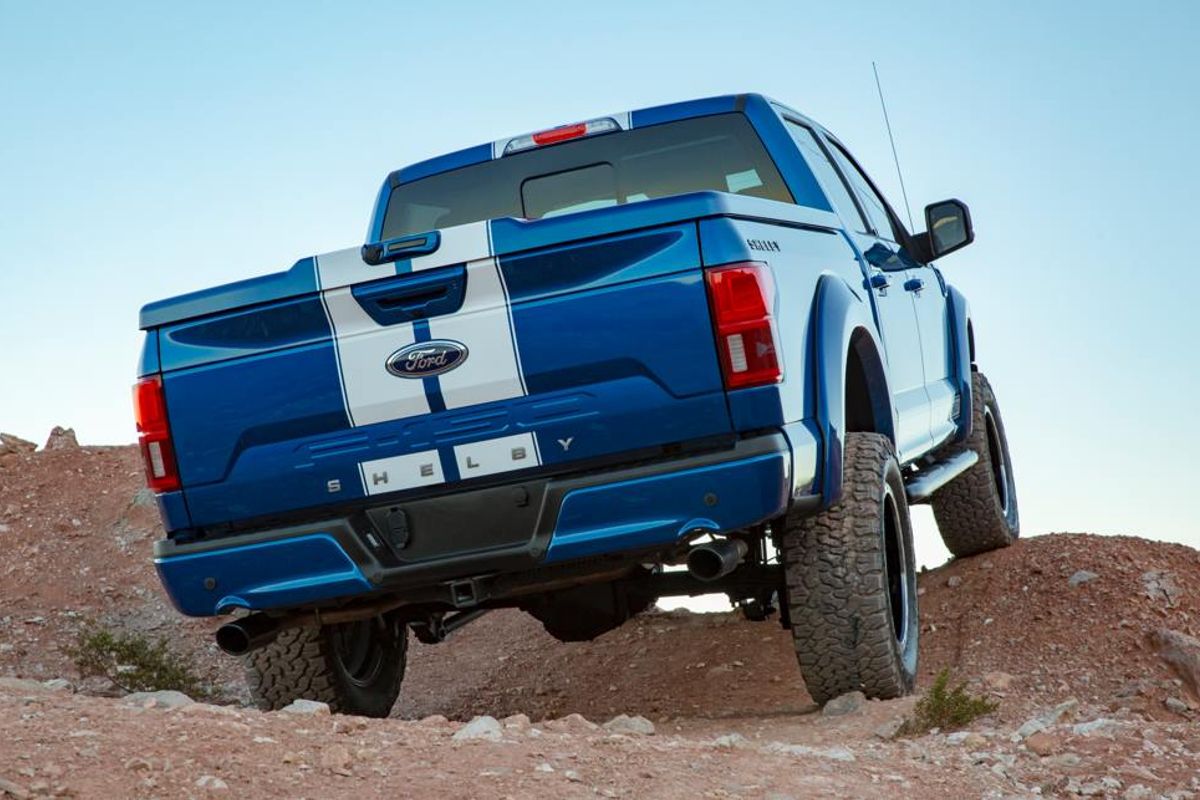
Shelby South Africa has confirmed that it will be bringing in a number of Ford F-150 trucks with Shelby conversions. Here's what you need to know about these beasts.
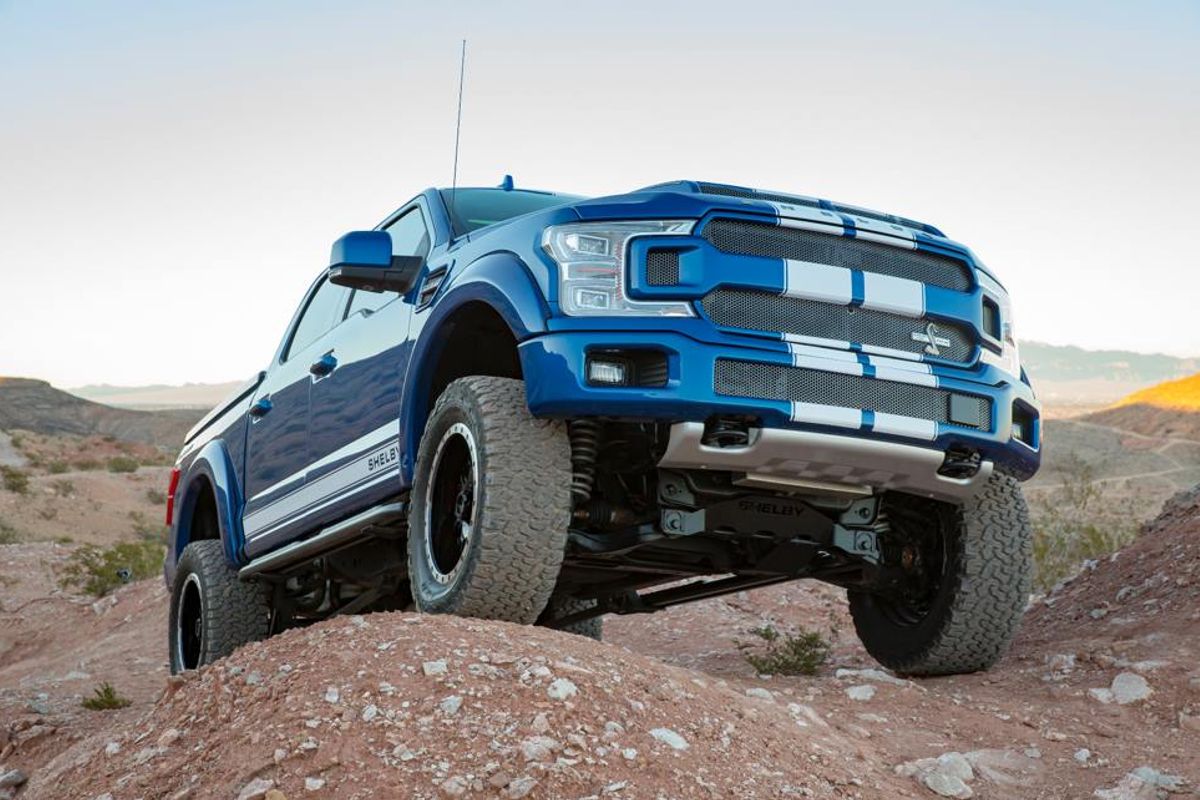
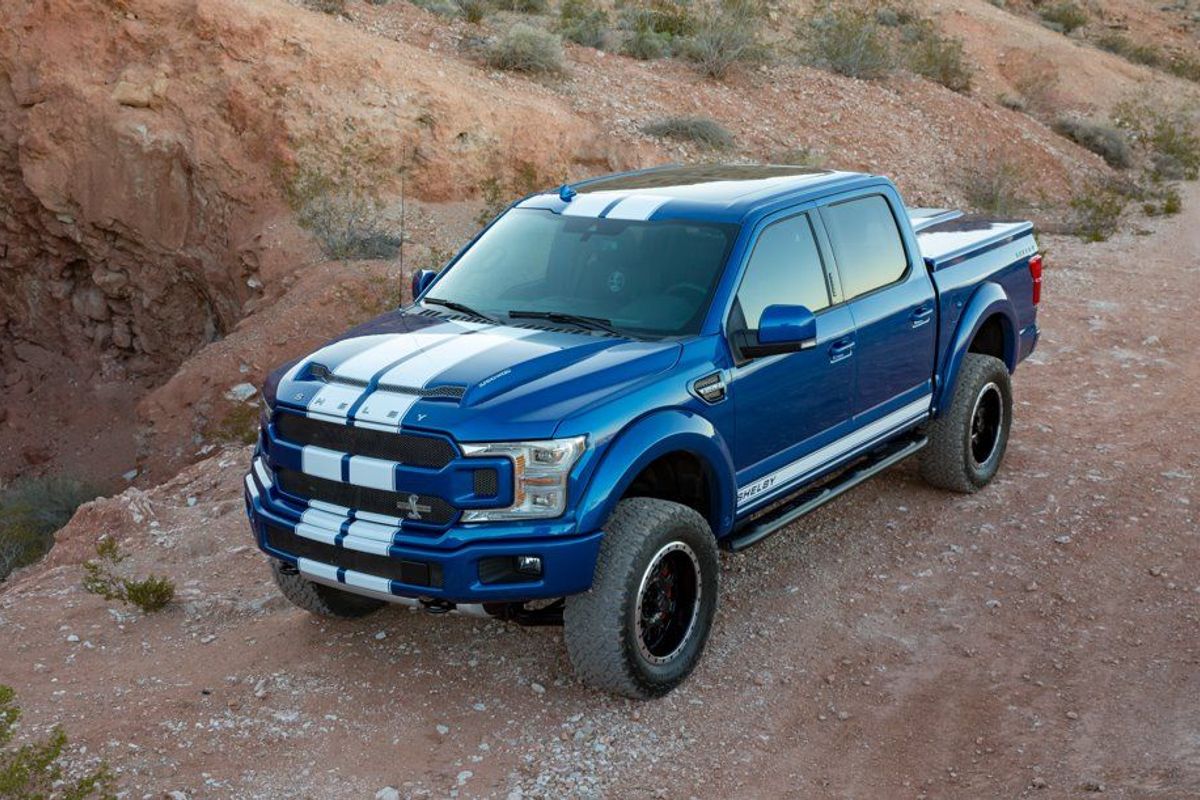
The Ford F-150 bakkie is a product which South Africans continually ask for, but due to the lack of a right-hand drive version, our hopes of American truck ownership are ruined. Or are they? Shelby South Africa confirmed that it will be bringing in a number of F-150 units and converting them to right-hand drive. There are three Shelby derivatives on offer; Shelby F-150, Shelby F-150 Super Snake and Shelby Raptor.
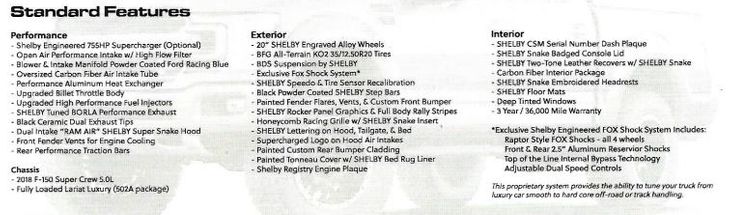
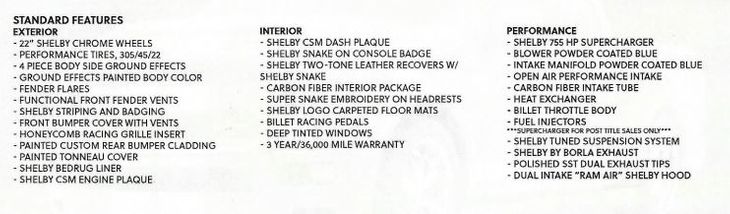
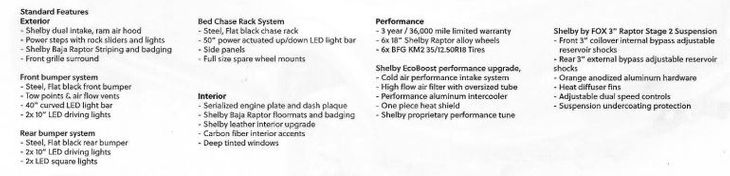
From what we can see, the Shelby takes the existing Ford F-150 Supercab in Lariat trim as a platform and then transforms it into an absolute monster with cosmetic and performance enhancements. The 5.0-litre V8 pushes out 298 kW and 542 Nm in stock trim, but with a Shelby supercharger, power breaches the 560 kW figure! The Raptor's V6 biturbo motor produces 336 kW and 691 Nm, but with the Shelby touch, it now produces 391 kW and 827 Nm. The Shelby Raptor also gains Fox Racing shocks and special BF Goodrich tyres.
Shelby F-150 Specs
Shelby F-150 Super Snake Specs
Shelby F-150 Raptor Specs
Shelby Ford F-150 Price in South Africa (June 2018)
Here's where it gets tricky. Bringing these trucks into South Africa is a process which is vulnerable to fluctuations in the exchange rate. It is important to note that you will still need to purchase and import an F-150 through Shelby which adds around R1 million to the final cost. According to Shelby SA, the final cost of the conversion of the vehicle to Shelby and right-hand drive specification will be between R1.2 million and R1.5 million. Shelby SA will invoice the client for the final cost of the conversion of the vehicle and the client will be required to pay the following deposits to Shelby SA:
Shelby F-150 R950 000
Shelby F-150 Super Snake R1 100 000
Shelby Raptor R1 350 000
Import duty plus actual cost of the vehicle plus the conversion means the new Shelby F-150 bakkie is not cheap, with estimates putting it around the R2.8-million mark. Also, due to legislation, the customer may not transfer the vehicle out of their name for a minimum of two years. The vehicles will be shipped to South Africa and the conversions will take place in Port Elizabeth, at Hi-Tech Automotive (which is a Shelby-approved facility). Hi-Tech Automotive will take care of the NRSC approvals, clearance documentation and the registration of the vehicle onto the NRSC system. Shelby will then deliver the vehicle to you, or you can collect it in Port Elizabeth. The Shelby F150 bakkie comes with a 3 Year/50 000 km Shelby warranty. Once you place your order, you can expect a 6-month lead time from the date of deposit. Want one? Then best you head to this link and enquire, or give them a ring at 022 487 1546.
Toyota South Africa is offering a special-edition Corolla Prestige Plus in South Africa. Details below…
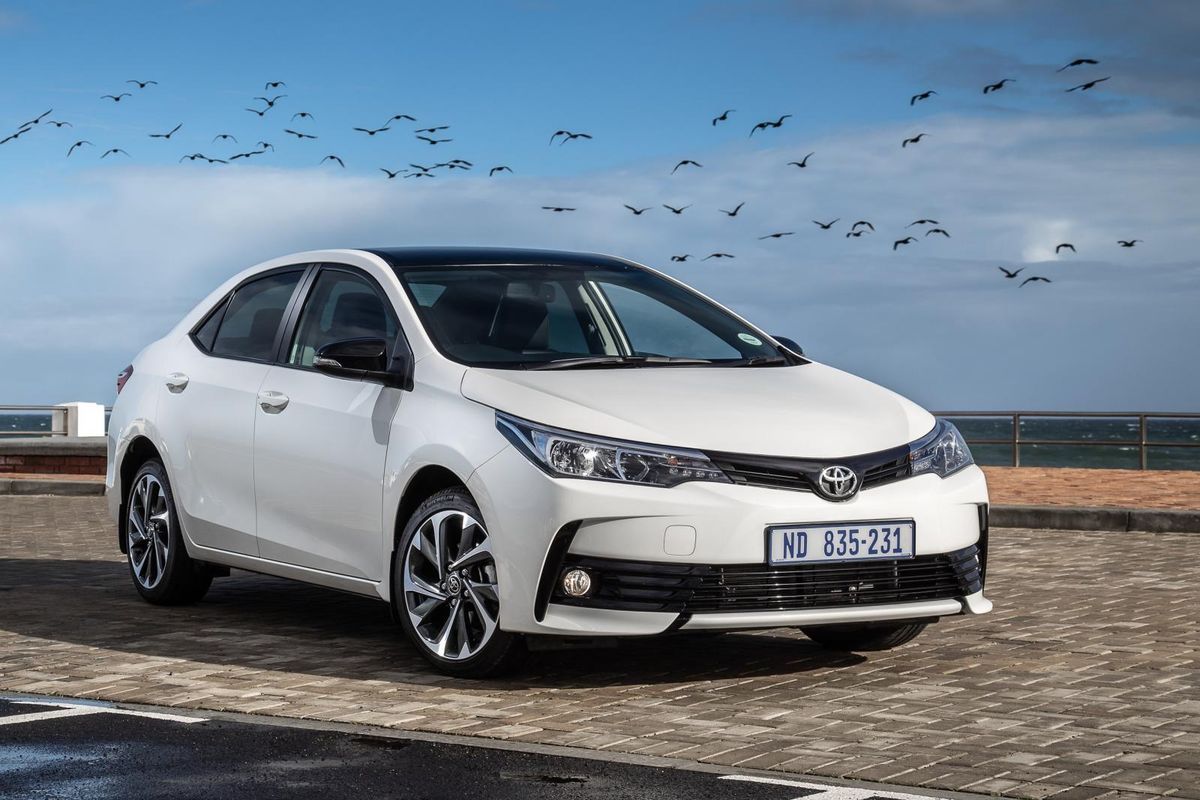
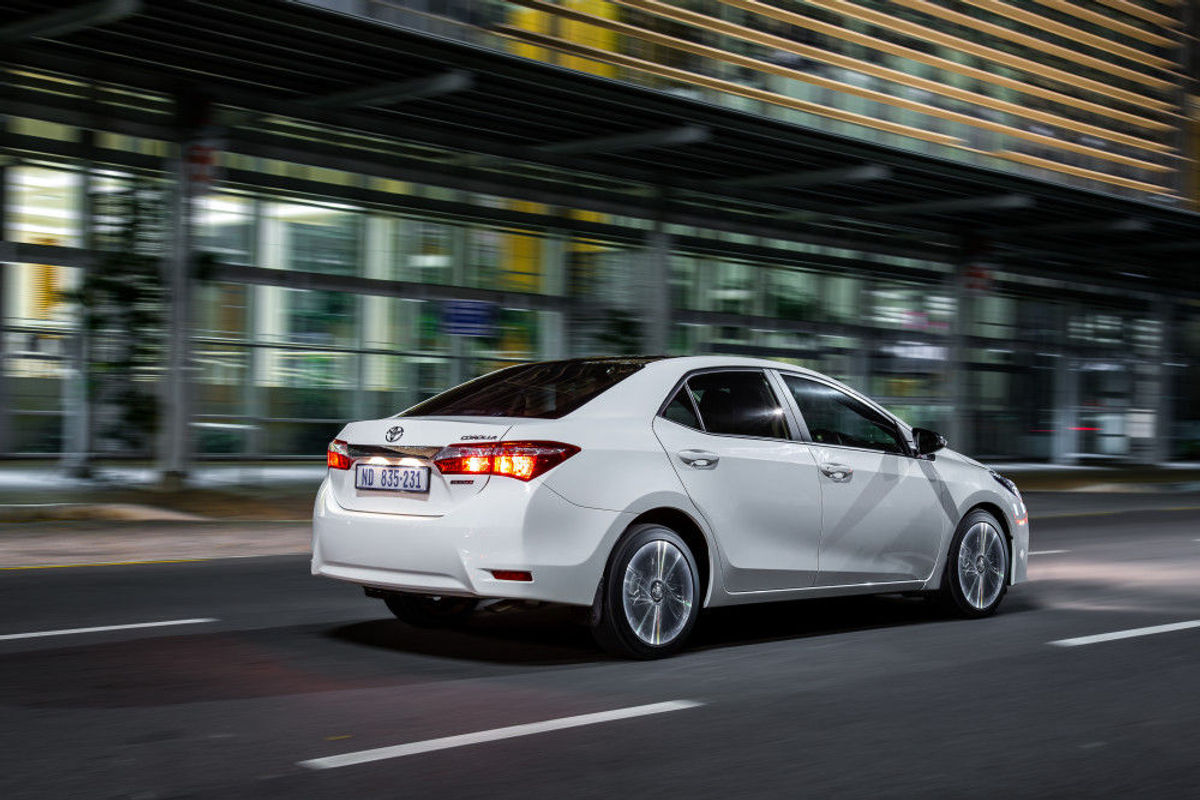
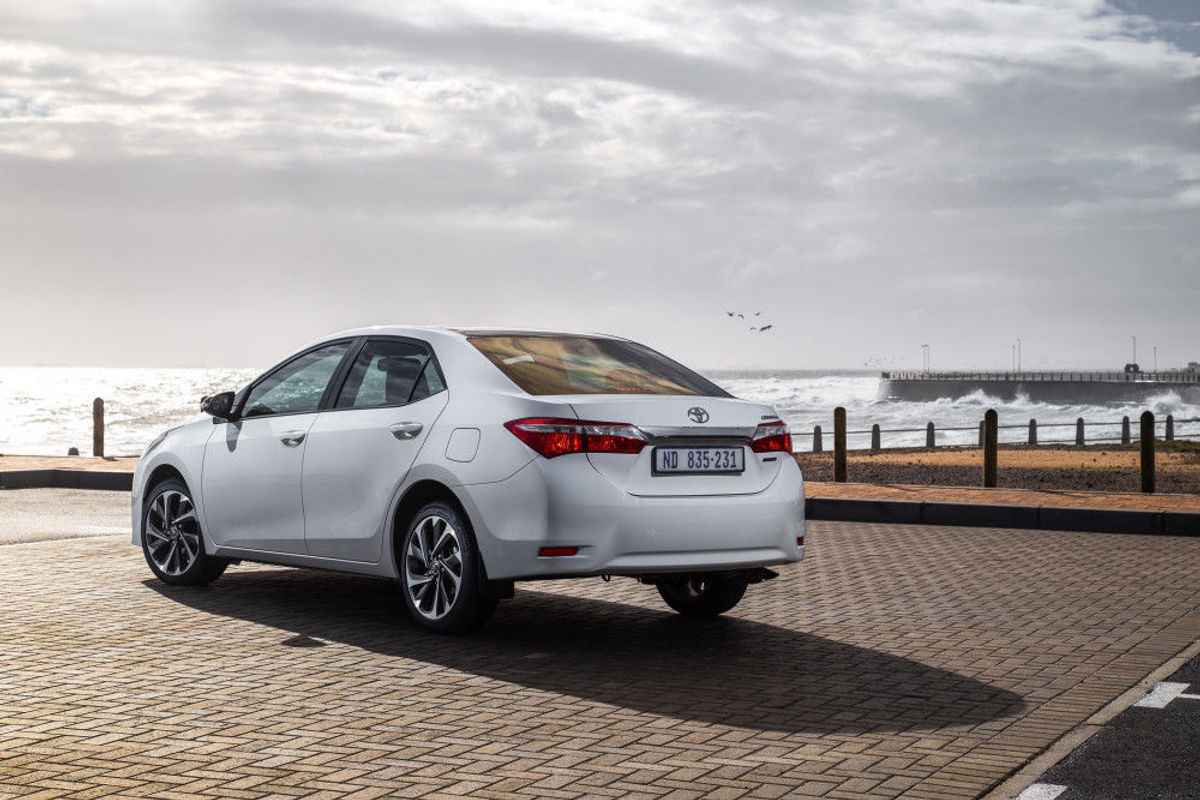
The Toyota Corolla is one of the world’s best-selling nameplates and to celebrate the success of the ubiquitous Japanese compact sedan, Toyota South Africa is offering buyers a special-edition Corolla Prestige Plus featuring unique styling details.
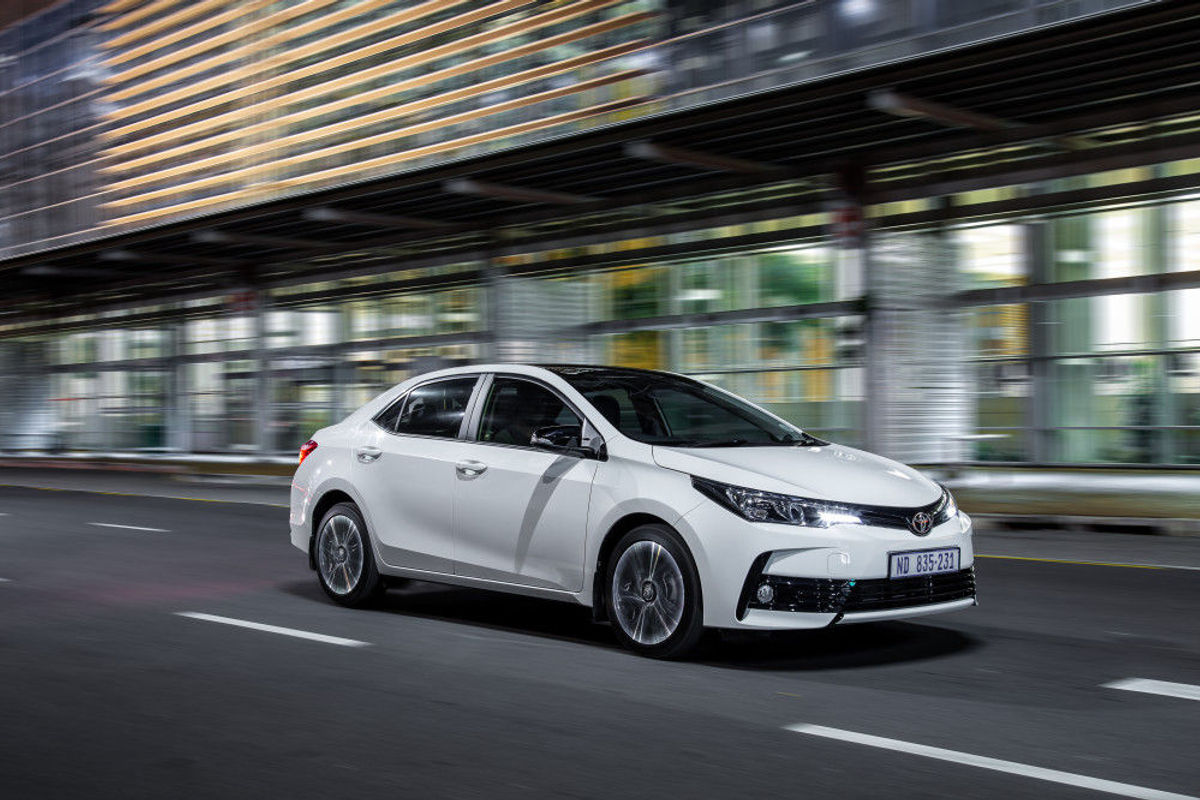
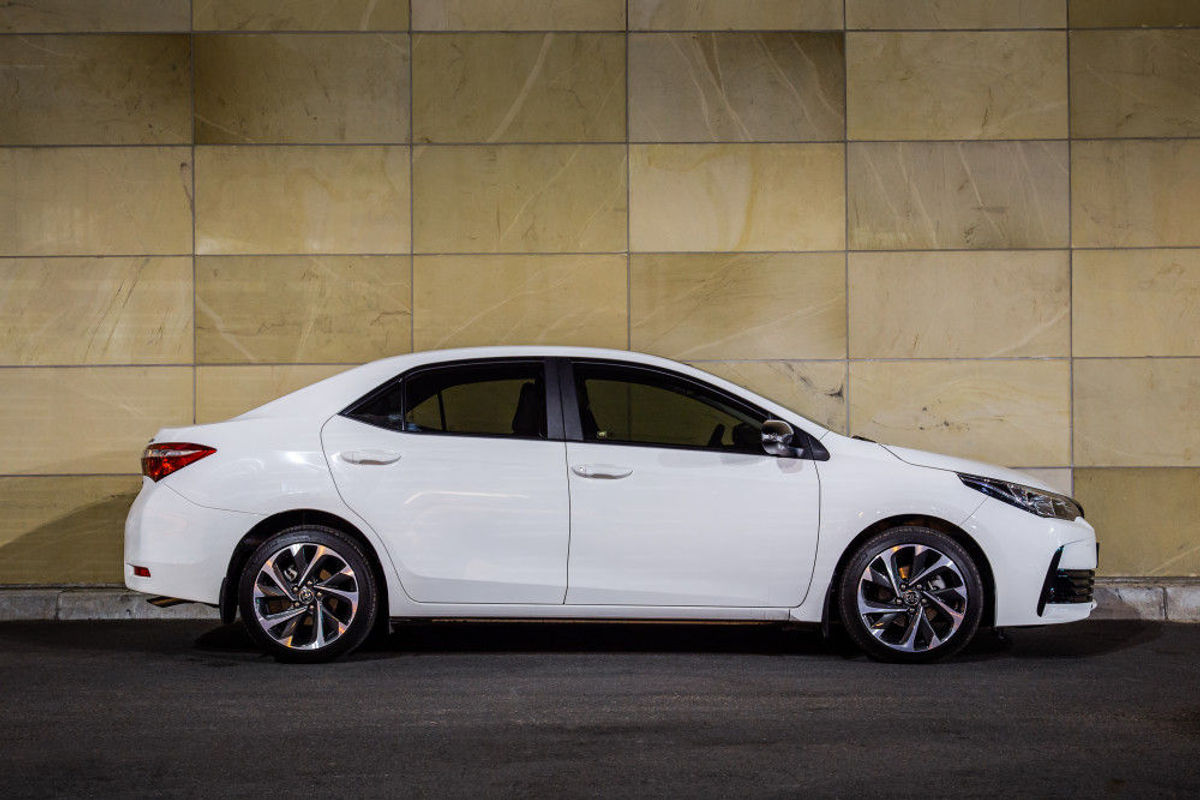
The Corolla Prestige Plus comes with two-tone paintwork and the roof is finished in gloss black (Attitude Black), which is also seen on the upper and lower radiator grilles. The black lower grille stretches across the front apron and houses fog lamps while vertical blades in gloss black give the model a progressive look. The model rides on 17-inch alloy wheels.
The side mirrors are also finished in gloss black and Prestige Plus badging is found on the boot lid.
The Corolla Prestige Plus is offered in 3 colour combinations including Glacier White, Satin Silver and Graphite Grey, all in combination with the gloss black roof.
On the inside, the model benefits from leather and fabric combination upholstery while piano black accents are seen in the door trim to match the exterior styling elements.
The Corolla Prestige Plus is powered by a naturally-aspirated 1.6-litre petrol engine with 90 kW and 154 Nm of torque and mated to either a 6-speed manual or CVT.
Toyota Corolla – Price in South Africa (June 2018)
Corolla Prestige Plus 1.6 M/T R318 500
Corolla Prestige Plus 1.6 CVT R333 000
Corolla 1.3 Esteem R270 500
Corolla 1.3 Prestige R291 200
Corolla 1.4D Esteem R304 400
Corolla 1.4D Prestige R318 100
Corolla 1.6 Esteem R290 200
Corolla 1.6 Prestige R310 600
Corolla 1.6 Prestige CVT R325 100
Corolla 1.8 Prestige R324 800
Corolla 1.8 Exclusive R348 400
1.8 Exclusive CVT R361 700
The Toyota Corolla is sold with a 3-year/100 000 km warranty and a 5-year/90 000 km service plan.
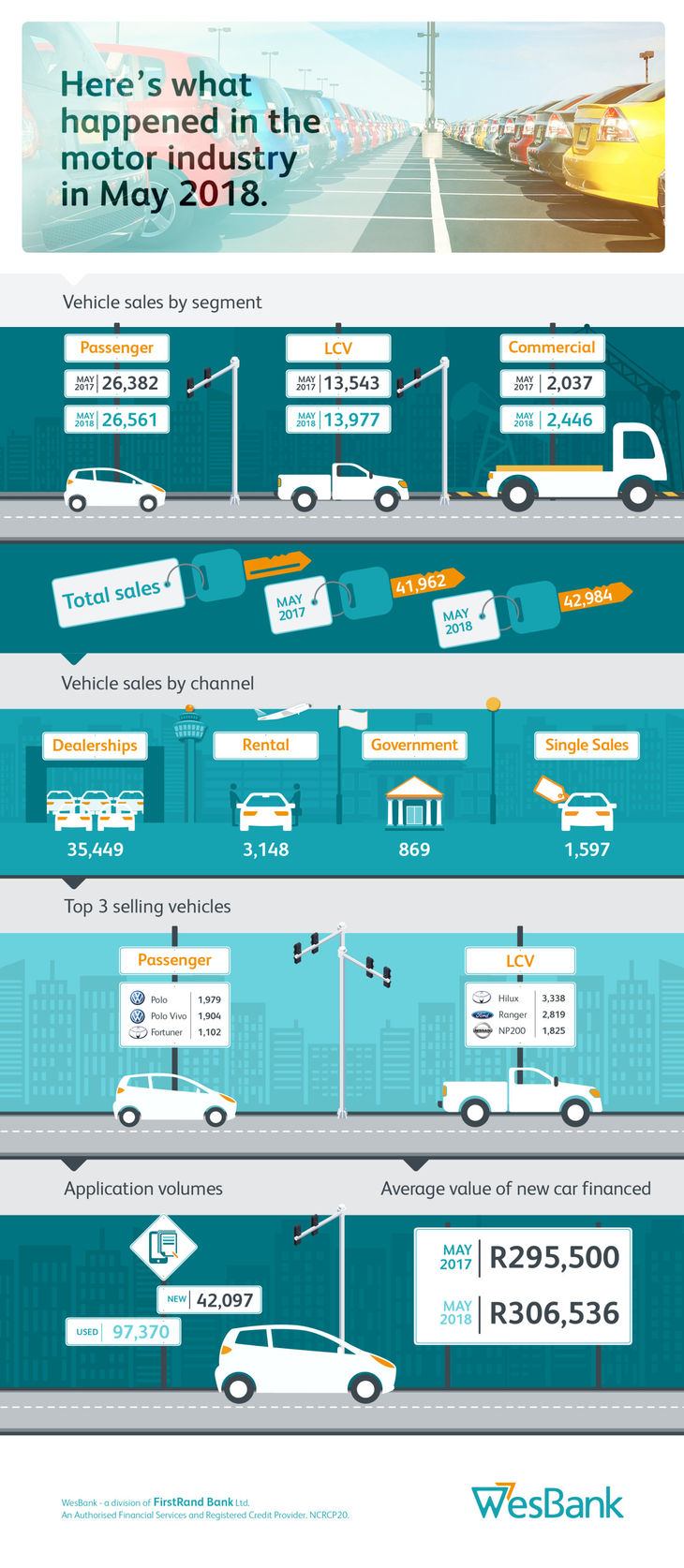
New vehicle sales and exports improved marginally during May 2018 according to the National Association of Automobile Manufacturers of South Africa (NAAMSA).
New car sales in South Africa during May 2018 recorded an improvement of 2.4% compared with the same period last year while export sales reflected an increase of 13.9%.
WesBank’s Executive Head for Sales and Marketing, Ghana Msibi, commented on the results, “Coming off the poor performance of the industry in 2017, the year-on-year recovery is encouraging, but it’s important to not misinterpret the recovery as growth.”
Year-to-date data shows that total sales in the first 5 months of year is down by 1.6% compared to the same period in 2017.
New Car Sales Summary – May 2018
Aggregate new vehicle sales of 42 984 up by 2.4% (+1 022 units) compared to May 2017
Passenger car sales of 26 561 up by 0.7% (+179 units) compared to May 2017
Light Commercial Vehicle (LCV) sales of 13 977 up by 3.2% (+434 units) compared to May 2017
Export sales of 32 731 up by 13.9% (+3 982 units) compared to May 2017
NAAMSA expects new vehicles sales to improve gradually over the medium term as demand for new vehicles recover. Factors contributing to the positive outlook include moderate new vehicle price inflation, improved political/policy environment, reduced interest rates and unchanged international credit ratings.
Economic growth, as well as business and consumer confidence, is also expected to improve for the remainder of 2018 and into 2019 with NAAMSA predicting an overall annual sales improvement of 3% in 2018. Furthermore, global growth will continue to support exports going forward. NAAMSA, however, warns that the current wave of protectionism could have a negative impact on the global economy.
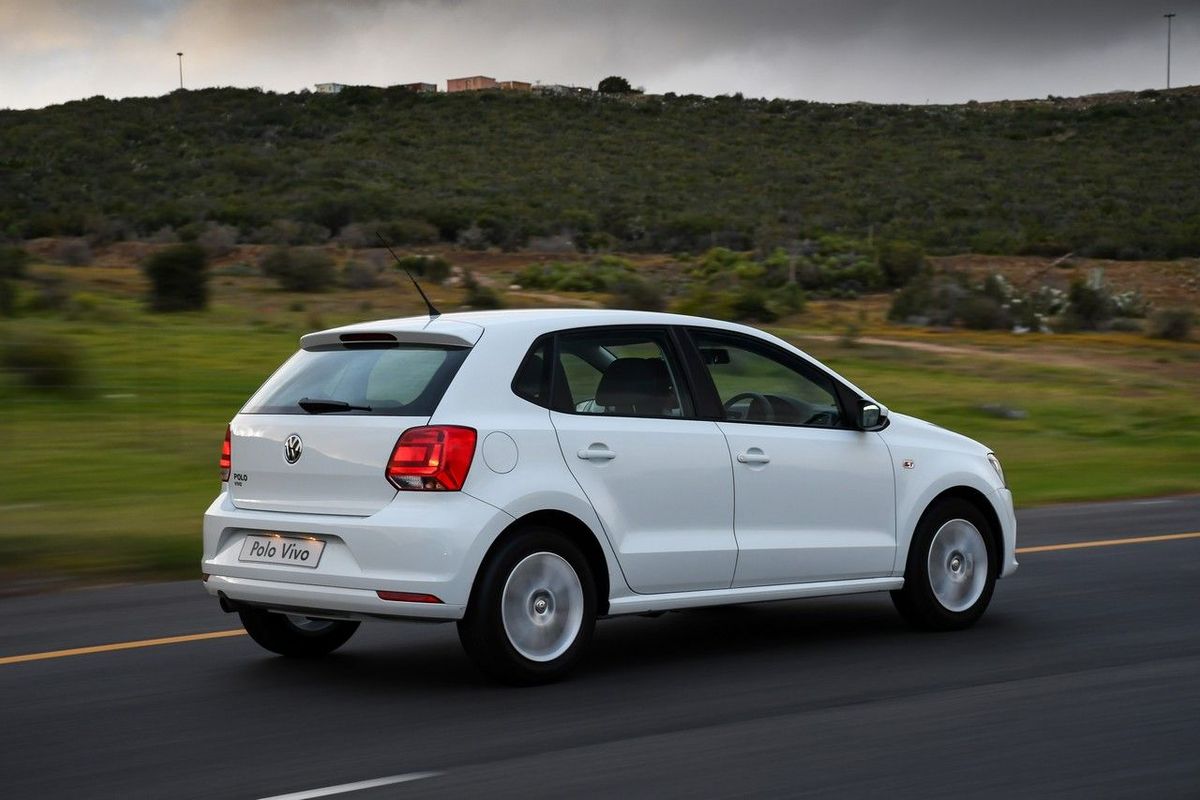
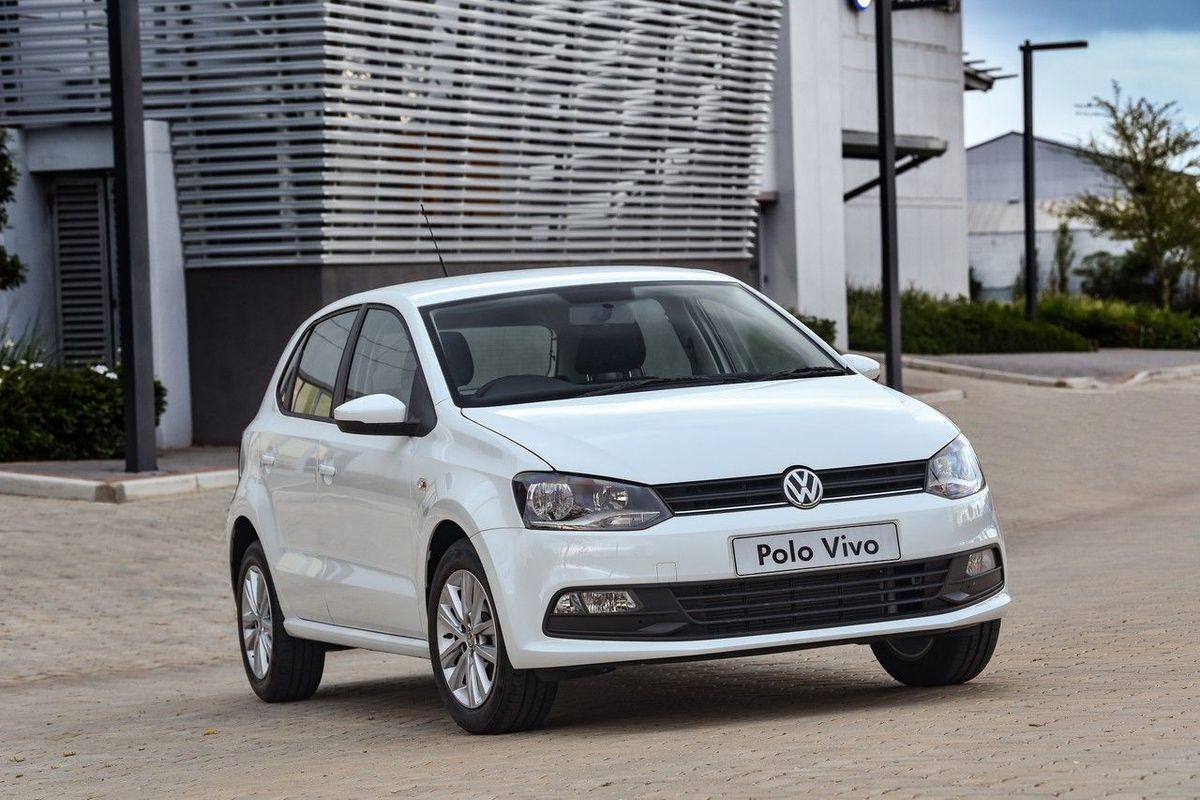
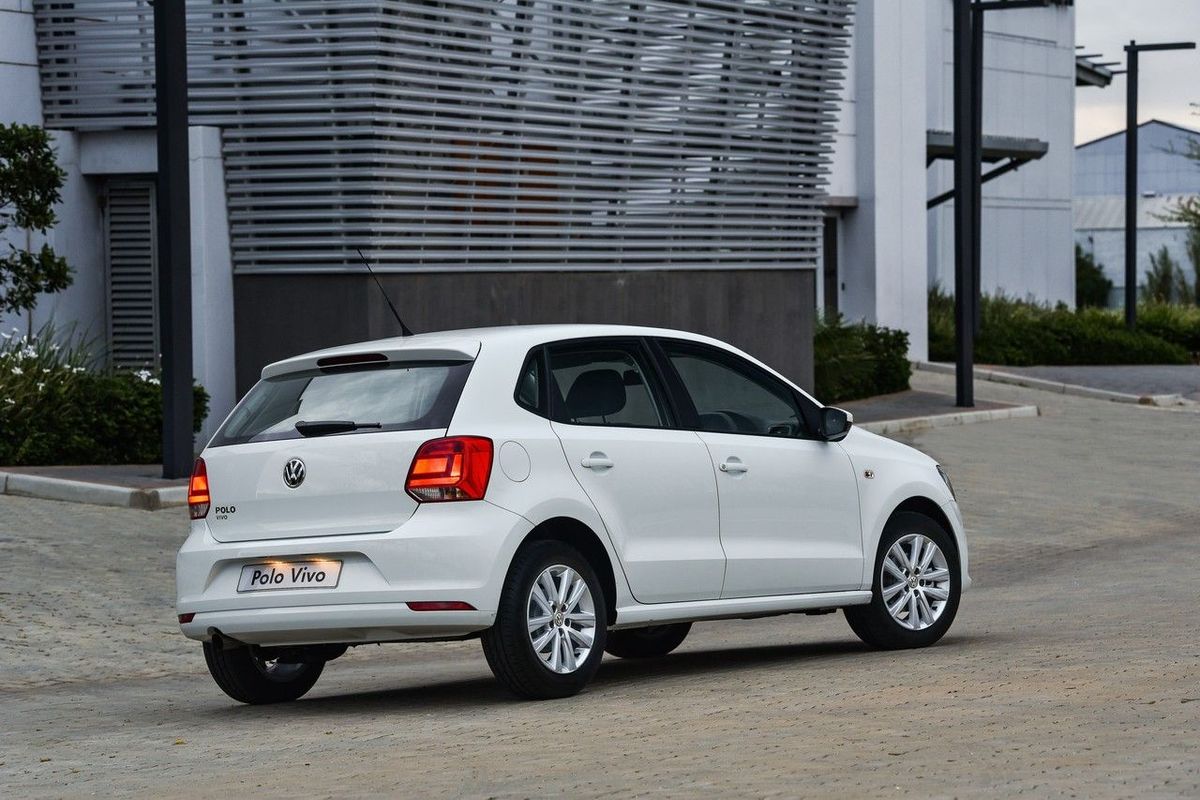
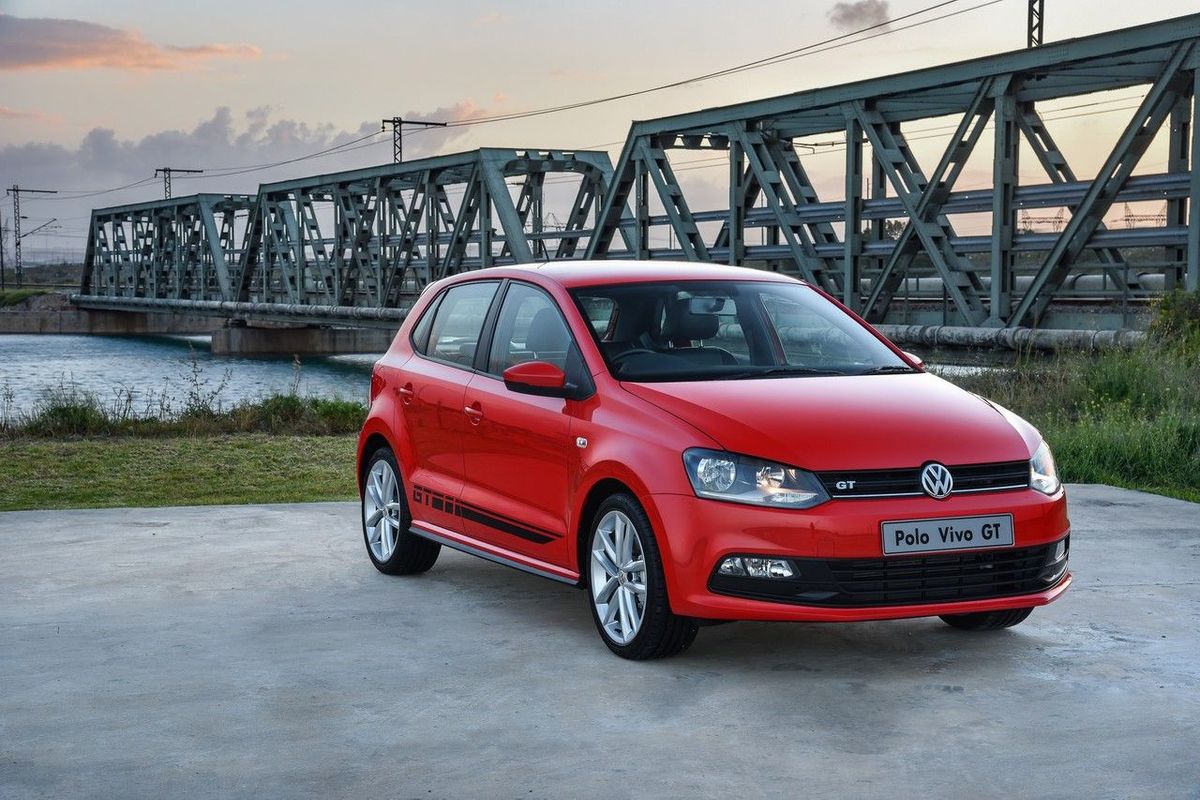
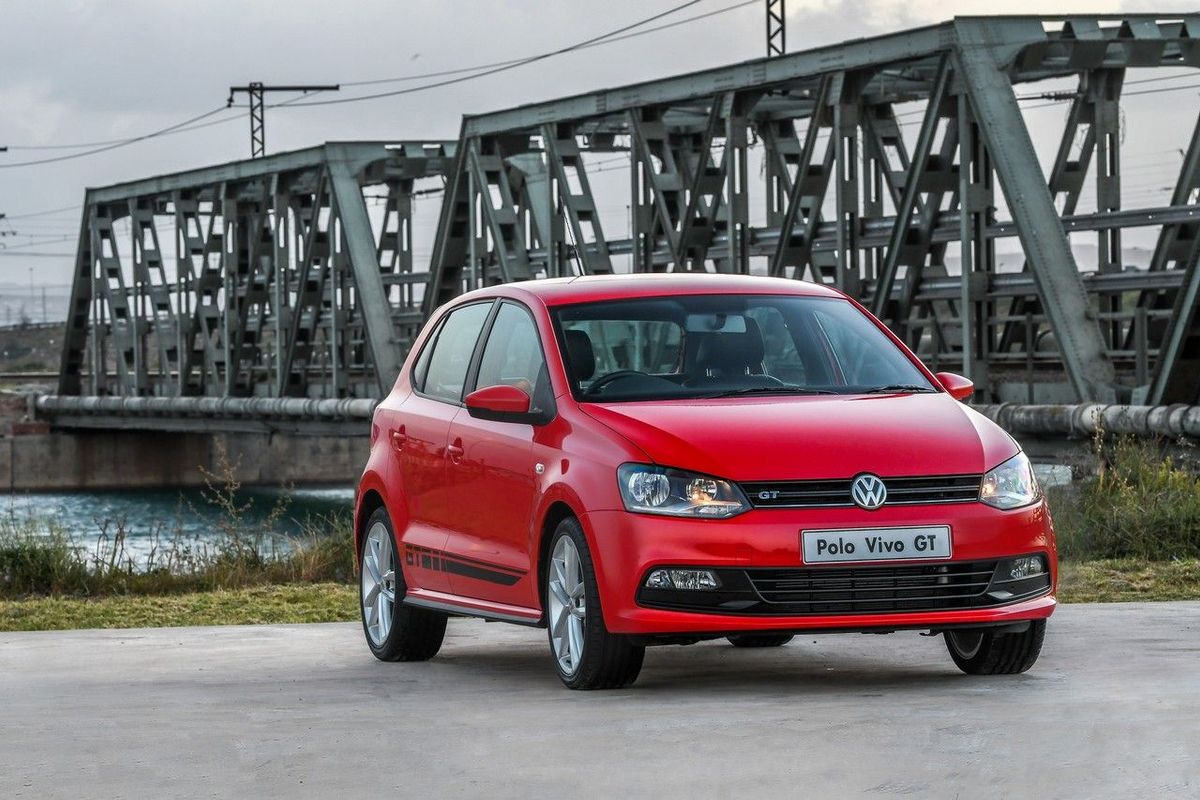
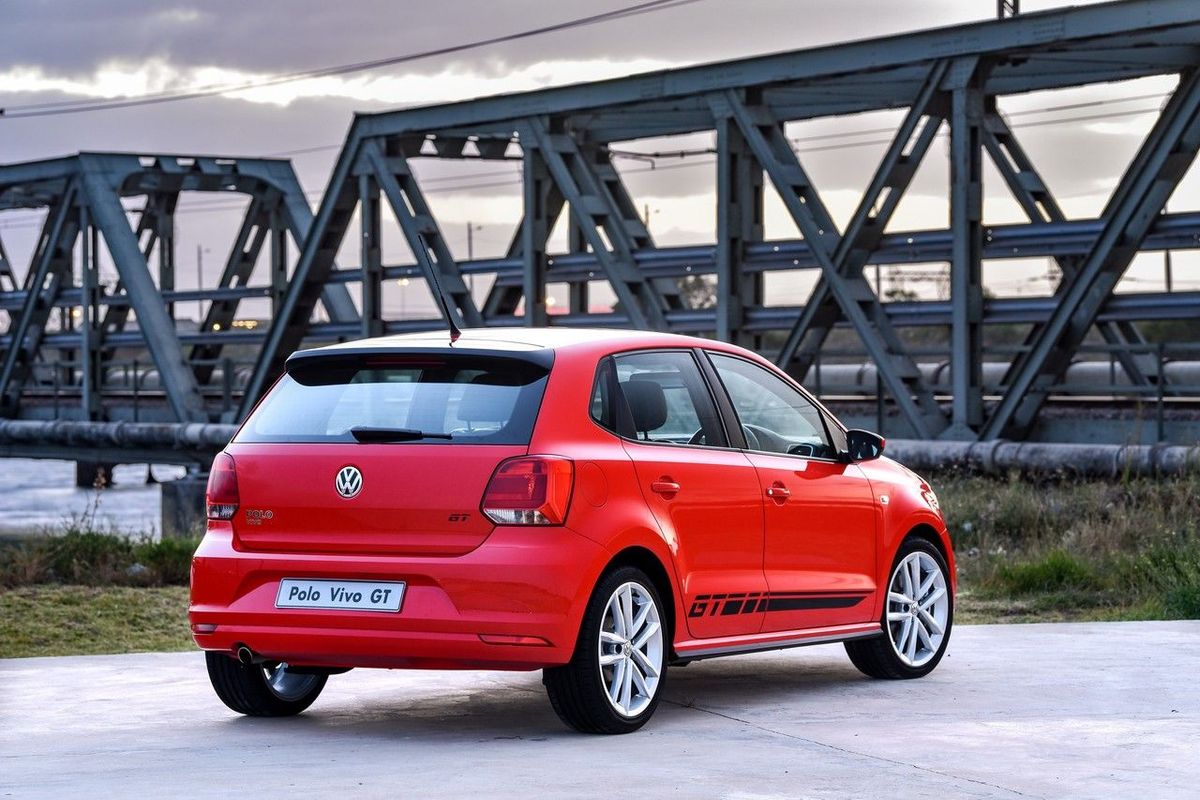
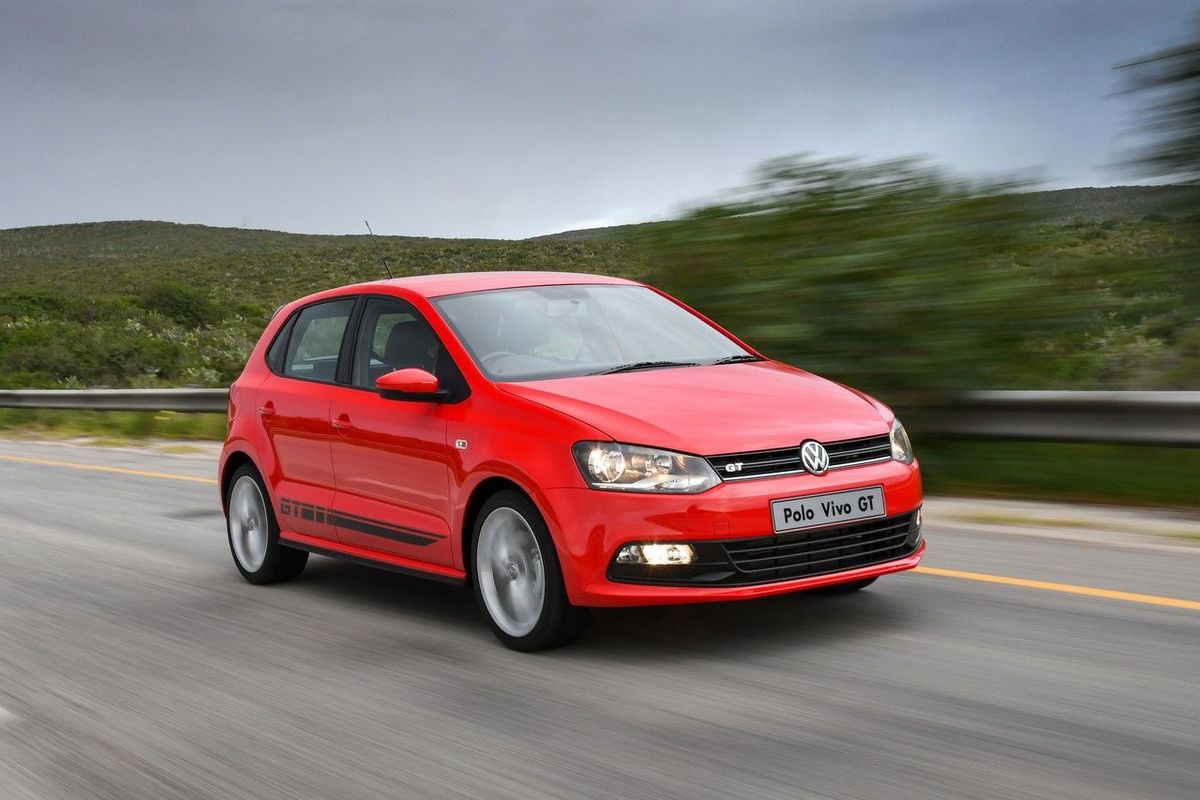
After entering the market back in March 2010, the Volkswagen Polo Vivo has tallied up almost 200 000 sales locally, making it the best-selling passenger car in South Africa. A new Polo Vivo came to market earlier this year and it remains a popular choice in the upper end of the budget hatchback segment. Take a look at specification and pricing for the new Polo Vivo range below…
With a proudly South African heritage story behind it, the Polo Vivo has been a best-seller for the last 7 years. Manufactured at Volkswagen's plant in Port Elizabeth, the Vivo has won many fans thanks to a combination of space, comfort and affordability. One of the key factors in the Vivo's affordability comes down to the fact that almost 76% of Vivo's parts are sourced locally.
Watch the video below for a detailed review of the new Volkswagen Polo Vivo!
All-new Volkswagen Polo Vivo
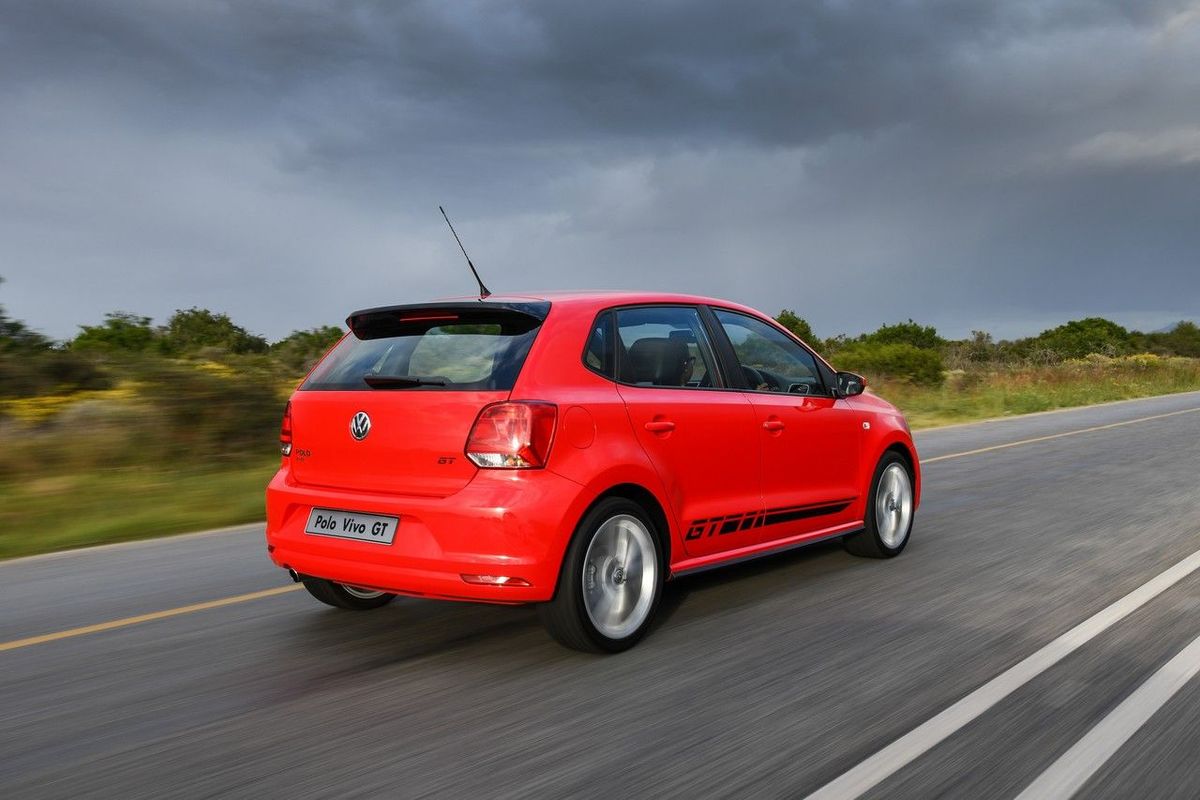
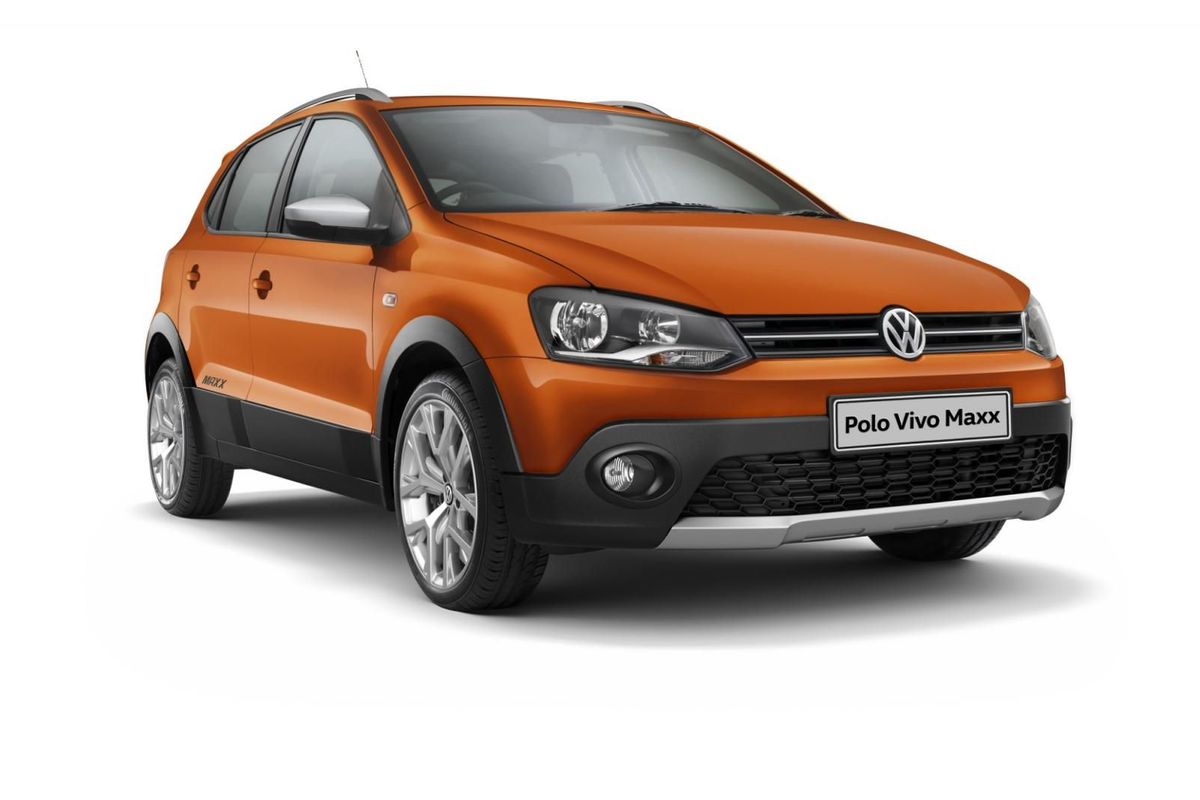
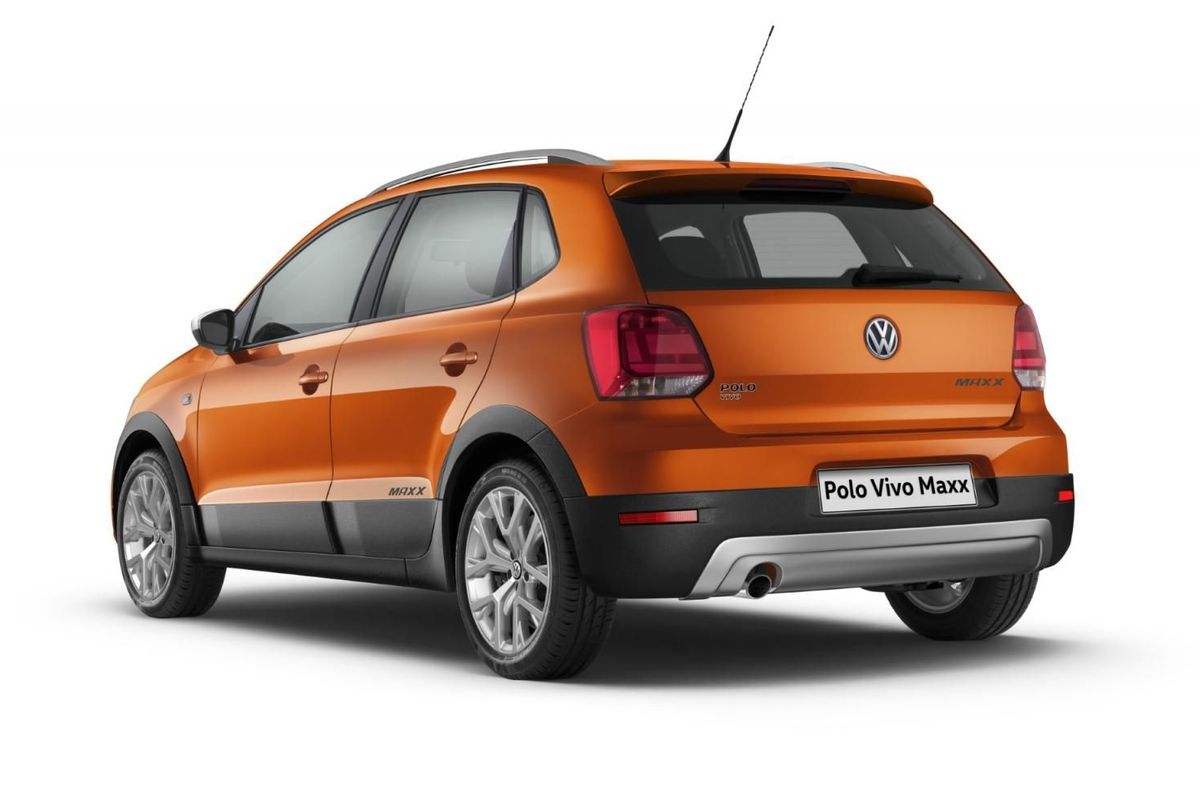
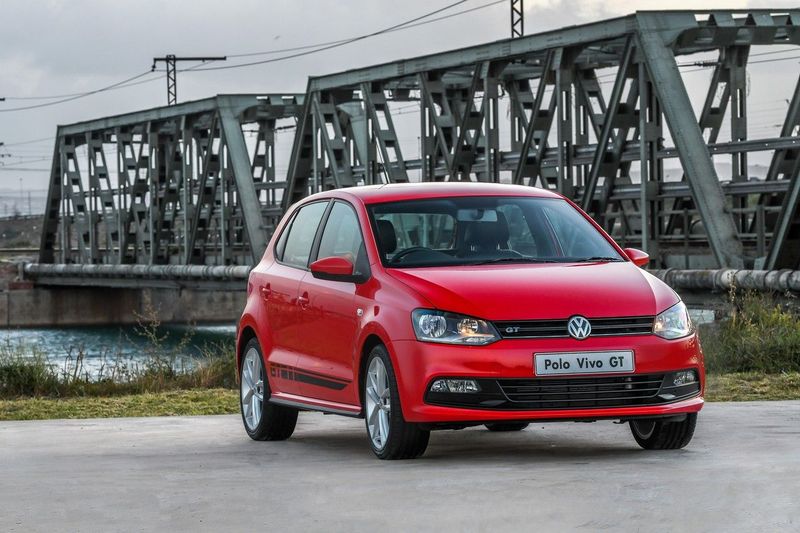
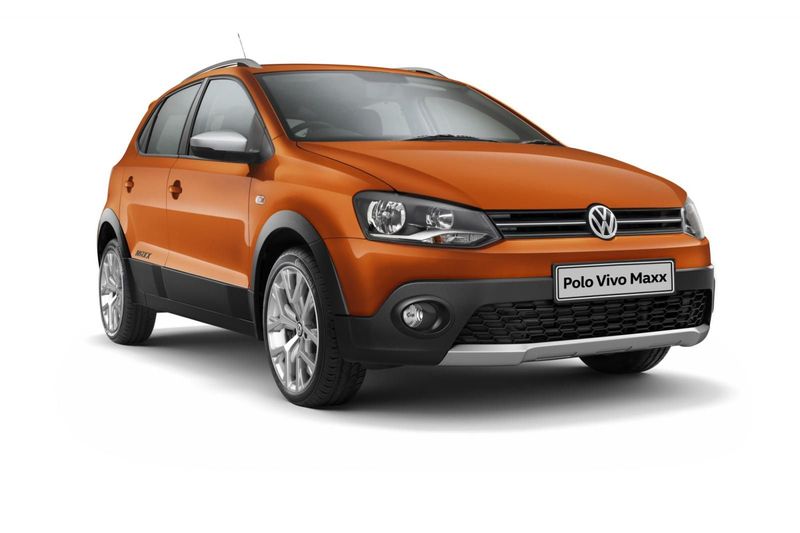
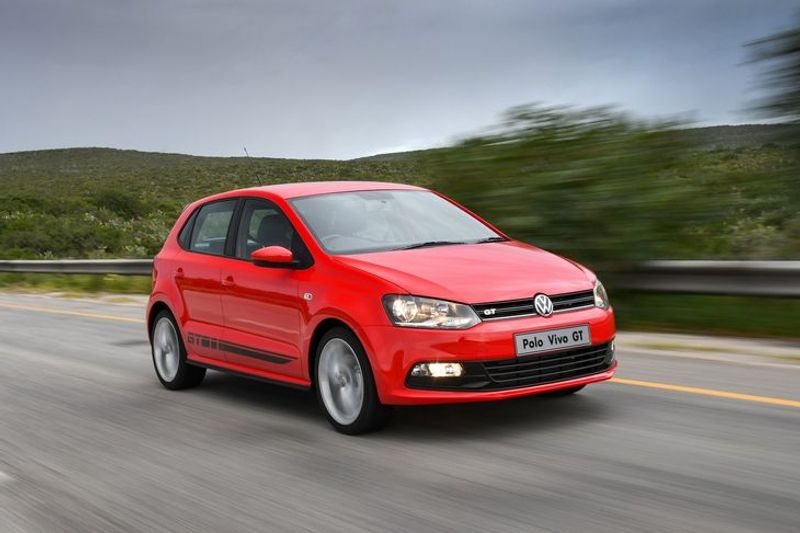
The new Polo Vivo is based on the outgoing 5th-generation Polo and some of its features have now made its way into this latest model. Features such as the TSI engine, driver aids and infotainment equipment mean that the Vivo is no longer a basic car. The Polo Vivo is offered in 3 levels of trim including Trendline, Comfortline and Highline. There's also a flagship GT model and Volkswagen recently introduced the higher-riding Polo Vivo Maxx to the local range.
In the budget segment, safety is, in the interested of affordability, less of a priority than in other segments, but this new Polo Vivo features ABS, an alarm and remote central locking as standard. The diminutive Volkswagen is claimed to offer a practical luggage bay too. With the back seats in the upright position, the luggage volume claim sits at 280 litres, but if you fold the bench down, you gain access to 952 litres.
Engines
A 1.0-litre, 3-cylinder turbopetrol engine with 81 kW powers the range-topping Polo Vivo GT.
There are 3 petrol engines on offer, including a 1.0-litre, 1.4-litre and a 1.6-litre. The 2 naturally-aspirated motors are the 1.4 and 1.6 while the 1.0-litre 3-cylinder engine is turbocharged. 5-speed manual gearboxes are available for the naturally-aspirated Vivos, while a Tiptronic auto is available in the 77 kW 1.6 derivative. The top-of-the-range GT comes with a 6-speed manual transmission.
Engine outputs
Polo Vivo 1.4 55 kW/130 Nm
Polo Vivo 1.4 63 kW/132 Nm
Polo Vivo 1.6 77 kW/153 Nm
Polo Vivo 1.0 TSI 81 kW/200 Nm
The engines are claimed to be reasonably efficient too. The 1.4 returns 5.7 L/100 km, the uprated 1.4 consumes 5.9 L /100 km and the 77 kW 1.6-litre derivative boasts 6.2 L/100 km (6.1 L/100 km for Tiptronic). At the top of the range is the 1.0-litre turbocharged motor which is claimed to consume just 4.6 L/100 km.
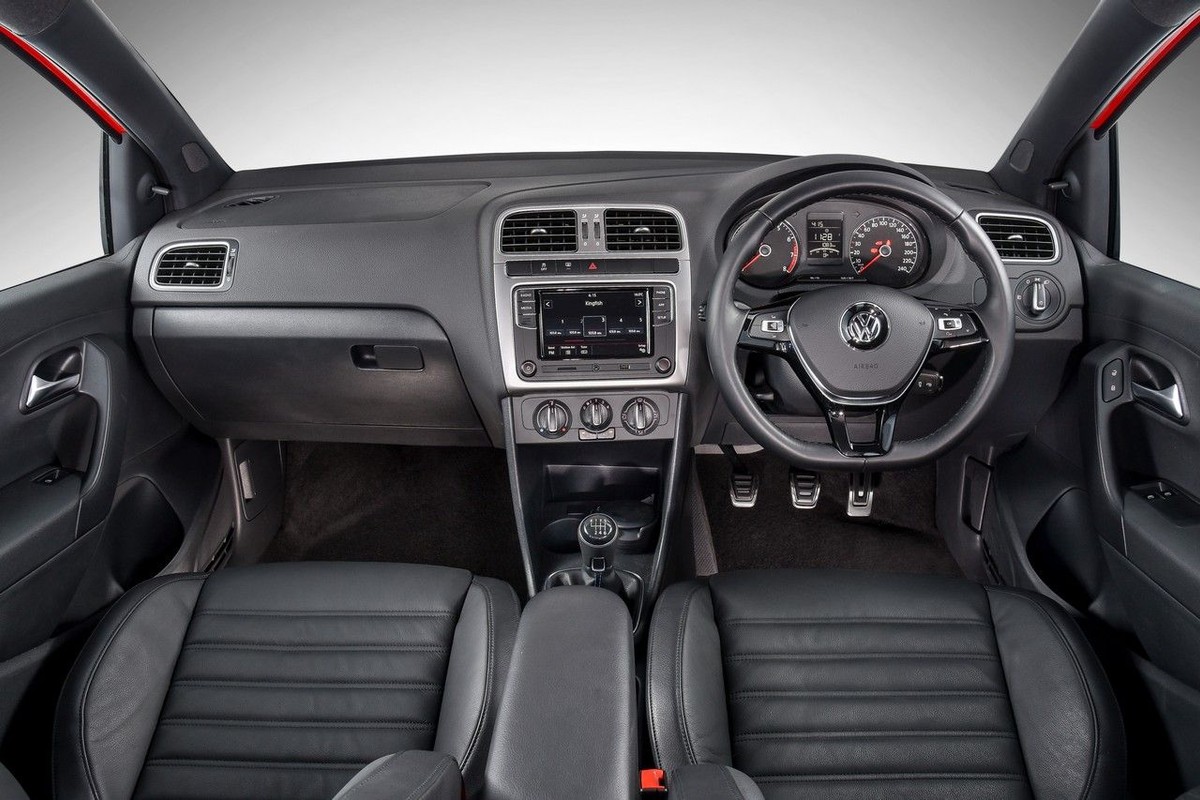
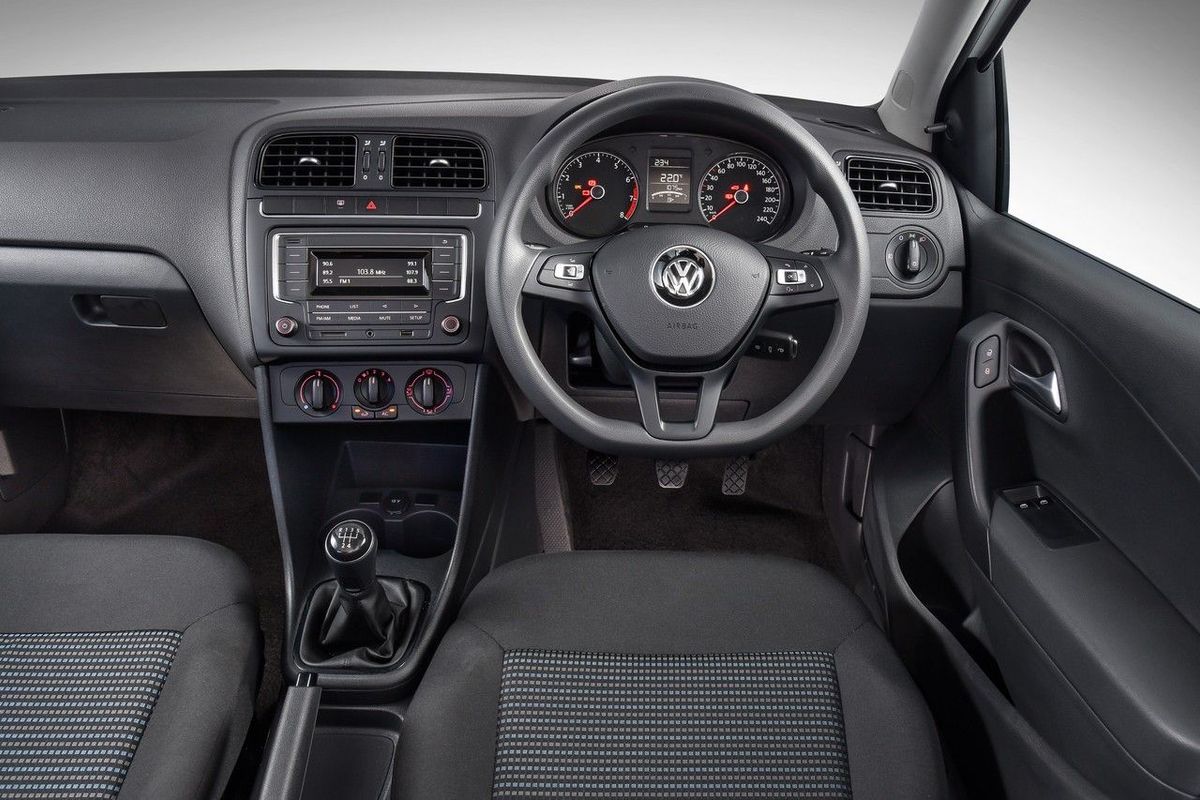
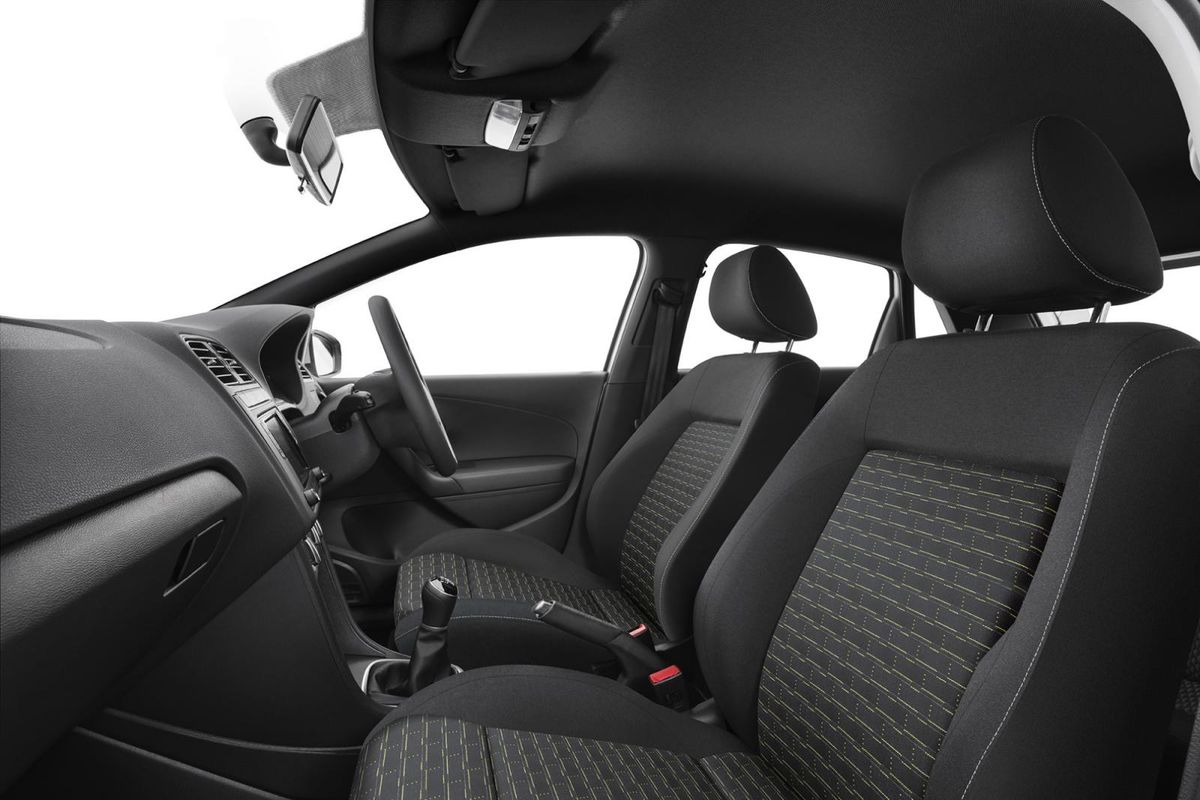
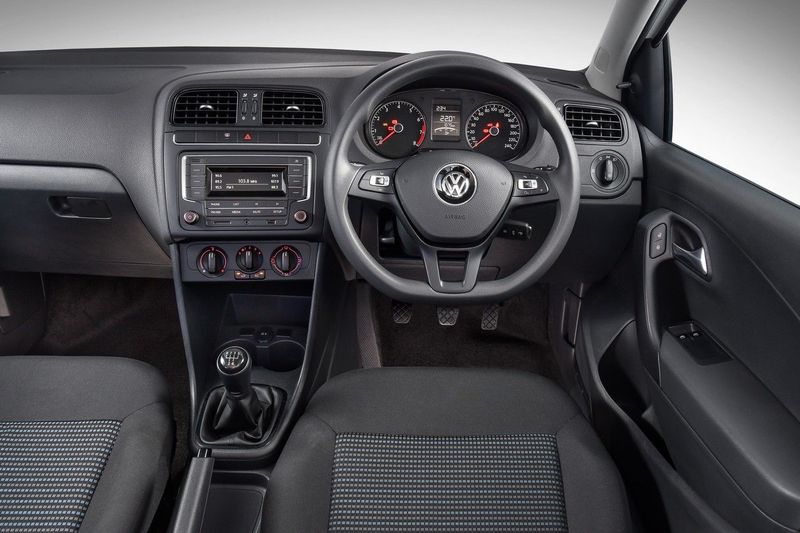
The cabin of the new Polo Vivo shares many features with the 5th-generation Polo.
Features and Specification
1.4 55 kW Trendline
Interior
3-spoke steering wheel
Radio 140G SD/USB/Bluetooth with B-sting/4 Speakers
Gearshift knob with leatherette gearshift boot
Cup holders integrated into centre console
‘Traditional’ cloth seat trim
Functional Equipment
Exterior mirrors, manually adjustable from inside, drivers side aspherical
Front electric windows
Air-conditioner
Power steering
Height and reach adjustable steering column
Full-size steel spare wheel
Tinted windows
Exterior
Exterior side mirrors and door handle in black
Painted bumpers in body colour, front and rear
Rear wiper
Safety and Security
Driver and passenger airbags
2 Head restraints front (height adjustable) and rear
Rear window – heated
ABS
Child lock on rear doors
ISOFIX child seat mounting points
Options
Cruise Control
Floor mats front and rear
’Estrada’ 15-inch alloy wheels
Smoker’s package
Front Fog Lights
Safety Package (Electronic Stability Control and Tyre Pressure Monitor)
‘Vienna’ Leather Trim
1.4 63 kW Comfortline
Same standard features as Trendline plus:
Exterior
Front Fog Lights
Body coloured door handles and side mirrors
Interior
‘City’ cloth seat trim
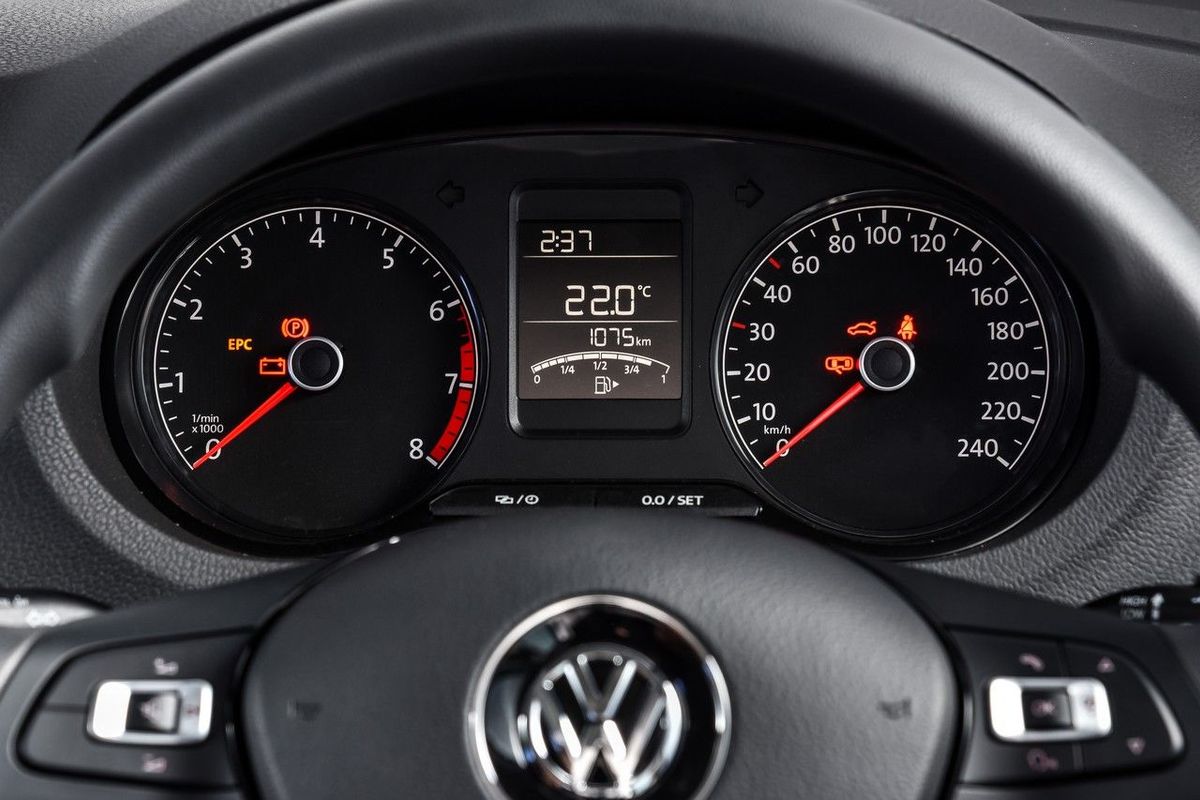
Multi-function display
Multi-functioning steering wheel
Functional Equipment
Height adjustable driver seat
Optional Features
Cruise Control
Removable Towbar
Storage Package (Front centre armrest and drawer under driver’s seat)
Radio 340G SD/USB/Bluetooth/ App Connect with B-sting/4 Speakers
Leather seats
Floor mats front and rear
’Estrada’ 15-inch alloy wheels
Smoker’s package
Safety Package (Electronic Stability Control and Tyre Pressure Monitor)
‘Vienna’ Leather Trim
1.6 77 kW Comfortline Tiptronic
Same standard features as Trendline plus:
Interior
‘City’ cloth seat trim
Height adjustable driver’s seat
Multi-function display
Multi-functioning steering wheel
Exterior
Mirrors and door handles in body colour
Front Fog Lights
Functional Equipment
Radio 140G /MP3/SD Card/USB with 4 speakers
Safety
Safety Package (Electronic Stability Control and Tyre Pressure Monitor)
Optional Features
Cruise Control
Removable Towbar
Storage Package (Front centre armrest and drawer under driver’s seat)
Radio 340G SD/USB/Bluetooth/ App Connect with B-sting/4 Speakers
Floor mats front and rear
’Estrada’ 15-inch alloy wheels
Smoker’s package
‘Vienna’ Leather Trim
1.6 77kW Highline
Same features as Trendline plus
Interior
‘Cable’ cloth seat trim
Height adjustable driver’s seat
Multi-function display
3-spoke leather multi-functioning steering wheel with aluminium inserts
Exterior
Mirrors and door handles in body colour
Front Fog Lights
Rivazza 16-inch alloy wheels
Functional Equipment
Radio 340G SD/USB/Bluetooth/App Connect with B-Sting/ 6 Speakers
Safety
Safety Package (Electronic Stability Control and Tyre Pressure Monitor)
Optional Features
Cruise Control
Removable Towbar
Storage Package (Front centre armrest and drawer under driver’s seat)
Floor mats front and rear
Smoker’s package
‘Vienna’ Leather Trim
1.0 TSI 81 kW GT
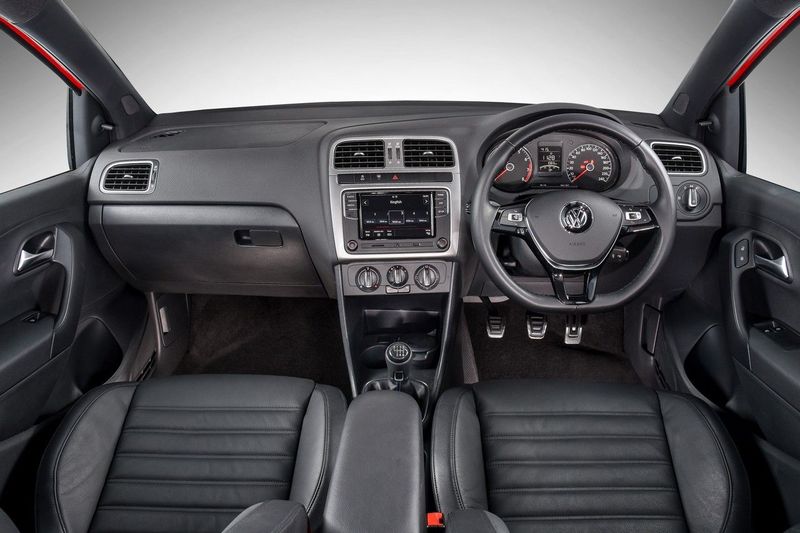
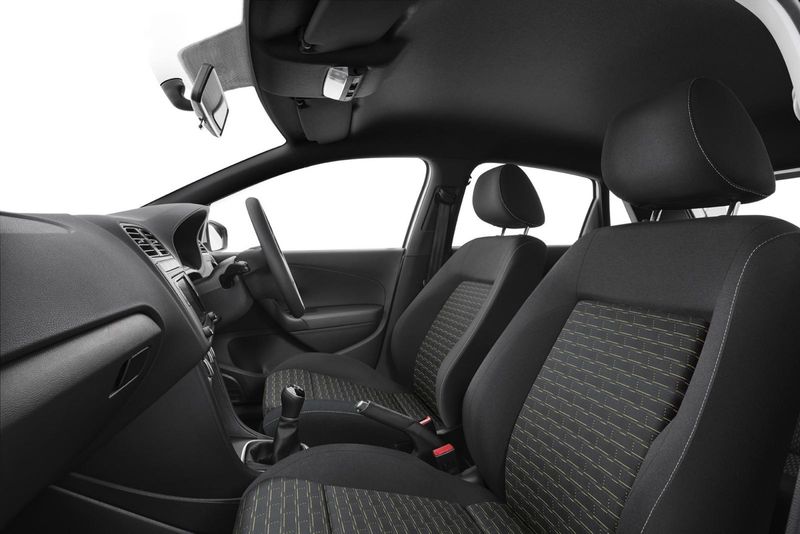
The cabin of the new Volkswagen Polo Vivo GT…
Same standard features as Highline plus:
Interior
‘Space’ cloth seat trim
Front sports seats
Exterior
Rear tailgate spoiler
GT lettering on the tailgate, front grille and sides
Black side moulding
Sporty single-pipe exhaust system with chrome trim
Functional Equipment
Lowered suspension
Sport pedal cluster
Floor mats front and rear
Safety
Cruise Control
Optional Features
Removable Towbar
Storage Package (Front centre armrest and drawer under driver’s seat)
Smoker’s package
‘Vienna’ Leather Trim
1.6 77 kW Polo Vivo Maxx
Exterior features
15 mm raised suspension
17-inch Canyon alloy wheels
Silver-coloured side mirrors
Maxx badging
Single-pipe exhaust with chrome tip
Aluminium roof rails
Interior features
Sport pedal
Coloured centre console
Front electric windows
Manual air conditioning
3-spoke, multifunction steering wheel
Colour touch radio with SD/USB/Bluetooth snd 6 speakers
Safety features
2 airbags
ABS with EBD
Electronic Stability Control (ESC)
Tyre pressure monitor
ISOFIX child seat mounts
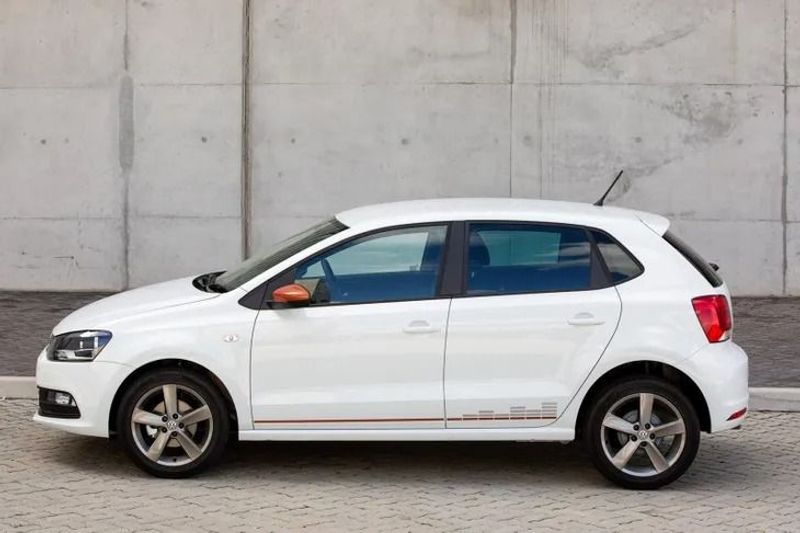
Volkswagen Polo Vivo Sound Edition
The Polo Vivo Sound Edition is based on the Polo Vivo Comfortline, which is powered by a 1.4-litre naturally-aspirated 4-cylinder engine with 63 kW and 132 Nm. It gets a few upgraded exterior and infotainment upgrades which include:
16" Rivazza Alloys in Anthracite
Radio system "RCD 340G"
Energetic Orange Mirror Covers
Subwoofer + 6 Speakers
Volkswagen Polo Vivo Price in South Africa (June 2020)
After entering the market back in March 2010, the Volkswagen Polo Vivo has tallied up almost 200 000 units, making it the best-selling passenger car in South Africa.
The Volkswagen Polo Vivo Hatch comes standard with a 3 year/120 000km warranty and a 6-year Anti Corrosion warranty. A Volkswagen Automotion Maintenance Plan, as well as a Volkswagen Automotion Service Plan, are available as options. The service interval is 15 000 km. There are a choice of 6 colours: Pure White, Flash Red, Deep Black Pearlescent, Reflex Silver Metallic, Reef Blue Metallic and Limestone Grey Metallic.
A 7-seat variant of the award-winning Volkswagen Tiguan is now available in South Africa. We call it a variant – as opposed to a derivative – of the Wolfsburg-based brand's family car, because the Allspace's packaging is notably different from that of its standard sibling. However, given how good the well-known 5-seater Tiguan is, can the newcomer really justify its price premium?
We like: Comfortable cabin (additional room is welcome), overall refinement and driving enjoyment
We don’t like: Third row of seats offers minimal legroom, new engine not as punchy as hoped, best features are optional
Alternatives:
The original supersized family car: The Nissan X-trail 2.5 4×4 Acenta + offers a reasonable amount of space, it quite practical and, thanks to its 4×4 capability, can match the Tiguan Allspace when venturing off the beaten track. However, it's not as nice to drive and its engine is (now) long in the tooth.
A former #CarsAwards Lifestyle SUV semi-finalist:Kia's Sorento 2.2 CRDi AWD EX is well-made and generously specced. Like the VW and Nissan, it offers 7 seats and all-wheel-drive capability, but, critically, it's expensive. At over R700 000, it makes the Tiguan Allspace look like great value for money.
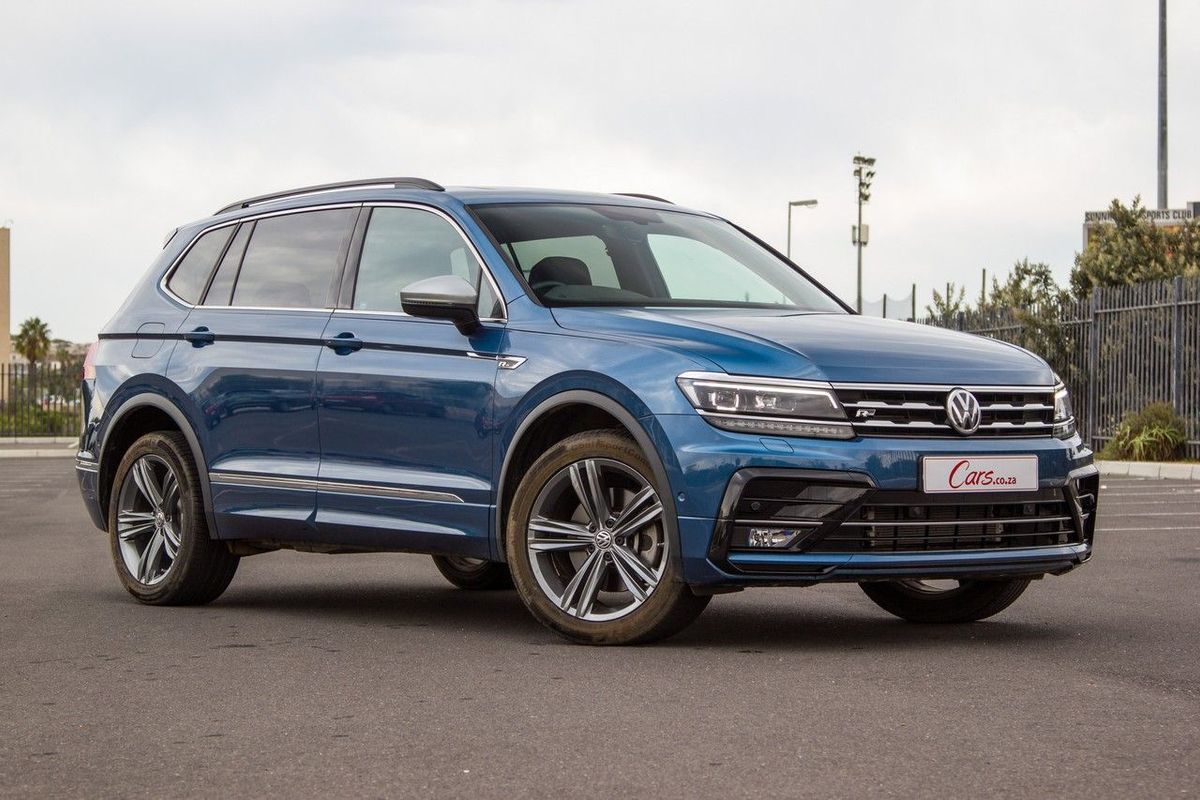
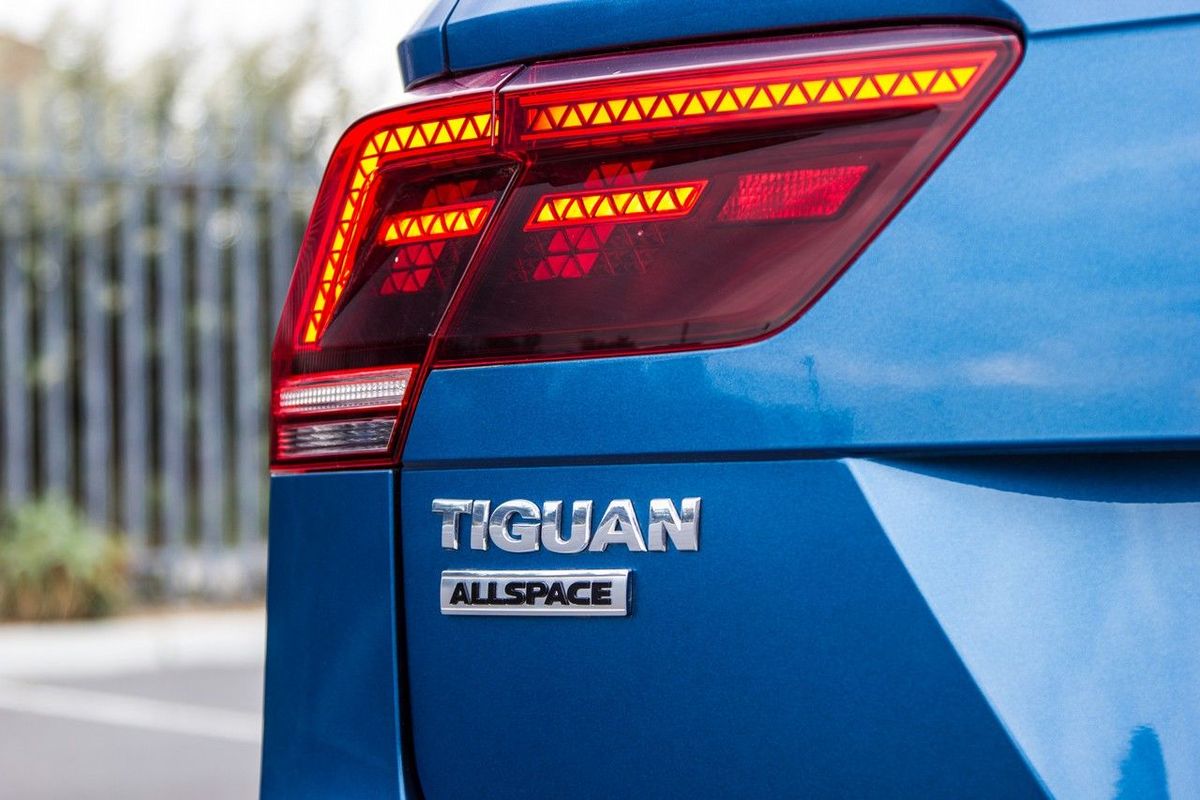
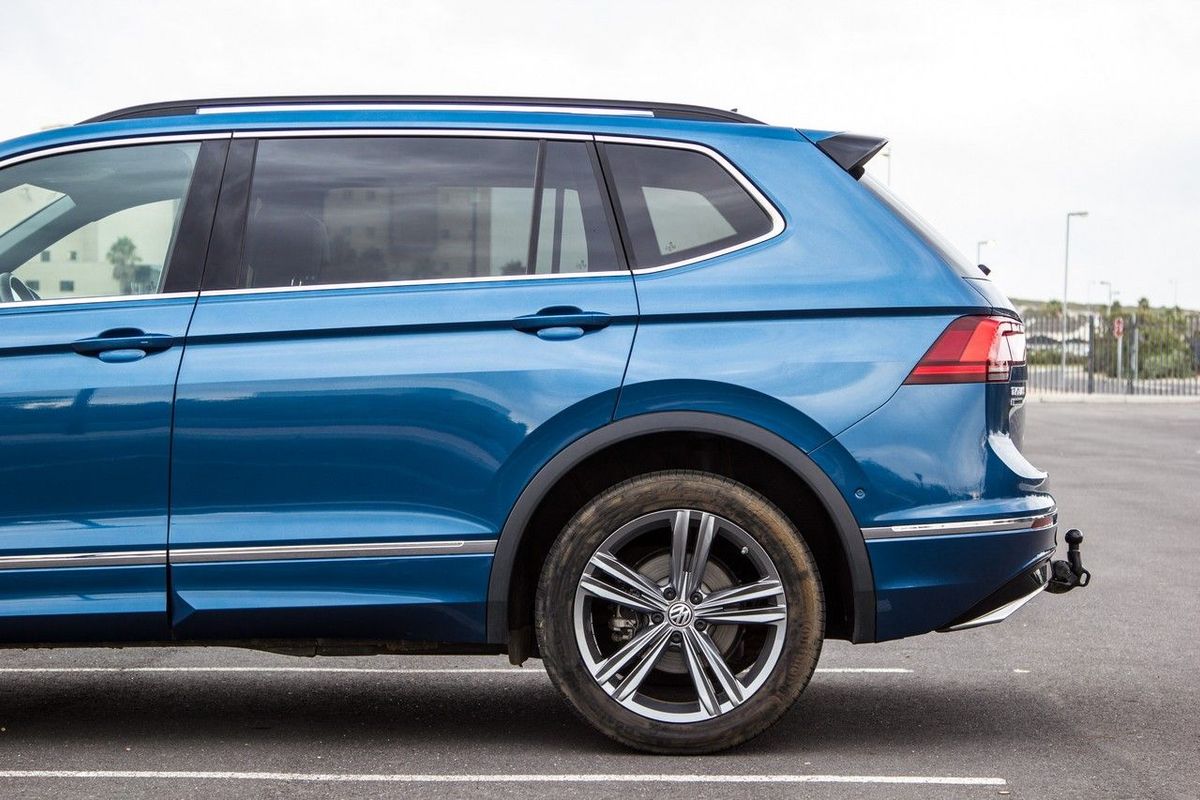
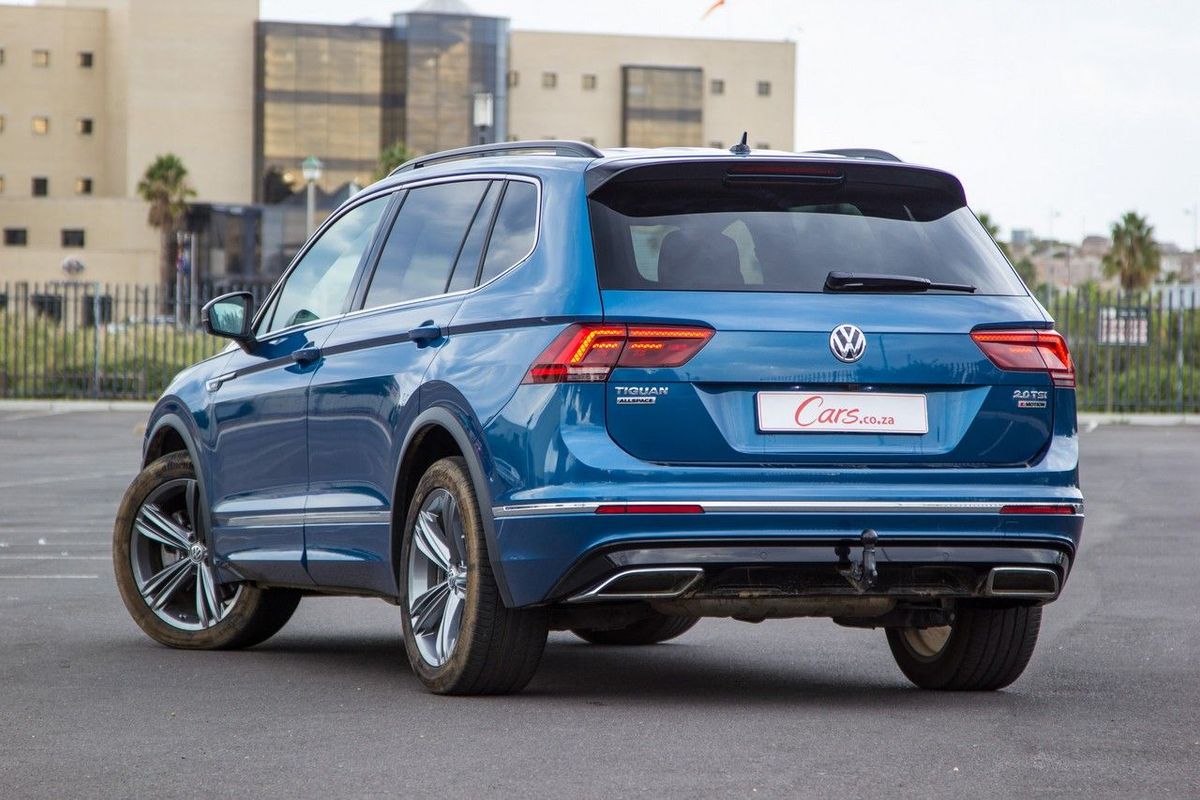
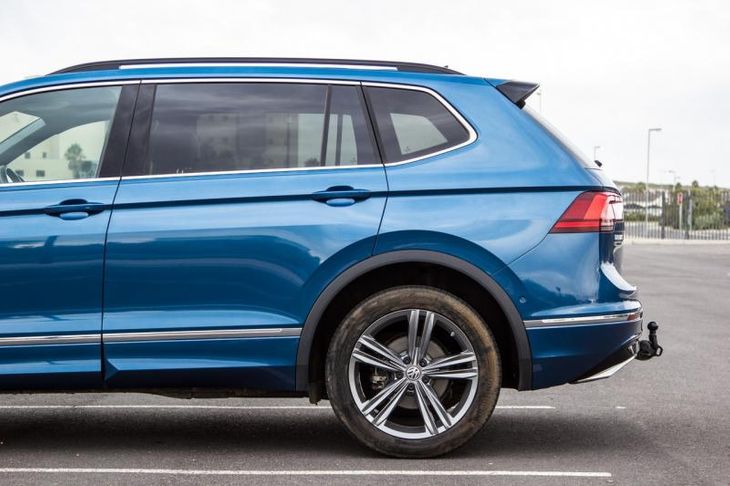
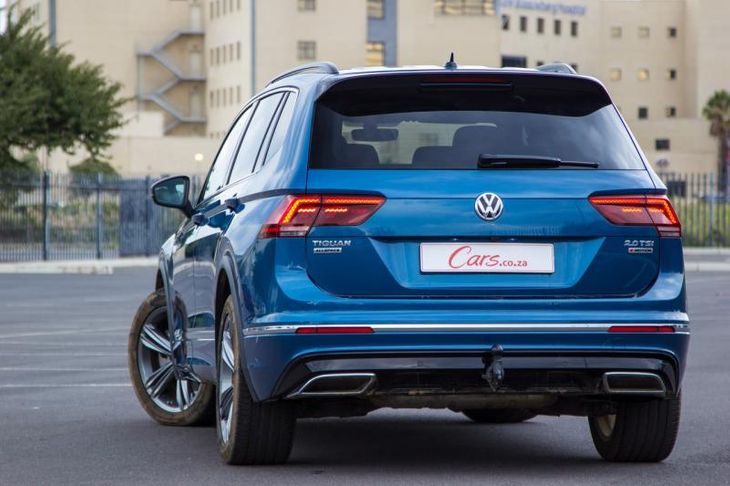
The extended rear is one of the tell-tale signs that this is not a run-of-the-mill Tiguan. Note the optional big wheels and tow bar.
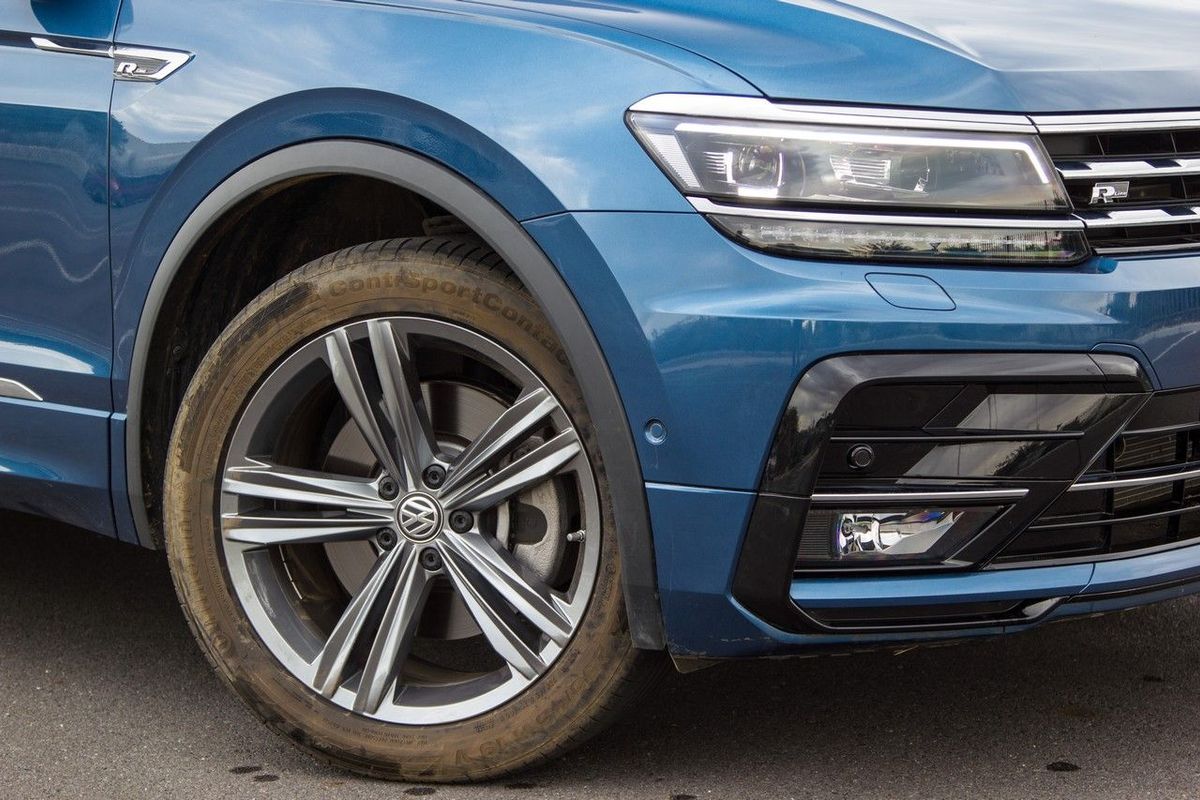
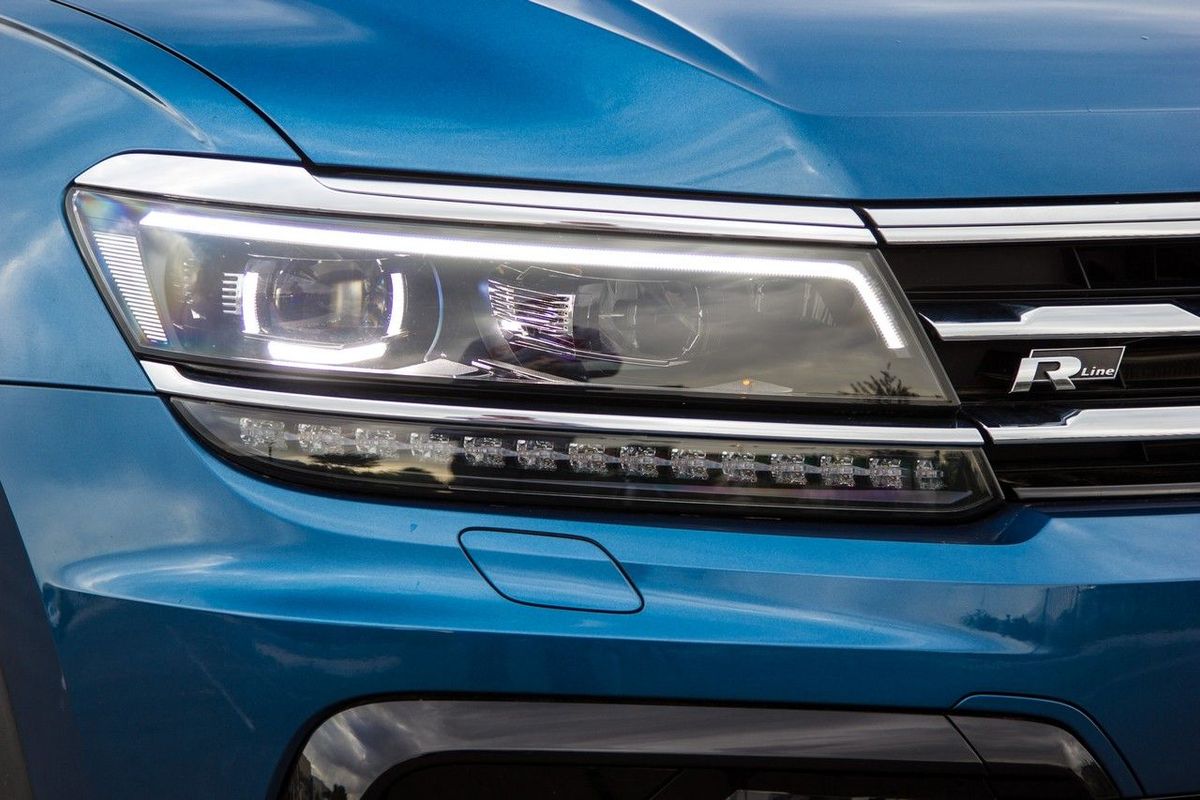
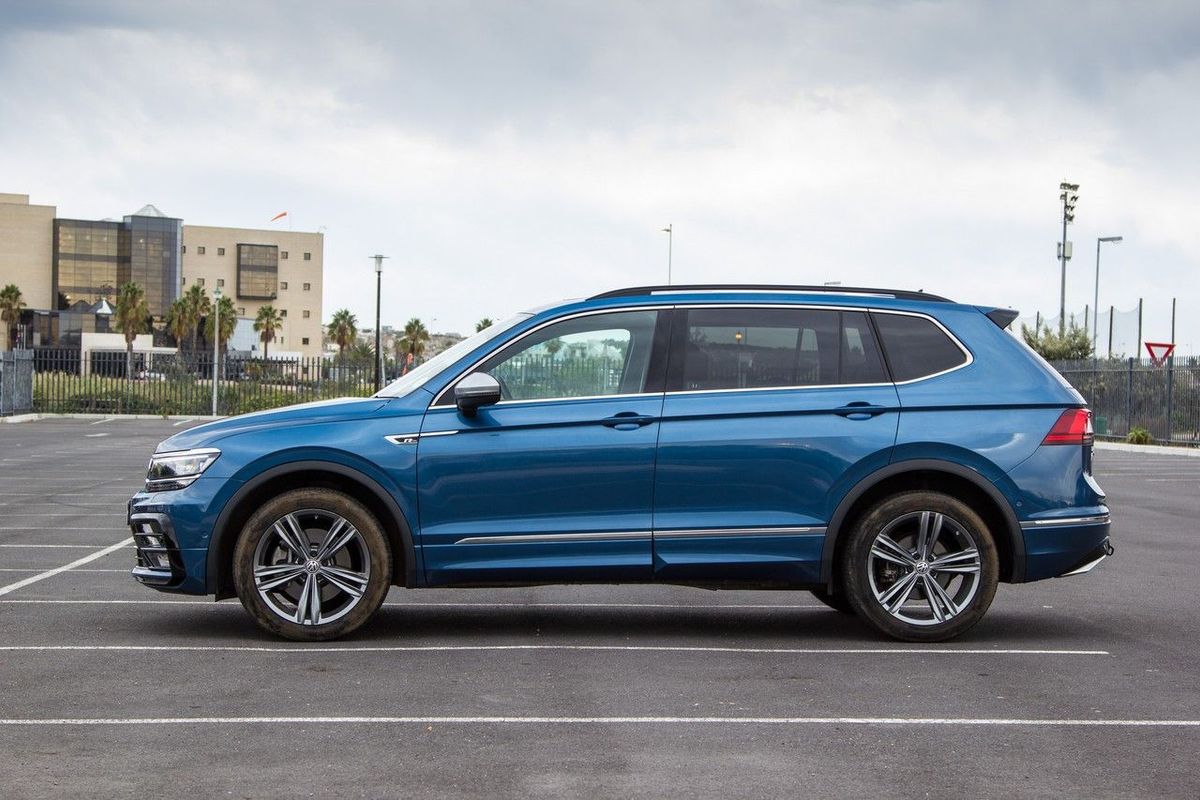
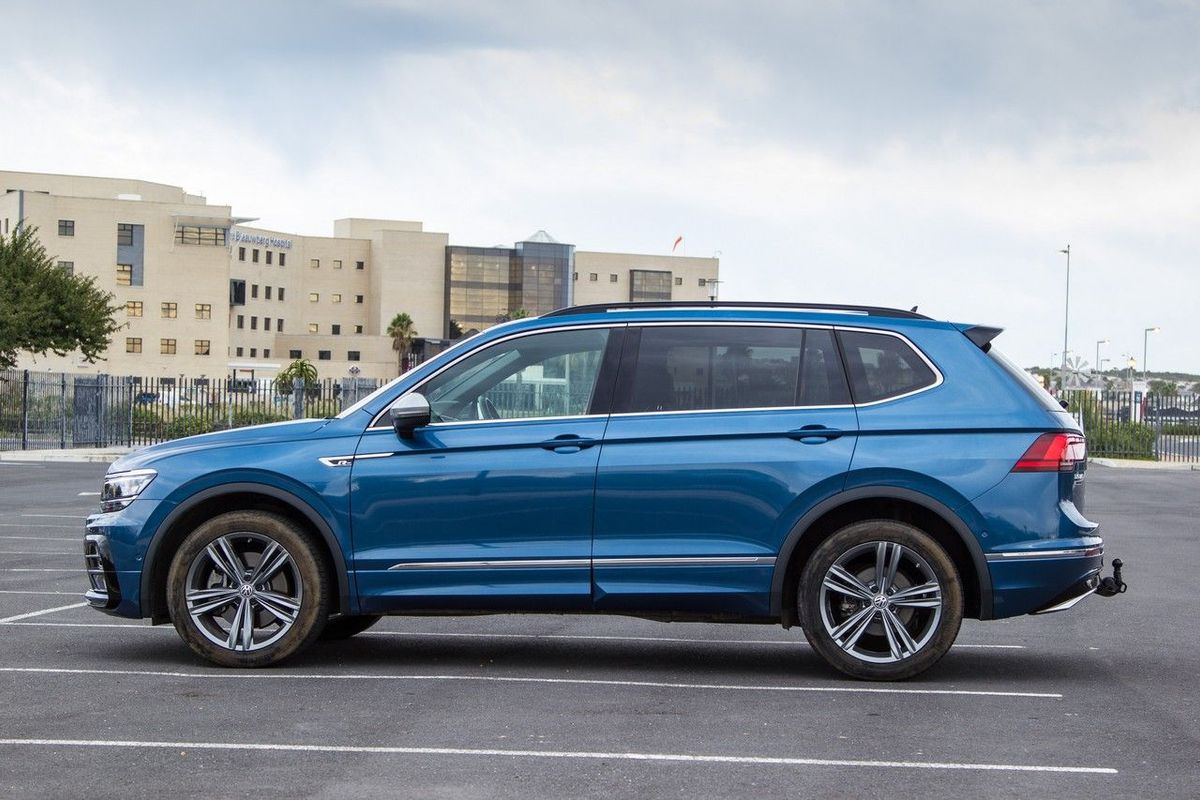
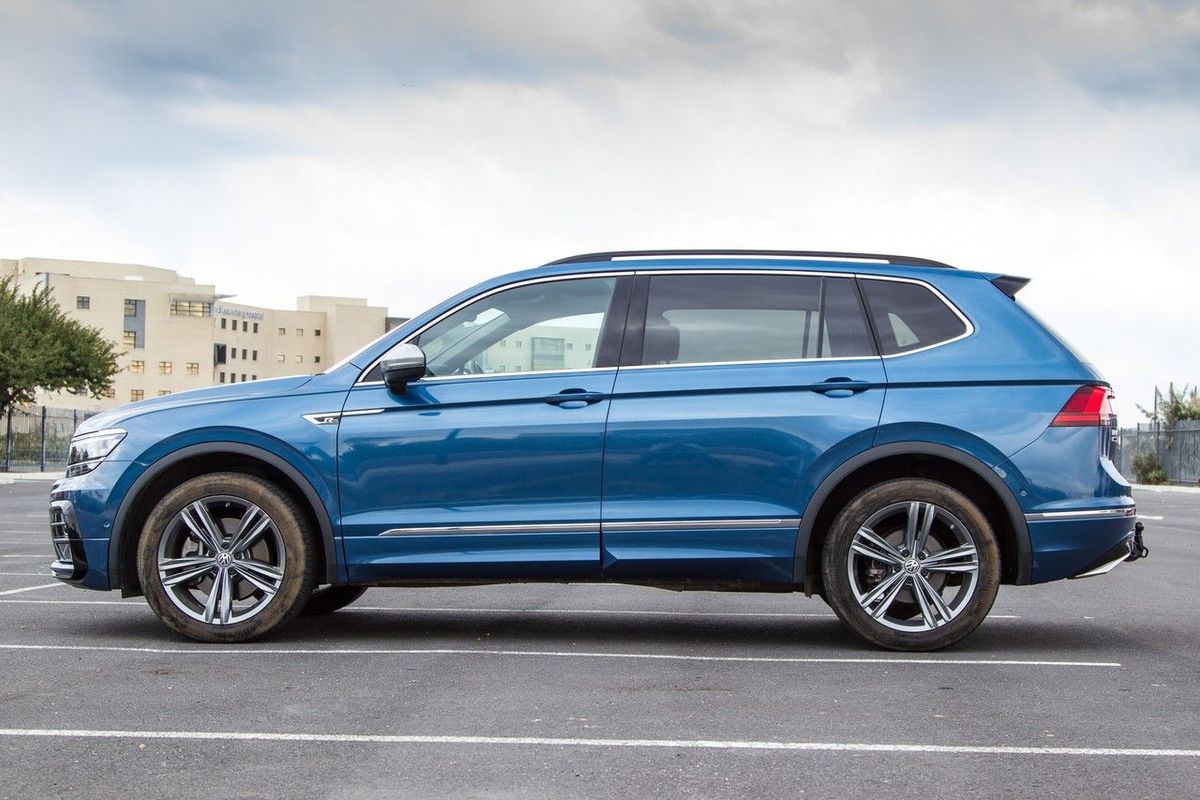
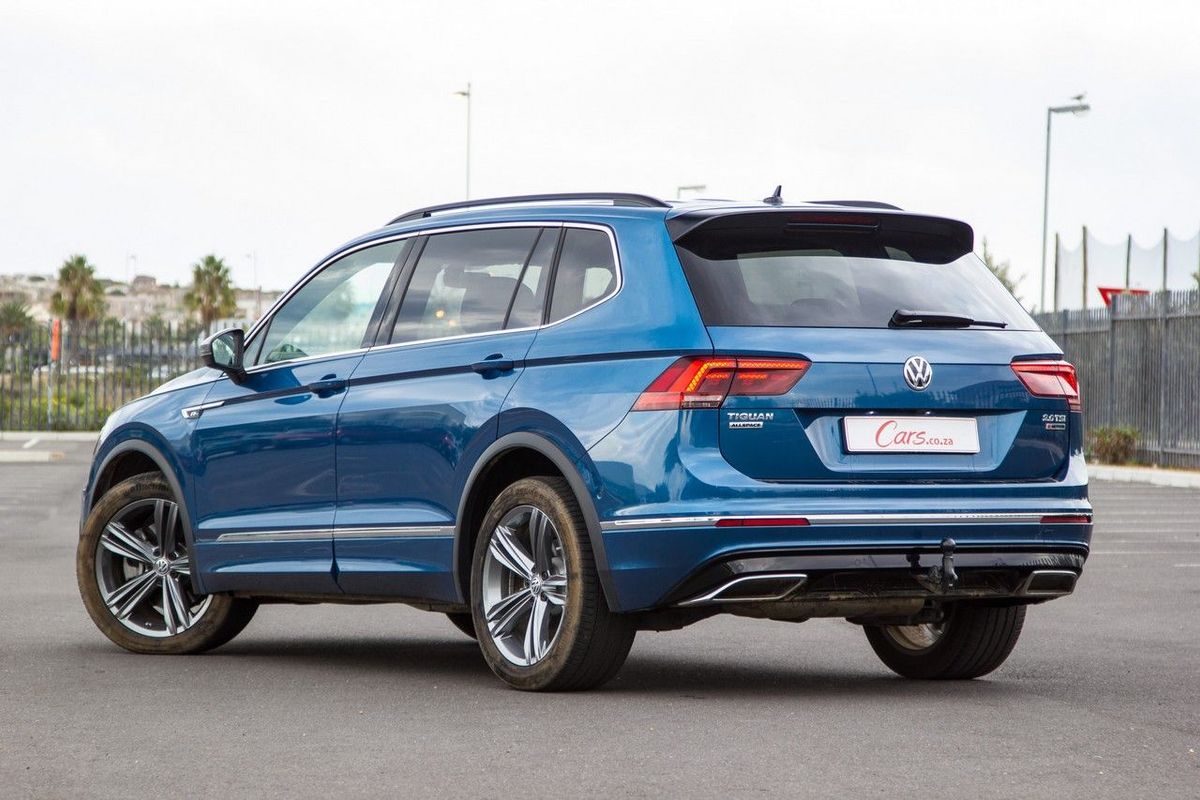
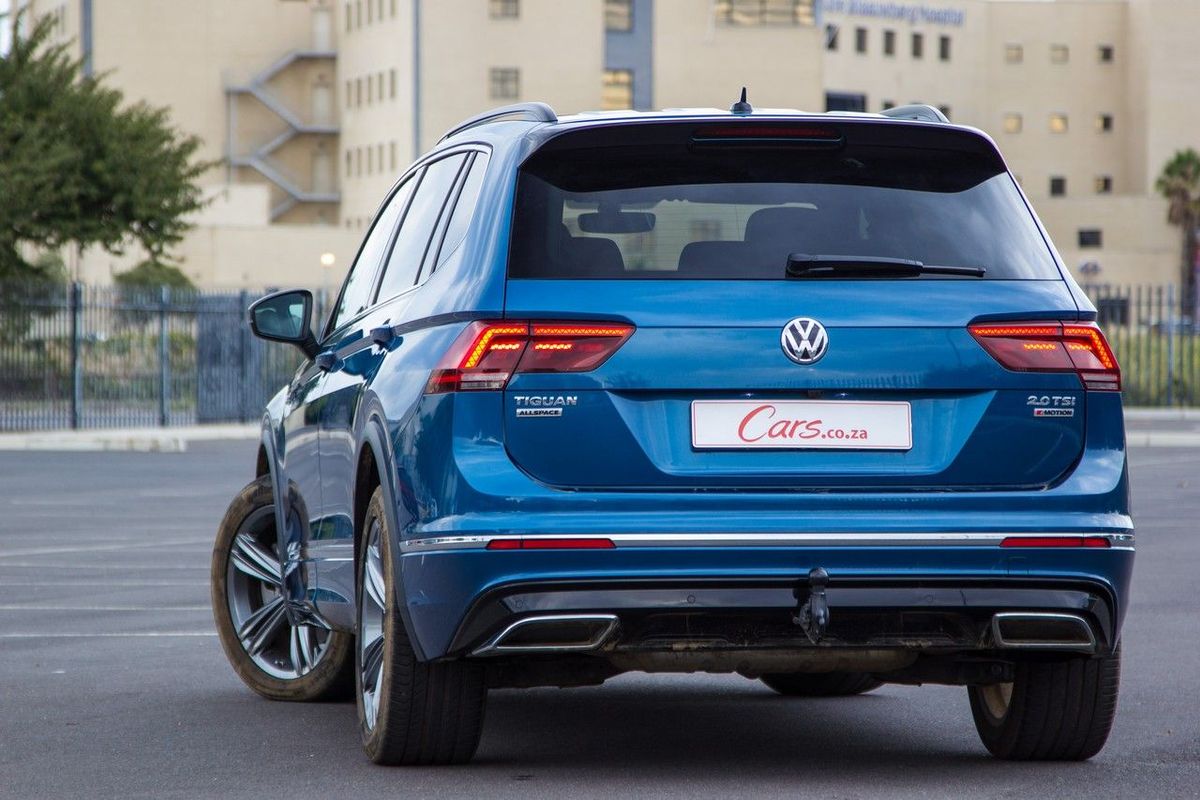
At first glance, you'd be forgiven for thinking this is a standard Volkswagen Tiguan specified with the attractive R-Line kit. However, upon closer inspection, you'll notice a slightly different nose, a fractionally longer body, differently-shaped aft side windows and an Allspace badge on the rear. The focus point is the addition of a 3rd row of seats: the standard Tiguan can seat 5 occupants, whereas the Allspace makes provision for 7. The bonus of the Allspace setup is that you can lower the 3rd row of seats to free up a larger-than-usual amount of luggage space. The newcomer also sports a new engine specific to the Allspace range, but we'll discuss that a bit later.
The Good
Improved practicality
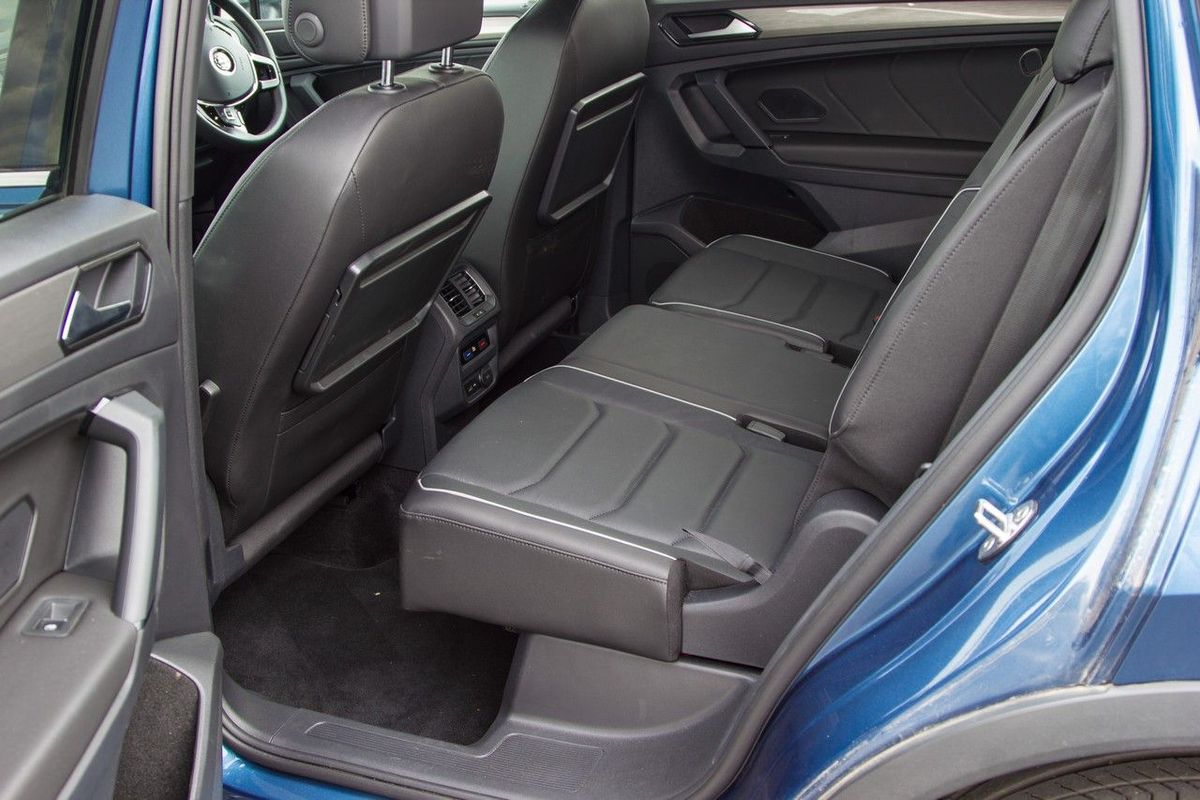
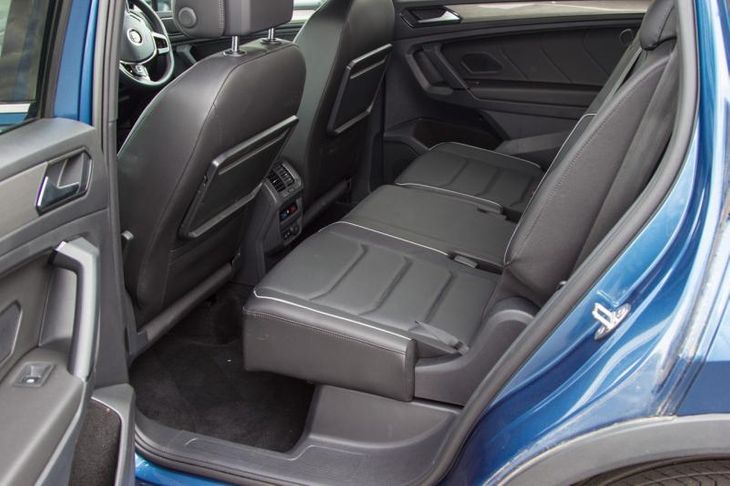
The 2nd row of seats slides on rails, however, when the 3rd row of seats is in play, legroom is quite tight
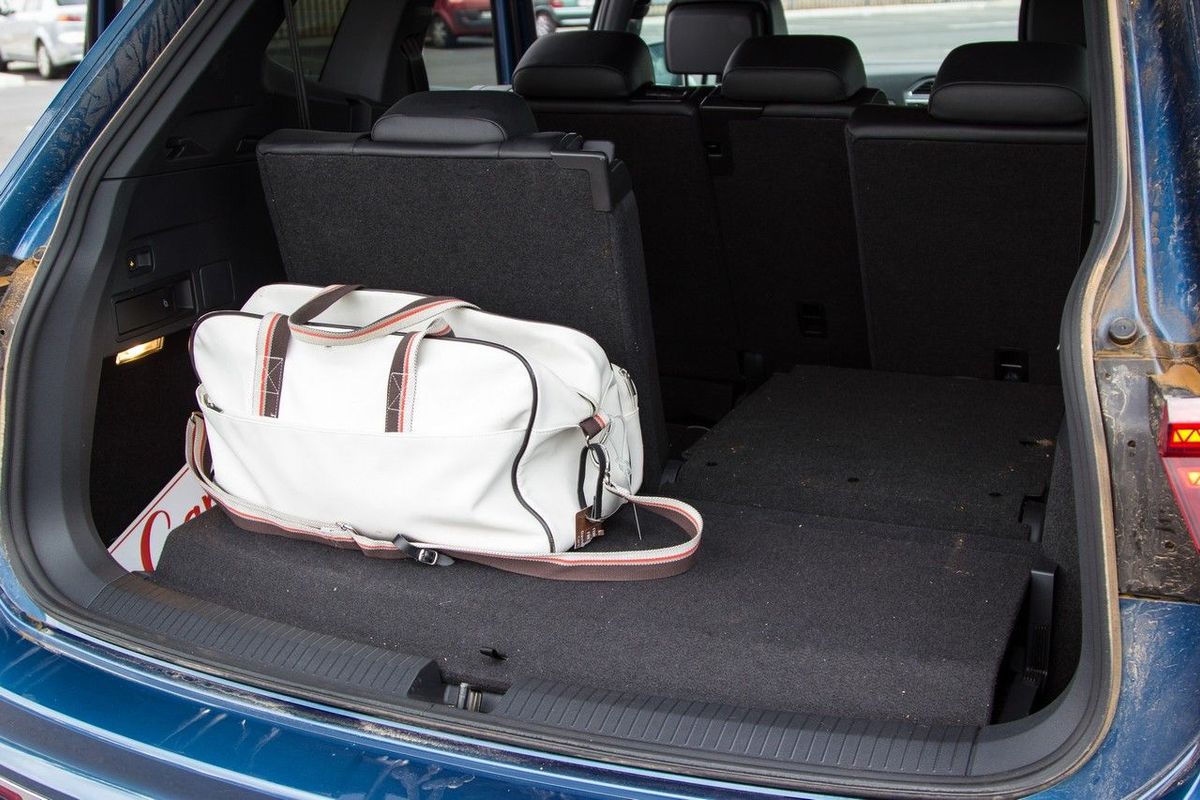
The improved spaciousness certainly sweetens the purchasing proposition, but whereas the 7-seat configuration is a plus, the added benefit of an enlarged luggage bay really sets this family car apart. To be fair, the only way to free up reasonable 3rd-row legroom is to slide the 2nd row forward, which, of course, lessens legroom for those sitting on it. So, it's a matter of finding a compromise; effectively the rearmost seats are suited to children or short adults (headroom is tight). Fortunately, the seats and middle row are easy to operate – a lever in the luggage bay controls which seats go down and the tailgate is electrically-operated (opens/closes at the touch of a button).
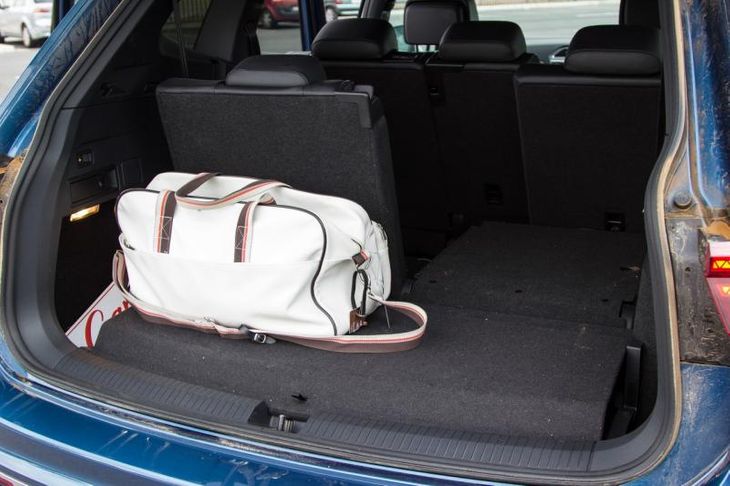
Just how did Volkswagen manage to wedge a third row of seats into the Tiguan? Well, thanks to the clever MQB platform, Volkswagen could stretch out the Tiguan's wheelbase by 110 mm. This resulted in an extra 115 litres of cargo space. With all the seats folded flat, a generous 1 775 litres of loading capacity becomes available. When you fold that 3rd row down and increase the luggage space, the Tiguan Allspace really comes into its own. We put this to the test by loading up a mountain bike and all the essentials for a weekend getaway. The mountain bike went in without any difficulty, but we opted to take the wheel off to avoid complications.
We folded down one of the 3rd-row seats to show how much luggage space is available. Even with the 3rd row up, it's still useful.
Driving refinement
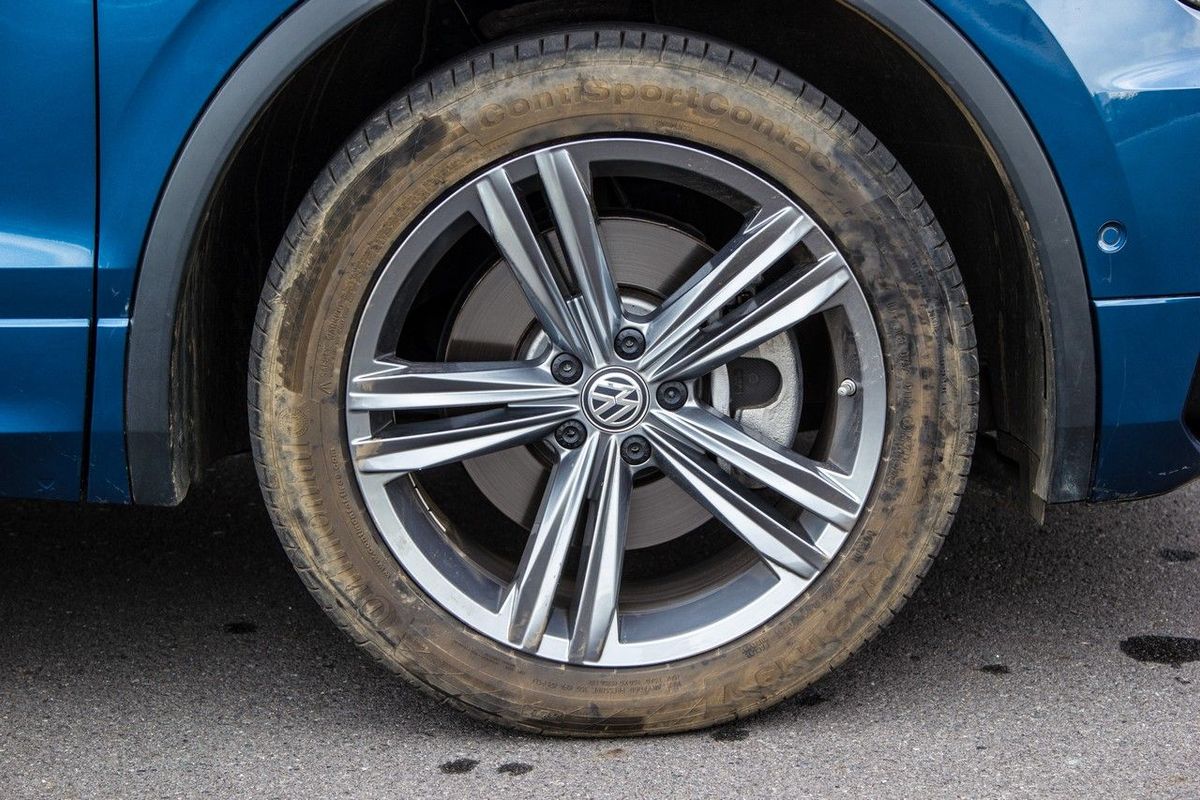
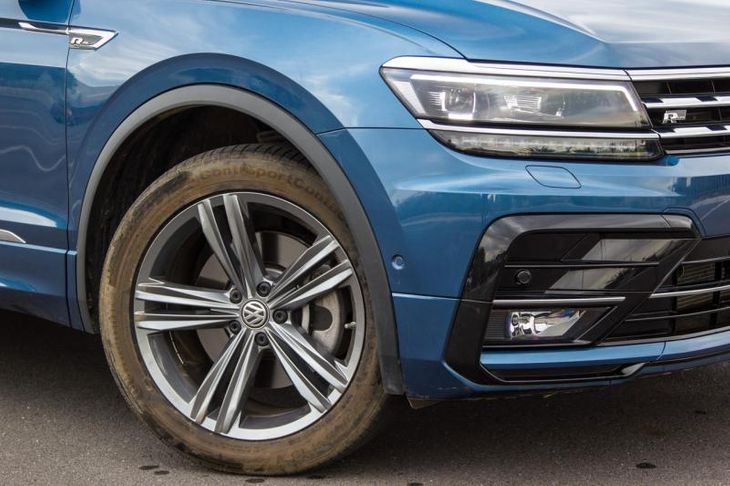
Despite the vehicle being fitted with sporty-looking 19-inch alloy wheels, as well as the sports suspension, which forms part of the R-Line package, the Tiguan Allspace's ride quality isn't too compromised: it is firm, yes, but doesn't jar over cracks in the tarmac. What's more, open road cruising is one of the newcomer's strongest traits… the steering is well weighted, yet light enough to make short work of inner-city parking manoeuvres.
We also drove the Tiguan Allspace on a variety of gravel and dirt roads. This particular version is equipped with Volkswagen's 4Motion all-wheel-drive system, which means the family car can tackle some slippery terrain when required. It can climb sandy roads with ease, and thanks to Hill Descent Control, can come back down without any fuss. Ground clearance is rated at 201 mm, giving the AllSpacesome off-road credibility, should owners wish to tackle the rougher stuff.
Despite the big 19-inch alloy wheels, the ride quality is good both on and off road.
The (not-so) good
Average engine
We've come to expect some decent powertrains from the Volkswagen Group and our ears pricked up when we heard there was a new engine for the Tiguan Allspace. It all sounds good on paper too, with a 2.0-litre turbocharged 4-cylinder petrol motor producing peak outputs of 132 kW and 320 Nm. In reality, it was a different story and we were left perplexed… While the Volkswagen lugging a quartet of adults around both in urban and open-road scenarios with ease, it just lacked in-gear punch. We put this down to the throttle mapping/gearbox software, which prioritises fuel economy. You'd accelerate to overtake a slower vehicle and the vehicle would respond slowly.
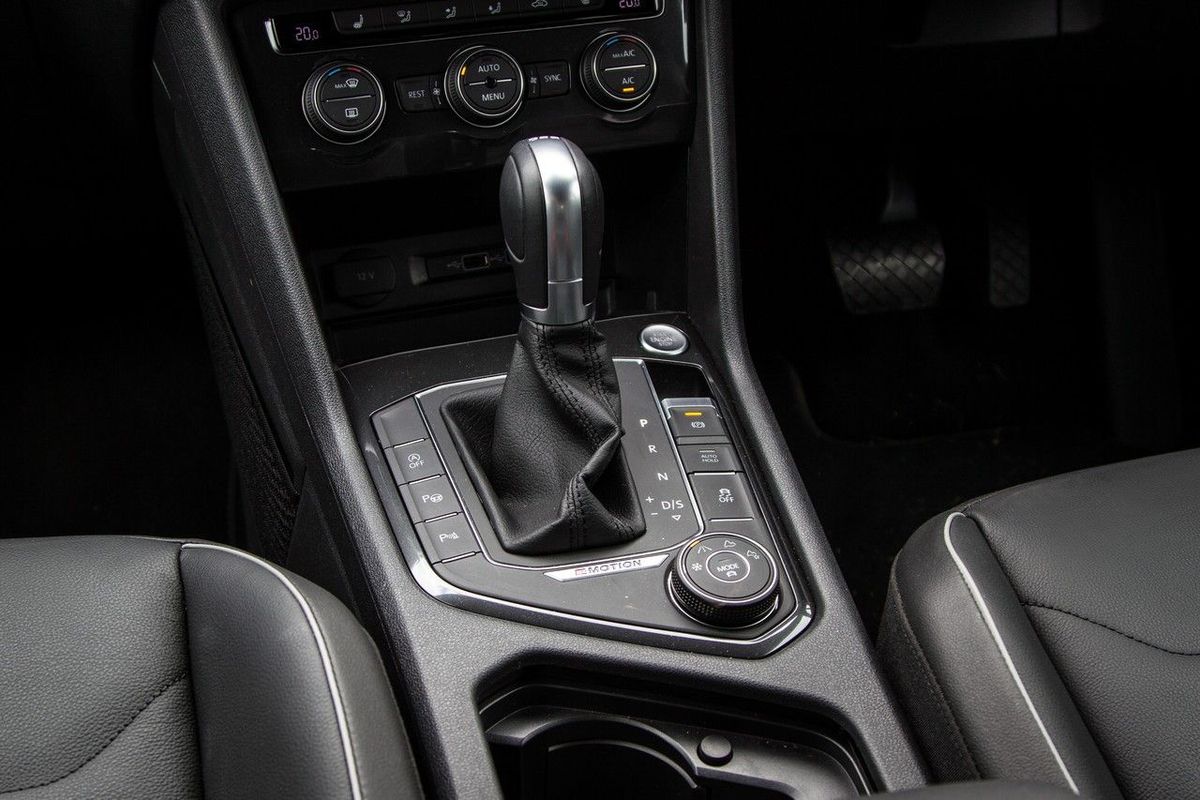
Increase the pedal travel a bit more forcibly and suddenly the Tiguan Allspace's transmission would kick down two gears at a time, which of course ushers the turbopetrol motor straight into the sweet spot of its power delivery, and off you'd go. This was rectified by taking the reins ourselves and making use of the steering-wheel-mounted paddles. For this reason, we'd suggest forking out a bit more cash and opting for the torquier turbodiesel powerplants, which should prove thriftier at the pumps.
The best toys aren't free
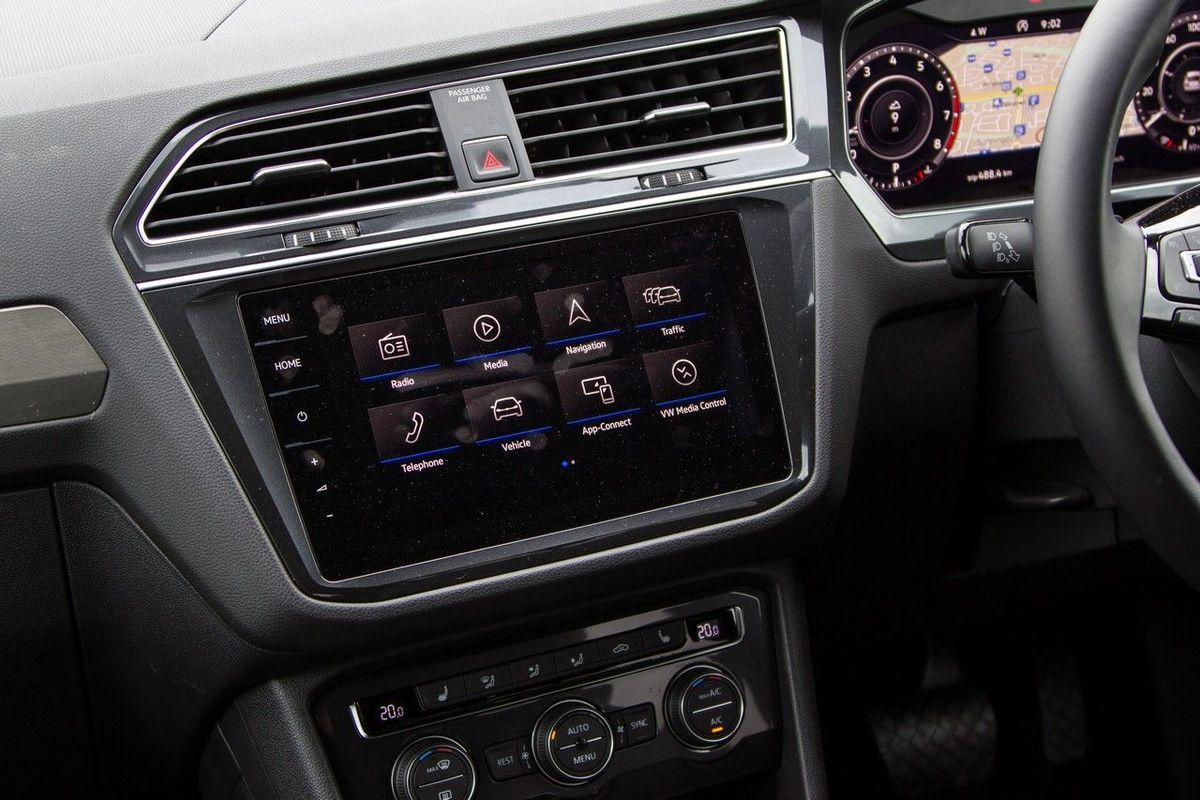
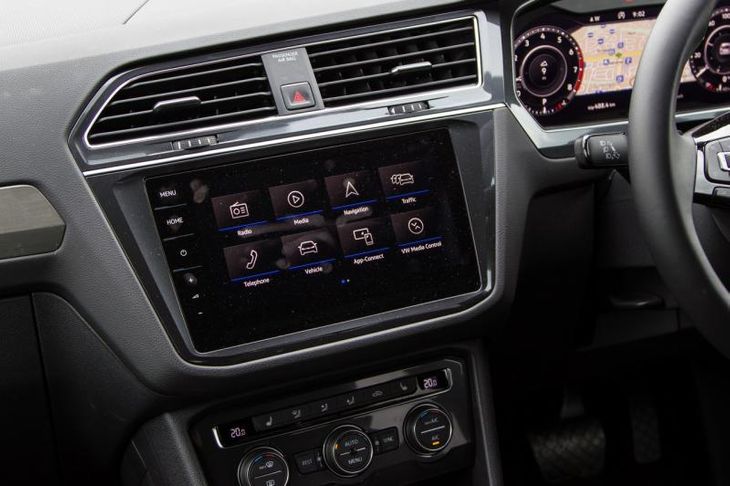
The Android Auto and Apple Carplay compatibility make the Tiguan Allspace appeal to the digitally-connected generation.
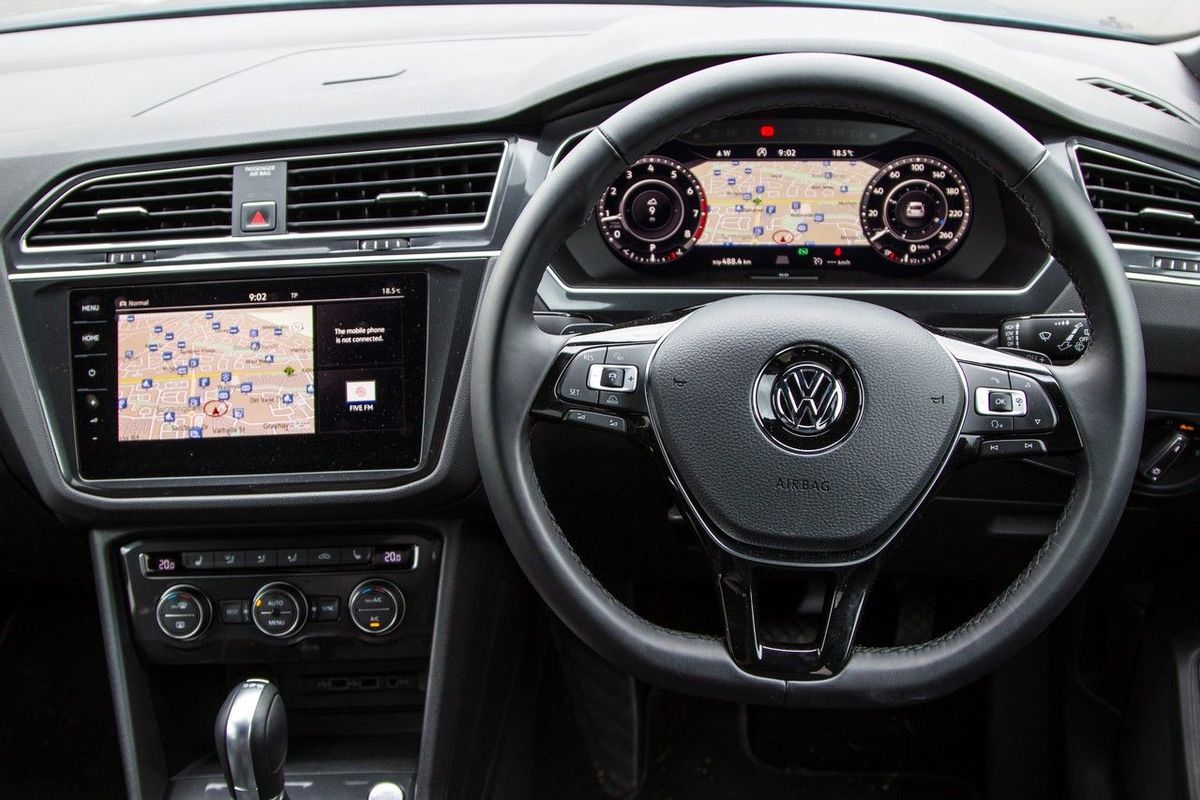
While the mid-spec Comfortline isn't short on comfort features and gadgets, you have to dive into the optional extras list to spec the comprehensive Tiguan Allspace experience. Some are worth forking out for, such as the Discover Pro infotainment system (R12 000), digital dashboard (R8 600) and the towbar (R7 800).
As far as safety features go, the Volkswagen Tiguan Allspace comes with 6 airbags, cruise control with limiter, ESP with countersteer support and multicollision brake system. An extra R5 000 specs adaptive cruise control, which includes forward collision warning, where the vehicle will automatically brake if its driver doesn't timeously.
Pricing and warranty
The new Tiguan Allspace comes standard with a 5-year/90 000 km service plan, 3-year/120 000 km warranty, 12-year anti-corrosion warranty and space saver spare wheel. The service intervals are every 15 000km.
With its 7 seats, 4Motion all-wheel-drive capability and a price tag of under R600k, the Tiguan Allspace has carved out a niche for itself.
The Volkswagen Tiguan Allspace finds itself in an excellent position. It comfortably offers more space than its 5-seater sibling, yet undercuts many of the bigger 7-seater Adventure SUVs, such as the Toyota Fortuner and Ford Everest (for its price, you get a decent number of standard features). While we'd happily recommend the Tiguan, there will always be times when you need additional space… and this is where the Tiguan Allspace comes in. The majority of Tiguan Allspace models are 4Motion, giving them a decent amount of offroad cred too. However, if you're doing a lot of towing and/or carrying large amounts of cargo, we'd advise opting for the 2.0-litre TDI motor.
Over 700 horsepower (520 kW). Rear-wheel-drive. A mountain pass climbing high above the sea. This is either the recipe for disaster or the recipe for an incredibly memorable driving experience.
The McLaren 720S is testament to how fast the world of modern cars progresses. Just a few years ago, McLaren unveiled the P1 as the fastest car it had ever built. The 720S is faster.
Thanks to someone with a PhD, this car is able to put its phenomenal power down with remarkable efficiency, allowing the driver to explore the redline of 8 200 rpm, and live to tell the tale.
And, this car caused pandemonium everywhere we went, which means it probably looks pretty good, too.
The local bakkie business has always been booming. But at times, brands have been a bit too desperate to profit from it, generating some tremendously odd special edition bakkies.
In the beginning, bakkies were white, with steel wheels, vinyl seats and column shifters. The only infotainment they had, were two-way radios which crackled with static most of the time, instead of relaying music or the latest news. USB charging ports? Are you kidding?
No market remains static in its demands and as the automotive world normalises around the notion of Mercedes-Benz and Renault double-cabs, there’s little doubt that those surging bakkie sales have occasionally lifted some ideas into being that should have been left at the bottom of the concept pool.
Special editions are a unique irritation to those hardy South Africans who only desire a seatbelt warning buzzer deactivation button and cattle rails as a factory fitted option on their bakkies. Truth be told, the bakkie market is no longer a preserve of farmers, geologists and construction crew staff. Double-cabs deputise as the default suburban family vehicle on weekdays, before being loaded with mountain bikes or DIY and home improvement materials, on the weekend.
Even Toyota, which dominates the local vehicle market outright with its Hilux, isn’t averse to a special edition double-cab or two of its own. Nor are Ford with their spectacularly successful Rangers.
Toyota and Ford achieve such outright sales supremacy with the South African bakkie products that special editions are forgiven within a cluster of success. But what of the others? And is there a lesson to be learned when you get it wrong?
Isuzu KB Serengeti (2015)
In 2018 Isuzu is an independent manufacturer and retailer of bakkies and trucks in South Africa, but back in 2015, the Japanese diesel engine specialist was uncomfortably partnered with General Motors South Africa.
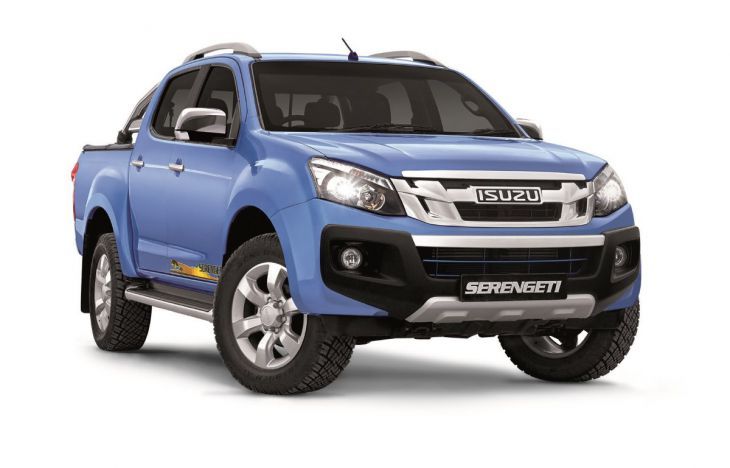
Isuzu had unquestionable local market heritage, having serviced the agricultural sector with bakkies since the early 1970s. Despite a loyal customer base who valued the simplicity, robustness and ride comfort that Isuzu brought to market, someone decided a special edition KB was required to revitalise sales. The solution was a baby blue double-cab.
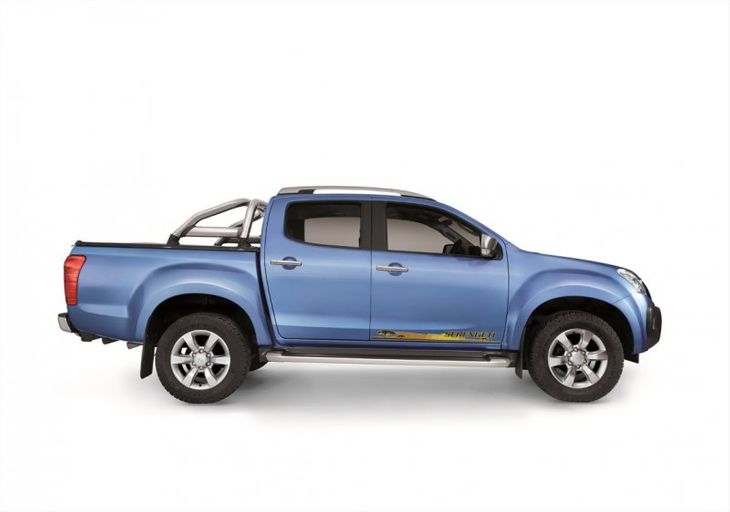
There is an entire field of design which specialises around colour theory in the automotive industry, but it stands to reason that baby blue is perhaps not the required hue for a special edition Isuzu. Or any double-cab bakkie, for that matter. Compounding the issue was this KB’s naming convention and its identifying graphics, which read ‘Serengeti’. Why would you market an East African wildlife destination to South African customers who can rightly claim Kruger, Kgalagadi and numerous other world-renowned nature reserves as their own heritage?
Tata Xenon Evolve (2015)
Despite attractive entry-level pricing, certain Indian brands have found South Africa to be a rather testing market for their vehicles. Customers familiar with generations of Japanese bakkies have greater than anticipated expectations and for all Tata’s good intentions, it hasn’t established a credible bakkie presence locally, with single-cab sales falling to single data digits of late.
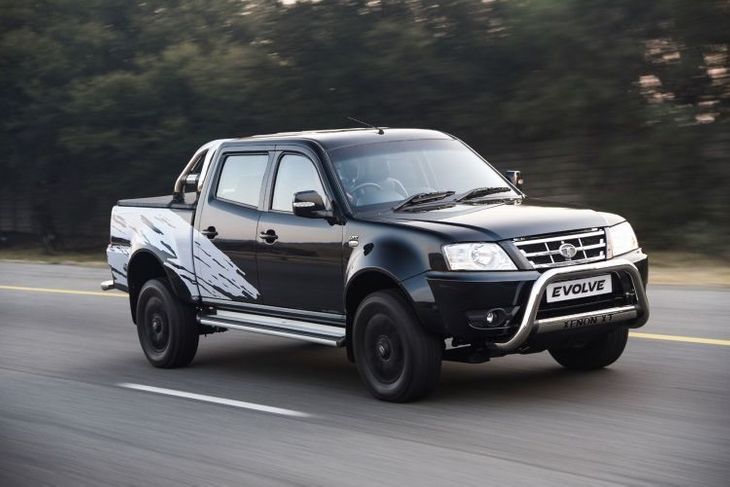
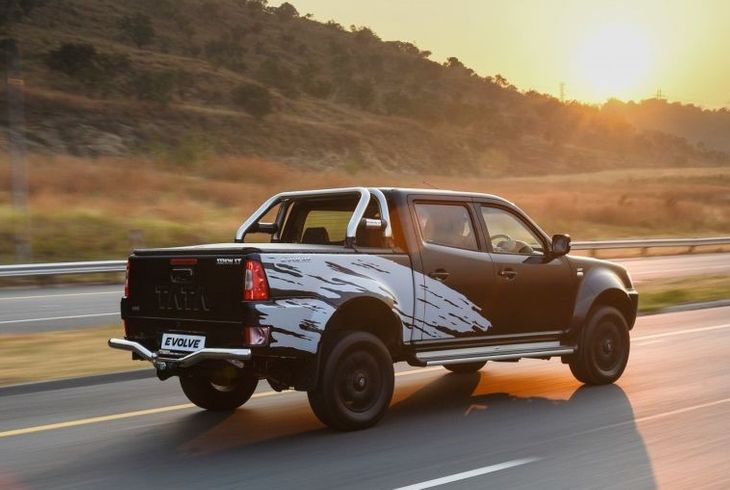
Three years ago Tata was determined to conquer some of South Africa’s greatly profitable double-cab market and the vehicle to drive its ambitions was the Xenon Evolve. Powered by a relatively decent 2.2-litre turbodiesel engine, boasting 110kW and 320Nm, the Xenon wasn’t terrible, but its Evolve edition effort was laughable.
Side decals and graphics are best left on motorsport vehicles, or period 1980s collectable cars – certainly not Indian double-cab bakkies attempting to stake a serious claim in the South African market. Xenon Evolve featured elaborate ‘disrupted splash’ side graphics which looked like somebody had sprayed on vinyl with a pump-action water gun. Worst of all was Xenon Evolve’s black limited-edition colourway, which as any South African vehicle owner knows: is simply a dust and heat magnet when exposed to local conditions.
Foton Tunland Granite (2016)
Nothing shatters the fragile trust put in an emerging bakkie brand than being overpromised and underdelivered to.
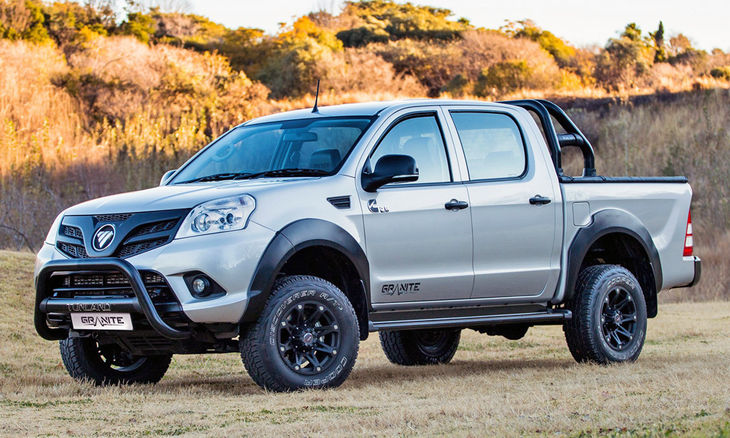
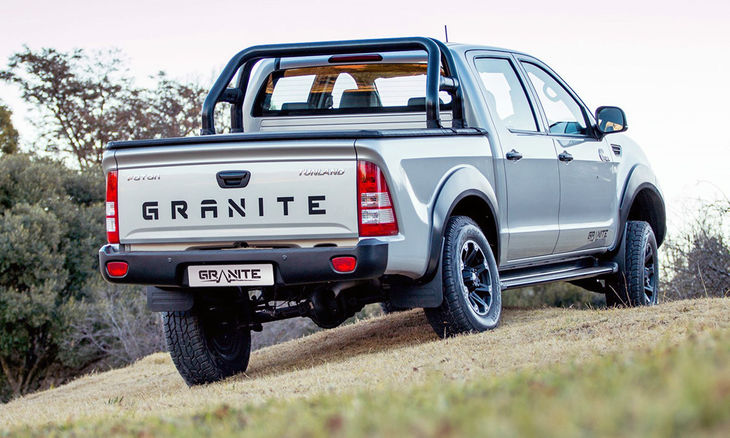
Foton’s Tunland Granite has a great name and it doesn’t look completely awful in an aftermarket trail-raider kind of way. Lots of space in those generously hollowed-out wheel arches for its 16-inch Cooper AT tyres to travel up and down in, finding traction and grip off-road. Nice American engine too: a Cummins 2.8-litre turbodiesel good for 120 kW and 360 Nm. There is only one minor issue…
In all their wisdom, Foton’s marketing people decided to make their Granite limited edition double-cab available exclusively as a 4×2. That’s right. Dress it up like a Rust de Winter 4×4 Jamboree special and then leave out the transfer case and those annoying half- and side-shafts. They even fitted a rear axle from regarded Jeep suspension supplier, Dana, to just bait 4×4 enthusiasts that bit more.
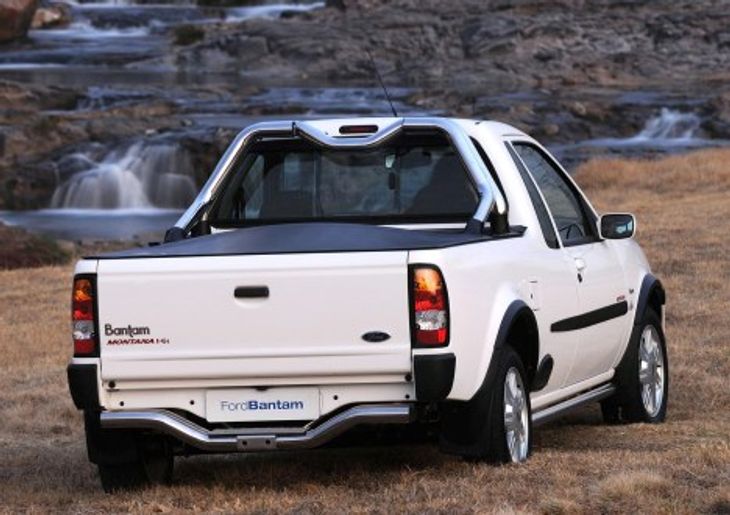
Ford Bantam Montana (2008)
Ten years ago, Ford celebrated a quarter century of half-tonne bakkie success in South Africa. It had introduced Bantam in 1983 and to celebrate, launched a very limited edition of only 200 bakkies in 2008.
Distinguishing the special edition Bantam Montana was an abundance of shiny stainless-steel detailing, the kind that blinds you when viewed at a specific angle on a particularly sunny day. Its side sills and rear step bumper were polished stainless, but nothing compared to the massive dual-tubed roll-bar, which featured a bizarre centre-kink in its shaping.
Those Montanas could be ordered with the gutsy little RoCam engine, happily zinging 70 kW and 137N m from its 1.6-litres. A great bakkie, but again: who was managing the naming strategy here? Montana is an Afrikaans high-school in either Worcester or Pretoria-North. Other than that, it is best known as a sparsely populated ranching state in the American north, a place you are sure to never find any half-tonne bakkies. Bantam Montana. Better than calling it, Hannah…
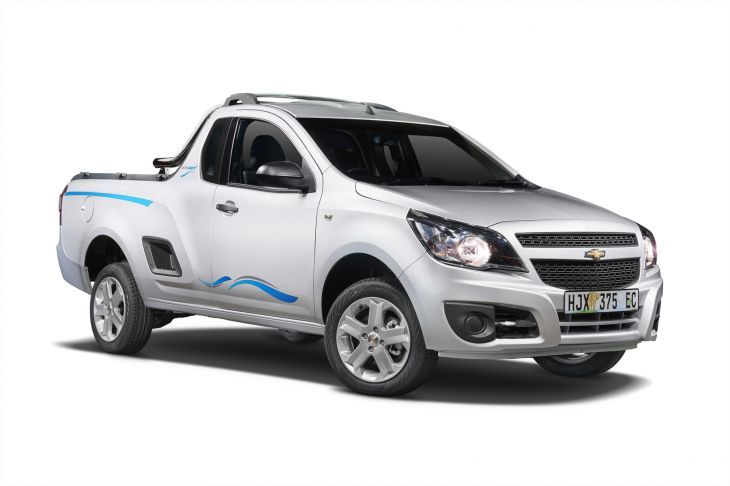
Chevrolet Ute Surf (2015)
After Ford retired its Bantam from the half-tonne bakkie market, Chevrolet received a great benefit in boosted sales volumes. The marginal local profitability of Chevrolet was always built on the compact Utility bakkie, which sold in volumes far greater than any other Chev product.
Despite being gifted half of the compact bakkie market by Ford, GMSA still managed to undo its local fortunes and ceased to trade as an entity in 2017. For astute observers, the signs were all there in 2015. When you start needlessly altering your anchor product, with unnecessary marketing spiel, it’s usually the beginning of the end.
Chevrolet’s moment of reckoning was the Ute Surf. Let us start with the most troubling issue of that naming convention first: the Ute part. Australia has Utes, South Africa has bakkies. The Corsa bakkie was beloved and traded to a fearsomely loyal customer base. When that bakkie range was rebadged as a bowtie product, why couldn’t they just have called it the Chevrolet bakkie? After decades of brutal sporting confrontation with the Australians, did GMSA really think South Africans would take kindly to having one of their favourite bakkies renamed as a Ute?
Then there was the issue of 400 limited edition Ute Surf derivatives which were delivered in 2015. Adding some stainless steel tubed roll hoops, decals and a roof rack does not make for a surf mobile. A single-cab bakkie has virtually no roof surface area to secure a surfboard safely into place, why add a single roof-rail to tease its ill-purpose? Surfers travel vast distances on gravel roads up the West Coast or into the Transkei, searching for secluded point breaks to surf. Did they really want 15-inch alloy wheels which would scratch to ruin?
All the clever stuff you’d really want on a surf-mission appropriate bakkie were missing. A loadbin stowage box for wet or sandy gear and most importantly, an external key safe. Anybody who has ever surfed knows that the primary aspect of surf mobile admin is what to do with the car keys. Why Chevrolet didn’t invest in 400 surfer-specific padlock safes to give to each Ute Surf owner remains a mystery. That’s would have been truly insightful limited-edition product marketing.
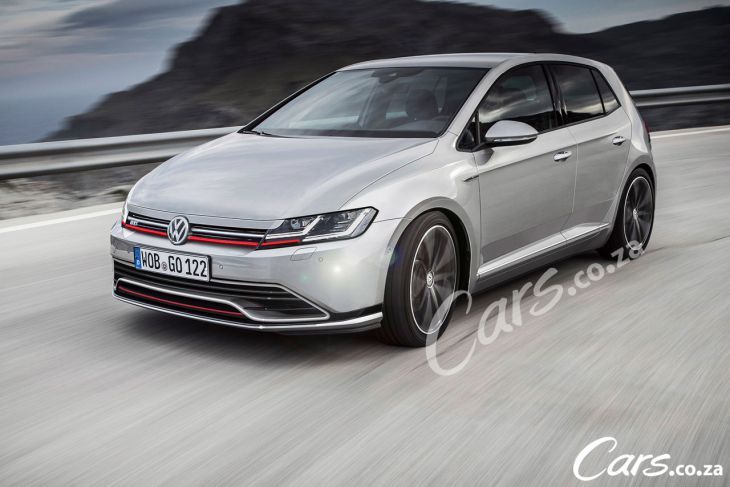
Volkswagen is developing the next-generation Golf 8, which is due to go into production in mid-2019 and can be expected to reach South Africa in 2020. The pinnacle offering, the Golf R, is expected to be more hardcore than ever before…
The Volkswagen Golf, a name that needs no introduction, has a long and successful history and has become a firm South African favourite. Excellent build quality, refinement, balance and performance have made the Golf an exceedingly popular premium hatchback, especially in GTI guise. In fact, it’s so good that the Golf 1.4 TSI Comfortline R-Line scooped the win in the Premium Hatchback category of the 2017/18 Cars.co.za Consumer Awards – powered by WesBank.
The current Golf 7.5 is nearing the end of its product lifecycle and Volkswagen is already working on the next-generation Golf 8. It’s foreseen that Volkswagen will refine its successful exterior design recipe for the Golf 8, but the interior will be significantly overhauled. Given the benchmark set by the interior of the new Mercedes-Benz A-Class, you can expect an upgraded Active Info Display and large infotainment system offering segment-leading connectivity and functionality. Moreover, the Golf 8 will be built on Volkswagen’s MQB platform and make use of more lightweight materials that may result in a kerb weight saving of between 50 and 70 kg.
Expected engines
Volkswagen will look to refine the design of the Golf and the biggest changes are expected in the cabin.
Although engine details have yet to be confirmed, it is anticipated that 1.0-litre (in various states of tune) and 1.5-litre turbopetrol engines will be offered. On the diesel front, 1.5- and 2.0-litre turbodiesels are likely. A 48V mild hybrid system is expected, along with cylinder deactivation and coasting function to further enhance efficiency.
Over and above the standard turbocharged 2.0-litre Golf GTI, GTI Performance Pack and GTI Clubsport derivatives are also expected. The standard GTI could offer as much as 195 kW, while the Clubsport could see a peak output figure of around 240 kW.
What about the Golf R?
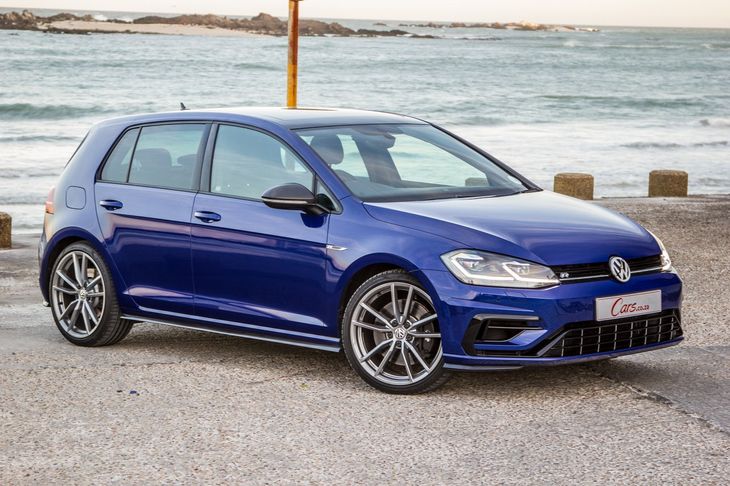
While the current Golf R offers 213 kW, the next iteration could develop closer to 300 kW, a massive improvement that should make enthusiasts happy.
The Golf R sits at the pinnacle of the range and if reports are to be believed, Volkswagen is going all-out to make the next R truly special. Not only is the R likely to feature more hardcore styling to differentiate it from the rest of the Golf range, but it will also be substantially more powerful. How does 298 kW grab you? For context, the current R develops 213 kW and is already capable of sprinting from 0 to 100 kph in 4.6 seconds courtesy of its 4Motion all-wheel-drive system.
The Golf R’s turbocharged 2.0-litre engine is expected to remain, albeit in uprated form, and it will again be coupled with a 7-speed dual clutch transmission. The major difference, however, is the inclusion of mild-hybrid technology that comprises a 48V electric system that will support the engine. This system will not only provide an electric boost during acceleration, but also help reduce fuel consumption figures during your city commute.
In a report by Auto Express, Jürgen Stackmann (VW Brand Sales and Marketing) commented: “The R brand is going extreme. The role of R is that it can go beyond the rational, nobody needs a compact car with 400 hp (298 kW), but is there a place [for it?]. Certainly, and that’s the turf of R.”
He further explained that “with a little more expressive design, R can go beyond the rational side of things. It [the R brand] can find its place in a different league of pure performance and there’s a space where customers are willing to pay a significant amount of money.”
Are you looking forward to the next Volkswagen Golf R? We certainly R…
Alfa Romeo outlines future plans (there’s a supercar)
Italian brand Alfa Romeo outlined its plans for the next few years at a presentation in Italy. The product portfolio will increase substantially and there will be a supercar in the range. Here's what we know so far.
Alfa Romeo announced a new strategy, complete with new products at its Capital Markets Day, held in Balocco, Italy on 1 June 2018. With the brand's resurgence well underway, it's fascinating to see what else the Italians are coming up with. Back in 2014, Alfa Romeo announced it had a plan to develop class-leading performance, launch 8 products and tackle two news markets (China and United States). In South Africa, the Giulia sedan and Stelvio SUV were launched, and both have been received positively.
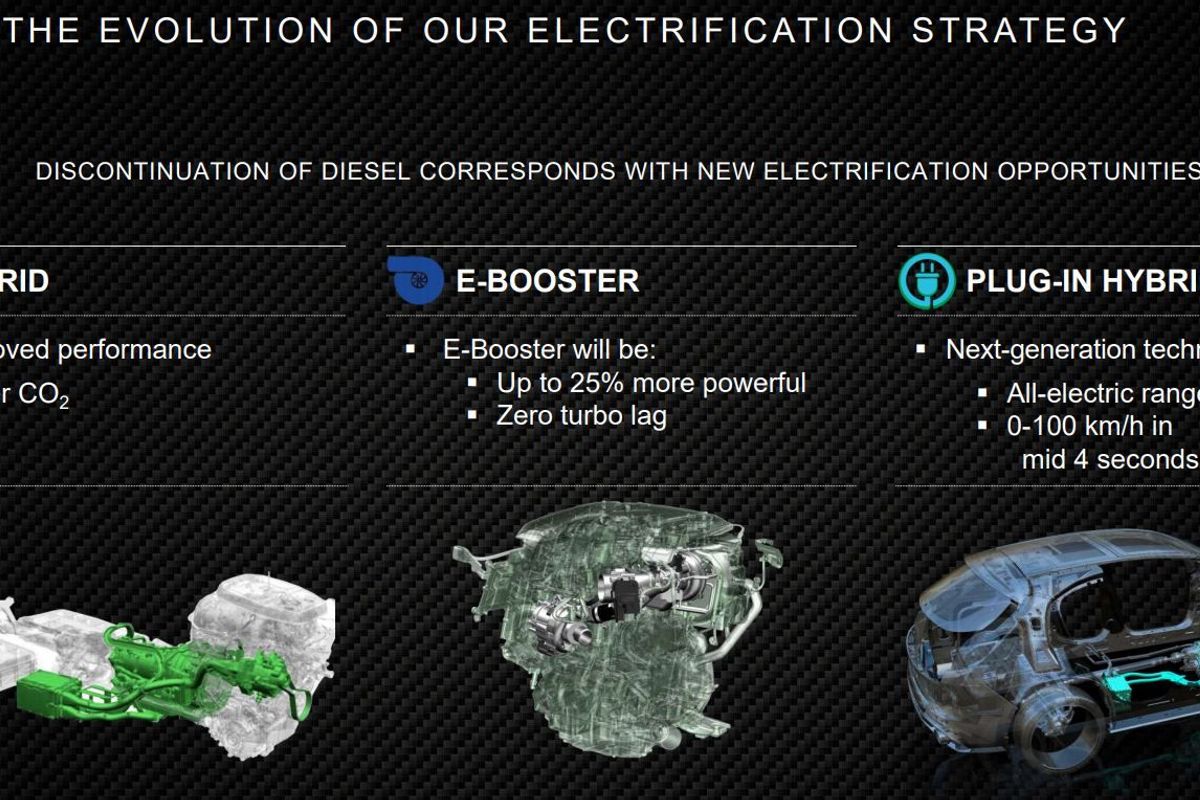
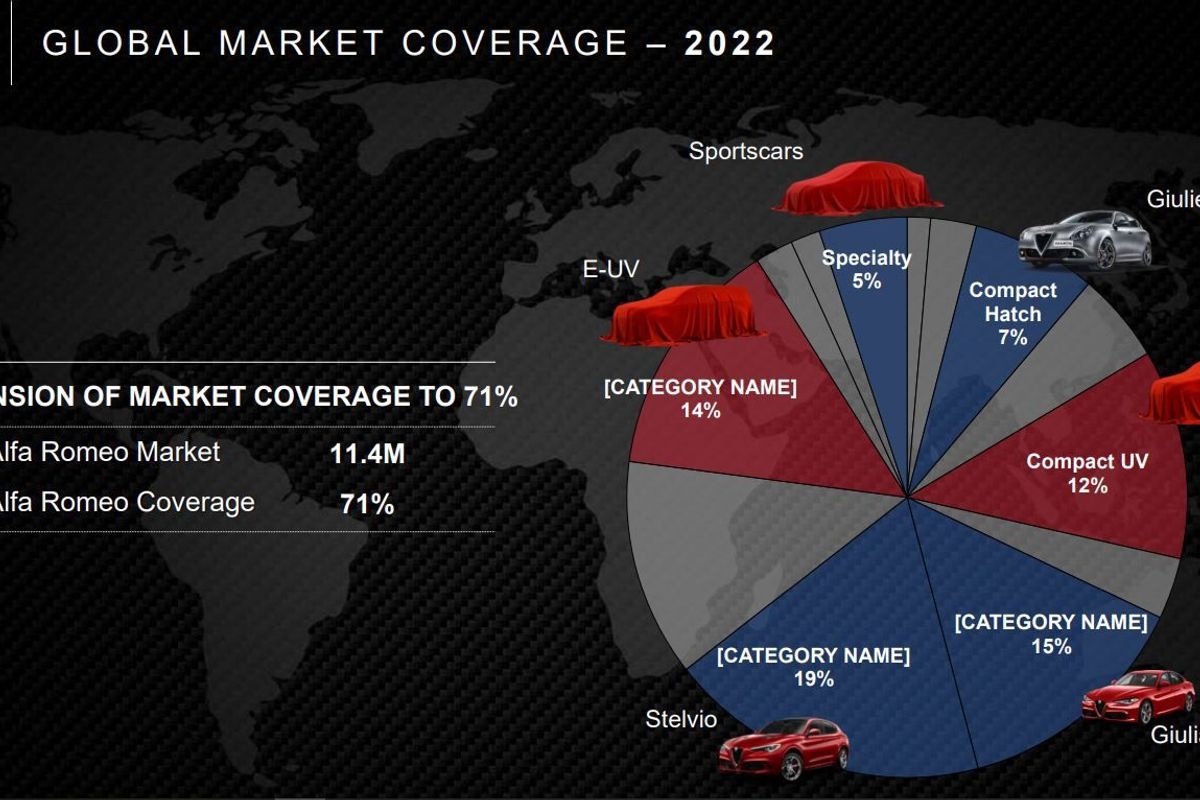
The momentum has not stopped and today's announcement shows that Alfa Romeo is pushing hard. There's a whole host of new products and technology coming, including a high-performance supercar. Alfa Romeo is hoping to launch 7 new products by 2022, 6 of which will have plug-in hybrid tech. Some products will also have L2+L3 autonomy.
New Products
Alfa Romeo Supercar
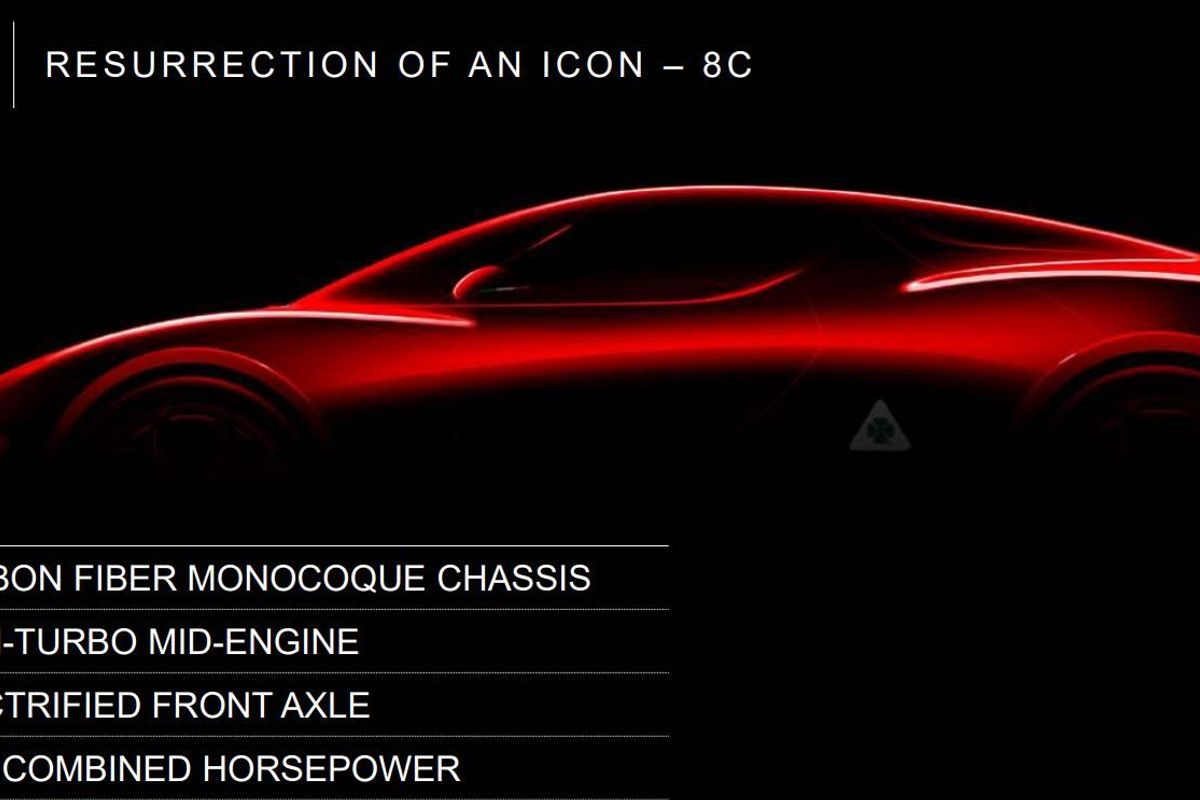
The Alfa Romeo 8C will be resurrected. It'll feature a carbon fiber monocoque chassis, a mid-engine twin-turbocharged engine, an electrified front axle, 700hp (520 kW) and Alfa Romeo claims it'll hit 100 kph in under 3 seconds.
Alfa GTV makes a comeback
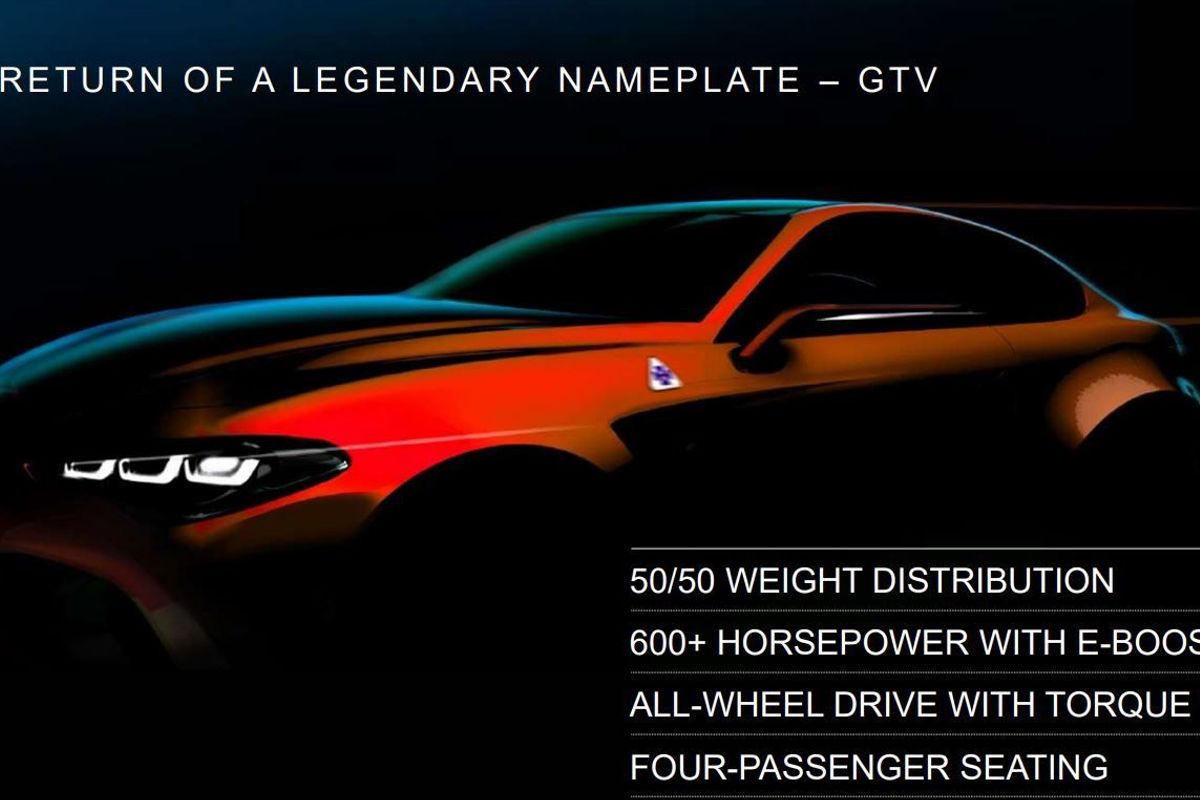
The Alfa Romeo GTV will return in the form of a two-door Giulia. It'll boast a similar engine to the current Giulia QV, but with an E-boost setup, it will produce around 450 kW. Alfa Romeo is claiming it will have all-wheel drive with torque vectoring, 50/50 weight distribution and seating for four passengers.