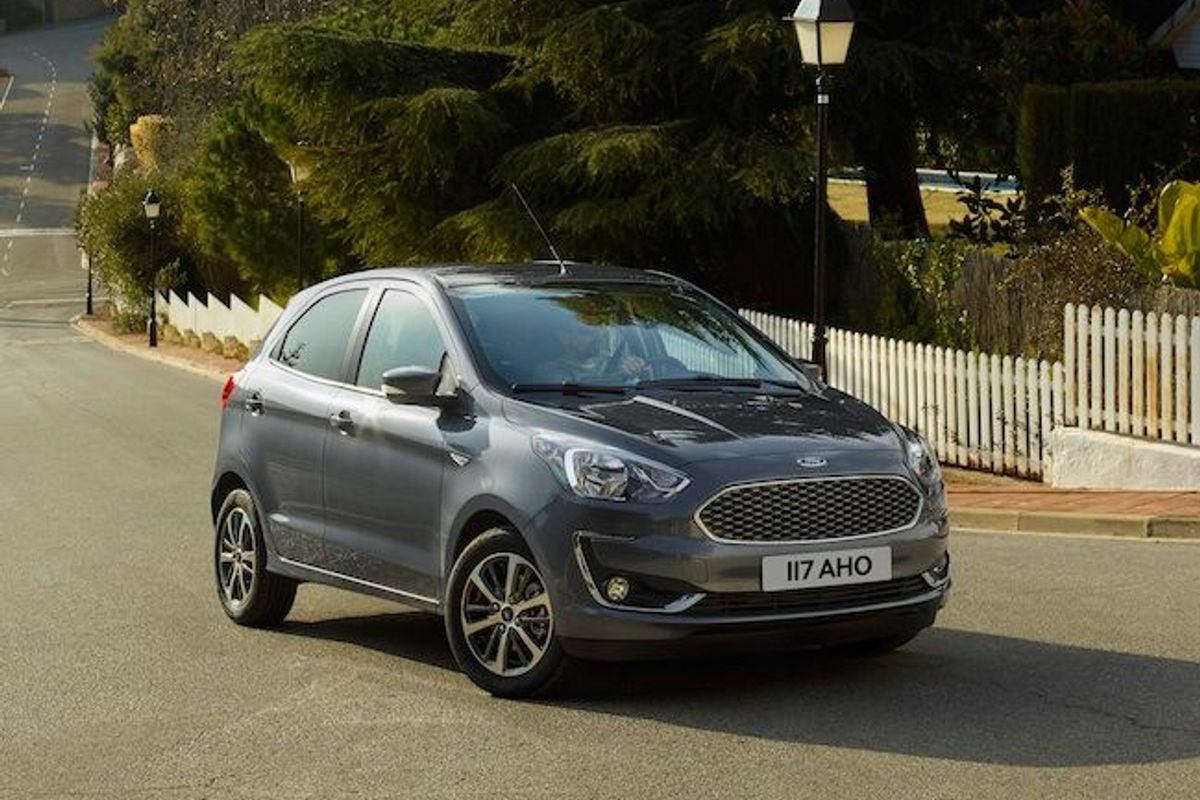
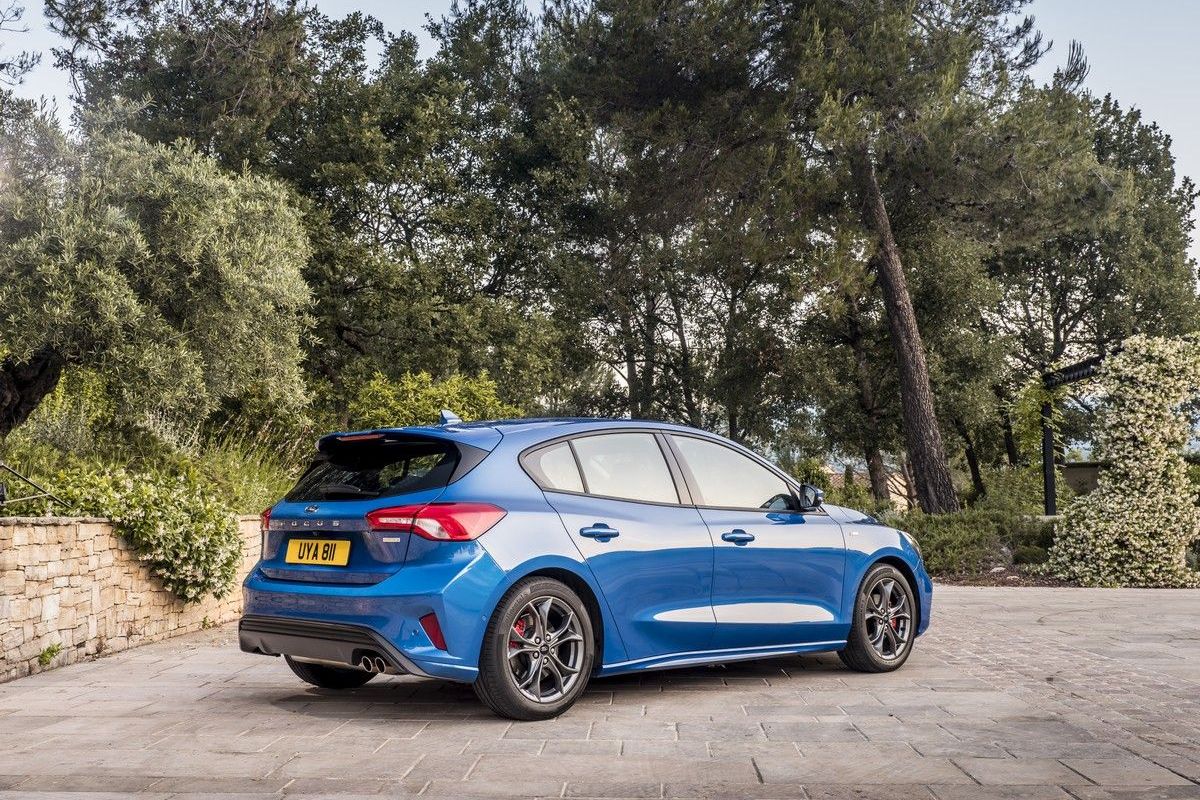
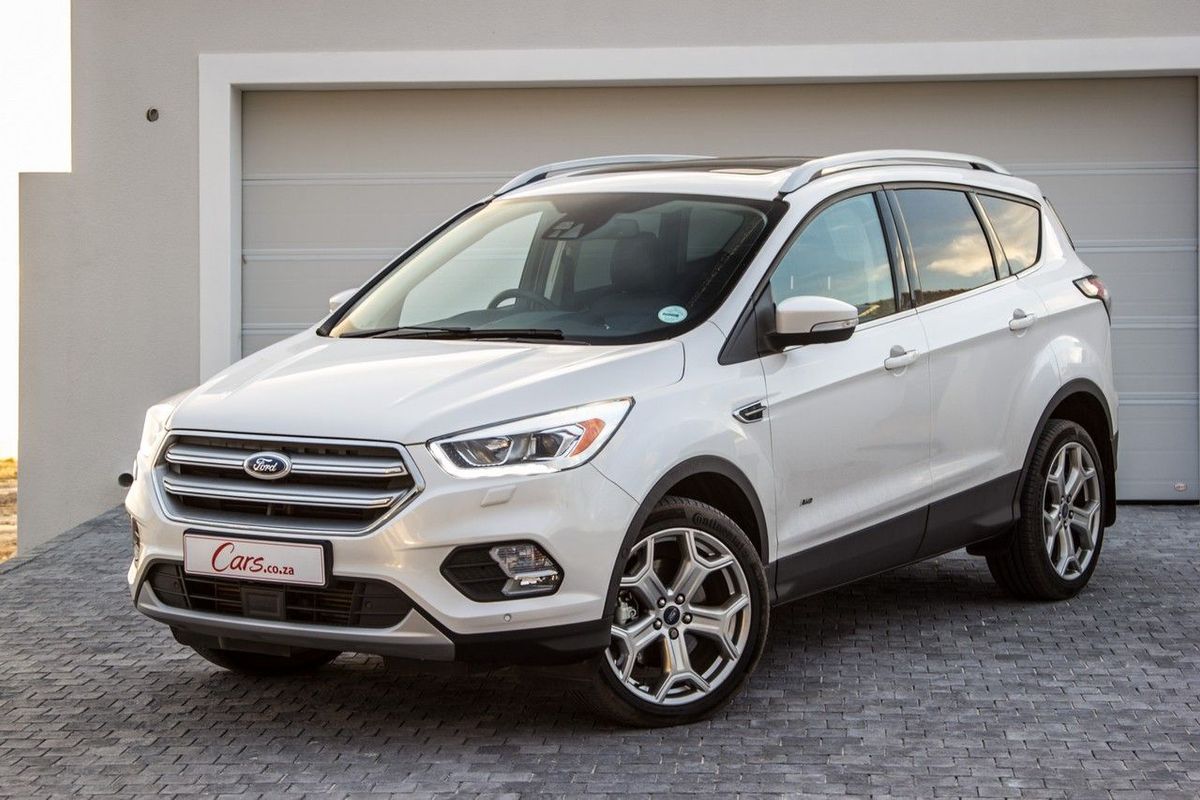
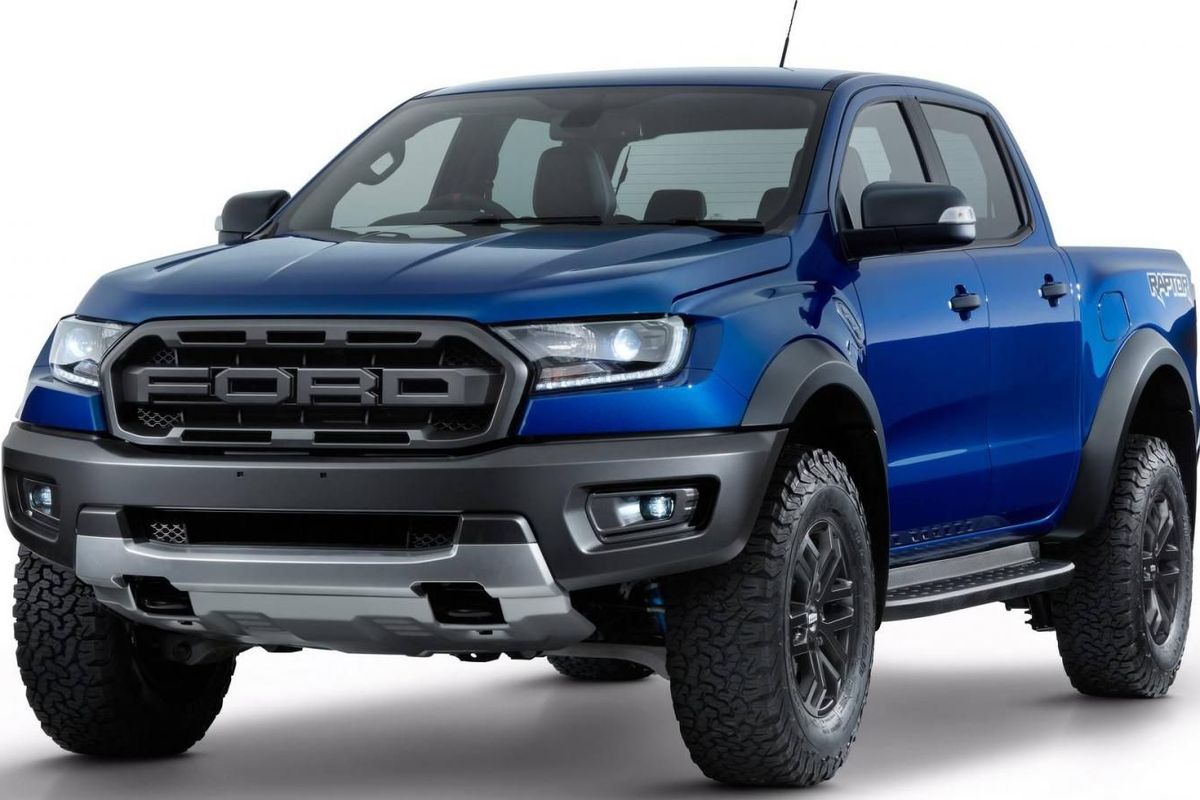
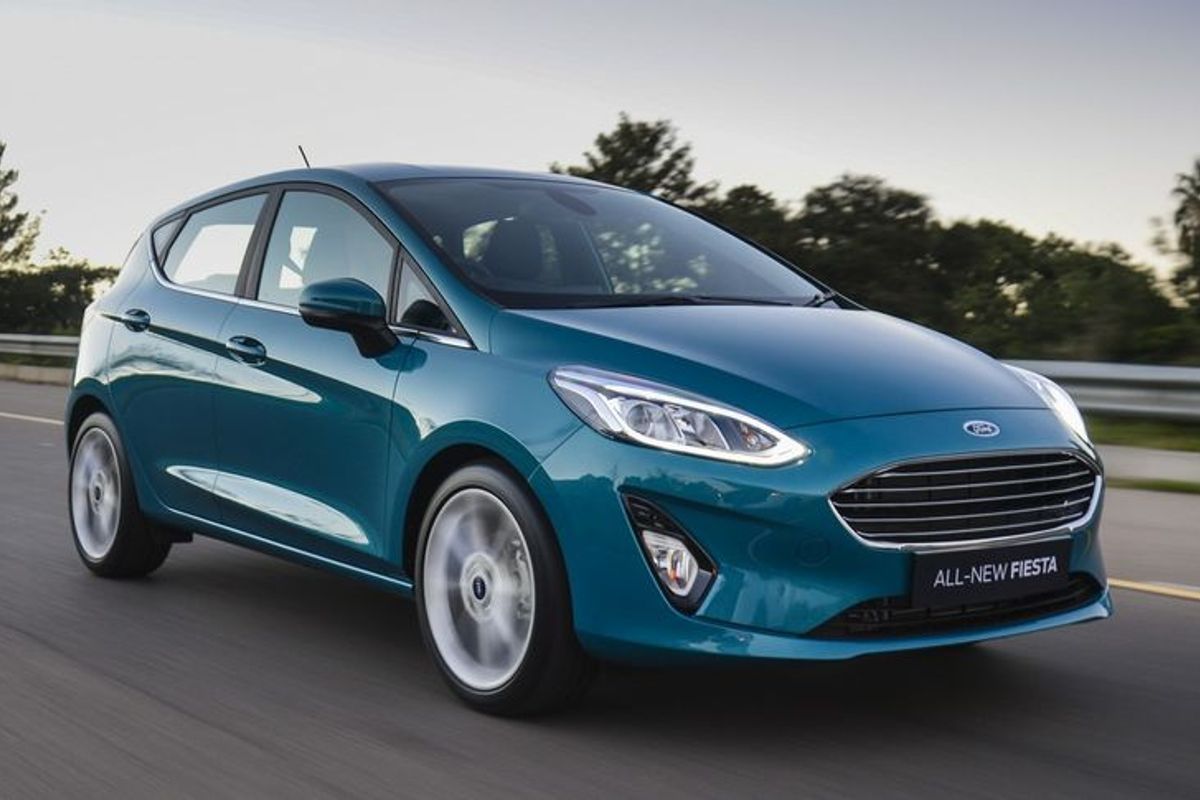
Ford South Africa is going on the product offensive for 2018. Having taken a while to bring Fiesta to the local market, we now have some insight into what else we can expect.
Just arrived: Ford Fiesta
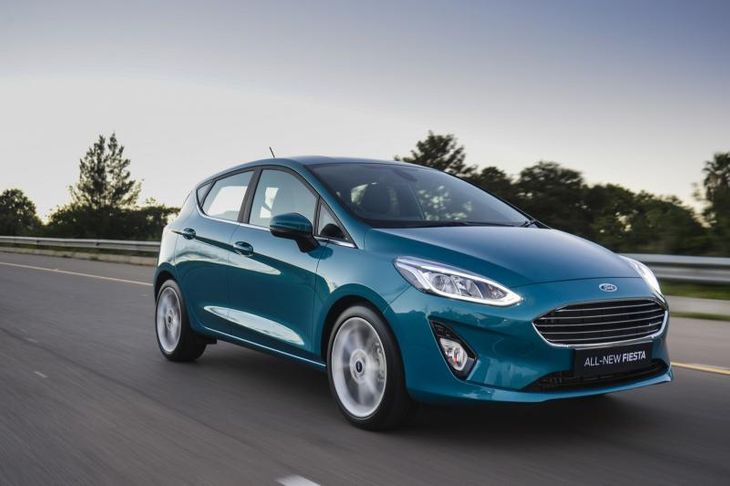
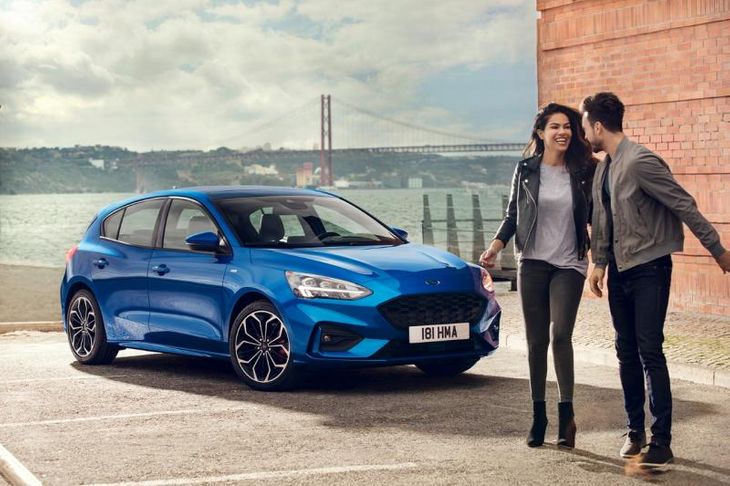
We've just returned from the local launch of the Fiesta compact hatchback. With a trimmed lineup comprising only 1.0-litre turbopetrol and 1.5-litre turbodiesel engines, the Fiesta brings new levels of tech and comfort in its fight against the segment-leading Volkswagen Polo.
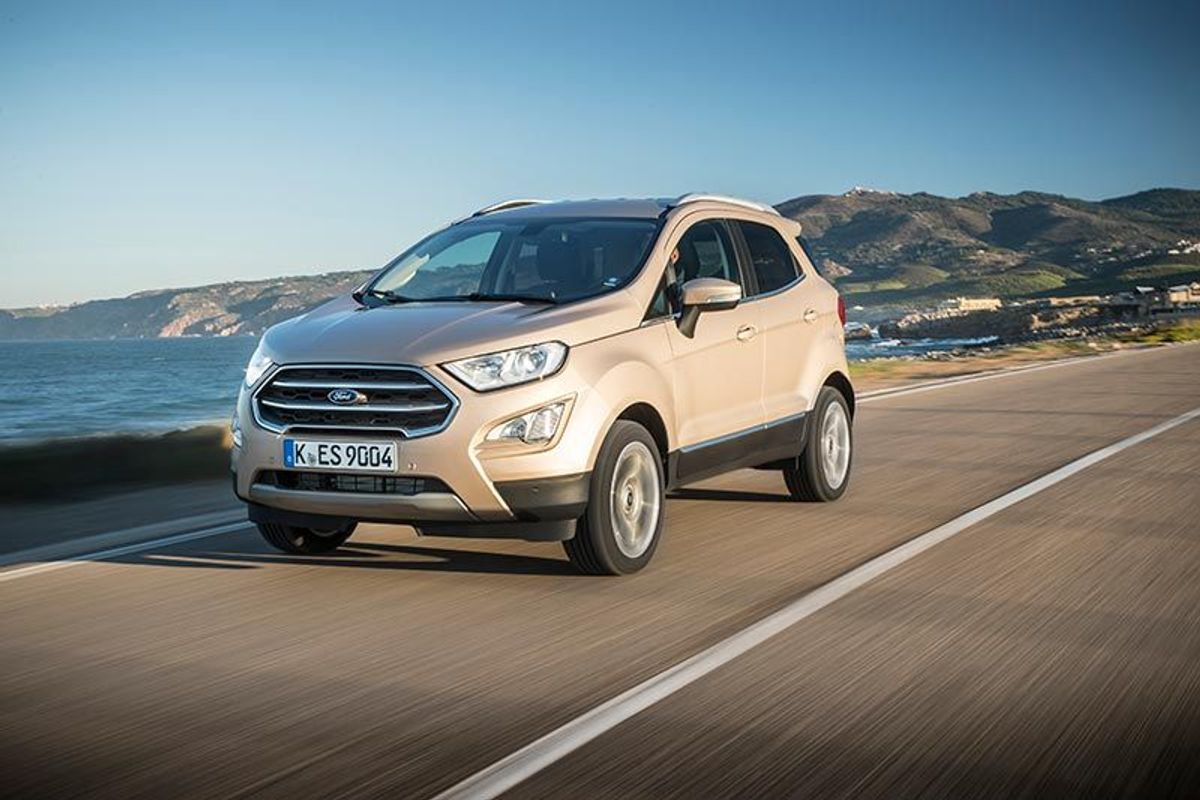
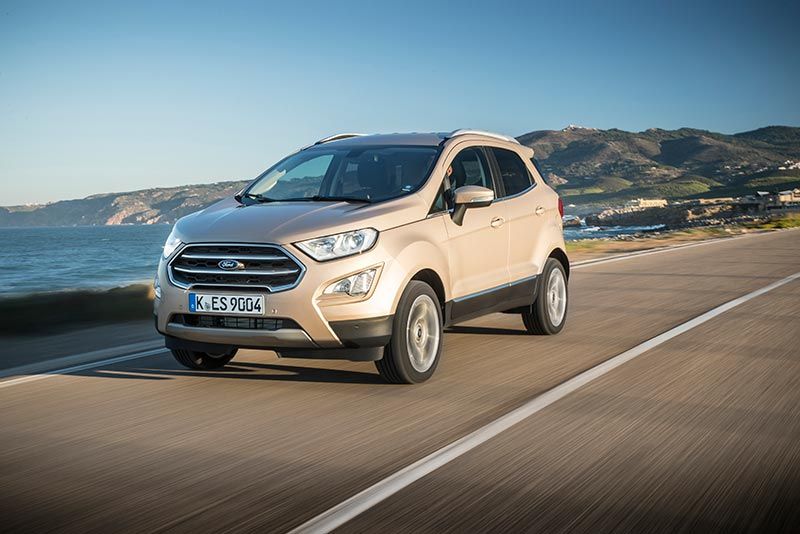
If you think this facelift is a mere nip and tuck, you’re mistaken: Ford has thoroughly enhanced its baby SUV to capitalise on seemingly inexhaustible global demand for compact SUVs. In fact, this latest EcoSport features more than 2 300 new parts.
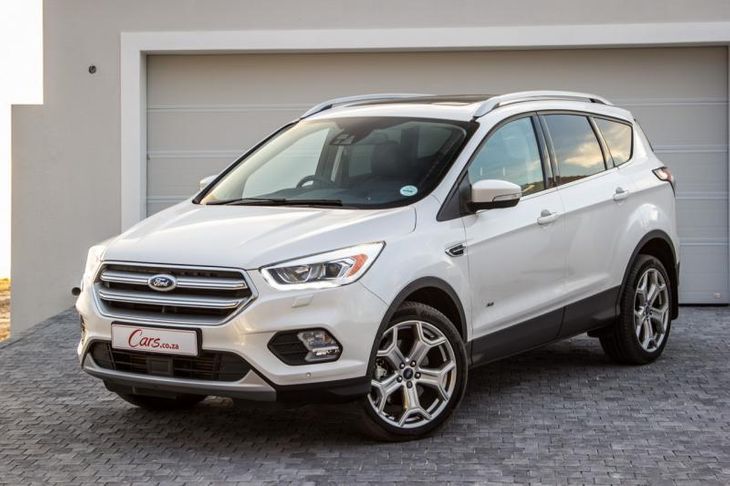
The Ford Kuga range will be expanded in the third quarter of 2018. Currently, the range comprises both petrol, diesel, manual, auto and all-wheel-drive models, so it will be interesting to see what else Ford could add to the range.
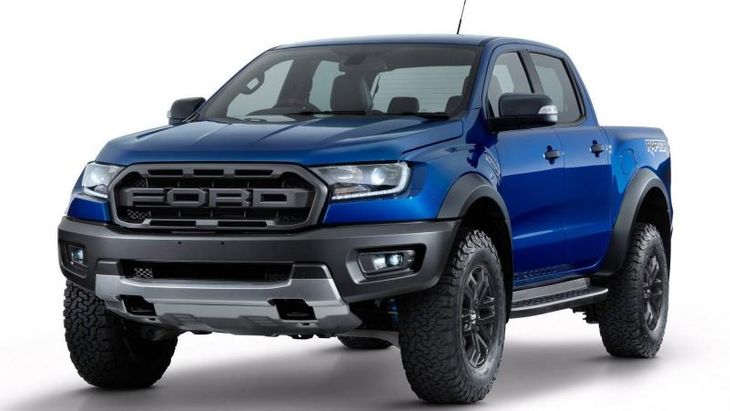
A dedicated performance bakkie is a bold project to embark on, but buoyed by its success with the Raptor name in its left-hand drive only F150 pickup, Ford thought it'd be a good idea to make a Ranger Raptor. As pictures will attest, it certainly looks the part. It will initially be assembled in Thailand and then production will kick off at Ford South Africa's plant in Silverton, Pretoria.
Here are 12 cars that are the most gizmo-packed in terms of safety and convenience features (from new) for less than R250 000. Take a look…
If you are in the market for an out-of-the-box purchase that costs less than R250 000, you have many options to consider but you will have to make some difficult decisions on what car will give offer you the most in terms what you will get for your money. If outright practicality (in terms of people-carrying ability or loading capacity) is not high on the priority list and you're effectively looking to find a vehicle with the most "big-car features" in a "small car (compact) package", which is what so many consumers are looking for, what should you consider?
We created this list to help you narrow down your search, particularly if safety and convenience features matter to you. To make it onto this list, a car must have at least 4 airbags as standard as well as ABS and stability and/or traction control. The cars are then ranked, according to the convenience features they offer. The cars with the most comprehensive list of convenience features appear higher on the list, while cars with less or more optional features will appear further down the list. All the cars on this list are priced under R250k (May 2018).
The features considered for this list include satellite navigation, USB and auxiliary ports, Bluetooth functionality, cruise control, multifunction steering wheel, electric windows and park distance control.
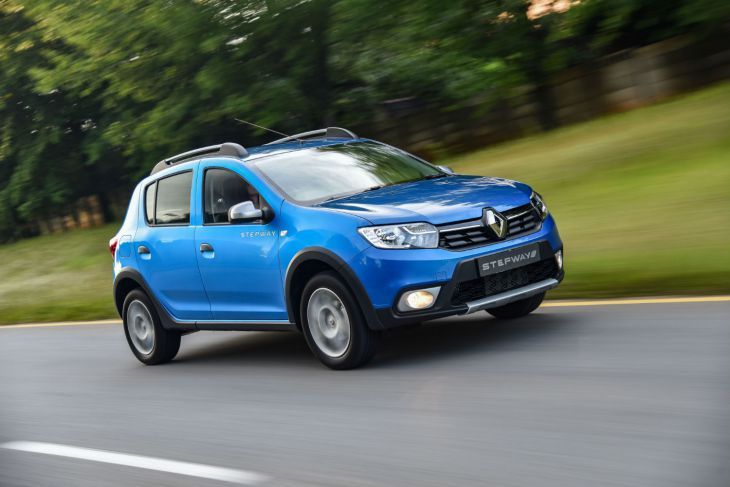
Renault Sandero Stepway 66 kW Turbo Dynamique
The facelifted Renault Sandero Stepway Dynamique is a value-oriented proposition that’s difficult to ignore at R201 900 – it comes equipped with ALL of the aforementioned convenience features and is powered by a 0.9-litre 3-cylinder turbopetrol engine with 66 kW and 135 Nm of torque. A 5-speed manual transmission drives the front wheels and the claimed fuel consumption is 5.4 L/100 km. As a bonus, the Stepway is quite practical with a 292-litre luggage bay, as well as a split-folding rear seatback that can free up more loading capacity.
Watch our video review of the Renault Sandero Stepway 66kW Turbo Dynamique below!
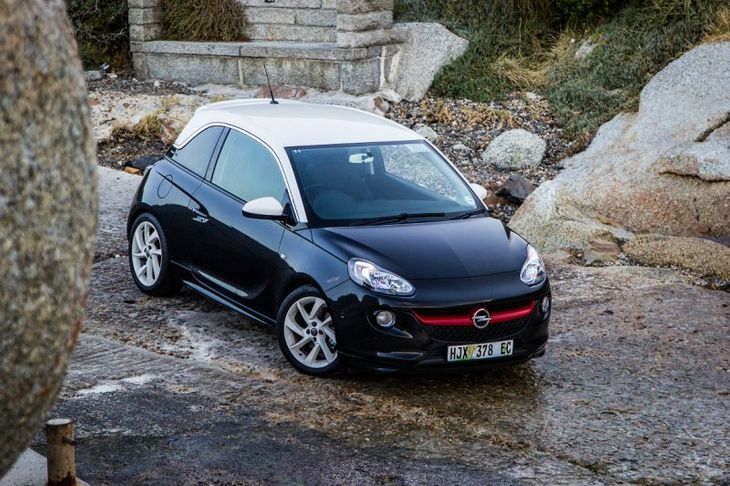
If you are looking for something more fashionable, the Opel Adam 1.0T Jam is a boutique city car that should be worthy of your attention. Priced at R248 662, the Adam Jam offers a total of 6 airbags as standard and comes fitted with a reverse-view camera, along with front and rear park distance control.
The 1.0-litre, 3-cylinder turbopetrol engine is a peach too and delivers punchy performance with 85 kW and 170 Nm of torque transferred through a 6-manual transmission. Fuel consumption is claimed at 5.1 L/100 km. Luggage space is rated at 170 litres, expanding to 484 litres with the rear seat bench folded down.
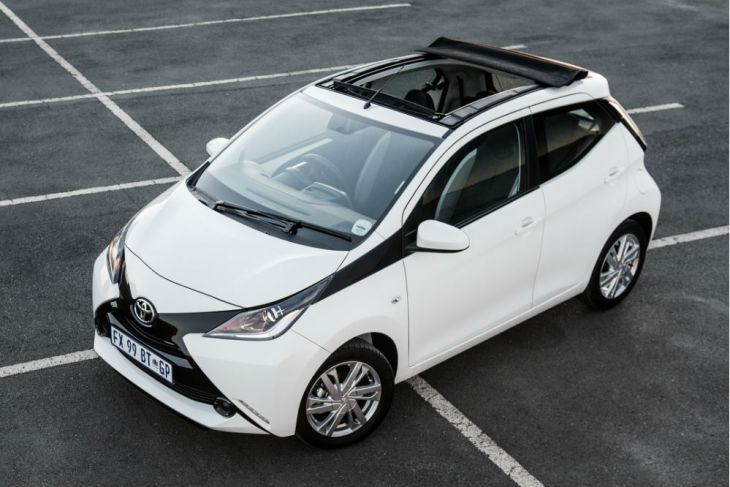
Toyota introduced the Aygo X-Cite to South Africa in 2017 and it comes fitted with a total of 6 airbags as standard along with electronic stability control and ABS. The Aygo X-Cite is also equipped with a retractable soft-top roof, giving it some added flair. Other notable features include 15-inch alloy wheels, a touchscreen infotainment system with Bluetooth and USB functionality, electric windows and electrically adjustable mirrors.
The Aygo X-Cite is powered by a 3-cylinder, 1.0-litre engine with 51 kW and 95 Nm. A 5-speed manual transmission drives the front wheels and Toyota claims an average fuel consumption figure of 4.4 L/100km. The Aygo X-Cite is priced from R193 100.
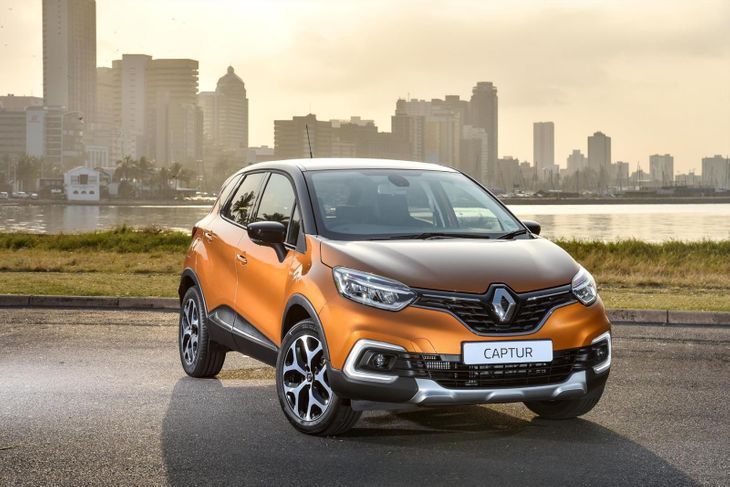
The entry-level Renault Captur Blaze is priced at R236 900 and is well equipped with features such as 4 airbags, stability control, ABS, cruise control, electric and heated side mirrors and an R&Go infotainment system with Bluetooth capability and 2 USB ports.
The Blaze employs the familiar 3-cylinder, 0.9-litre turbopetrol engine with 66 kW and 135 Nm of torque and mated to a 5-speed manual transmission with a claimed fuel consumption figure of 5.4 L/100km. Load volume capacity is rated at 377 litres which is expandable to 1 235 litres with the rear seats folded down.
Watch our video review of the facelifted Renault Captur below!
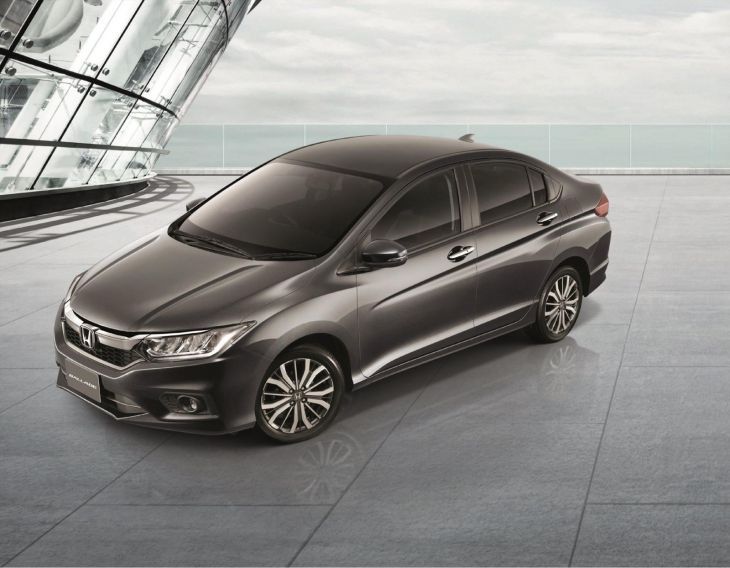
As an alternative to the Polo sedan or Toyota Corolla Quest, you can also consider the mid-range Honda Ballade Elegance manual priced at R241 800. The Ballade was updated in 2017 with a new look and improved interior feel. A total of 6 airbags are standard and features niceties such as alloy wheels, multifunction steering wheel, rear camera and cruise control. The boot is large, offering 536 litres of space.
A naturally aspirated 1.5-litre petrol engine producing 88 kW and 145 Nm of torque is found in the engine bay and Honda claims an average consumption figure of 5.9 L/100 km. A 5-speed manual transmission drives the front wheels.
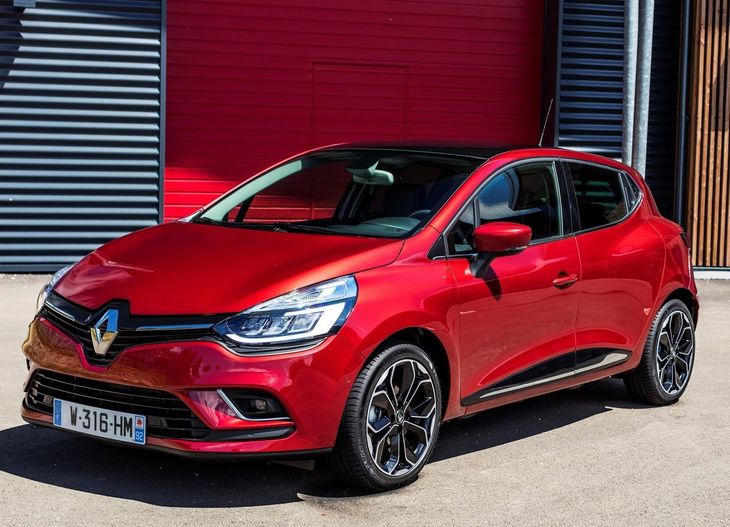
Renault’s popular Clio benefited from a facelift late in 2016 with exterior and interior updates. Powered by a 0.9-litre, 3-cylinder turbopetrol engine offering 66 kW and 140 Nm of torque, the Clio Dynamique is a well-sorted compact city car. A 5-speed manual transmission drives the front wheels and Renault claims a fuel consumption figure of 5.5 L/100 km.
The luggage bay is sizable at 300 litres, expanding to a useful 1 146 litres with the rear seats folded down. The Renault Clio 66 kW Turbo Dynamique is priced from R246 900. The Clio 66kW Turbo Dynamique was a finalist in the Compact Hatchback category of the Cars.co.za Consumer Awards — powered by WesBank.
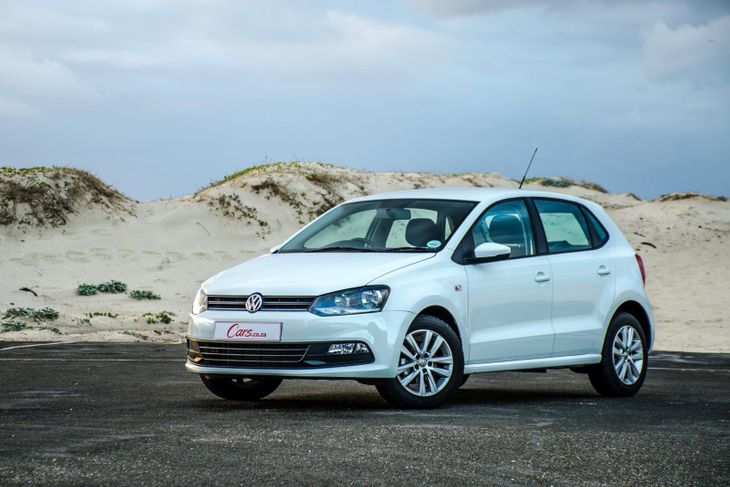
New for 2018 is the Volkswagen Polo Vivo. It essentially last year's Polo made to be a bit more budget-friendly and the good news is that the whole lineup comes in below R250k. The 1.6-litre Highline and turbocharged 1.0 TSI GT come with 2 airbags, stability control and alloy wheels. Cruise control is optional on all models but comes standard on the 1.0 TSI GT. Practicality-wise there's 280 litres of boot space and the rear seats fold down to offer up 952 litres.
The Polo Vivo range starts at R179 900 for the 1.4 Trendline hatch but to get decent standard spec you'll want to push to the 1.6 Highline at R214 900. The 1.0 TSI GT retails for R245 000.
Check out this video of the differences between an Old Polo and a New Polo Vivo
Fiat Panda
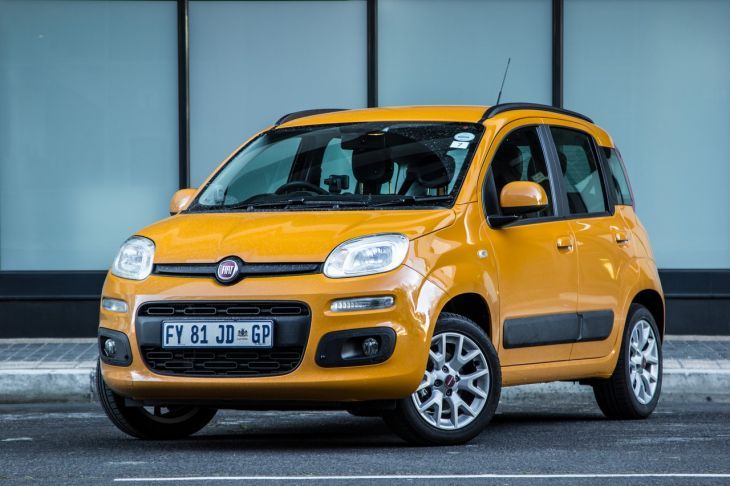
The quirky Fiat Panda made a comeback in 2017 with 4 derivatives on offer (including two 4×4 versions) and most of them are priced below the R250 000 cutoff. A 2-cylinder, 0.9-litre turbopetrol engine with outputs of either 63 kW or 66 kW on offer with 145 Nm of torque. The range starts with the Panda Easy at R199 900, the mid-spec Panda Lounge is priced at R214 900 and the higher-spec Panda 4×4 is priced from R245 900. A total of 4 airbags, ABS and stability control are fitted as standard.
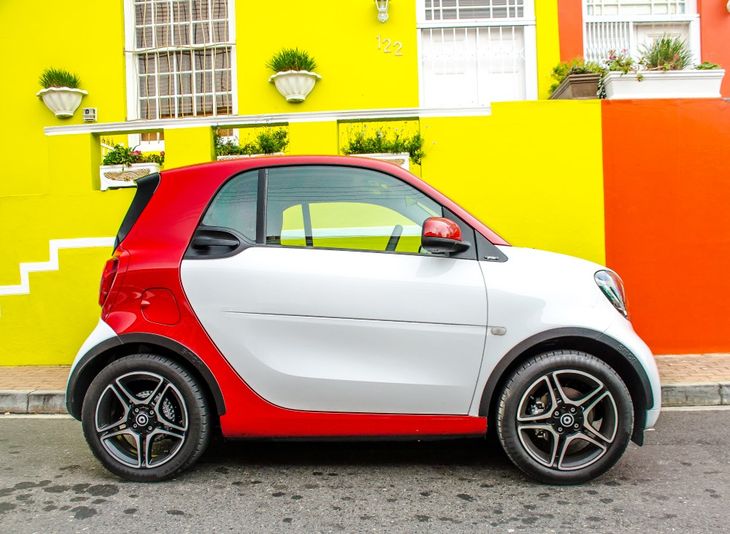
The Smart ForTwo and ForFour offer consumers something different. The new 3rd-generation Smart models were launched in South Africa in 2016 and seem perfectly suited to the urban commute. In Passion trim, the specification is adequate with a number of optional features on offer.
Both the ForTwo and ForFour Passion are powered by a 1.0-litre, 3-cylinder naturally-aspirated engine offering 52 kW and 91 Nm of torque. A 5-speed manual transmission is available for both derivatives while the ForFour Passion can also be had with a 6-speed automatic transmission. Pricing starts at R196 105 for the ForTwo Passion and R201 149 for the manual ForFour Passion. The automatic ForFour Passion is priced from R231 917.
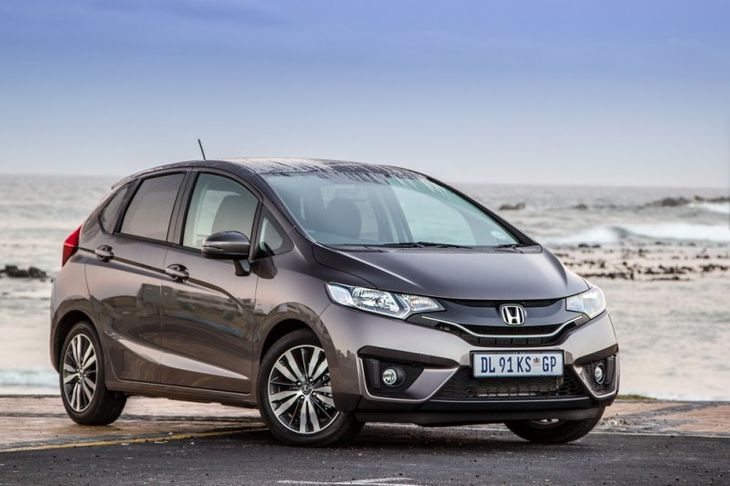
The Honda Jazz 1.2 Comfort was a finalist in the 2016/17 Compact Hatchback category of the Cars.co.za Consumer Awards – powered by WesBank and it’s a formidable offering in terms of space, practicality and reliability. The Jazz covers the basics in terms of features, but nice-to-have navigation and cruise control are not offered. Six airbags are standard, however.
A naturally aspirated 1.2-litre engine (with outputs of 66 kW and 110 Nm) is mated with a 5-speed manual transmission and the claimed fuel consumption figure is 5.6 L/100 km. In terms of space, there’s plenty, with a loading bay offering 363 litres expanding to a generous 1 881 litres with the rear seats folded down. The Honda Jazz 1.2 Comfort is priced from R243 500.
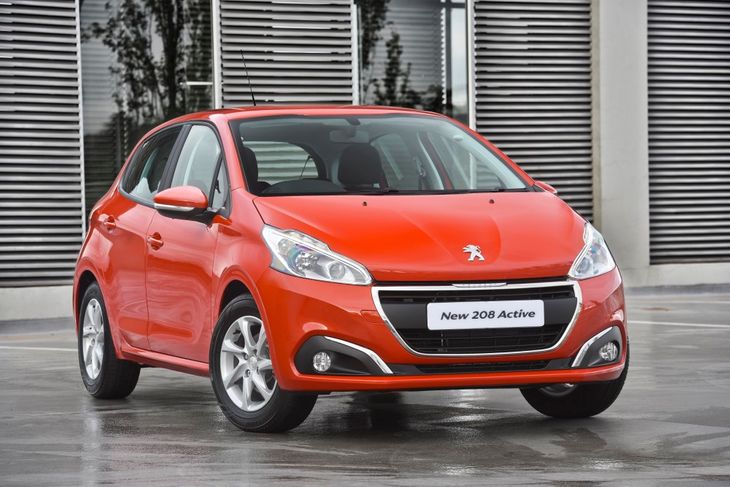
The Peugeot 208 Active is not as popular as some of the other cars on this list, but it’s a decent offering nonetheless with a reasonable level of specification. Cruise control is one of the stand-out standard features and the luggage bay offers 311 litres of space, expanding to 1 152 litres with the rear seats down.
The 208 Active is powered by a 1.2-litre, 3-cylinder petrol engine with 60 kW and 118 Nm of torque. A 5-speed manual gearbox put those numbers to the tar with a claimed fuel consumption figure of 4.3 L/100 km. The Peugeot 208 Active is priced from R224 900.
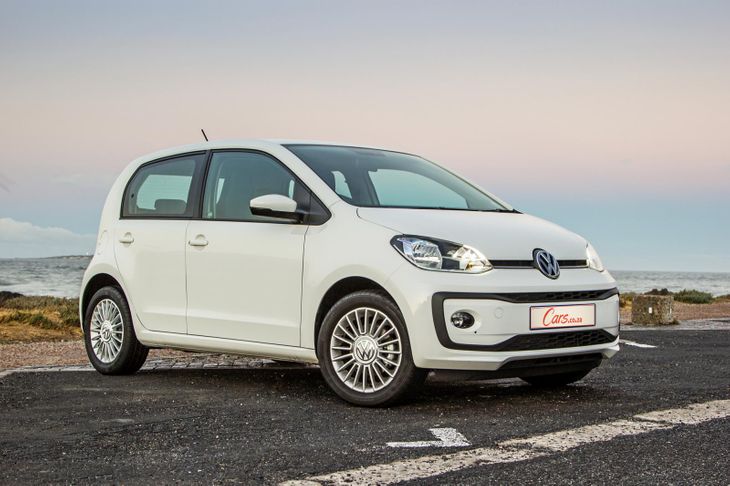
The Up! has been popular locally and there is an Up! to suit a variety of tastes. The Move Up!, priced from R185 100, is basic, but you can spec it (up!) with features such as park distance control, cruise control, alloy wheels and heated front seats. If you love music, you may want to consider the Up! Beats priced from R201 500, featuring a banging 300W BeatsAudio sound system. Alternatively, you can also consider the Cross Up! priced at R201 500.
All Up! models are powered by a 3-cylinder 1.0-litre petrol engine with 55 kW and 95 Nm of torque driving the front wheels through a 5-speed manual transmission. Claimed fuel consumption is 4.6 L/100 km. Luggage space is rated at 251 litres and 959 litres with the rear bench folded down.
Buying a car doesn’t only involve raising the capital to purchase it, there is another major cost to consider – monthly car insurance premiums. Finding the right insurance for you can seem like a monumental task, but it is worth the effort because as much as you don't want to risk driving around in an un- or underinsured car, you shouldn't have to pay for extra coverage you don’t really need.
First, let’s find out what the different types of insurance are that you can choose from. Bear in mind that every insurance company offers something slightly different under these same umbrellas.
Comprehensive Insurance
This includes accidental loss or damage to a vehicle – think an accident, theft or if you live in Gauteng, a damaging hail storm. Even if you are the cause of an accident, this policy will insure both you and the third party involved.
Limited
Just as the name suggests, this option is limited to loss or damage due to fire and theft. It also covers you against third party claims, in cases where you are the cause of the accident and you’re legally liable for the damage to the other person’s car.
Third-party Insurance
This is a basic type of insurance that will cover you if you cause an accident and you are liable to pay for the damage to another person’s vehicle.
With these options in mind, here are a few things to consider when shopping for car insurance.
Do your homework
This is probably the most important piece of advice when shopping for anything really, but especially when it comes to car insurance. Many people end up overpaying because they're convinced to purchase more insurance coverage than they actually need.
Research the companies that you are considering. Contact the South African Insurance Association (SAIA) to inquire whether the insurer is in fact licenced.
Read ALL the fine print before you sign anything. If you don’t understand something, ask for a comprehensive explanation. Ask friends and family members you trust if there are still things you do not understand.
Low can mean high
Beware of an almost unbelievably low premium, because this usually equates to a very high excess (the deposit you pay when a claim gets paid out by your insurer). Find out exactly what your excess will be and make sure you would actually be able to afford it. And, be sure to check for any additional costs you might be required to cover in the event that you put in a claim. If you are not risk averse, you can, of course, opt for a higher excess to decrease your monthly insurance payments.
Be sure to ask about implications of someone else driving your car, you need to stipulate an extra driver in an insurance policy to ensure you are covered if something were to happen while they are driving your vehicle.
Find out just how easy (or difficult) the insurance company’s claim process is. Read reviews online of other people’s experiences – this should give you an idea of just how good, average or bad a company you're dealing with.
Be sensible, but economical
If things sound too good to be true, they usually are. Shop around with legitimate insurance companies and get the deal that is right for you.
Before settling on one company, get a few quotes and compare them. Then go back to the ones you are interested in and ask if you are eligible for a discount if you combine household insurance with a vehicle policy.
Ask if there are any optional covers on your policy that can be removed to lower your premium. Find out if the company offers any value-added benefits that will assist you in the case of an emergency or when you need to get around without a car of your own for a while. Find out how flexible the policy is: are you able to change it at any time… does the insurer offer any rewards for good driving behaviour or claim-free years?
Find out what will lower your premium rates. Things such as safety features on your car, your age, your address, your driving habits, if your car is parked securely at night, and cars that are considered a low theft risk.
And be wary of policy sliding, which is what happens when agents attempt to slip additional policy coverage into your package without your knowledge or approval, it increases your rates significantly.
Don't get scammed
There are loads of scams out there. Here are a few examples below:
Low-ball offers
If your vehicle is written off, your policy may cover a replacement or the cash value of an equivalent car. Low-balling is when car insurance providers offer a deceptive bid by understating the car’s condition with imaginary complaints or they estimate the value of your car by using a “comparable” vehicle with higher mileage. Be sure to keep copies of all your scheduled services to prove your current mileage.
Ghost agencies
These are fake insurance agents who offer unrealistic deals. Again, check with the SAIA before signing anything or handing over any money.
Renewal hike prices
A really tempting introductory offer may be followed by a price-hike and little to no explanation as to why such an increase in your premium is warranted. Remember to read the fine print! It may all sound very complicated and laborious, but you don’t want to end up in a bad situation that could have been prevented if you had just done a little bit of research.
Don't underinsure
This might contradict everything written above, but not everyone is actually out to scam you. But one thing you need to know is what your car is actually insured for because you don’t want to end up being underinsured. What is the difference between retail, market value and trade-in?
Retail value
The retail value is what your car's asking price would be if you to buy it from a dealership. The retail price is usually the closest value to the replacement cost of the car.
Trade-in
The trade or book value of a motor vehicle represents the average price that a dealership would pay for your car given its specification and condition.
Market value
The market value of a car is almost always lower than the retail value and takes into account a number of variables, including mileage, vehicle condition, service history and accident reports. If you were to sell your car privately, the market value would be the price that you could likely sell it for.
So, which should you choose? Many insurance companies recommend that clients insure their cars for its replacement value. In the case of older cars, this would amount to the retail value. However, in a total loss scenario where your car is either stolen or written off, it is not often that you will receive a sum of money that will allow you to purchase the exact same car you had. This is due to the fact that vehicle prices are constantly changing and don't forget the excess you will be responsible for.
Consider that retail value is greater than market value, which is greater than trade-in value and as a result, your premium can be higher or lower. Be sure to chat with your insurer about which will be best suited to your car and to your budget. You don’t want to be left with little to no money in the event your car is stolen or written off.
Yearly check-in
This is the last piece of advice we have regarding the insurance process, but it is an important one. Don't let your policy blindly roll over when the renewal date arrives.
Every year you need to check in with your insurance provider and make amendments to your policy that fit your current situation. Cars devalue in price so if you have insured your car for a retail value, then that should be altered each year, as the car will have depreciated.
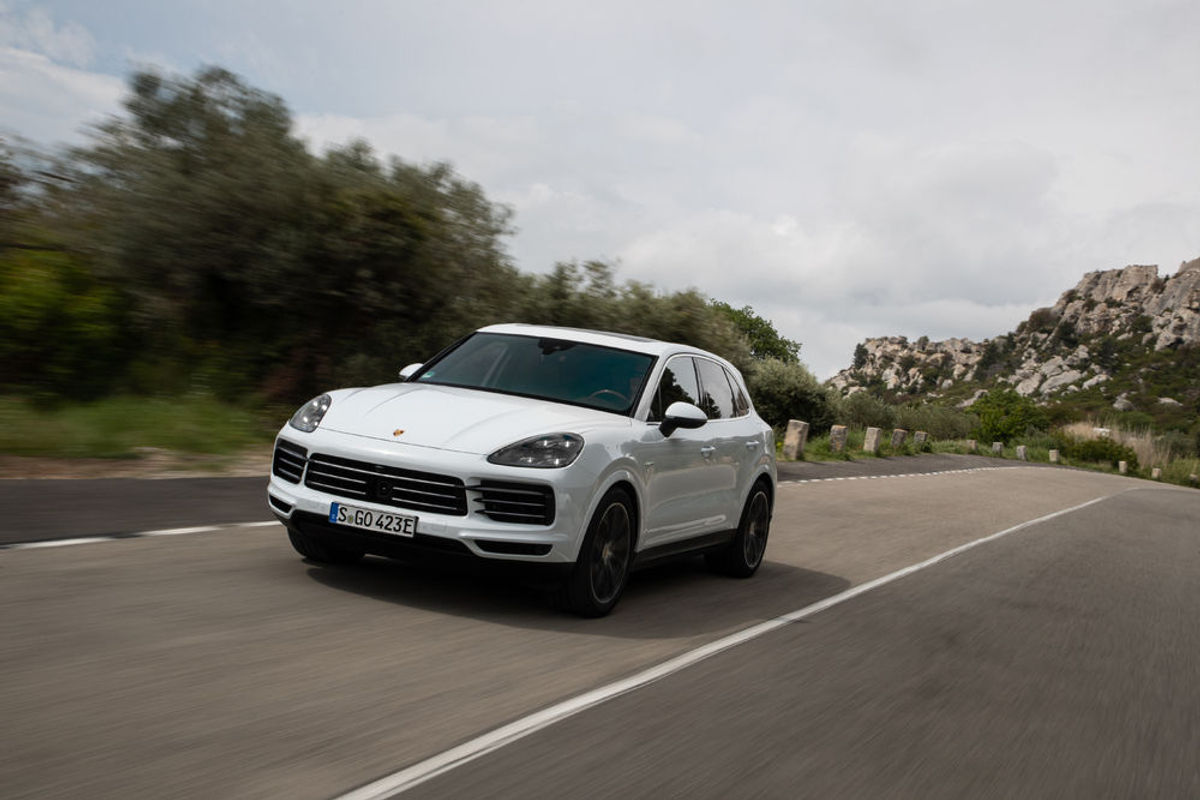
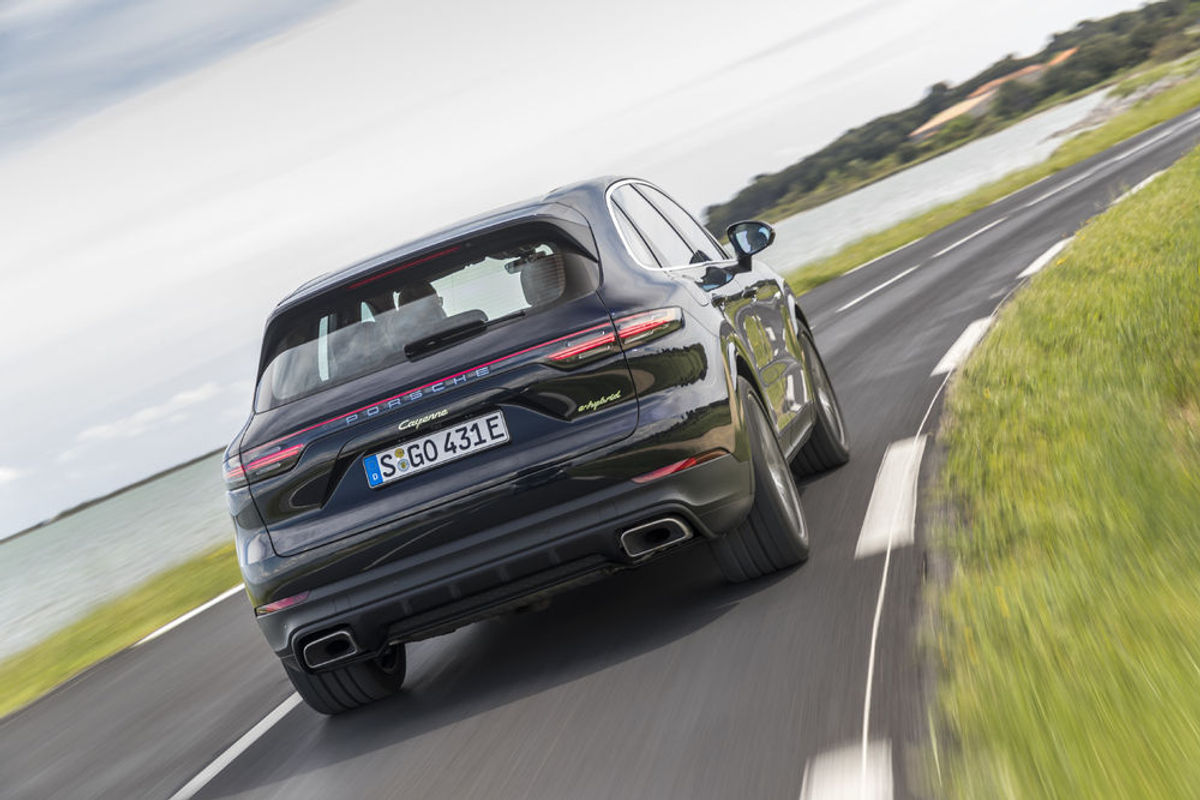
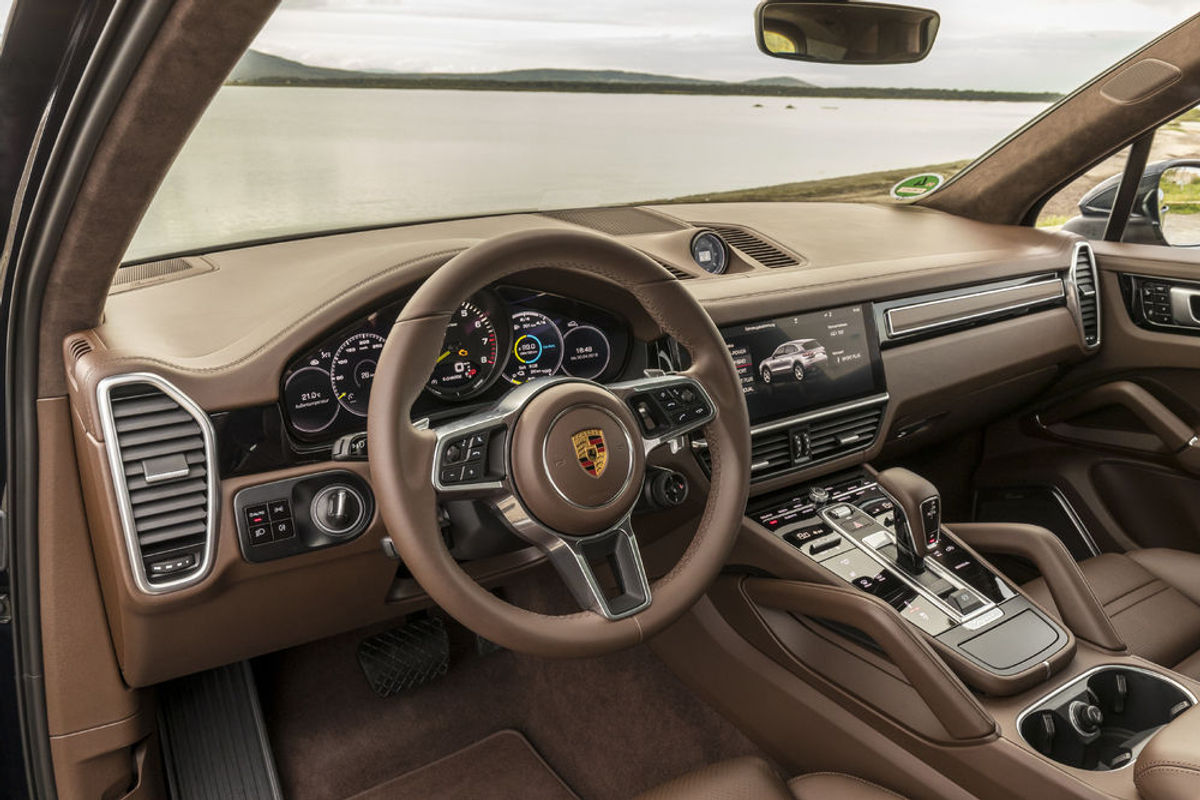
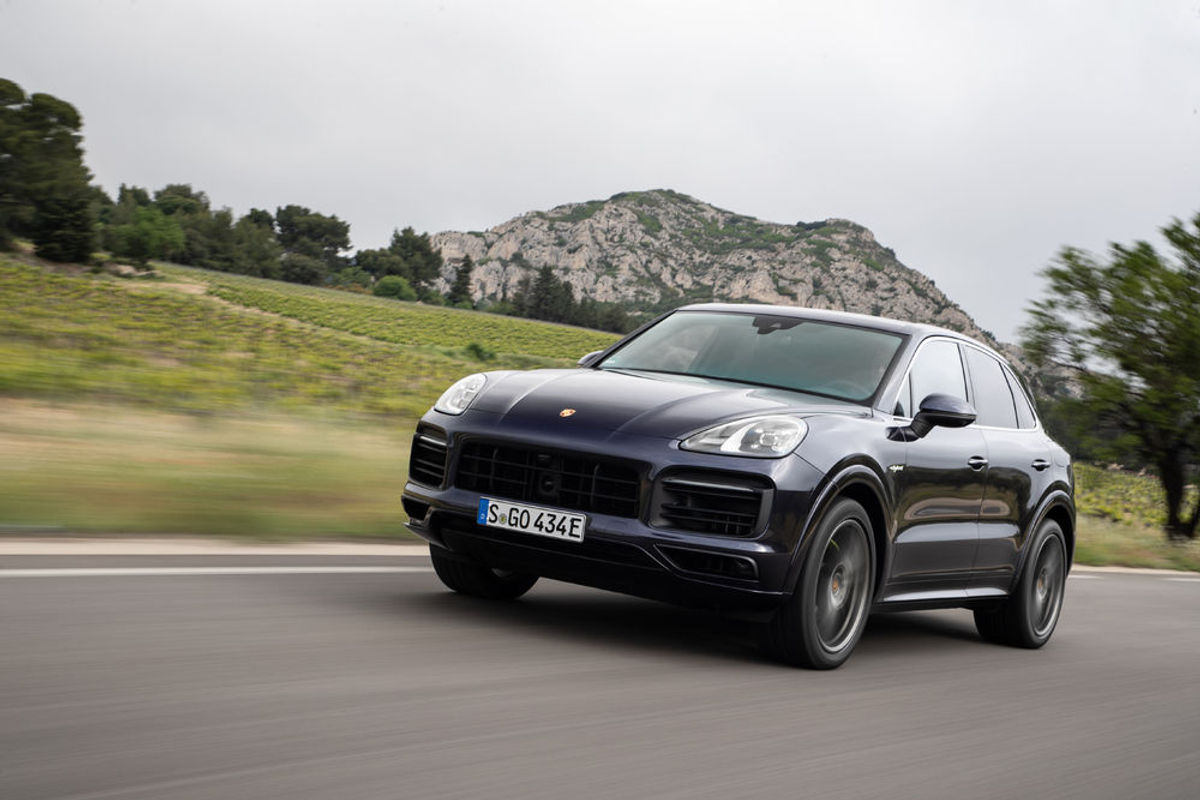
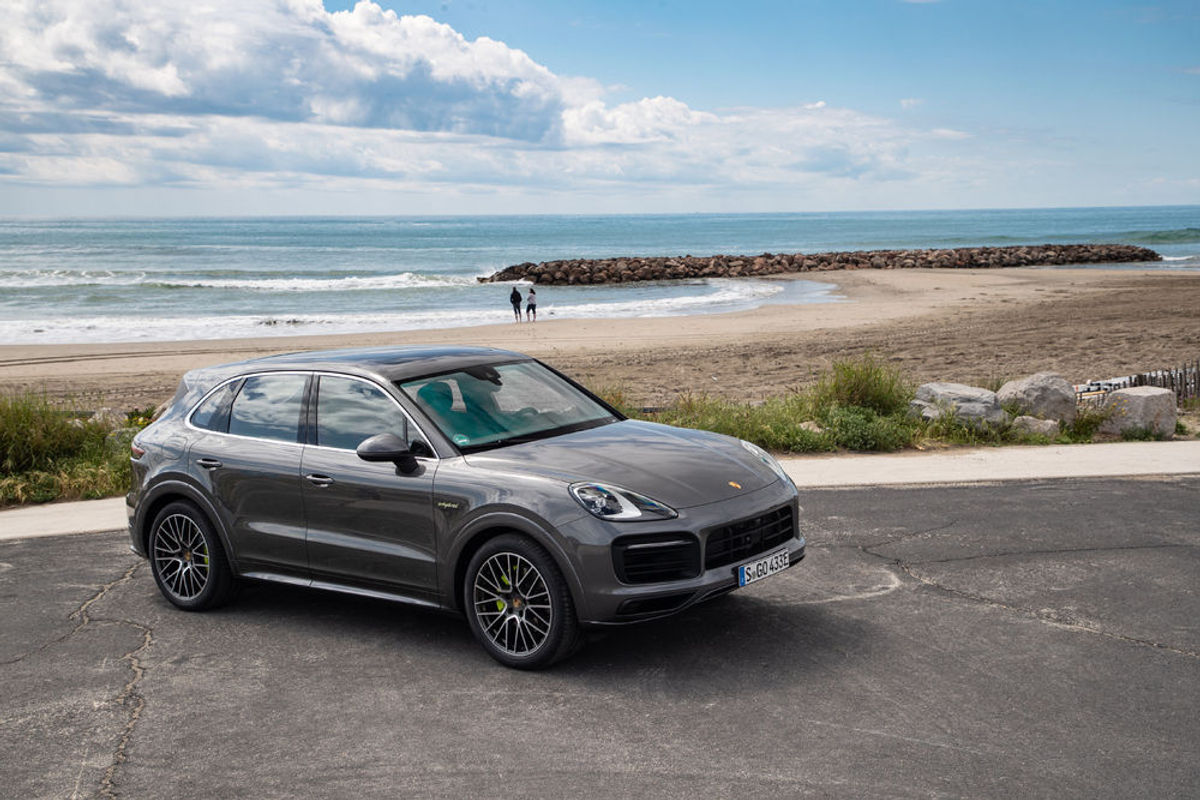
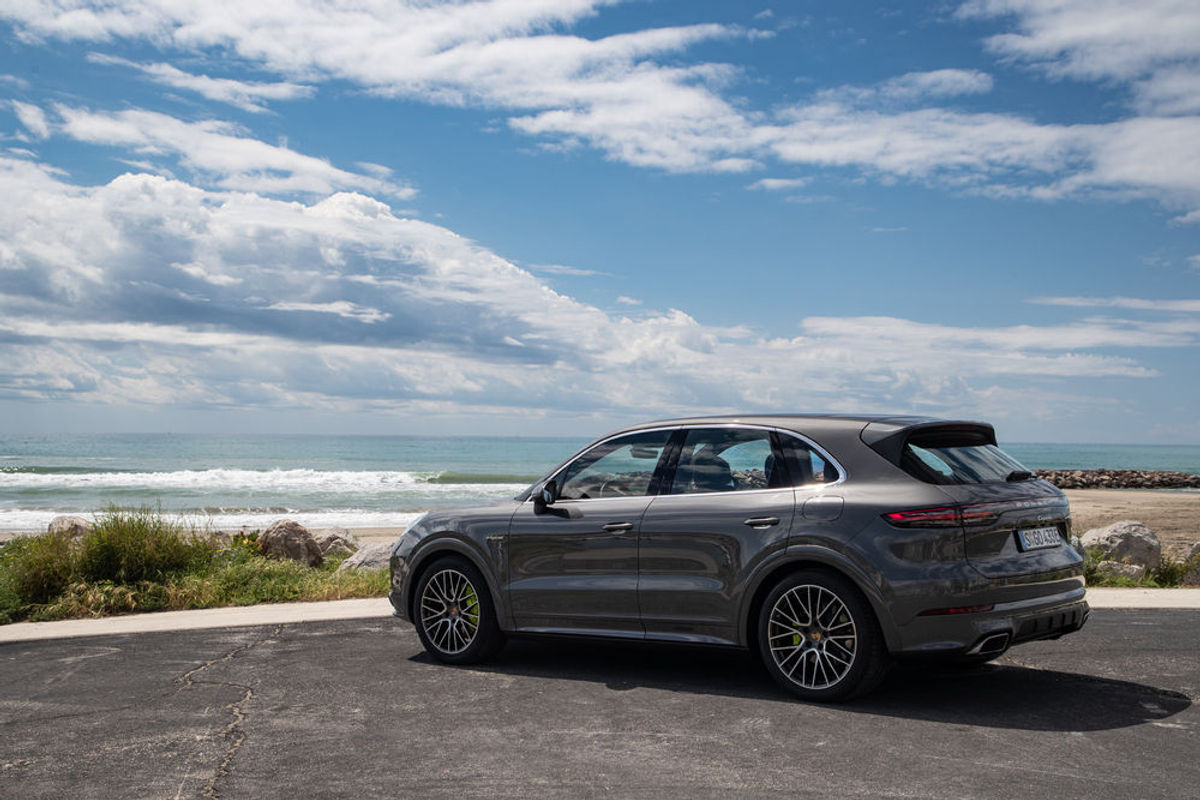
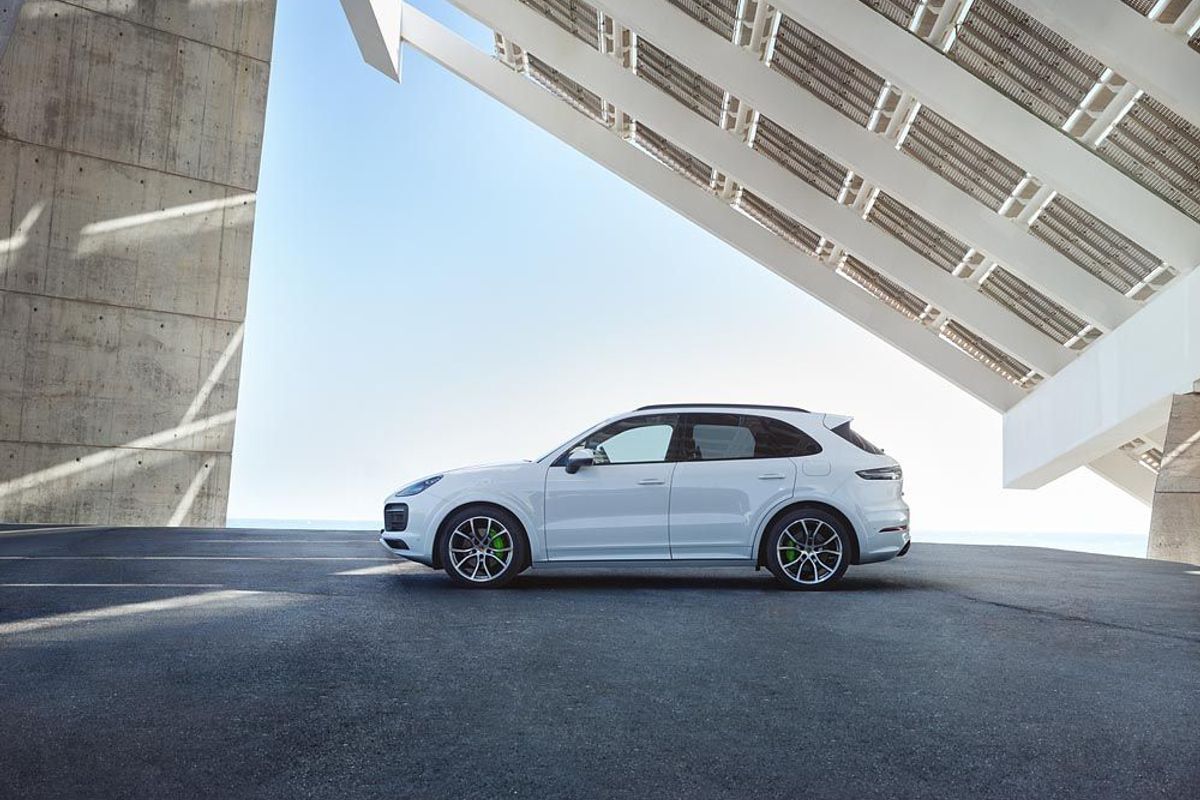
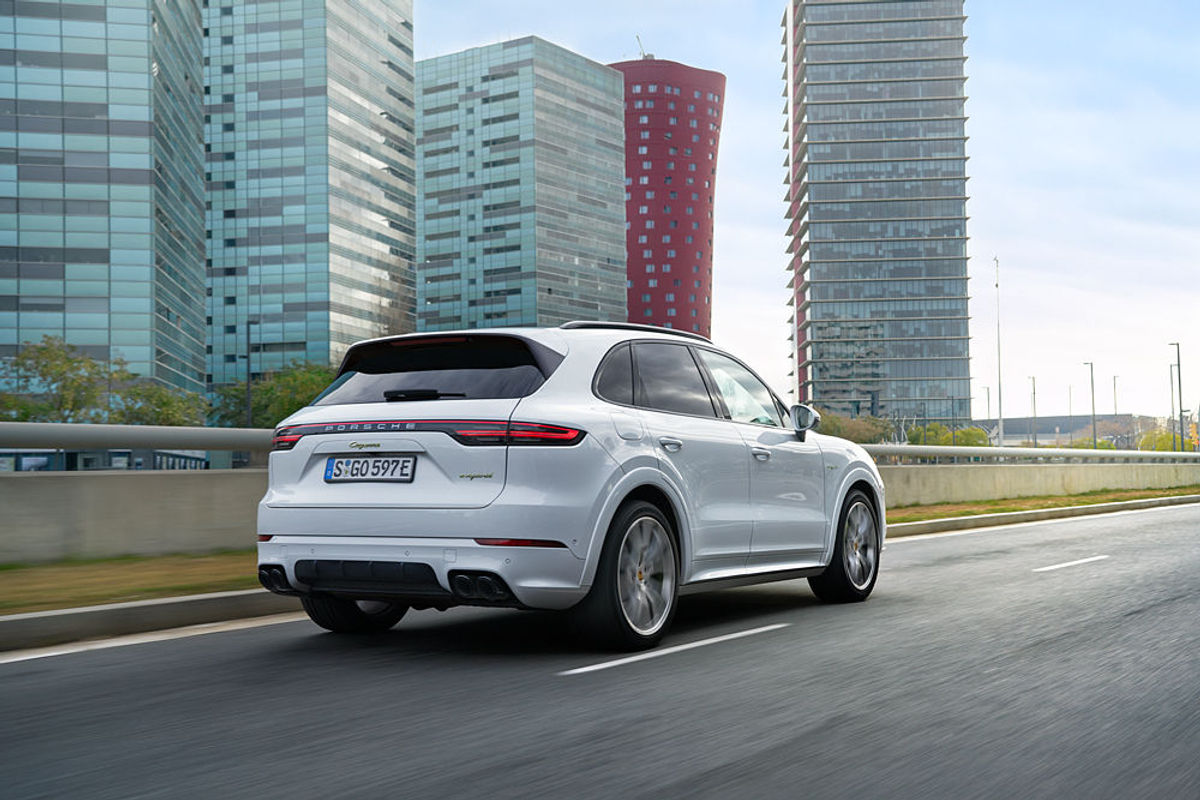
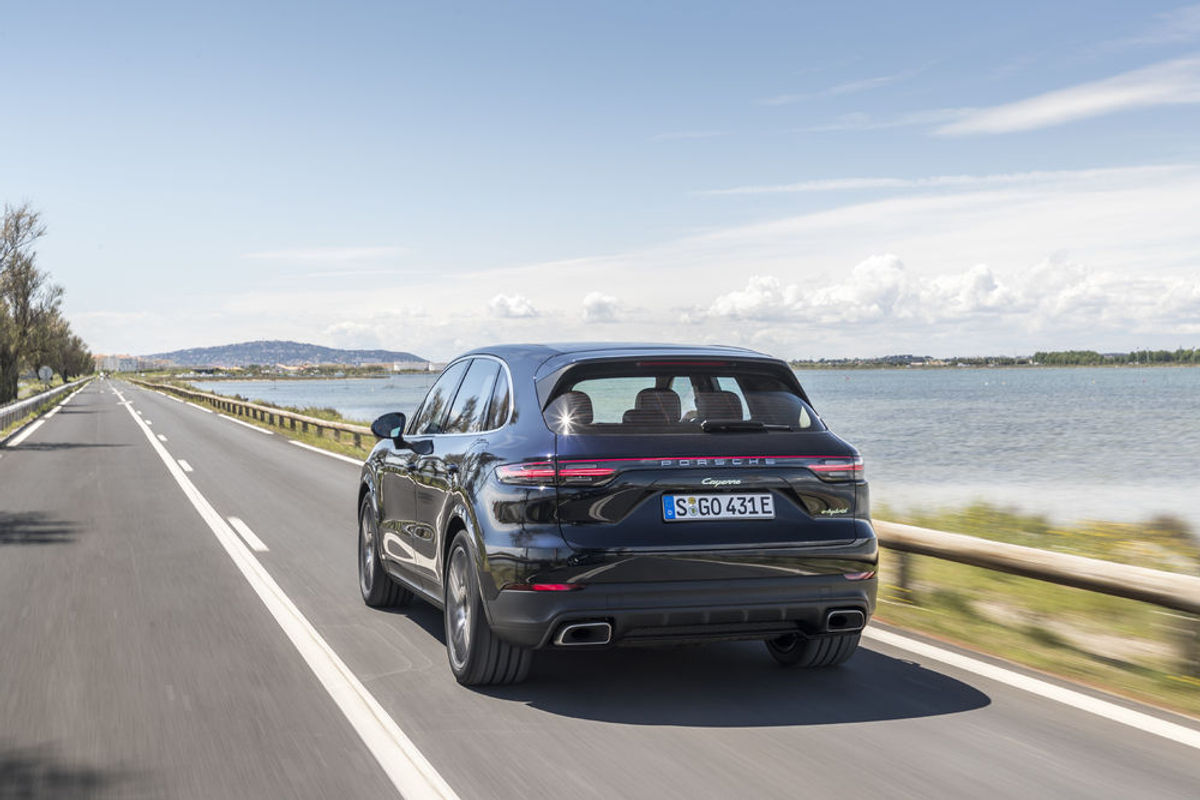
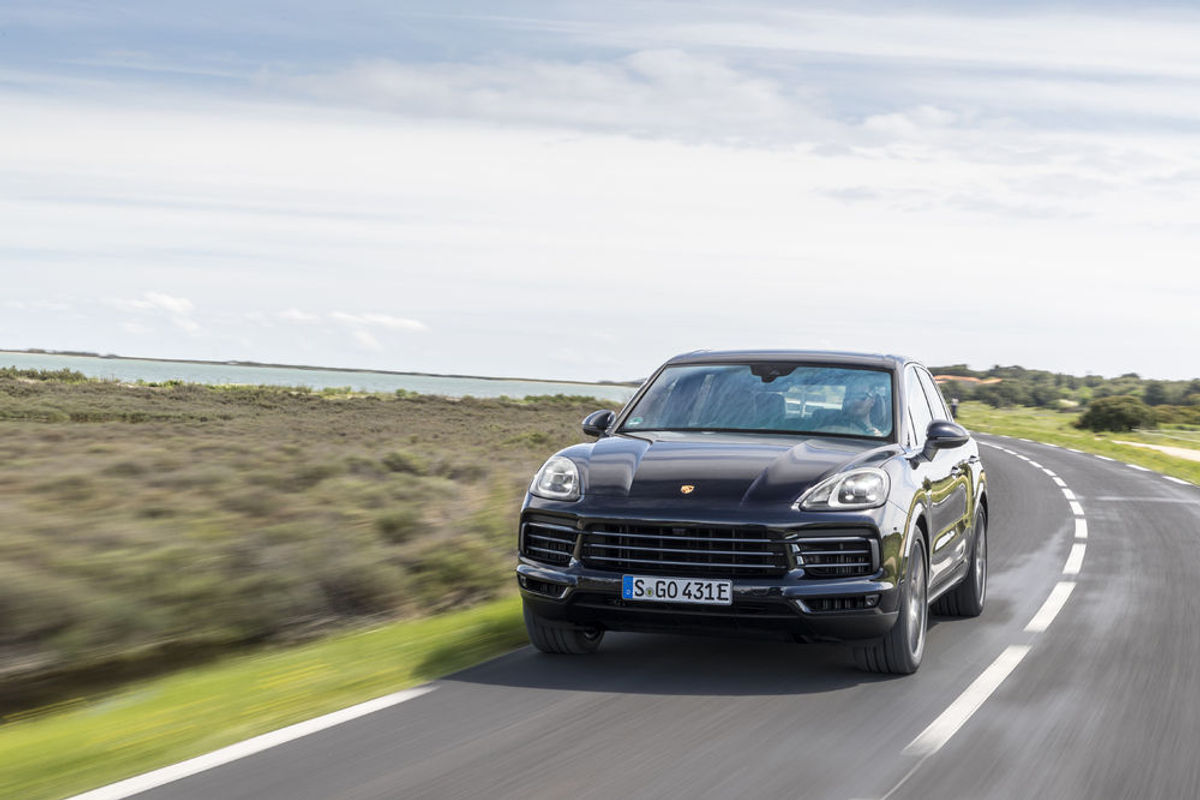
Porsche continues to improve its hybrid offering. For the new Cayenne, the capabilities of the new electric power unit are dramatically improved.
Porsche has been developing hybrid tech for some time now. The previous generation Cayenne and Panamera both shared parts for hybrid models that promised all-electric modes as well as combining with turbopetrol powerplants to deliver maximum performance.
The new Cayenne e-Hybrid uses the same 3.0-litre V6 turbopetrol engine that delivers 5 kW more to make a total of 250 kW. The electric motor has vastly improved from the predecessor by some 43% and offers 100 kW of additional power. The sum total amounts to 340 kW and 700 Nm of torque.
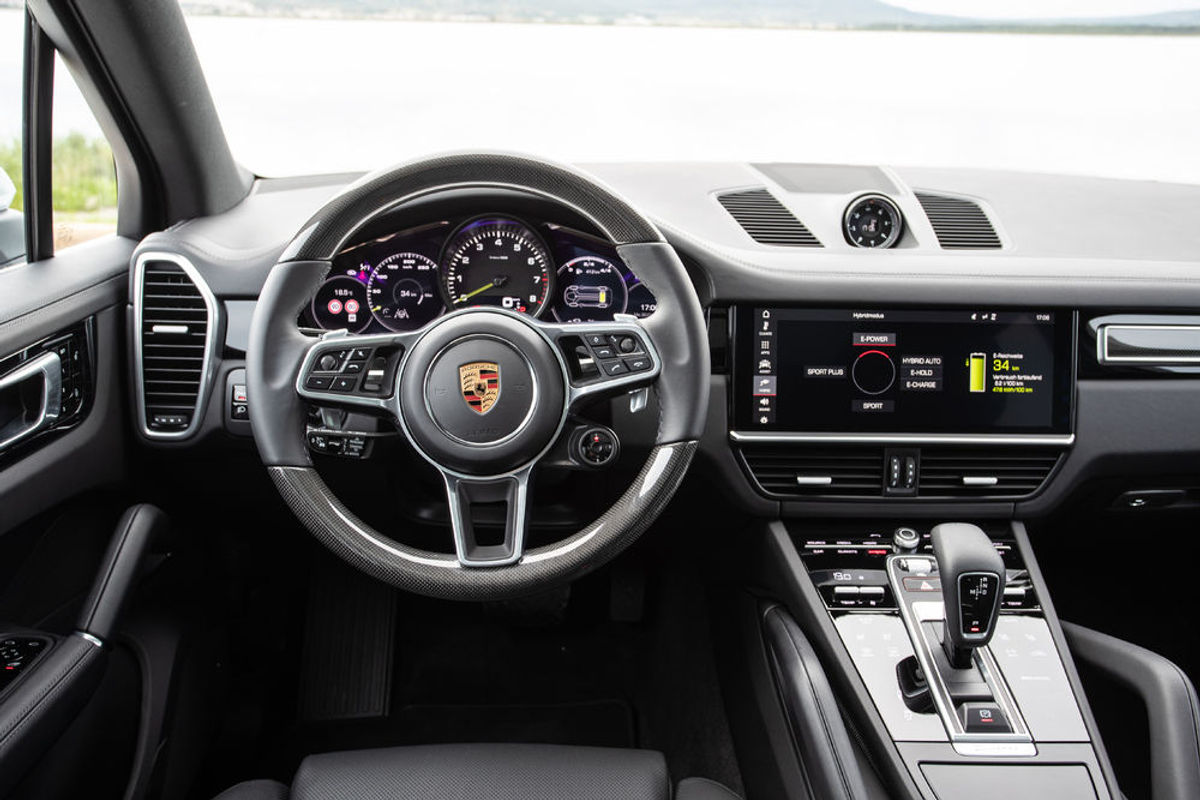
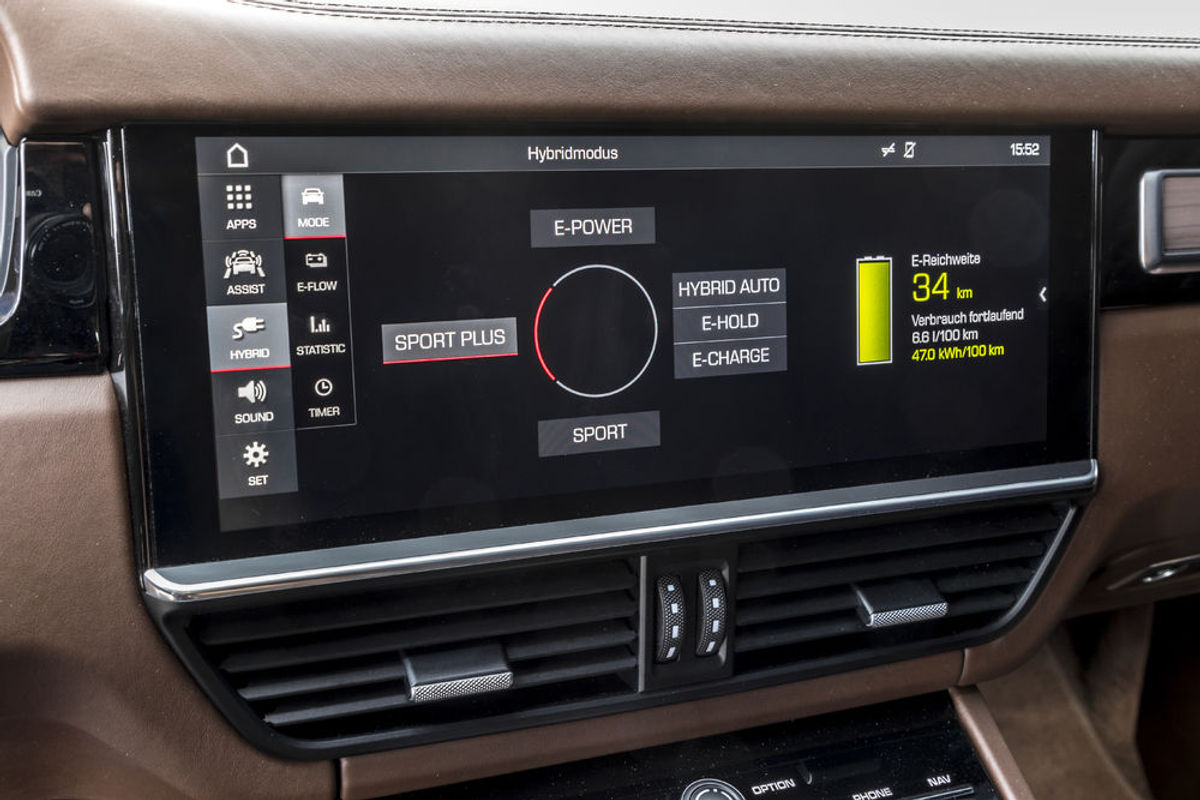
Zero to 100 kph is dealt with in 5.0 seconds at it will run on to a top speed of 253 kph. There are 4 driving modes to choose from that deliver very different levels of performance and power from the battery-powered electric motor. E-Power, Hybrid Auto, Sport and Sport Plus work in ascending order in delivering maximum power. The Cayenne e-Hybrid has placed a major emphasis on sportiness hence the standard spec now includes the Sport Chrono package.
The hybrid system has been sufficiently improved that the range in pure electric mode has increased from 30 km to 44 km and it can maintain a top speed of 135 kph in pure electric mode. The plug-in charging system includes a new connection that's easier to use. The key shows the current status via an LED and allows the driver to switch between timed and immediate charging at the touch of a button. The timer can be programmed for time-shifted charging via the Porsche Connect app. Charging times themselves vary depending on the onboard charger and electricity source.
Porsche South Africa has confirmed that the Cayenne e-Hybrid will be arriving in SA before the end of 2018. Porsche owners will have the option of charging their Cayenne either at home or at Porsche centres around the country.
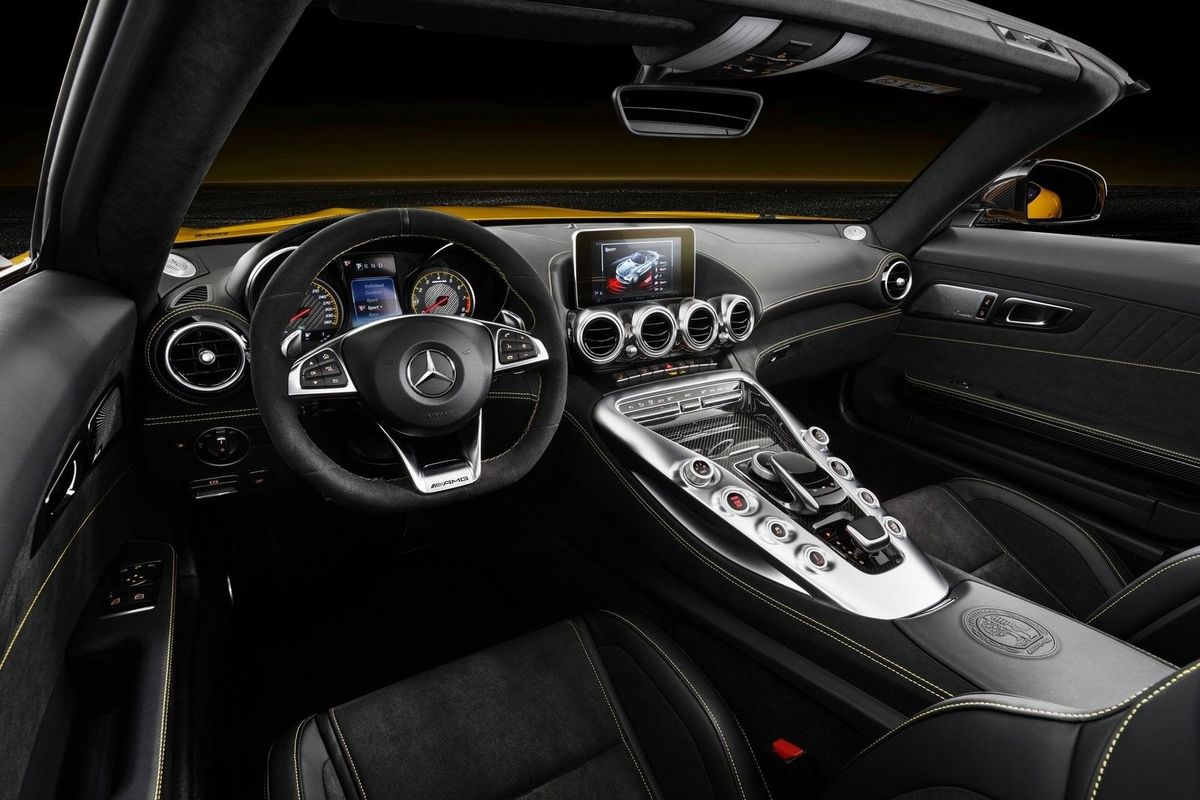
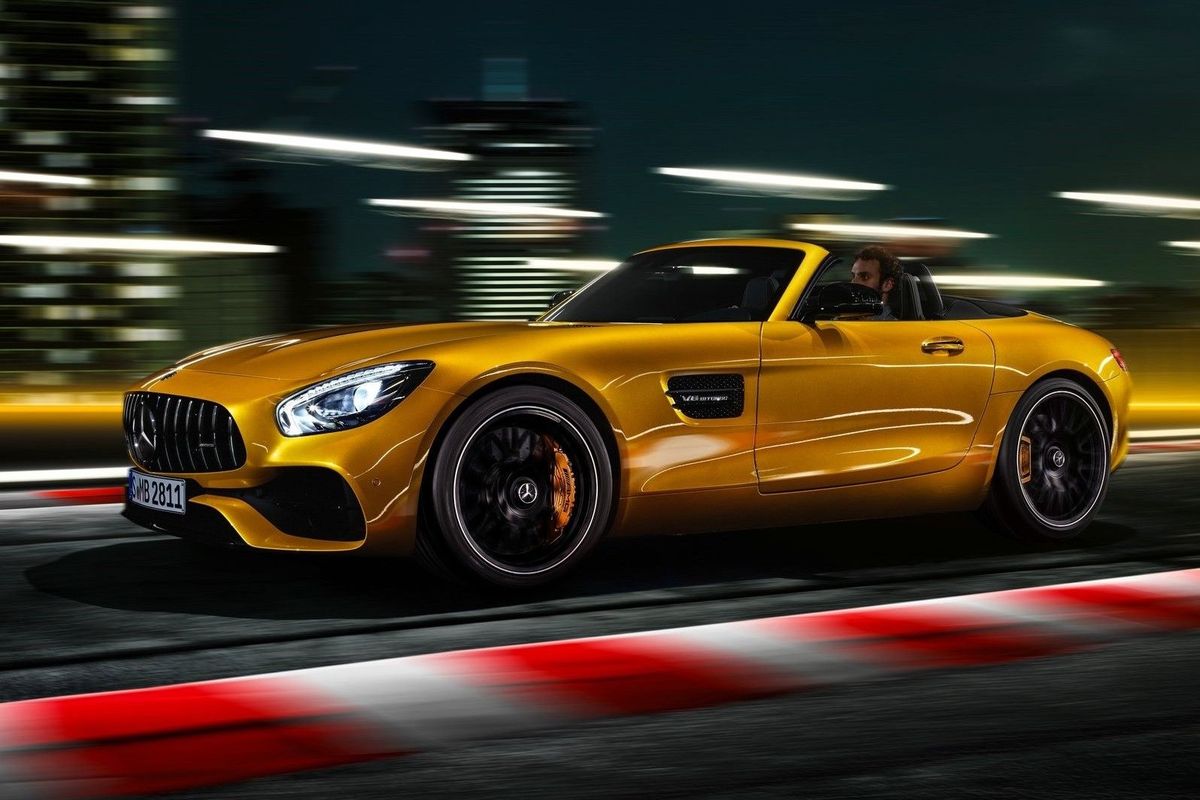
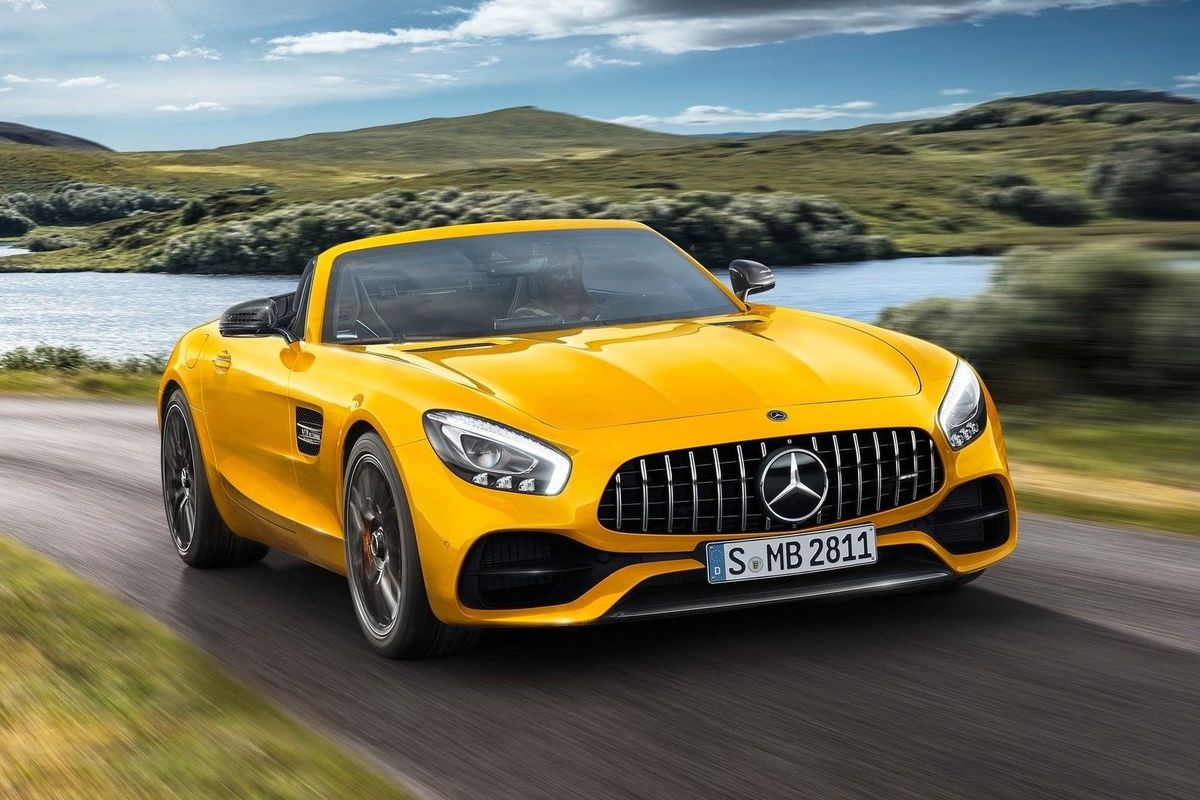
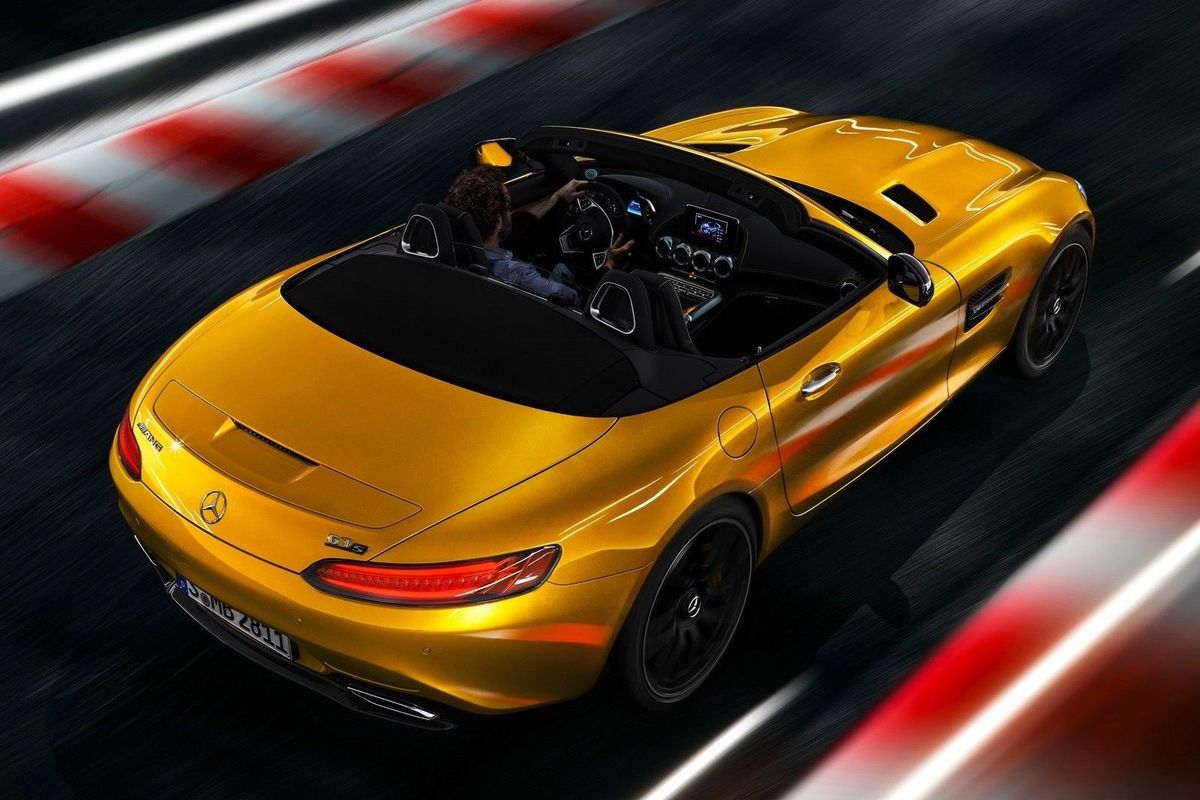
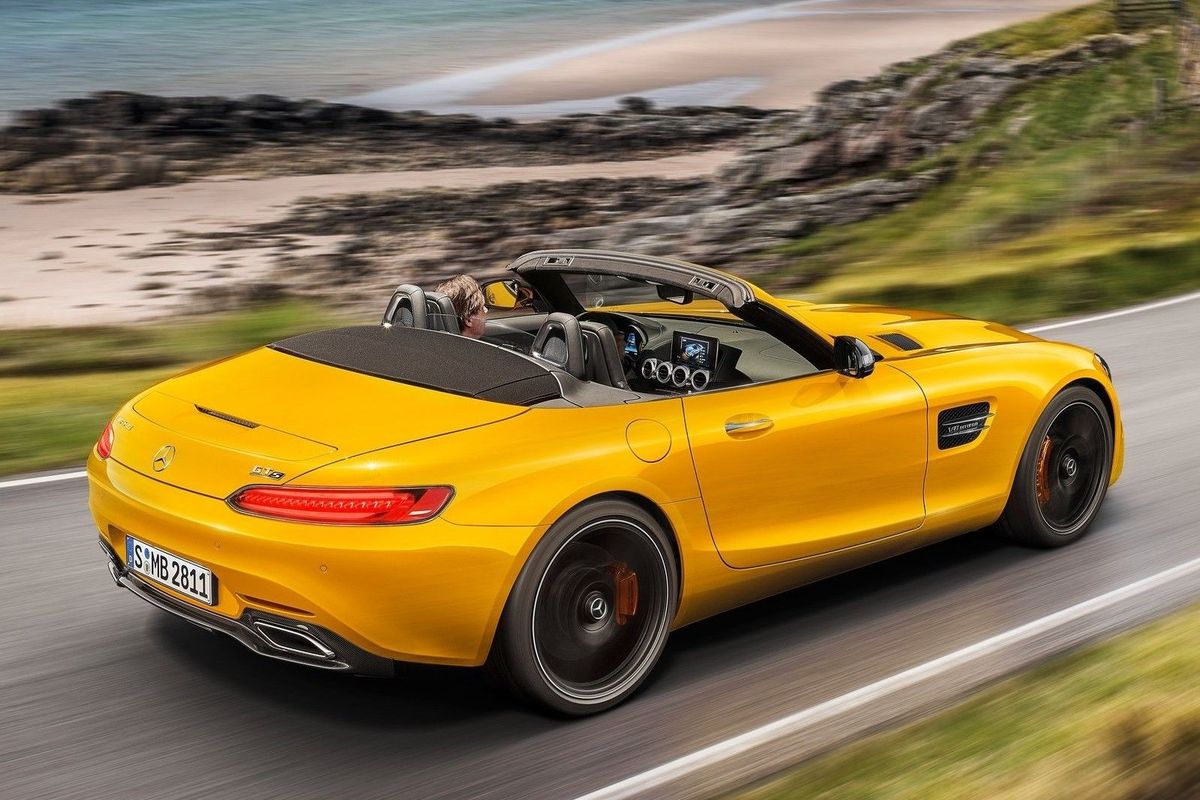
Mercedes-AMG has expanded its GT convertible portfolio with a new GT S derivative. Herewith some details.
The Mercedes-AMG GT family has grown considerably and now comprises four two-door coupés, three roadsters, two customer sports racing cars and three four-door coupés. This new GT S Roadster slots between the baby AMG GT Roadster and the potent AMG GT C Roadster. In comparison to the entry-level roadster, the GT S feaatures uprated performance, suspension, brakes and trim.
"With the AMG GT S Roadster, our AMG GT family has gained another exceptionally sporty member that combines high driving dynamics with an emotional open-air experience," says Tobias Moers, Chairman of Mercedes-AMG GmbH. "The new model represents the perfect alternative for the performance-oriented AMG GT Roadster customer."
Under that long bonnet is the potent 4.0-litre biturbo V8 motor, but in GT S application, outputs are ramped up to 384 kW and 670 Nm, with all that shove available from 1 900 rpm. If you bury the throttle from standstill, Mercedes-AMG claims you'll blitz to 100 kph in 3.8 seconds and max out at 308 kph. Power goes to the rear wheels via a 7-speed AMG Speedshift DCT 'box. The AMG GT S rides on 19-inch 10-spoke alloy wheels, wrapped in 255/35 R 19 and 295/35 R 19 at the front and rear respectively.
Adaptive damping is fitted as standard, as is an electronically controlled differential. In terms of stopping power, you can opt for ceramic brakes, but the standard AMG composite units should be plenty if you're not taking your AMG GT S to the track. In the cabin, the AMG GT S Roadster features the AMG Silver Chrome Interior package as standard, giving the interior an upmarket finish.
Mercedes-AMG says the new GT S Roadster is available to order right now, with a market launch in July 2018.
Ford showcases new reverse camera technology [Video]
Statistics have shown that reversing is one of the most stressful and hazardous parts of everyday motoring. Ford claims to have helped improve things by showing off a new reverse camera system, which claims to show drivers what's around the corner.
The new Ford Focus is expected to make landfall in South Africa towards the end of the year and some of the technology that debuts in this car is quite futuristic. In response to the theory that reversing is one of the most stressful and hazardous parts of driving, the Blue Oval has come up with a solution to make things easier. It's a reverse camera offers 180-degrees of vision and it's linked to the car's autonomous systems, which, if the driver fails to react, will automatically brake the car.
“We know that for nearly all our customers, reversing is a crucial part of their daily drive – and one that some of them really don’t enjoy”, said Ford’s chief program engineer for the Focus, Glen Goold. “This little camera is helping us to make a big step forward in making it easier to go backwards.”
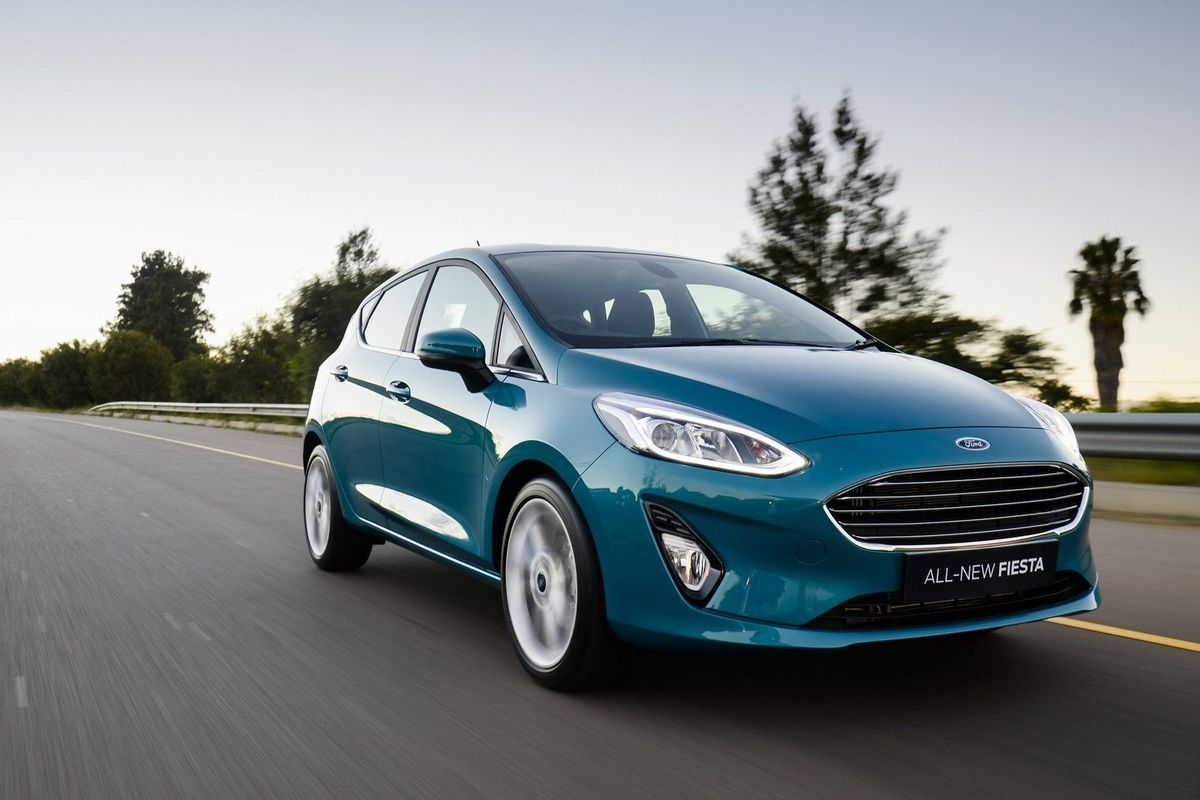
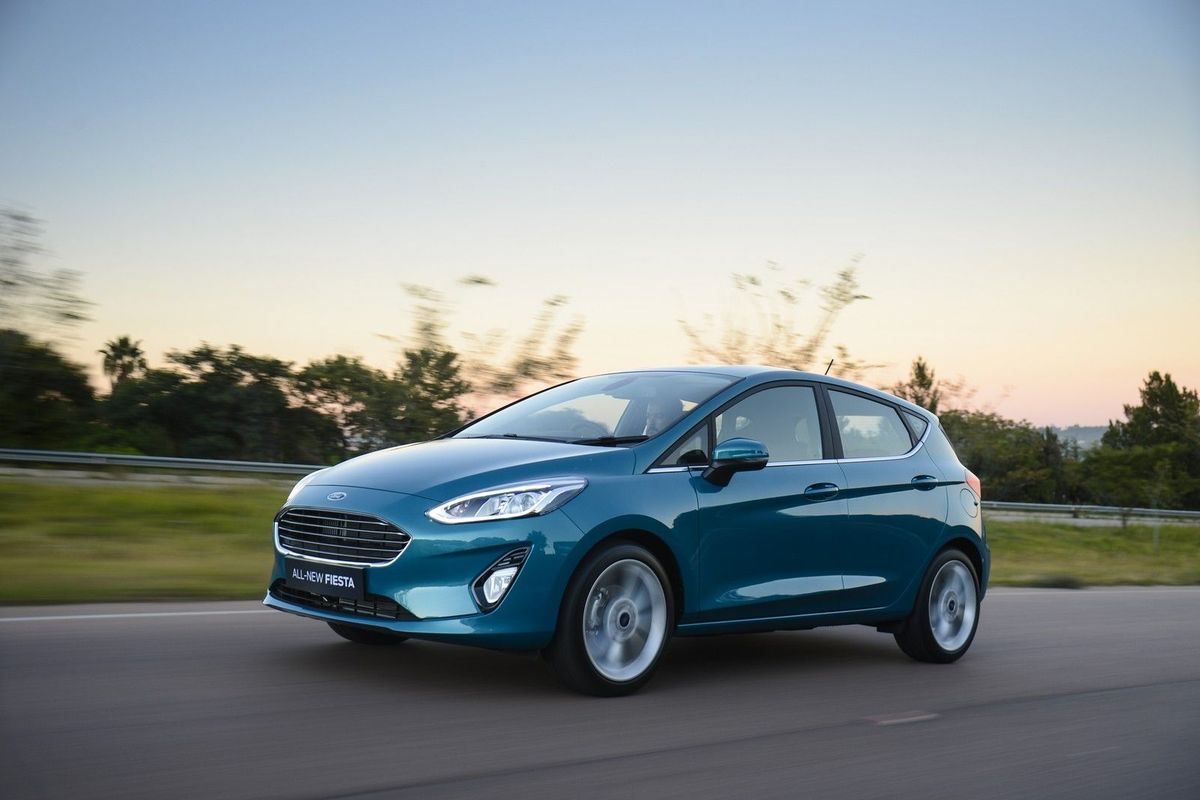
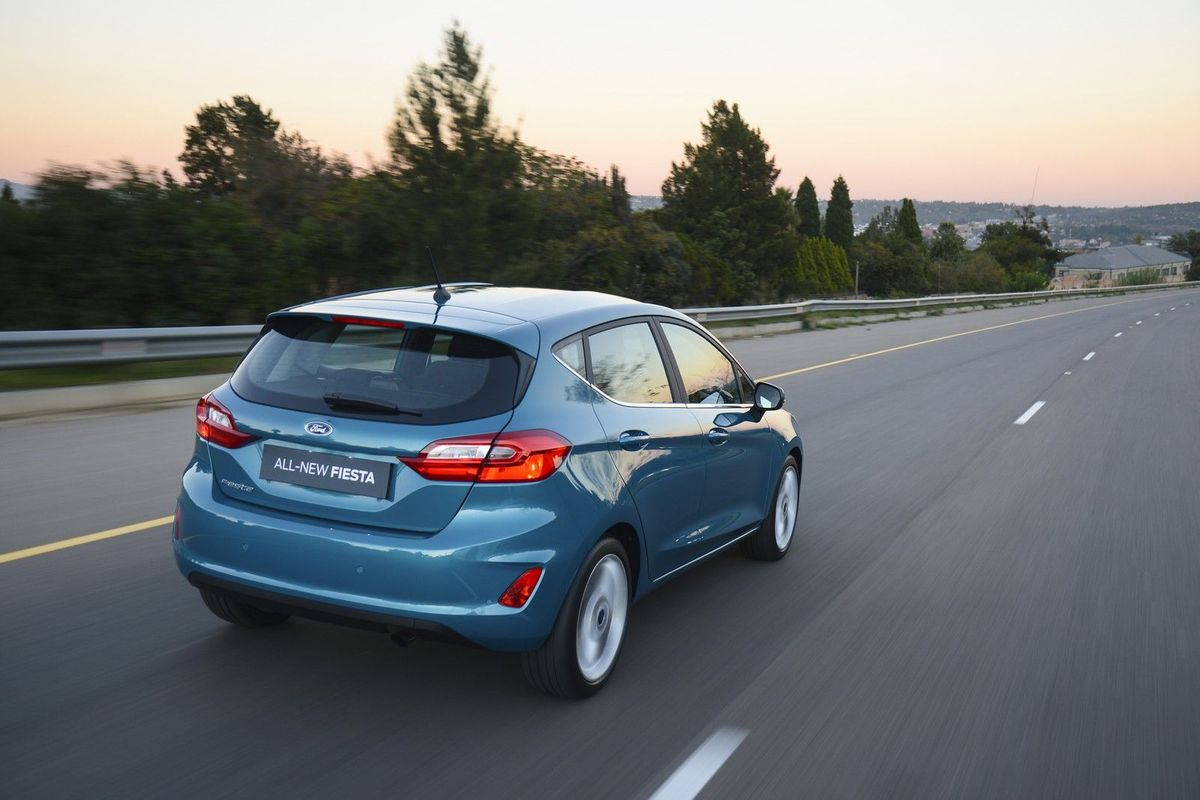
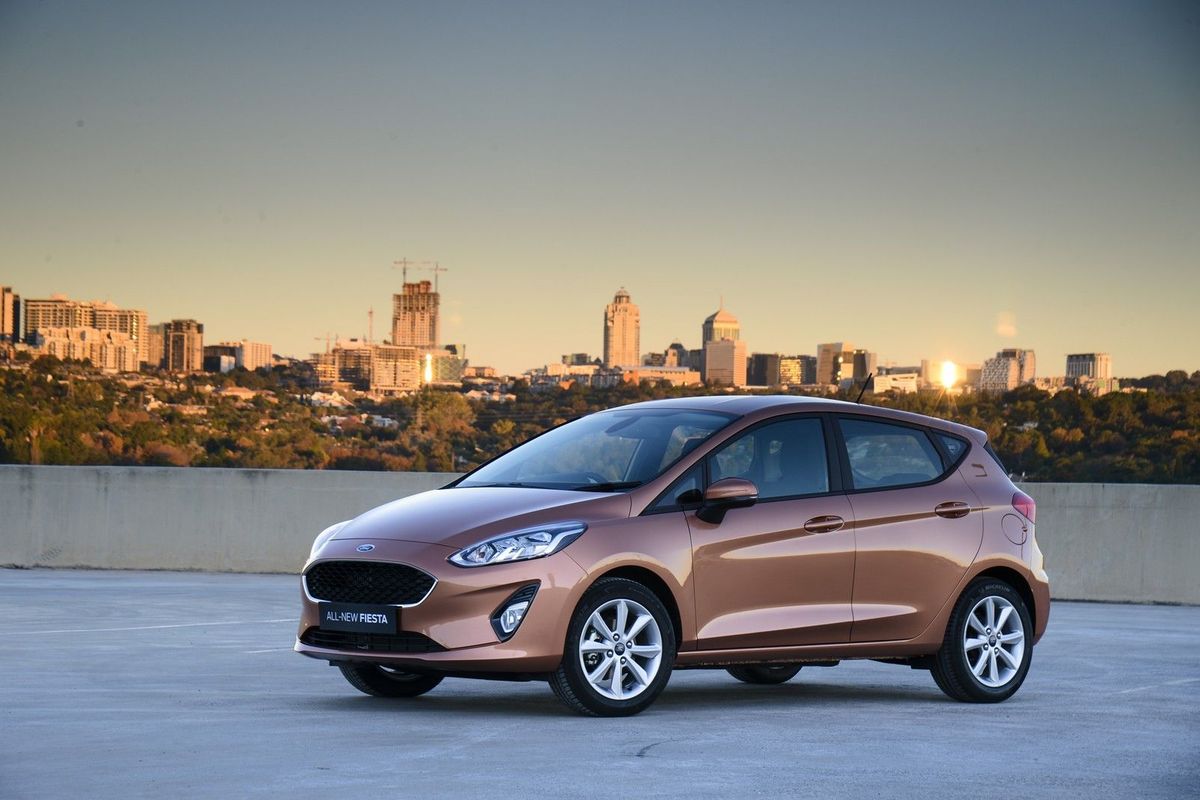
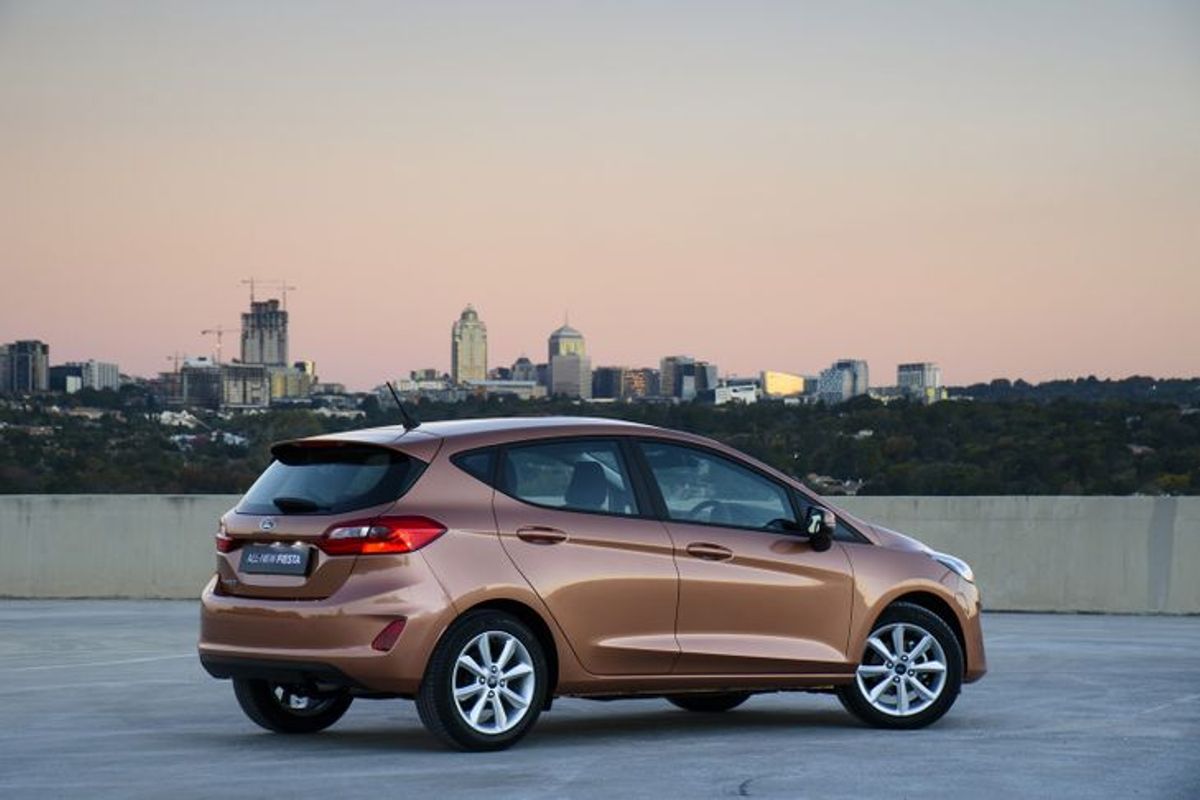
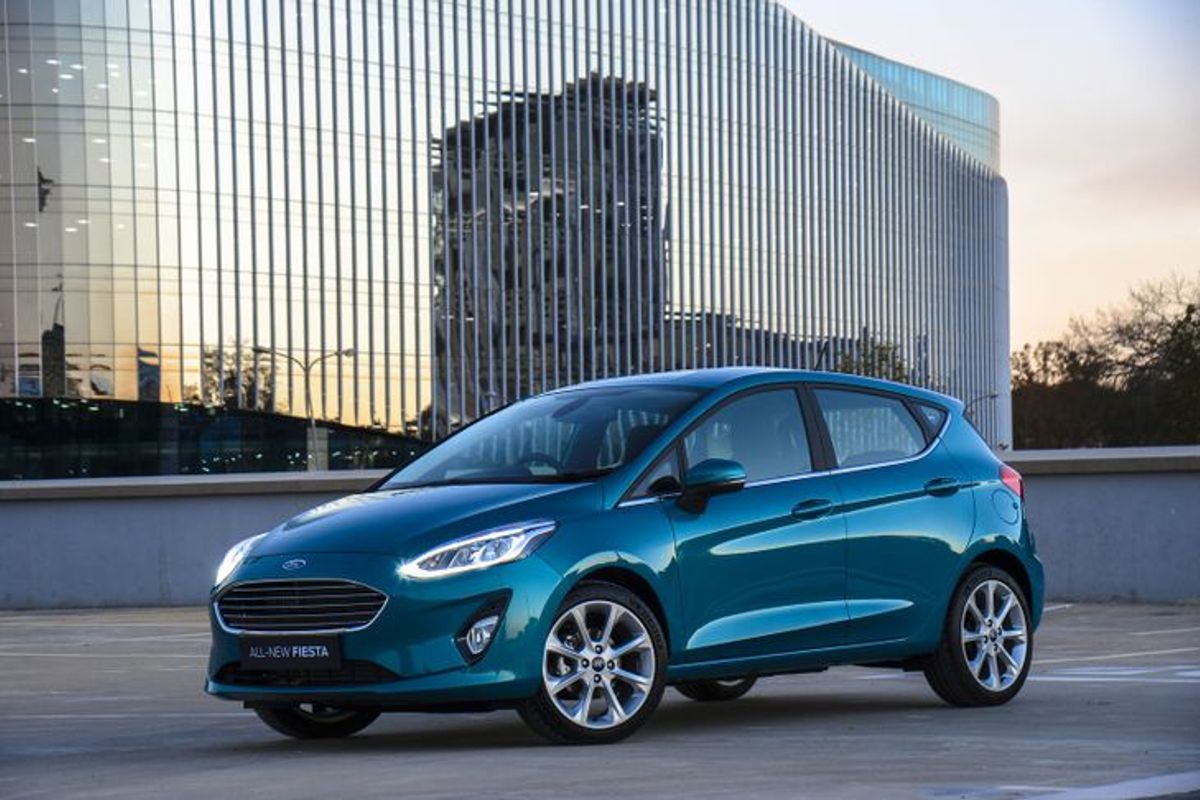
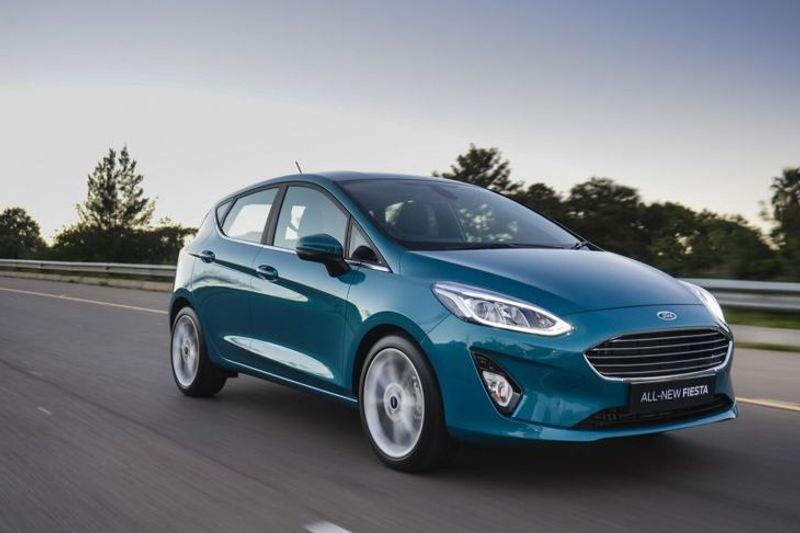
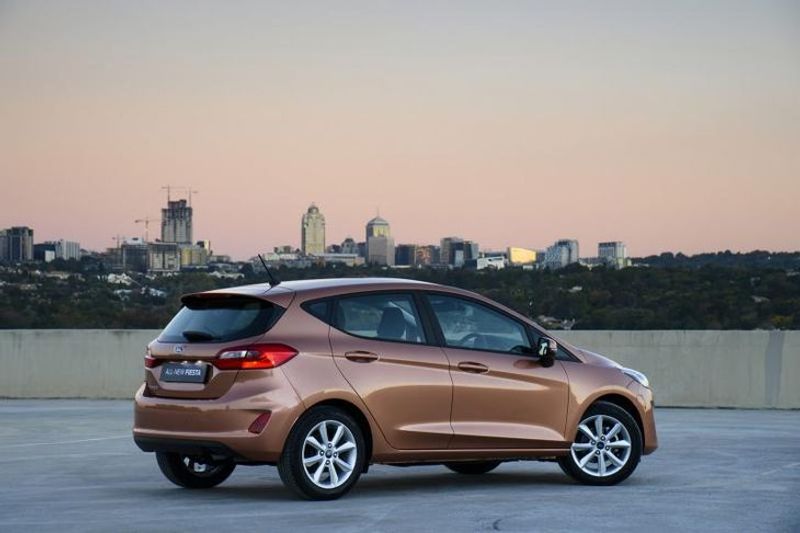
The new Ford Fiesta has landed in South Africa and we got a chance to drive the newcomer. The big news is that Ford is playing an upmarket strategy with its new compact hatchback – the entry-level naturally-aspirated Fiestas are gone.
The Ford Fiesta is the number one rival to the segment-leading Volkswagen Polo and with 2018 being the year where both models have been replaced by all-new versions, we're in for an interesting comparison. For a start, the new Ford Fiesta range has been trimmed dramatically, with the popular naturally-aspirated models like Ambiente being culled from the lineup.
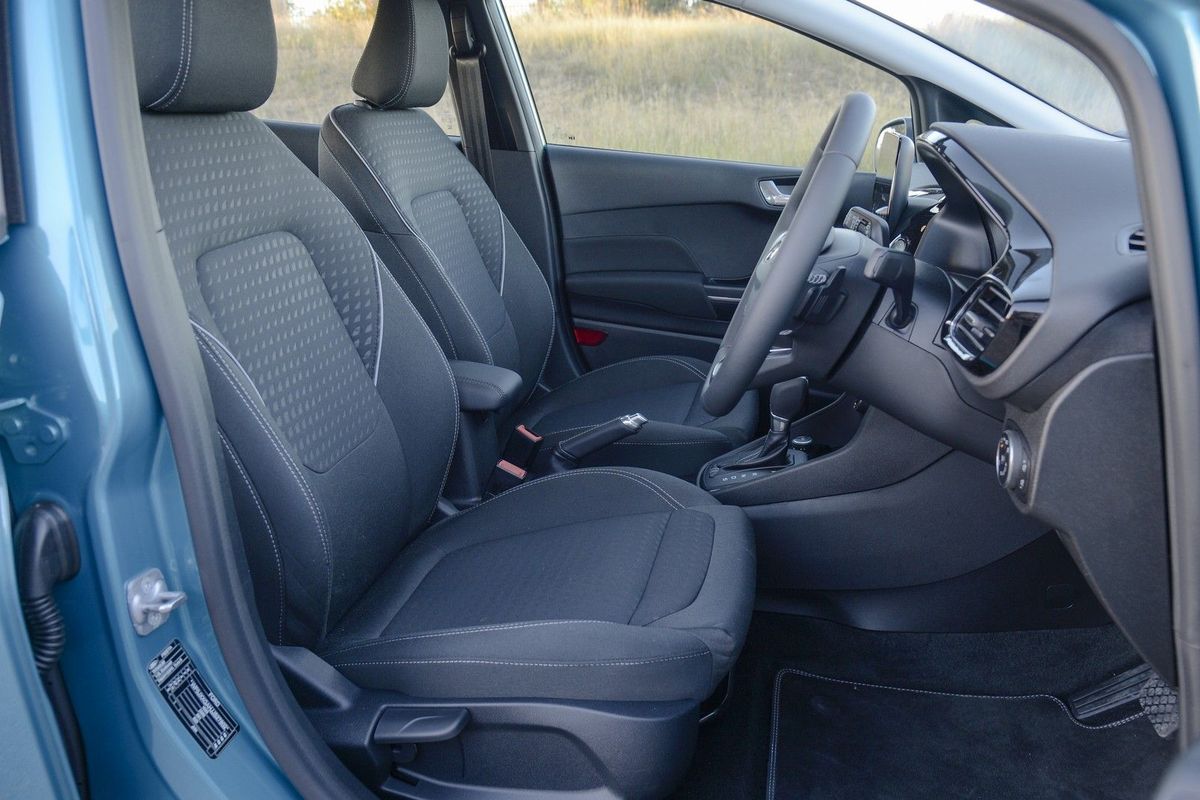
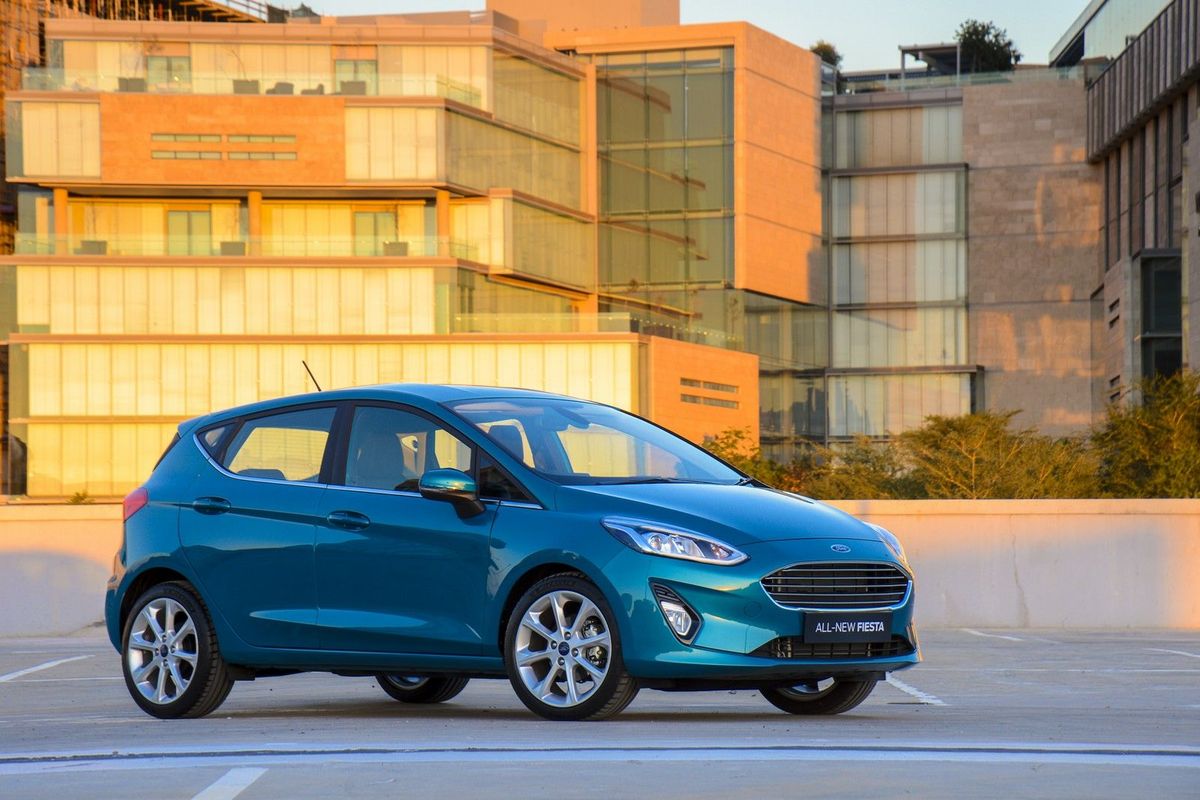
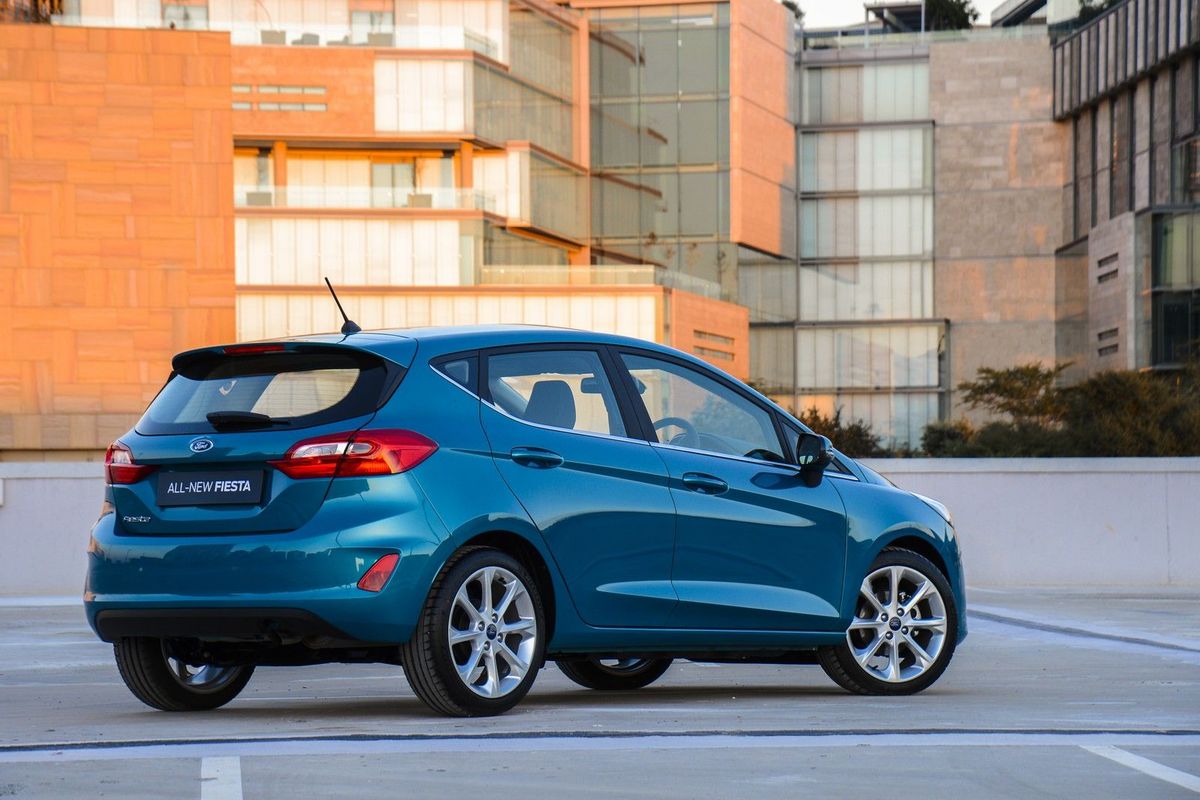
While it may look like a facelift of the previous version of Fiesta, we're told that while it is based on the same platform, there have been substantial changes mechanically with better insulation, stiffer body structure and improved suspension. There are new upmarket materials in the cabin too. Ford claims the front track is 30 mm wider and the reworked chassis offers better body control and more cornering grip. To be fair, the Fiesta has never been a dull car to drive and this new-generation model is just as great to drive in an enthusiastic manner. But more on that in a little while…
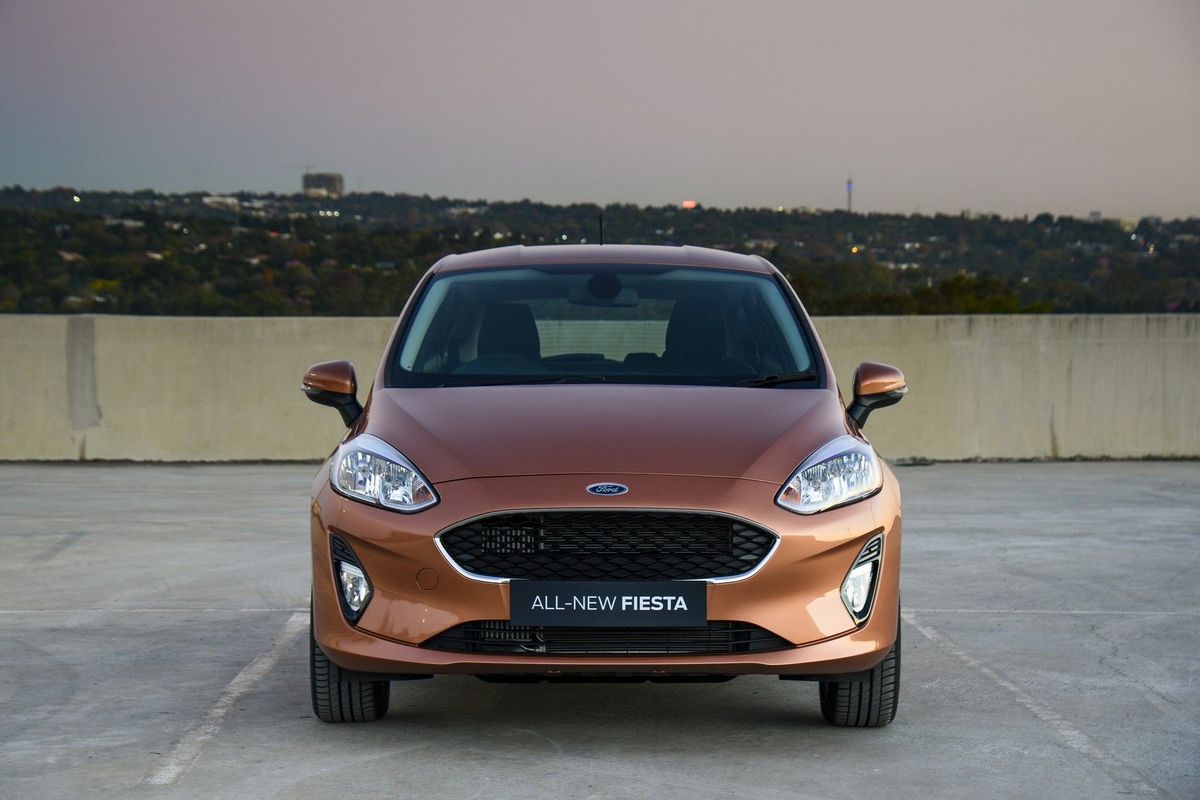
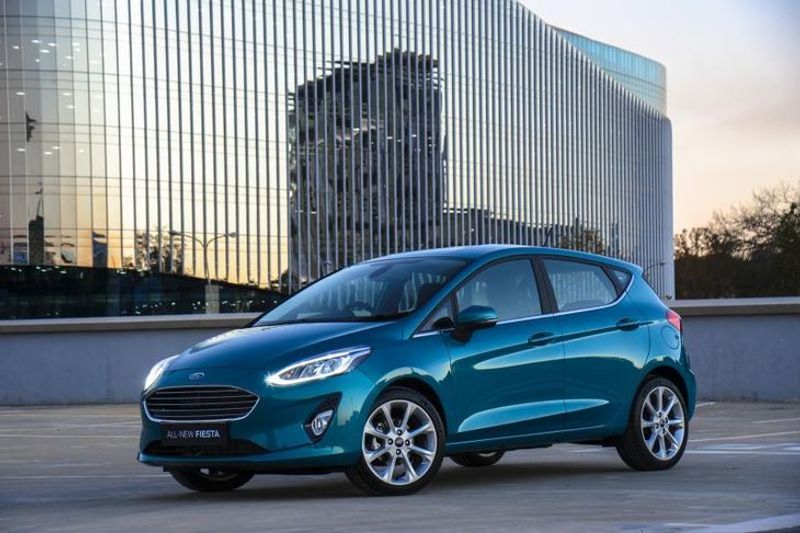
The new Ford Fiesta gains a new look. Titanium derivatives gain the Aston-Martin-style grille.
Engines
The petrol and diesel powerplants now feature force-induction exclusively throughout the range. The award-winning 1.0-litre EcoBoost engine is retained and there's a 1.5-litre turbodiesel motor. Available in two states of tune, the 1.0-litre Ecoboost 3-cylinder engine promises brisk performance coupled with decent efficiency.
Both the manual and automatic transmissions have 6 forward speeds. The manual Trend and automatic Trend and Titanium derivatives produce peak outputs of 74 kW and 170 Nm of torque, but the manual Titanium derivative's power is increased to 92 kW (although peak torque is unchanged at 170 Nm). The turbodiesel 1.5-litre Fiesta is only available as a manual and delivers 63 kW and 175 Nm of torque. If you're after the ultimate in fuel efficiency, then the diesel is the way to go; while the claim of 3.3 L/100 km is a little far-fetched, we saw an indicated return of less than 5.0 L/100 km on our launch route.
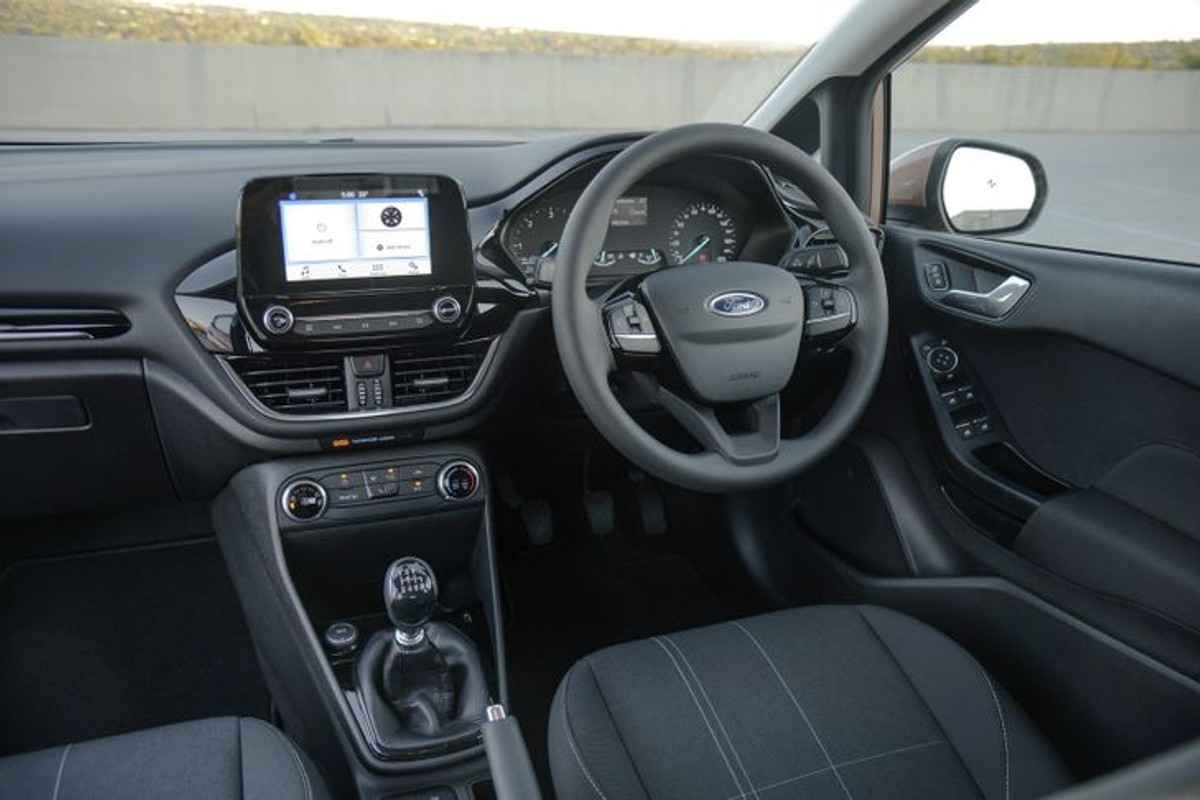
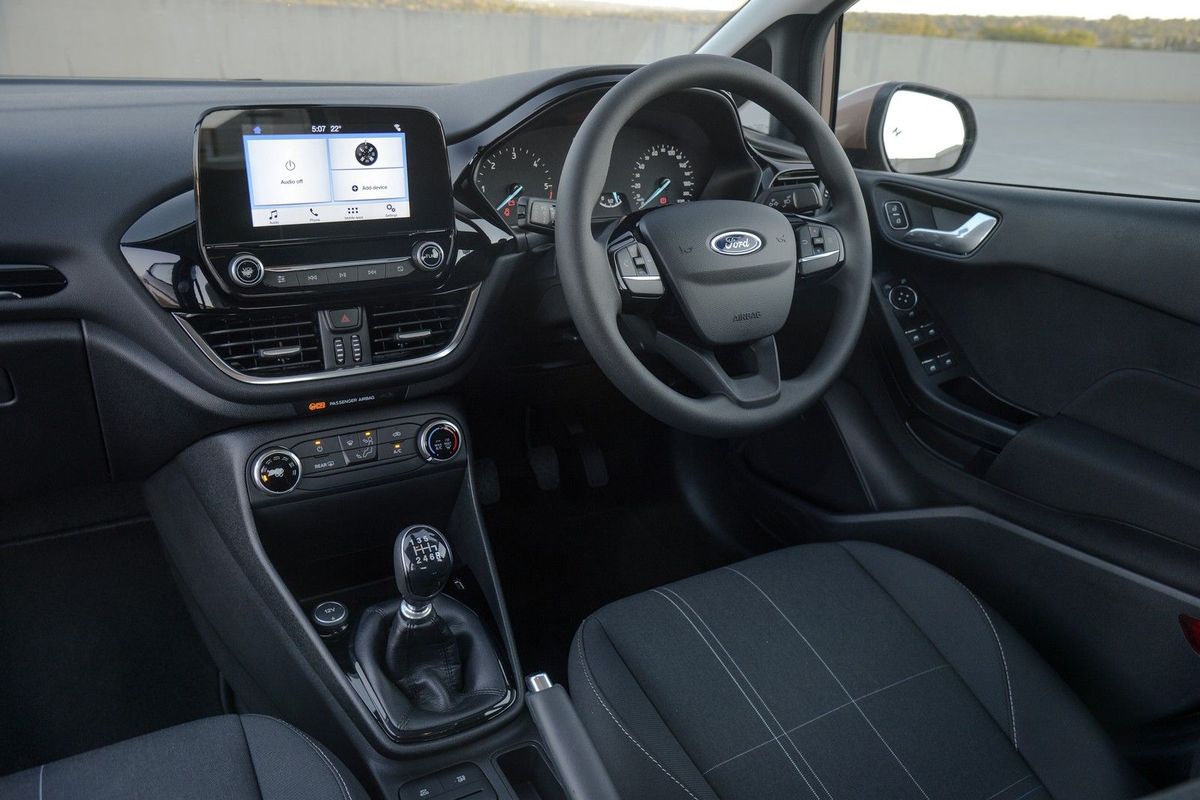
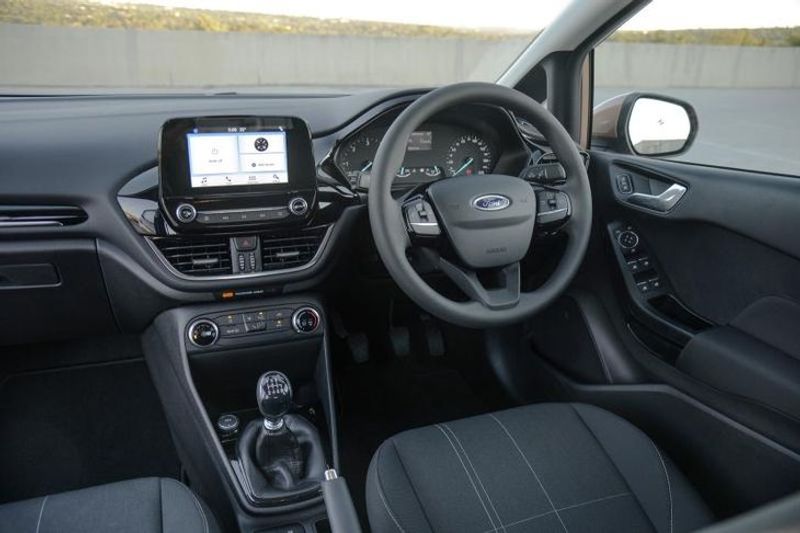
The cabin of the new Ford Fiesta is dominated by the big infotainment screen featuring Android Auto / Apple Carplay
Specification
The Fiesta's list of standard features is excellent. Unlike its rivals, who tend to make most of the nice-to-haves optional, Ford has specced its new Fiesta comprehensively. The focal point of the refreshed cabin is the new infotainment system. Its the SYNC3 setup, which we've experienced in other contemporary Fords (such as the Ranger, Everest and Kuga) and, for those who live permanently connected, it's superb. SYNC3 features Apple CarPlay and Android Auto, both of which allows you to mirror your smartphone and enjoy hands-free communication. It also integrates Google Maps and supports apps such as music-streaming service Spotify.
The Trend derivative does get a smaller screen of 6.5-inches, while the Titanium's is 8-inches in size and boasts navigation as standard. Both levels of trim feature a pair of USB ports, while the Titanium gains an extra speaker over its Trend sibling. Previous generations of Fiesta were hindered by the immense number of buttons and ergonomically, it wasn't great. New Fiesta has addressed this by drastically cutting down on buttons and incorporating most functions in the infotainment system.
The new Ford Fiesta is safer too, with a tougher and stronger crash-absorbing structure and front-, side- and curtain airbags. The usual safety acronyms are there too; ABS with electronic brake assist (EBA) and electronic brake-force distribution (EBD), hill launch assist (HLA), plus electronic stability- and traction control (ESC).
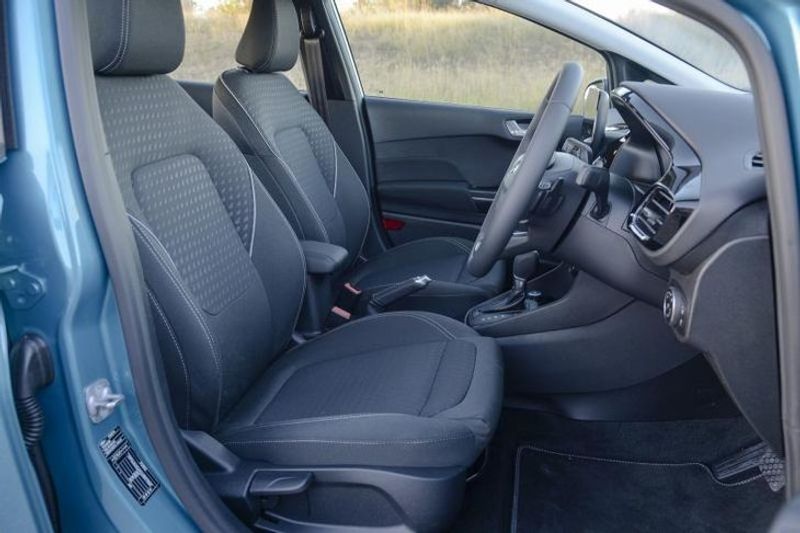
The Titanium derivatives come jam-packed with features such as satnav and heated seats
What's it like to drive?
The launch route from Johannesburg to the North-West province is filled with tarmac that is in dire need of repair in places and it's here where the Fiesta showed off its decent ride quality and on-road refinement. The suspension was working overtime to soak up all the ruts and undulations, but we didn't feel any harsh jolts in the cabin.
We sampled 2 derivatives: a 1.0-litre EcoBoost automatic and a 1.5-litre diesel manual. The petrol-powered Fiesta still delivers credible performance while the gearbox shifts smoothly when left to its own devices. You can mix things up by slotting the gear lever into Sport and take control using the steering-wheel-mounted paddles and while it's not a super-responsive dual-clutch unit, shifts are brisk enough. Thanks to the new sound deadening material, the car is more refined and we could hardly hear the triple-cylinder motor, which is a pity, as the motor usually emits unique, pleasant thrum.
Fiesta has not lost any of its fun-to-drive traits. The communicative chassis and great steering have been retained, but refinement has been increased.
The second vehicle was the diesel and while we're on the topic of refinement, it too exhibited lower-than-expected noise levels. We're quite used to hearing small capacity diesel motors clattering away, but this engine is deceptively quiet. It's also punchy, with all its shove becoming available from low down in the rev range. The 6-speed manual gearbox is good too, but if you're a little careless and lazy with your shifts, you can find yourself accidentally going from 2nd to 5th. Minor concentration issues from the driver aside, it's a commendable package if you want notable overtaking ability from a motor that's otherwise tuned for optimal efficiency.
With an excellent track record when it comes to handling thanks to a communicative chassis and steering feel, the Fiesta has never been a mundane car to "pedal". The previous range's ST, of course, was one of the most entertaining vehicles you could buy at its price point, but performance aspirations aside, even the 1.0-litre Ecoboost can provide bargain thrills. The best news is that the new Fiesta carries on this tradition and can be hustled around traffic circles with youthful exuberance. The steering delivers generous feedback and, unlike some of the modern setups that feel vague, the Fiesta's tiller feels like there's a direct mechanical connection to the front wheels.
Summary
With a new Volkswagen Polo, a new Ford Fiesta and a new Suzuki Swift (about to be launched), the compact hatchback segment of the market's buzzing.
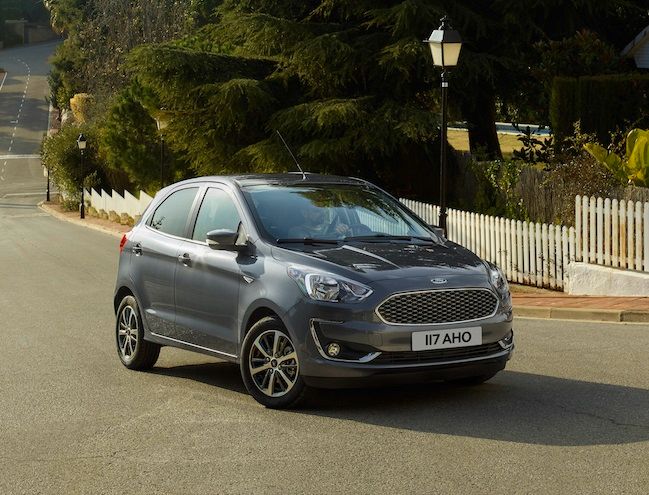
Growing old is mandatory, growing up is optional. Ford has applied this mantra to the Fiesta and while its great to see new levels of refinement, tech and comfort applied, the fun factor and ease of use when it comes to the basic art of driving has not been lost. We're lamenting the lack of an ultra-affordable Ambiente model, but understand that the new Figo will be filling this gap, in the same manner that the Polo Vivo sits at the bottom of the Polo family.
The Ford Fiesta's new infotainment system is a major feather in its cap as its German rival charges extra for the convenience. We're big fans of the redesigned dashboard and think the younger audience will appreciate this car for its standard specification. While its admittedly not as well finished as the segment leader and unlikely to match its sales figures, it's worth noting that the new Fiesta is the number one selling car in the United Kingdom, so Ford is clearly doing something right.
While some may be shocked by the cost of getting behind the wheel of the new Fiesta, it does come with a full house of specification, features and safety and if you pick the right derivative, you could be bagging an accomplished compact car with all the bells and whistles for a reasonable price.
The next iteration of the Cars.co.za Consumer Awards – powered by WesBank, should see a close battle between the new Volkswagen Polo, new Ford Fiesta and, most probably the new Suzuki Swift (which will be launched soon).
Pricing (as of May 2018)
All new Fiesta derivatives come standard with Ford Protect, comprising a 4-year/120 000 km warranty, 3-year/unlimited distance roadside assistance and 5-year/unlimited km corrosion warranty. A 4-year/60 000 km service plan is included, with service intervals at 15 000 km.
The facelifted Kia Sportage was spotted undergoing tests at the Nurburgring in Germany. While most forthcoming cars are heavily disguised, the new Kia Sportage had almost zero camouflage and we can have a good look at this popular SUV.
Picture credit: S. Baldauf/SB-Medien?
Usually, prototypes are heavily disguised when they're being tested, but here is a rare exception. This is the 2019 Kia Sportage facelift, which our spy photographers snapped at the Nurburgring.
We can see that both the front and rear have been revised with chrome detailing, new-look headlights and redesigned fog lights. We're told by our photographer source that the new Sportage features an updated infotainment system too, but under the skin, the new Sportage will be the first Kia model to feature a 48V mild-hybrid diesel engine. Kia calls this EcoDynamics+ and it will combine a diesel motor, a mild-hybrid starter-generator as well as a 48-volt lithium ion battery. With a connection to the diesel engine's crankshaft, the mild-hybrid starter-generator feeds up to 10 kW of electric power. Naturally, the brakes and deceleration can be captured to recharge the battery. The electrification is said to improve efficiency by 4% on the new Euro combined cycle test. The electric motor works in a similar way the Toyota with the Auris hybrid where the electric motor helps take the load off the engine by 'helping out' during pull-away before handing back power duties over.
It's a big step forward for Kia and we're keen to see if this technology makes its way to South Africa when the facelifted Sportage eventually makes its way here during 2019.
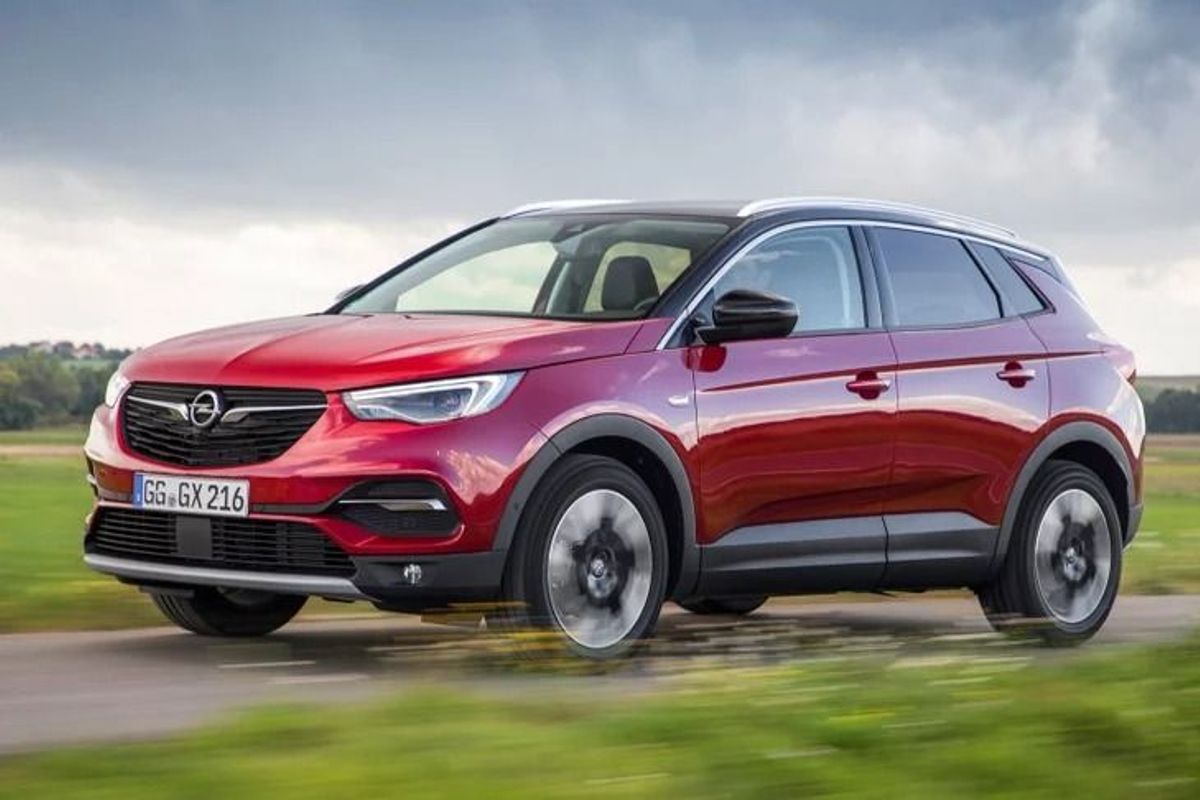
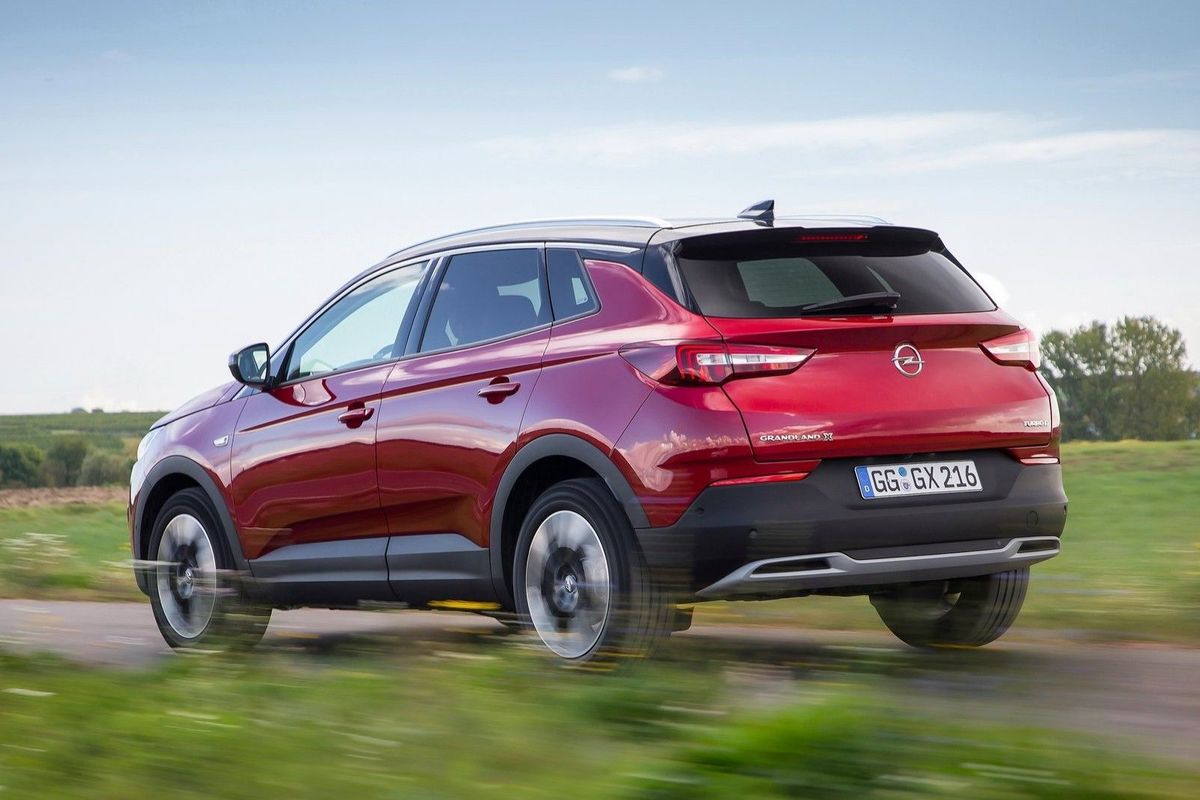
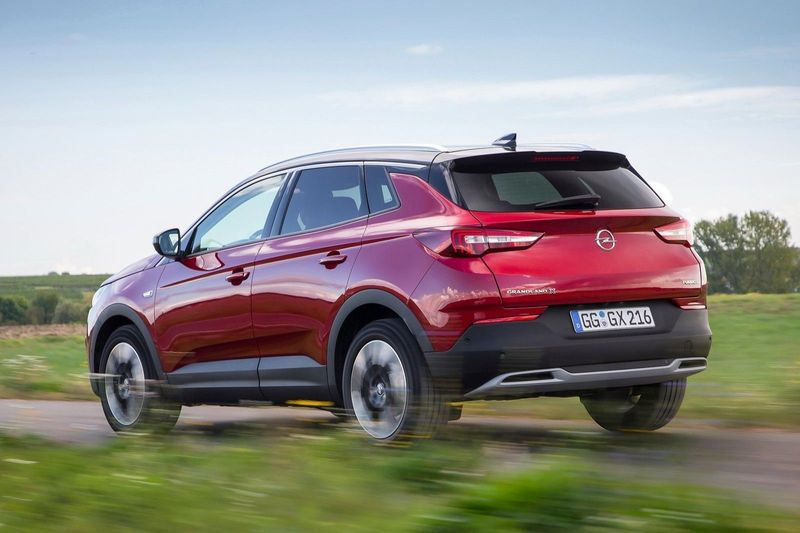
The reboot of the Opel brand continues to gather pace in South Africa with the arrival of the new Grandland X, the German marque's offering in the extremely busy and competitive crossover/SUV segment. We take a closer look.
Since General Motors left South Africa late last year, the new local distributors of Opel, the Williams Hunt Group, has had a busy time restoring confidence in the brand and optimising its dealership network for the years ahead. It has made quick progress – the brand grew in market share in the first quarter of the year, launched the Crossland X and it has established a 35-strong dealership network that is better in tune with its target audience and future product roll-out. It has also launched Opel Finance (with WesBank) and a Guaranteed Future Value programme is on the cards soon. So… Opel is here to stay and confident for the future. The freshly introduced Grandland X C-segment SUV is the brand's new flagship.
Positioning in a tough segment
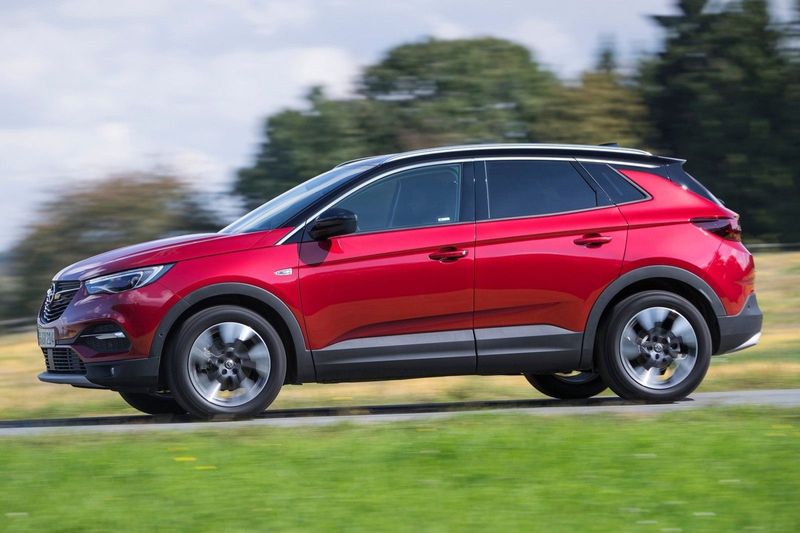
Looks closely and you can see hints of its sibling, the Peugeot 3008, but for the most part the Grandland X has a look of its own.
The C-segment for SUVs is one of the few areas in the market that is showing steady growth. The Grandland X will compete against such tough challengers as our current Cars.co.za Consumer Awards – Powered by WesBank, Family Car champion, the Mazda CX-5, last year's winner the Volkswagen Tiguan and the car that the Opel is actually based upon, the excellent Peugeot 3008. Other rivals include the Toyota RAV4, Hyundai Tucson and Kia Sportage. Certainly a tough crowd…
Initially Opel will offer only 3 derivatives, all powered by the same 121kW/240Nm 1.6L turbopetrol sourced from Peugeot, coupled with a 6-speed automatic transmission. We know this engine well, of course, and it has impressed in the French maker's products thus far. The media did not have the opportunity to drive the Grandland X at its introduction, but as it shares its underpinnings and drivetrain with the 3008, we expect a similarly comfortable, agile feel from behind the steering wheel. The Grandland X is one of the lightest vehicles in its segment, a fact that contributes to excellent (claimed) fuel efficiency. A 2.0L turbodiesel derivative will join the line-up in the first quarter of 2019.
Upmarket design and finishes
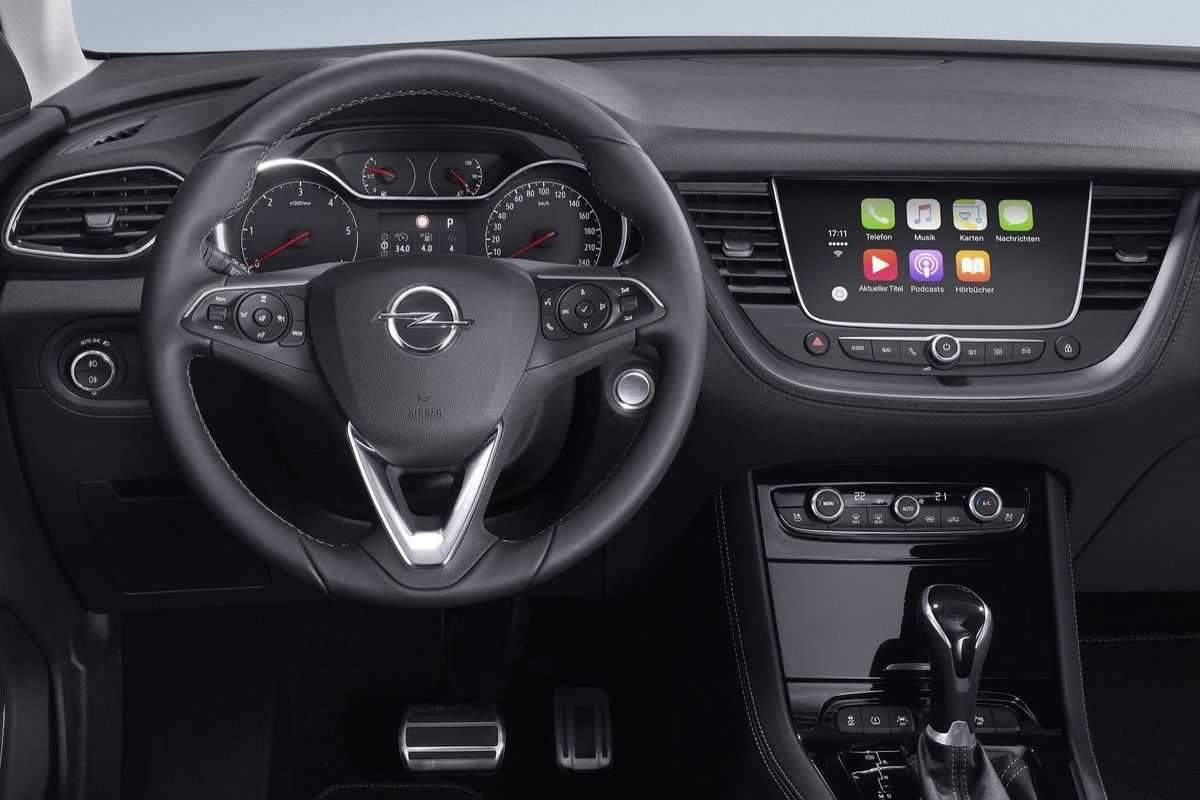
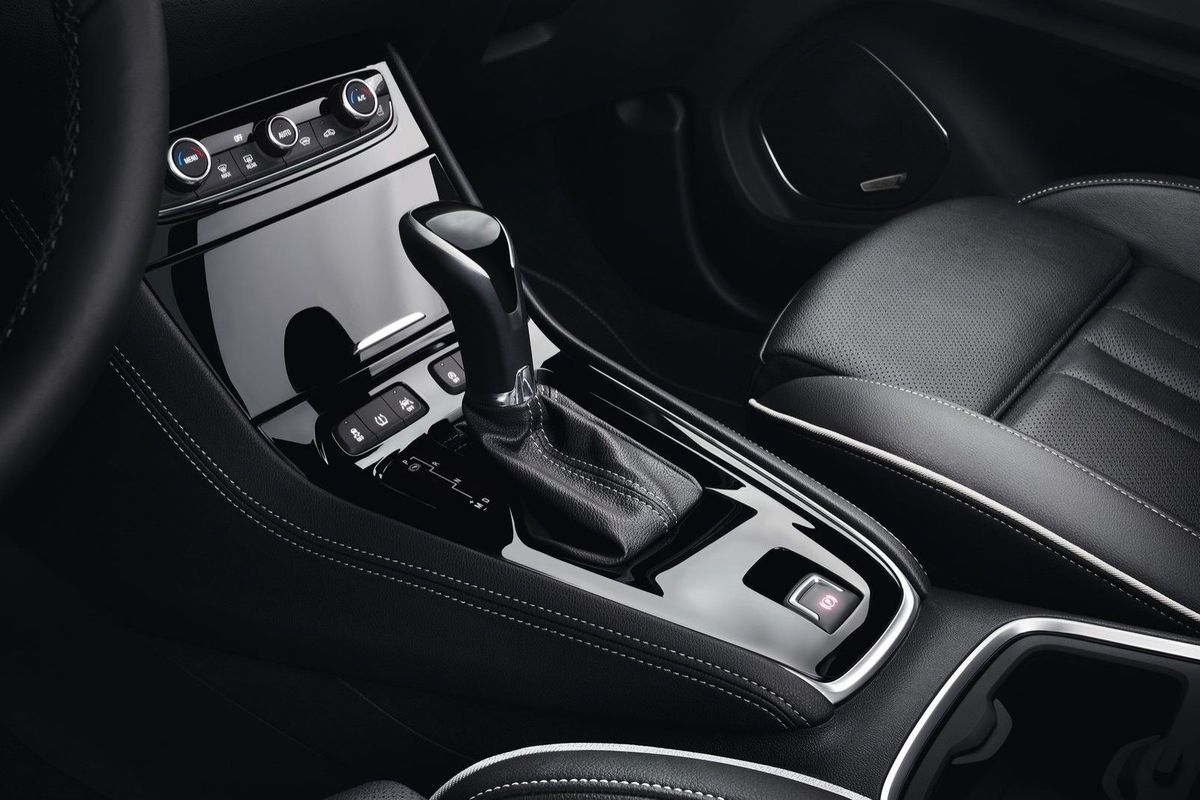
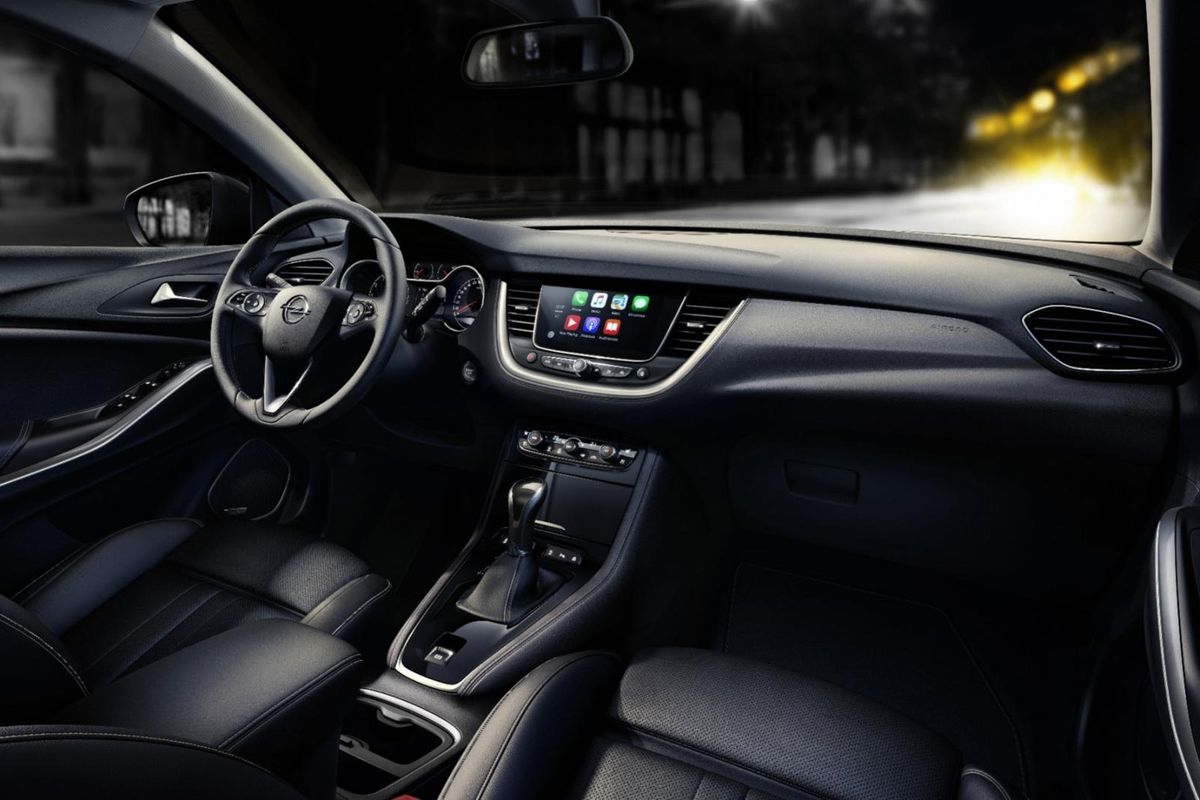
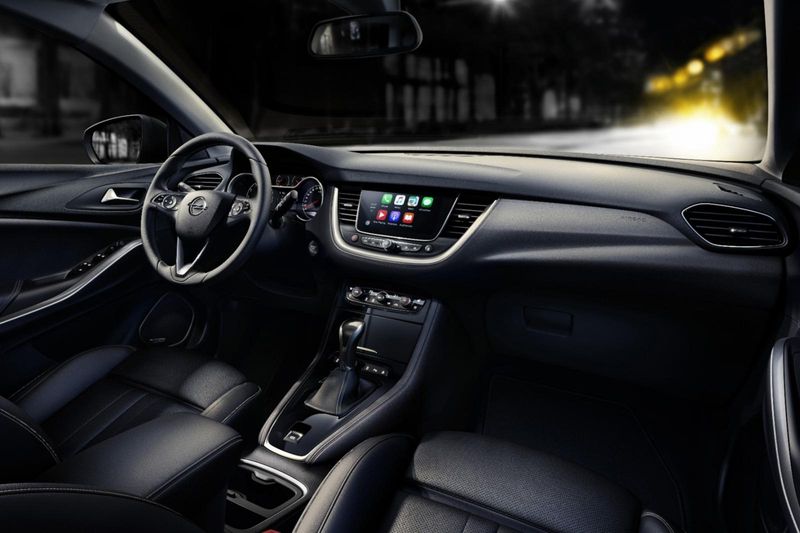
Cabin is similar to the one in the Astra and emphasises clean, sweeping surfaces and advanced features.
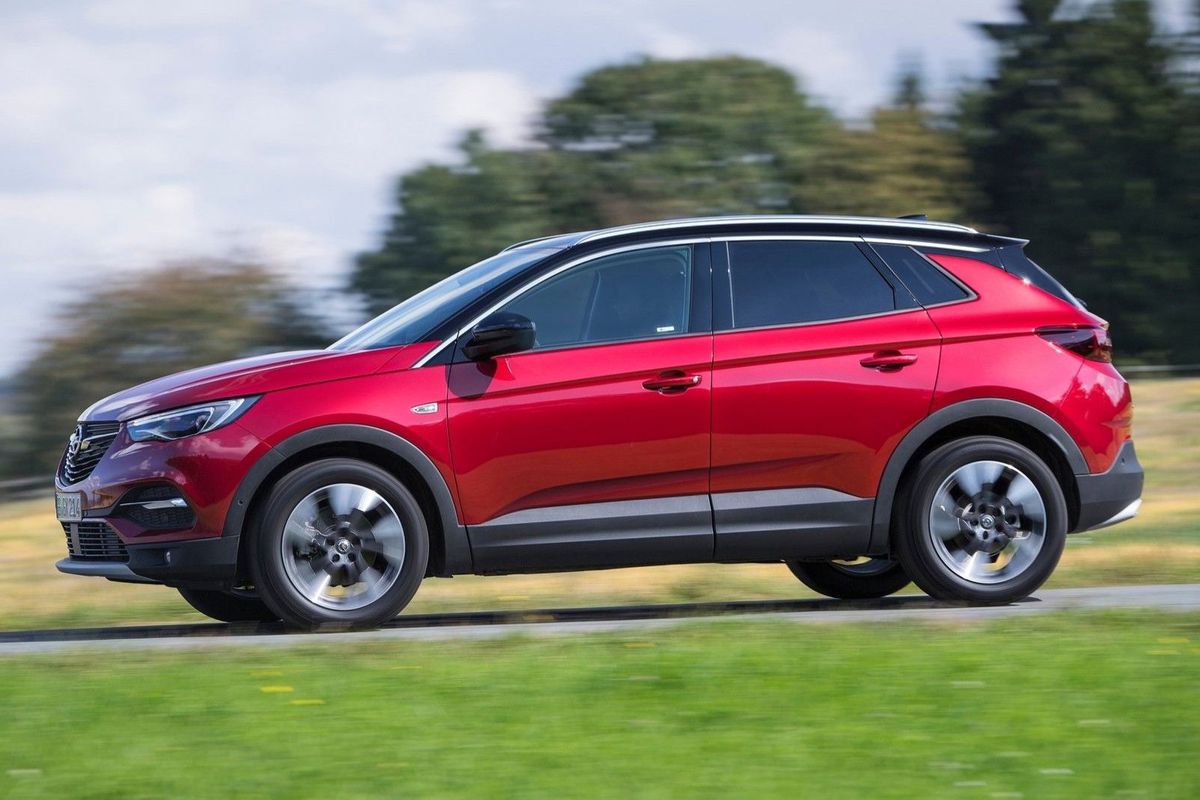
The Grandland X may be based on the 3008 but the 2 cars look completely different. In line with Opel's current design theme, the Grandland X features neat, chiselled lines that are devoid of frills. It relies on sculpting and details (LED signature etc.) to stand out from the crowd. For once, Opel will make the Grandland X available in a variety of interesting colours, and buyers can also opt for a contrasting black roof or even a full-length panoramic sunroof.
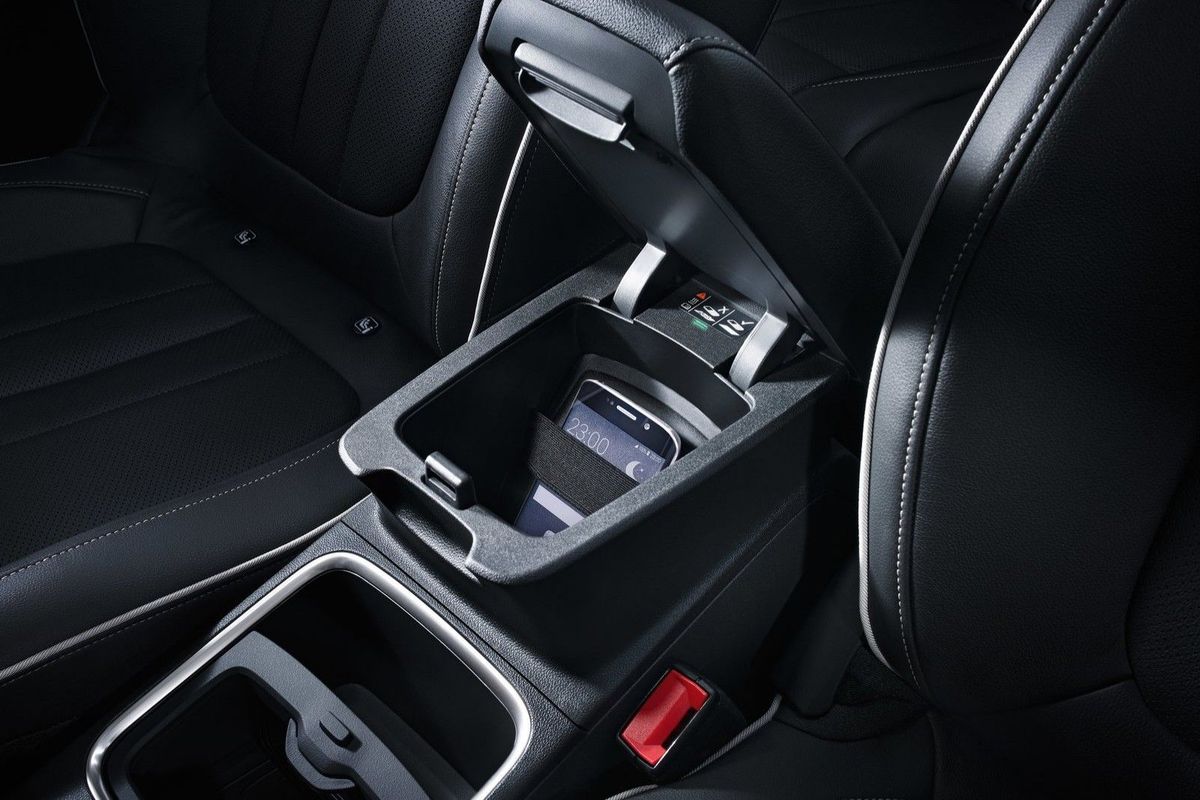
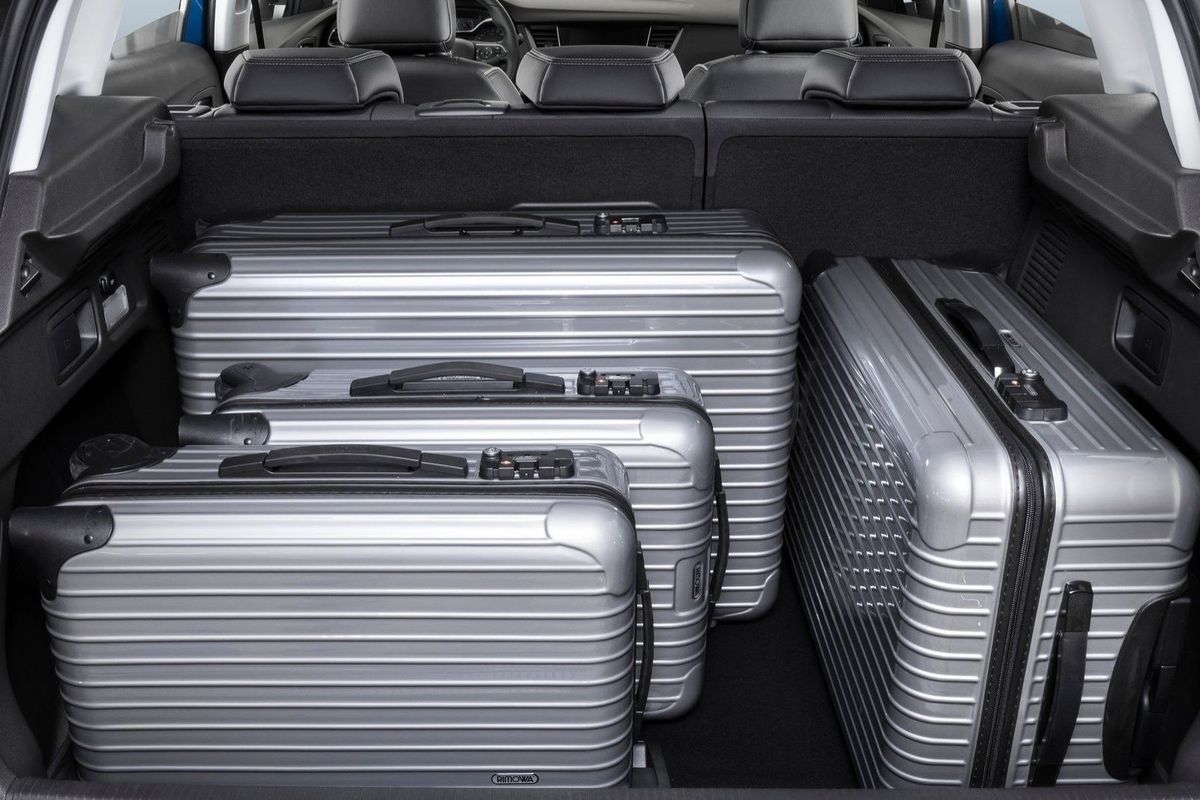
Inside, the 3008's unique i-Cockpit layout has given way to a facia that appears very similar to the one in the Astra. Gone is the small, low-mounted steering wheel and instead the focus falls on a sweeping dashboard design and high quality materials. As is the case with most Opels, the driving position is really good, with a wide range of adjustment on offer from the rake/reach adjustable steering wheel and driver's seat. There are also loads of storage spaces, and rear legroom is generous. The boot measures 514L, one of the biggest in this segment and you can drop the rear seats from a standing position behind the car to free up a total of 1 652L of space.
Loads of tech
Turbocharged 1.6L turbo engine is mated with a 6-speed automatic transmission.
One of the Opel brand's key USPs is the "democratization of innovation". In short, it believes new technology should be available to everyone. Consequently its cars tend to be highly specified.
The baby of the range, the 1.6T automatic may have smaller 16-inch wheels and cloth upholstery, but it still gets a neat colour touch-screen infotainment system with Apple CarPlay and Android Auto compatability. Climate control, cruise control, park assist and LED daytime running lights are also standard. If you want leather, you can spend about R19 000 more and get not only that, but also seat ventilation.
A likely strong seller is the Enjoy derivative which adds 17-inch alloys, rain-sensing wipers and auto lights, as well as a lane-departure warning system. The flagship Cosmo comes fully loaded with 18-inch alloy wheels, leather upholstery, blind spot alert, navigation, automated parking, adaptive LED headlamps, heated seats, a hands-free power tailgate and more.
Model range and Pricing
Grandland X 1.6T Automatic – R429 000
Grandland X 1.6T Enjoy Automatic – R465 000
Grandland X 1.6T Cosmo Automatic – R565 000
Prices include Opel's usual (and excellent) 5-years/120 000 warranty and a 5-years/90 000 km service plan. We will receive the Grandland X for testing soon, so watch out for a full review.
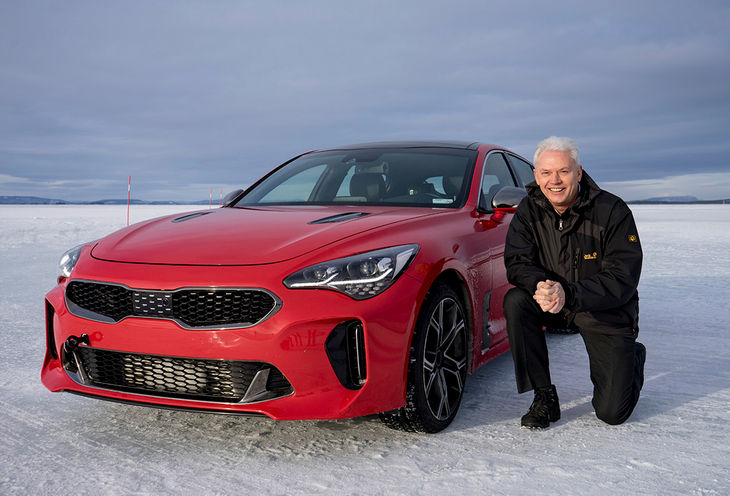
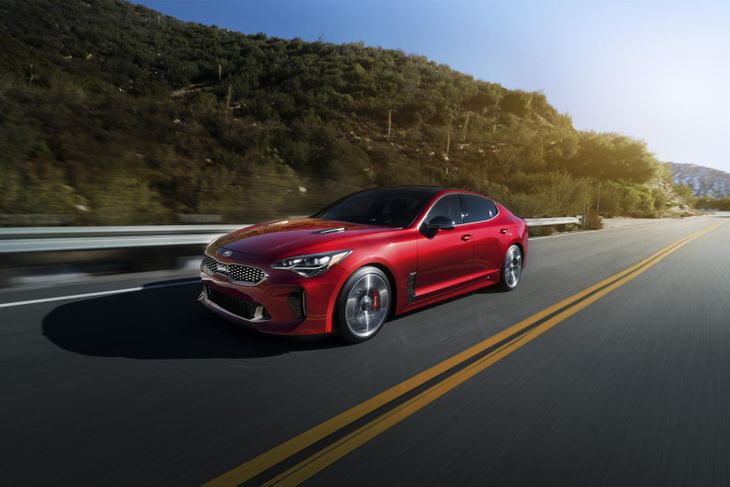
With the ambitious Stinger GT, the Korean automotive industry has announced its ambition to infuse its products with dynamism – and not nominally either, but to a level that will rival the best in the business. Kia is making a clear statement; it's not just about sales…
Kia’s product people will tell you it was a project decades in the making. The desire to execute a luxury car, with driving dynamics to rivals Germany’s best.
The ascent of Kia as an automotive brand is inarguable. Its sales success and residual values in the South African market are testaments to a brand that has positively altered perceptions. One hardly recalls the awfulness of those first Sportages, which arrived here in the late 1990s. But for all the popularity of Picanto and excellence of its SUVs, Kia realises that to be recognised as an established challenger, instead of being the perennial pretender, it must also market a car which is somewhat German.
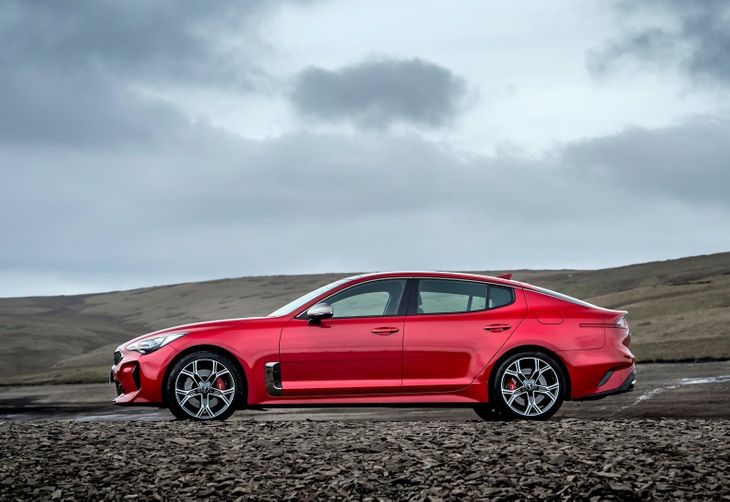
The new Kia Stinger certainly hits the right notes with its styling. Will it be taken seriously in SA?
After months of speculation, Kia recently confirmed that its Stinger GT will become available in limited numbers locally. This daring product strategy is also a moment of truth for South African car buyers, allowing them to judge if a South Korean vehicle can be the equal of one sourced from southern Germany. Stinger GT becomes both the most expensive and powerful Korean car to ever go on sale in South Africa: you pay R5 short of R860k for 272 kW and typically generous Kia equipment levels.
To industry observers, Kia’s South African approach with Stinger GT appears unwise. But Stinger GT is an apex point for the Korean industry, a necessary show of confidence. Stinger GT’s purpose is not so much to sell, but to show exactly what South Korean automotive engineering is truly capable of.
Ignoring the low-hanging fruit
Scrutinise the specification and there isn’t a single number that is suspicious or substandard. As a collection of digits, the Stinger GT is very convincing. Kia’s 3.3-litre V6 is twin-turbocharged to banish lag and boosts 272 kW of peak power, supported by a surge of torque, 510 Nm rotating that crankshaft at only 1 300 rpm.
This Stinger GT is an awful lot of car for the money, sacrificing little performance for the convenience of 406 litres of liftback-enabled boot space. But there is a problem. It competes in a dying segment against some astonishingly mature rivals. The sedan market is retracting rapidly everywhere but China, replaced by insatiable consumer demand for SUVs and crossovers. You’d think Kia would have invested in a Sportage GT if market behaviour was leading its high-performance vehicle planning.
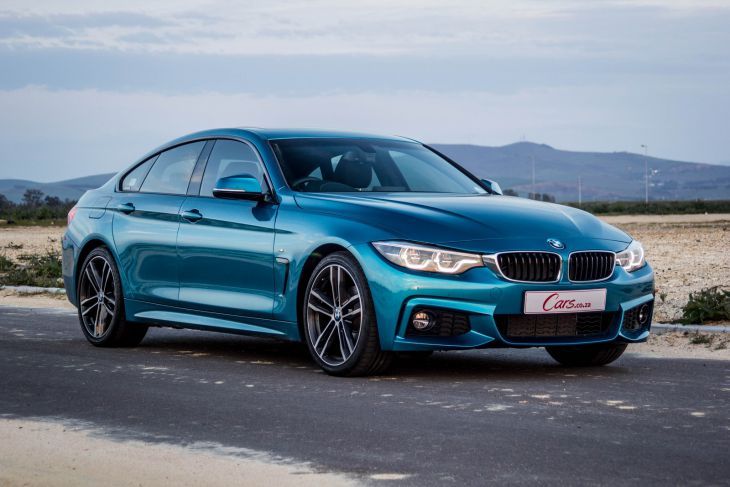
The BMW 4 Series Gran Coupe is widely regarded as the dynamic benchmark in the segment.
Large luxury sedans and limousines will always remain, but there is a real fear that in less than a decade the once burgeoning D-segment luxury four-door car won’t exist anymore – at least in any configuration that we have become accustomed to, since the 1980s. It does appear a bit counterintuitive that Kia would deploy so many resources in creating a halo vehicle for a declining market. Not only does Stinger GT launch into a troubled market, but it’s also a brutally competitive one, facing some of the best designs from Audi and BMW: A5 Sportback and 440i Gran Coupe.
Disposing of a chief engineer to build a car capable of rivalling German D-segment status symbols is a suicide brief. Lexus has tried, valiantly, and Jaguar flirts with moments of inspiration courtesy of XE, but luxury four-door performance cars are a realm of undisturbed German excellence. Why would Kia try and disrupt that?
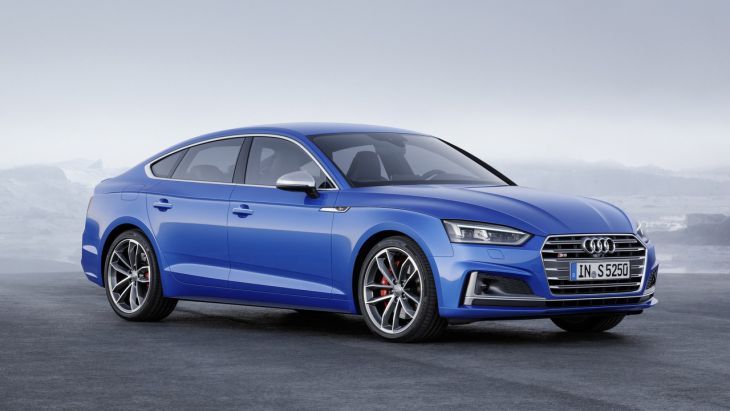
The A5 Sportback leads the pack in terms of refinement and quality.
For Kia, Stinger GT is not a vanity project, its purpose is much deeper than that. This is not mere grandstanding, it’s an attempt to affirm not only the credibility of Kia – but the South Korean car industry in broader terms. It’s akin to an automotive Samsung Galaxy moment. Remember when iPhone was the only Smartphone worth having? Seemingly incapable of being rivalled? Exactly. With Stinger GT, Kia is attempting to replicate Samsung’s Galaxy success on four wheels.
To compete with Germans, you need to be… German
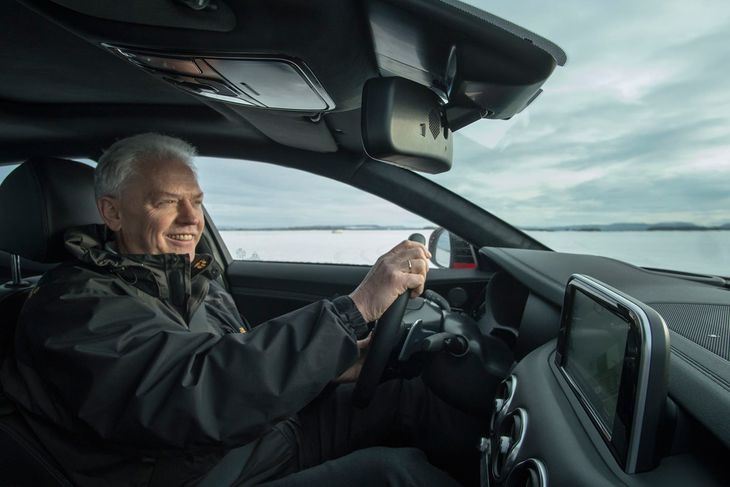
The secret to Stinger GT’s convincing specification and performance potential is the fact that it is built in Korea, with input from Koreans, but the idea and final execution authority resided with a German: Albert Biermann. If you are a BMW enthusiast that name might sound roundly familiar as Biermann used to be the boss of all things engineering at BMW’s M Division.
If you want to beat the Germans then buy a German: Albert Biermann, ex BMW M division engineer.
Unlike their Asian rivals across the Sea of Japan, the Koreans aren’t indifferent to entrusting lead design and engineering positions to foreigners. Having established amazing efficiency in their industrial engineering and materials sourcing, Kia started evolving from a bland quality brand to one with a distinct style all of its own. That styling revolution, which has credibly differentiated Kia, is the responsibility of former Audi design chief, Peter Schreyer.
A similar logic applies to the Korean quest for that most elusive recognition that every aspiring car brand desires: to be graded as being capable of building a proper performance car. Lexus may never repeat its LFA, but the brand equity it gained from the supercar project was tremendous. For Kia, its Stinger GT is much of the same: a symbol that it can do uncompromised engineering excellence at least as well as the Germans can.
It’s why Kia did something humbling, by plainly poaching a few of the best German performance car engineers available. Biermann in his position at BMW M was exactly who Kia wanted and, given the opportunity to do something radically new after 32 years at BMW, was too much of an incentive to disrupt for him to ignore.
Biermann brought decades of experience in optimising handling, drivetrain and ride quality to the Kia Stinger project.
The German contribution to Stinger GT is not absolute. Any performance car is anchored by the quality of its engine and the 3.3-litre twin-turbocharged V6 is very much Kia’s own design and the work of its Korean powertrain team. Biermann’s task was to harmonise the 8-speed automatic transmission, 272 kW engine and the Stinger GT’s platform dimensions into an integrated engineering package which would be refined when required, but also clip apexes with the best BMWs too.
That would not be the easiest task as his former brand, BMW, has set a very high standard with its 440i Gran Coupe, as has Audi with its S5 Sportback. By virtue of Biermann’s 3 decades at BMW, he possesses an unrivalled technical literacy of the nuances between ride quality, sound insulation and a rewarding driver experience. As Biermann turns 60 this year, he hasn’t been pouring over data streams and 3D drawings at Kia, his role is to guide the gifted team of young Korean engineers to envision and execute what is achievable beyond their collective comfort zone.
With the Stinger GT, Biermann has delivered a convincing German D-Segment performance sedan. It’s only weakness is mass, at 1 855 kg it’s notably heavier than a 440i Gran Coupe and A5 Sportback. The Kia might best BMW’s in-line six with its V6, but the difference in mass does slow its sprinting ability, although it still manages to be 2/10ths of a second faster from 0-100 kph than the BMW, running the benchmark in 4.9 seconds. That’s correct, you can now buy a sub-5 second Korean car.
The Kia has the German duo pipped in the performance stakes, but building brand prestige is not just about performance figures.
Measured in performance, appearance and technical proficiency this is the first time that a Kia has ever been merited as a rival to anything BMW. Pricing is an issue, the Stinger GT is a bargain alternative to 440i, BUT also the most expensive Korean car ever marketed in South Africa. Legacy BMW brand confidence could unbalance the appeal of that nearly R50 000 price advantage that the Kia enjoys over a 440i Gran Coupe, compared to wildly unknown residual values for the Stinger GT in future.
The Stinger GT is a tellingly symbolic car. It represents where the Korean automotive industry would like to see itself in 2018: a performance sedan capable of rivalling Germany’s best. In 1998, it would have been laughable that a Kia sedan could ever rival any BMW. Twenty years later, a former BMW engineer has made certain Kia can.