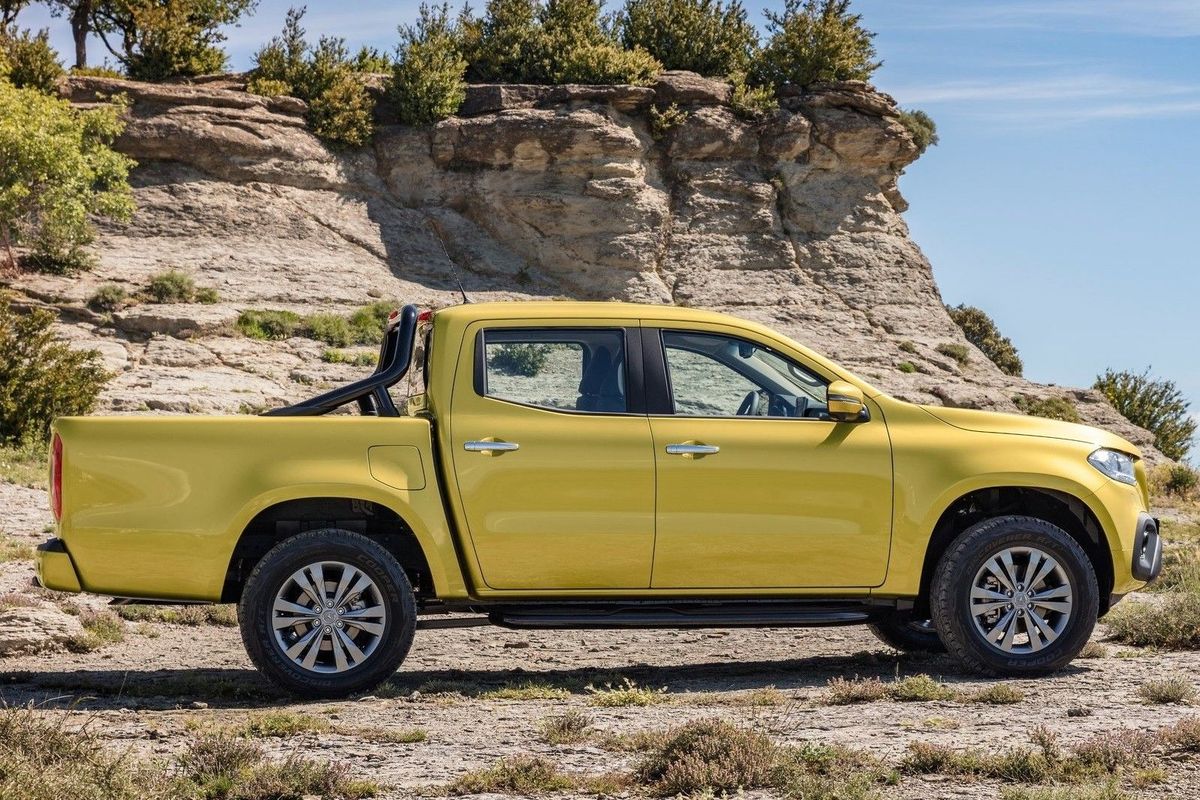
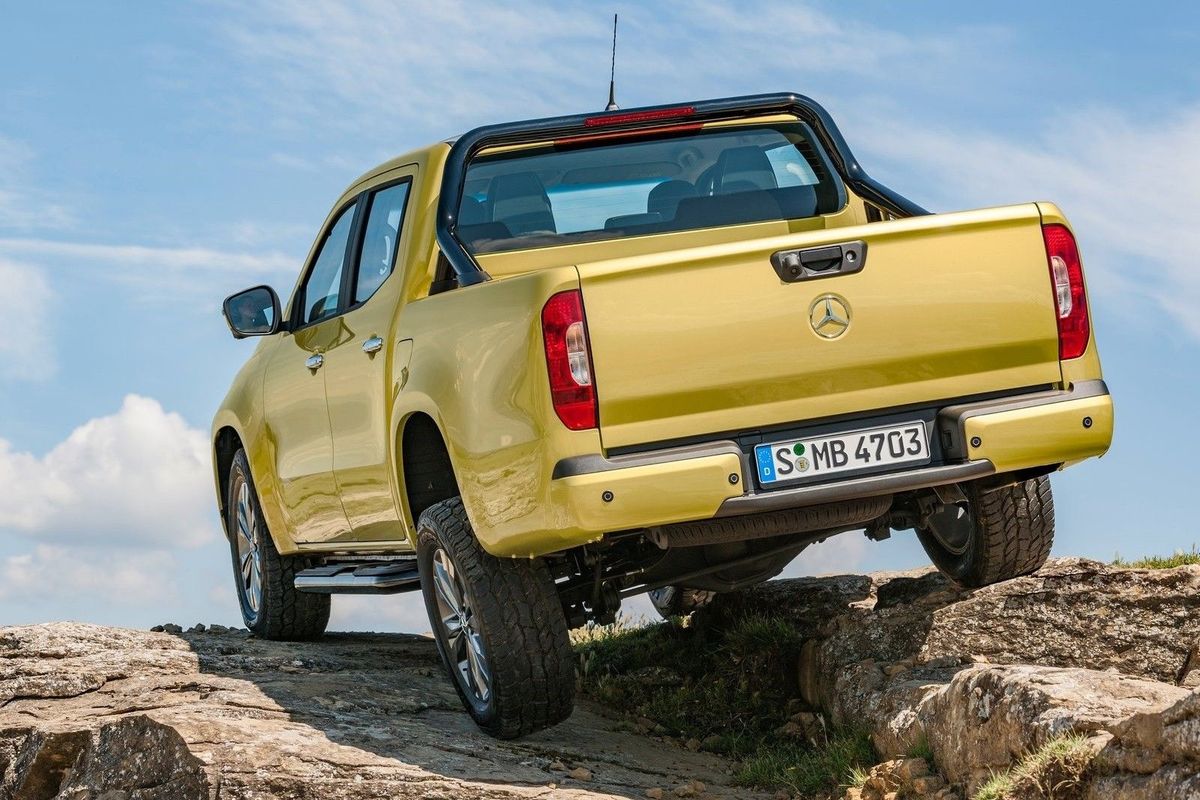
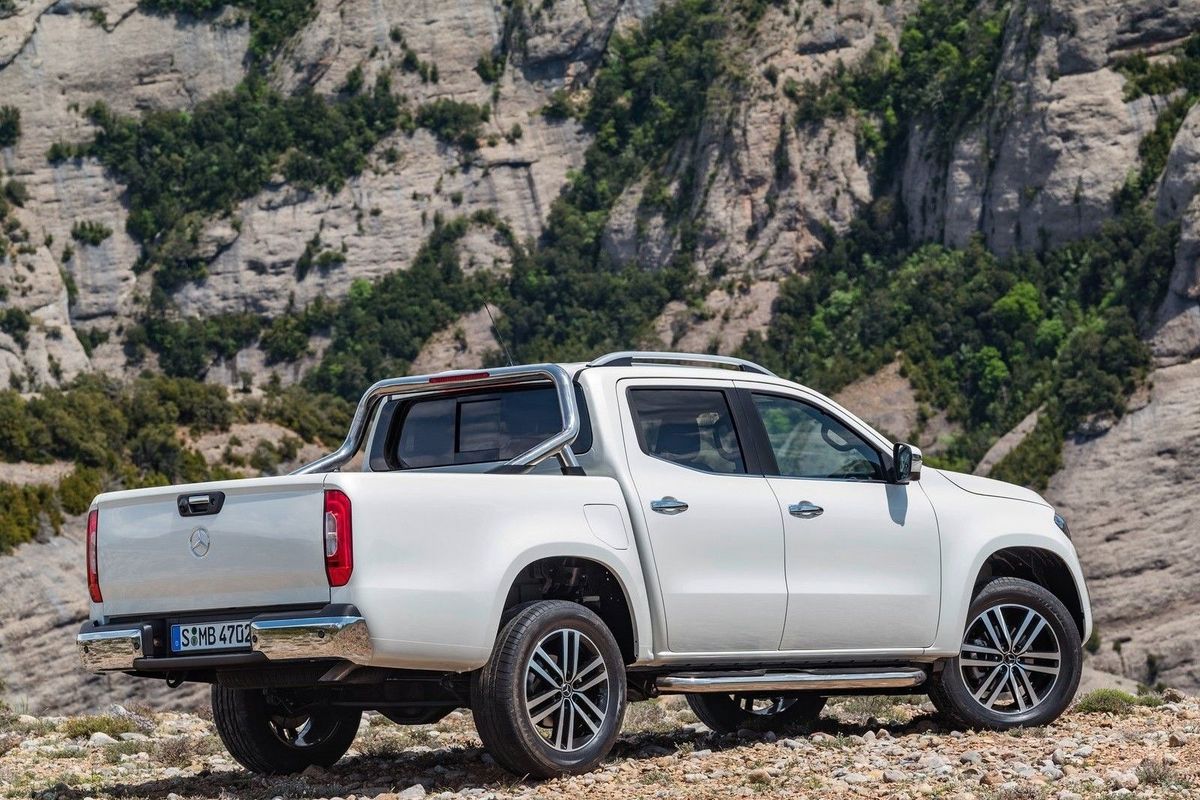
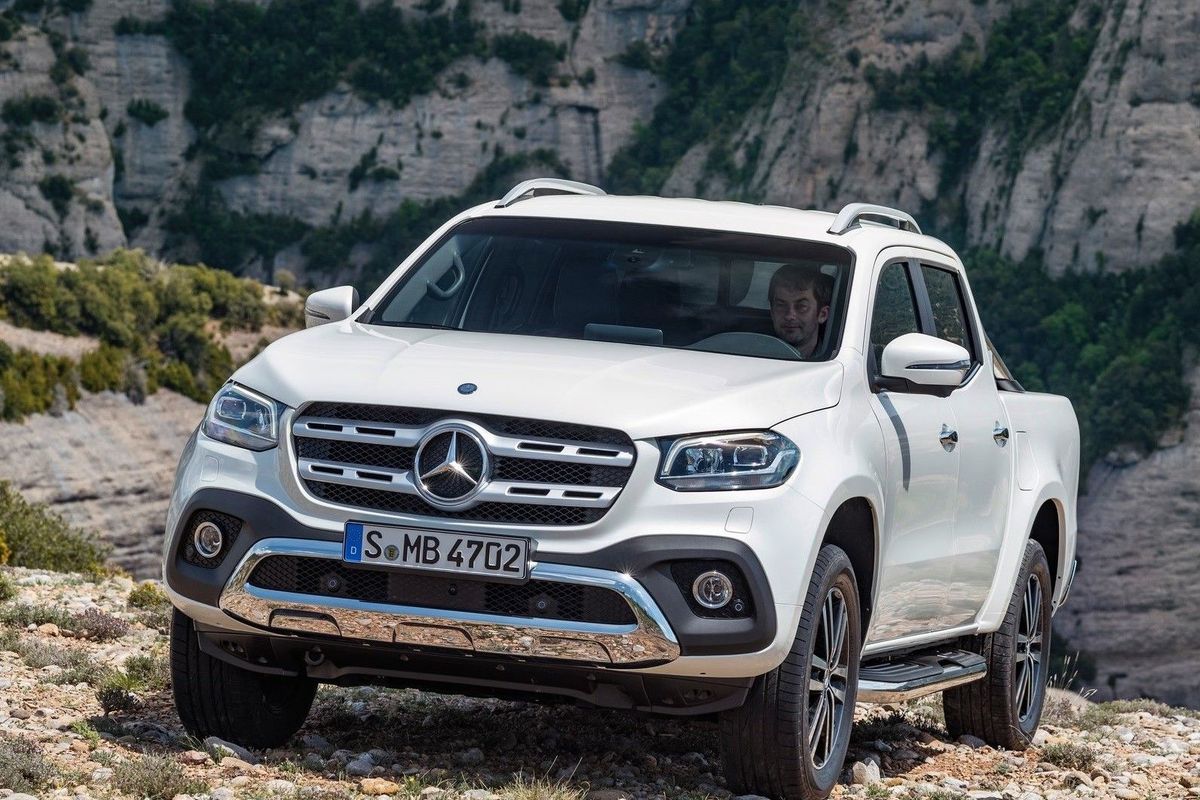
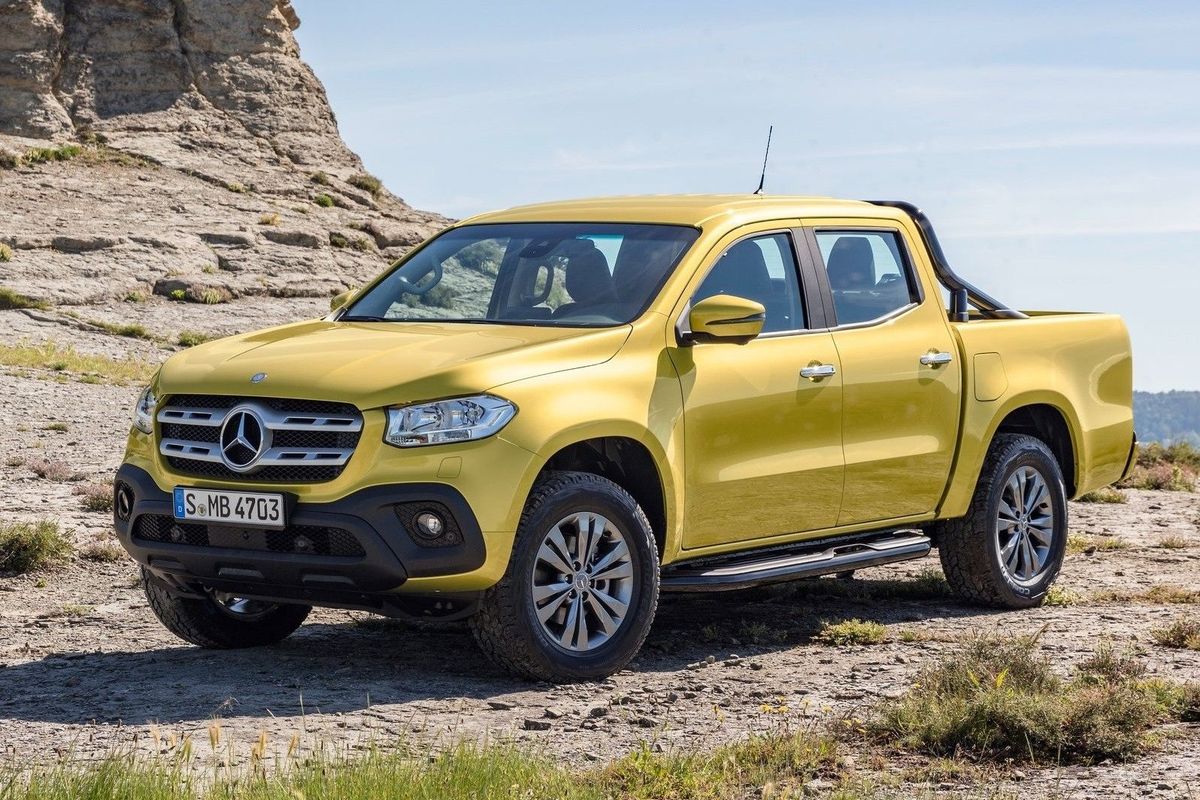
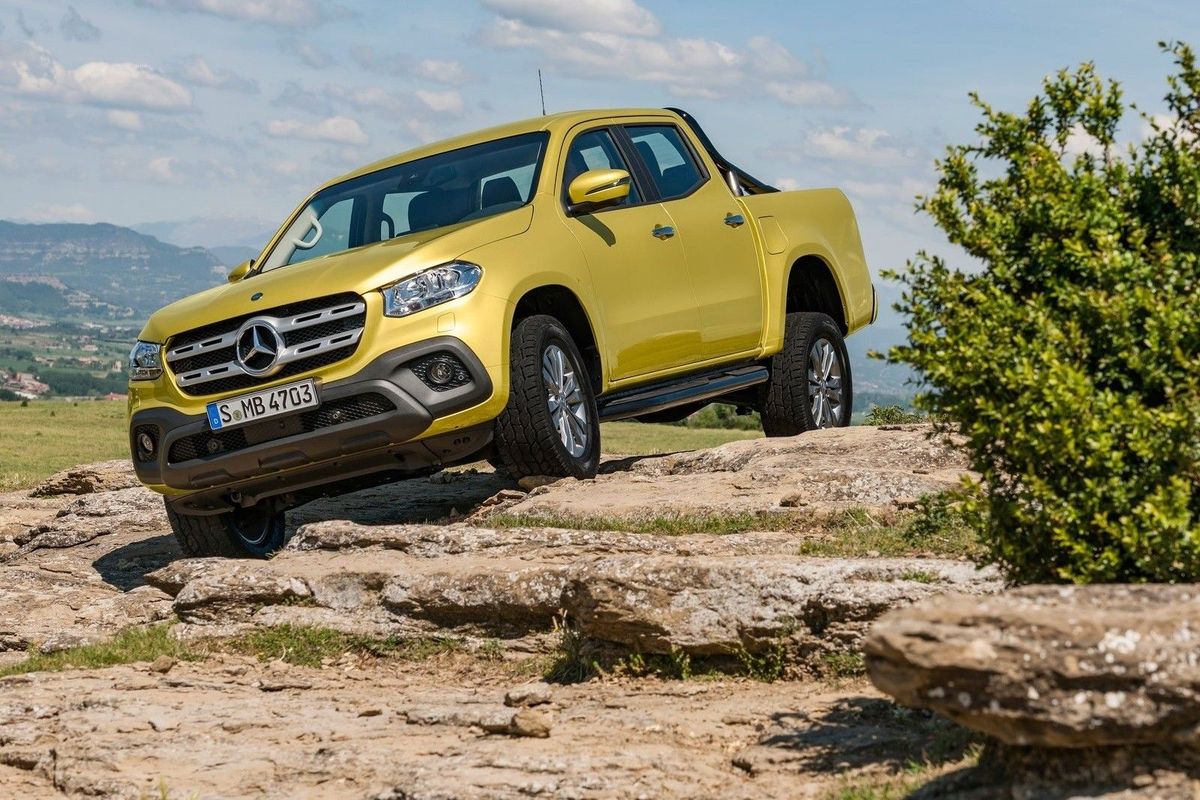
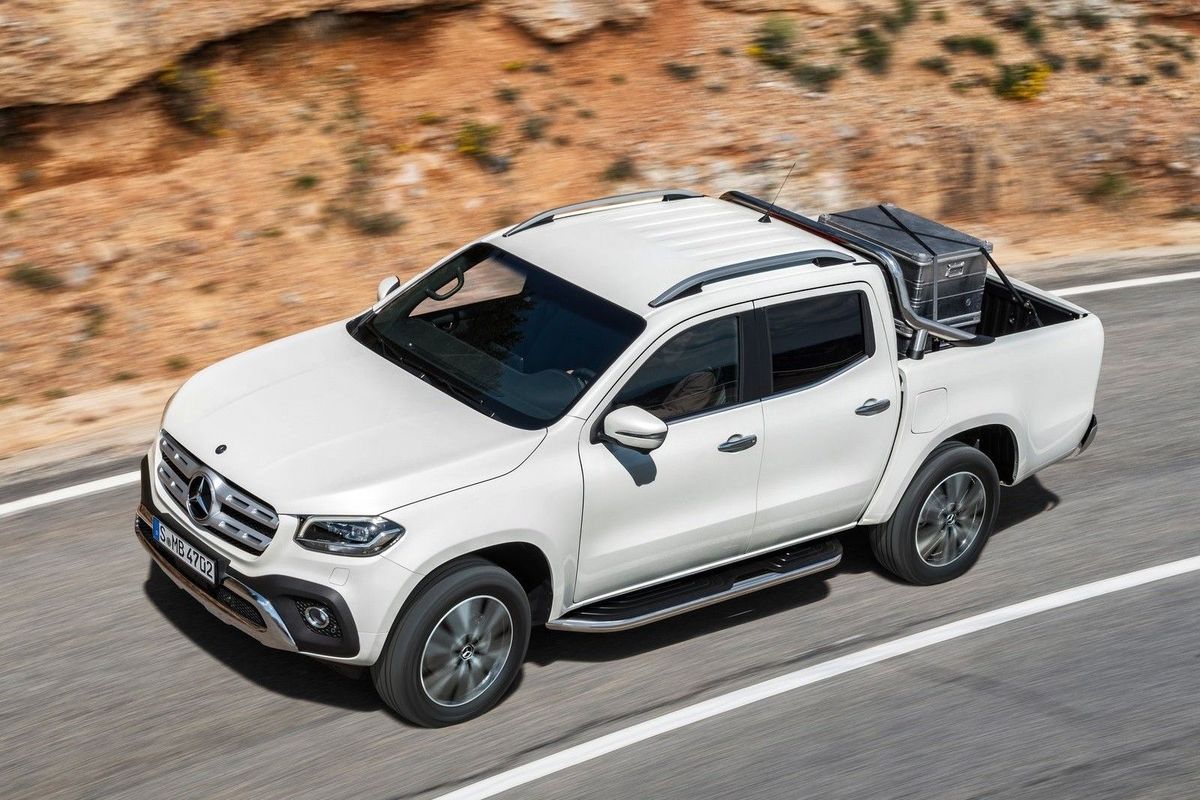
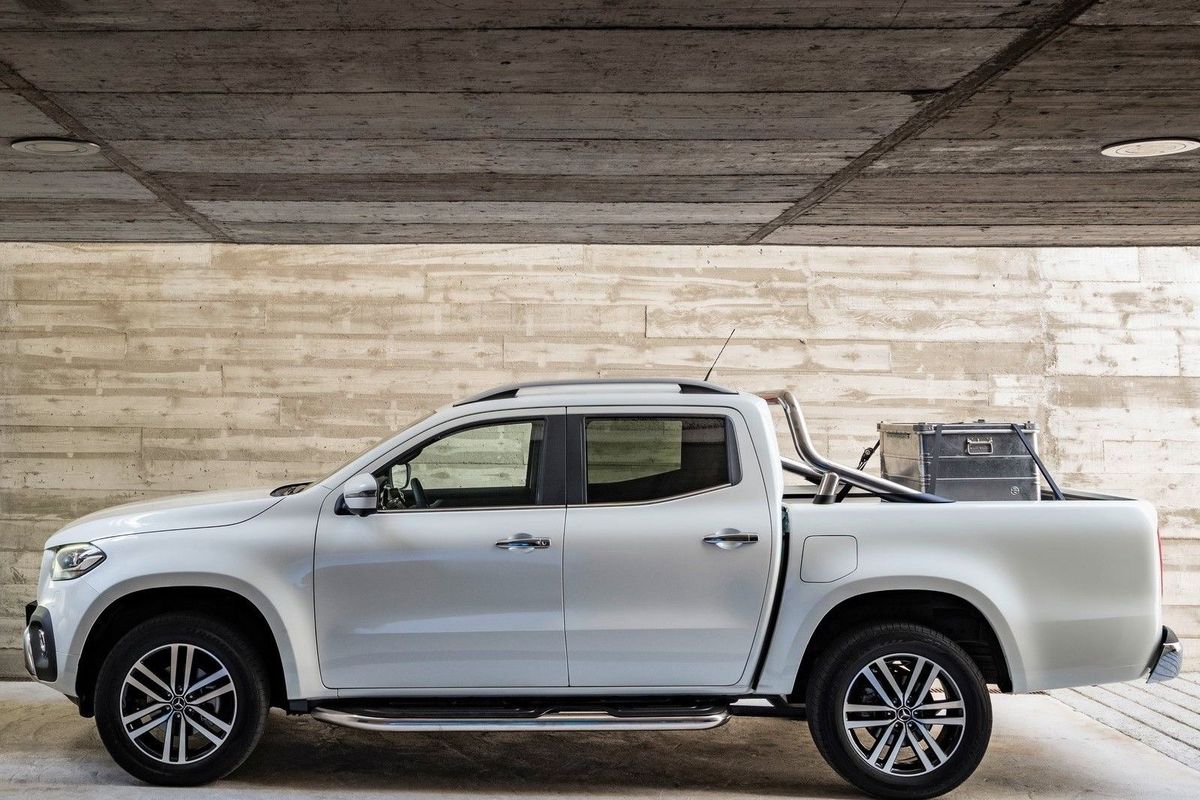
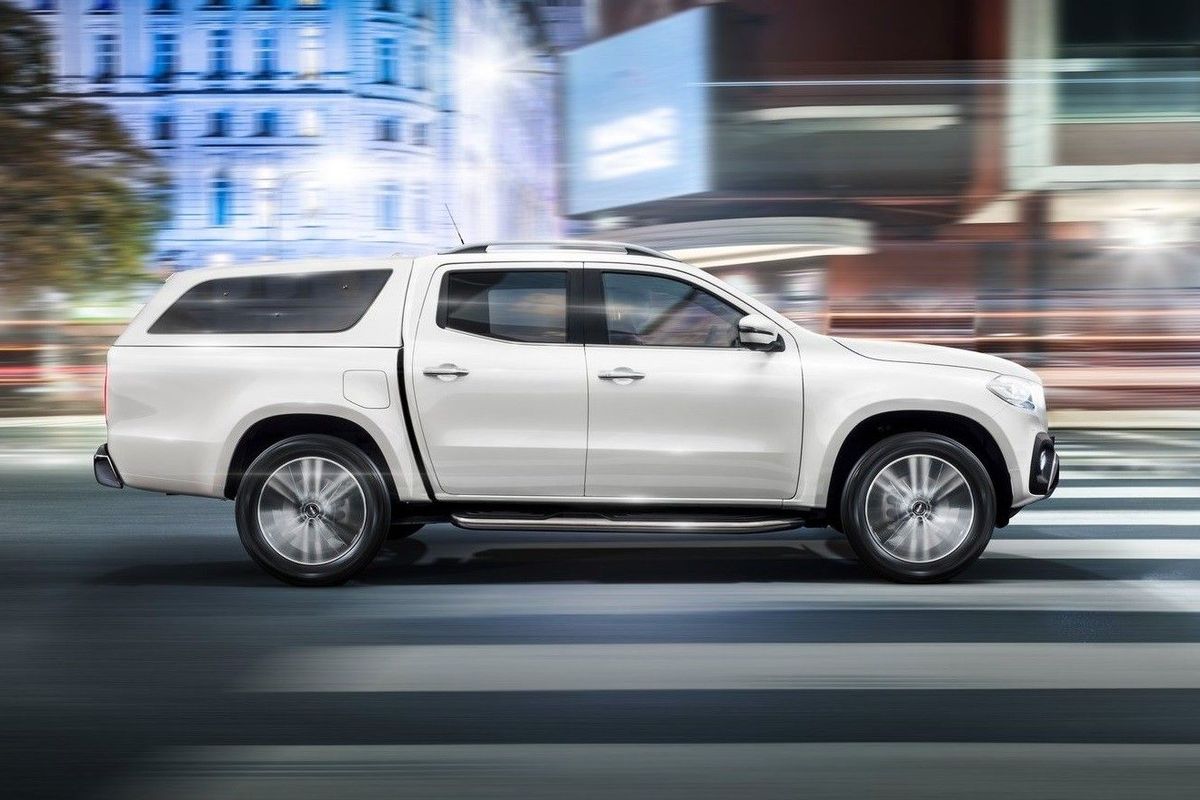
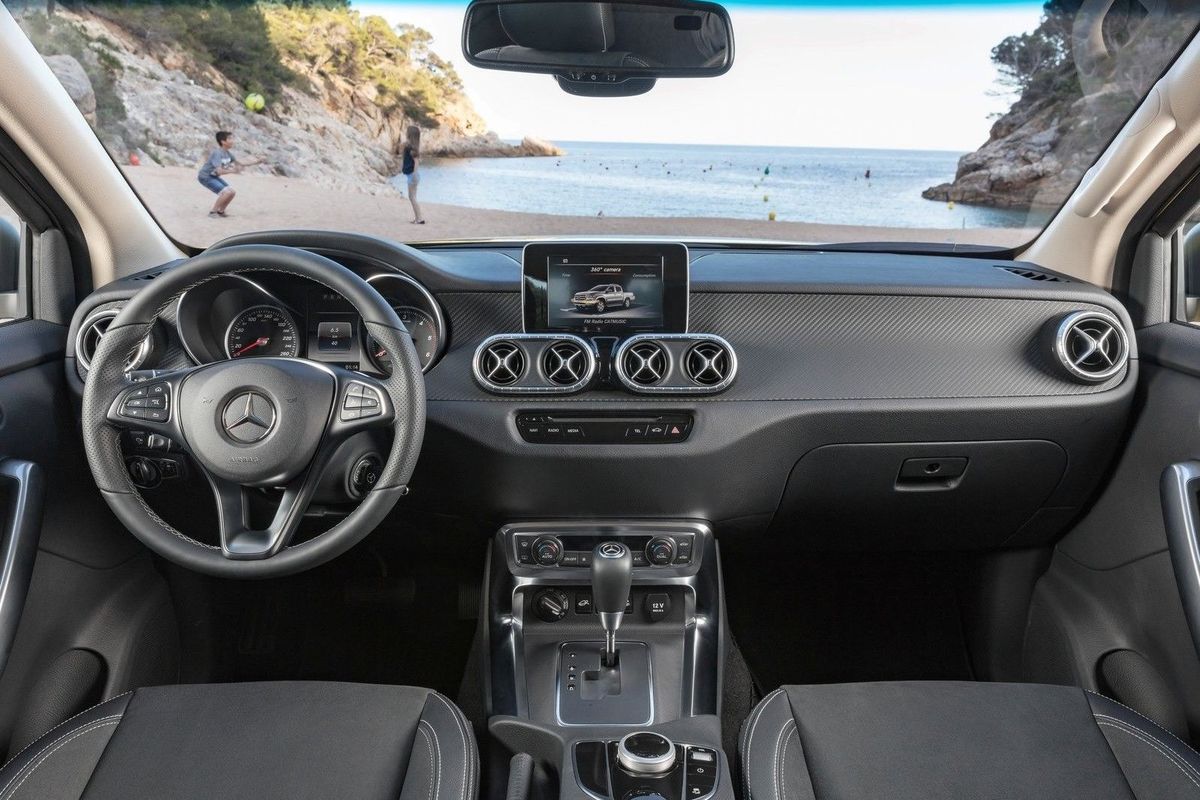
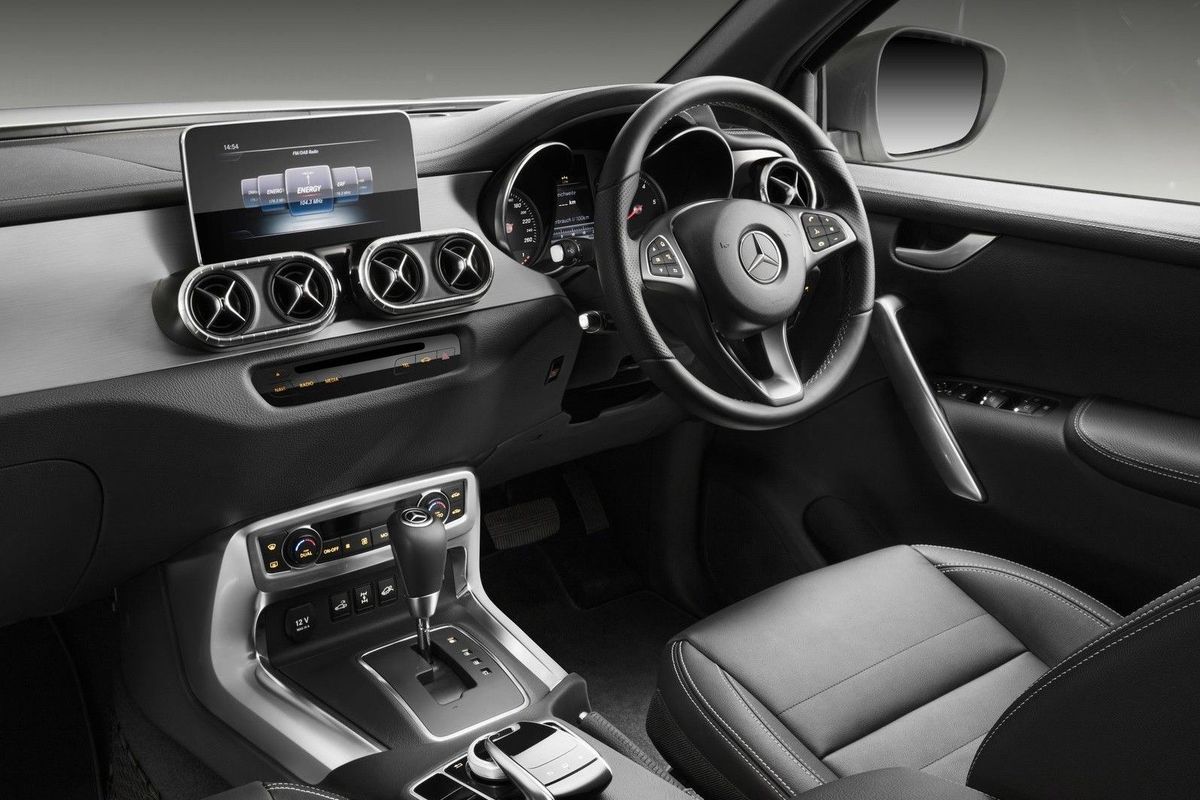
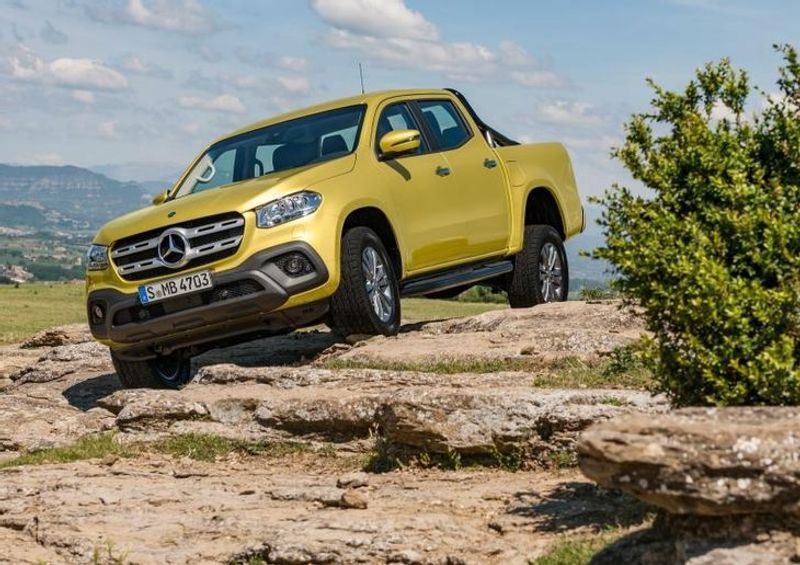
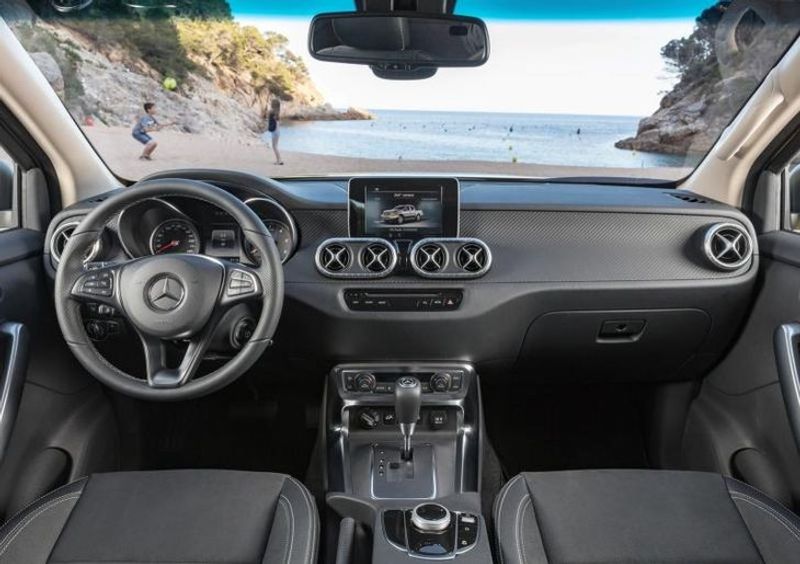
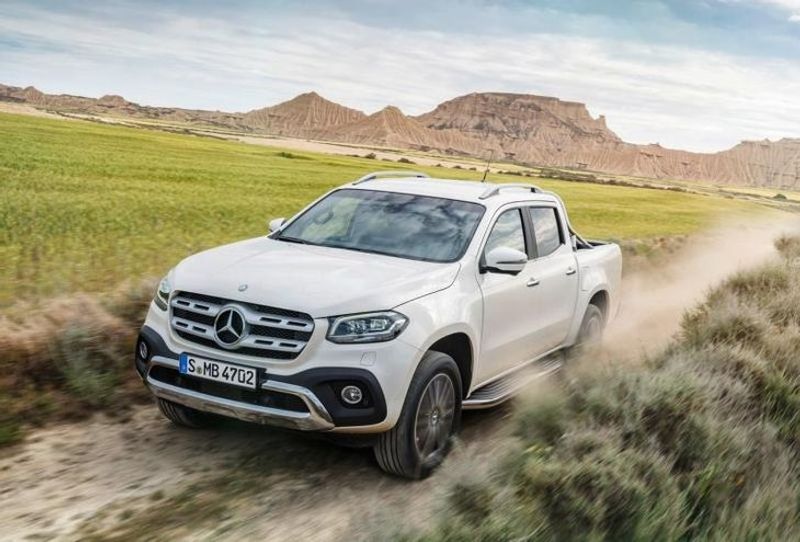
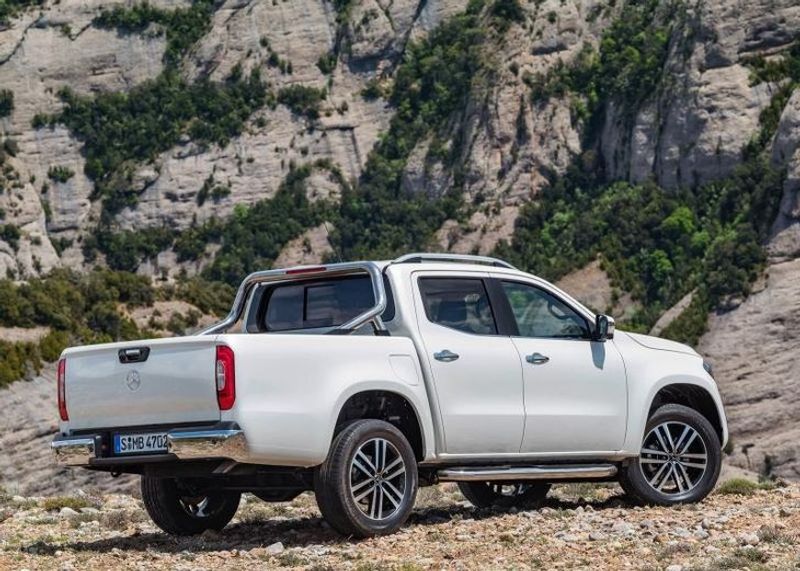
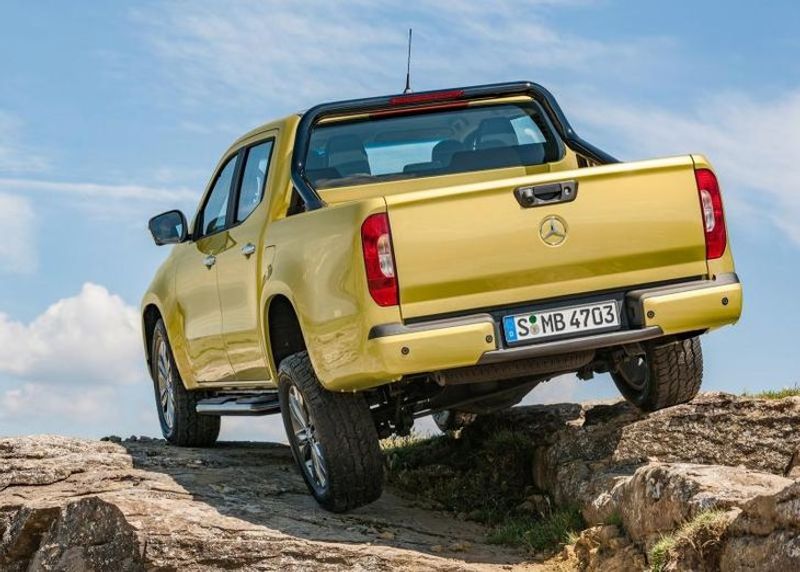
The Mercedes-Benz X-Class double-cab has just hit our showrooms. It's a headline-grabbing bakkie in anyone's book and the first vehicle of its kind from the luxury German manufacturer. What's more, it's South Africa's most expensive bakkie… by some margin.
In this video review, Ciro de Siena takes a detailed look at the newcomer and compares it with its obvious competitors: the Volkswagen Amarok and Nissan Navara (the Japanese bakkie upon which it is based).
Meanwhile, regular Cars.co.za contributor Calvin Fisher attended the local introduction of the X-Class in Cape Town, click here to read his Launch Review.
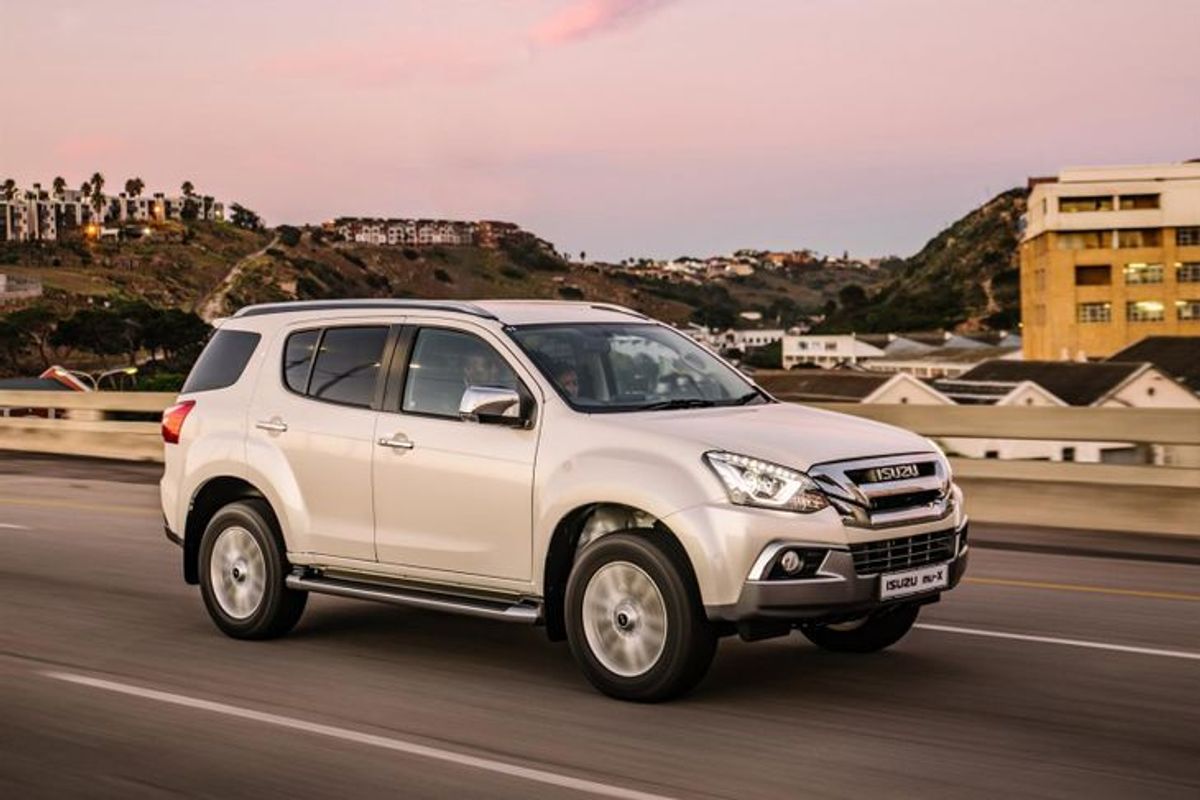
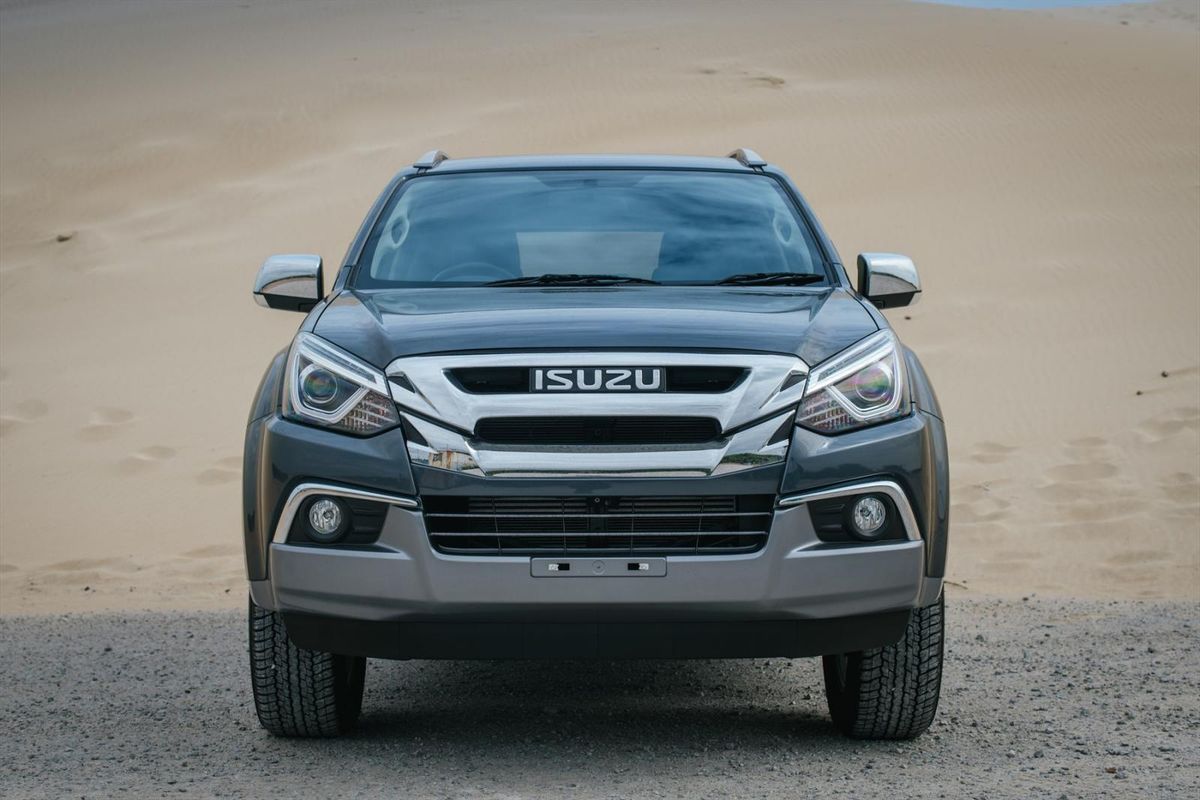
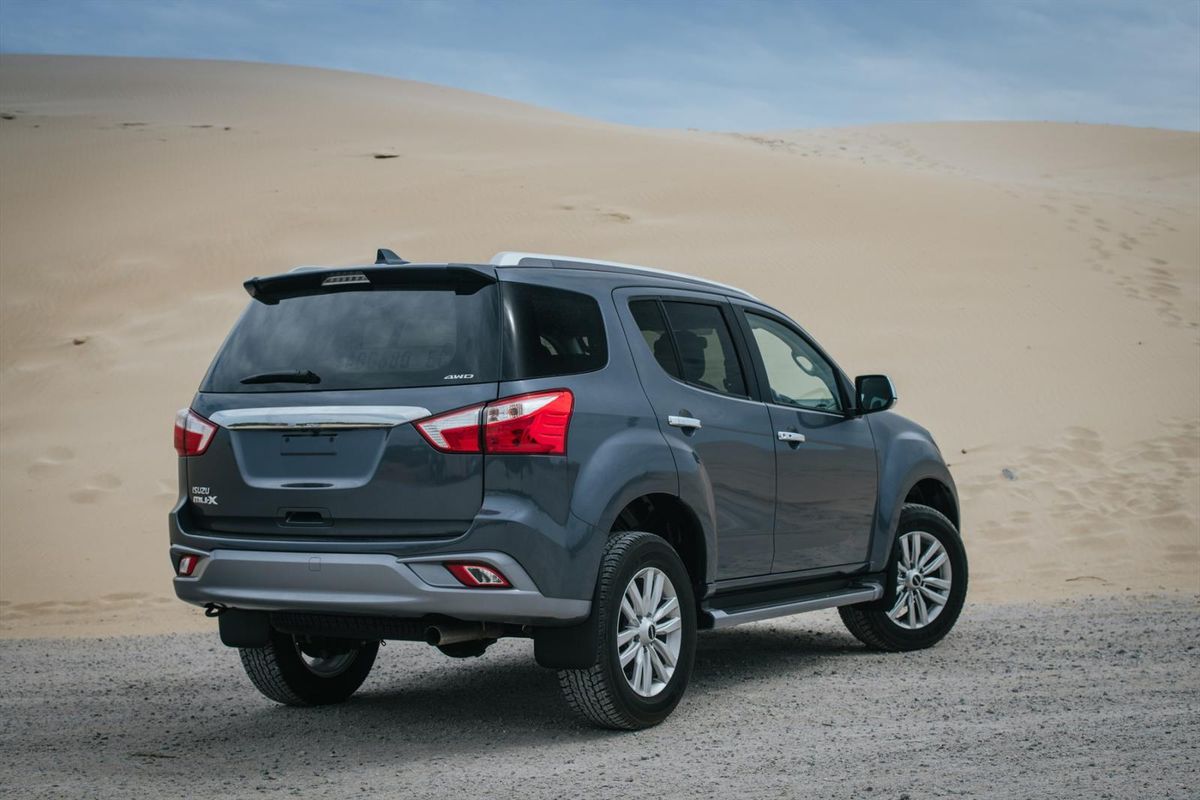
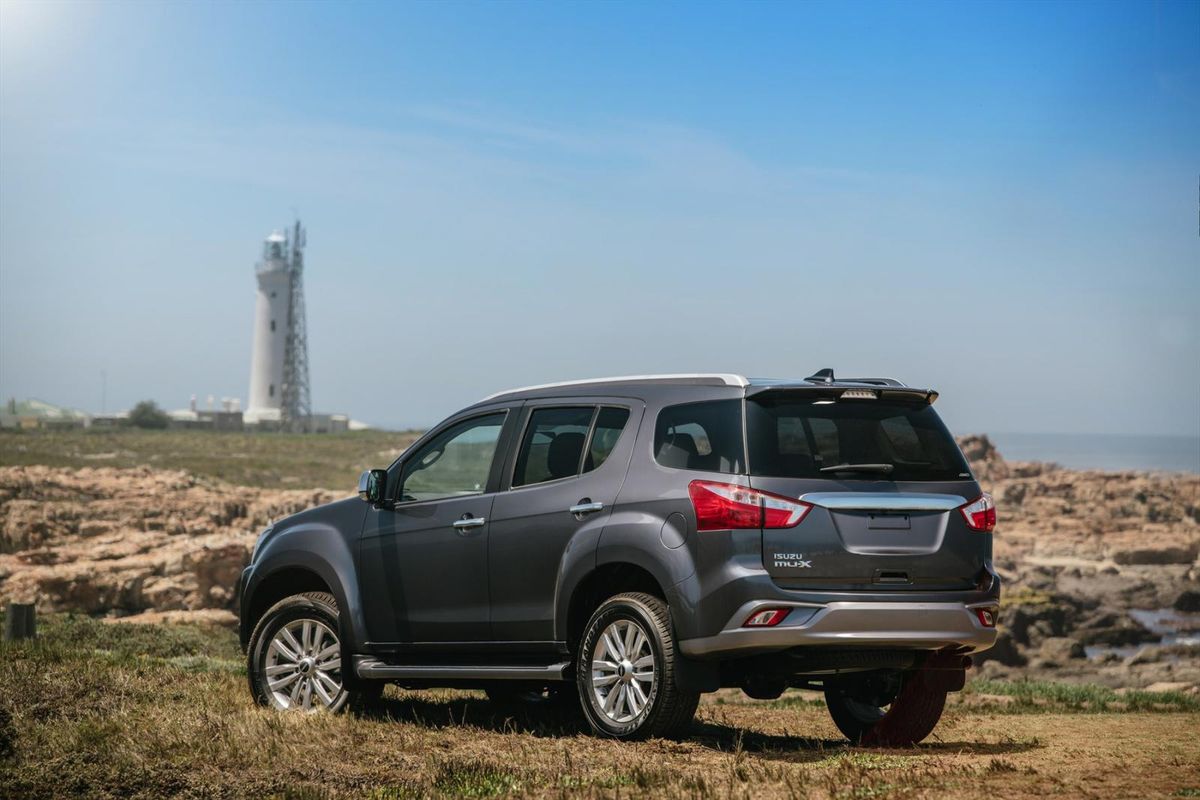
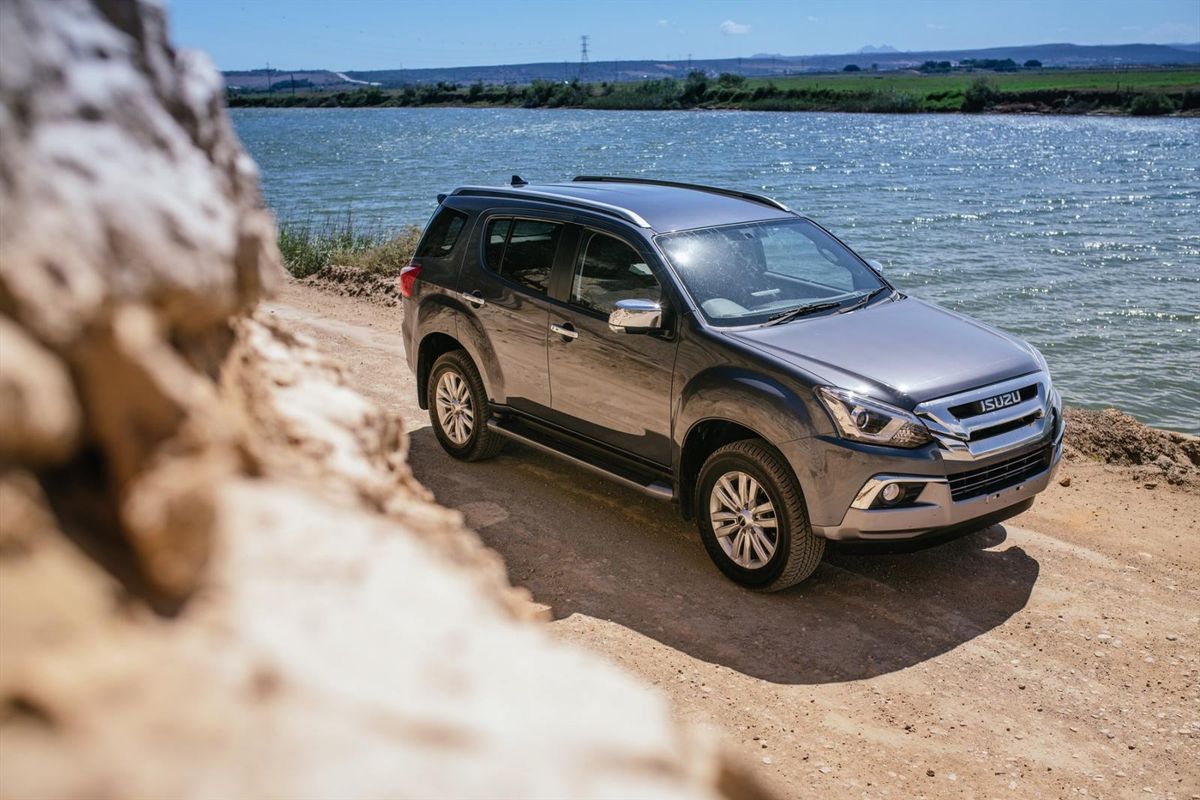
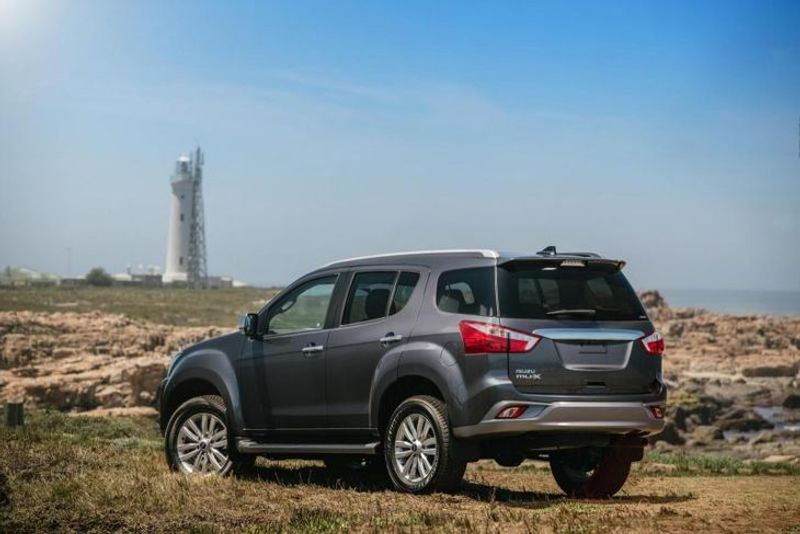
Isuzu has introduced its first new model since General Motors' departure from the South African market: it's a 7-seater Adventure SUV named the MU-X, which is a rival to the Toyota Fortuner, Ford Everest and Mitsubishi Pajero Sport.
When General Motors SA announced it was shutting up shop, everyone was worried that the brands in its portfolio would disappear from the market. Fortunately, Isuzu, which was not affiliated with GM outside of South Africa anyway, has stuck around and is launching products independently. The MU-X is a well-specced bakkie-based SUV (it shares its underpinnings with the KB range) and Isuzu claims it offers superb all-round capability.
Engine and Transmission
The new Isuzu MU-X is powered by a 3.0-litre 4-cylinder turbodiesel engine with peak outputs of 130 kW and 380 Nm, giving it enough oomph to tow trailers and caravans. Speaking of towing, the MU-X has a braked tow rating of 3 000 kg; it's available with a choice of either 4×2 rear-wheel drive or part-time 4×4 drive, the latter of which features Isuzu's Terrain Command 4×4 system with electronically selected 2-High, 4-High and 4-Low modes. Both derivatives have an automatic transmission.
In terms of off-road capability, the Isuzu MU-X has a ground clearance of 230 mm, a 24-degree approach angle and departure angle of 25.1-degrees. There's extensive underbody protection, including a sturdy steel guard (for the sump and transfer case) for added peace of mind.
Features
The Isuzu MU-X comes in 2 flavours; 3.0 4X2 AT6 and 3.0 4×4 AT6. At the front, there are LED daytime running lights, along with Bi-LED projector headlamps with auto-levelling functionality. The vehicle rides on 18-inch alloy wheels.
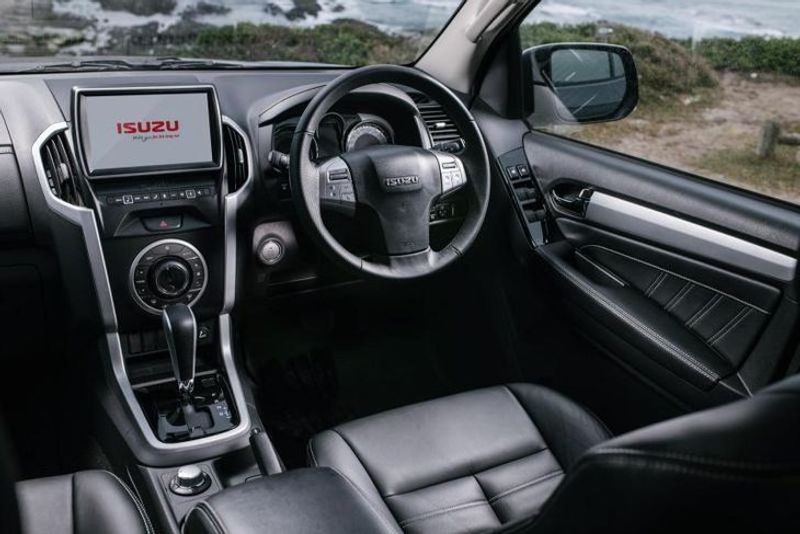
Inside, the newcomer offers seating for 7 occupants and the centre and rear rows of seats can be folded flat to free up utility space. It boasts a 9-inch touchscreen infotainment unit that includes an 8-speaker audio system with DVD/MP3-compatible CD player, Bluetooth connectivity and audio streaming, as well as Apple CarPlay and Android Auto functionality. Satellite navigation is standard, plus front and rear USB slots are provided, in conjunction with an auxiliary iPod and HDMI ports.
A climate control system is standard, while rear seat occupants are catered for with their own cooling vents. A trip computer featuring fuel economy, range, odometer and trip meter readouts, plus maintenance data is included. The seats are wrapped in leather, while the driver's seat is 6-way electrically adjustable. The leather-trimmed steering wheel features controls for phone, audio and cruise control. A reverse-view camera is also fitted, while rear parking sensors are optionally available.
Isuzu claims its new MU-X is particularly practical as well: there is a multitude of storage compartments located strategically around the cabin, including dual glove boxes, an upper dash storage binnacle and cup holders for all three rows of seats.
Safety tech
The new Isuzu is equipped with all-disc ABS with Electronic Brakeforce Distribution (EBD) and Emergency Brake Assist (EBA). Electronic Stability Control (ESC) helps the driver maintain control of the vehicle, while the Traction Control System (TCS) prevents wheel spin and slippage. Hill Start Assist (HSA) provides an electronic brake control that automatically engages to prevent vehicle rolling back. There's also Hill Descent Control (HDC) which can be engaged in low-range mode.
Six airbags are included in the list of standard passive safety features: there are dual front, side and full-length curtain airbags, linked to front seat pre-tensioner seatbelts. The front bucket-type seats are designed to prevent whiplash in a rear impact, while adjustable headrests are provided for all seven seats.
Customisation options
Isuzu SA says its new MU-X can be personalised with an array of accessories specifically designed for the newcomer. There's the choice of an additional storage box is available for the mu-X located beneath the luggage area floor. This unit has three useful compartments to safely place items out of sight. A tow bar is also an option worth considering as is the stainless-steel nudge bar. A bonnet guard and scuff plate at the rear can also be specified.
Isuzu MU-X Price in South Africa
Accordingly, the Isuzu mu-X comes standard with Isuzu Complete Care, comprising a five-year/120 000km bumper-to-bumper warranty and Isuzu Roadside Assistance, a five-year/unlimited km anti-corrosion warranty and a five-year/90 000km Service Plan. Service intervals are every 15 000km/12 months. Extended cover can also be purchased for Roadside Assistance, Service Plans and Maintenance Plans
Isuzu MU-X 3.0 4X2 AT6 R 568 000
Isuzu MU-X 3.0 4×4 AT6 R 629 100
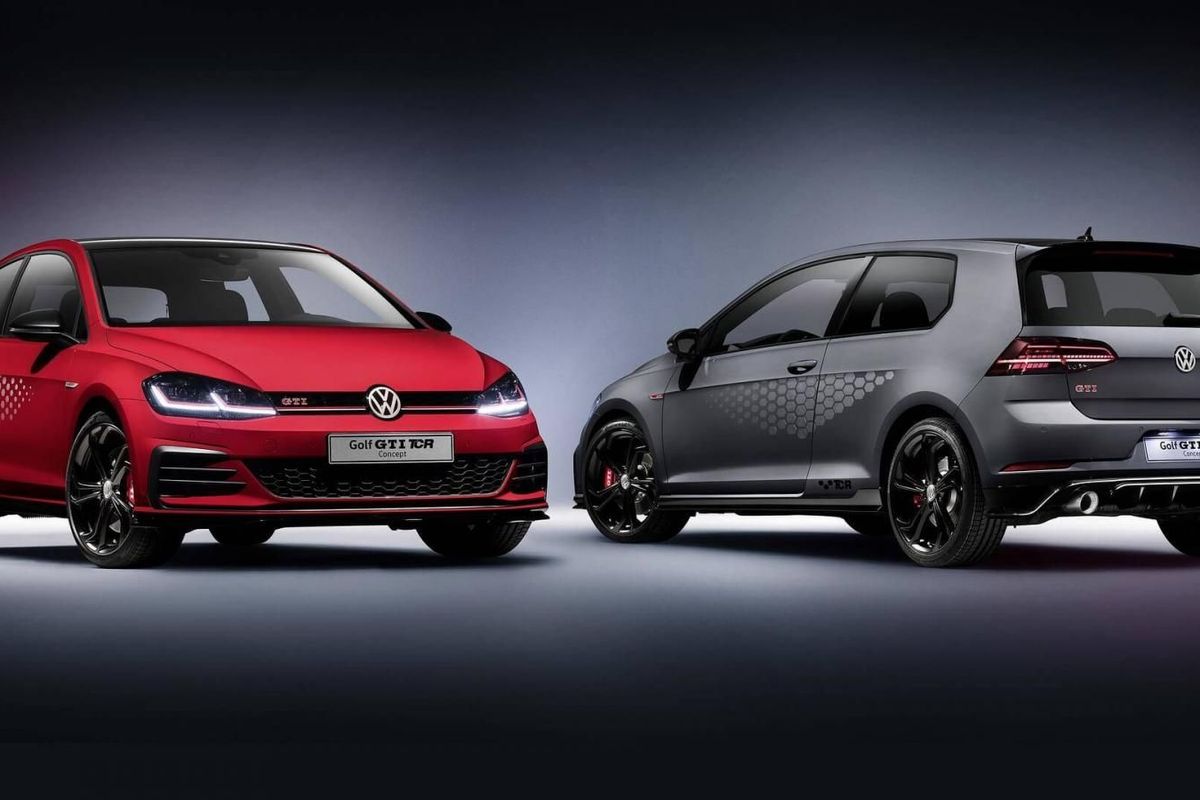
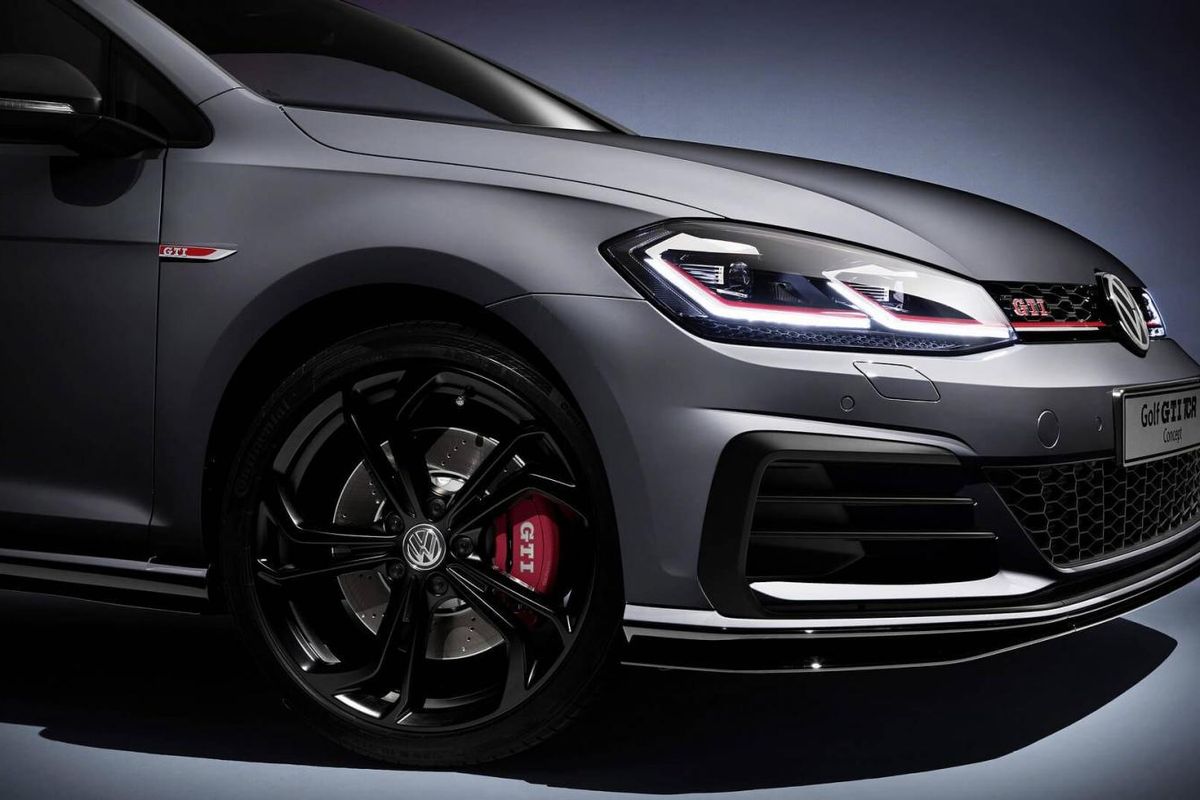
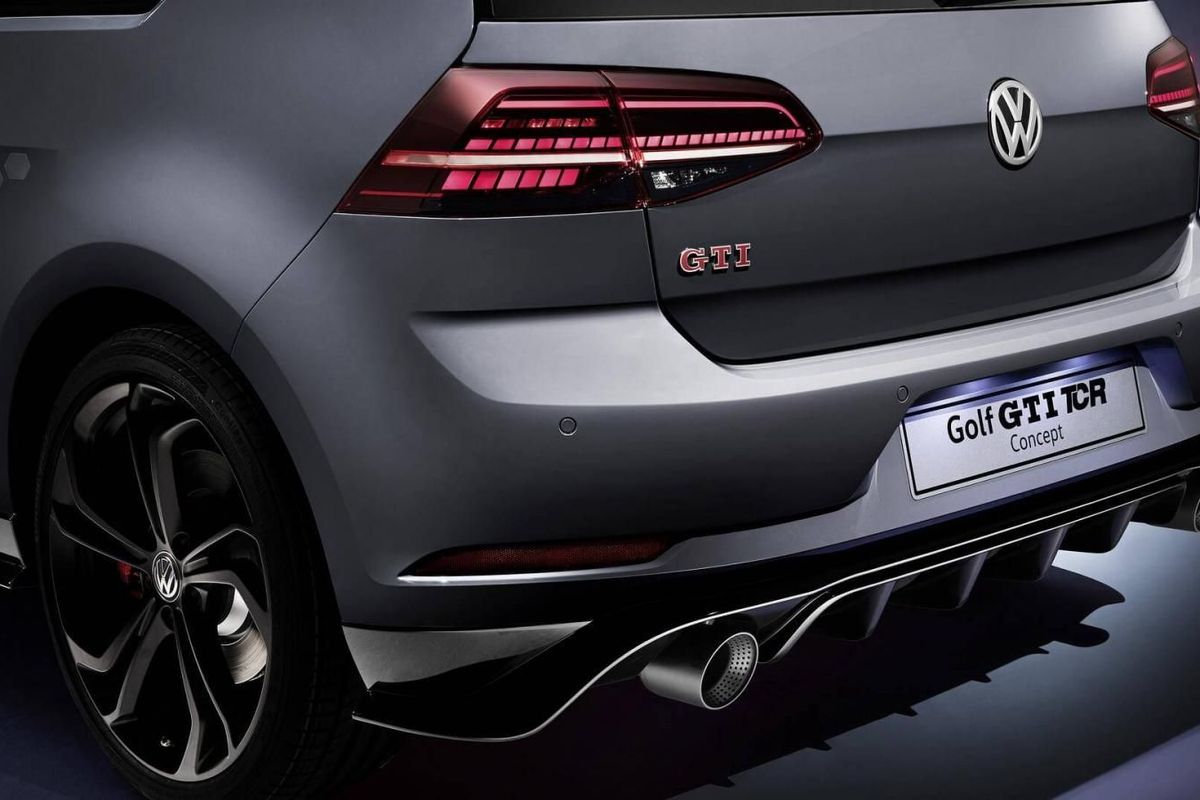
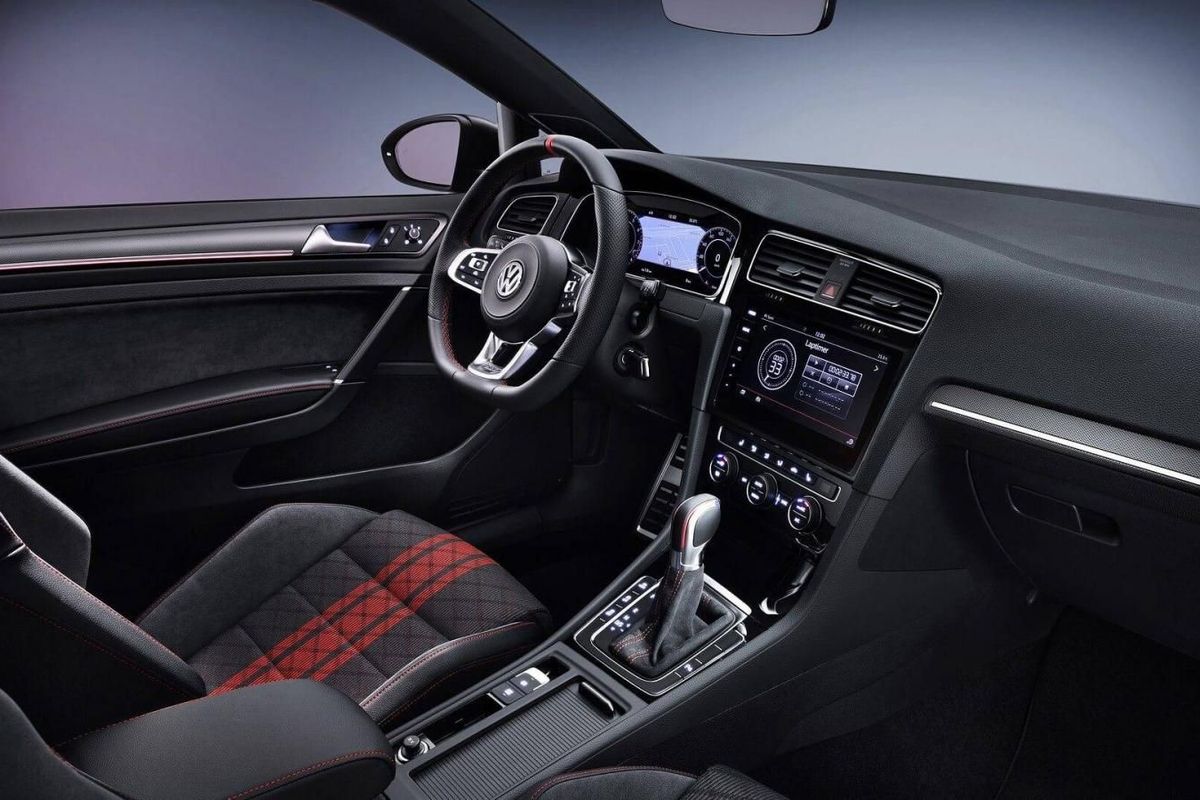
Volkswagen has used the annual Worthersee Festival to showcase a new Golf GTI Concept, which will spawn a road-going production version. Let's meet the Golf GTI TCR Concept
Named after the European Touring Car Racing series, the Volkswagen Golf GTI TCR Concept boasts a top speed of 263 kph and the big news is that Volkswagen has confirmed that its almost ready for production. Essentially, what you're seeing here is the road-going version of the racing car, which makes for exciting reading.
Jürgen Stackmann, Sales, Board of Management of Volkswagen AG, said: “At the moment, the Golf GTI TCR Concept – an athlete derived from racing – is a study. But at the end of the year, we want to make this GTI vision come true.” Under the skin lurks a modified version of the EA888 turbocharged 2.0-litre motor, ramped up to produce 213 kW and 380 Nm. All that grunt goes to the front wheels via a standard 7-speed dual-clutch automatic transmission. The vehicle also features a limited-slip differential.
The new Volkswagen Golf GTI TCR features 18-inch “Belvedere” forged aluminum-alloy wheels as standard, with newly designed 19-inch alloys as an option. For performance stopping power, perforated brake discs together with special callipers and pads are fitted. For those wanting even more, drivers can opt for a package that removes the speed limiter, adds on the bigger wheels, a sports chassis setting and adaptive damping.
You'll be able to stop the most powerful GTI with its new front bumper and contoured front splitter. There are new side skirts, rear diffuser and exhaust tailpipes. TCR lettering is featured and you can opt for GTI-style honeycomb trim for the side of the new GTI TCR. Inside, there are new-look sports seats with special stitching on the steering wheel and gear shifter.
The arrival of Mercedes-Benz's eagerly awaited X-Class in the local market puts an official stamp on the advent of the luxury double-cab bakkie era in South Africa. But what of the new X-Class? Of course it’s similar to the Nissan Navara, but what’s bad about that?
There’s no point dancing around the one contentious issue of the new Mercedes-Benz double cab. So let’s unpack this right at the start so that we can better appreciate a really great bakkie. First, the chassis and componentry are shared with Nissan, as is the engine, the suspension and even some hard points on the bodywork have been carried over, most notably the greenhouse, especially apparent at the C-Pillar, where the door sill rises to meet it. Many vehicles share a lot more than this; proper sticker jobs, badge engineering. This is not that. This is Teutonic engineering and lots of it. Meet the Mercedes-Benz X-Class: a premium double-cab experience.
Despite its Navara platform, there's no mistaking it for anything other than a Mercedes-Benz
The clearest point of distinction is in the aesthetic, in particular, the familiar GLE/GLC/GLA DNA in its front end. That’s bold grille dominated by two perforated lamellae rendered in chrome in our Power test unit, as is the bottom diffuser (or belt) and foglamp surrounds. Alternatively, you can have the more affordable Progressive model with body colour or dark plastics for similar surfaces. South Africa will not receive the bottom rung Pure models, which, to be fair, are workhorse-spec vehicles.
Towbars come standard at the rear, a bottom flanked by tall tail lamps and underscored by a chrome (also on Power models) rear bumper, and then – and this part is crucial, a Mercedes-Benz three-pointed star is placed dead centre beneath load bin’s handle. Out here at the back, traces of Navara are way less concealed than elsewhere, such as the cabin, where the Stuttgart firm has gone to great lengths to stamp its mark into everything from the Alcantara seats and 3-spoke steering wheel.
I miss a bit more stowage space in the space between the front seats… as it stands there’s enough for two cups and some loose change and that’s about it, unless you’re content with chucking the rest of your junk into the centre bin. It's hardly a fault, but it does take some getting used to if you’re the type of bakkie-enthusiast who packs a lot of small gear on your trips.
Safety technology and infotainment levels are at a level that you'd expect of a Mercedes-Benz, but that’s also par for the course considering how far double-cabs have come as lifestyle vehicles, or, in #CarsAwards parlance, Leisure Double-Cabs. The X-Class' meaty helm fills the palms well, the sign I hope of an engaging steering experience and since it will be the most direct connection between the front wheels and myself, we must talk about handling and performance next.
The cabin is upmarket, but lacking in stowage space
What's it like to drive?
Mercedes-Benz must be confident in the way its new bakkie handles as the firm constructed an interesting test route for the local media launch, replete with a compelling challenge. We covered a route of just under 200 km of asphalt and gravel sections, including the Montagu and the Outeniqua Passes, which the X-Class had little problem dispelling from the windscreen to the rearview mirror. It’s a tall "car" and handles as you’d expect, like a well-sorted bakkie and that’s just fine. But then we had the privilege of pointing our double-cab Benzes through the notorious Devil's Peak/Duiwel's Kop Pass, an old Voortrekker route that is both narrow and windy and here's the clincher, usually closed to the public. Also, it's a product of Thomas Bain, perhaps South Africa's most prolific builder of mountain passes.
Power is supplied from the same 2.3-litre turbodiesel engine in the Nissan Navara, but here it can be had in two outputs, 120 kW/403 Nm in the X220d or 140 kW and 450 Nm (X250d), all of which brings us neatly to that all-important sticker price.
Our test route covered many kilometres of gravel and tar, and we did some 4x4ing. The X-Class passes the first impression test.
So, how much will all this premium cost me?
Well, the entry level X220d 4×2 Progressive derivative can be had as "cheaply" as R624 103 – that’s a 2-wheel drive manual transmission bakkie – but even that can be optioned to the high heavens if you're not too careful. Pricing of the Progressive versions tops out at R696,785 before accessories. Opt for a Power X250d derivative, however and pay-to-play is a lofty R763 256, again without options, which, if added too liberally will take you frightfully close to a million-Rand bakkie. You can always have those accessories retrofitted, or spec them from a dealer. An automatic derivative will cost R791 315 and the V6-engined X350d is scheduled for later introduction.
It's nice, but it should be considering the price you're paying
Mercedes-Benz claims “this is the first bakkie to convincingly combine the versatility of a double-cab with the luxury of a passenger car.” We don’t agree, the Volkswagen Amarok, of which the 3.0 V6 TDI 4Motion Highline Plus derivative is 2017/18 #CarsAwards Leisure Double-Cab Bakkie category champion, has long played this game and even the Navara has been a relatively premium affair, if only in comparison to its own NP300/Hardbody sibling.
The Benz offering is an expensive bakkie and much more than a "utility vehicle". It is refined, well-appointed, and for all intents and purposes a Mercedes-Benz. We have no doubt that it will sell well, and are watching closely to see if it overtakes the aforementioned more affordable Navara with which it shares its underpinnings. Should you buy it? Well yes, if you want a rugged Mercedes-Benz, a premium lifestyle-oriented one-tonner or both. And you're not afraid to spend whatever it takes to get one.
The good news is that there will be a brawny biturbo V6 diesel engine fitted to the X-Class. Watch this space.
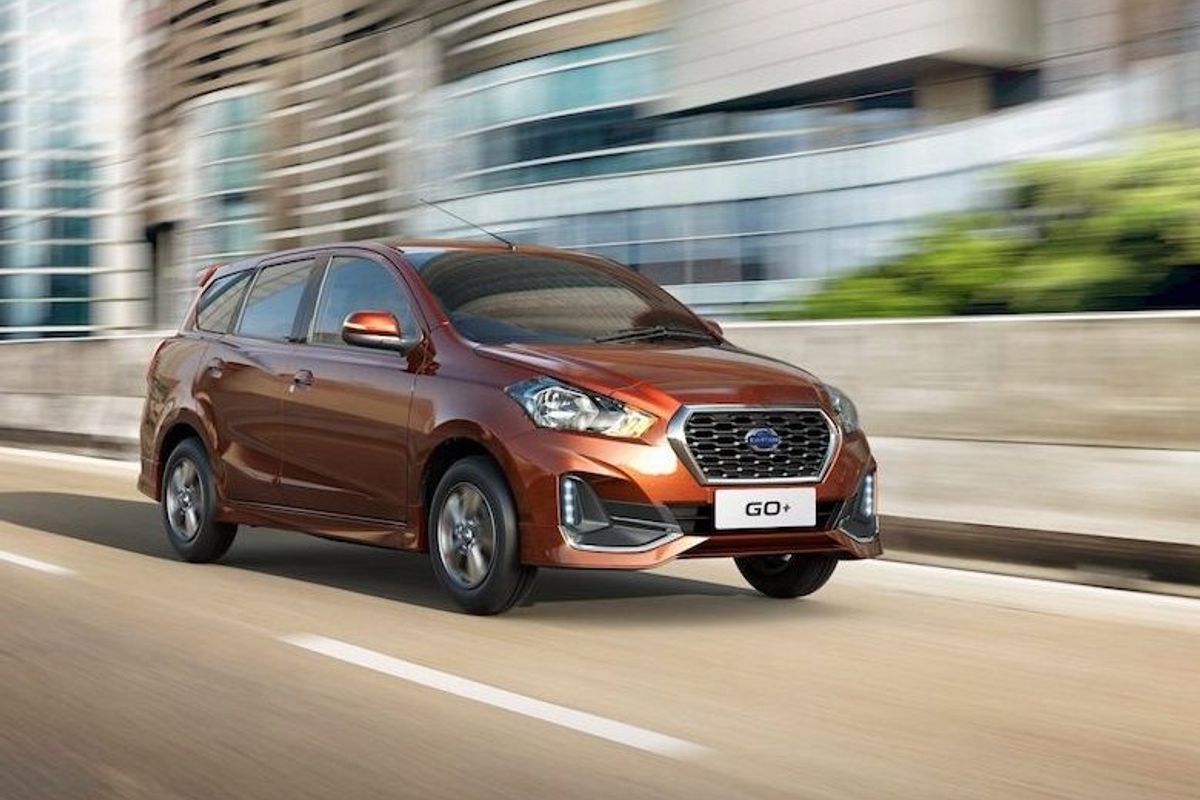
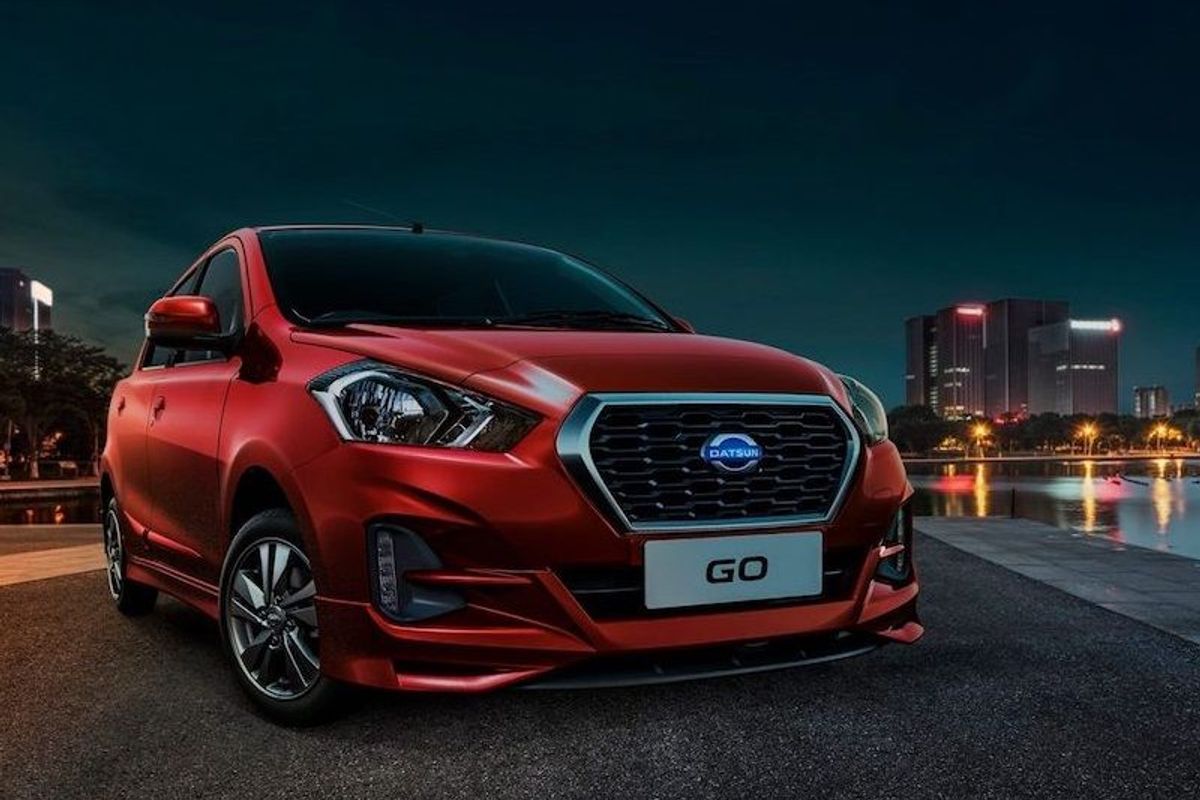
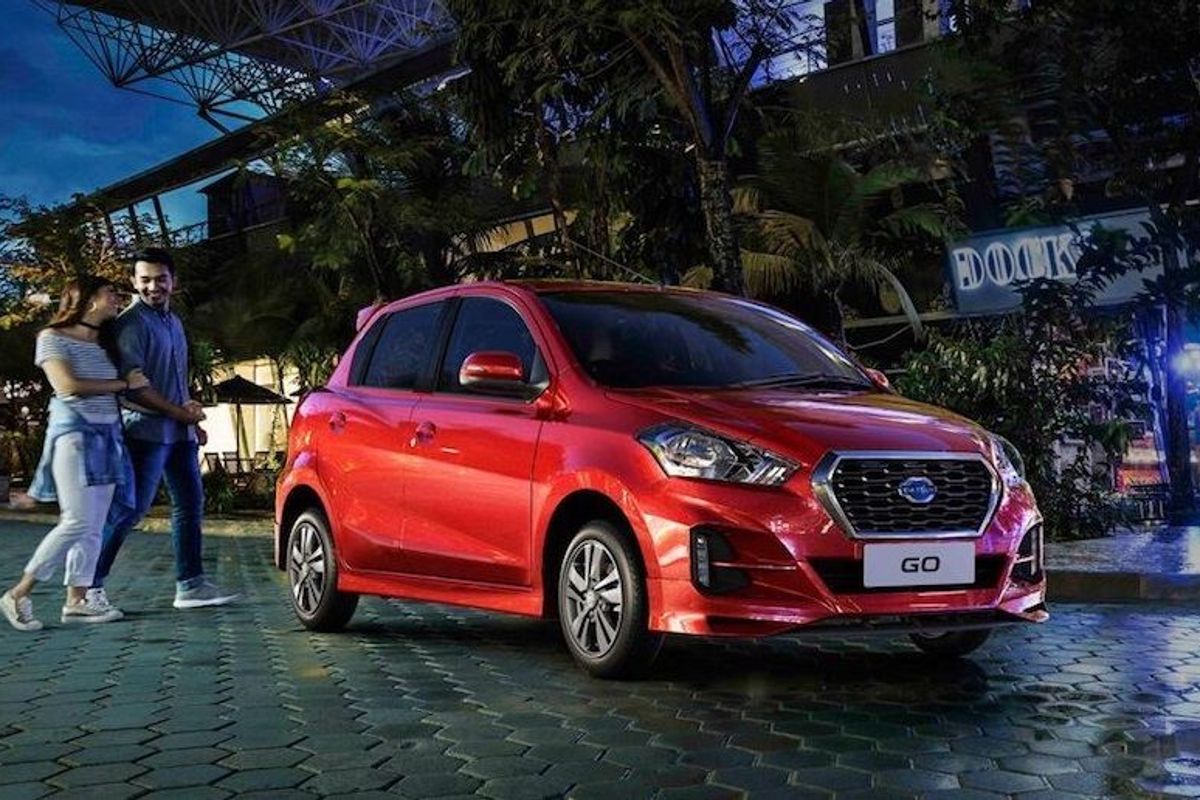
Datsun has introduced a facelift of its Go and 7-seater Go+ budget cars. There are several changes, here's what the update entails.
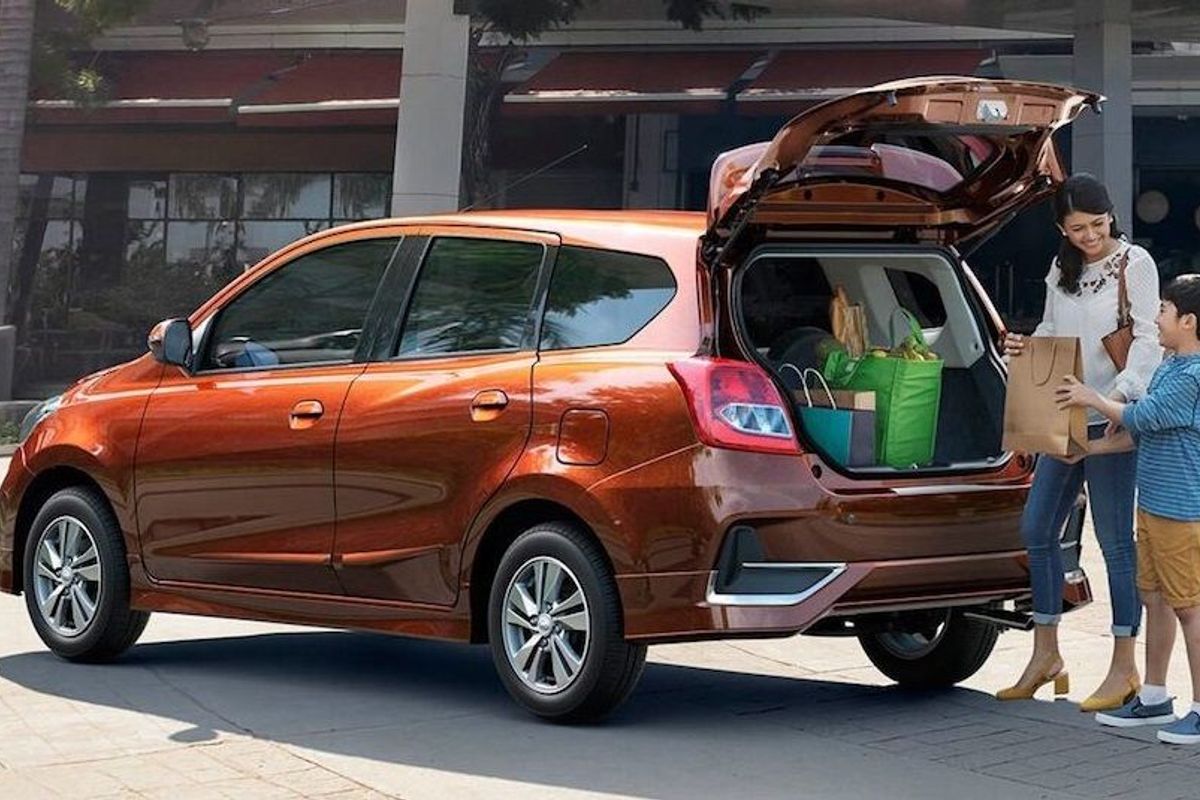
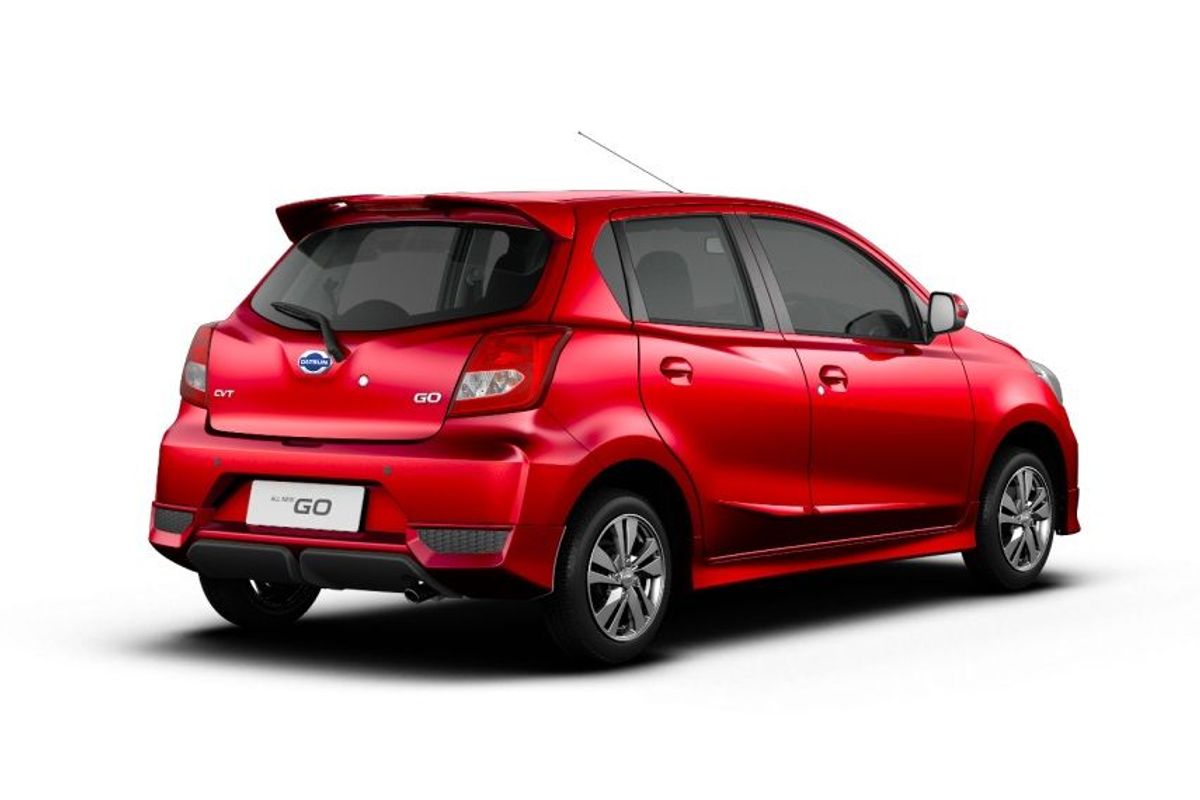
Having just been launched in Indonesia, the 2018 Datsun Go and Go+ is expected to make landfall in South Africa before the end of the year. The changes are significant, with a smarter-looking exterior comprising new-look grille, tweaked headlights, sportier bumper with integrated daytime-running lights, side mirrors with built-in indicators and a revised rear bumper.
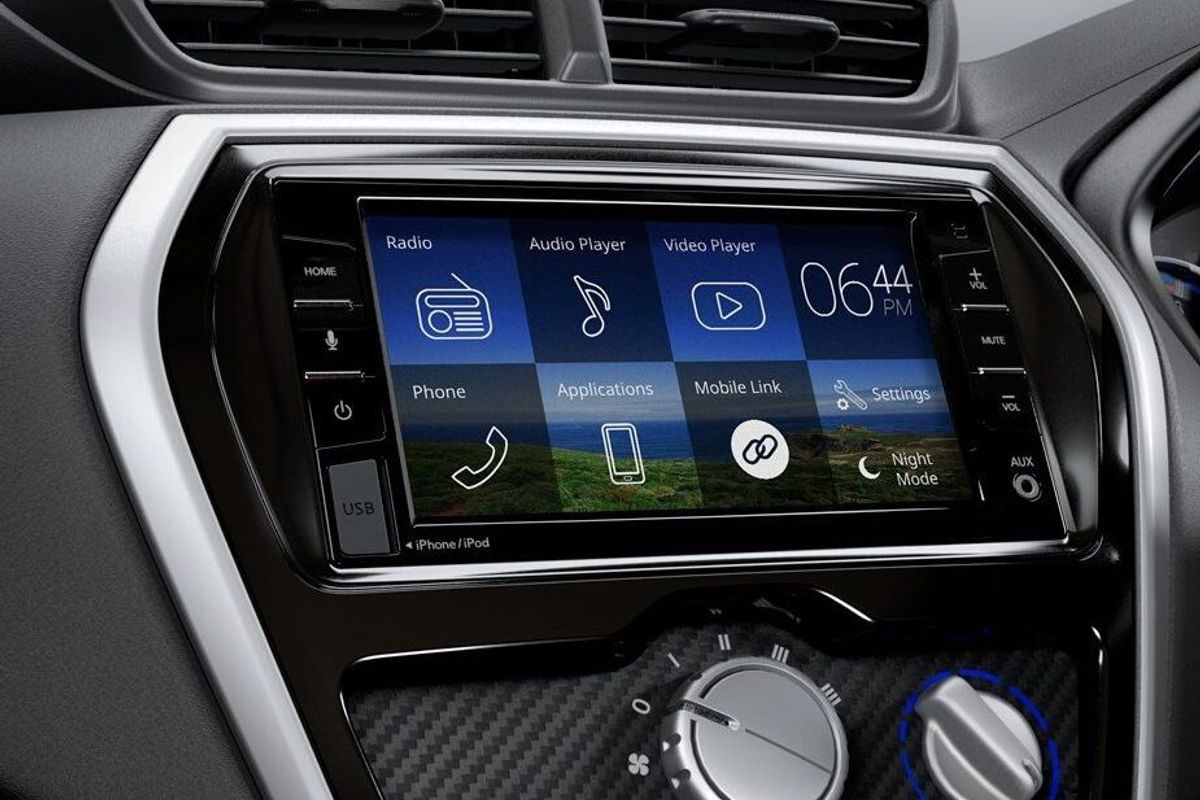
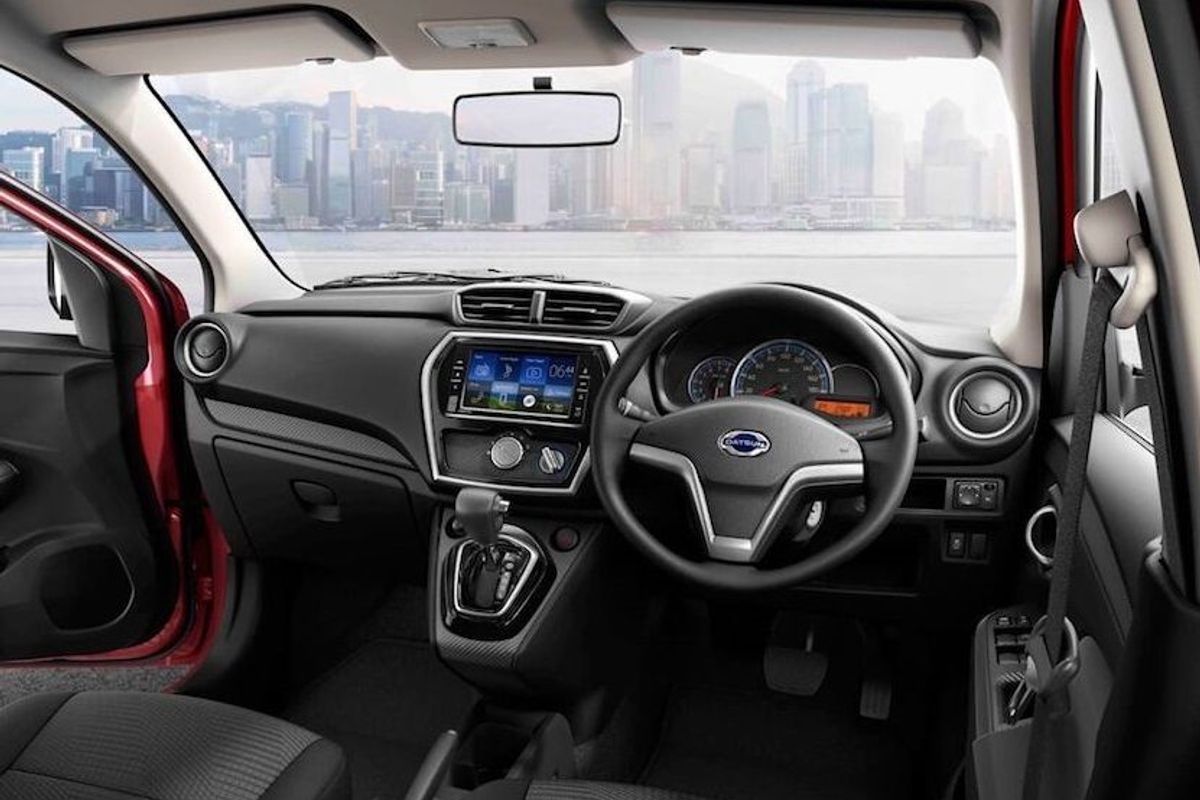
As far as cabin updates are concerned, the central console and air vents are new and a 6-inch touchscreen infotainment system has been added. Datsun claims that by optimising the backrest shape, seating comfort has been improved.
Datsun says it has rejigged the Go's suspension and fitted more insulation to improve on-road refinement. In terms of engine options, the Indonesian market has gained a CVT option mated to its 1.2-litre 3-cylinder naturally-aspirated petrol motor. The powerplant produces peak outputs of 50 kW and 104 Nm.
Strangely, there's no mention of any upgrades to the safety systems of the vehicle, which is odd considering its mechanically-similar cousin, the Renault Kwid, will see anti-lock brakes introduced in the near future. We'll update the story as more information comes to light.
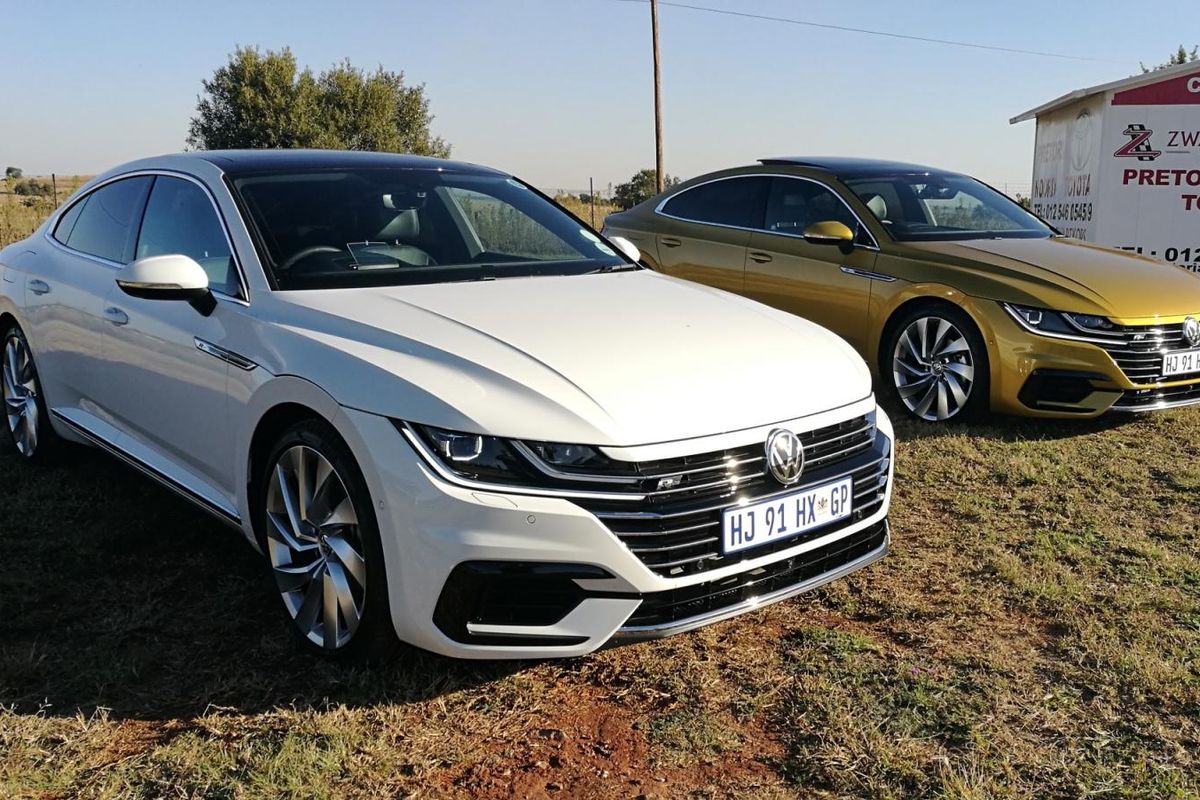
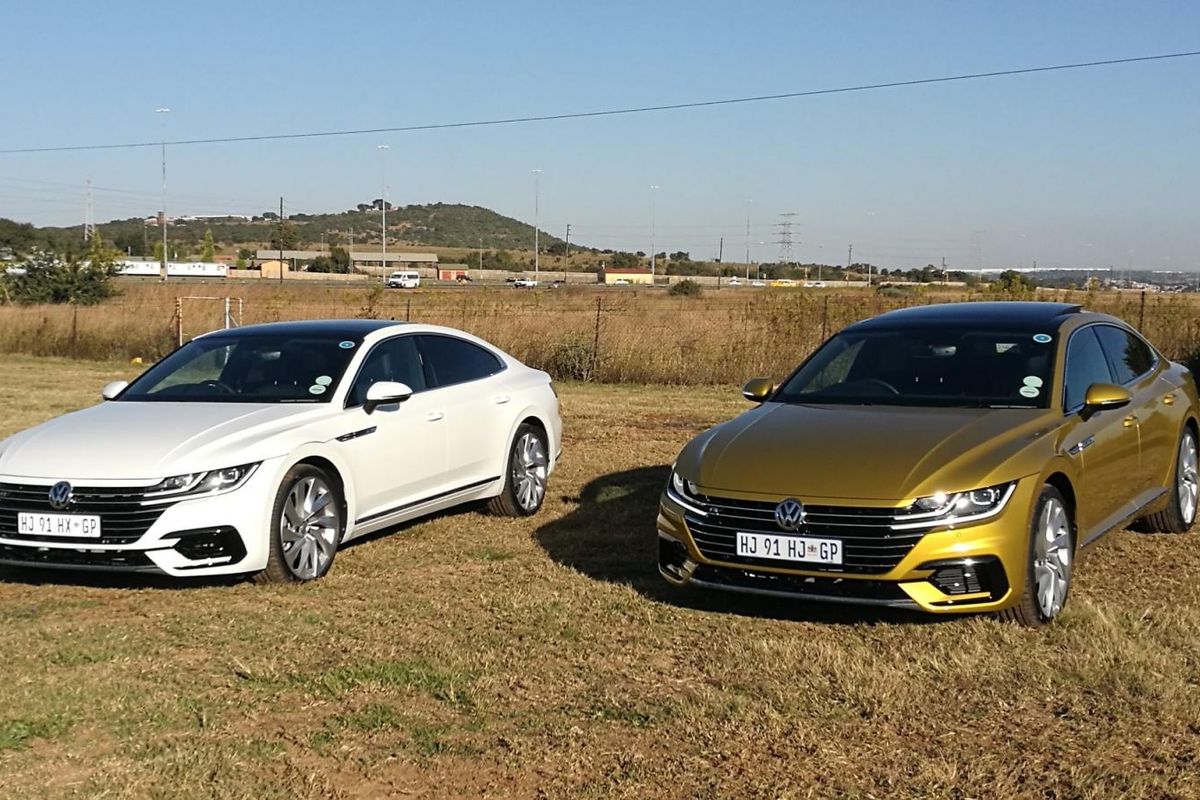
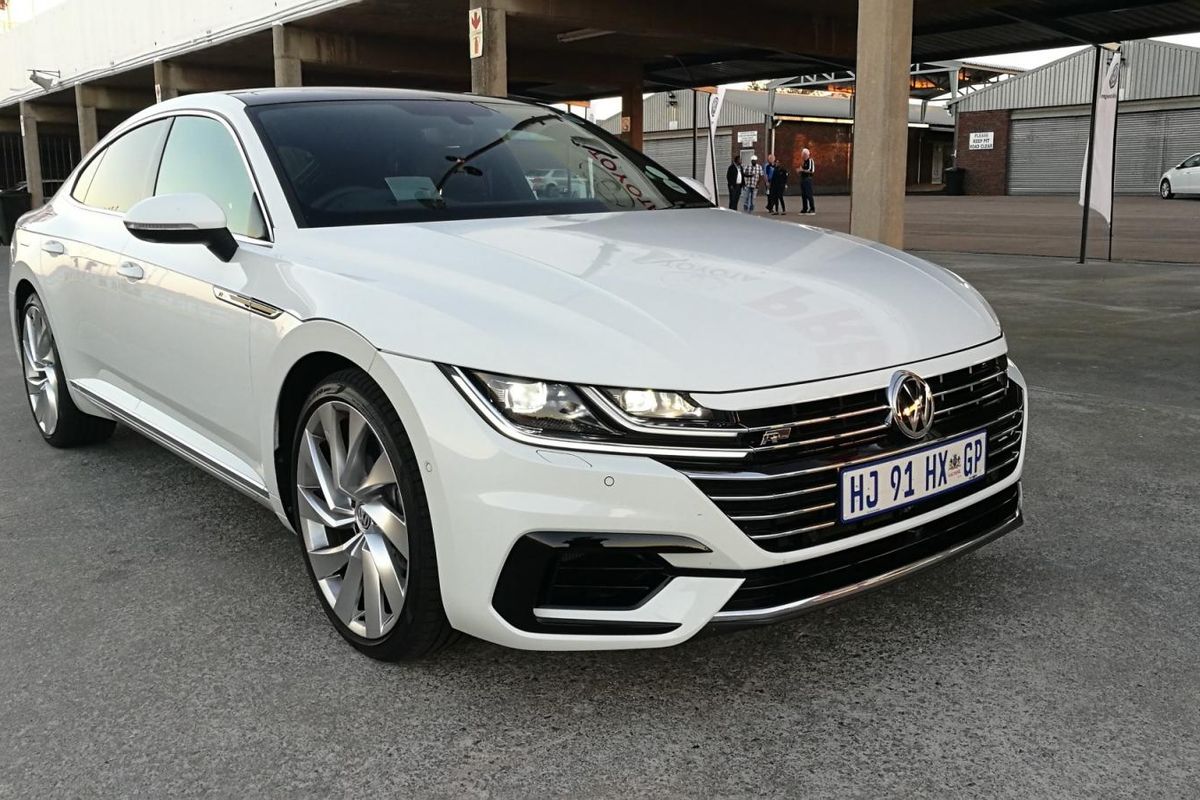
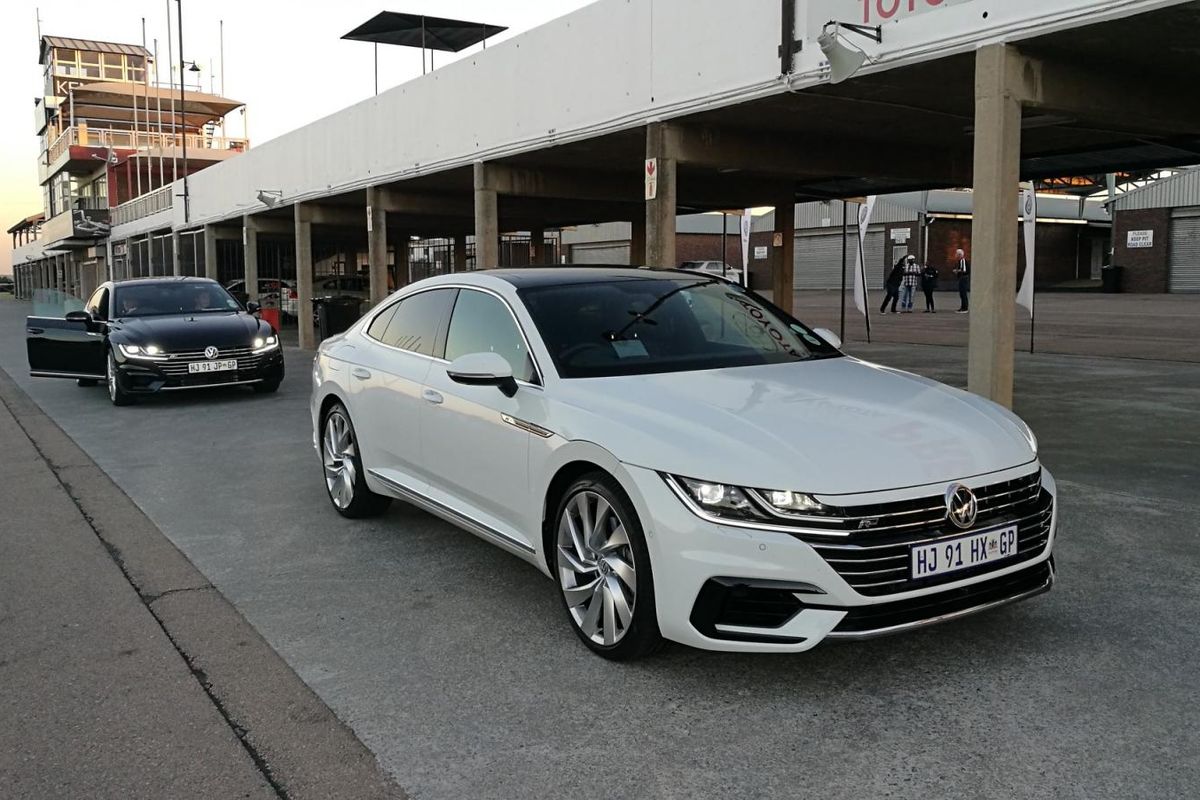
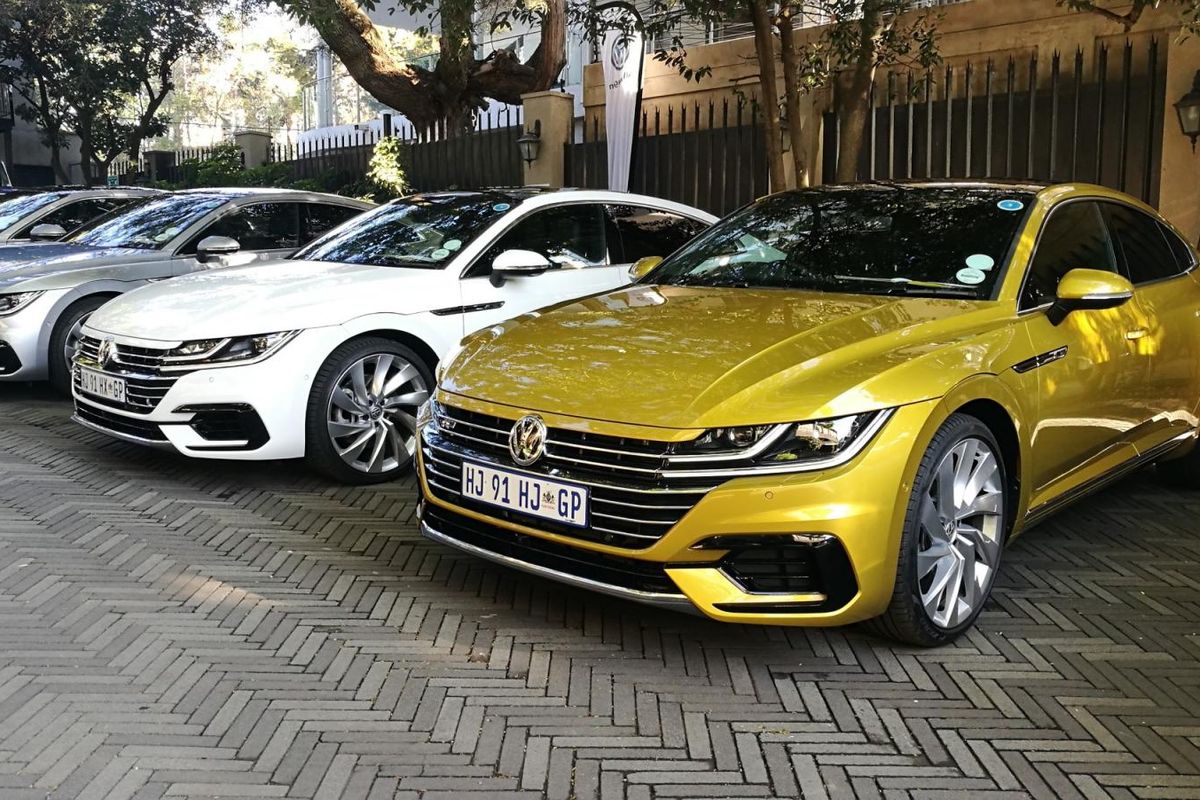
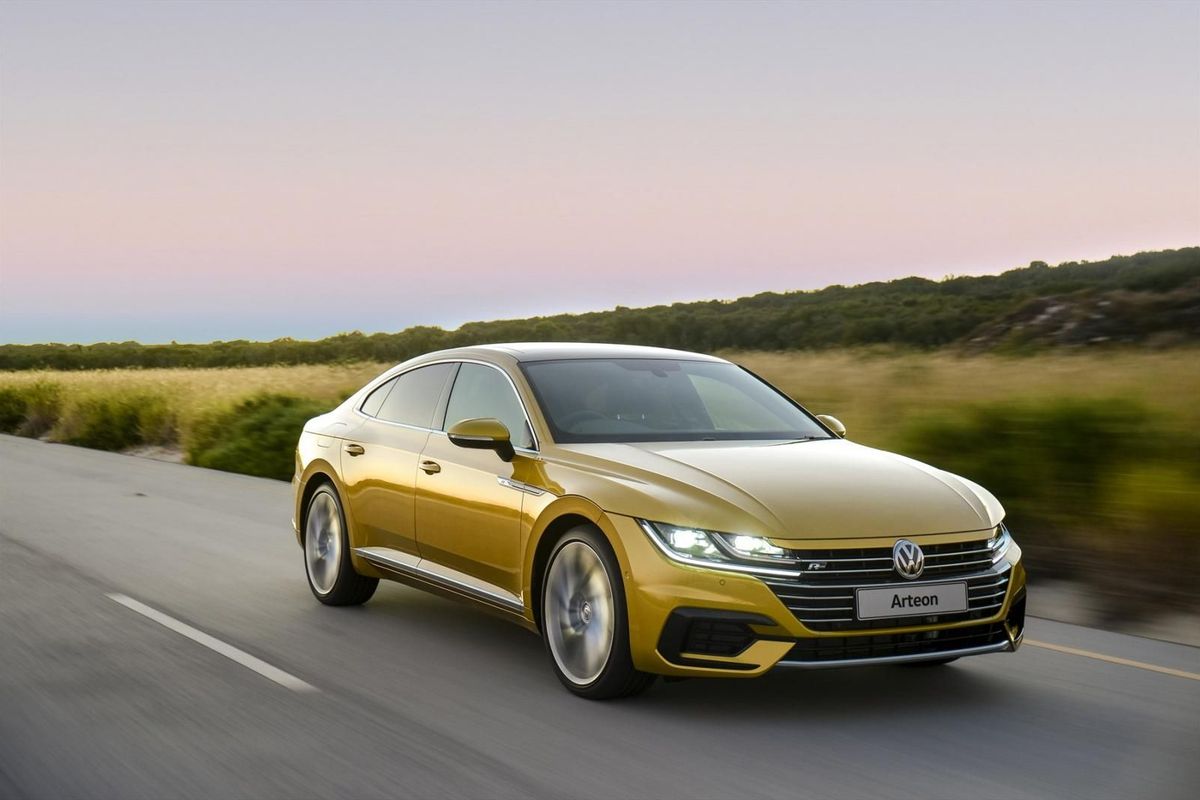
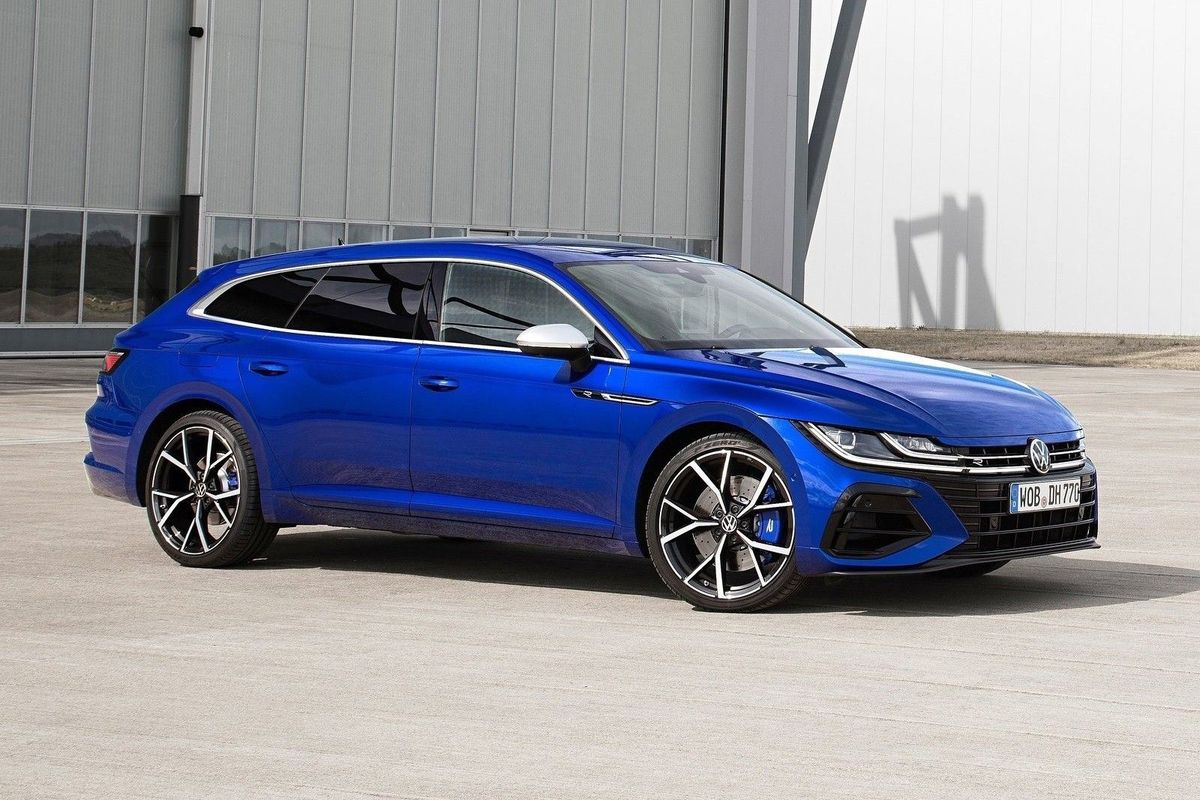
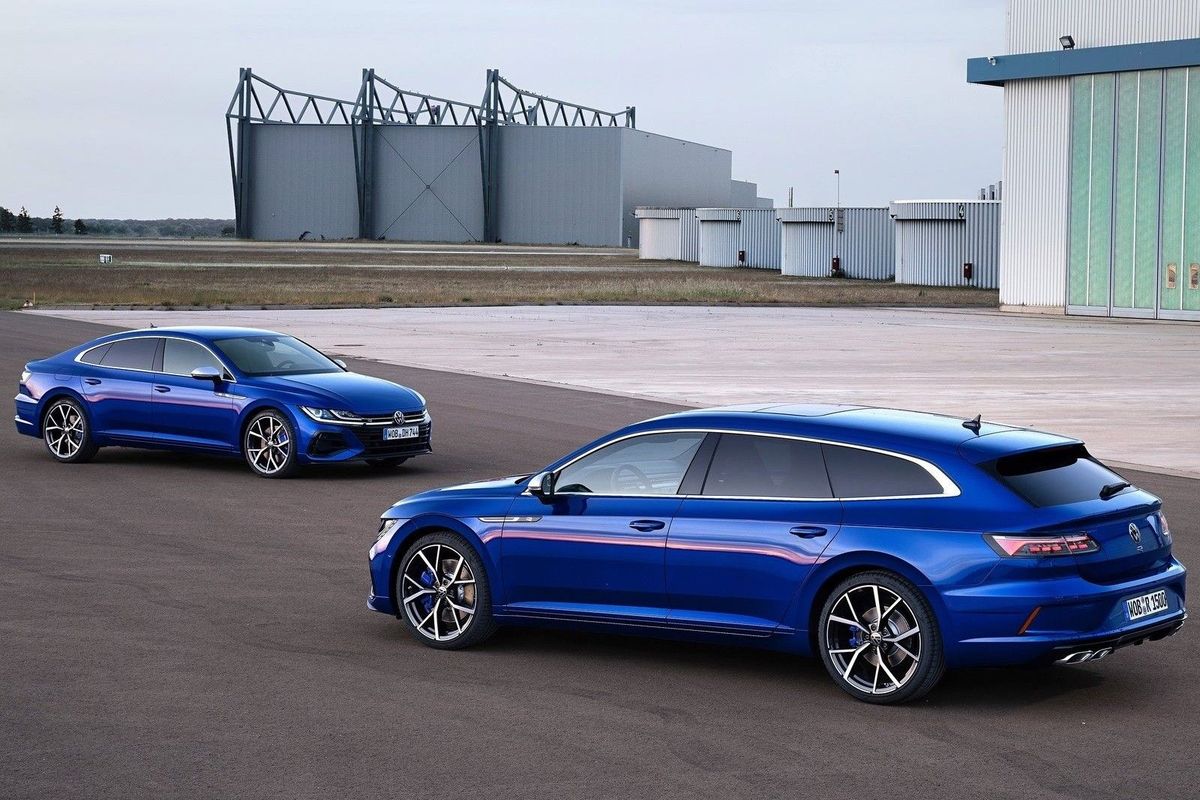
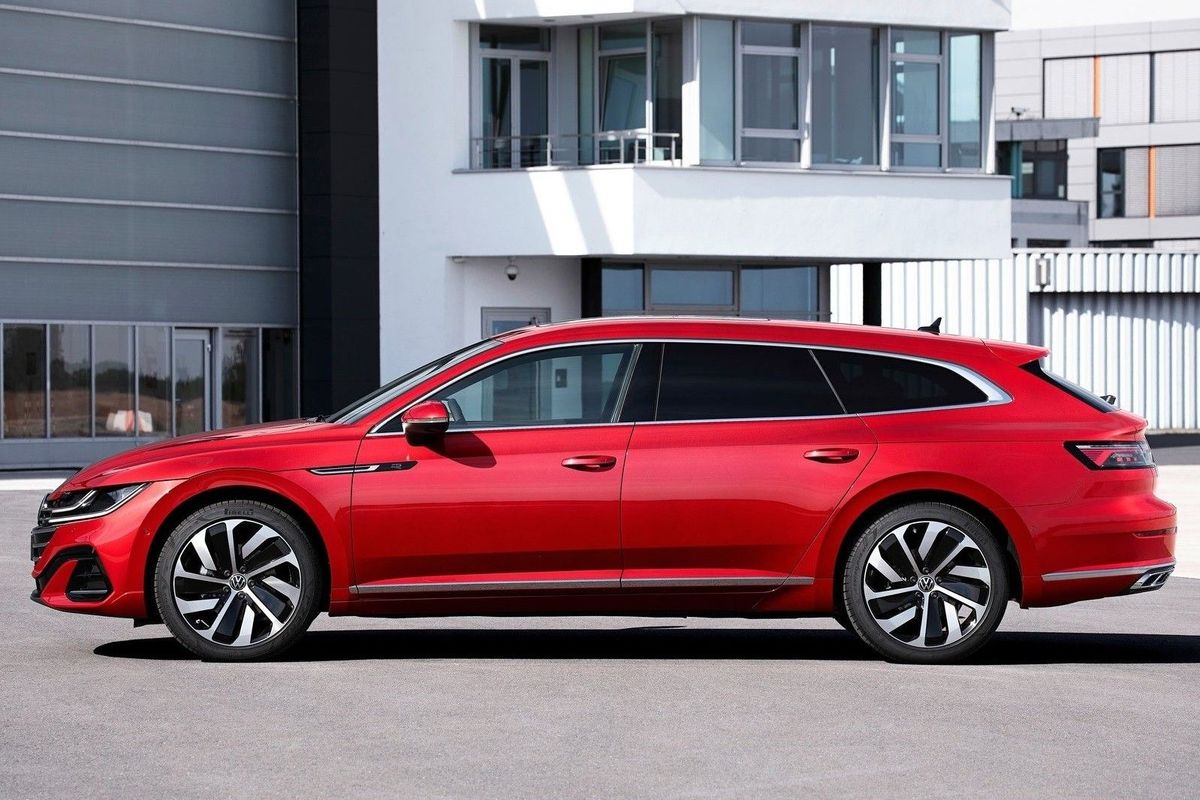
Volkswagen has launched a new flagship sedan in South Africa. The Arteon is a sharply-styled business class fastback and we drove the newcomer in Johannesburg this week. Should you consider the newcomer over its acclaimed rivals?
The new Volkswagen Arteon joins a throng of business class sedans that are vying for attention in a segment seemingly in decline as a result of the growing popularity of SUVs. The Arteon faces off against well-entrenched competition in the shapes of the BMW 3 Series/4 Series Gran Coupe, the latter of which is a category winner in the 2017/18 Cars.co.za Consumer Awards – powered by WesBank, the Mercedes-Benz C-Class, Audi A4/A5, Alfa Romeo Giulia and Jaguar XE.
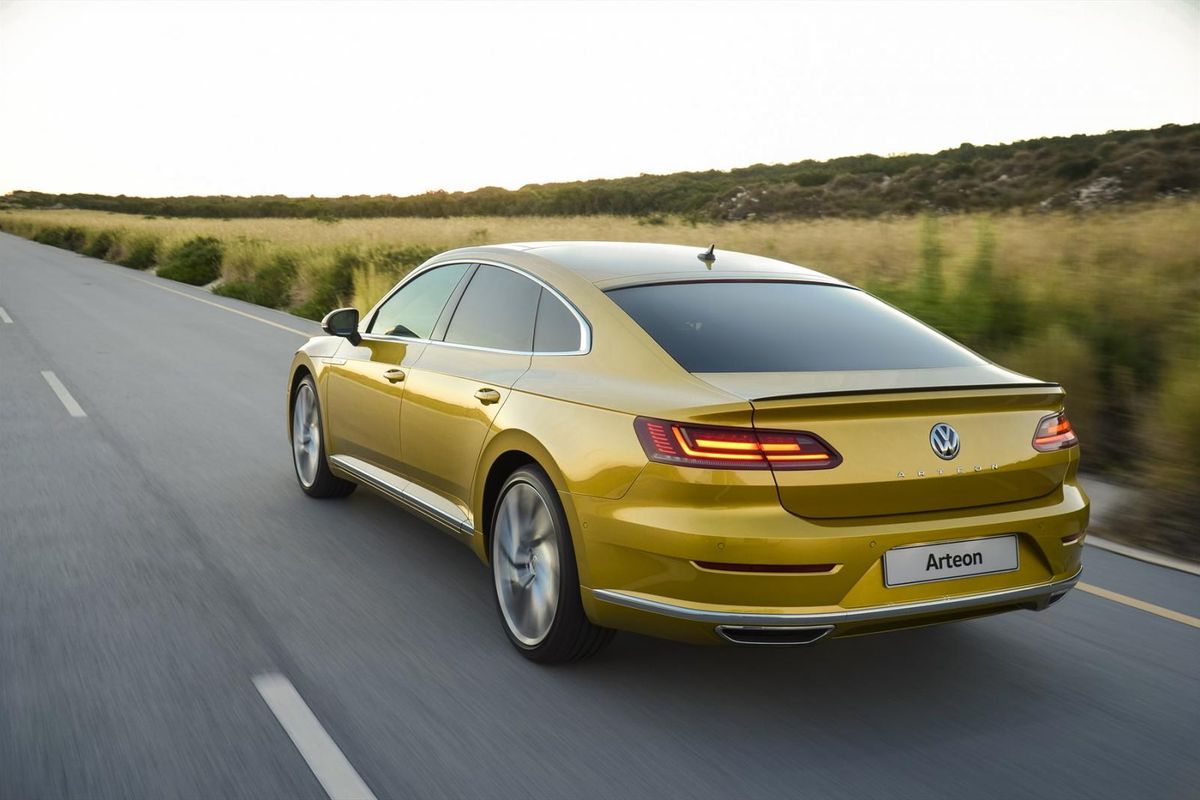
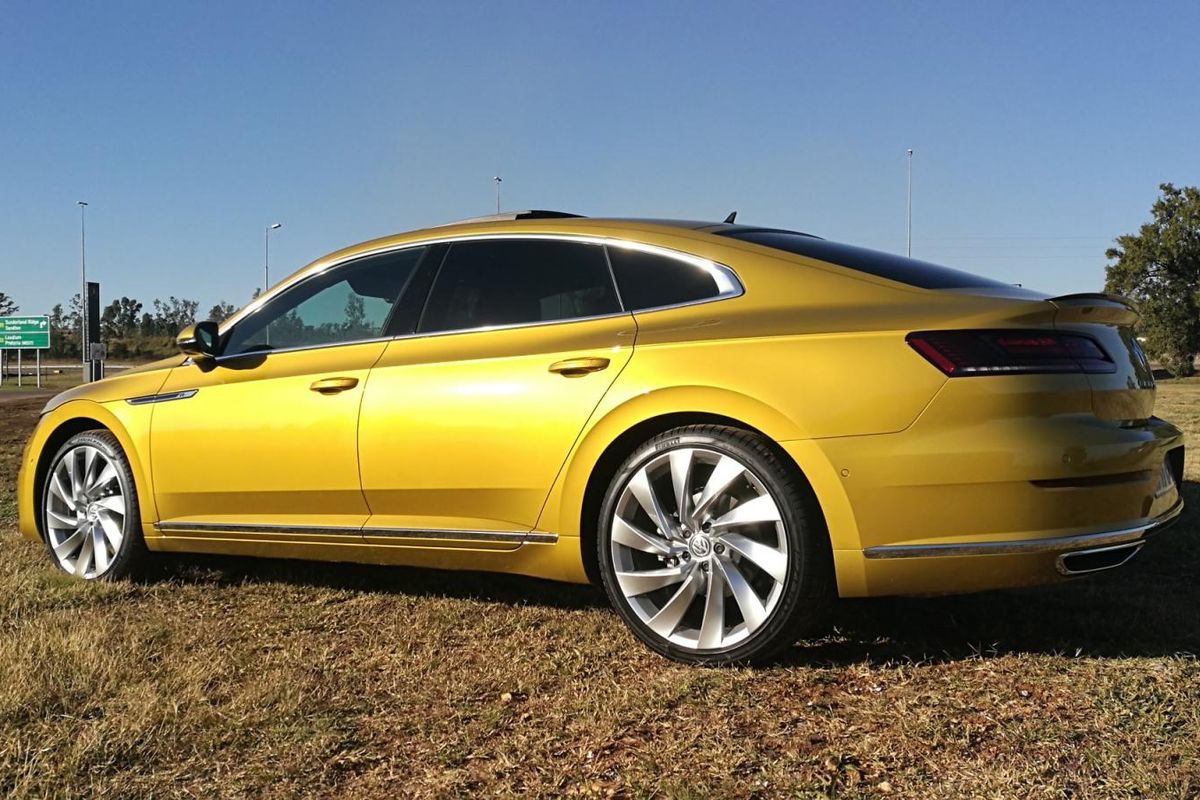
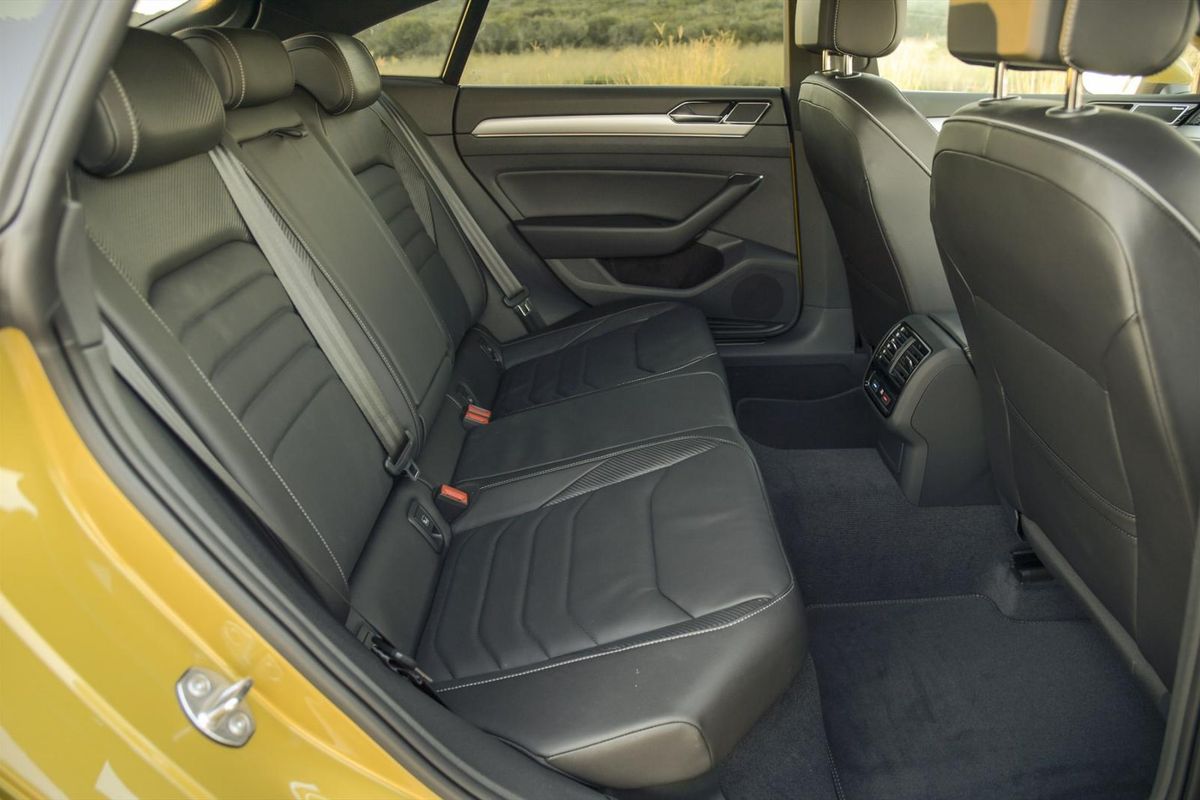
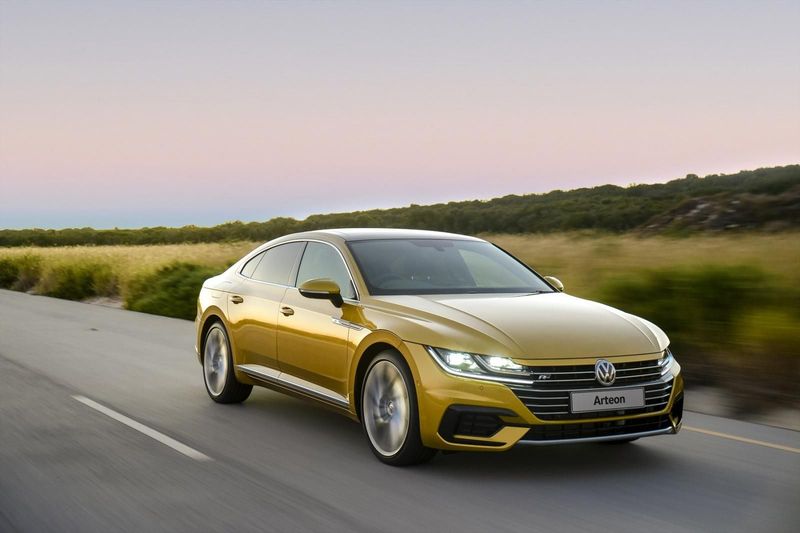
The Arteon is long and wide, offering a spacious cabin and high levels of occupant comfort and loading practicality.
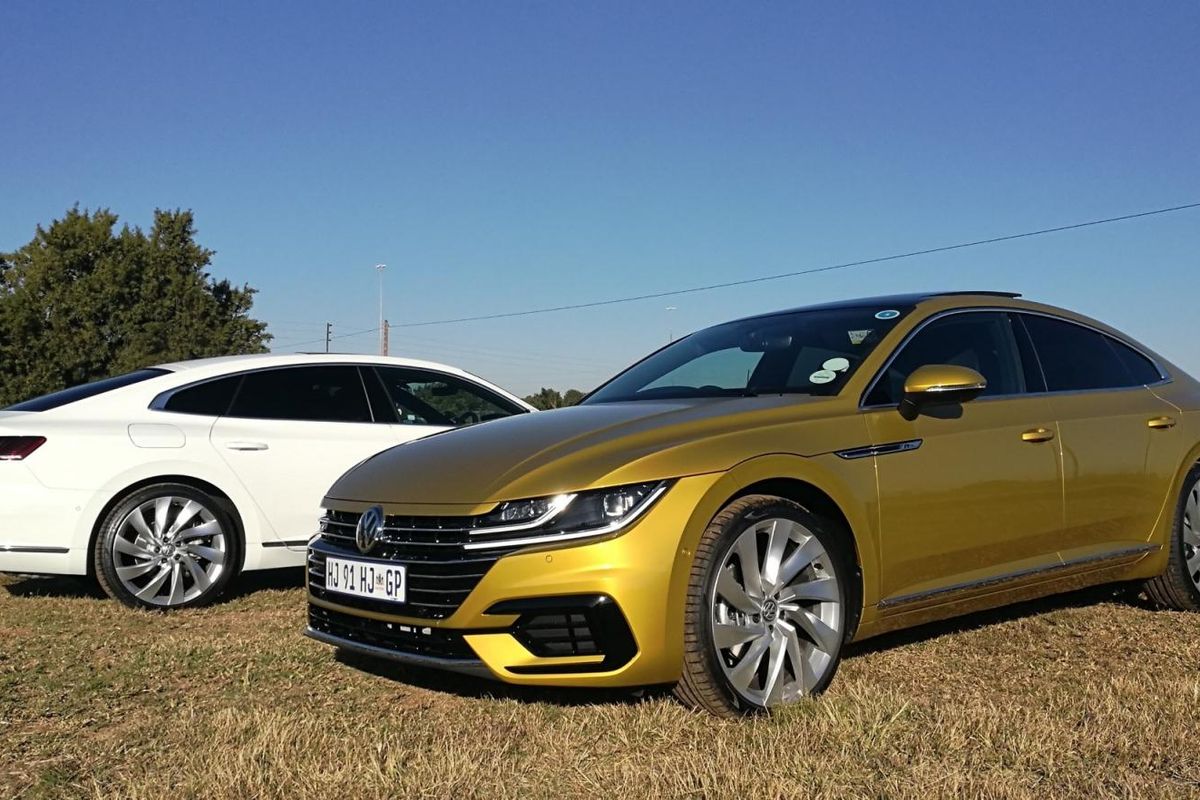
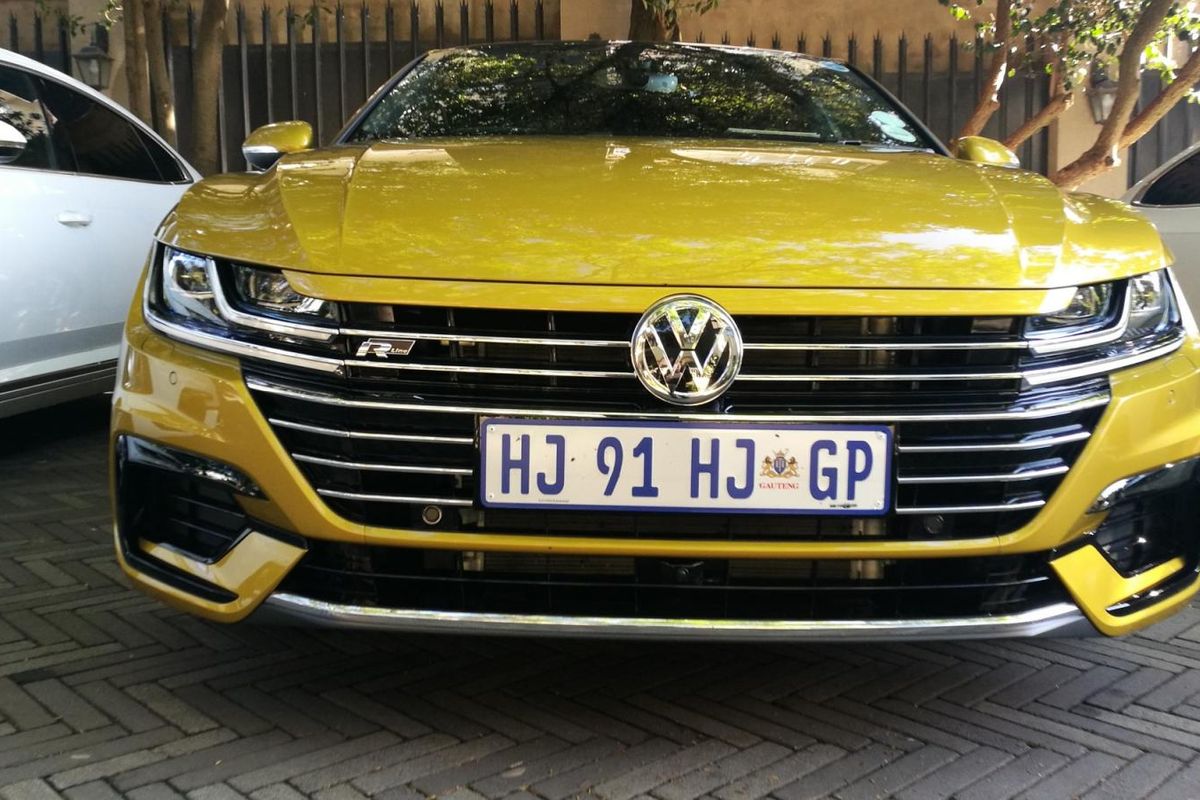
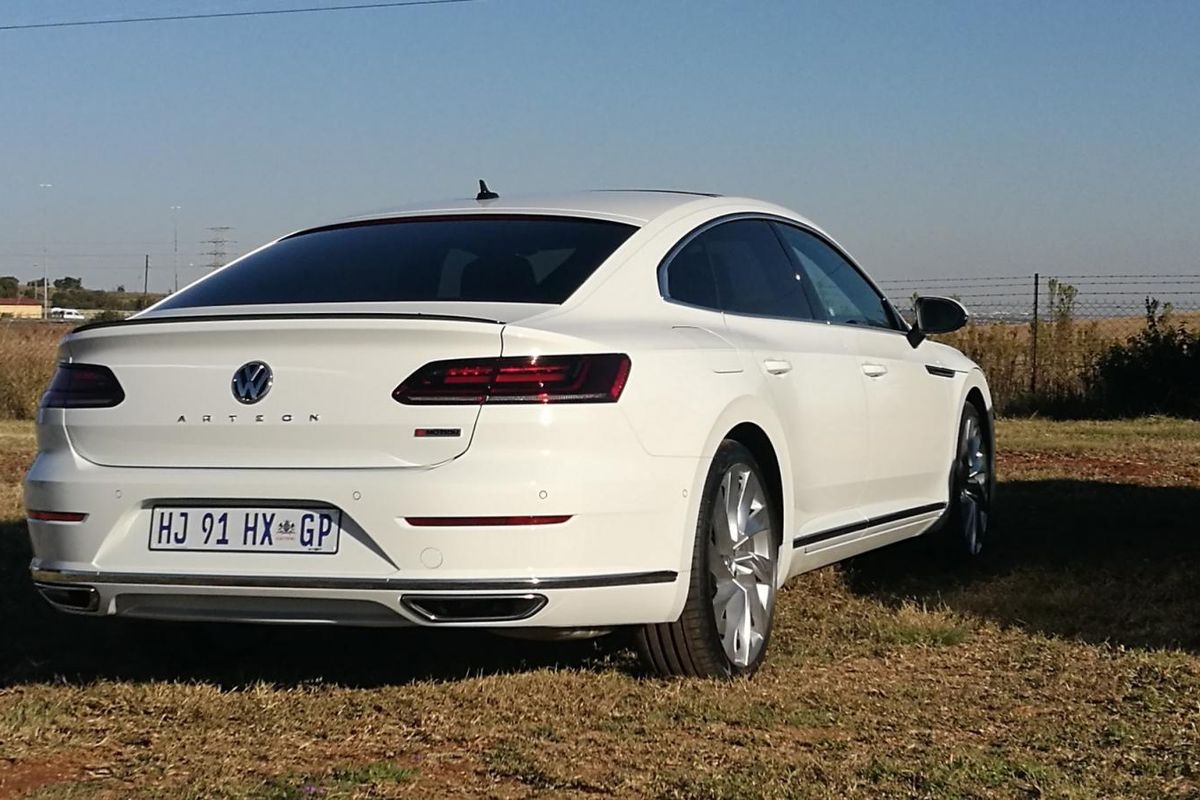
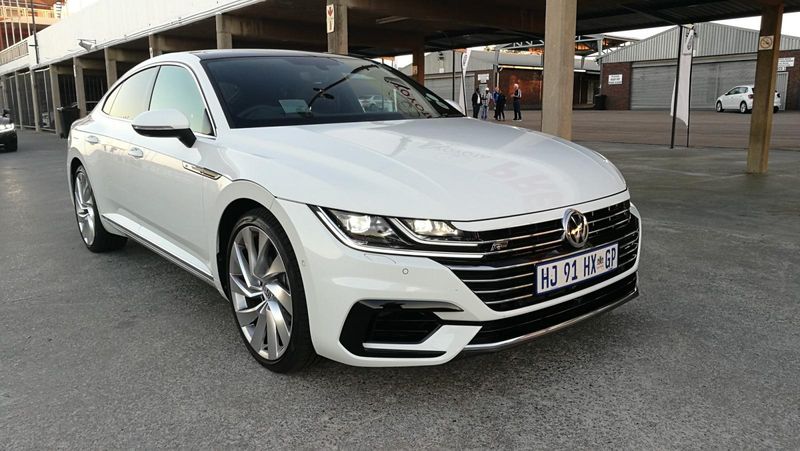
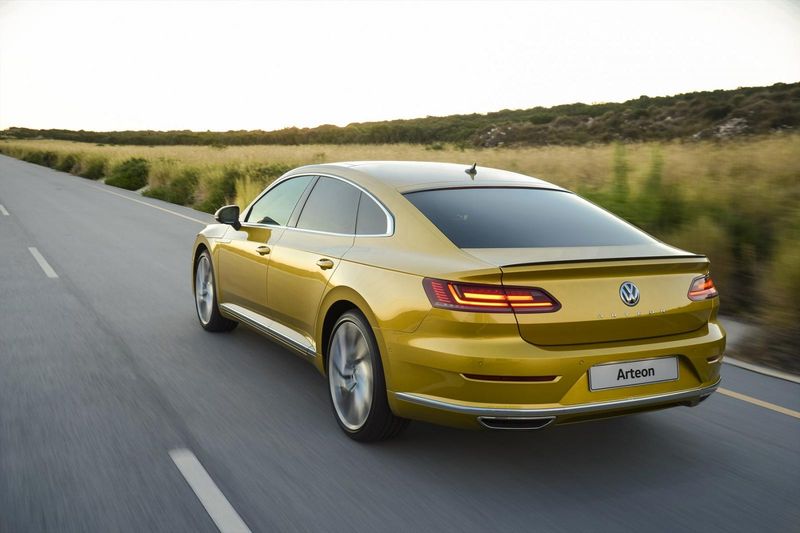
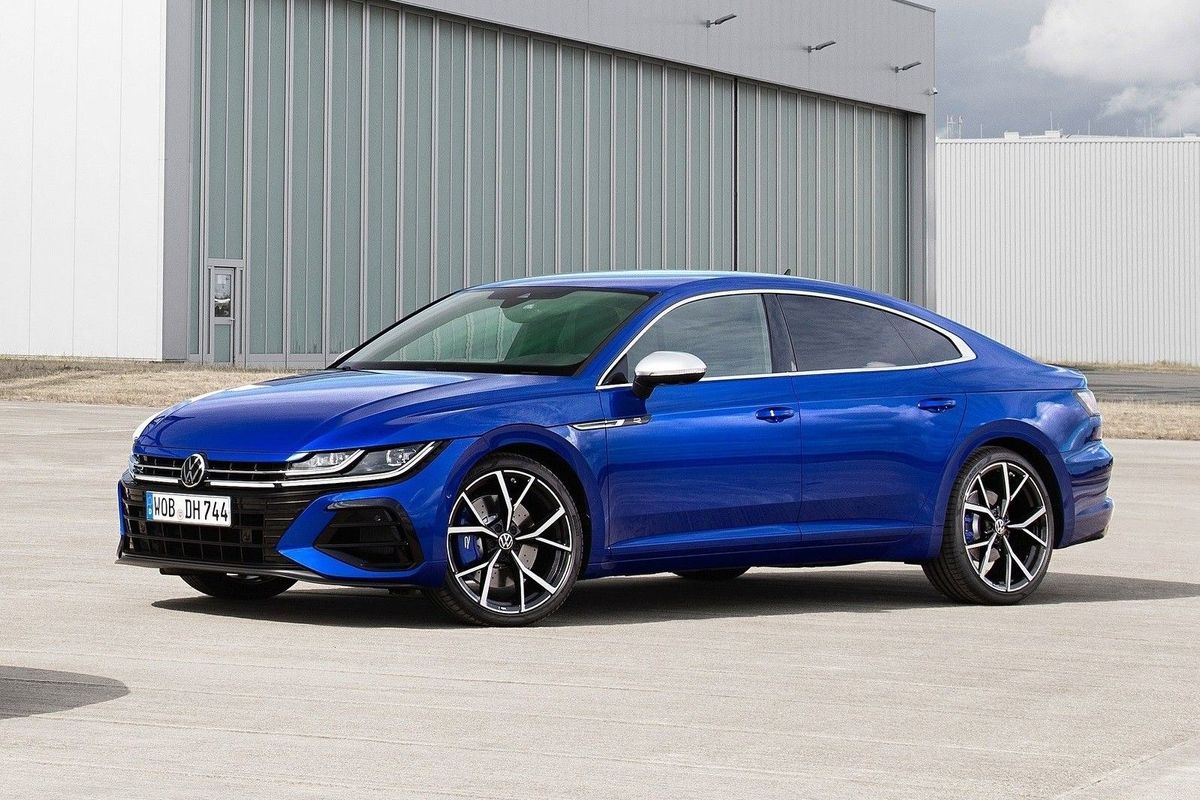
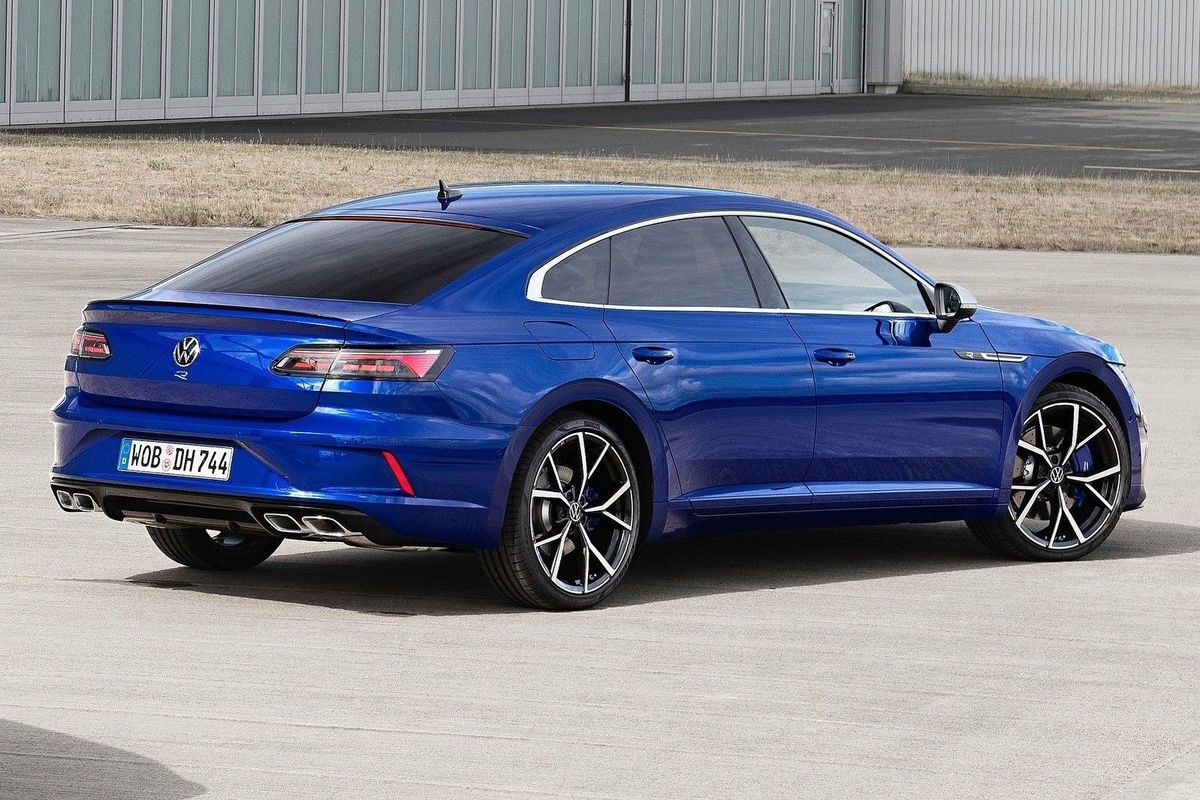
The Arteon is undeniably a stylish-looking sedan. Its fastback styling, coupled with a long bonnet that culminates in a distinctive front visage with a plethora of chrome grille slats and full LED lighting treatment, make the Volkswagen particularly attractive at first glance. Many offerings in this segment suffer from "cookie-cutter syndrome" with generally bland, unexciting, run-of-the-mill designs and the Arteon is fortunate to differentiate itself in that regard. There’s much more to like about this Arteon…
It’s built on Volkswagen’s MQB platform and thanks to a wheelbase measuring 2 841 mm, the Arteon's interior space, particularly for rear passengers is truly generous. You can literally stretch out back there! By virtue of the liftback design, similar to that of the Audi A7, BMW 3 Series GT/4 Series Gran Coupe and Porsche Panamera (to name but a few examples), the newcomer's load bay is long, reasonably deep and easily accessible; the quoted 563-litre capacity is significantly more than its rivals.
Familiar interior
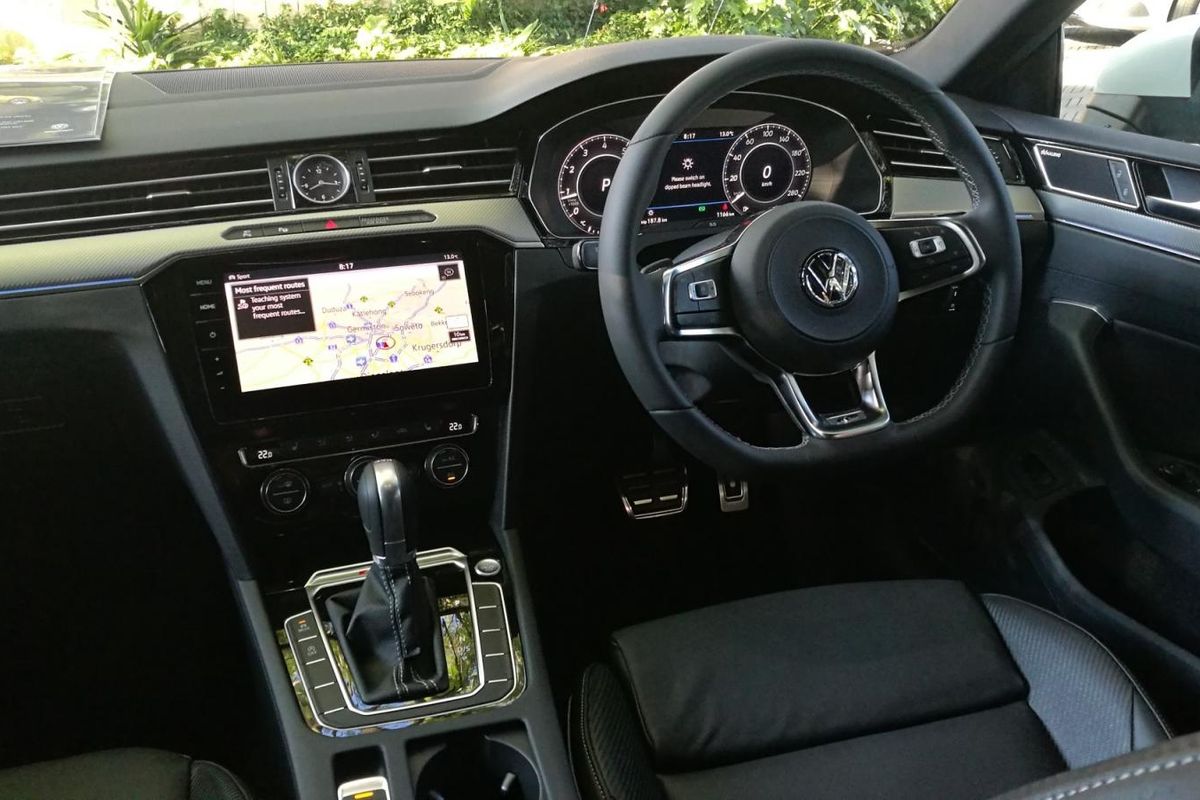
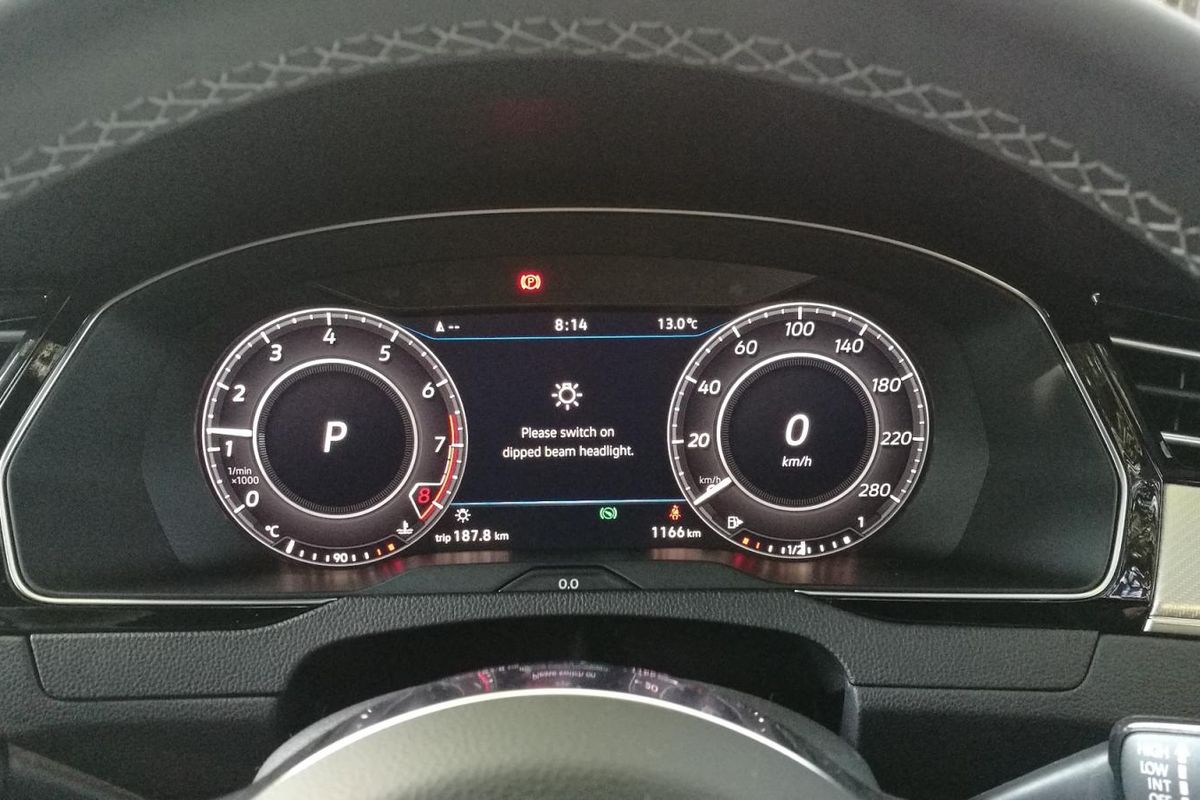
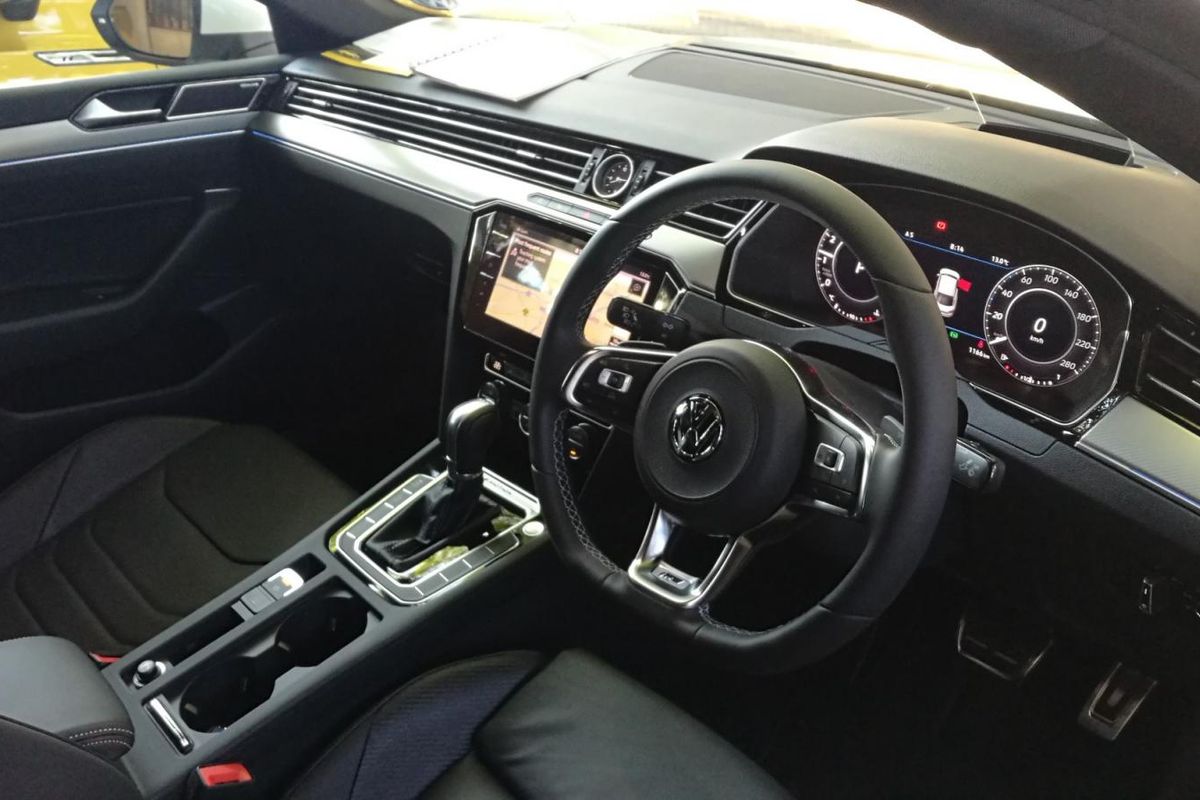
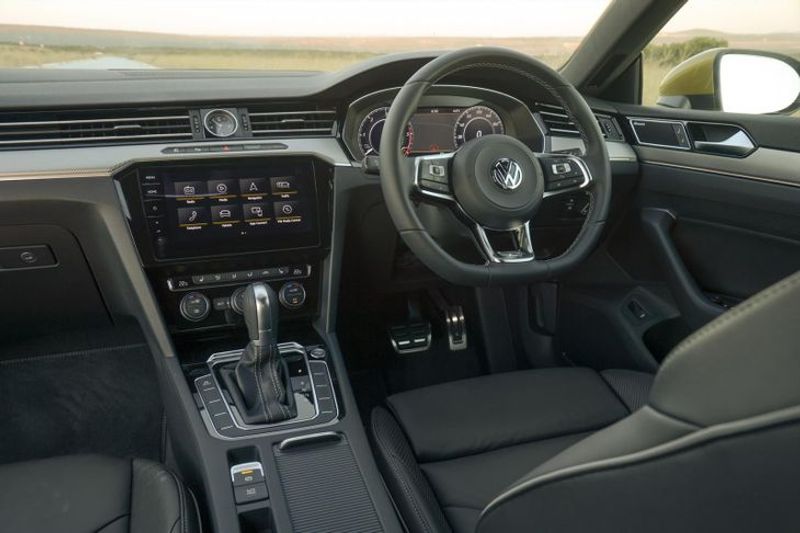
The Arteon's interior will be familiar to Golf drivers and it's well-equipped with an Active Info Display and large infotainment system.
The Arteon’s interior design will be familiar to those who've ensconced themselves in a well-specced Golf 7.5, with a clean and functional layout that has proved popular with the automotive media and general consumers alike. As you would expect, interior build quality is excellent with a suitably premium cabin ambience.
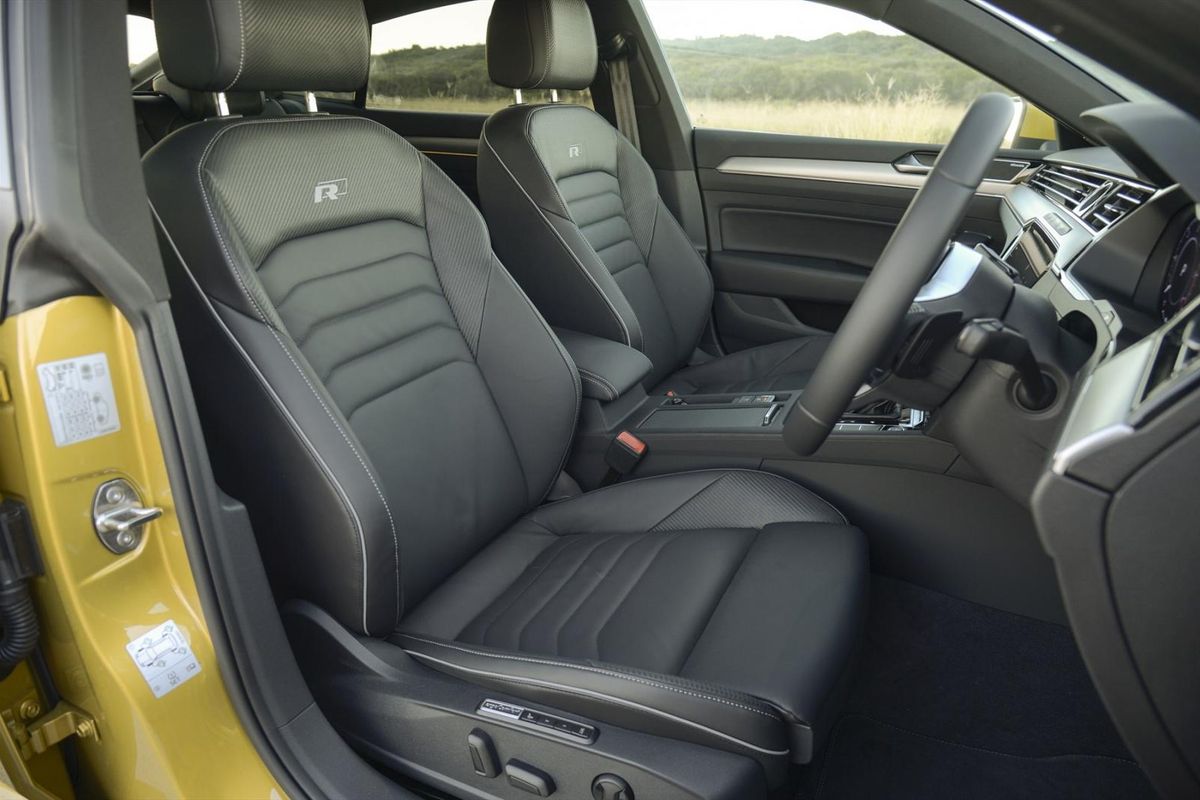
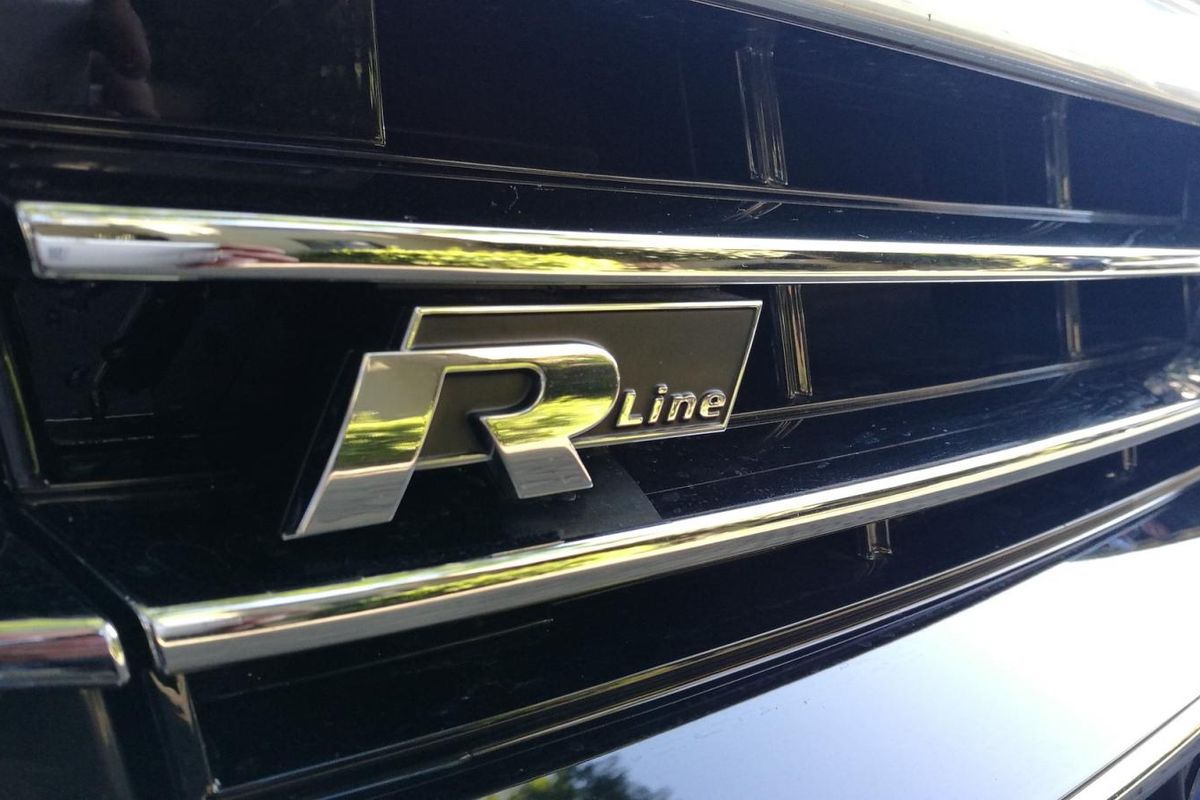
Although the Arteon can be had in Elegance or R-Line trim, all of the vehicles at the launch were kitted out in R-Line trim, which adds a multifunction R-Line leather steering wheel and Nappa leather carbon-style seats with full electric functionality for both the driver and front passenger. There’s climate control air conditioning for front as well as rear passengers and comfort levels are high with the aforementioned legroom for rear passengers being a boon in this segment.
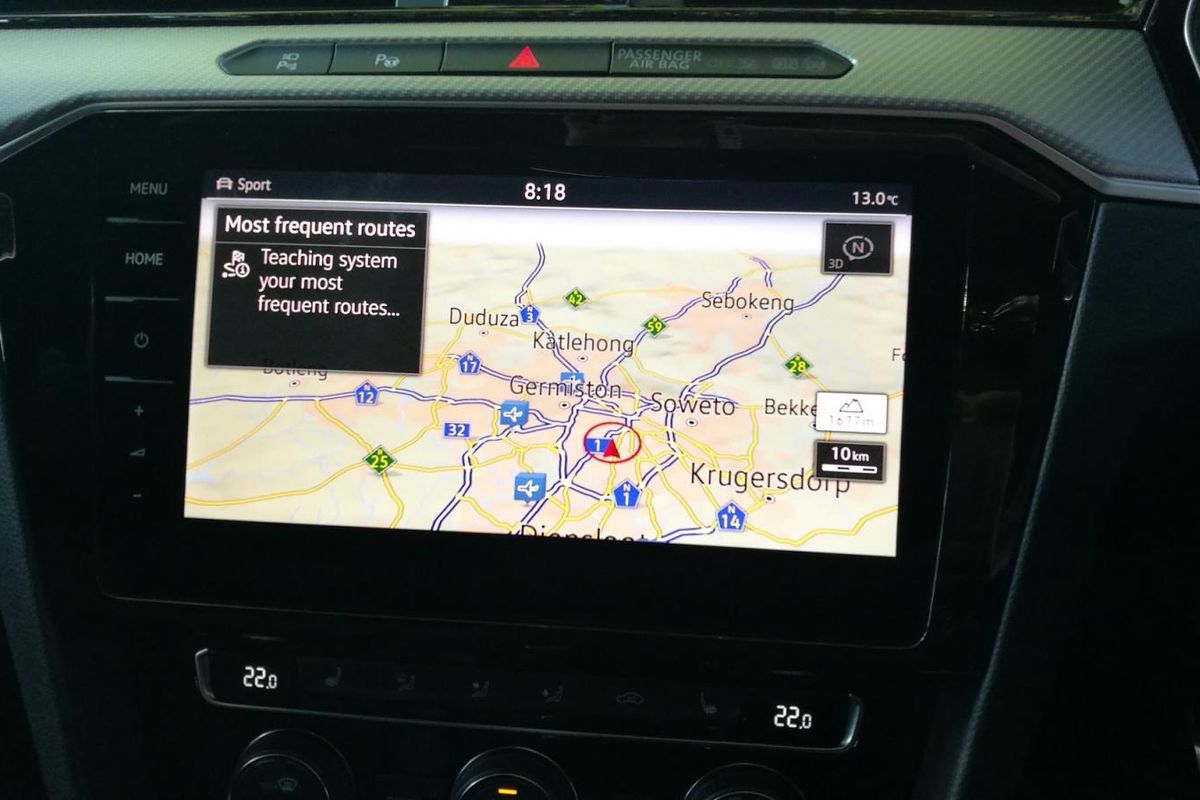
Perhaps the biggest highlight inside the Arteon R-Line is the standard digital Active Info Display and 9.2-inch Navigation Pro infotainment system, which lifts the interior's premium appeal to new heights. Other features include adaptive cruise control with front assist and city emergency braking, head-up display and a 360-degree camera.
How does it drive?
While the 206 kW petrol boasts the most power, we think the 130 kW diesel strikes a better balance between performance and efficiency.
There are 2 engines on offer in the Arteon including the range-topping 206 kW/350 Nm 2.0-litre turbocharged petrol engine and a 130 kW/350 Nm 2.0-litre turbodiesel engine.
Our launch drive started behind the 'wheel of the 206 kW 4Motion R-Line. The Arteon is a comprehensive grand tourer and it displayed excellent ride quality during the drive; buyers can be assured of high levels of driving comfort, even in the sportiest derivative. The engine is paired with a slick 7-speed dual-clutch transmission and shift paddles allow the driver to extract the most from the motor, while the car's on-road characteristics can be toggled via the Comfort, Eco and Sport driving modes.
The R-Line 4Motion responds positively to throttle inputs, but its comfort belies its speed, which is to say it’s speedier than it feels and this particular derivative is capable of accelerating from 0 to 100 kph in 5.6 sec, which is respectable. The steering feel is light and relatively communicative and this range-topping derivative also features all-wheel drive (hence the 4Motion), which enhances handling and stability. With a kerb weight of 1 601 kg, the Arteon feels more like a sportier Passat rather than an enlarged Golf GTI. Volkswagen claims a fuel consumption figure of 7.3 L/100 km, but we expect figures of closer to 10.0 L/100 km in real-world driving situations.
The Arteon delivers excellent ride comfort, which makes it perfect for long-distance touring.
If you want to maximise efficiency, then the 130 kW turbodiesel-engined derivatives make more sense. Although the diesel R-Line DSG lacks the outright punch of its petrol-powered sibling, its engine still manages to deliver acceptable performance. The powerplant is pleasingly quiet and refined in operation and power is delivered to the front wheels via a 6-speed DSG transmission. Fuel efficiency is claimed at 5.6 L/100km.
This derivative displayed admirable cruising ability out on the highway, but lacks immediacy lower in the rev range. However, we feel that this turbodiesel engine strikes a good balance between efficiency and performance and if you cannot be bothered with dicing hot hatches then this is probably the Arteon to go for.
Final thoughts
Finding favour with brand-conscious buyers will be the Arteon's biggest challenge on local soil.
We came away impressed with what the Arteon brings to the table. It’s a rather unique and stylish offering that looks better than most in this segment and it’s spacious and elegantly designed interior should grab many buyers’ attention. Although its performance can’t be described as earth-shattering, the Arteon has sufficient grunt to fulfil its duty as a comfortable, long-distance grand tourer. Furthermore, standard specification is good, which makes the package even more attractive.
The Arteon is a difficult car to fault and even though direct comparisons may reveal that it is better than its rivals in crucial areas, brand perception in this segment may very well prevent the Volkswagen from realising its sales potential on local soil (after all, those who've driven the latest Passat will attest to the fact that it's a superb all-round package, yet the latter's poor sales figures suggest that consumers are not attracted to its nameplate, at least not in significant numbers). Brand power in this segment counts for a lot and consumers are more likely to stick to brands that have established reputations and snob appeal in this segment. If that is indeed the case, it’s a pity, because we think that if you are in the market for a business class sedan, the Arteon should be right up there near the top of your shopping list…
We will have the new Volkswagen Arteon on test soon, so look out for a thorough evaluation coming your way in the near future.
The Arteon comes standard with a 5-year/90 000 km maintenance plan, 3-year/120 000 km warranty, 12-year anti-corrosion warranty and a space saver spare wheel.
The Kia Stinger is the Korean's first attempt at a true performance sedan and much is expected of it when it arrives in South Africa. Here are five rivals it will have to beat.
Powered by a 3.3-litre twin-turbo V6 engine which packs a 272 kW and 510 Nm punch, the Kia Stinger has notable performance credentials. Power goes to the rear wheels via an eight-speed automatic gearbox. Kia claims a 0-100 kph time of 4.9 seconds and it'll run onto a top speed of 270 kph. Kia South Africa has confirmed a price tag of R859 995, which may seem a lot, but when compared to its rivals and spec-for-spec, it looks like quite reasonable bang for buck.
The Kia Stinger has the spec advantage as it comes fully loaded, whereas some of its rivals need optional extras that increase the total list price. On paper then, things look quite good for the Korean, but will this be enough to sway the South African buying public who are German car-obsessed?
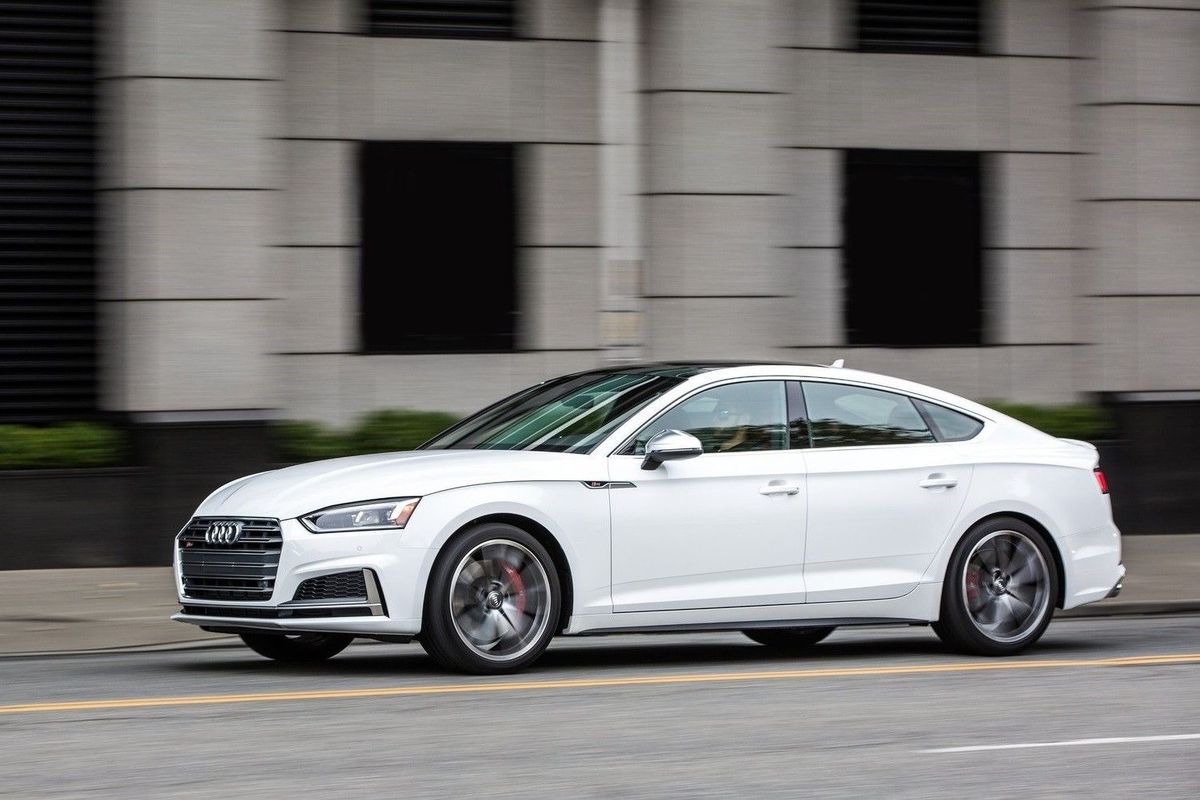
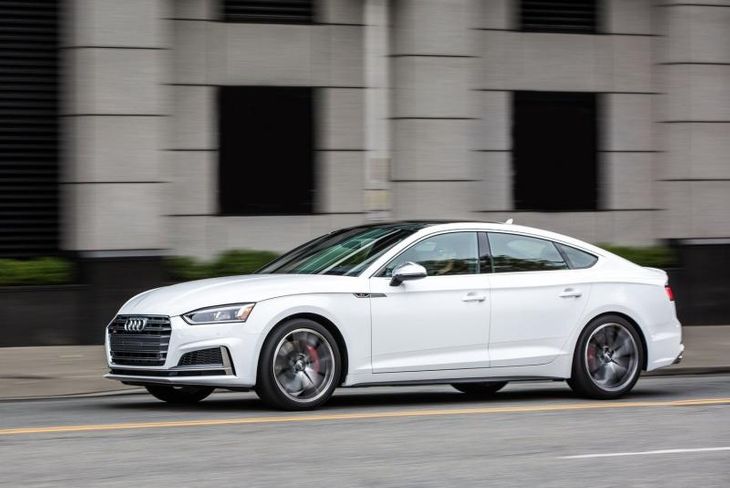
The first German out the block is the Audi S5 Sportback quattro, a stylish and luxurious offering. Powered by a 3.0-litre turbocharged V6 with 260 kW and 500 Nm, it's brisk to 100 kph, which Audi claims is dispatched in just 4.7 seconds. It also has all-wheel drive, meaning it's not going to be as hands-on as the Stinger, but it's still an admirable GT.
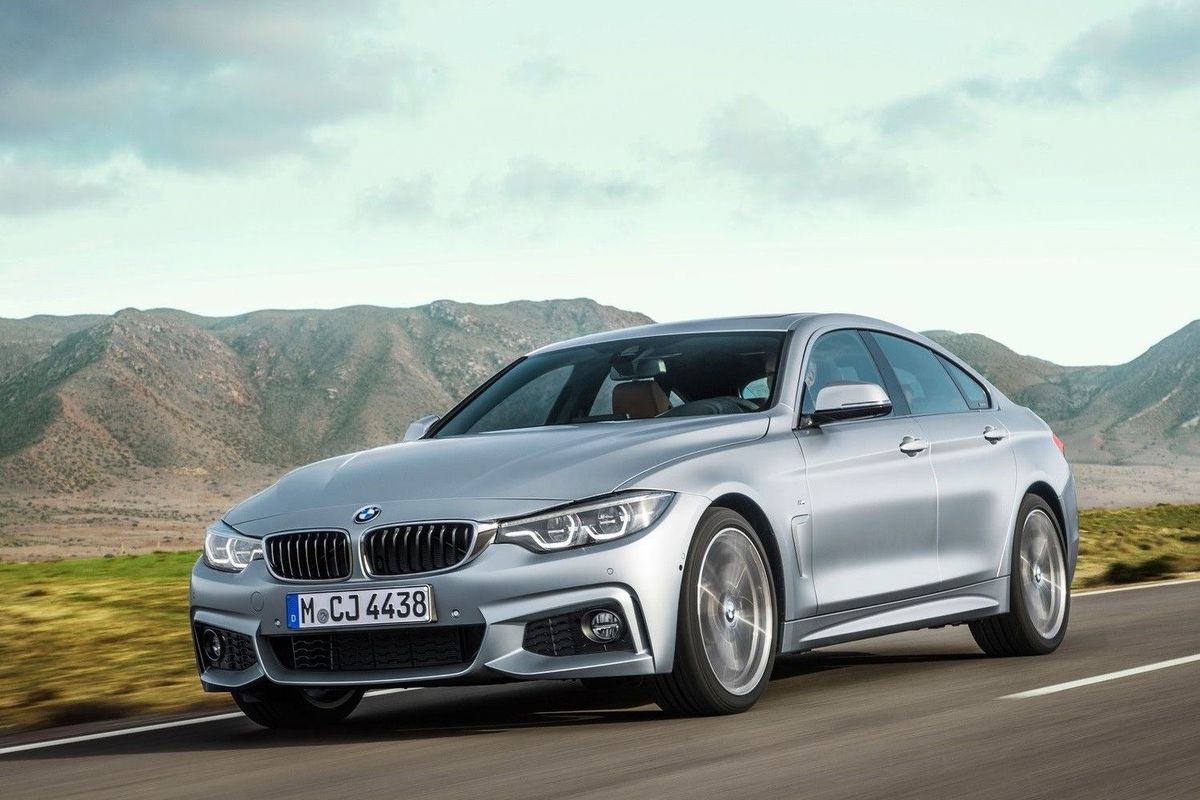
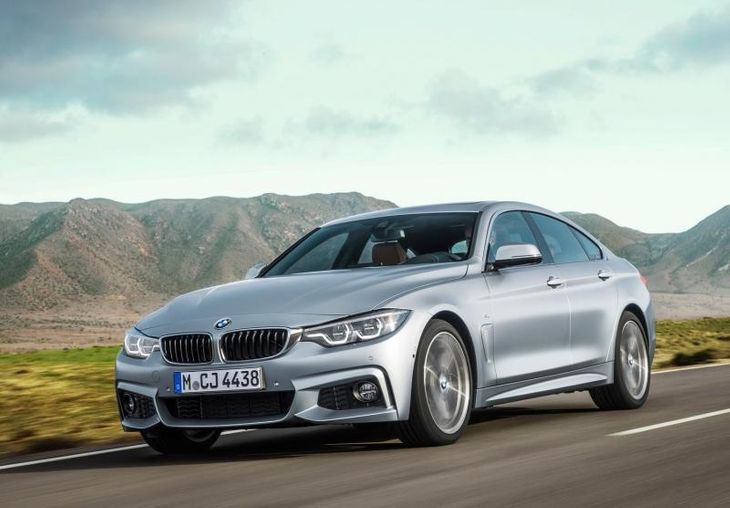
The stylish BMW 440i Gran Coupe M Sport is one devilishly handsome vehicle and based on looks alone, you wonder why people still buy the 3 Series. It features a 3.0-litre turbocharged straight-six motor which produces 240 kW and 450 Nm. Power goes to the rear wheels via an eight-speed automatic transmission, and it'll hurtle to 100 kph in a claimed 5.1 seconds. It's unusual for a BMW to be the slowest car amongst its competition, but in a straight line battle, it appears to be slightly outgunned.
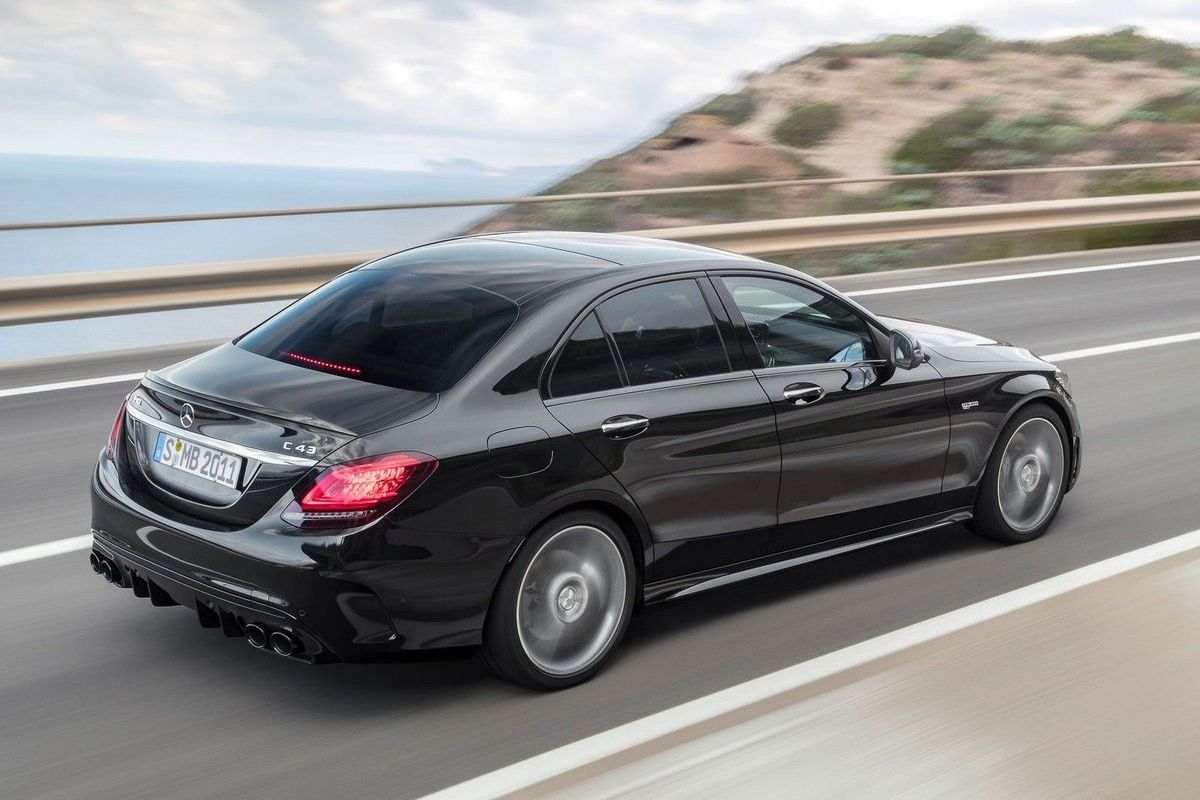
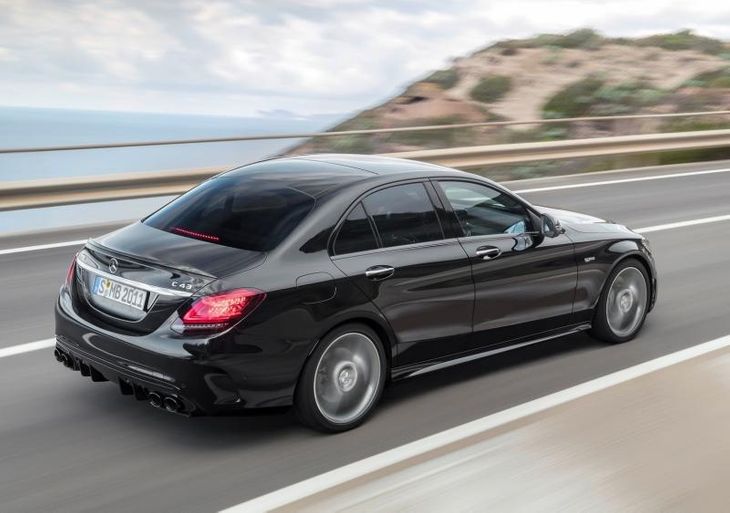
Recently facelifted, the new Mercedes-AMG C43 has yet to reach our shores, but it's also promising brisk straight-line performance thanks to a 3.0-litre biturbo V6 engine mated to an all-wheel-drive setup. AMG claims the C43 will breach 100 kph in a claimed 4.7 seconds. We do expect that the updated C-Class will go on sale in SA during the second half of 2018.
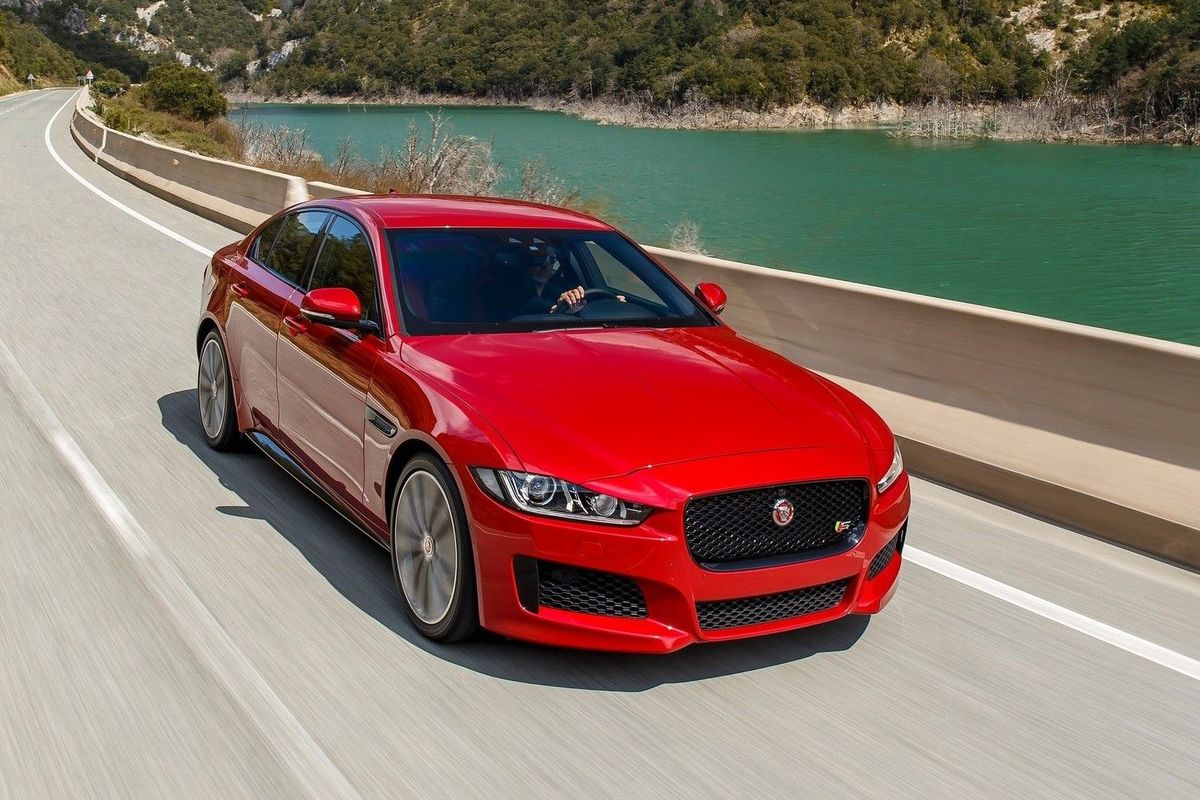
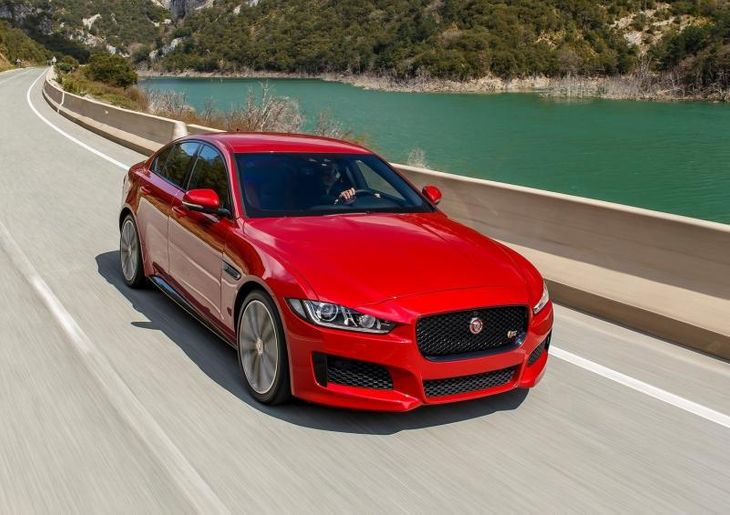
Unfortunately, the pricing of the Jaguar XE S really hurts it as on paper at least, it looks like a formidable offering. It too features a blown 3.0-litre V6. With 280 kW and 450 Nm, it'll race to 100 kph in a claimed 5 seconds. The Jag offers rear-driven handling dynamics and one of the most adaptable chassis in the segment, offering comfort and sportscar handling in the same package.
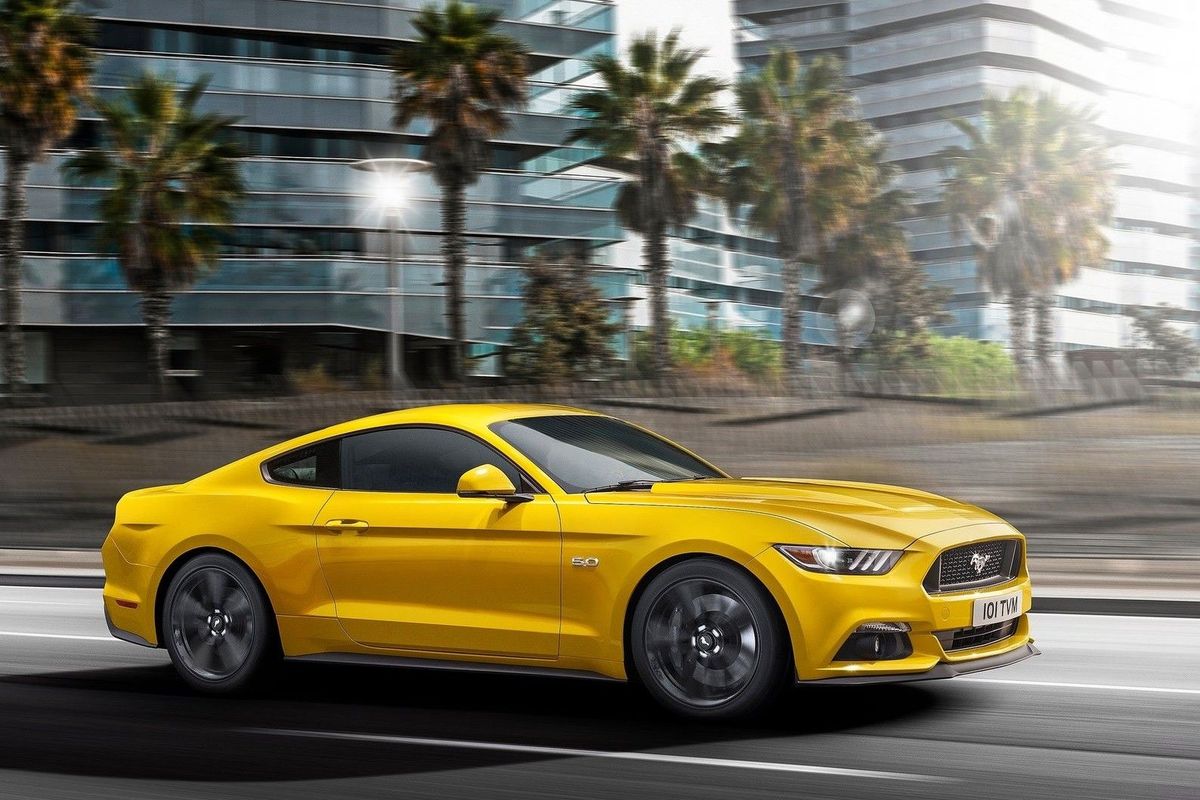
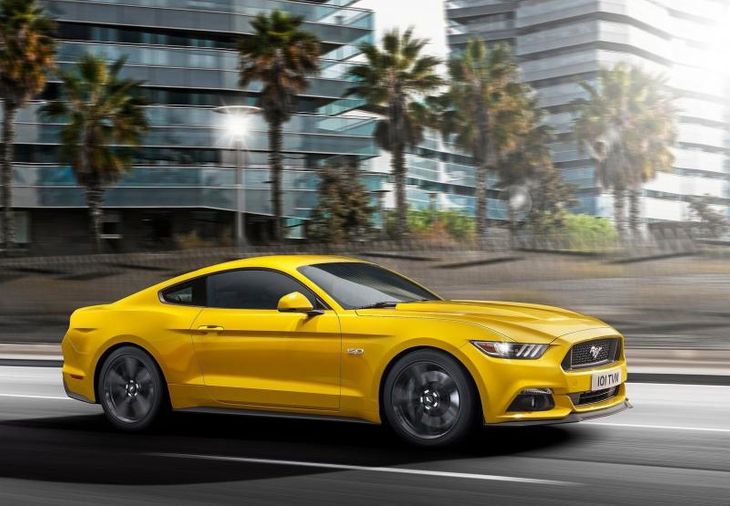
While all of the above cars are four-door models, it's interesting to point out that for very similar money to the Kia Stinger, you can get behind the wheel of the iconic American muscle car. Admittedly it's a manual-equipped derivative, but when you fire up that 5.0-litre Coyote V8 motor with 306 kW and 530 Nm, you'll forget about having to row the gears yourself. Ford claims the Mustang will do 0-100 kph in 4.8 seconds. The Mustang also continues to be SA's best-selling sportscar, something the Stinger will be hoping it can eat away at.
Toyota adds a new Sport model to its Etios range. Expect it to join the fray during May 2018.
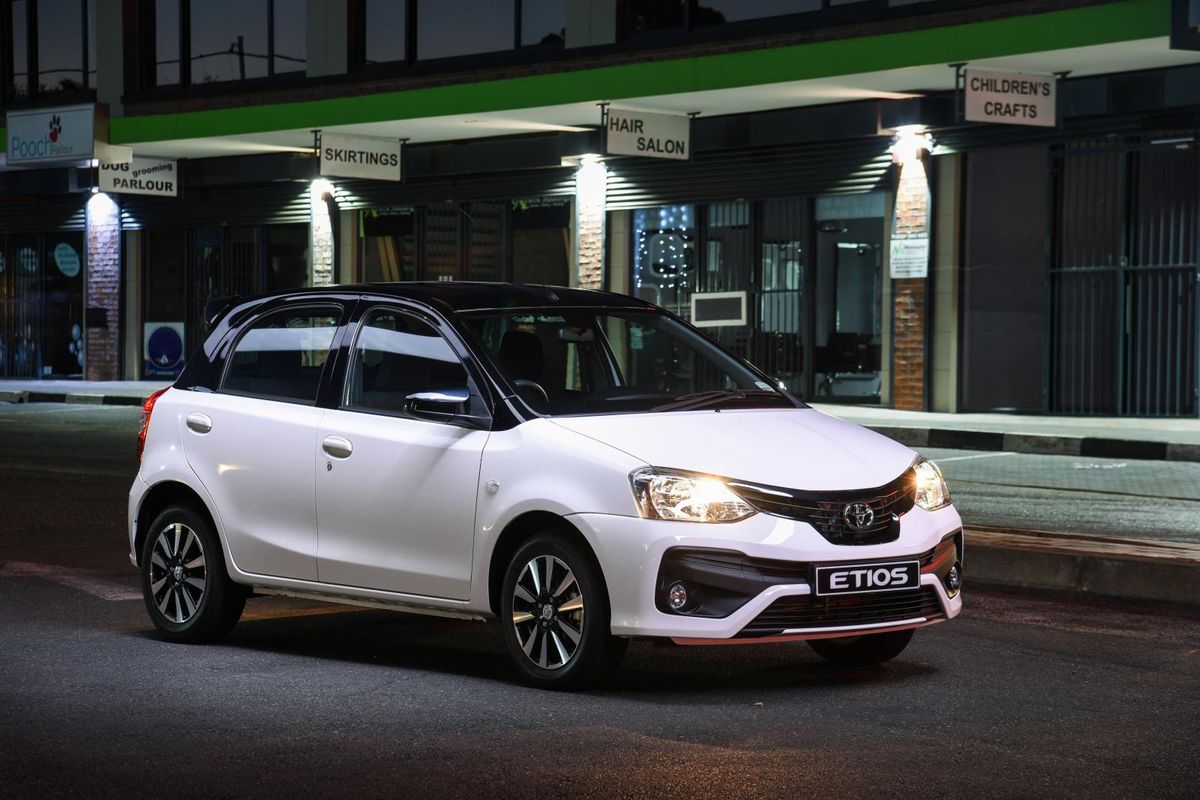
The Toyota Etios Sport is a new limited edition model bolstering the Etios range. The Sport moniker is used merely to describe the specific look the newcomer dons.
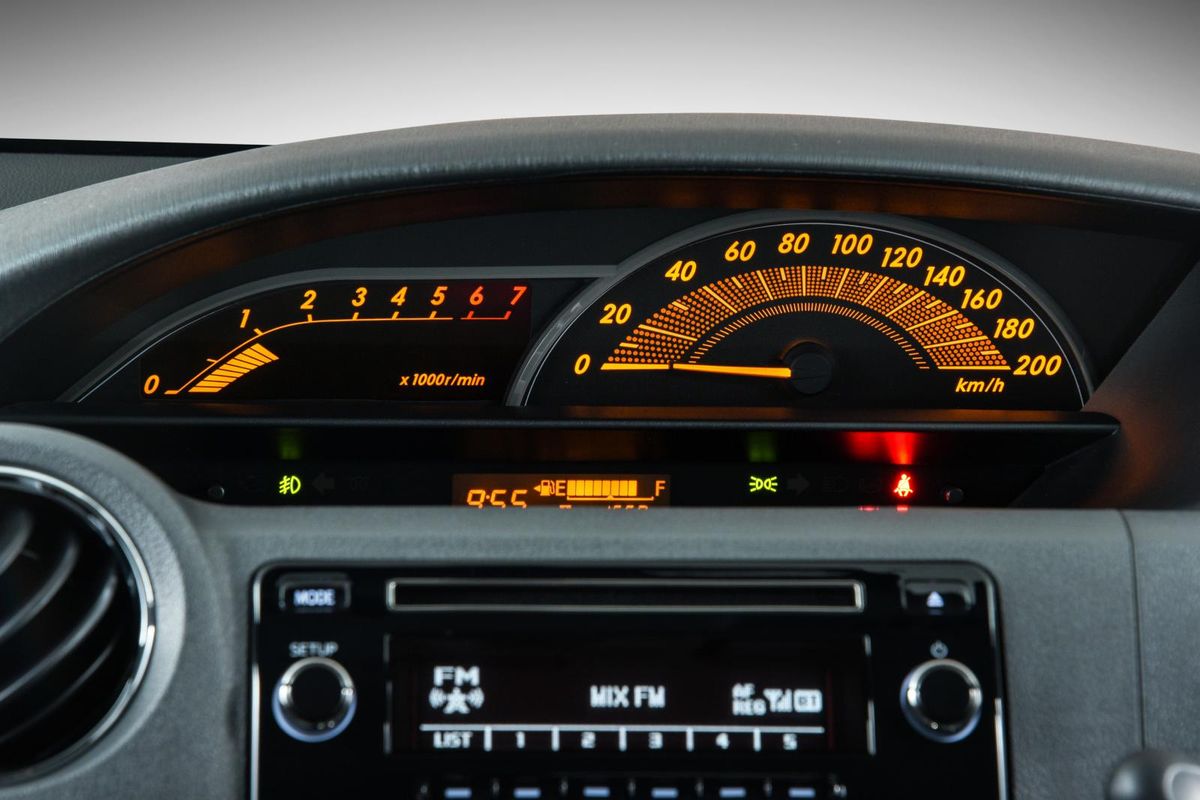
Special additions for the Etios Sport include a two-tone paint job, rear spoiler, special 15-inch alloy wheels and a digital rev-counter. Not to mention the new Sport badge plonked on the rear.
The Sport is only available in two colours, namely Retro Red and Glacier White. The two-tone aspect of the colours involves a black roof accompanying the red or white choice.
The Etios Sport is still powered by the same 1.5-litre naturally aspirated petrol engine. Complete with 66 kW and 132 Nm and a 5-speed manual gearbox, it makes reasonable forward progress.
Toyota’s new model sits plumb in the middle of the Etios range and comes standard with manual air-conditioning, 4 speaker sound system with USB, front fog lamps, dual airbags and ABS with EBD.
The Patrol is Nissan's top-tier SUV, replete with its go-anywhere-in-luxury attitude and a large-capacity V8 engine. Is this old-school behemoth still relevant amid the onslaught of premium SUVs on the new vehicle market?
We like: Effortless terrain-conquering ability, responsive V8, cocooning cabin.
We don’t like: Thirst, outdated infotainment system, kitsch interior trims.
Alternatives
The other luxury Japanese off-roader: Toyota’s Land Cruiser 200 is only available in a V8 diesel guise, but offers the same off-road bias and old-school luxury.
The modern take: Land Rover’s new Discovery features all the modern tech you need. It works both on-road and off-road, but more features means there are more things that can go wrong.
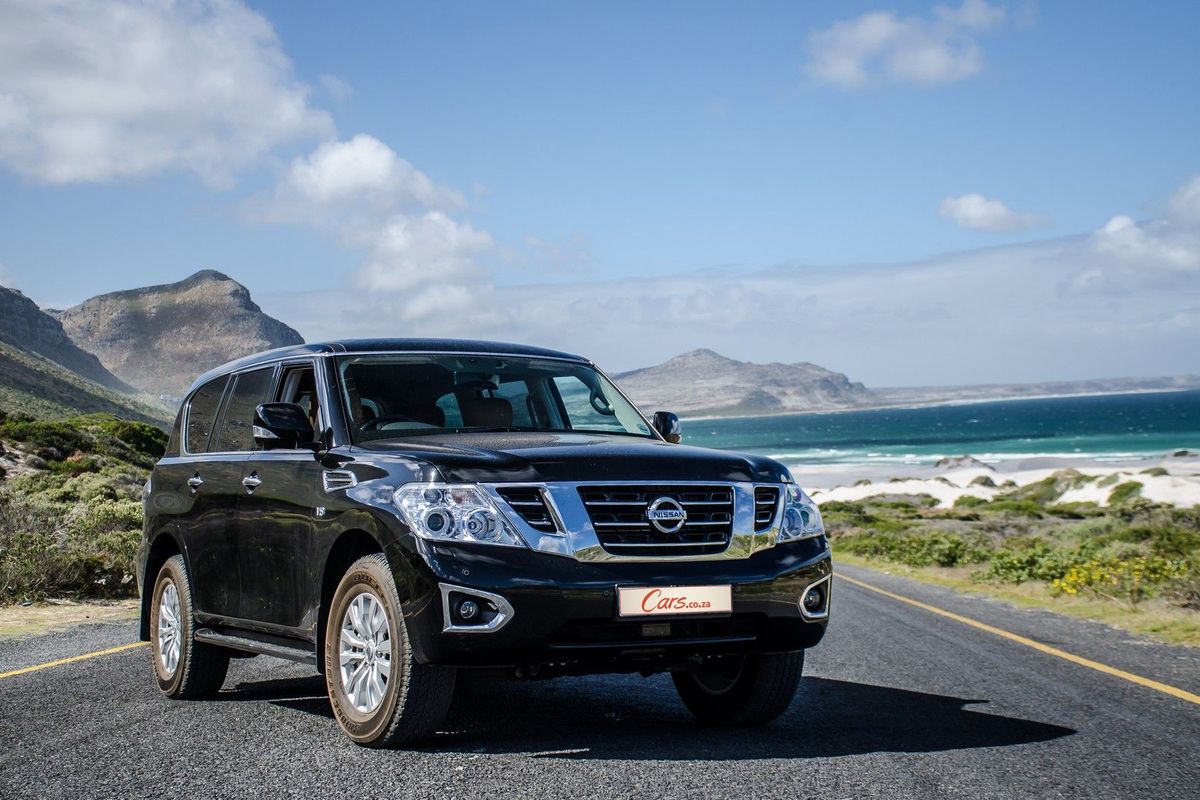
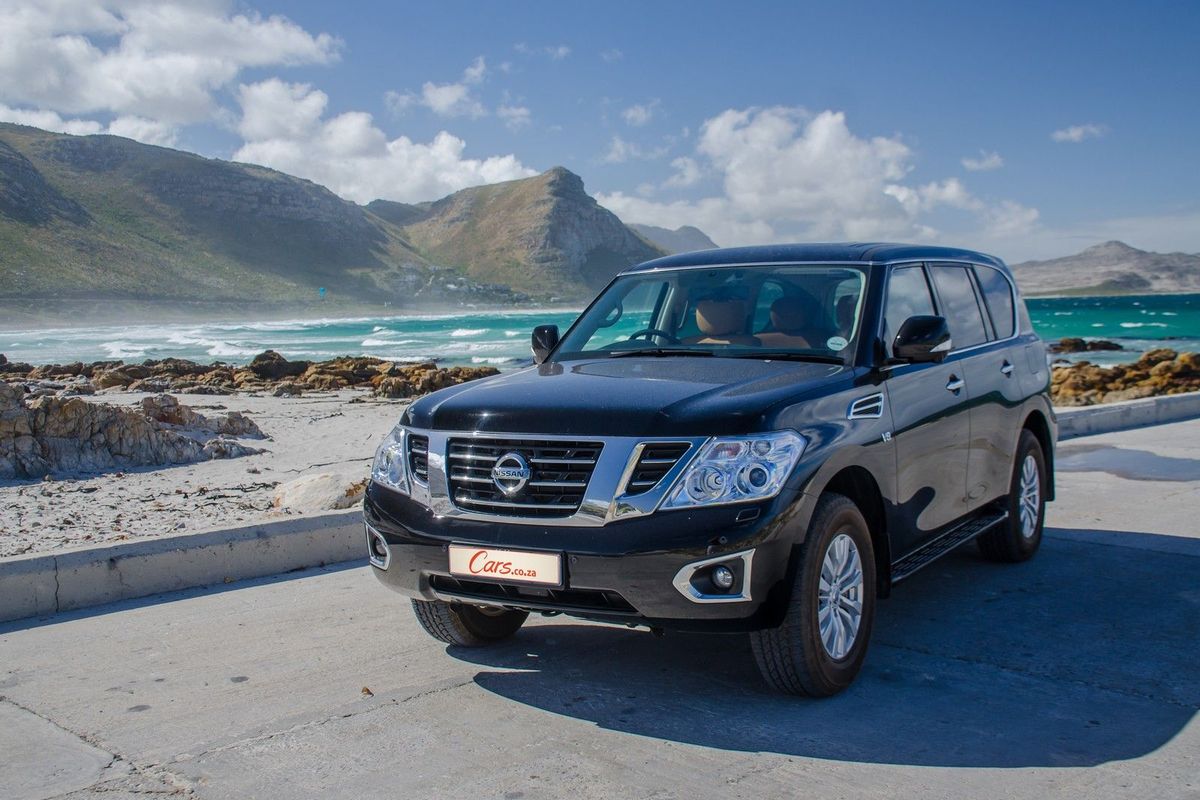
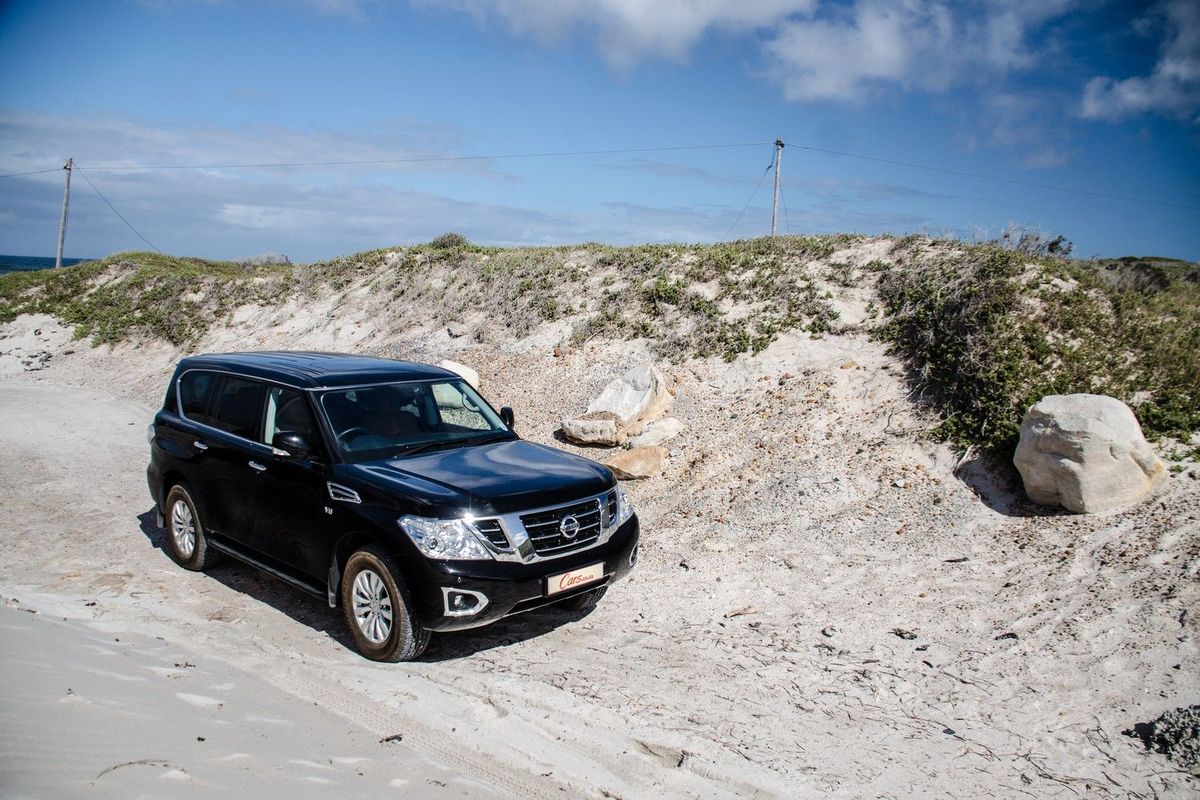
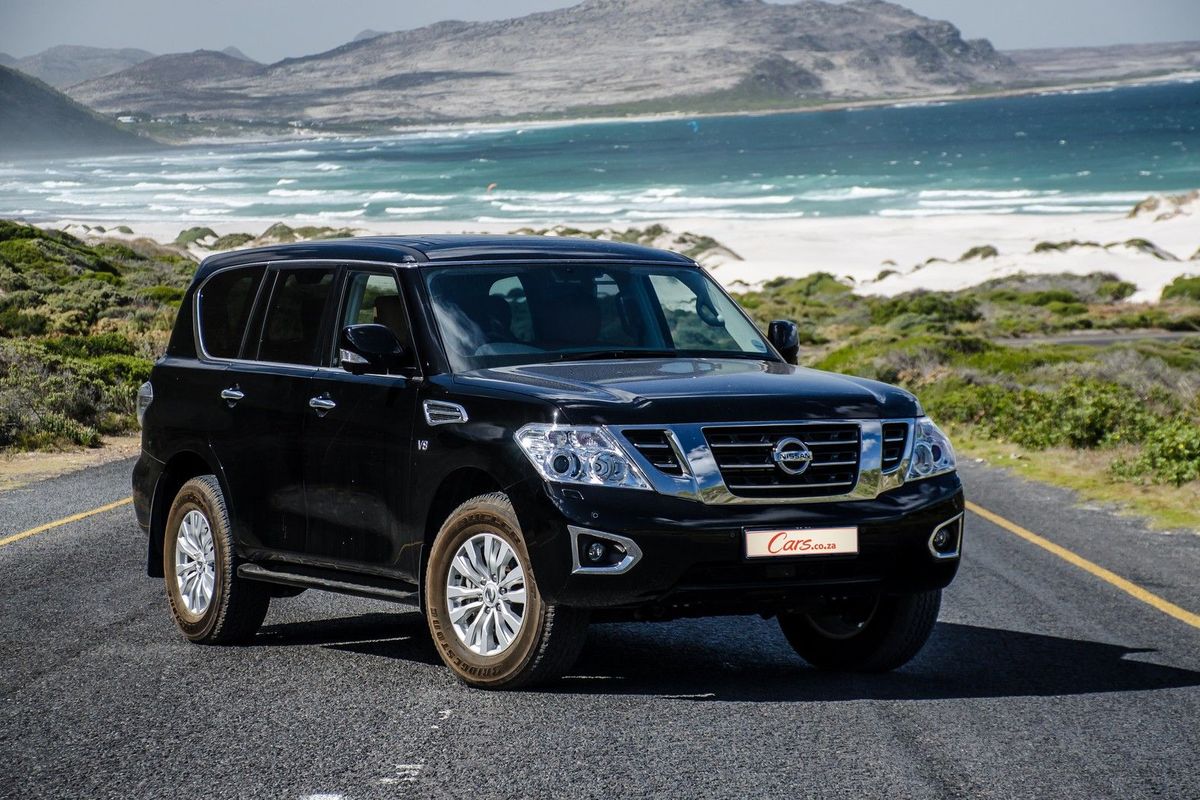
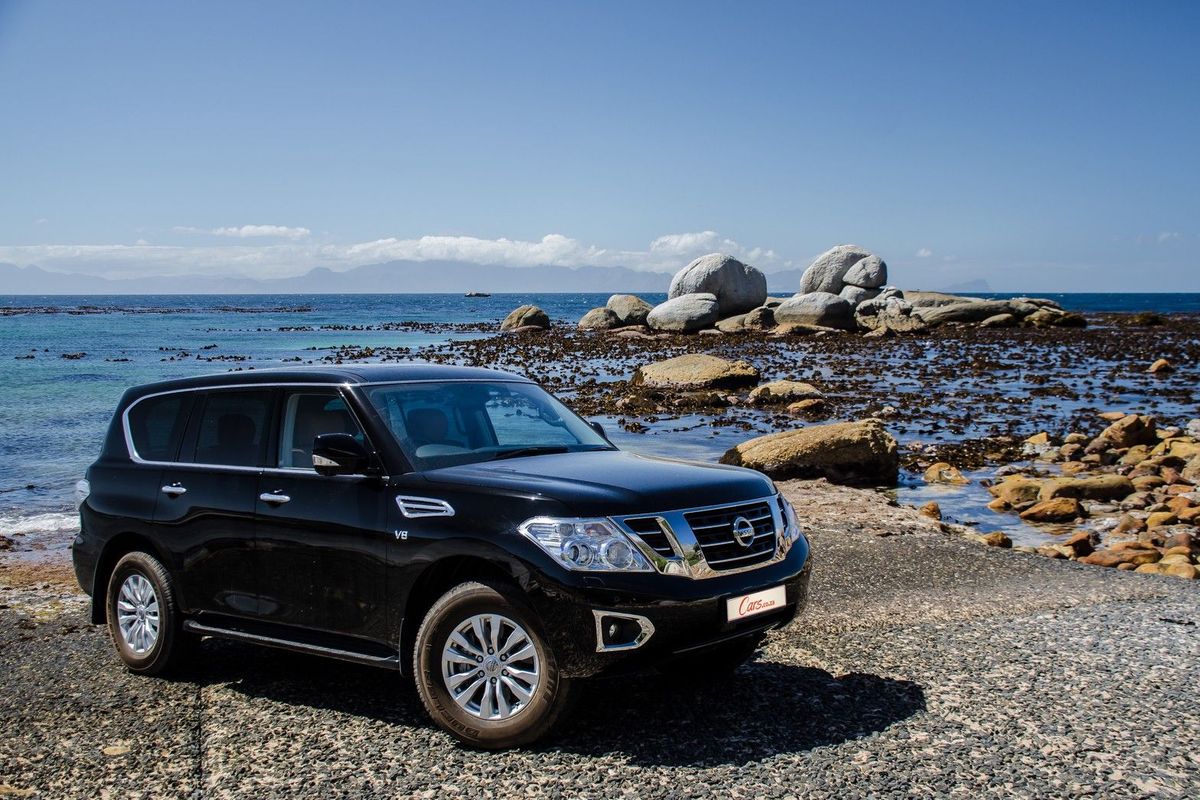
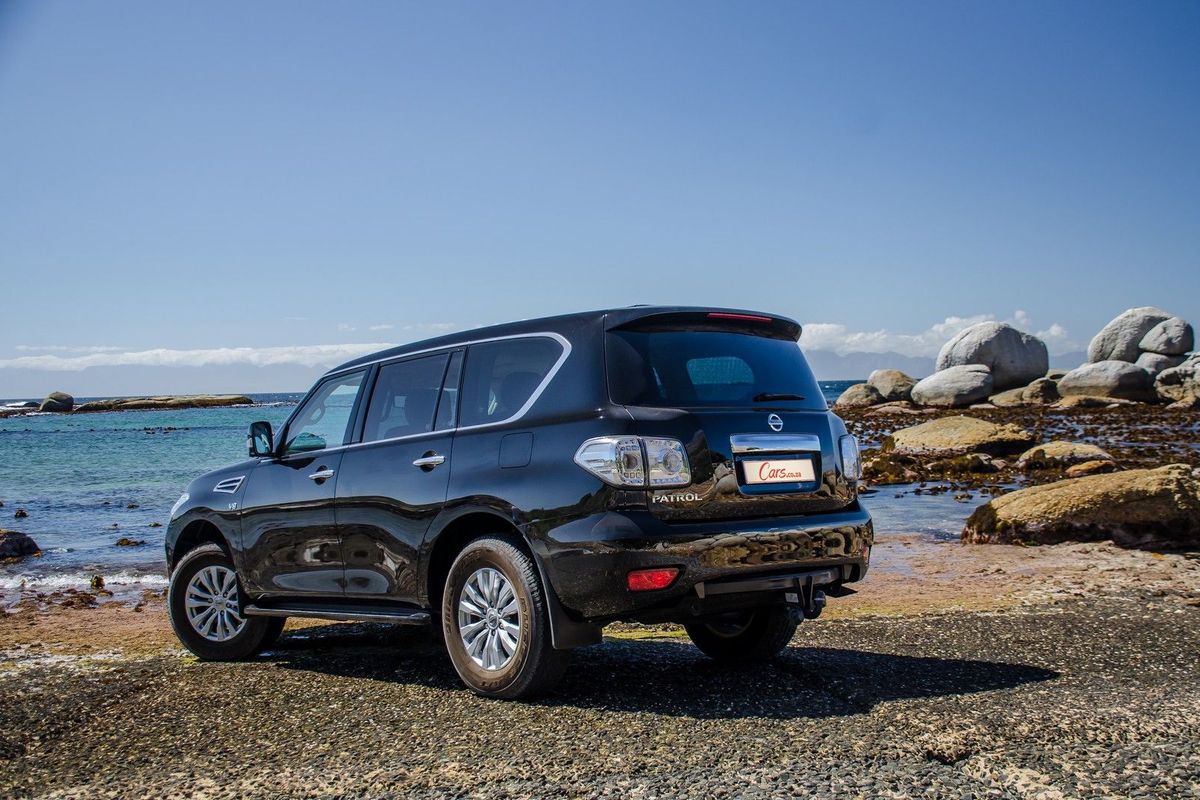
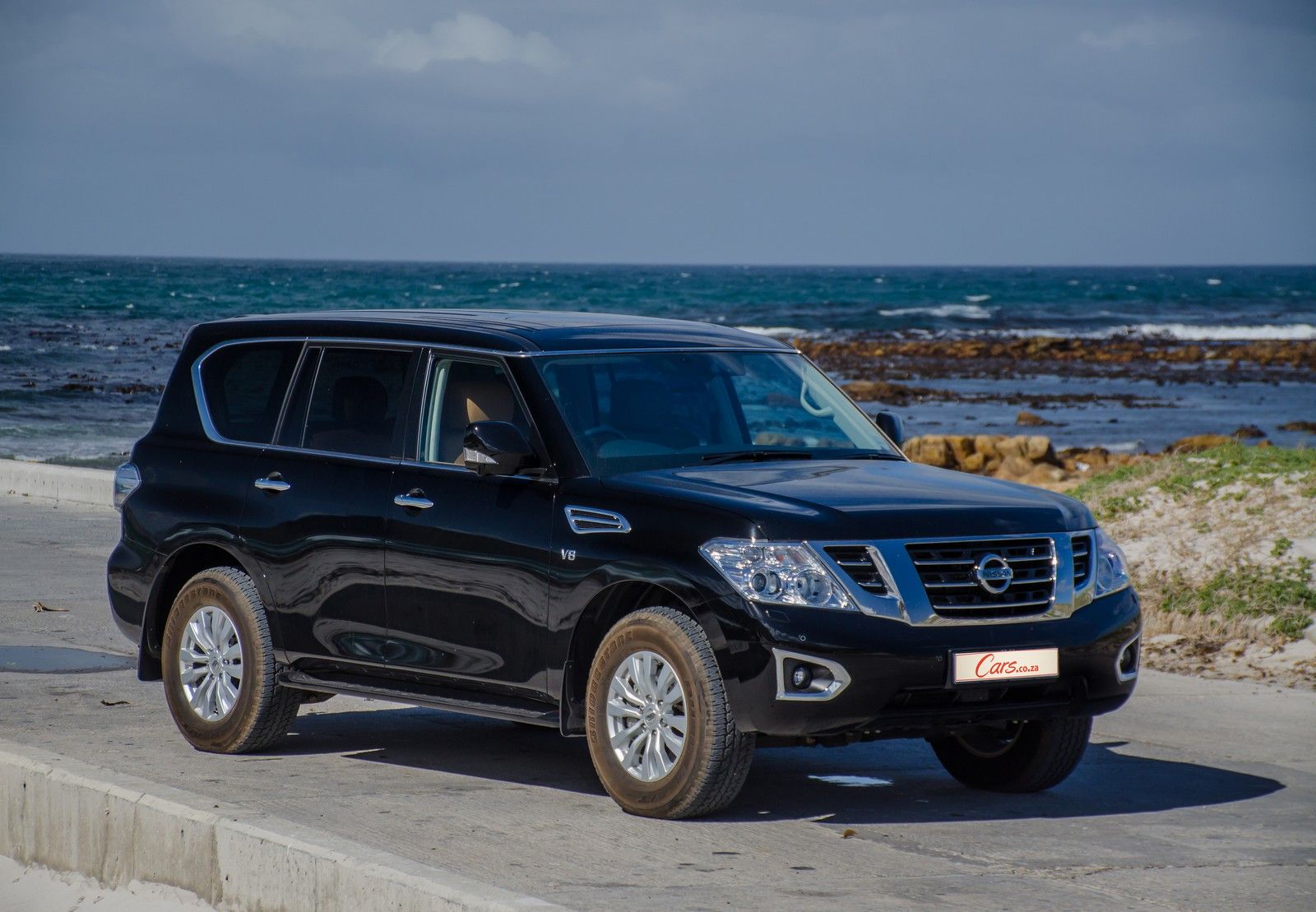
The Nissan Patrol has been around for more than 60 years and suffice to say it has conquered landscapes all over the globe. This iteration encompasses everything Nissan has to offer in an SUV, both in terms of in-car technology and off-road ability. Seven seats are wrapped in 2.8-tons of metal and powered by the (seemingly) long lost art of natural aspiration… yes, a 5.6-litre petrol V8 sits under the bonnet, which powers all four wheels and enables the Patrol to tow a 3.5-tonne load with ease.
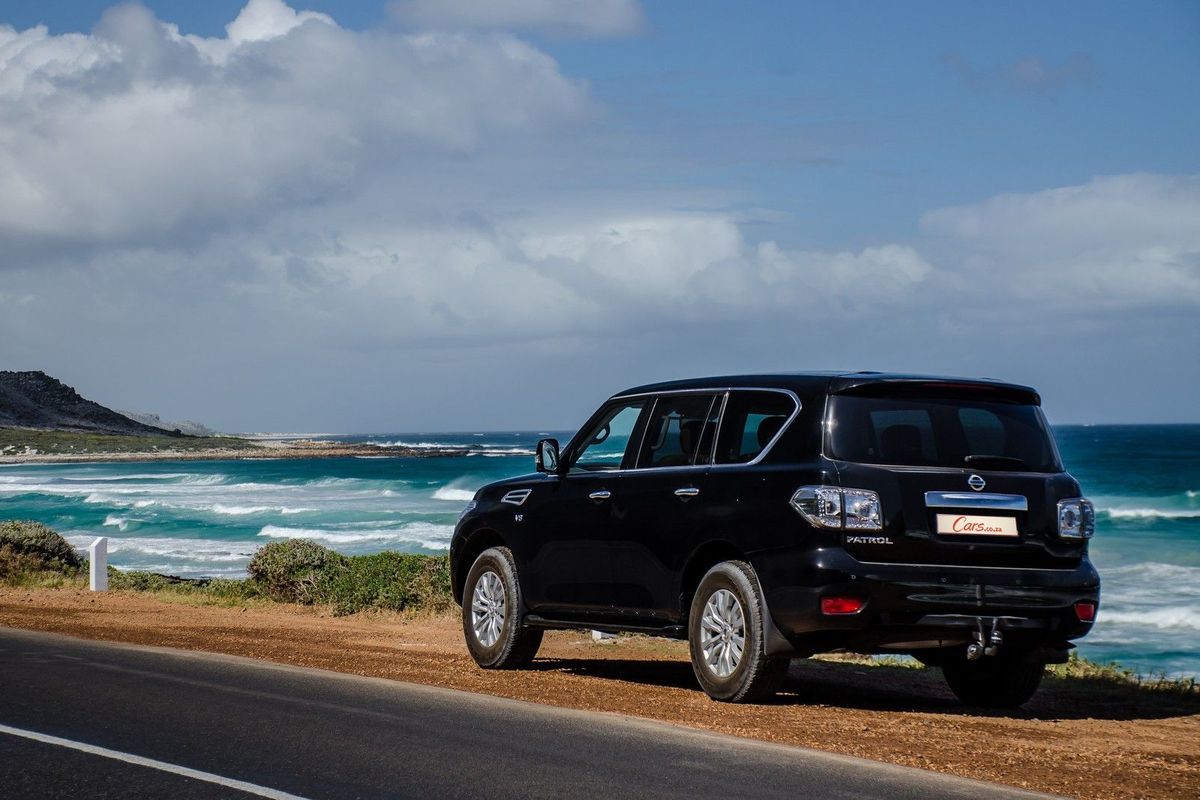
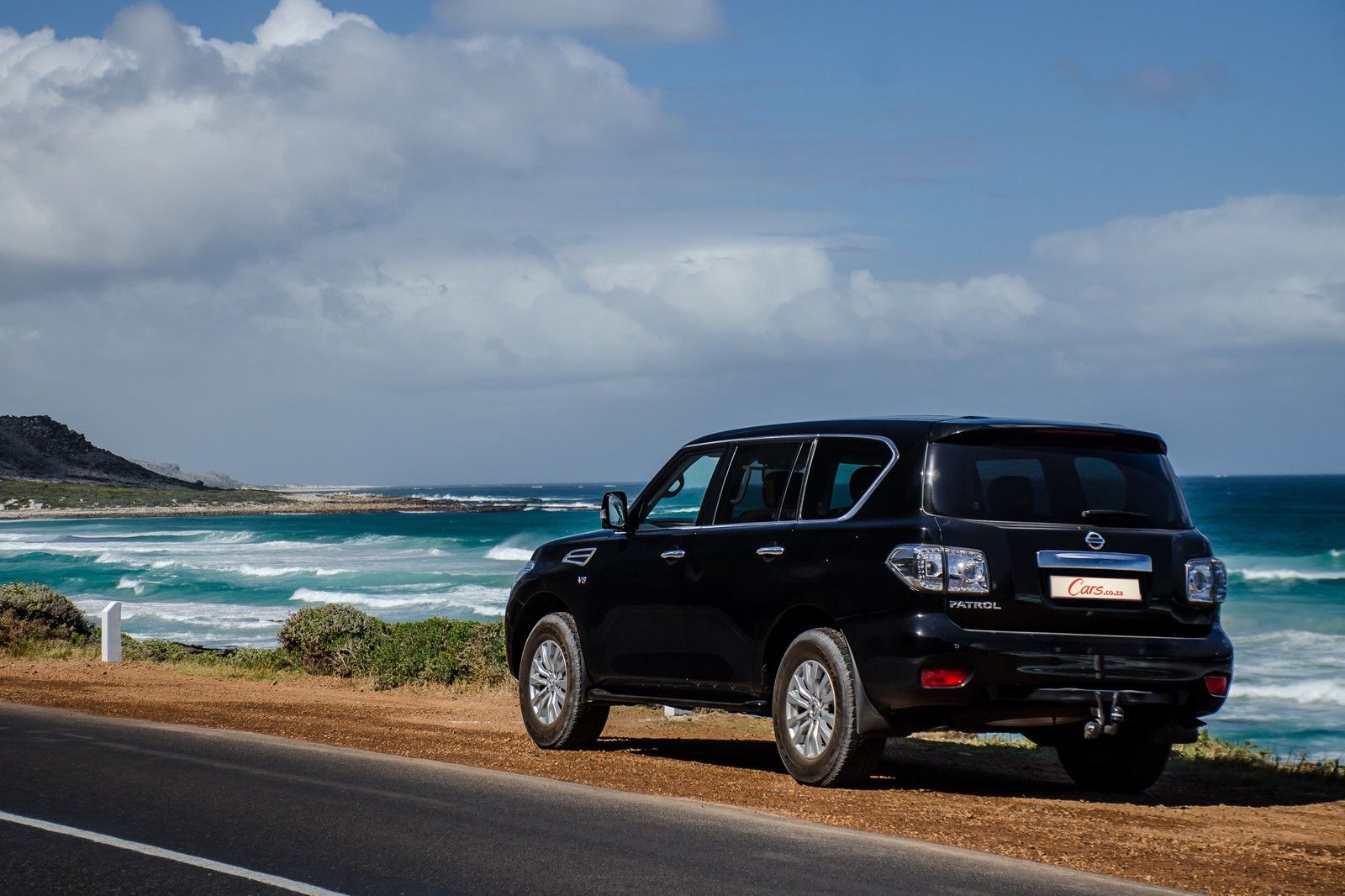
At 5.1-metres long and 2.0-metres wide, the Patrol casts an imposing figure on the road.
While most cars have been designed to conform with current trends, the Patrol stands out like a rock of ages, appearing as the same square giant it was 6 decades ago.
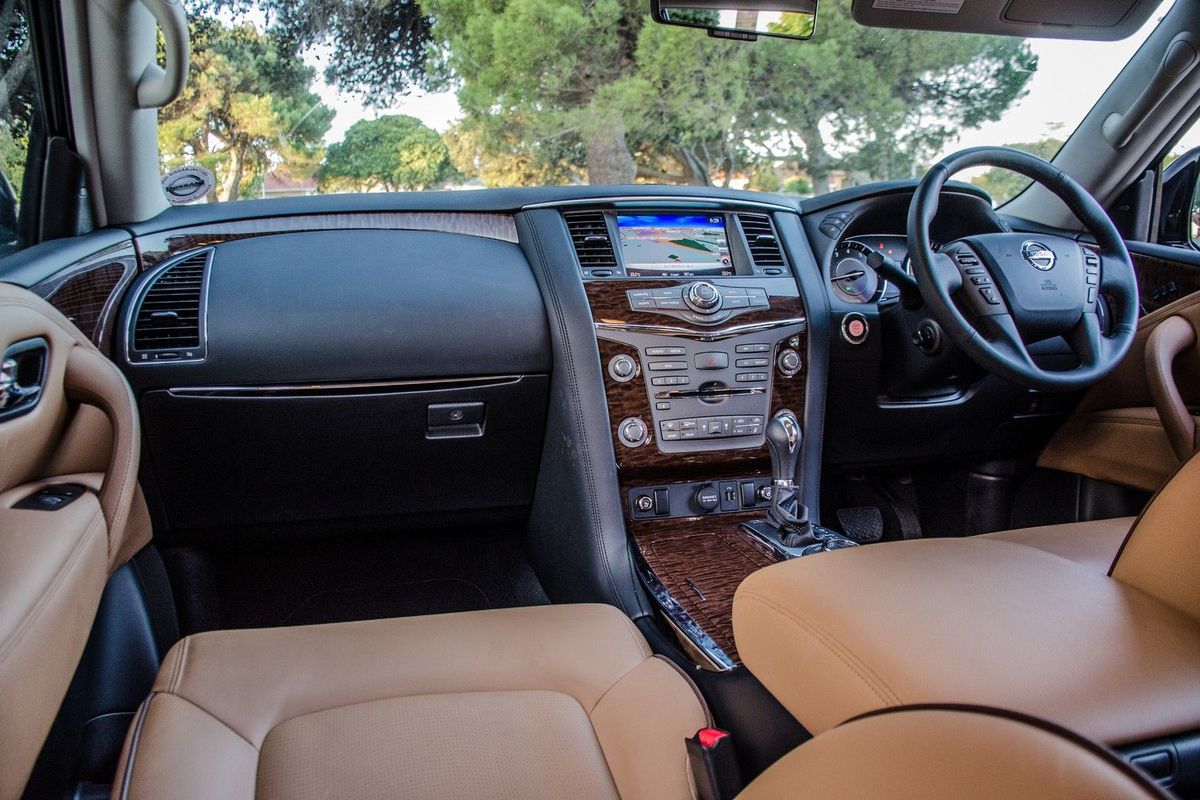
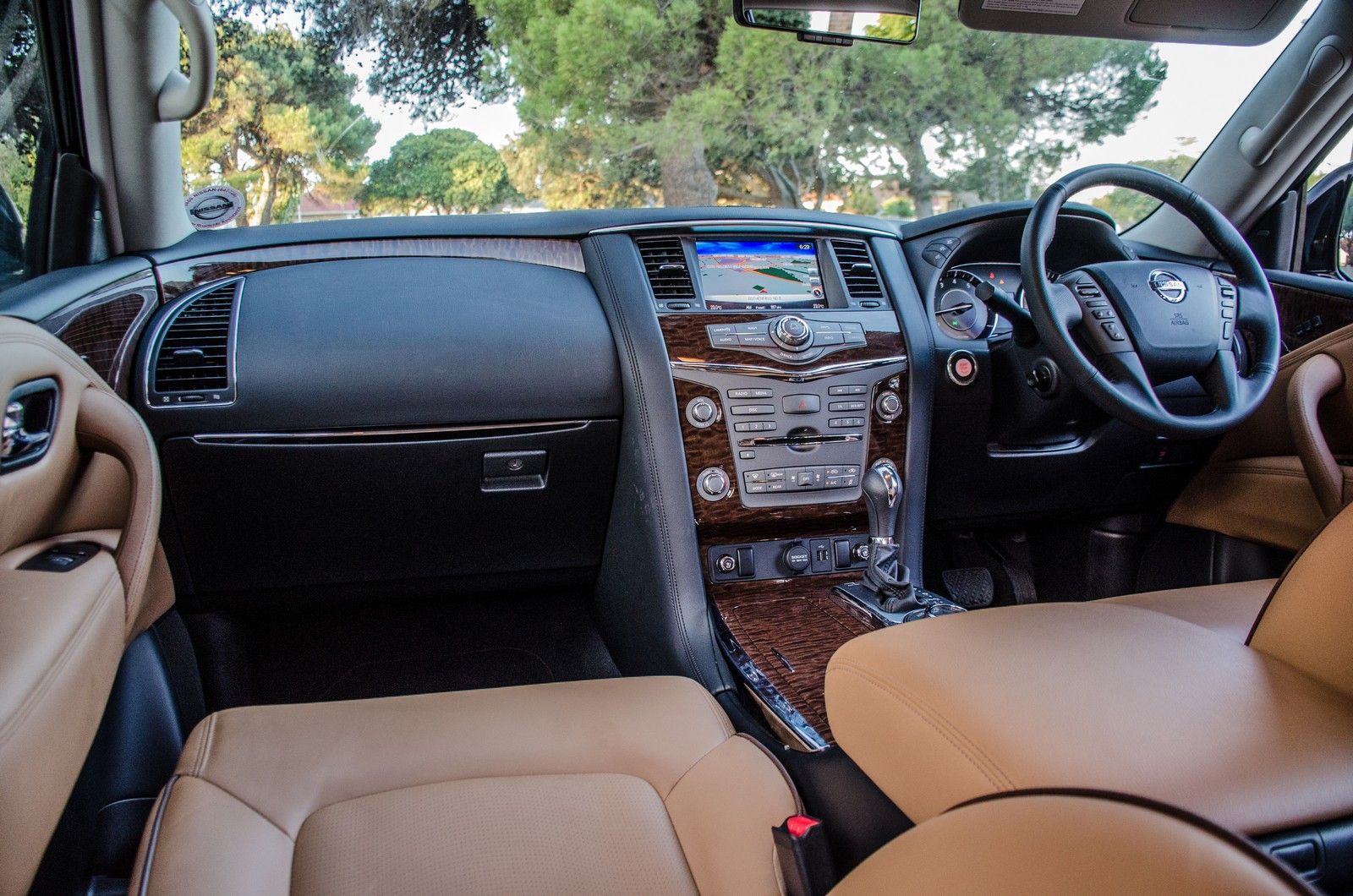
On the inside, and with this new model, the Patrol features a plethora of safety systems and updated onboard technology, all wrapped in a mix of leather and wood trim.
How does it fare in terms of…
Kerb presence?
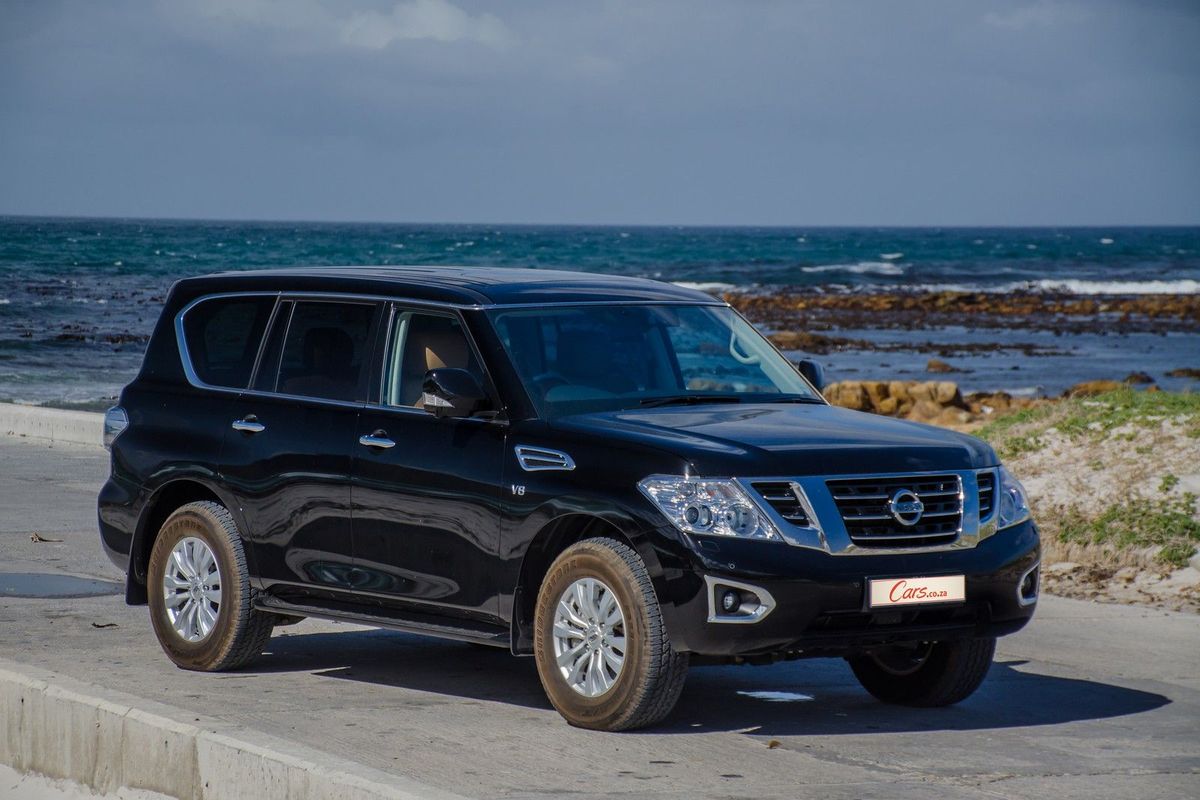
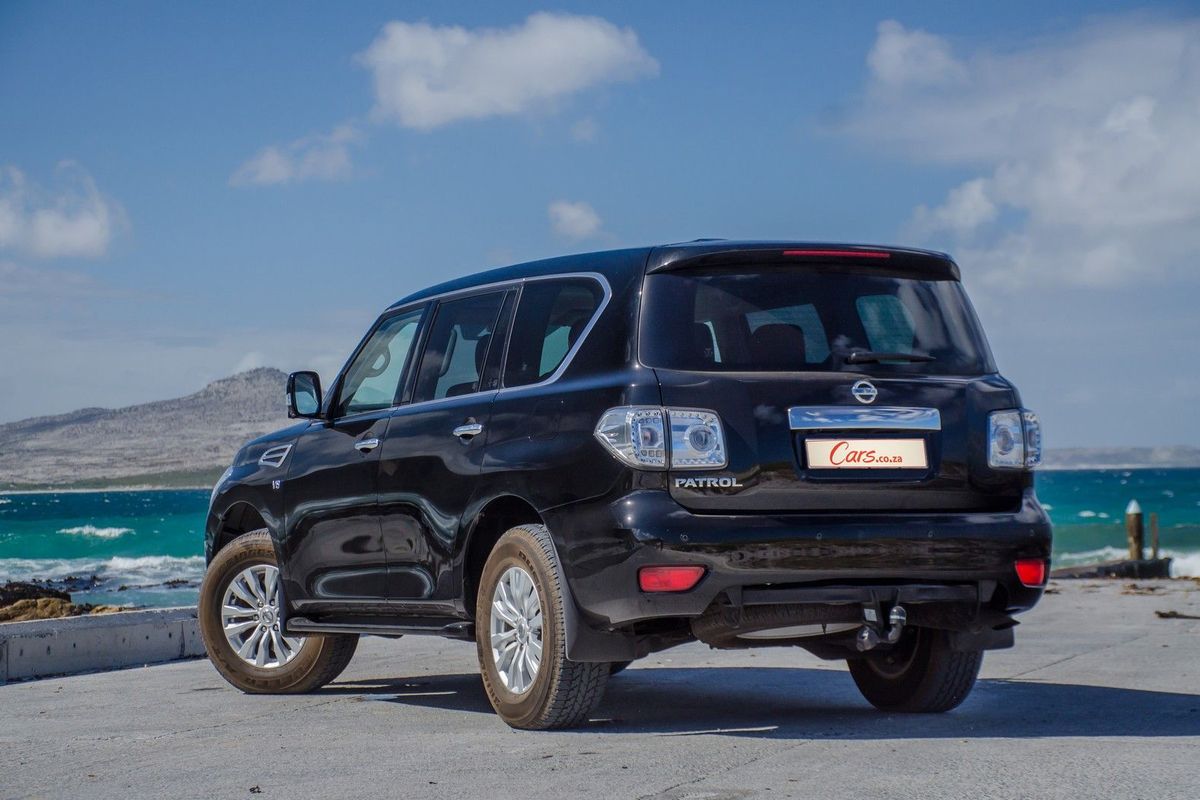
As it weighs nearly 3-tonnes, there isn’t much in the way of SUVs that can match the presence of the Patrol – it’s a huge chunk of machinery. The metallic front grille makes a statement, but not quite as much as the solid-block side profile. It’s almost bus-like in appearance, with a long rectangular body and a horizontal tail.
The Nissan's ground clearance is 272 mm, therefore it takes a bit of effort to climb aboard and pull yourself into the capacious cabin. The seating position is commanding; you certainly sit on top, rather than in, the "captain's chair", but it would be preferable if the steering column offered a bit more reach adjustment.
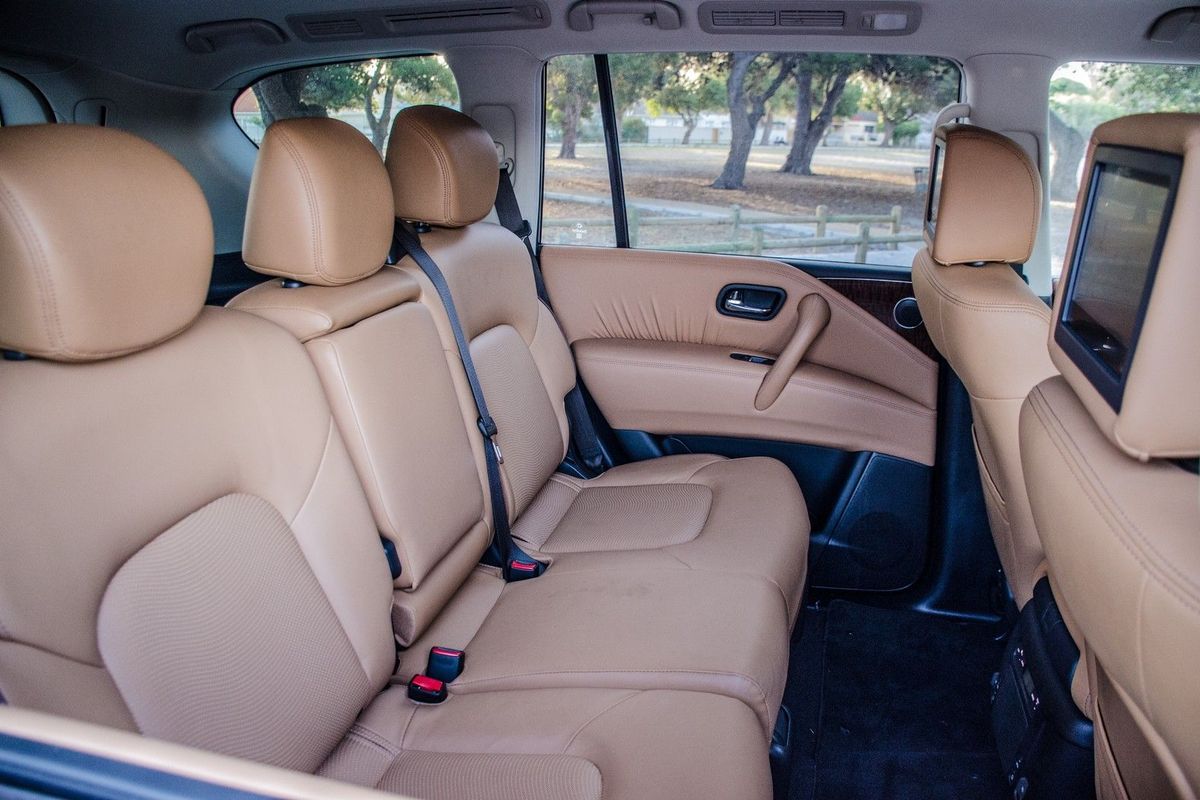
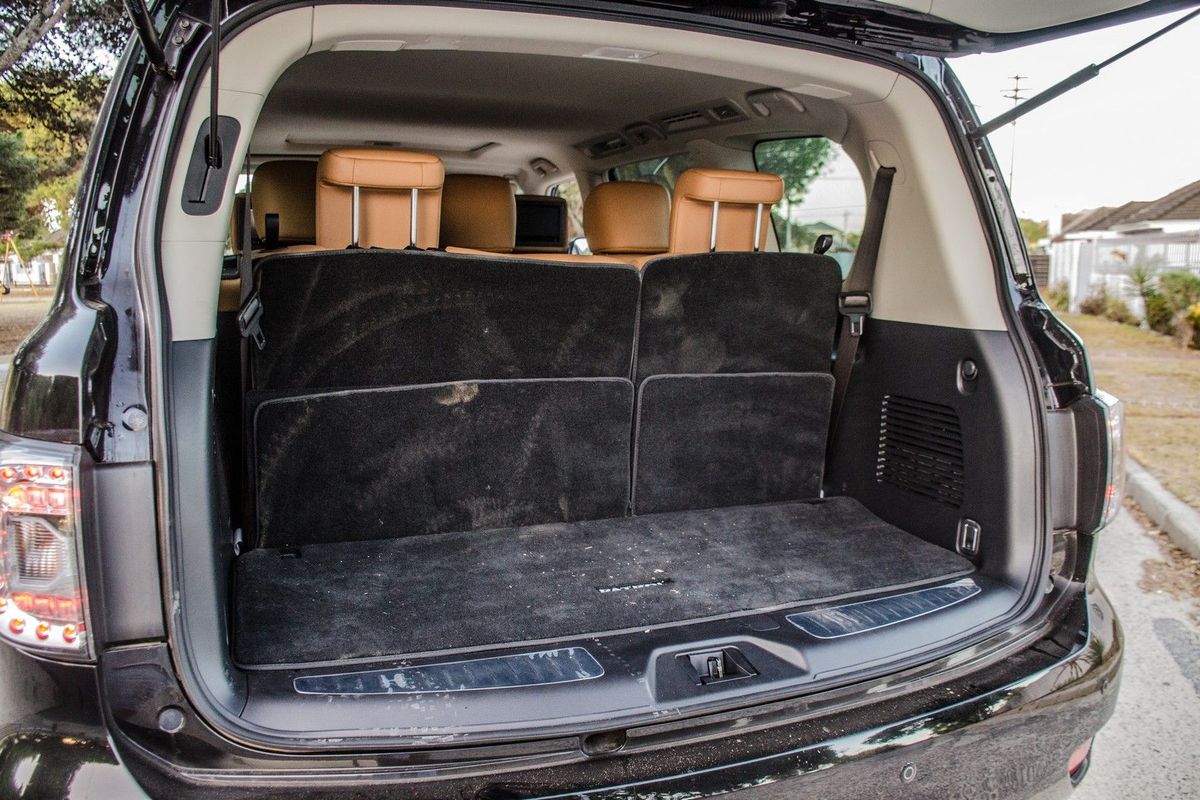
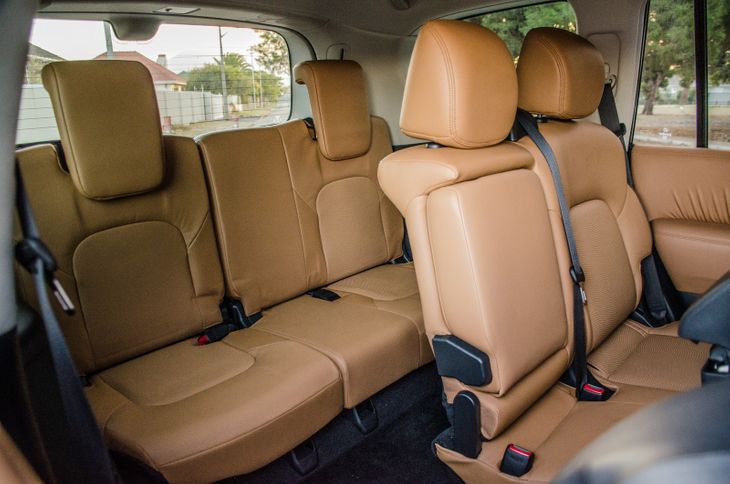
Even in 7-seater configuration, all occupants are afforded good headroom.
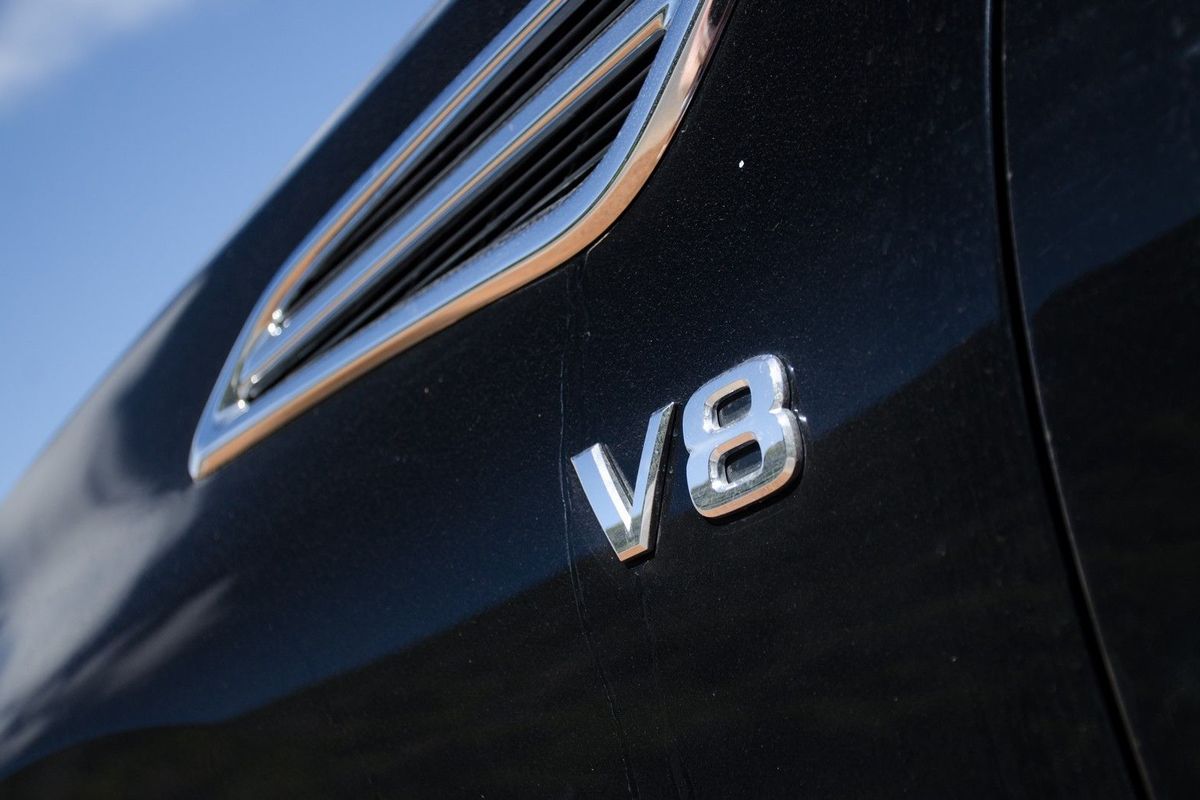
The beating heart of the Patrol is the 5.6-litre V8 under its bonnet, which is mated with a 7-speed automatic gearbox. The motor delivers peak outputs of 298 kW and 560 Nm of torque and because there’s no turbo to spool up, throttle response is quicker than you might expect and the thrum of the V8 is uninterrupted as it winds up its rev range. There’s also something to be said for the admiring glances that the Patrol attracts; people still show respect to a towering vehicle with a V8 badge on its back!
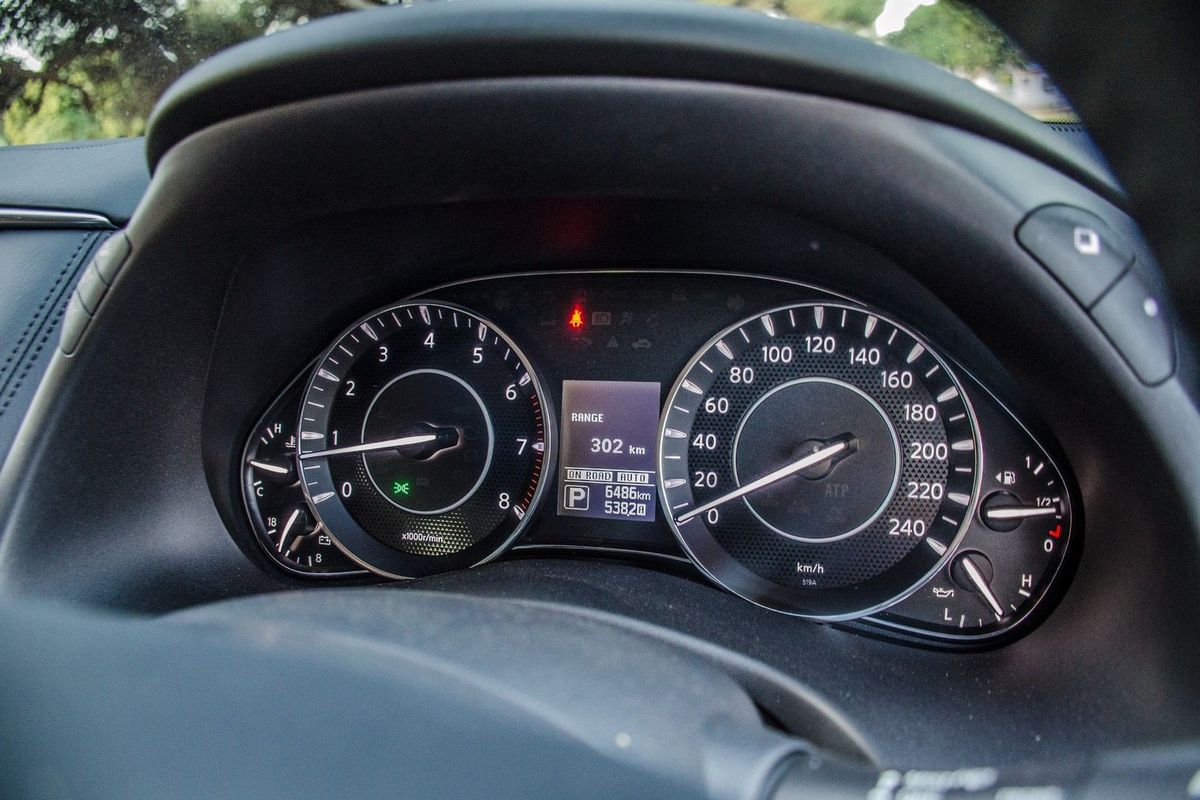
The drive for optimal fuel efficiency remains (and will remain) paramount to the automotive industry, which makes the Patrol's V8 (and others of its kind) seem anachronistic. Claimed fuel consumption is 14.6 L/100 km, but you are more likely to see 16L/100 km if you venture near a city or indulge in serious off-roading. On open stretches of freeway, we recorded 12.5L/100 km as our best return. At least you can get decent range thanks to the 140-litre capacity of the fuel tank.
Luxurious comfort?
Where the Patrol differs from models such as the Land Rover Discovery or Mercedes-Benz GLE is in the distances it will be required to cover. A Patrol is bought with plans to cross borders, wade into Africa and there’s a sense of dependability that 60 years of doing that brings.
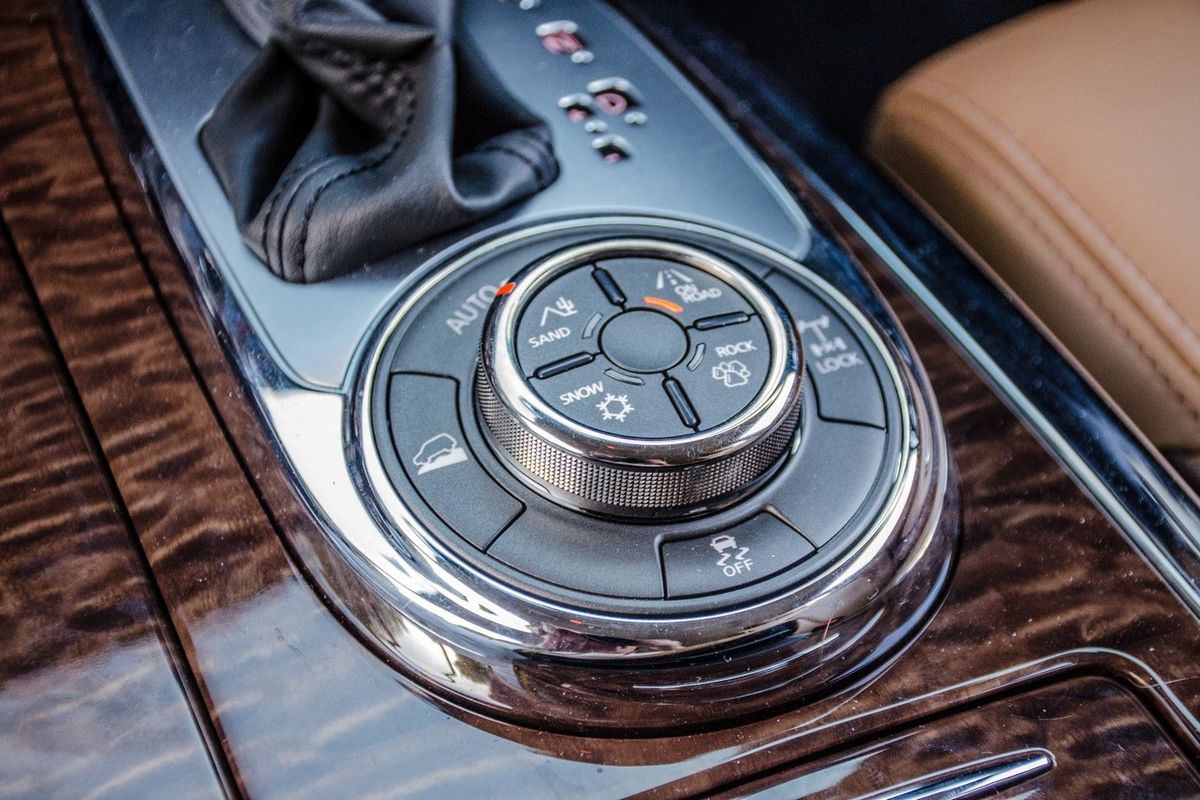
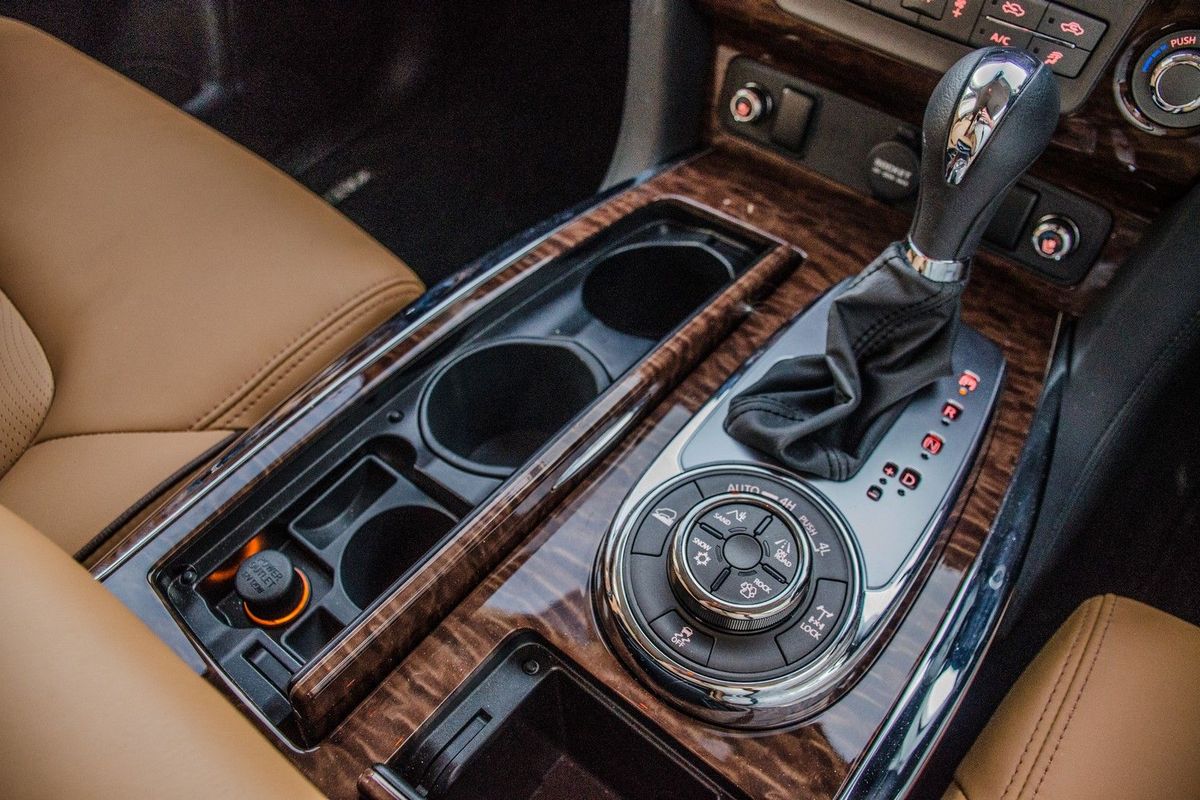
Its off-road credentials are undeniable and things are made simpler with on-the-fly changes from auto(2h) to 4-high and 4-low modes. There is also a terrain selector switch that lets you adjust the traction control and off-road systems to deal with rocks, snow, sand and tarmac.
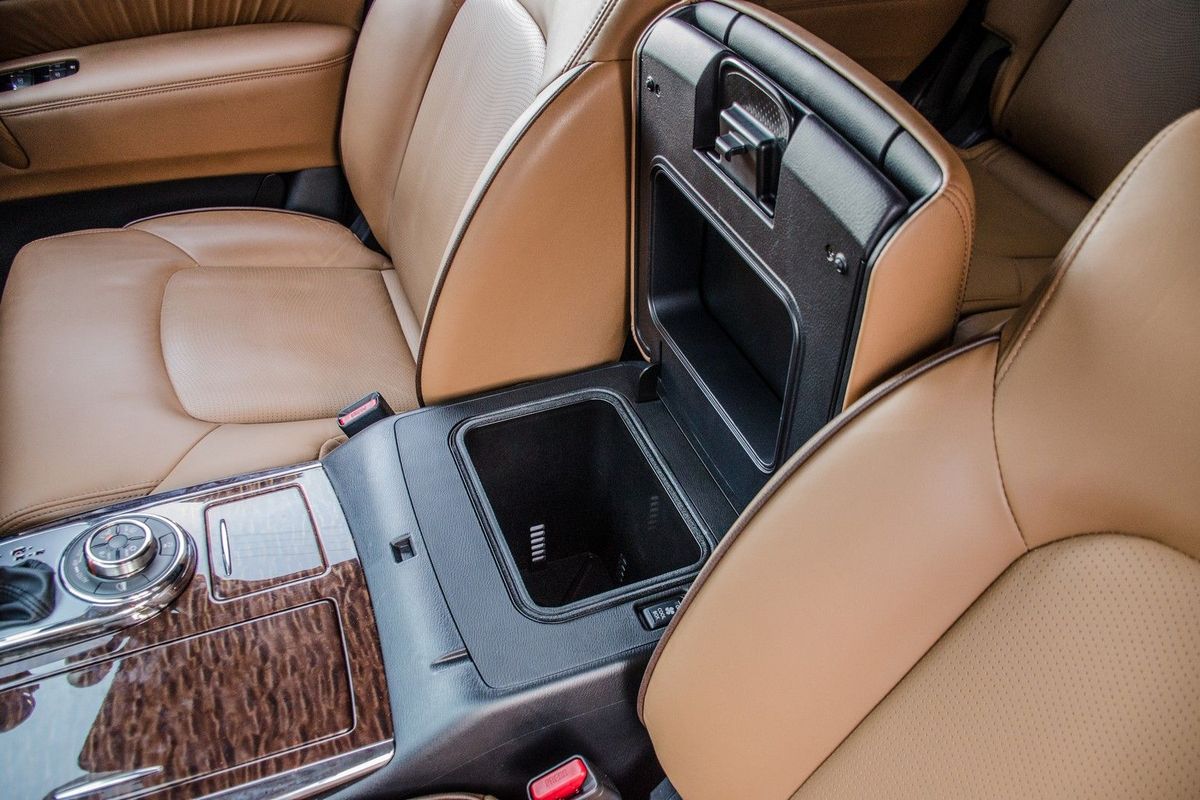
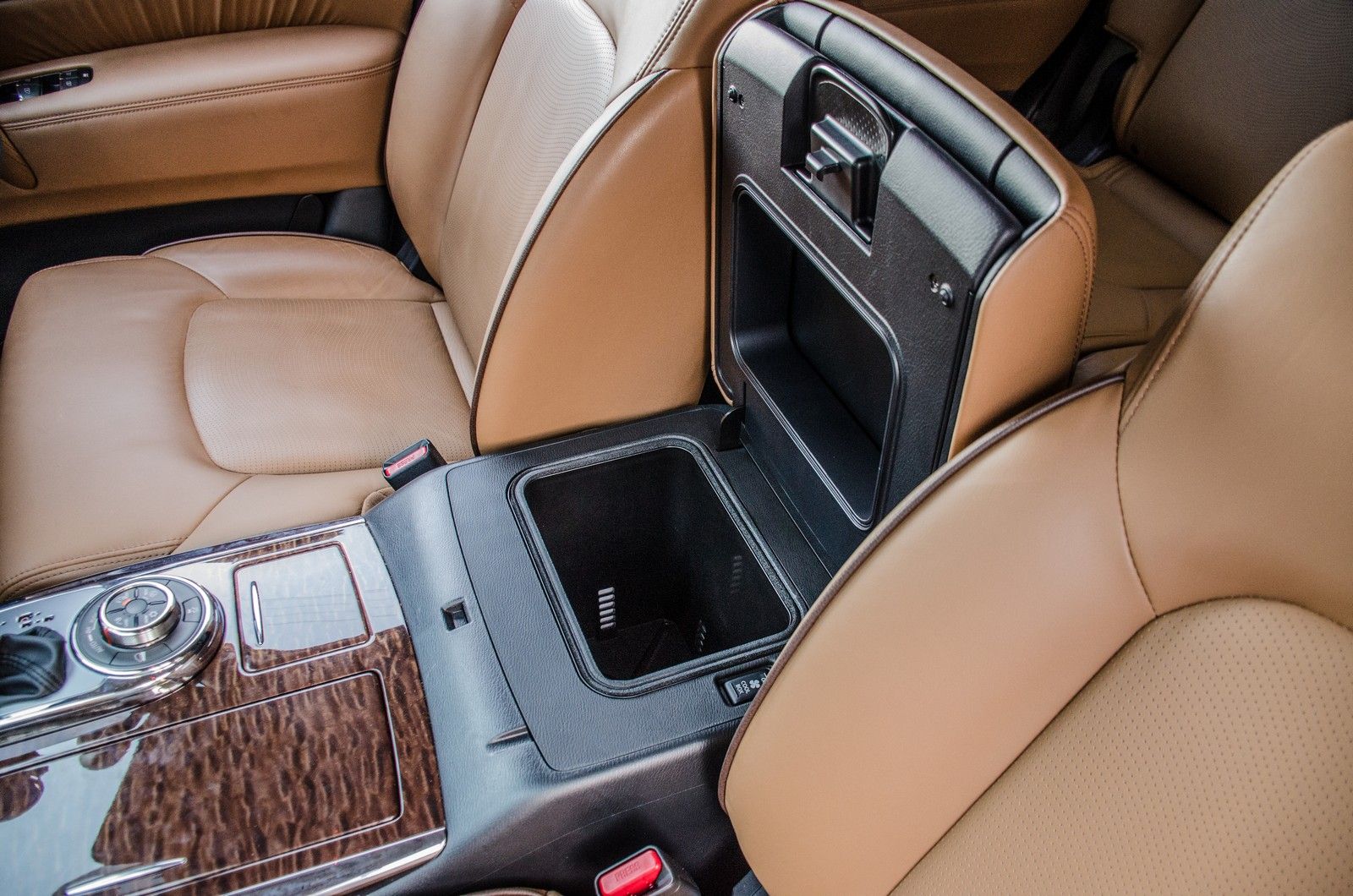
Actual refrigeration in the centre console with a big enough console to store 2 drinks bottles.
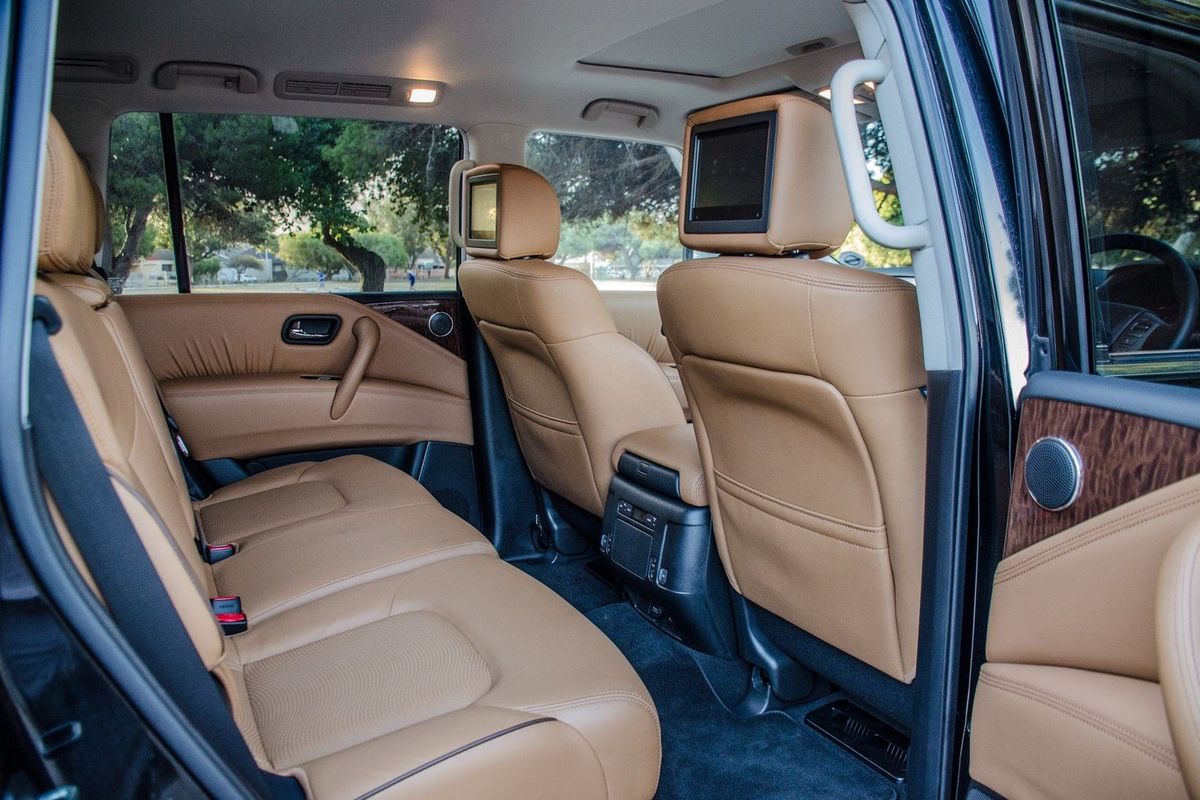
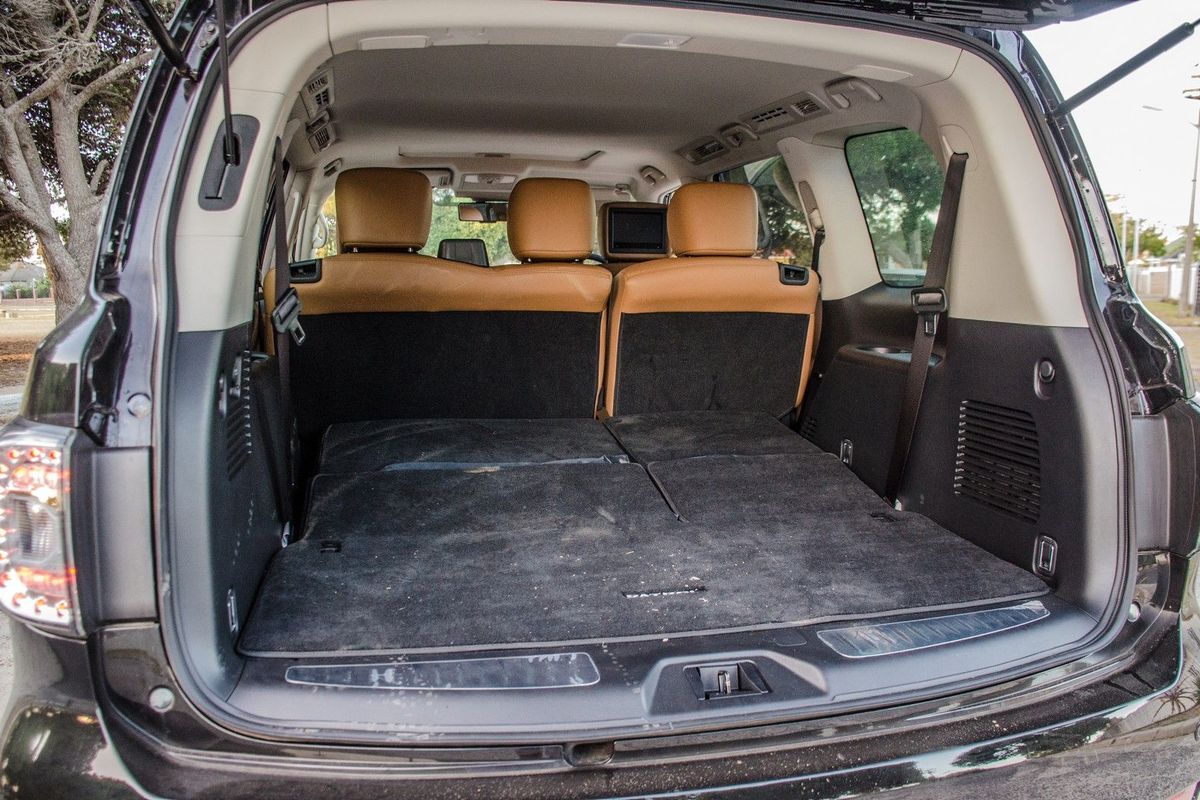
The leather seats are supportive and provide excellent comfort over long distances. There’s loads of space in the rear; in fact, even the 3rd row of seats can accommodate adults.
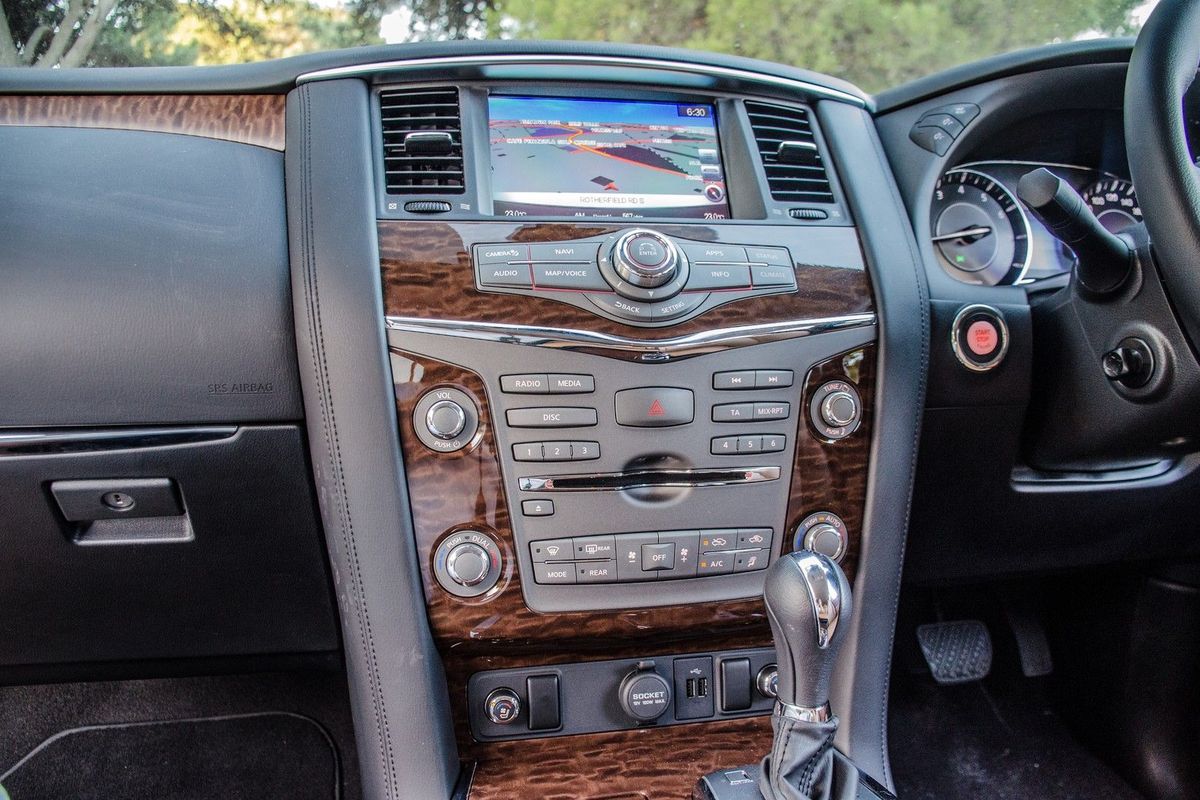
The wood panels that surround everything on the dashboard feel a little kitsch and overdone, however. It doesn’t exude a premium feel like wood trim does in a premium German sedan, it feels more like a glossy and chincy addition to the cabin. The DVD player in the centre of the dash alludes to the old school design of the Patrol. The rest of the cabin, wrapped in leather, is better to look at and touch, although the curtain-like ruffles on the door trim look old-fashioned, for what that's worth.
The refrigerated centre console is great for keeping drinks cold and having a total of 9(!) cup holders positioned throughout the cabin is certainly a boon. A pair of USB ports are provided up front and there is entertainment in the form of screens mounted in the headrests for rear passengers.
The infotainment system could benefit from a higher-resolution screen, but at least it comes with niceties such as navigation and displays 360-degree camera angles, the latter of which makes parking the mammoth Nissan a touch easier.
Driving comfort?
The suspension tuning on the Patrol is softer than you’ll get on almost any modern SUV, the off-road bias dictates that as there’s loads of wheel travel available in adverse conditions and with no air suspension, there’s less to go wrong. That means you hardly feel gravel roads as you power over them commandingly.
Leopard print wood anyone? The leather seats are particularly comfortable, however.
The steering is on the lighter side, again, because of the off-road bias where swinging the wheel, often while stationary, needs to be quick and easy. Out on the open road, the light steering doesn’t affect the Patrol as much as it does in the Land Cruiser or the FJ Cruiser, which seem to get their wobbles on at speed. The Patrol remains sturdy and controllable and now has added modern technology to make long-distance driving simpler.
Adaptive cruise control is probably the most useful feature you’ll use on long journeys and takes the hassle out of engaging and disengaging cruise control continuously. Then there are additions such as drowsiness detection, blind-spot detection, torque vectoring to help stabilize the Patrol around corners and lane departure warning –which you will probably turn off the moment the roads start to become devoid of visible markings.
Pricing and warranty
The Patrol SUV is only available in one model: this 5.6-litre V8 LE Premium. It retails for R1 31 0900 (May 2018), perfectly matching the Land Cruiser 200, which is only available as a diesel. The Patrol comes with a good 6-year/150 000 km warranty and a 3-year/90 000 km service plan. Service intervals are every 15 000 km.
Verdict
There's something to be said for the value of old-school mechanics should you get stranded in the middle of nowhere.
The Nissan Patrol is old school, but infused with a bit of new technology to keep the overlander contemporary. It’s no Land Rover Discovery when it comes to adaptability and modern city living, but, if you’re looking to do long distance and venture well beyond the beaten track then you want the reliability and dependability of something like a Patrol. And, they say that with fewer gimmicks and electronics, there’s less to go wrong, especially when you’re venturing deep into the bundu.
The Patrol offers excellent long-distance comfort and the addition of adaptive cruise control will no doubt serve you well on those many, many kilometres behind slow vehicles and trucks. The V8 under the bonnet offers responsive and brutish power, enough to tow whatever you want to the marshlands of the Okavango. The fuel consumption is significant, but that won't come as a surprise to this Nissan's target market…
The interior seems to have been slapped together as an afterthought, unfortunately. In order to endow the Patrol's cabin with a decidedly premium ambience, Nissan thought it best to scatter wood trim everywhere. It hasn't quite done the trick, but at least there’s still excellent space for people and things to be stored in the cabin.
It may be hard to fathom, but there is definitely a market for the Patrol… Land Cruiser 2000 sales show that around 100 people a month consistently buy into this type a vehicle and the Nissan, armed with the added modern comforts it offers, appears an excellent competitor to the Toyota…
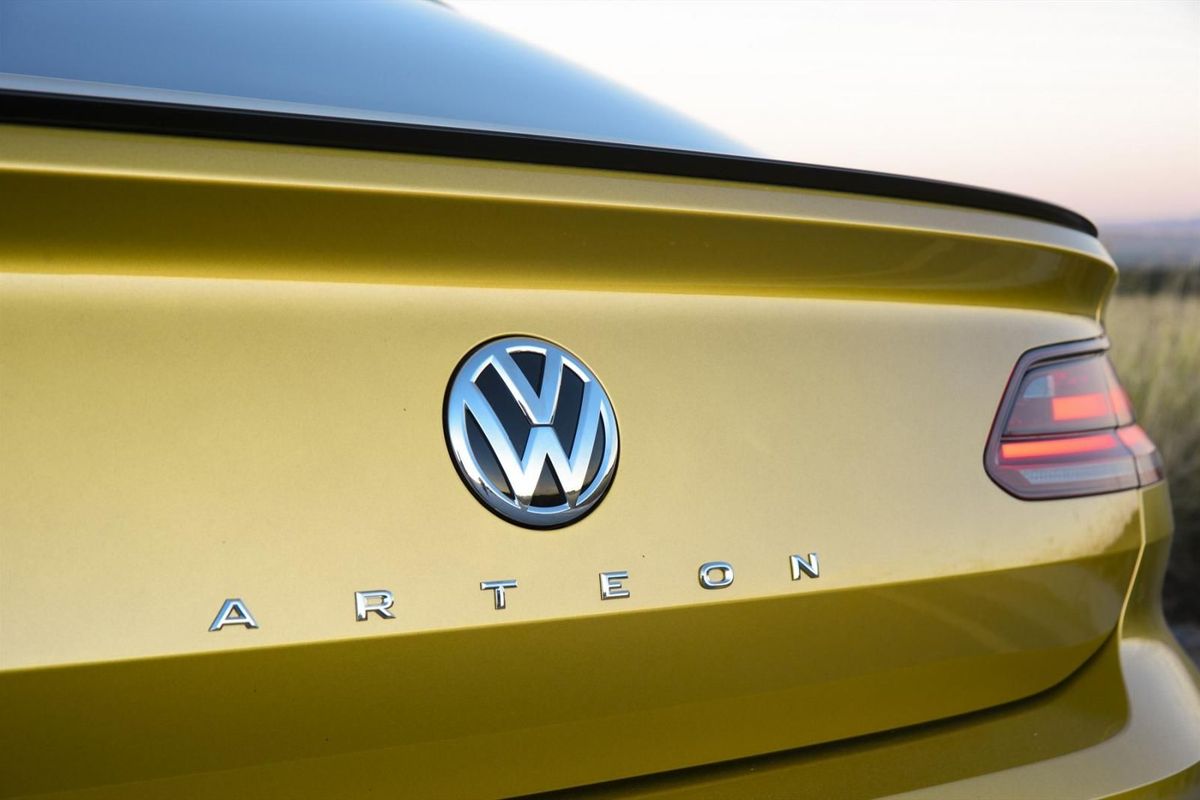
The striking Volkswagen Arteon has landed in South Africa and we have specifications and pricing for this model. Here's what you need to know about the newcomer.
Volkswagen calls its new Arteon, which replaces the outgoing Passat CC, a 5-door grand tourer, which pitches the newcomer against the BMW 4 Series Gran Coupe, Audi A5 Sportback and a slew of other business class sedans, including the upcoming Kia Stinger.
Built on Volkswagen's lauded Modular Transverse Matrix (MQB) platform, the Arteon boasts a wheelbase of 2 841 mm, is 1 871 mm wide and 1 427 mm tall. The range comprises 4-cylinder engines only, with one turbodiesel and one turbopetrol motor, both of which are mated with a Volkswagen (DSG) dual-clutch transmission.
The 2.0 TDI DSG is available in Elegance and R-line trim lines. Its 2.0-litre turbodiesel has peak outputs of 130 kW and 350 Nm, with power going to the front wheels via a 6-speed DSG. It'll be the most frugal of the motors, with a claimed consumption figure of just 5.6 L/100 km.
The petrol engine, meanwhile, is a 2.0-litre turbocharged unit, which delivers 206 kW/350 Nm and is mated with a 7-speed DSG. The motor powers the top-of-the-range all-wheel-driven Arteon derivative that is claimed to complete the 0-100 kph sprint in 5.6 seconds before going on to a limited top speed of 250 kph. It's a little thirstier than its diesel sibling at 7.3 L/100 km.
Elegance-spec
Exterior:
Chrome wing mirror caps
LED tail lights with dynamic indicator light function
18-inch 'Muscat' alloy wheels
Continuous chrome trim strip on lower bodywork
Heated windscreen washer jets
Chrome strips on side windows
LED tail lights
LED headlights with LED daytime running lights
Alloy wheels (from 18-inch)
Keyless Go locking system
Interior:
Aluminium pedals
Instruments, dashboard and door panels with individualised look and trim in brushed aluminium
Contrast stitching on seat covers and floor mats
Seat covers in Nappa leather
Stainless steel door tread plates, front and rear
Composition Media infotainment system, including eight loudspeakers, AUX-IN and USB (Apple-compatible)
3-zone electronically controlled air conditioning system
Multifunction steering wheel in leather (with shift paddles on DSG models)
Driver Alert System
Progressive steering
R-Line spec
Exterior
'C'-signature of the front air intakes in high-gloss black
19-inch 'Montevideo' alloy wheels
Heated windscreen washer jets
Unique R-Line bumpers
Continuous chrome trim strip on lower-bodywork
Chrome-plated exhaust system tailpipes
Black boot lid spoiler
Privacy glass
Power folding mirrors
Interior
Leather sports multi-function steering wheel in R-Line design
Aluminium pedals
Roof liner in 'Titanium Black'
Stainless steel door tread plates front and rear with R-Line logo on front plates
Nappa Leather/Carbon Style seats with R-Line logo
Front seat heating
Volkswagen Arteon Price in South Africa
The new Arteon comes standard with a 5-year/90 000 km maintenance plan, 3-year/120 000 km warranty, 12-year anti-corrosion warranty and space saver spare wheel. Service Interval is 15 000 km.