Haval to expand on SA offerings
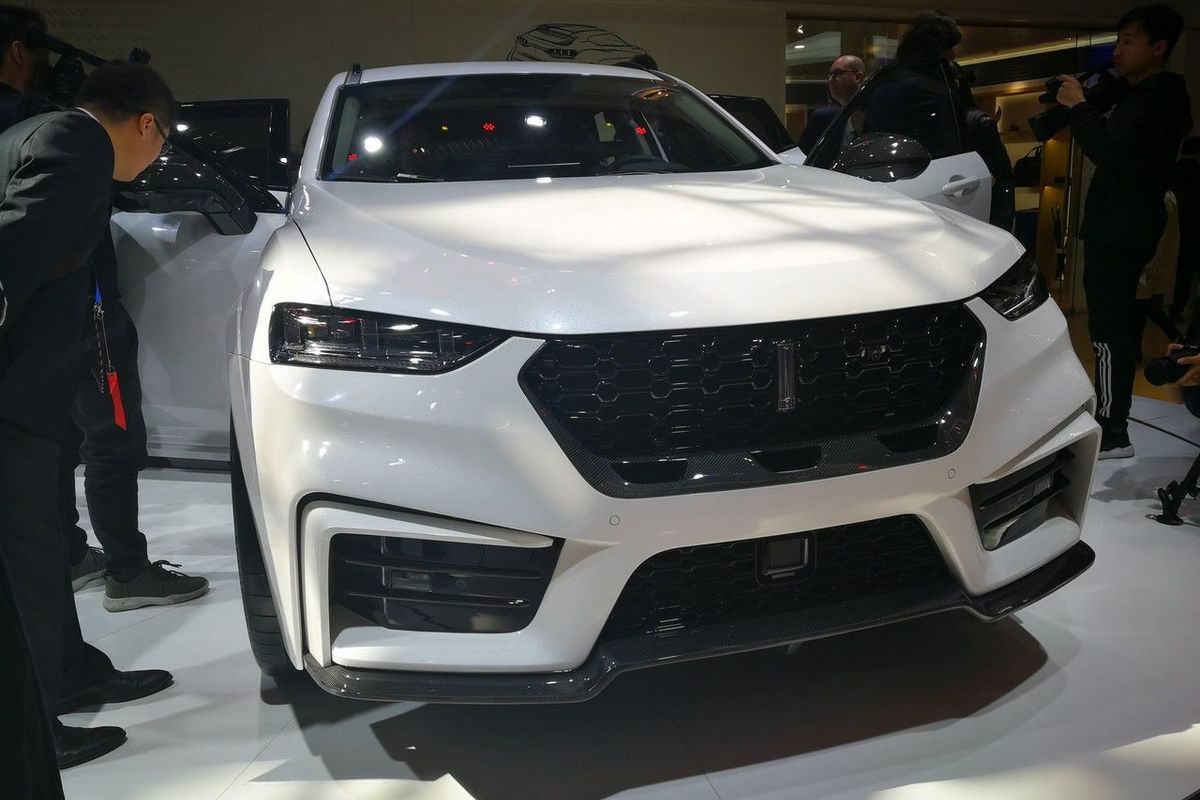
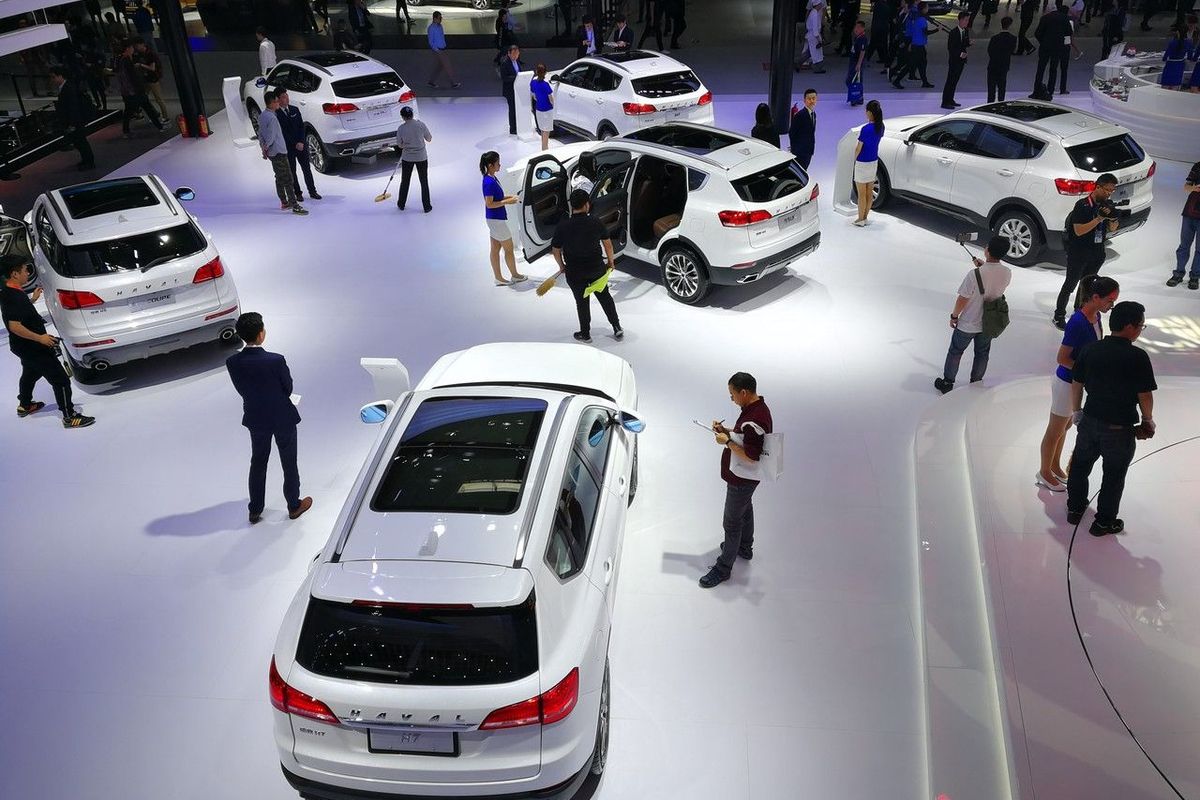
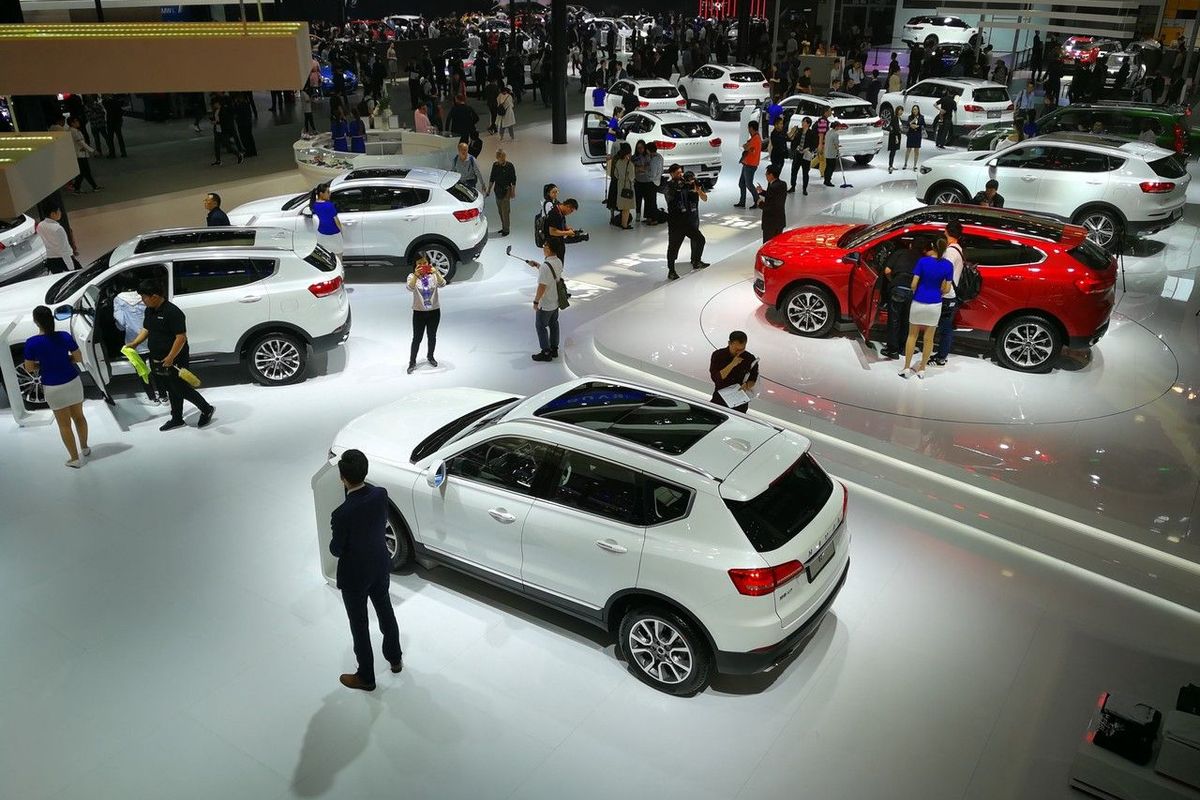
Haval's recent success as a fledgling automotive brand in South Africa has come as a surprise to many, but after what we saw at the 2018 Beijing Motor Show, this is only just the beginning for China's number one SUV marque.

Great Wall Motors has been in South Africa for some time now, with the Steed bakkie family making landfall back in 2010. However, despite the prevalence of bakkies in our market, the SUV market is booming; almost every brand offers an SUV of sorts. Back in May 2017, Haval arrived in South Africa, offering the compact H1 (a rebadged GWM M4) and the H2. Subsequently, the portfolio was expanded to include the H6 and H6 C. 

Historically, many Chinese cars have been dismissed for being of lesser build quality (and, sometimes, deservedly so, especially a decade ago), but today, given Haval's rapid rate of development, we're happy to suggest that it is no longer the best of the Chinese brands, but rather a very real contender and rival to the established marques. The Haval H2 was a semi-finalist in the Cars.co.za Consumer Awards – Powered by WesBank, which underlines just how far the brand has come. In China, Haval is the country's number one SUV brand, having sold a million (!) units last year. 

What's Next?

Haval F5
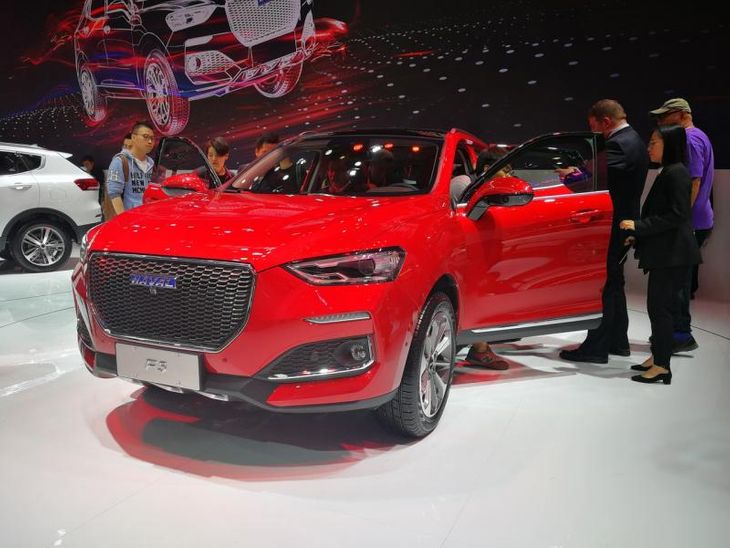
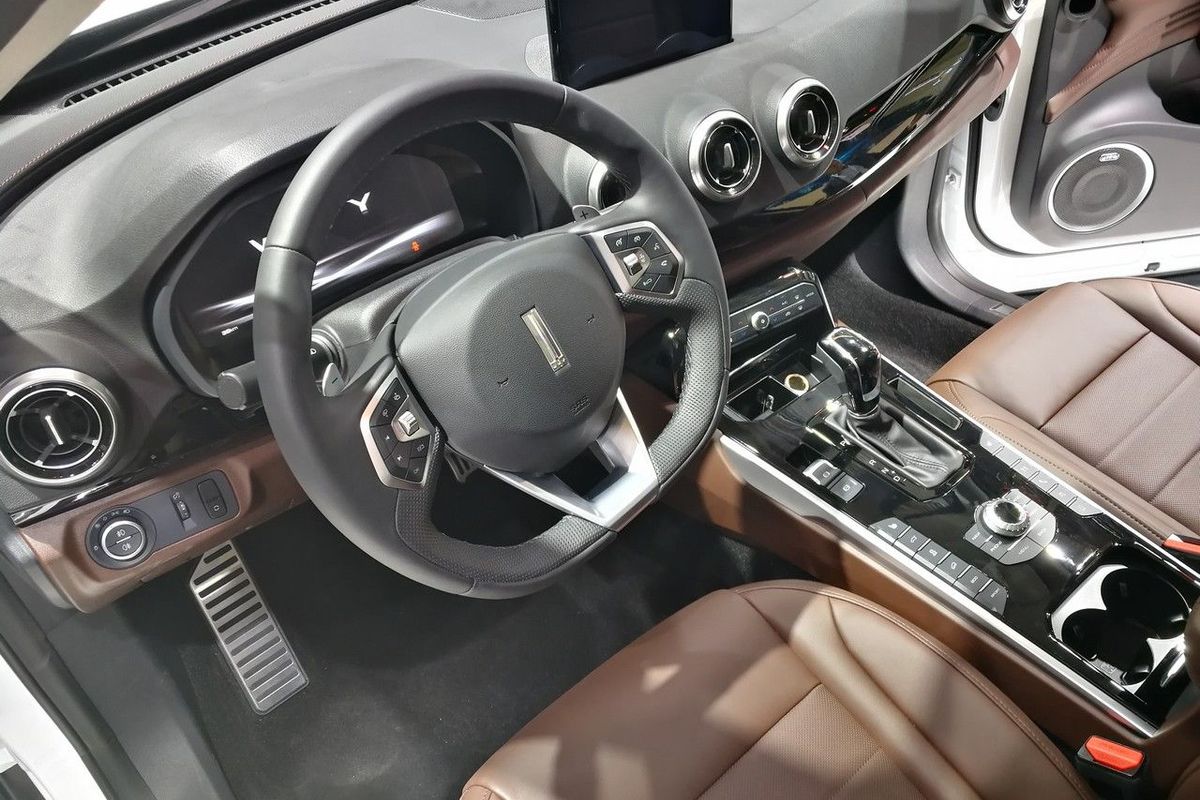
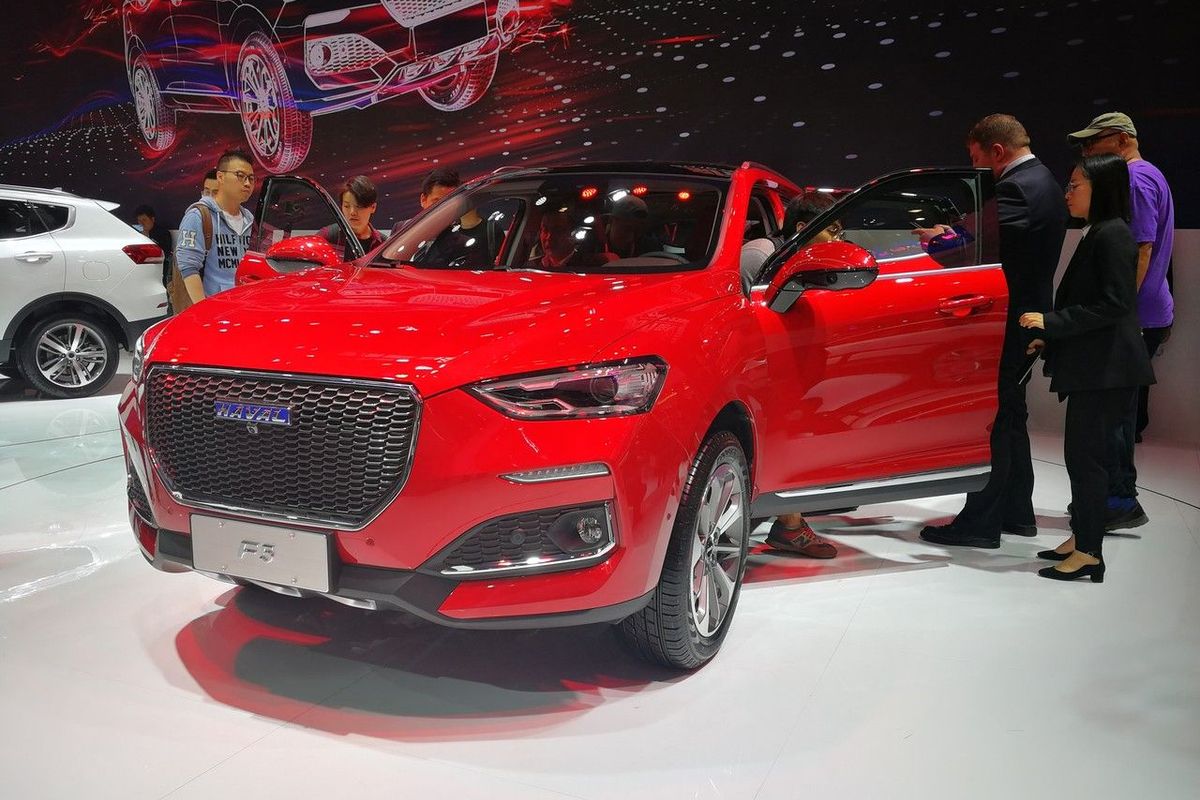
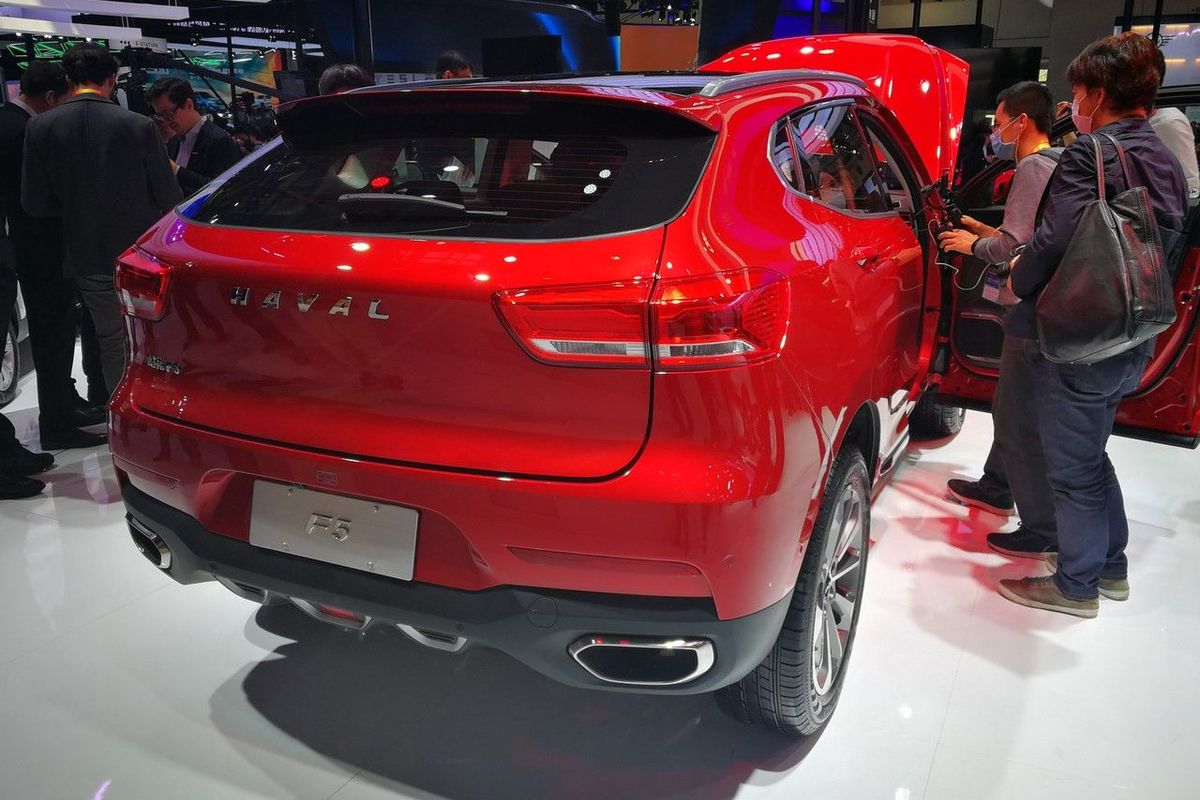
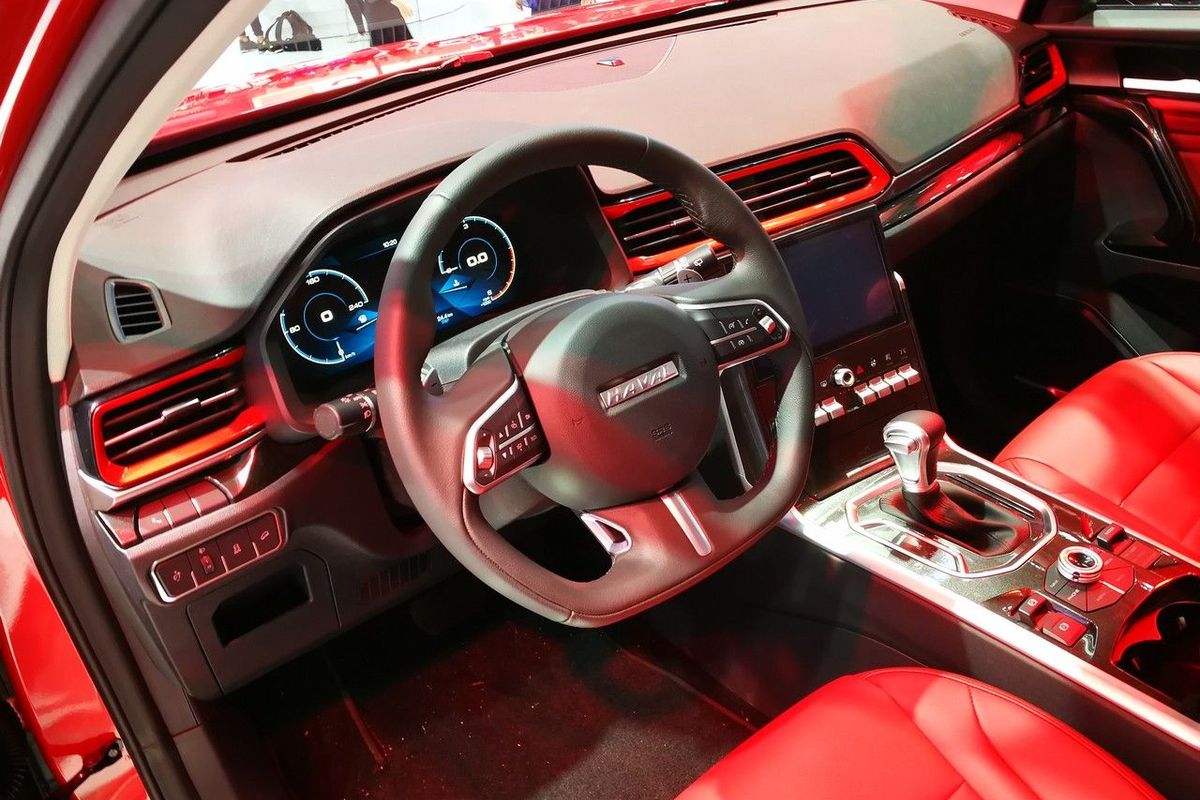
The Beijing Motor Show gave us an opportunity to inspect the entire Haval product portfolio, both existing models as well as impending arrivals. The headliner was the new Haval F5, which is an all-new compact family car/crossover dripping in style and tech. It's clear which audiences Haval is targetting with this product as the car, both inside and out, has youthful touches everywhere and boasts Internet connectivity. The only hiccup is that its only left-hand drive and we'll have to see if right-hand-drive production is confirmed before the local arm of Haval can make a call.
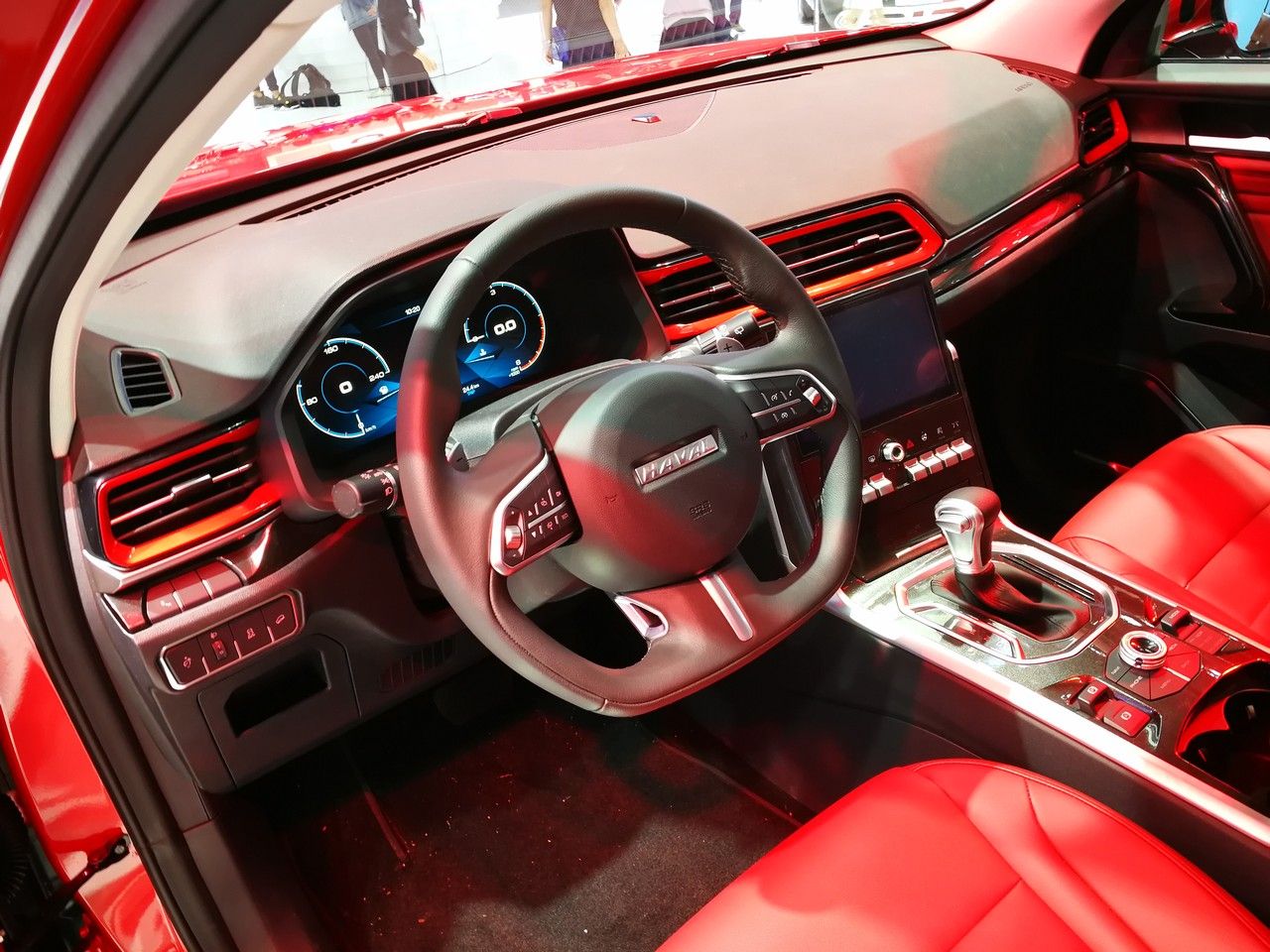

The Haval F5 cabin. Note the floating central console and digital displays.

Having sat in the car and prodded around, it's clear that there's a huge leap forward for cabin quality, fit and finish and ergonomics. The packaging is good too and interior space is impressive even for tall South African journalists. Power comes from a new 1.5-litre 4-cylinder turbopetrol motor, which produces 124 kW and 285 Nm. In terms of transmission, it features the in-house-engineered 7-speed dual clutch transmission.

Facelifted H6
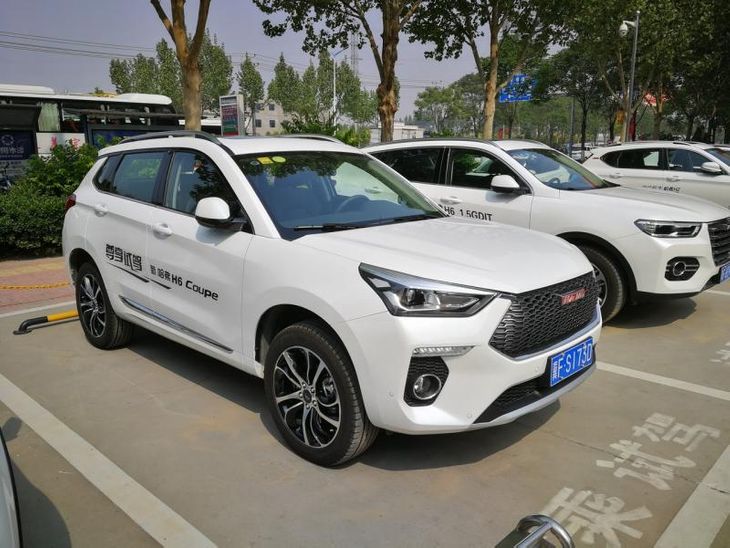

A facelifted Haval H6C in Baoding, China.

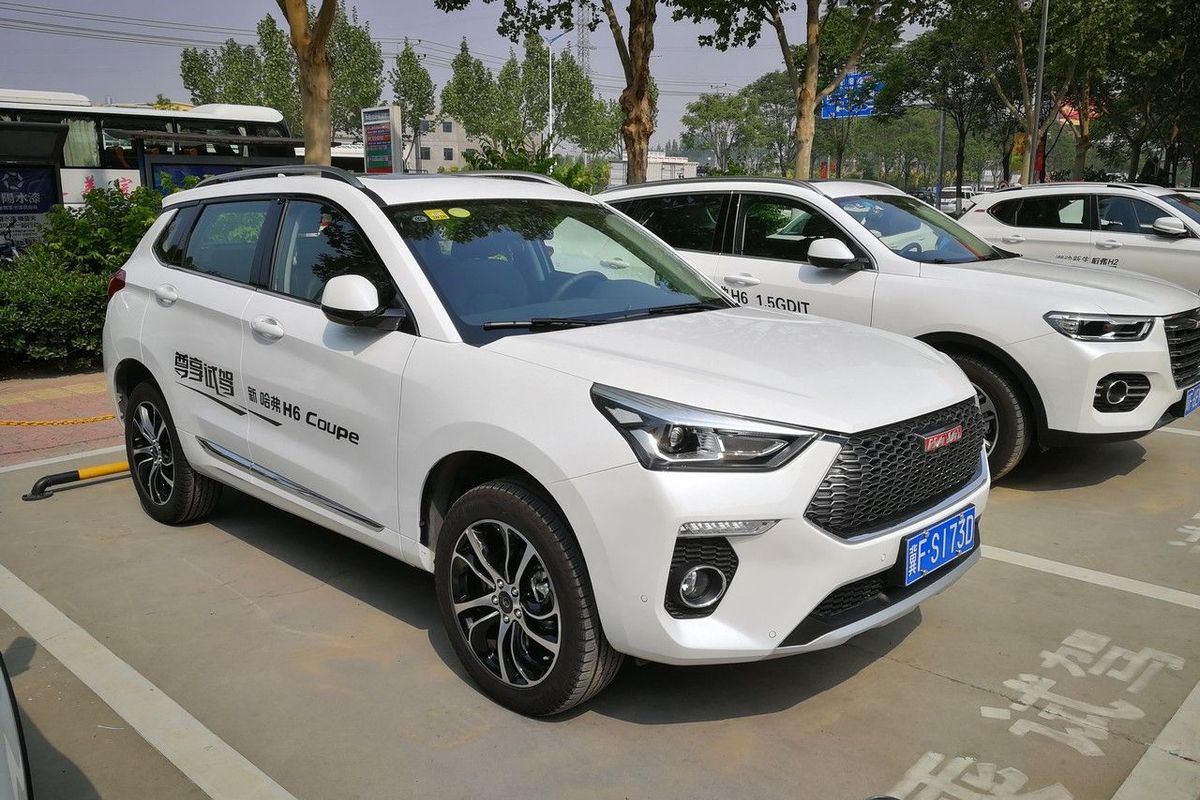
Outside of the show, we visited a Haval dealership and on its showroom floor we saw the significantly revised Haval H6 Coupe. In terms of its aesthetic appearance, the H6C looks much more contemporary than the current model and when we enquired from Haval SA when the newcomer would arrive in South Africa, the company said there were no plans (yet) to replace the current model as its mechanically similar as this new one.

Haval H9
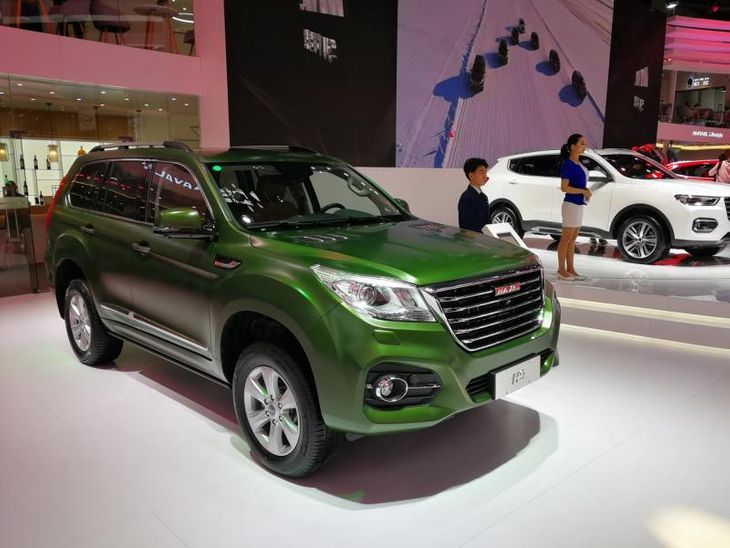

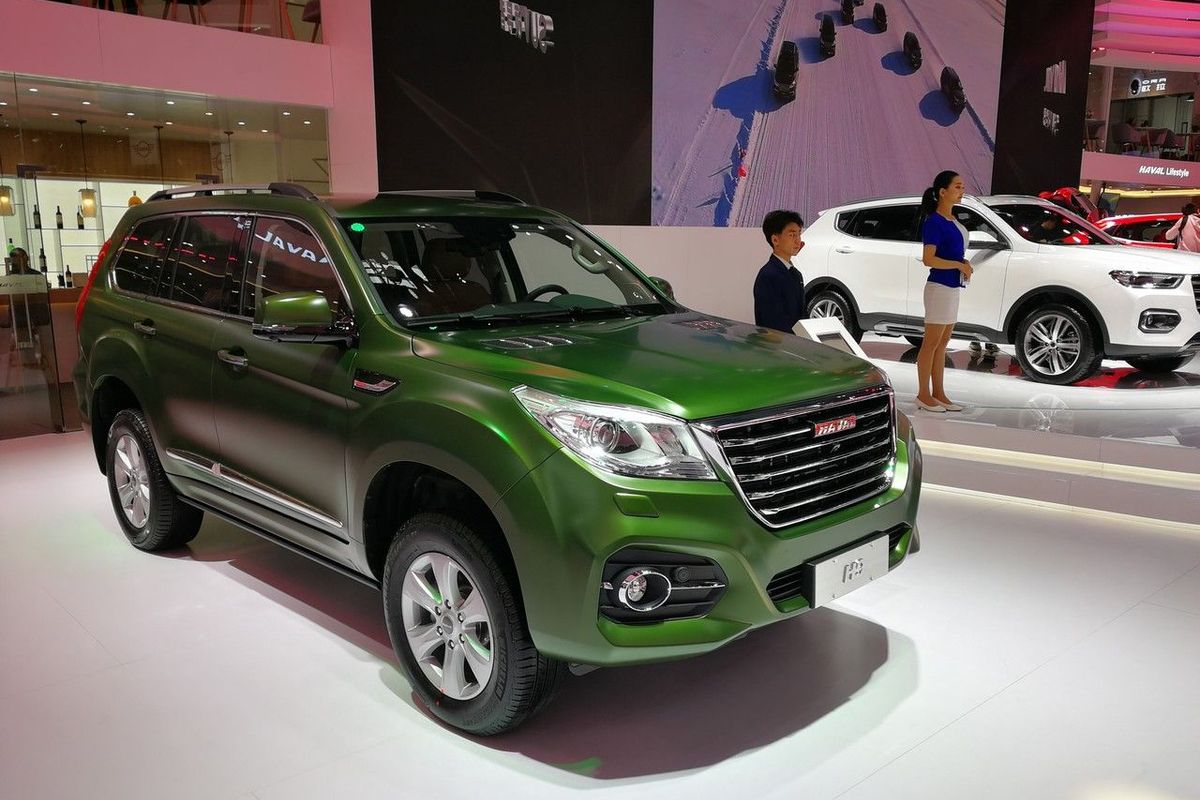
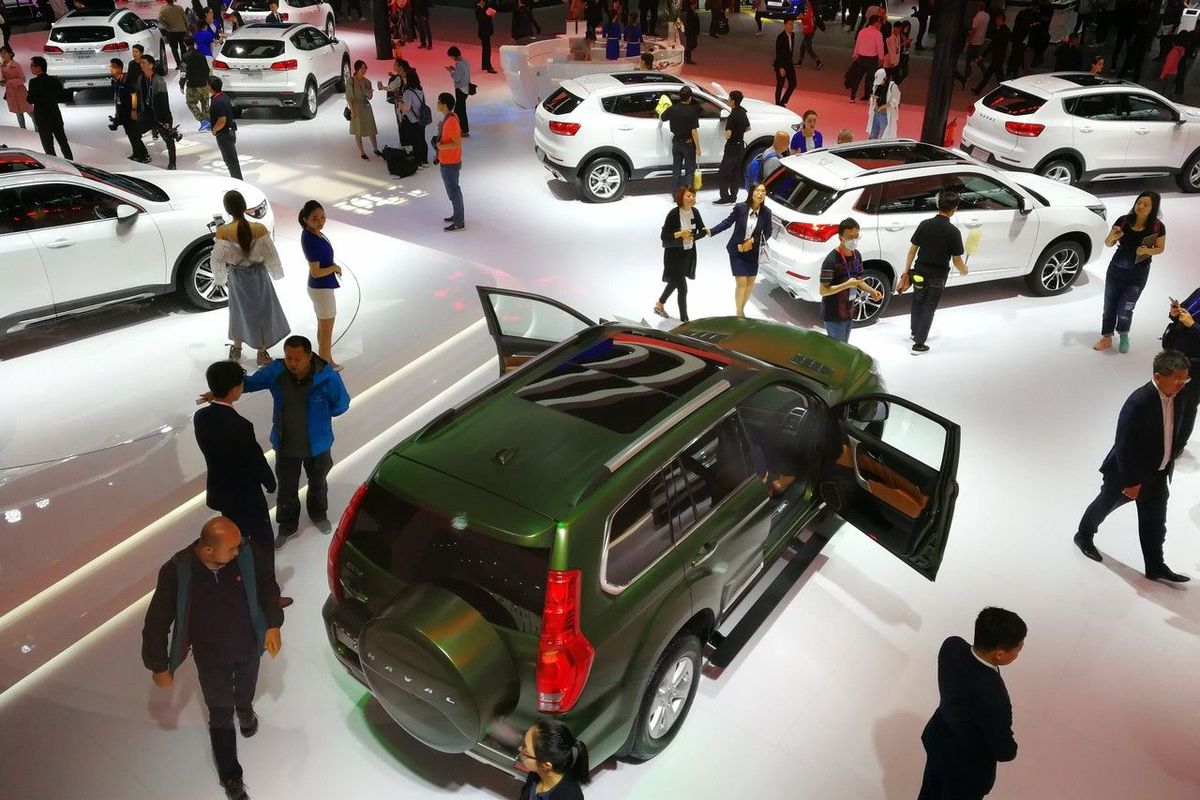
The big Haval H9 will be in South Africa before the end of the year.  

The big Haval H9 is confirmed for South Africa and will be landing on our shores before the end of the year. While this show-special matte green finish was certainly striking, we doubt that it'll be available in our market. Power comes from a 2.0-litre 4-cylinder turbopetrol mill with peak outputs of 180 kW and 350 Nm. The H9 offers some substantial offroad capability too, with 4×4 modes and low-range functionality. Unlike some of the competition in that segment, such as the Toyota Fortuner, the H9 rides on a multi-link rear suspension, as opposed to leaf springs.

We had the opportunity to ride shotgun in the new 7-seat Haval H9 at the GWM/Haval production facility at Xushui, Baoding. Some high-speed runs around the oval track at 180 kph showed that the turbocharged 2.0-litre engine was more than capable of propelling the large bodied adventure SUV and its 8-speed 'box shifted smoothly. Most impressive, however, was the ride quality and refinement. If the pricing is right, we think the H9 may snatch a few sales from its more established rivals, although the lack of a turbodiesel powertrain may prove problematic.

Ora
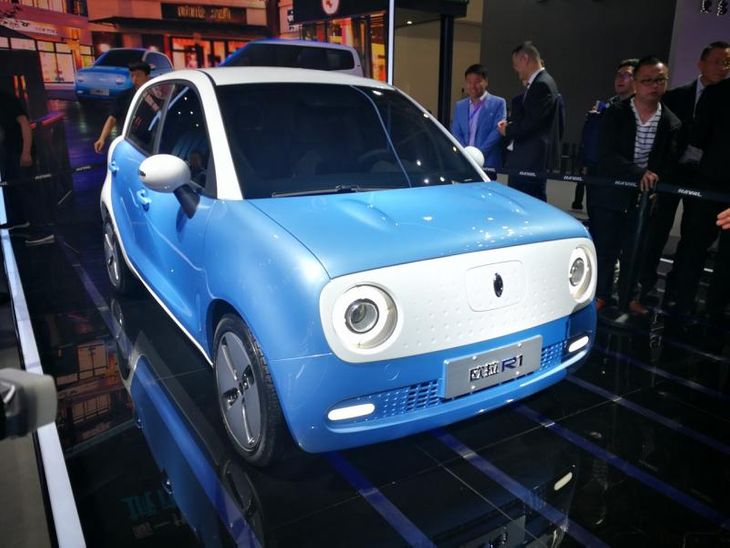

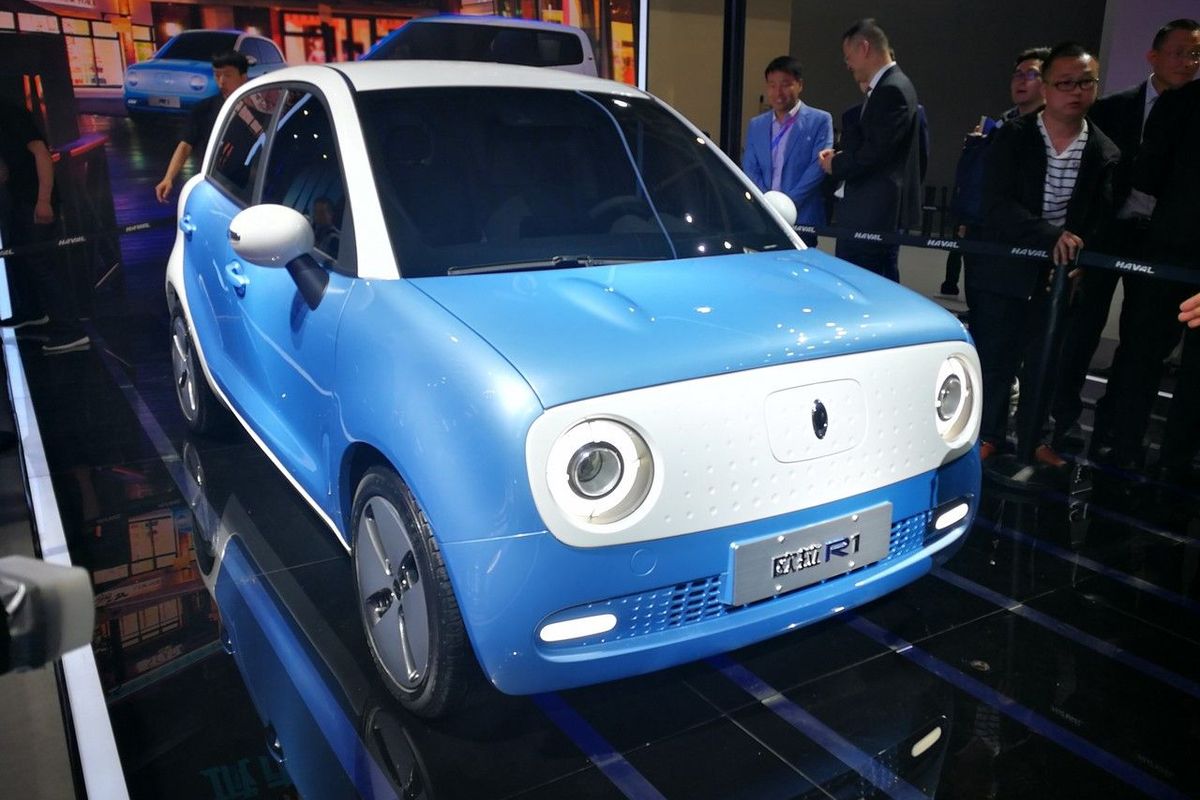
How cute is this little thing? Meet the Ora R1, an electric city car capable of 100 kph. 

GWM used the 2018 Beijing Auto Show to announce a new brand, named Ora. It's an electric vehicle brand aimed at consumers living in big cities. The R1 and R2 concepts are really cute and fashionable city cars. They are claimed to have top speeds of 100 kph and a range of about 300 km. 

Wey
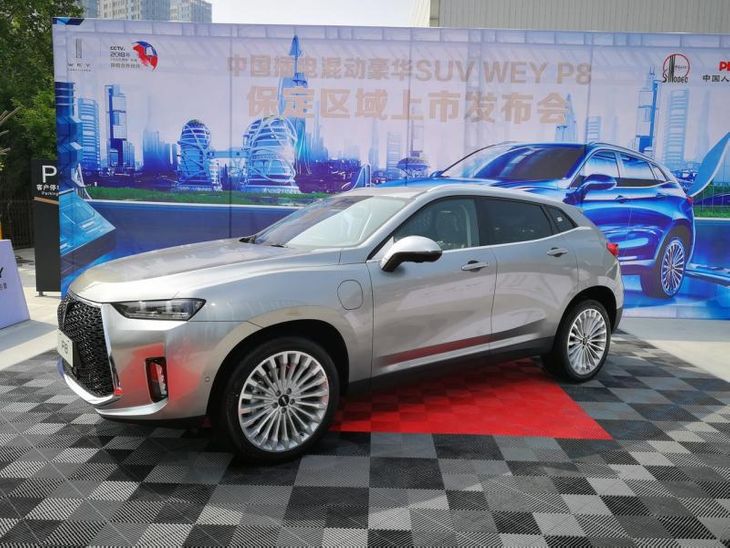

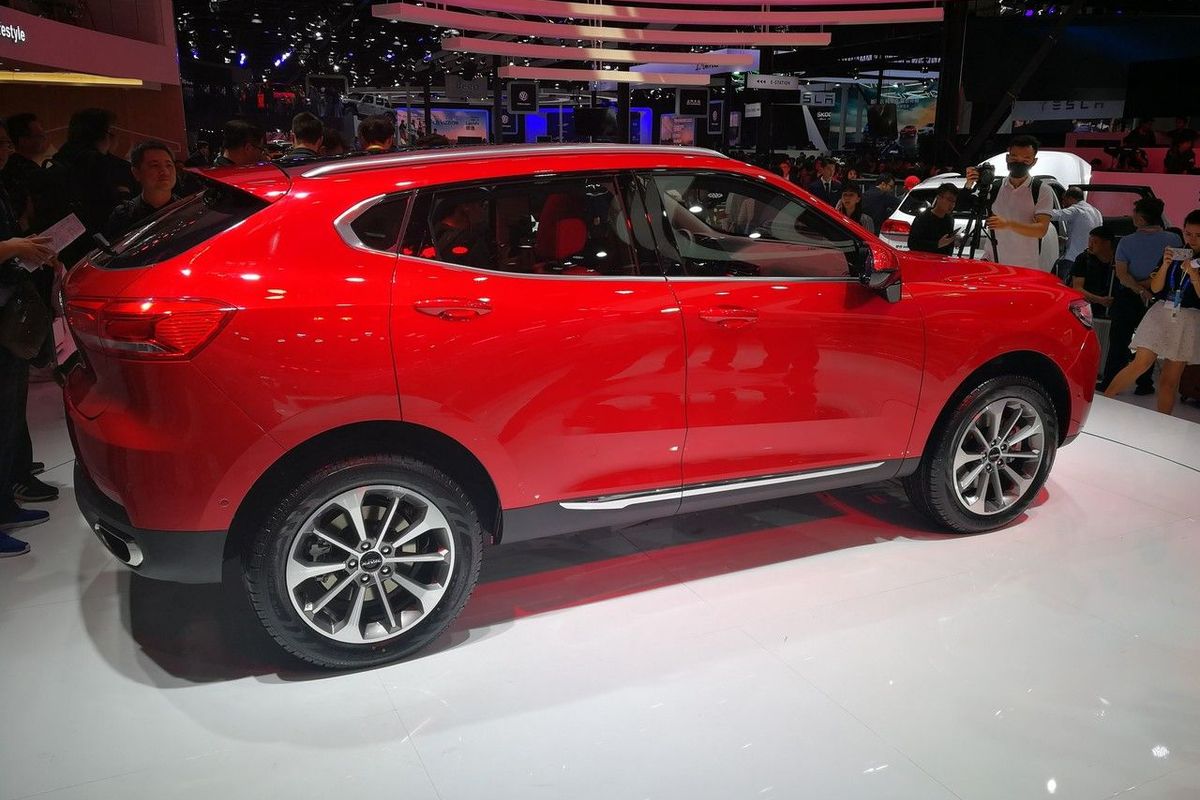
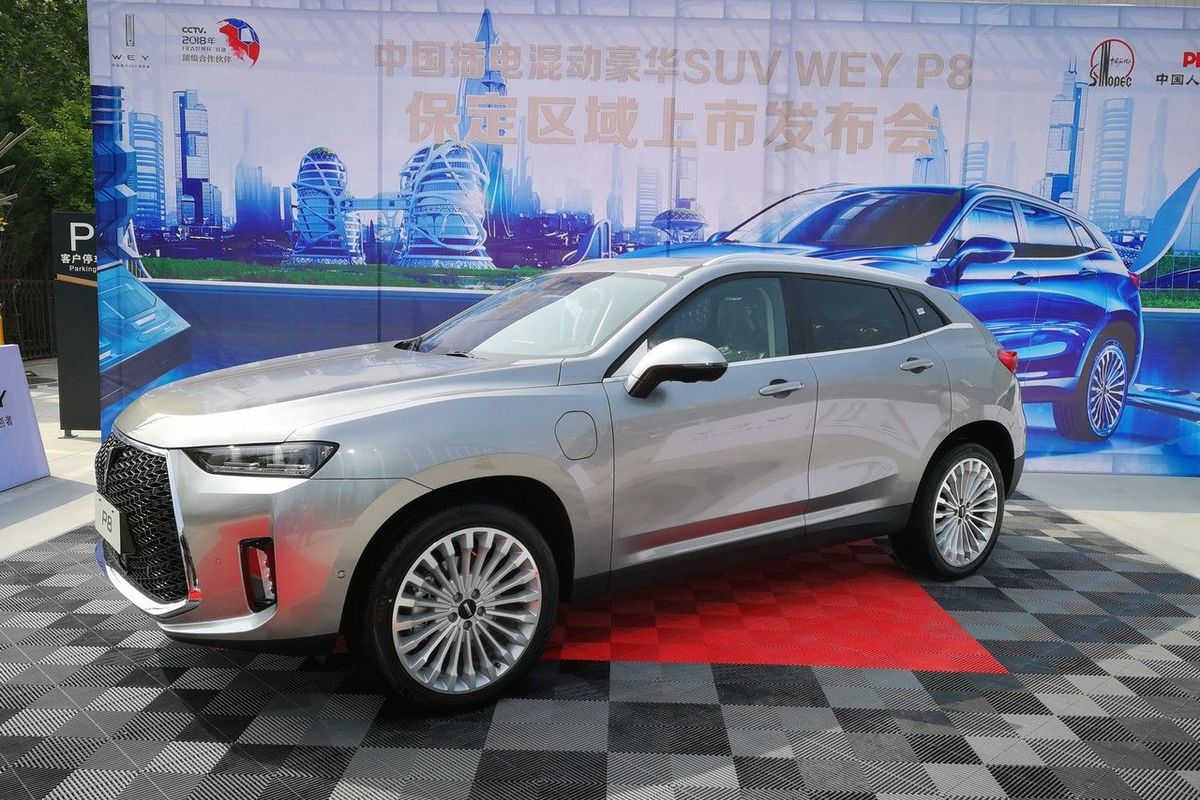
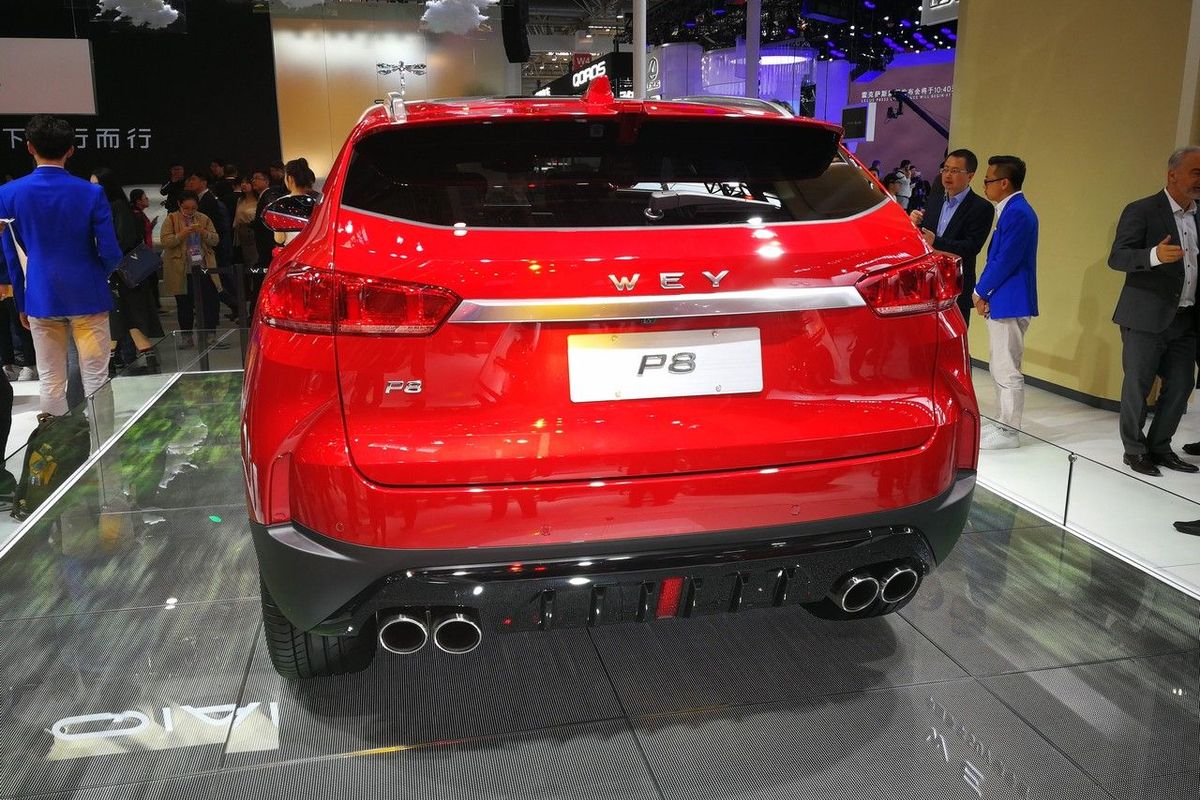
The Wey P8 plug-in hybrid is an exceptionally pretty luxury SUV, with the ability to hit 100 kph from standstill in 6.5 seconds. 

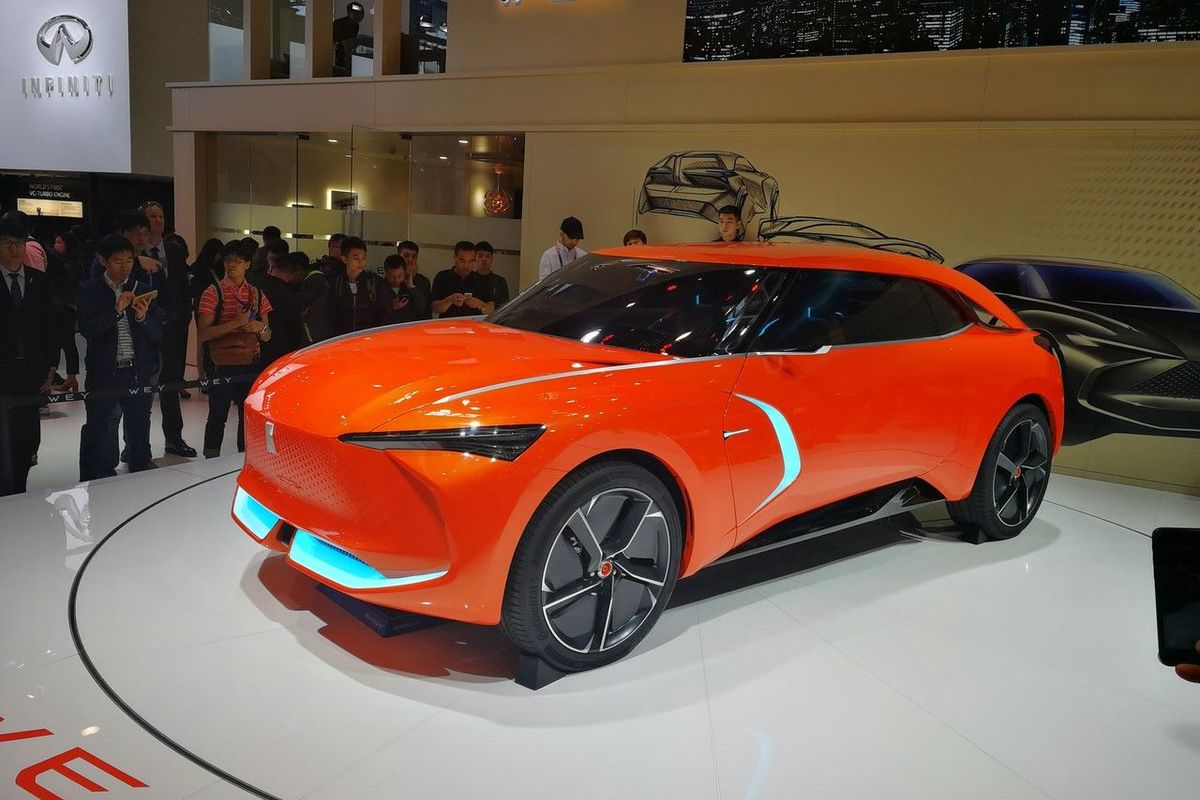
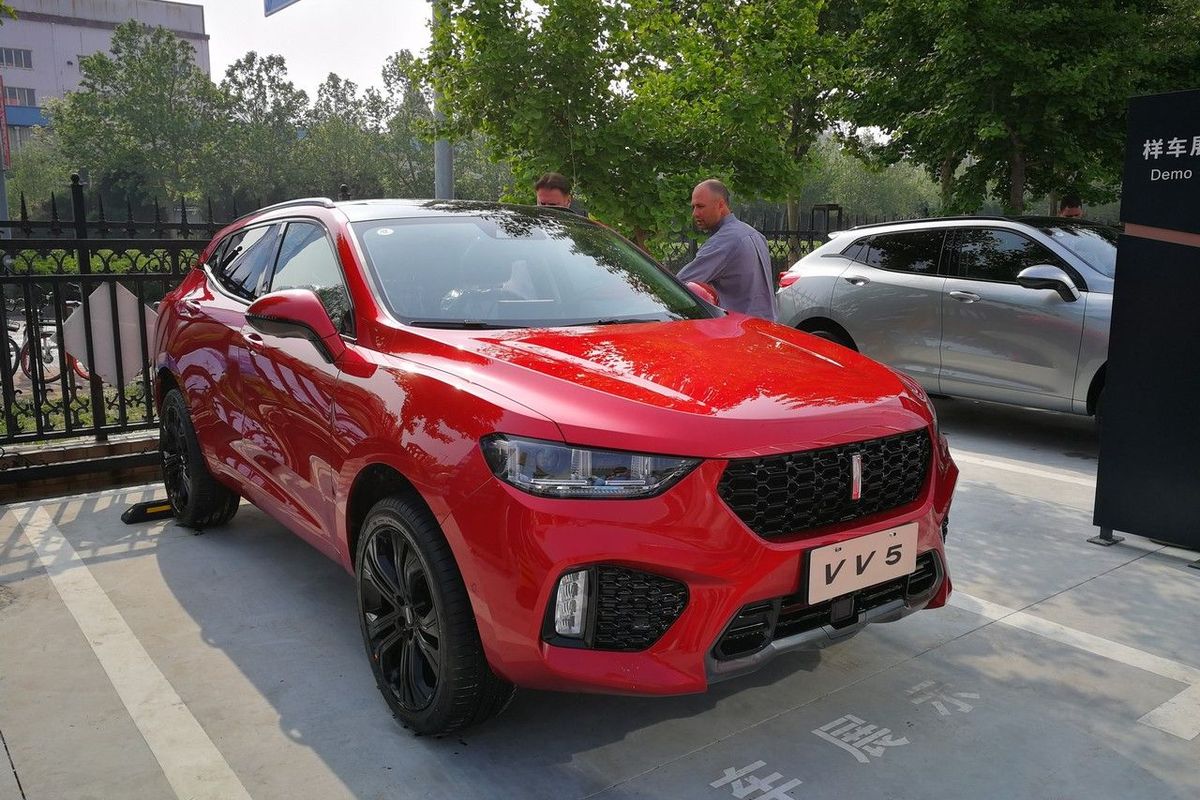
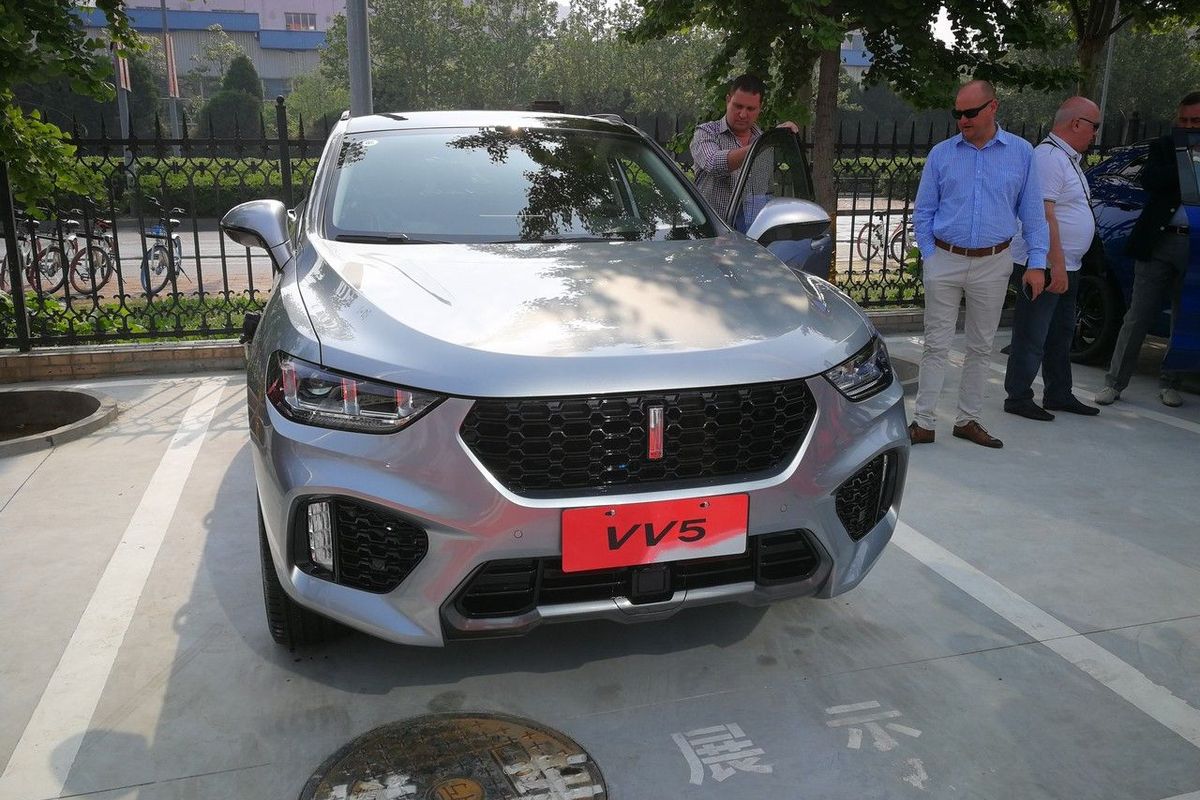
Also at the 2018 Motor Show was Haval's luxury brand Wey and it is under consideration for South African market introduction. We first got a glimpse of an ultra-luxurious Chinese SUV back in 2014, when Haval unveiled its Coupe Concept. This concept has translated into a new brand called Wey and its portfolio comprises SUVs of varying sizes. There are the VV5 and VV7 models, as well as a plug-in hybrid vehicle called the P8. We got a chance to see some of the products up close and to sit in them, and the quality is staggering when you compare them to the likes of the Jaguar E-Pace, Volvo XC40 and BMW X2.

The Wey P8 is the brand's latest offering and it's a plug-in hybrid based on the VV7. A 2.0-litre turbocharged petrol engine drives one axle, with an electric motor driving the other. The motor produces 172 kW/360 Nm and drives all four wheels. Wey claims a 0-100 kph time of 6.5 seconds and an average fuel consumption figure of just 2.3 L/100 km. It also has a 50-km range when operating on electric power only. 
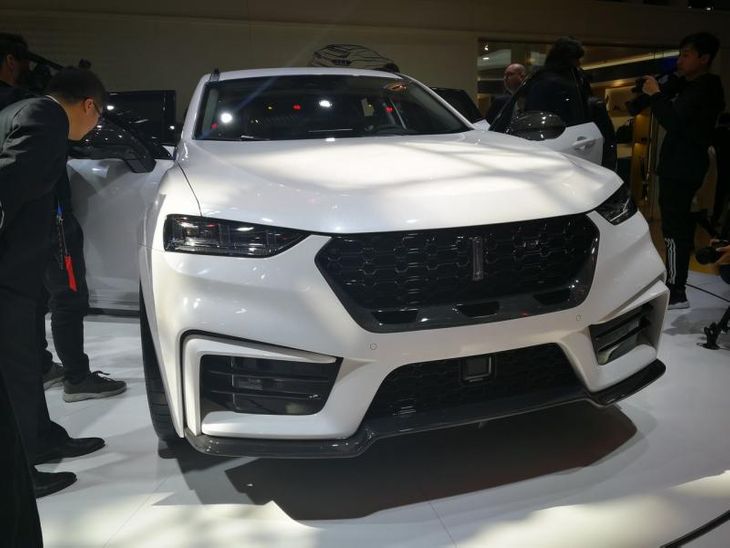

At the show, all eyes were on the Wey RS7 (we're pretty sure Audi won't be happy with that name), which is a concept previewing a hotter version of the VV7. The cabin is very impressive too.
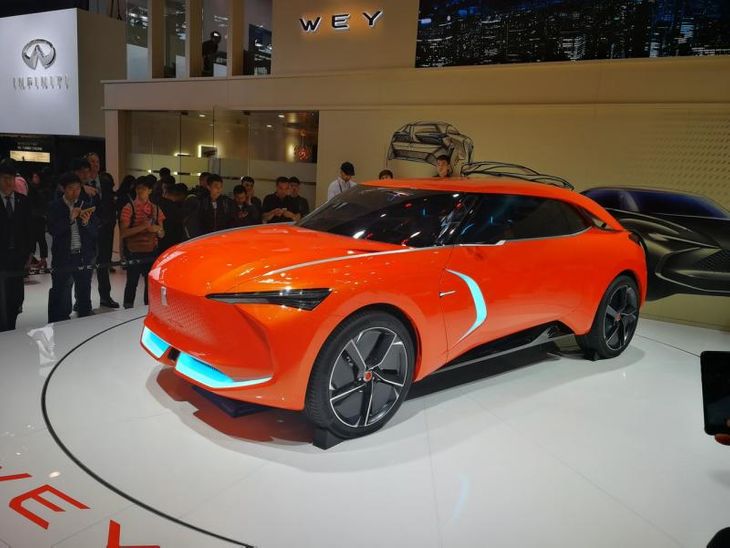

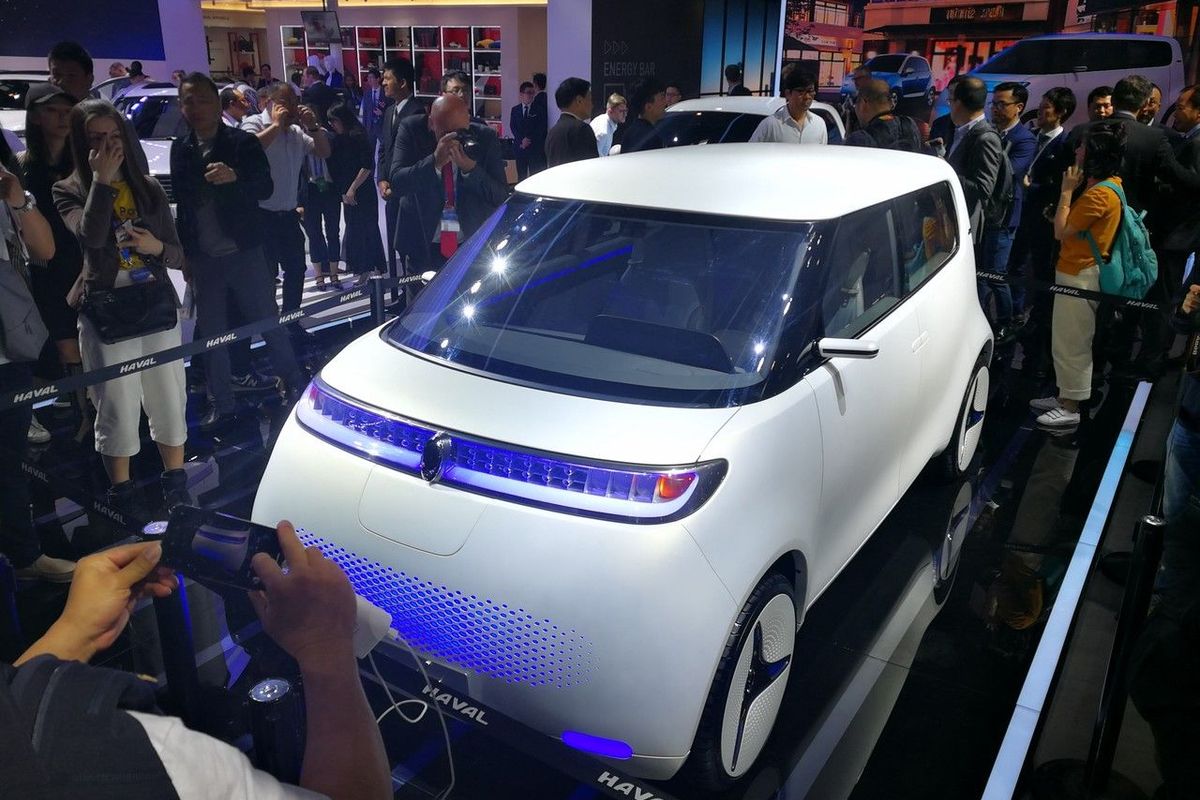
The Wey-X concept was a very interesting offering. It previews an all-electric crossover tailor made for the urban market and it features modern gadgets such as touchscreens, wireless charging pads, full autonomy and over 500 km of range. 

Further reading:

Haval H6C (2017) Specs & Price

Haval H2 (2017) Launch Review

Haval H6C 2.0T Luxury Auto (2017) Review

Haval Coupe Concept Unveiled

Haval H6C vs Kia Sportage (2017) Comparative Video Review

Haval H2 1.5T Luxury Auto (2017) Review [with Video]
Want to buy a Haval?

Browse through new and used stock here

6 High-Performance SUVs Coming to SA in 2018

If you like the idea of driving a high-performance SUV then this article is for you! Here is a list of 6 potent SUVs expected to arrive in South Africa in 2018.

The performance SUV, loved by many, loathed by some, but undeniably intriguing and if not, just flat out ridiculous. The rise in popularity of the SUV is no secret, just look at dwindling sedan sales for evidence of this. SUVs are where it's at…

But there’s a new (ish) breed of SUV coming to the fore, the high-performance kind and the German manufacturers no longer rule the roost. These monumental SUVs deliver supercar-like performance while still offering the practicality and flexibility of its lesser-girthed brethren.

If you are looking to have your ego tickled in 2018, then we suggest you put these 6 performance SUVs on your hit list as they promise to deliver scintillating performance and head-turning appeal.

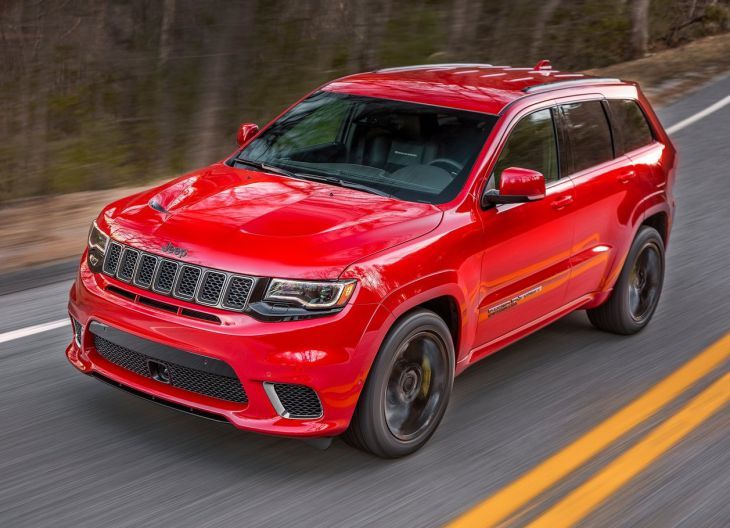
Jeep Grand Cherokee Trackhawk

If you think the recently-revealed Lamborghini Urus is bonkers, then best you cast your eyes on this brute, the Jeep Grand Cherokee Trackhawk. The Trackhawk has its Italian rival licked in terms of output and to a degree, performance. It makes use of a powerful, supercharged 6.2-litre V8 engine sourced from the Dodge Challenger SRT Hellcat, producing a not-to-be-taken-lightly 523 kW and 881 Nm of torque using an 8-speed automatic transmission to drive all 4 wheels.

As you can imagine, performance comes naturally for the Grand Cherokee Trackhawk with zero to 100 kph dispatched in a claimed time of 3.5 seconds and with a top speed of 290 kph. That is just nuts! The Jeep Grand Cherokee Trackhawk is coming to South Africa in 2018 but an exact date of arrival is yet to be confirmed. Local pricing remains a mystery but if we were to hazard a guess, expect the Grand Cherokee Trackhawk to be priced in the region of  R1 600 000. Some customers have already placed orders…

Buy a Jeep Grand Cherokee on Cars.co.za

Also see:

Jeep Grand Cherokee Trackhawk Coming to SA in 2018

Jeep Grand Cherokee Trackhawk – The Fastest Jeep Yet

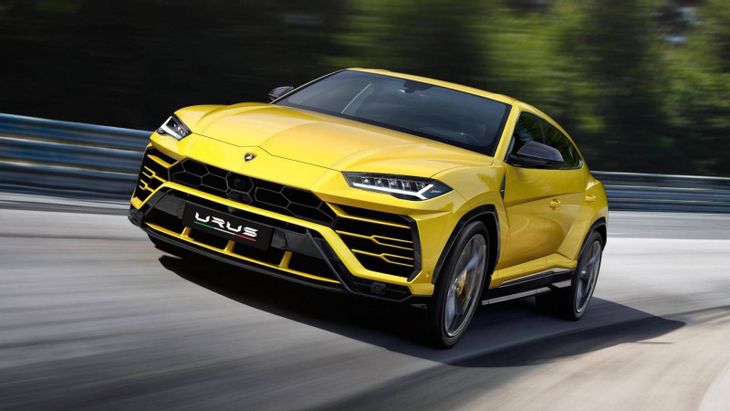
Lamborghini Urus

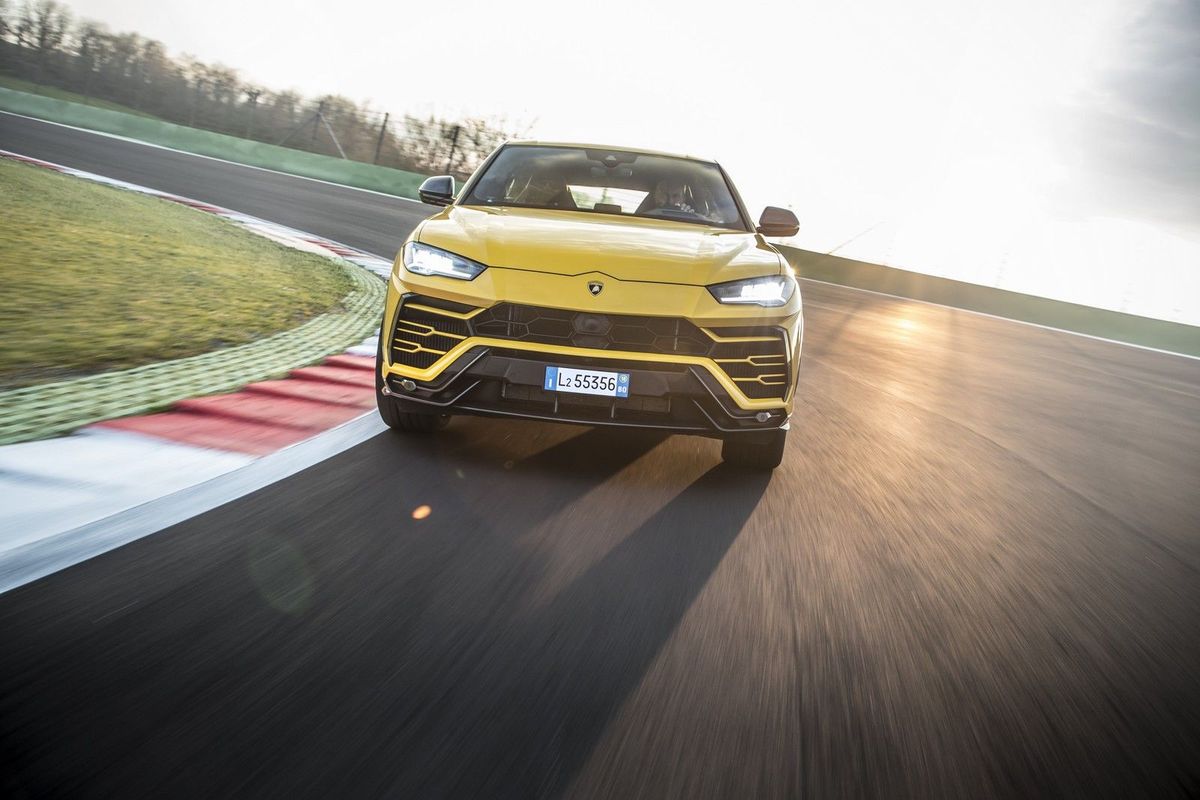
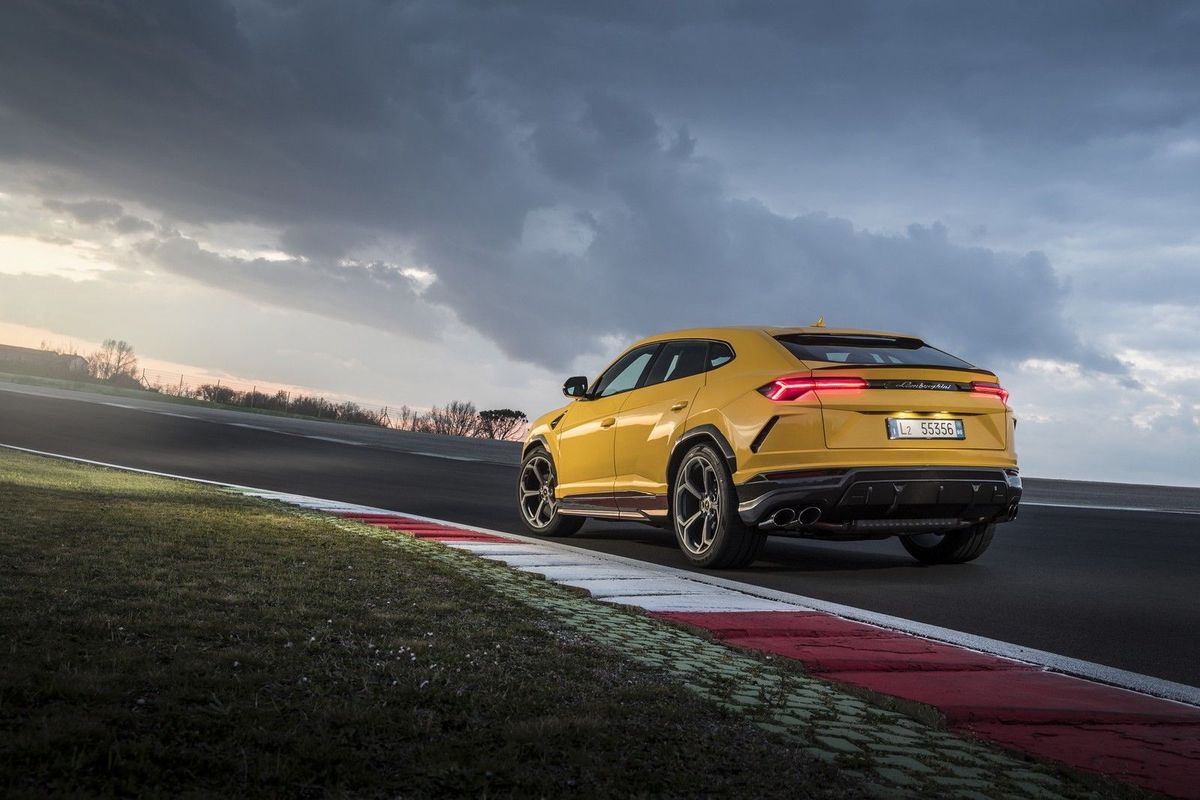
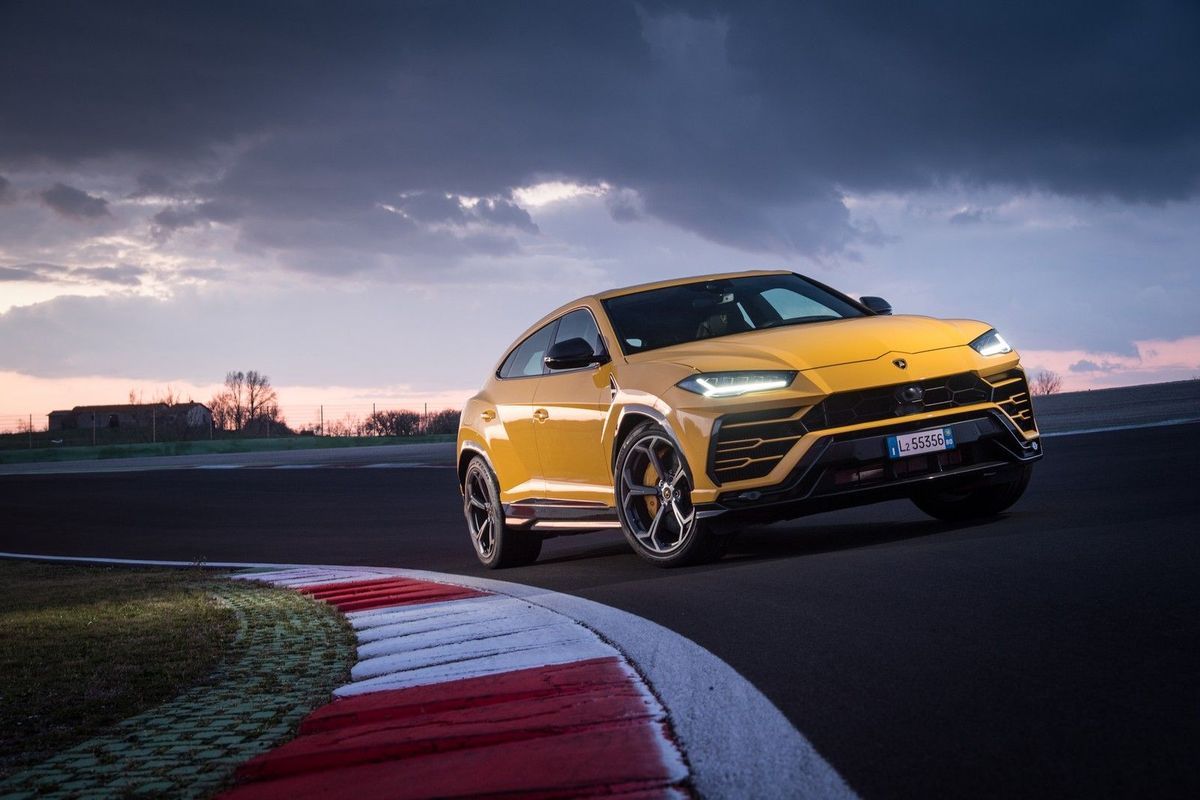
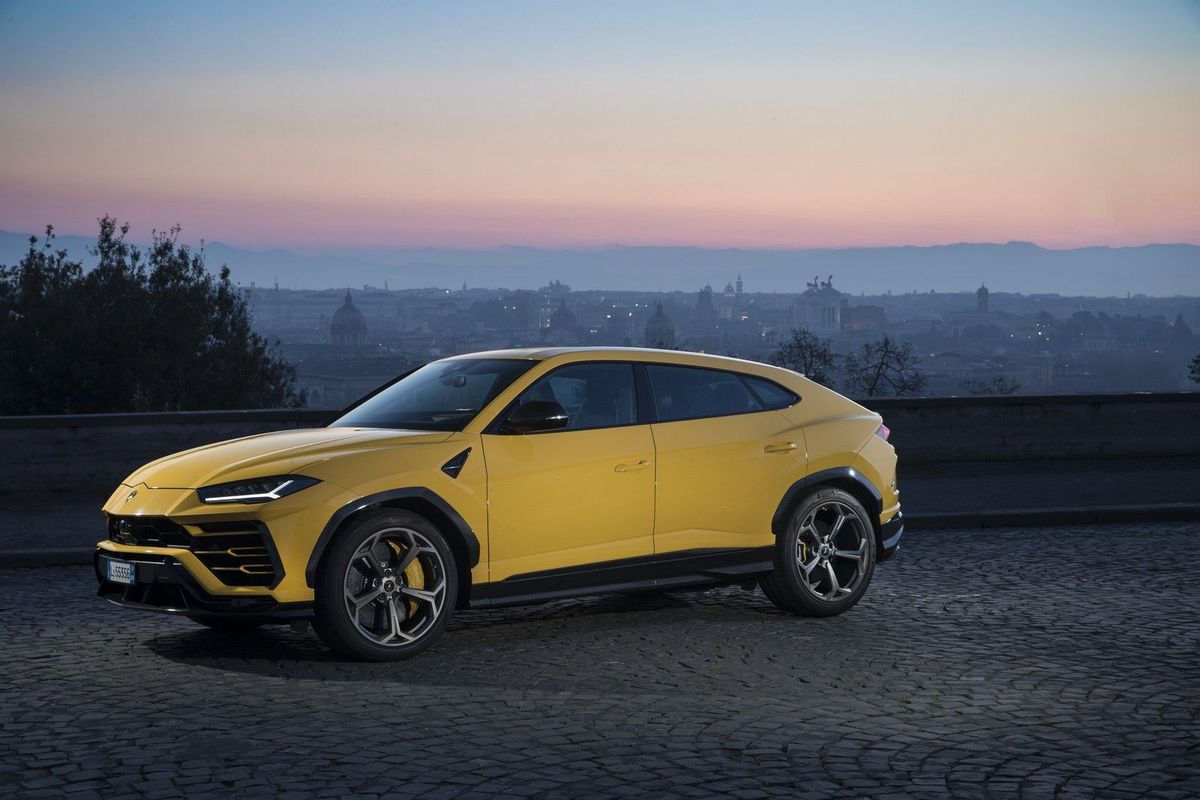
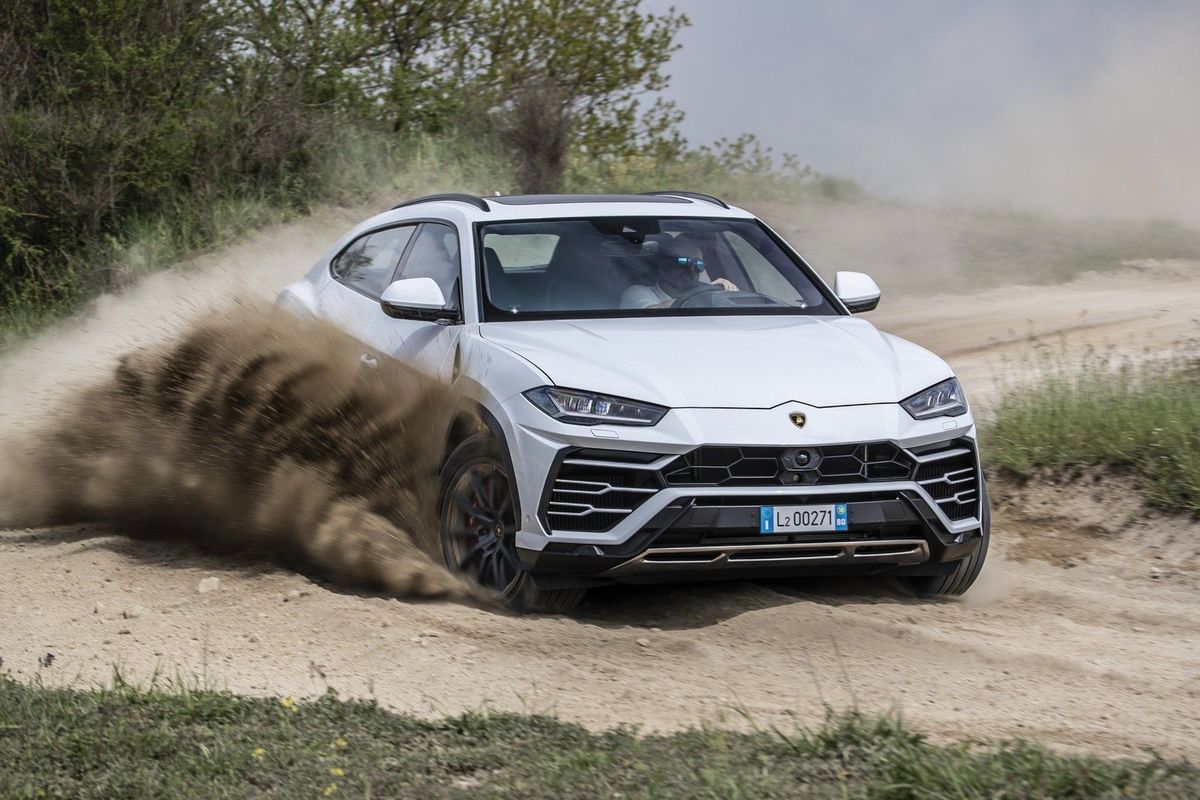
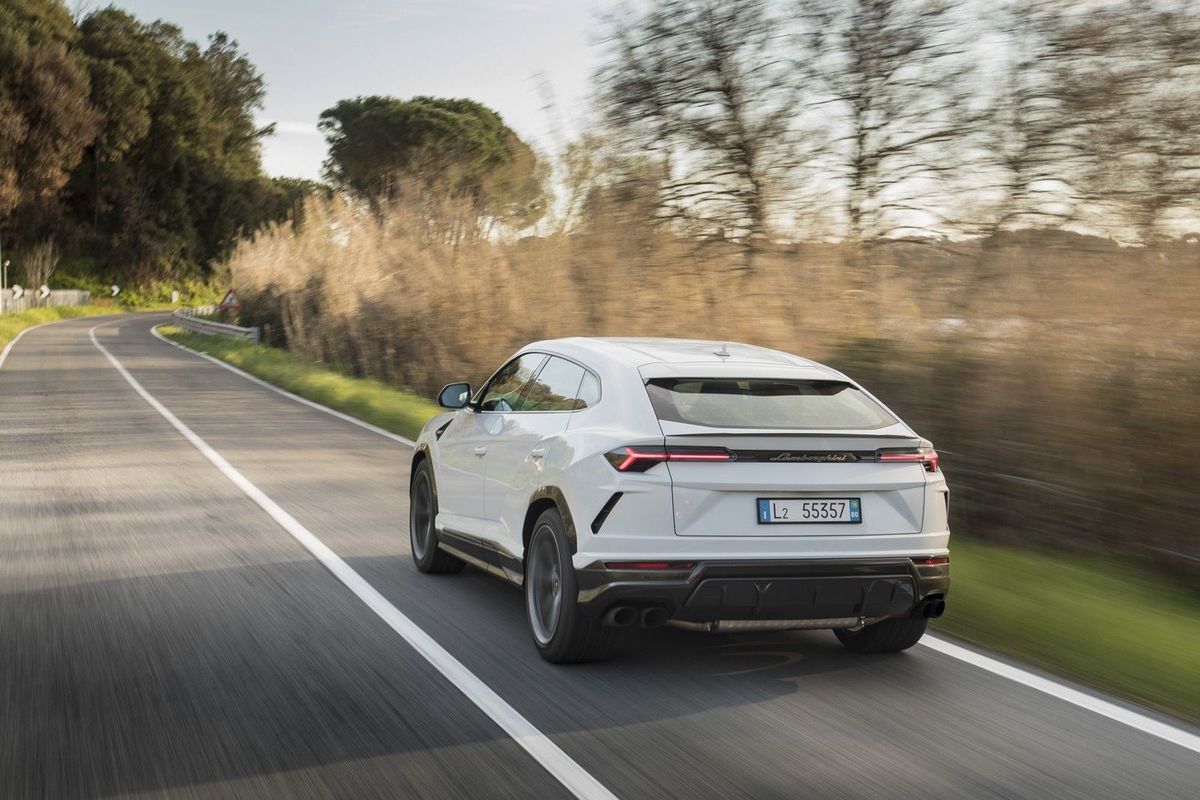
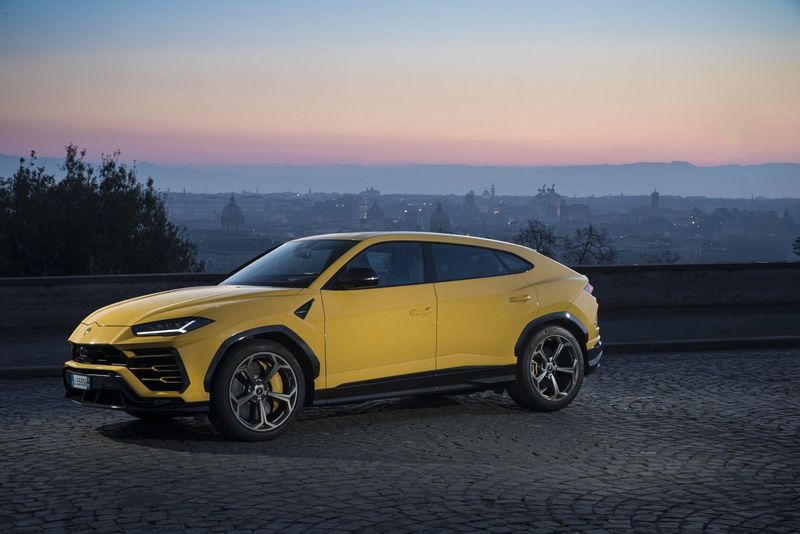
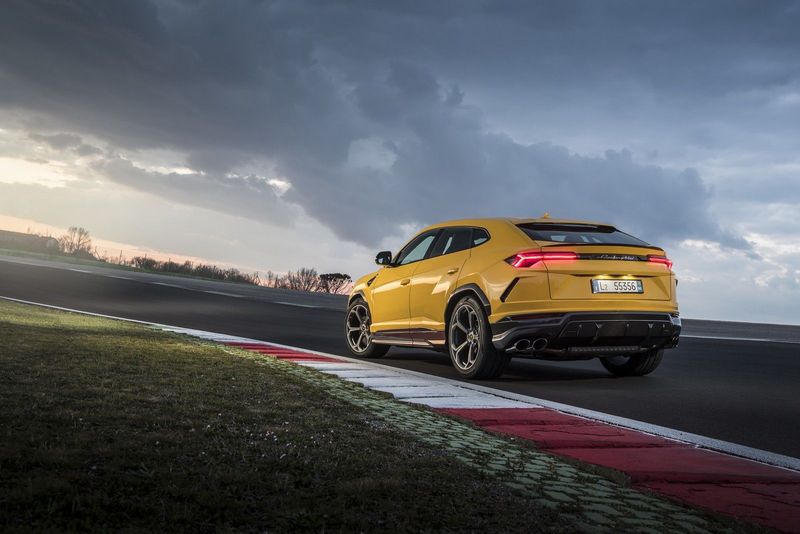
The Lamborghini Urus is arguably the most aggressive-looking high-performance SUV to come to market and being a Lambo, it offers performance few cars can match. It’s powered by a 4.0-litre twin turbo V8 engine offering 478 kW and 845 Nm of torque using an 8-speed ZF automatic transmission with a torque converter, a first for the brand, sending power to all 4 wheels. 
The Urus will rocket from zero to 100 kph in 3.6 seconds, or to be exact 3.59 seconds, before reaching a claimed top speed of 305 kph.

The Lamborghini Urus is expected to arrive in South Africa in 2018, most likely in the second half of the year. Pricing for Urus will come in at around R3 305 000, according to Lambo CT, with a long list of (expensive) options to choose from.

Buy a Lamborghini on Cars.co.za

Also see:

Lamborghini Urus (2018) International Launch Drive 

Lamborghini Urus Super SUV Revealed [w/Video]

Lamborghini Urus: Reality vs Concept

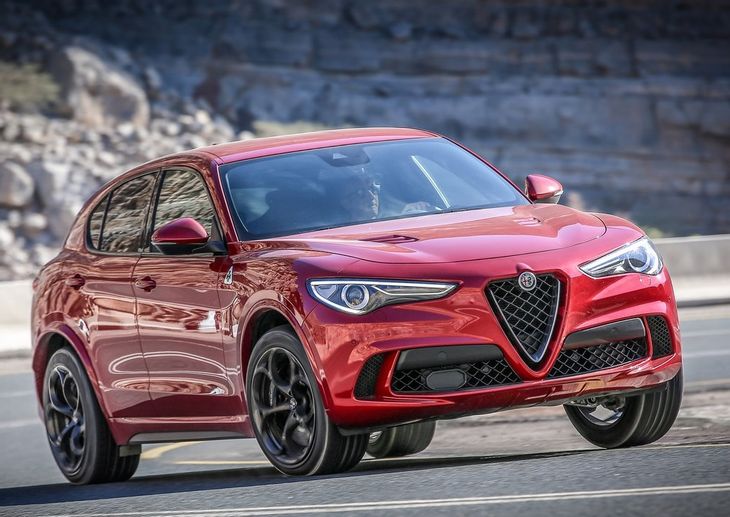
Alfa Romeo Stelvio Quadrifoglio

The high-performance Alfa Romeo Stelvio Quadrifoglio is perched at the top of the Italian marque’s new Stelvio SUV range and brings staggering clout to the road with its Ferrari-derived 2.9-litre twin-turbo V6 engine with 375 kW and 600 Nm of torque. It makes use of an 8-speed automatic transmission in conjunction with a Q4 all-wheel-drive system. We recently drove the Stelvio Quadrifoglio at its world launch in the UAE and came away very impressed with its performance.

Acceleration is impressively quick and the Stelvio Quadrifoglio will sprint from zero to 100 kph in 3.8 seconds and go on to a top speed of 283 kph.

The Alfa Romeo Stelvio Quadrifoglio will be introduced to the South African market late in 2018 and indicative pricing for the newcomer will be roughly R1.8 million, exchange rate permitting.

Buy an Alfa Romeo Stelvio on Cars.co.za

Also see:

Alfa Romeo Stelvio Quadrifoglio (2017) International Launch Review

Alfa Romeo Stelvio Quadrifoglio Smashes SUV Ring Record

Alfa Romeo Stelvio (2017) Launch Review

Stelvio, not Giulia, will save Alfa Romeo

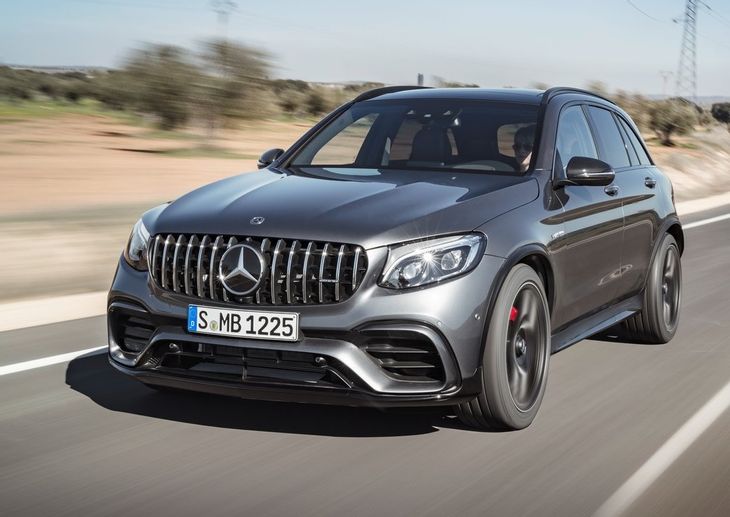
Mercedes-AMG GLC63 S 4MATIC

The Mercedes-AMG GLC63 SUV is expected to arrive in South Africa later this month in both standard and S guise. The Mercedes-AMG GLC63 S tops the range with its biturbo 4.0-litre V8 delivering 375 kW and 700 Nm of torque (350 kW / 650 Nm in standard guise).

Equipped with a 9-speed automatic transmission and 4MATIC all-wheel drive, the Mercedes-AMG GLC63 S will power from 0 to 100 kph in about 3.8 seconds before reaching an electronically limited top speed of 250 kph, or 280 kph with the optional AMG Driver’s Package.

Buy a Mercedes-Benz GLC on Cars.co.za

Also see:

Quick Drive: Mercedes-AMG GLC 43 Coupe 4Matic

Mercedes-Benz GLC 250d Coupe 4Matic (2017) Review

3 Reasons Why Mercedes-Benz GLC is #CarsAwards Finalist

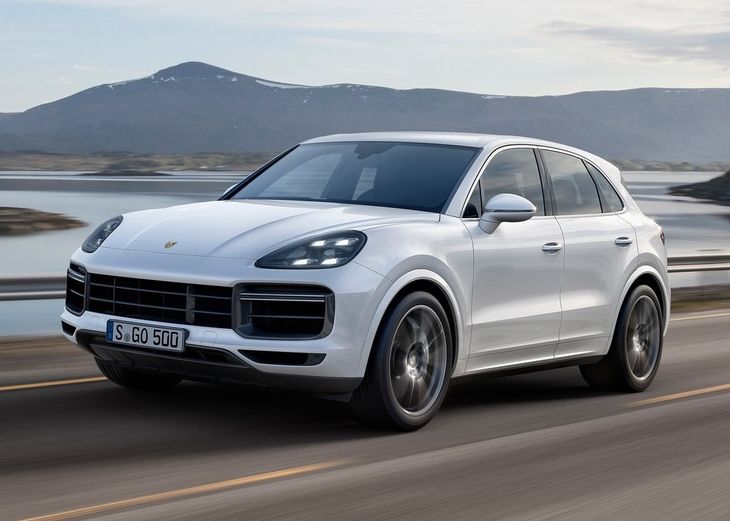
Porsche Cayenne Turbo

The new 3rd-generation Porsche Cayenne will make its way to South Africa in June 2018 and although it will be offered in standard and S guise, it’s the Cayenne Turbo that will offer the most grunt with its twin-turbo 4.0-litre V8 developing 404 kW and 770 Nm of torque.

With an 8-speed automatic transmission and all-wheel drive, the Porsche Cayenne Turbo will blitz from 0 to 100 kph in 4.1 seconds (or 3.9 seconds, with the optional Sport Chrono package). Top speed is claimed at 286 kph.

Pricing for Cayenne is as follows: 

Cayenne – R1 131 000
Cayenne S – R1 272 000
Cayenne Turbo – R2 064 000

Buy a Porsche Cayenne on Cars.co.za

Also see: 

Porsche Cayenne (2018) Launch Review

New Porsche Cayenne Revealed

SUV supreme: Porsche's new Cayenne Turbo

Porsche Cayenne (2018) Pre-Launch Review

Range Rover Sport SVR

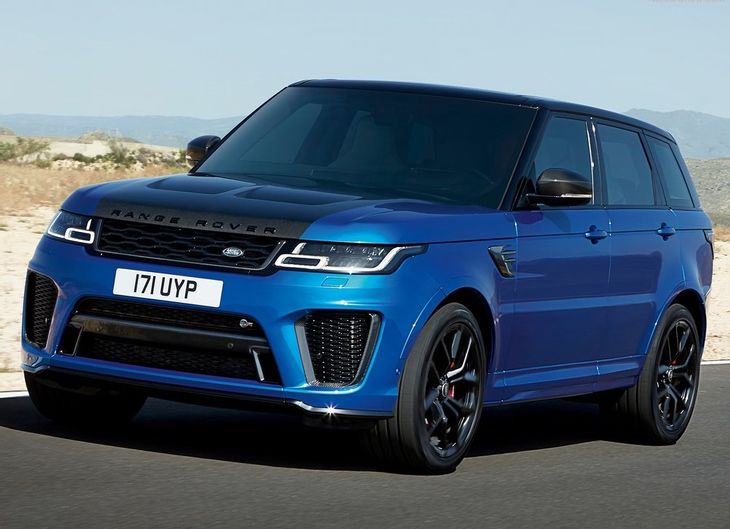
The formidable Range Rover Sport was recently facelifted and the updated model range will make landfall in SA in 2018. The range-topping Range Rover Sport SVR has benefitted from an 18 kW power bump, which sees its supercharged 5.0-litre V8 engine now producing a whopping 423 kW and 700 Nm of torque.

Those numbers will propel the all-wheel-drive Range Rover Sport SVR from 0 to 100 kph in 4.5 seconds and on to a top speed of 280 kph. The Range Rover Sport SVR will be priced at approximately R2 121 700 when it arrives in 2018.

Buy a Range Rover Sport SVR on Cars.co.za

Also see:

Facelifted Range Rover Sport (2018) Specs & Price [w/video]

Range Rover Sport SDV8 (2014) Review

Range Rover Sport SCV6 S (2014) Review

Track Battle | Audi RS5 vs BMW M4 CP vs Mercedes-AMG C63 S – Part 1

In Part 1 of our two-part track battle, we take to Killarney International Raceway to see which German performance coupe is the most fun to drive.

Going head to head in battle are the Audi RS5, BMW M4 Competition Pack, and the Mercedes-AMG C63 S.

The three Germans are closely matched, with the Mercedes offering the most power and torque from its bi-turbo V8, the BMW being the lightest and the RS5 being the only car here with all-wheel-drive.

To compare these three cars in detail, visit our compare tool now:

Stay tuned for Part 2 where we reveal which car was the fastest on the day.

To see how they fared in a drag race against each other, check out these previous videos below:

Drag Race: BMW M4 Competition Pack vs Mercedes-AMG C63S

Drag Race | Audi RS5 vs Mercedes-AMG C63 S Coupe

Drag Race: Audi RS5 vs BMW M4 Competition Pack

Follow Cars.co.za on social media:

https://www.instagram.com/carssouthafrica

https://www.twitter.com/carssouthafrica

https://www.facebook.com/CarsSA/

Lamborghini Urus (2018) International Launch Drive

As Lamborghini passes into the custodianship of LSM Distributors, which retails Porsche and Bentley models in South Africa, performance aficionados eagerly await the arrival of the Bolognese supercar marque's performance SUV, the Urus, around the 3rd quarter of 2018. Is the SUV an exciting new chapter for the storied Italian brand, or does it struggle to do justice to the famous bull emblem on its nose? Our UK correspondent, Matt Prior, reports…  

I suppose, when the matter at hand is as delicate as this, every kg matters, so Lamborghini isn’t going to round the 2197 kg that its new Urus SUV weighs to the nearest 10 kg. So, 2 197 kg it is. Yay, it’s sub-2.2 tonnes! And that’s the first of an array of astonishingly large numbers that relate to the new Urus. Others of note are 478 kW, 850 Nm and R3.495 million, the latter of which is the official local launch price of the newcomer. 

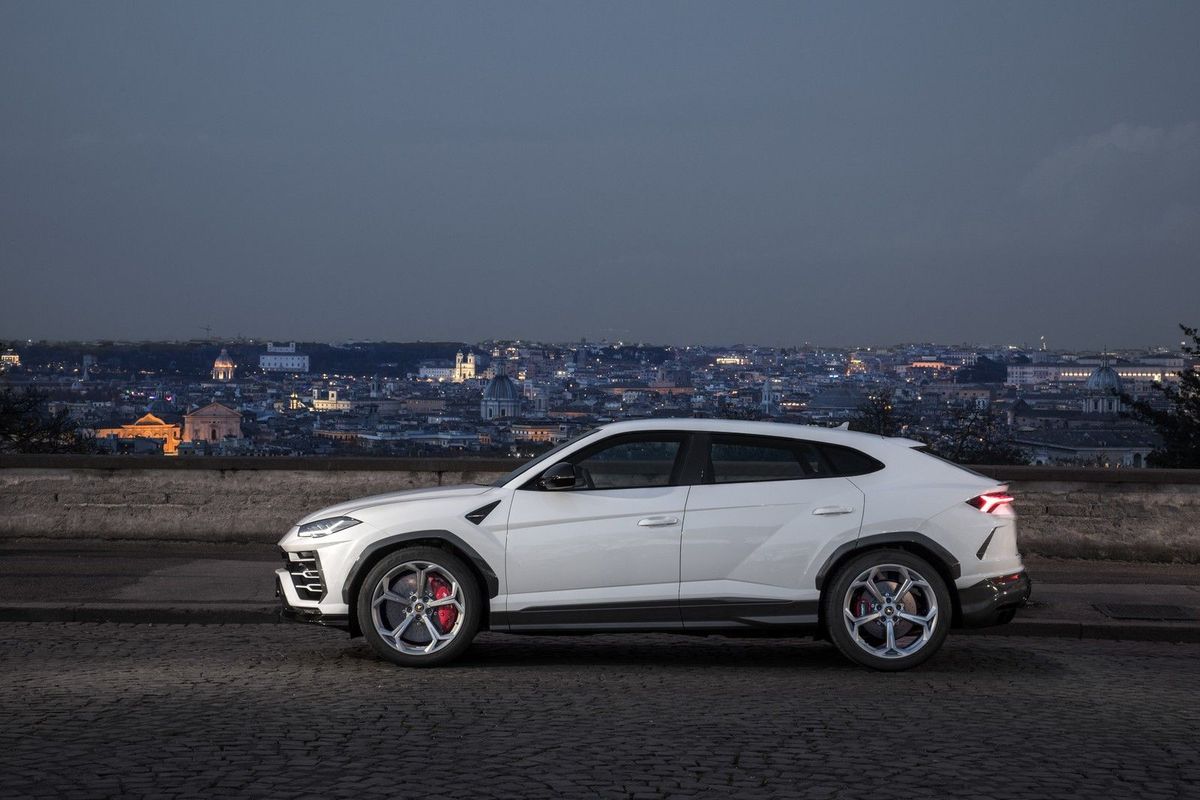
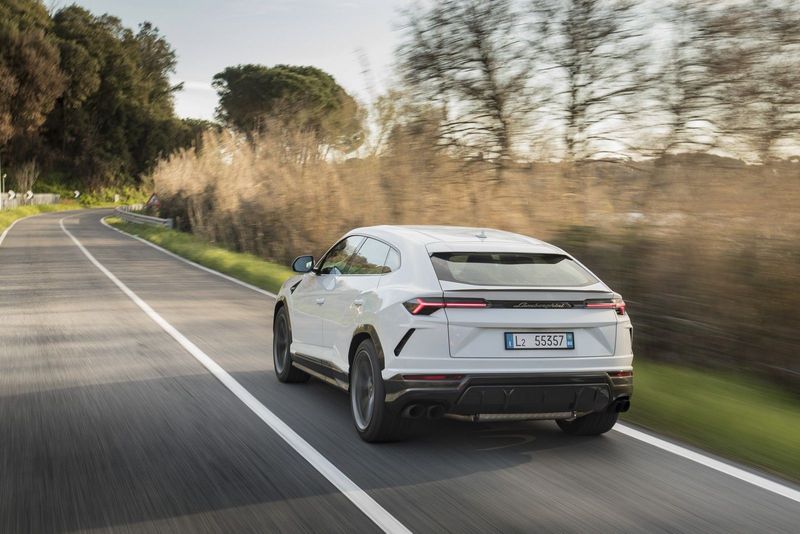
Watch a video of the Lamborghini Urus driving around in Rome:

All of which gets you what, exactly? A super sports luxury SUV. Lamborghini says it basically invented this kind of car, and if you squint a bit I suppose, in the rather brutalist V12-engined form of the LM002, it might almost perhaps have a bit of a point; although I’m not sure it thought so at the time, and it only made 328 of those behemoths before packing that idea in.

But that was then and this is now and now means it doesn’t get a V12 and won’t be built by hand by the couple of hundred Lamborghini employees. The new Urus is based on the Volkswagen Group’s MLB Evo architecture, which underpins the Audi Q7, Porsche Cayenne and Bentley Bentayga, and it’s intended to perhaps double Lamborghini’s output to 7 000 cars a year. 


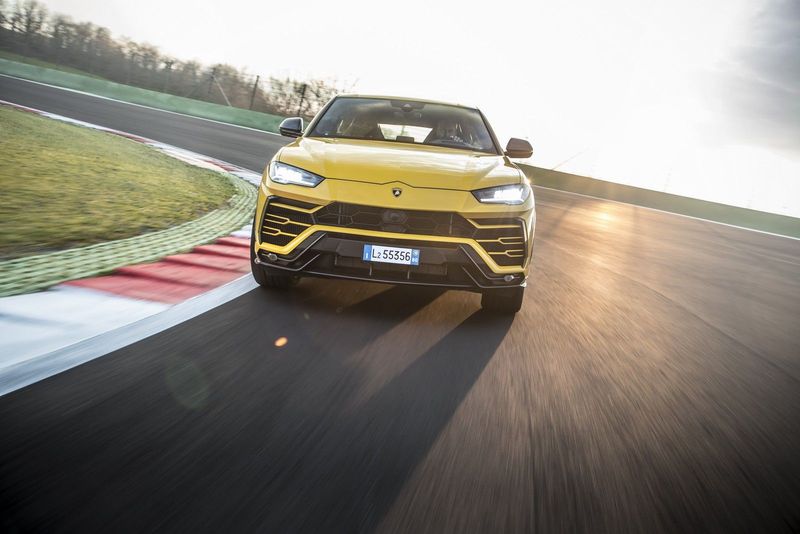
The Urus' front-end styling is head-turning, in true Lambo style. The doors open conventionally, but the side windows have no frames.

To that extent, it is a marketing-driven car, not an engineering-driven one. It’s a car that Lamborghini acknowledges it can only sell because the firm makes actual, genuine sports cars. Without the badge, the history, the reputation and the 12.4 million Instagram followers, the Urus wouldn’t sell. 

More than a Q7/Cayenne/Bentayga clone?

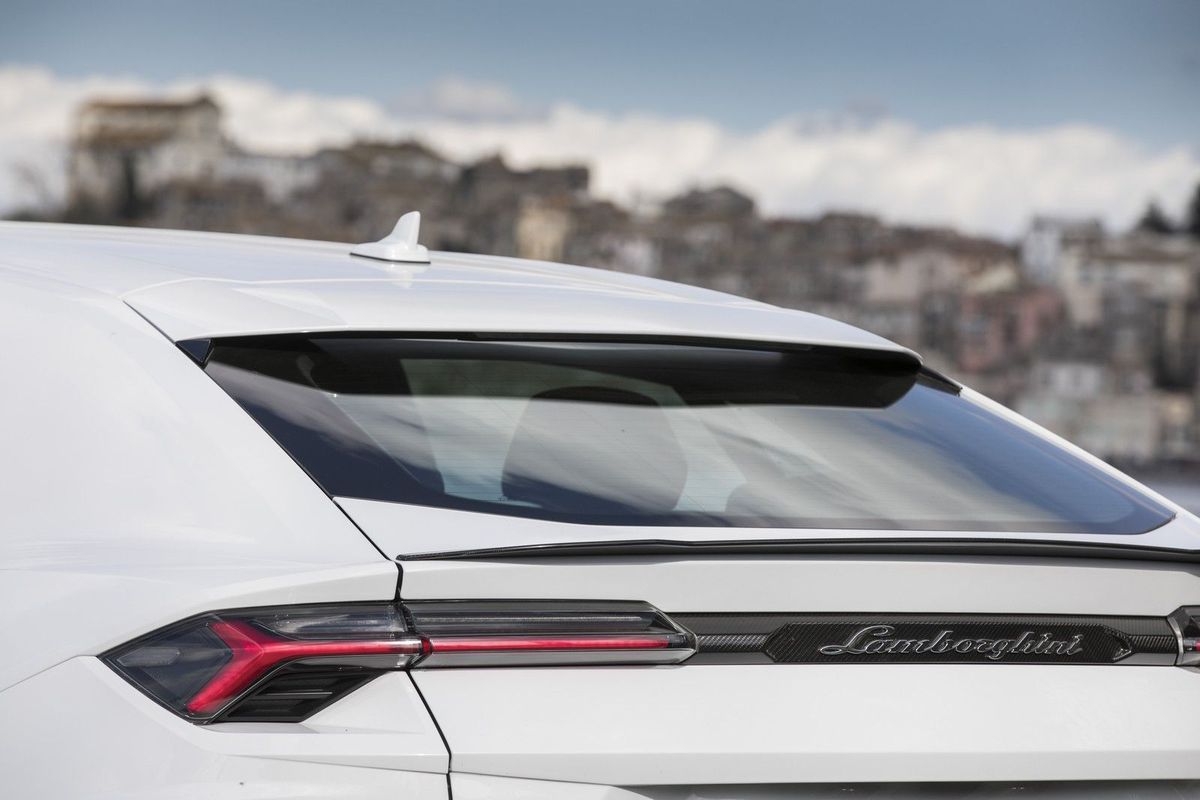
Is that an admission that the Urus isn’t quite a Lamborghini, after all? Not at all, says Lamborghini. The newcomer shares its basic architecture with other VW Group products, yes, but it’s lighter through better mixed-metal use and with funky C-pillars and frameless doors. It has Lamborghini’s first turbocharged engine and it’s one you’ll find in an Audi; but, ah, here it has 478 kW. It has all-wheel drive, a tall ride height; perhaps, but no other group product marries that to a Torsen centre differential with 60% (and up to 85%) rear bias and a torque-vectoring rear differential, you see.  


Lamborghini's newcomer offers no fewer than 6 driving modes, of which Track is the most hardcore (and noisiest!).

In short, the things that separate a Lamborghini from another brand’s car within the VW Group today, then, are rather more subtle than the fact that only one of them has a V12 engine in the middle of it. Would a V12 engine fit here? Don’t be silly, an SUV requires turbochargers because only they can make the requisite torque. Could you put turbos on the V12? "Look, please stop asking questions and go and drive it," I'm told. And so I do.

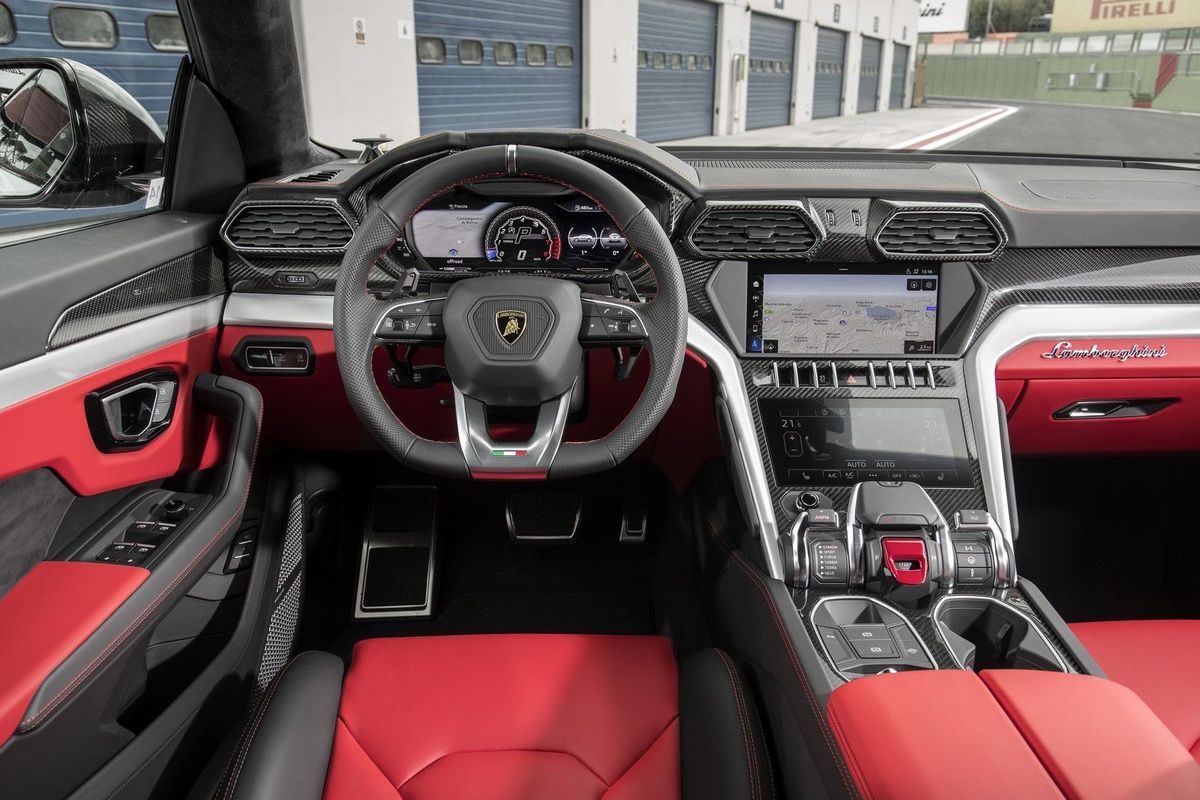
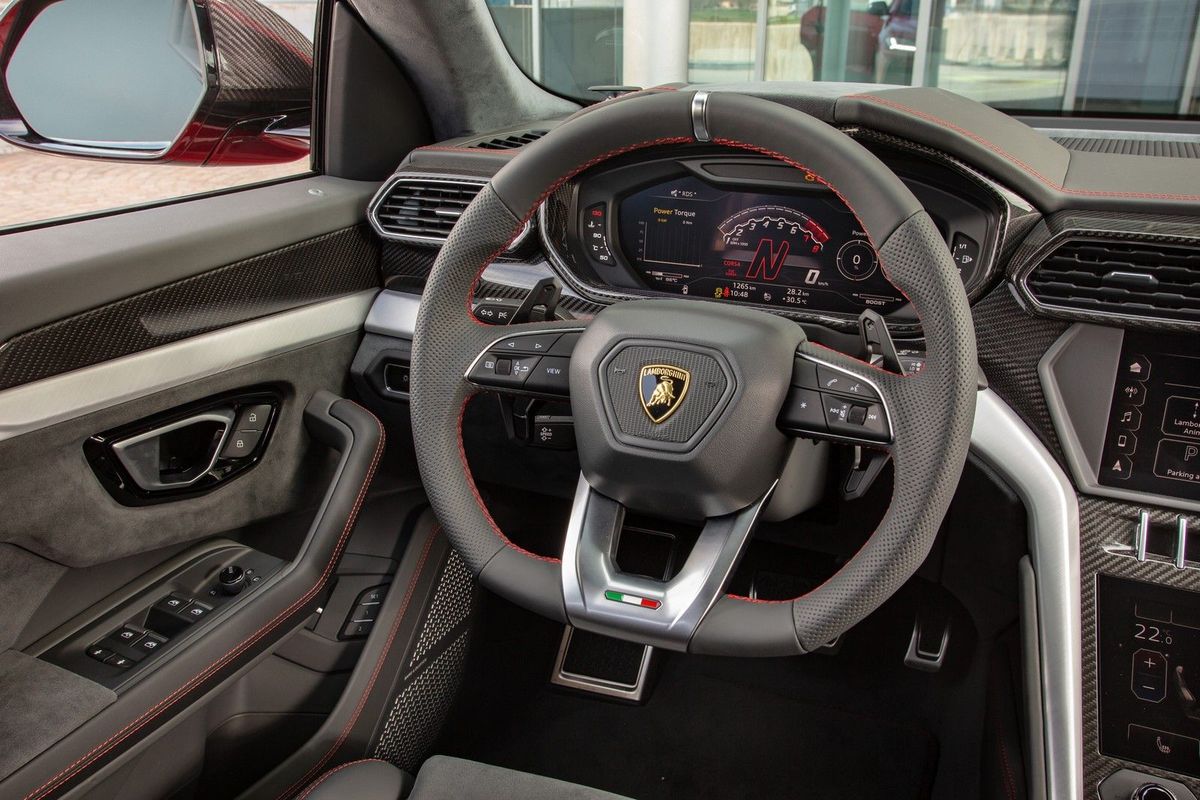
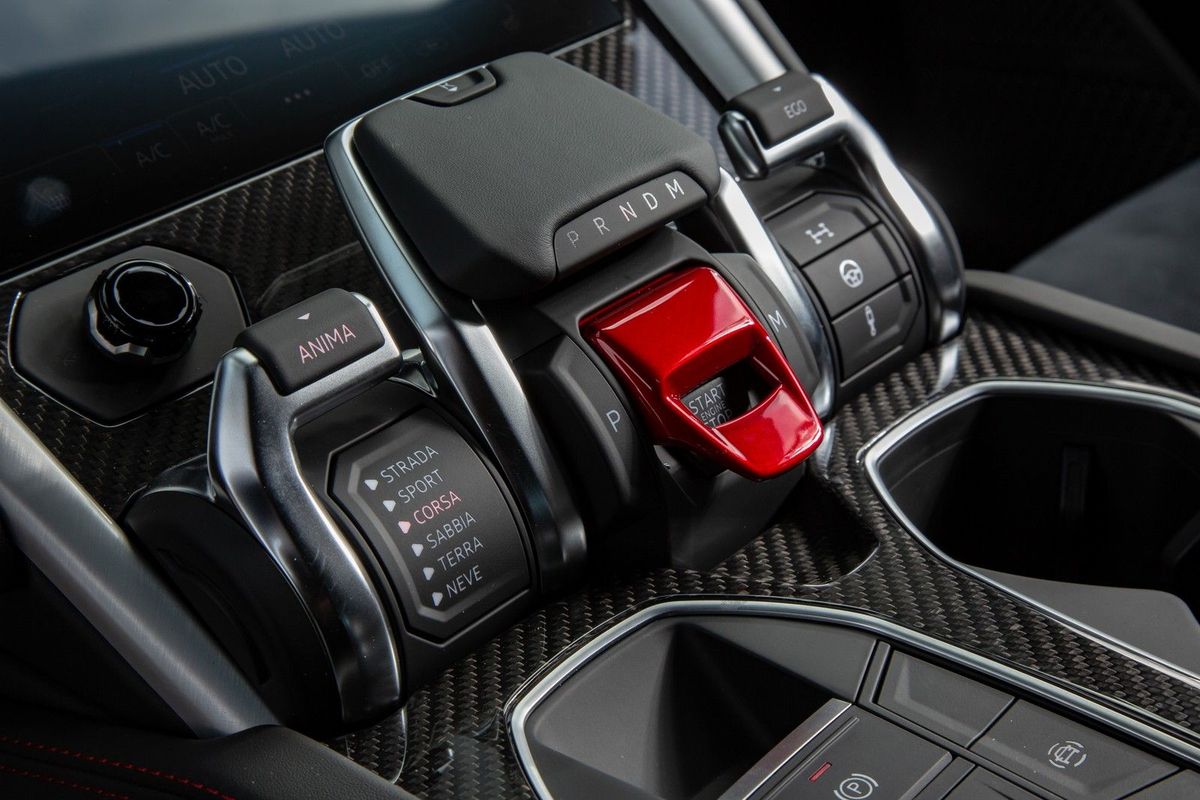
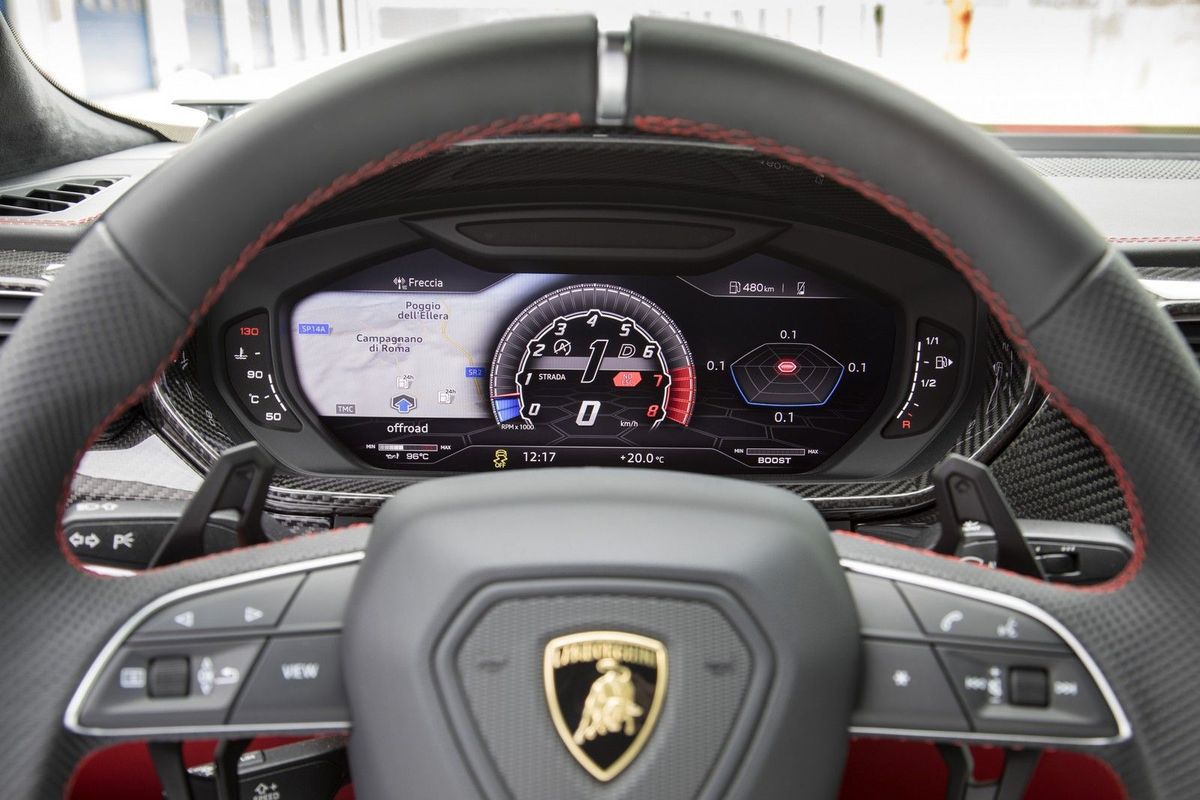
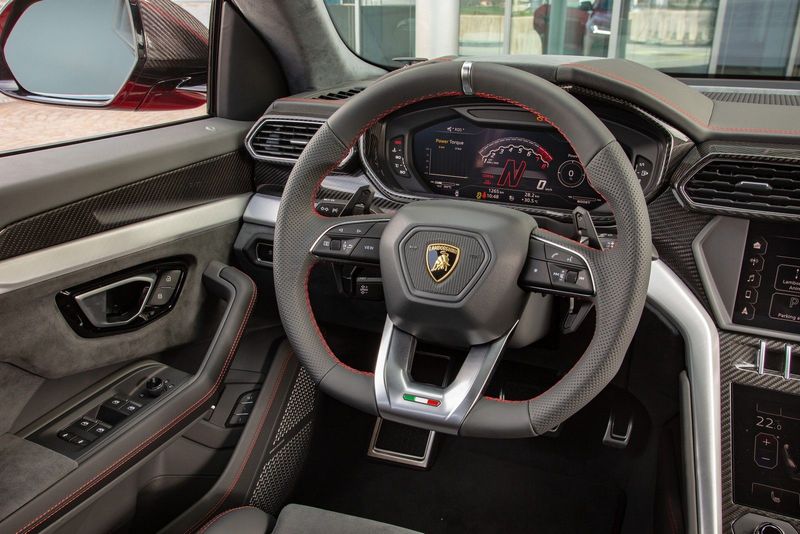
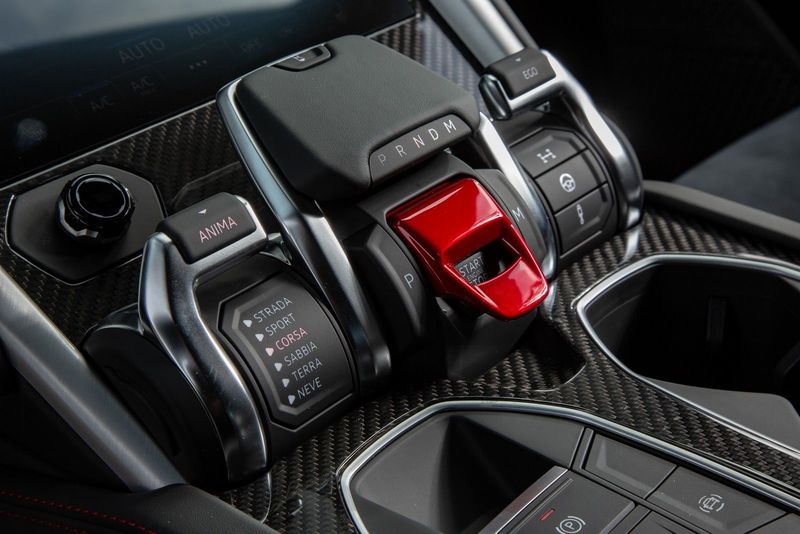
When the frameless doors swing open, they feel lighter than a big SUV’s usually do. What's more, the interior is more swooping and extravagant than in most 4x4s; the centre console is high; you can have 5 seats, but this one has 4: all individual chairs wrapped in expensive-feeling materials. So too is the dashboard, where Lamborghini design meets occasional VW Group familiarity, and some new things: a double touchscreen much like the Range Rover Velar's, and a thick bunch of switches to scroll through the drive modes, start the car and operate its transmission.


The interior is awash with leather, carbon-fibre and alcantara. Yes, some VW Group switchgear is carried over, but there's no lack of theatre. 

There are 6 drive modes: Street, Sport, Track (in which the car lowers by 15 mm) and a trio of off-road modes, in which the body rises by 40 mm. Or you can choose your own adventure, by selecting how intense you want to make your suspension-, engine- and steering weight settings. But let’s deal with track first, because, somewhat uncomfortably, my very first steer and throttle press in the Urus is one that makes it depart from a pit lane.

Feels as fast as Lambo claims

Crikey, it’s a fast, not to mention loud, car. The 4.0-litre twin-turbo V8 is not overtly laggy and hits a hard rev limiter at 6 800 rpm. The official figures say this is a 3.6 sec 0-to-100 kph car, and that it’ll go from 0 to 200 kph in 12.4 sec. The Urus feels not a bit slower than that. The tremendous wallop of torque comes in from 2 250 rpm, so it doesn’t really matter what gear you’re in, either: in fact, so willing is Lamborghini's performance SUV to run towards its rev limiter, where upshifts are a touch hesitant, you’re quite often better off leaving the transmission in a higher ratio.


It would not be a Lambo without the jet-fighter-style engine start-stop button under the signal red switch cover, now would it?

There quite a lot of noise. You will hear how loud it is, they said; and they were right. But there’s augmentation going on here too. Through a natural symposer using the intake system’s natural frequencies, yes, but augmentation nonetheless. It’s good, but I think an AMG V8 motor sounds better.

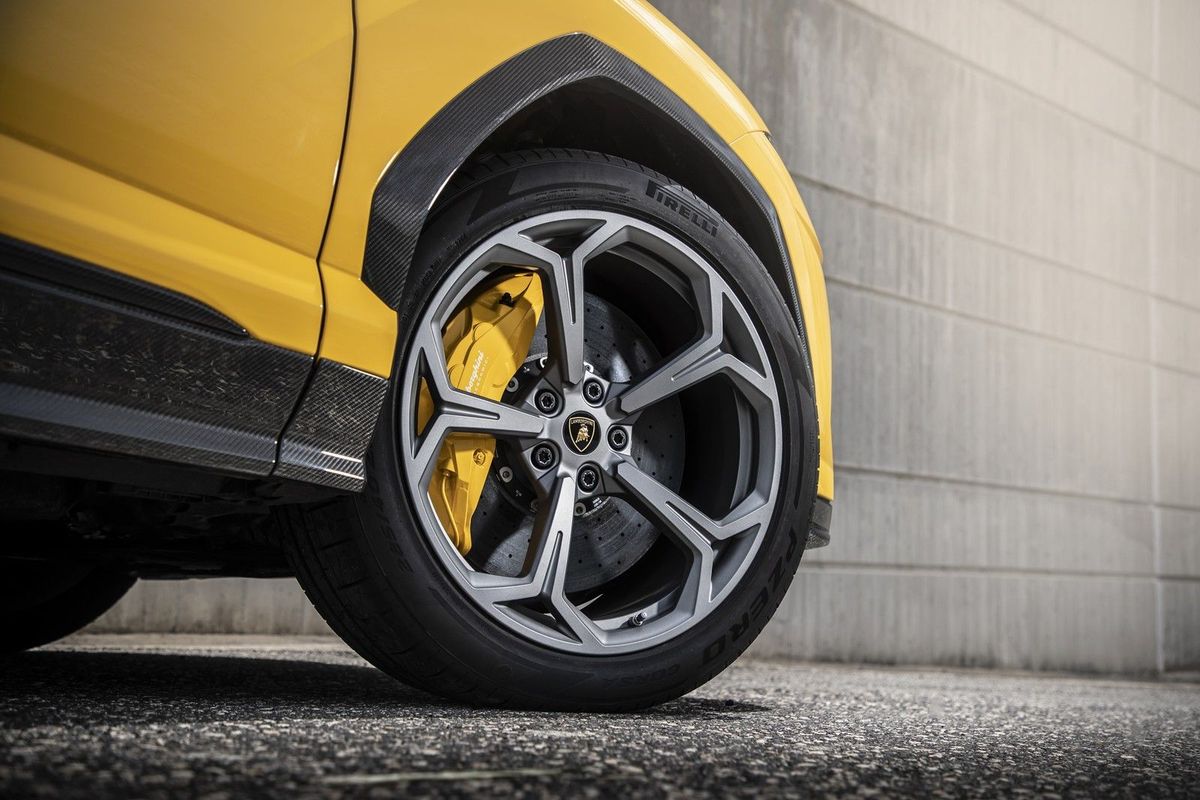
Standard carbon-ceramic brakes

What else does it do? Stop, tremendously well given the weight (carbon ceramics with 10-piston calipers are standard). And it does exhibit body roll, despite lowering the ride height in sports mode, stiffening the dampers, and the adoption of 48V active anti-roll bars like those you’ll find on its cousins. But that’s fine – a little body angle gives you something to lean on, the quick(ish) steering weights up rapidly, but doesn’t give genuine natural feel, and then you feel the differential doing its thing, straightening a cornering line and, well, in short, this car is daft-quick around a track.


As a road car, the Urus does a very good job of impersonating a premium SUV, save for the low-profile rubber, which battles on uneven roads.

Which would be amusing for a few minutes if you owned one, and knew what you were doing with it: because it would go more quickly than most sports cars. And consider that sports cars are not typically as comfortable as this on the road…

In its Street mode, the Urus is pretty amenable on good surfaces, albeit fidgety on bad ones: you can blame the optional 23-inch wheels shod with 30-profile tyres for that one, plus the fact that, even when the dampers are in an easier-going mode and the anti-roll bars are allowing the wheels to move independently, at heart this is still an SUV that tries to prioritise handling while weighing 2.2 tonnes.

Easy to live with

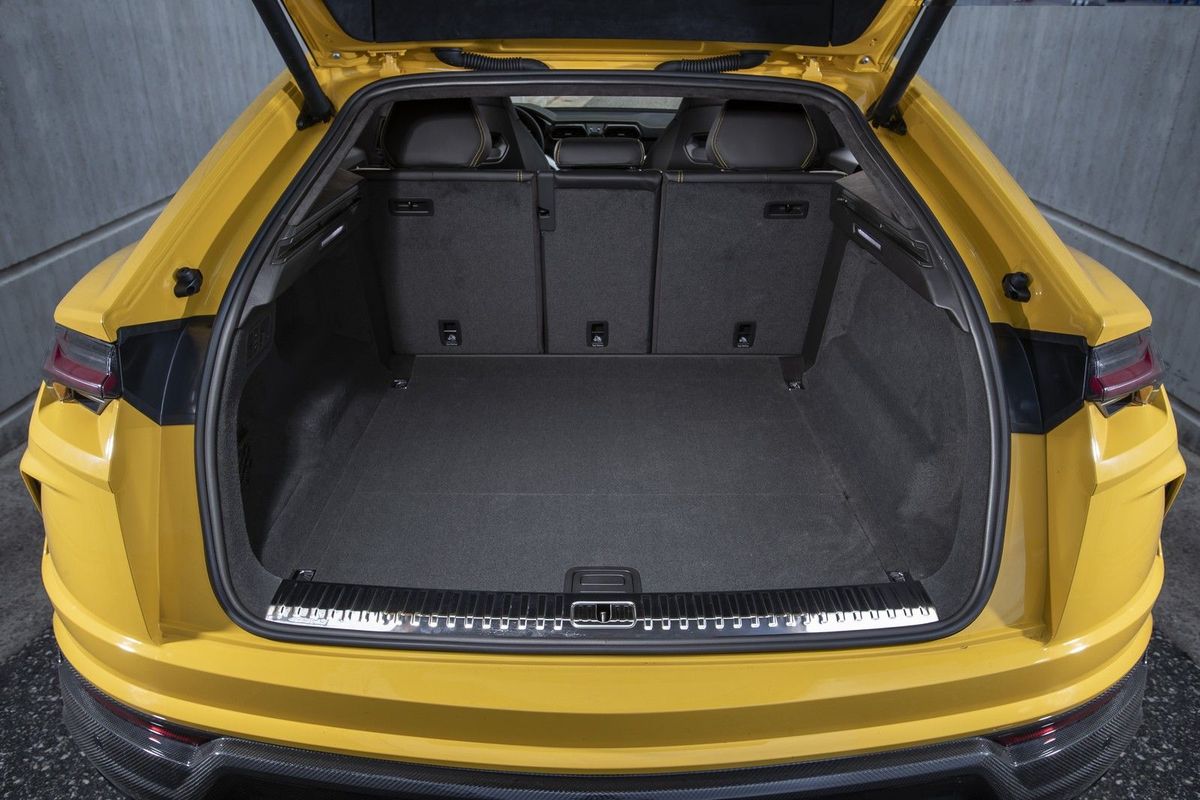
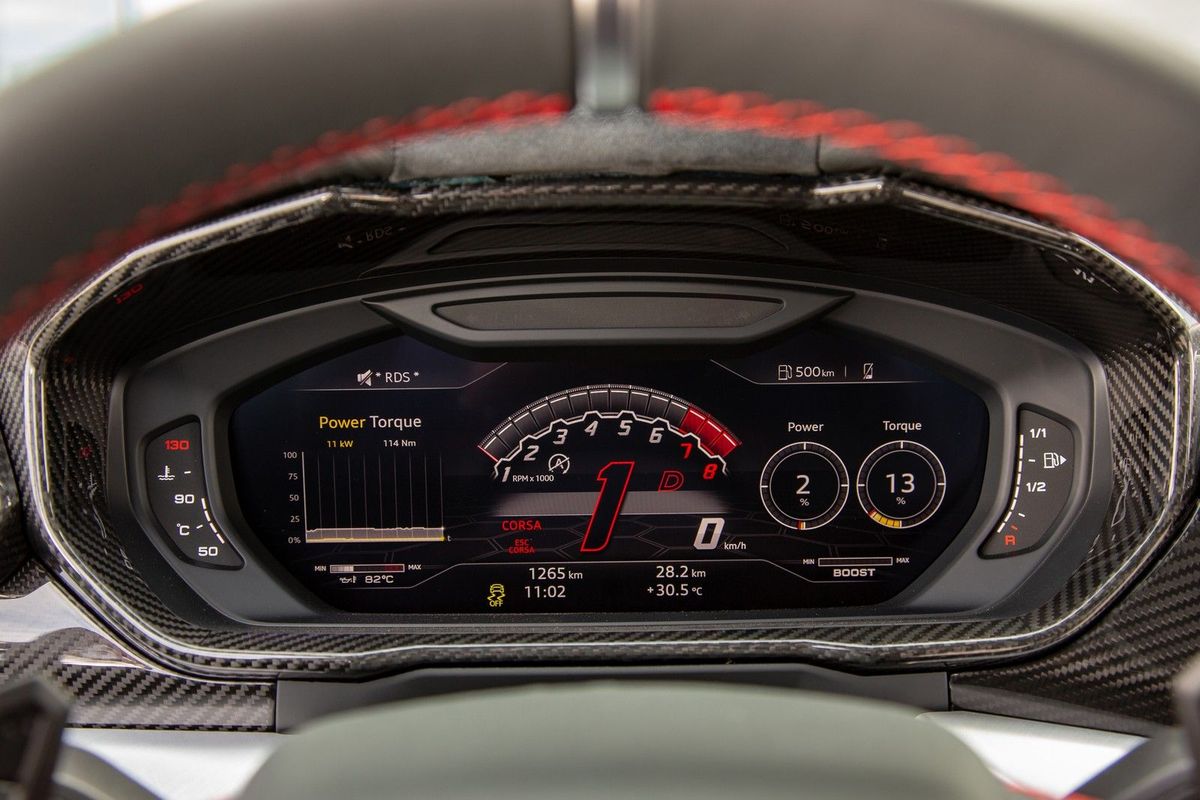
Honestly, the Urus' general demeanour is fine: it’s not uncomfortable, and it would be as easy as any car in its segment to cruise around in. The seats are supportive, yet comfortable. The luggage capacity is quite acceptable. Ergonomically, the newcomer's cabin is sound. The steering remains light, and responsive. Pedal feel and -response is strong. The digital instruments and a slick infotainment system are of a fine standard. 


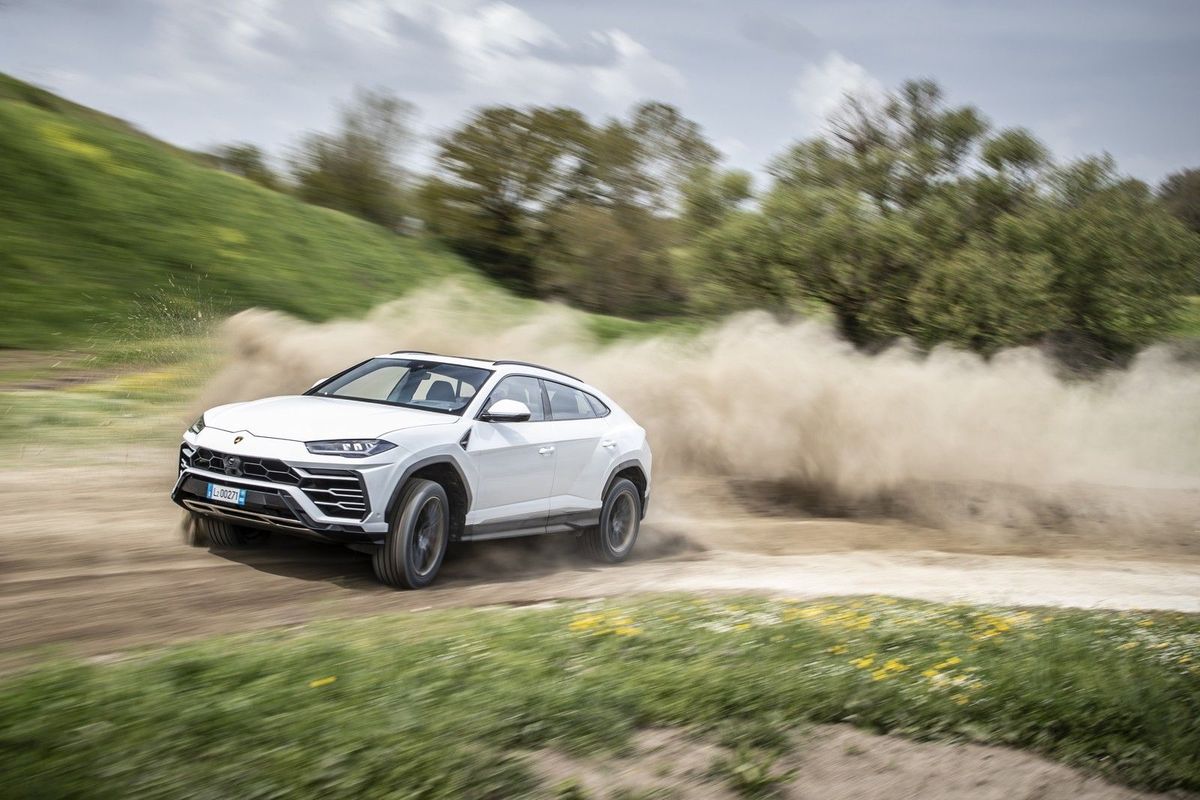
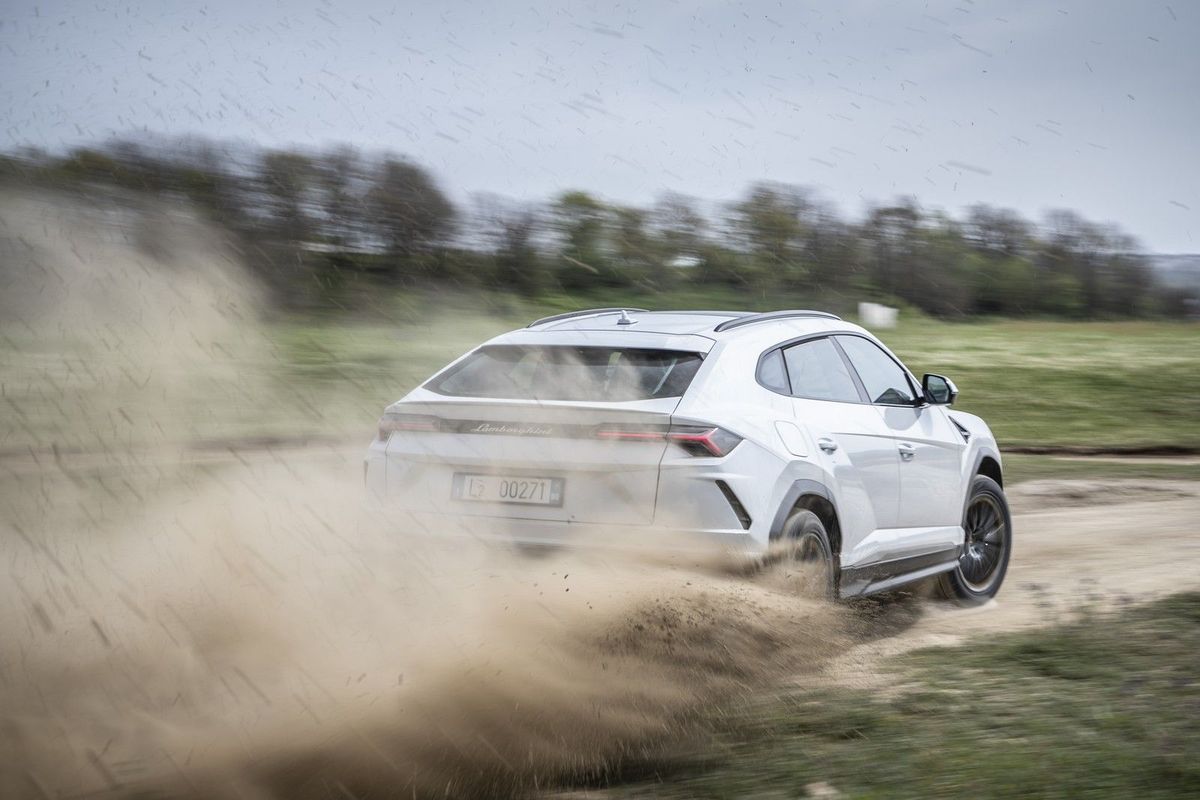
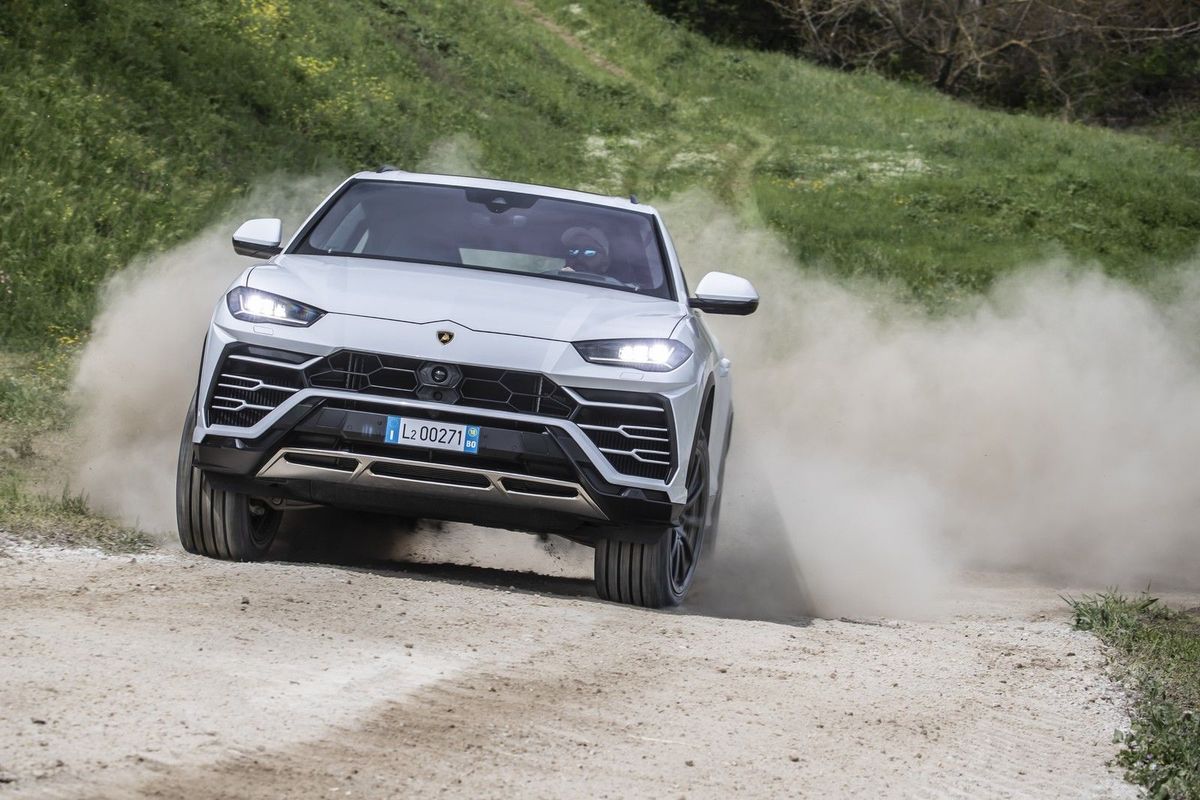
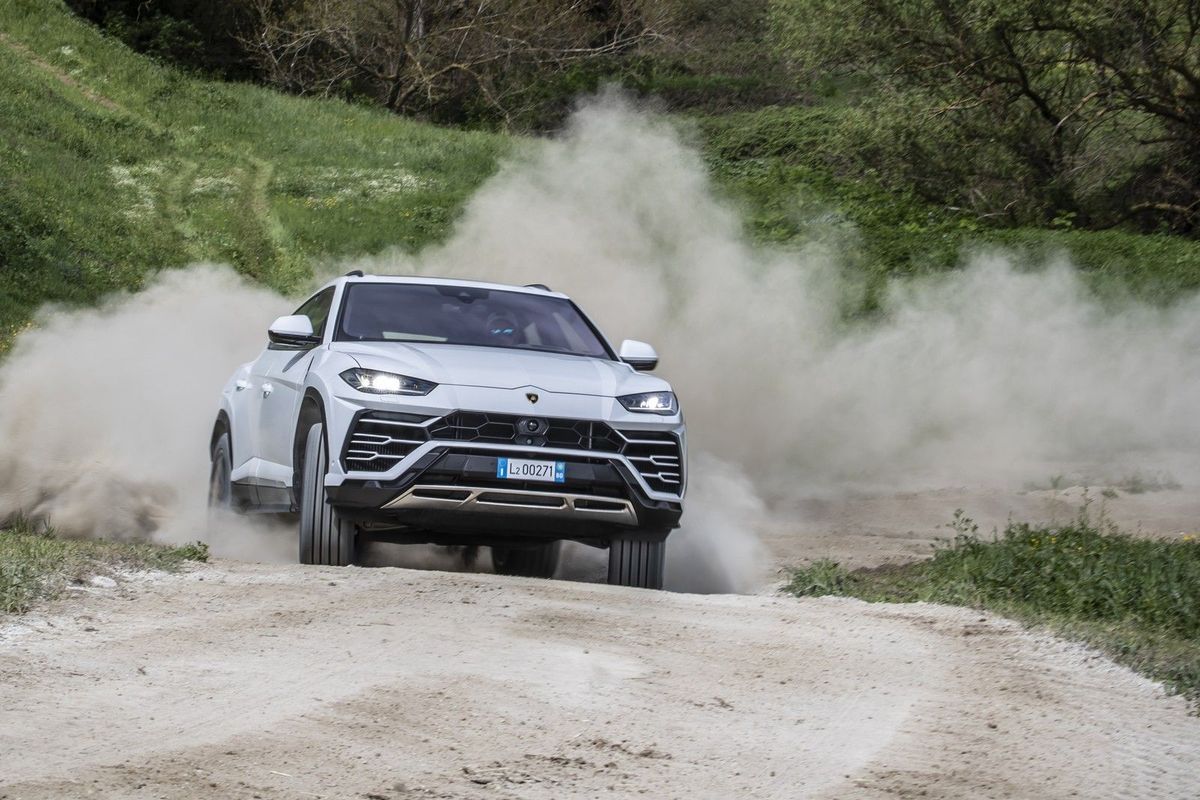
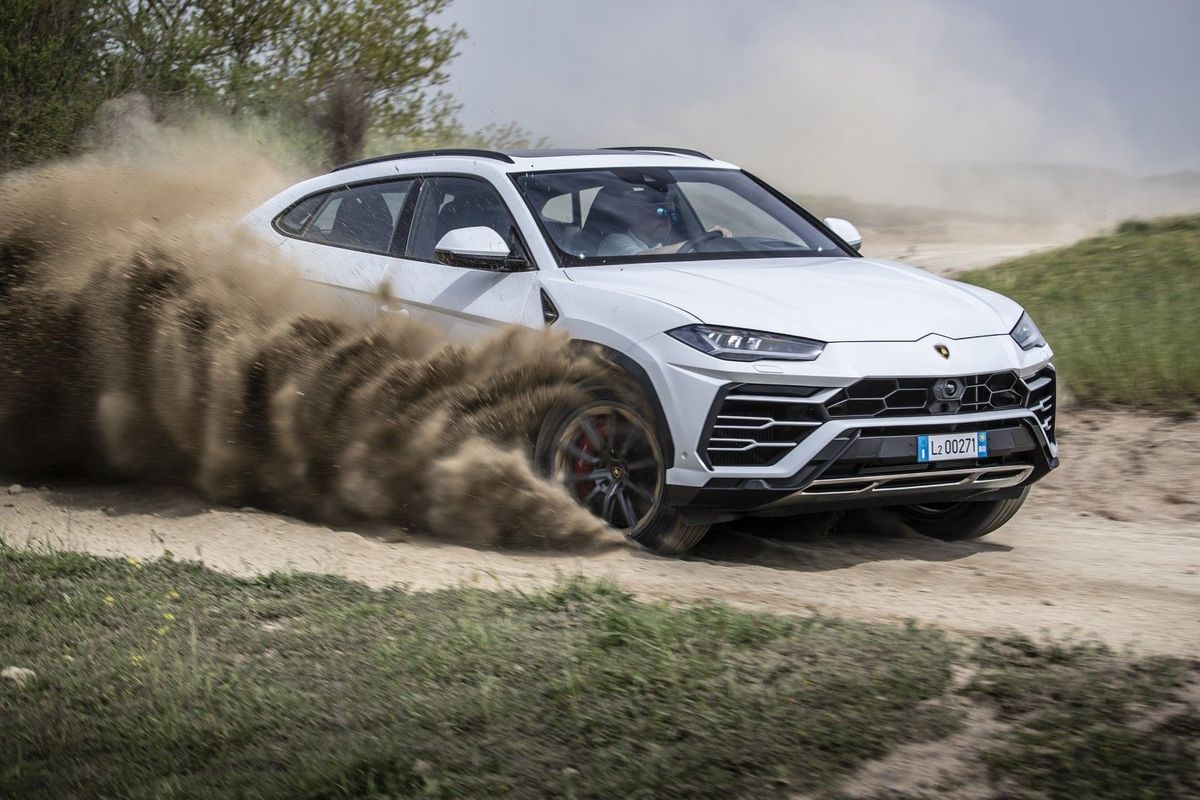
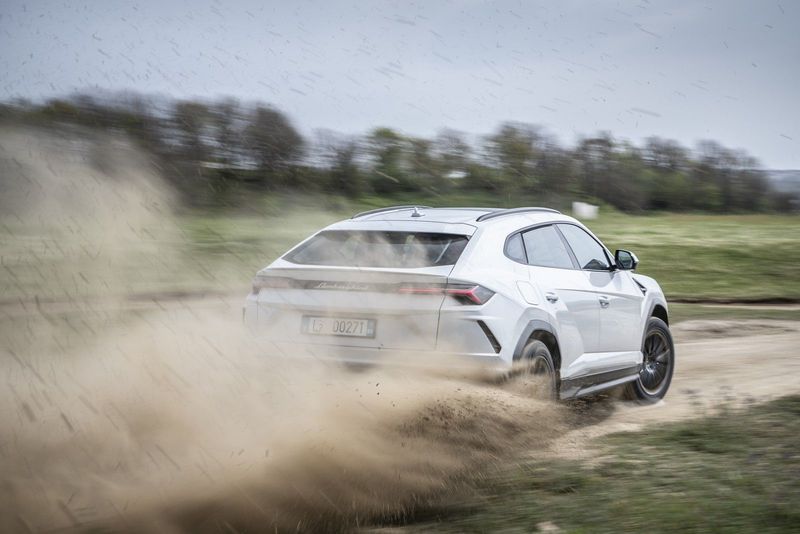
The Urus can easily deliver a brisk turn of pace on a dirt road, where its adaptive system and all-wheel-drivetrain come to the fore.

What’s bad? The engine’s too quiet unless you turn up the suspension to its harder settings, and visibility – because of the high window line – is a bit iffy. But, then, while parking the surround-view cameras are tremendous.

Can 'shrug off-road lumps aside'

And then there’s off-road too. Lamborghini says it wants the Urus to have “best in class” handling, with off-road ability “in the best class”. I don’t doubt it has nailed the former, but as yet I’m not sure about the latter: the ride height in the off-road modes is 215 mm, and put the right tyres on it and I guess it’ll go most places people want it to. Sand dunes, most likely.

I tried it on a gravel track carved into some hills and it was great fun: it’s easy to ride on its torque, it felt agile and you could feel the rear differential straightening its line on corner exit. It is, and I really do mean this, remarkable, in that it is so competent on a circuit, so amenable on the road, and yet still capable of shrugging off-road lumps aside.


The Urus has made a solid first impression, even if it isn't quite as bonkers and devil-may-care as its sportscar brethren.

Summary

I don’t think there are many cars, if any, that can do all of those things (excel on track, be pliable on road and perform competently on a dirt road) better. Was it worth putting a Lamborghini badge on this car's nose? Well, would you be more or less well disposed to this car if it wore a badge you’d never heard of? Is it fine to know that a car is technically excellent even if you may not actually like it very much? That's up to you to decide.

There is one question I can answer quite confidently, however: Does it feel like a Lamborghini? No, at least not overtly, but you can see where Lamborghini tried very hard to instil its essence in the Urus. Think about this: Did a Porsche Cayenne feel like a Porsche when it was launched? Not that I can remember, and look how much a part of the furniture Zuffenhausen 'bahnstormer has become. I guess that will be the way it is here too…

Related content: 

6 High-Performance SUVs Coming to SA in 2018

Lamborghini Urus Super SUV Revealed [w/Video]

Lamborghini Urus: Reality vs Concept

Alfa Romeo Stelvio Quadrifoglio (2017) International Launch Review

Porsche Cayenne (2018) Launch Review

Maserati Levante S (2018) Launch Review

Interested in buying a Lamborghini?

Buy a Lamborghini on Cars.co.za

New Car Sales for April 2018

Vehicle sales for April 2018 showed consolidation in spite of all the public holidays and 1% vat hike. Who were the big winners and losers?

Despite all the public holidays in April, the increase in VAT and the industrial strike, new car sales remained steady versus the same period last year. Total vehicle sales reached 36 346 which shows an increase of 3.6% to April 2017. 

The 1% increase in VAT will likely have an effect on sales throughout the year, but has not been witnessed as of yet. Passenger vehicles totalled 23 928, which reflects an increase of 1 438 units or 6.4% increase over April last year. A notable drop by Ford South Africa was due to a run out of the Fiesta, Ecosport and Figo models as it expects to launch new models in the next few months. As a result, Ford nearly dropped to 4th in total sales but was propped up by strong Ranger sales.

Light Commercial Vehicle (LCV) sales declined marginally by 1.2% while exports registered a marginal gain of 0.8%.


New Car Sales Summary for March 2018

  • Aggregate new car sales of 36 346 up by 3.6% (+1 260 units) compared to April 2017

  • New passenger car sales of 23 928 up by 6.4% (+1 438 units) compared to April 2017

  • LCV sales of 10 707 down by 1.2% (-127 units) compared to April 2017

  • Export sales of 24 229 up by 0.8% (+193 units) compared to April 2017

Most popular car brands in SA for March 2018

  1. Toyota: 8 213 units sold with a market share of 22.6%

  2. Volkswagen: 6 261 units sold with a market share of 17.2%

  3. Ford: 3 570 units sold with a market share of 9.8%

  4. Nissan: 3 403 units sold with a market share of 9.4%

  5. Hyundai: 2 633 units sold with a market share of 7.2%

Most popular new cars in SA for March 2018

  1. Toyota Hilux – 2 679 units

  2. Ford Ranger – 2 372 units

  3. Volkswagen Polo Vivo – 2 143 units

  4. Volkswagen Polo – 1 907 units

  5. Isuzu KB – 1 071 units

Sales Outlook

NAAMSA expected new vehicle sales to show steady improvement over the medium term due to further recovery in domestic demand supported by continued moderation in new vehicle price inflation, rising real disposable consumer income, recent improvement in South Africa’s political and policy environment, lower interest rates and the maintenance of an investment grade rating with a stable outlook by a major credit ratings agency.  As a result of these developments – reinforced by improved business and consumer confidence, as well as increases in the Reserve Bank leading indicator – economic growth for 2018, could recover to around 2% and this, in turn, would benefit domestic new vehicle sales over the balance of the year and an annual improvement of domestic sales volumes of 3% plus compared to 2017 was expected.

Related Content

Cars Coming to SA in 2018

5 New Hatchbacks to Look Forward to in 2018

6 High-Performance SUVs Coming to SA in 2018

5 Cool Performance Cars Coming to SA in 2018

5 Cool Crossovers Coming to SA in 2018

12 Well-Specced Cars Under R250k in SA

4 Simple Ways to Cut the Cost of Motoring

2 Major Reasons to Consider Buying a Used Car

5 Ways to Ensure Car Loan Approval

10 Ways To Save Fuel

Mini Cooper Facelift (2018) International Launch Review

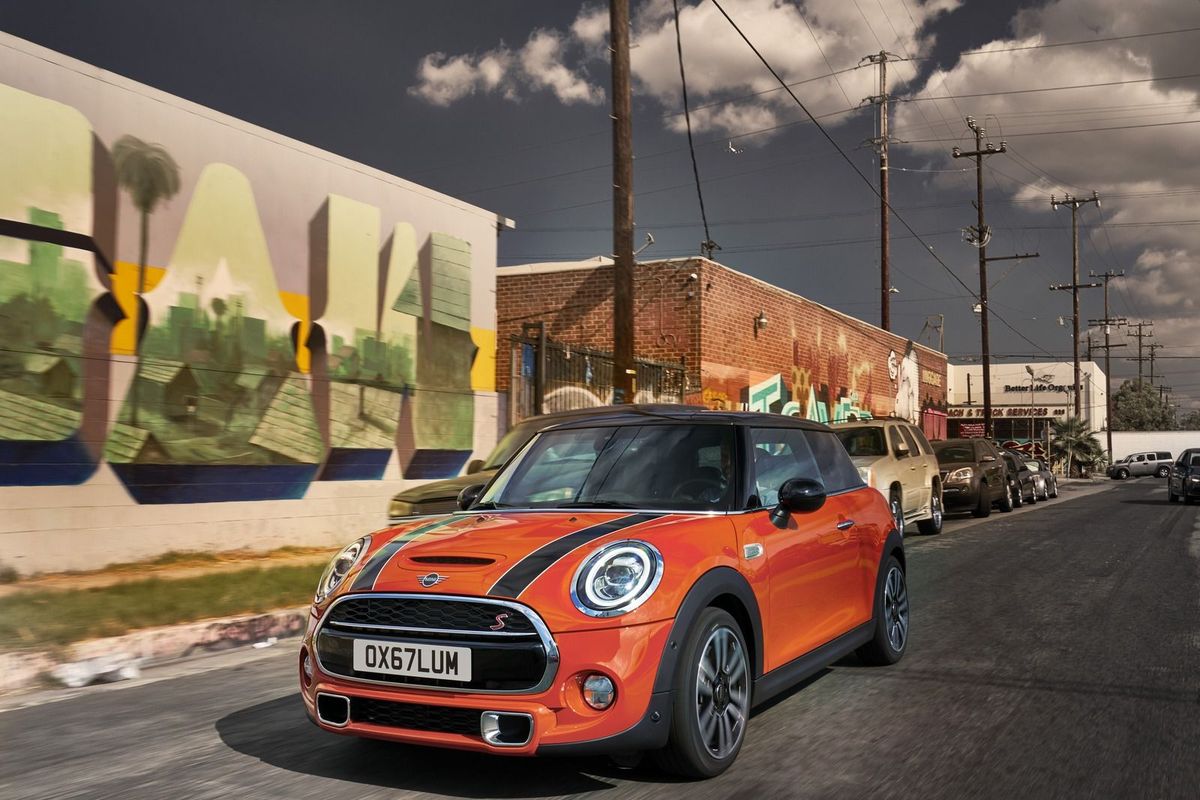
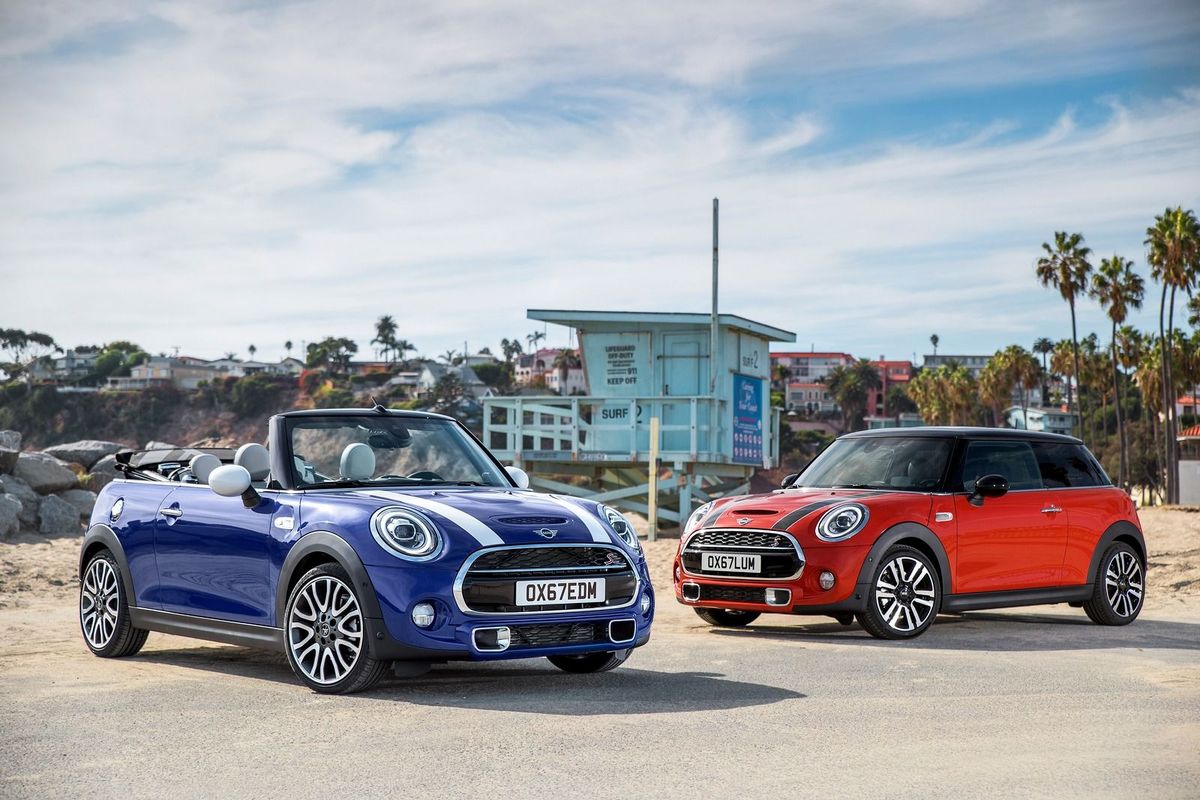
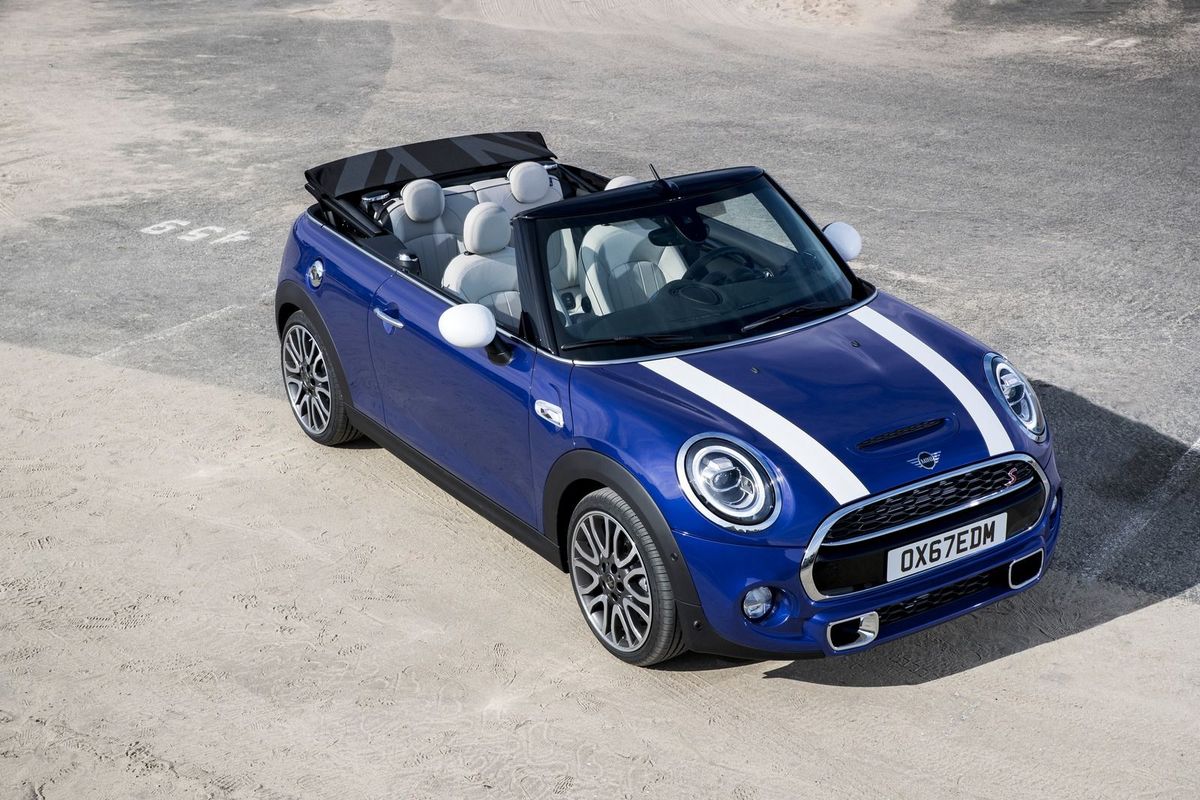
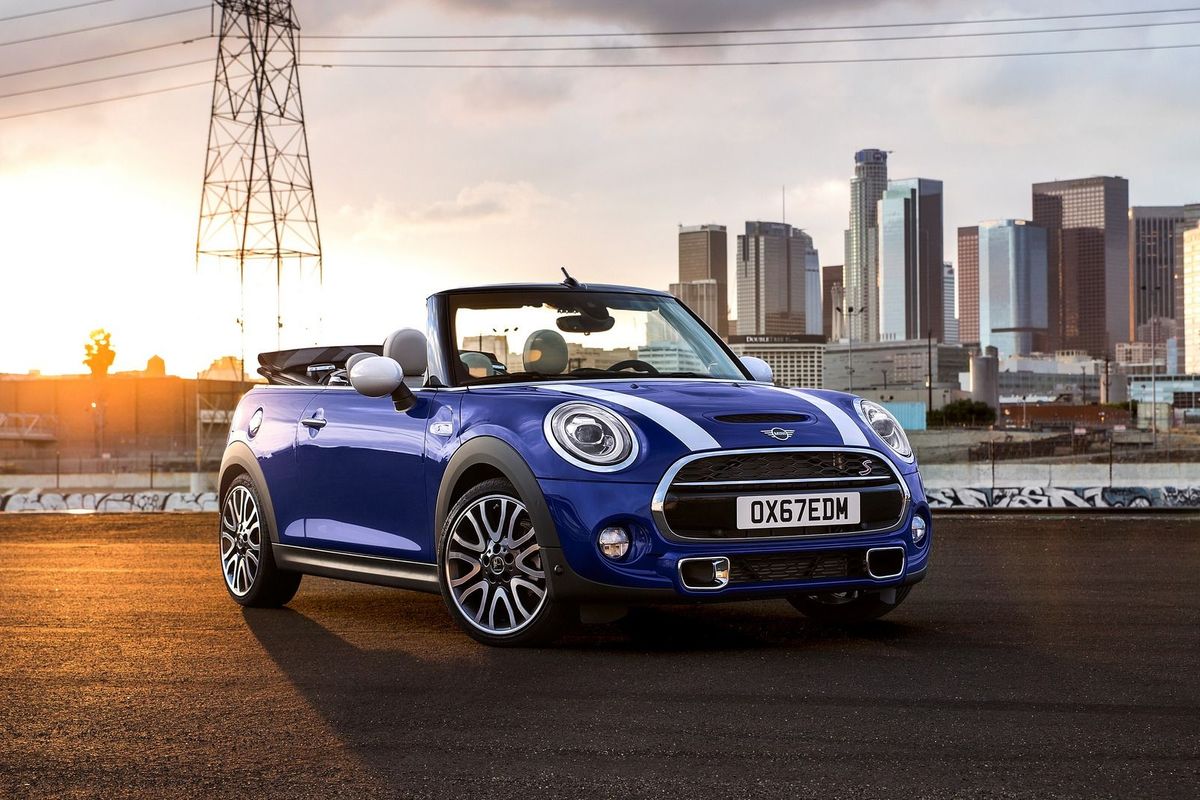
As mid-product-cycle facelifts go, the exterior updates to the 3rd-generation (New) Mini are minor, although there are notable upgrades to its interior. We headed to the island of Mallorca to drive both the hatch and convertible models.

The Mini model lineup has expanded beyond what anyone ever expected, to the extent that there’s not all that much that’s mini about some of them. The Spanish island of Mallorca was the setting for the launch of the facelifted version of the 2014 release. If ever there were roads made for Minis, they can be found in Mallorca, with its endless hairpins and twisty corners that wind their way over mountains, through tunnels and to the coastline.

What’s new?


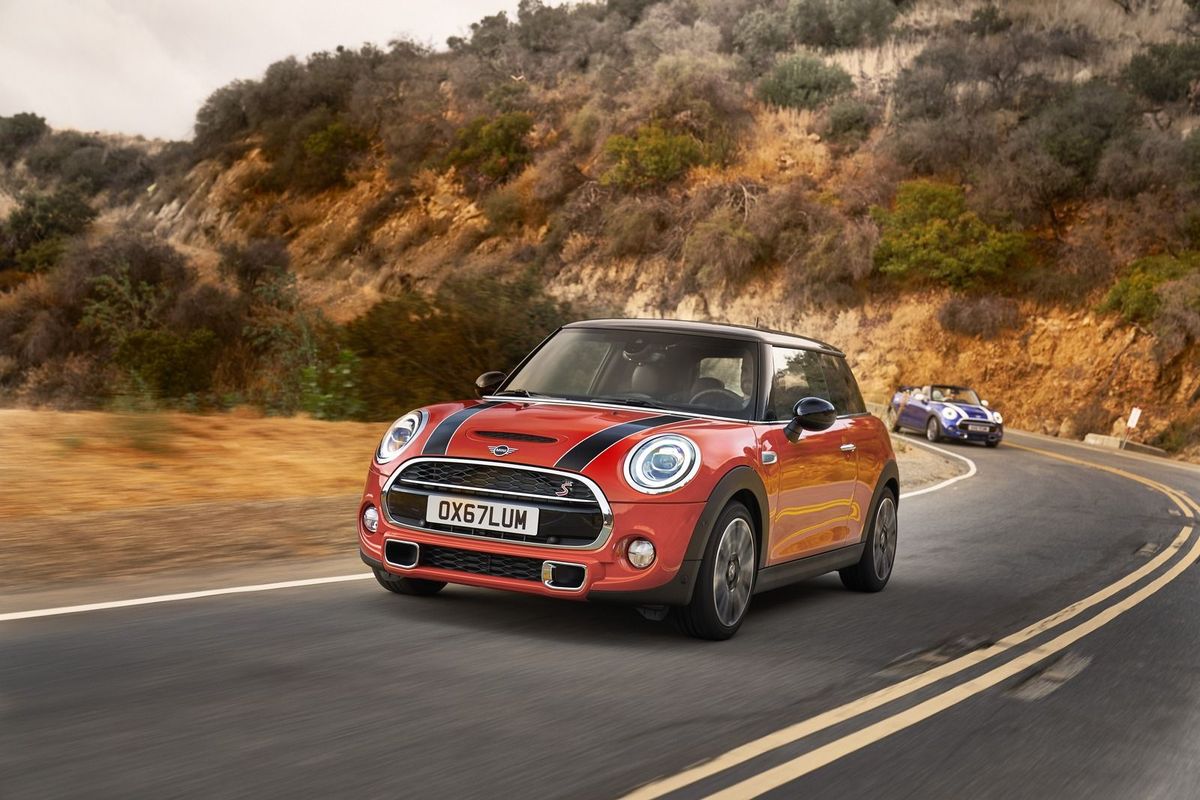
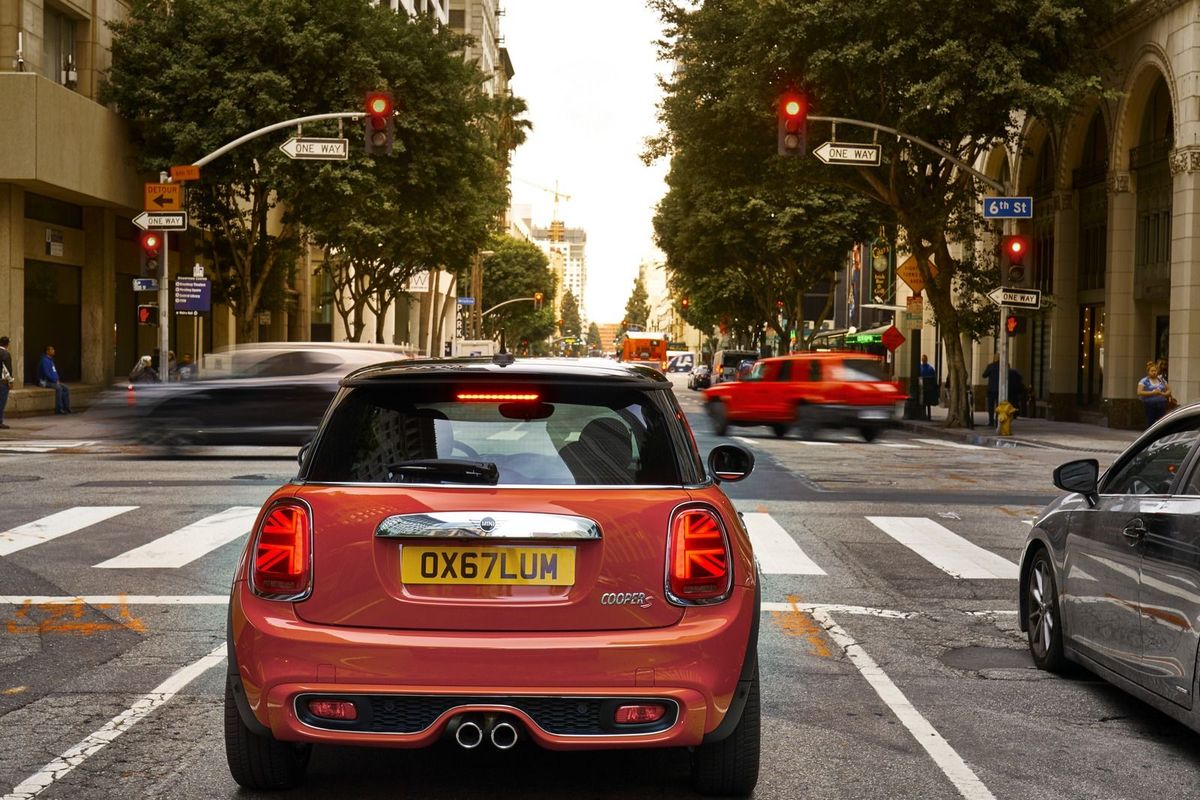
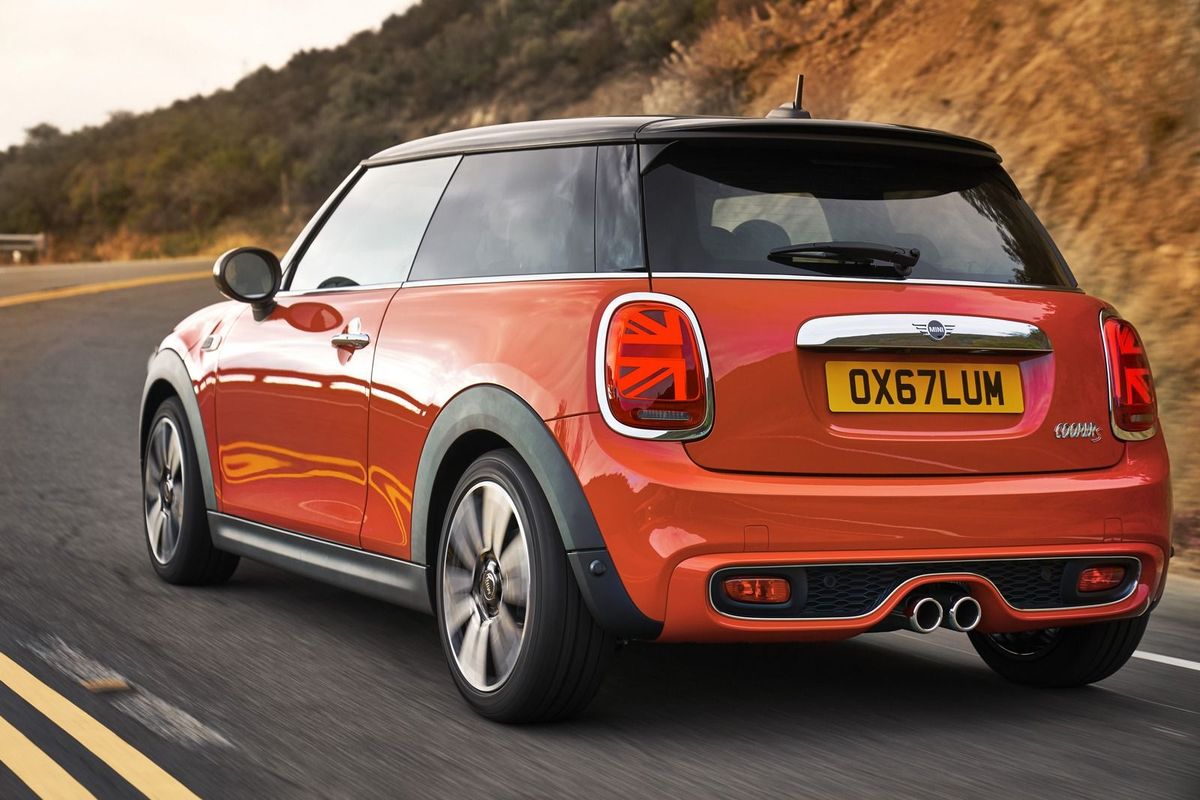
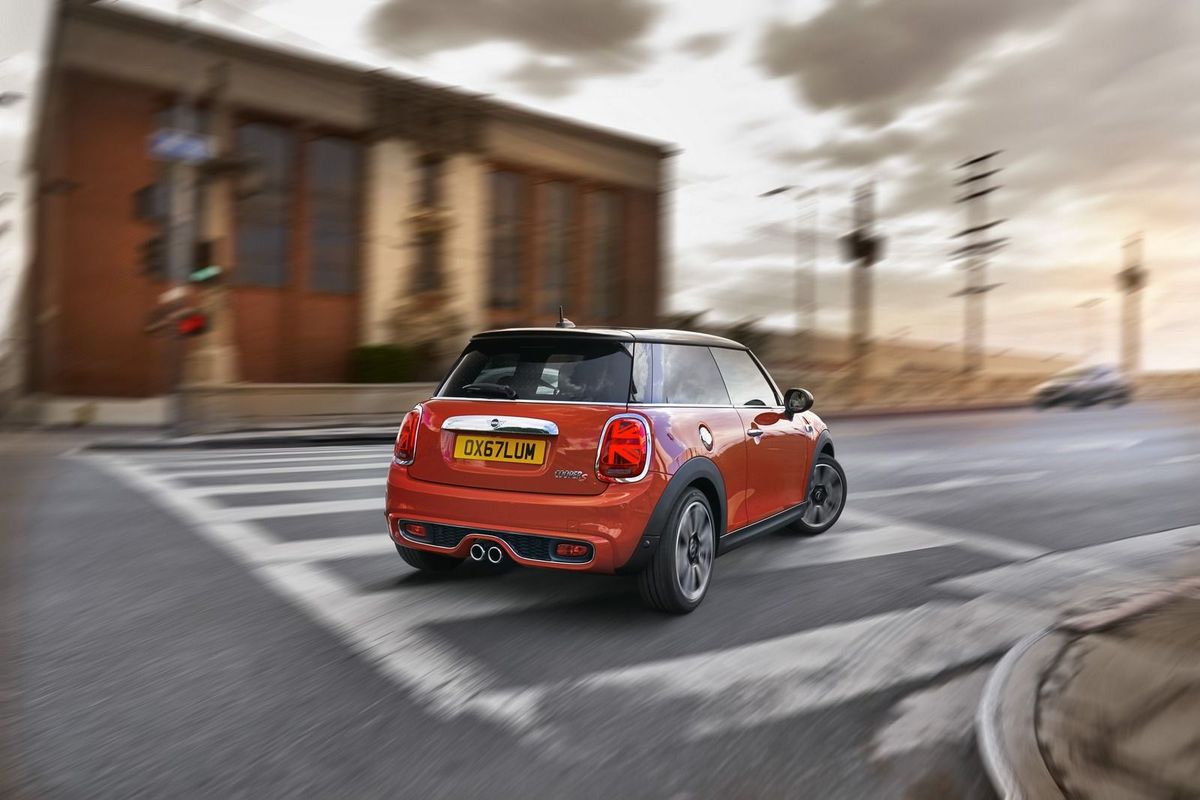
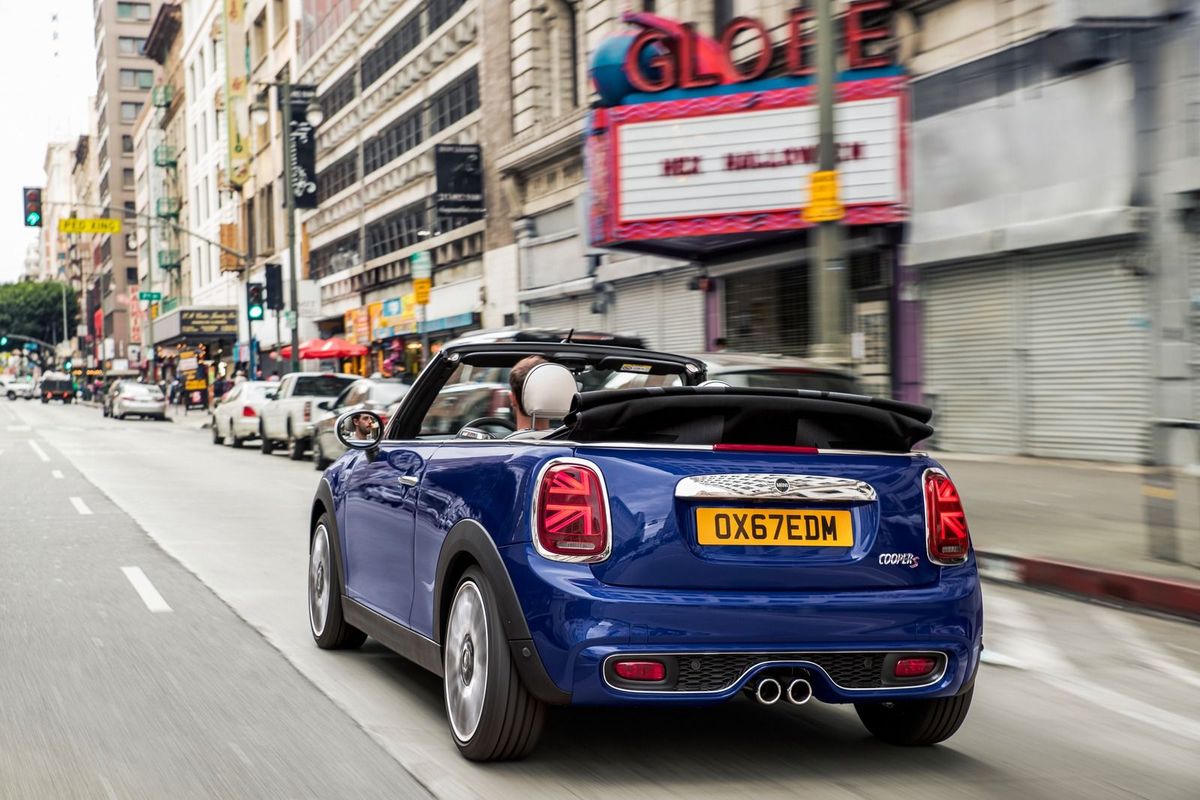
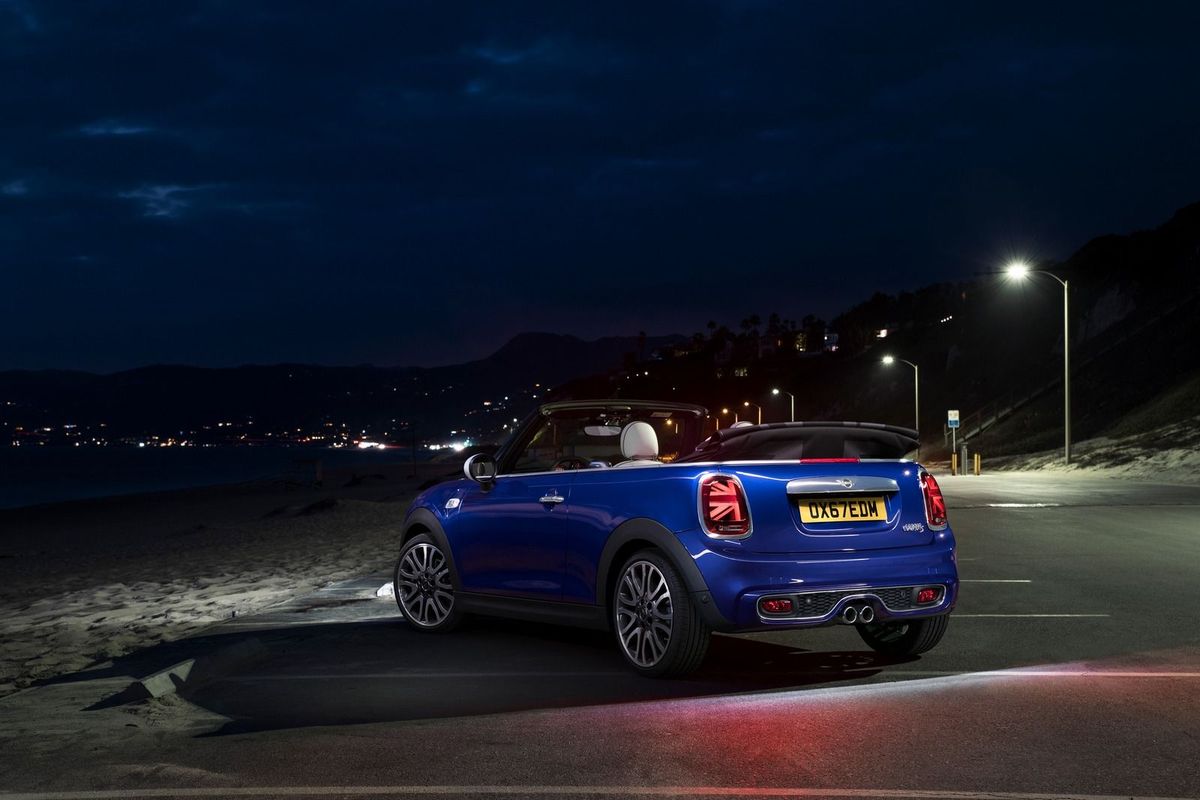
Union Jack emblem designed rear lights are the major difference for the new model.

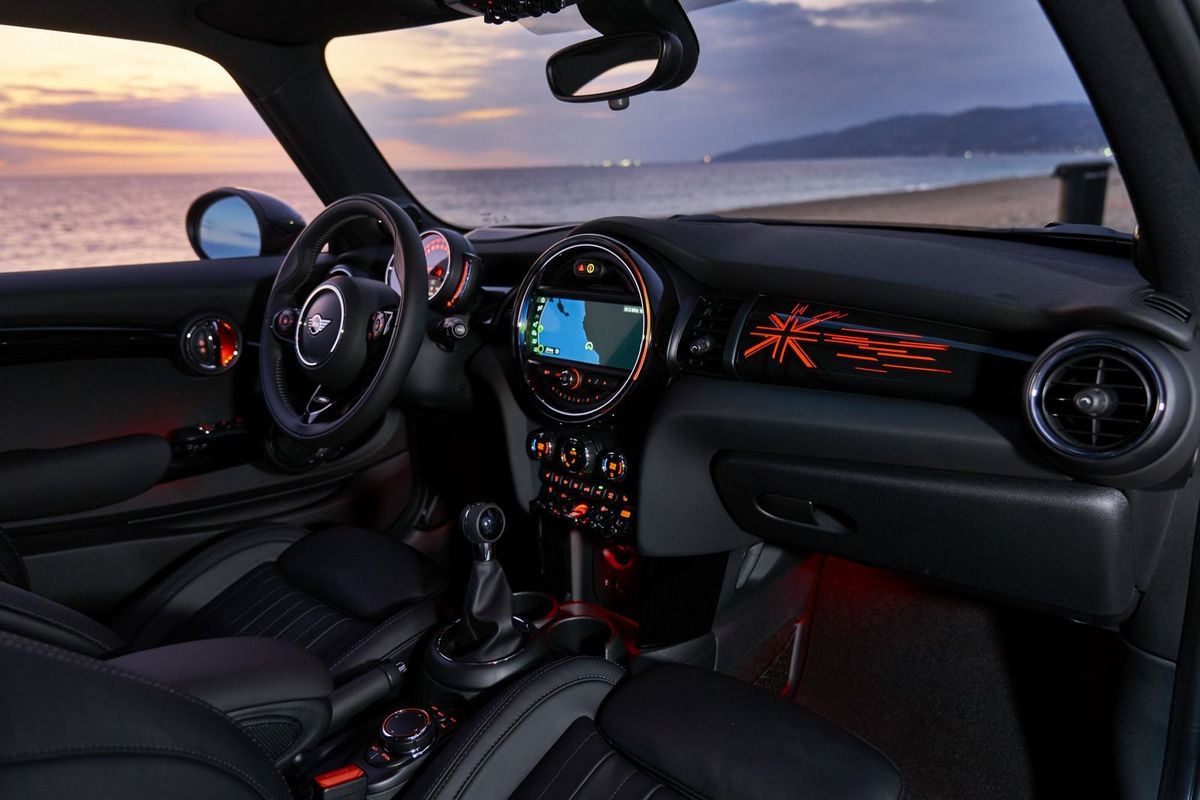
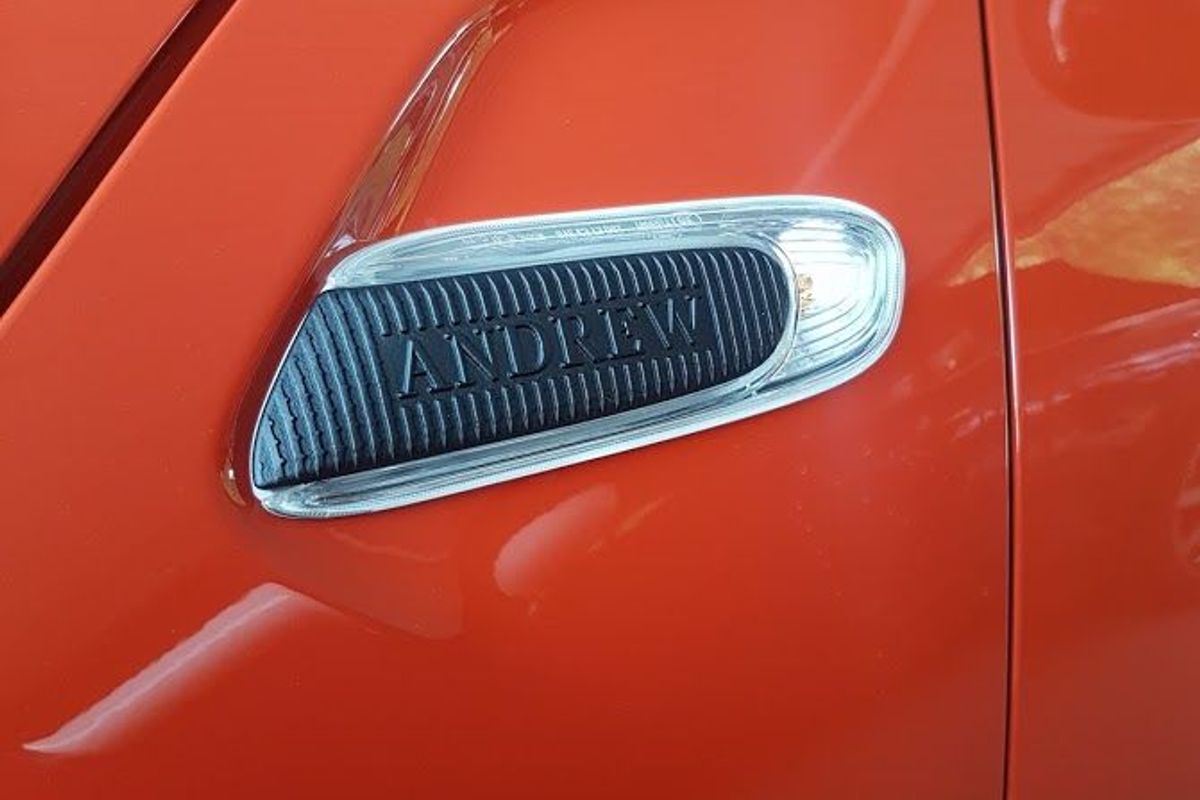
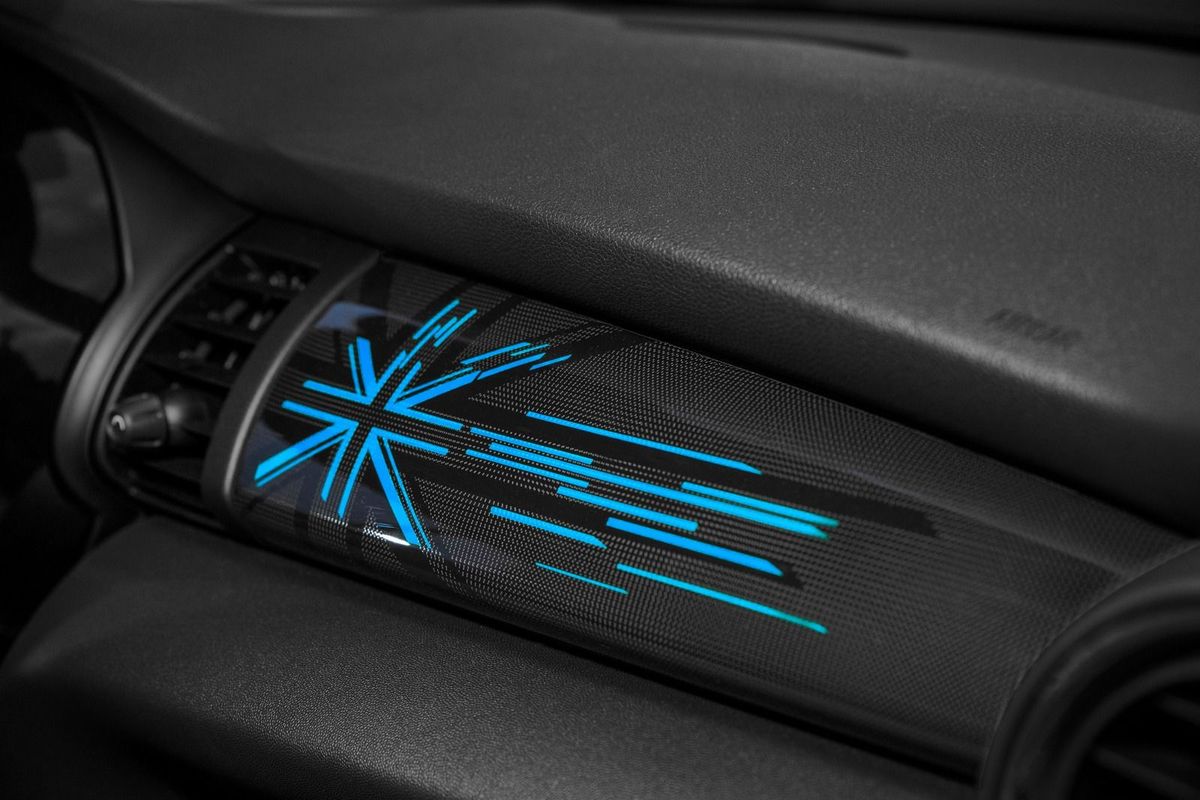
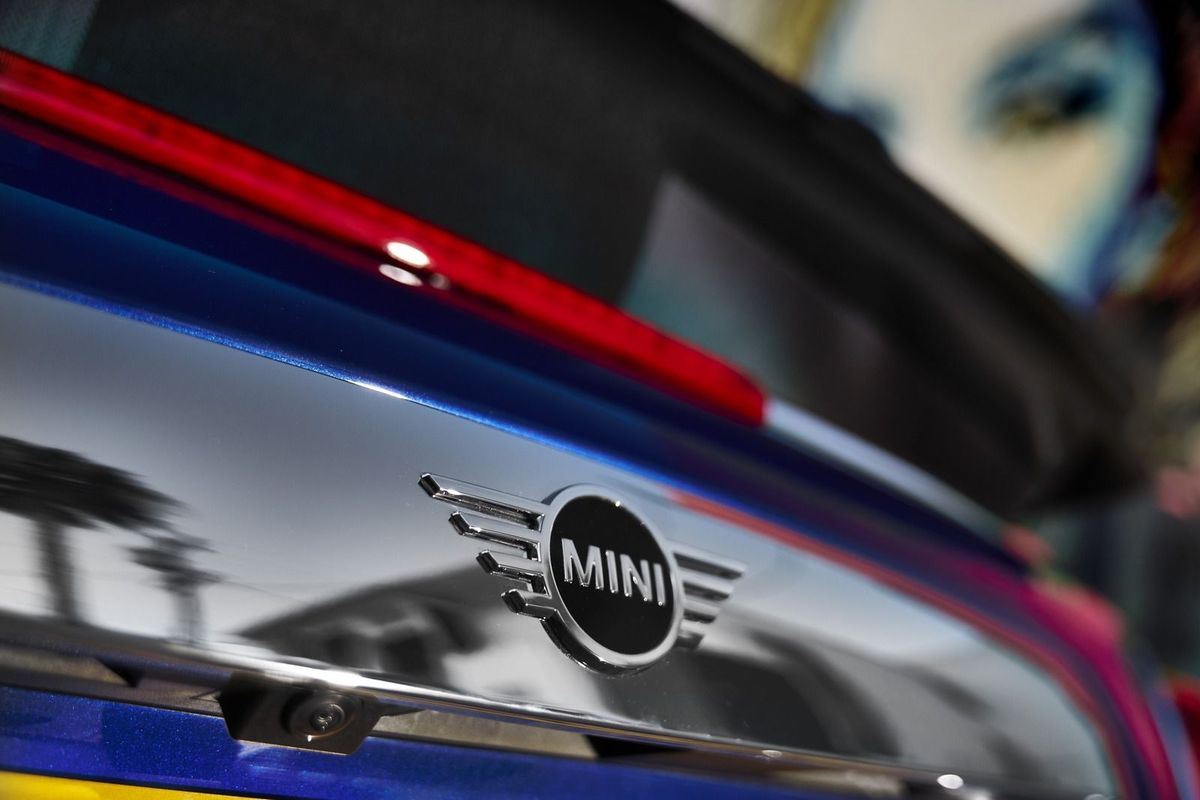
The easiest way to tell that’s it’s the facelifted model is by the Union Jack-inspired taillight clusters. They’re cool additions and ostensibly an attempt to distinguish the cars made by the Oxford-based marque from those made by its German owners. A minor change has also been made to the Mini badge, which is now flatter and more 2-dimensional as opposed to the blob that used to sit on the bonnet. The MiniYours personalisation options are further enhanced with the ability to put a name on the honeycomb plastic adjacent to the side indicators. The list of individual touches you can make goes on forever and carries on inside, where you can choose your own design for the passenger dash mount… ours had a blue Union Jack motif.

The centre armrest now opens up to deliver a wireless charging bay and real-time traffic is available as an option. Finally, the infotainment system is now also Apple CarPlay ready.


Multiple designs can be installed in the passenger dash insert.

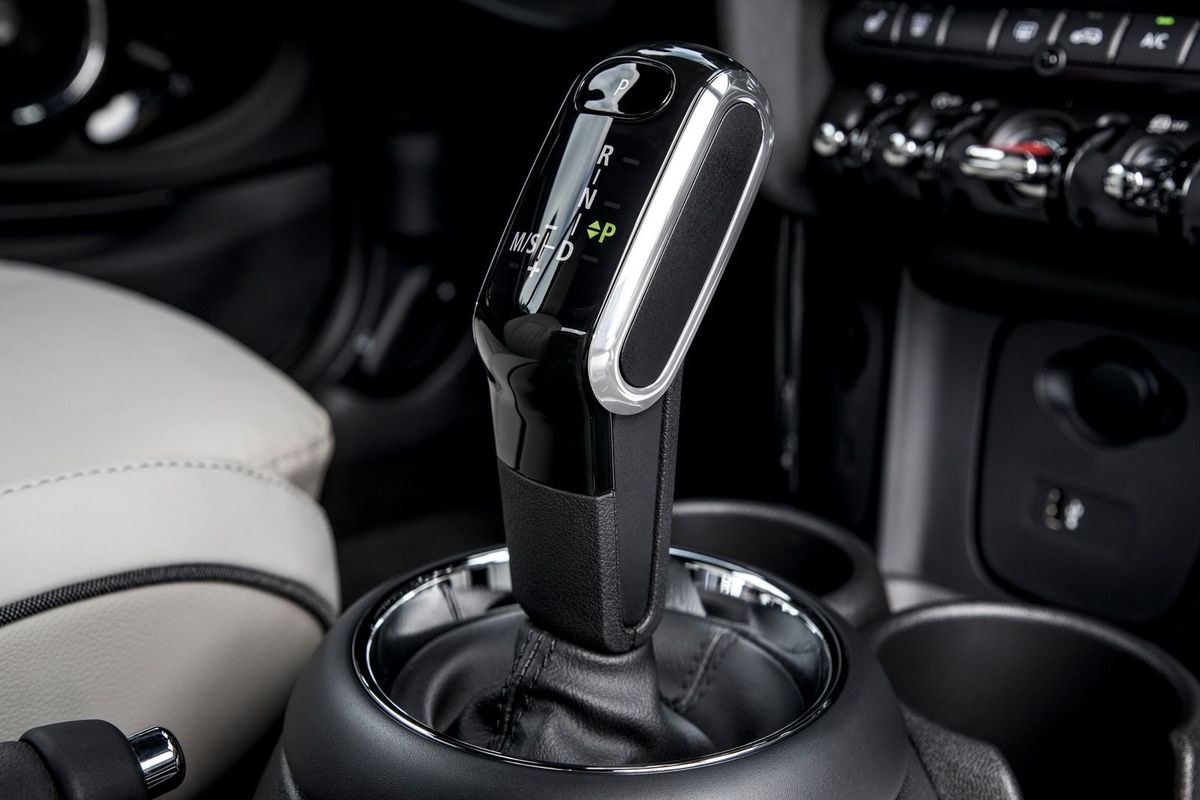
In terms of running gear, all engines remain the same, but the 7-speed dual-clutch transmission is now optionally available on all models as a choice. The gear lever has been redesigned slightly with the automatic designed to be gripped on the side rather than the previous model, which had a rather ugly square knob on the top of a long shaft.

How it drives: Any noticeable changes?

Having spent a day in both the Cooper S Hatch and Cooper S Convertible, the ragtop variant feels noticeably stiffer than before. Not in terms of ride quality, but body rigidity. Pre-facelift models were prone to bad scuttle shake and windscreen flex at speed, but the new version didn’t exhibit nearly as much movement/"twist" with the roof down. The launch units at our disposal had reasonably well-run-in mileages on them; we assume that they lived pretty hard lives on the island by virtue of being driven with much enthusiasm for a few months. The build integrity, therefore, was admirable.

The Hatch with its solid roof remains the more fun of the 2 versions to blast around the island's serpentine roads. The 2.0-litre turbopetrol engine with its peak outputs of 141 kW and 280 Nm offers the perfect amounts of power and torque when you’re launching from one hairpin to the next.


Sharp, fast steering still make the mini feel different from its hatchback rivals.

The front end darts into corners quite quickly due to the Mini's super fast steering, which can take some getting used to, and can also make the little car seem nervous out on the open roads (where small inputs result in larger movements).

For the best part of a day, we climbed and dropped over the mountains, sewing together switchbacks and straightening out kinks. As the engine hops onto boost there’s a small kick of torque steer, before the 'wheel smooths out and normals steering resumes. It's nothing to be afraid of, just make sure you’re paying attention and holding the wheel, these sorts of forces can be a bit tricky to deal with at the Mini's power levels.

The 6-speed manual is definitely the choice for the enthusiast, I was a critic of the lever and shift action of the previous version, but it appears to be improved both in the way the lever nestles in your hand and the speed at which the synchros… errr… sync. Before it was easy to beat the gearbox and grind your way embarrassingly through the gearbox, things now seem faster, meaning you can attack upshifts and, on the way down, the automatic throttle blip function does the heel-and-toeing for you.


The new gear lever design is easier to grip and thicker than before.

The 7-speed dual-clutch transmission, in turn, is slick and brisk and unlikely to disappoint, especially if you commute in traffic. We drove automatic Convertible and when things slowed down along the coastline, it seemed right to just ease back, take the scenery in and let the 'box do the work.

Pricing

Mini regards itself as a premium brand so the pricing is on the higher side, especially if you consider rivals such as the upcoming Volkswagen Polo GTI and Ford Fiesta ST are also exciting forthcoming attractions. Mini sells itself on individuality and its cars are bought with the seemingly infinite trim/wheel/roof/bonnet/dash options you can choose from, something you don’t get from the others mentioned above.

The facelifted Mini Hatch, Convertible and 5-door will be available locally from June 2018. They will be covered by 5-year/100 000 km maintenance plans.

One Hatch R302 200

One Hatch auto R323 200

Cooper Hatch R370 300

Cooper Hatch auto R391 300  

Cooper S Hatch R430 577

Cooper S Hatch auto R450 186

John Cooper Works Hatch R491 095

John Cooper Works Hatch auto R512 865

One Hatch (5–door) R312 300

One Hatch (5–door) auto R333 300

Cooper Hatch (5–door) R380 400

Cooper Hatch (5–door) auto R401 400

Cooper S Hatch (5–door) R441 057

Cooper S Hatch (5–door) auto R459 780


Cooper Convertible R423 200

Cooper Convertible auto R444 200

Cooper S Convertible R496 836

Cooper S Convertible auto R515 559

Related content:

Mini Cooper S Convertible Automatic (2018) Quick Review

Mini Cooper S Clubman (2016) Review

Volkswagen Polo GTI (2018) International Launch Review

Preview: 2018 VW Polo GTI vs 2018 Ford Fiesta ST

Searching for a used Mini?

Start your search here

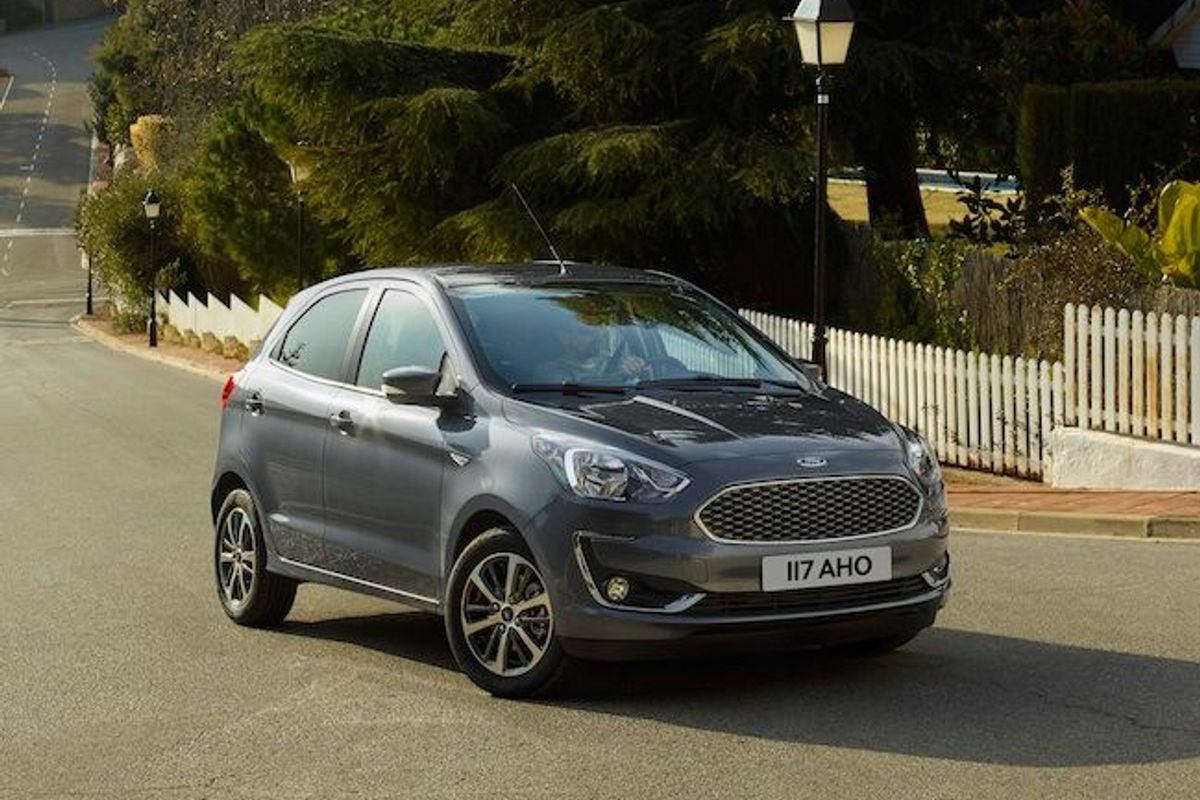
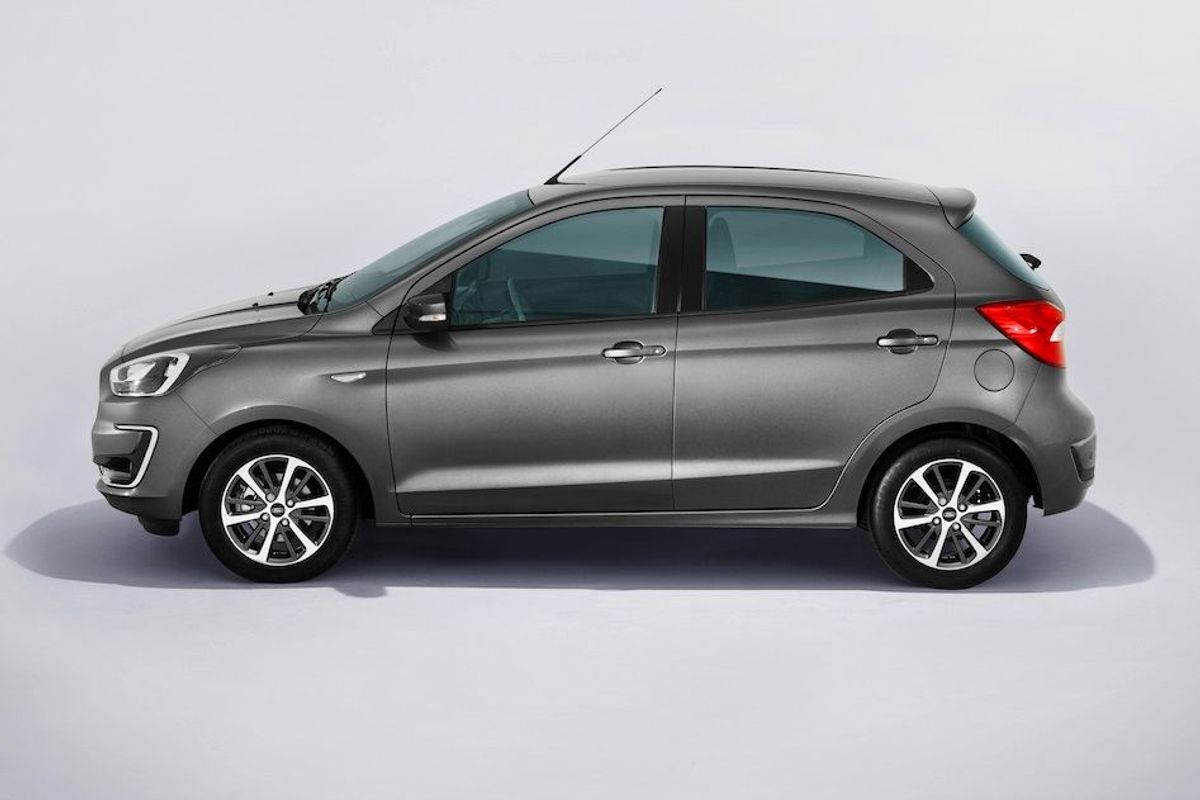
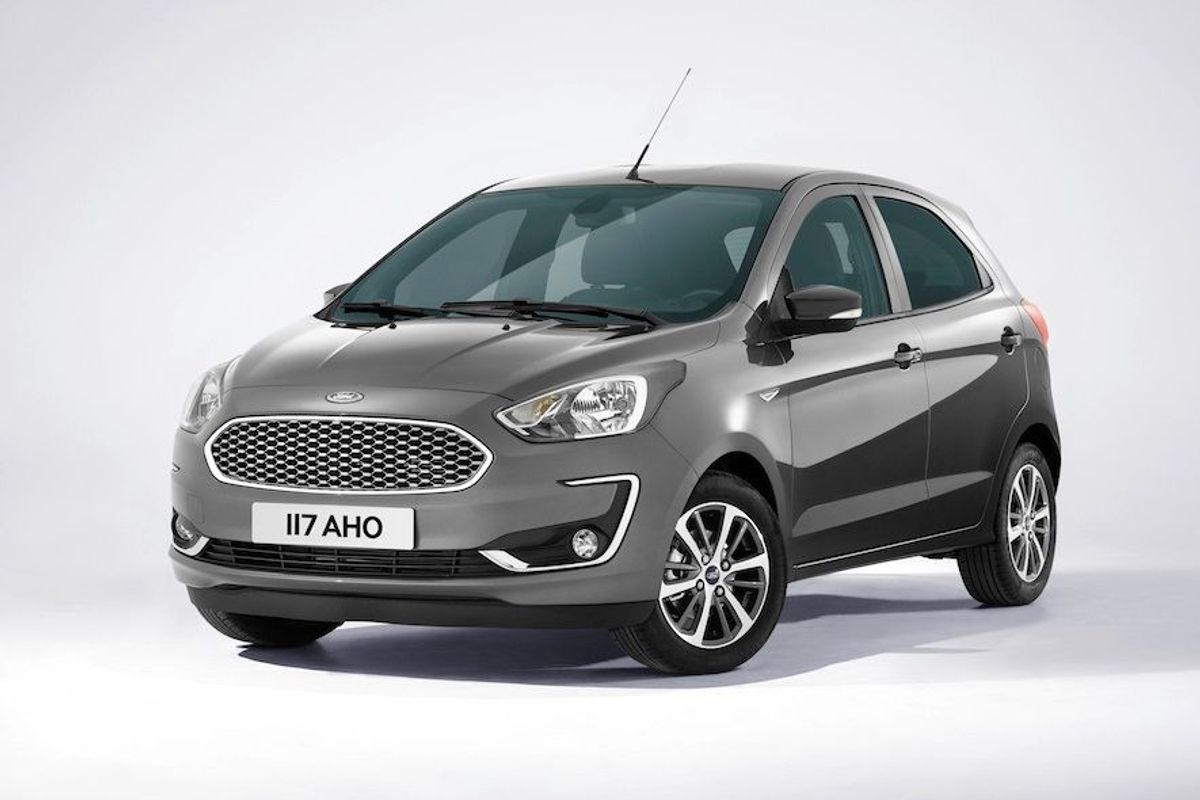
2018 Ford Figo: What we know so far

The current Ford Figo hasn't fared particularly well against stiff competition at the budget end of the compact hatchback market. Ford SA is aware of this and will launch a facelifted Figo in 2018. Here's what we know so far.

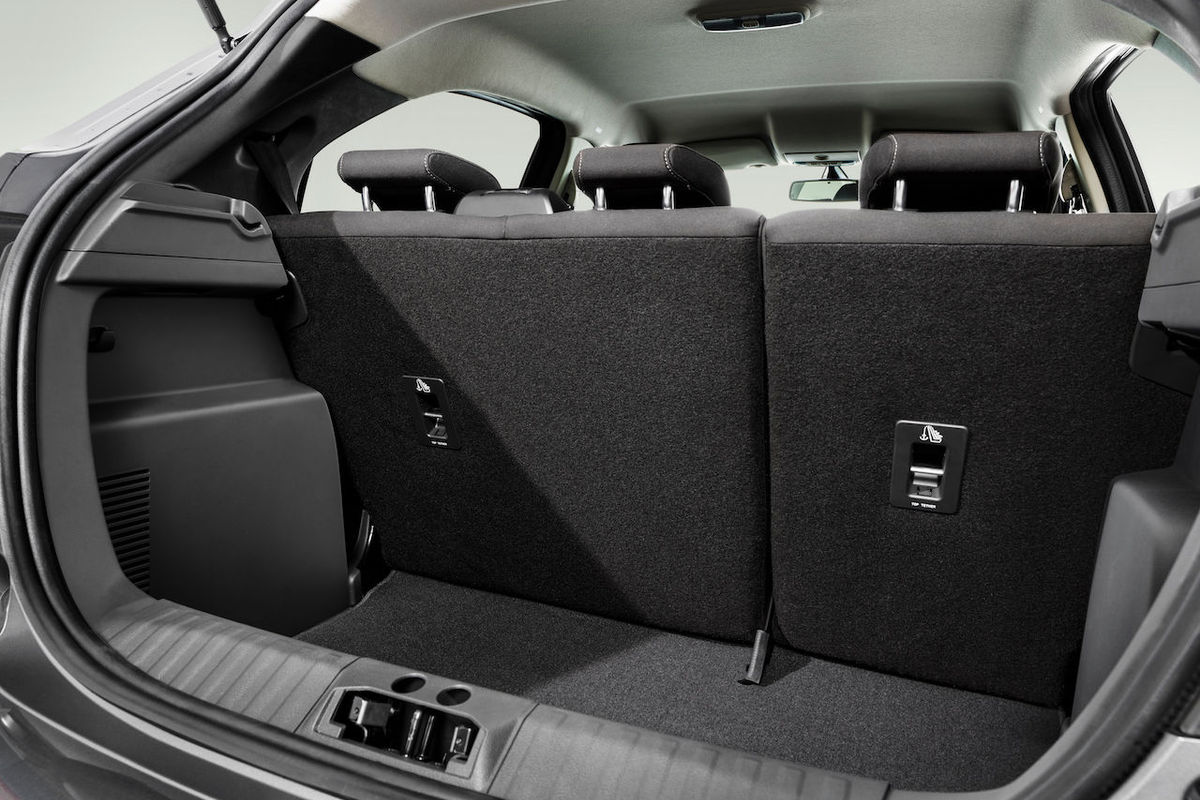
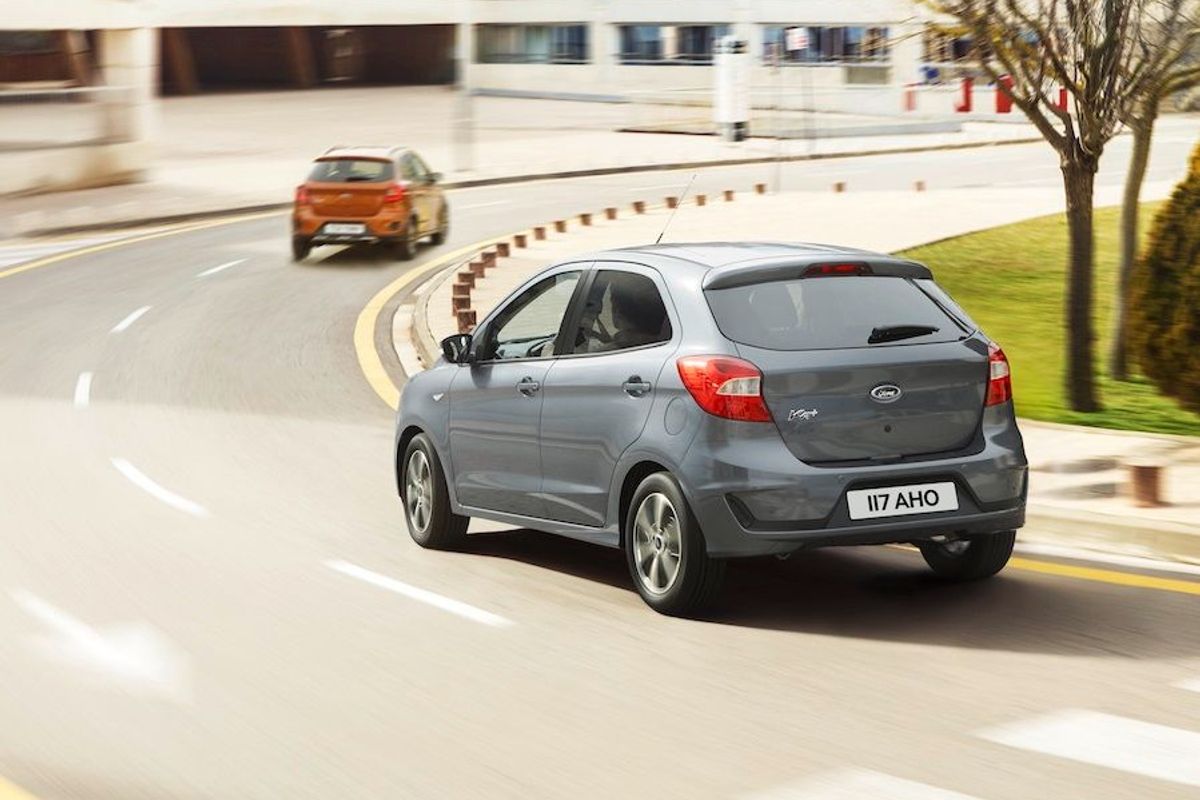
While the new Volkswagen Polo Vivo rakes in the lion's share of sales at the entry point to the cutthroat compact hatchback market (where the Figo, Renault Sandero, Suzuki Celerio and Toyota Etios compete, to name a few examples), Ford hopes to strengthen its charge's purchasing proposition by introducing an updated Figo in the second half of this year. The revised car gains an updated front end with a new-look mesh grille (with chrome detailing) and daytime running lamps. Restyled tail lights have been fitted at the back, as well as a new-look rear bumper.

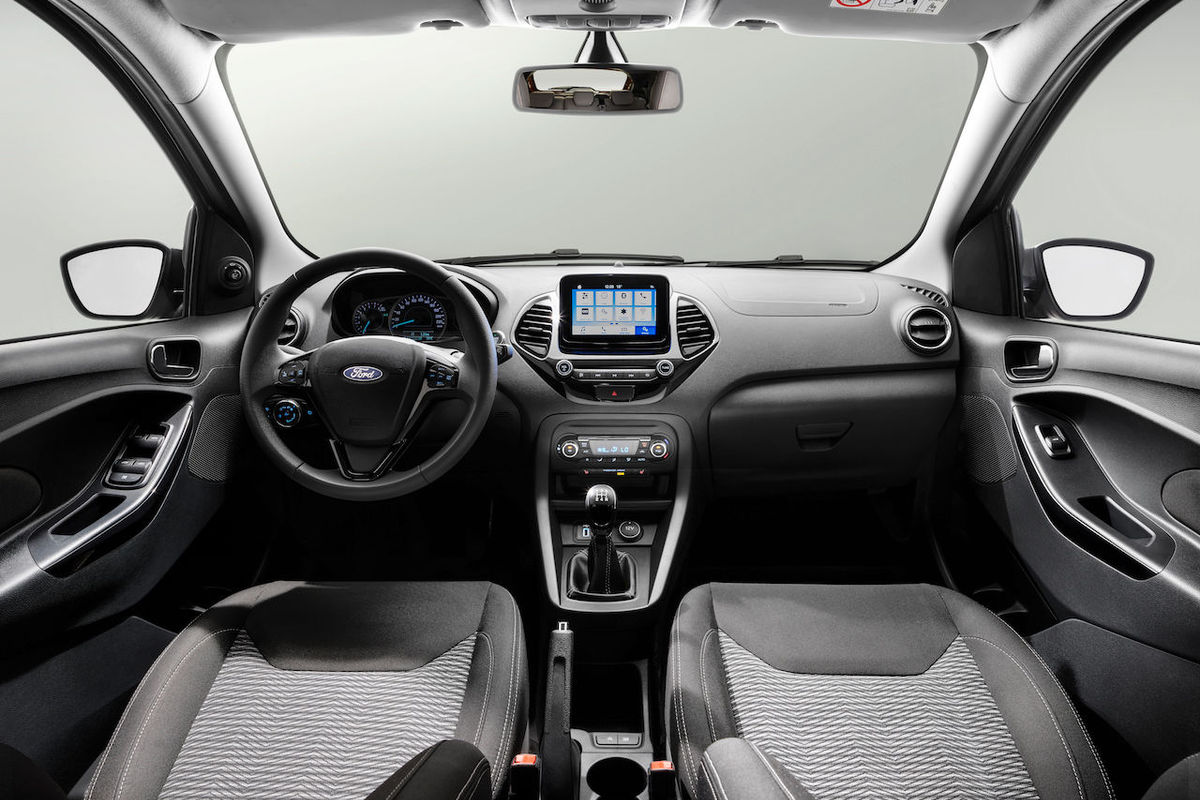
The big changes can be found inside the cabin, where Ford has equipped the facelifted Figo with a 6.5-inch touchscreen featuring Ford's SYNC3 infotainment system. The number of fascia buttons has also been reduced, which means the dashboard and centre stack look less cluttered. 

In terms of dimensions, the new Figo is a tad bigger than the outgoing model at 3 941 mm long, 1 704 mm wide and 1 524 mm tall (compared with its predecessor's 3 929 mm, 1 695 mm and 1 524 mm). We predict the engine and gearbox combinations will be carried over to the new model.

As it stands, the Ford Figo is available with a 1.5-litre petrol engine and a 1.5-litre turbodiesel motor. In petrol guise, it produces 82 kW and 136 Nm, while its oil-burning sibling offers outputs of 74 kW and 215 Nm. A manual 5-speed gearbox and 5-speed automatic transmission are available. 

More information and details will be available closer to the vehicle's launch.

Related content:

Should Ford's New Freestyle Come to SA? [w/Video]

Most Fuel Efficient Budget Cars in SA

5 Small Crossovers for Under R200k

5 SUVs We Need in SA

Hyundai i20 Facelift & Active in SA soon

Want to buy a Ford Figo?

Buy a Ford Figo on Cars.co.za

Mazda CX-5 (2018) Specs & Price

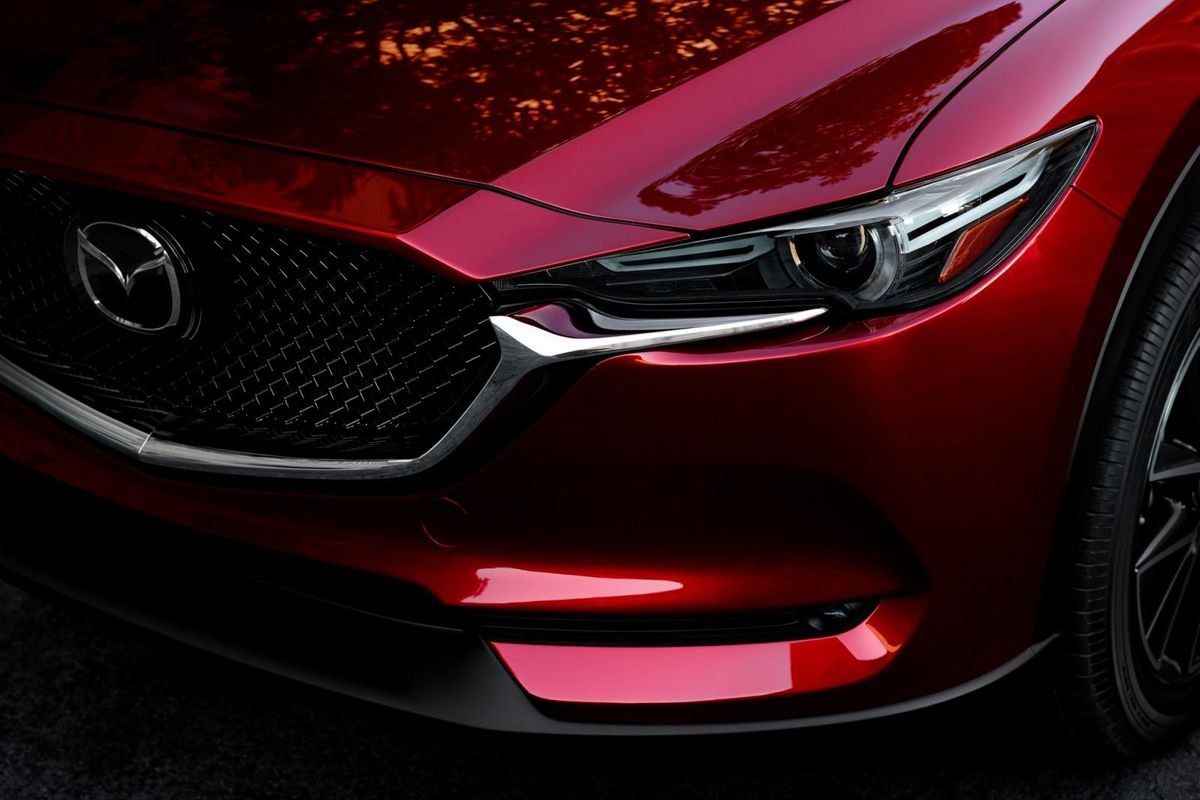
Mazda has updated the range of its 2017/18 #CarsAwards Family Car category winner – the CX-5 ­– with the addition of Individual-spec 2.0-litre front-wheel-drive and 2.5-litre all-wheel-drive automatic derivatives. Herewith details of the consolidated CX-5 line-up…

Earlier this year, the CX-5 2.5 Individual was named a category winner in the 2017/18 Cars.co.za Consumer Awards – powered by WesBank, ahead of the highly-rated Volkswagen Tiguan 1.4 TSI Comfortline R-Line DSG and Peugeot 3008 1.6T GT-Line. With this upgrade, which increases the Hiroshima-based marque’s family car range to 8 derivatives, the #CarsAwards-winning 2.5 Individual automatic gains an all-wheel drivetrain and its standard features include, inter alia, a tilt/slide sunroof, satnav, front and rear parking sensors, head-up display and an automatic tailgate.


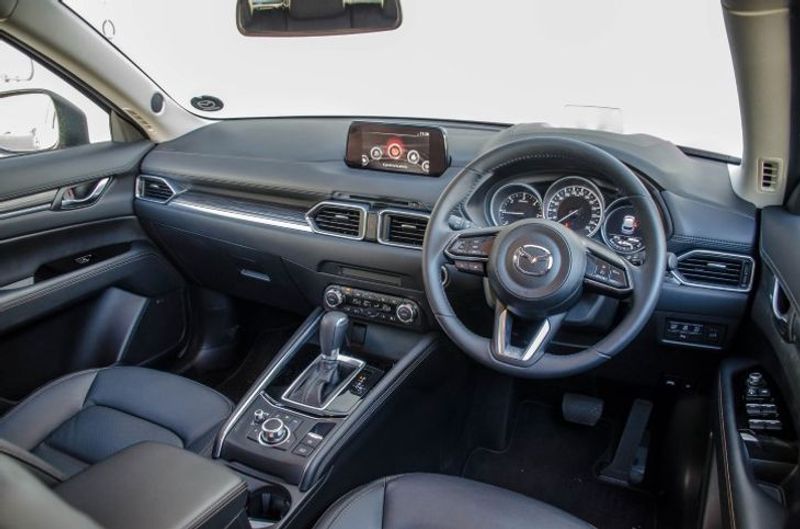
Higher-spec CX-5 derivatives blend tasteful leather-trimmed interiors with a raft of onboard technologies.

Active-spec derivatives

2.0L FWD Manual R386 600
2.0L FWD Auto R398 600
2.2L DE FWD Auto  R469 700

Standard features:

  • LED headlamps and
  • LED front fog lamps
  • 17-inch alloy wheels
  • Cloth seats
  • Multifunction steering wheel
  • Push-button keyless start
  • Cruise control
  • Rain-sensing wipers
  • Auto headlamps & levelling
  • Dual-zone climate control (with rear ventilation)
  • Electronic parking brake
  • Reverse camera
  • 7-inch infotainment system
  • 6-speaker radio/CD/aux/USB audio system
  • Bluetooth hands-free
  • USB for rear centre armrest
  • 40:20:40 folding rear seats
  • ISOfix child seat anchor point
  • Privacy glass
  • Hill Launch Assist
  • Auto door lock


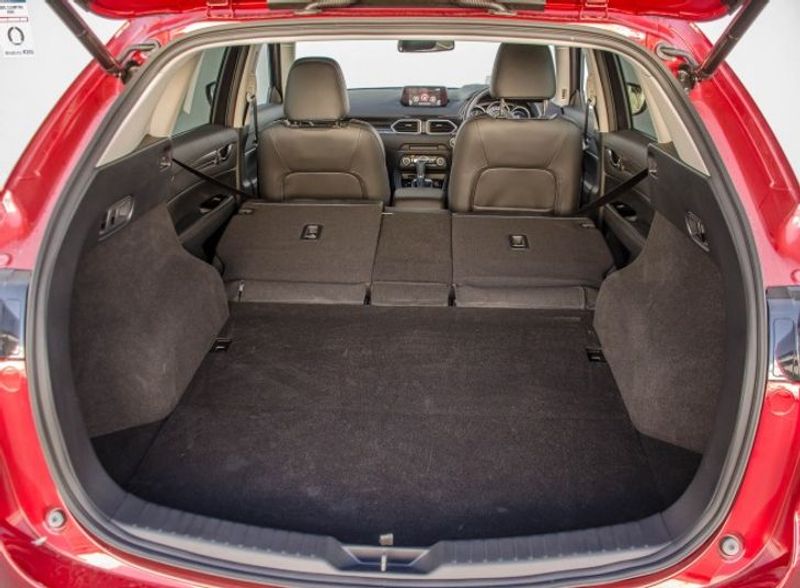
The CX-5 scores strongly in terms of practicality; its utility space is much improved compared with the previous model.

Dynamic-spec derivatives

2.0L FWD Manual R412 000
2.0L FWD Automatic R424 000

Standard features (over and above Active specification):

  • Smart advanced keyless entry
  • 19-inch alloy wheels
  • Leather seats
  • 8-way electrically adjustable driver’s seat
  • Power lumbar support for driver’s seat
  • Auto-folding side mirrors
  • Auto-dimming headlamps


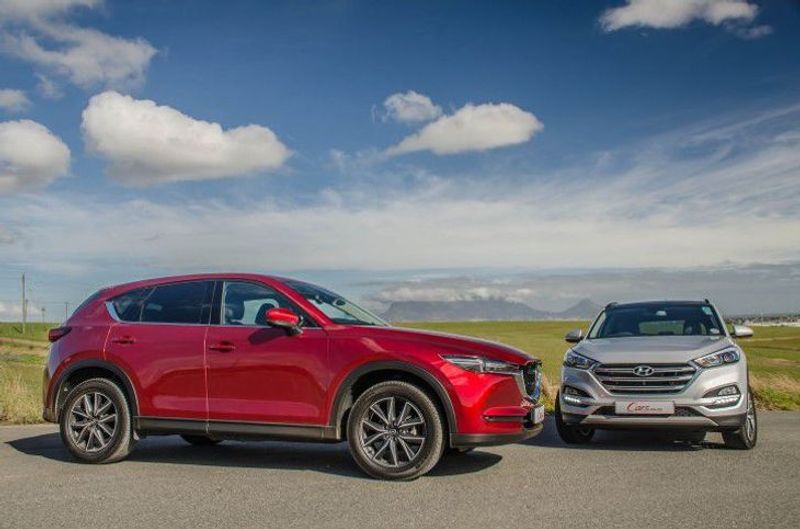
We've compared the top-of-the-range CX-5 with the Hyundai Tucson 2.0CRDi Elite. Read the comparative review here.  

Individual-spec derivatives

2.0L FWD Automatic R480 700
2.5L AWD Automatic R543 800
2.2L DE Akera AWD Auto R571 300

Standard features (over and above Dynamic specification):

  • Driver + Passenger 8-way power adjustable
  • Adaptive LED headlamps
  • BOSE with 10 speakers
  • Parking Sensors front and rear
  • Blind Spot Monitoring
  • Lane Departure Warning
  • Lane Keeping Assist
  • Smart City Brake Support (front and rear)
  • Driver Attention Alert
  • Head-up-display (Window Type)
  • Satellite navigation
  • Powerlift tailgate
  • Power tilt and slide roof

The CX-5 range is backed by a 3-year unlimited kilometre service plan, factory warranty and roadside assistance, plus a 5-year corrosion warranty.

Watch our in-depth video review and comparison of the Mazda CX-5 and Hyundai Tucson below…

Related content:

Winners of 2017/18 Cars.co.za Consumer Awards – powered by WesBank

Comparative Review: Mazda CX-5 2.2DE AWD Akera vs Hyundai Tucson 2.0CRDi Elite [with Video]
Mazda CX-5 (2017) First Drive

Extended Test: Mazda CX-5 2.2DE AWD Akera [with Video]
Mazda CX-5 2.2DE AWD Akera (2016) Review

Hyundai Tucson Sport (2017) Quick Review

Hyundai Tucson Sport (2017) Launch Review

Hyundai Tucson 1.7 CRDi Executive (2017) Review

Comparative Review: Hyundai Tucson vs Kia Sportage vs Renault Kadjar vs Volkswagen Tiguan

Interested in buying a CX-5?

Find a new/used example on Cars.co.za

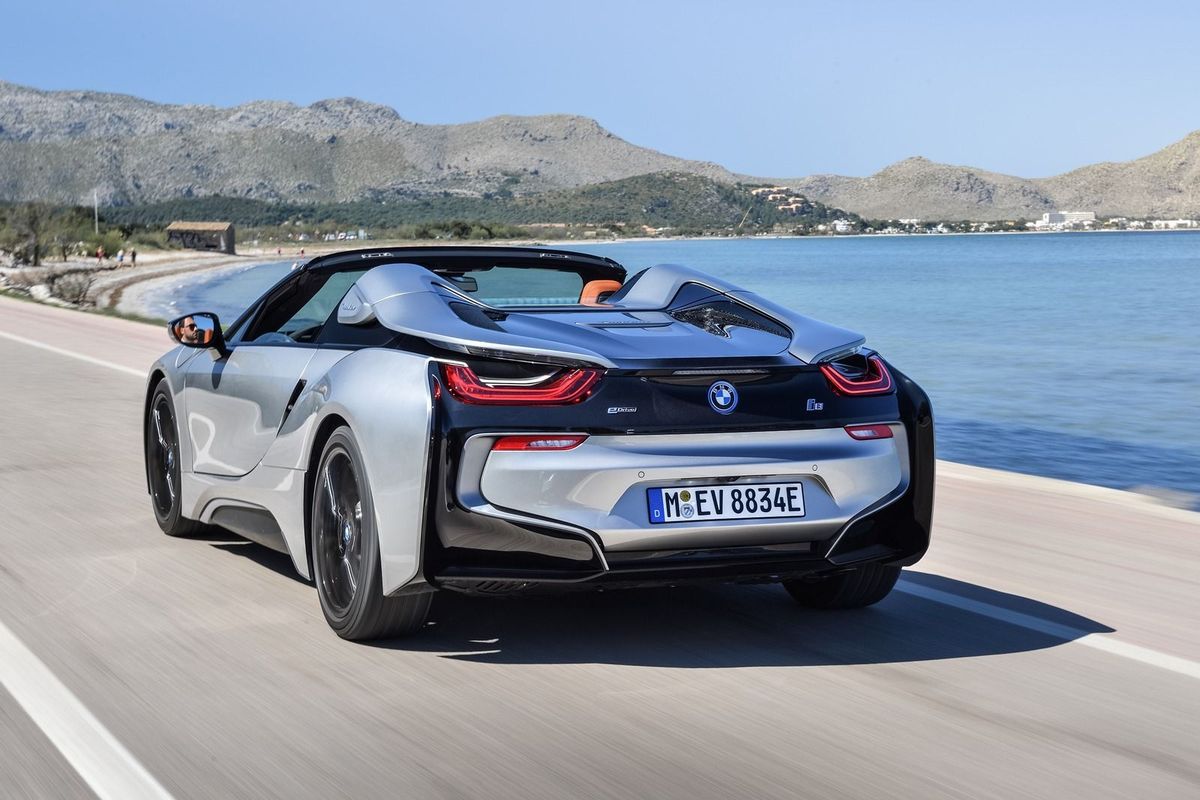
BMW i8 Roadster (2018) International Launch Review

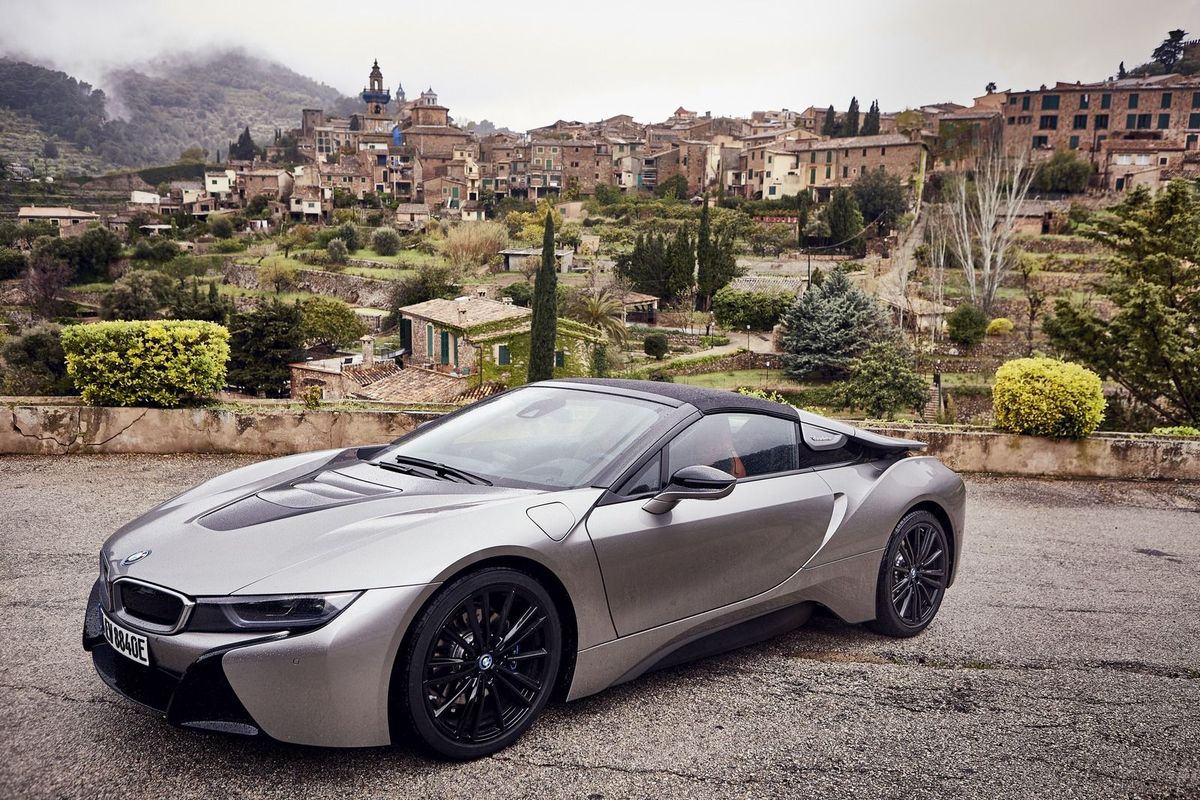
BMW i has introduced a soft-top version of its cutting-edge i8 sportscar – we drove the newcomer on the Spanish Island of Mallorca…

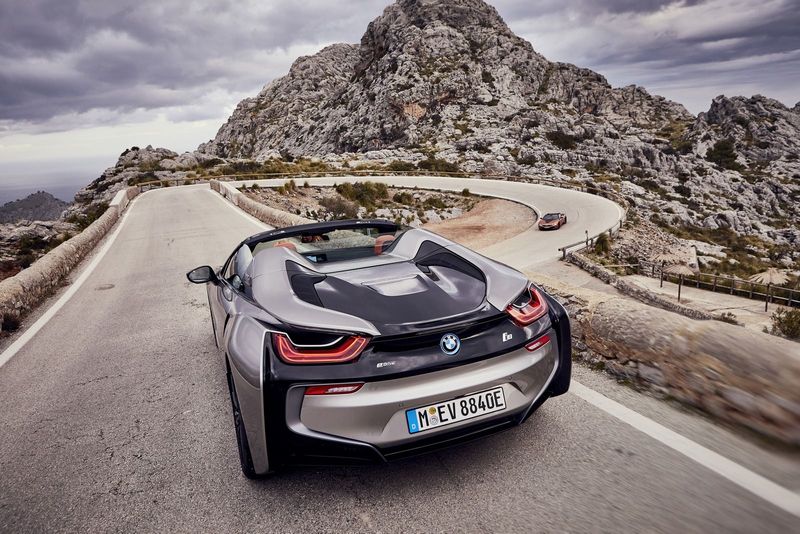
BMW i is the next-gen-technology arm of BMW. It focuses on developing new technologies, materials and drivetrains that optimise efficiency and, the i cars in which they're implemented (the i8, for example), act as testbeds for future use in BMW's petrol-electric hybrids and PHEVs. The i cars have become so popular that, globally, BMW sells more i cars than M cars.

More than a straightforward derivative of its Coupe sibling, the BMW i8 Roadster is rather important for the growth of the i brand. Indeed, BMW has done a little more than just develop a soft top – the newcomer can be thought of as part of an overall model update with the coupe version also acquiring the new upgrades.

What’s new?


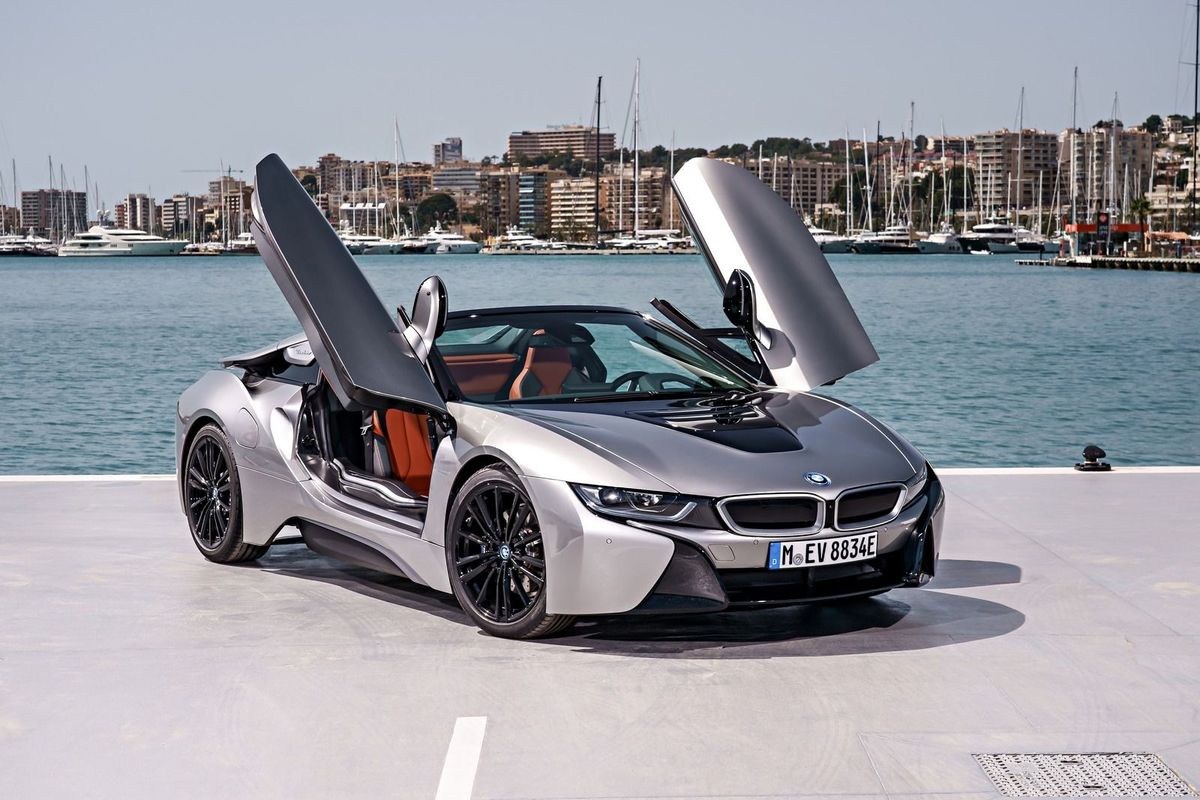
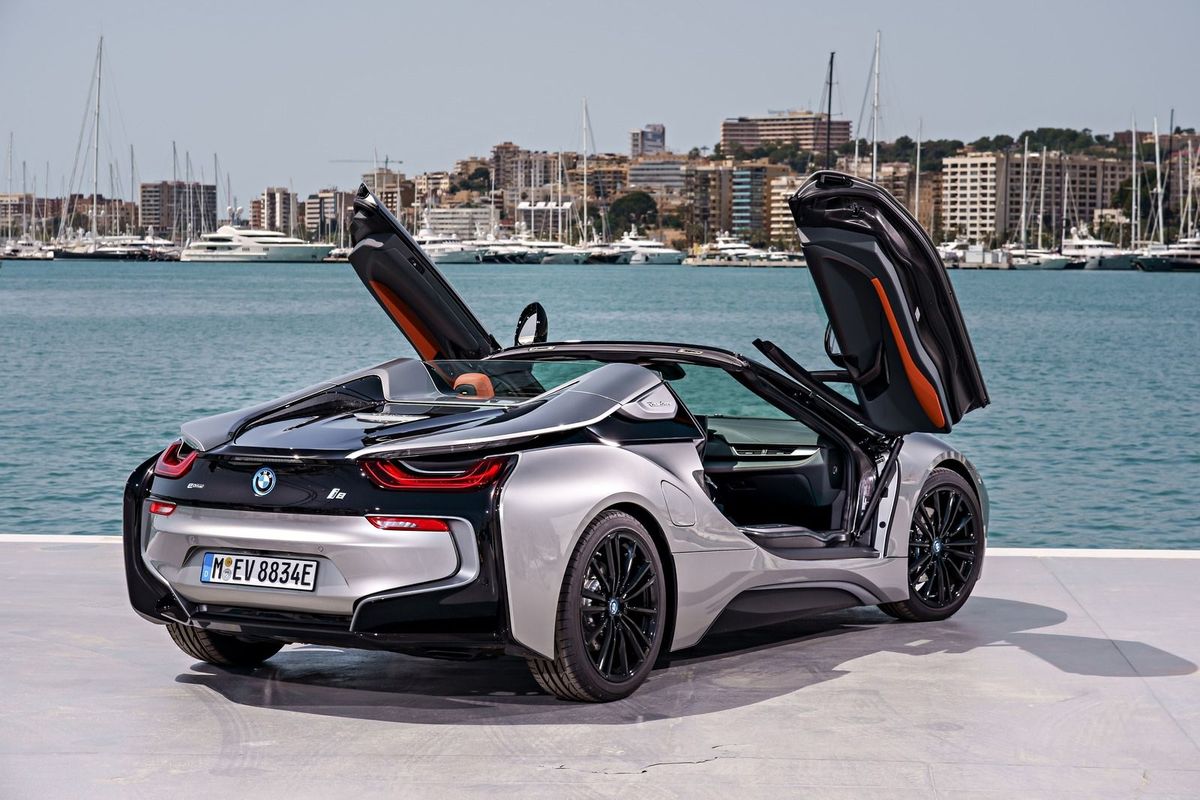
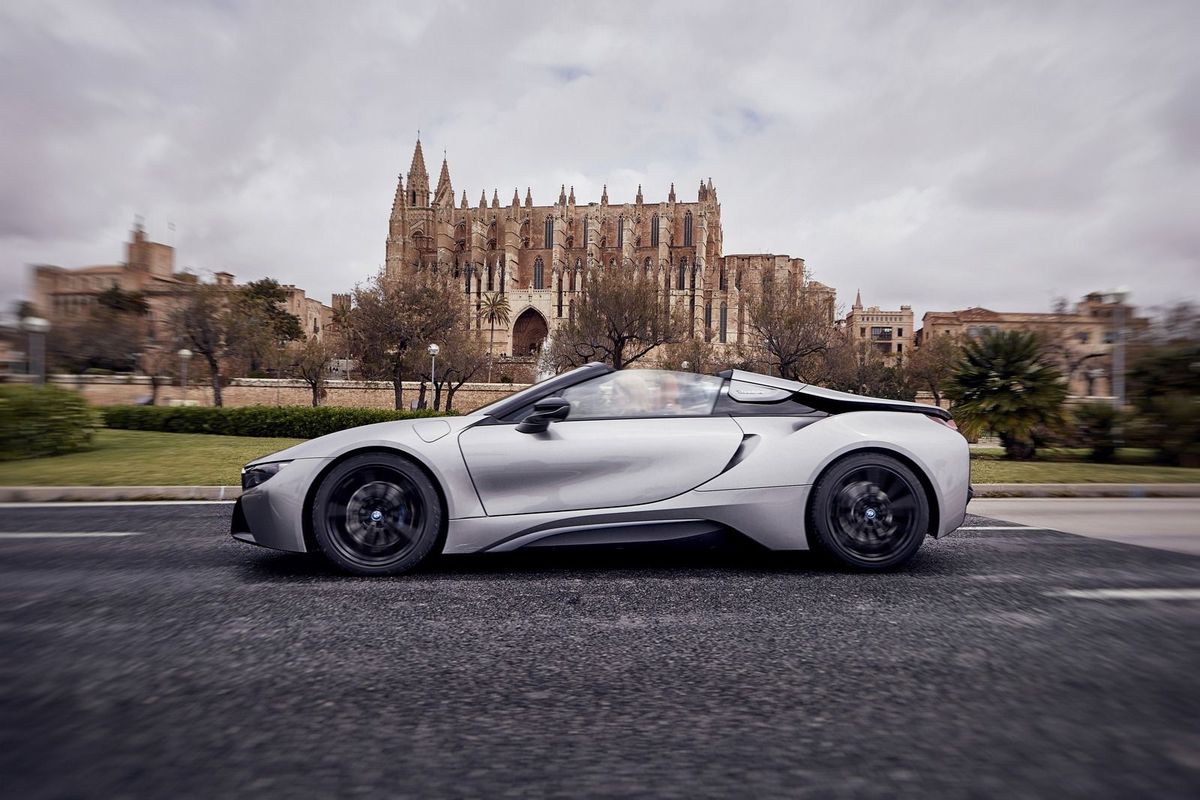
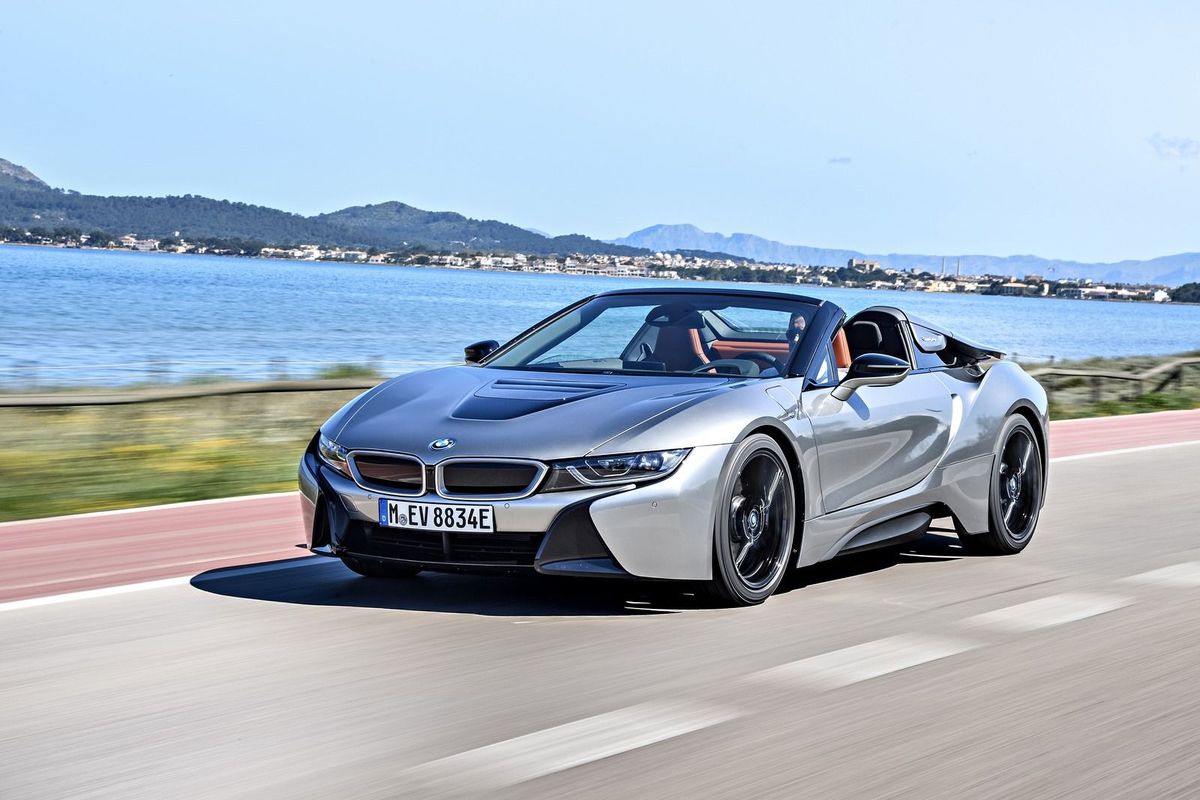
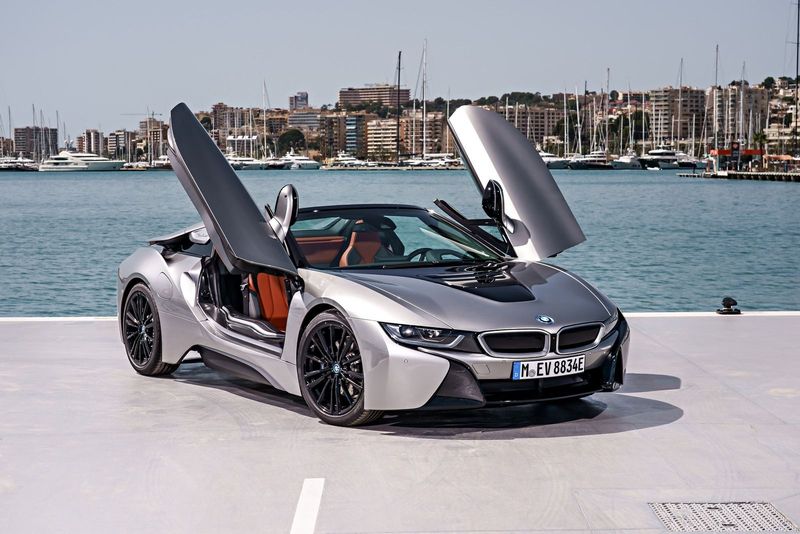
The i8 retains its gullwing doors with the Roadster and they are now frameless.

BMW i likes to call itself a "start-up" business – the division is forward-thinking, dynamic and able to adapt to (and incorporate) tech changes, whereas its parent company (BMW) might not be able to shift product focus as dynamically. So when the time came to start the development of the Roadster, BMW i took the "jaws of life" to the Coupe's roof and sawed it off. A couple of engineers then drove the chopped i8 for a bit, were pleasantly surprised by how stiff it remained/well it performed… and so the next iteration of the i8 began taking shape.

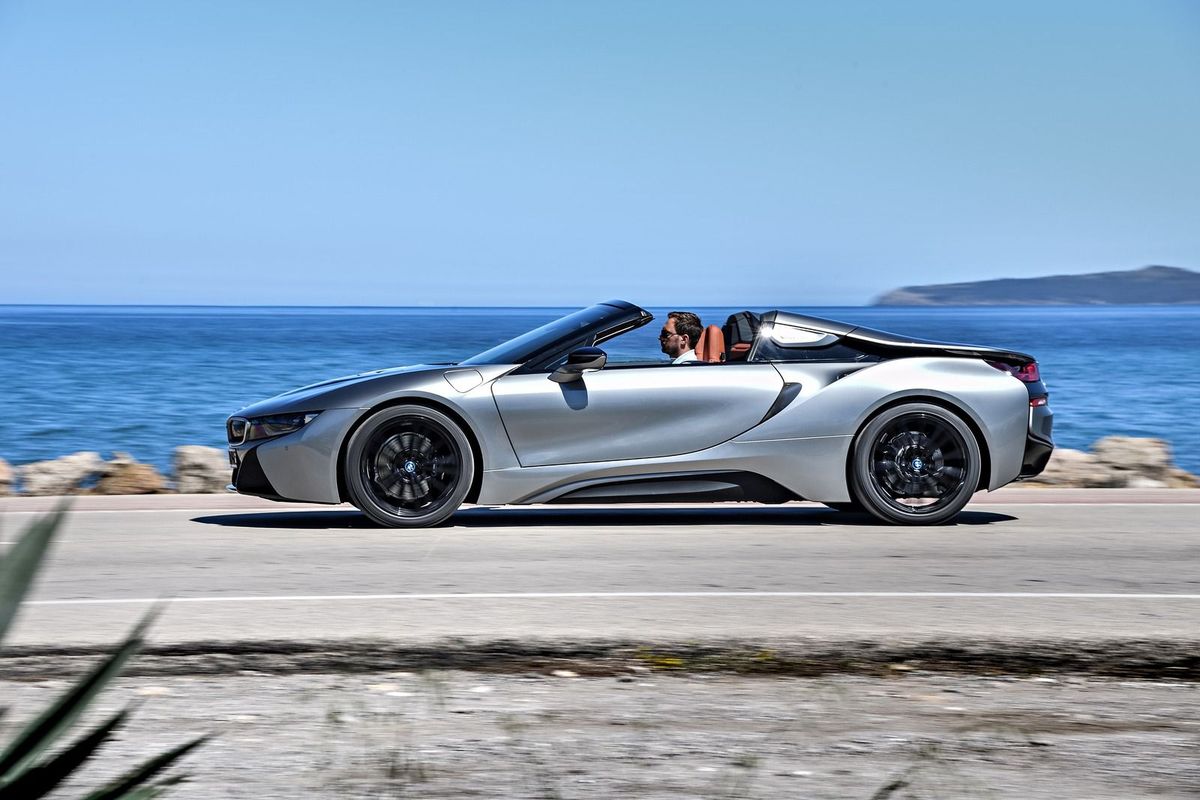
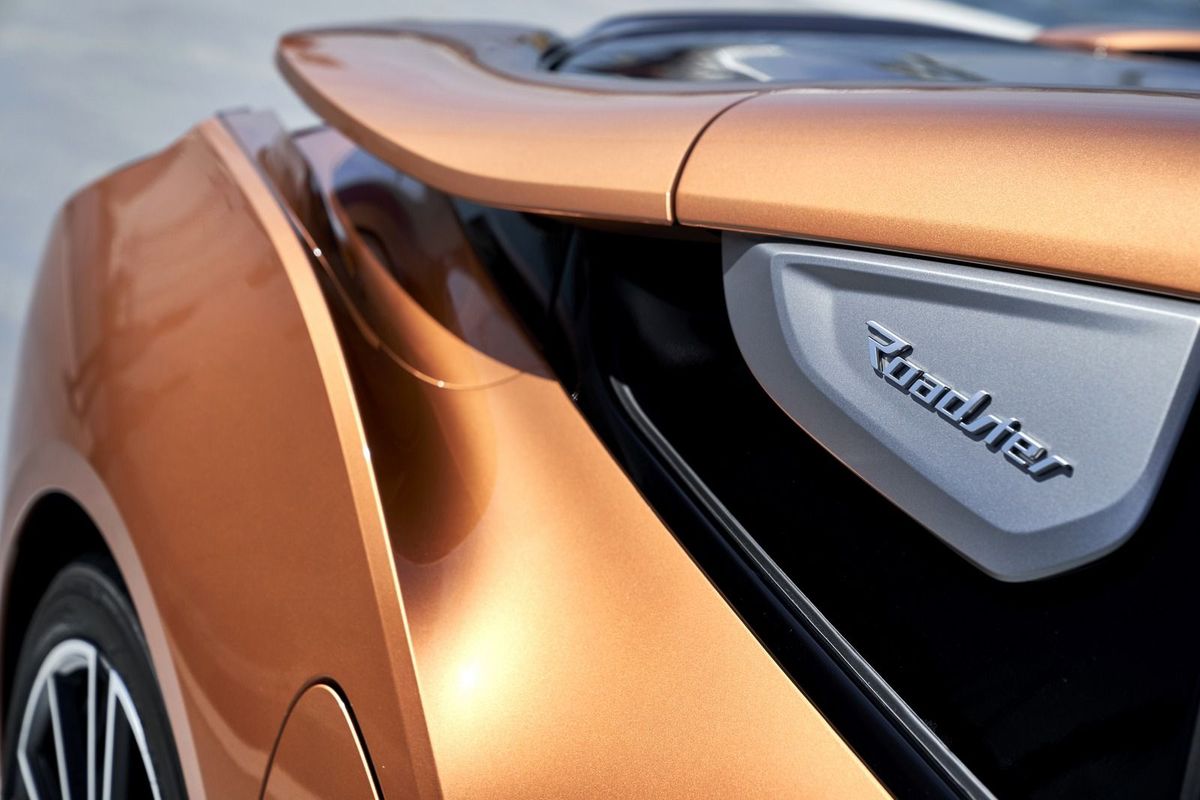
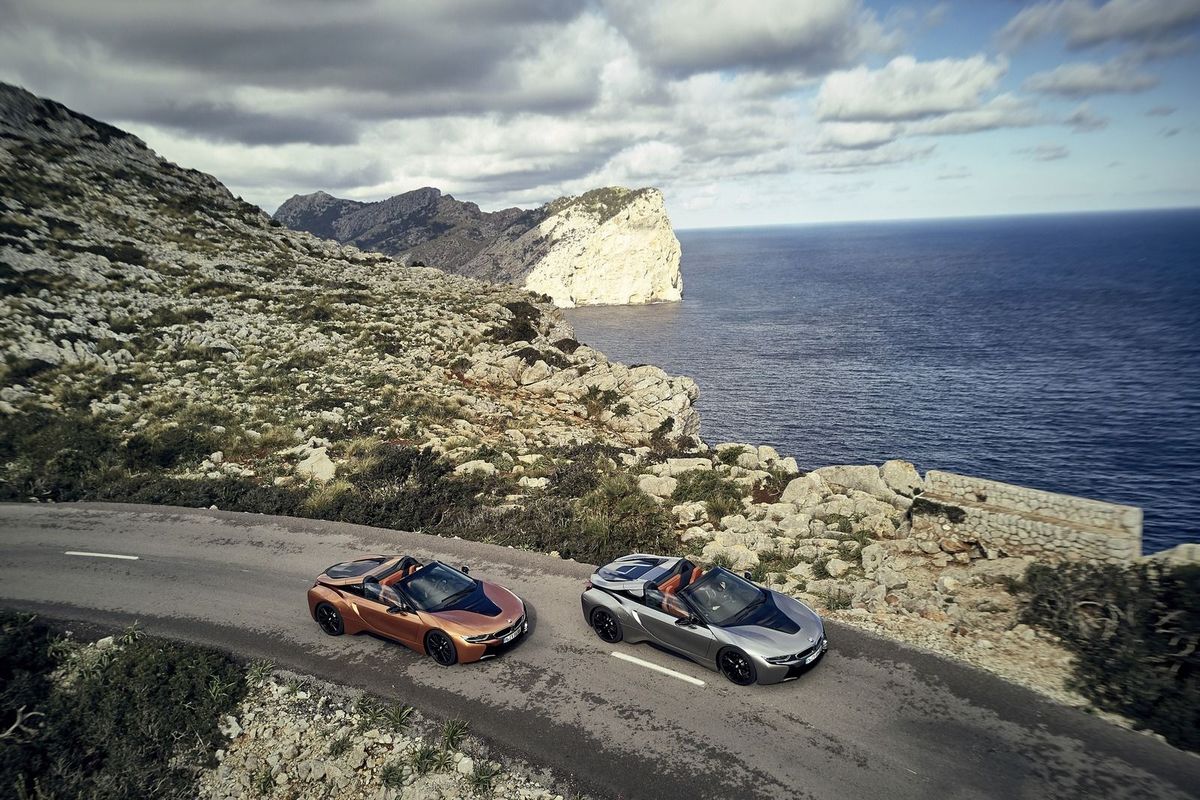
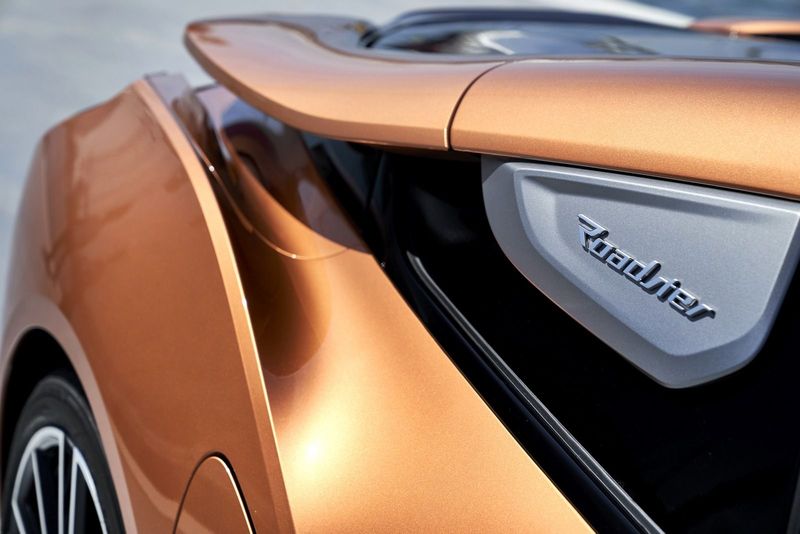
The soft-top roof folds down in 15 seconds at speeds of up to 50 kph. When BMW i tested the roof operation, engineers found it worked just fine at speeds of over 100 kph, but the division decided to stick with a safe limit of 50 kph. There is a new set of 20-inch Roadster specific wheels and some decals around the bodywork that denote the i8's roofless status.  


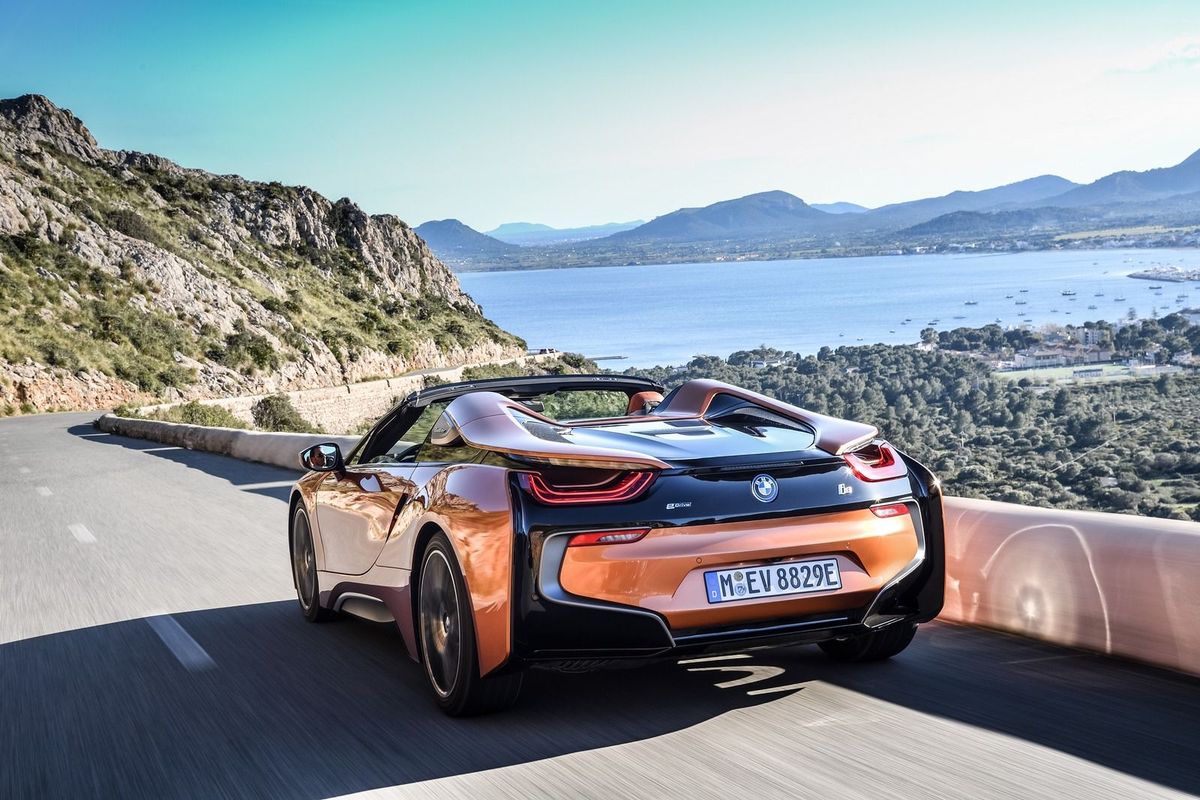
The Roadster gains a few new details over the hardtop version, along with a R230k price hike.

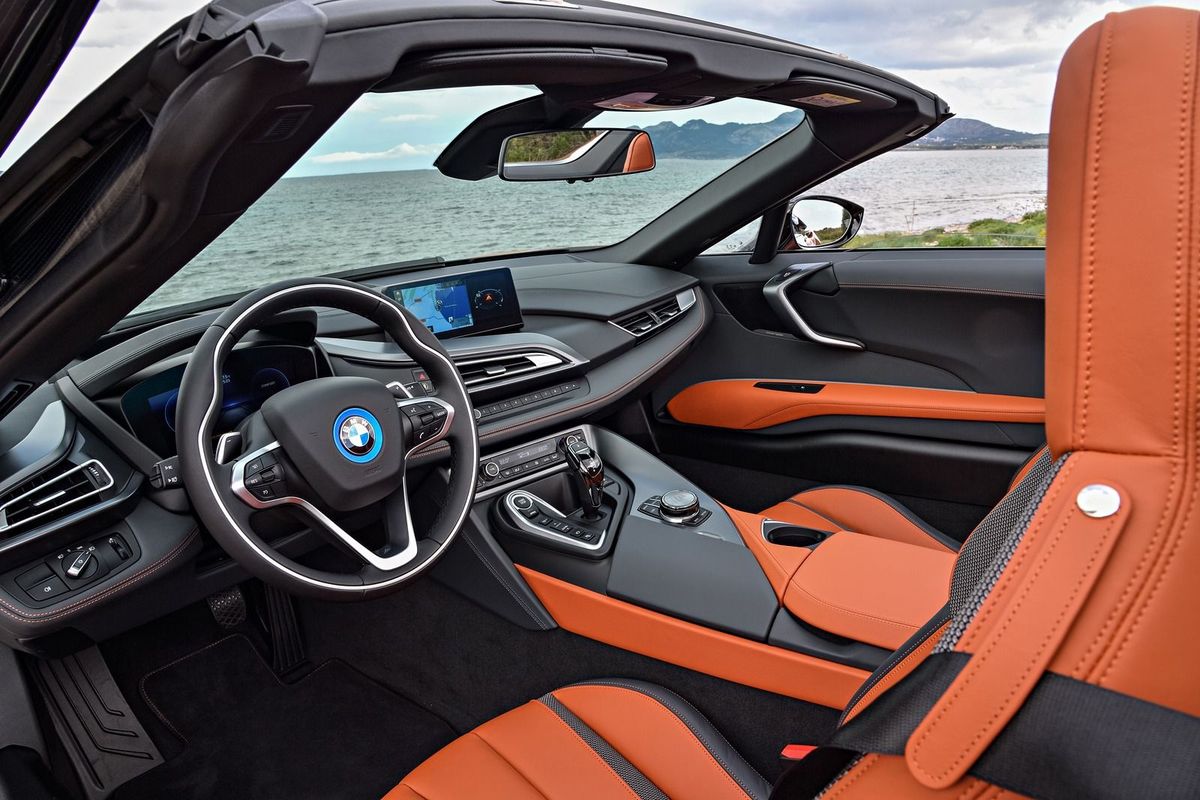
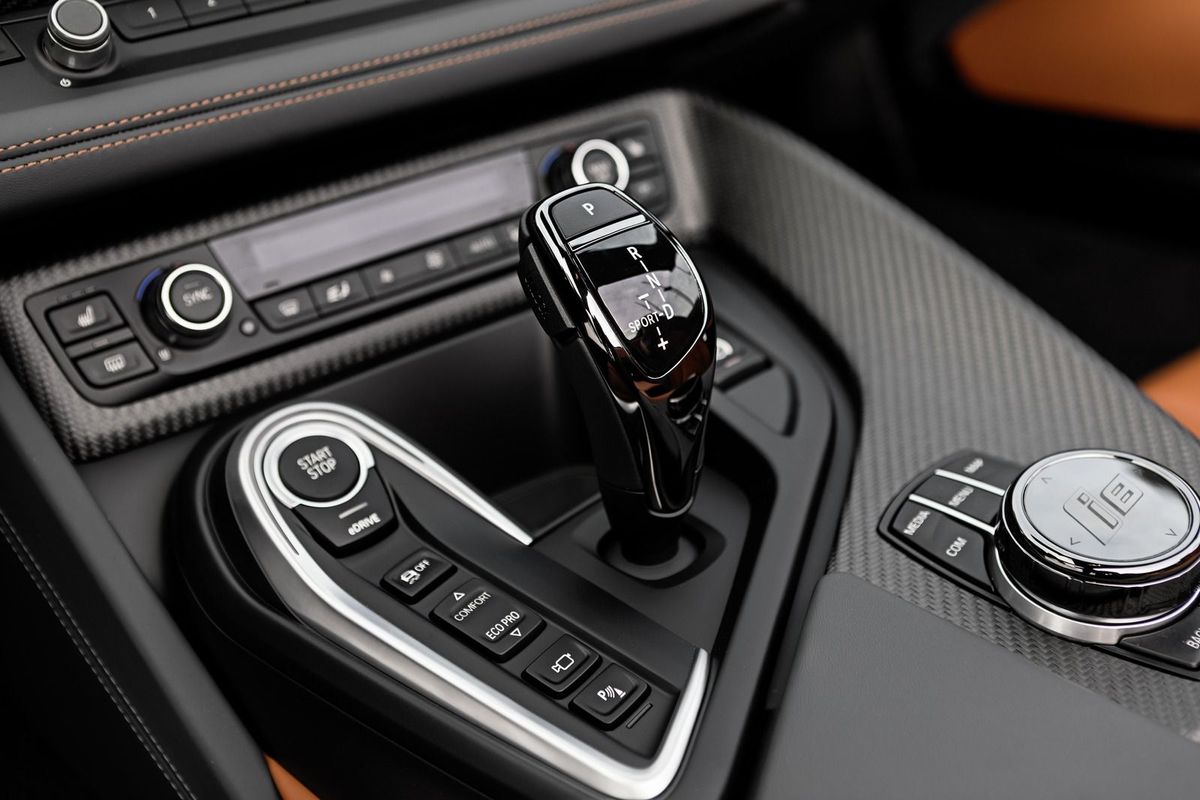
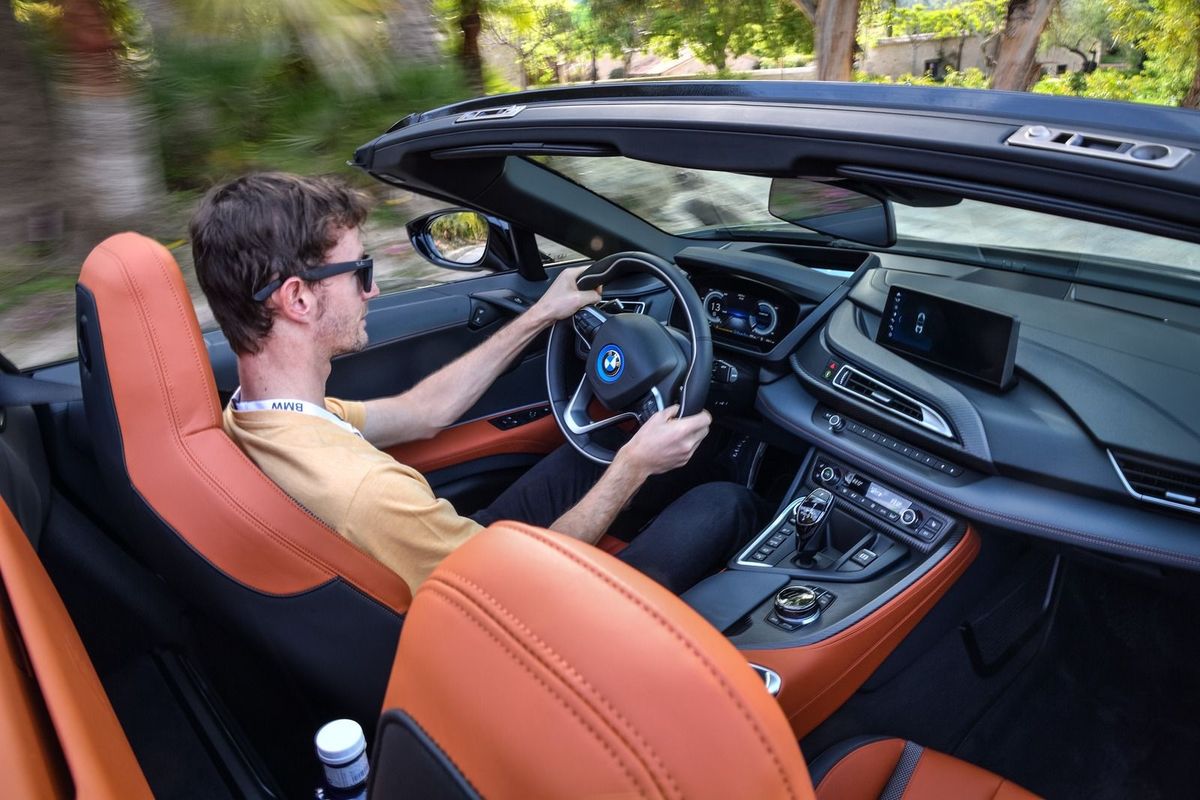
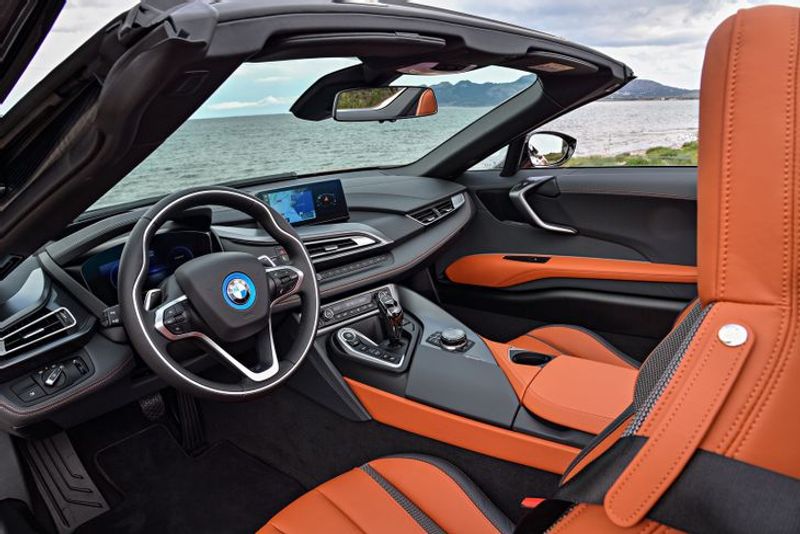
On the inside, the seats are covered with a more weather-durable material, but they look and feel a bit more premium than if BMW i had simply tossed anoraks over them. There’s an optional head-up display that features a cool shift light display and the infotainment screen can be used via touchscreen and the iDrive controller.

Underneath the bonnet, the i8 Roadster and Coupe gain from an updated battery pack that delivers 9 kW more power and can now run in fully electric mode at 120 kph. BMW i claims an all-electric range of over 50 km for the pair of derivatives.

How does it drive?

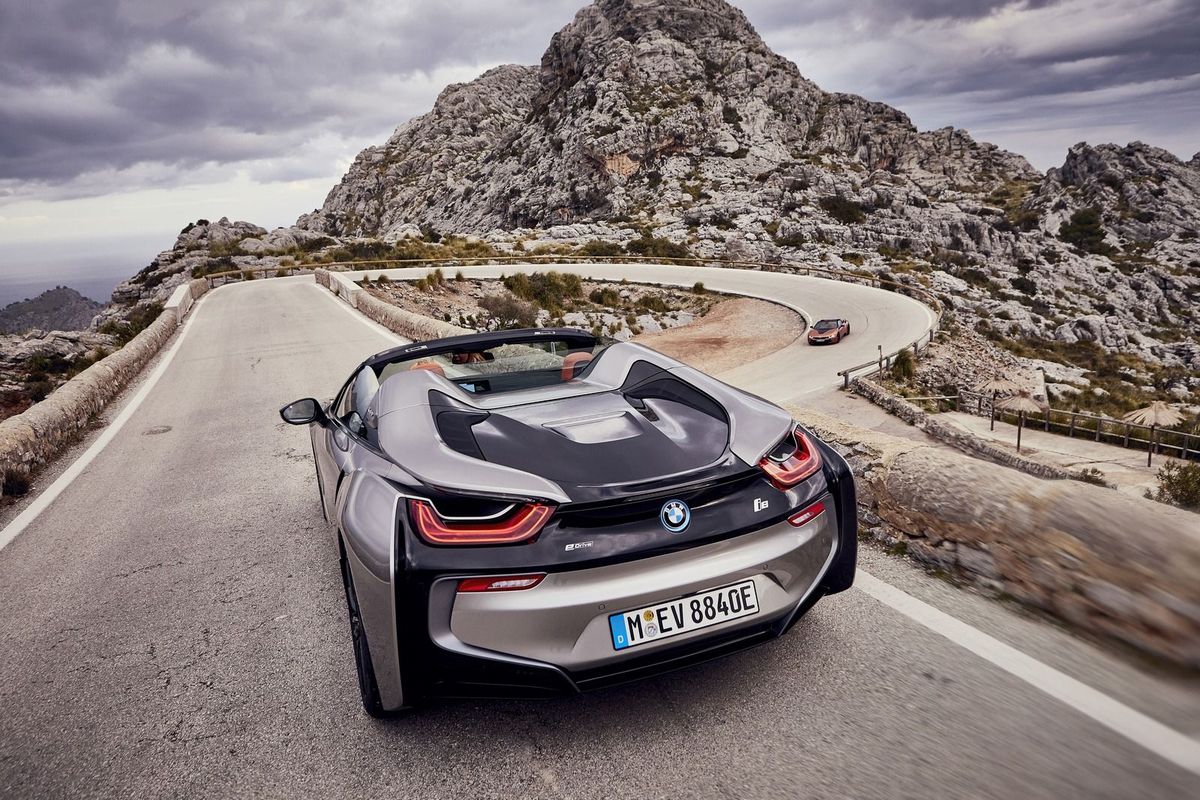
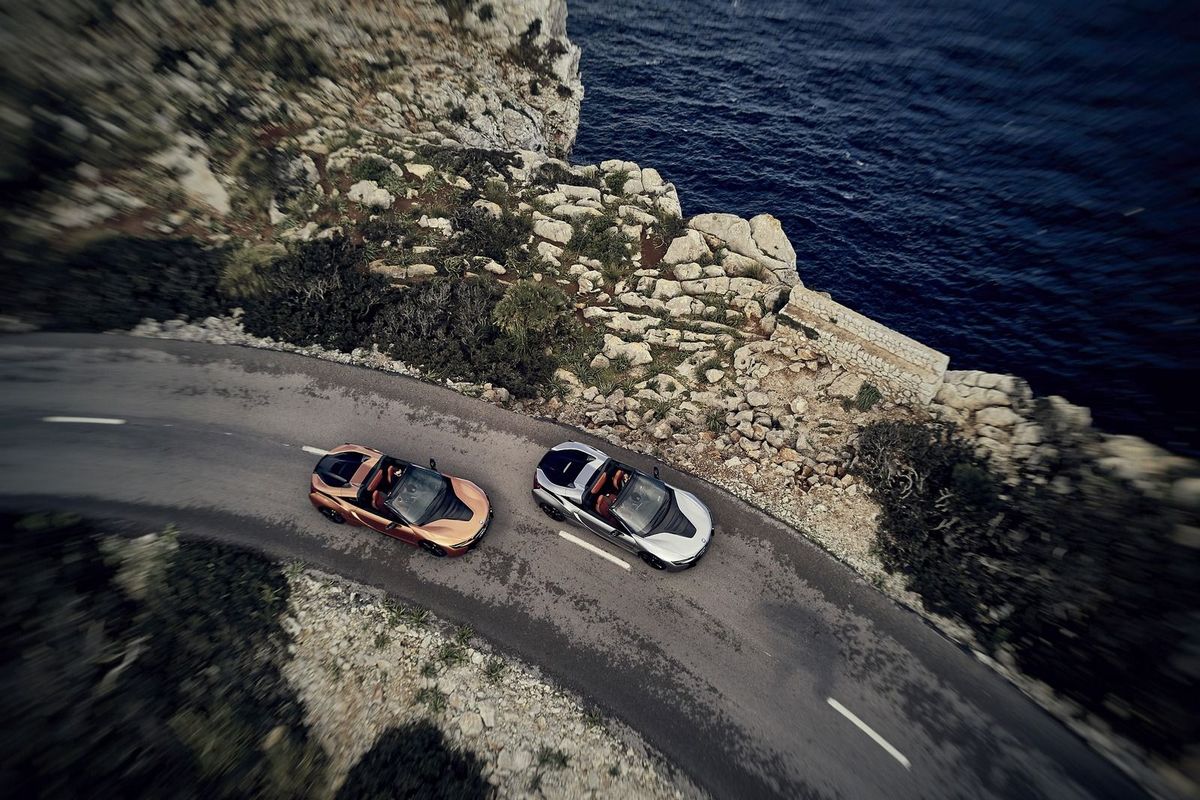
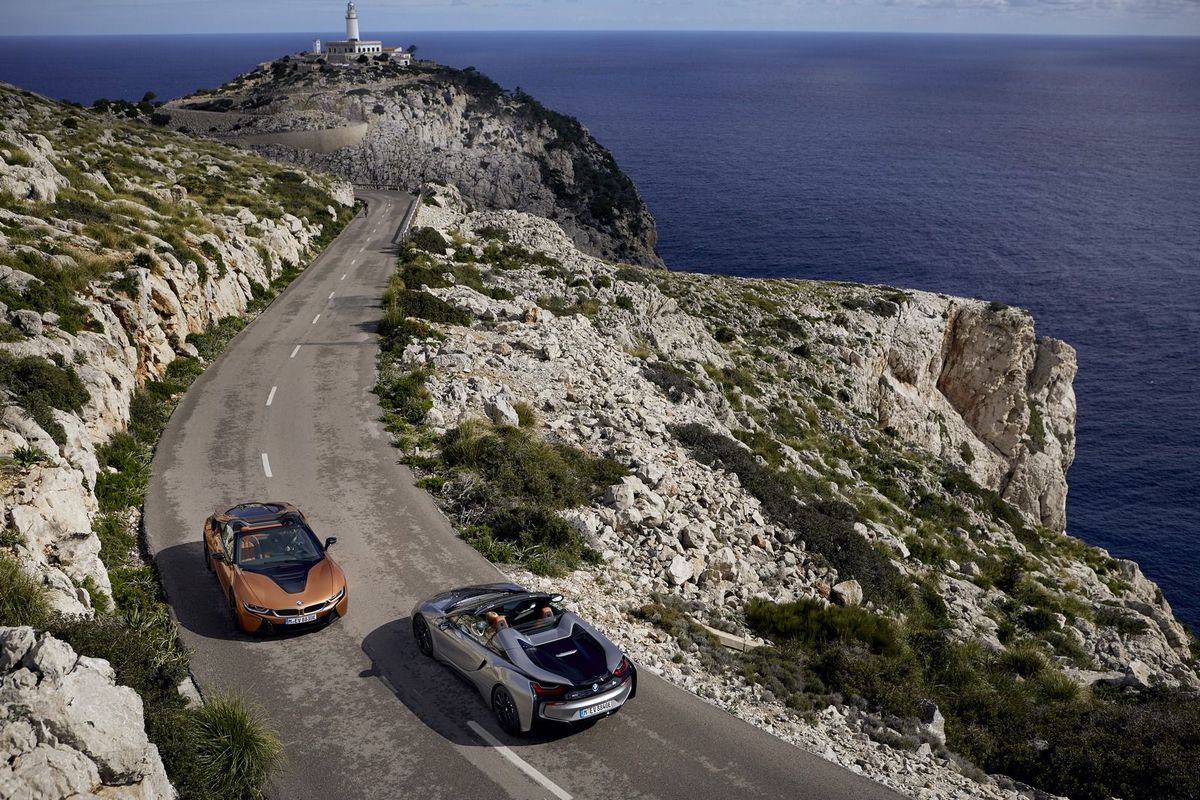
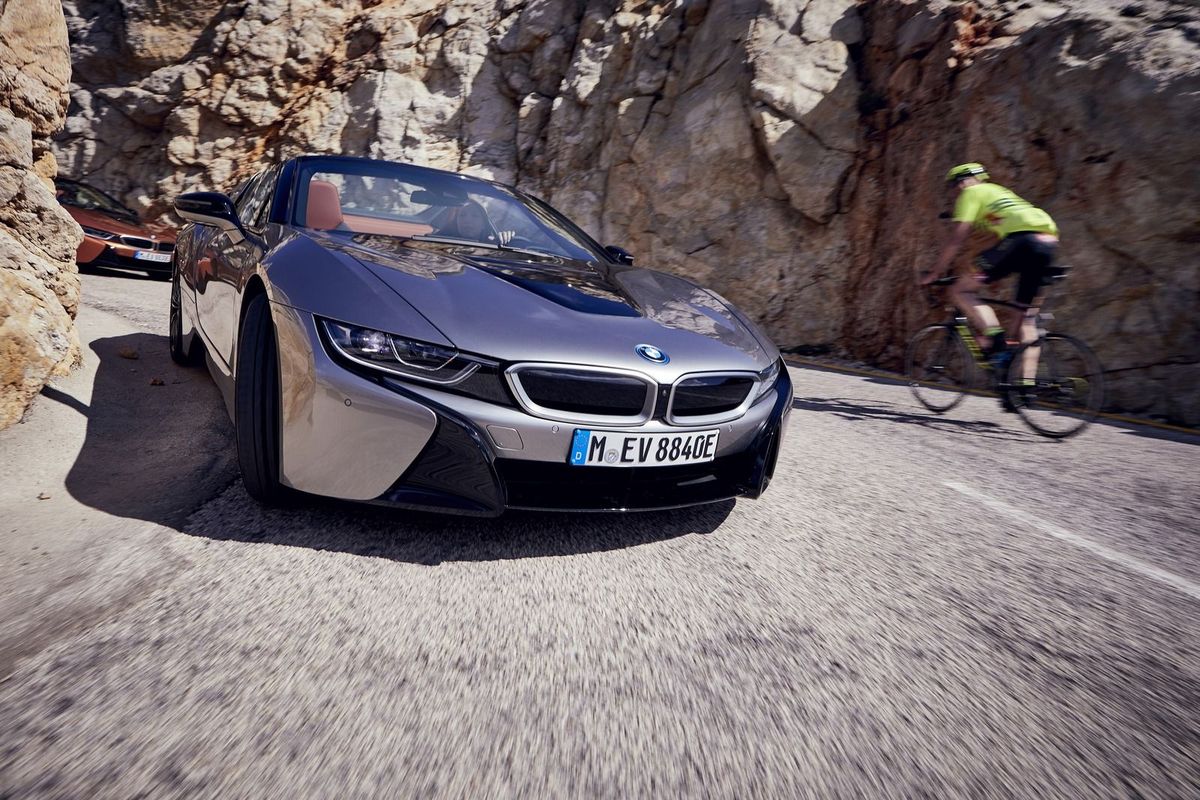
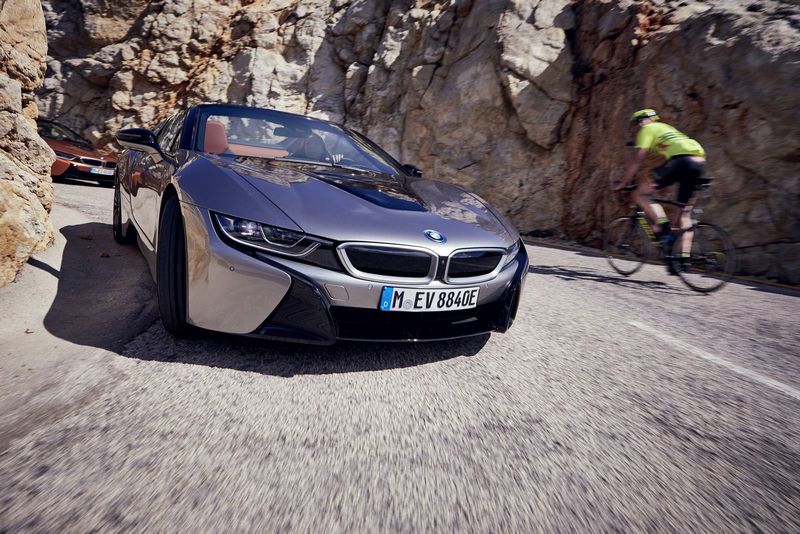
The roads of Mallorca are tight and twisty as they meander through the mountains in the north of the island. You get a mix of point-and-squirt and hairpin to hairpin sections, then it opens out a bit on the flatter plains to the South (the latter offered a good test of mid-corner speed and stability). The roads were absolutely heaving with cyclists but I happened to get an excellent, mostly unimpeded stretch of 200 km behind the i8 Roadster's wheel.


The roads of Mallorca are tight and twisty, the i8 feels agile and nimble on these sorts of roads.

The carbon fibre tub of the i8 Roadster is stiff, which helps to keep the car's movement from corner to corner direct and reactive. Carbon fibre is great for keeping the body stable, mitigating body roll and exerts fewer forces on the tyres. This means you can turn in harder, corner faster and get on the power earlier – all good things in a sportscar and even more so for a roadster, it is properly entertaining to drive with the roof stowed away and the wind whooshing by your ears.

It really is a great driver’s car and feels like a small, nimble sportscar along the lines of an Alfa 4C or Porsche Boxster. Even the steering feedback and feel are decent with the shift paddles perfectly positioned at your fingertips.

I can’t say I noticed the extra 9 kW of battery power (now 105 kW), with the 1.5-litre turbopetrol 3-cylinder unchanged at 170 kW. The engineers have done their best to coax a pleasing sound out of the engine and exhaust, but it can’t match that of the bigger, more cylindered rivals. There’s a throaty gasp, but it never develops into anything more sonorous.


Switchback central. Low-speed corner exit shove is where the i8 Roadster shines as the electric motor delivers immediate torque.

The electric and petrol engine combination is not as perfect in practice as the theory suggests. The electric engine deals with the low-end power, delivering instantaneous torque and low down shove. Then the petrol engine comes on song higher up in the rev range as the electric effect starts to taper. In the slow hairpin bends, it works just like that, where the electric motor gives instantaneous results. However, in medium speed corners, there’s notable lag as the electric motor doesn’t have more to give and the petrol engine is still to come on boost.

That leaves a lot of time where not much is happening and it’s a bit of a downer as the car has the ability, but the hybrid powertrain doesn’t match up to what the i8 feels capable of.

Final thoughts

The soft-top i8 appears to have no real drawbacks from the Coupe, bar the sacrifice of a little loading space. It still rides well and corners with stability and accuracy befitting a car built around a carbon fibre tub. It’s exciting to drive and look at, but lacks perfect synchronization between its turbopetrol and electric motors.


The cabin features weather-resistant seats and a touchscreen infotainment system.

BMW i had to utilise the 1.5-litre 3-cylinder motor in order to meet the "efficiently dynamic" mandate the division embodies and it does that. While driving sportily over the 200 km it achieved 8.3 L/100 km, but I can’t help feeling there is an M car inside this i8 that's itching to come out. It has the chassis to deal with the extra power, more so than the likes of the M2/3/4/5. And, judging by what the engineers had to say, it could likely be the next iteration of i car we see, except, we may come to know it as the BMW M8.

Pricing

The updated i8 and i8 Roadster will be locally available from late May/early June 2018.

BMW i8 Coupe R2 095 200

BMW i8 Roadster R2 329 300

Related content:

BMW i8 vs Audi R8 Spyder – The Strangest Sportscar Rivalry?

BMW i8 Coupe (2017) Review

BMW i8 Roadster Price Announced [Video]
EV Charge Stations in SA: How Many & Where?

Interested in buying an i8?

Search for one on Cars.co.za

Fuel Price Increases for May 2018

Fuel prices are increasing yet again as the Department of Energy has published fuel price adjustments that will take effect on 2 May 2018.

Motorists are in for another spate of fuel price increases in May 2018. The increases come on the back of recent increases in the General Fuel levy and Road Accident Fund levy which saw consumers paying an additional 52 cents per litre.

The Department of Energy has published fuel price adjustments for May 2018. The increases are as follows:

  • The price of 95 and 93 ULP/LRP petrol will increase by 49 cents per litre

  • The price of diesel (0.05% sulphur) will increase by 59 cents per litre while diesel (0.005% sulphur) will increase by 58 cents per litre.

  • The wholesale price of Illuminating Paraffin will increase by 52 cents per litre.

Numerous factors contributed to the increases. The Rand depreciated against the US Dollar during April with the China/USA trade tariff dispute putting emerging market currencies, including South Africa, under pressure. Prices of Brent Crude oil also increased during the period and the price of international petroleum products also increased.

The Automobile Association of South Africa  (AA) had the following to say, “Going into May, there is already an under-recover of 46 cents a litre. If the Rand doesn’t appreciate significantly against the US dollar, and if international prices don’t decrease, this will mean another increase into June.”

Related Content

Fuel Price Breakdown: What do you pay for?

What does the strong Rand mean for our car prices?

Budget Speech 2018: Motorists in the crosshairs

Top 10 Most Fuel Efficient Budget Friendly Cars

Top 10 Most Fuel Efficient Cars in SA

Most Fuel Efficient SUVs in SA

5 Most Fuel-Efficient Double-Cab Bakkies in SA (2016)

10 Ways To Save Fuel