Fuel prices are increasing yet again as the Department of Energy has published fuel price adjustments that will take effect on 2 May 2018.
Motorists are in for another spate of fuel price increases in May 2018. The increases come on the back of recent increases in the General Fuel levy and Road Accident Fund levy which saw consumers paying an additional 52 cents per litre.
The Department of Energy has published fuel price adjustments for May 2018. The increases are as follows:
The price of 95 and 93 ULP/LRP petrol will increase by 49 cents per litre
The price of diesel (0.05% sulphur) will increase by 59 cents per litre while diesel (0.005% sulphur) will increase by 58 cents per litre.
The wholesale price of Illuminating Paraffin will increase by 52 cents per litre.
Numerous factors contributed to the increases. The Rand depreciated against the US Dollar during April with the China/USA trade tariff dispute putting emerging market currencies, including South Africa, under pressure. Prices of Brent Crude oil also increased during the period and the price of international petroleum products also increased.
The Automobile Association of South Africa (AA) had the following to say, “Going into May, there is already an under-recover of 46 cents a litre. If the Rand doesn’t appreciate significantly against the US dollar, and if international prices don’t decrease, this will mean another increase into June.”
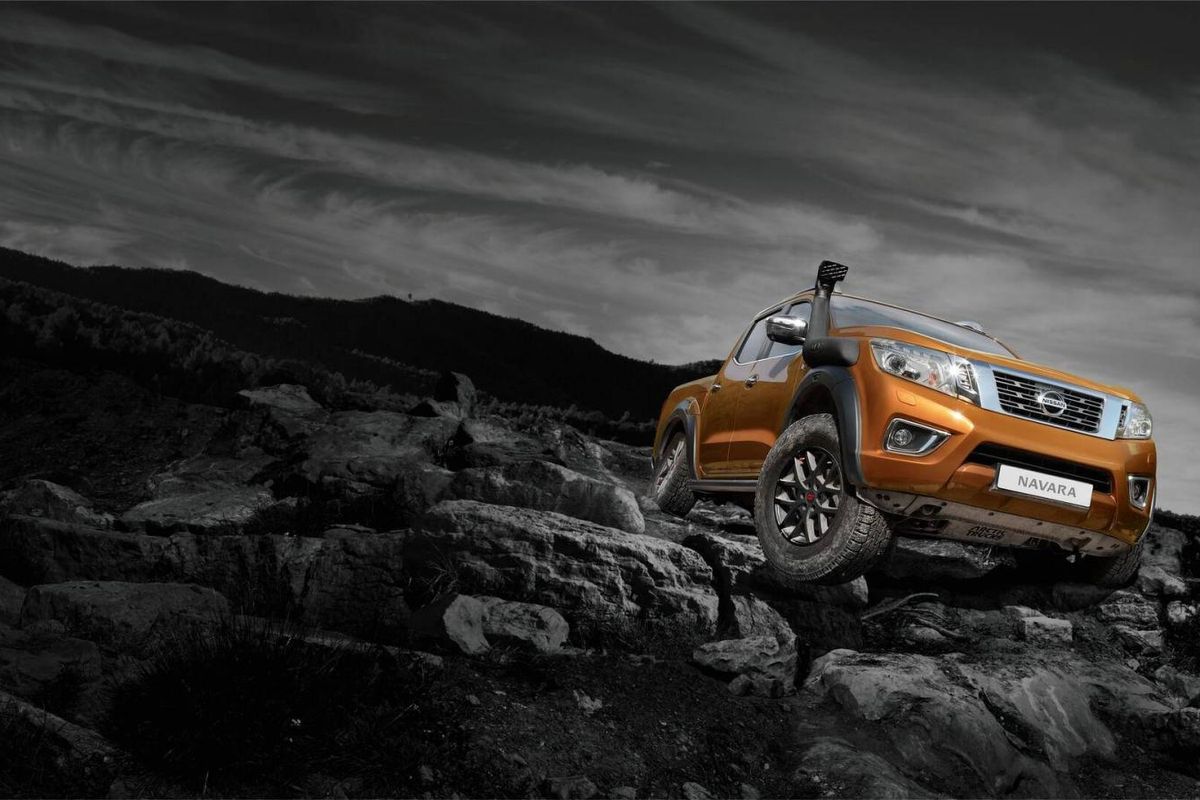
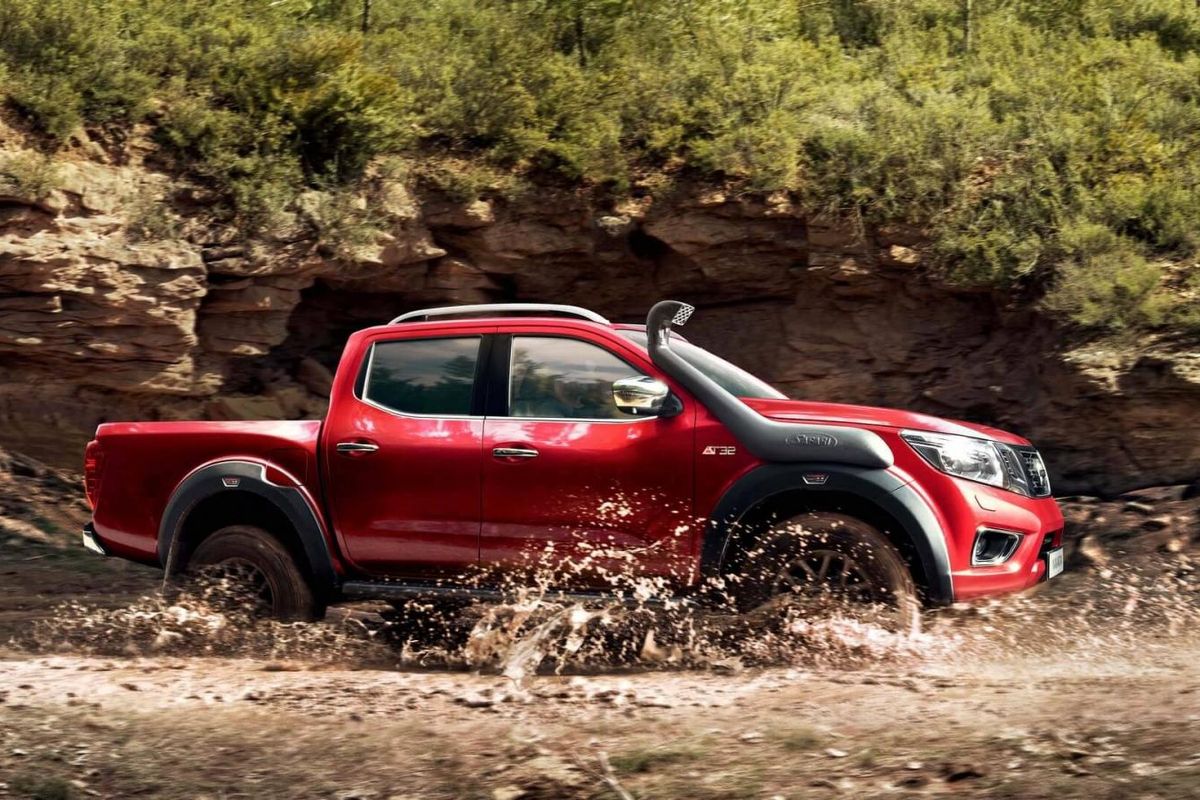
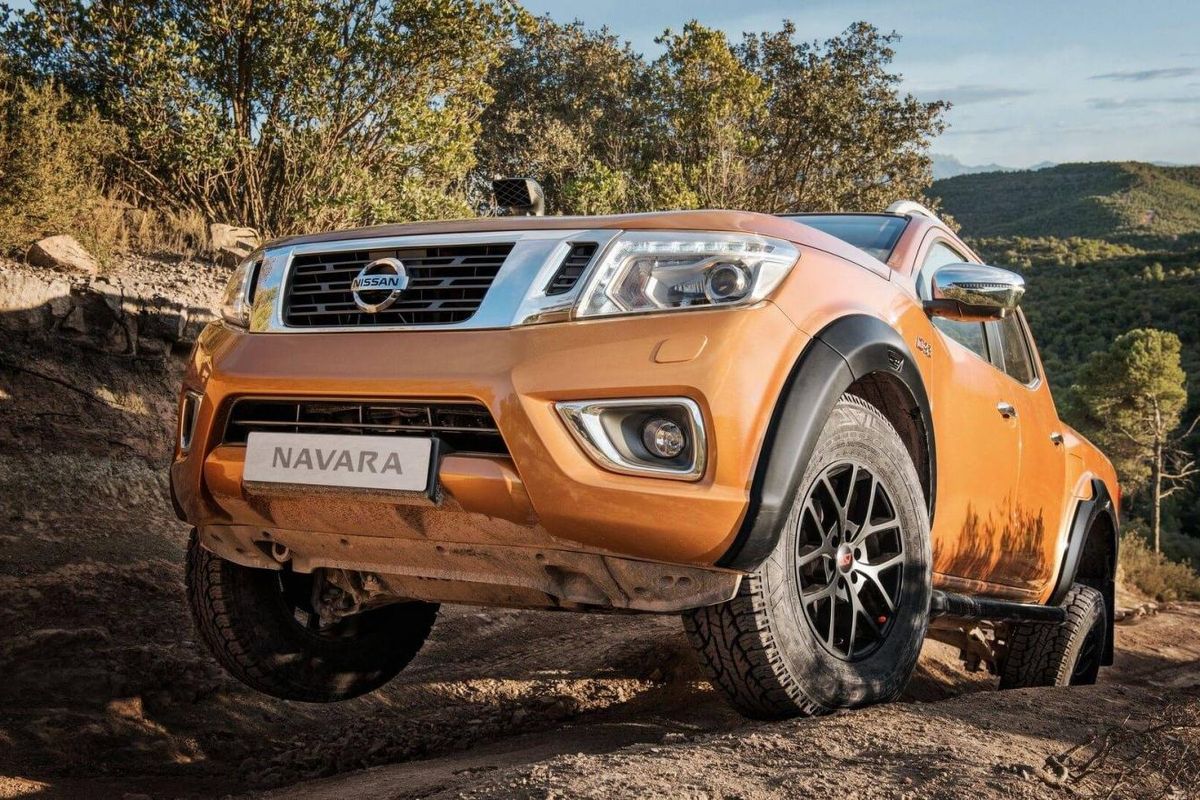
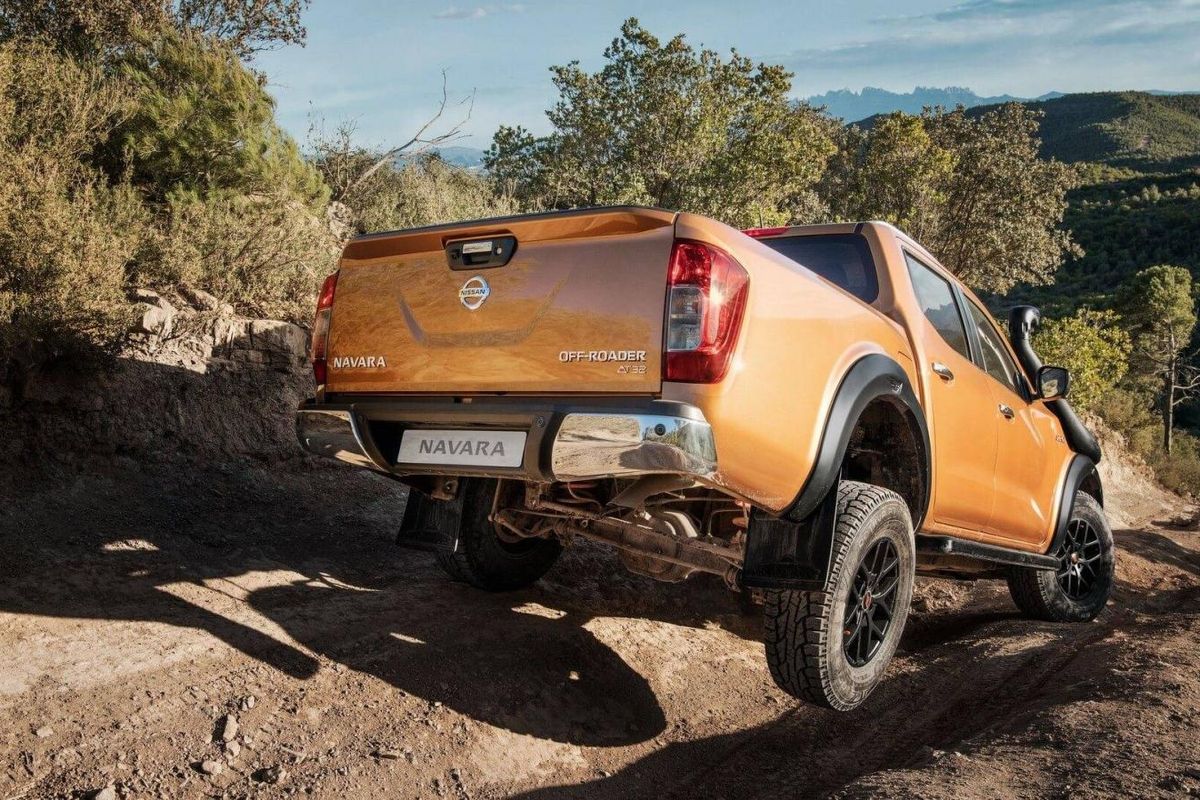
Nissan has launched a more hardcore version of its Navara double-cab bakkie in the UK and it’s called the Navara Off-Roader AT32 which rivals the likes of the new Ford Ranger Raptor.
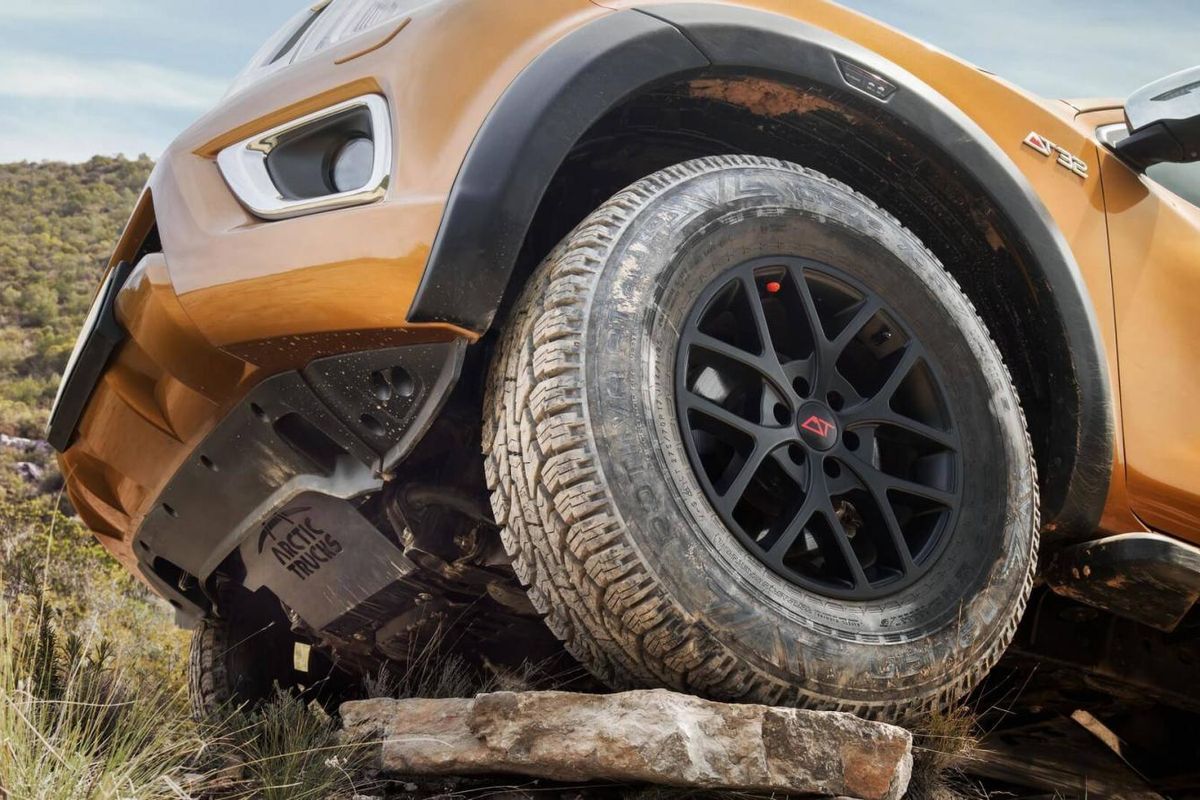
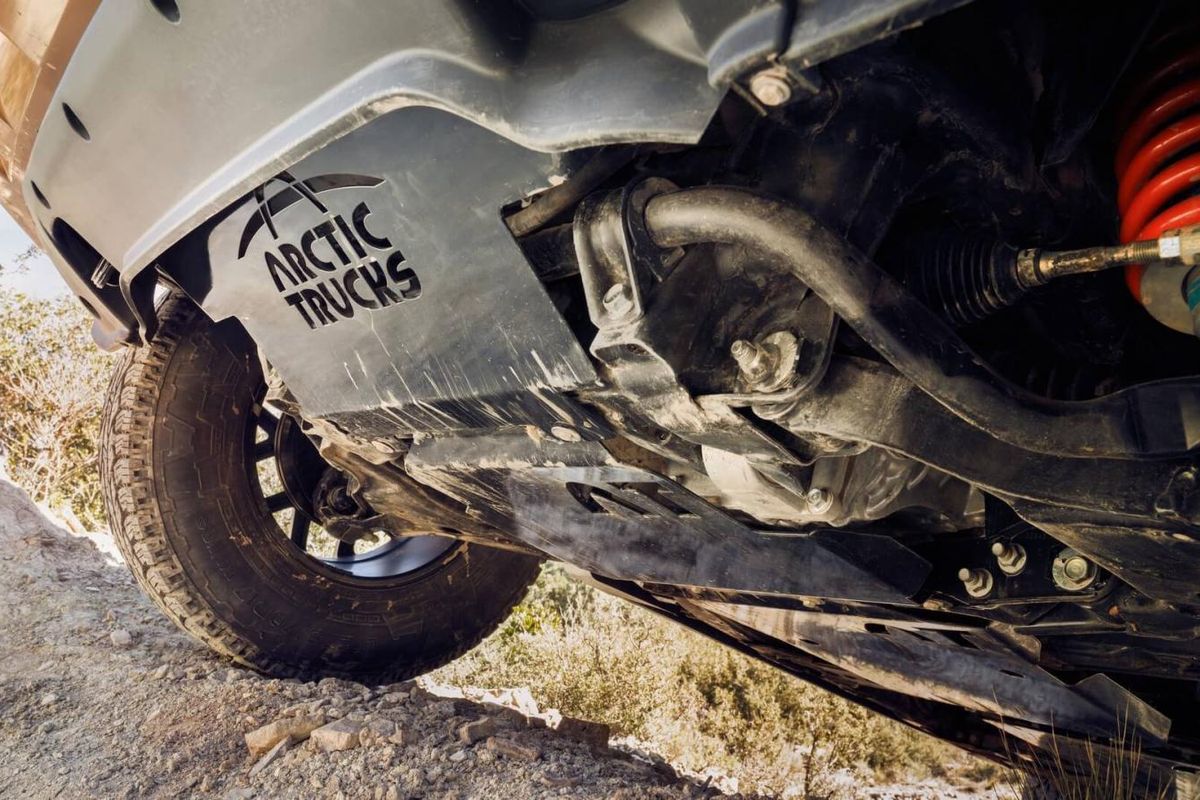
The new Navara Off-Roader AT32 was developed in partnership with Arctic Trucks (AT) and the vehicle made its debut at the 2018 Commercial Vehicle Show in Birmingham, UK. The name AT stands for Arctic Trucks, an icelandic 4×4 vehicle specialist while 32 represents the diameter (in inches) of each tyre.
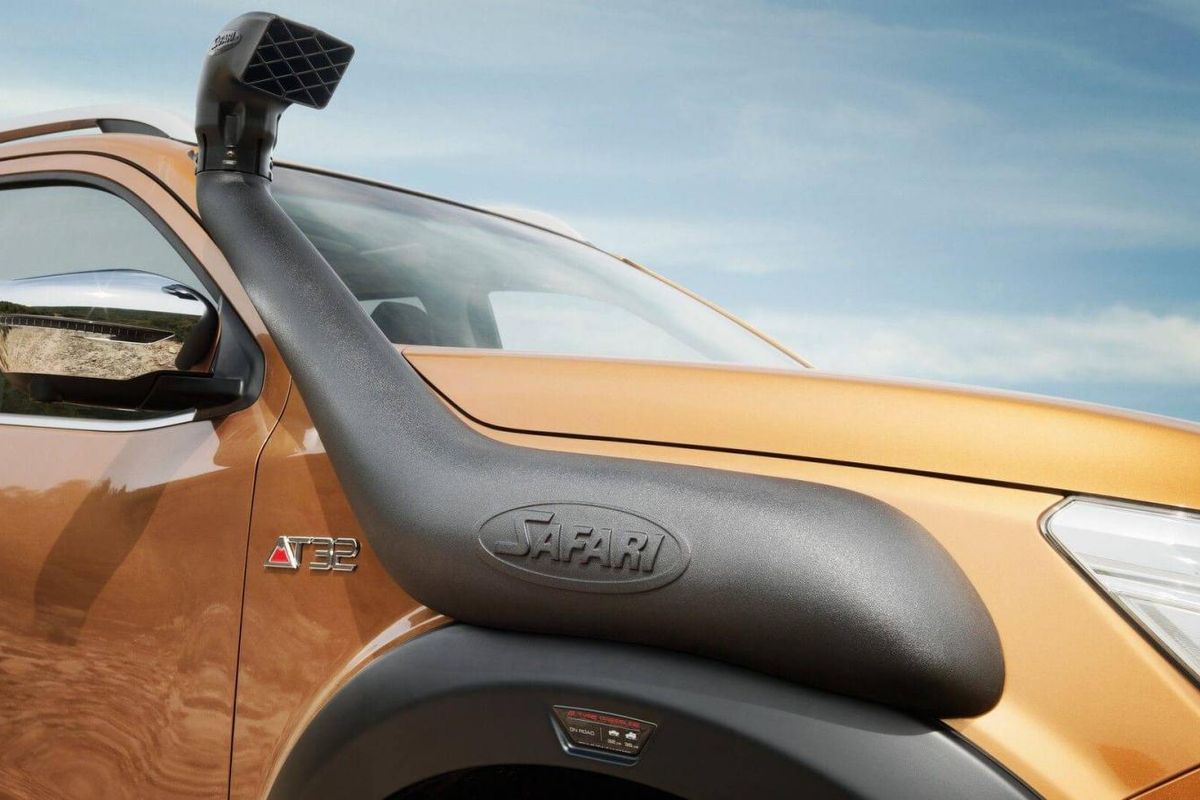
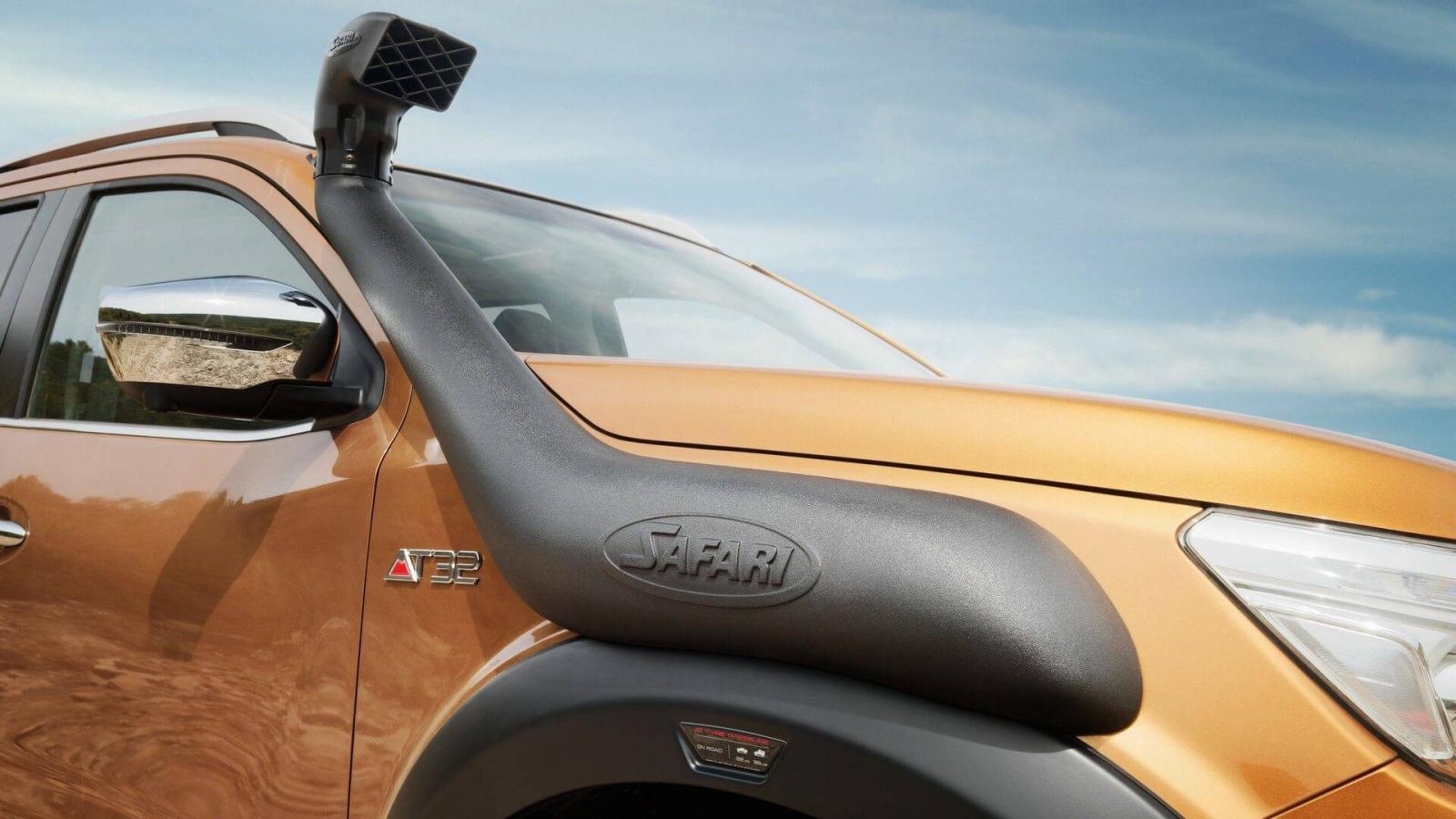
According to Nissan, the Navara Off-Roader AT32 is the most capable Navara ever. It features a 20 mm raised ride height to 243 mm with full underbody protection for hardcore offroad application as well larger offroad tyres. The Offroader AT32 can be optionally equipped with a front differential lock and a snorkel to further enhance offroad performance. Maximum approach angle has been increased to 35° (up from 30.4°), while breakover angle is now 24° (up from 22.2°).
With the optional snorkel fitted, wading depth increases by 200 mm to 800 mm over the standard Navara.
Standard features fitted to the Navara Off-Roader AT32 include Hill Start Assist, Hill Decent Control, Intelligent Emergency Braking and Intelligent Around View Monitor.
Nissan, however, makes no mention of an engine update and the Navara Off-Roader AT32 is likely to feature the current 2.3-litre turbodiesel engine with 140 kW and 450 Nm of torque. It’s worth noting that the recently-revealed Ford Ranger Raptor offers marginally more power and torque of 157 kW and 500 Nm from its 2.0-litre bi-turbodiesel engine.
Nissan South Africa has yet to confirm if the Navara Off-Roader AT32 will be offered in South Africa but it is currently earmarked for pan-European markets. We will keep you updated as soon as more information becomes available.
We hope it'll never happen to any of us, but it's best to be prepared to safeguard you and your family should you be involved in a vehicle hijacking situation. Here are 10 things to keep in mind when one or more hijackers attack you.
According to the South African Police Service, a vehicle is hijacked every 32 minutes in South Africa. Statistics released by the SAPS in March 2017 revealed that a total of 12 743 vehicles were hijacked between April and December 2016, which is 14.9% more than in the 2015/2016 financial year.
In 2016, the National Hijacking Prevention Academy found that although some criminal trends change, the time of day and days of the week that hijackings take place remain constant. Friday is the most popular day for a hijacking, followed by Tuesday and you're least likely to be hijacked on a Saturday or Sunday. The rest of the weekdays are pretty even. Time-wise, the highest risk time is between 4 pm–8 pm, followed by 4 am–8 am.
Here are 10 things to keep in mind if you are hijacked:
Stay calm! This sounds ridiculous, but the last thing you should do is antagonise the hijacker/s. You want to co-operate as much as possible and you certainly do not want to threaten or challenge them. Do exactly as you are told.
Unbuckle your seatbelt with your left hand and immediately raise your hands above your head to show the hijacker/s you're unarmed.
Do not turn off your vehicle's engine.
If the hijacker instructs you to get out of the car, do so as quickly as possible and try to put as much space between you and the car/hijackers as you can. If the hijacker/s is/are armed and you are under their control, remain still and obey orders.
If you have a child/children in the back seat, make your hijacker/s aware of this and tell them that you are going to take them out of the vehicle. The eldest child should always be positioned behind the driver seat. Open the rear door, put your one foot inside the car as you lean over and unclip the child/baby’s seat belt (this is in case the hijacker drives off you will be thrown into the car with your child), tell the older child to cling to you as you move out of the car, this way you get both of them out at the same time. It’s not a bad idea to discuss a potential situation with your older children. Unfortunately, this the reality we live in. If you’re in a situation where the hijackers will not allow you get your children out, take the car keys as a bargaining tool – although this is always risky.
Speak slowly and clearly so, that they are able to understand exactly what it is you're saying and do not make sudden movements.
If the hijacker keeps you in the car and forces you to drive off, bump into another car while you are still at a slow speed. There is a good chance that this will get you out of the situation.
If you are kidnapped by a hijacker/s, try and remain orientated regarding your movements, directions, time and place. If the car is stopped and they are armed, but you are not under their control at any moment, try to flee! If they shoot they will have a very small chance of actually hitting you.
Do not make eye contact with the hijacker.
Don’t be a hero – your life is more important than your car.
These tips can only serve as a guideline because every situation is different. The best tip, above all, is to try and remain calm as you can and do as you are told. In a highly stressful hijacking situation, you won't be dealing with rational assailants so there is no point in trying to resist (or reason with) them. This is your life and the life of your family, always keep that in mind, don’t give the car or any possessions in the car a second thought.
The new Ford Ranger Raptor is on its way to SA but its burly F-150 Raptor counterpart recently took to the Nürburgring for some drifting action. Watch the video!
Ford has made a performance bakkie a reality and the Ranger Raptor, which is due in South Africa next year, promises exceptional off-road performance. It’s produced in Thailand but will also be produced at Ford’s Silverton plant in Pretoria in the future, which is good news for the local economy.
Many bemoan the Ranger Raptor for offering only 157 kW and 500 Nm from its 2.0-litre bi-turbodiesel engine, not exactly the figures that spring to mind for ultimate performance, but fitted with a 10-speed automatic transmission and a good dose of trickery, Ford is confident in its ability. We can’t wait to see if Ford’s promise holds true…
However, the video below features the large-and-in-charge F-150 Raptor packing a bi-turbo 3.5-litre V6 engine with 336 kW and 691 Nm of torque. Those are some big numbers! The video features Formula Drift Racer, Vaughn Gittin Jr, who intended to drift his Ford Mustang RTR drift car around the world-famous Nurburgring. Rain, however, changed his plan and he thought the Ranger Raptor would be a good alternative for some wet fun on the tarmac of the Nordschleife.
Watch the video to see the Ford F-150 Raptor run wild!
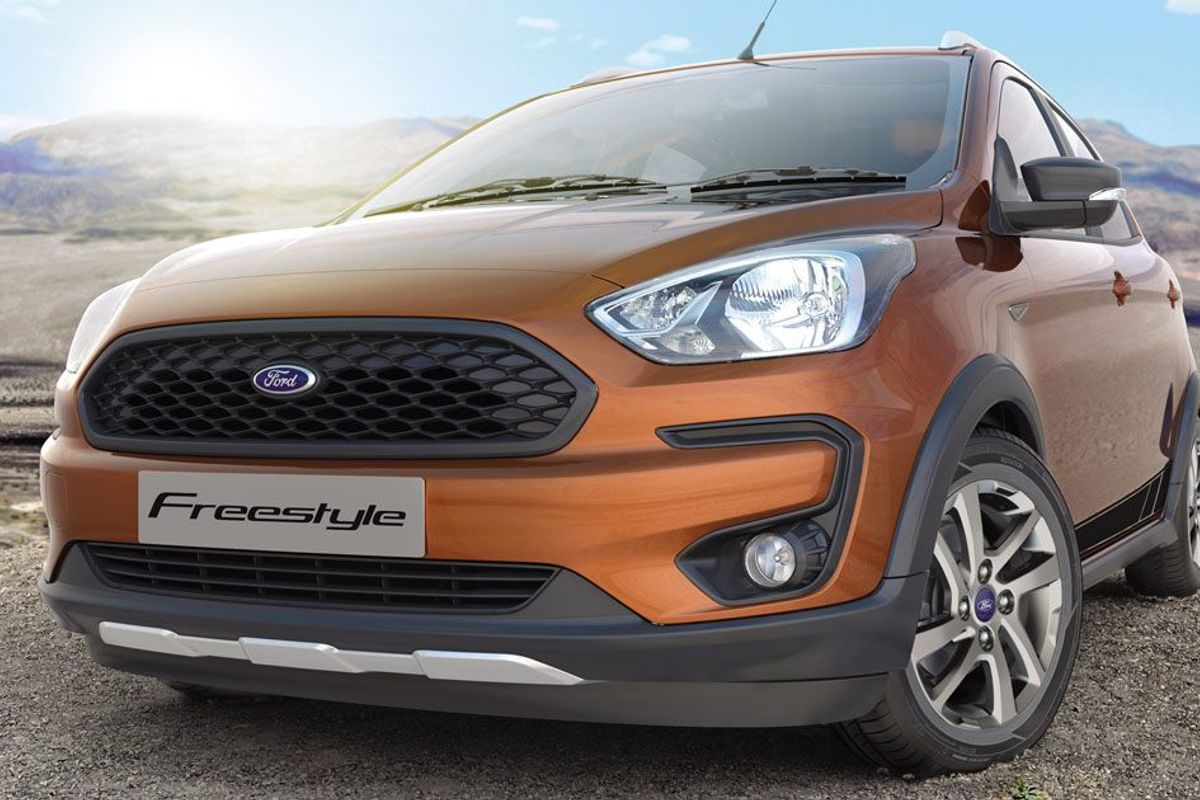
Ford has launched its new Freestyle budget car crossover in the Indian market and we believe it is a newcomer that the Blue Oval could offer in South Africa too. Let’s take a closer look…
Ford calls its latest Freestyle crossover a Compact Utility Vehicle (CUV) and it’s based on Ford’s entry-level Figo hatchback. Like the Figo, it’s produced at Ford's Indian plant in Sanand, Gujarat. Before we make a case for the Freestyle to come to South Africa, let’s see what it offers…
Key features
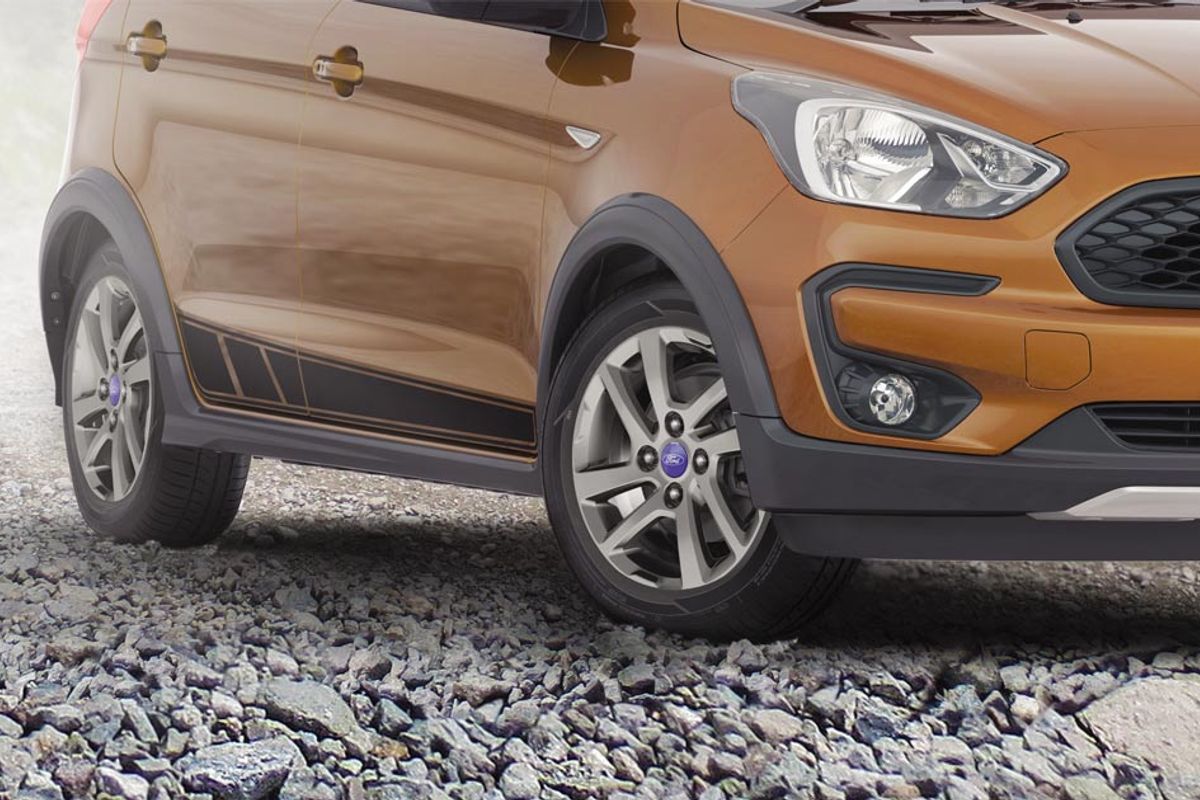
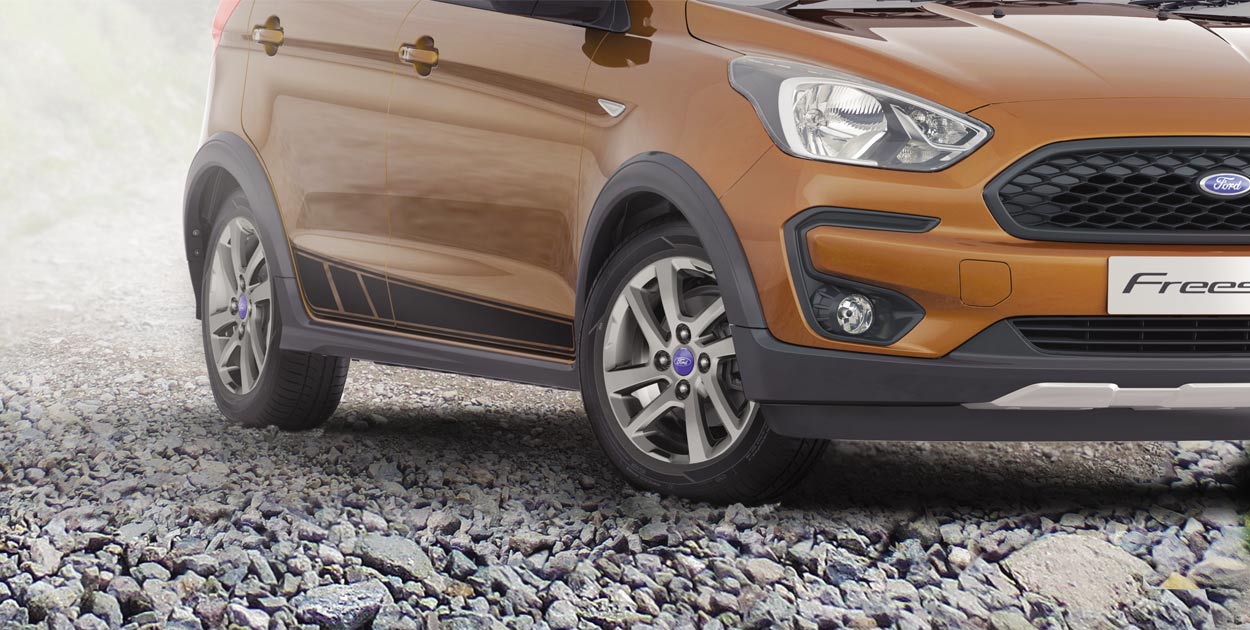
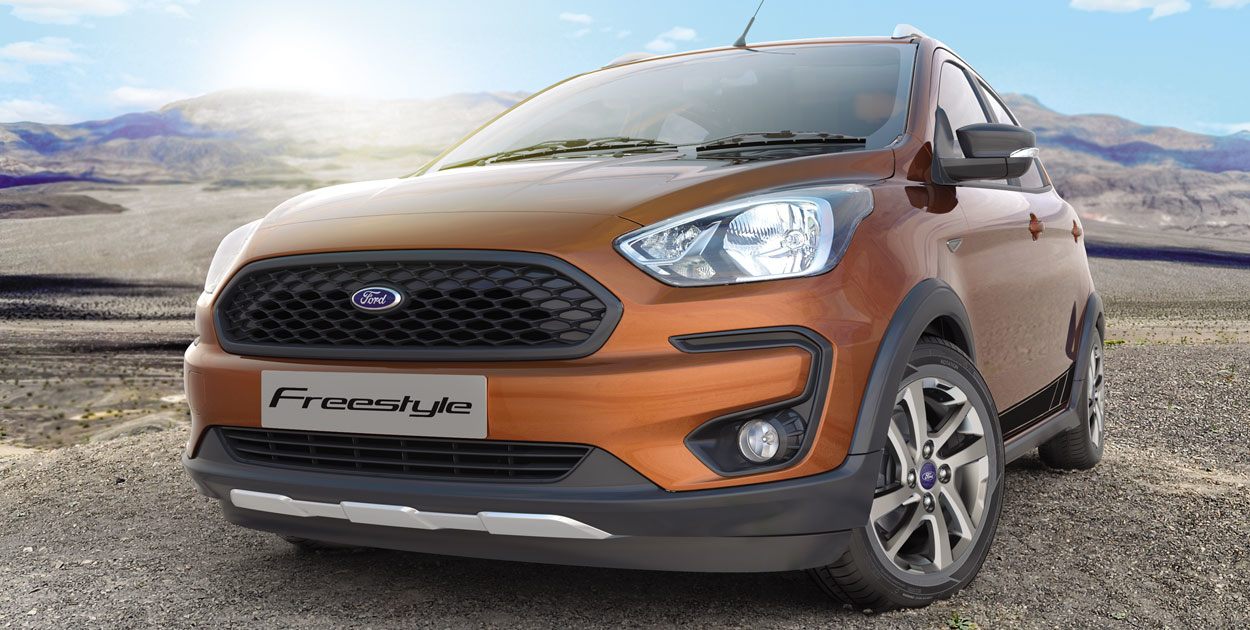
A raised ride height and body cladding give the Freestyle some rugged appeal.
The launch of the Freestyle in India heralds the introduction of a new 1.2-litre, 3-cylinder engine with 71 kW and 120 Nm of torque. The familiar 1.5-litre turbodiesel engine producing 74 kW and 215 Nm also does service in the Freestyle. Both engines are paired with a 5-speed manual gearbox.
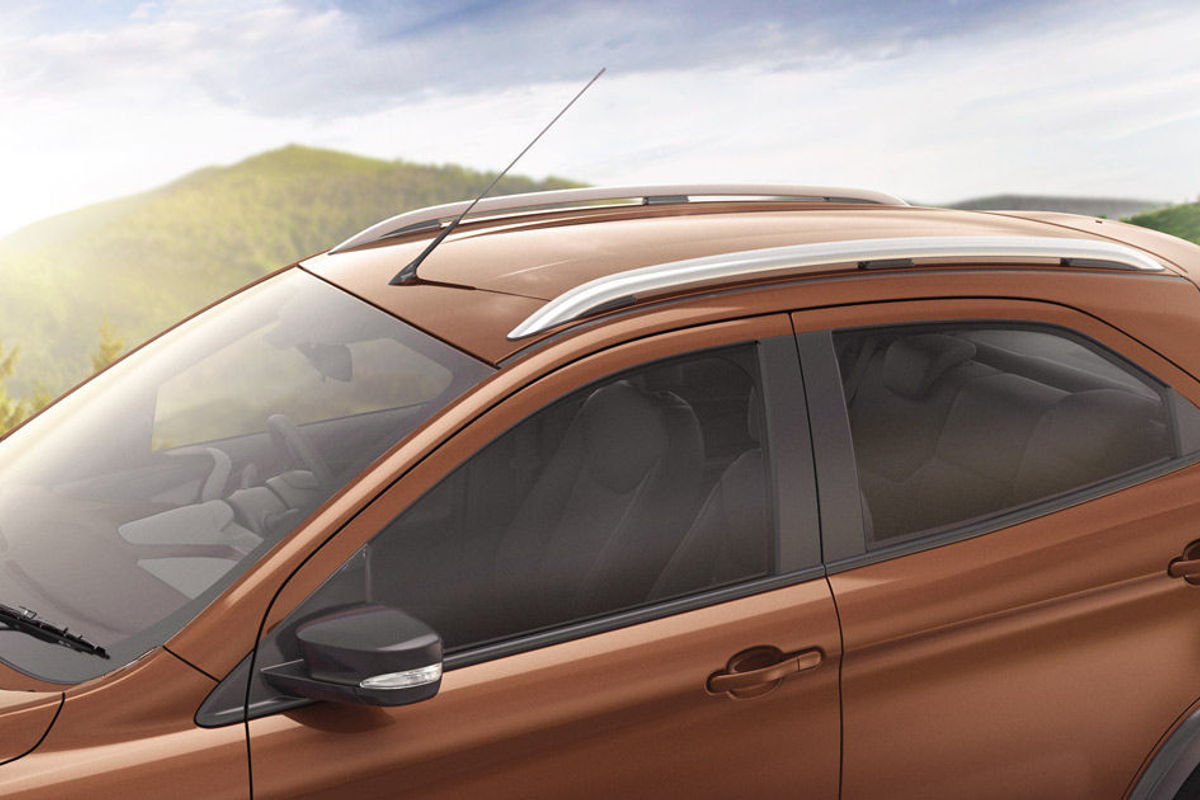
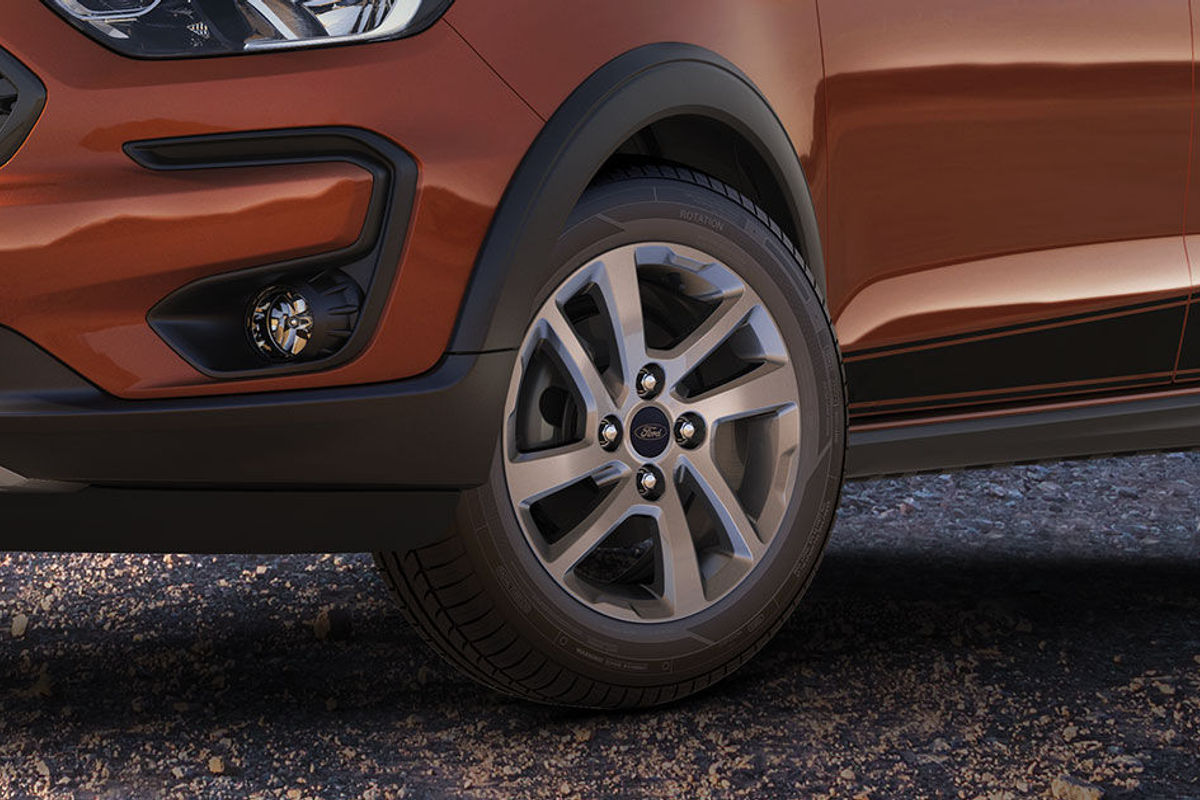
Although the Freestyle shares its platform with (and bears some resemblance to) the Figo, its design is differentiated by its headlights, wide striking grille and C-shaped foglamp surrounds. The Freestyle also gets some extra crossover treatment in the form of plastic cladding, as well as functional roof rails and a tailgate-mounted roof spoiler. The rear-end is further differentiated with a redesigned bumper and taillights. Furthermore, the Freestyle features an increased ride height with a ground clearance of 190 mm, which is some 16 mm higher than that of the Figo.
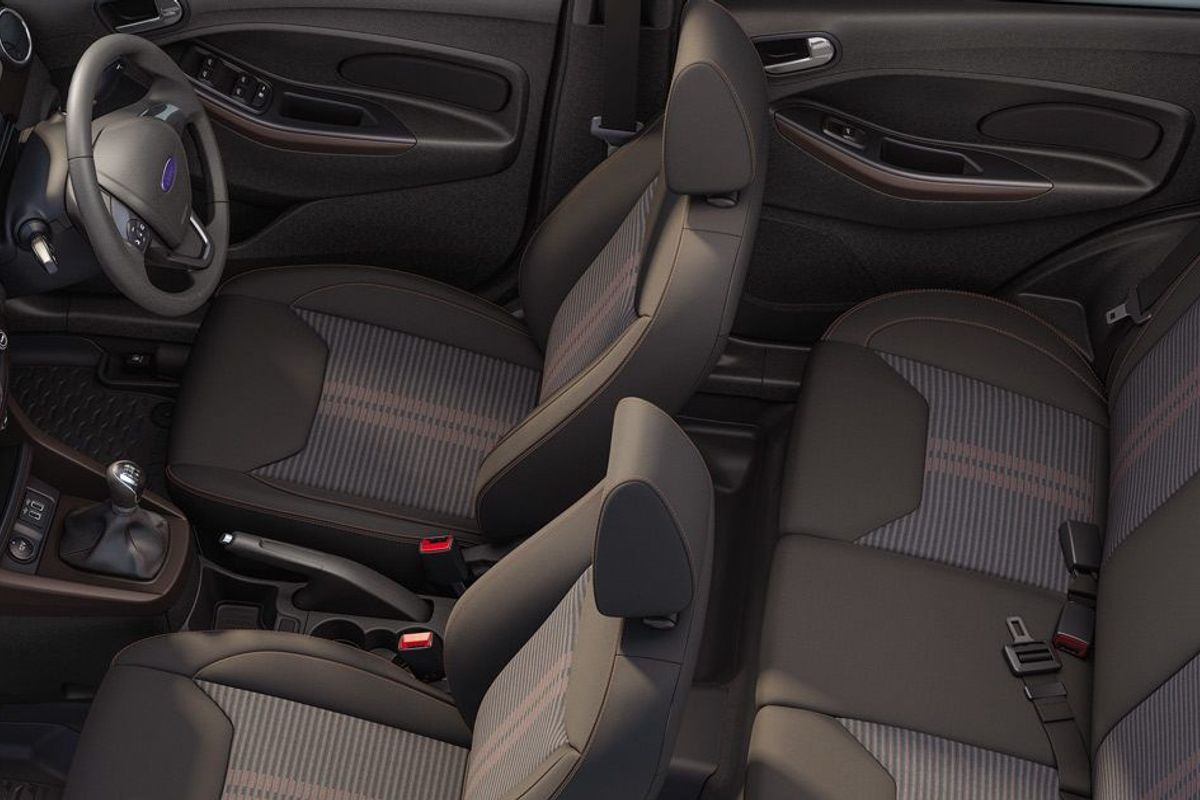
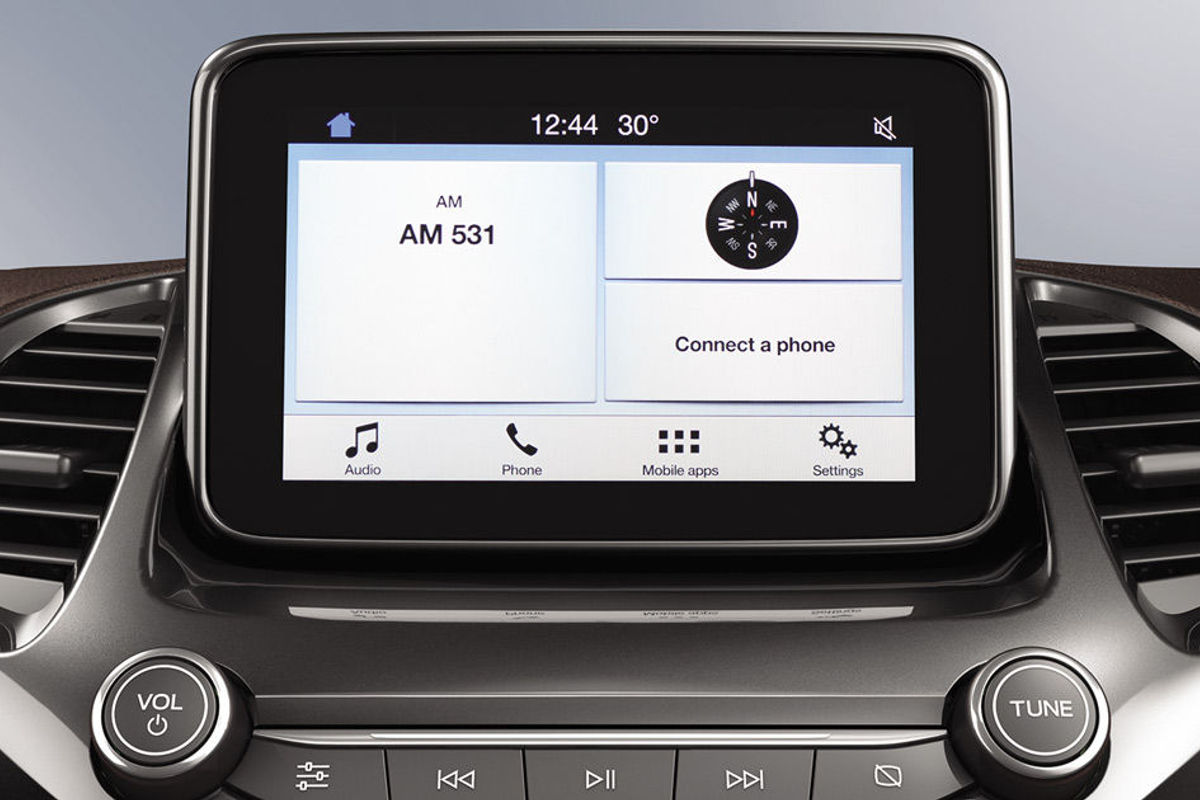
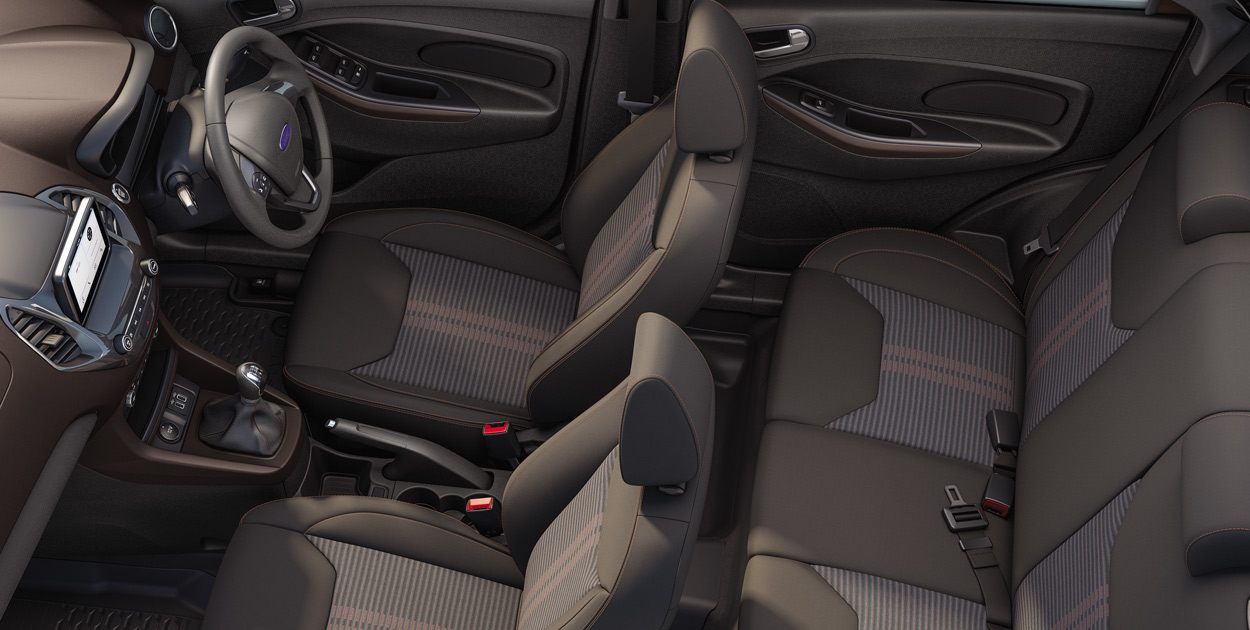
The Freestyle shares its interior styling with the EcoSport and is offered with the latest SYNC3 in-car infotainment system.
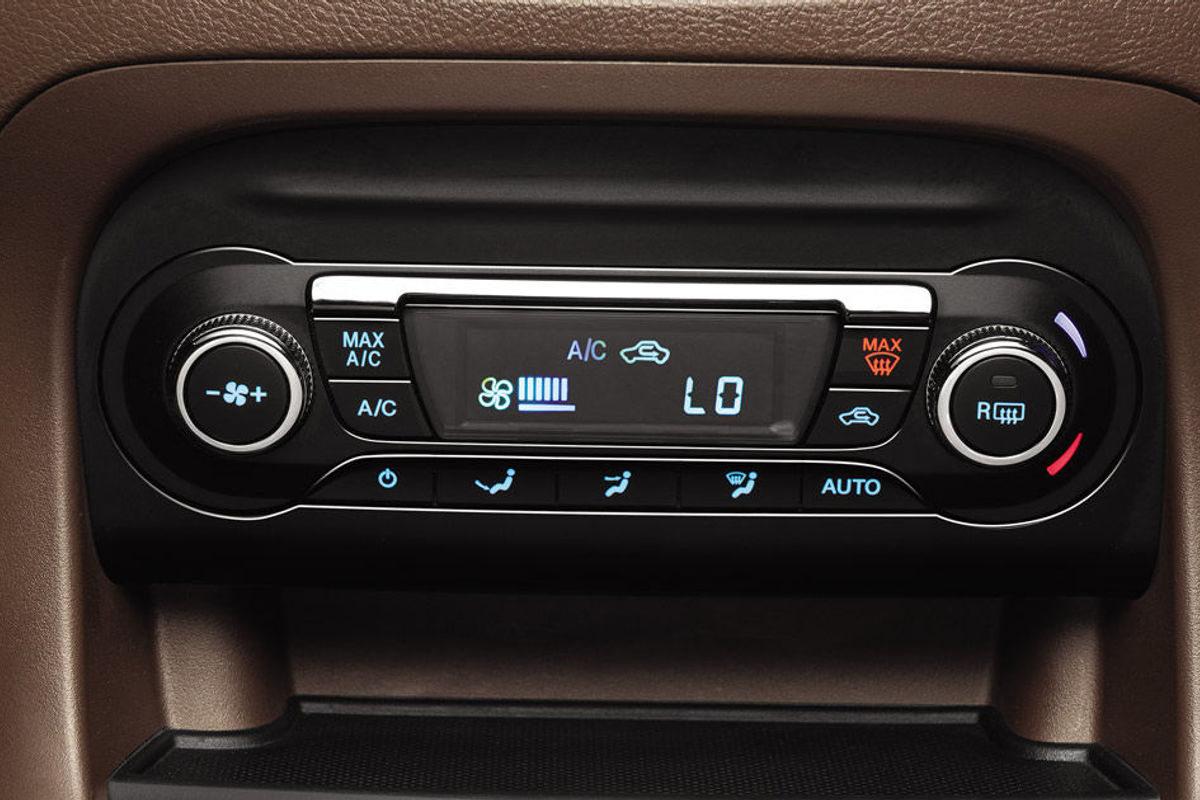
The Freestyle is offered in Ambiente, Trend and Titanium derivatives and the interior design is similar to that of the new Ford EcoSport. High-spec derivatives are equipped with a 6.5-inch touchscreen with SYNC3, which offers Android Auto and Apple CarPlay, while safety features include up to 6 airbags, ABS with EBD, active rollover prevention, hill launch assist, electronic stability program and traction control.
So what makes it suitable for South Africa?
Compact crossovers are hugely popular in South Africa and there’s a strong business case for affordable crossovers in the lower-end of the crossover spectrum. Current offerings in this segment include cars such as the Toyota Etios Cross, Renault Sandero Stepway, the previous Volkswagen Polo Vivo Maxx and the forthcoming Hyundai i20 Active, which is due to launch in South Africa in May 2018.
We think the Figo-based Freestyle crossover will sell well in South Africa. Would you agree with us?
South Africans love exploring the outdoors and it’s also worth noting that roads in South Africa are generally in poor condition and many people access rural areas on gravel too, which means that the higher ride height and additional cladding makes this type of vehicle suitable for South African conditions.
Also, Ford already imports the Figo and Ecosport from India anyway, so why not add the Freestyle to the local lineup? It may very well be that the costs of importing the Freestyle to South Africa will result in an unfavourable local pricing structure. However, we believe there is merit in offering the Freestyle on local soil provided that its price is competitive. It’s also worth mentioning that international reviews of the Freestyle are very positive, highlighting the Freestyle's good performance and excellent ride quality.
We reached out to Ford South Africa for comment and there are currently no plans to introduce the Freestyle in South Africa. That situation can, of course, change. Would you like to see the Freestyle in South Africa… Should Ford's South African subsidiary reconsider and launch it here?
Share your thoughts with us in the comment section below!
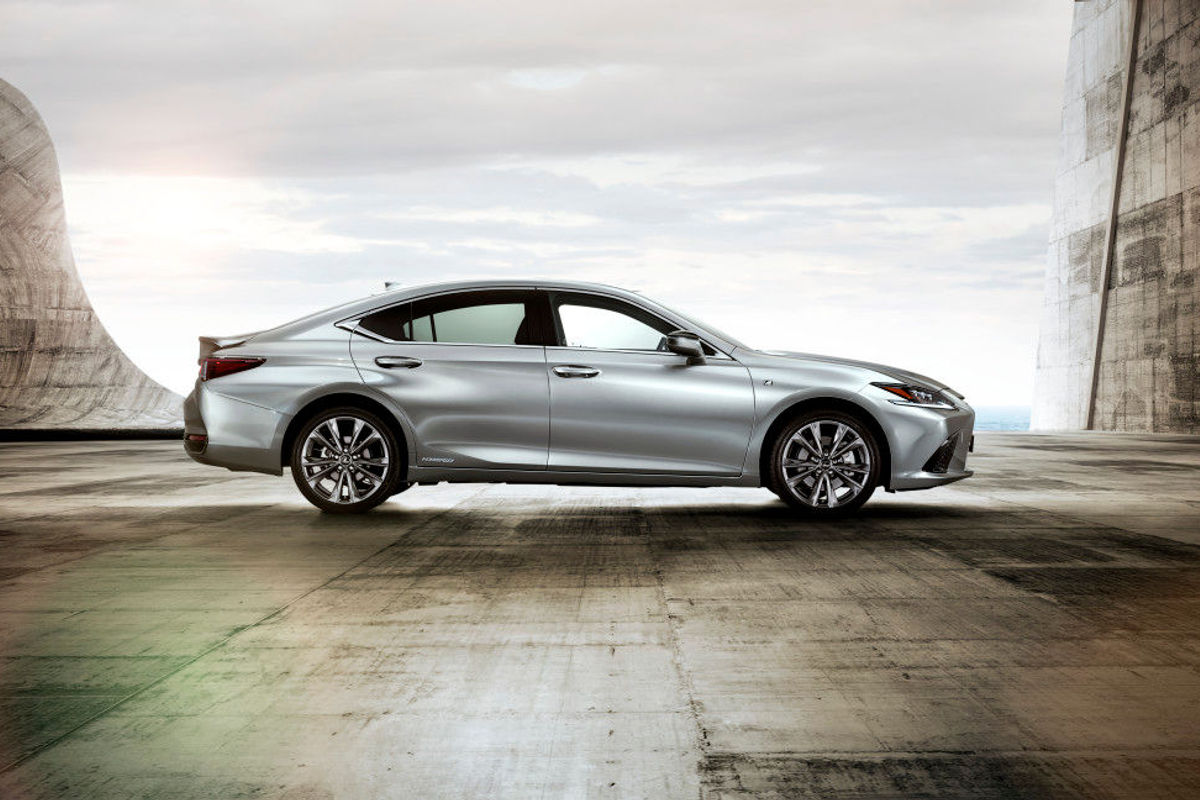
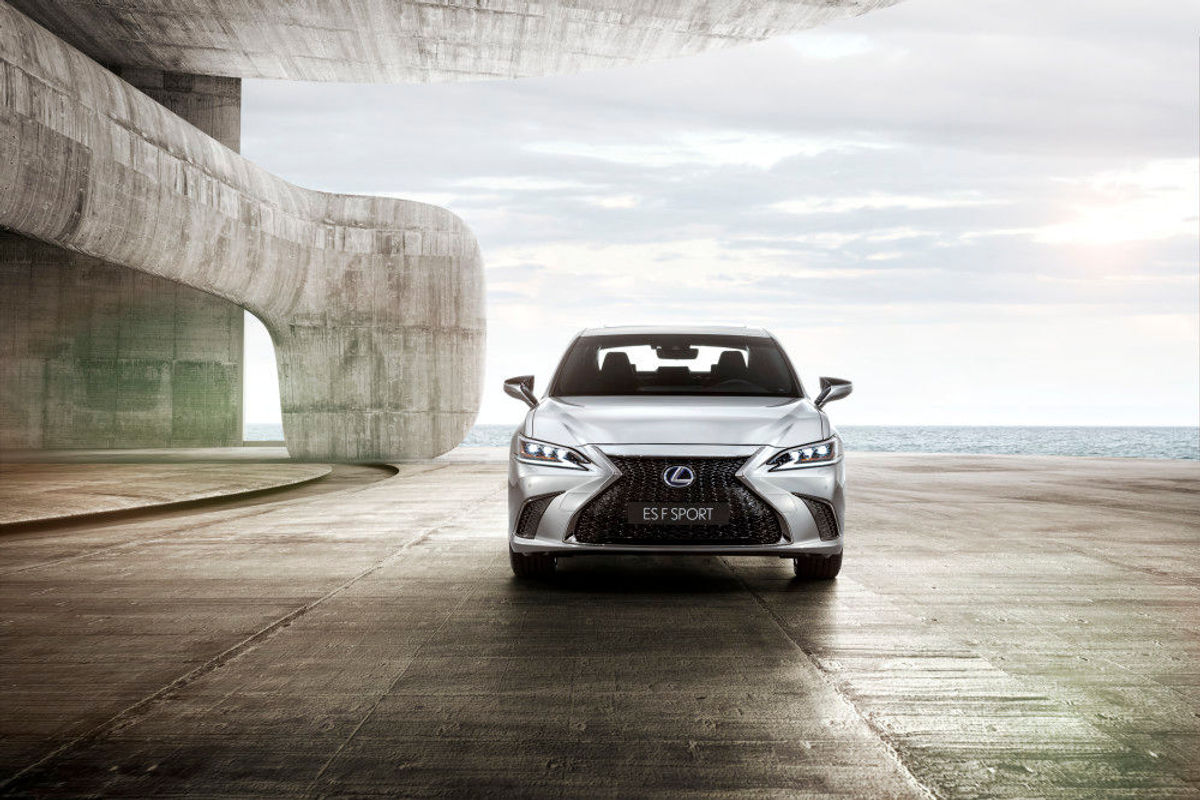
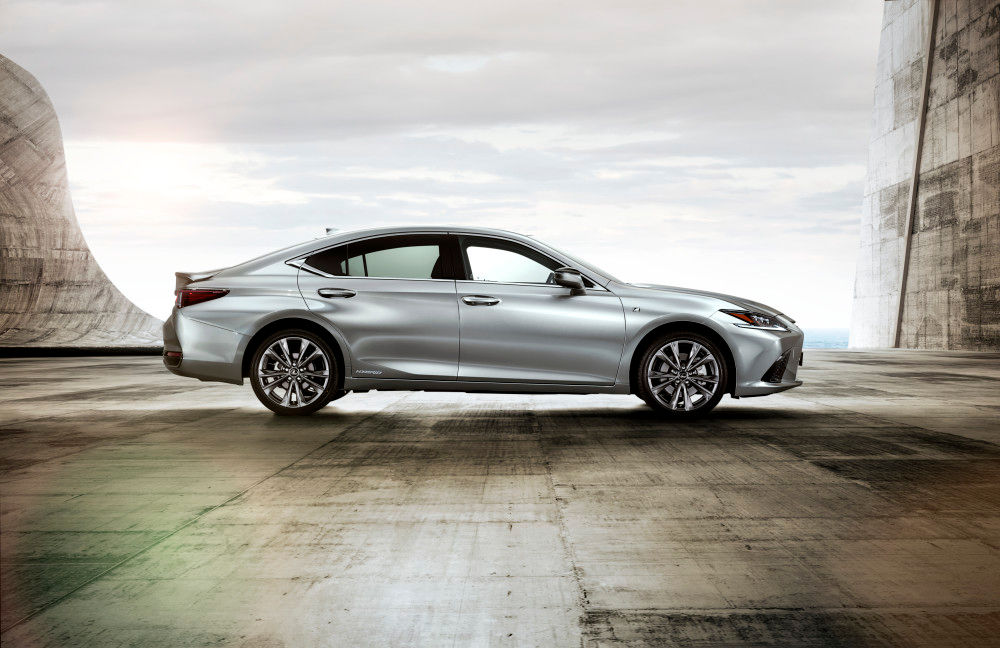
The new Lexus ES has made its debut at the Beijing Motor Show and the mid-size luxury sedan has been confirmed for arrival in SA in Q4 of 2018.
The new 7th-generation Lexus ES sedan has been officially revealed at the Beijing Motor Show and now rides on a new chassis that promises even better performance and refinement.
The new ES will be offered as the ES200, ES250, ES 350 and the ES300h with a self-charging hybrid system. The ES can be expected to reach South Africa towards the end of 2018 (Q4) and the local lineup will be confirmed closer to launch.
Key details
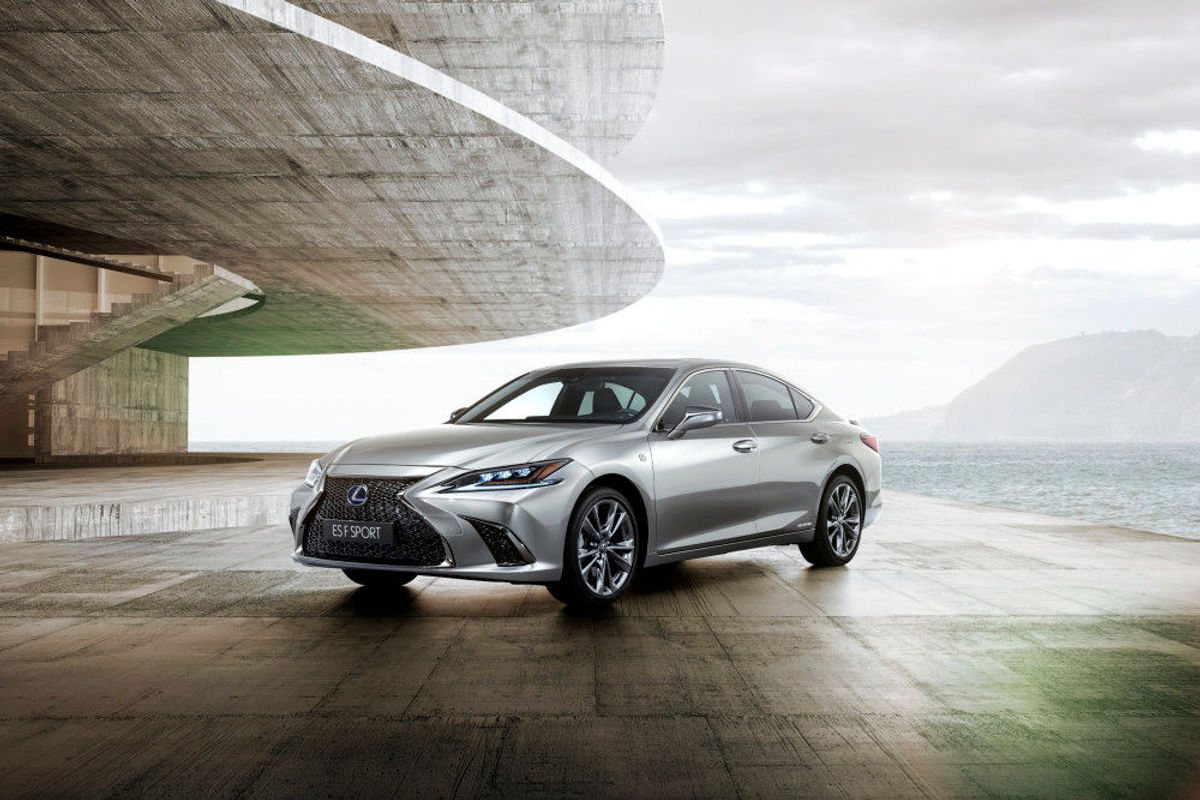
The new ES is larger with emphasis placed on comfort, refinement and performance. We can't wait to drive it…
Built on a new Global Architecture – K (GA-K) platform, the latest ES is larger than before and is some 65 mm longer, 45 mm wider and sits 5mm lower than the outgoing ES. Its wheelbase has increased by 50 mm with the front and rear tracks widened by 10 mm and 37 mm respectively.
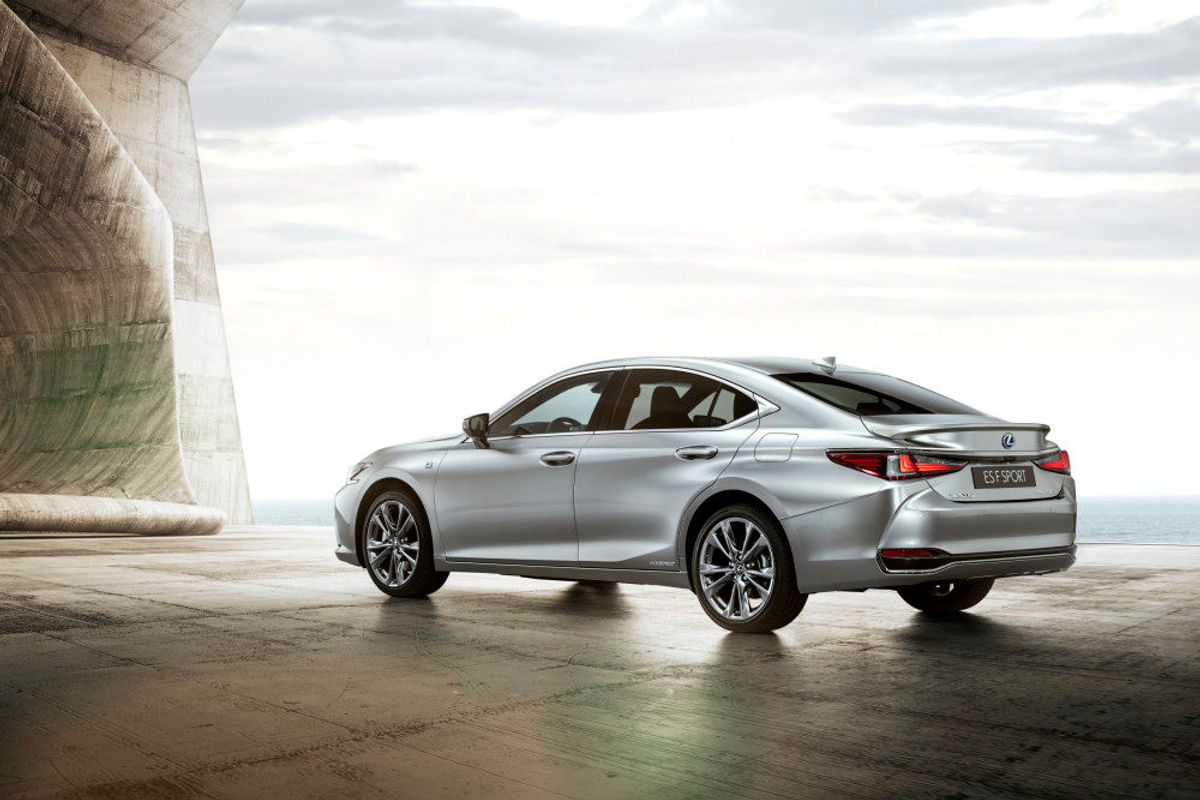
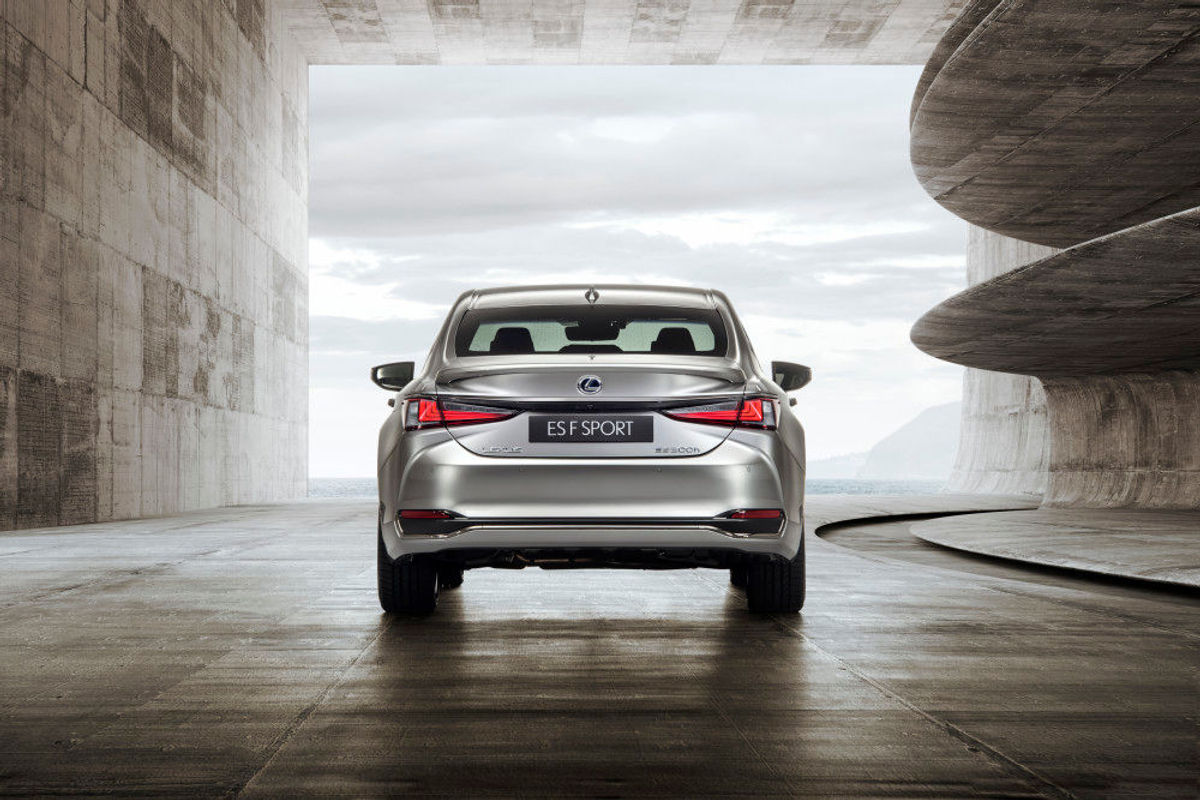
A key design change is a lower bonnet with a downward slant as well as a fast roofline that emphasises the ES’ lower stance. The chiselled rear-end features LED taillights that wrap around the quarter panels. There will be 3 different 17- and 18-inch wheel designs on offer for the ES while F-Sport versions will ride on 19-inch wheels similar to those seen on the LC 500 Coupe.
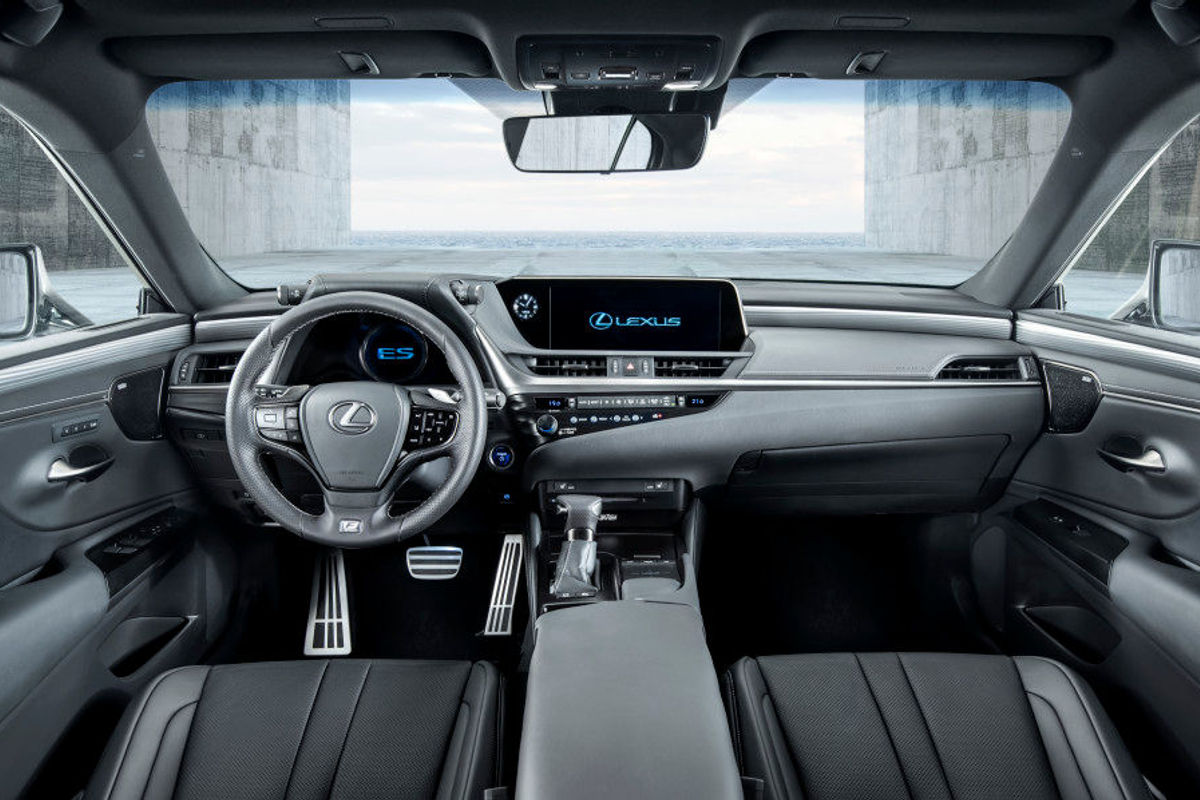
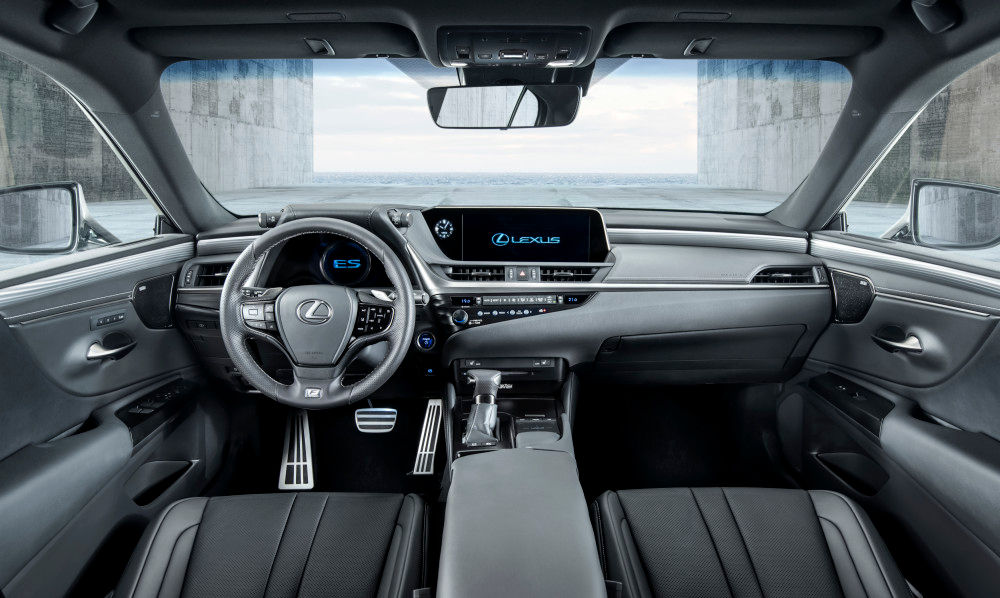
A driver-orientated cockpit with a large infotainment interface makes its way into the new ES.
The interior, based on the Lexus Future Interior concept, will feature a driver-focused cockpit with the central display, instrument cluster and head-up display placed closely together in the driver’s field of view. Passengers can expect a roomier cabin thanks to the ES’ larger dimensions.
Although comfort and refinement are still important cornerstones for the ES, Lexus engineers have placed increasing emphasis on transforming the handling and performance capability of the new ES. The chassis is more rigid and the use of high-tensile steel reduces weight while enhancements to the new multi-link rear suspension and rack-mounted electric power steering all contribute to enhanced handling and performance.
“We want every kind of driver to feel a sense of complete control when they are behind the wheel of the ES. It’s a level of comfort that goes beyond merely delivering a smooth ride” says Yoshiaki Ito, chief test driver for Lexus.
Powertrain details for the ES have yet to be revealed but reports suggest that a 3.5-litre V6 will find a home under the bonnet of the new ES with as much as 224 kW and paired with an 8-speed automatic transmission. The hybrid version will likely employ a 2.5-litre petrol engine pairing with an electric motor, much like the current ES 300h.
We will keep you updated as soon as local specification and pricing for the new Lexus ES, which we expect will replace the current car as well as the slow-selling GS executive sedan range in South Africa, are announced.
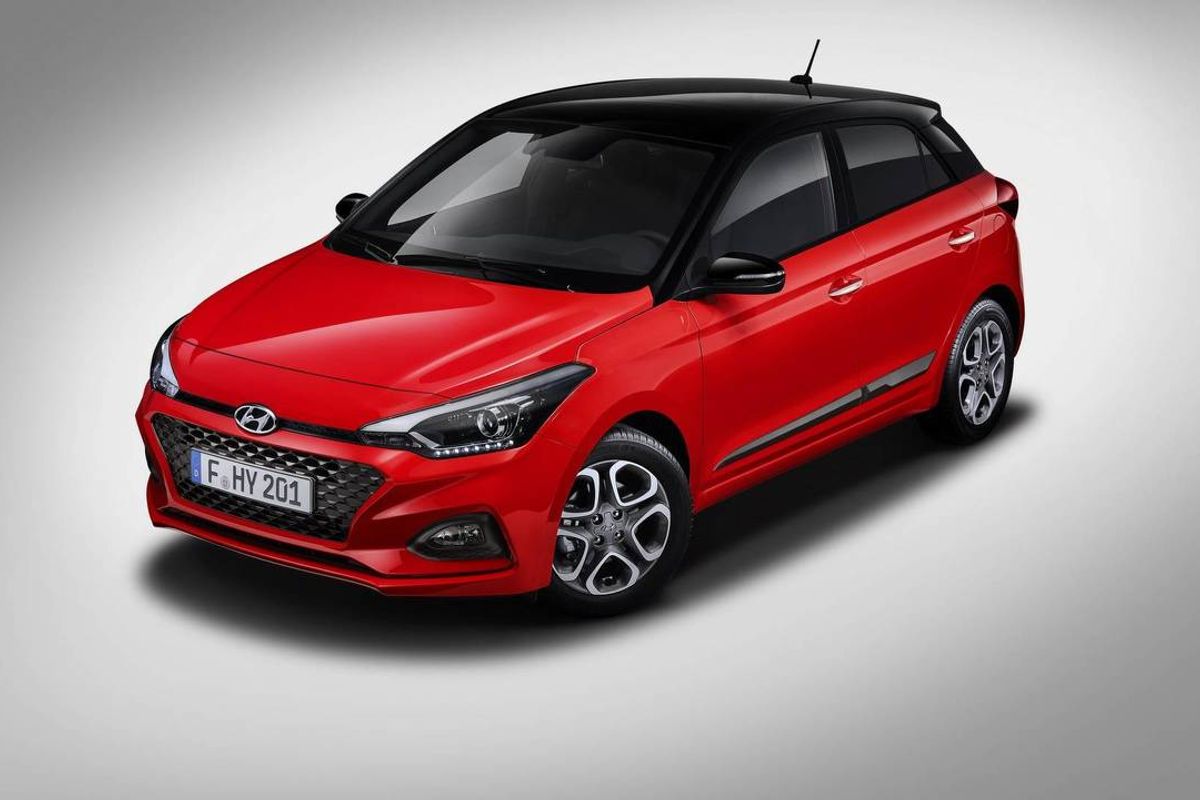
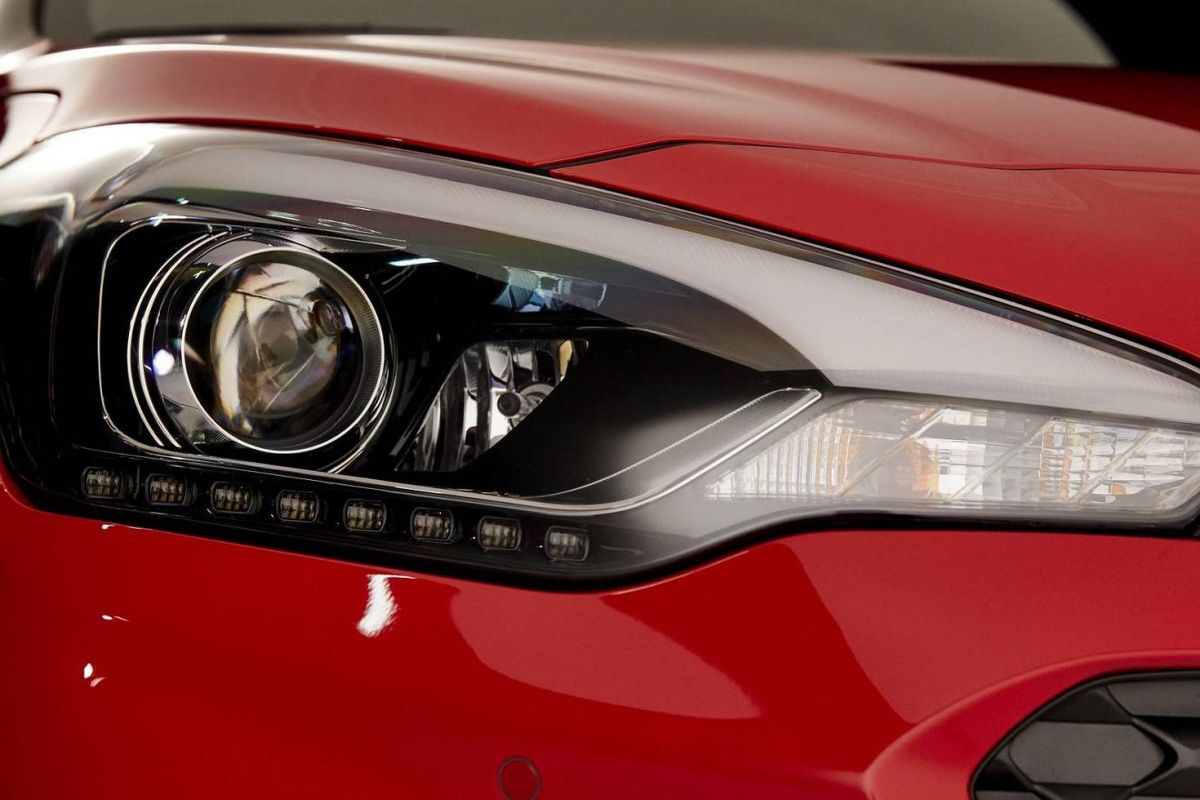
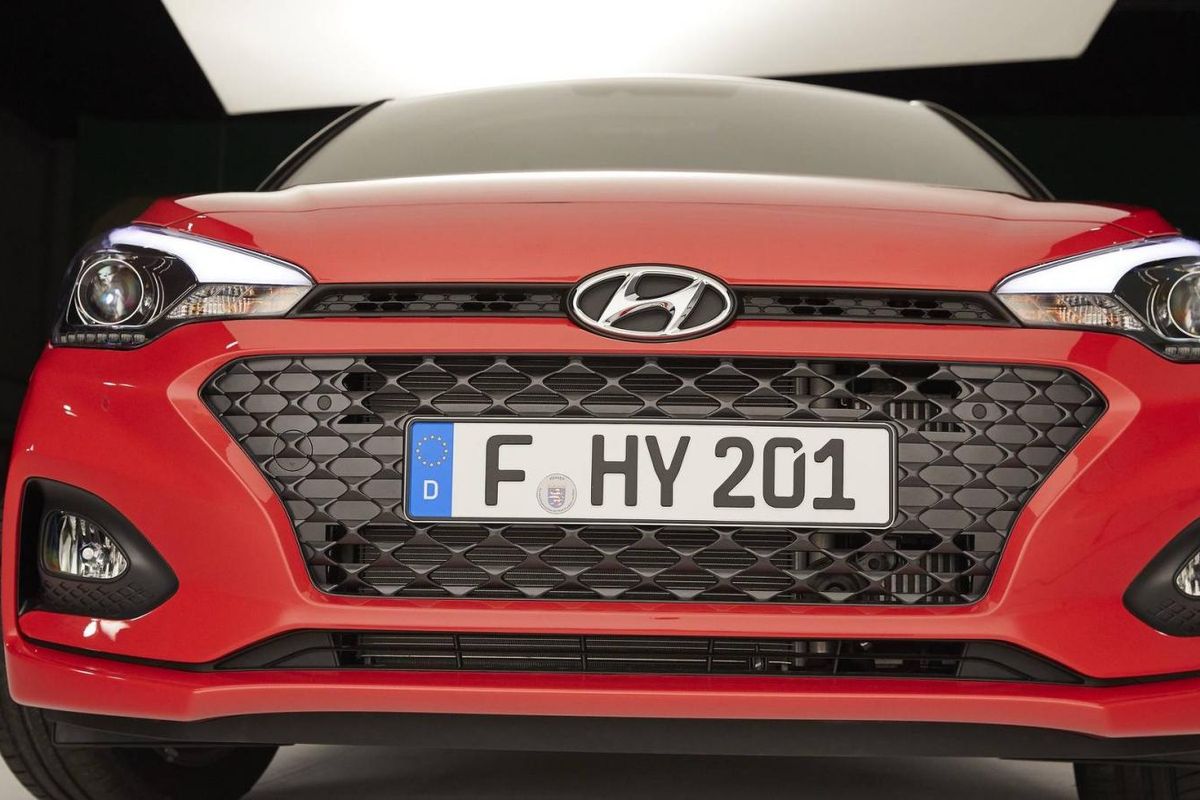
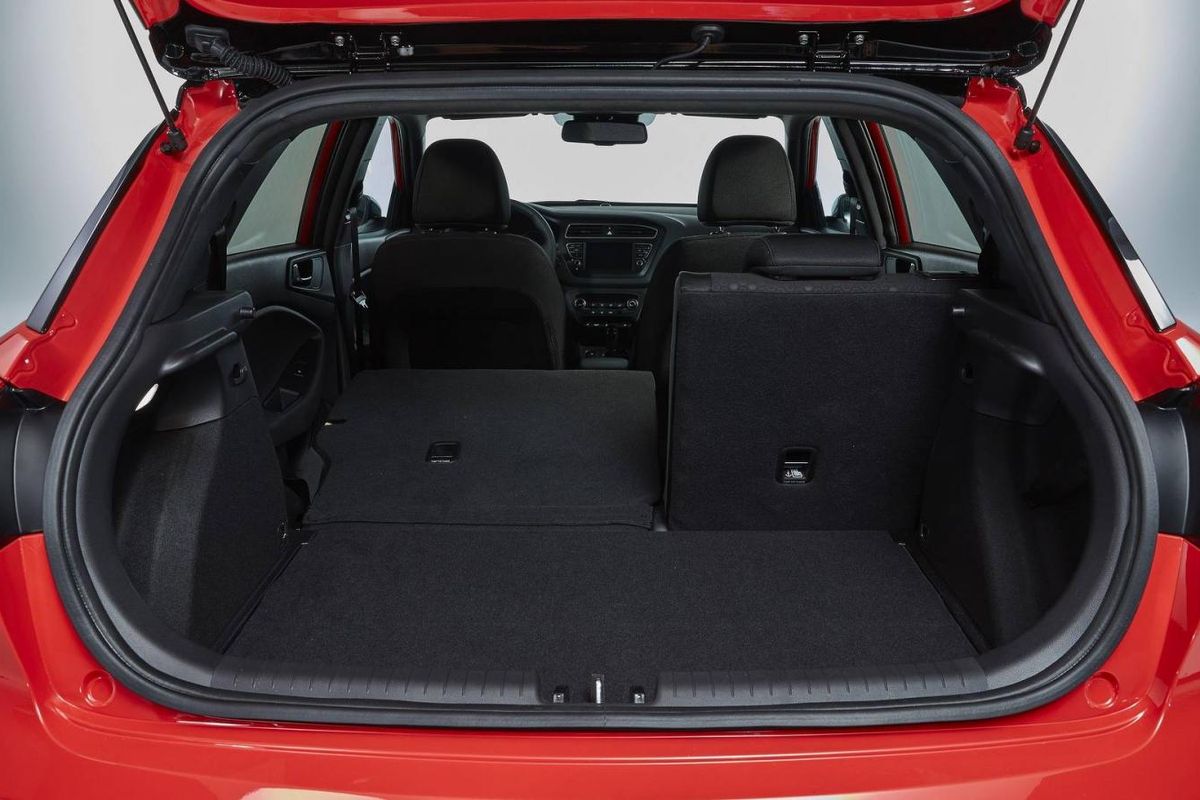
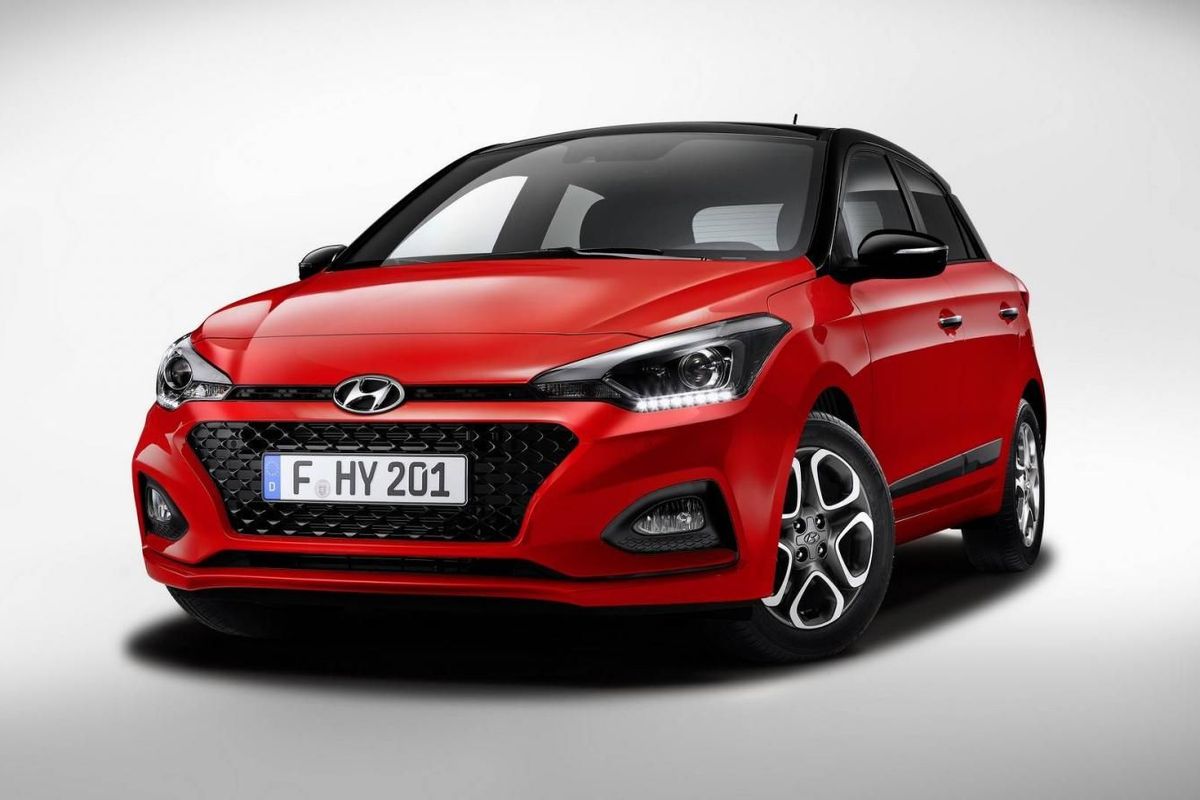
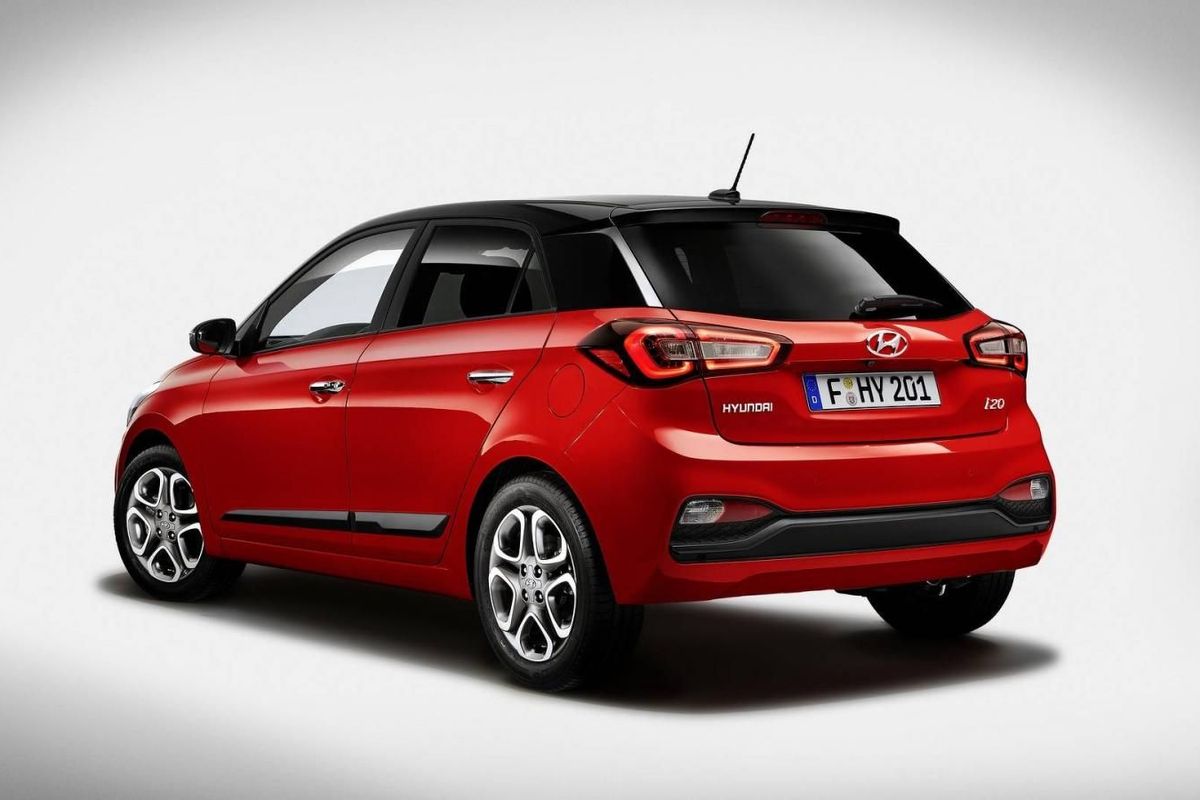
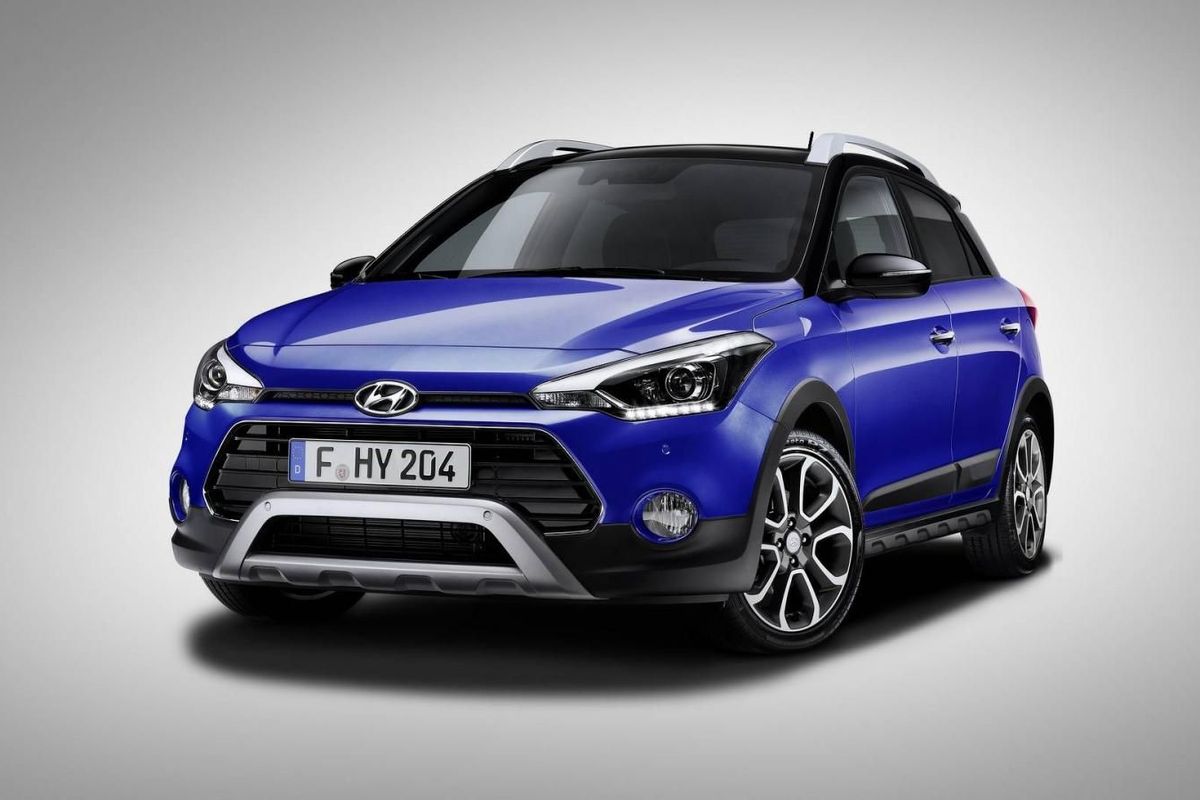
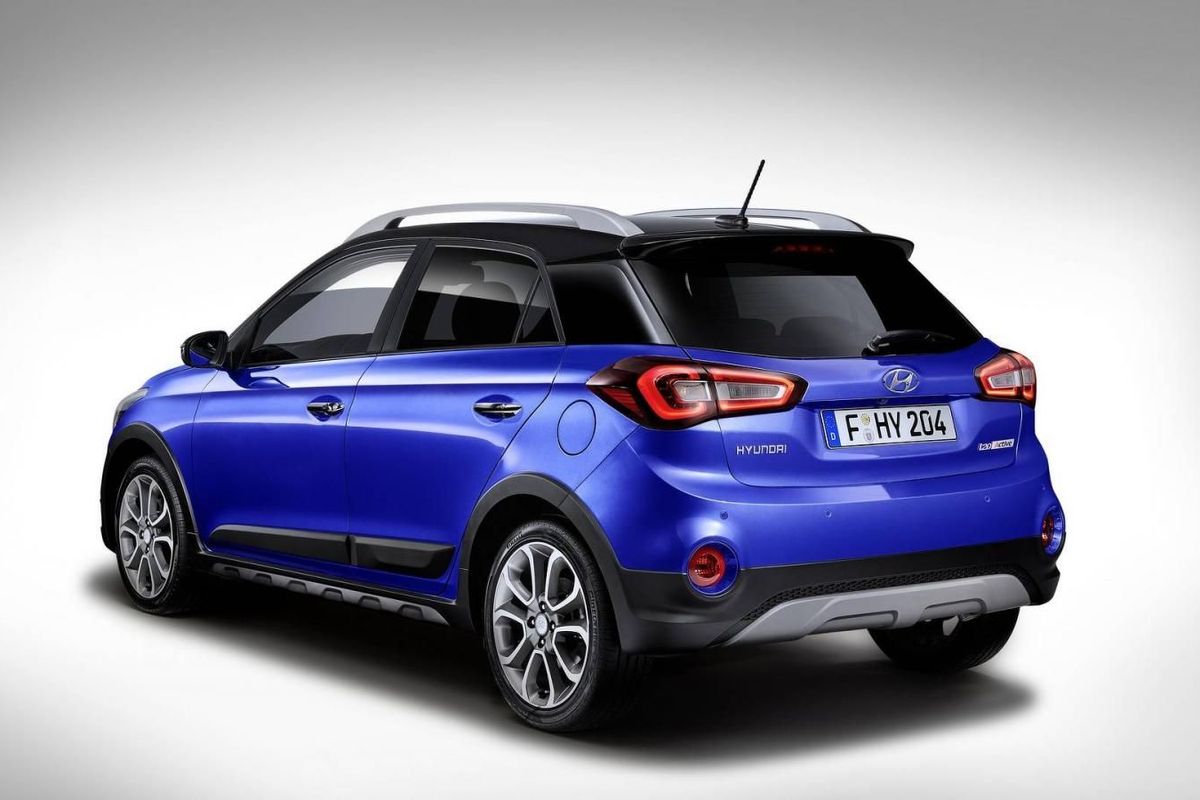
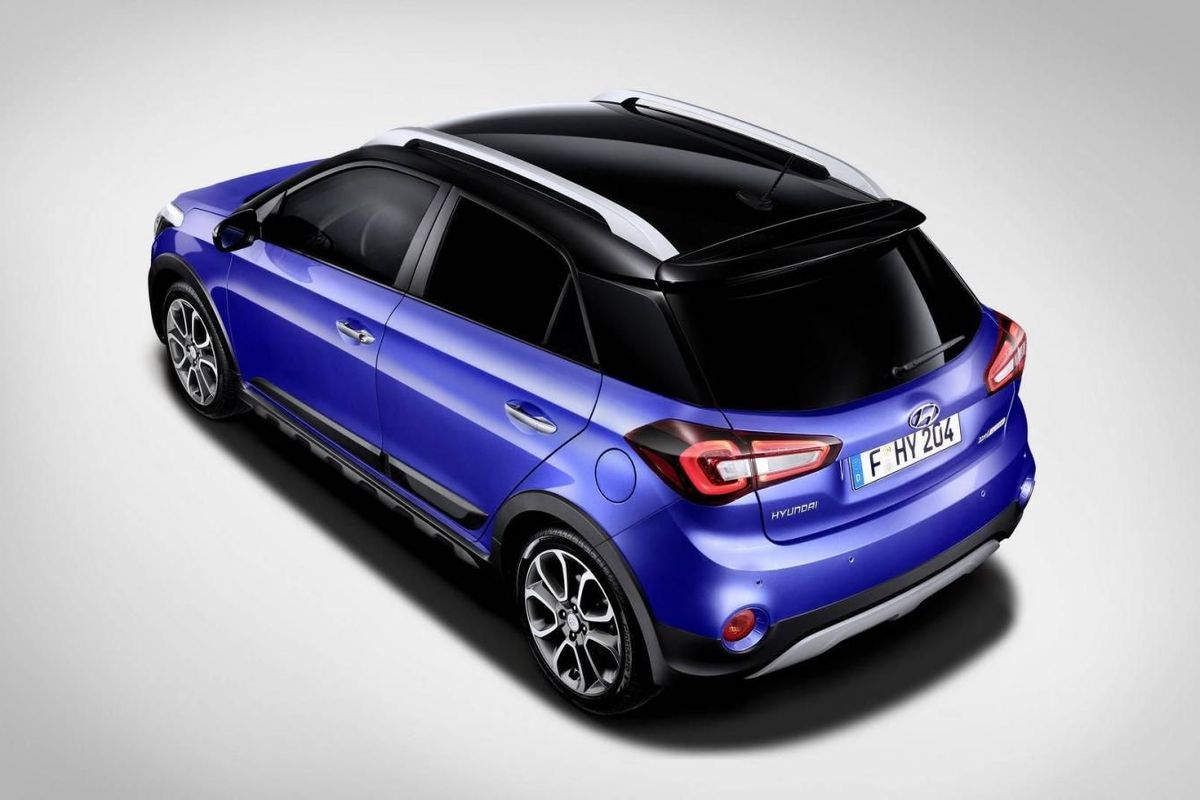
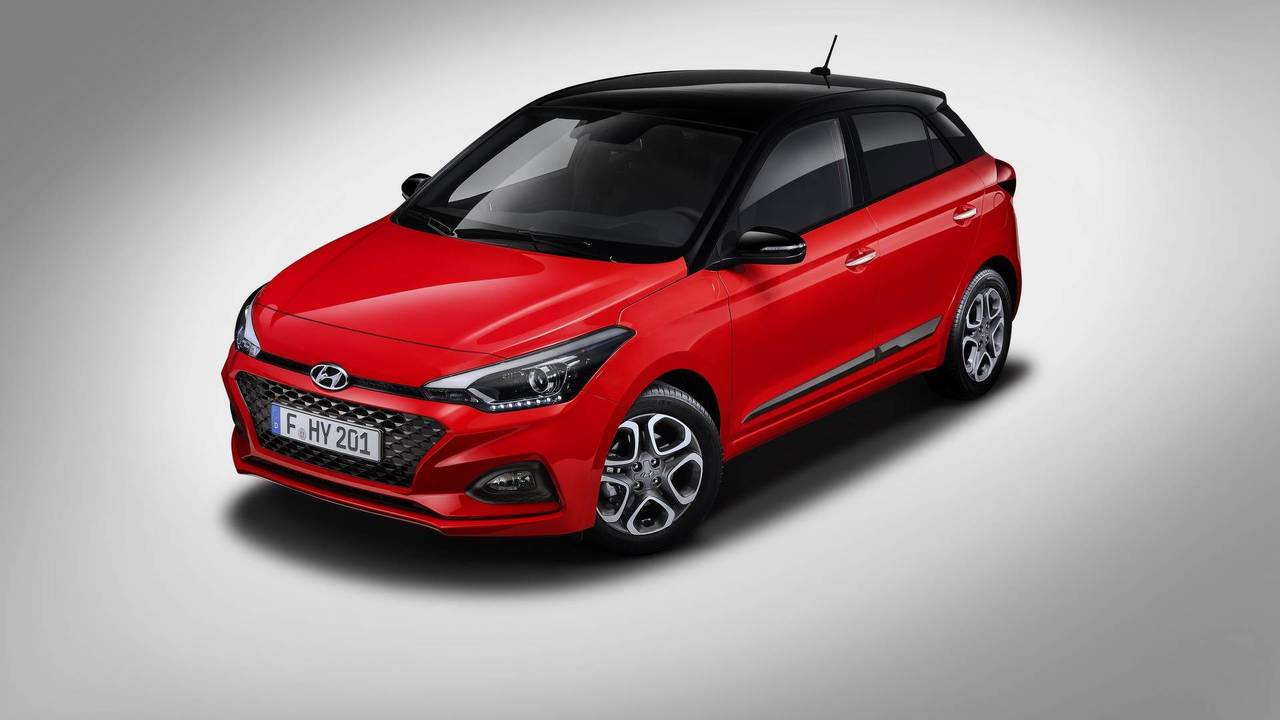
Hyundai's top-selling i20 compact hatchback has been smartly updated and the refreshed range will be introduced in South Africa in May 2018, replete with a new flagship Active crossover derivative.
The Hyundai i20 is a popular choice in the B-segment hatchback market and the South Korean carmaker has given the i20 a makeover to ensure that it can effectively compete against rivals such as the Ford Fiesta, Volkswagen Polo, Renault Clio, Kia Rio, Mazda2, to name a few.
Key changes
Exterior and interior styling
The i20's styling has been suitably enhanced. Will the attractive dual-tone paint finish be available in South Africa? We hope so.
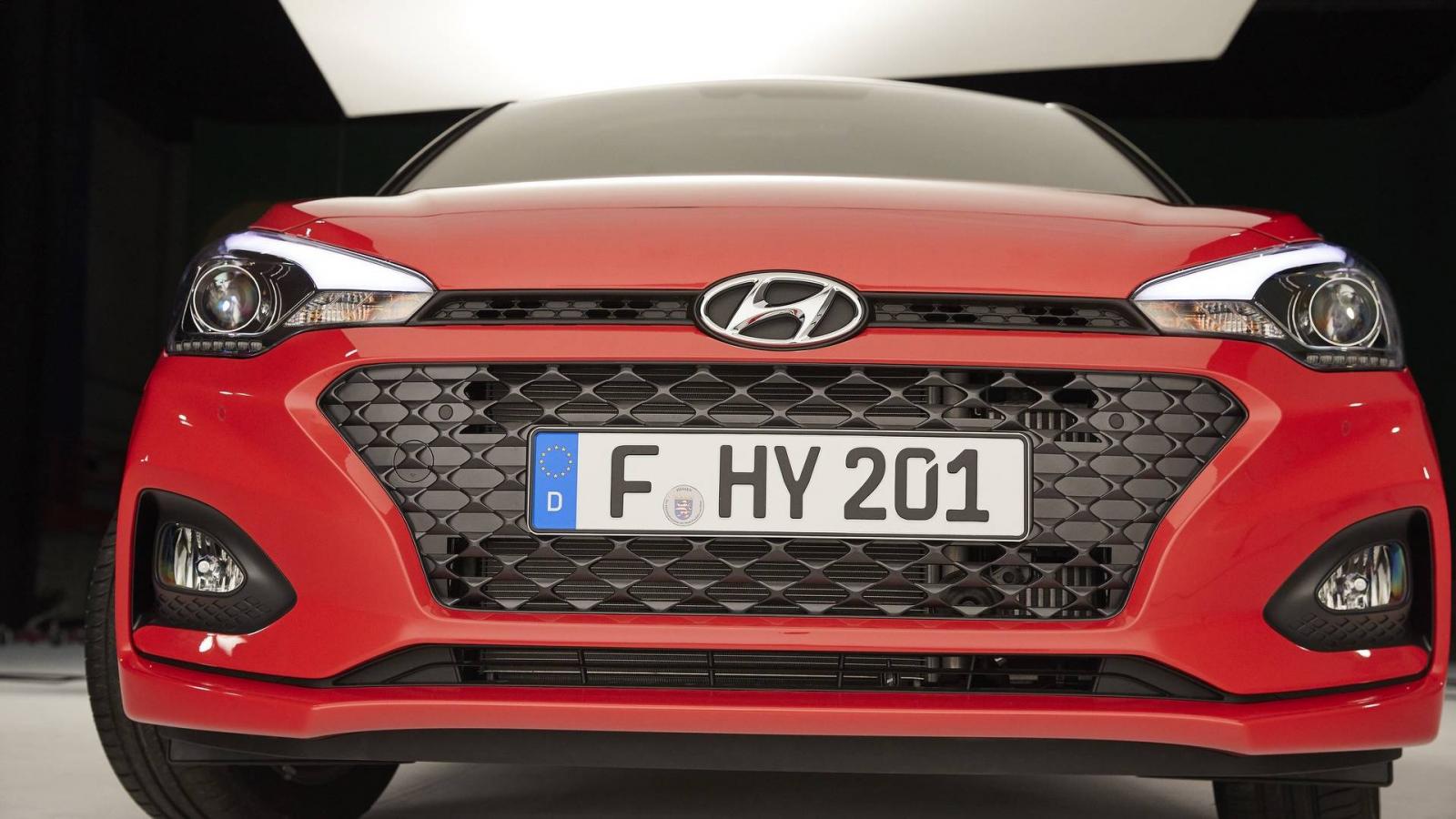
The most prominent styling change can be seen up front with a redesigned front bumper and cascading grille. The rear bumper has also been reworked and combination taillights complement the new look. The tailgate integrates the license plate and top-spec i20 derivatives will ride on either newly designed 16-inch alloy wheels (it remains to be seen if this design will be offered on the local market, however) or 17-inch items.
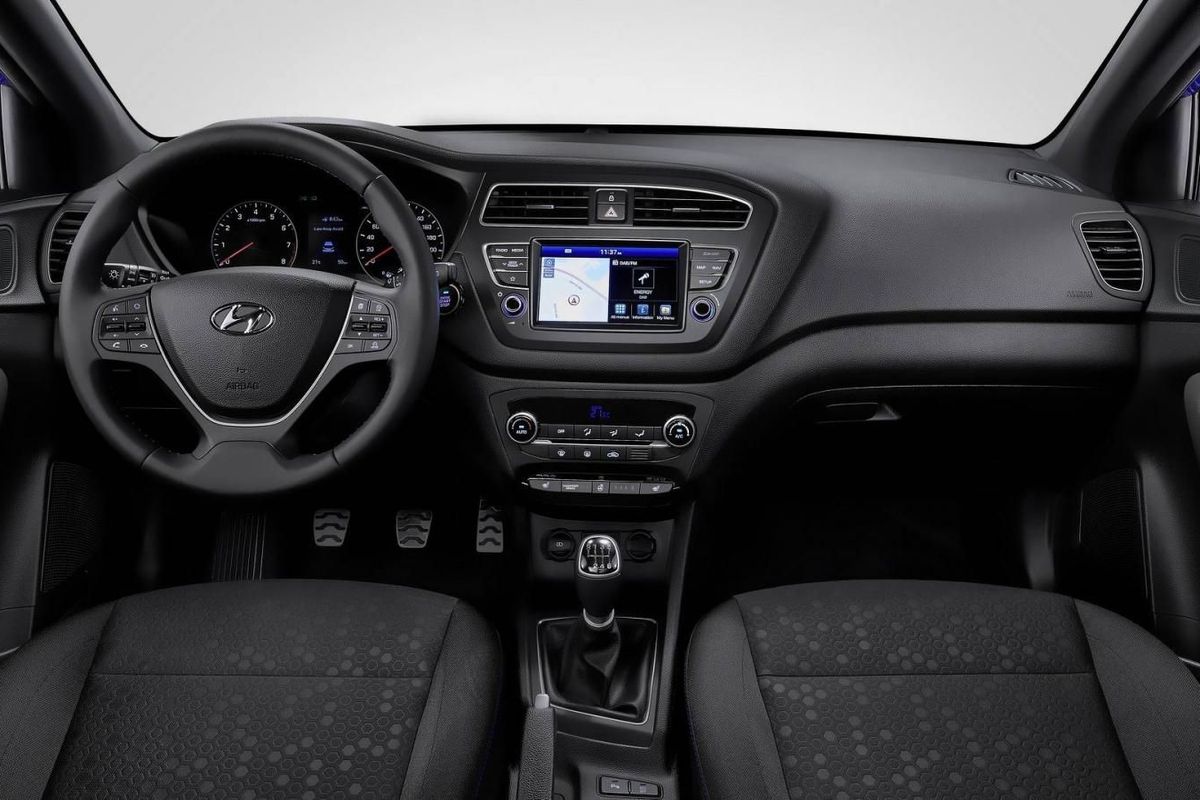
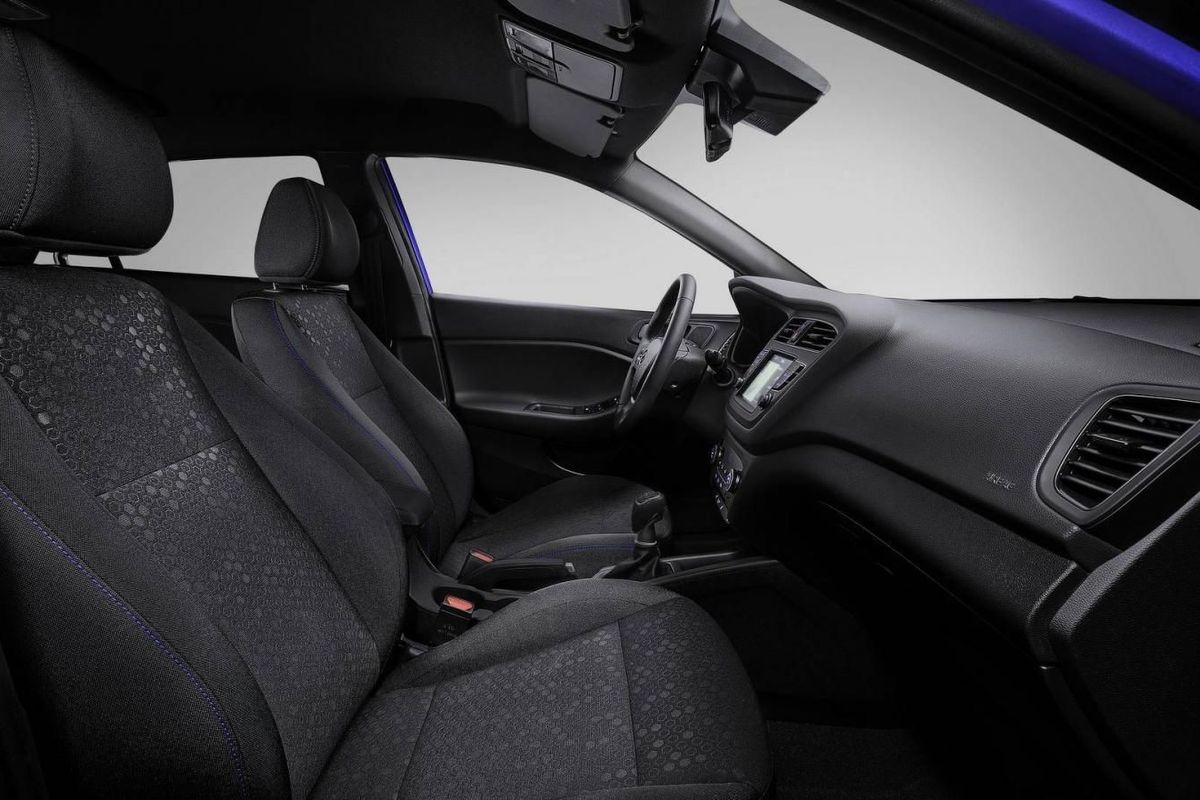
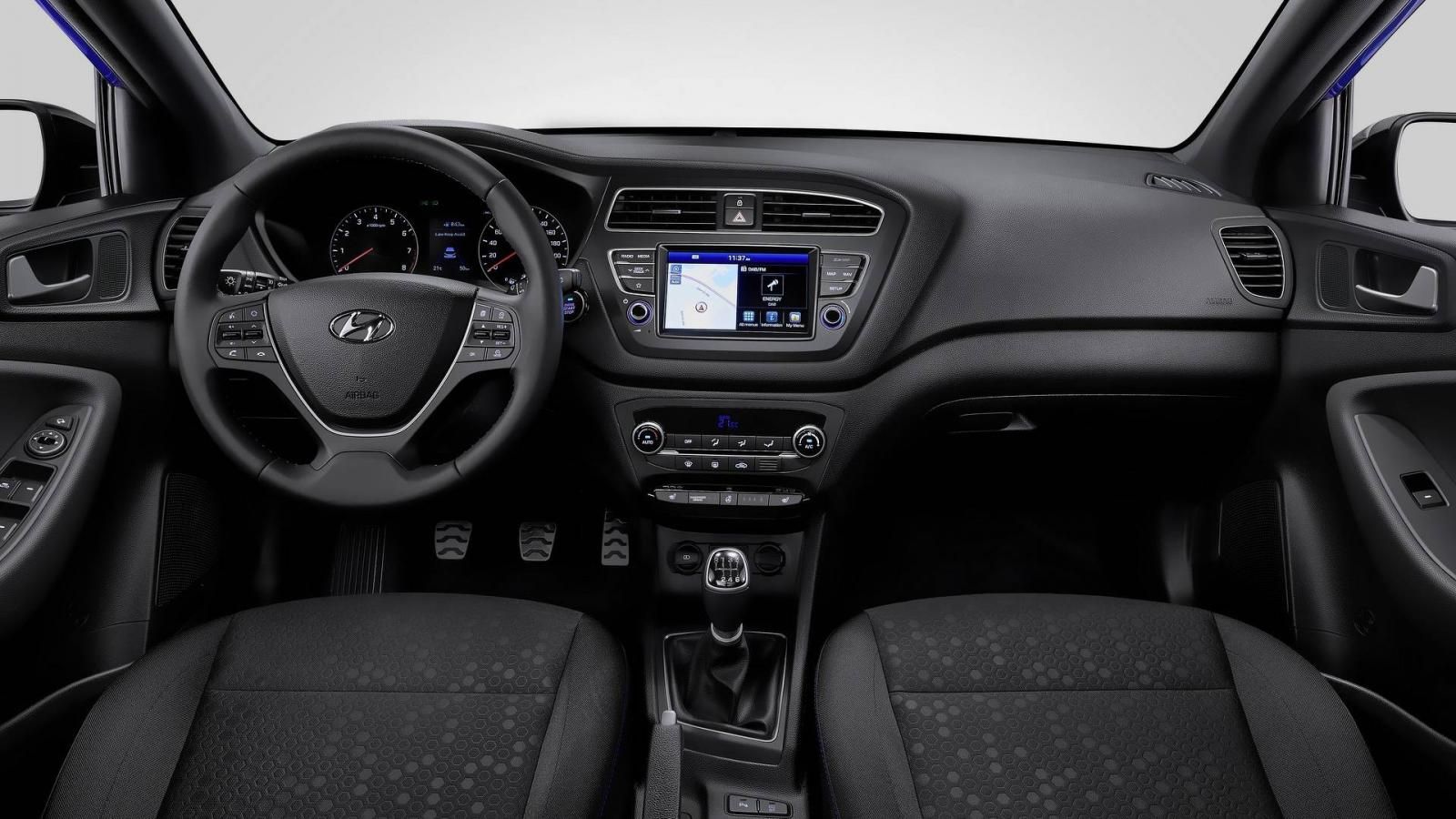
The interior specification of the i20 will remain much the same as on the current car, but for the introduction of upgraded materials.
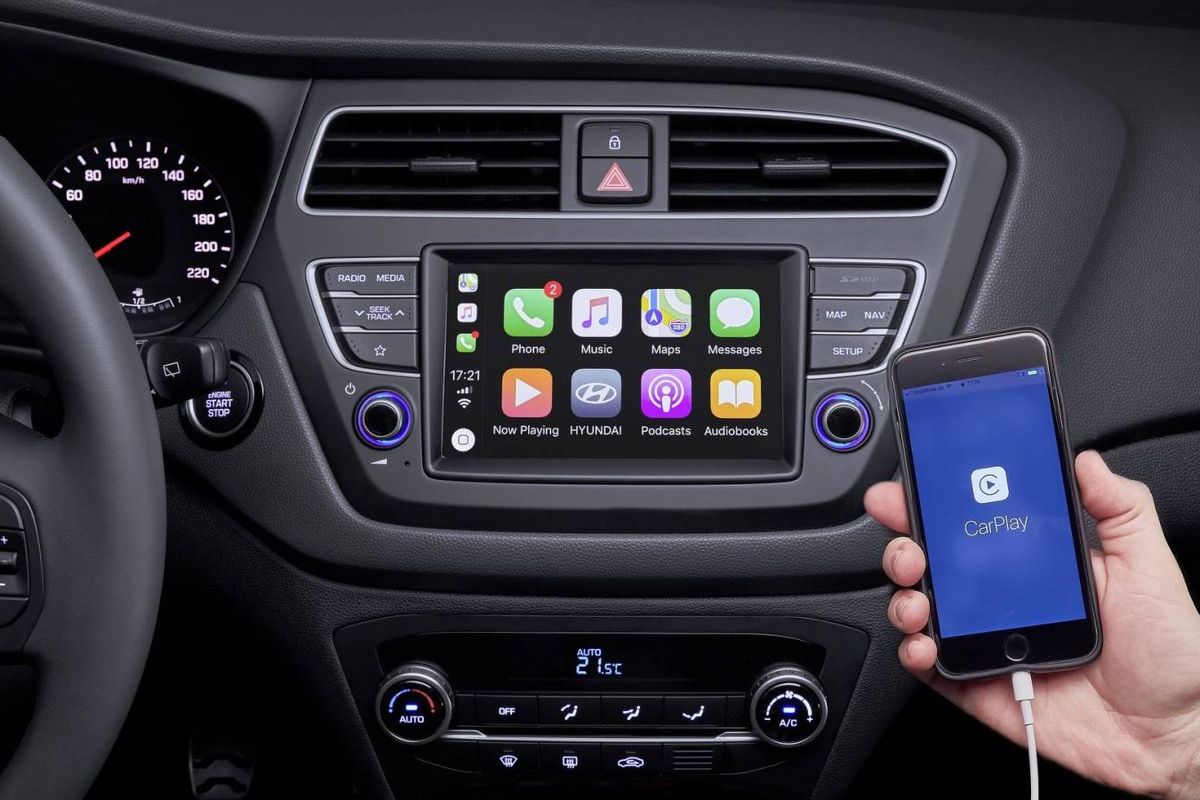
As for the cabin, the major improvements in terms of the interior concern the introduction of smarter-looking, soft-touch plastics, updated upholstery patterns and a locally-sourced Bluetooth-enabled touchscreen infotainment system with satellite navigation and a smartphone mirroring function.
On Fluid derivatives you can expect features such as electric windows all round (with 1-touch function for the driver), a multifunction steering wheel, electric folding and heated side mirrors, single-zone climate control, a cooled glovebox, remote boot unlock and rear parking sensors.
Engine line-up
The current line-up of 1.2- and 1.4-litre naturally aspirated engines will continue. There won't be a 1.0-litre turbopetrol version.
Whereas the i20 line-up in the European market will feature a 1.0-litre turbopetrol engine and a 7-speed dual clutch transmission (7DCT), the local market will continue with the 61 kW 1.2- and 74 kW 1.4-litre naturally aspirated 4-cylinder petrol engines, mated with 5- and 6-speed manual gearboxes respectively, although the latter powerplant will also be available in conjunction with a 4-speed automatic transmission.
In terms of safety equipment, dual front airbags (with passenger deactivation function), plus ABS and EBD will be standard, as will crash-sensing door unlock function, follow-me-home lighting, alarm and immobiliser.
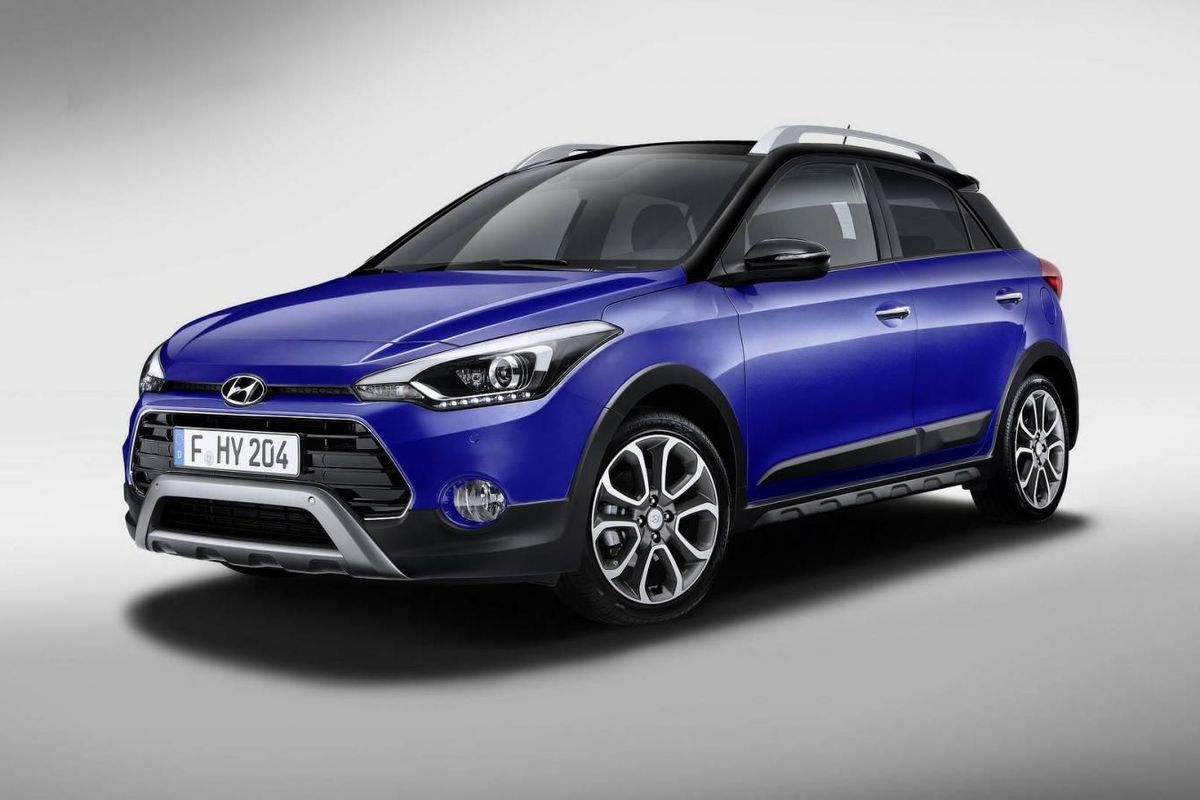
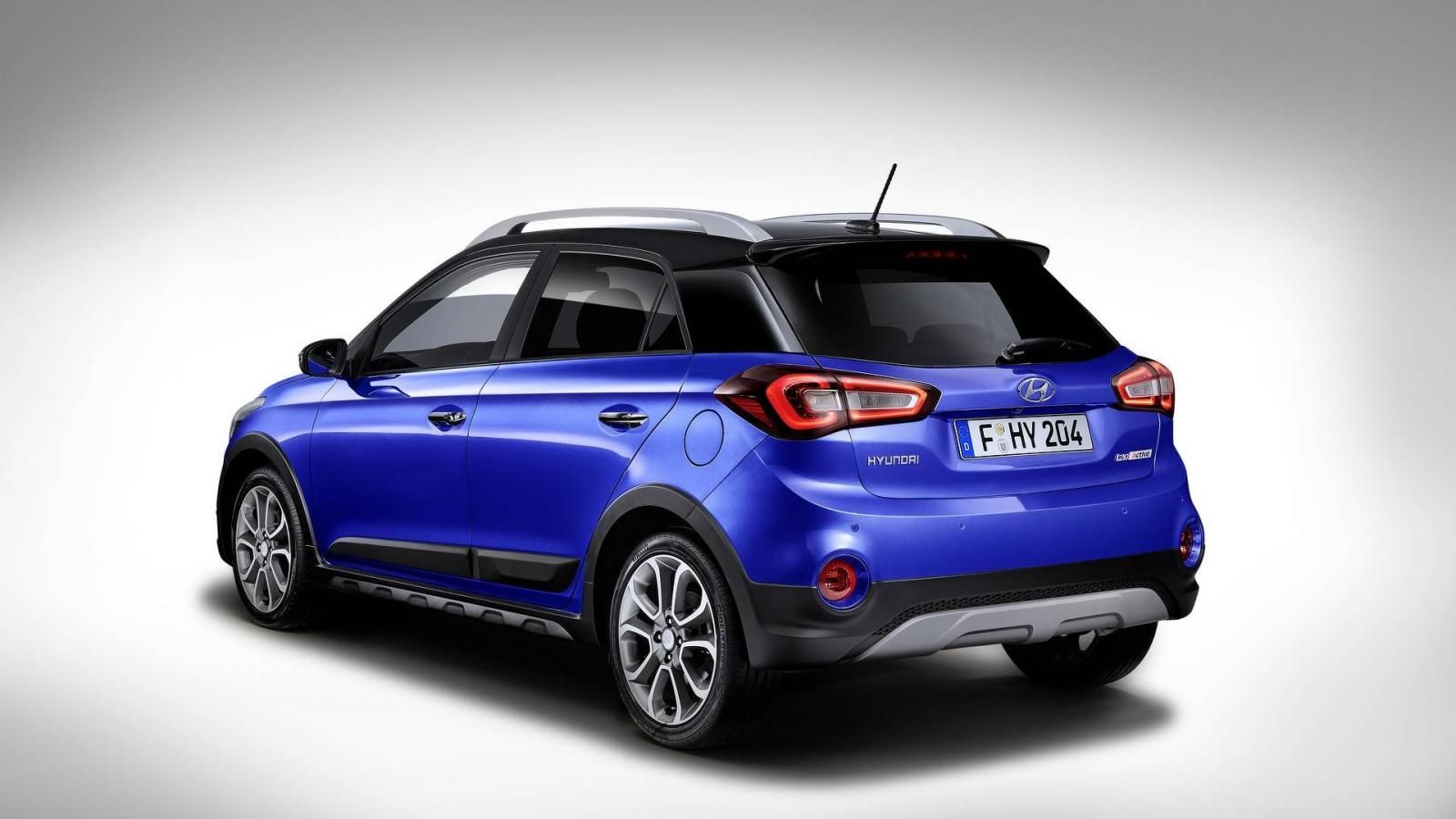
The new flagship Active derivative adds purposeful-looking crossover accoutrements to the i20 package.
Although we expect that the Sport derivative, fitted with a performance-enhancing chip (which boosts the 1.4-litre engine's performance to 85 kW and 160 Nm), a stainless steel CAT back exhaust system, sporty rear spoiler and 17-inch wheels, will remain available in the refreshed i20's line-up, the flagship position of the Korean marque's compact hatchback range will transfer to the new crossover-flavoured Active derivative.
Although we expect the standard specification of the Active version to be similar to that of the 1.4 Fluid, its eye-catching exterior execution includes restyled bumpers fore and aft, black side cladding and door mouldings, plus satin chrome roof rails. Inside, the newcomer may feature a 2-tone interior scheme, or, at the very least, sporty contrast-stitching. Although the Active derivative does not feature all-wheel-drive capability, its ride height is 20 mm higher than a standard i20's, which means that it should cope better with light off-roading, including dirt-road driving conditions.
We will keep you updated as soon as full local specification and pricing details become available, but we expect that the current 7-year/200 000 km drivetrain and 5-year/150 000 km vehicle warranties and 3-year/60 000 km service plan will remain standard.
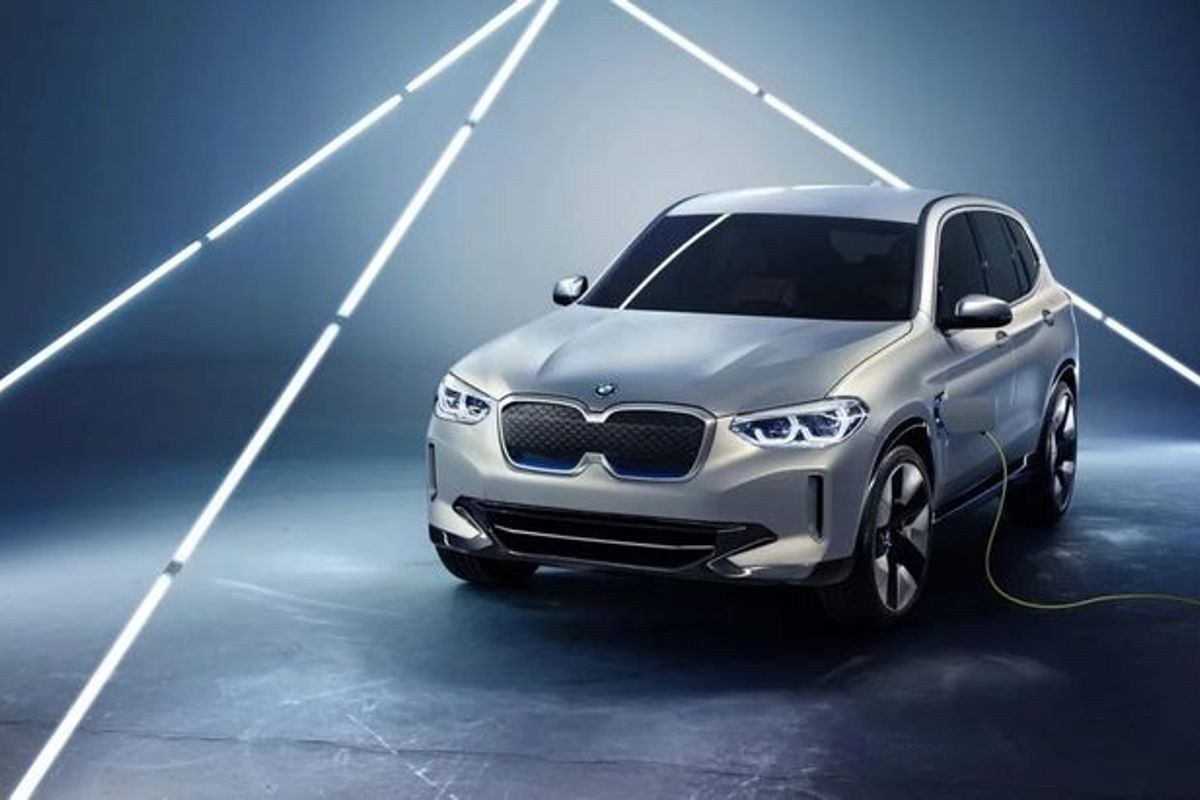
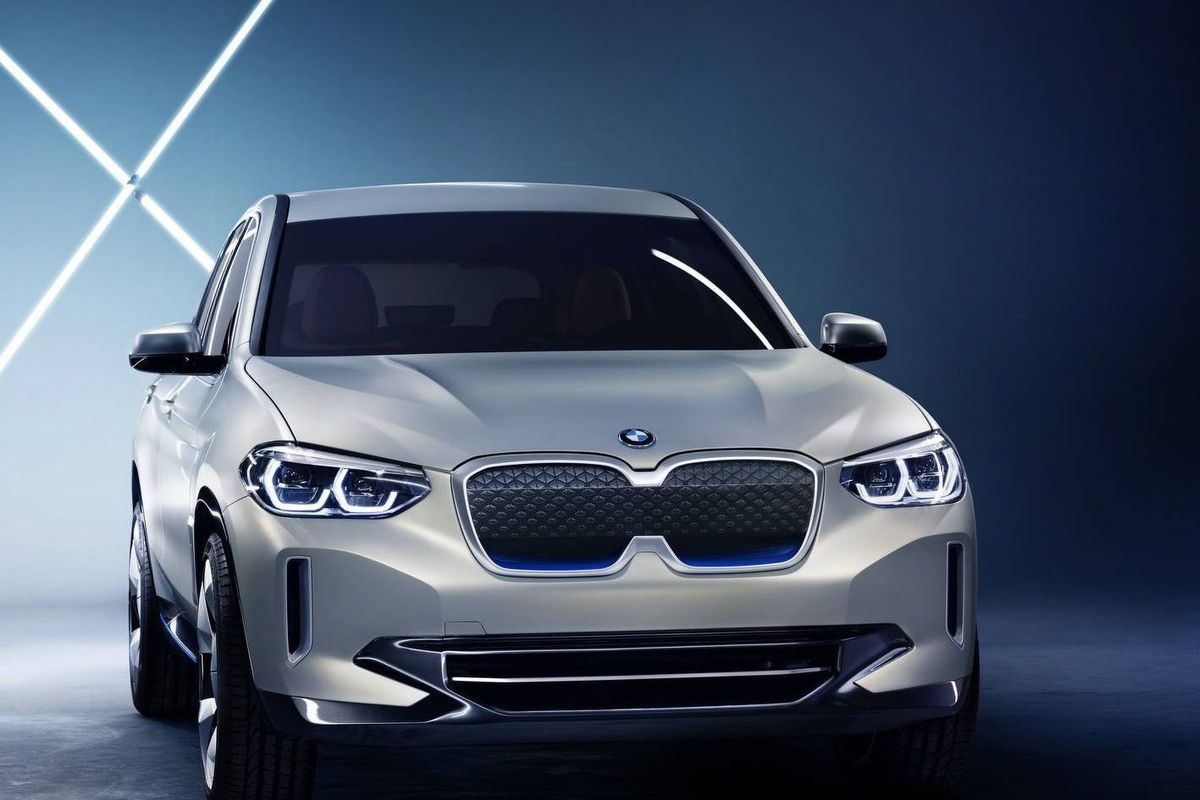
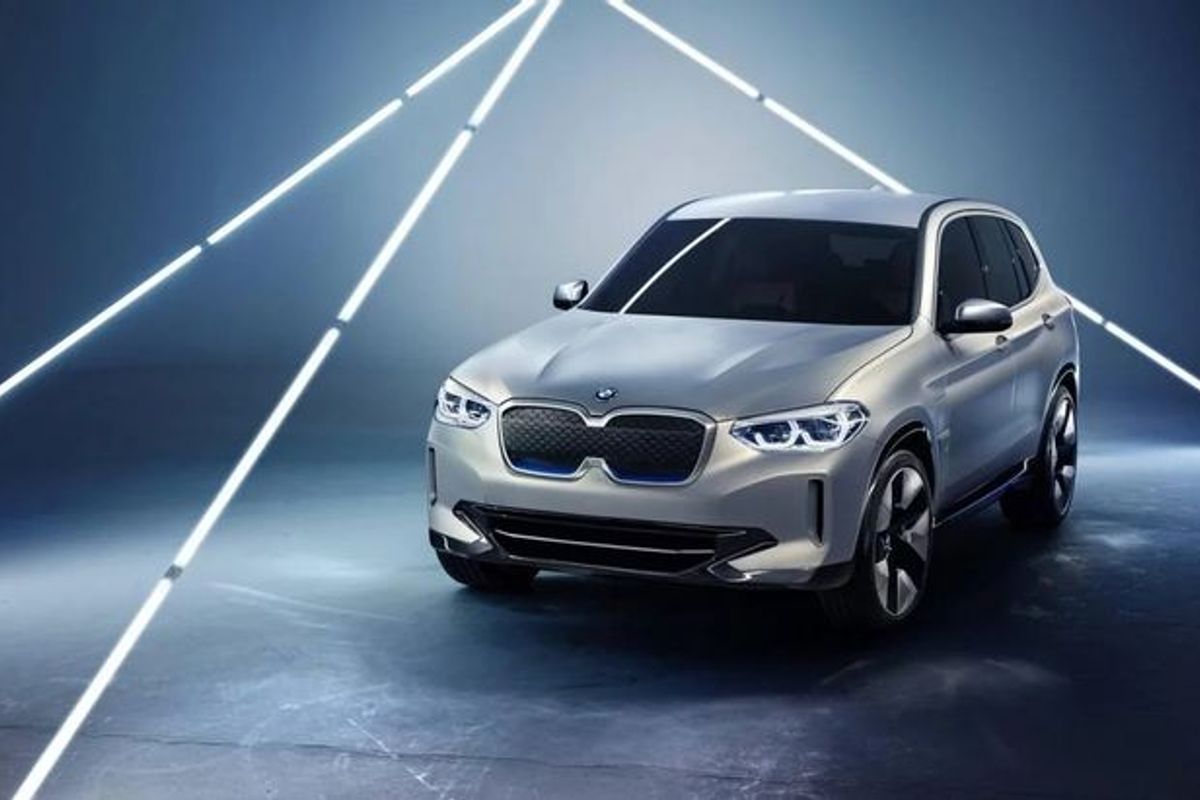
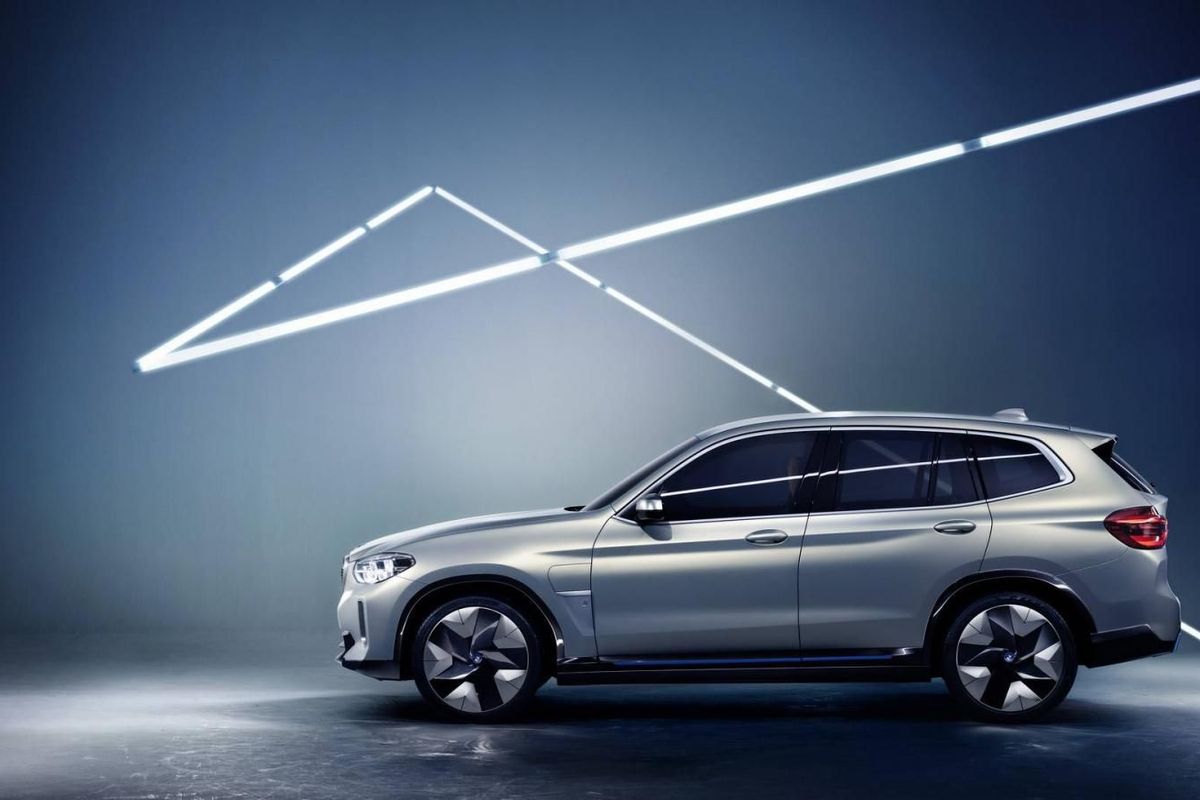
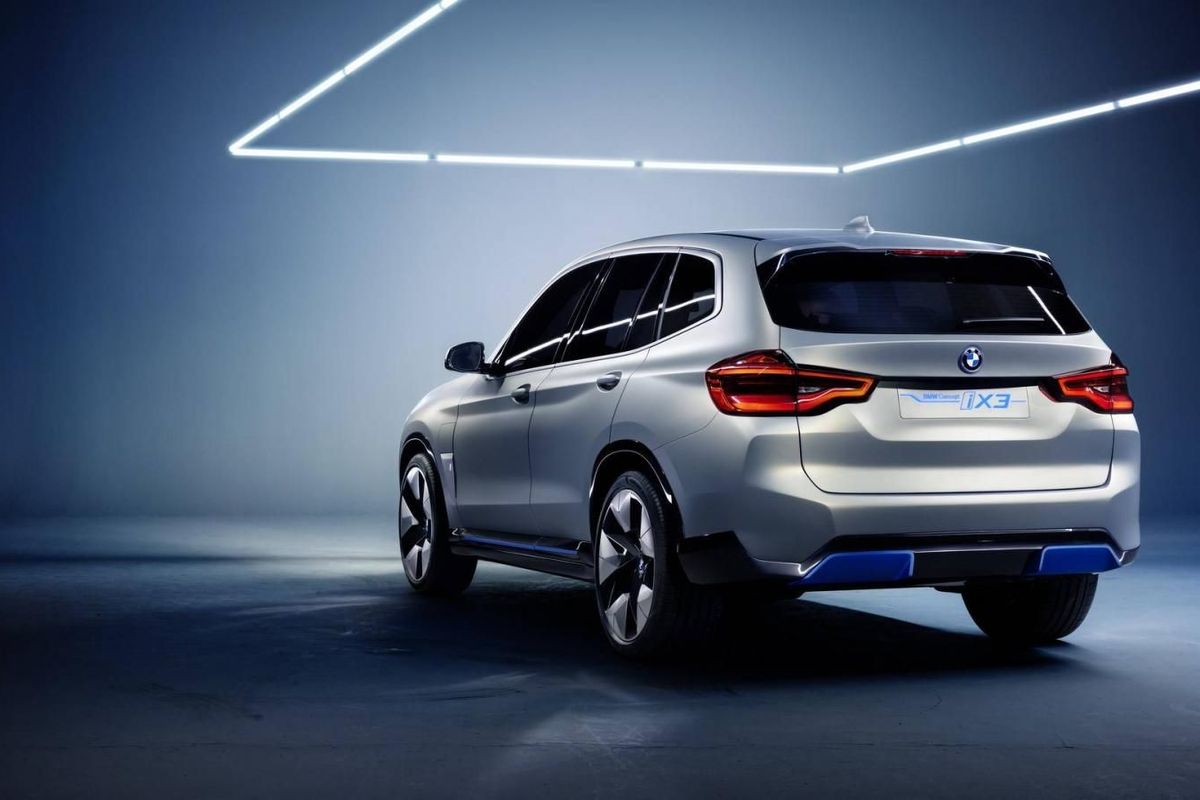
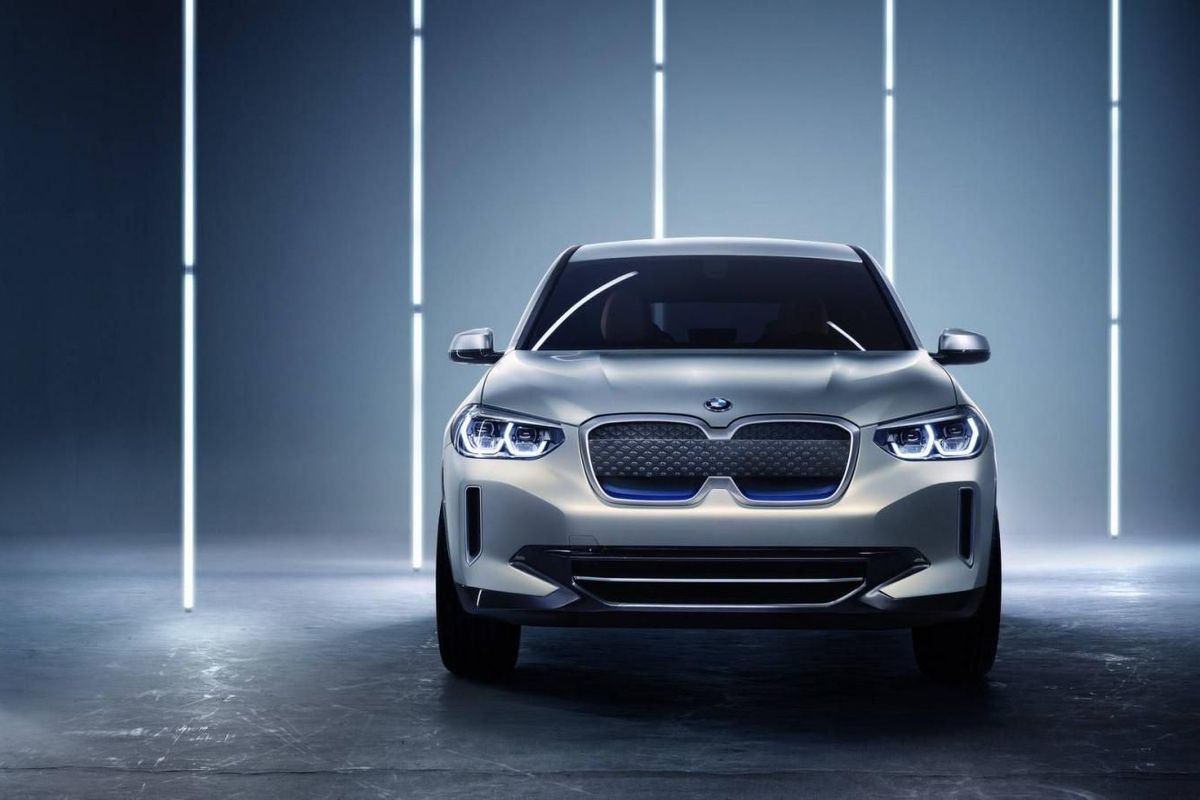
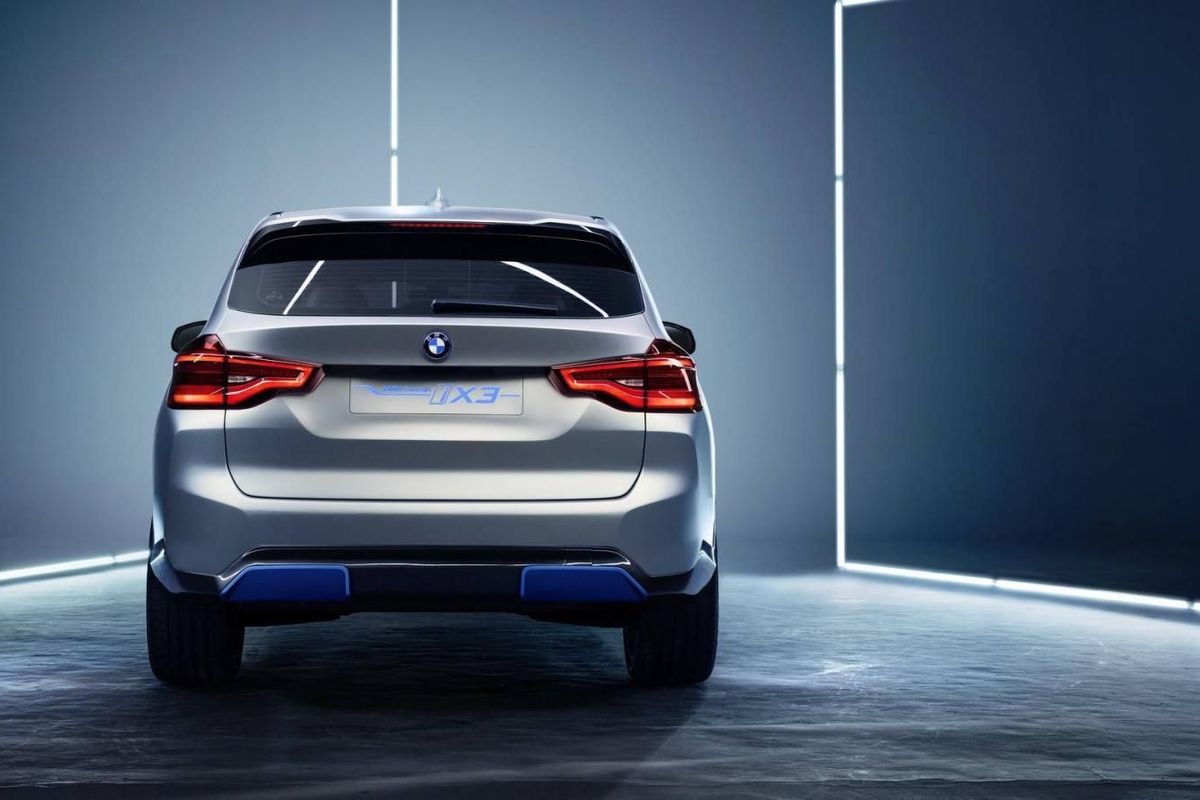
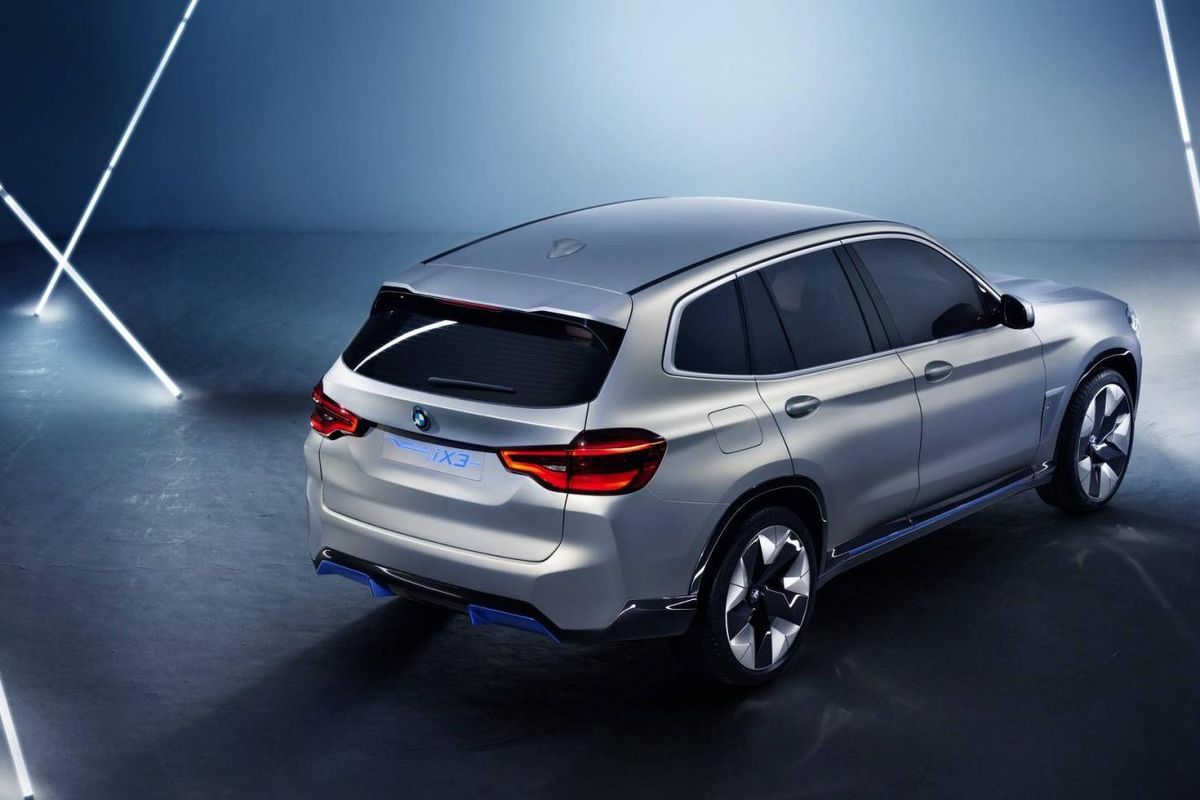
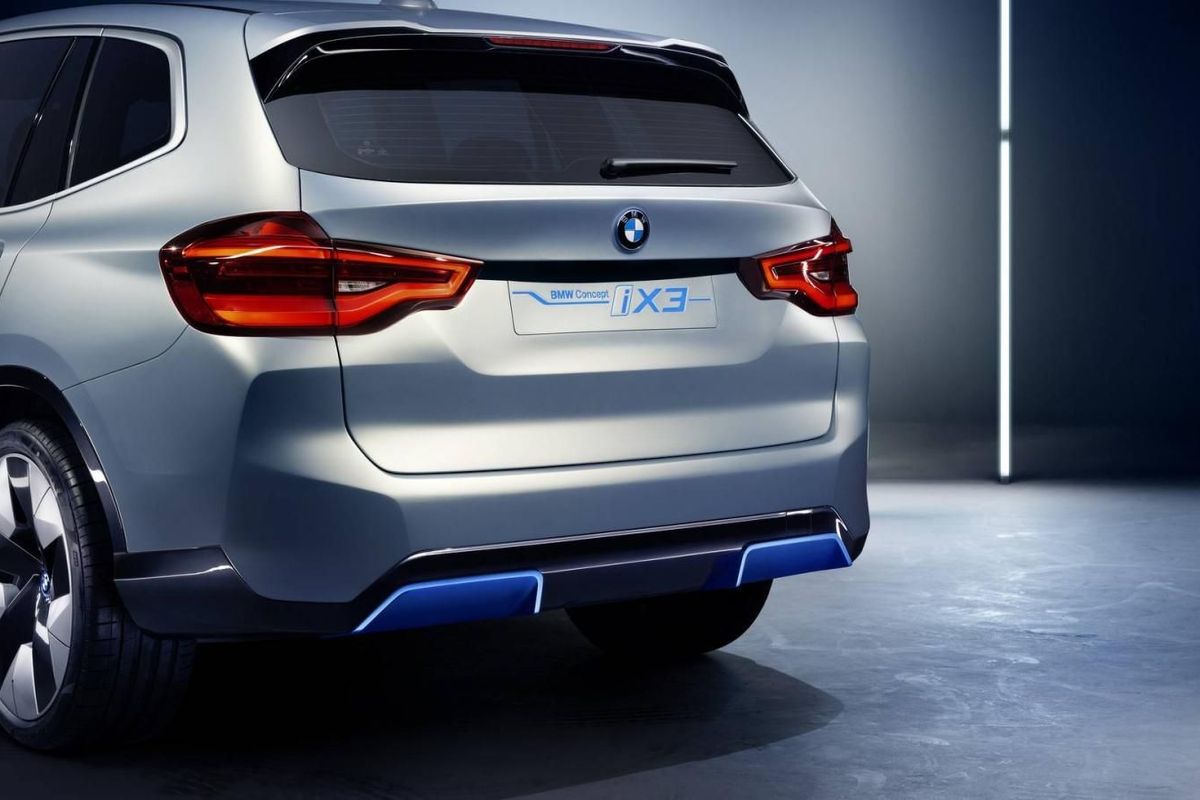
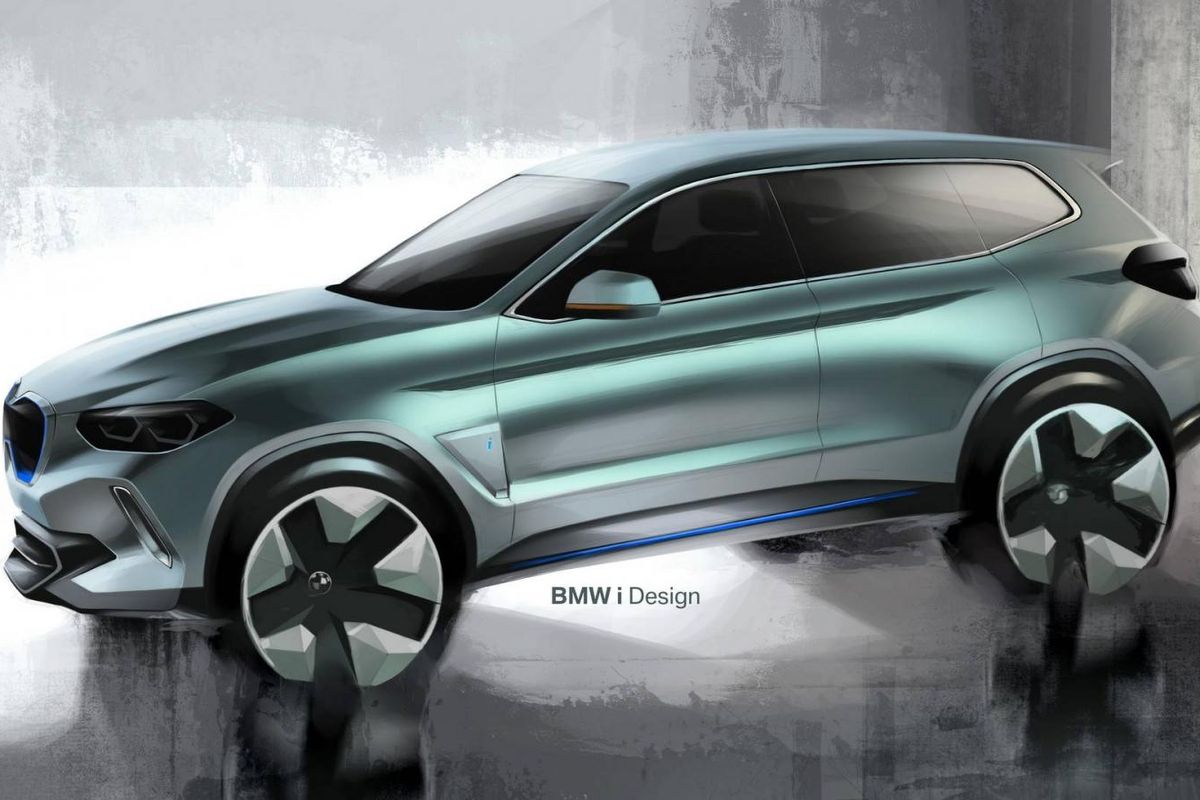
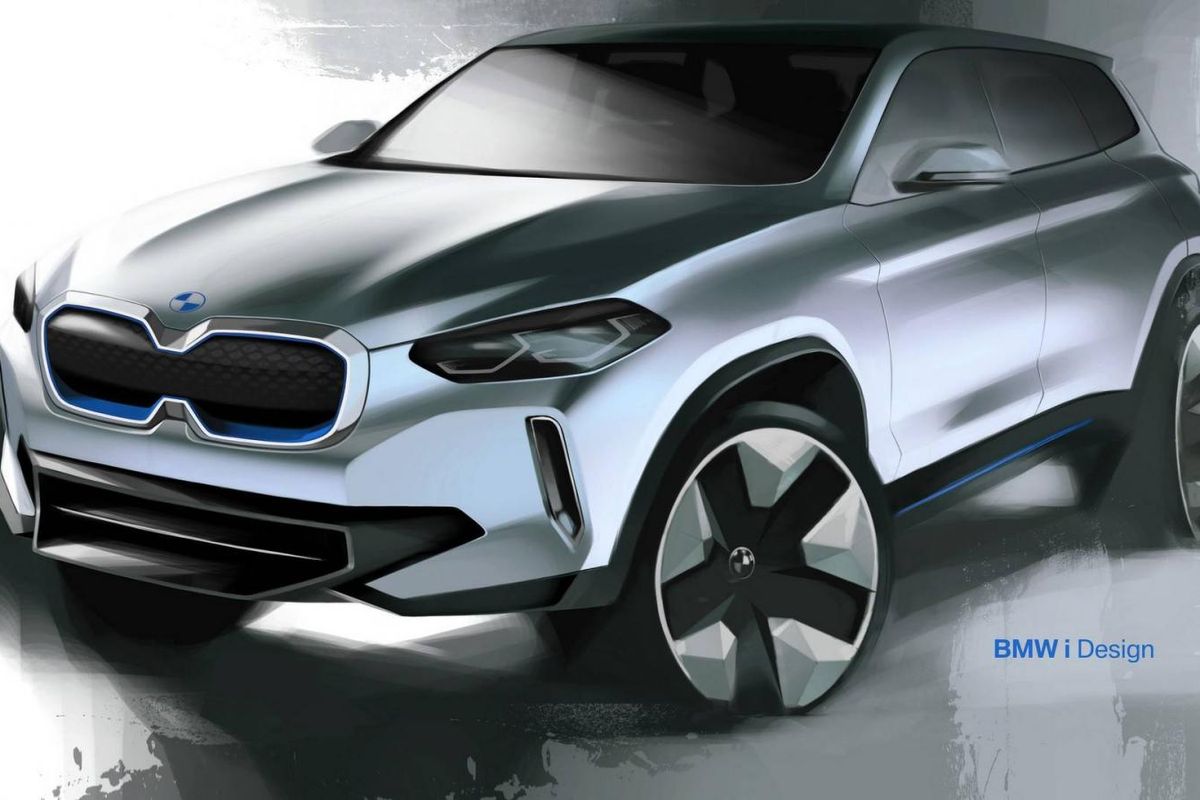
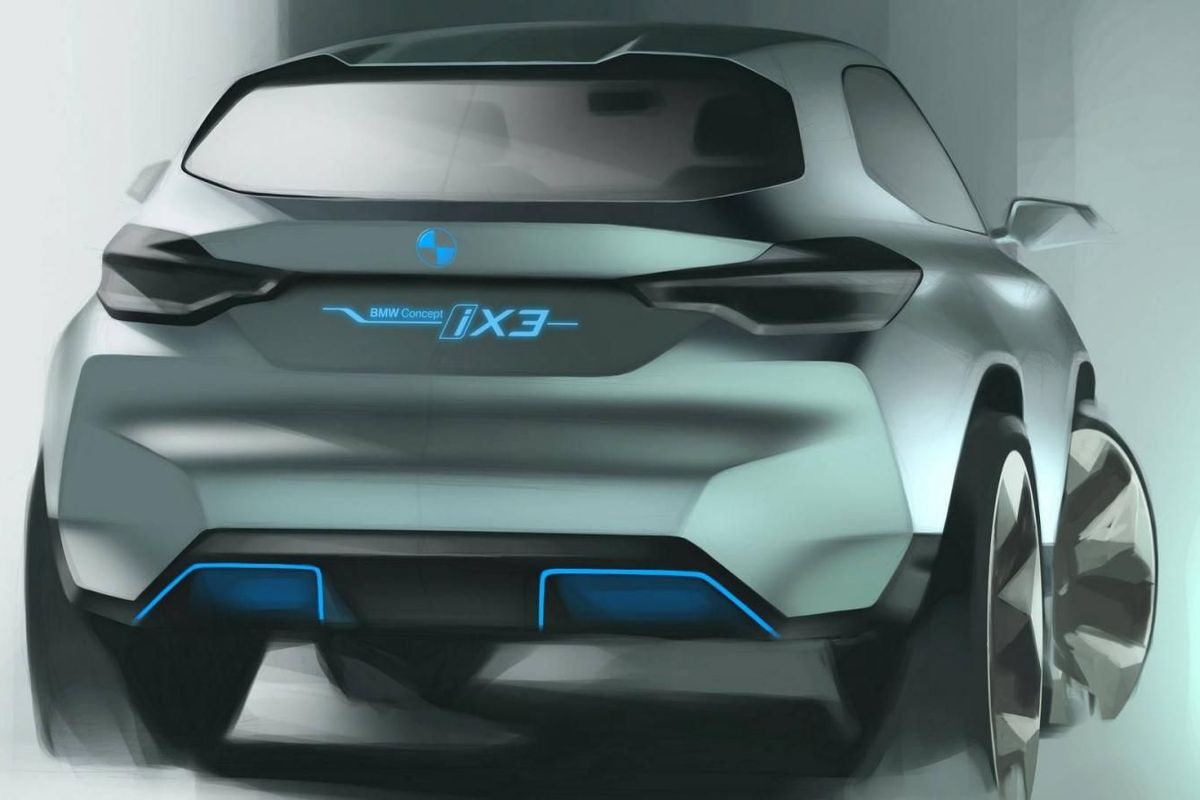
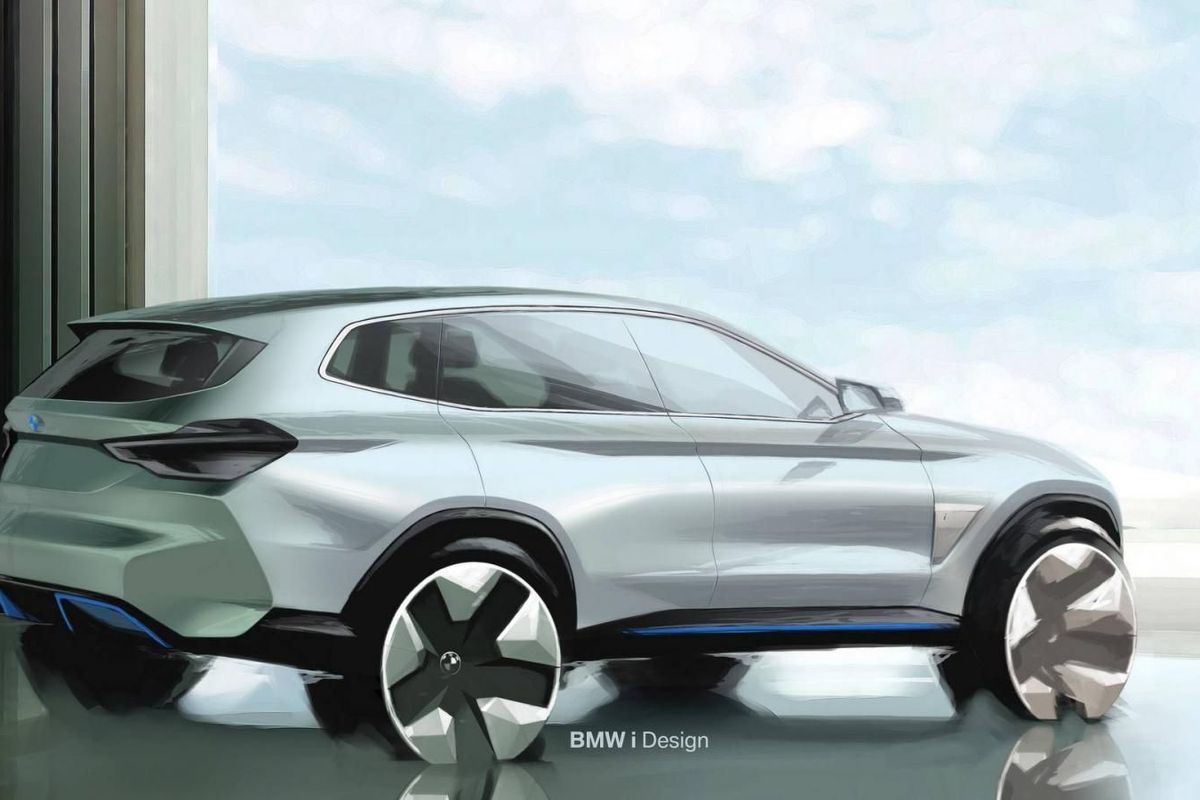
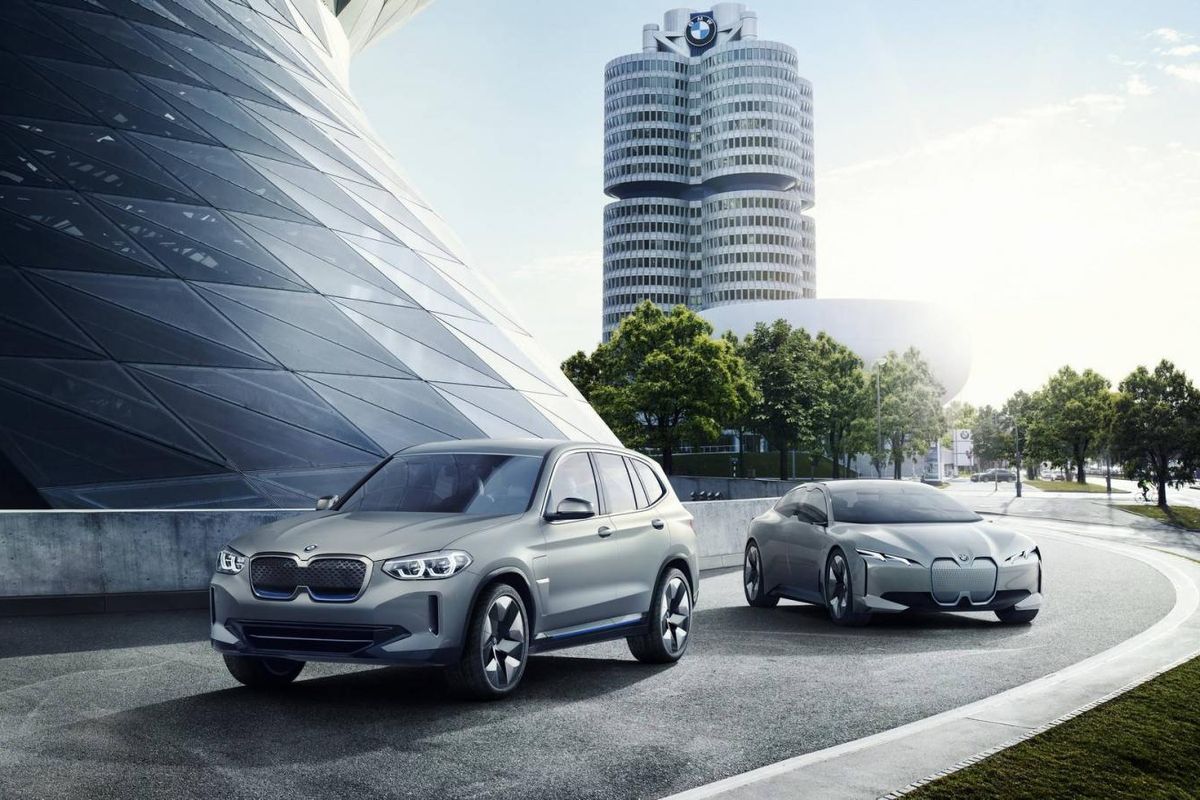
BMW has used the Beijing Motor Show to showcase its Concept iX3 which previews the brand’s plans to produce a fully-electric X3 SUV.
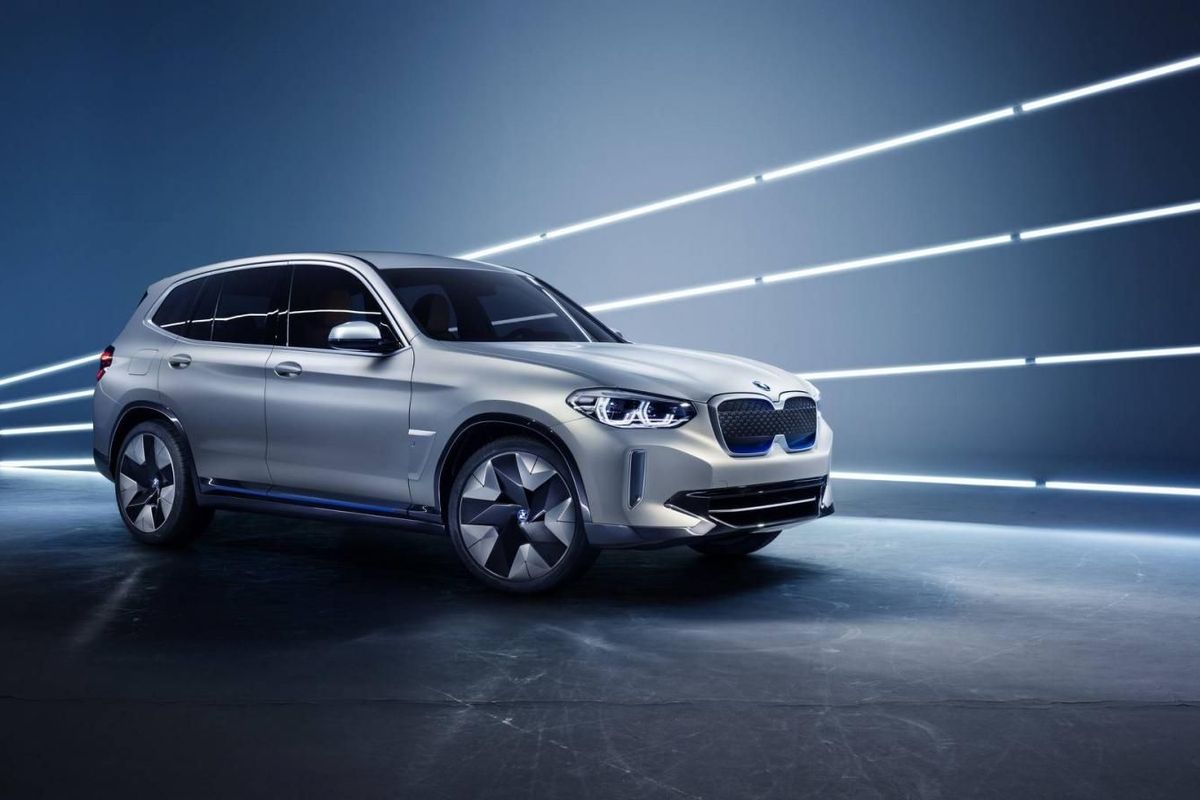
The BMW Concept iX3 draws styling inspiration from the new X3 which is produced at the firm’s plant in Rosslyn, Pretoria. The Concept iX3 provides clues as to what the production version could offer.
The front-end shows a closed-off double-kidney grille with blue accents similar to the BMW i Vision Dynamics concept. Blue accents are further seen along the side skirts and rear diffuser which provide attractive contrast with the Moonstone Silver paint finish. Light alloy wheels with an aerodynamically optimised design further add to the concept's futuristic look.
The Concept iX3 is fitted with BMW’s fifth-generation electric drive system which offers 200 kW from its electric motor while a high-voltage 70 kWh battery will allow for a range of more than 400 km. A newly developed Charging Control Unit can be hooked up to fast-charging stations generating up to 150 kW. A full charge will take only 30 minutes using a fast charging station.
The Concept iX3 forms part of BMW’s greater electrification iNext strategy and a production version is expected in 2020.
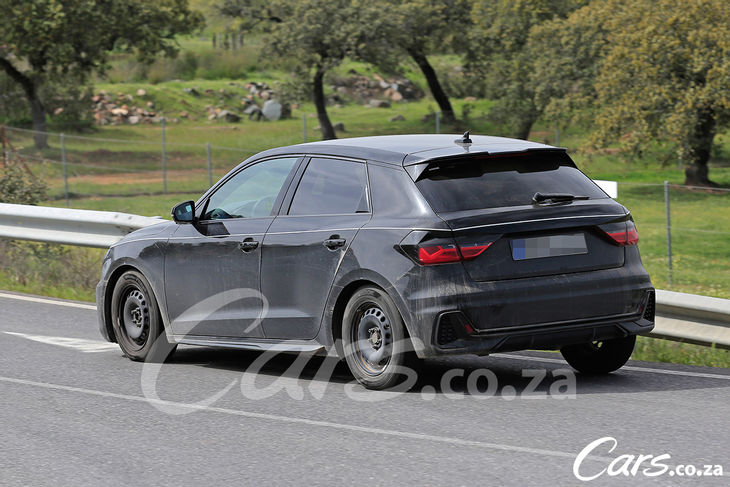
Our German spy photographers have captured revealing images of the new Audi A1 Sportback undergoing testing uncamouflaged. Take a look at what you can expect from the new A1 below…
Picture credit: S. Baldauf/SB-Medien
The new Audi A1 is expected to be officially revealed this year and these latest spy shots show the new A1 undergoing final testing in Europe. Based on these images, the new A1 will adopt a sporty stance thanks to sharp lines seen on the bodywork, aggressive grille treatment, tailgate-mounted spoiler, modern-looking taillights and integrated diffuser. You will also notice that a larger C-pillar will replace the previous third quarter window. The new A1 will be built on Volkswagen’s MQB modular platform.
Interior details are scant but you can expect a higher quality cabin with premium materials as well as additional technology such as Audi’s digital Virtual Cockpit, an updated MMI infotainment system and a host of driver assistance systems.
The A1's styling will be more assertive and will be offered with a range of engine choices.
Official engine details have yet to be confirmed but it’s likely that the Audi A1 will be offered with a 114 kW 3-cylinder, 1.0-litre engine at the bottom of the range. A turbocharged 1.4-litre engine is also likely in various states of tune with either 92 kW, 110 kW or 140 kW. Finally, a 2.0-litre turbopetrol engine with either 185 kW or 220 kW is likely to power the S1 and RS1 respectively. All-wheel drive is expected to be offered as an option on certain models.
The new A1 can be expected in South Africa in 2019 following its official reveal later this year. Perhaps it will be shown at the Paris Motor Show in October 2018? Either way, we will keep you updated as more details become available, so stay tuned.
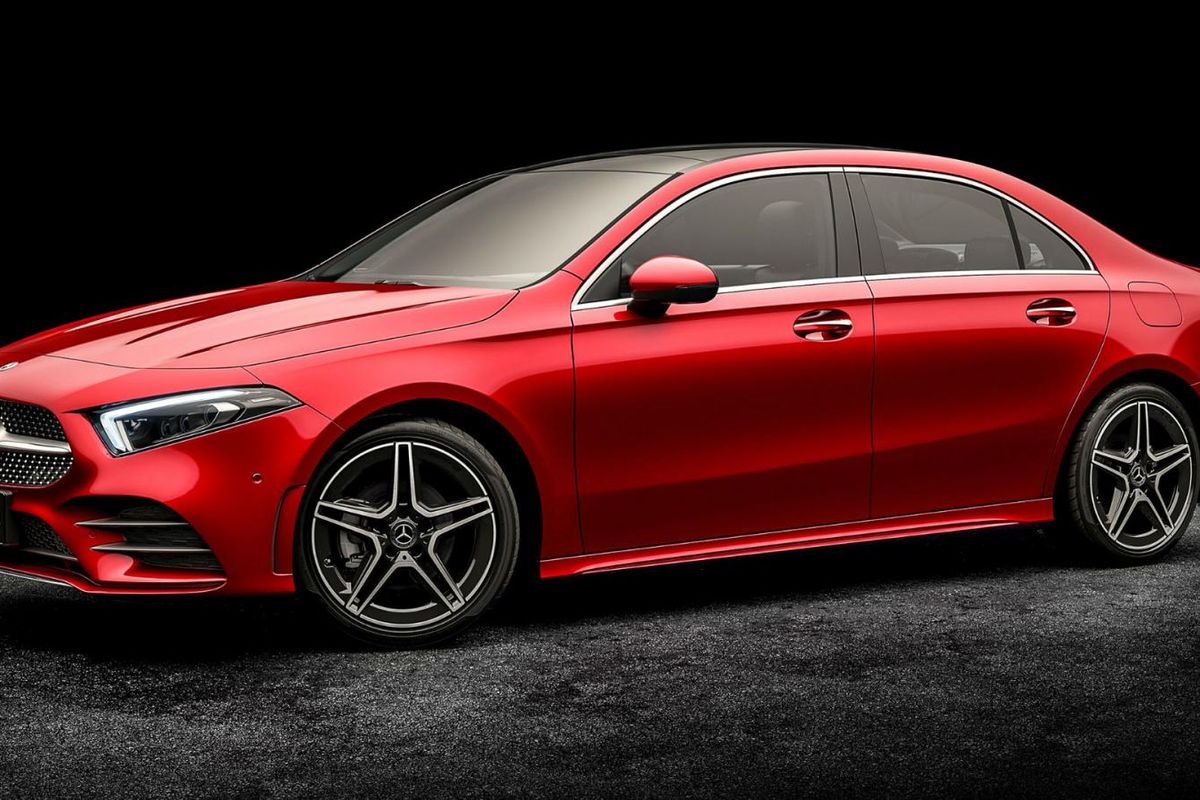
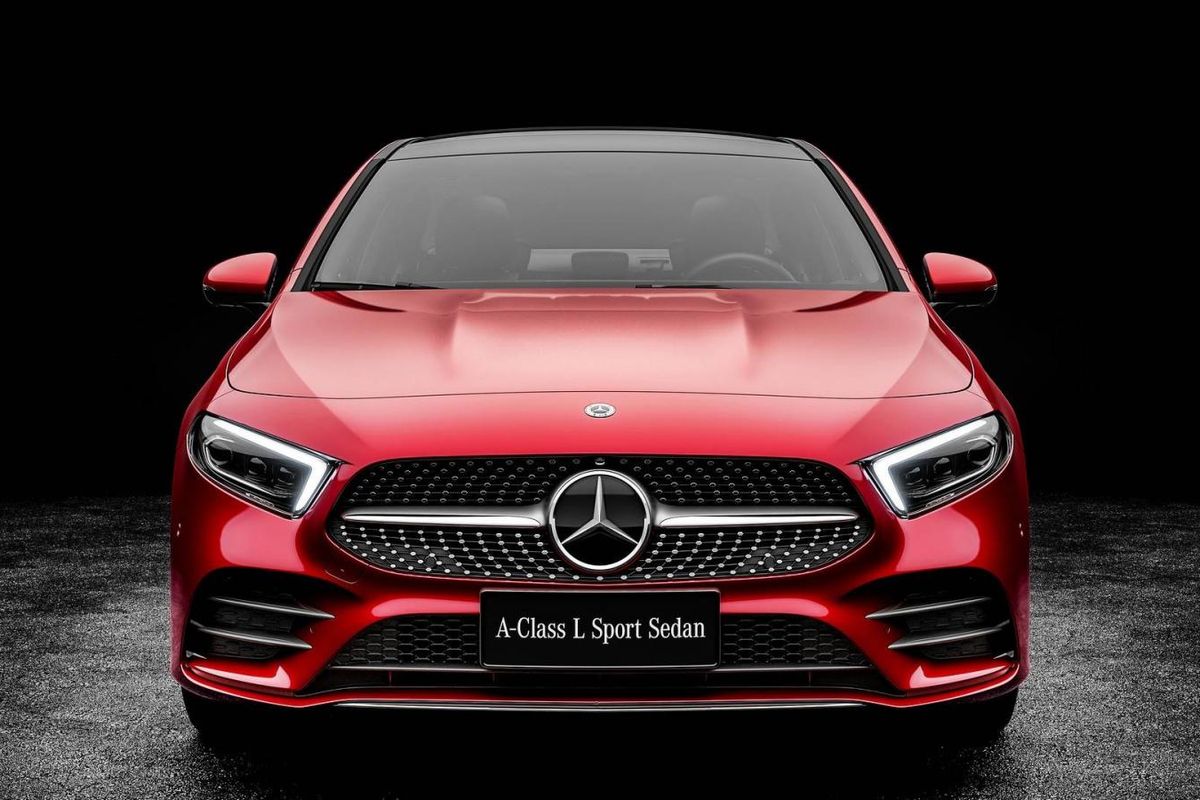
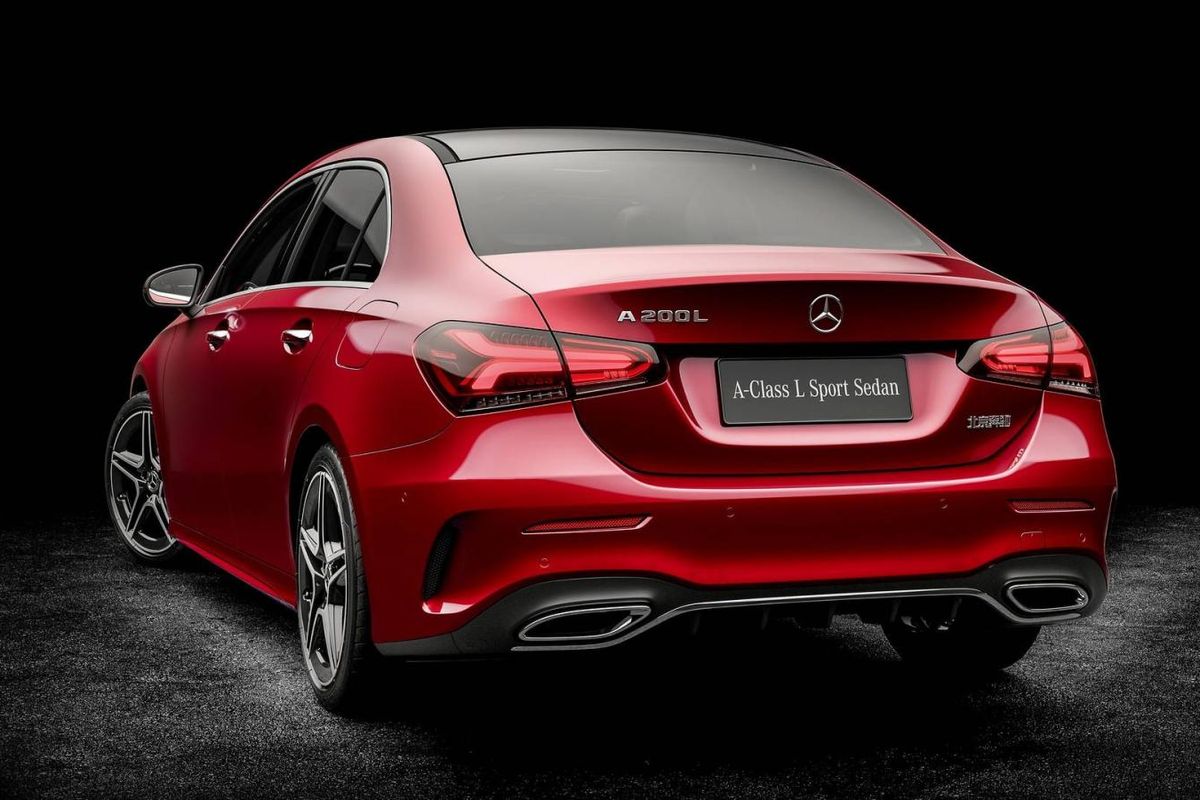
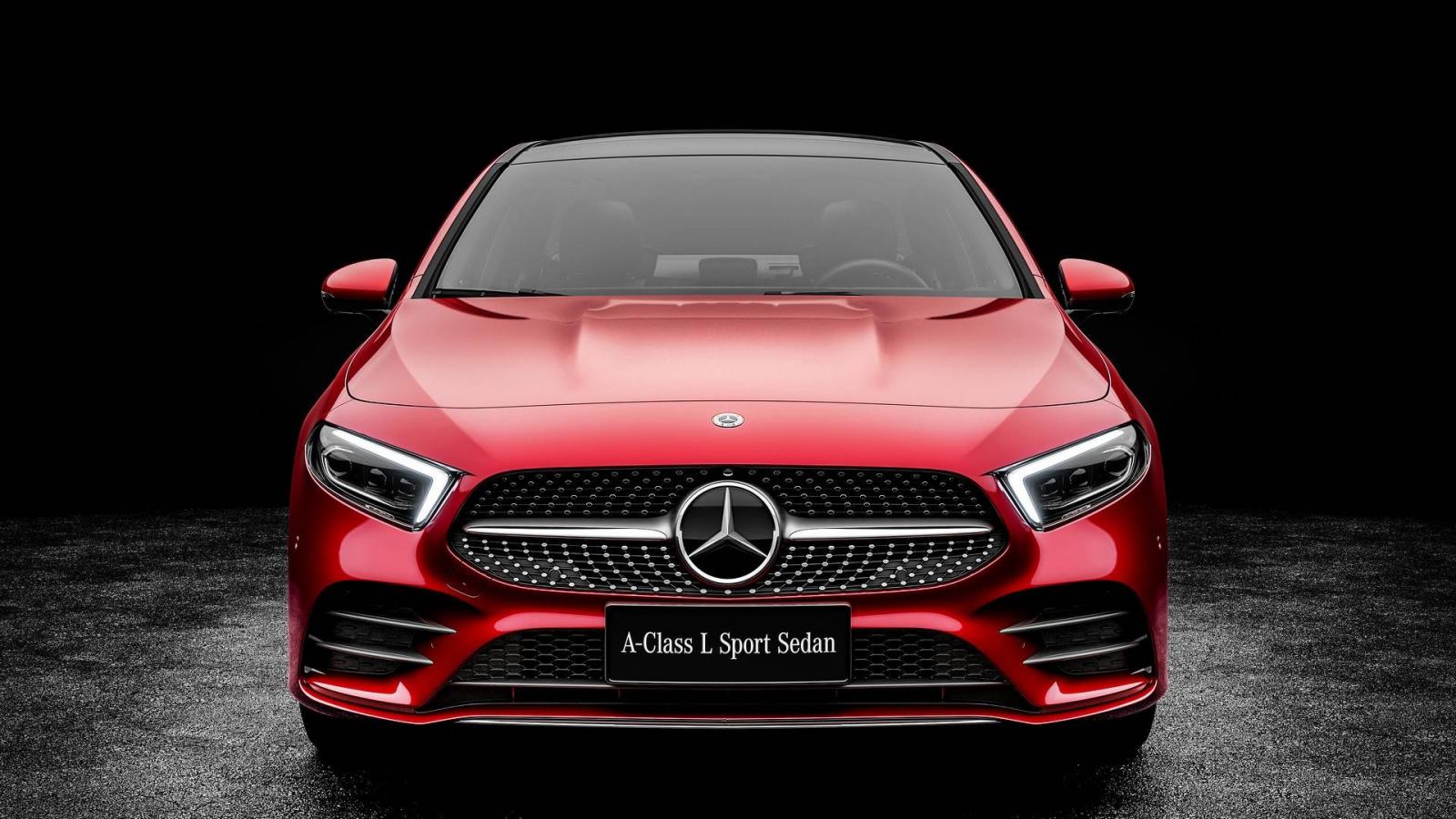
Will Mercedes get its next small sedan right? The tasteful proportions and upmarket interior of the long-wheelbase A-Class L Sedan (specific to the Chinese market), offer a good preview of Benz’s next 4-door compact sedan.
Given our foreign correspondent Andrew Frankel’s mixed, but mostly positive, feedback on the 4th-generation A-Class premium compact hatchback (expected to be introduced in South Africa in the 3rd quarter of 2018), the successor to the 1st-generation CLA promises to be a far more resolved product than the current car.
Reports suggest the A-Class Sedan will be one of several products derived from the A-Class platform, including the B-Class, CLA, CLA Shooting Brake, the GLA… as well as a rumoured GLB compact SUV/crossover! Whether there could be a viable business case to introduce BOTH the CLA and A-Class Sedan in South Africa remains to be seen, as neither the CLA nor Audi A3 Sedan has been particularly popular in the local market… at least compared with their hatchback counterparts.
LED technology has facilitated the installation of compact, slimline headlamp clusters; they certainly emphasise the diamond grille.
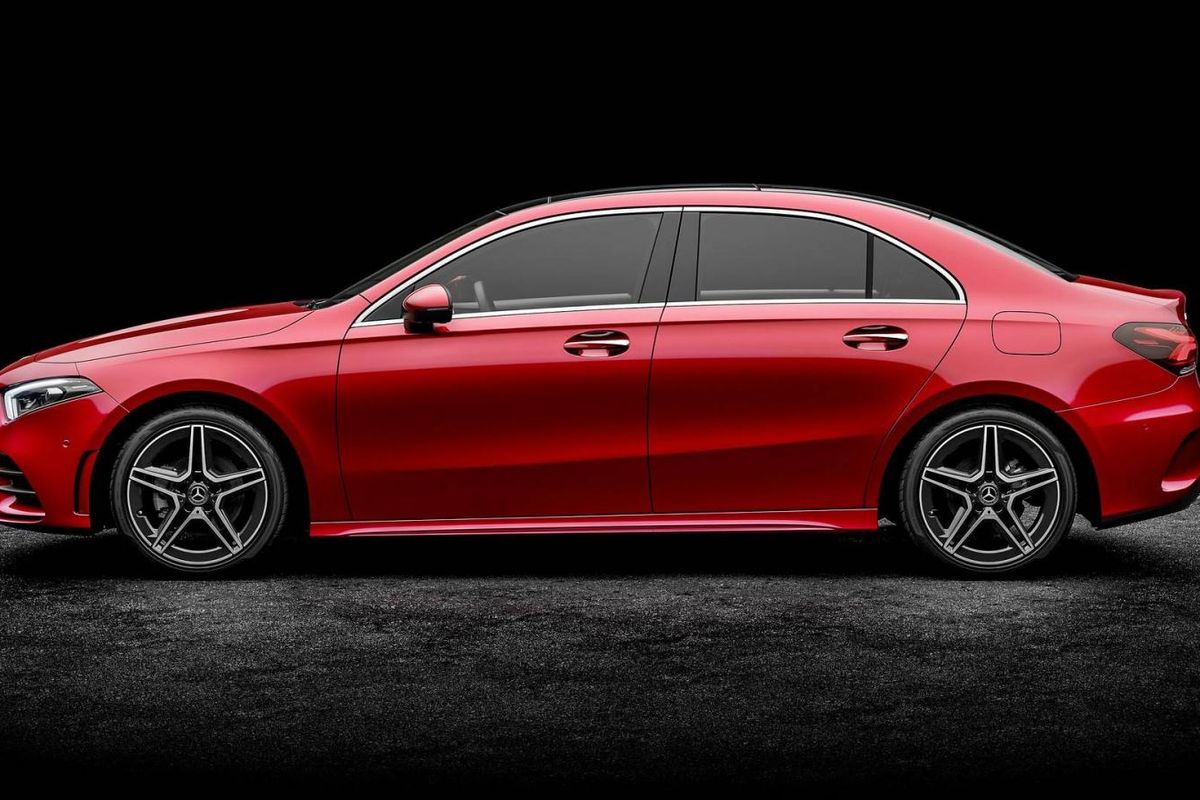
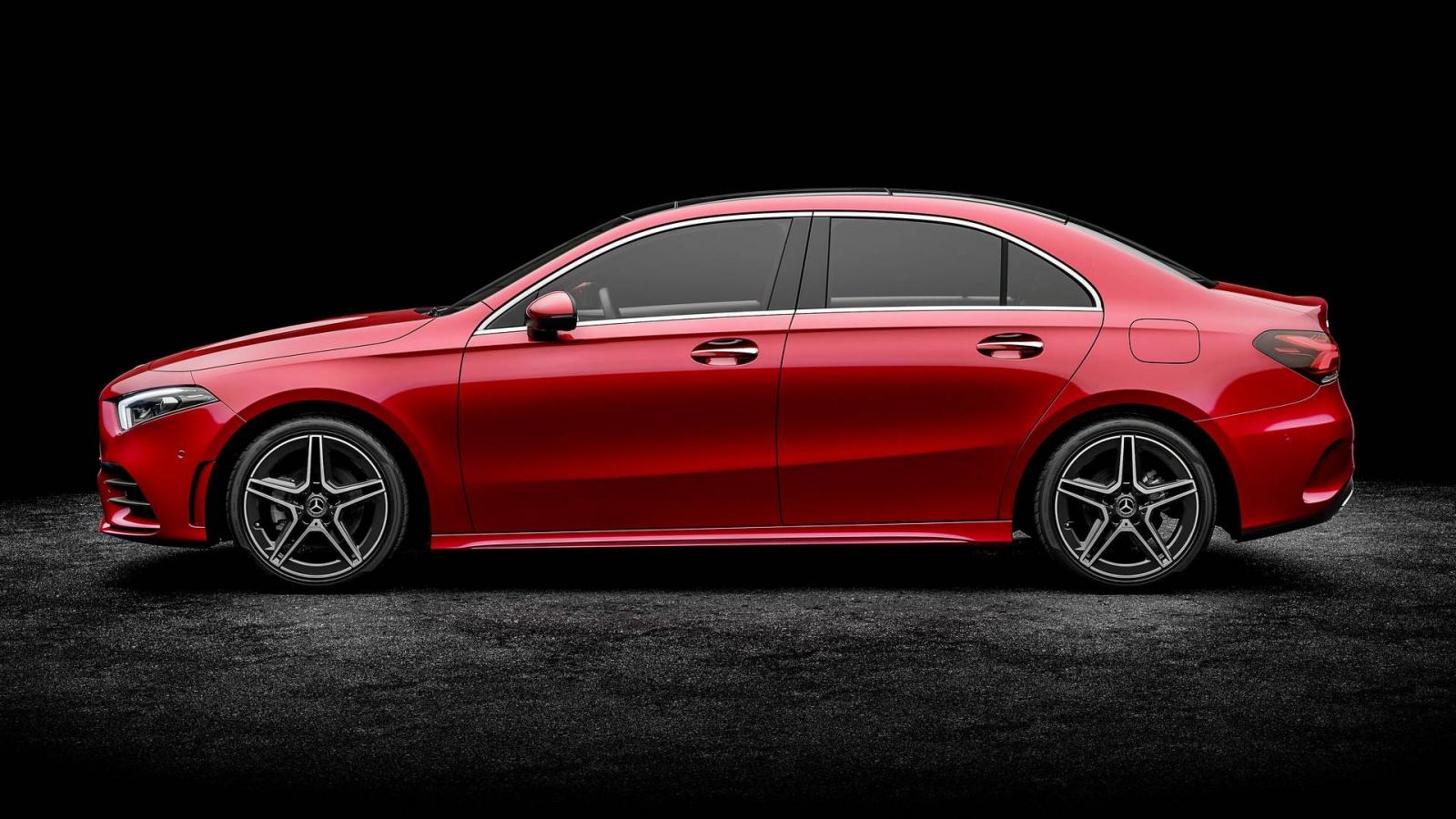
The first generation CLA has been widely criticised for its overly firm ride, cramped rear quarters and marginal build quality (at least by Benz’s lofty standards), but fortunately, the A-Class L Sedan won’t be burdened by a lack of aft leg- and headroom. That’s because the newcomer has much gentler-sloping C-pillars and a 60-mm longer wheelbase than the new A-Class (to incorporate longer rear doors and, consequently, larger footwells) ostensibly for added aft passenger comfort as well as ease of ingress/exit.
Apart from its elongated rear doors, the A-Class L Sedan provides a strong indication of what the new model will look like if and when it goes on sale in South Africa. The only difference is that the version we’ll get/could get will be 60 mm shorter than the L Sedan; its overall length will be approximately 4.6 metres, which is notably longer than the A3 Sedan (which is 4 458 mm) and not far off the current-generation C-Class business class sedan (come to think of it!), although the Benz’s claimed boot capacity is a little less than the aforementioned Audi's (420 versus 425 litres).
The proportions of the A-Class L Sedan are pleasing to the eye. The longer rear doors accentuate the stubby boot section, though.
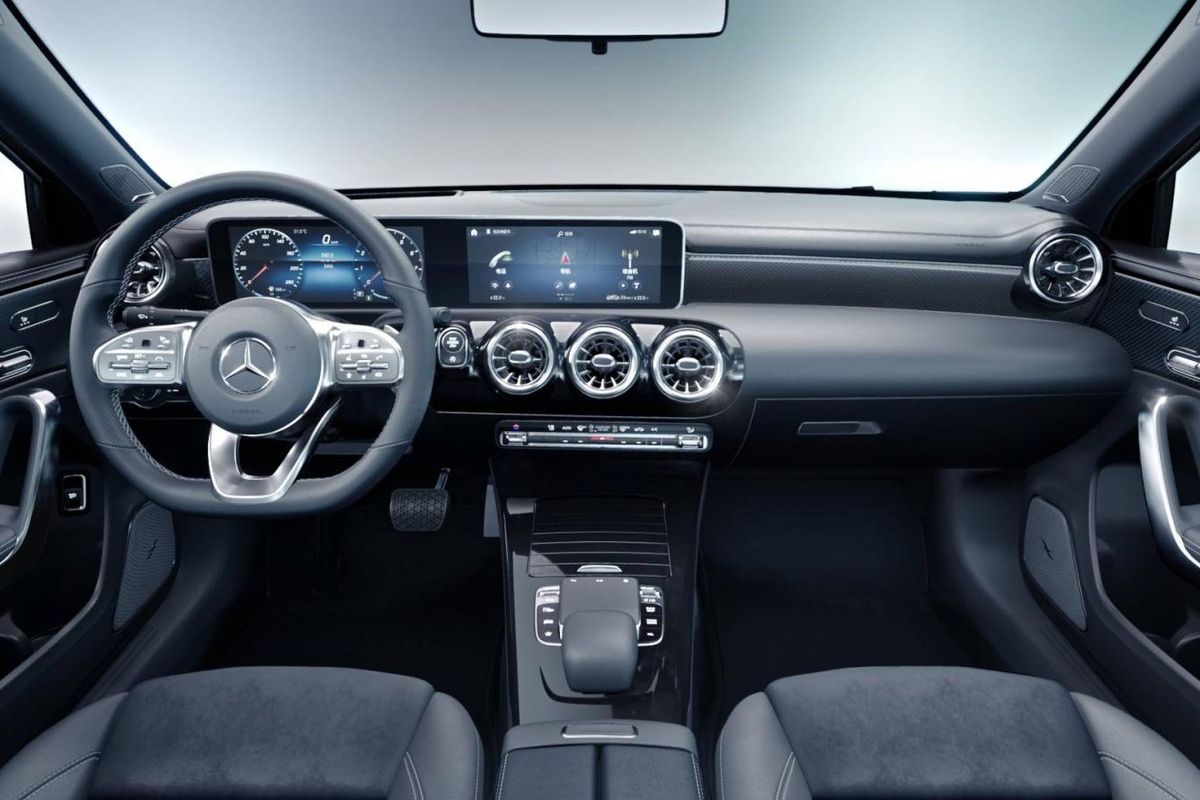
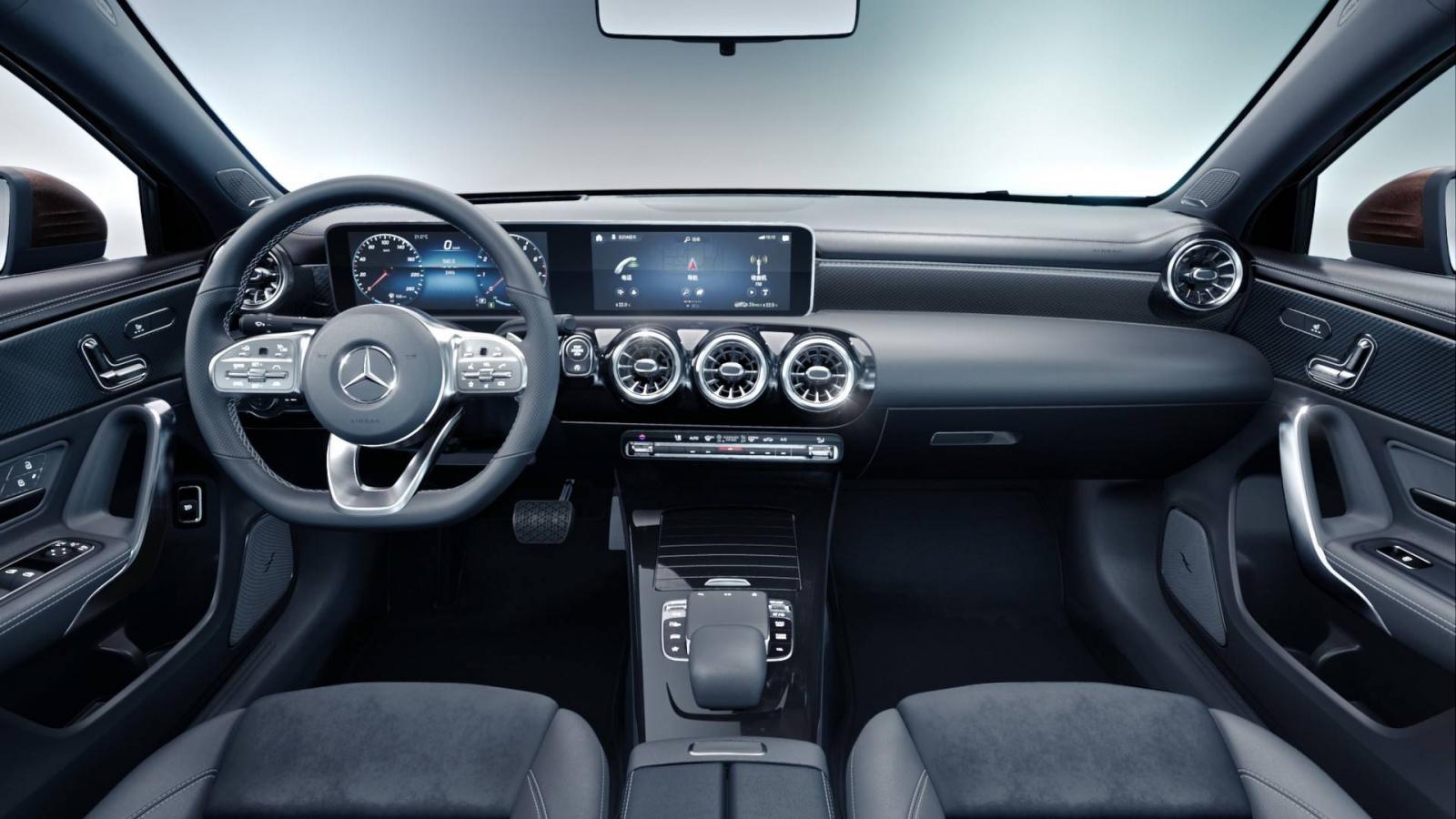
Inside, the A-Class L Sedan features the expansive stepped dashboard and a 10.25-inch Mercedes-Benz User Experience-enhanced touchscreen infotainment system, plus a quintet of turbine-style metallic air vents (a trio of which are below the central display), as the hatchback. It goes without saying that the interior shown in the car at the Beijing Show is the smartest incarnation of the A-Class’ interior.
The car’s ride quality will depend on a number of factors, including trim-line-specific suspension tuning, but we expect that, given the luxurious appointment of the sedan, a multi-link rear suspension will be offered over the torsion-beam setups of entry-level A-Classes.
We belive the likely South African line-up (if the model's introduction does take place around the middle of 2019) will include A200 and A250 1.3- and 2.0-litre turbopetrol derivatives equipped with 7-speed dual-clutch transmissions, with A200d and A220d turbodiesels available at a later date. It is unclear whether the A-Class Sedan will get A35 and A45 AMG versions; they'd certainly be in the pipeline for the hatchback and CLA ranges…