Preview: Volkswagen Amarok V6 vs Mercedes-Benz X-Class V6
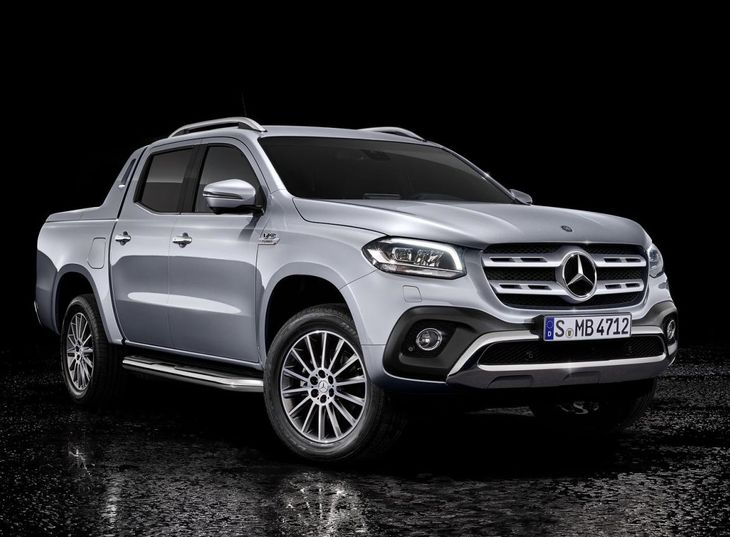
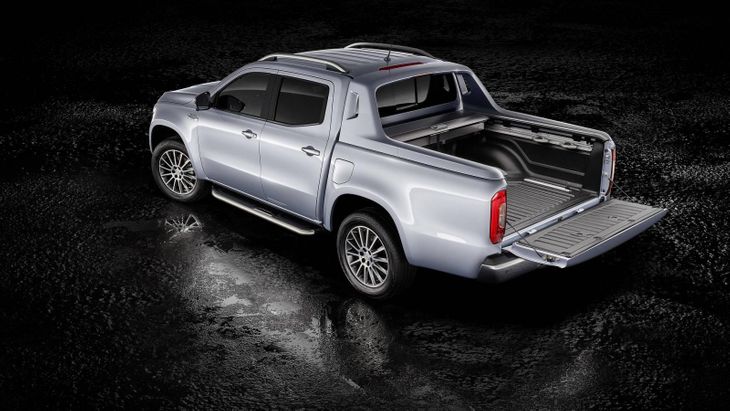
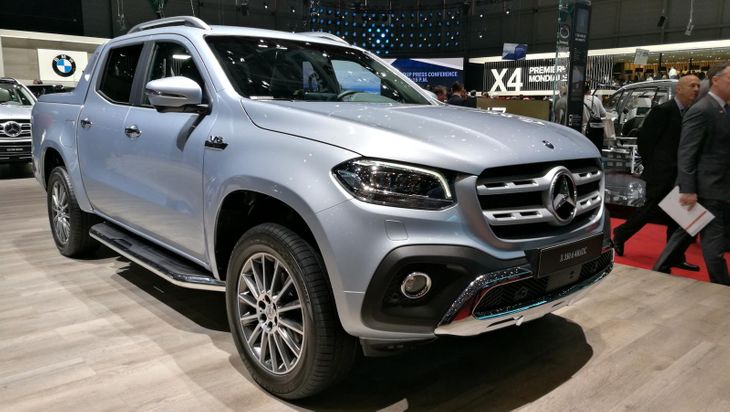
Mercedes-Benz revealed its range-topping X-Class derivative – the X350d 4Matic V6 at the 2018 Geneva Show and when it arrives in South Africa, hopefully before the end of year, it will face off against the Volkswagen Amarok V6. Which one would you buy?
The arrival of the Mercedes-Benz X-Class in South Africa (due in Q3 2018) is expected to draw lots of attention, but it’s also likely to shift pricing parameters for top-end double-cab bakkies. Granted, Mercedes-Benz has not revealed local pricing for its X-Class, but seeing that the X-Class is being punted as high-end luxury bakkie as opposed to a get-down-and-dirty workhorse, we can speculate that pricing will arrive in the top end of the spectrum. It is a Benz, after all… So, if bakkies, widely regarded as the cause of the downfall of station wagons/MPVs, will soon threaten unibodied SUVs, luxury car buyers will have interesting (let alone tough!) decisions to make.
The range-topping Volkswagen Amarok V6 3.0 TDI V6 4Motion is priced at R784 400 (March 2018), which for many, is eye-wateringly expensive. If we had to hazard a guess, we think the equivalent Mercedes-Benz X 350d 4Matic will be priced well over R900k before options and may even breach the R1 million mark when fully specced. If this pricing scenario does play out, the VW Amarok V6 might just be a bargain when compared to its X-Class V6 rival.
But let’s take a look how these 2 luxo-bakkies stack up on paper.
Engine Outputs
The Mercedes-Benz X 350d V6 4Matic is powered by a turbocharged 3.0-litre diesel engine with 190 kW and 550 Nm of torque. Peak torque arrives at between 1 400 rpm and 3 200 rpm and a 7G-Tronic Plus automatic transmission transfers power to all four wheels. This derivative is said to sprint from 0 to 100 kph in 7.9 seconds.
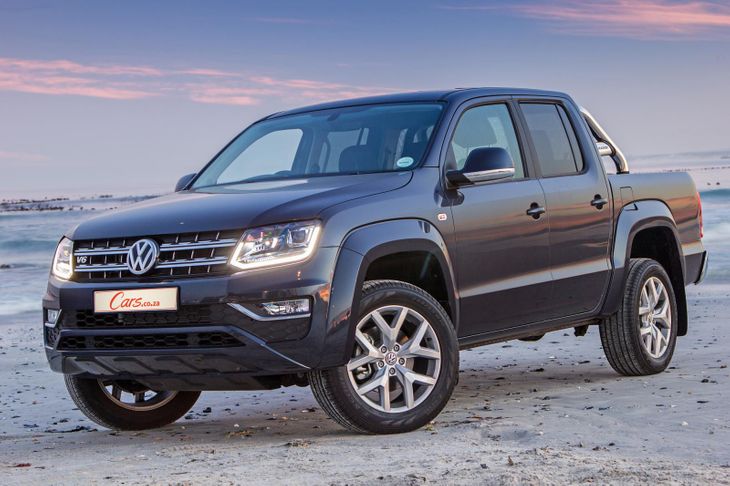
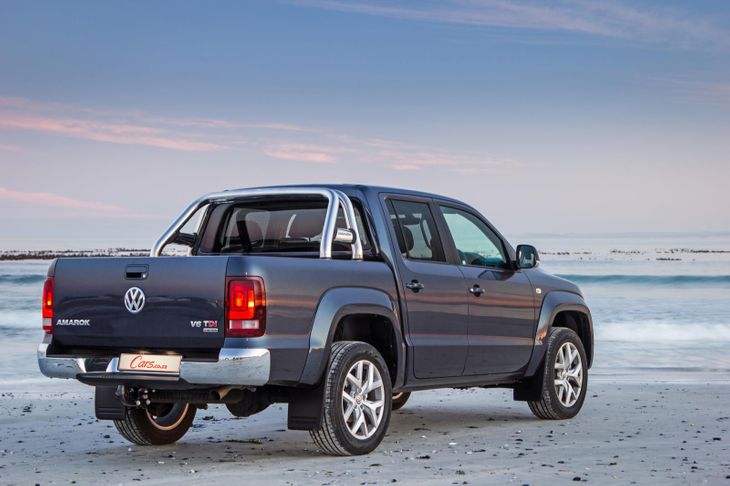
In comparison, the Volkswagen Amarok V6 is powered by a turbocharged 3.0-litre V6 engine with outputs of 165 kW and 550 Nm of torque available from 1 400 rpm to 1 750 rpm. A temporary overboost function further increases outputs to 180 kW and 580 Nm for 10 seconds.
The Amarok V6 is claimed to accelerate from 0 to 100 kph in 8.0 seconds using an 8-speed automatic transmission to drive the 4Motion permanent AWD system.
Off-road Credentials
Equipped with a low-range transfer case and 5 driving modes (Comfort, Eco, Sport, Manual, Offroad), the X350d V6 4Matic will offer flexibility over various terrain with a ground clearance of 220 mm and wading depth of 600 mm. Also, 3 gearbox modes, including 4MAT (for on-road use), 4H and 4L can be selected depending on terrain.
As for the Amarok V6, under normal running conditions the Torsen differential distributes power in a 40:60 front-to-rear split, but can vary it as the situation demands. And because 1st gear is set-up for off-roading and towing specifically, the Amarok doesn't need a low-range transfer 'box. The Amarok boasts a ground clearance of 239 mm and can wade in water at a depth of 500 mm.
We will have to wait until the X-Class V6 arrives so that we can test them head-to-head to determine which one is more capable offroad.
Interior design
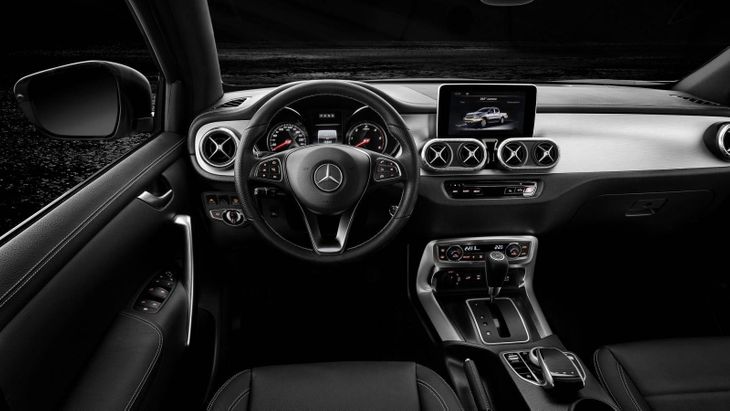
Both cabins are decisively upmarket in look and feel and your choice will depend on your preference. The Mercedes-Benz features a large multimedia system, which can be operated using the Command dial in the centre console and the Stuttgart-based brand's bakkie is perhaps more sportily styled than the Amarok. A number of assistance and safety features offered on other products in Mercedes-Benz’s lineup will make its way into the X-Class and many of these features will probably appear on the options list when the X-Class V6 makes landfall locally. Exact specification for our market has yet to be confirmed.
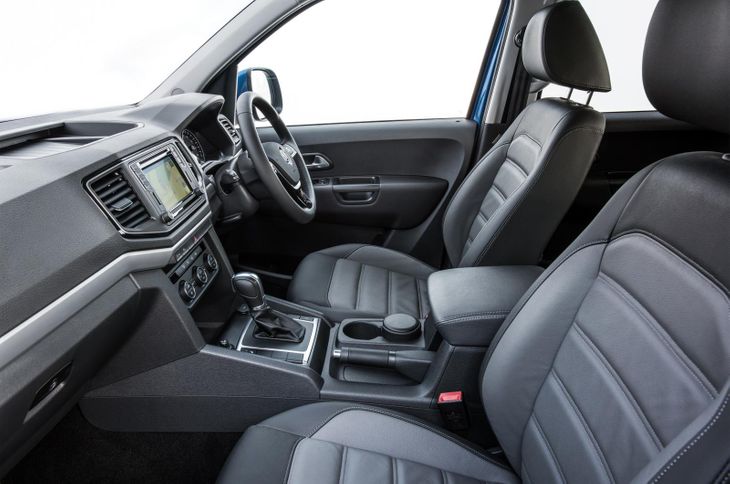
The Amarok’s interior design is more SUV-like, with a refined look and feel. A host of comfort features are offered on the Amarok V6 Extreme derivative with a 6.33-inch Discover Media satellite navigation system fitted as standard. Attractive features on this top-of-the-range derivative include Nappa leather upholstery, multifunction steering wheel with shift paddles and climate control air conditioning.
Many buyers will find the allure of a Mercedes-badged bakkie difficult to resist and will likely pay the price just to own one, that is, after all, the allure of the Three-Pointed Star badge. The X-Class should be well-received by local buyers and will likely outsell the Navara on which it is based and quite possibly the Amarok too. It’s unlikely, however, that the X-Class will match the huge sales of the Toyota Hilux and Ford Ranger.
However, depending on local pricing of the X-Class, Amarok V6 sales might be boosted when its X-Class V6 rival arrives as it may be perceived as the more affordable option of the two. Which one of these powerful luxury bakkies would you prefer to buy?
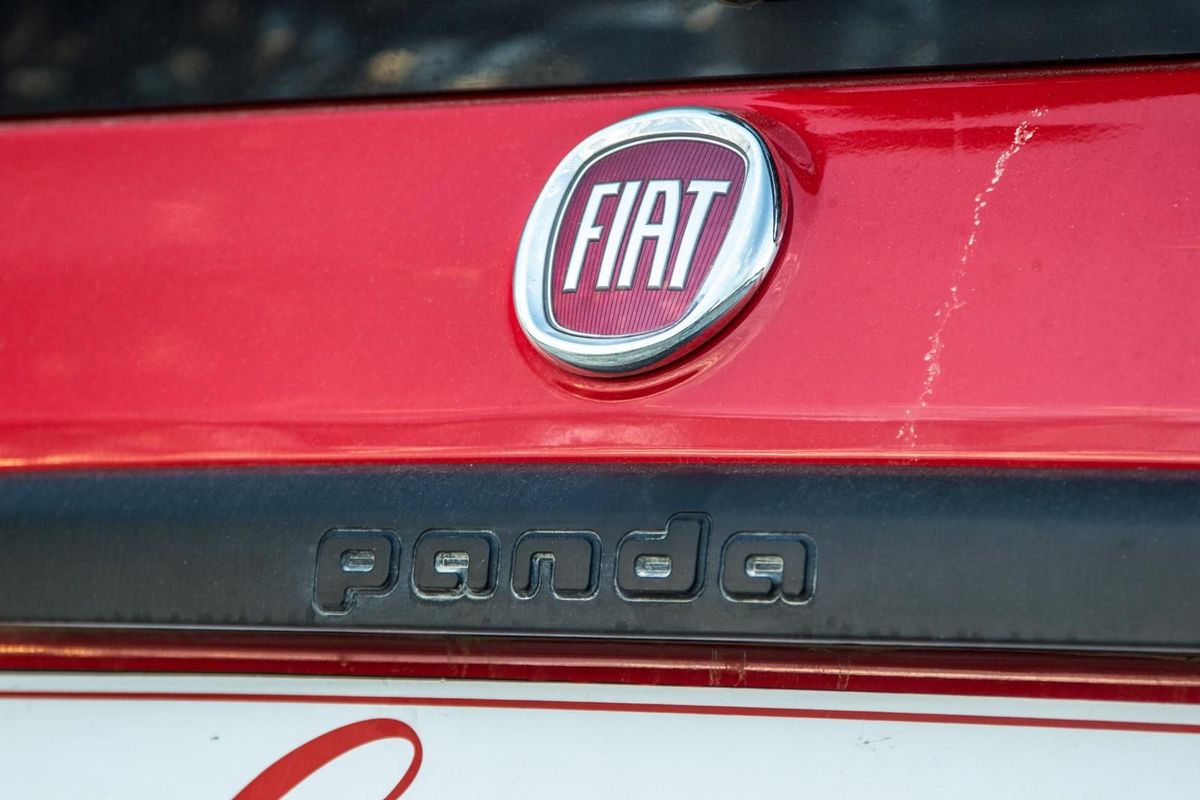
Fiat Panda 0.9 TwinAir 4×4 Cross (2018) Quick Review
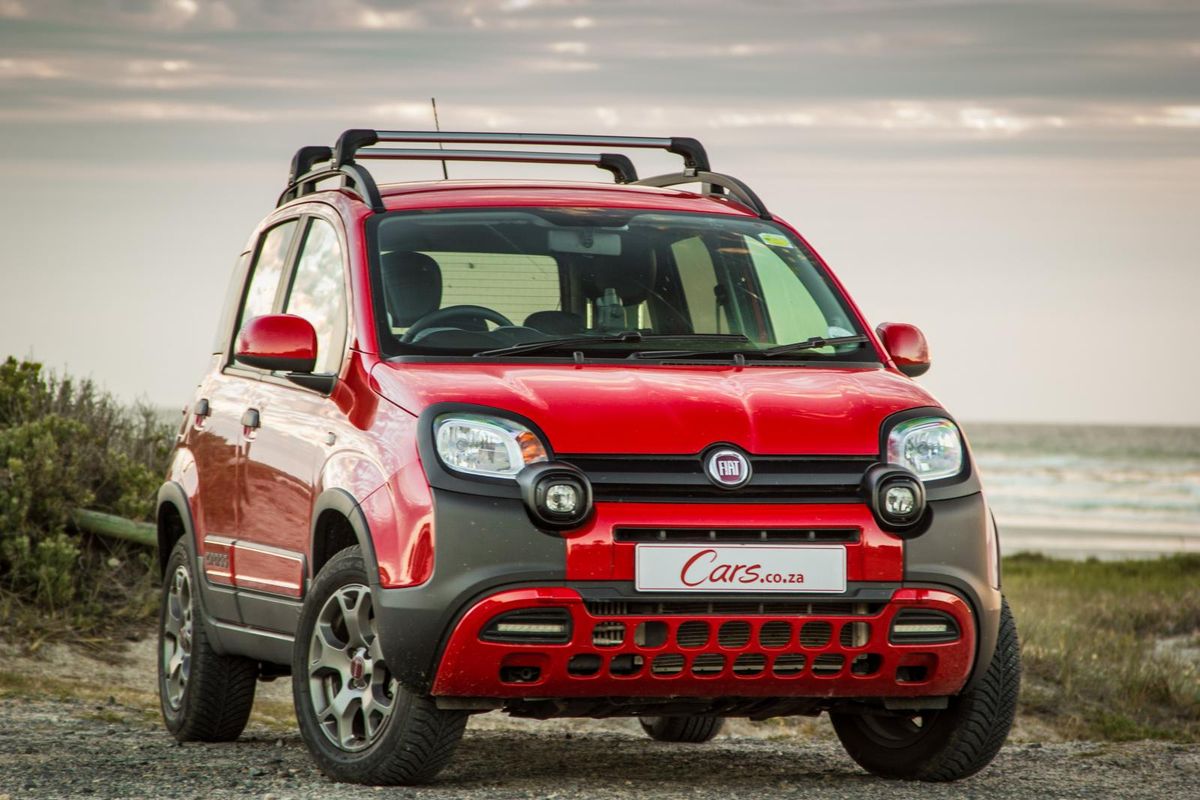
Whereas the choice for small 4x4s used to be limited to the capable-but-utilitarian Suzuki Jimny and the R300k-plus Renault 1.5dCi Dynamique 4WD, the flagship 0.9 4×4 Cross derivative of the Fiat Panda range offers light hatchback practicality and a modicum of off-road capability.
We like: Cheeky ready-for-action attitude, nonconformist appeal, generous spec.
Jeep on the cheap: If genuine off-road ability is a prerequisite and willing on-road performance and practicality of secondary concern, consider the Suzuki Jimny 1.3. It does not offer much in the way of creature comforts, but it’s singular in its purpose and backed by a 2-time #CarsAwards Brand of the Year.
Compact family car with more: In a sea of crossover compact family cars, the soon-to-be-replaced Renault Duster 1.5dCi Dynamique 4WD does not only look as if will go off road, it can. Spacious and reasonably well specced, the Duster feels its advanced age in many ways, yet offers good value.
Indian battle tank: The rear-wheel-driven Mahindra TUV300 T8 looks every bit the off-roader and theoretically, offers seating for 7. Endowed with a raised ride height, good spec and a reasonably punchy motor, the affordable TUV300 should cope with most gravel routes with reasonable ease.
The dark horse: Although the Haval H2 1.5T City is 2-wheel-driven and not purported to be an off-roader, it offers family car spaciousness, strong kerb appeal, fair quality and 1.5-litre turbopetrol performance for less than all the other cars listed here bar the Mahindra. It’s a veritable bargain.
The 0.9 TwinAir Cross and its lesser-specced 4×4 sibling, joins the Easy and Lounge derivatives with the re-introduction of the Panda range, now post facelift and decidedly in the latter half of its product cycle. All versions are powered by the 66 kW 0.9-litre 2-cylinder turbopetrol engine and whereas the lower derivatives operate on the fringe of the compact hatchback segment and trade on their added practicality and the promise of low operating costs, the 4×4 versions offer boutique (or is that glamping?) appeal by virtue of their boosted ride height, rugged-looking exterior packaging and part-time all-wheel drive, which is particularly handy in a lightweight off-roader. When the Cross and 4×4 versions were introduced, a local dealership in Cape Town famously set up demonstrations for the cars’ off-the-beaten-track prowess on a course usually reserved for testing Jeep derivatives…
The test unit came additionally equipped with 15-inch alloys, a stainless steel exhaust tip and roof rails with bicycle racks.
The Good
Distinct looks, cheeky character
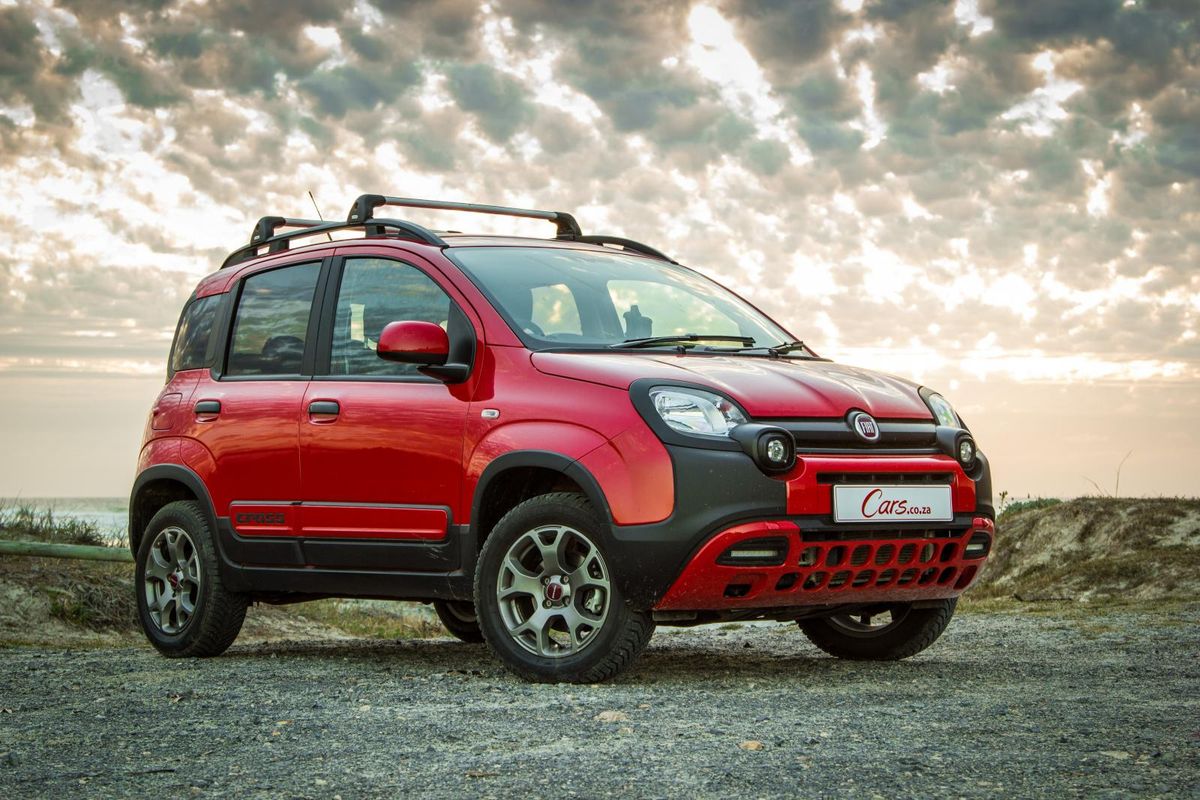
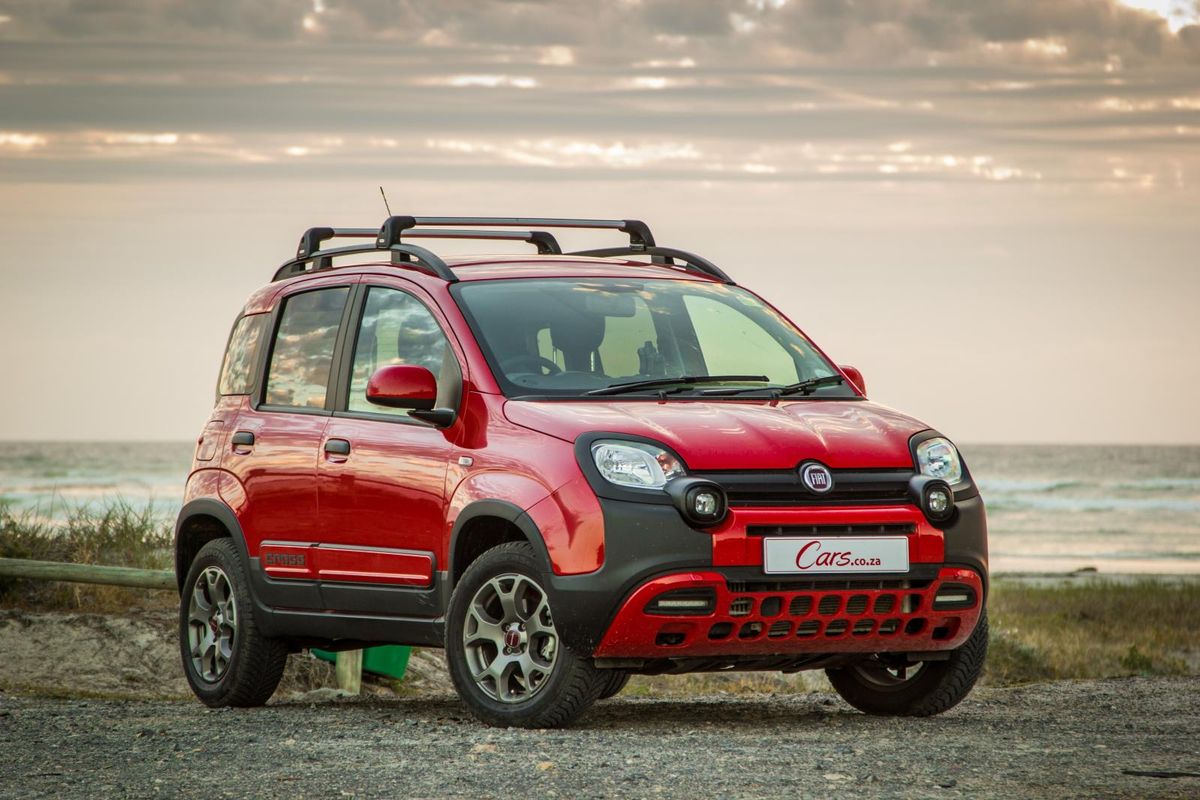
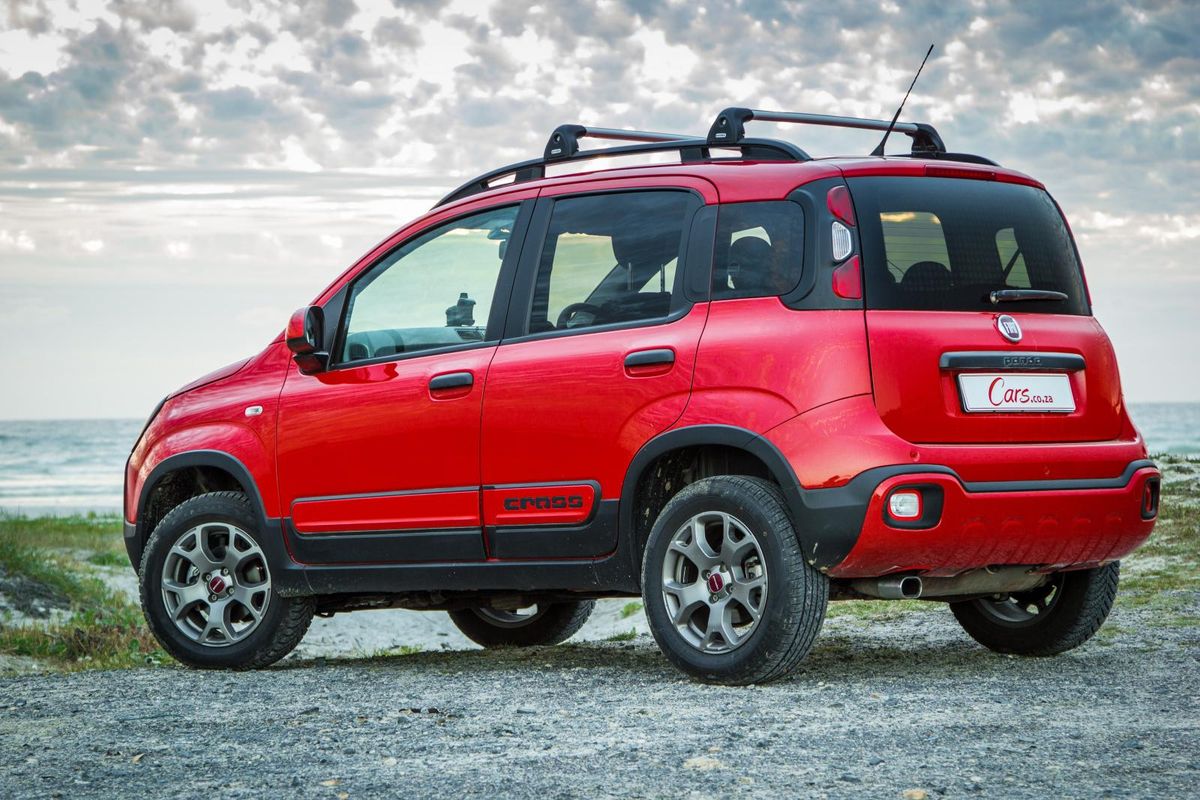
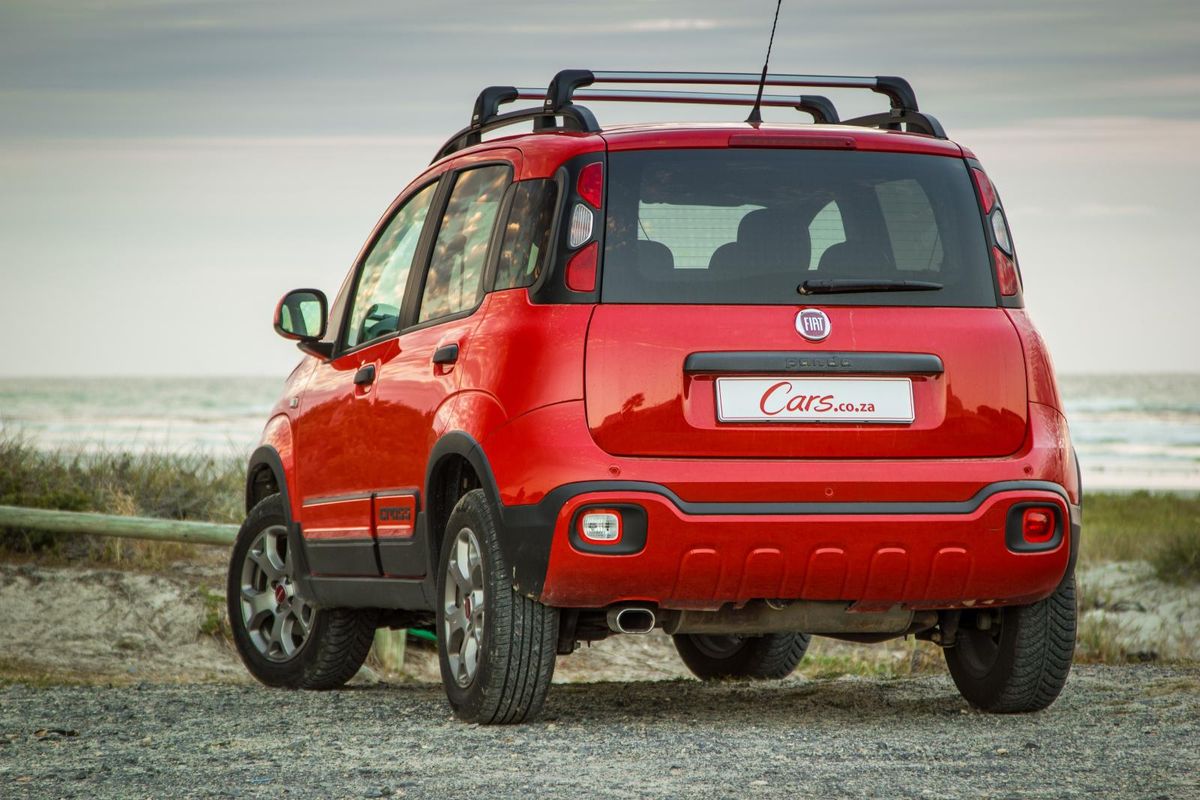
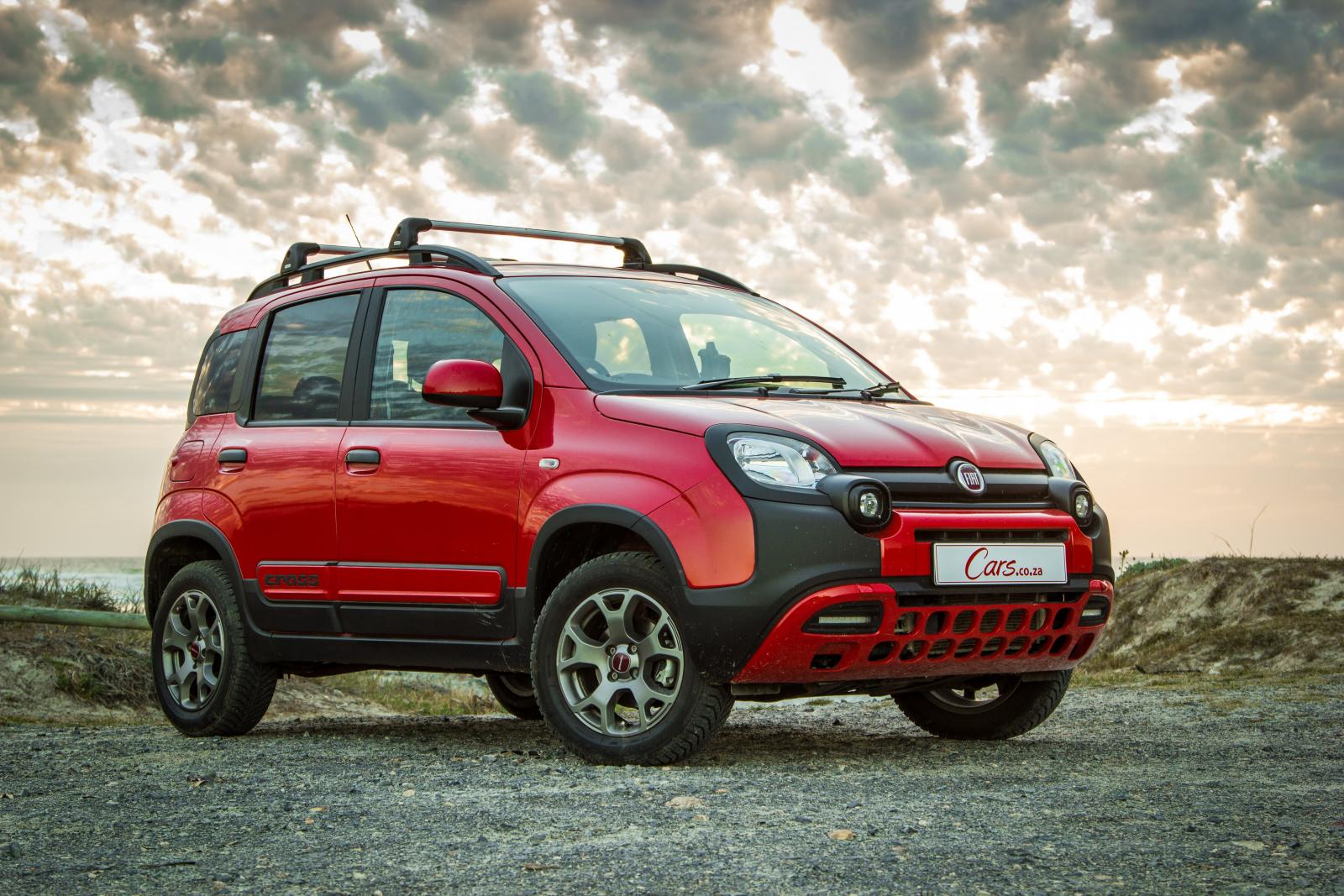
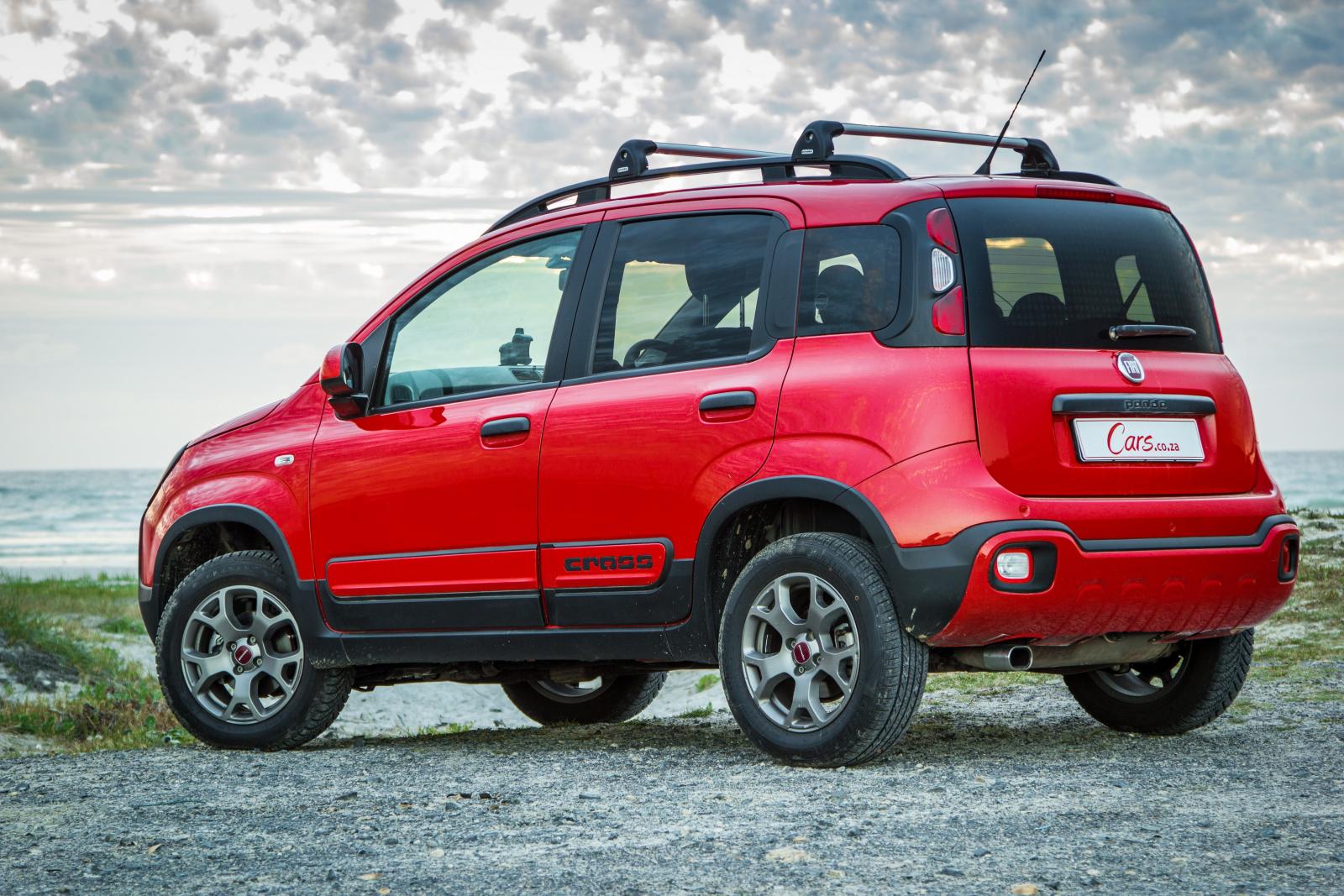
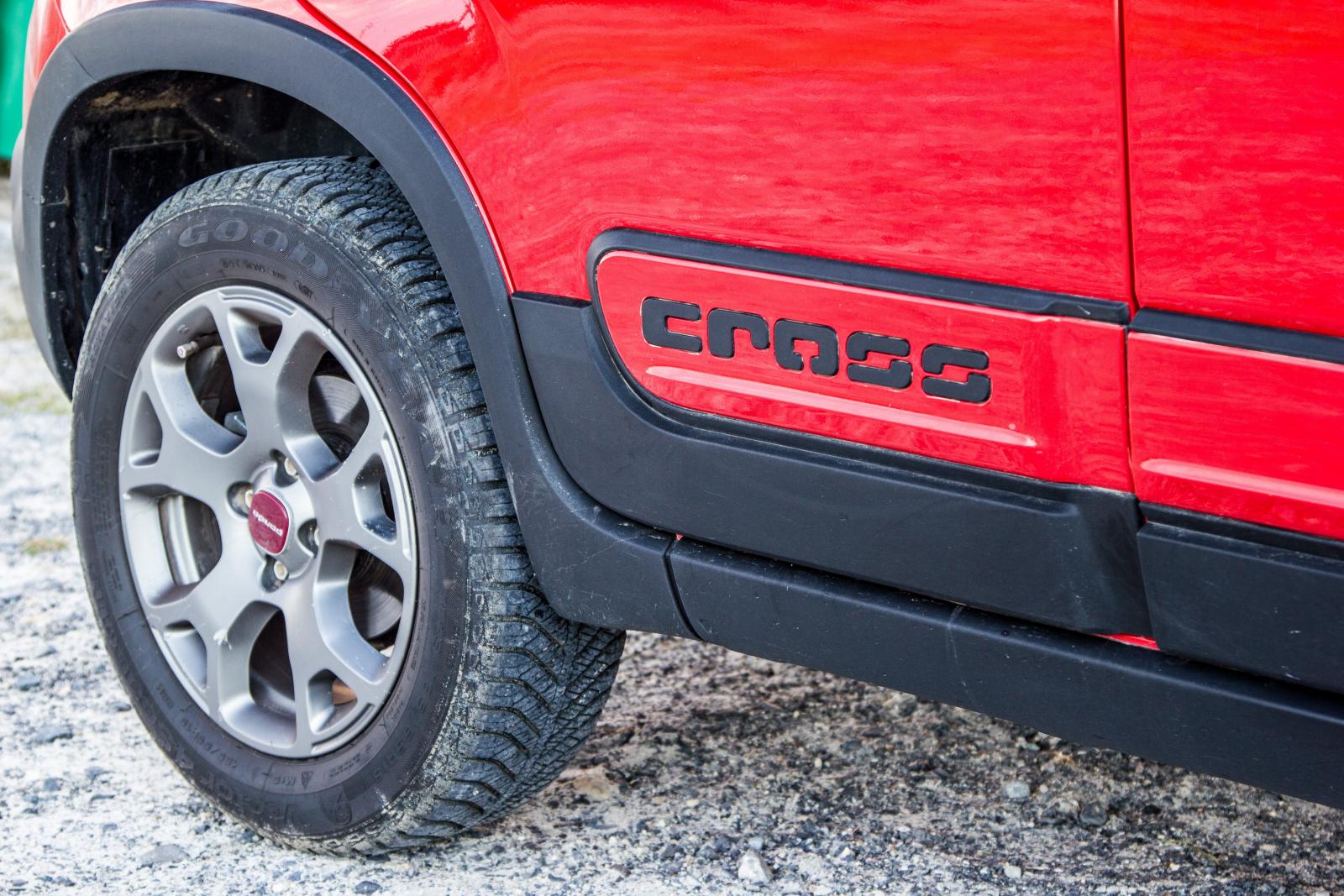
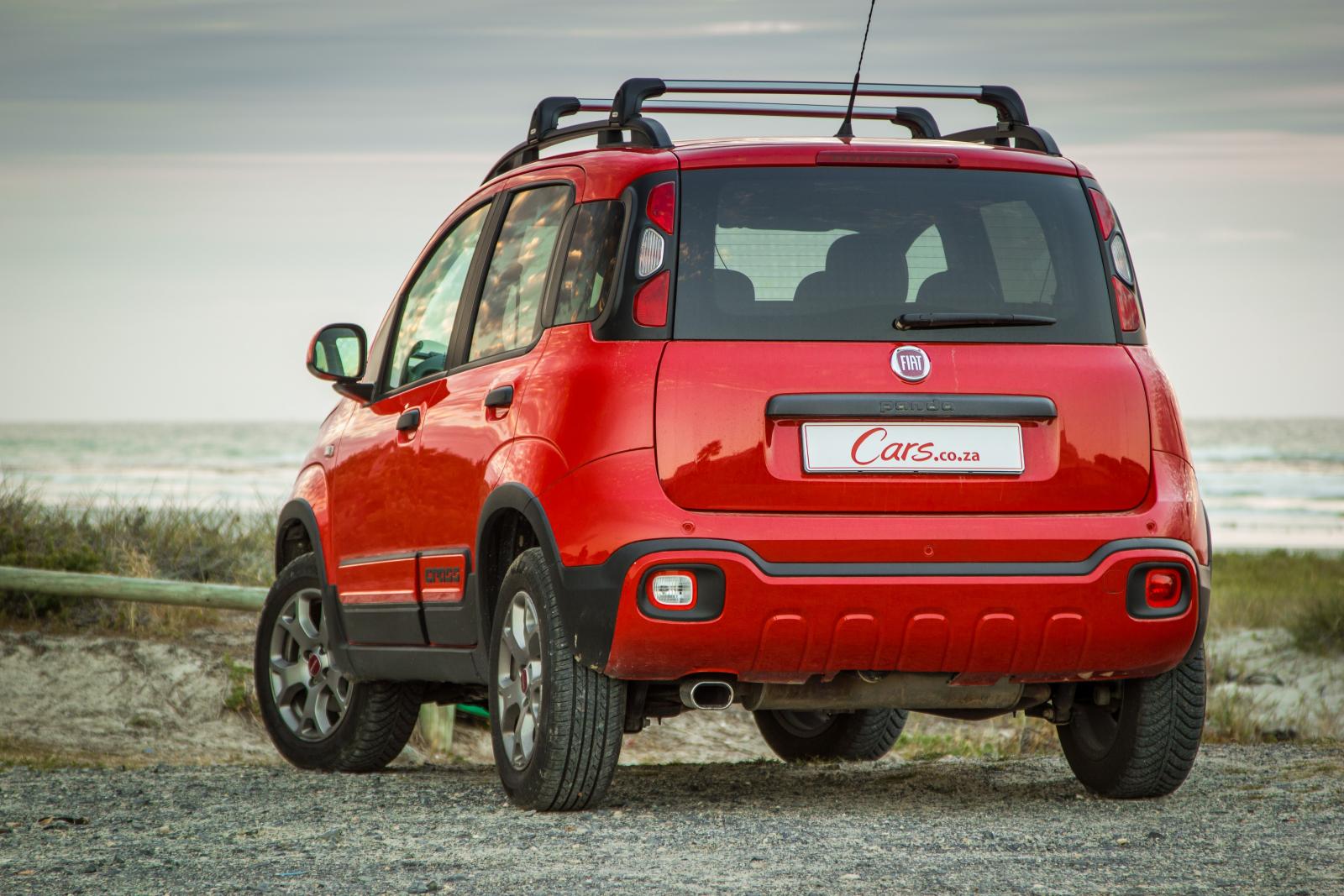
The best thing about the way the Panda looks, which is not necessarily to everybody’s taste, is that the 4×4 Cross can justify its up-on-stilts stance, raised daytime running lamp clusters, Swiss-cheese-pattern front apron and swathes of black plastic cladding. The test unit supplied to Cars.co.za further came equipped with a Panda roof rail and bicycle rack accessory, which certainly looked purposeful.
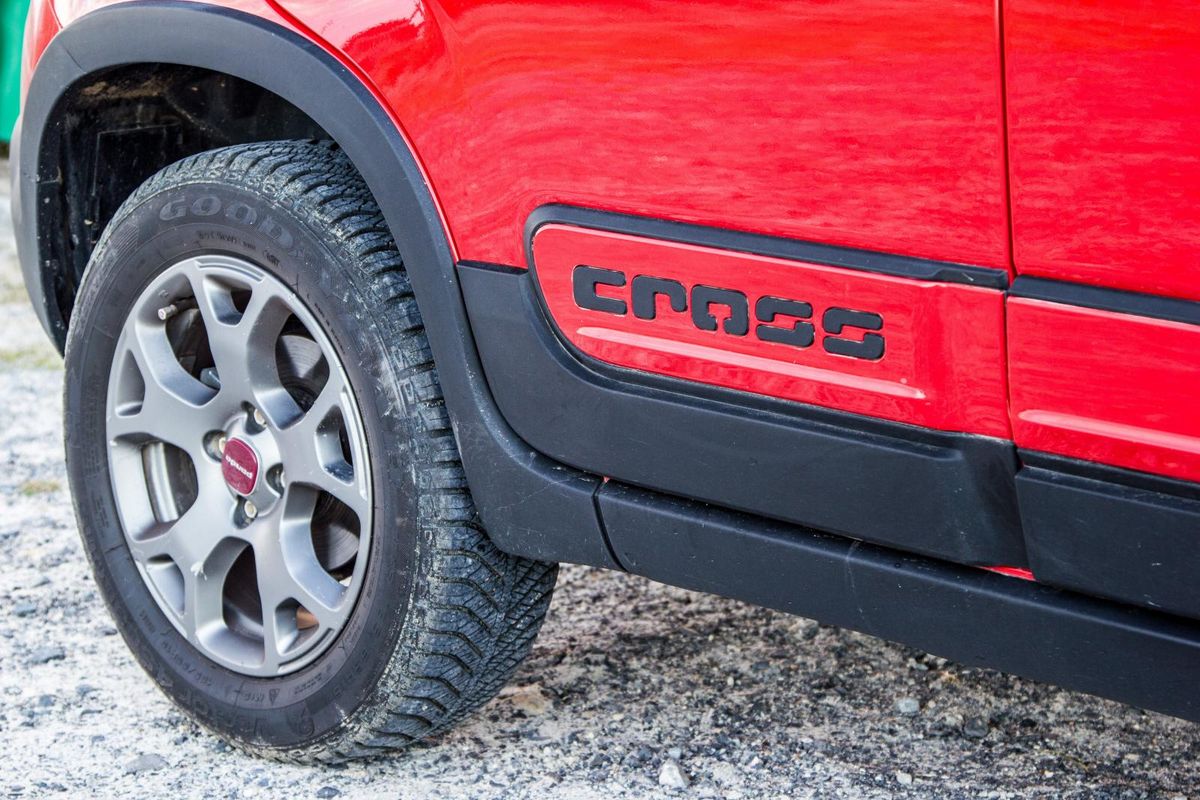
We found that the dual-tone effect created by the contrast between the exterior finish and the black cladding (plus window and pillar trims) worked best with bright, non-metallic colours, such as red, yellow and, of course, white (how Panda!). The 15-inch alloy wheels (optional, steel wheels are standard) add a touch of luxury to the hatchback’s appearance and bear in mind there is a variety of extra-cost exterior (and interior) trim bits with which to accessorise and personalise the car.
Generous specification
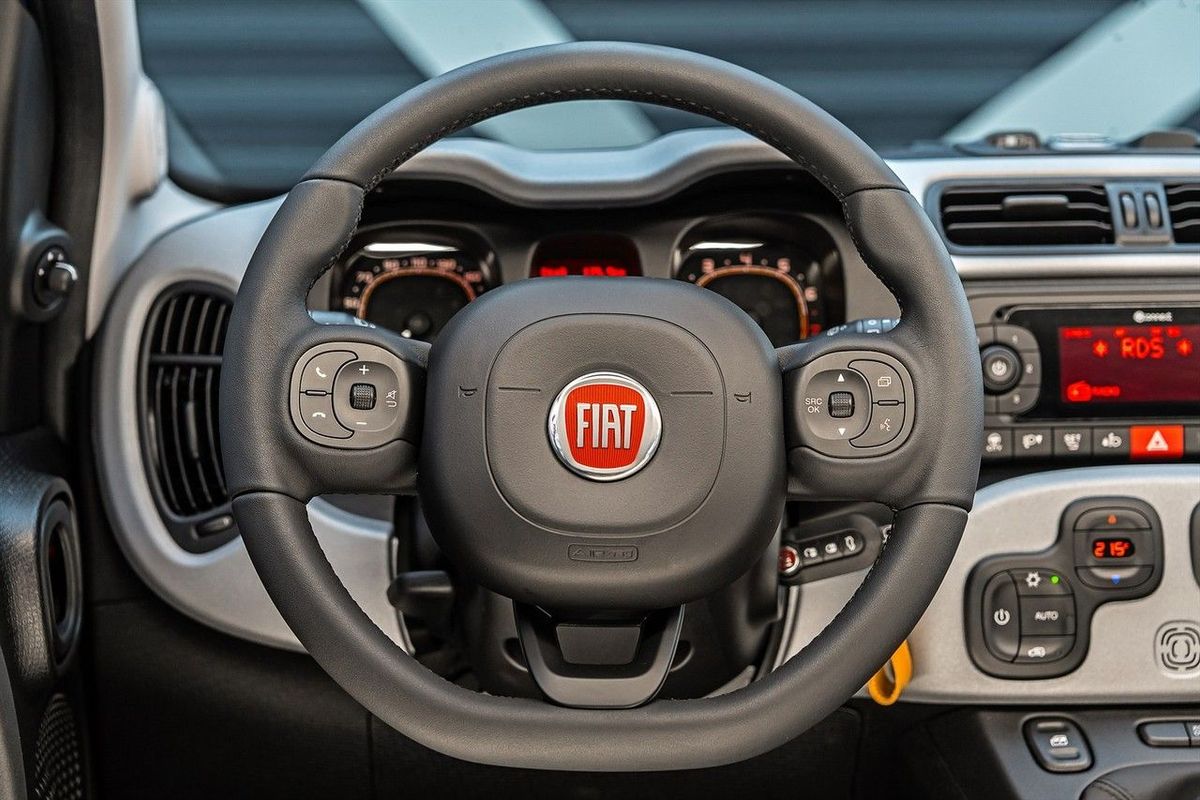
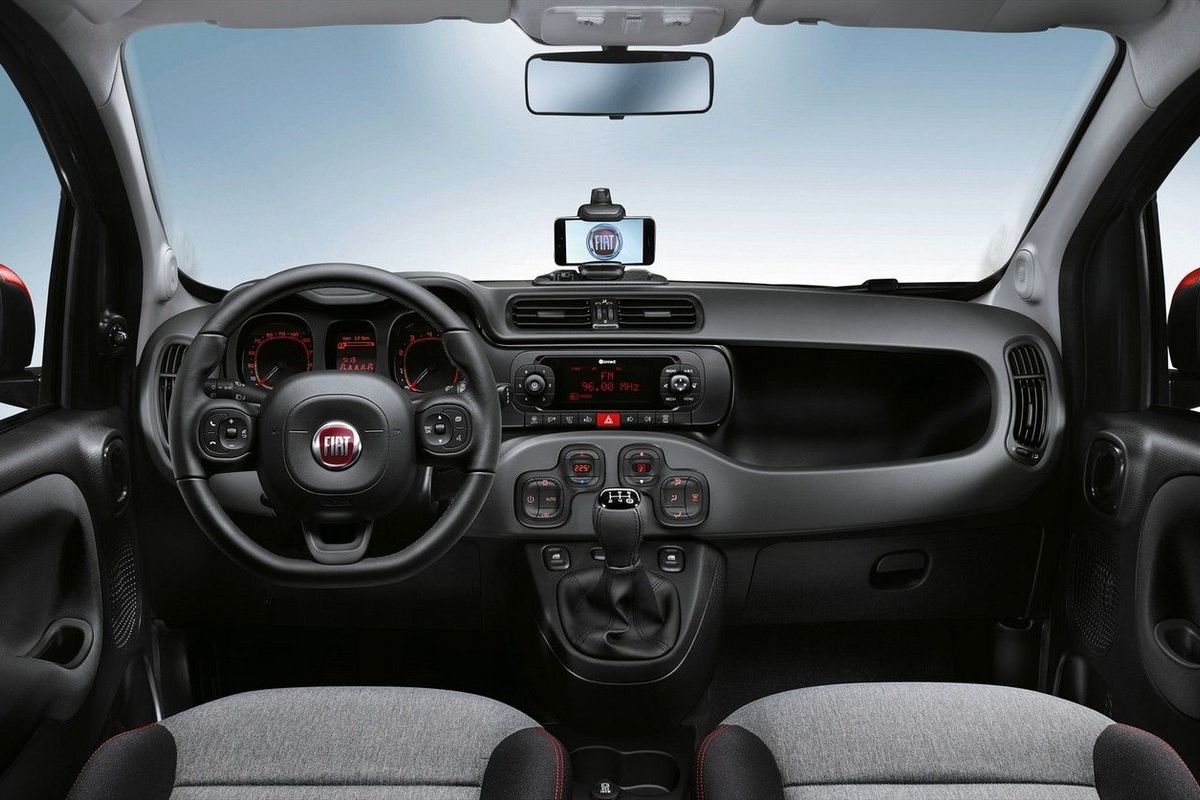
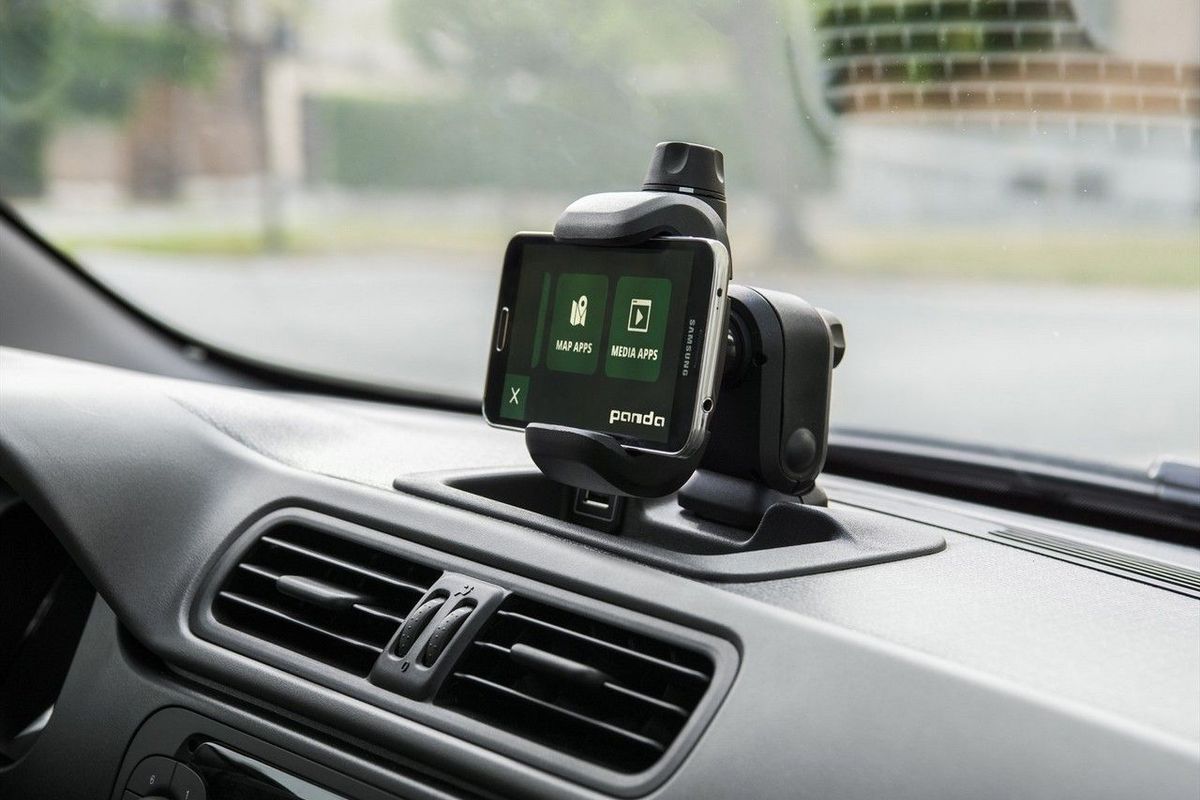
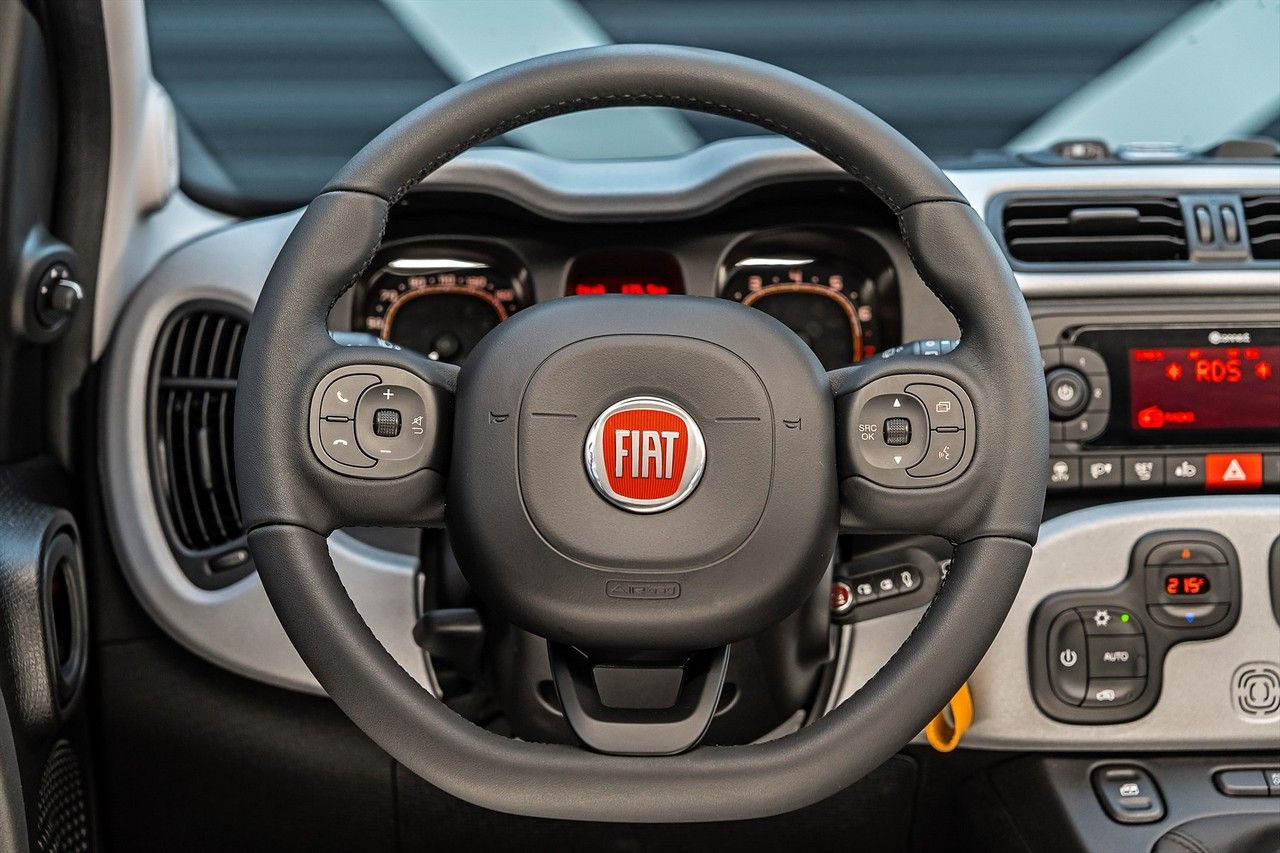
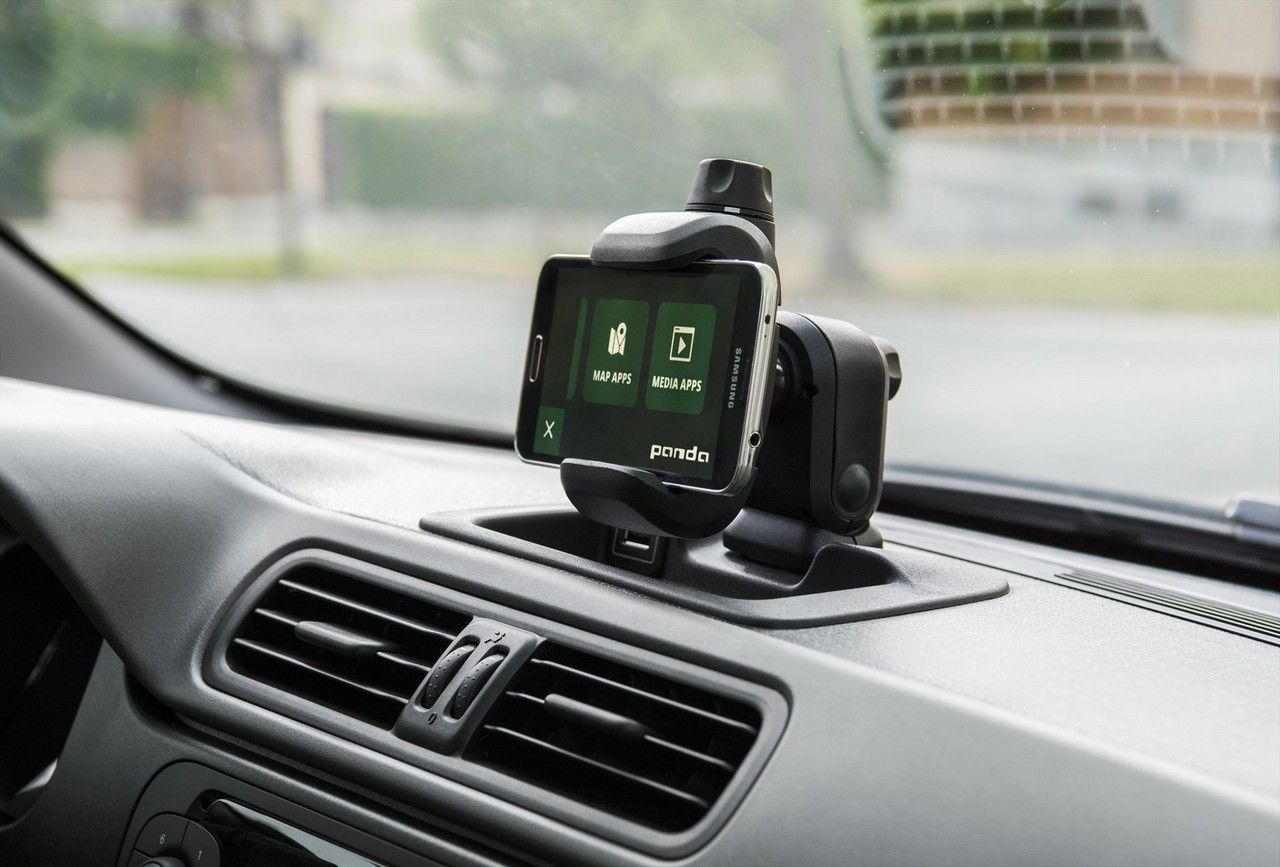
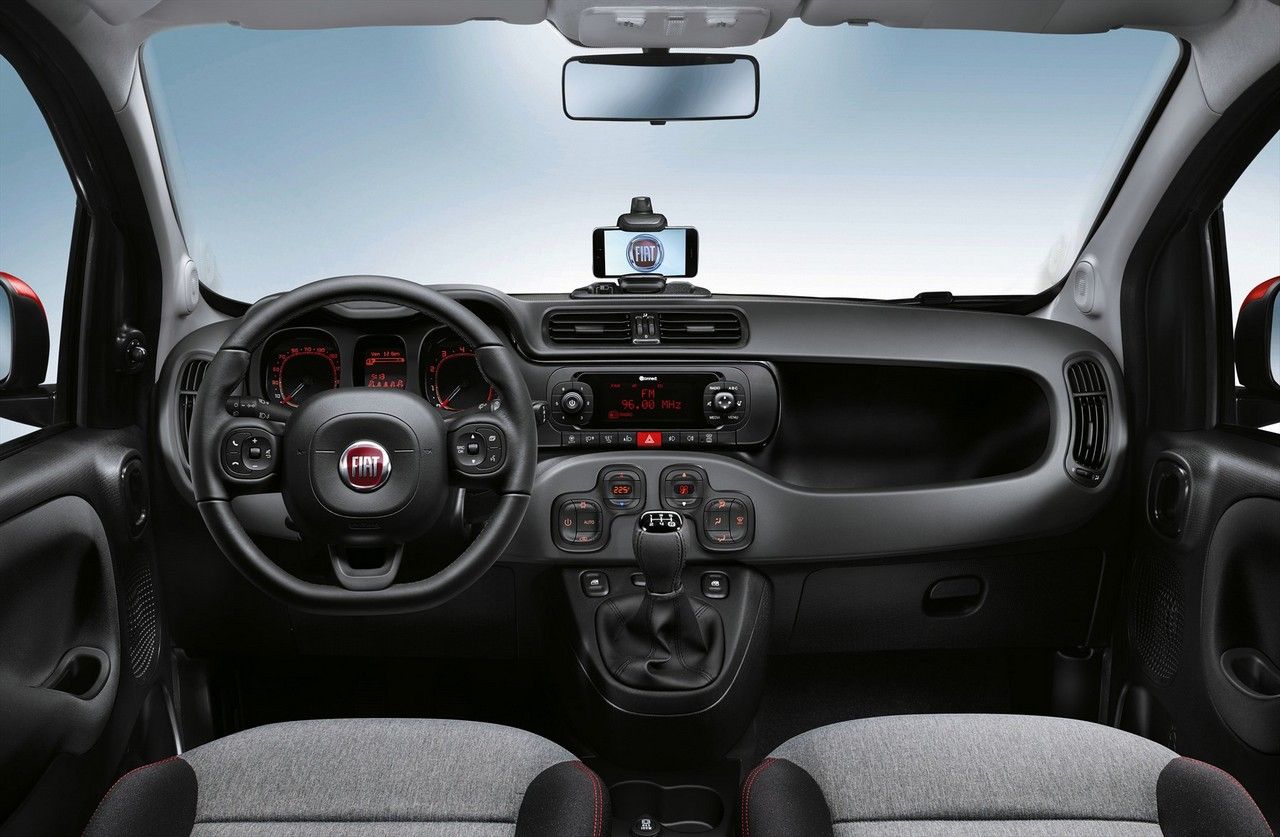
Although the workmanlike interior of the 4×4 Cross still features the now-dated squircles design theme (square-shaped circles, most apparent in the ventilation and climate control cluster, the instrumentation pods, and the steering wheel control pods), beneath the fascia’s basic appearance hides a comprehensive specification, including climate control, electric and heated side mirrors, a leather multi-function steering wheel, a Uconnect Bluetooth-compatible audio system (with music streaming and app support, which makes the standard smartphone cradle especially handy).
The leather-trimmed multifunction steering wheel is nicely sized; note the "squircles" design motif on the fascia and dashboard.
Pairing one’s smartphone involves using the steering wheel controls and voice prompts, which is a bit fussy and, as welcome as the automatic air-con is, the positioning of the diminutive ventilation outlets limits the effectiveness of the system. Should any fluids need to be topped up (such as oil, which we dutifully added) or the tyre pressure monitor be reset, you need to cancel the warning messages through a specific sequence of the commands on the trip computer, which is a drag.
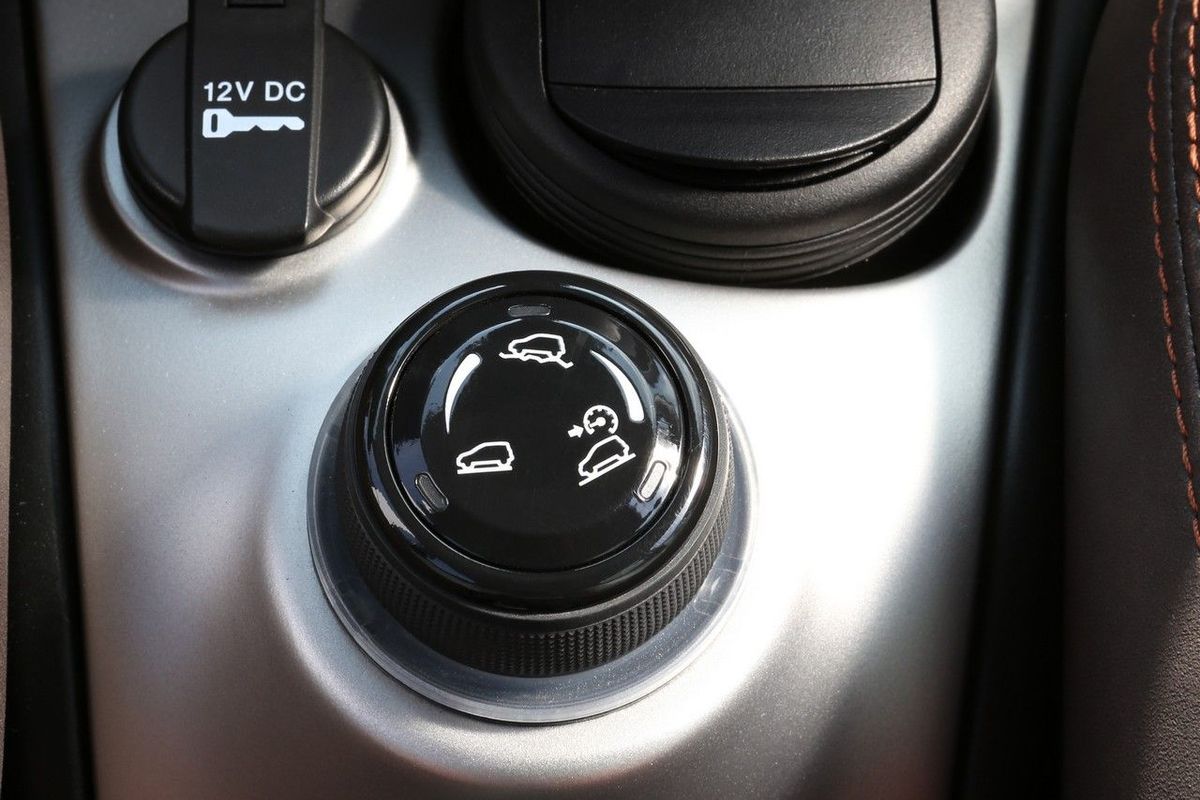
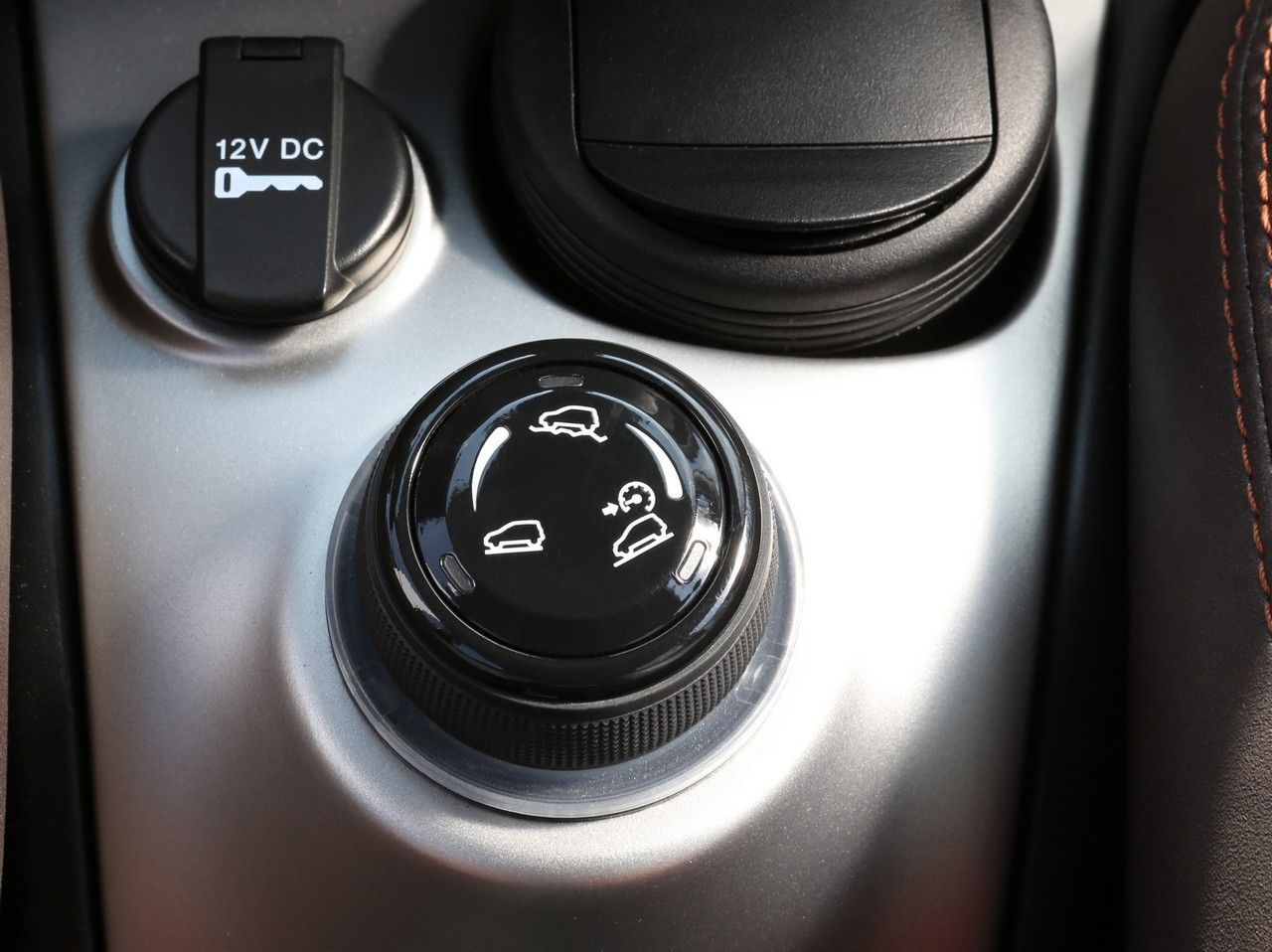
Still, the 4×4 Cross comes equipped with many safety features. ABS with EBD, electronic stability- and vehicle dynamic control (all of which enable the Drive Mode Selector to offer Auto, Off-Road and Gravity (hill descent) Control modes), is backed by rear parking sensors, front-, side and curtain airbags. The 60/40-split rear seatback has ISOfix child seat anchor points and avails useful utility space when folded down, for when you need to pack extra detritus for off-road excursions.
Although the Panda will automatically engage 4WD when circumstances demand it, the Drive Mode selector also affords "Gravity Control" mode.
Genuine off-road ability
Fiat had enough confidence in the 4×4 Cross’ prowess to introduce it to the automotive media on a challenging off-road course (replete with a mishap, but that was probably attributable to driver error), but even if you are not a member of the small-but-passionate group of enthusiasts to have campaigned a Panda on the rough stuff, it’s easy to see why the Fiat is more than capable in low-grip conditions. By virtue of its low weight, appreciable ride height, negligible overhangs, willing engine (what little torque it has, is available from low rpm) and light controls, the Panda will deal with most moderate off-road obstacles with little fret or fuss. It’s loads of fun!
We used the Drive Mode selector to test the Panda’s auto (which utilises the rear wheels for traction only when required) and off-road modes on a stretch of dirt road and found the road holding and stability of the car admirable; the system will undoubtedly be a boon on wet asphalt routes as well.
The smartphone cradle to take the hassle out of following app-driven satellite navigation instructions, the my:Car app is also available.
The Not-so-good
Marginal build quality
Although a strict critique of the Panda’s build quality seems trifling given the fact that the vehicle is positioned at the budget end of the compact hatchback market, a car that is claimed to be capable of sustaining hard use needs to feel as if it could handle whatever hard work it is tasked to carry out.
Overall the Fiat’s cabin is comfortable enough, but its doors feel overly light, the plastic edges of the fascia (around the oddment recess ahead of the front passenger) have a rough finish and the switchgear is bereft of a reassuring weightiness. Furthermore, the floor of the luggage area felt prone to warping/incapable of sustaining heavy articles and at freeway speeds, we noticed more than a fair degree of wind noise emanating from the front side window/side mirror areas.
The Panda's front seats are some of the more comfortable examples at this price point. The plastic finishes are a bit rough, however.
Compromised on-road performance
First, the good news. As opposed to the previous 1.2- and 1.4-litre normally aspirated engines, the (award-winning) 0.9-litre turbopetrol 2 delivers its peak torque at 1 900 rpm, which means its user needs to stir the gearbox smartly to get the best out of the motor, which has a pleasing growly note. Thanks to start-stop technology and shift indicators in the instrument panel, a measured driving style should help drivers achieve an average fuel consumption in the early-7.0 L/100 km region with ease.
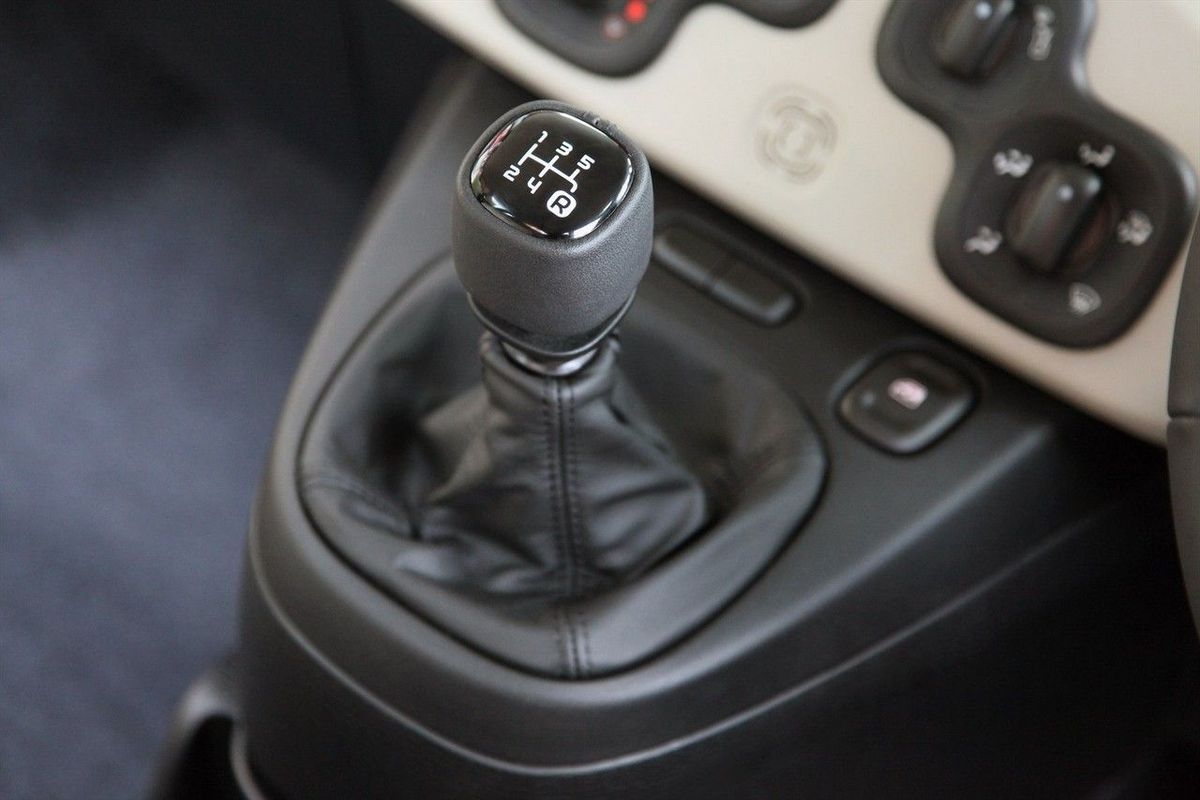
Yes, the 4×4 Cross is capable of cruising comfortably at the national freeway speed limit, but getting there requires patience. In the absence of a low-range transfer case, the Panda’s first gear is short to facilitate pulling away in tricky off-road conditions and, like most small capacity turbo motors, the Fiat does not like to creep in traffic (or congested parking lots) at low revs, were it will baulk and threaten to stall. What’s more, if you attempt to make the Panda corner with enthusiasm, be prepared to suffer the consequence of a high centre of gravity and relatively skinny tyres, because the body tends to yaw by virtue of the raised height and palpably soft suspension.
Added ride height and reasonably plump tyres endow the Panda with a pliant ride quality.
A very niche offering
While there is no argument that the Panda is well packaged for someone who seeks the practicality and affordability of a compact hatchback in combination with genuine off-road ability, we have to wonder how big that market is, in actual fact. Yes, it’s refreshing to find a product that “does exactly what it says on the tin” (as the saying goes) – the 4×4 Cross is proudly an “anticrossover” – bravo!
As Fiat does not have a big dealer footprint in the rural areas of our country, the Panda will therefore appeal mostly to townsfolk who may occasionally exploit its off-road abilities (or, at least, believe that they could wade into the wild with their Fiats whenever the mood takes them). Can the price that the 4×4 Cross commands be justified if its all-road capability is bound to be called upon only on special occasions? As the list of alternatives atop this review attests, there are more spacious compact family cars without the all-wheel drive that could rough it a little if they absolutely had to…
Price and after-sales support
The Fiat Panda 0.9 TwinAir 4×4 Cross costs R262 900, which includes a 3-year/100 000 km warranty and a 3-year/100 000 km service plan, which is great in terms of distance, but middling in duration.
The Panda 0.9 TwinAir 4×4 Cross is one of those off-road-styled compact hatchbacks that have the ability to back up its looks.
Verdict
Although this review seems to praise the flagship Panda derivative for its pugnacious looks and nifty features, while criticising its budget-price build quality and on-road compromises, there is no doubt that the 4×4 Cross embodies fun and feistiness better than most products on the market, let alone those priced around it. For those who fall in love with its plucky charm, the Fiat’s shortcomings will be outweighed by its charisma and, indeed, strengths.
Just bear in mind that the Italian marque’s middling ranking in the Cars.co.za Consumer Satisfaction survey disadvantages the Panda compared with more conventional (even “boring”) offerings from most rival manufacturers… Once the (very) novel appeal of the 4×4 Cross has faded, you’ll have to live with the hatchbacks quirks and foibles. Having said that, the prospect of having myriad fun-filled adventures with your Panda is undeniably an enticing one.
Some useful statistics from the Road Traffic Management Corporation has revealed which roads are the most dangerous to drive on in South Africa. Take a look!
South Africa’s road death statistics are nothing short of alarming. The stats for 2017 are yet to be released, but what we know from 2016 is that 14 071 people died that year. This was a 9% increase from 2015 and the highest annual road death toll since 2007. The festive season is always the time to be more vigilant as there is an increase in road users. The 2017/2018 statistics show that 1 527 people died on our roads over this period.
Why are the numbers so high? And why are they increasing year-on-year? According to the Automobile Association of South Africa (AA), it's the behaviour of road users that contribute to these fatalities. But there are certain roads where users need to be extra vigilant and adjust driver behaviour to avoid becoming a statistic.
According to the Road Traffic Management Corporation (RTMC), the 20 most dangerous roads in South Africa, based on where the fatal crashes take place, are:
1. N2 – East London, Umtata
2. N2 – Umtata, Kokstad
3. N1 – Mokopane, Polokwane
4. N1 – Polokwane, Makhado
5. N4 – Middleberg, Belfast
6. N2 – Durban, Tongaat
7. N12 – Springs, Witbank
8. R573 – Pretoria, Kwamhlanga
9. N1 – Nabommspruit, Mokopane
10. R71 – Polokwane, Tzaneen
11. R40 – Hazyview, Hoedspruit
12. R61 – Port St Johns, Bizana
13. N2 – Cape Town, Somerset West
14. N2 – King Williams Town, East London
15. R61 – Queenstown, Umtata
16. N3 – Warden, Villiers
17. N4 – Waterval Boven, Nelspruit
18. R573 – Moloto Road
19. N14 – Coligny, Biesiesvlei
20. N17 – Leandra, Ermelo
Something to bear in mind, according to this same report, most accidents occur in the evenings between 19:00 and 20:00 whereas fewer accidents occur between 04:00 and 05:00 or between 9:00 and 10:00 when most drivers are already at work.
As mentioned, road user behaviour is the main cause for the high number of fatalities and this is because far too many drivers continue to disregard selected laws and road rules. Using mobile phones while driving and driving under the influence of alcohol are a significant contributor to road accidents. Speeding is another major cause as is impatience, causing drivers to make rash decisions and misjudge road manoeuvres.
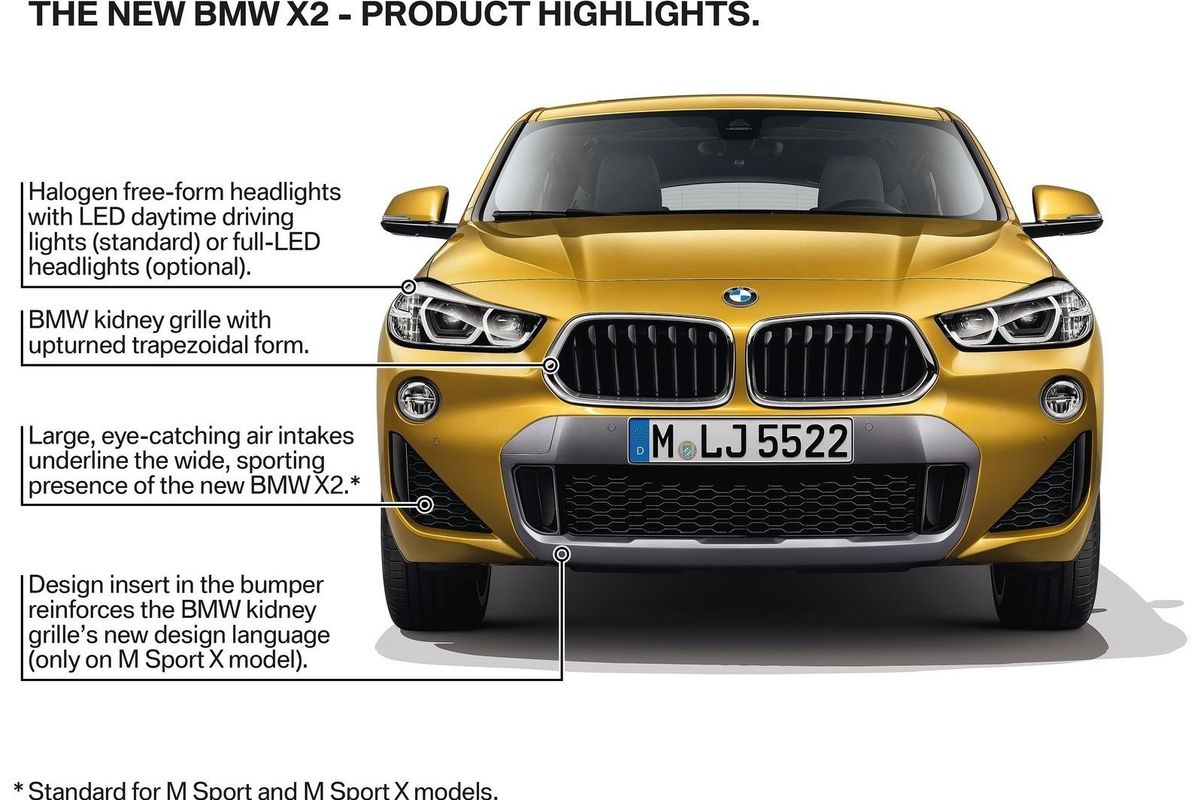
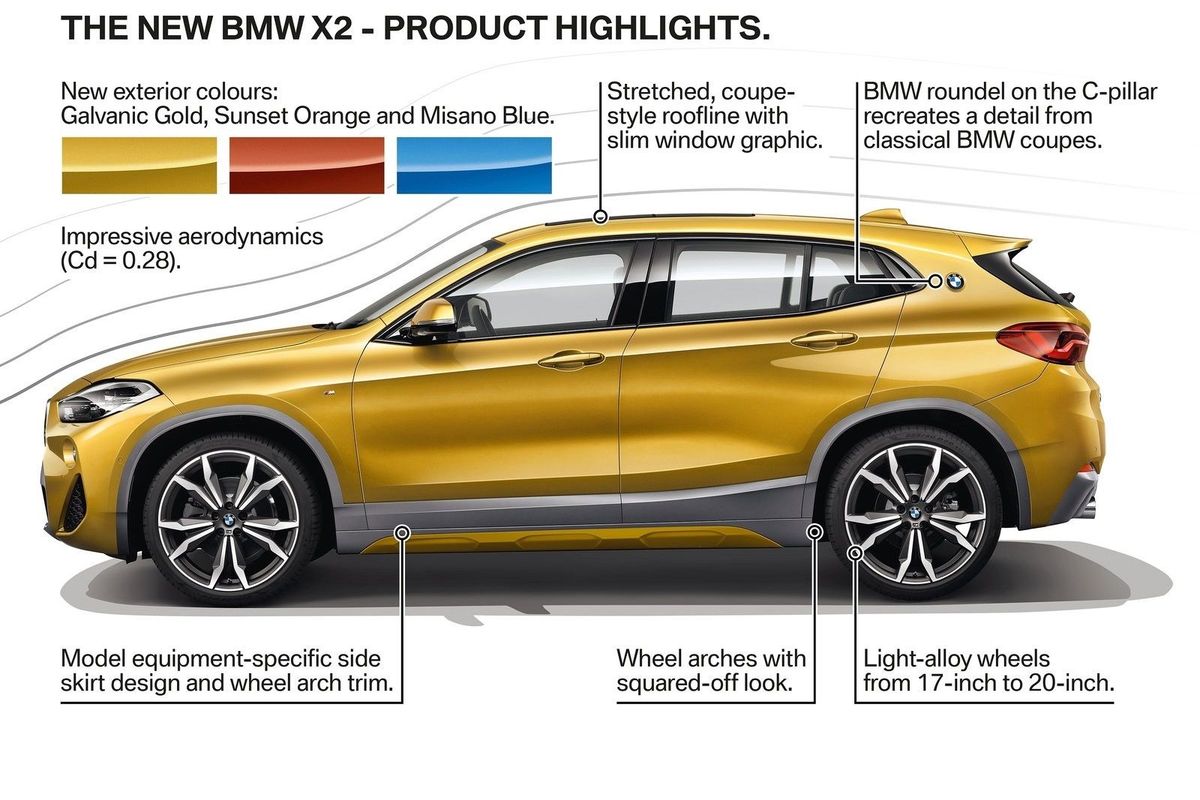
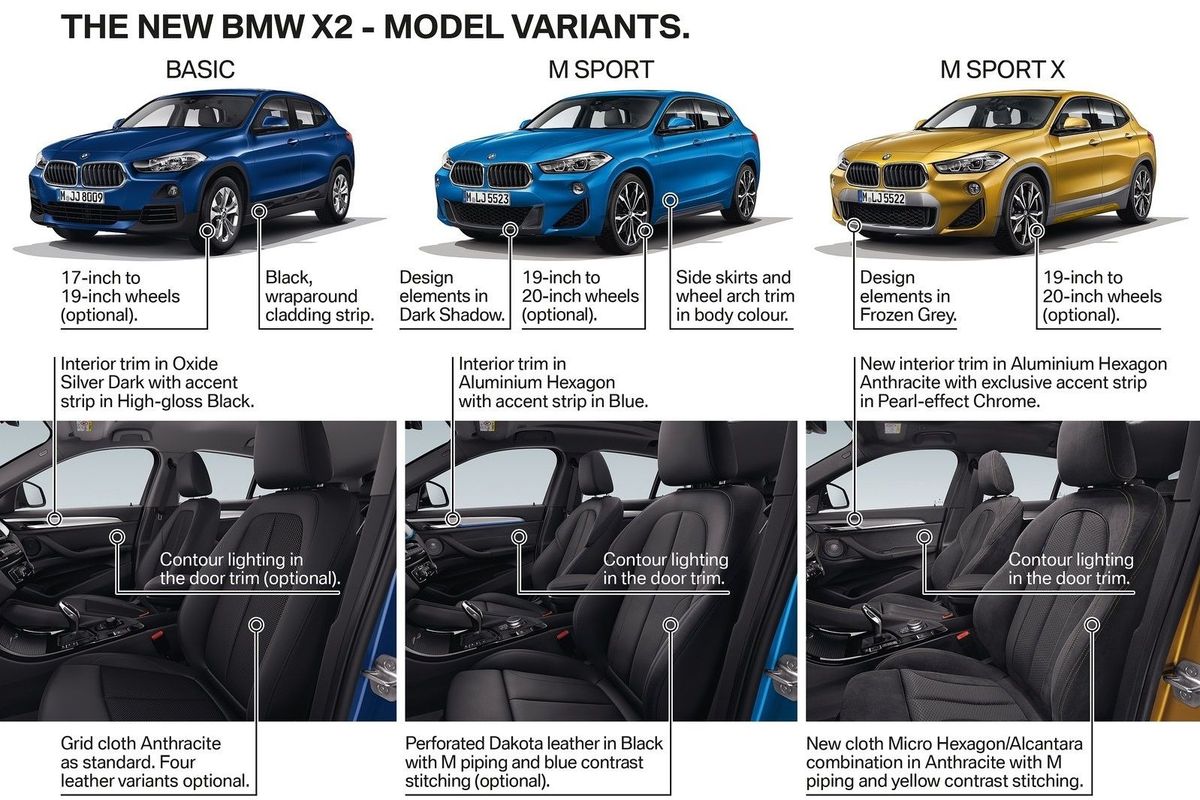
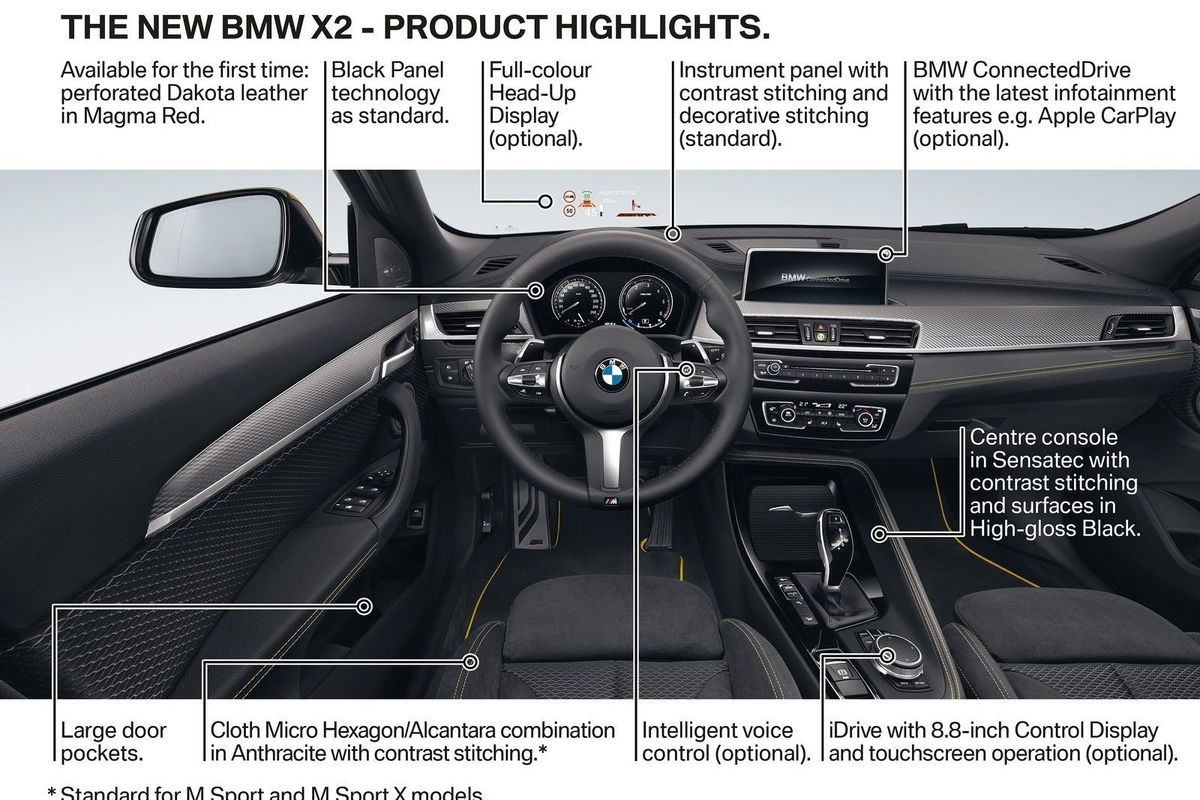
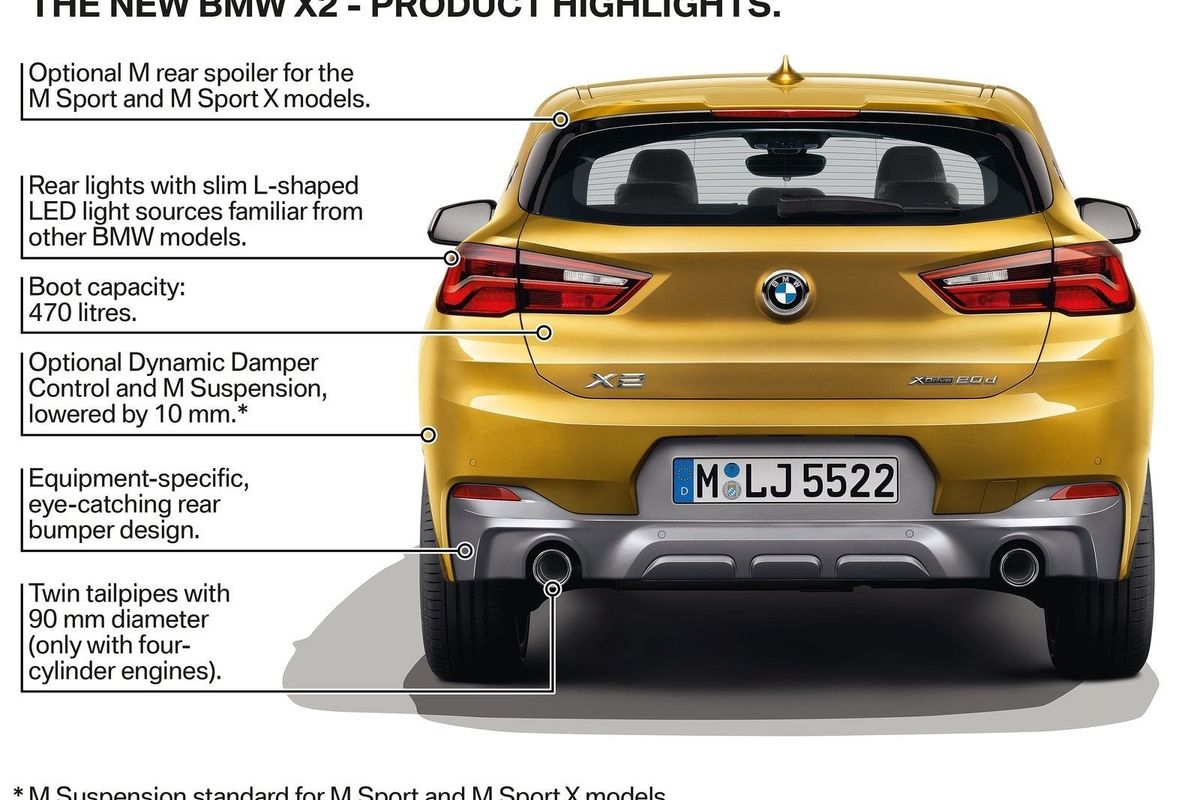
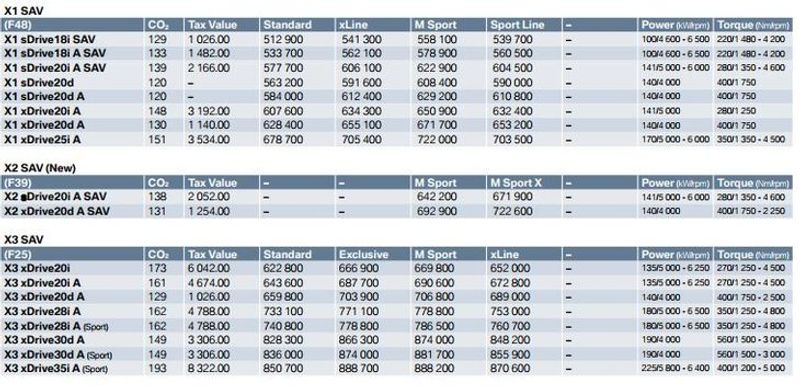
The new BMW X2 compact crossover will be launched in South Africa this week. Recently, the X2 turned up on BMW SA's January 2018 price list and we compare the newcomer's pricing against those of the compact X1 and the recently-launched X3.
The new BMW X2 will arrive in South Africa this week and what we know so far is that the South African product plan encompasses two models. There will be 2 engines from launch, both of which are equipped with automatic transmissions. The BMW X2 will be available in M Sport and M Sport X trim.
The front-wheel-drive sDrive20i petrol derivative has peak outputs of 141 kW/280 Nm, a claimed fuel consumption range of between 5.9 and 5.5 L/100 km and a 7-speed Steptronic dual-clutch transmission. The xDrive20d turbodiesel derivative, meanwhile, produces 140 kW/400 Nm, consumes approximately 4.8 – 4.6 L/100 km, comes equipped with xDrive "intelligent all-wheel drive" and features an 8-speed Steptronic transmission.
BMW X2 Price in South Africa
As you can see, the BMW X2 slots between the X1 and X3. With the option of either M Sport or M Sport X, the X2 is looking like a stylish proposition for those wanting something completely different. Don't forget to factor in the tax value when using the below price list.
In a surprise announcement today, Groupe PSA (Peugeot and Opel) have confirmed that it has entered into a joint-venture agreement with the Namibia Development Corporation to start an assembly plant in Walvis Bay.
The first vehicles to be assembled will be sister products, the Peugeot 3008 and its German sibling the Opel Grandland X, which is on the radar for South African introduction later this year. Assembly will start in the second half of this year and the aim is to produce an annual volume of 5000 units by 2020 to meet SACU (Southern African Customs Union) demand – included are South Africa, Lesotha, Swaziland and Namibia. Other products will follow should there be sufficient demand.
According to PSA the agreement is part of the firm's "Push to Pass" strategic profitable growth plan, developed to, "satisfy customer expectations in all the regions in which the Group operates." The PSA Group has a clearly stated ambition to develop internationally by directly producing within Middle East and Africa 70% of the vehicles sold in the region.
The decision to manufacture Opel models in Namibia was made and implemented in a record time frame, less than 4 months after the announcement of the PACE! Strategic plan on November 9, 2017. Executive Vice President for Middle East and Africa Region at Groupe PSA, Jean-Christophe Quemard said: "This investment in Namibia is part of the long-term strategy of Groupe PSA to increase its sales in Africa and the Middle East, consistent with our target to sell one million vehicles in 2025. This new capacity will serve regional markets with products in line with our Opel and Peugeot customer expectation”.
If you reckon motor shows are dead, think again, because the opening press days at the 2018 Geneva Show turned that notion on its head.
Vibrant, exciting and wildly varied, the show’s reputation as the darling of the automotive expo world endures. With global production- and concept car reveals, to European debuts, mega-money tuned exotics, hypercar launches, outrageous track-only specials and a delightful smattering of heritage concepts all crammed into the Palexpo’s handful of interconnected halls, there really was "something for everyone".
Two central themes emerged: Large hatchbacks are taking over the executive arena – more on those later – and the hypercar segment is getting really crowded. Bugatti unveiled the Chiron Sport, which the French company says is a more track-friendly version of the regular car. It isn’t any faster, but then with a maximum gallop of 420 kph, more speed was never a priority.
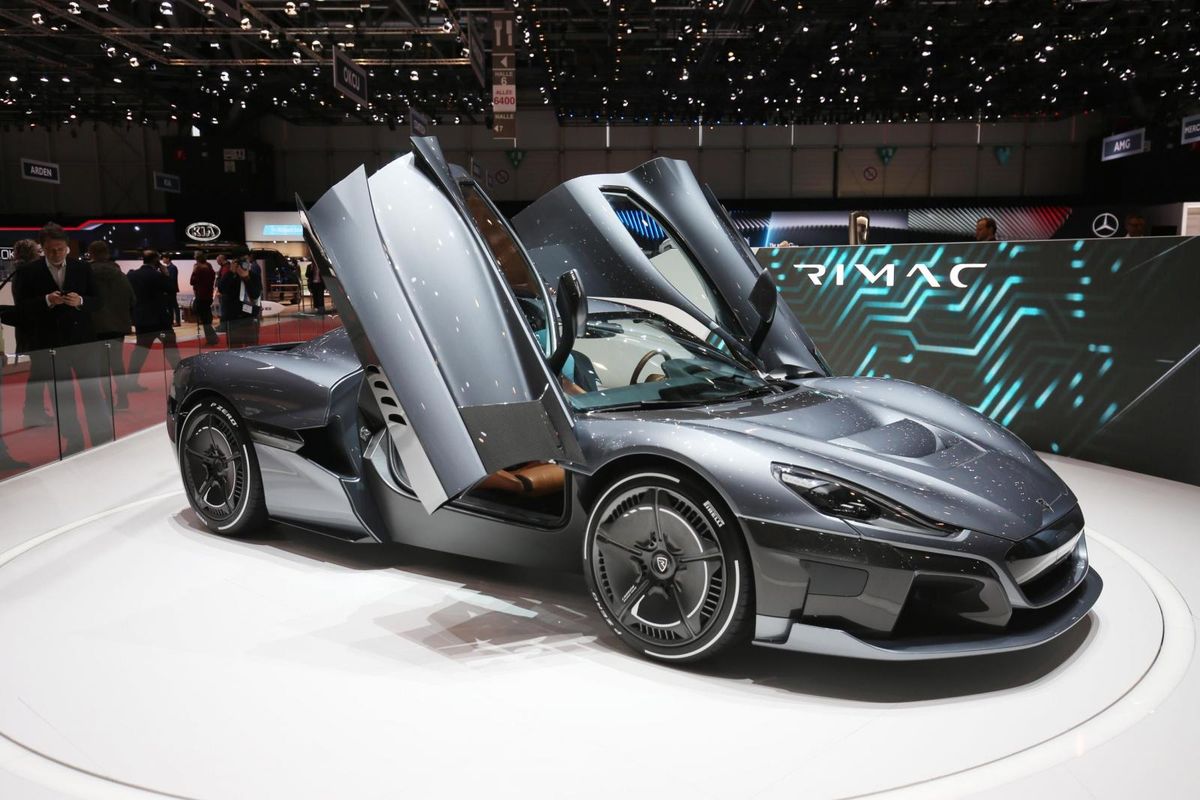
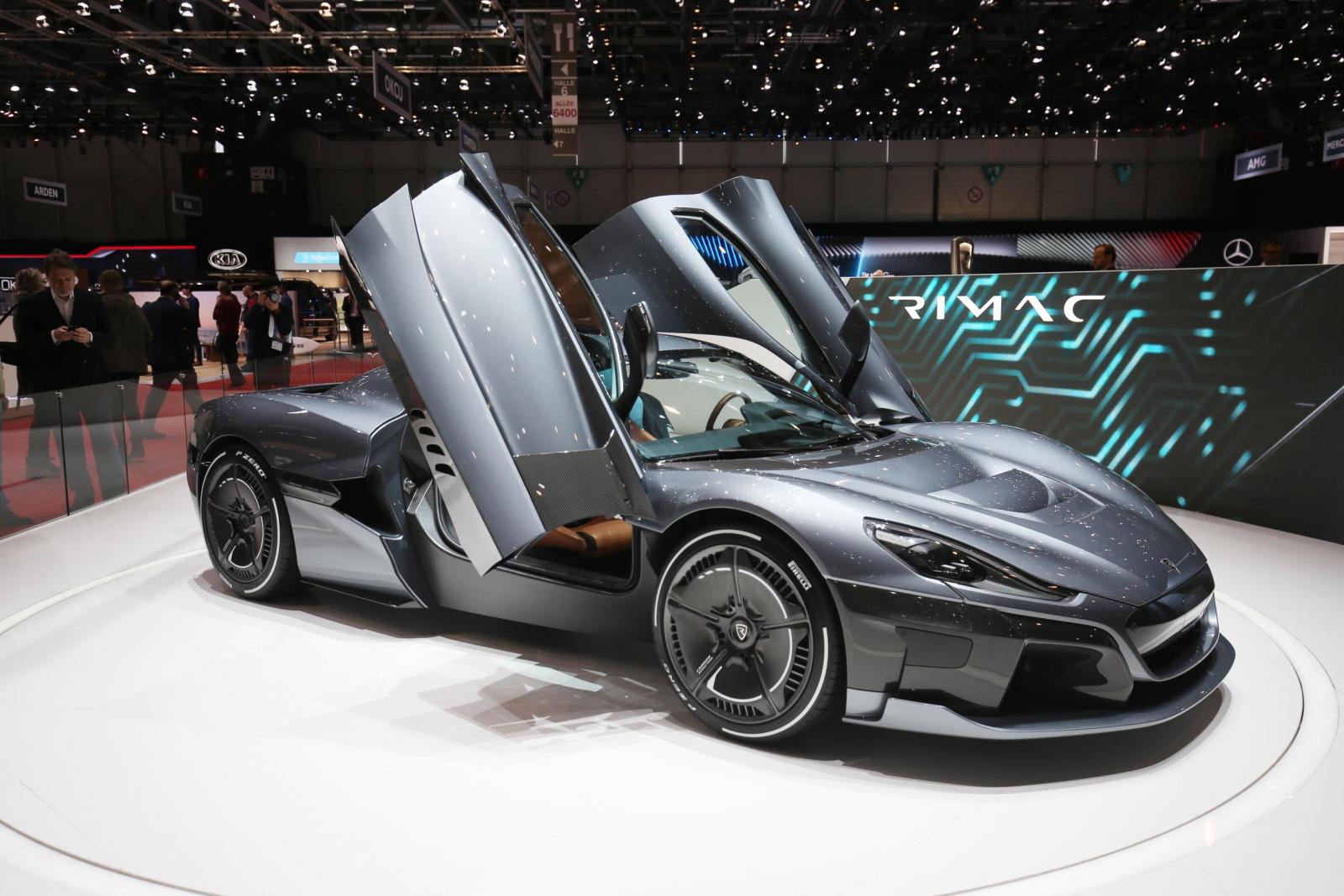
For all-electric brand Rimac, the emphasis is clearly on consigning internal-combustion-engined rivals to the history books with 1 408 kW (or should that be killer volts?) blasting the somewhat generic-looking C_Two from 0-100 kph in just 1.85 seconds. Say what? It’s probably safe to assume that founder (and genius) Mate Rimac has found a way to bend the laws of physics.
Rimac and its all-electric supercar, complete with 1 408 KILLER VOLTS.
After setting the bar pretty high with the 435 kph Venom GT, Texan speed freak John Hennessey is again targeting – you guessed it – top speed with his “all-new from the ground up” Venom F5. Expect an imminent assault on the 300 mph (482 kph) mark. Yikes!
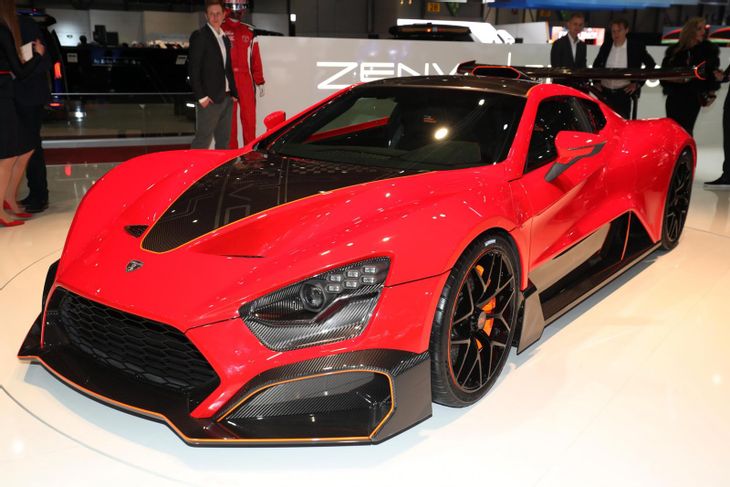
Also an assault, this time on our eyes, Danish outfit Zenvo presented the impossibly red TSR-S, a street version of its TSR track toy while W Motors launched the impossibly edgy 400 kph Fenyr SuperSport. Fortunately, Pininfarina restored the visual balance with its swoopy and smooth H2 Speed, a car the famed Italian style masters will build in very limited numbers.
Wild hypercars rained down on Geneva this year, here's the very red Zenvo TSR-S.
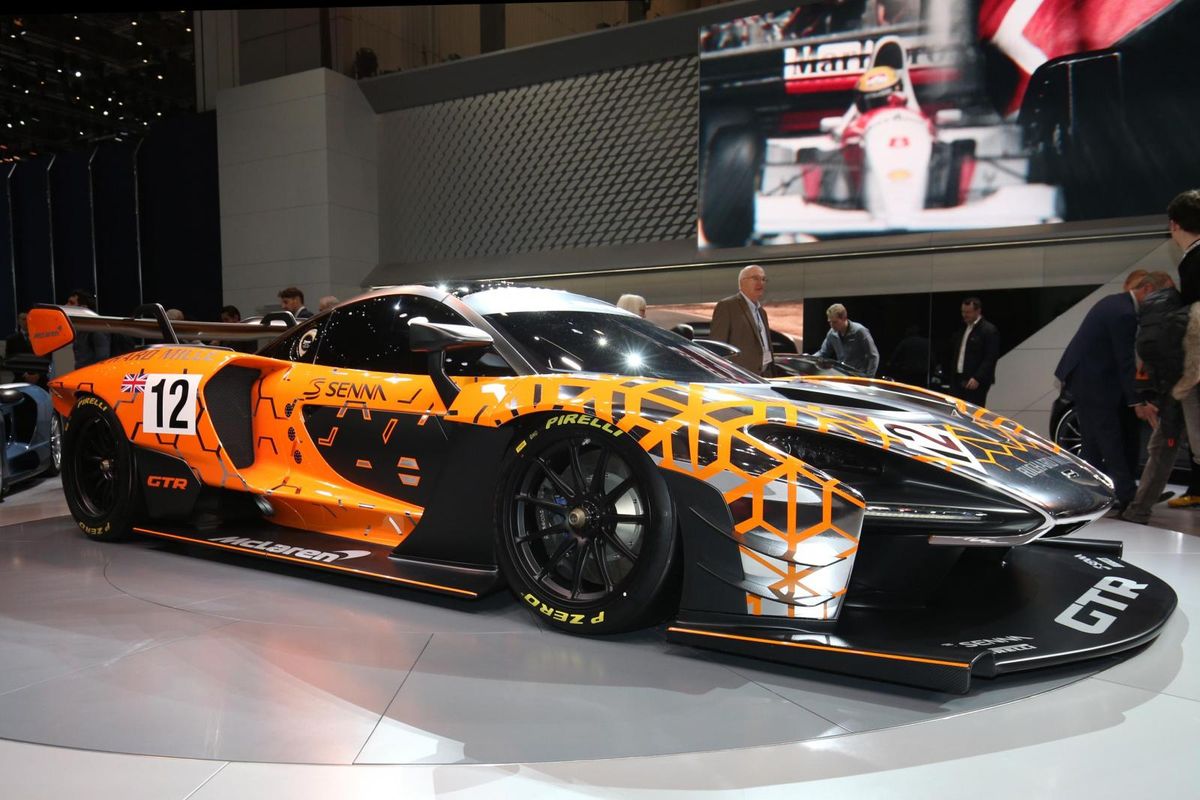
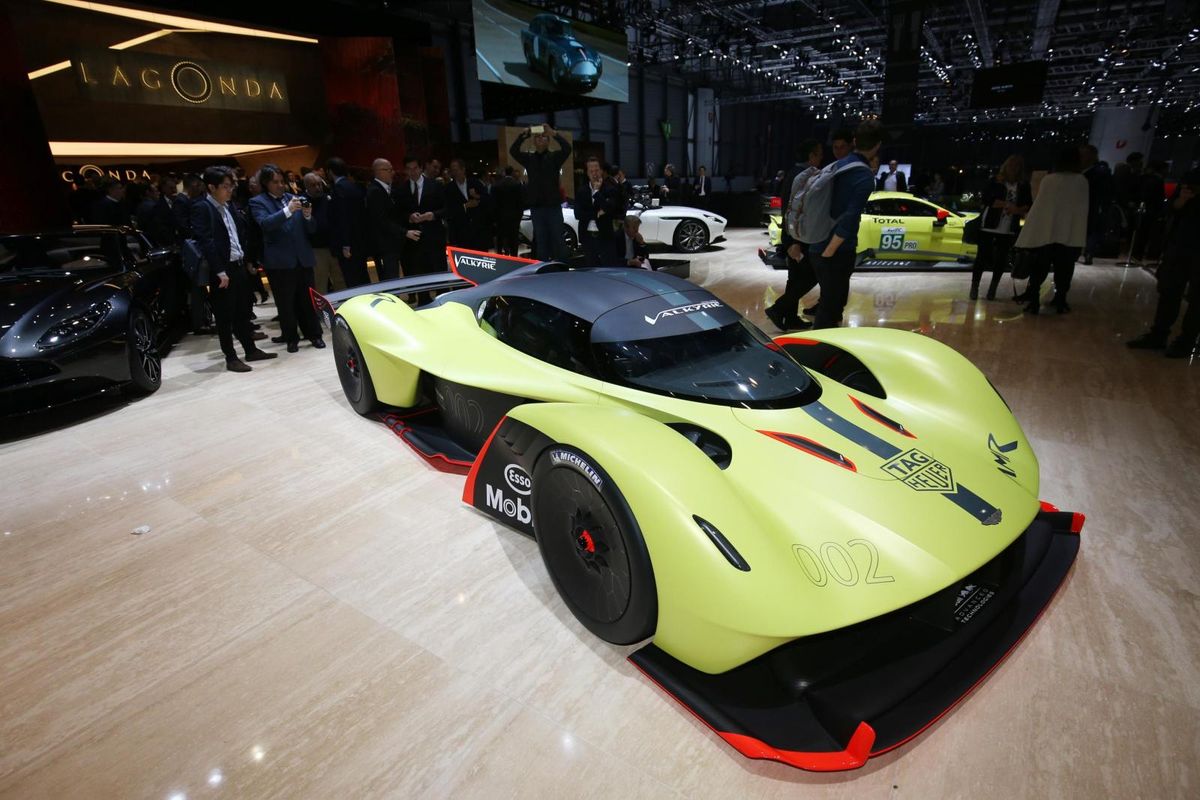
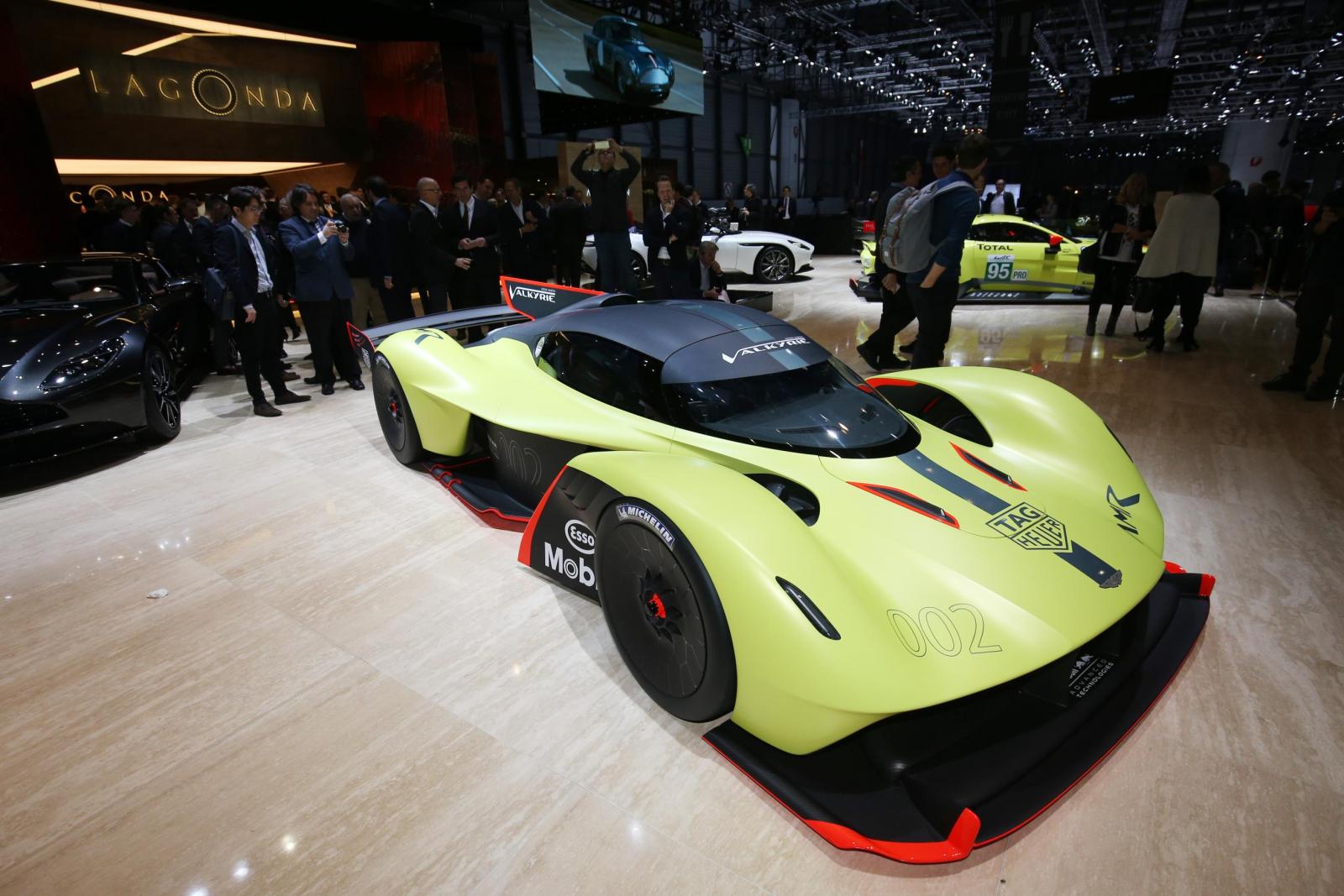
Perhaps stung by some of the criticism dished out online to the Senna, McLaren parked a track-only GTR version right alongside it. Less Lego Technic, more freaking hectic, the GTR hushed the dissenters decisively. But was it the most outrageous track car on show? Nope, that honour goes to the Aston Martin Valkyrie AMR Pro, a race car that mixes brutal with beautiful in a way only Aston Martin can.
Most outrageous track car of the show? We vote it's this Aston Martin Valkyrie AMR Pro.
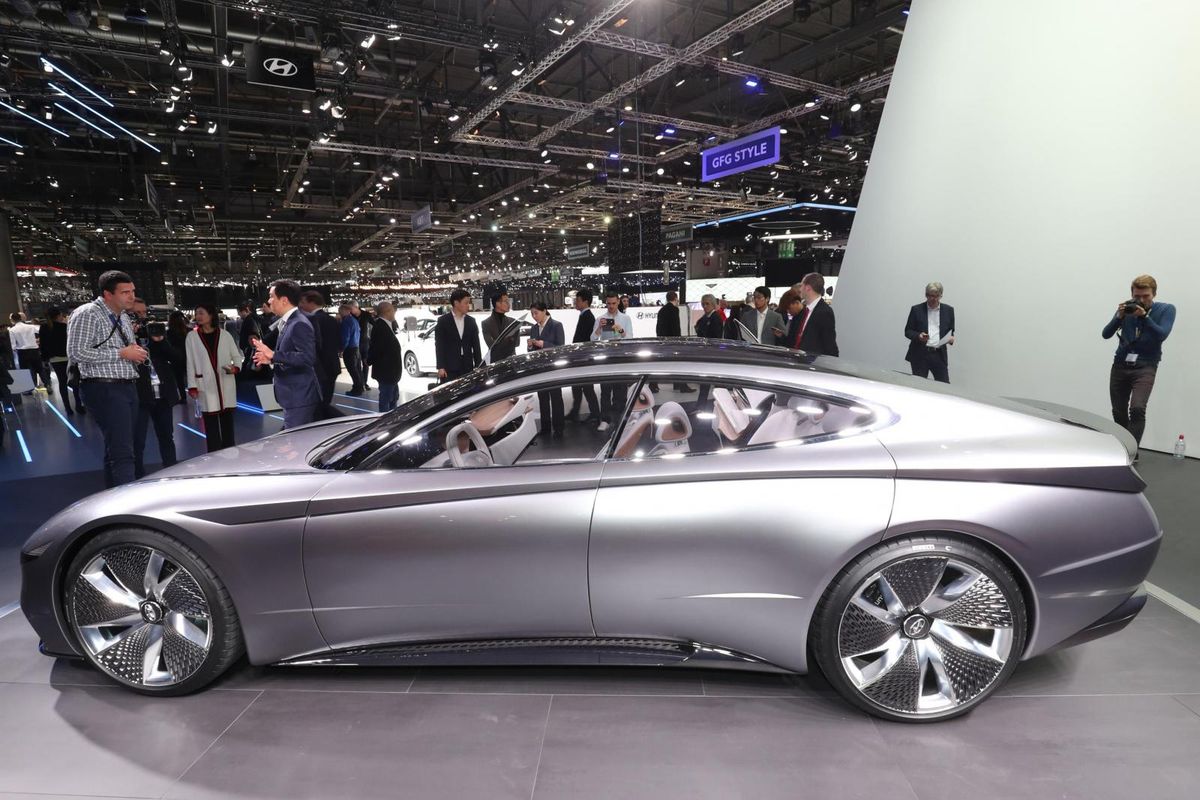
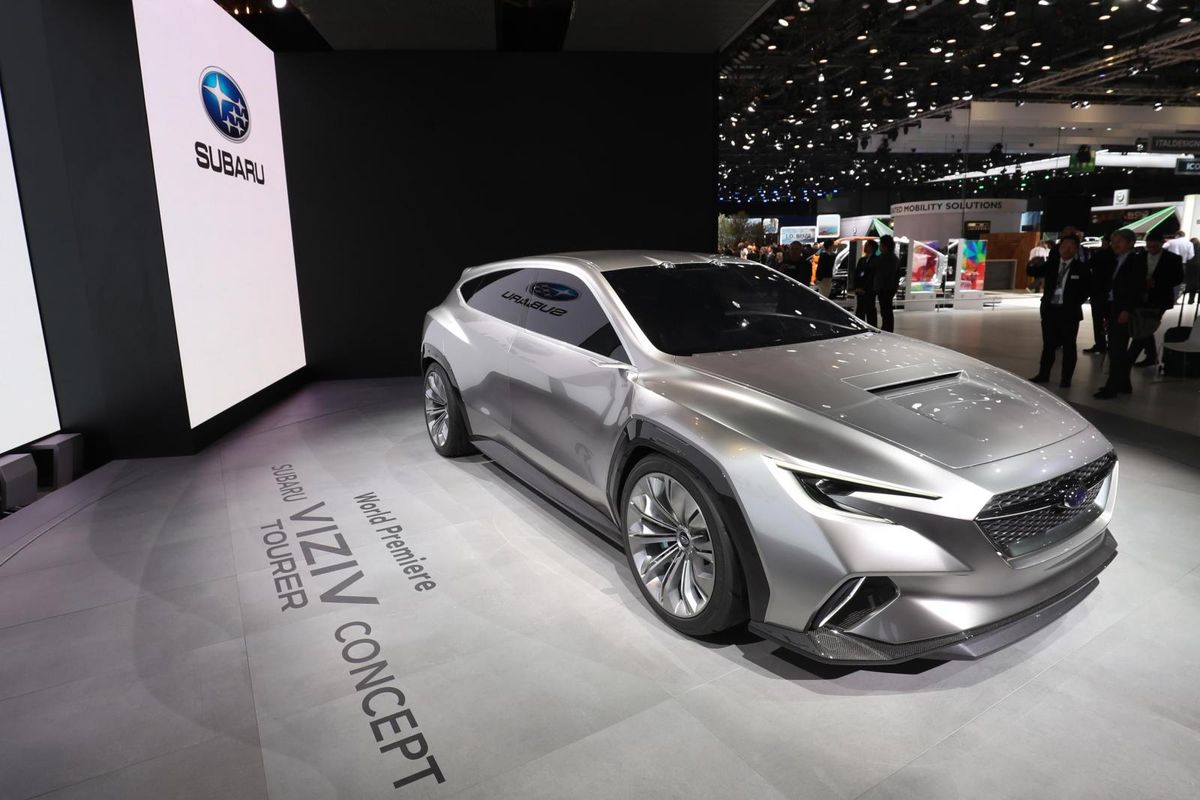
That sorts the speedsters, but Geneva is also renowned for its dreamers – previously unseen concept cars that shone brightest this year included 4 sedans and a 'wagon. Hyundai’s Le Fil Rouge (‘common thread’) mixes proportion, sophisticated surfacing and interior elegance to near perfection – bodes well for future Hyundais. Subaru's been teasing us with superb concepts for years, and the Viziv Tourer is no exception.
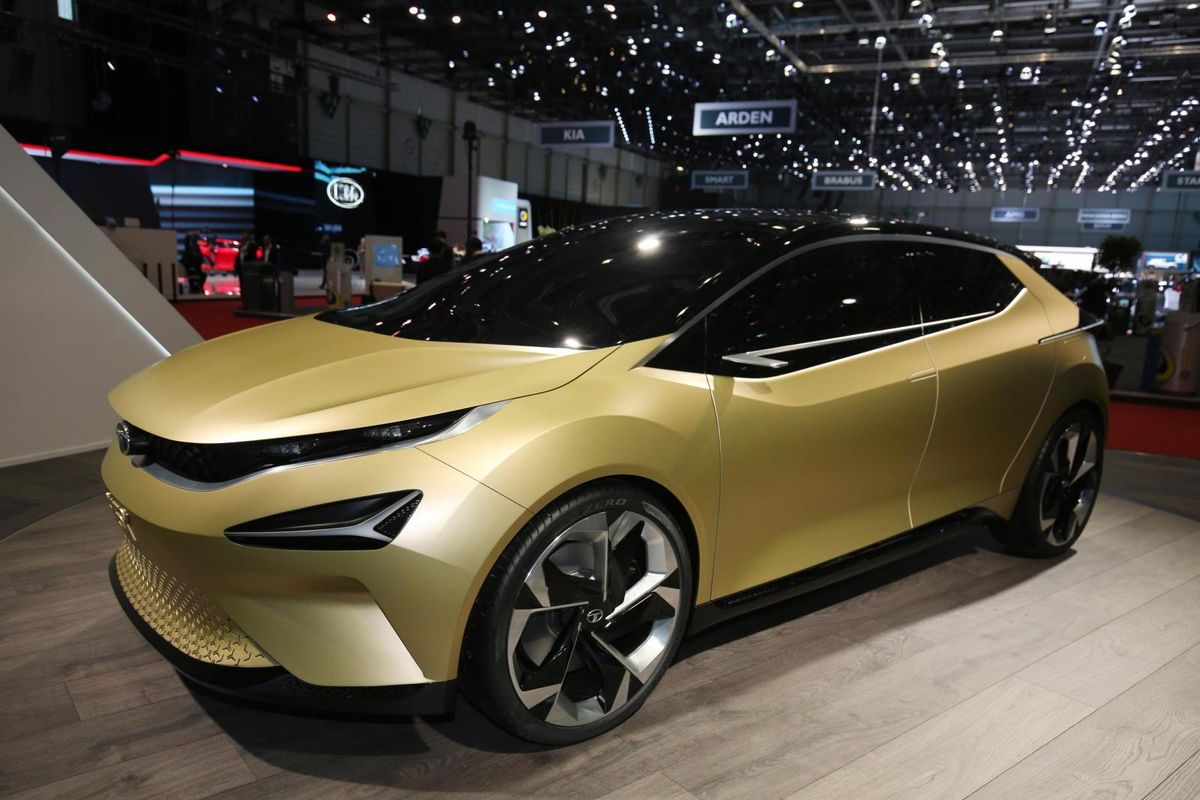
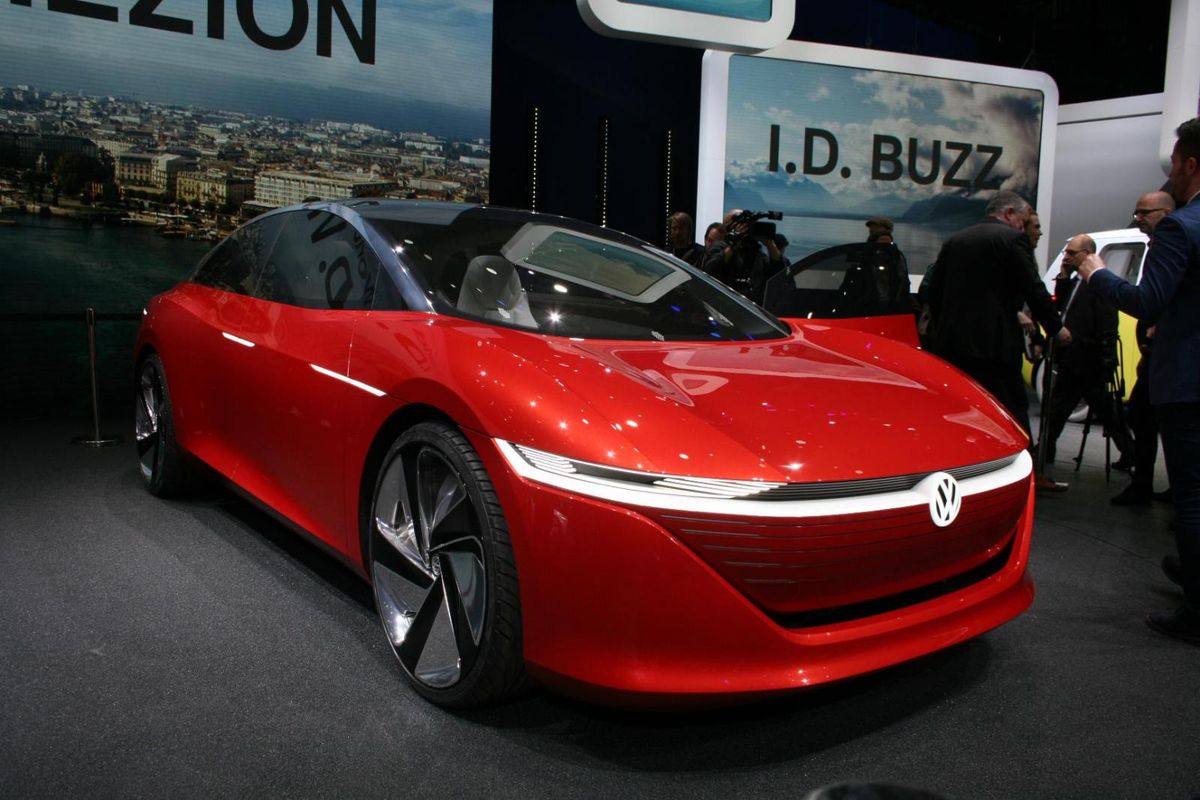
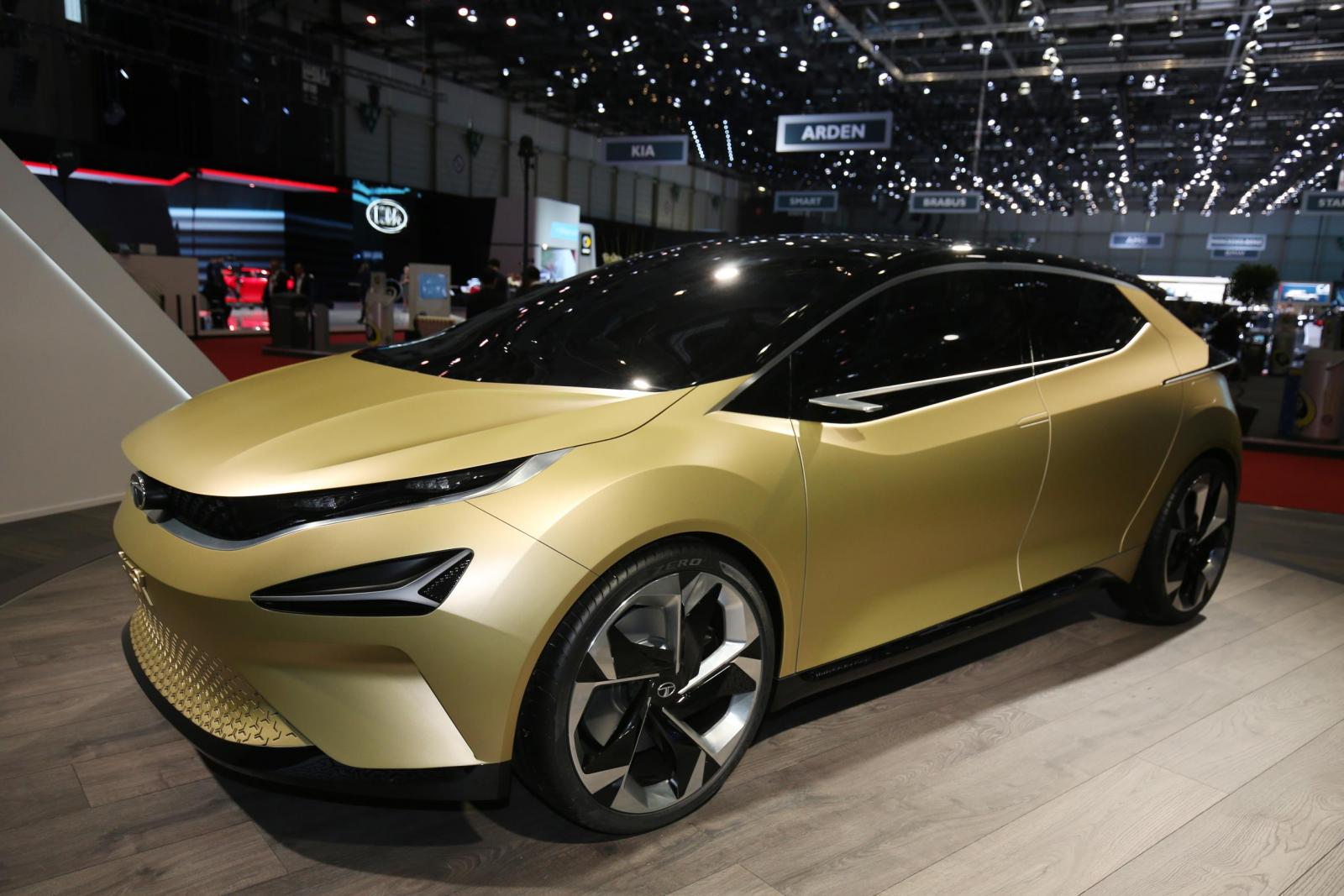
Stealthy and strong, it deserves a life out on the streets. Volkswagen’s 4th model in its I.D. series previews an autonomous, electric, future flagship. It’s a sleek and elegant design thankfully bereft of the superfluous detailing that has appeared on the latest batch of production Volkswagens. Finally, Tata’s EVision is a crisp and cleanly-styled sedan, which, along with the equally beguiling 45X and H5X concepts (also on display), set a far more handsome template for future Tata models.
Tata motors even pitched up with some quite interesting designs at this year's show. This is the 45X.
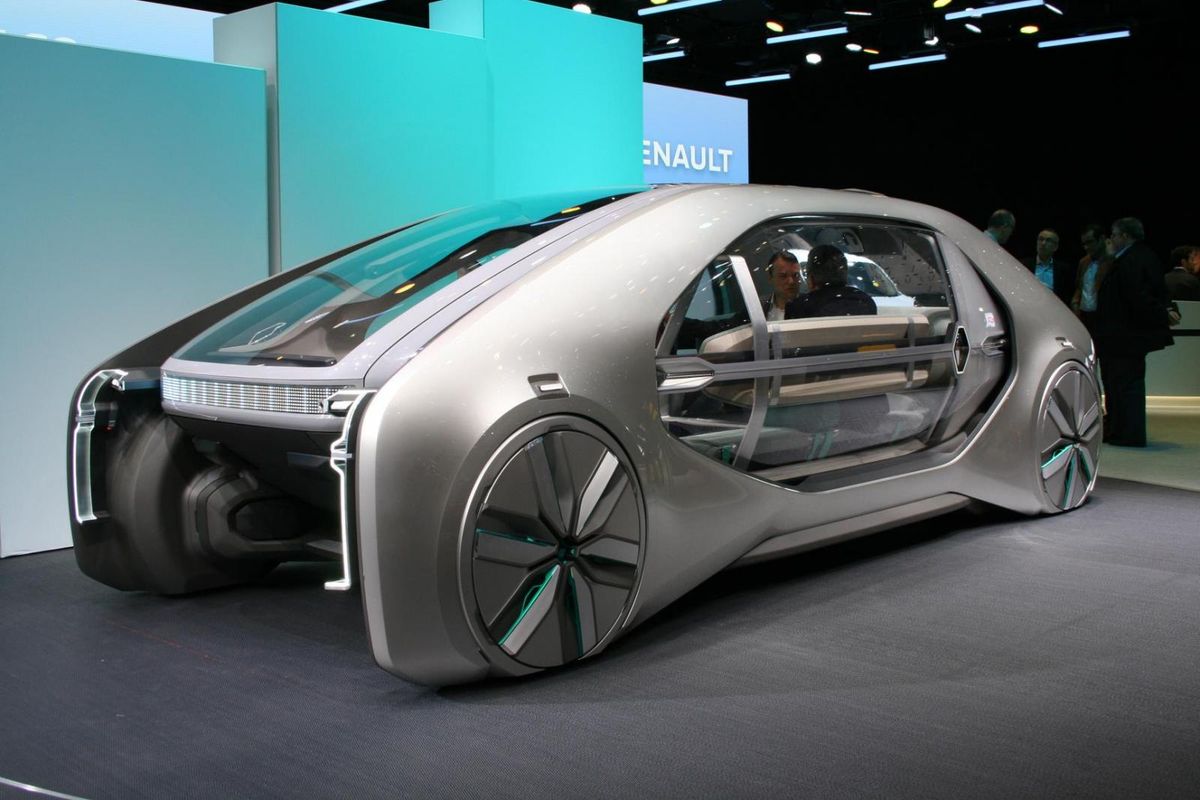
When it comes to concept cars that thrill and delight, Renault are perennial winners, yet this year, not so much. The EZ-GO is probably quite acceptable as a piece of architecture, but as a car – driverless or not – it lacks desirability, creativity and soul. Similar in concept – if not execution – the ironically massive Icona Nucleus is like an alien whale on 23-inch wheels. I’d love to tell you about the Audi e-tron prototype, but each of the 17 times I walked by over the 2 press days it remained under wraps. Publicity doesn’t work that way…
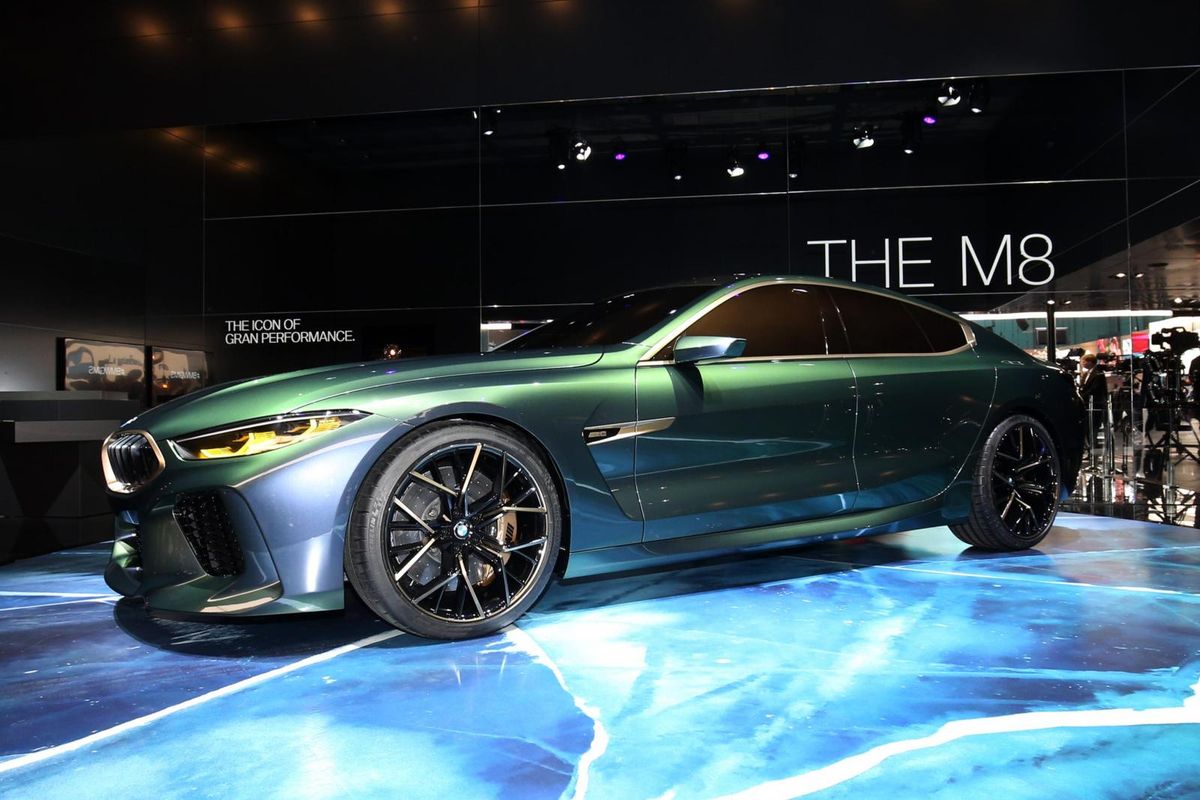
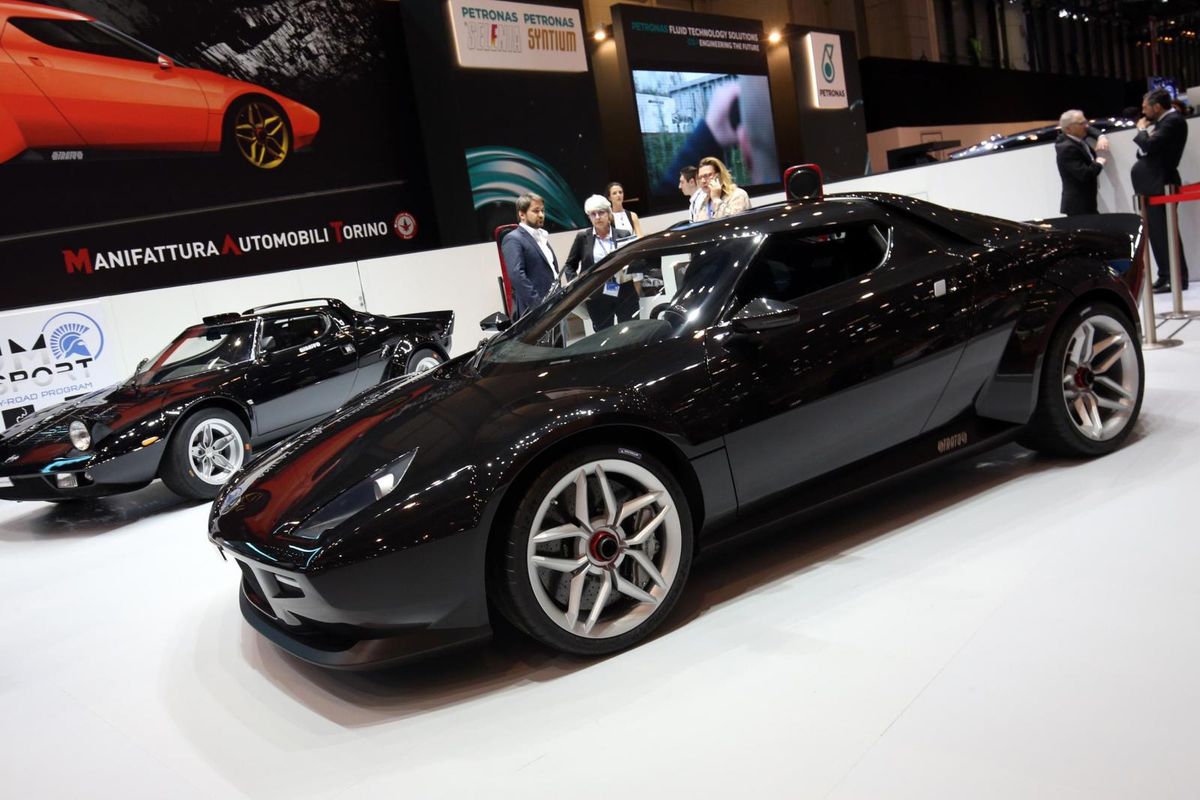
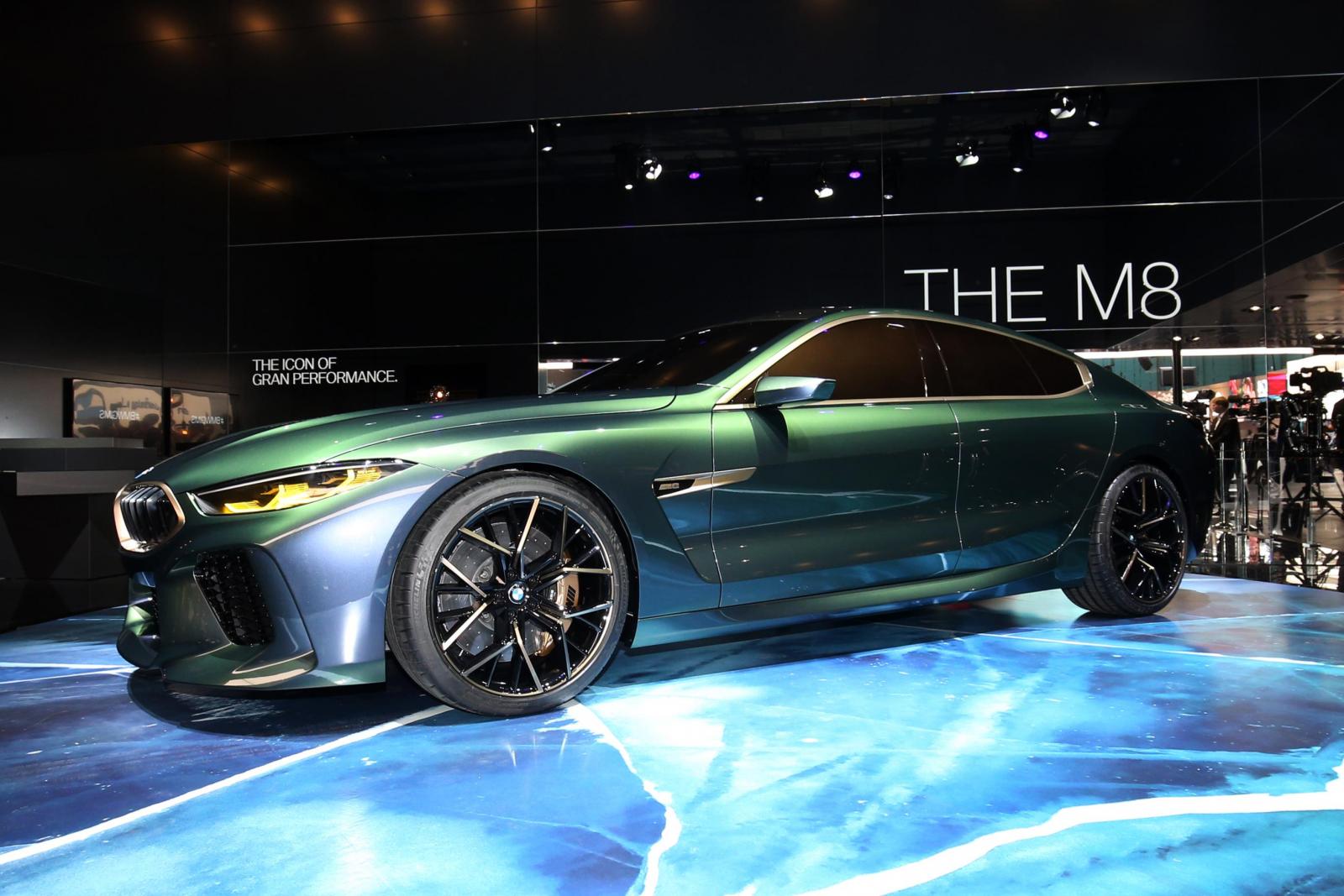
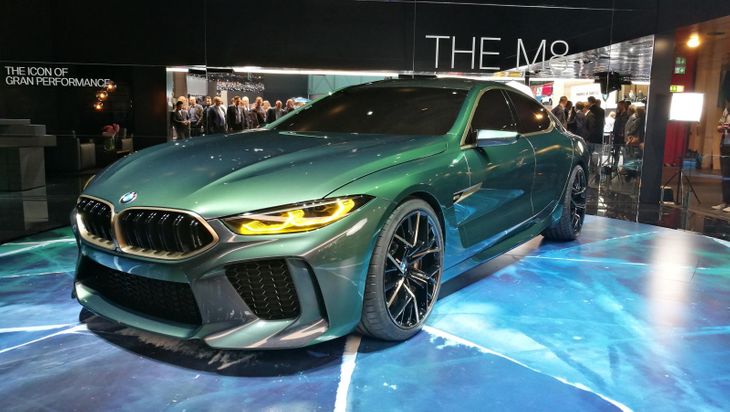
As for BMW’s Concept M8 Gran Coupe it may as well have been covered too. Who paints a car Mirkwood Forest green and then hides it in an equally murky corner? Truth is, it’s probably bloody fantastic in the daylight. Another colour booboo was the now-finally-confirmed-for-limited-production New Stratos. Granted, having an original example in matching gloss black was cool, but black just isn’t a Stratos heritage hue.
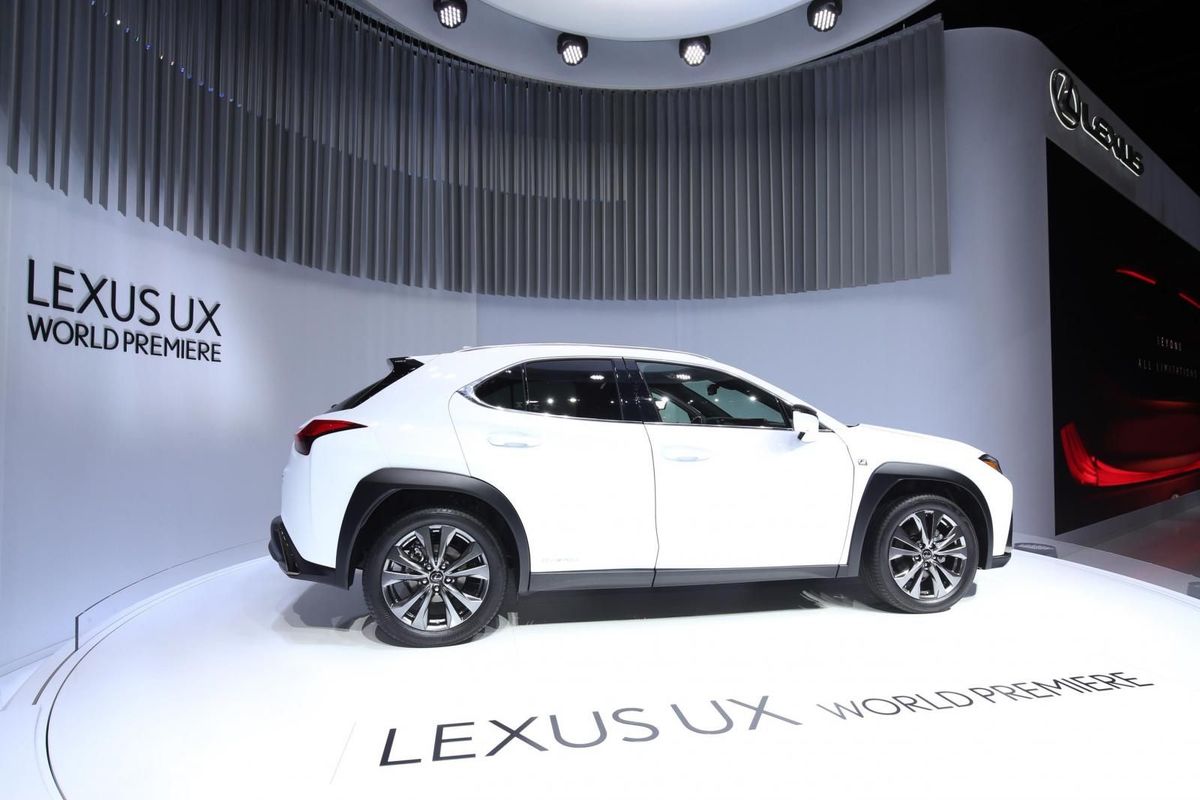
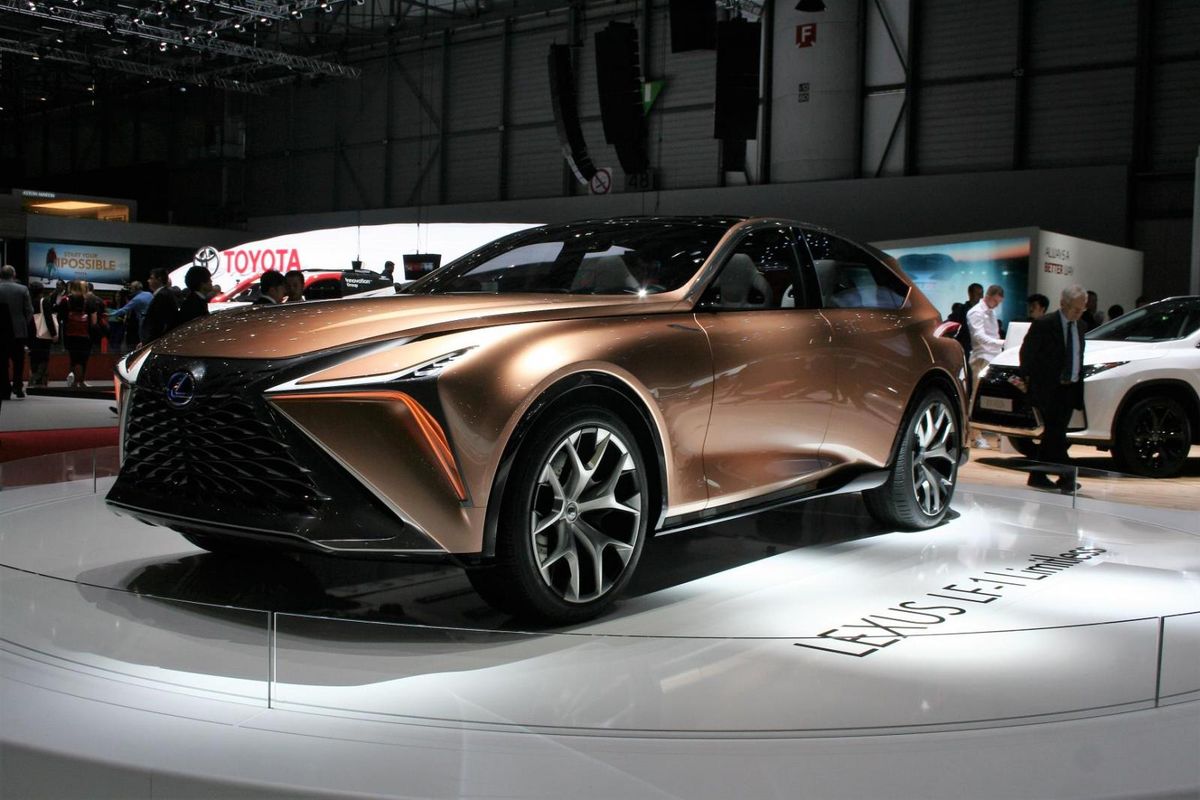
Acid green, yes, or white with Alitalia livery, anything but light-sucking black. Lexus showed how the right colour can really accentuate design by coating its LF-1 Limitless in a lickable shade of polished copper. As for the brand’s newest production crossover, the UX, there are simply too many styling elements to absorb in one viewing – it could do with some industrial ironing.
The dark green BMW M8 concept, unfortunately, most of the car was in darkness so it's difficult to tell if it looks good in the metal.
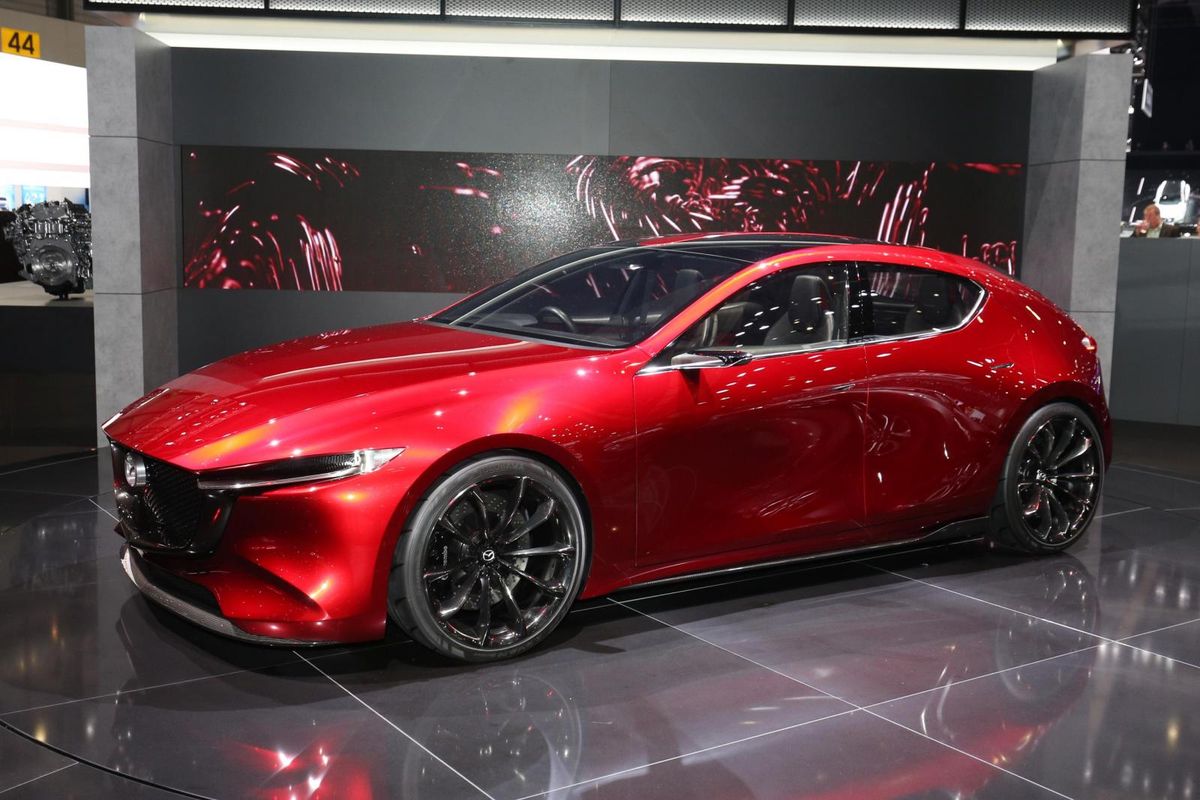
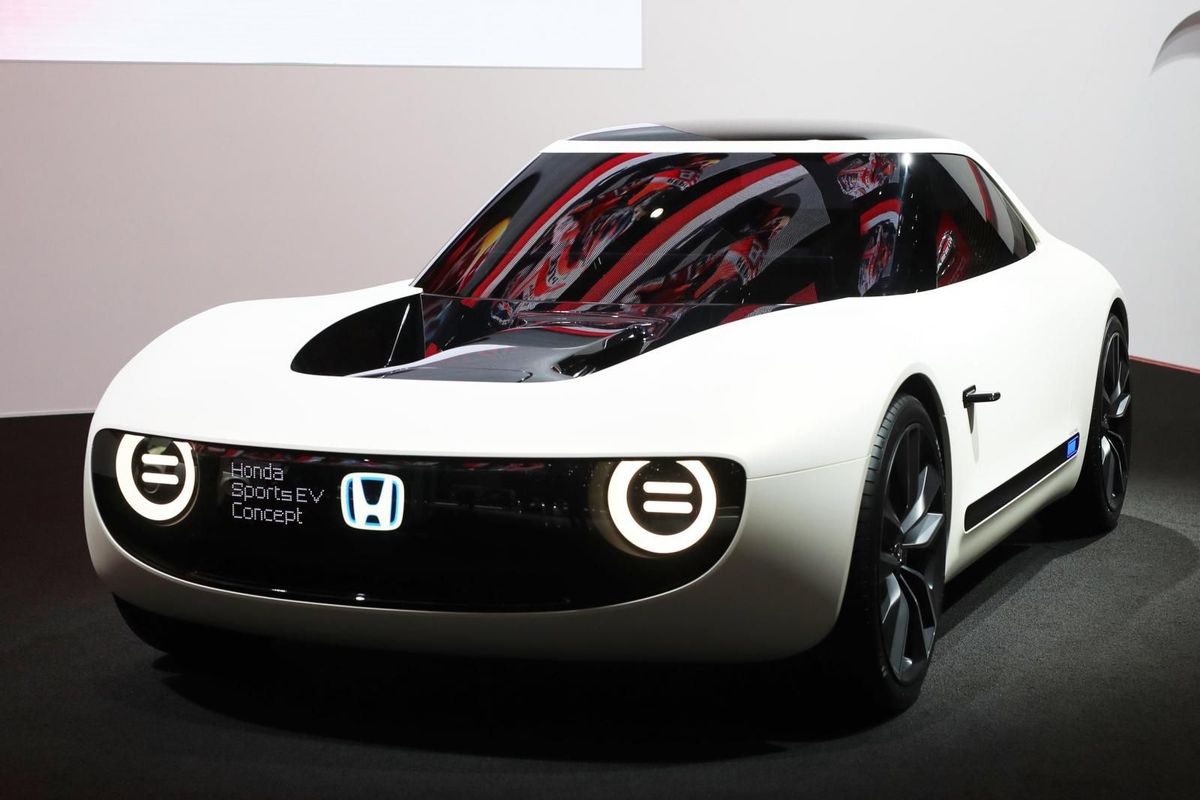
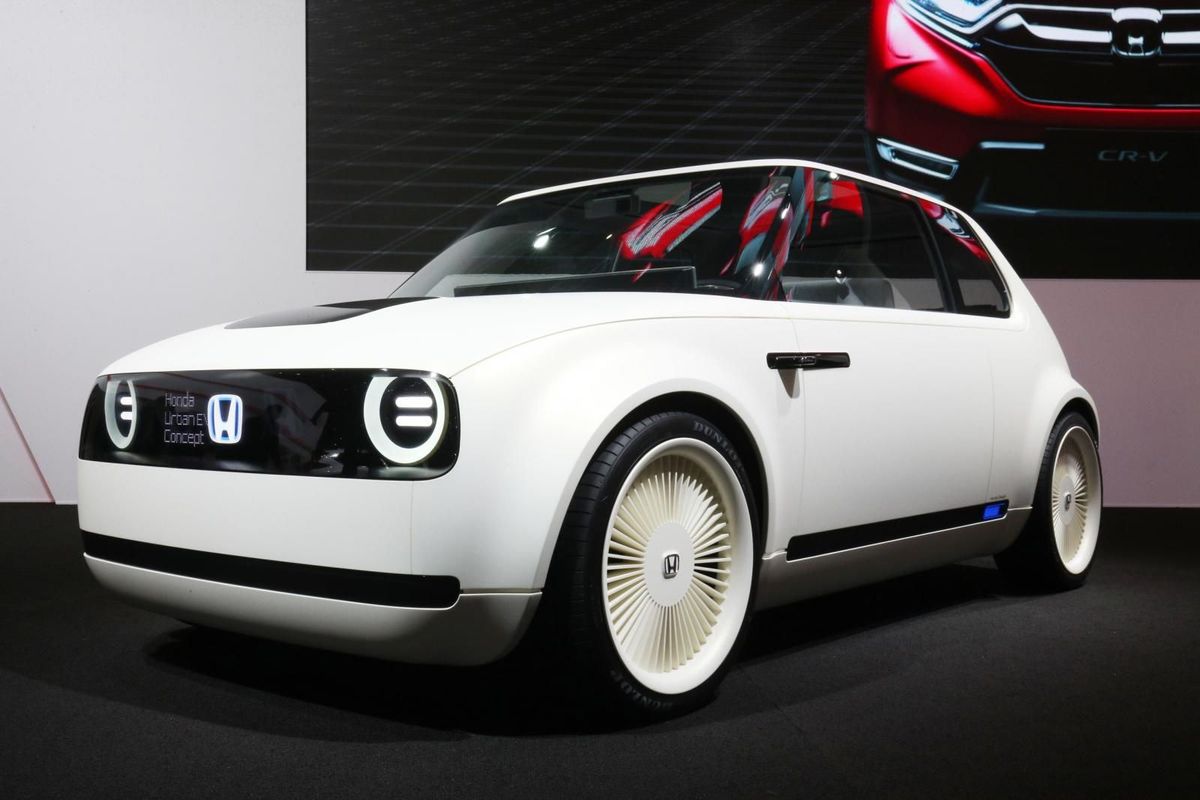
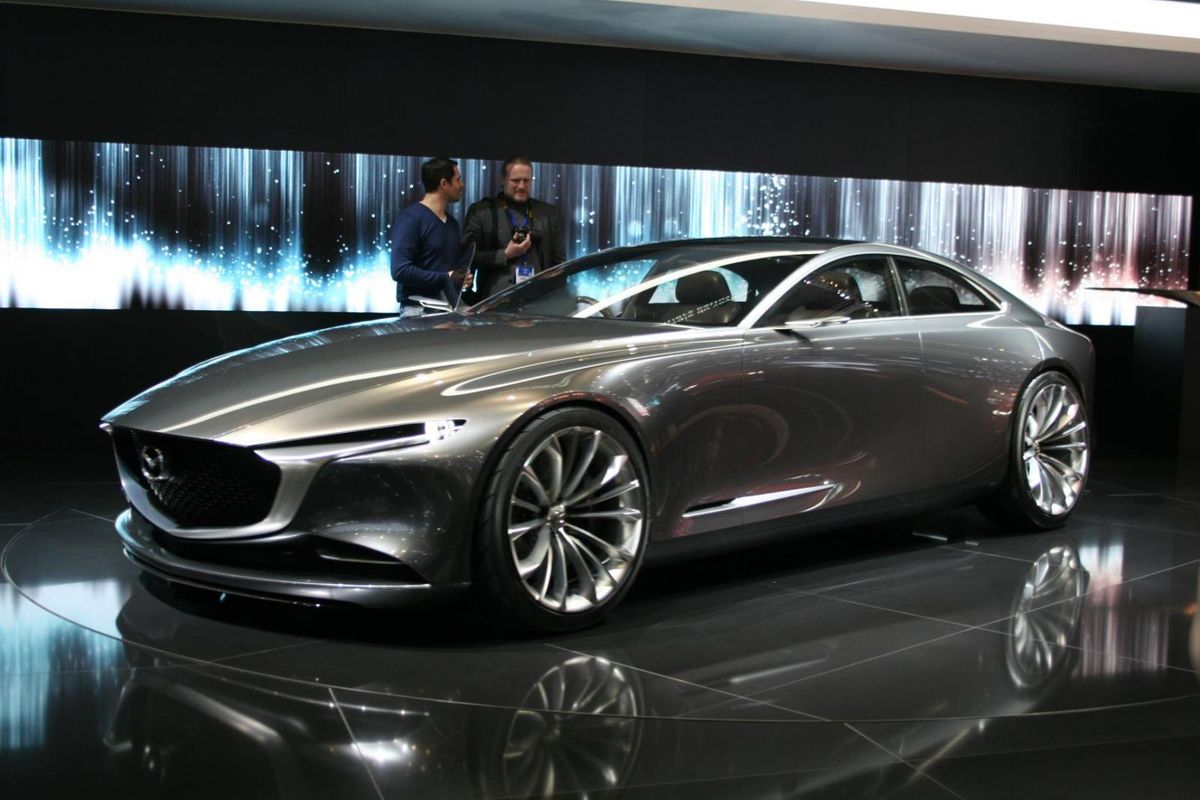
They may have appeared first elsewhere, but the show’s real concept stars were Mazda’s stunning Vision Coupe and kickass KAI hatchback, plus Honda’s pair of Urban and Sports EVs. Look out Germany, a Japanese design revolution is coming.
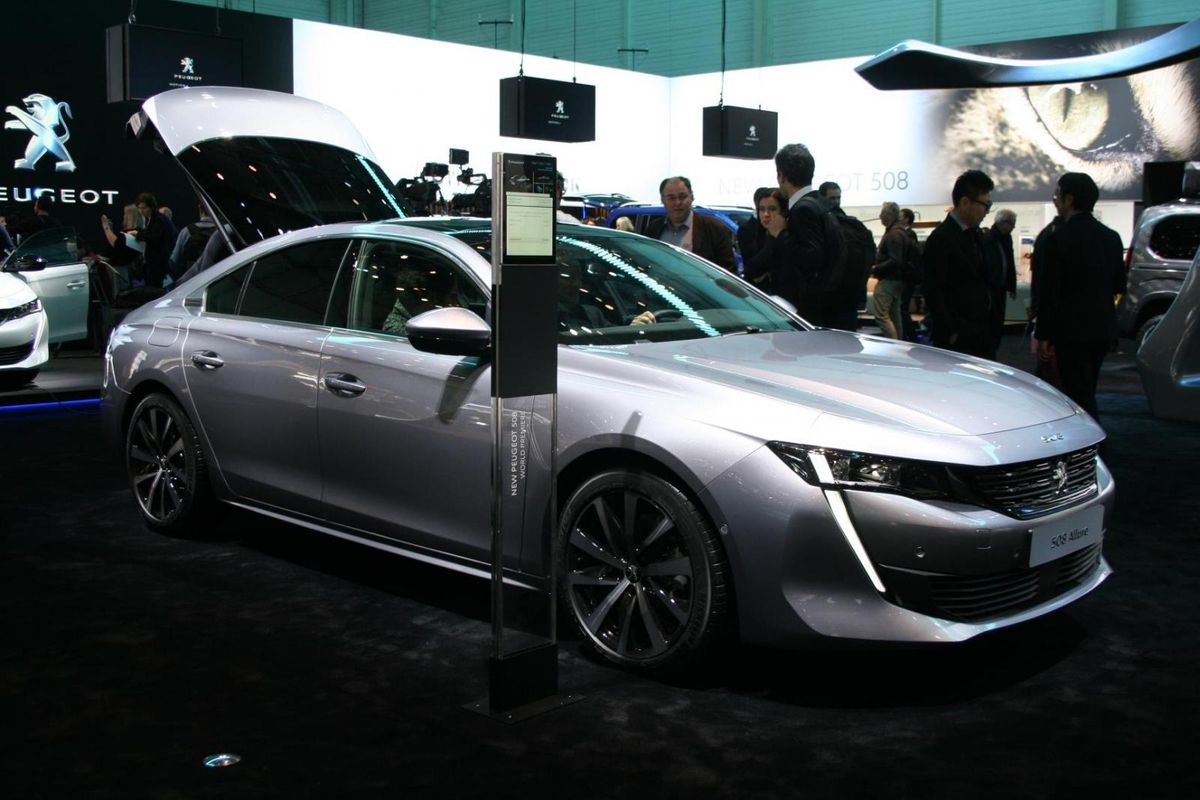
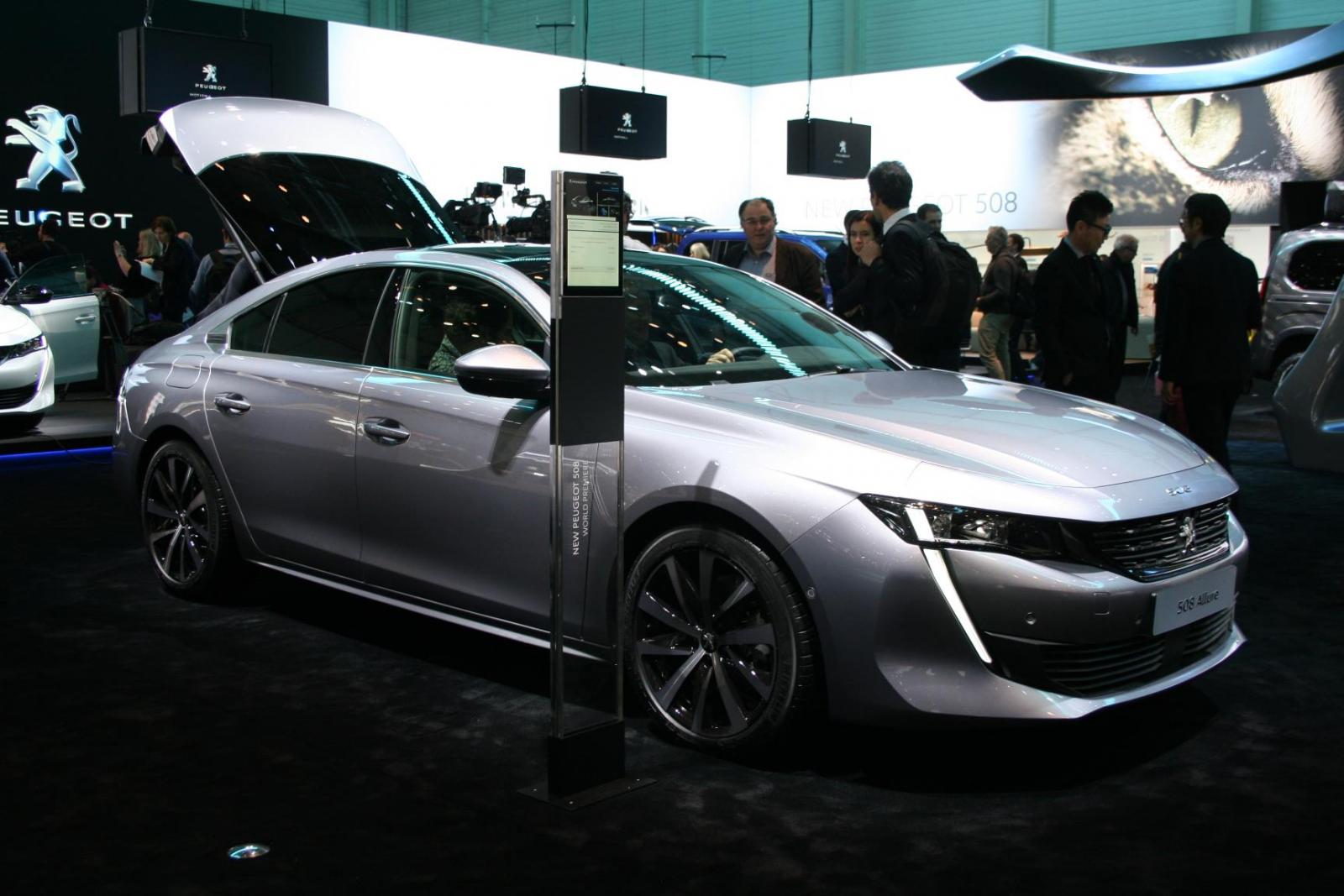
As for the other central theme mentioned earlier, it appears the world has a serious case of Large Hatchback Syndrome. I’m not saying the Panamera started this, but Mercedes-Benz’s GT 4-Door Coupe isn’t the slinky 4-door sports coupe you’d expect given the badge. Instead, it’s a fat 5-door in the vein of the original Panamera. The BMW 6 Series GT, Audi A5 Sportback, Kia Stinger and VW Arteon are all large hatches vying for various sections of the executive market. So it’s no surprise that Peugeot’s major contribution to Geneva is a large hatchback in the shape of the unexpectedly handsome new 508. Far better resolved in the metal than in pictures released online, is this the 508 that revives France’s executive car dream?
The Peugeot 508 hits at the executive sedan segment. Current Peugeots are rather nice to drive and look at, this one too we expect.
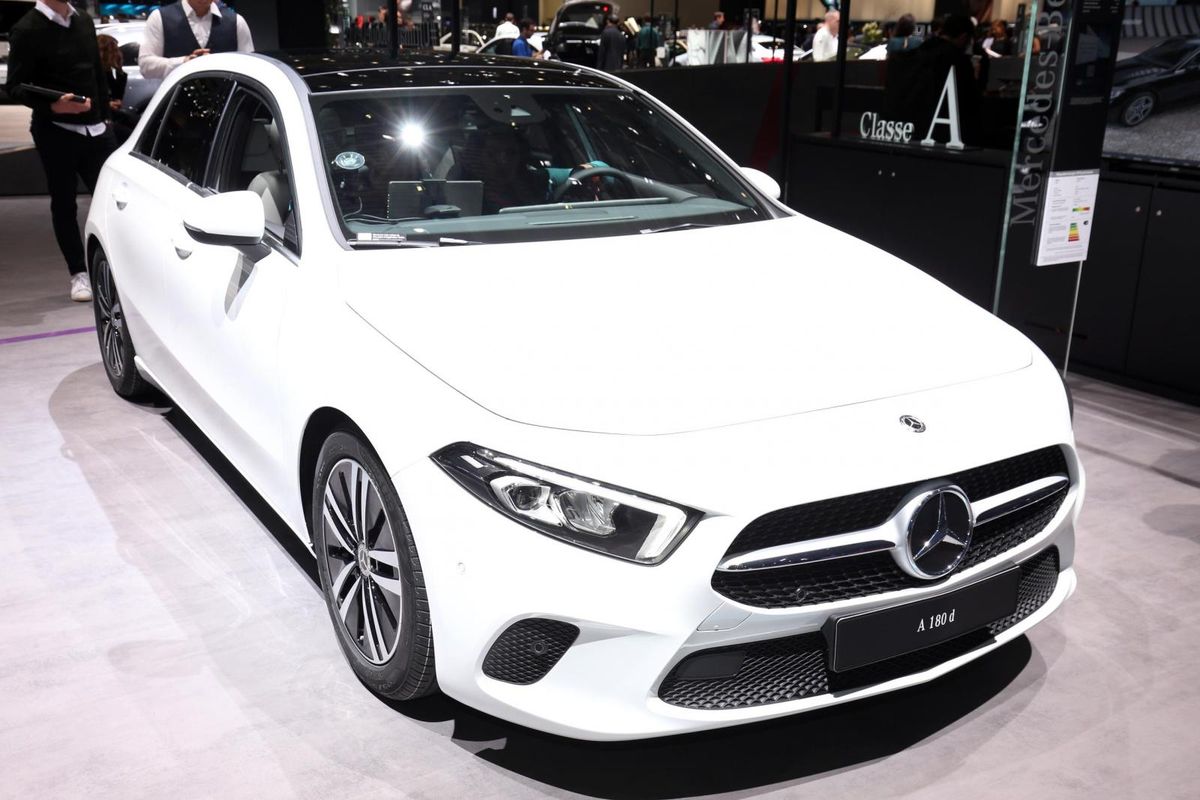
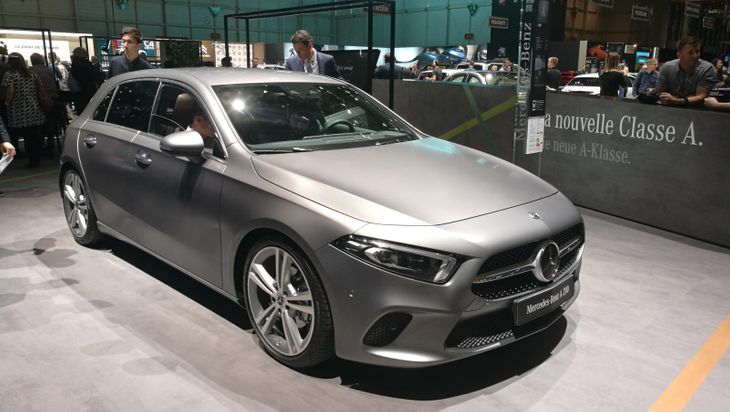
Mercedes’ other important introduction was the new A-Class hatchback. Slightly sad-faced with sagging side creases, it has traded some of the previous model’s exterior spunk for a quantum leap in interior sophistication. No doubt customers will pay handsomely for the privilege of sitting in its S-Class-like cabin on the daily commute.
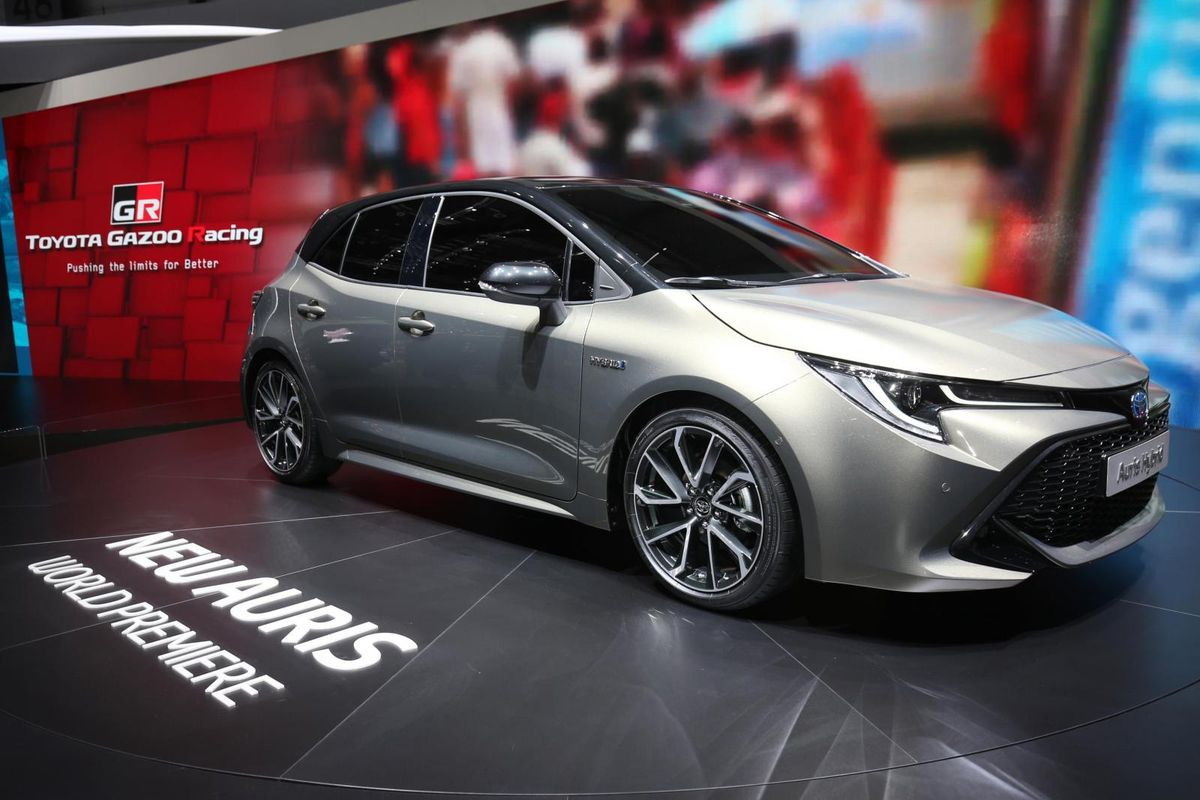
Toyota’s new Aurisis harder to peg. It’s visually larger and busier with a gaping mouth, highly sculpted bumpers and a 2-tone paint option. But the flanks are clean and more muscular than any recent Toyota. Consider judgment reserved until I’ve seen one in government-spec white on 16-inch rims and tyres.
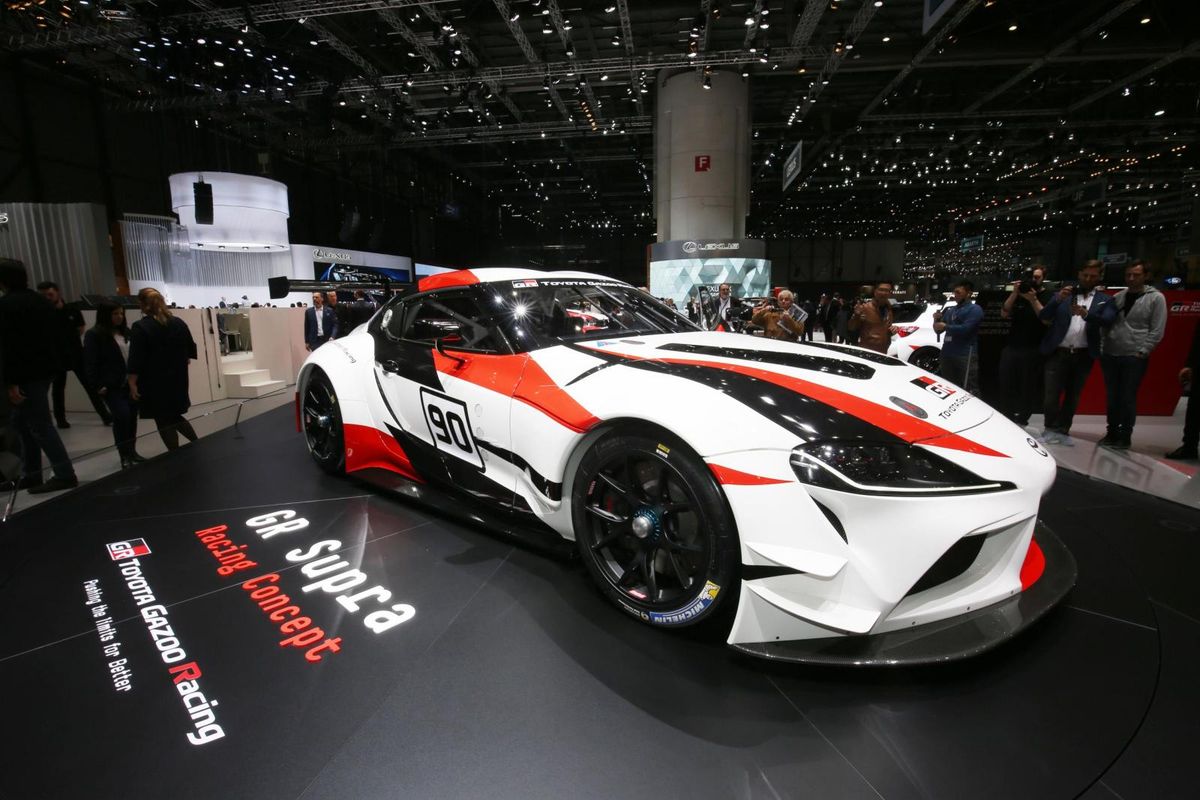
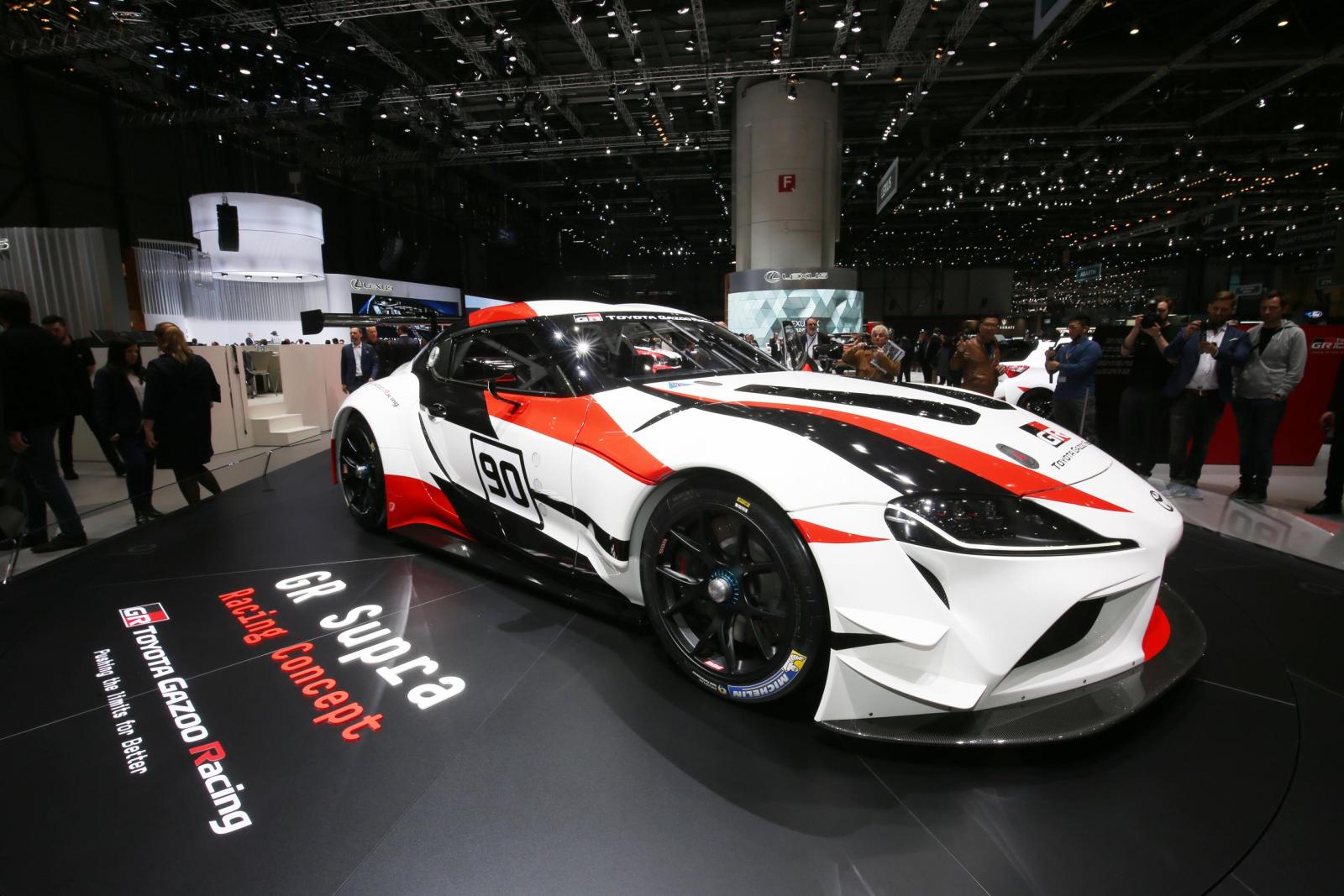
Introduced – with an acceptable amount of cheesiness – as Toyota’s new Suprahero, the GR Supra Racing Concept previews the long-awaited new Supra. Smaller and swoopier than expected, the real thing should be both a fitting tribute to, and a torchbearer for, this hugely popular nameplate.
You often see 7 different concepts from Toyota before you actually get a production model. Here's the Supra dressed up as a race car.
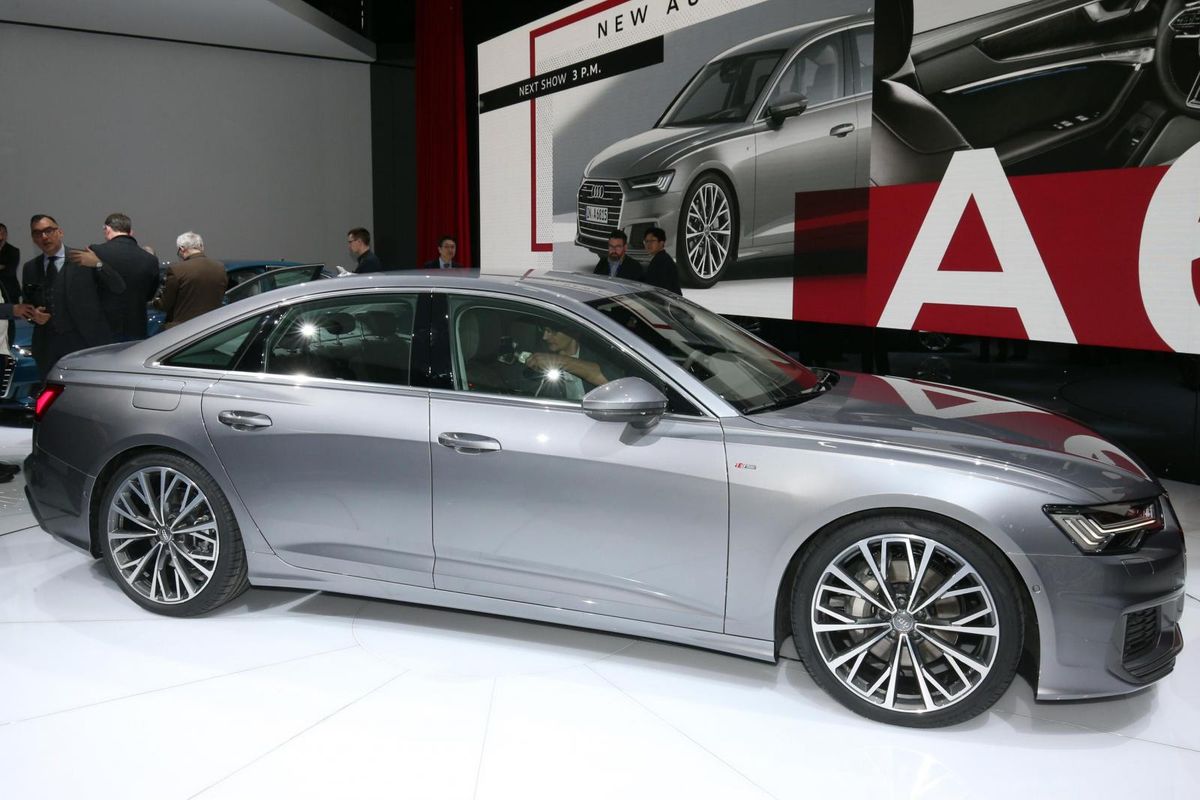
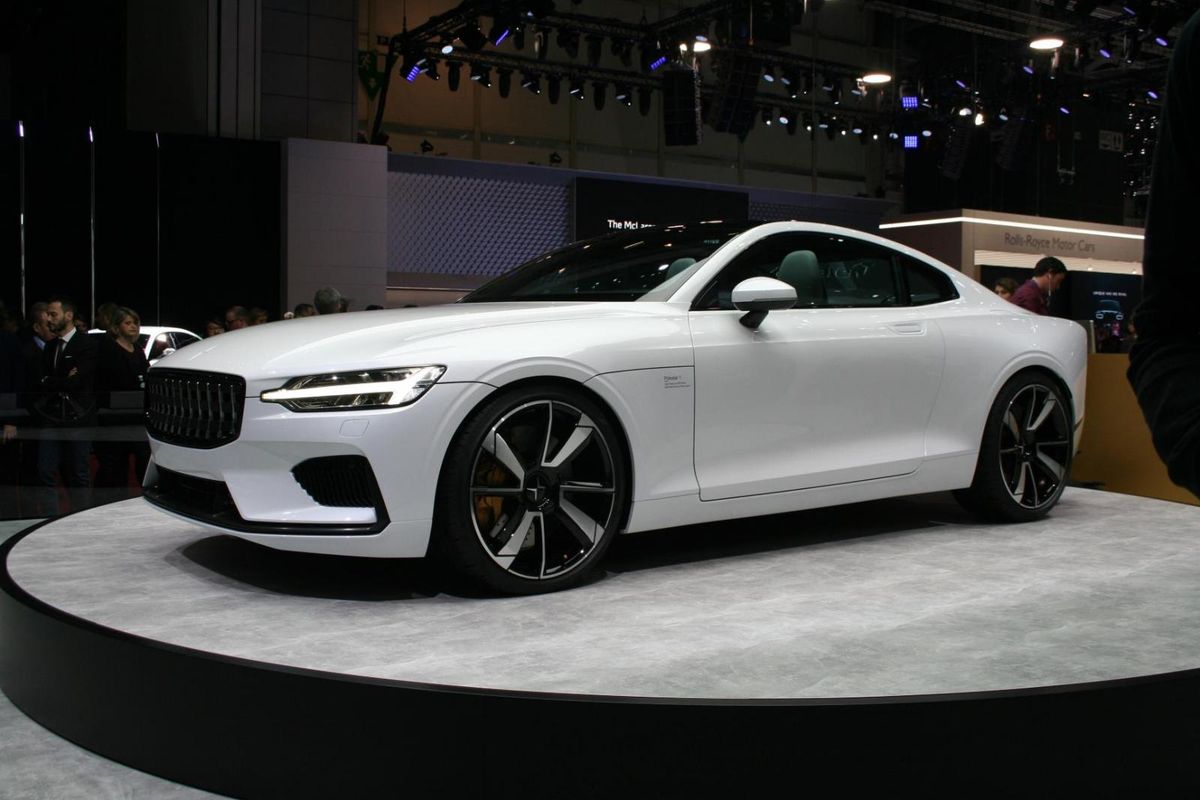
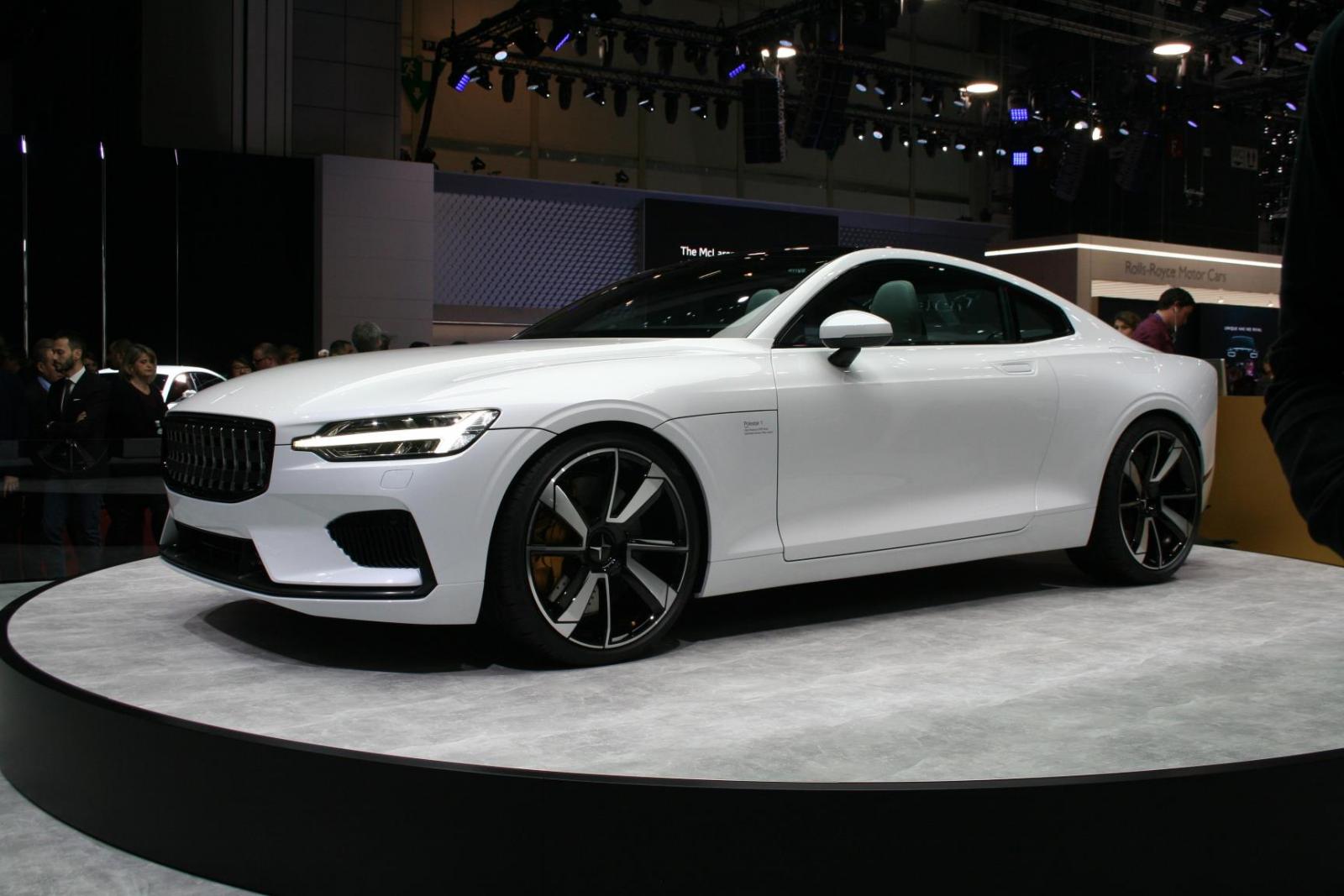
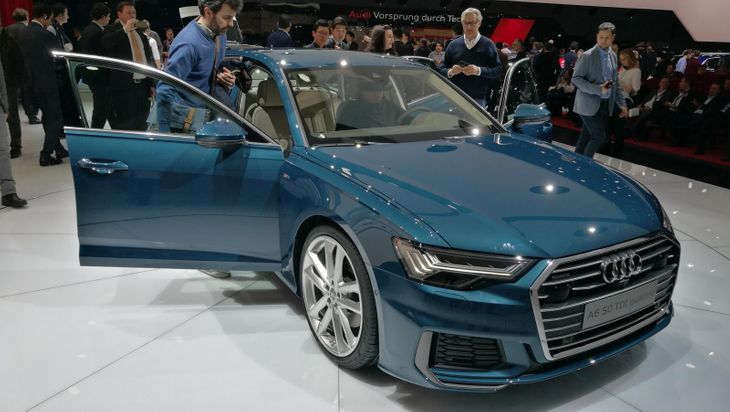
Production star car of the show is the Polestar 1 – a sublime reinterpretation of parent brand Volvo’s much-adored P1800. It’s a masterpiece of considered, restrained design with not a single superfluous line. This cannot be said for the new Audi A6, which has line after line after line stacked up its flanks. More concerning is the bizarre banana crease that runs through the doors – Bauhaus is not amused.
The Polestar 1 shows that simple and clean design can often result in a masterpiece of design.
The Geneva Motor Show is one of the most important motor shows in the world and we were there to check out all the latest model debuts in the metal. Here are some of the highlights from the show!
Approaching Geneva by air was a sight to behold… The snow-covered Swiss Alps stood tall in the winter gloom, but this, unfortunately, was not a skiing holiday. Motoring media from around the world descended on the Palexpo Convention Center en masse to cover one of the largest and most important car shows on the motoring calendar.
Armed with water and a good pair of walking shoes, we wandered the halls of Palexpo in awe of all the gleaming machinery before us. Just about every car brand you can think of and those you have never heard of before had a presence at the show. Although it’s impossible to convey the full scale of the show here, we have compiled a highlights list that has particular relevance to the South African market as well as a few indulgent sprinkles to top it off. Enjoy!
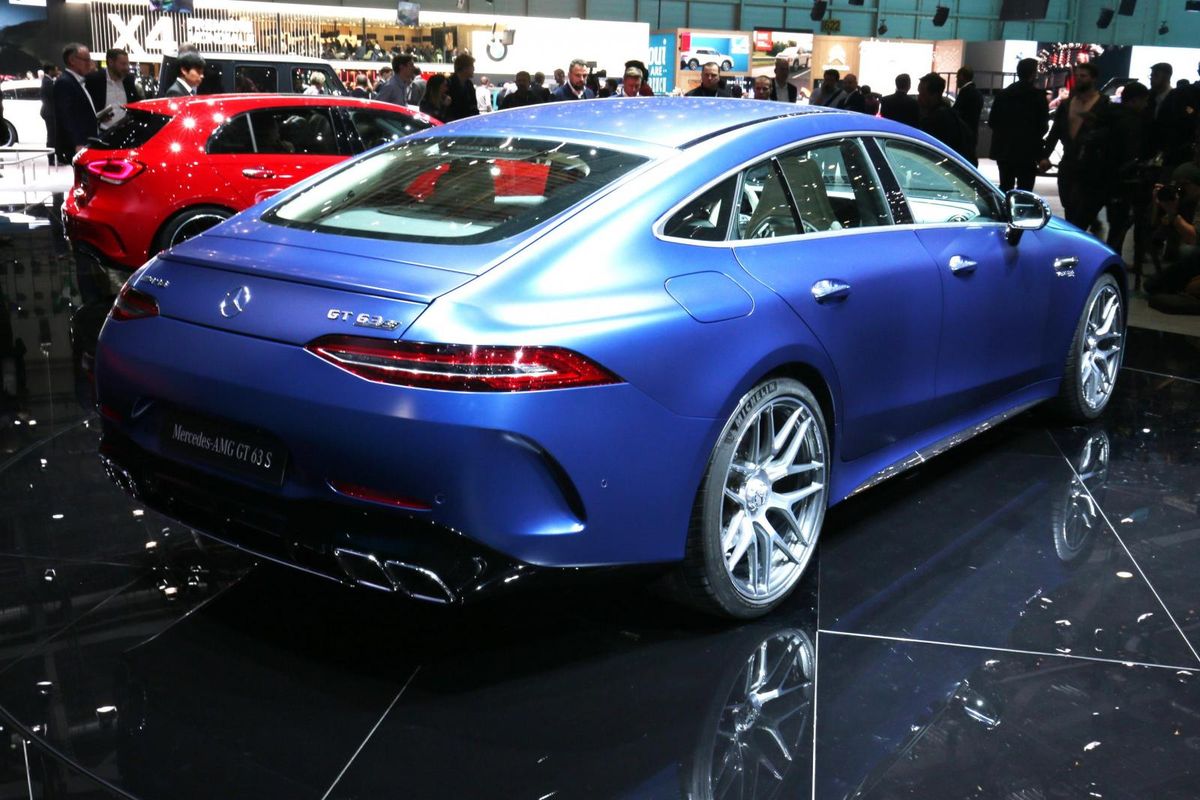
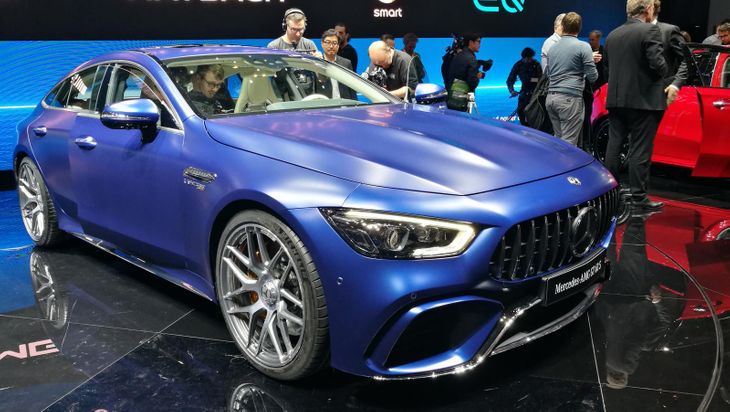
Mercedes-Benz had a massive presence at the Geneva Motor Show which was headlined with the reveal of the new addition to its GT family, the 4-door Mercedes-AMG GT4 Coupe comprising the GT 53 4Matic+, GT 63 4Matic+ and the GT 63 S 4Matic+.
The AMG GT 53 is powered by a 3.0-litre V6 engine with 320 kW and 520 Nm with an additional boost effect of 16 kW and 250 Nm.
The AMG GT 63 employs a 4.0-litre bi-turbo V8 with 430 kW and 800 Nm of torque while the most powerful derivative, the AMG GT 63 S, offers a heady 470 kW and 900 Nm which is good for 3.2 seconds in the sprint from zero to 100 kph and can reach a top speed of 315 kph.
You can expect the AMG GT4 Coupe to reach South Africa towards the end of 2018 or early in 2019.
Mercedes-Benz used the Geneva Motor Show to introduce its new A-Class to the world. Not only is the new A-Class bigger than before, but it also features a wide range of technology from the E-Class and S-Class. The interior is much improved and depending on the derivative, will feature a combination of digital screens ranging from 7-inches to 10.25-inches. A host of safety equipment from the S-Class has also made its way into the A-Class so you can expect a high-tech product when it arrives in South Africa later this year or early in 2019.
The A-Class is powered by a 120 kW/250 Nm 1.4-litre turbo petrol unit in the A200 while the A250 uses a turbocharged 2.0-litre petrol engine with 165 kW and 350 Nm. A 1.5-litre turbodiesel engine in the A180 d will offer 85 kW and 260 Nm.
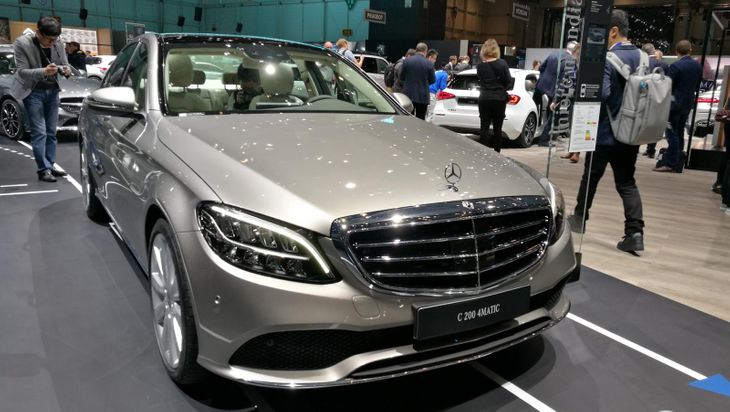
The C-Class, according to Mercedes-Benz, has received the biggest facelift in its history. Apart from its updated styling, various technologies from the E-Class and S-Class are now found in the facelifted C-Class. A large 12.3-inch digital instrument cluster is offered as well as a new 10.25-inch infotainment screen. A newly-designed steering wheel now affords access to more onboard and infotainment systems and the integrated control buttons respond to sweeps of the thumb, as they do in the E-Class.
As for engines, a new 4-cylinder, 1.5-litre petrol engine makes its way into the C200 with 135 kW and 280 Nm of torque and mated to a 9-speed automatic transmission. This mild hybrid offering is supplemented with a 48-volt onboard network and the EQ Boost integrated starter-generator that produces an additional 10kW and 160Nm at lower revs. The C200 is also offered with all-wheel drive. A new-generation 2.0-litre turbopetrol is also expected with outputs of around 220 kW and 400 Nm.
On the diesel front, a new 4-cylinder 2.0-litre turbodiesel with outputs of 143 kW and 400 Nm of torque will be offered in the C220d.
The range-topping Mercedes-AMG C 43 4Matic was also present, boasting a more powerful twin-turbocharged 3.0-litre petrol V6 engine with outputs of 287 kW, 17 kW more than before, with the same torque figure of 520 Nm of torque. The sprint from zero to 100 kph will take 4.7 seconds
Mercedes-Benz also showcased a pre-production plug-in hybrid diesel version destined for the C-Class and E-Class.
The facelifted C-Class, which will be produced at Mercedes-Benz’ plant in East London, can be expected to go on sale in the third quarter of 2018.
The highly-anticipated Mercedes-Benz X-Class bakkie will arrive in SA in Q2 of 2018. Later this year though, the X-Class range will be expanded to include the V6-powered 350d 4Matic which will rival the Volkswagen Amarok V6.
The X-Class 350d 4Matic will be powered by a 3.0-litre turbocharged V6 diesel motor with 190 kW and 550 Nm. Peak torque arrives between 1 400 rpm and 3 200 rpm and power goes to all four wheels on a permanent basis via a 7G-Tronic Plus automatic gearbox. It will be quick by bakkie standards with a claimed zero to 100 kph sprint time of 7.9 seconds…
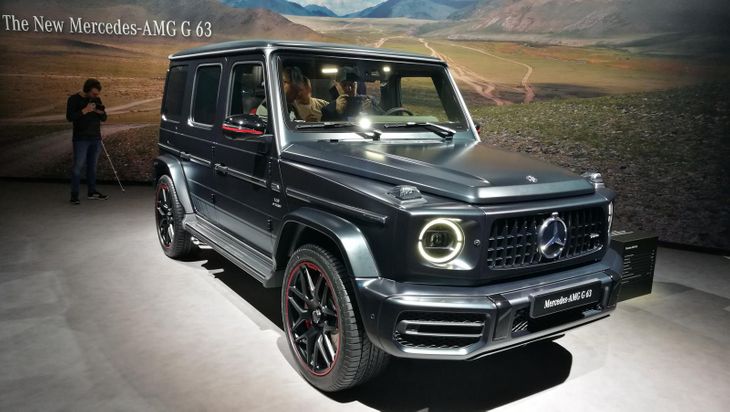
Although the new G-Class was revealed earlier this year, the new G 63 made an appearance at the Geneva Motor Show and the brawny luxury off-roader proved to be a major attraction at the show. This beastly G 63 is powered by a biturbo 4.0-litre V8 that produces 430 kW and 850 Nm of torque. It will put many cars to shame and is claimed to sprint from zero to 100 kph in 4.5 seconds. The new G-Class is expected in South Africa later in 2018.
The biggest attraction on BMW’s stand in Geneva was undoubtedly the BMW M8 Gran Coupe Concept. With its powerful and striking design, the M8 Gran Coupe Concept gives us some indication of what BMW has in store for its key rival, the new Mercedes-AMG GT4 Coupe.
The 8 Series is currently in development and will sit at the pinnacle of the BMW’s range and this concept hints at what could very well become reality in 2019. Let’s just hope that much of this concept’s design makes into the production version.
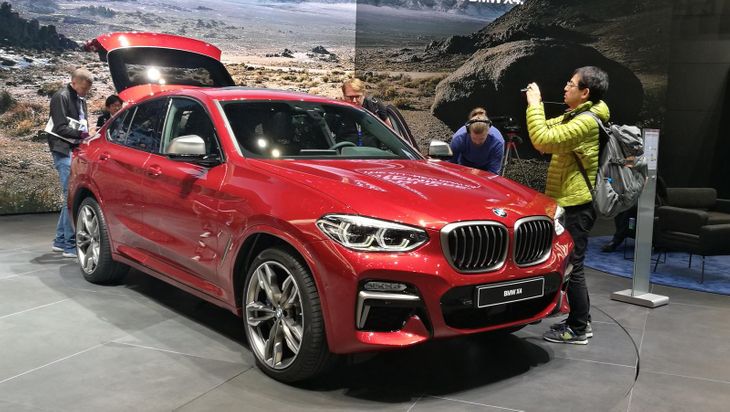
Also making its debut in Geneva is the second-generation X4 which will go head-to-head with the Mercedes-Benz GLC Coupe, Porsche Macan, Range Rover Evoque and Volvo XC60. The interior of the X4 is similar to that of the new X3 but is more premium in terms of material use.
The new X4 is expected to reach South Africa in Q3 of 2018 and a total of 4 engine variants will be offered initially including two 4-cylinder turbopetrols and two 4-cylinder turbodiesels with outputs ranging between 135 kW and 265 kW. M Performance models are expected to follow at a later stage.
Audi’s answer to the Mercedes-Benz E-Class and BMW 5 Series is the new A6 expected to reach South Africa in Q1 of 2019. The new A6 features more edgier styling than before and is brimming with new technology. Its interior draws inspiration from the A7 and will feature a large 12.3-inch digital instrument cluster, a 10.1-inch infotainment system as well as an 8.6-inch display for in-car comfort functions. A wide range of driver assistance systems will be offered too…
All engines offered in the new A6 will feature mild hybrid technology. The new A6 will be powered by a petrol and diesel engine with a turbocharged 3.0-litre V6 petrol engine offering 250 kW and 500 Nm while a 3.0-litre turbodiesel will offer 210 kW and 620 Nm. An 8-speed tiptronic transmission and quattro all-wheel drive will be standard for both engines.
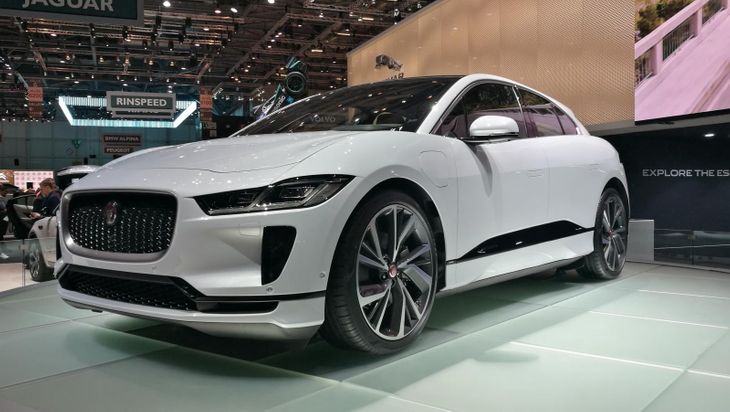
The big debut on the Jaguar stand was the brand’s first electric SUV, the I-Pace. The I-Pace compact SUV is powered by electric motors driving the front and rear axles with total outputs of 294 kW and 696 Nm of torque. It’s also fitted with an in-house designed, liquid-cooled 90 kWh Lithium-ion battery that’s capable of rapid charging where it will obtain 80% charge in only 45 minutes using a DC 100kW charger. A 7 kW home charging wall box will achieve the same result in just over 10 hours. The I-Pace has a range of about 480 km and will arrive in South Africa in 2019.
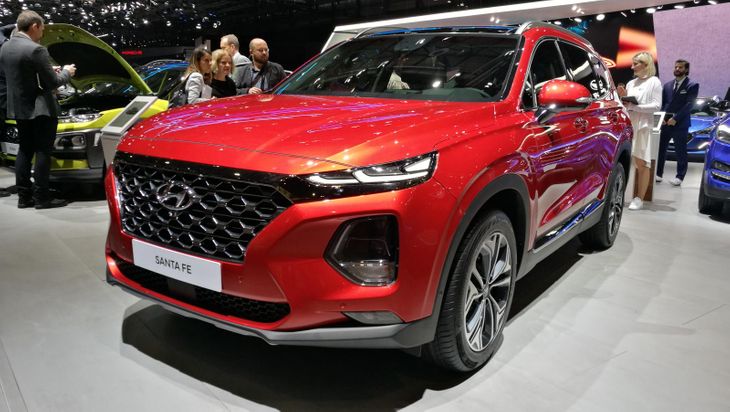
The new Santa Fe features bolder styling that will help it compete in a competitive SUV market. Interior quality has improved and the Santa Fe is equipped with the same infotainment system from the new, albeit smaller Kona SUV.
The new Santa Fe will be powered by 3 turbocharged engines including a 172 kW / 353 Nm 2.0-litre turbopetrol, 136 kW /402 Nm 2.0-litre turbodiesel engine and a larger 2.2-litre turbodiesel with 148 kW and 441 Nm. All Santa-Fe' derivatives will be equipped with an 8-speed automatic transmission and for the first time, will feature an electronic 4-wheel drive system called HTRAC.
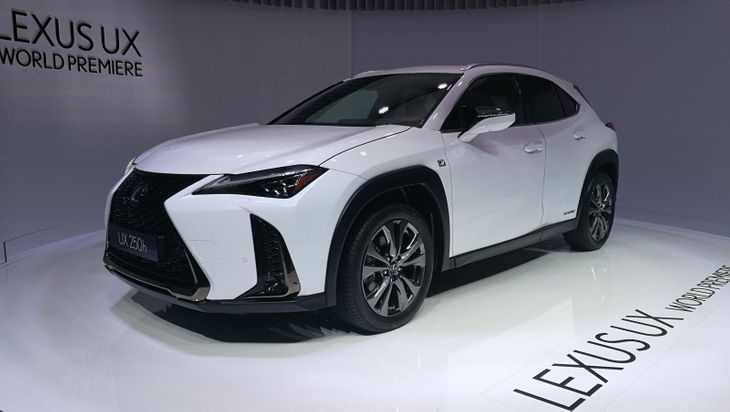
Slotting in beneath the NX is Lexus’ first-ever UX compact luxury compact crossover which made its Geneva debut in production form. As with other Lexus models, it will be packed with luxury features and will offer 2 engine options including a front-wheel drive, 125 kW naturally-aspirated 2.0-litre petrol derivative called the UX 200 and a 131 kW all-wheel drive, self-charging hybrid in the form of the UX 250h. A CVT will be standard on both derivatives.
The Lexus UX will arrive in South Africa early in 2019 and both powertrains have been confirmed for our market.
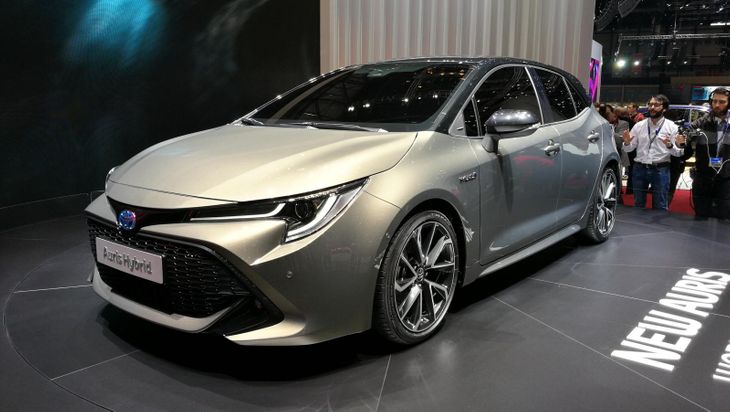
Toyota showcased an all-new Auris in Geneva and it’s built on the Toyota New Global Architecture platform (TNGA) with styling cues from the C-HR. It will be powered by the C-HR’s 1.2-litre turbopetrol engine as well as a hybrid powertrain option featuring a 1.8-litre engine.
The Auris will arrive in South Africa in the second half of 2018.
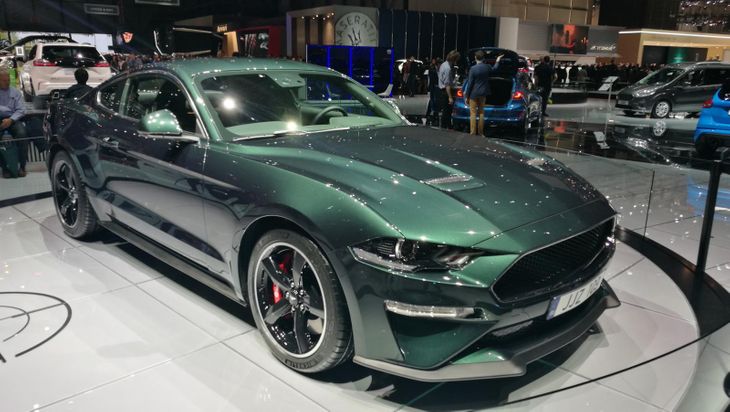
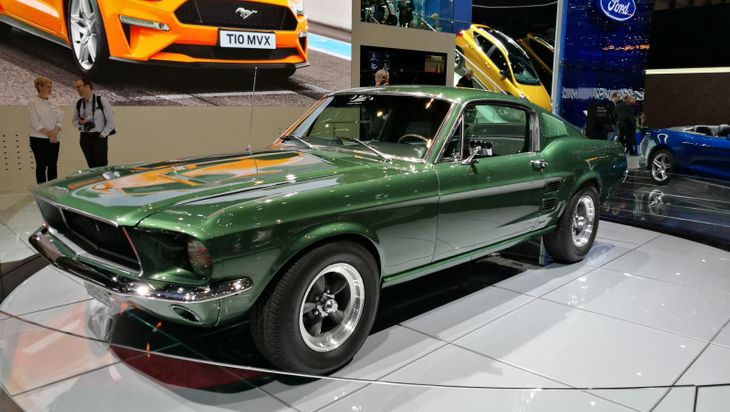
This Ford Mustang Bullitt special edition is based on the original 1968 Mustang GT Fastback driven by Steve McQueen in the movie Bullitt. Both were on show alongside each other in Geneva. It’s powered by an uprated 5.0-litre V8 engine with 340 kW and 569 Nm of torque.
Why is this relevant for the South African market? Well, since the Mustang’s arrival in South Africa in 2015, it has been selling like hotcakes. We know you love a good Mustang, so there you have it…
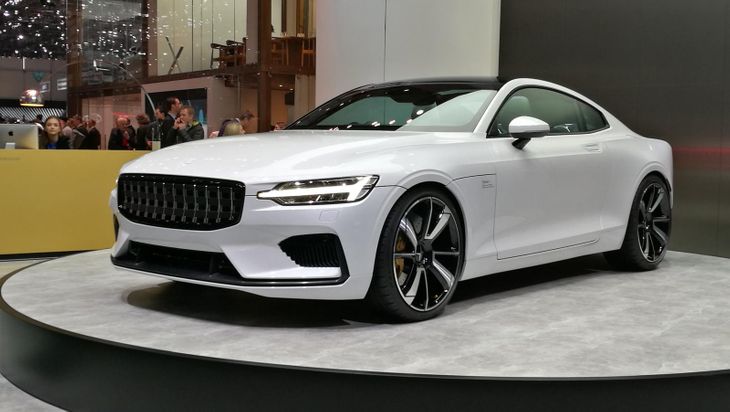
Volvo’s stand-alone performance brand, Polestar, drew significant attention in Geneva with its first model fittingly called Polestar 1. This sexy hybrid coupe features a 2.0-litre supercharged and turbocharged engine along with 2 electric motors over the rear axle that combine to produce 447 kW and 1000 Nm. Polestar 1 has a range of 150 km and will be going into production in 2019. Future models will be all-electric.
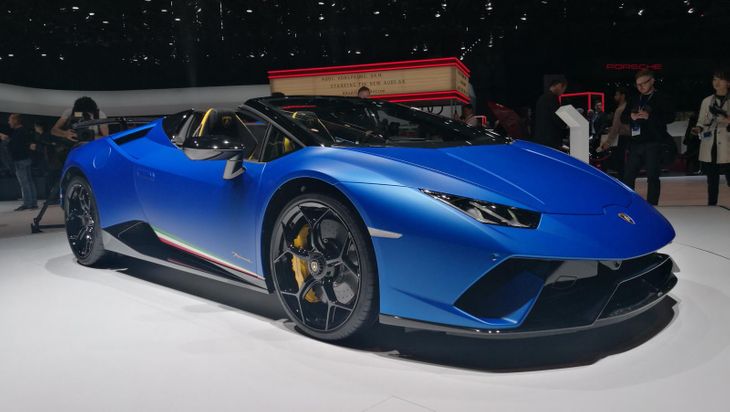
This car was amazing to view in the metal and was particularly striking in matte blue. The Huracan Performante Spyder is powered by a naturally aspirated 5.2-litre V10 engine with 471 kW and 600 Nm of torque. It will smash the sprint to 100 kph in just 3.1 seconds and reach a top speed of 325 kph. As for the fabric roof, it takes 17 seconds to open and close. We prefer it open…
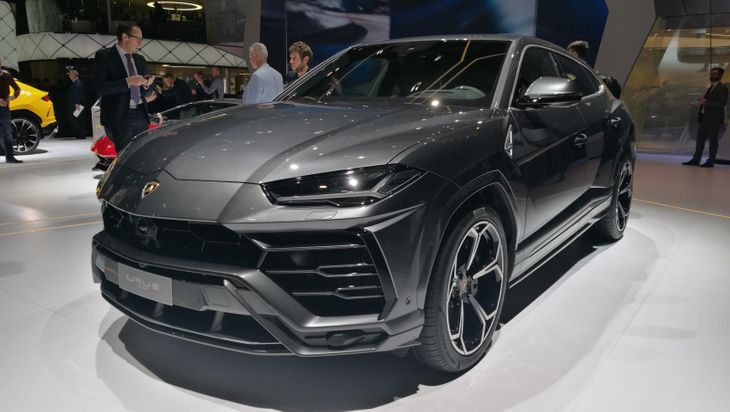
Lamborghini also had its Urus super SUV on display and it looked fiendishly menacing in the metal. The Urus is one of the most powerful and fastest SUVs on the planet and comes fitted with a 4.0-litre twin turbo V8 engine offering 478 kW and 845 Nm of torque. It will sprint from zero to 100 kph in 3.6 seconds and reach a top speed of 305 kph. Yowzers!
The Lamborghini Urus can be expected in SA later in 2018.
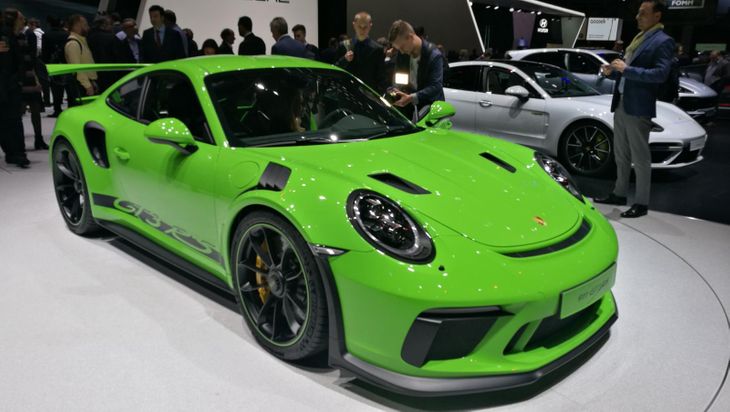
The 911 GT3 Rs attracted big crowds on the Porsche stand in Geneva and it’s no surprise – just look at it!
It comes fitted with a high-revving, naturally-aspirated 4.0-litre engine with 383 kW and will 468 Nm of torque. Using a specially-calibrated 7-speed PDK transmission, the 911 GT3 RS will crack zero to 100 kph in 3.2 seconds and top out at 312 kph.
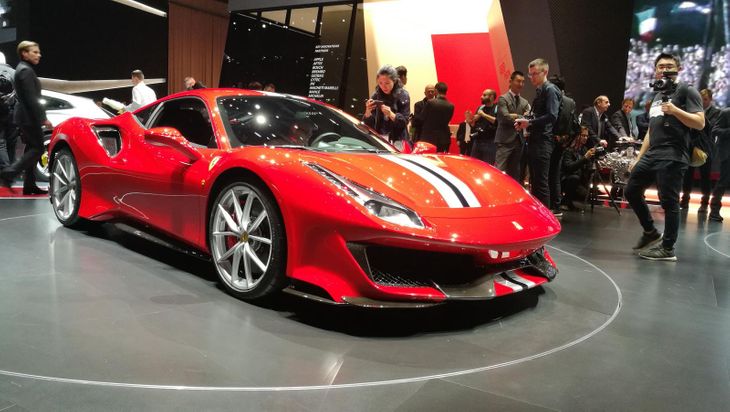
The Ferrari stand attracts crowds like moths to a flame and the Geneva Motor Show was no different with all eyes on the new Ferrari 488 Pista. This lightweight track car is fitted with the most powerful V8 in Ferrari’s history. It’s a biturbo 3.9-litre V8 with 530 kW and 770 Nm of torque and the 488 Pista will crack from zero to 100 kph in 2.85 seconds before flying to a top speed of 340 kph.
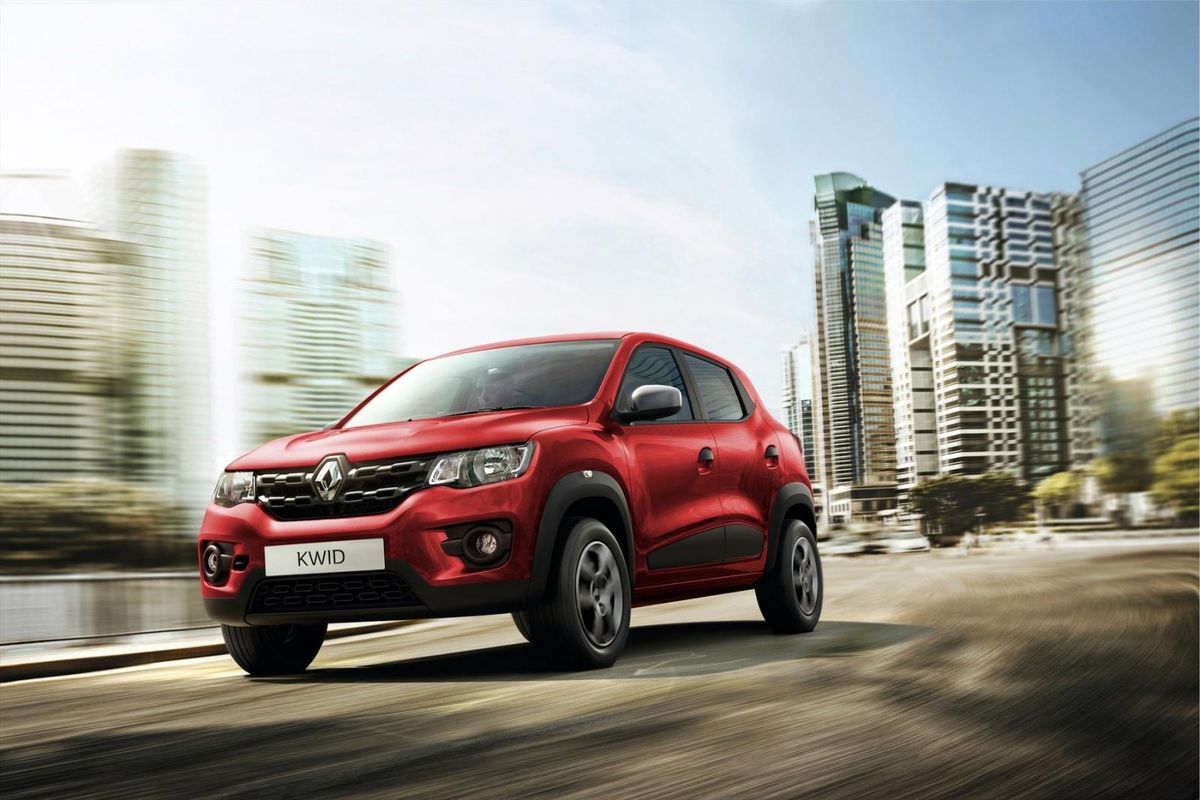
The Renault Kwid is a popular choice in the entry-level (budget) segment of the car market. Now Renault has expanded its Kwid family with an automatic derivative. What's it like to drive? We attended the Kwid AMT's local launch in the Western Cape to find out.
The Renault Kwid has played its part to elevate the French brand to new heights in South Africa. A the time of this report, Renault was the 5th biggest brand in terms of new vehicle sales and by the end, the marque will be represented by a total of 80 dealers. The Kwid has tallied up a commendable number of sales since its local launch. More than 10 500 units have been sold, which works out to around 659 units per month across the rental and public markets. Kwid has opened up a new market for Renault, which claims 60% of public sales have been first-time car buyers. In December 2017, it was the third best-selling passenger car with 1 120 units finding homes.
Safety concerns
Renault South Africa has been on the receiving end of negative press with regards to the Kwid's safety features, or at least the model's lack of ABS and front passenger airbag. Indeed, it's strange to see a brand whose portfolio comprises some highly-rated 5 star NCAP vehicles suddenly introduce a product which scored a lowly 1 star.
The great news is that Renault has admitted that the Kwid is not quite up to its standard when it comes to safety and from 2019, the Kwid will feature ABS brakes and a 2nd airbag. Currently, it makes do with just a single airbag for the driver. The addition of anti-lock brakes will make a massive difference and we look forward to seeing that vehicle's crash test results. Naturally, additional safety features will come at a price, but Renault SA said it was too early to say how much the revised safer Kwid will cost.
Introducing the Kwid AMT
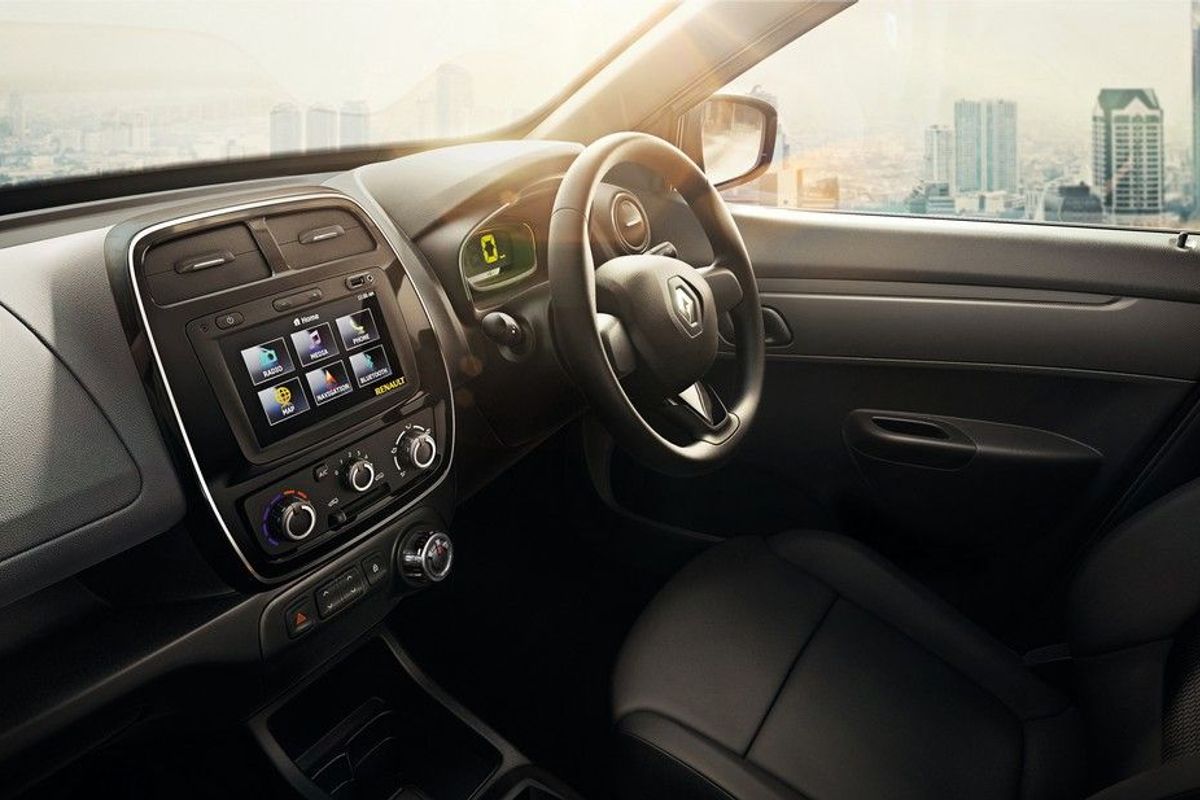
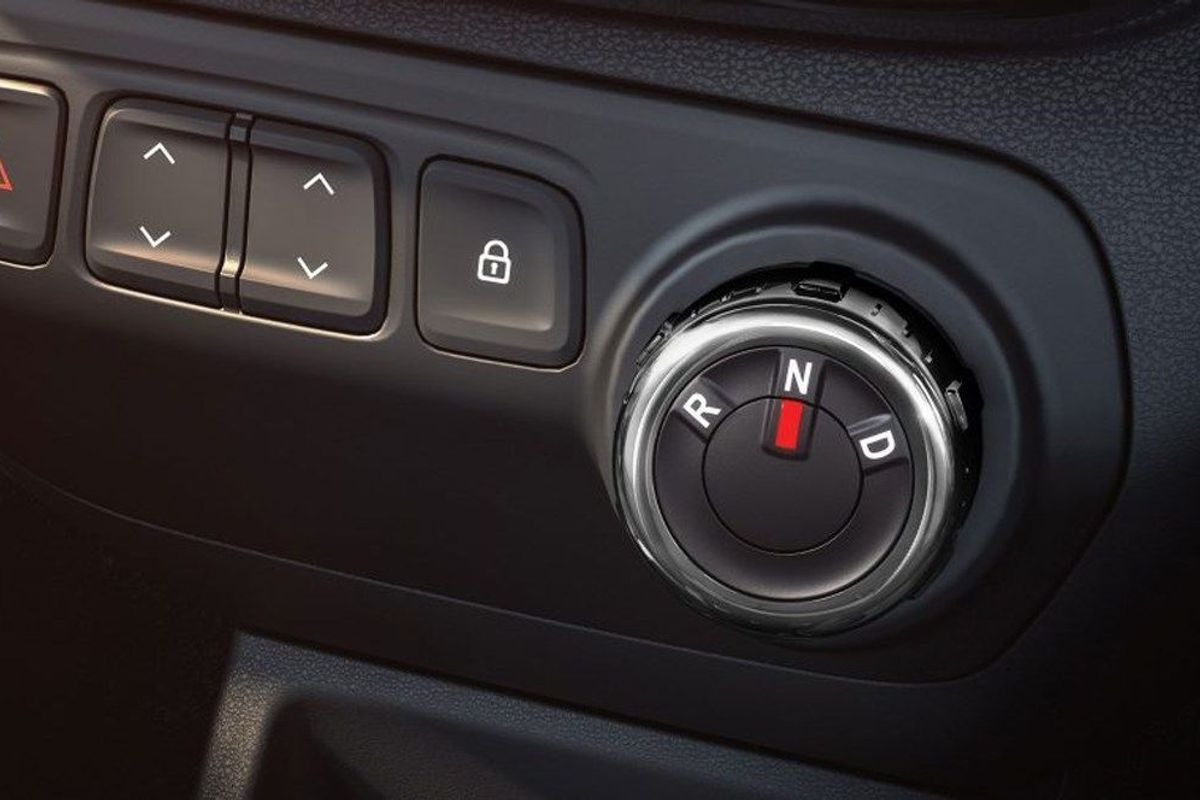
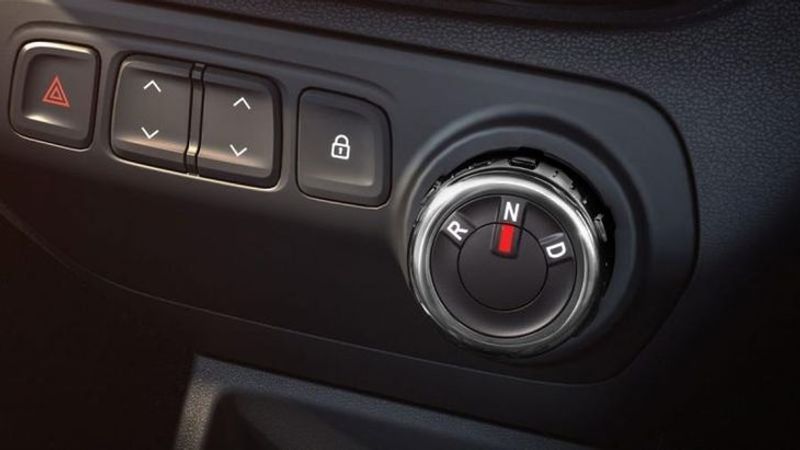
The dashboard-mounted rotary drive selector. Reverse, Neutral, Drive… it doesn't get simpler than that
Previously, the Kwid was available with a five-speed manual gearbox only and with a fair portion of the (primarily urban-based) market demanding a clutchless driving experience, there was clearly a gap that needed to be closed. Renault now offers an Automated Manual Transmission (AMT) in its Kwid. Not to be confused with a traditional automatic gearbox, an AMT works just like a conventional manual car, except there is no third pedal; the clutch is controlled by a computer.
In terms of design, the only clue you'll get that this isn't a normal Kwid is the Easy-R badge on the rear. Inside, the traditional gear lever has been replaced by a dashboard-mounted rotary dial. The three modes are Reverse, Neutral and Drive. When it comes to ease of use, it cannot possibly be any more straightforward to use. Insert the key and turn the ignition, wait a few seconds and then start the engine. Select Drive, drop the handbrake and away you go.
Past experiences with AMTs have not been particularly satisfying. The car's modus operandi takes some time to get used to and if we didn't have a quick tutorial, we wouldn't have had a realistic experience. See, much like a manual gearbox, you need to lift off the accelerator when you anticipate that the car is about to change gears. It's not like a (torque converter) automatic or newer dual-clutch 'box where you can keep your foot planted and each gear is engaged with a silky-smooth action. If you try to keep your foot down on the accelerator, the pause between gearshifts gives the car a rocking-horse motion, which is not pleasant. In essence, accelerate as normal, but as the car is about to change gear, lift off the accelerator by 75% to reduce the rocking motion and have a smoother driving experience.
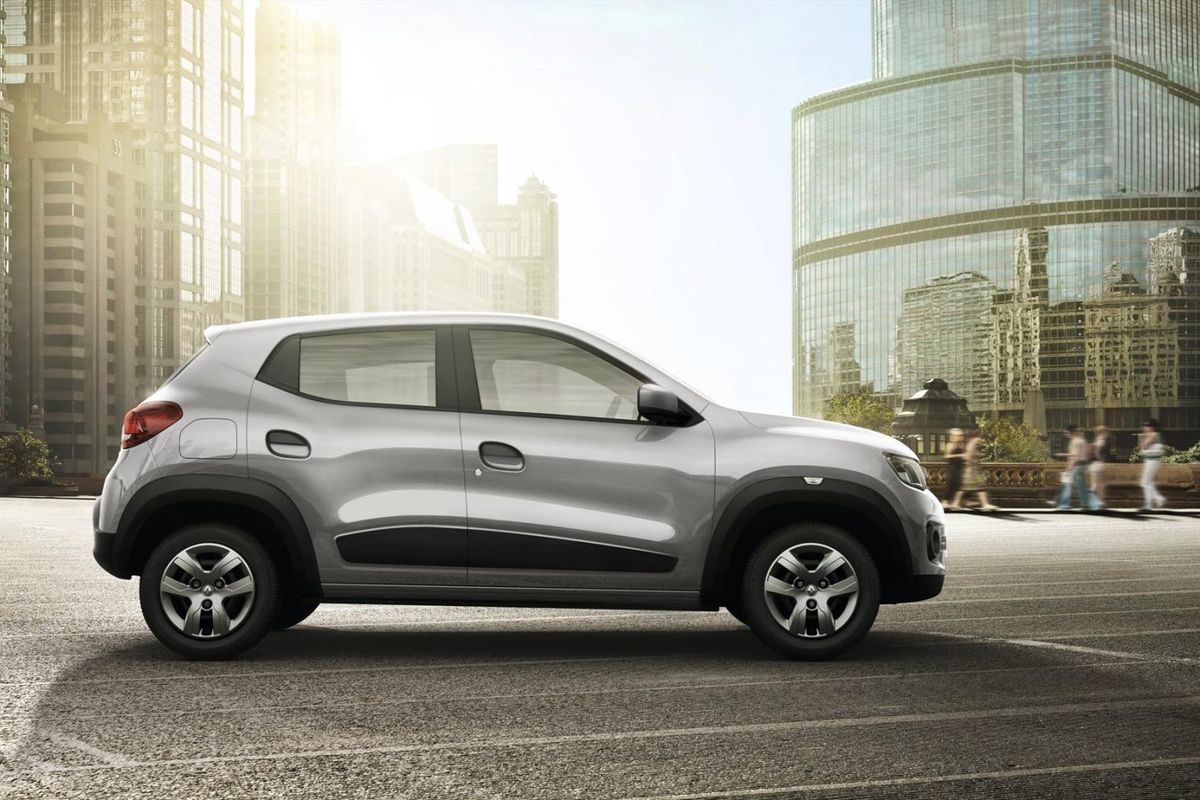
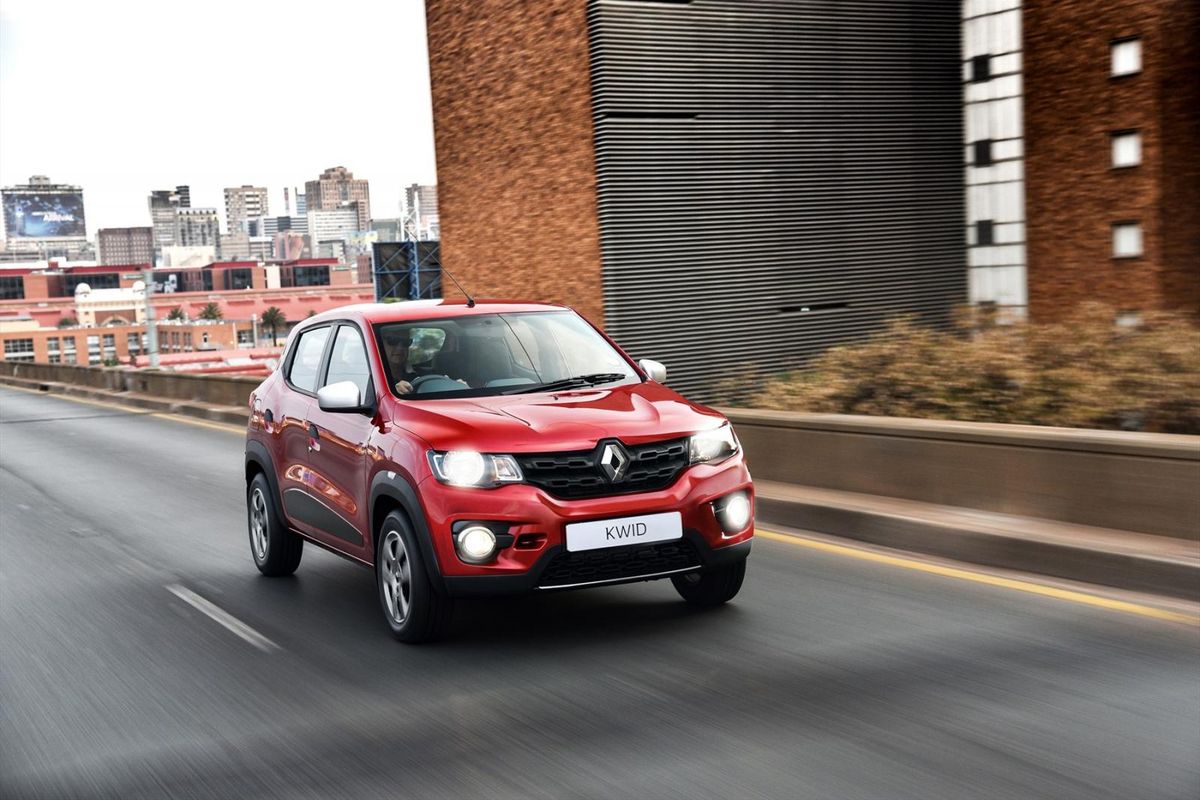
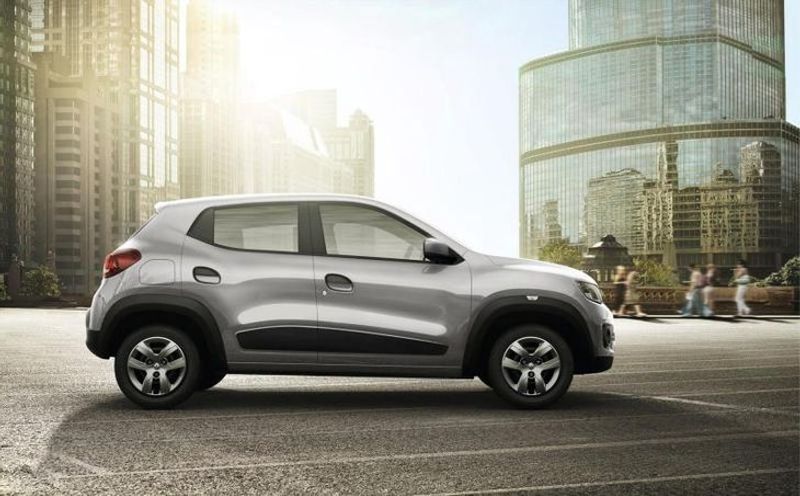
With the impressive ground clearance and interior space, the compact Renault Kwid has proven popular
Does it work?
In an urban situation where speeds are usually low, the AMT-equipped Kwid performs satisfactorily. The gearbox is reasonably smooth once you're rolling, although the 1st-to-2nd 'shift can lurch a little. It's only at highway speeds where things deteriorate. While the Kwid is marketed as a city car, overtaking at speed requires some planning. The car doesn't shift down quickly enough and the pause between 5th and 4th means you can't overtake briskly. It's not a critical fault, but a gripe nonethess.
That being said, the majority of Kwids will be based in and around the major centres so loads of open-road driving is unlikely to be the order of the day. Around town, the car has enough power to keep pace with traffic and once you understand how the transmission operates, you'll enjoy the benefits of clutchless operation.
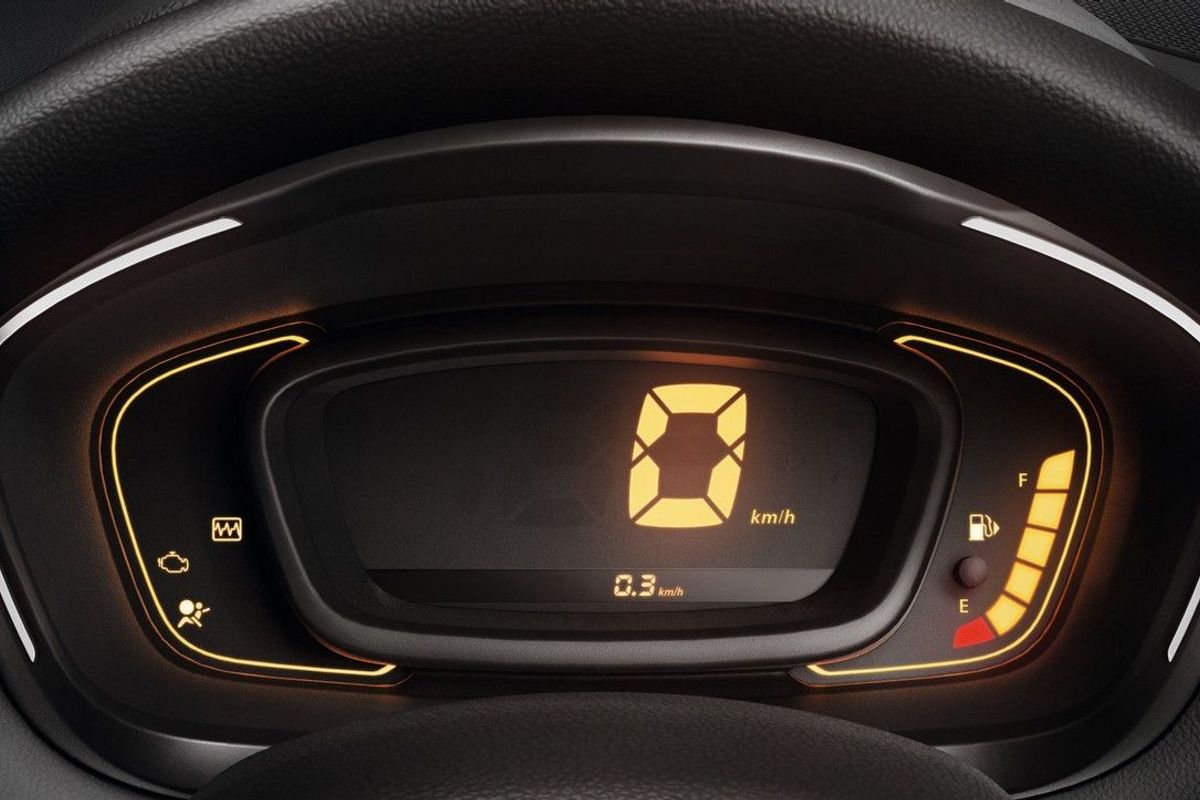
The engine hasn't changed and its the same 1.0-litre naturally-aspirated three-cylinder petrol unit as before. With a power rating of 50 kW and 91 Nm, it has just about enough shove. The big benefit of this AMT option is the fuel economy. The standard manual Kwid had an economy claim of just 4.7 L/100 km, with this new AMT derivative going one better at 4.4 L/100 km. We look forward to testing its claimed fuel consumption when the car arrives for a comprehensive road test.
The ride quality is much the same as the manual-equipped Kwid. In our review of the Kwid in December 2016, we noted that the Kwid felt very light at the wheel. A number of Cars.co.za testers commented on how easily the Kwid was thrown around in the driving wind, which was probably exacerbated by the test unit's lofty ride height (180 mm) and low kerb weight. The wind in Cape Town is notoriously strong in the summer and at highway speeds, it almost felt as if the small Kwid was being tugged between lanes by the notorious Cape Doctor.
Features
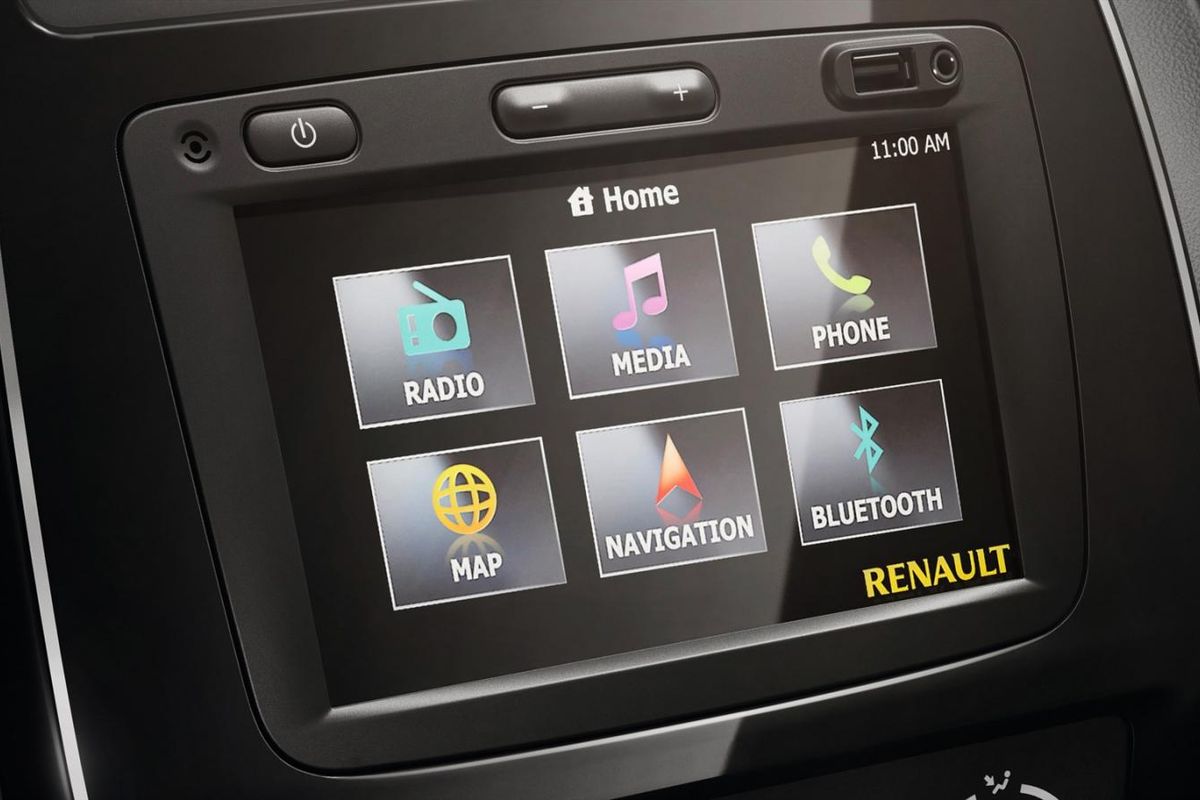
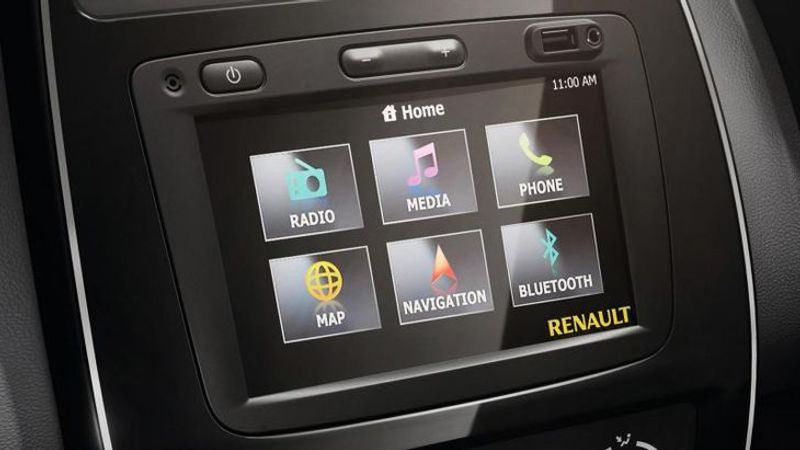
This touchscreen unit features satellite navigation, USB/Aux input, Bluetooth connectivity and speed-sensitive volume control
The Kwid AMT benefits from the same level of specification as its manually-equipped sibling. Available in Dynamique trim, it gains comfort features such as air-con, front electric windows and one of the most comprehensive infotainment systems in the budget segment of the market.
This touchscreen unit features satellite navigation, USB/Aux input, Bluetooth connectivity and speed-sensitive volume control. As it stands, there's just the driver's airbag available in terms of safety. As mentioned earlier, 2019 will see the Kwid gain ABS and a second front airbag for the passenger.
Summary
The Renault Kwid AMT expands on a budget offering and is likely to find favour among folk who don't want to drive a manual car, especially commuters. The convenience and ease of use when it comes to operating a clutchless vehicle is desirable and we think that more than a handful will find their way into customers' homes.
The news of ABS making its way into the Kwid family is massive and will bolster sales. The diminutive Renault is competitively priced and, incredibly, Renault South Africa is still offering the car with one year of comprehensive insurance. The only catch is that the car is not allowed to be used for business purposes. Given the list price and calculations, the Kwid works out to R1 999 per month, which, in a cash-strapped market, sounds like an affordable way to get behind the wheel of a new car.
Renault Kwid Price in South Africa
Renault KWID Expression 1.0-litre SCe R 126 900
Renault KWID Dynamique 1.0-litre SCe R 136 900
Renault KWID Dynamique AMT 1.0-litre SCe R 146 900
In terms of market share, Lexus South Africa does not have a big share of the market, even compared with other luxury marques. Yet, its products are well-made and -specced. Can a refreshed NX offer enough to make a bigger impact in the executive SUV market?
We like: Striking looks, improved spaciousness, commendable ride quality, excellent build and finish
We don’t like: Poor ergonomics, difficult-to-use infotainment system
Alternatives:
Benchmark from Audi: The Q5 is a top-selling SUV in the Ingolstadt-based brand’s stable and the latest version impresses as a well-finished product that exudes refinement.
Jaguar on the prowl: The F-Pace has reinvigorated the Coventrian brand’s product offering and apart from its fashionable garb, the 30d version offers more power and torque than the Bimmer, although selecting a comparable R-Sport specification will push the asking price past a million.
The award-winning Mercedes-Benz: The GLC 250d 4Matic AMG Line won the 2017/18 #CarsAwards Executive SUV title courtesy of its prestigious image, smart interior and willing performance.
Passion anyone? The Alfa Romeo Stelvio 2.0T First Edition Q4 (206 kW/400 Nm) and Porsche Macan S (350 kW/460 Nm) offer spirited 2.0- and 3.0-litre powerplants respectively and captivating dynamics.
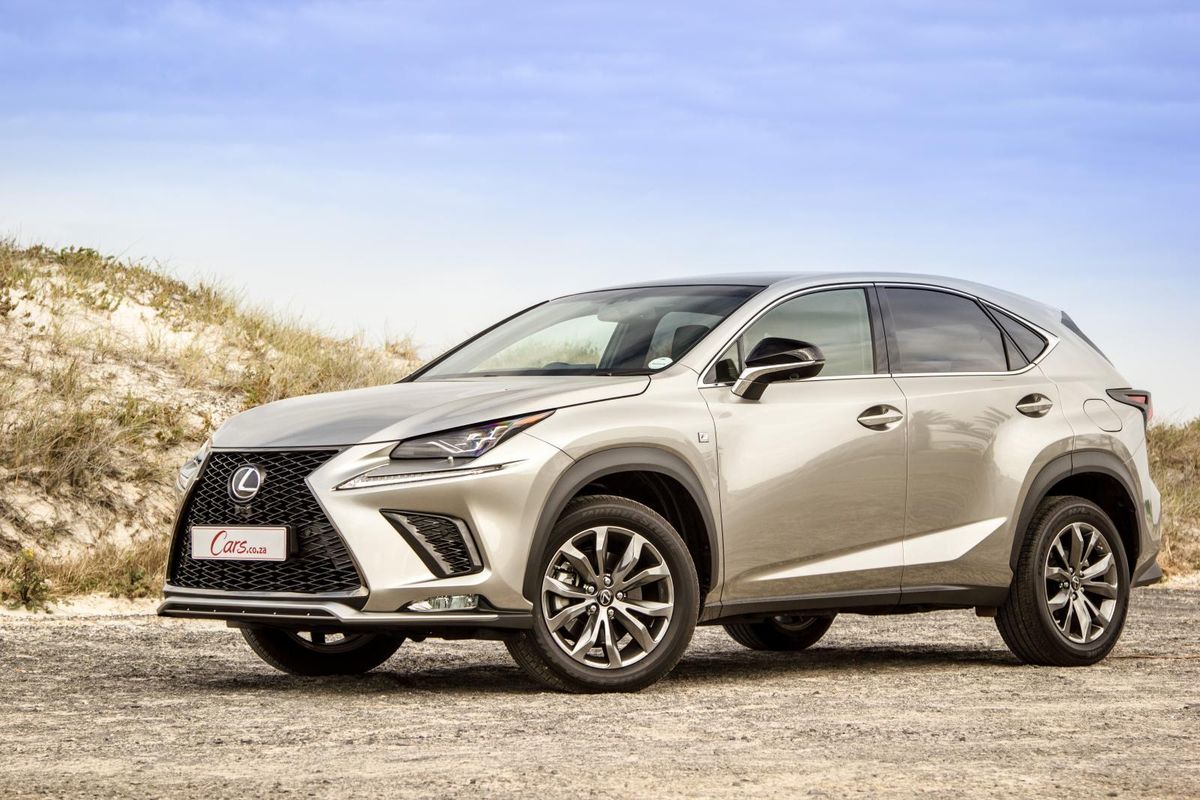
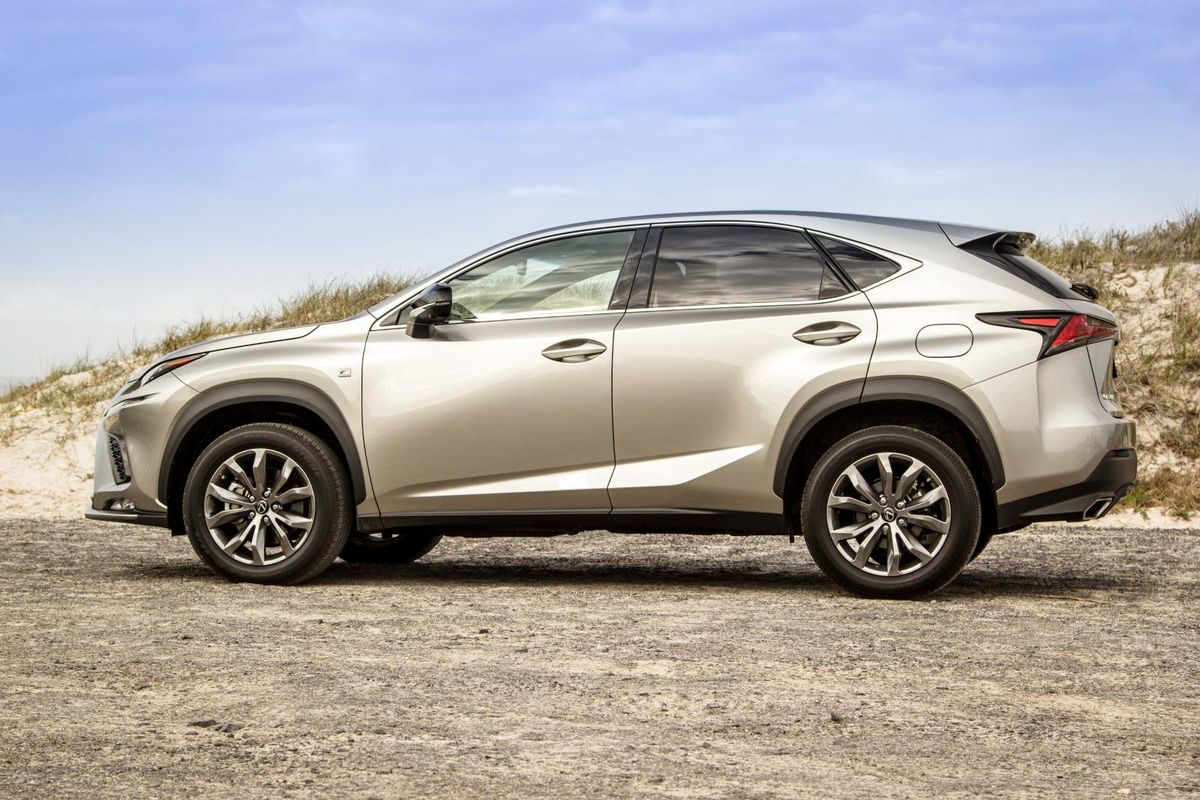
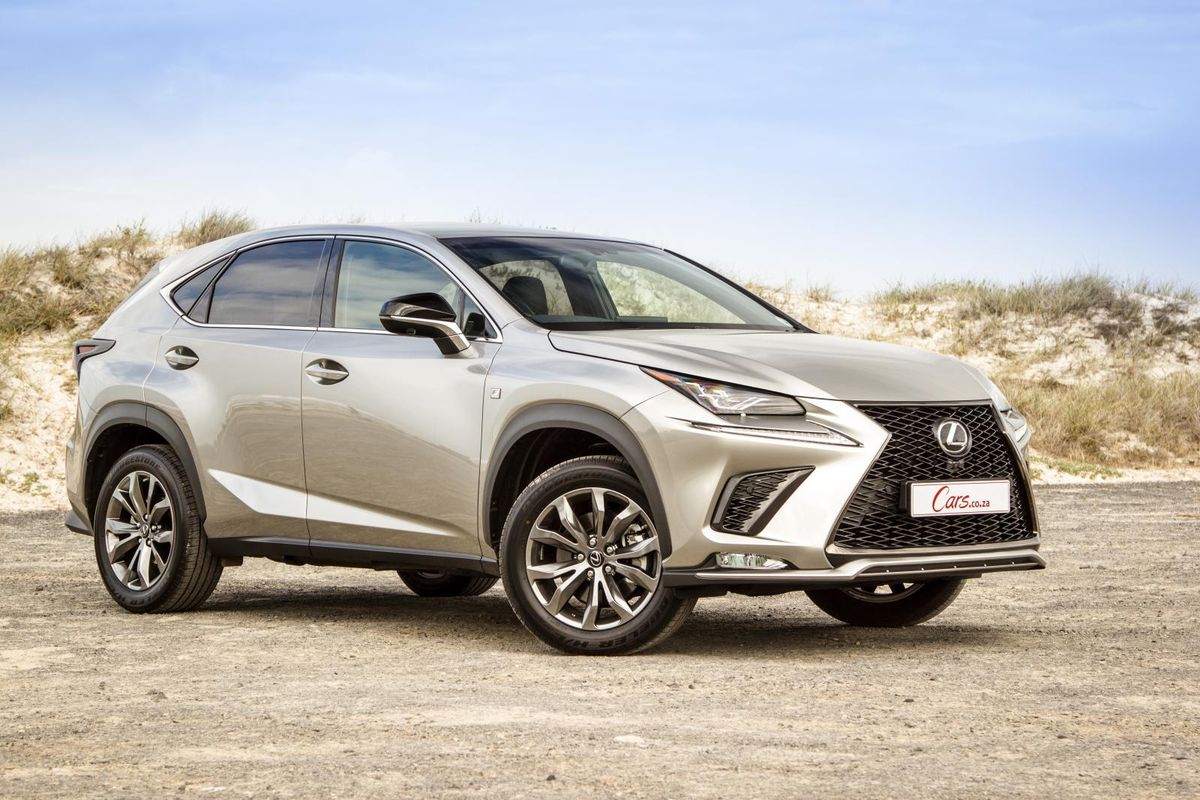
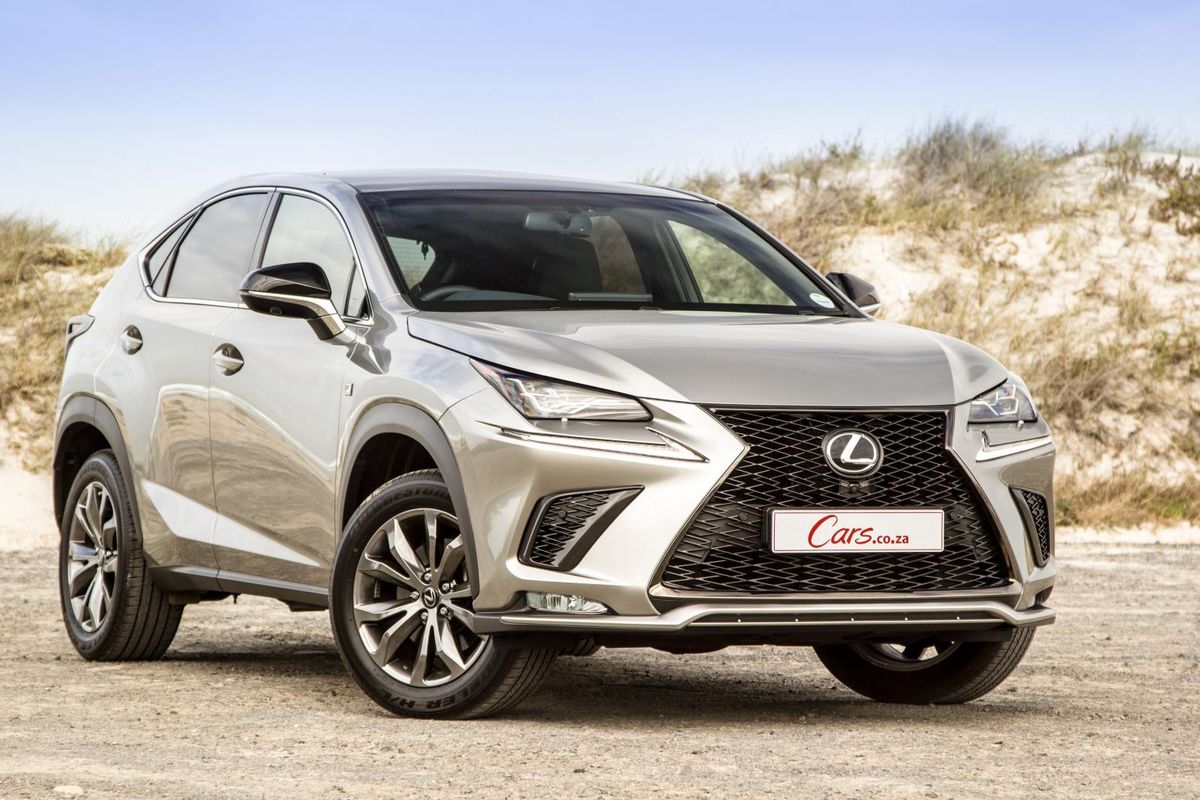
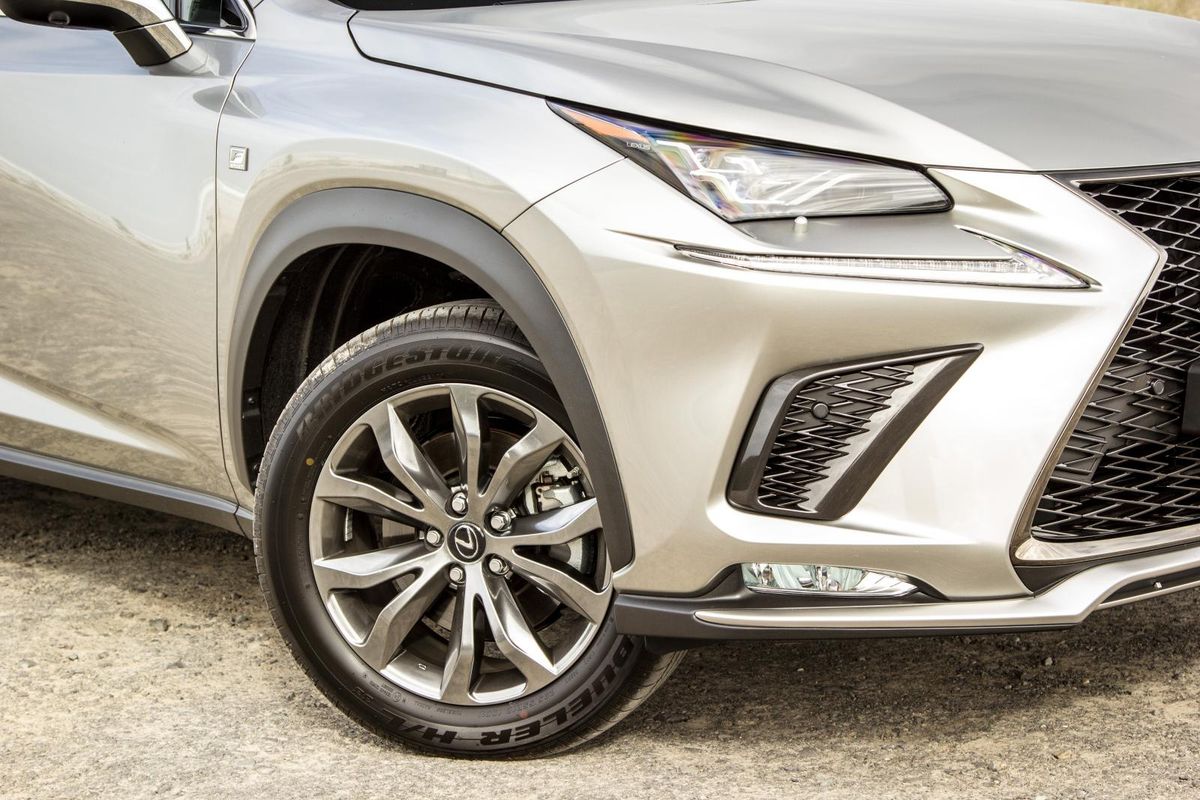
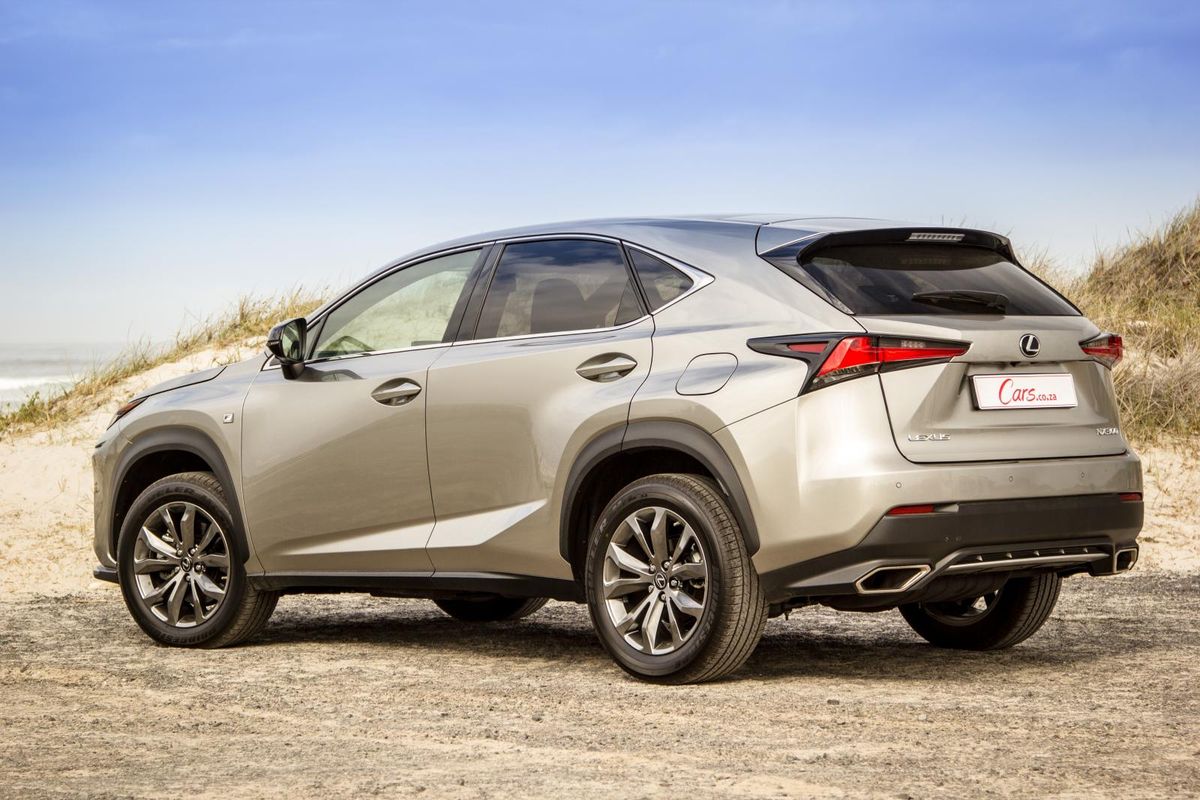
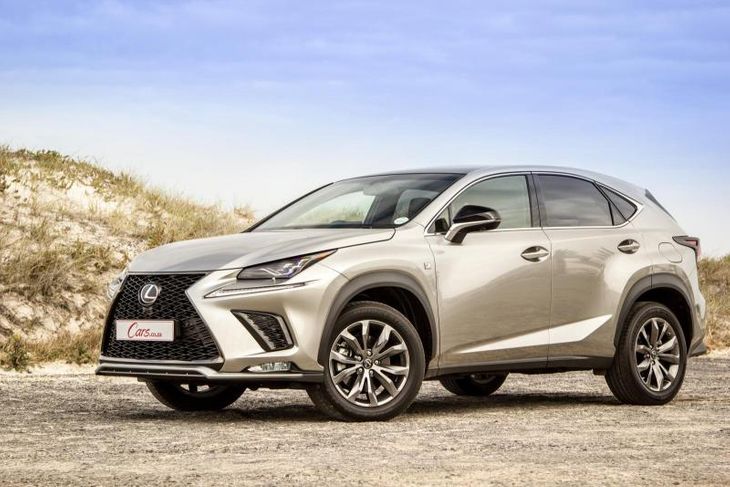
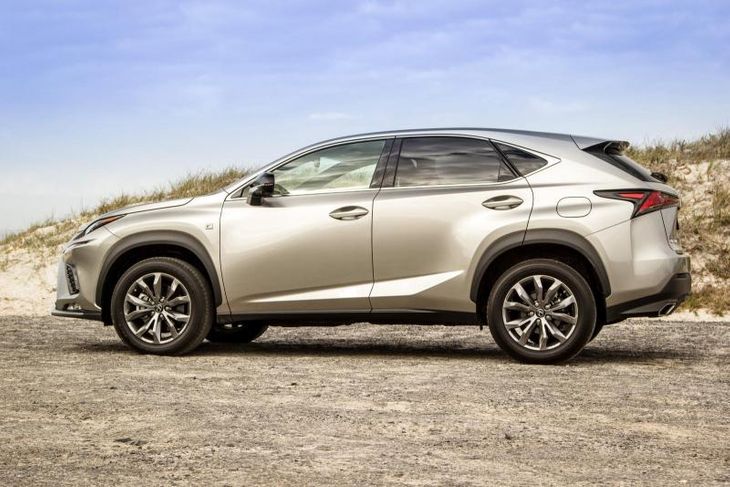
It may not look like but the facelifted Lexus NX has received a slight visual upgrade with new headlights and a redesigned grille
Lexus is a strong brand globally and its portfolio offers credible products to rival the big Germans. However, in South Africa, the brand isn't as popular which means the products really need to be commendable if they're to stand any chance of making a dent in the sales. Given how popular the luxury SUV market is right now, it makes perfect sense to facelift older models and roll out new versions. Lexus has just globally announced the UX – an entry-level baby SUV, while we get a facelifted NX locally.
The Lexus NX is a mid-size luxury SUV which is available in turbo petrol and hybrid application. All models except the entry-level derivative feature all-wheel drive and tested here is the NX300 F Sport. Previously this derivative carried a 200t badging, but Lexus dropped it in favour of badges referencing equivalent power outputs. In this case, 300 means that it produces power equivalent to a 3.0-litre engine.
The Lexus NX300 F-Sport comes with an automatic tailgate
How does it fare in terms of…
Kerb appeal?
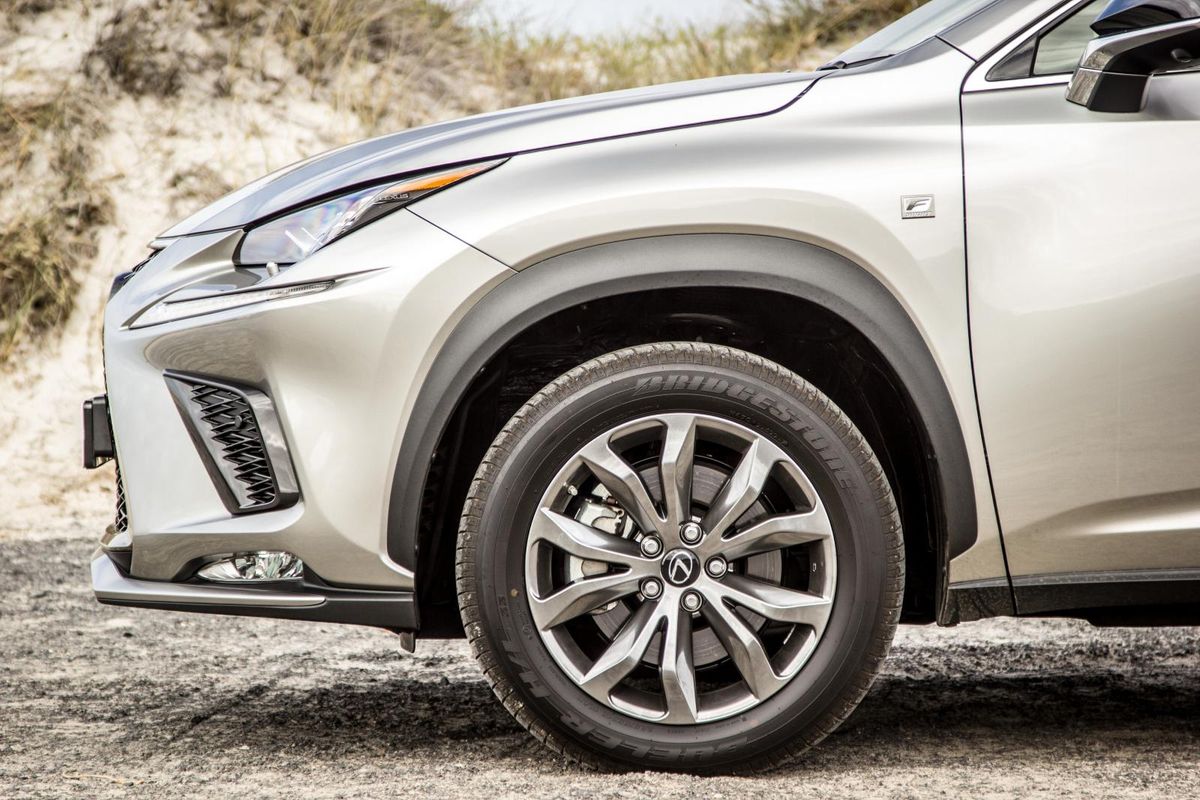
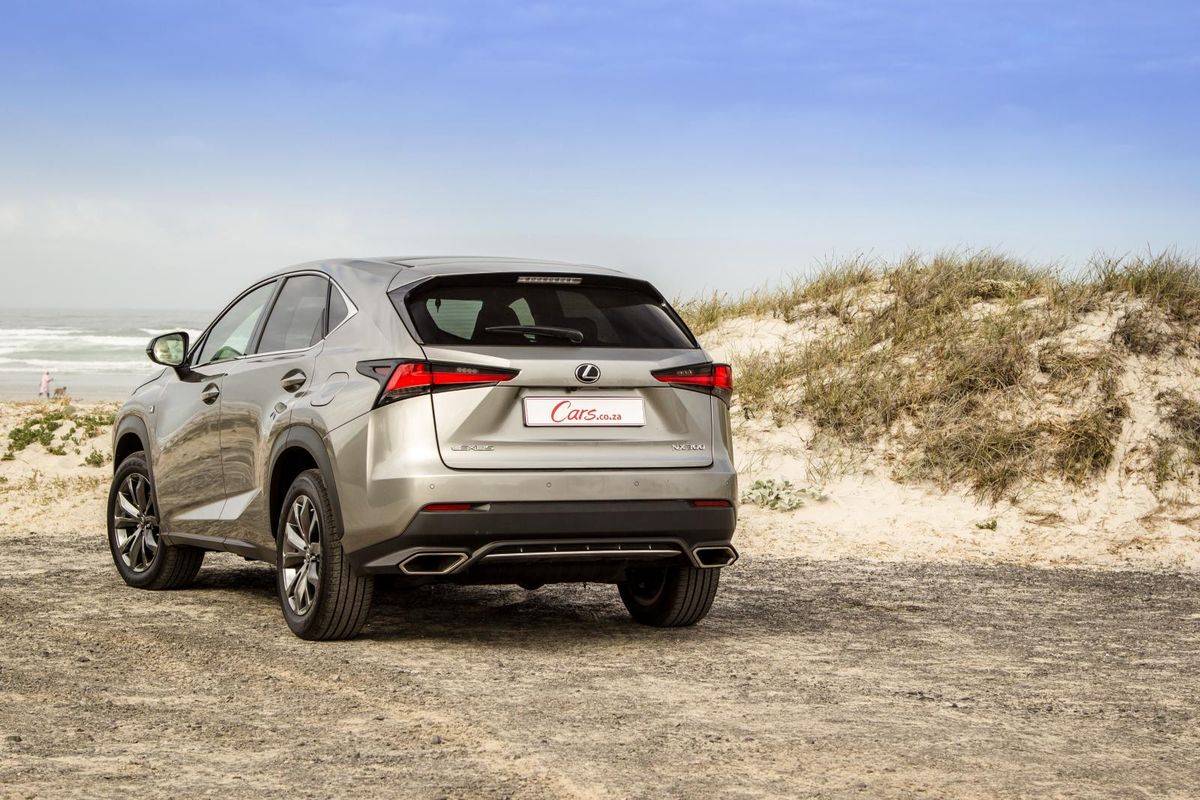
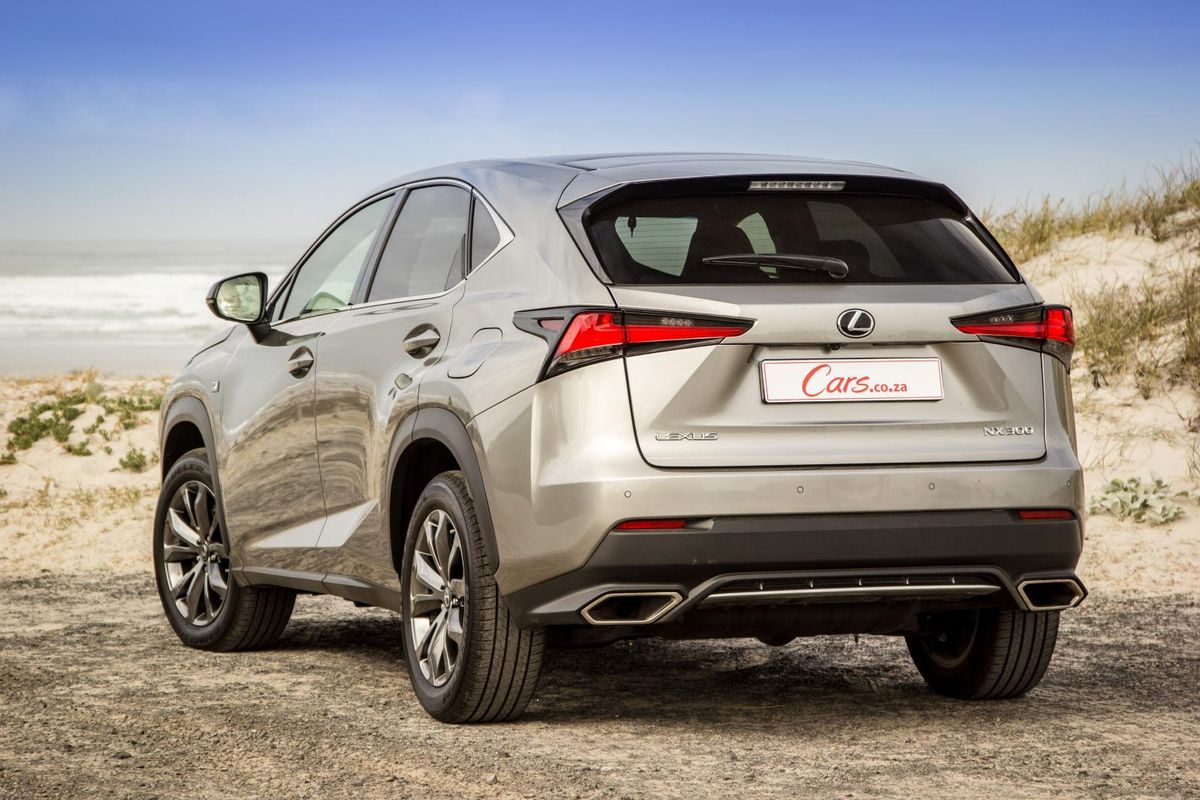
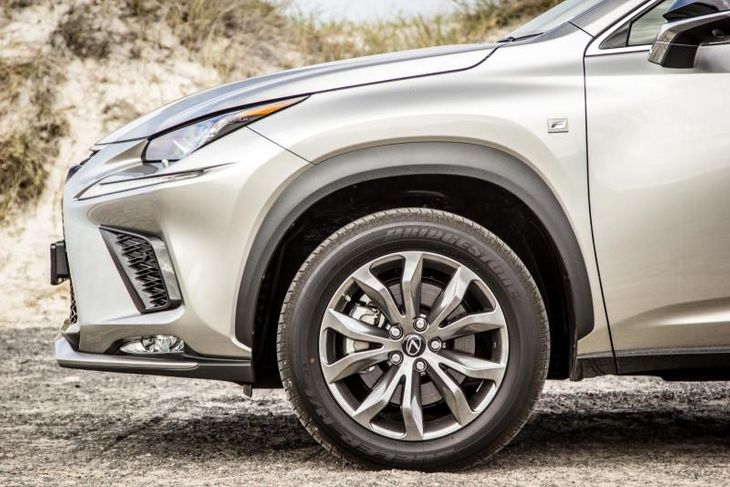
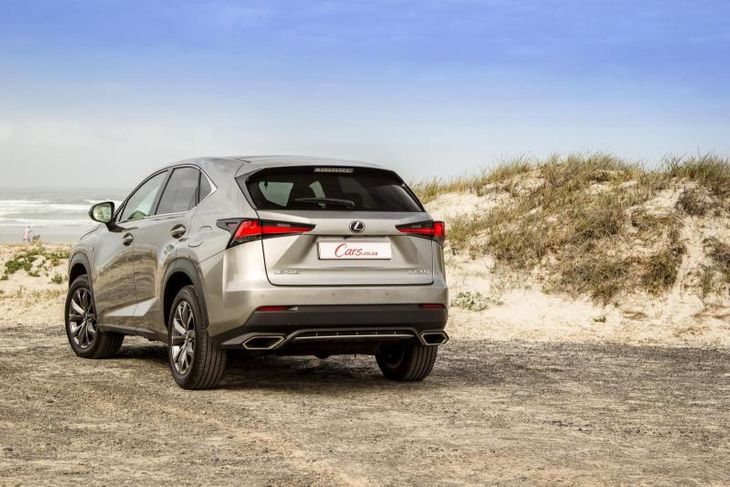
The previous generation Lexus NX was a mixed bag when it came to styling. Our previous test unit was in a military-style dark gunmetal grey and someone in the office said the paint/styling combination reminded them of the F22 Raptor fighter jet. Roll onto 2018 and the facelifted model we have here is clad in a beautiful Sonic Titanium. The F-Sport kit adds some macho elements to the package. At first glance, it's difficult to see what's exactly changed with the new car, but if you look closely, there are new headlights, a redesigned front grille and tweaks to the bumpers. If there was a word to describe the Lexus NX styling, it would be fussy. On the other side the coin with car design becoming more challenging by the day, it's refreshing to see a manufacturer doing something radically different in an effort to stand out.
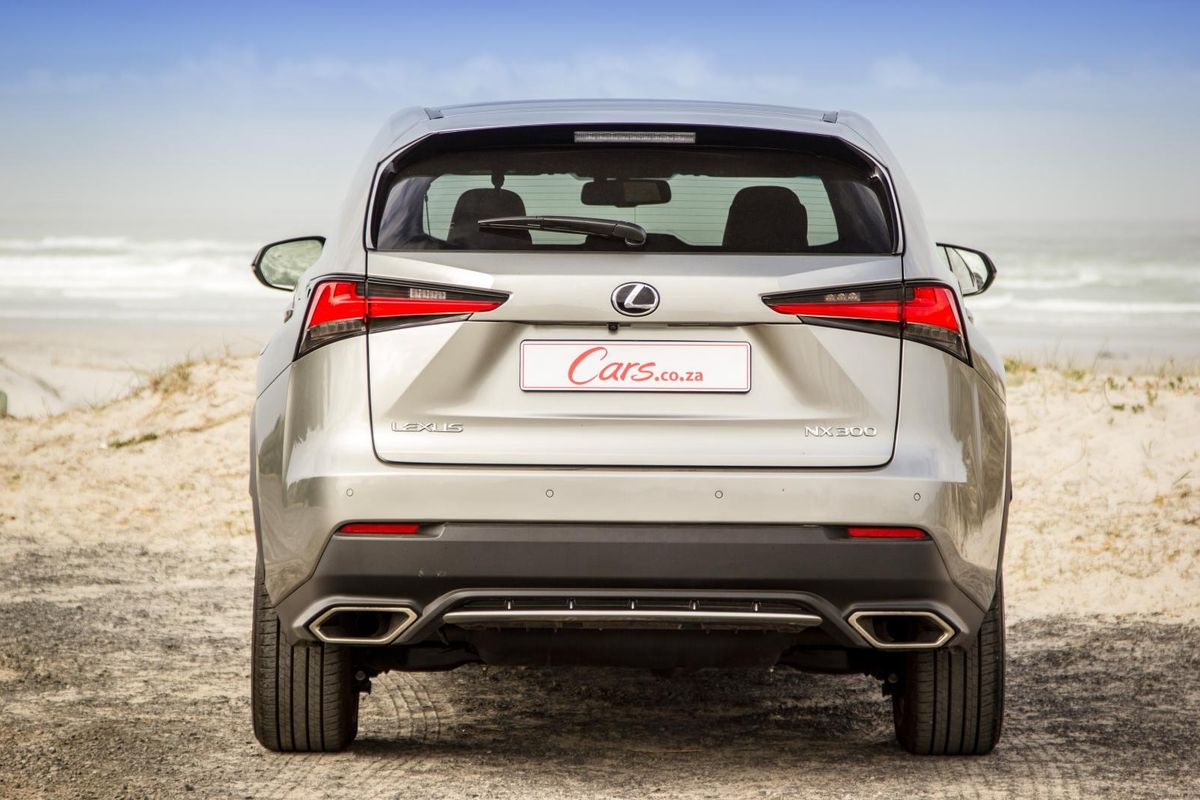
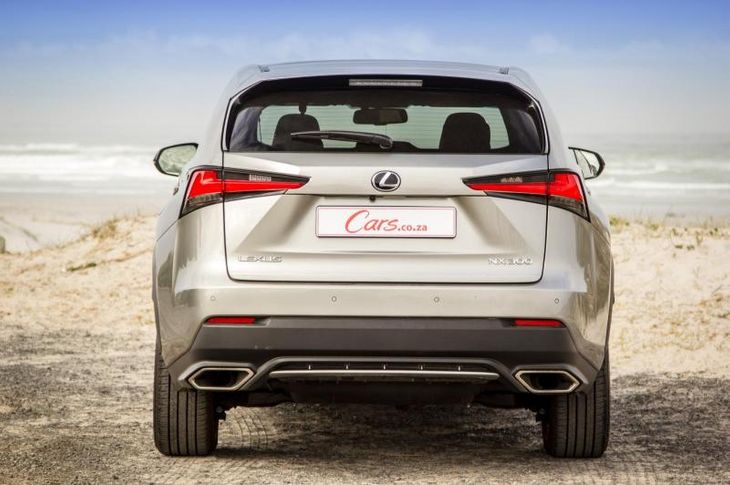
The facelifted Lexus NX loses its 200t badging and gains a 300 nomenclature on the rump
Packaging?
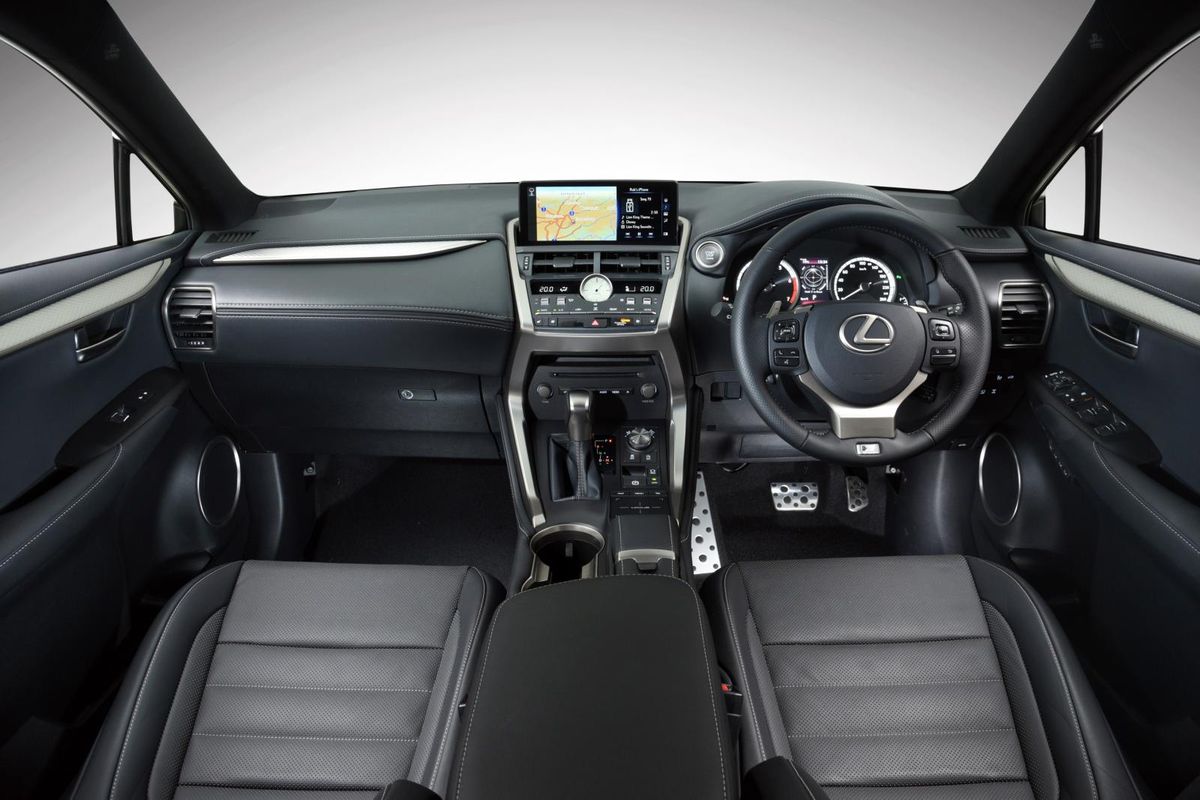
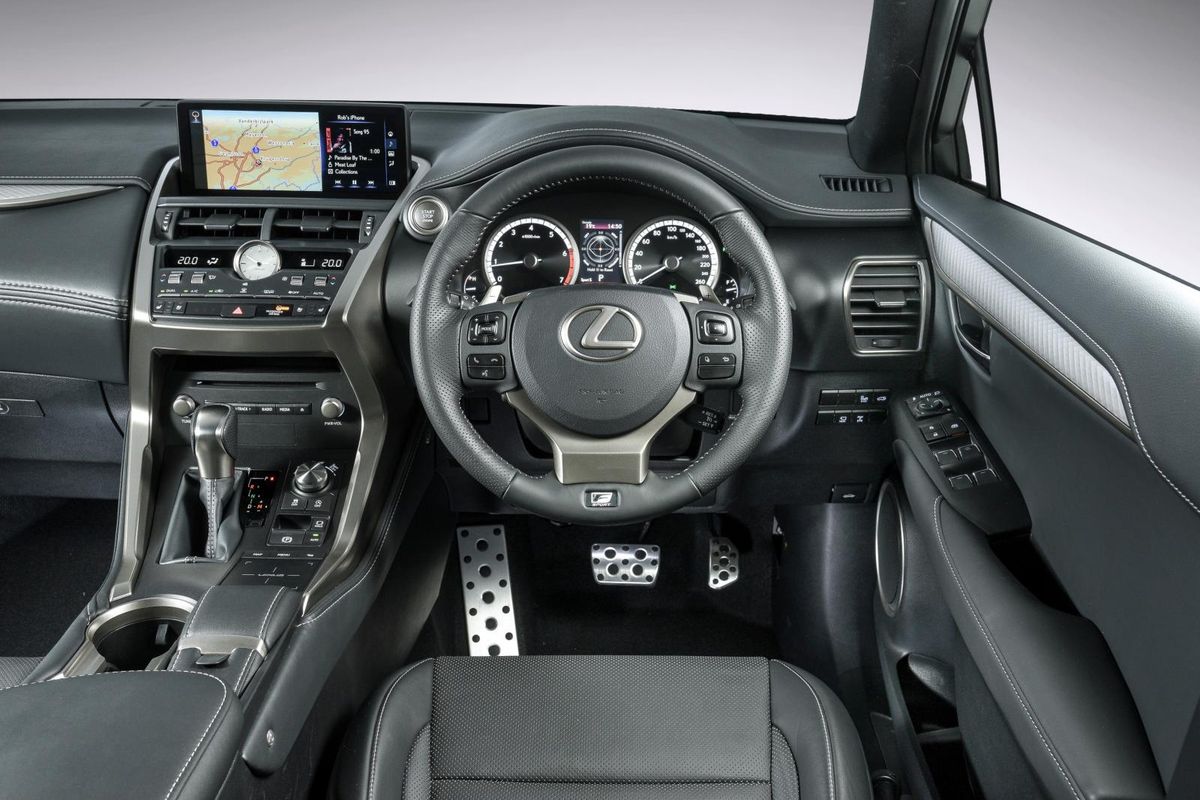
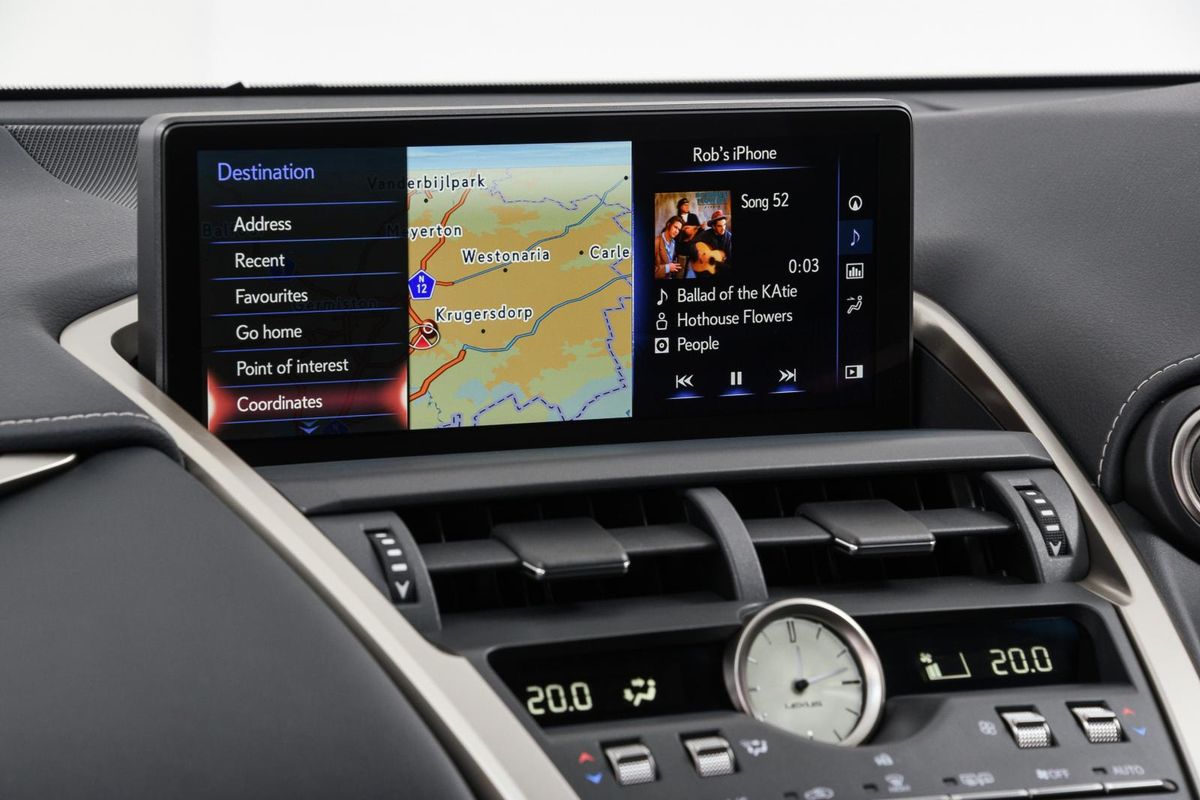
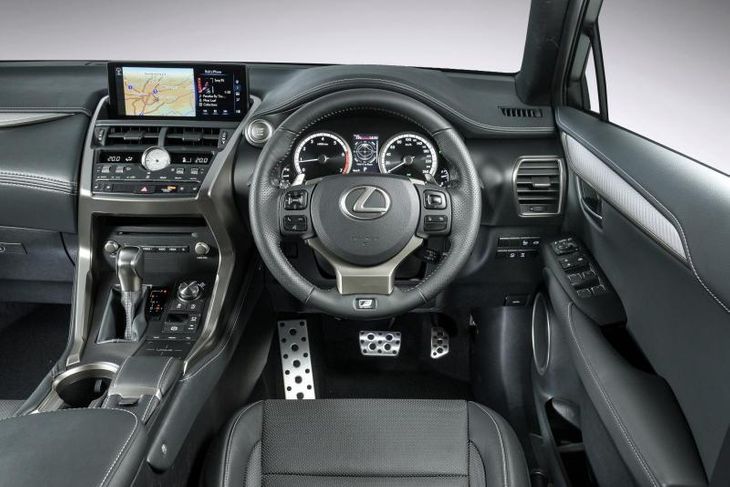
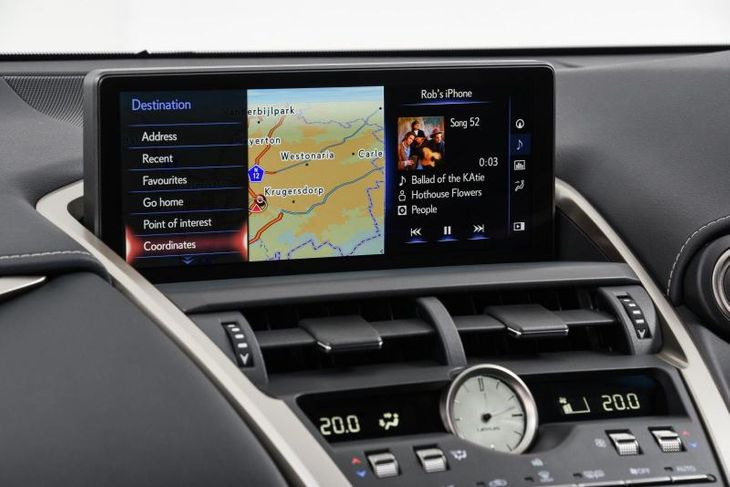
One department where Lexus stands out is cabin quality. There's an all-new 10-3-inch digital screen with excellent resolution, the seats are reassuringly supportive and comfortable and you feel like you're in something that can justify its pricetag. We loved the airconditioned and heated seats – the cooling effect is terrific on a hot summer's day and heated seats in winter are never unwelcome.
There are plenty of little-hiding holes for storage and a wireless charging pad for devices was appreciated. The luaggage bay (with a section of seatback folded down) is cavernous enough to swallow a mountain bike whole. The Lexus, therefore, nails the practicality aspect of things nicely and it was one of its redeeming features.
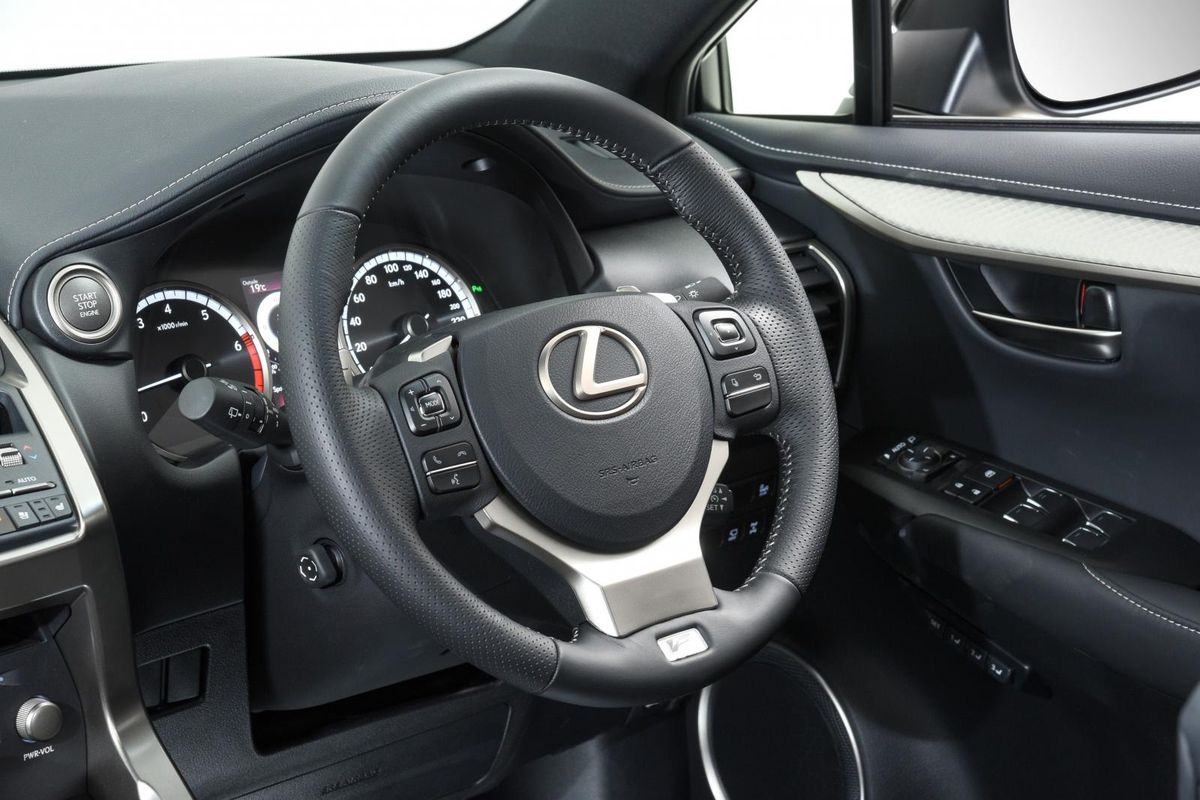
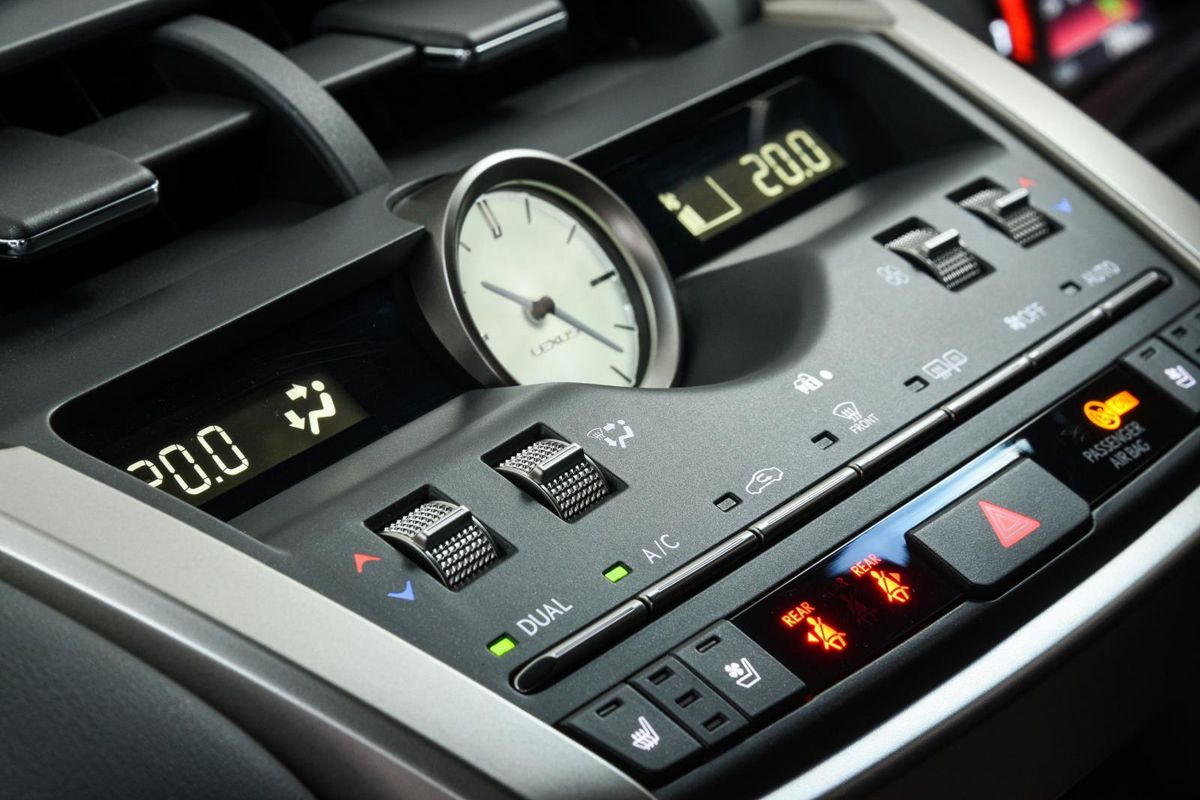
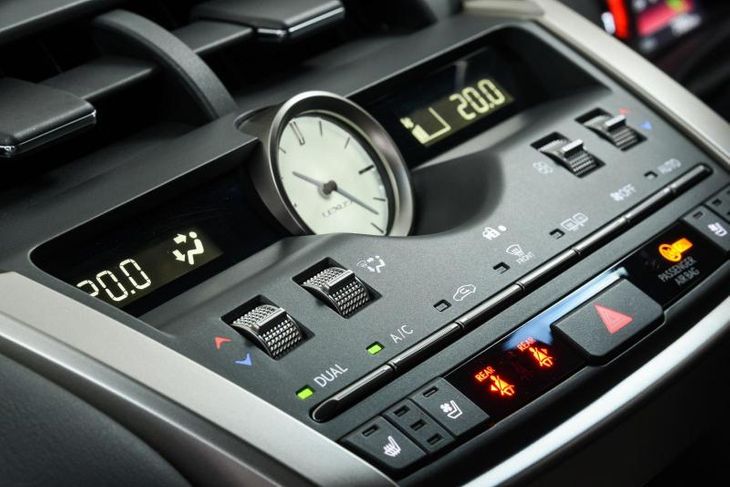
Things go awry when it comes to ergonomics and actually trying to use the infotainment system. It uses a haptic feedback-enabled touchpad system, much like that of a laptop and it doesn't quite have the slick user experience we've come to expect from infotainment systems in modern premium cars. There's no denying the features and quality of the screen is very good, but trying to select a different source of media via the controller was a frustrating experience. On the other side of the coin, if you do land up buying a Lexus NX, you're likely to eventually get the hang of the system.
The cabin of the Lexus NX is well assembled but struggles in terms of ergonomics.
Performance, ride and handling?
Despite the negativity around the strangely-designed middle console and complications with the infotainment system, the Lexus NX300 actually happens to ride and drive well. While it may come from the factory with a sporty bodykit and big 18-inch alloy wheels, it doesn't actually feel like it's trying to be a performance hatchback. The ride quality is firm, yes, but hardly unbearable and when the tarmac switches from potholed B-roads to the national highway, you'll appreciate how quiet, smooth and refined the Lexus NX is. Lexus claims that the suspension setup has been recalibrated to reduced body roll and improve comfort, but we couldn't notice anything different.
Despite riding on big 18-inch alloy wheels, the ride quality is firm but not uncomfortable. All-wheel drive is a bonus on slippery surfaces.
We tested the Lexus NX across multiple surfaces and thanks to its all-wheel drive capability, we ventured onto some sand. While it's not marketed as a pukka 4×4, the all-wheel drive is a welcome reassurance for driving on sand or even a wet road. There are some driving modes fitted and they alter the character of the car at the twist of a knob. If you're doing the commute, then we suggest Eco, which dulls the responsiveness of the throttle and optimises the car for economy. Normal is self-explanatory, while Sport and Sport+ set the car up for enthusiastic high-speed driving. The throttle becomes extra sensitive and the gearbox more eager to change down a cog or 2.
The engine on duty has been carried over from the previous model and we don't have any complaints about its performance. It's a 2.0-litre turbocharged 4-cylinder petrol mill and with peak outputs of 175 kW and 350 Nm; it has enough shove to keep most people happy. The transmission on duty is a 6-speed automatic and it features shift paddles located behind the steering wheel. These weren't the greatest in terms of prompt responses to inputs and we preferred to leave the 'box to its own devices.
The new infotainment screen is larger than before and the resolution is high enough for excellent clarity
Technology and features?
If there is one redeeming trait that Lexus deserves to be heartily commended for, it's the lofty level of specification of its vehicles. Every Lexus product is packed with features and the facelifted NX is no exception. The vehicle comes standard with climate control, cruise control, tyre pressure monitoring, wireless charging, smart entry, heated & ventilated leather seats, 10-speaker sound system, satellite navigation, automated tailgate and LED headlamps, to name but a few.
In terms of safety, the NX is equipped with ABS with EBD, Brake Assist, Traction Control, Enhanced VSC, Hill-start Assist and Trailer Sway Control. The F-Sport derivative adds bonus features such as a Blind Spot Monitor (BSM) and Rear Cross Traffic Alert (RCTA). RCTA is particularly useful when pulling out of shopping mall parking bays and you can't see oncoming cars.
Heated and cooled leather seats are lovely. The materials used in the cabin are of high quality, but the layout and ergonomics are a letdown
Lexus NX – Price in South Africa
NX300 E – R599 900
NX300 EX – R677 300
NX300 F Sport – R789 700
NX300h EX – R746 700
The Lexus NX is sold with a 3-year/100 000 km warranty. E-grade versions receive a Lexus Distance Plan service plan, EX models – Distance Plan Plus (includes brake components) and F Sport – Distance Plan Complete (full maintenance plan). In addition, customers can upgrade or extend their service/maintenance plan packages via the Lexus dealer network.
Verdict
It's a decent offering from Lexus, but with the competition being so stiff and rivals so many, we can't say the facelifted NX is the new segment leader
The new bits and changes to the Lexus NX300 are incremental, but you're left feeling that not much has changed in comparison to the model we drove back in 2015. The powertrain and all-wheel driveability are good, but the issues we had with the cabin ergonomics weren't addressed and ease of use is average. The Lexus NX does offer the best standard specification in class, but the cabin doesn't quite have that wow factor to match up to the competition. However, it is solidly-built and kudos to the manufacturer are due: the test unit's cabin exhibited no rattles or squeaks.
It's a good executive SUV and if you land up going down this road, it's unlikely you'll be disappointed with the ownership experience. However, this segment is the flavour of the month right now and everyone brand is building a luxury SUV. Jaguar has expanded and built a smaller E-Pace, BMW has introduced the new X3 (and is about to launch the X2 locally) and we suspect that yet another Mercedes-Benz SUV is about to roll out of Stuttgart. Even the passionate Italians at Alfa Romeo have had a go and created the Stelvio and it's a solid product.The competition in this segment is inordinately tough and the Lexus doesn't quite have what it takes to be a segment leader. Is it the worst of the bunch? No, not at all – it just requires a test drive… and leap of faith. With some strategic thinking, the forthcoming UX baby SUV could be a winner.
Renault adds an automatic model to its Kwid range. The budget-beating hatch/crossover now has 3 models to choose from.
The Renault Kwid has been labelled a success by those inside Renault SA. Some 10 000 Kwids have been sold since it went on sale at the back end of 2016. The new automatic model will top off the range making it 3 models to choose from – Expression, Dynamique and Dynamique AMT (automatic).
The Kwid auto carries over the spec from the current Dynamique, meaning it has nifty connectivity features such as 7-inch touchscreen infotainment with navigation, USB and auxillary audio inputs.
On the safety front, there still isn't much on offer. A driver's airbag is the sum total of safety equipment; ABS, traction control and more airbags are still not available.
The engine for the auto model remains the same with the 1.0-litre naturally aspirated 3-cylinder managing 50 kW and 91 Nm of torque. Fuel efficiency for the automatic variant improves from 4.7 L/100 km to 4.4 L/100 km.
The AMT model (automated manual) is a 5-speed variant and if our experience with these gearboxes is anything to go by it could be quite clunky and particularly jerky to drive. We should have a full report on the drive tomorrow, look out for that.
Pricing
NEW Renault KWID Expression 1.0-litre SCe R 126 900
NEW Renault KWID Dynamique 1.0-litre SCe R 136 900
NEW Renault KWID Dynamique AMT 1.0-litre SCe R 146 900