The Journey Mozambique – The Search for Sunken Land Rovers
In this latest episode of The Journey, we ventured into the heart of Mozambique in search of sunken treasure in Pomene in celebration of one of the world’s most iconic automobiles, the Land Rover Defender.
The year 2018 marks Land Rover’s 70th anniversary and the Defender has played a key role in the brand’s rich heritage. In many ways, the Defender is the ideal offroad adventure vehicle – it’s unashamedly rugged, confidently capable and intrinsically imbued with the spirit of adventure.
To celebrate this motoring icon and to pay tribute to 70 years of adventure, Cars.co.za recently embarked on an epic journey in search of the sunken Land Rovers of Pomene, some 600 km north of the capital of Maputo. We covered well over 2 500 km's and we experienced the beautiful people, food and landscapes which make Mozambique so unique.
The Land Rovers lying at the bottom of Pomene Estuary are believed to be Series II and Series III which later spawned the venerable Defender. Today, these sunken Land Rovers serve as an artificial reef for a variety of fish but also serve as an attraction for visiting tourists. We set off for Pomene in a Land Rover Defender 110 Ultimate Puma to celebrate the motoring icon and we were joined by well-known photographer and YouTuber, Nicole Eddy and talented filmmaker, Calvin Munhuweyi. This is our Journey, we hope you enjoy it…
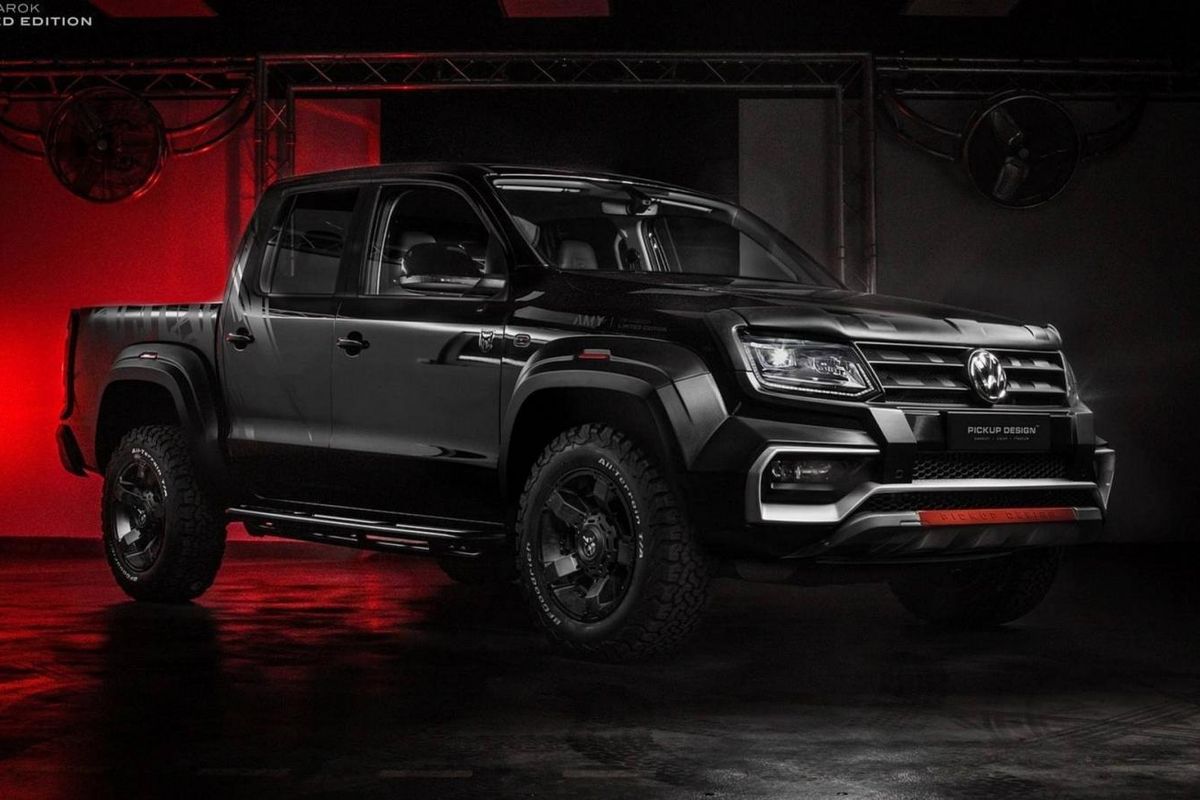
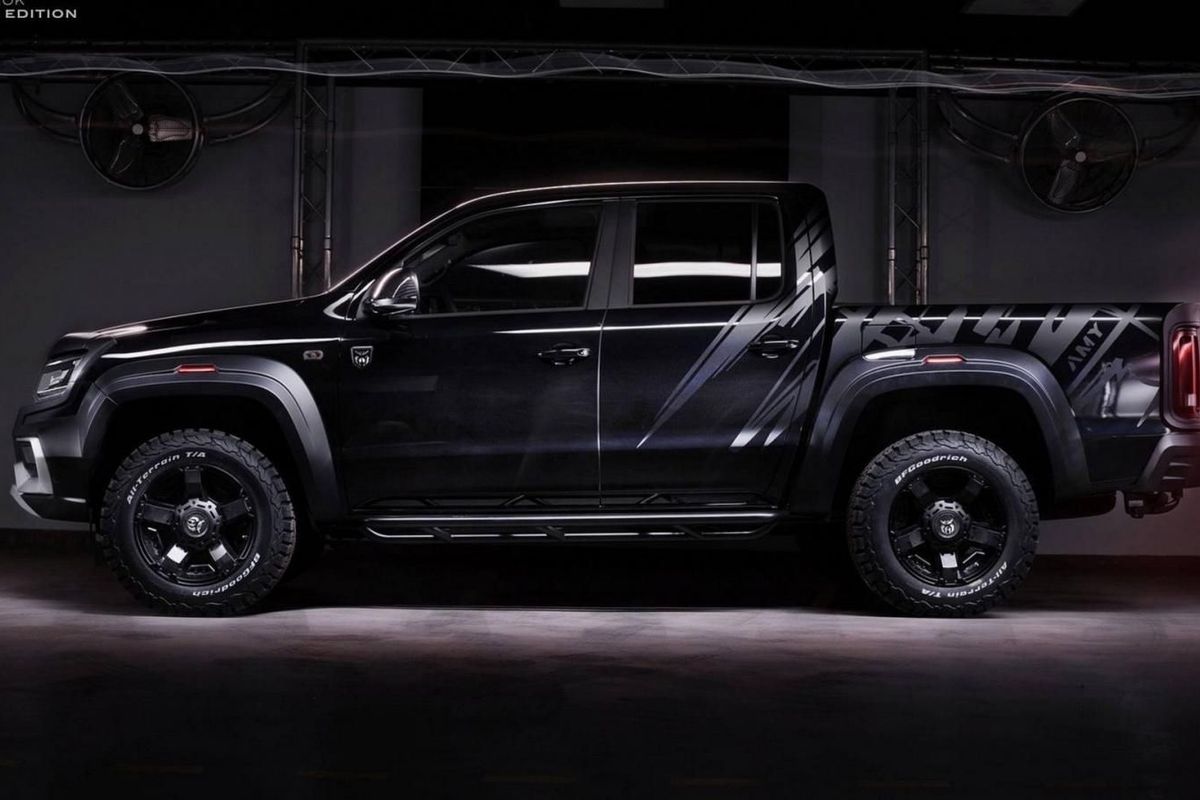
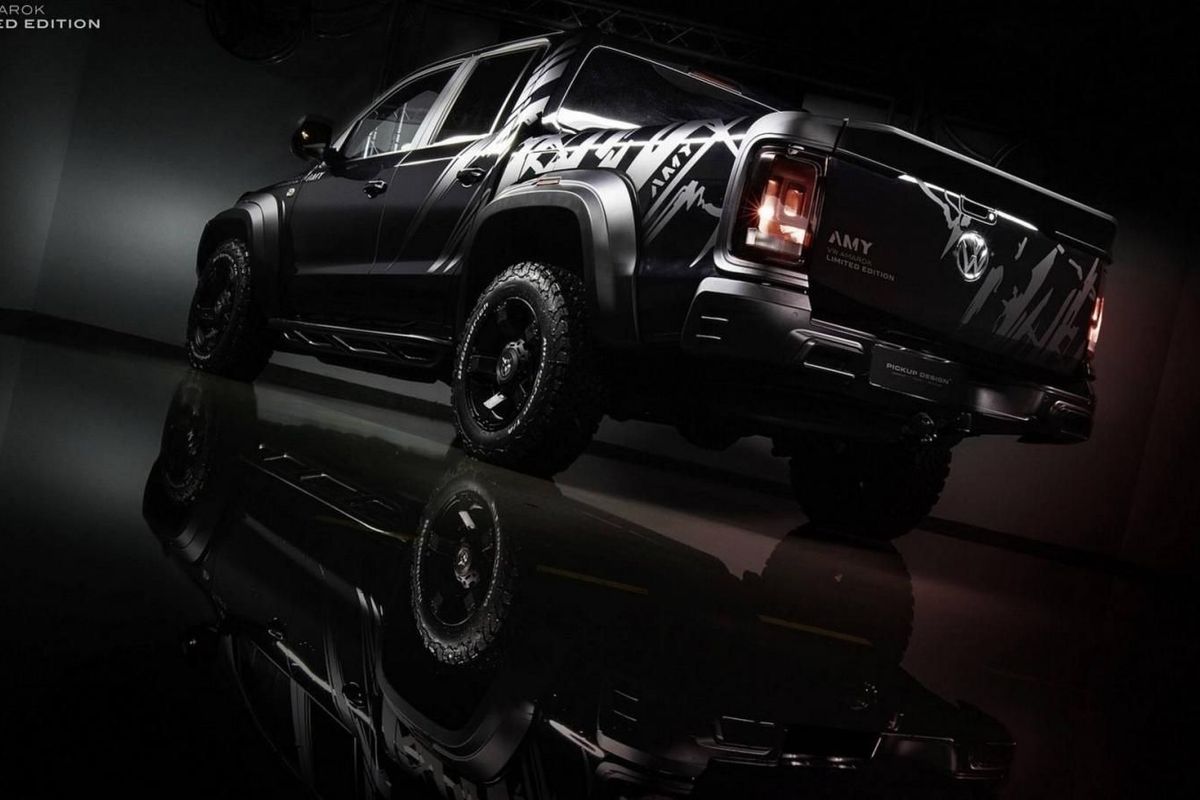
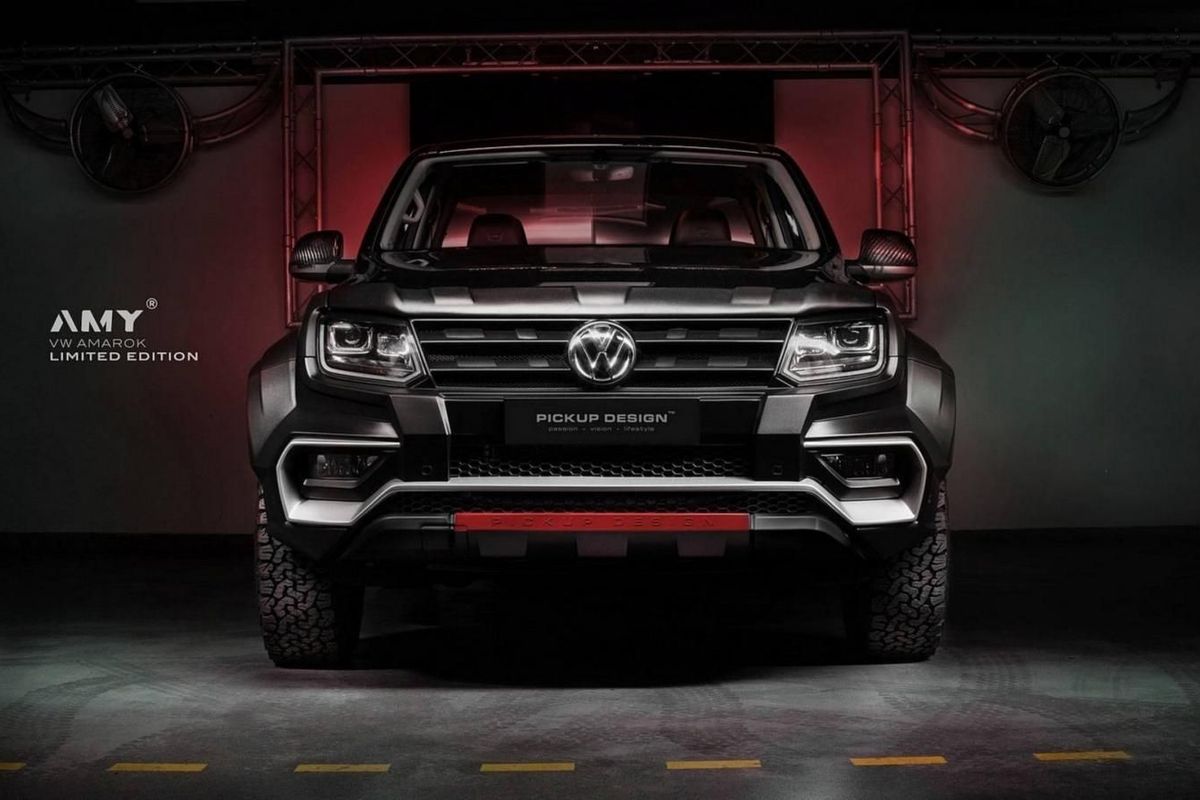
Bakkie modifying is only going to get more extreme as time goes on, thanks to the Ranger Raptor and Toyota Hilux Dakar special editions. Customers who can't afford the high-end models are forking out for replica cosmetic kits and aftermarket companies are cashing in. Carlex Design is one such company and it has released an awesome package for the Volkswagen Amarok.
Sadly this kit is only available in Germany for now, but we wouldn't be surprised to see a South African customiser create something similar. Carlex Design has created a limited kit (just 500 examples) for the Amarok, but it transforms the Wolfsburg bakkie into something quite special.
There are layers of protective paint on the outside to prevent bush rash, a new body kit, monstrous 265/60 BF Goodrich all-terrain tyres, 18-inch alloy wheels, new suspension, new side sills as well as a roof-mounted LED light bar. There's also a custom-made exhaust system which can be controlled by a smartphone app.
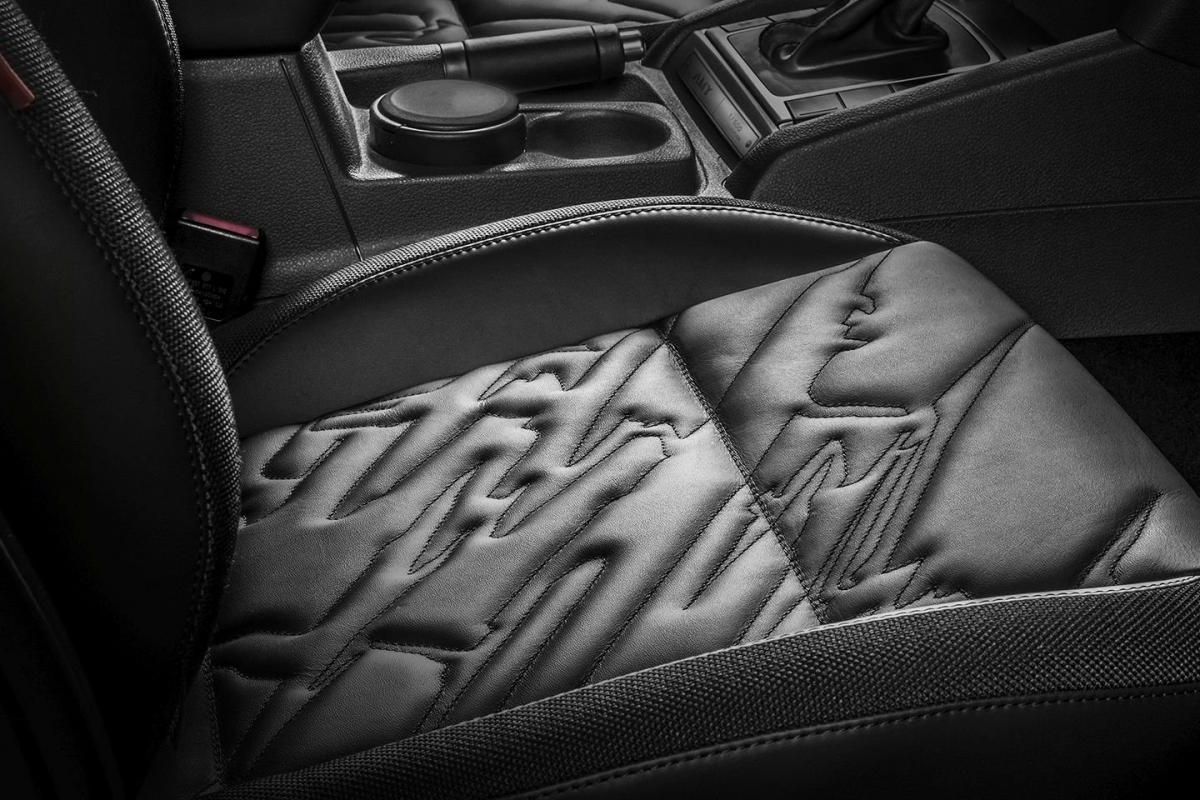
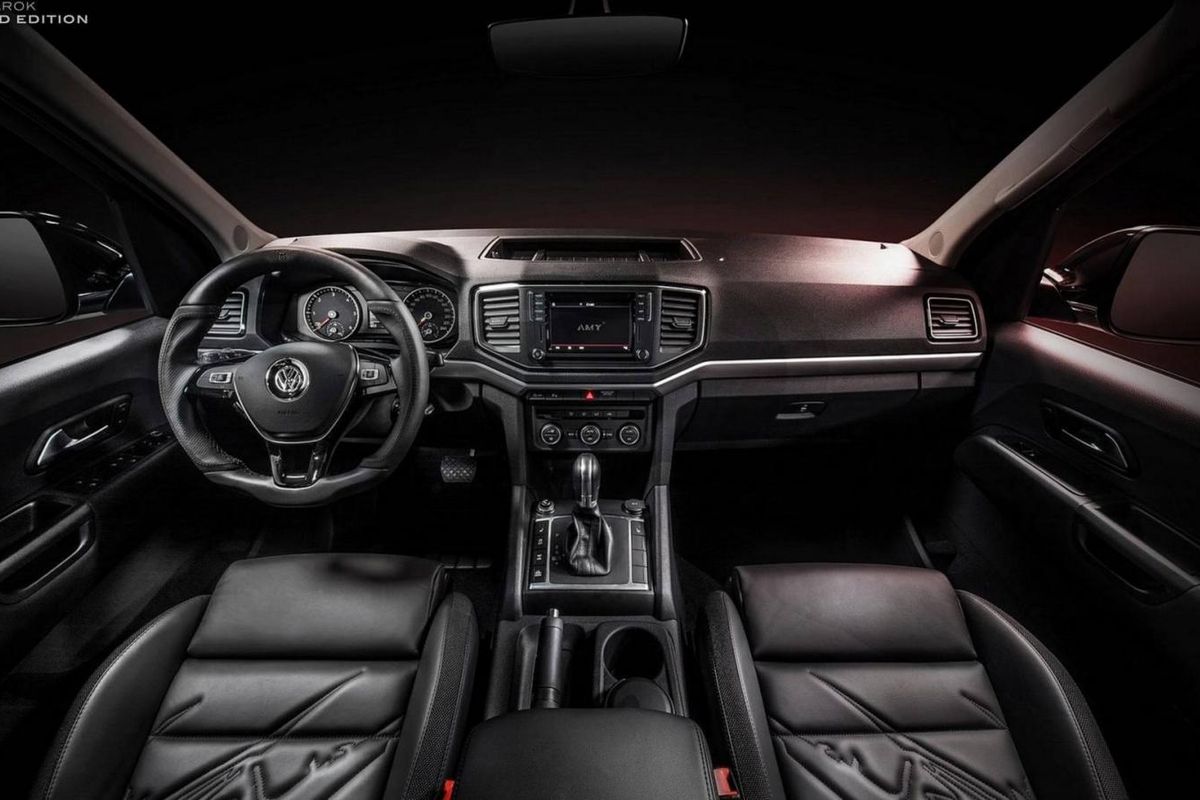
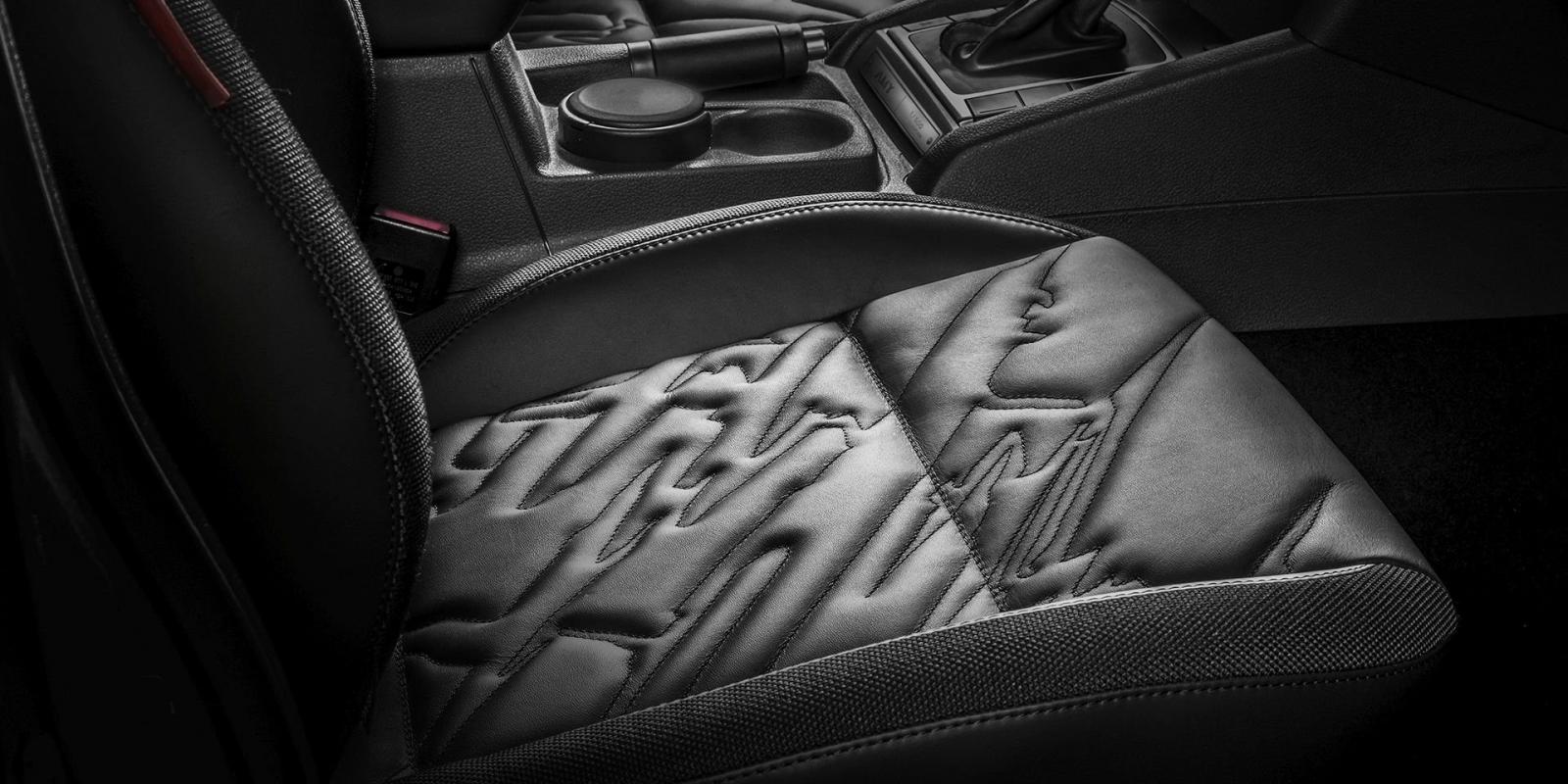
The cabin has received a tweak too, with new leather trim on the seats, centre armrest, doors, gear selector and steering wheel. The leather is in a beautiful quilting pattern, there's extensive use of Alcantara and new-look floor mats.
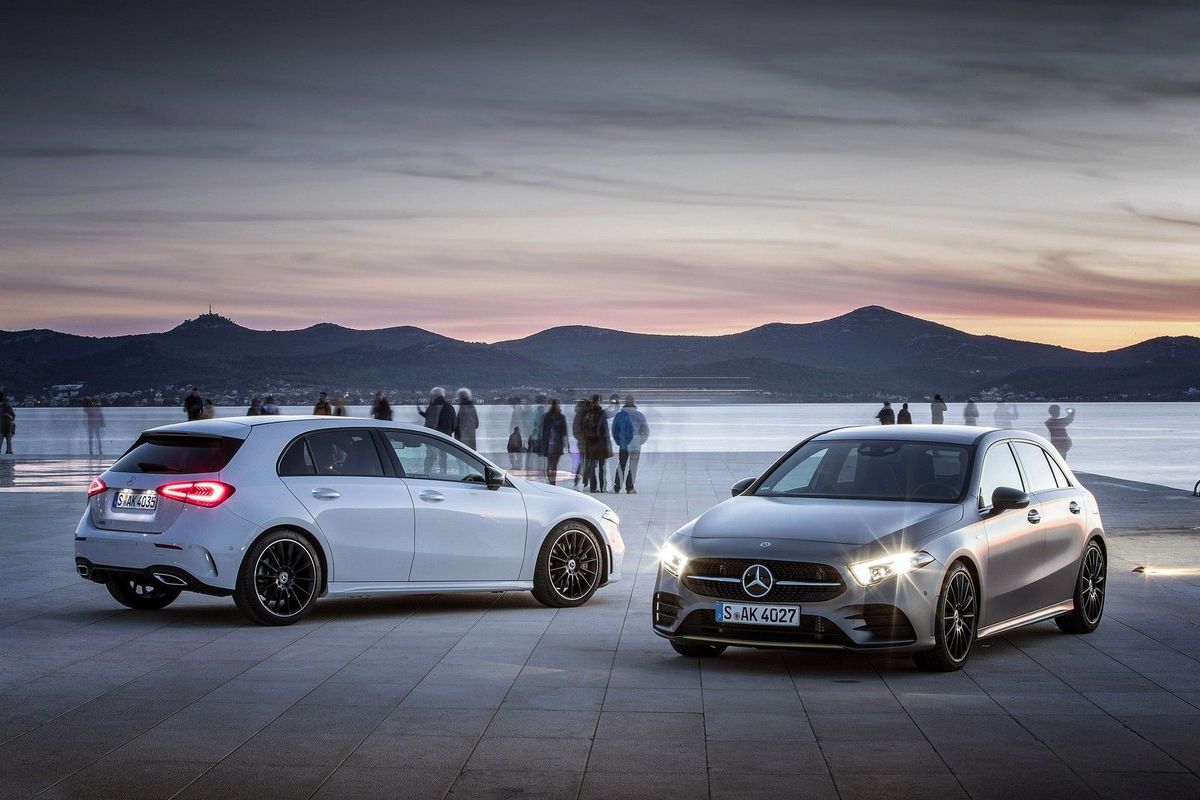
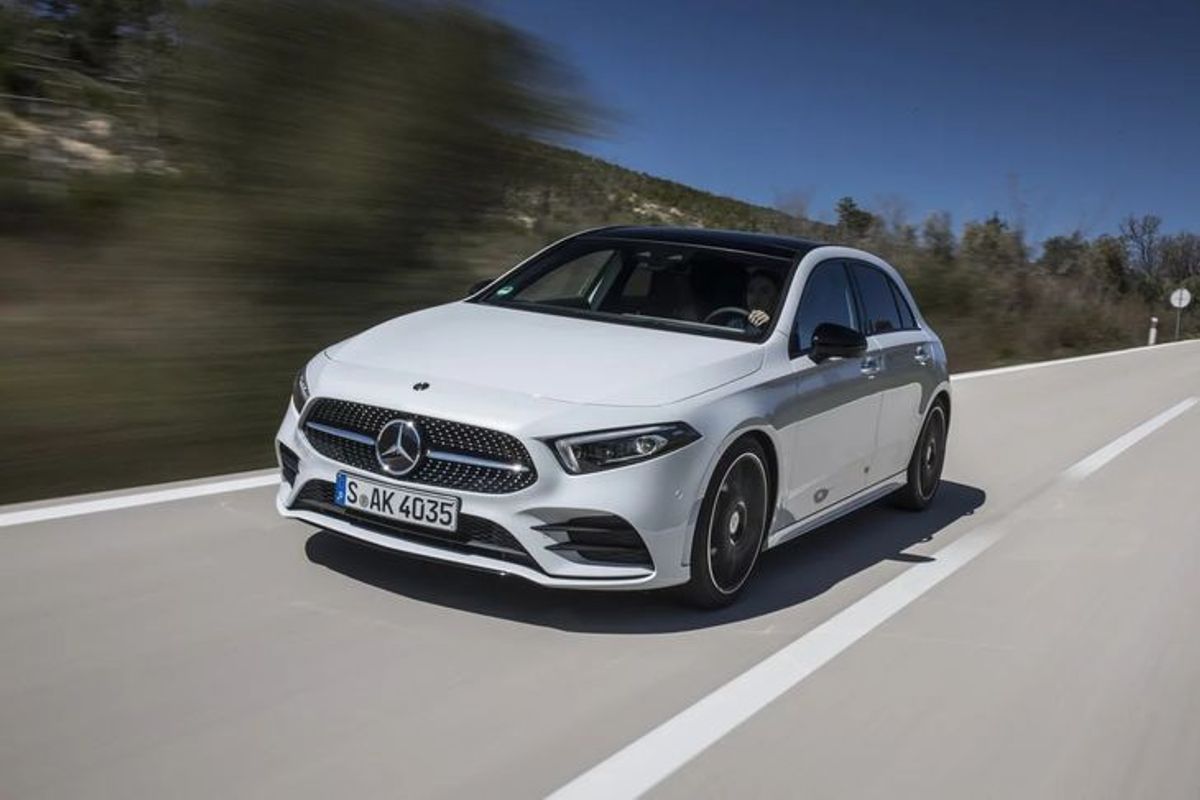
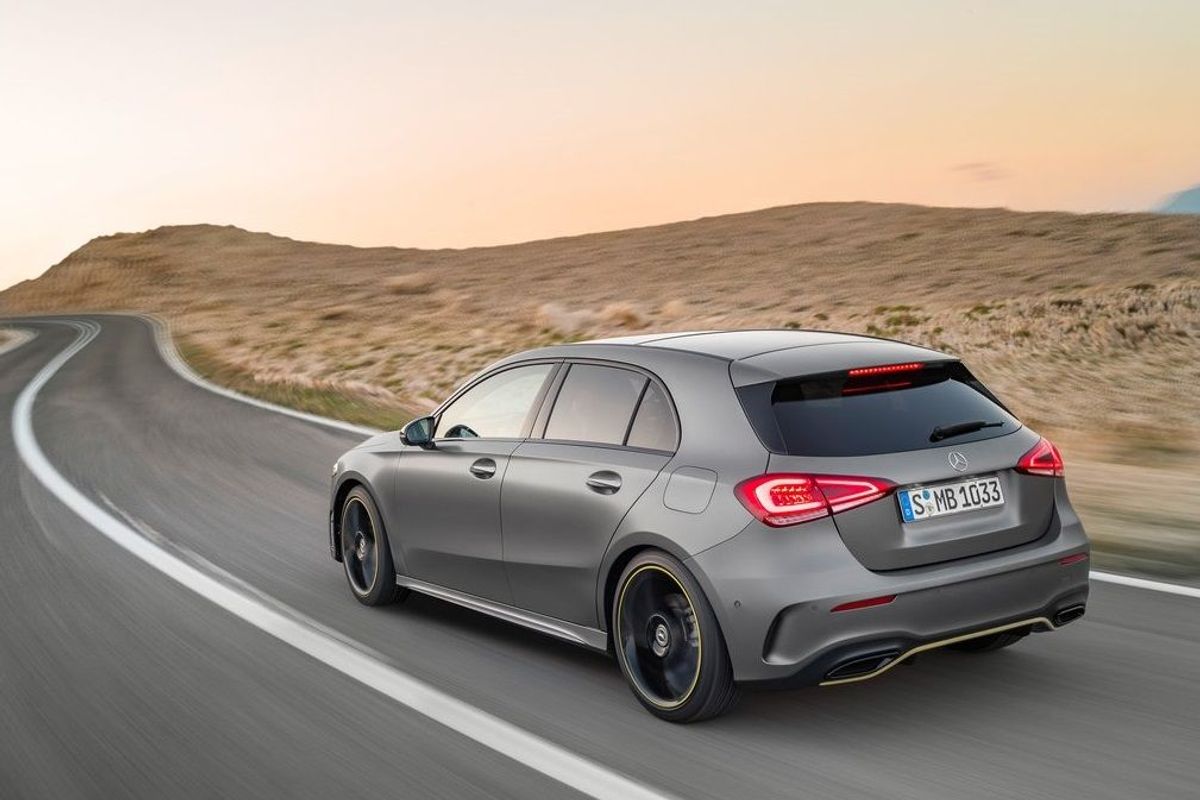
Mercedes-Benz is launching its all-new A-Class in South Africa this week! We first drove the newcomer in April, now see how much the Stuttgart-based manufacturer's latest premium hatchback will cost upon its local release…
The current generation of Mercedes-Benz's premium hatchback has won many fans thanks to its striking design – it's one of the most attractive vehicles in its segment. The Stuttgart-based manufacturer hopes the all-new A-Class will be even more successful. Launching on local soil this week, the A-Class will be available with two engines, with performance-focused AMG versions following in 2019.
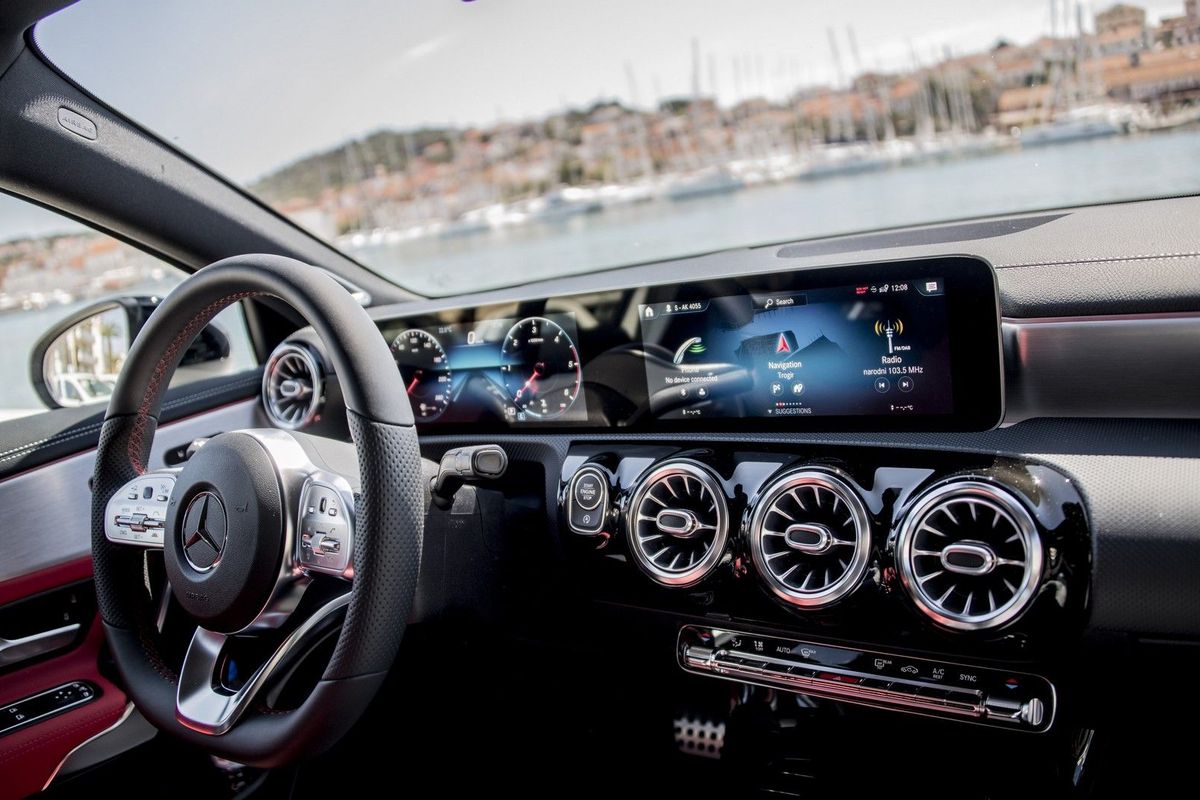
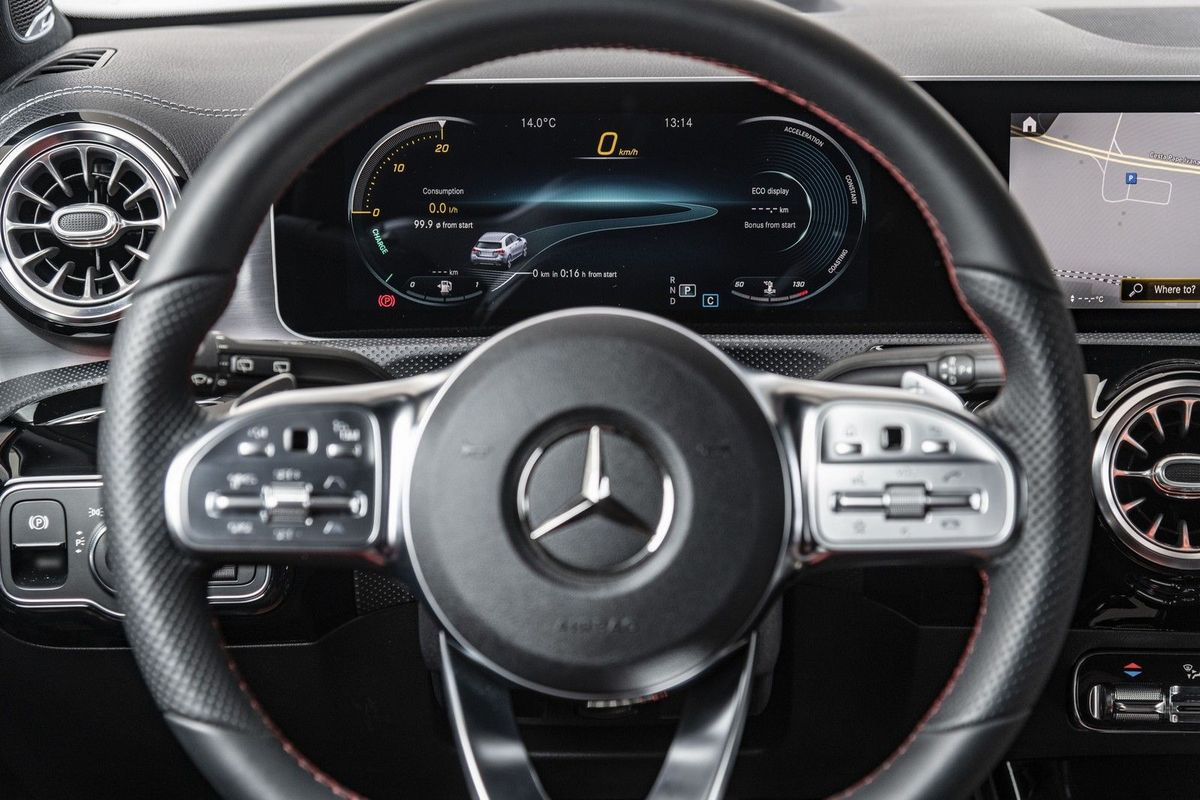
Codenamed the W177, this new Mercedes-Benz A-Class brings a considerable number of technologies to the segment, such as the Mercedes-Benz User Experience (MBUX) infotainment system. What's more, several safety systems from the S-Class first class sedan make their debut in the hatchback. For example, the car's cameras and radar can scan the road 500 metres ahead and it'll be able to recognise pedestrians and cyclists. There will be a fair degree of autonomy too: the car can automatically follow the traffic in front of it and prevent bumper bashes by applying automatic braking.
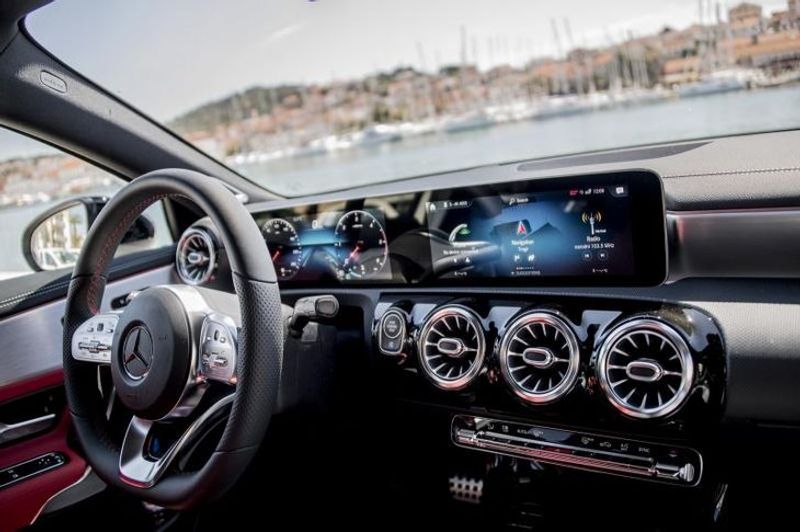
The cabin of the new Mercedes-Benz A-Class looks very upmarket and tech-focused.
The 2 engines are both turbocharged 4-cylinder petrol powerplants mated with 7G-Tronic dual-clutch transmissions.
A200: 1.3-litre turbo with 120 kW and 250 Nm. It can do 0-100 kph in a claimed 8.0 seconds.
A250: 2.0-litre turbo with 165 kW and 350 Nm. It can do 0-100 kph in a claimed 6.5 seconds.
In terms of consumption, the A200 is claimed to consume 5.2 – 5.6 L/100 km, while the A250 is claimed to use between 6.2 and 6.5 L/100 km.
We'll have more details about the features, performance, and availability of the new A-Class from launch.
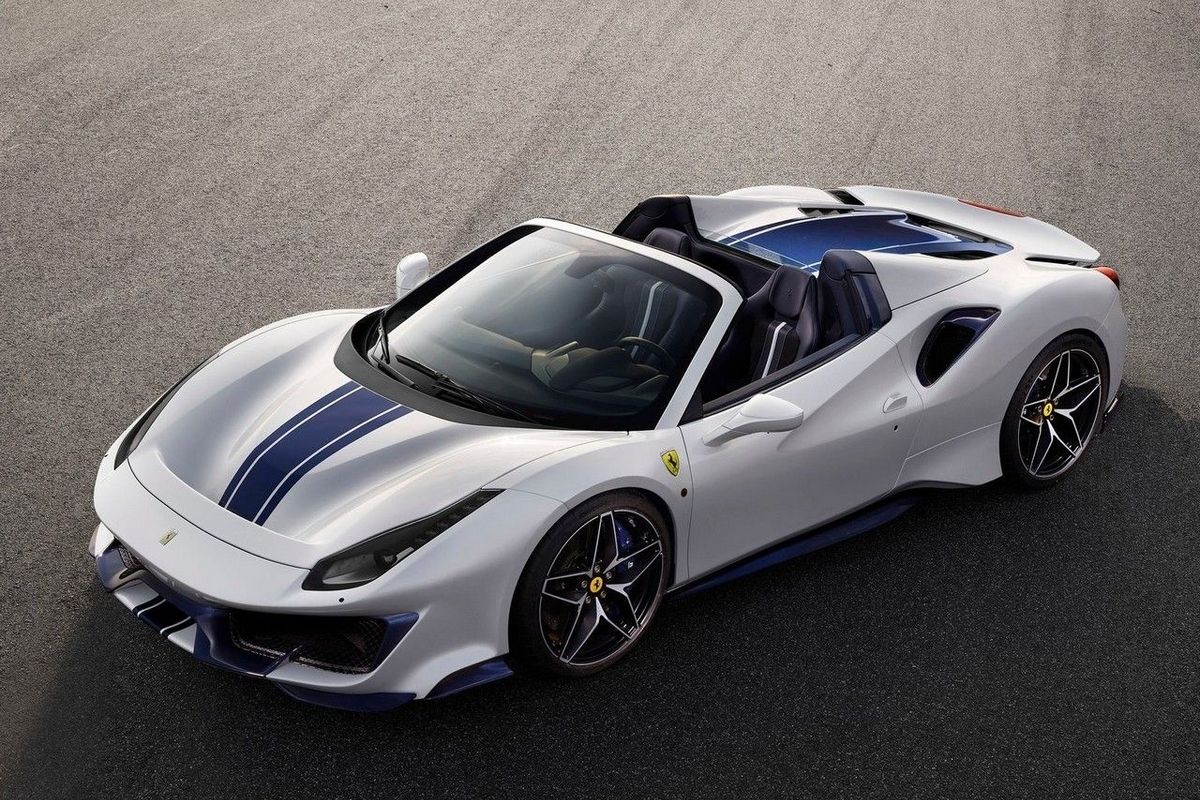
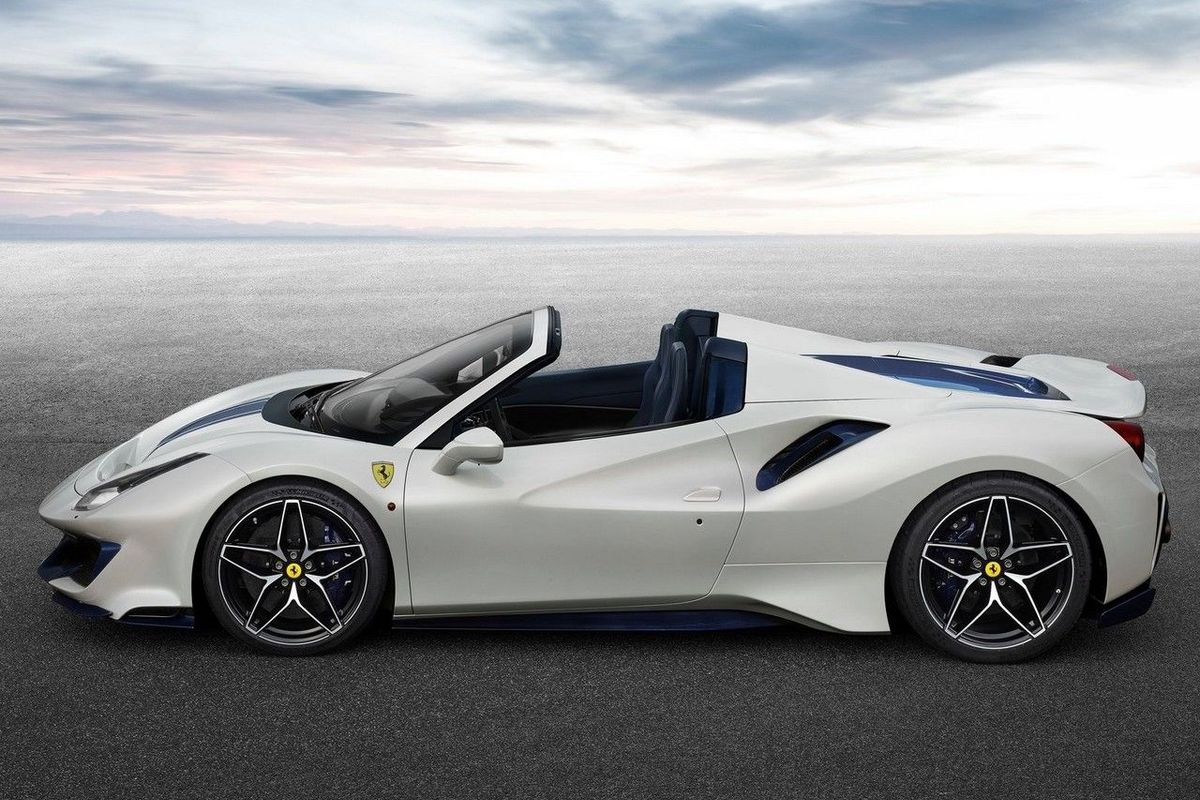
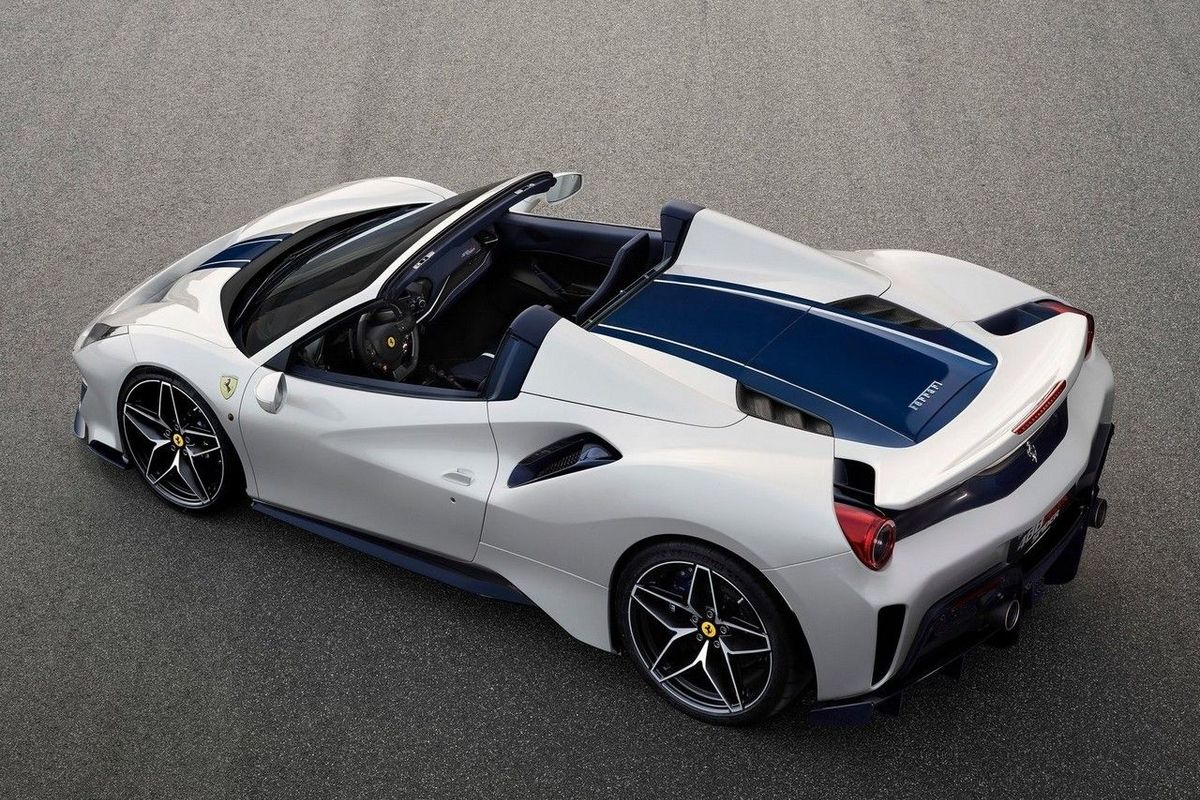
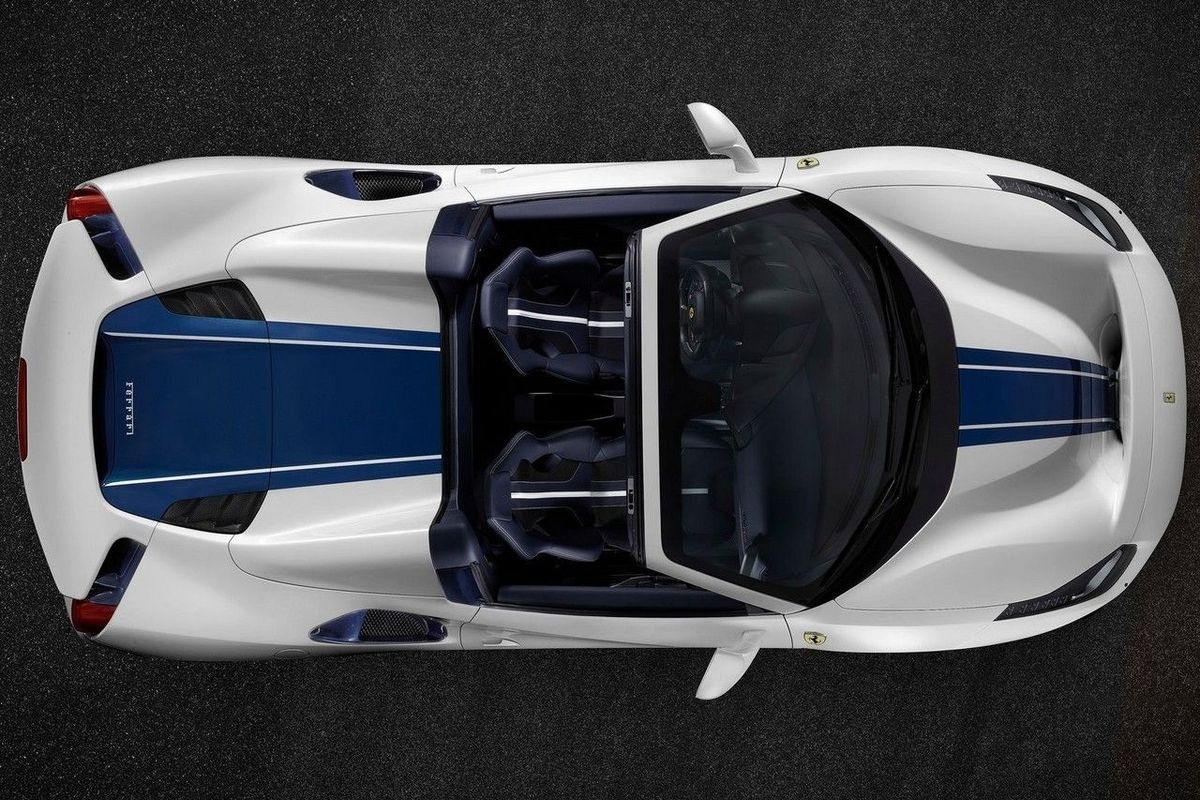
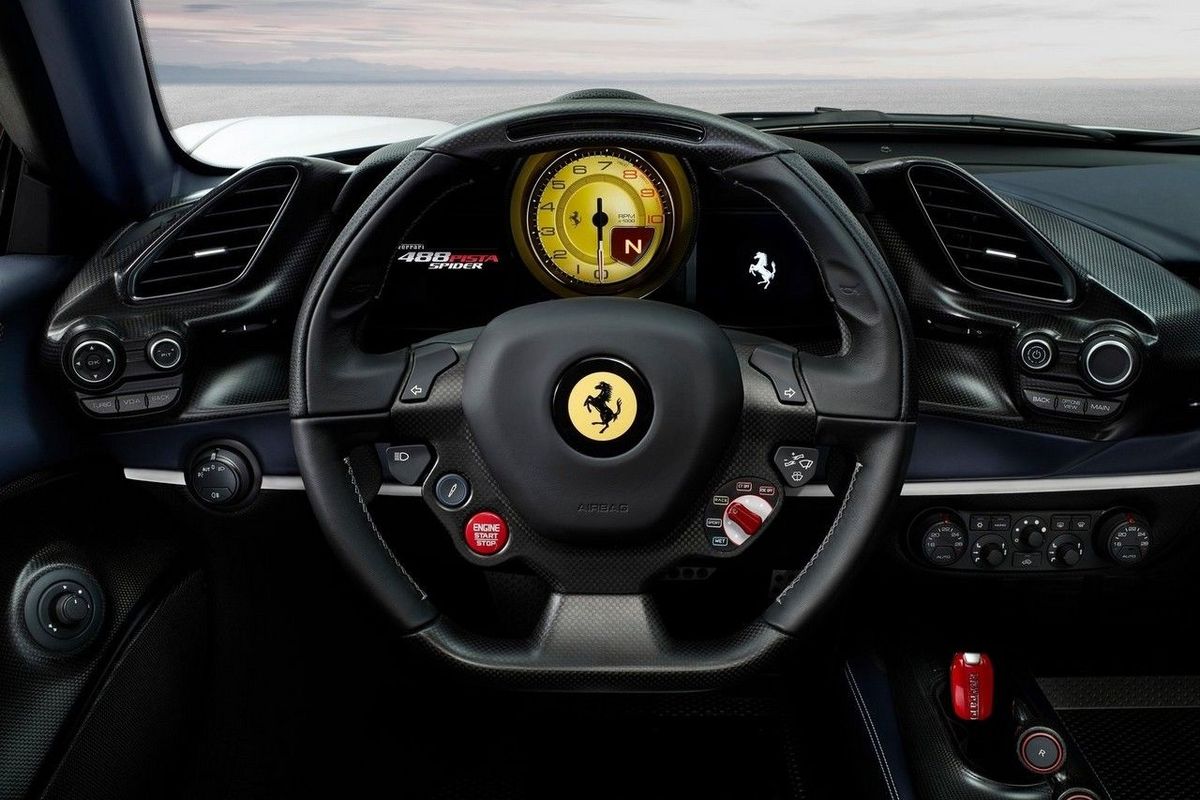
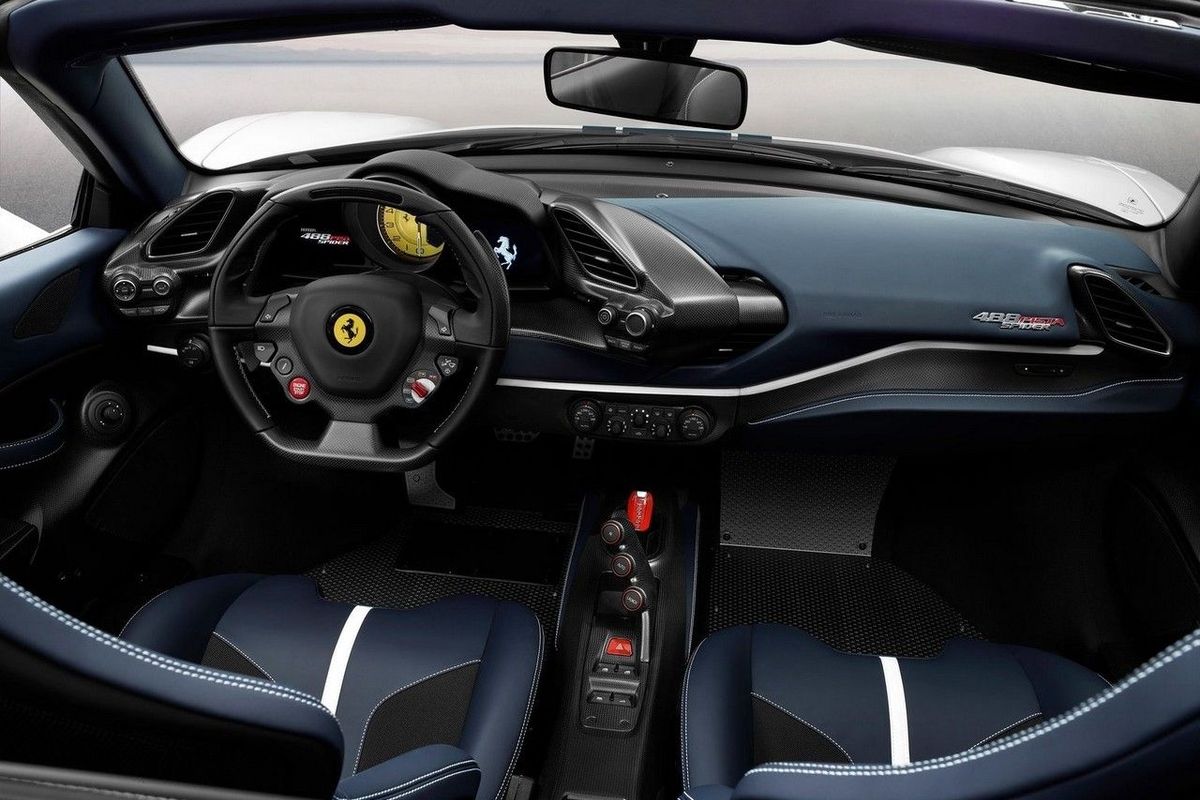
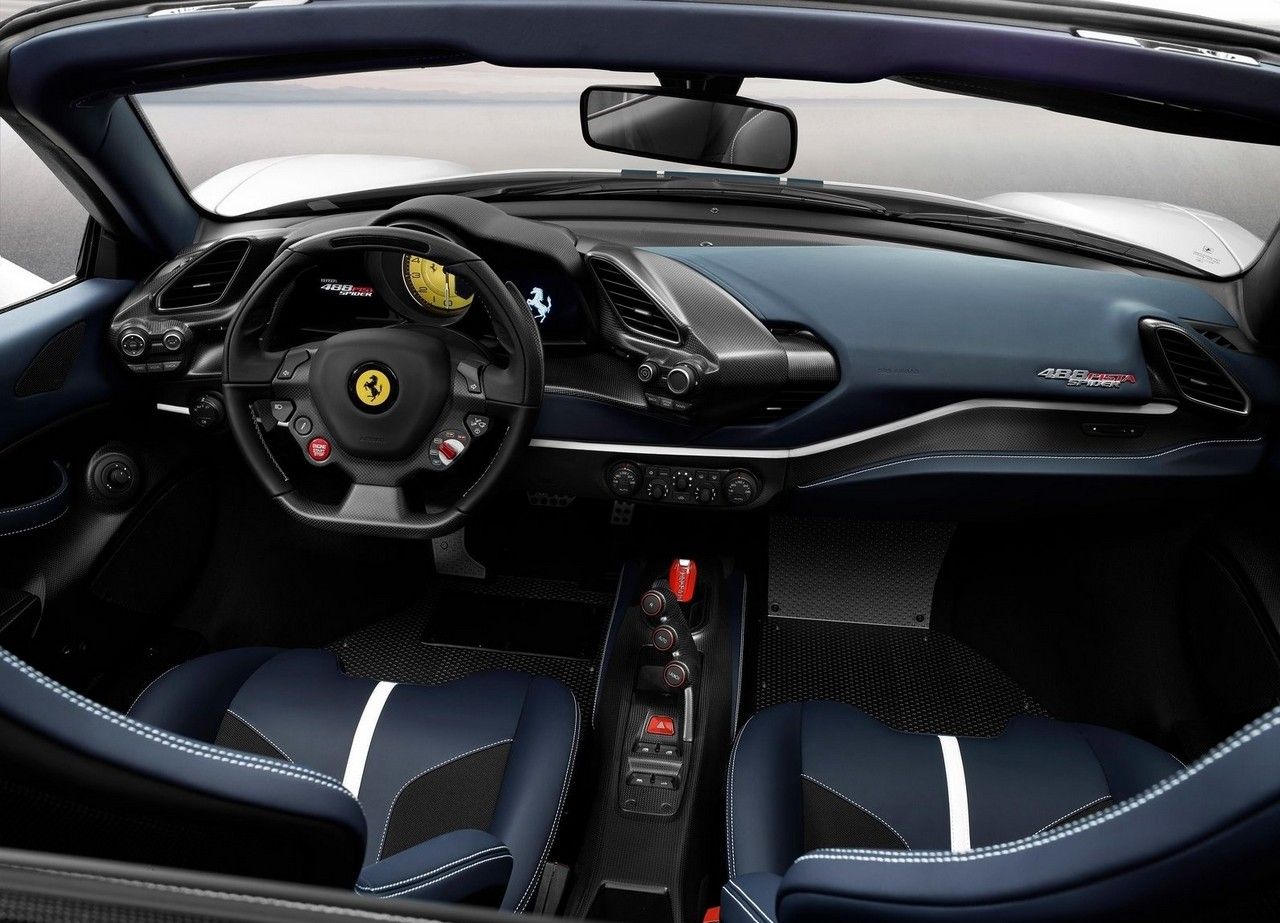
Italian supercar maker Ferrari has used the Concours d'Elegance at Pebble Beach in California, to show off its all-new 488 Pista Spider. Here's what you need to know about the newcomer.
The 488 Pista Spider is the 50th convertible from Ferrari and seeing as the United States has always been a big customer of drop-top Ferraris, Pebble Beach was the perfect location for the debut. Much like the coupe Pista upon which it is based, the Spider the most powerful Ferrari V8 engine. Bolstered by twin-turbochargers, the 3.9-litre V8 pushes out a stonking 530 kW and 770 Nm, which is enough to see it hurtle to 100 kph in a claimed 2.85 seconds. What's even more terrifying is that after 8 seconds, the Pista Spider will have breached the 200 kph mark and will max out at a claimed 340 kph.
The Ferrari Pista Spider is essentially a convertible version of the Pista coupe – itself a racetrack-honed road-legal weapon. Combining incredible aerodynamics, lightweight materials used both inside and out and tech straight from the Challenge/GTE racecars, the Pista is claimed to offer "highest level yet of technological transfer from the track to a road-legal drop-top car."
Seeing as this is a race car for the road, there are no carpets or door handles in an effort to save weight
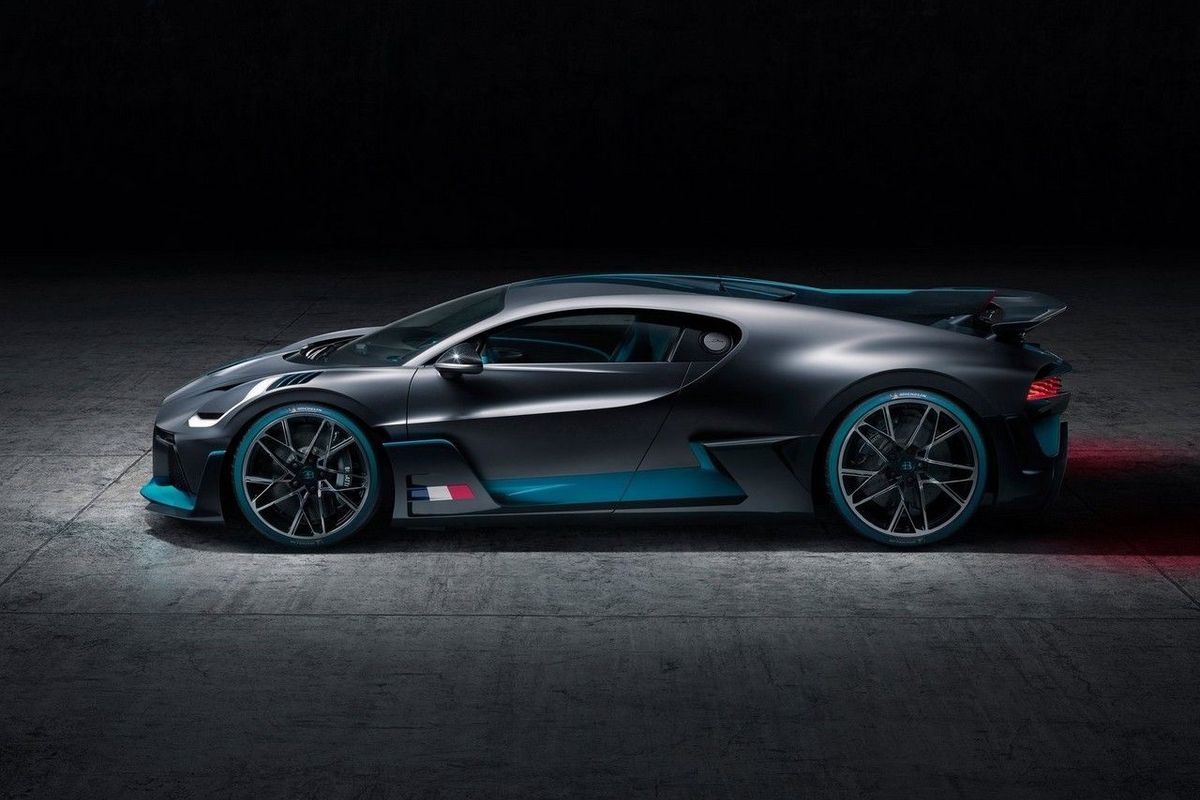
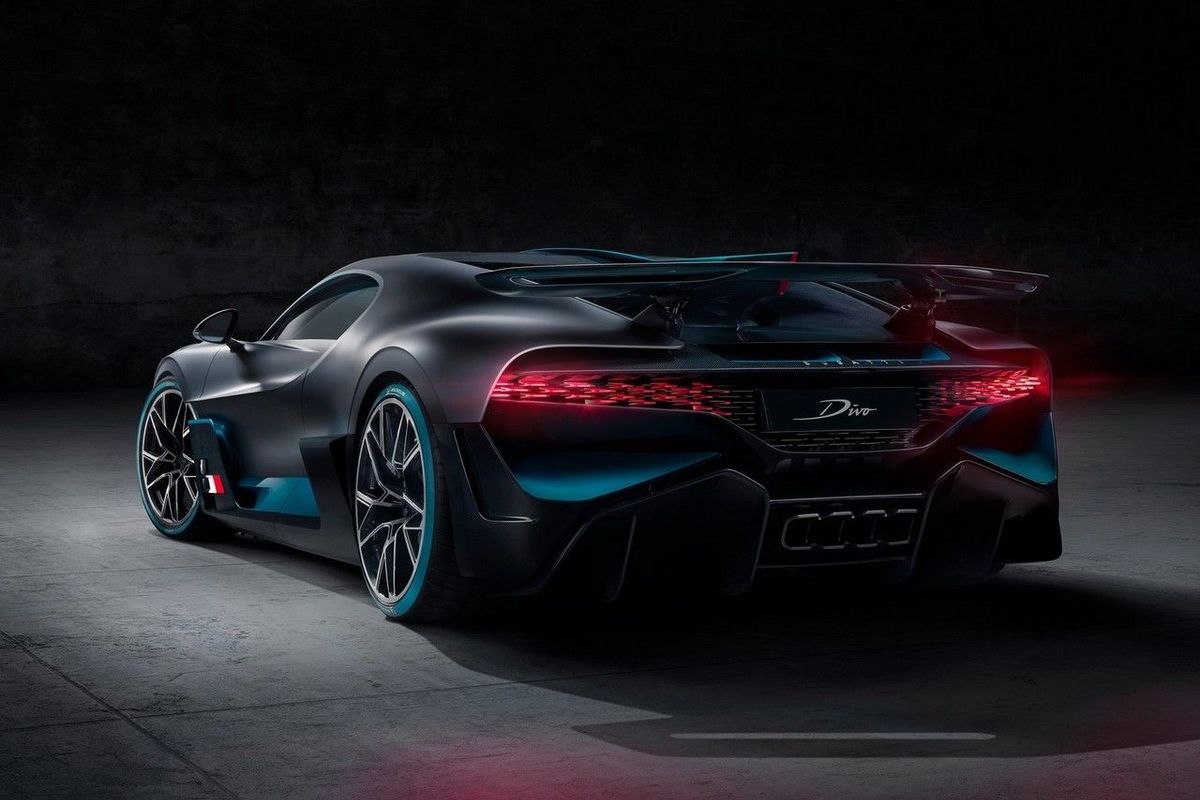
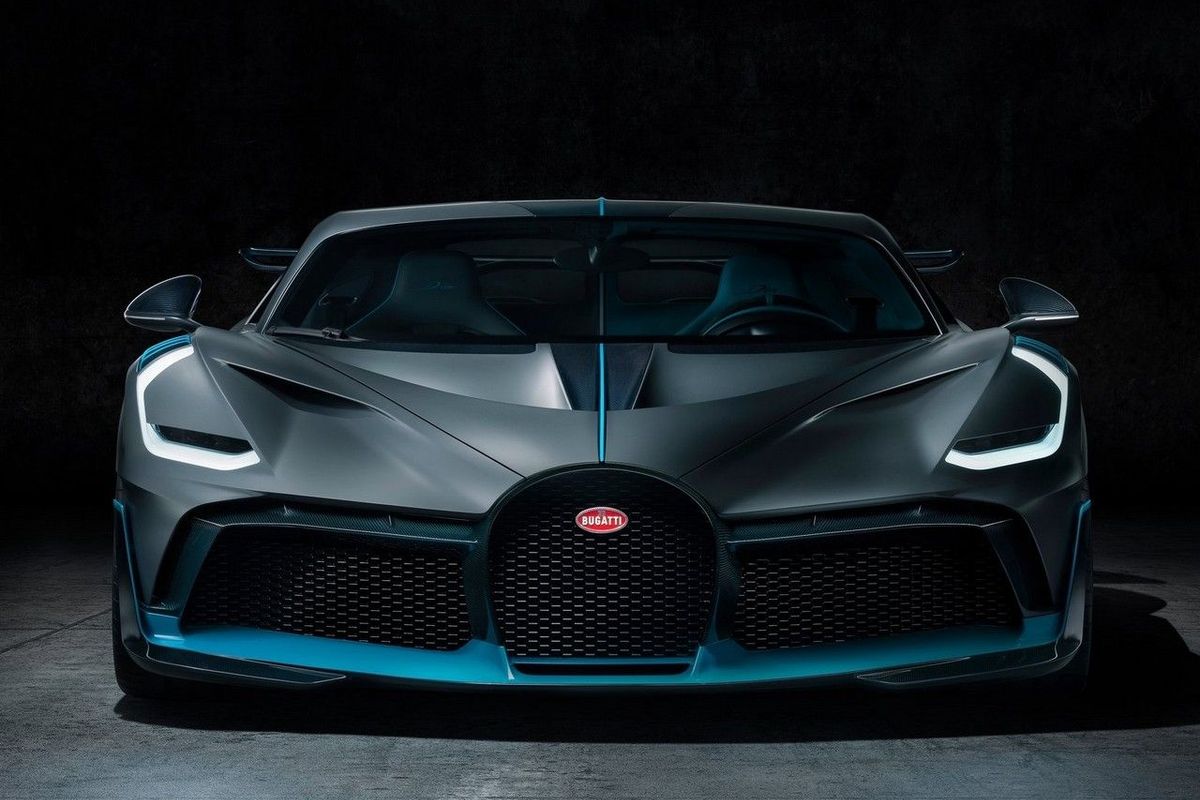
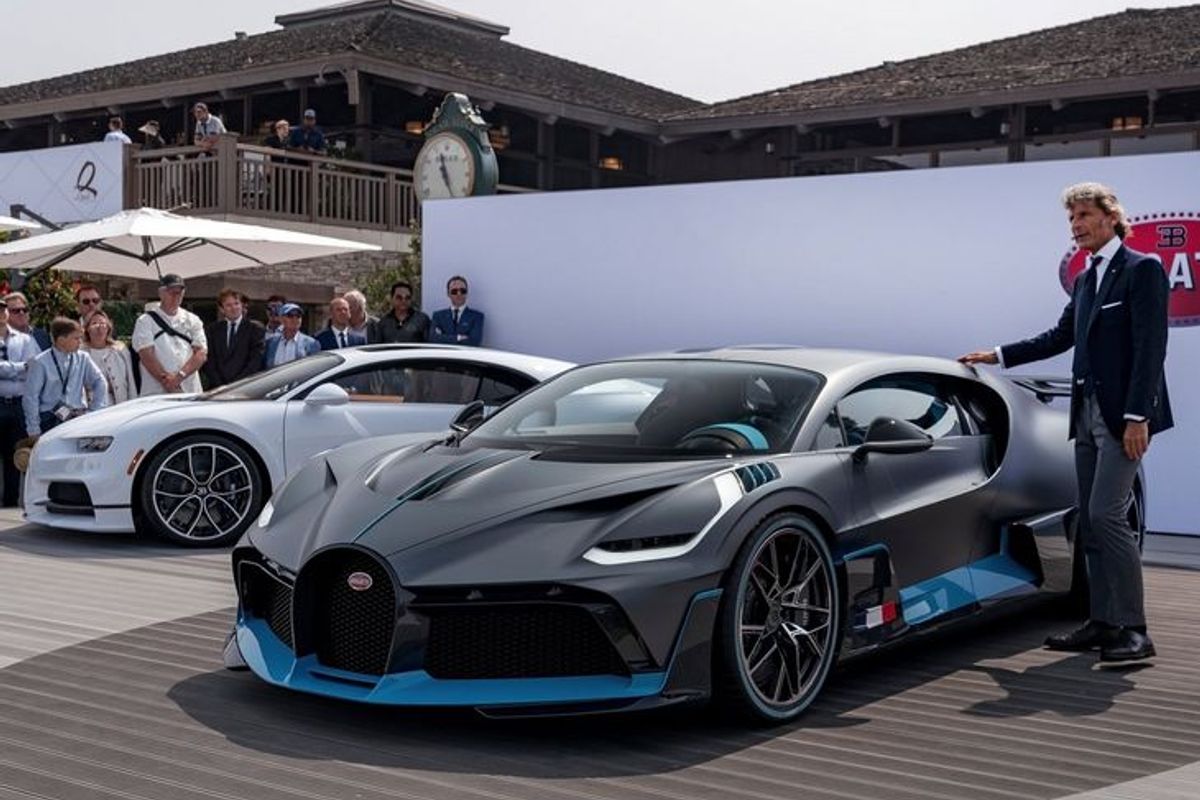
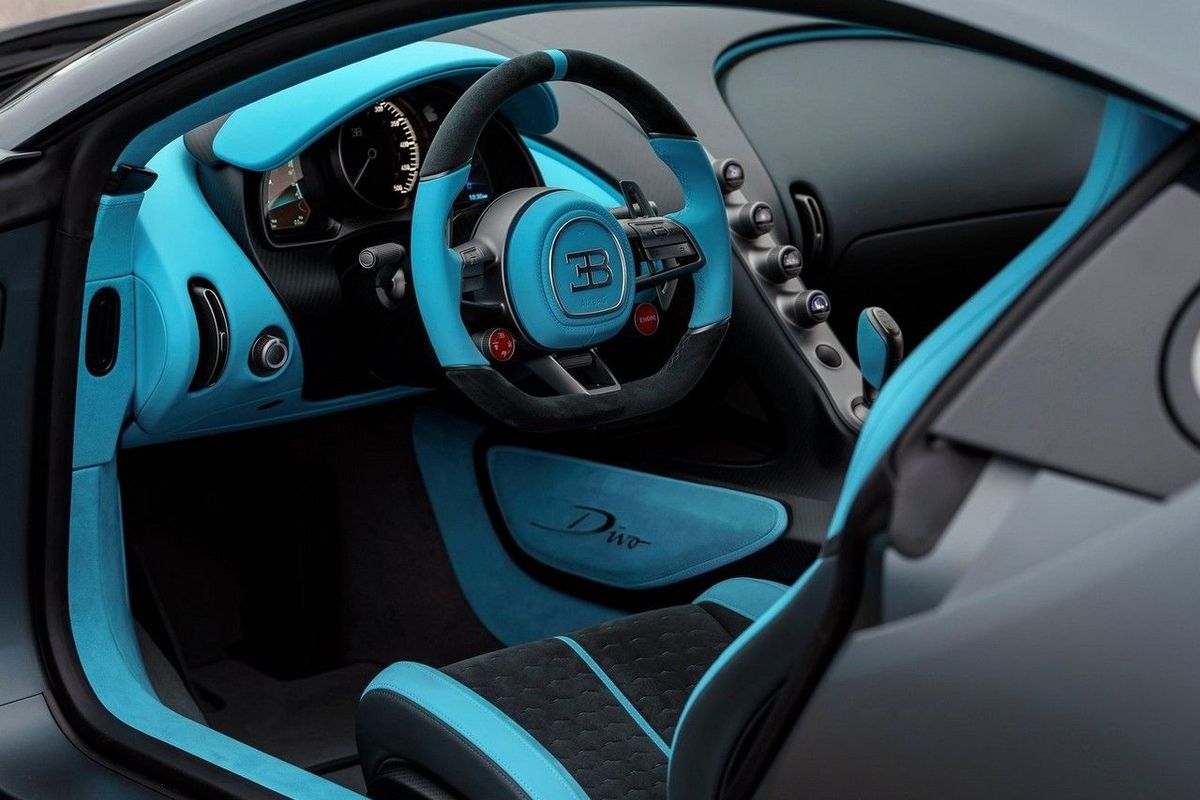
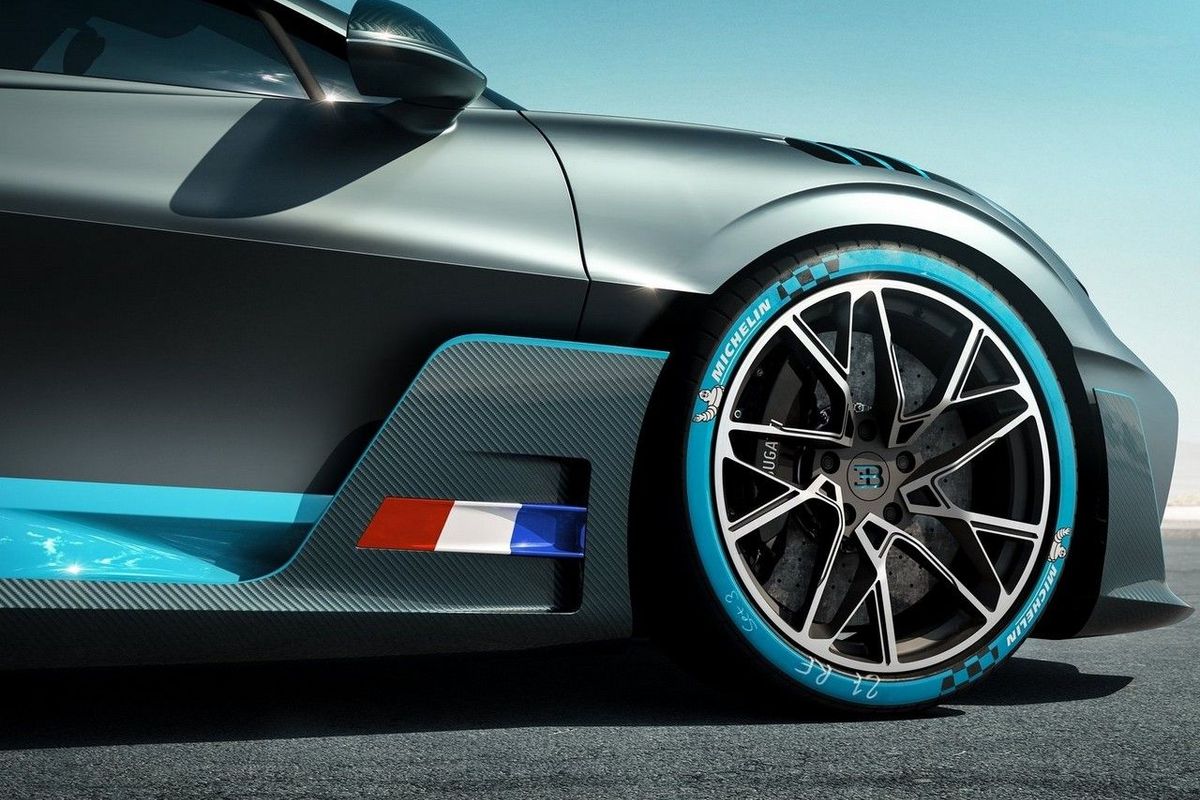
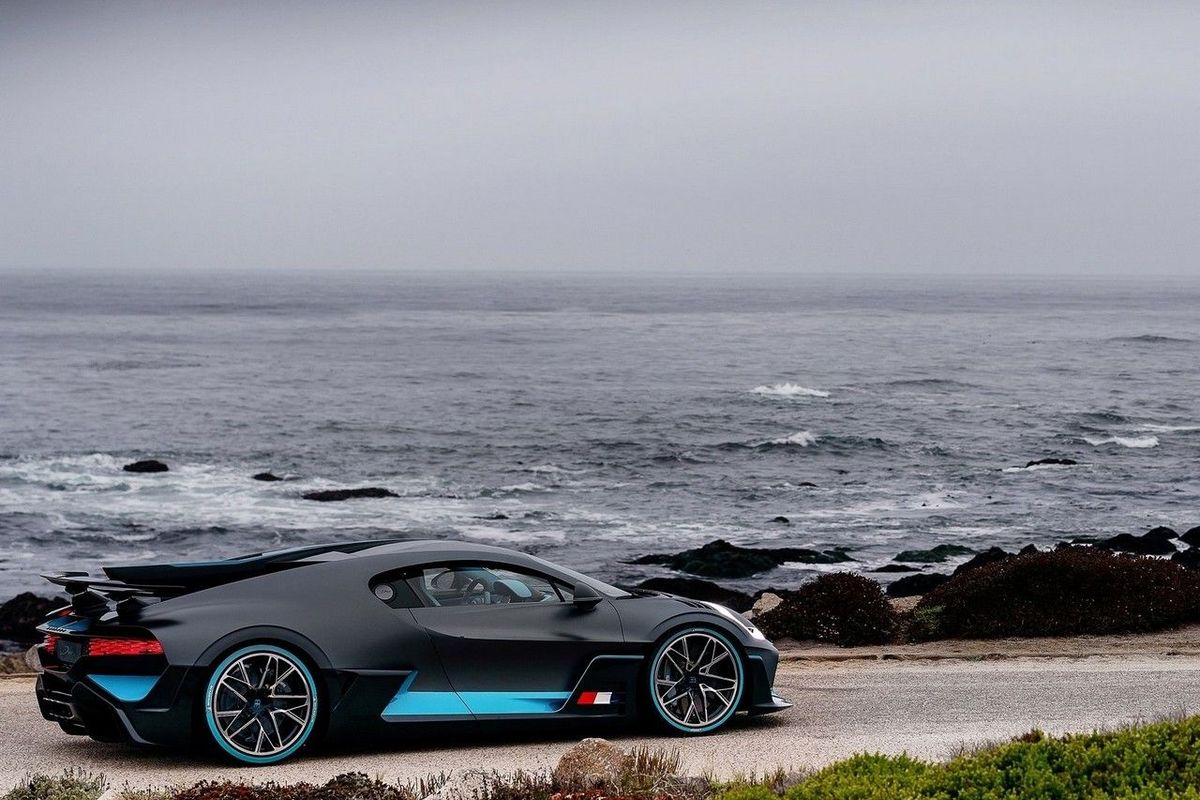
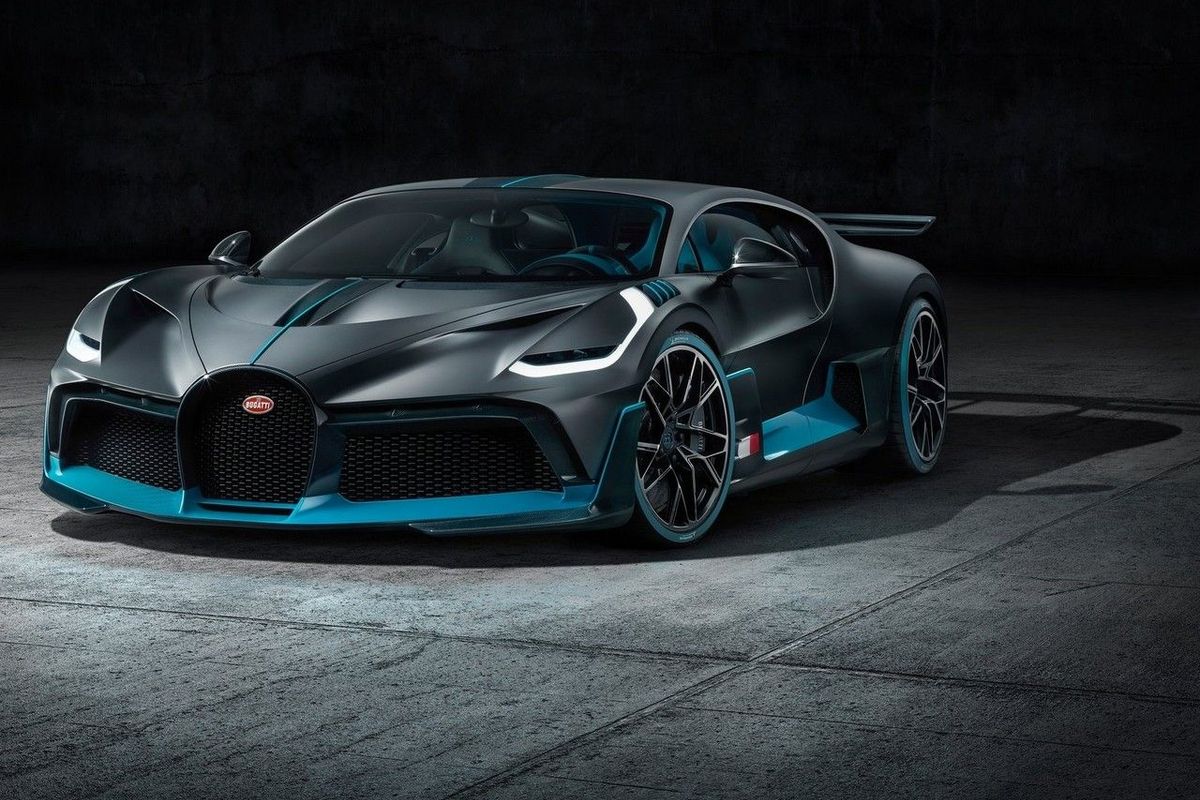
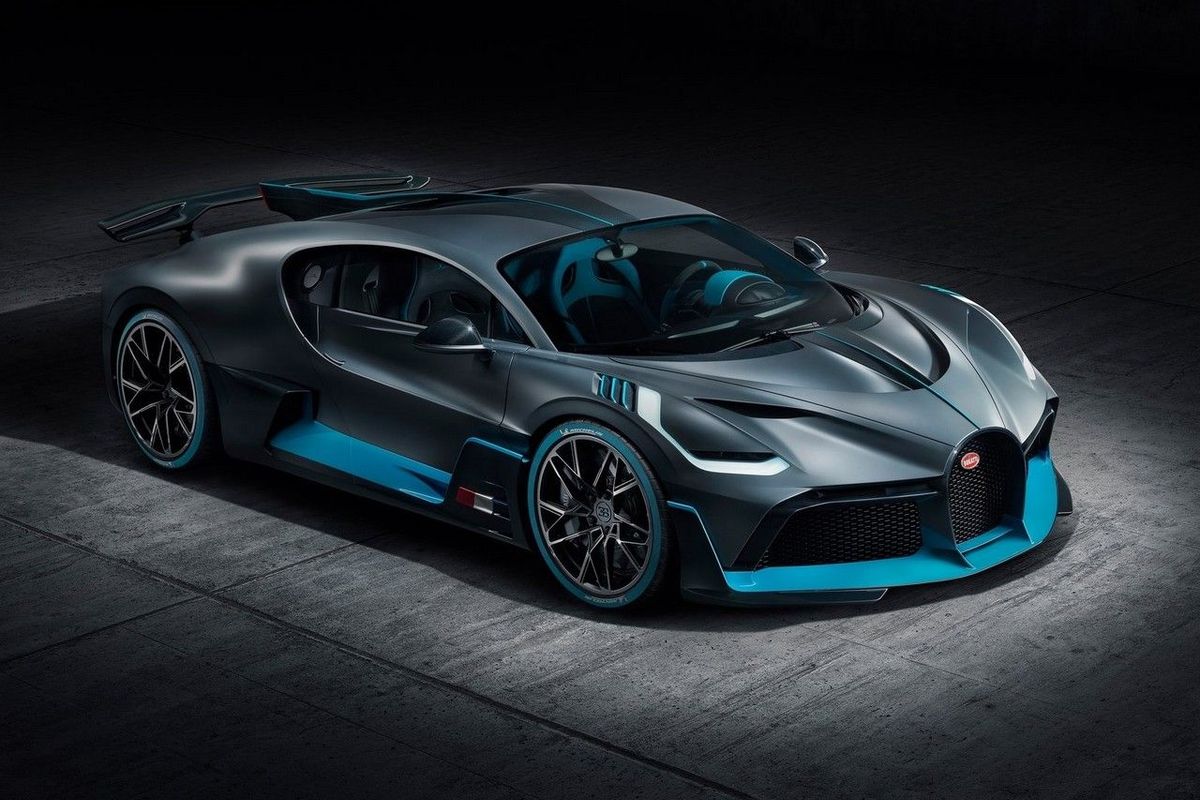
Bugatti has used the Pebble Beach Concours d'Elegance event to unveil its new hypercar. Let's meet the Bugatti Divo.
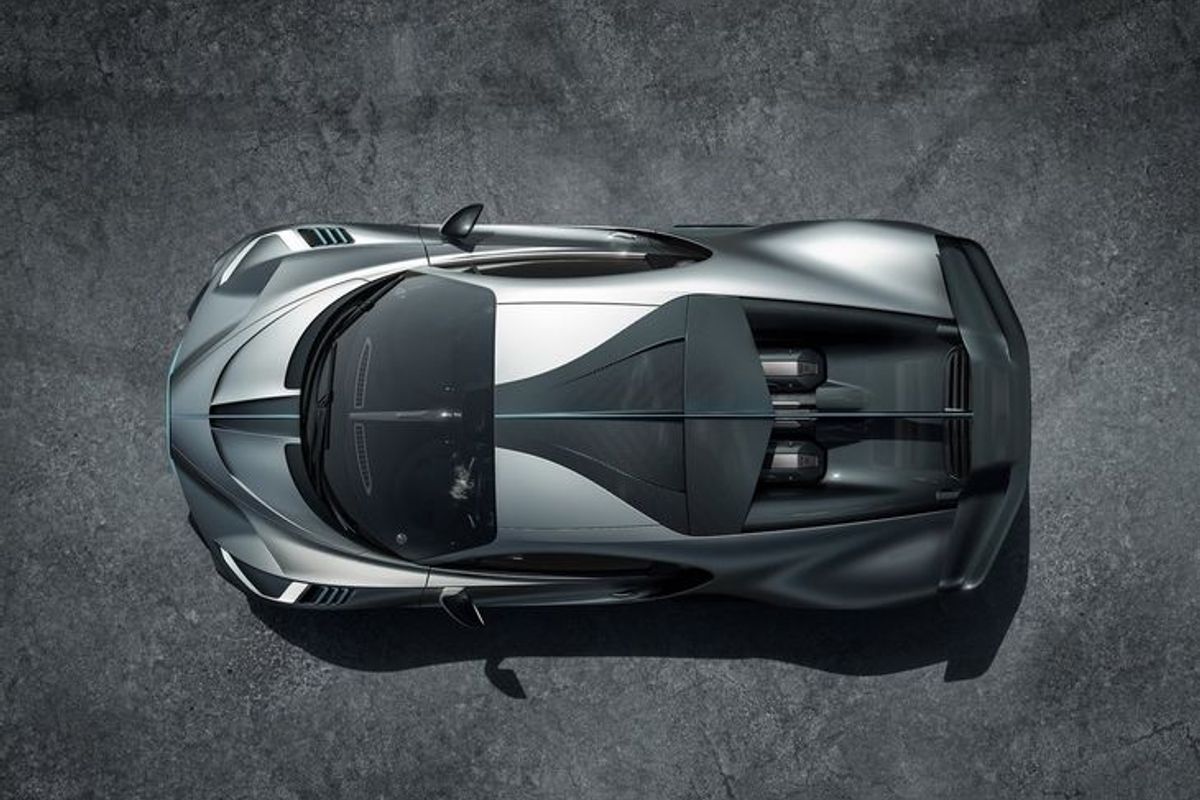
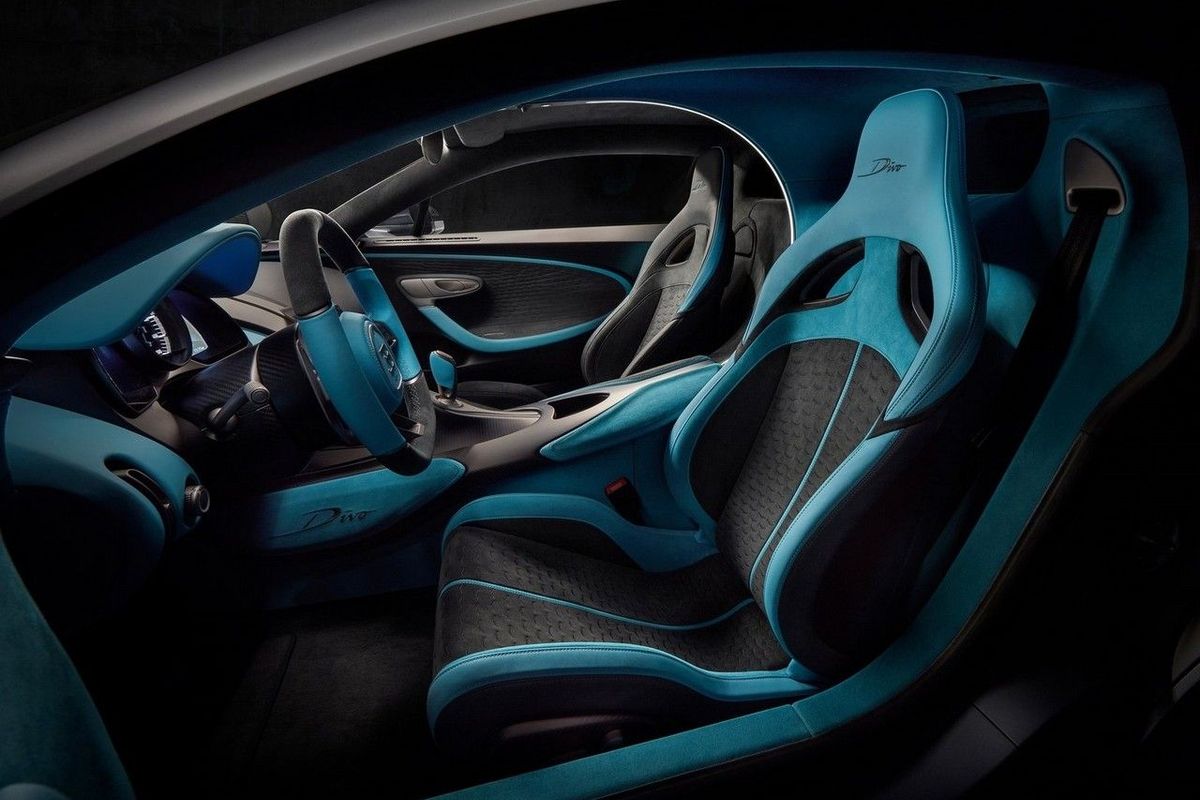
French luxury carmaker Bugatti has revealed the Divo, a new hypercar based on the Chiron. From looks alone, its sensational, but things become even more unreal when you look at the numbers. The Divo is powered by the iconic 8.0-litre W12 motor with 1 120 kW. Bugatti claims the Divo 35 lighter and boasts 90 kg more downforce in comparison to the standard Chiron. It boasts a top speed of 380 kph and can lap the Nardo handling circuit 8 seconds faster than the Chiron. Essentially, this is a faster, lighter and more agile Chiron.
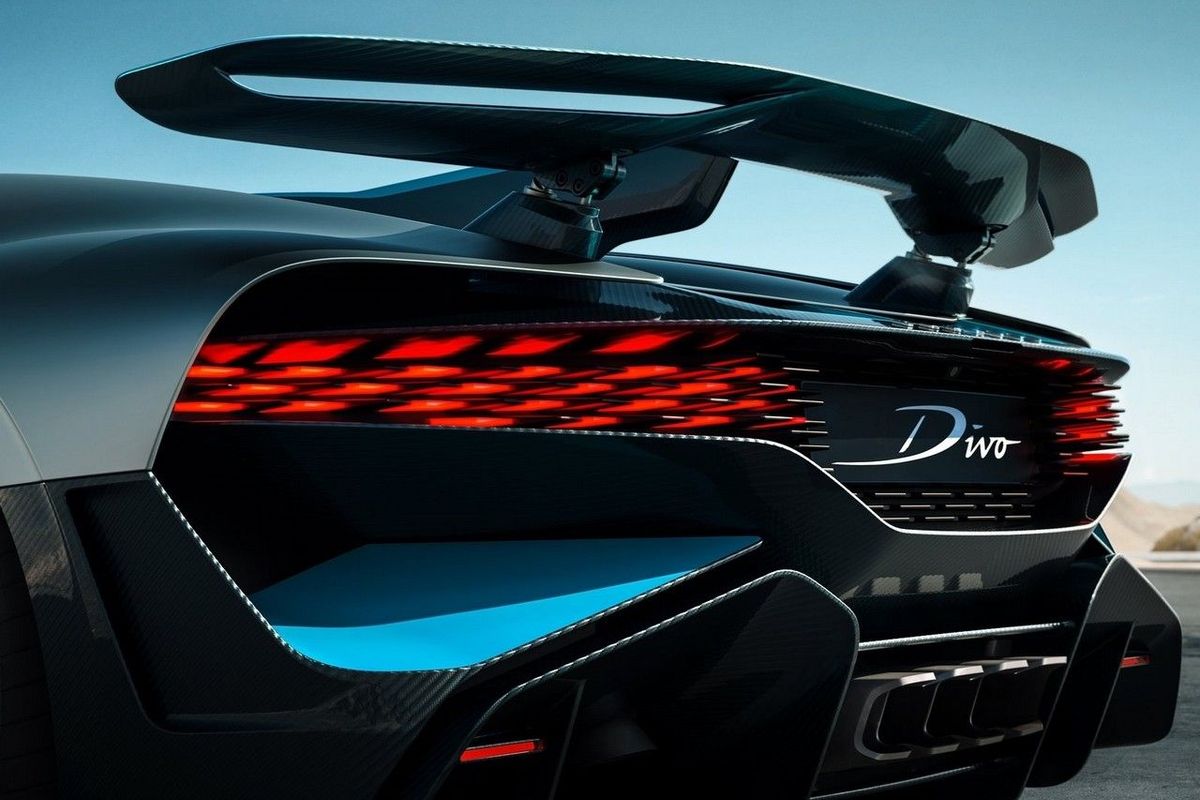
"When I took up my position at Bugatti at the beginning of the year, I soon learnt that our customers and fans were waiting for a special vehicle which would tell a further story for the brand in addition to the Chiron," said Stephan Winkelmann, President of Bugatti Automobiles S.A.S. Named after Albert Divo, a French racing driver in the 1920s, the Bugatti Divo has received substantial aerodynamic revisions, such as a new height-adjustable rear spoiler which can work as an air brake. This rear spoiler can provide 456 kg of downforce. There are also new chassis and suspension settings, and the car was put on a diet to shave unwanted kilograms.
Bugatti will be building just 40 Divos and all have been sold out, at a price of €5 million (over R80 million).
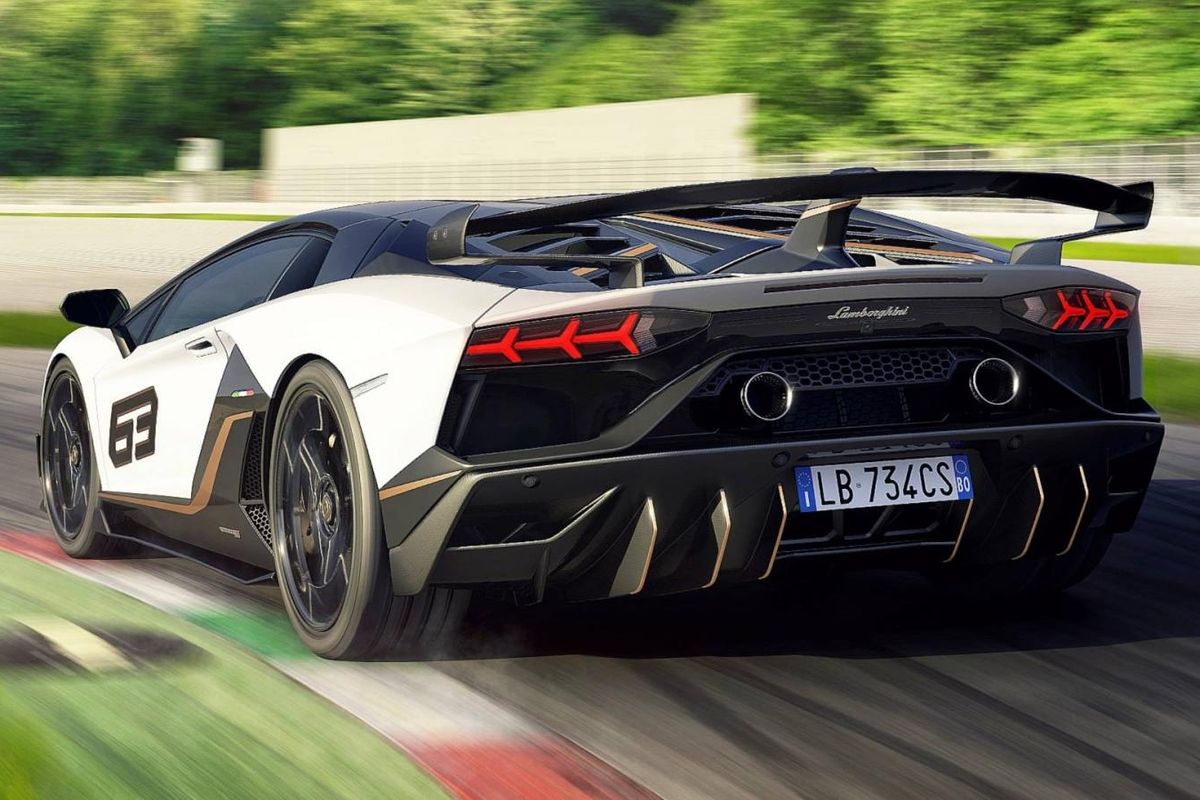
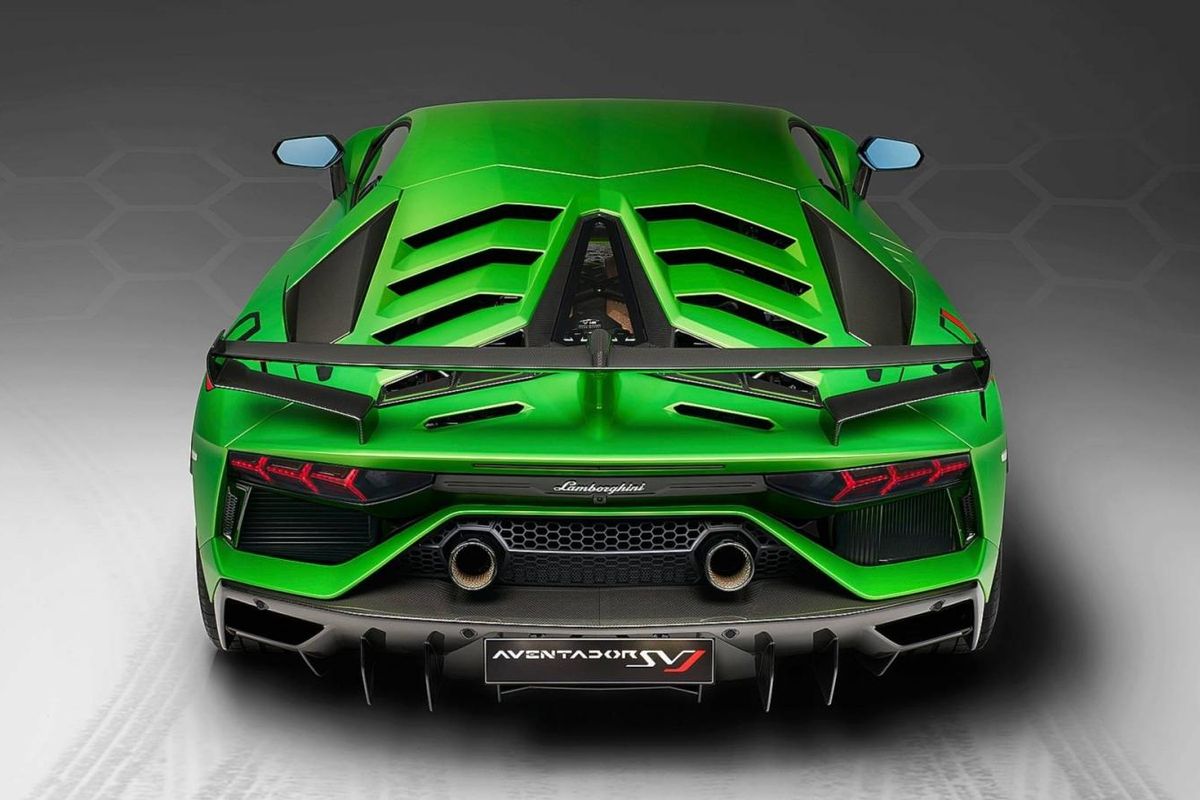
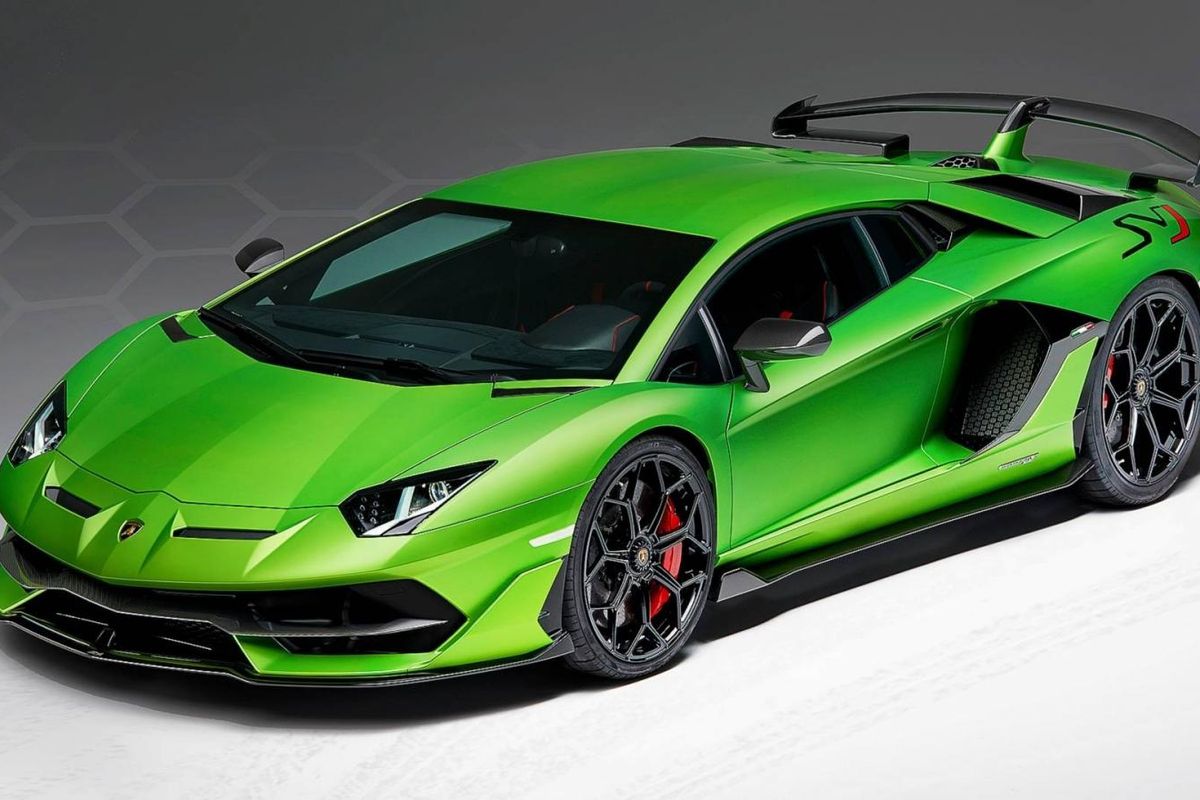
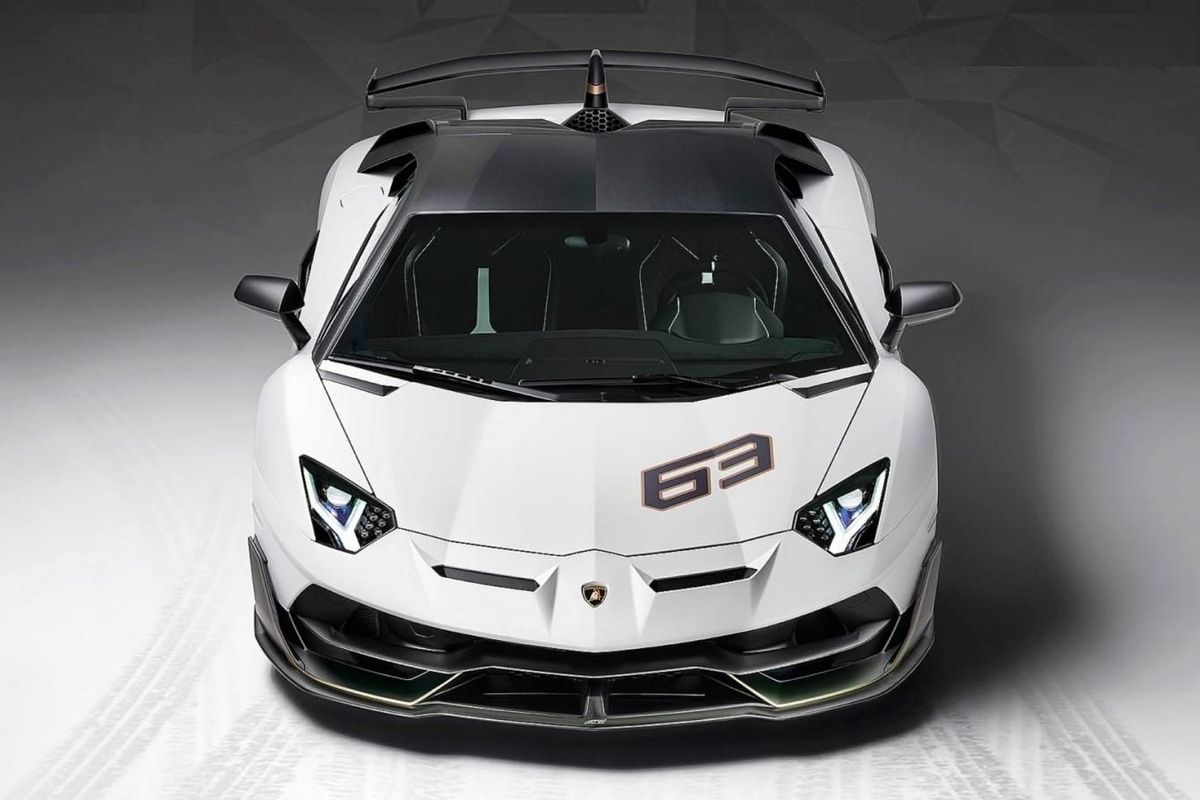
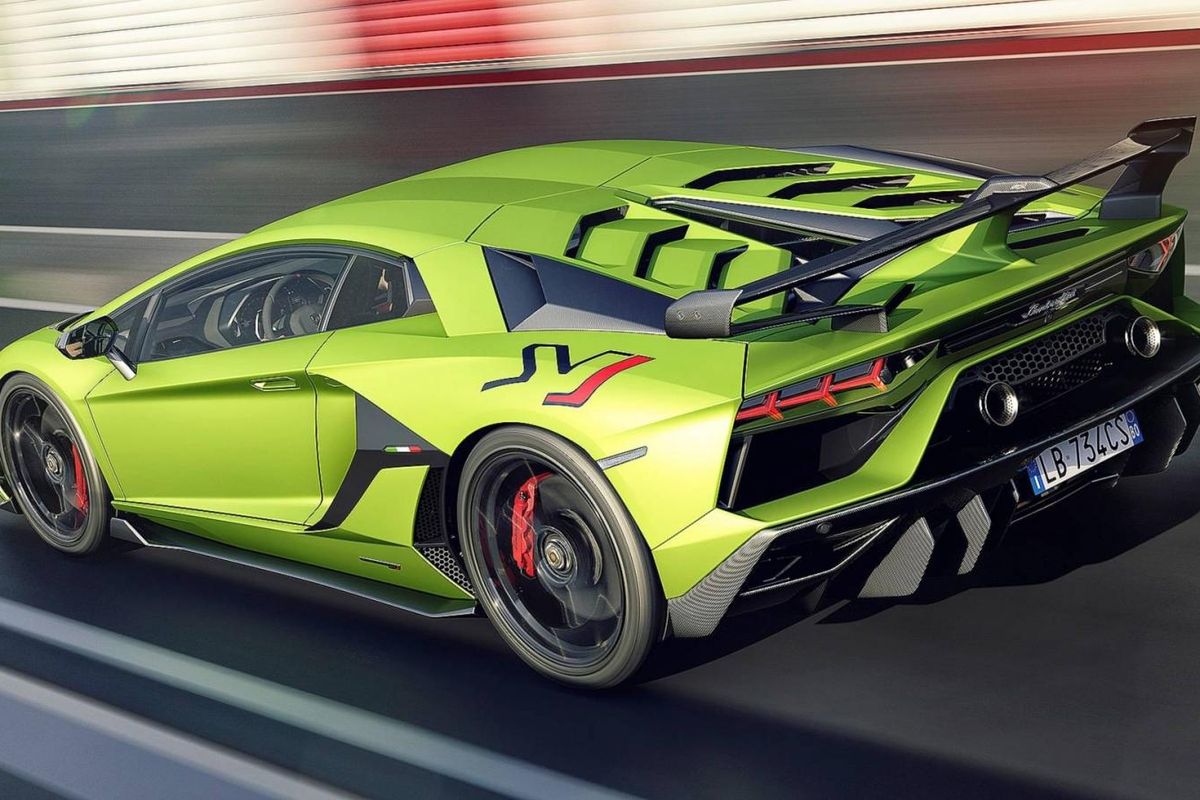
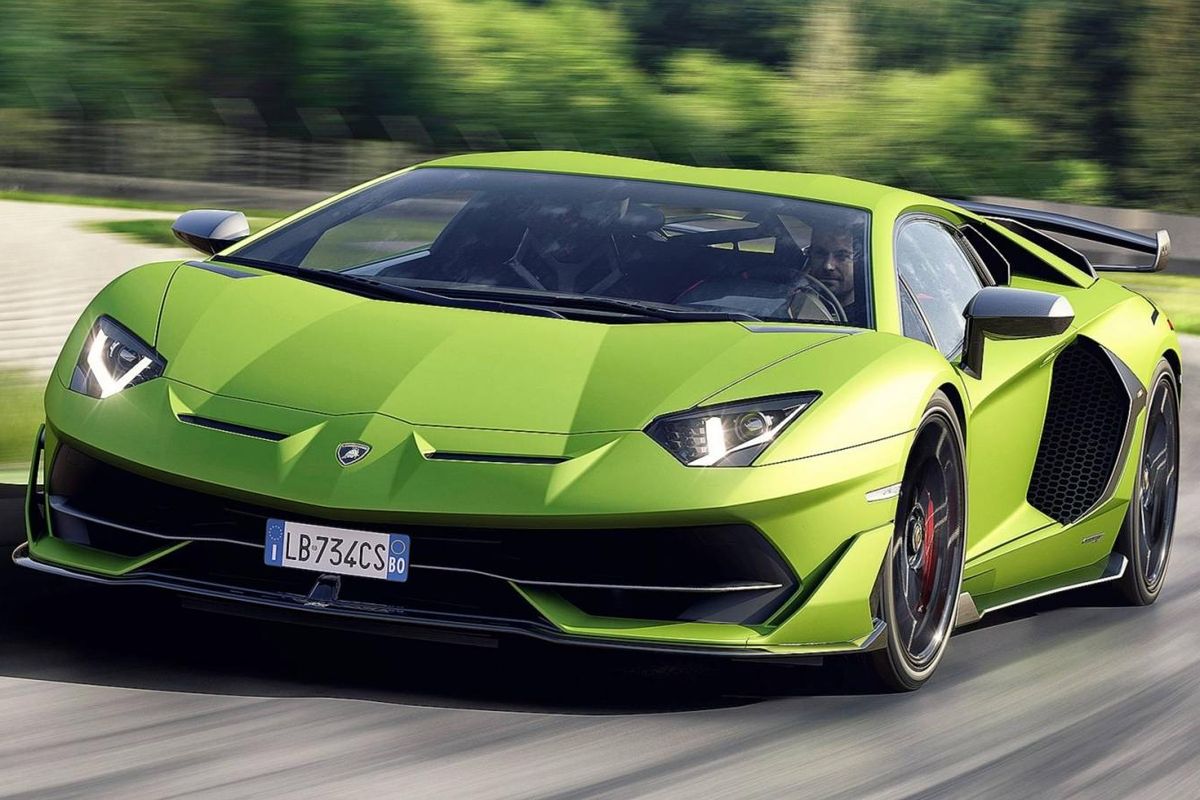
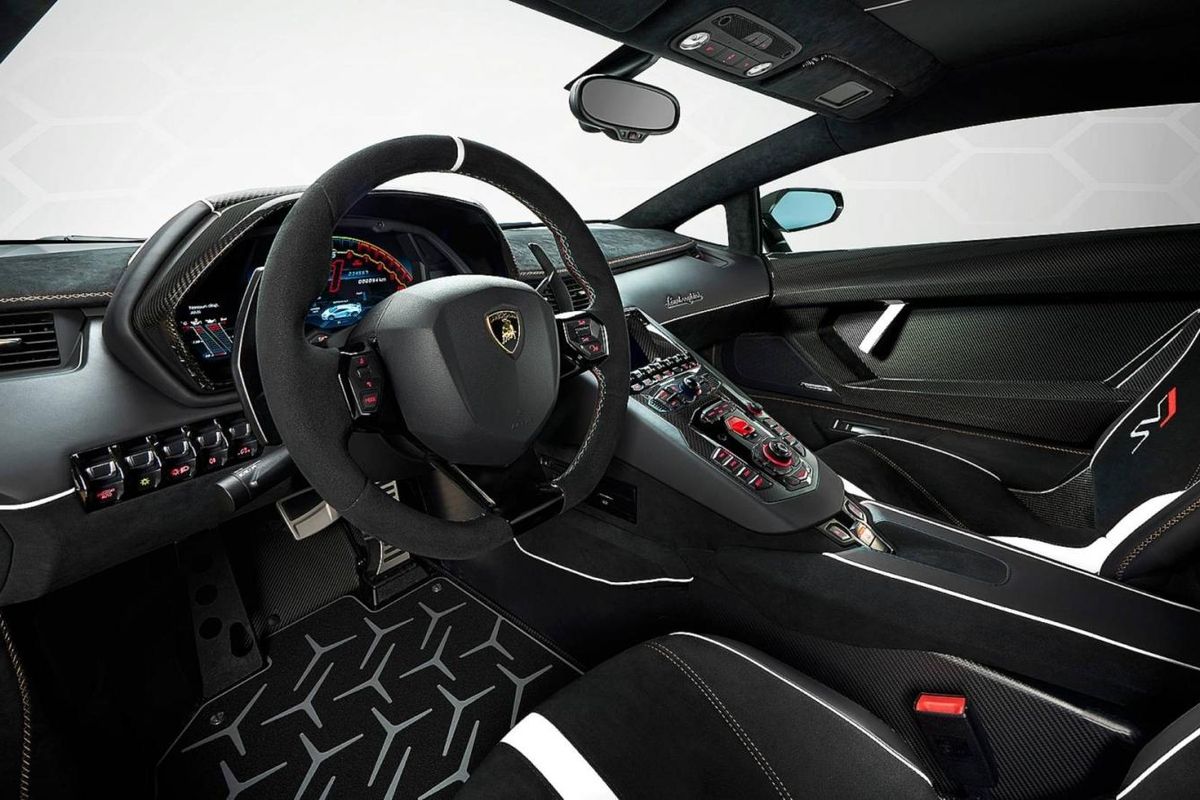
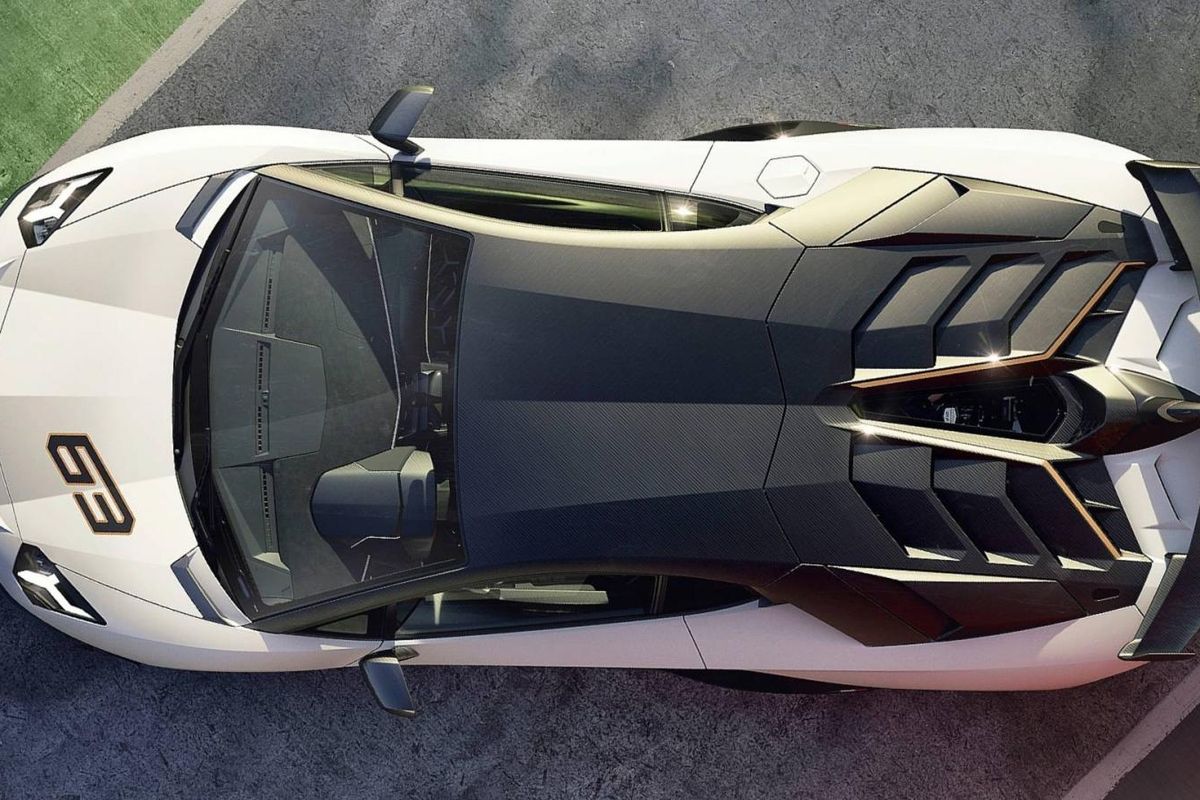
Lamborghini has released details of the most potent Aventador the St'Agata-based firm has ever produced: the 566 kW SVJ.
Making its debut at the 2018 Pebble Beach motor show in California, the Aventador SVJ is Lamborghini's most powerful V12-engined model to date. Its upgraded mid-mounted V12 motor produces peak outputs of 566 kW, 720 Nm of torque and, unsurprisingly, the SVJ's vital statistics are dramatic: the claimed 0-100 kph time is just 2.8 seconds, with 0-200 kph coming up in 8.6 seconds and it will run on to a top speed of 350 kph.
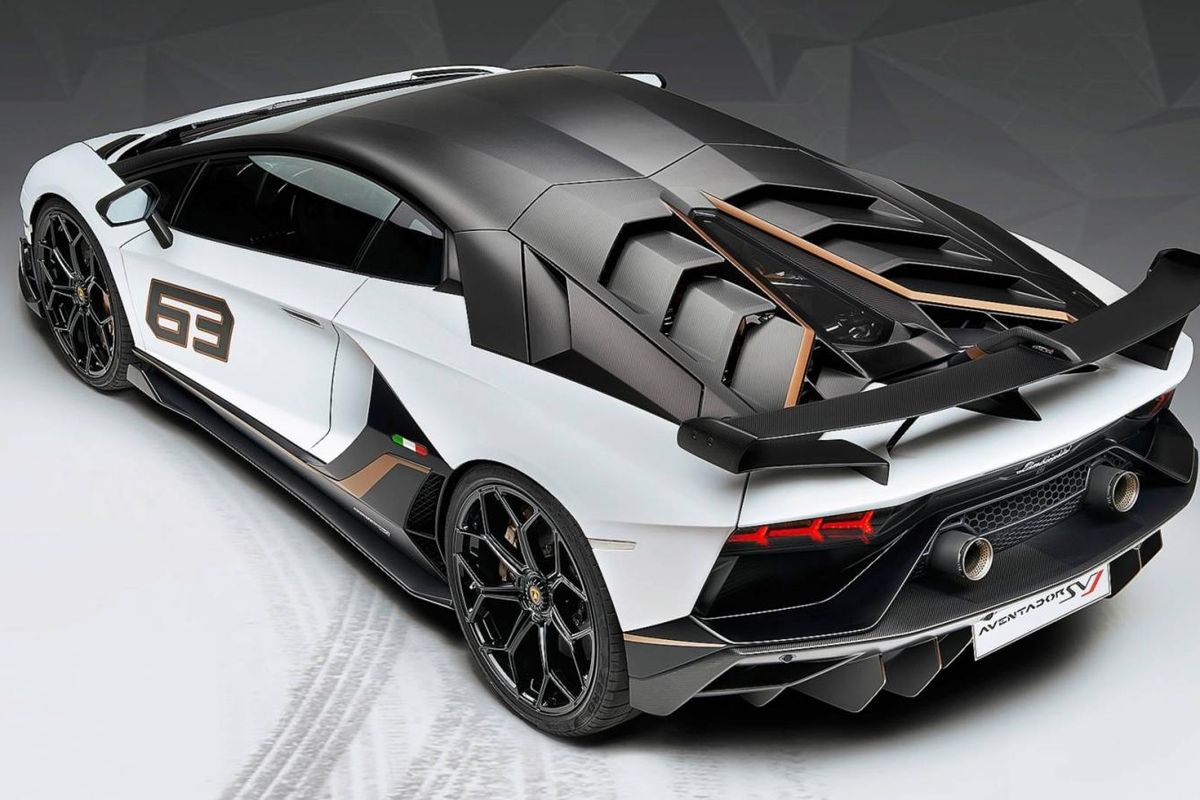
From the outside, it's easy to see that Lamborghini has adorned the flagship Aventador with a few extra wings and dive planes to improve downforce. In fact, the SVJ has 40% more downforce on both axles and is actually slipperier through the air than the standard derivative.
The car appears visually wider than its siblings. A new front bumper features integrated side fins, a revised air intake and Lamborghini’s active aerodynamics addenda. The front splitter, for example, continues the impression of a floating component, while providing a channel for airflow. A tri-dimensional air outlet on the bonnet directs airflow, improving both drag and downforce. The upper body aerodynamic optimisation has contributed 70% to the total downforce improvement in the SVJ over the SV.
The SVJ’s suspension has been reworked too, to provide higher mechanical and aerodynamic grip. Anti-roll bar stiffness has been improved by 50% compared with the Aventador SV, compensating against roll and improving aerodynamic efficiency. Furthermore, the newcomer's damping force range has increased by 15% over the SV.
The 4-wheel steering has also been revised to further improve low-speed agility and maintain high-speed cornering stability. The SVJ is shod with specially-made Pirelli P Zero Corsa tyres, which are designed to handle the extra load that the added downforce transfers into the sidewall of the rubber.
A special edition SVJ 63 is being shown at Pebble Beach that pays homage to the brand’s founding year of 1963. The SVJ is limited to 900 units that retail for $517 770, that the equivalent of approximately R7 404 835.
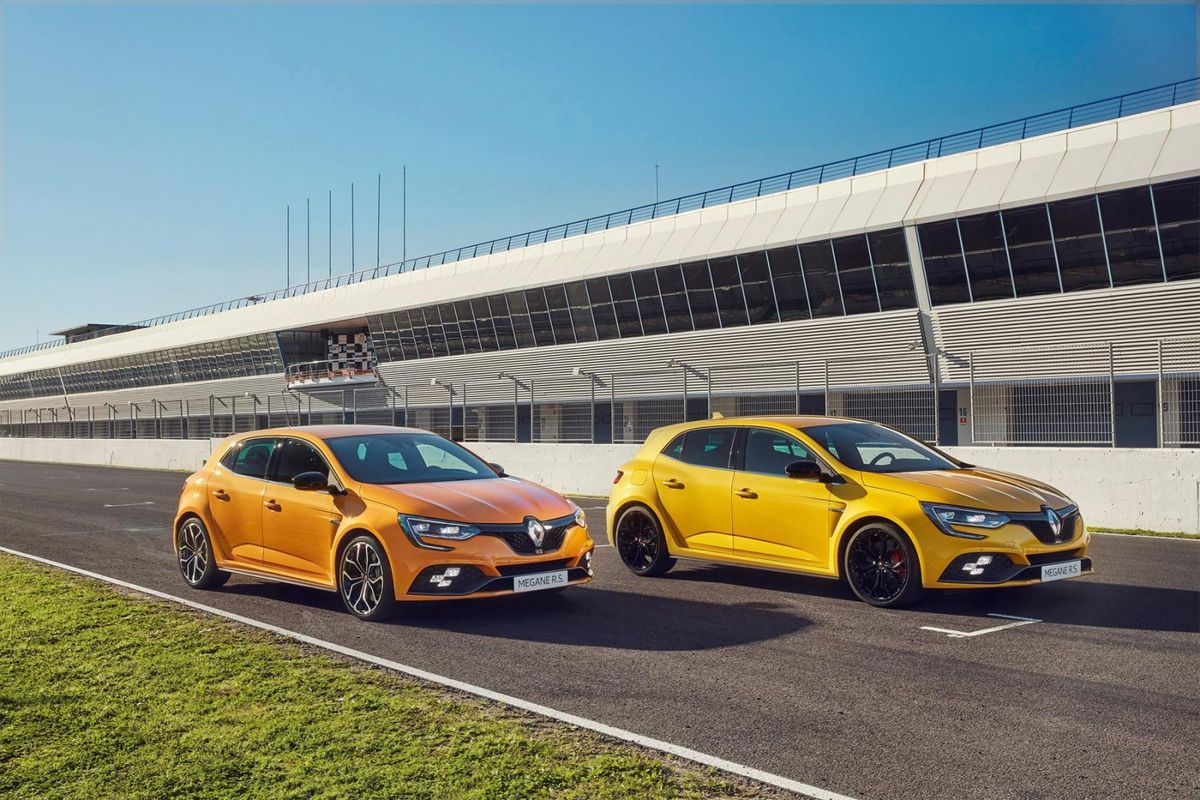
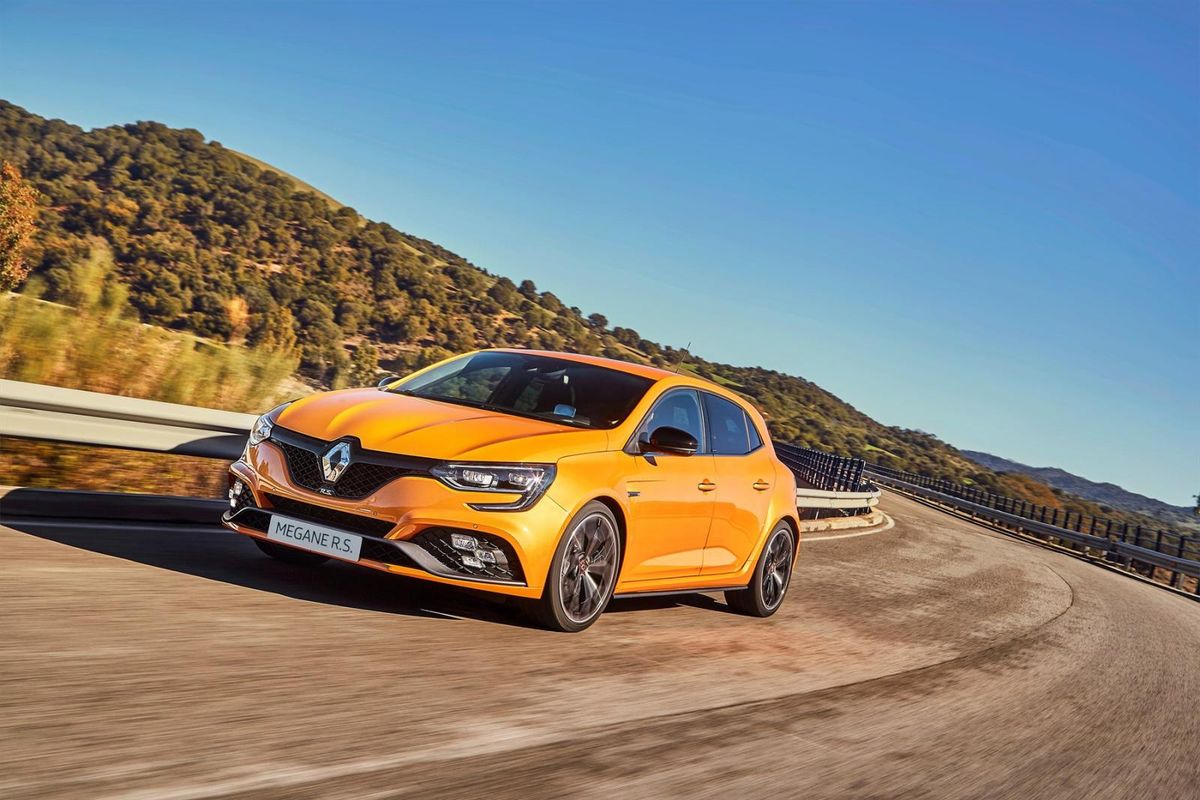
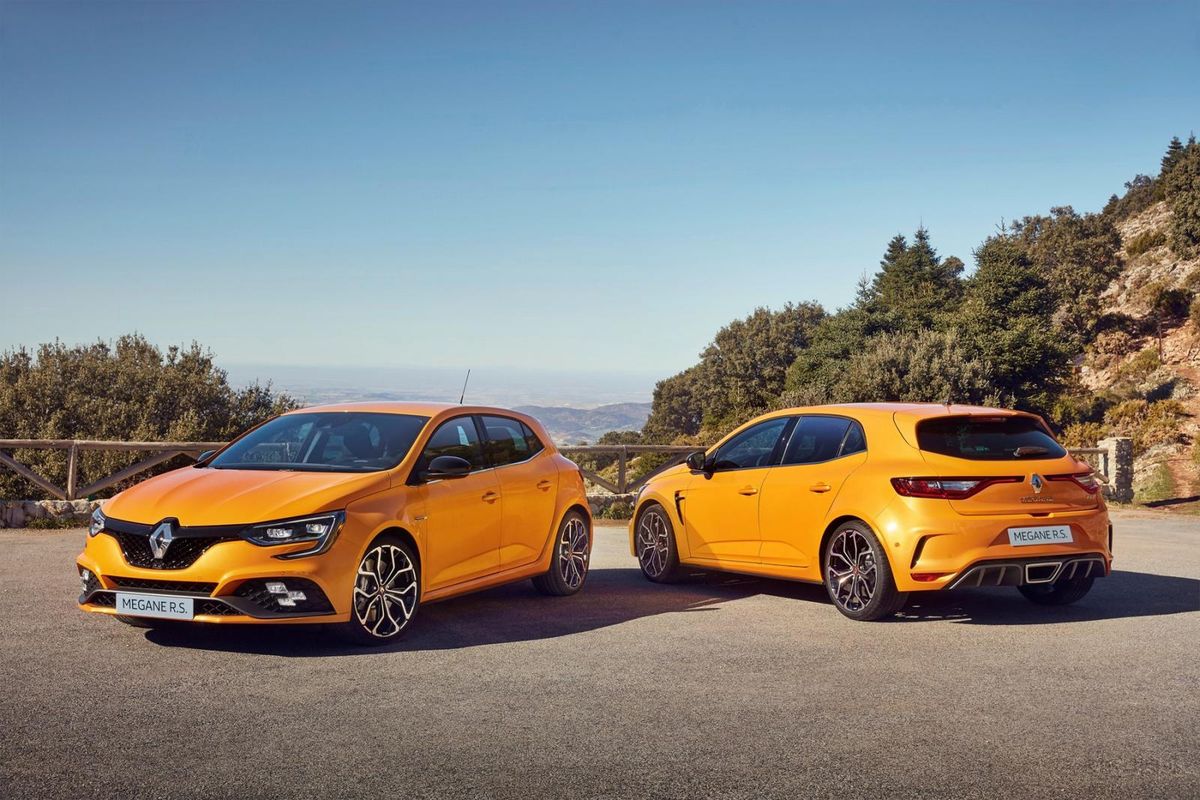
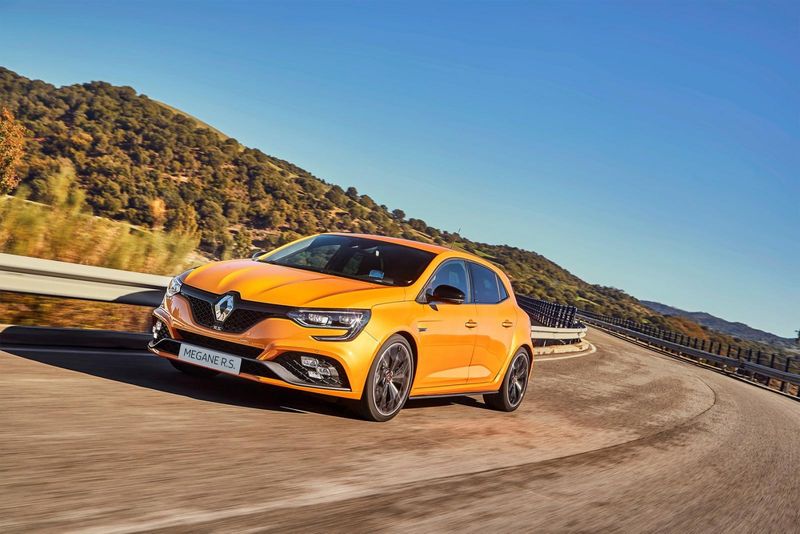
Renault is gearing up to launch its new Megane in SA which will also include the highly-anticipated Megane R.S hot hatchback. Herewith specification and pricing details for the newcomer…
We have been waiting for the arrival of the new Renault Megane R.S. hot hatch for some time now and it appears the wait is over as it will be launching in South Africa this week along with a new Megane range. Local sales of the new Megane and R.S. 280 CUP versions will commence in mid-September while the Megane R.S. LUX will arrive in November 2018.
Engine power
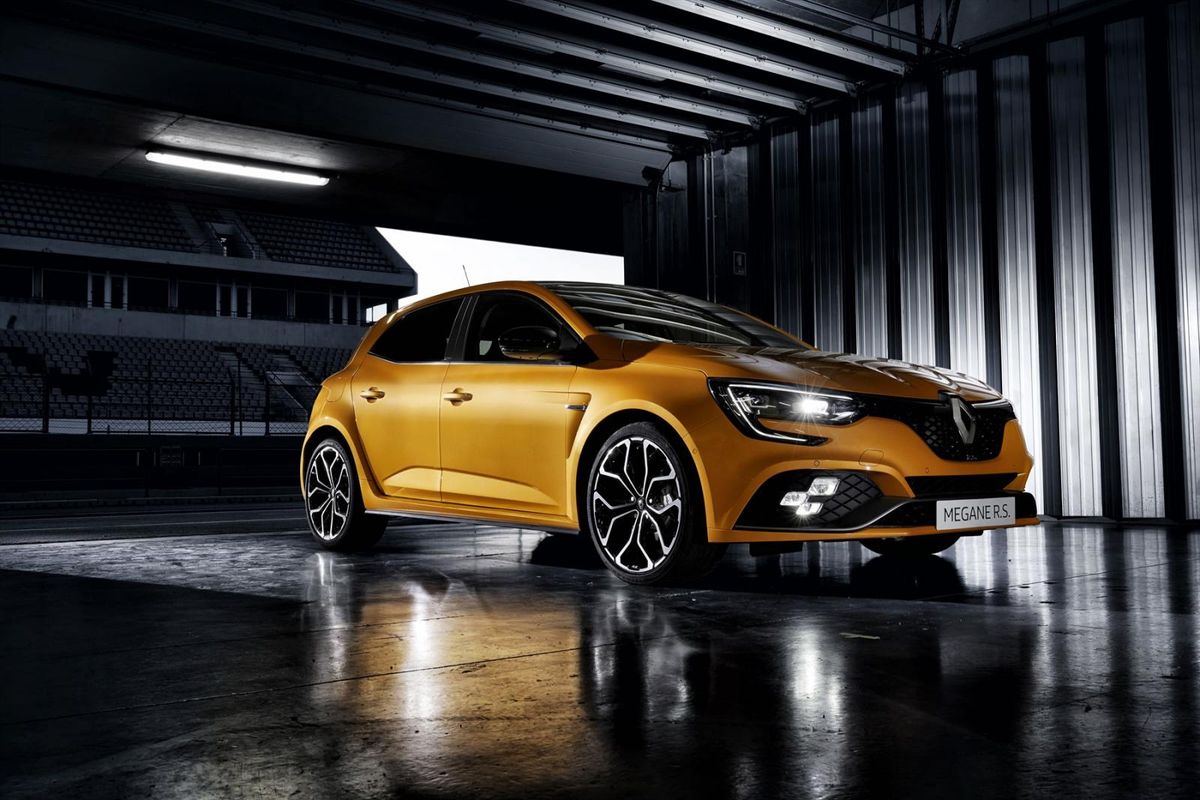
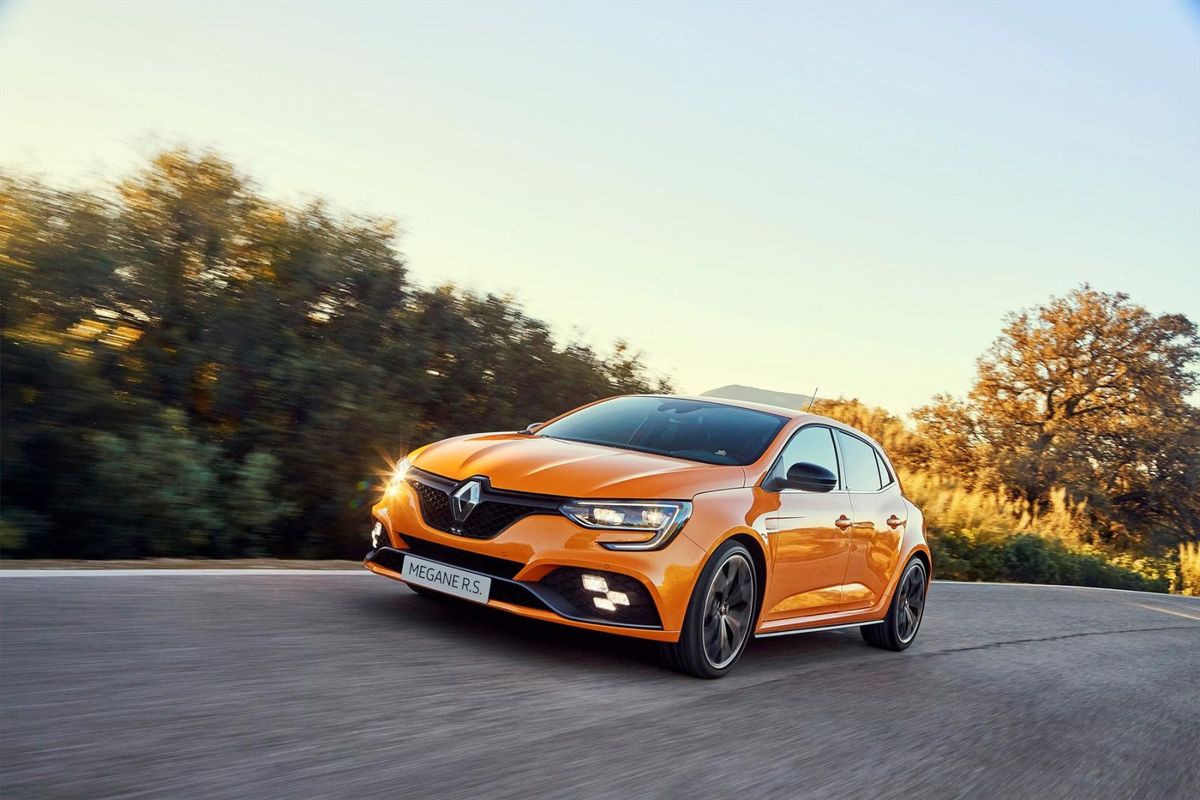
The new Megane R.S. will look to shake up the hot-hatch segment locally.
The new third-generation R.S. model brings with it enhanced design and performance and hot hatch enthusiasts have much to look forward to with this latest model now featuring 4-wheel steering and a new 1.8-litre turbocharged engine with 205 kW and 390 Nm. Two model versions will be offered including the Megane R.S. Cup 6-speed Manual and the Megane R.S. LUX 6-speed EDC.
The EDC version will be equipped with steering wheel-mounted paddles and gear timing will be determined by the preferred driving mode selected which includes Comfort, Normal, Sport, Race and Perso (customisable mode). Sport and Race will further offer a Multi-Change Down function and Launch Control to maximise performance.
The Megane range, however, starts with the Megane Expression derivative which is powered by an 84 kW/156 Nm, 1.6-litre petrol engine and mated to a 5-speed manual transmission. Fuel consumption for this derivative is claimed at 6.4 L/100km.
The higher-spec Megane Dynamique will be powered by a 97 kW/205 Nm 1.2-litre turbopetrol engine and will be offered with either a 6-speed manual (5.3 L/100km) or 7-speed dual clutch transmission (5.4 L/100km).
Key features
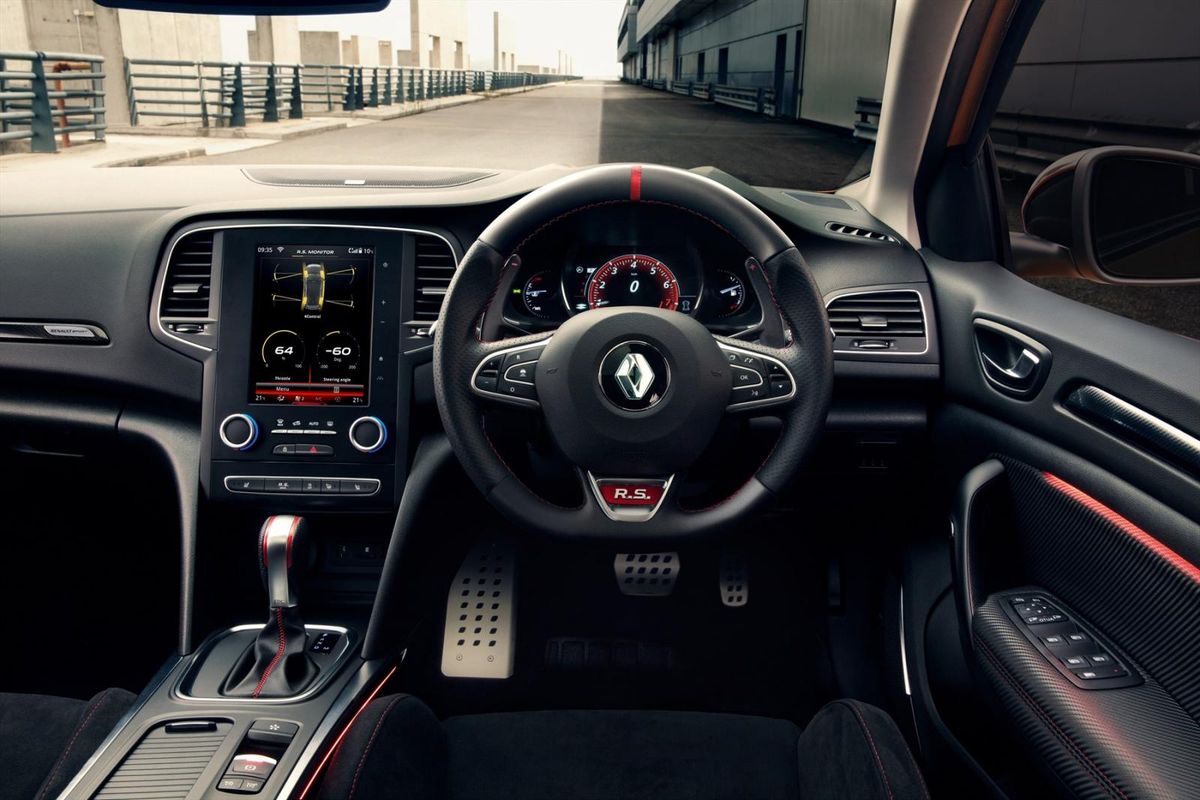
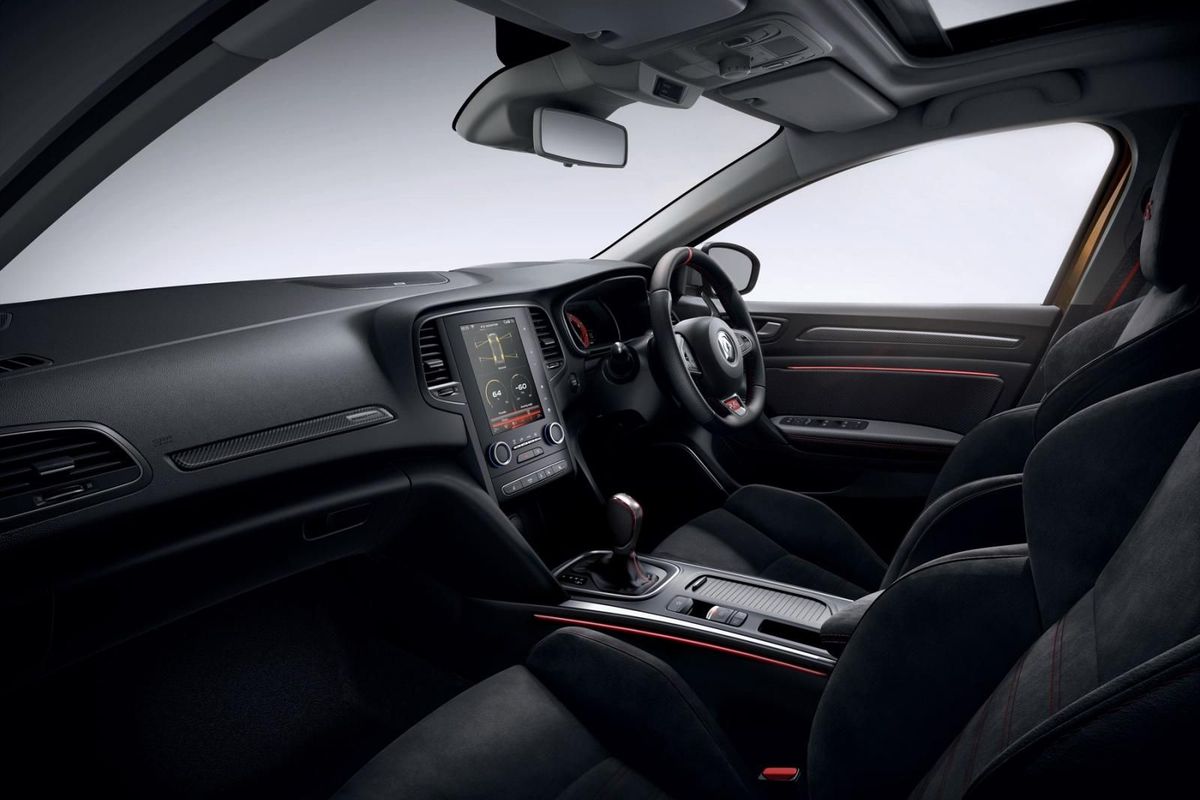
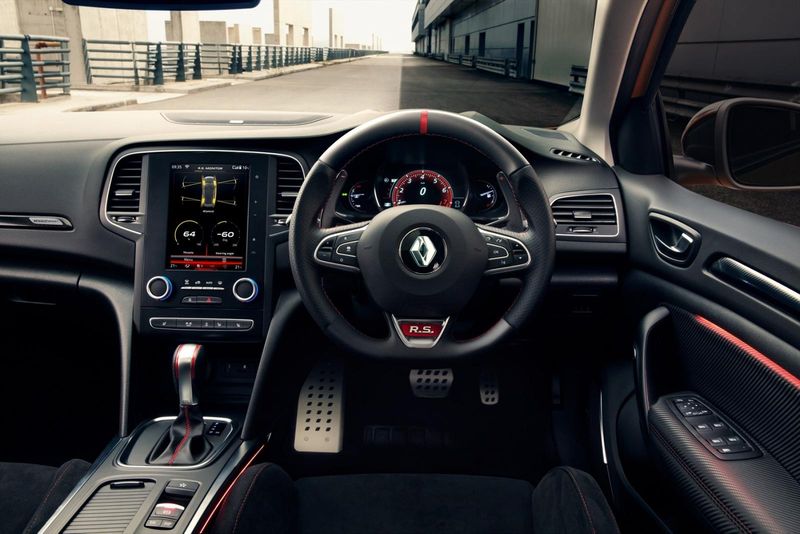
A sporty interior with a comprehensive infotainment system will feature inside the new Megane R.S.
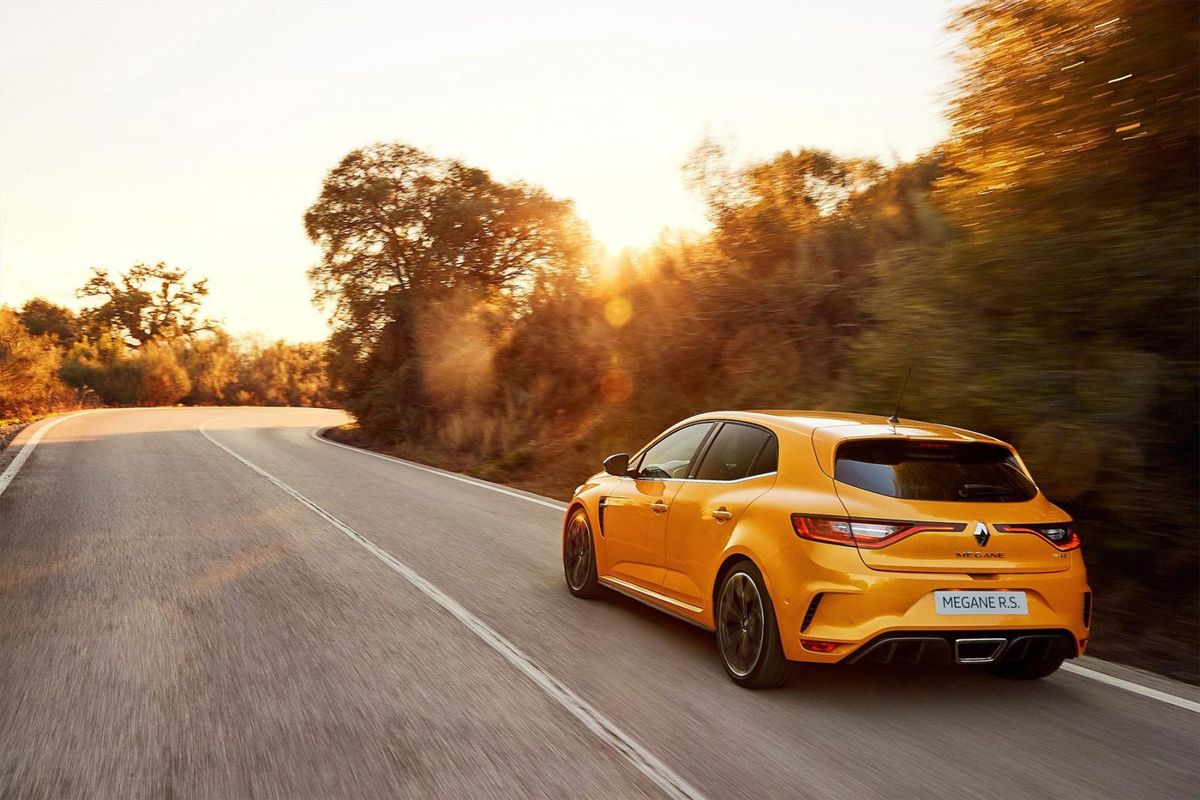
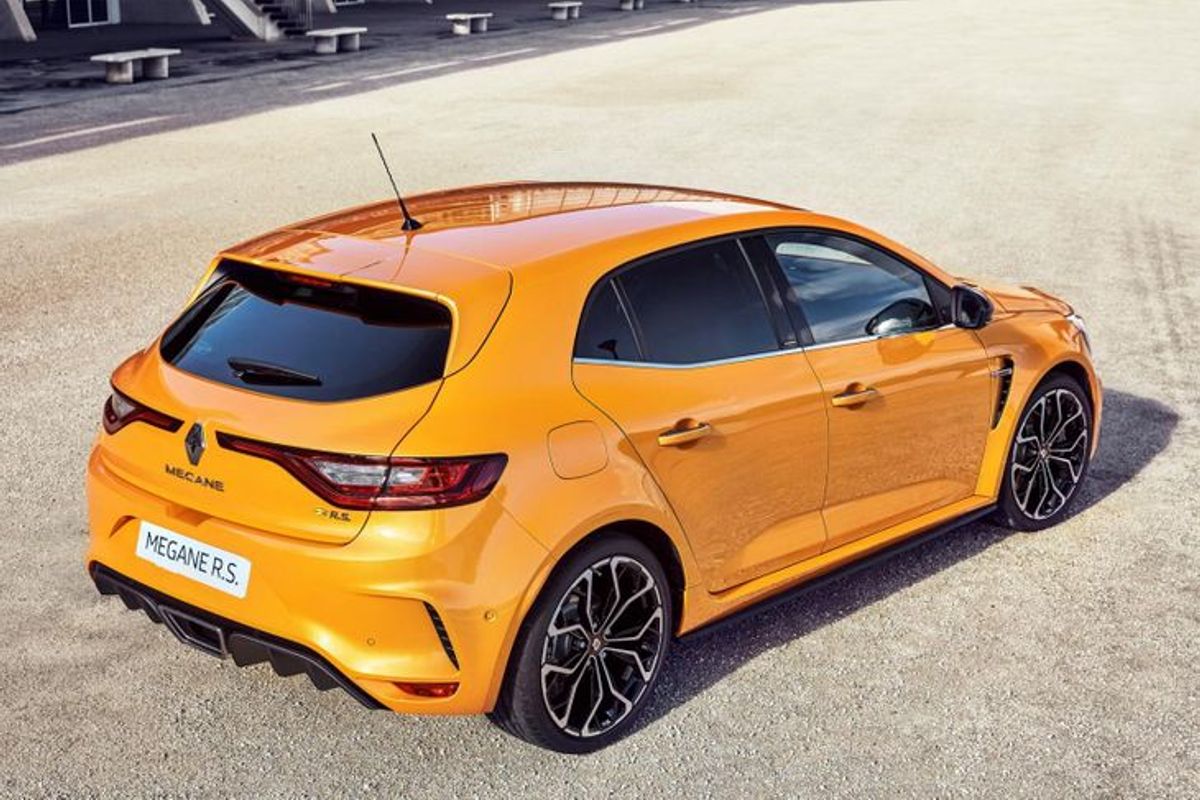
Sitting wider and lower to the road, the new Megane R.S. rides on 18- or 19-inch wheels and will be offered in the striking Tonic Orange as well as Sirius Yellow.
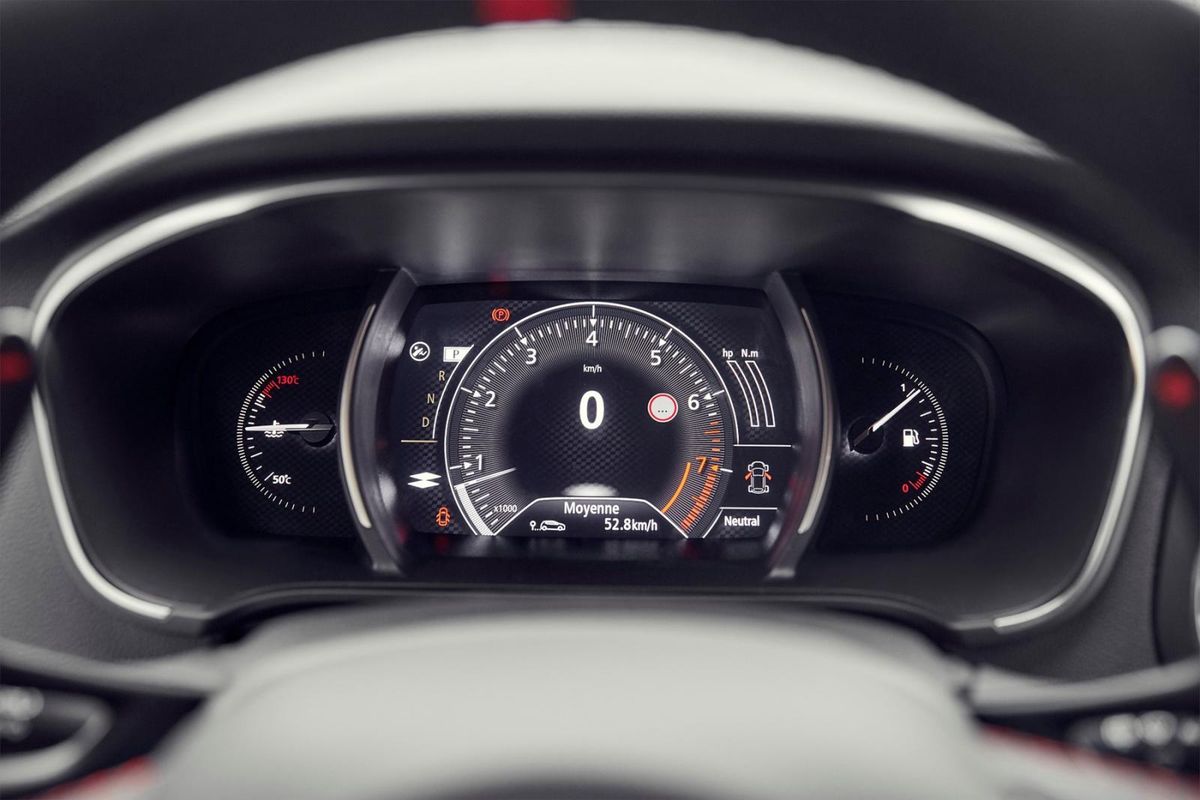
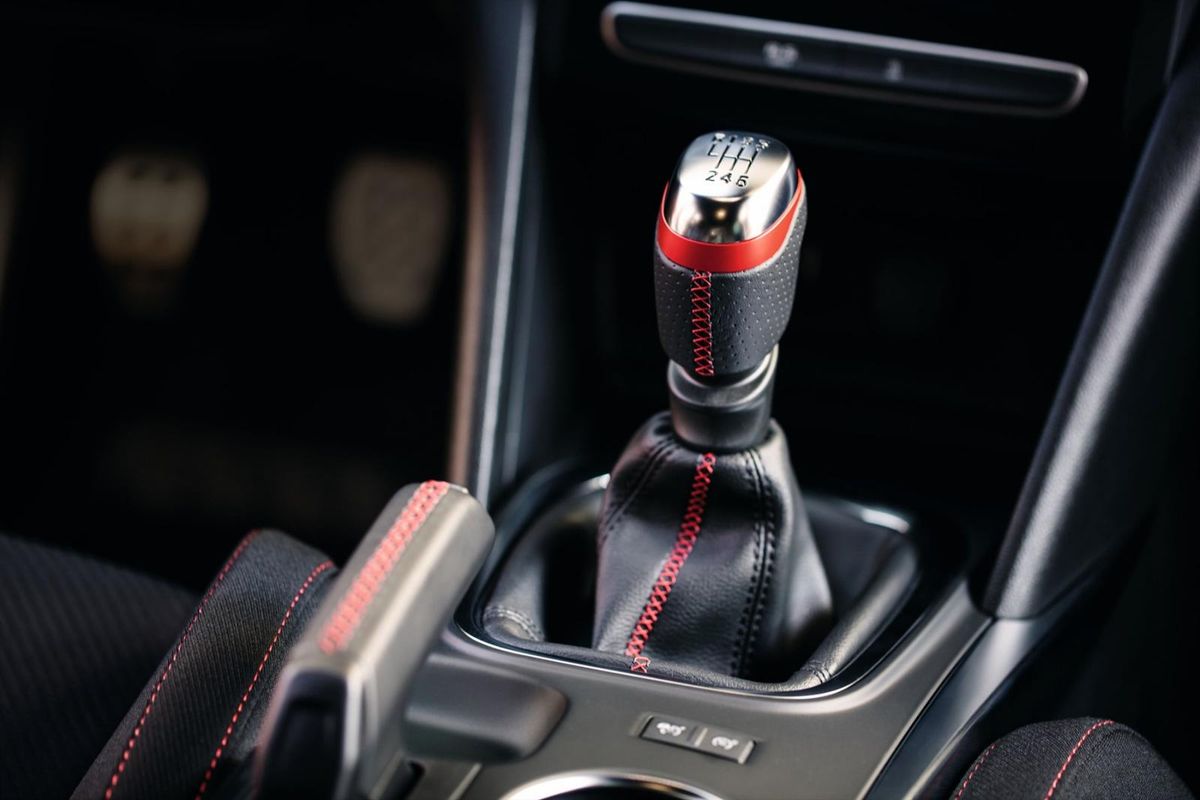
The interior benefits from Alcantara sports seats with built-in headrests, red top-stitching on charcoal grey trim, aluminium sports pedals and a specially-designed gear lever. The Megane R.S. is equipped with an 8.7-inch R-Link 2 touchscreen tablet display which provides a host of information to the driver including acceleration, braking, steering wheel angle, operation of the 4Control system, temperatures, pressures and so forth. Navigation, telephone and radio functions are also taken care of through the touchscreen. A Bose sound system with 9 speakers and a subwoofer is also fitted.
Megane Dynamique derivatives will feature R-Link 2 with a smaller 7-inch multimedia touchscreen. A 7-inch TFT instrument cluster is fitted.
Renault Megane – Price in South Africa
Megane Expression 84kW – R274 900
Megane Dynamique Manual 97kW – R314 900
Megane Dynamique EDC 97kW – R344 900
Megane R.S. 280 CUP 205kW Manual – R549 900
Megane R.S. 280 LUX 205kW EDC – R549 900
Optional Extras
Metallic paint – R2 522
Leather seats – R10 088
Special Metallic Paint (R.S. Models) – R10 088
19'' Alloy wheels (R.S. 280 EDC LUX) – R8 070
The Renault Megane will be sold as standard with a 5-year/150 000 km mechanical warranty, a 5-year/150 000 km service plan (with service intervals at 15 000 km intervals on the core range and 10 000 km on R.S. models) and a 6-year anti-corrosion warranty.
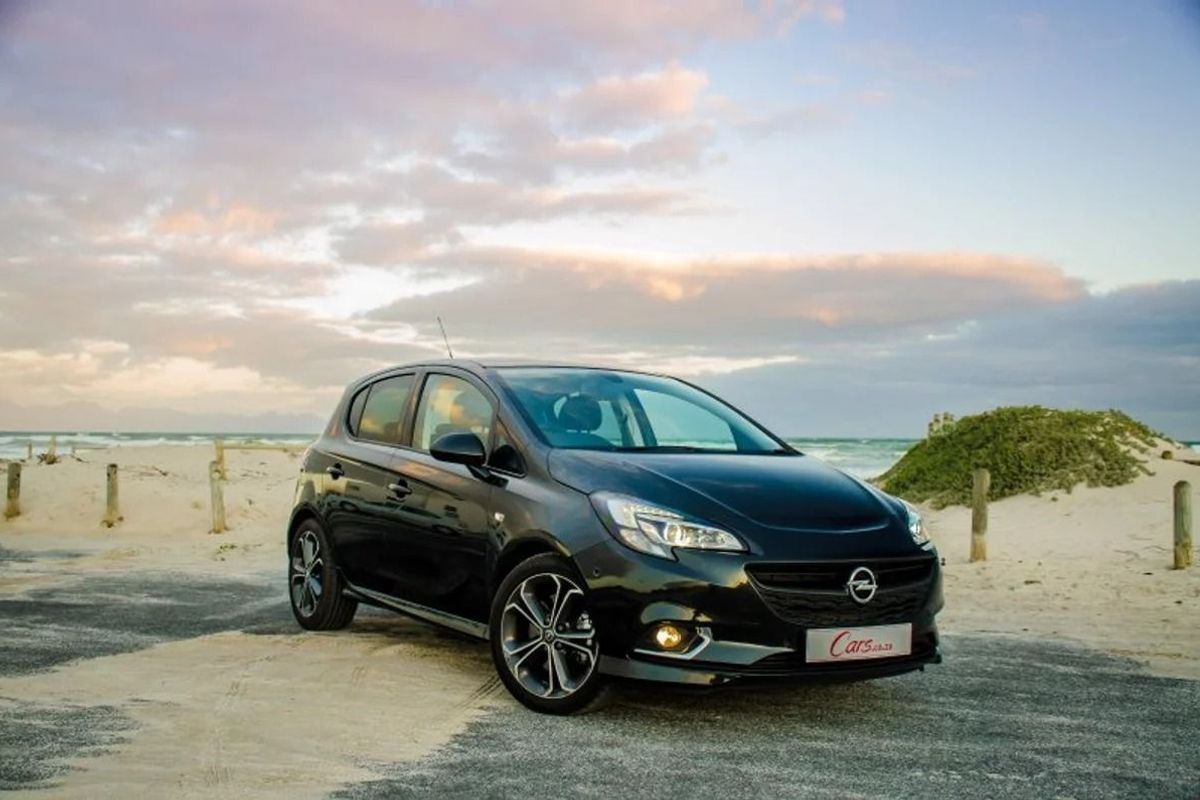
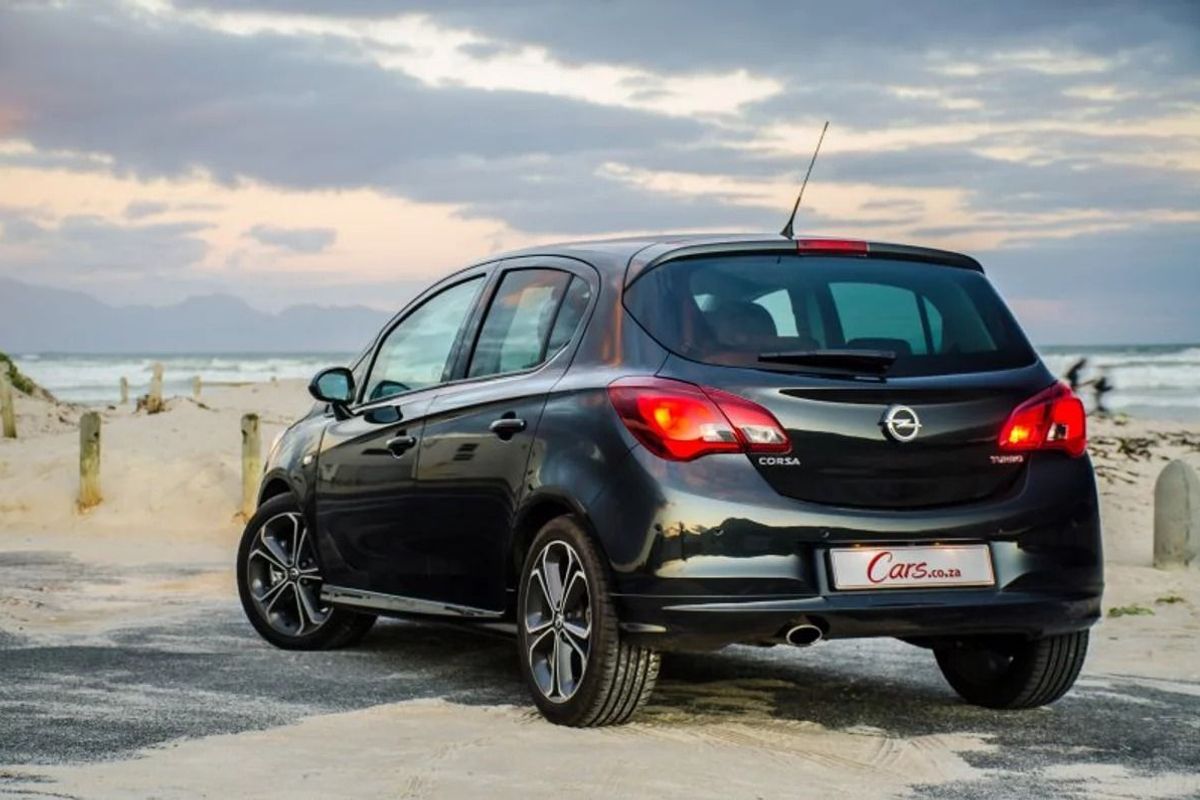
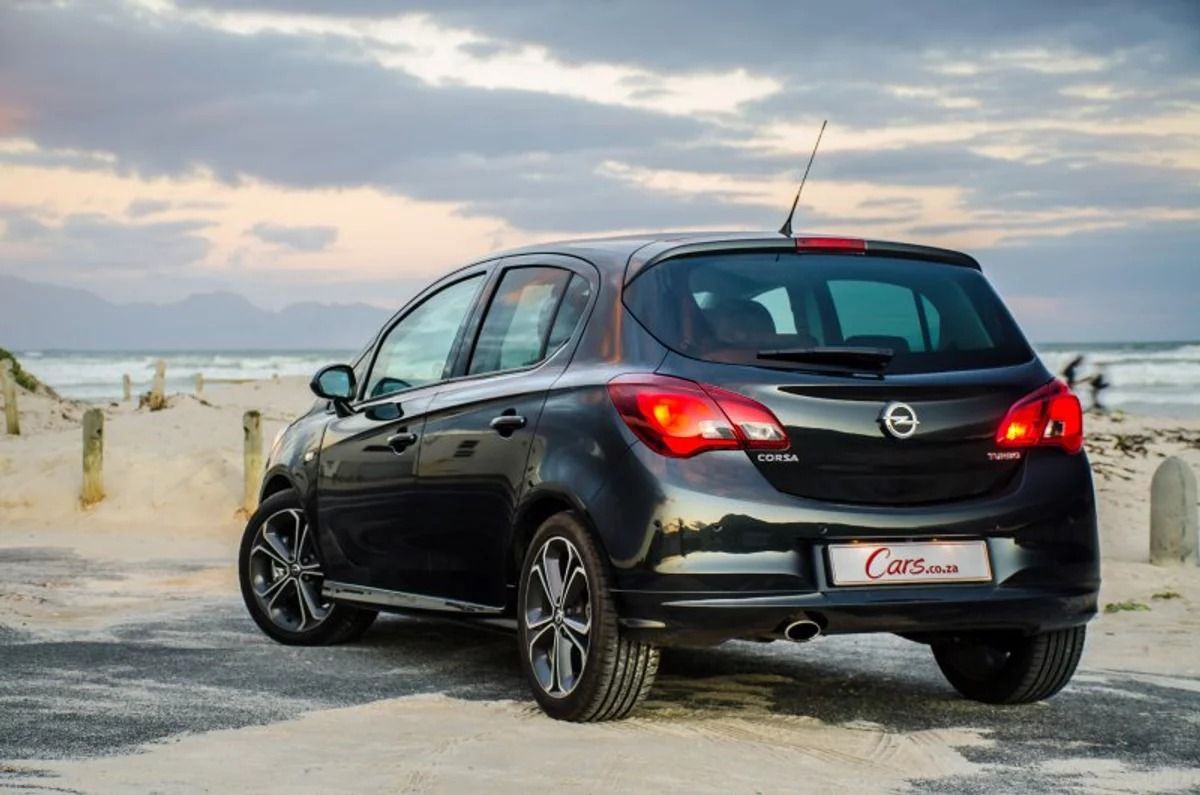
Now distributed in South Africa by the Unitrans-owned Williams Hunt Group, Opel is busy expanding its dealership network and investing in parts back-up. While a new Corsa is on the way in the not-too-distant future, it has also seen it fit to remind the public that there's still plenty of life yet in the outgoing car. Are they right? Can the Corsa still compete with new offerings such as the latest Fiesta and Polo?
We like: Standard specification, infotainment system, comfort
We don't like: Dynamically lags class best, relatively thirsty
Are there any specials currently on this model? Find out here.
Where does it fit in?
Sporty compact hatchbacks are quite rare in the B-segment these days, with the focus increasingly falling on efficiency and on-board tech. Fans of the Opel brand, however, will be pleased that the German marque (which has a rich performance heritage in South Africa) continues to offer a Corsa with a bit of attitude. This Sport-badged derivative is similarly priced to flagship (and much newer) offerings from Ford and VW, but offers a larger, more powerful engine and a fairly sporty bodykit.
The next-generation Opel Corsa is currently under development for introduction (in Europe) during 2019 and will move to a PSA (Peugeot) platform that is shared with the 208.
What's good about it?
Standard specification
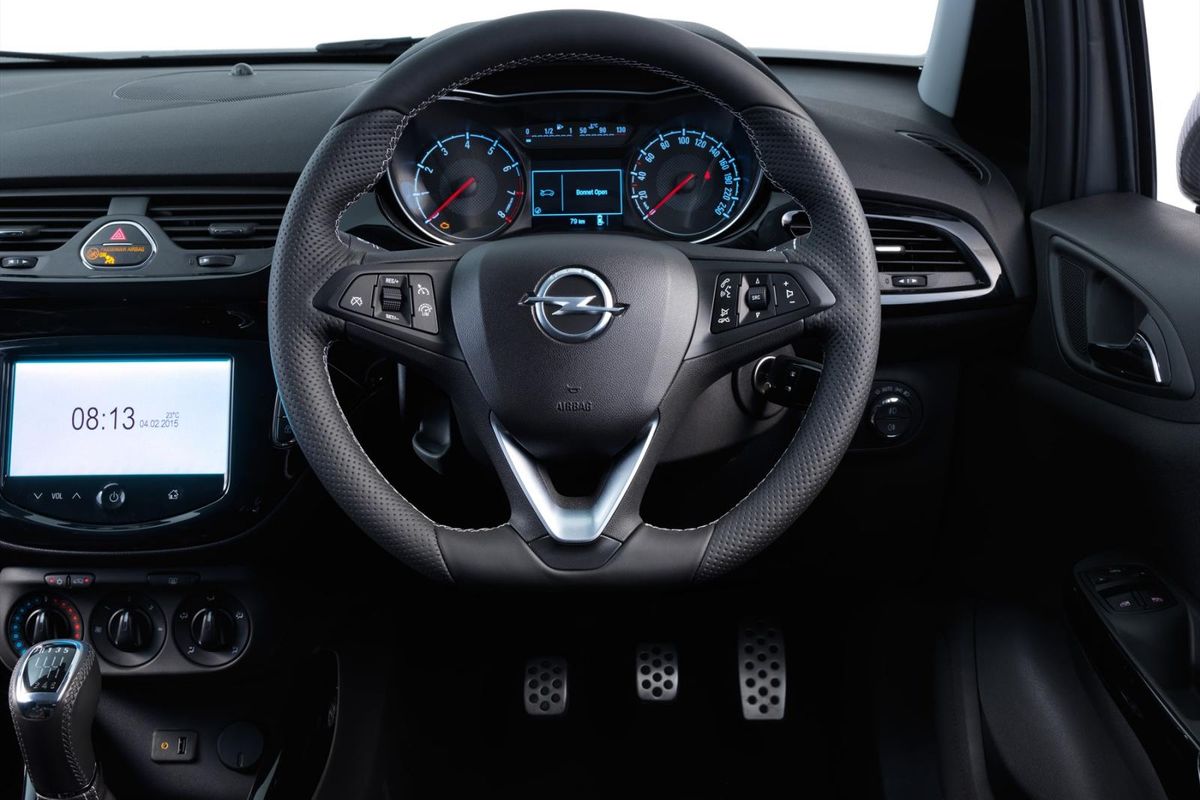
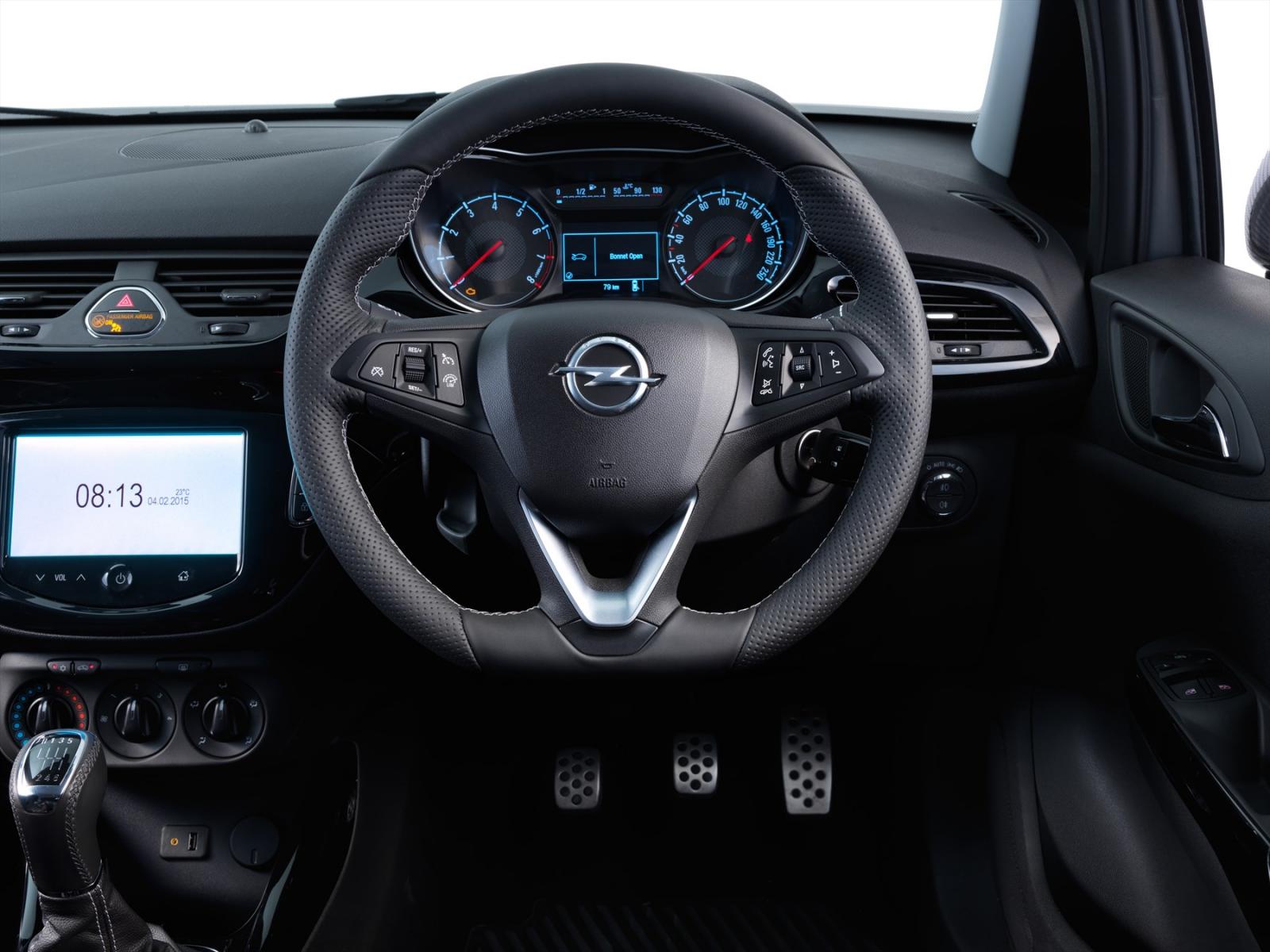
Leather-wrapped steering is nice to hold. Infotainment system is comprehensive.
A major USP for Opel at present is the "democratization of technology". Essentially, the brand wants to be known for offering buyers access to the latest technologies, even if they're buying a cheaper car. The Corsa Sport does appear to deliver on this promise, particularly on the infotainment front. Its relatively large (for the segment) 7-inch Intellilink touch-screen based system is comprehensive, and features crisp displays and good functionality. Of course it offers Bluetooth and USB functionality, and can hook up to your Android or iOS mobile devices. Navigation is also part of the deal.
Additionally, besides the design features we'll get to later, the Corsa Sport also offers cruise control, a rarity at this level, as well as front park distance control, a rear-view camera, a sunroof and auto lights and rain-sensing wipers. That's quite an appealing package, and the only disappointment, really, is that the rear windows don't feature electric controls.
The safety package is also very strong, with 6 airbags, ESP, blind spot alert and rear Isofix child seat anchors all contributing to it achieving a 5-star EuroNCAP crash rating.
Sporty looks
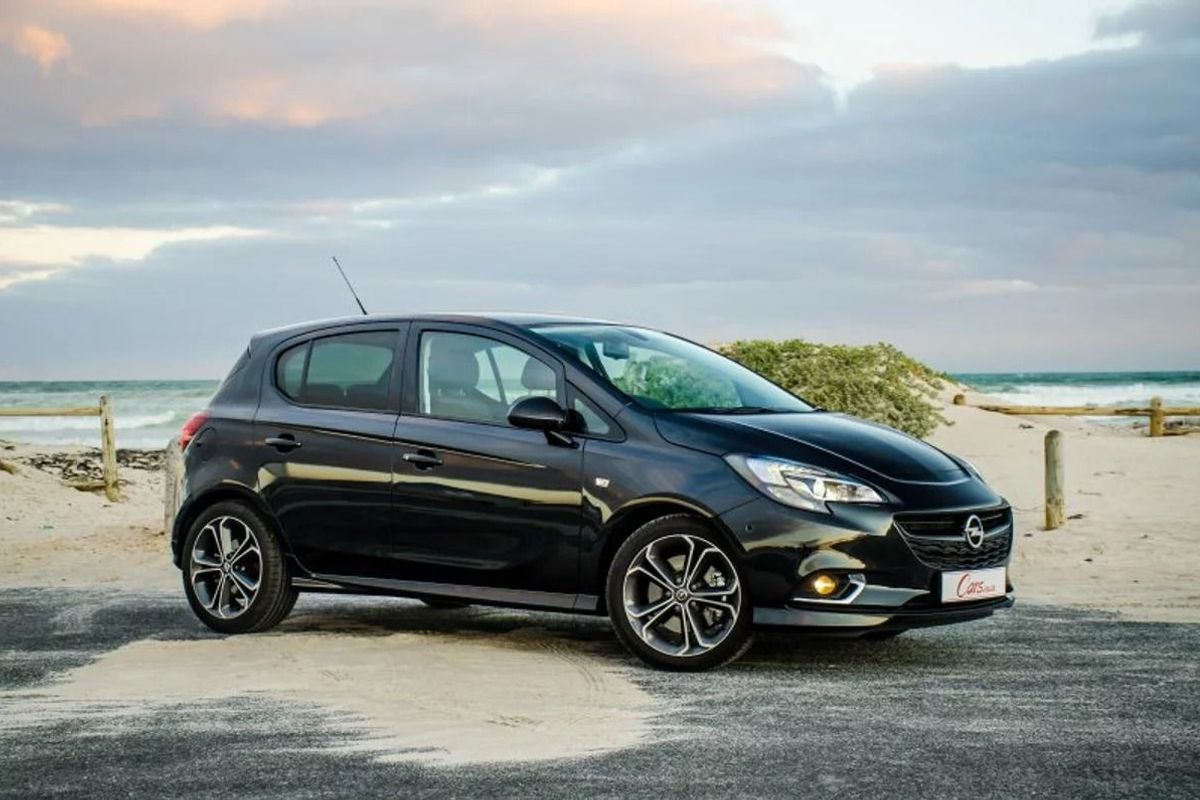
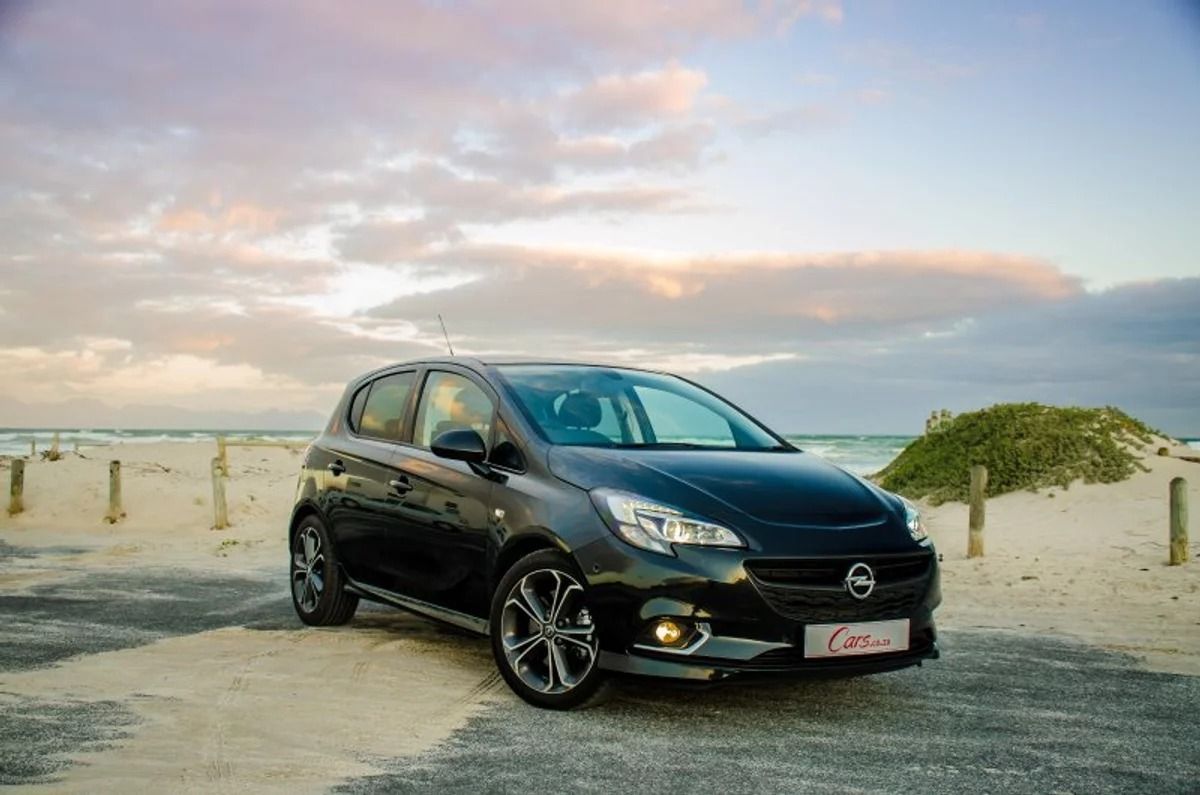
Several years after its original introduction, the Corsa Sport remains a handsome B-segment contender.
As the name suggests, this Corsa attempts to appeal to buyers that prefer their hatchbacks to at least look a little dynamic. As such it gets a slightly lower "sports" suspension set-up, rides on fairly large wheels (17-inch) with a striking alloy wheel design, has Xenon headlamps with LED eyebrows and a large oval exhaust outlet. Given the age of the car, we think it still looks rather good and certainly a bit more muscular than its rivals.
Inside, it's a similar story. The steering wheel is a nice, thick-rimmed and leather-wrapped item that feels good in hand, the metallic pedals look racy, and the gloss black inserts, combined with soft-touch materials elsewhere, leave a quality impression.
Comfort
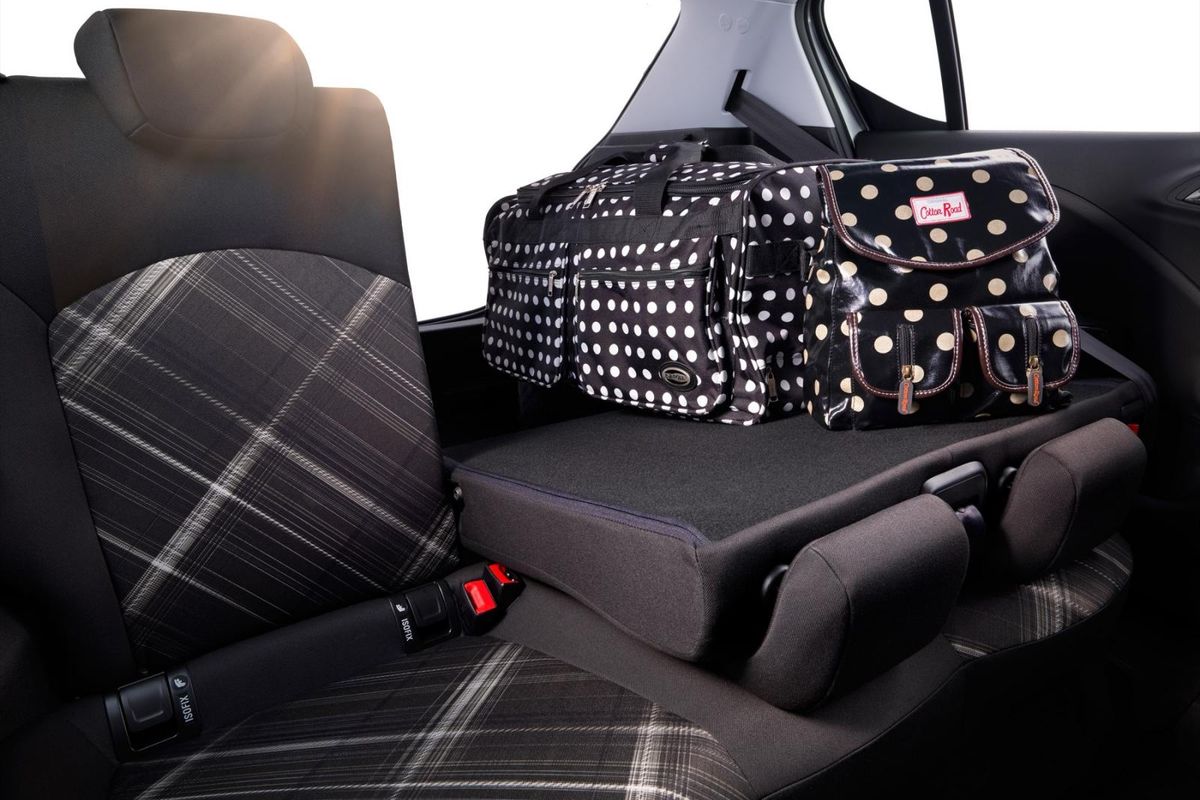
Boot space lags the newer rivals, but there's still decent practicality on offer.
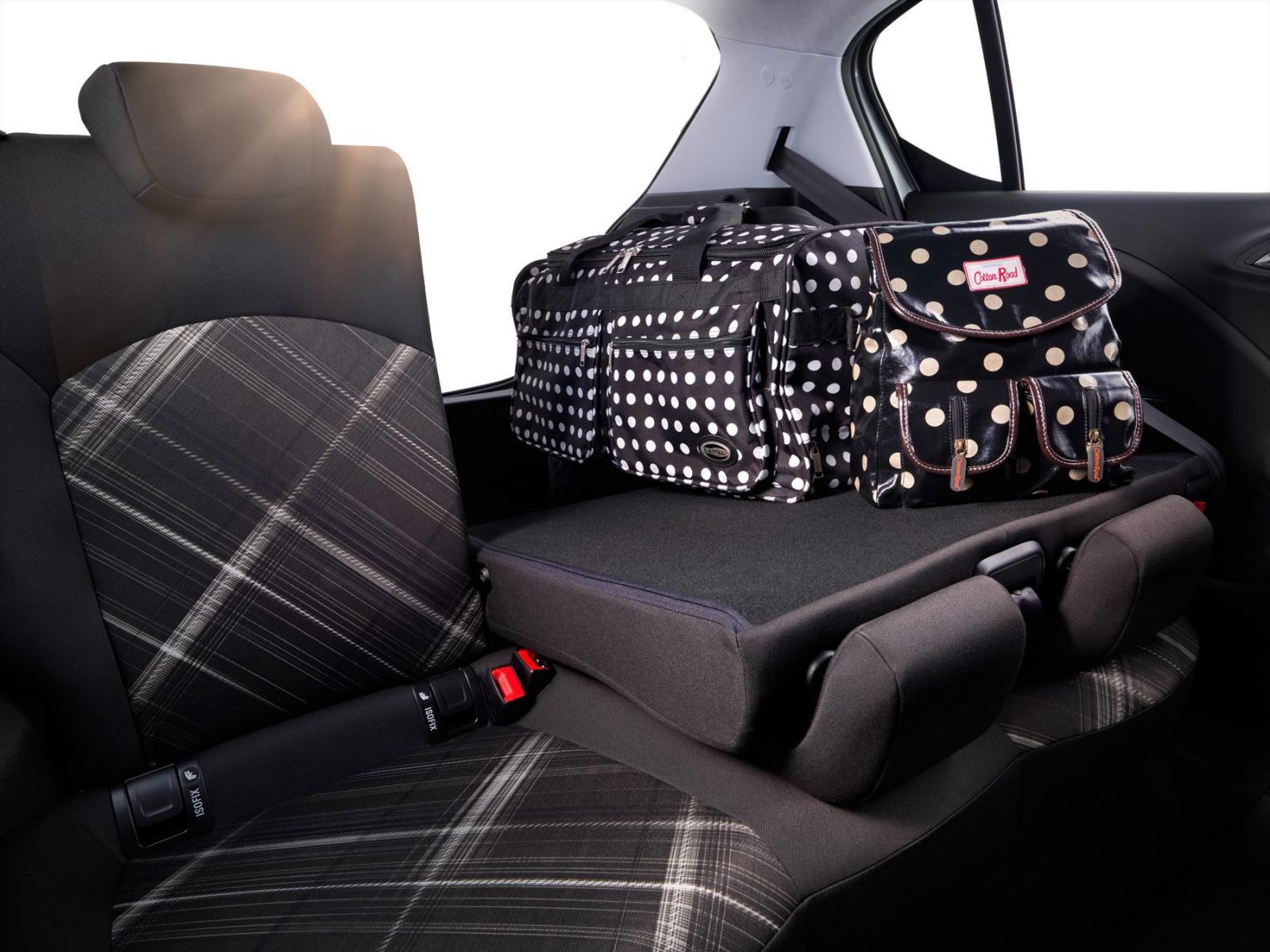
Compared with most of its rivals, the Corsa's wheelbase is relatively short, so it can't quite match the class-leaders in terms of rear occupant legroom (headroom is fine, though) and boot space – its 285L luggage capacity lags the latest Polo and Yaris by some margin. Of course, it does offer 60:40 split/fold seats.
In front, the picture is far rosier, with Opel's typically excellent seats offering plenty of support and long-distance comfort, while the driving position is also very good, courtesy of a steering wheel that offers a wide range of rake and reach adjustment.
We found the ride set-up to be relatively good, too. The Sport badge may leave you expecing very firm suspension, but the reality is that the Corsa is still relatively supple on most surfaces, even though it can't match the ride refinement (and road/suspension quietness) of its newer rivals.
Warranty & Service plan
Opel knows it has to pull out all the stops to a) convince people that it's here to stay and b) to ensure the Corsa is as appealing from a value point of view as possible. As such it features a generous 5-years/120 000km warranty and 3-years/60 000km service plan that compare very favourably with the competition.
Where does it lag the best in this segment?
Ride and Handling refinement
While the Corsa does a fair job in delivering a comfortable daily ride, its ageing underpinnings simply can't match the refinement offered by more modern rivals such as the Polo and the Fiesta. You can feel it in the damping on really poor surfaces and also the greater precision and body control displayed by the Fiesta and Polo. The Corsa may, however, still be superior to the Yaris in terms of delivering a mildly engaging drive.
Performance & Efficiency balance
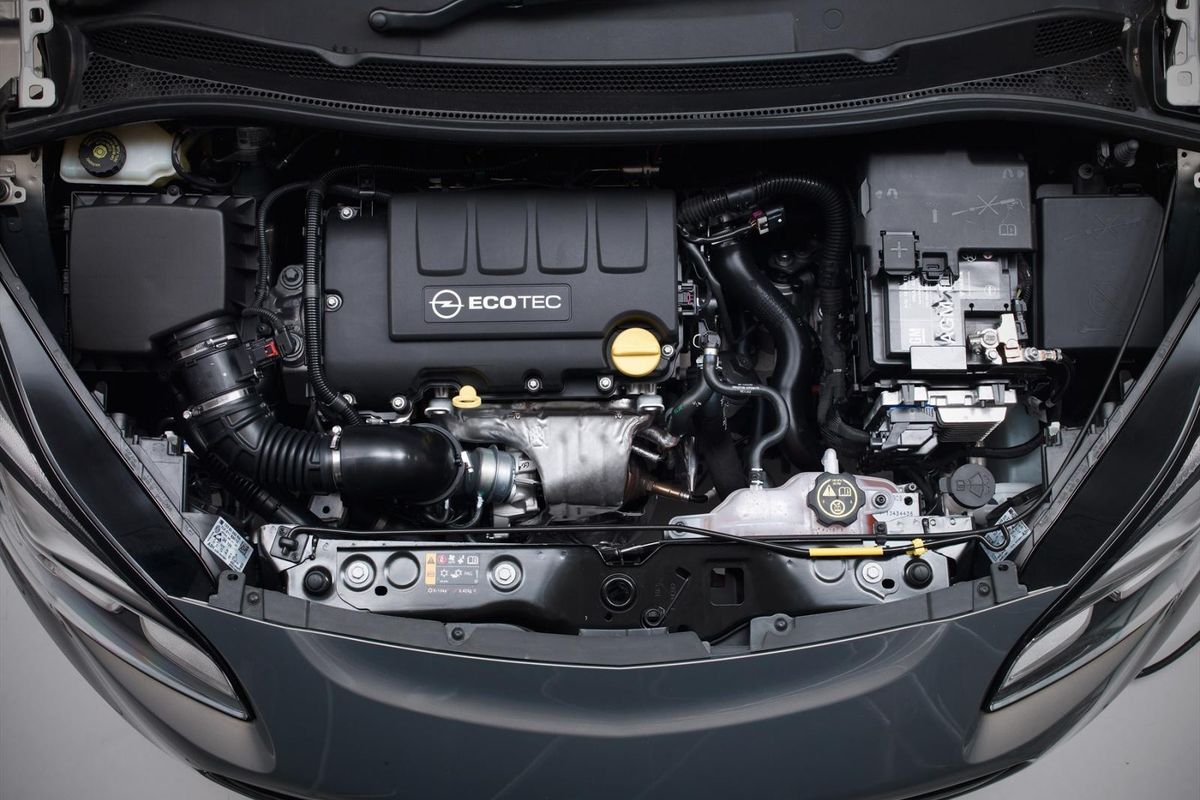
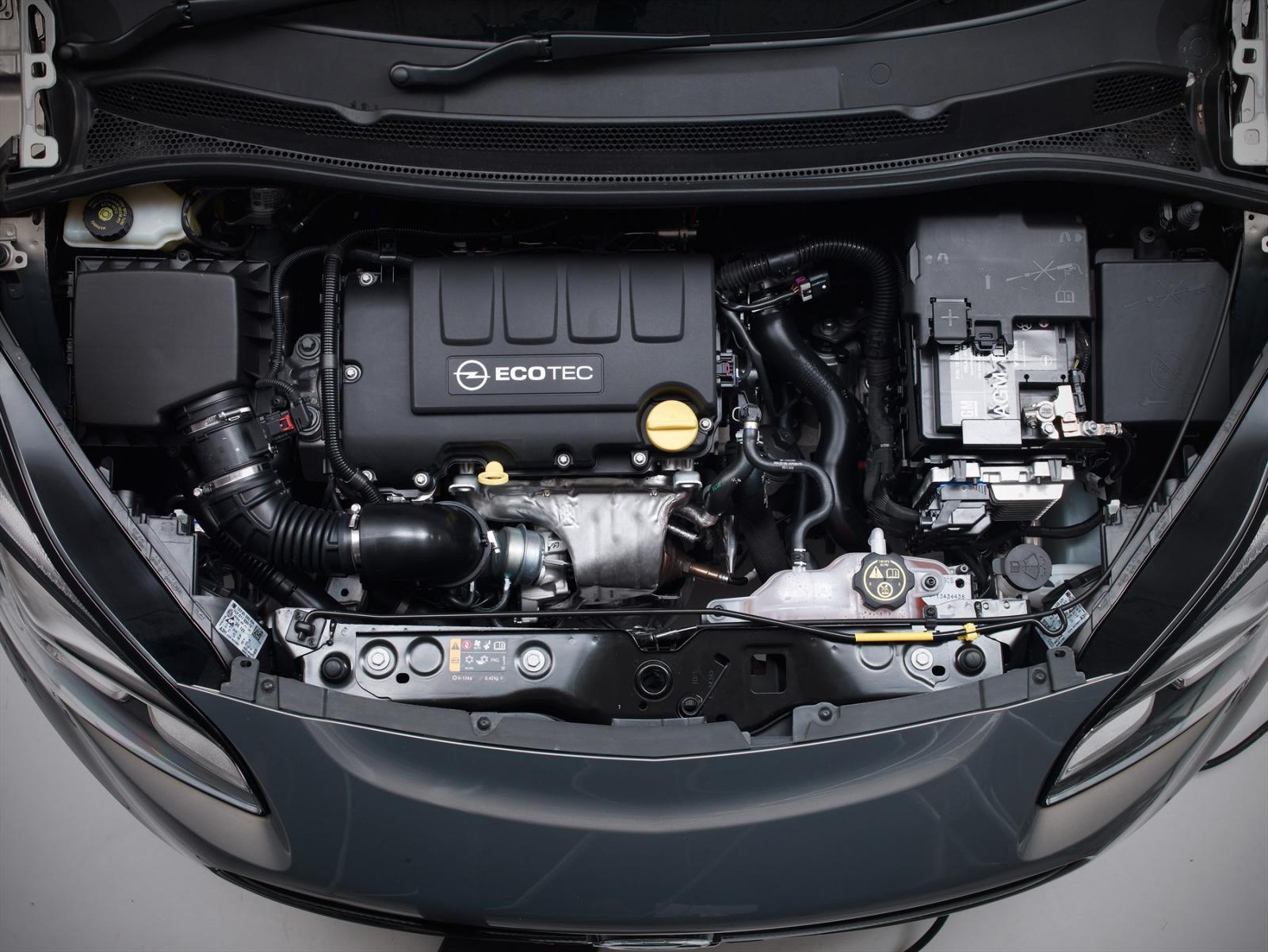
The 1.4L turbocharged engine delivers good power, but fuel efficiency suffers and is arguably more important these days.
The Corsa Sport is powered by a 1.4L turbocharged 4-cylinder engine whereas most of the competition has switched to smaller-capacity, 3-cylinder powerplants. The Yaris remains naturally aspirated (with a 1.5L engine). The Opel has a significant power advantage over its rivals – its engine delivers 110kW and 220Nm of torque, the latter from a fairly high 3 000 to 4 500 rpm.
Coupled with a 6-speed manual gearbox, Opel claims a that this Corsa should sprint to 100kph in 9.6 seconds and achieve a top speed of just over 200kph. These figures are class-leading, but only marginally so and is delivered in a somehow gruff manner – the engine never feels particularly free-revving or linear in its power delivery. Thelittle extra fireworks that the engine delivers also comes at a cost at the pumps – with a claimed consumption figure of 5.8L/100km, the Corsa is among the thirstiest cars in this segment. In the real world you're likely to achieve closer to 7.5L/100km.
Rivals to Consider
Click on the names of the rivals for detailed specification
The flagship Polo seems like a good alternative to the Corsa as Highline trim means a more attractive features package is part of the deal, but there remains some option boxes to tick. The Polo's main advantages are better ride/handling refinement, a superior blend of performance and economy, and a more spacious, more modern cabin.
The most expensive car here offers similar advantages to the Polo, in that its engine is sufficiently powerful for a zesty drive, yet delivers greater economy during normal driving. Also offers superior suspension damping.
We've not been entirely won over by Toyota's latest contender. While it offers more space than its predecessor and, in the eyes of some, sportier looks, it can't match any of the other cars here for perceived interior quality and generally feels less refined, too. Its 1.5L engine should offer great reliability, but is relatively thirsty.
Verdict
The Corsa Sport offers a lot of car for the money, but in terms of ride/handling and power/economy balance it has fallen behind.
There is much to admire about the Corsa Sport – it still looks attractive and the cabin is loaded with features and is generally a nice place to be. It's also clearly a very well made car, and the warranty/service plan is appealing. However, we don't think the engine delivers a combination of performance and efficiency that is in tune with current consumer trends, and the suspension refinement clearly lags the best cars in this class. It's simply time for a new model.
That said, Opel frequently offers special deals on this model which significantly adds to its showroom appeal, given that the specification level is so high. In that scenario, it does offer a lot of car for the money.
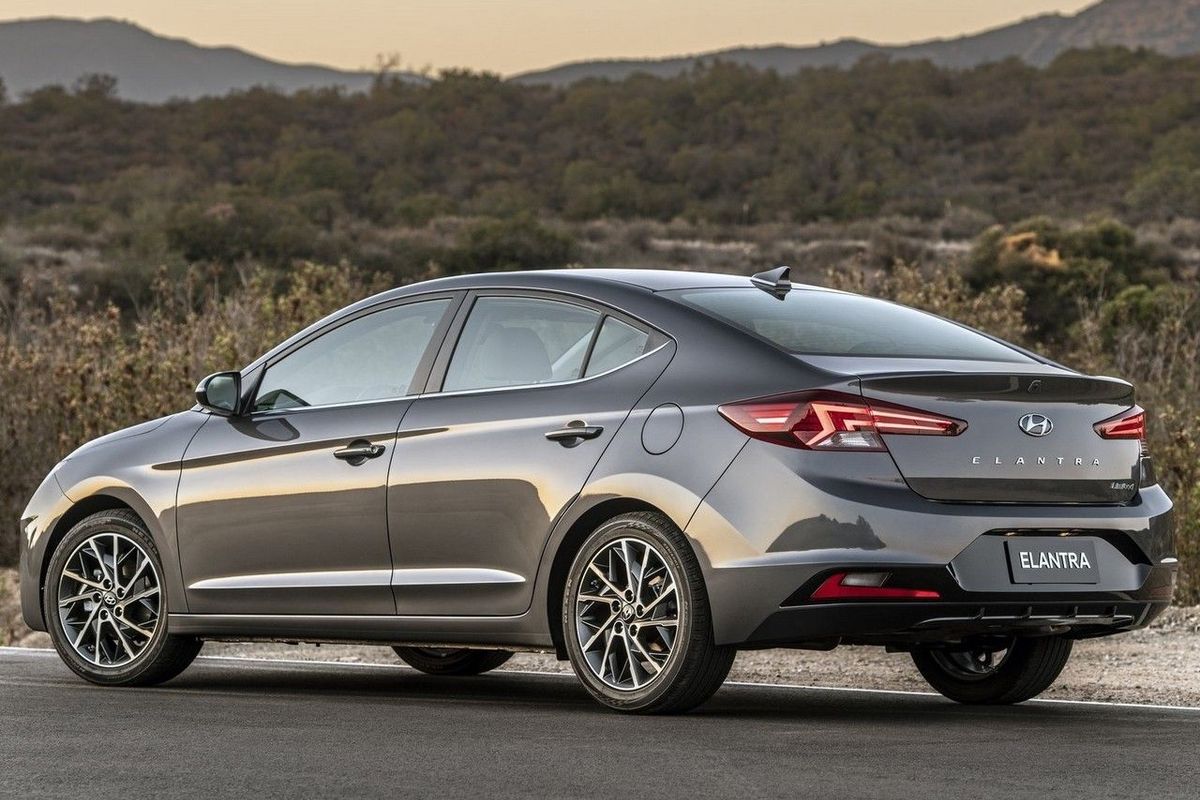
Hyundai has revealed a facelifted Elantra sedan, which features a radical new look, new safety technology and enhanced features. While the model pictured here is American-spec, we expect the new Elantra to make its way to South Africa in 2019.
The popular Hyundai Elantra compact sedan has been facelifted for 2019 and boasts a raft of new features, with a particular focus on safety and convenience. According to the Insurance Institute for Highway Safety (IIHS), "it has been shown that Automatic Emergency Braking (AEB) and Forward Collision Warning (FCW) have resulted in a 50% reduction in rear-end collisions". This tech makes its debut in the 2019 Hyundai Elantra along with Lane Keep Assist.
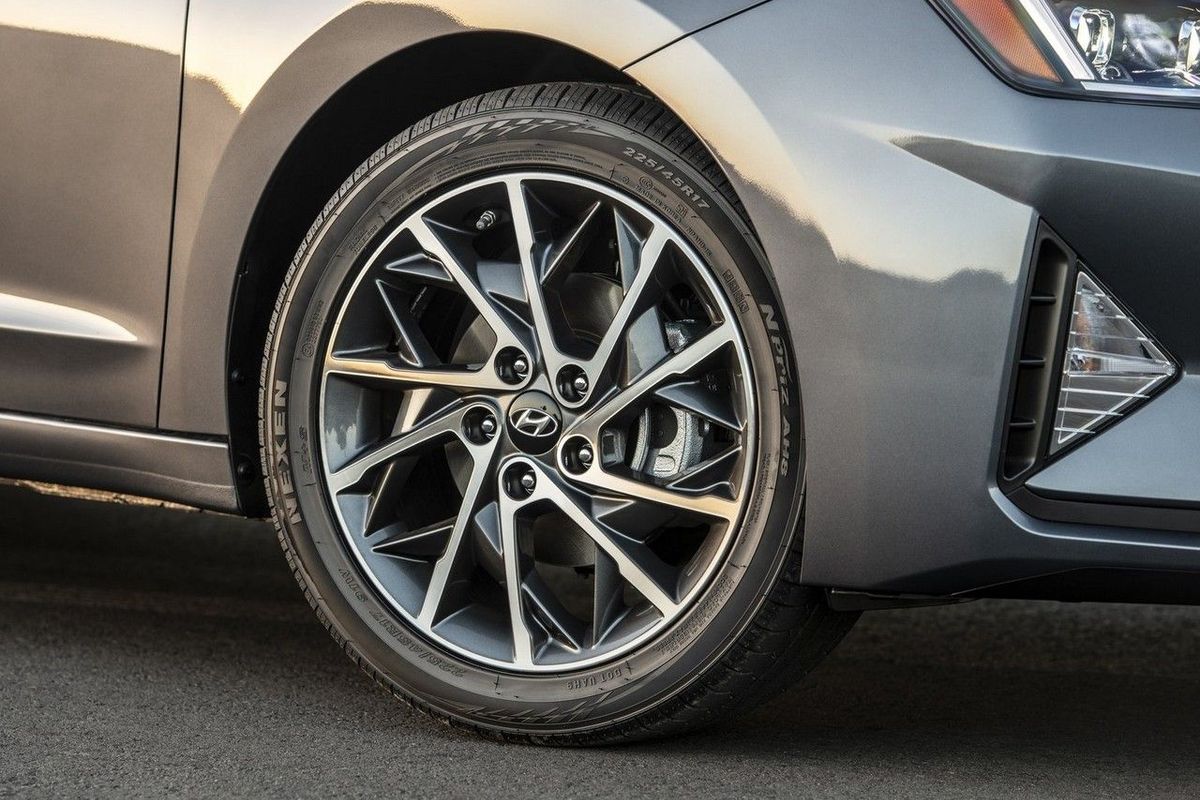
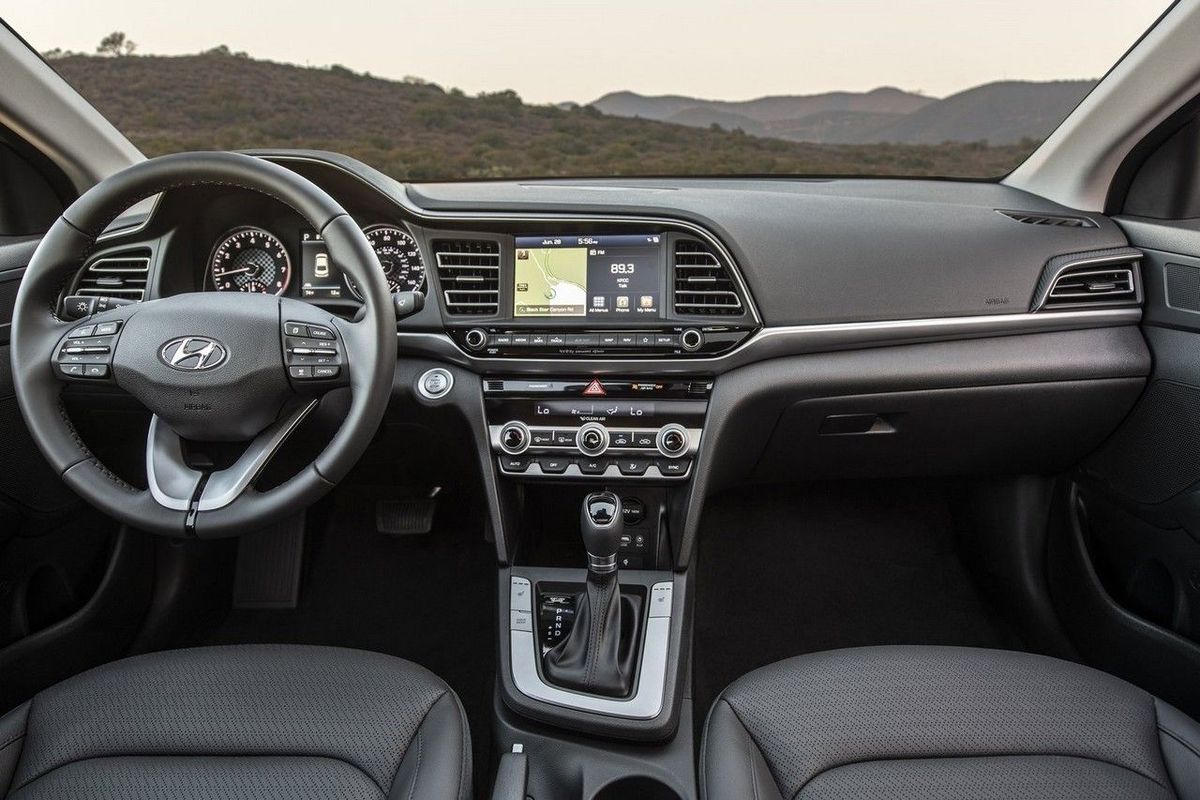
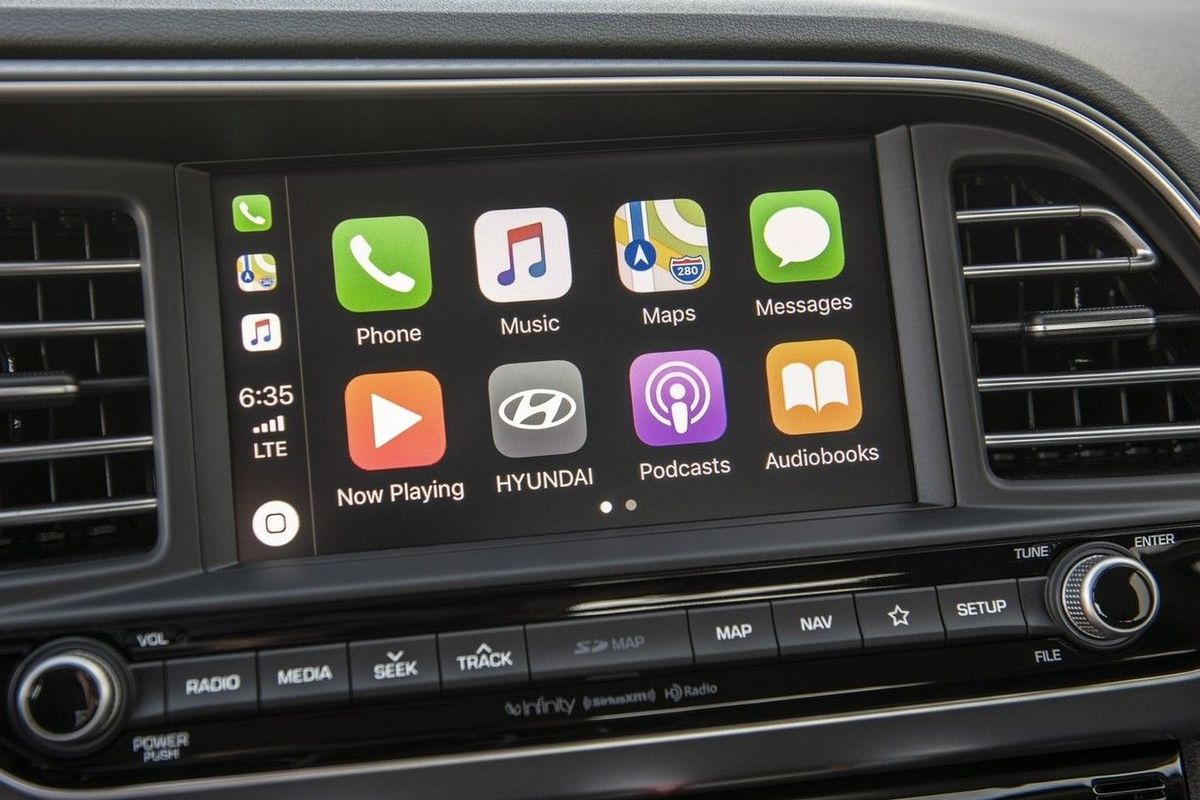
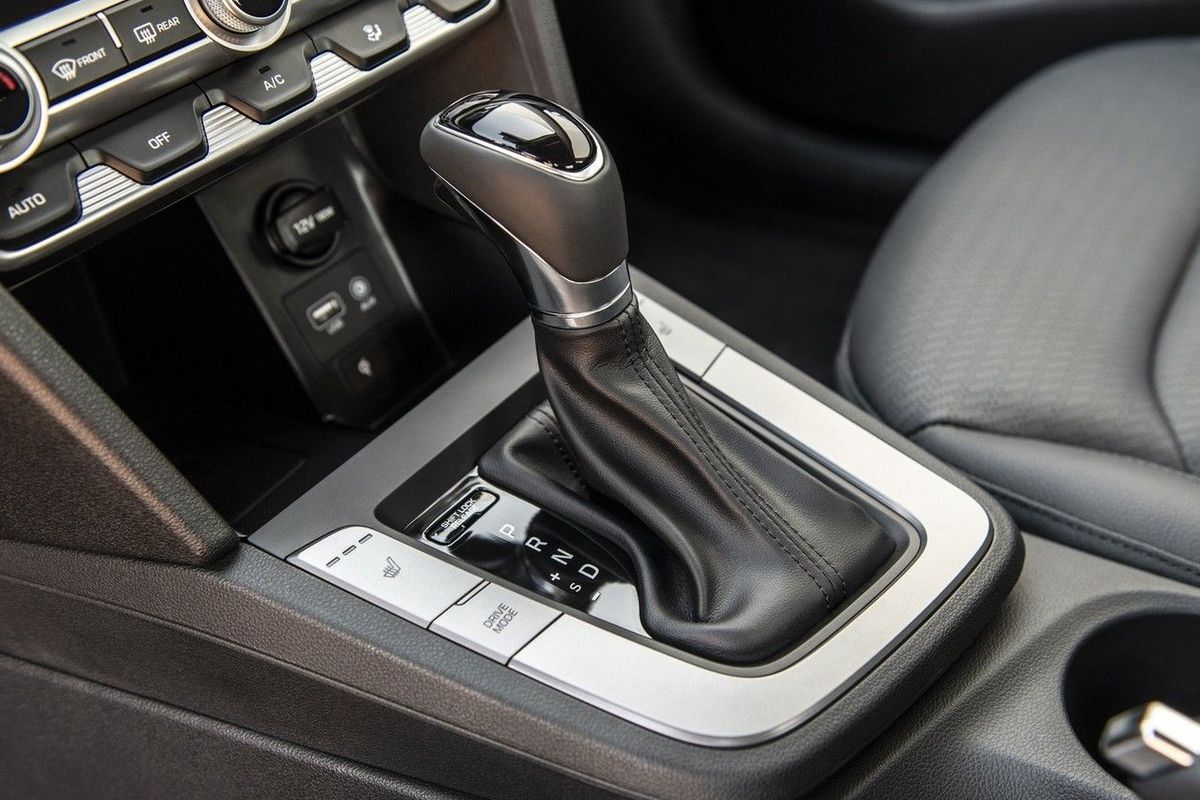
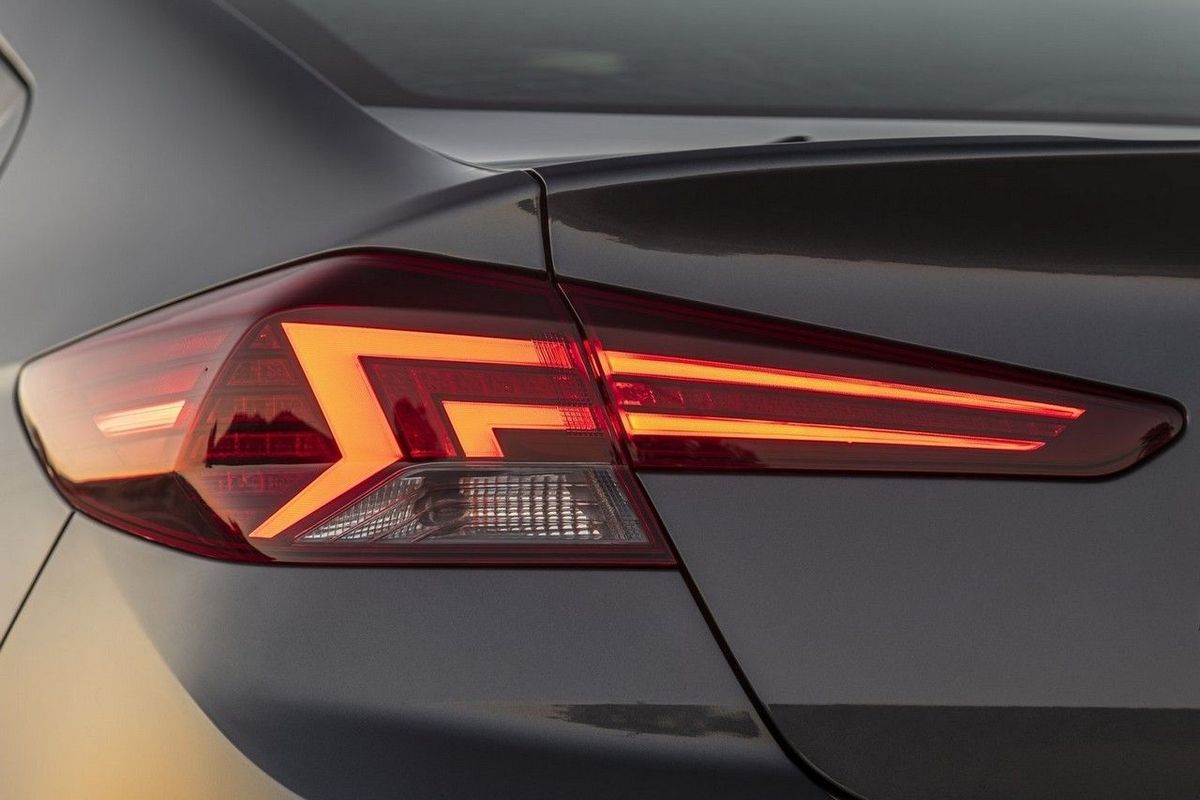
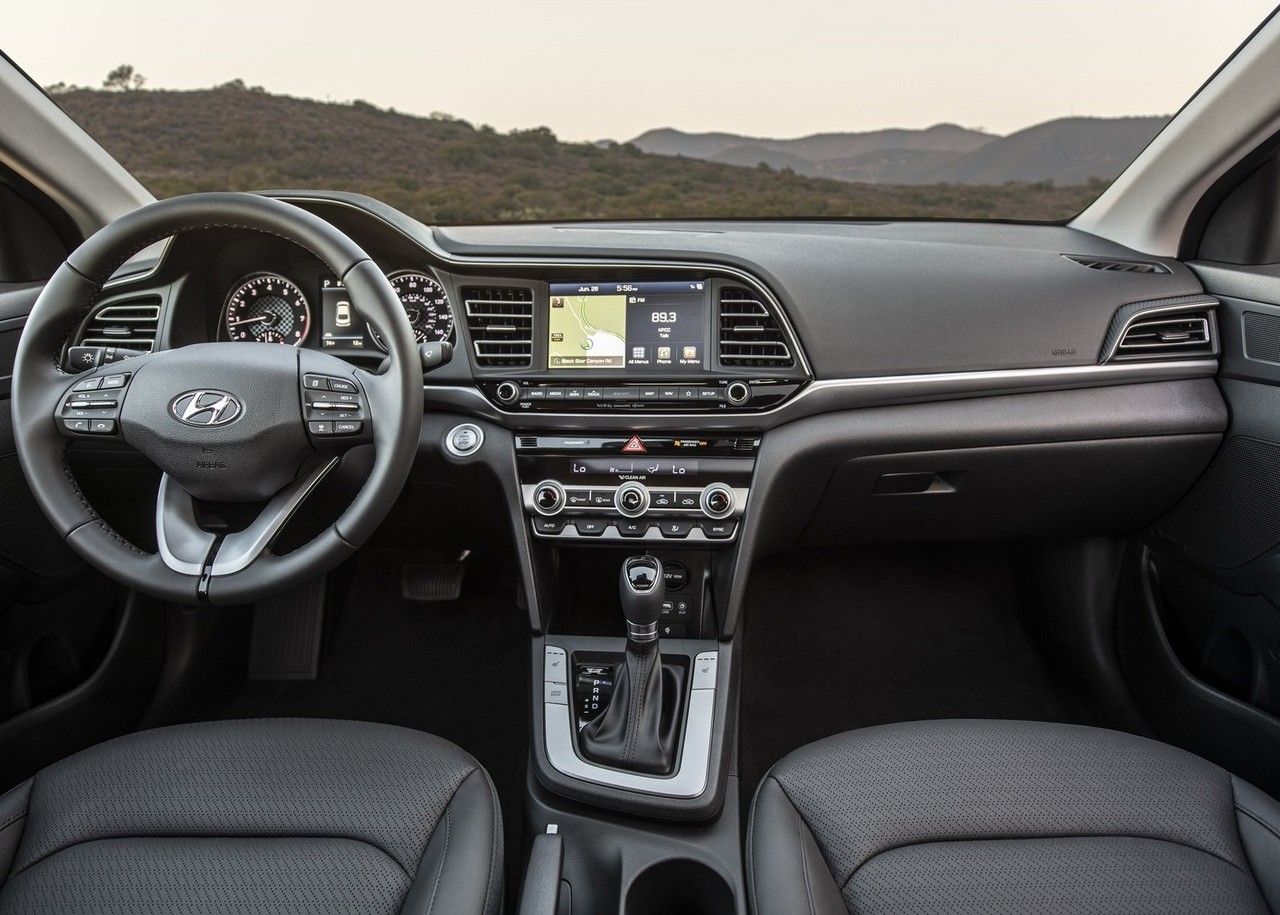
Safety aside, there are other changes. There's a new front-end replete with redesigned headlights, new alloy wheel designs and a new-look rear fascia. The interior features a new-look centre cluster and some trim tweaks to the trim. High-end derivatives will come standard with niceties such as a wireless charging pad and an upgraded infotainment system, which comes with a faster processor and Android Auto/Apple CarPlay, as well as HD traffic satellite navigation.
The key changes to the 2019 Elantra are on the outside, but the cabin has received a nip and tuck too
"Refinements to both the interior and exterior were initiated on the 2019 Elantra to maintain its emotional design character and include affordable and desired features," said Scott Margason, director, product planning, Hyundai. "The hood, front fenders, fascia, grille and headlights as well as the rear fascia, trunk and taillights each have been redesigned to convey a catchy and confident image. On the rear of the vehicle, the license plate has been relocated to the lower fascia to further enhance the new body sculpture."
Engines for the US model range include the 110 kW Nu 2.0-litre MPI Atkinson Cycle engine and a Kappa 1.4-litre Turbo-GDI with 95 kW. There's no word on the 1.6-litre GDI motor, which we get in the current Hyundai Elantra. We'll confirm when the updated Elantra will be available in South Africa in due course. Stay tuned for details.
Toyota has updated and expanded its Hilux range in South Africa. See details below…
The Toyota Hilux leads the South African bakkie market and following the recent introduction of the limited-edition Hilux Dakar, Toyota has now introduced a raft of changes to the local lineup, including a host of new derivatives. View the entire Hilux range's Specs & Prices in South Africa on Cars.co.za's New Car Specs page.
What’s changed?
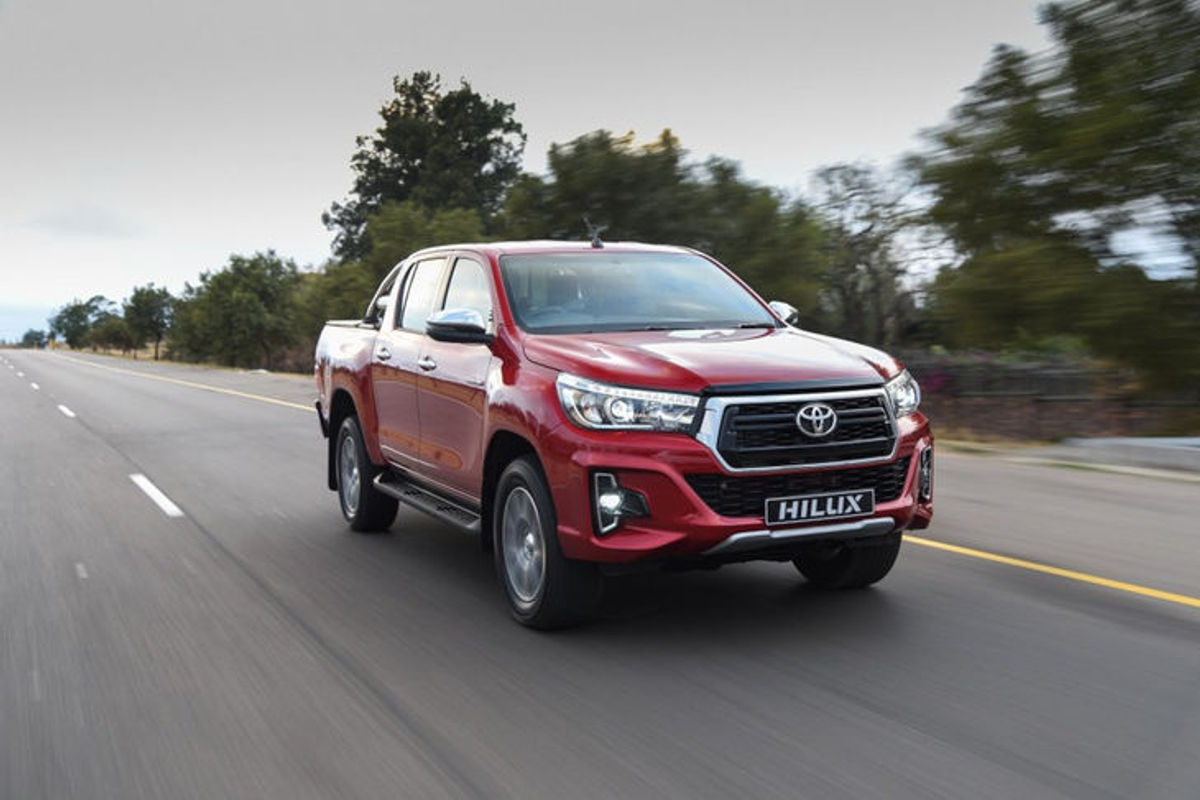
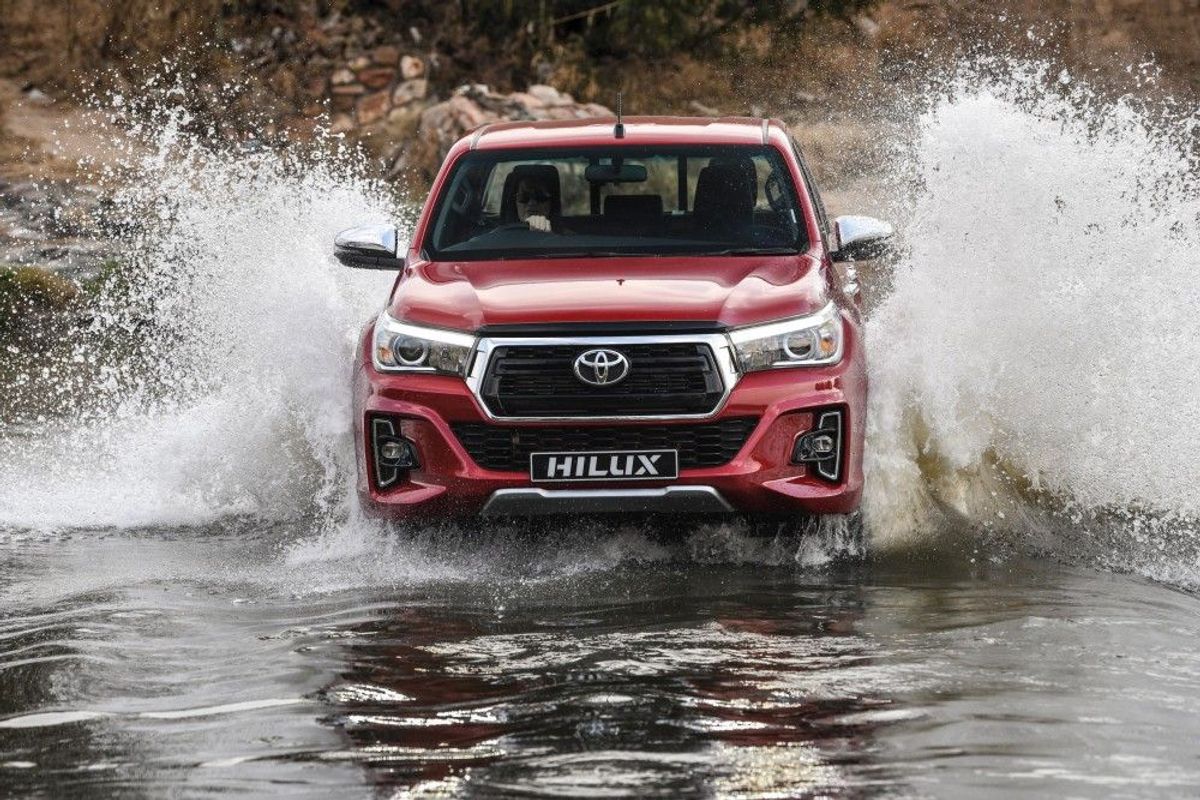
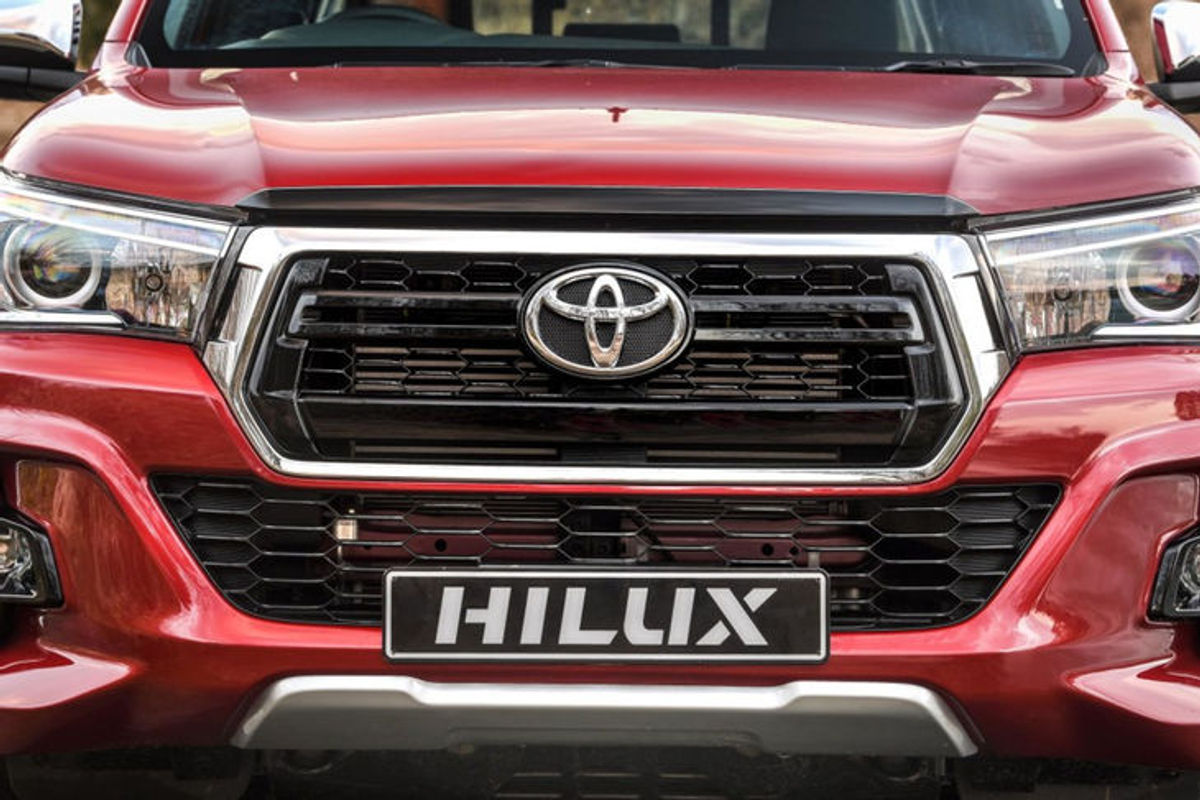
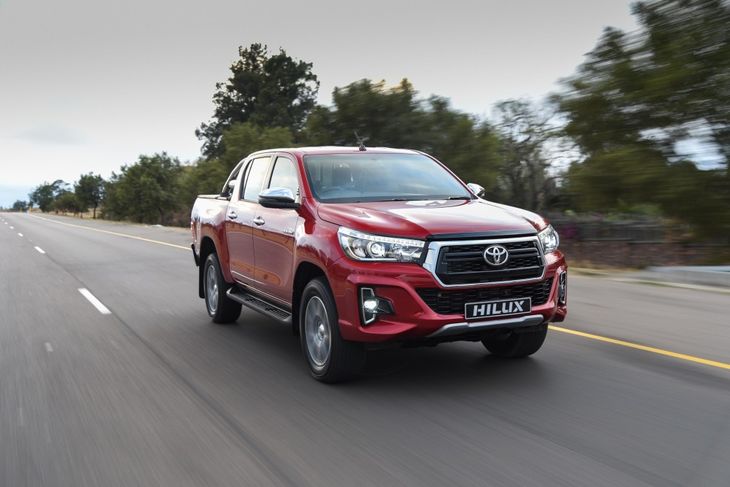
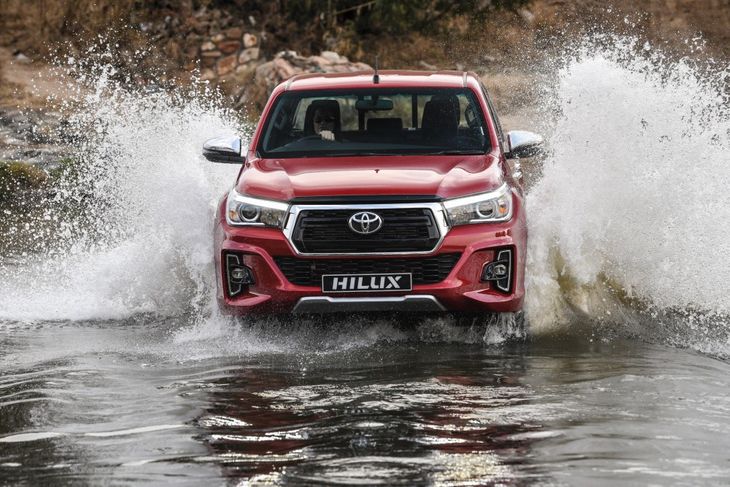
The face of the SRX and flagship Raider models have been updated with the look seen on the Hilux Dakar.
Hilux SRX
The Hilux now wears a more refined face inspired by the Dakar limited edition.
The Hilux SRX is powered by a 2.4-litre turbodiesel engine offering 110 kW and 400 Nm and is available in both 6-speed manual and automatic guises.
In terms of styling, the Hilux SRX gains a black-themed front-end with colour-coded bumpers and a matching skid plate. Black side steps and side mirrors provide further visual appeal. The SRX also gains automatic light control with a follow-me-home function, while the interior now benefits from a 4-speaker touchscreen infotainment system (from the Raider) with USB and Bluetooth functionality. The system is controlled with mounted steering wheel controls and a reverse camera is now also part of the SRX package.
Other features included in the SRX grade Hilux include 17-inch alloy wheels, electric windows, remote central locking (with automatic door lock), fog lights, air conditioning, cloth upholstery, rake and reach adjustable steering and a multi-information display. Safety features include a driver, passenger and driver knee airbag as well as ABS with EBD, Brake Assist, Vehicle Stability Control (VSC), Traction Control (TC), Trailor Sway Control (TSC).
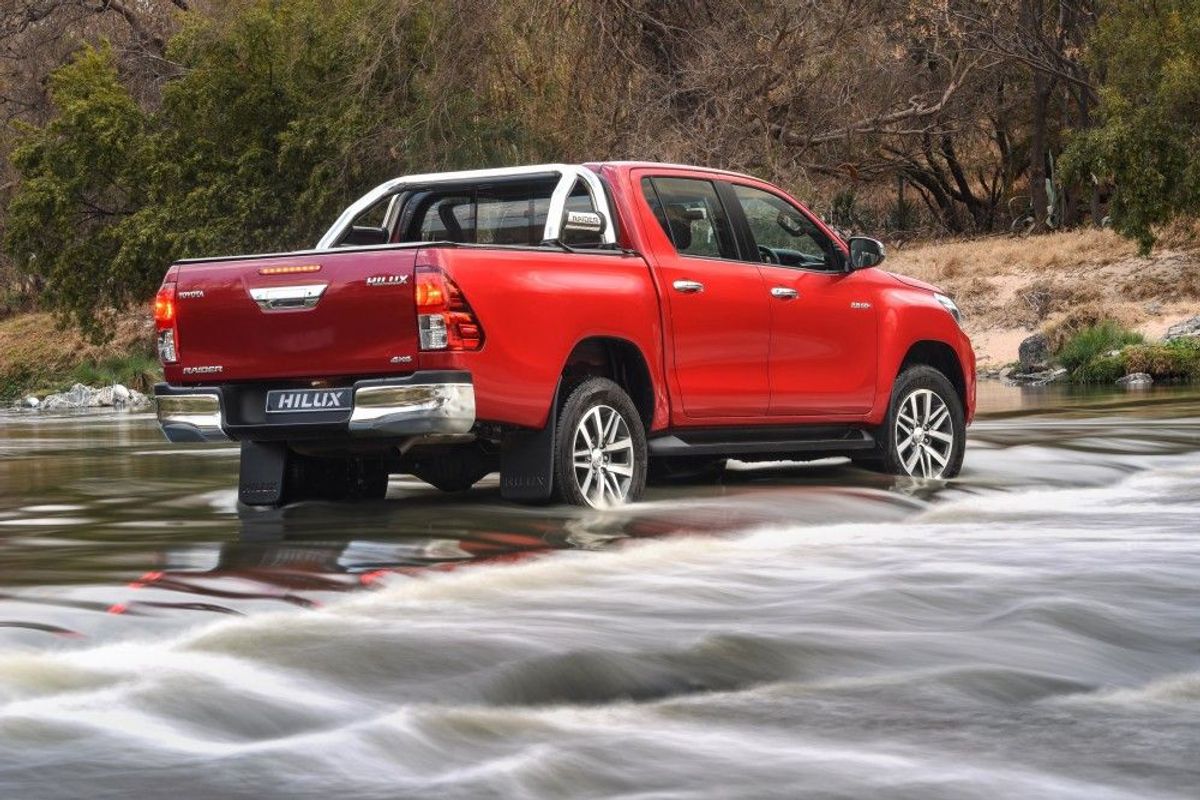
Hilux Raider
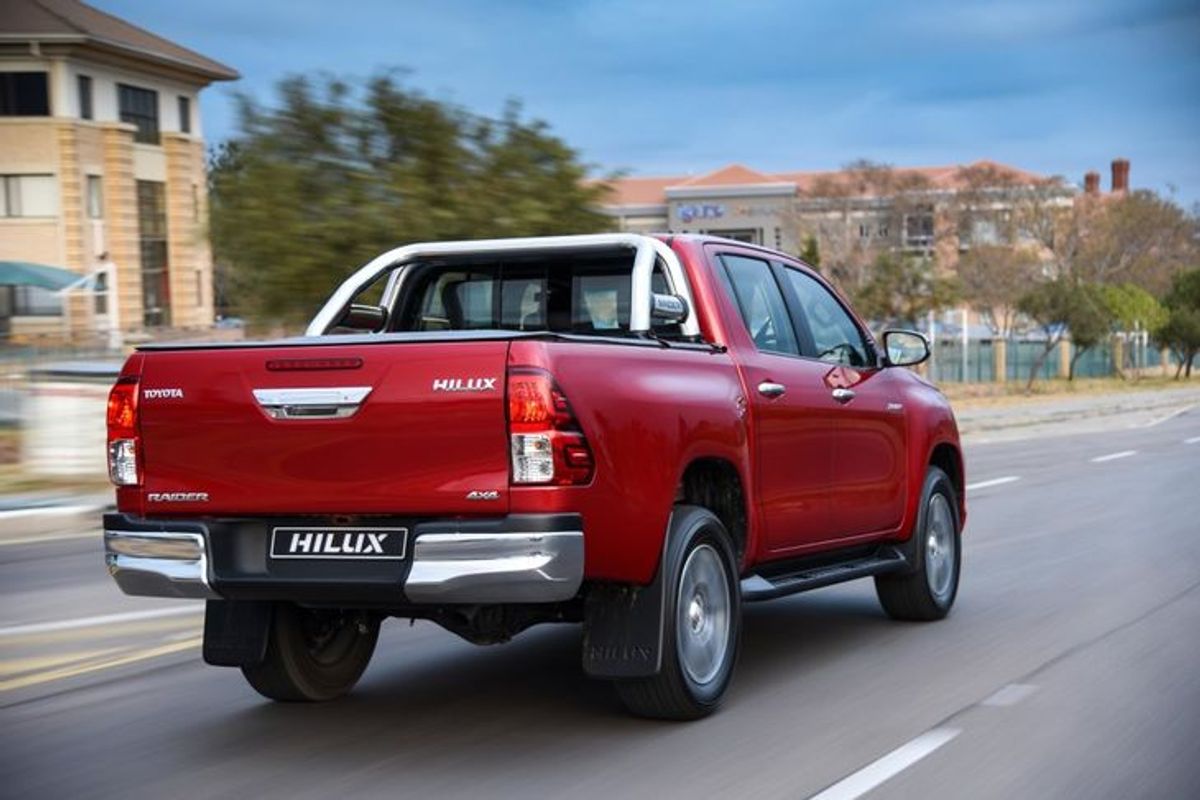
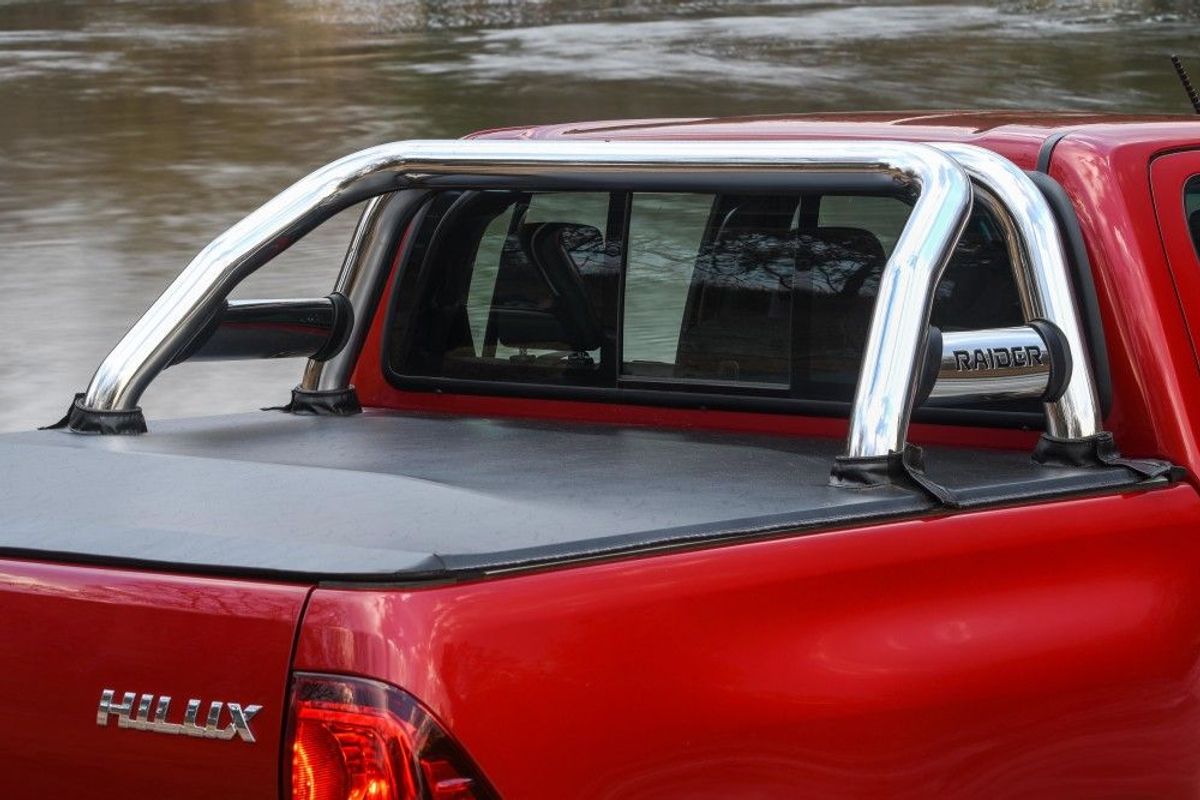
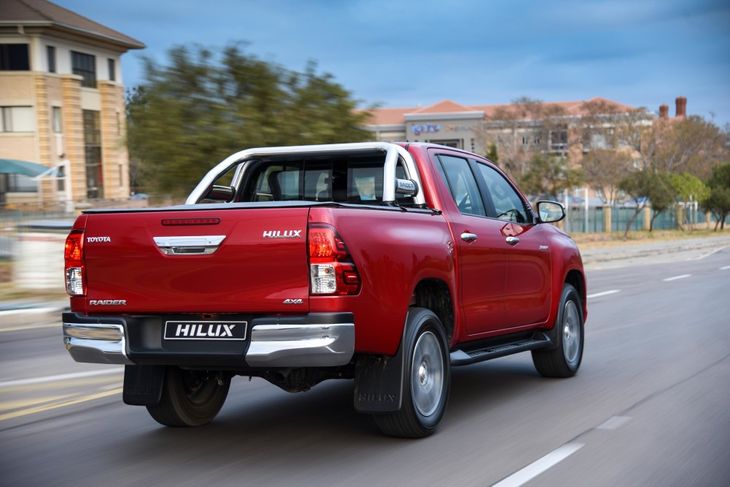
The Hilux Raider features additional chrome elements to set it apart from the rest of the Hilux range.
The flagship Hilux Raider is fitted with a larger and more powerful 2.8-litre turbodiesel engine with peak outputs of 130kW and 420 Nm (450 Nm in automatic guise).
The Hilux Raider now has a chrome grille surround, which complements the black horizontal slats and the electric-folding side mirrors and door handles are also finished off in chrome. The LED fog lamp surrounds incorporate horizontal and vertical elements in black and chrome. Full LED headlights and Daytime Running Lights (DRLs) are standard.
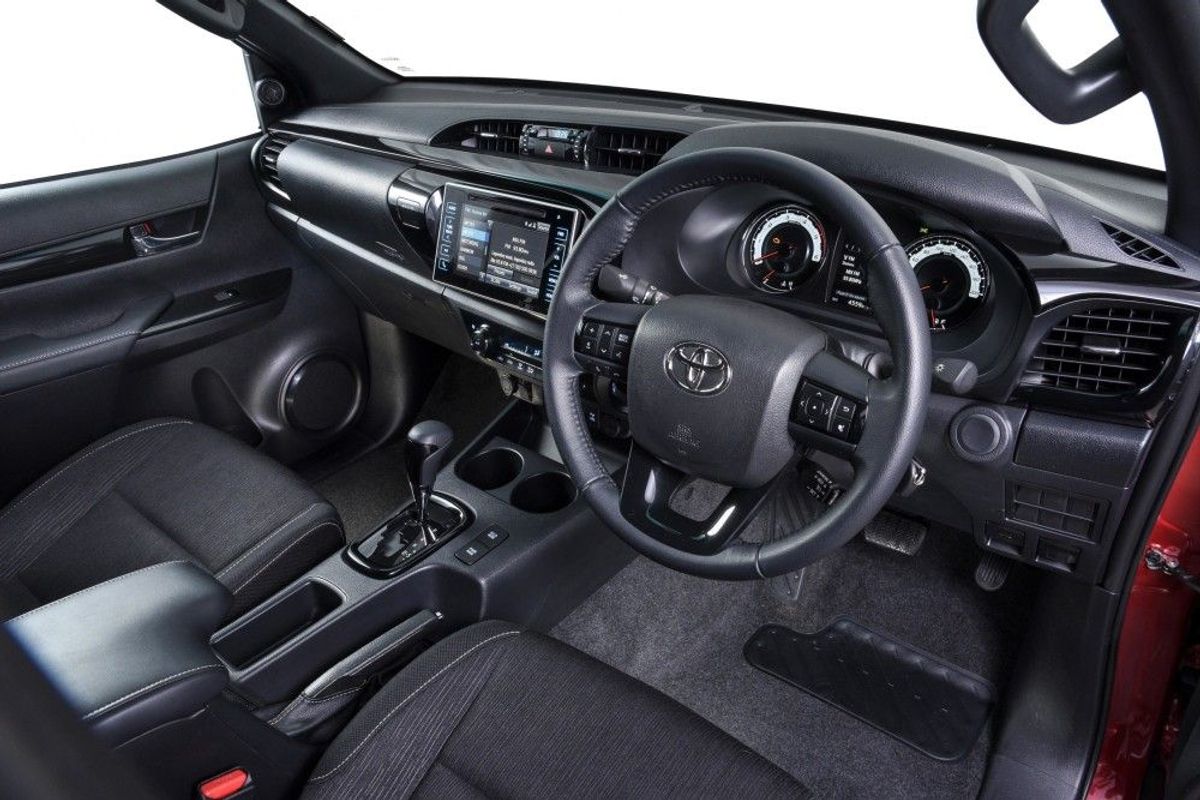
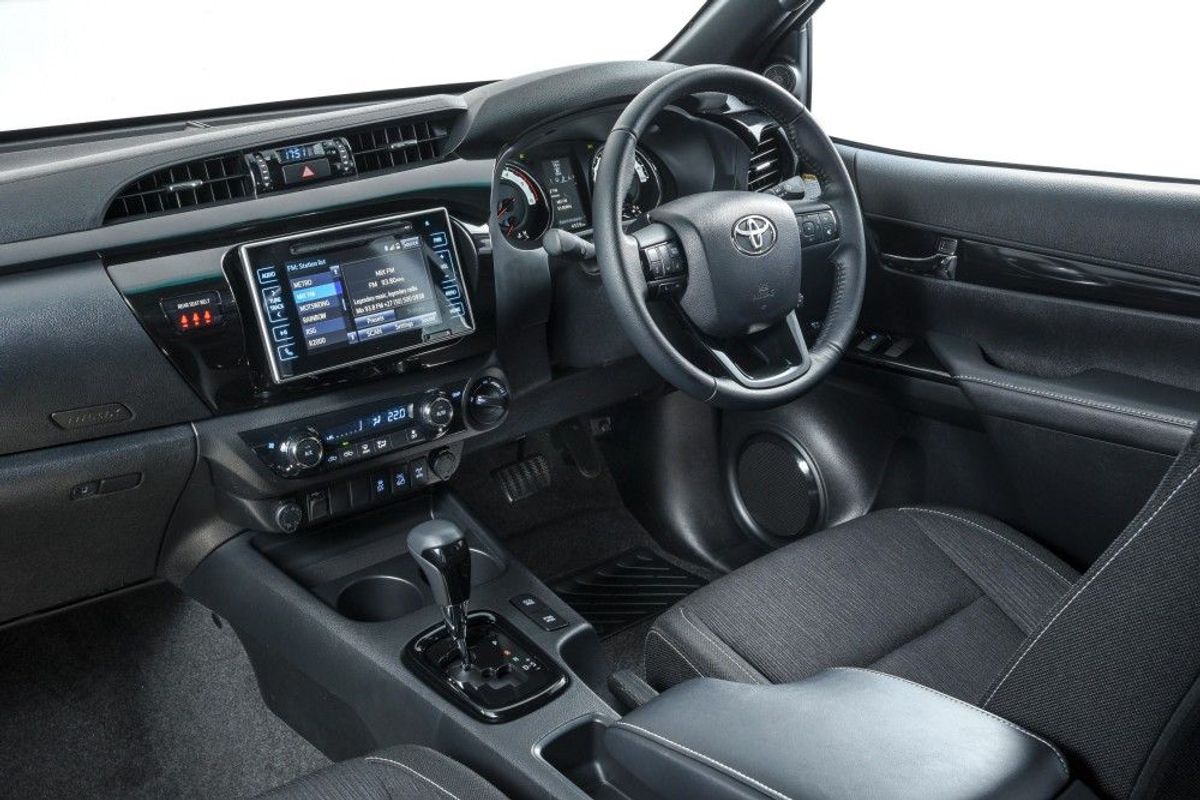
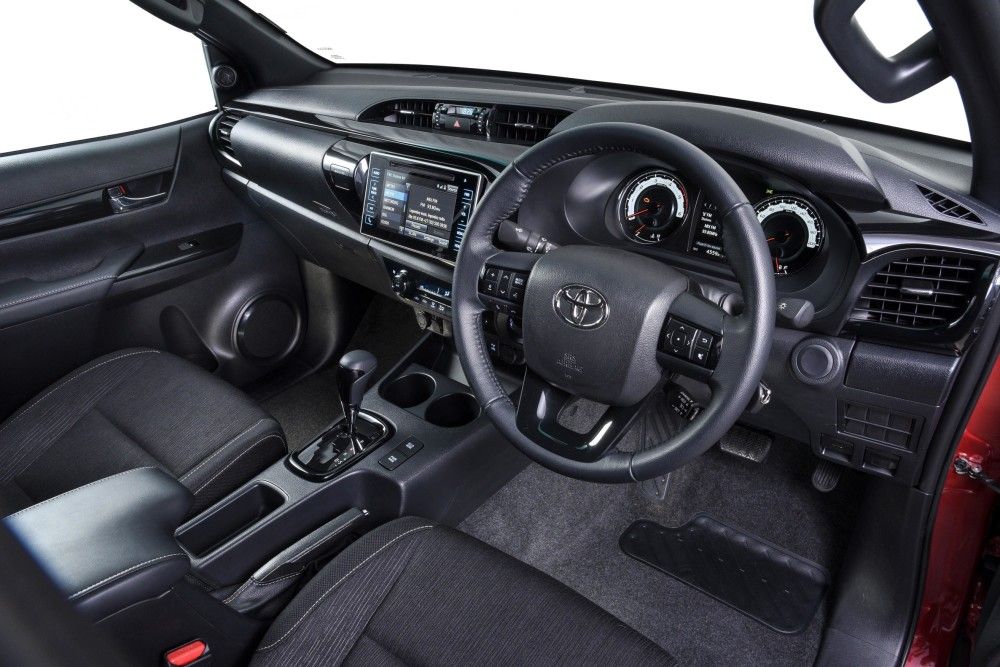
A full black interior from the Dakar Hilux now makes its way into the Raider.
The touchscreen infotainment system has been upgraded to include navigation and DVD playback capability. The system is USB- and Bluetooth-enabled and comes with 6 speakers, all controlled using the mounted steering wheel controls.
The most obvious change on the inside is the full black interior inherited from the Hilux Dakar with a black headliner and metallic black trim finishes. Other standard features include 18-inch alloy wheels, high-grade cloth upholstery, air-conditioned glovebox, leather steering wheel and gear lever, automatic climate control, TFT colour multi-information display, 12 – and 220 V sockets, rear armrest with cupholders. A total of 7 airbags are standard.
New Hilux Derivatives Added
Single Cab
Toyota has introduced an additional automatic derivative in the form of the Hilux 2.4 GD-6 "Raised Body" SRX equipped with a 6-speed automatic transmission. The Hilux SR grade (fleet and mining) now includes a 2.4 GD-6 Raised Body Manual variant (previously only available in 4×4 configuration). The 2.7 VVTi SRX has been discontinued.
Xtra Cab
Toyota has introduced a new mid-grade Hilux 2.4 GD-6 SRX "Raised Body" 6-speed automatic in response to market demand.
Double Cab
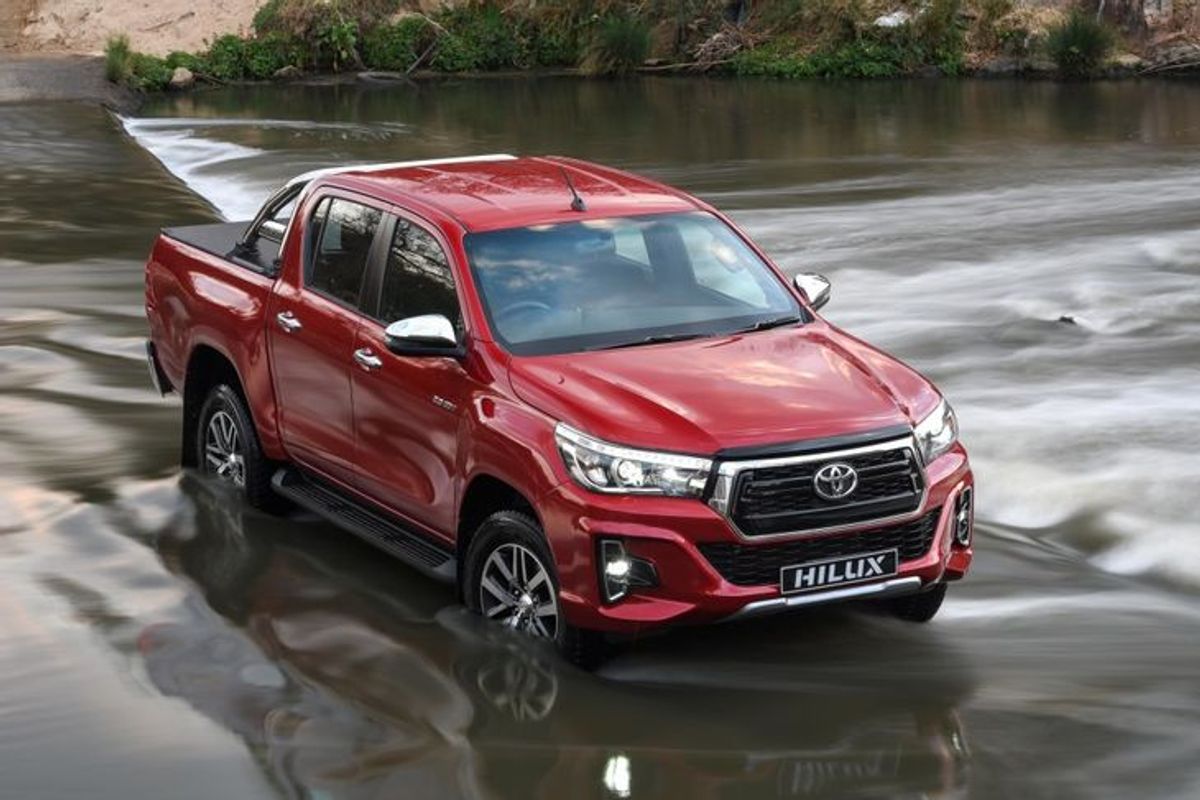
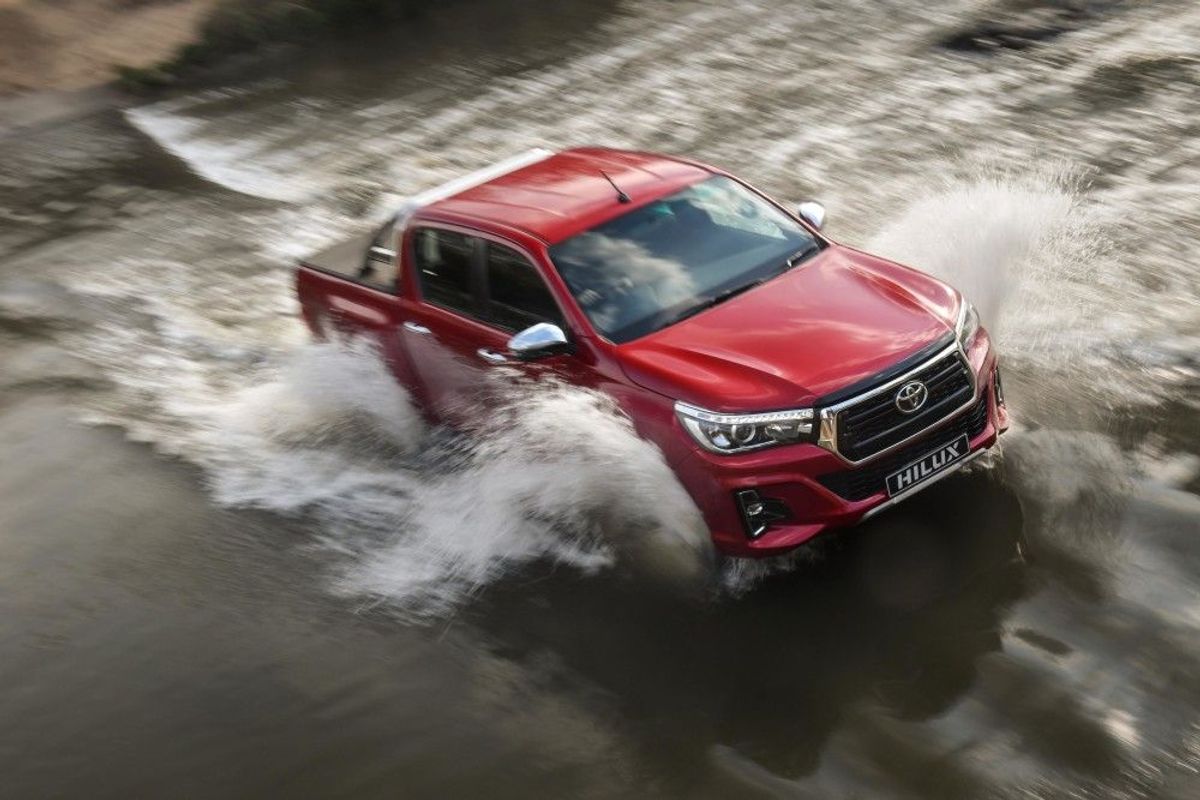
The Hilux remains as one of the most capable 4×4's on offer in SA.
Toyota has now introduced a new grade level for Hilux called "S". The Hilux S is an entry-level workhorse grade that foregoes comfort and luxury in favour of functionality and durability. This new grade features a PVC interior, J-Deck tailgate design with cargo hooks and rides on 17-inch steel wheels. The Hilux S is further distinguished by its black bumpers and grille.
The Hilux S is offered with either the 2.7-litre petrol engine with 122 kW and 245 Nm (5-speed manual) or the 2.4GD-6 engine with a 6-speed manual transmission.
The Hilux SR range has expanded with a 4×2 "Raised Body" derivative which also features the J-Deck design and black bumpers and grille.
There’s also a new Hilux 2.4GD-6 SRX 4×2 Automatic which now joins the range. The previous Hilux 2.7 SRX has been discontinued.
Chassis Cab
Toyota has reintroduced 3 Chassis Cab variants, which include the 2.0 VVTi 5-speed manual AC workhorse, 2.4 GD-6 5-speed manual AC workhorse and 2.4 GD-6 6-speed manual SRX 4×4. Lastly, the Inferno Orange metallic exterior paint colour from the Hilux Dakar is now offered across the Hilux range.
Toyota Hilux – Price in SA
These prices were correct as published in August 2018. All Hilux derivatives are sold with a 3-year/100 000km warranty and a 9-service/90 000 km service plan as standard. Extended service plans are available from all Toyota dealers.