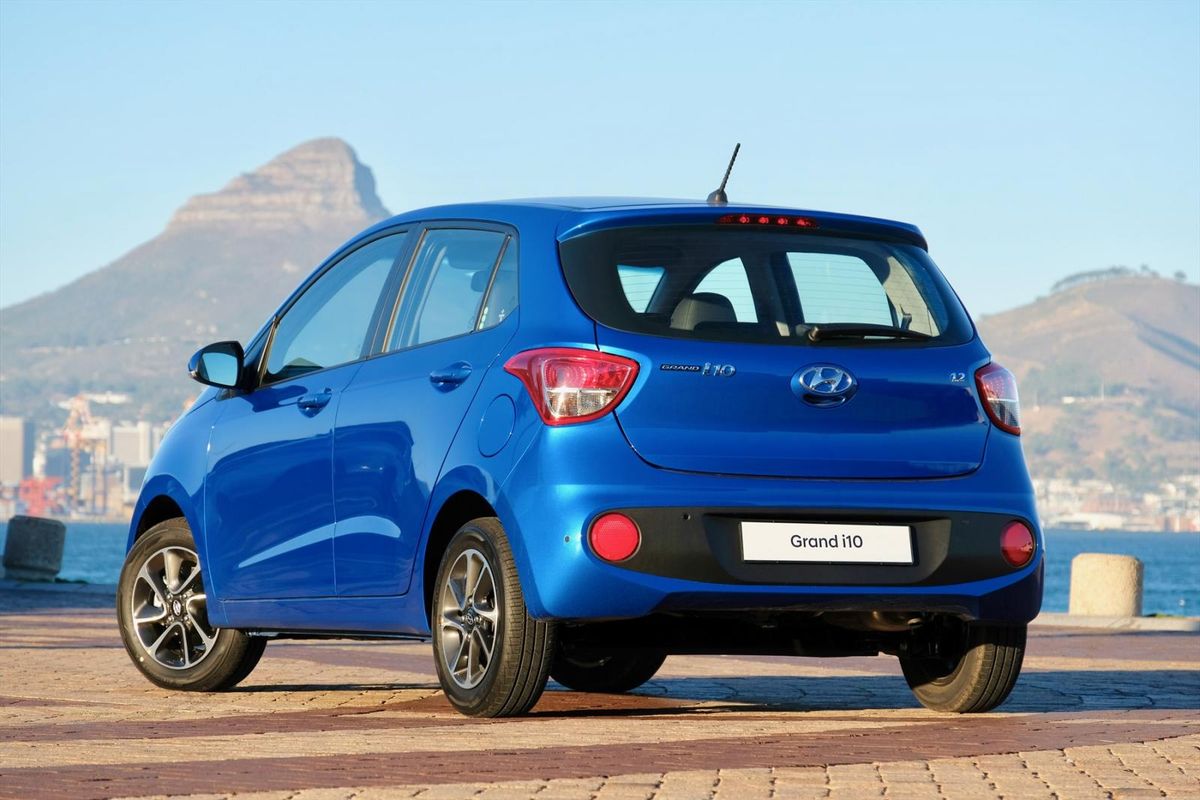
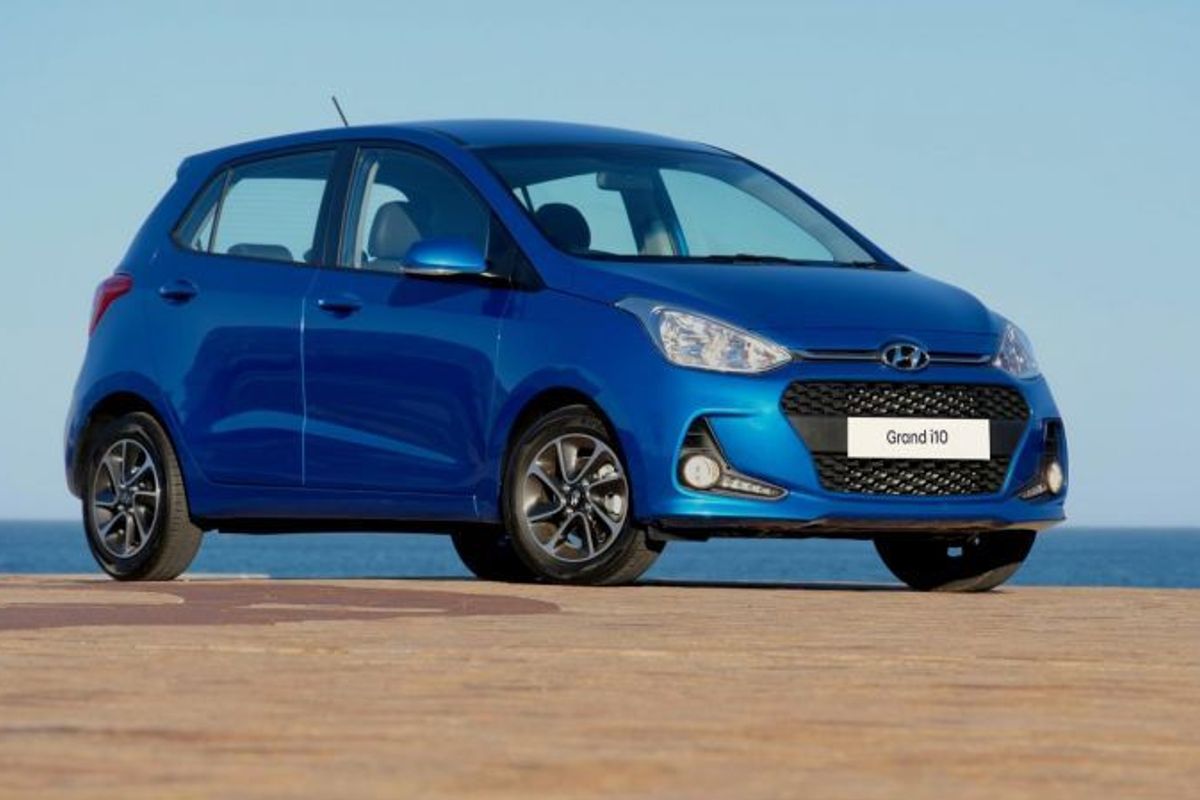
Hyundai Grand i10 (2018) Launch Review
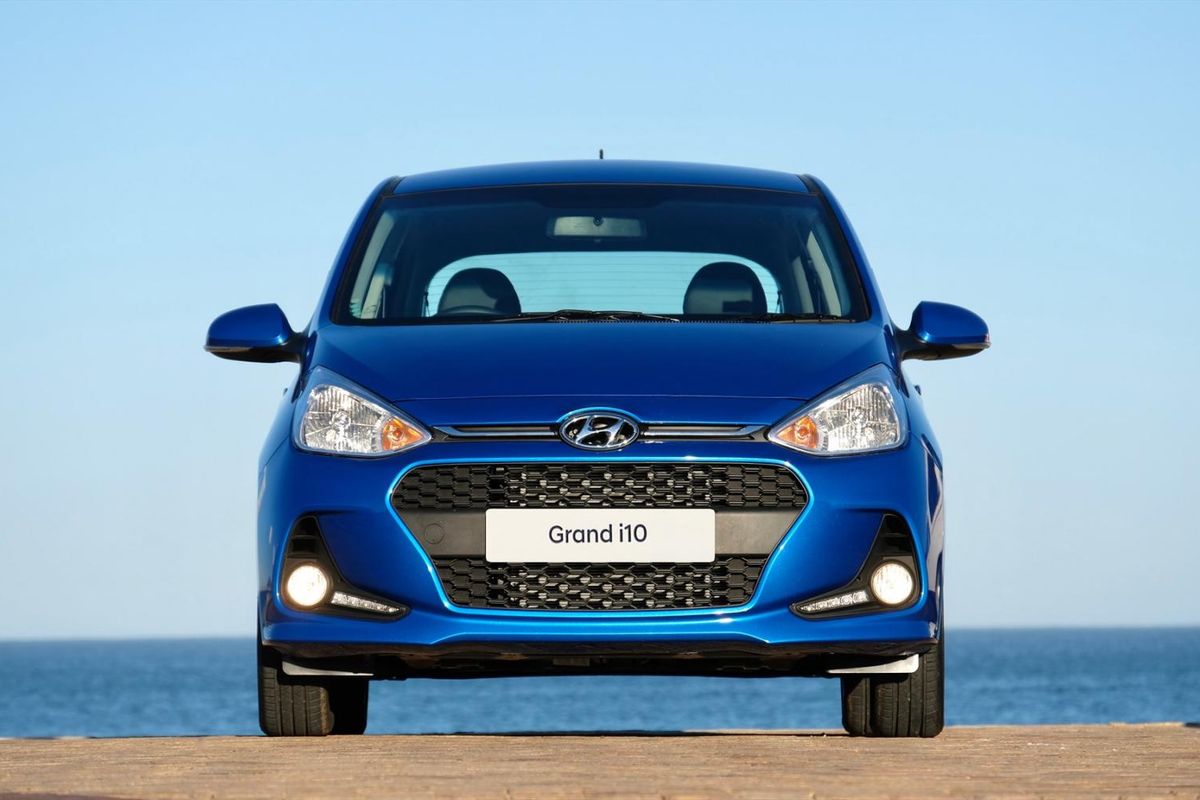
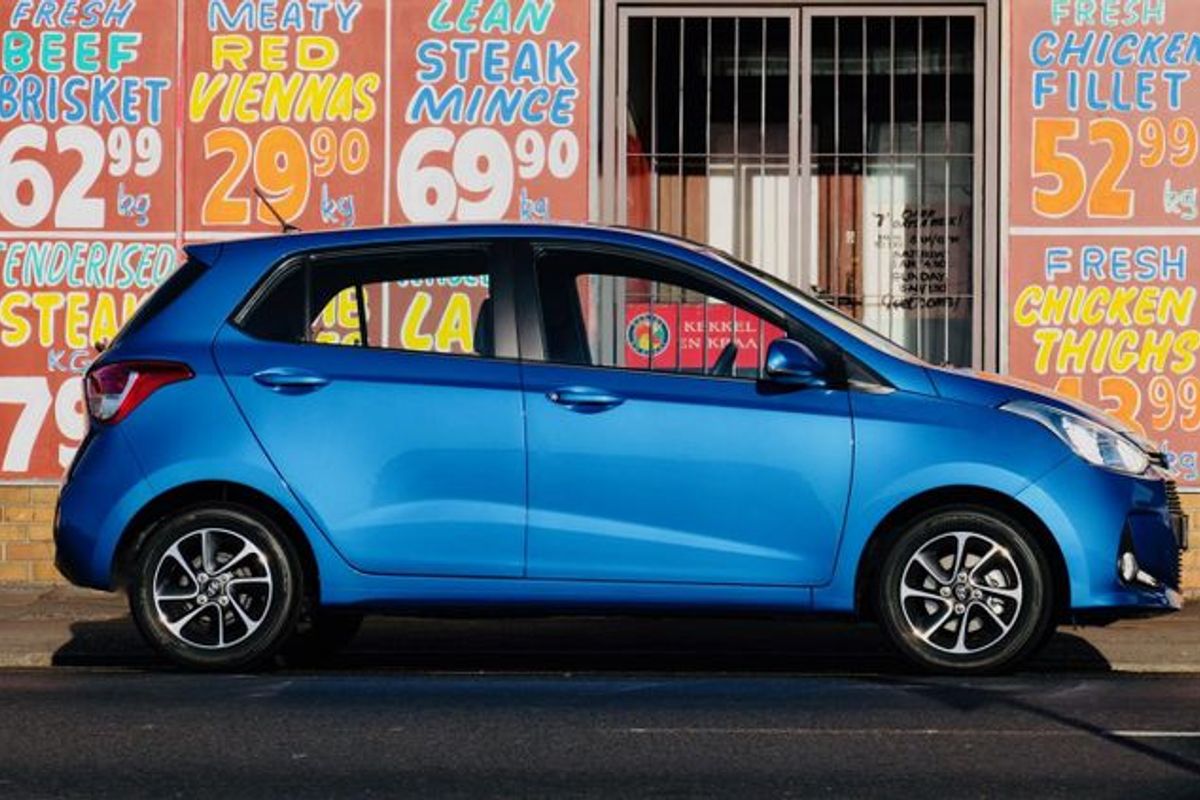
Hyundai SA has rejuvenated its Grand i10 range, which is now on offer in six different derivatives spanning three trim levels (Fluid, Motion and Glide) and two engines (1.0 and 1.25) in both manual and auto. We drive the newcomer in the Western Cape.

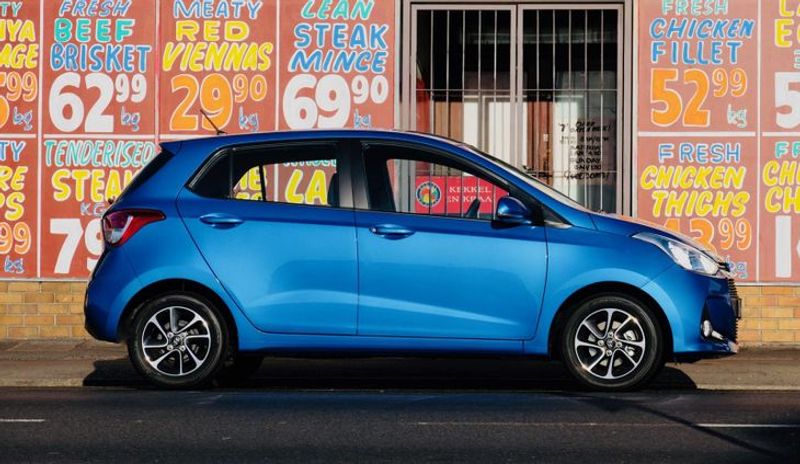
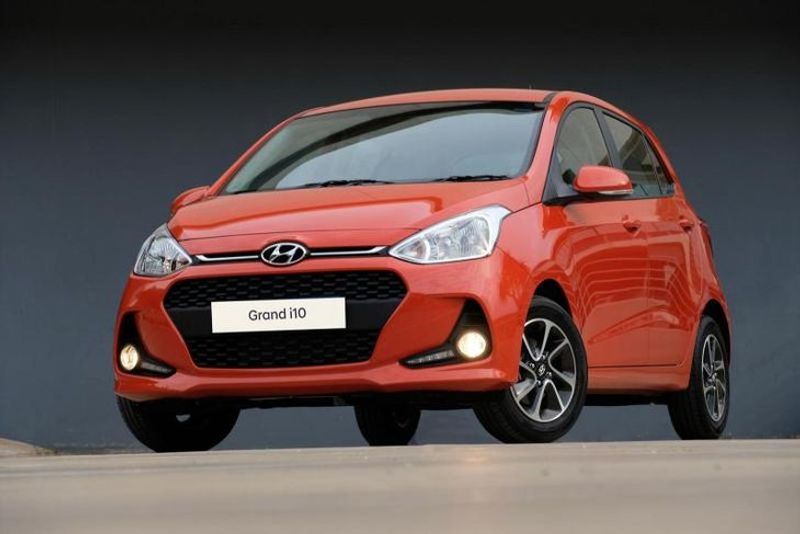
The new range-topping Glide derivative has been introduced above the Motion and Fluid, which gets the same 1.25-litre engine and some cool extras like LED daytime running lights, Rear Park Assist, ‘look at me!’ mags and black leather seats with dashing red inserts.

We drove the new Glide on its launch recently on a hilly, twisty route from Cape Town International Airport up Helshoogte Pass to Berg River Dam and back, and found the newbie not only easy to look at but also an impressive little bundle of science – here’s why.

Refined ride
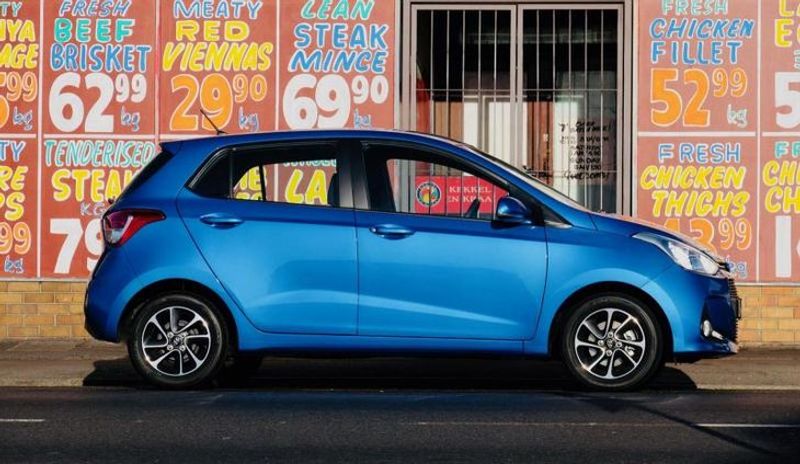

We found the newbie not only easy to look at but also an impressive little bundle of science

The new Grand i10 range benefits from some well thought-out technical improvements, resulting in better handling characteristics and a surprisingly impressive reduction in cabin noise.

The Glide really does live up to its name, even at 120km/h on the open road, where it has the calm and collected feel of cars that typically cost considerably more. Sure, it’s not going to take your breath away, but this Grand i10 can be eased into and squeezed out of bends with a fairly decent measure of enthusiasm, and it tends to hang on like that ex who won’t stop messaging.

These improvements in ride quality and cabin noise levels are due to a set of effective engineering enhancements: a coupled torsion beam suspension at the rear ensures comfortable driving with a stable and firm grip on the road, while improvements to the trailing arm geometry and coil springs of the rear suspension also contribute to better stability and handling.

The body shell of the Grand i10 has good torsional rigidity, due to the use of high-tensile steel that forms 29% of the body structure of the car. The firm underpinnings not only improve the car’s impact resistance, but a o yield low levels of noise, vibration and harshness. The Grand i10’s noise levels are recorded as low as 38 decibels (dB) at idle and 65 dB at highway speed, which is impressive for a car in this category.

The steering still has a relatively wide dead zone when perfectly straight (granted, most buyers of this car would probably not give a hoot), but when in a corner the steering is accurate and feedback is reassuring. Does it have enough oomph?

The Glide features the 1.25-litre engine, which is adequate for most scenarios, assuming you’re not trying to overtake four trucks at once. On the launch route we quite often found that fifth gear wasn’t quite strong enough to keep things going, but when dropping to fourth the revs felt a little too high, which meant easing off a bit to find the sweet spot when going uphill. Fifth gear is really a flat-road cruising gear; if you’re traversing mildly hilly terrain you can expect to become good friends with that fourth gear.

In the 1.0-litre models you’ll likely also need to make good friends with third gear, especially at altitude and when loaded, and will require more patience, but you will be rewarded at the pumps.

The 1.25-engine in the Glide remains unchanged at 64kW @ 6000rpm and 120 Nm at 4000rpm, while the new 1.0-litre engine loses 2 kW (from 50 to 48) from the outgoing 1.1, and although max torque is also down (from 99 to 94 Nm), it’s now available at 3 500 instead of 4 500rpm, which makes for less screamy overtaking.

Inside the Hyundai Grand i10
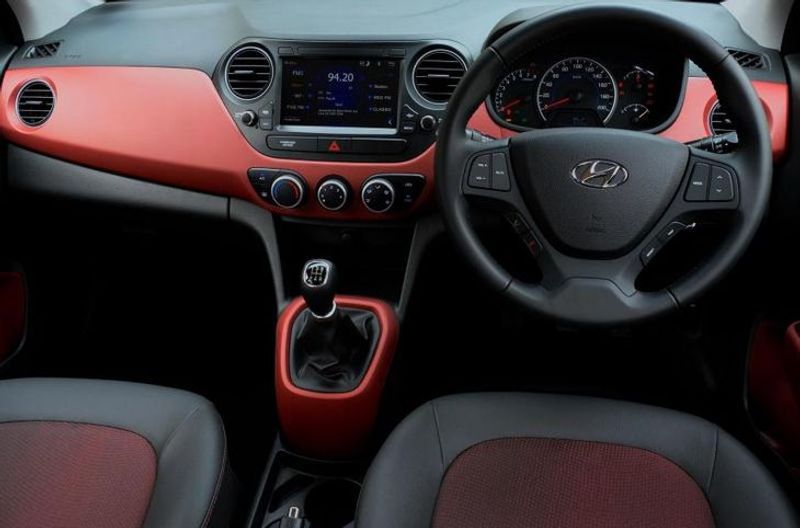

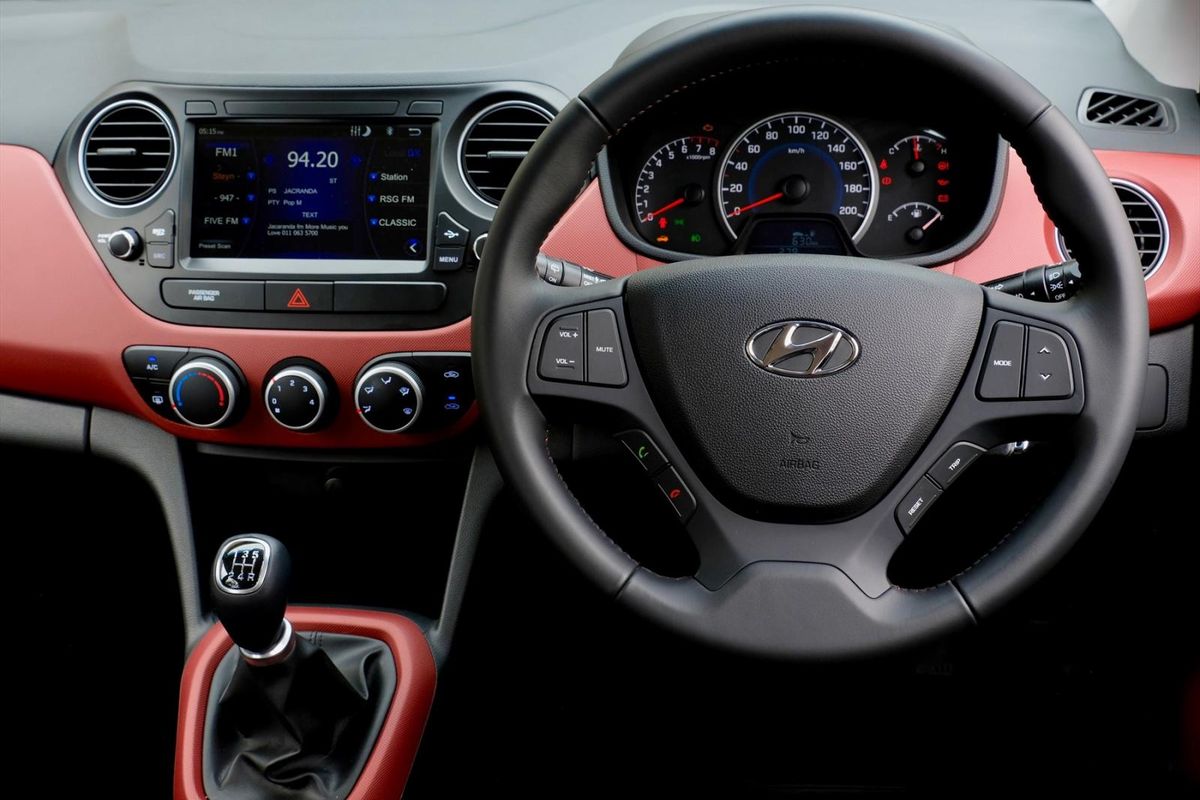
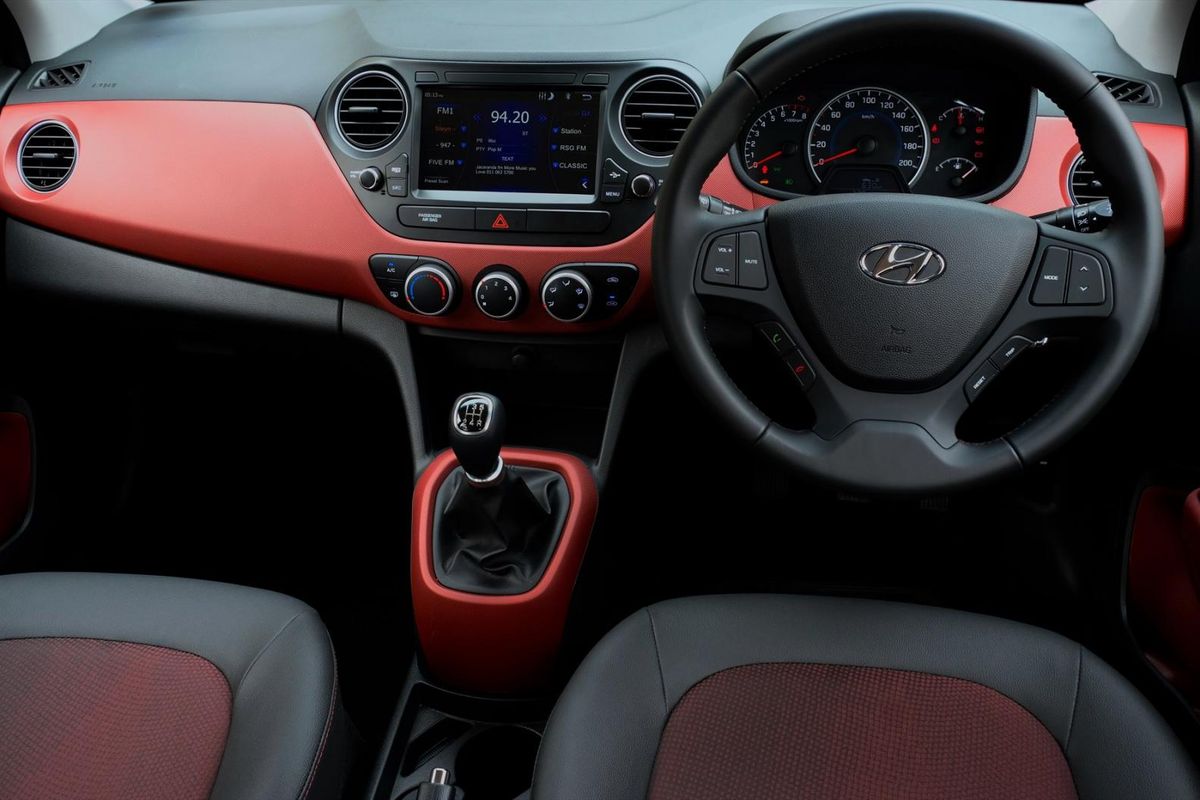
Simple and stylish sums up the cabin of the Hyundai Grand i10

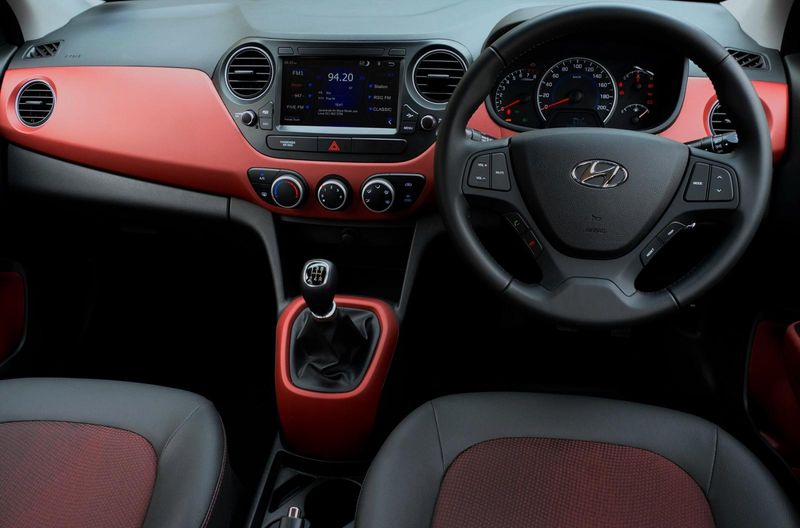
The cabin of the Glide is an enjoyable place to be, with appealing two-tone black and red leather seats and finishes. The steering wheel is comfortably sculpted and feels more rubbery than plasticky, and boasts a full bouquet of controls at your fingertips.

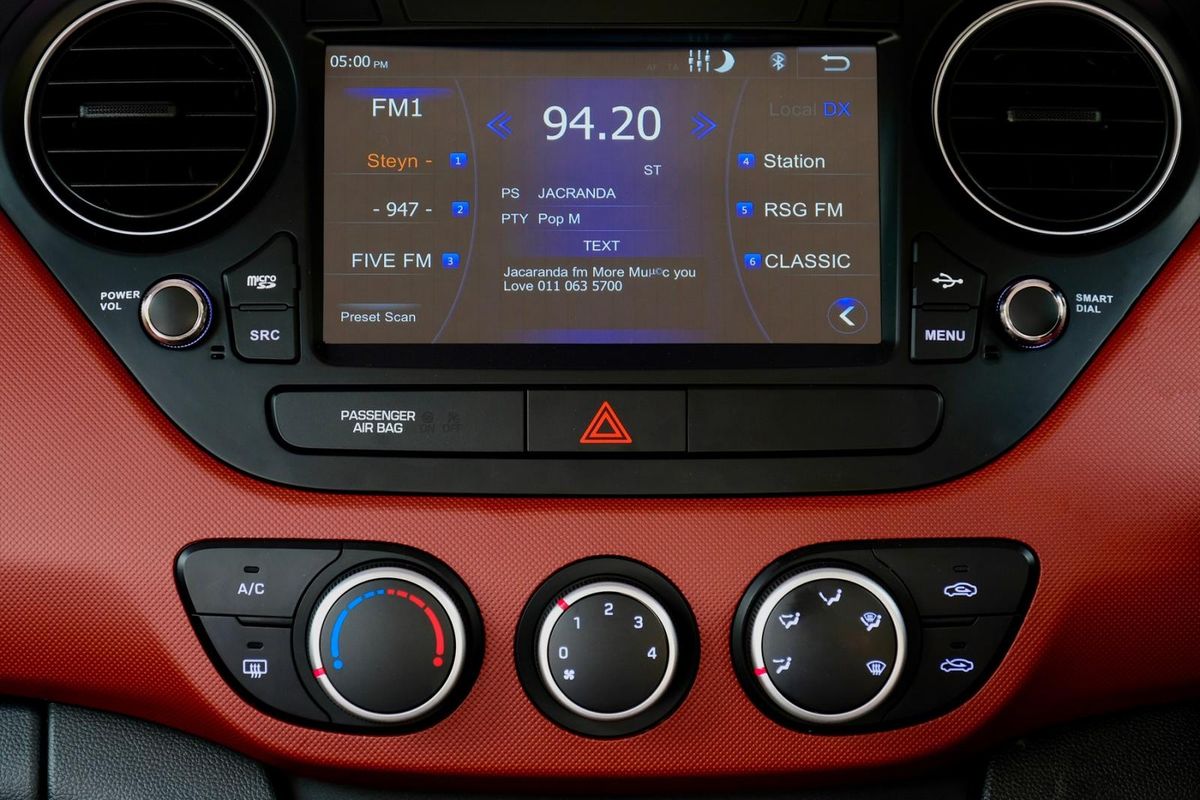
A generously-sized touchscreen is the centrepiece of a pretty decent infotainment system, which is also available in the Fluid. If you want maps as part of the system, you'll need to fork out an additional R2500 for the SD card.

In general, the atmosphere in the Glide’s cabin is welcoming, vibrant and casually classy. Materials used all-round are decent, and pretty much the only thing we immediately noticed that we didn’t like was the flimsy flappy covers for the SD card and USB ports – they look and feel like they could easily break off if handled a touch too roughly.
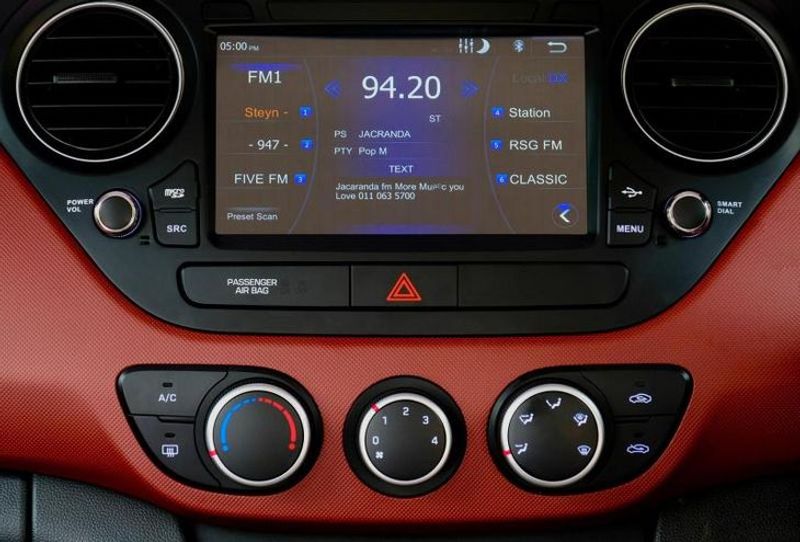

A generously-sized touchscreen is the centrepiece of a pretty decent infotainment system, and it has optional maps

How thirsty is it?

One of the main attractions of a car like the Grand i10 is its frugality with fuel. Hyundai says consumption for the 1.25-litre manual has been measured at 5.9 L/100 km, and 6.9 L/100 km for the 1.25-litre four-speed auto.

The smaller 1.0-litre engine achieves 5.4 litres/100 km in manual, and 5.9 litres/100 km with the automatic.

Who does it play with?

Some of the Hyundai Grand i10 Glide’s closest competitors are the following:

Ford Figo 1.5 Titanium

Volkswagen Polo Vivo GTS 1.6 (note: the new Polo Vivo is due soon)

VW up! 1.0 Cross

Renault Clio IV 0.9 Turbo Authentique
Toyota Yaris 1.0 Pulse

Hyundai Grand i10 Price in South Africa

Interestingly, and in part thanks to improvements in the Rand's performance, the new Glide is priced exactly the same as the outgoing Grand i10 1.25 Fluid MT at R202 900. Despite being the top-specced model, the Glide comes in a few grand cheaper than the 1.25 Fluid AT (R206 900).

At a price range from R149 900 to R206 900 – with Hyundai’s 5 year/150 000 km manufacturers warranty, additional 2 years/50 000 km powertrain warranty, and 5-year/150 000 km roadside assistance thrown in – the Grand i10 is an appealing offering.  

Grand i10 1.0 Motion manual R149 900

Grand i10 1.0 Motion automatic R169 900

Grand i10 1.0 Fluid manual R169 900

Grand i10 1.25 Fluid manual R189 900

Grand i10 1.25 Fluid automatic R206 900

Grand i10 1.25 Glide manual R202 900
Audi TT RS (2018) Review

The recently-launched Audi TT RS has been well received and we were just itching to get our hands on what's likely to be the Ingolstadt-based marque's best-bang-for-buck sportscar. Does it tick all the boxes and deliver surfeit thrills? Let's find out…

We like: Blisteringly quick, soulful soundtrack, generous standard specification, ease of use, value for money.

We don’t like: We miss the fixed wing (but it's available as a no-cost option)

Alternatives

  • The visceral Bavarian: If its driving thrills you're after, you'd be hard-pressed to beat our 2016/17 and 2017/18 #CarsAwards Performance Car winner: the BMW M2 M-DCT. It comes in at a similar price to the Audi TT RS and while it's no match for the Audi in a straight line, the M2 will reward a skilled driver and indeed keep pace with its all-wheel-driven rival in the twisties, well… at least in dry conditions. 
  • Best of British: The supercharged V6 F-Type is a pretty, yet fearsome beast. It sounds magnificent and offers much driving enjoyment. It's not a patch on the Audi TT RS in terms of acceleration and it's considerably more expensive. The 280 kW Auto costs R1 153 562, while the AWD Auto is R1 171 975 
  • Zuffenhausen's little firecracker: Porsche offers a hardcore driving weapon in the shape of the Porsche Cayman GTS. It is pricier than the Audi TT RS but surely more capable in the right hands. We say surely because it remains untested. Also, the Porsche badge does carry a more sporting pedigree.

Compare the Audi TT RS to the BMW M2 and Jaguar F-Type here.

What is an Audi TT RS?


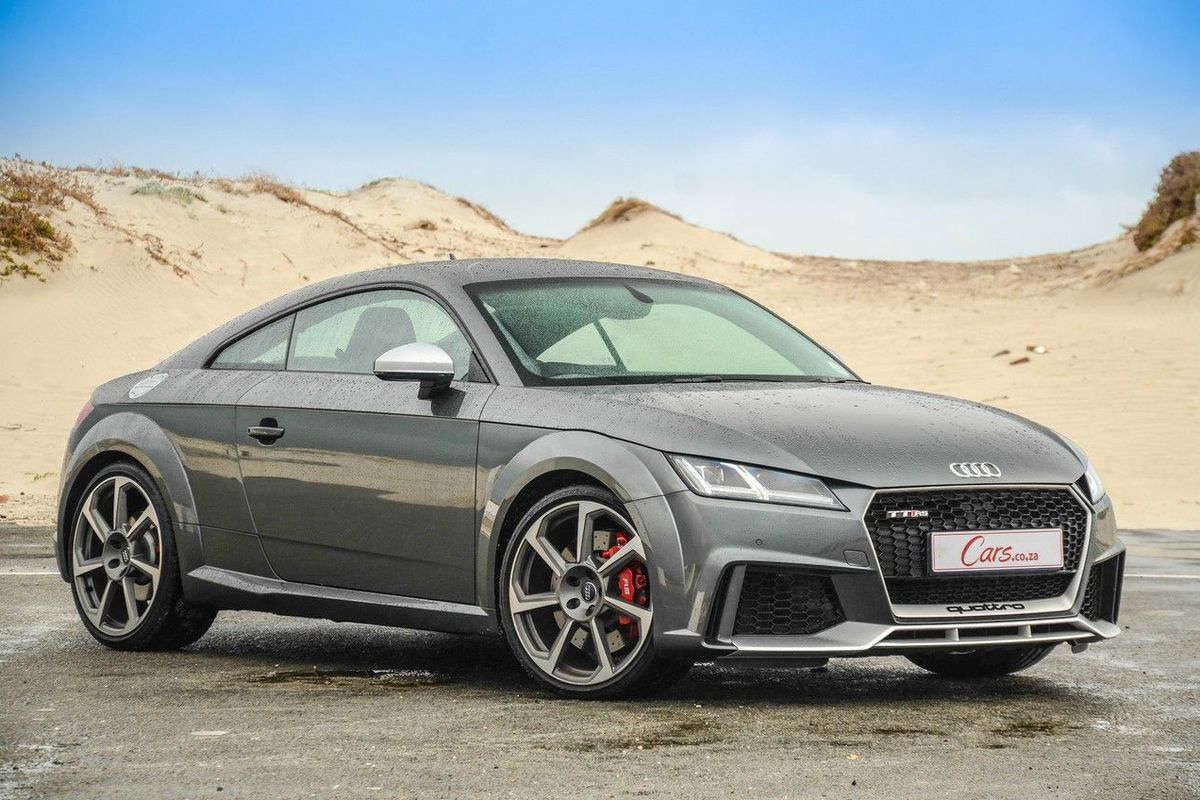
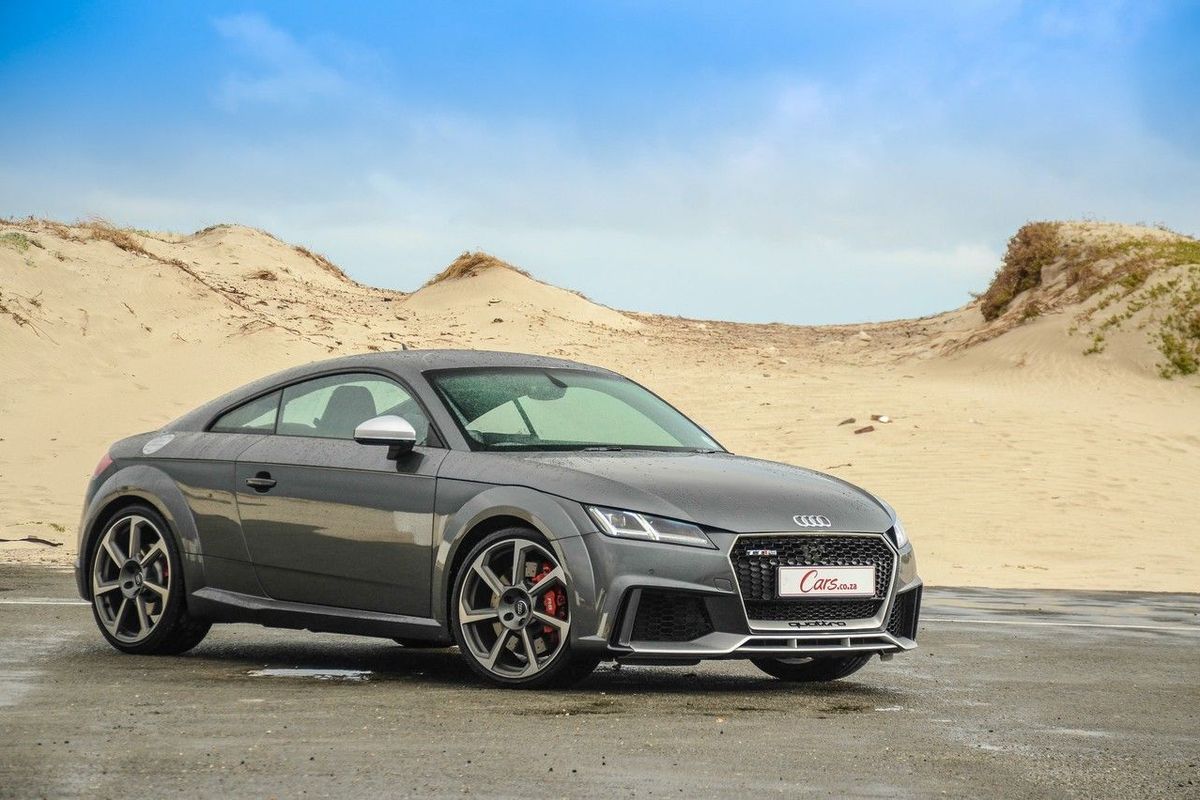
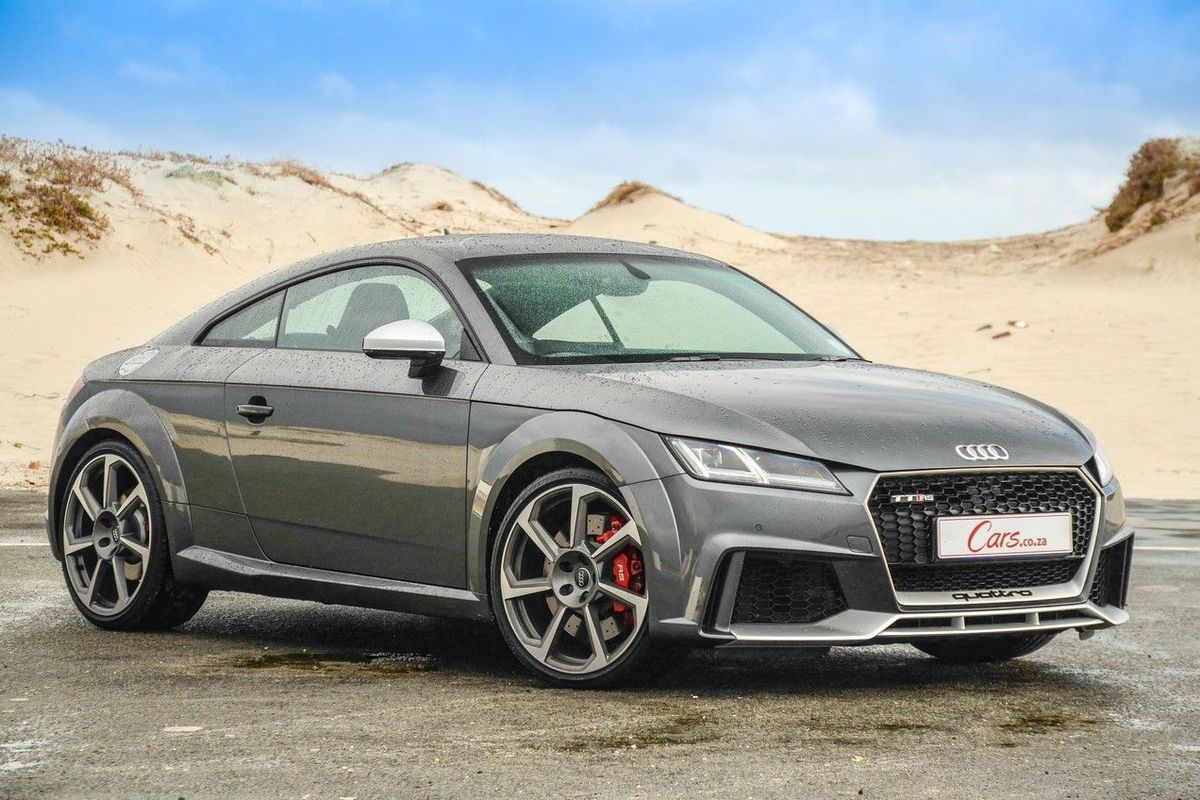
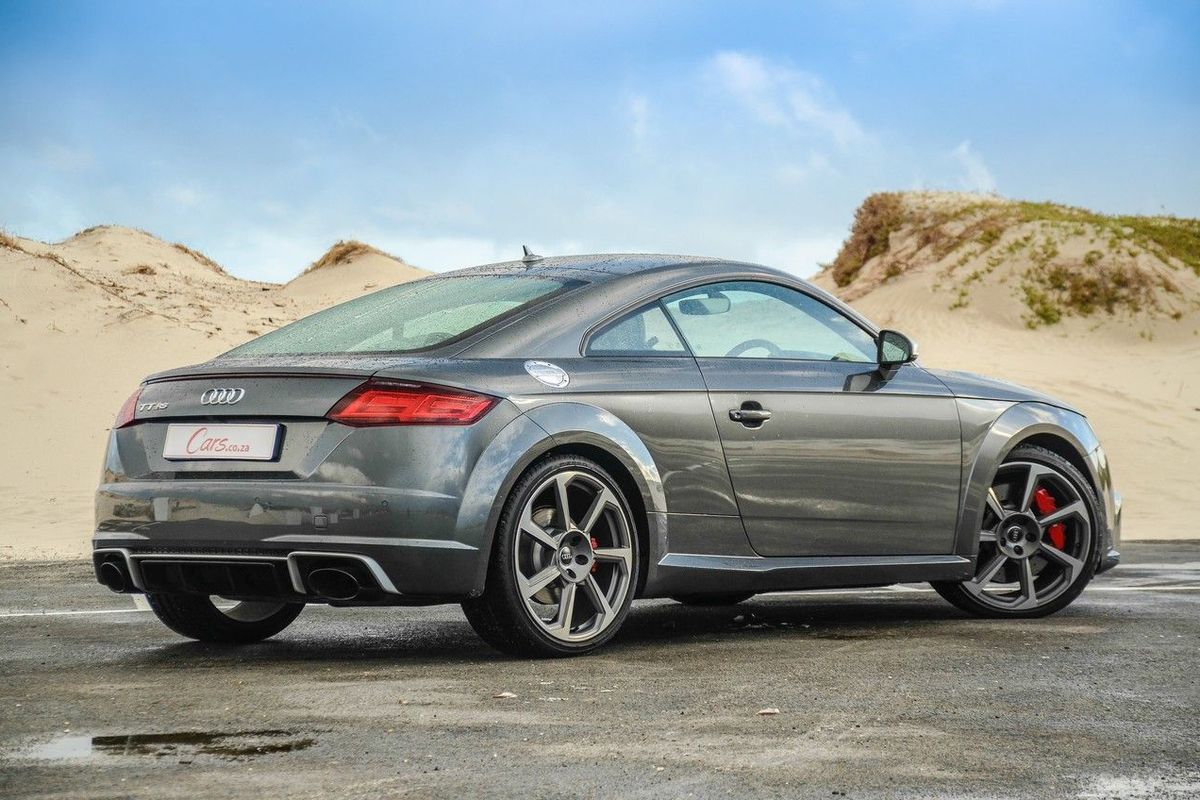
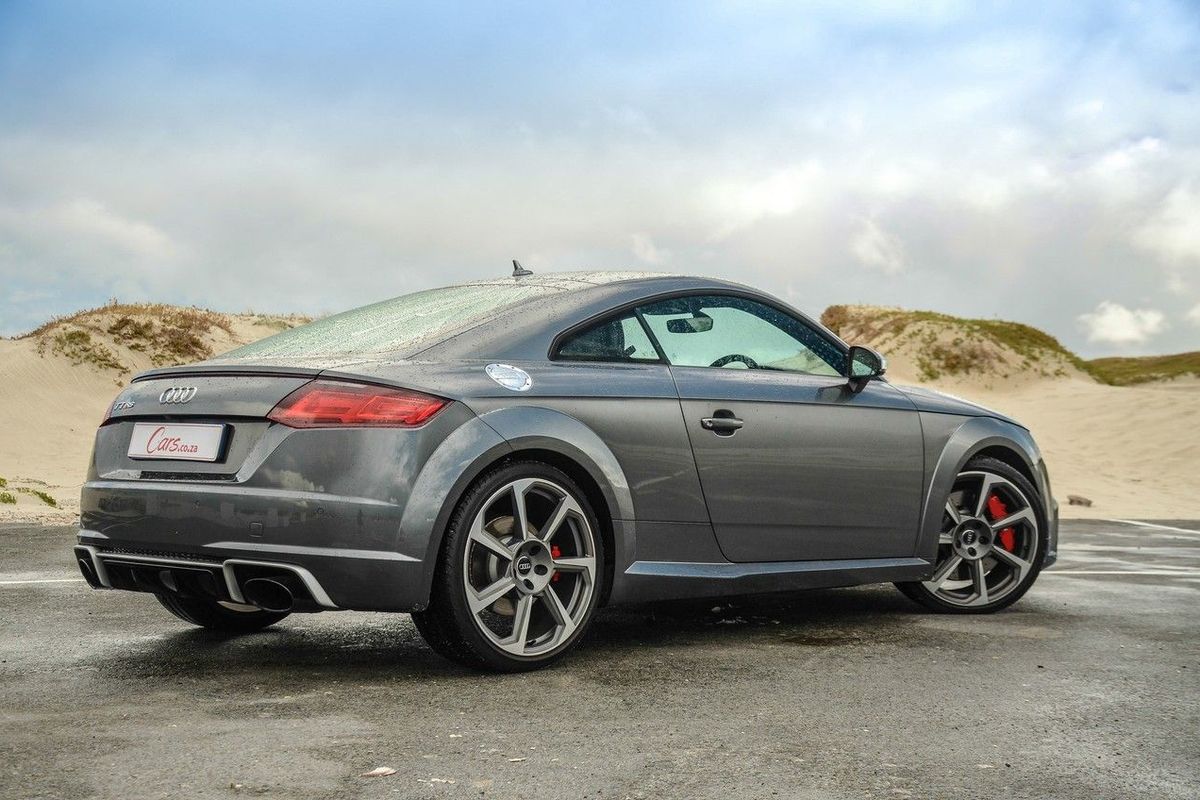
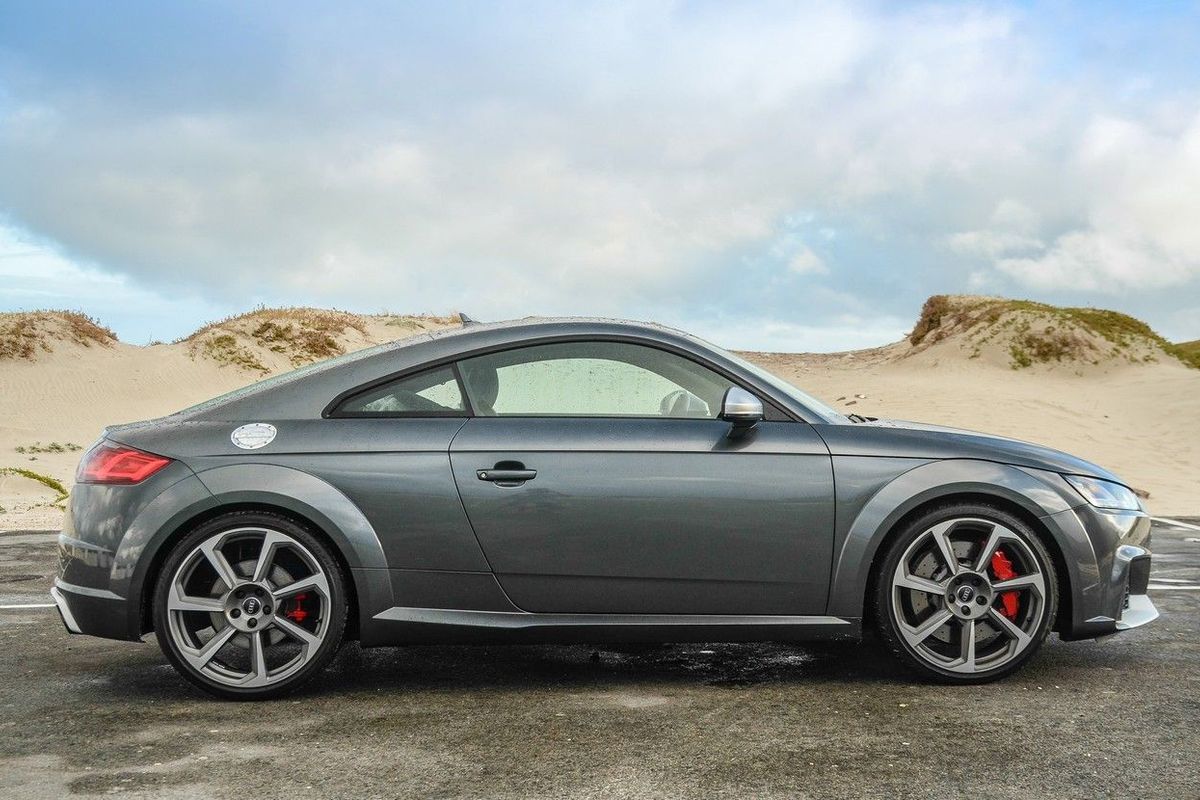
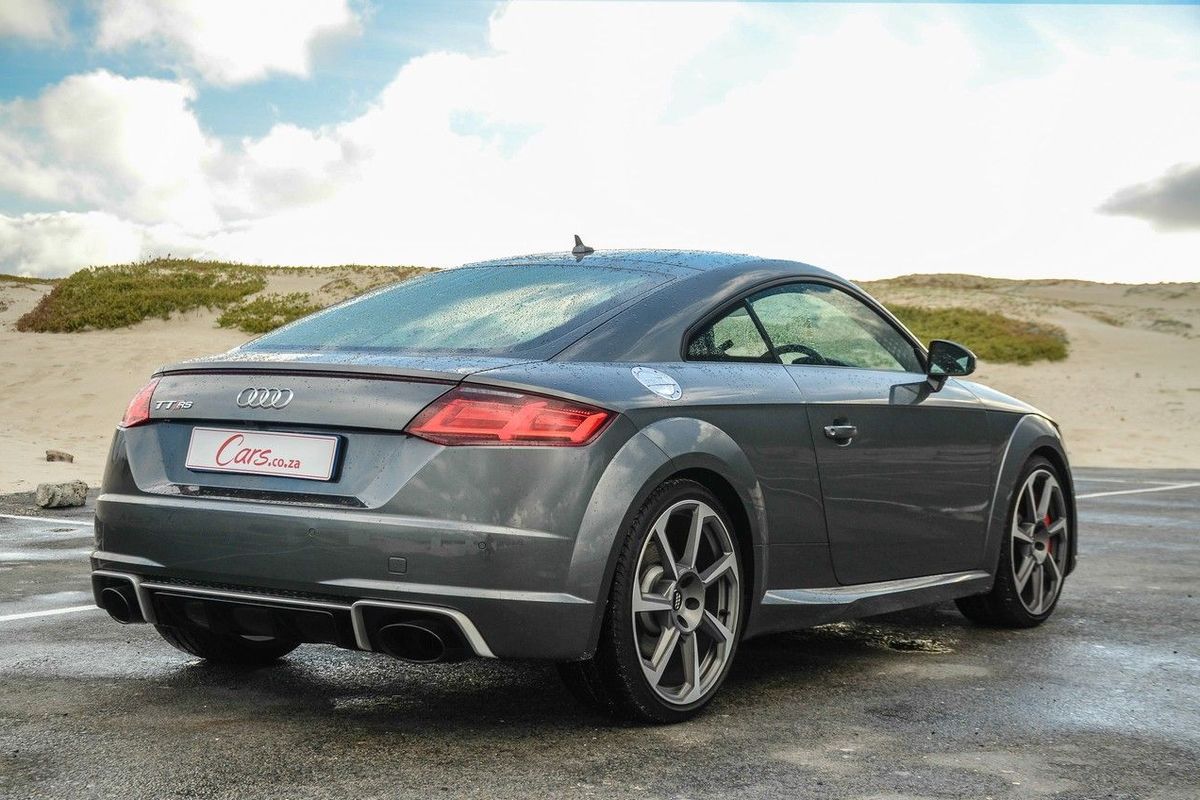
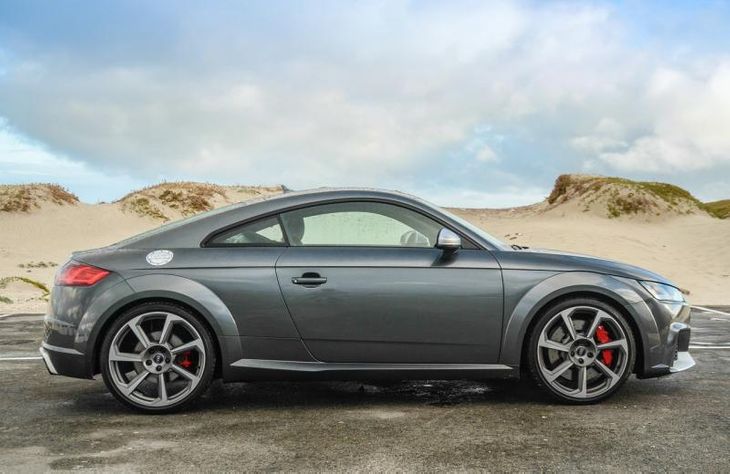
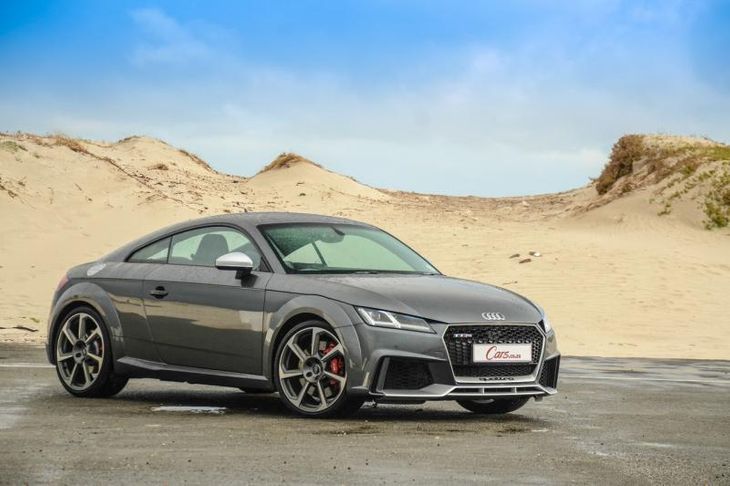
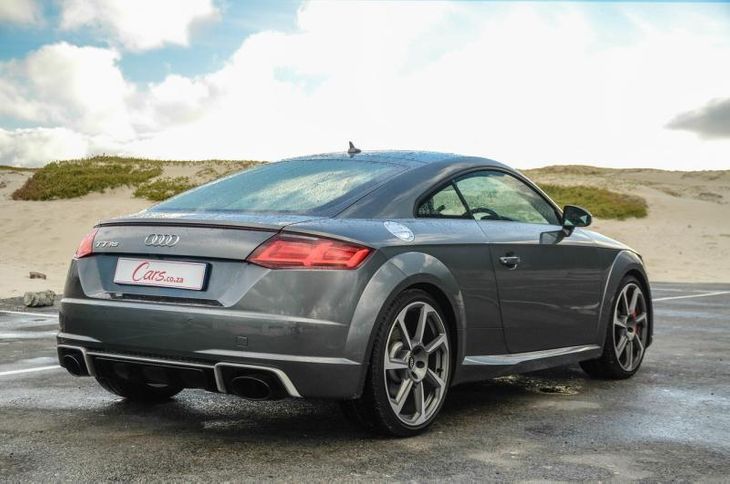
With the big alloy wheels, huge oval exhausts and RS badging, there's no mistaking the Audi TT RS for anything else. 

The Audi TT RS is a compact 2-door coupe with one goal in mind: blistering performance. The RS badges splashed prominently around the car will leave no-one in doubt that the TT RS is a meant to be the fastest in its family. As it stands, the list of TT siblings is diverse. Kicking off the range is a 1.8-litre model with power going to the front wheels, then you get the 2.0-litre with a quattro drivetrain and then there's a TT S derivative, which offers a bit more grunt. Finally, there's the big brother TT RS.

Some may deride the TT for being a poseur's sportscar, but the Audi is  a fun-to-drive coupe and with a 2015/16 #CarsAward under its belt in the Fun Car category, it delivers the best of both worlds. It's both a comfortable and stylish daily driver, yet is happy to tackle some twisty roads with enthusiasm. Things change dramatically with the addition of the RS model, however. This is a supercar-hunting weapon masquerading as a well-mannered coupe. Underneath the bonnet is a thumping engine, the suspension has been overhauled and the visual go-faster bodywork serves as a reminder that this is (or at least attempts to be) a hardcore driver's car. 

How does it fare in terms of…

Design & Packaging?


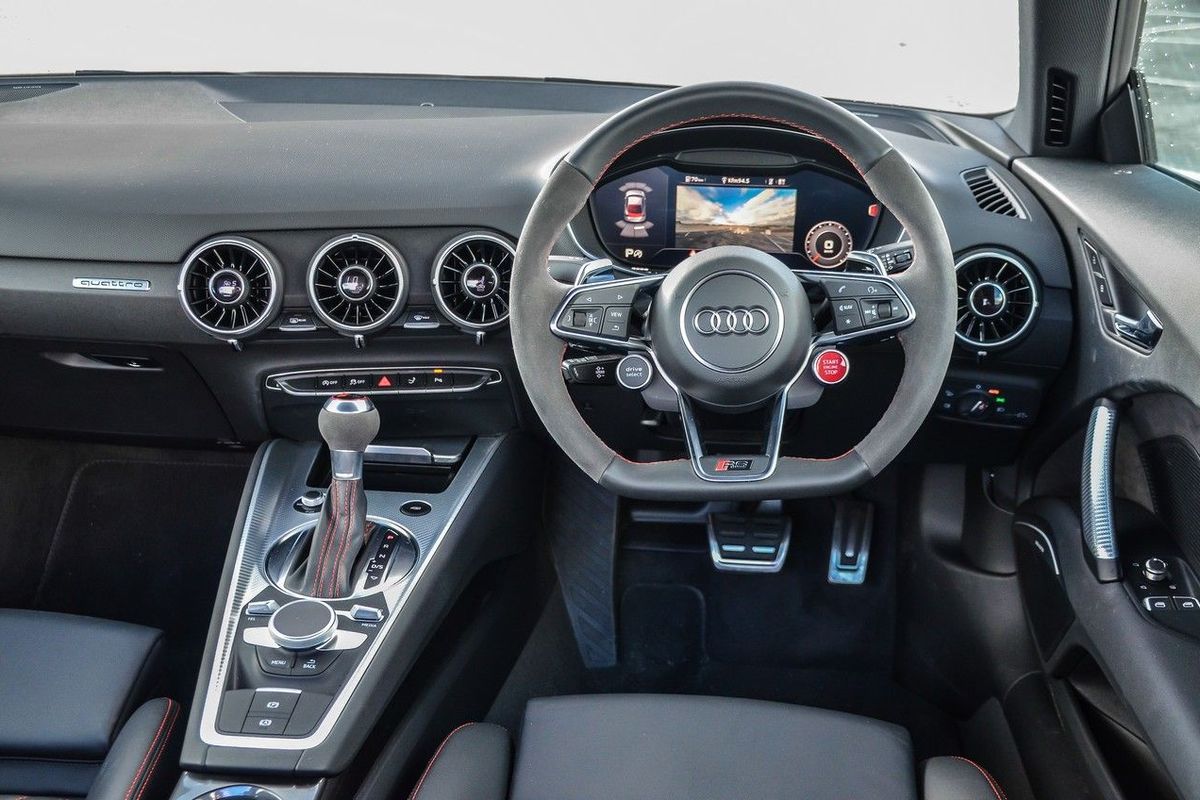
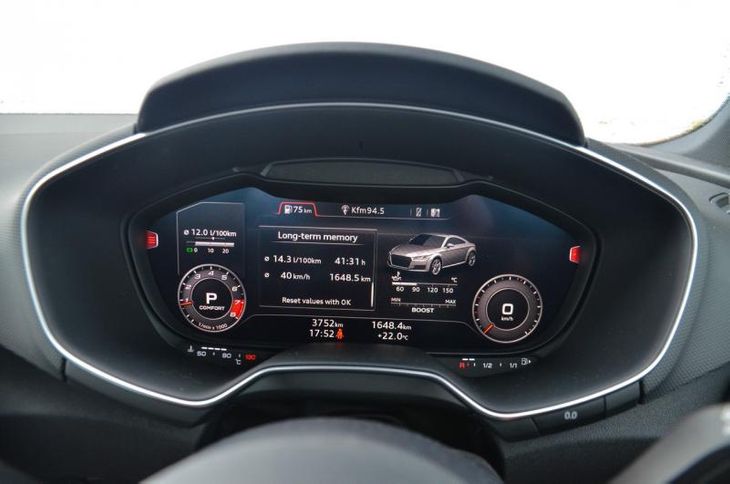
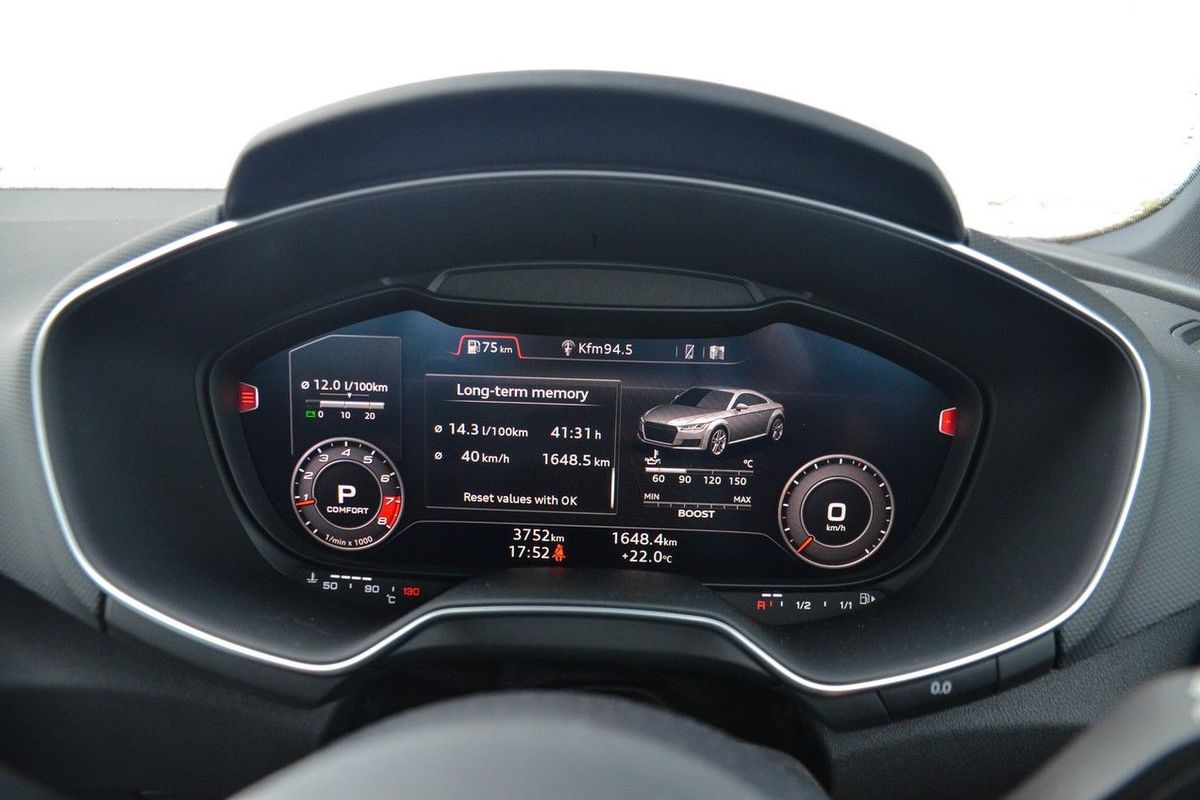
The digital dashboard has all the information you'd ever need. It's beautifully laid out and comes as a standard feature.

Audi's RS division has given the car a visual makeover to elevate it well above the rest of the TT family. Over and above a gaping front bumper, there are massive oval tailpipes nestled in a redesigned rear apron, with a rear wing above it that can be manually deployed. The previous model made do with a fixed wing, but it has been done away with. Not to worry traditionalists, if you want an "ironing board" on the TT RS' rump, Audi SA will fit one as a no-cost option. The indicators are now of the sweeping motion variety, there's LED lighting all round and big RS-spec alloy wheels. RS badges on the front and rear tell other road users what is about to fly/has flown past them. 

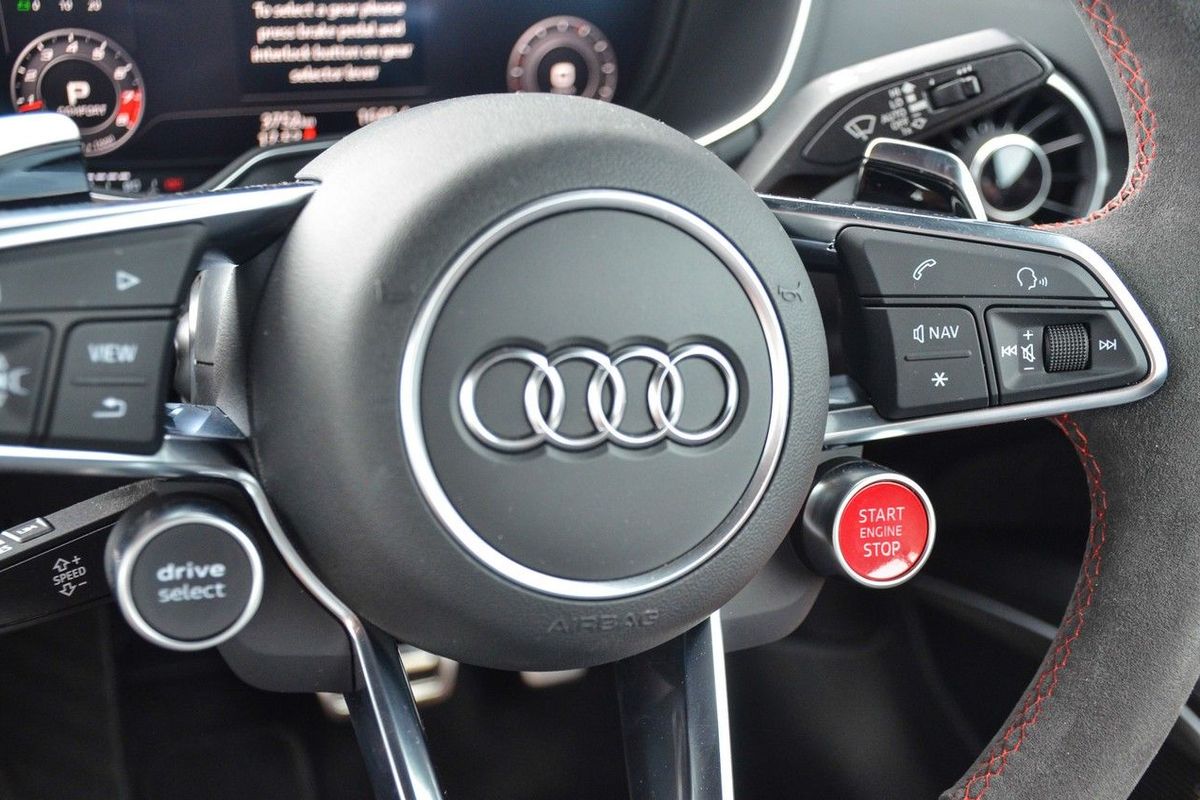
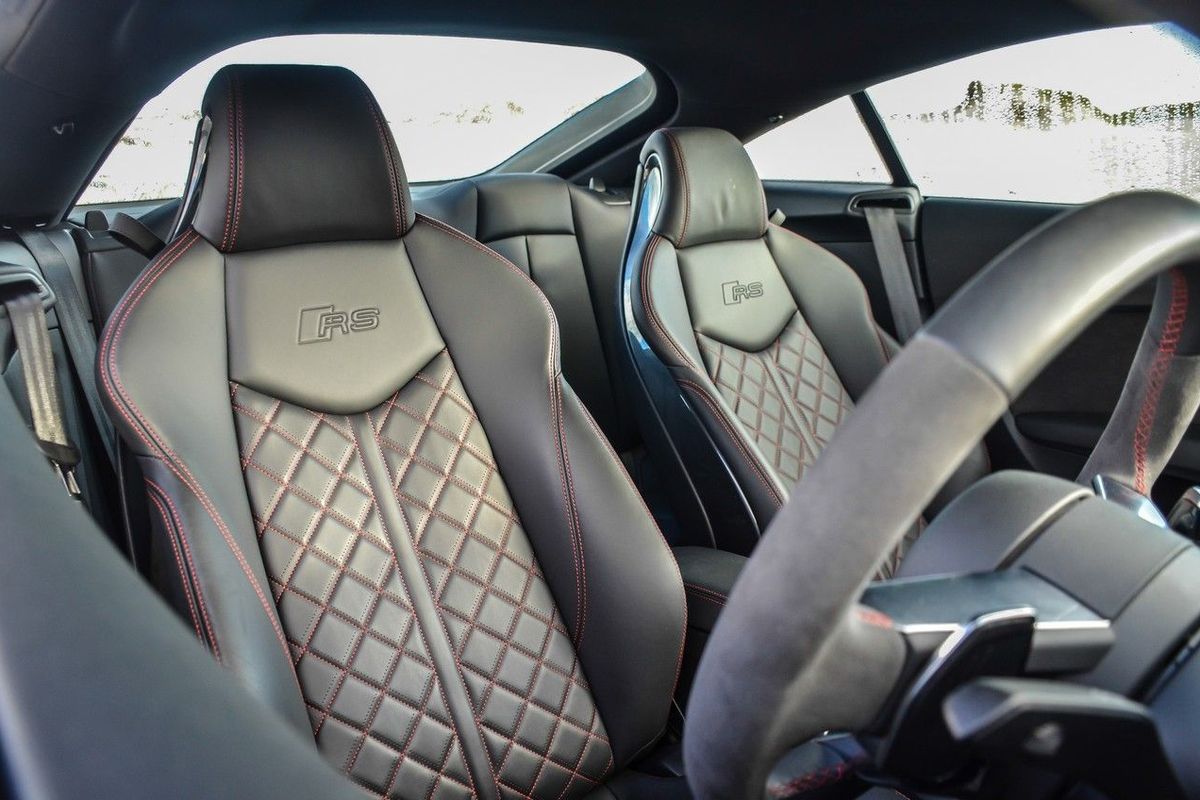
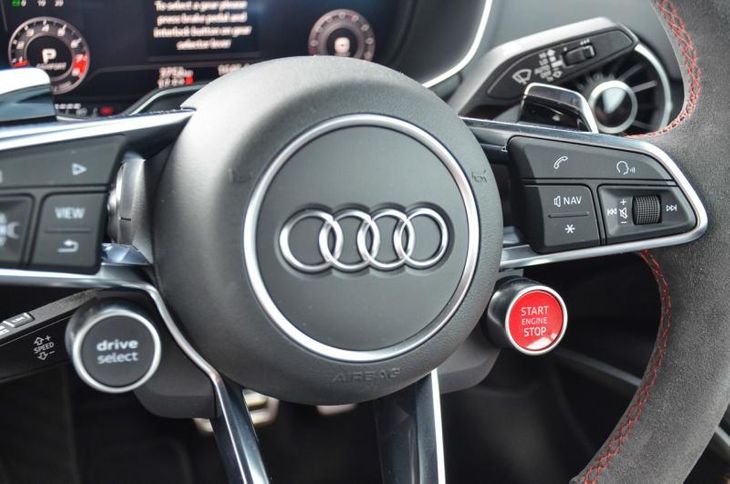
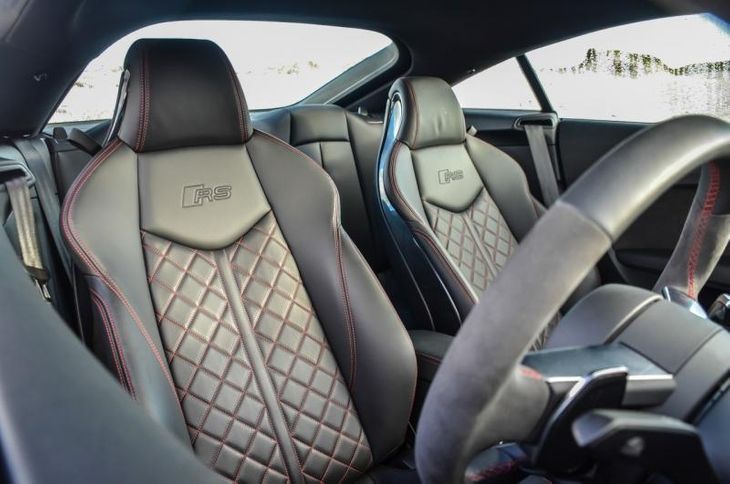
The cabin is enveloping and has a real sense of occasion. The steering wheel is undeniably a piece of fine craftsmanship and there's a distinct driver's car feel to the cockpit, replete with a start button located on the 'wheel. We've previously lauded the Audi TT's cabin for its minimalist setup and in the TT RS, the effect is no different. The aircon vents look exquisite with their turbine design and the Nappa seats are to be praised for their comfort and finish. However, the pièce de résistance comes in the form of Audi's Virtual Cockpit digital display, which incorporates TT RS-specific graphics, like a central speedometer and boost gauge.

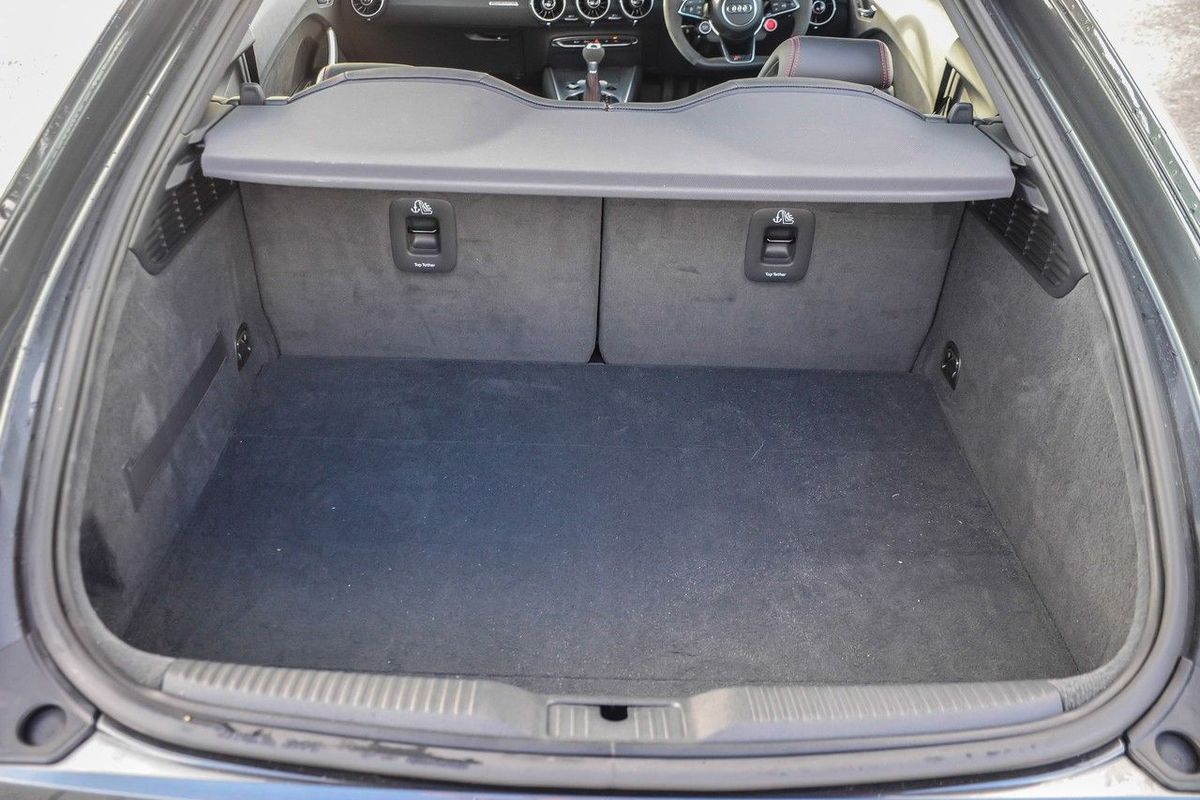
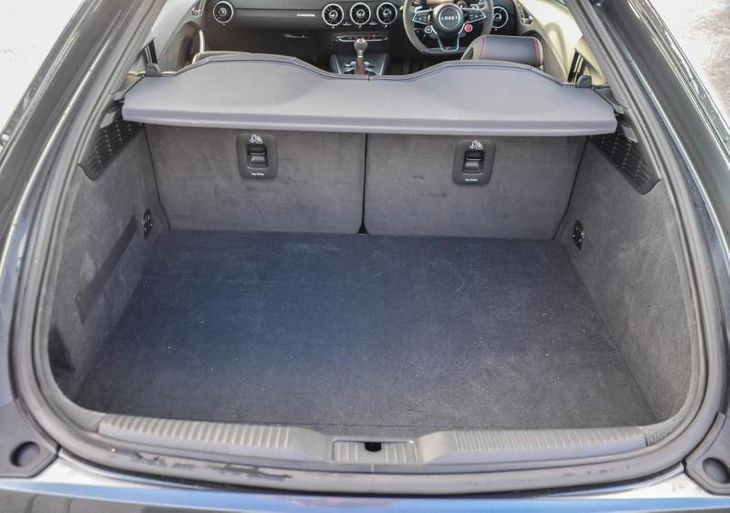
Unlike some sportscars, the Audi TT RS isn't that compromised in terms of space and practicality. Yes, there are 2 rows of seats, but the rear legroom is woeful, meaning that the aft bench represents an additional storage area (and little more than that), but the boot is sizeable for a car of this nature: good enough to load 2 large suitcases. 


The rear practicality of the Audi TT RS must be commended. There's space for 2 large suitcases, making it more practical than it looks.

Performance?

At the heart of the Audi TT RS is the same 2.5-litre inline 5-cylinder motor found in the RS3 sedan and hatchback. This engine has been around for some time and tallied up numerous awards, but in RS3/TT RS spec, it's been reworked to deliver boast-worthy outputs, but hopefully not at the expense of flexibility (or reliability!). How do peak outputs of 295 kW and 480 Nm grab you? Given the TT RS' small stature, the performance is savage off the line, thanks to quattro all-wheel drive and a quick-shifting dual-clutch gearbox. Audi claims a 0 to 100 kph time of 3.7 seconds, something we had to experience for ourselves on our favourite section of deserted road. 

Stab the start button on the steering wheel and listen to the delicious burble emanating from the engine bay. With the Drive Mode set to Dynamic and the launch control dialled up, it was time to unleash Ingolstadt's latest projectile. Release the brake pedal and the front wheels turn viciously, with the rear axle coming into play within a few milliseconds. The grip is astonishing and even though there was quite a bit of dust on the road surface, not once did we hear a chirp of objection from the Audi's tyres.


The drive select and engine-start/stop button are wonderful racing car-like touches to the TT RS' tiiller.

That's right: the Audi TT RS just hooks up and goes, and impressively could do a few sprint runs with almost no variation in performance. It speaks volumes of mechanical reliability when a car is subjected to successive brutal hard launches, yet makes no complaints/continues to perform consistently. 

The Audi's in-gear performance is commendable too. By virtue of its responsive powertrain, the TT RS effortlessly leaps forward no matter in which gear it is or in which position the throttle pedal might be. Overtaking is a breeze and the impressive performance is on tap even when the vehicle isn't in its most aggressive mode.

Our favourite part of the performance is the noise. That engine has such a soulful note to it… not flat and mechanical like a four-pot and not as throaty as a V6, but something in between – a unique sound that builds in intensity as the revs climb. Lift off the pedal and the twin oval tailpipes emit brahpps and burbles. Let's not forget the delightful thud that accompanies each gear change. Too much? Well, that's why Audi fitted its TT RS with an active exhaust button, so you don't wake the neighbours!

Ride & Handling?


The Audi TT RS is a proper driving machine, but not at the expense of driver comfort.

Let's get this out in the open. Whereas the TT RS may look and sound like a mean machine, the reality is that Audi's newcomer is a performance car that isn't really intimidating; you will feel comfortable and confident as you build up the pace. We appreciated the light and quick steering action, and the gearshift paddles mean you can flick through the gears while keeping both hands on the wheel. Like most performance Audi products, the steering wheel really looks the part with its flat-bottom design.

In terms of suspension, the Audi TT RS is available with adaptive damping and we feel that while the standard RS suspension is more than adequate, you'll be best served by specifying the adaptive dampers. In Comfort, the ride is firm, which is fair given the nature of the car, but there's enough pliancy to soak up the kinks on poor-quality tarmac. What we enjoyed was that even when the car was in its hardest setting, the ride quality didn't jar. You could, at a stretch, live it on a daily basis. 

The Audi TT RS rides on a version of the Volkswagen Group's MQB modular platform (known for its blend of comfort and performance), but sits lower to the ground than its siblings. There's very little body roll when you pitch it into a corner, which only encourages you to push harder for the next turn. Thanks to quattro all-wheel drive, the car will gradually progress into understeer when you approach its limits of adhesion, but it'll take some aggressive manhandling for the vehicle to feel close to the edge. 


The leather seats are comfortable and supportive.

Pricing & Warranty

The Audi TT RS Coupé is priced at R963 000, standard with the 5-year/100 000 km Audi Freeway Plan.

Verdict


At its price, the Audi TT RS is hard to fault. Few cars under R1 million are as fast and you'll need to forking out a lot more cash if you want to match its skillset.

At this price point, there's very little to touch the Audi TT RS. For its size, it's a savage performance car (both off the line and in-gear), and it's going to take a vehicle that costs a lot more (almost double, in some cases) to match it. But even if it is a staggeringly quick machine, what's really impressive is how accessible/easy the newcomer feels to drive. It's also masterfully well assembled and the specification level is fair (given its flagship status). Of course, you can add on a few nicer things such as an uprated audio system and the aforementioned adaptive damping, which only sweeten the deal further. Even in base spec, you get a complete package. 

It's a knock-out blow by Audi in this segment, which used to be dominated by BMW and Porsche. Not many cars are this fast and while some rivals may play the "driver involvement" card hard, the numbers don't lie. The power outputs and sub-4 second 0-to-100 kph runs are enough for it to see off most opposition this side of a Nissan GT-R, which costs substantially more. Despite its ludicrously ballistic performance, it's also effortless to drive both in a quick manner or on the daily commute. It's also not horribly impractical either: there's enough boot space for two large suitcases. Audi has not only created its best TT RS, but one of the best sportscars it's ever produced.

You may also be interested in:

Audi TT 2,0T S tronic – Best Fun Car

Audi TTS 2.0T FSI 

quattro (2016) Review

Porsche 718 Cayman (2016) First Drive

BMW M2 Coupe Auto (2016) Review

BMW M2 vs Mercedes-AMG A45 vs Audi RS3 vs Honda Civic Type-R: On-track analysis [Video]

Track Race: Audi RS3 vs Merc-AMG A45 vs Honda Civic Type R vs BMW M2 [Video]

Interested in buying a new/used Audi TT?

Browse through stock here

Nissan Qashqai (2018) Specs & Price

The facelifted Nissan Qashqai has arrived in South Africa with updated styling and technology. Take a look at specification and pricing details for the facelifted Qashqai below…

The Qashqai crossover is extremely popular in South Africa and the facelifted model now offers a range of styling updates and technological enhancements. We will be attending the official launch this week where we will be experiencing the changes in the metal so be sure to look out for our full launch report soon. 

Key Changes

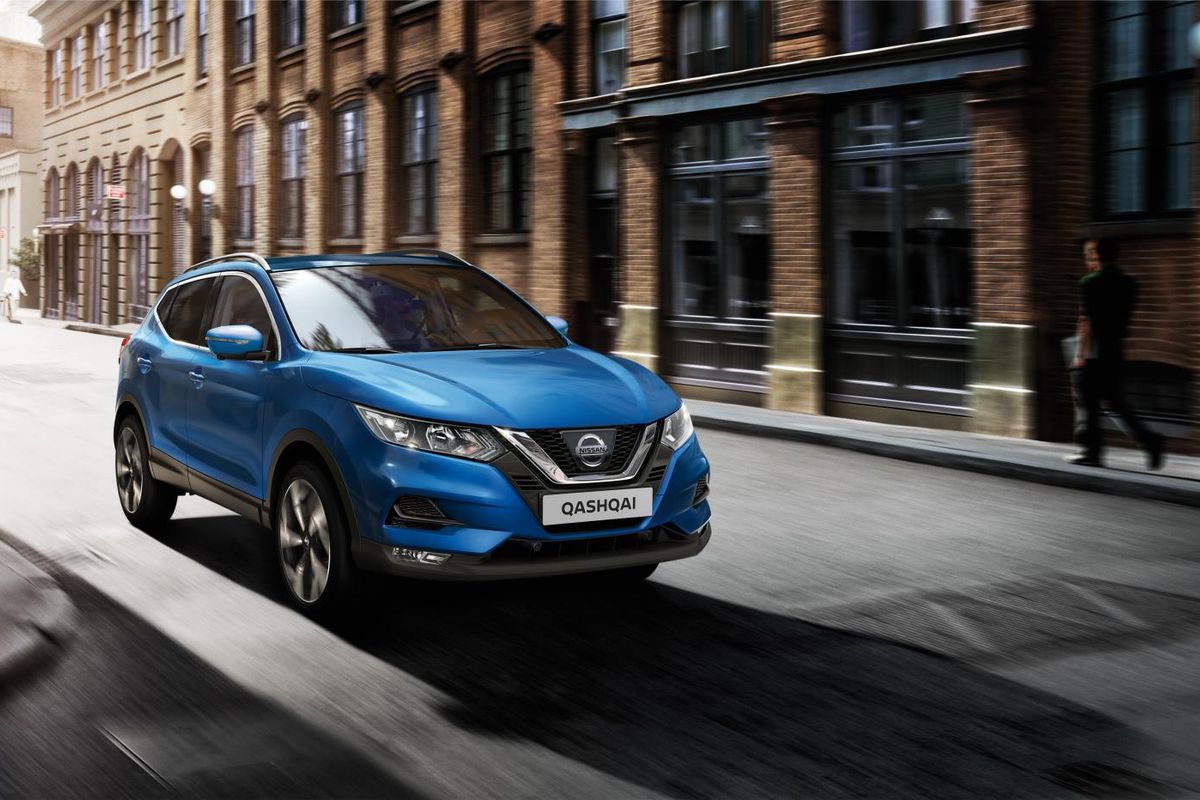
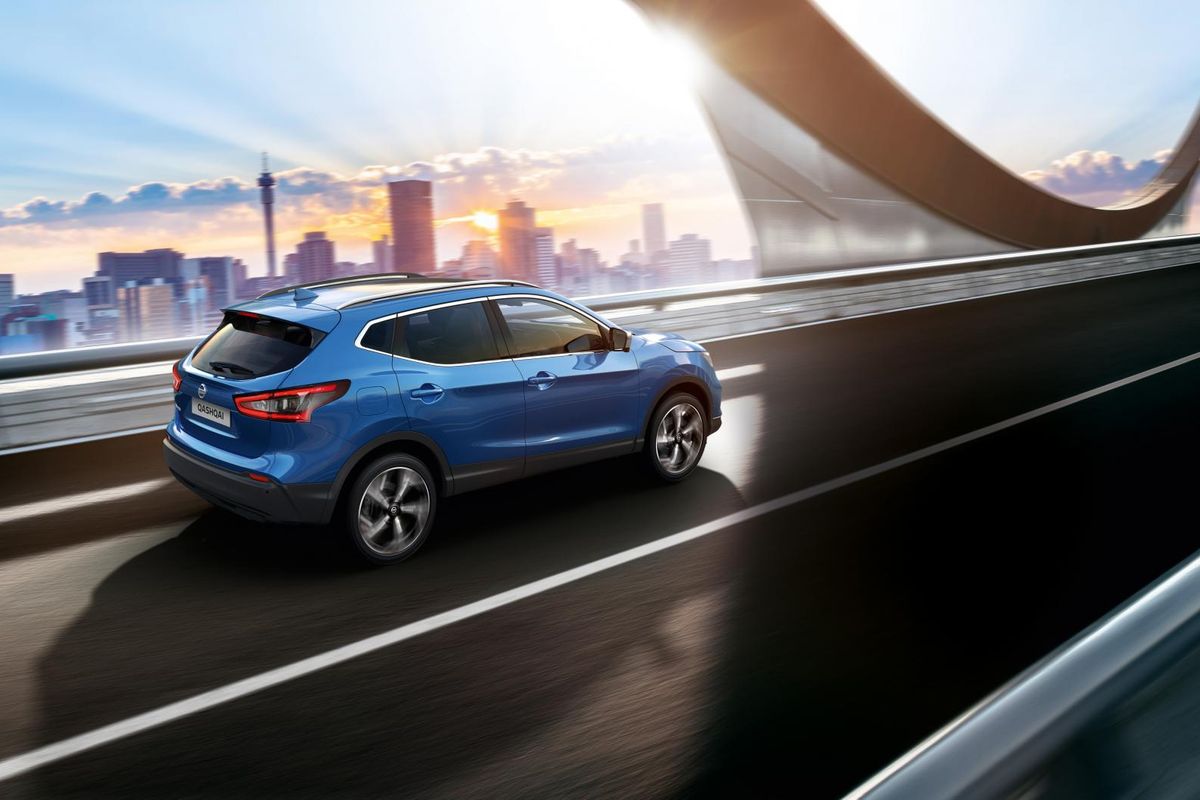
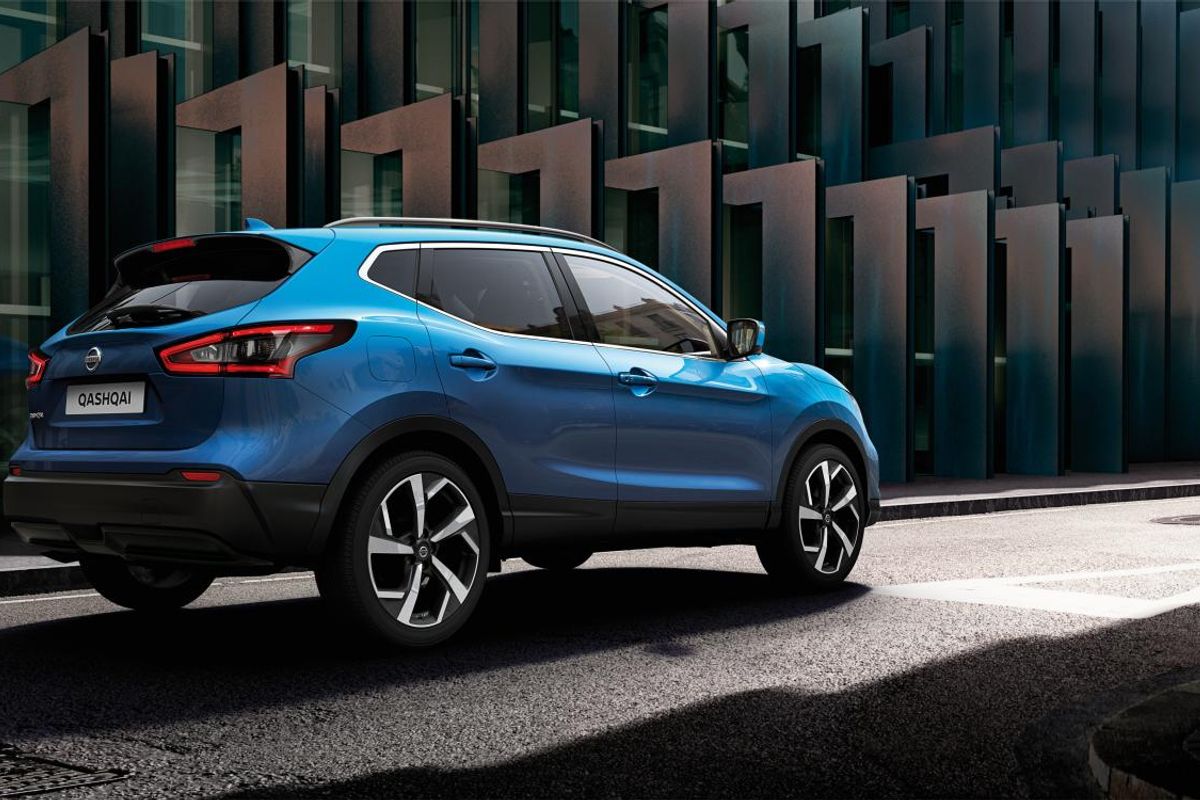
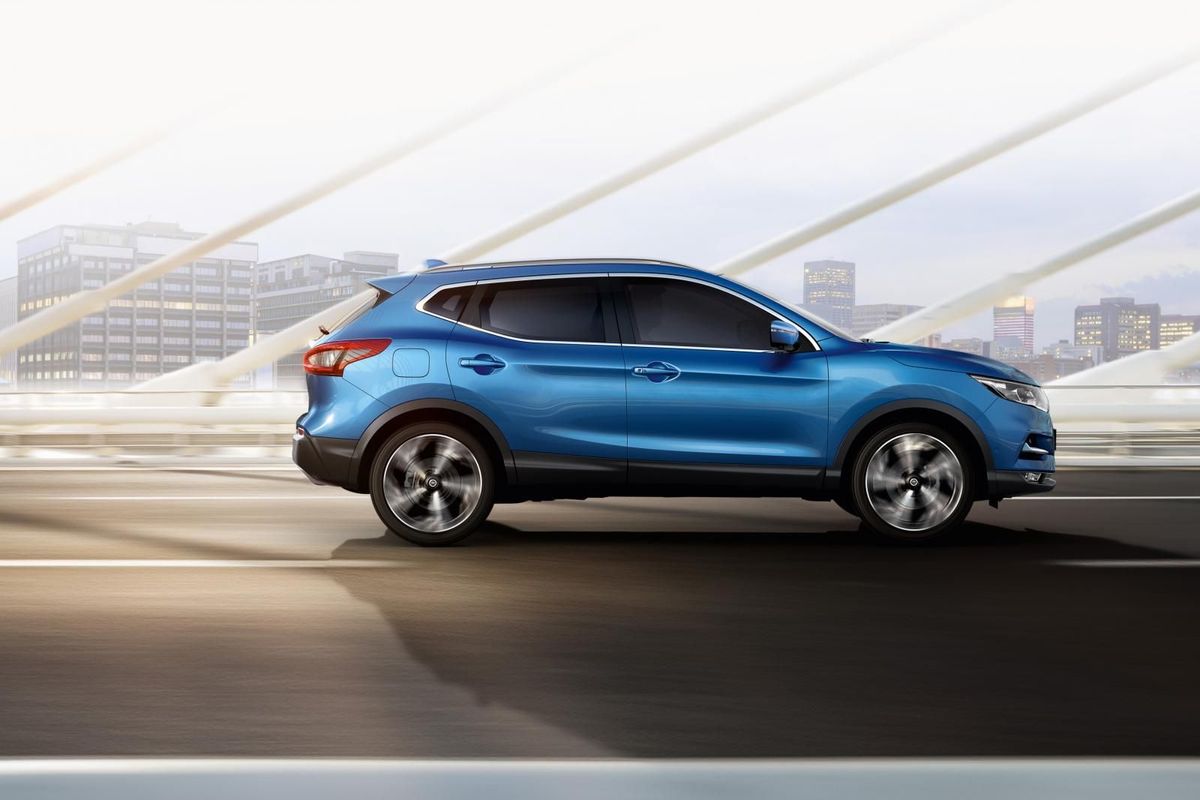
In terms of design, the facelifted Qashqai wears a new front bumper with a newly interpreted V-motion grille. Boomerang-shaped daytime running lights with 9 LED lights give the Qashqai added presence and the clam-shell bonnet and rear bumper have also been redesigned.

New alloy wheel designs are offered in either 17- and 19-inch sizes. The new design changes have resulted in the overall length growing by 17 mm while the height and width remain unchanged.


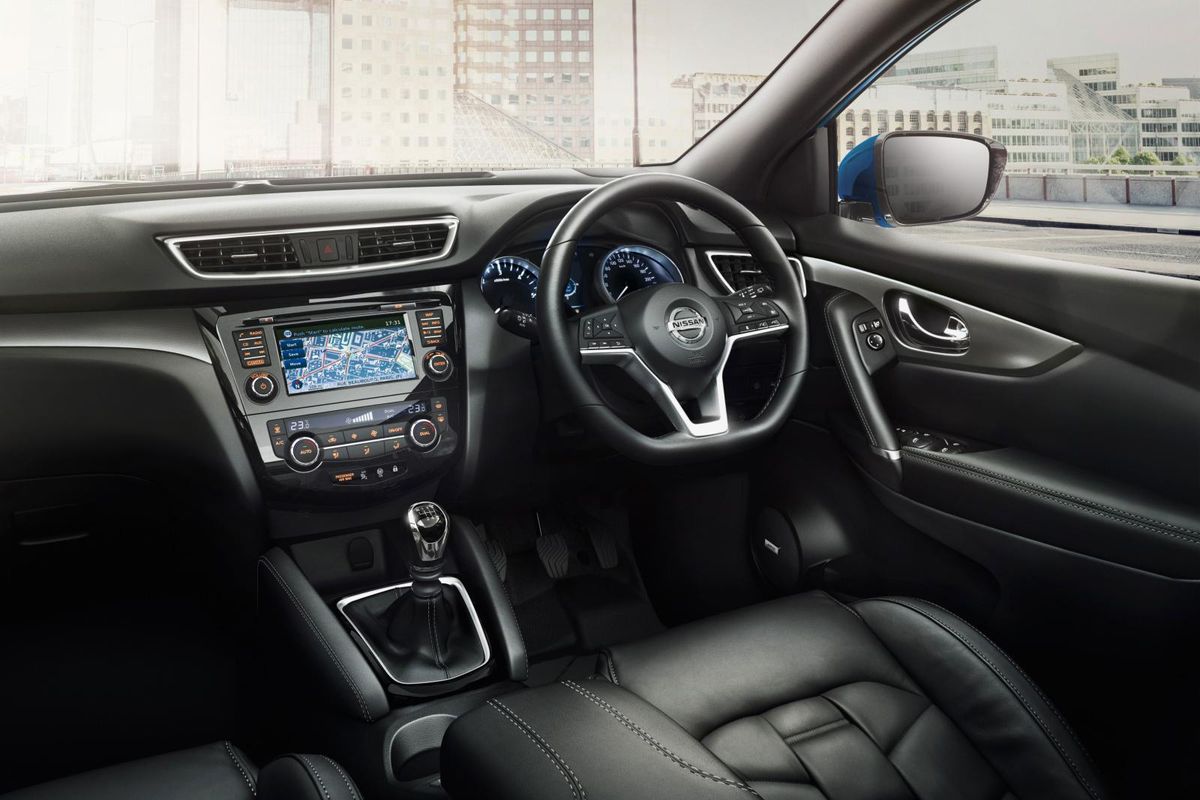
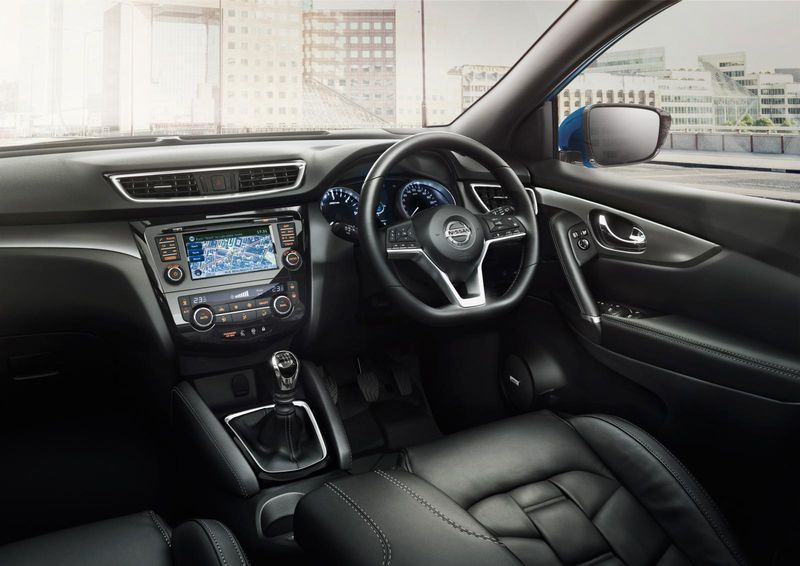
Qashqai's interior quality has improved and updated technology should see it continue to sell well in SA. 

Nissan says that the Qashqai’s steering, ride and handling has been enhanced. The dampers have been re-tuned and the anti-roll bar stiffness has been increased to improve handling. Additional sound insulation, door sealing and thicker rear glass has resulted in reduced noise, vibration and harshness (NVH). Engine noise has been reduced too thanks to improvements in powertrain calibration.    

Nissan has been rolling out its Intelligent Mobility (NIM) technology in South Africa and the models to benefit thus far include the recently-launched Nissan X-Trail and Patrol. The facelifted Qashqai is the latest model to receive a host of NIM features which include Intelligent Blind Spot Warning, Intelligent Emergency Braking, Intelligent Forward Collision Warning, Around View Monitor, Intelligent Cross Traffic Alert and Moving Object Detection.


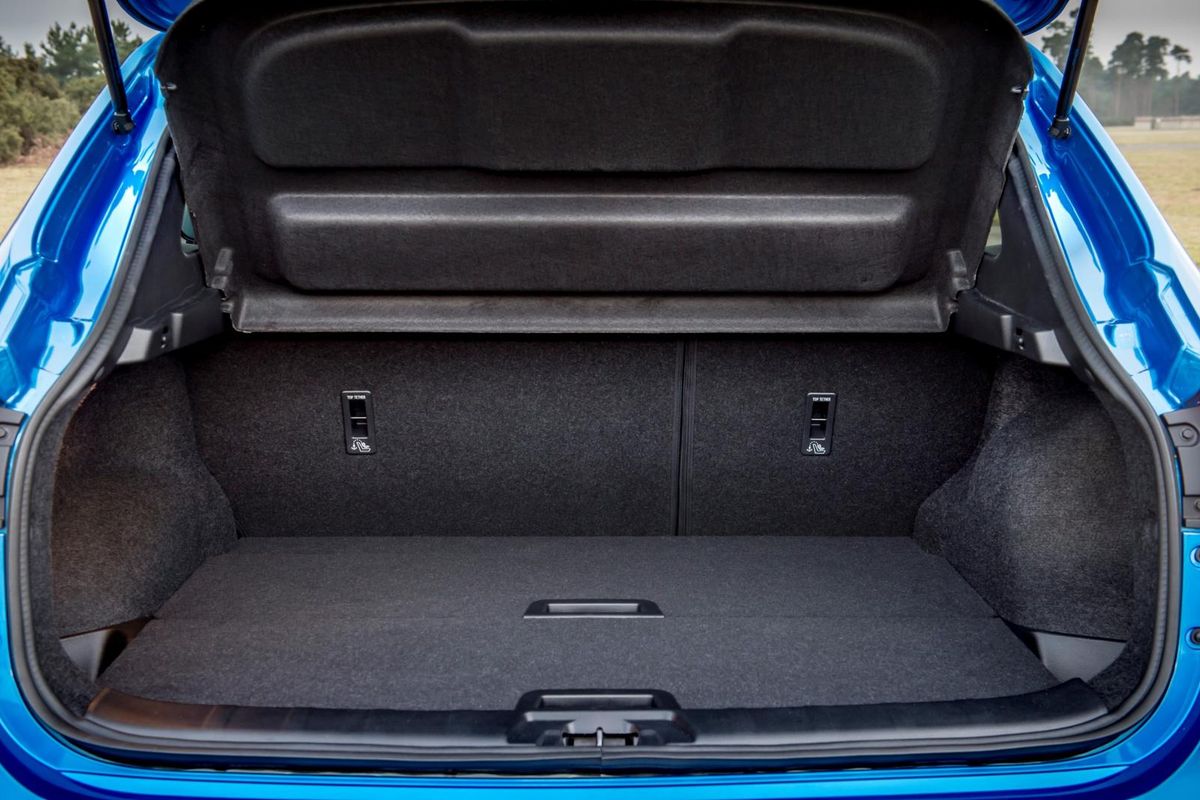
The Qashqai remains a practical choice in this segment.

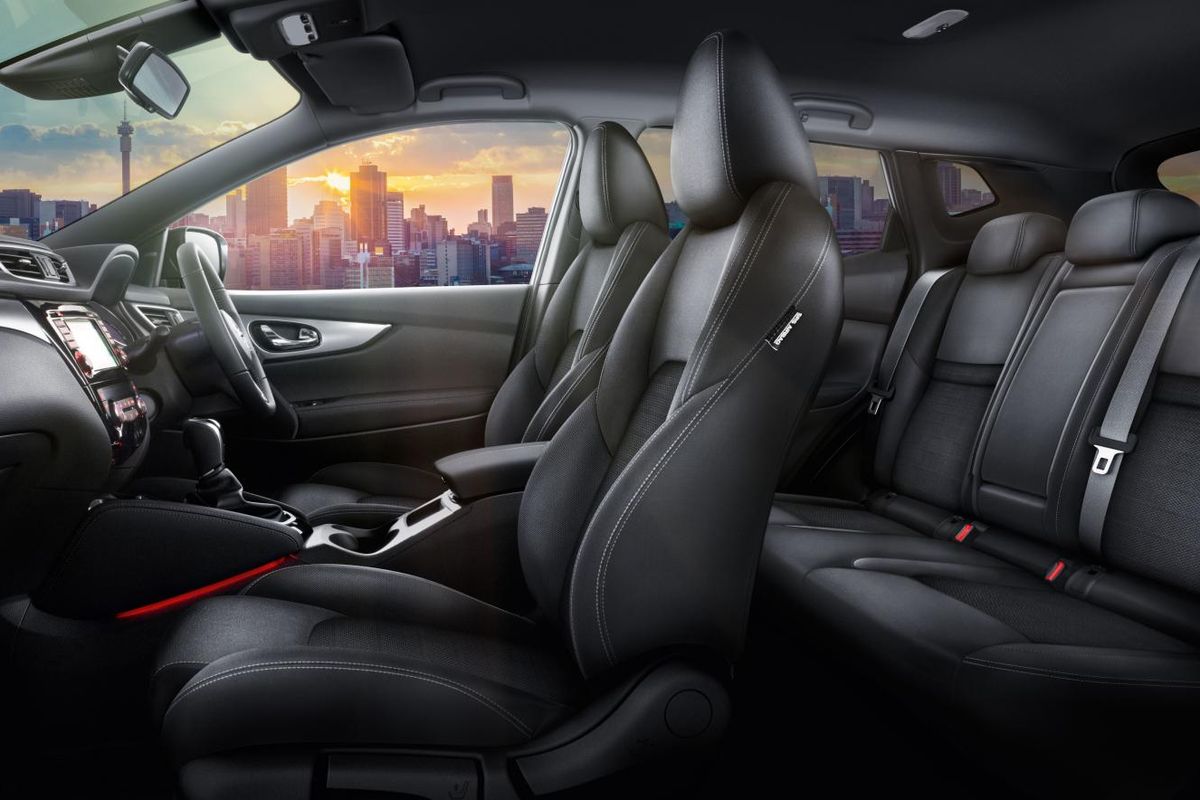
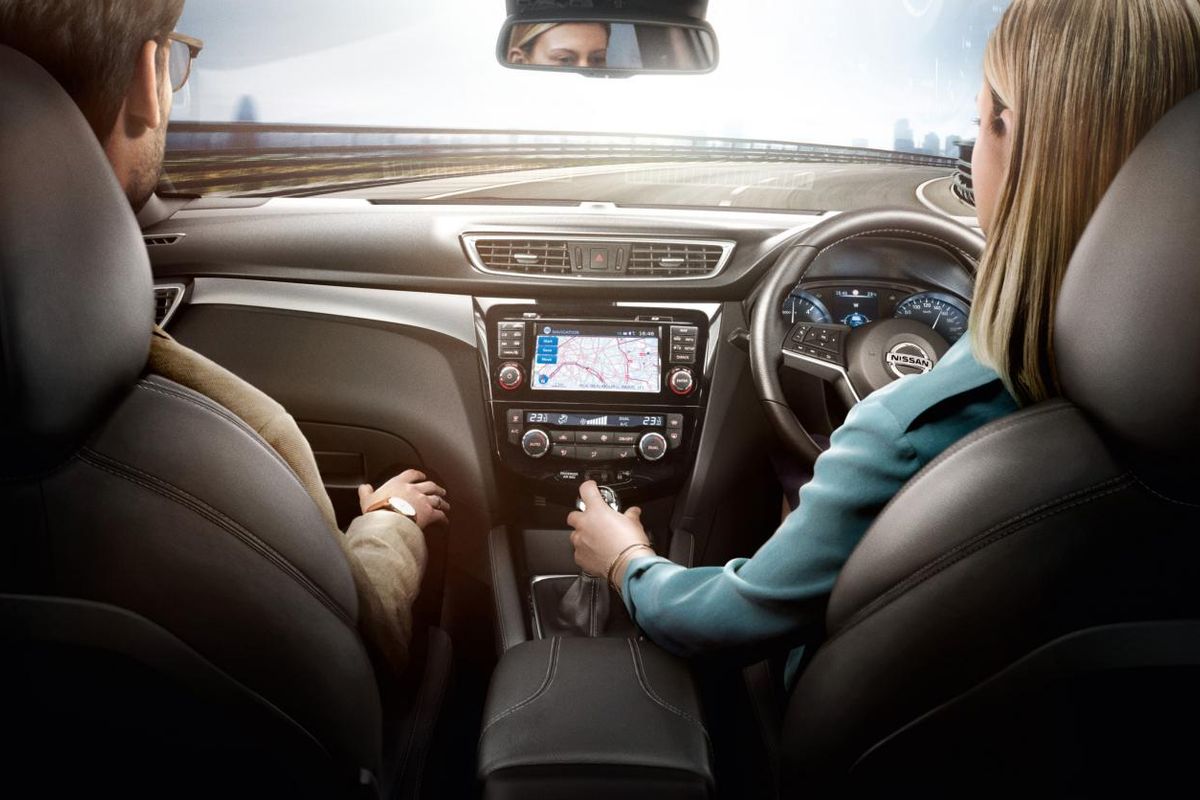
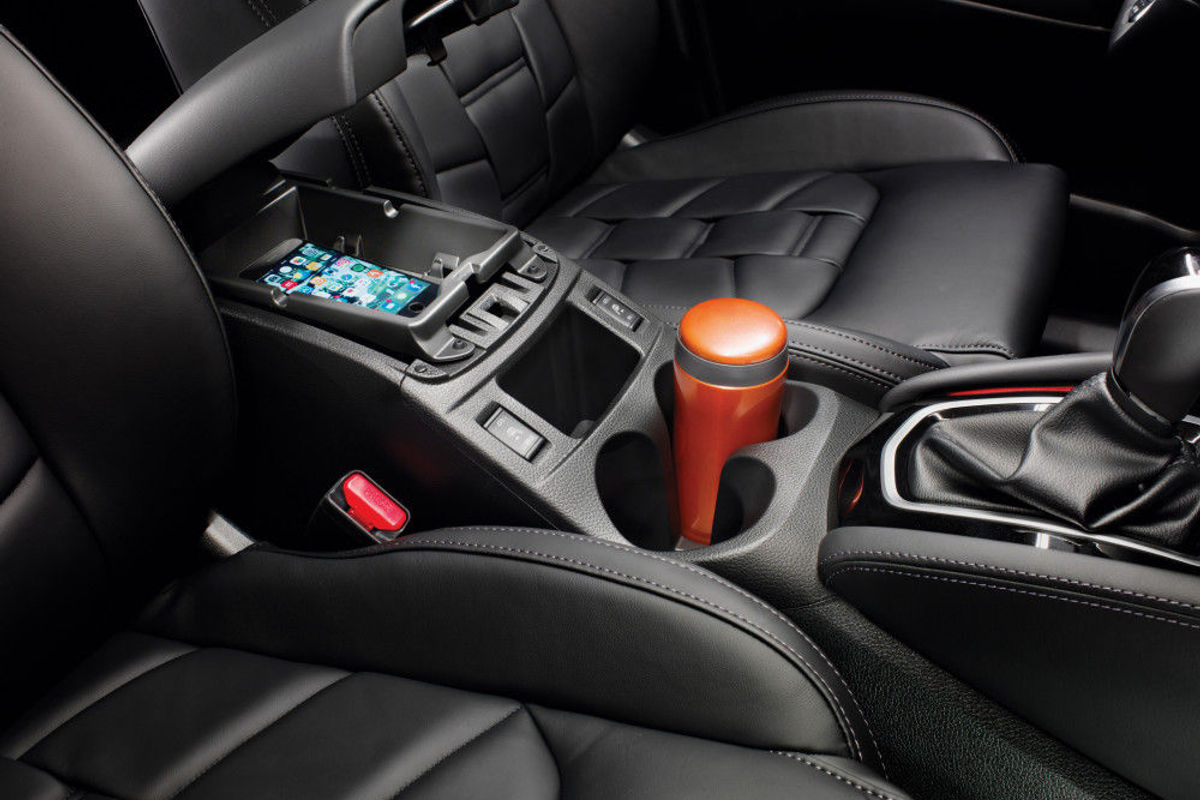
On the inside, the Qashqai now gains a new D-shaped steering wheel with 4-way controllers. The material quality of the interior door handles and air vents have improved and the centre console armrest now features new stitching. The Qashqai also features one-touch electric windows which can now be opened and closed using the key fob.

Newly designed seats with tapered shoulders offer improved comfort and the touchscreen infotainment system now features a new user interface. A new, 7-speaker BOSE Premium sound system is also offered.

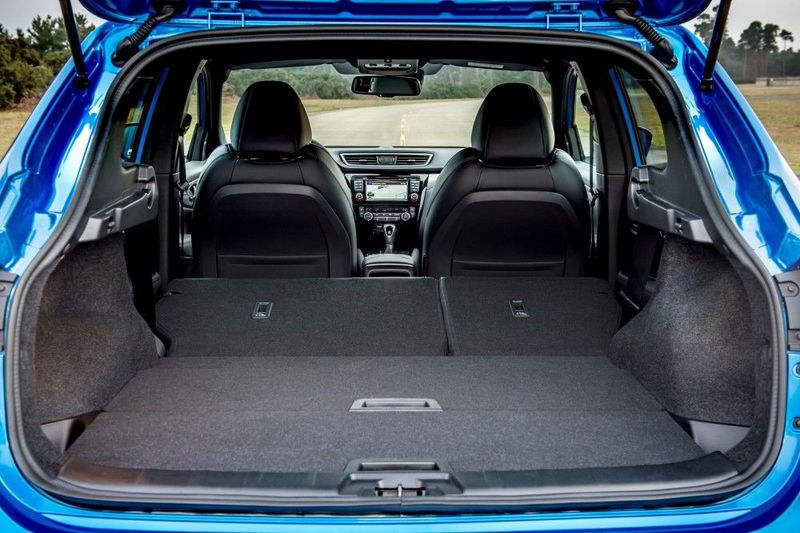
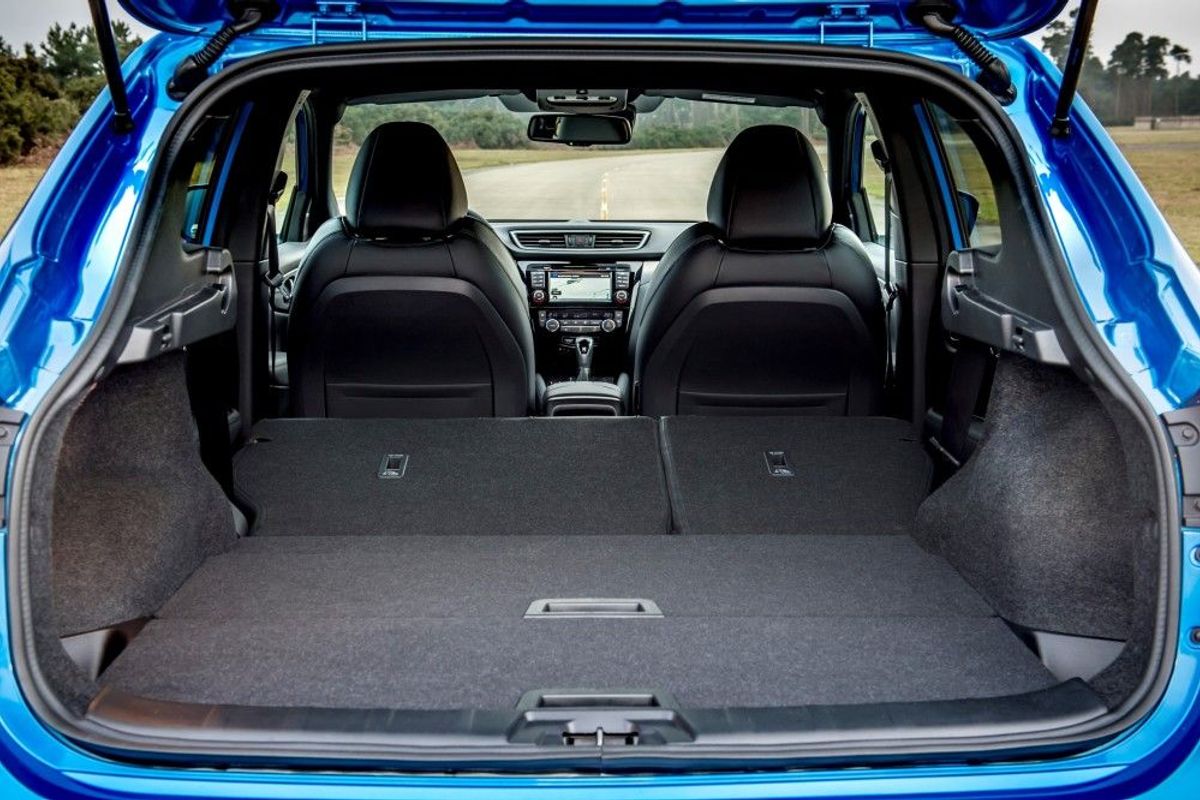
The load bay offers 430 litres of space, increasing to 680 litres with the 60:40 split rear seats folded flat.

Engine Choice 

The Qashqai is powered by a 1.2-litre turbopetrol engine with 85 kW and 190 Nm of torque with either a 6-speed manual transmission or CVT on offer. Buyers can also opt for a 1.5-litre turbodiesel engine with 81 kW and 260 Nm of torque. 

Read our International Launch Review of the facelifted Nissan Qashqai here!

Nissan Qashqai – Price in SA (January 2018)

All prices include VAT.

1.2 T Visia  – R334 900

1.2 T Visia + Alloys – R346 700

1.2 T Acenta – R367 000

1.2 T Acenta CVT – R381 000

1.2 T Acenta Plus CVT – R394 000

1.5 dCI Acenta – R394 000

1.5 dCI Acenta Plus – R407 000

1.5 dCI Tekna – R434 000

The Nissan Qashqai is sold with a 6-year/150 000 km warranty and a 3-year/90 000 km service plan and 24-hour roadside assistance.

Buy a new or used Nissan Qashqai on Cars.co.za

Related Content

Nissan Qashqai Updated

First Look: Facelifted Nissan Qashqai

Nissan Qashqai 1.5dci (2014) Review

Cars Coming to SA in 2018

Hyundai Grand i10 (2018) Specs & Price

Hyundai's Grand i10 hatchback range has been updated in South Africa with revised specification and welcomes a new entry-level derivative to the range. See what's changed…

Hyundai's Grand i10 is a popular vehicle in South Africa that offers affordable mobility for the budget-orientated buyer. The Grand i10 has now been updated with revised specification as well as the addition of a new entry-level model.

"We had a relook at the Grand i10 range, change the specification levels and added a new entry derivative with a 1-litre engine and the Motion specification level. The end result is a hatchback model with a variety of derivatives that offer exceptional value,” says Stanley Anderson, sales and operations director of Hyundai Automotive South Africa.

The Range


There are 6 derivatives in the Grand i10 range with 2 engine choices on offer. 

The Grand i10 Motion derivative is offered with either a 5-speed manual or 4-speed automatic transmission while the Grand i10 Fluid is equipped with a 5-speed automatic transmission. These 3 derivatives are powered by a new 1.0-litre, 3-cylinder petrol engine with 48 kW and 94 Nm of torque. Fuel consumption for this engine is rated at 5.4 L/100 km (manual) or 5.9 L/100 km (automatic).

The remaining 3 derivatives, including the flagship Grand i10 Glide and Grand i10 Fluid with a 5-speed manual transmission as well as the Grand i10 Fluid with its 4-speed automatic, are all powered by a 1.25-litre, 4-cylinder petrol engine with 64 kW and 120 Nm of torque. Fuel consumption is claimed at 5.9 L/100km (manual) or 6.9 L/100km (automatic).

Specification update


The interior of the Grand i10 now offers more features including an additional front passenger airbag. 

All derivatives in the Grand i10 range now have an additional passenger airbag, as well as steering wheel-mounted controls. 

The Grand i10 Fluid and Glide derivatives are fitted with electric-folding and heated side mirrors and a full-colour infotainment touchscreen. Customers can also equip these derivatives with an SD memory card that will activate navigation at an additional cost of R2 500. 

All derivatives are equipped with USB and Aux ports, fog lamps, full-size spare wheel, 14-inch alloy wheels and driver's seat height adjustment. The flagship Glide derivative is also fitted with rear park distance control. 

The Grand i10 offers 256 litres of luggage space which expands to 1 202 litres with the rear seats folded down.

There are 8 exterior colours to choose from including Star Dust, Phantom Black and Polar White to a lovely Flame Orange, Fiery Red, Wine Red, Marina Blue and Sleek Silver. 

Hyundai Grand i10 – Price in South Africa 

Grand i10 1.0 Motion manual – R149 900
Grand i10 1.0 Motion automatic – R169 900
Grand i10 1.0 Fluid manual – R169 900
Grand i10 1.25 Fluid manual – R189 900
Grand i10 1.25 Fluid automatic – R206 900
Grand i10 1.25 Glide manual – R202 900
The Hyundai Grand i10 is sold with a 5-year/150 000 km warranty, 2-year/50 000 km powertrain warranty and roadside assistance. 

Buy a Hyundai Grand i10 on Cars.co.za

Related Content

Spy Shots: Hyundai Atos, i10 and facelifted i20

Hyundai Grand i10 Updated in SA

Cars Coming to SA in 2018

Toyota Yaris (2018) Launch Review

A new Toyota Yaris (sourced from Thailand), has been launched in South Africa. It’s bigger and, importantly, more distinctive than its predecessor, but can it capture the imagination of young buyers? Cars.co.za contributor and #CarsAwards judge Francisco Nwamba, who attended the launch and recently drove the new Volkswagen Polo, investigates.

When Toyota first launched a Yaris in South Africa in the mid-noughties, the Prospecton-based manufacturer’s compact hatchback seemed to be a car that everyone wanted to own. We all had at least one friend or family member that drove one and for good reason too: it was compact, reliable and easy on the eye – not forgetting its biggest asset, affordability.

Its successor, which debuted in 2012, was conservative in virtually every aspect, so much so that one could argue that it was simply a solid product that traded on its predecessor’s reputation. An update last year saw the introduction of a new engine, a fresh look and other features, which notably helped the 1.5 Pulse derivative bag a spot in the finals of the 2017/18 Cars.co.za Consumer Awards.


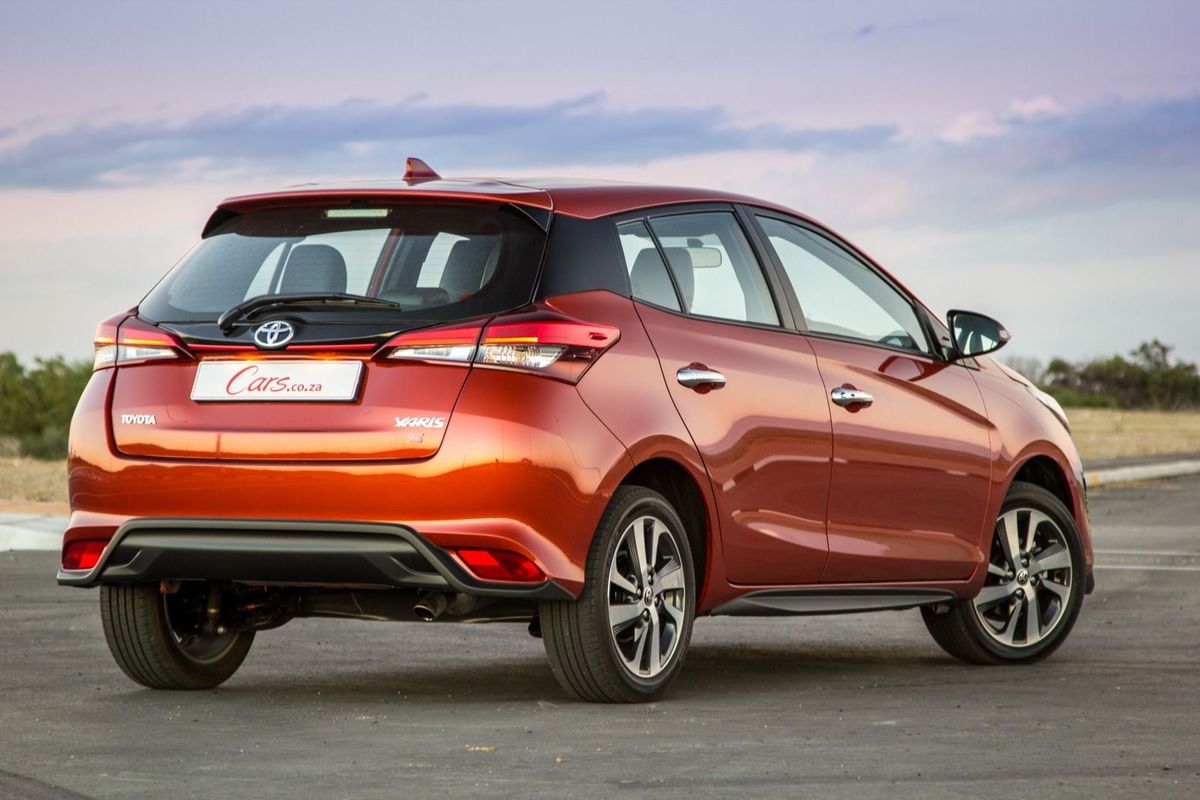
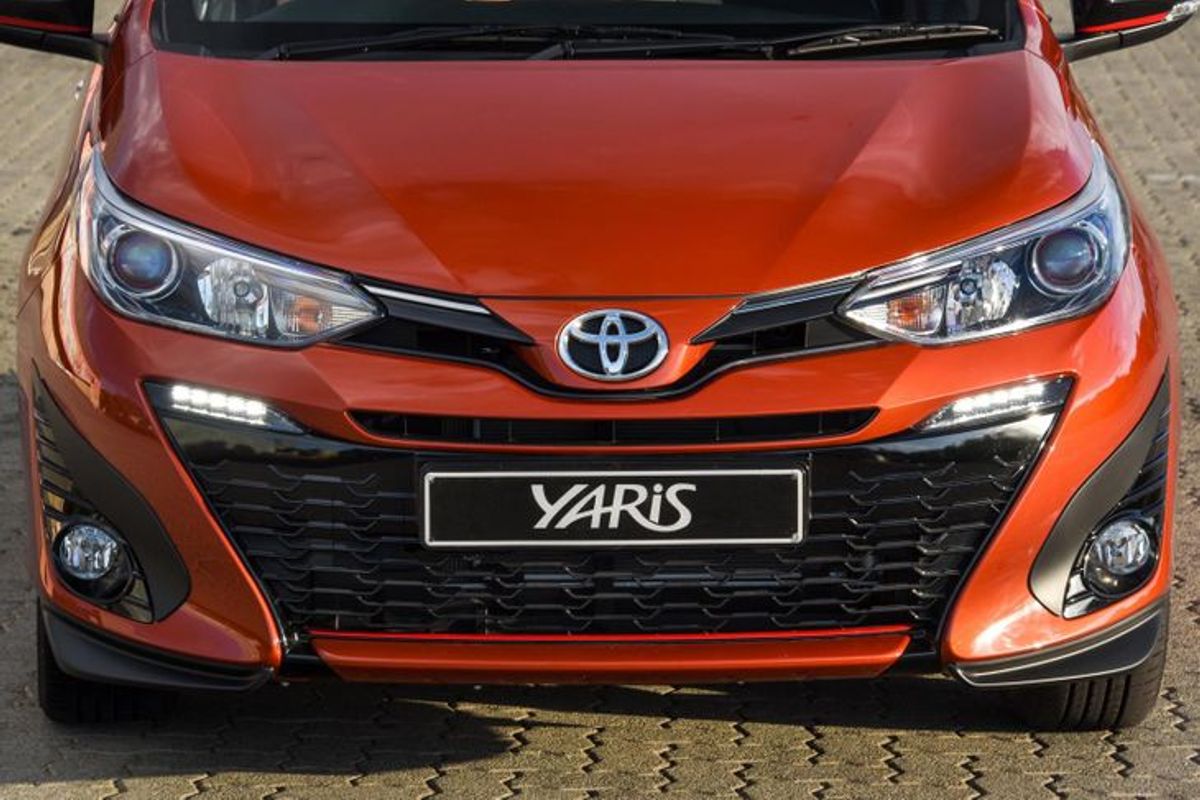
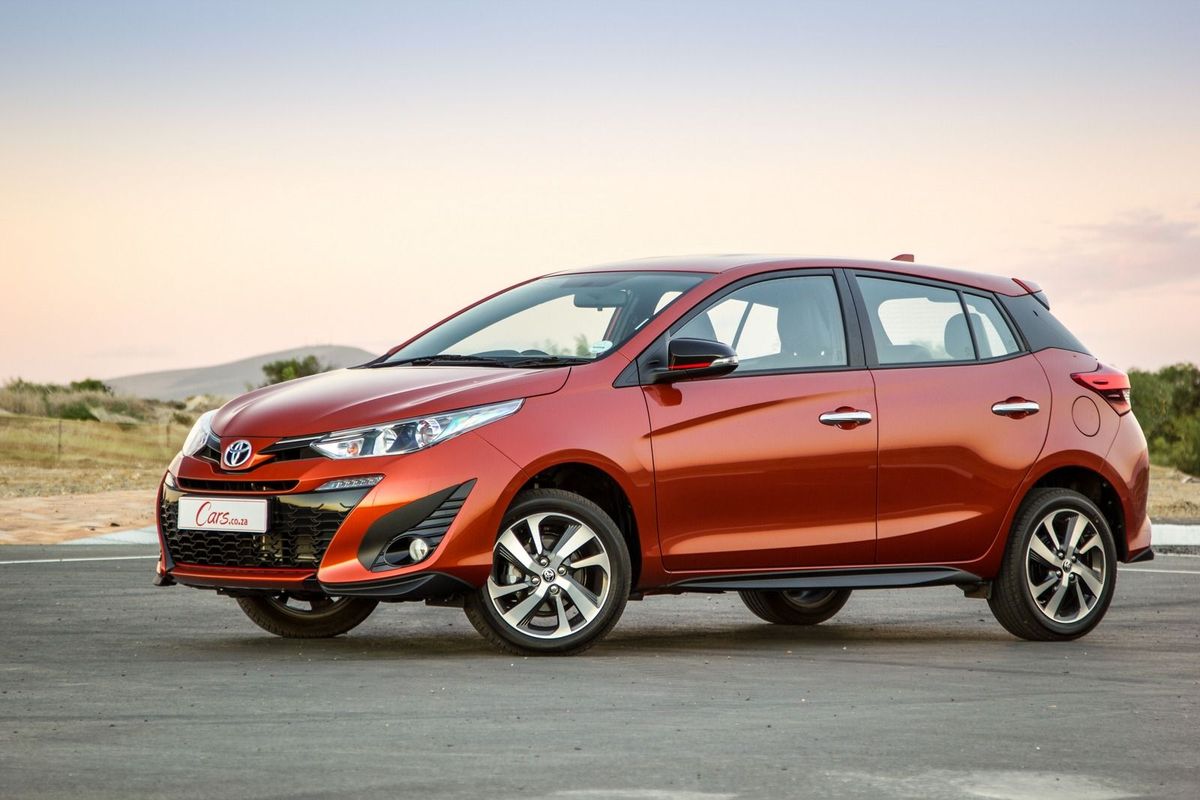
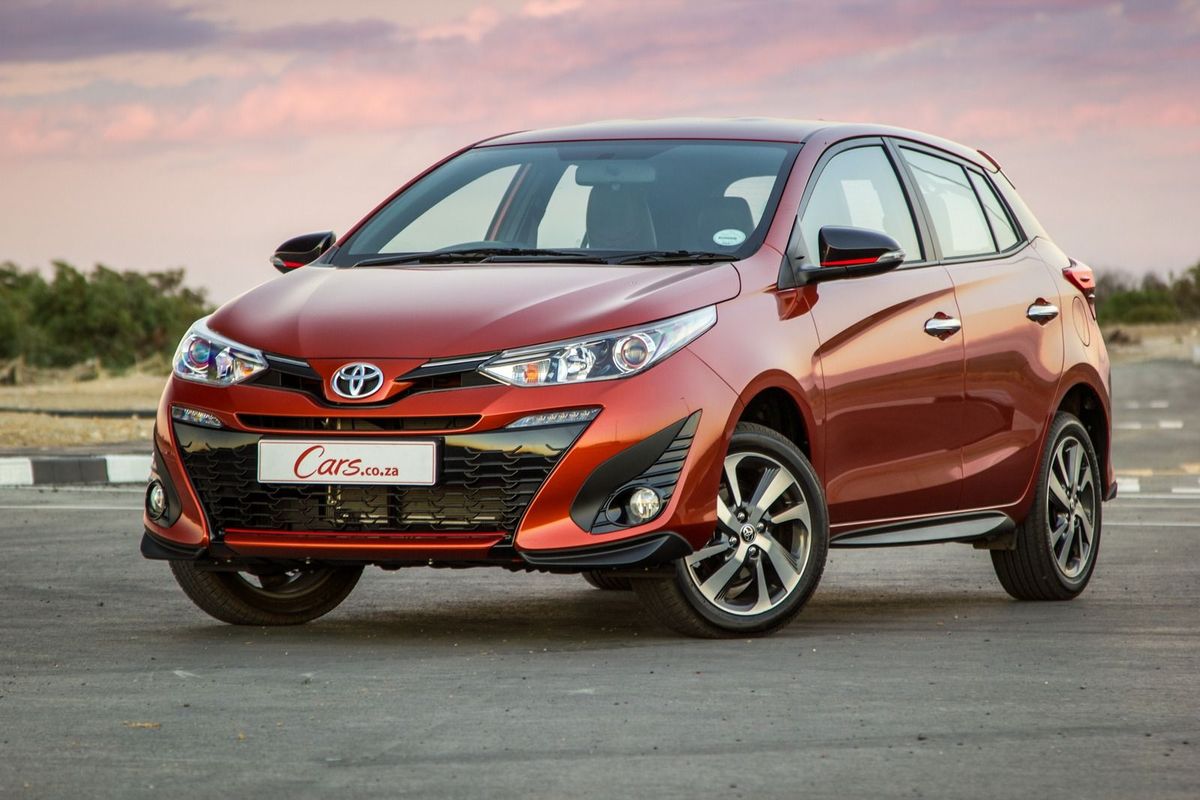
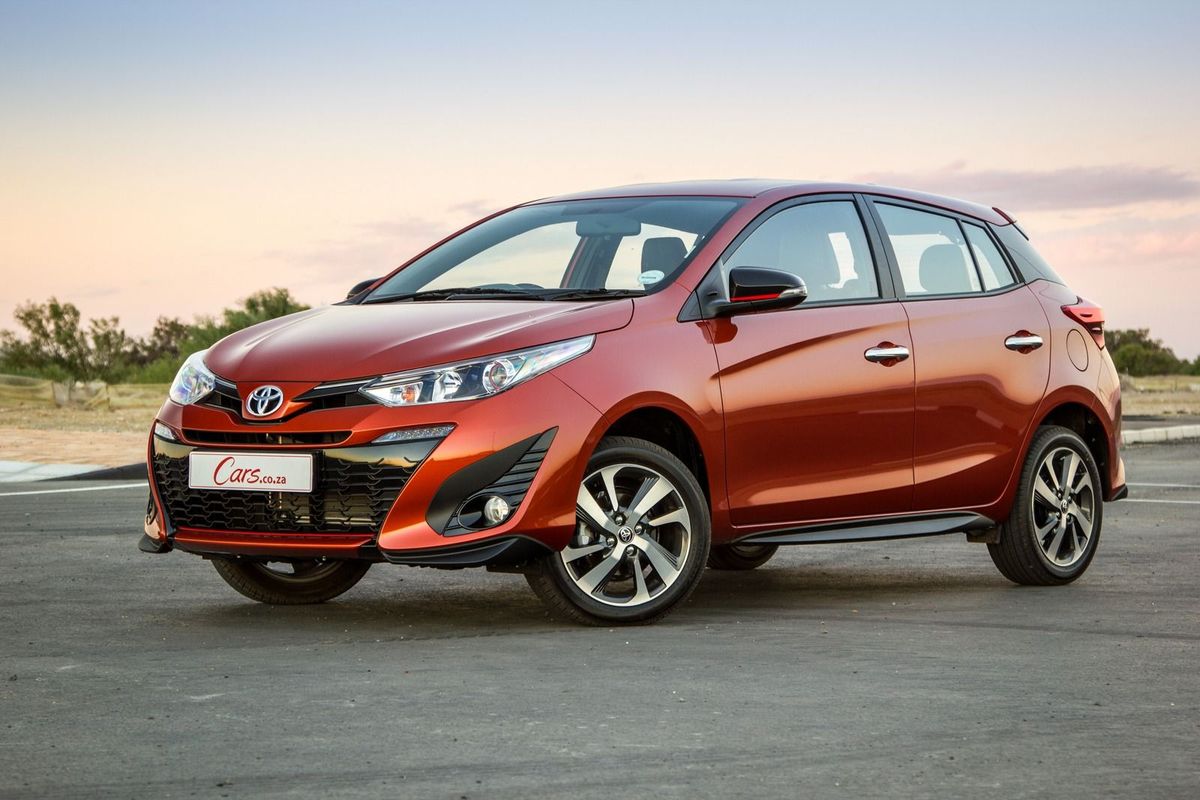
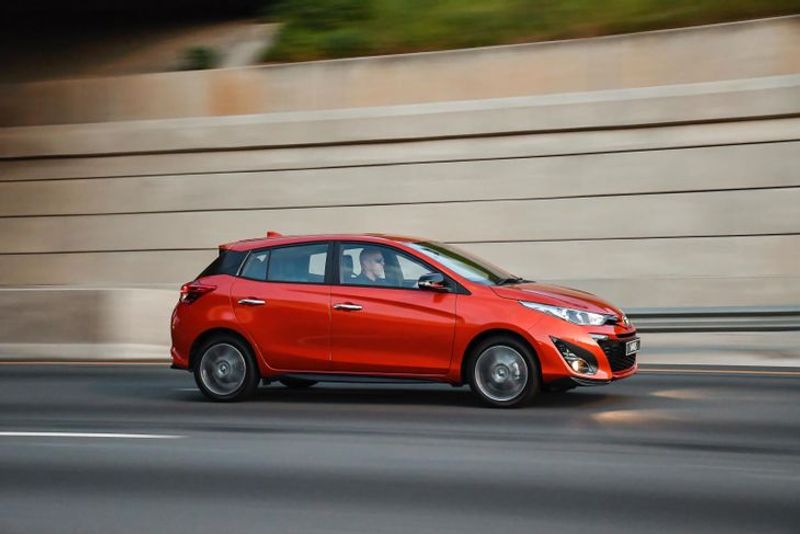
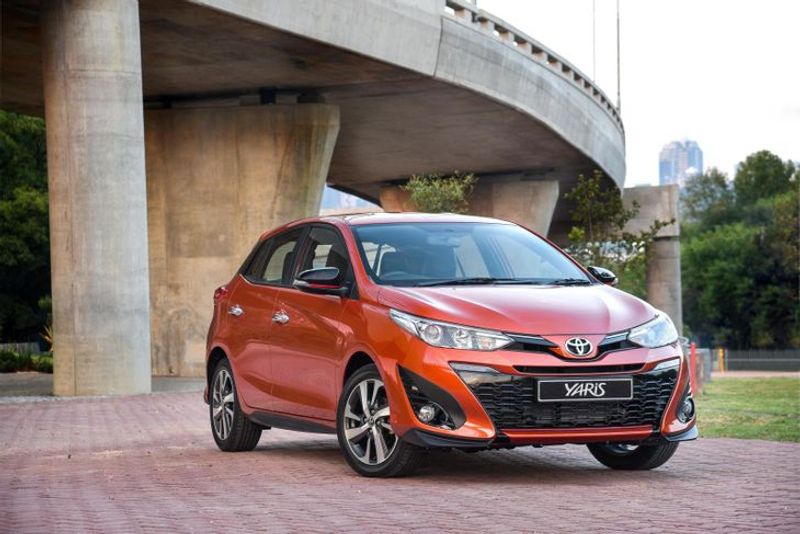
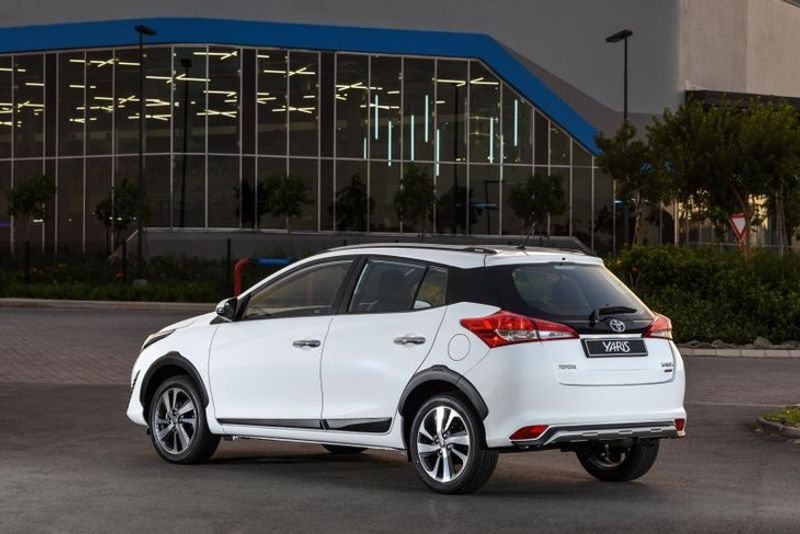
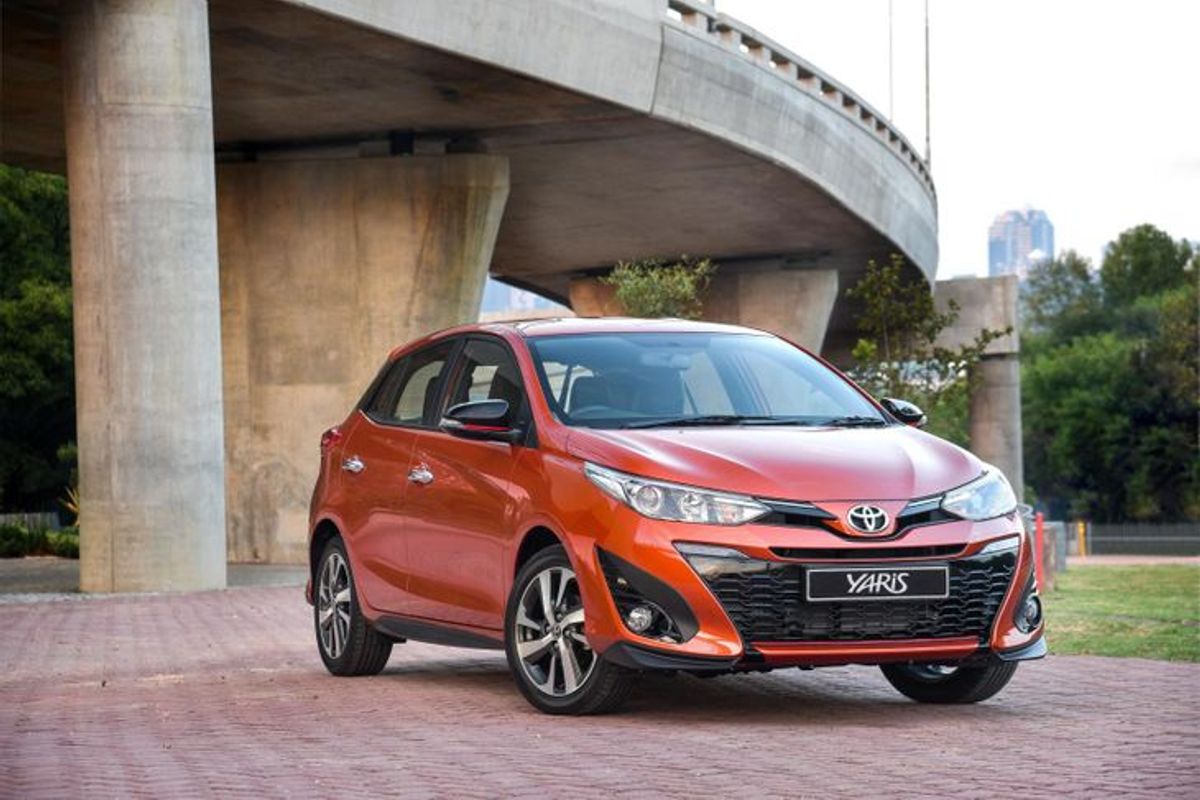
The Yaris has shed some of its anonymity thanks to the adoption of a distinctive new look.

Another path to success?   

But with this newcomer, Toyota is trying to drum up more support for the Yaris nameplate by changing tack. In many ways, this new car evokes the strengths of the first Yaris and improves every one of them. The only question that remains is whether it will truly resonate with a notoriously fussy (and fickle) clientele. 

For starters, the new car is larger, 163 mm longer and 5 mm wider (to be exact), something that is noticeable both inside and outside the car. Gone are the days where you can call the Yaris a “small car”.

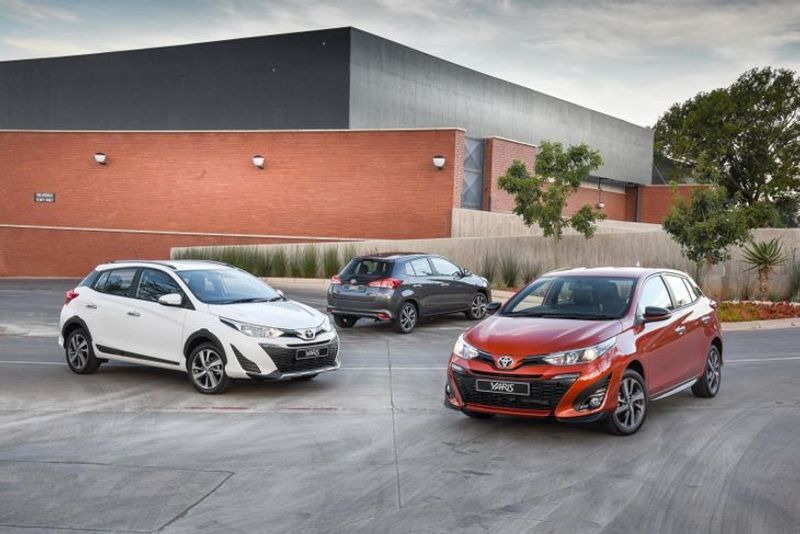
Aesthetically, Toyota has also completely changed the look of the vehicle. A smiling front end and a modern rear end compliment the overall appearance. In standard guise (and even more so in the case of the range-topping Sport derivative), it is good looking – in a Japanese manufacturer kind of way.


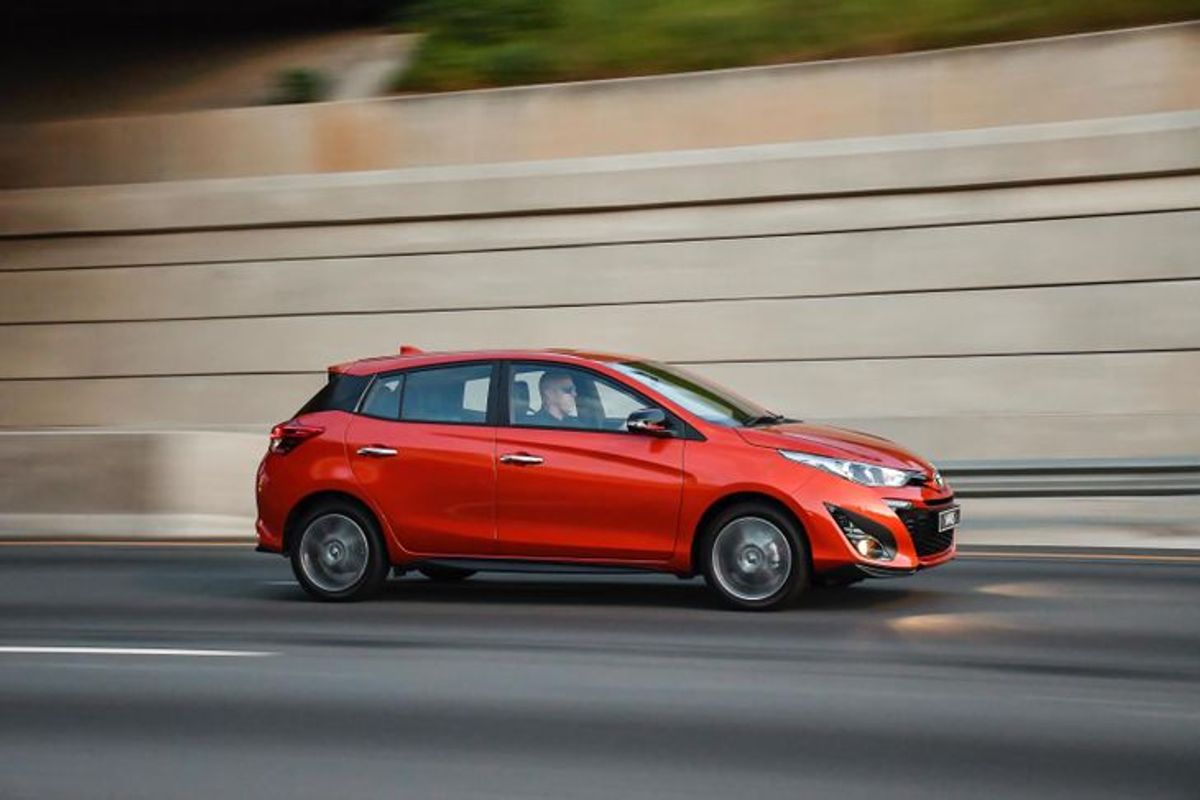
The Yaris undoubtedly looks its best in Sport guise. Note how the fog lamps are set at the extreme ends of the front bumper.

Stepping inside, comfortable seating welcomes averaged height to taller occupants and the rear accommodates most body shapes and -sizes. Luggage space is also very generous at 310 litres, something we experienced as we stacked our luggage and complimentary backpacks with ease. 

As a package, the Yaris appears to give buyers what they need, but does it give them what they want?

Analog in digital world

The Toyota C-HR compact family car welcomed a new era for the brand, that of forced induction, something many motoring scribes praised and deservedly so.

Naturally, one would expect the new Yaris to borrow the powerplant, something that would’ve given the car a new edge. Unfortunately, the engine found in the C-HR is built for the European market. Overseas, small displacement turbocharged engines are as common as free WIFI, but in markets such as ours, that’s not the case. As a result, the new Toyota Yaris is powered by a 1.5-litre normally aspirated engine. But, to be fair, an adequate one.


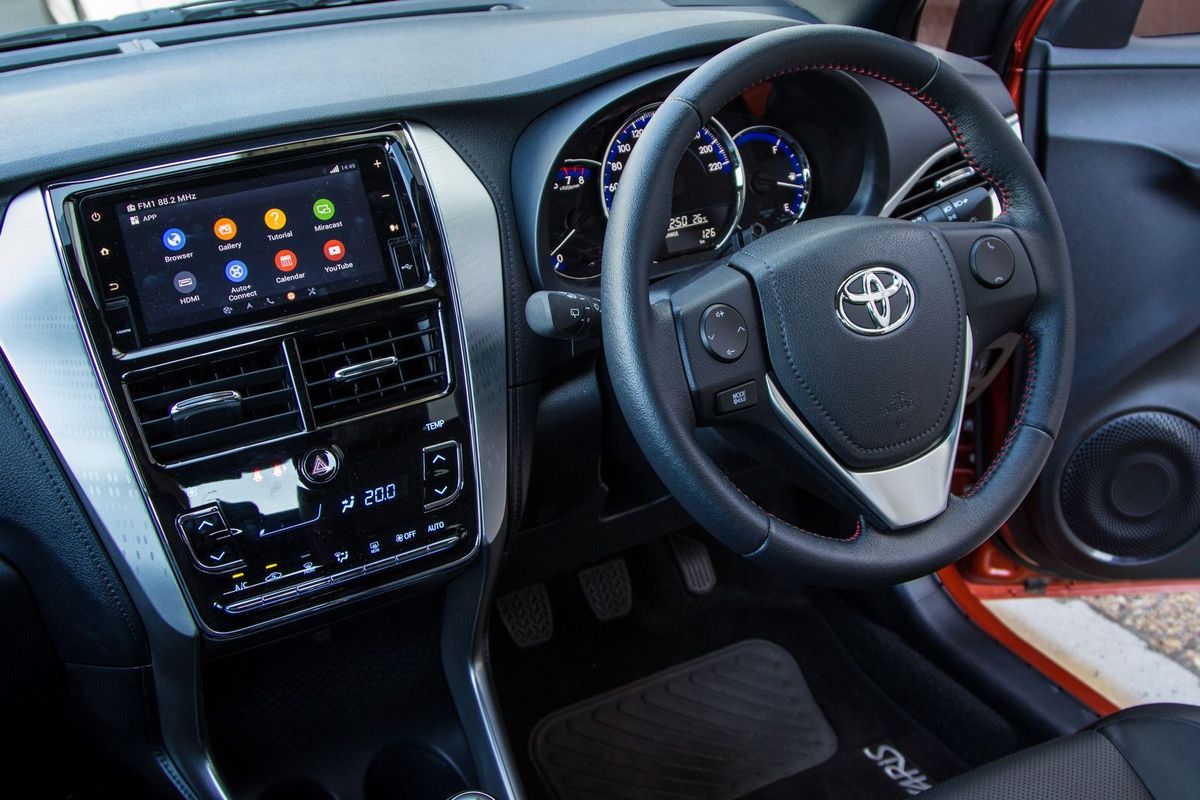
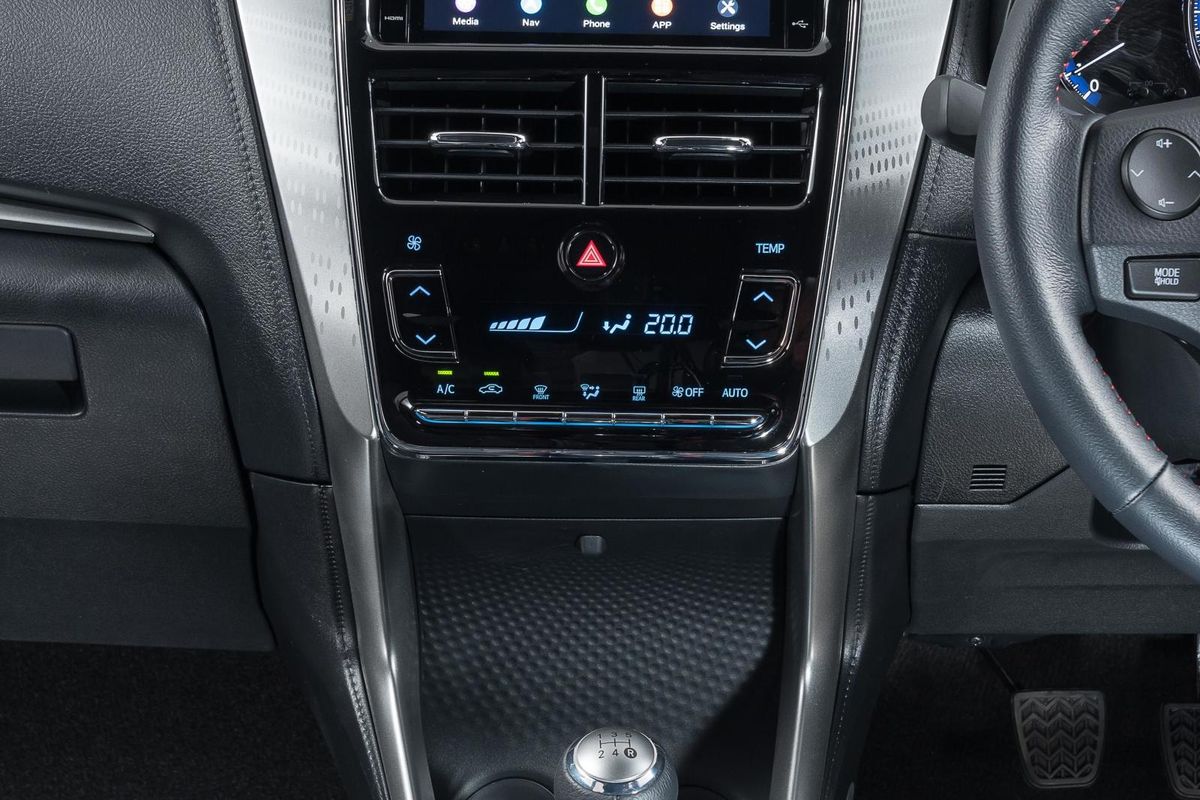
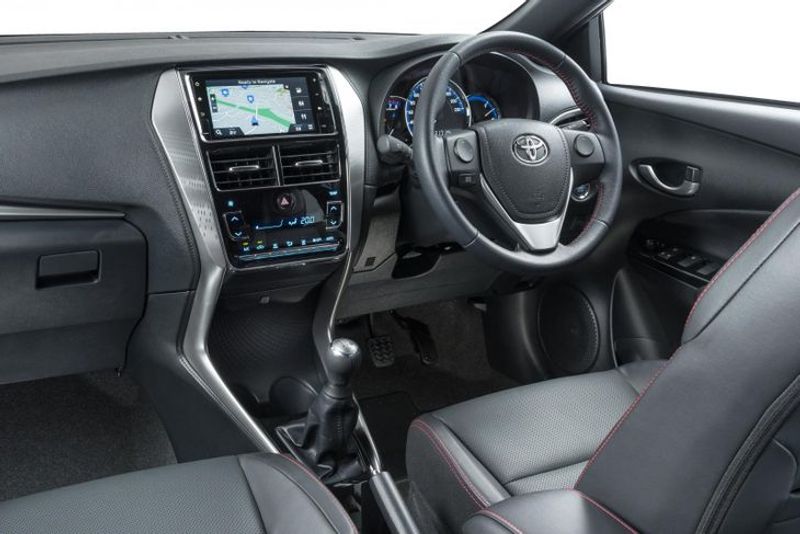
The newly-designed fascia looks slick thanks to the flush-fitting touchscreen and the classy black digitial HVAC control console. 

A choice between a manual gearbox and a CVT (automatic) is offered, but the latter is unlikely to win many fans. The automatic seems to struggle to make the most of the engine’s performance characteristics, but the snappy manual gearbox is more than user-friendly to operate. It allows you to extract the peak outputs of 79 kW and 140 Nm provided by the Yaris’ 1.5-litre mill more effectively, even though downshifts are a very common occurrence. 

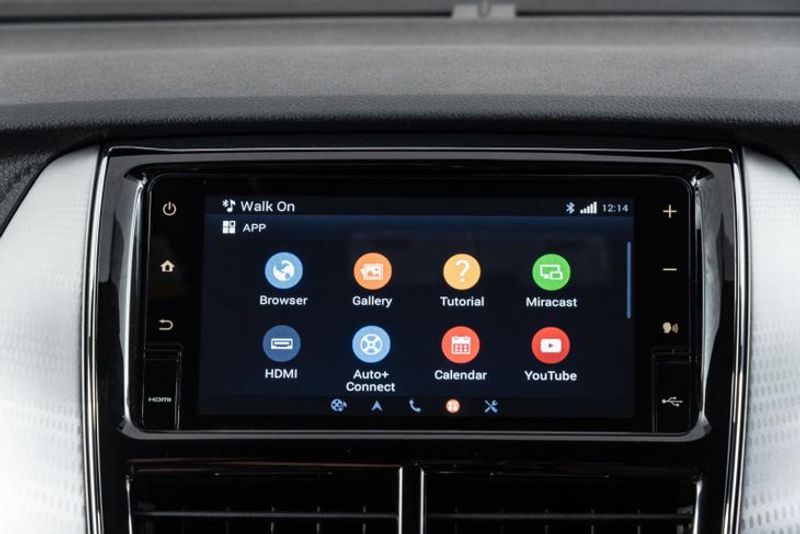
Fortunately, the new Yaris “gets down the road” well. The ride quality is supple, allowing you to drive long periods with very little strain. Ergonomically you’re sorted to, as the interior functions are easy to become accustomed to. The Xs and Sport derivates we drove were equipped as standard with a touchscreen infotainment system, with functions such as Apple Carplay available, as well as Bluetooth functionality and a USB port.

Familiar interior experience

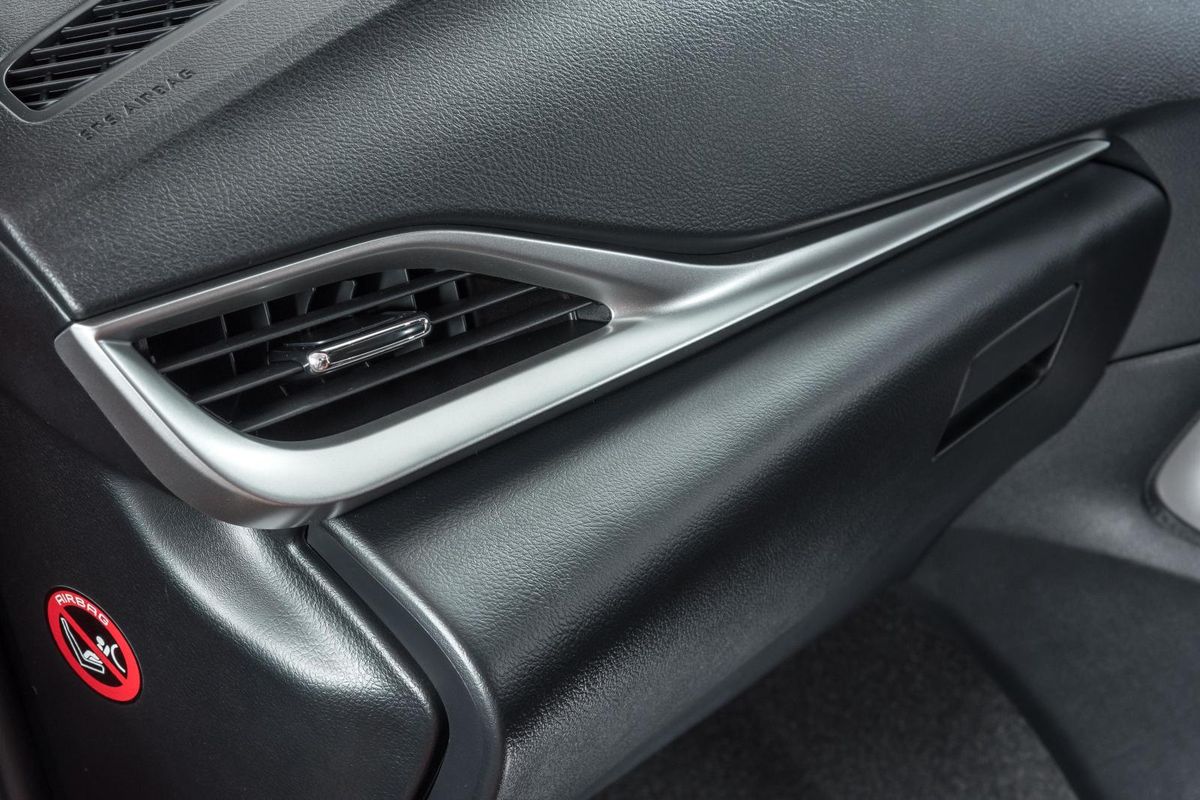
When sitting inside the Yaris, the cabin does not quite feel like an all-new affair. Yes, the dashboard has been redesigned, but the materials used don’t feel like they’ve changed. Toyota swears by its hard plastics, which while durable trade style for purpose. The purpose of a Toyota is to be durable (that explains why we still see many 1st-generation Yarises running around). The same will probably happen with this version.


Apply Carplay/Android Auto functionality is becoming more widely available, but in the compact hatch segment it is a real luxury.

Respect must be given to Toyota for sticking to its guns as glossy doesn’t always last forever. That being said, the nature of young buyers today is that they’re not often looking for something that lasts forever. I am in my early twenties and I can confidently say that long-term vehicle ownership is not something that my friends and I strive for; simply put: I get bored too easily and so do my peers.

The Yaris versus Polo debate

In 2018, this segment’s buyer wants forced induction, they want a trendy cabin and they want something “cool”. This is something the likes of a new Volkswagen Polo provide, a car which Toyota claims compares directly with its new Yaris. Whereas the Polo feels like a car from 2018, the Yaris doesn’t.

This again goes back to the use of normally aspirated engines and overall feel of the car. This wouldn’t be a bad thing if price was on the Yaris’ side, but it’s not. An entry-level Yaris will cost you R230 800, whereas an entry-level Polo will set you back R235 900. The sweet spot in any vehicle range is generally in the middle. In the new Yaris’ range that would be the Xs version, which we drove on launch. This derivative offers you more tech and features at a cost of R253 400. The middle spec Polo Comfortline, on the other hand, will cost you R264 700. So, there’s approximately R11 300 between the two.


The Yaris Cross is an intriguing addition to the range’s line-up, but does it offer enough of a purposeful crossover look? 

A spec-against-spec analysis shows that the new Yaris does offer more in terms of standard features at Xs level compared to the new Polo Comfortline, such as the infotainment system. Is it enough to choose it over the Polo? In my opinion, I don’t think so.

As mentioned before the car may be new, but it doesn’t feel all-new. It may be the better value proposition compared with the Polo (in Xs specification), but it’s not the better car. If you added the infotainment system to the new Polo, the price gap widens to R16 500, which is significant. However, the majority of the buyers in this segment will be financing their car. When that is the case, the monthly repayment difference between these cars will be approximately R450 a month… Need I say more?

Summary

The new Toyota Yaris is attractive, built well and offers generous space. It will do exactly what it’s meant to do, that’s the Toyota way. Unfortunately, in the modern world we live in, it feels dated compared to the competition, namely the new Volkswagen Polo, a car that was launched locally two weeks ago.


With pricing starting at R230k, the Yaris range offers a wide choice of derivatives, certainly more than the outgoing range…

I fear that young individuals looking to buy a new car in this segment may not get what they want from the Yaris, because the market has progressed too drastically: “It’s not the car, it’s us,” they might say. “It simply doesn’t fulfil all our wants compared to what’s out there”.

Then again, for older buyers (especially those who are looking to buy down), the Yaris seems as substantial a proposition at it has ever been. Backed by a 3-year/45 000 km service plan and 3-year/100 000 km warranty (customers additionally have the option of upgrading the above to a longer term/and or higher mileage through Toyota Value added services) the Yaris is a safe bet. If only the younger set could be won over by its charms, then surely Toyota’s fortunes in this segment would tick up…

Toyota Yaris (2018) Prices in South Africa

1.5 Xi MT  R230 800

1.5 Xs MT R253 400

1.5 Xs CVT R268 500

1.5 Cross R268 500

1.5 Sport R286 000

Prices were correct as published in February 2018.

Further Reading

Toyota Yaris (2018) Specs and Pricing

3 Reasons Why Toyota Yaris is #CarsAwards Finalist

Toyota Yaris 1.5 Pulse (2017) Quick Review

Toyota Yaris GRMN (2017) International Launch Review

Want to buy a Toyota Yaris?

Browse through stock for sale here

Suzuki does ‘simple’ best: Why its success is no surprise

Ten years ago, you couldn’t buy a new Suzuki in South Africa. How has the Japanese brand, whose difficult relationship with Volkswagen ended as recently as 2015, managed to thrive and gain such a strong foothold (and good reputation) in the local market?  

A lot can happen in a decade. 10 years ago, Tesla was a fringe brand, making battery-powered Lotus Elises and diesel-powered German cars were boundlessly popular in all global markets. In 2018, Tesla is the most valuable car company in the world by share price (with a car in space orbit) and the German diesel engine’s dominance, is all but over.

For South African car enthusiasts there’s a rather interesting story which also started ten years ago. In 2008 Suzuki automotive returned to the South African market after an absence of 9 years. Many people were excited because Suzuki had a deserved cult following amongst hardcore 4×4 enthusiasts, a reputation forged by its paradoxically giant-killing, yet diminutively sized, SJ-series of 4x4s. By 2008 the SJs we had come to know were 1980s relics and the contemporary evolution was something called a Jimny. Almost immediately demand overwhelmed supply.


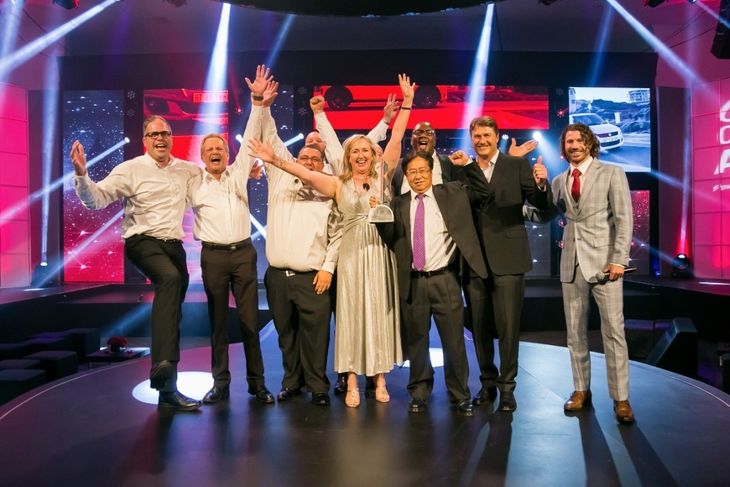
Suzuki claimed its second Brand of the Year award at the 2017/2018 Cars.co.za Consumer Awards – powered by WesBank.

Suzuki re-launched into South Africa as the global economic crisis was triggered and to its credit, survived this unfortunate timing with uncommon ease. Since 2008 it has been an ascending brand without fanfare, imperceptibly conquering market share and winning public approval. At the 2018 Cars.co.za Consumer Awards — powered by WesBank gala event, Suzuki was recognised as South Africa’s most highly-rated car brand (as determined by the public) by winning the Brand of the Year award for the second year in a row! It also won the budget car and compact family car categories with the Ignis and Vitara, for a second consecutive time in the case of the latter.

An uneventful strategy

How did Suzuki manage to become such a trusted brand to so many South Africans? It certainly didn’t accomplish it by the underhand tactic of initial discounting, followed by rampant price increases. If you analyse Suzuki’s marketing behaviour and sales tactics, the brand hasn’t done anything spectacularly different to its rival marques.

What the Hamamatsu-based company has done, is startlingly simple: offer durable products. None of the Suzukis that re-launched the brand in South African in 2008 were remotely new products: Jimny, SX4, Vitara and Swift were all well-aged in their respective product cycles. Despite this, none of the models were terrible to drive, and you never heard stories of them failing on a sweltering day in the Northern Cape, hundreds of kilometres from nowhere.


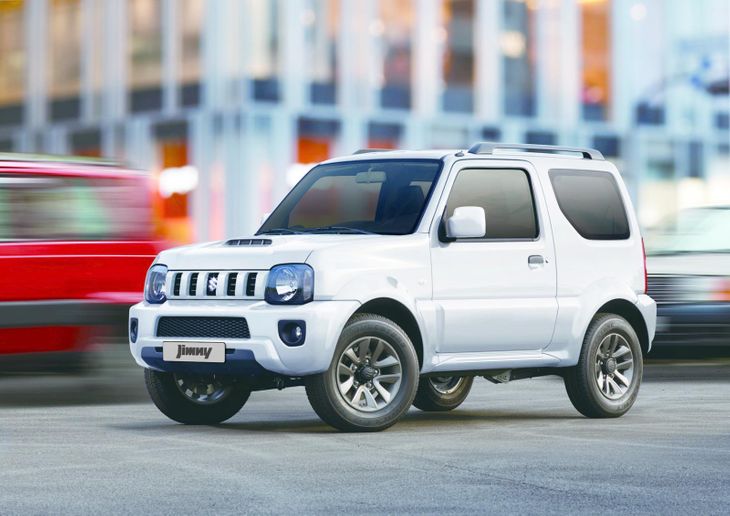
The Suzuki Jimny has a loyal fan base in South Africa and despite its size, its a capable off-roader.

A decade ago, Swift was a closer rival to Polo than most other Japanese hatchbacks. Jimny became a default choice for hip urbanites who actually used low-range bi-monthly and Grand Vitara, with dedicated off-road mechanicals, was by some margin the most technical terrain-capable small SUV you could buy.

Suzuki’s vehicles were everything you would have imagined from a brand that has experienced – and absorbed – inputs from customers who are massively demanding of their 4x4s and spilt some of that engineering wisdom into the brand’s hatchbacks and sedans too.

In the decade that followed the brand's reintroduction to the local market, Suzuki’s product portfolio has grown from 4 to 10 models, all with excellent acceptance – illustrated by the record sales figures achieved last year. The only casualty between 2008 and 2018 has been SX4, which was discontinued last year due to Vitara cannibalising most of its market share. Even the perfect automotive family, occasionally has an internal issue…  

Defying expectations

The peculiarity of Suzuki’s South African achievement has been that very few would have predicted it. Objective analysts thought Jimny would be a niche brand builder, which it has been, but that the Koreans and rival Japanese manufacturers would crowd Suzuki out. This didn’t happen.

Perhaps most counterintuitive has been Suzuki’s success, despite an adherence to naturally-aspirated engines. It remains the only volume brand in South Africa which doesn’t offer turbocharged petrol or diesel powertrain options. In a market where most driving is done above 1 000m of altitude, with acute power losses applied to engines which don’t benefit from boost, Suzuki’s popularity has been curiously unaffected. Owners don’t seem to mind the power loss. You need to offer something very convincing to substitute for that kind of real-world scenario driving deficit.


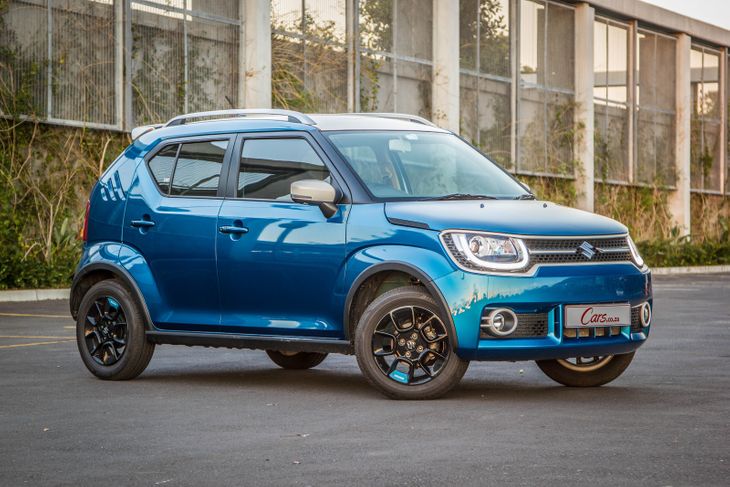
The budget-busting Suzuki Ignis is finding favour with buyers in South Africa with its quirky styling and perky performance. 

That substitute is durability. South African drivers are different to those of nearly every other market: they’ll drive fatigue-inducing distances on gravel roads with compact hatchbacks. They’ll drive at very high cruising speeds, in scorching heat. And they’ll do all the aforementioned at altitude, where engines take the greatest strain. Local conditions are a severe test and when was the last time you saw a Suzuki on a flatbed truck in the Karoo or Limpopo? The reliability of Suzuki’s contemporary products is every bit as true to its SJ-series off-road heritage as any marketing agency would want you to believe.

It’s worth dwelling on the inherent engineering and design principles of Suzuki. This is a company that does a lot else besides making automobiles. It’s a renowned motorcycle and marine engine manufacturer too, both applications where mechanical failure is most undesirable: you’re either stranded in the dark, pushing your bike, or adrift at sea, trying to signal the NSRI…

The future


Suzuki has gone from strength to strength locally and the future appears to be brighter than ever for the Japanese brand. 

This commitment to affordable mechanical engineering excellence has been Suzuki’s greatest comparative advantage. As buyers seek smaller cars, with more liveable inner-city driving and parking dimensions, without foregoing a sophisticated feel, Suzuki’s been excellently placed to profit from the trend of "buying-down".

If you wish to grade how good Suzuki’s reputation is for compact car engineering, it’s helpful to remember a darker part of its more recent past. From 2009 to 2015, Suzuki was in a toxic partnership with Volkswagen. The world’s largest automaker bought a 19.9% stake in Suzuki because it desperately wanted the Japanese company’s small-car engineering resources and skills. Suzuki’s benefit would be access to something it didn’t have, hybrid engine technology – something it knew would become crucial in the near future, but had expertise in developing, because motorcycle and marine engines aren’t legislated, or emissions taxed, in nearly the same way as cars.

By 2011 the relationship had deteriorated beyond repair, Suzuki citing mistrust issues regarding a total takeover strategy by Volkswagen – something which would have been completely unacceptable to the fiercely-independent Japanese car maker.


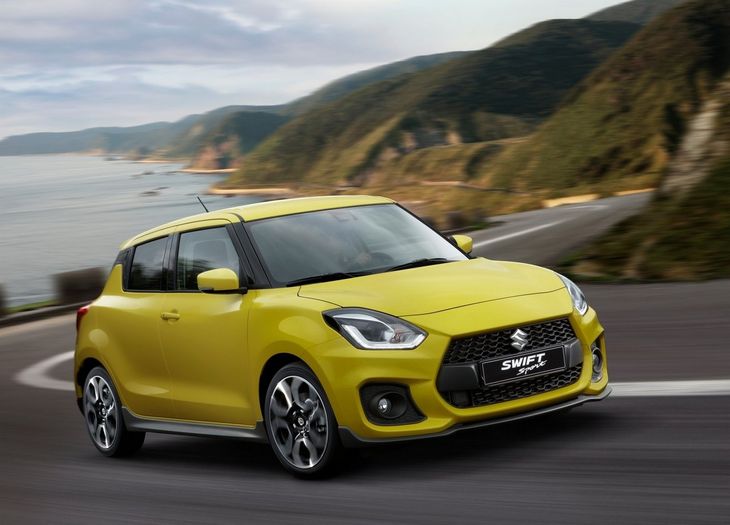
The new Suzuki Swift Sport, if offered in SA, with its 1.4 turbopetrol engine, will be the first turbocharged Suzuki on local shores. 

The VW/Suzuki divorce was only finalised by 2015, but on a balance of outcomes, Suzuki has hardly suffered ill consequences. Yes, it did notably retire from the American market in 2012, but its cars are hugely popular in nearly all emerging markets, including our own – offsetting the loss of US sales. Unlike VW, it’s not over-invested in turbodiesel engine technology and production capacity, which now appears to be very much a sunset element within the automotive industry.

What Suzuki has gained, others have lost. The overall South African market hasn’t increased in the last decade. Suzuki has cannibalised and conquered, possibly from the brand which is most similar to it: Honda. A trusted manufacturer of motorcycles and marine engines, like Suzuki, Honda’s sales have slid dramatically in the last few years, as Suzuki’s have been increasing. The correlation is too obvious to ignore.

For 2018 some things will change. Although not yet confirmed, the new Swift Sport is expected to debut a turbocharged Suzuki in South Africa and the promising turbocharged petrol and diesel engines which power right-hand-drive Vitaras in Australia, might possibly be considered for Mzansi too.

Suffice to say there’s little to indicate that South Africans will cede their fondness for all things Suzuki.

Buy a Suzuki on Cars.co.za

Related Content

Winners of 2017/18 Cars.co.za Consumer Awards – powered by WesBank

Suzuki Dominates in India, Grows in SA

Suzuki Swift Sport (2018) features turbo power

Suzuki Ignis 1.2 GLX (2017) Video Review

Suzuki Ignis 1.2 GLX (2017) Review [Video]

Extended Test: Suzuki Ciaz 1.4 GLX [Video]

New Suzuki Swift (2017) First Drive

Suzuki Swift Sport (2016) Review

Suzuki Baleno 1.4 GLX (2016) Review

2015 Suzuki Vitara Video Review

Suzuki Vitara 1.6 GL+ (2016) Review

Cars Coming to SA in 2018

The unique-to-SA BMW 333i: SentiMETAL Ep4

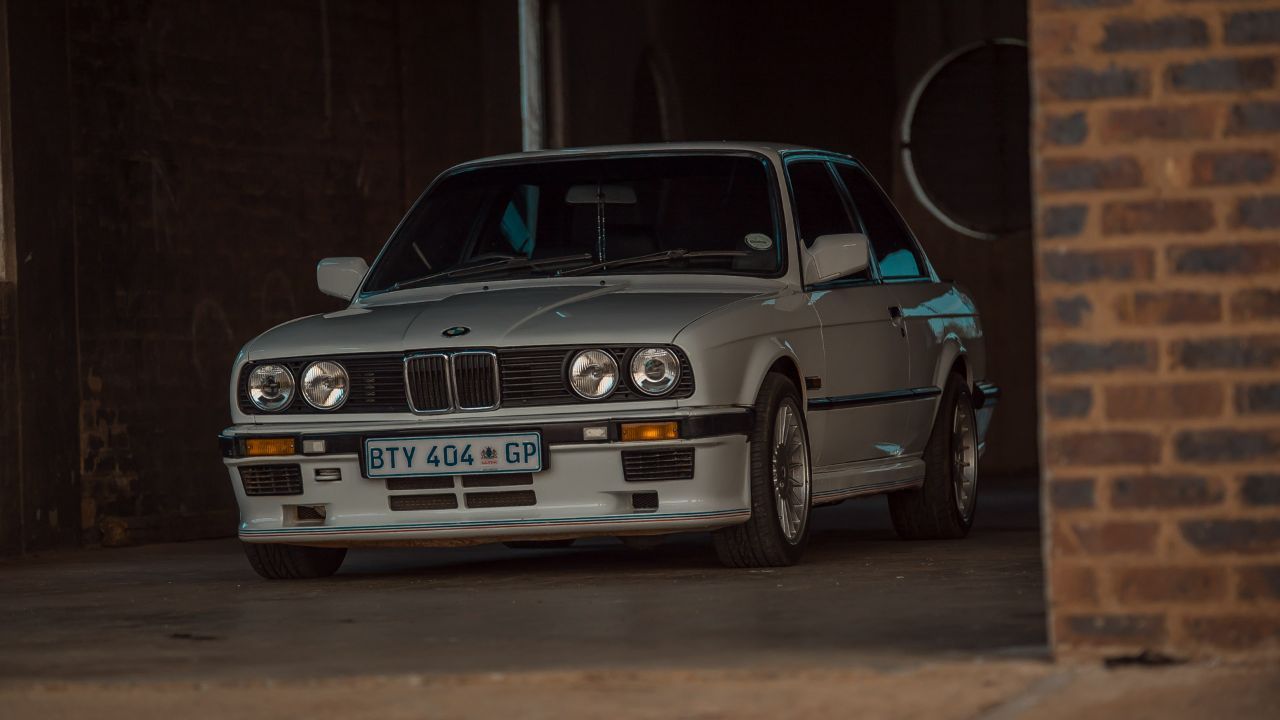
In the mid-80s BMW fanatics in other parts of the world were enthralled by the debut of the first-ever M3, a vehicle that has since become a highly desirable collectable. But in South Africa, where even back then BMW had a big and loyal following, enthusiasts such as Lenasia’s Arshaad Nana could only dream. The E30 M3 was not destined for South Africa, but fortunately, BMW SA had a solution.

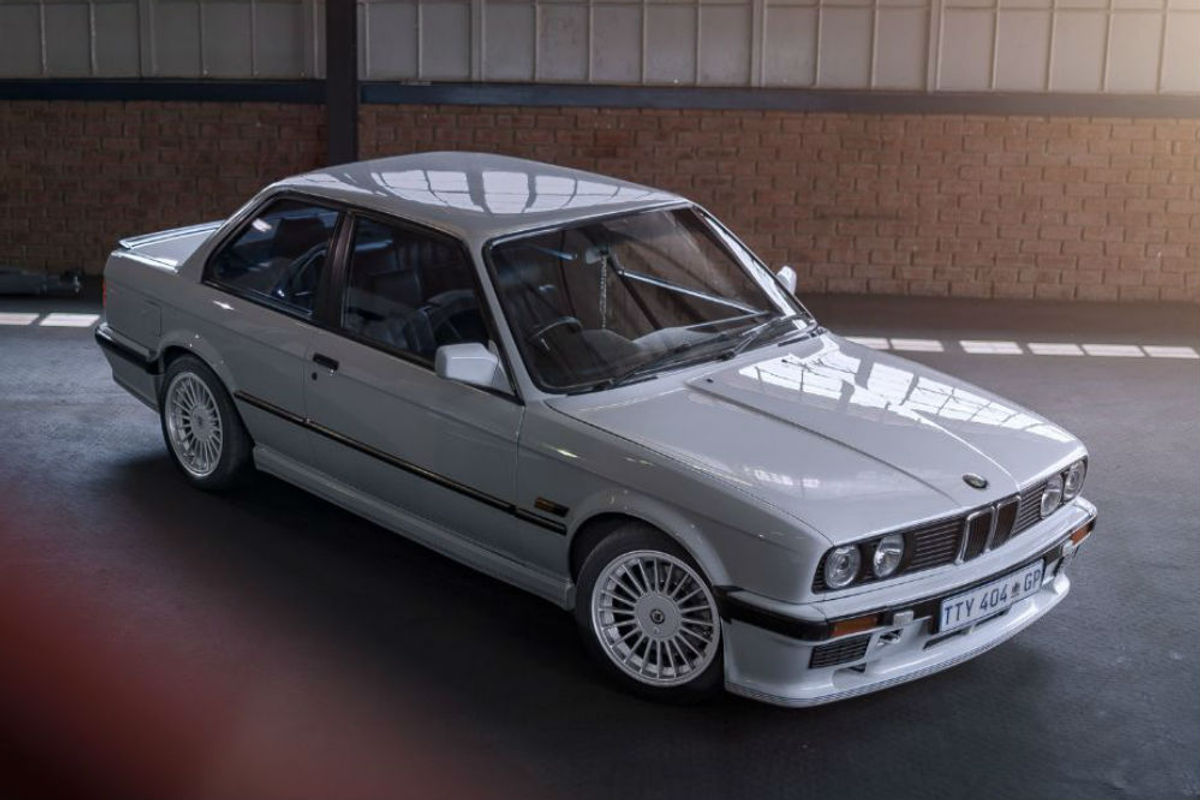
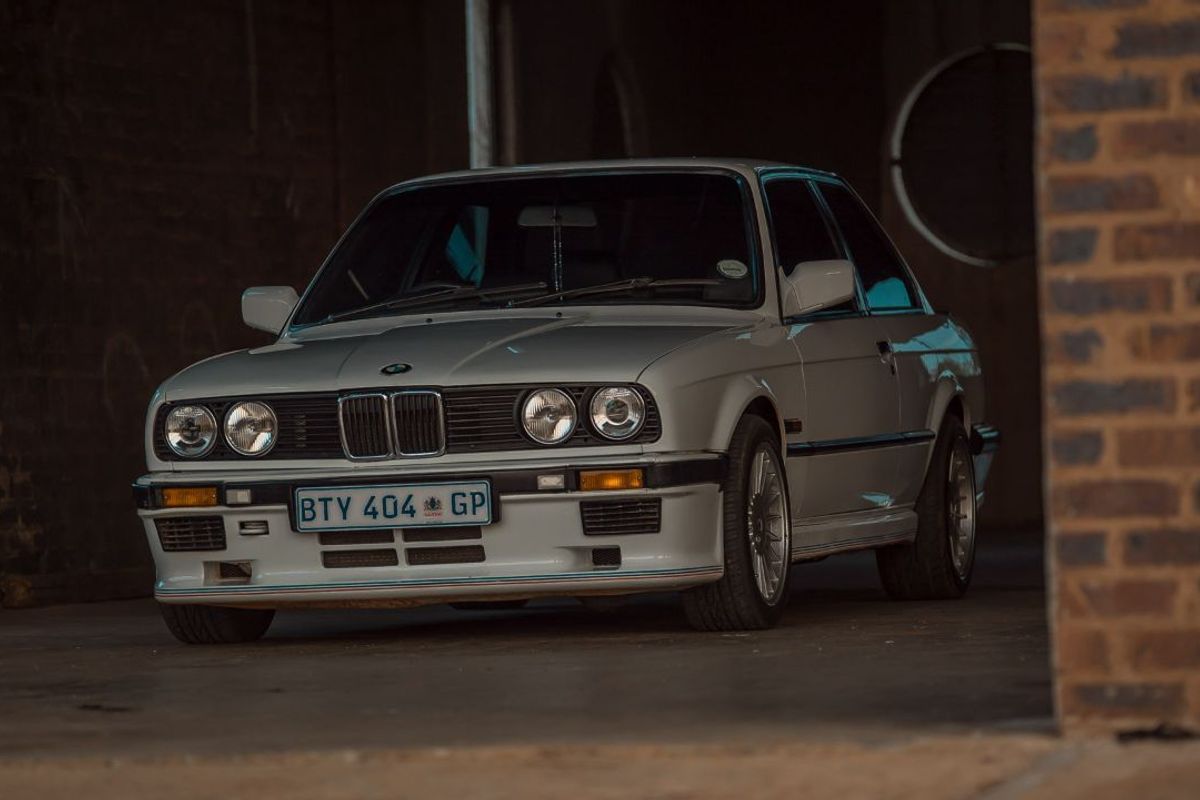
BMW South Africa has a history of developing local special editions. It partnered with BMW Motorsport and Alpina to develop a uniquely South African E30 edition, called the 333i. It took the M30 engine from the 733i and shoehorned it into the engine bay of the small and light 3 Series, instantly creating one very hot compact sedan. 

It’s not clear exactly how many were built, but only around 200 were sold to the public, making the 333i one of the rarest and most desirable E30s in the world. Key to its appeal was always the stirring straight-6 under the bonnet, as opposed to the 4-cylinder used in the M3. In the 333i, and with the help of various Alpina bits, the 3.2-litre motor punched out 148kW, which doesn’t sound like much today, but keep in mind that the 333i was light. The low-down torque of the engine, as well as its stirring soundtrack and edgy dynamics make the 333i a massively rewarding car to drive.


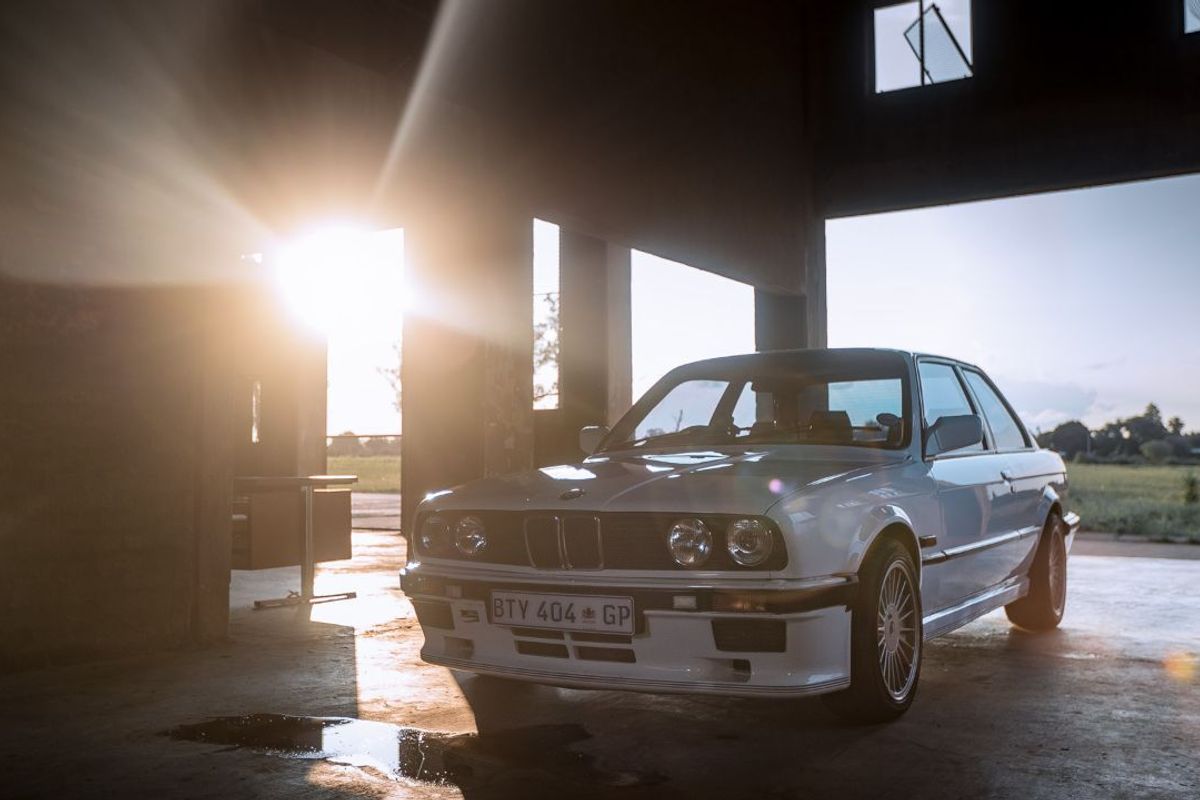
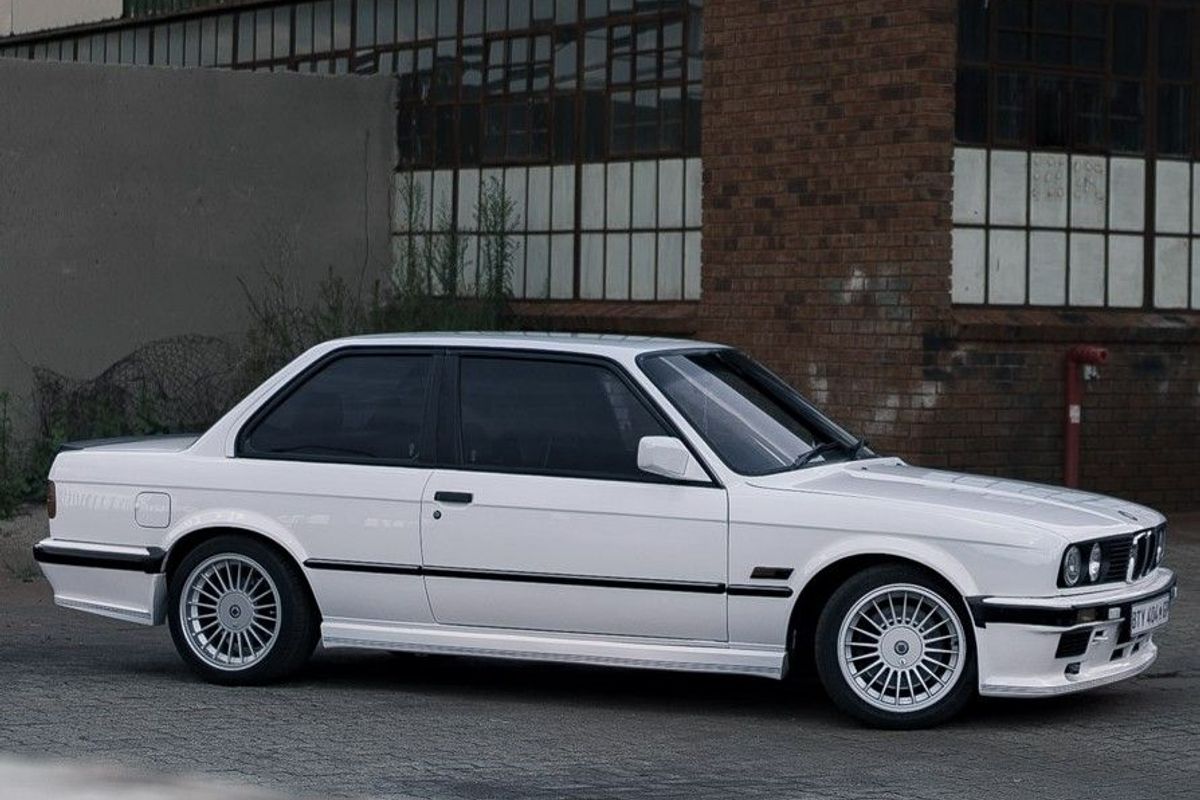
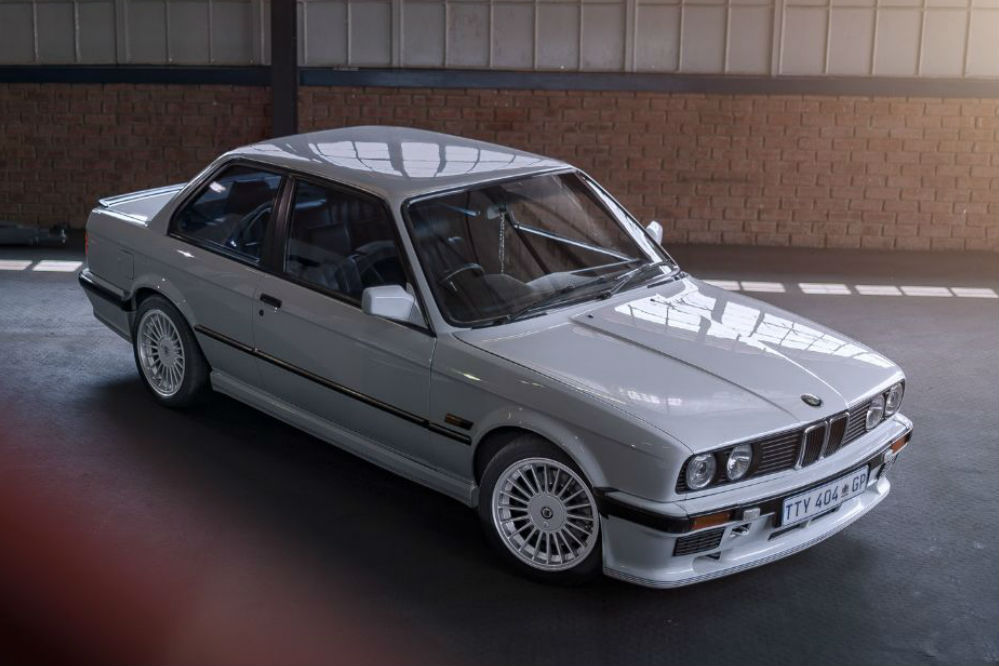
The easiest way to distinguish the 333i from other E30 coupes is to spot the chunkier bumpers and the 16-inch Alpina rims. 

Owner Arshaad Nana grew up in the era of Group N racing in South Africa, and as a young boy the likes of BMW’s Tony Viana and Deon Joubert, dicing it out with the Opel of Mike Briggs, ignited a love affair with the BMW brand that lasts to this day. Arshaad, who owns a workshop called EuroSpec that specialises in BMWs, may have grown up being entertained by the 325iS models on South Africa’s racing circuits, but for him the 333i was always the ultimate. 

“This car was my destiny”, he says. “I found the car, or the car found me, a very long time before I could buy it,” he explains. Given the growing value and desirability of the 333i in recent years, Arshaad knows he was lucky that it wasn’t snapped up in those years before 2010, when he finally was ready to buy it, with help from his grandmother. Neglected for years and standing under dust, Arshaad bought the car and lovingly restored it to its current state himself. 


Only about 200 examples of the 333i were sold; the cars are exceedingly rare, especially ones as nicely turned out as Arshaad's.

Arshaad drives the 333i as often as he can. “The car always gets an amazing reaction from passers-by, which is great, but the fun comes from driving it. I love the tone of the engine and, of course, the handling. It loves to point the back to the front, so you have to be careful…. It’s thrown me around a bit! But what’s the point of taking her to the party if you can’t have a dance!”

You may also be interested in;

Celebrating BMW M3 [with Easter Eggs & Videos]

SentiMETAL Ep 3: Nissan's iconic "Hakosuka" Skyline GT-R

SentiMETAL Ep 2: Pure 80's icon – the Porsche 930 Turbo

SentiMETAL Ep 1: The 400 000-mile love affair with a Jaguar E-Type

Stunning classic Bimmers at BMW 100 Festival

 8 Attainable Classics You Should Consider

Interested in searching for a classic of your own?

Find one on Cars.co.za today by browsing more than 70 000 vehicles in stock

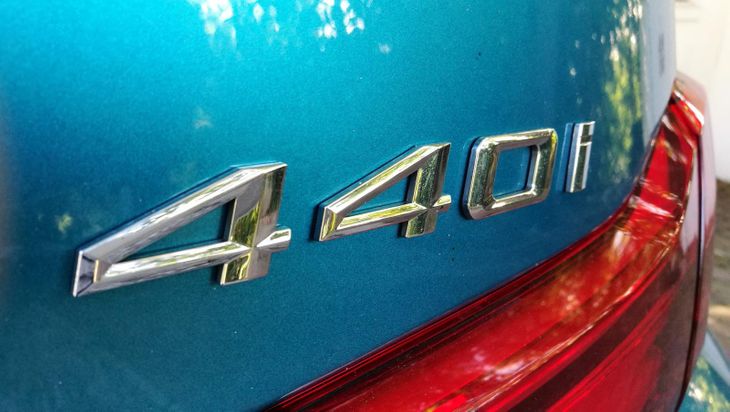
BMW 440i M Sport Convertible (2018) Quick Review

Although the latest improvements to BMW’s 4 Series are welcome, does the 440i M Sport Convertible offer enough pizazz to outclass its rivals? We took the 440i on a long-distance road trip to find some answers…

We Like: Attractive styling, power delivery, engine refinement, interior comfort

We Don’t Like: Impractical folding roof dramatically diminishes boot space, thirsty

Alternatives

  • Four-ring tyre shredder – Consider the Audi S5 Cabriolet quattro. Priced at R1 028 000, it’s slightly cheaper than the BMW and offers more grunt from its 3.0-litre V6 turbopetrol engine with 260 kW and 500 Nm of torque. It will dispatch the sprint from zero to 100 kph in 5.1 seconds.We have yet to test it.
  • Half a dozen AMG cylinders – Consider the Mercedes-AMG C43 Cabriolet 4Matic. It’s priced from R1 090 236 and its potent performance is developed by its powerful turbocharged 3.0-litre v6 engine with  270 kW and 520 Nm of torque. It’s substantially faster than the BMW 440i, with a claimed zero to 100 kph sprint time of 4.8 seconds.
  • Sports car goodness – For roughly the same money, you may want to consider sports cars such as the Jaguar F-Type 250 kW convertible priced at R1 044 496 with its supercharged 3.0-litre V6 offering up 250 kW and 450 Nm. The Porsche 718 Boxster GTS PDK priced at R1 137 000 is also a worthy option to look at and it will provide 269 kW and 430 Nm from its turbocharged 2.5-litre engine. They are more dynamically gifted, but strictly 2-seaters however.

Compare the BMW 440i M Sport Convertible with the Audi S5 quattro Convertible and the Mercedes-AMG C43 4Matic Convertible


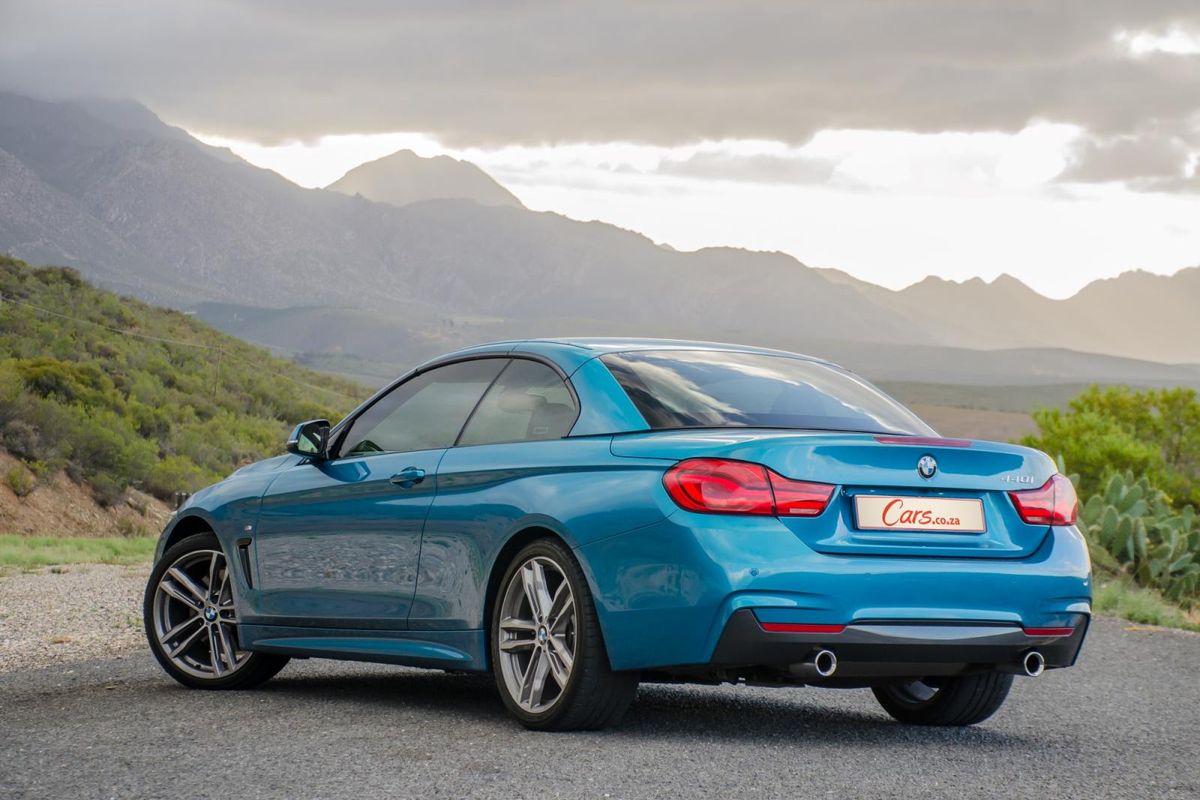
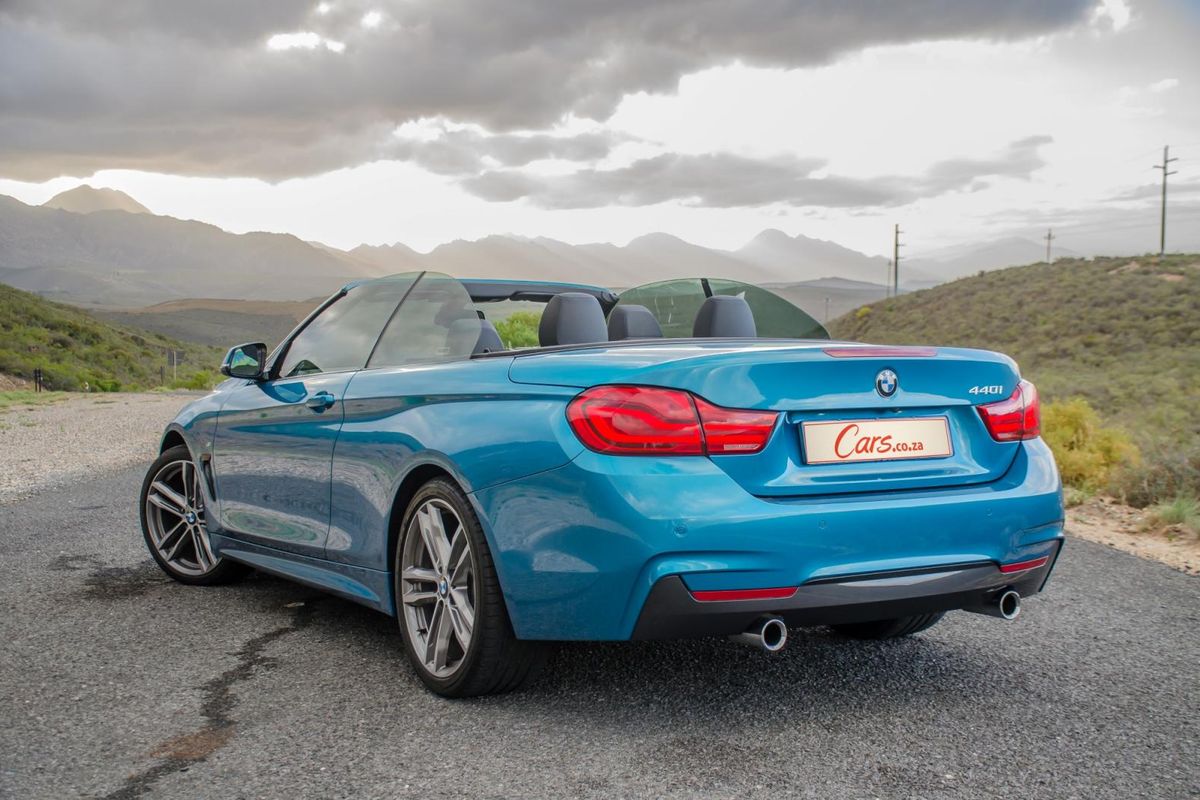
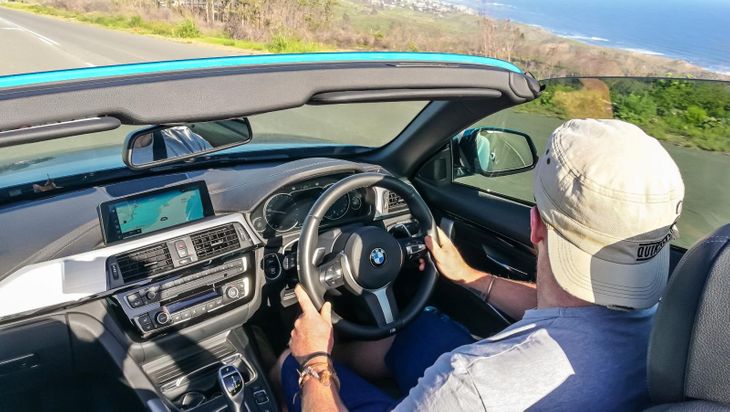
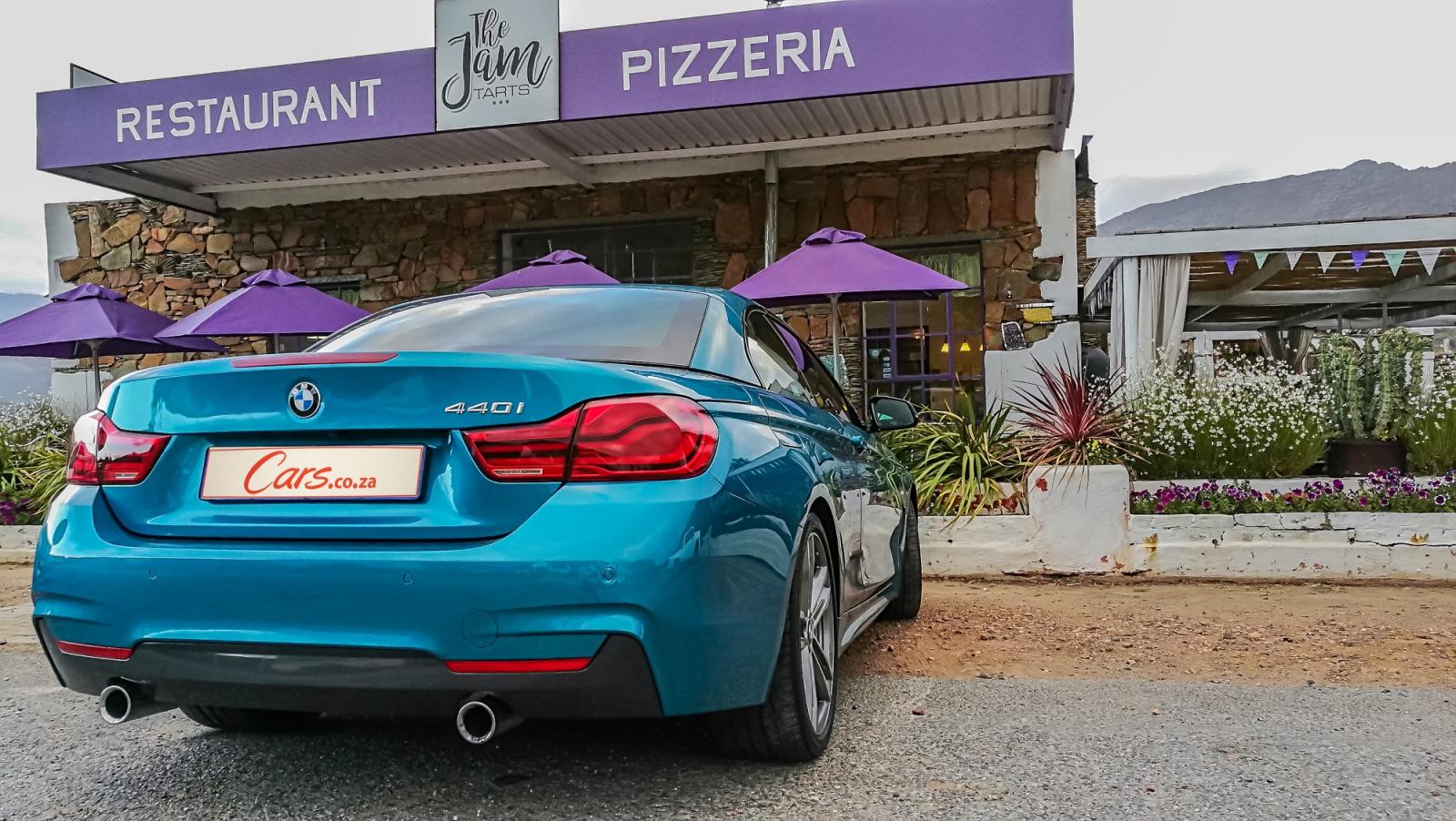
Not a bad choice of car to drive on the twisty R62 in the Western Cape. Drop-topping doesn't get much better than this…

What is it?

The BMW 4 Series has been around since 2013 (the line-up comprises the Coupe, Gran Coupe and Convertible) and it's closely based on the 3 Series sedan, not only in terms of aesthetic execution but underpinnings, electronic architecture, transmissions and engines. The 4 Series received a mild facelift last year which saw a number of stylistic and interior improvements being introduced and although the changes are subtle, they certainly liven up the package.

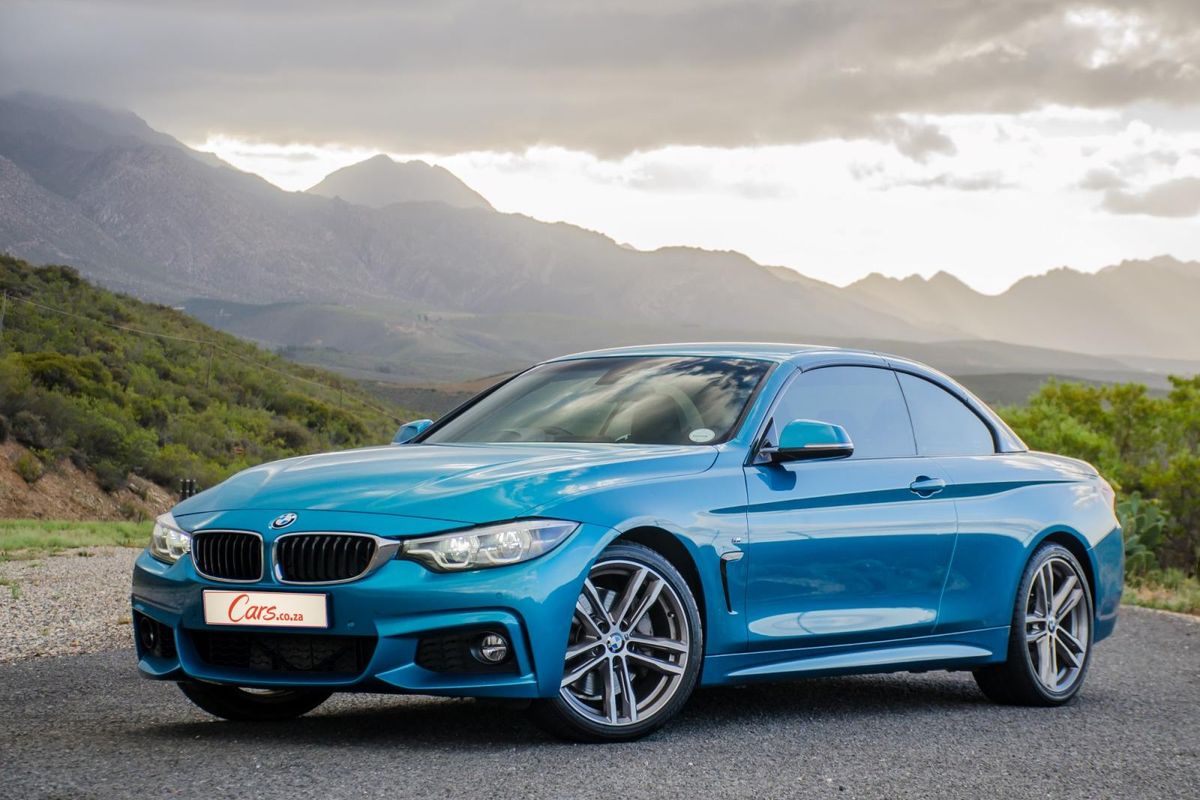
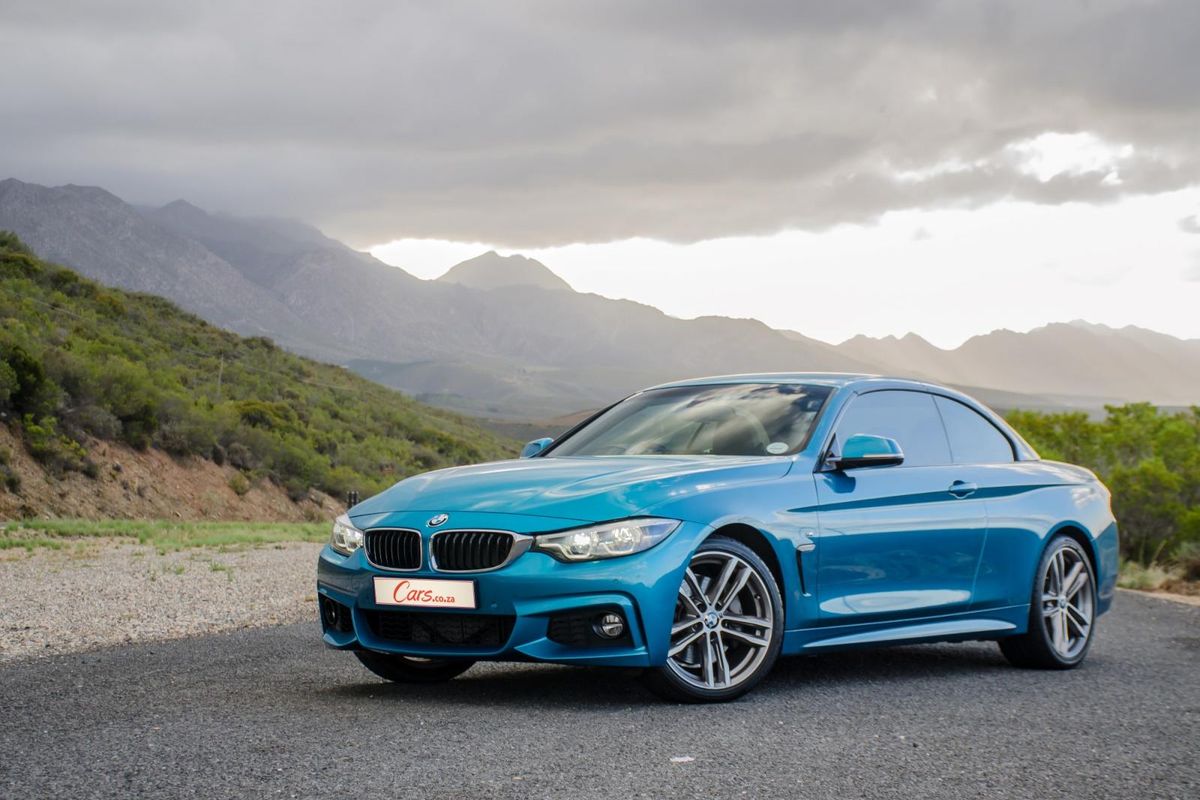
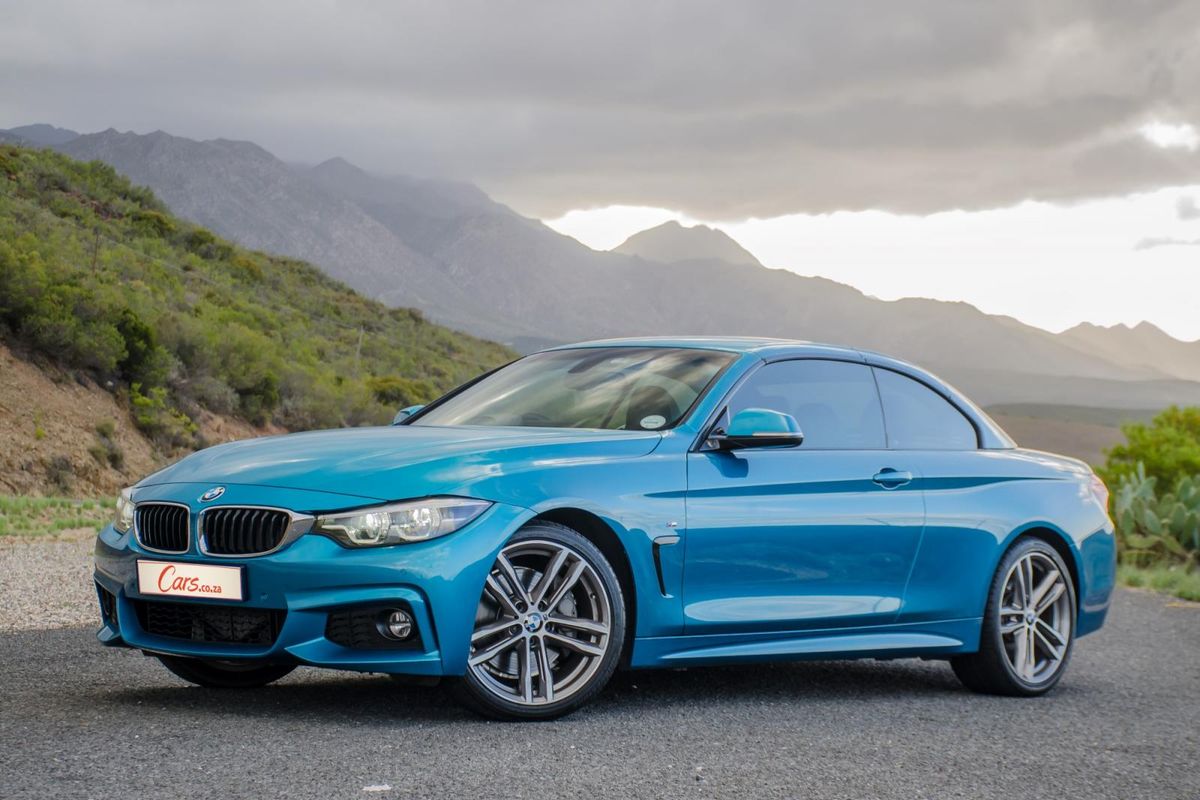
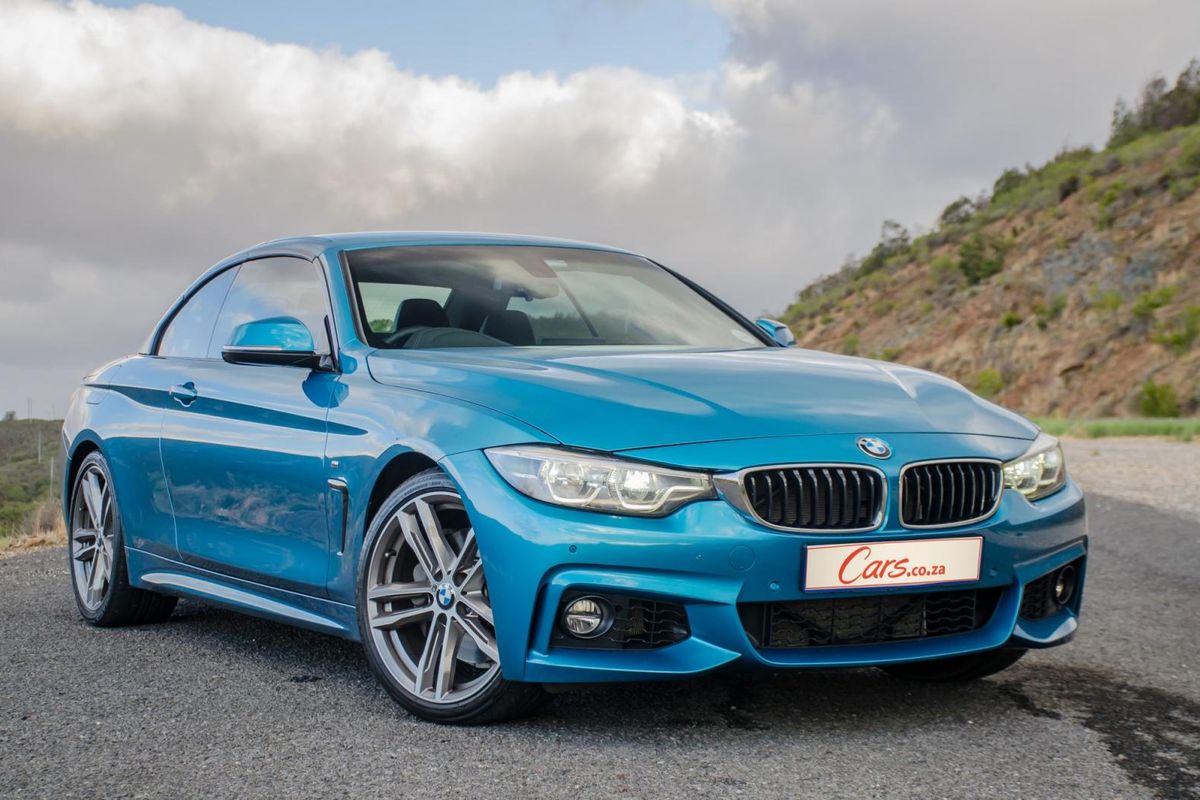
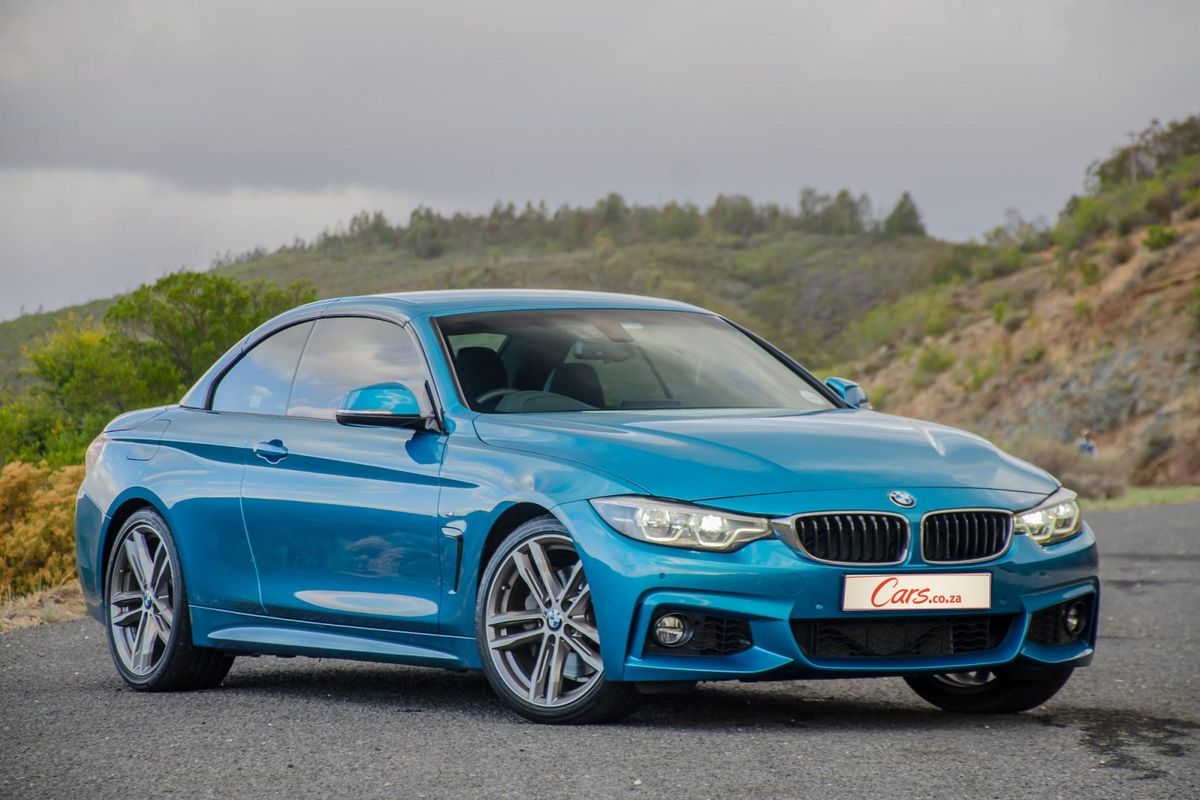
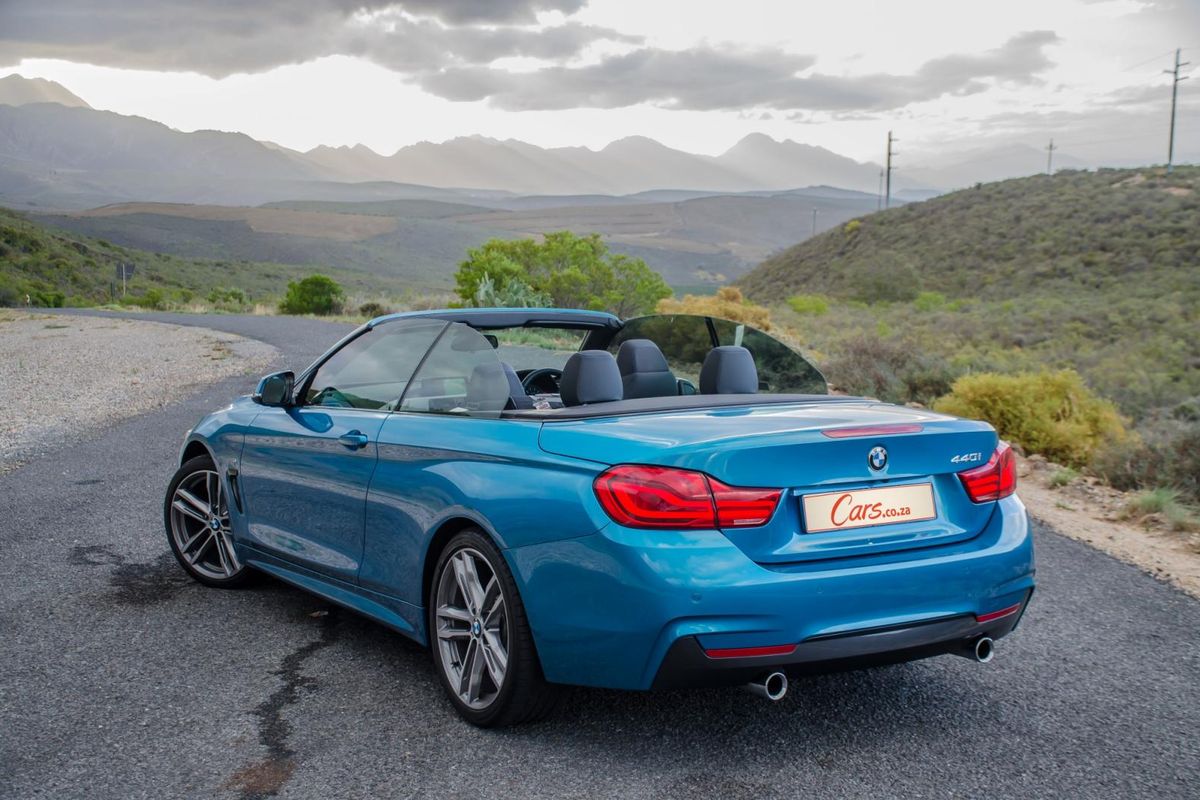
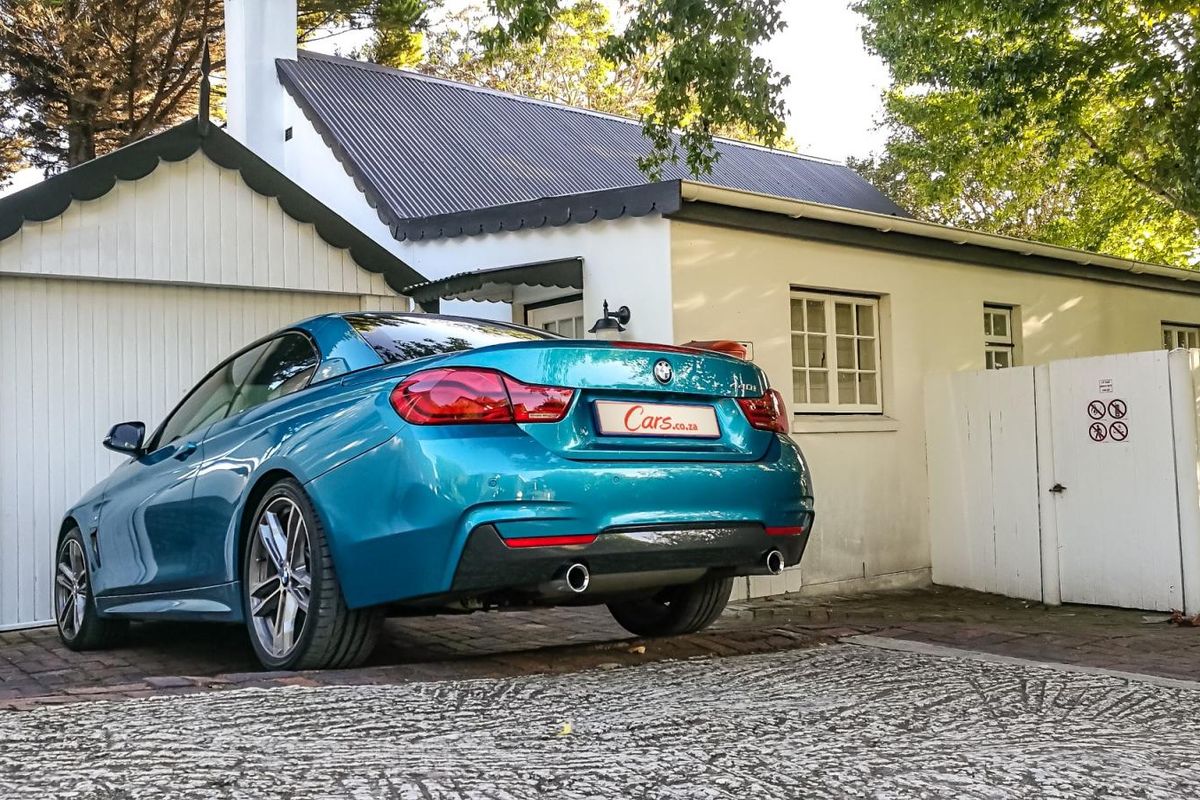
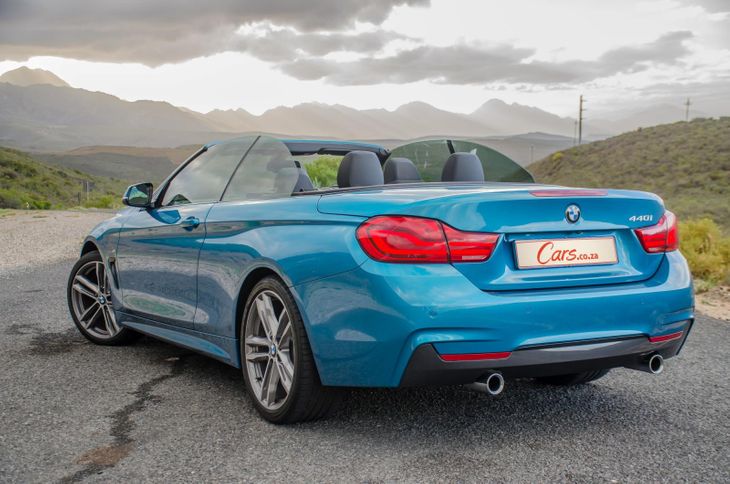
This BMW 440i M Sport Convertible is festooned in the arresting Snapper Rocks Blue paintwork, which is exclusively offered for the facelifted 4 Series. Revised front and rear LED light clusters modernise the car's look and in terms of proportions and dimensions, this 4 Series Convertible cuts an eminently athletic, yet elegant, figure.

We took the 440i convertible on a long-distance road trip from Cape Town to Knysna to stretch its legs, here’s what we discovered…

The Good

Power on demand


The 440i delivers potent performance and its 3.0-litre turbopetrol engine is arguably one of the best engines in BMW's stable.

We set off from Cape Town on the N1 but our progress was quickly snuffed by gridlock afternoon traffic. Once free of the clutches of the city, we turned off the N1, headed for the famous Route 62 (that stretches from Worcester to Oudtshoorn and will take you as far as just as just outside Port Elizabeth… if you let it) and the 440i went to work on devouring kilometre after kilometre of twisty tarmac.

The powerful 3.0-litre turbopetrol engine under the bonnet may not be the most powerful six-pot available on the market, but it is a characterful motor that offers peak outputs of 240 kW and 450 Nm of torque (it drives the rear wheels using a slick 8-speed automatic transmission). Need to overtake? No problem. Plant your foot flat and the 440i surges forward with urgency and it will just keep going as fast as you let it. It also delivers a delectable 6-cylinder thrum that needs to be appreciated too…  

The transmission is well-matched to this engine and there are steering-mounted shift paddles for you play with if you wish to maximise the engine’s might. The driver can also choose between 4 driving modes depending on what you want to achieve and they include Eco, Comfort, Sport and Sport+.

For those with an affinity for performance motoring, the 440i will do nicely, even though it's more of a fleet-footed cruiser than a sportscar. Refined as the Bimmer is, fuel consumption will suffer if you have a heavy foot. BMW claims 6.8 L/100 km, you're unlikely to get close to that claim. Alas, we averaged in the region of 11.0 L/100 km.  

Capable handler


Comfortable to drive and handle, the 440i M Sport Convertible will satisfy most buyers looking for an attractive and engaging convertible.

The winding R62 gave us a chance to hook the 440i through some tight bends and for the most part it performed well by convertible standards. Being a hardtop convertible, the vehicle is heavier than its siblings, but the stiffened structure holds up well. However, when traversing uneven sections of tar with the top down, the 440i can feel a bit wallowy/uneasy, but the steering is nicely weighted and the driver has a good sense of what the front wheels are doing most of the time.

The suspension setup errs on the side of comfort, but it’s stiff enough to feel sporty and only on the harshest bumps do the 255/35 19-inch wheels send crashy ripples through the cabin, but even so, it's still quite forgiving – the BMW 440i Convertible can definitely be driven every day. 

It’s not as dynamically capable as a fully-fledged sports car, but the 440i is still entertaining, communicative and engaging to drive and most buyers will find the Convertible to be adequately adept in terms of handling. Simply put, it’s a pleasure to drive.

Interior niceties


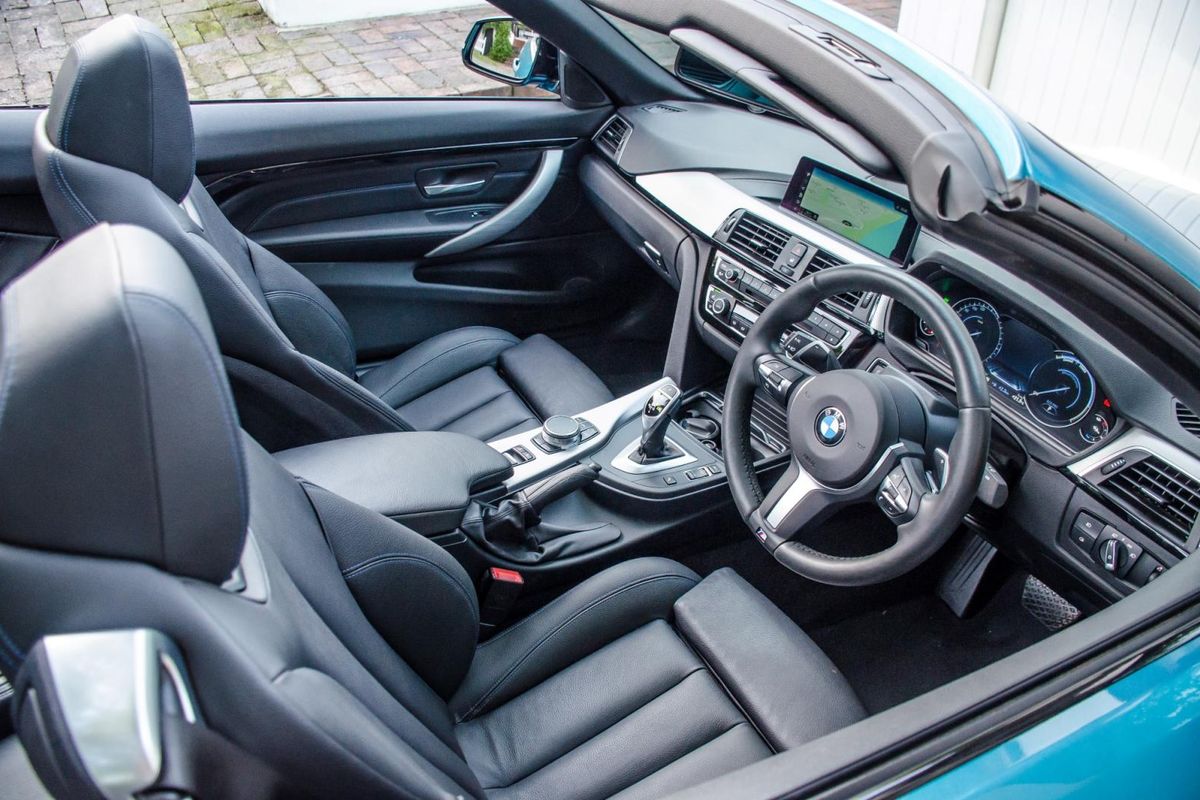
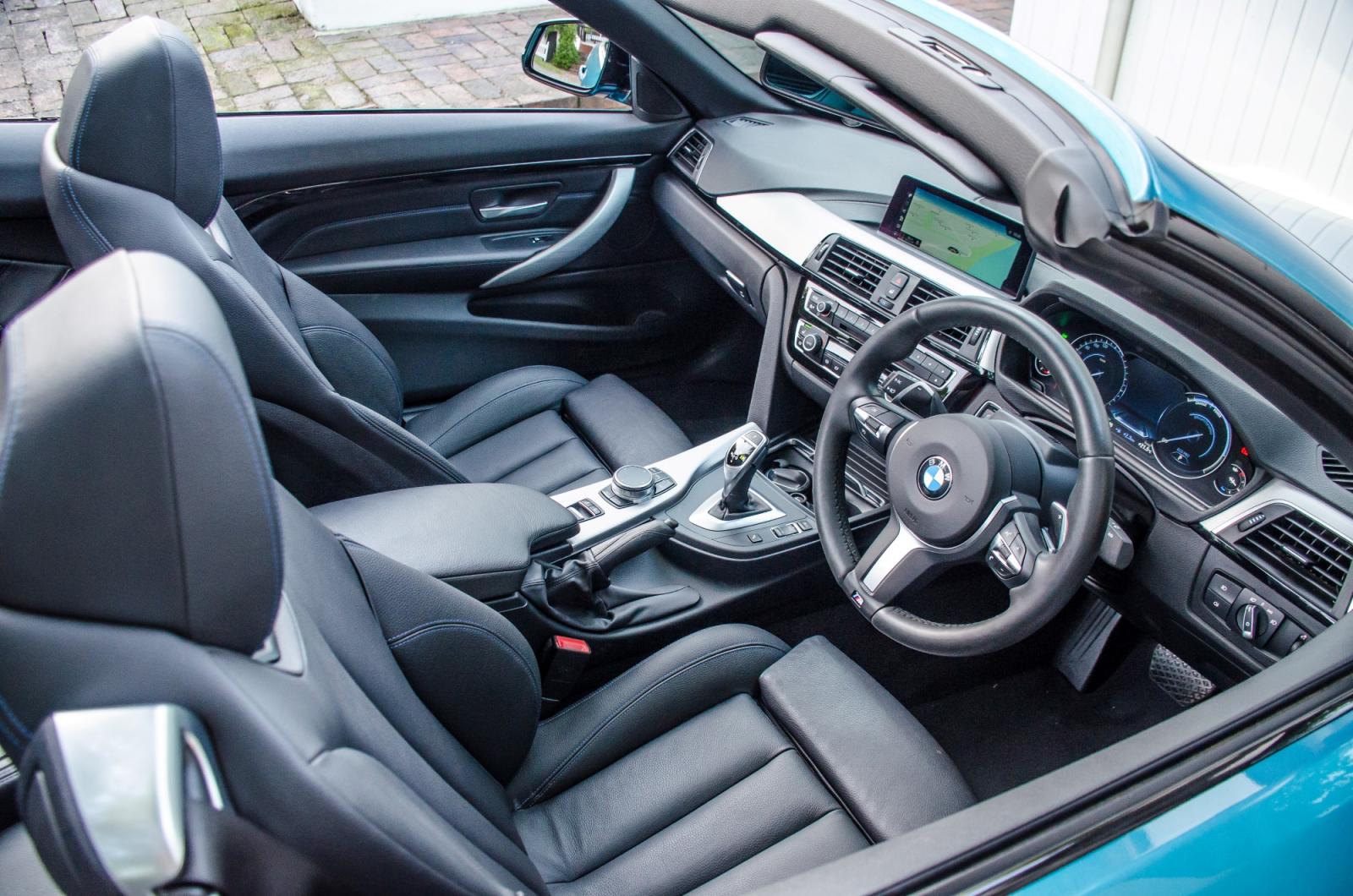
Driver and passenger are reasonably well-catered for with neck heating function and comfy electric leather seats with lumbar adjustment.

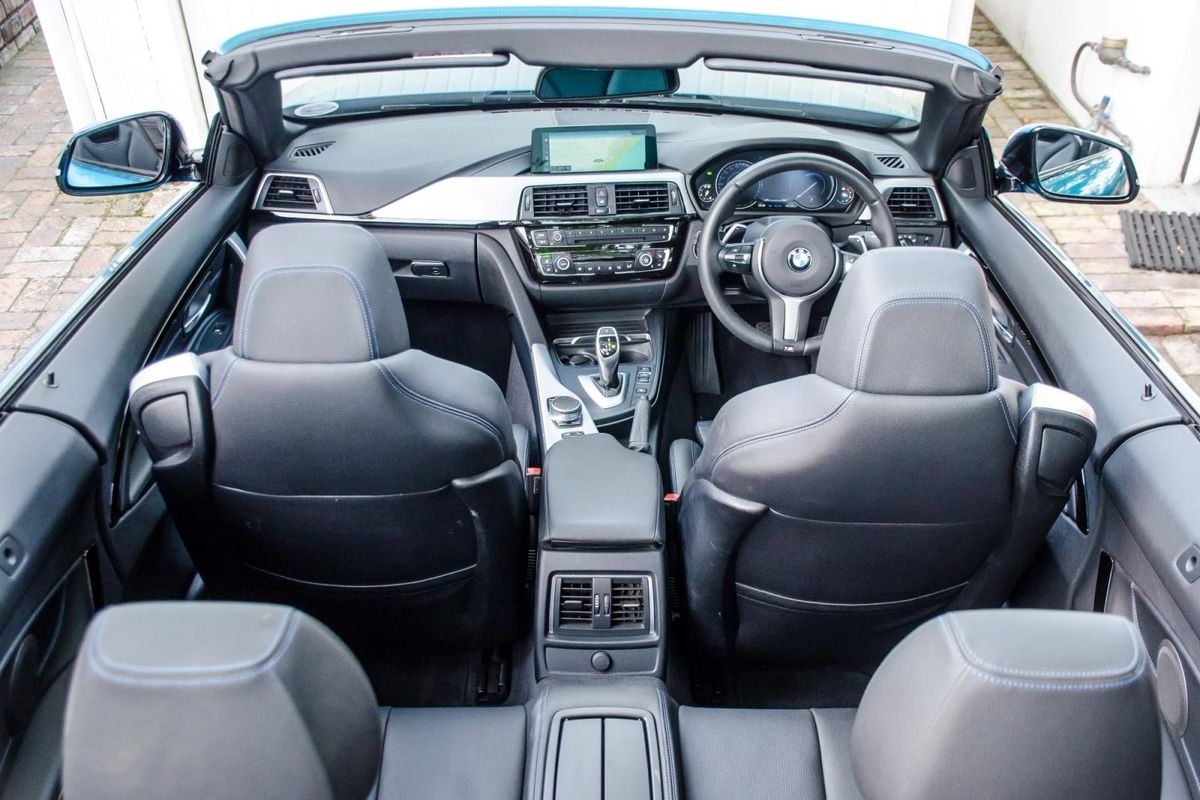
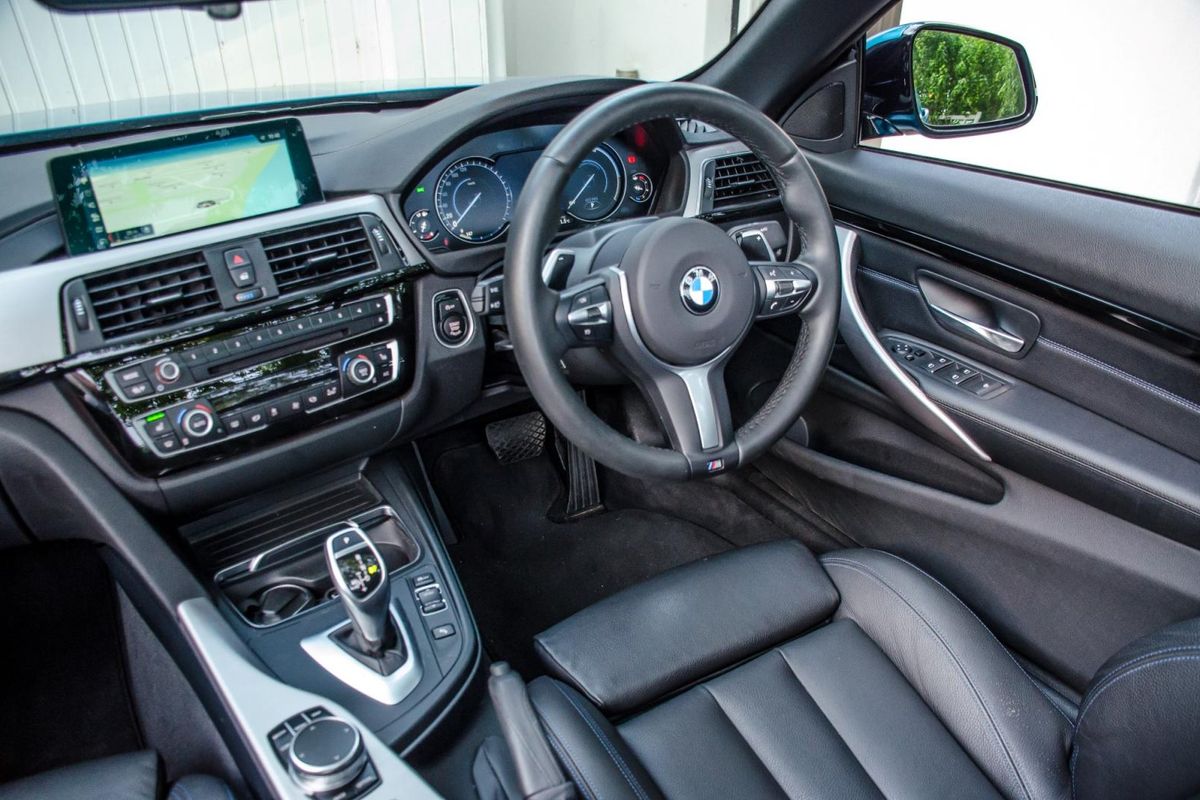
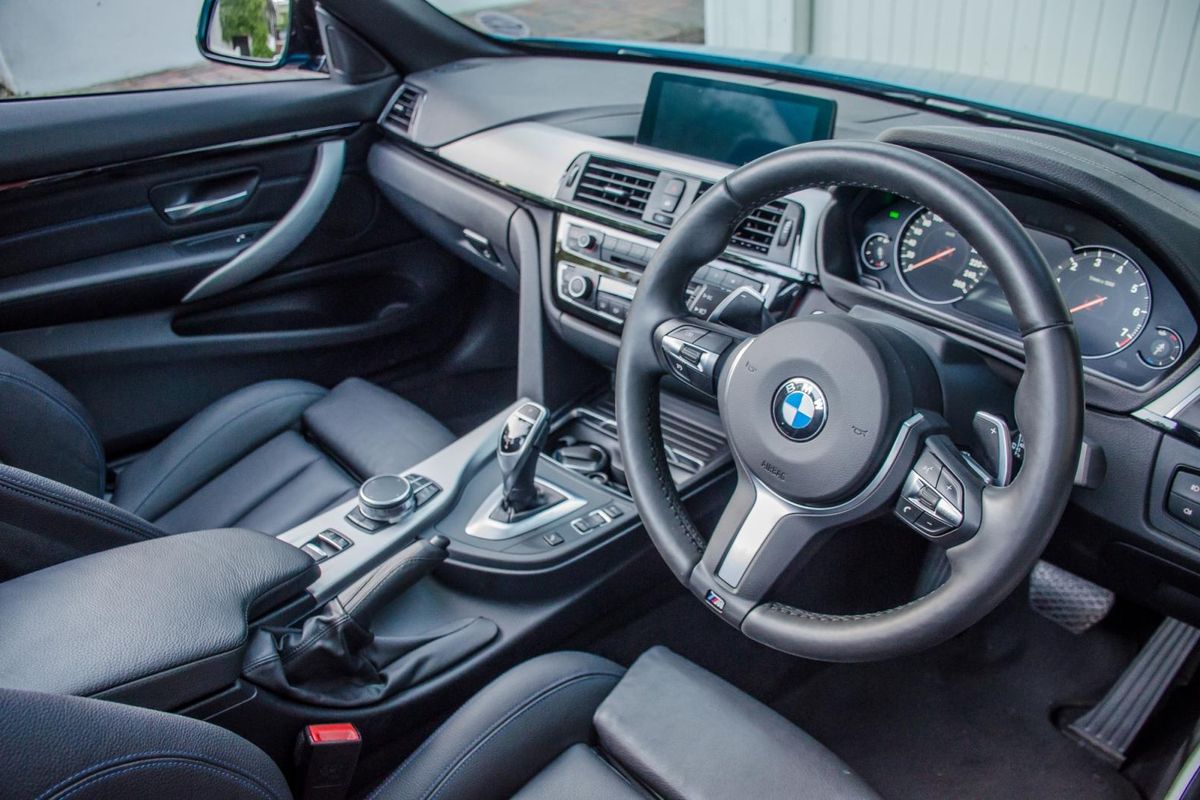
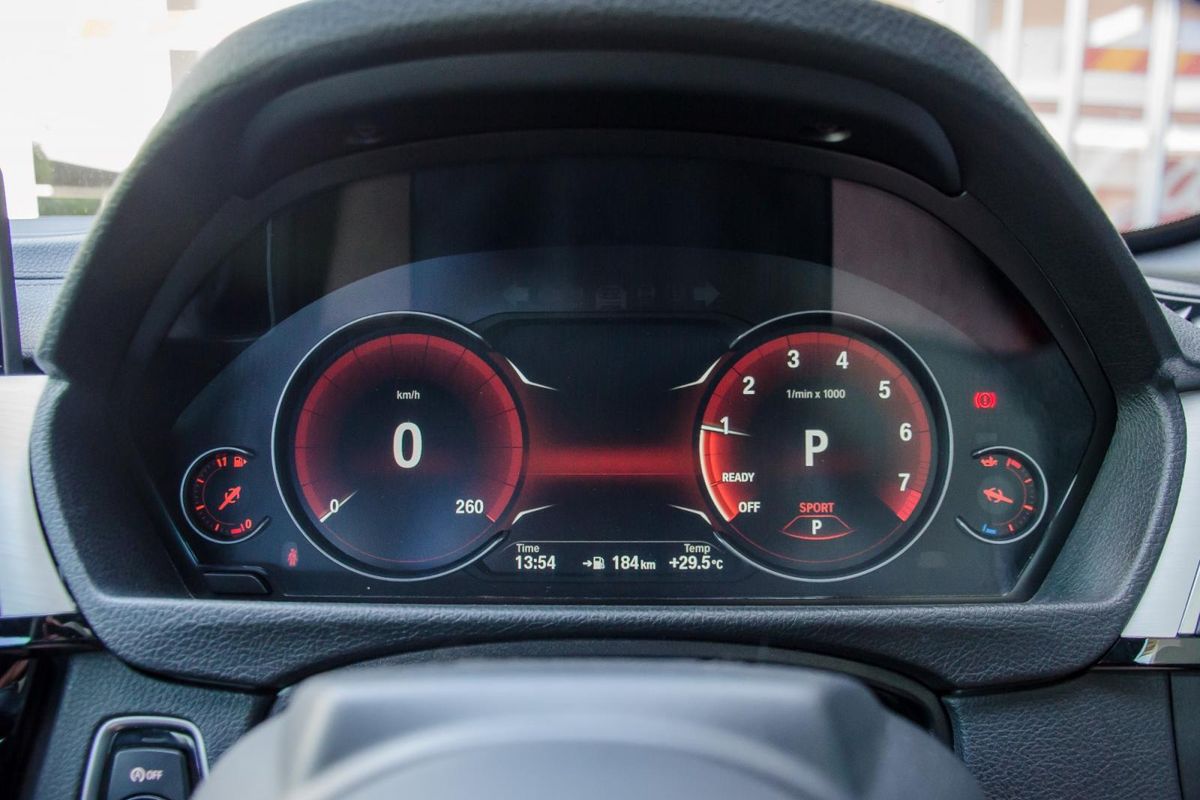
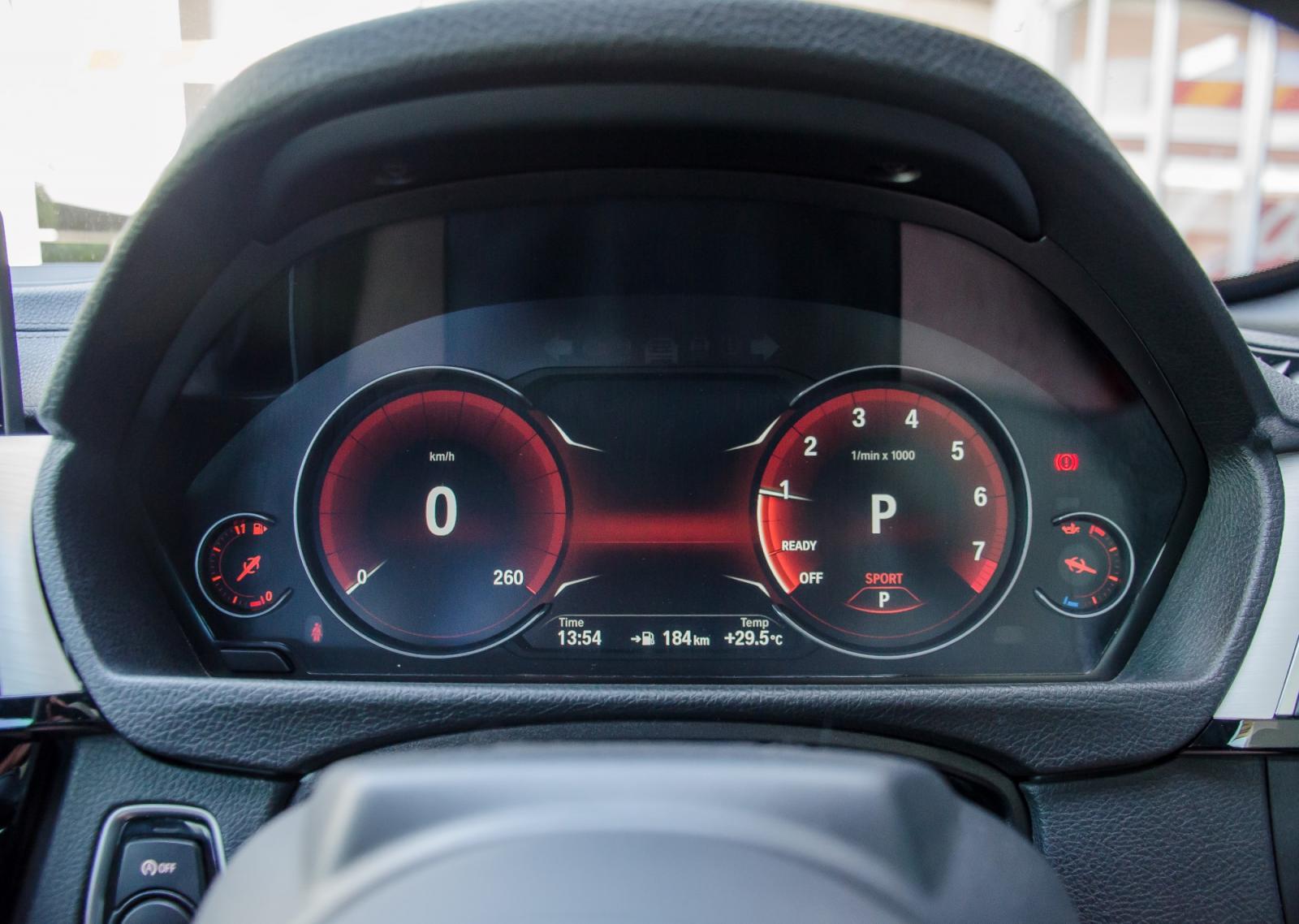
The interior is familiar from the 3 Series and it’s solidly built and ergonomically sound. Some highlights include the optional digital instrument cluster that changes visually depending on what driving mode you choose. It modernises the interior somewhat and the colourful display brightens up an otherwise predominantly dark interior.

The optional navigation system professional with its new tiled layout was a pleasure to use and the navigation system, Bluetooth and sound system all worked seamlessly on our journey. We’d say that the digital instrument system and the navigation system professional are both well worth the extra spend as they are attractive and useful.


The digital instrument cluster is a nice-to-have feature in this 440i M Sport Convertible. 

Other nice features include comfortable, heated electric leather seats with memory function and lumbar adjustment for the driver, cruise control and a steering wheel that is adjustable for rake and reach. Although the neck heating is frivolous in the extreme heat, it will be a welcome feature when you decide to drop-the-top on those cold winter days. Why there is no function to pipe cold air to driver's neck, BMW?

The Bad

Drop-top woes

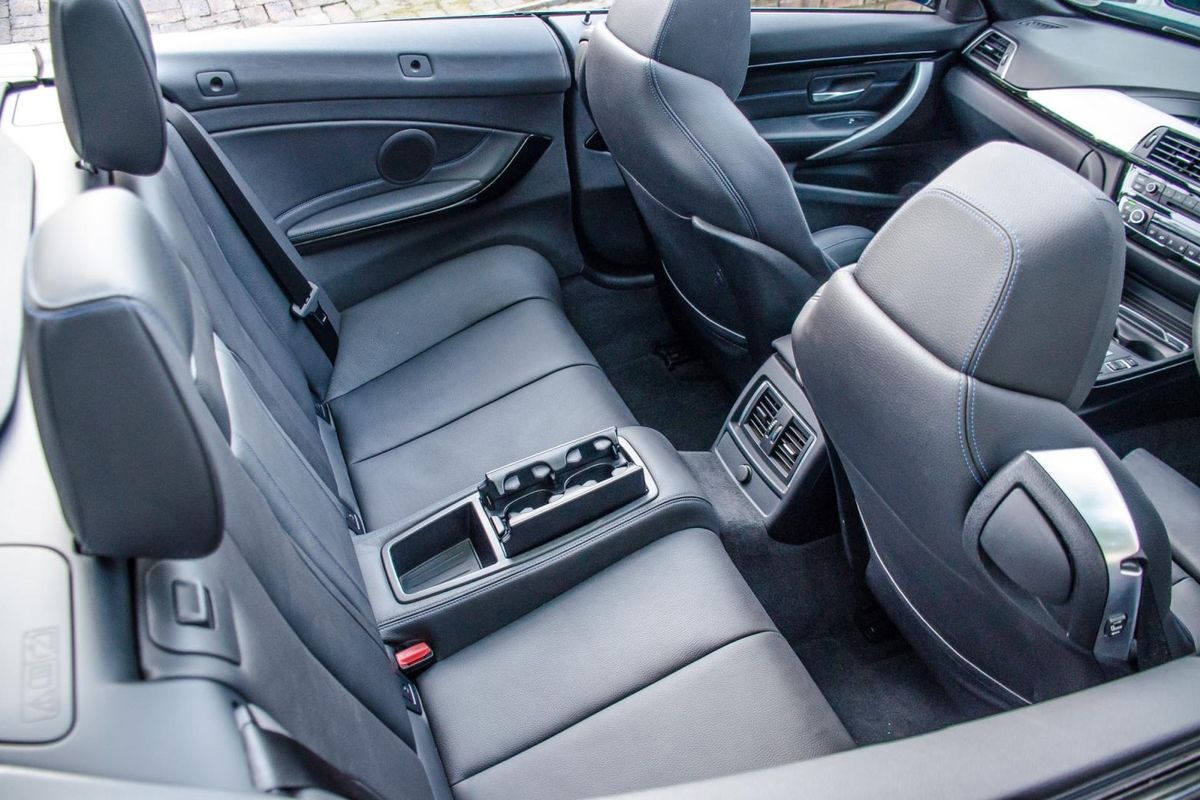
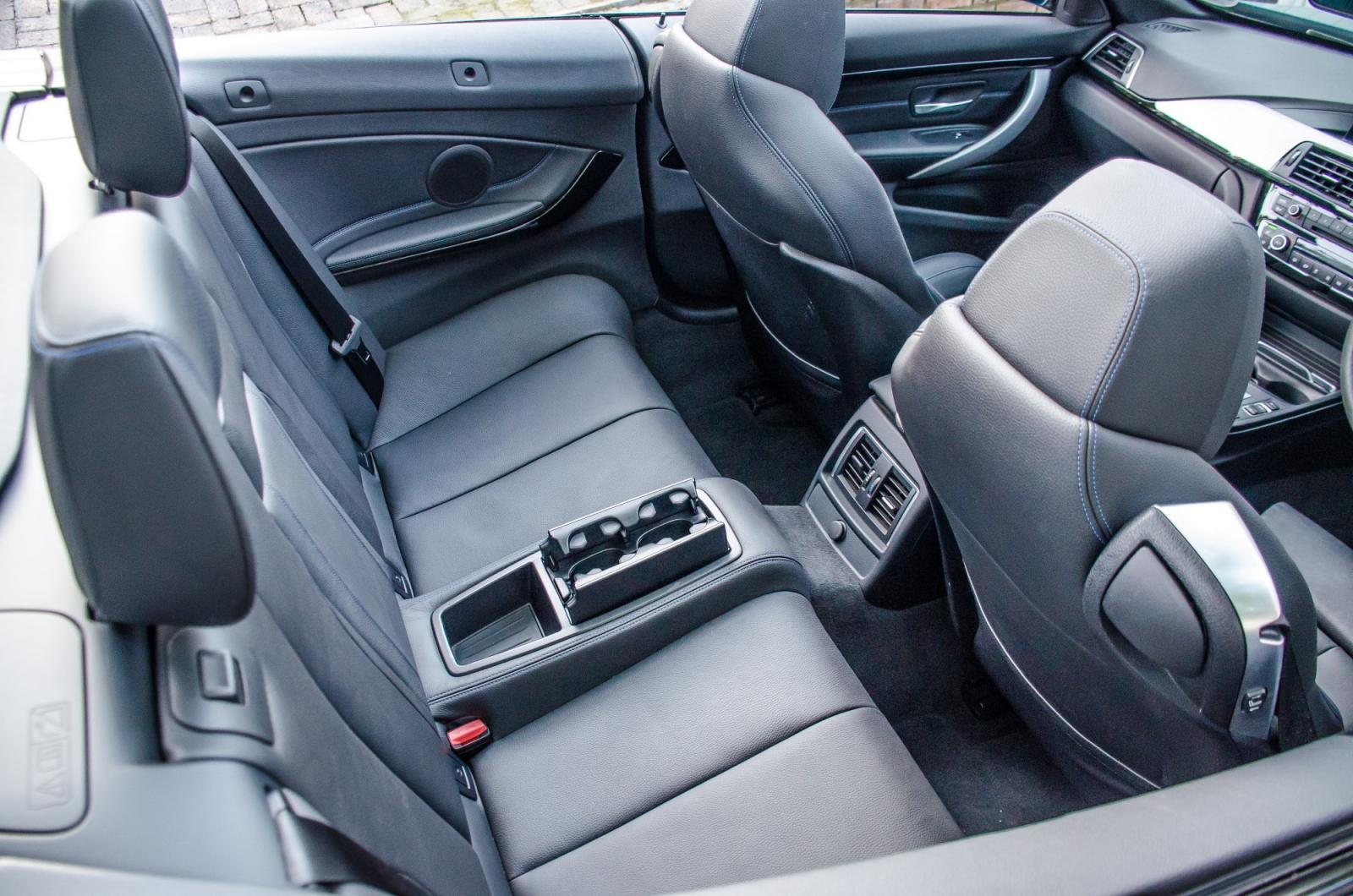
Is the era of metal folding roofs coming to end? It's not clear whether the successor to this car will revert to a soft top in line with the configurations of the Mercedes-Benz C-Class and Audi A5 Cabriolets, but perhaps it should… because if you like this 4 Series Convertible then there are a few compromises that you will have to make. For starters, this is a 2+2 convertible, which typically means that rear passenger legroom is pretty woeful and will only be semi-comfortable for kids or really short passengers.


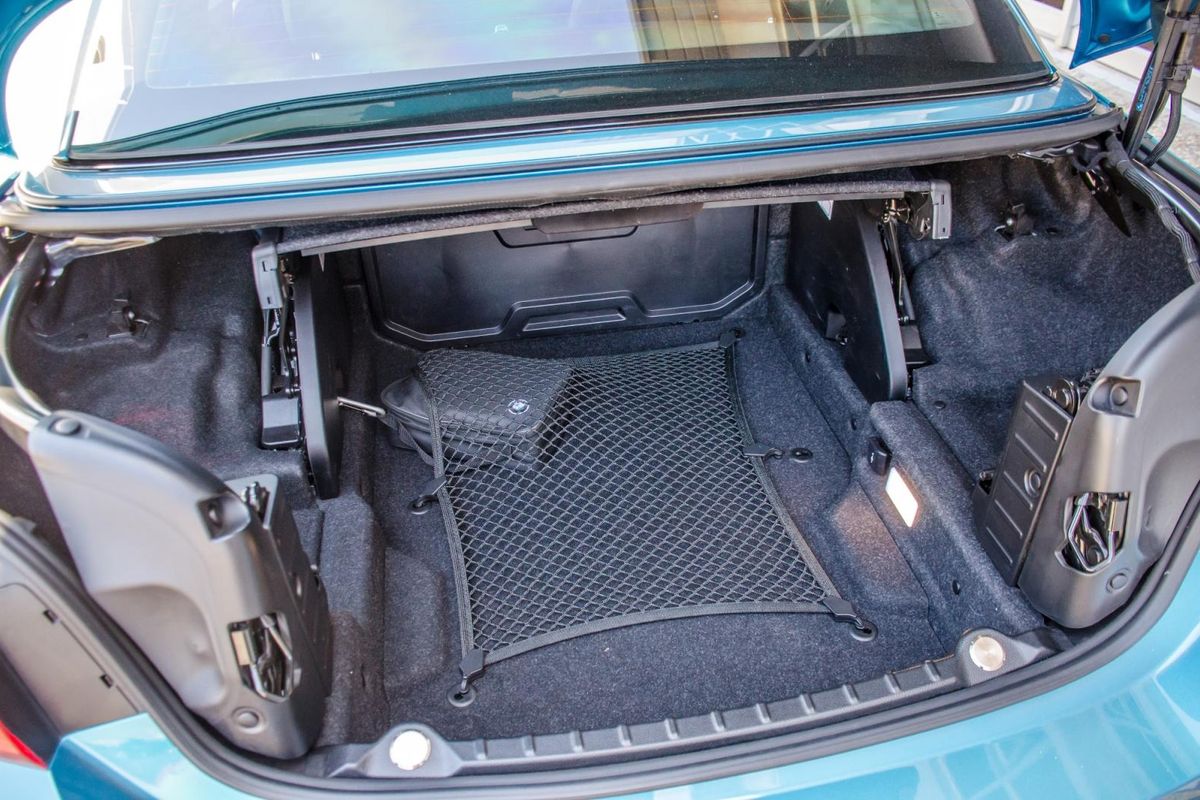
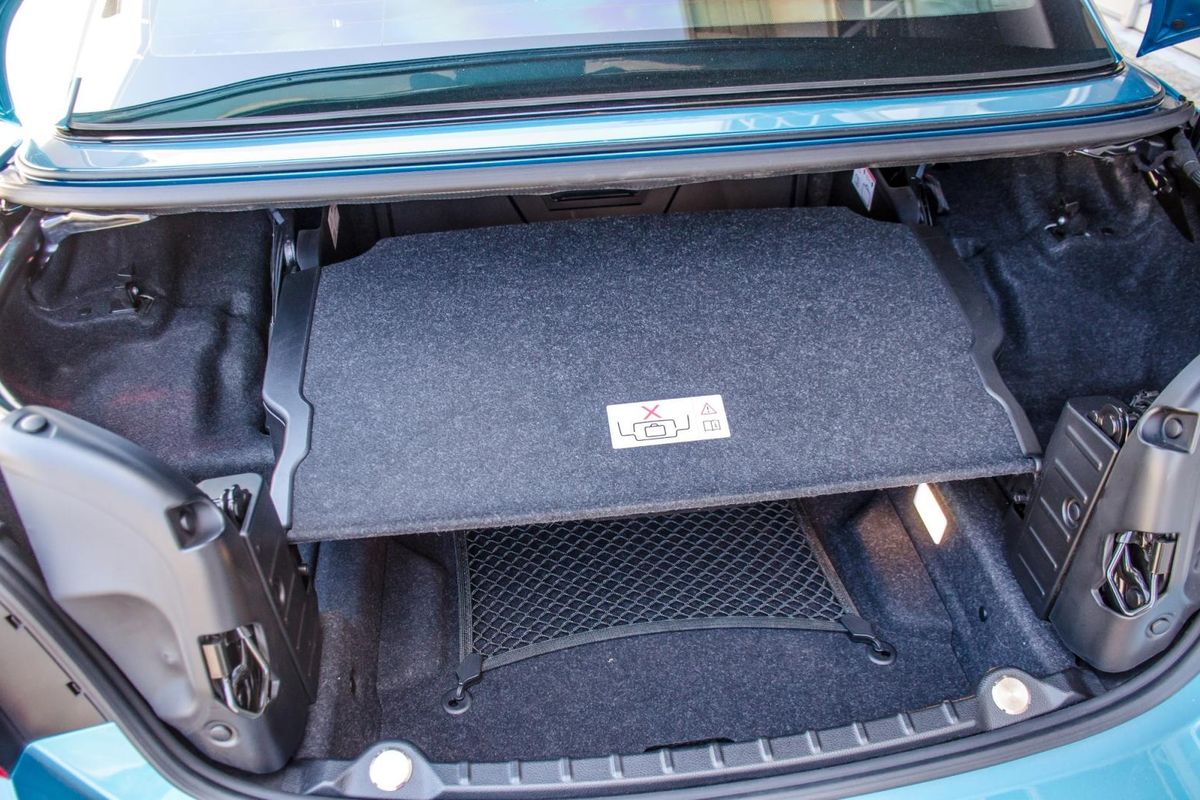
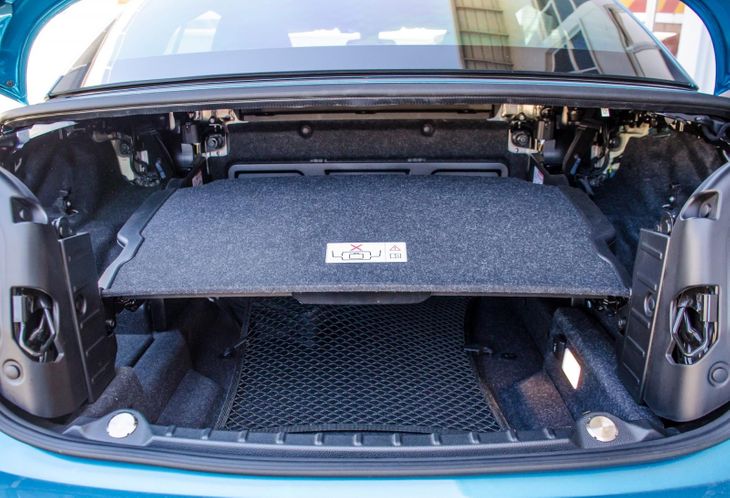
The partition for the folding roof cuts loading space dramatically, which can cause issues on those longer road trips.

Furthermore, the hard top roof takes about 20 seconds to fold away in the boot and requires you to manually deploy the luggage compartment partition before you can initiate the fold-away process, which means you have to do this before you leave on your journey or pull over somewhere on the side of the road.

When the roof is finally down, luggage space is severely hampered. We learned this the hard way. We had all our luggage in the boot, but when we wanted the roof down, we had to pull over to transfer much of our luggage onto the back seats. Now, for a couple going on a road trip this may not be an unbearable inconvenience, but if we had children or other passengers with us, it would pose a serious problem. At worst, with full luggage and passengers, you will sadly not be able to enjoy your trip with the roof down and worse still, you may have to consider taking another car for the journey. Insert sad face here…


Space for rear passengers is limited and the reduced luggage space with the roof down further compounds the 440i's practicality woes. 

The 4 Series can't quite hide its age

Although BMW applied tasteful updates to the 4 Series' interior last year, including electroplated detailing, chrome applications, double stitching on the instrument panel and a high-gloss black centre console finish, the reality is that the Convertible doesn't have the upmarket glamour of its Mercedes-Benz rival's interior or the cohesive, technically advanced and well-built cabin that is such a hallmark of Audi's A5 range, including its Convertible derivatives.

To be fair, the interior of the 3 Series (and its variants, such as this car) were always meant to be smart looking and elegant, as opposed to glamorous and, for lack of a better word, fancy. However, in terms of competition in the luxury market, interior appointments and function-richness are a lot more important than they used to be; in fact, a dated interior could be a deal-breaker for some buyers. 

Price and warranty

The BMW 440i M Sport Convertible is priced from R1 049 646 and is sold with a 2-year/unlimited km warranty and a 5-year /100 000 km maintenance plan.

Buy a BMW 4 Series on Cars.co.za

Verdict


There is much to like about this 440i M Sport Convertible and its engine performance is perhaps its strongest drawcard. 

The BMW 440i Convertible delivers pleasing kilometre-eating performance over long distances, a relatively comfortable ride and just enough in terms of dynamic handling ability. But there are drawbacks… The interior is not as lavish as the car's price tag would lead you to believe (even if it has most of the comfort features you would need) and then there are the practical pitfalls, which might not be noticeable in a showroom, but become apparent when two people and their luggage go on a road trip.

Yet despite its age, the BMW has loads of kerb appeal, especially in M Sport trim and the resplendent Snapper Rocks Blue finish. Buyers who seek the thrill of driving a 6-cylinder drop-top (even if that market isn't particularly large), will be impressed by the 440i's effortless performance and engaging driving experience. A car of this kind is largely bought with passion – rather than reason – and the Convertible's charm is undeniable. Whether it offers enough pizzazz and luxury will depend on personal taste…

Related Content

BMW 4 Series (2017) Launch Review

BMW 420i Gran Coupe (2017) Quick Review

BMW 440i Coupe M Sport (2016) Review

BMW M4 DTM vs Mercedes-AMG GTR – Drag Race

BMW M4 DTM vs Mercedes-AMG GTR – Track Race

BMW M4 GTS (2016) Review

Cars Coming to SA in 2018

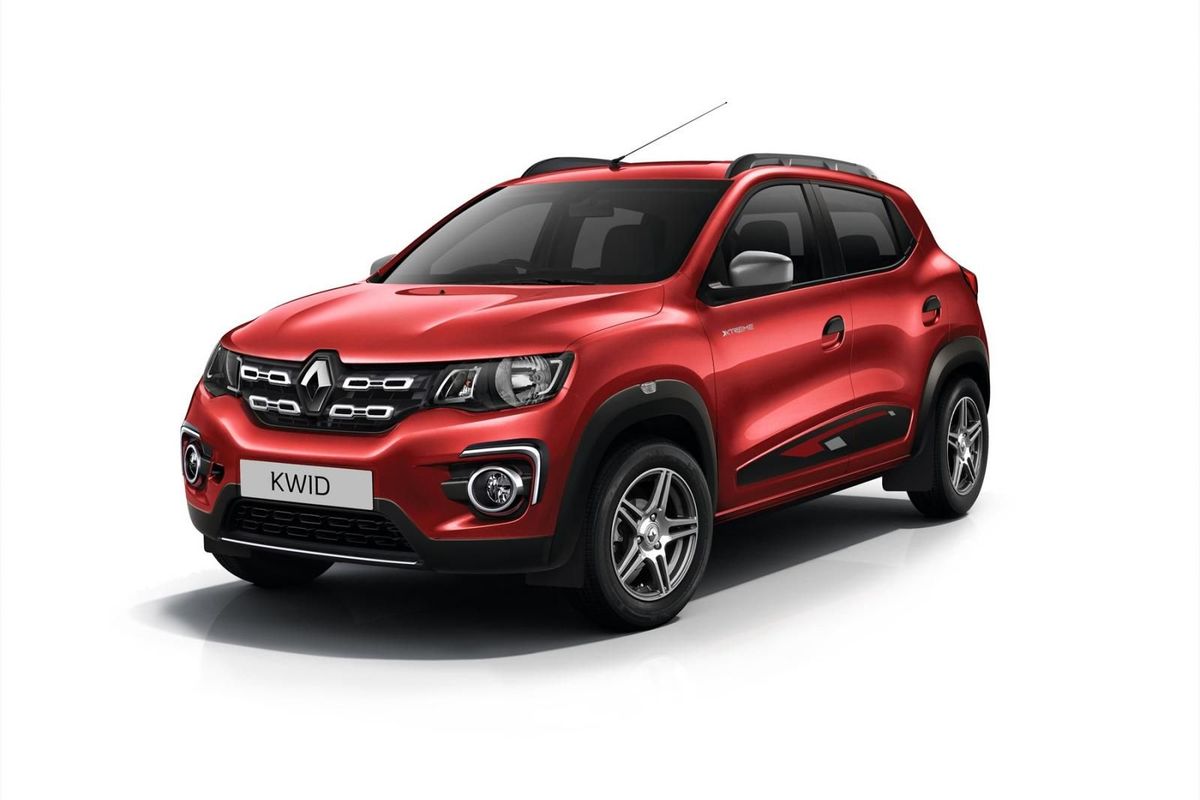
Renault SA to launch Kwid Automatic

Renault South Africa will be adding an automatic derivative of its Kwid budget car soon. Here's what we know so far.

The Renault Kwid has been a success for the brand and tallied up some impressive sales figures since its arrival on our shores towards the end of 2016. In December 2017, supposedly a quiet month for car sales, 664 units were sold, proving that the market craves affordable new cars. As it stands, the Renault Kwid is available in three guises, with one powertrain shared across the range. The range starts from R126 900 and peaks at R149 900 for the Xtreme model. 
If there's one derivative missing from the range, it's one with an automatic gearbox. We've got word that Renault South Africa will be introducing an automatic gearbox to its Kwid range in early March 2018. We're not sure of the official designation as yet, but we'd speculate and call it the Renault Kwid AMT.

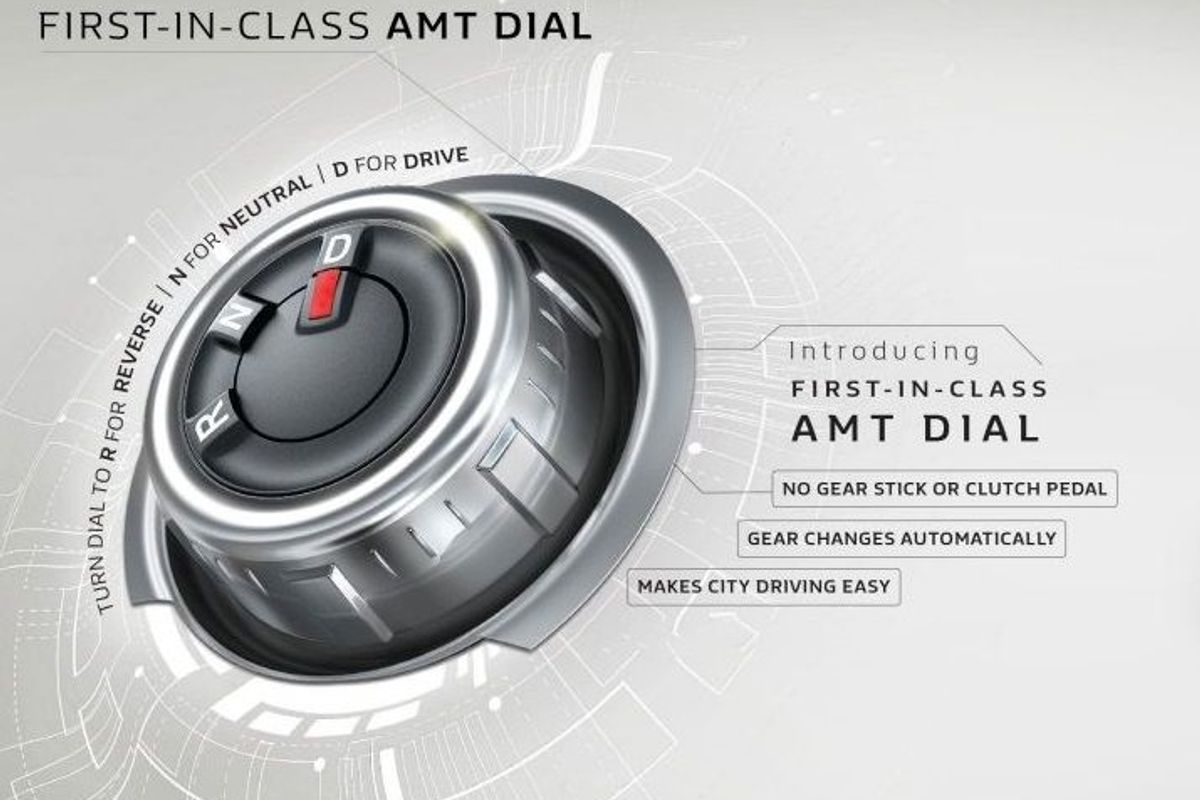
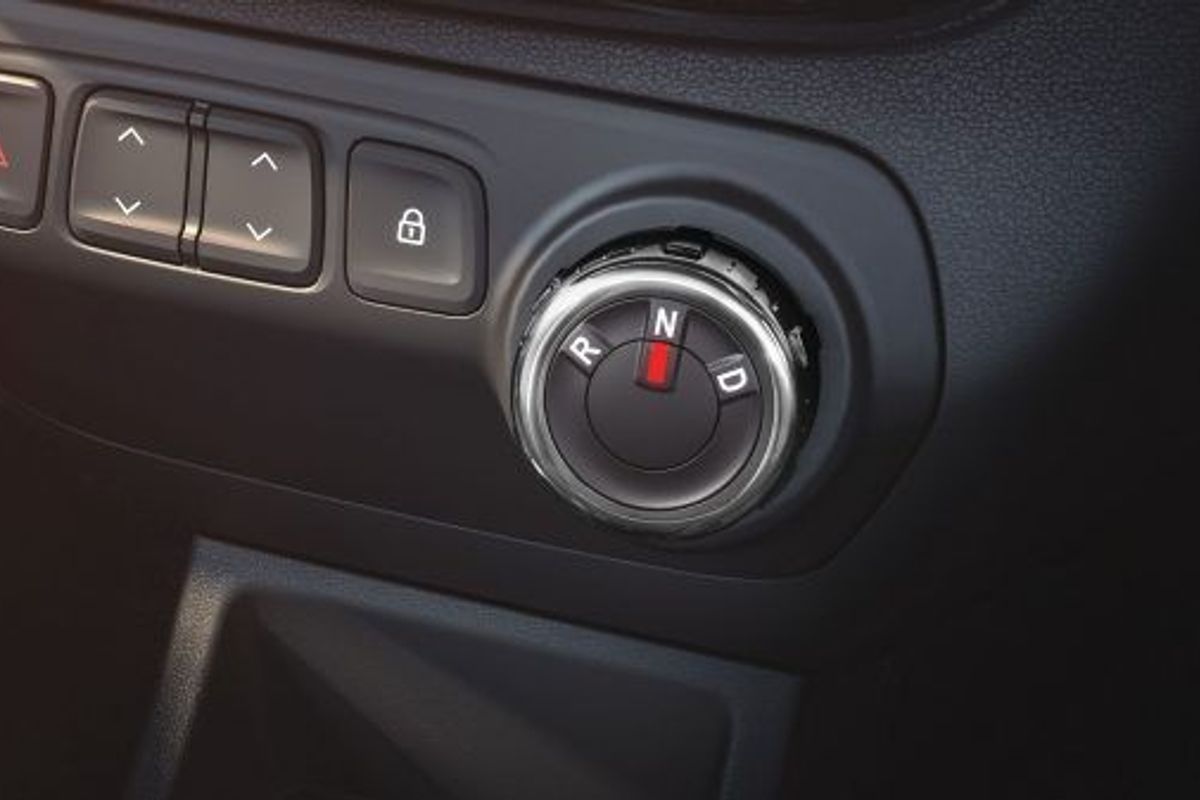
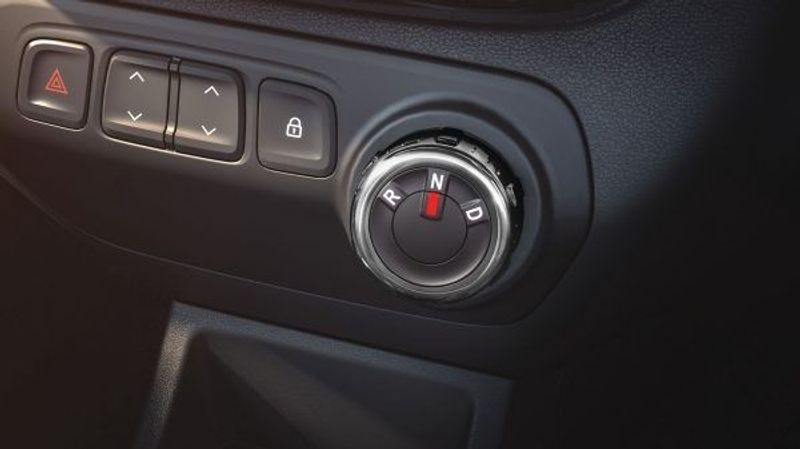
AMT stands for Automated Manual Transmission and the system in the Kwid does away with a conventional gearshift. Instead, a dial on the dashboard offers three modes: Reverse, Neutral and Drive. There's no clutch pedal, which should take the pain out of commuting in peak traffic…


The gear selector showing Reverse, Neutral and Drive.

The gearbox has 5 forward speeds and if past AMTs are anything to go by you're likely to have to lift off the accelerator as the car changes gear to avoid a rocking horse motion. It's not quite an automatic, but given the lack of one in the range, it's better than nothing. Located in the space where the gear shift used to be is a storage area.

The Renault Kwid is fairly specced and we suspect that Renault SA won't change the trim level. Renault's Kwid currently comes with the MediaNAV unit which features satellite navigation, Bluetooth connectivity, USB/Aux input, all of which is coordinated via a 7-inch touchscreen system.

An air conditioner and electric windows for the front passengers are standard. One of the biggest criticisms levelled at the Kwid is its lack of ABS, let alone a driver's airbag. That drawback may be unacceptable to some buyers and we don't think this new Kwid AMT will rectify this problem, at least not until later in the product lifecycle. 

We'll have more details, such as the price and specification closer to the launch in the first week of March 2018.

Buy a Renault Kwid on Cars.co.za

Related Content

Renault Kwid (2016) Video Review

Renault Kwid Dynamique (2016) Review

The Renault Kwid: A Game-Changing Budget Car?

Top 10 Most Fuel Efficient Budget Cars

Juliet McGuire tests a trio of budget cars

Datsun GO (2014) Review

Datsun GO+ Launches in SA

Rolls-Royce Phantom – Truly Bespoke

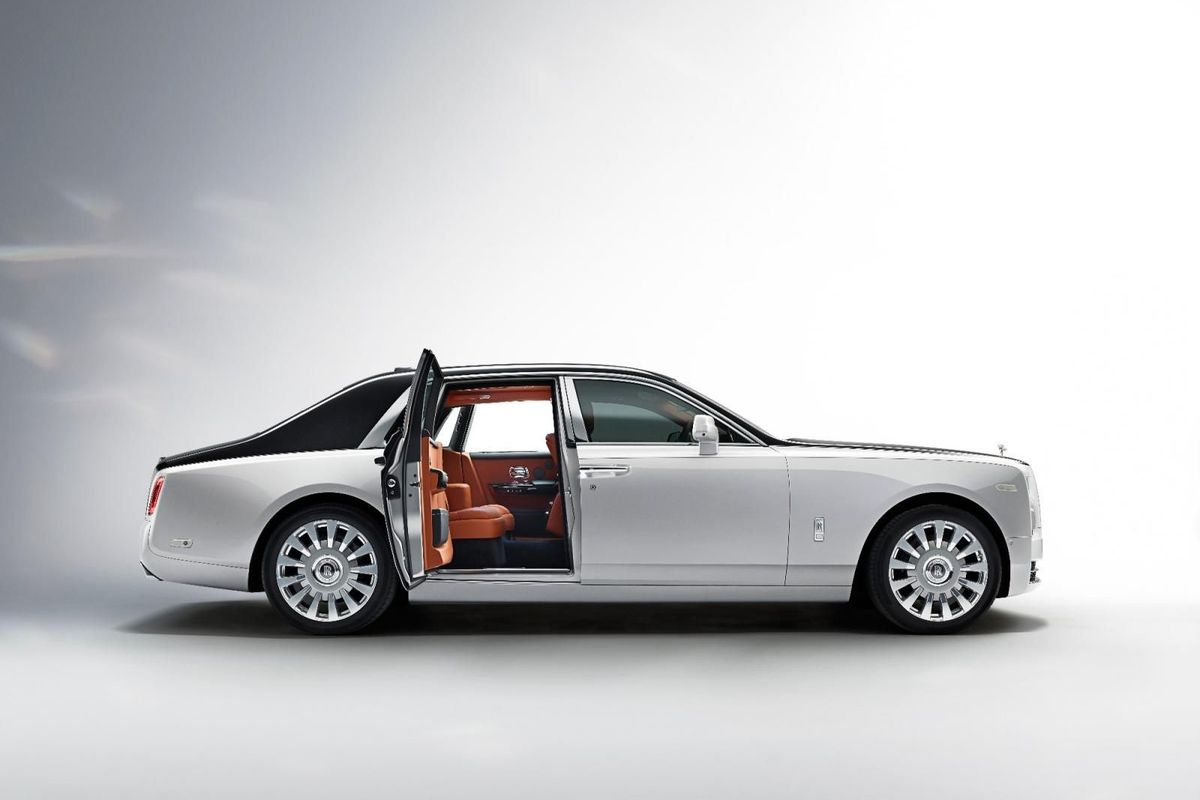
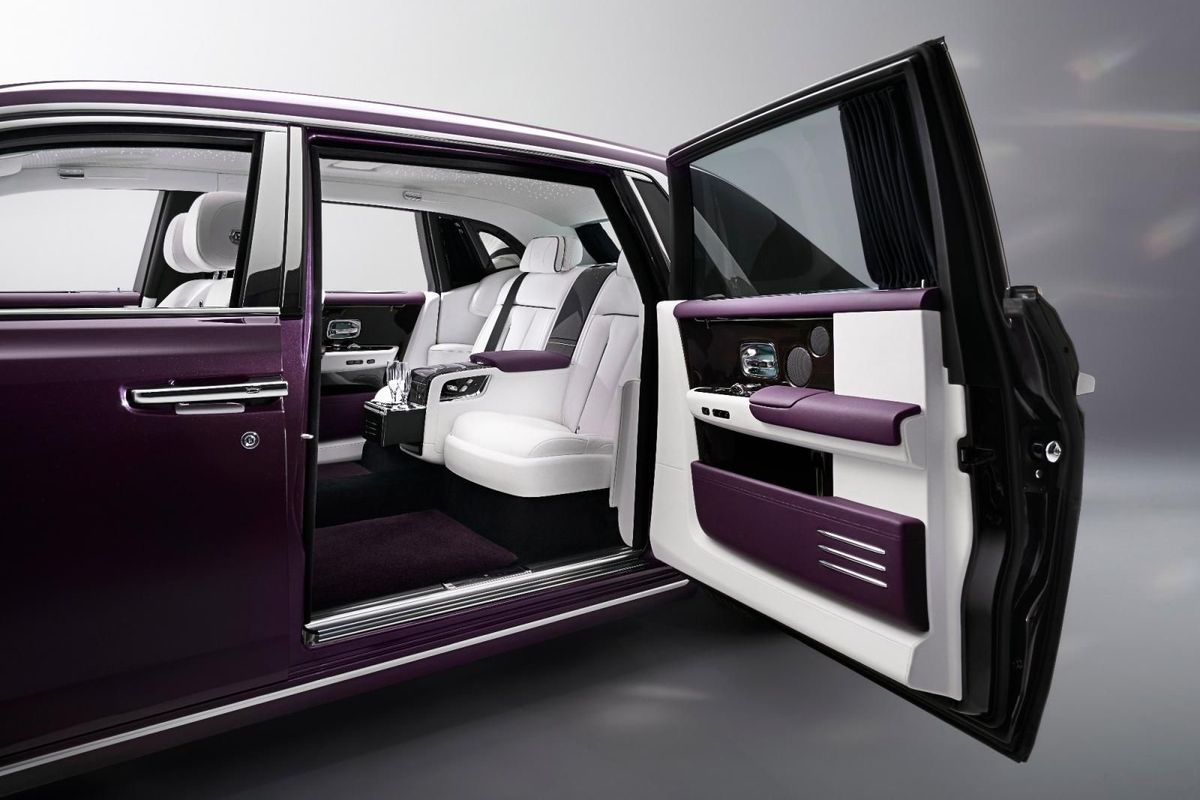
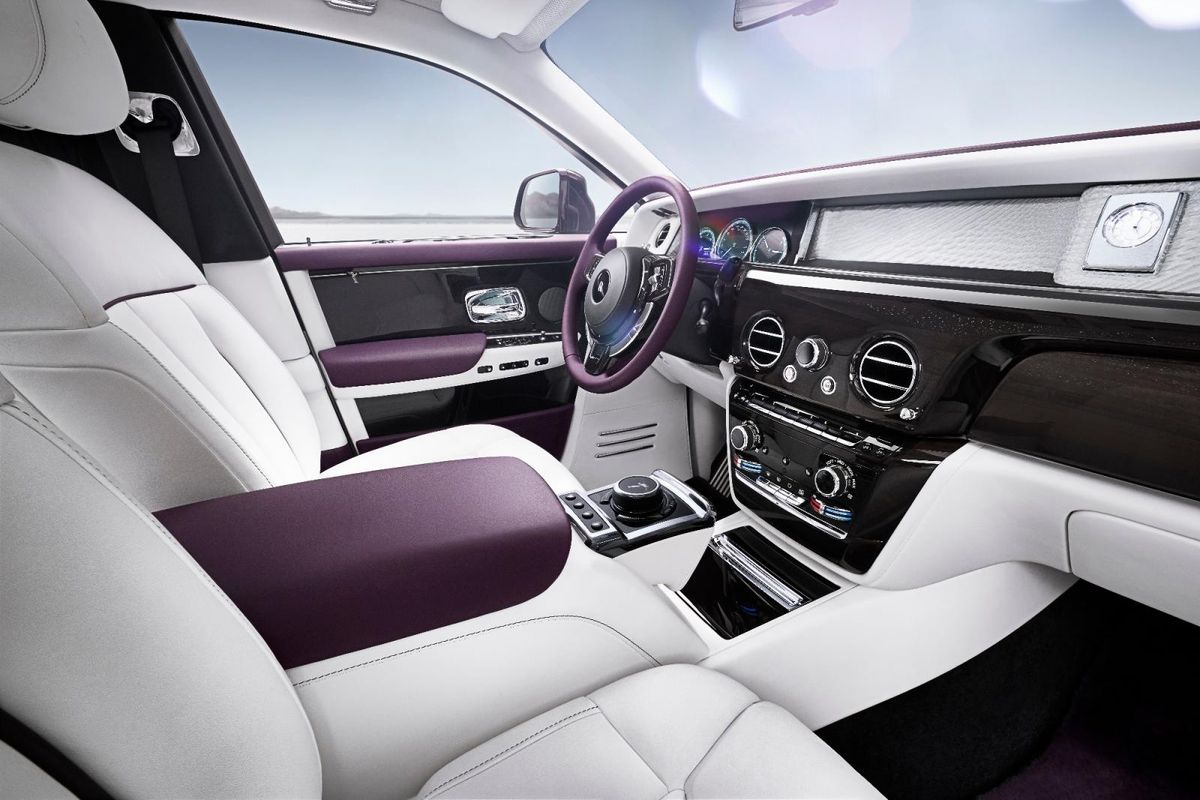
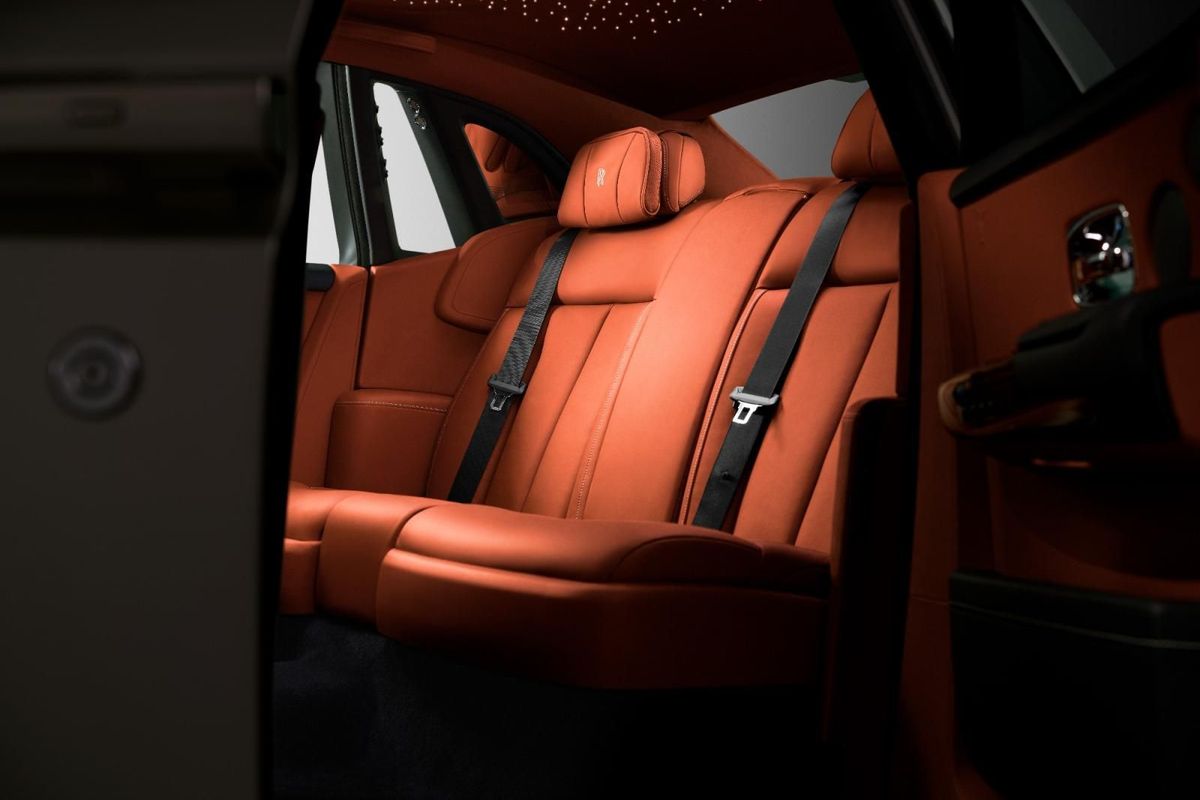
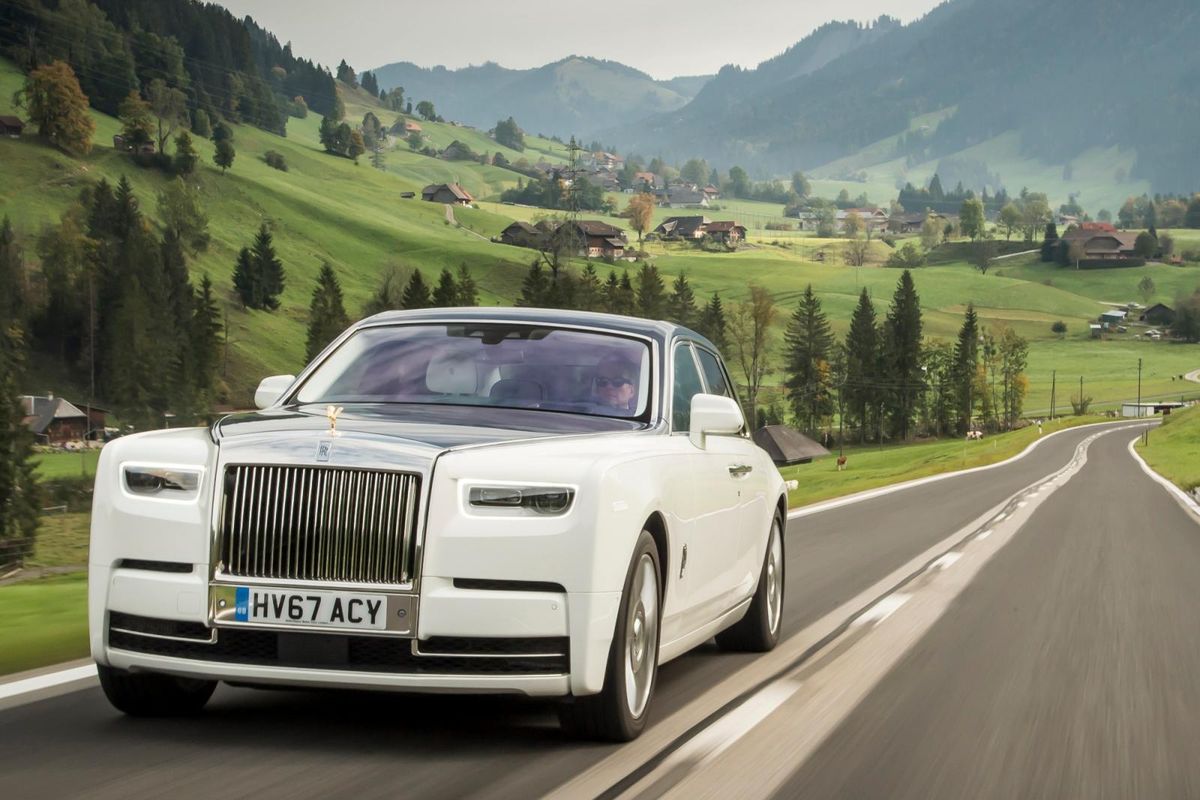
Rolls-Royce recently launched its new Phantom in South Africa. More than ever before, the levels of personalisation and luxury on offer in the Phantom appear to shift the iconic machine out from the realm of the "mere" automobile, into that of the luxury timepiece.

While the new Phantom is powered by a massively powerful 6.75L twin-turbo V12 engine and boasts such high-tech features as a satellite-aided transmission and rear-wheel steering, advanced tech, power outputs and acceleration figures are rarely discussed when it comes to the Phantom. One gets the sense that this kind of "pub-talk" is simply not relevant for prospective buyers of the newcomer. And neither is the price… "Don't even ask," said the Rolls-Royce representative. He then quickly added that South Africa's first-year allocation of Phantoms are already spoken for.


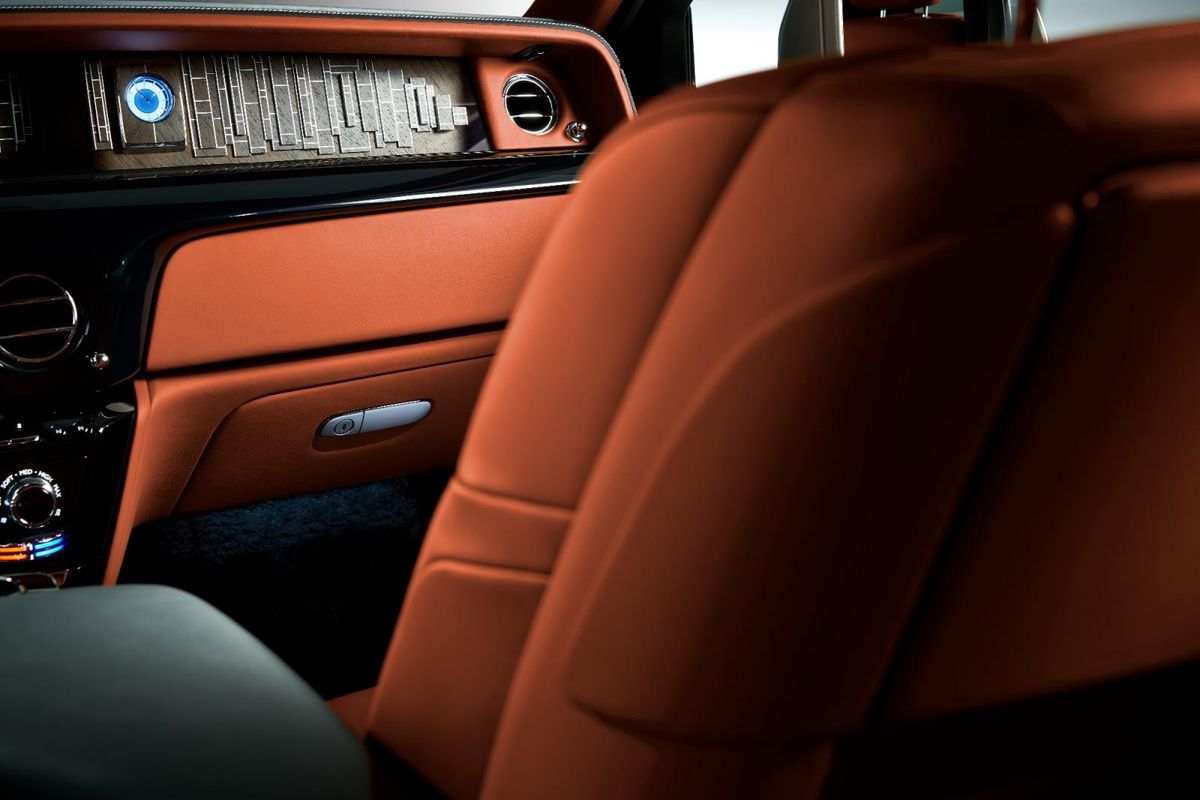
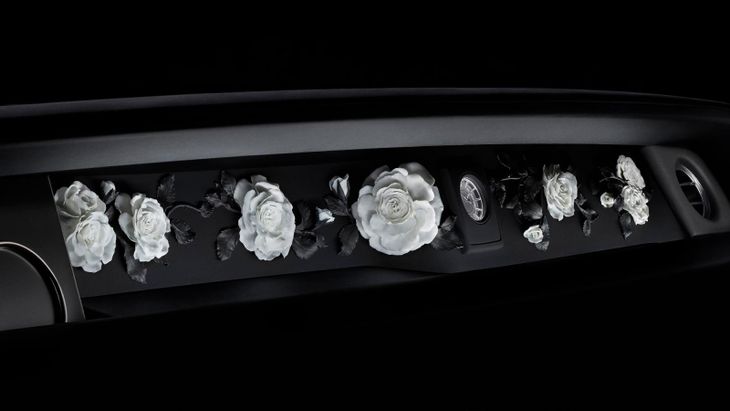
Spanning nearly the full width of the Phantom facia is "The Gallery", which can be individually specified with unique art by buyers.

But what Rolls-Royce does like discussing when it comes to the Phantom is the level of personalisation on offer. “Phantom is the epitome of effortless style, an historical nameplate that occupies its very individual space in the luxury constellation”, said Marek Letowt, General Manager of Rolls-Royce Motor Sandton at the unveil. He continued: “Every one of our customers – each a connoisseur of true luxury – asks for something even more individual and unique, and we are proud to present new Phantom as a modern yet timeless masterpiece which allows you to make your motor car truly as unique as your fingerprint.”

The most eye-catching piece of design is called "The Gallery". When speccing their new Phantom, owners will be able to commission an individual work of art that spans the width of the dashboard and sits behind a single pane of hermetically sealed glass. Have a look at the video to witness the staggering attention to detail that goes into a Phantom interior.

You may also be interested in;

Rolls-Royce shows Vision Next 100 concept
Rolls-Royce Cullinan spy shots (new SUV)

Rolls-Royce Ghost Black Badge first drive

Rolls-Royce Ghost Series II video review

Looking to buy a new / used Rolls-Royce?

Find one today on Cars.co.za by clicking here