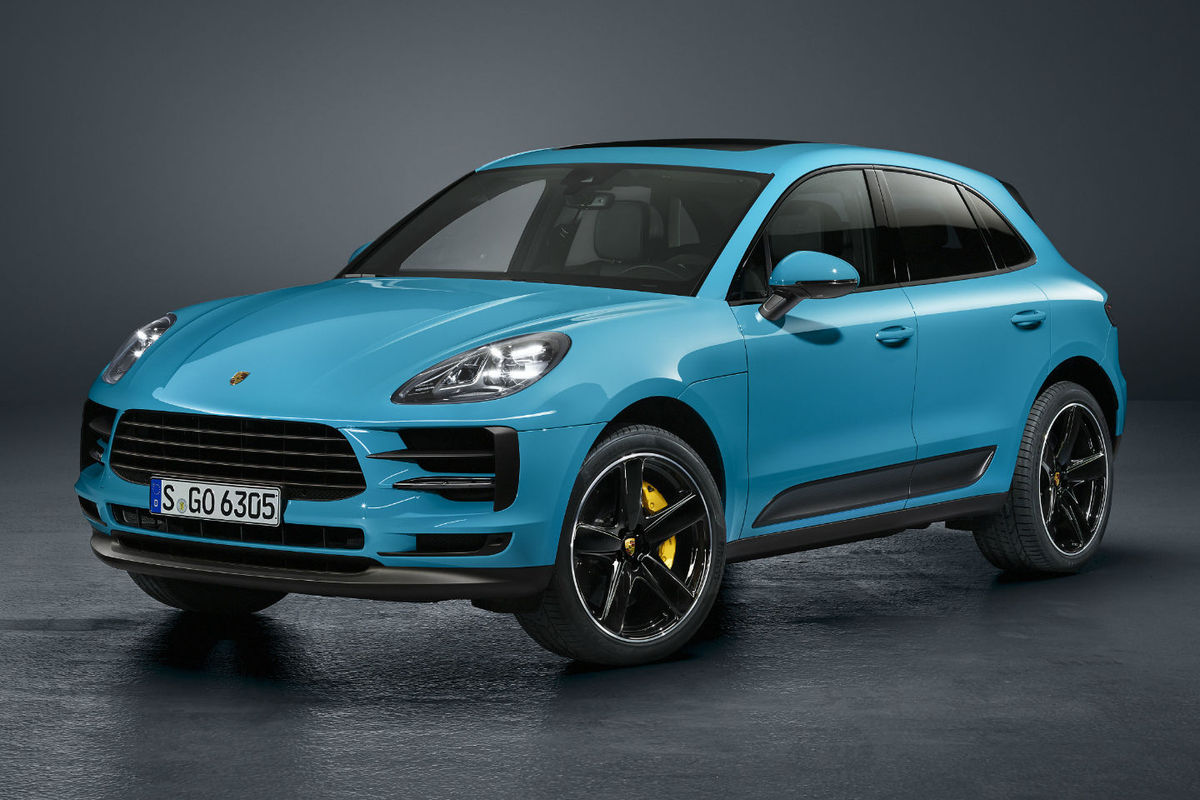
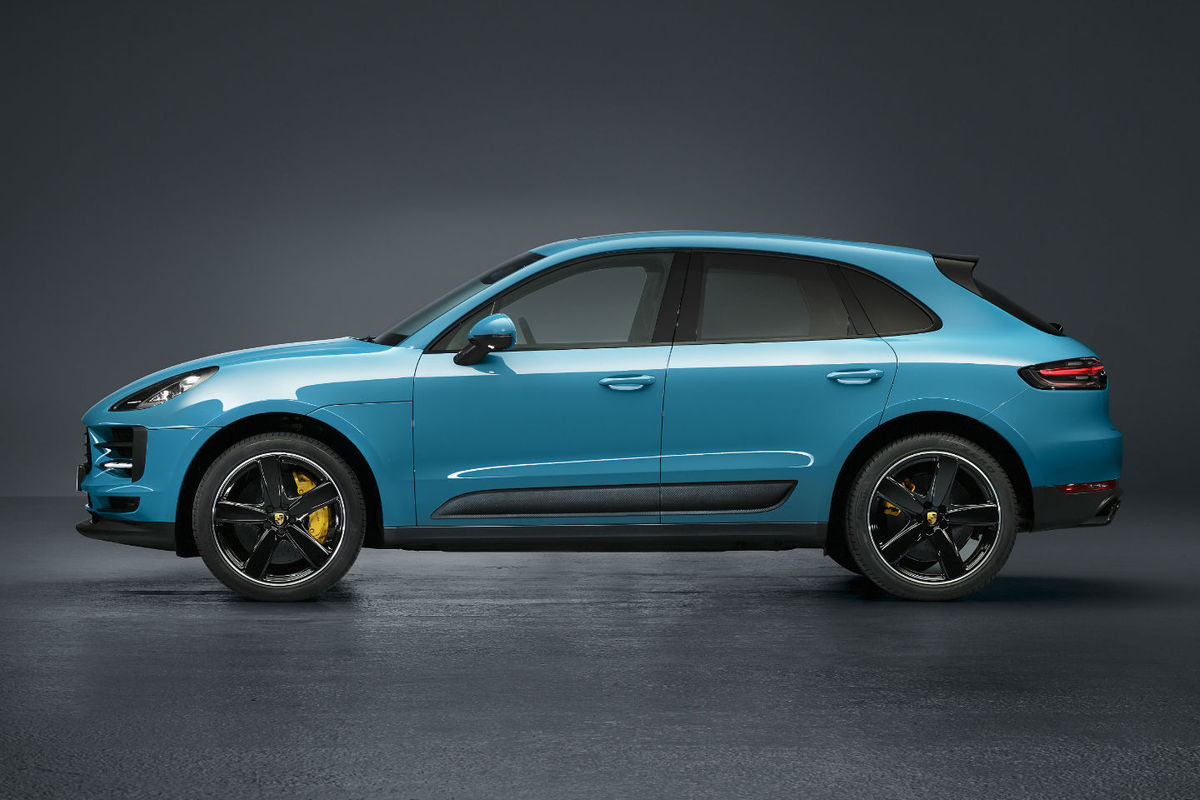
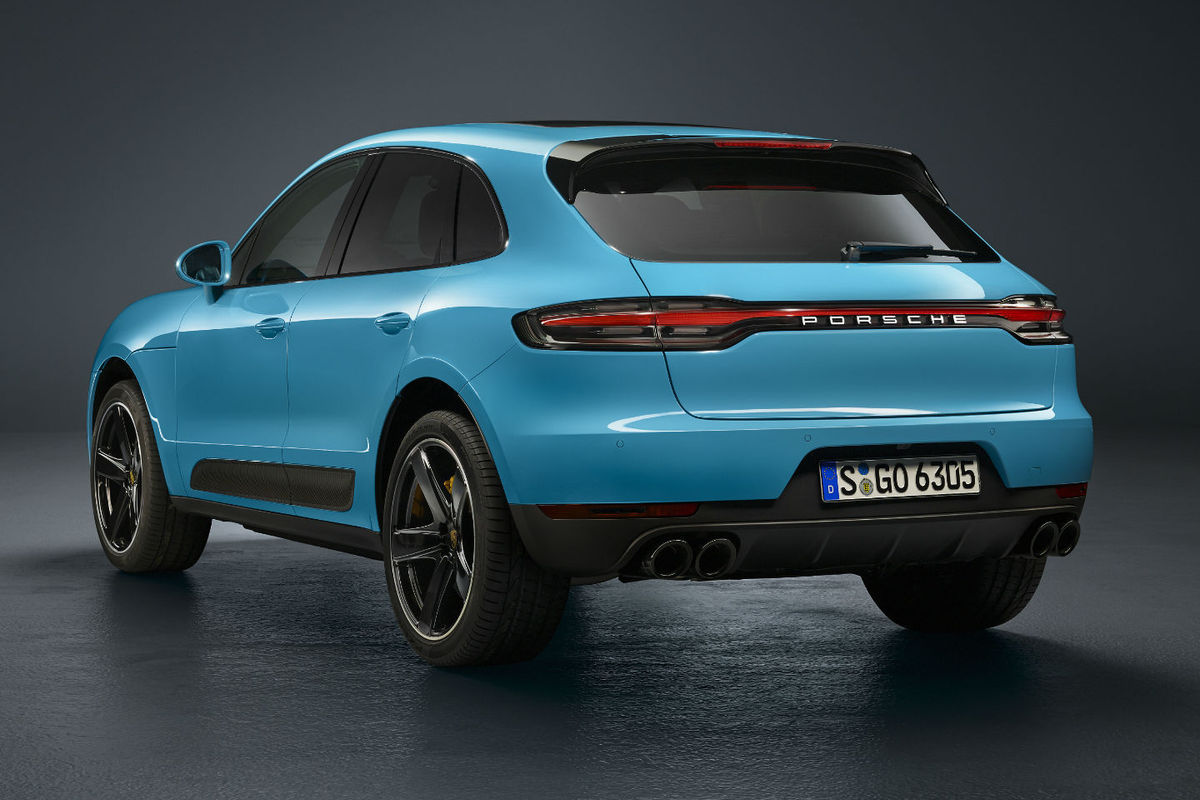
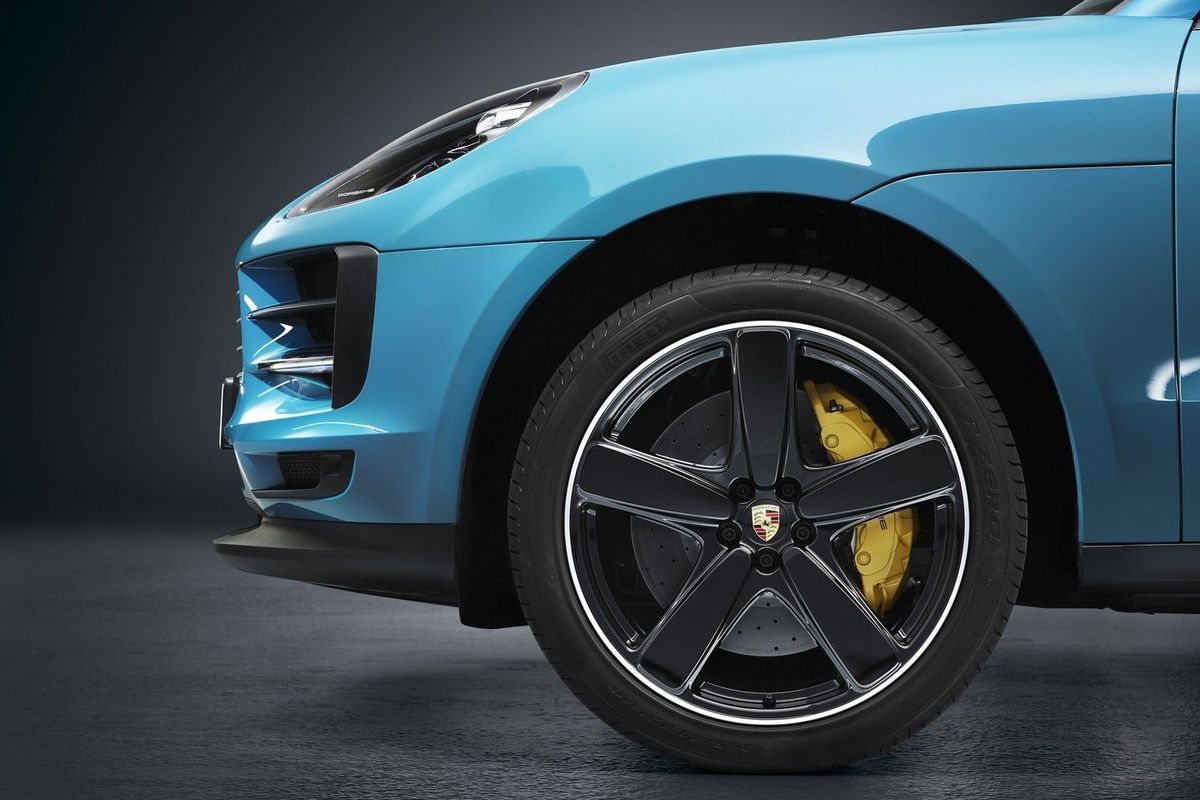
The facelifted Porsche Macan, which was recently spotted while undergoing tests in South Africa, has been unveiled in China. The Zuffenhausen-based firm’s updated executive SUV is expected to land in South Africa in mid-2019.
Although Porsche stressed that the version that was showcased in Shanghai was exclusive to the Chinese market, where the Macan has been particularly successful sales-wise, what you see here is unlikely to be very different to the version that will be offered locally/in other markets.
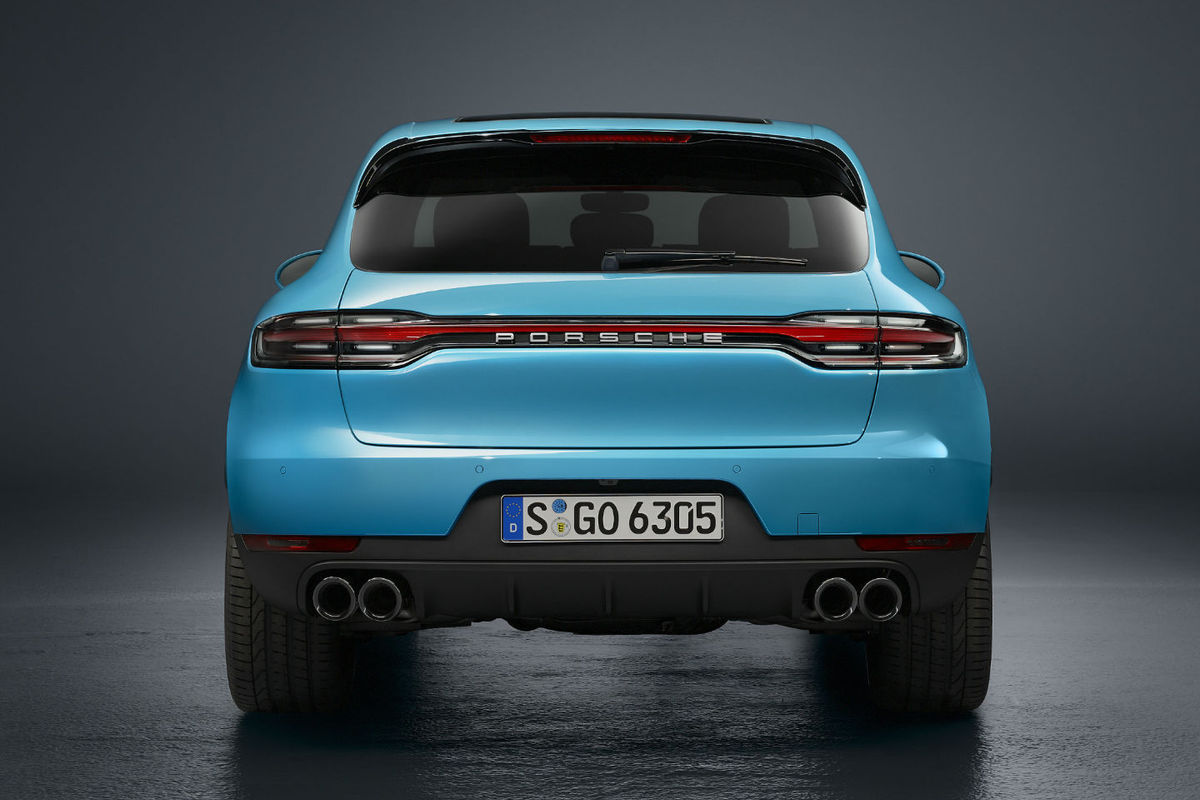
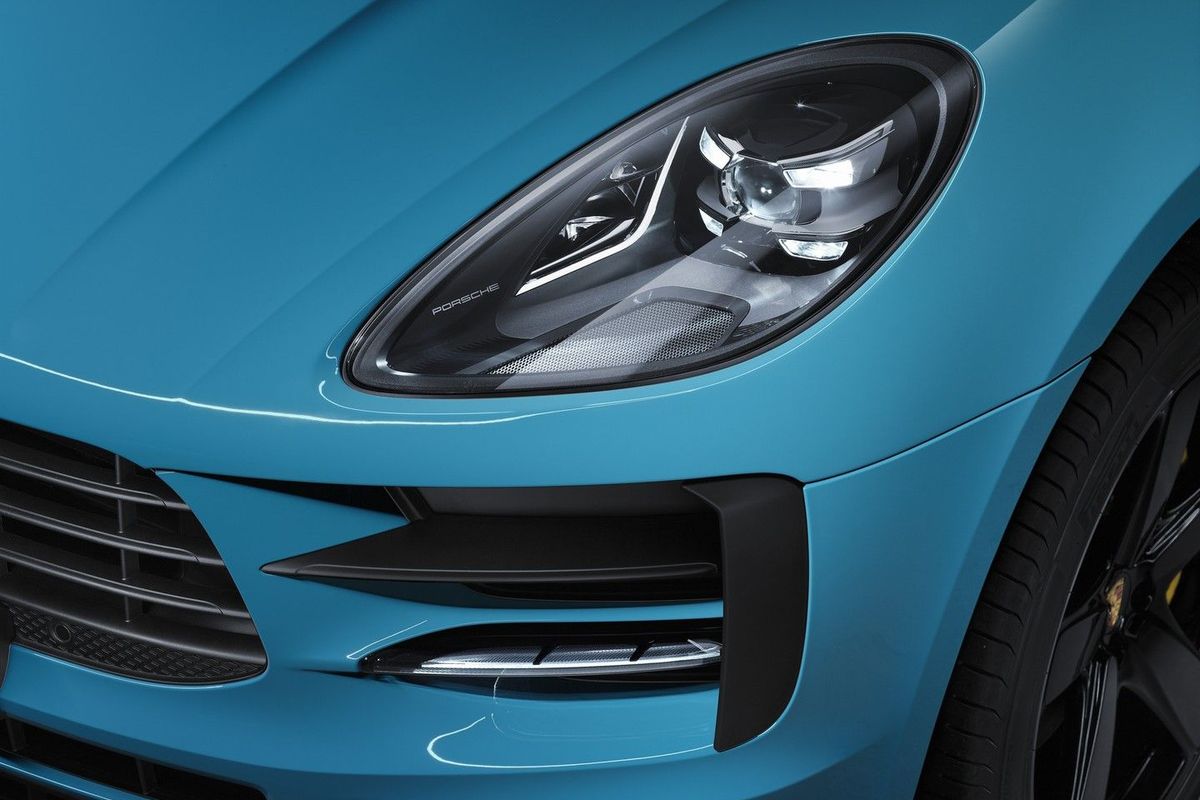
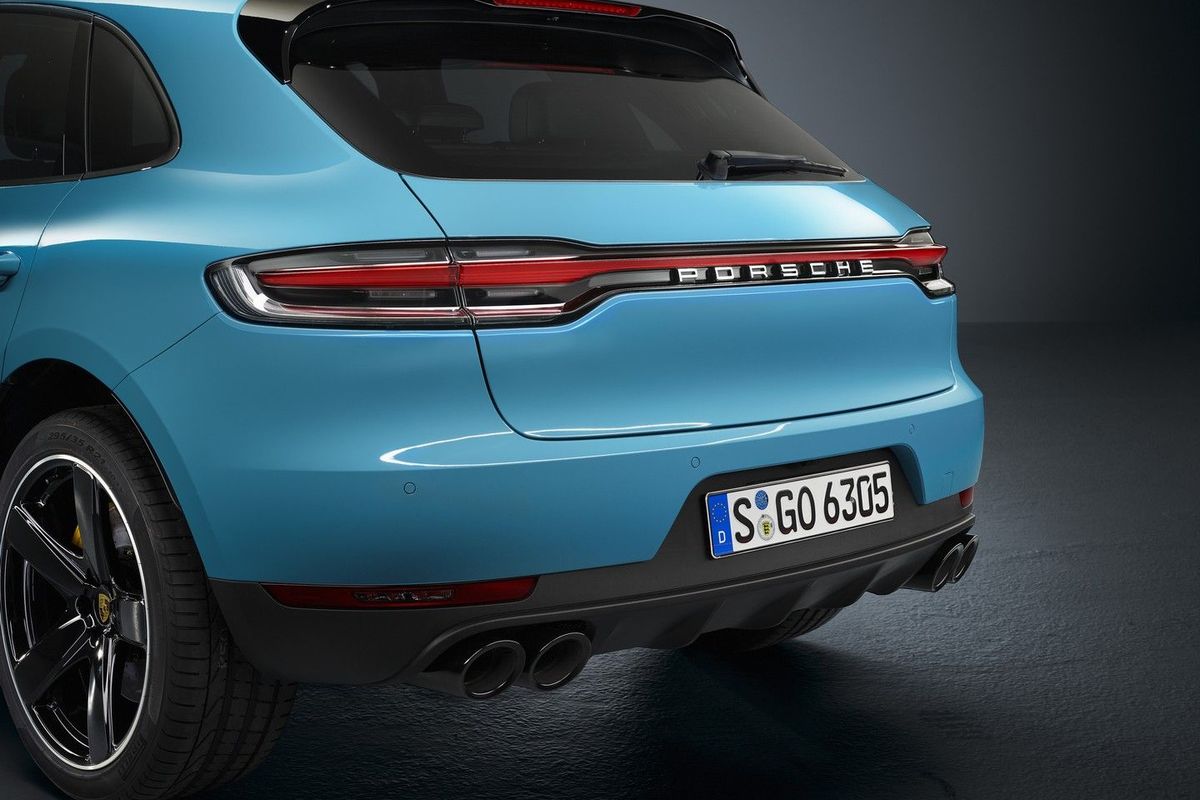
The updated Macan’s restyled front end appears visually wider and is adorned with (standard) LED headlights that can be specced up with Porsche Dynamic Light System Plus (PDLS), which adaptively controls light distribution. The rear end, in turn, features a 3-part, three-dimensional LED light strip and brake lights with 4-point integral design elements.
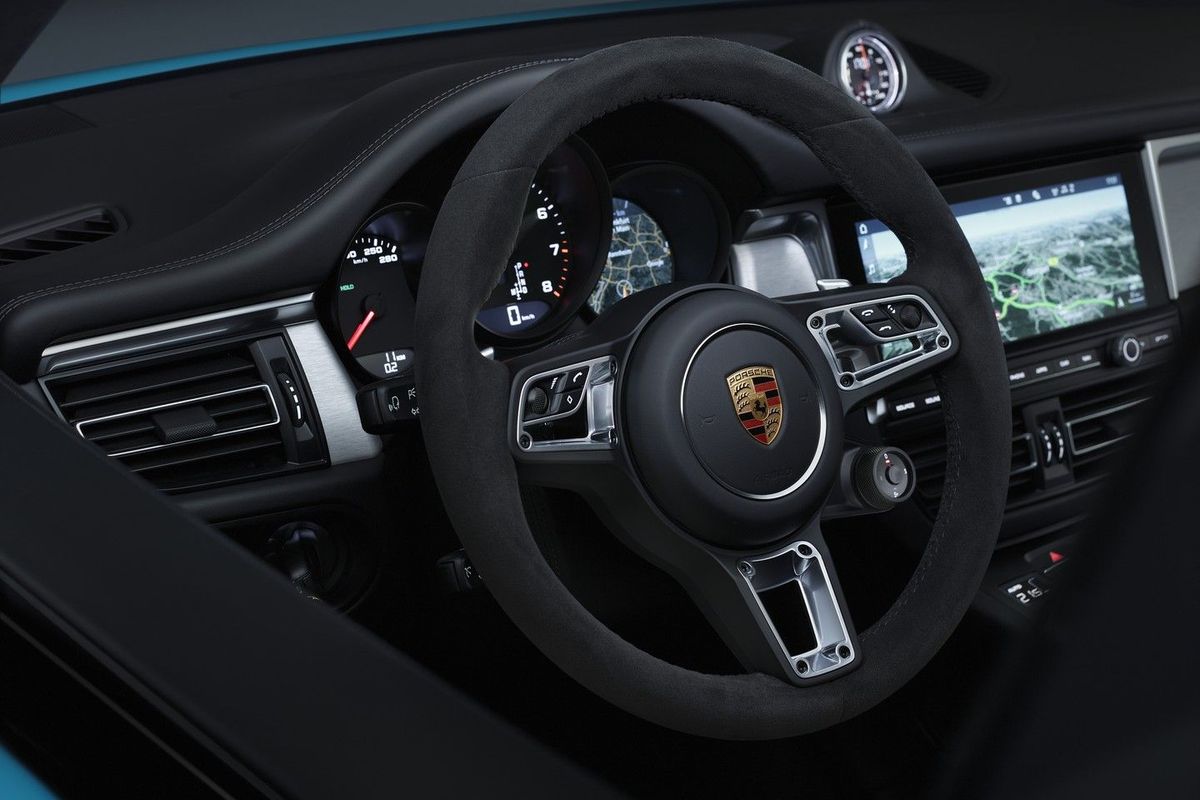
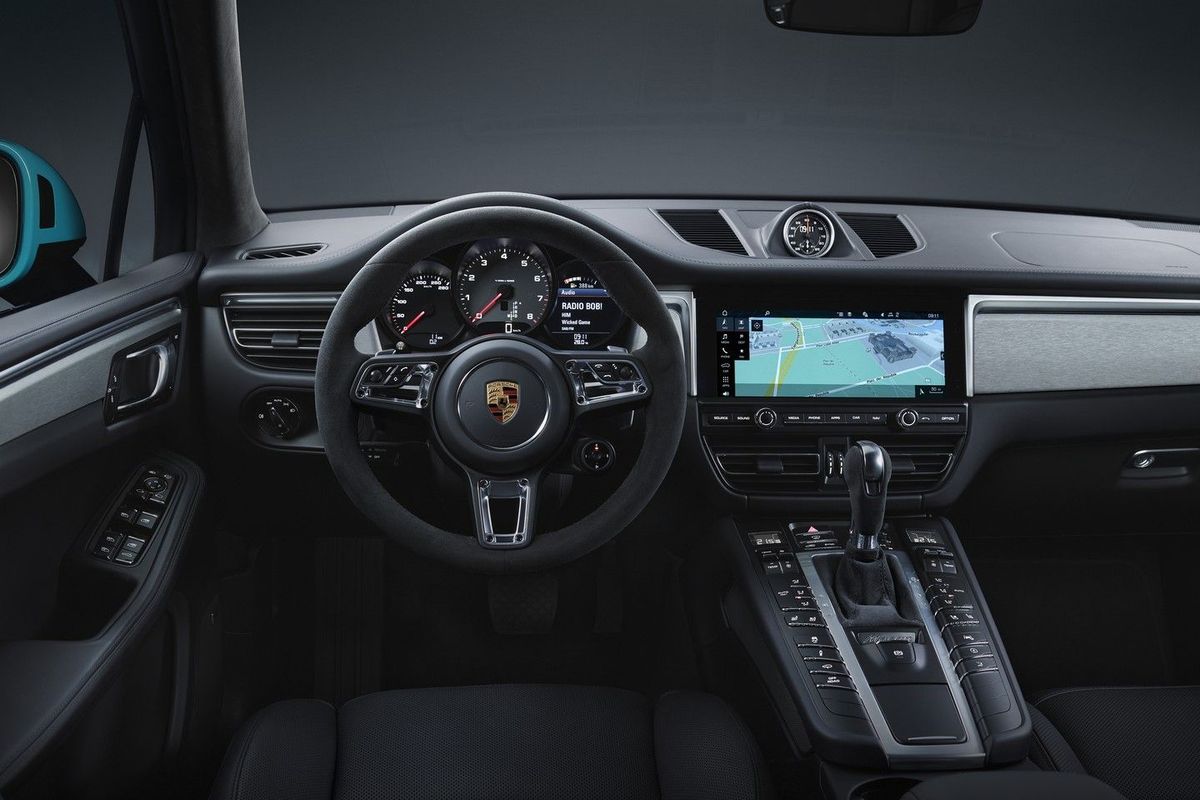
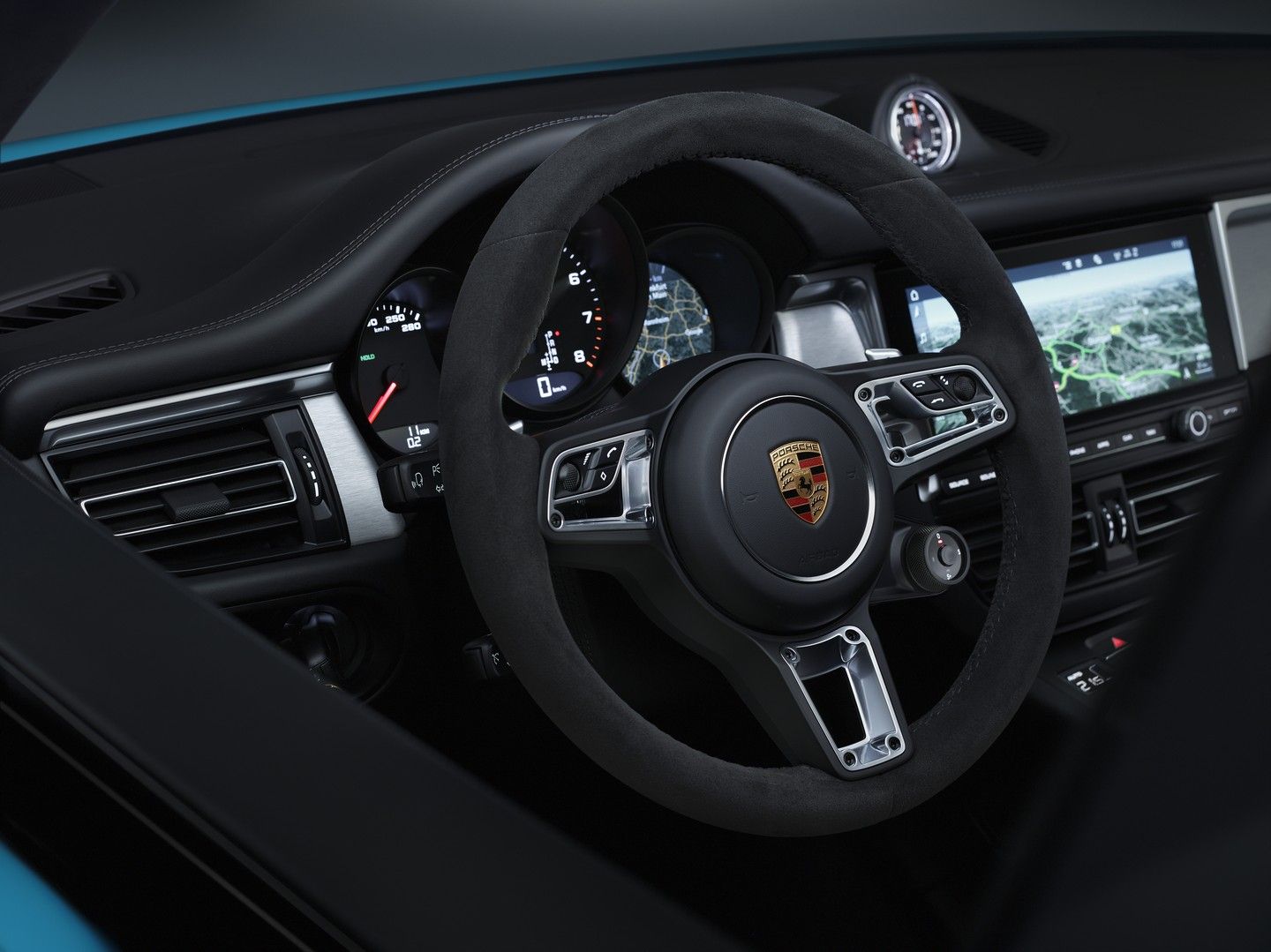
Visual highlights of the Macan's interior include an 11-inch HD touchscreen interface and the (optional) GT sports steering wheel.
The newcomer’s upgraded interior is dominated by the inclusion of an 11-inch high-definition touchscreen for the Porsche Communication Management (PCM) infotainment system, which incorporates a Connect Plus module with app support, intelligent voice control technology and can be customised using predefined tiles. According to reports, systems such as adaptive cruise control and lane-keeping assist will be offered too.
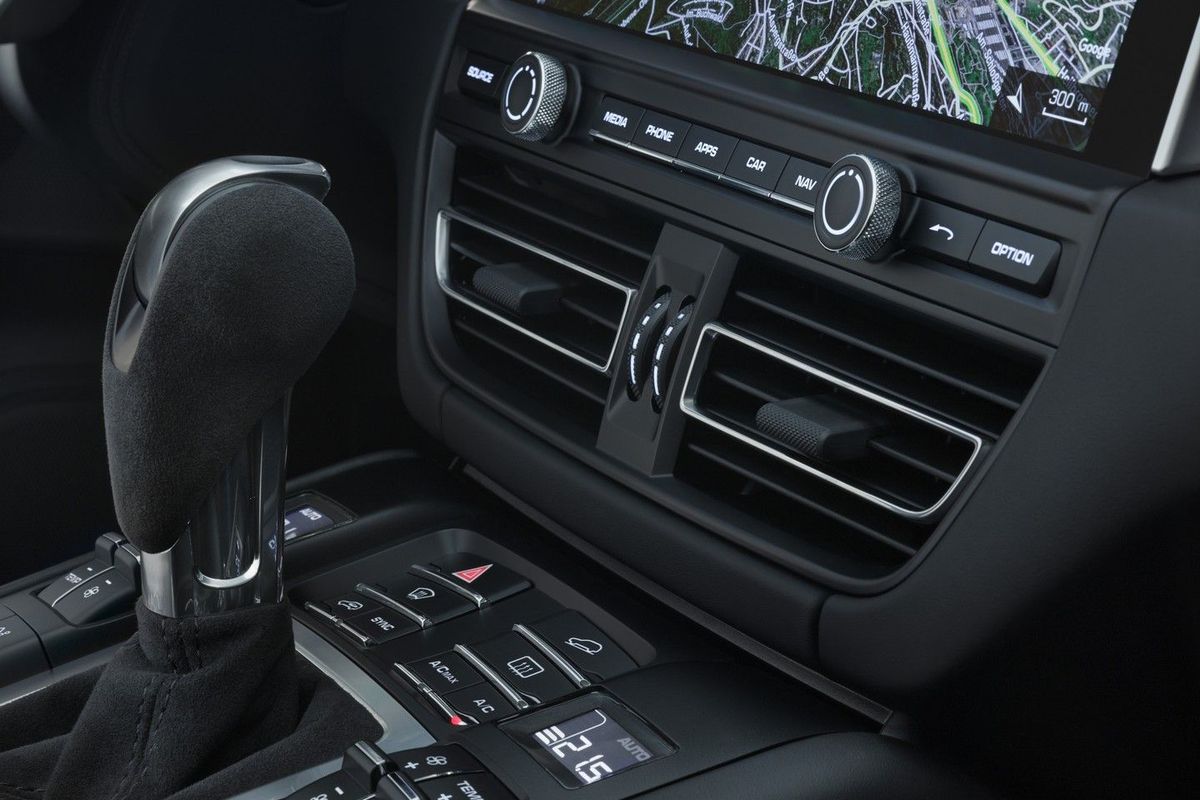
Apart from re-designed and -positioned air vents, the interior is largely unchanged, save for the addition of a heated windscreen, an air-ioniser (to improve air quality in the Porsche's cabin) and a GT sports steering wheel (as seen on the 911), which features an integrated mode switch, as well as a Sport Response Button, as part of the optional Sports Chrono Package.
More powerful, efficient engine line-up mooted
The Macan’s integral multi-plate-clutch 4-wheel drive system is carried over and while Porsche has not released details of the newcomer’s engine line-up (yet), a video that was recently posted by the manufacturer (below) suggests that the range’s 2.0- and 3.0-litre turbopetrol engines, mated with a 7-speed dual-clutch automatic with steering wheel-mounted shift paddles, have been improved for higher outputs and better efficiency.
In conclusion, Porsche says the Macan's chassis has been “fine-tuned” to deliver enhanced neutral handling, “while maintaining stability and improving comfort”, allowing the driver “to take full advantage of the intelligent Porsche Traction Management (PTM) when it comes to driving dynamics”. Newly developed tyres with improved performance characteristics (to fit 20 and 21-inch wheels) “enable even better lateral dynamics”.
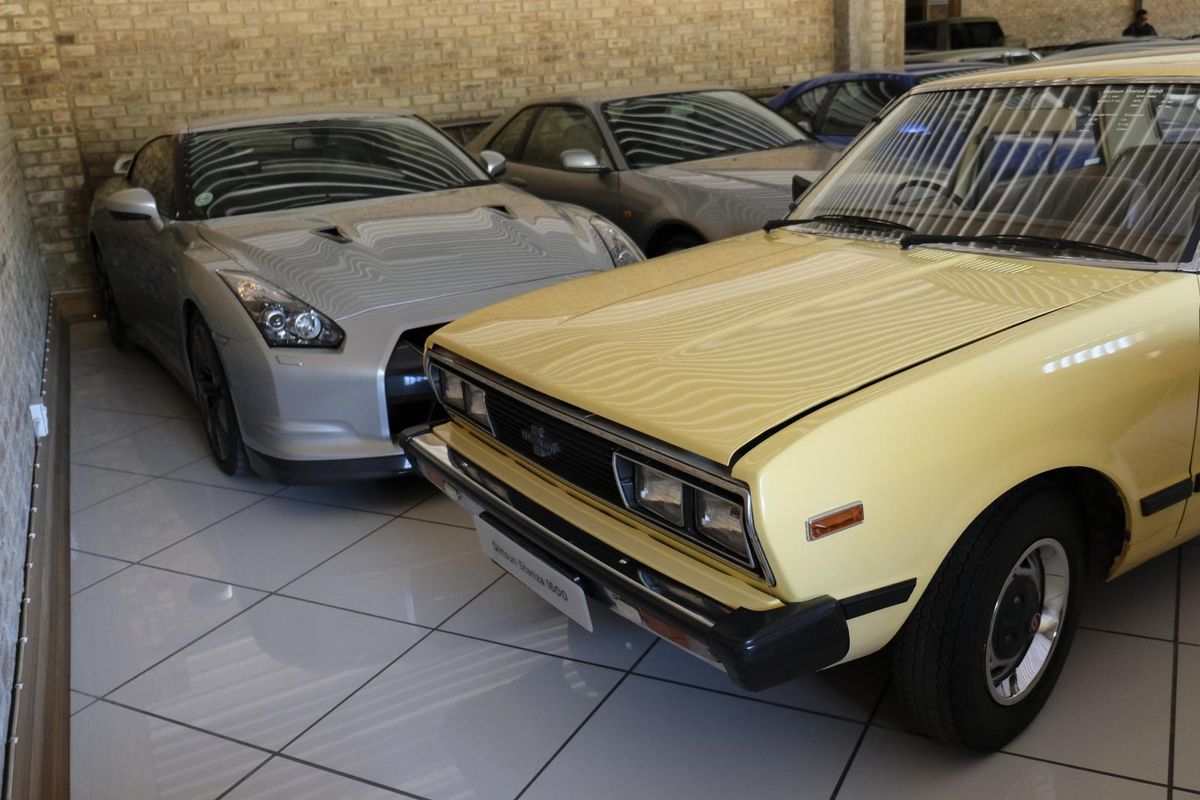
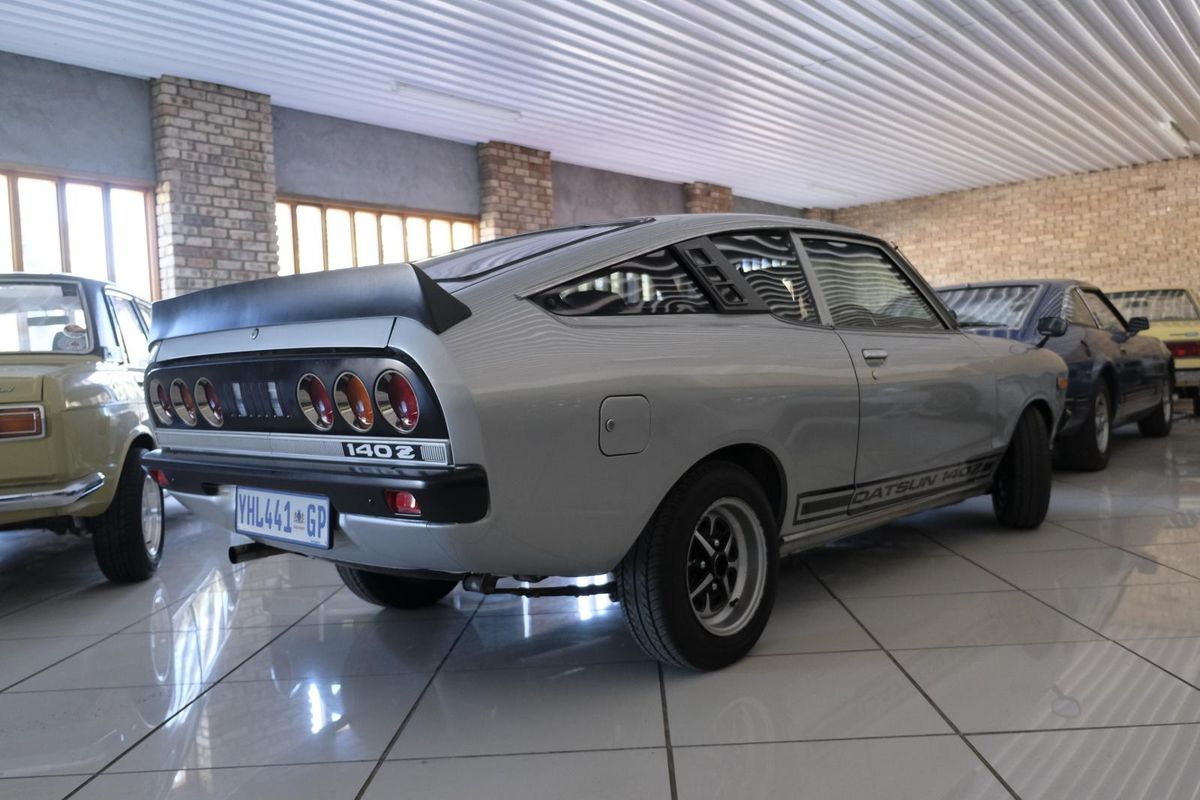
A peek inside Bothaville’s eclectic Datsun Heritage Museum [gallery]
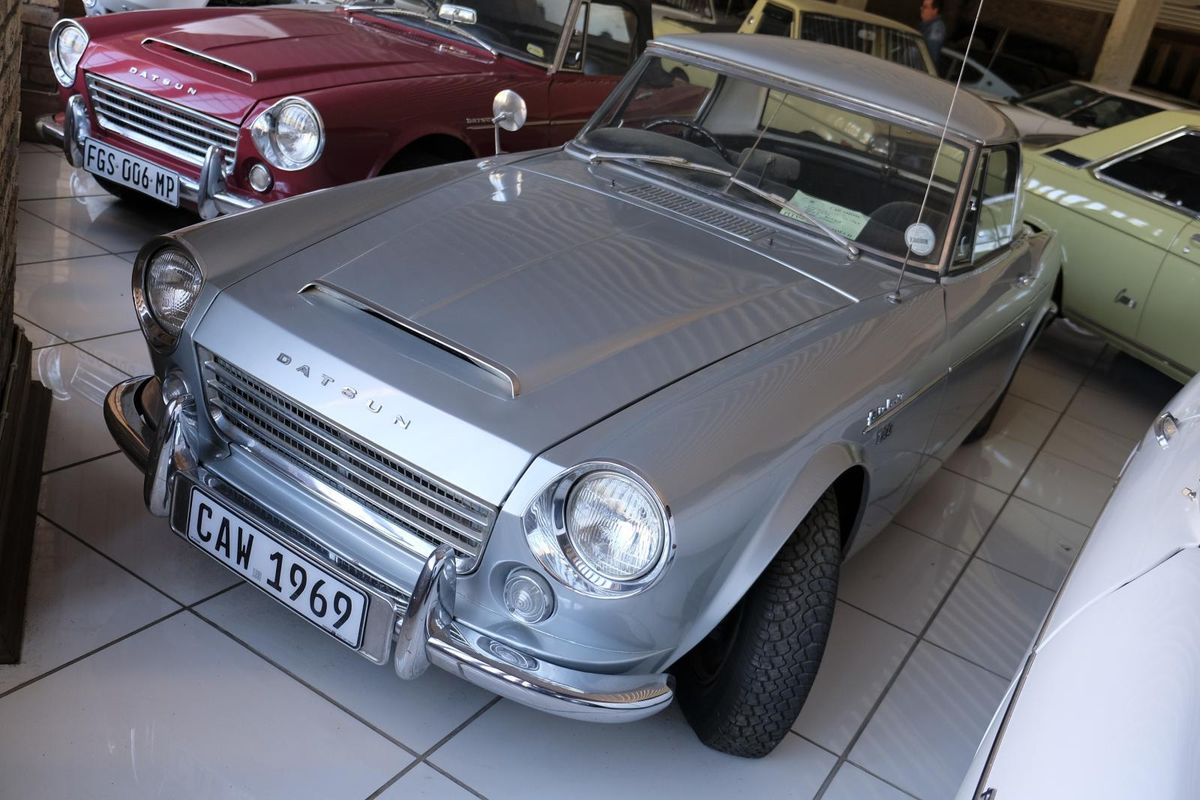
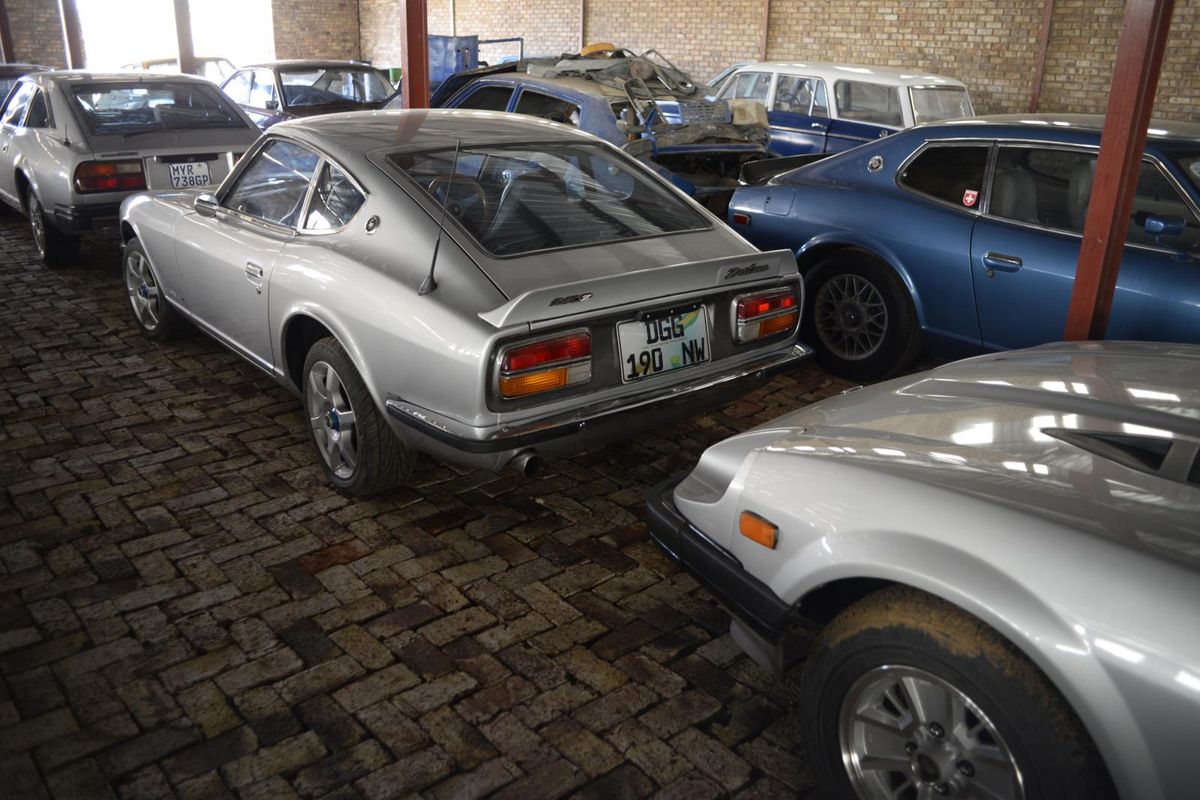
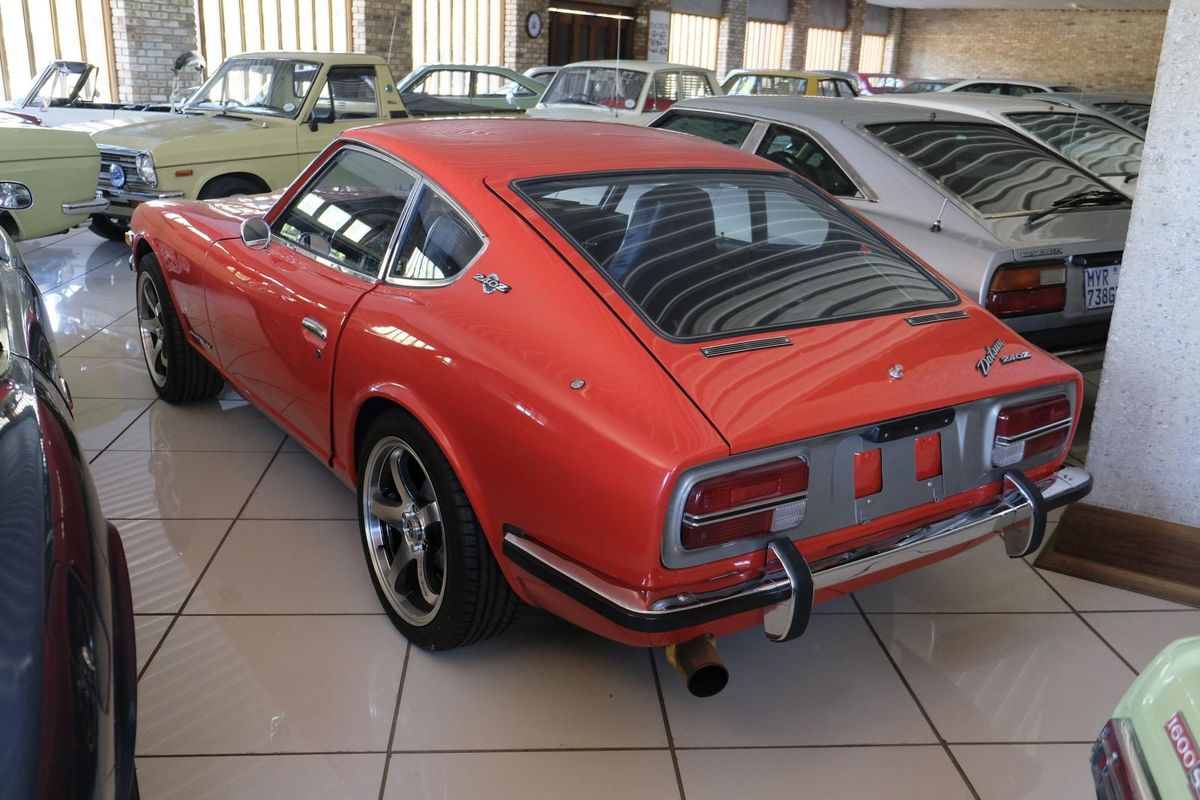
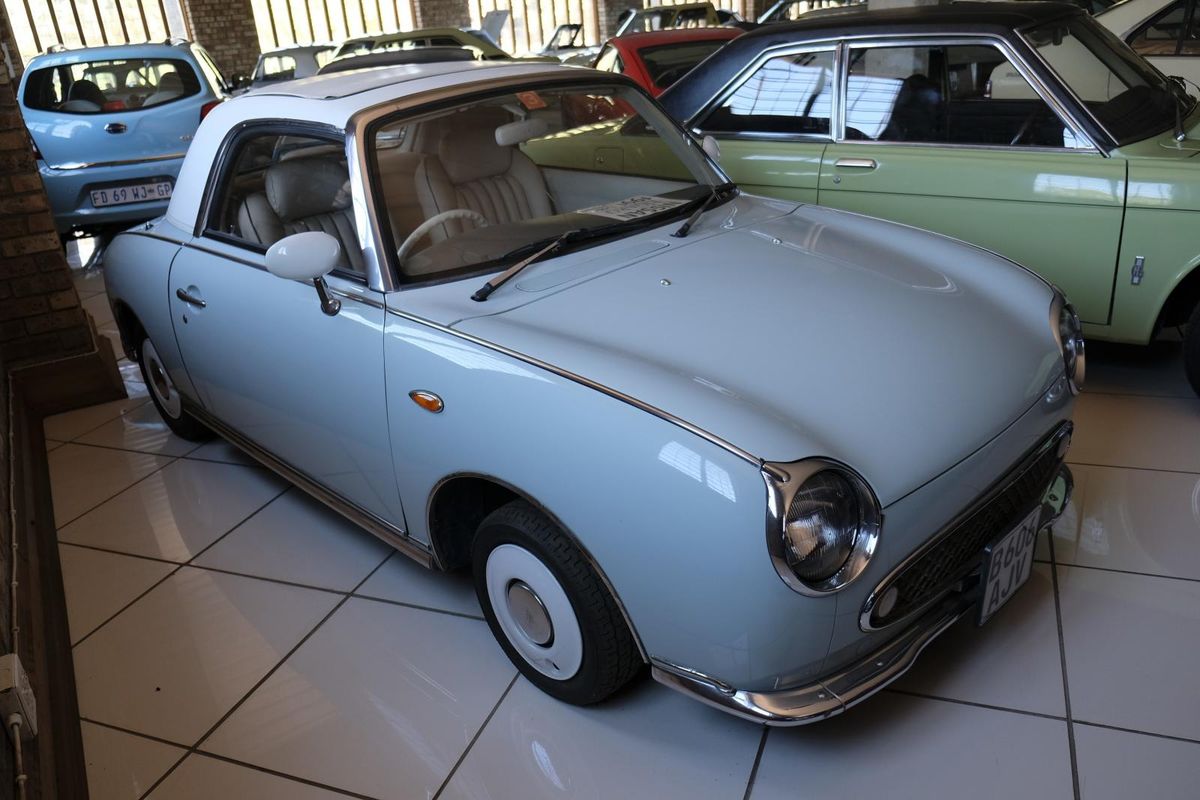
Freek de Kock has always loved cars from the Nissan/Datsun stable, and has built one of the world's most complete and colourful collections. As the reborn brand celebrates entering its fifth year since its return to South Africa, we take a stroll through the sprawling collection in Bothaville in the Free State.
Freek de Kock, of course, needs little introduction to Cars.co.za's readers. His pride and joy, a very rare late-'60s "Hakosuka" Nissan Skyline GT-R, was the topic of the third episode in our SentiMETAL video series. Give it a watch below.
Freek's obsession isn't limited to exotics or expensive rarities. Since starting his collection 11 years ago he has acquired a staggering 118 Nissan and Datsun vehicles, including the late Mozambican President Samora Machel's Nissan President V8 limousine, a variety of GT-R models, a 240Z and a 1600 SSS. But you'll find even run-of-the-mill models, such as a Laurel or a Pulsar along the way.
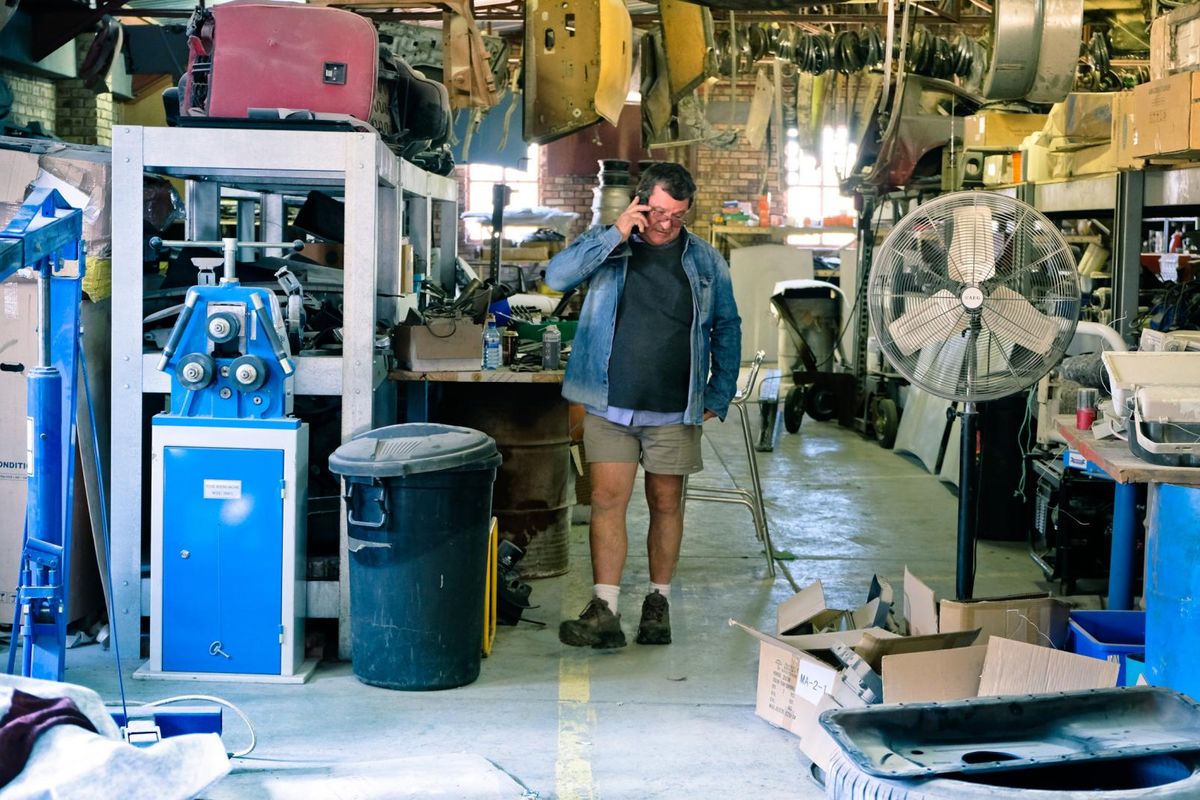
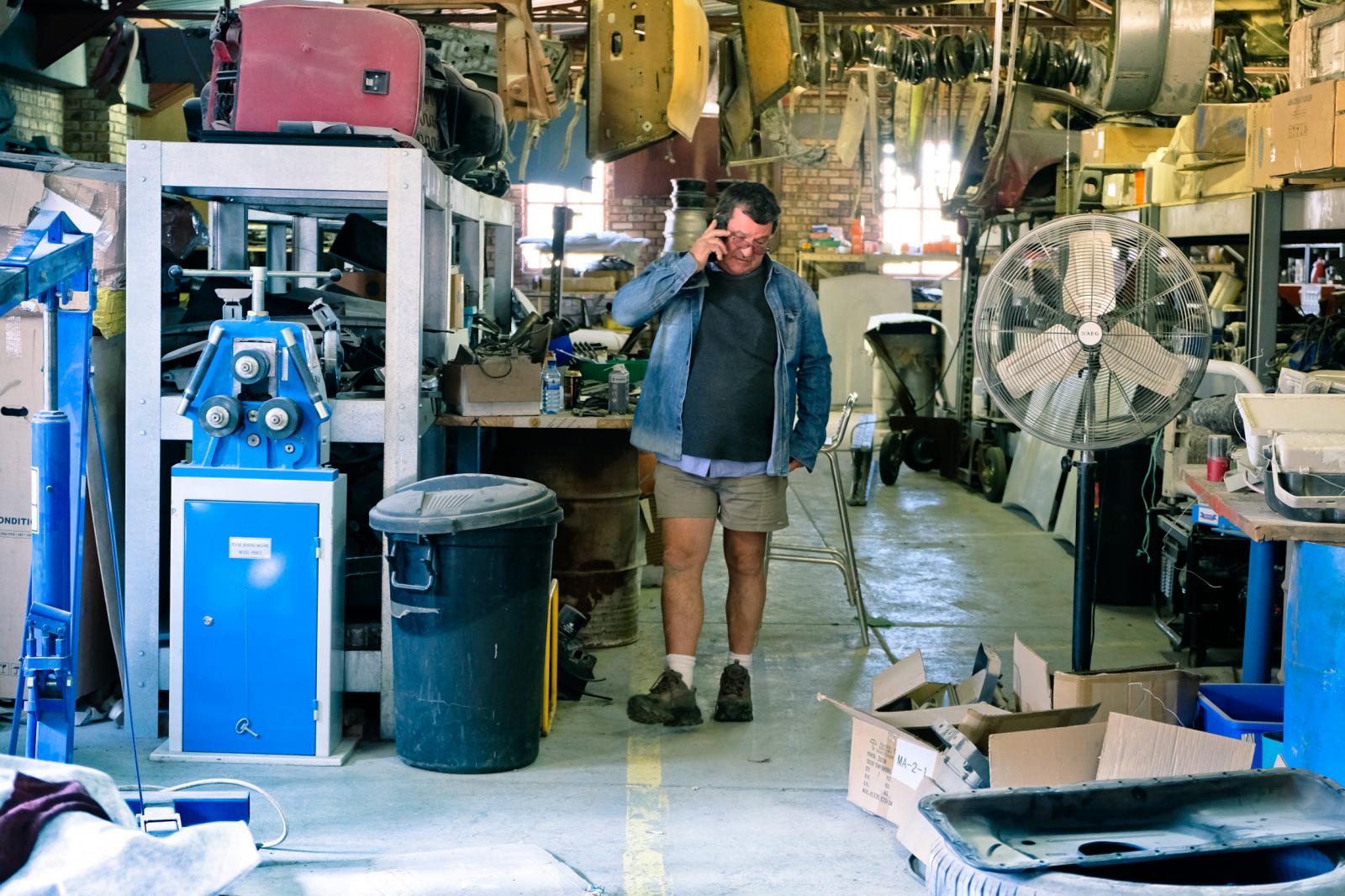
“With my sons running the business, it gave me time to focus on my hobbies. So, I started collecting cars. I realised that I would never sell the cars I was collecting, and that’s how the idea of a museum came about,” says Freek.
Freek de Kock's collection includes 118 cars, many of which are restored on the premises.
“My first car was the 300ZX, which I restored from start to finish. I’ve always loved Datsun cars because each one has a stand-out feature and also because both Nissan and Datsun have a well-known history of track performance.”
While the collection doesn’t operate as an official museum, it’s open by appointment to anyone who would like to view the vehicles. When asked why he is so dedicated to this project, Freek says, “We need to preserve the Datsun heritage because, without heritage, there will never be much of a future.”
Which car brands topped the South African sales charts in the first 6 months of the year? Are locals sticking to tried-and-tested names or willing to explore alternatives? Let's have a look!
The following sales results are provided by Lightstone Auto, and are for the first 6 months of the year. Note that Mercedes-Benz does not report disaggregated sales data, but does provide a total Passenger market number (included below). We are therefore unable to include, for example, the historically strong-selling Mercedes-Benz C-Class as an individual model.
Sales totals are for all channels (dealers, rentals, government etc.)
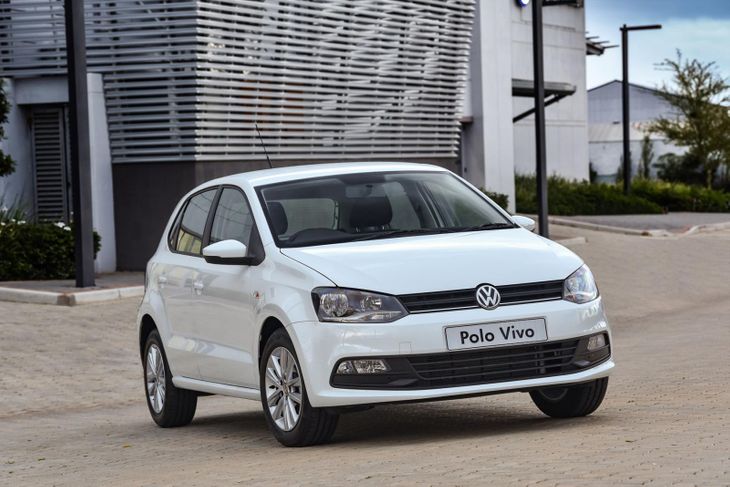
The new VW Polo Vivo ranks as the top-selling passenger car in the first half of 2018.
Volkswagen's major announcements of 2018 have certainly found favour with South Africans, with the new Polo and Polo Vivo (previous-gen Polo) secure at the top of the sales charts.
Perhaps more interesting is the fact that a relatively pricey, big SUV occupies the third spot on the podium – Toyota's Fortuner continues to be the large family car of choice. Five other SUV/crossovers also make the top 20.
Just outside of the Top 20 with more than 2 000 units sold in the first 6 months, Mazda's CX-5 (our current Cars.co.za Consumer Awards – Powered by WesBank, Family Car of the Year) is also selling very strongly.
Shopping for one of these new cars? Click on their names to be taken to specification/finance estimation pages.
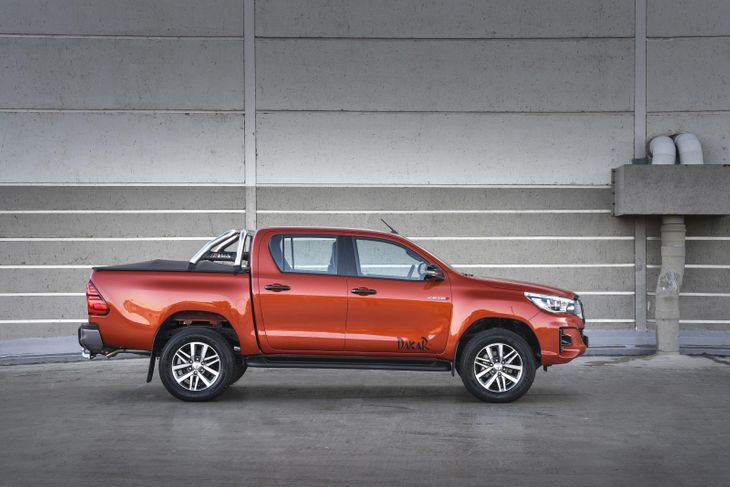
Still the king – recent additions such as the Dakar Limited Edition have further enhanced the Hilux's enduring appeal.
The battle between the Hilux and Ranger rages on, but Toyota has emerged victorious in the first half of this year. With the half-tonne market now all to itself, Nissan's NP200 continues to do well, and the ageing Isuzu KB is certainly benefitting from greater marketing attention, now that the Japanese brand operates independently in South Africa. Nissan will be hoping to significantly improve on Navara volumes in the second half of the year.
Shopping for one of these new LCVs? Click on their names to be taken to specification/finance estimation pages.
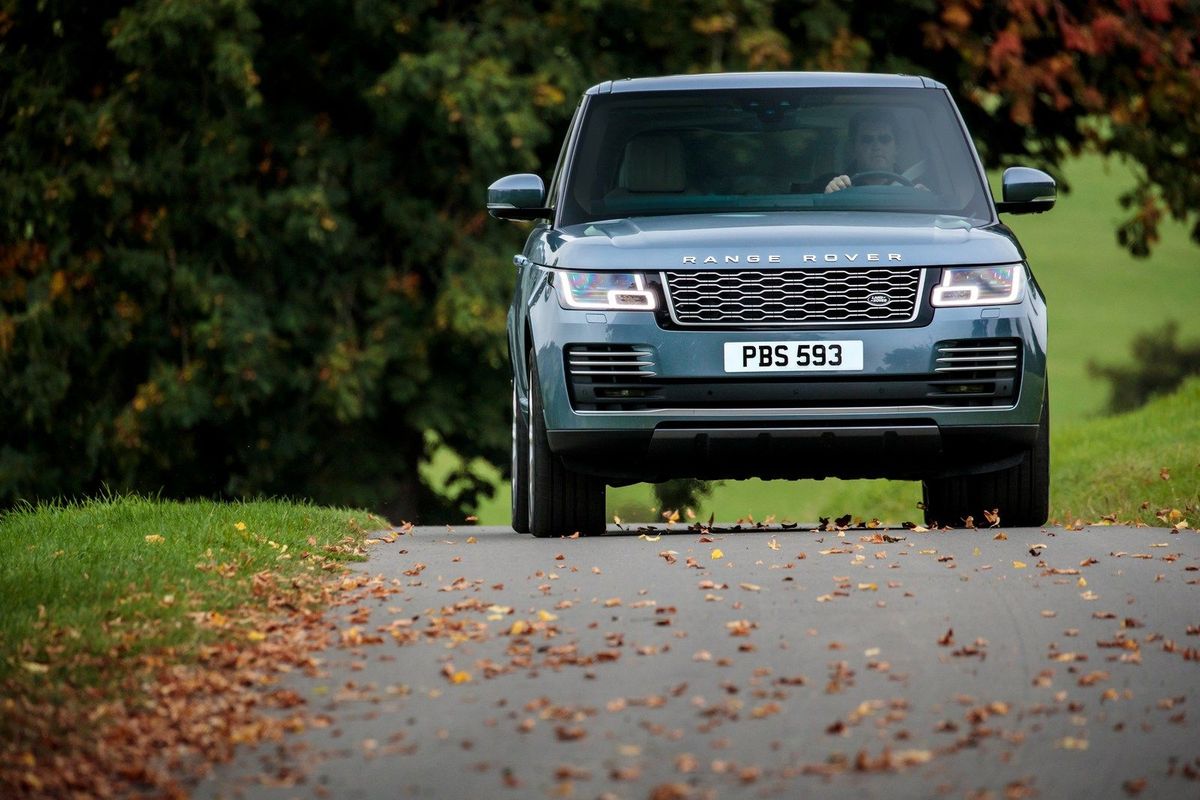
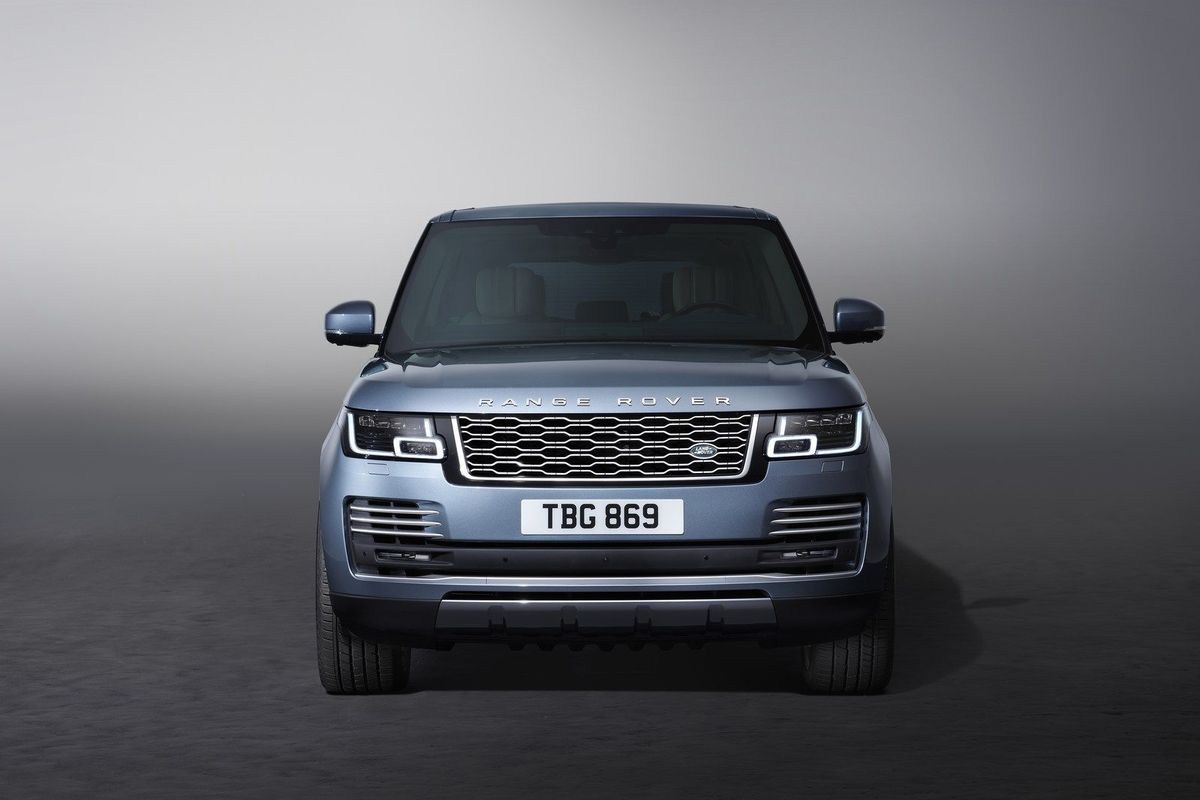
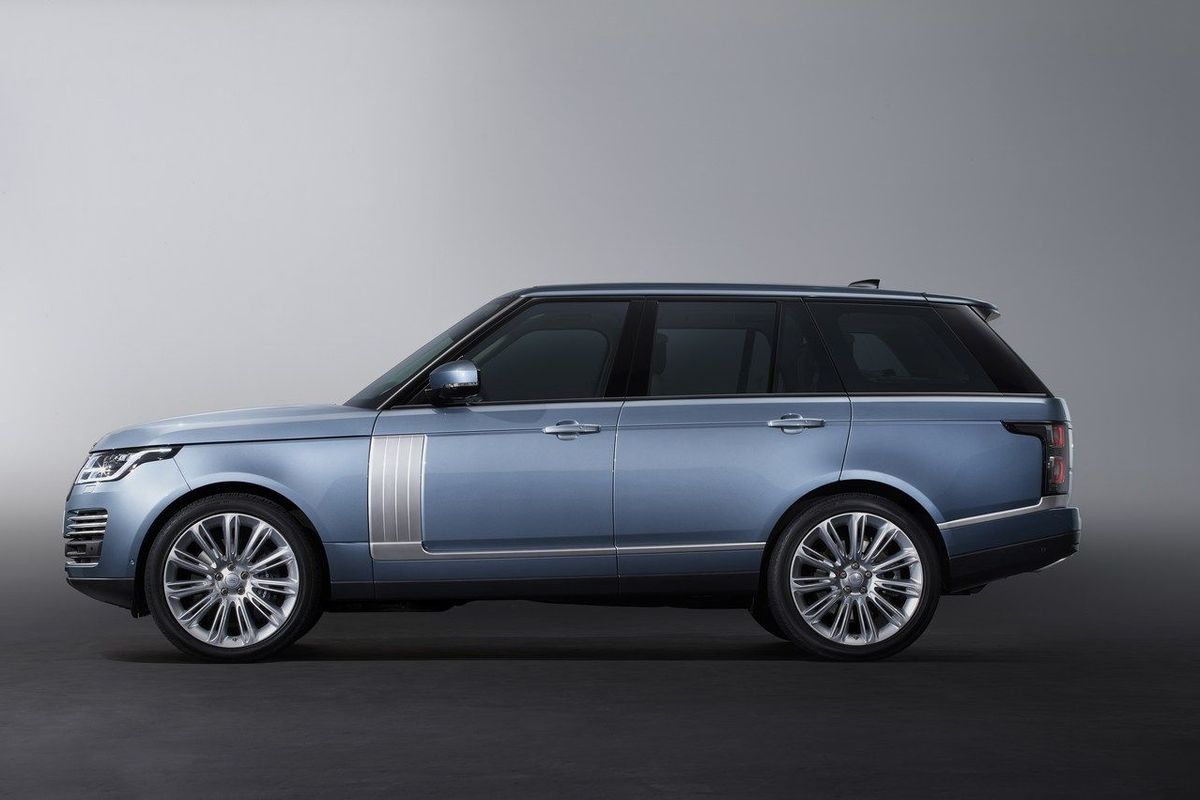
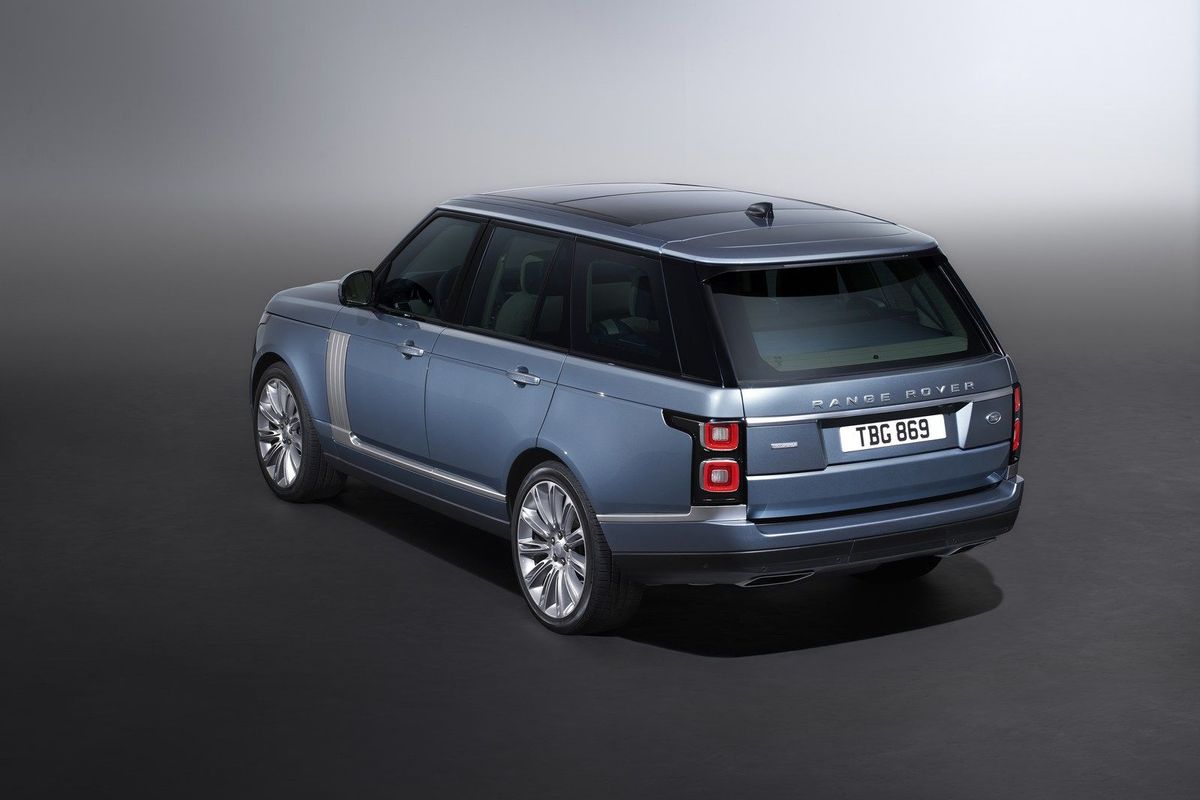
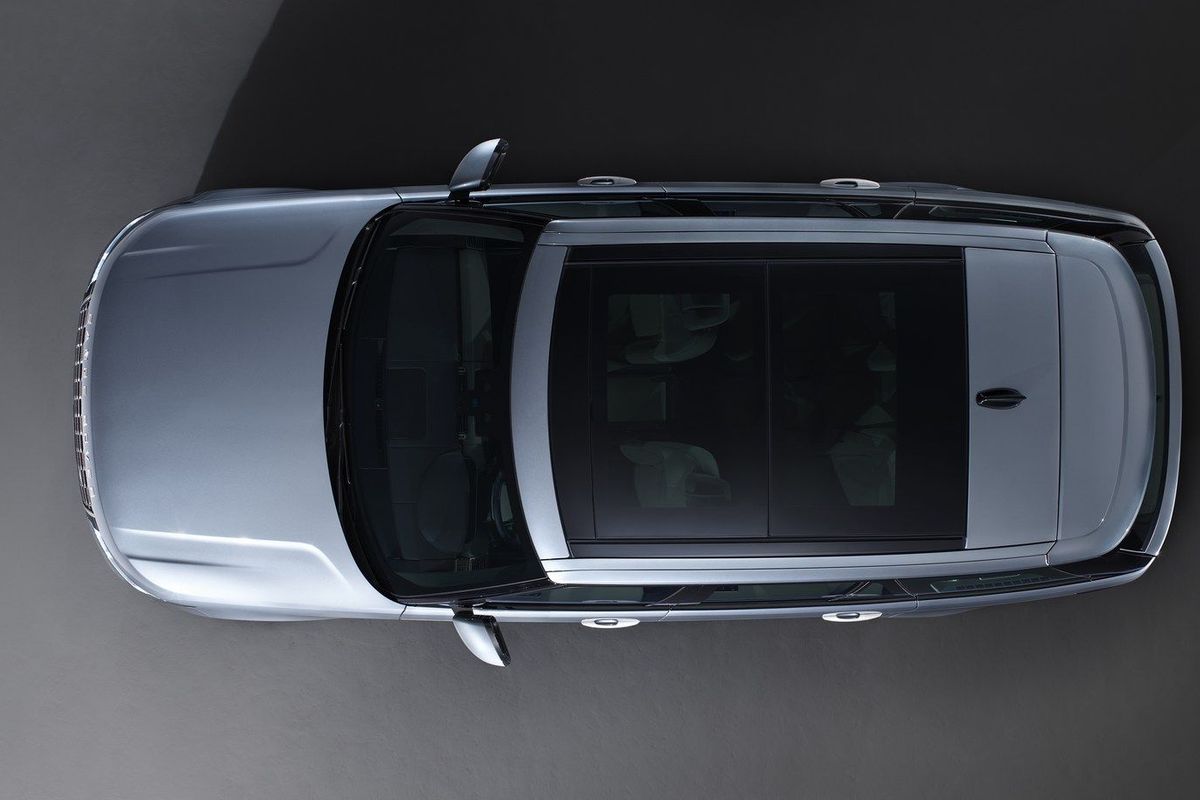
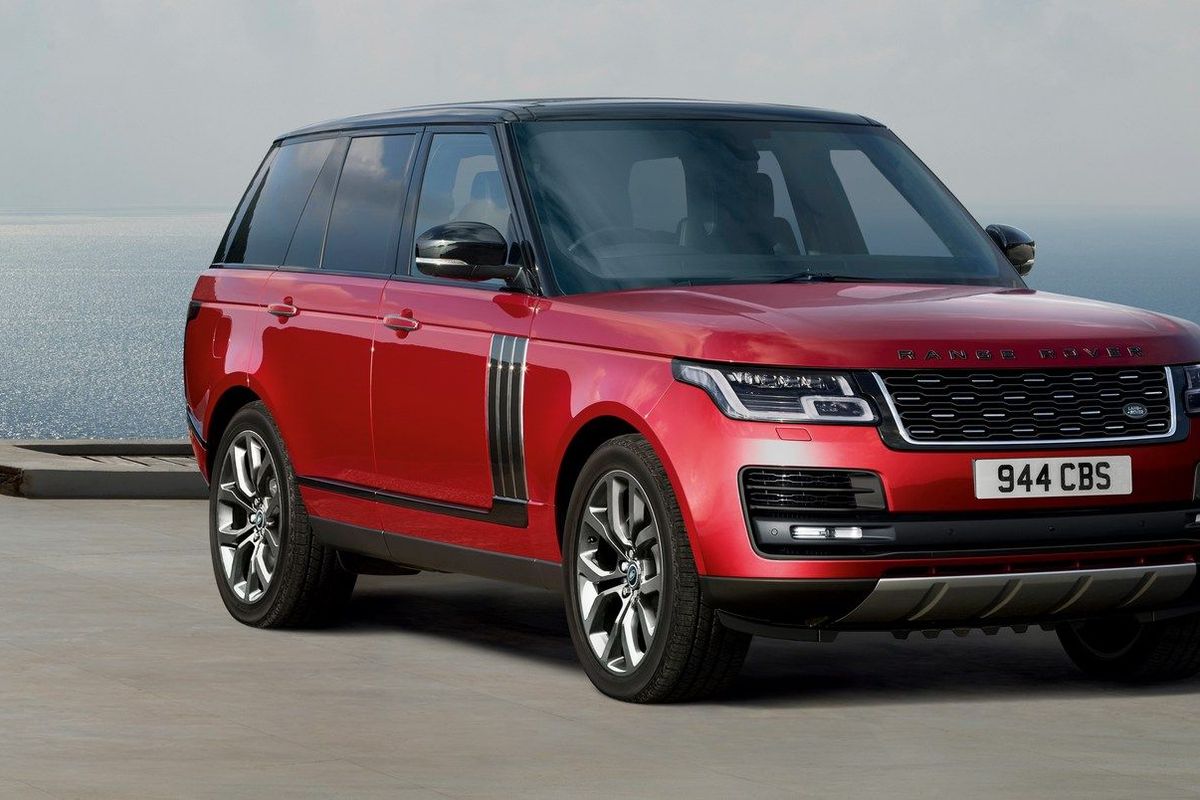
Facelifted Range Rover (2018) Specs & Price [w/Video]
The Range Rover first-class SUV has received a facelift and upon its local introduction in November 2018, will welcome plug-in hybrid derivatives and a host of new technologies to the range.
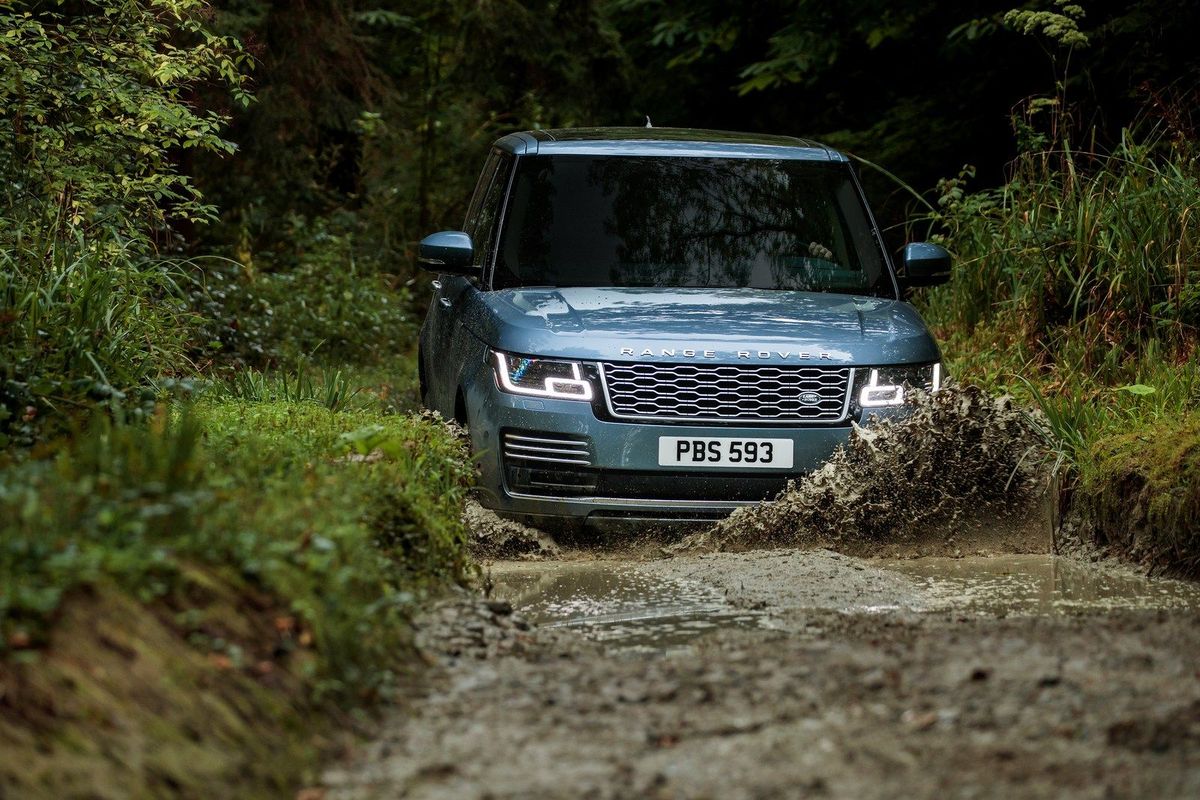
For many, the Range Rover is the ultimate luxury SUV, offering high levels of comfort and luxury as well as formidable offroad capability. The Range Rover has now been given a refresh with updated styling and a host of new technology making its way into the cabin. More importantly, perhaps, is the introduction of a plug-in hybrid Range Rover P400e.
New Range Rover P400e PHEV
The Range Rover SVAutobiography now offers 415 kW and 700 Nm of torque from its supercharged 5.0-litre V8 petrol engine.
The Range Rover P400e is powered by a 221 kW, 4-cylinder 2.0-litre petrol engine coupled with an 85 kW electric motor and a 13.1 kWh high-voltage lithium-ion battery, much like the Range Rover plug-in hybrid revealed recently.
The P400e offers a total output of 297 kW with 640 Nm of torque and can accelerate from zero to 100 kph in 6.4 seconds with its permanent 4-wheel drive system. Top speed is rated at 220 kph and it can travel up to 51 km on electricity alone. An 8-speed ZF automatic transmission is standard.
The P400e can be charged up fully in about 2 hours 45 minutes using a 32A home wall box. Alternatively, the battery can also be charged using the standard 10A home charging cable, but will take 7 hours and 30 minutes to charge fully.
There will also be 2 diesel engine options available including a 190 kW 3.0-litre turbocharged V6 and a more powerful 249 kW 4.4-litre supercharged V8 diesel engine.
A next-generation supercharged 5.0-litre V8 petrol engine with 386 kW (previously 375 kW) will be offered as well as a supercharged 3.0-litre V6 engine with either 250 kW or 280 kW.
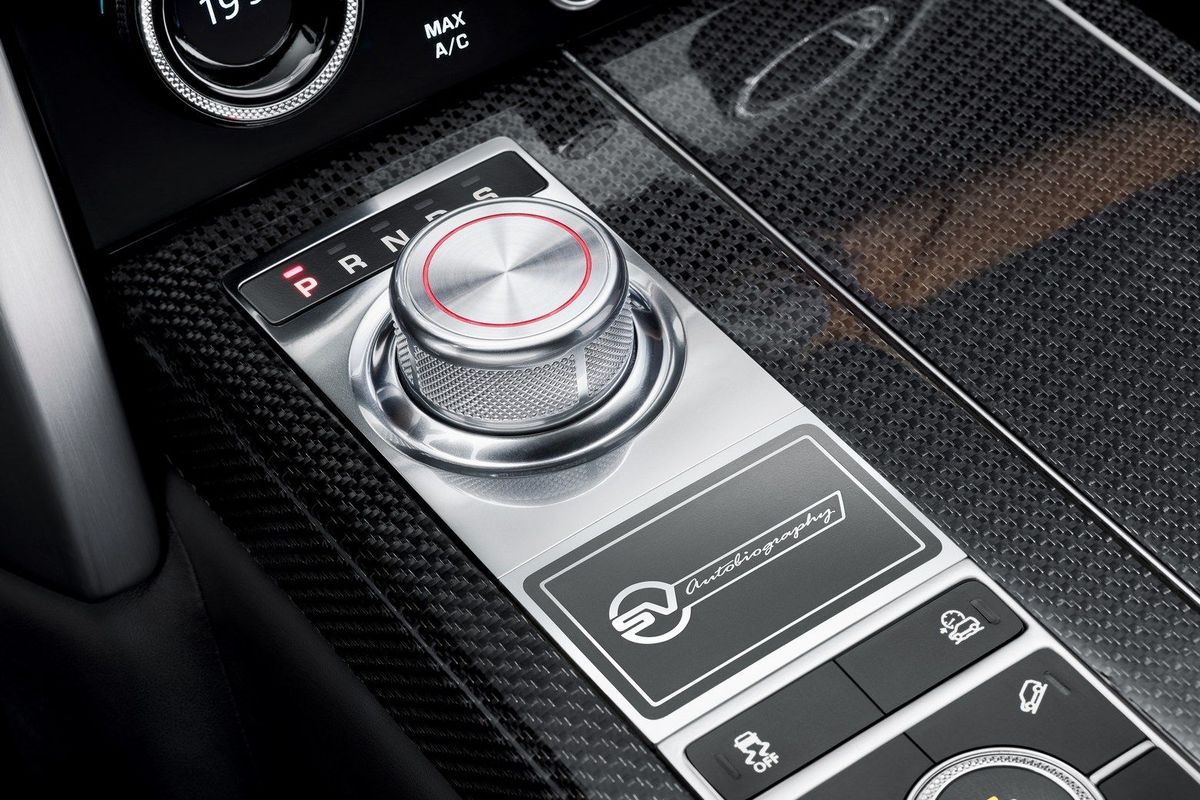
The range-topping Range Rover SVAutobiography Dynamic will now make use of an upgraded 5.0-litre supercharged V8 engine with 415 kW and 700 Nm of torque. This model is capable of sprinting from zero to 100 kph in just 5.1 seconds.
Key design and equipment changes
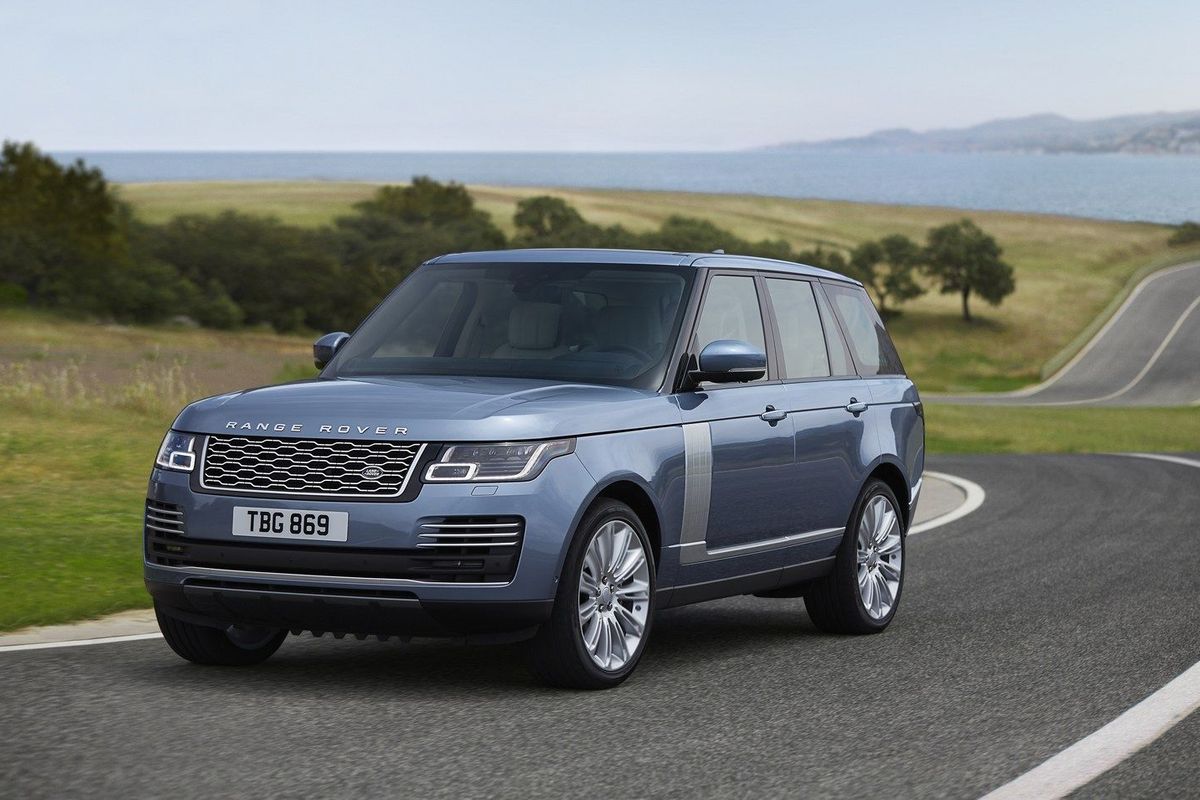
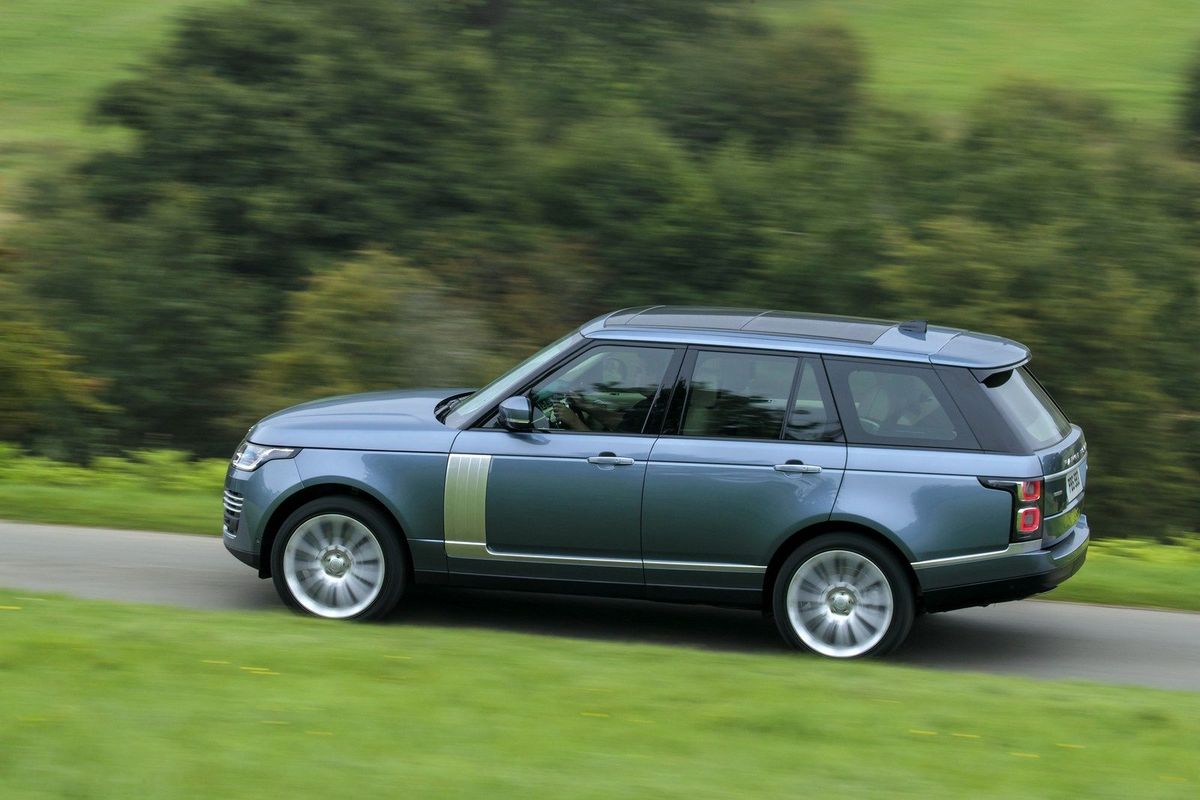
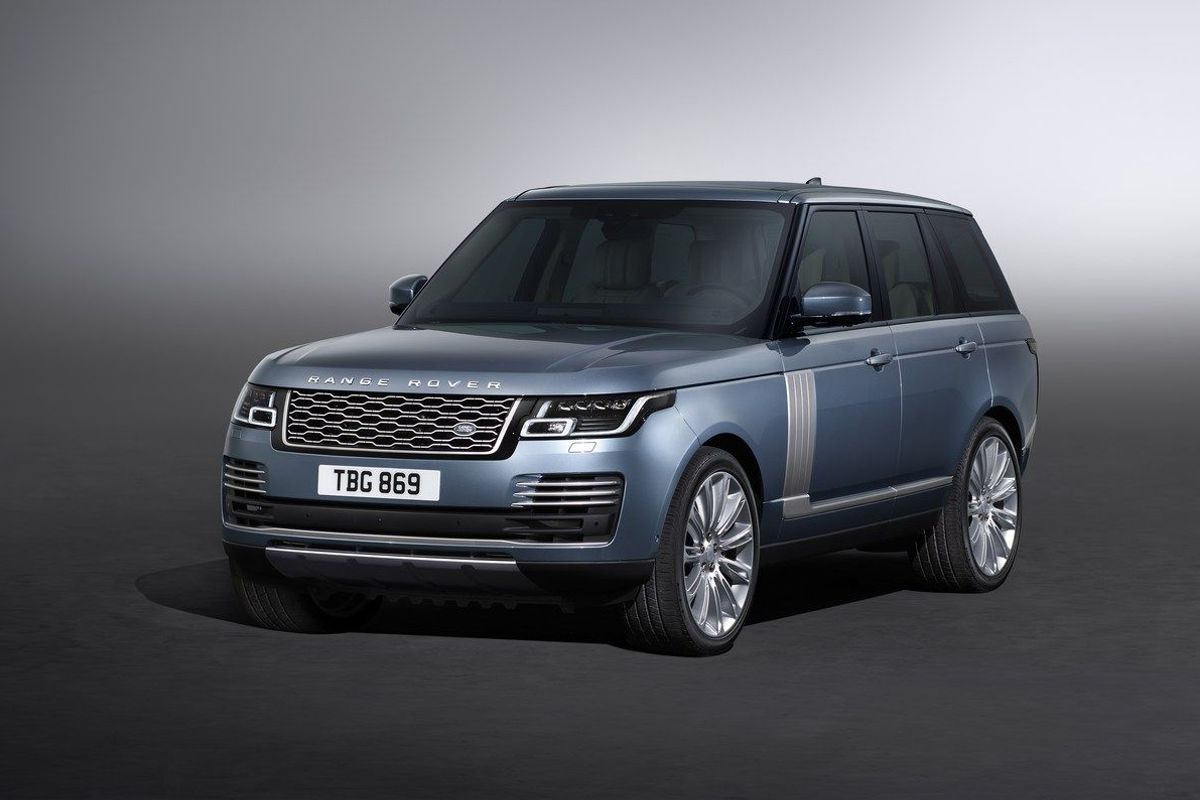
Revised styling gives the Range Rover a more sophisticated look while enhancing its road presence.
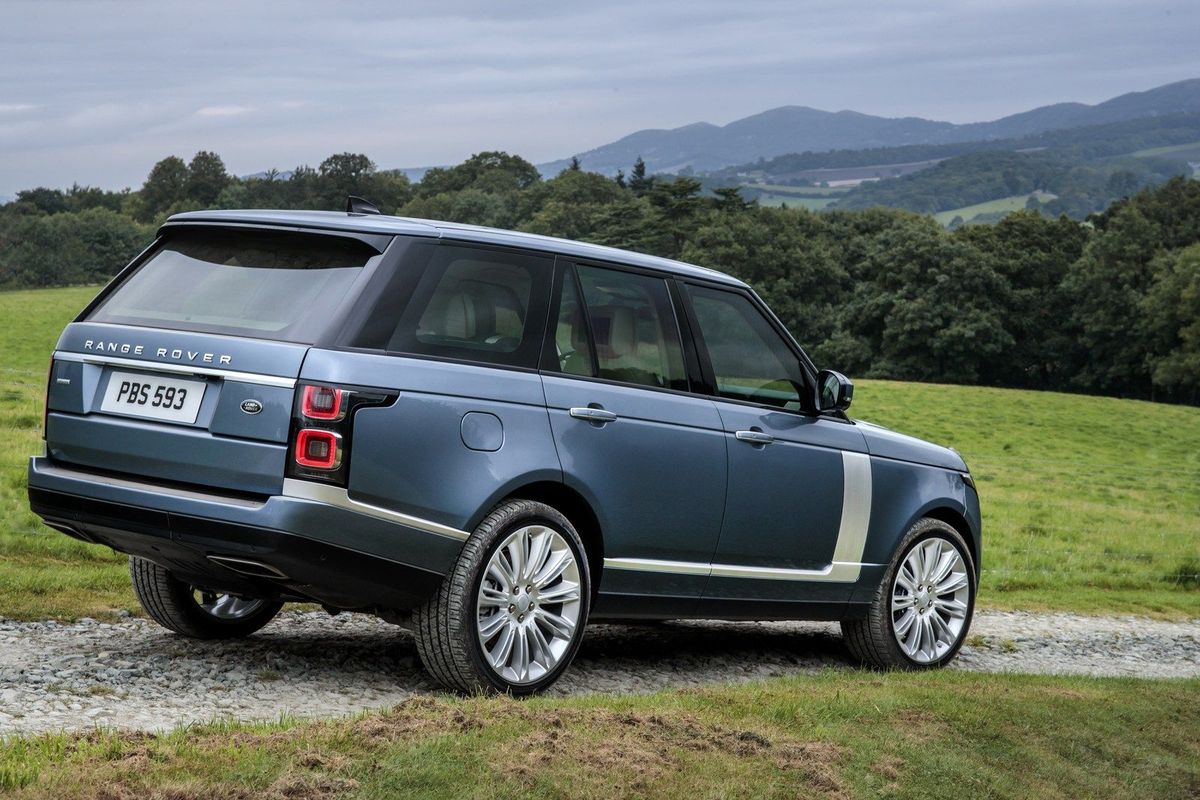
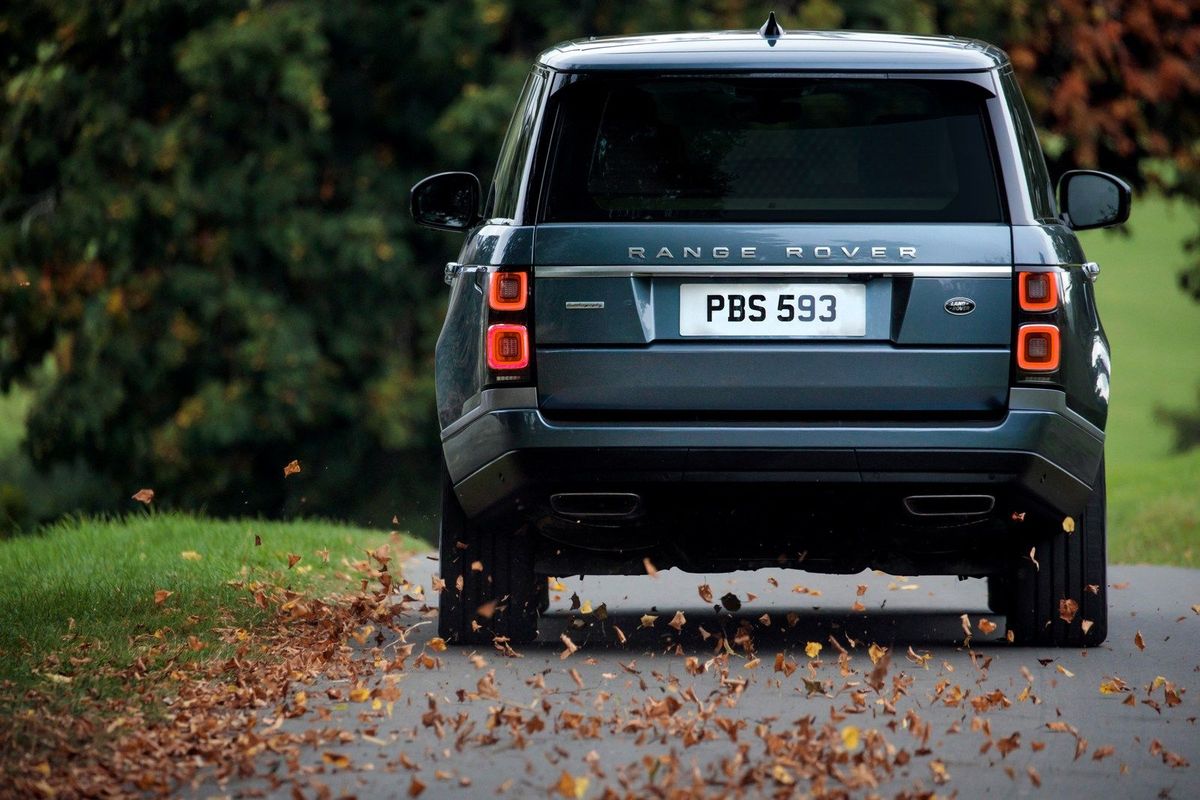
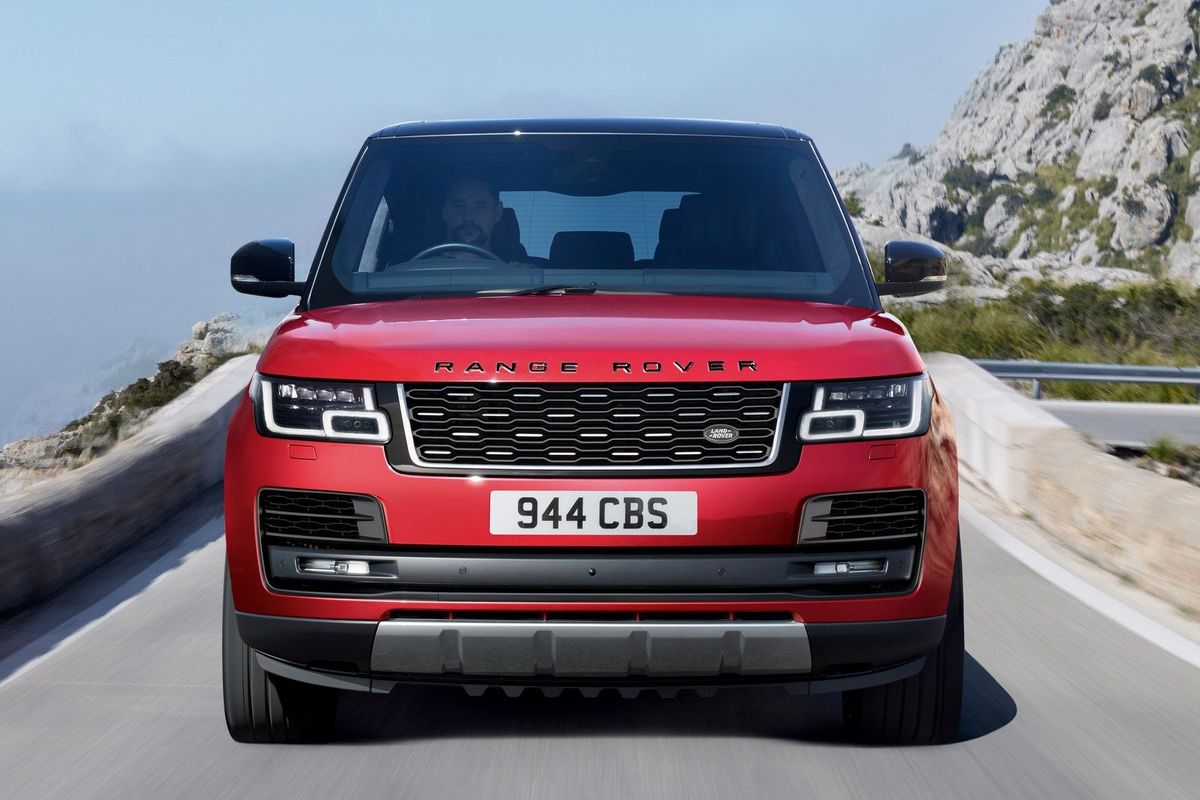
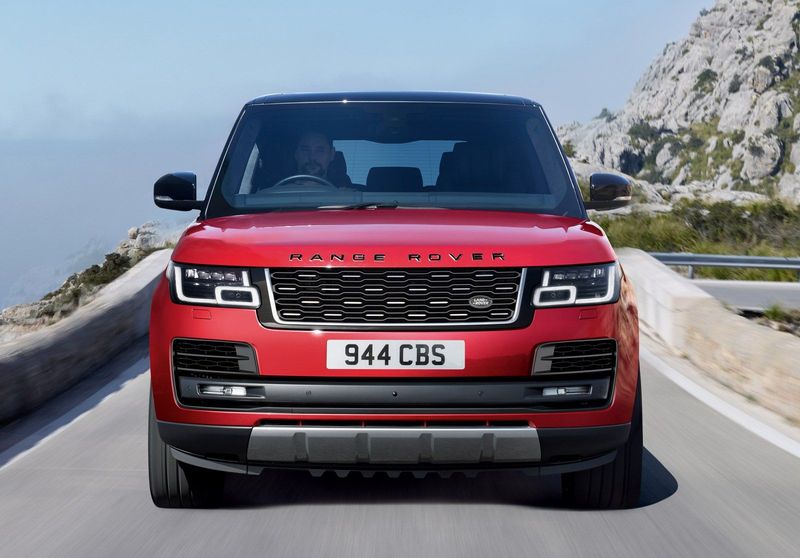
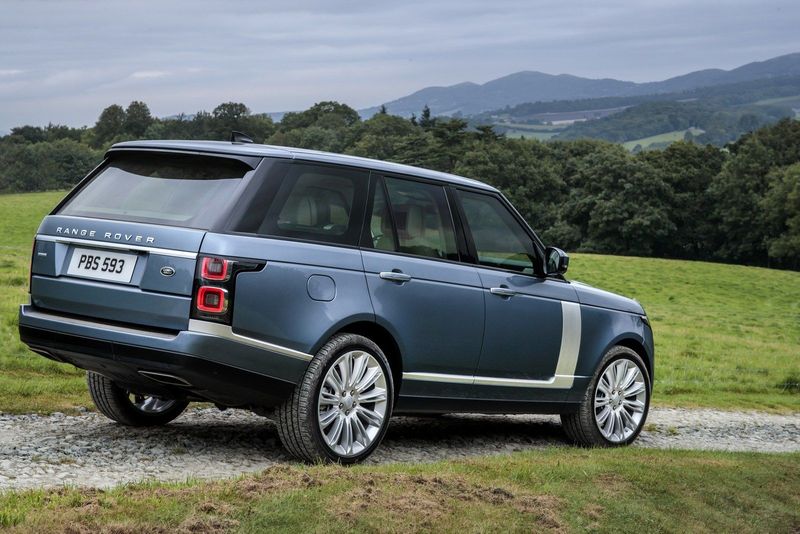
In terms of design, the facelifted Range Rover features a revised front-end with a newly designed grille and front bumper. The bonnet is also longer and the Range Rover now features Pixel-laser LED headlights alongside 3 other LED headlight options including Premium, Matrix and Pixel headlights. The taillights are also new and the rear bumper has been revised and integrates the exhaust tailpipes. A total of 6 new alloy wheel designs are on offer.
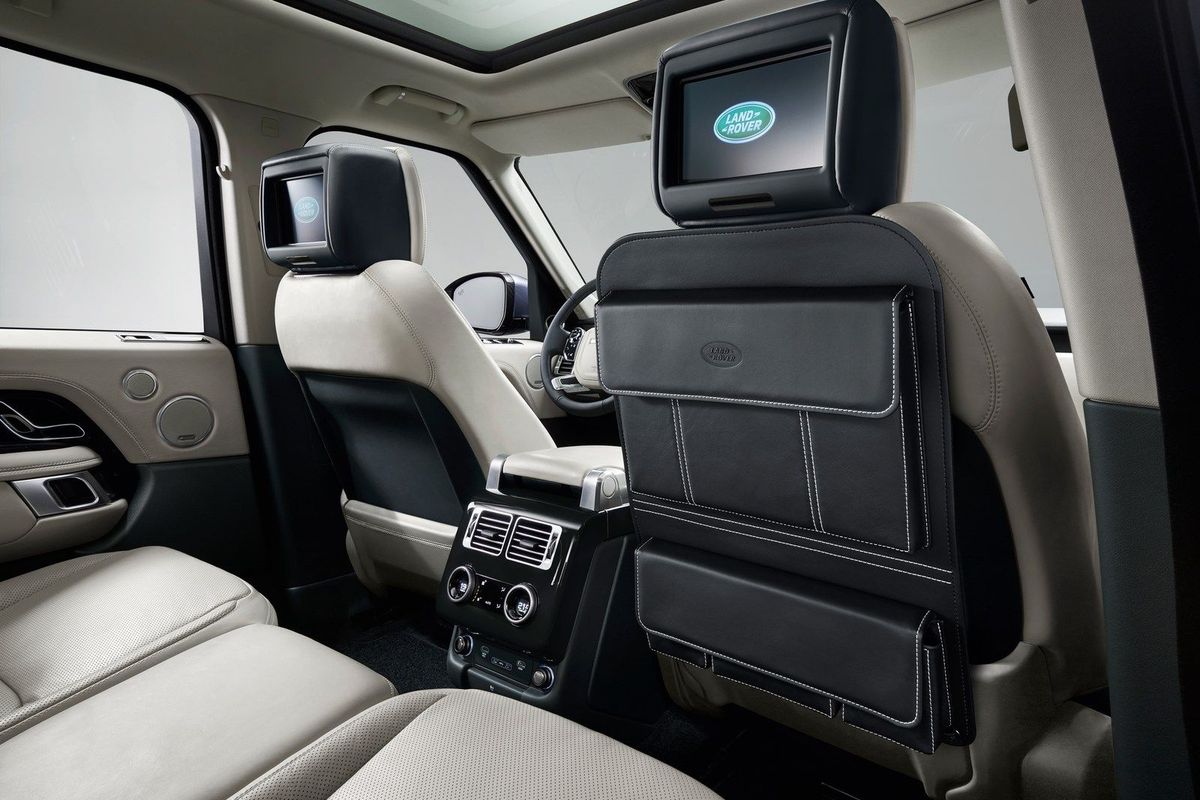
The interior benefits from new seats that offer greater reclining ability and more general legroom. A range of seat adjustments are available including 16-way, 20-way and 24-way adjustable seats with up to 25 different massage programs. That’s to say that comfort levels are very high in this updated Range Rover Sport…
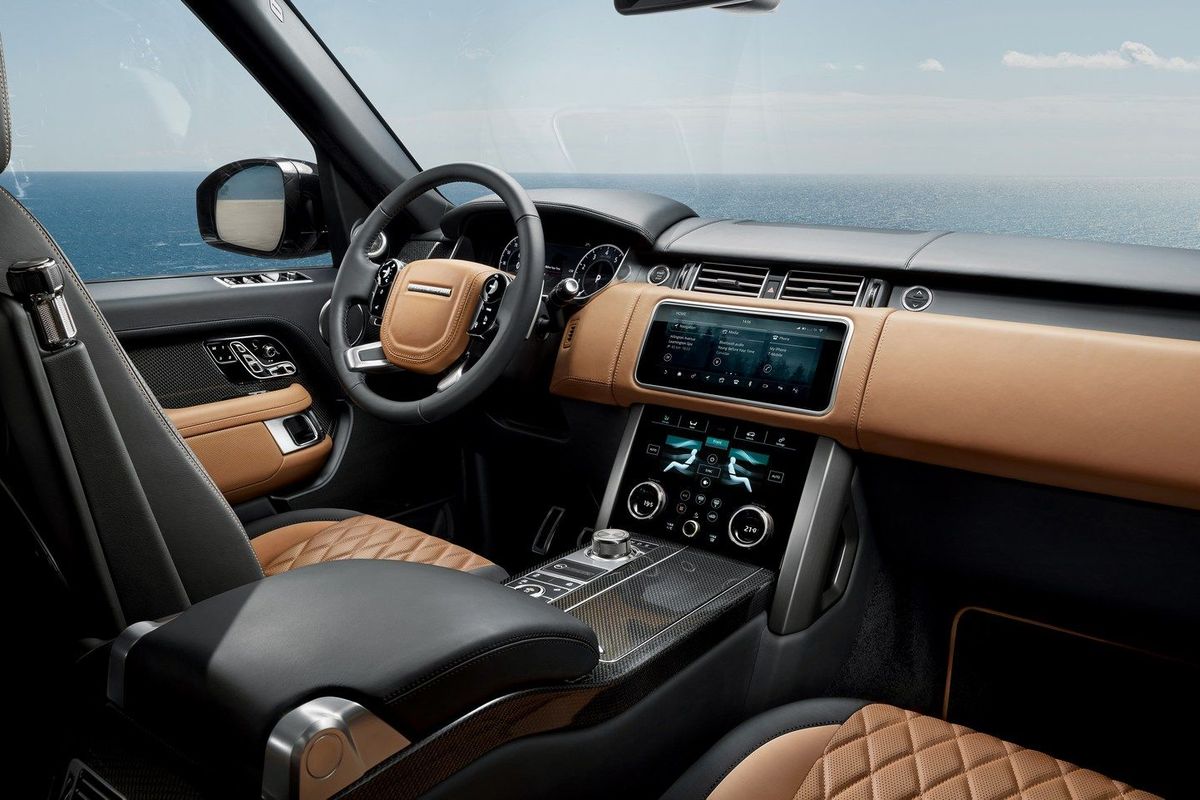
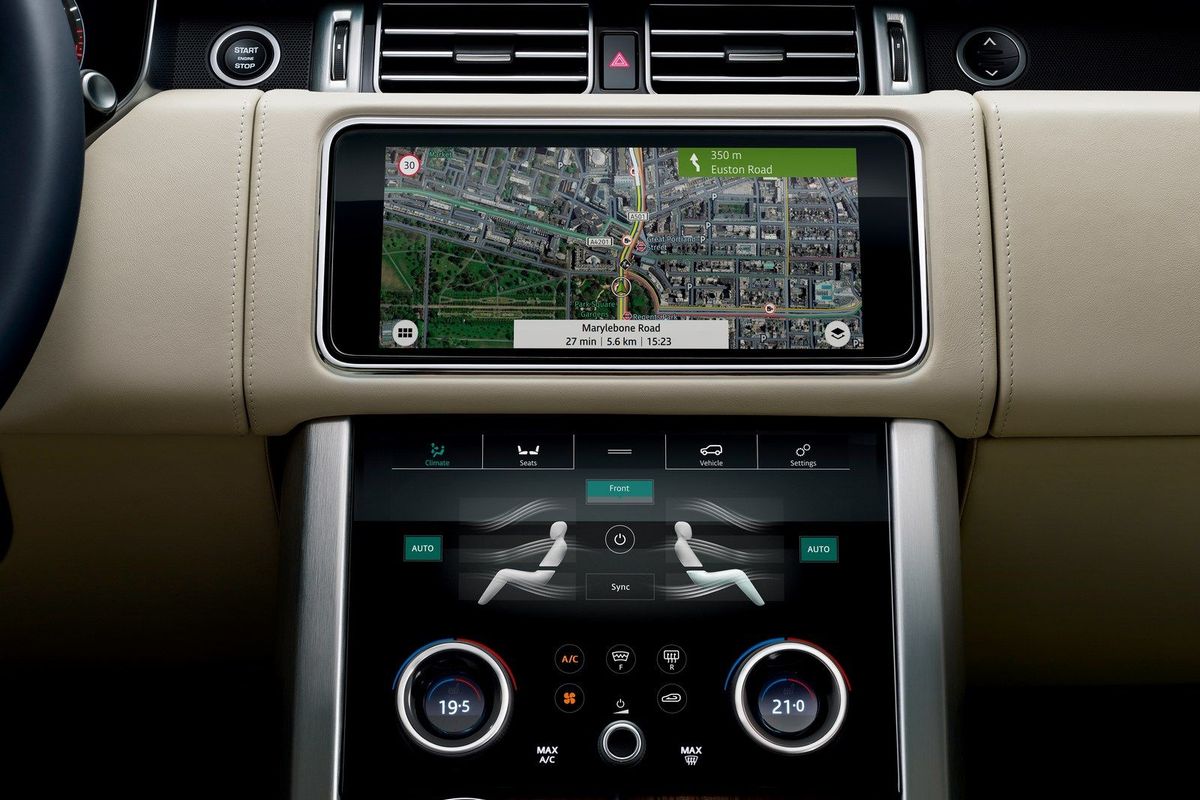
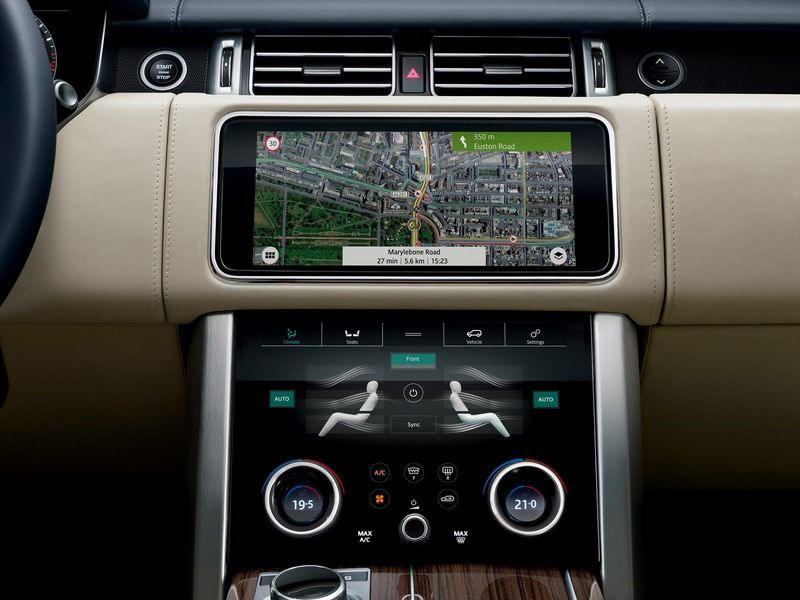
In terms of technology, the Ranger Rover is now equipped with 2 high-definition, 10-inch touchscreens (Touch Pro Duo) which house majority of the vehicle’s functions and infotainment. The screens drastically reduce the number of buttons found in the cabin and contribute to a minimalist cabin design. The driver is further treated to a 12-inch interactive instrument cluster and an updated Head-up display that places vital information into the driver’s line of sight.
The Touch Pro Duo system with two 10-inch touchscreens drastically reduces the number of buttons in the cabin.
The Range Rover is also littered with up to 17 connection points making it the perfect place to charge devices, watch DVD’s or use the vehicle as a mobile office. The Range Rover also offers a 4G Wi-Fi hotspot to keep you connected on the move. An Activity Key is now also offered with the Range Rover and allows active owners to lock and unlock the vehicle without carrying the key fob. The Activity Key is waterproof to depths of 18 metres and is perfect for runners, swimmers, surfers and cyclists.
Watch the video below to learn more about the facelifted Range Rover:
We've just returned from the international launch of the facelifted Mercedes-AMG C63 S. The official embargo lifts this week, but we'll give you a quick taste of what's changed.
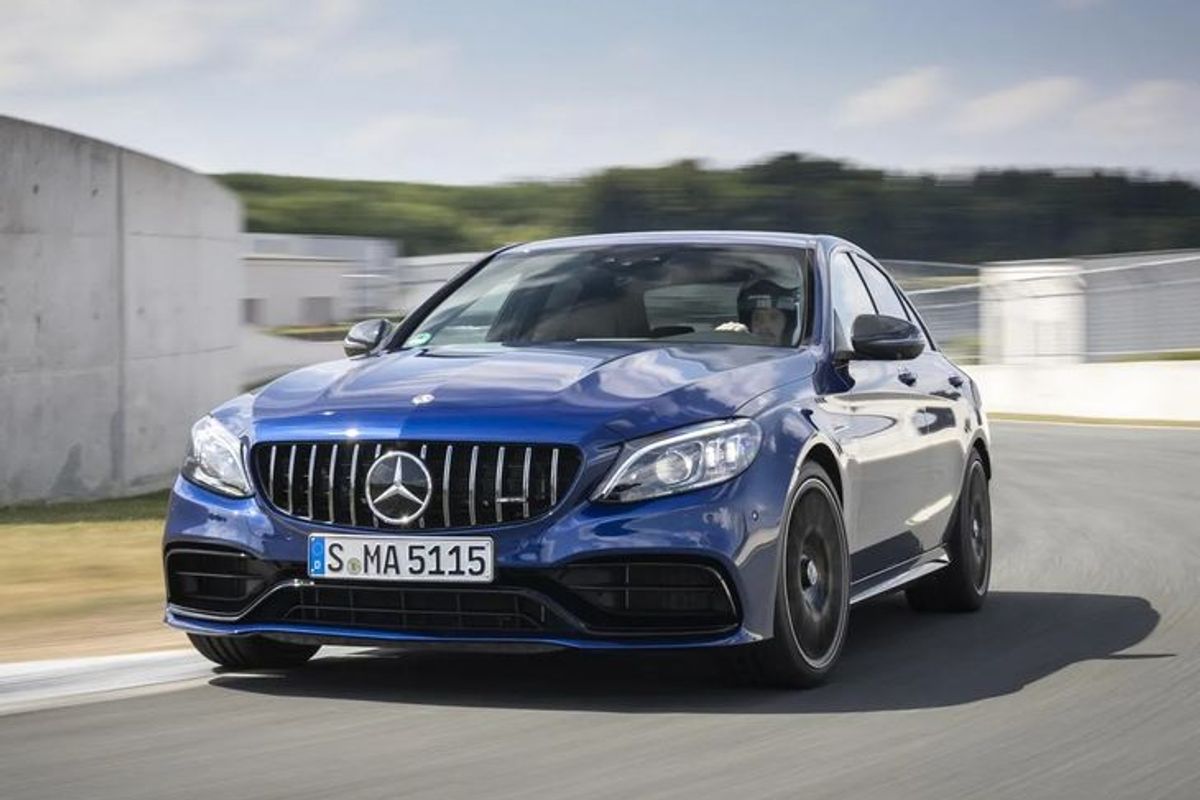
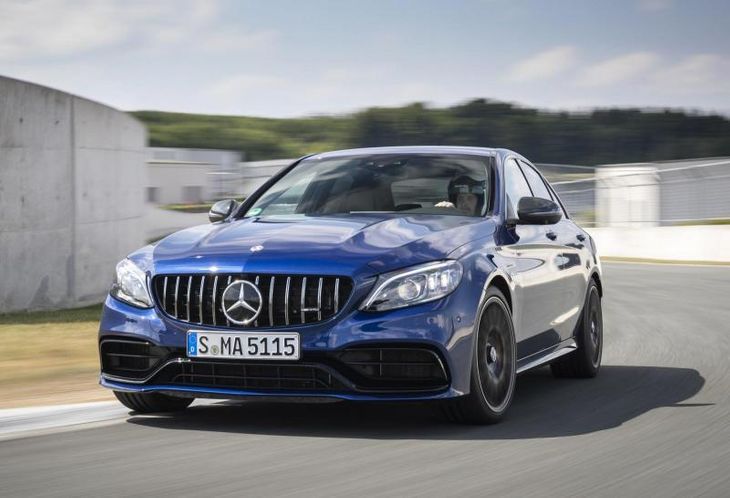
The Mercedes-AMG C63 S has been facelifted and we got the chance to drive the newcomer on public roads, de-restricted autobahn and on the technical track at Bilster Berg. While it may appear that Mercedes-AMG has simply changed the grille, the truth is that there are many changes that have occurred under the skin, with the aim of enhancing the C63 S dynamically and technologically. The facelifted Mercedes-AMG C63 S will land in South Africa before the end of the year. Pricing will be announced closer to the launch date.
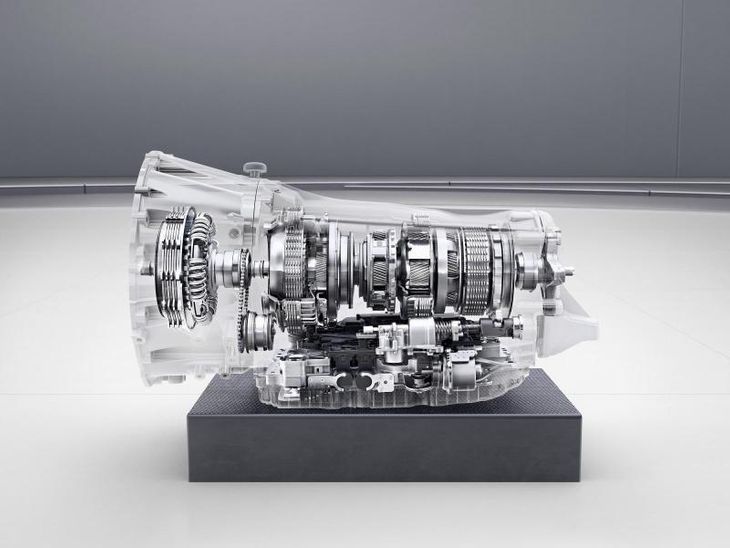
New 9-speed transmission
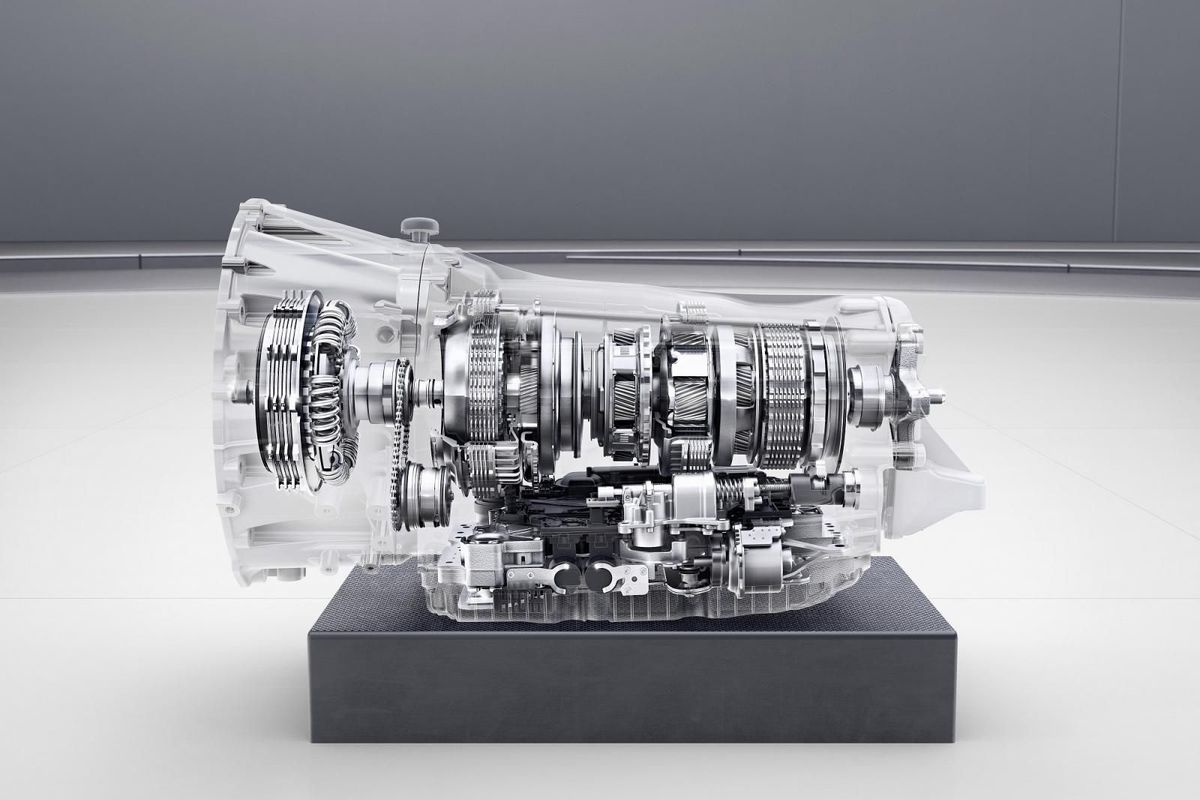
The 7G-Tronic transmission has been replaced by the AMG Speedshift MCT 9G transmission, which is a 9-speed unit, as opposed to a 7-speed. MCT stands for Multi-Clutch Technology and what this simply means is it's more efficient and more responsive. For those wanting more technical detail, the conventional torque converter from before is replaced by a compact wet start-up clutch which is immersed in an oil bath, hence the term "wet clutch".
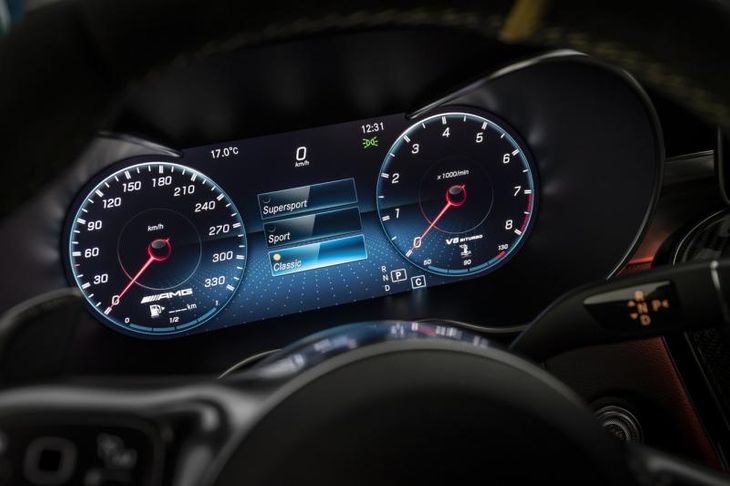
New digital dashboard
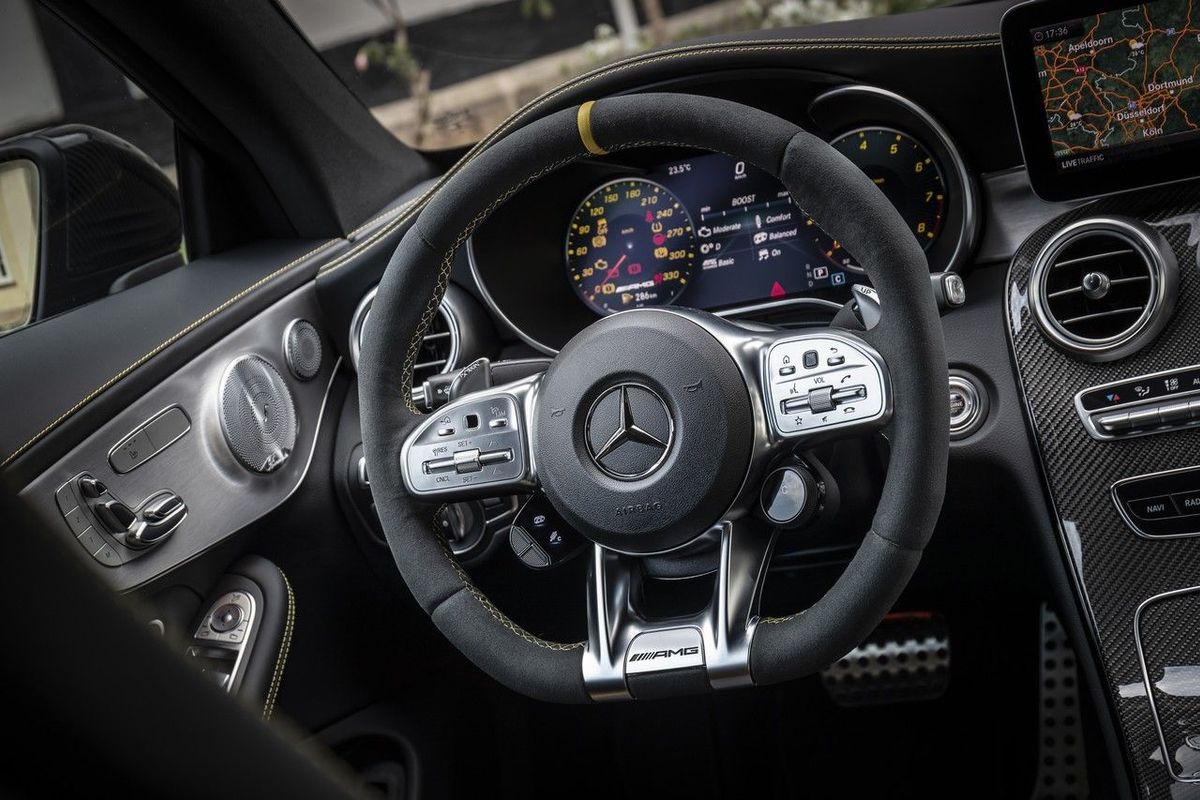
Mercedes-AMG has introduced a 12.3-inch instrument cluster for the C63 S. It looks very similar to that found in the Mercedes-Benz E-Class, which is a system we're big fans of. The graphics are crisp and modern, and customisable with three themes. You can further tweak the data displayed and choose what information is critical for your drive. Some may fancy seeing engine data such as gearbox temperature and turbocharger boost, while others may prioritise navigation and audio information.
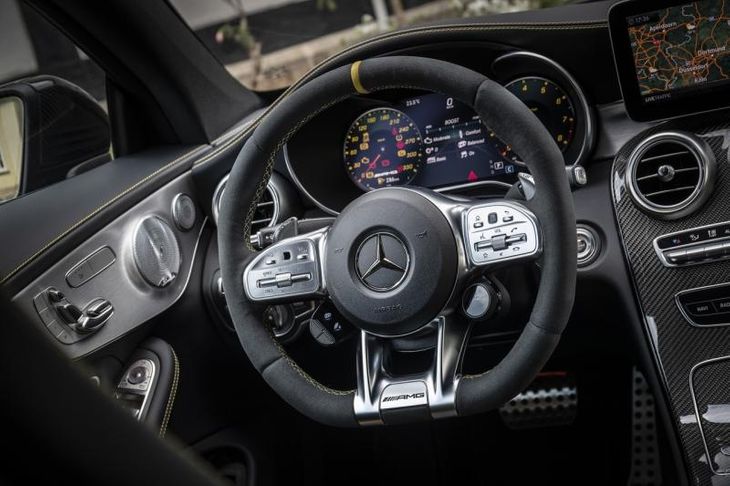
New advanced steering wheel
There's a new-look AMG steering wheel for the Mercedes-AMG C63. Wrapped in soft Nappa with yellow stitching (there's an option for sexy carbon fibre too), it looks and feels the part. The key changes are the inclusion of two controllers, which can be configured to change engine modes, active exhaust, modify traction control settings and more. Critically, these two controllers keep the driver's hands on the steering wheel. The Blackberry-style navigation buttons from the E- and S-Class have also found their way into the C63.
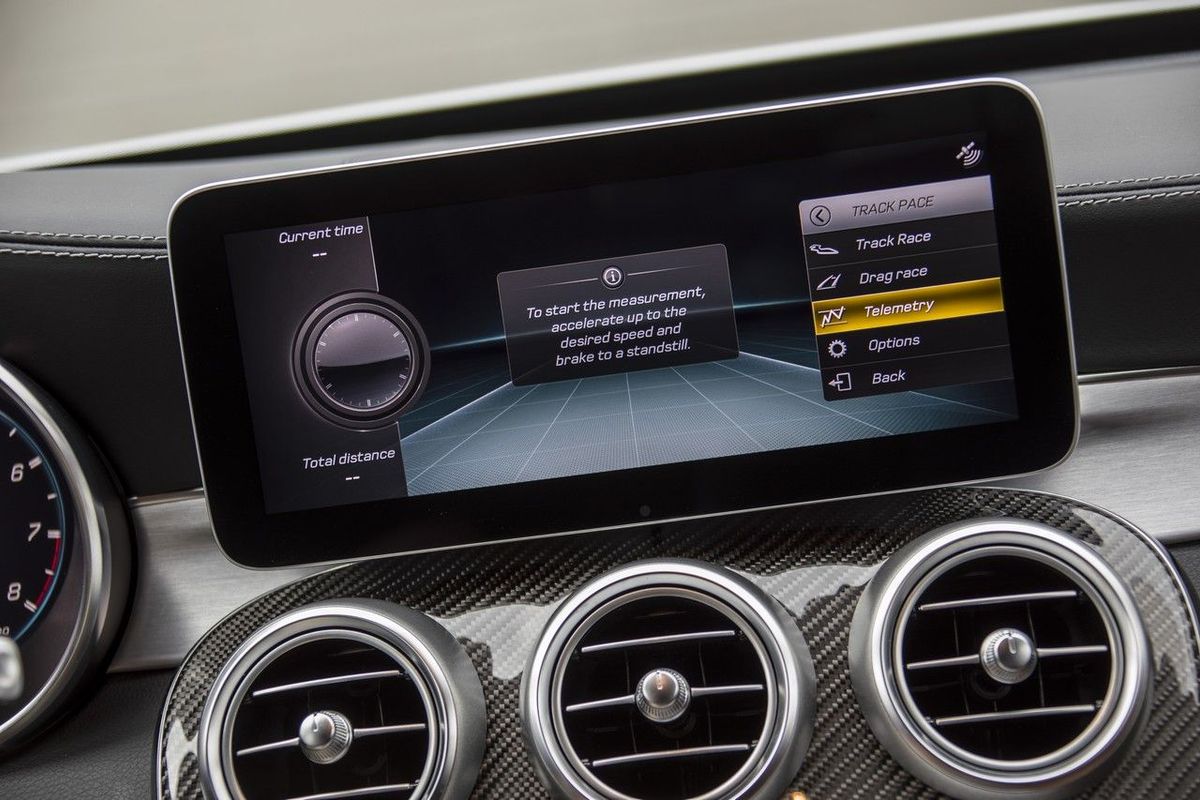
Race telemetry
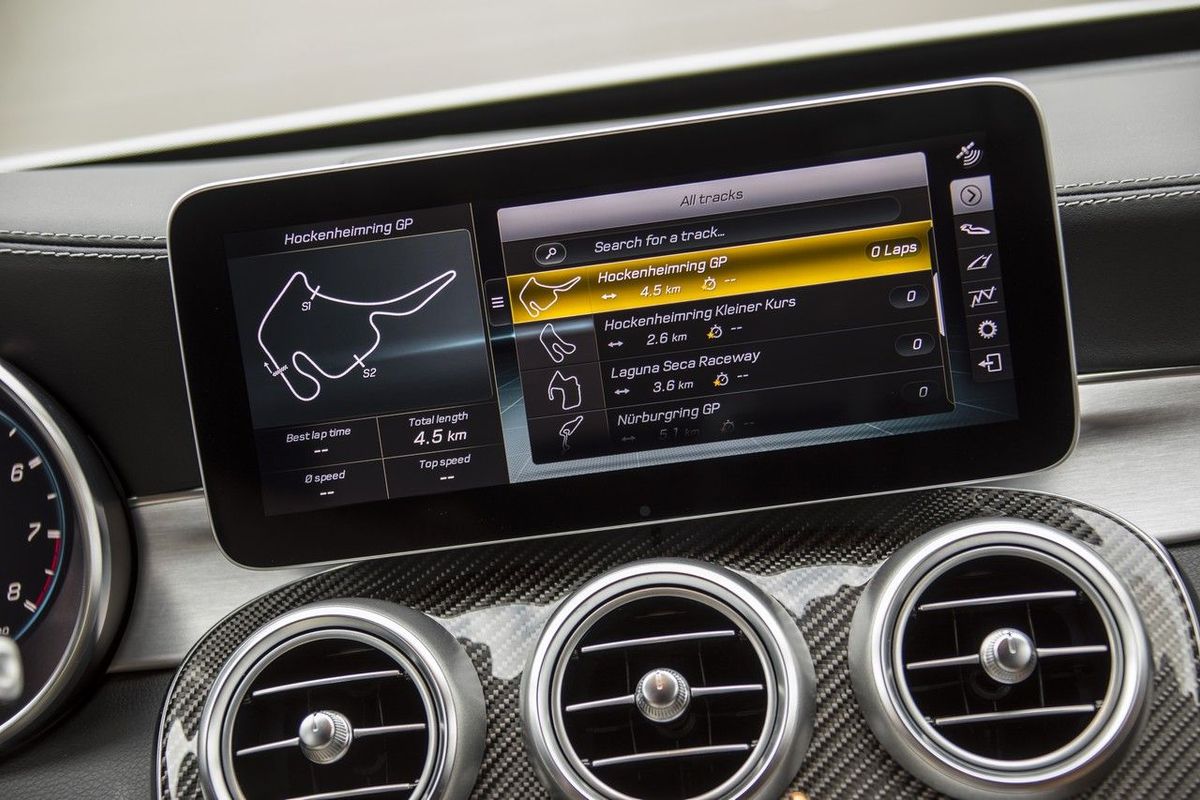
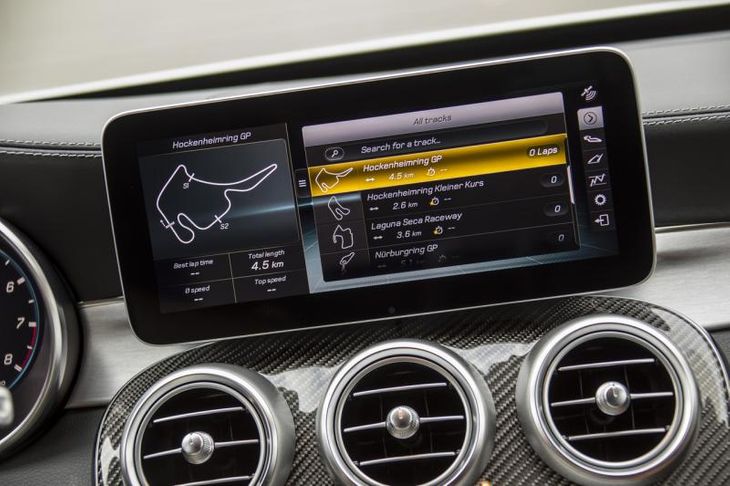
For the track fanatics, Mercedes-AMG has introduced AMG Track Pace app. It's available as an option, but we'll see if Mercedes-Benz SA brings it in as standard. It comprises most of the world's greatest race tracks such as Nürburgring or Spa Francorchamps, but you do have the option of recording your own race circuits. The AMG Track Pace system will record over 80 sets of data 10 times per second. Data such as speed, braking, G-forces, acceleration are all logged, plus the car will save lap and sector times. Using this data, you'll be able to improve your times and driving skills. Cleverly, the car's GPS works with AMG Track Pace to work out the car's position so it knows when the track has been shortened. You'll also be able to measure acceleration and deceleration performance, and the app can record 0-100 kph, quarter mile and 100-0 kph.
Watch AMG Track Pace in action
Panamericana grille
Visually, there are a few changes to the exterior of the facelifted Mercedes-AMG C63 S. The highlight is what you see here, the Panamericana grille. First seen on the Mercedes-AMG GT R, it's now on most of the modern AMG models, SUVs included. It looks epic for the C63 S coupe, particularly when combined with one of the striking matte paint finishes. Other visual tweaks include new-look exhaust tips, new alloy wheels, rear diffuser and tail lamps.
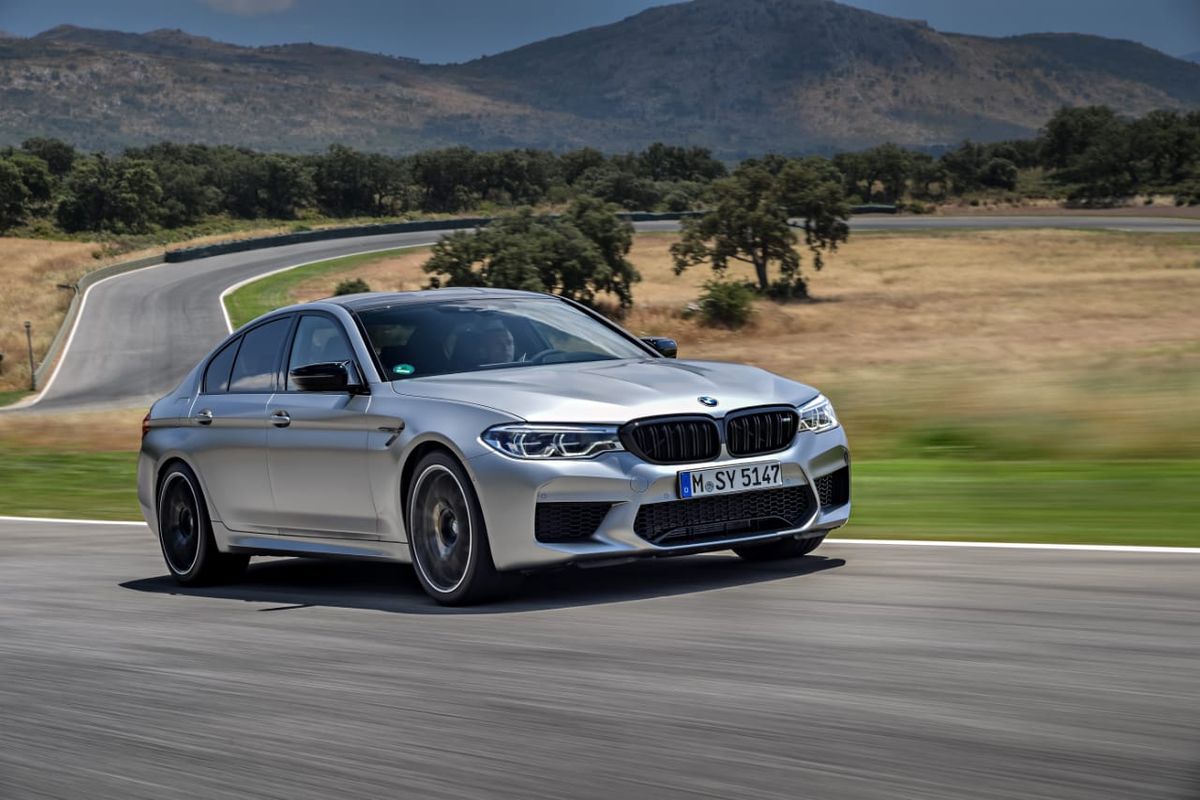
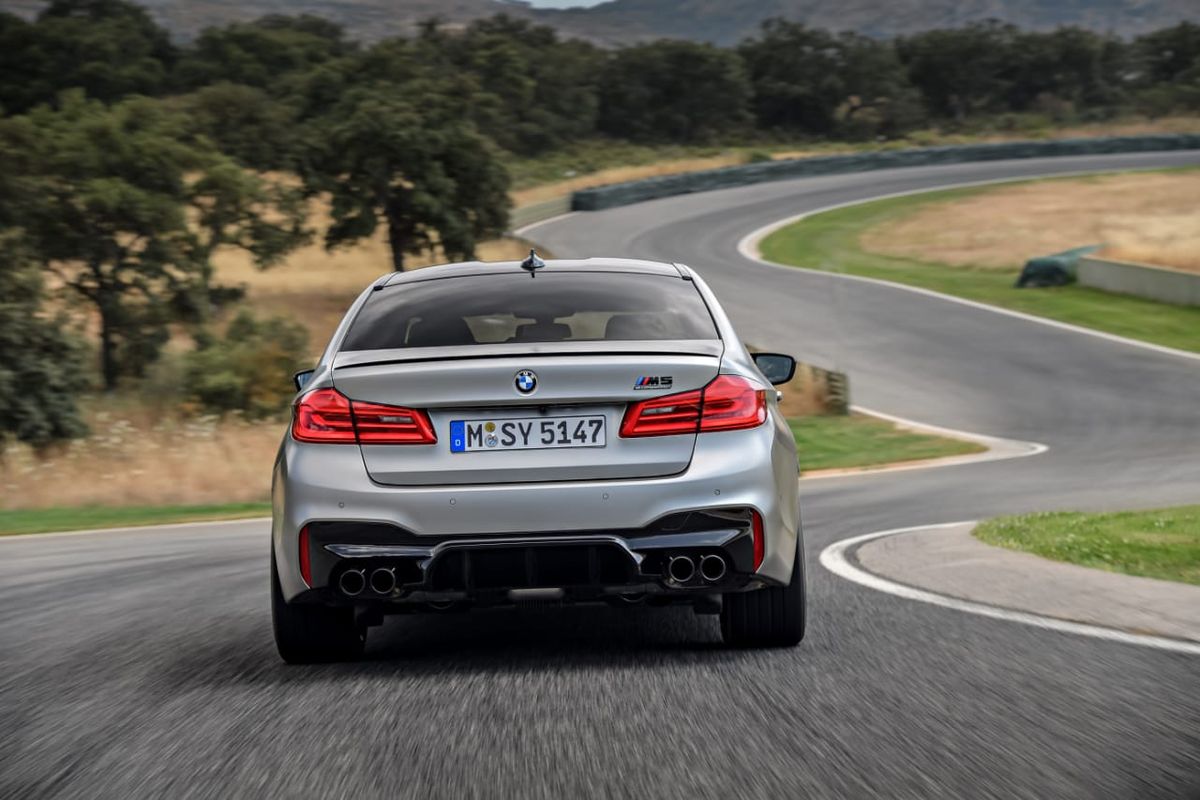
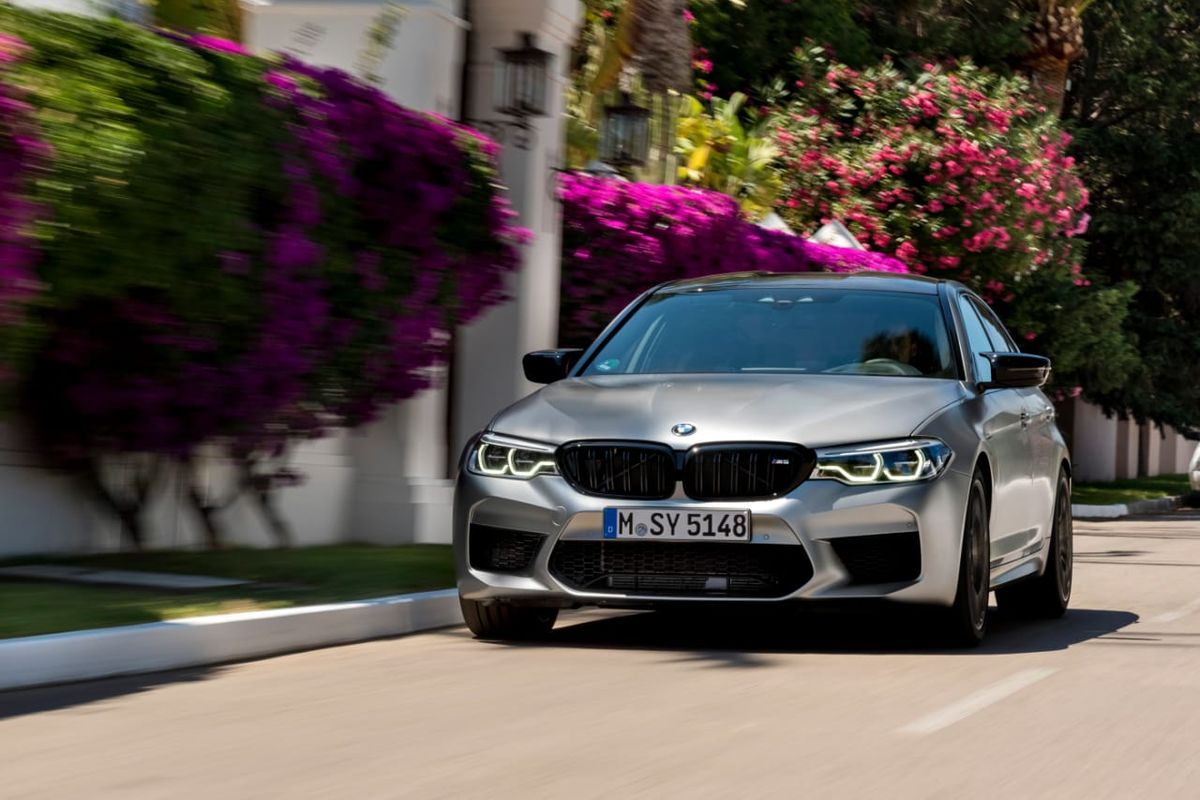
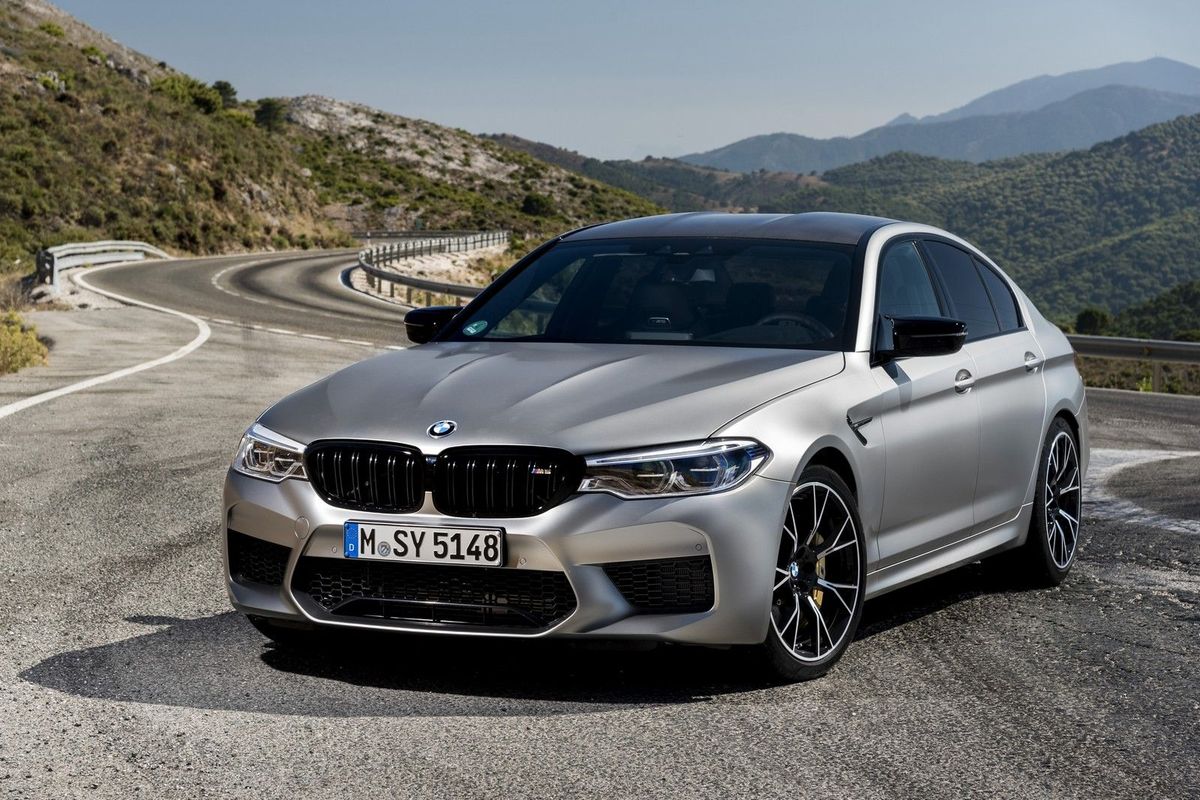
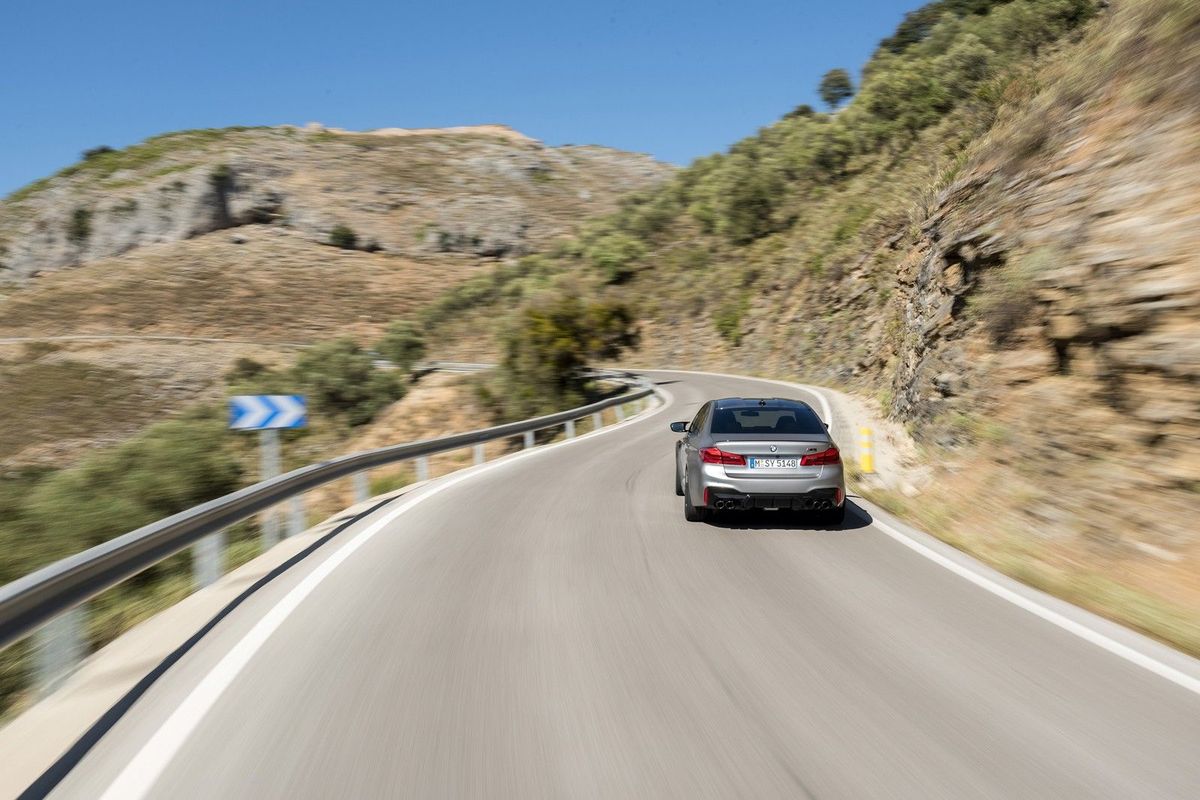
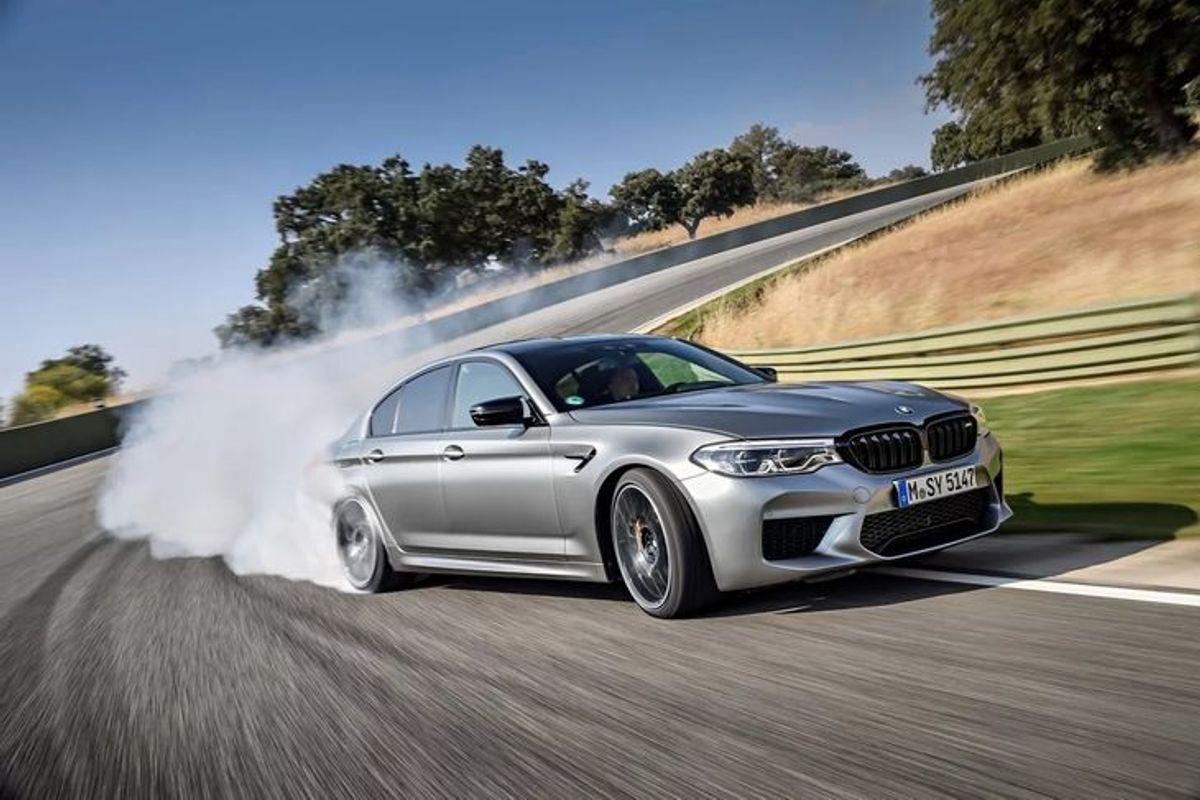
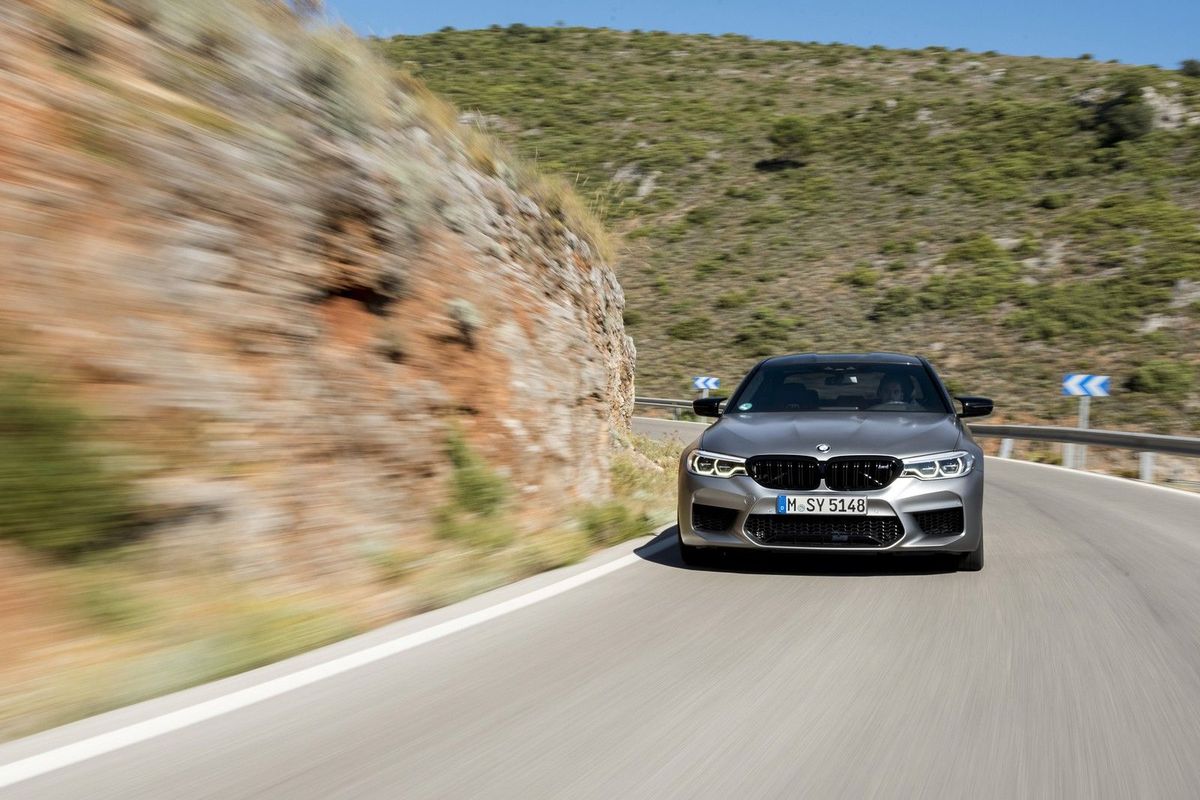
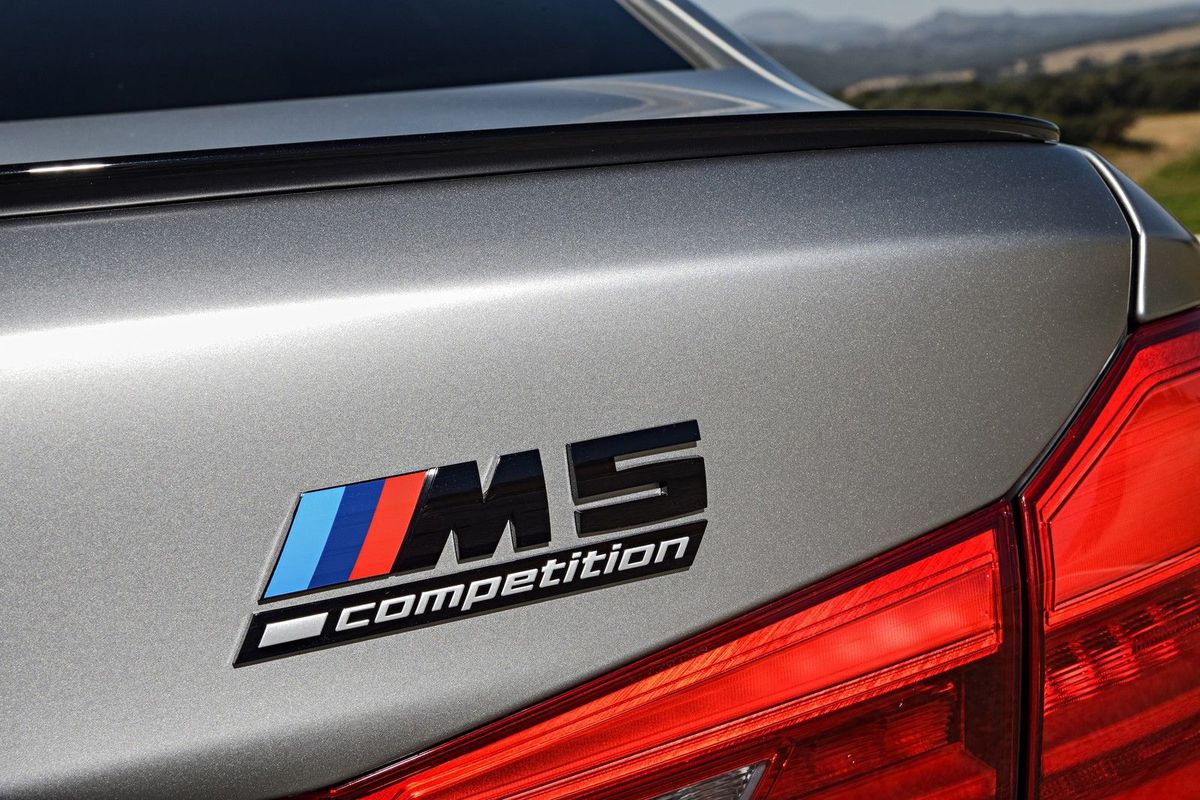
Did our video series on the BMW M5 versus the Mercedes-AMG E63 S (and our review of the former) whet your appetite for more super saloon thrills? If so, the BMW M5 Competition will arrive in South Africa in September 2018!
First of all, there's the beefed-up powerplant. The standard BMW M5's 4.4-litre twin-turbo V8 (mated with an 8-speed M Steptronic unit with Drivelogic) produces peak outputs of 441 kW and 750 Nm. The M5 Competition, however, offers maximum power of 460 kW and, although the torque remains the same, it's available in a wider band: 1 800 to 5 800 rpm, making the all-wheel-drive super saloon quicker from 0 to 100 kph (3.3 sec, BMW claims, and 0-200 kph in 10.8 seconds!). With the M Drivers Package fitted, the Bimmer will go on to a heady 305-kph top speed.
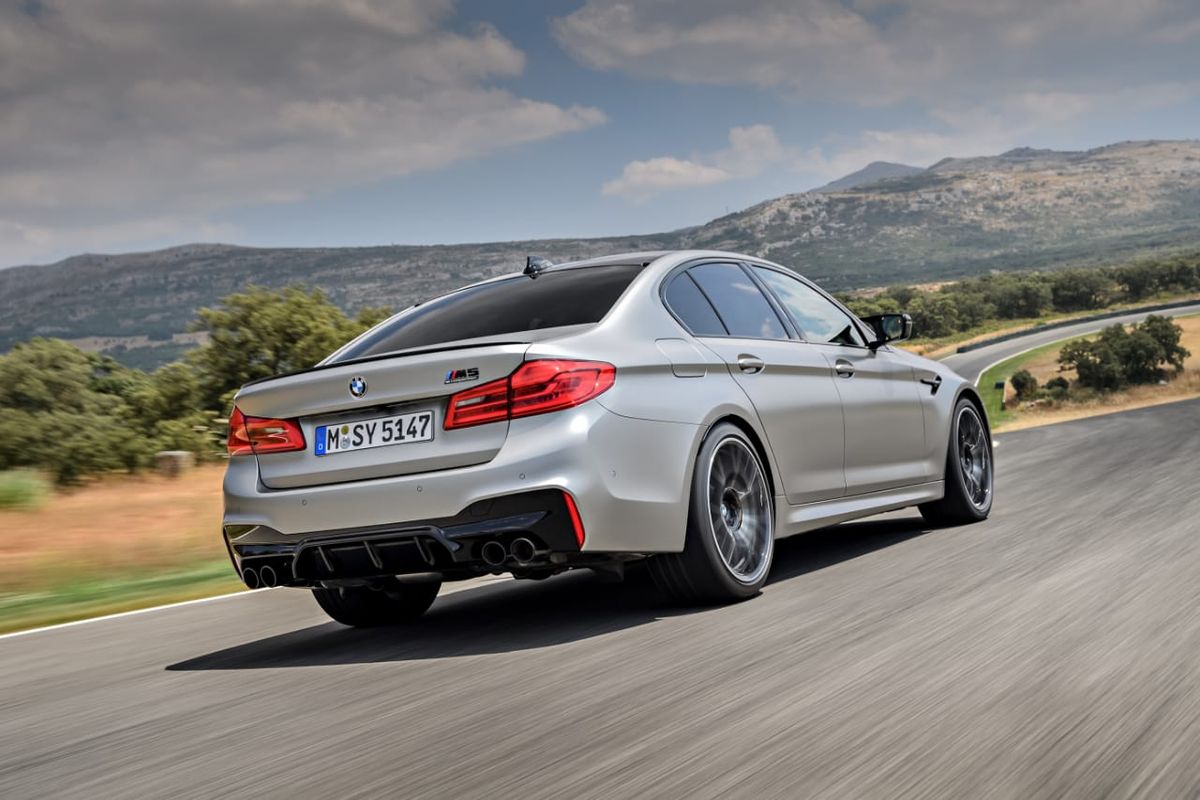
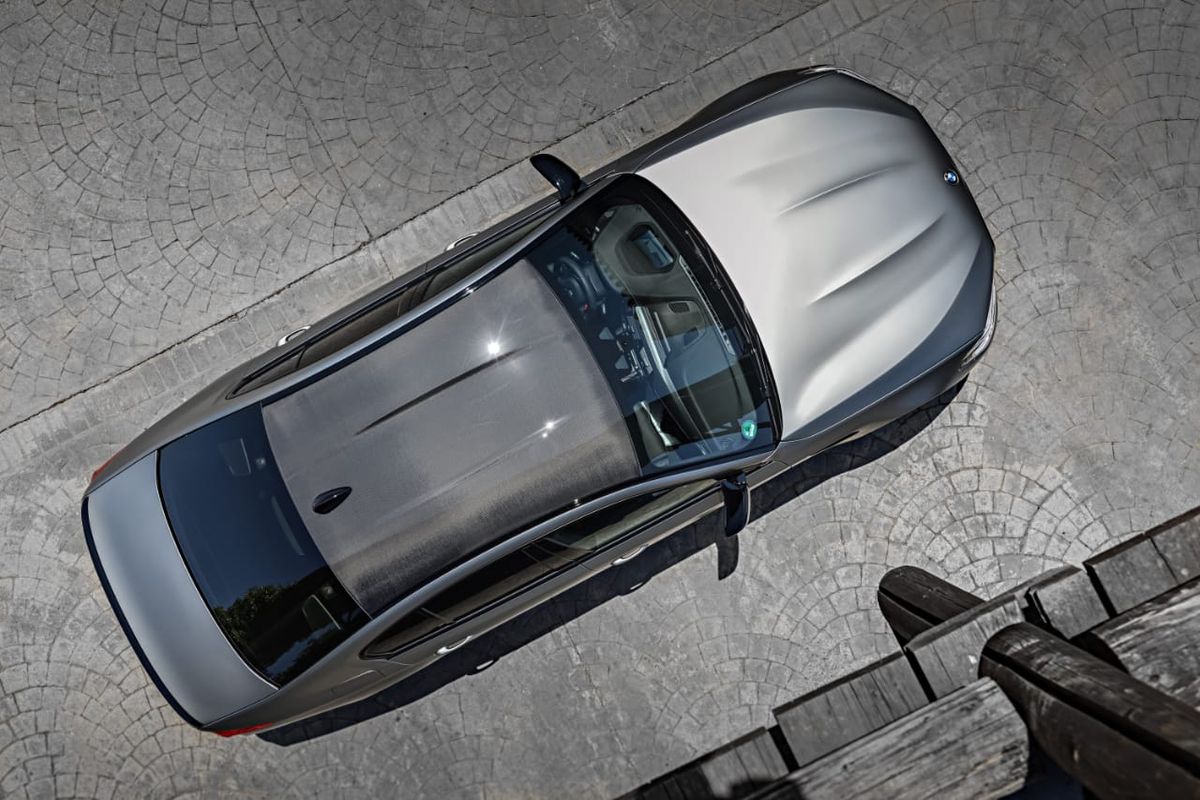
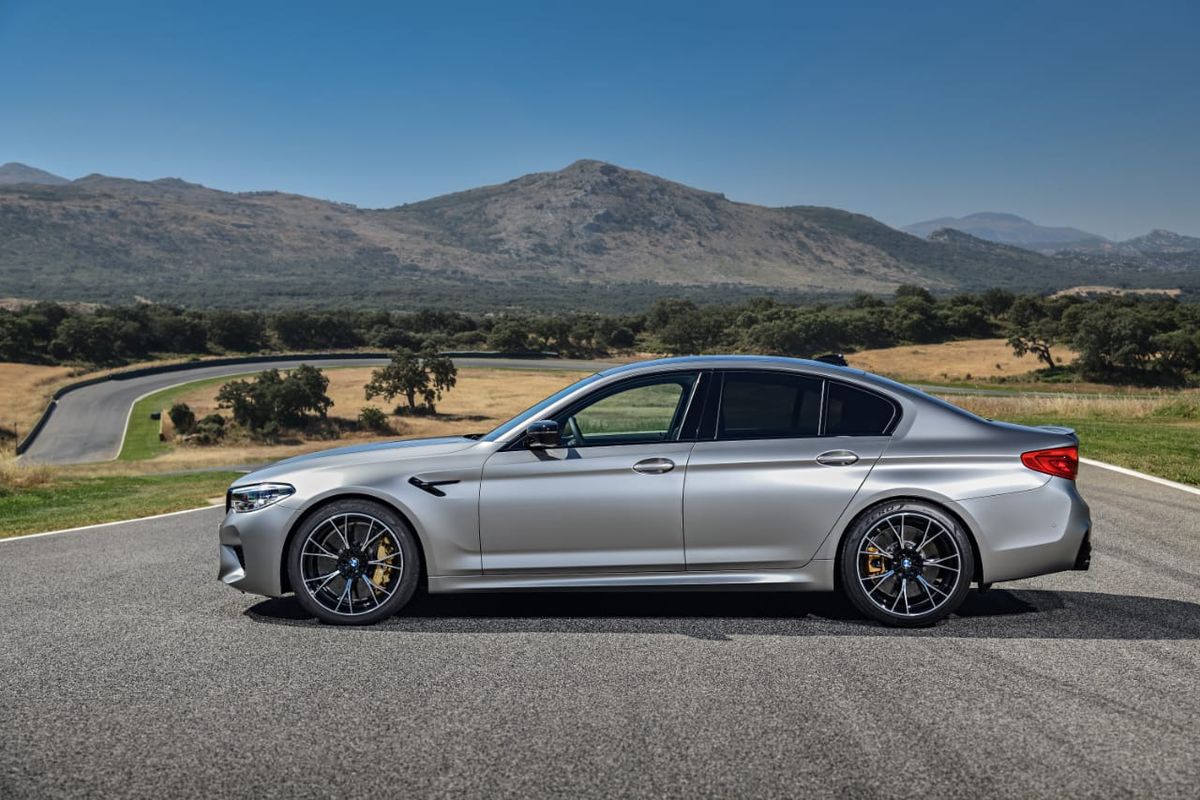
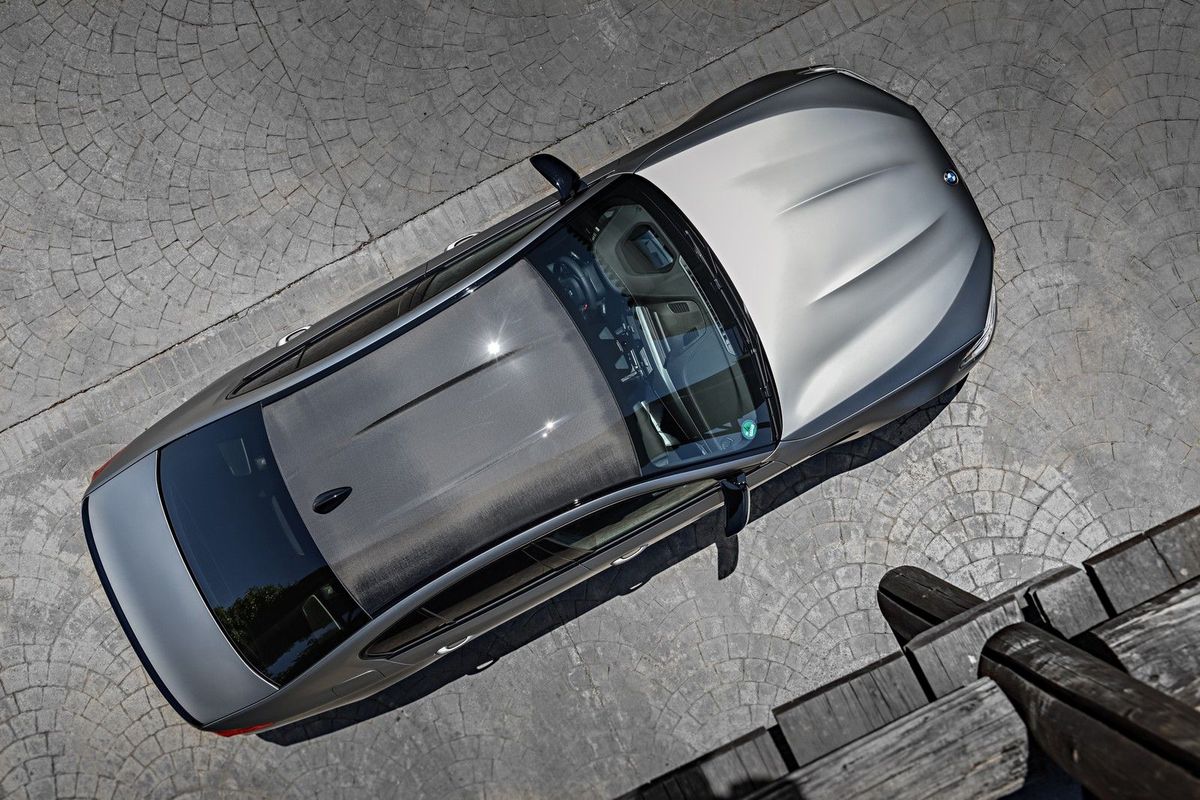
Many fans are grateful that the current M5 produces a better soundtrack than its predecessor, but the M5 Competition goes beyond that – it comes equipped with a sports exhaust with a black chrome finish, which further loudens the engine note. Other accoutrements include a stiffer suspension lowered by 7 mm, new 20-inch alloy wheels, a carbon fibre engine cover and trim upgrades like black badges, grilles and rear bumper accents.
Watch a drag race between the standard M5 and the Merc-AMG E63 S:
BMW claims that increased camber at the front axle (with a with a newly designed mounting for the anti-roll bar) has enhanced the car’s ability to absorb lateral forces through high-speed corners and the rear anti-roll bar also has a firmer spring rate. By stiffening the M5 Competition's springs by 10% (compared with the standard version), BMW has endowed its super saloon with a firmer ride, which improves its steering response.
Inside the car, BMW M stripe design colours are emblazoned on the seatbelts, plus floor mats with special piping and the “M5” logo. A further identifying feature is the “M Competition” graphic that appears in the instrument cluster to greet the driver when the super saloon starts up.
The BMW M5 Competition retails for R2 062 306.50, which includes a 5-year/100 000 km maintenance plan.
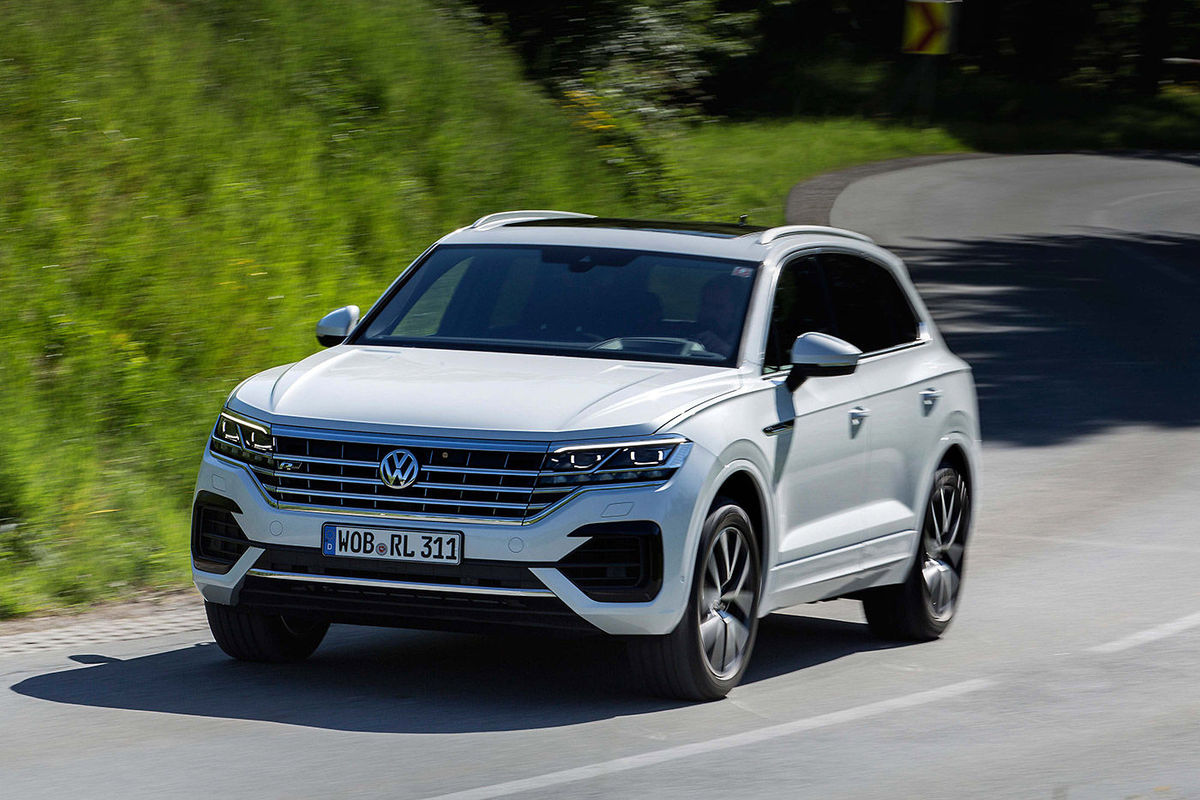
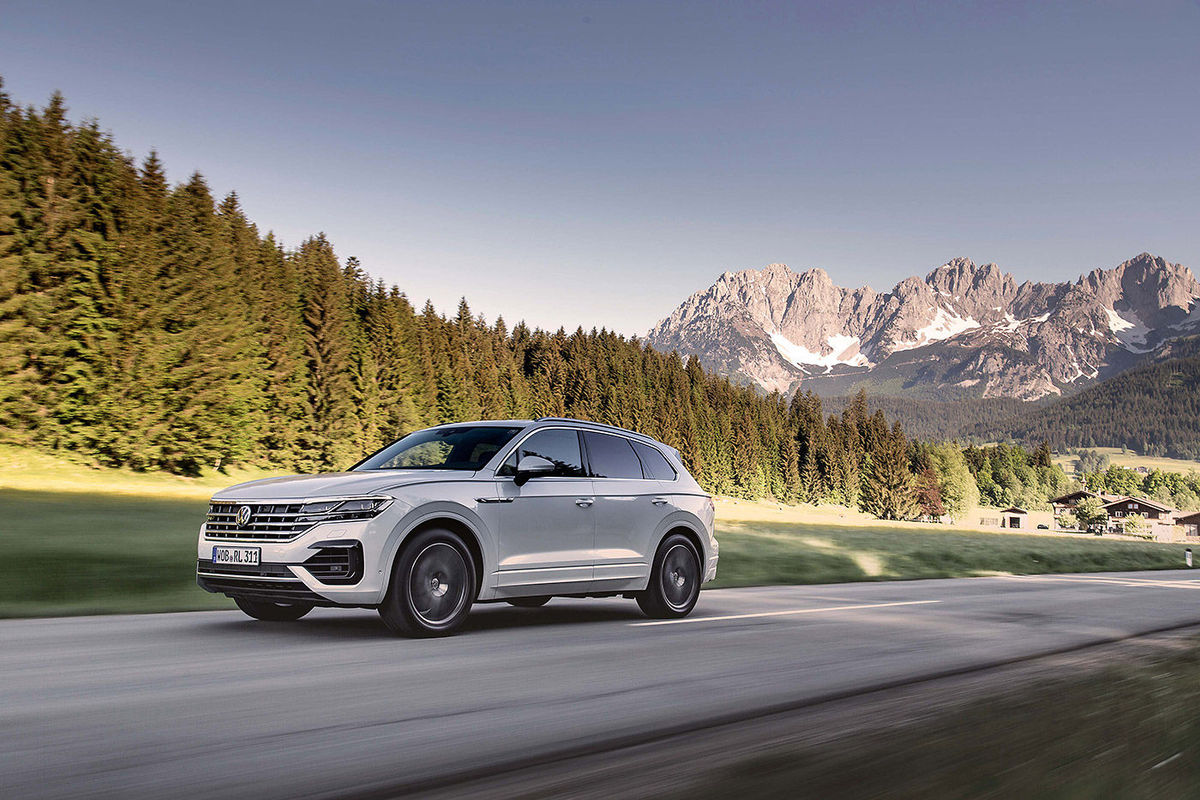
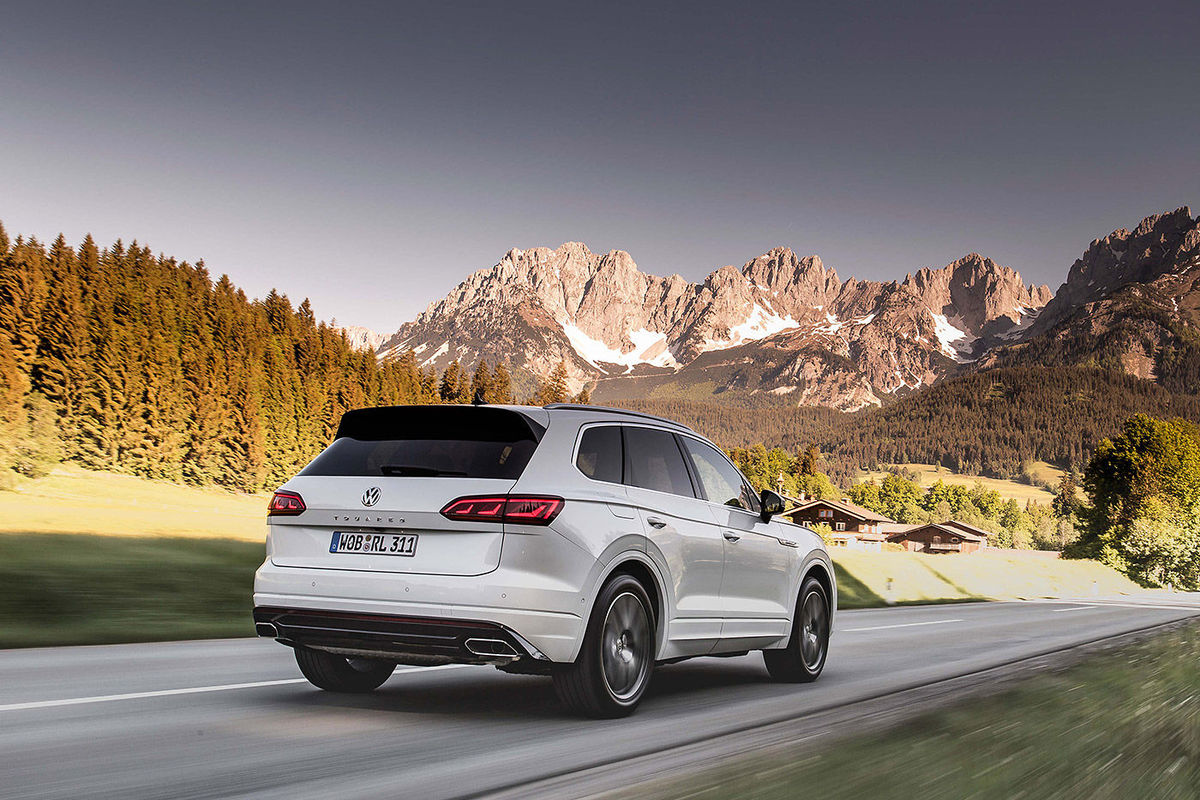
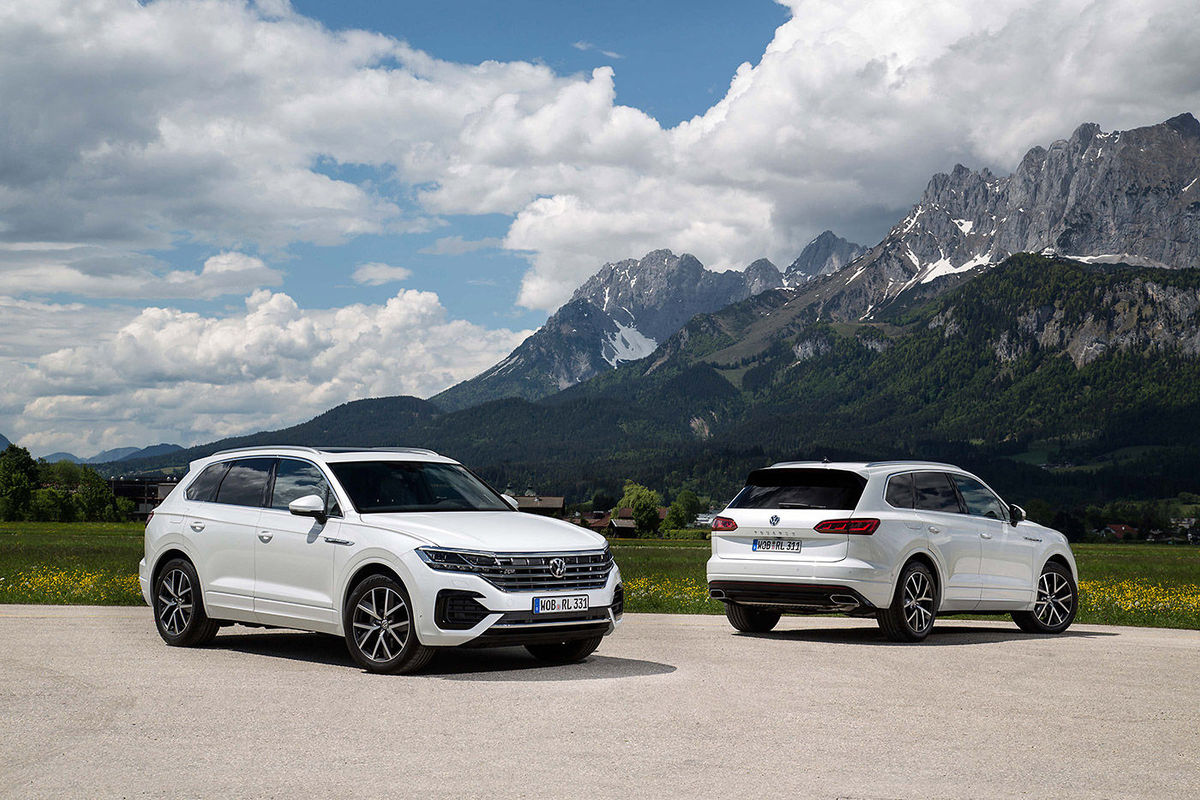
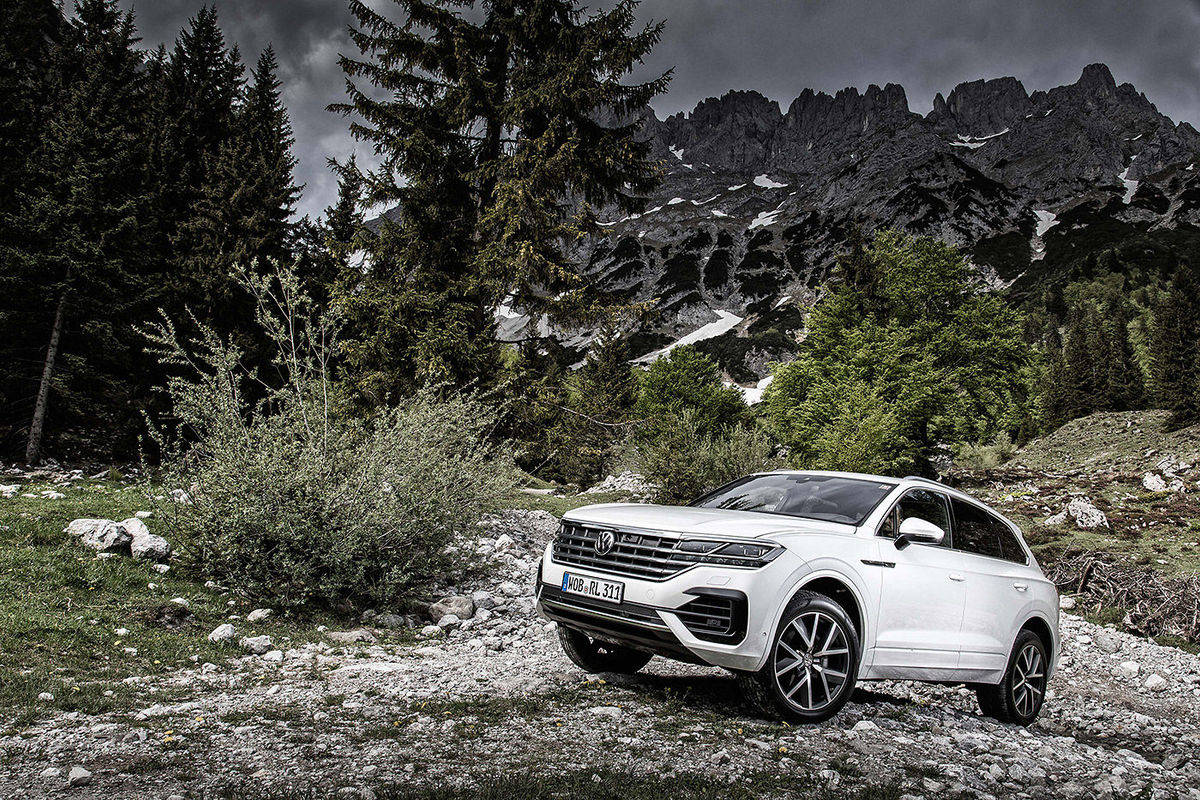
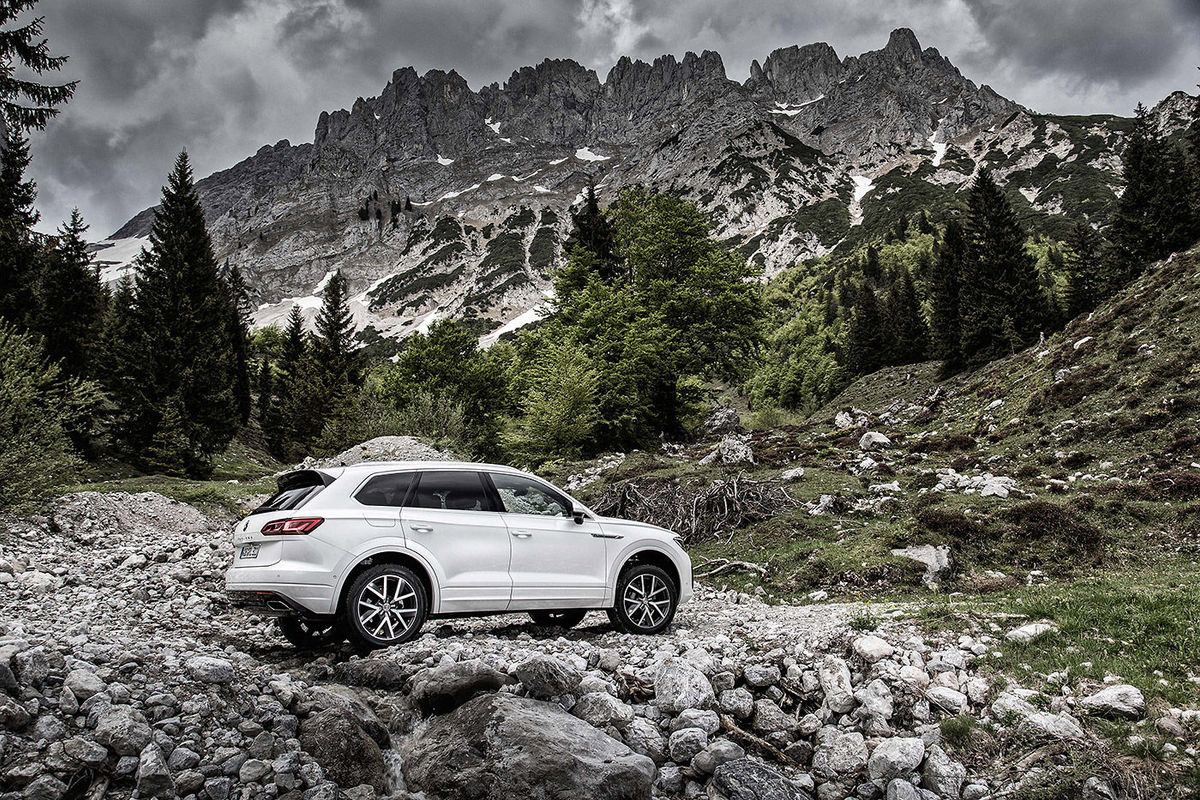
Volkswagen's latest-generation Touareg is now available in South Africa and the Uitenhage-based manufacturer has announced the specifications and pricing of its all-new Premium SUV range.
The 3rd-generation Touareg comes to market replete with advanced safety tech, connectivity, and, of course, a luxurious cabin. Compared with its predecessor, it is wider and longer (claimed luggage space has increased from 697 to 810 litres), yet it is 106 kg lighter, thanks to the clever use of aluminium and high-tech steel. There are numerous alloy wheel sizes and designs to choose from, ranging from an 18-inch to a 21-inch. There's just one engine for now. It's the 3.0 V6 TDI which offers 190 kW and 600 Nm. Power goes to all four wheels via an 8-speed transmission.
What's more, Volkswagen claims its new Touareg is one of the safest and comfortable cars in the world. For the first time, the Touareg has been equipped with night vision, which can detect pedestrians or animals in the road. The headlights are highly advanced and feature 128 LEDs in each unit. The Touareg also features trailer assist, which makes trailer maneuvres a lot easier, as well as numerous sensors and cameras for parking.
There are 2 levels of trim available for the new Volkswagen Touareg: Luxury and Executive. Luxury does what it says on the tin, whereas Executive leans towards the sportier elements.
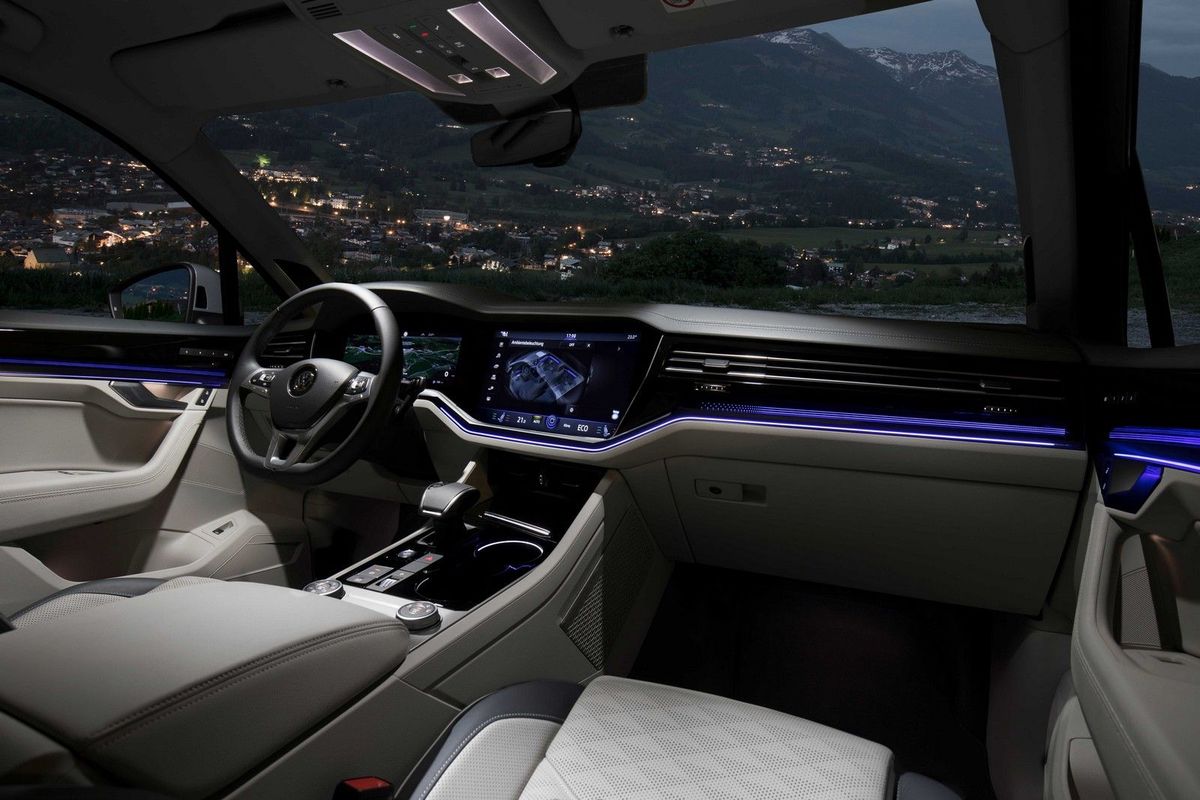
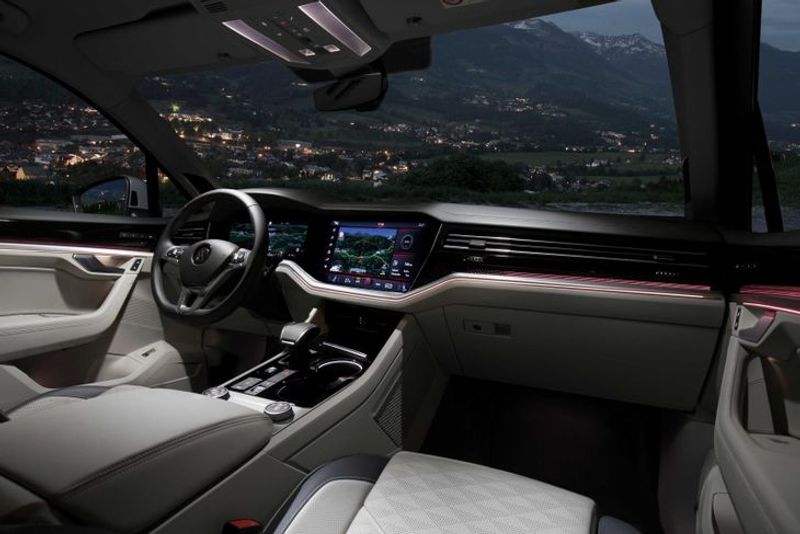
The dual-screen setup is quite similar to what Mercedes-Benz offers in the E-Class and other contemporary high-end models. Still, it looks great.
Multi-function leather-trimmed steering wheel, with shift paddles
"Vienna" leather trim with rear centre armrest
Active climate electrically adjustable front seats (with memory function and 4-way lumbar support)
Climatic air conditioning
Easy Open/Easy Close (Keyless Access with Easy Open sensor; Power opening and closing tailgate)
Lights and Vision Package (including Light Assist High-Beam control)
Adaptive Cruise Control ACC ''Stop & Go'' including speed limiter
Front Assist (''Pre Sense'') automatic braking
Panoramic sunroof
"Discover Pro" navigation system
Volkswagen Media Control with App Connect
Electrically-folding towbar with Trailer Assist
Parking Package: reverse-view camera with Park Assist and Park Distance Control
Optional features:
Suspension Package with air suspension
R-Line Package
18-inch Concordia alloy wheels
Roof Racks: Silver anodised cross-bars with Silver-anodised roof rails
Ambient Light Package: Additional interior lighting, illuminated door sill plates
Ambient Light Package for R-Line: Additional interior lighting, illuminated R-Line door sill plates
Cargo Package: Net partition, luggage compartment mat, variable luggage/load compartment floor and luggage net and roll-up sunscreen for rear side windows
Innovision Cockpit
Dynaudio sound system: subwoofer, effect speakers, centre speakers and amplifier
Advanced Safety Package: Lane Assist and Side Assist with Night Vision and Head-up Display
Climatronic in front and multi-zone controls in the rear (4-zone).
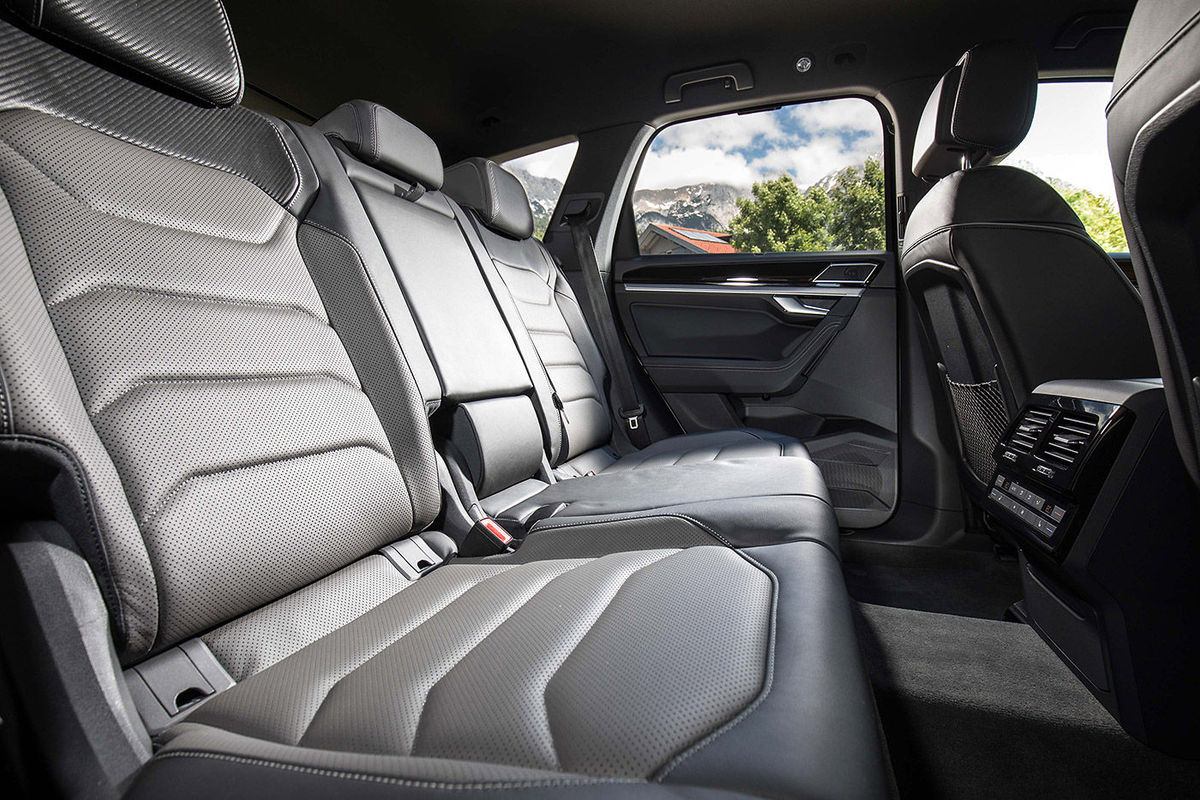
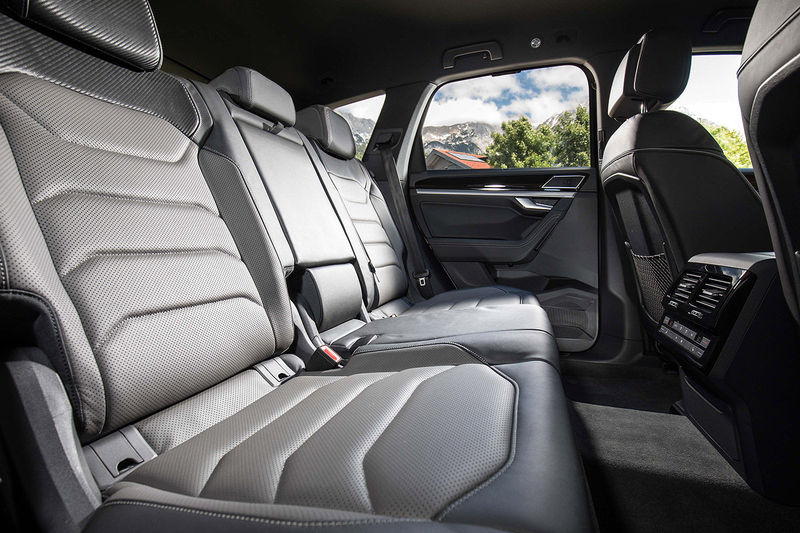
As a pure 5-seater SUV, the Touareg has heaps of room for all passengers.
VW Touareg Executive specifications
(over and above the Luxury spec stated above)
Exterior
R-Line exterior kit: R-Line design front and rear bumpers with R-Line logo on radiator grille and side fenders, R-Line design on lower door parts, stainless steel load edge protection, chrome exhaust pipes, chrome decorative trims on side windows, scuff plates in stainless steel with R-Line logo in front
IQ Light Matrix LED headlights and LED tail lights with dynamic indicators
Headlamp washer system
Dynamic Chassis Control with a tyre pressure monitor system
Interior
White ambient lighting
Black headliner
Pedals in brushed stainless steel
Centre console in gloss black/ silver
Decorative inserts in Silver Wave
R-Line ergoComfort seats in Vienna leather trim with seat heating, 4-way adjustable lumbar support and rear centre armrest
Leather-trimmed R-Line multi-function sports steering wheel with shift paddles
Climatronic in front and multi-zone controls in the rear (4-zone)
Optional features
21-inch Suzuka alloy wheels
4-corner air suspension with electronic shock absorption control and 4-wheel steering.
The new Touareg shares its underpinnings with the Bentley Bentayga and the Lamborghini Urus.
Volkswagen Touareg prices in South Africa
The new Touareg comes standard with a 5-year/100 000km maintenance plan, 3-year/120 000 km warranty, 12-year anti-corrosion warranty and space saver spare wheel. Service intervals are set at 15 000 km.
3.0 V6 TDI 190kW (Luxury) R999 800
3.0 V6 TDI 190kW (Executive) R1 088 200
The promotional clip for the new Touareg was filmed in Cape Town and surrounds, check it out:
Improved refinement and greater attention to detail in the cabin has improved Mahindra's rugged Scorpio even further. We took it for an extended drive down the KZN coast.
In a nutshell: At the price there isn't another 8-seater SUV with four-wheel drive (including low-range). But price isn't the Scorpio's only attraction – its powertrain is more refined than you expect and it also feels solidly built.
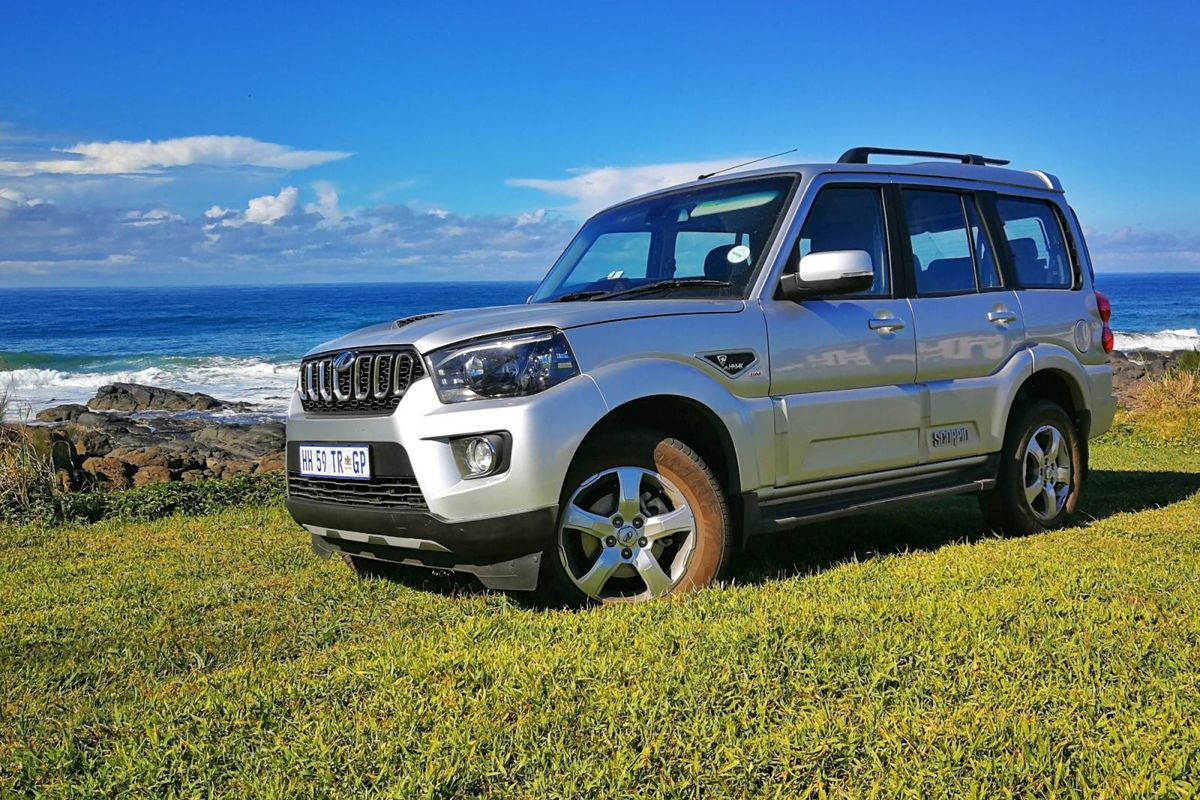
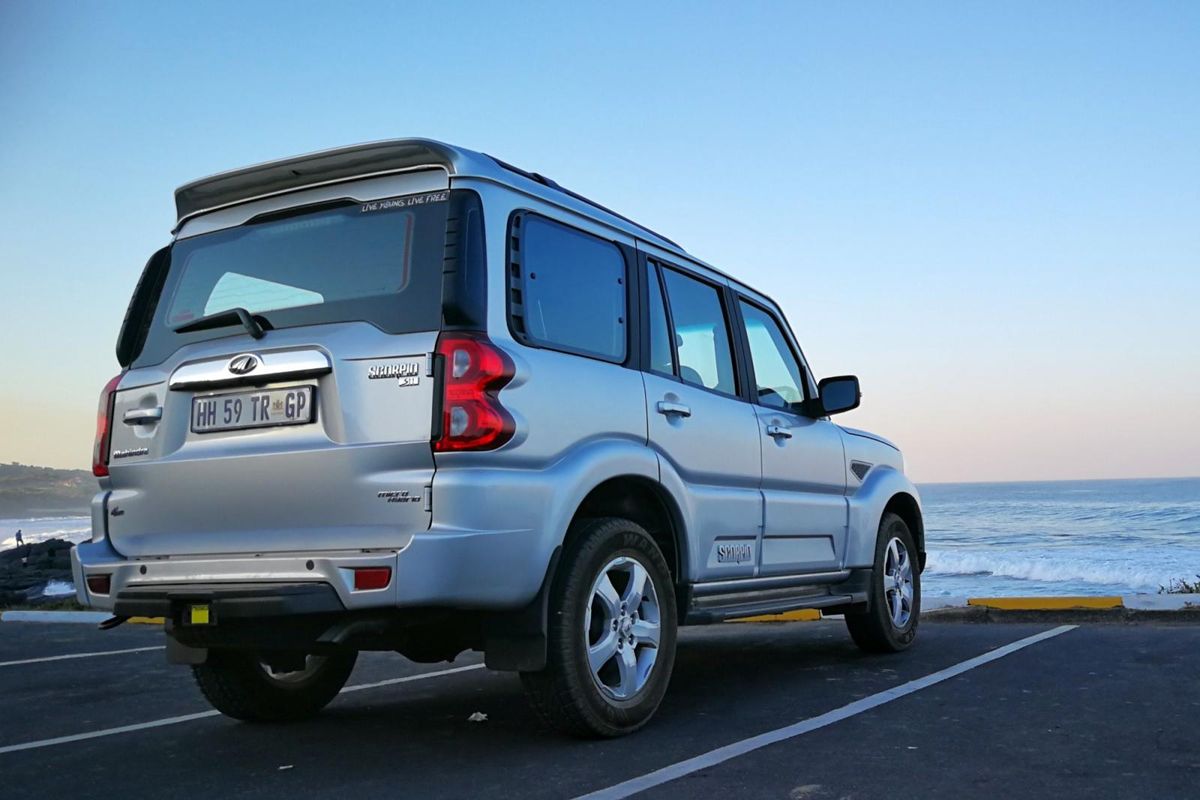
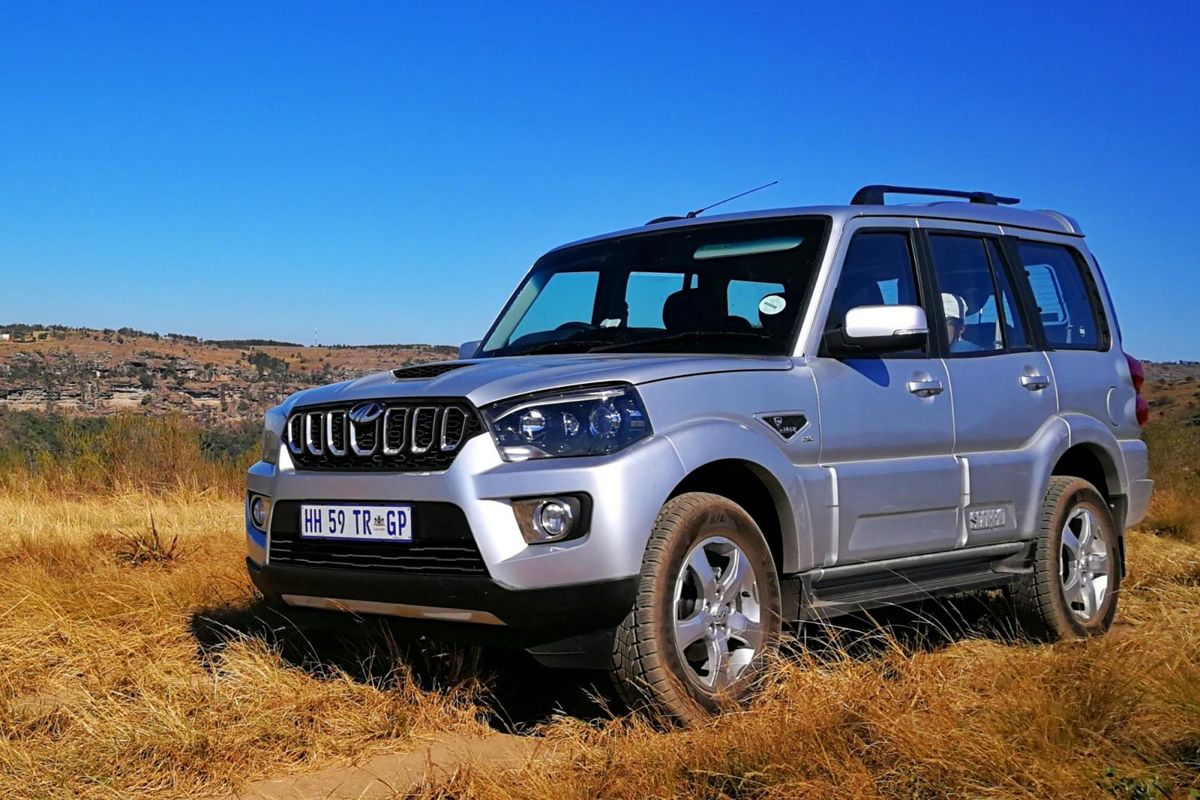
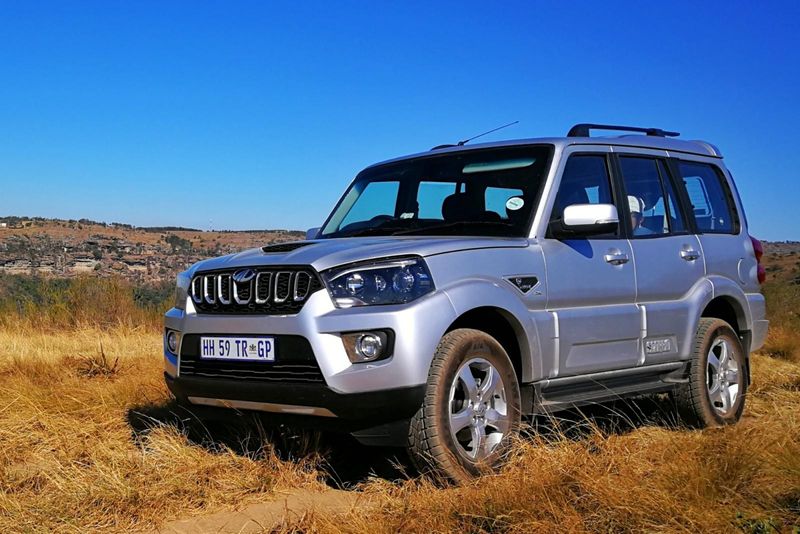
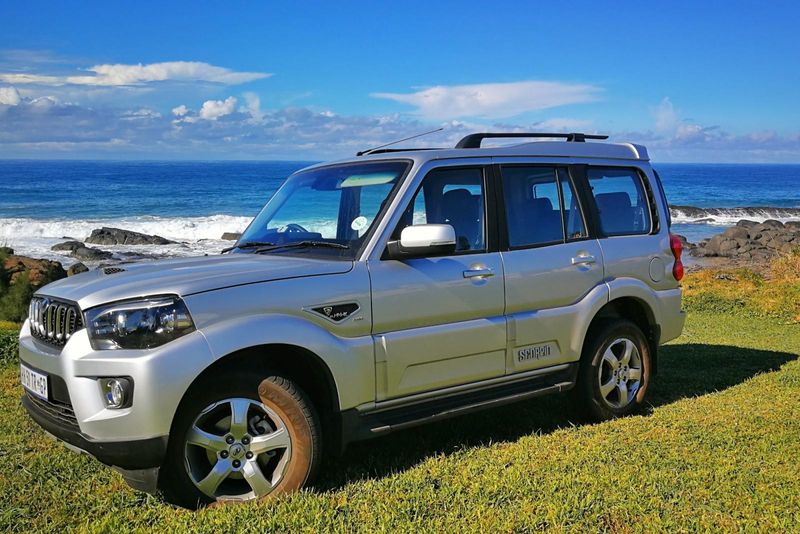
The new grille, headlamp and foglight changes combine to give the Scorpio's front-end quite an aggressive appearance.
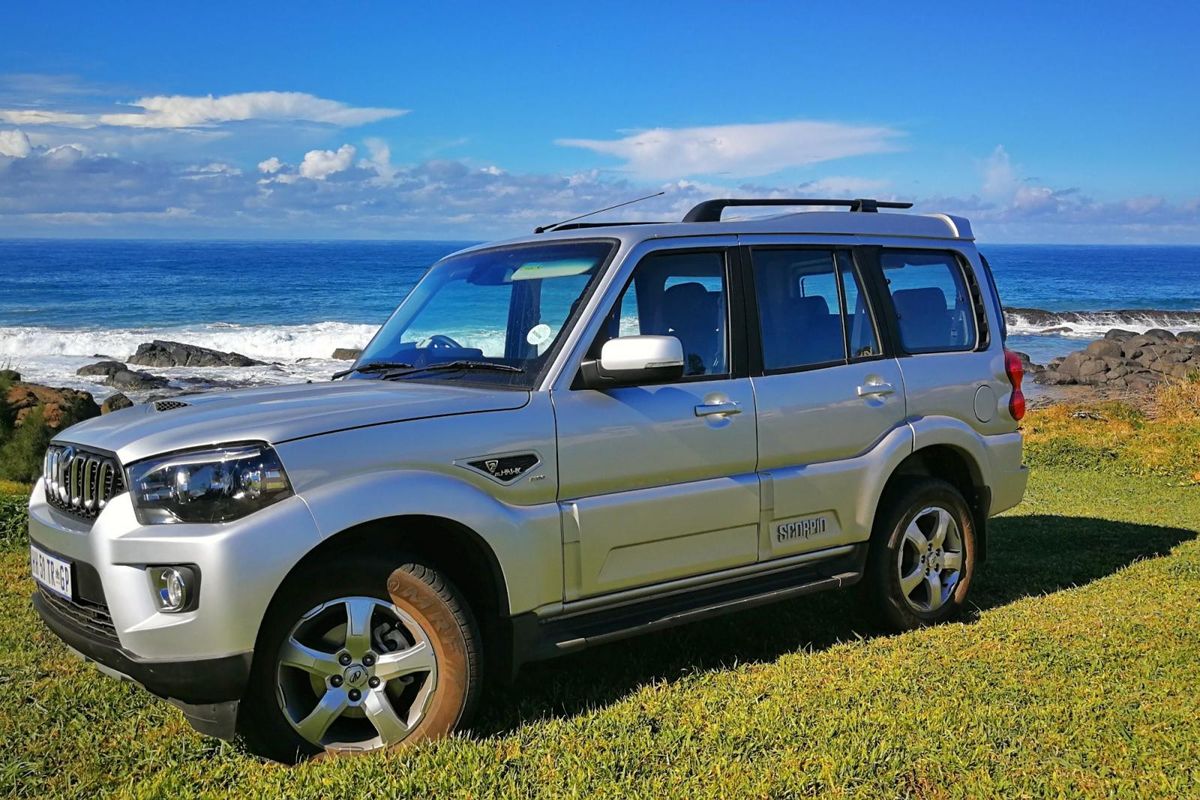
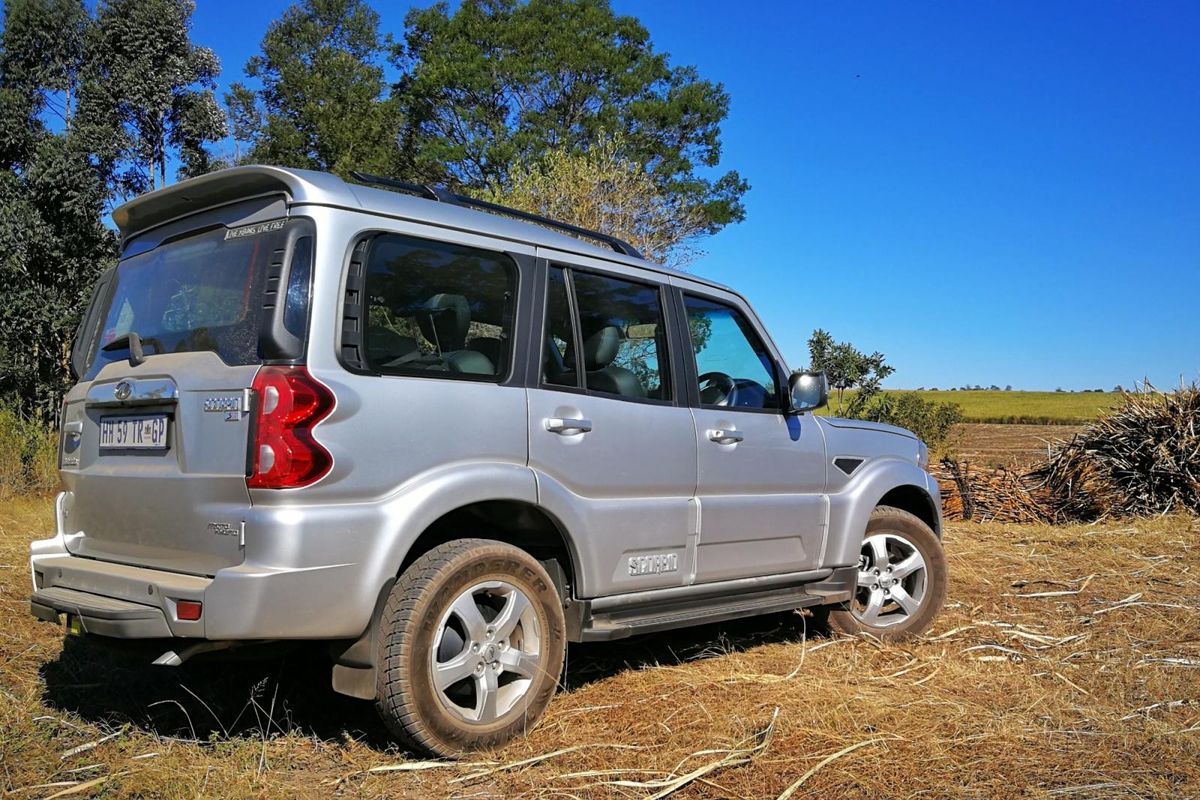
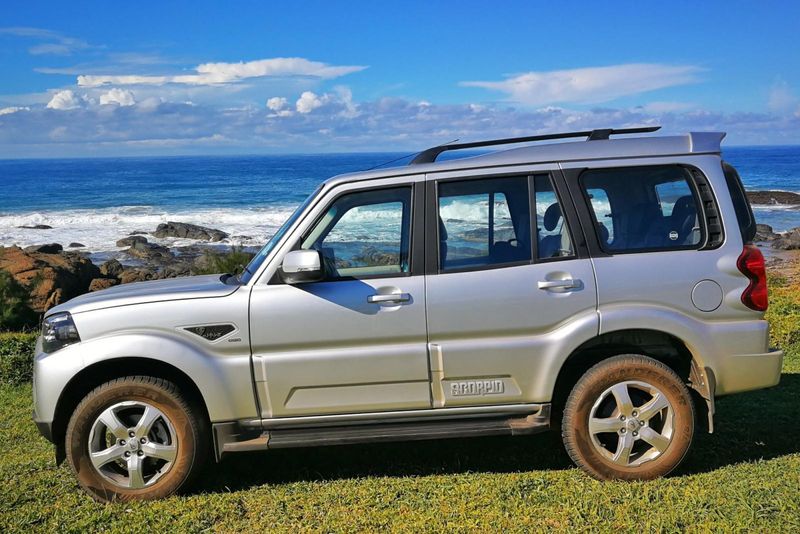
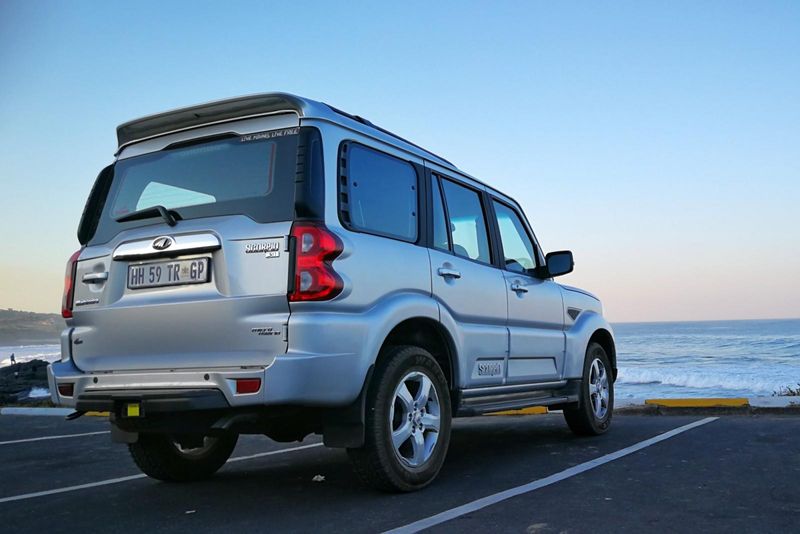
Mahindra's Scorpio may be no spring chicken but continuous refinement has seen it become quite a popular (and cost-effective) alternative for adventurous families in need of a rugged, spacious SUV. The latest S11 derivative, as reviewed here, features a number of small, but ultimately very worthwhile changes compared with its S10 predecessor. Visually, there's a new grille, tweaks to the head- and taillamps, foglights, side mirrors, rear step, tailgate and also a new-look alloy wheel.
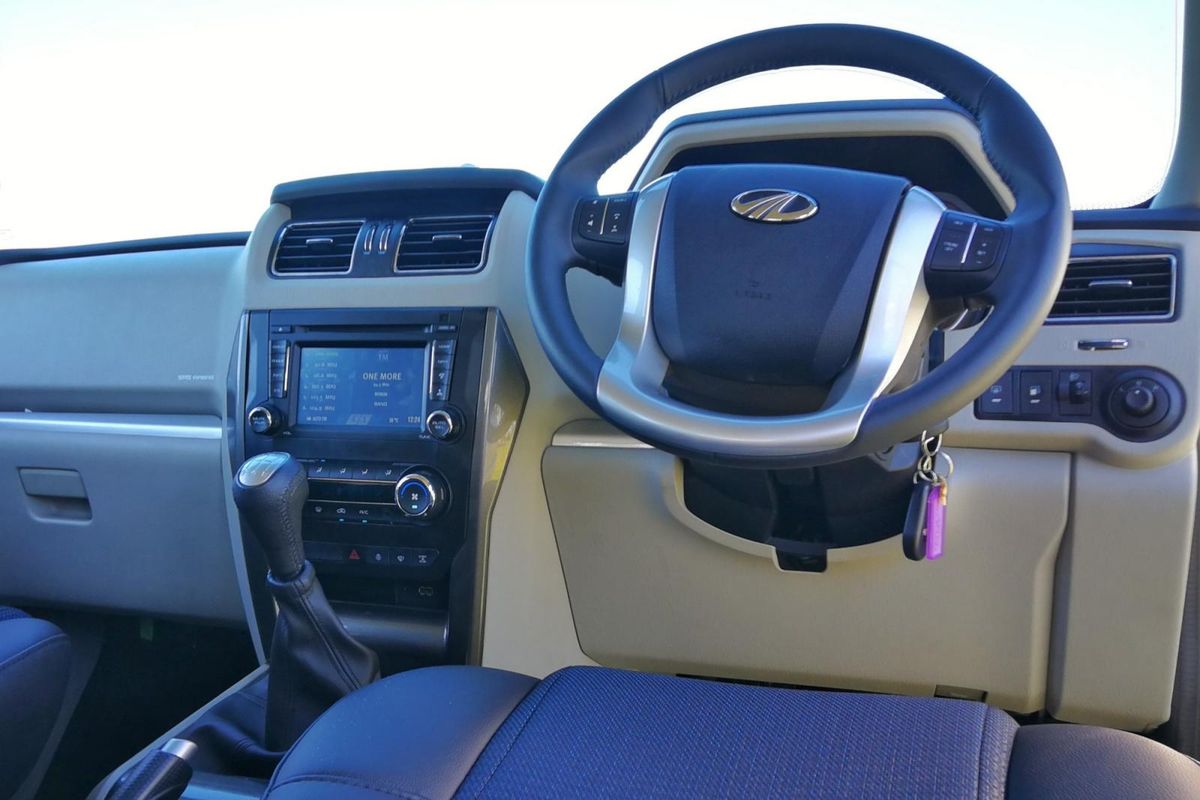
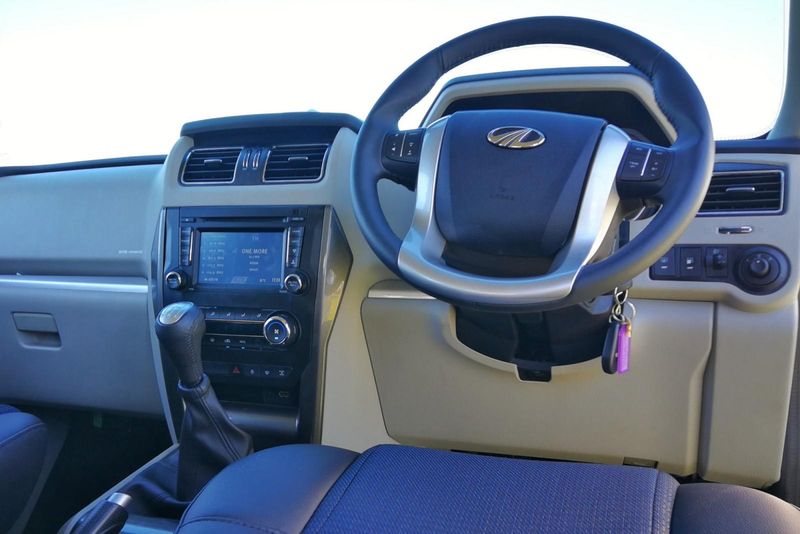
Inside, the previous car's lighter trim has been replaced by black semi-leather which doesn't only look more upmarket, but also shouldn't show dirt so easily. There's also a practical new slot in front of the gear lever with a charge point.
Mechanically there are no changes.
Spacious and well equipped
Neat facia design and good build quality evident in the cabin. Darker seat trim also an improvement.
The current Scorpio's underpinnings can be traced back to 2002, and so this SUV is rather old-school in its overall architecture. Of course, for some potential customers that rugged, "ready-for-safari" appearance is very much part of the appeal, but it's also very divisive. You'll know around which camp fire you sit…
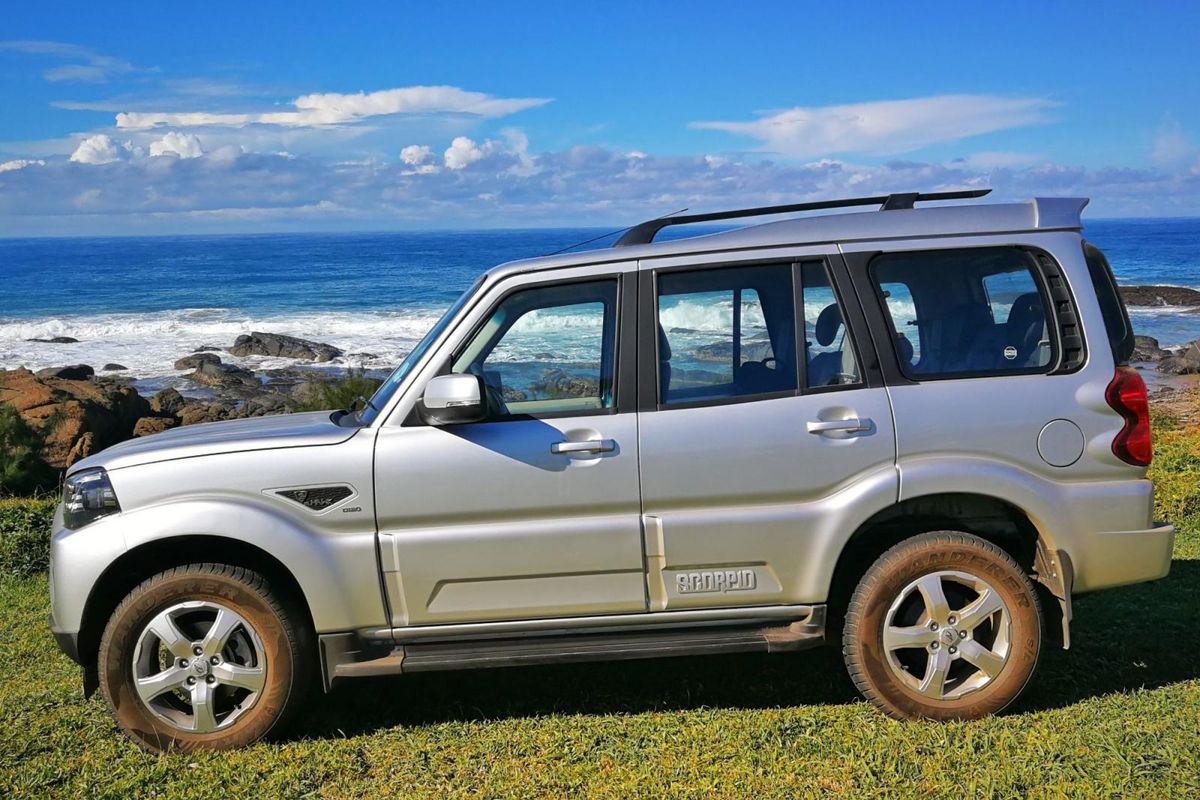
Nevertheless, its boxiness has advantages, notably in terms of cabin space and practicality. Inside, the upright windows and box-like design result in a very spacious, airy cabin with great outward visibility. It really should be a very a good safari vehicle. It also packs 3 rows of seats into a fairly compact body – the Scorpio is more than 300mm shorter than a Toyota Fortuner. The difference is that the rearmost row is a bench and not 2 individual seats, which makes the Scorpio an 8-seater.
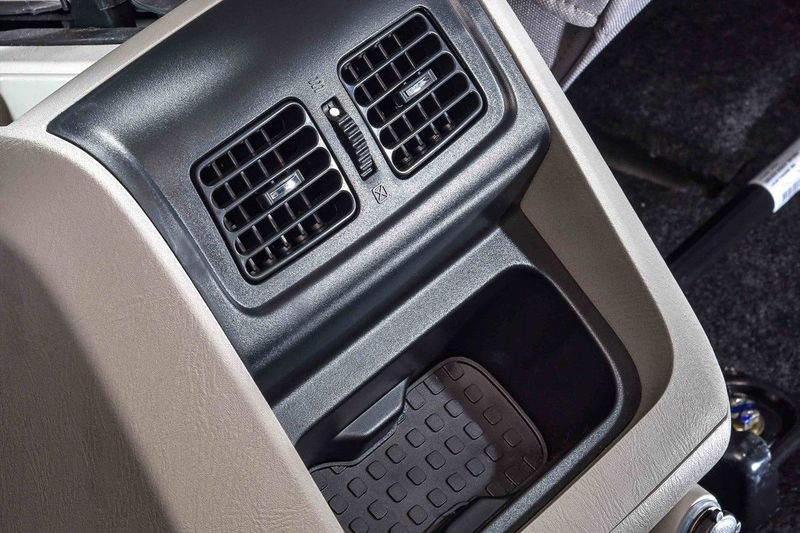
Second row passengers get their own ventilation outlets and a neat, rubberised storage area.
Of course, with 8 occupants on board the space for luggage is actually negligible and those in the 2nd row will have to slide their seats quite far forward to allow those in the back some kneeroom. During our time in KZN, we chose to remove the third-row bench completely (an easy-enough exercise) and leave it at the hotel, which frees up a LOT of packing space in the boot.
What will also appeal to consumers that need a vehicle such as this (and at this price), is the fact that the Scorpio is by no means a bare-boned, agricultural machine. You get a 6-inch touch-screen infotainment system (USB/aux/bluetooth and DVD compatible), navigation, rear-view camera, remote audio controls, cruise control, rear park sensors, auto wipers, electric windows all-round and climate control, among other features.
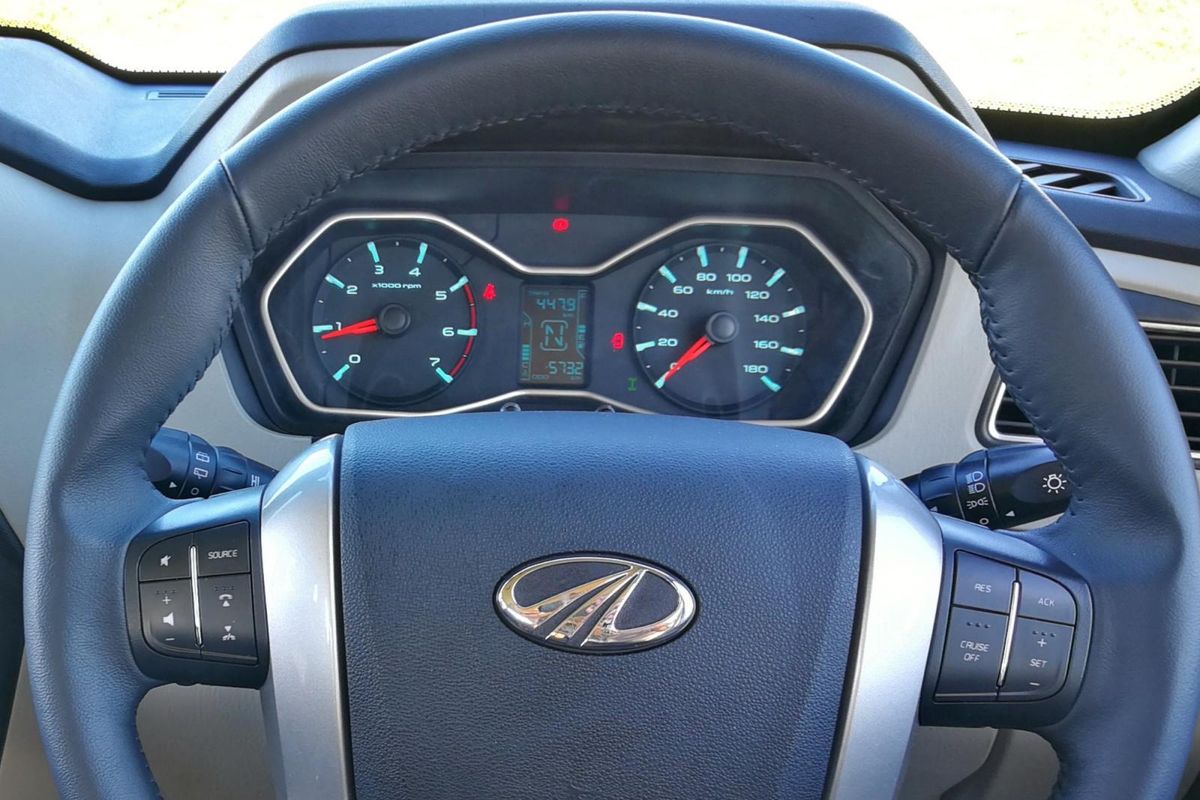
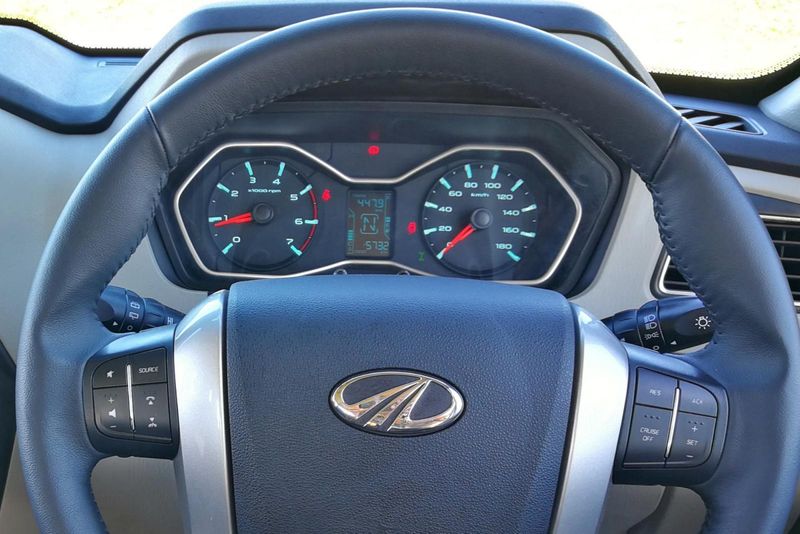
Neat, modern instrument cluster and multi-function leather-bound steering wheel are standard.
On the safety side the specification is not as comprehensive, which is to be expected given the inherent age of the platform and the price. Included are dual front airbags and ABS (with EBD). We would've liked to see the addition of at least ESP (electronic stability) to that list.
Niggles? Well, the front footwells are quite narrow and the steering wheel lacks reach adjustment. The touchscreen is perhaps also mounted too low, and it demands the driver taking his/her eyes off the road for too long to operate.
Performance and Economy
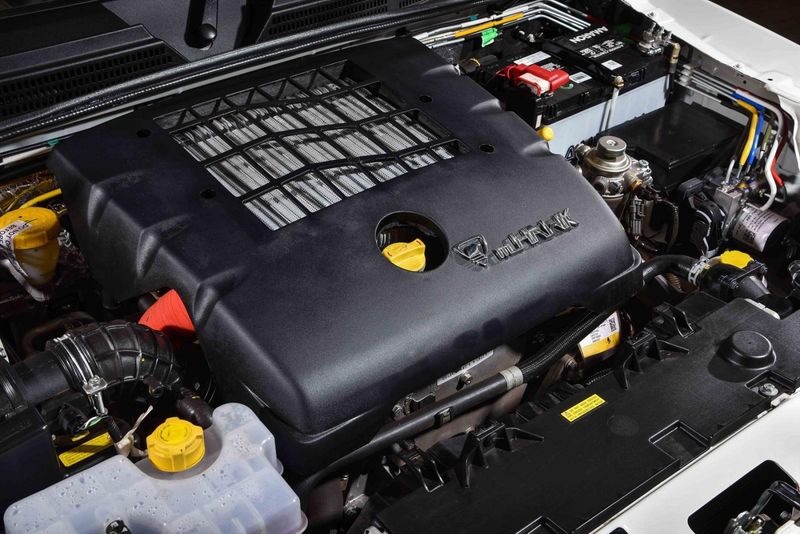
The 2.2L turbodiesel engine delivers its impressive power (88kW) smoothly. It's more refined than most people expect.
As was the case when we evaluated the facelifted Pik-Up (essentially a double-cab bakkie version of the Scorpio), we came away impressed with Mahindra's 2.2L turbodiesel engine, even though it isn't the same 103kW/320Nm version used in the Pik-Up, but rather a lower-output 88kW/280Nm variant. The towing capacity (1900kg braked) might be too low for some potential customers, but if that's not a barrier to purchase we suspect most owners will be more than happy with the blend of performance and efficiency.
Mahindra claims a combined cycle fuel consumption figure of 7.3L/100km and we achieved 8L/100km during our week of travel with 4 occupants on mixed terrain and highways/gravel/rural roads. The Scorpio's tank size is 60L, so a range of over 700km should be achievable. We think the fuel consumption could possibly be even further improved by the addition of a 6th gear.
Stubby front-end and four-wheel drive (with low-range) is good for off-roading.
The engine is mated with a 5-speed manual transmission (old-school long throw but feels strong) that drives the rear wheels, but shift-on-the-fly 4-four-wheel drive is part of the package. In fact, there's low-range too, so you could traverse reasonably rough terrain in this Scorpio. Mahindra quotes a ground clearance of only 165mm, but this appears to be an error. We suspect a figure well above 200mm applies.
On the (long) road
With a commanding view of the road, great outward visibility and a soft ride set-up, the Scorpio is a relaxed touring vehicle. It's very different to more modern sports-oriented SUVs in that it encourages the driver to take it easy… Nevertheless, recent suspension changes has not only made it more refined, but also more stable. It resists overt bodyroll well and the steering is nicely weighted.
LED "eyebrows" and new-look 17-inch wheels are modern additions to a design that dates back to 2002.
We traversed some fairly rough gravel sections, too, and here the extra ground clearance and suspension set-up certainly came in handy. In fact, the Scorpio seems a very good fit for an owner that will travel on mixed surfaces daily.
The engine is a refined, smooth offering so combined with the last round of sound deadening improvements, the result is a largely quiet and relaxed cabin ambience. Only wind noise can become intrusive due to the boxy design and upright sides. The wind was howling on our first day in KZN and on a few occasions it managed to actually make the insulating door rubbers pull free of the door aperture at the top.
Verdict
Need an adventure SUV on a tight budget? The Mahindra Scorpio S11 4×4 has no obvious rival in the new vehicle local market.
Priced at around R320 000 it's hard to beat this Scorpio S11 for value for money, particularly if you want space and four-wheel drive. GWM no longer offers an H5 with four-wheel drive, but even if 4×2 would suffice, the H5 lacks the Scorpio's seating capacity and features. Then there's something like the outgoing Renault Duster diesel 4×4, but that's a much smaller vehicle… Alternatively, you'll have to consider a used vehicle – for similar money you can get a 3- to 4-year old (previous shape) Toyota Fortuner 3.0 D-4D 4×4 with more than 100 000km on the odo.
Further sweetening the deal, the Scorpio comes backed with a 3-years/100 000 km warranty and 3-years/70 000km service plan as standard. Servicing intervals are lengthy at 20 000km.
To summarise… you may end up buying a Scorpio because of its exceptional pricing, but there's more to it than that. Rugged, surprisingly refined and efficient, while offering good potential seating space/practicality for a variety of uses, the Scorpio S11 is possibly one of the few cars on the market that could genuinely be described as a bargain.
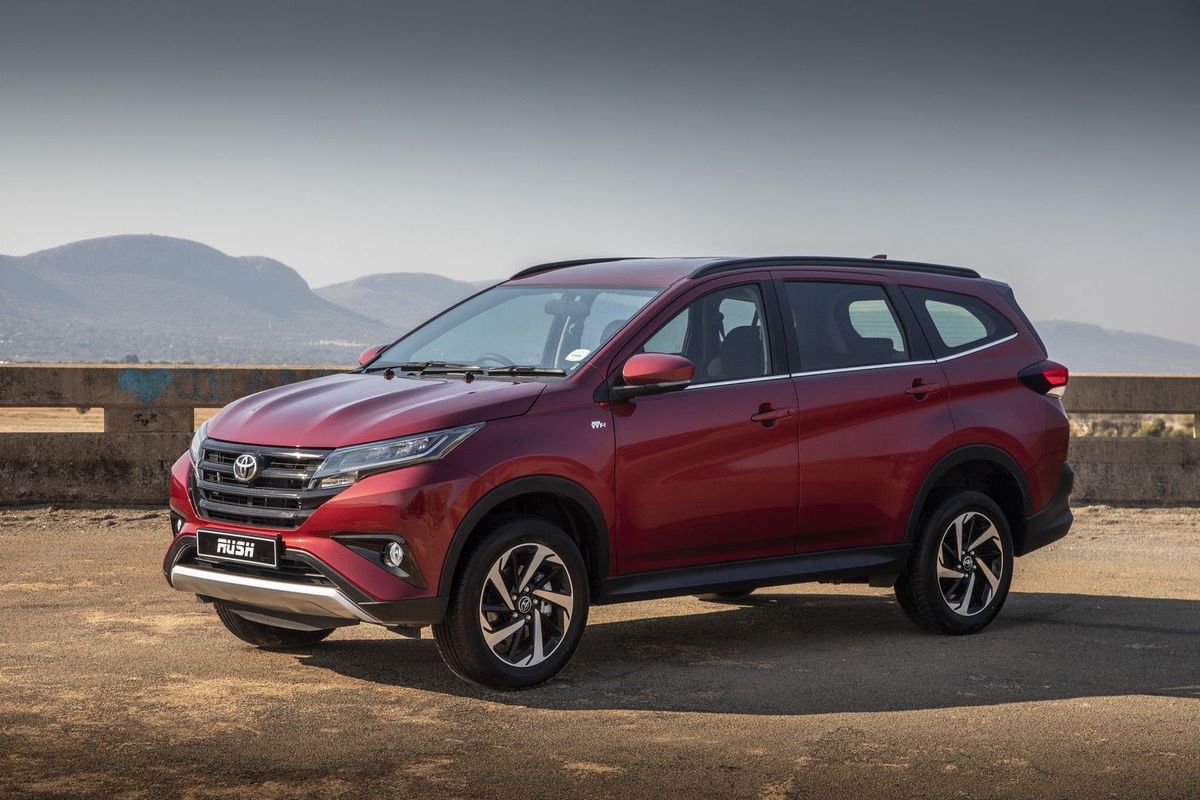
Toyota has introduced a new small SUV to its local product offering and it’s called the Rush. Herewith specification and pricing details for the newcomer…
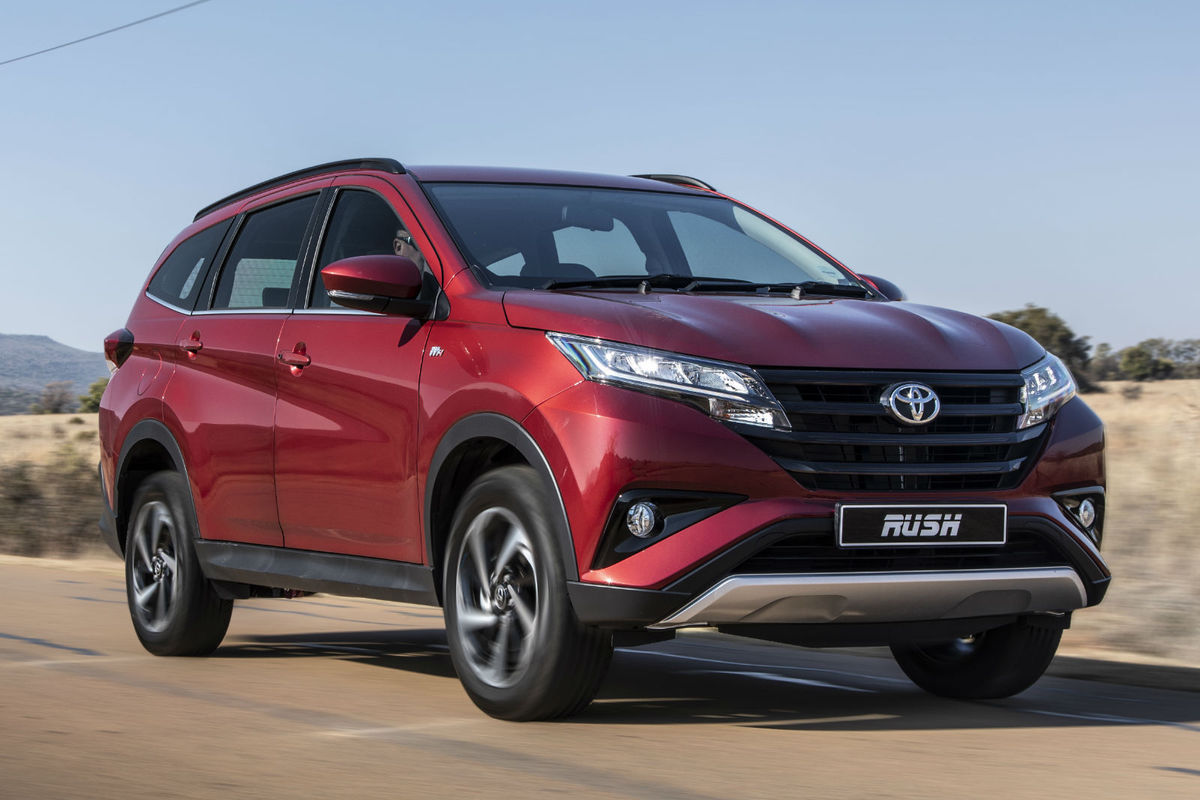
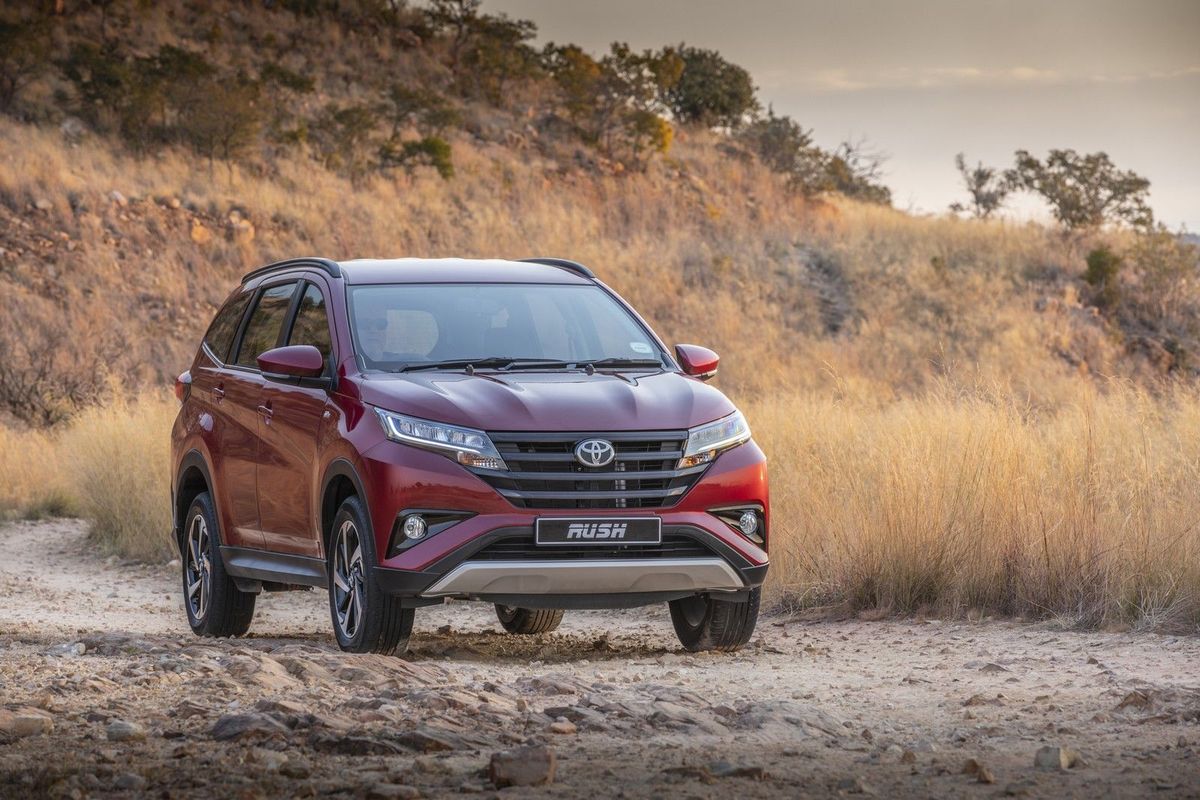
Toyota is looking to capitalise on growth in the compact SUV segment and now welcomes the new Rush to its local stable. The Rush combines typical SUV features such as a raised driving position, higher ride height and a spacious luggage compartment while offering seating for five.
Key features
Exterior design
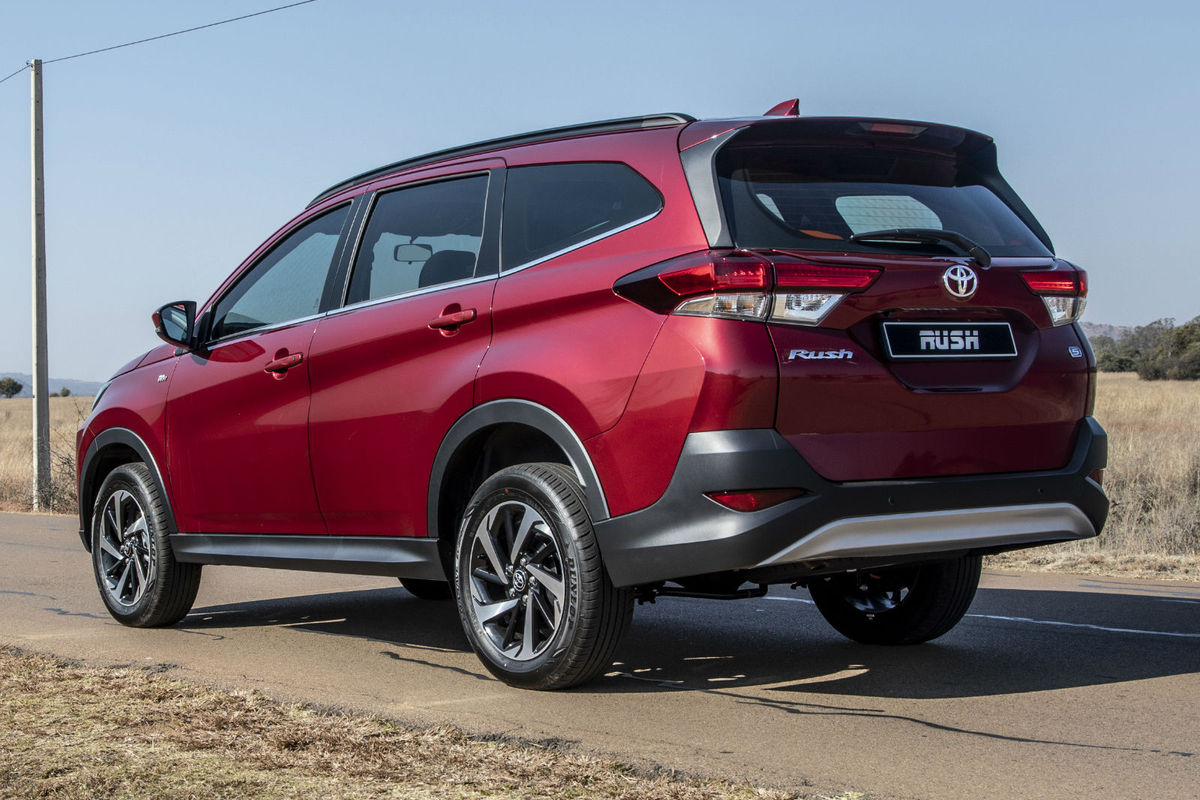
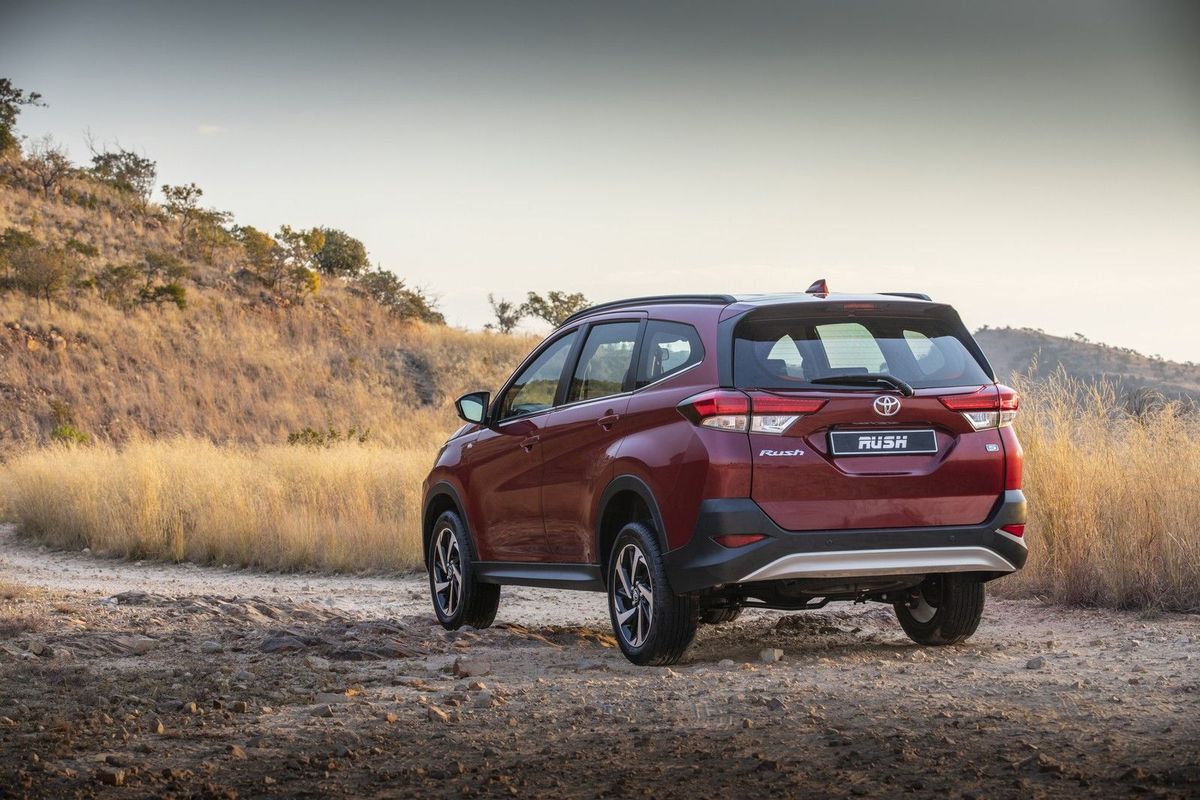
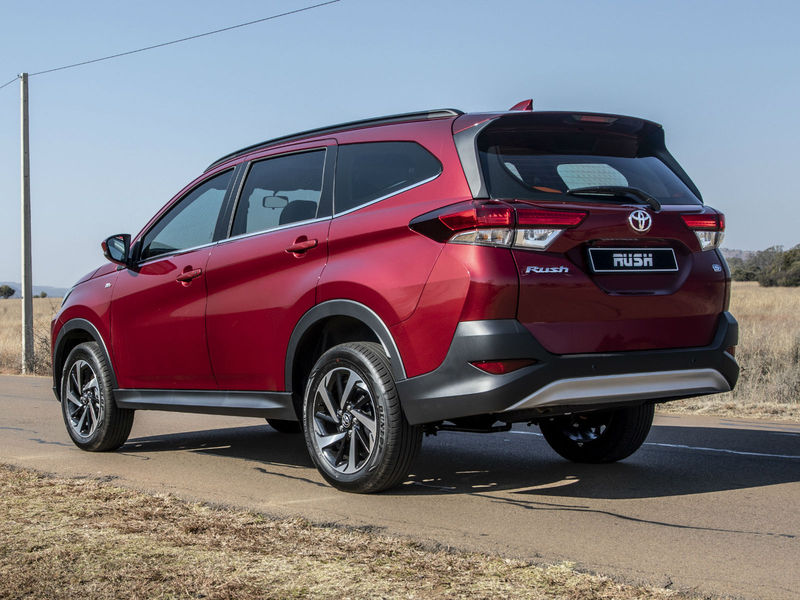
With its raised ride height, the Rush will comfortably tackle gravel roads and can even wade in water up to 600 mm.
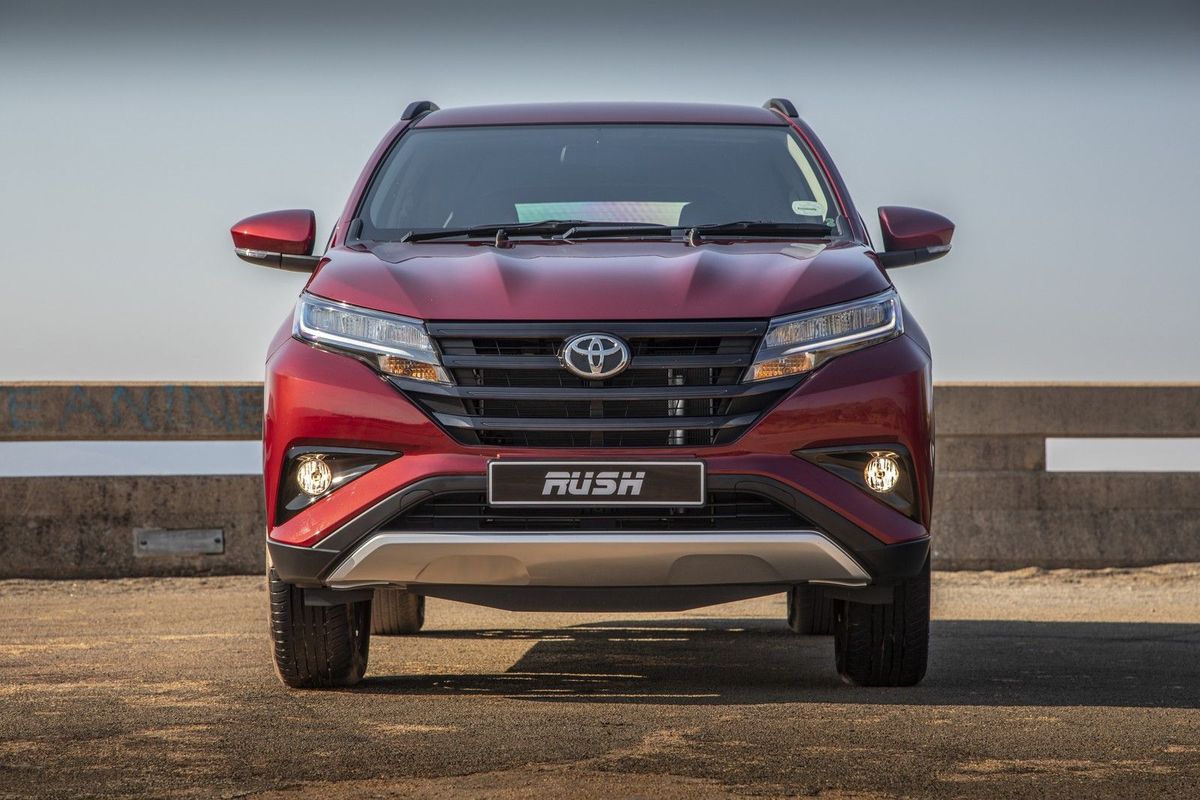
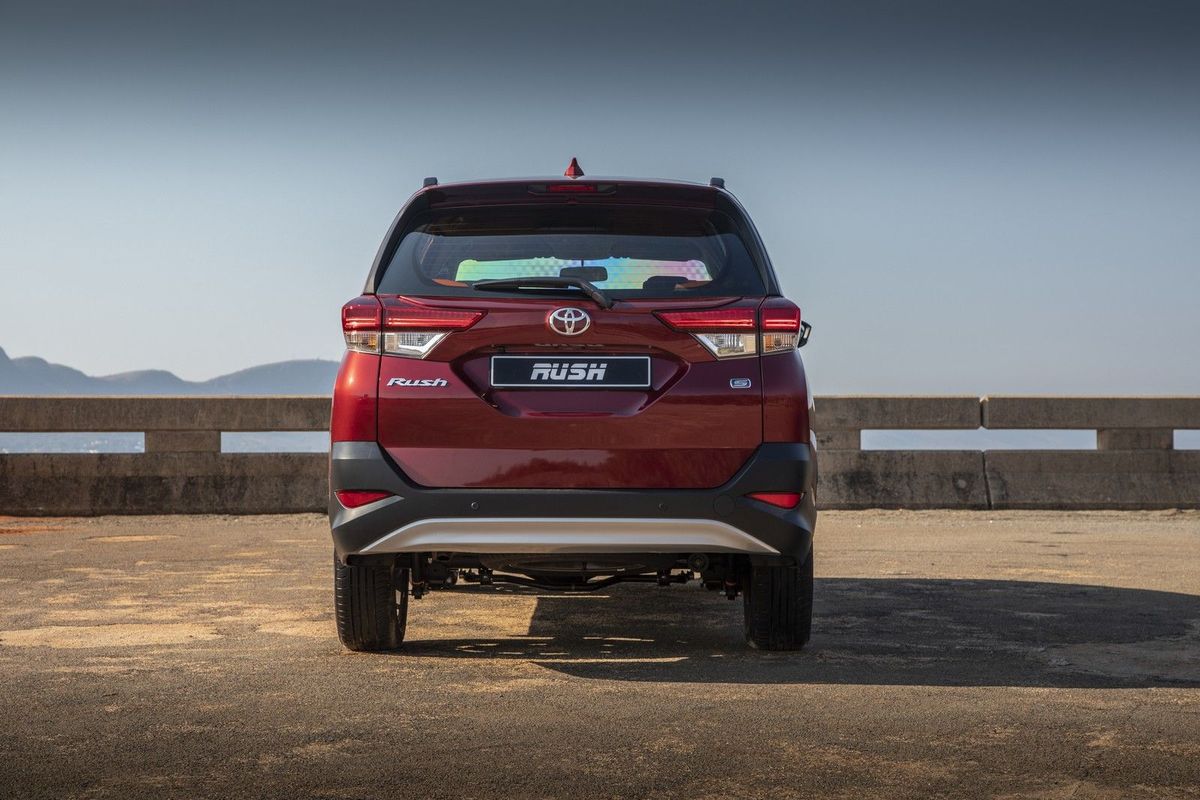
The Rush wears a large trapezoidal grille with wide grey slats and is flanked by slim LED headlights. The front-end look is further defined with triangular fog light trim, a silver-hued skid plate and a bonnet with 2 distinct bulges. Black roof rails, a body-coloured rear spoiler and rear LED tail lights to round off the look.
The Rush has a 220 mm ground clearance and a wading depth of 600 mm. 17-inch alloy wheels are standard.
Buyers can choose between 5 colours including Tusk White, Quicksilver, Ruby Metallic, Liquid Bronze Metallic and Graphite Black.
Interior
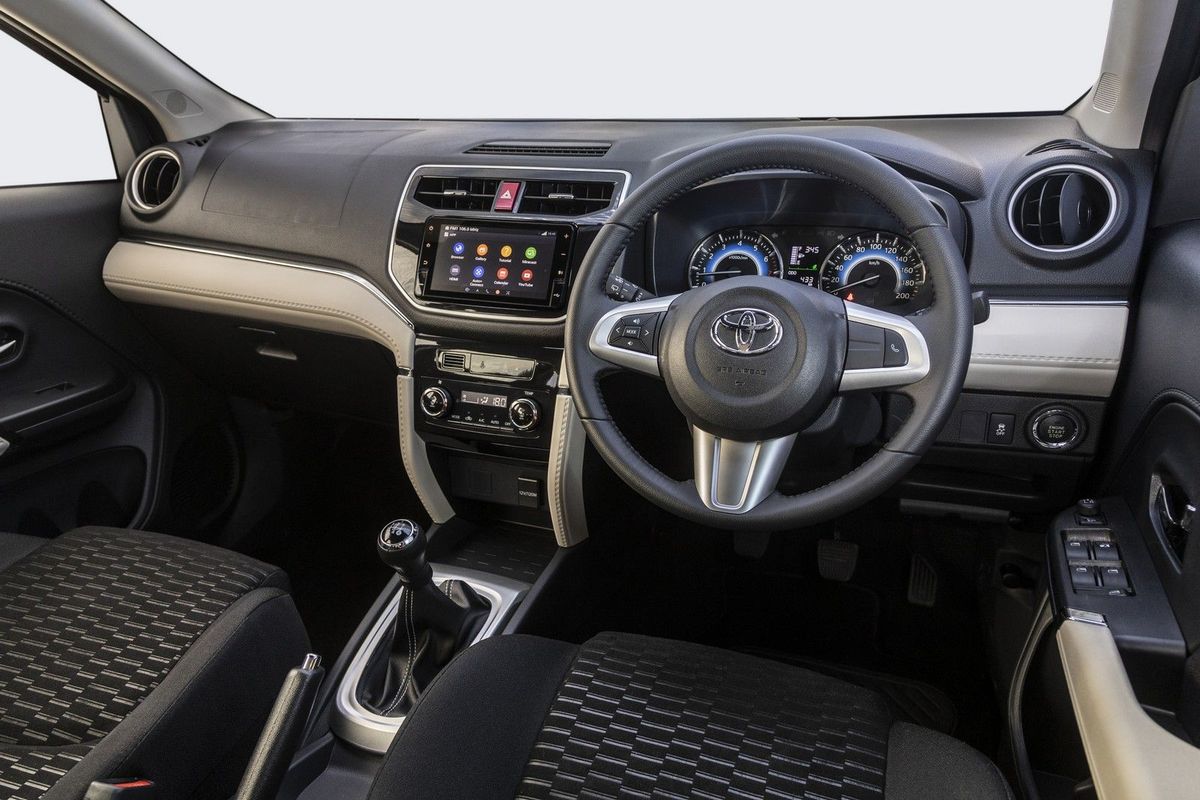
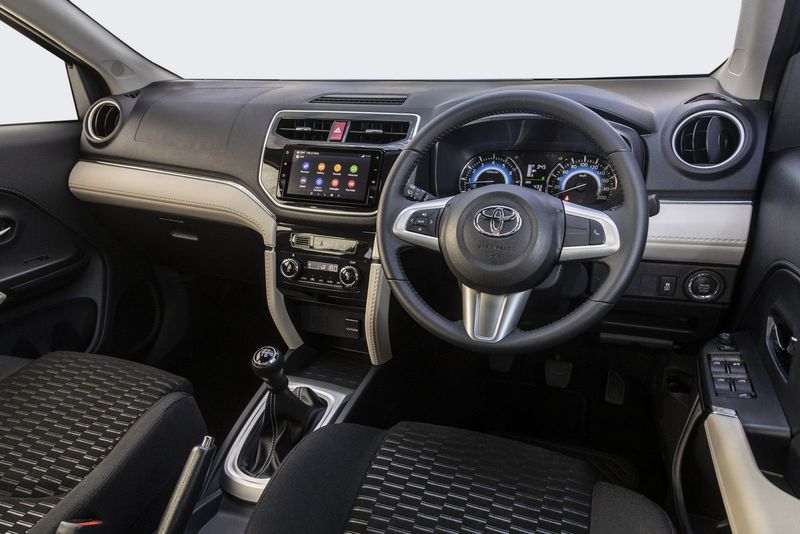
The cabin is well-equipped with features including a comprehensive touchscreen infotainment system.
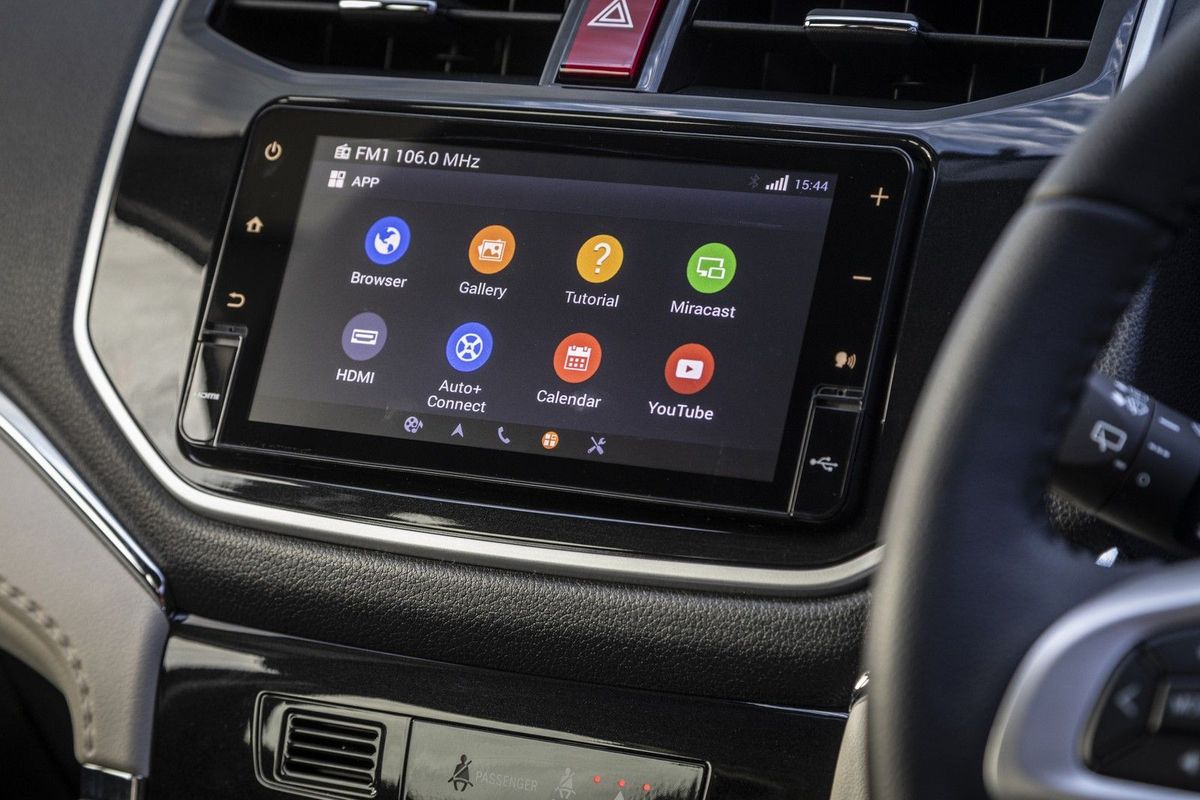
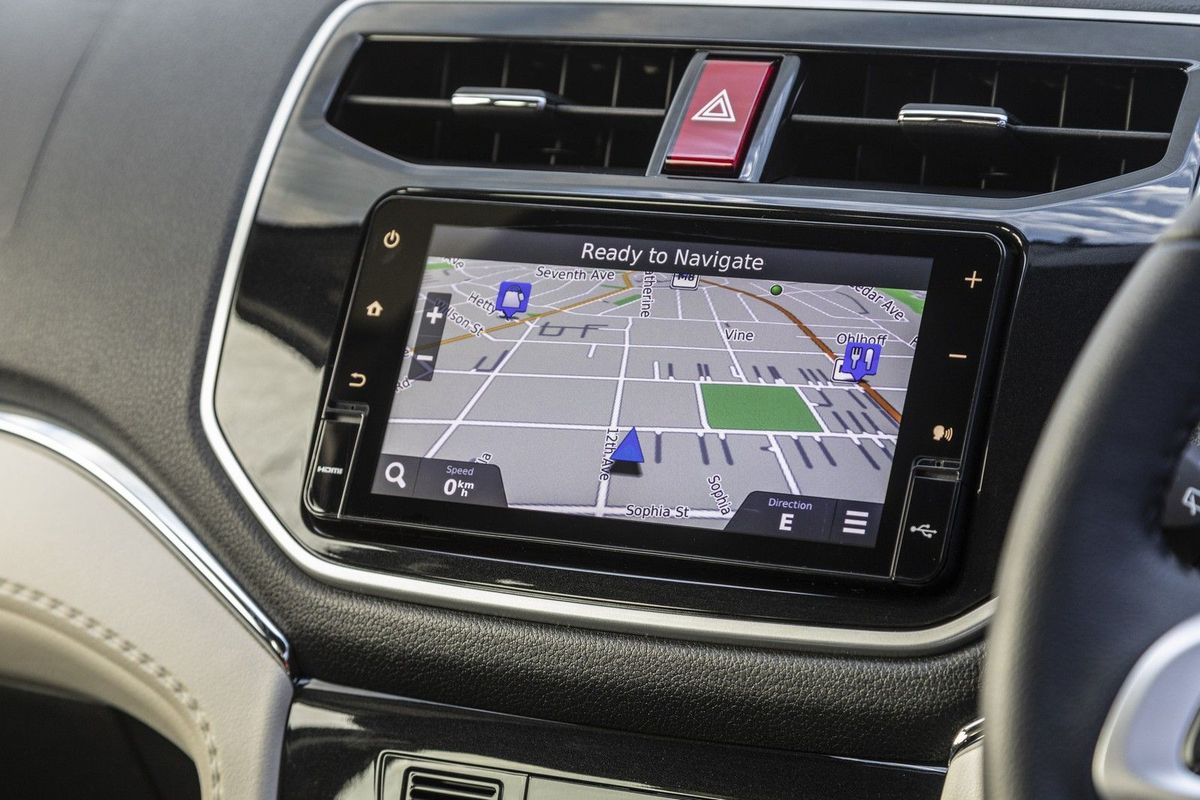
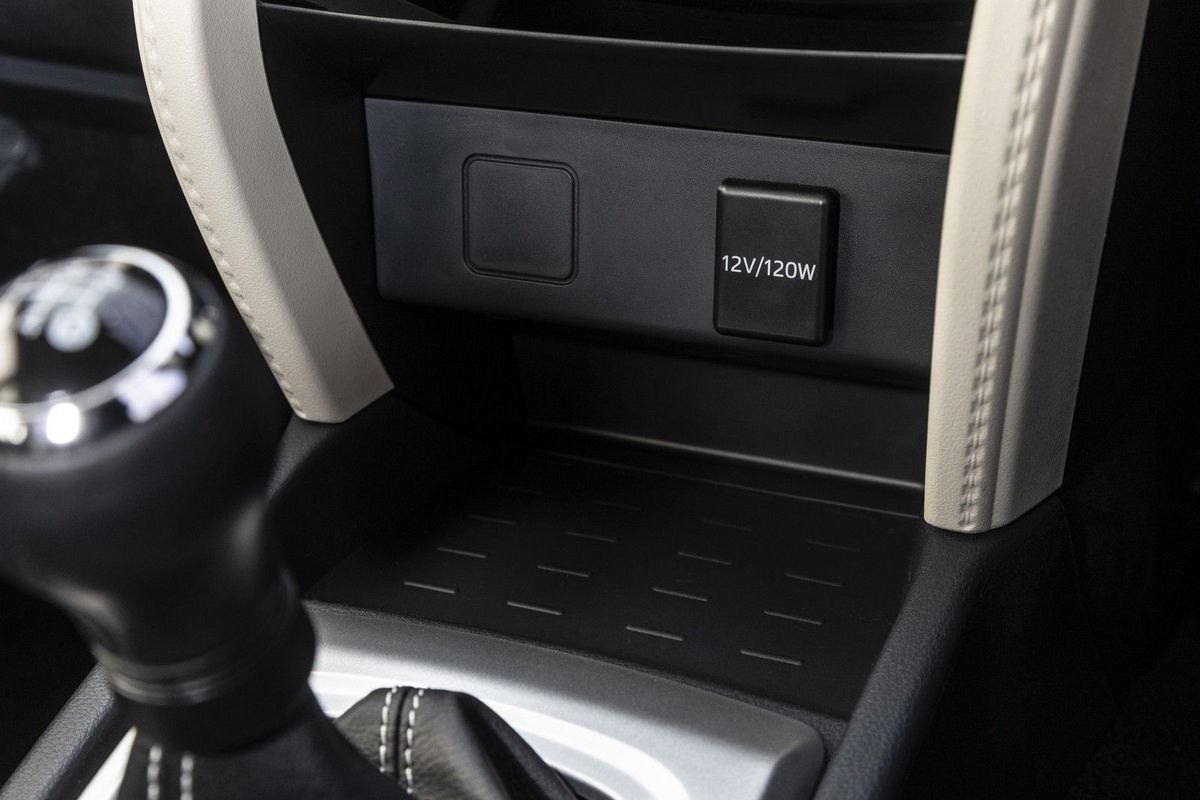
The cabin features a symmetrical design and comes equipped with a 6-speaker, touchscreen audio system with USB and Bluetooth functionality, Android Auto Plus Show, Apple CarPlay and navigation. Dual-zone climate control and a 12V socket is also seen on the lower section of the dashboard.
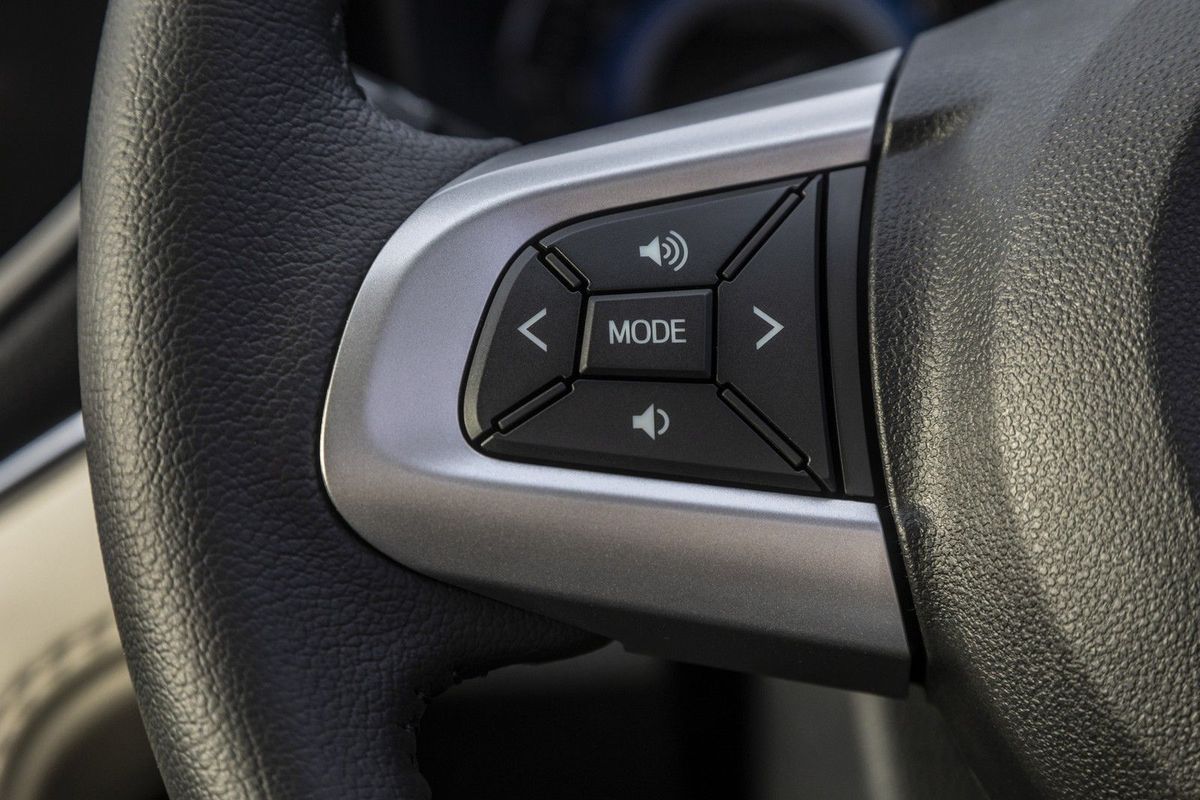
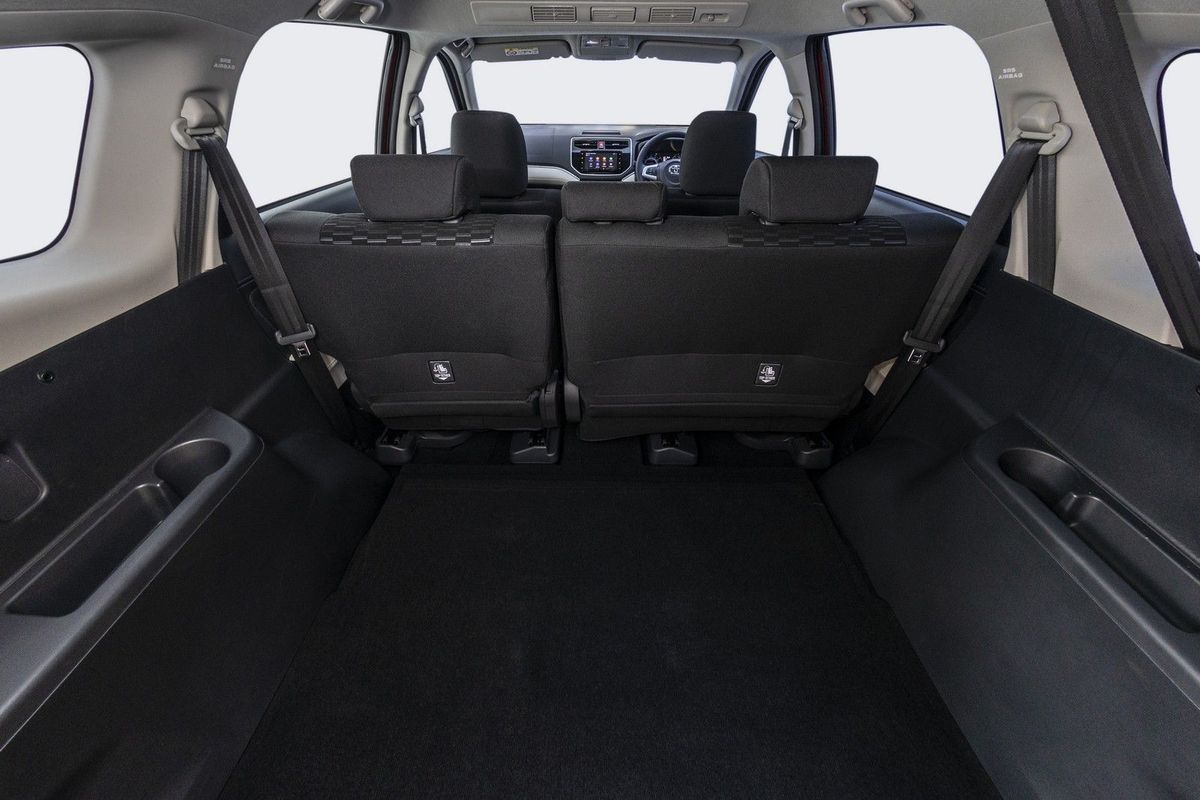
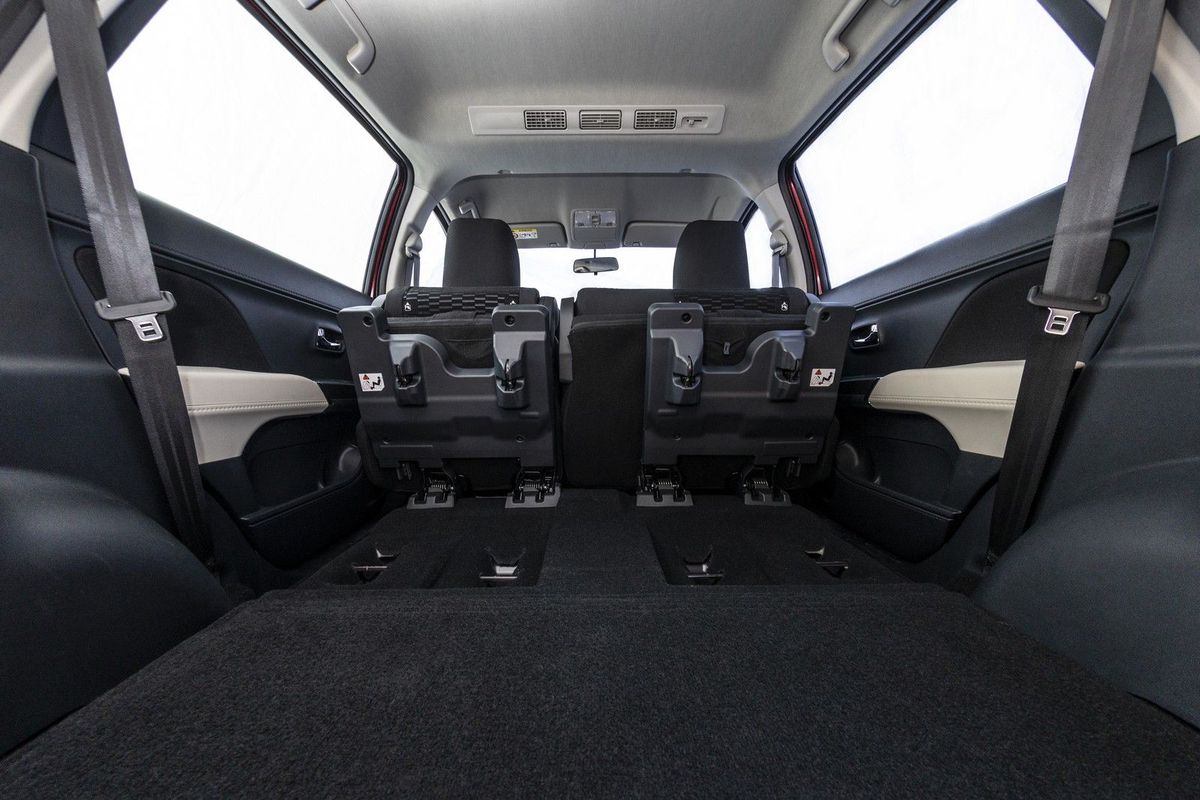
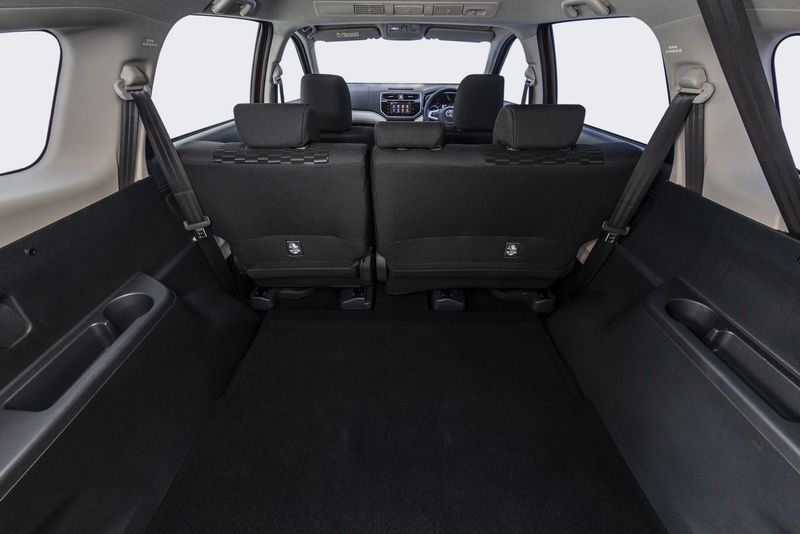
The 3-spoke leather steering wheel is adjustable for rake and comes equipped with mounted controls. Patterned black fabric upholstery is standard. The rear seats are split in a 60:40 configuration if you wish to expand on the already large load bay which offers a claimed capacity of 609 litres.
There’s also ample storage space dotted around the cabin with no less than 5 cupholders and spacious front door pockets that can hold 2 bottles. A large 6.4-litre glovebox and a central storage bin offers extra storage space.
The large luggage bay offers 609 litres of space and the rear seats can fold down to access even more space.
Standard features
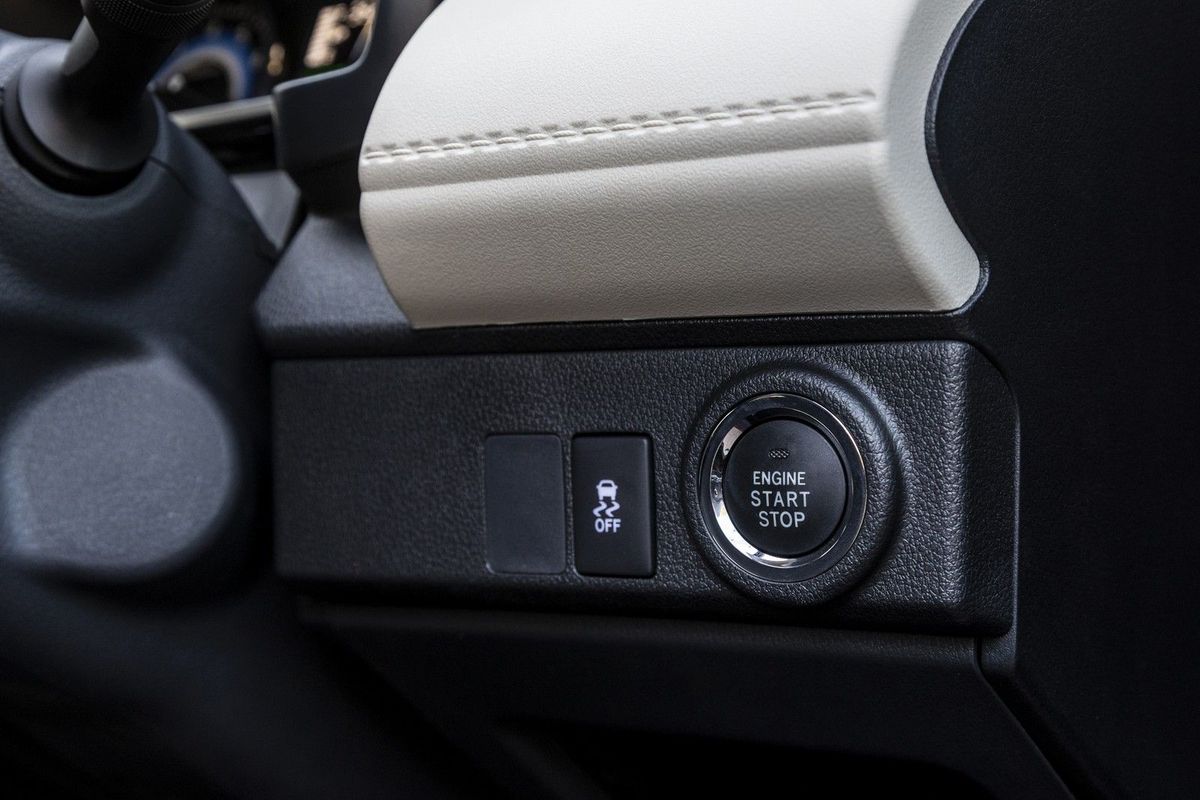
Apart from the features already mentioned, the Rush is also equipped with electric and retractable side mirrors, auto-off LED headlights, integrated reverse camera with park distance control, keyless entry and a push-start ignition.
In terms of safety, a total of 6 airbags are fitted as well as ABS, Vehicle Stability Control (VSC) and Hill Control Assist (HCA).
Engine Power
The Rush is powered by a 77 kW/136 Nm 1.5-litre petrol motor paired with either a 5-speed manual or 4-speed automatic transmission that drives the rear wheels.
Toyota claims a fuel efficiency figure of 6.6 L/100km for the manual while the automatic is said to consume 6.7 l/100km.
In terms of suspension, the front McPherson struts and rear Multilink suspension has been engineered to cope on mixed surfaces including tar, gravel and dirt.
Toyota Rush – Price in SA
Rush 1.5 M/T – R299 900
Rush 1.5 A/T – R313 500
The Rush is sold with a 3-year/100 000 km warranty and a 6-service/90 000 km service plan.
Audi has released a teaser video for its forthcoming Q3 SUV and it'll be fully revealed later this week
The Audi Q3 is a bit long in the tooth and a replacement model is imminent. A teaser video was released and it gives us a handful of clues about the newcomer. Audi has been on the product offensive in 2018 and the Ingolstadt-based brand claims to be releasing a new model every three weeks in 2018, with a goal of around 17 vehicles for this year.
This will be the second-generation Audi Q3 and in light of significant moves by competitors in the luxury SUV space, it can't come quick enough. We don't have many details as yet, but with the reveal just days away, we can speculate that there'll be a healthy mix of petrol and diesel models, front-wheel drive and quattro all-wheel drive, and a performance RS Q3 following on later. We're not going to rule out some form of electric assist either, with technology dripping down from the soon-to-be-released Audi E-tron.