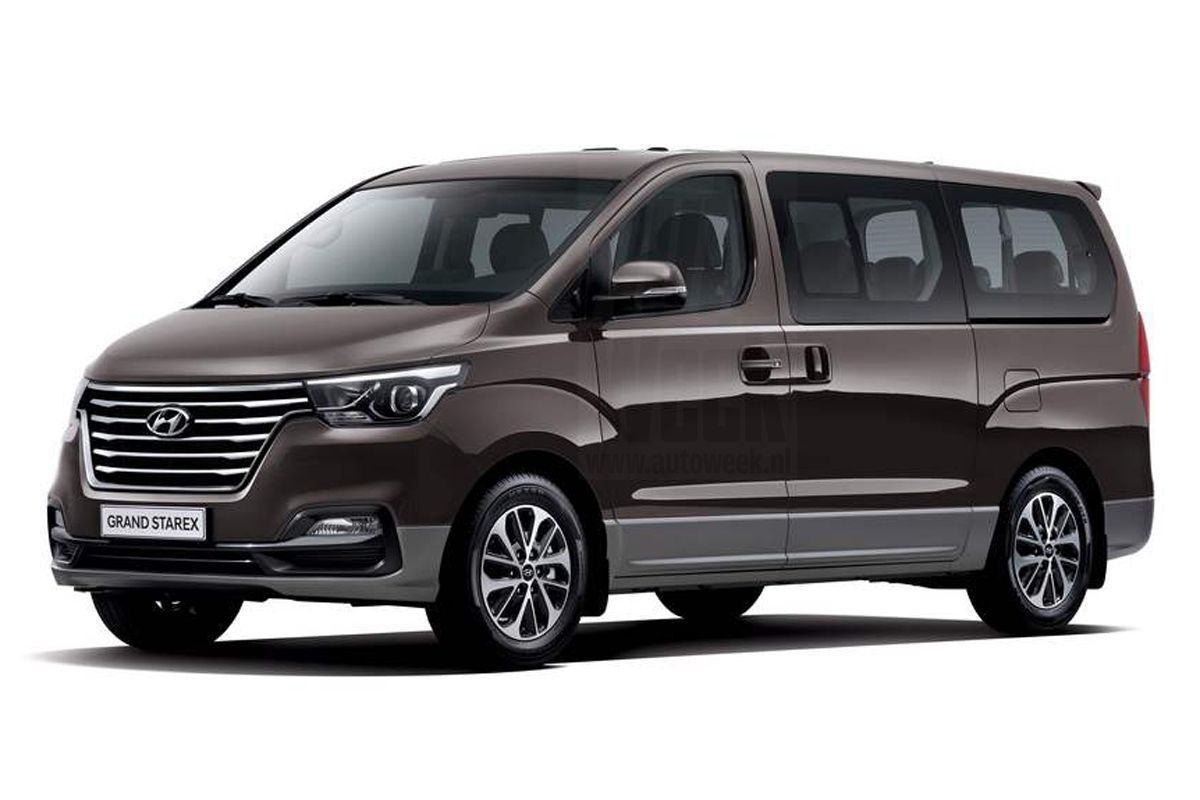
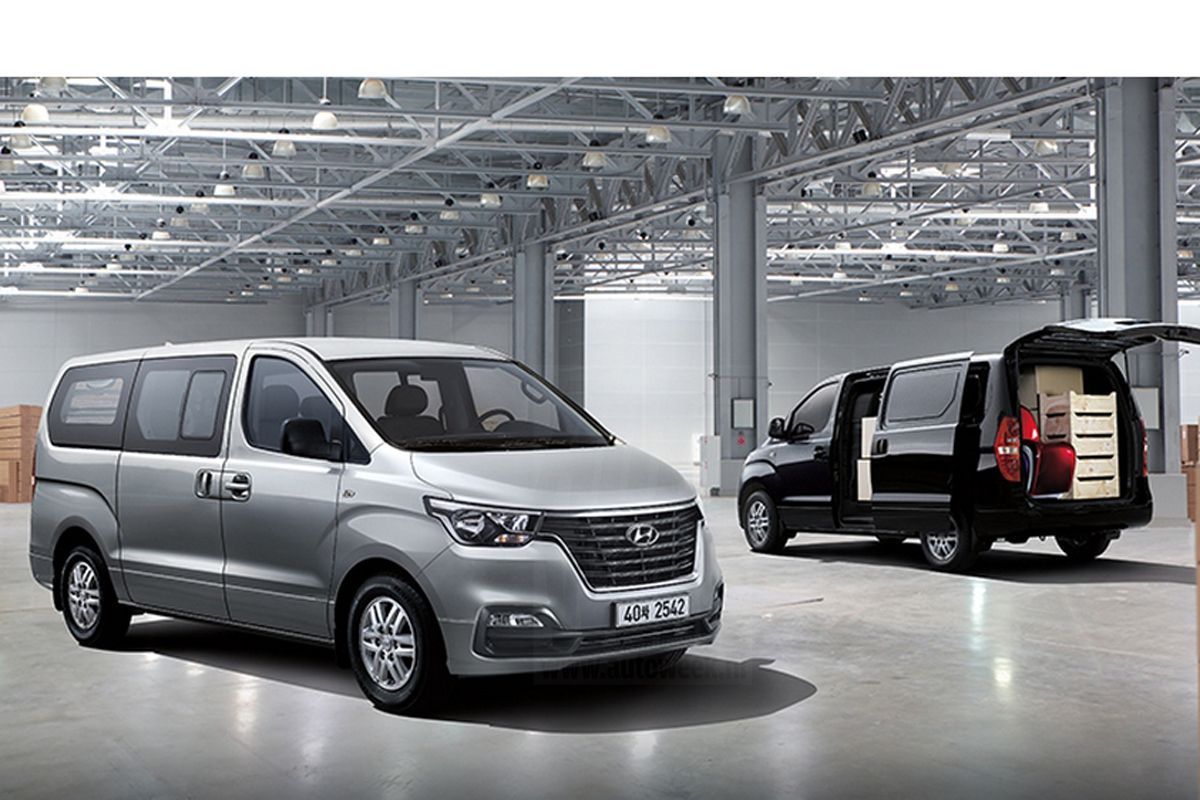
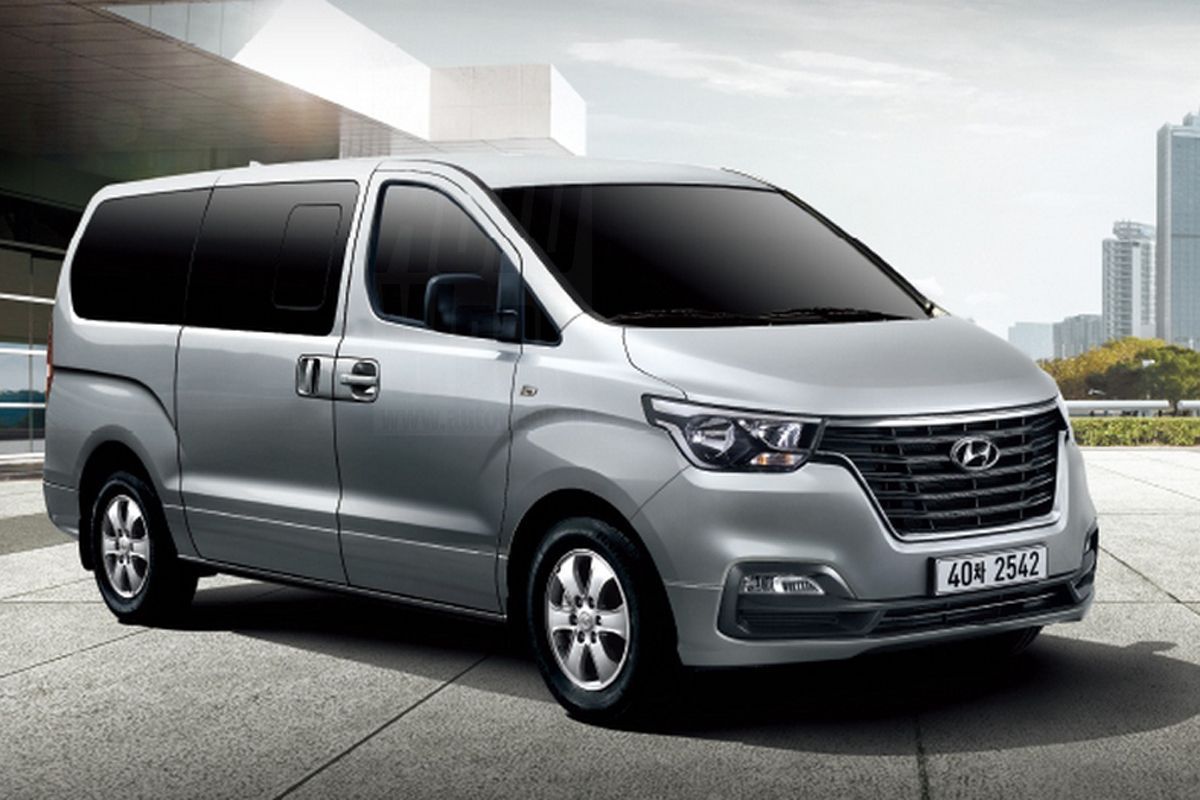
Photos of the next generation Hyundai H1 bus have emerged on the Internet, thanks to a Dutch website. Check out what we know so far.
The Hyundai H1 has proven popular in our market thanks to its versatility. It was available in numerous flavours: a passenger bus, a commercial van and a blend of the two, with the Multicab. It has also been a winner with the ride-sharing application Uber, who use it for UberXL. The Hyundai H1 has been around for some time now and is overdue for an update.
Thanks to Dutch website AutoWeek.nl, pictures of what looks like a substantially revised Hyundai H1, or as its called overseas, the Grand Starex, have emerged. The big changes are visually at the front and the design language used brings it more in line with the rest of Hyundai's portfolio. Claims that it will be available in nine, eleven and twelve-seater application have yet to be verified, but it's certain it'll still be the practical champion that we've come to know and love. Under the hood, the engine is expected to remain unchanged. From the driver's seat, you can see the instrument cluster and entire dashboard have been overhauled in favour of a more modern look.
Occasionally, the planets align, racetracks suddenly become available, two very special cars are in good working order and haven't been binned by other journalists, and your in-house racing driver isn't in another country. All of which enabled us to set up the head-to-head of the year.
In Part 1 of this rather epic day at the track, we lined up the Mercedes-AMG GTR against the ultra-rare BMW M4 DTM for a quarter-mile drag race.
Look out for Part 2 launching on the channel soon, where we head to the full Killarney circuit for a hot lap shootout.
Some notes on our drag racing facility:
– The strip is actually the main straight of the Killarney race circuit.
– It is slightly uphill.
– The surface around the launch area is heavily used on drag days and loads of rubber has been put down over the years.
– This rubber doesn't help unless it's been nicely warmed up – which in this case it certainly wasn't.
– Due to time restrictions, the cars ran once and we didn't have much time to get heat into the tyres
– Fuel in South Africa is generally quite rubbish and we were running the cars on 95 Octane.
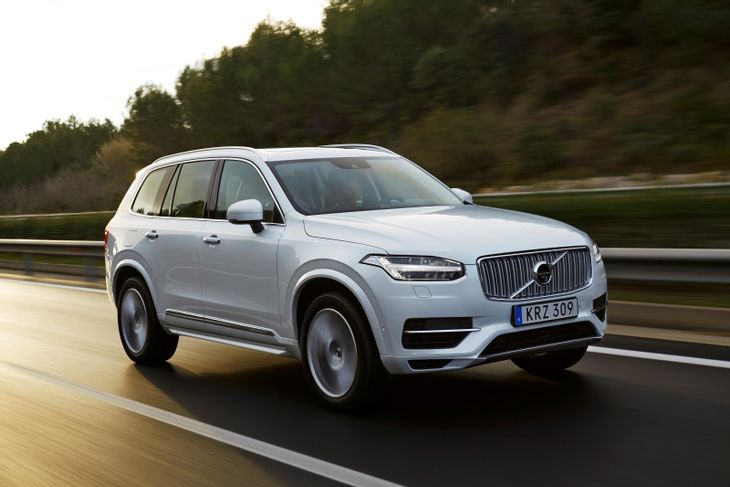
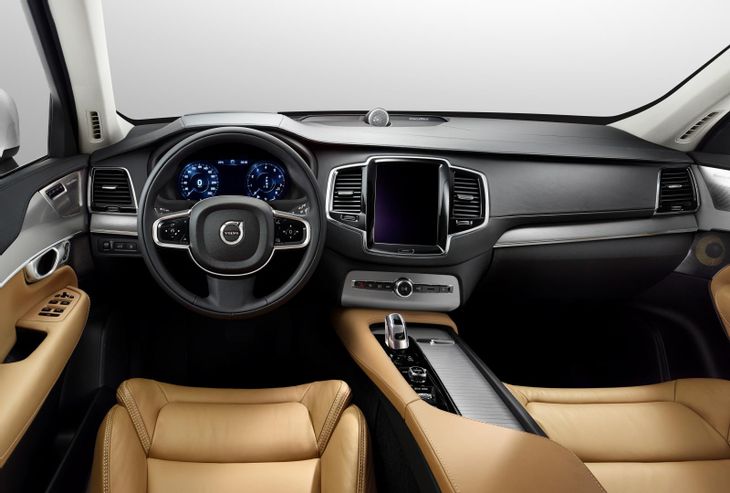
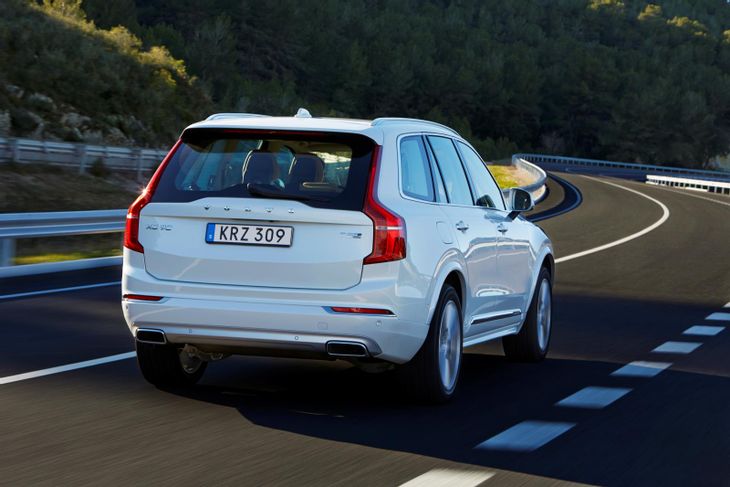
What makes the Volvo XC90 T8 Twin Engine R-Design a worthy contender in the Premium SUV category of the 2017/18 Cars.co.za Consumer Awards – powered by WesBank? We investigate…
The acclaimed Volvo XC90 has scooped the last 2 Premium SUV awards. First with the D5 Inscription and last year with the T8 Twin Engine Inscription. This year, the R-Design kit gets the nod as it adds that extra premium appeal to the XC90’s design. The T8 features Volvo’s hybrid technology featuring a 4-cylinder turbopetrol engine paired with a battery-powered electric motor. Can the XC90 clinch a third consecutive win in this category?
3 Reasons Why Volvo XC90 is #CarsAwards Finalist
1. Clever powertrain
The XC90 T8’s powerplant comprises a petrol engine with electrical assistance. Up front is a turbocharged and supercharged 2.0-litre petrol-powered motor that produces 235 kW / 400 Nm and is mated with an 8-speed automatic transmission.
Then there’s an electric motor nestled on the rear axle that powers the rear wheels and produces 65 kW and 240 Nm. The system's combined outputs, 300 kW and 640 Nm, are more commonly associated with a sportscar, yet here it’s applied in a hybrid 7-seat SUV!
Clever packaging from Volvo has resulted in the 9.2 kWh battery being positioned in the tunnel that runs through the middle of the floor pan, so the standard luggage space/7-seat configuration remains. Volvo claims a fuel consumption figure of 2.1 L/100km.
2. Luxuriously appointed interior
Sit in the cabin of the XC90 for the first time and you’d be amazed at the combination of simplicity and modern features. Volvo has always been good at making great seats, and it’s no different with the XC90 – comfort levels are very high all-round.
The standard features list is long, too, with high beam assist, automated park pilot and a power tailgate all included.The R-Design pack adds a fair amount of useful kit in the form of heated front seats, head-up display, 360-degree camera, the mega Bowers & Wilkins premium sound pack and a host of active safety features. Volvo continues to make major advances in terms of vehicle safety and the XC90 is, unsurprisingly, one of the safest SUVs on the road.
3. Spacious and practical
In this department, the XC90 is very hard to beat. It is a proper 7-seater with space for adults in the rearmost row, as long as they’re not much taller than 170 cm. The second row of seats offer slide functionality, allowing for the tailoring of legroom – or boot space, with the rearmost seats folded down. The load bay, by the way, is truly cavernous at 692 litres, expanding to a mammoth 1 947 litres with the seats folded down. Volvo provides ventilation outlets for all three rows, as well as a 12V outlet for each row, too.
Have Your Say: Complete our survey!
Do you own an XC90? We would love to hear from you! Tell us about your experience by completing our Ownership Satisfaction Survey. Your input counts for 50% of the final result.
The updated Volkswagen Golf GTI is currently one of the best premium hatchbacks on offer in South Africa. There are, however, at least 7 alternatives that you should consider if you don’t want to drive a Golf GTI, 2 of which have yet to be introduced in South Africa. Take a look!
The latest Volkswagen Golf GTI is arguably the most well-rounded premium hatchback on the local market, offering excellent performance, ride and handling, comfort, practicality and everyday drivability, all wrapped into an attractive package that’s difficult to beat.
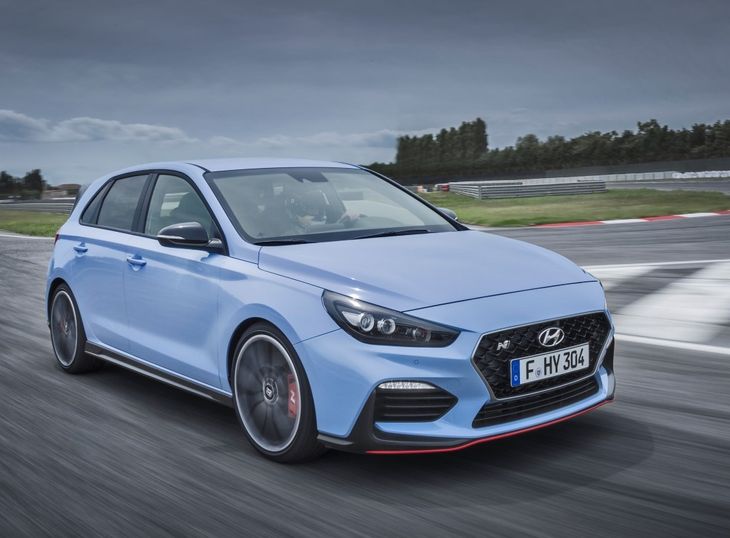
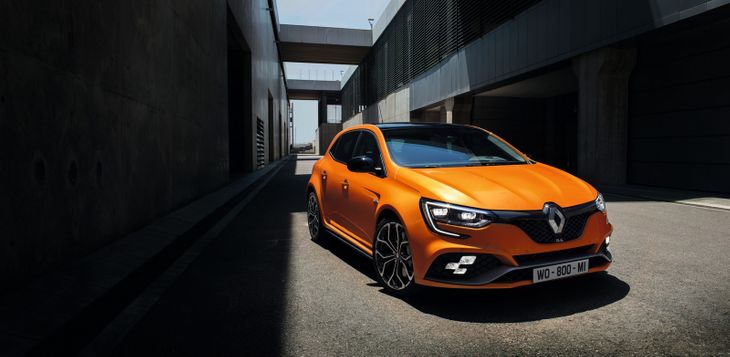
It’s for good reason then that the Golf GTI is the current Cars.co.za Consumer Awards Premium Hatchback champion for 2 years running… But what if you are not a Golf GTI kind of person? What other options are available if you don’t want to join the GTI brigade? This article highlights alternatives to the Volkswagen Golf GTI that you may want to consider. Note that the Renault Megane RS is expected to arrive in the second quarter of 2018 while the Hyundai i30N's arrival is yet to be confirmed.
Arrival in SA: Second Quarter 2017
Price: To be confirmed
Engine: 1.8-litre turbopetrol
Power: 205 kW
Torque: 390 Nm
Transmission: 6-speed EDC or 6-speed manual
Fuel Consumption (Claimed): 6.9 L/100 km
0-100 kph: Under 6 seconds
Top Speed: TBC, 250 kph likely
Load Space: TBC
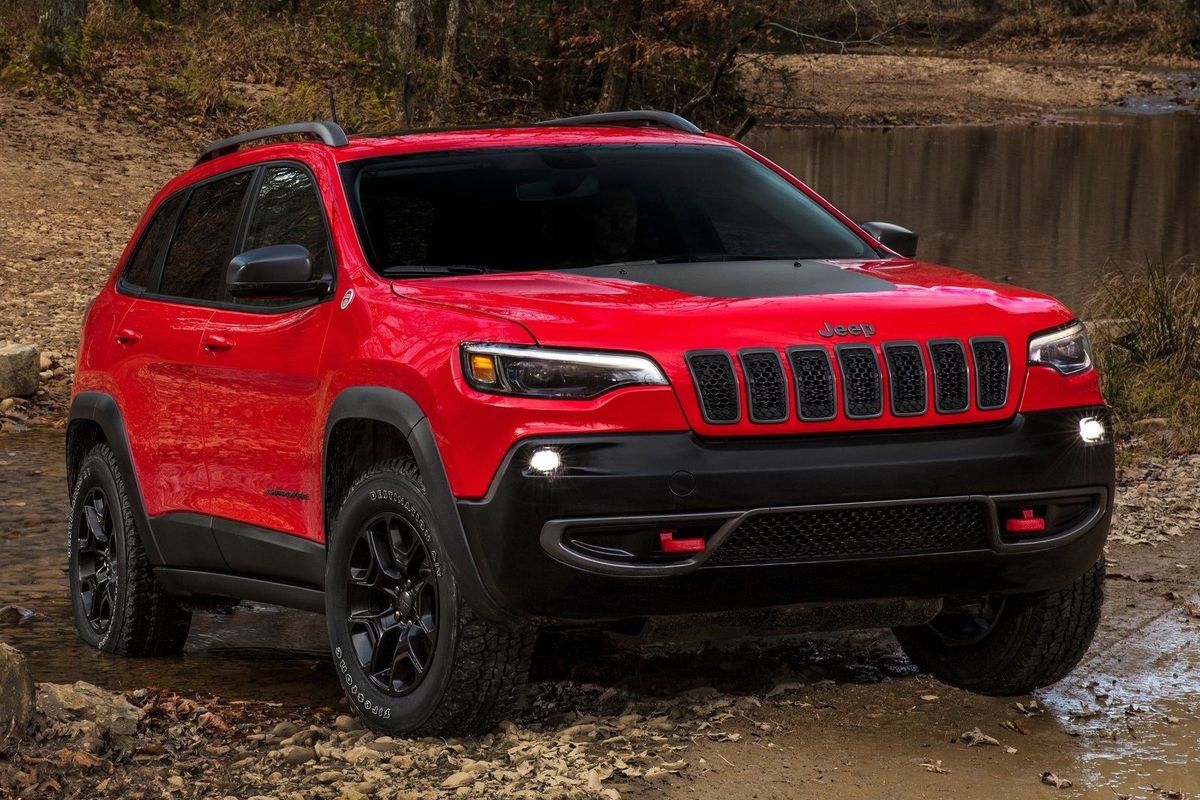
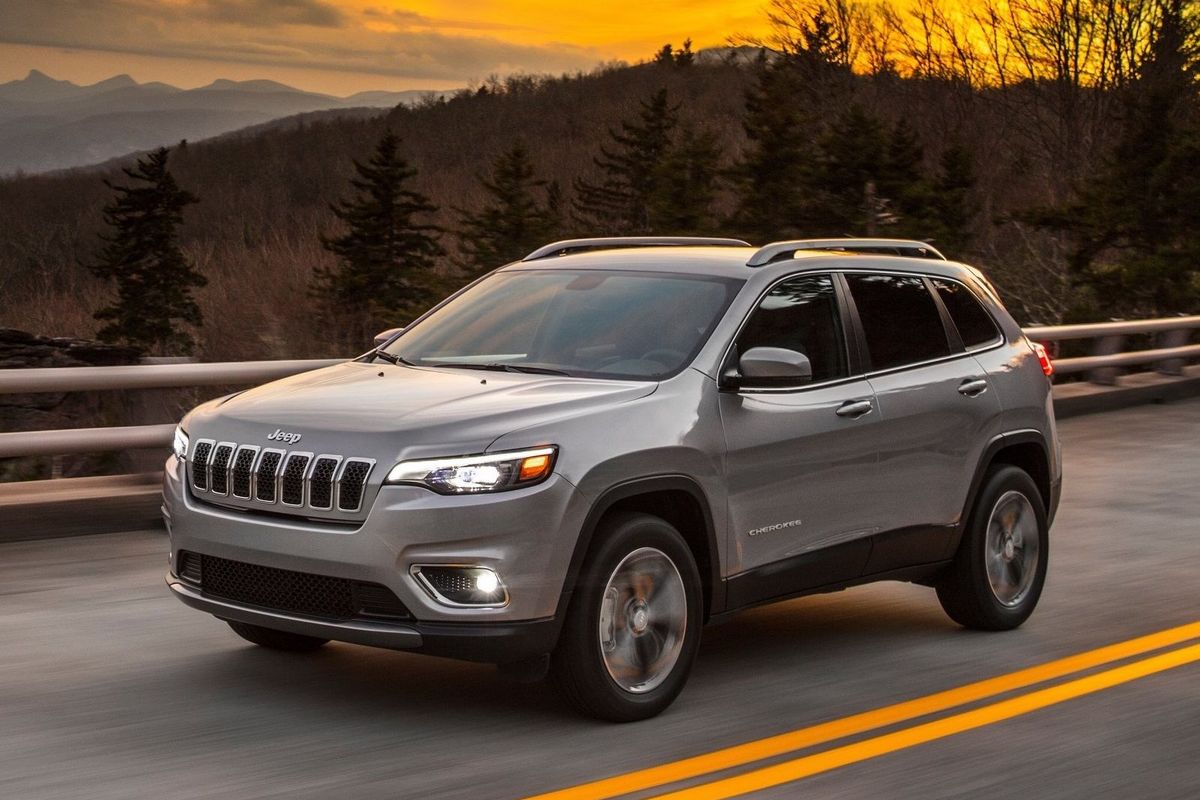
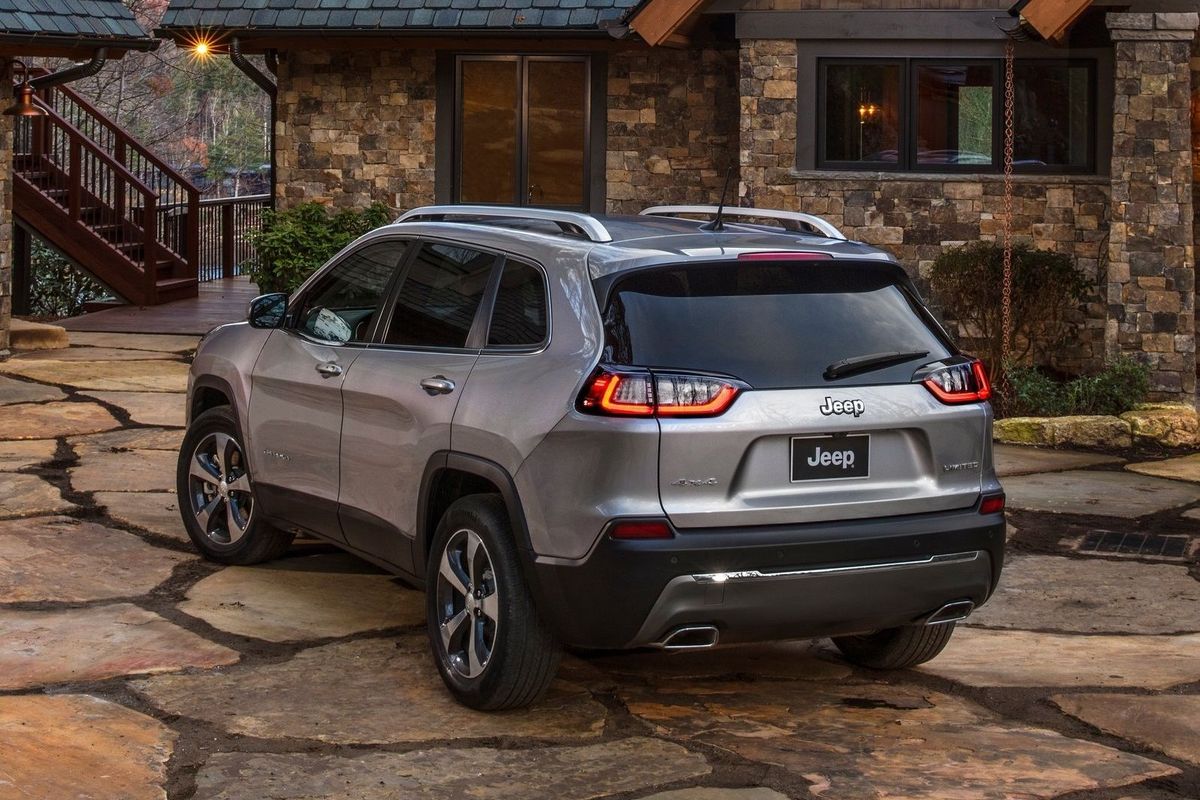
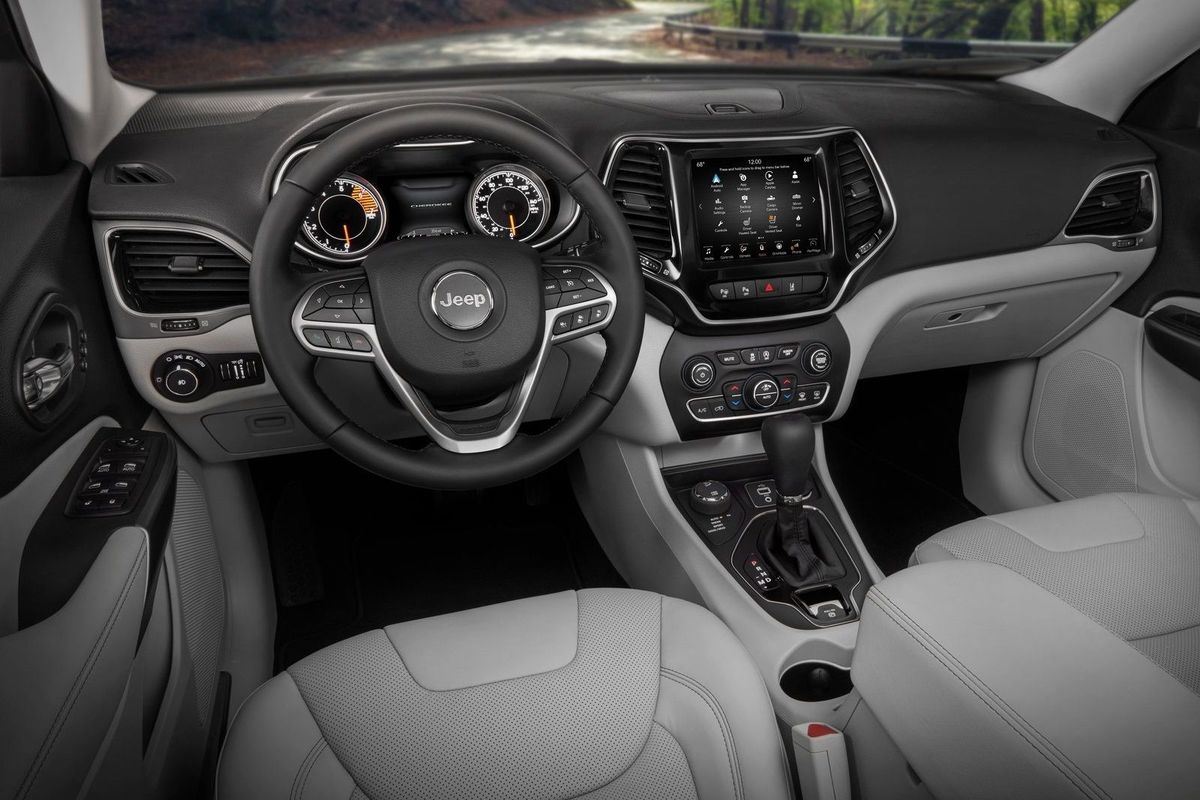
Pictures of the new Jeep Cherokee have been released online, ahead of its official reveal at the 2018 North American International Auto Show in Detroit.
Photos of the next Cherokee were released by Jeep online, presumably to whet our appetites in anticipation of its reveal at the 2018 North American International Auto Show, which takes place in Detroit. Accompanying the photos was what we think is the world's shortest press release, simply saying, " Jeep® is introducing the 2019 Jeep Cherokee – the most capable mid-size sport-utility vehicle (SUV) boasts a new, authentic and more premium design, along with even more fuel-efficient powertrain options." What we know so far is that it'll still be the consummate and capable family 4×4 SUV. It'll be available in both petrol and diesel, and there will be a hardcore Trailhawk derivative, which will boast trick differentials, extreme ground clearance and under-car cladding to protect it.
The new Jeep Cherokee is confirmed for South African market introduction in 2018.
Nissan Pathfinder leaked, but not coming to SA (yet)
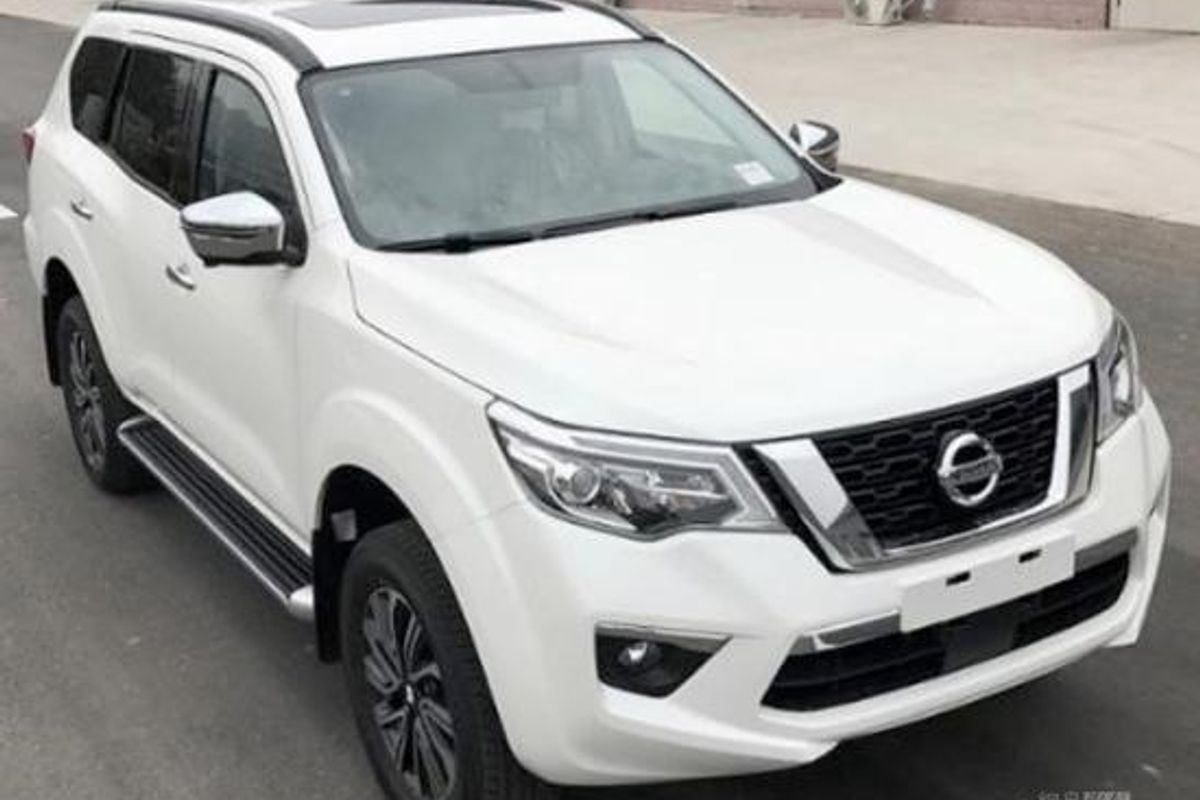
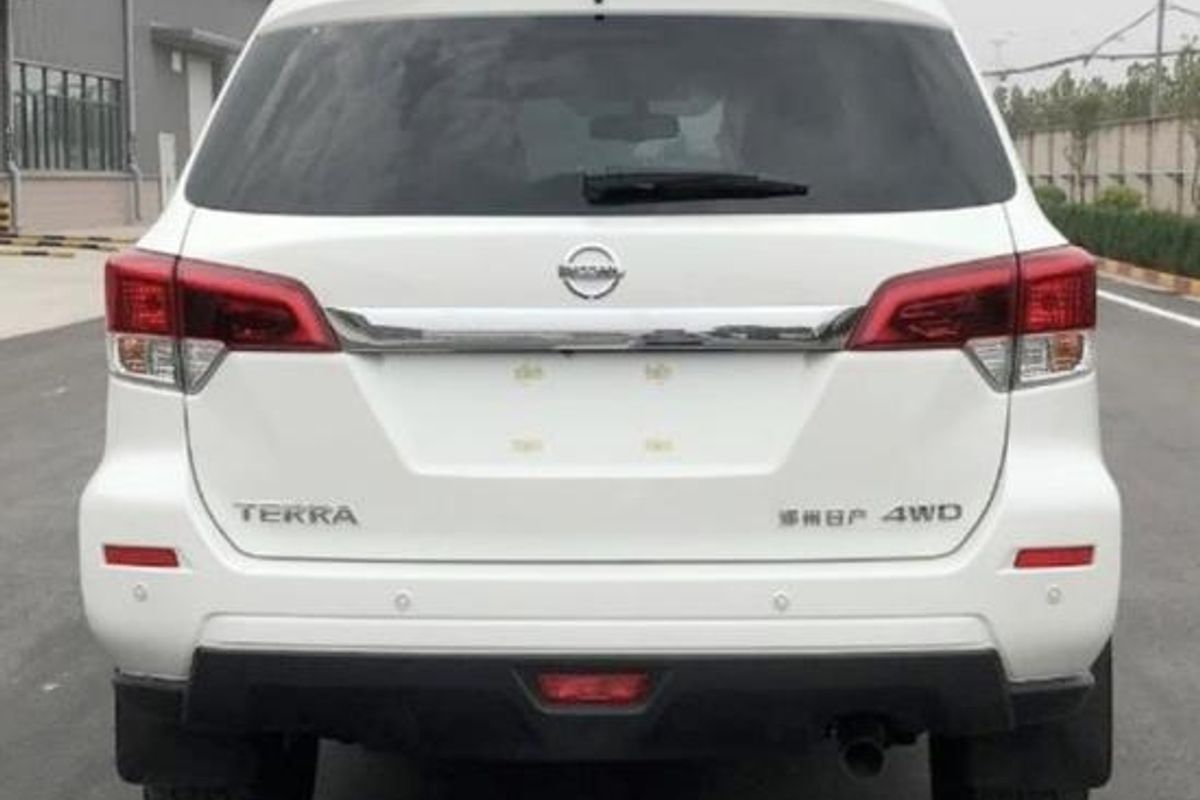
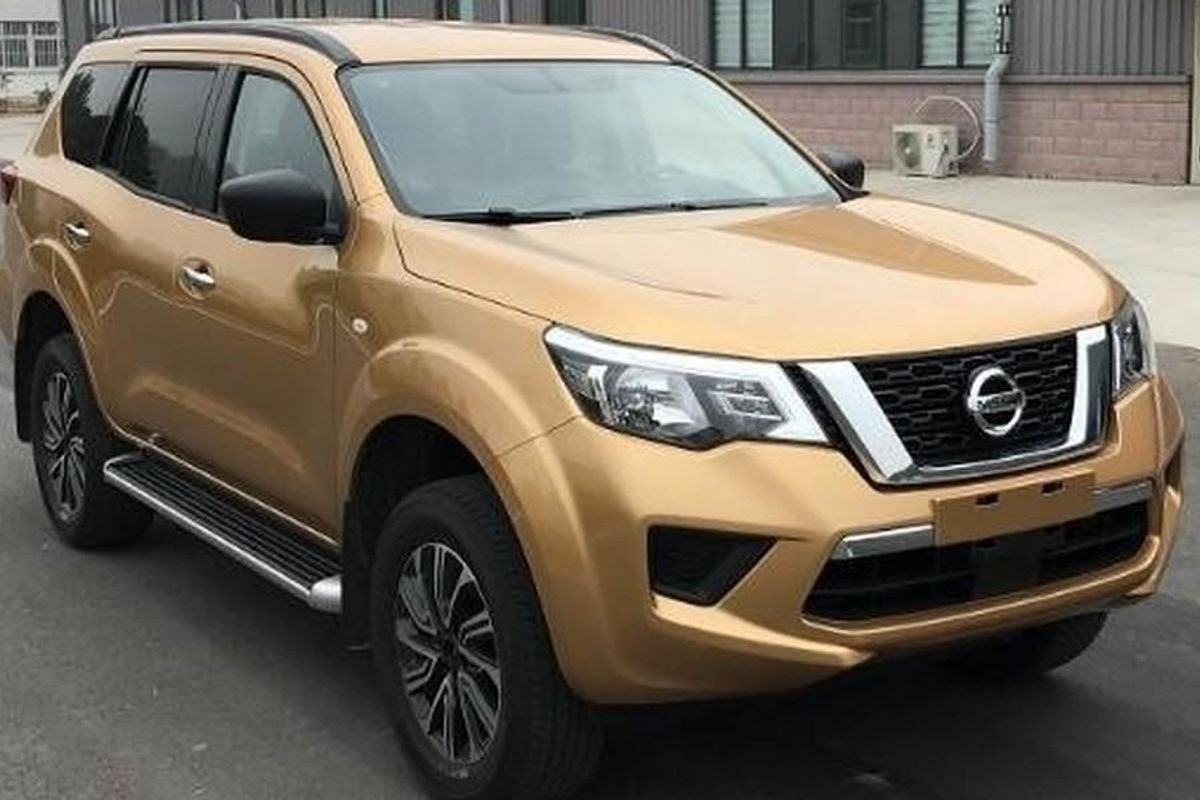
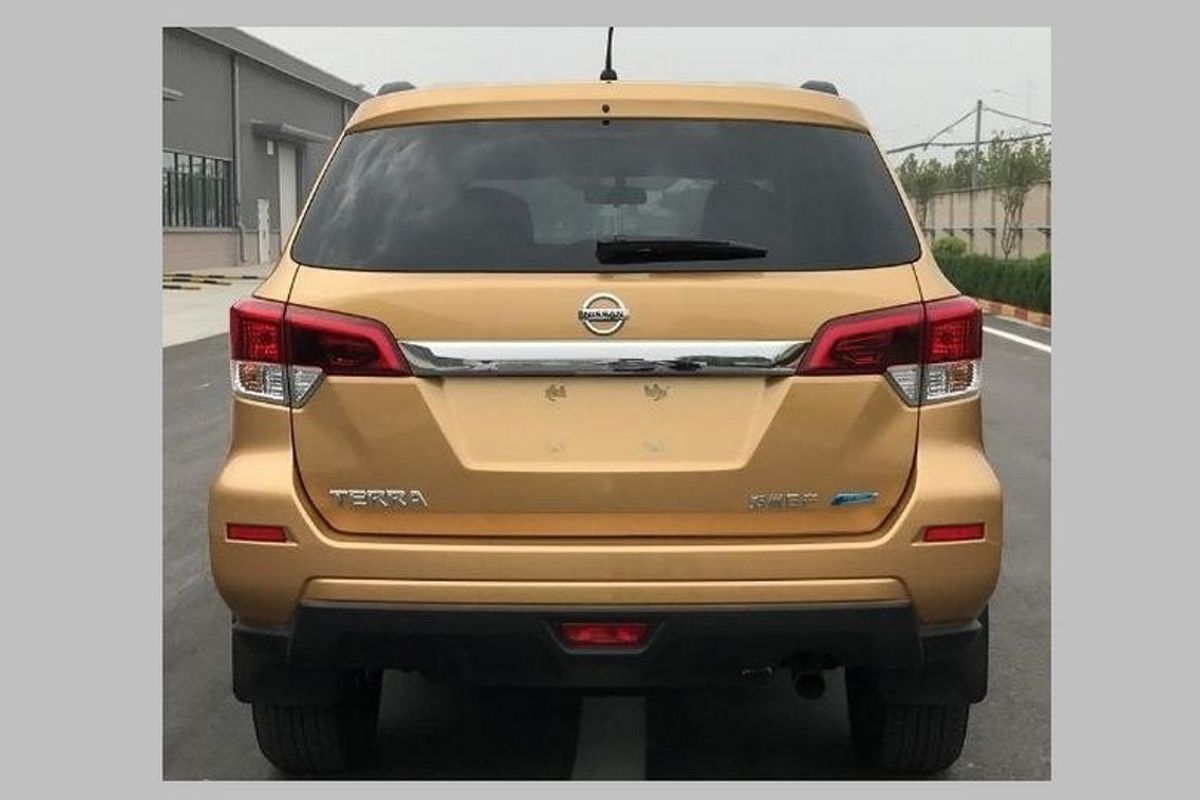
Leaked photos of the forthcoming Navara-based Pathfinder have emerged and while the 7-seater looks the part and should be a natural rival to the Toyota Fortuner, Ford Everest and Mitsubishi Pajero Sport, Nissan SA confirms that it is not scheduled to arrive in our market in 2018.
The photos here show the Chinese-spec version, which is called the Terra. The Chinese-spec vehicle will get a 137 kW 2.5-litre petrol motor, with the option of either rear-wheel drive or four-wheel drive. The 2.3-litre turbocharged diesel motor from Navara would also be a likely powertrain option.
The Nissan Pathfinder/Terra would be a perfect rival to go up against the Fortuner, Everest and Pajero Sport and let's not rule out the confirmed-for-SA Isuzu MU-X either.
However, as tantalising a prospect it would be, Nissan South Africa has confirmed that it will not be offering a Navara-based SUV in 2018. Fingers crossed for 2019, then?
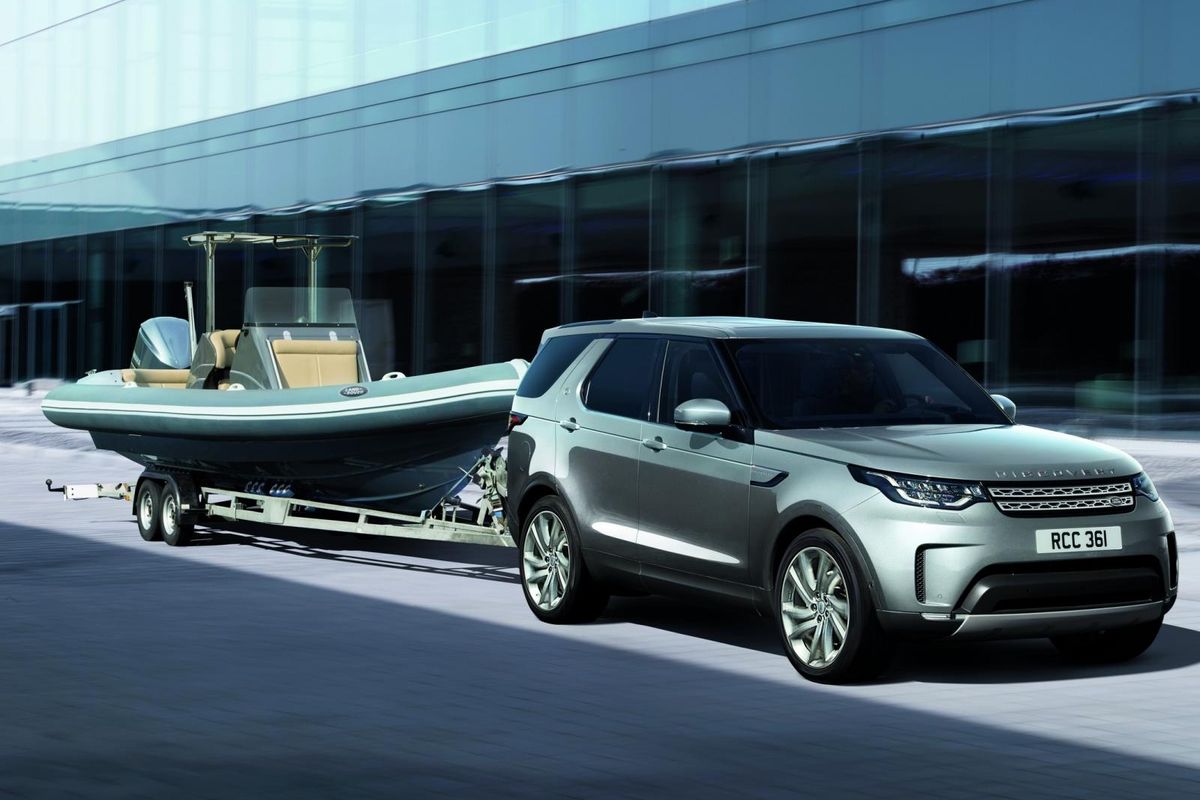
For those of you who thought that the Land Rover Discovery has become more about image and luxury, as opposed to a hardcore offroad vehicle, think again. Land Rover has created the Discovery Commercial, which is designed for those who operate in extreme conditions.
The Land Rover Discovery has impressed us with its luxury fittings and quality, but what if you wanted more from it? The Discovery has a stellar reputation for being a versatile and practical offroader, and we'd argue that the new one was too luxury-focused. Introducing the Land Rover Discovery Commercial which ups the ante considerably.
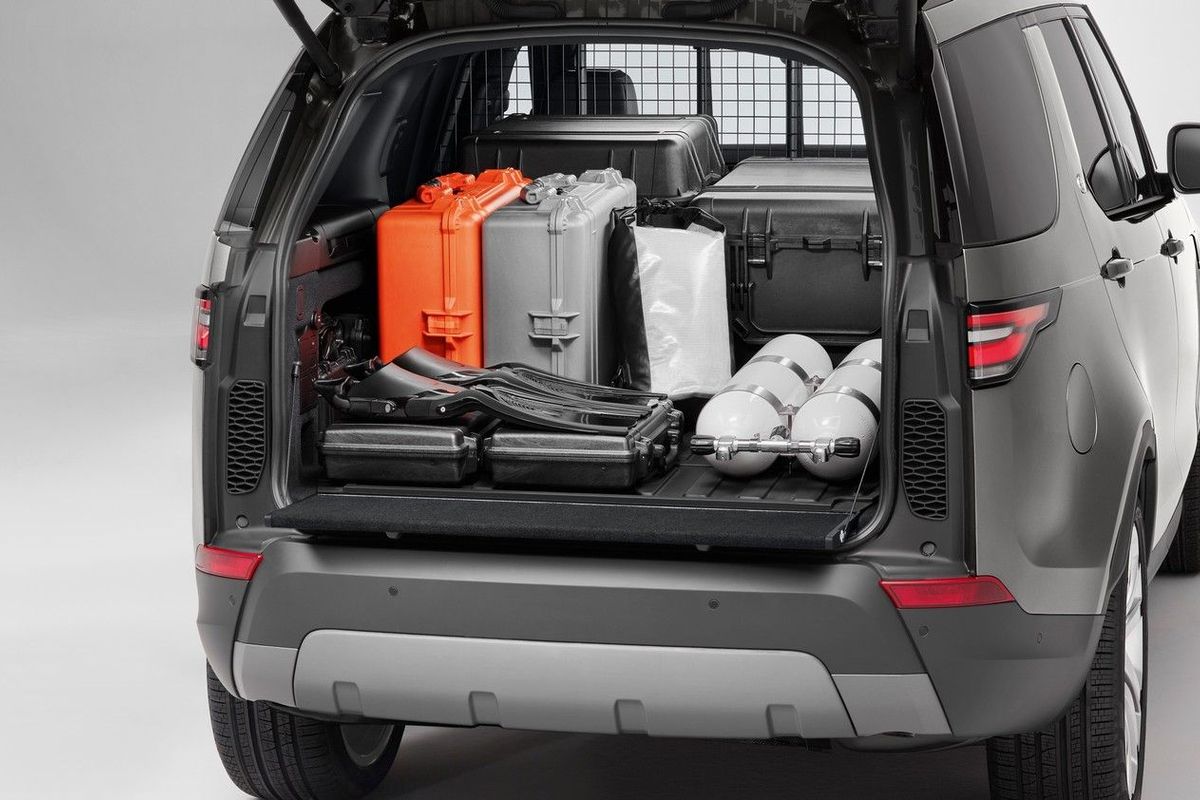
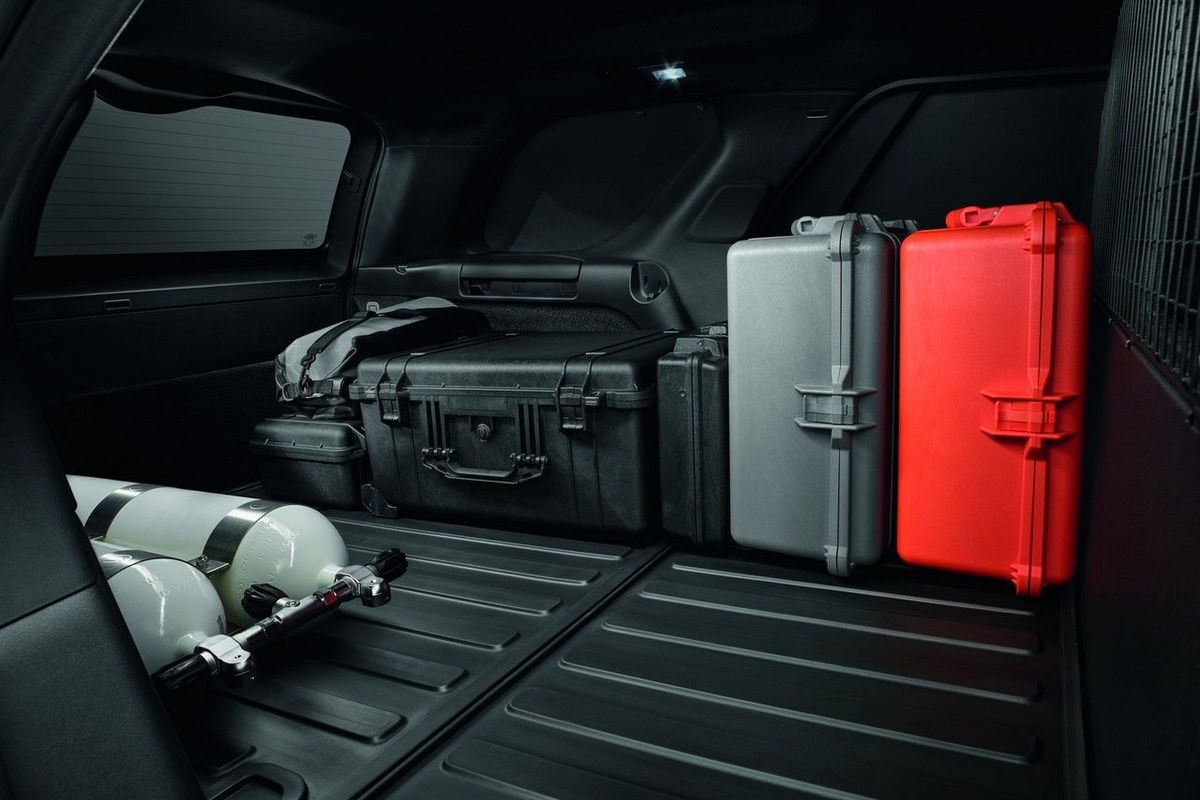
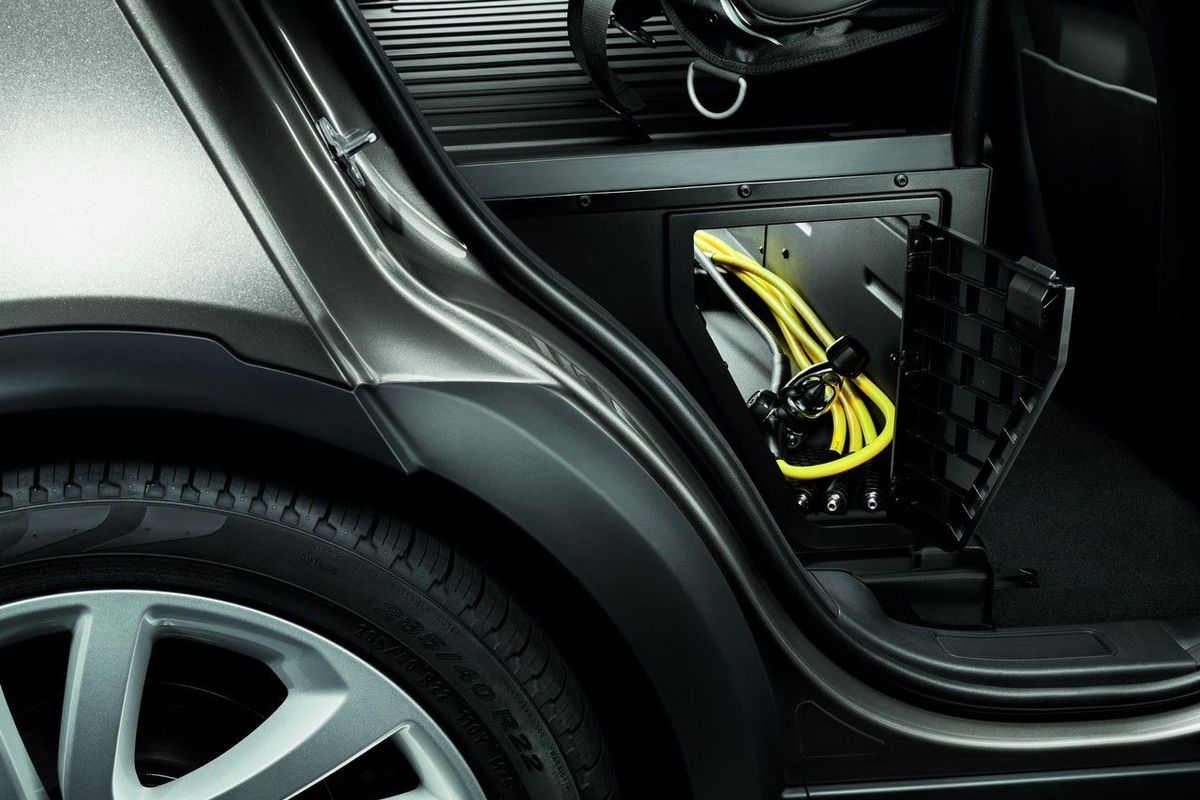
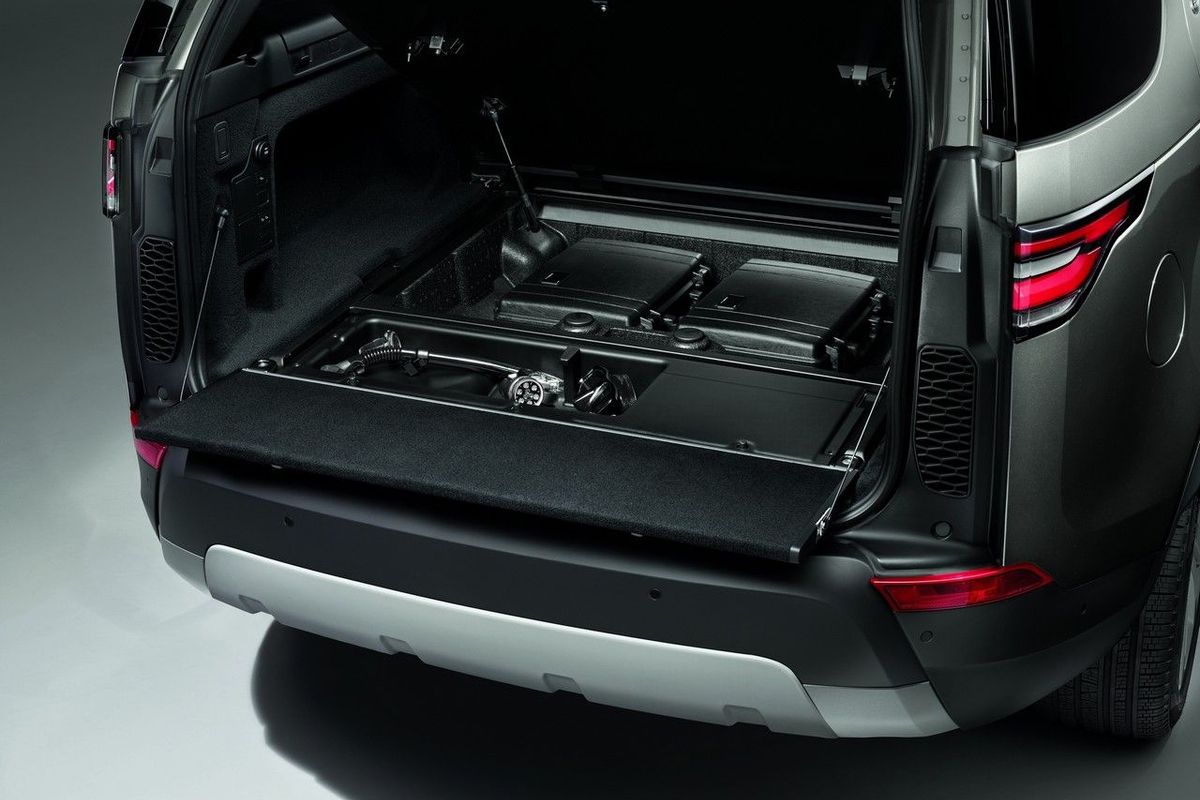
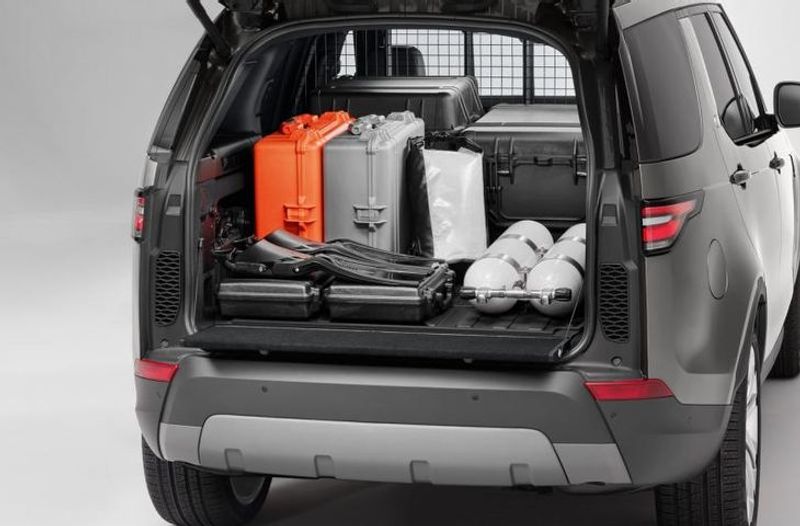
The second and third row of seats have been removed, and in its place is 1 856 litres of load space. Land Rover is claiming big practicality opportunities from this and its 1 635mm long, 939 mm high and 1 411 mm wide. The load area's windows are fitted with privacy glass, so no one can see what's inside. There is a metal guard which protects the front occupants from cargo shifting and the powered tailgate helps with access. Towing capacity is rated at a respectable 3.5 tons.
Land Rover Discovery Commercial removes two rows of seats in favour of more versatility.
The Land Rover Discovery Commercial comes with four-wheel drive, automatic transmission, twin-speed transfer box, air suspension and a full-size spare wheel fitted as standard. It can also go offroad and features Land Rover’s Terrain Response systems which optimise the vehicle’s engine, gearbox, centre differential and chassis systems automatically for the terrain. In terms of engines, just two turbocharged diesel engines are offered in Commercial spec; the 2.0-litre SD4 and 3.0-litre TD6. Cruise control, a speed limiter, Autonomous Emergency Braking and Lane Departure Warning are all standard.
Jaguar Land Rover UK Managing Director, Jeremy Hicks said: “Discovery Commercial has always been a key part of the Discovery line-up since the Discovery 1, but the latest version brings new levels of practicality, versatility and premium levels of comfort that showcase the vehicle’s hard-working DNA.” The first Land Rover Discovery Commercial deliveries are scheduled for the second quarter of 2018.
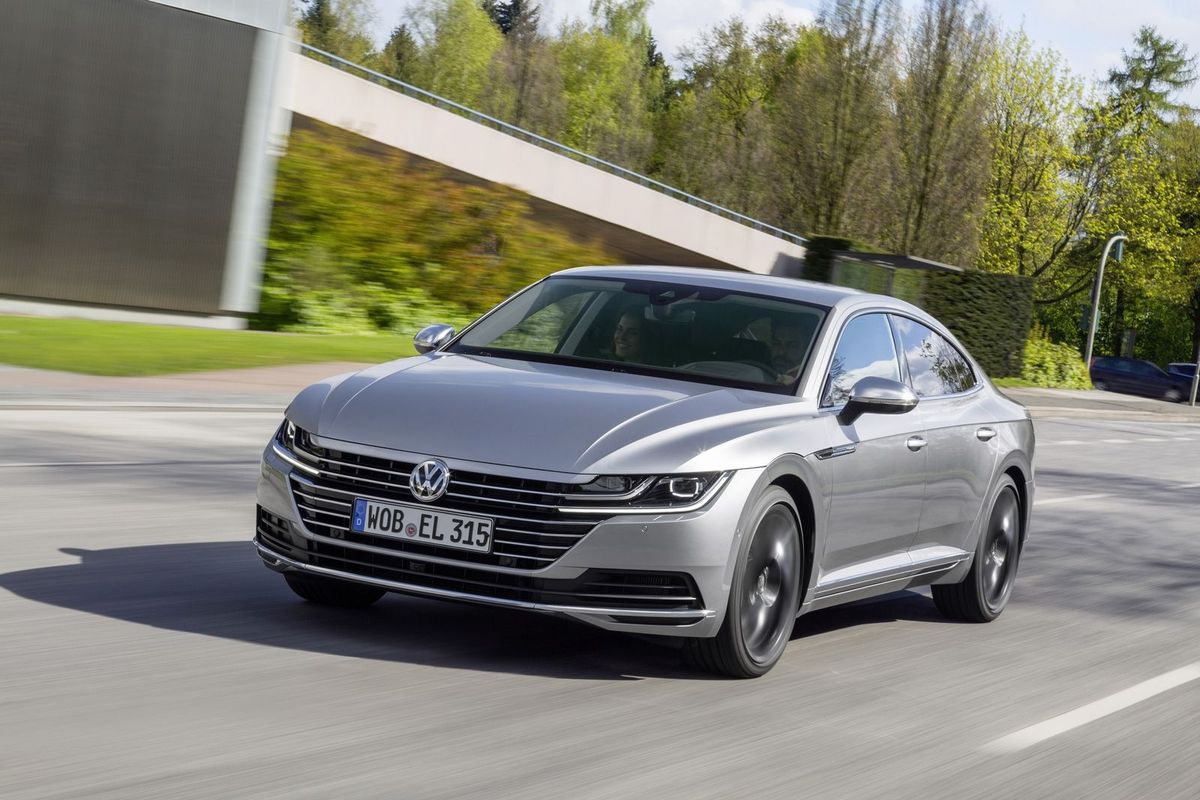
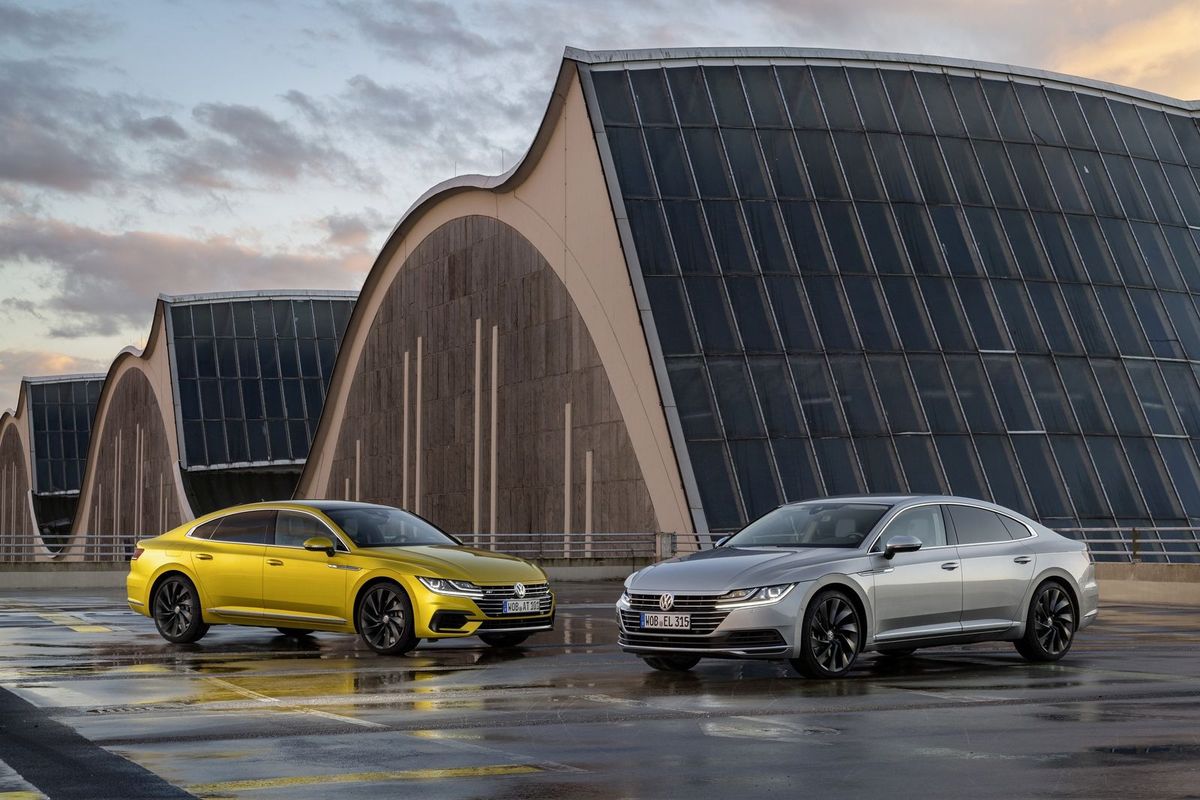
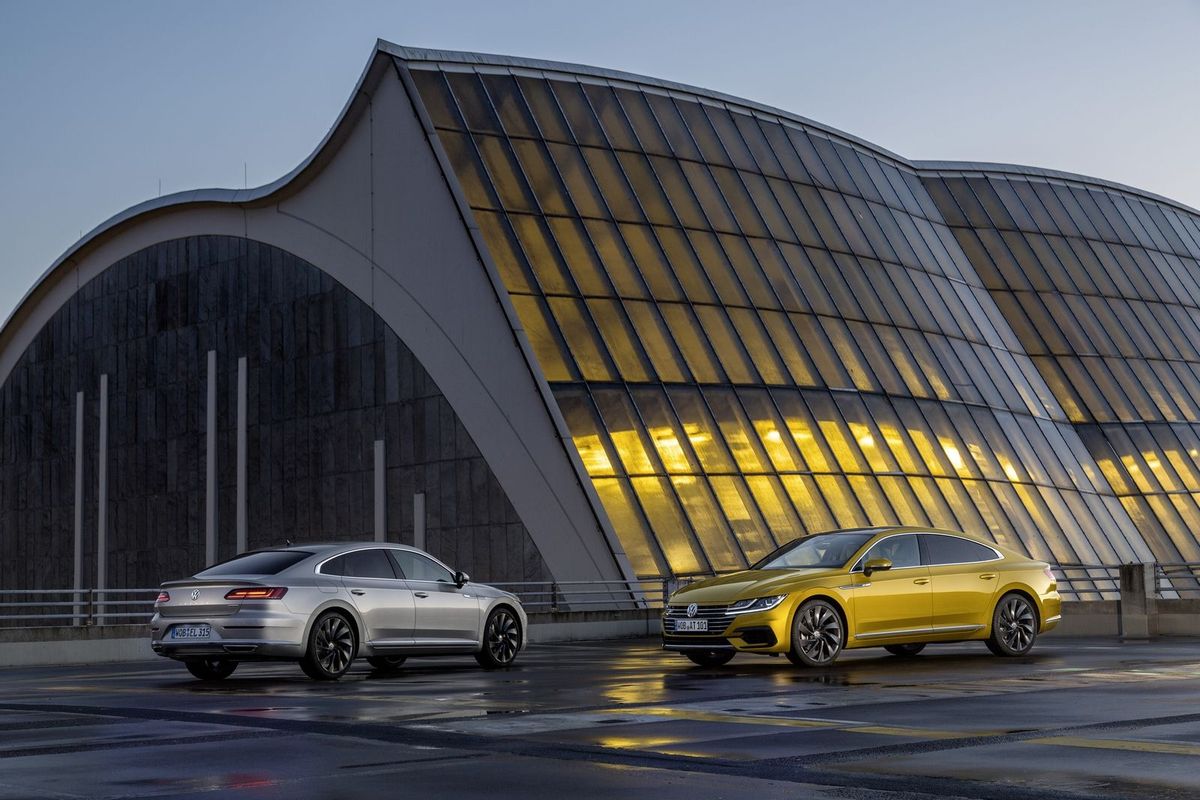
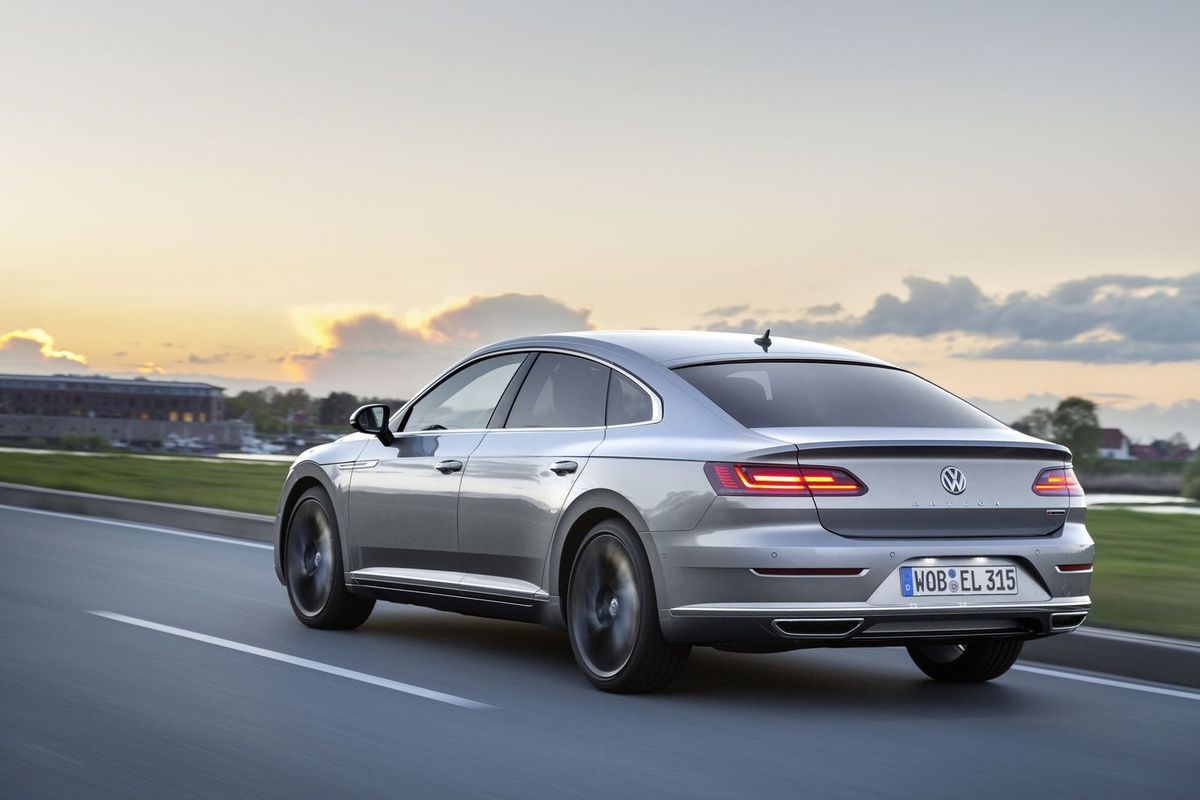
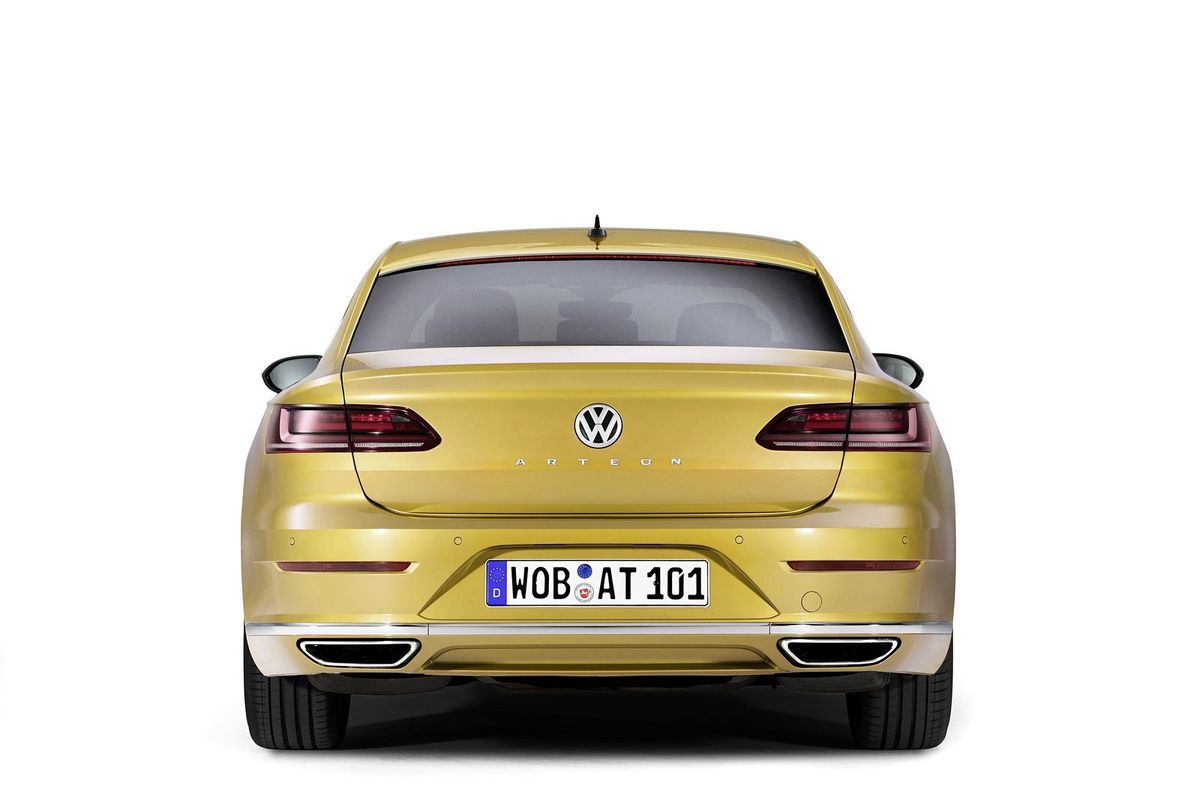
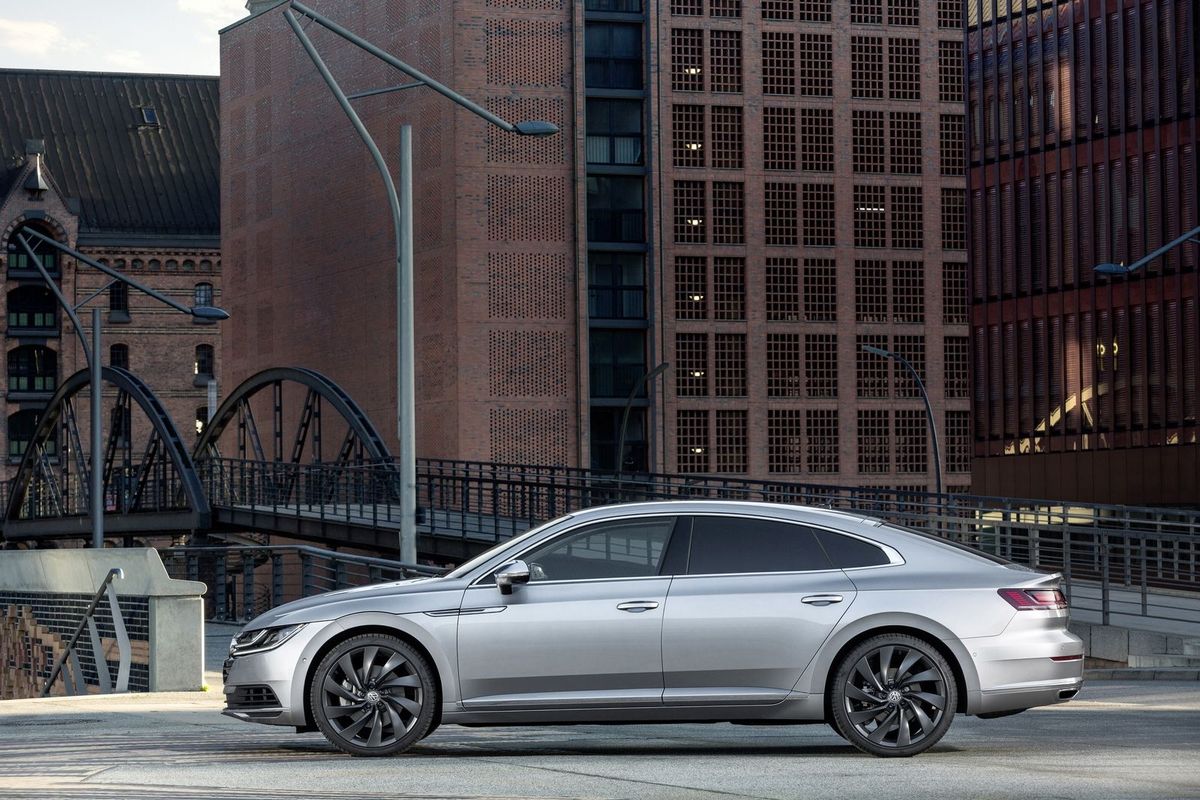
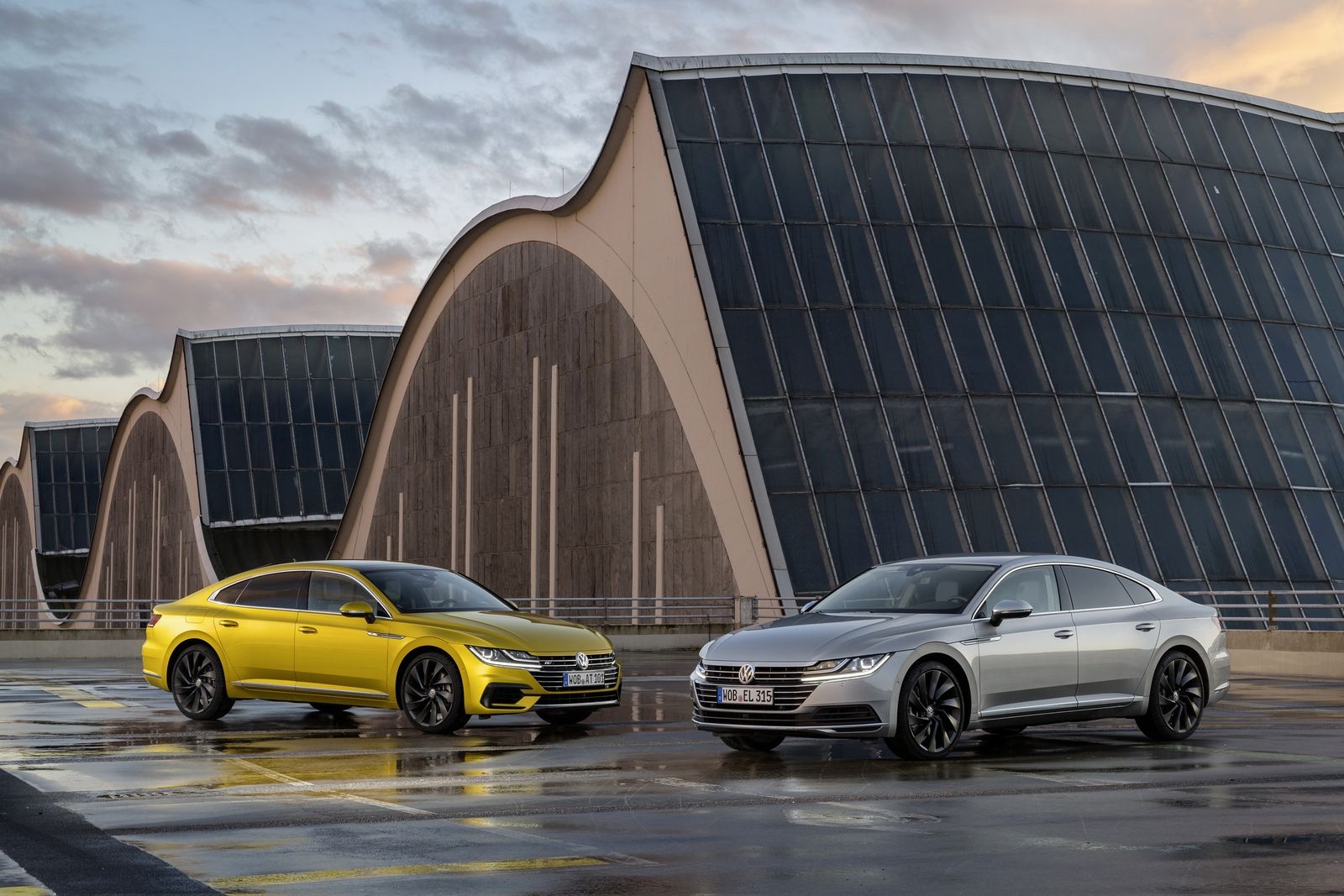
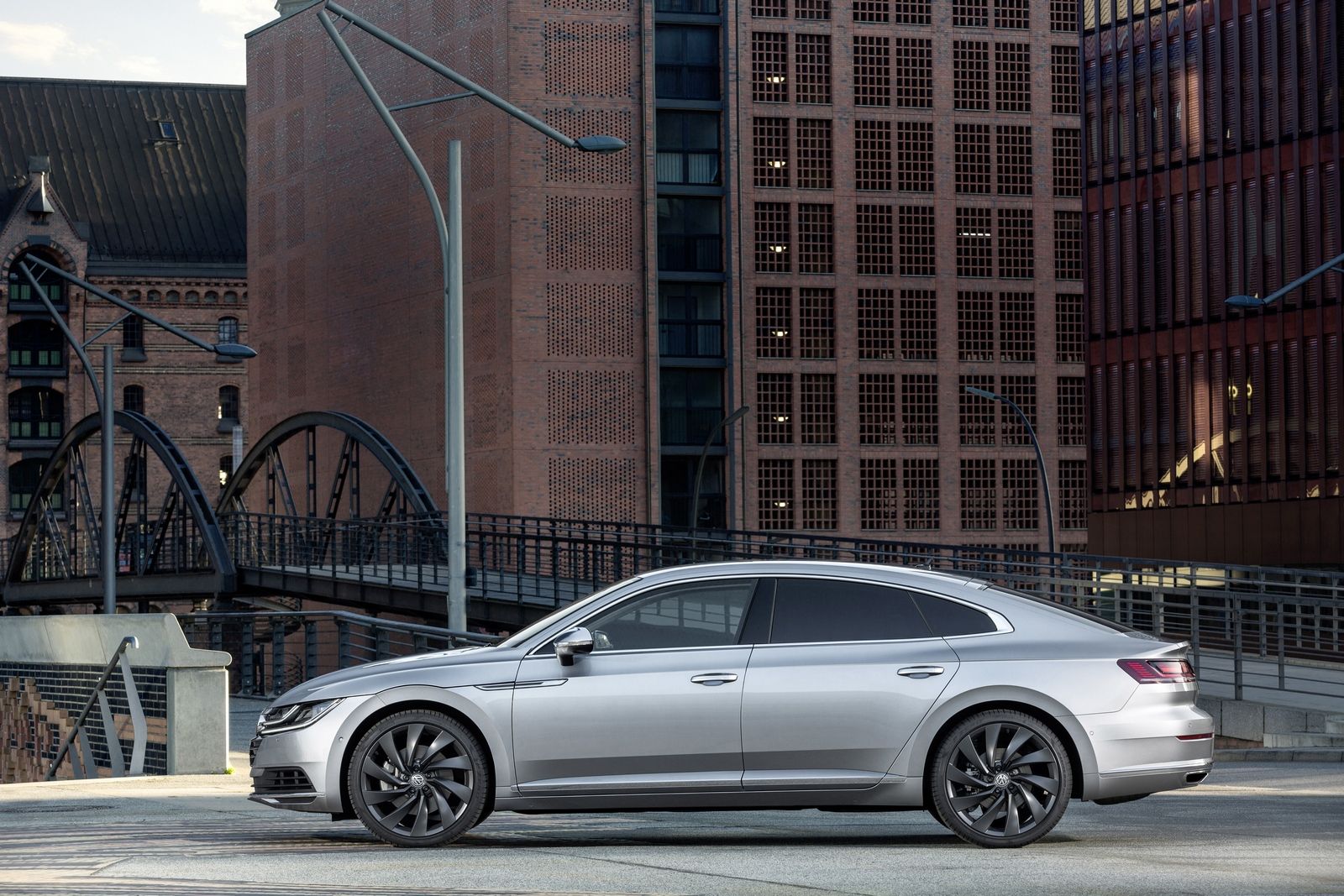
With news breaking that Volkswagen is developing a 301 kW 3.0-litre twin-turbo V6 version of its Arteon, replete with an all-wheel drivetrain, it's worth remembering that the Wolfsburg-based brand will introduce its business class "fastback" on the South African market in April 2018. The newcomer exudes class and sophistication, but, like its CC predecessor, is an acquired taste. Our UK correspondent Matt Saunders drove the newcomer in Europe earlier this year and herewith his findings…
You’re looking at the new face of the Volkswagen brand. That, above and beyond being a rival for added-desirability executive options such as the Audi A5 Sportback and a replacement for the old Passat-based VW CC, is what the Arteon 5-door hatchback represents. Except that VW calls this a "fastback" because hatchbacks are, by and large, smaller, cheaper and far more ordinary. Of course they are. "Fastback" executive cars are special; instantly much more appealing than a sedan with an otherwise mainstream badge might have been.
It's about the looks
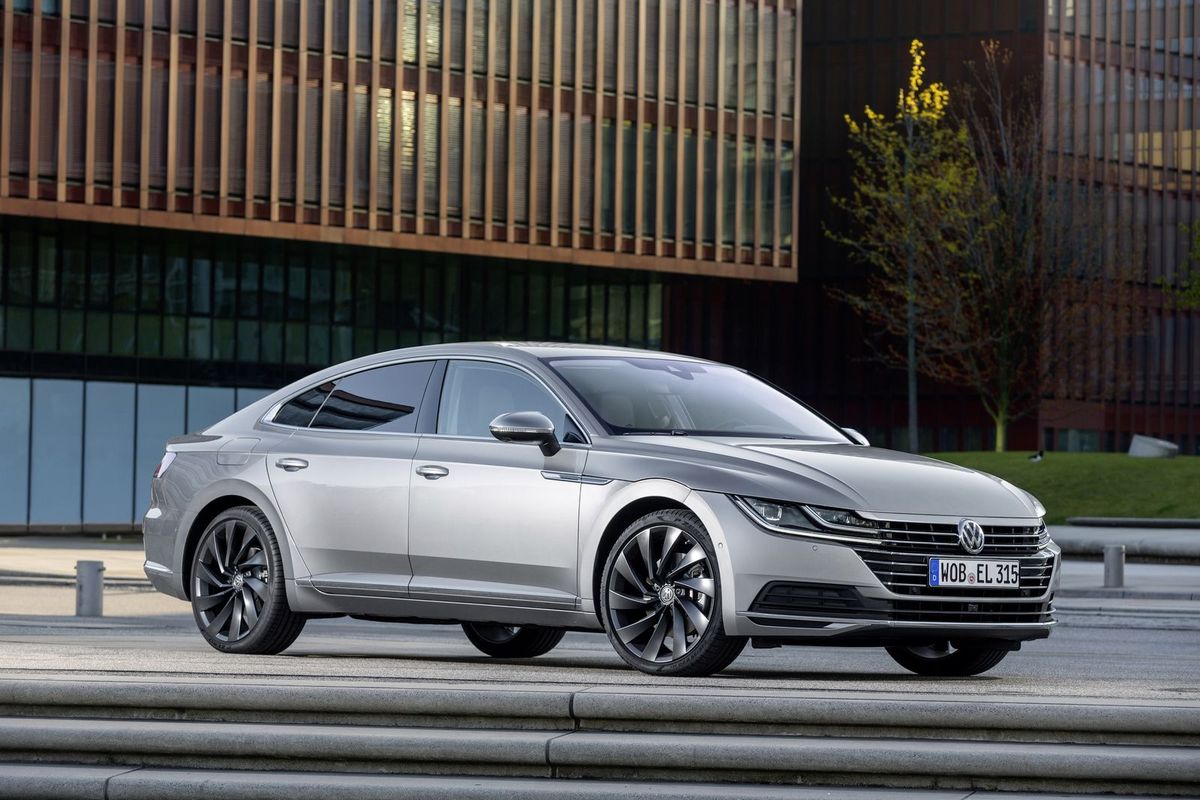
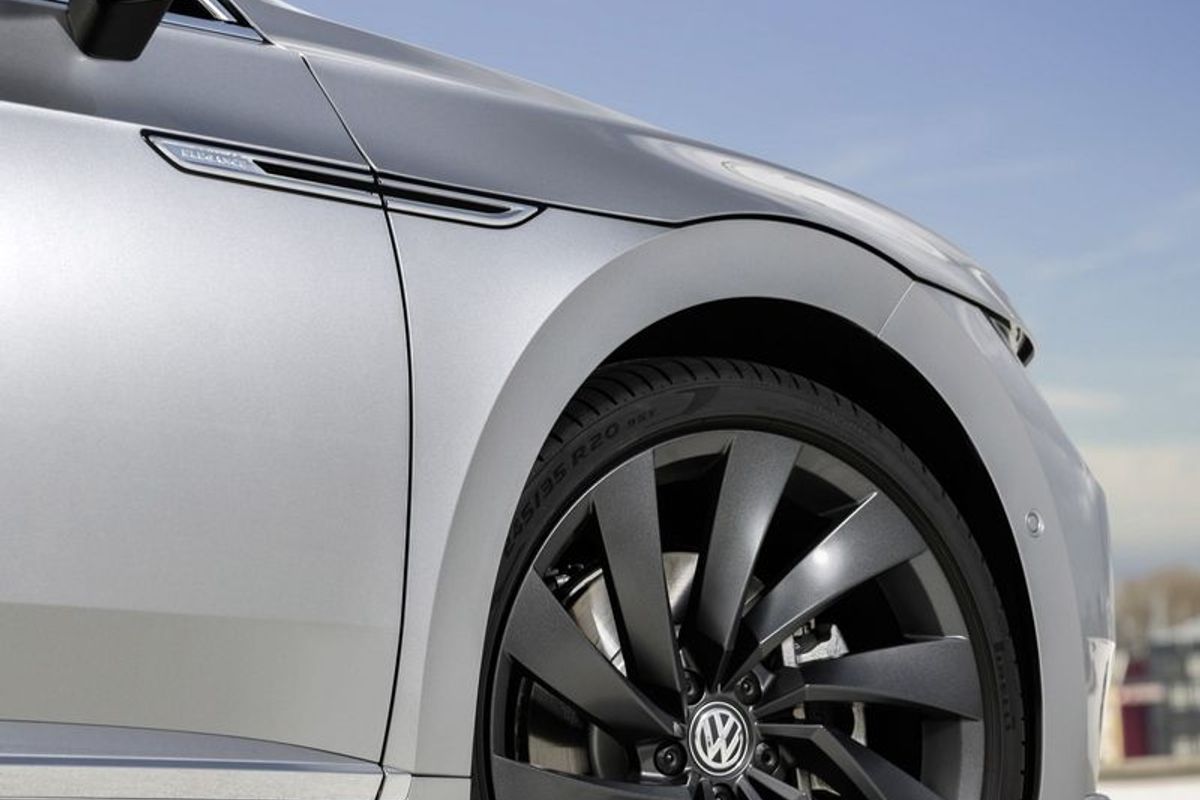
Where the Arteon leads, at least in styling terms, much of the rest of Volkswagen's passenger car range will follow. Let’s wait and see if that’s necessarily good news. The Arteon’s grille and headlight styling will be particularly influential, VW says. The way those horizontal grille bars run seamlessly into the headlights is intended to make the front end seem wider and more impactful, helping to give this practical 5-seater the visual presence of a sportscar. Those curvy rear haunches, blistered wheel arches and sharp body creases are there to achieve the same effect. Likewise the availability of an optional 20-inch alloy wheel for those who want one (naturally, VW wanted imposing wheels on the cars in its press demonstration fleet).
Get used to this face as VW plans to slap it on many of its upcoming models.
It’s at this point that a diplomatic reviewer would normally reserve judgement on a car’s aesthetics and crack directly on with matters less subjective. I’m not going to do that because it would be to ignore what ought to be one of the chief selling points of any car in this part of the executive car market; arguably an even more important one, too, in a Volkswagen starting at something of a disadvantage on brand allure when judged against many of its peers.
In the metal the Arteon is short on visual charisma and distinctiveness to my eyes; it’s smart enough if a bit unimaginative and half-hearted. You can make your own mind up, of course. But having been down this road once before with the Passat CC and seen others follow its lead, I think VW should have known that it would take more than a plunging roofline and some frameless doors to make this car really stand out.
What bits does it use?
The Arteon is built on the same MQB platform as the current Golf, Passat, Touran and Tiguan: a sentence that says all you need to know about how flexible modern vehicle architectures have become, and how much freedom they now grant designers and engineers. This is certainly no rebodied Passat; its wheelbase is longer, its axle tracks wider, its roofline lower and its driving position quite different.
The MQB platform is used for the Arteon, its comfort and adaptability well-respected across the lineup that uses it (Golf, Tiguan, Passat).
The car will be available with in a choice of 3 turbocharged petrol engines and a trio of turbodiesels in many global markets, as well as manual or twin-clutch gearboxes and either front- or four-wheel drive. But VWSA is yet to decide how widely it’ll flesh out the Arteon range – and, presumably, how much the car might be allowed to cannibalise Passat sales.
As a more stylish option than the Passat, it's likely that the top-of-the-range 206 kW 2.0-litre TSI petrol and 130 kW 2.0-litre turbocharged TDI will make the trip here, both getting seven-speed DSG transmissions. Prices are also still to be confirmed, but we expect that it will start at around R500k.
How is it different from the CC?
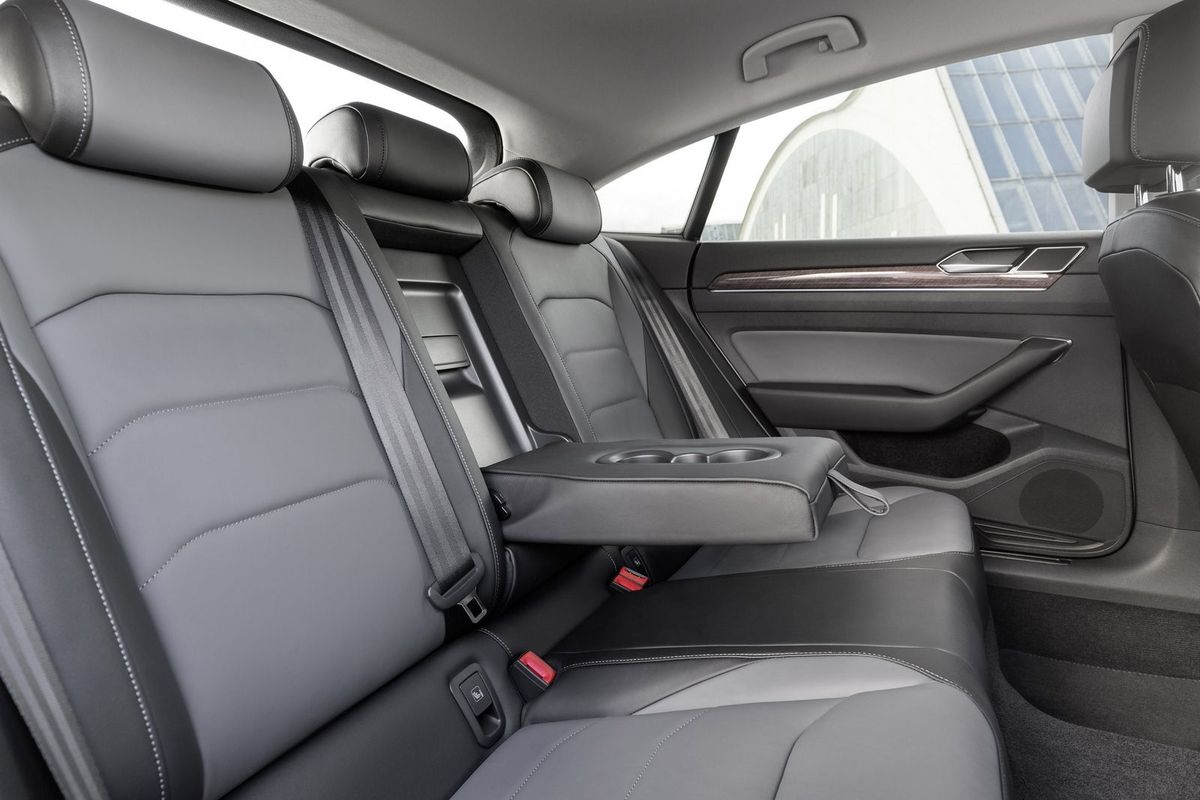
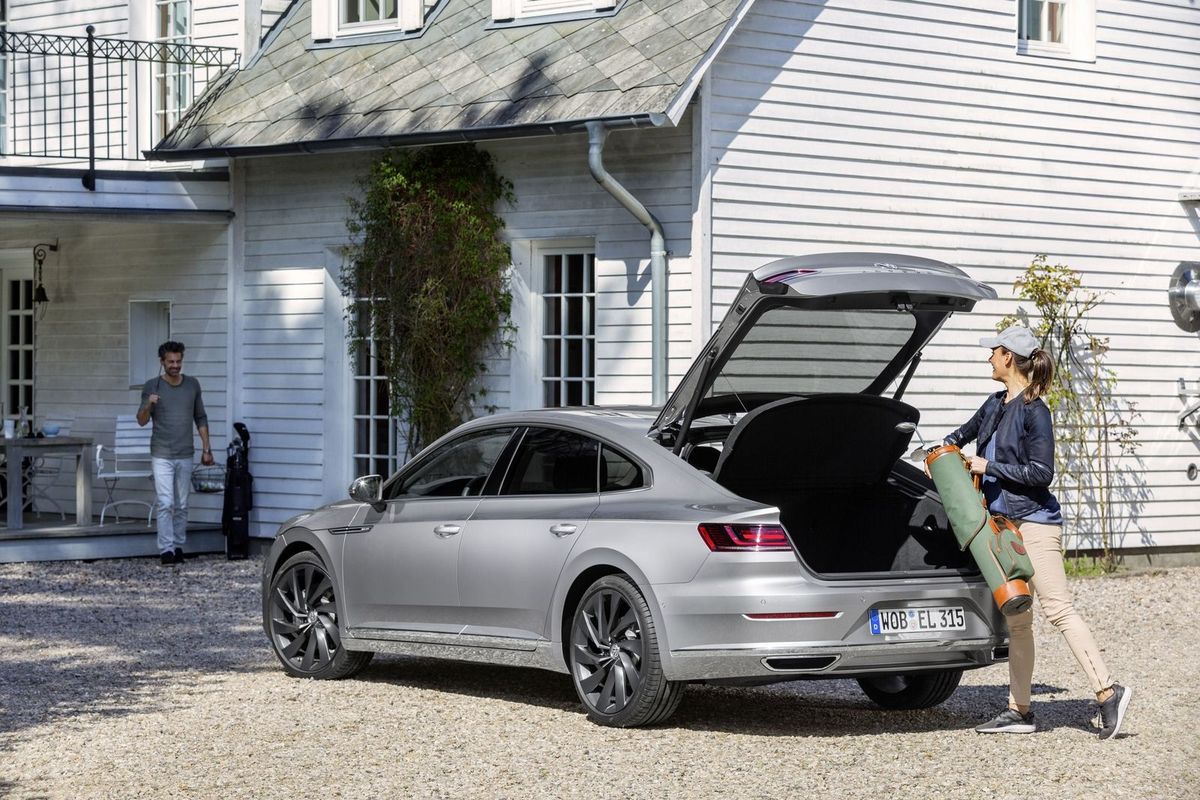
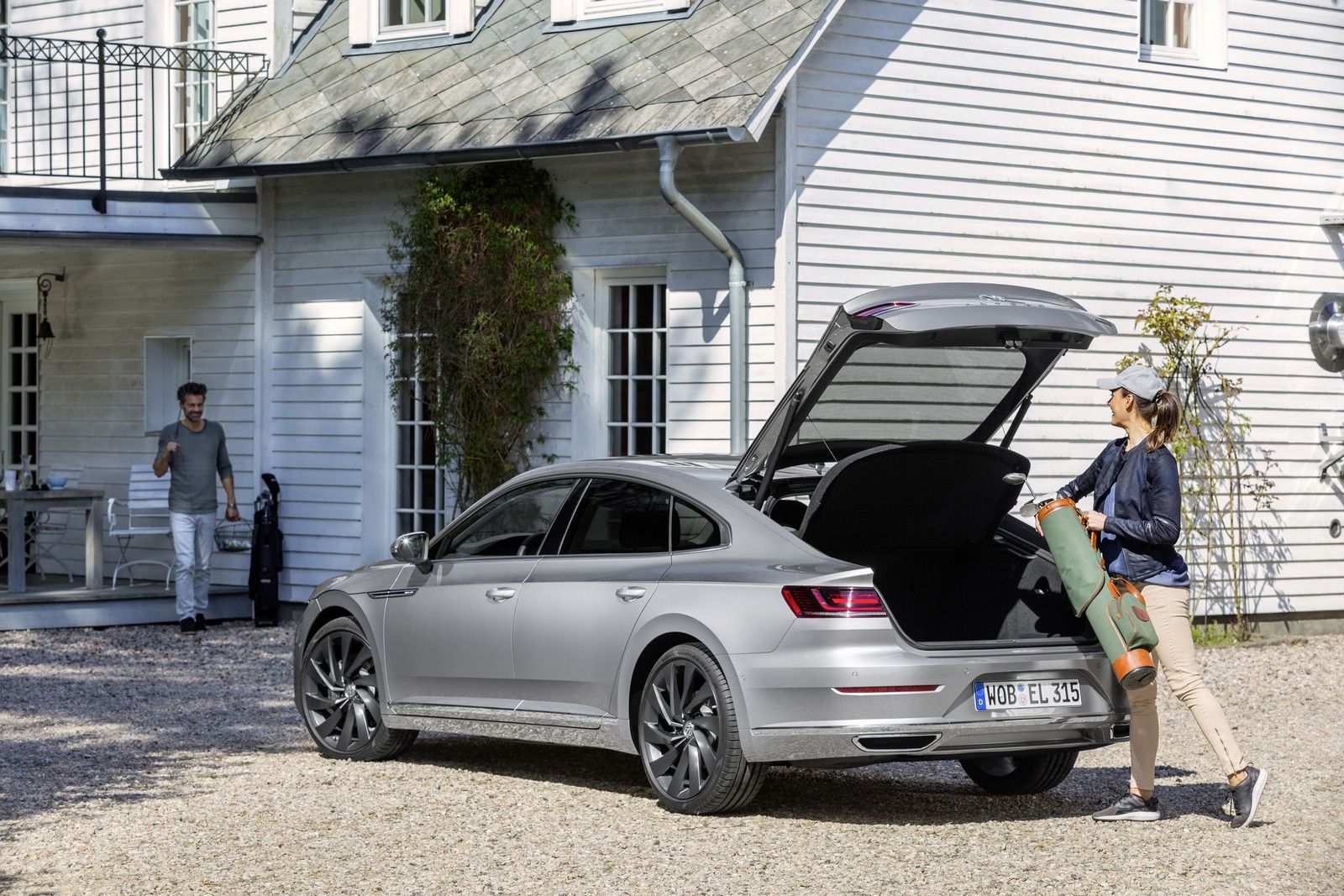
And one of the ways the Arteon will justify that price, where the old CC certainly didn’t, is the old-fashioned way: with size. This is a relatively long and wide car; it looks big enough to be approaching R50k-worth, to put it simply. On the inside, it offers a very roomy and accessible boot and more than enough legroom for a couple of larger adults to sit in the back quite comfortably (albeit, predictably, not as much headroom as a more conventional saloon might).
Up front, the seats of our "Elegance"-spec test car were snug and adjustable, and the seating position lower and more enveloping than in a Passat. The Arteon’s door consoles rise much higher at your shoulder than its sister car’s, its roofline staying lower and its glasshouse slimmer, leaving quite a large B-pillar to peer around when you’re overtaking and pulling out of oblique junctions.
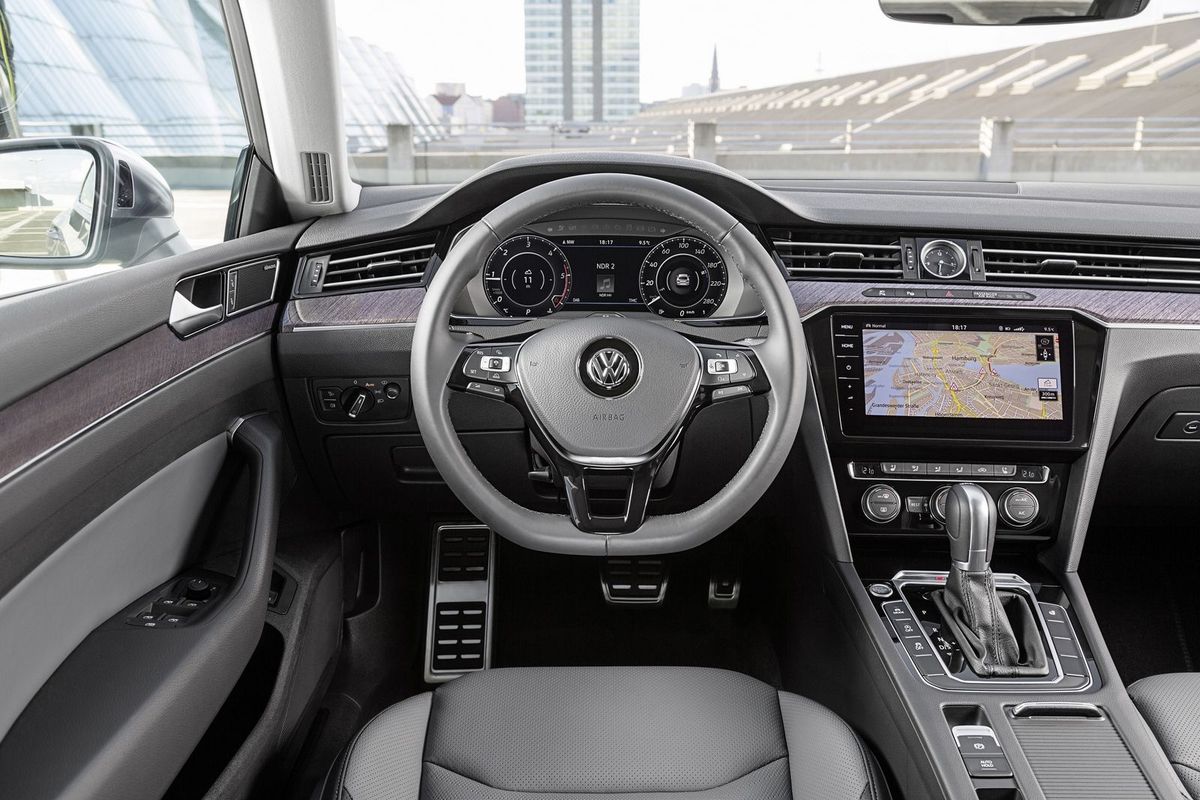
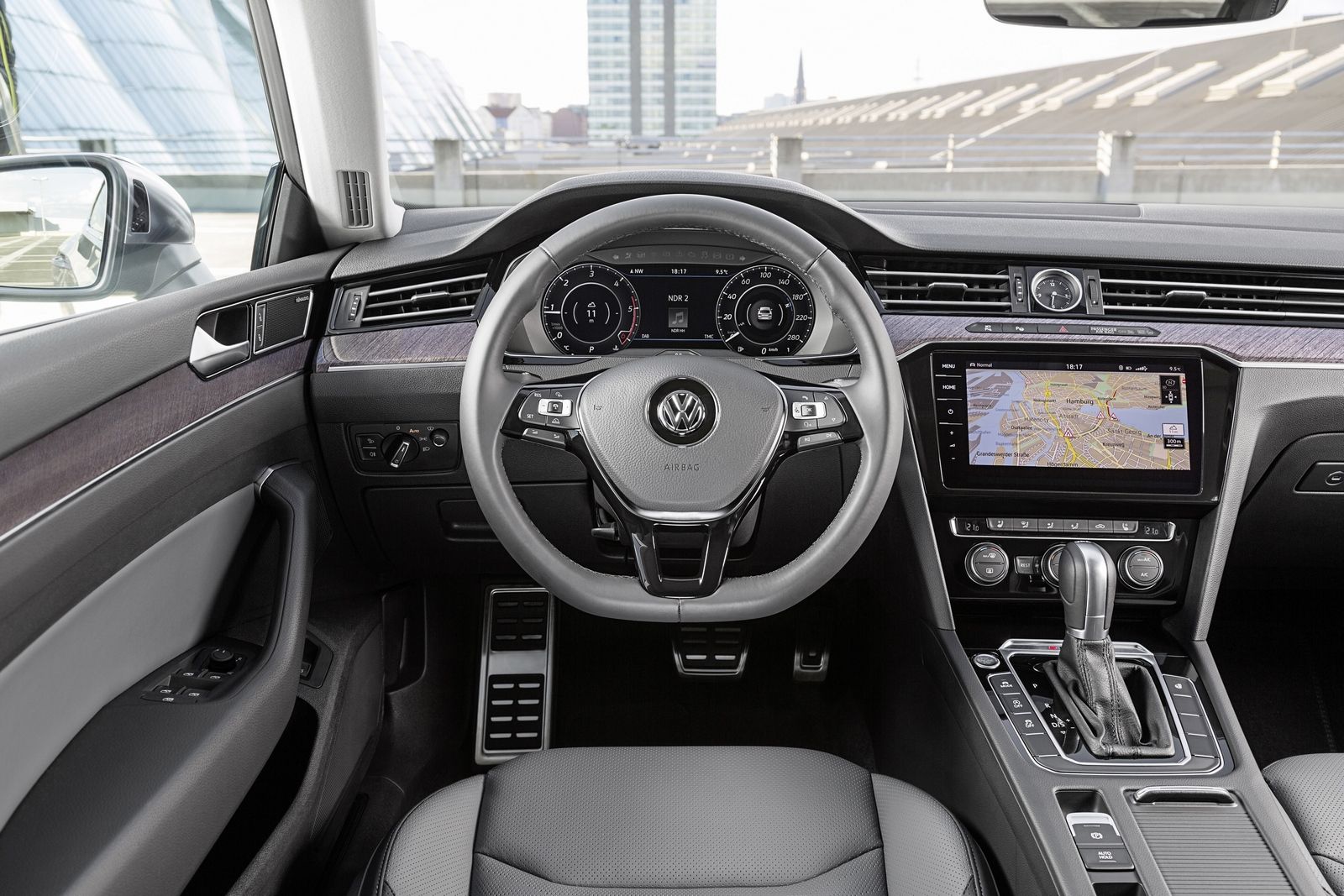
The interior is almost a perfect copy and paste of the new Golf. Some differentiation could have gone a long way to building the Arteon brand name.
Onboard technology is one of the key prongs of the car’s appeal, VW’s thinking being that younger buyers probably care more about sophisticated safety and infotainment technology than perfect 50:50 weight distribution or some modern pastiche of century-old European luxury. It certainly seems a sensible philosophy – but it’s debatable if it’s a real selling point for this car. The Arteon gets the same optional glass-fronted 9.2-inch Discover Pro infotainment system as has just been installed in the smaller Golf; and just as it did in the Golf, it seems powerful and feature-rich but much-the-worse on usability for the loss of VW’s old volume and map zoom knobs and shortcut buttons. The car also has the Golf’s Active Info Display digital instruments, which we like – but ultimately not quite as much as we like one or two other digital instrumentation setups that this kind of cash might buy.
How does it drive?
There can be few complaints or reservations about the slickness of the Arteon’s driving experience. With its mechanical refinement and the consistent obliging lightness of its controls, the car feels every inch the modern Volkswagen. The 2.0-litre turbodiesel engine remains remote and quiet even at moderately high revs, but its considerable torque, its responsiveness and the intelligent shift behaviour of the car’s DSG gearbox all mean you very seldom need to venture much beyond 3 500 rpm if you don’t want to.
The car’s ride is laudably quiet on a level surface, too, even on those optional 20-inch wheels and low-profile tyres. Rather than simply retune the same suspension hardware you’ll find on a Passat, VW has gone shopping for new adaptive dampers and bushings for this car in the knowledge that those 20-inch rims would be tricky to integrate into the driving experience without also accepting a harsher edge to the ride than Wolfsburg might otherwise like.
The upshot is that the Arteon offers greater dynamic configurability than any other Volkswagen, it’s damping being tunable on a sliding scale from a more compliant setting to a more resolute one when you choose ‘individual’ mode on the modal controller, instead of being restricted to discrete Comfort, Normal and Sport presets.
20-inch wheels may only be an option but they are surprisingly good over all but the harshest of bumps.
But, while the greater control over the car’s ride is welcome, what it amounts to is debatable. The Arteon is at its most effective when cocooning you from the world outside with its generally supple ride and its isolated steering. Damper upgrade or no, there’s an unmistakable thump to the car’s ride when those 20-inch rims hit sharper bumps – though it’s tolerable.
But if you select a firmer suspension preset in search of the driver engagement the car’s positioning promises and you’ll likely be left disappointed. The car’s "progressive" variable-rate power steering picks up marginally more weight, but still feels starved of feel and its ride becomes choppier/only a little more intimately (or meaningfully) connected to the road surface.
Summary
The Arteon’s grip level and handling agility are both good enough to make it feel more athletic than the average executive saloon, but it doesn’t inspire much greater excitement than that, and, as such, it’s not a car we’d recommend to the keener driver. In other respects, though, it’s plainly a very refined, sophisticated and surprisingly practical car with a sense of class extending well beyond what many brand-obsessed buyers will be willing to credit. As with so many Volkswagen sedans, it's a charming car that will grow on you – if only you'd let it.
Quick stats
VW Arteon 2.0 TDI 240 4MOTION Elegance
Price R600 000 (tbc)
Engine 4-cyl in line 2.0-litre twin-turbocharged diesel
Power 177 kW at 4 000 rpm
Torque 500 Nm at 1 750-2 500 rpm
Gearbox 7-speed twin-clutch automatic
Kerb weight 1 753 kg
0-62mph 6.5 sec
Top speed 245 kph
Economy 5.9 L/100 km
Rivals: Audi A5 Sportback, BMW 4 Series Gran Coupe
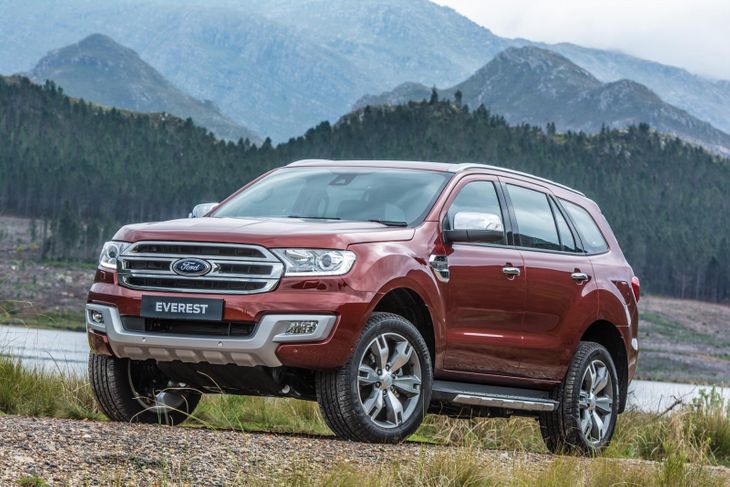
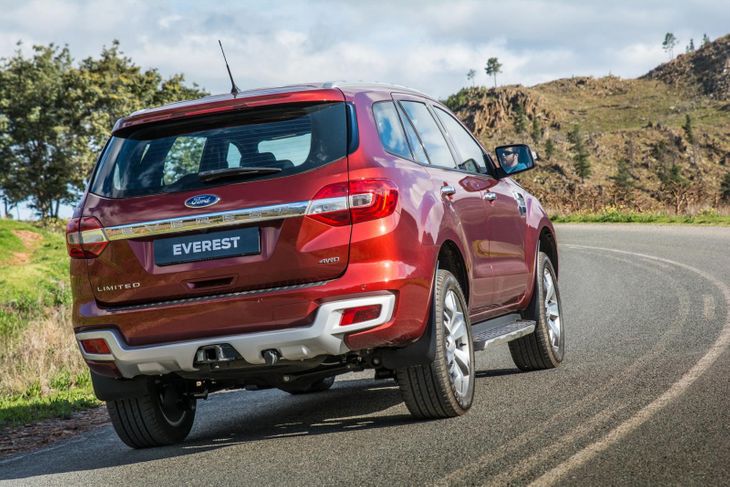
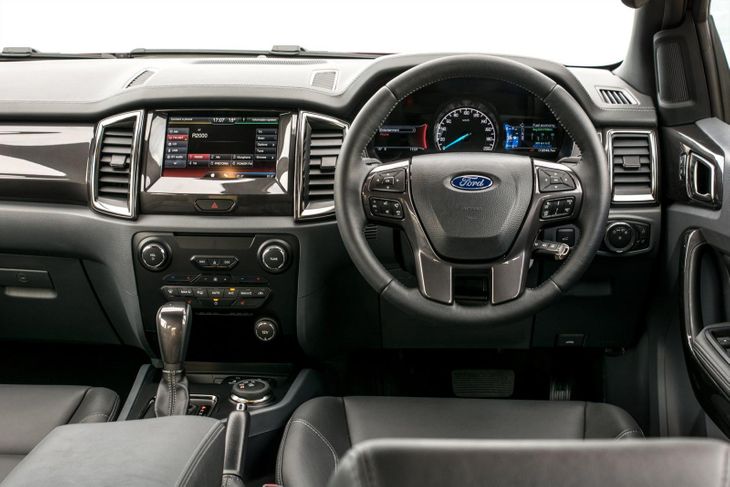
3 Reasons Why Ford Everest is #CarsAwards Finalist
What makes the Ford Everest 3.2 4WD Limited a formidable contender in the Adventure SUV category of the 2017/18 Cars.co.za Consumer Awards – powered by WesBank? We investigate…
Ford’s Everest was one of those vehicles that simply had to happen. The success of the current-generation Ranger bakkie, as well as South Africans’ love affair with large, rugged SUVs were good indicators, and Ford has served up exactly what consumers have been asking for… a macho and versatile machine that can tackle the rough, but also play it smooth. Will the Everest trump its rivals to claim the win in this category?
3 Reasons Why Ford Everest is #CarsAwards Finalist
1. Strong performer
The 3.2-litre five-cylinder turbodiesel from the Ranger does duty in the Everest, but it has received some efficiency upgrades. Power is rated at 147 kW and torque at 470 Nm, and that grunt reaches all four wheels through a 6-speed automatic gearbox. It’s quite a heavy vehicle, however, so the Everest is best for smooth and steady progress, as opposed to being hurried along. The Everest is a good a good towing vehicle with a tow rating of 3 000 kg (braked trailers). It comes with Trailer Sway Control as standard.
2. Space galore
You’re unlikely to find a more spacious and versatile 7-seater than the Everest at this price level. This Everest features power-folding third-row seats, which really takes the sweat and back-ache out of folding seats. It also gets a power-operated tailgate.
When travelling with the third-row seats folded down, the boot space is enormous. What’s more, the second row of seats offer generous longitudinal adjustment, so it is possible to adjust legroom to favour either boot space, or the occupants.
3. Refined and comfortable
On the road, the Ford Everest's best feature is its refinement. Road noise is minimal thanks to decent insulation and Ford has cleverly installed its Active Noise Cancellation Tech into the vehicle. The result is a vehicle that can cruise at the national speed limit with a near-whisper quiet cabin.
Given the Everest’s bakkie origins, you may be surprised to see some of the following items on the standard specification list; It gets rain-sensing wipers, a rear-view park camera, parallel park assist, blind spot monitoring, auto lights, automatic high beam control, dual-zone climate control, adaptive cruise control with heads-up display, collision mitigation and both front seats feature 8-way electric adjustment. Essentially, then, what you have here is a rugged lifestyle vehicle with luxury features only offered on premium sedans a few years ago.
Watch our video review of the Ford Everest below!
Have Your Say: Complete our survey!
Do you own an Everest? We would love to hear from you! Tell us about your experience by completing our Ownership Satisfaction Survey. Your input counts for 50% of the final result.
We take Mi Casa to laser tagging with Alfa Romeo Stelvio
House superstars Mi Casa have launched their fourth album, Familia. And to celebrate their second single off the album, we invited them to Cape Town for the third episode of our new Youtube series, Come Drive With Me.
These guys have been touring Africa and the world and dominating radio airwaves since 2011. With huge hits such as Jika, Your Body, These Streets and Don’t Wanna Be Your Friend to their name, the band aims to continue their incredible career with Familia.
In this episode, we spent some time in the new Alfa Romeo Stelvio, the brand’s first SUV. The guys seemed to really enjoy the car and it proved to be a very comfortable way to travel to the battlefield for a few epic games of LazerTag.