Every Type R On One Track: Honda Civic Type R Special [Video]
Over 5 generations and 6 models, the Honda Civic Type R has become a cult classic, building up a legion of hardcore enthusiasts who are simply obsessed with the iconic Japanese hot hatchback.
We’ve gathered every model ever made – even the 3 that were never sold in South Africa – for a special day out on the track. The aim of the day was to compare the older, naturally aspirated TypeRs with the more modern, turbocharged generations, and to work out which one we liked the most.
The cars featured in this video include:
Honda Civic Type R EK9 (the one that started it all)
Honda Civic Type R EP3 (the minivan)
Honda Civic Type R FD2 (the Asian territories-only four door sedan)
Honda Civic Type R FN2 (the one no one liked very much)
Honda Civic Type R FK2 (the first one to feature a turbocharged motor)
Honda Civic Type R FK8 (the one you'll find on showroom floors today)
Driving all of these cars back to back was a particularly special opportunity, and could not have happened without the help of the passionate owners of the cars and special thanks to #CarsAwards guest judge Ernest Page for pulling it all together. A huge thank you to everyone involved.
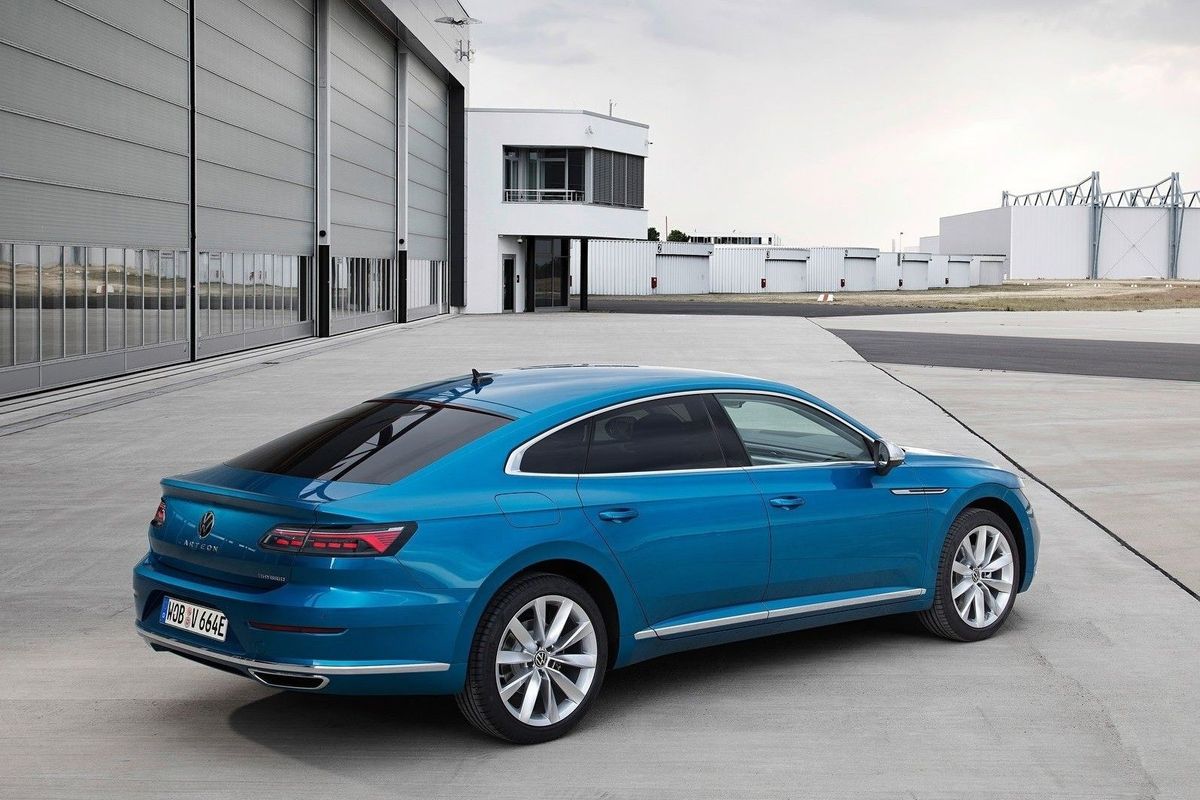
Volkswagen Arteon 2.0 TSI 4Motion R-Line (2018) Review
One could be forgiven for assuming that because Volkswagen's hatchbacks and compact SUVs are so wildly popular, the Wolfsburg-based manufacturer would see little point in producing a fastback business class sedan. But no, with its new Arteon, Volkswagen hopes to capture some market share from its fellow Teutons. Does the new stylish Volkswagen Arteon have enough going for it?
We like: Exterior styling, performance, fit and finish, excellent space, huge boot
We don’t like: Derivative cabin fails to match the glamorous exterior
Alternatives
BMW 430i Gran Coupe – The BMW plays in an upmarket place in comparison to the Arteon. Its engine is sadly no longer a majestic straight 6, but rather a force-fed 4 pot. It's also a Gran Coupe meaning it too boasts a spacious boot.
Audi A5 Sportback 2.0 TFSI – The Arteon's closest competition comes from within its own ranks. The Audi A5 Sportback is beautiful, both inside and out. It has similar performance, but it doesn't offer as much spec as the Volkswagen.
The Passat remains a car that baffles us. Not only does it offer excellent refinement and comfort, it's specced well and offers great value for money in the business class sedan segment. However, since the reintroduction of the Passat model to our market more than 15 years ago, none of its iterations has made a significant impact on new vehicle sales figures. Why is that? There are a number of plausible answers to that question, but the two we'll look at is the fact that the badge on the nose wasn't premium enough for customers, who'd rather fork out a little more for an equivalent BMW 3 Series, Mercedes-Benz C-Class or Audi A4. The second answer is a subjective one. The design of the Passat is more function over form, and definitively conservative.
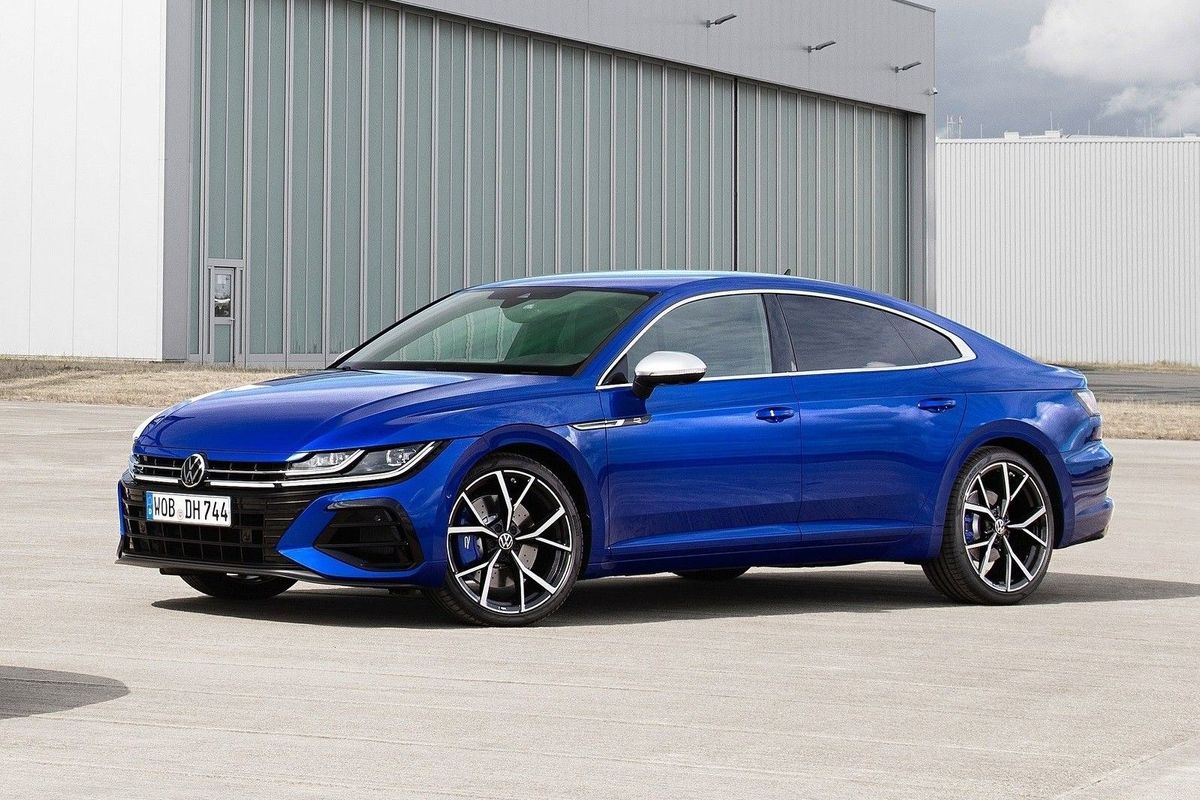
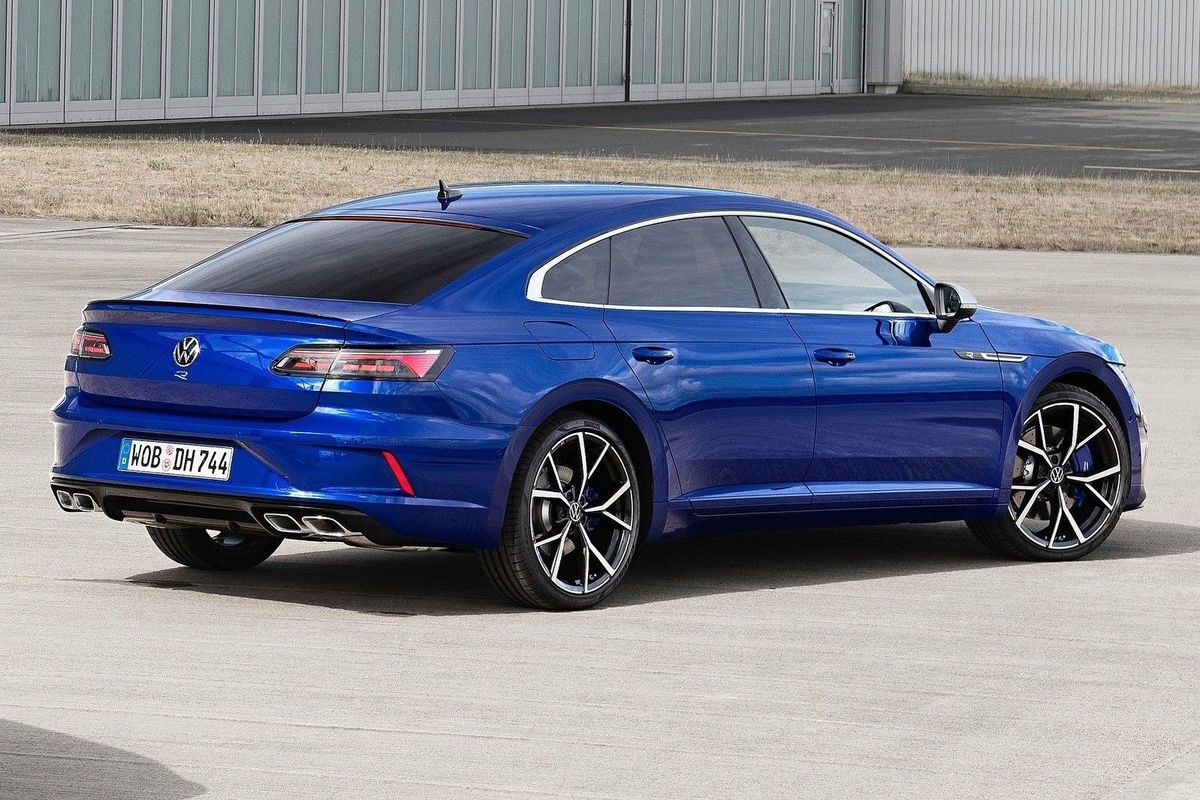
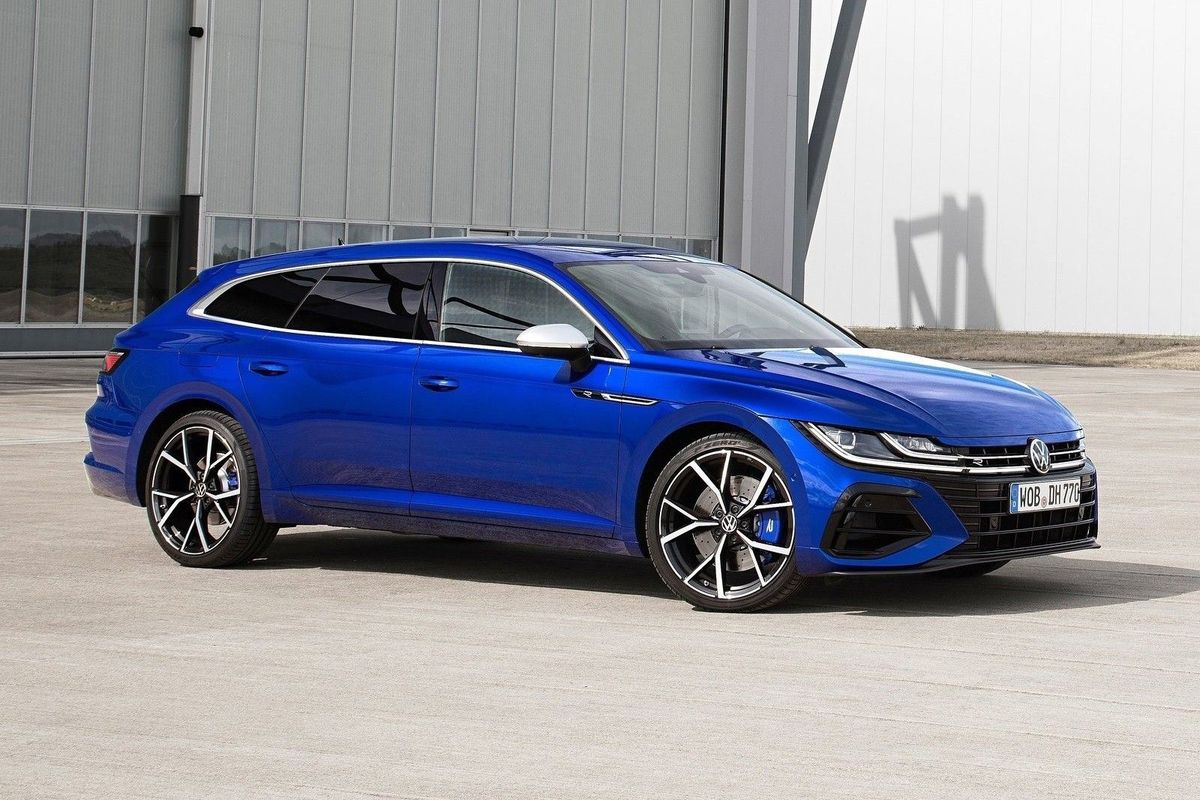
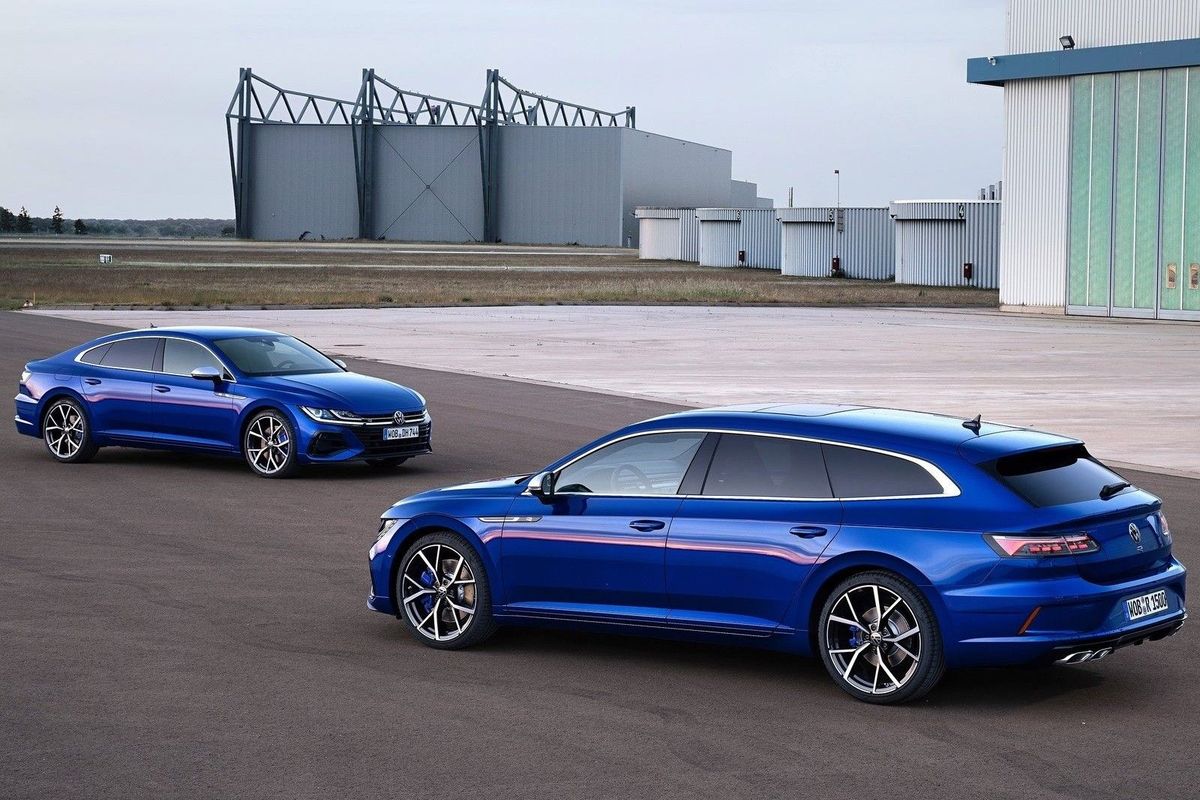
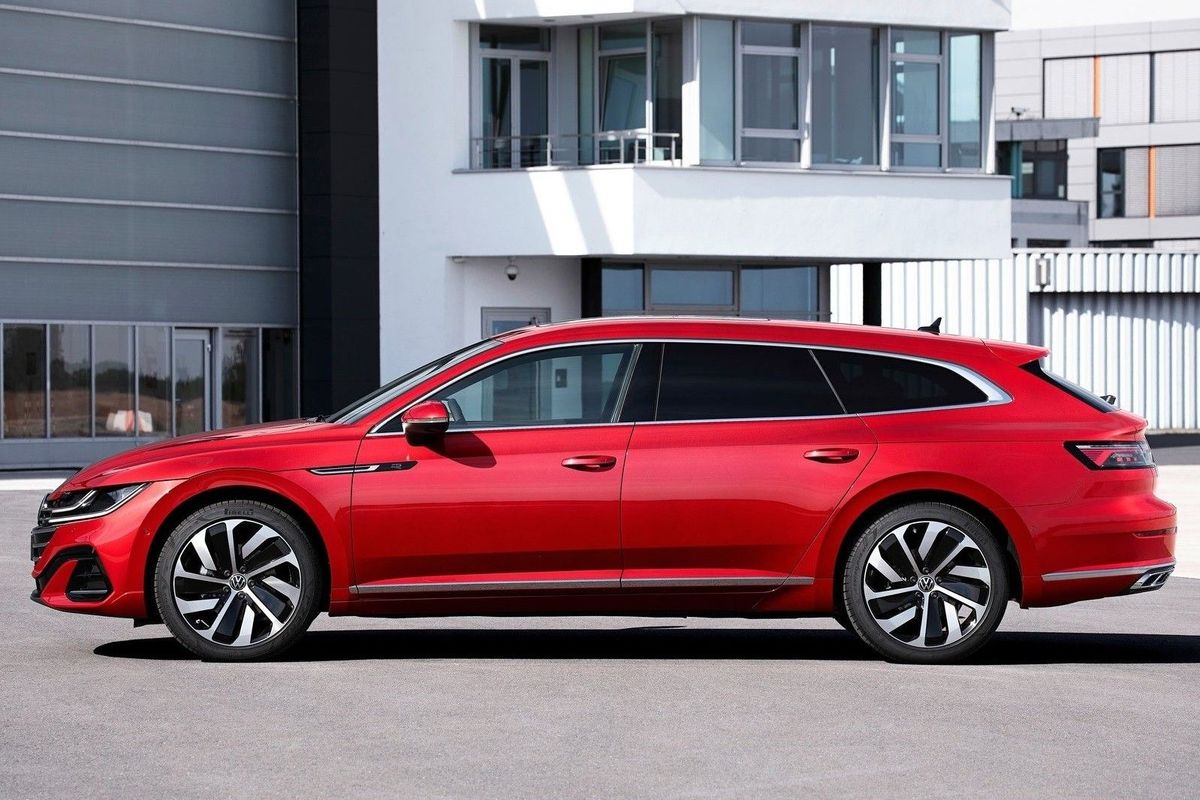
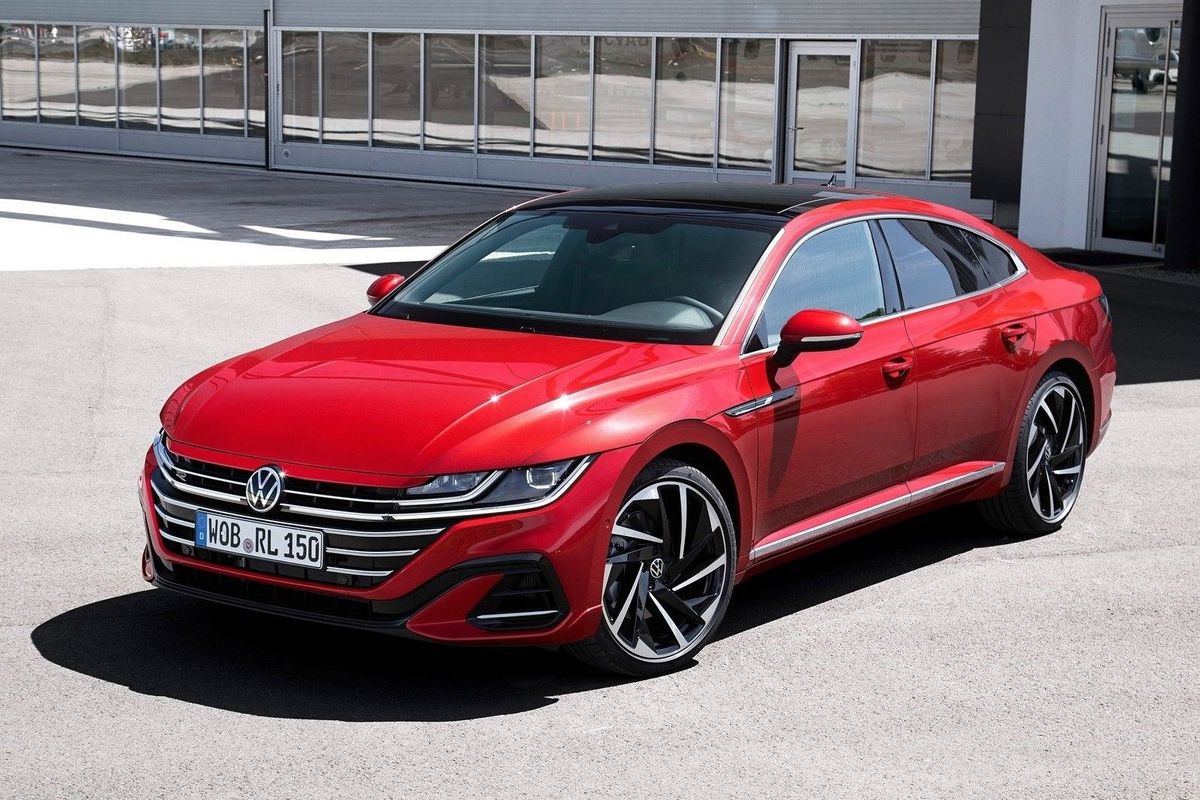
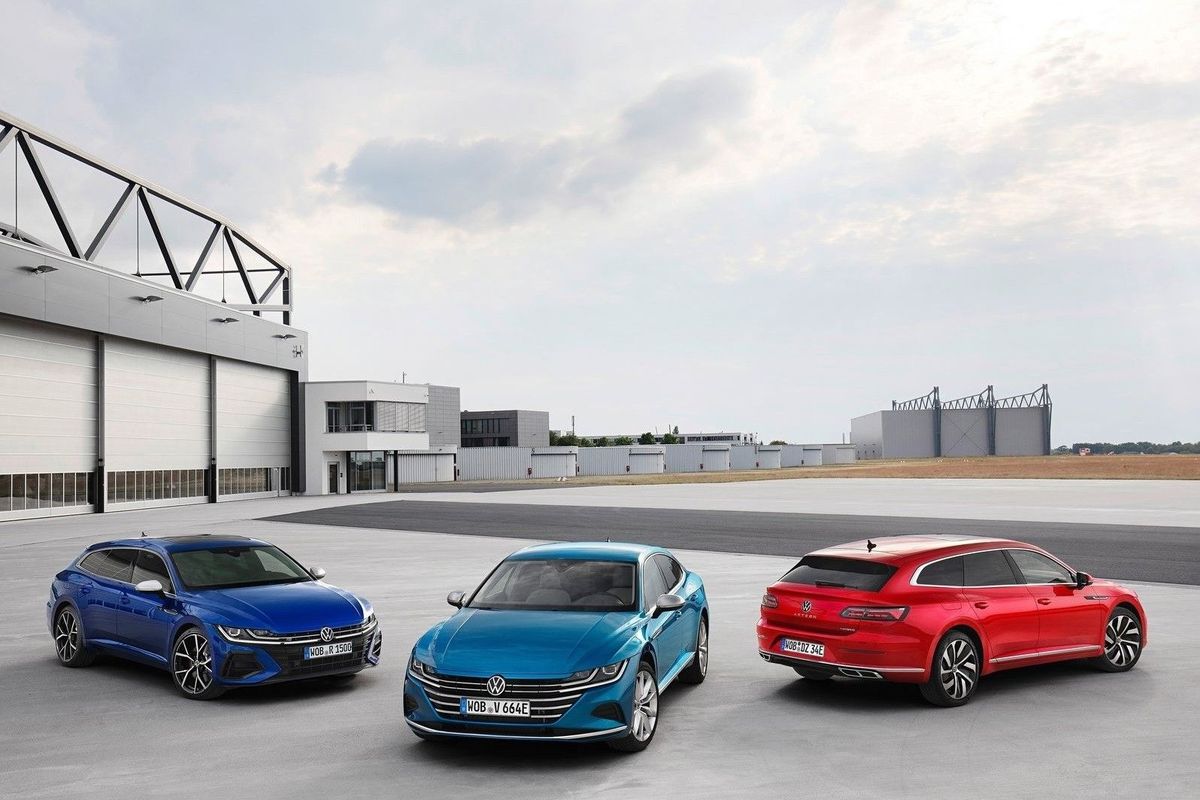
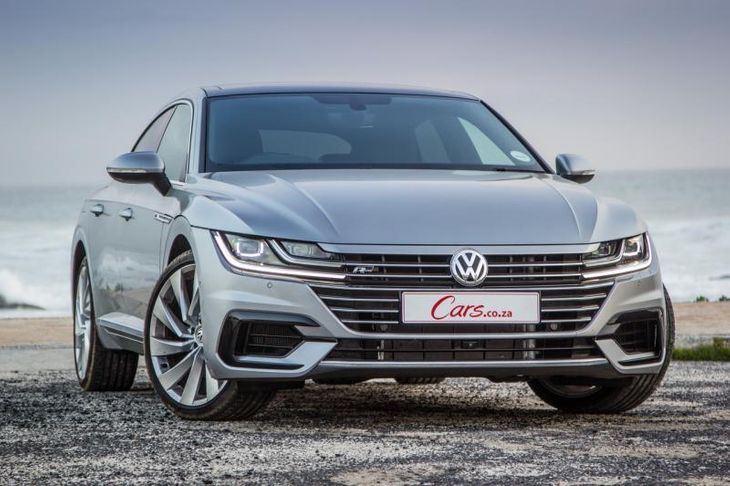
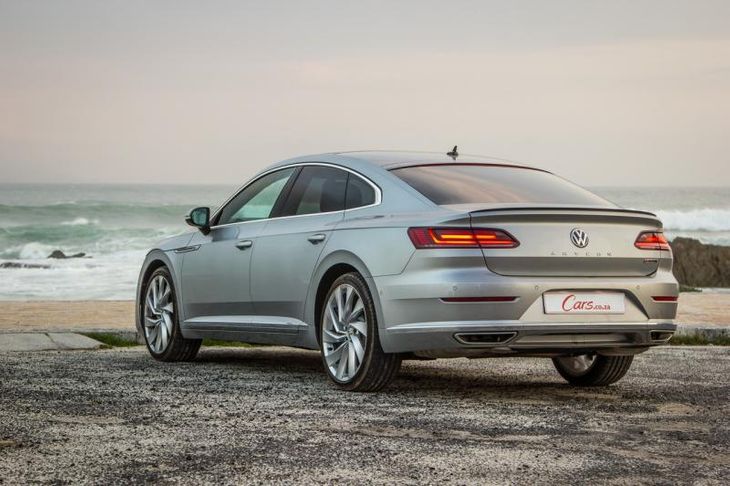
In 2018, we find ourselves with the Volkswagen Arteon, the successor to the svelte Passat-based CC. It looks like no other Volkswagen and is, in essence, a fashion-forward reimagining of the Passat. The R-Line kit for the Arteon does a sterling job of making this one of the most striking vehicles on the road; it drew numerous admiring glances during its week-long tenure in our fleet. Beauty is only skin deep, and it would take a thorough assessment over a few hundred kilometres for us to truly understand what the Arteon, in flagship 2.0 TSI 4Motion R-Line guise, is all about.
How does it fare in terms of…
Performance?
With looks this good, you'd hope for performance to match… and the Arteon duly delivers.
Let's get straight to the numbers. Powering this derivative of Arteon is Volkswagen's 2.0-litre turbocharged EA888 motor. Peak outputs of 206 kW and 350 Nm are on tap, which sound promising, but in reality, things are a little different. This engine does duty in the Golf R, and we incorrectly assumed the power delivery and performance would be similar, but the Arteon is no Golf R fastback – despite VW's 0-100 kph claim of mid-5 seconds, it doesn't feel as… lively. It does still have launch control and it's amusing to prove that the Arteon has considerable go to match its show.
Another reason for a perceived lack of fireworks is that Volkswagen has upped the refinement considerably: there's no DSG-induced exhaust pop between gearshifts and there is no sharp induction bark upon hard acceleration. Make no mistake, it's still a brisk car and gets to the national speed limit with aplomb. Overtaking? Effortless. You can either drop gears yourself using the steering-wheel shift paddles or (our preferred option) leaving the quick-acting dual-clutch 'box to its own devices. Either way, the transmission responds swiftly and puts the engine right into the sweet spot and all 350 Nm are unleashed upon all four wheels. Yes, you read correctly. This is no front-wheel-drive faux performance fastback, 4Motion merrily aids acceleration and traction.
Ride and handling?
Even though we have a mild climate with little snowfall, 4Motion still has its benefits and the new Volkswagen Arteon offers grip in abundance. If you do feel like tackling a beautiful section of tarmac, then the setup is conducive to a confidence-inspiring drive. It's going to take a lot of manhandling to unsettle the Arteon and, to be blunt, driving the vehicle in such a manner is tacky.
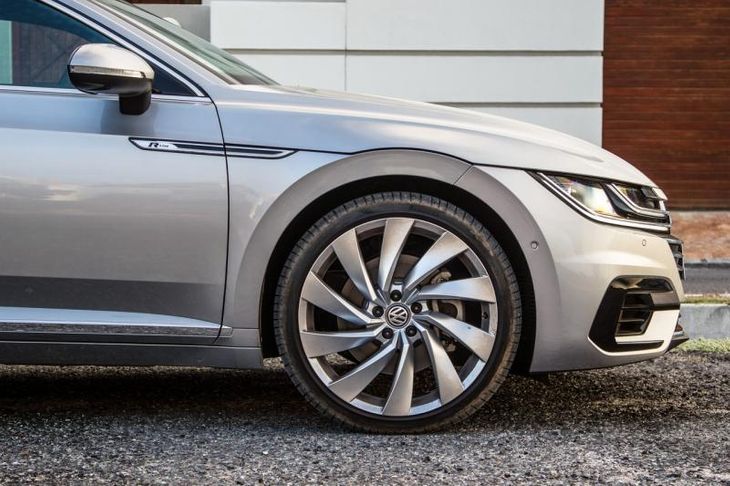
The optional 20-inch alloys give the Arteon a decidedly hunkered-down stance.
Our test unit was fitted with sports suspension as part of the R-Line package. The ride quality is generally good. However, if you engage Sport mode, the car tends to jiggle a bit, perhaps this is exacerbated by the optional 20-inch alloy wheels and low-profile rubber. They're striking and add presence to the car, but given how poor some of our roads are, it might be a safer bet to opt for smaller alloys. In terms of steering feel, the wheel is light in your hands and quick in action. There could be a touch more weighting applied, which would be more in keeping with that big-car feel.
Overall refinement is decent too, with very little noise making its way into the cabin. That is a very impressive characteristic if you consider that the doors are frameless and it demonstrates how much effort Volkswagen puts into achieving lofty build quality. The Arteon's forte is on faster roads such as the highway, and we found the cabin to be a refined and comfortable place to be.
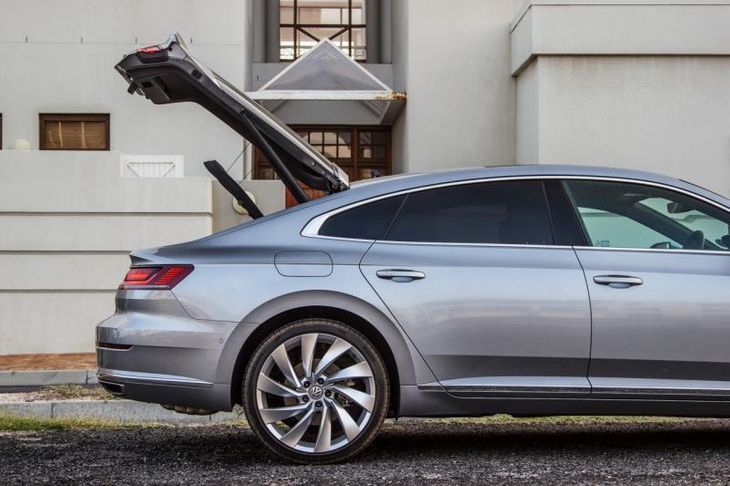
The fastback design lends itself to excellent luggage capacity. The bay's aperture is huge, making it easier to load bulky items.
Blending luxury and practicality?
The new Volkswagen Arteon is a radical design compared to other vehicles in the Volkswagen portfolio. However, under the skin, there's a lot of shared technology, such as the lauded MQB platform that underpins the newcomer. This modular architecture forms the basis of the Golf, Tiguan and some Audi products, and is renowned for its practicality and compliant ride quality. Admittedly in Arteon application, the MQB platform has been stretched out and has a wheelbase length of 2 841 mm, but the benefit here is generous cabin space.
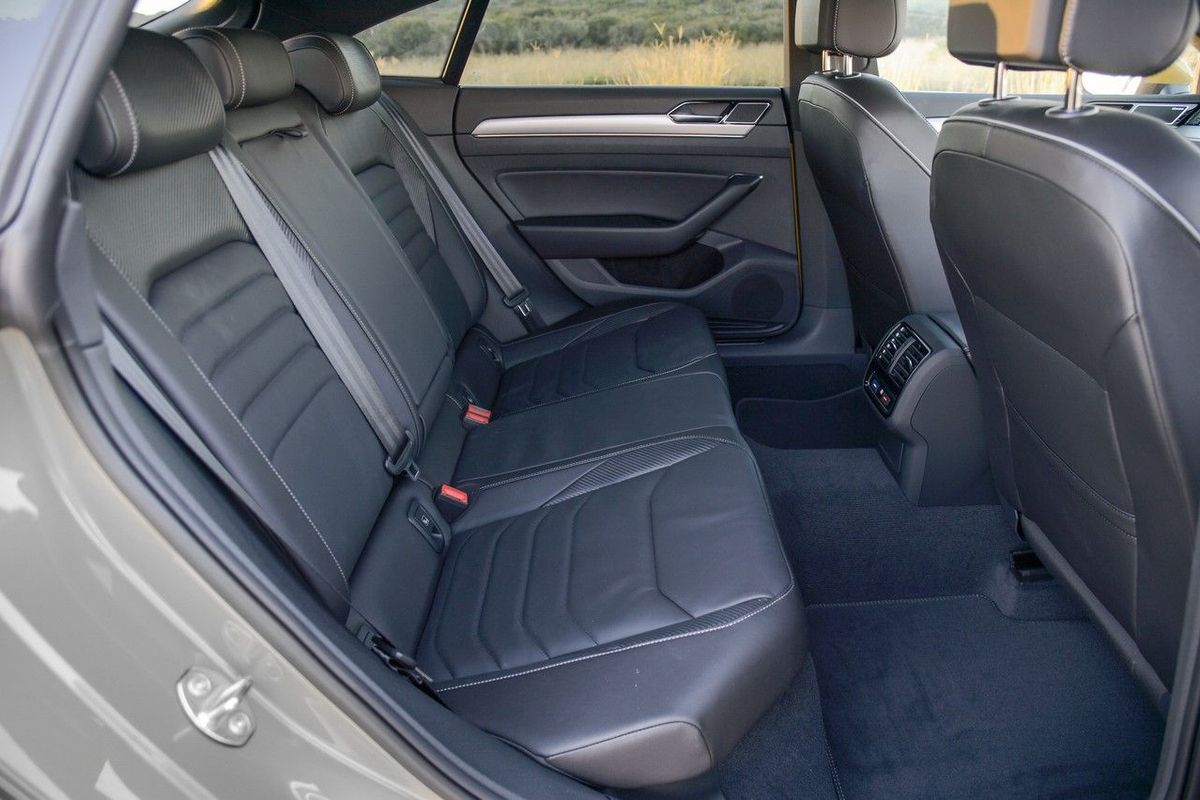
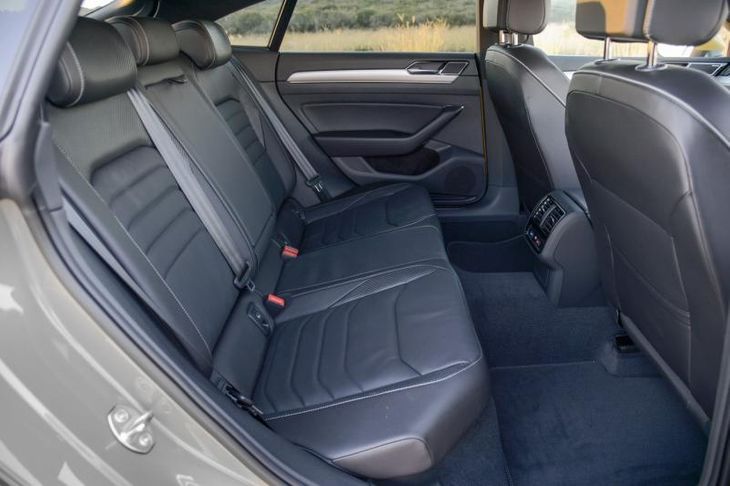
Rear passengers are availed excellent legroom and, thanks to the fastback design, the luggage bay is practically shaped and exceptionally cavernous, making it an accomplished vehicle for families. Volkswagen quotes 563 litres of luggage space and, to put that in perspective, the Tiguan family SUV can only muster 442 litres with its rear seatback in situ.
Rear legroom in the Volkswagen Arteon is one of the best we've ever experienced in its segment.
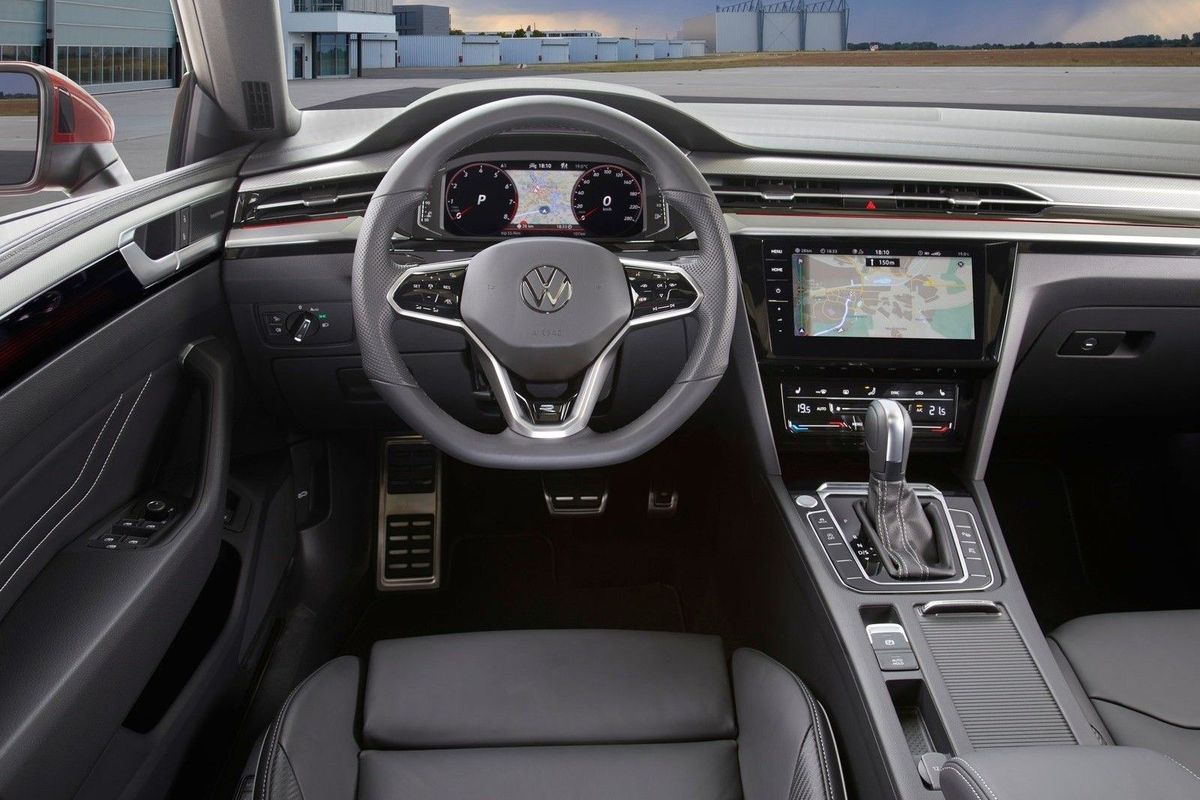
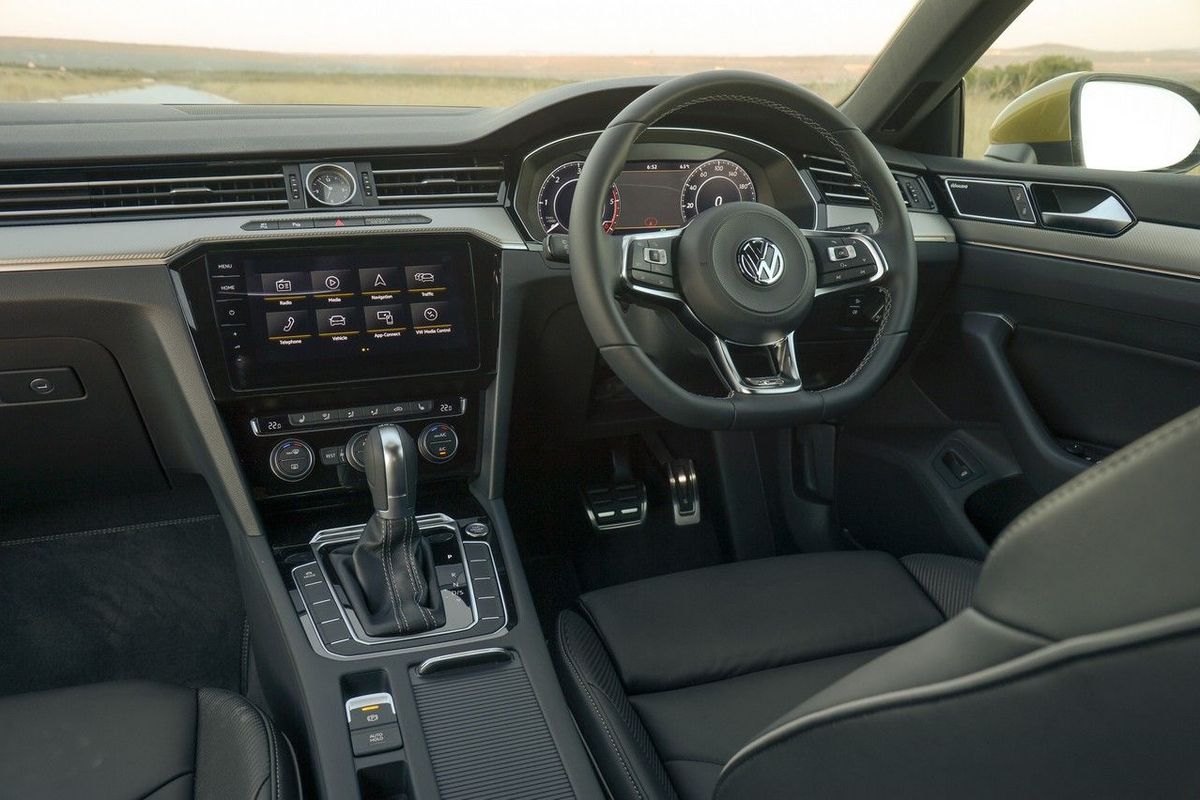
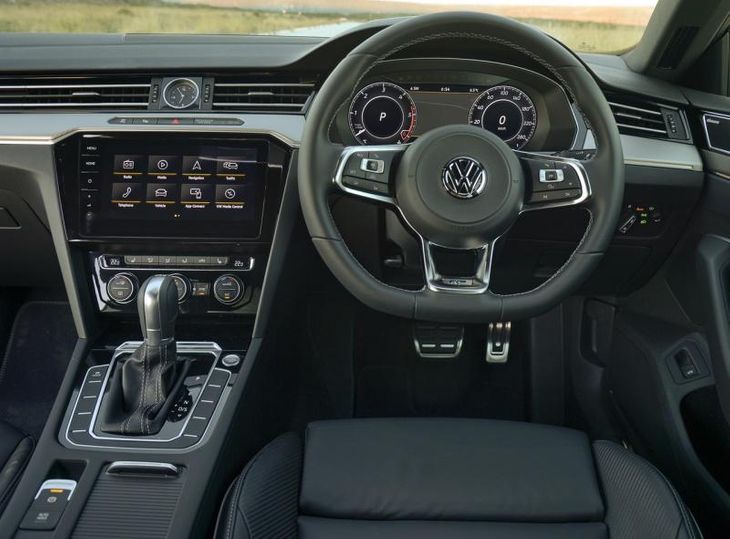
In terms of cabin design, the Arteon loses some ground. While there's nothing fundamentally wrong with its classy, buttoned-up execution (everything works well and is well assembled), we feel that it lacks the glamour to match the car's fantastic exterior style. The ambience is akin to a Passat or even a well-specced Golf. To reiterate, the cabin boasts a slick user experience, but we feel it just needed some pizzazz to really set it apart. Surely this would be the time where Volkswagen would pinch some interior kit from sister brand Audi to liven up the Arteon's cabin?
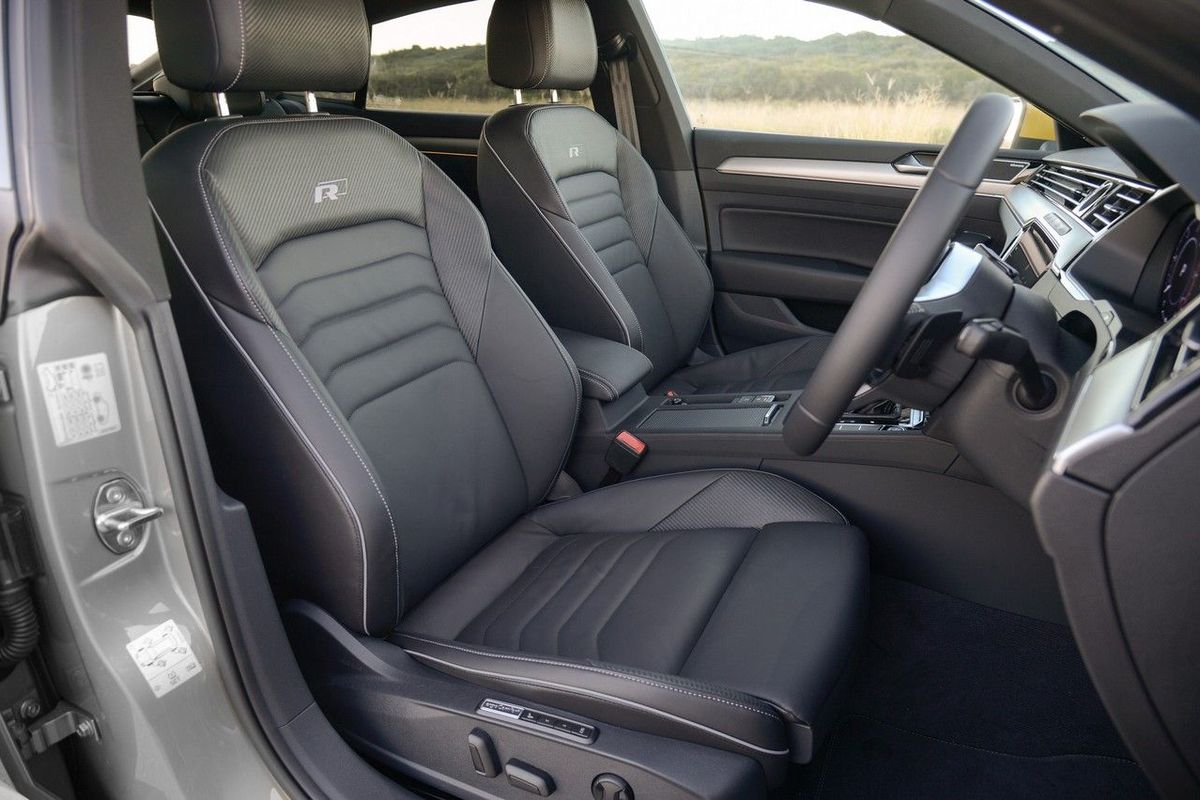
There are no complaints about the quality of the interior materials, even if we think the cabin looks a touch too ordinary. The R-Line package includes sporty leather seats that include a heating function, are electrically adjustable and, of course, wrapped in sumptuous leather. The leather-wrapped steering wheel is a personal favourite of ours too.
Features?
The Arteon's cabin is well appointed, but we feel it's a touch too predictable. It needed a little something extra…
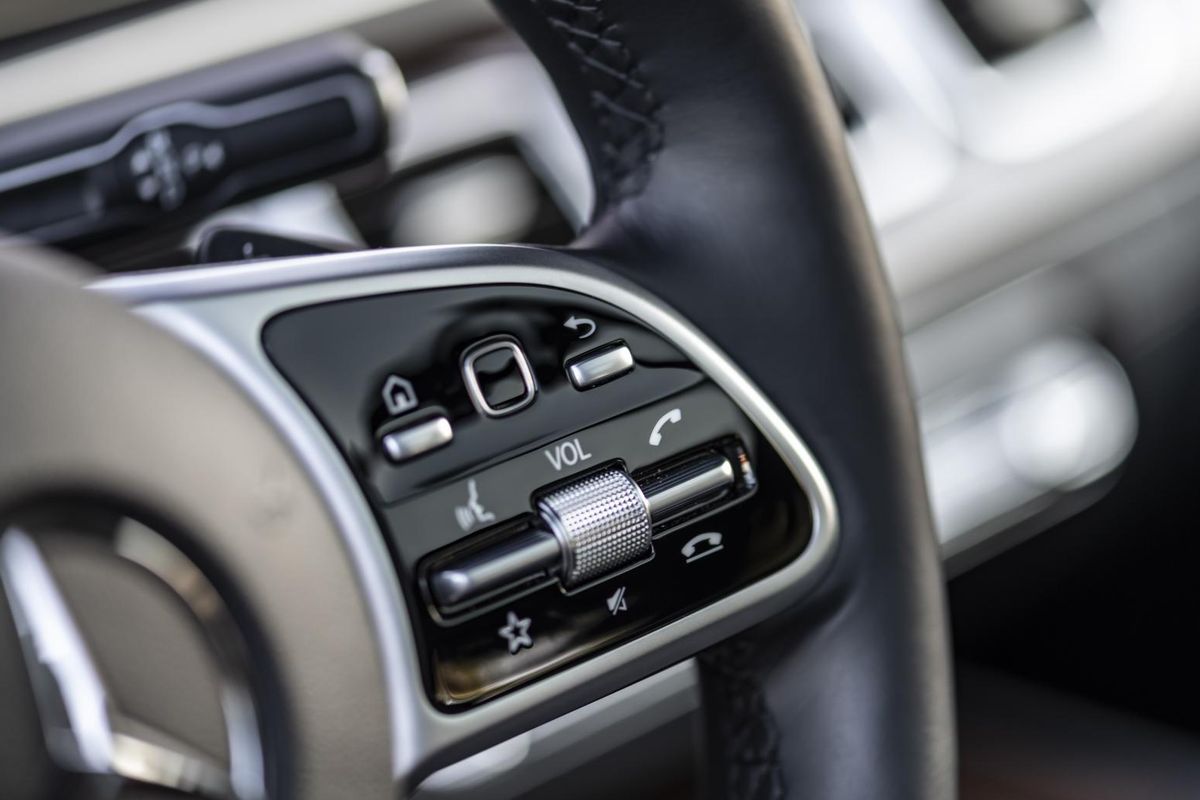
The Volkswagen Arteon truly shines in the standard features and technology departments. There are two trim levels available, but we anticipate that most buyers will want to spec the R-Line for maximum effect. The R-Line steering wheel features audio and cruise control functionality, as well as controlling the views of the standard digital instrument panel, known as Active Info Display. While it doesn't have the fanciest of graphics, unlike say, the Peugeot 3008, it's a slick and intuitive interface.
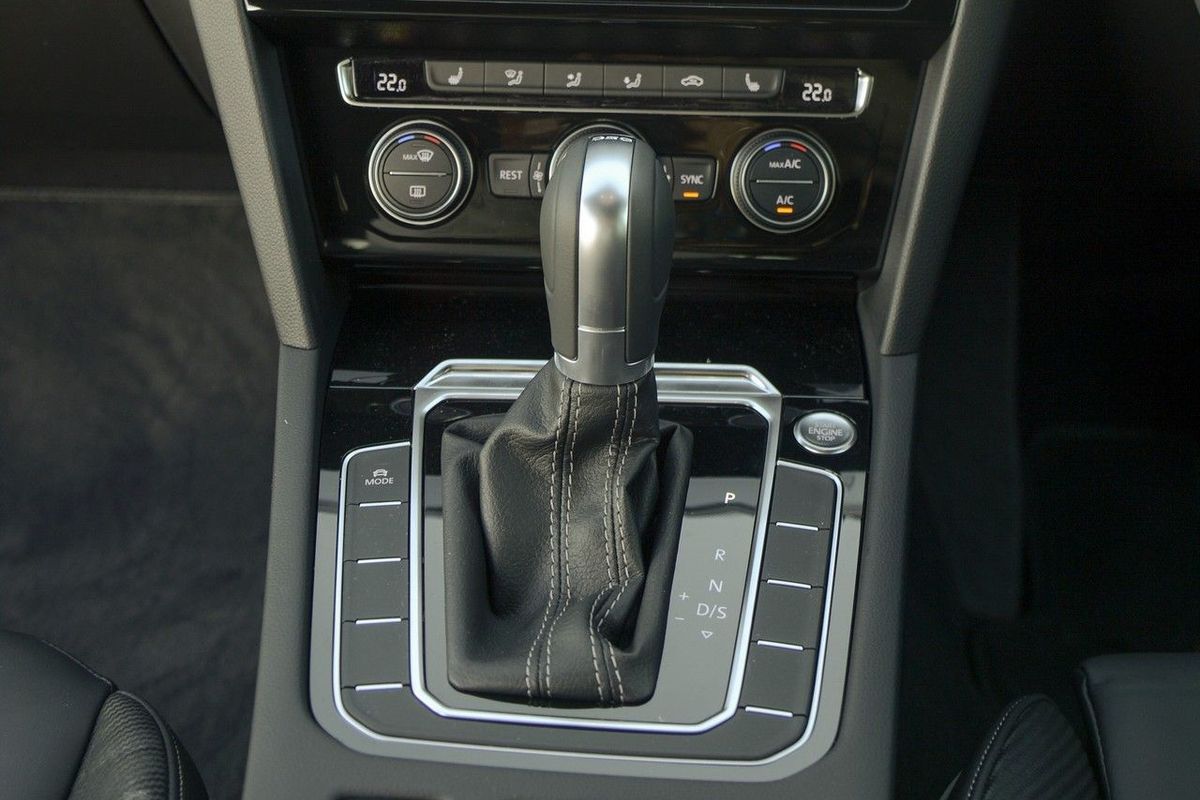
Climate control is standard too, but in the Arteon, this is extended to the rear passengers. The standout feature is the 9.2-inch Navigation Pro infotainment system that boasts both Android Auto and Apple Carplay functionality, as well as gesture control. The graphics, colour and resolution are of high quality and visually, it's a beaut of a system. Best of all, it's stock standard.
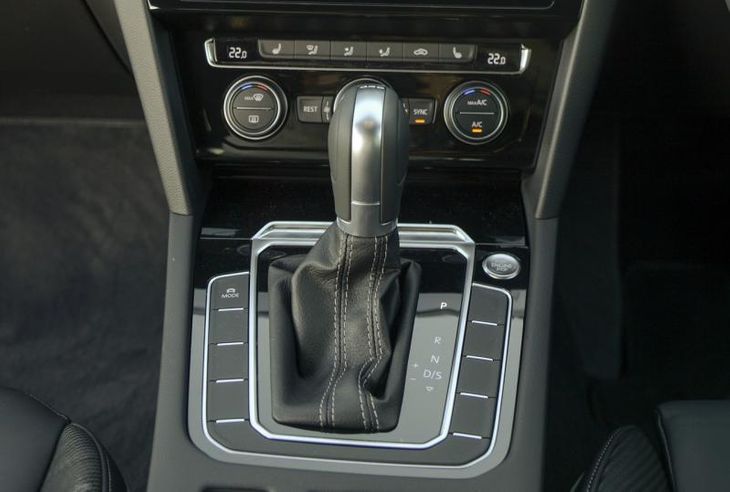
Heated seats, dual-clutch transmission, driving modes, climate control… the Arteon lacks very little, spec-wise.
Modern-day semi-autonomous safety technology has also made its way into the Arteon and our test unit featured city emergency braking and front assist, which forms part of the adaptive cruise control package. This is an extra-cost option, however, but well worth looking into. Also built-in is a 360-degree camera that gives you excellent all-round vision when you need to park your car.
As far as options go, our Volkswagen Arteon came with metallic paint (R 8 322), electronically detachable towbar (R 2 219), a DynAudio Confidence Sound System (R 14 627), Adaptive Cruise Control with Front Assist (R 10 996) and the striking Rosario 20-inch alloy wheels (R 9 987).
Verdict
With the R-Line kit, the Volkswagen Arteon is a looker and with that much cabin space, makes a strong case for itself.
This car certainly does not fall into the mutton-dressed-as-lamb category. It's so much more than just a new body style slapped onto an existing product, which we wholly applaud. There's substance to this Arteon: it's an accomplished tourer that is spacious enough to seat 4 adults in luxurious comfort, with more than enough capacity to accommodate their luggage as well.
As we said at the Arteon launch, "those who've driven the Passat will attest to the fact that it's a superb package, yet (its) poor sales figures suggest consumers are not attracted to its nameplate, at least not in significant numbers." Unfortunately, even though the Arteon is lightyears more fashionable than a Passat and offers more youthful appeal, we don't think it will be a sales success either. Granted, even Volkswagen does not expect its newcomer to achieve volume sales, but how is the Arteon going to build momentum as a fledgeling product in a cutthroat, shrinking segment if it won't be widely seen and appreciated? Realistically, what are its chances of gaining a foothold in the market when it's up against not only its vaunted countrymen, but a glut of SUVs too?
Well, at least the Arteon gives Volkswagen loyalists something to aspire to. Imagine when the time comes for a Volkswagen owner to get a bigger car and a Golf GTI just won't cut it, a Tiguan's not for them and the Jetta is no longer available? Those who buy an Arteon will be impressed by its levels of comfort and technology and, if they opt for this engine, notable performance. However, we'll have to watch the sales charts to see if buyers are willing to tear themselves away from their coveted German (premium) brands and opt for something refreshingly different.
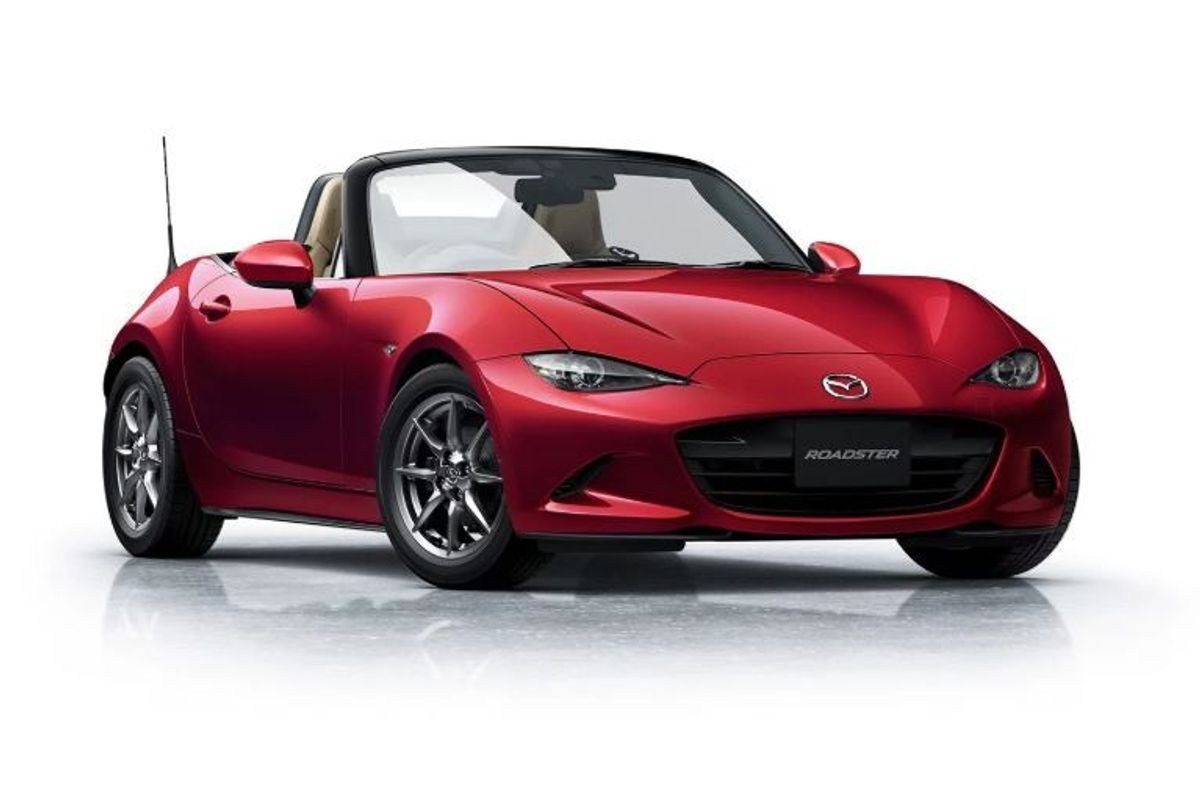
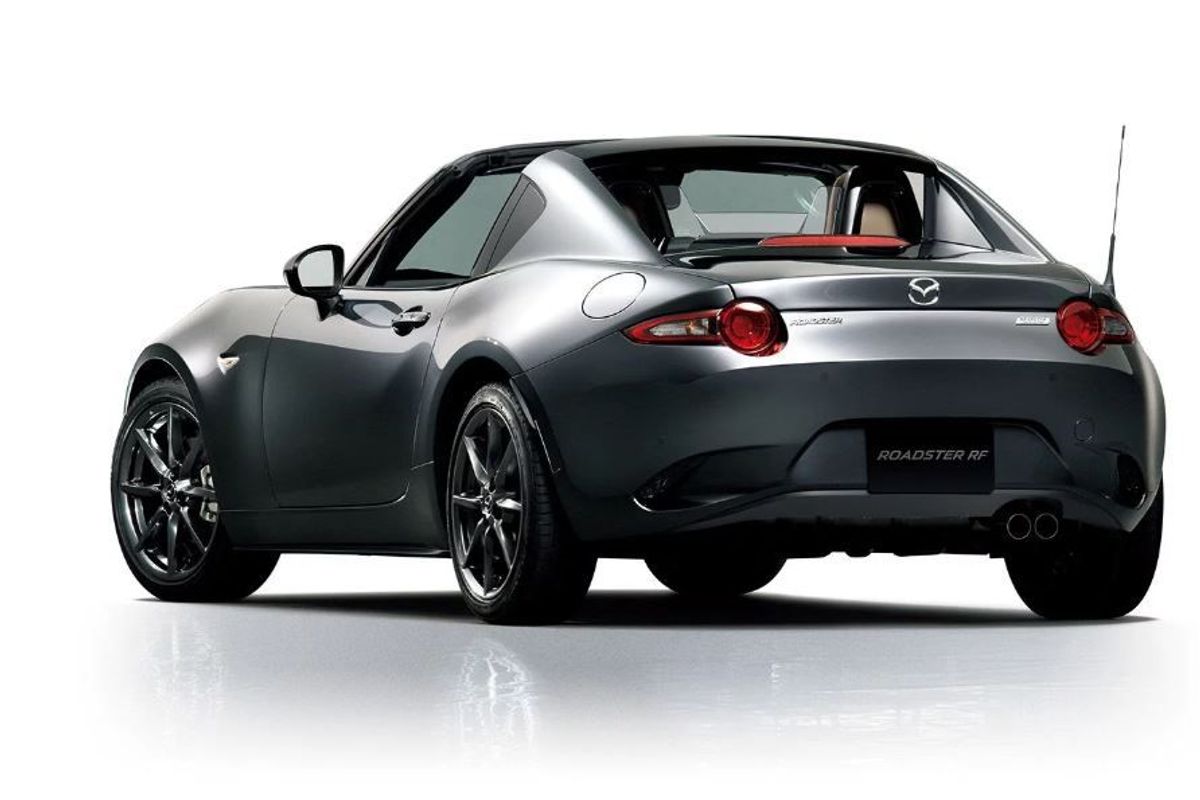
The 2019 Mazda MX-5 has been substantially improved over the current model and boasts more power, more safety and upgraded technology.
Officially, Mazda says the new 2019 MX-5 will be unveiled in Japan towards the end of July 2018. The big changes can be found under the bonnet, with the new MX-5 featuring an optimised air intake, new cylinder heads, revised pistons and different connecting rods. The reason behind these upgrades? Mazda claims they're lighter components which will increase the performance.
How do the numbers stack for the 2.0-litre naturally-aspirated SKYACTIV-G engine? With a redline now set at 7 500 rpm (previously 6 800 rpm), figures now stand at 135 kW and 205 Nm (previously 118 kW and 200 Nm). Naturally, the engine is cleaner and more efficient too. There are revisions to the 1.5-litre motor which never came to SA and that now offers up 97 kW and 152 Nm.
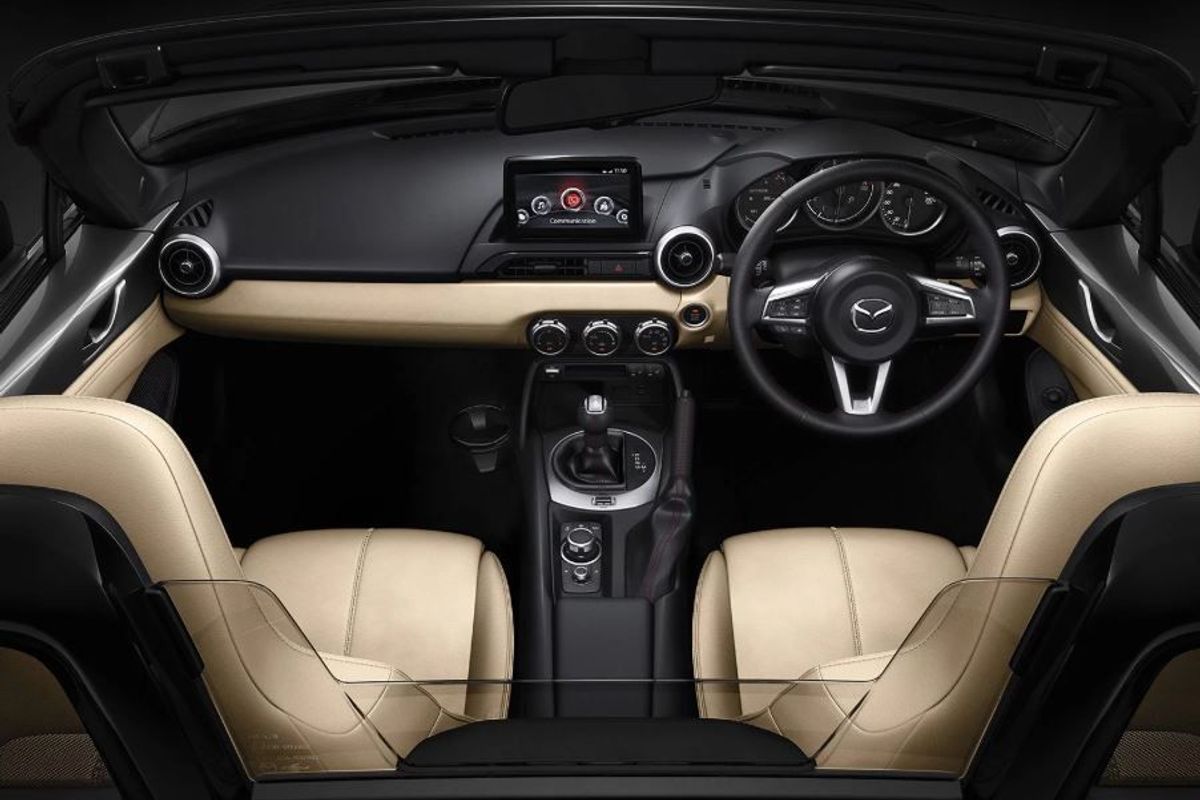
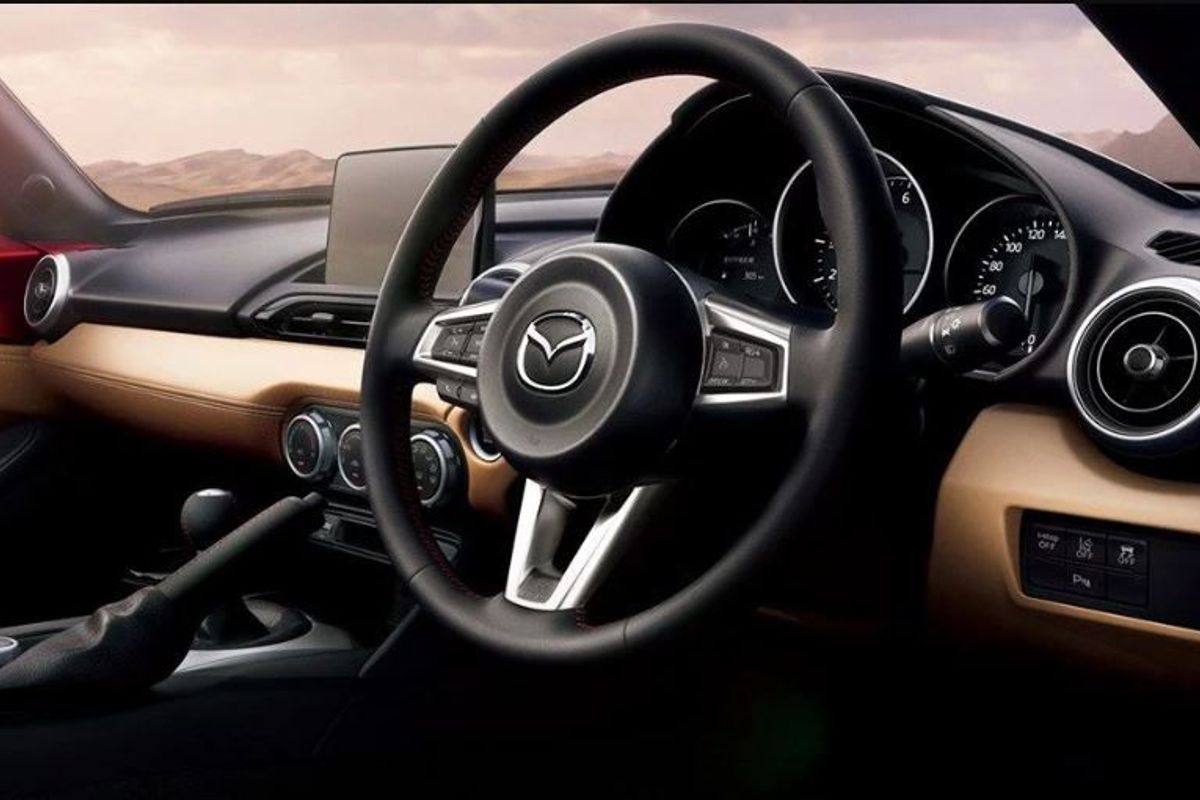
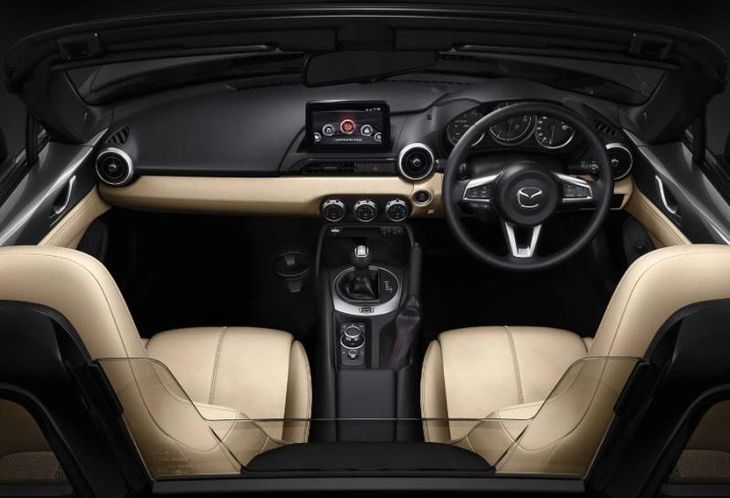
In terms of cabin changes, the car now features a revised TFT display and telescopic steering wheel as well as a whole host of standard safety equipment like Advanced Smart City Brake Support and a Lane Departure Warning System. There are options available such as a tan leather cabin, 16-inch alloy wheels and a brown fabric roof.
Mazda has discontinued sales of the MX-5 roadster in South Africa and now only offers the MX-5 RF automatic locally, which will have to do. We have our doubts as to whether we will see this latest MX-5 roadster in South Africa but based on previous driving experiences, we can only but hope that Mazda brings the roadster back to South Africa.
We'll have more info when the vehicle launches at the end of July 2018.
There's now an option for a tan interior in the 2019 Mazda MX-5, but the real headline news here is more power!
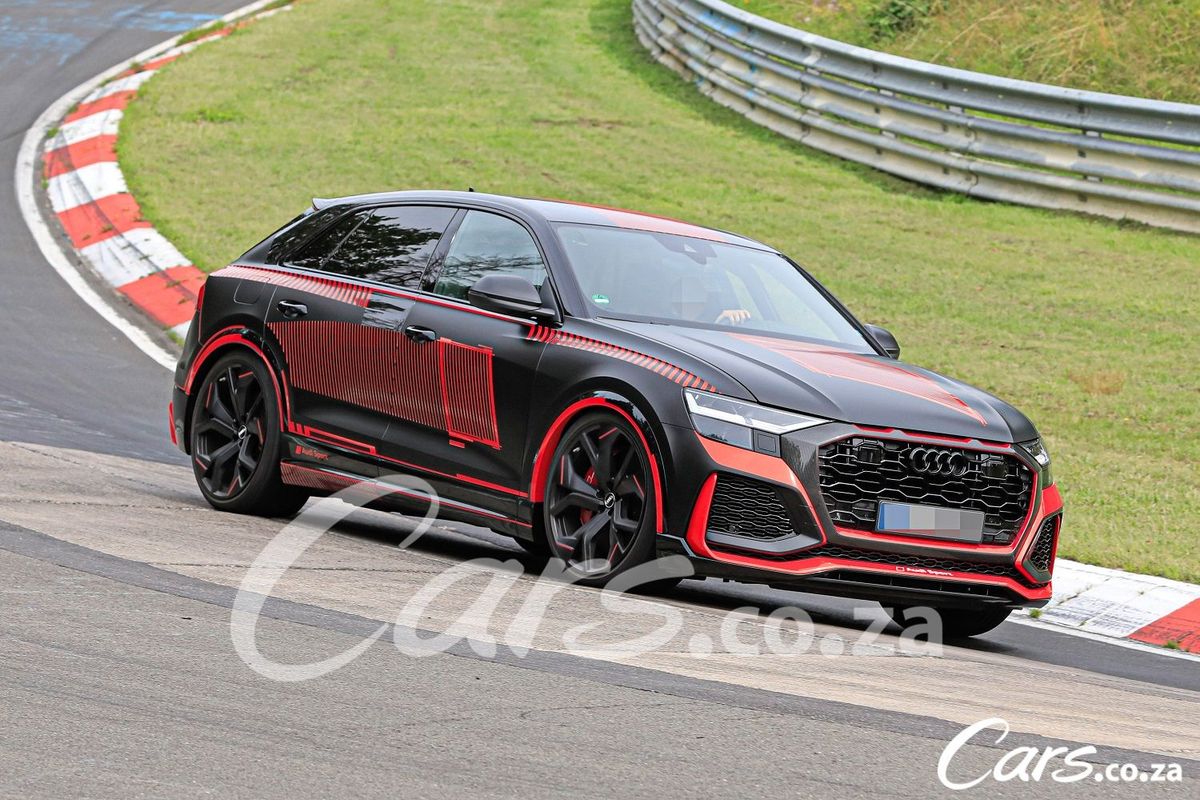
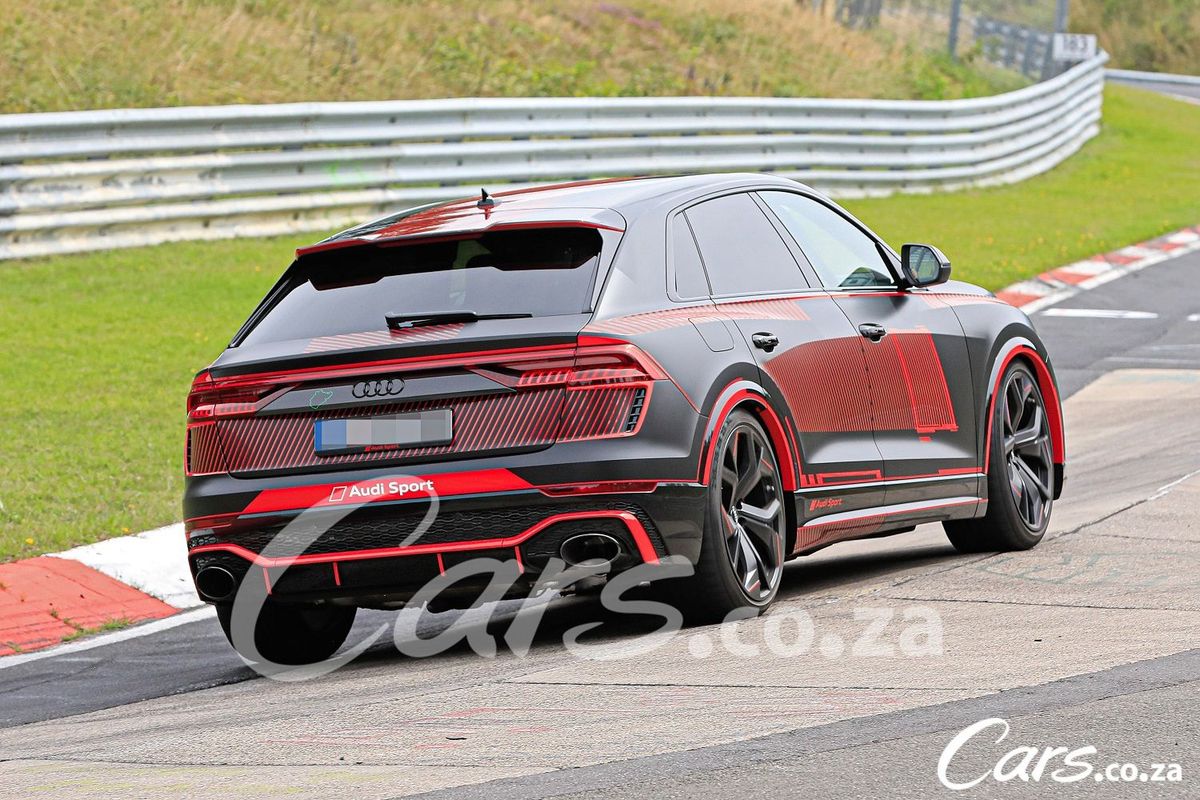
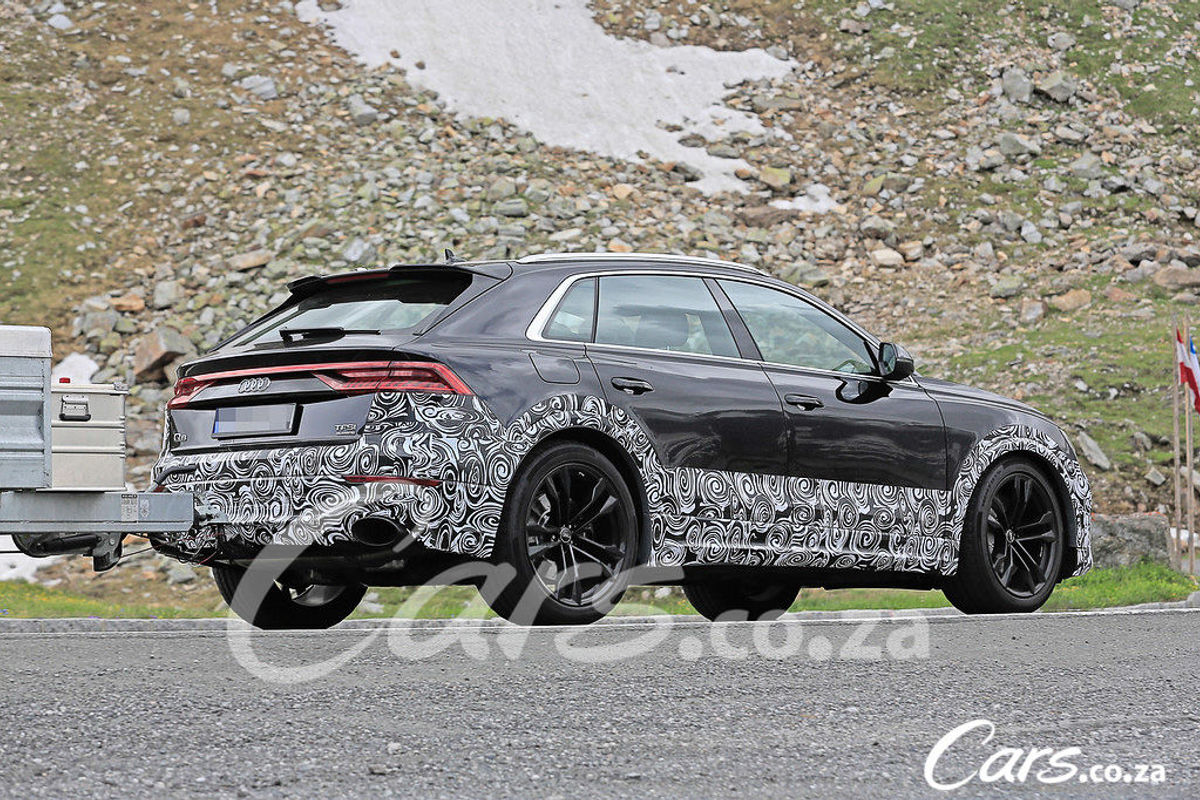
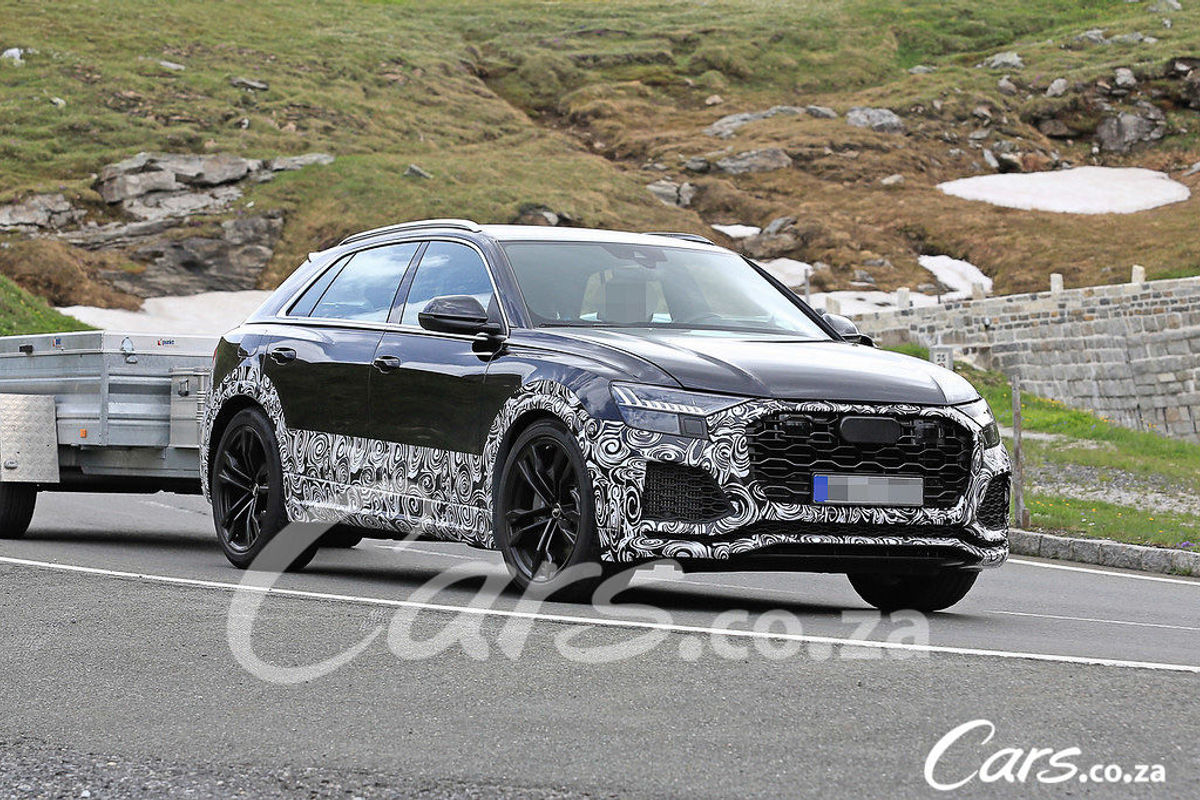
With the new Audi Q8 having just been revealed, attention has now turned to Audi's RS division. Would it be keen on producing an RSQ8? The answer is yes, and it has been spied undergoing testing.
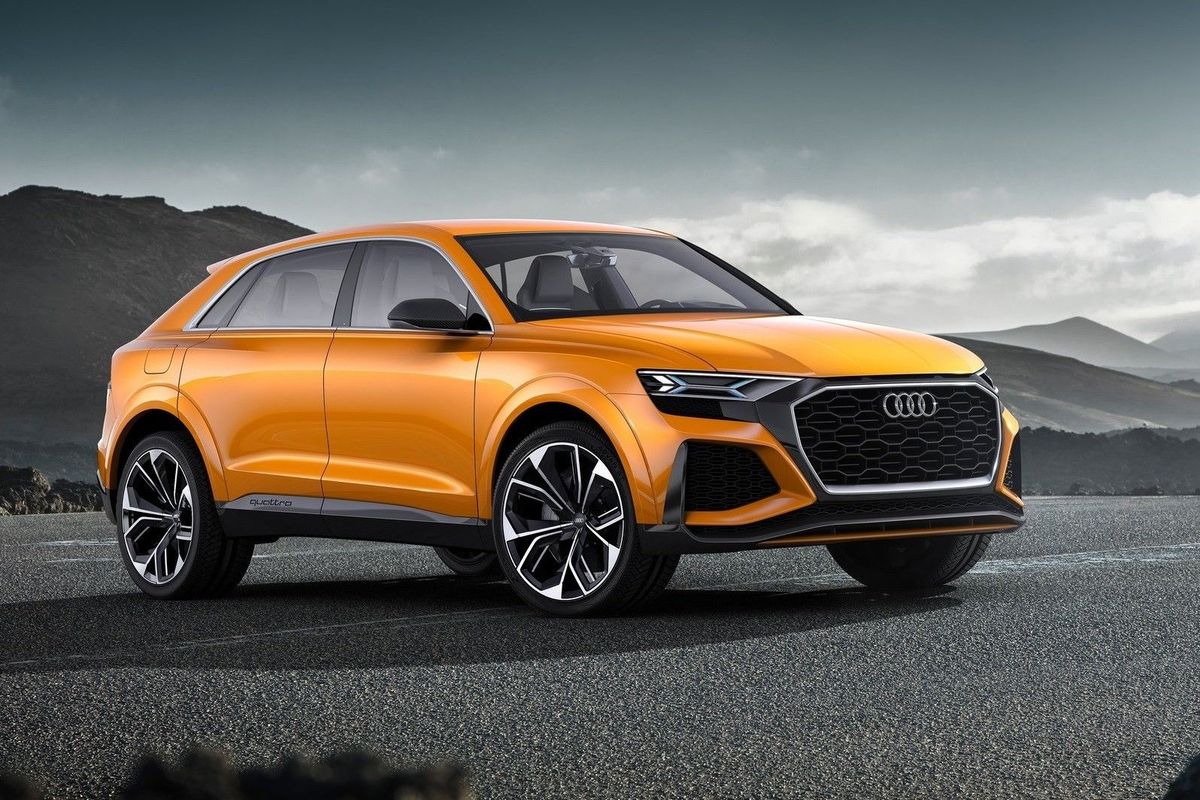
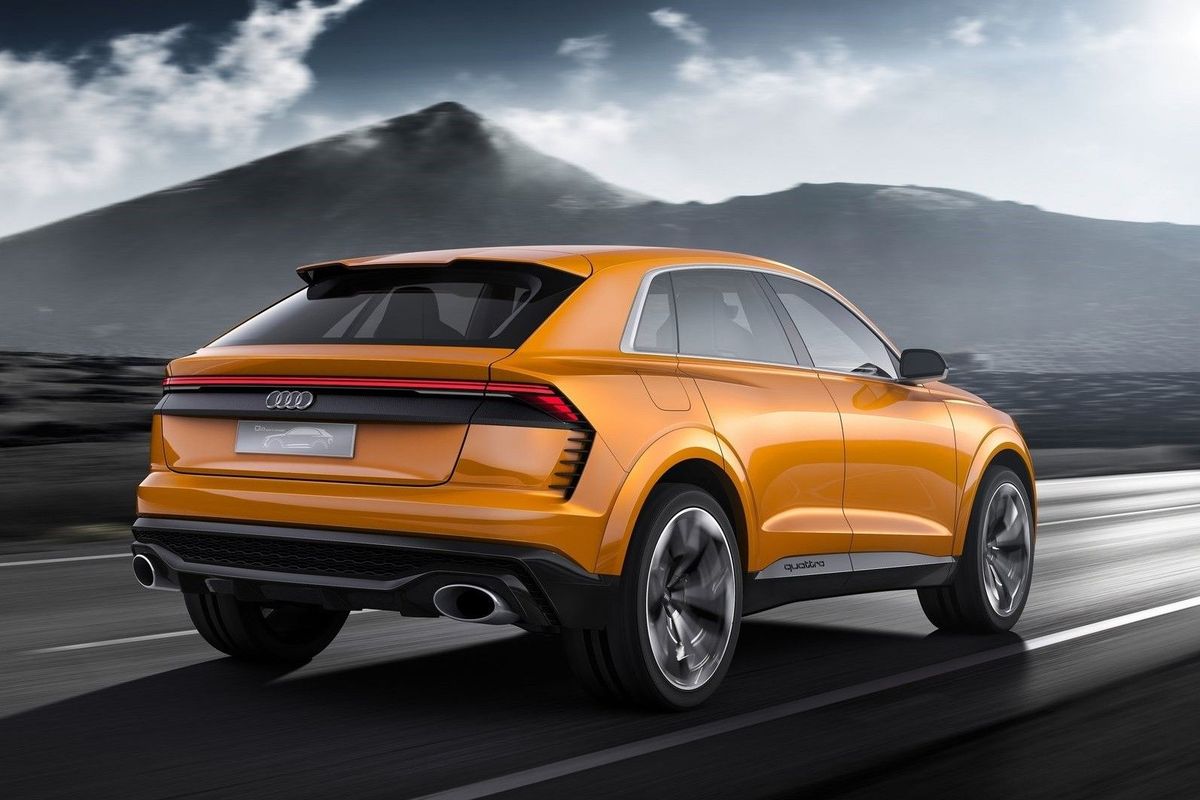
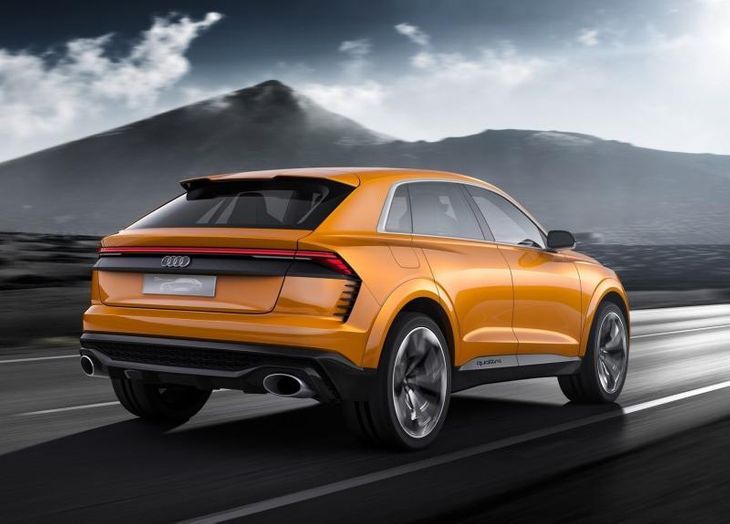
These photos show the new Audi RSQ8 being put through its paces. There's very little disguise on the prototypes, giving us a good look at the wider body, more aggressive bumpers, monstrous exhausts and huge alloy wheels. Lurking behind those wheels will be large brakes and we'd guess right away that the new Audi RSQ8 will feature ceramics. As for final styling cues, we can look to the 2017 Q8 Sport Concept and 2017 Q8 Concept for inspiration.
In terms of engine, we'd speculate that it will be the same 4.0-litre twin-turbocharged petrol V8 motor as the one found in the new Lamborghini Urus, however, it's likely to be slightly down on power, giving its more premium sibling the edge. In the Urus, it puts out 478 kW and 850 Nm through an eight-speed automatic gearbox to all four wheels. We'd guess that the RSQ8 will push out at most 450 kW, to avoid upsetting the Italians. Still, it'll be able to blitz to 100 kph in under 4 seconds, making it one very quick luxurious SUV. In terms of rivals, you're looking at the BMW X6 M and Mercedes-AMG GLE 63 S.
The Audi Q8 is scheduled to arrive in SA before the end of 2018, but it will be some time before the RSQ8 lands here. We estimate that it could be in SA towards the end of 2019.
The 2017 Audi Q8 Sport Concept. Could some of these styling cues make their way onto the production version of the Audi RSQ8?
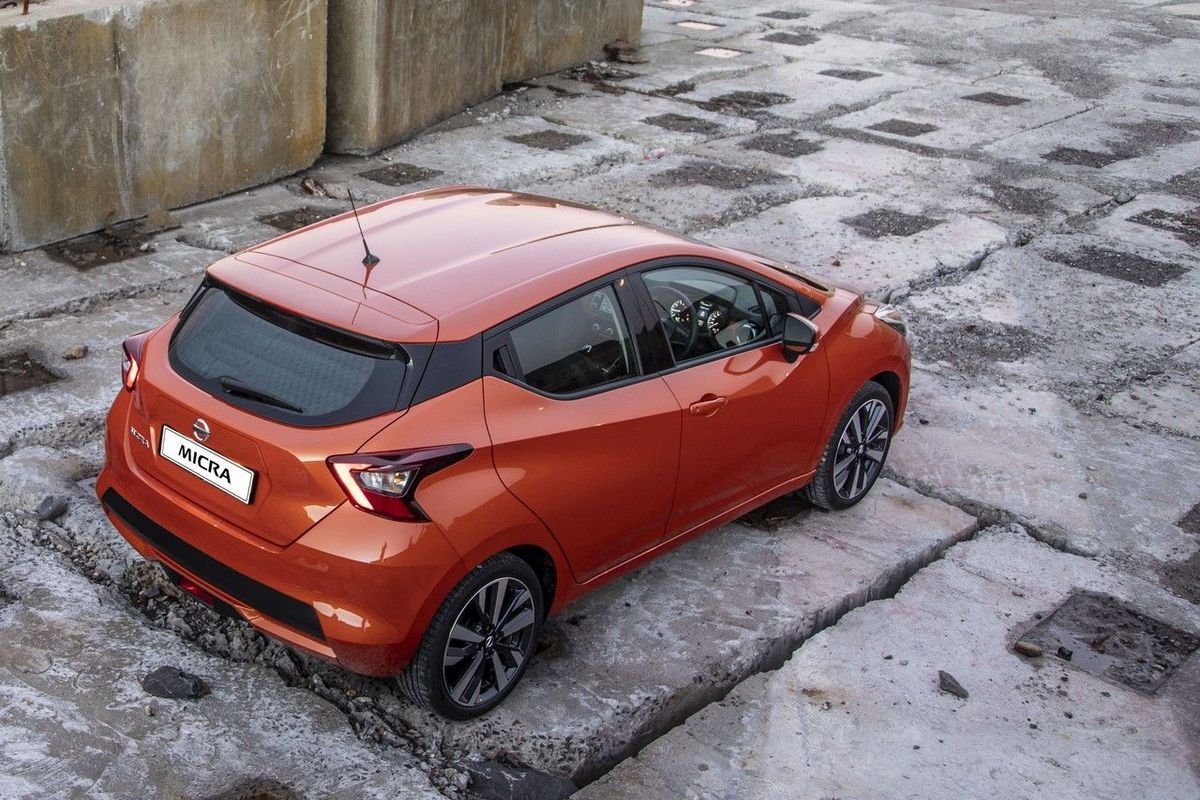
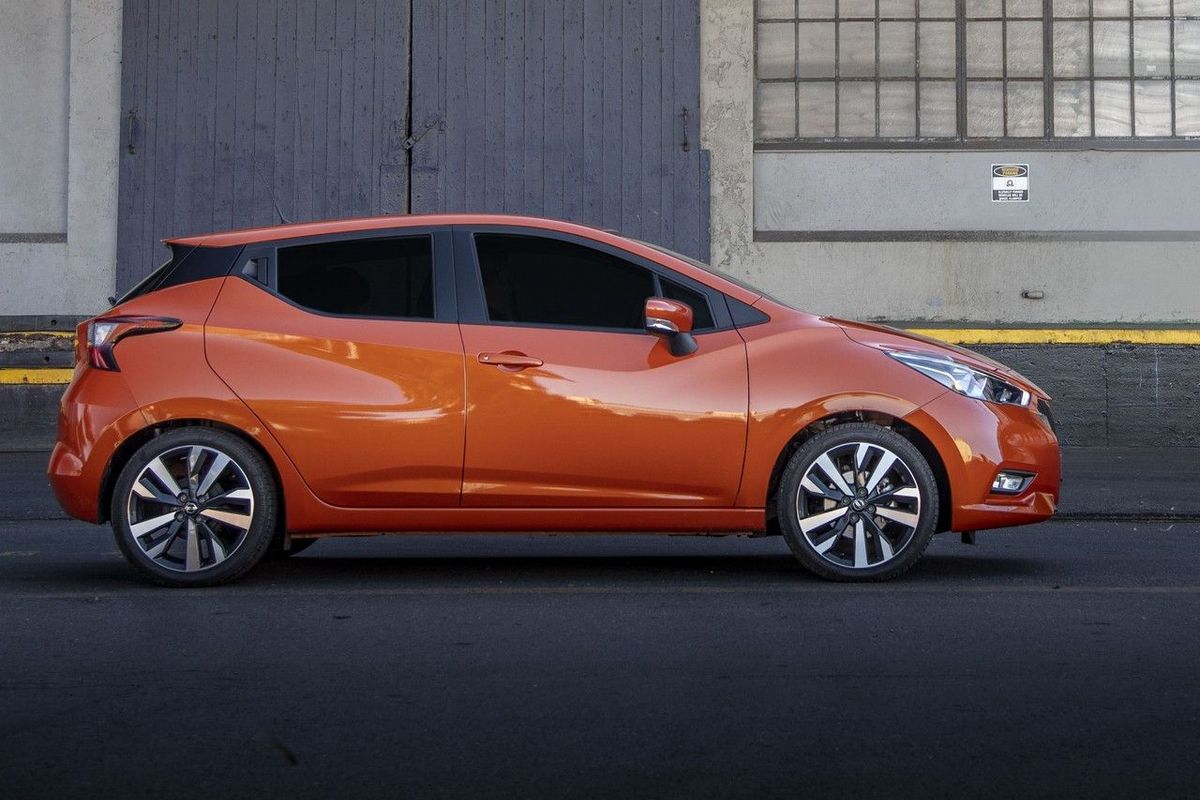
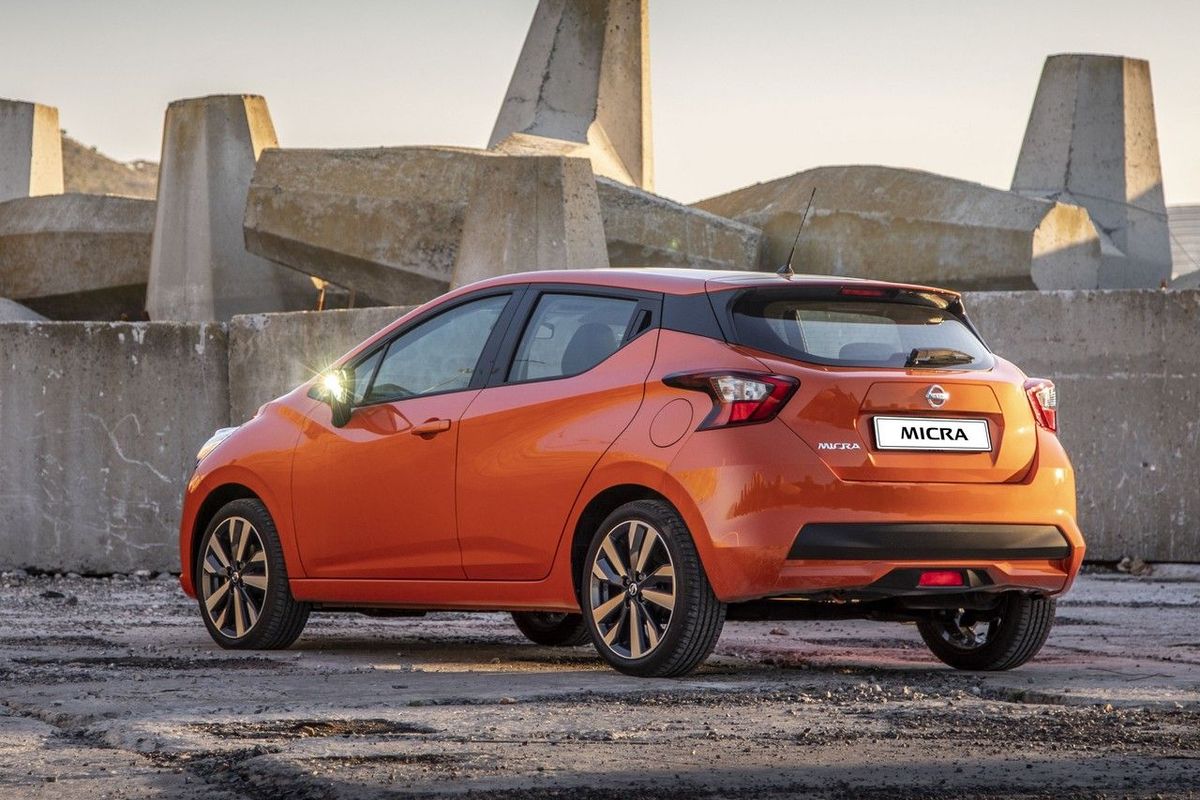
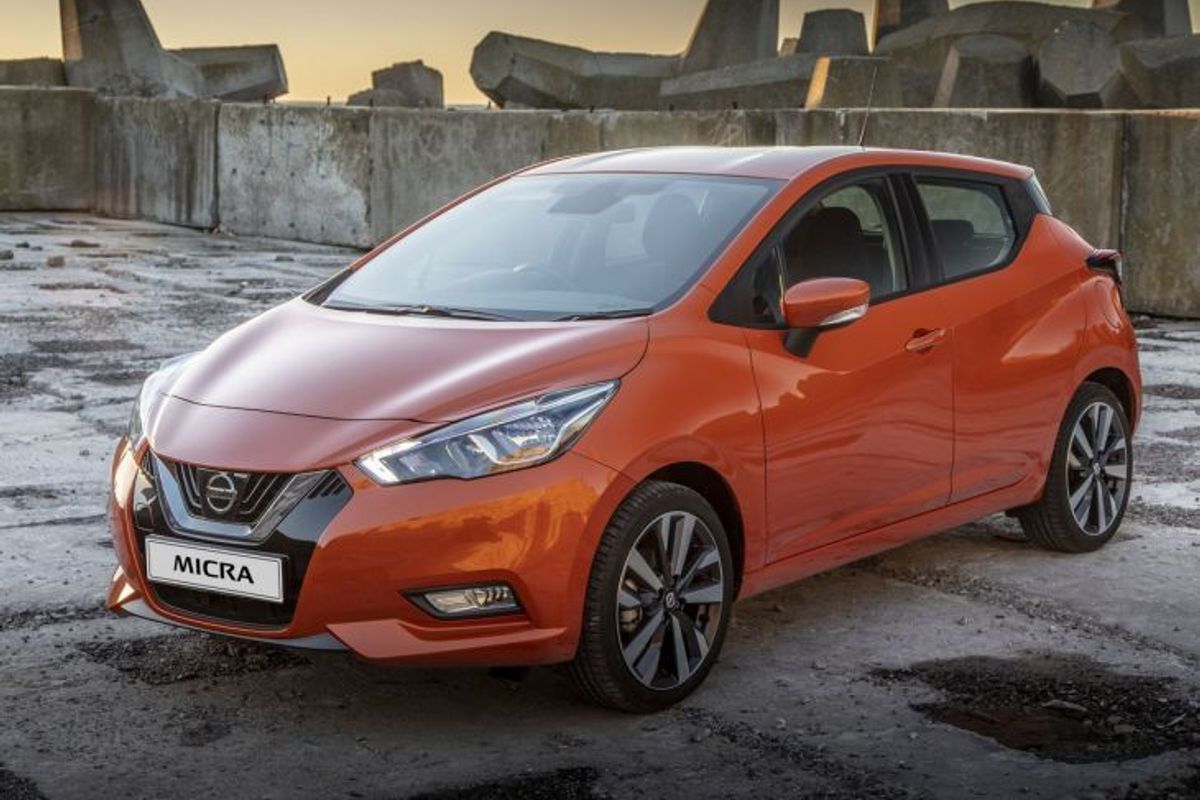
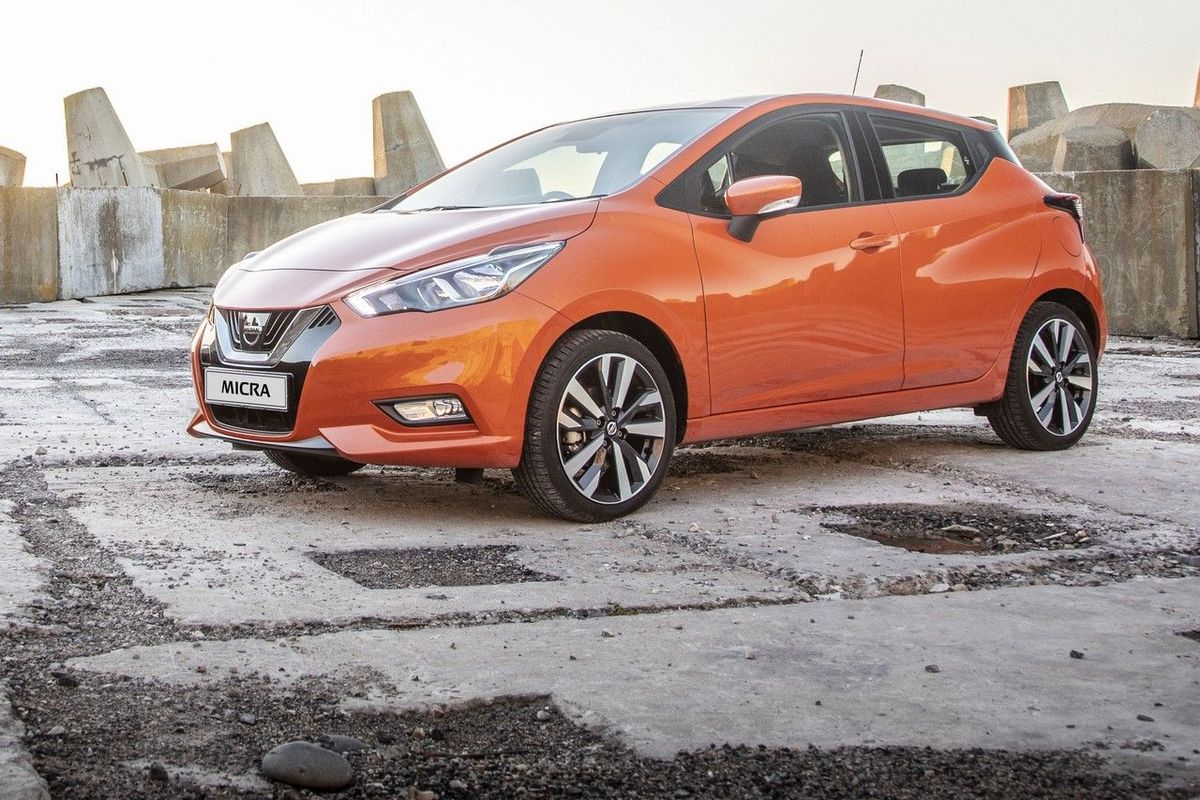
Nissan is launching its new 5th-generation Micra compact hatchback in South Africa this week! Take a look at what you can expect in terms of specification and pricing for the newcomer…
Nissan is hoping to rattle some cages with the introduction of its new Micra which will rival cars such as the new Ford Fiesta, Volkswagen Polo and Hyundai i20 to name a few.
Engine power
The new Micra is powered by a 0.9-litre, 3-cylinder turbopetrol engine (sourced from the Japanese company's alliance partner Renault) with peak outputs of 66 kW and 140 Nm of torque. The powerplant is mated with a 5-speed manual transmission and combined average fuel consumption is claimed at 5.1 L/100 km.
Key design features
There are three trim levels for the new Nissan Micra: Visia, Acenta and Acenta+
From a styling perspective, the new Micra is a massive improvement over the previous generation with sharper, curvy lines giving it a more modern and youthful appearance. The front-end features Nissan's V-motion grille in chrome and gloss black, which is complemented with boomerang LED daytime running lights. A blacked out C-pillar gives the Micra a floating-roof effect with hidden rear door handles; a roof spoiler and new boomerang taillights round off the Micra's design. The new Micra will be offered with 3 trim levels to choose from including Visia, Acenta and the top-spec Acenta Plus, which comes fitted with two-tone, 17-inch alloy wheels. The base-spec Visia derivative rides on 15-inch steel wheels while the mid-spec Acenta wears 16-inch alloys.
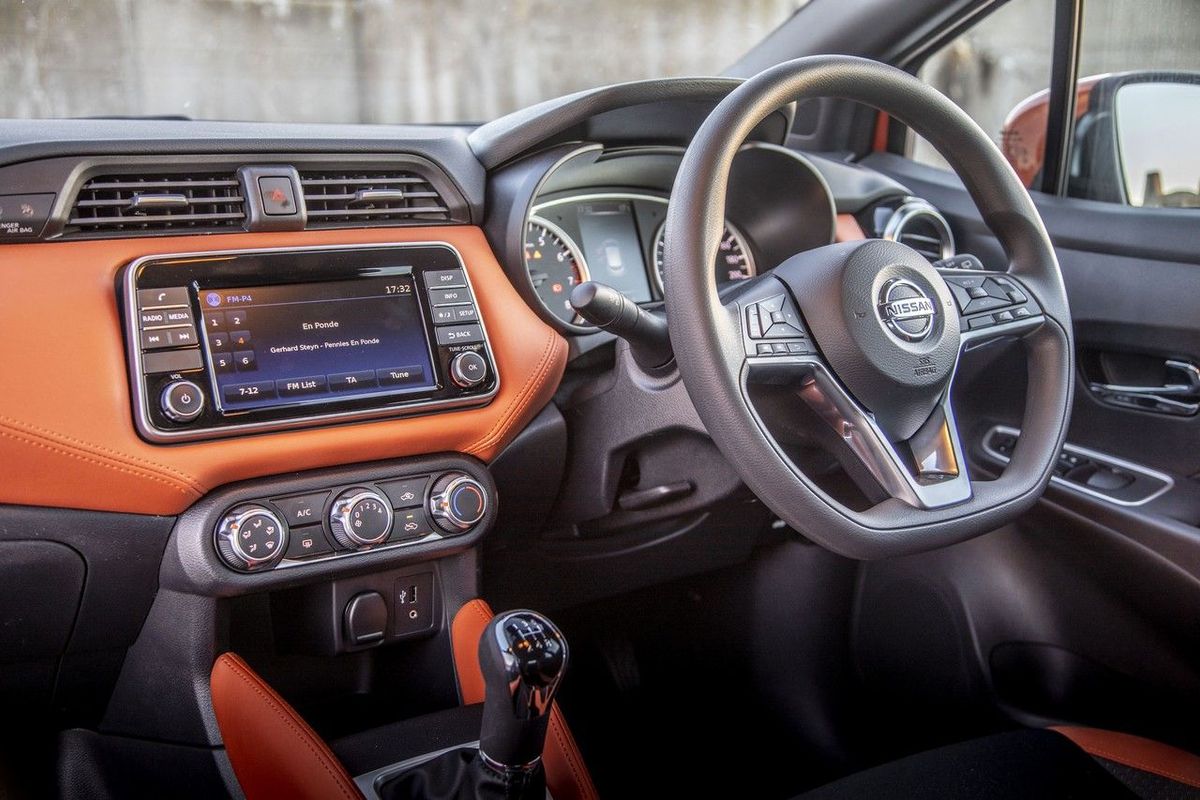
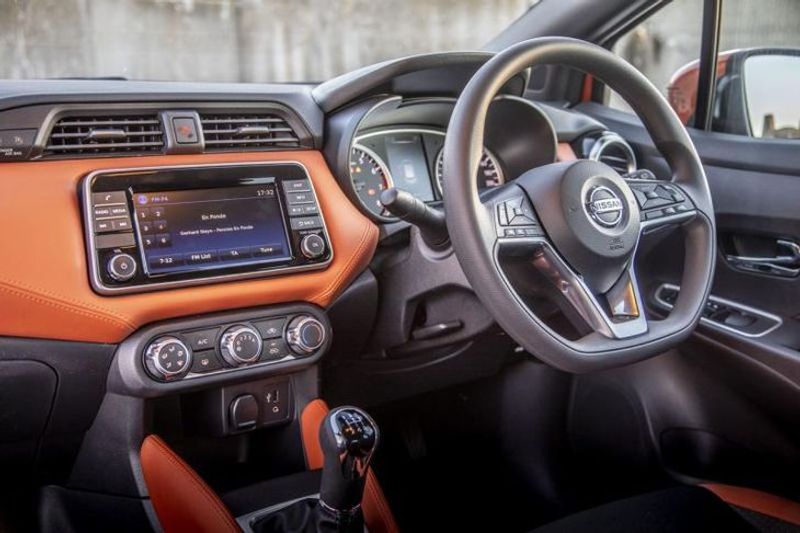
On the inside, the Micra features a thoroughly improved interior. A T-shaped "gliding wing" dashboard design with chrome and gloss black details gives the Micra's cabin a more premium look and feel. Cloth seats are standard, but come in a variety of designs depending on the trim level you choose. The Micra Visia comes with casual black upholstery, while the Acenta derivative benefits from black and grey upholstery. The top-spec Micra Acenta-Plus features the vibrant Energy Orange upholstery.
A multifunction D-shaped steering wheel is fitted and the gear lever is surrounded by soft-touch knee pads. A 7-inch colour floating touchscreen display with navigation and Apple CarPlay is offered on the Acenta and top-spec Micra Acenta Plus, while the entry-level Visia derivative gets a more rudimentary audio system with Bluetooth, MP3, USB and iPod connectivity. Cruise control is standard across the new Micra range. The luggage bay of the new Micra is sizable at 300 litres.
In terms of safety specification, the Micra comes specified with, inter alia, 6 airbags, an anti-lock braking system (ABS) and electronic brakeforce distribution (EBD). We will be driving the new Nissan Micra at the local launch this week so look out for more details later in the week.
New Nissan Micra – Price in SA
Micra Visia – R233 500
Micra Acenta – R257 400
Micra Acenta Plus – R272 400
Pricing includes a 6-year/150 000 km warranty and a 3-year/90 000 km service plan.
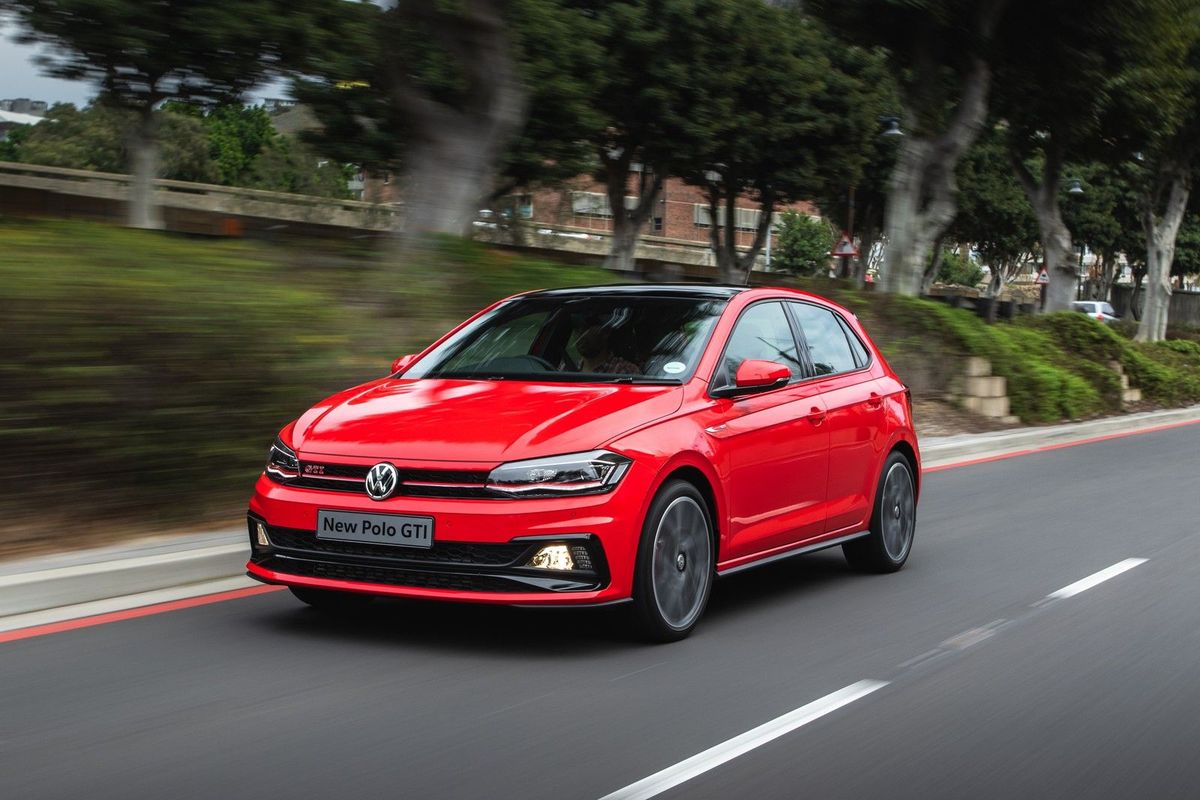
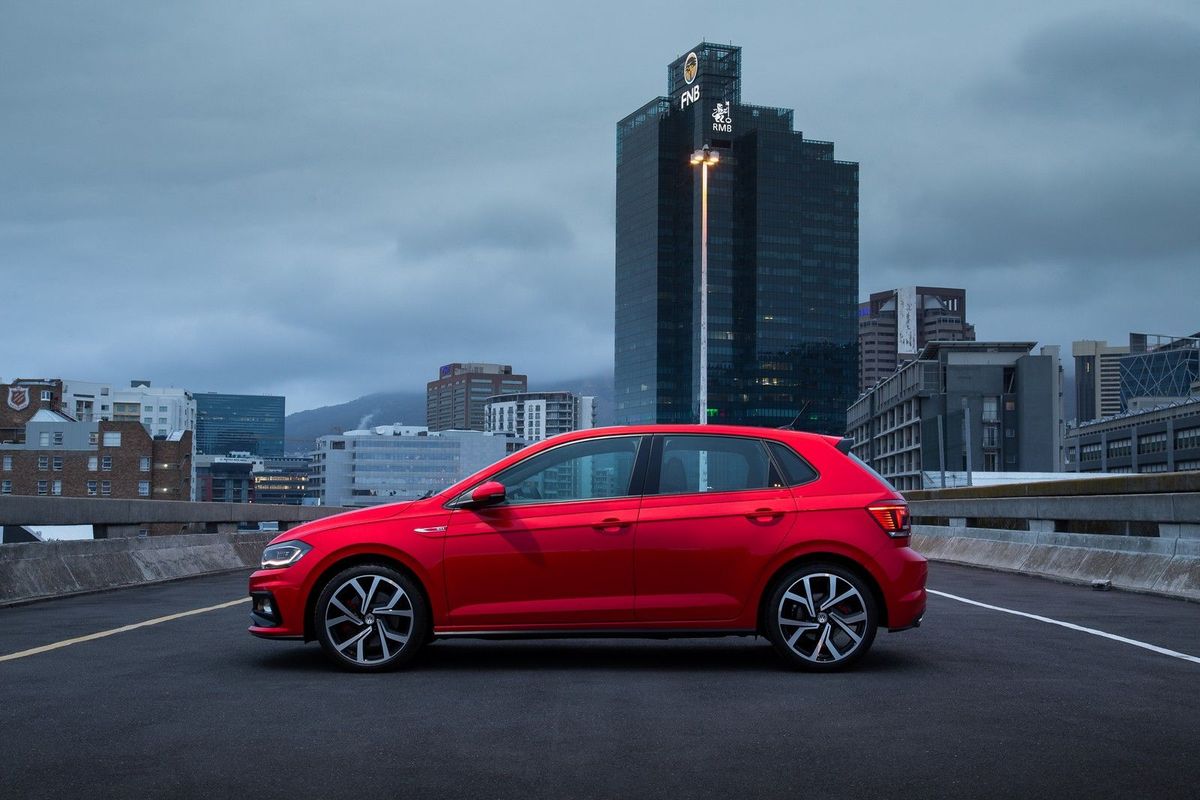
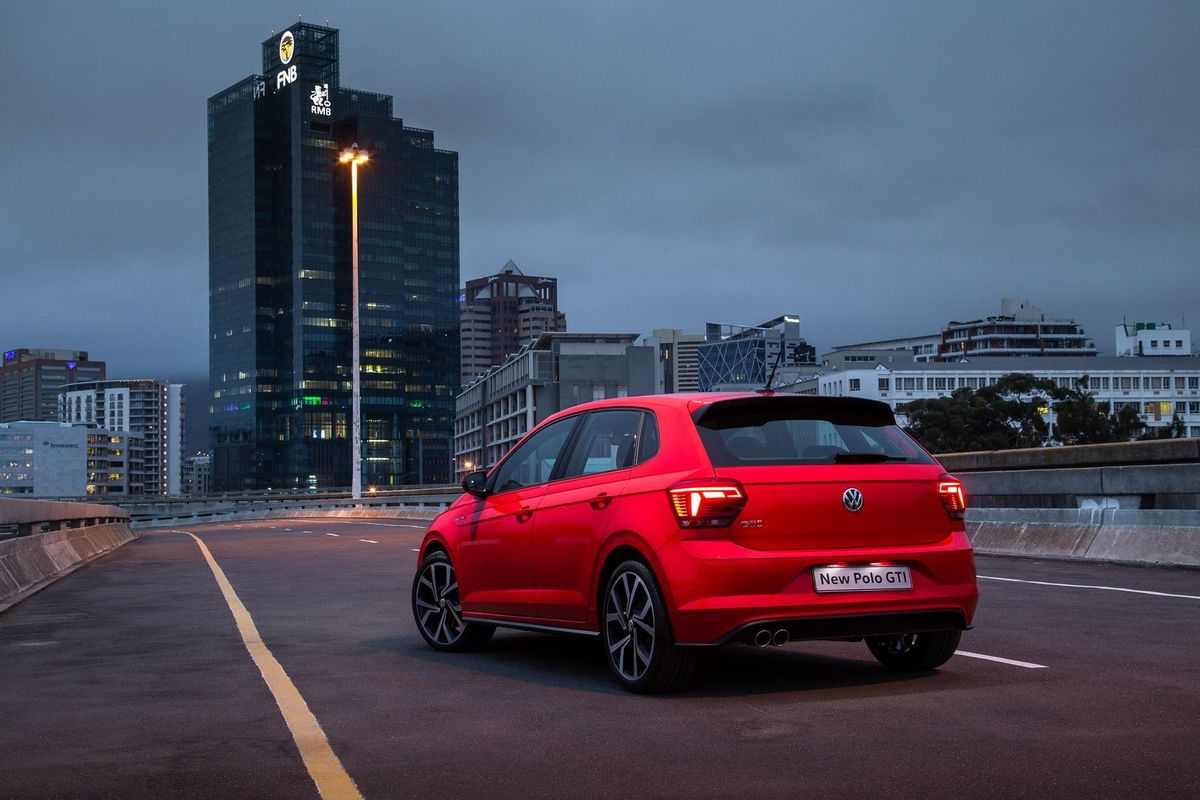
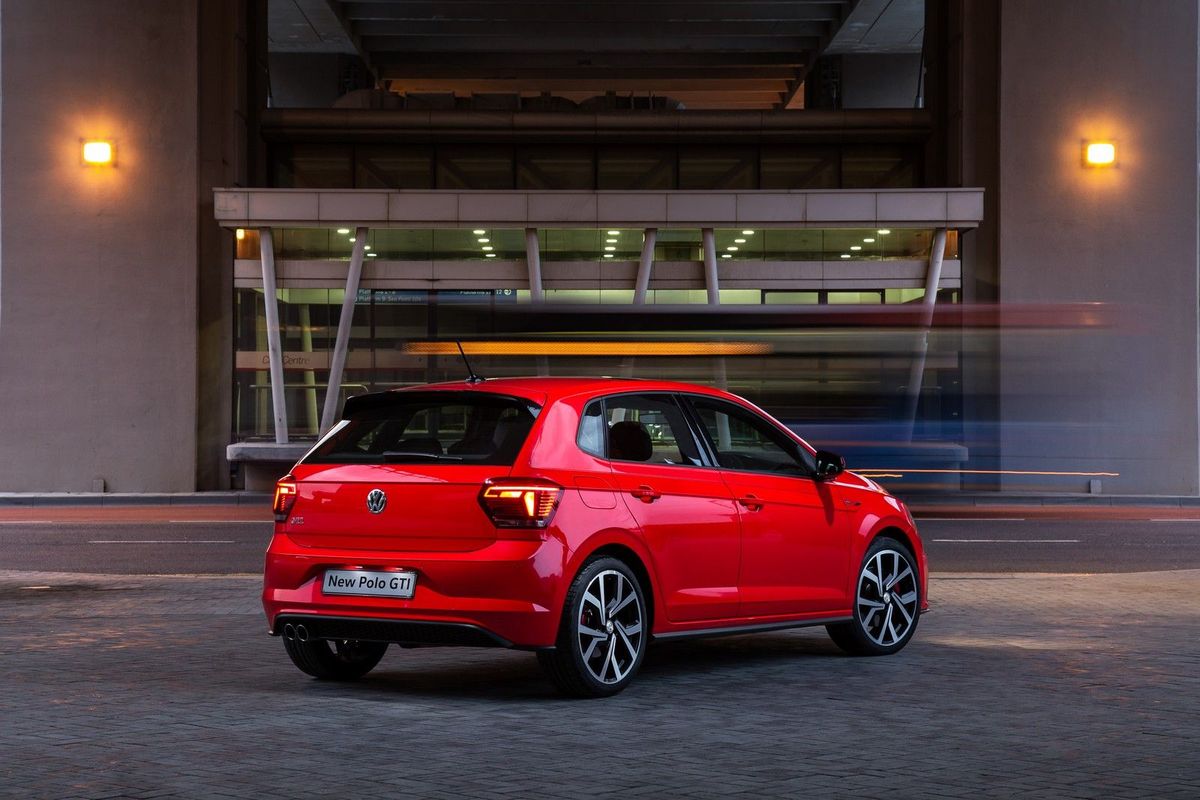
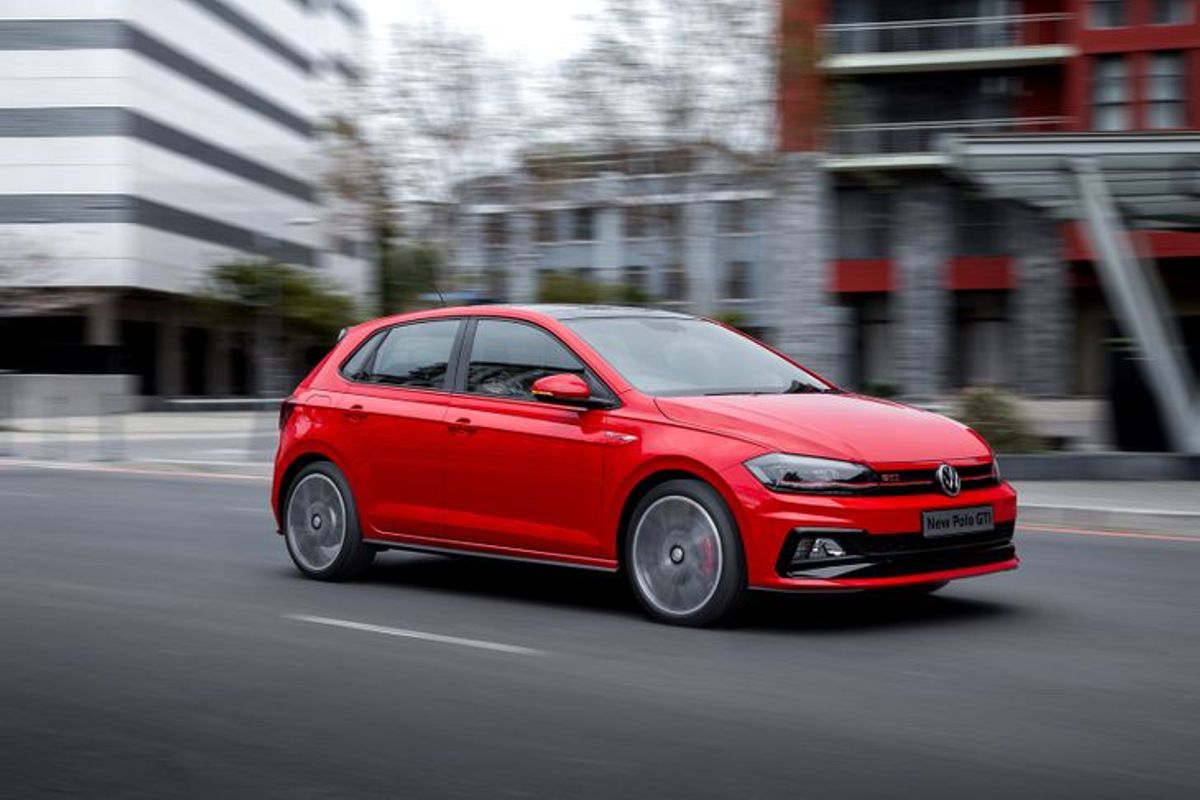
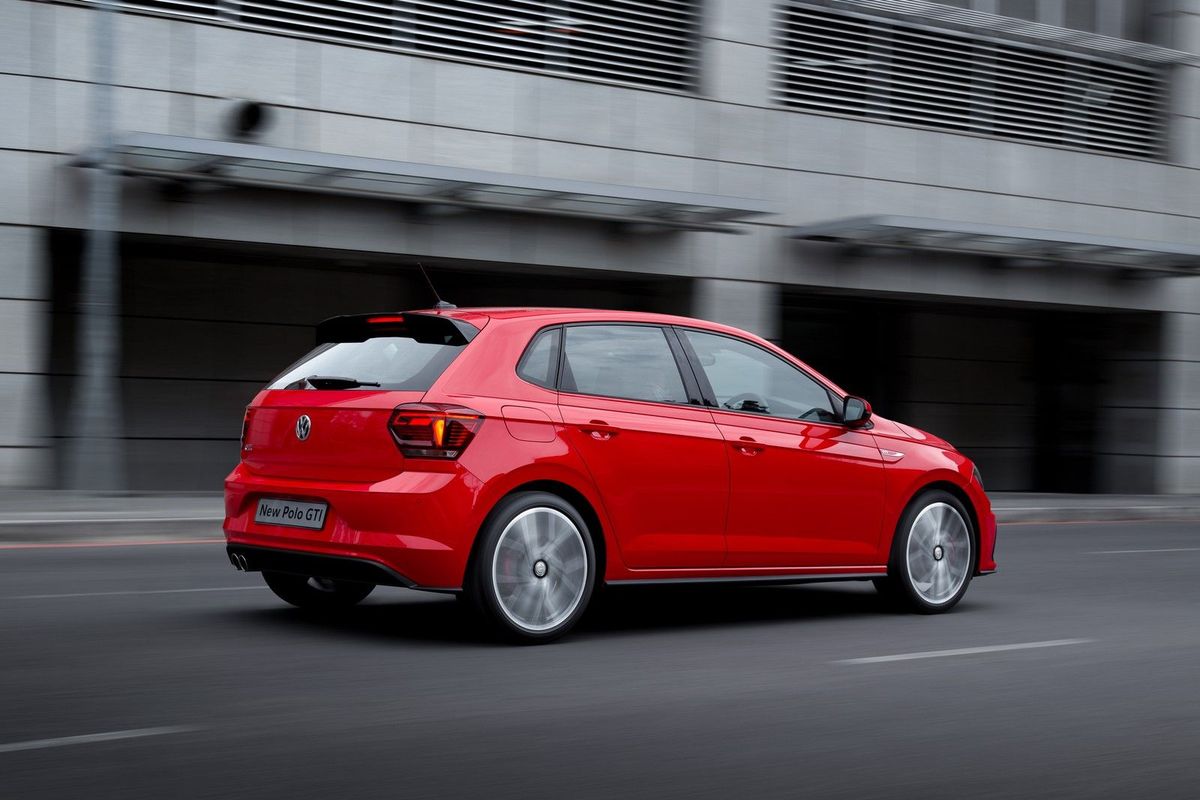
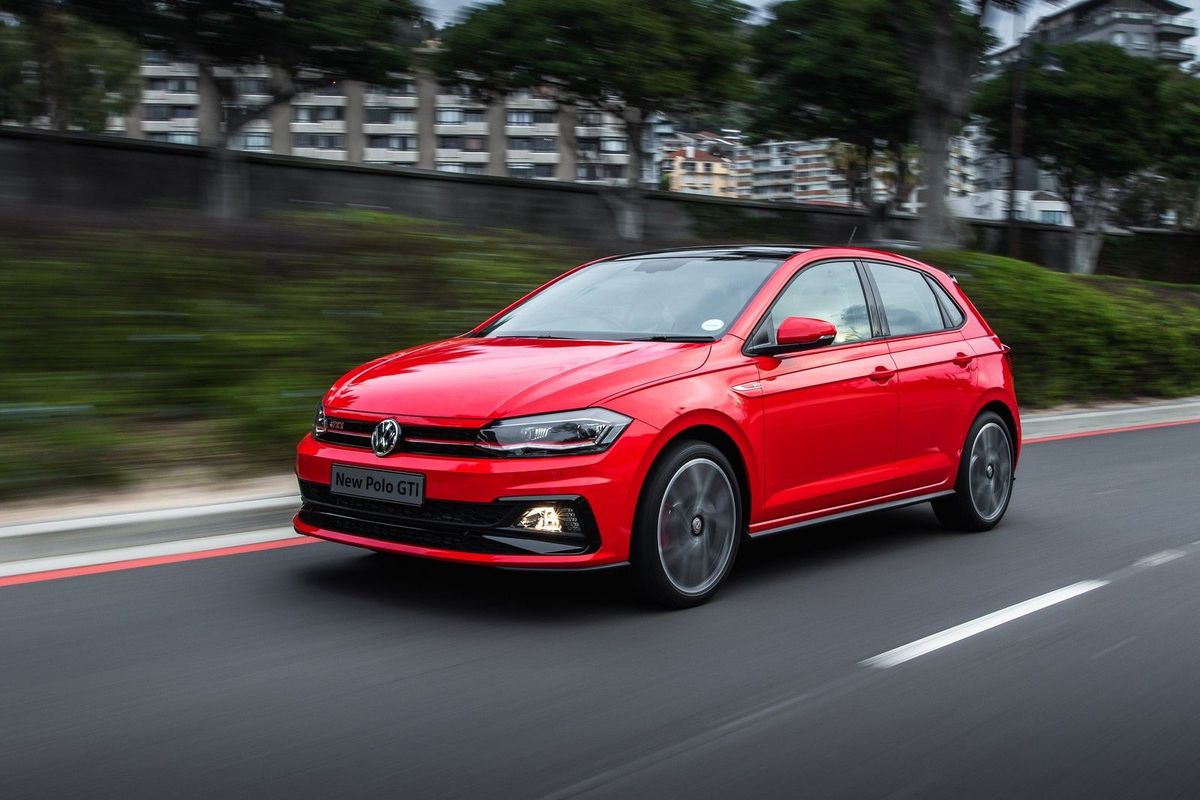
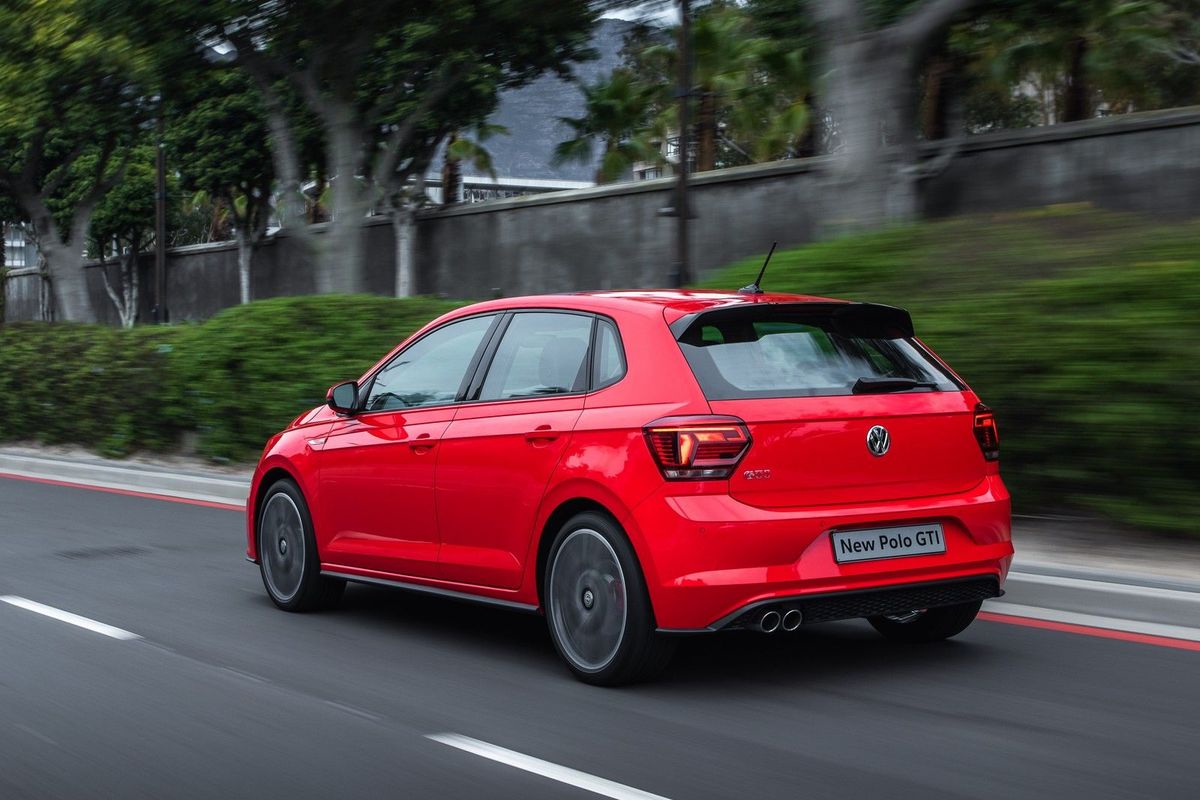
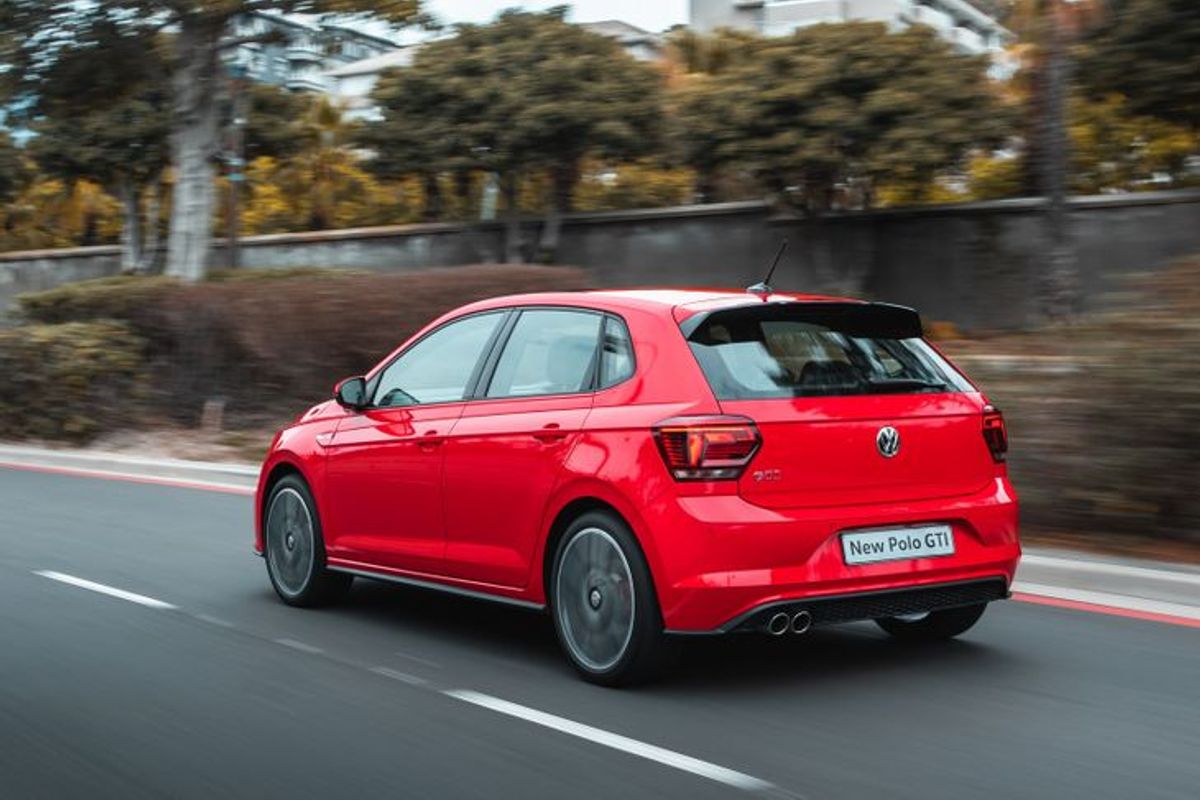
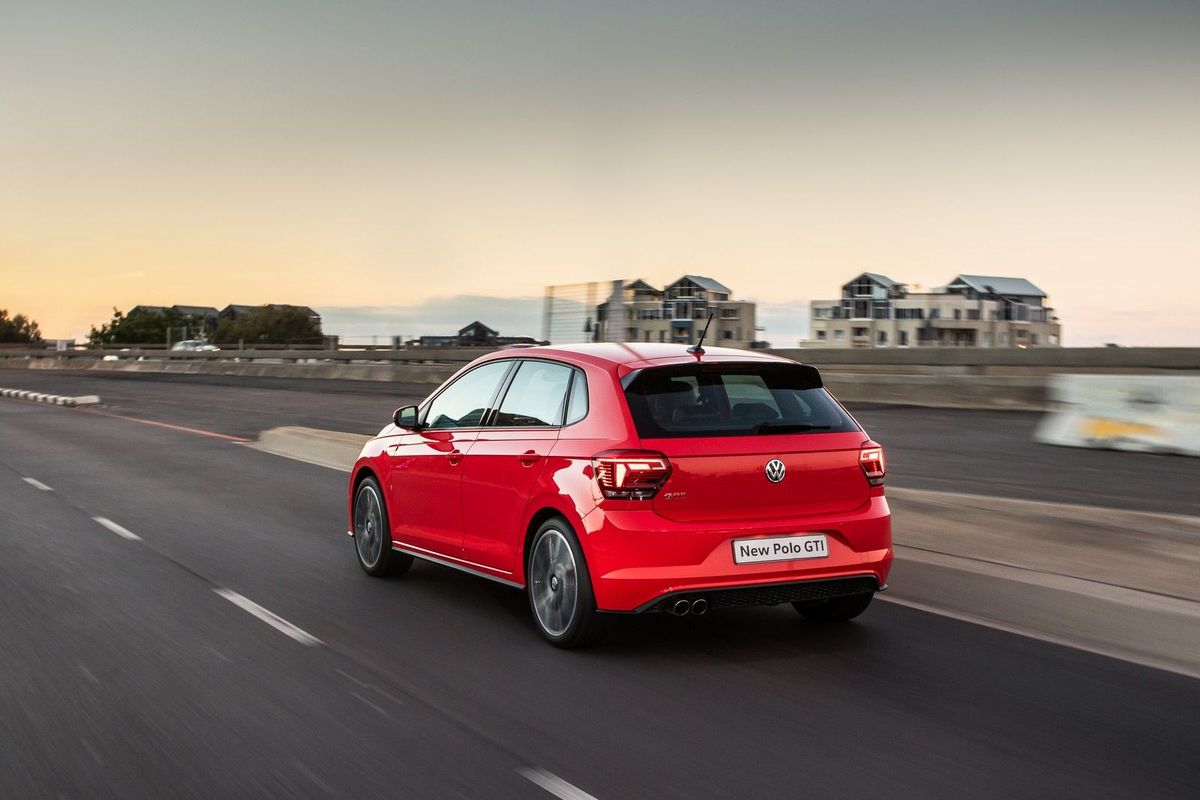
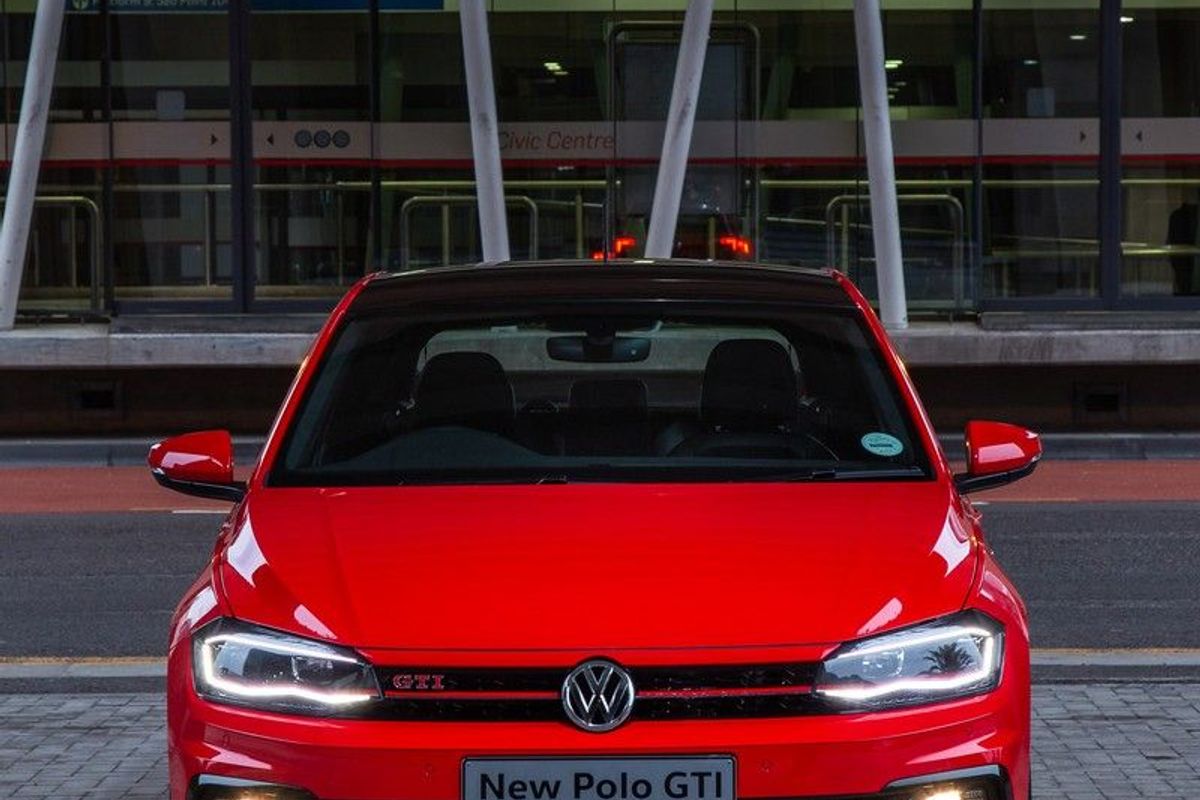
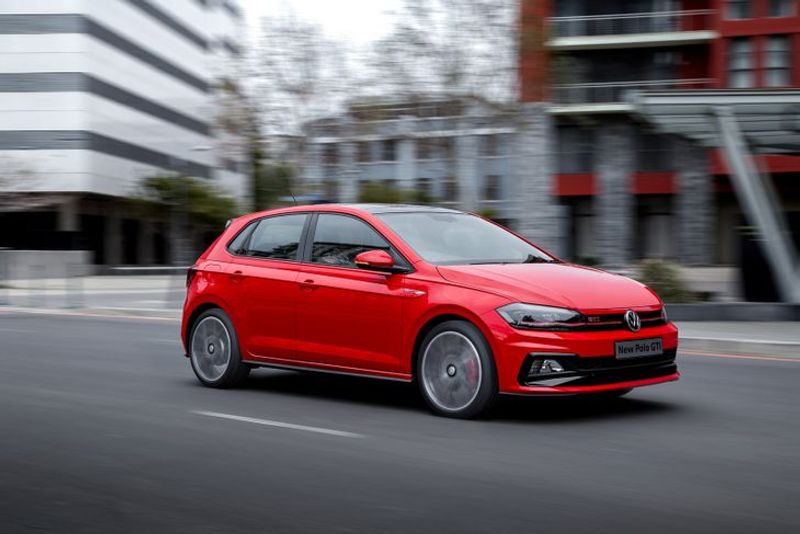
Following the launch of the new Polo earlier this year, Volkswagen has now introduced the new range-topping Polo GTI to market in South Africa. Take a look at specification and pricing details for the Polo GTI below…
The new locally-built Polo GTI is now available in South Africa and not only does it offer better specification than the model it replaces, but it’s also a bit cheaper, which should please local buyers.
VW Polo GTI – Key Features
Engine and Performance
A 2.0-litre turbopetrol engine finds a home in the Polo GTI for the first time. It's a detuned version of the engine found in the Golf GTI.
For the first time, the new Polo GTI is powered by a 2.0-litre turbopetrol engine with 147 kW and 320 Nm of torque. Power is sent to the front wheels via a 6-speed dual-clutch transmission as standard.
In terms of performance, the Polo GTI will sprint from zero to 100 kph in 6.7 seconds and reach a top speed of 237 kph. Fuel consumption is claimed at 5.9 L/100 km. The driver can select various driving profiles and these include Eco, Sport, Normal and Individual.
The standard Polo GTI features sport suspension as standard but can be optionally equipped with Sport Select suspension with active dampers. An XDS differential lock further enhances traction and cornering ability of the Polo GTI.
Exterior styling features
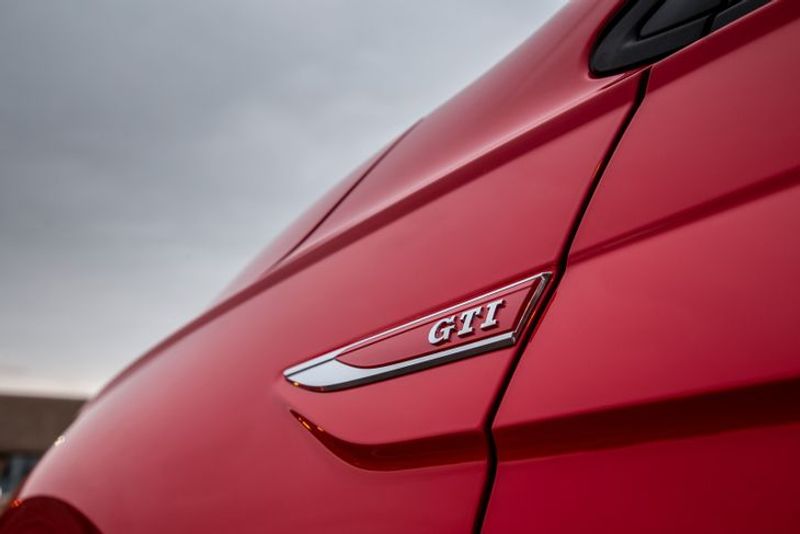
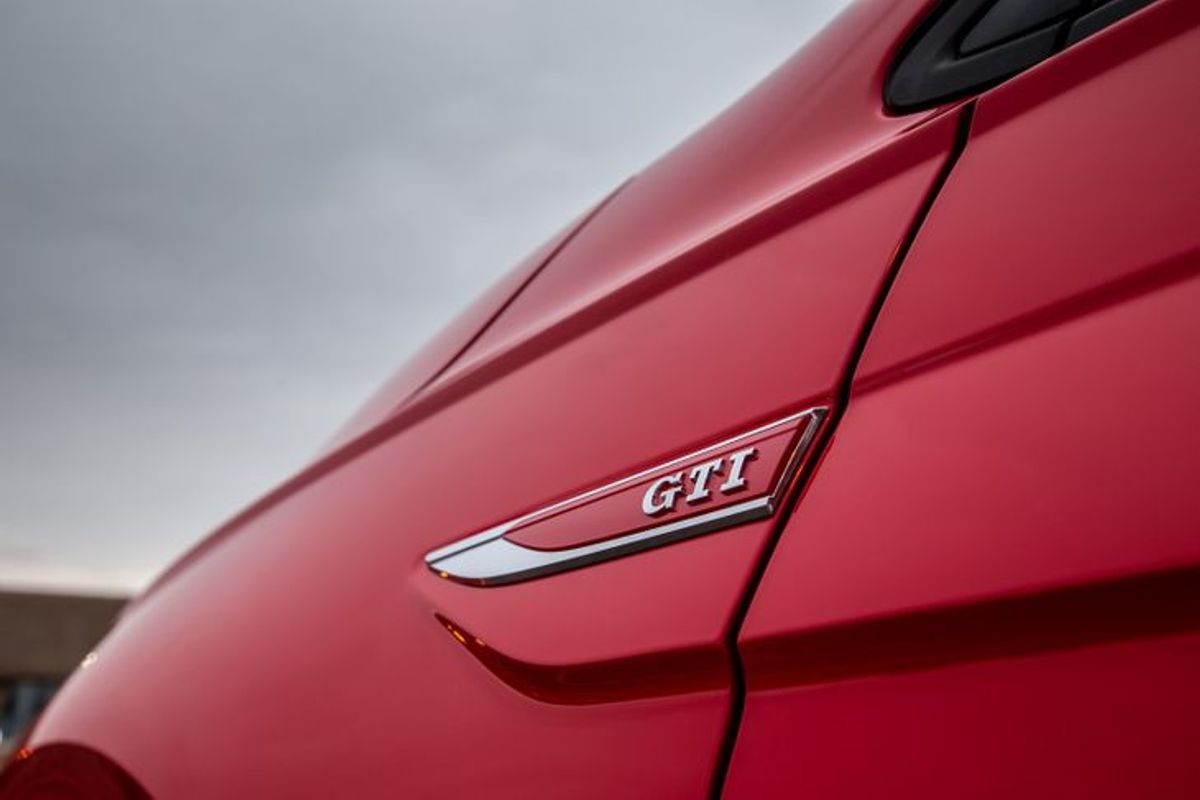
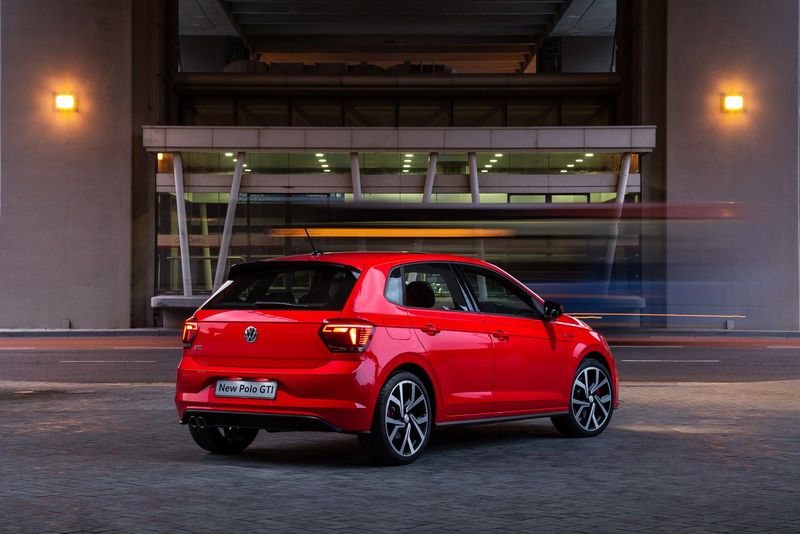
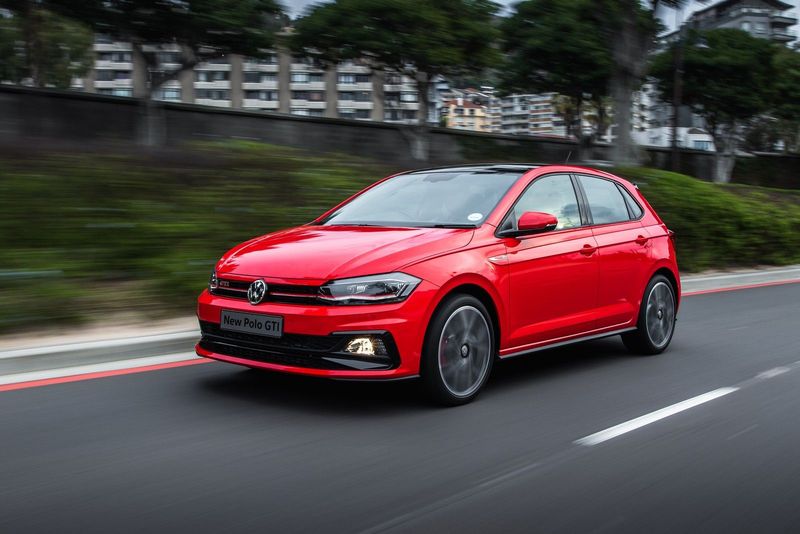
GTI badging and obligatory red detailing sets the Polo GTI apart from its lesser Polo siblings.
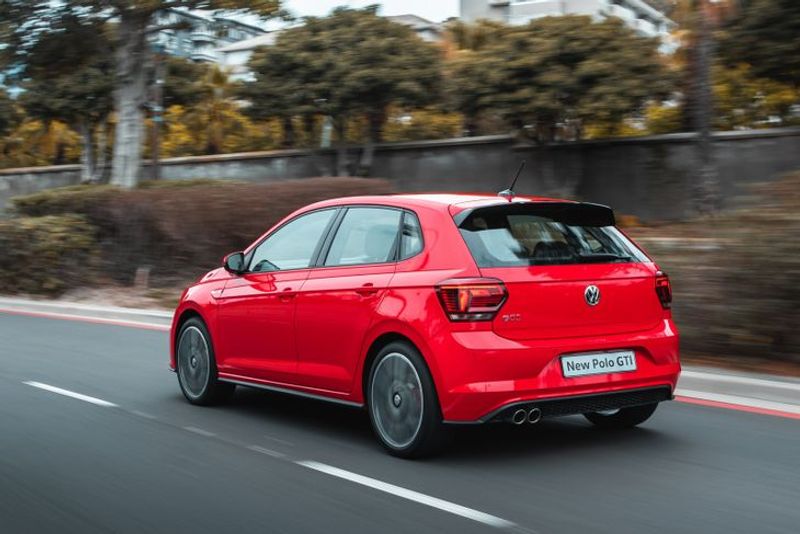
The Polo GTI features an independent bumper with a spoiler lip and fog lights while the familiar red GTI stripe seen on the grille runs through into the red winglets of the optional LED headlights. The air intakes have a honeycomb structure and the C-shaped air curtains are finished in high gloss black, further differentiating the Polo GTI from the lesser Polo derivatives.
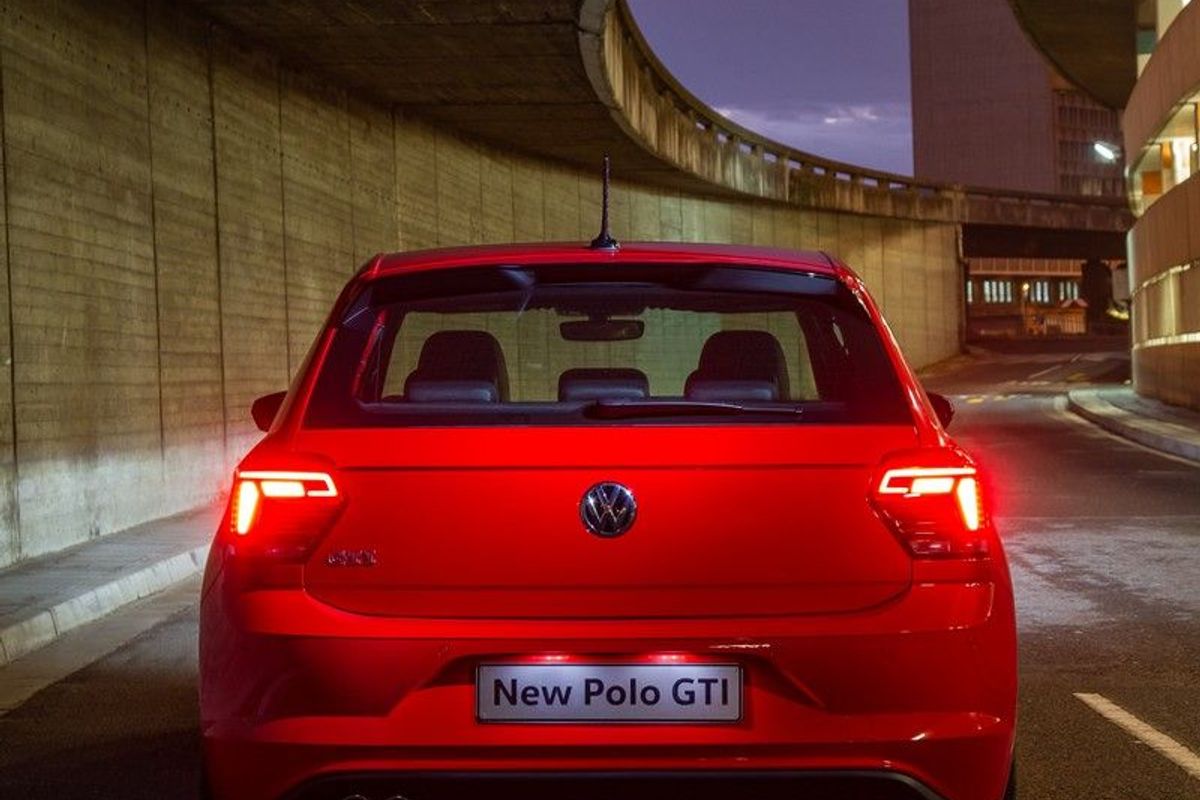
At the rear, a two-piece roof spoiler is fitted as is a rear diffuser finished in high-gloss black with dual chrome tailpipes and LED tail lights. The Polo GTI rides on new 17-inch ‘Milton Keynes’ alloy wheels while 18-inch ‘Brescia’ alloys are offered as an option for the first time. Red brake calipers are standard.
The Polo GTI is available in Pure White, Flash Red, Deep Black Pearl Effect and Reef Blue Metallic.
Interior features
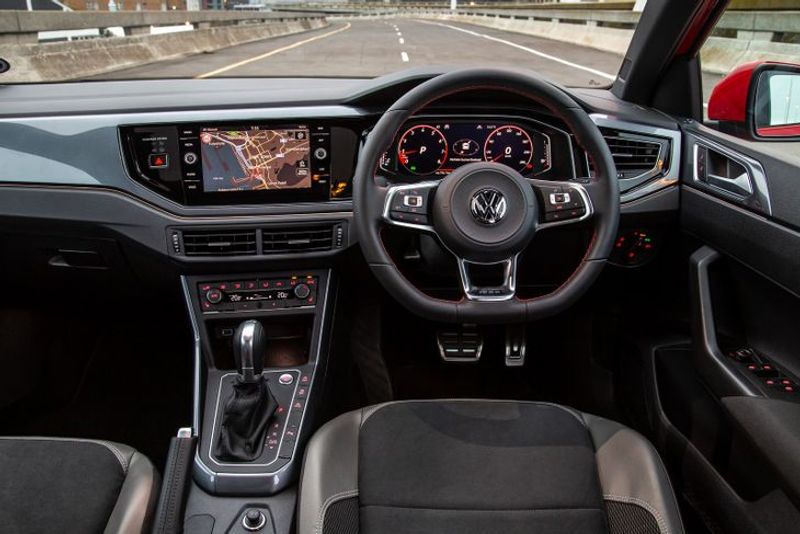
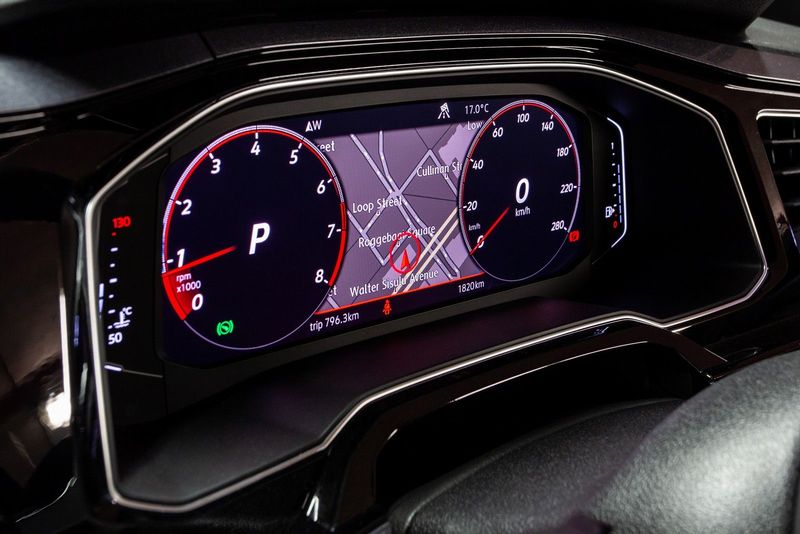
The optional Active Info Display lifts the sportiness of the Polo GTI's interior considerably.
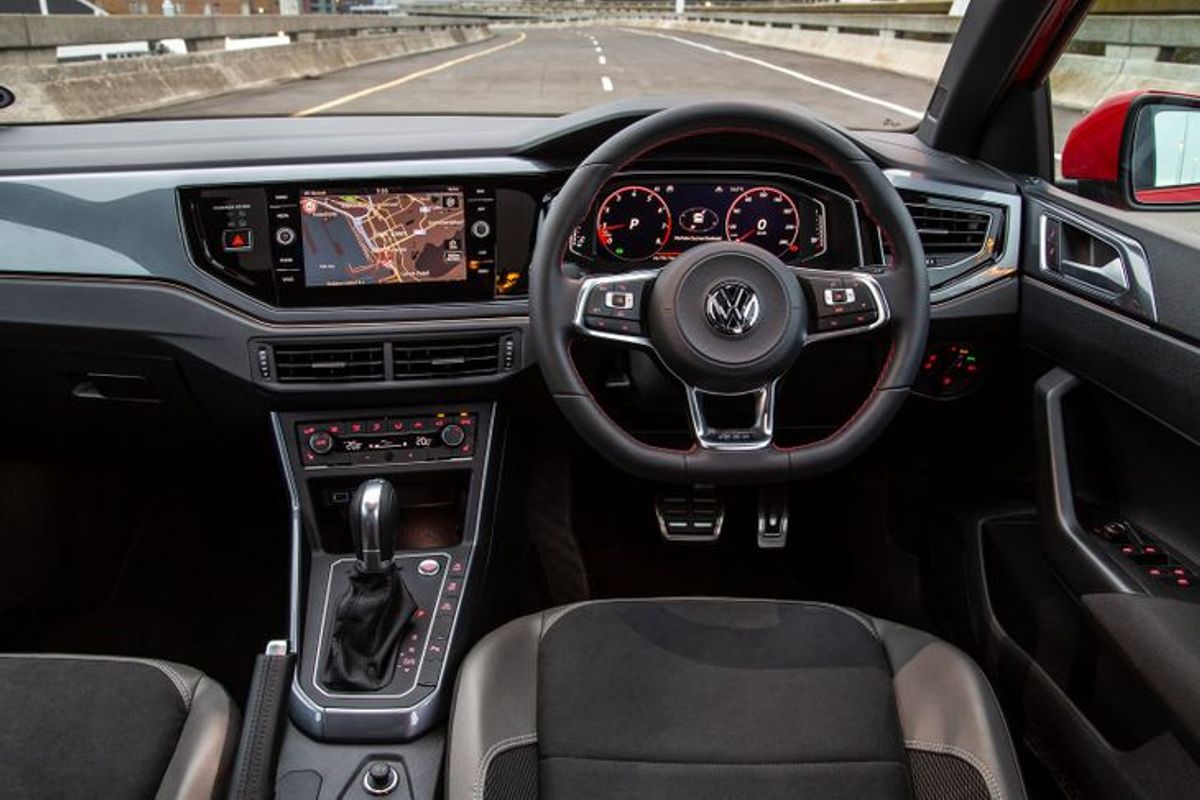
The Polo GTI features a customised interior in either black, red, grey and chrome. Titan black accents is used to finish off the interior look. The dashboard panel can be ordered in Deep Iron Metallic or Velvet Red. Typical red GTI stitching is seen on leather multifunction steering wheel, gear lever, floor mats and outer seat surfaces.
The sports seats are kitted out in Art Velour upholstery as standard while black leather upholstery with heating function is optionally available.
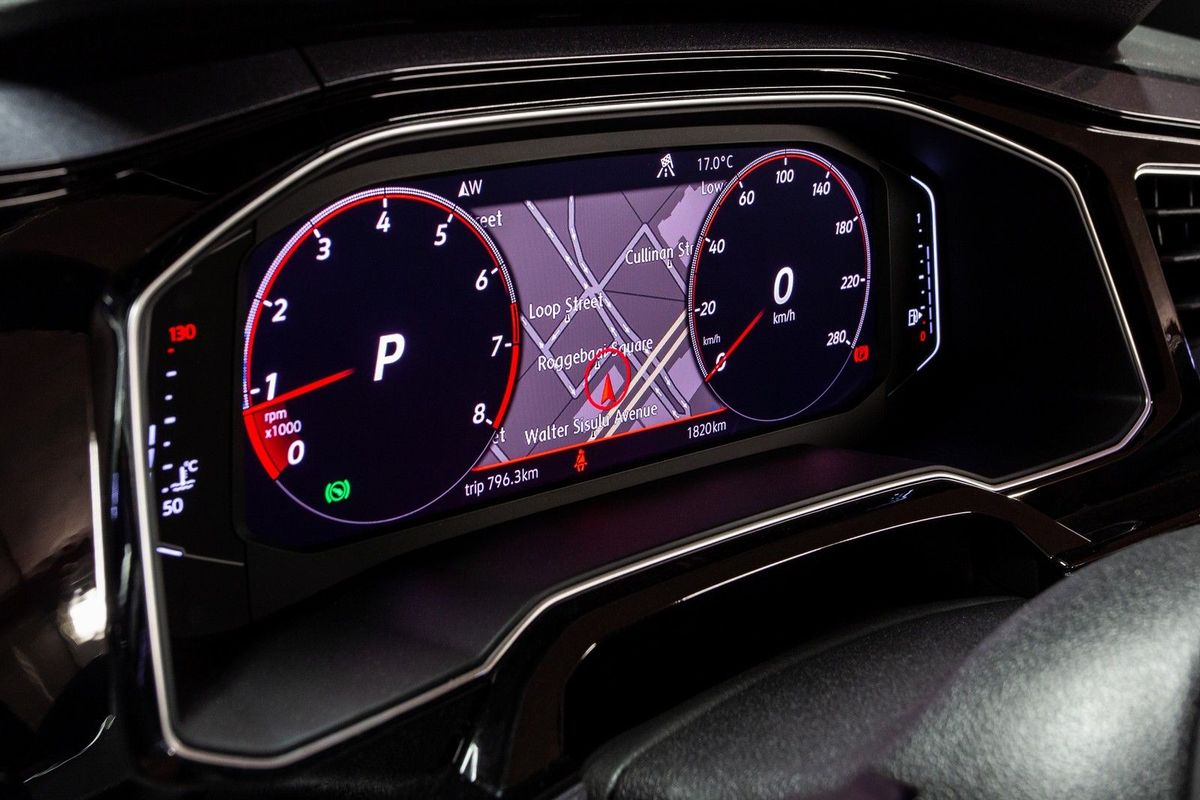
The Polo GTI can also be optionally equipped with Volkswagens’ latest Active Info Display. The high-resolution, 10.25-inch display can be adjusted to preference using the ‘View’ button on the steering wheel or further configured via the standard 8.0-inch Composition Media infotainment system. Note that the 8.0-inch radio/CD navigation infotainment system is optional as is a sunroof.
Safety features
The Polo GTI has a minimum of 6 airbags, ABS with EBD, emergency braking, Electronic Stability Control (ESC) with traction control. Other standard safety features include a driver alert system, automatic post-collision braking system and tyre pressure monitoring system.
An optional Advanced Safety Package is also available and includes Parallel Park Assist, Park Distance Control, Rear View camera, Blind Spot Detection and electric folding mirrors. Rear traffic alert is offered in conjunction with blind spot monitoring.
New Volkswagen Polo GTI – Price in SA (June 2018)
VW Polo GTI – R375 900
The new Polo GTI comes standard with a 3-year/120 000 km warranty, 3-year/45 000 km service plan and a 12-year anti-corrosion warranty. Service intervals are set at 15 000 km.
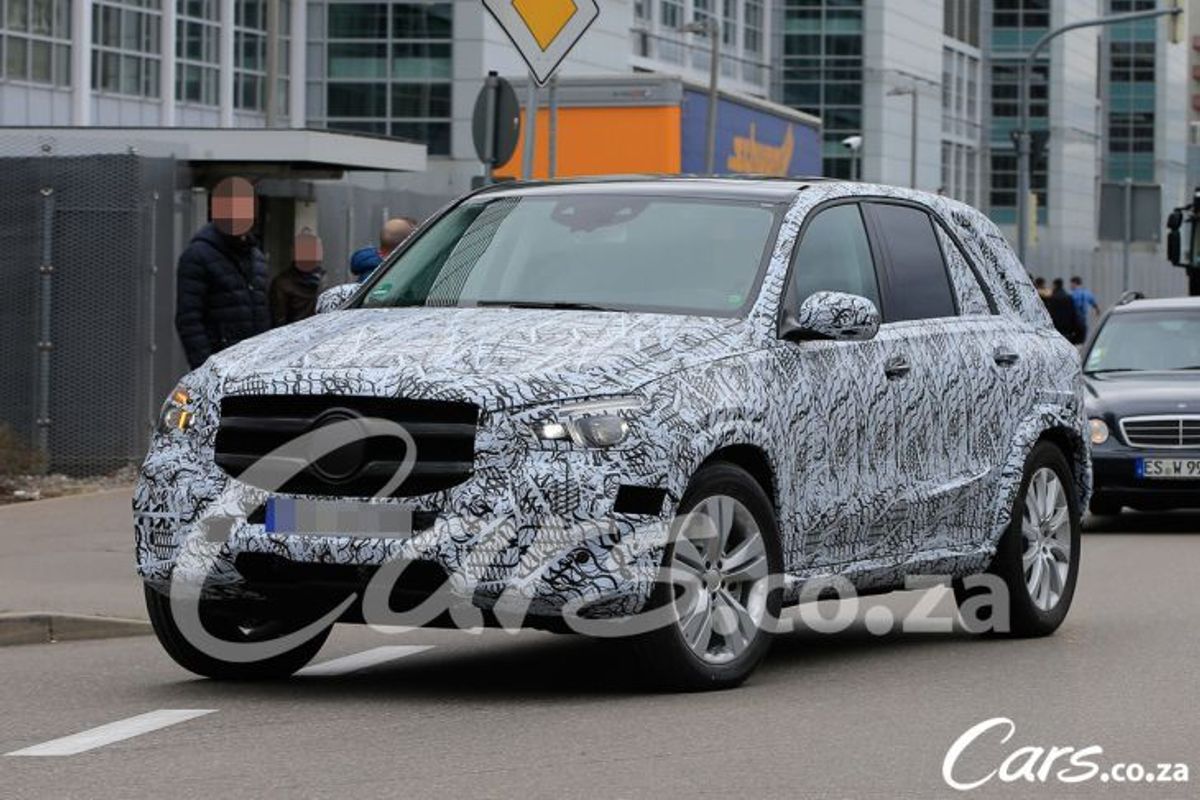
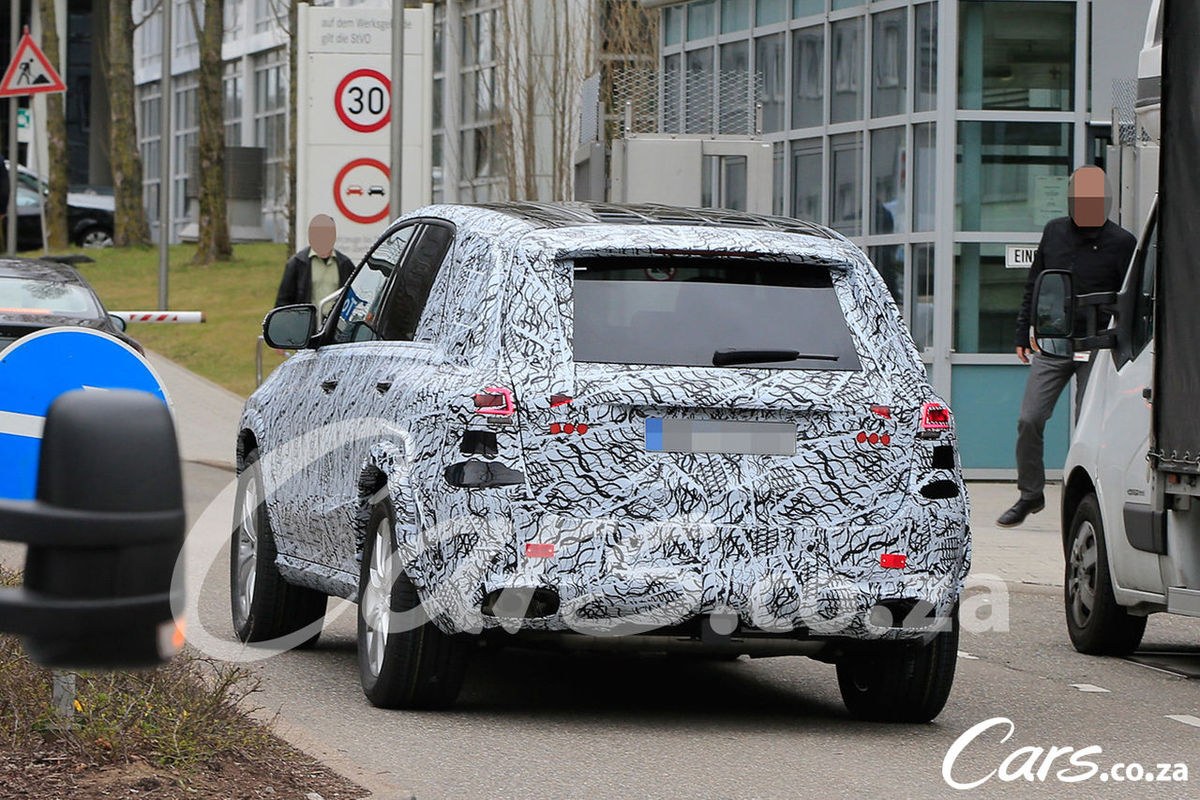
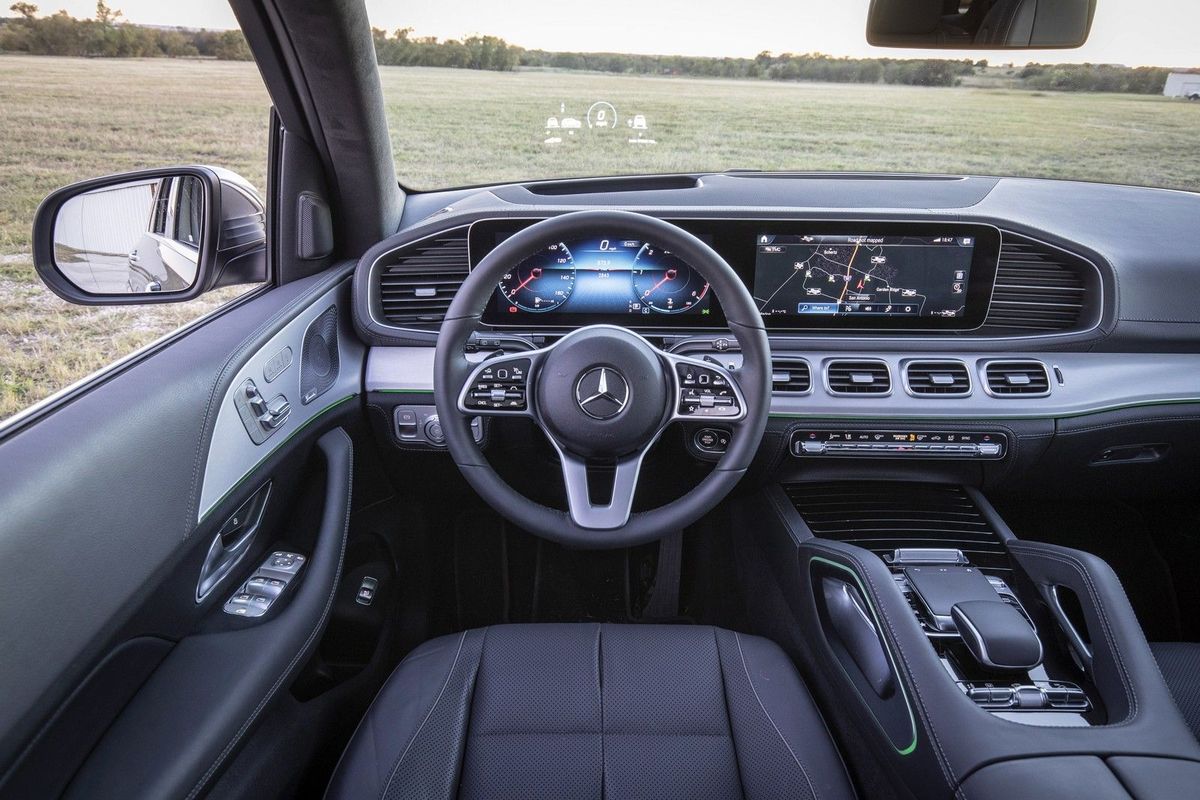
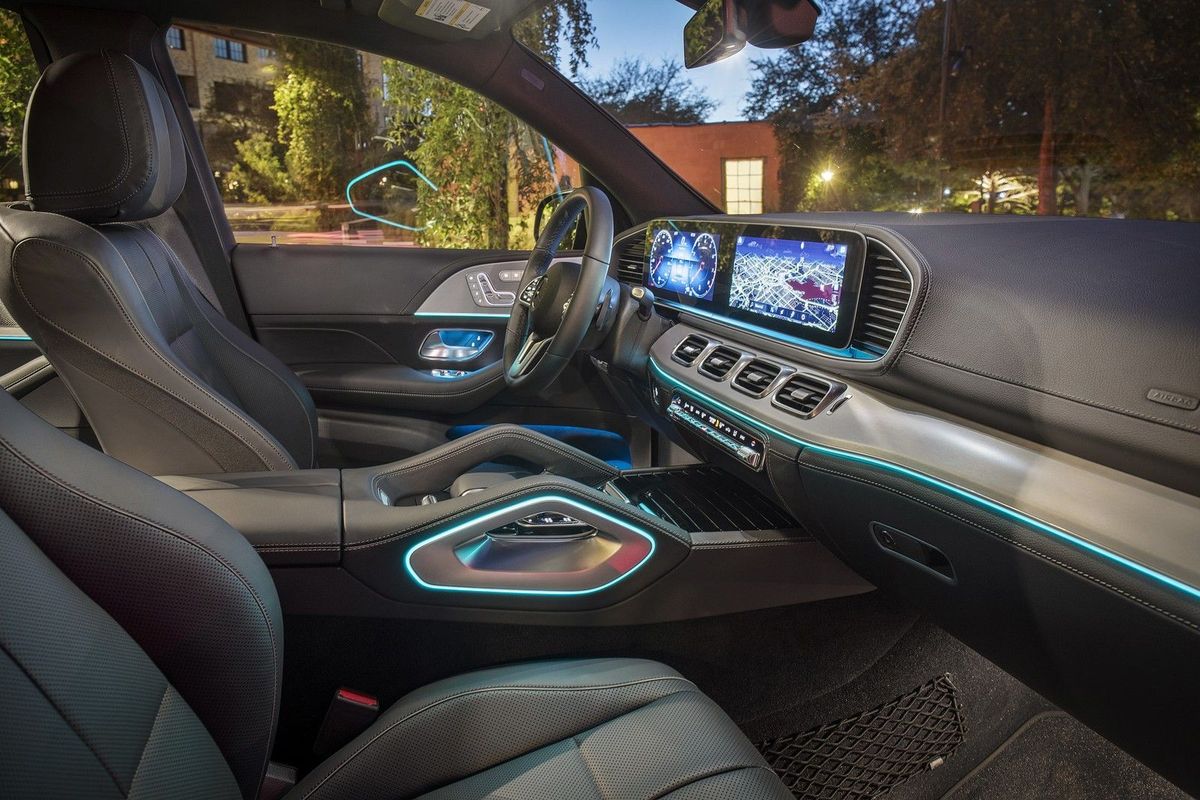
We've been tracking the development of the new Mercedes-Benz GLE SUV and it looks like the vehicle is almost ready to be revealed. Our latest spy photographs show the new Mercedes-Benz GLE virtually undisguised.
Picture credit: S. Baldauf/SB-Medien
We first got a glimpse of the next generation Mercedes-Benz GLE back in July 2016, but these new images show a vehicle that’s much closer to the showroom version. Mercedes-Benz plans to put the all-new GLE into production in 2018 or early 2019.
Without all that much camo aboard, the new images show a more rounded body, not too dissimilar from the current generation GLE. The GLE mules were spotted testing against rivals from Porsche (Cayenne) as well as an Audi Q7.
The rear lights have also changed in design and appear to be thinner and resemble those of the newly launched A-Class.
As for details on the new GLE, the chassis is borrowed from the current E-Class. Engine variants are said to include the next generation of 4 and 6-cylinder turbopetrols and -diesels. Later on, there will be an AMG-fettled model likely to be powered by the 4.0-litre V8 biturbo.
Porsche is developing its first fully electric vehicle and it’s based on the Mission E Concept. The production version is expected to make its debut in 2019 and will be called the Taycan, meaning "lively, young horse".
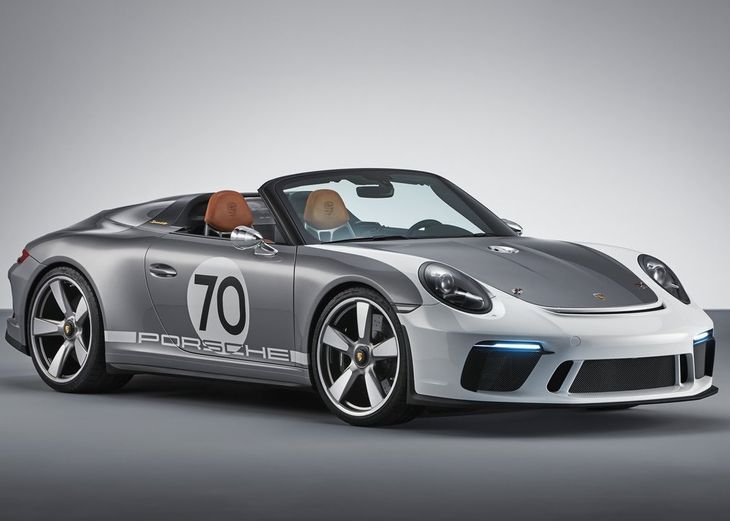
The announcement of the new electric Porsche Taycan follows the Stuttgart-based firm's 70th-anniversary celebrations and in South Africa, Porsche lovers from across the country descended on Kyalami Grand Prix Circuit to celebrate the milestone this past weekend. Porsche marked the occasion with the reveal of the 378 kW, 911 Speedster Concept which pays homage to the 1948 356 ‘No. 1’ Roadster.
The 911 Speedster Concept is an open-top sports car that celebrates 70 years of Porsche's sports car history.
Taycan in the making
The Tesla-rivalling Taycan is currently in development and if Porsche’s history is anything to go by, it’s destined to be a special electric car.
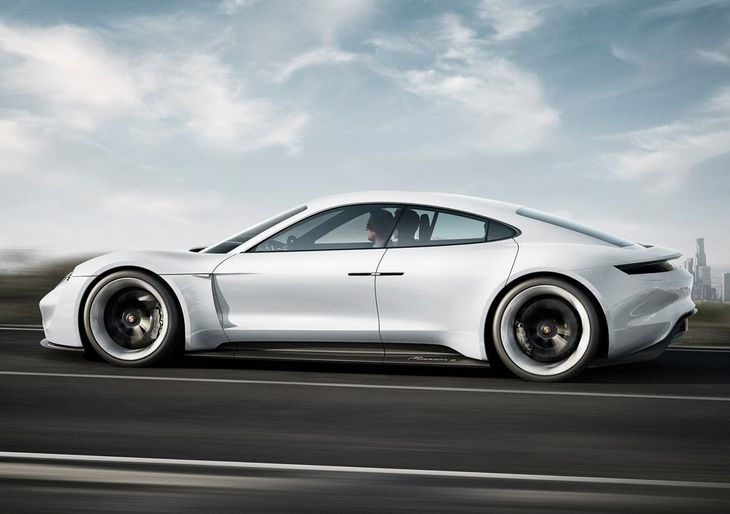
The new electric sedan will share design cues with the 2015 Mission E Concept and the range-topping Taycan is expected to offer in the region of 447 kW from its electric motors while the base model will have at least 300 kW. The sprint from zero to 100 kph will take less than 3.5 seconds and the Taycan will have a range of about 500km on a single charge using an 800-volt charger that can recharge 80% in just 15 minutes.
The Porsche Taycan will draw inspiration from the 2015 Mission E Concept.
The Taycan will be built at Porsche’s Stuttgart manufacturing facility. Official images of the Taycan have yet to be revealed but we will keep you updated as soon as more information becomes available.
Volkswagen Polo GTI (2018) Launch Review [w/Video]
Volkswagen has just launched the latest generation of the Polo GTI, the halo version of the extremely popular compact hatchback range. With the GTI now built at the Uitenhage plant, Volkswagen SA has been able to offer an even stronger package to local buyers.
The Good News
Let’s get straight to the good news: the most important feature of the latest Polo GTI is the price tag. By building this model in Uitenhage, South Africa, Volkswagen will sell the latest generation Polo GTI for less than the version it replaces.
The list price has come down from R387 500 to R375 900, which is remarkable in and of itself and virtually unheard of in South African motoring. This will surely be welcomed by local buyers who only ever seem to hear about the rising cost of motoring, particularly at the pumps.
What is it
The Polo GTI is shod with 18-inch wheels and tyres; it is powered by a 2.0-litre turbopetrol motor.
The Polo GTI is a compact hot hatch, which is not short on racy good looks, high-end features and technology, and of course a relatively powerful motor up front providing all the fun. For decades, the Polo represented the most affordable way to park a GTI badge on your driveway. That honour has now gone to the Up! GTI, a model which Volkswagen tells us will probably not be sold in South Africa, mostly due to the popularity of the Polo Vivo. The Polo that the GTI is based on slots into the Volkswagen lineup below the Golf and above the Up!, and specifically in our market, above the Polo Vivo.
Tell me about the power…
It seems that for this generation, Volkswagen has been bolder and no longer wants the Polo GTI to live in its larger sibling’s shadow. They’ve fitted a detuned version of the Golf GTI’s motor, a 2.0-litre 4-cylinder TSI turbocharged petrol that produces peak outputs of 147 kW and 320 Nm of torque.
Major updates for the new model come in the driving dynamics and 'fun factor' departments.
This is good for a claimed 0-100 kph time of 6.6 seconds and a top speed of 237 kph. The Polo GTI is able to give the current Golf GTI a good run for its money, at least in terms of straight-line acceleration. With power outputs of 169 kW and 350 Nm, the larger Golf (7.5) GTI is claimed to complete the 0-100 kph sprint in 6.4 seconds, which is only 2-tenths of a second faster…
But what’s it like to drive?
Thanks to the XDS differential (fitted as standard), the Polo GTI is able to put its power down impressively and efficiently. During cornering, as the inside wheel lifts off the ground and progressively loses traction, the trick diff transfers power to the outside wheel. Volkswagen claims that this allows the Polo GTI to deliver an extra 0.2 g of lateral acceleration, enabling brave pilots to corner with up to 1 g of lateral force – impressive for a hot hatch in this segment.
The result is a car with enormous traction, which allows you to accurately place the nose and corner with confidence. The steering is well-weighted with a satisfying amount of feedback transmitted to your palms. Understeer is very predictable and well managed, but so is, lift-off oversteer, with the back-end moving about progressively. To be honest, it’s a chassis which feels capable of handling much more power. Polo R, anyone?
The XDS diff fitted to the new Polo GTI allows it to corner harder, up to 0.2g harder, in fact.
The setup is unsurprisingly stiff compared to your average Polo and riding on 18-inch low profile rubber, the ride quality is not what I would describe as comfortable, especially on coarse road surfaces. But thanks to active chassis control (a very worthwhile extra, at R5 050), the driver can soften the damping which does help considerably.
This generation of Polo GTI seems to blend the right amount of refinement and edginess into the driving experience. It’s an enormously entertaining car, which burbles lightly on the overrun and blips the throttle on downshifts. It feels more agile and engaging than its big brother and I might even go so far as to say it's a more enjoyable hot hatch experience.
Interior bits and pieces
The new Polo’s interior is arguably best in class and that is no different for the GTI. A large touchscreen dominates the dash and thankfully VW has gone back to a volume knob which I find far preferable to touchscreen buttons. A new red fascia trim is available for the GTI, which really does look the business, but oddly this option is not available in combination with red exterior paint.
The instrument cluster has also been revised and adds to the sporty ambience of the cabin. The Active Info display has been updated and going forward individual models will get their own look and feel. The big red dials chosen for the Polo GTI appear more focused and purposeful.
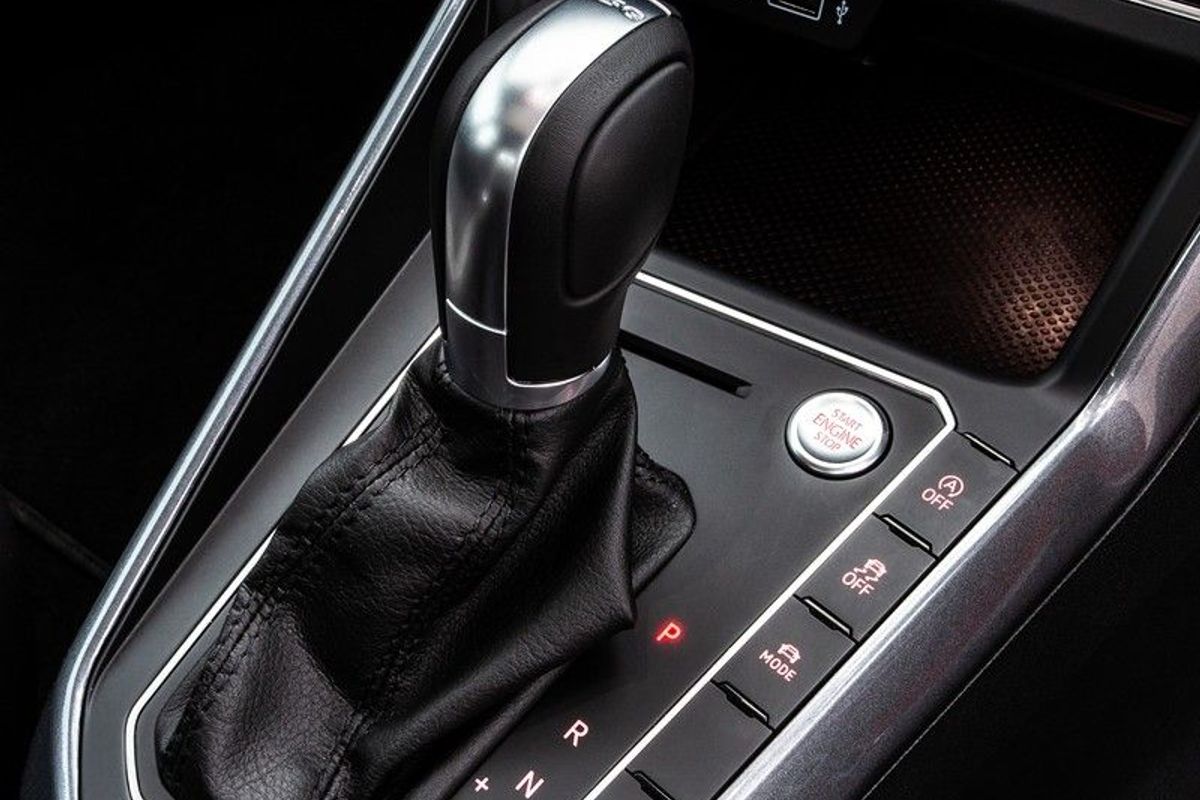
Currently, the DSG gearbox is the only choice of shifting.
The standard spec has been increased and VW has added curtain airbags, two USB ports (hallelujah!), App Connect, adjustable lumbar support and LED daytime and LED tail lamps. The standard upholstery is what the Wolfsburg-based brand terms “Art Velour” – a combination of an Alcantara-like material and cloth, but full leather is available. Interestingly, South Africa is the only market in the world where this is offered as an optional extra.
Final thoughts
In a market which is increasingly buying down, many manufacturers are ensuring that their smaller, more affordable cars offer the comfort, features and build quality one would expect from larger, more expensive cars. Models like the Polo represent a happy medium, where buyers can feel satisfied that they haven’t had to compromise.
New generation of Active Info Display showcases new dials, unique to Polo GTI.
The Polo GTI builds on that winning recipe by adding genuine sporting dynamics and driver enjoyment, attention-grabbing aesthetics and of course the relative prestige of owning a GTI nameplate.
The Polo GTi simply feels like a lot of car for your money and if a Golf GTI, which now retails for nearly R550 000, is out of our reach, you certainly won’t feel shortchanged by opting for its more affordable sibling.
Pricing and warranty
As it is locally built, the delivery time on a custom-specced car is greatly reduced, at approximately 7 weeks (as opposed to nearly 3 months). The Polo GTI is sold with a 3-year/120 000 km warranty and 3-year/45 000 km service plan. Pricing starts at R375 900
Porsche celebrates its 70th anniversary this year and in that time has created some of the most iconic cars the world has ever seen. But which 10 are the greatest?
Identifying the 10 "greatest" cars from a brand such as Porsche, which has a catalogue stuffed with heroes, is no easy task. In fact, we could probably have done a "70 Greatest Porsches Of All Time" list and still have left some out… So, in this list, you will find a very personal mix of the obvious, historically significant and just plain brilliant to drive. I've left out the racing cars, which deserve a list all of their own, to focus on road-going machines, and have also not bothered too much with commercial importance. I do think it's worth noting that without "mainstream", volume-selling cars such as the Cayenne, Macan and the Boxster, many of the greats on this list would never have existed…
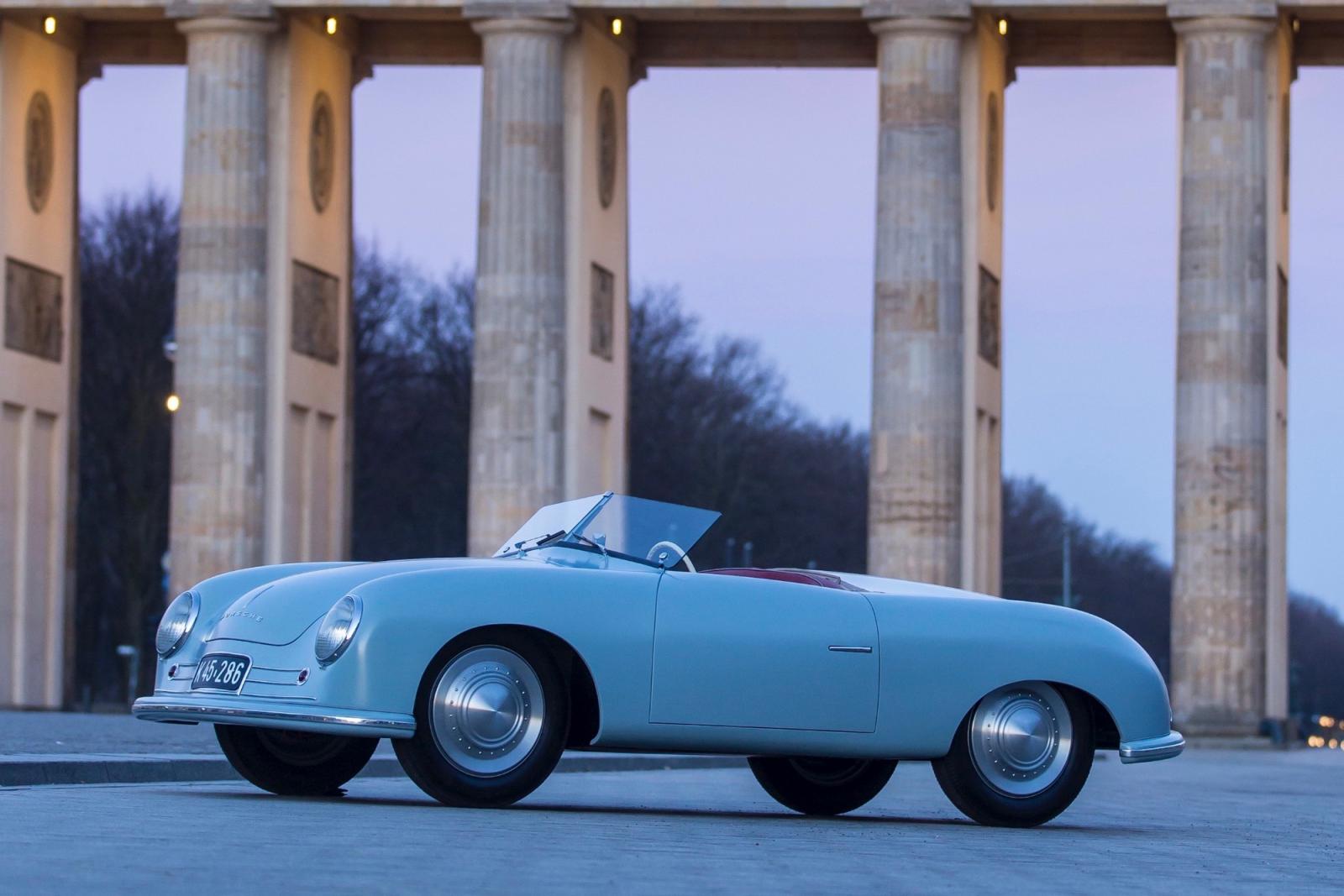
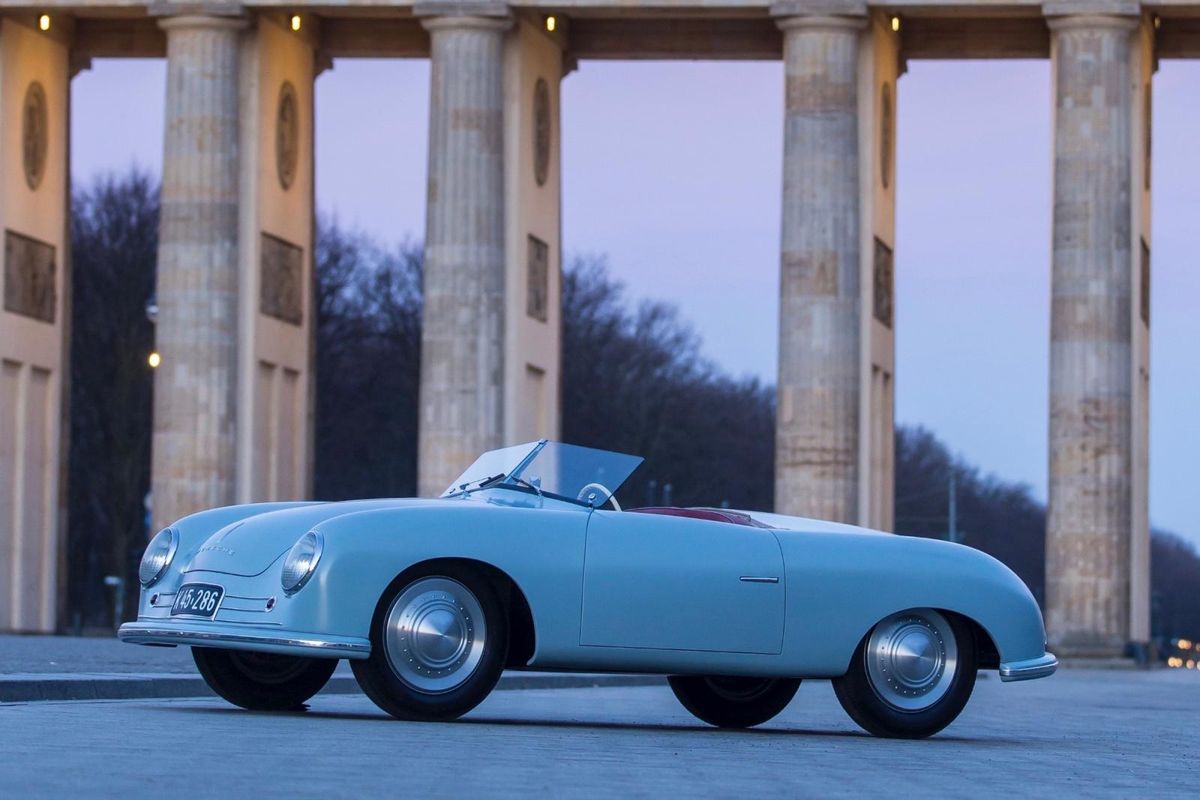
1948 Porsche 356 No.1 Roadster
Recently restored, the Number 1 Roadster is on the way to SA for 70th Anniversary celebrations.
For obvious reasons, the 356 had to be on this list, but which one? Delve into the rich history of Porsche and start talking to aficionados and it quickly becomes clear that everyone has their own favourite. One of the most collectable and desirable cars remains the Speedster, which came into existence thanks to US importer Max Hoffman who convinced Porsche that such a lower-cost derivative would do well in the States.
For this list, however, I've selected Genesis… the car that represents the birth of Porsche, the so-called 356 Roadster Number 1. Recently restored to do duty as a show car (it's not driveable), this 356 Roadster laid the foundation for the cars that followed.
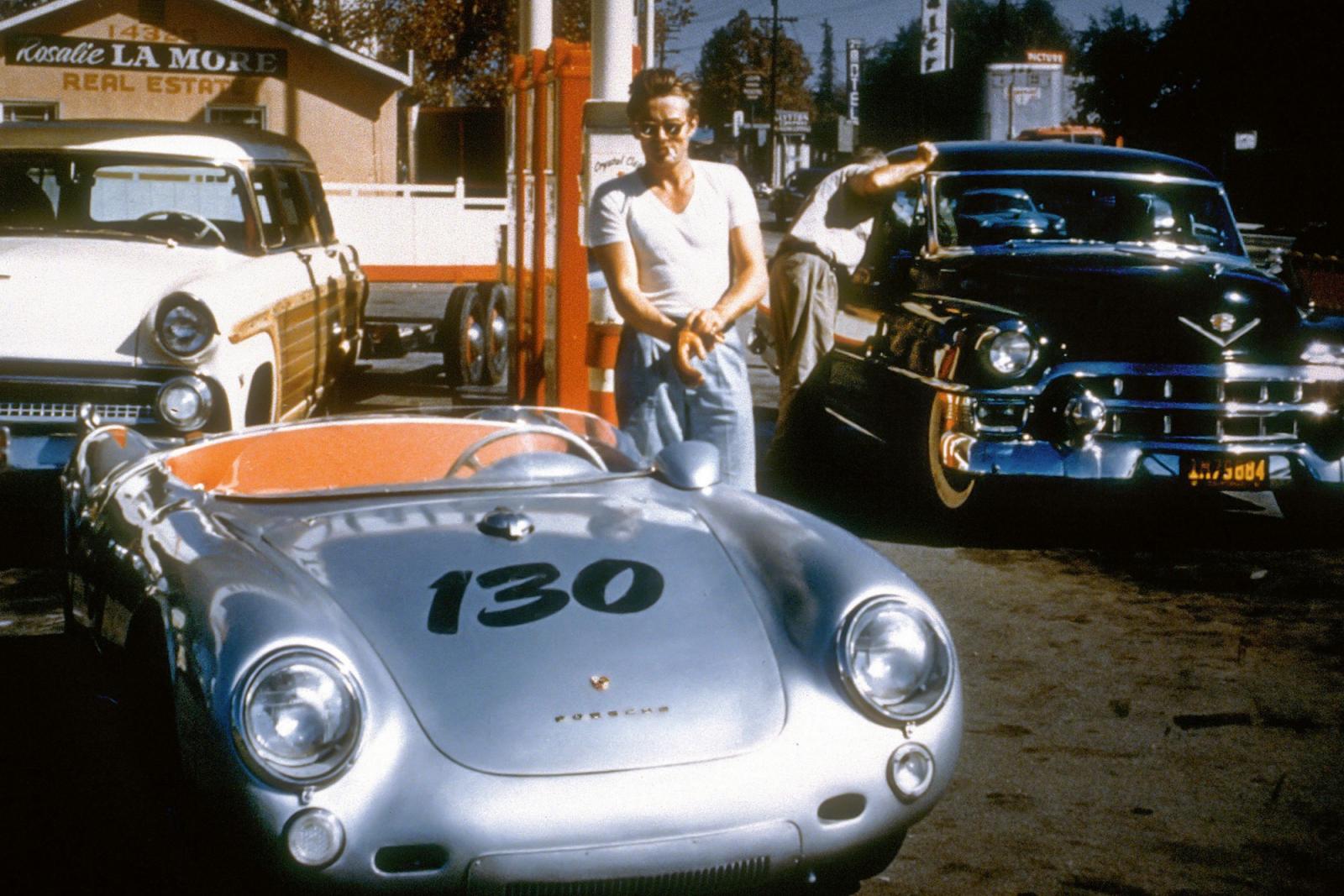
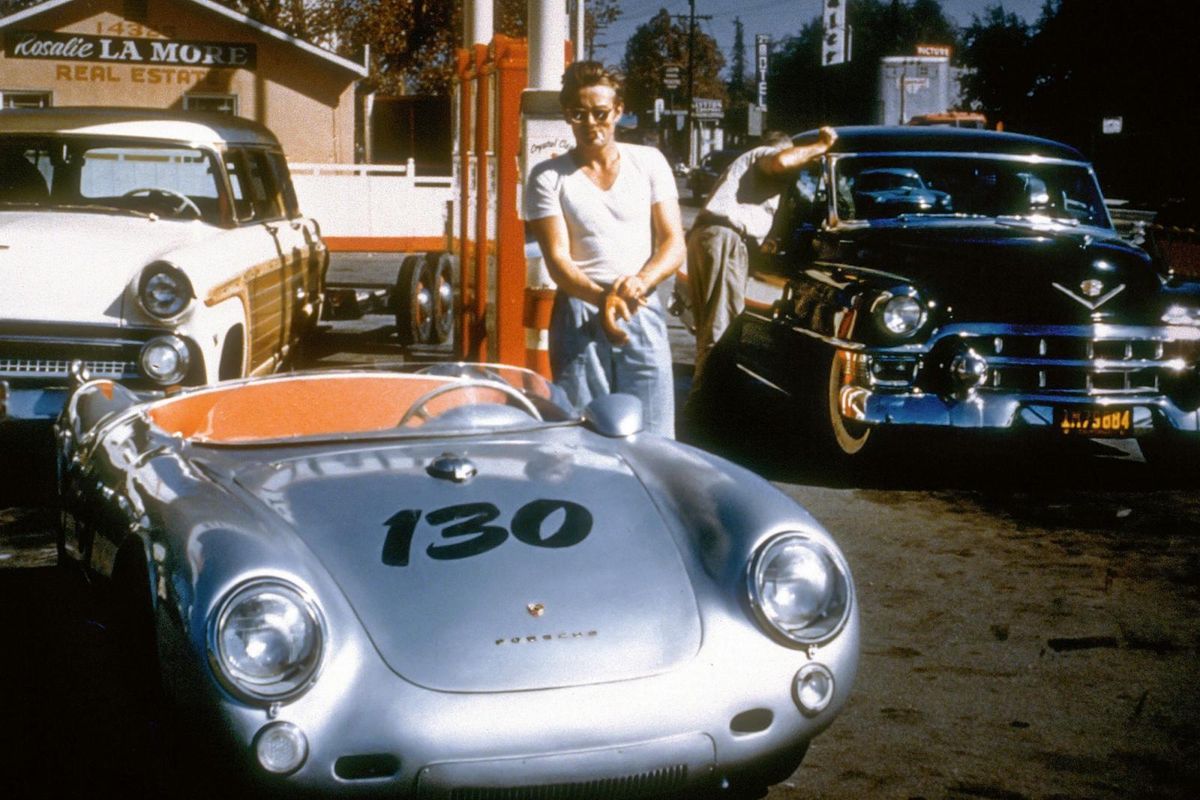
1953 Porsche 550 Spyder
Hollywood icon James Dean and "Little Bastard", his 550 Spyder.
Inspired by the 356 as well as Spyder racers built by Walter Glockler, Porsche decided to build a ready-to-race car that could be driven to the track, compete, and drive back home. The 550 Spyder was the result and this low-slung mid box-engined sportscar achieved numerous race victories. It has become one of the most widely copied classic cars, with many companies offering replica bodies.
Sadly, the car is also synonymous with tragedy. Hollywood actor James Dean loved racing and traded in his 356 Speedster on a 550 Spyder on 21 September 1955. A few days later, on 30 September, he crashed into a Ford Custom and died.
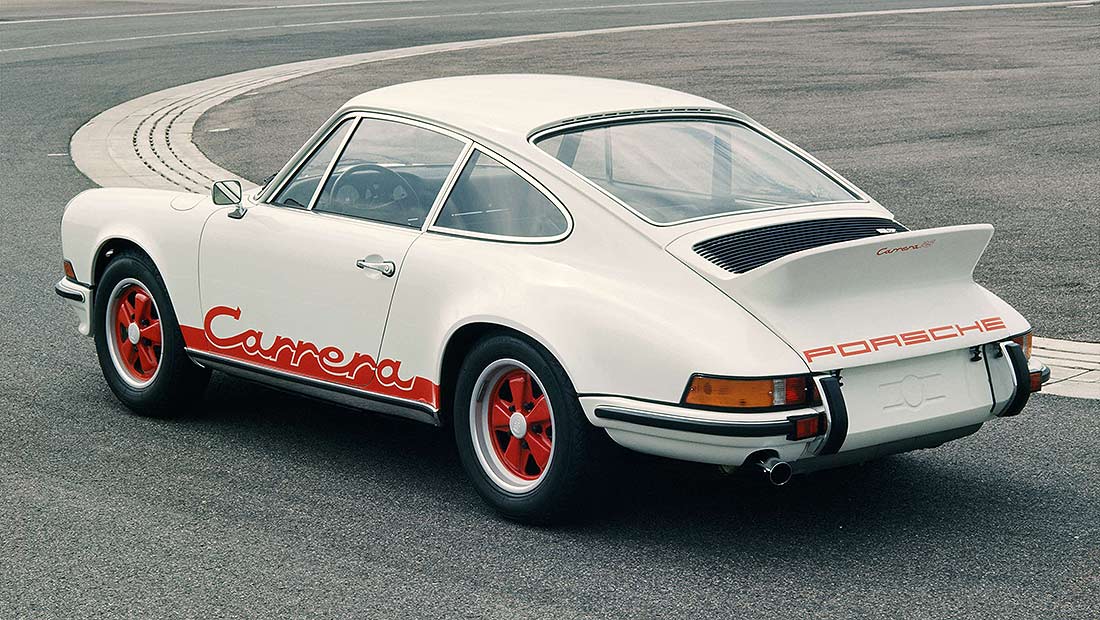
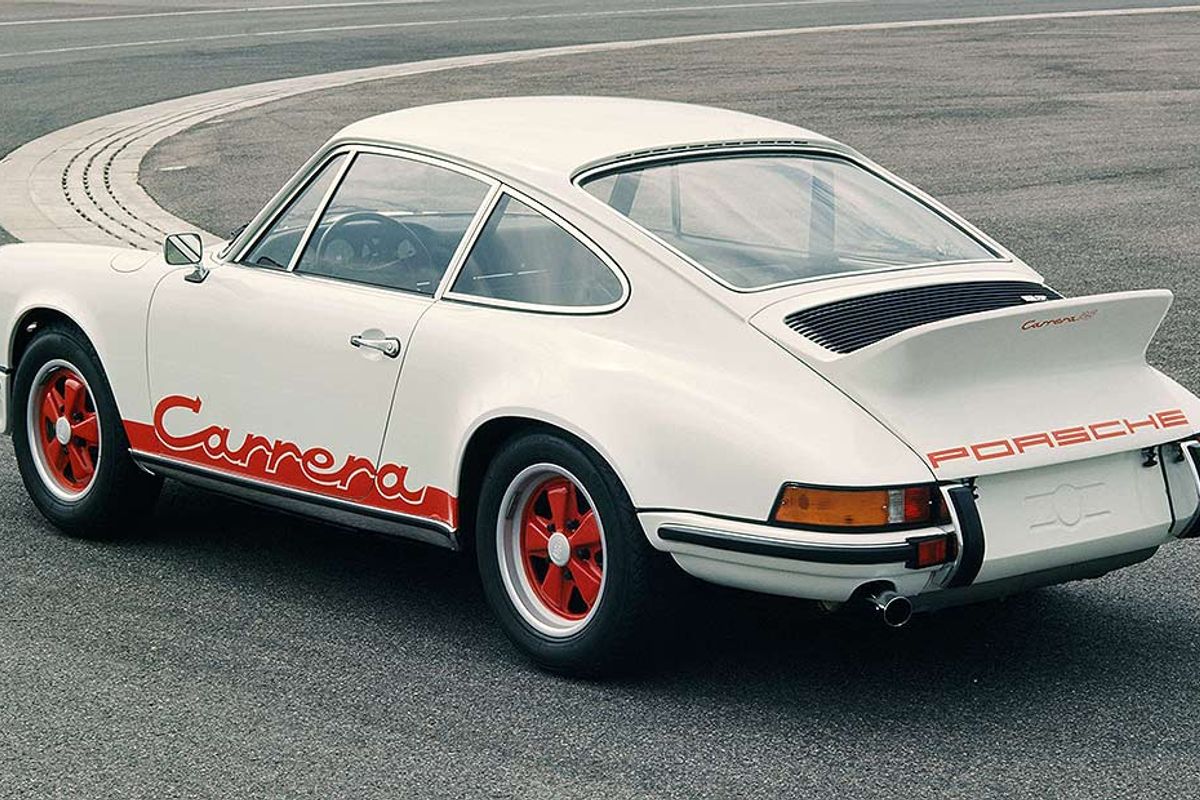
1973 Porsche 911 Carrera RS 2.7
Modern-day 911 GT3 RS models can trace their lineage back to this car, the legendary RS 2.7
With motorsport being such an integral part of the Porsche DNA, the development of a car such as the racy Carrera RS was logical. It was born to comply with motorsport homologation requirements and featured a larger, more powerful engine (2.7L, 150 kW), stiffened suspension, larger brakes, wider rear wheels and fenders and… that famous ducktail wing.
I have not yet had the pleasure of driving this iconic car, but I did experience the next best thing. Legendary racing driver Walter Rohrl took me for a spin on the banked CERAM test track outside of Paris once, and the performance was startling. At speeds above 250 kph it felt surprisingly composed for such an old car, and on the slower in-field section, Walter threw it around the twisties with a wide smile on his face as I did my best to hold on. It's a very happy memory.
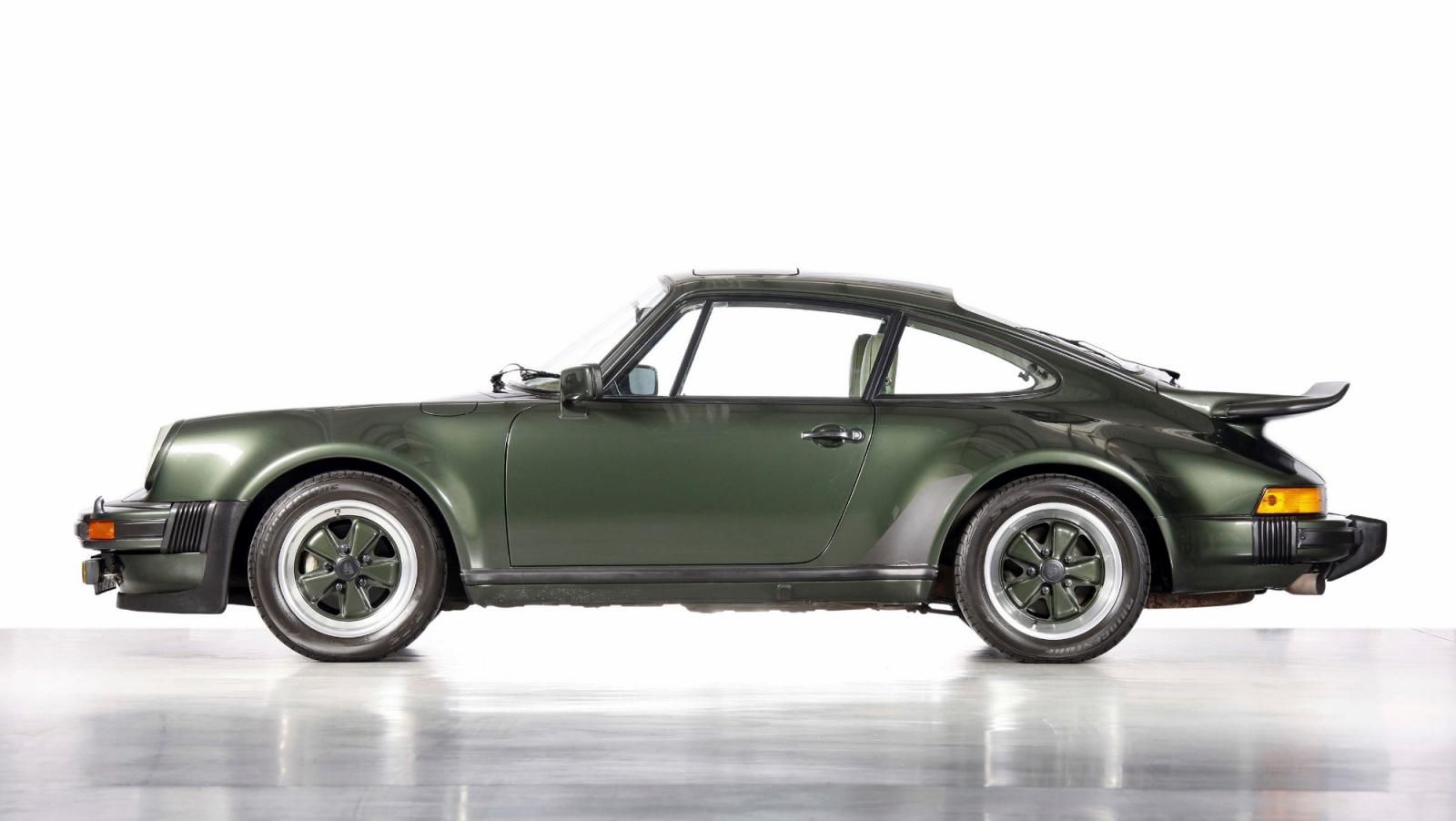
1975 Porsche 911 (930) Turbo
A real poster car of the '80s, the 930-generation 911 Turbo was not called the "Widow Maker" for no reason.
To any young petrolhead that grew up in the '80s the bulging wheelarches and whaletail spoiler of the 911 Turbo will bring back happy memories. Truth be told, the original 911 (930) Turbo wasn't the best example of the 911 Turbo – it was known for its tricky handling – but it certainly played a major part in building the Porsche legend. Originally launched in 1975 with a 3.0L engine pumping out 190 kW and a 4-speed manual 'box, it was updated in 1978 with a 3.3L powerplant churning out 220 kW. It only received a 5-speed gearbox a year before it was replaced in 1989. So it had a long, illustrious life. Check out our SentiMETAL episode on a Joburg-based 930 Turbo below.
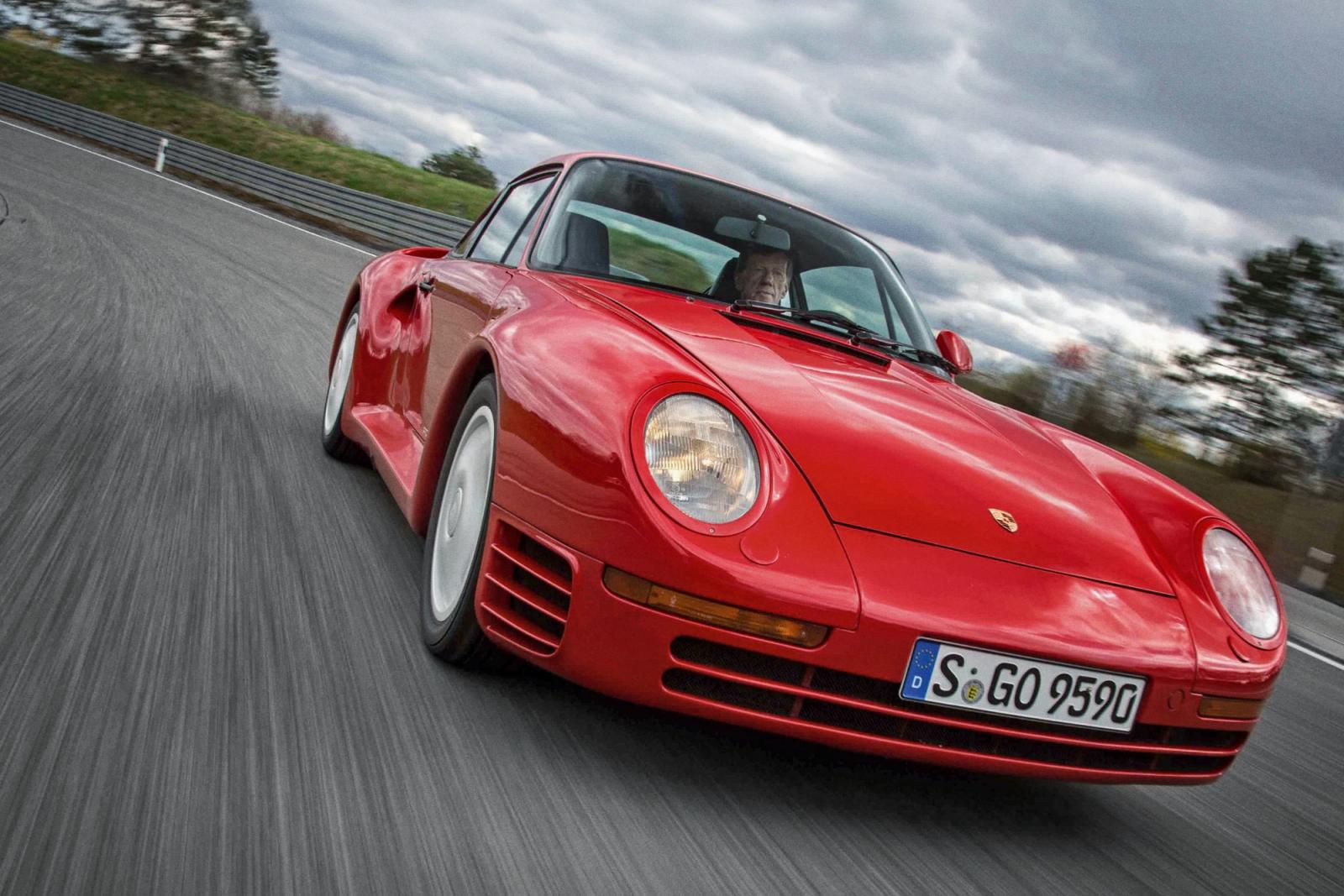
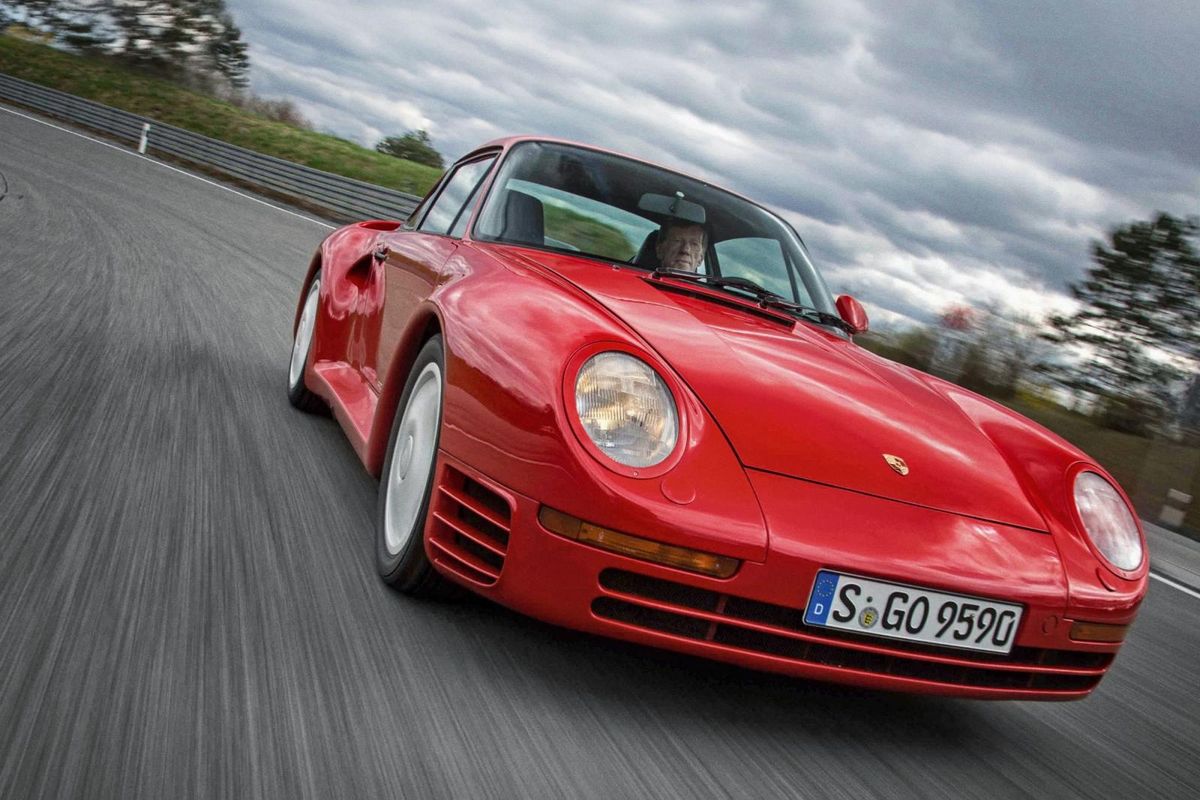
1986 Porsche 959
Originally developed with the eye on Group B rallying, the 959 was a high-tech hypercar ahead of its time.
The 959 was the fastest street-legal production car when it was launched in 1986, with the 331 kW monster charging to a 317 kph top speed. The so-called "S" version went even faster (339 kph). But speed wasn't the 959's only trick. At the time it was the most technologically advanced car in the world and used twin-turbocharging and all-wheel drive – features that would become part of the technical make-up of future fast Porsches.
The advanced 6-cylinder boxer engine was based on a design originally used in the so-called 935/78 Moby Dick racing car, and the body and chassis used exotic materials such as Kevlar, aluminium and even Nomex (floor). In the '80s, it was truly out of this world.
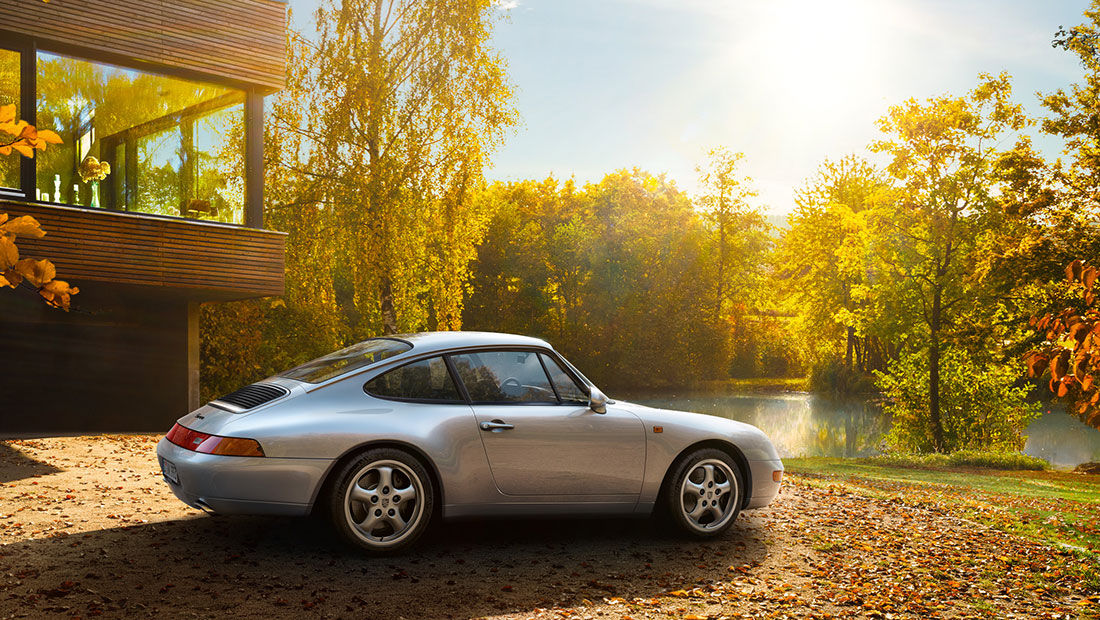
1994 Porsche 911 (993)
Does the 993 generation represent Porsche at its traditional and brilliant best? Many believe so…
In this list you will find me mostly singling out very specific model derivatives, but when it comes to the 993 I'm happy to make an exception. Launched in 1994 to replace the 964 generation, it was the last of the air-cooled 911s, and yet featured dramatically improved brakes, handling etc. to represent a blend of the traditional and modern that some say, makes it the last true modern classic. Whether you choose a base Carrera or the fire-breathing (330 kW+) GT2, the 993 these days is a fast-appreciating collector's item but remains a solid, reliable daily driver too. And, in my view at least, it also remains one of the prettiest Porsches ever made.
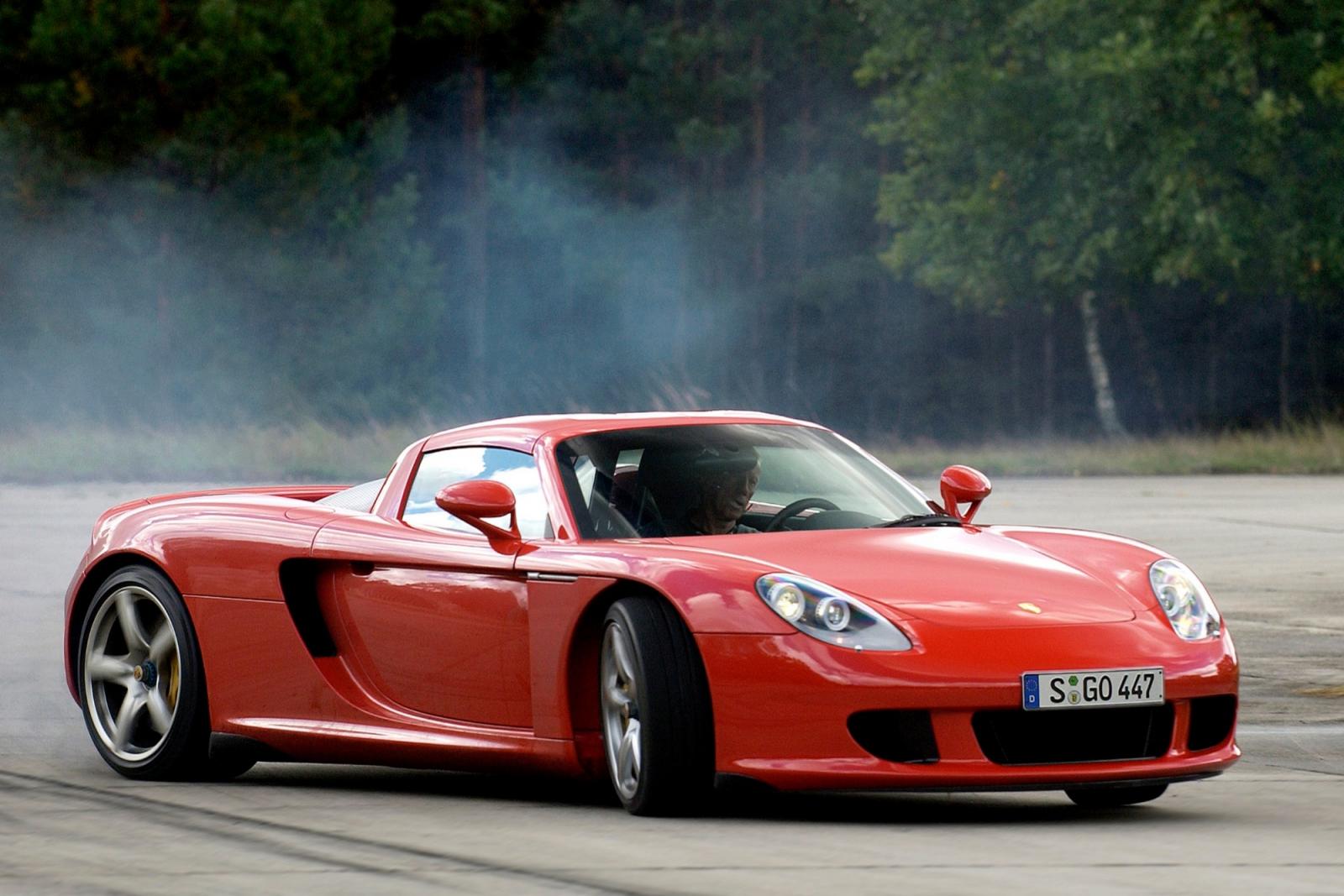
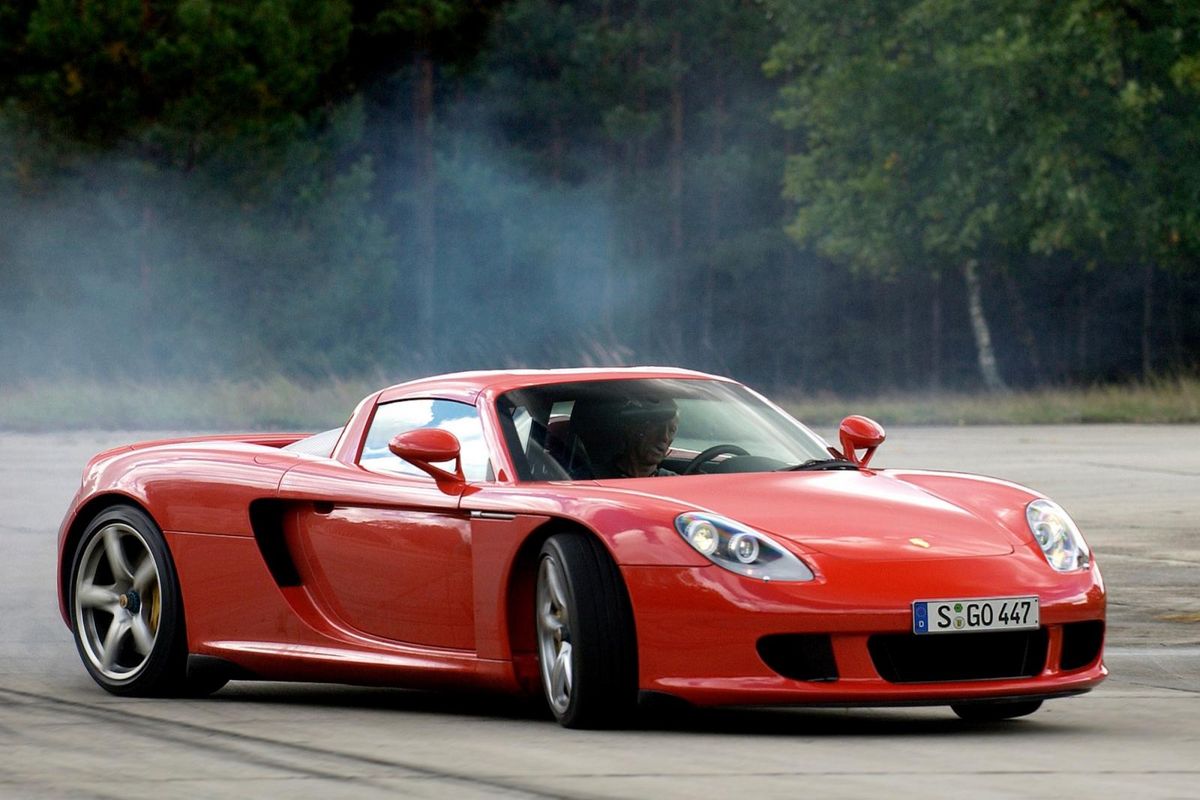
2003 Porsche Carrera GT
The pinnacle of Porsche? The Carrera GT was an undoubted engineering triumph.
Facing a flood of new supercars in the early millennium, Porsche decided it needed to strengthen its grip on the hearts of wealthy petrolheads once more. And so the boffins at Porsche's Weissach technical HQ were briefed to develop Porsche's most advanced supercar ever, but one that retained the brand's trademark usability. And so the Carrera GT was born, with a 5.7L V10 engine from a stillborn Le Mans racer that pumps out 456 kW at a heady 8 000 rpm. Driving enthusiasts were also overjoyed to find a slick 6-speed manual transmission and reduced weight, courtesy of a carbon fibre tub. A lovely touch in the Carrera GT, and reportedly courtesy of SA-born designer Oona Scheepers, is its beechwood gearknob – a throwback to the wooden knob used in the 917 racer.
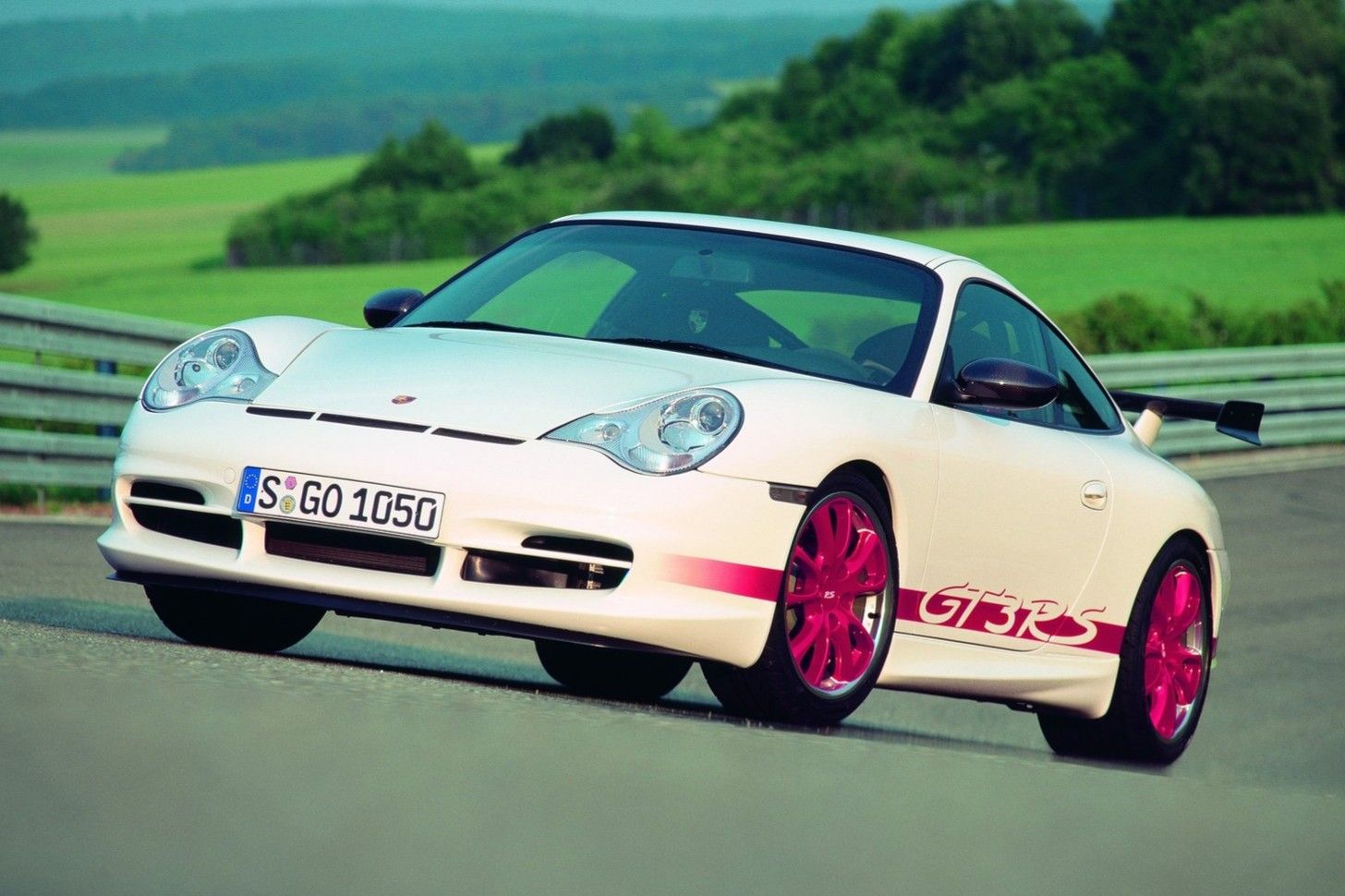
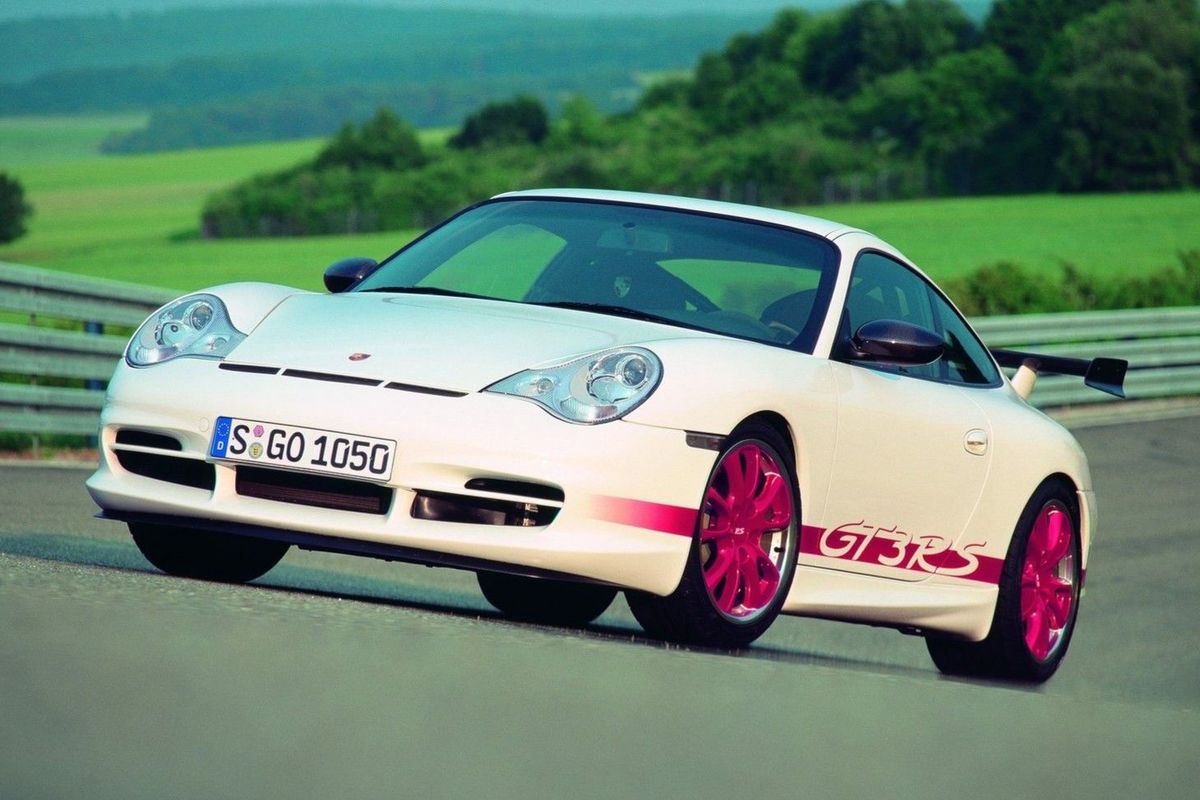
2004 Porsche 911 (996) GT3 RS
The 996-generation is not the most highly acclaimed 911, but there was precious little wrong with the GT3 RS version.
The air-cooled Porsche era ended in 1998 with the arrival of the all-new 996, which used water-cooled engines and an all-new platform. It represented a major change for Porsche and was co-developed with the first-generation Boxster. Of course, traditionalists weren't easily won over, and indeed the first-generation 996 wasn't as good as it could/should have been. Later models were significantly better, and the GT3 RS arguably represents the pinnacle of this generation of 911.
I vividly recall driving a white GT3 RS (with blue wheels) through the streets of Stellenbosch in 2004, en route to the Franschhoek Mountain Pass. Full racing harnesses, a rear roll cage and a fire extinguisher in the passenger footwell were noticeable reminders that I was behind the steering wheel of a racing car (for the road). And once I hit that marvellous piece of tarmac, the high-revving 280 kW flat-6 and beautifully precise steering etched memories into my young motoring journalist mind that will live forever.
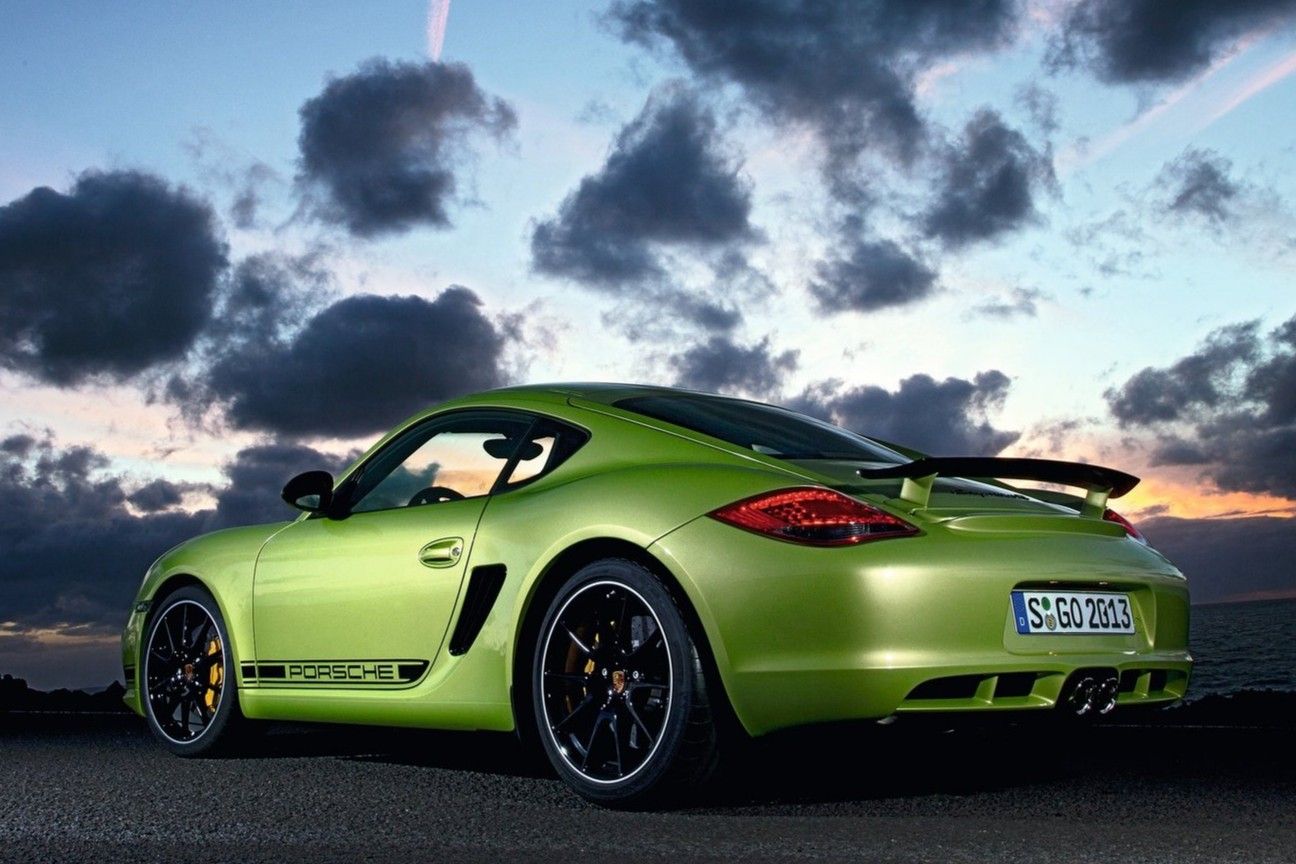
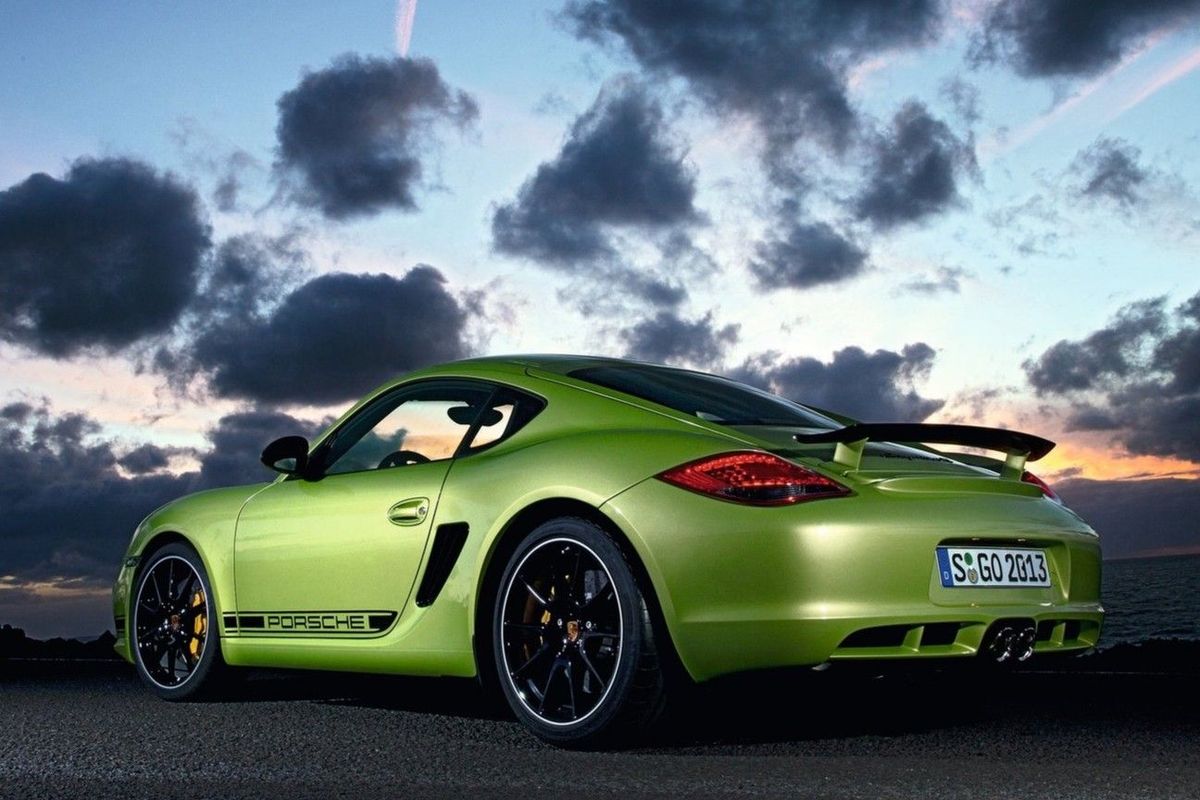
2011 Porsche Cayman R
The Cayman R delivered a driving experience unmatched by cars costing much more.
This might be a controversial inclusion in this list as the Cayman is, after all, a "junior" Porsche. I remember reading the spec sheet back in 2011 and thinking that it didn't appear to be a major step up from the (deeply impressive) Cayman S at the time. It was a little lighter (around 50 kg), slightly more powerful (less than 10 kW) and a smidgen lower… did it deserve the R badge?
Well, a couple of mountain passes later and I was sold. The Cayman R was superbly responsive, alive, agile and blisteringly fast… all the things you could ask from it. It even retained the Cayman's trademark suppleness. At the time, I was convinced that it represented an unmatched driving experience at the price and that buying a larger "supercar" was was just indulgent. It is widely tipped to become a future classic.
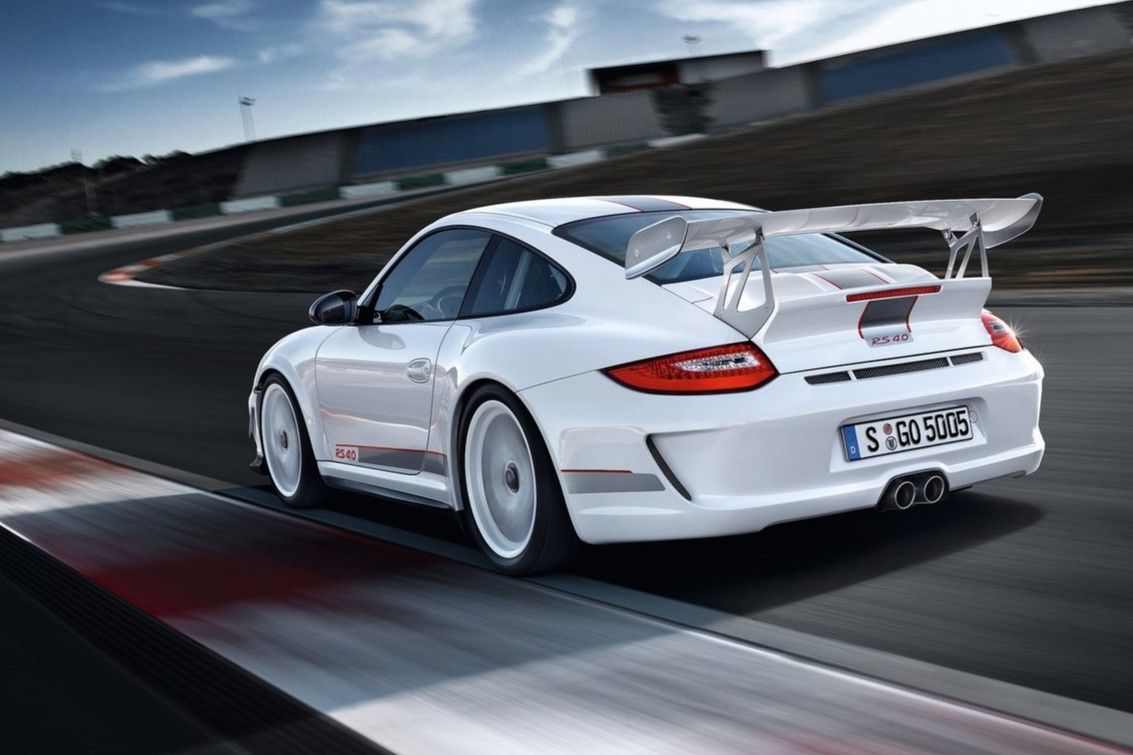
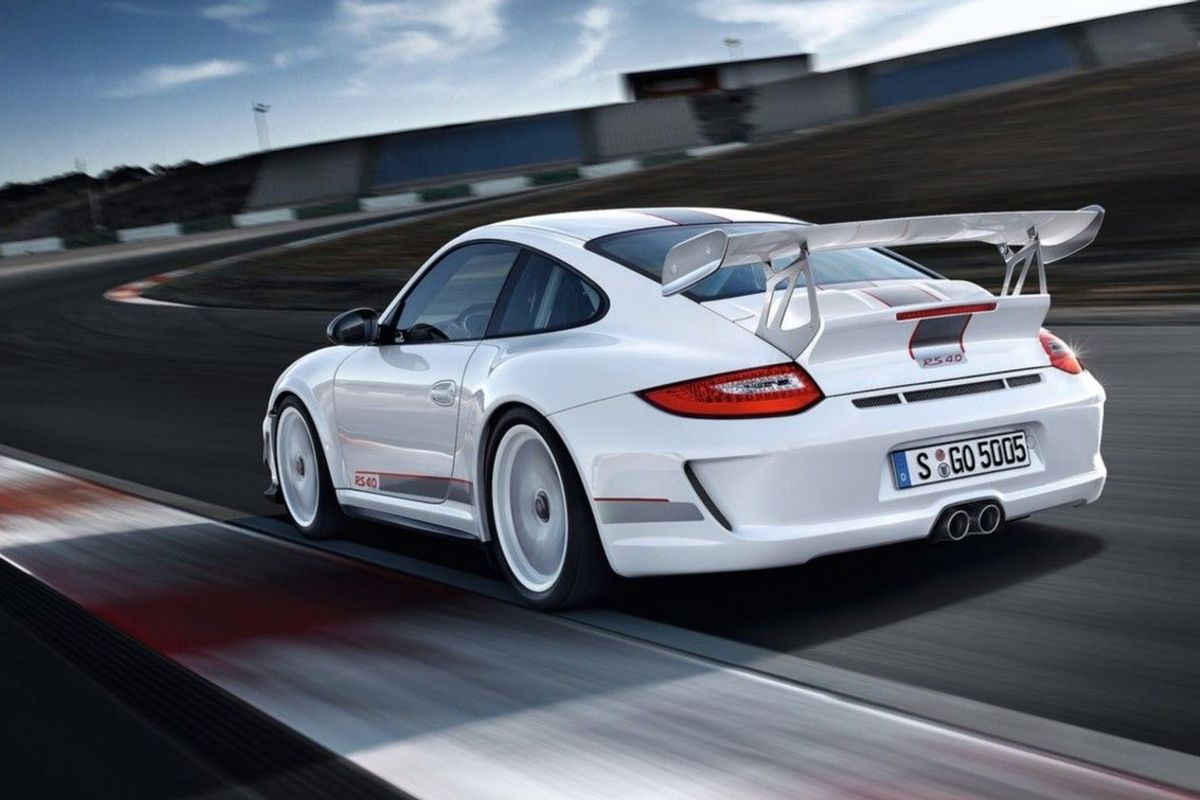
2012 Porsche 911 (997) GT3 RS 4.0
Widely regarded as one of the best driver's cars Porsche has ever made and given the brand's history… that's some acclaim!
The 997-generation 911 was a significantly better car than the 996 that preceded it. I will forever remember a spine-tingling, yet buttock-clenching drive on the spectacular Bainskloof Pass in a bright green GT3 RS, with "Kermit" printed on the number plate. It rates as one of my favourite sportscars of all time, even now, many years later. I never got to drive this 4.0 version but those in the know rate it as even better. It used a larger 4.0L engine with 368 kW, making it the most powerful naturally aspirated 911 of all time, and various bits from racing versions as well as the GT2 RS. Only 600 were made.




.jpg?tr=w-800)