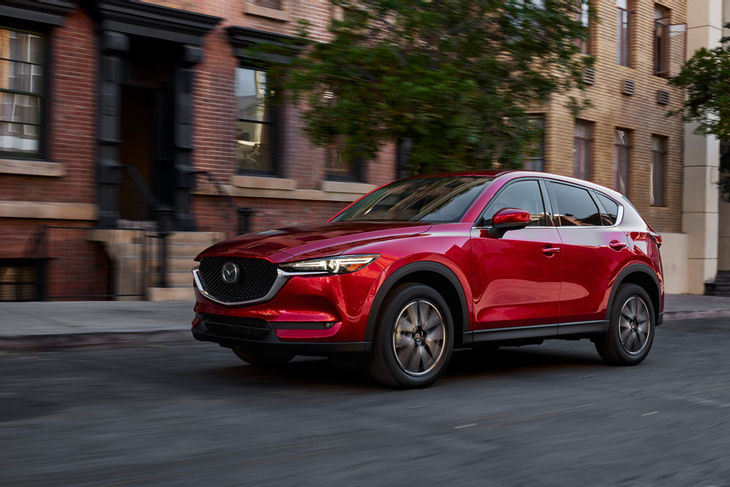
What makes the Mazda CX-5 2.5 Individual a worthy contender in the Family Car category of the 2017/18 Cars.co.za Consumer Awards – powered by WesBank? We investigate…
Mazda has been making good inroads since its “divorce” from Ford, and one of its most popular models is the CX-5. Recently refreshed, the CX-5 continues to offer excellent build quality, practicality and a balance of comfort and safety features that is hard to beat at the price. Will the CX-5 trump its rivals to take the win the Family Car category?
3 Reasons Why Mazda CX-5 2.5 Individual is a #CarsAwards Finalist
1. Capable engine
In current times the Mazda’s naturally aspirated, relatively large-capacity 2.5-litre petrol engine may look out of step, but on the power front, the CX-5 is not lacking with 121 kW on tap and 210 Nm of torque at 4 000 rpm.
Coupled with a six-speed automatic transmission that is rather good at finding the correct gear for the prevailing driving situation, the CX-5 serves up decent performance, even with a full complement of passengers and luggage. With Mazda’s SkyActiv technology, the CX-5 is quite frugal too, with a claimed fuel consumption figure of 6.4 L/100km which means you should get about 875 km from its 56 L tank.
2. Spacious family car
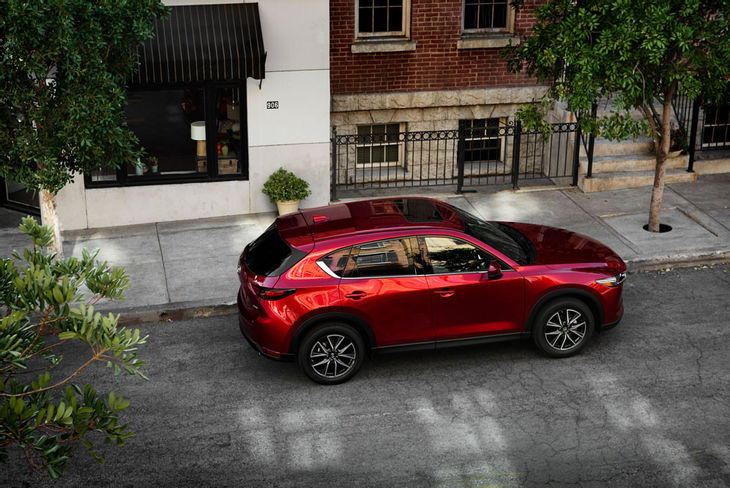
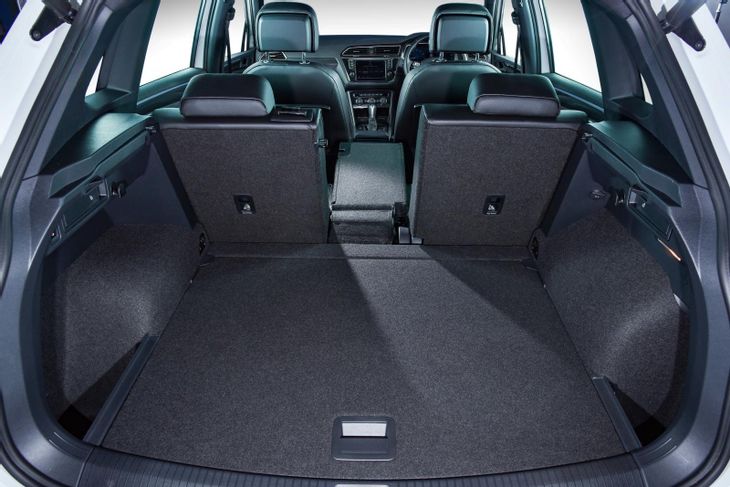
Riding on a relatively long wheelbase of 2 700 mm and boasting one of the bigger bodies in the compact crossover/SUV segment, the CX-5 serves up a very decent amount of interior space. The boot is well shaped and sized at 403 L and a total of 1 390 L of packing space is on offer with the 40:20:40-split rear seats folded. It should serve families well…
3. Comfortable and refined
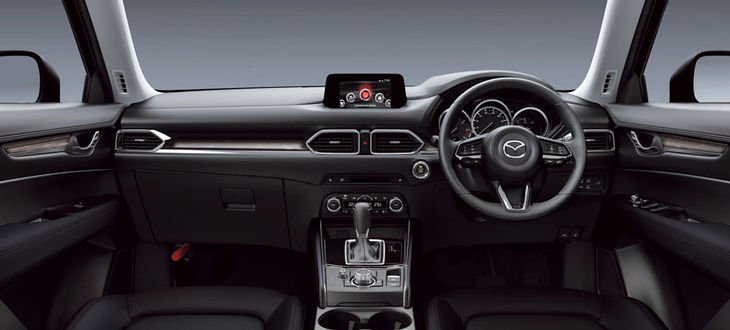
This is an area of strength for the Mazda CX-5. Not only is the ride suppleness among the best in this class, the seats themselves are superbly padded for comfort, yet also supportive in the corners. Mazda has also paid careful attention to detail when it comes to NVH (noise, vibration, harshness) control. The cabin of the CX-5 remains a quiet place, even at higher speeds and on poor surfaces. For the driver, cruise control, auto lights and auto wipers are other comfort-boosting features.
Have Your Say: Complete our survey!
Do you own a CX-5? We would love to hear from you! Tell us about your experience by completing our Ownership Satisfaction Survey. Your input counts for 50% of the final result.
3 Reasons Why Volkswagen Tiguan is #CarsAwards Finalist
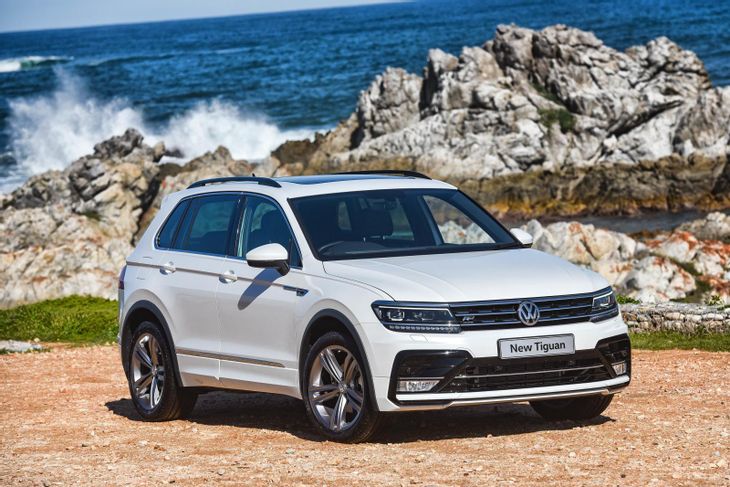
What makes the Volkswagen Tiguan 1.4 TSI Comfortline R-Line DSG a worthy contender in the Family Car category of the 2017/18 Cars.co.za Consumer Awards – powered by WesBank? We investigate…
Last year’s winner is back to defend its title! It made a fantastic impression on the team thanks to a combination of excellent road manners, superb refinement and handsome good looks. Can the Tiguan hold onto its champion status this time around?
3 Reasons Why Volkswagen Tiguan is a #CarsAwards Finalist
1. Flexible and efficient engine
Despite the small engine that produces a modest 110 kW and 250 Nm, the Tiguan doesn't feel short on power and the DSG transmission does a good job of keeping the engine in a responsive state. This Tiguan comes with steering wheel-mounted shift paddles for manual shifts and Volkswagen claims a 0-100 kph sprint time of 9.2 seconds, which means it’s flexible enough for both inner city commutes and longer trips.
The 1.4-litre turbocharged petrol engine that does duty in the Tiguan is claimed to consume just 6.1 L/100 km when paired with the crisp DSG dual-clutch transmission. This makes it one of the most frugal petrol-powered crossovers on the market.
2. Practical family car
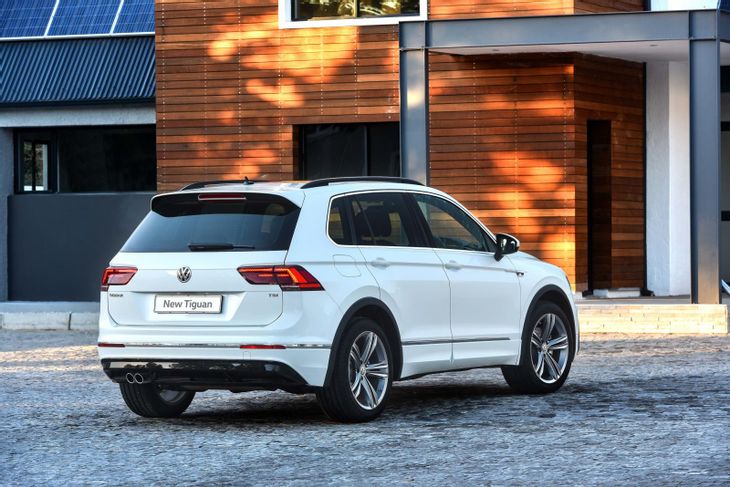
Volkswagen’s new Tiguan is lighter, longer, wider and lower than the outgoing model. The extra 60 mm in length and 30 mm in width result in extra cabin space. Apart from the fact that the interior is well-made and trimmed in a plethora of soft-touch, premium materials, the Tiguan is also more family friendly than its predecessor. The level of rear legroom afforded, for example, is good and the fold-down rear trays and cupholders (if specified) are nice to have features.
Meanwhile, the luggage compartment has a capacity of more than 500 litres, the split rear seatback can fold forward at the pull of a couple of levers in the boot and the tow hitch, if specified, deploys remotely at the push of a button.
3. Comfortable & safe
Refinement is one of the VW's strongest suits. On good quality roads, cabin refinement (in terms of NVH suppression) is impressive at the national speed limit, even on the dramatic and optional 19-inch wheels. We think the Tiguan will likely have class-leading comfort on smaller wheels and plumper tyres. 17-inch alloys are standard.
In terms of safety features, the new Volkswagen Tiguan is fitted with driver and front passenger airbags, a curtain airbag system and front seat side impact airbags. The hazard lights will flash automatically under hard braking, while Electronic Stability Control, XDS transverse differential lock and fatigue detection (Rest Assist) are all standard. The new Tiguan also carries a 5-star rating from EuroNCAP.
Watch our video review of the Volkswagen Tiguan 1.4 R-Line below!
Have Your Say: Complete our survey!
Do you own a Tiguan? We would love to hear from you! Tell us about your experience by completing our Ownership Satisfaction Survey. Your input counts for 50% of the final result.
With the new Nissan Micra scheduled to reach South African shores in 2018, some might argue that it would be pointless to consider the ageing current version… However, Nissan South Africa is hedging its bets: whereas the new Micra will move upmarket, the cheerful hatchback we all know will continue (in Active guise) as a budget car. It looks like quite the bargain…
We like: Solid, honest motoring experience, good safety spec, can be customised
We don’t like: Optional radio, engine will struggle when the Micra's fully loaded with passengers and cargo
Alternatives
Budget-friendly award winner: The Suzuki Celerio is powered by a 1.0-litre engine (50 kW/90 Nm), is well specced with convenience and features, plus it won its category in the 2016/17 #CarsAwards. Just because it is cheap doesn't mean it's nasty – a highly underrated vehicle.
Go French: The Renault Sandero is the only turbocharged offering in this lineup and when the car's loaded up you'll appreciate the extra shove! It's a tad more expensive than the Nissan, but we think it offers a better versatility, especially thanks to its spacious luggage bay.
The popular model: ThePolo Vivo has led the segment. It's available in a range of body styles and with different engines. The spec is fair too and it's a pleasant drive. However, it's due for a replacement in early 2018 and it's the most expensive vehicle of the trio.
Nissan is positioning its Micra into the budget segment, while the new Micra will offer much more in the way of tech and performance.
What is it?
The new Micra arrives in South Africa in 2018, but Nissan's local subsidiary is "pulling a Polo Vivo" by retaining the outgoing model, which will be sold as a budget offering alongside the newer, high-tech Micra. Okay, there's nothing groundbreaking here and admittedly this Micra is getting on its years, but the strategy is a clever one: while the new Micra will take on the new Volkswagen Polo and Ford Fiesta, this older Micra Active will compete against the popular Volkswagen Polo Vivo and Renault Sandero, to name just 2 rivals. Given its price tag, is it worth your time and energy, or should you be looking elsewhere?
The Good
A simple and fuss-free motoring experience awaits you from behind the wheel of the Nissan Micra
Inherent solidity
It's hard to describe the feeling of substance, but we'll give it a go. See, many entry-level cars feel notoriously flimsy and thin in places; almost as if it would be a miracle if they (the cars) would last beyond 100 000 km. This Micra, however, is a little different. It has a reassuringly solid feel to it as if it has been designed to handle whatever hard use its owner or occupants can subject it to. It may be basic and affordable, but it feels tried and tested, not flimsy.
Ride and drive
That feeling of solidity continues in the way the Micra Active drives. While some (typically skinny-tyred) budget cars feel so light on their… wheels, so much so that they're vulnerable to crosswinds, the Active offers good stability and its cabin incorporates a fair level of noise, vibration and harshness suppression. At sea level, the little 1.2-litre 3-cylinder motor pushes out 56 kW and 104 Nm, which combines well with a neatly-spaced 5-speed manual gearbox. The engine is also reasonably thrifty and while the claim of 5.2 L/100 km is a little hopeful, we were happy to see returns of around 6.0 L/100 km.
Customisation
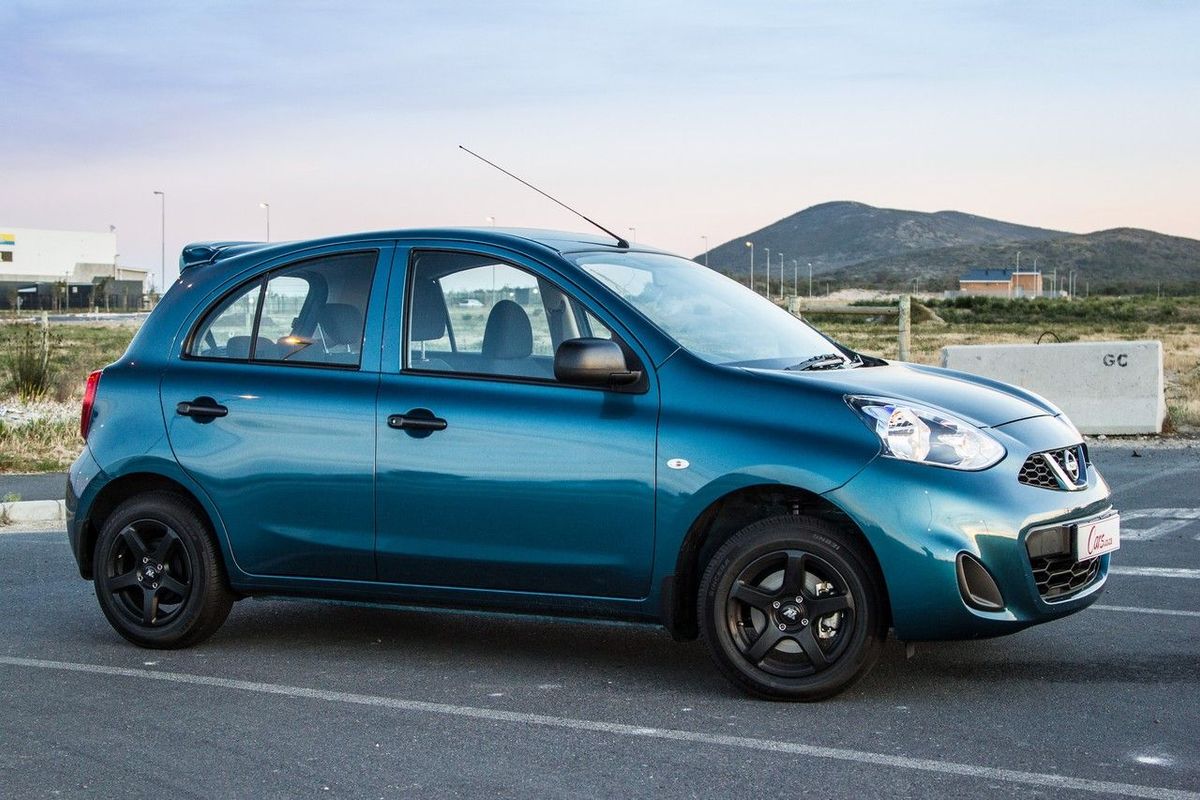
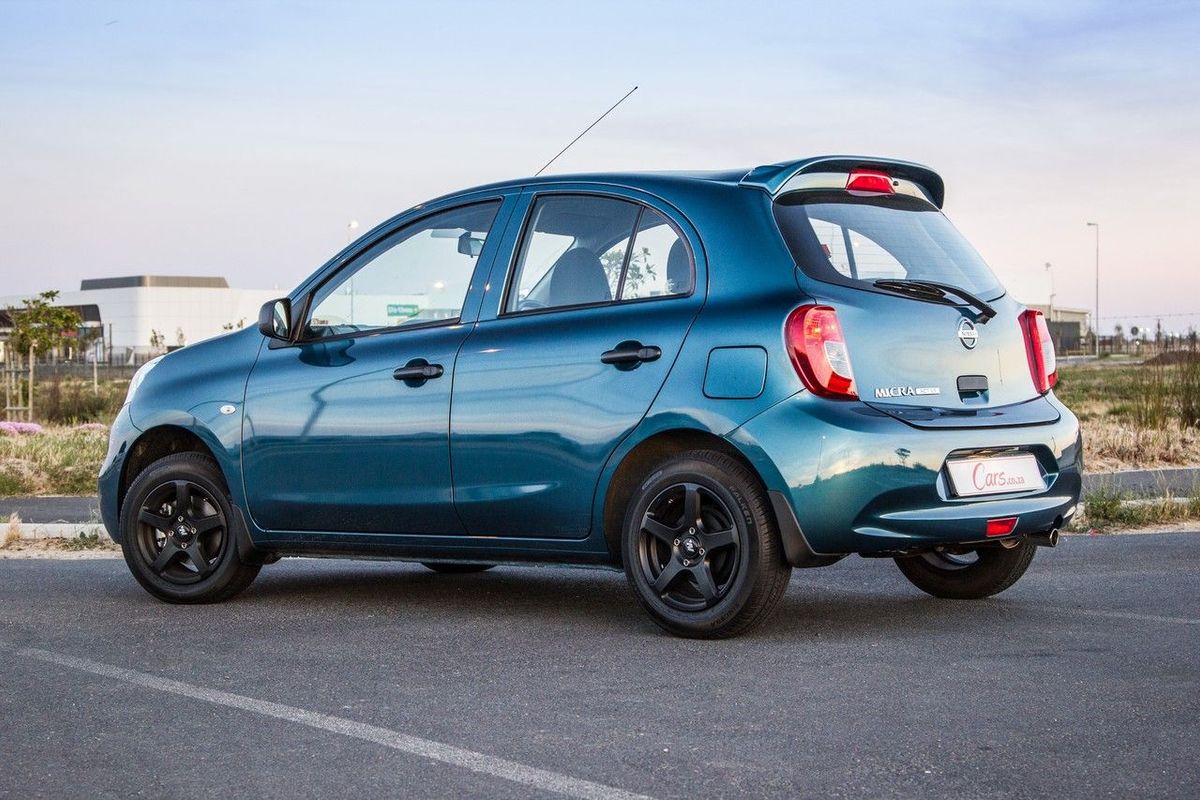
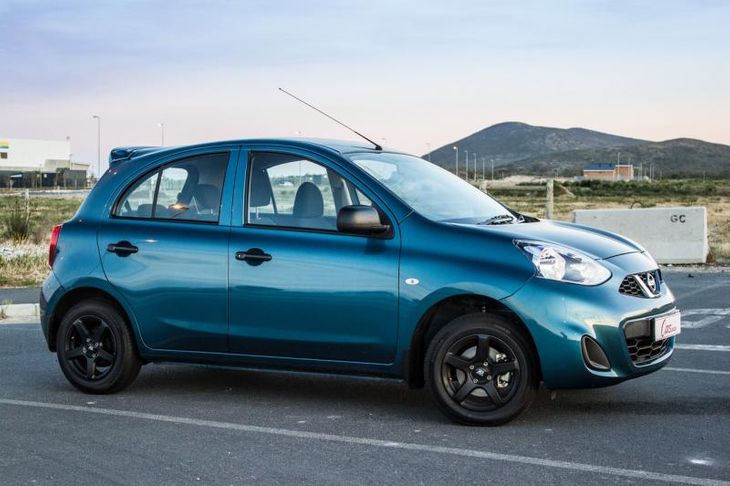
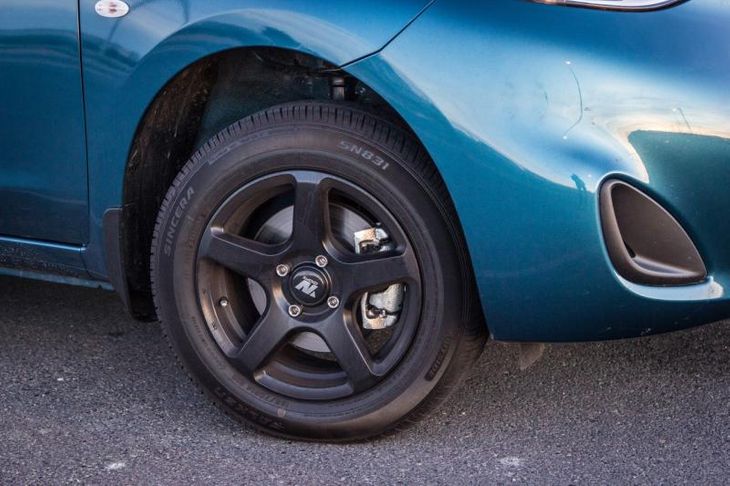
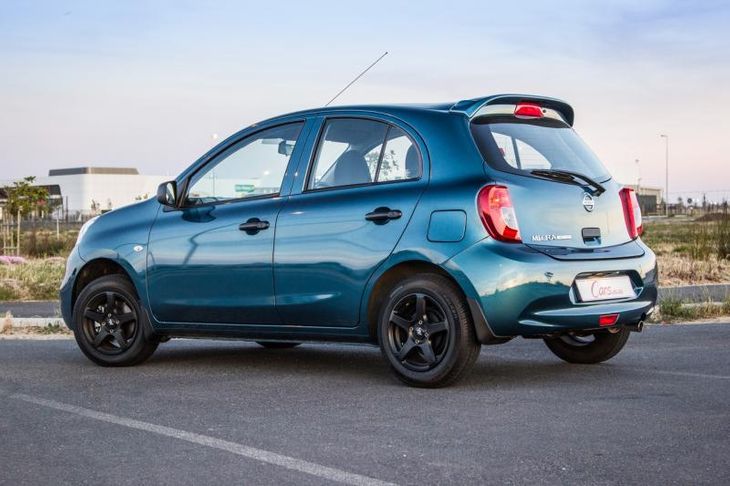
It may be marketed as a vehicle aimed at thrifty buyers, but you can have some fun with some visual upgrades such as a rear spoiler (R2 893), 14-inch black alloy wheels (R5 070) and metallic paint (R1 350). All of these were fitted to our test unit, which gave the Nissan an extra bit of street cred. No one said budget has to be boring and in this segment, you're not spoilt for choice when it comes to new cars with some visual personality…
The metallic paint and black alloy wheels add some personality to the Nissan Micra Active
Features
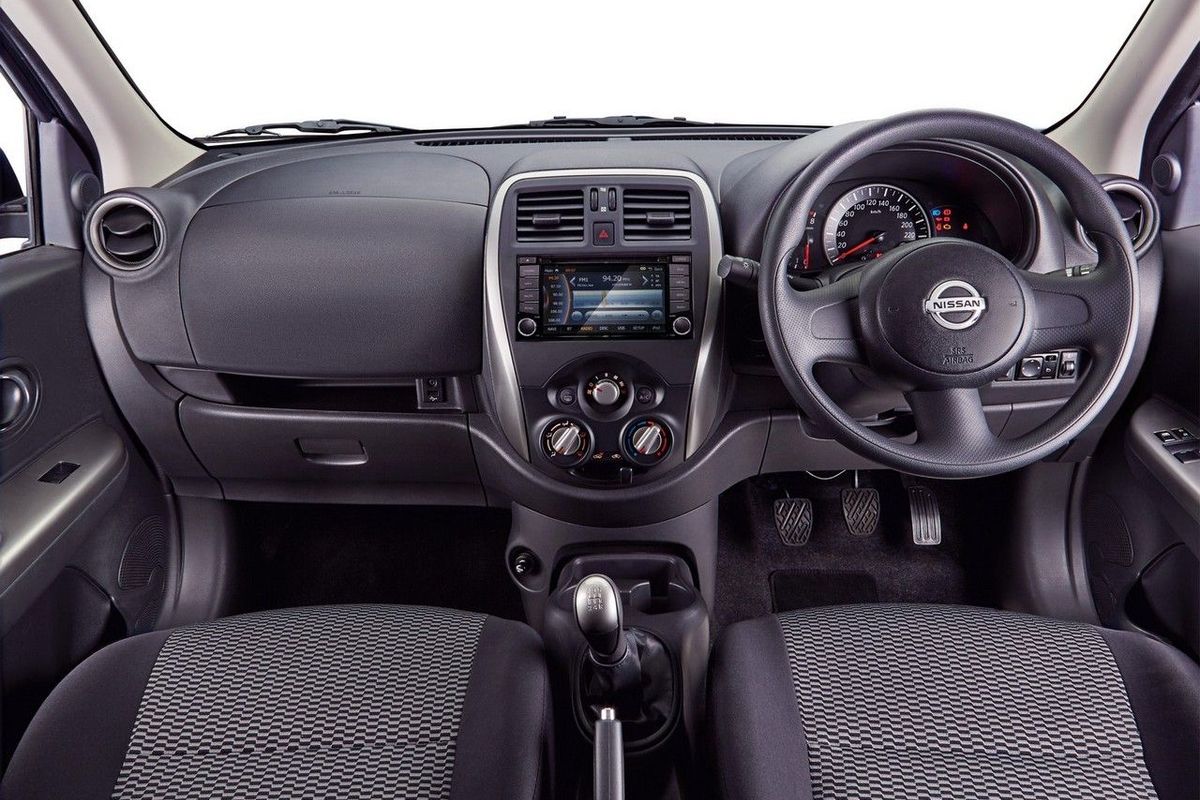
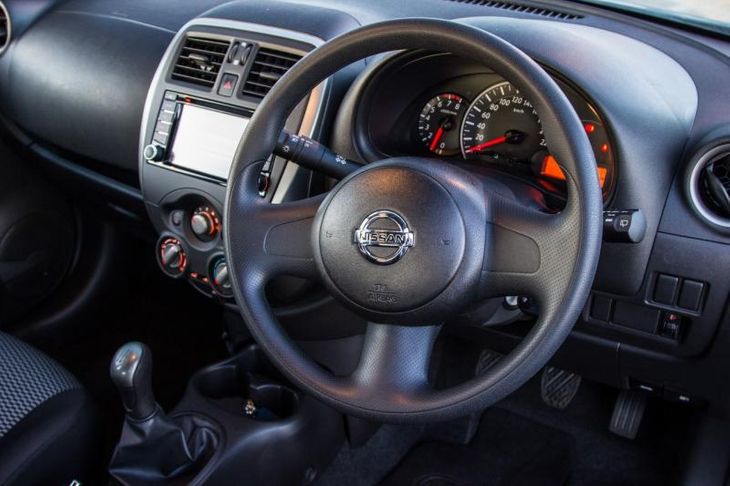
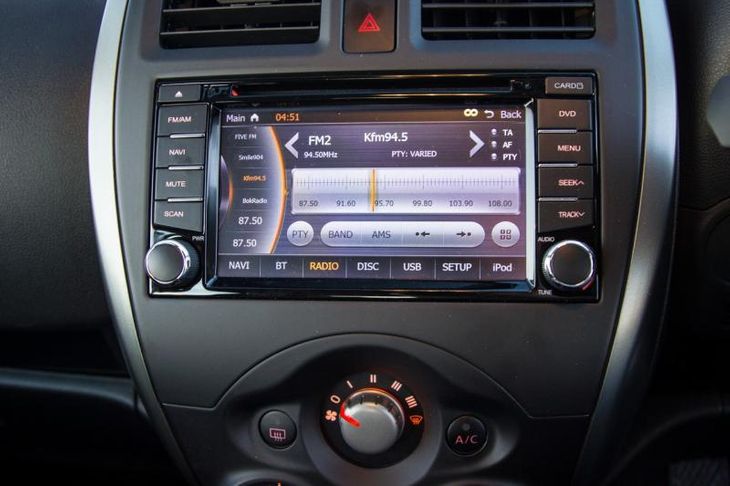
Even though the Micra Active is a cut-price offering, it still boasts a reasonable amount of kit as standard. Remote central locking and electric front windows are nice-to-have features, but we were surprised to find that an audio system is an optional extra. The good news is that this touchscreen audio system is an item well worth ticking on the options list because it boasts AM, FM, CD, MP3, RDS, auxiliary & USB inputs, Bluetooth with audio streaming AND satellite navigation. In terms of safety features, the Micra Active includes a driver and passenger airbag and ABS, which is on par for the segment. Nissan was offering a killer deal when this vehicle launched, where the satnav audio system was added on for free. Perhaps there are still some units floating around?
The infotainment system features navigation, Bluetooth streaming and a nice touchscreen interface. We'd like it to be a little brighter though.
The Not-so-good
Engine doesn't quite have enough
We've already said that the Nissan's engine is adequate for general use, but when you consider that the little car will have to work as hard as it can to lug 4 occupants, plus a capacity load of luggage/cargo in the thin air of Johannesburg, the outlook looks less than rosy. For those who are not aware, the higher you climb, the less dense the air is, resulting in a power drop for naturally aspirated vehicles. Typically non-turbocharged cars lose around 17%, which for the Micra means it's now pushing out a paltry 50 kW. Thankfully the proven powertrain should be able to withstand this sort of treatment now and again.
Price and warranty
The Nissan Micra Active costs R159 900 and it comes with a 3-year/90 000 km service plan and an excellent 6-year/150 000 km warranty.
Verdict
Simple and affordable, with a splash of personality. The Micra Active will be sold alongside its newer brother when it arrives next year.
It's a clever ploy by Nissan to tap into the budget car segment. If it has worked for Ford (Figo) and Volkswagen (Polo Vivo) then there's no reason why this Active derivative won't do well alongside its newer sibling, which we predict will cost at least R175 000. If you can get past the looks and don't have to lug much cargo, then the Micra should be on your shopping list as its price is hard to argue against. Save up to get the radio as an option, you won't regret it.
At this price point, there are very few cars that offer as much car as the Micra does. When you kit it out with some alloy wheels and the little wing, it gains some personality compared to the drab offerings in this segment. In a budget-sensitive segment, the 150 000 km warranty really sweetens the deal!
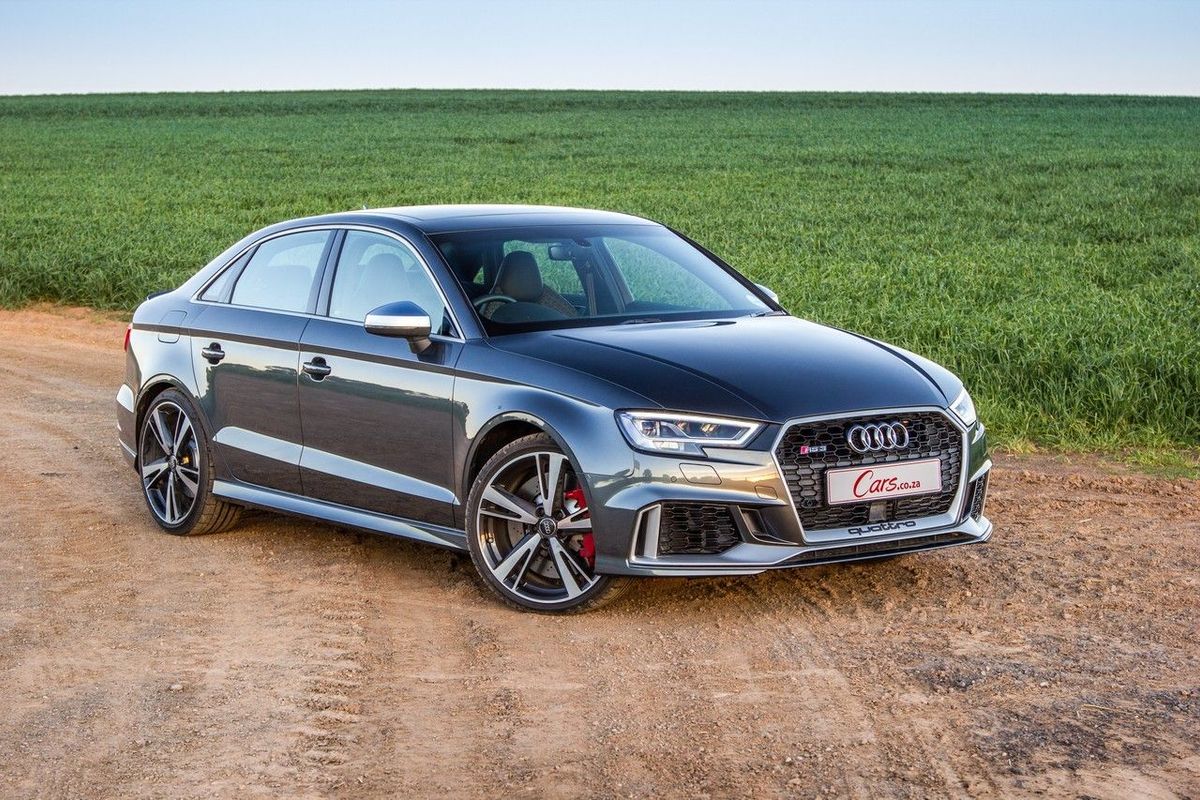
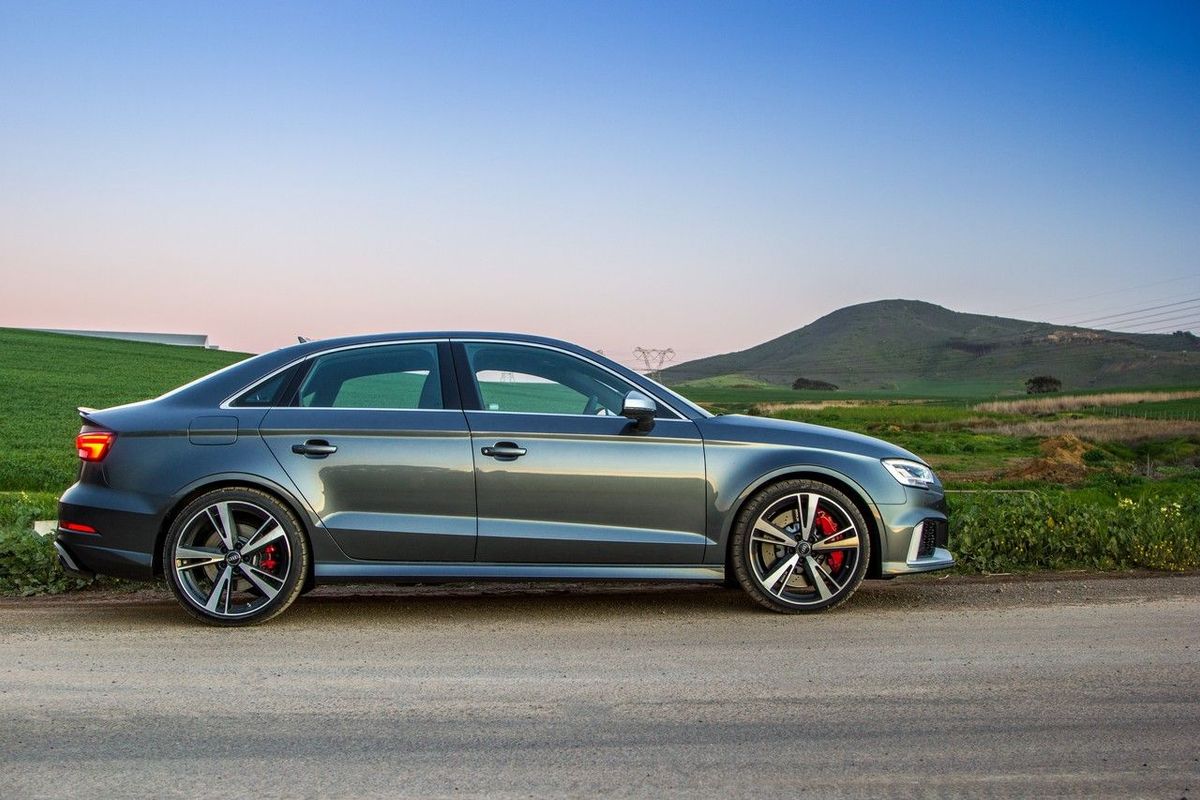
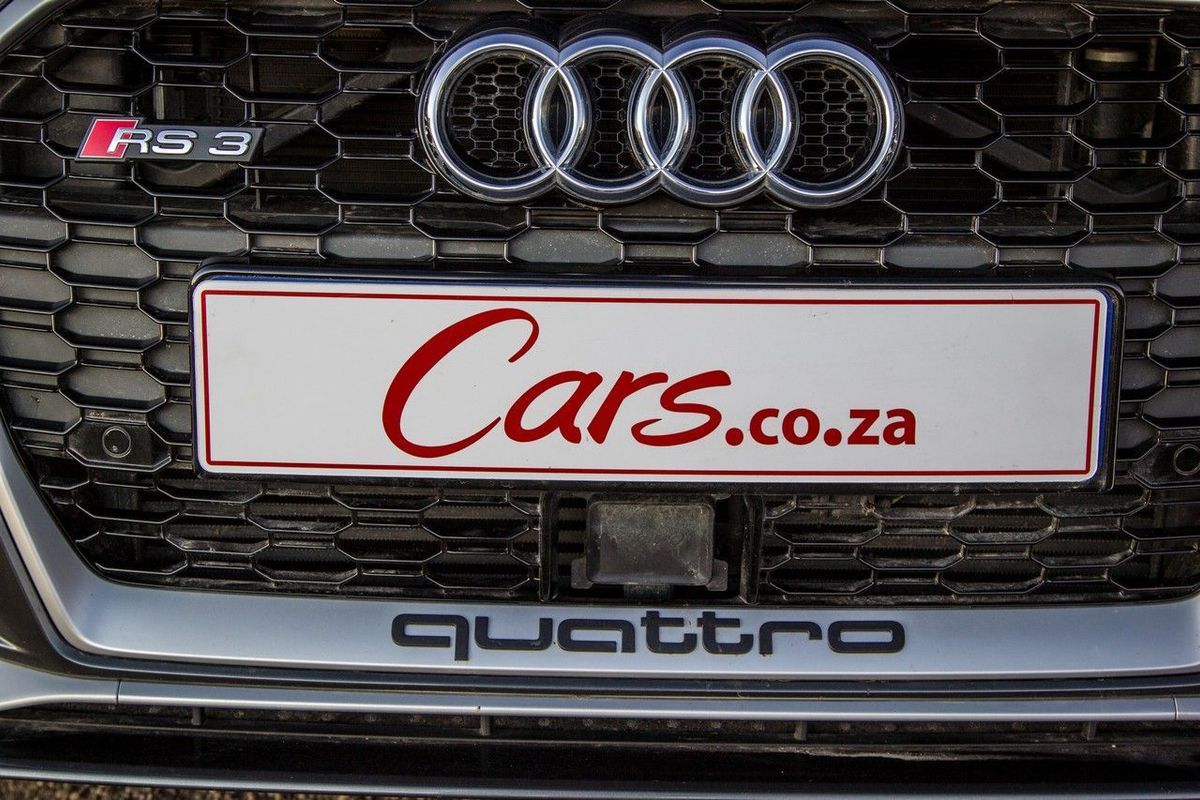
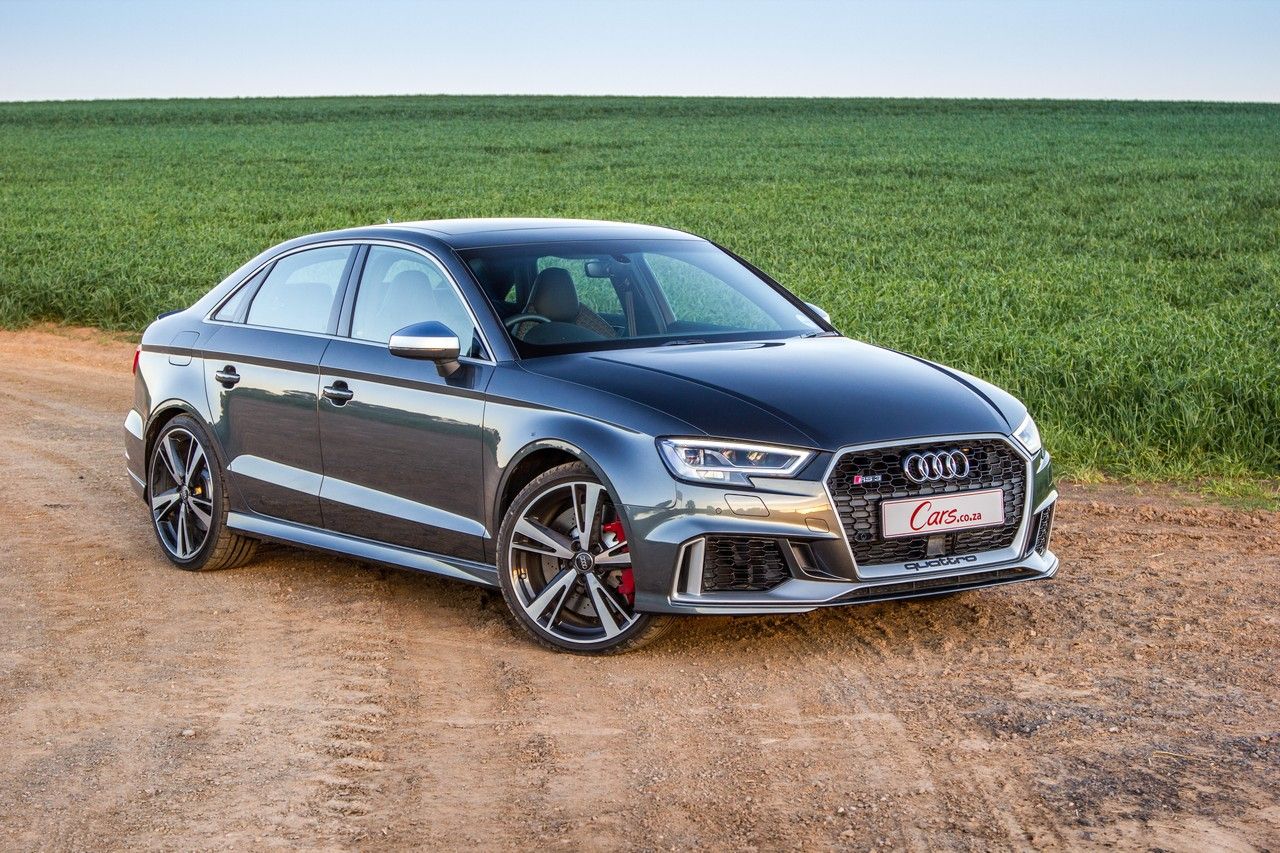
As the asking prices of business-class-based performance sedans creep beyond the reach of so many aficionados, the RS3 compact sedan remains the most resolved way of getting your asphalt shredding 4-door car kicks this side of R1 million. Not only does the sonorous Audi offer surfeit accessible performance, it captures the essence of the B7-generation RS4.
We like:Improved ride/handling balance, characterful engine
We don't like: Options list remains long, dulled steering feel
Alternatives:
The consummate athlete: The BMW M2 M-DCT – the 2016/17 #CarsAwards champion in the performance car category – recently received a facelift and with that 3.0-litre straight-6 delivering 272 kW and 465 Nm to the car's rear wheels via a limited slip rear differential, the Bimmer has the quintessential sportscar packaging that appeals to purists. Its 2-door body limits versatility, however, and even if you're not looking for a compact sedan per se, the Audi's quattro drive offers more peace of mind of sure-footed all-weather performance and handling.
The rapid head-turner: Not everyone is a fan of the Mercedes-AMG CLA45's styling, but those who appreciate the Benz's looks are bound to revel in its rorty 4-cylinder turbocharged motor (280 kW/475 Nm) mated with a 4Matic all-wheel-drive system. The CLA45 is suitably powerful and wieldy, but some prospective buyers may find its stiff suspension, raucous exhaust and hardcore interior a bit too "boy racer".
For a full-fat sportscar: What if you could say "pah!" to practicality altogether? The 4-cylinder 2.5-litre turbo motor in the Cayman S is a little underpowered in this company (257 kW and 420 Nm), but the Porsche is over 100 kg lighter than the RS3 and sits 100 mm lower to the ground. The Cayman is renowned for its great chassis/handling ability but its lack of audible drama leaves much to be desired.
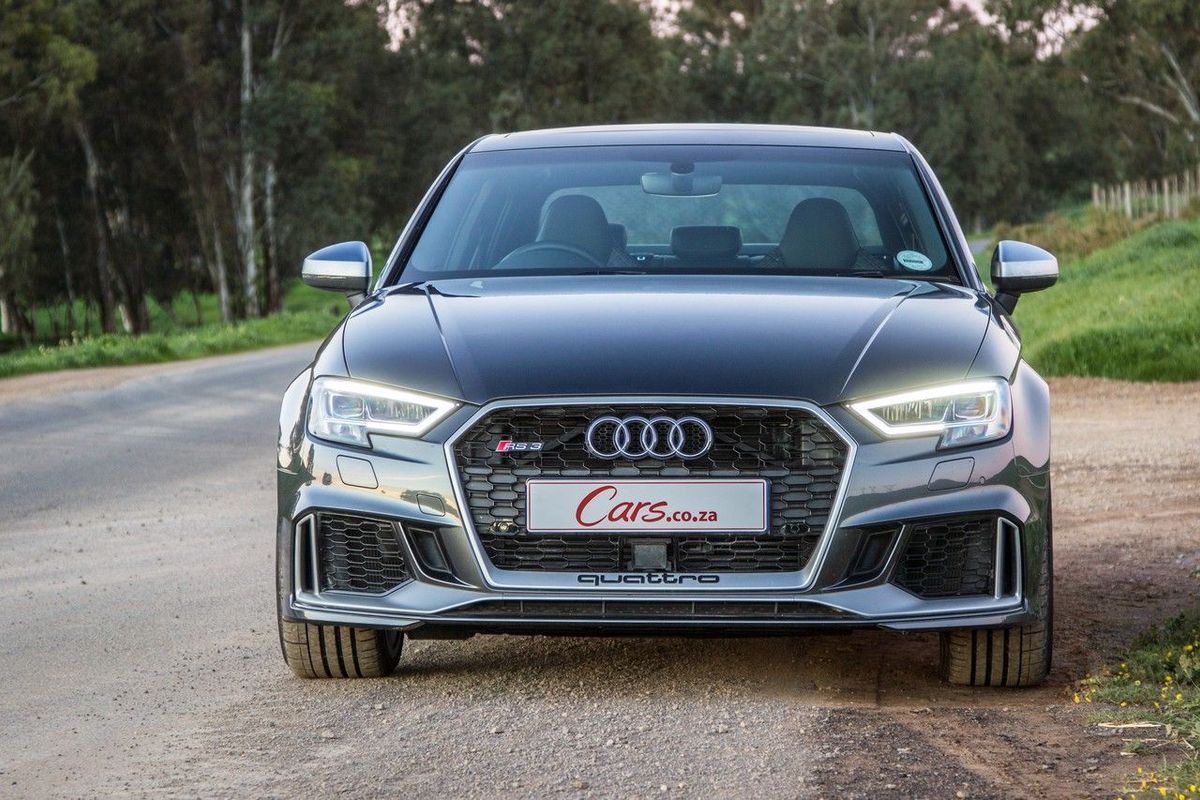
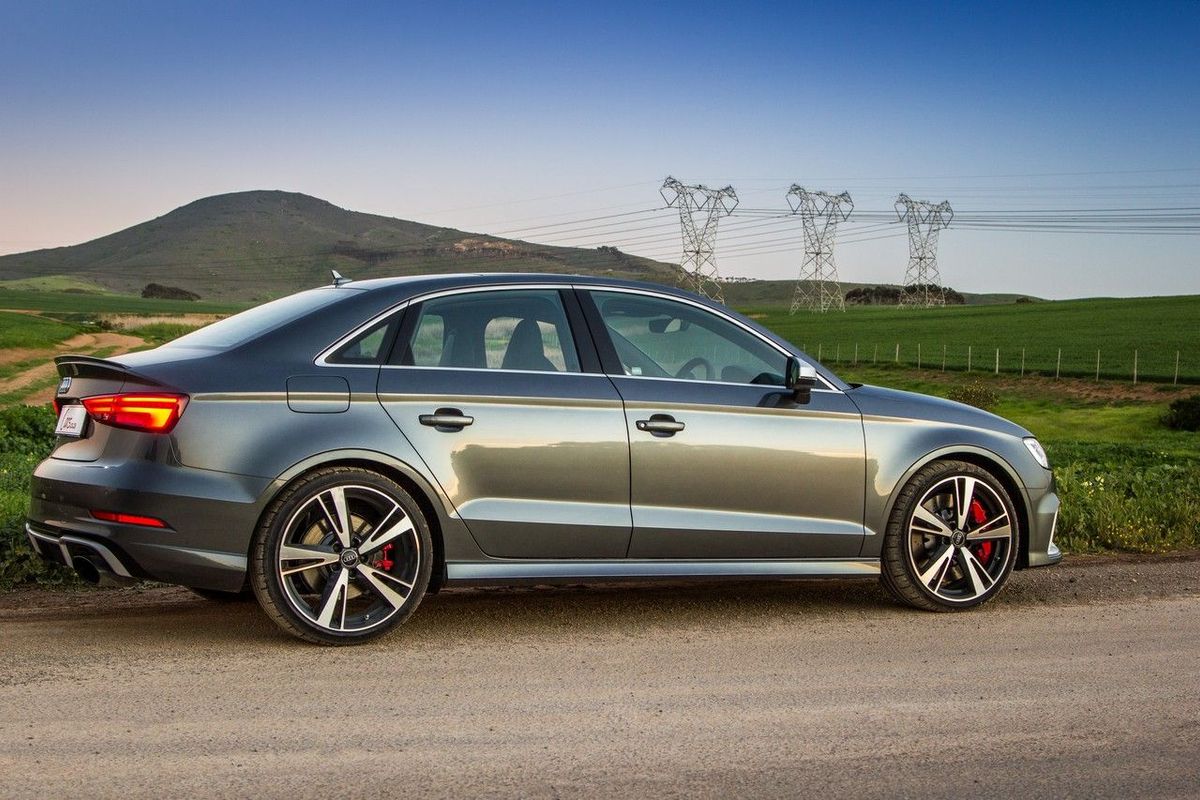
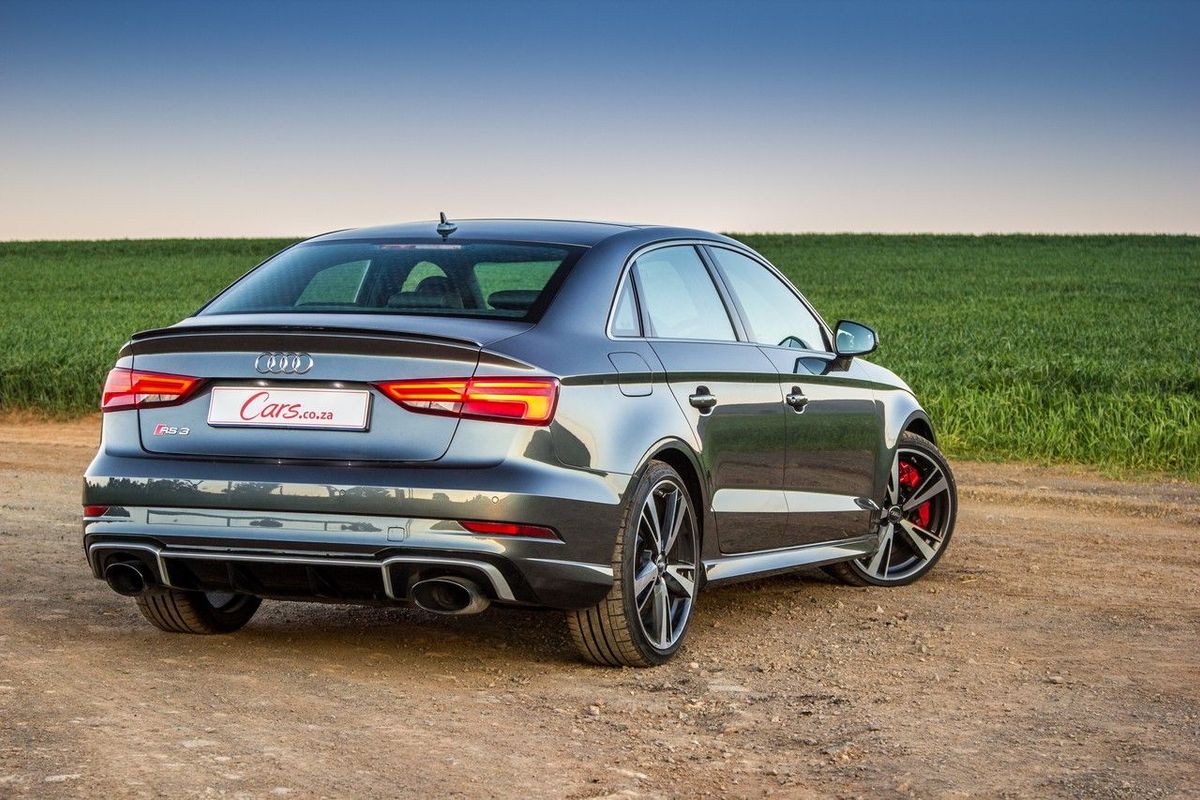
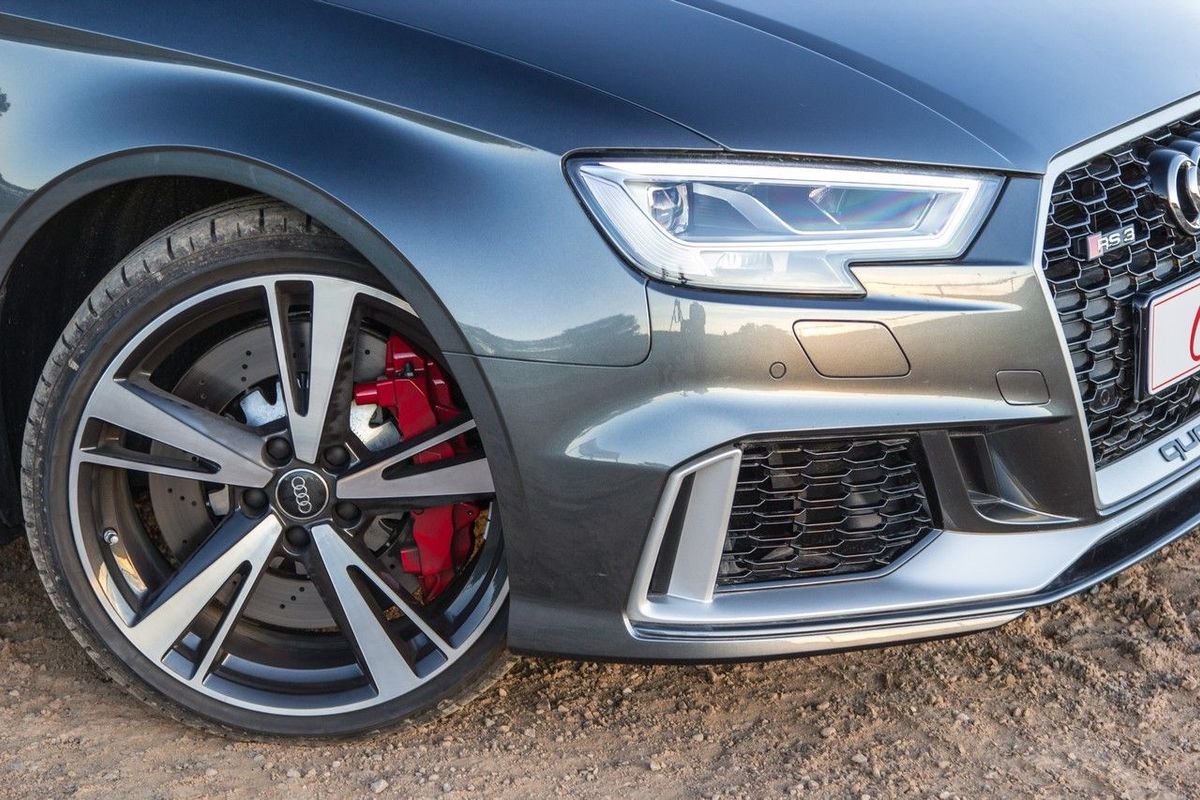
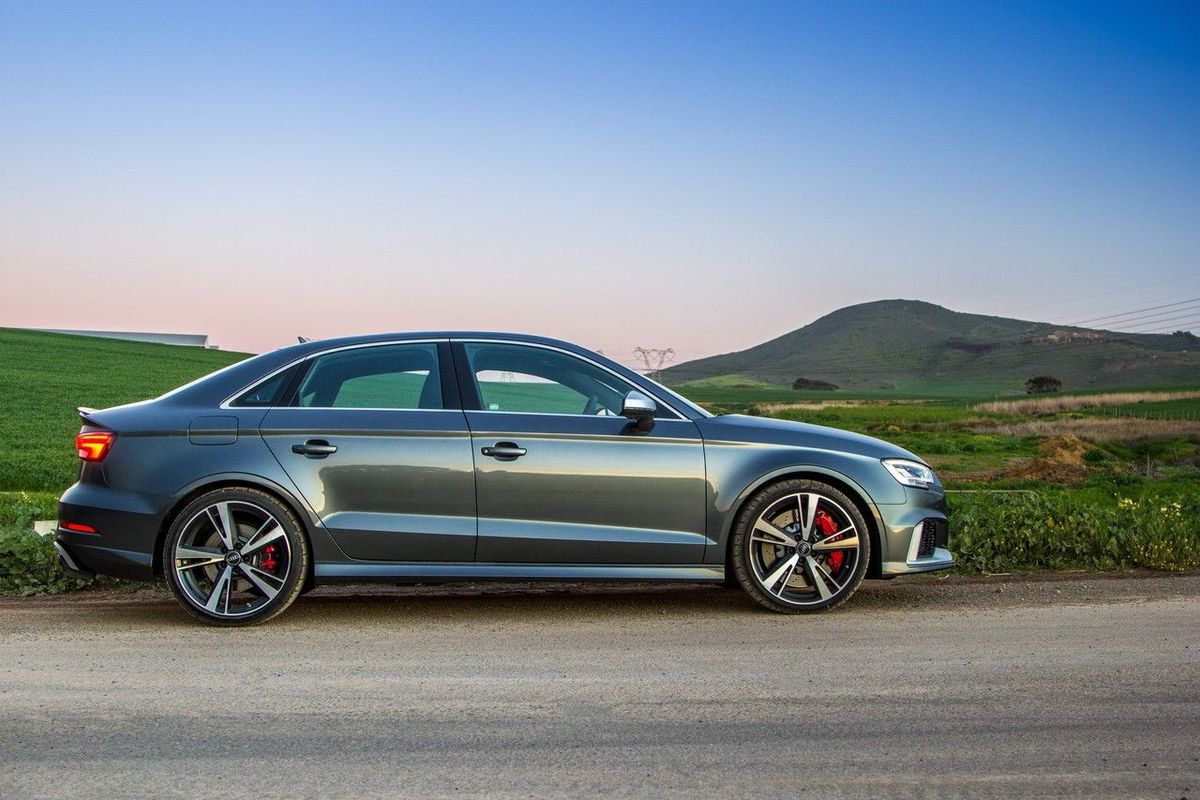
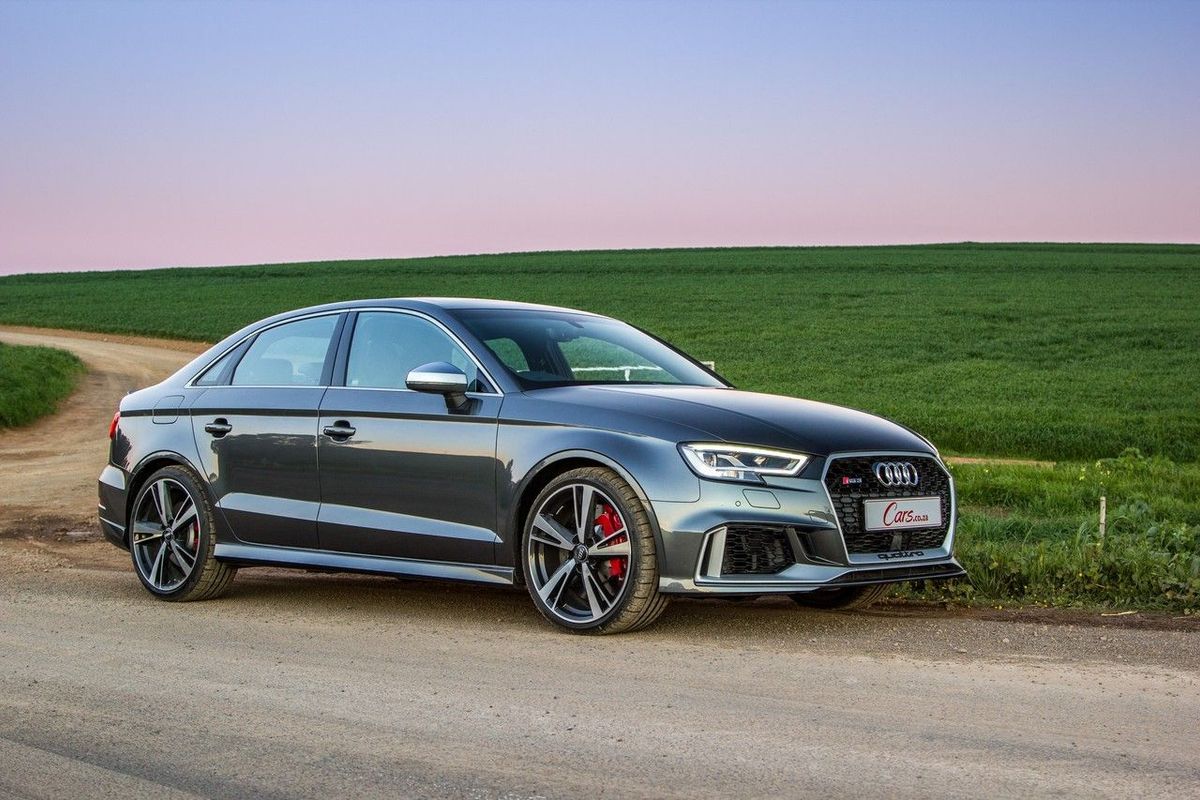
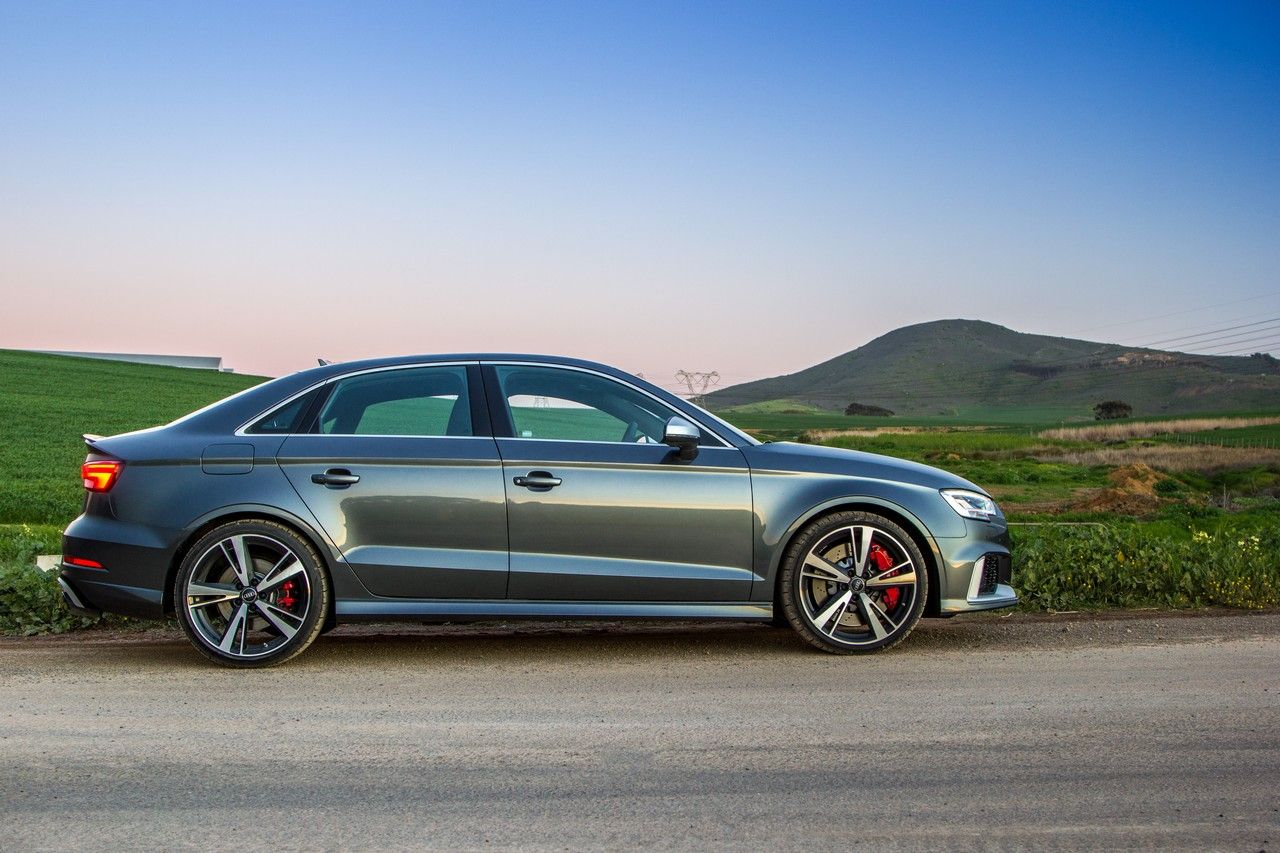
Stylistically, the RS3's exterior appearance is far from shouty, but note the ornate detailing in the front apron and the handsome alloys.
Quick Specs
Price: R925 000
Engine: 5-cylinder, 2.5-litre turbopetrol
Power: 294 kW at 5 850-7 000 rpm
Torque: 480 Nm at 1 700-5 850 rpm
Gearbox: 7-speed dual-clutch automatic
Kerb weight: 1 515 kg
0-100 kph: 4.1 sec
Top speed: 280 kph
Economy: 8.3 L/100 km
What’s new?
In line with the recent update to the A3 Sedan and Sportback ranges, the flagship 4-door derivative in Audi's premium compact car line-up has undergone a number of updates, many of which aren't all that easy to notice. The big news, however, is the adoption of a lighter (by 26 kg), more powerful 2.5-litre, 5-cylinder turbocharged engine that delivers 295 kW and 480 Nm of torque (24 kW and 15 Nm more than the outgoing version). Over and above updates to the Audi's underpinnings, a new torque transferring system allows between 50 and 100% of the power to be sent to the rear wheels when required.
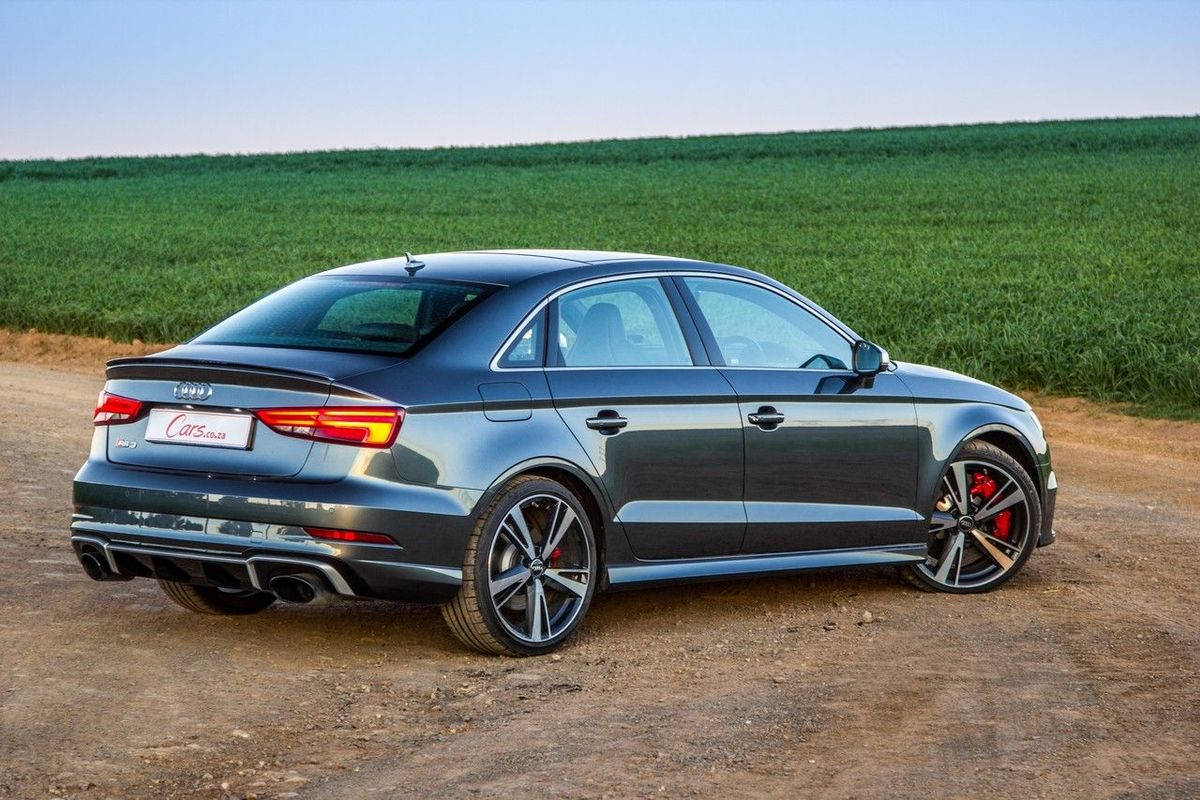
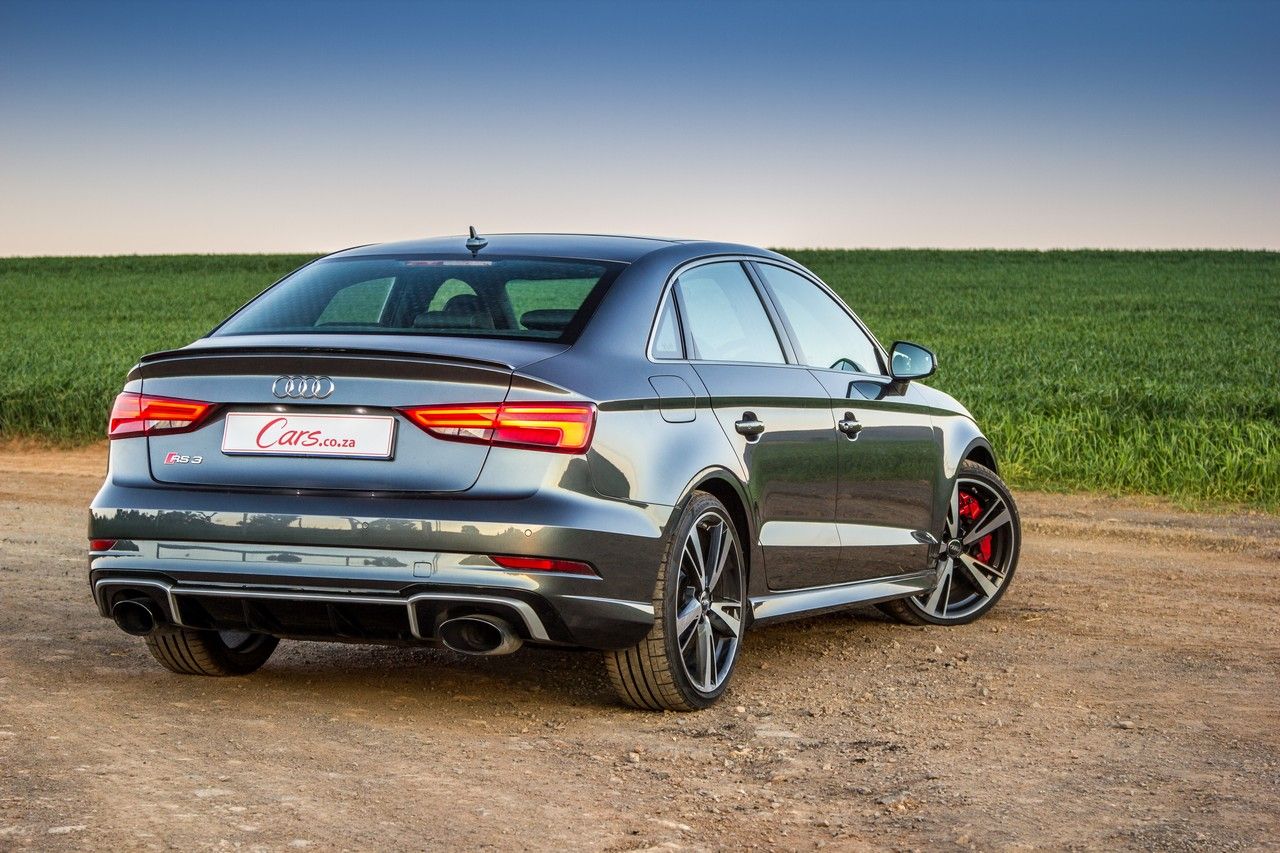
The subtle boot spoiler is almost invisible compared with the large-bore exhaust tips at either ends of the rear valance.
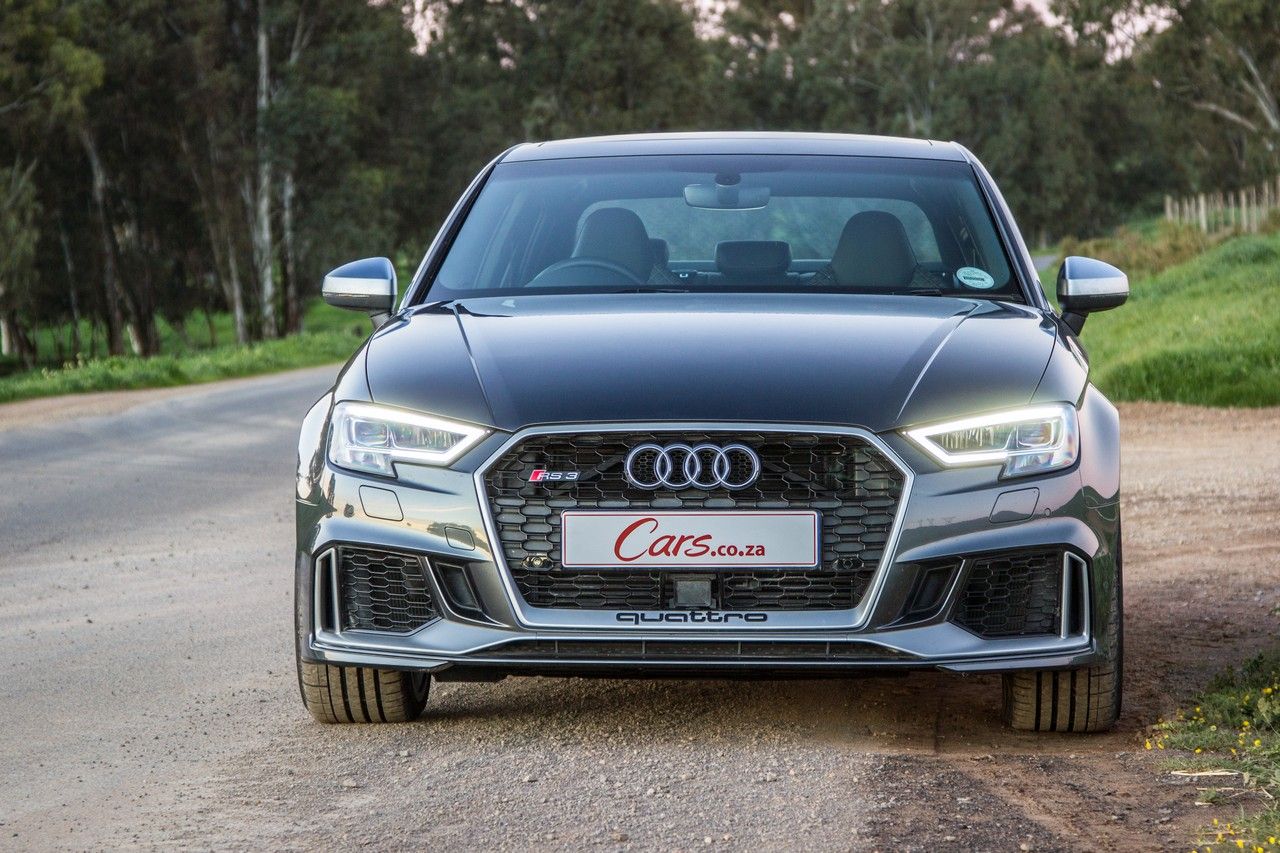
Otherwise, the updated RS3 features a few design tweaks, including new LED headlight units, a more angular surround on the single-frame grille, reworked bumpers (including a redesigned front blade and rear diffuser), a freshened taillight graphic and RS-specific spoiler lip on the boot lid.
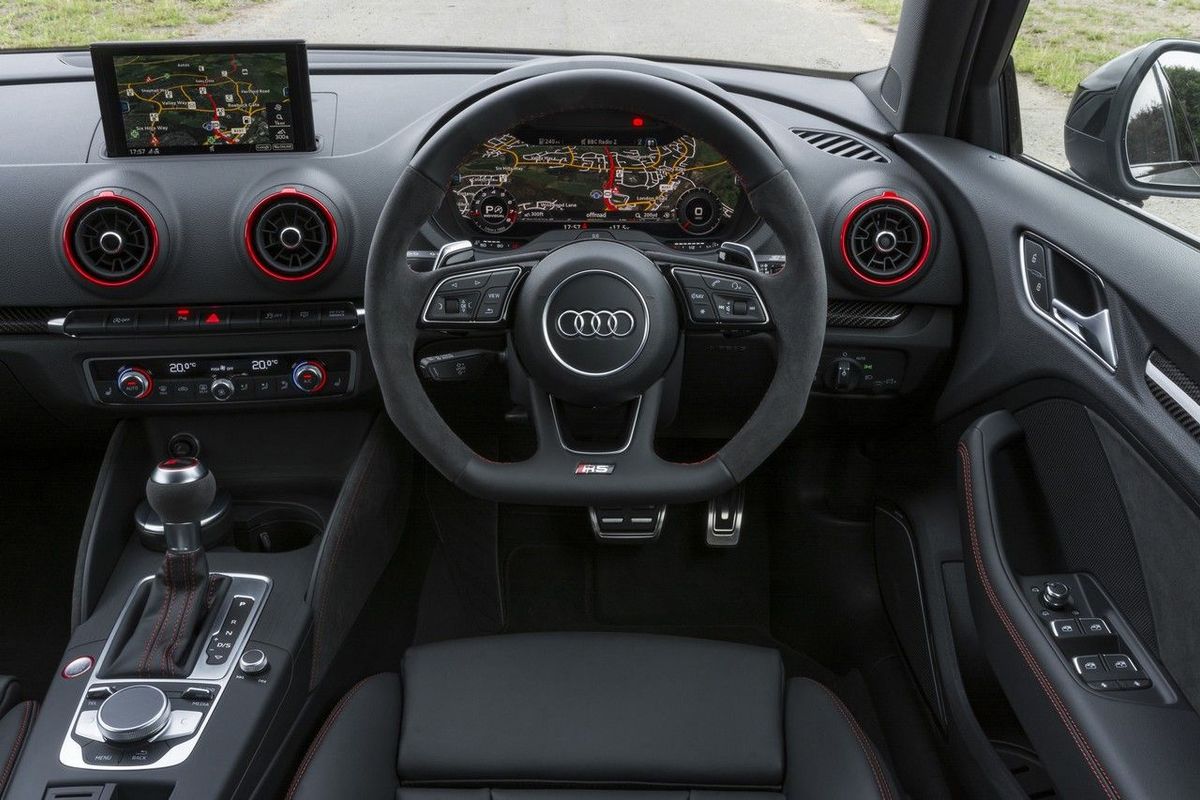
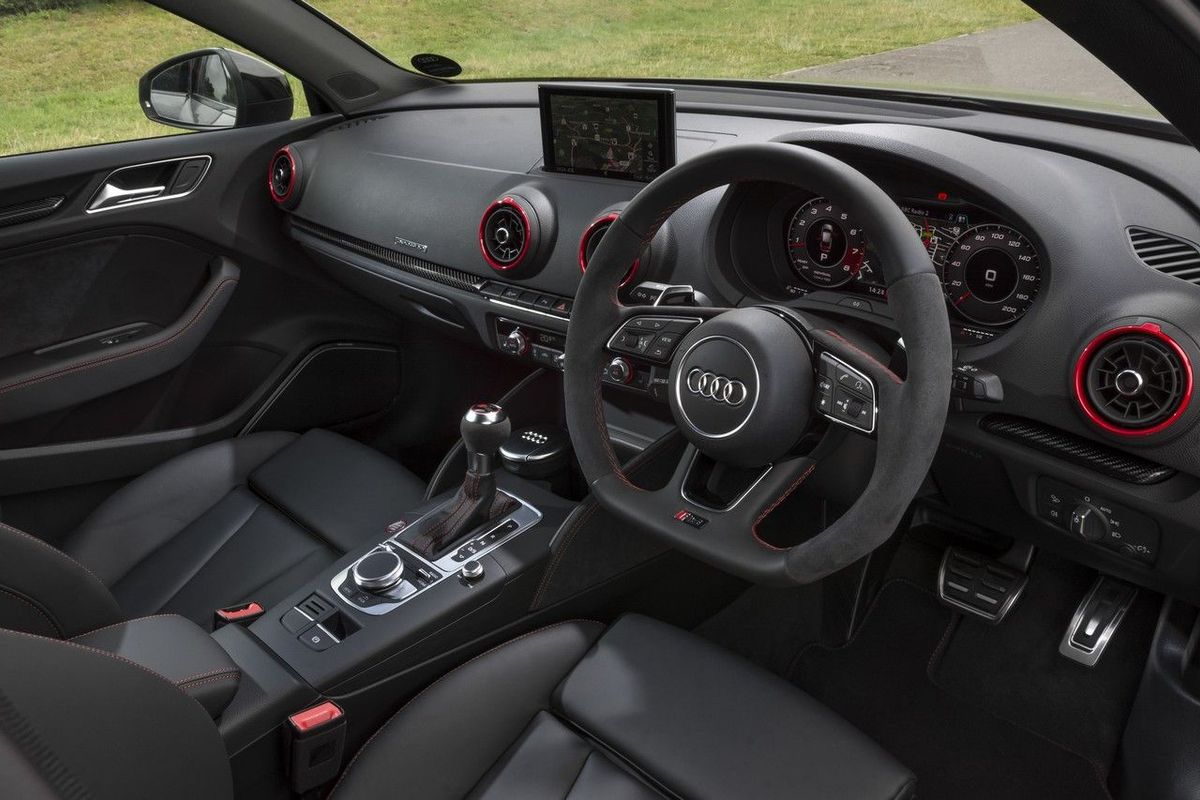
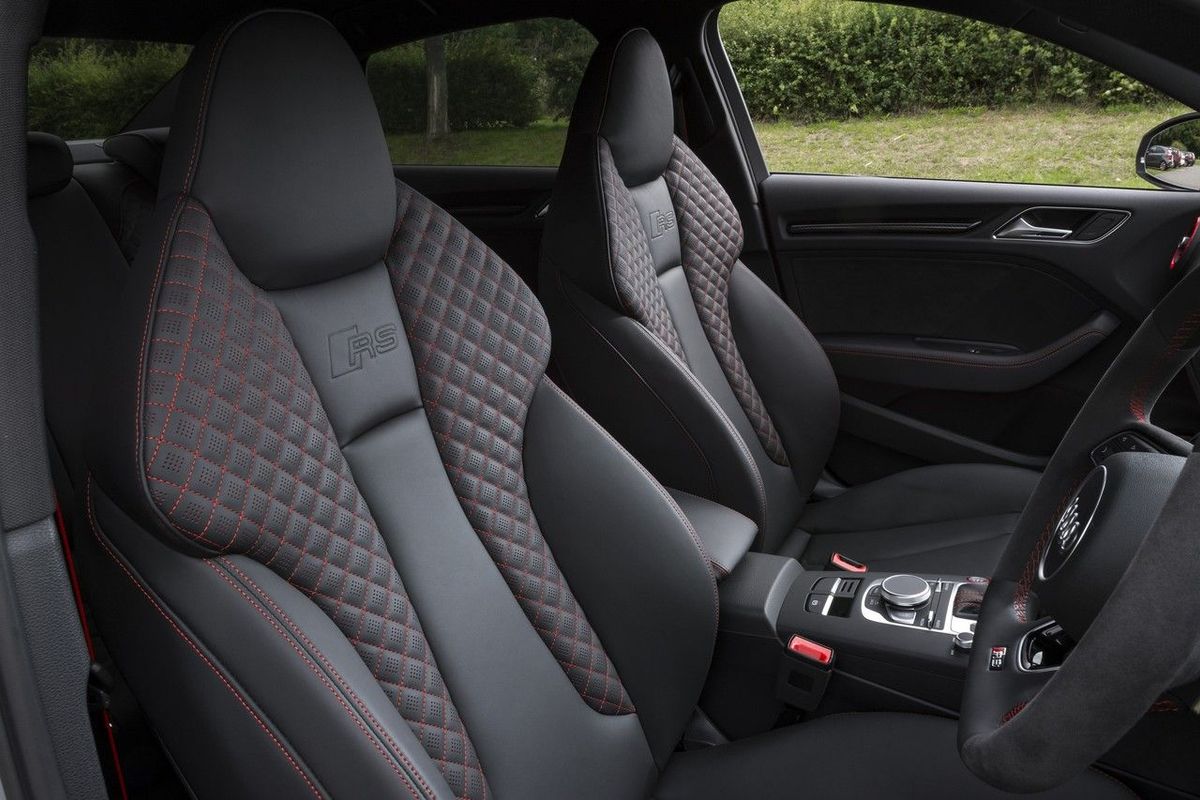
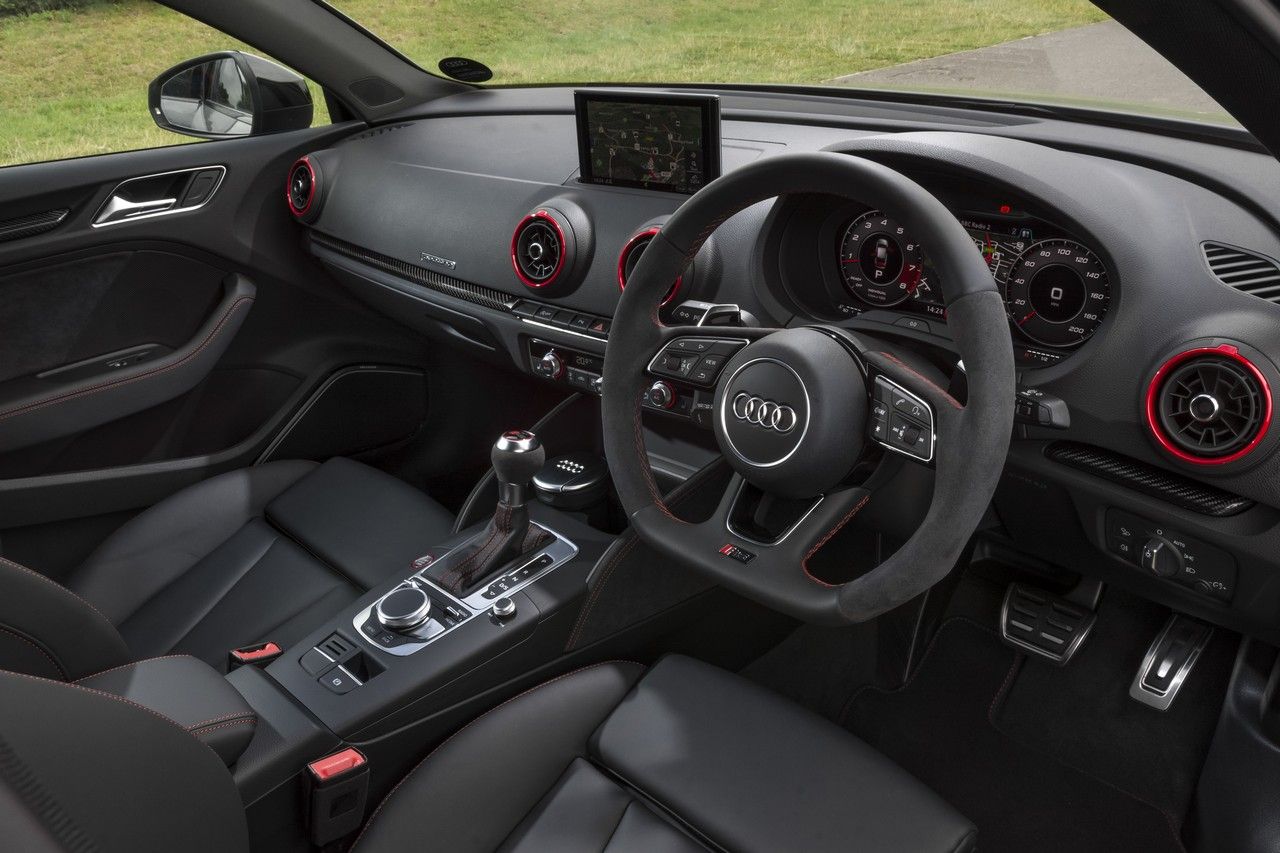
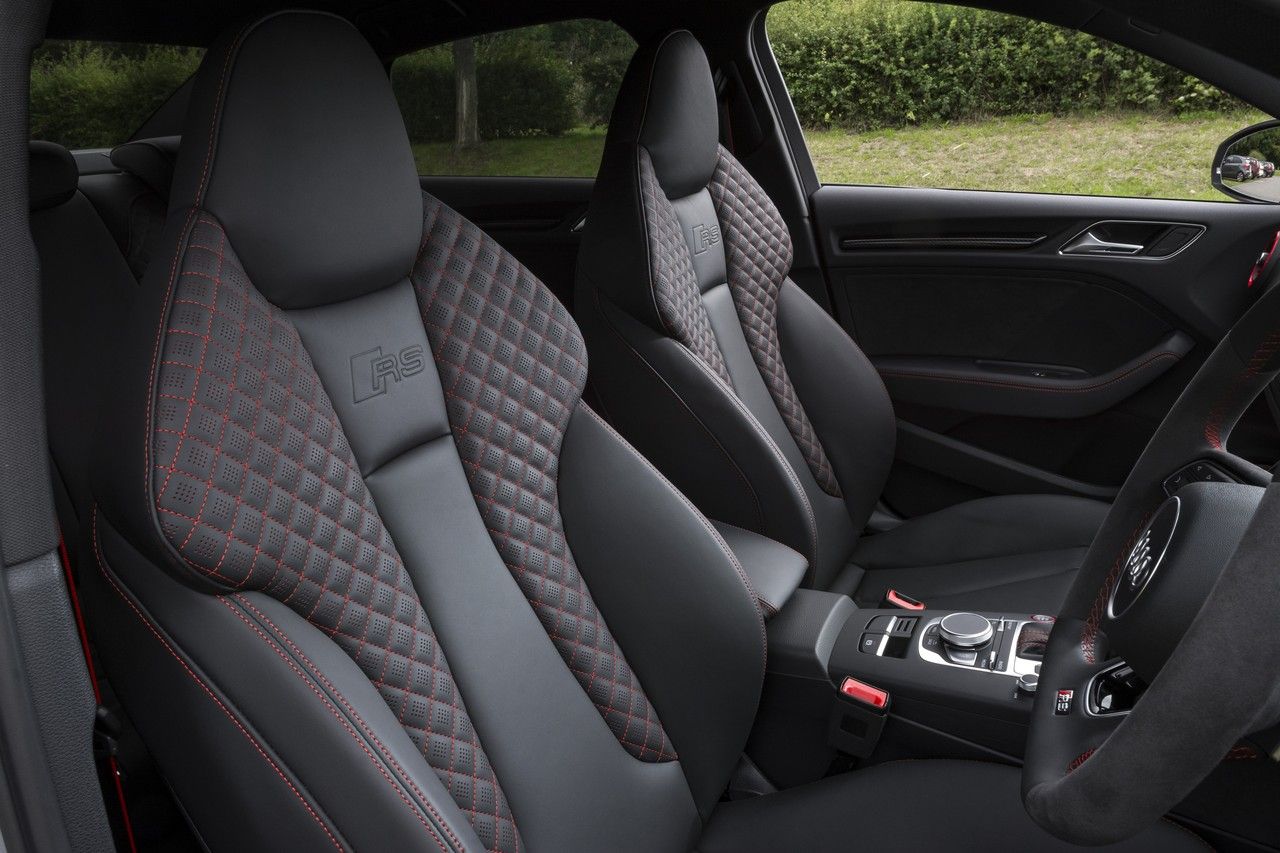
Inside, Audi’s Virtual Cockpit is offered as an option, but it's well worth a tick. Nappa leather front seats now feature a more contoured profile and customers can also opt for RS sports seats with sharply contoured side bolsters and integrated head restraints. An optional RS design package includes red accent rings around the air vents and contrasting stitching on the upholstery for maximum effect, while the door trim is finished in Alcantara and the footrest and pedals are in stainless steel.
The Good
Sonorous performance
Any compact car, let alone a sedan, that can dispatch the 0 to 100 kph sprint in around 4 seconds, demands instant respect, especially when the performance is delivered so seamlessly and without much effort. And, whereas so many direct-injection turbocharged motors sound either muffled or nondescript, the Audi’s 5-pot motor evokes the wail of fabled Group B World Rally Championship Quattros with a characteristic and rewarding warm, textured soundtrack that thoroughly delights the ears. You can hear a soupçon of that delectable exhaust tone below:
Whether you’re punishing the 7-speed S-tronic dual-clutch transmission with a scorching off-the-line acceleration run or slickly whipping through the ratios with the gearshift paddles when negotiating a challenging ribbon of asphalt, the RS3 responds with neck-straining, seemingly unburstable in-gear shove at the behest of your right foot. Yet the transmission never feels in danger of baulking and the brakes stop firmly and positively… such refined punching ability is virtually unheard of at this price point.
Ride/handling balance
All that aforementioned performance potential would have mattered far less if the RS3 sedan was the equivalent of an automotive bludgeon, or at least a performance car that would never quite feel settled or on song unless road conditions were near perfect. By virtue of widened tracks front and rear, a fettled suspension setup that feels taut, yet offers enough give to handle mid-corner bumps and ruts and/or sudden changes of direction with aplomb, plus an updated all-wheel-drivetrain that can dynamically direct drive to the ends of the Audi where it can be put to best use, the RS3 can be driven enthusiastically, with confidence, by drivers of average skill, on variable road surfaces.
Without putting too fine a point on it, some of our most enticing back roads are in a poor state; not that it bothers the RS3 that much…
As probably the fastest product to be built on the Volkswagen Group’s MQB platform, the innate forgiving nature of the RS3’s on-road demeanour can be construed as a hint of bluntness by some enthusiastic drivers. Yes, the Audi is more resistant to understeer than its predecessor and it can direct up to 100% of its torque to the rear wheels if required, but the sedan won’t oversteer/kick out its tail at the whim of its pilot. Instead, come rain (and perhaps sleet/snow) or shine, the RS3 will keep cornering with alacrity and is likely to astound its captain with the lofty exit speeds it can achieve, all with the ever-present willingness, of course, to save them should they run out of concentration or talent.
The Not-So-Good
Remote steering feel
Considering that the RS3 is packaged to offer a blend of engaging dynamics and autobahn-munching long-haul driver comfort, it should not surprise many that the Audi’s steering wheel, though quick enough in action and accurate in its reactions to inputs, is not lively, nor particularly feelsome. By engaging Sport mode, the tiller weights up discernibly, but we feel that the assistance is a somewhat artificial modification to an electrically-assisted steering setup that favours everyday usability. In our opinion, it’s a worthwhile compromise, but so-called driving purists may simply not accept it.
The minimalist Audi fascia design exudes solidity and good taste, but some of the nicer features are dear indeed.
Expensive options
When the price tag of a compact sedan nudges towards the 7-figure mark, values such as “metal for the money” go out of the proverbial window. To the RS3's credit, however, it features subtle aesthetic updates to its exterior execution (including aerodynamic addenda, 19-inch alloys and xenon plus headlights) to set it apart from its lesser brethren. As for its interior, which is, quality-wise, arguably still the benchmark for its class, that’s adorned with RS detailing, fine Nappa leather and aluminium trim, a 3-spoke flat bottom multi-function steering wheel, Audi Drive Select, climate control, Bluetooth with audio streaming, Parking System Plus, cruise control and LED lighting.
The test unit, as supplied to Cars.co.za, was priced at R1 010 400 (December 2017), courtesy of additionally specified equipment that included MMI navigation plus with MMI touch (R24 000), adaptive cruise control (R15 300), panoramic glass roof (R11 100), Bang & Olufsen sound system (R9 200), a matt aluminium styling package (R9 050), front sports seats (R9 000), Virtual Cockpit digital instrument cluster (R7 250), smartphone interface (R4 870) and red brake callipers (R4 180).
The contrast stitching of the optional sports front seats break the sombre dark interior somewhat; the driver's pew is very supportive.
Whereas one could argue that the panoramic roof, updated sound system and the trim packages are indulgences, the RS3 could certainly have a more comprehensive standard spec that befits the flagship derivative in its range. Testers especially bemoaned the RS3’s bog-standard ignition key.
Price and after-sales backup
The Audi RS3 sedan retails for R925 500 (December 2017), which includes a 1-year/unlimited km warranty and a 5-year/100 000 km maintenance plan.
Verdict
The fact that the Audi RS3 sedan is 1 of 3 finalists in the performance car category of the 2017/18 Cars.co.za Consumer Awards – powered by WesBank, should speak for itself. To compete with the visceral BMW M2 and Mercedes-AMG CLA45 (with its benchmark 4-cylinder engine) is an unenviable task. Yet, the RS3's advantages over its chief rivals: another pair of doors and AWD, in the case of the BMW, and an extra cylinder and superior packaging, compared with the Benz, are significant. In the hands of mere mortals (average drivers), the RS3 is a match for its much-vaunted opposition, plus it holds the edge in terms of overall refinement, ultimate practicality and, unlike some of its fellow Audis, has a distinct personality.
It this the most compelling, versatile and user-friendly potent performance machine that you can buy under R1 million? It just might be!
When we first tested the BMW M2, we proclaimed the diminutive Bavarian coupe to be one of the finest modern M cars because it made many of us wonder whether two-door sportscars with outputs far in excess of 300 kW (let alone 400 kW) had become overblown and obsolete. The Audi RS3, in turn, does exactly the same to the reputations of performance sedans based on business- or executive class models. The bellowing, all-wheel-driven B7-generation Audi RS4 (launched in the local market in 2006 and now regarded as a modern classic) encouraged enthusiasts to savour the elemental aspects of a performance car… The RS3 repeats that feat – and, compared with its spiritual predecessor, it’s a much more multi-faceted product overall.
Watch a comparative review video featuring the BMW M2 and Audi RS3 Sedan below:
3 Reasons Why Hyundai Creta is #CarsAwards Finalist
What makes the Hyundai Creta 1.6 Executive Auto a formidable contender in the Compact Family Car category of the 2017/18 Cars.co.za Consumer Awards – powered by WesBank? We investigate…
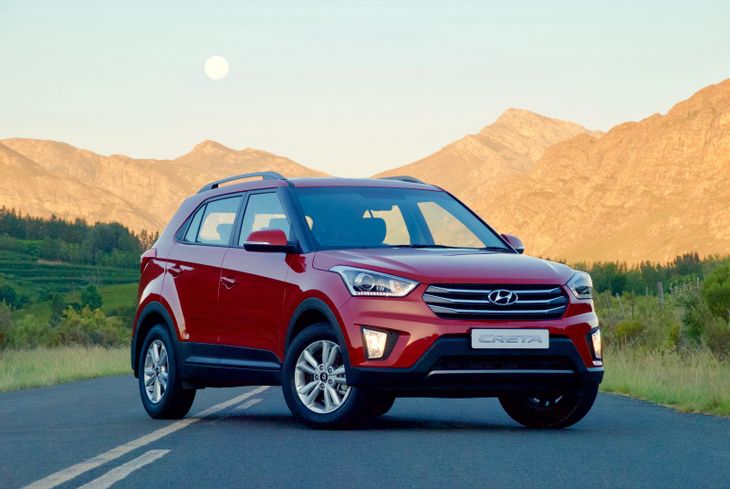
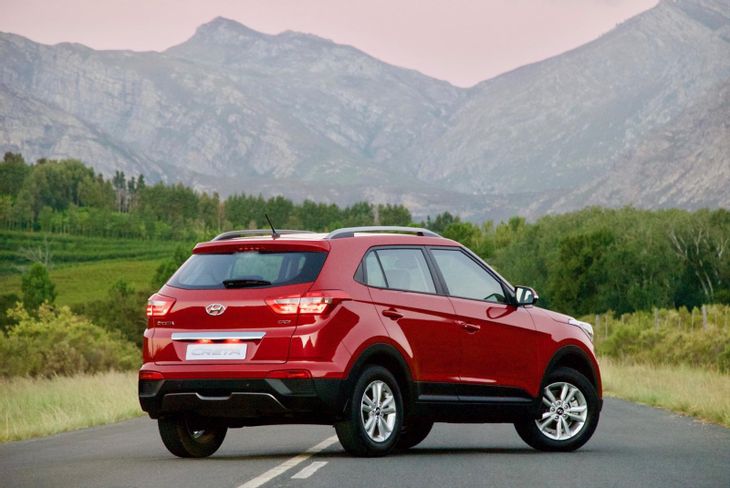
The Hyundai Creta joined the burgeoning compact crossover segment in early 2017 and has been an immediate sales success. Price wise, the Indian-made Creta sits near the top end of the segment, but it’s also bigger both inside and out than most of its rivals and offers attractive styling and good standard specification. Will the Creta snatch the win from its rivals in the Compact Family Car category?
3 Reasons Why the Hyundai Creta 1.6 Executive Auto is a #CarsAwards Finalist
1. Easy to drive
The 1.6-litre engine that powers the Creta delivers peak outputs of 90 kW and a workmanlike 150 Nm. Using a 6-speed automatic transmission, the Creta is best suited to buyers with a measured driving style and is particularly suited for use in the city. Fuel consumption is rated at 8.4 L/100km, but unlike its turbocharged rivals, the naturally-aspirated Creta should return representative consumption figures more often.
2. Comfortable and spacious
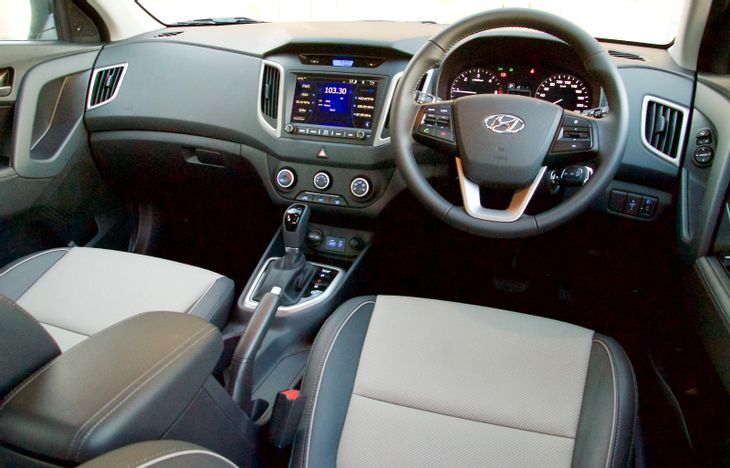
The advantage of the Creta’s larger-than-average (for the segment) dimensions is a spacious cabin and luggage area. The loading bay is wide, features a cargo net and has a claimed capacity of 402 litres, plus the 60:40 split rear seats avail generous utility space. Rear leg- and headroom aren’t generally strengths of the compact family car package, yet even comparatively tall adults will find the rear bench, appended by a pair of ventilation outlets and an armrest equipped with 2 cupholders, very comfortable
3. Convenience features
The Creta’s simple-but-tidy interior embodies the Korean brand’s ethos of solid build quality and affordable luxury. The highlights of the specification lists are: leather upholstery and an 8-inch touchscreen infotainment system that features satellite navigation and an RDS radio with MP3 playback, Bluetooth telephony and streaming, plus auxiliary and USB ports. The side mirrors are electrically adjustable and can fold in, plus a reverse-view camera makes parking manoeuvres much easier.
Watch our video review of the Hyundai Creta below!
Have Your Say: Complete our survey!
Do you own a Creta? We would love to hear from you! Tell us about your experience by completing our Ownership Satisfaction Survey. Your input counts for 50% of the final result.
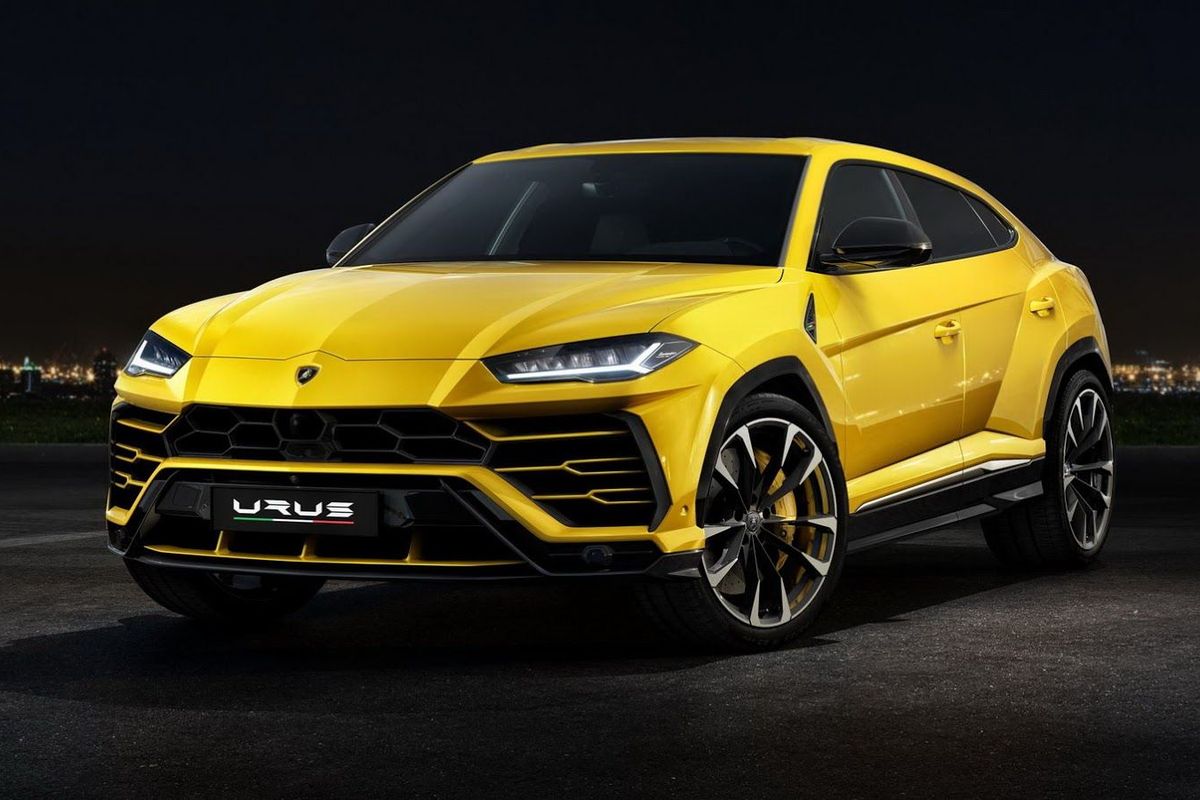
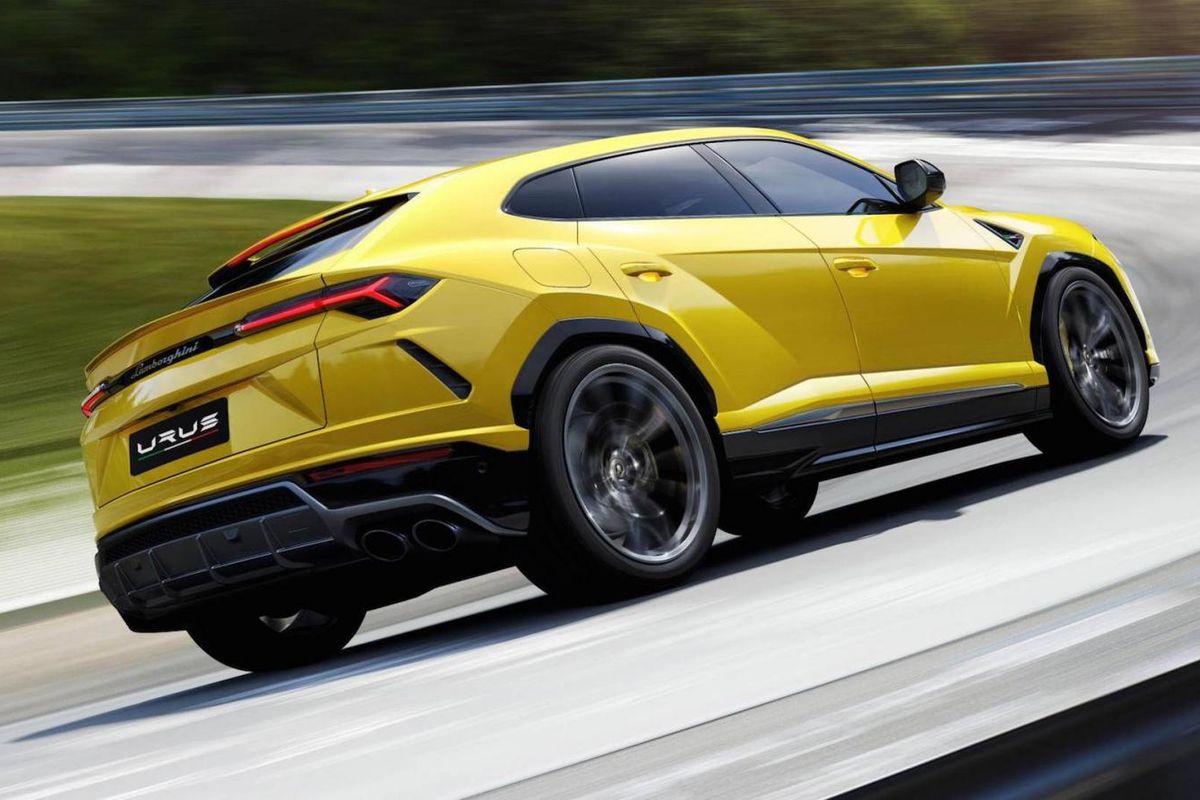
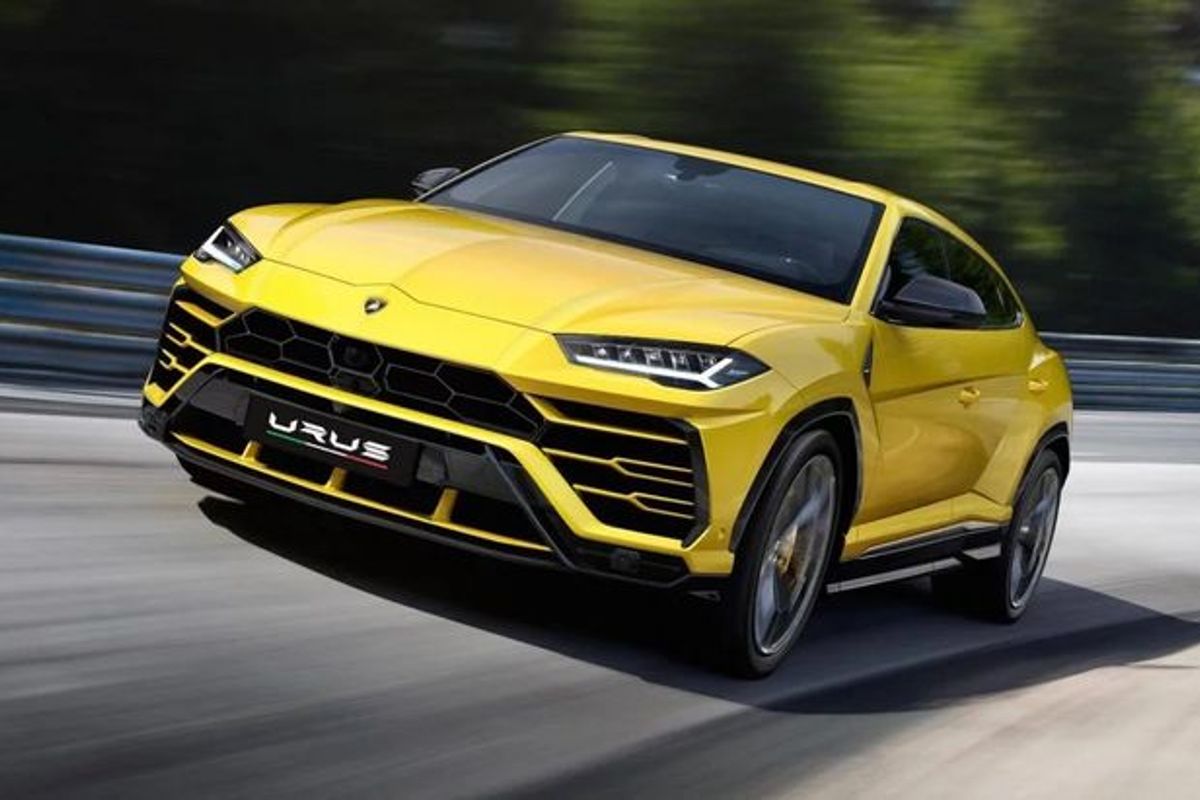
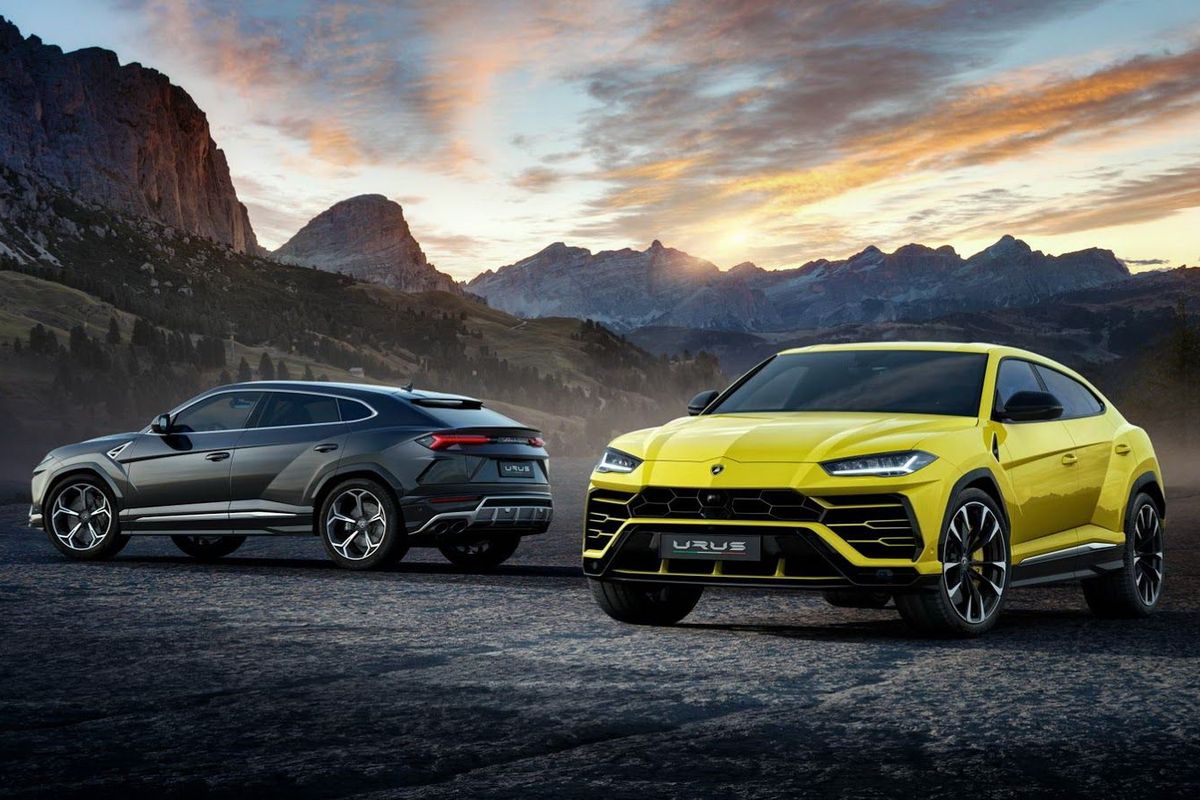
Lamborghini has revealed the production version of its Urus SUV, or as the firm calls it, the world’s first ‘Super Sports Activity Vehicle’. Take a look at the details of this new brute below…
The Urus concept was first shown in 2012 and Lamborghini, a brand known for creating some of the world’s finest and fastest supercars, received some criticism for even contemplating going down the SUV road. Despite the critics, Lamborghini pushed forward with its plans and today, some 5 years later, the production Urus super SUV has been revealed to the world. It worked for Porsche, right?
"The Lamborghini Urus is a visionary approach based on the infusion of Lamborghini DNA into the most versatile vehicle, the SUV. The Urus elevates the SUV to a level not previously possible, the Super SUV. It is a true Lamborghini in terms of design, performance, driving dynamics and emotion as well as drivable every day in a range of environments," says Stefano Domenicali, Automobili Lamborghini Chairman and Chief Executive Officer. "The Urus fits perfectly within the Lamborghini family as a high-performance car. It is the culmination of intensive development and passionate skill to create a new breed of bull: a Super SUV that transcends the boundaries of expectations and opens the door to new possibilities, for both our brand and our customers."
Lamborghini Urus – Key Details
Engine and performance
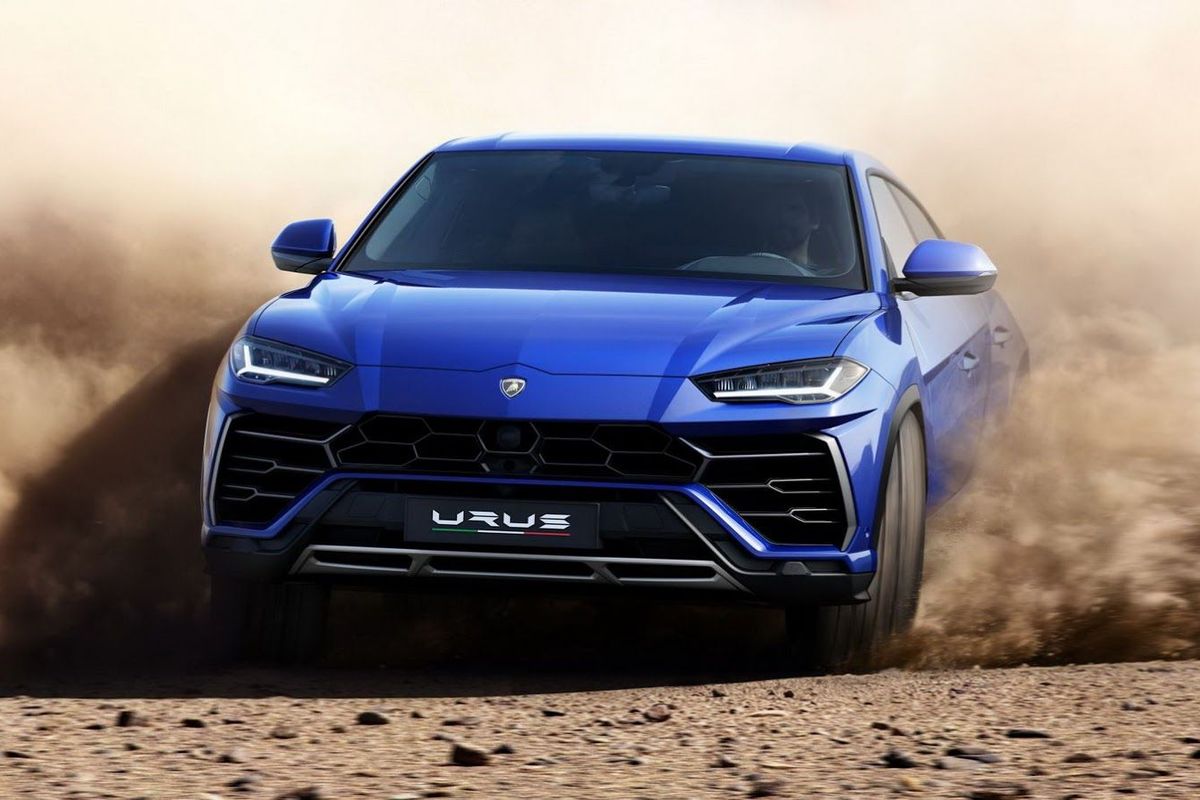
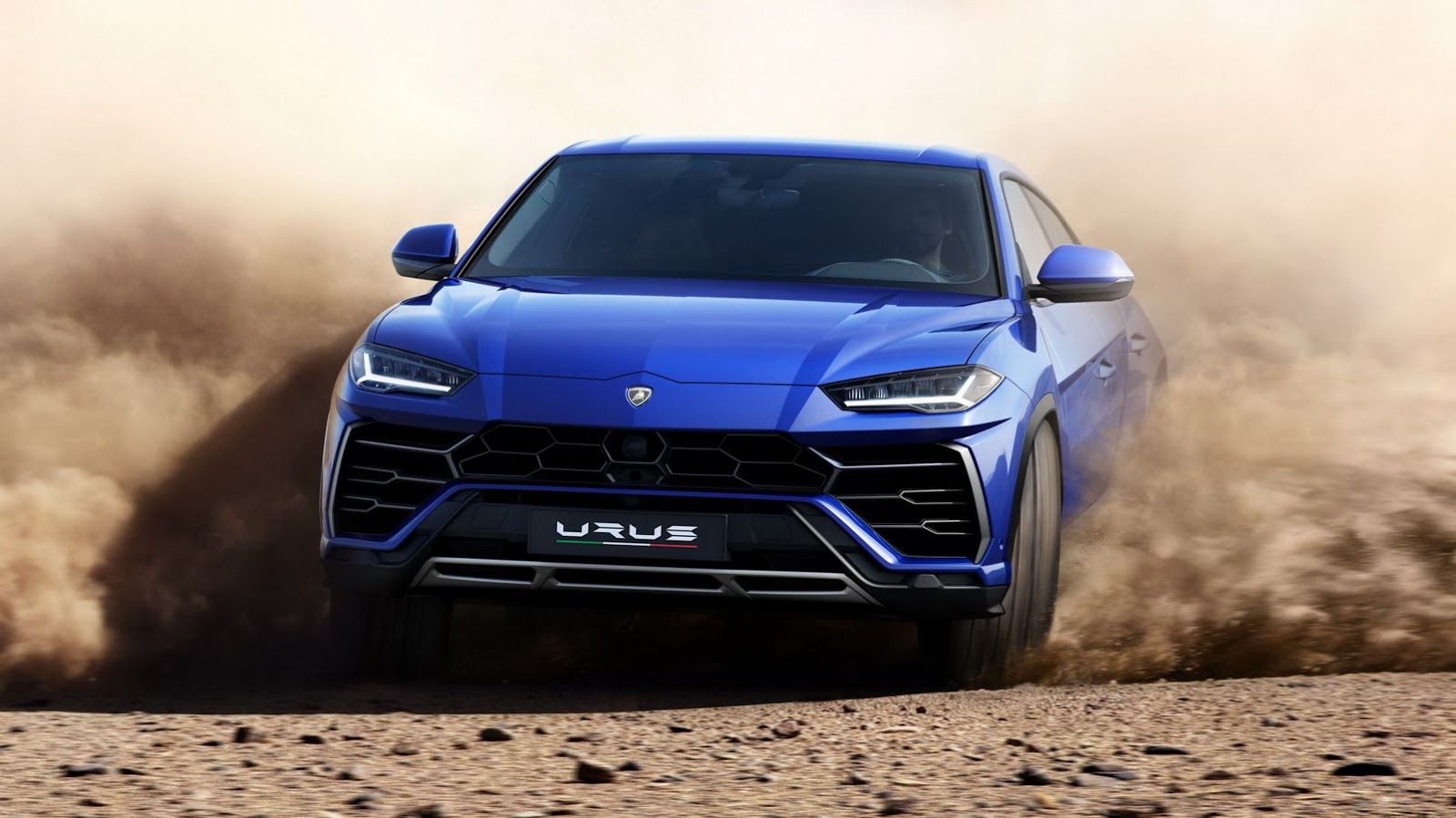
The Urus, an SUV with supercar-like performance on the road and and offroad ability when you need it.
Produced at Lamborghini’s plant in Sant’Agata Bolognese, Italy, the Urus is the firm’s first bonafide luxury SUV since the rather military LM002, or Rambo Lambo as it’s known. Urus will be built on Volkswagen Group’s MLB Evo platform that also underpins luxury SUVs like the Audi Q7, Porsche Cayenne, and Bentley Bentayga. Lamborghini aims to produce about 3 500 units a year.
The Urus is entering a booming luxury SUV segment and is powered by a 4.0-litre twin turbo V8 engine offering 478 kW from 6 000 rpm and 845 Nm of torque from 2 250 rpm. Apart from fulfilling its duties as an SUV, the Urus will also deliver eye-watering performance and if claims are to be believed, it’s undoubtedly the fastest SUV on earth.
Weighing in at 2 154 kg, acceleration is blistering by SUV standards with Lamborghini claiming 3.6 seconds in the sprint to 100 kph while forging ahead to 200 kph in 12.8 seconds and finally maxing out with a top speed of 305 kph. The Urus makes use of an 8-speed ZF automatic transmission with a torque converter, a first for the brand, sending power to all four wheels. The electro-hydraulically controlled planetary gearbox offers short low gear ratios for maximum performance with longer high ratios for cruising. Fuel consumption is claimed at 12.7 L/100km.
The Urus is the fastest SUV in the world with a 0-100 kph time of 3.6 seconds and a top speed of 305 kph.
The four-wheel drive system ensures maximum traction and a Torsen central self-locking differential provides more control in offroad situations. Torque is split 40/60 over the front/rear axles respectively, but as much as 70% of maximum torque can be delivered to the front wheels or as much as 87% can be sent to the rear wheels when more traction is required. Torque vectoring via the rear differential can also send power to individual wheels if needed. Urus also makes use of the rear-wheel steering system from the Aventador S to help enhance manoeuvrability and stability. The Urus is also equipped with super-size carbon ceramic brakes measuring 440 x 40 mm up front and 370 x 30 mm at the rear, allowing the Urus to come to a stop from 100 kph in only 33.7 m.
Any SUV worth its salt must offer some offroad ability and the Urus, believe it or not, will be able to do some bundu bashing (not that you’d want to) thanks to a variety of driving modes including your typical modes such as Strada, Sport, and Corsa, as well as terrain-specific modes such as Sabbia (sand), Terra (dirt), and Neve (snow). When driving the Urus offroad in Sabbia, Terra or Neve modes, the ride-height will increase to accommodate the terrain. There is also a custom mode called Ego which allows the driver to customise settings to preference and driving conditions.
Design
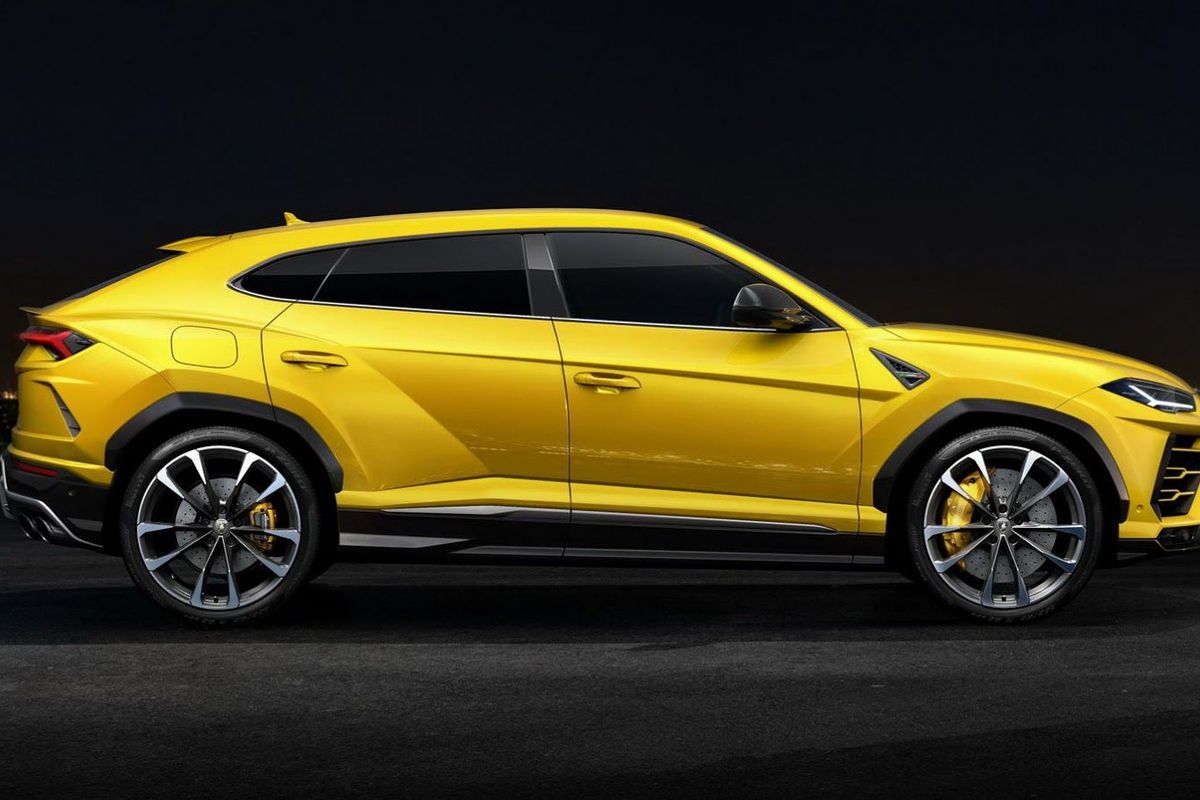
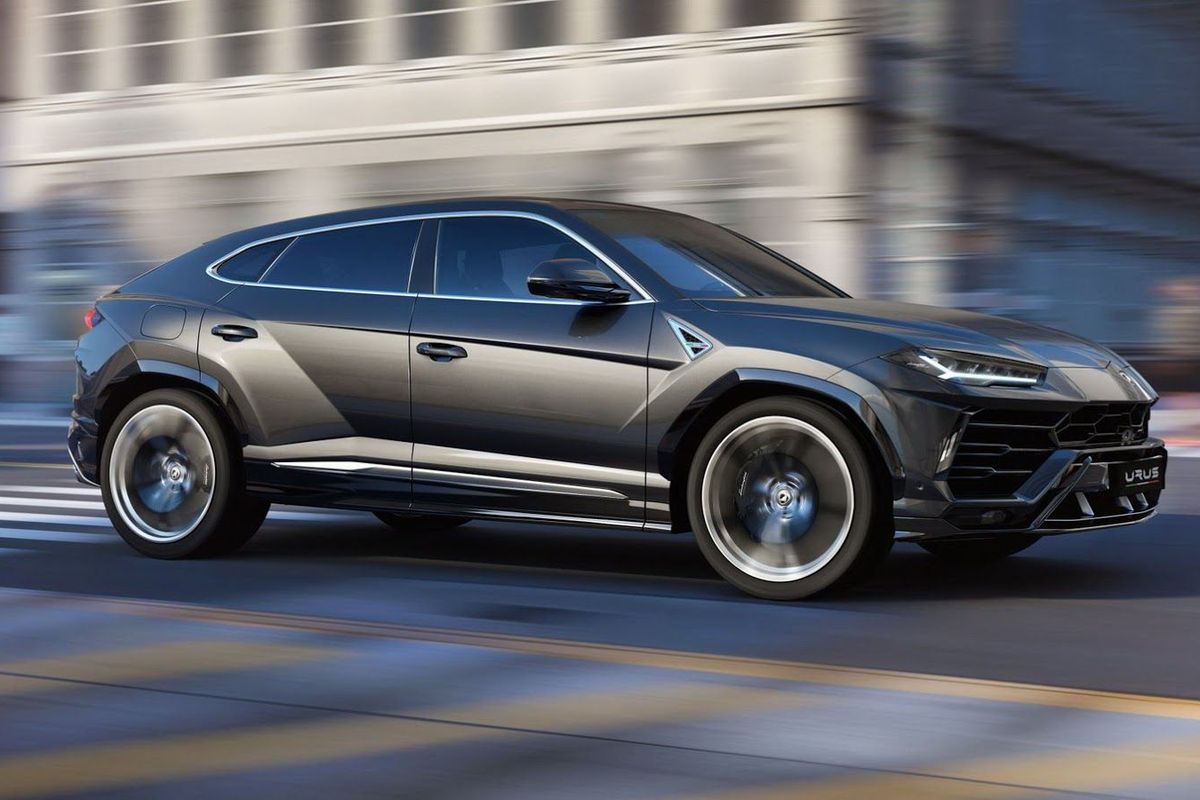
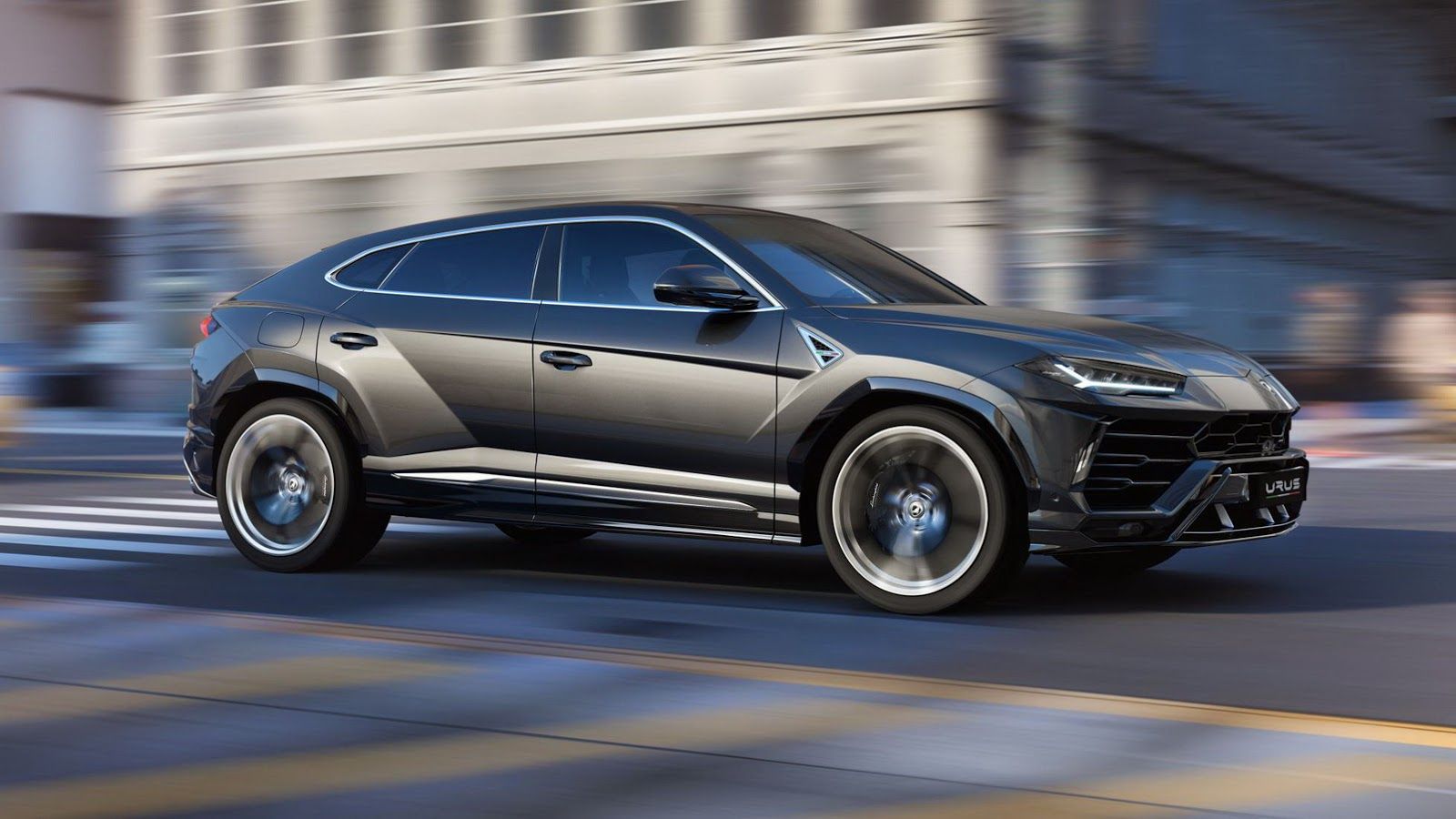
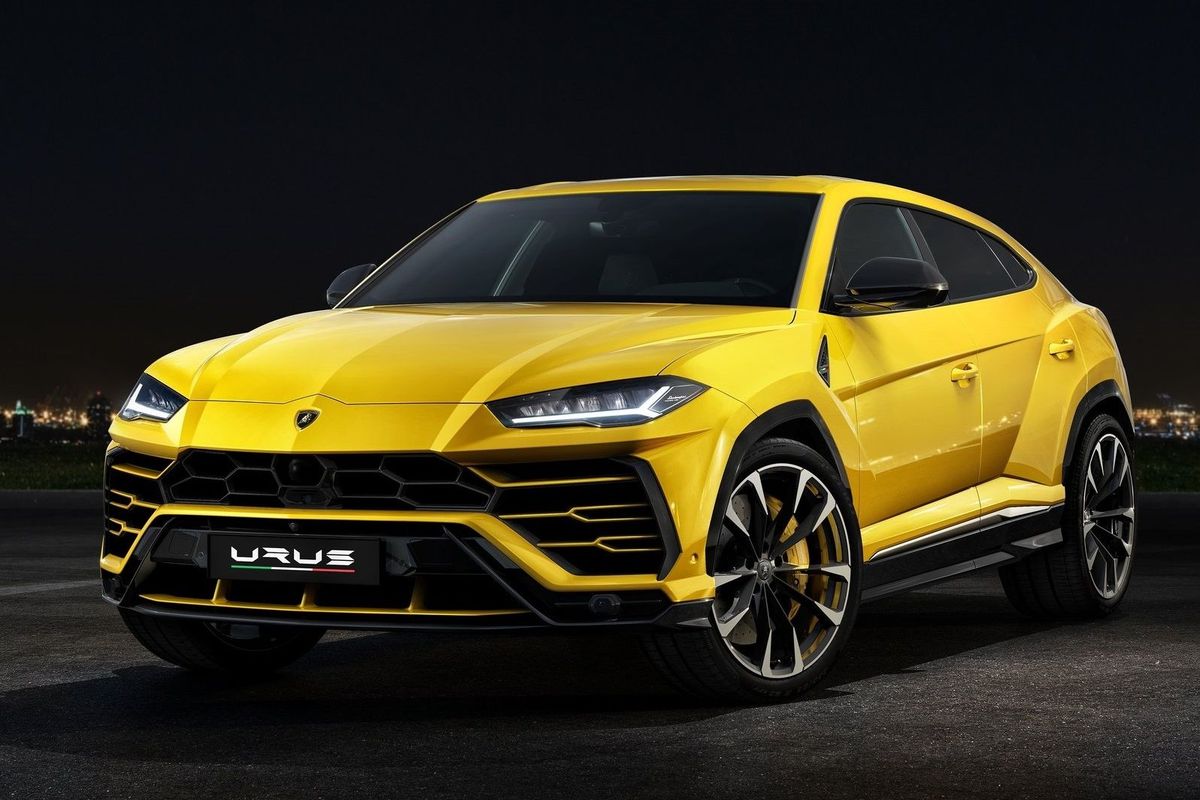
Low, sleek and fast, the Urus draws design inspiration from the Countach and the LM002.
The Urus measures 5,112 mm in length, stands 1,638 mm tall and 2,016 mm wide. Its wheelbase is measured at 3,003 mm.
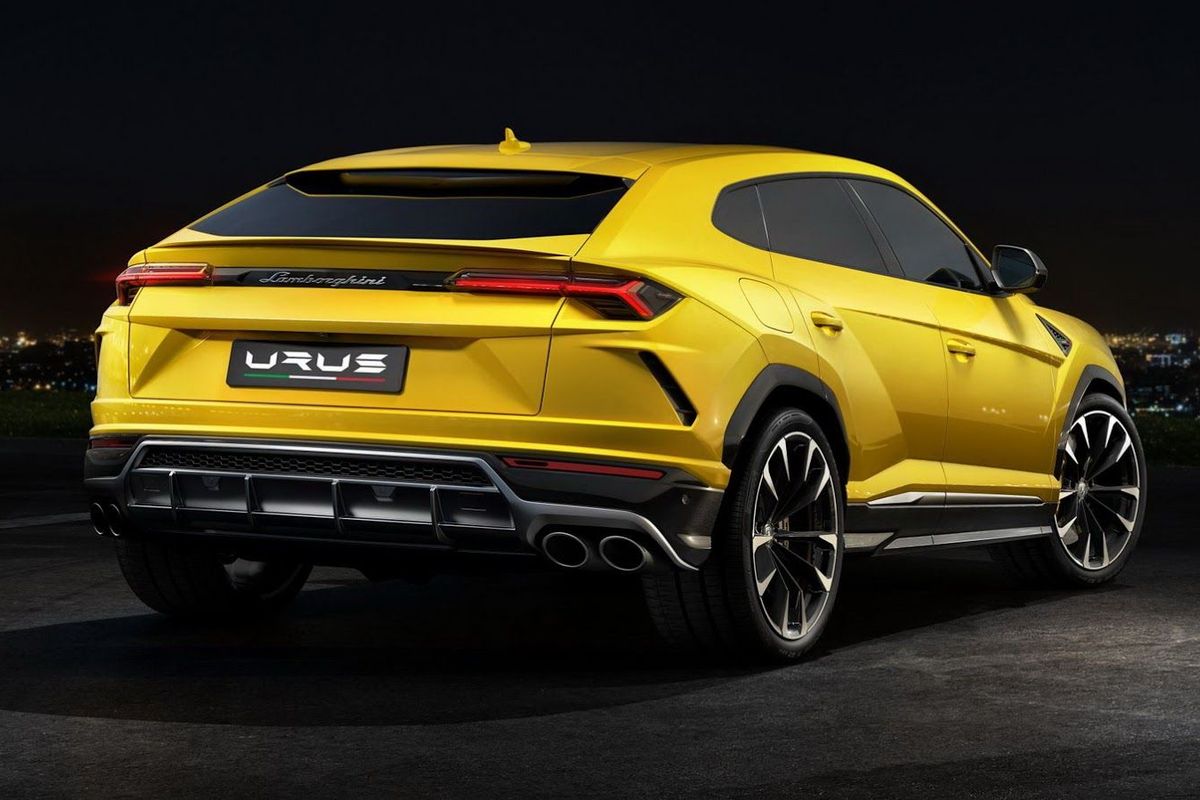
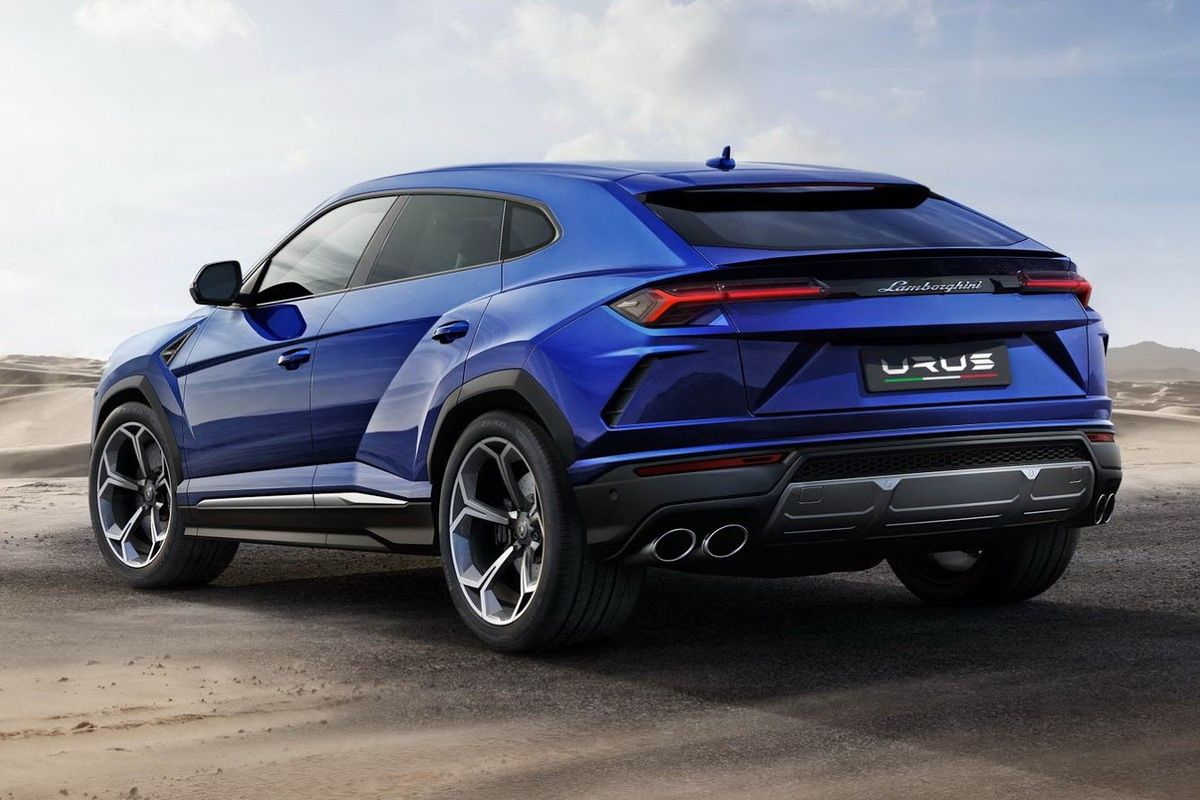
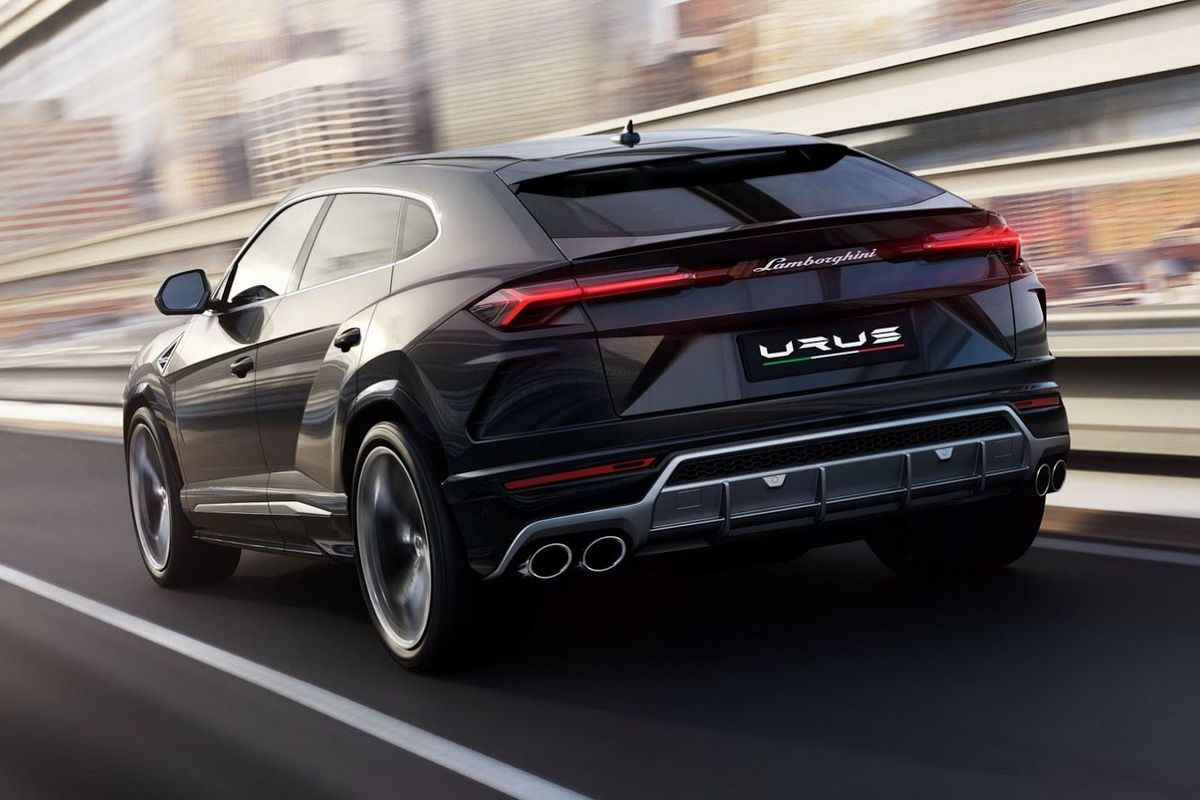
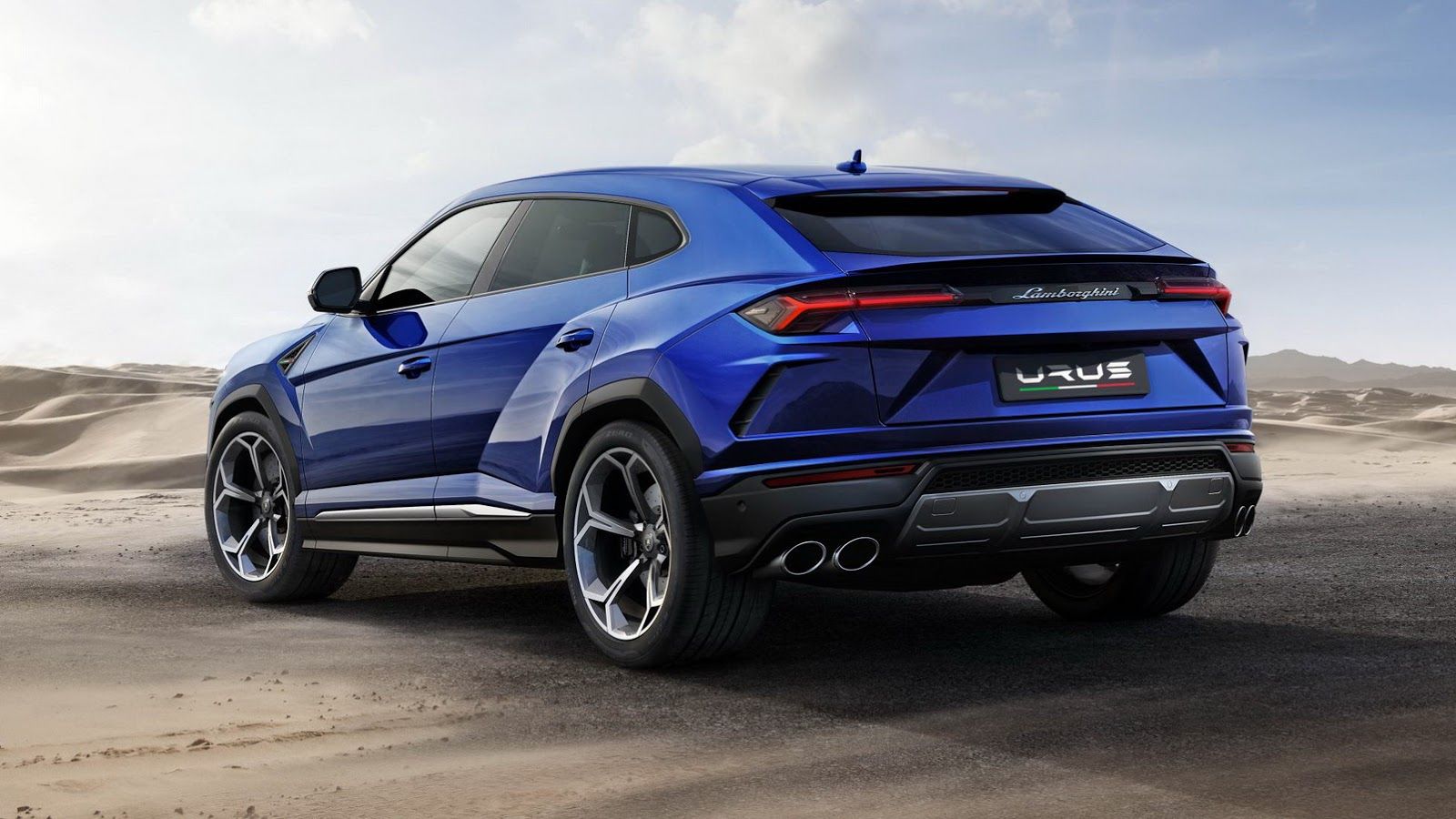
In the case of the Urus, supercar design and SUV design have been melded together. The Urus features a sleek, low-slung design approach with vital Lamborghini DNA inspiration taken from the Countach, and indeed the Rambo Lambo LM002. Hence, the Urus’ low profile, angles of the side windows and diagonal lines seen at the front and rear are all inspired by the Countach supercar. The front fender of the Urus, as well as the wheel arches, were inspired by the LM002, but designed in a way to express the dynamic ability of the Urus. A triangular air outlet seen on the LM002 has also made its way onto the Urus. A rear diffuser houses the round twin tailpipes.
The Urus rides on 21-inch alloy wheels as standard but 22 and 23-inch wheels are offered and come shod with Pirelli P Zero Corsa tyres.
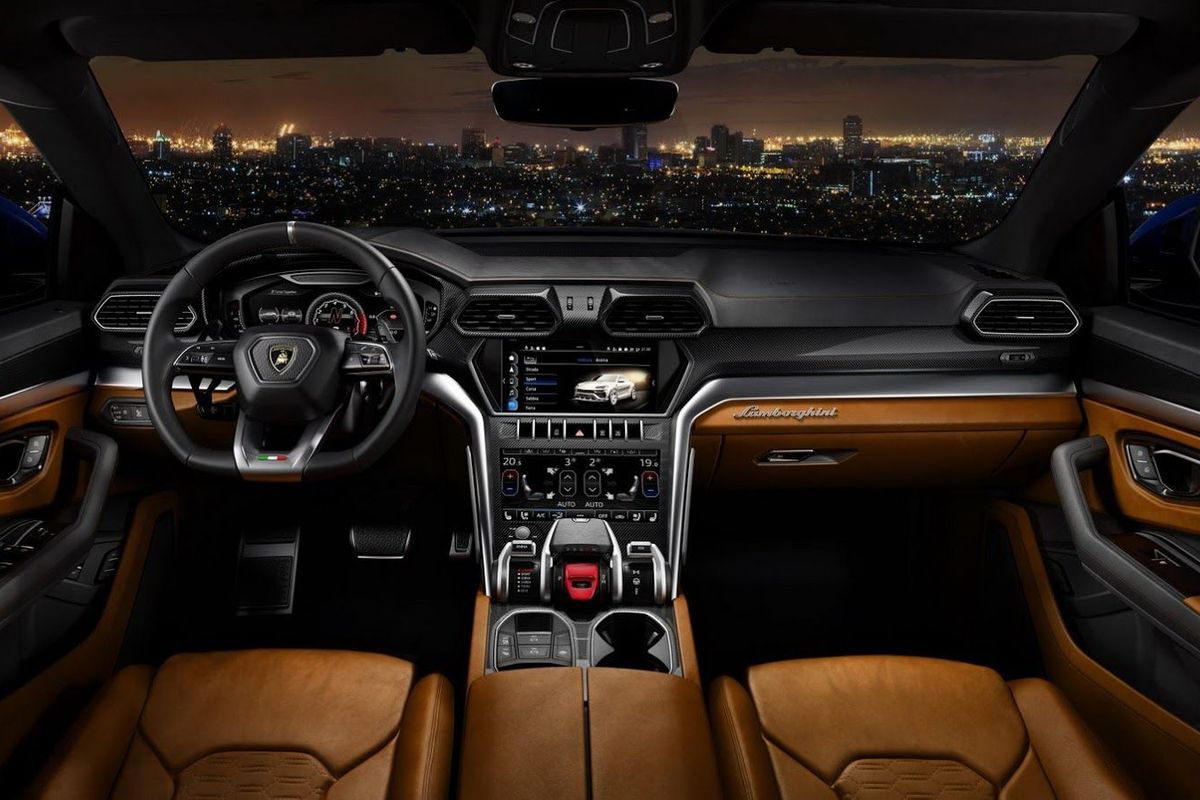
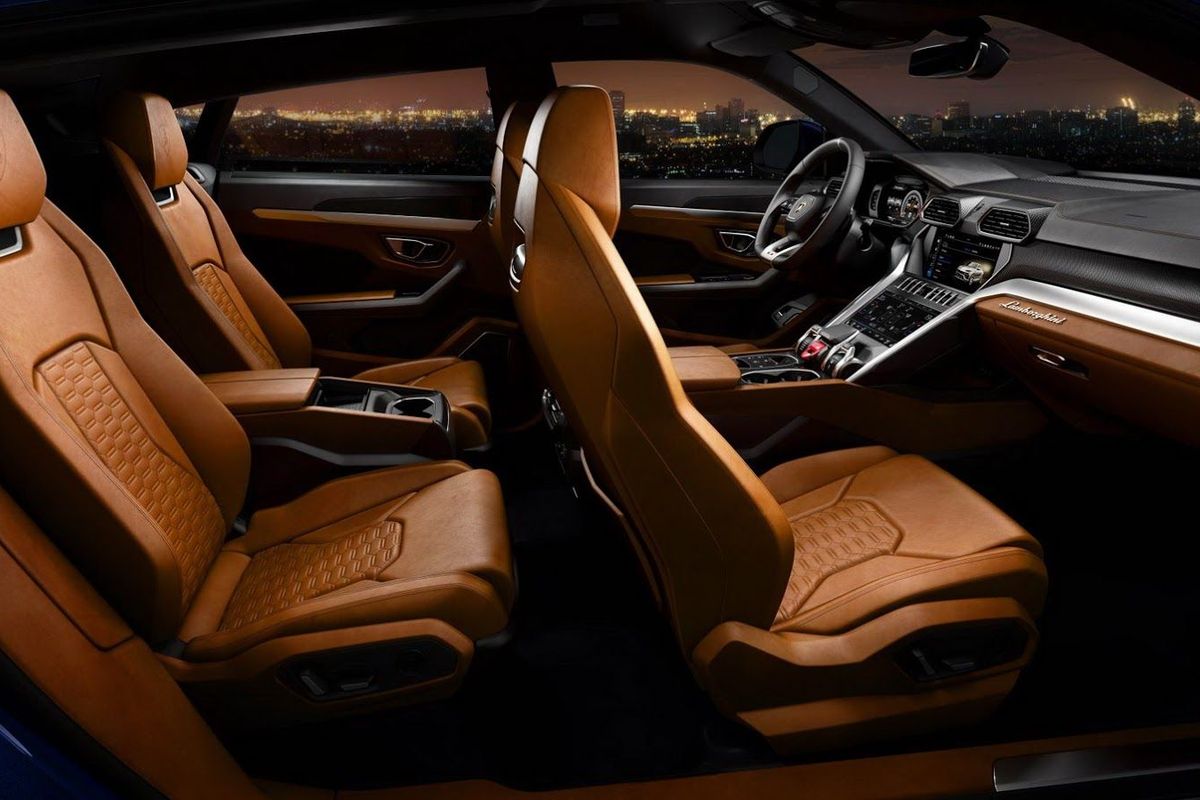
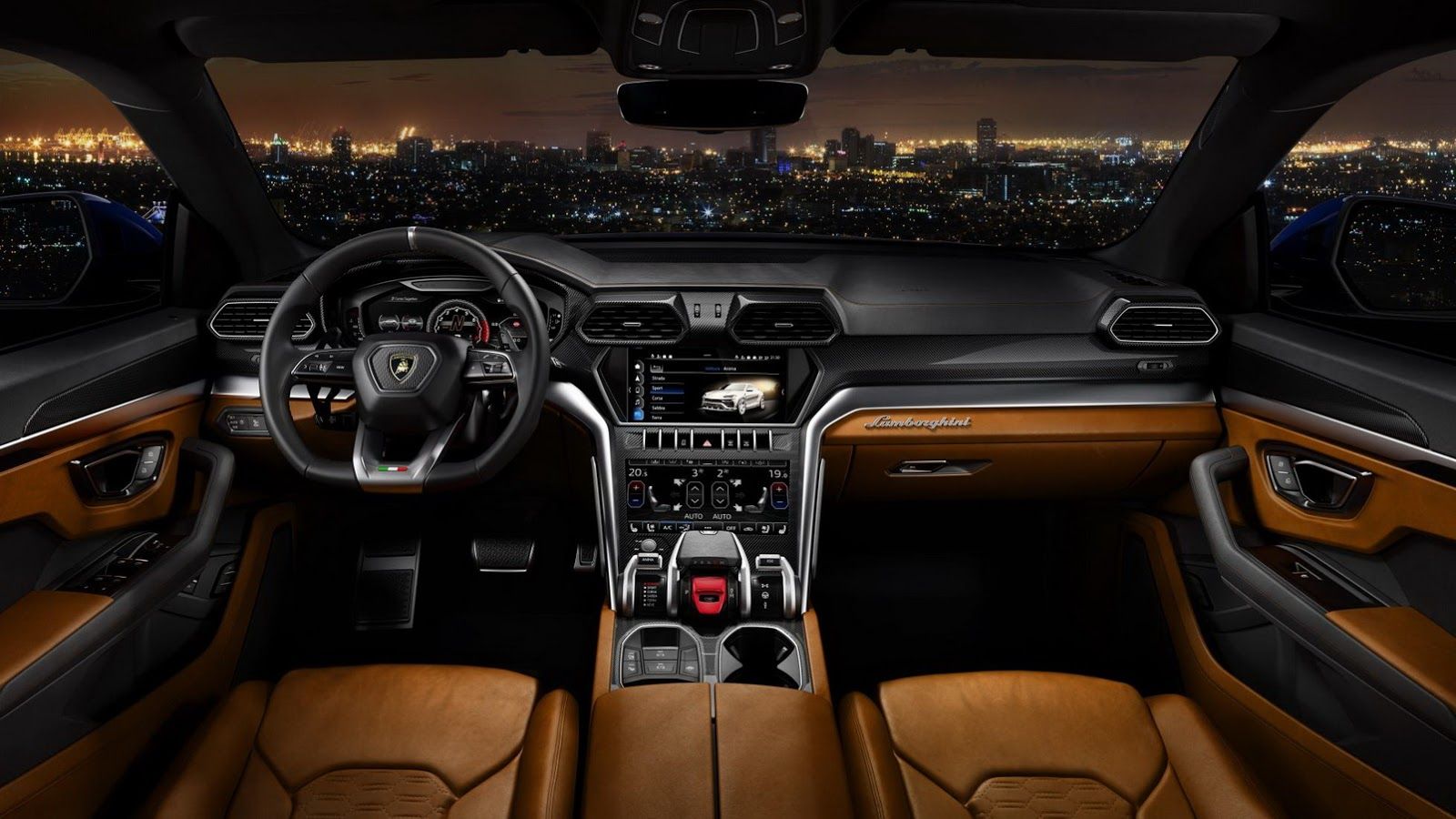
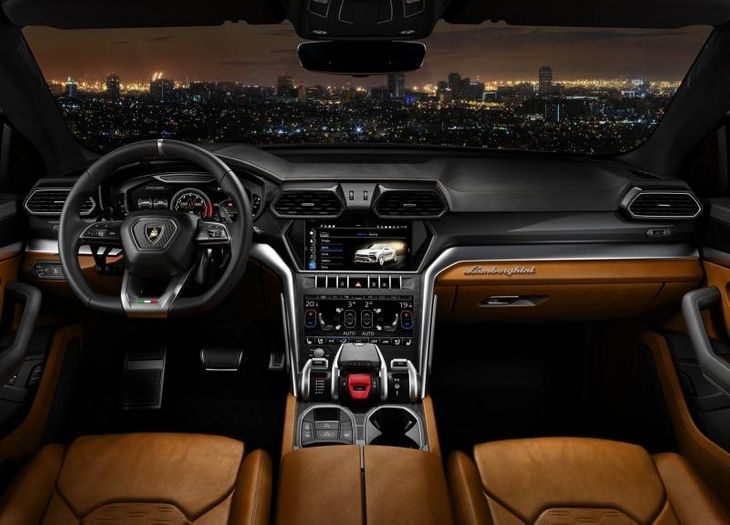
The driver-focussed interior features high-quality materials with various trim combinations on offer.
As for the interior, the Urus adopts a centre stack design with hexagonal surfaces to match its sharp exterior styling. Elements of leather, Alcantara, aluminium carbon fibre and wood are used on the interior and various interior trim and colour combinations are offered. It's equipped with a flat-bottomed, 3-spoke steering wheel and a red starter button as seen on other Lamborghini models. The front seats are 12-way adjustable with a heating function. A customisable digital instrument cluster and infotainment touchscreen system with voice recognition and Apple Carplay and Android Auto are fitted, as well as a second screen that takes care of functions such as seat heating, air conditioning and information inputs. An 8 speaker sound system is standard but buyers can also opt for a premium Bang & Olufsen sound system which offers 3D sound with 21-speakers and 1 700 W output as standard.
In terms of storage space, the Urus' load bay has 616 litres of space which expands to 1 596 litres with the rear seats folded down. The tailgate is electrically operated and can be optionally equipped with a 'virtual pedal', allowing you to open the tailgate by a 'kick movement'. The tailgate opening can also be adjusted and the Urus is equipped with Easyload Assist, which lowers the rear ride height so that you can easily load the vehicle.
Other features on the Urus include a high beam assistant, front and rear parking sensors, cruise control and PreCognition accident mitigation. Buyers can also specify traffic management systems, top-view camera and trailer coupling.
Approximate pricing for the Urus starts at about $200 000, which translates to R2 704 560 and first customers can expect their vehicles in the first half of 2018. The exact timing of the introduction of Urus in South Africa has not yet been confirmed, but it is likely to arrive locally in 2018.
Ford has updated the specification on its popular Ranger double-cab bakkie for 2018. Herewith the details.
Ford South Africa has implemented a range of enhancements to its Ranger double-cab bakkie which is locally produced at Ford's Silverton Assembly Plant in Pretoria.
All Ranger XLT and Fx4 derivatives will now offer front park assist as standard which complements the existing rear park assist and rear-view camera. This is in addition to the SYNC3 infotainment system with navigation which is already offered on these derivatives.
The limited edition Ranger Fx4, which was previously only available on the Ranger 3.2 XLT double cab, has proven to be hugely popular on the local market and Ford is now offering the Fx4 treatment, in limited numbers, on all XLT double cabs, including the Ranger 2.2 and 3.2-litre derivatives in both automatic and manual guise.
The Ranger Fx4 wears special styling features such as black finishes on the grille, fog lamp bezels, side mirrors, roof rails and on the door and tailgate handles. The wheels on the Fx4 are 17-inch in size and finished in black, which is also applied to the side steps, rear bumper and the sports bar. A fitted bed liner is also standard.
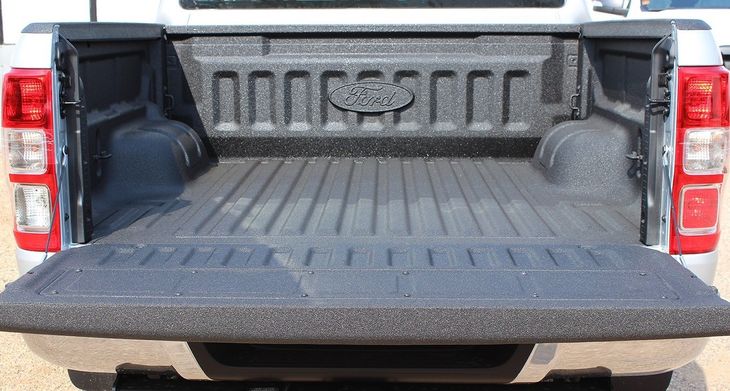
A new spray-in bed liner is offered on the Ranger as an option.
The Ranger will also be available with a spray-in bed liner as an option. The bed liner is fully tested and approved according to Ford’s engineering specifications. It is a Polyurea-based 2-component material that offers extra durability and anti-slip protection for the load bed. The liner is also covered by Ford’s 4-year/120 000km warranty.
"The Ford Ranger has cemented its status as one of South Africa's best-selling vehicles overall and in the light commercial vehicle category, having topped the monthly vehicle sales charts on various occasions this year. The 2.2 TDCi Auto has been a great success for us, offering superb performance and economy matched to the convenience and ease-of-use of the refined six-speed automatic transmission. With the latest enhancements introduced for the 2018 model year, we are delighted to offer our customers even greater value for money, driving convenience and safety, as well as trend-setting style" says Tracey Delate, General Manager, Marketing, at FMCSA.
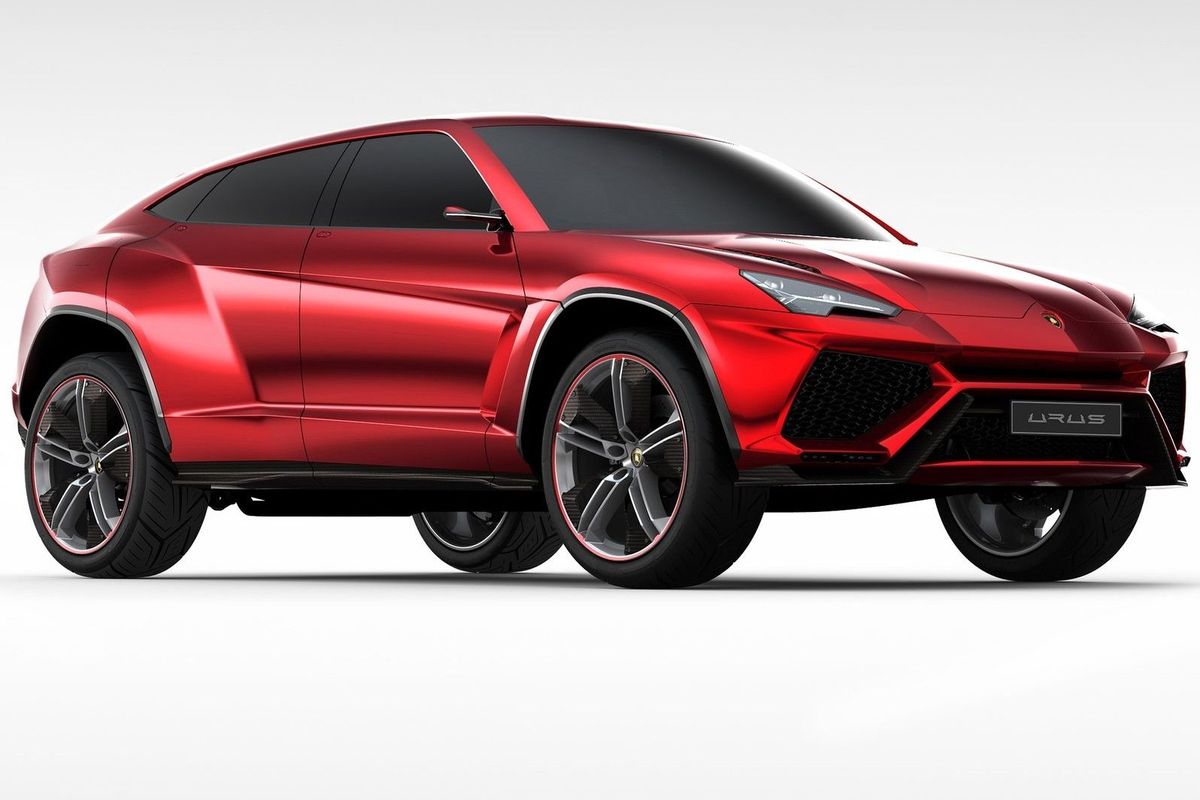
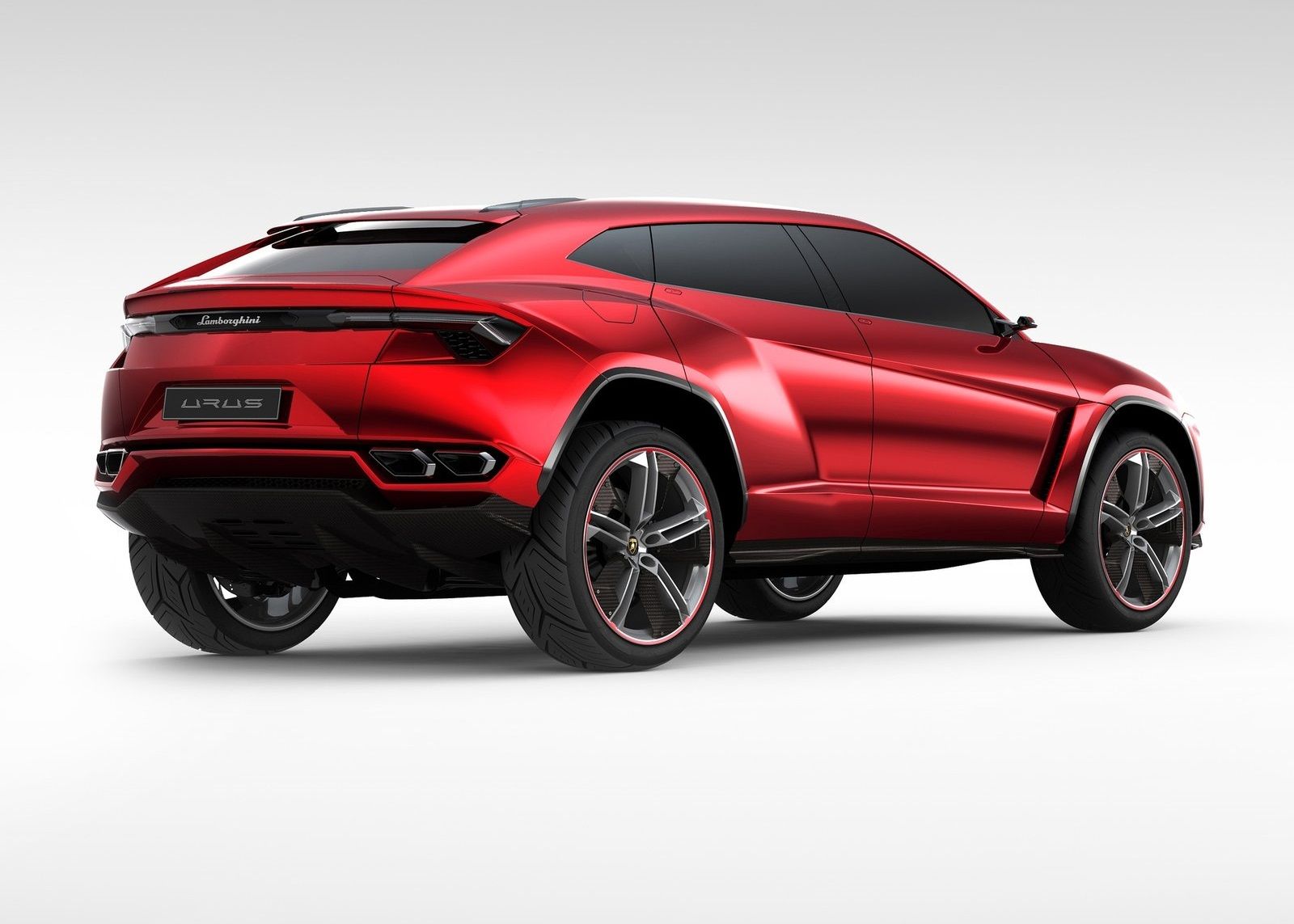
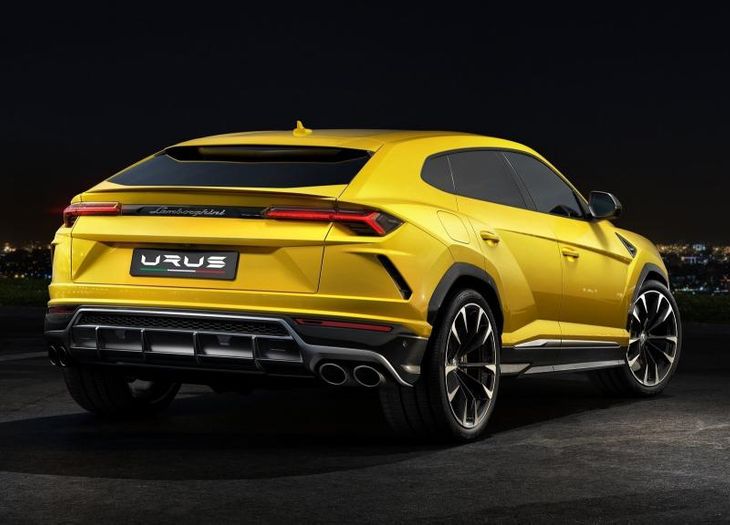
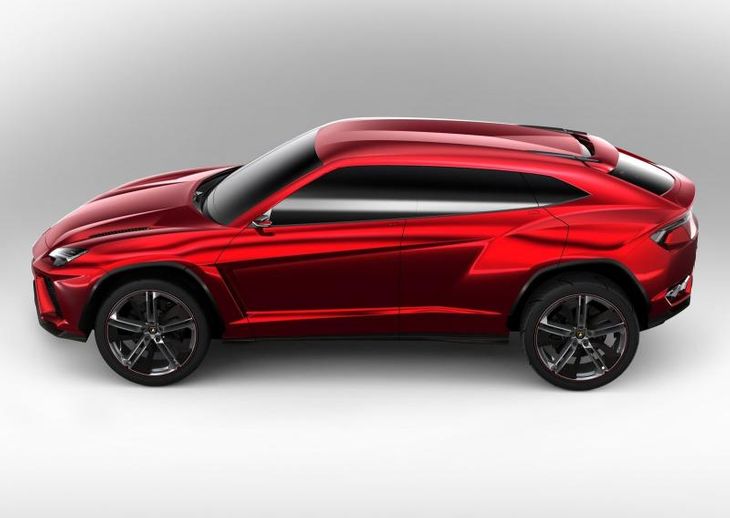
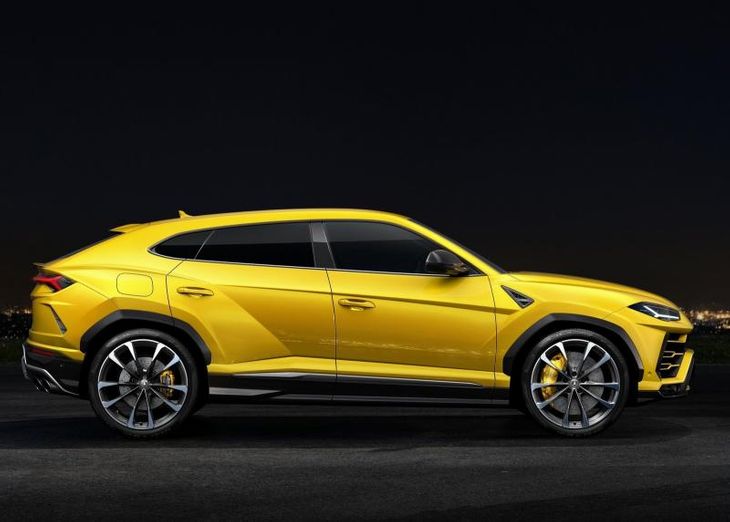
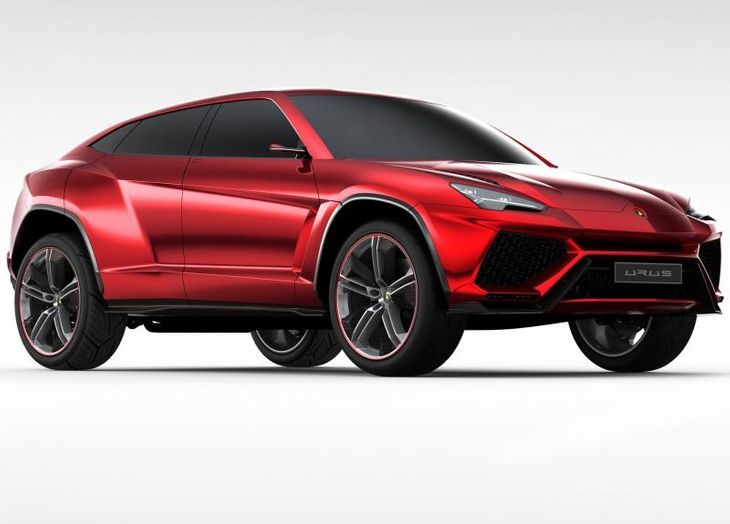
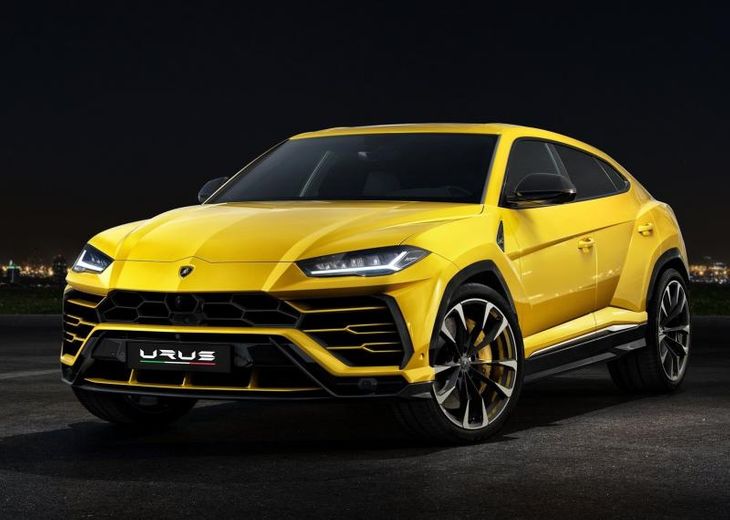
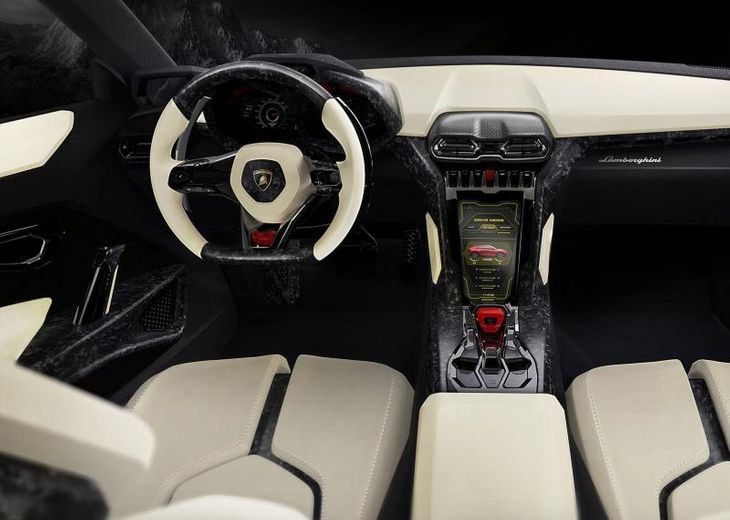
The Lamborghini Urus has finally been unveiled in production form and we know a lot more about it. How does it fare when compared to its outrageous concept from 2012, which had jaws on the floor? We take a look at the key visual differences between the production Lamborghini Urus and the concept Lamborghini Urus.
This is the second SUV to come from Lamborghini, the first being the LM002 from 1986. Powering the Lamborghini Urus is an Audi-sourced 4.0-litre V8 twin turbo with 478 kW and 850 Nm. These outputs enable it to accelerate to 100 kph in a claimed 3.6 seconds, and it'll get to 200 kph in just 12.8 seconds. If the road is long enough, it'll hit a top speed of 305 kph.
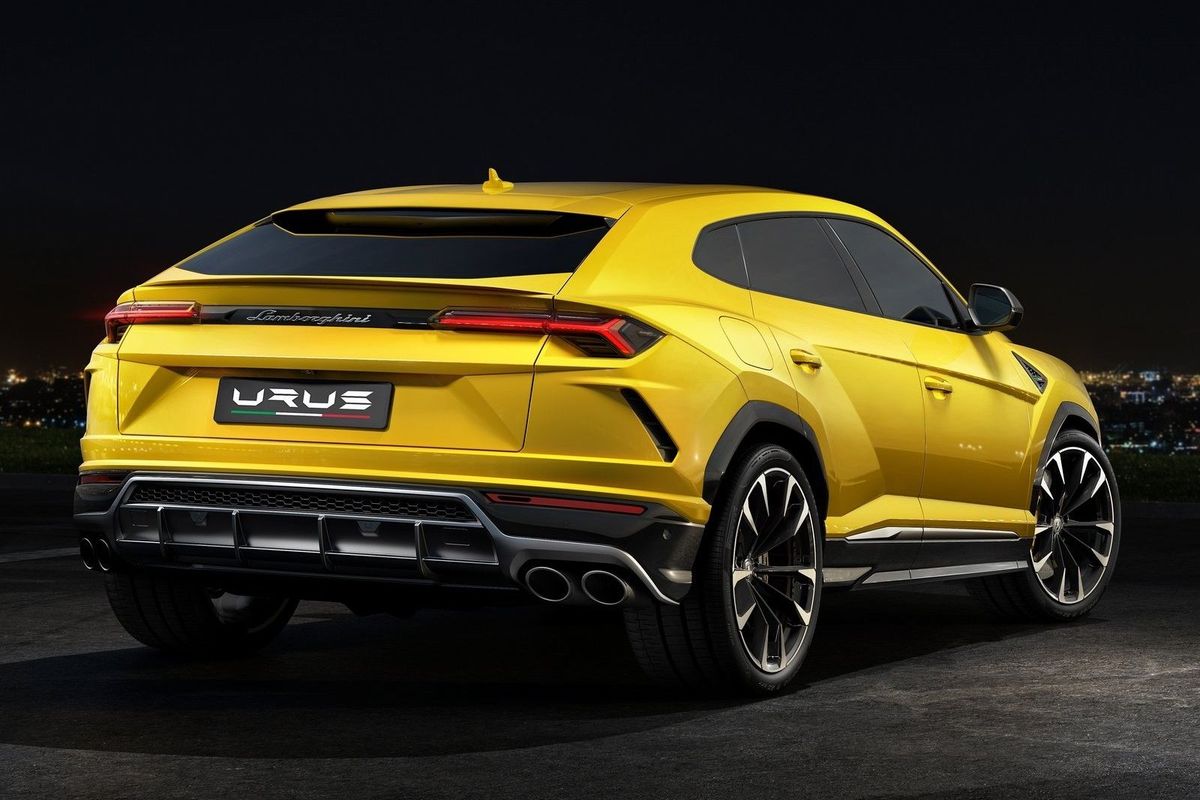
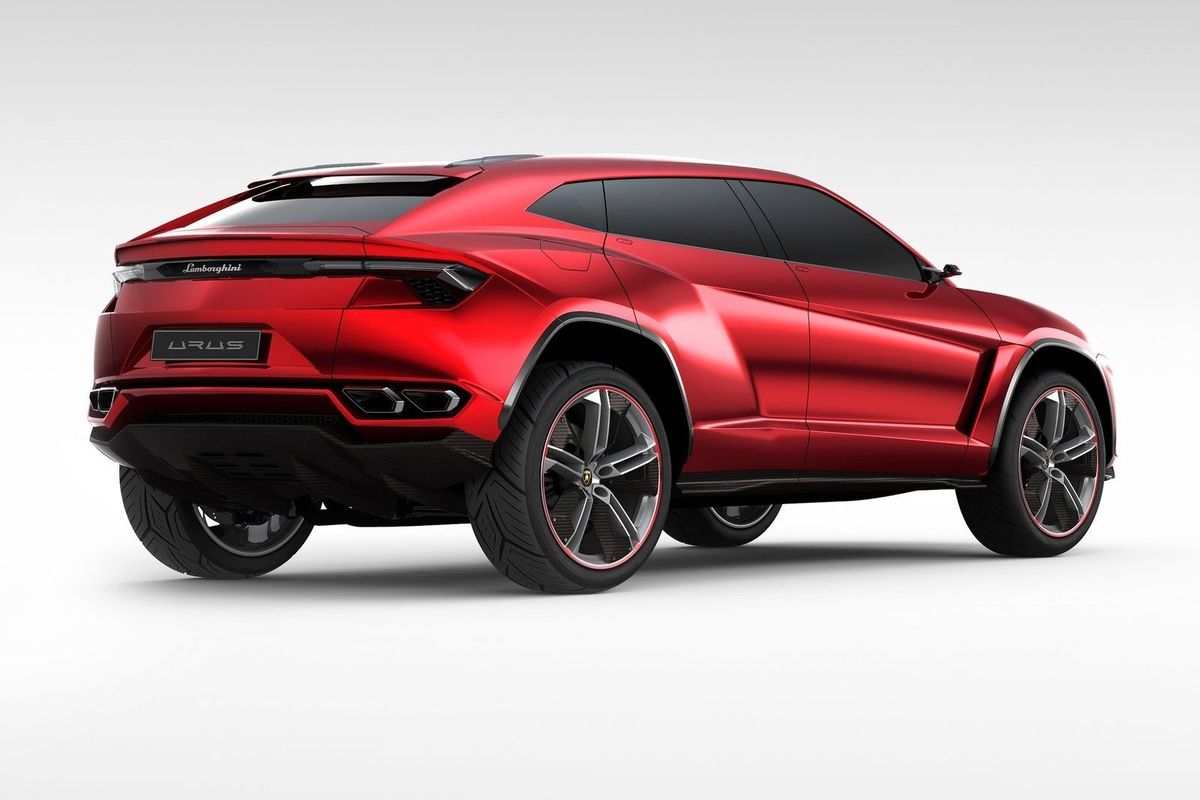
The concept Lamborghini Urus had a simple and uncluttered rear with hexagonal tailpipes, unlike the production version. We assume the additional vents are for aerodynamic and cooling purposes. Note the more civilised and realistic round exhaust tailpipes set in the diffuser on the production Urus. Both the concept and production Urus feature narrow rear lights with a Y-shaped signature, but it's far more pronounced on the production Urus.
Side View
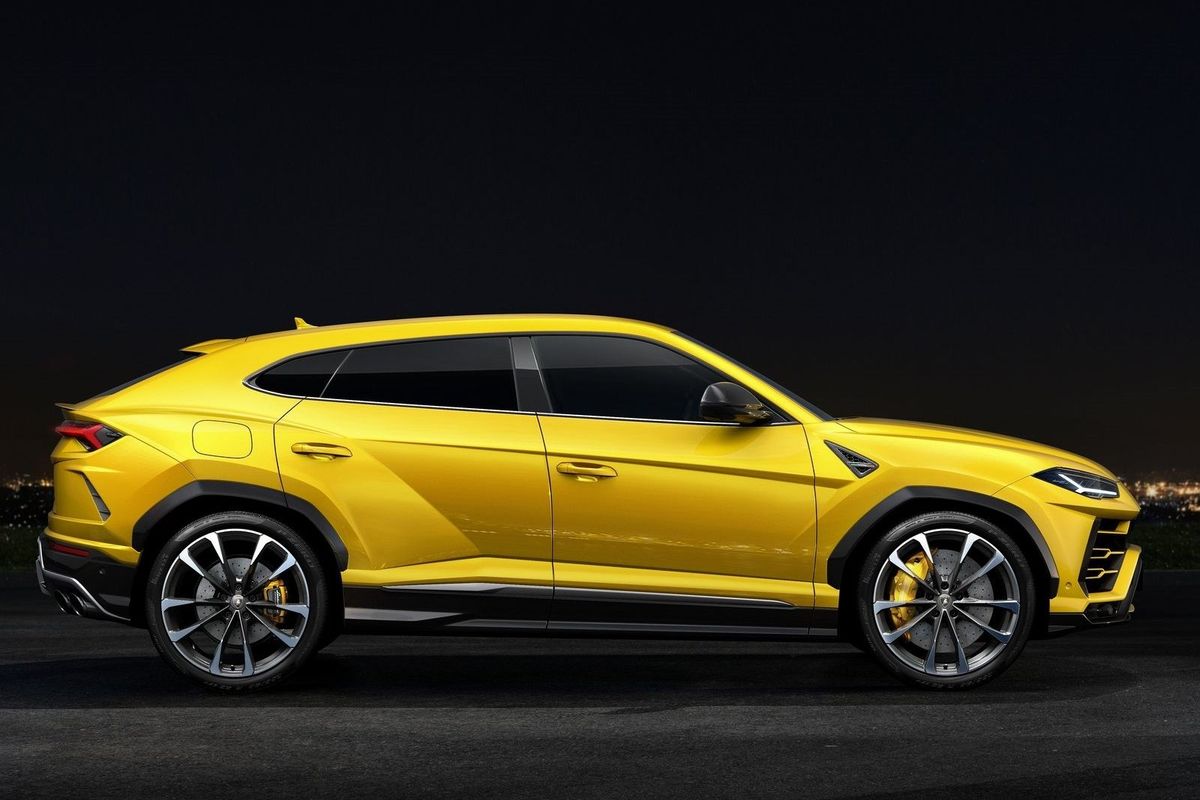
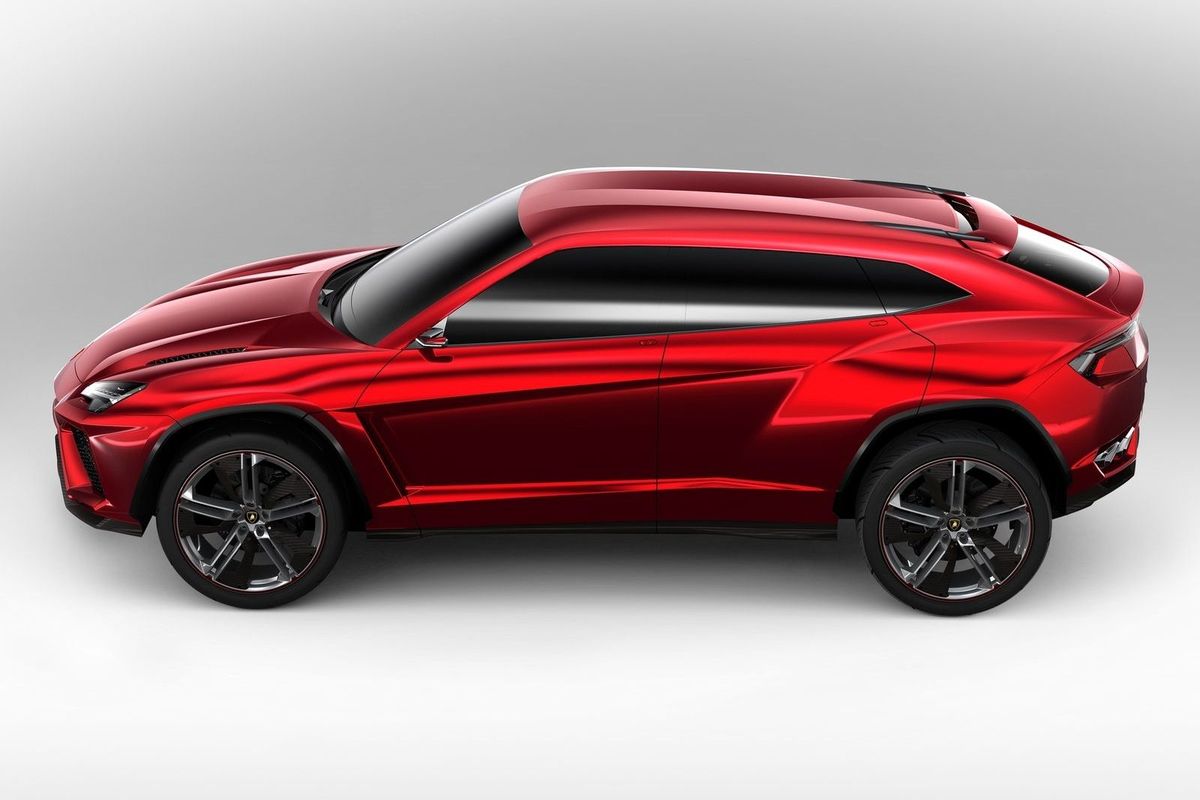
The side profile design of the Lamborghini Urus has been largely carried over onto the production design. Unlike the concept, the production Urus has door handles and substantial side mirrors. The triangular air vent seen at the base of the A-pillar is inspired by the Lamborghini LM002 and was carried over to the production version, yet does not appear on Urus concept. The body panels also appear to be more sculpted on the production Urus.
Front View
The production Lamborghini Urus features a more modern and aggressive front-end with a hexagonal vent design. In comparison, the simplified, stereotypical Lamborghini front-end seen on the concept is far less daunting with two separate intakes as opposed the larger intake seen on the production version.
Interior
The big differences lie in the cabin. The concept Urus featured finishes in skeletal carbon fibre made from Forged Composite and partially clad with leather-upholstered cushioning. The production Urus, however, uses a mix of materials including leather, Alcantara, aluminium, carbon fibre and even wood. The production version also has far more tech in it, including 2 separate touchscreen displays, with the top one dedicated to navigation and the lower screen used for in-car functions such air-conditioning and seat heating settings, information input and so forth.
New car sales in South Africa for the month of November 2017 reflected positive gains for the sixth consecutive month despite macroeconomic challenges. Full report below…
The National Association of Automobile Manufacturers of South Africa (NAAMSA) reports that the overall new vehicle market recorded growth of 7.2% even though political and economic policy uncertainty continues to dampen industry prospects. Exports were yet again negatively affected by inclement weather at Durban Port operations and with the local introduction of the new Volkswagen Polo imminent, current model runout also had an impact on export figures.
The dealer and rental channels contributed positively to the overall growth during the period with 78.4% of aggregate sales attributed to dealers and 14% accounted for by the rental industry.
“It’s clear that the rental car companies are planning for a busy Festive Season, with sales growth in this channel up by nearly 3 000 units. However, we cannot discount the strong sales showing for passenger cars in the dealer channel. This growth is attributed to three main factors: age, value and supply of used cars” said Rudolf Mahoney, Head of Brand and Communications, WesBank.
New car sales summary – November 2017
Aggregate new car sales of 49 754 up by 7.2% (+3 357 units) compared to November 2016
New passenger car sales of 32 821 up by 16.4% (+4 614 units) compared to November 2016
Light Commercial Vehicle (LCV) sales of 14 587 down by 7.4% (-1 160 units) compared to November 2016
Export sales of 27 178 down by 13.7% (-4 315 units) compared to November 2016.
According to Wesbank’s data, demand for new cars is on the increase with received credit applications growing by 3.6% in November 2017 while demand for used cars slowed by some 2.6% year-on-year.
“The current consumer activity in the new vehicle market is indicative of the appetite for a good deal. Consumers are willing to buy new when they can see value,” said Mahoney. “However, buyers should also be responsible and plan ahead when considering a car purchase. In addition to ensuring their budgets can comfortably afford their monthly instalments for the next five to six years, they should also leave enough room to absorb rising ownership costs such as fuel, insurance and maintenance.”
The previous 6 months have yielded positive results for the domestic car market in a challenging economic environment. Attractive sales incentives, lower vehicle price inflation, stable interest rates and high demand from rental companies have contributed to the positive results. NAAMSA expects 2.0% improvement year-on-year for 2017 and expects vehicle exports to recover going into 2018 due to positive global economic growth prospects.
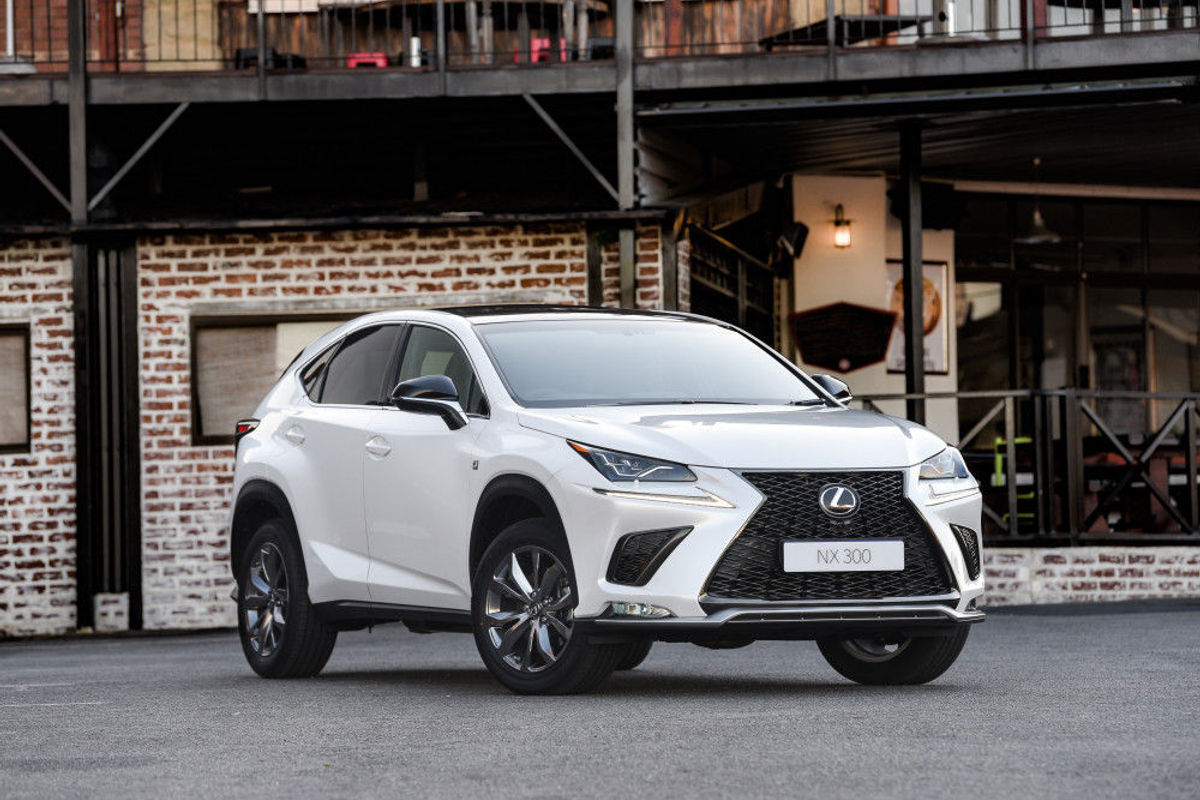
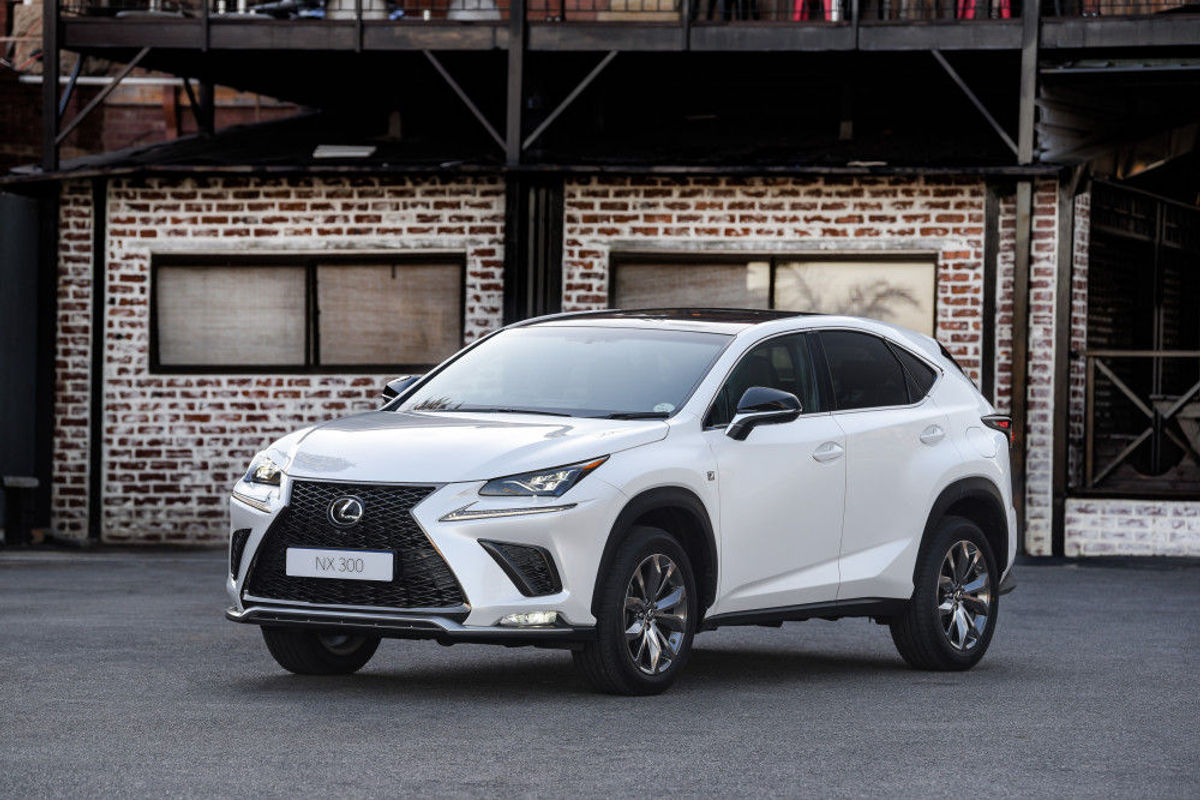
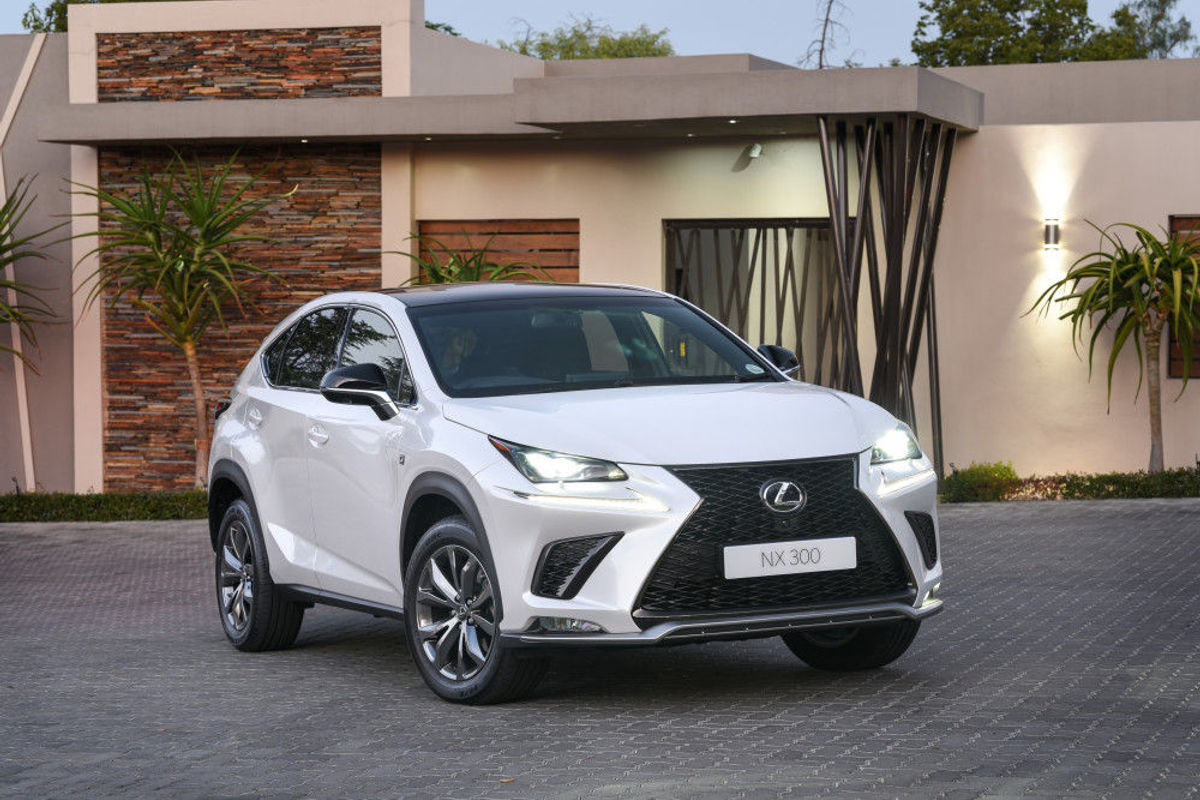
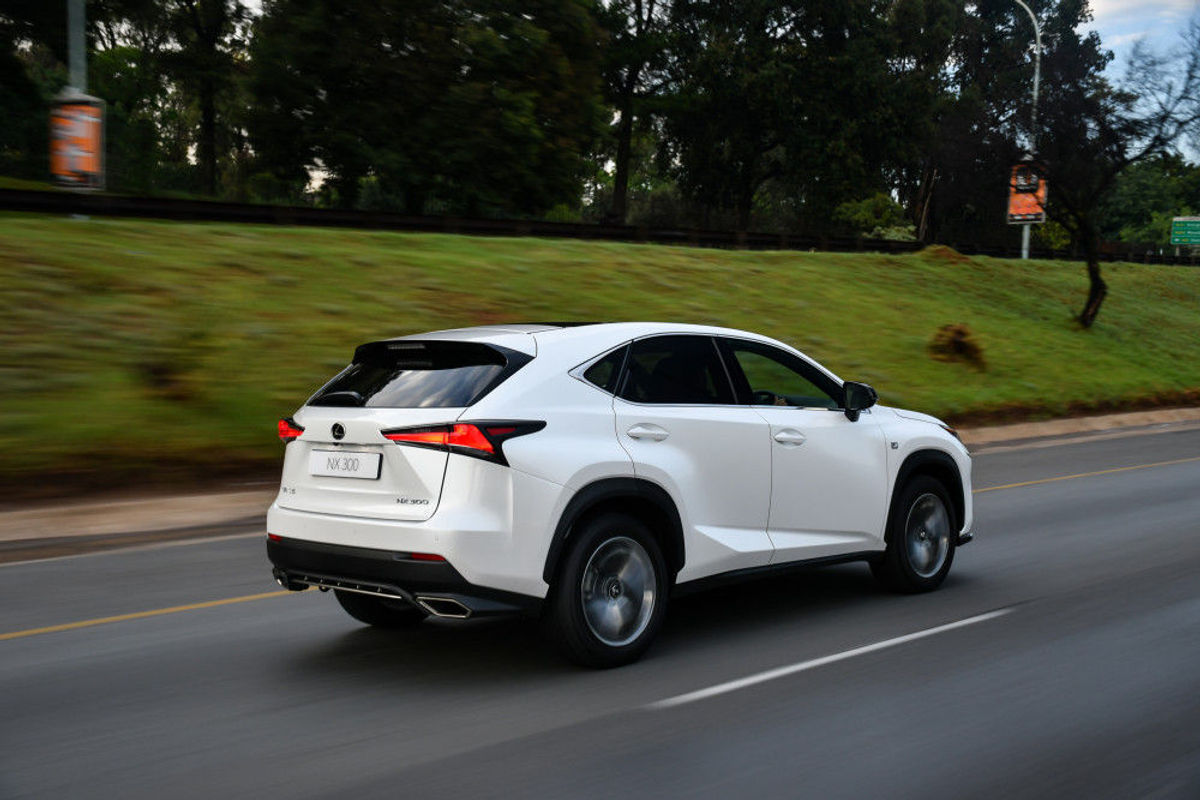
Lexus has updated its NX compact SUV with minor styling changes and specification upgrades. Take a look at what the NX has to offer…
Lexus’ NX compact SUV will hits the streets in January 2018 with an updated look and although the changes are subtle, they give the NX a bit more presence. Lexus has also tweaked the NX’s suspension in a bid to enhance overall ride comfort, stability and body roll. Standard specification has also been improved.
Lastly, the NX’s naming structure has changed as part of Lexus’ global strategy with the ‘200t’ moniker, referring to a 2.0-litre turbocharged engine, now replaced by ‘300’, bearing reference to offering an equivalent power output of a 3.0-litre engine. The new naming strategy has been adopted to achieve uniformity between the petrol and hybrid engine models’ badging convention. The NX will therefore from now on be referred to as the NX300 in either E, EX and F Sport trim grades.
What’s changed?
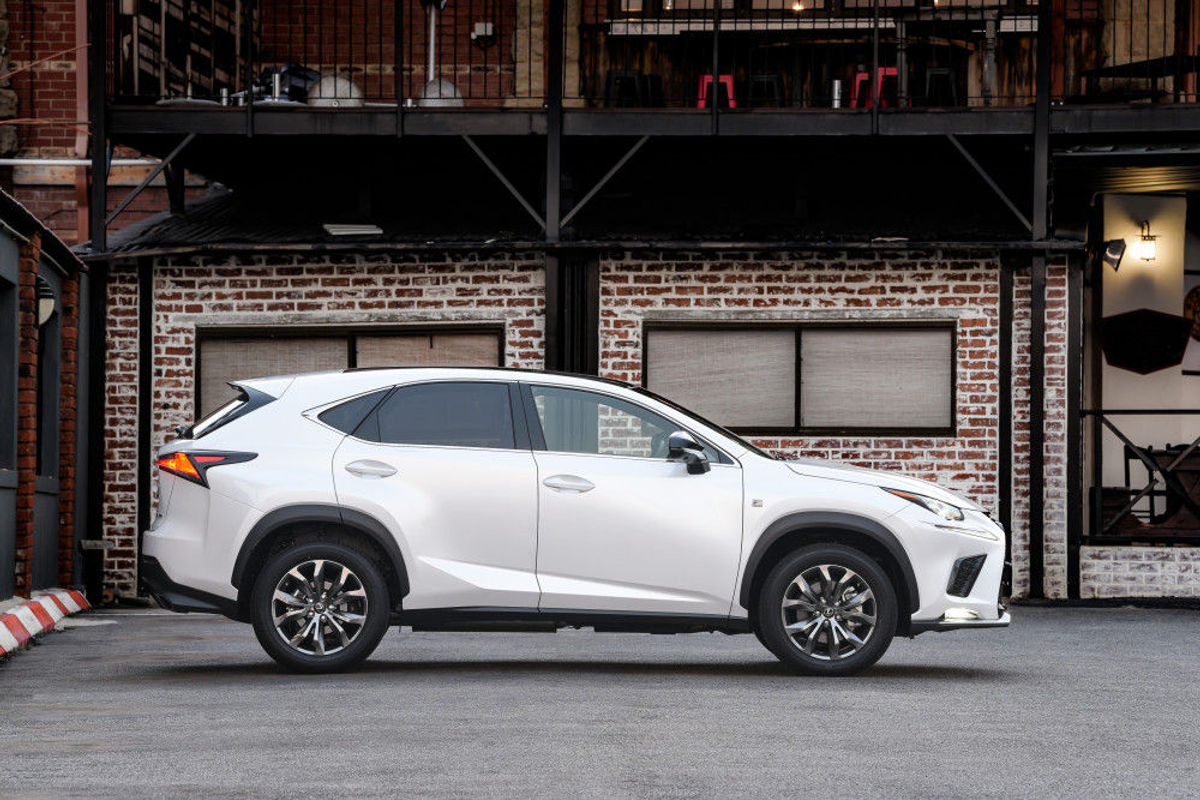
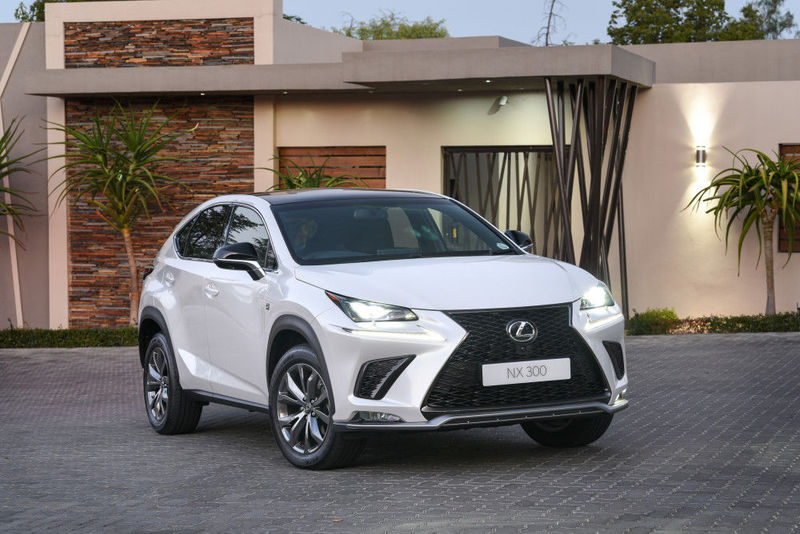
Subtle changes have lifted the appearance of the NX and enhanced suspension should improve overall ride comfort.
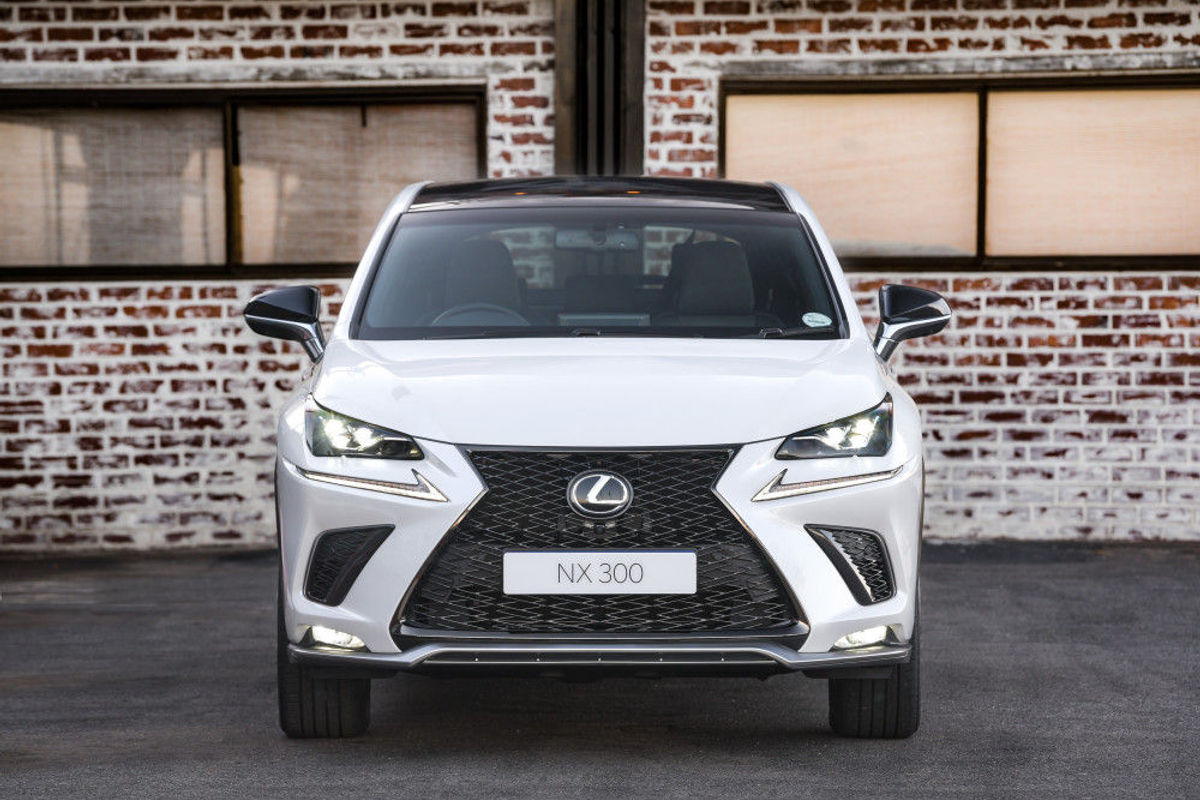
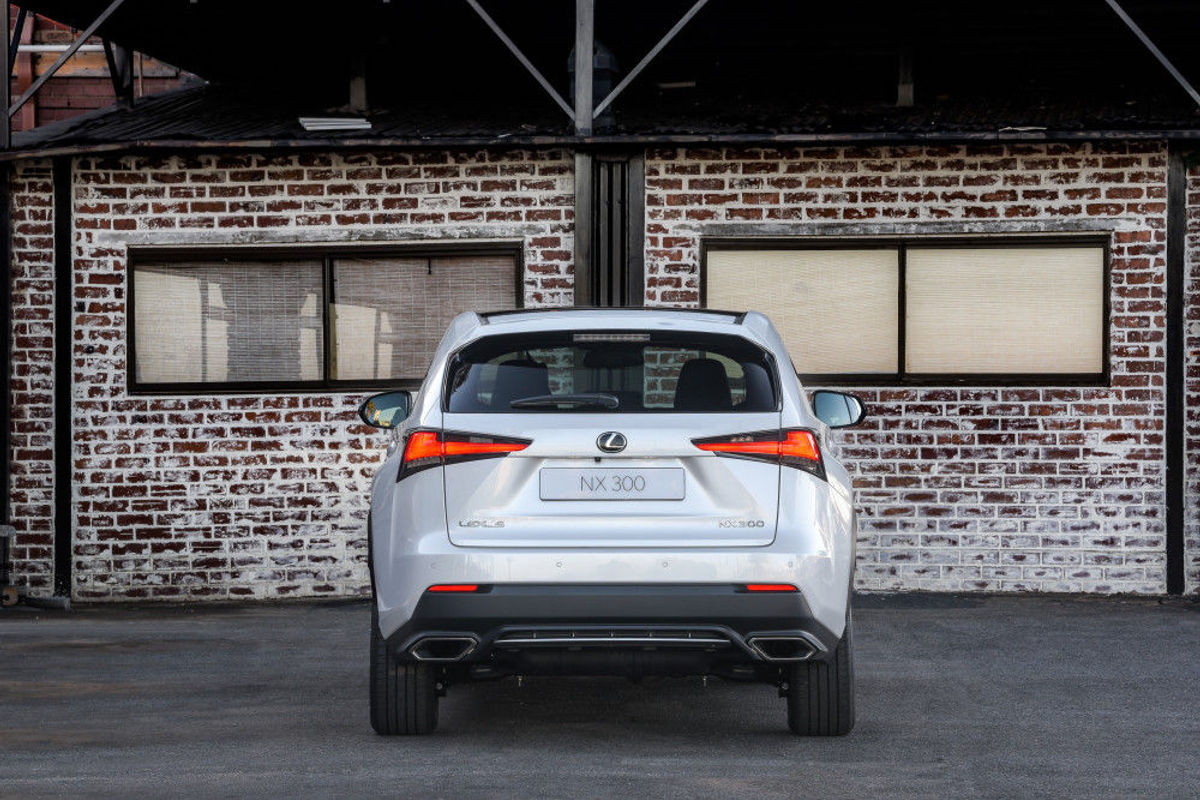
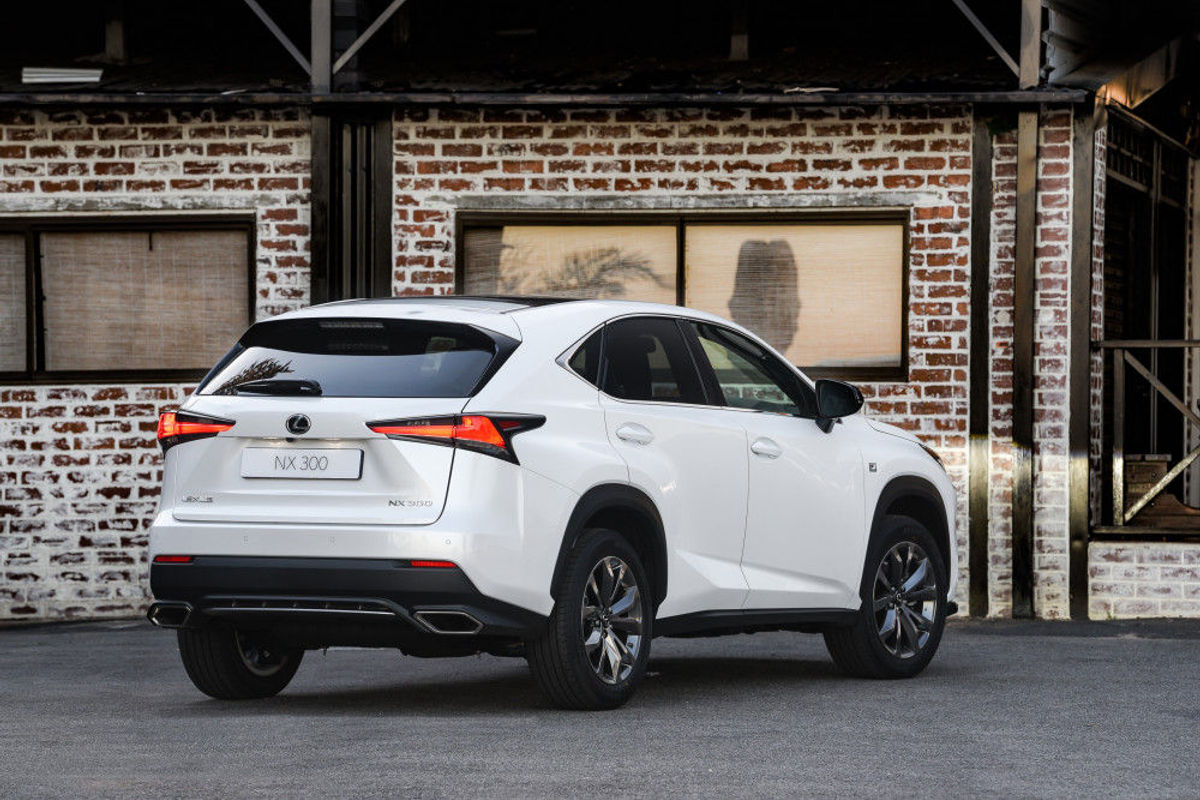
The styling changes on the NX include new headlights, a revised front grille with a chrome frame, a redesigned side grille and newly sculpted bumpers and trim. Rear LED combination lights are now standard for all NX derivatives.
As for the NX300 F Sport, it now wears a black chrome frame surrounding the spindle grille, complementing its dark ‘F-mesh’ grille. This derivative also features a lower apron with a brushed-aluminium-effect and graphite-coloured trim for the vents, giving the car a sportier look.
The NX300 F-Sport offers driving modes such as Eco, Normal, Sport, Sport+ with new Custom modes added to allow the driver to configure the powertrain, steering, adaptive variable suspension (AVS) and air conditioning.
The entry-level NX300 E is now front-wheel drive (previously all-wheel drive) with the use of a 6-speed transmission. It’s still powered by a turbocharged 2.0-litre petrol engine with 175 kW and 350 Nm of torque which also powers the EX and F Sport derivatives.
The hybrid NX 300h combines a 2.5-litre, 4-cylinder engine with an electric motor to produce outputs of 150 kW and 210 Nm of torque.
The suspension setup has been refined with a newly calibrated rear stabiliser bar and bushing as well as new front dampers. The F Sport derivative gains the latest AVS, as found on the LC500 coupe, and Lexus has stiffened the NX’s rear stabiliser bar by 22% and 19% for the NX Hybrid and all NX300 derivatives respectively to improve body roll.
Specification changes
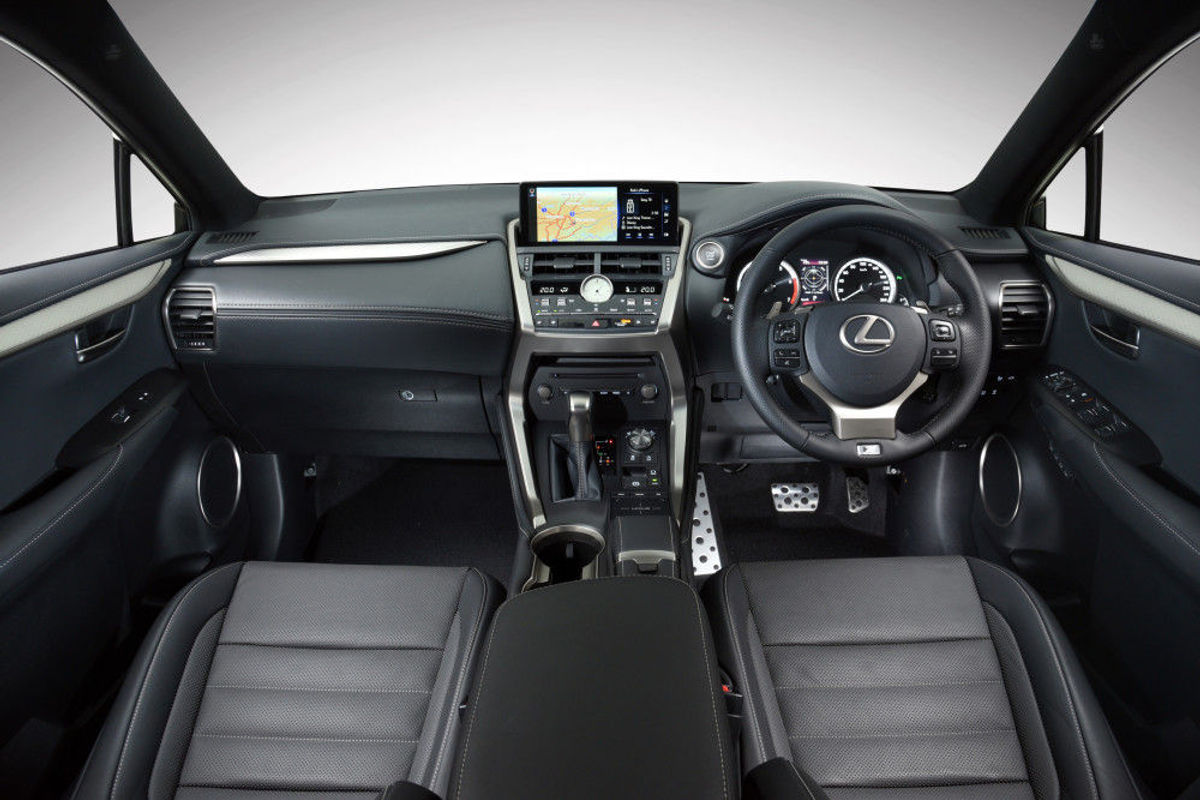
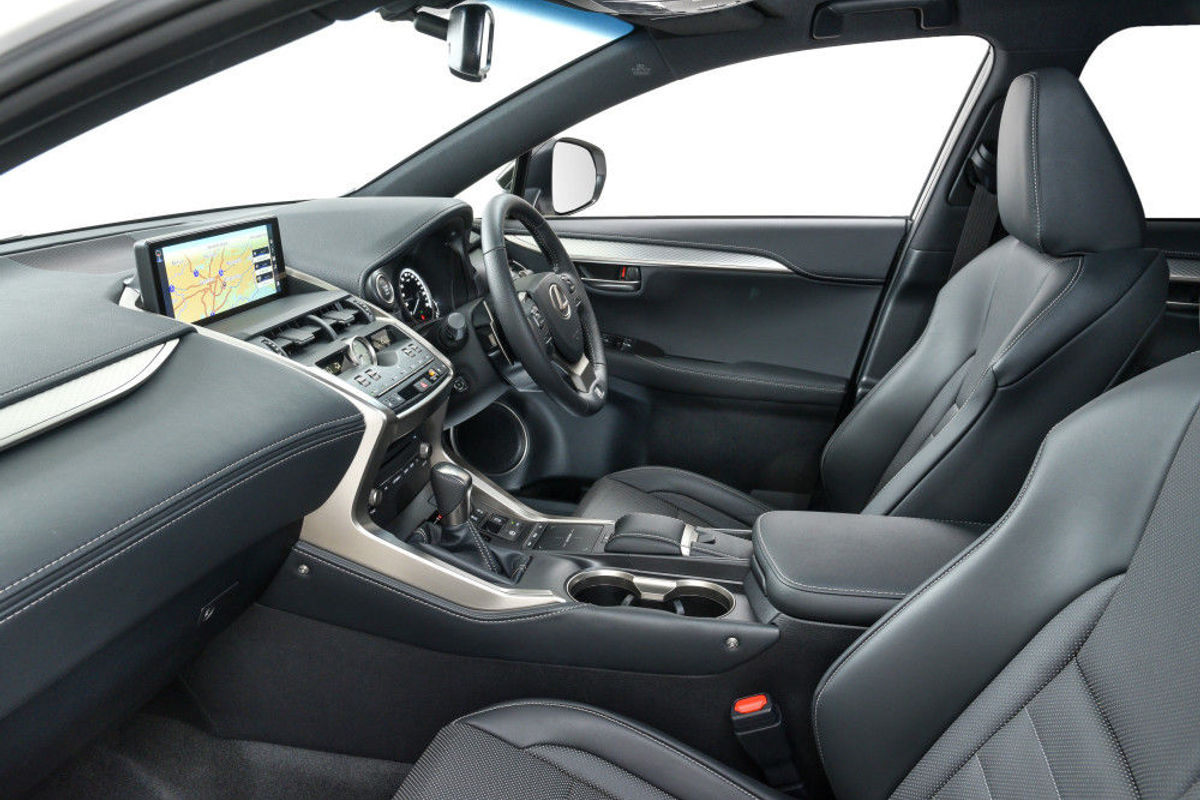
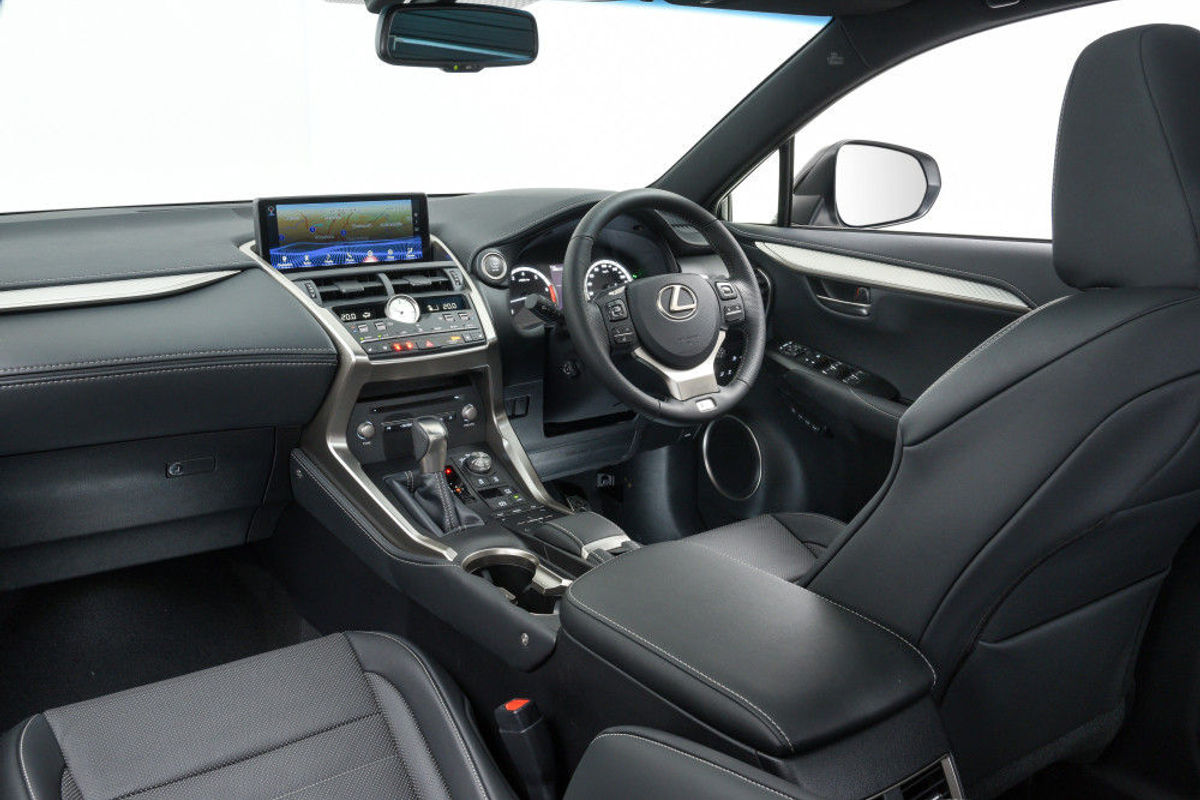
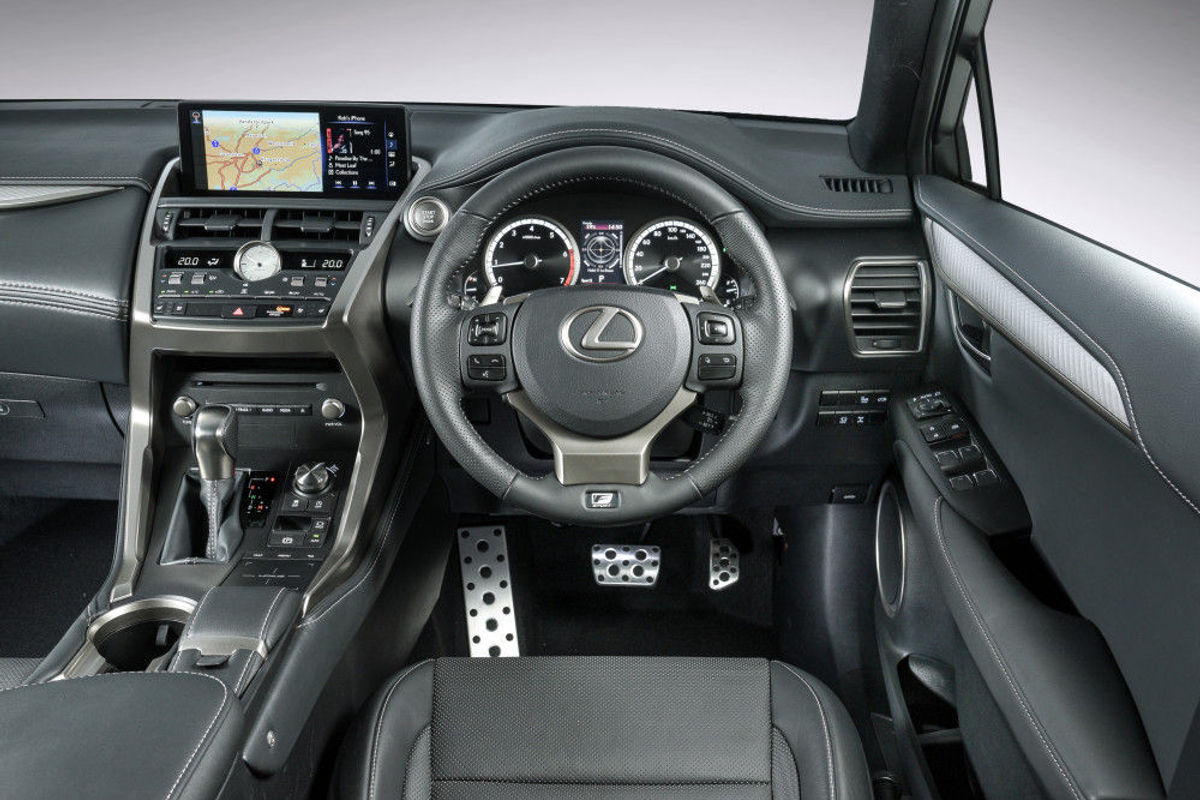
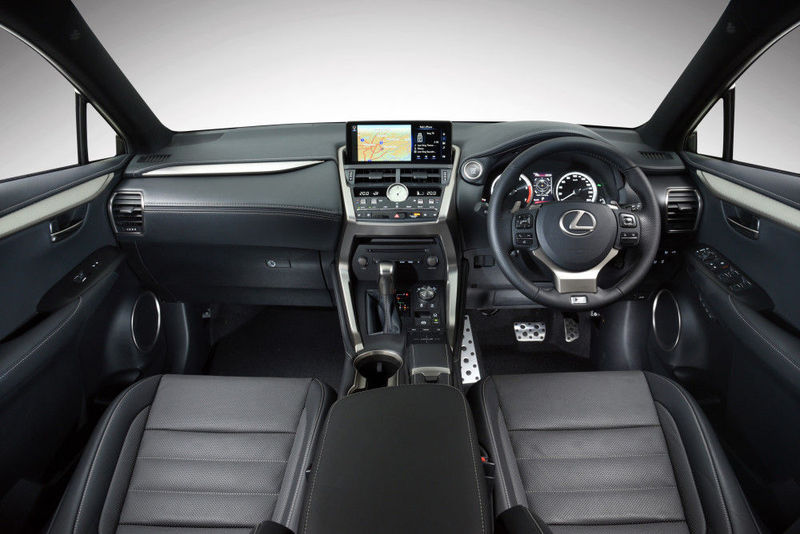
A new 10.3-inch display takes centre stage inside the facelifted NX while revised switchgear has uncluttered the centre fascia somewhat.
All NX derivatives now have inner door handles with a satin finish. The Lexus NX300 E benefits from additional standard features such as rain-sensing wipers, auto-levelling headlights and a reverse camera.
The mid-spec NX300 EX is now fitted with roof rails while the F Sport derivative gains dynamic headlight levelling, chrome steering switch accents and aluminium details on the instrument cluster.
Both the NX EX and F Sport now feature a larger 10.3-inch display screen (previously 7-inch) with improved graphics, clarity and comes equipped with navigation. Lexus has also revised the climate control panel which now has more modernised buttons and a redesigned analogue clock which sets the time automatically via GPS. Toggle switches have also been adopted to improve ease of use of the air conditioning’s functions.
In terms of safety, the NX is equipped with ABS with EBD, Brake Assist, Traction Control, Enhanced VSC, Hill-start Assist and Trailer Sway Control. The F Sport derivative adds features such as a Blind Spot Monitor (BSM) and Rear Cross Traffic Alert (RCTA).
Lexus NX – Price in South Africa
NX300 E – R599 900
NX300 EX – R677 300
NX300 F Sport – R789 700
NX300h EX – R746 700
The Lexus NX is sold with a 3-year/100 000km warranty. E-grade versions receive a Lexus Distance Plan service plan, EX models – Distance Plan Plus (includes brake components) and F Sport – Distance Plan Complete (full maintenance plan). In addition, customers can upgrade or extend their service/maintenance plan packages via the Lexus dealer network.