Lexus NX Updated in SA (2018) Specs & Price
Lexus has updated its NX compact SUV with minor styling changes and specification upgrades. Take a look at what the NX has to offer…

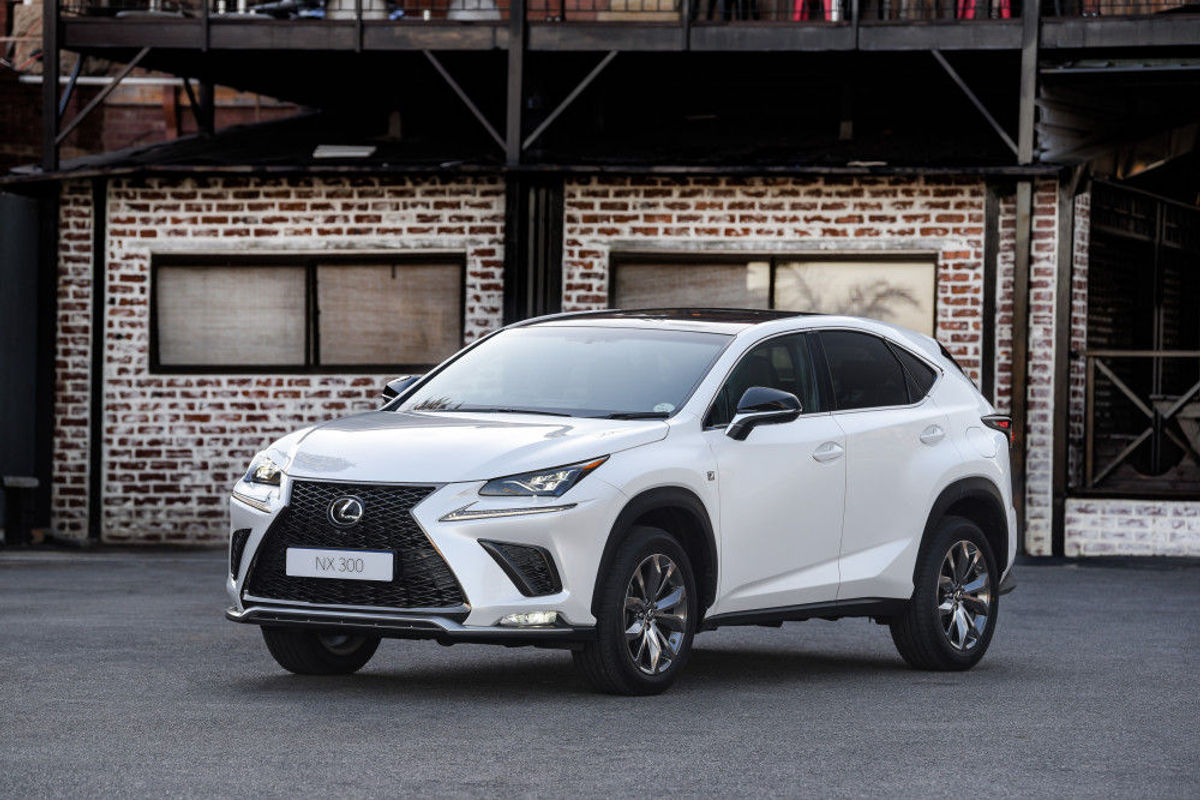
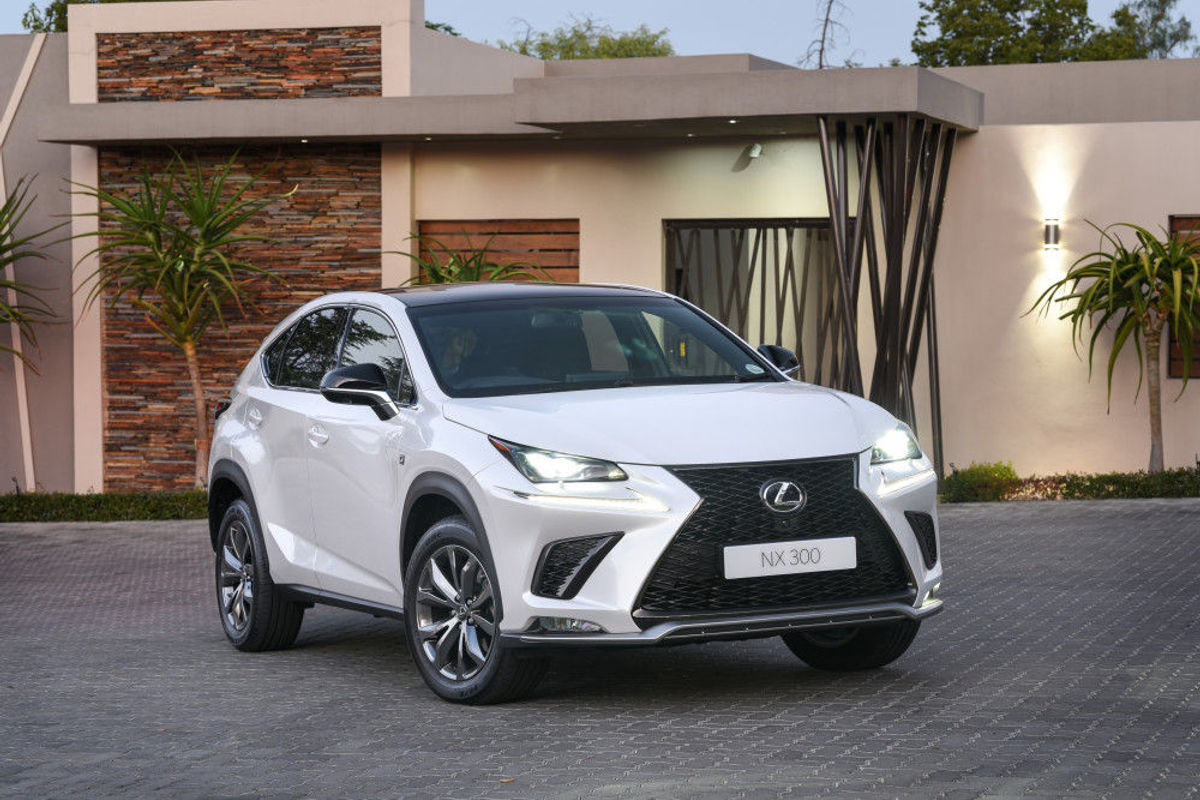
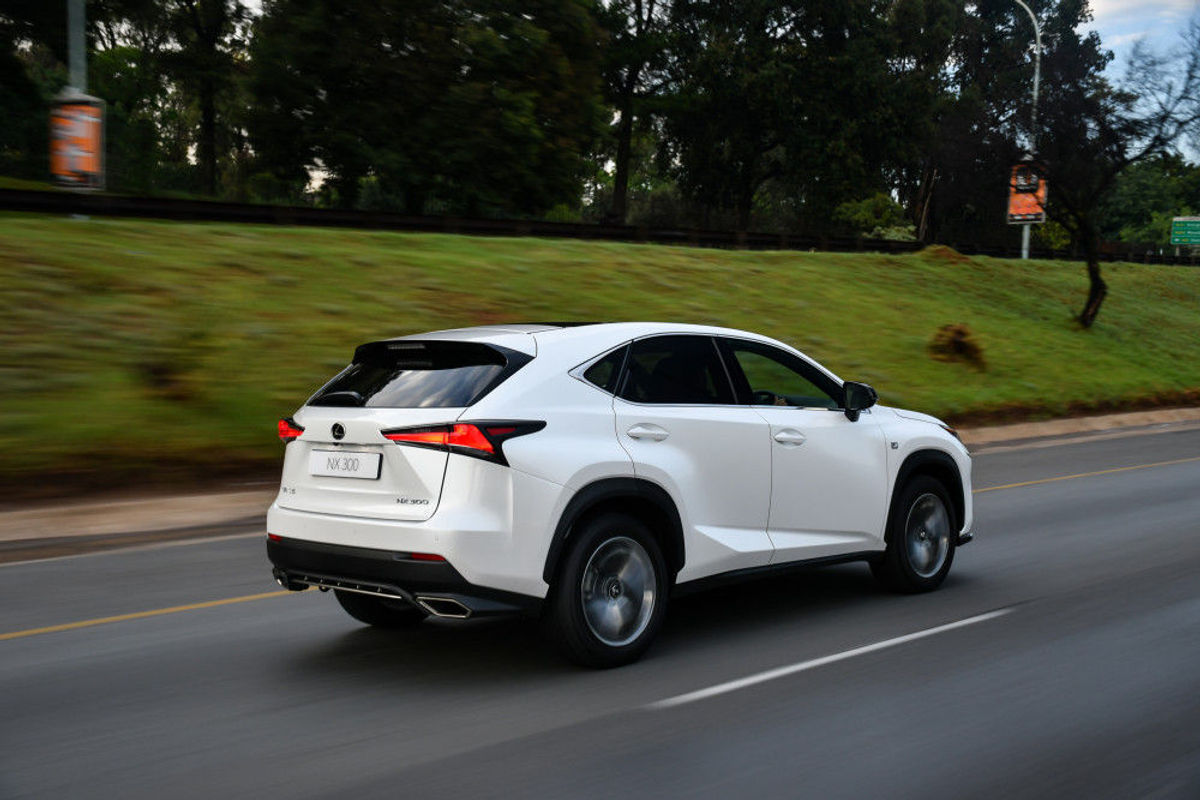
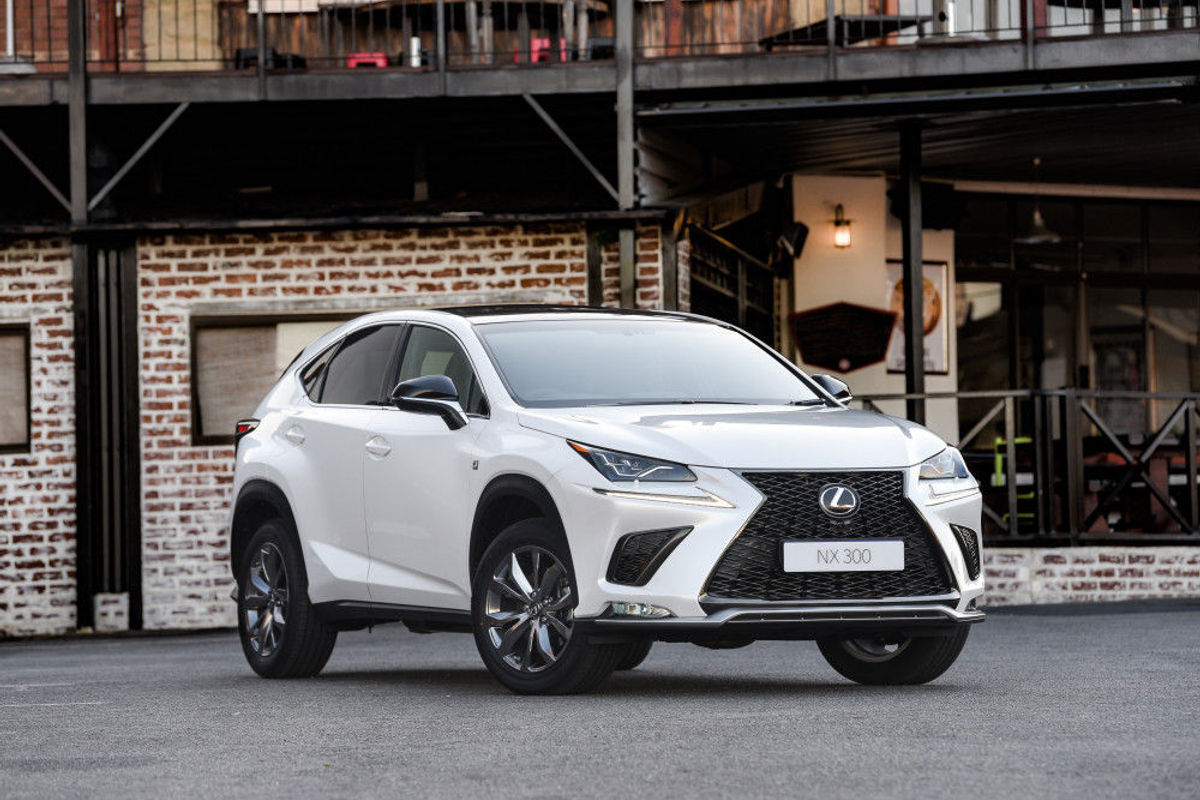
Lexus’ NX compact SUV will hits the streets in January 2018 with an updated look and although the changes are subtle, they give the NX a bit more presence. Lexus has also tweaked the NX’s suspension in a bid to enhance overall ride comfort, stability and body roll. Standard specification has also been improved. 

Lastly, the NX’s naming structure has changed as part of Lexus’ global strategy with the ‘200t’ moniker, referring to a 2.0-litre turbocharged engine, now replaced by ‘300’, bearing reference to offering an equivalent power output of a 3.0-litre engine. The new naming strategy has been adopted to achieve uniformity between the petrol and hybrid engine models’ badging convention. The NX will therefore from now on be referred to as the NX300 in either E, EX and F Sport trim grades.

What’s changed?
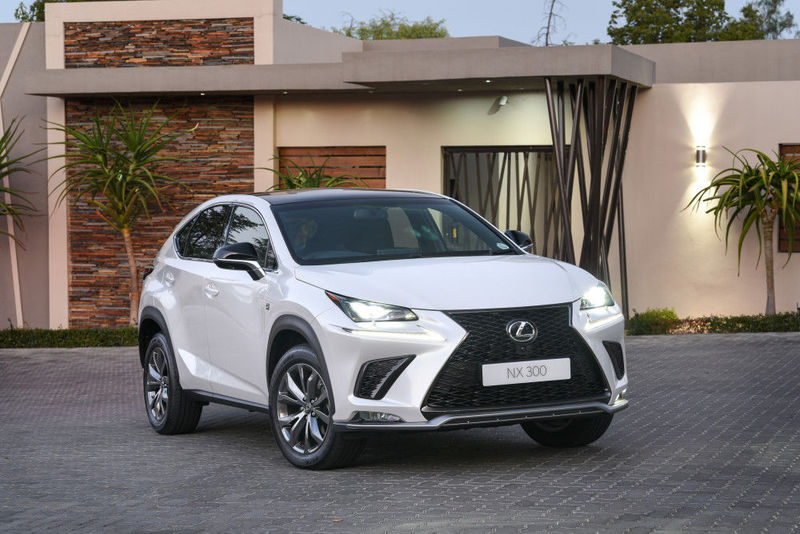

Subtle changes have lifted the appearance of the NX and enhanced suspension should improve overall ride comfort. 

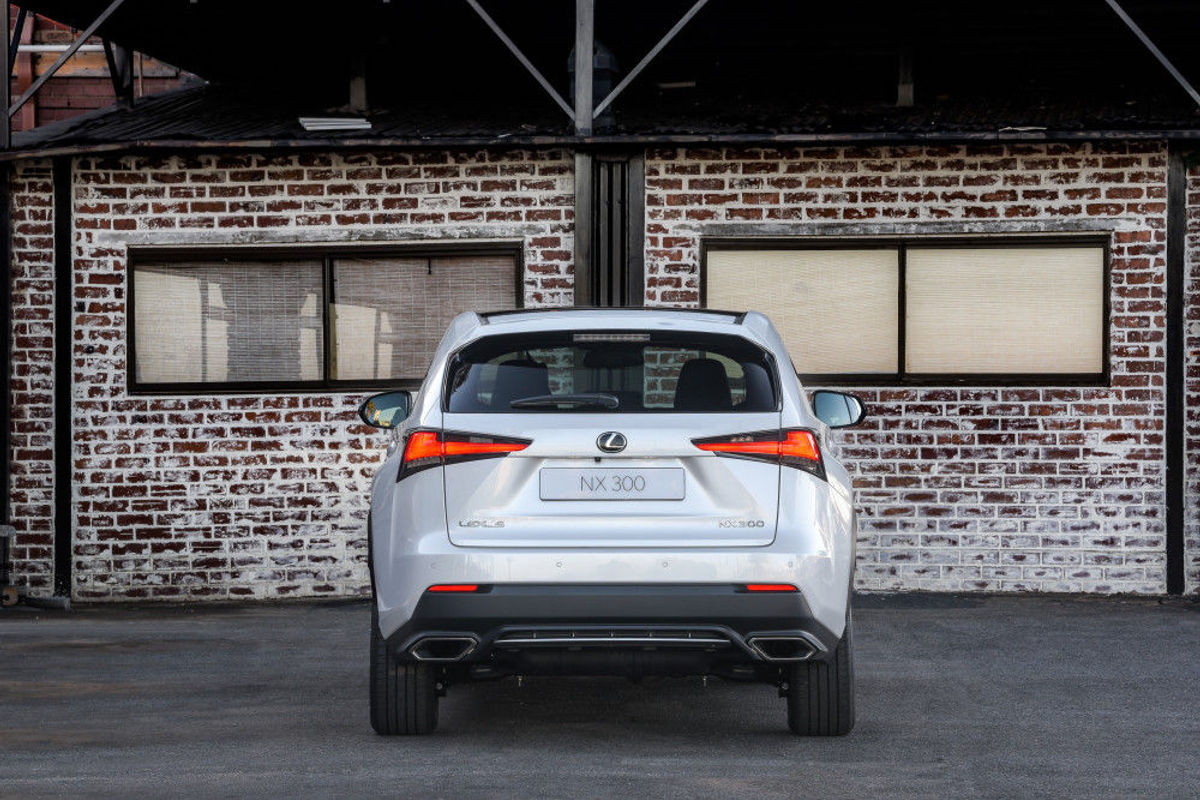
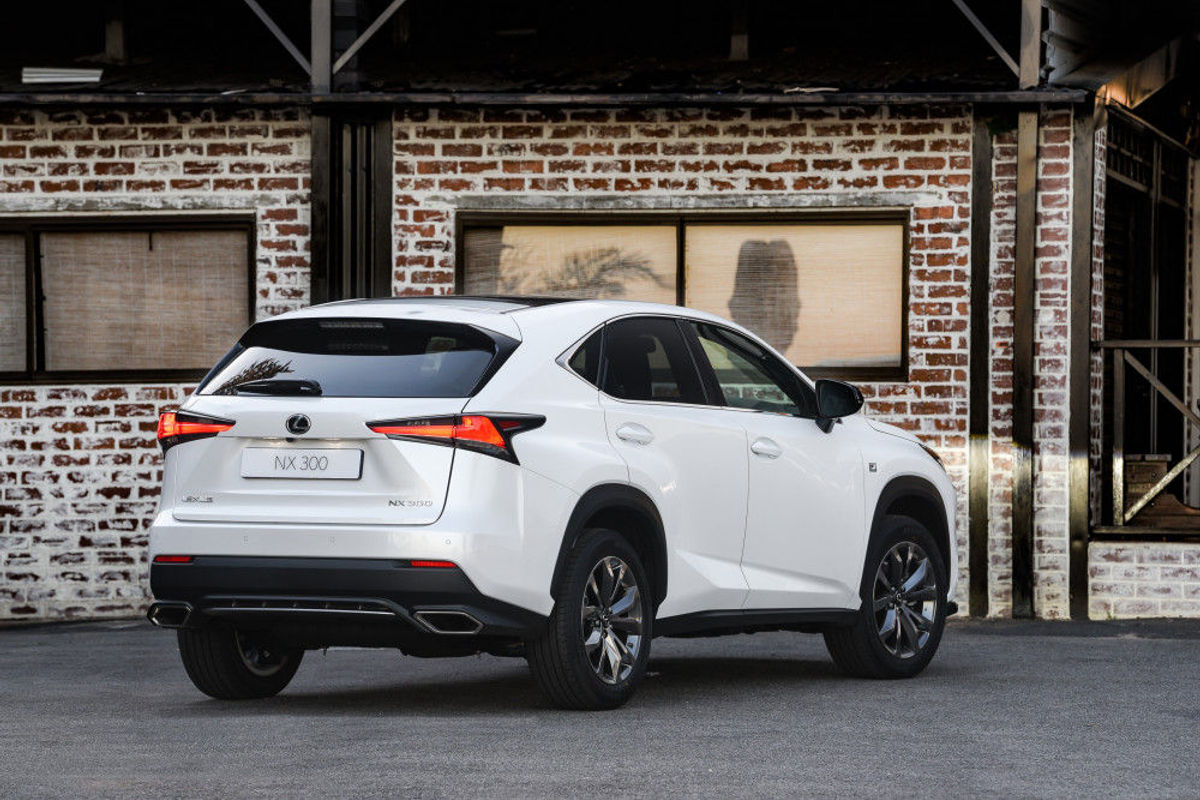
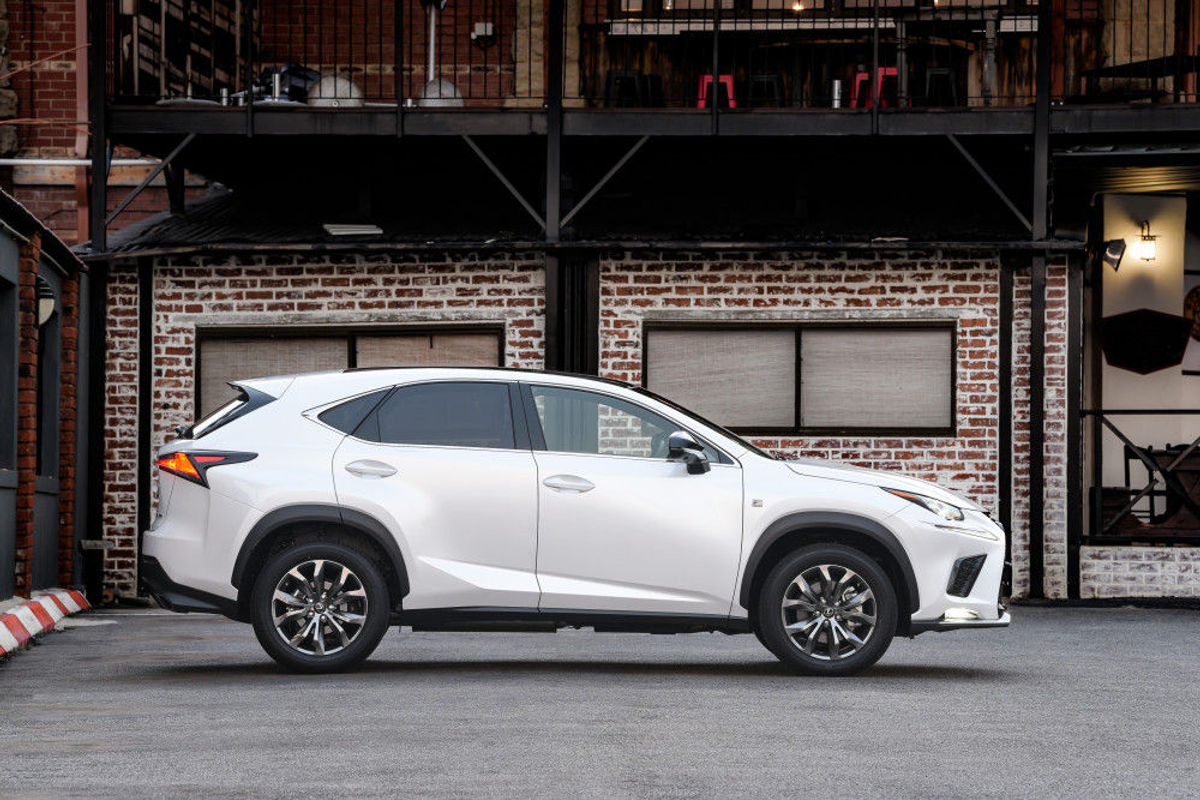
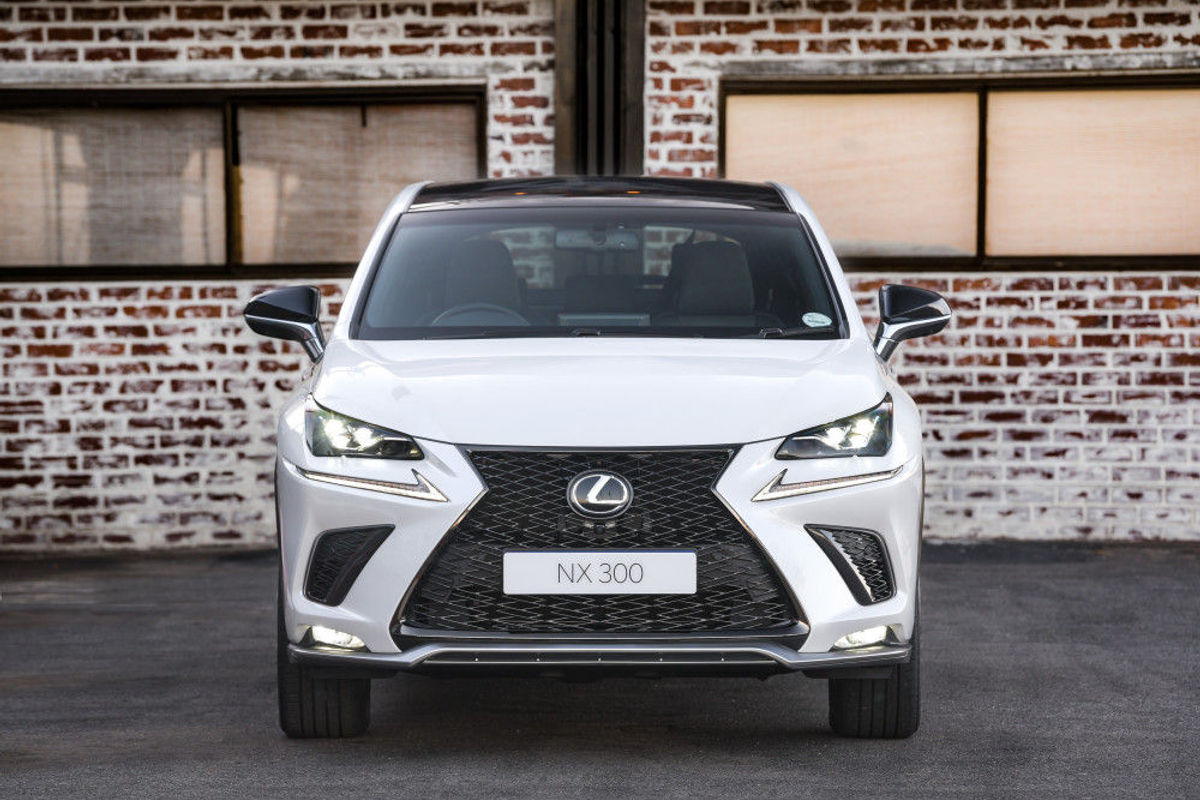
The styling changes on the NX include new headlights, a revised front grille with a chrome frame, a redesigned side grille and newly sculpted bumpers and trim. Rear LED combination lights are now standard for all NX derivatives.

As for the NX300 F Sport, it now wears a black chrome frame surrounding the spindle grille, complementing its dark ‘F-mesh’ grille. This derivative also features a lower apron with a brushed-aluminium-effect and graphite-coloured trim for the vents, giving the car a sportier look.

The NX300 F-Sport offers driving modes such as Eco, Normal, Sport, Sport+ with new Custom modes added to allow the driver to configure the powertrain, steering, adaptive variable suspension (AVS) and air conditioning.

The entry-level NX300 E is now front-wheel drive (previously all-wheel drive) with the use of a 6-speed transmission. It’s still powered by a turbocharged 2.0-litre petrol engine with 175 kW and 350 Nm of torque which also powers the EX and F Sport derivatives.

The hybrid NX 300h combines a 2.5-litre, 4-cylinder engine with an electric motor to produce outputs of 150 kW and 210 Nm of torque.  

The suspension setup has been refined with a newly calibrated rear stabiliser bar and bushing as well as new front dampers. The F Sport derivative gains the latest AVS, as found on the LC500 coupe, and Lexus has stiffened the NX’s rear stabiliser bar by 22% and 19% for the NX Hybrid and all NX300 derivatives respectively to improve body roll.

Specification changes
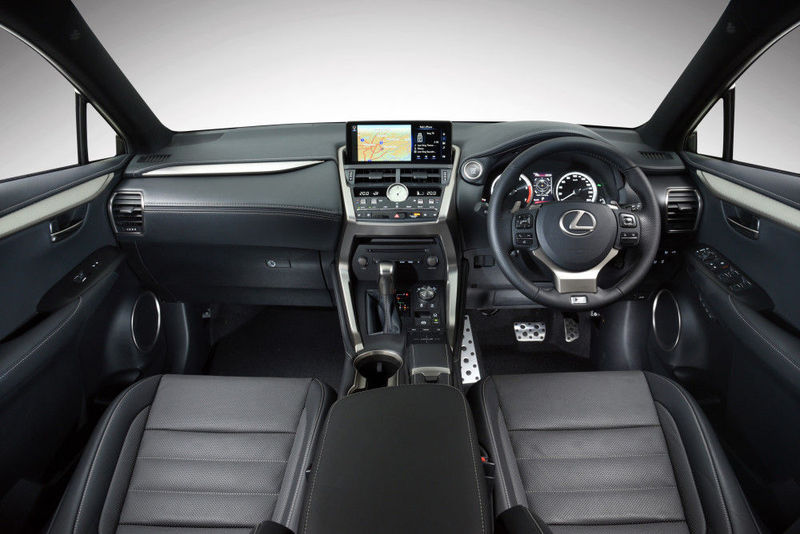

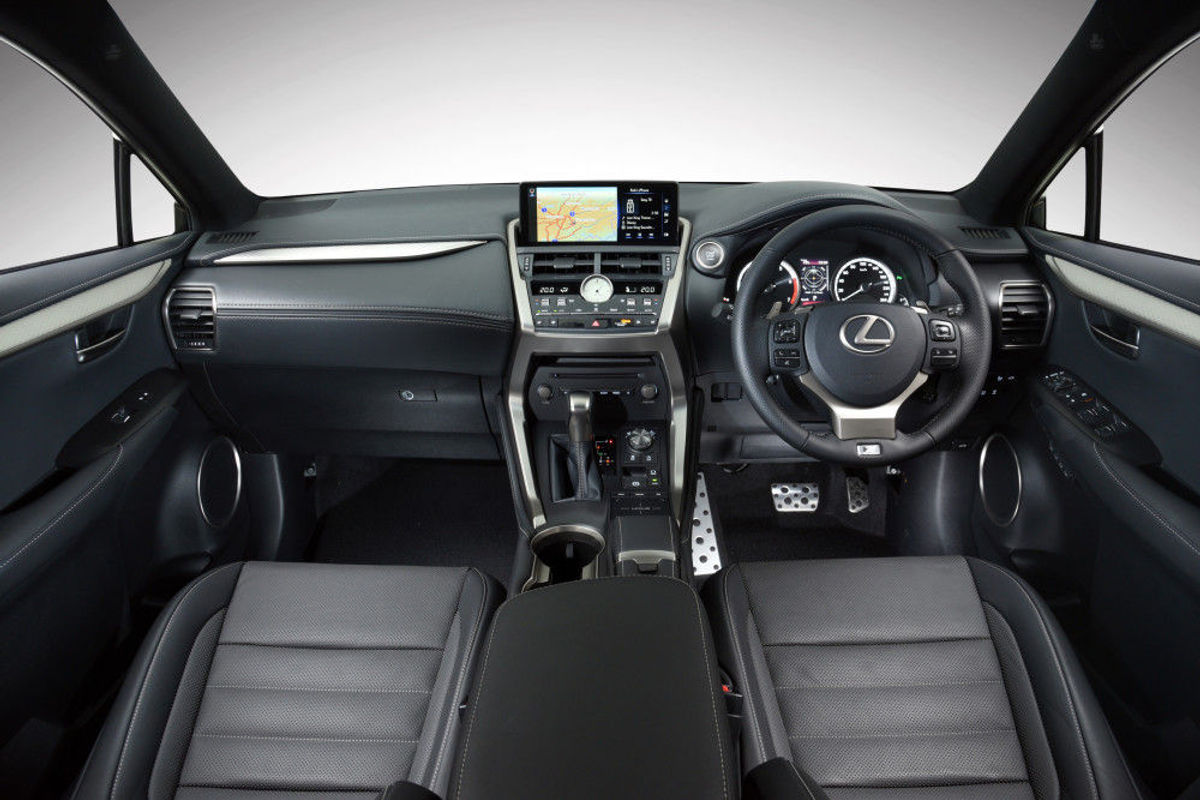
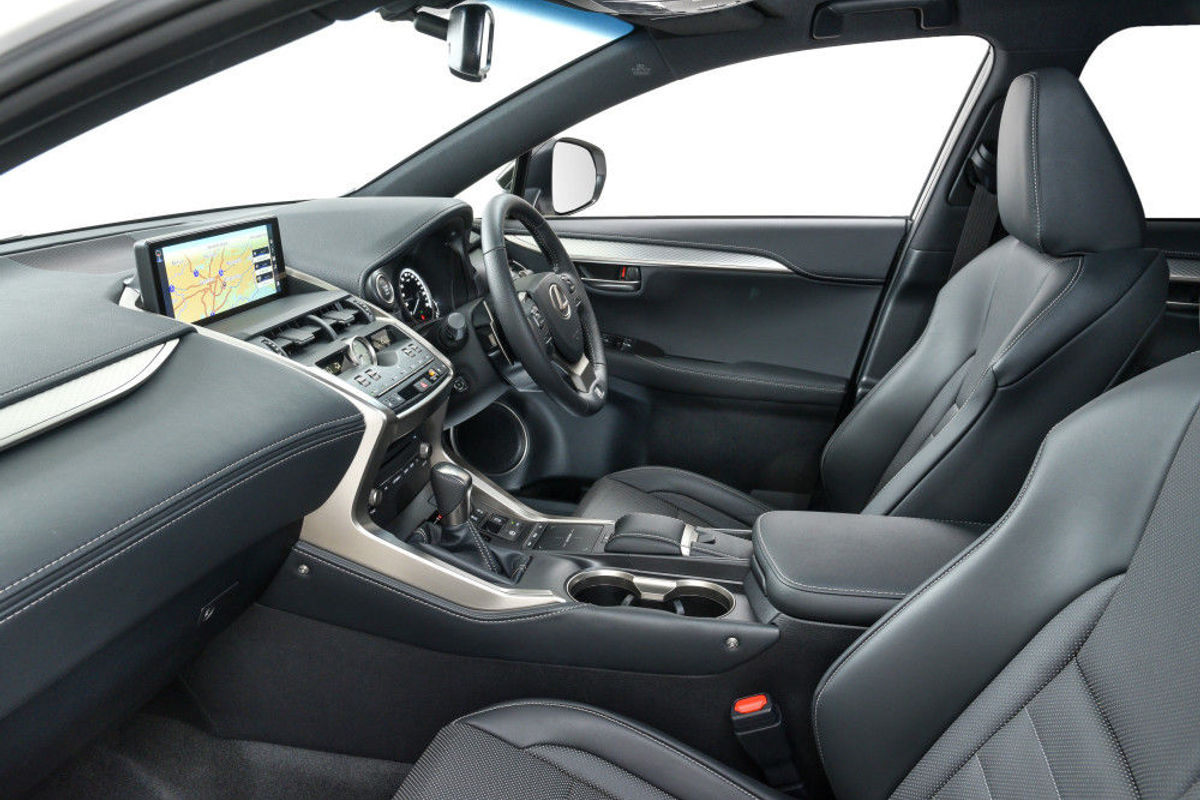
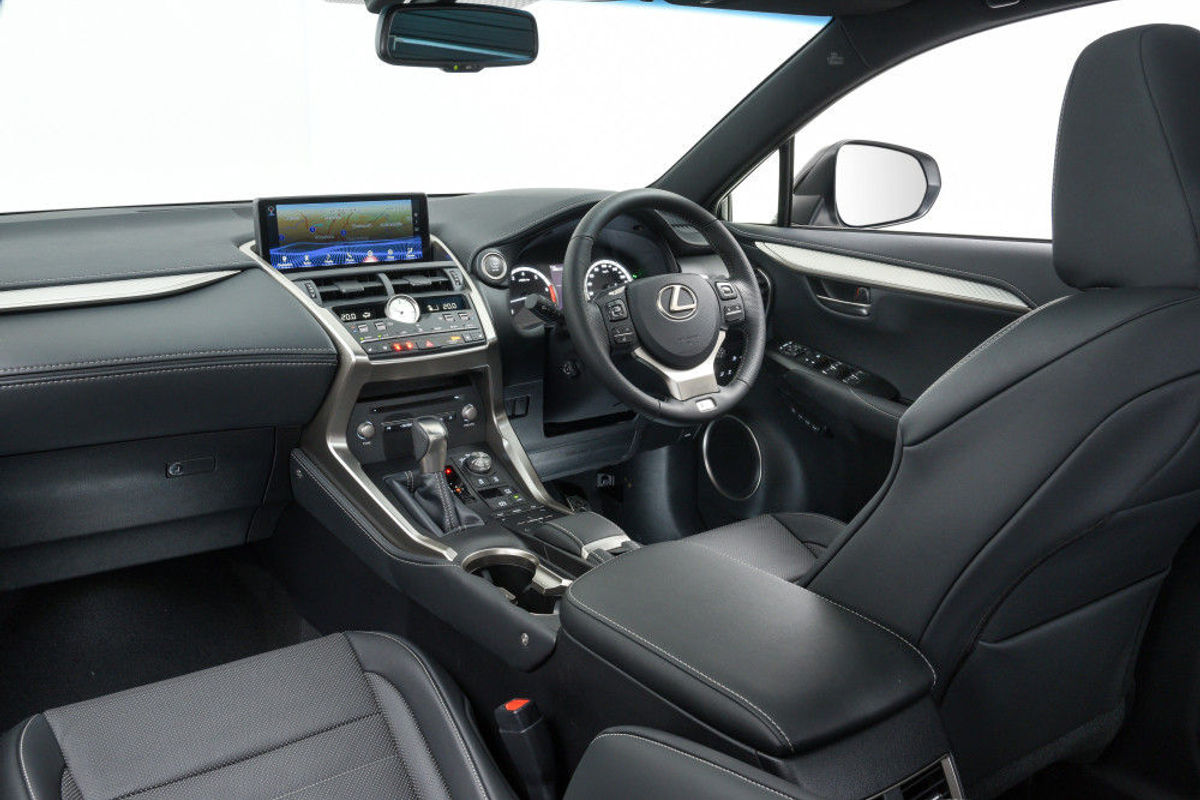
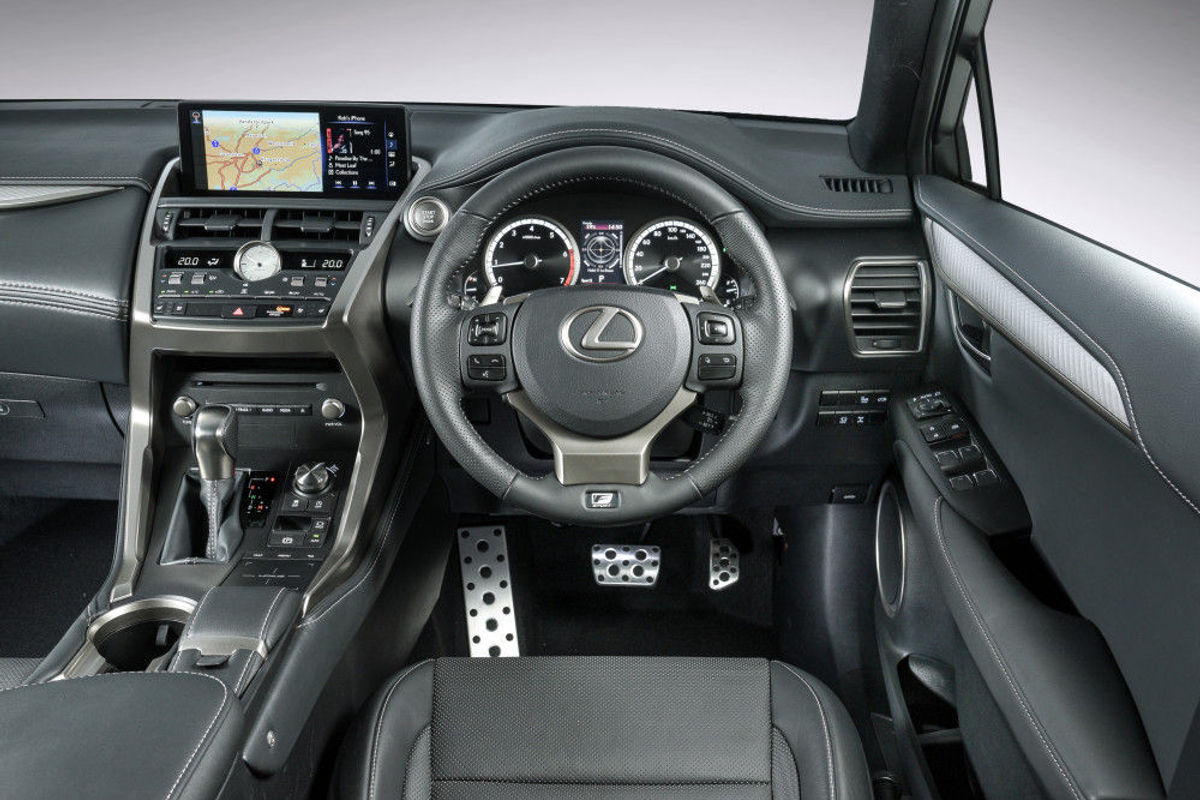
A new 10.3-inch display takes centre stage inside the facelifted NX while revised switchgear has uncluttered the centre fascia somewhat. 

All NX derivatives now have inner door handles with a satin finish. The Lexus NX300 E benefits from additional standard features such as rain-sensing wipers, auto-levelling headlights and a reverse camera.

The mid-spec NX300 EX is now fitted with roof rails while the F Sport derivative gains dynamic headlight levelling, chrome steering switch accents and aluminium details on the instrument cluster.

Both the NX EX and F Sport now feature a larger 10.3-inch display screen (previously 7-inch) with improved graphics, clarity and comes equipped with navigation. Lexus has also revised the climate control panel which now has more modernised buttons and a redesigned analogue clock which sets the time automatically via GPS. Toggle switches have also been adopted to improve ease of use of the air conditioning’s functions.  

In terms of safety, the NX is equipped with ABS with EBD, Brake Assist, Traction Control, Enhanced VSC, Hill-start Assist and Trailer Sway Control. The F Sport derivative adds features such as a Blind Spot Monitor (BSM) and Rear Cross Traffic Alert (RCTA).

Lexus NX – Price in South Africa

NX300 E – R599 900

NX300 EX – R677 300

NX300 F Sport – R789 700

NX300h EX – R746 700

The Lexus NX is sold with a 3-year/100 000km warranty. E-grade versions receive a Lexus Distance Plan service plan, EX models – Distance Plan Plus (includes brake components) and F Sport – Distance Plan Complete (full maintenance plan). In addition, customers can upgrade or extend their service/maintenance plan packages via the Lexus dealer network.

Buy a Lexus NX on Cars.co.za

Related Content

Facelifted Lexus NX Shown in Shanghai

Lexus NX 200t F-Sport (2015) Review

Lexus RX L Coming to SA with 7 Seats

Lexus LC 500 (2017) Launch Review

Lexus LC500 (2017) First Drive [with Video]
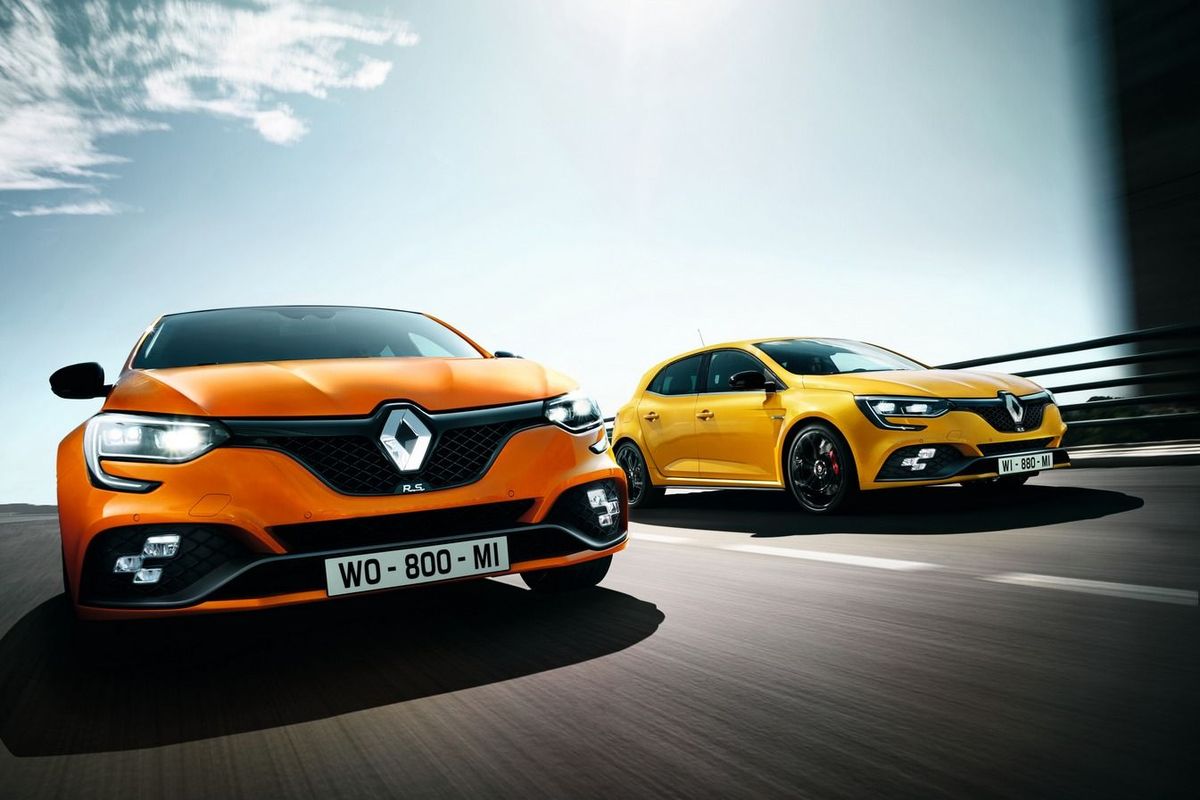


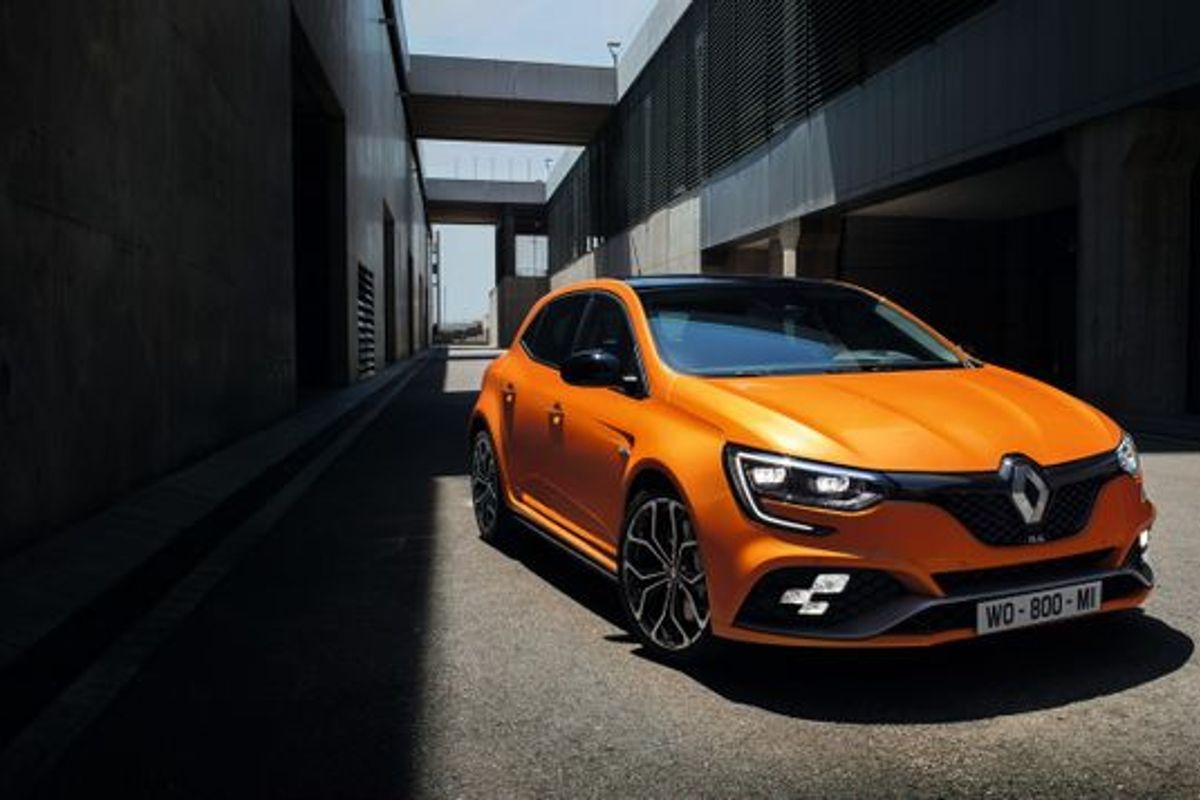
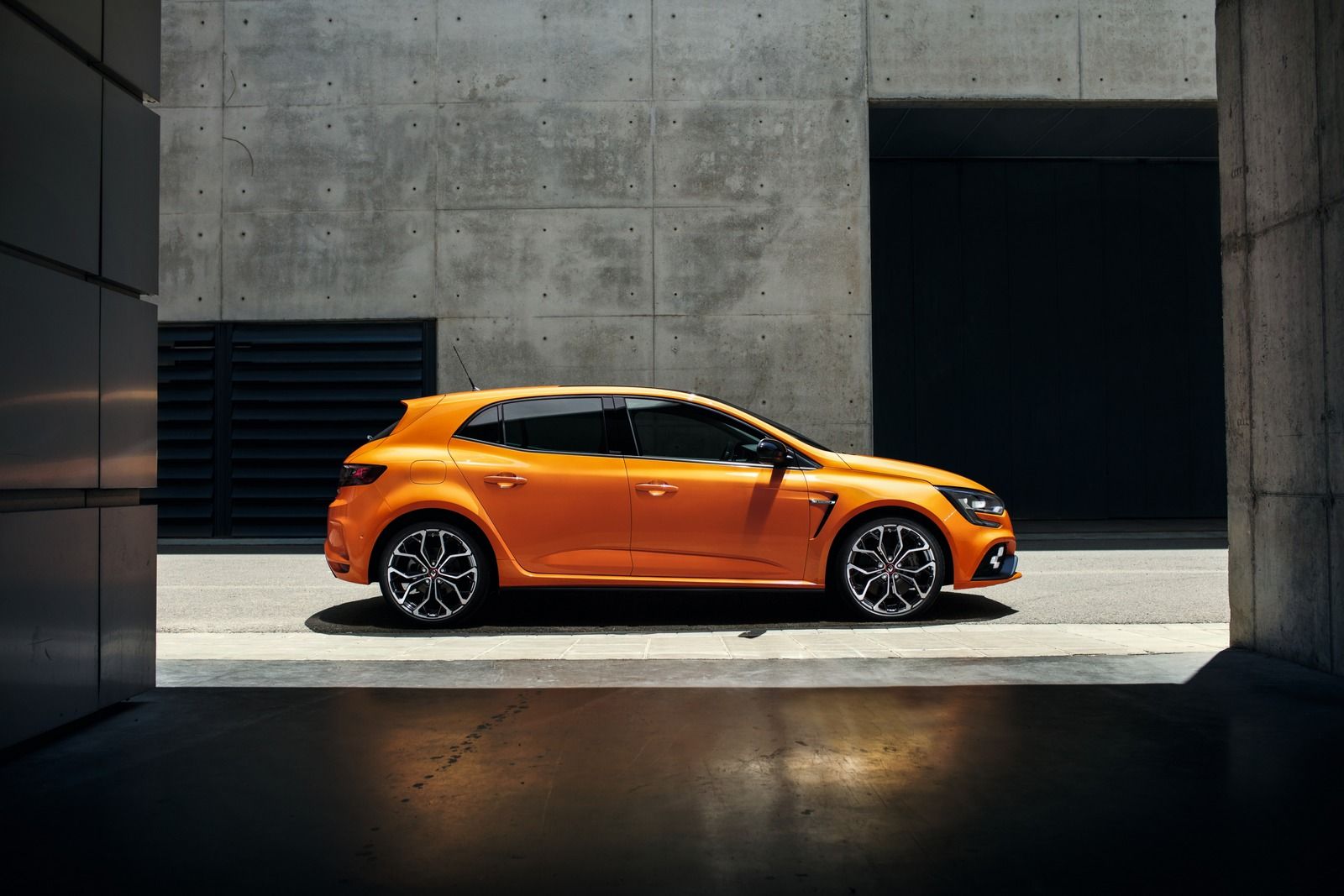
Renault Megane RS Coming to SA in 2018 [w/Video]

The Renault Megane RS was shown at the Frankfurt motor show earlier this year and the firm has released a video that details the French hot-hatch. Give it a watch!

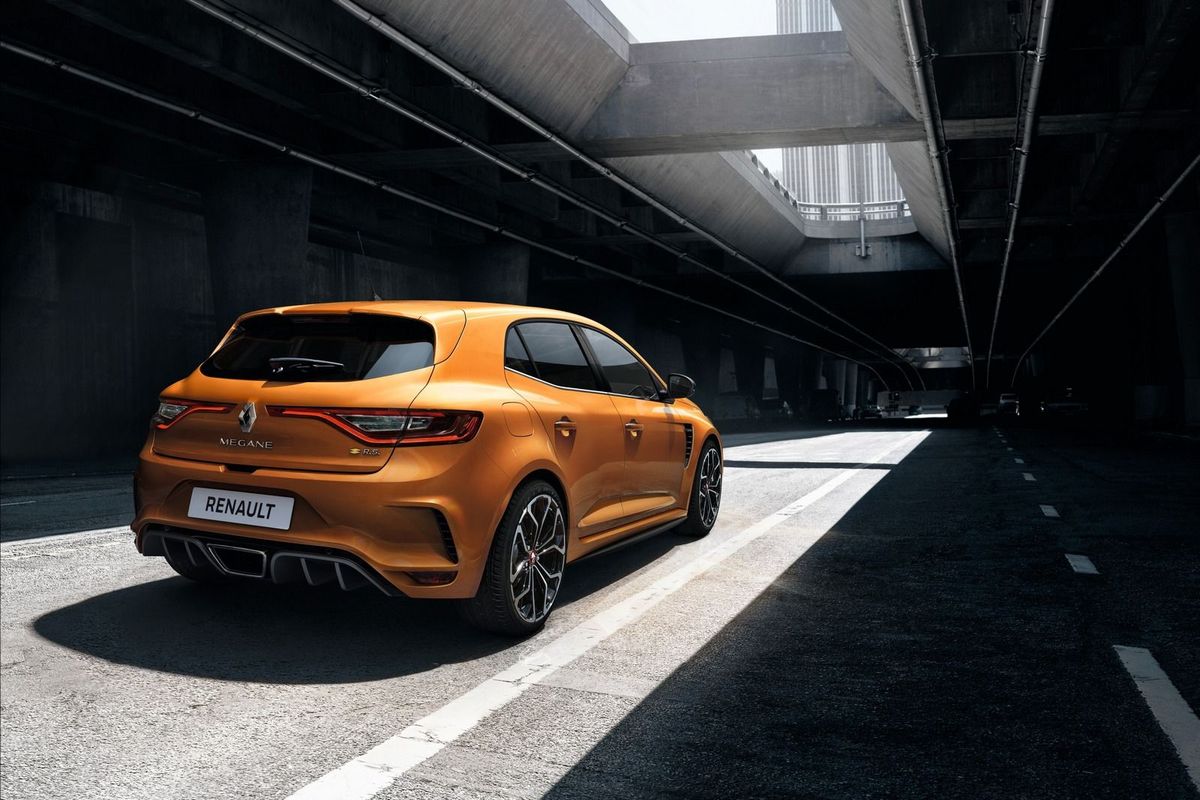
Renault has taken the camouflage off the Megane RS in Frankfurt and revealed all the juicy details it's been holding back about the new RS. There are still 2 versions of the RS available, a Cup – for hardcore enthusiasts and a Sport chassis – a little more comfortable, but still performance-oriented.

The major innovation for this new Megane RS is the introduction of 4-wheel steering standard on both chassis as well as the GT-Line we tested earlier this year. The system has been tuned to make the RS particularly nimble in tight turns and then stable at high speed. As a side bonus, it also provides a tighter turning circle.


The Megane RS' hydraulics compressions stops deliver a blend of dynamism, but, depending on their setting, ride comfort.

Front and rear hydraulic compression stops, a technology derived from motorsport, provide additional damping and eliminate the effects of rebound by performing the following functions: They ensure a high level of chassis efficiency on the Cup chassis version irrespective of the type of road. Combined with the Sport chassis, they deliver a more comfortable ride.

Technologies carried over from the previous generation RS include the PerfoHub suspension and steering setup, although this has been improved and the suspension is now stiffer than before. There is also a limited slip differential on the Cup chassis as before. The Cup and Sport have individual suspension setups to cater for the different driver requirements.

New engine

The Megane RS will use an all-new engine that sees it reduce capacity to 1.8-litres. Power outputs are still impressive at 205 kW and 390 Nm of torque. Peak torque is available from 2 000 rpm right up to 5 400 rpm. Renault also claims that combined fuel consumption is as low as 6.9L/100 km.


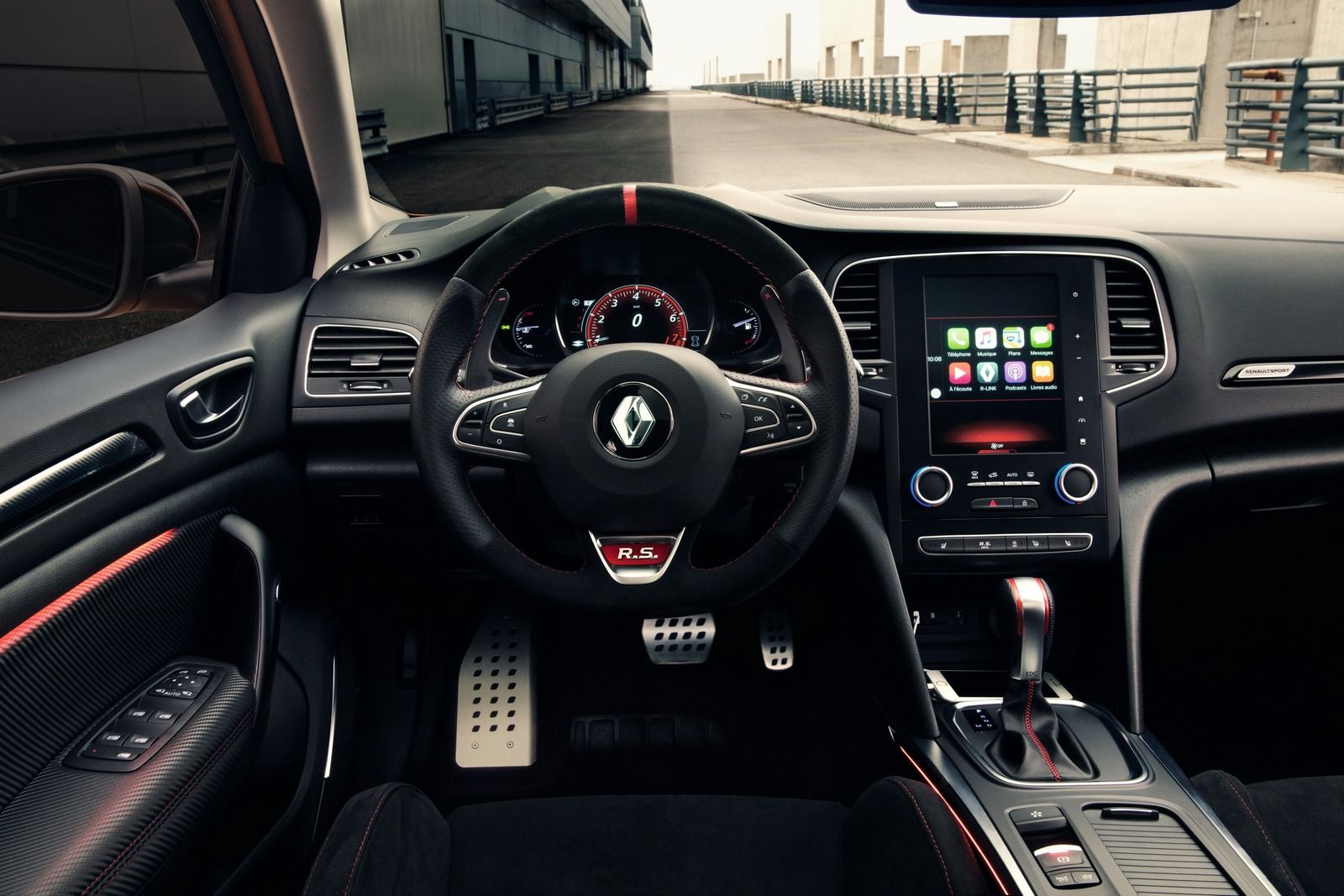
The RS carries over the futuristic and sophisticated fascia of its Megane brethren, but with a much sportier execution.

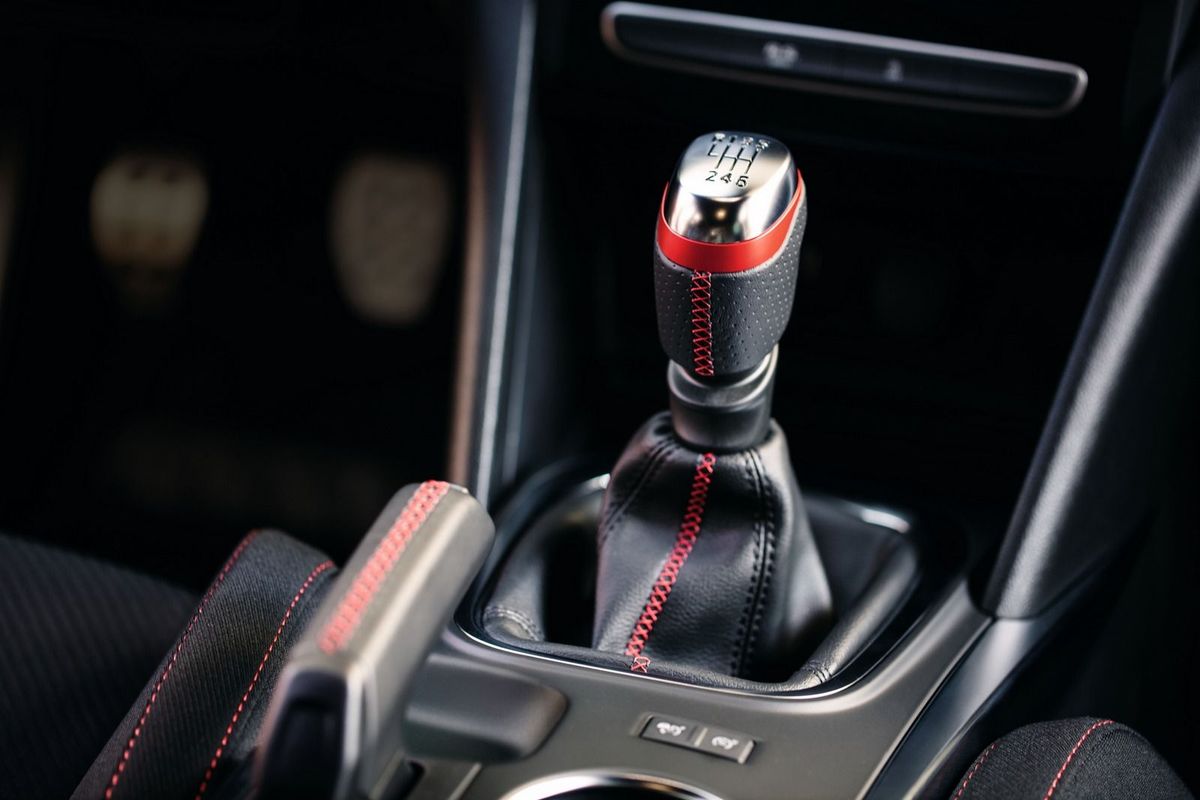
For the first time in the Megane RS, owners get the option of either a 6-speed manual gearbox or a 6-speed EDC dual-clutch gearbox. The dual-clutch 'box features a multi-change down ability when the downshift paddle is held in as well as a launch control system.

RS Monitor

Just like the Clio RS, the Megane RS features a monitoring system that displays performance data such as G-forces, acceleration times, throttle and braking inputs and the likes. The system is now camera ready, either Smartphone camera or other, allowing drivers to film their driving. They can then play back and analyse their run thanks to the incorporation of performance data in the image. They can even share the film on social media. 

Trophy coming later

As with the last few versions of RS products, there will be a Trophy model on the horizon. Renault claims it will launch the Trophy before the end of 2018 with power being cranked up to around 220 kW and 400 Nm. As for the regular RS models, they will be available in Europe from Q2 2018 and likely to reach South Africa a few months after that.

Related content

Update: Renault Shows New Megane RS [with Video]
Track Comparison: Ford Fiesta ST200 vs Renault Clio RS200 Lux [Video]

Volkswagen Golf R, GTI & GTD (2017) Track Comparison Video

New Honda Civic Type R Smashes FWD Ring Record (Video)

We take Prime Circle go-karting in Mercedes-AMG GLS63

Welcome to Episode 2 of our new series, Come Drive With Me. In this episode, we invited legendary South African rock band Prime Circle to Cape Town to join us in a petrol-powered adventure. We picked up three of the five members in the imposing, luxurious and powerful Mercedes-AMG GLS63 AMG, which certainly impressed our guests.

Dale, the drummer, is a Mercedes owner and he was particularly enamoured with the big Benz.

We had a good chat on our way to Kenilworth Karting where we had set up a three-race shootout. The final race was winner takes all… Who would be the first winner of our first ever Prime Circle and Cars.co.za Go-Karting Championship? Only one way to find out.

Prime Circle's 7th studio album is out now. Entitled "If You Don't You Never Will", the album has already produced a smash hit with the first single, The Gift. Check out primecircleband.com for more information and upcoming tour dates. A huge thank you to Kenilworth Karting, Cape Town, for hosting us.

It's a superb venue for a bachelors party, birthday party or just to challenge your mates. Check out karting.co.za for more info.

Prime Circle on social:

https://twitter.com/Prime_Circle
https://twitter.com/RossLearmonth
https://twitter.com/NeilBreytenbach
https://twitter.com/DaleSchnettler
https://twitter.com/dirkbisschoff
https://twitter.com/Marco_S_Gomes
https://www.facebook.com/Prime.Circle/

Related content:

Mercedes-AMG Unleashes Hottest AMG GT R

Extended Mercedes-AMG GT range (2017) Launch Review

Mercedes-AMG GT R Track Drive & Road Review [Video]

More Mercedes-AMG GT Derivatives (2017) Specs & Price

Mercedes-AMG C63 S Cabriolet (2017) Quick Review

Mercedes-AMG E63 S 4Matic (2017) Launch Review

Want to buy a Mercedes-Benz GLS?

Find a new or used example on Cars.co.za

3 Reasons Why Suzuki Vitara is #CarsAwards Finalist

What makes the Suzuki Vitara 1.6 GLX Auto a formidable contender in the Compact Family Car category of the 2017/18 Cars.co.za Consumer Awards – powered by WesBank? We investigate…

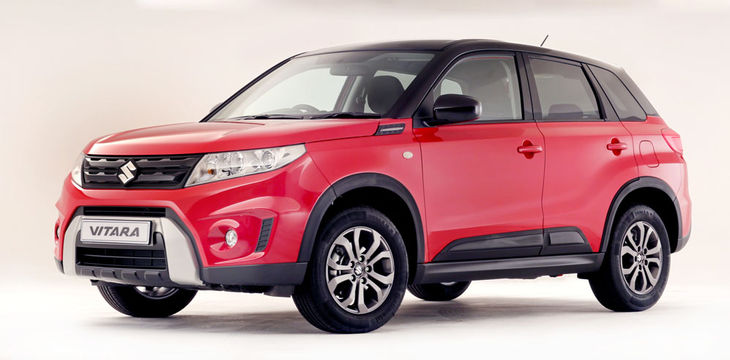
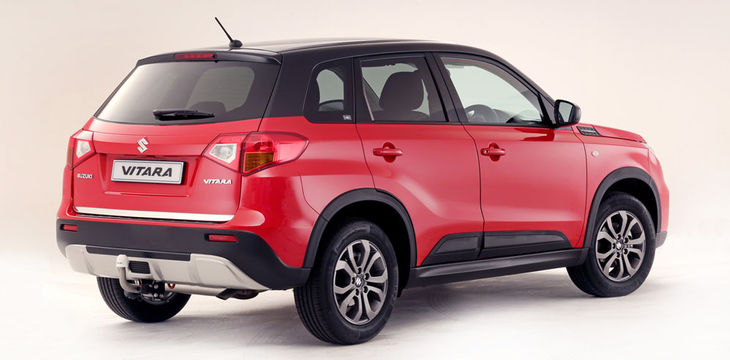
The higher-spec automatic sibling of the 2016/17 #CarsAwards Compact Family Car category winner is the quintessential compact crossover and seems perfectly in tune with modern tastes. The Vitara is a well-made product that offers an attractive blend of style, spaciousness, features, refinement and “Suzuki-ness”. The latter aspect is important because Suzuki is well-known for offering great service and reliability, which has made it the current #CarsAwards Brand Of The Year. Will the Vitara retain its champion status in the Compact Family Car category?

3 Reasons Why Suzuki Vitara 1.6 GLX is a #CarsAwards Finalist

1. Frugal sipper

Powered by a naturally-aspirated 1.6-litre petrol engine with 86 kW and 151 Nm of torque, the Vitara automatic offers good refinement with an indestructible demeanor. It’s also light on fuel and Suzuki claims a combined cycle consumption figure of 6.0 L/100 km and we’ve found the Vitara’s engine to be consistently frugal. We are quite confident, therefore, that owners should get close to 800 km from a single 47 L tank.

2. Practical design

The Vitara’s boxy design benefits interior space hugely. The well-shaped boot is rated at 375 L, but by folding the 60:40 split rear seats more than 1 200 L of space is on offer. Most impressively, this good luggage capacity doesn’t come at the cost of rear passenger space. Even comparatively tall adults will find the rear bench comfortable, with good levels of leg- and headroom. The ground clearance of 185 mm, generously plump tyres and good refinement also makes the Vitara one of the few modern-day crossovers that truly feels comfortable on rougher gravel surfaces.

3. Comfortable and packed with features

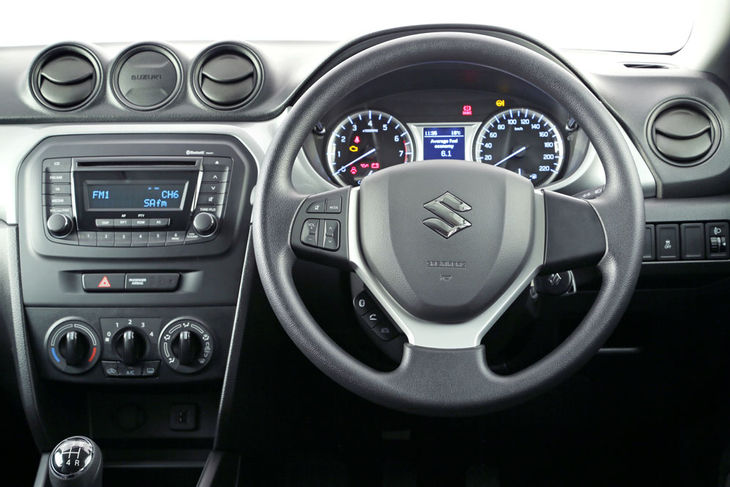
The Vitara’s comfort levels are benefited hugely by the cabin’s spaciousness and a suspension set-up tuned with comfort in mind. In fact, refinement appears to have been a major focus area, as the Vitara’s low drivetrain noise further contributes to a relaxed, pleasant ambience. The specification level is generous, too, with a height-adjustable driver’s seat, climate control, cruise control, keyless start, Bluetooth and USB support, suede upholstery, automatically activated lights and wipers, front and rear PDC, LED running lights, panoramic sunroof and roof rails.

Watch our video review of the Suzuki Vitara below! 

Have Your Say: Complete our survey!

Do you own a Vitara? We would love to hear from you! Tell us about your experience by completing our Ownership Satisfaction Survey. Your input counts for 50% of the final result.

What cars are the Vitara's rivals in #CarsAwards?

The 2017/18 #CarsAwards finalists: Compact Family Car Category

Compare the Vitara's specs with the Renault Captur dCi Dynamique and Hyundai Creta 1.6 Exec Auto

Related Content

2015 Suzuki Vitara Video Review

Hyundai Creta vs Suzuki Vitara vs Renault Captur (2017) Comparative Video Review

Crossover Group Test: Suzuki Vitara, Hyundai Creta & Renault Captur [with Video]
Suzuki Vitara 1.6 GL+ (2016) Review

2017/18 Cars.co.za Consumer Awards – powered by WesBank; Finalists

#CarsAwards Finalists Testing: Gerotek turns up the heat


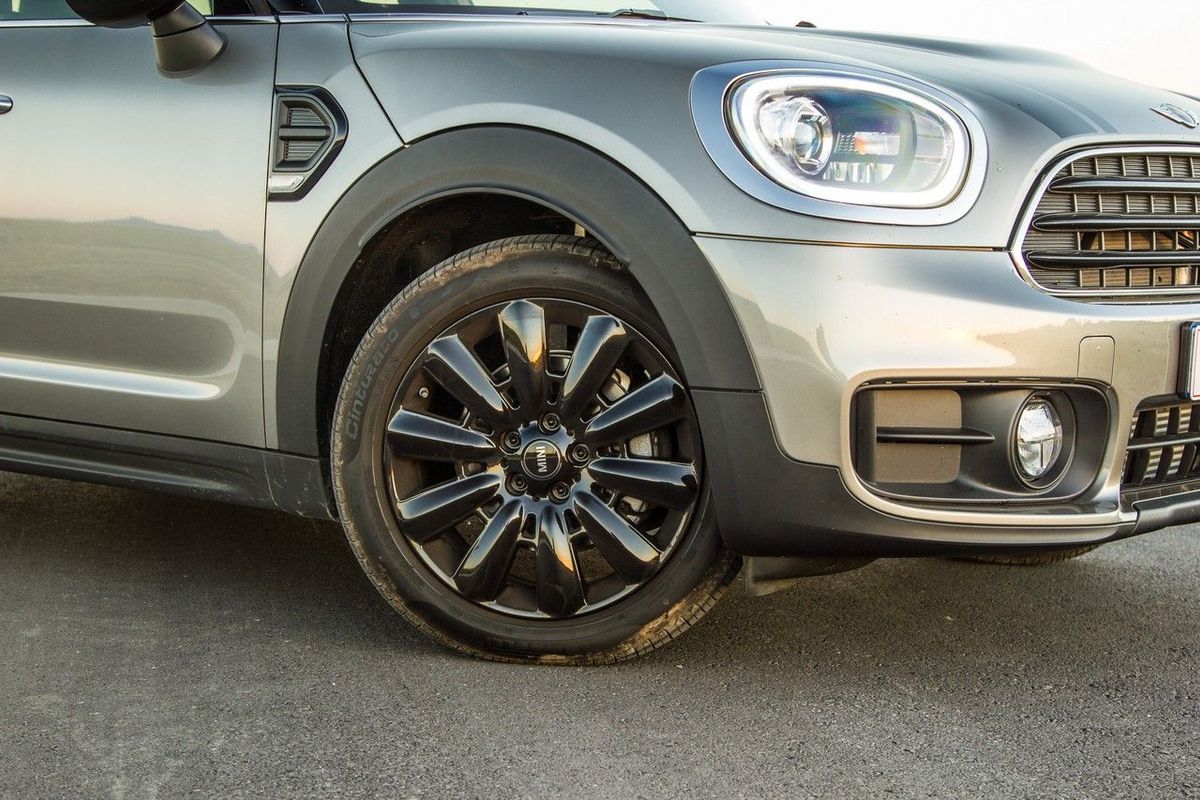
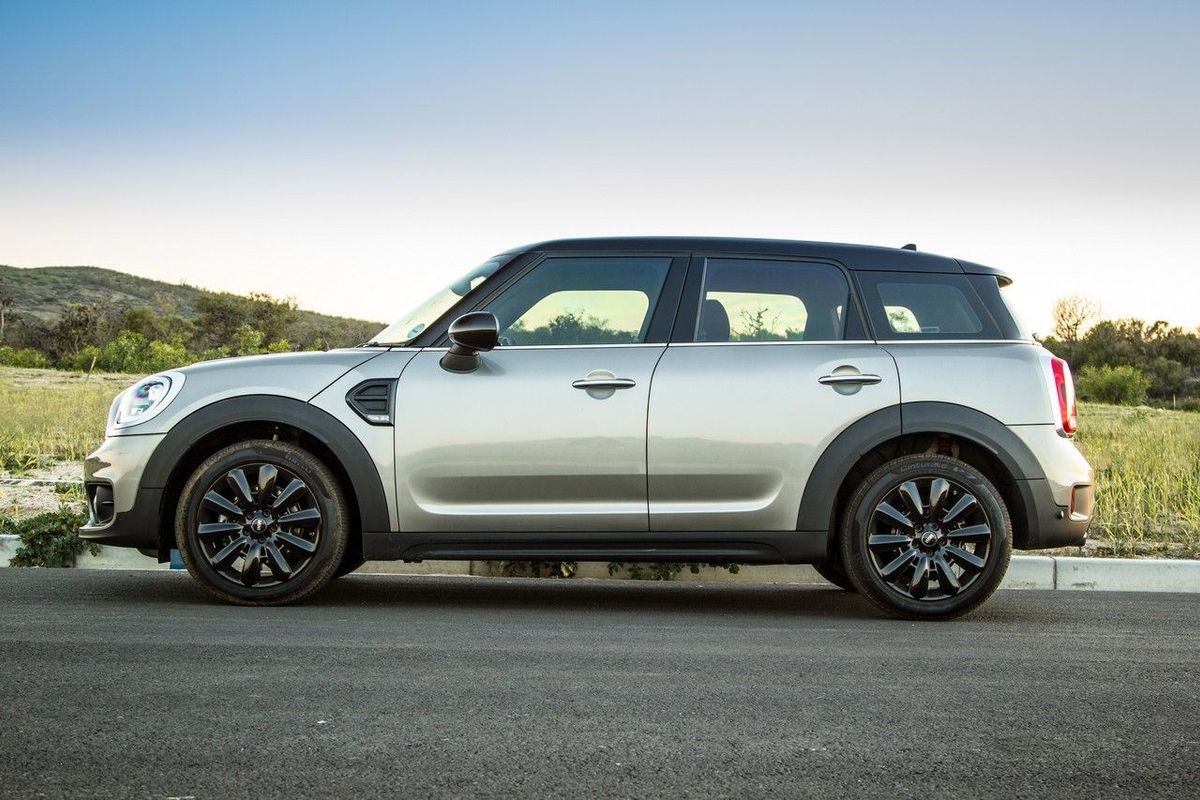
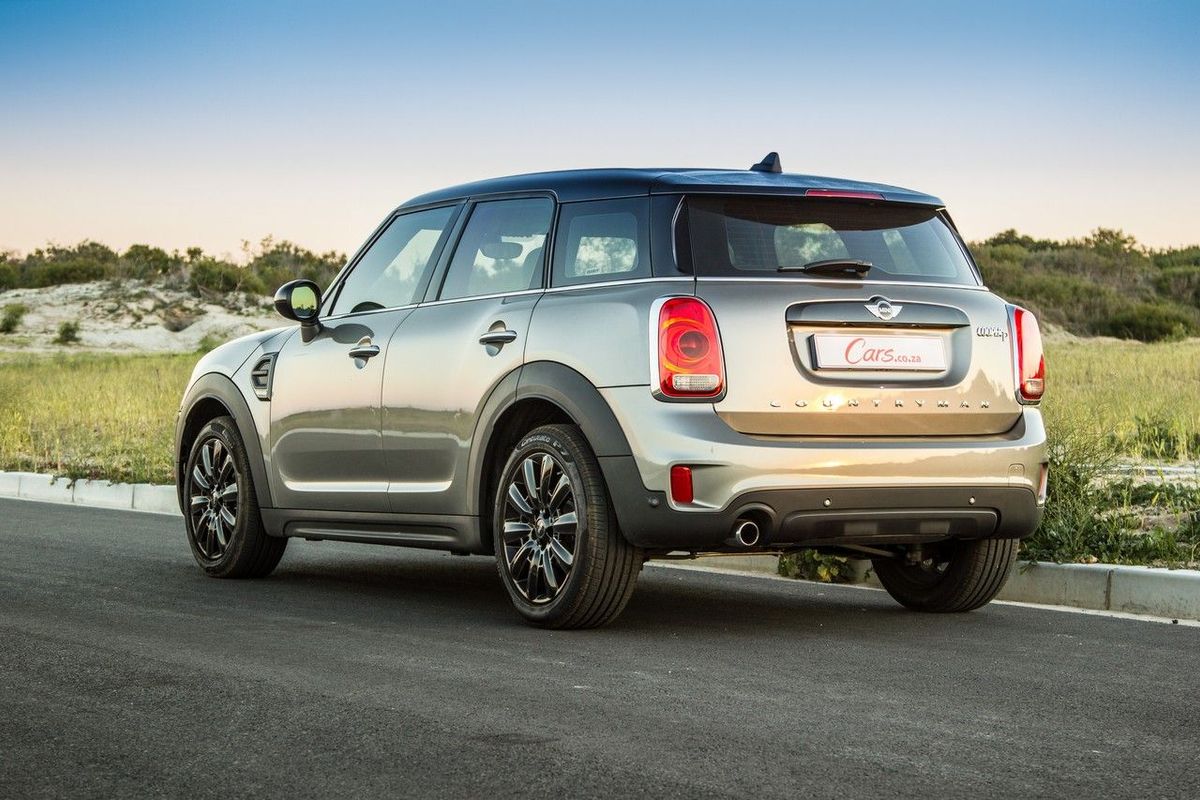
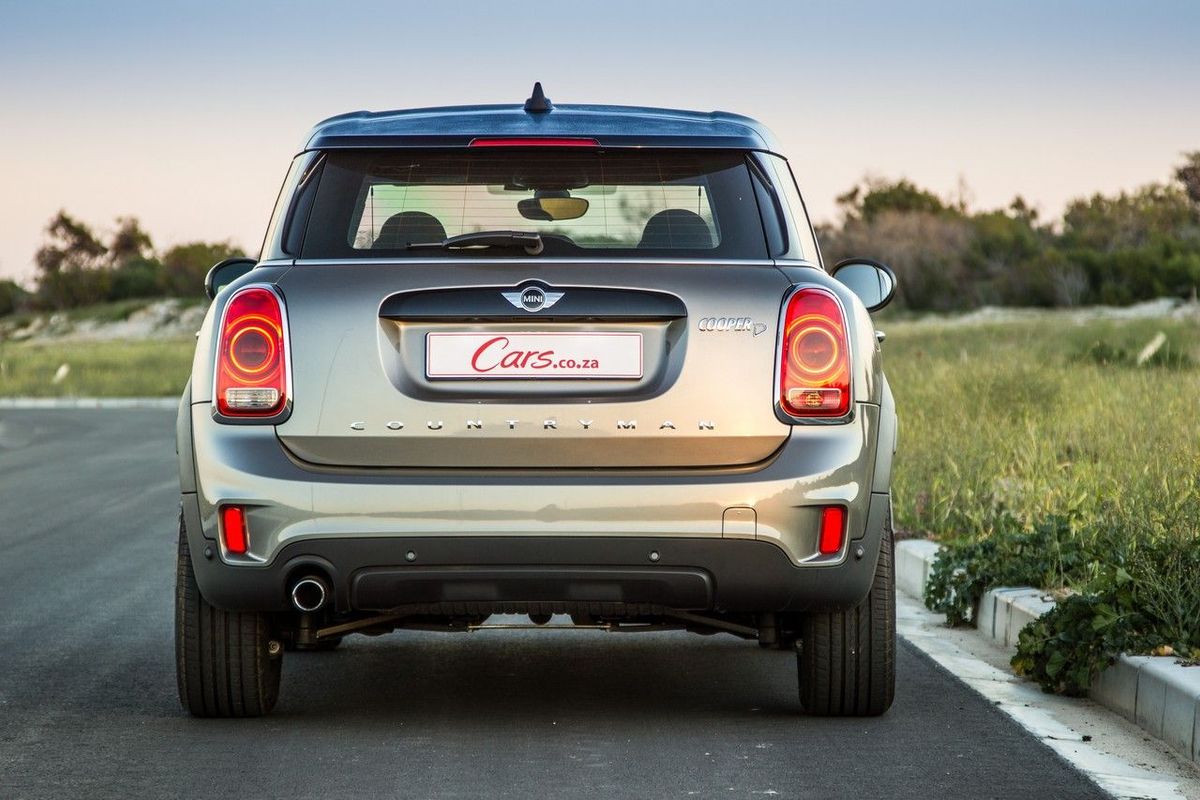
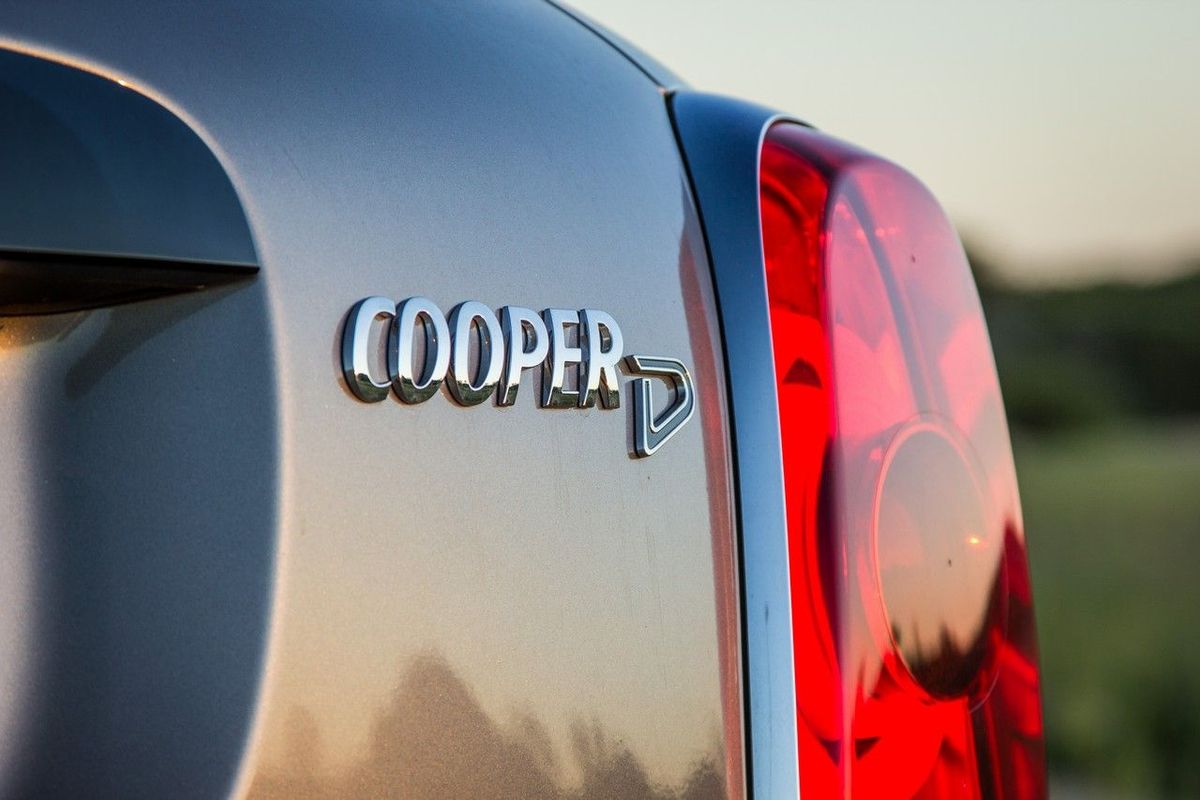
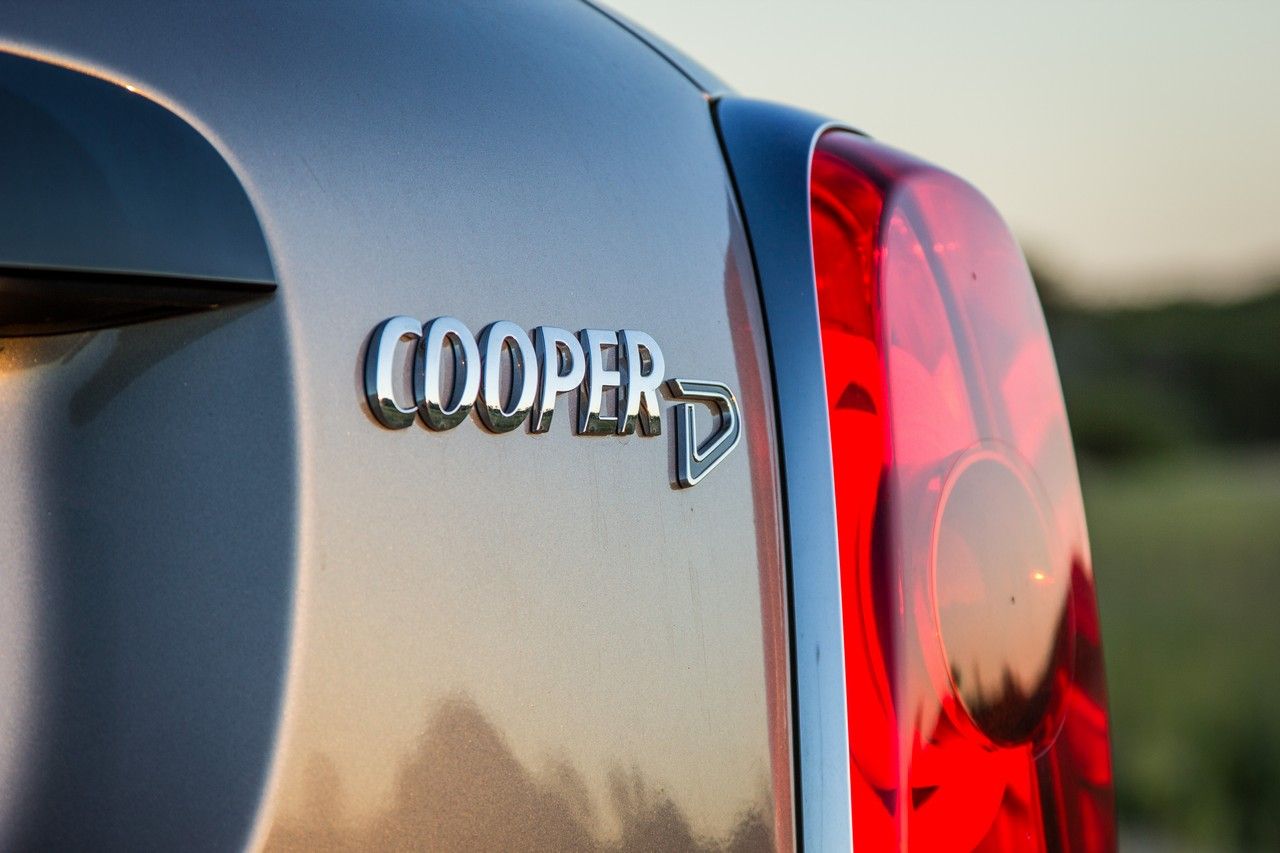
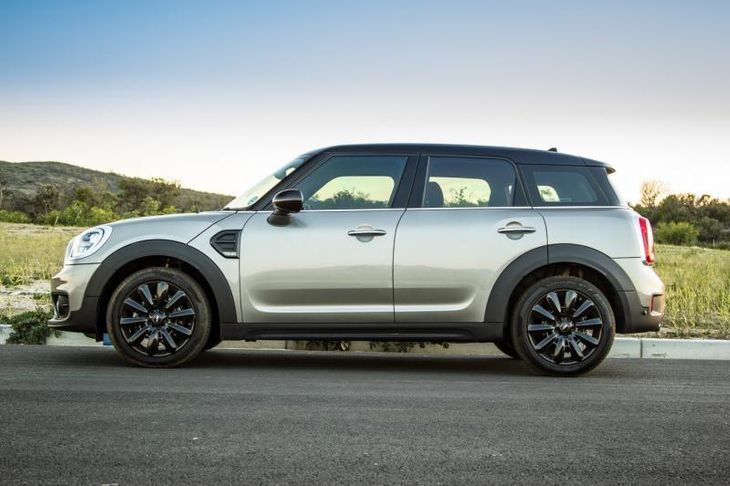
Mini Countryman Cooper D auto (2017) Quick Review

The new Countryman range was recently expanded with the introduction of a turbodiesel derivative – marking the first time an "oil-burning" Mini has been made available in the local market. However, given how impressive the brand's turbopetrol powerplants are, is there space for something as seemingly "un-Mini" as a D version? We investigate.

We Like: Strong, yet frugal diesel powertrain; interior quality, practicality  

We Don’t Like: Pricey optional features

Alternatives

  • The fashionista's choice: The Mercedes-Benz GLA 200d auto is powered by a 2.1-litre turbocharged petrol engine with 100 kW and 300 Nm of torque. It’s not as youthful as the Mini and perhaps not as playful to drive, but it’s definitely an alternative worth considering. It is also quite pricey, coming in at R534 000.
  • The Swedish crossover: The Volvo V40 Cross Country D3 Momentum is a little smaller than the Countryman but offers a sleeker, more hatchback-like shape that seems less bulbous. The current generation V40 CC is getting quite long in the tooth, but it does have an admirable range of petrol and diesel engines and a comfortable interior.
  • The tiniest Q: The Audi Q2 2.0TDI Sport S Line Automatic has loads of styling appeal and a lower power output of 105 kW, although it has 20 Nm more torque (350 Nm). It’s not cheap, but competes well in terms of visual appeal; it suits those looking to draw attention.

Compare the Mini Countryman D with its rivals here!

Facts & Figures

Price: R475 684 (November 2017)
Engine: 2.0-litre turbodiesel four-cylinder
Power/Torque: 110 kW / 330 Nm
Transmission: 6-speed automatic
Fuel consumption: 4.7 L/100 km (claimed)
0-100 kph: 8.8 secs
Top speed: 208 kph
Boot capacity: 450–1 390 litres


Although turbodiesel Minis have been a part of the European motoring landscape since BMW took custodianship of the brand, this is the first D derivative in South Africa.

What is it?

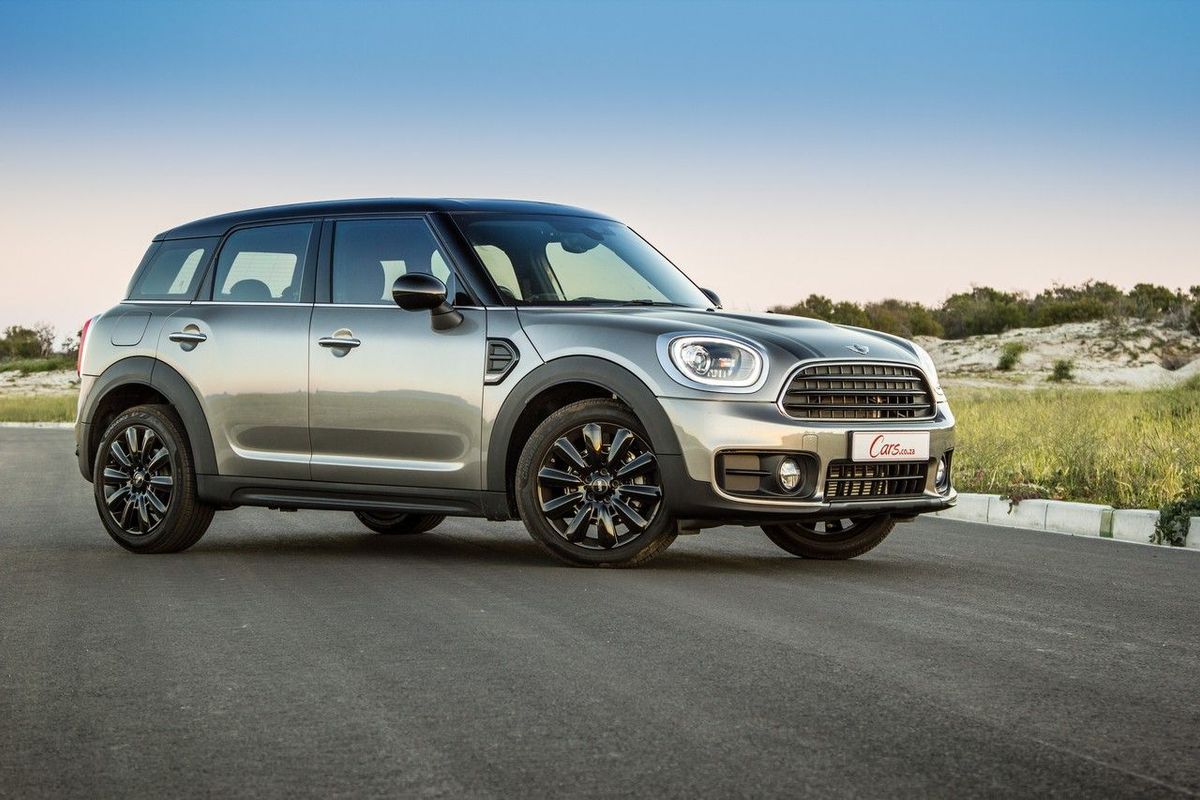
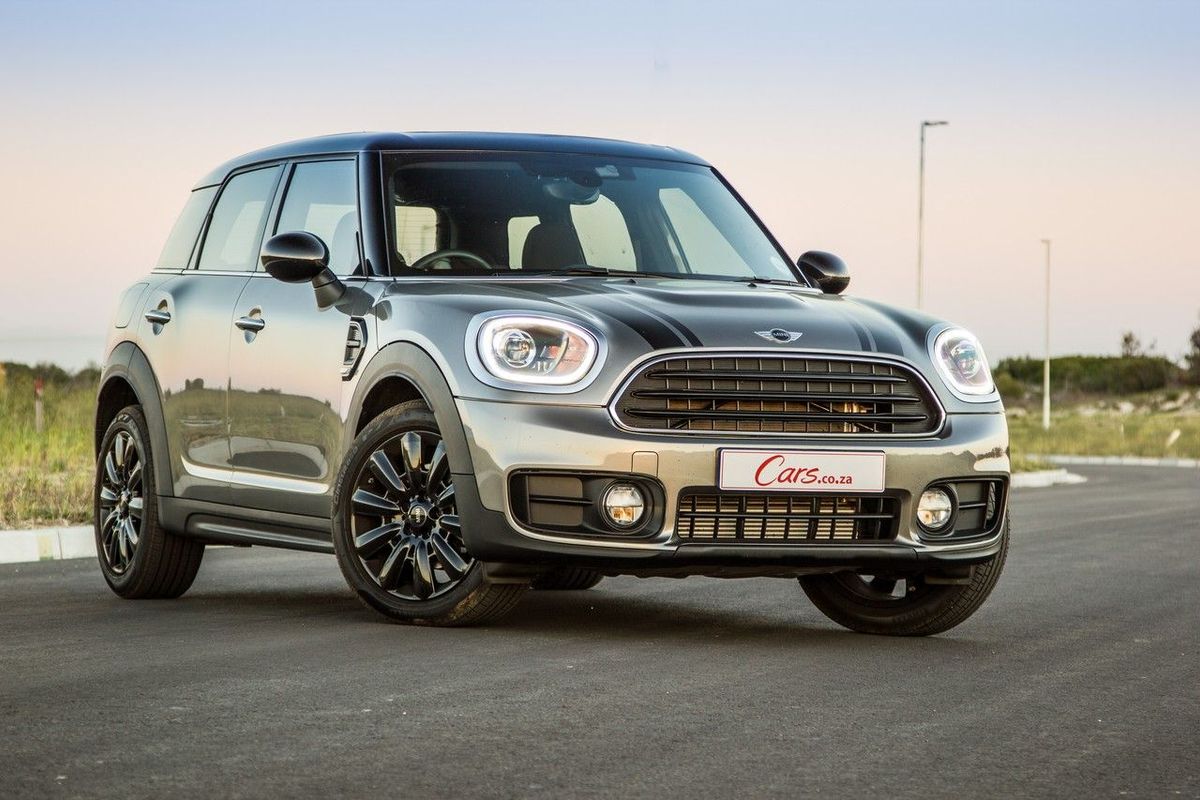
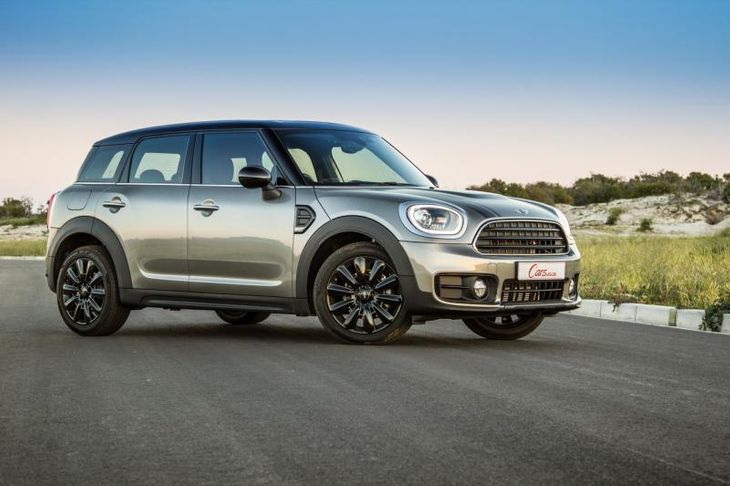
What is the world coming to? First Mini introduces a sensible compact family car called the Countryman and now it's chosen a turbodiesel engine to power it! Here we have a vehicle that could quite possibly be called the Anti-Mini. It's the Mini Countryman, tested in Cooper D automatic guise. The 2nd generation Countryman is a decisive leap forward for the Mini brand. The 1st generation Countryman was hindered by an overly firm ride and featured some questionable quality cabin plastics that critics felt weren't quite up to Mini's attainable-luxury brand image. Compared with the outgoing model, the new Countryman is bigger, longer, wider, better finished and, indeed, a relatively practical family car. 

The addition of a turbodiesel engine mixes things up a bit. Whereas you'd assume that a fun and funky brand such as Mini would be hellbent on using nothing but zesty turbopetrol powerplants, a turbodiesel engine makes a fair amount of sense. The Countryman is marketed as a more mature proposition and the economy offered by a so-called oil burner could appeal to those seeking a more relaxed way of driving. But does it actually work?

This article focuses on the powertrain of this new Mini Countryman. For a comprehensive review and evaluation of the Countryman, click here.


A turbodiesel engine makes more sense in the Countryman than you'd expect. Think of it as a cheaper, funkier and more stylish BMW X1.

The Good

The merits of the engine 

The turbodiesel engine of choice is the N47 from BMW, which does duty in many products from the Bavarian manufacturer's Group. We've experienced this powerplant before in the BMW X1, but in that application, it has been tuned to deliver more oomph. On paper, outputs of 110 kW and 330 Nm are on par for the segment. It's not overly clattery like 'diesels of an older generation and the power delivery is reasonably smooth. 


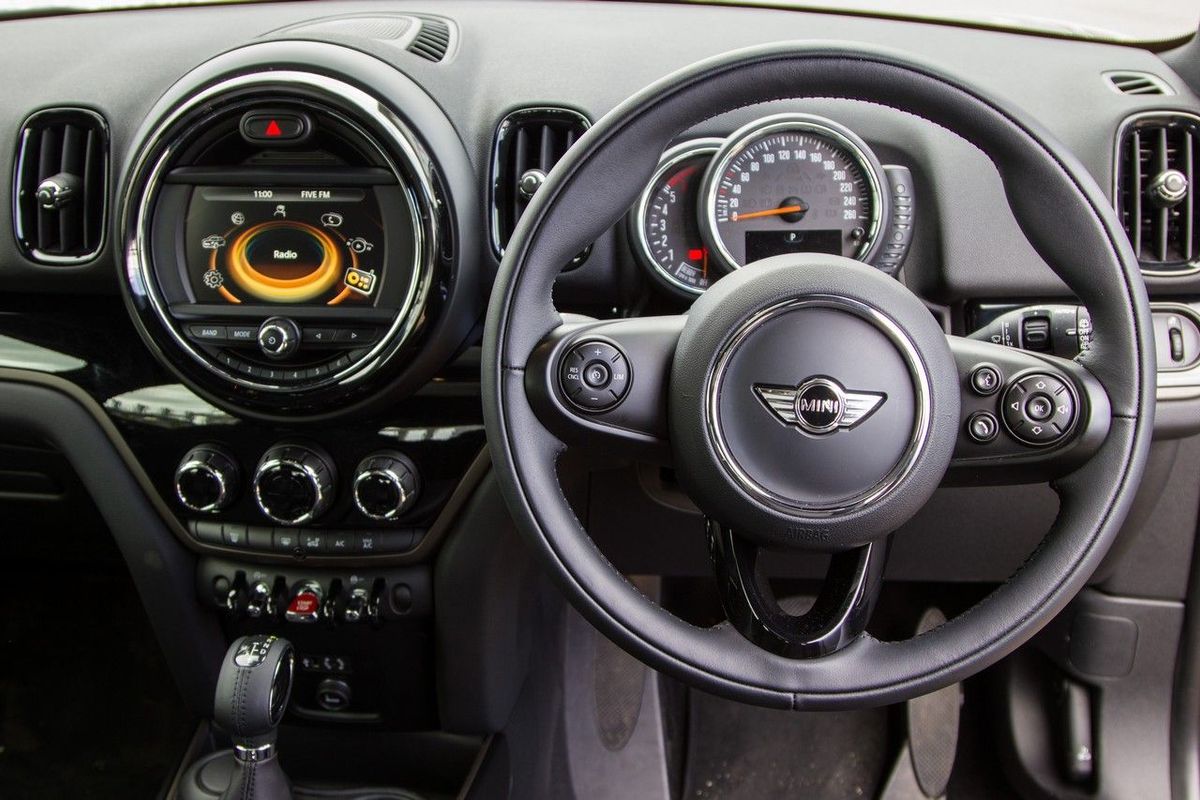
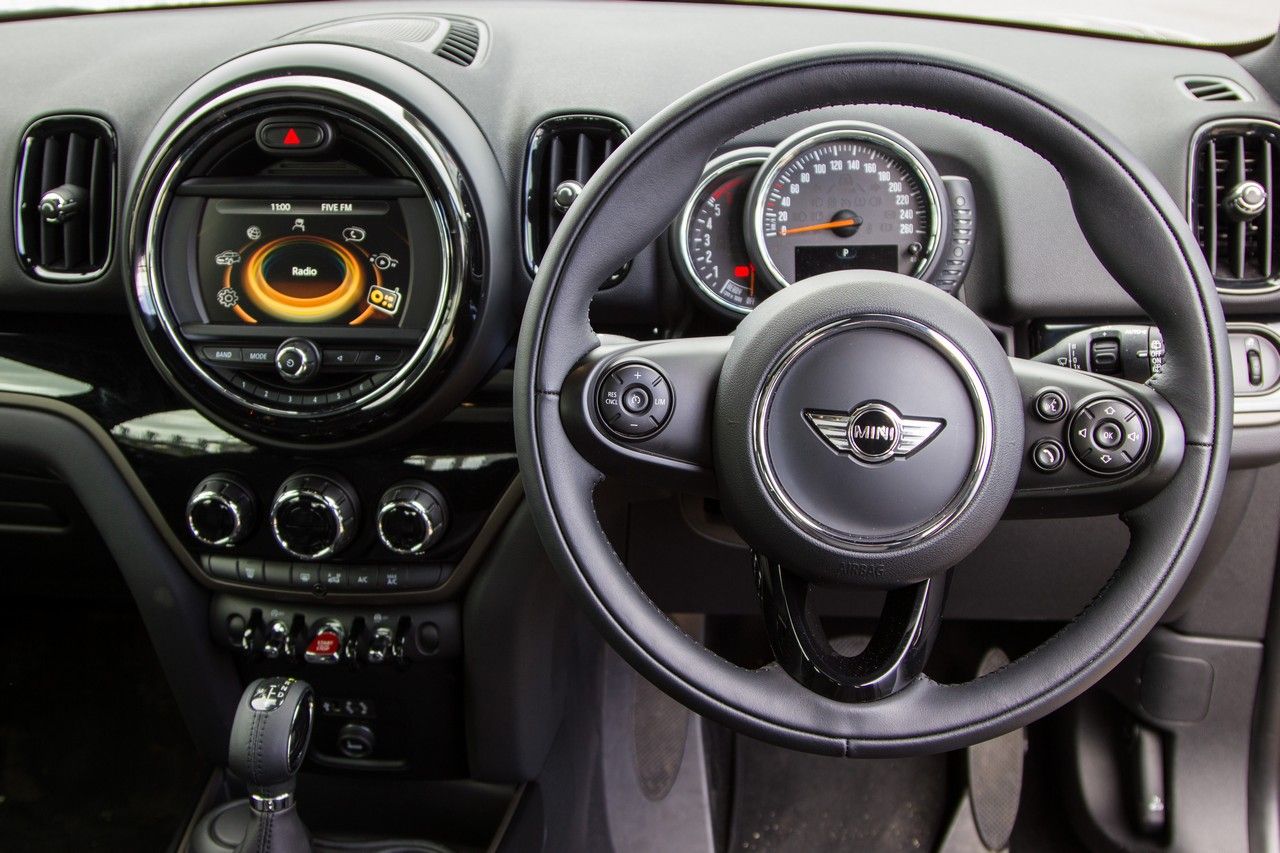
Quirky fascia architecture of the Countryman is still an acquired taste (especially the circular infotainment cluster), but build quality impresses.

Still-Engaging Ride and Drive

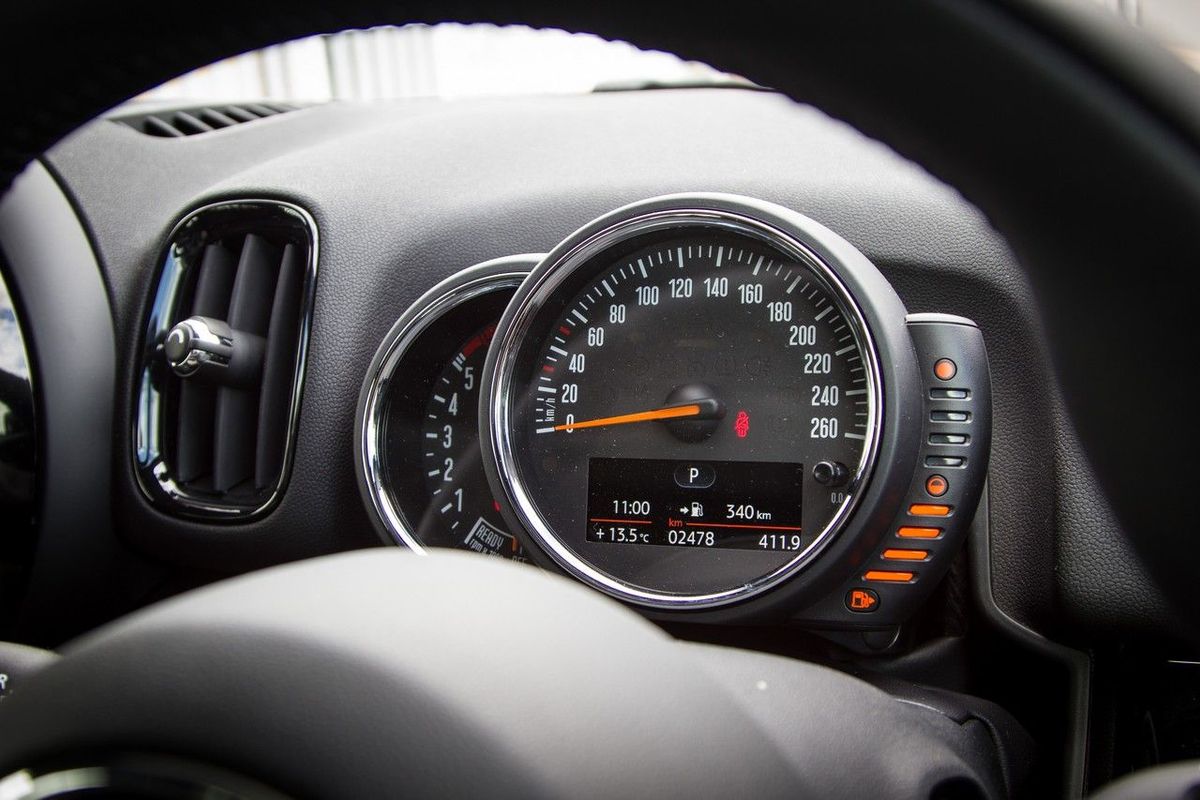
The Mini Countryman Cooper D undoubtedly retains its Mini-esque driving traits. The engine delivers all of its torque early in the rev range and liberal use of throttle will see the rev counter and speedometer needles climb almost in unison. It's only towards the top of the rev range that some rough engine noise translates to the cabin, but the newer-generation Mini cabins have super NVH suppression, which helps to drown out excess noise.

As we've sampled the Countryman's petrol-engined siblings before, we were quite relieved to find that the Cooper D drives in much the same manner, which is fantastic as some motorists regard turbodiesel cars as a trifle boring (if not controversial, but Dieselgate is another story).

Nevertheless, the Countryman drives well. The ride is a bit on the firm side and unlike its hatchback siblings, body roll is apparent, so you can't just pitch it into corners and plant your right foot on the loud pedal like the Minis of old. The steering is set up for more long-road comfort, so while the wheel is light to twirl, it needs more lock applied to turn in with urgency (compared with ordinary Minis, remember the Countryman has a wider track).


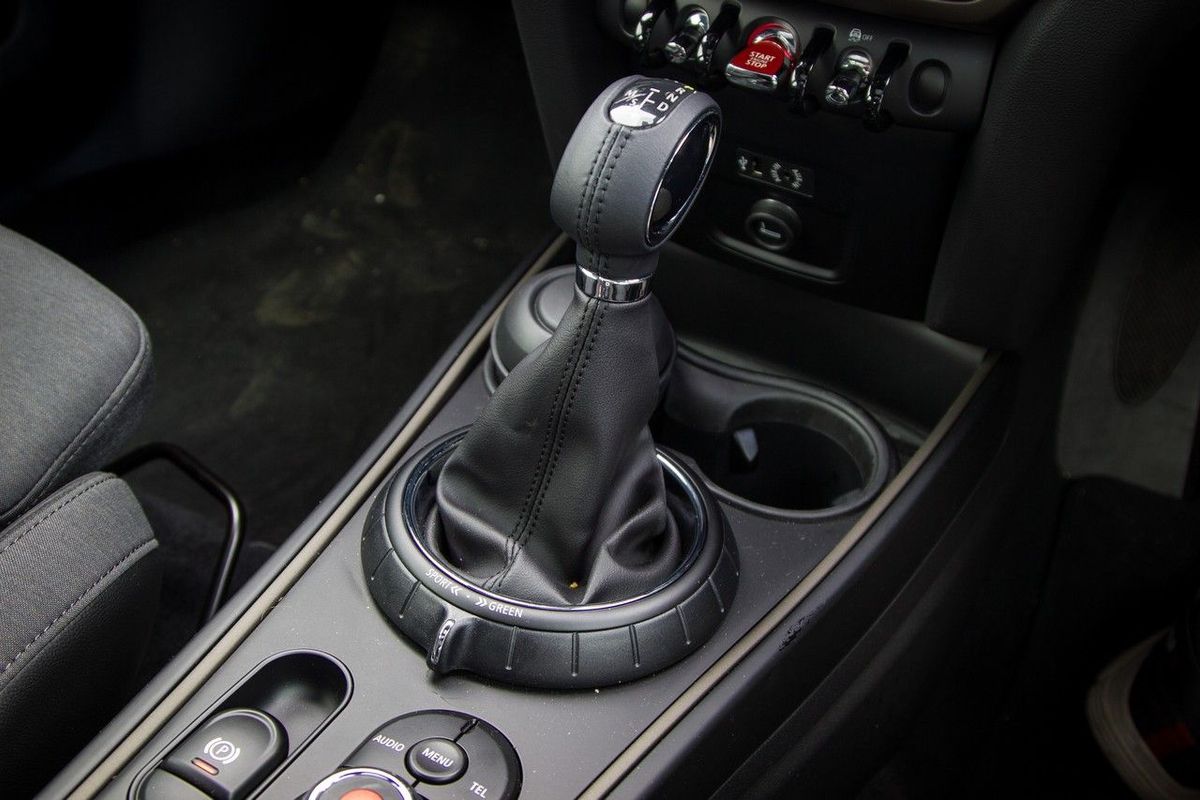
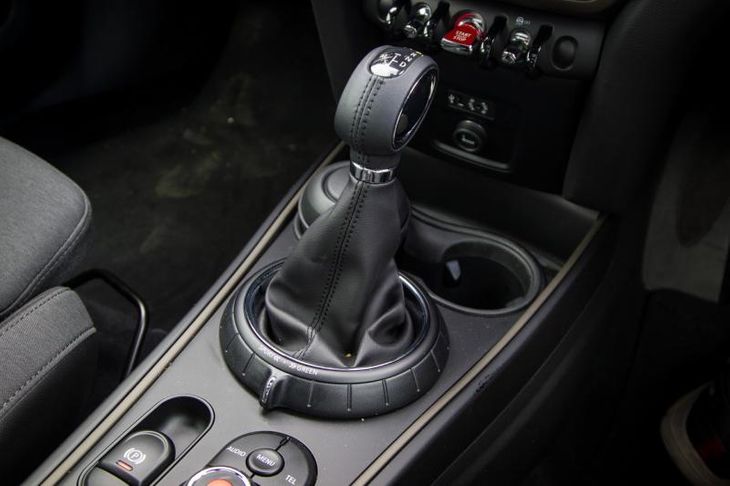
The six-speed automatic does a fine job of keeping the engine in the sweet spot as well as helping keep consumption down

The Not-so-good

Cost of options

Like all Minis, a vast array of optional features are on offer to customise your car to your preferences. For buyers, this is both an attractive and costly exercise. Fortunately, it's not as dire a situation as the Countryman flagship JCW whose price can rapidly inflate to crazy levels. With Countryman Cooper D however, the derivative's tantalisingly competitive price – it offers 50 N.m more torque than its Cooper S sibling, but costs about R44k less (November 2017) – means that, budget permitting, you could spec a few additional options while still coming in cheaper than its turbodiesel rivals and the aforementioned S derivative. May we suggest the Wired pack, which enhances the connectivity and navigation options at R28 000?

Price and warranty

This Mini Countryman Cooper D automatic is priced at R475 684 and is sold with a 2-year/unlimited km warranty and a 5-year/100 000 km maintenance plan with service intervals set at 20 000 km.

Buy a Mini Countryman on Cars.co.za

Verdict


The diesel automatic combination of the Mini Countryman Cooper make for a refined and mature drive, but will anyone actually buy it?

What the Countryman Cooper D loses in driving fun compared with its petrol siblings (it has a more laidback throttle response, for what that's worth), it more than makes up for it in terms of value for money and fuel economy. A turbodiesel offering literally and figuratively sounds like the antithesis of what Mini stands for, but the reality is that greater choice and variety benefits the consumer.

We don't expect the Cooper D will be much of a threat to its petrol-powered siblings in terms of sales, but it makes sense for those who have a keen interest in consuming the lowest possible litres per 100 kilometres. The engine pulls well, offers plenty of in-gear overtaking shove and, while petrolheads may scoff at the idea of a turbodiesel family-friendly Mini, in reality, the D represents a sensible, value-for-money proposition.

Related Content

Mini JCW Countryman & Clubman (2017) Launch Review

Mini Countryman (2017) First Drive

Mini Countryman Cooper (2017) Review

New Mini Countryman Revealed [with Video]
Mini Countryman Plug-in Hybrid Announced

Mini Countryman JCW Revealed

Mini Countryman S sports-auto (2017) Quick Review

Mini Cooper S Clubman (2016) Review

Audi Q2 (2017) Test Drive & Review Video

Mercedes-Benz GLA 220d 4Matic (2017) Quick Review

Interested in buying a Mini Countryman?

Find a new/used example for sale on Cars.co.za

Range Rover Velar P380 HSE (2017) Video Review

The arrival of an all-new Range Rover has caused quite a stir – and understandably so. Essentially the cousin to the Jaguar F-Pace, the Velar is the boutique full-sized premium SUV equivalent of the Evoque, but much more sophisticated and exclusive, of course. 

The Velar has arrived to almost universal acclaim for its stellar looks. But a car's appeal has to be more than skin deep for it to achieve success. In this video, we take a detailed look at the newcomer. We cover its rather exceptional interior and new features such as the dual touchscreen infotainment systems.

We stretch the legs of the potent V6 motor fitted to our top spec P380 HSE test unit and we even delve into the rather mundane but critical topic of rear leg room. And, given that the Velar and Sport are so similarly priced in South Africa, we sense some sibling rivalry in the Range Rover line-up. As impressive as the Velar may be, we couldn't help but ask ourselves: which one is the better Range Rover?

Related Content:

Range Rover Velar: 5 Cool Features

Range Rover Velar (2017) Specs & Pricing

Range Rover Velar (2017) International Launch Review

Range Rover Velar (2017) Launch Review [with Video]
7 Rivals the Range Rover Velar Needs to Beat

Update: Range Rover Sport Hybrid Revealed [w/video]

Facelifted Range Rover Revealed [w/Video]

Update: New Range Rover Velar SUV Revealed

Range Rover Evoque Convertible (2017) Quick Review

Range Rover SVAutobiography Dynamic Introduced

2015 Range Rover and Range Rover Sport Introduced With More Power and New Tech (Video)

Audi Q7 vs Volvo XC90 Video Review and Comparison

All-New Mercedes-Benz CLS Breaks Cover

Mercedes-Benz has revealed the next-generation CLS 4-door coupe at the LA Motor Show! Take a look at the details below!

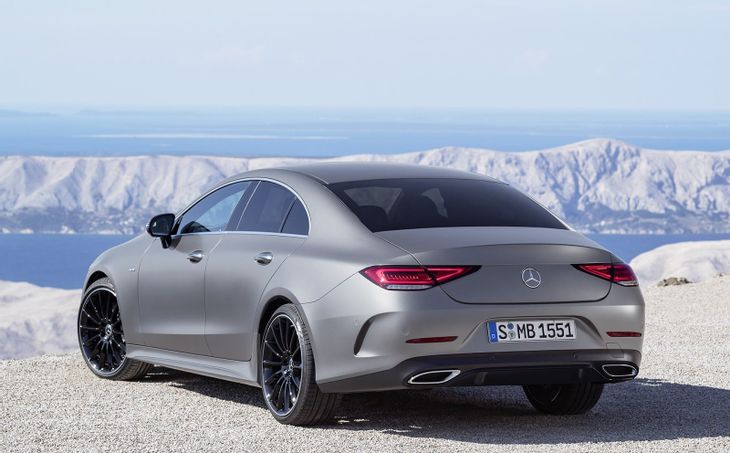
The Mercedes-Benz CLS is a stylish 4-door coupe that rides on the E-Class platform and an all-new, third generation model has been revealed at the LA Motor Show. The new CLS is expected to arrive in South Africa in the fourth quarter of 2018. 

Styling details


The new CLS' styling has received mixed reactions, particularly when viewed from the rear. 

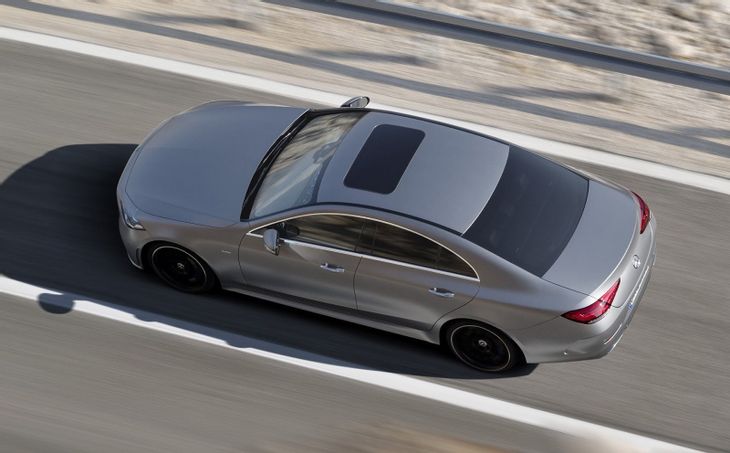
Much like the CLS versions before it, this new CLS still exudes a distinct 4-door coupe outline. The front-end is dominated by a single louvre, diamond grille that slants forward and widens at its base. The grille is flanked by newly designed LED headlights that are flat and wide but inward slanting to follow the contour of the grille. From the side, the new CLS displays a high waistline with frameless windows, giving it a sporty edge. At the rear, the CLS features a new 2-section taillight design with a crystalline appearance that gives them a 3D effect. 


A 12.3-inch Widescreen Cockpit first seen on the E-class has made its way into the CLS.

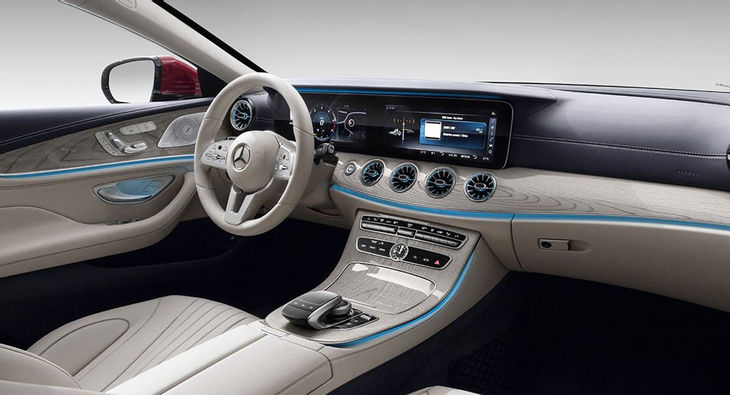
The interior design communicates a sense of width and general spaciousness with high-quality finishes. A major design highlight is the illuminated air vents which are inspired by jet engine turbines and they also enhance the overall visual appeal of the interior. Furthermore, a 12.3-inch Widescreen Cockpit will be offered as an option, much like that found on the E-Class. The fully digital cockpit can be configured according to your tastes with 3 styles on offer including Classic, Sport and Progressive. Interior ambient lighting is individually adjustable with 64 colours to choose from. 

The seats were specifically designed for the CLS with the outer rear seats adopting the same appearance as the front seats giving it a sporty single-seat impression. However, the CLS has been designed to seat 5 people for the first time. The rear seats can be folded down in a 40/20/40 configuration to open up more space. The luggage bay offers 520 litres of space.  

Engine details


A total of 3 engines will be offered from launch with outputs ranging from 210 kW to 270 kW.

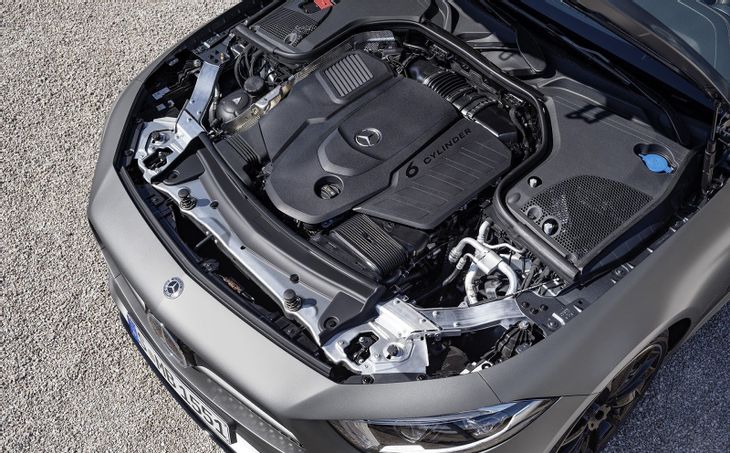
The new CLS will be powered by a range of in-line 6-cylinder and in-line 4-cylinder petrol and diesel engines. At launch, the CLS will be offered with the choice of three 3.0-litre 6-cylinder engines seen in the CLS 350d, CLS 400d and CLS 450, all with 4Matic all-wheel drive. 

The CLS 350d 4MAtic will offer 210 kW and 600 Nm of torque while the CLS 400d 4Matic will offer 250 kW and 700 Nm of torque. The petrol-powered CLS 450 4Matic is systematically electrified with an integrated starter/generator (EQ Boost) and 48 V onboard electrical system. Power outputs for this derivative are pegged at 270 kW and 500 Nm of torque with an additional 16 kW and 250 Nm available using EQ Boost for short periods. A bespoke CLS Edition 1 will also be available for a period of about 1 year after market launch. 

The CLS rides on a 4-link front suspension and a 5-link rear suspension. A steel comfort suspension is offered as standard while the Dynamic Body Control and Air Body Control suspension systems will be offered as an option. 


A smattering of safety and driver assistance technology is offered on the new CLS, mostly from the latest S-Class.

The CLS has inherited much of its latest driver assistance technology from the latest S-Class including the optional Driving Assistance Package which includes Active Distance Control DISTRONIC, Active Steering Assist, Active Speed Limit Assist, Active Brake Assist with cross-traffic function, Evasive Steering Assist, Active Blind Spot Assist, Active Lane Keeping Assist and PRE-SAFE® PLUS. Standard safety features include Active Brake Assist, Lane Keeping Assist, Attention Assist, Speed Limit Assist and the occupant protection system Pre-Safe and Pre-Safe Sound. The CLS also features an improved camera and radar system and for the first time, can make use of map and navigation data to calculate driving behaviour. 

Watch the CLS on the Nurburgring below! 

Further Reading

Spy Shots: Mercedes-AMG's 4-door GT (GT4)

Driven: (2014) Mercedes-Benz CLS

Mercedes-Benz CLS 63 AMG S (2014) Review

Drag Race: Mercedes A45 AMG vs CLS 63 AMG S

Want to buy a Mercedes-Benz CLS?

Browse new and used stock here

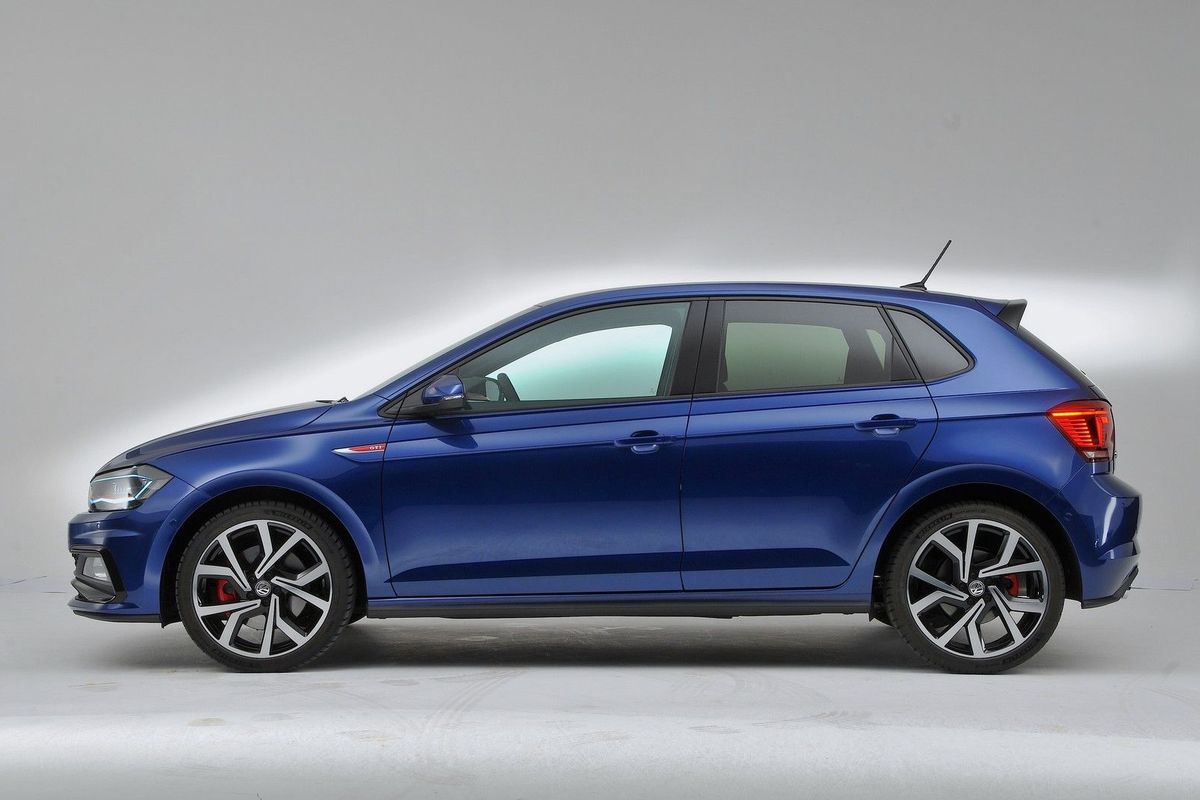
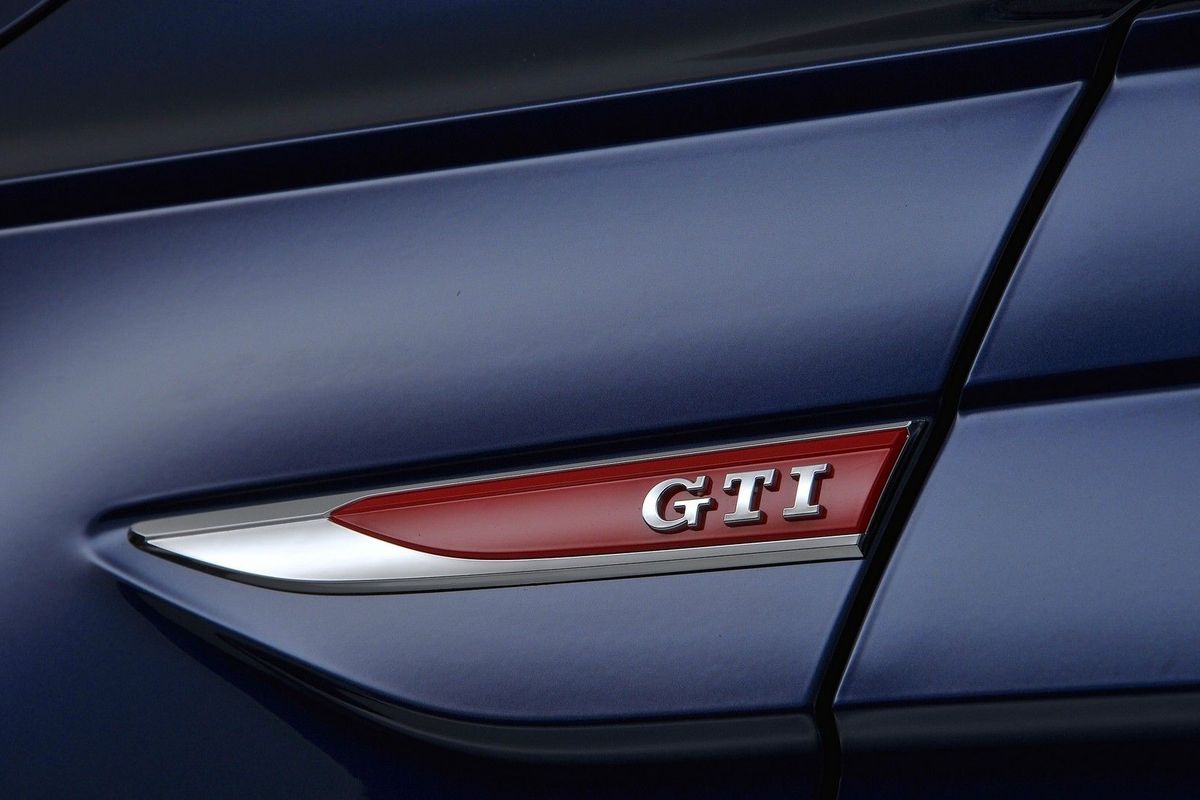
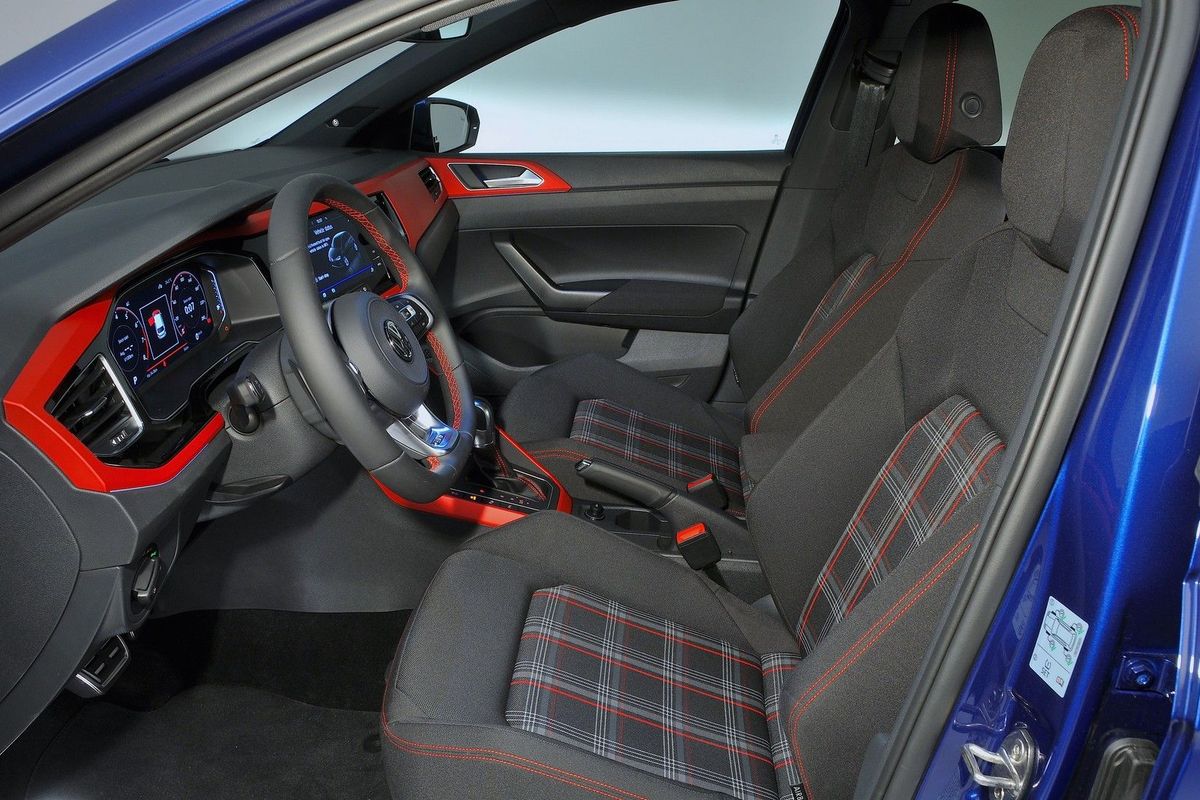
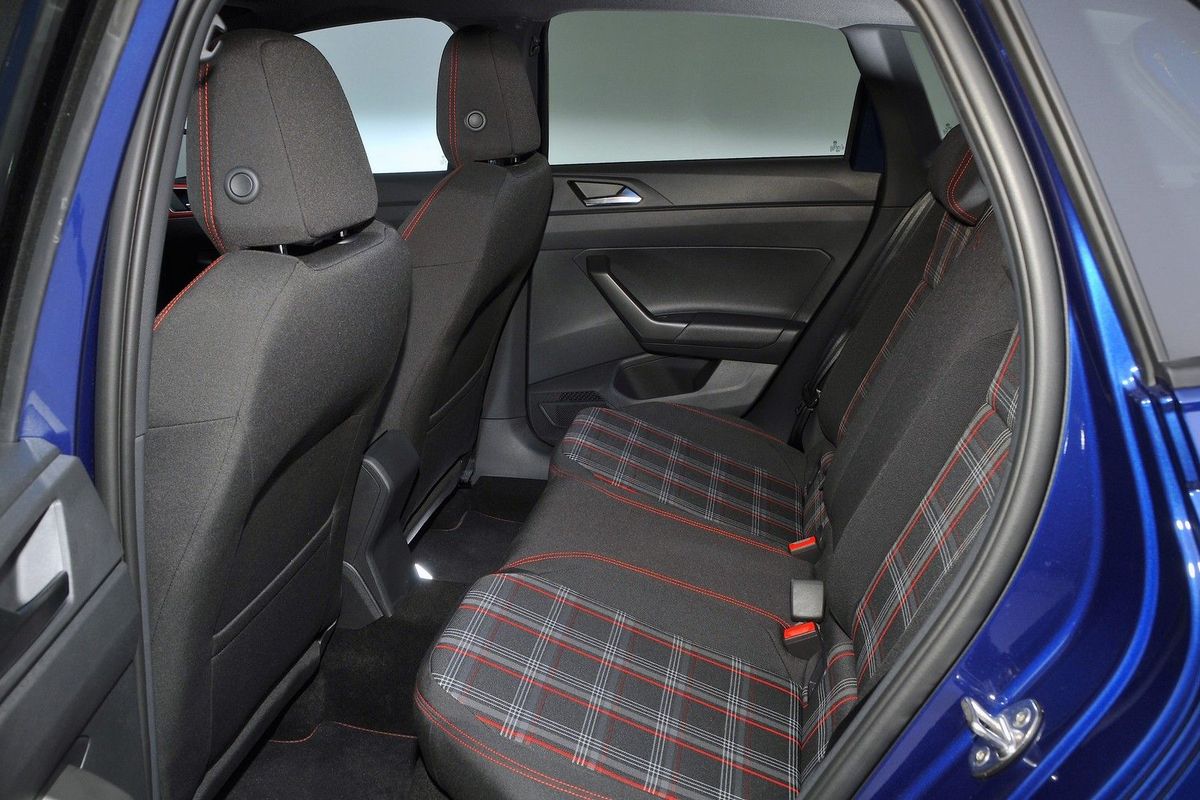
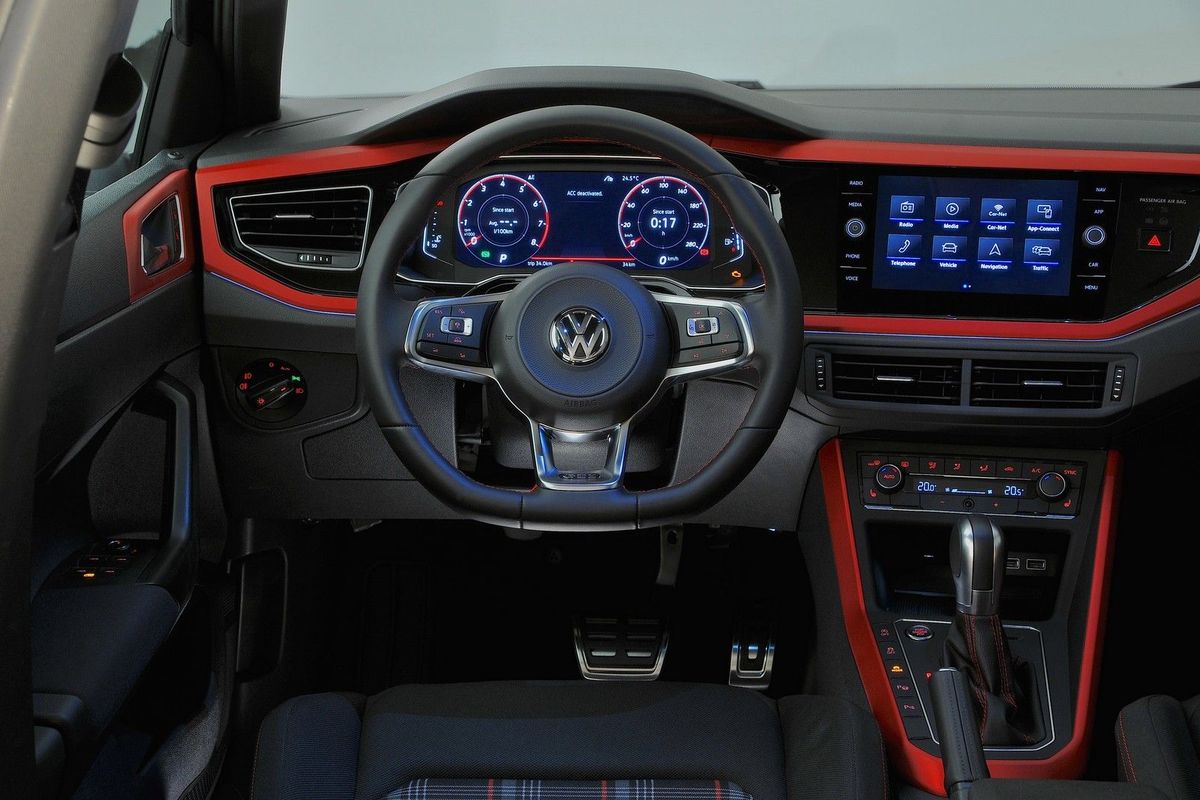
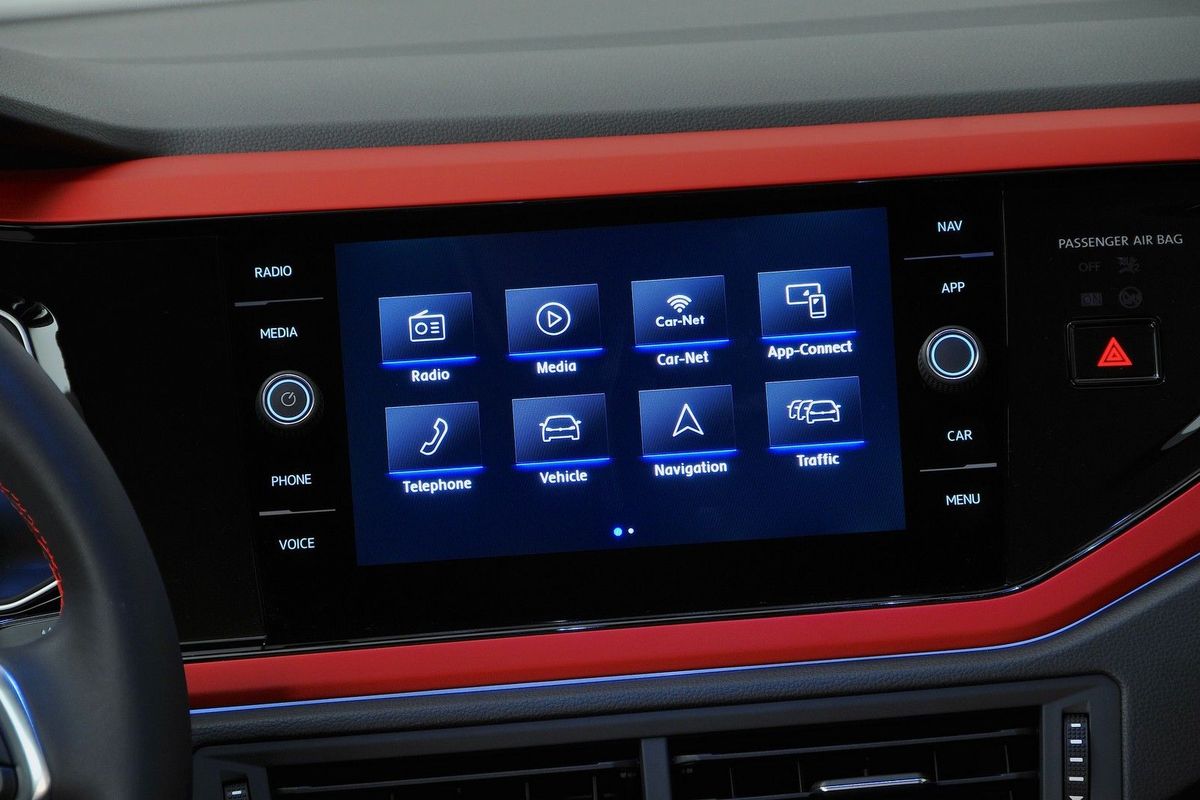
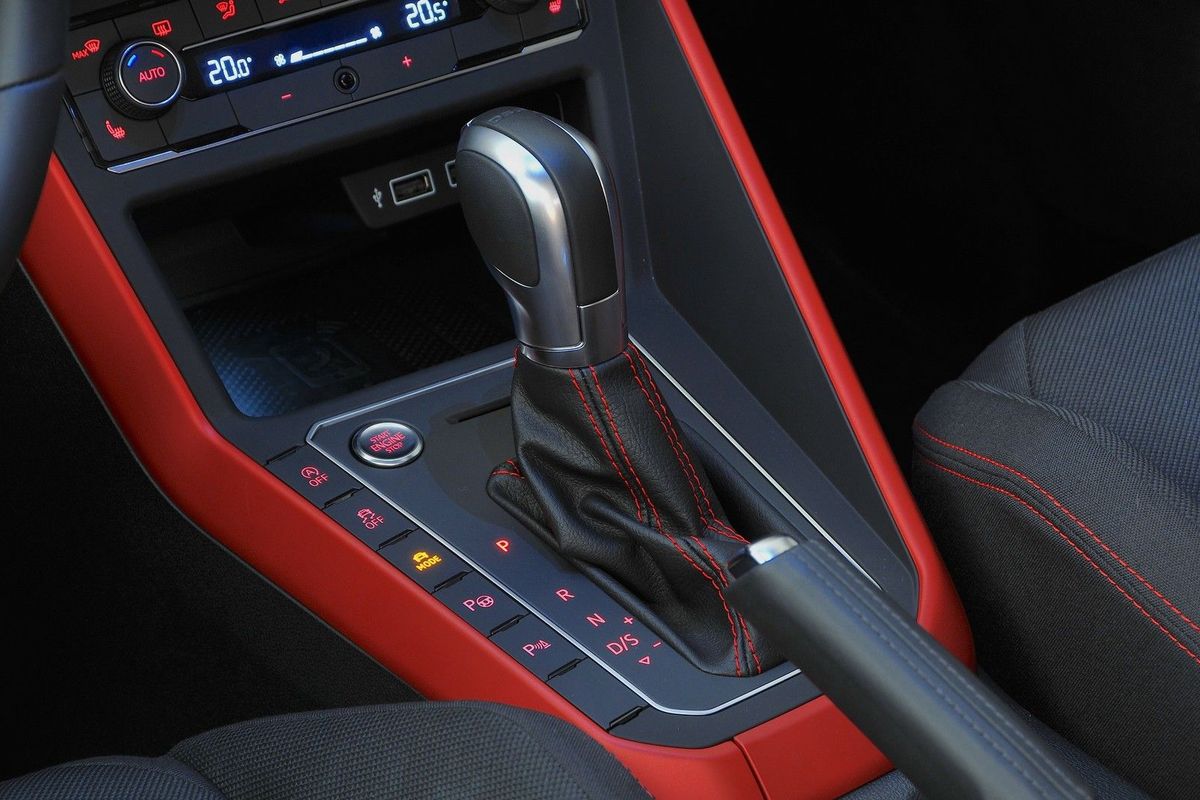
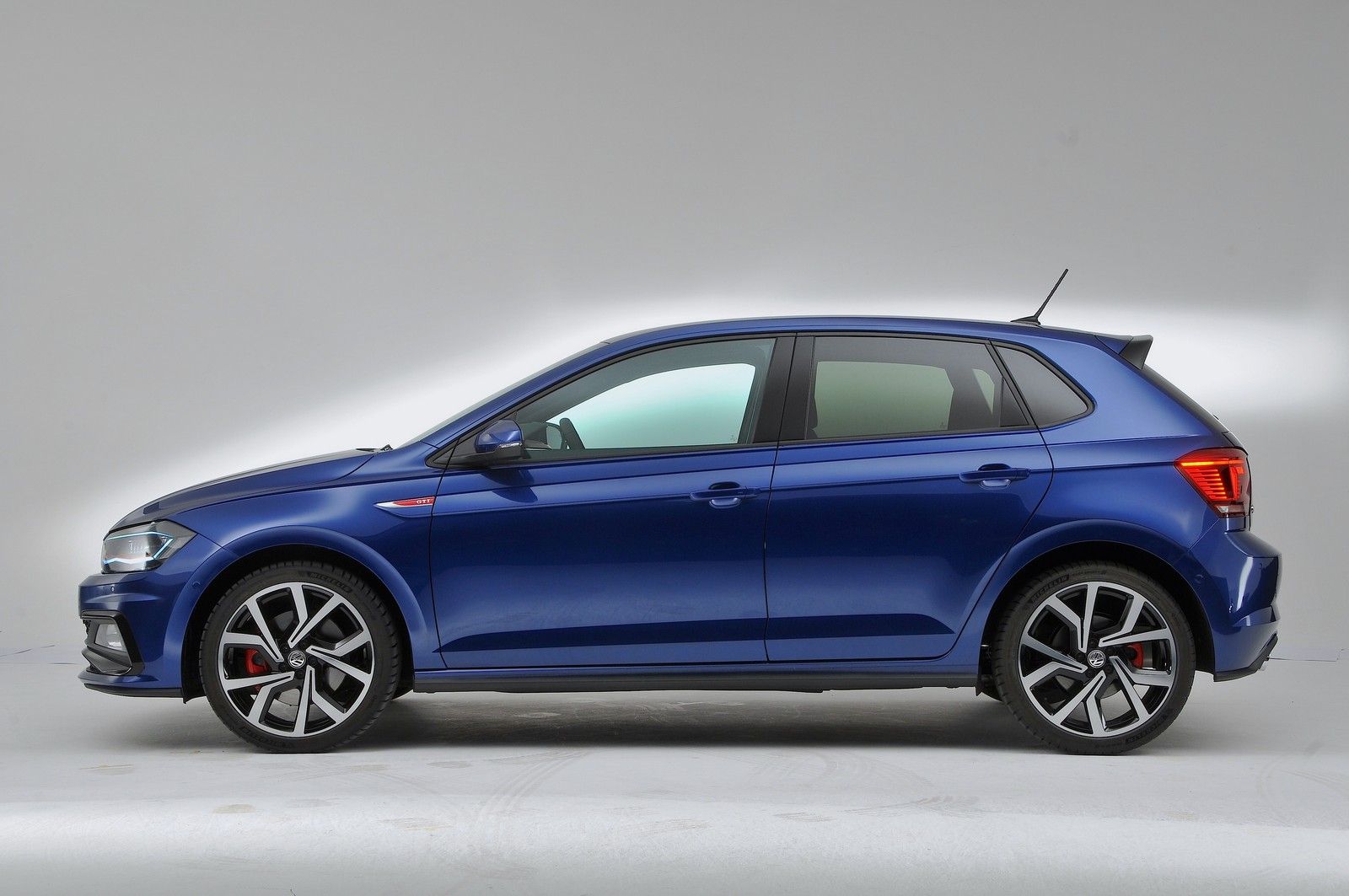
New VW Polo GTI: 5 things you need to know

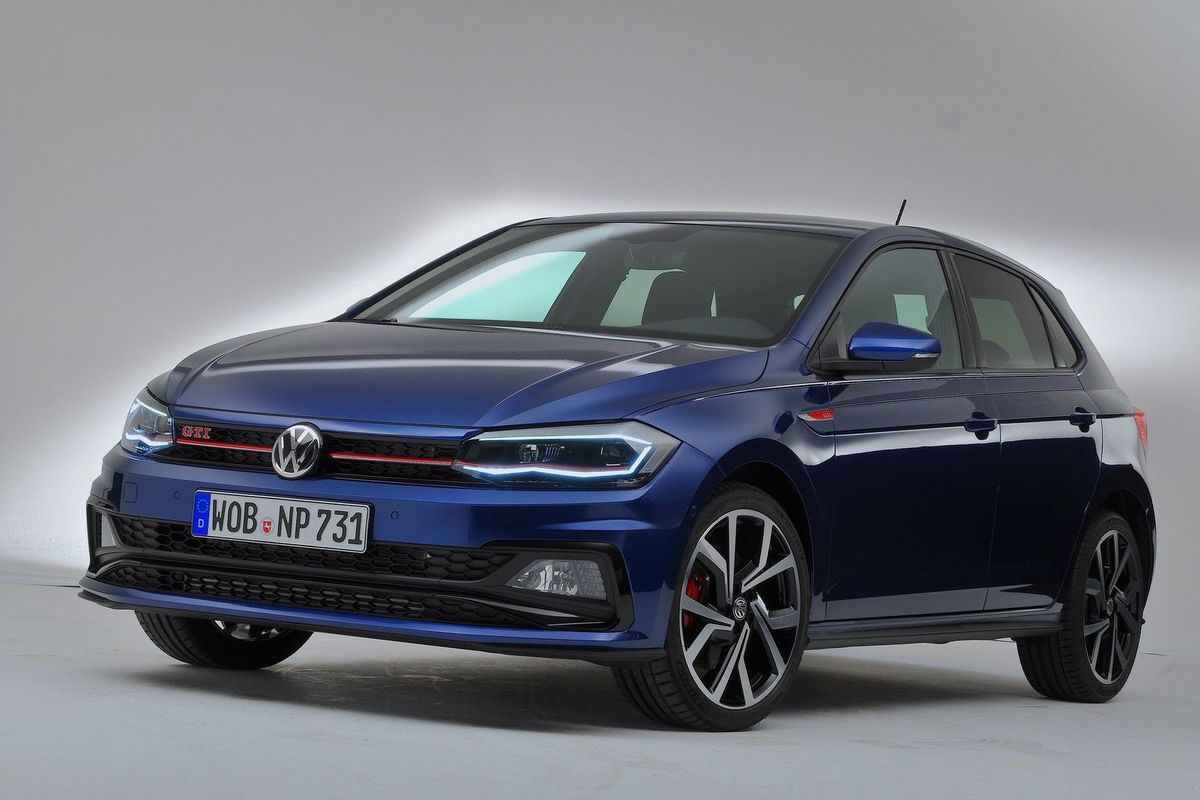
South Africa will see the release of the eagerly awaited Volkswagen Polo GTI in the middle of 2018. We gathered some intel from the small car line director, Ralf Kolling about the upcoming performance hatch. Here's what you need to know.

1. It's "better to drive than a Golf GTI"

Volkswagen is promising a sharper and more agile driving experience from the new 236 kph Polo GTI, compared with the more mature driving manners of the Golf GTI.

“The Polo GTi is shorter, lighter and better to drive,” said Volkswagen’s small car line director, Ralf Kölling. “The Golf has performance more oriented to the highway, the Polo GTI is more agile for a really good drive. The shorter wheelbase than the Golf gives the Polo that extra feeling of agility."

Kölling and his team have been working on the Polo GTI for 3-and-a-half years, helped by the green light from Volkswagen high-ups just six months after work began on the latest Polo. “We decided early in the project that we wanted a GTI version of the Polo and that has helped with having space under the bonnet for the bigger engine,” said Kölling.

2. The 2.0-litre turbo is all about consistent torque

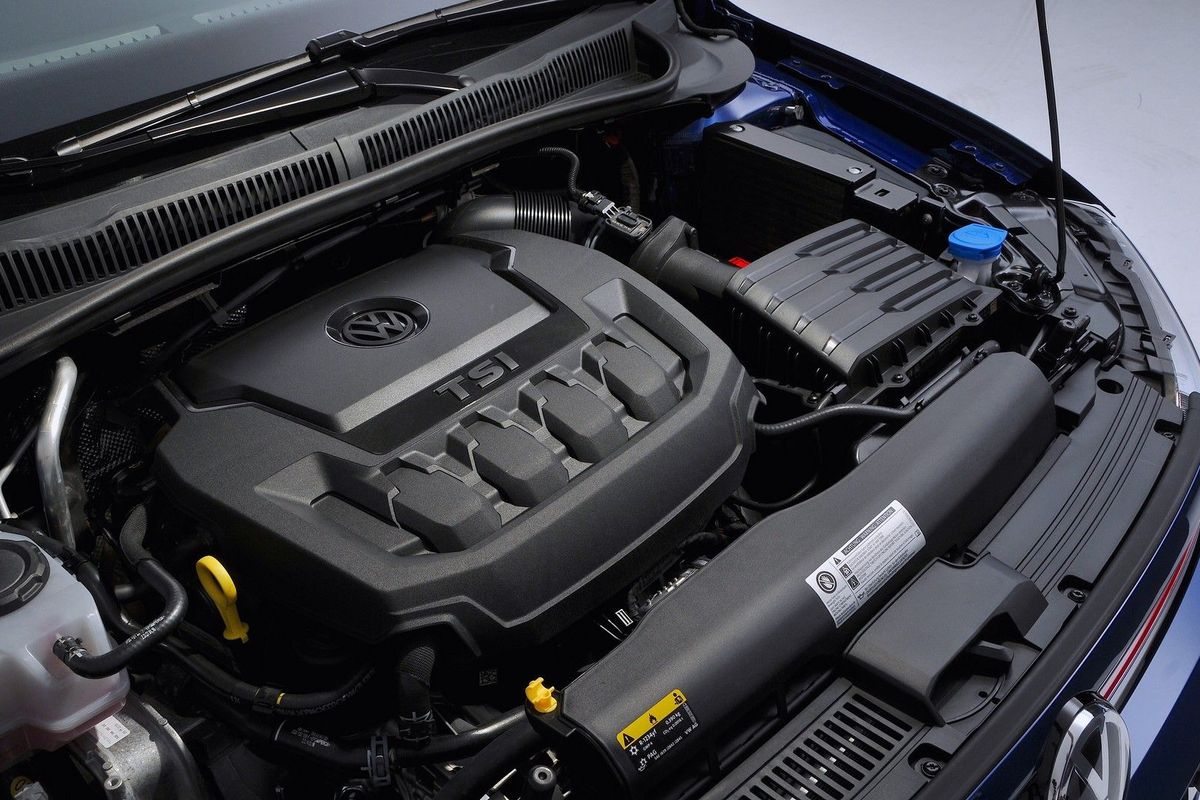
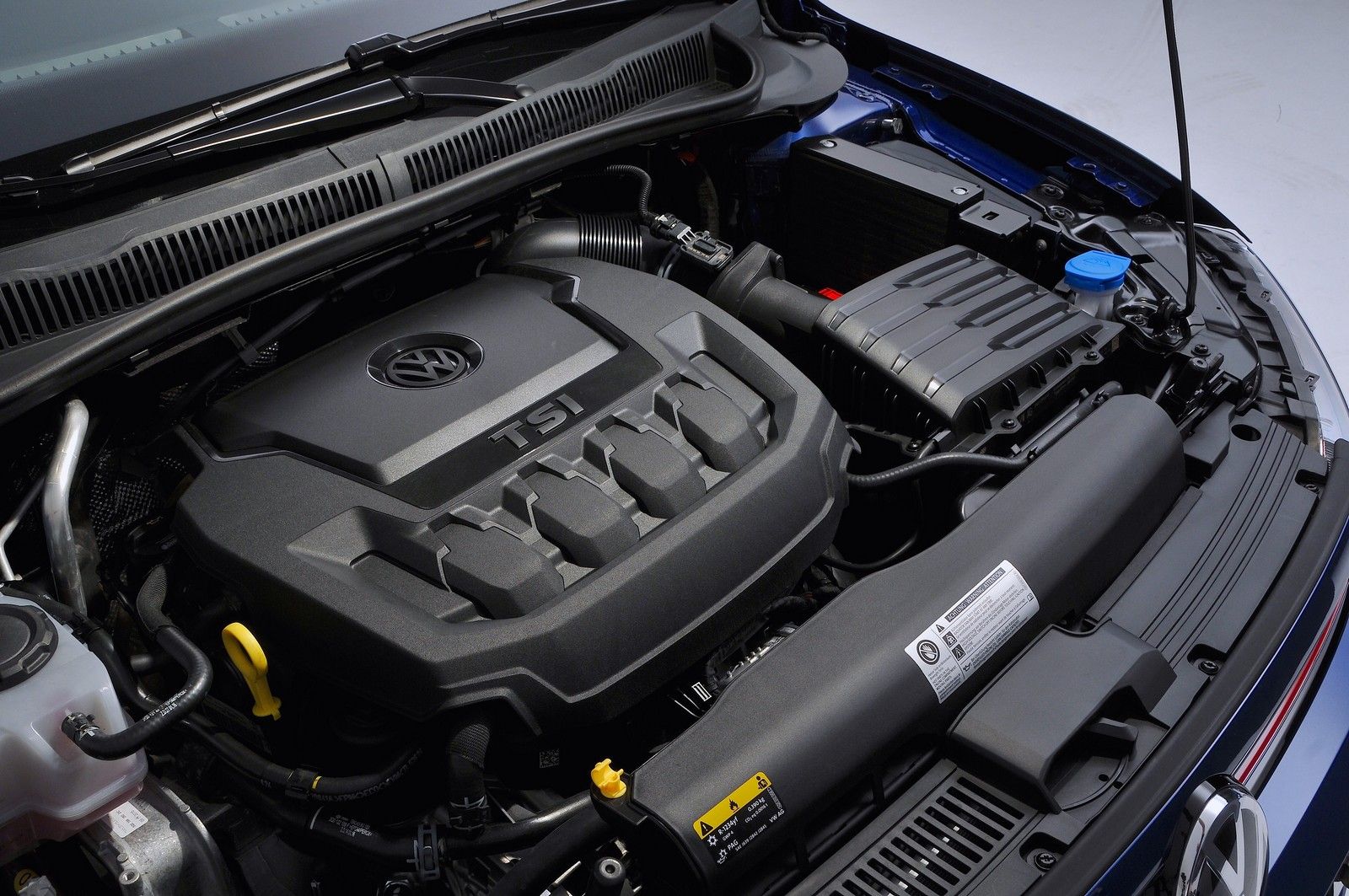
Power for the new Polo GTI comes from a 2.0-litre turbocharged four-cylinder unit with a peak output of 147 kW and 320 Nm. The previous Polo GTI made 141 kW/320 Nm from a 1.8-litre four-cylinder unit.

Peak torque is developed with a flat curve between 1 500 rpm and 6 000 rpm and is understood to deliver a solid surge of performance in the mid-range. Top speed is a claimed 236 kph and 0-100 kph in 6.7sec – very similar to the previous-generation Polo GTI

3. It will be DSG only, at first

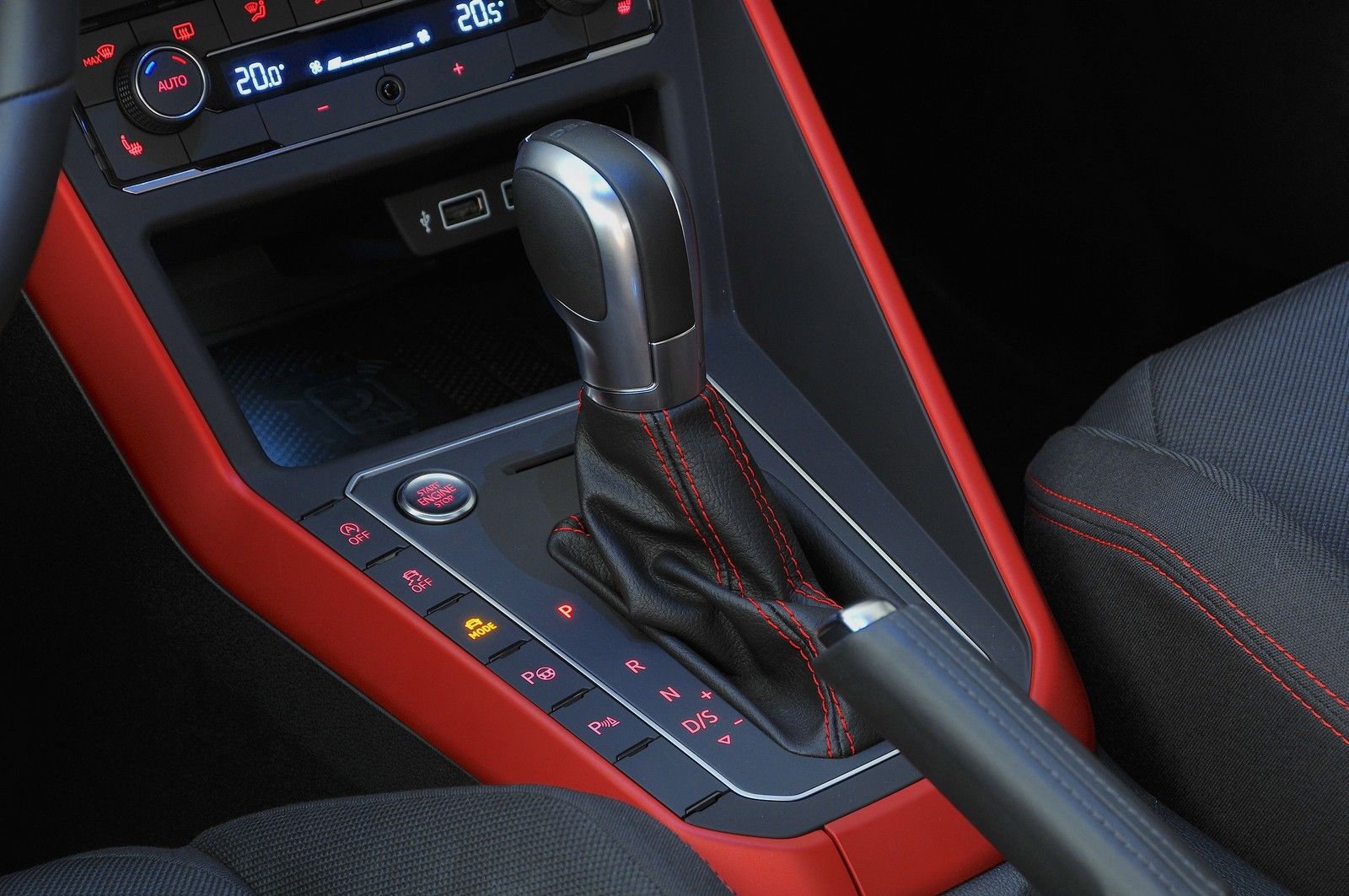
A 6-speed DSG dual-clutch automatic gearbox will be standard at launch, with a six-speed manual becoming an option in 2018.

“It was a really hard decision between the DSG and manual, but the market is deciding and performance models are trending to DSG,” said Kölling.

4. The chassis and suspension are stiffer

The basis for the new Polo GTi is a much stiffer 5-door body based off VW’s ubiquitous MQB platform and with a torsional rigidity of 18k Nm/deg. The old Polo rated 14k Nm/deg, 28 percent less. 

Other chassis refinements include a standard sport suspension with a 15 mm reduced ride height, stiffer solid front and rear anti-roll bars of 21 mm diameter and uprated springs and dampers.

The front spring rates are 31% stiffer and the rears 24% higher, while the dampers feature two selectable settings – Normal and Sport  — under Volkswagen's Sport Select banner.

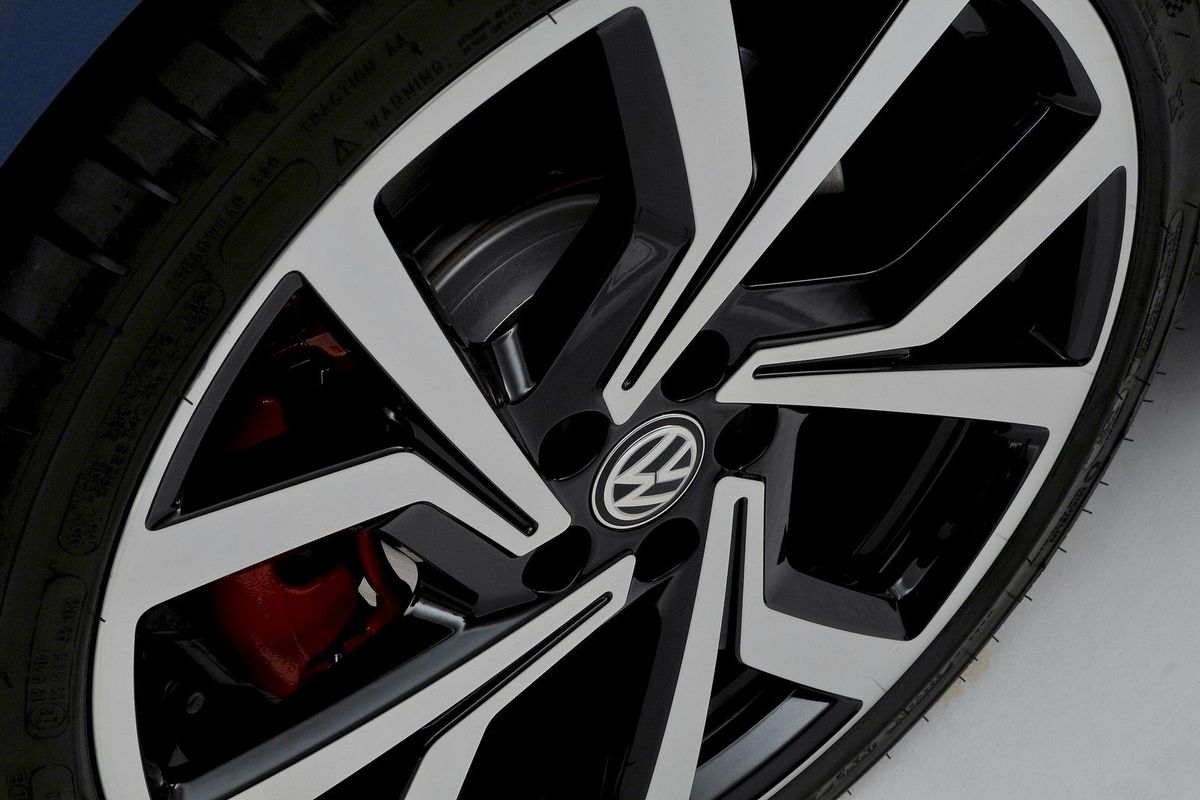
Bigger brake rotors — 312 mm diameter at the front and 270 mm at the rear — boost stopping power compared with the standard Polo.

5. It still has an XDS differential

Just like the previous model, the new Polo GTi also features electro-mechanical steering and an XDS differential lock, which uses the traction control system to limit wheelspin.

Related content:

Preview: 2018 VW Polo GTI vs 2018 Ford Fiesta ST

Volkswagen Polo (2018) International Launch Review

Hillclimb Shootout: Ford Fiesta ST200 vs Renault Clio RS200 Lux [with Video]
Ford Fiesta (2018) International Launch Review

Searching for a used Polo GTI?

Start your search here

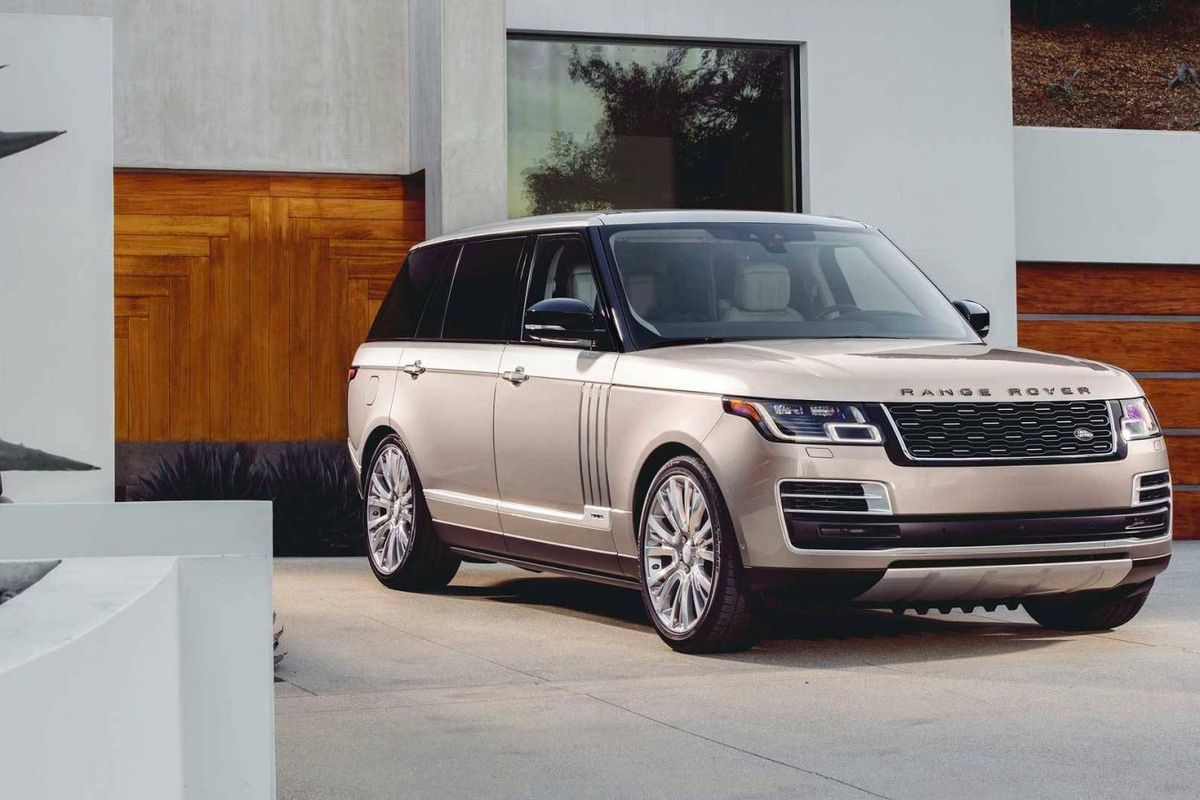
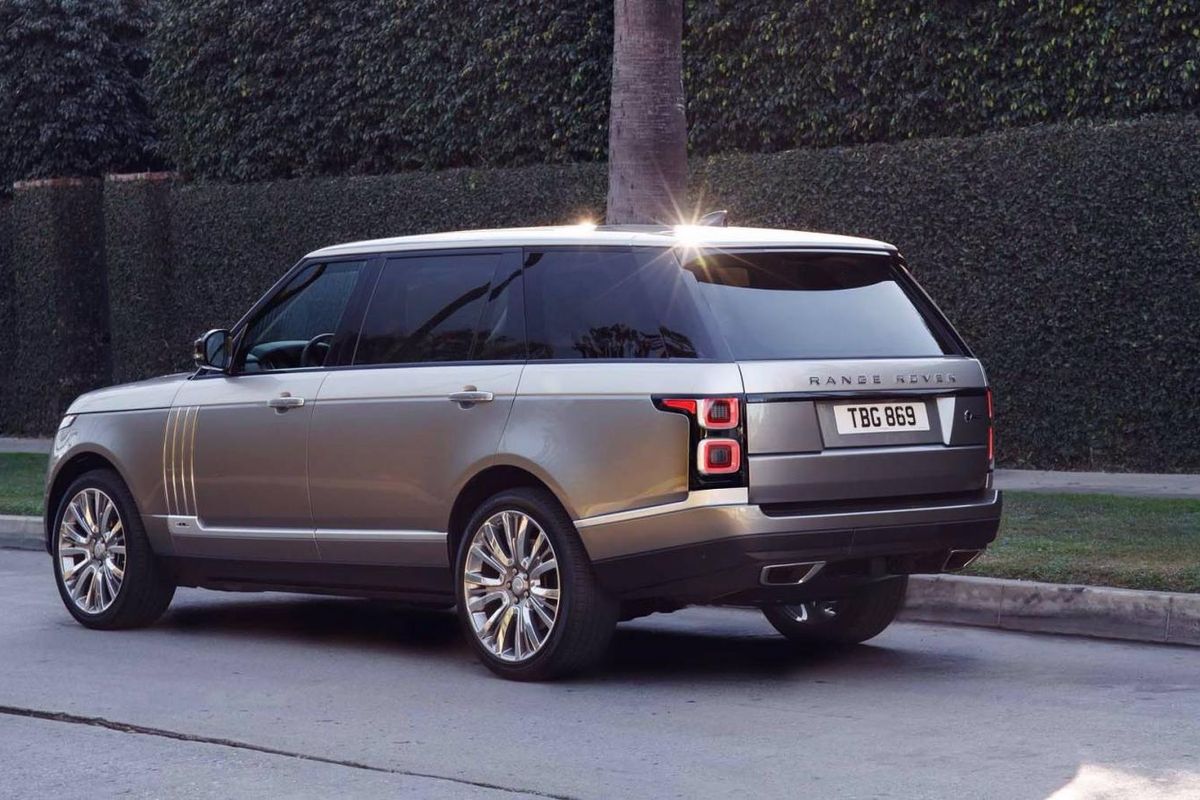
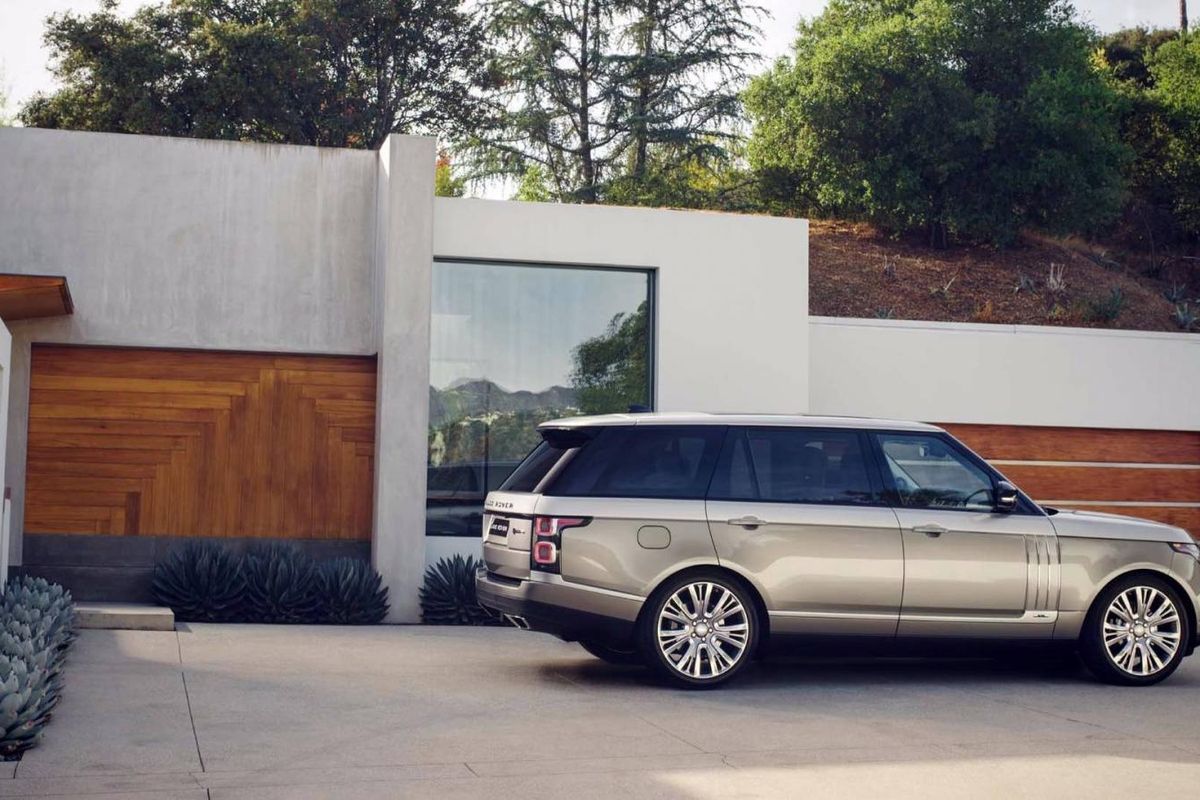
Range Rover SVAutobiography Headed For SA

Land Rover is showing its range-topping Range Rover SVAutobiography at the LA Motor Show and it’s coming to South Africa in 2018.

The mighty Range Rover recently received a facelift with numerous exterior and interior changes being implemented. Jaguar is using the LA Motor Show to showcase a range of products including the ultra-luxurious Range Rover SVAutobiography. Here is some vital information for this range-topping Range Rover.

Key Features


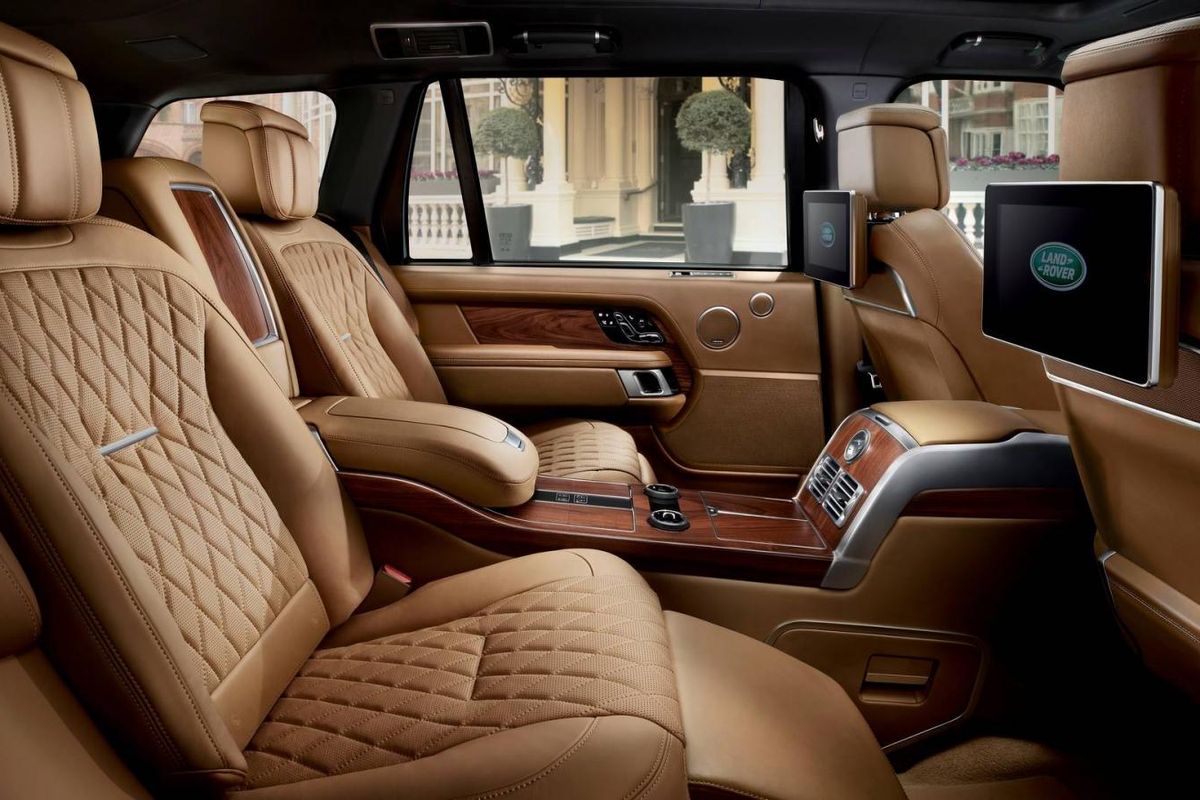
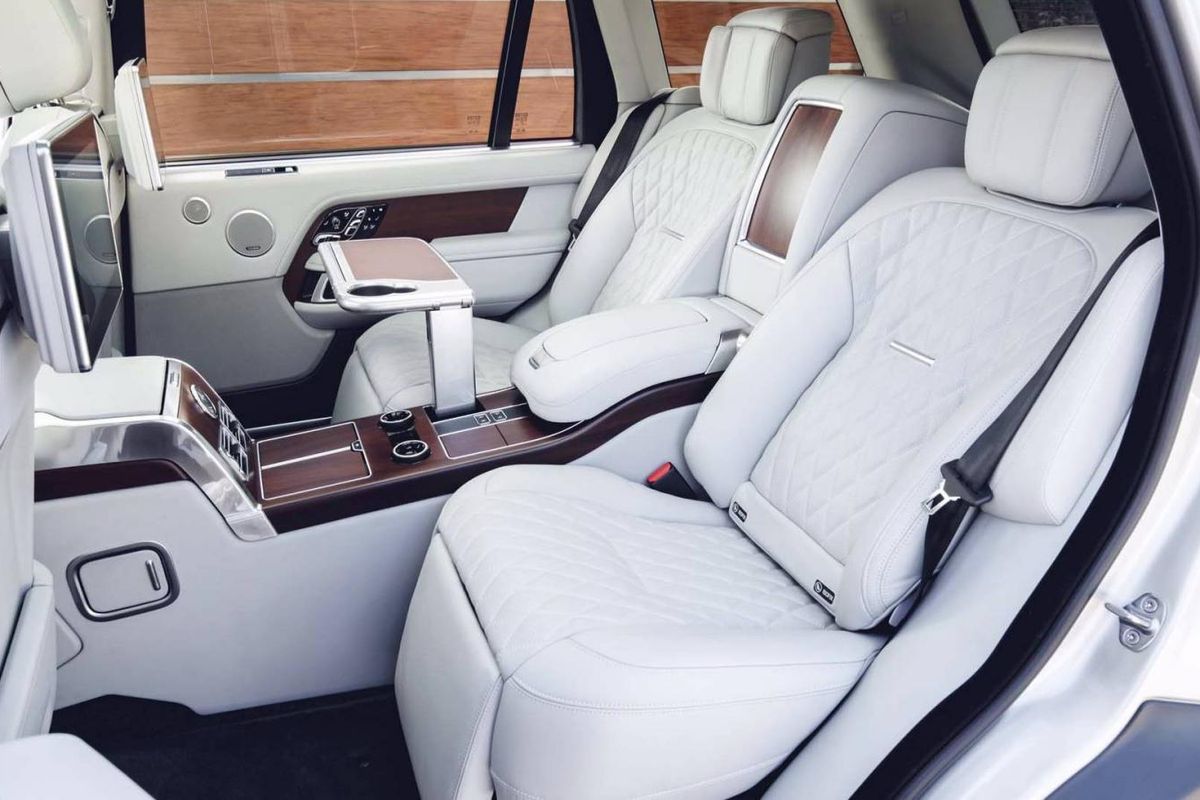
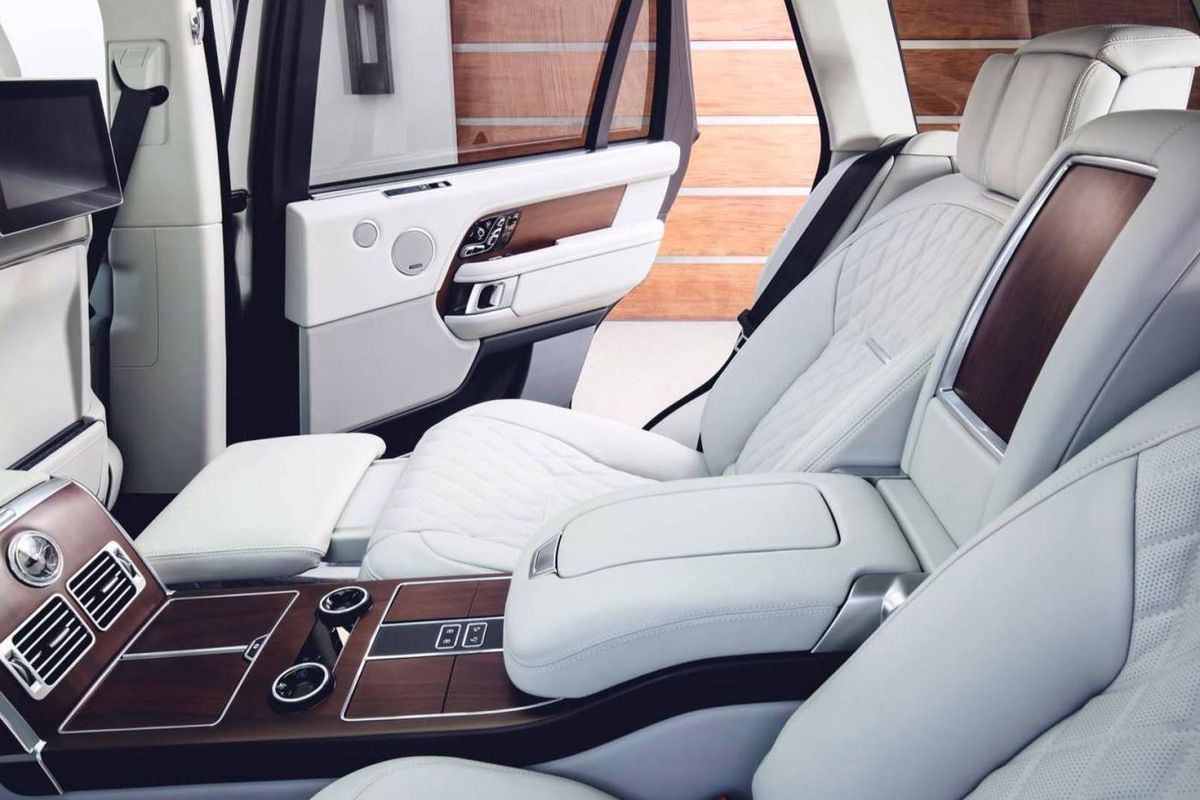
Rear passengers travel in absolute comfort with reclining rear seats and various massage functions. Is this the ultimate luxury SUV?

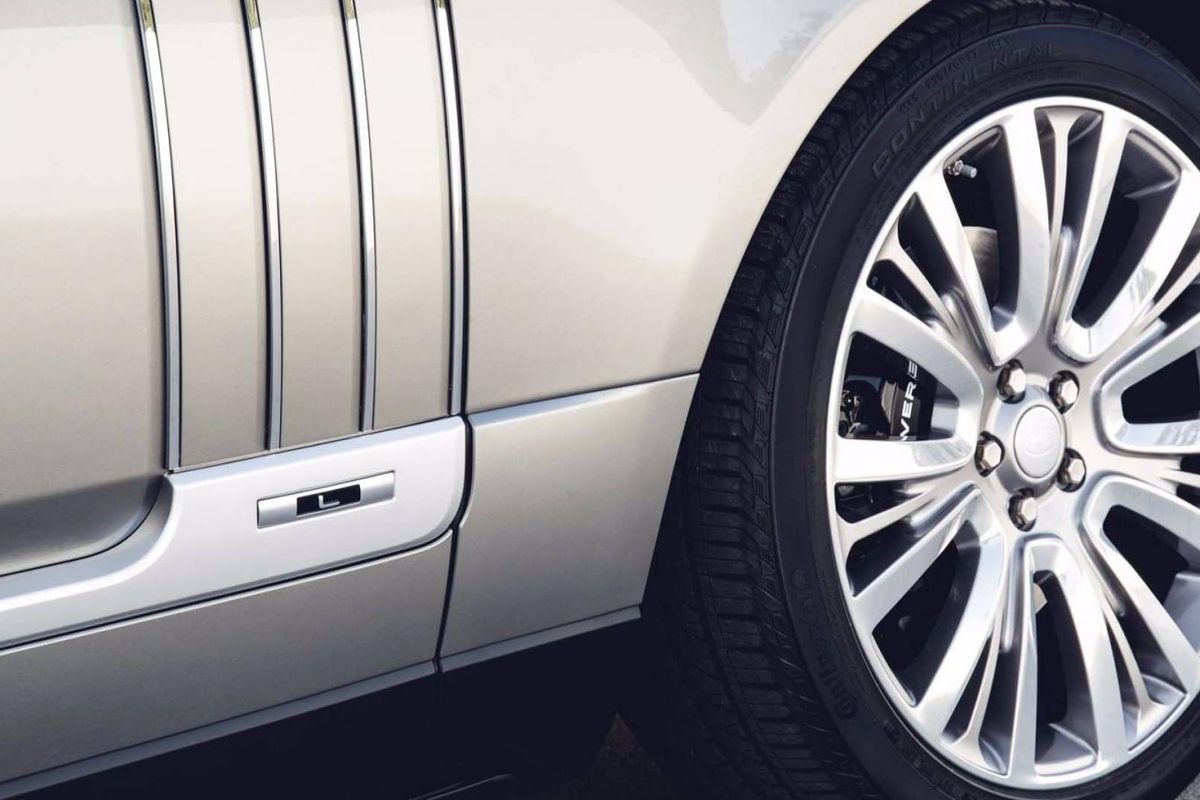
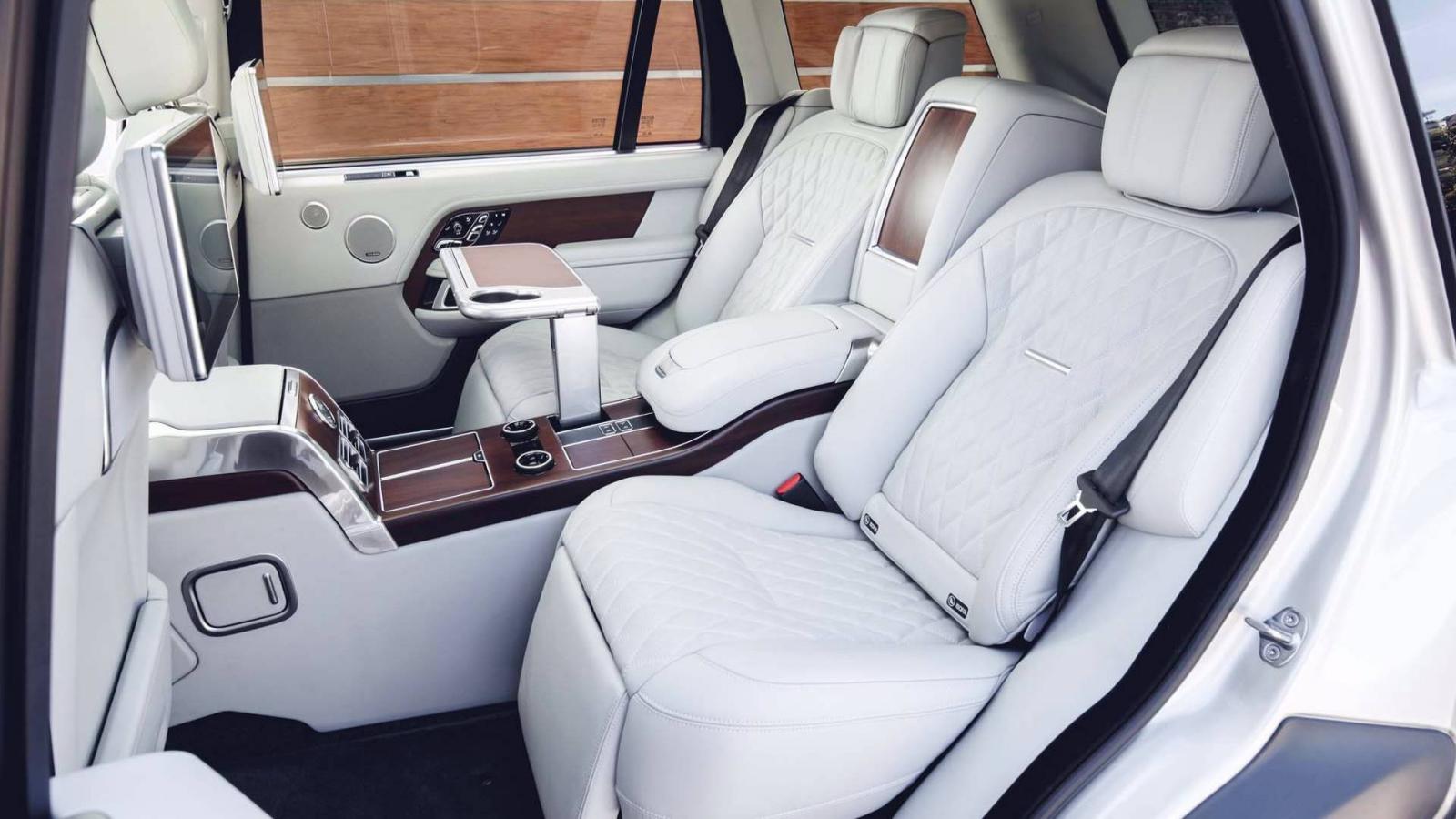
The SVAutobiography will be offered in long-wheelbase form and features executive class rear seats for ultimate comfort. The seats can recline by 40 degrees and are 22-way adjustable with heated calf and foot rests as well as various massage functions including a hot stone massage to keep passengers relaxed. Another fancy feature is the ability for the passengers to close the rear doors electronically using buttons placed on the rear console.

Rear passenger convenience is further enhanced with electrically deployable rear tables and entertainment screens with 4G WiFi connectivity. There’s also a concealed refrigerator between the two rear seats that accommodate 600 ml bottles.  

Loading of long items is made easier with a folding rear seat and customers can also choose to have an electrically deployable veneered loadspace floor to facilitate the loading process.

Up front the driver has access to a Touch Pro Duo infotainment system comprising two, high-definition 10-inch screens, as seen on the recently introduced Range Rover Velar. The system is easy and intuitive to use and information can be swiped from one screen to another. A classy touch is the Zenith clock on the rear centre console, inspired by the Elite 6150 watch.

Range Rover Engines


The SVAutobiography offers 415 kW and 700 Nm from its updated supercharged 5.0-litre V8 engine. 

A number of powertrain options are on offer for the latest Range Rover, including a new plug-in hybrid model called the P400e, combining a  221 kW, 4-cylinder 2.0-litre petrol engine coupled with an 85 kW electric motor and a 13.1 kWh high-voltage lithium-ion battery to produce total outputs of 297 kW and 640 Nm of torque. The new P400e has a pure-electric range of 51 km.

There will also be 2 diesel engine options available including a 190 kW 3.0-litre turbocharged V6 and a more powerful 249 kW 4.4-litre supercharged V8 diesel engine. A next-generation supercharged 5.0-litre V8 petrol engine with 386 kW (previously 375 kW) will be offered as well as a supercharged 3.0-litre V6 engine with either 250 kW or 280 kW.

The Range Rover SVAutobiography Dynamic is the most powerful Range Rover on offer with its upgraded 5.0-litre supercharged V8 engine with 415 kW and 700 Nm of torque.

Local pricing and specification will be confirmed closer to it launch in 2018.

Buy a Range Rover on Cars.co.za

Related Content

Facelifted Range Rover Revealed [w/Video]

Update: Range Rover Sport Hybrid Revealed [w/video]

Land Rover Road Rover Coming in 2020?

Range Rover Velar (2017) Launch Review [with Video]
Range Rover Velar (2017) International Launch Review

7 Rivals the Range Rover Velar Needs to Beat

Range Rover Sport SDV8 (2014) Review

Range Rover Sport SCV6 S (2014) Review

Range Rover Sport SDV6 SE (2015) Review

Range Rover Evoque Convertible (2017) Quick Review

Drag Race: BMW X6M50d vs Range Rover Sport SDV8

Mitsubishi Triton Xtreme Limited Edition (2017) Specs & Price

Mitsubishi has introduced a striking limited edition Triton Xtreme in South Africa! Take a look at what the Triton Xtreme has to offer.

Using feedback from its customers, Mitsubishi South Africa welcomes a new limited edition Triton Xtreme double-cab bakkie to market in South Africa. Only 50 examples of the Triton Xtreme are available in either 4×2 or 4×4 double-cab guise. 

"This Xtreme Limited Edition is a local development, based on customer research from the launch of the new Triton earlier this year. With this new limited edition derivative, we offer traditional bakkie lovers a customised bakkie developed to their personal taste" says says Nic Campbell, General Manager of Mitsubishi Motors South Africa (MMSA).

Key features


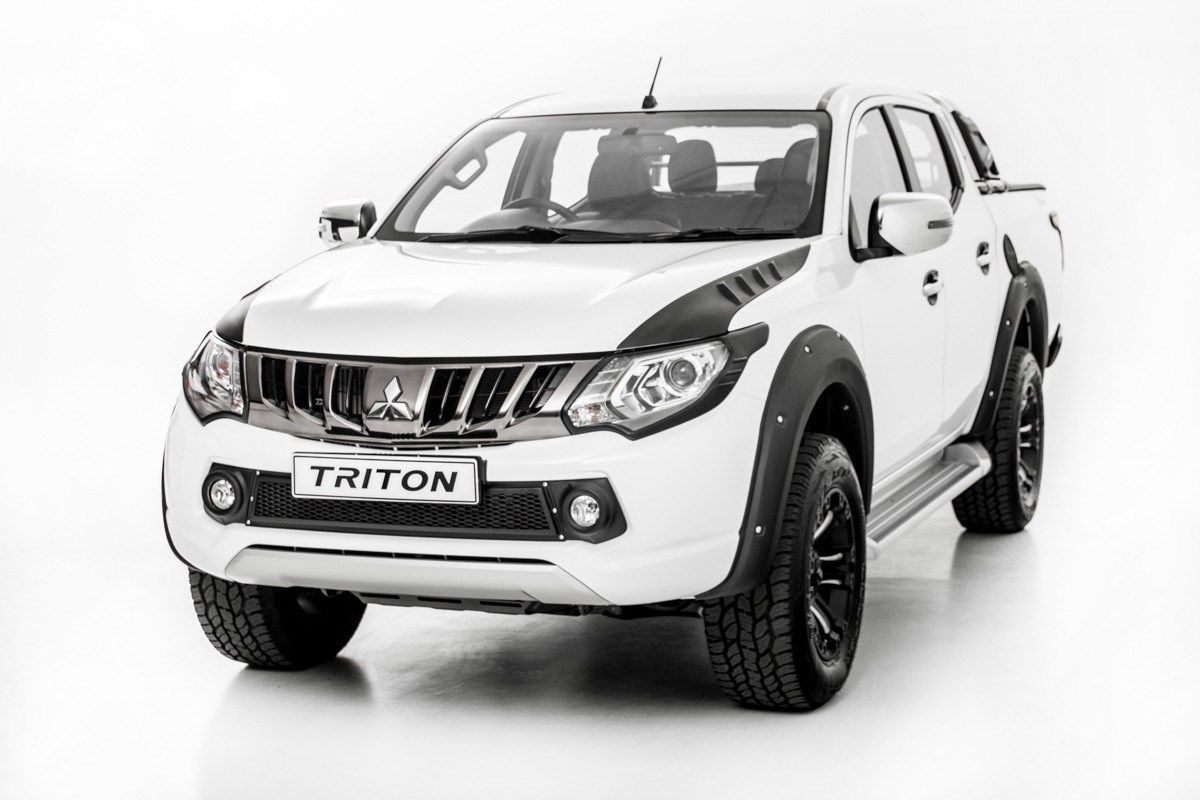
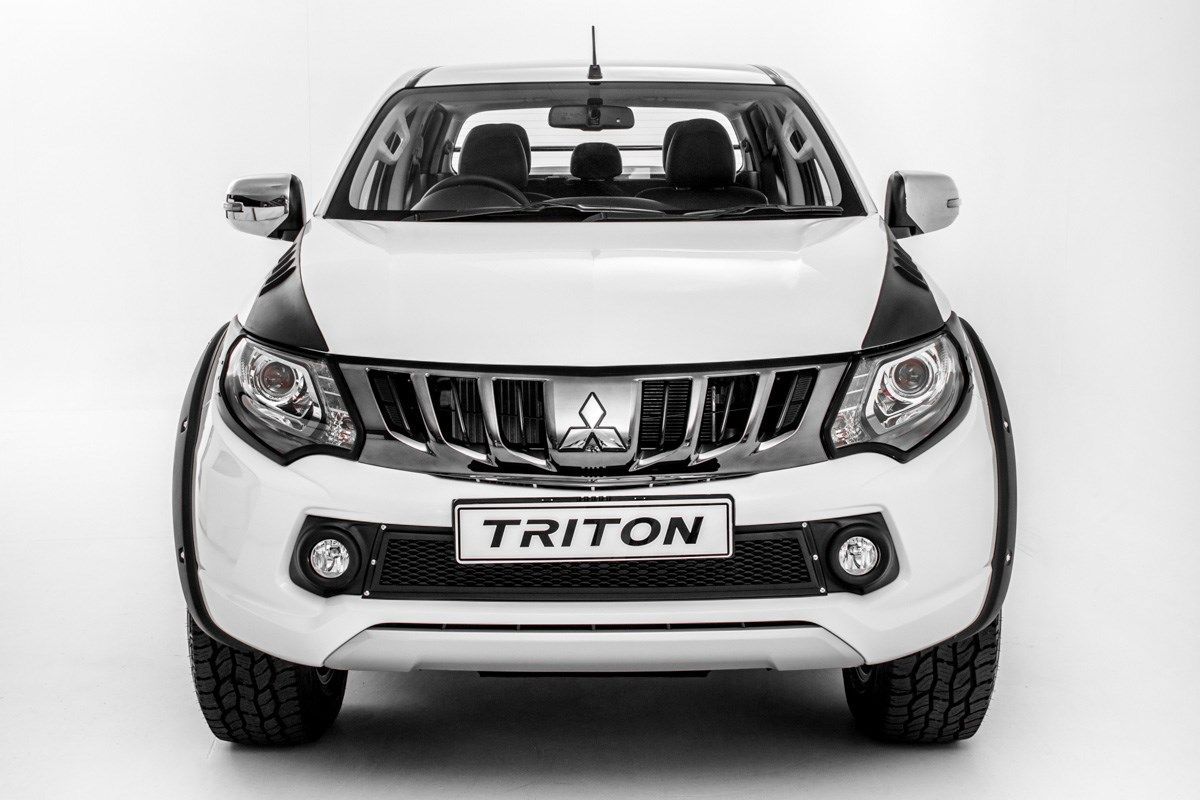
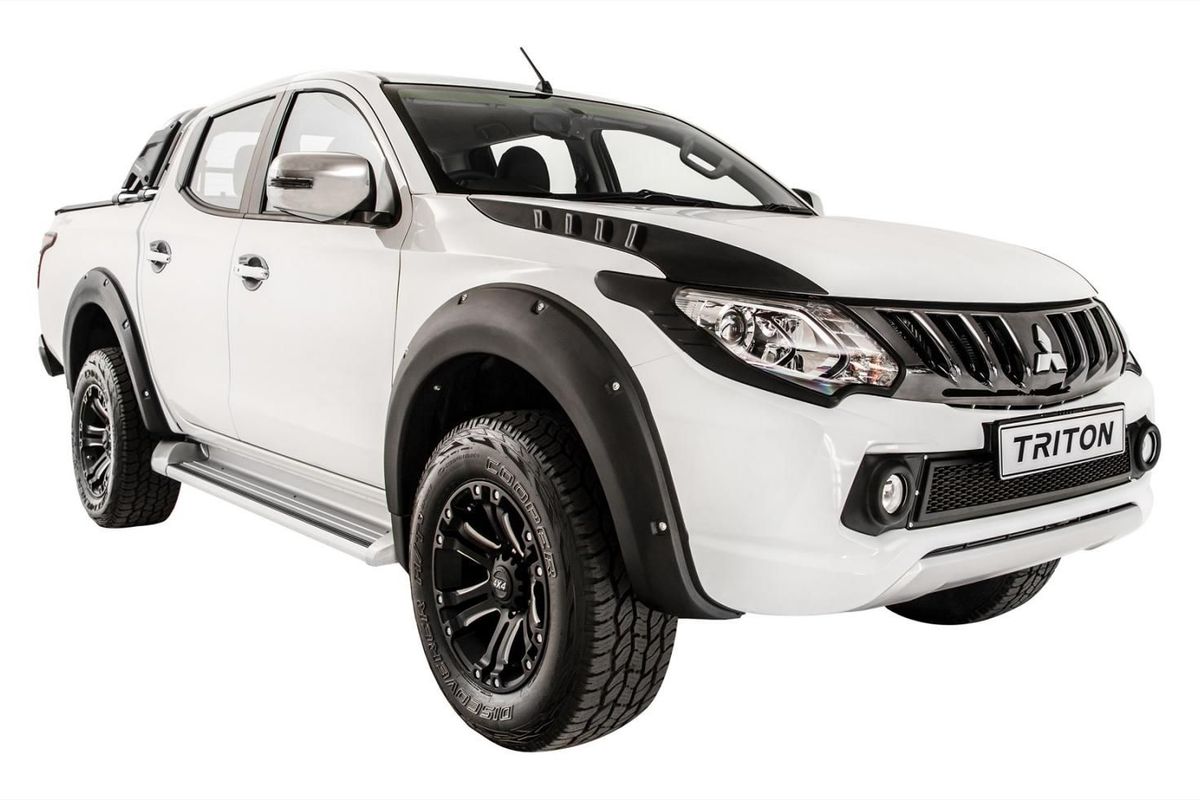
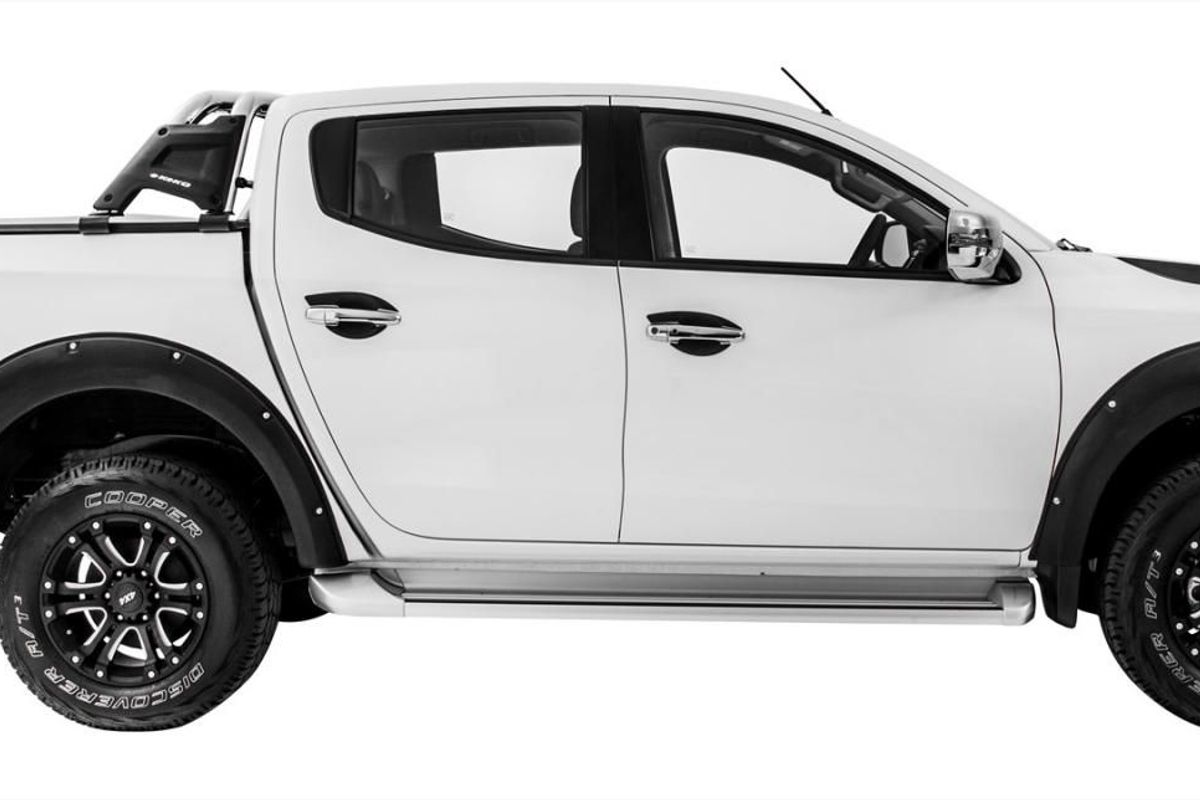
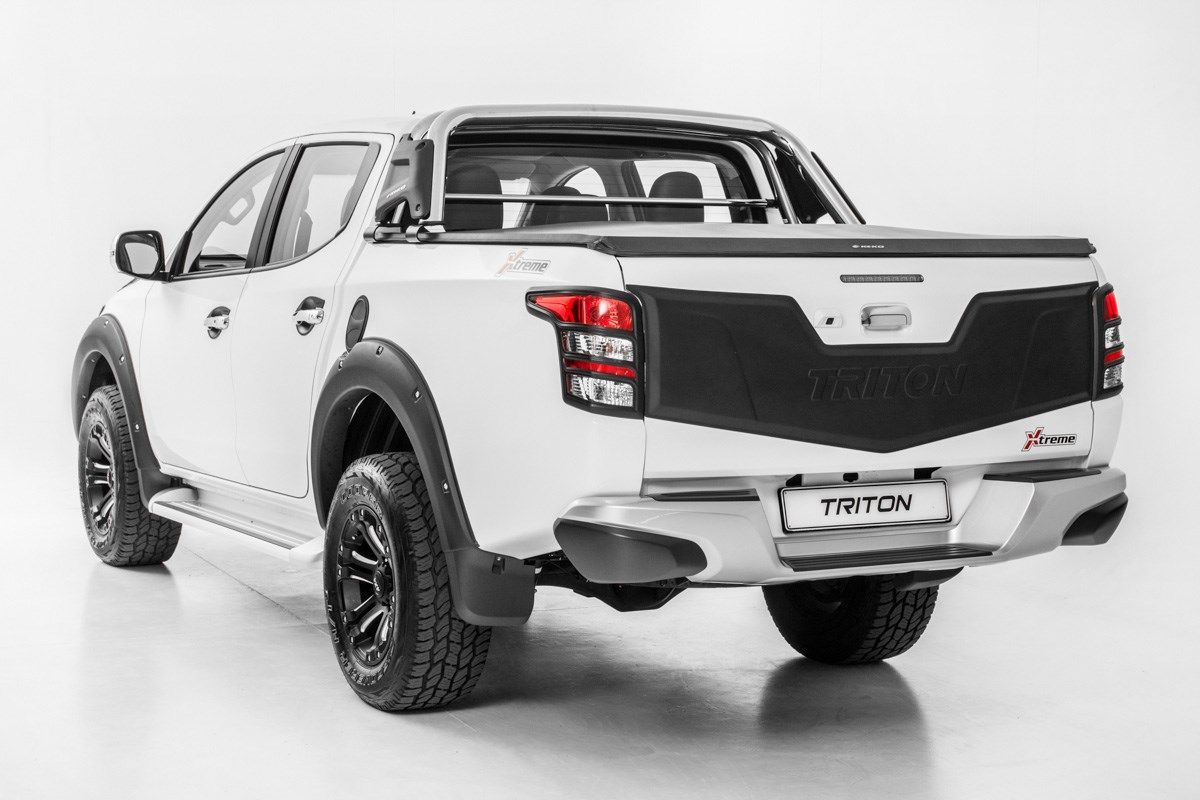
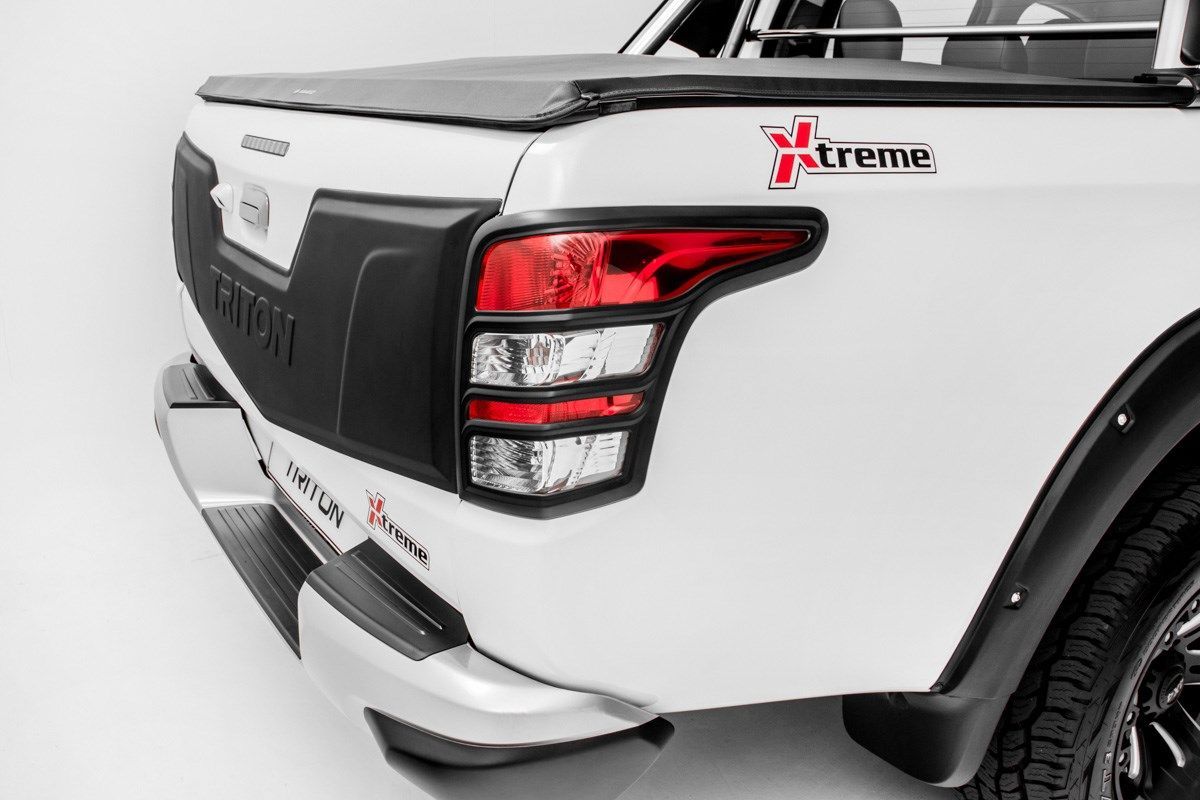
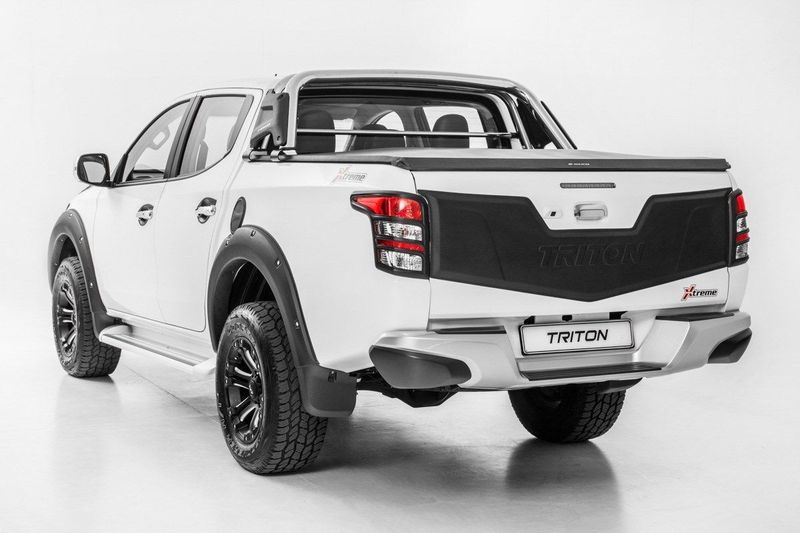
Protective cladding on the Triton Xtreme will help prevent damage while on the 4×4 track while also providing a unique look.

The Triton Xtreme wears a striking body kit which includes a range of additional features and accessories worth R60 000. The factory-installed body kit, however, will only cost buyers R20 000 over and above the listed retail price of the Triton double-cab it is fitted to.

Notable features of the body kit include:

  • Bonnet guards

  • Grille and fog lamp covers

  • Front and rear light guards

  • Wheel arch covers

  • Front and rear door handle protection covers

  • Triton branded scuff plates

  • Heavy-duty rubber mats

  • Tonneau cover

  • Style bar

  • Tailgate cover

  • Fuel flap cover

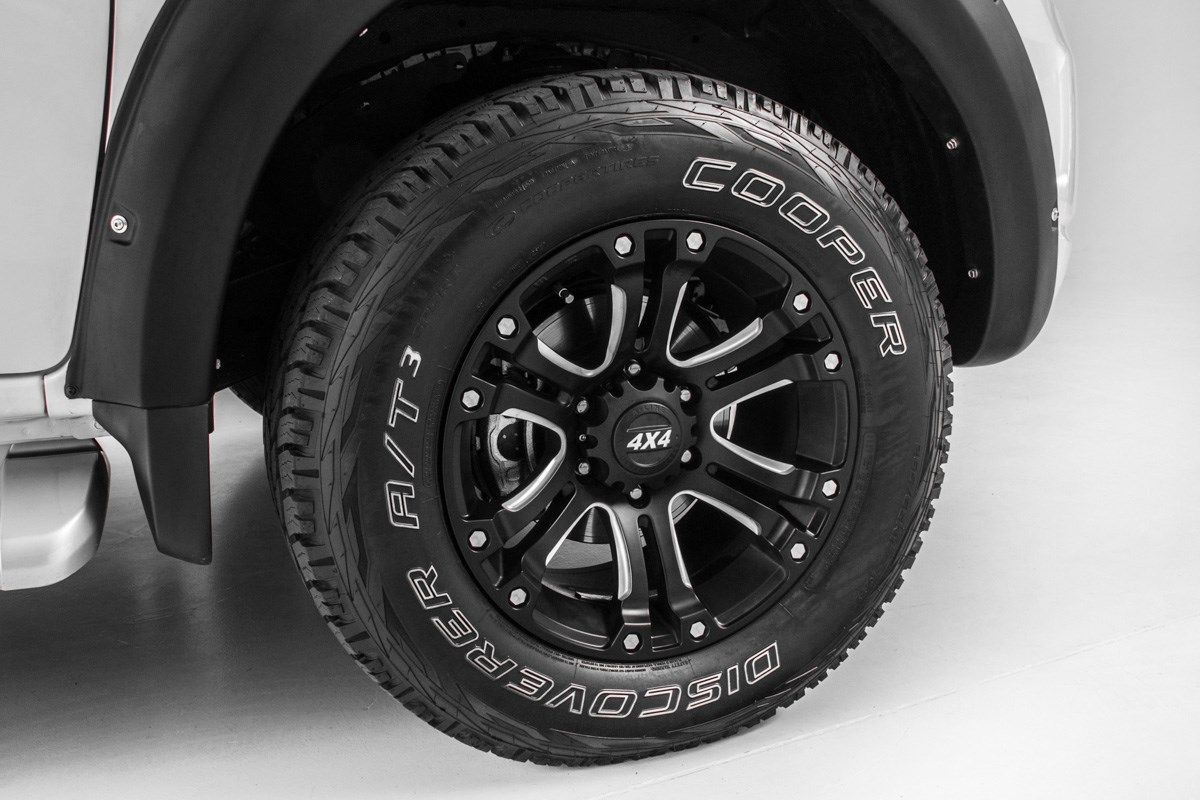
  • Black and chrome alloy wheels

  • Cooper Adventurer All-terrain tyres

"Triton is known for offering a lot of added-value with many additional features included at no cost as part of its standard specifications level. Offering a new bakkie owner a customised, limited edition bakkie with a high level of standard specification included in the base retail price, lets the Triton Xtreme not only stand out as an extreme physical competitor, but also a great value purchase," states Campbell.

The Triton XTreme is powered by a 2.4-litre turbodiesel engine with 133 kW and 430 Nm of torque in both 4×2 and 4×4 guise. The Triton Xtreme 4×4 derivatives can be had with either a manual or automatic transmission.

"The Xtreme package includes some of the highest-cost additions new owners often opt for when they order their new vehicles, but now form part of the latest special-edition Triton Xtreme Double Cab at a fraction of the cost," concludes Campbell. "All fitments are done and quality-checked by Mitsubishi SA, using imported body kits, which means all the additional Xtreme accessories are covered by the original manufacturer's factory warranty."

Mitsubishi Triton Xtreme – Price in South Africa

Mitsubishi Triton Xtreme 2.4 DC 4×2 M/T – R499 995

Mitsubishi Triton Xtreme 2.4 DC 4×4 M/T – R559 995

Mitsubishi Triton Xtreme 2.4 DC 4×4 A/T – R579 995

The Mitsubishi Triton Xtreme is sold with a 3-year/100 000km warranty and a 5-year/90 000km service plan.

Buy a Mitsubishi Triton on Cars.co.za

Related Content

Mitsubishi Triton (2017) Video Review

Mitsubishi Triton 2.4DI-D Double Cab 4×4 (2017) Quick Review

Mitsubishi Triton 2.4DI-D Double Cab 4×4 Auto (2017) Review

The Journey: 4×4 & Surfing in Transkei

6 Most Fuel-Efficient Double-Cab Bakkies in SA