Porsche Panamera Sport Turismo (2017) International Launch Review
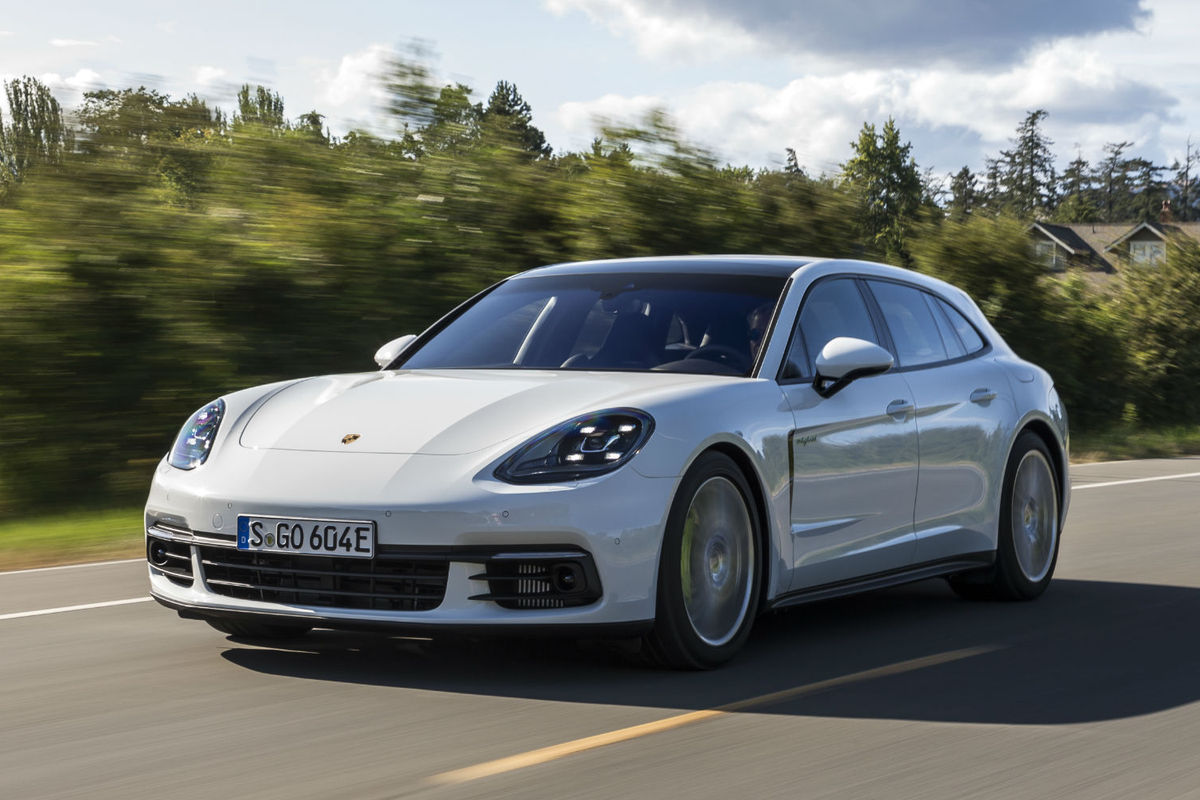
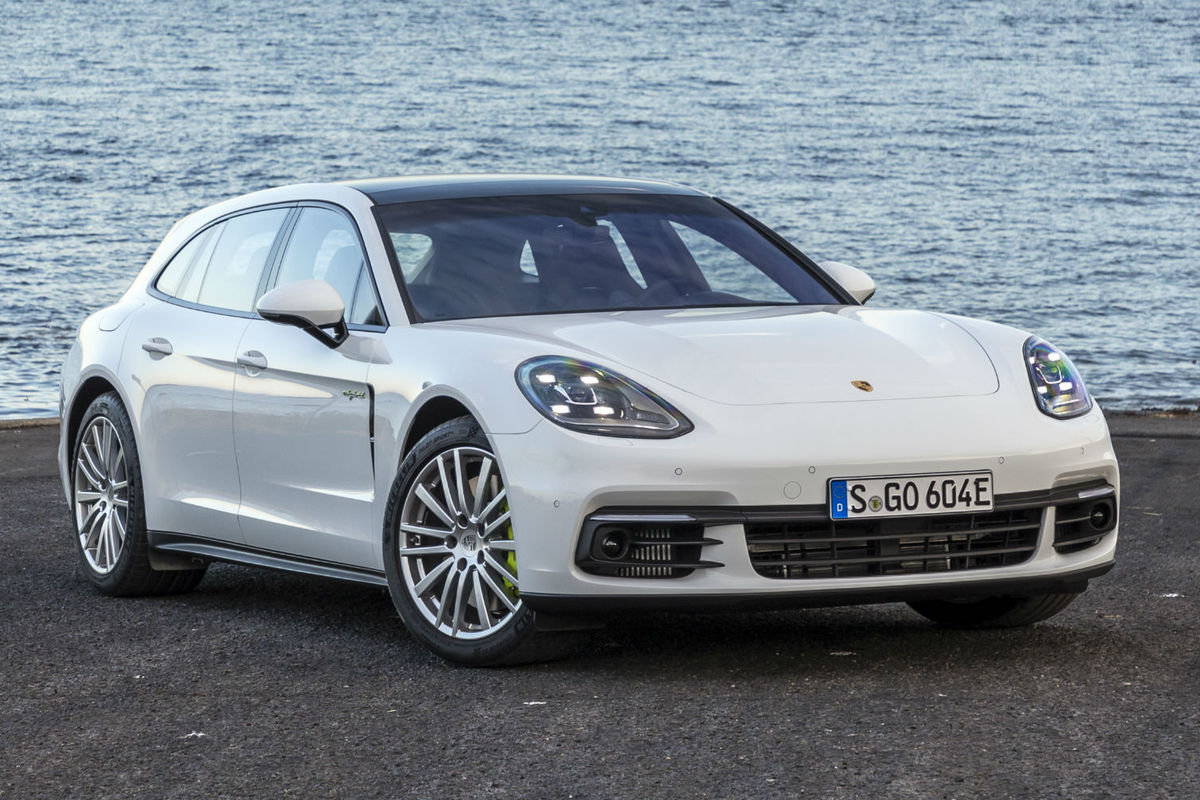
Do you love the idea of a Panamera but still find its "4-door 911" look too compromised? Porsche has just the car for you. It’s called the Panamera Sport Turismo and it is a remarkable thing.

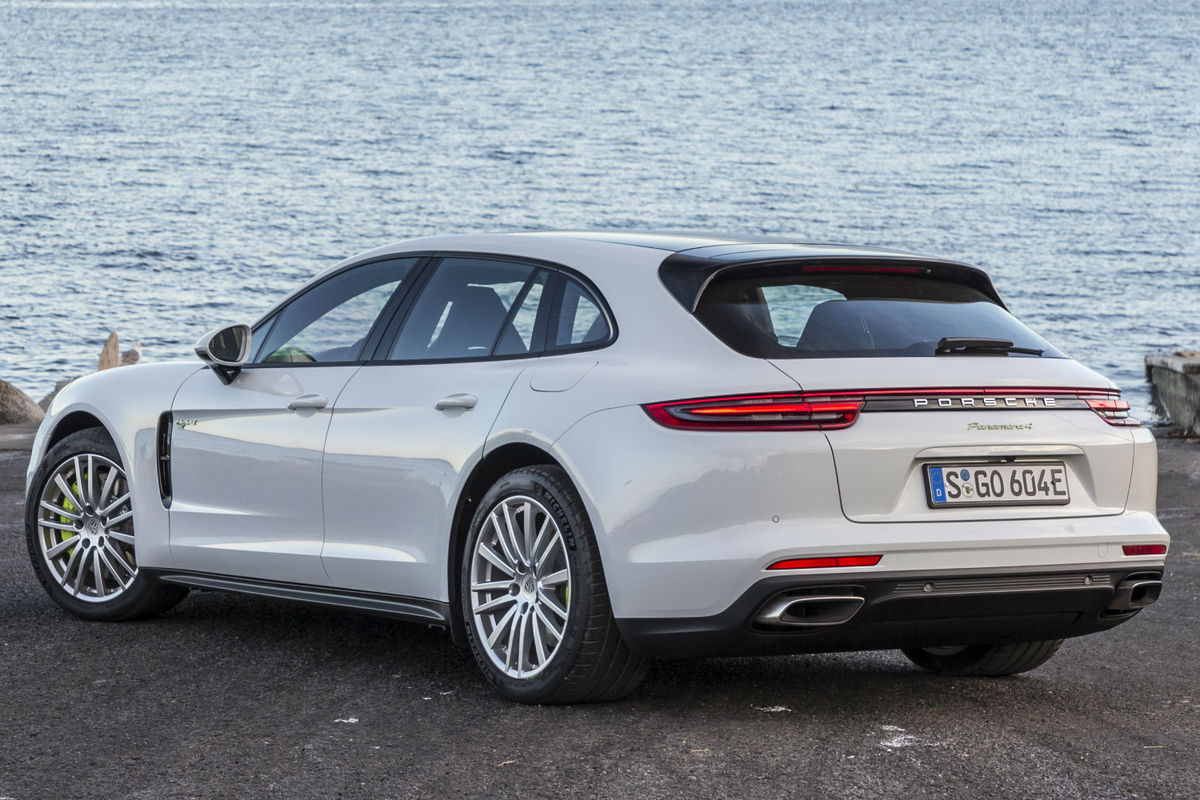
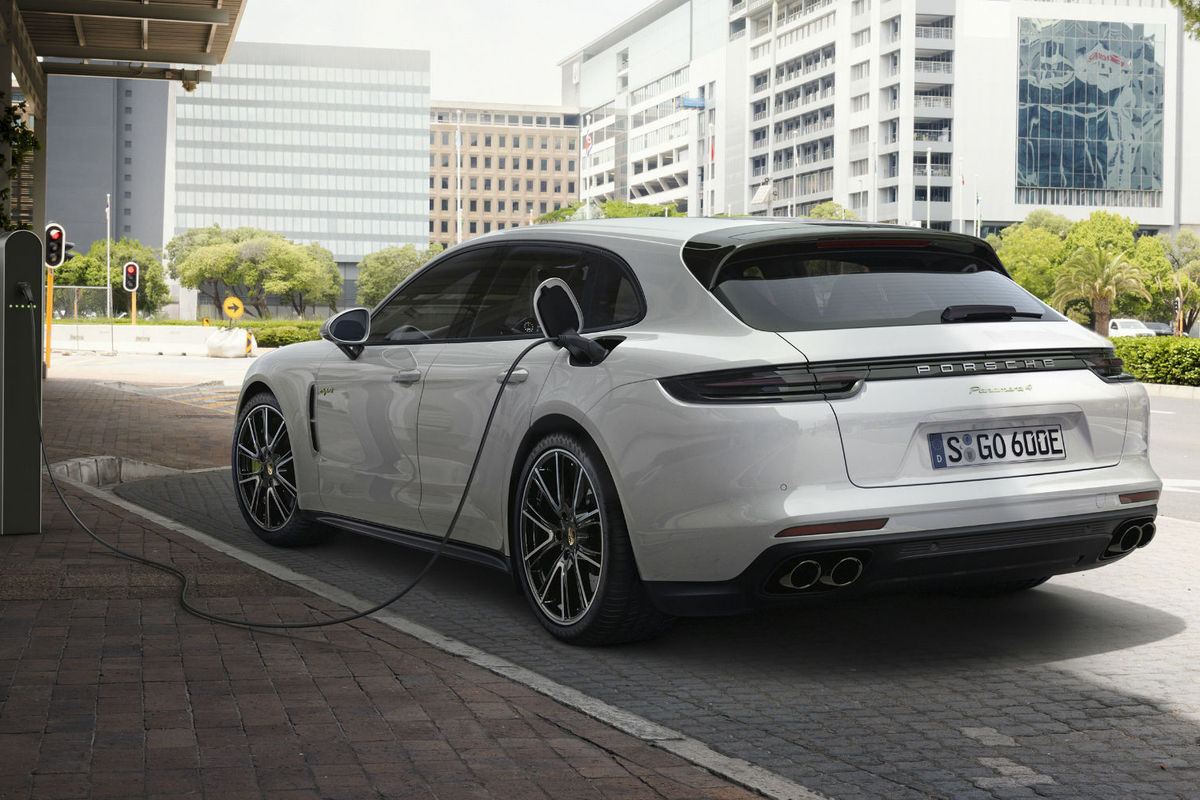
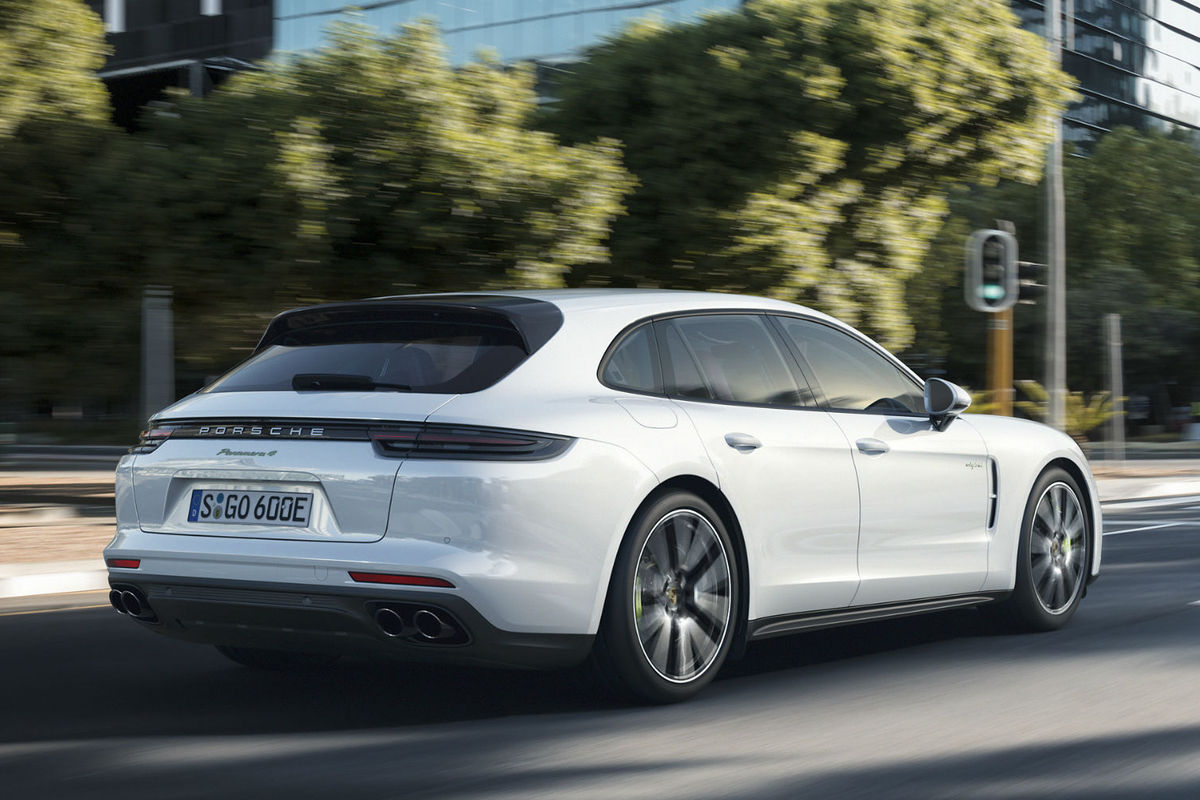
Confession: Days before driving the Porsche Panamera Sport Turismo I mapped out a launch report verdict that declared it the car that "Makes Station Wagons Great Again". I even had the #MSWGA hashtag ready to go. It turns out that would’ve been misguided, because Porsche’s latest venture into previously uncharted body style territory is ill-suited to the traditional premium 'wagon duties… You know, such as hauling boisterous staffies and 17th-century French writing desks. Sure it’ll swallow a few large suitcases and a matching his & hers pair of Louis Vuitton Keepall Bandoulières, but don’t imagine it as a Panamera with its practicality dialled up to eleven. Instead, the newcomer’s real trump card is the visual impact of "that ass".
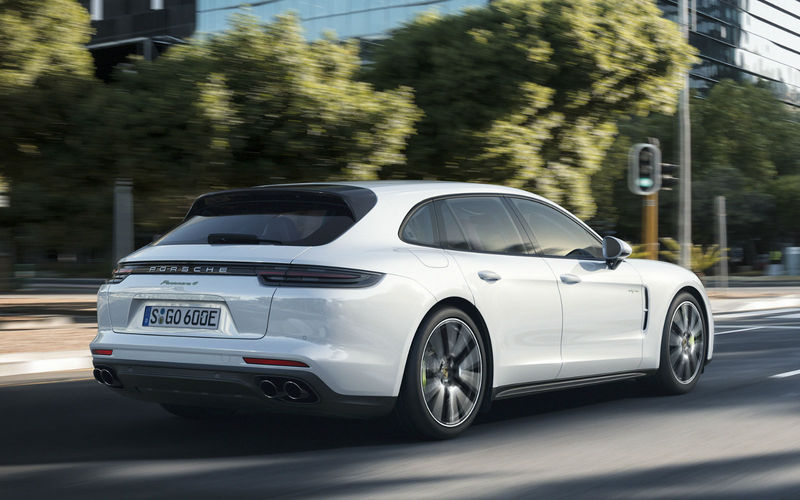

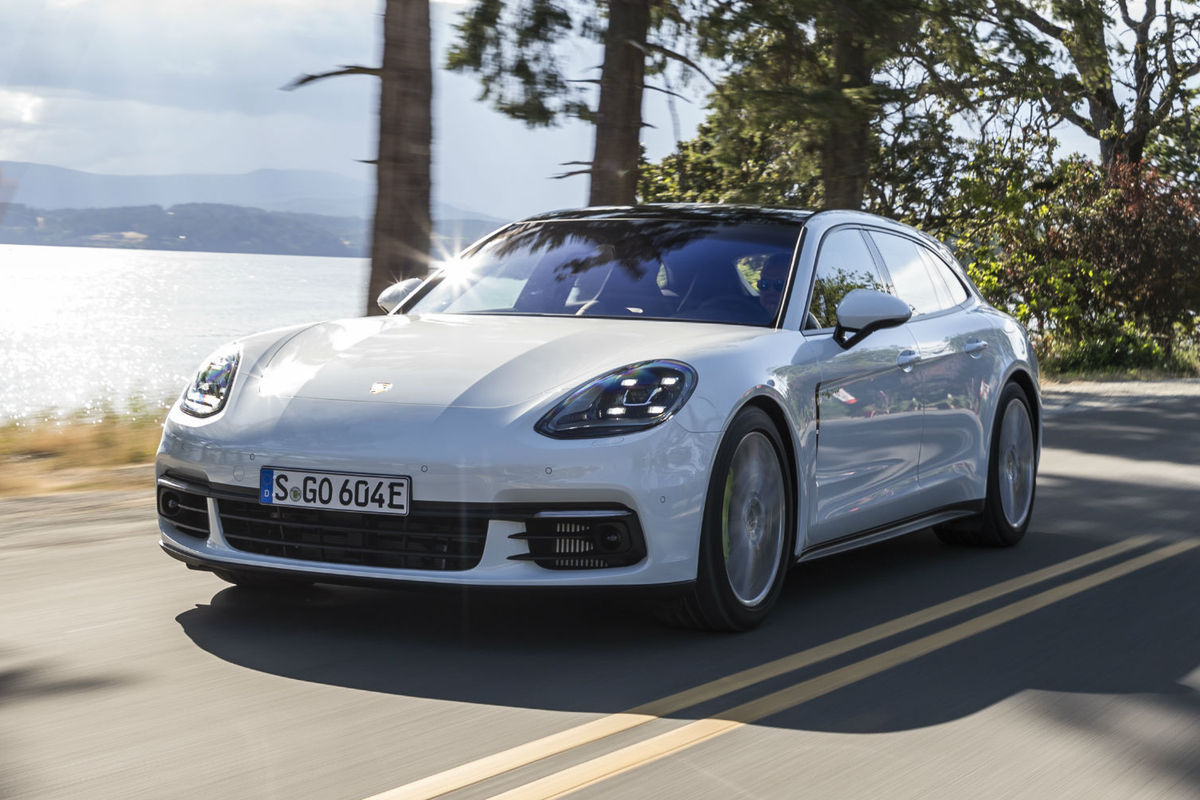
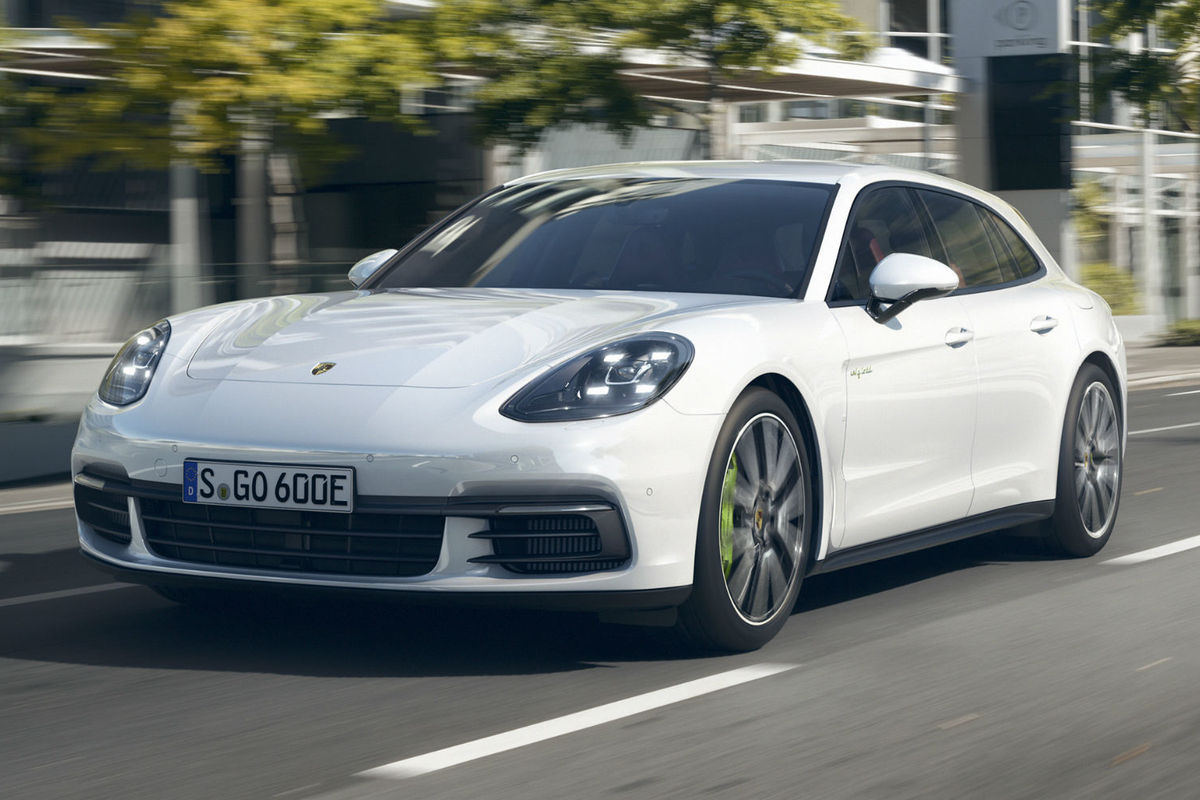
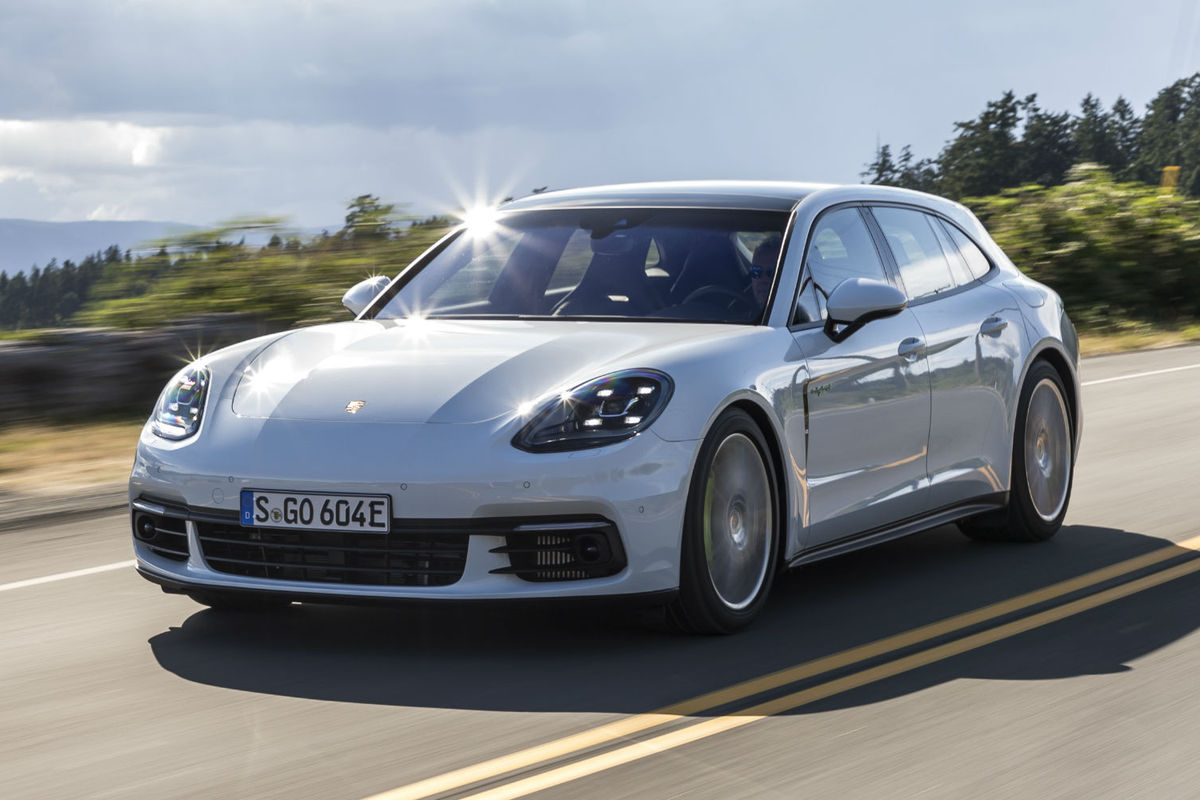
When you view the Sport Turismo in motion, its rear 3-quarter lends an element of overt dynamism to the Porsche's appearance.

Design matters

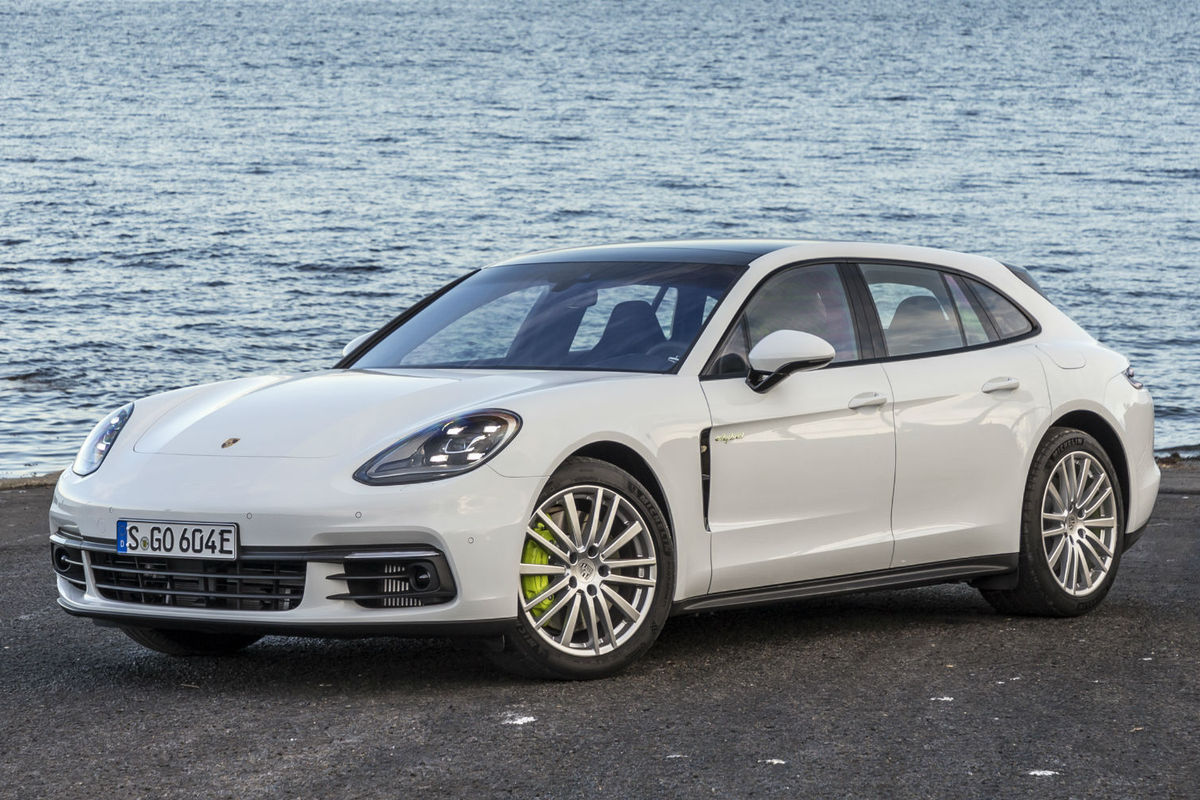
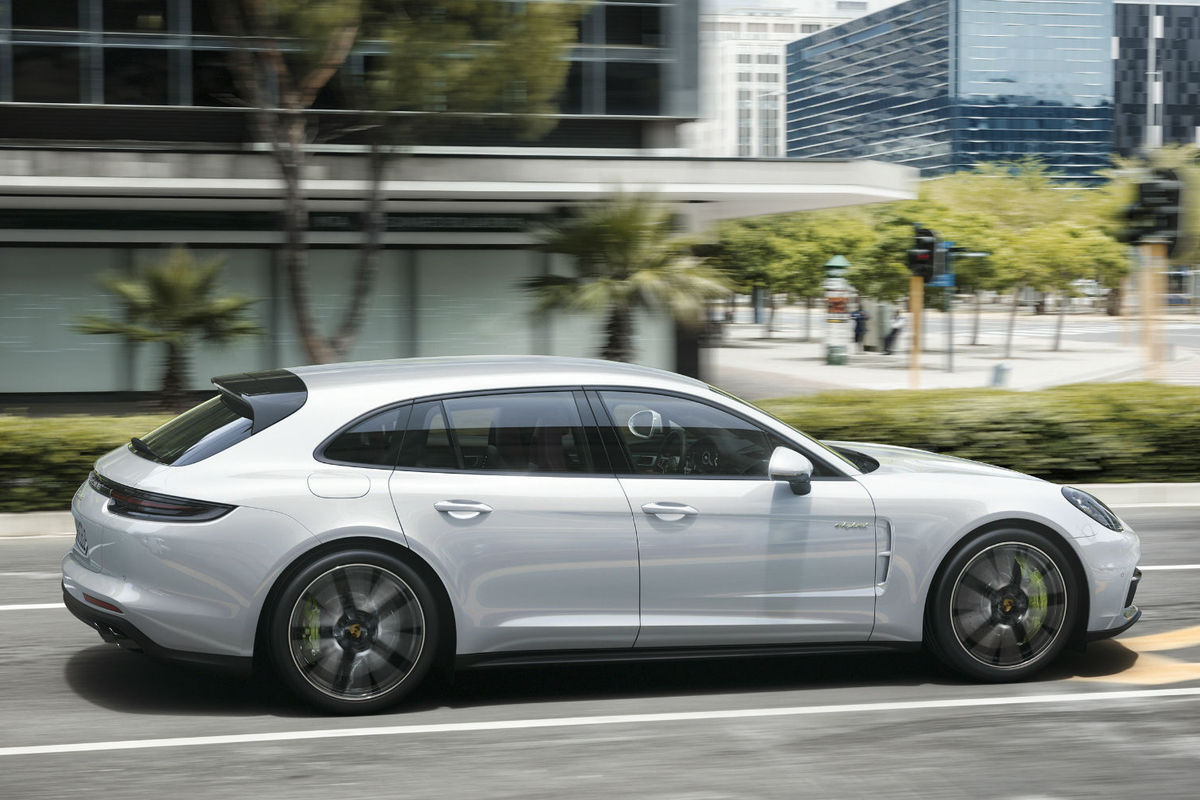
While it’s widely accepted that Porsche, under the masterful design direction of Michael Mauer, has produced a far prettier, 2nd-generation Panamera, there are potential customers – possibly still mentally scarred by the flatnose humpback original – who don’t fully resonate with its large fastback profile. They also have no desire to join the sports SUV brigade, therefore ruling out a Macan or Cayenne. It’s this nichey middle ground that Porsche has nailed so beautifully with the Sport Turismo.

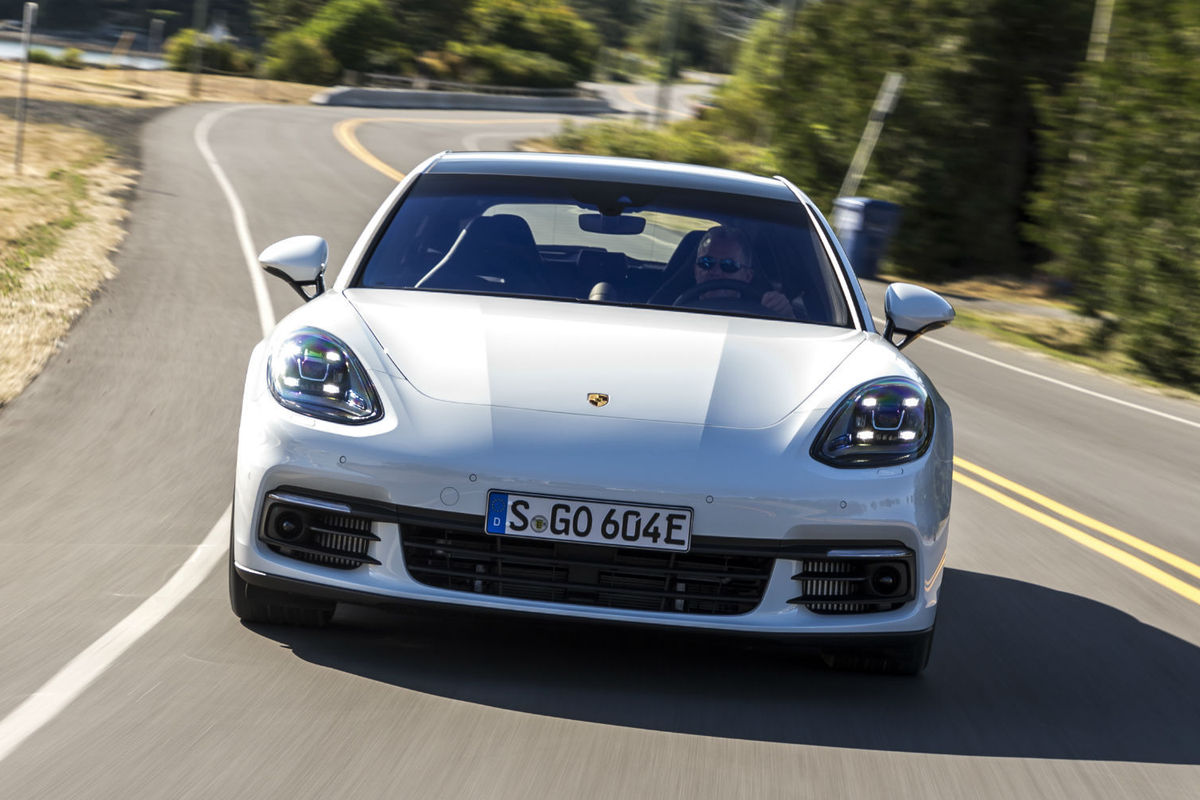
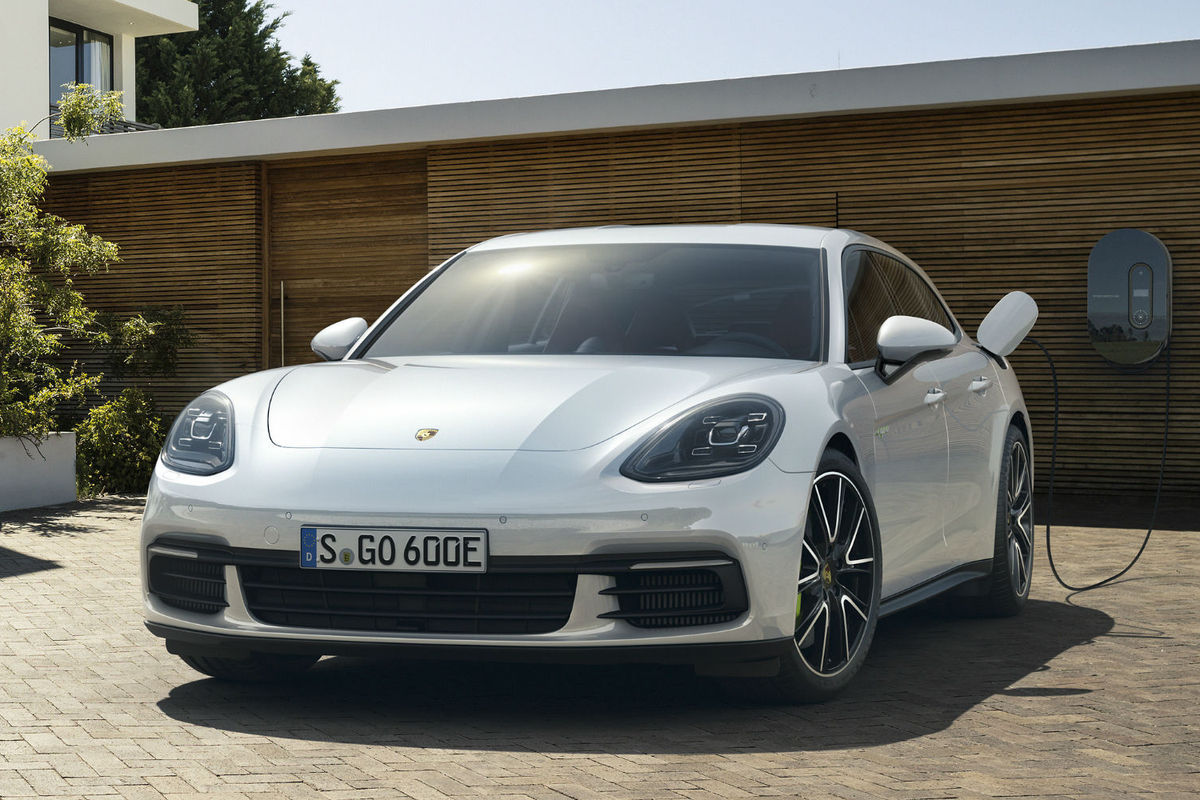
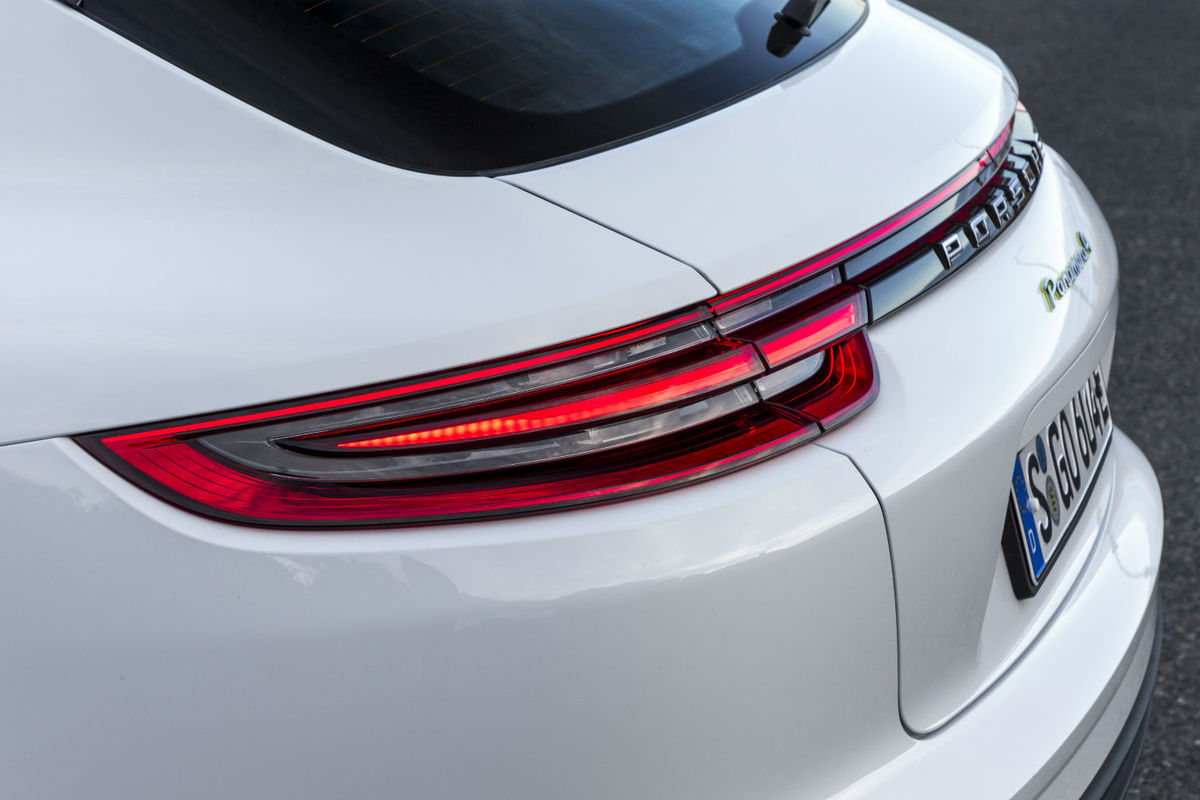
Follow one down a twisting, tree-lined country road and you can’t help but fall for its wide and squat stance, muscular haunches, low roofline and tapered glasshouse. It’s a design covered in delicious details such as Sci-Fi-spec four-point LED headlights (surely the coolest lamps in production today) frameless side glass, full-width rear light strip complete with chrome on black Porsche script and a deployable roof wing, not to mention the Acid Green 6-pot front brake calipers and badge highlights on the astonishingly fast Turbo S E-Hybrid model.
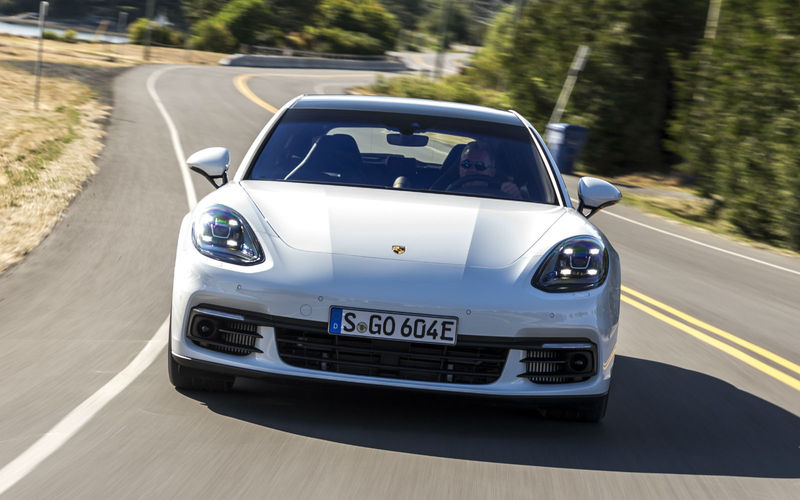

The Sport Turismo's 4-point LED headlights must rank among the coolest lamps in production today.

So, what’s it like to drive?

First impressions from behind the wheel of the new Sport Turismo Turbo are weighty and I’m not just referring to the car’s 2 035 kg kerb mass. Every aspect, from the steering to the creamy power delivery and the seamless shifts of the new 8-speed PDK transmission, features a solidity that could only stem from thorough engineering. It rides with supreme authority on its 3-setting air springs, providing a level of comfort befitting a genuine luxury sedan as well as the high-speed body control you’d expect from a track-capable family-friendly sports car.

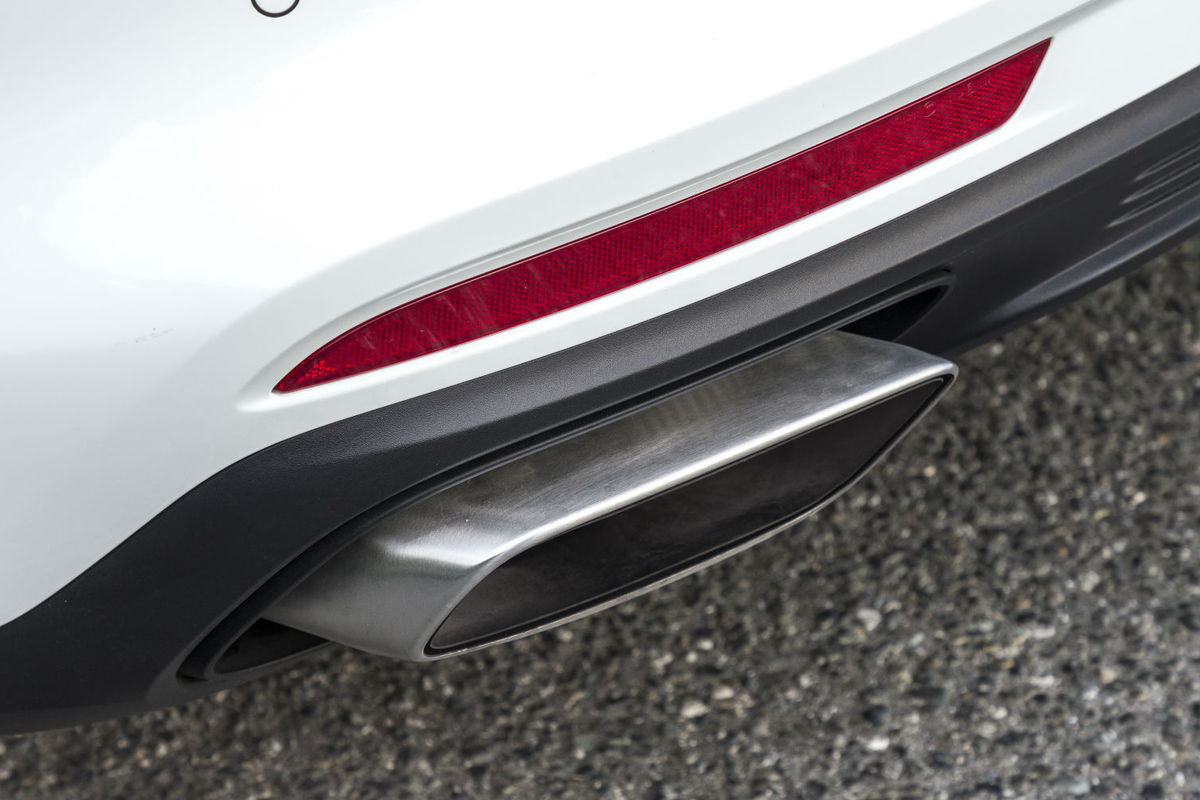
Powered by a 4.0-litre bi-turbo V8 that delivers 404 kW and 770 Nm of punch, every intentional twitch of your right ankle is met with an equally punchy thud in the back. Yes, it’s all high praise, but then the Sport Turismo is hard to fault. On that note, perhaps it’s a little too well insulated. If you want front row seats to the engine’s aural performance, then you’ll need to tick the optional sports exhaust box.
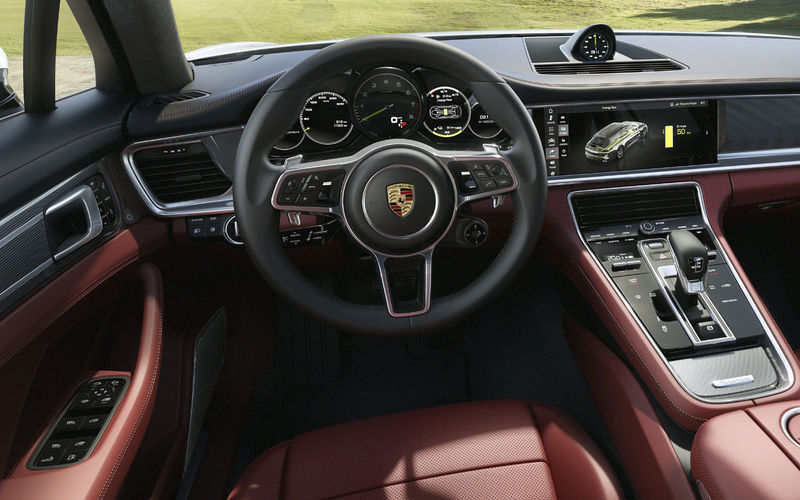

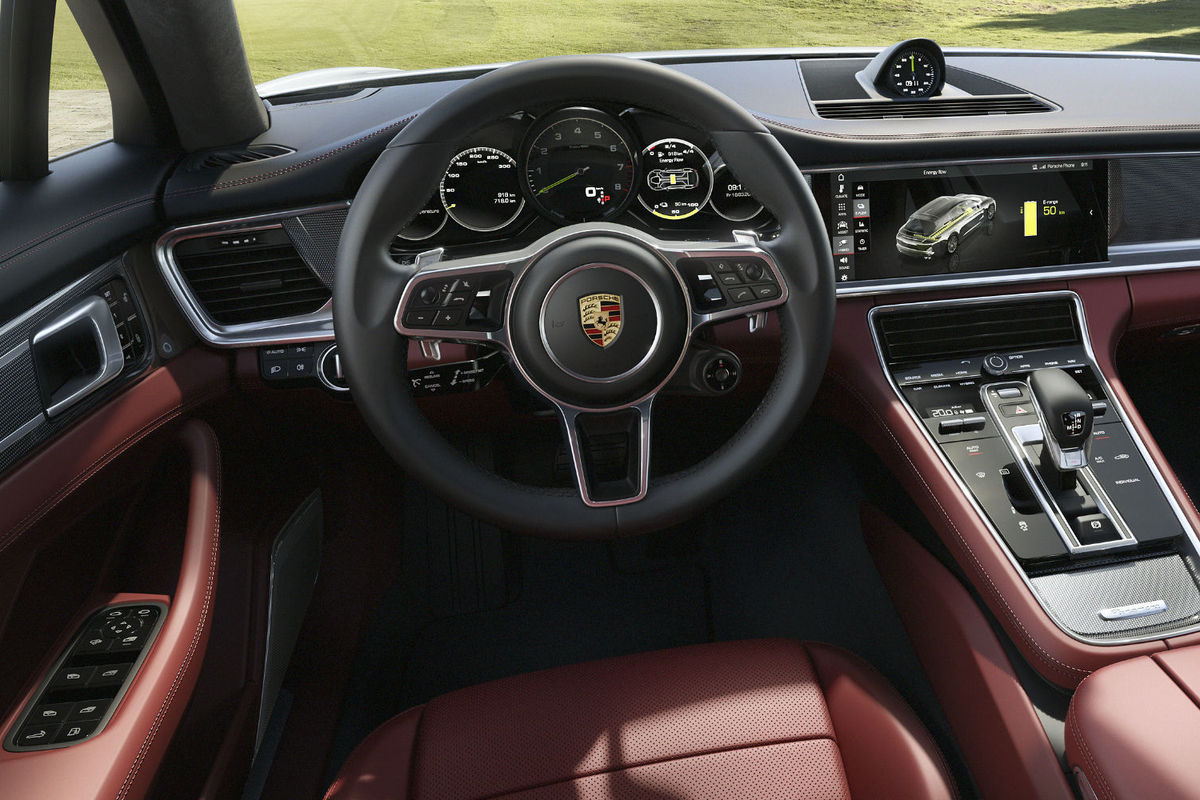
The interior design is, as expected, driver-centric, but strikes a tasteful balance between sportiness and sophistication. 

Initially available in 4 flavours

When the first batch lands mid-January 2018, the all-wheel-drive Panamera Sport Turismo line-up will more or less mirror that of the sedan, starting with a model called 4. Priced at R1 491 000, its 3.0-litre turbo V6 delivers 243 kW and 450 Nm. Trumping that is the 4S which makes use of a 2.9-litre bi-turbo V6 to achieve outputs of 324 kW and 550 Nm – yours for R1 717 000. Next up is the V8-engined Turbo model at R2 572 000 with the Turbo S E-Hybrid capping off the range and expected to cost around R3 million.

Hybrid theory

There are subtle differences between non-hybrid and hybrid models. The cost of electrification is around 200 kg in added mass but its positioning (low and central), along with perfectly retuned active air suspension result in a ride that is even more unflustered by minor surface irregularities. Throw in a measure of instant electric shove, and the potential of up to 50 battery-power-only kilometres and suddenly the inclusion of plug-in tech on the range-topping Turbo S E-Hybrid makes tonnes of sense.
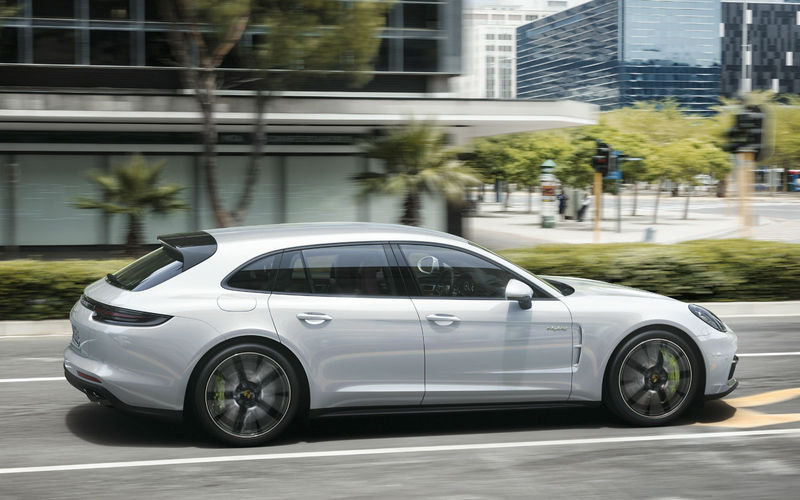

With total system outputs of 500 kW and 850 Nm, it's little wonder that the Panamera can hit 100 kph from standstill in 3.4 sec.

Add in the party trick of launch controlled starts that give the rude finger to physics, propelling the 2.3-tonne machine with all the instant violence of a medieval catapult. But there’s nothing Middle Ages about the powertrain, which adds 100 kW of electric drive via a 14 kWh liquid cooled lithium-ion battery to the bi-turbo V8 for total system outputs of 500 kW and 850 Nm. For the record, 0-100 kph acceleration runs take 3.4 seconds – we know, we tried them, repeatedly (insert winking emoji here). 

Charging the battery at home takes around 6 hours using the standard 230V 10A charger. Unless you have engaged E-Charge mode, the petrol engine isn’t tasked with charging the battery, which relies largely on brake energy recuperation to rejuice on the go. As a result, brake feel is sometimes inconsistent when harvesting, but you quickly become accustomed to it.
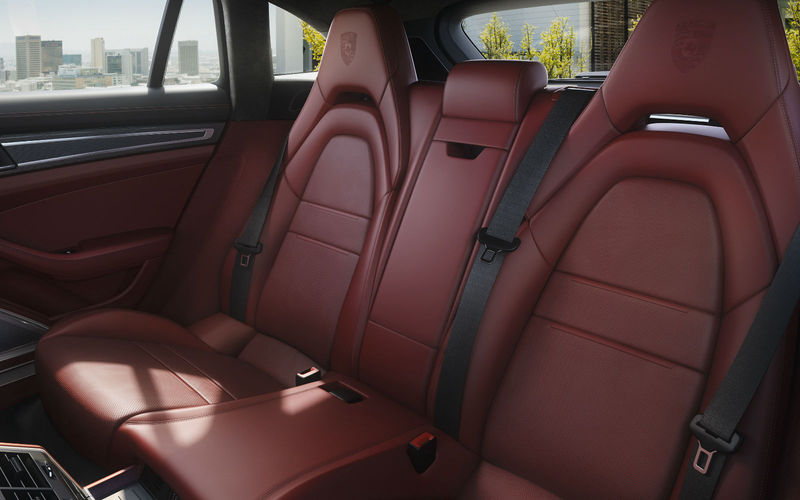

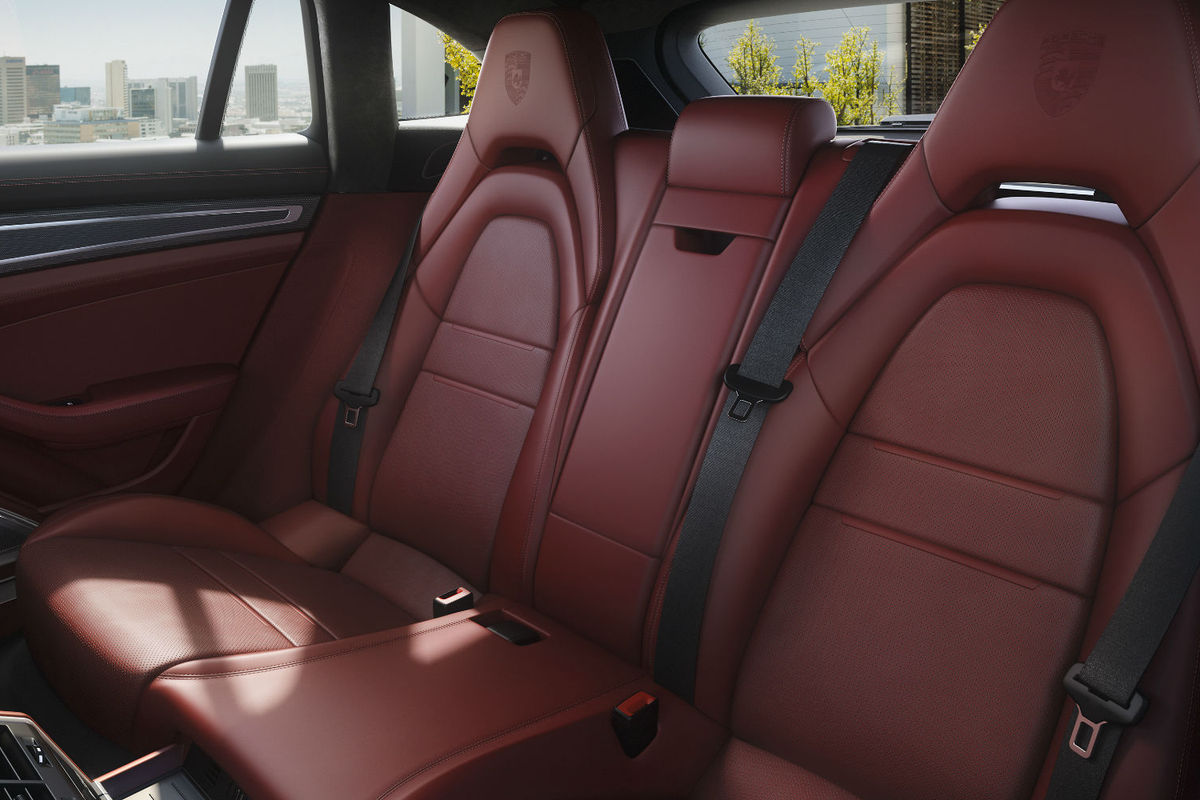
Another notable difference between the Sport Turismo and standard Panamera is the adoption of a 2nd row middle seat as standard.

So how practical is it really?

As intimated earlier, there are small changes over the otherwise mechanically identical Panamera. Reworking the rear surface volumes has allowed Porsche to prise another 50 litres of luggage area from the boot which now measures 520 litres. A lower loading height, courtesy of a tailgate that cuts down far deeper than on the sedan, makes for easier access. As with the regular car, the rear seatbacks tip forward individually to create a reasonably flat floor and boost cargo volume to 1 390 litres.

Another useful change is the adoption of a middle seat in the second row as standard. Don’t fret, you can option the centre console back in if you’d prefer the 4-seater business class look. Anchor points in the boot and the choice of a flexible, retractable luggage cover or a hard lid round off an easy-to-live-with package that makes the most of the real estate on offer.

A conclusion… revised

So while the Sport Turismo is patently not king of the station wagons it is everything else you’d want from a five-seater sports car. So beguiling to look at, so agile and responsive for its size and weight, so astonishingly comfortable and so fearsomely fast in hybrid spec, you can easily imagine squashing continents in one at great pace and in great, insulated comfort. In essence it lives up to its name perfectly. It is the car to Make Sports Touring Great Again.

Watch a Panamera Turbo S E-Hybrid Sport Turismo in action:


Further reading:

Porsche Panamera 4S (2017) Video Review

Porsche Panamera (2016) First Drive

Porsche Showcases Most Powerful Model

Porsche Panamera 4S (2017) Video Review

Porsche Produces 1-millionth 911 [Video]

SentiMETAL: – Porsche 930 Turbo [Video]
Want to buy a Porsche?

Browse through stock here

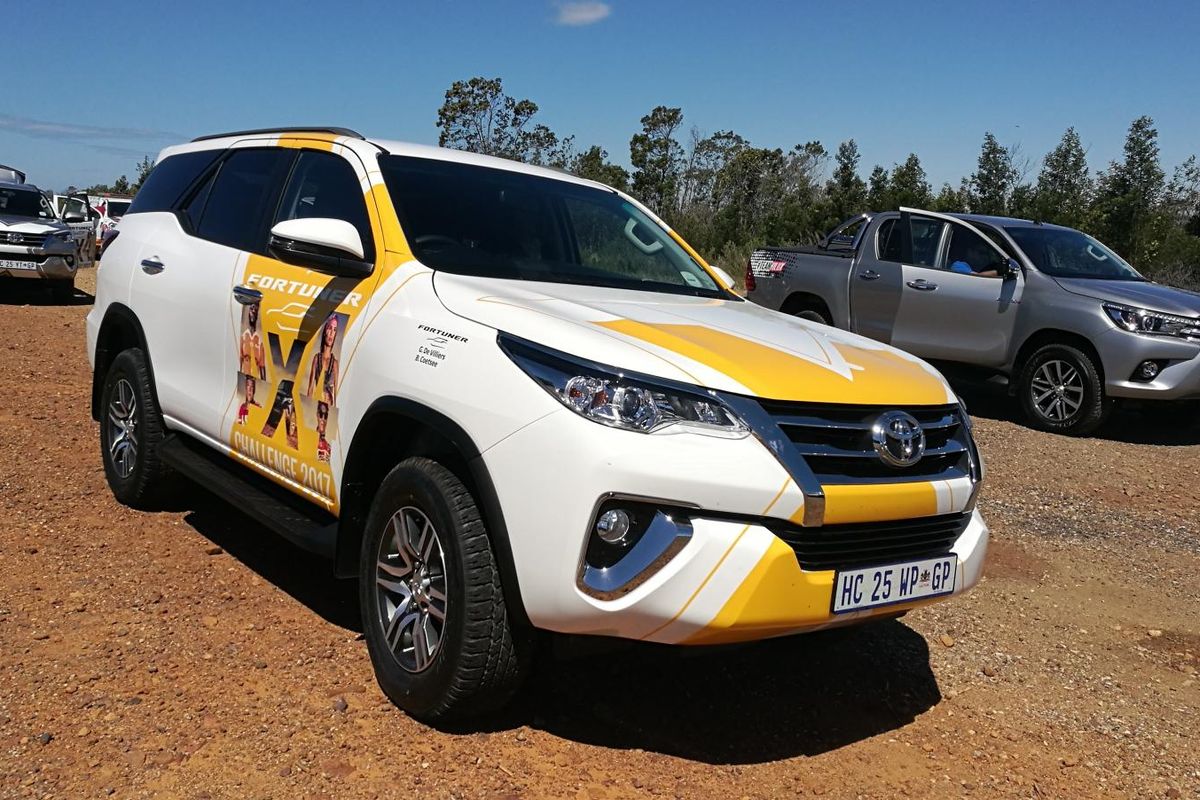
Toyota Fortuner (2017) Specs & Price

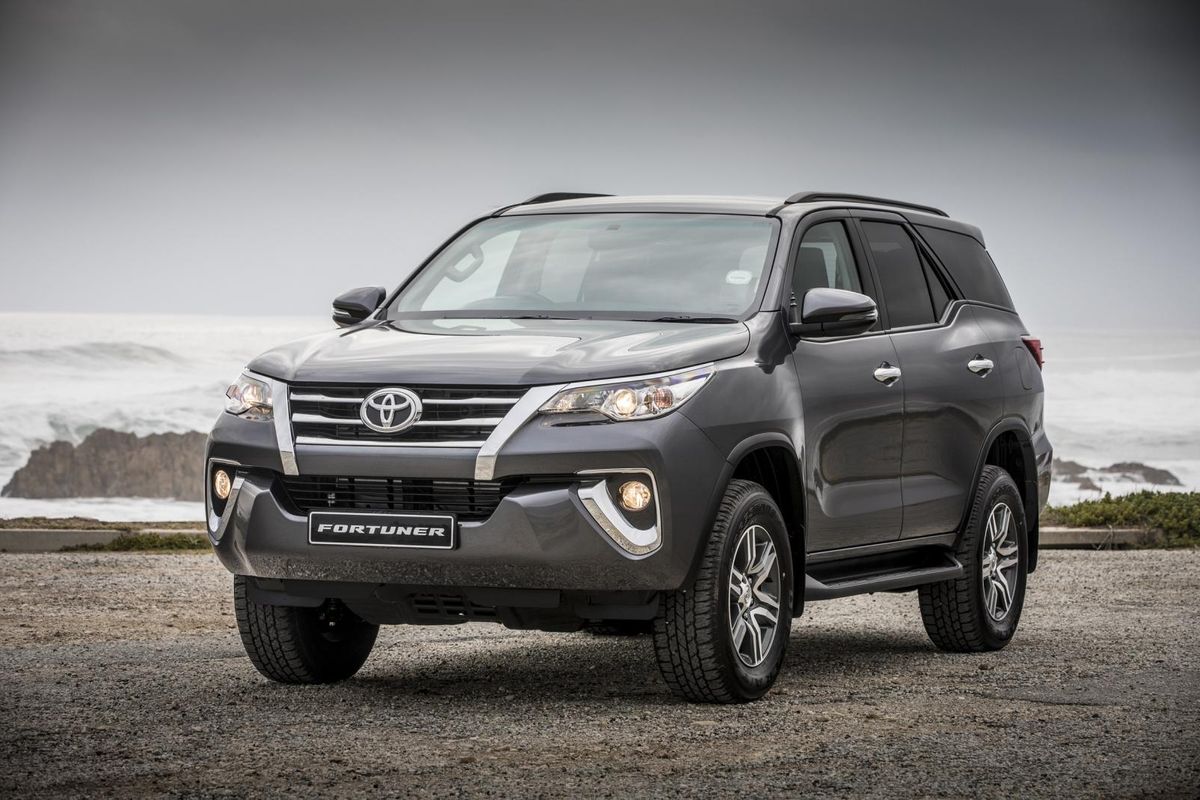
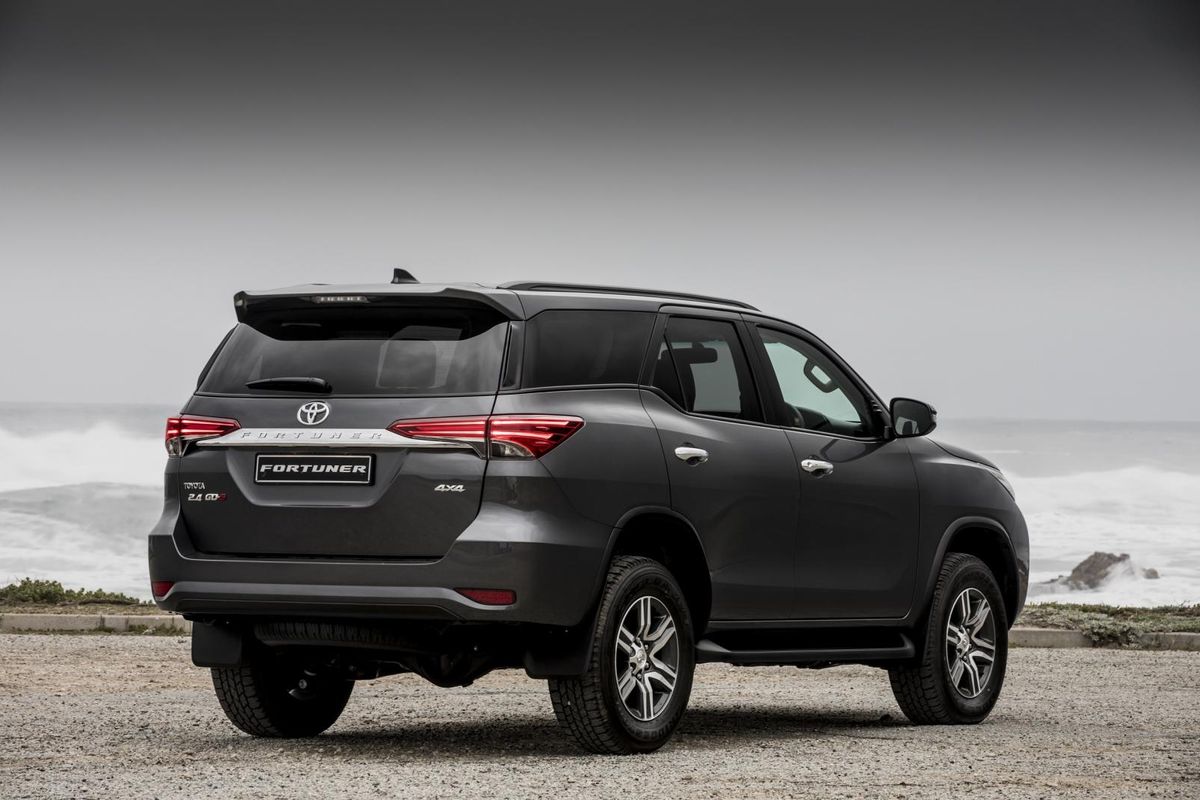
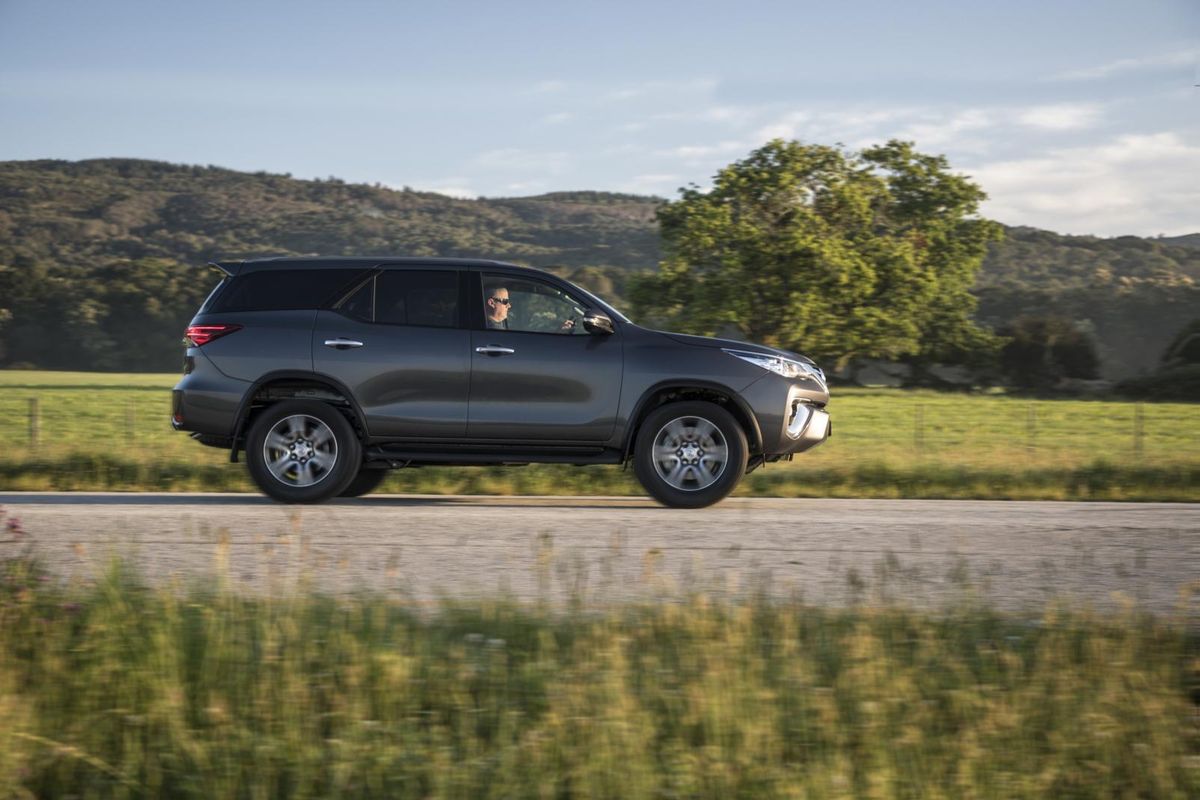
Toyota South Africa has tweaked its Fortuner portfolio and added a new derivative: the 2.4 GD-6 4×4 6AT. Here are the specs and price list of the revised Toyota Fortuner range (October 2017) in South Africa.

According to the national new vehicle sales figures, the Toyota Fortuner is South Africa's most popular SUV, accounting for a mammoth 49% share in the medium-size SUV segment. As it stands, customers have the choice of 4 engines and 2 specification levels. The current engine lineup comprises petrol motors in the forms of a 2.7-litre VVTi and a 4.0-litre V6, while turbodiesel fans are catered for with 2.4 GD-6 and 2.8 GD-6 derivatives. The Fortuner range was recently expanded to include a new 2.4-litre GD-6 4×4 automatic derivative, which offers buyers 4×4 capability at a more affordable price. In fact, the 2.4 GD-6 4×4 automatic is priced at R506 000, some R127 500 cheaper than the 2.8 GD-6 4×4 automatic (R633 500), which will likely make buyers very happy. 

The Fortuner 2.4 GD-6 4×4 automatic offers 110 kW and 400 Nm and claims to consume just 8.2 L/100 km. Thanks to an 80-litre fuel tank, the range is claimed to sit at 900 km per fill-up.

Improved Specification

Toyota has listened to customer feedback and has improved safety specification on the 2.4 GD-6 and 2.7-litre derivatives. Side and curtain airbags have been added, bringing the total airbag count up to 7, which should reassure family car buyers. This is over and above the standard safety offering which includes dual front airbags, driver's knee airbag, Vehicle Stability Control (VSC), Hill-start Assist Control (HAC) and Trailer Sway Control (TSC). 


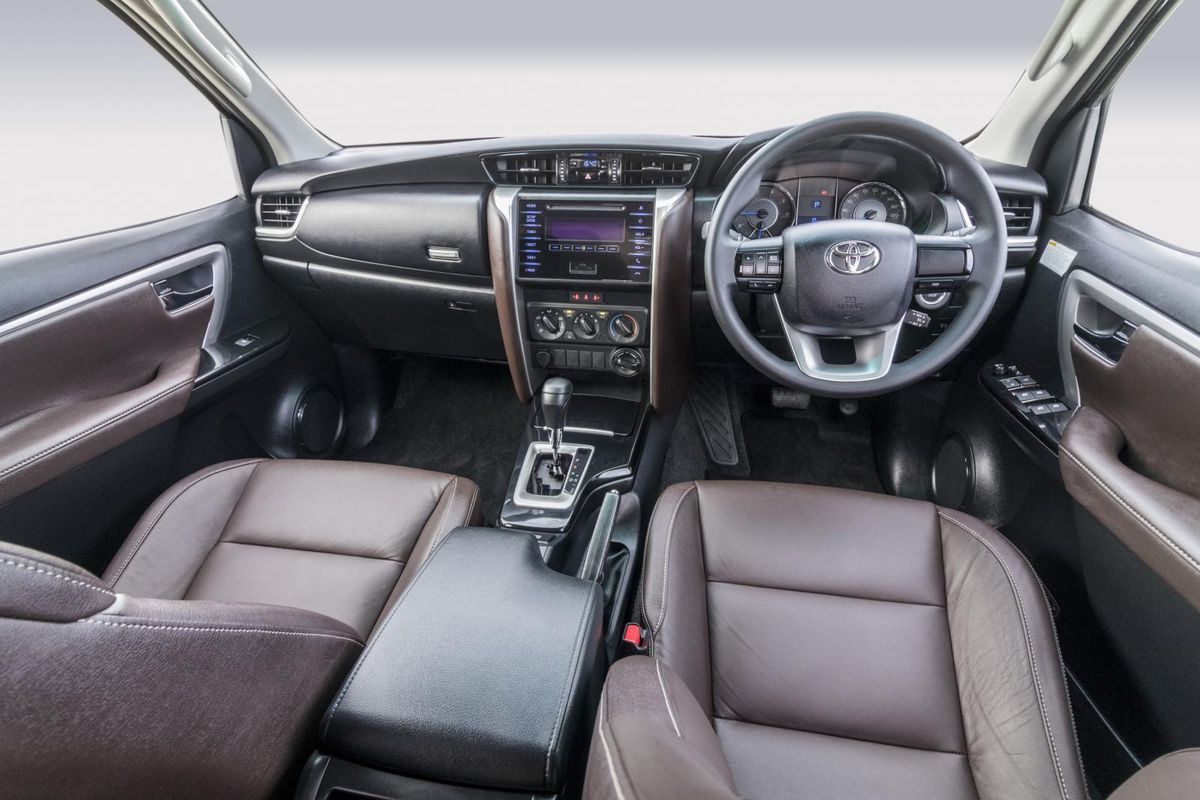
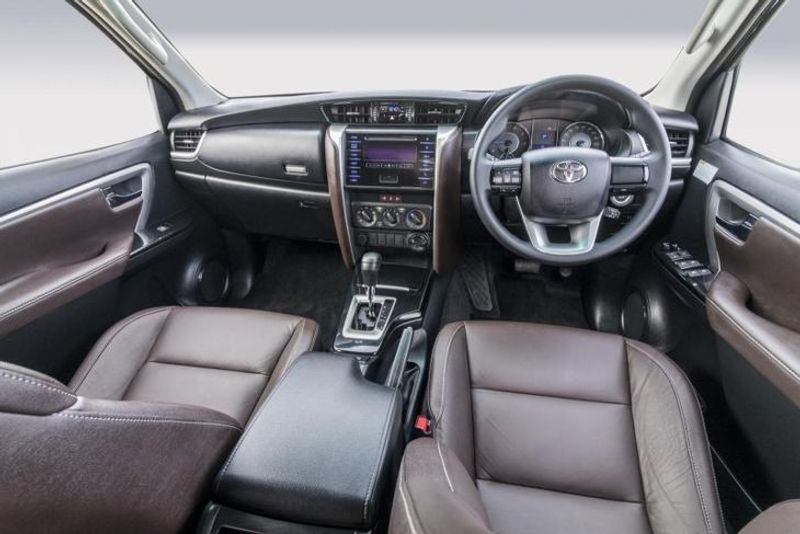
In terms of specification, the 2.8 GD-6 and V6 derivatives now gain the convenience of an electrically-operated tailgate and a 220V accessory connector in the second row. Toyota has also included LED fog lamps to complement the LED headlights over and above standard equipment such as Smart Entry, leather interior, multi-information display, Bluetooth, USB, cruise control and 3rd-row seating.

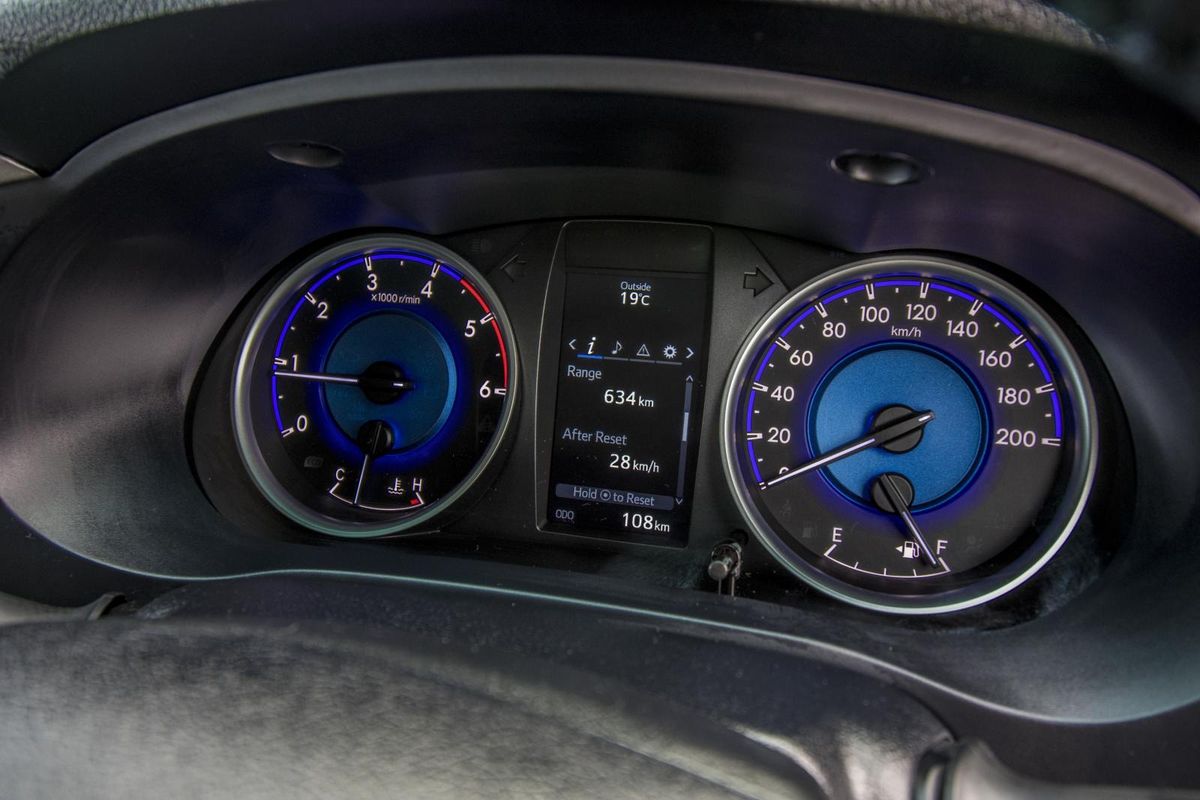
Top-spec derivatives further come equipped with automatic climate control, reverse-view camera, a touchscreen infotainment system, leather-and-wood-trimmed steering wheel, additional soft-touch finishes, electric driver's seat adjustment and full-colour TFT multi-information display.

What's the Fortuner 2.4 GD-6 4×4 automatic like to drive? 


A post shared by Cars.co.za (@carssouthafrica) on

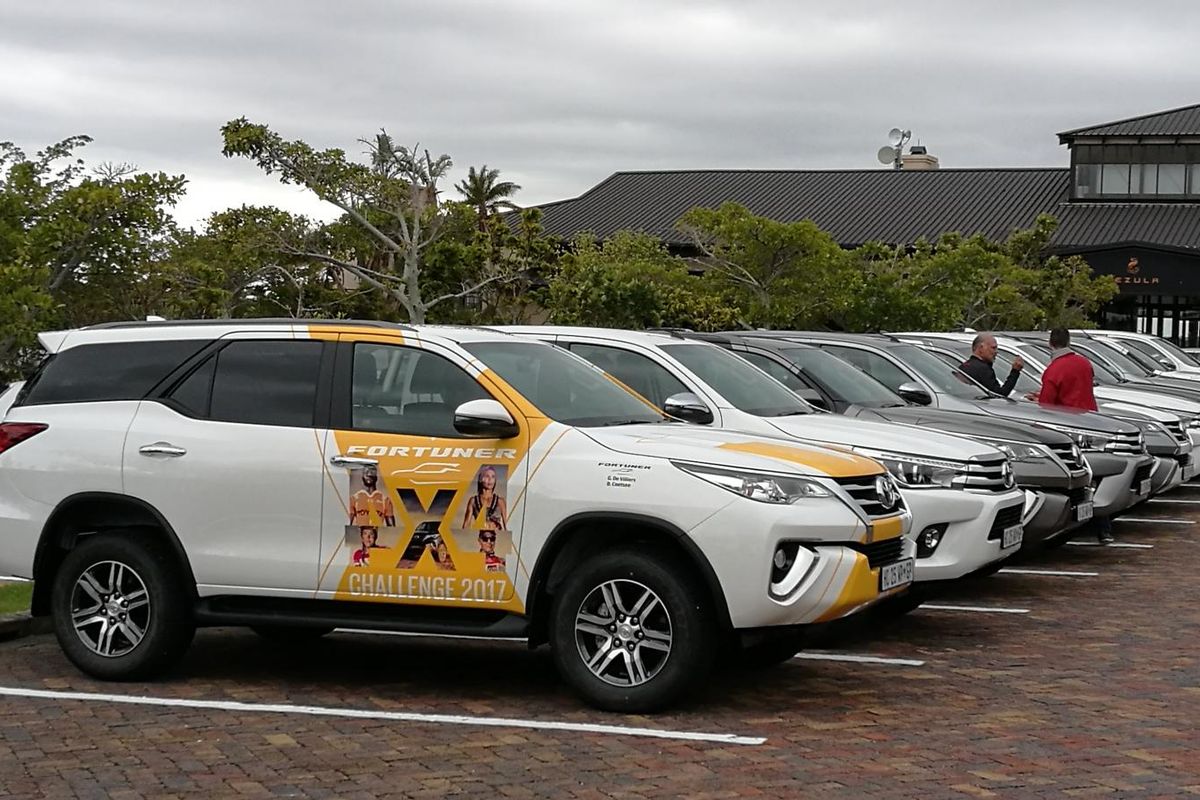
We had the chance to sample the 2.4 GD-6 4×4 automatic in the Garden Route, Western Cape. Our drive combined both tar and offroad driving, giving us a good idea of what this new derivative is capable of. On tar, the 2.4 GD-6 offers ample power and torque for those long road trips. The engine is refined and general ride quality is good. We did, however, find the 2.4 GD-6 4×4 automatic to lack a degree of punch while overtaking, which means you will have to plan your overtaking manoeuvres more carefully. This is less of a problem with the more powerful (and more expensive) 2.8 GD-6 4×4 automatic. Nonetheless, this derivative will be adequate in most, if not all driving situations.

We also took the Fortuner on a sand dune offroad course. After deflating the tyres, we set off into the sand. Selecting 2H, 4H and 4L (low-range) is easily done using a 'select-on-the-fly' dial. The Fortuner tackled the course with little effort, proving once again, that it's a superbly capable 4×4. We left the 4×4 course with the feeling that the Fortuner could probably deal with much more punishment than we experienced.

This mid-spec Fortuner 4×4 automatic should find favour with many potential buyers as it's not only significantly more affordable, but it's capable too and attractively priced against its main rival, the Ford Everest 2.2 4WD XLS priced at R544 900. 

Toyota Fortuner – Price in South Africa

All models come standard with a 5-year or 90 000 kilometre service plan (whichever occurs first). A 3-year/100 000 kilometre warranty is included.

Model

Pricing

Fortuner 2.4 GD-6 RB 6MT

R 462 900

Fortuner 2.4 GD-6 RB 6AT

R 480 900

Fortuner 2.4 GD-6 4×4 6AT (NEW)

R 506 000

Fortuner 2.7 VVTi RB 6AT

R 444 500

Fortuner 2.8 GD-6 RB 6MT

R 552 900

Fortuner 2.8 GD-6 4×4 6MT

R 614 400

Fortuner 2.8 GD-6 RB 6AT

R 571 800

Fortuner 2.8 GD-6 4×4 6AT

R 633 500

Fortuner 4.0 V6 4×4 6AT

R 675 600


Further reading (Fortuner)

Toyota Fortuner 2.4 GD-6 (2016) Review

Toyota Fortuner 2.8 GD-6 4×4 Auto vs Ford Everest 3.2 XLT (2016) Review + Video

Extended Test: Toyota Fortuner 2.8 GD-6 4×4 Automatic [with Video]

Toyota Fortuner Gets TRD Treatment

Interested in buying a Fortuner?

Find one today on Cars.co.za

3 Reasons Why BMW 530d is #CarsAwards Finalist

What makes the BMW 530d Luxury Line a worthy contender in the Executive Sedan category of the 2017/18 Cars.co.za Consumer Awards – powered by WesBank? We investigate…

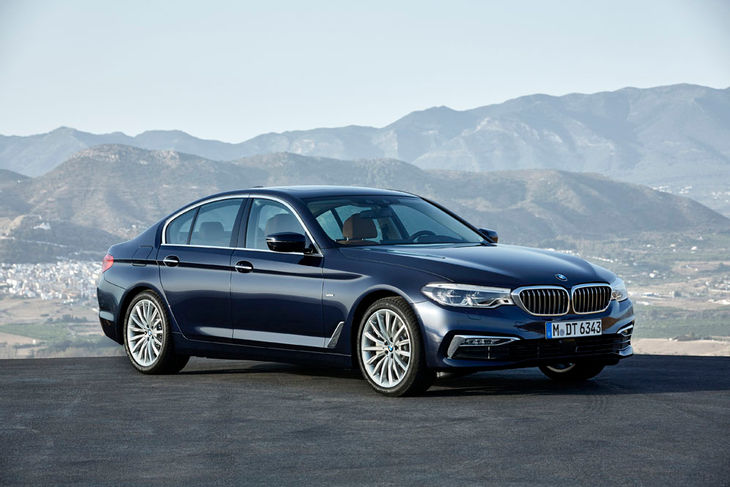
From a global perspective, the BMW 5 Series is a pivotal car for the Bavarian-based brand, not only in terms of volumes, but also profitability. After the 7 Series won the First Class category last year, we predicted that the 5 would be just as good. Based on its pricing and engine outputs, it’s throwing down the gauntlet for the rest of the Executive Sedan crowd. Can the BMW 530d Luxury Line go all the way and win this category?

3 Reasons Why BMW 530d Luxury Line is a #CarsAwards Finalist

1. Powerful performance

The BMW 530d is powered by one of the most potent turbodiesel powerplants. It’s a 3.0-litre turbocharged, 6-cylinder engine producing 195 kW and a monstrous 620 Nm of torque. While it is a diesel motor, it still manages to pull off a very un-diesel like soundtrack.

BMW claims a 0-100 kph sprint time of 5.7 seconds and it’ll run along to a top speed of 250 kph. Driven gently, you may be able to get near the fuel efficiency claim of 5.1 L/100km. The 530d is a strong performer in this category.

2. Tech and luxury galore

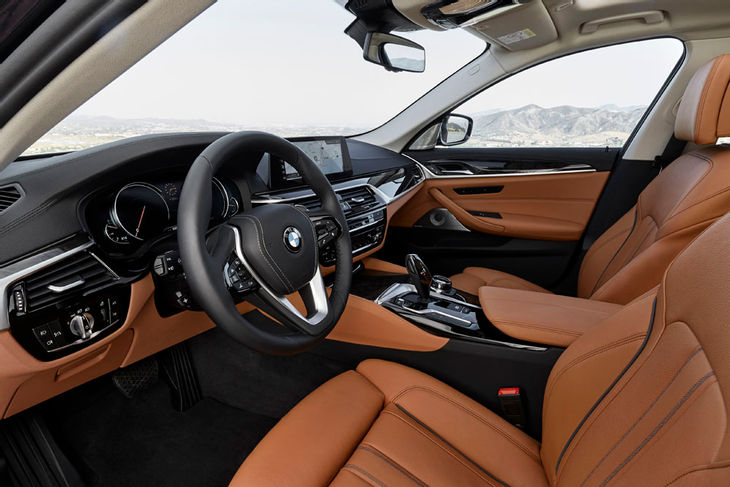
When you slide into the (optional) sports driver’s seat and sit behind the thick-rimmed M Sport steering wheel, the dashboard’s wrap-around architecture, the TFT instrumentation panel, piano-black-clad fascia (with the 10.25-inch infotainment screen perched on top of it) instantly envelop you. Interior fit and finish is excellent and the 5 Series’ cabin feels more “luxury saloon” than Executive Sedan.

The on-board technology, meanwhile, is astonishingly intuitive. The infotainment system has a customisable multiple-window menu that can be operated by the iDrive controller, touchscreen and gesture control.  Furthermore, the 5 Series will happily park itself and the surround-view camera system offers a detailed view of what is going on around the car and the major camera lenses swivel dynamically in the directions that the car’s wheels are turned. The 530d is difficult to beat in terms of technology and luxury.

3. Comfortable and clever driving

Even though the 5 Series is renowned for being one of the sportier executive sedans in the market, its athleticism is now more of an inherent, rather than an overt, trait. The Bimmer’s most apparent on-road characteristic is poise, while ride comfort is its strongest suit.

When equipped with Driving Assist Plus, the 530d will happily “drive itself” for extended periods, especially in mind-numbing congested freeway conditions. With camera and radar-based driver assistance systems including active cruise control with Stop&Go function, steering and lane control assist, lane keeping assist, evasion aid and crossroads warning, the BMW will keep to its lane without requiring steering inputs and dynamically adapt its pace depending on prevailing traffic conditions. This is a clever car.

Have Your Say: Complete our survey and WIN!

Do you own a 5 Series? We would love to hear from you! Tell us about your experience by completing our Ownership Satisfaction Survey. Your input counts for 50% of the final result.

What cars are the 530d's rivals in #CarsAwards?

The 2017/18 #CarsAwards finalists: Executive Sedan Category

Compare the BMW 530d's specs with the Volvo S90 D5 R-Design and Mercedes-Benz E350d Avantgarde

Related Content

With 5 Series, Germany pulls ahead again

BMW 5 Series (2017) International First Drive

BMW 540i M Sport (2017) Review [with Video]

BMW 540i (2017) Video Review

2017/18 Cars.co.za Consumer Awards – powered by WesBank; Finalists

#CarsAwards Finalists Testing: Gerotek turns up the heat


Audi A5 2.0 TDI S tronic (2017) Quick Review

The Audi A5 portfolio is diverse and while we've done a thorough evaluation of the S5 and had a quick drive in the RS5, it's good to get back to basics with a "humble" 2.0-litre TDI derivative. What's it like to live with for a week?

We like: Styling, refinement, technology, punchy engine, spacious luggage bay

We don’t like: Cramped rear passage area, options list hampers value-for-money potential

Alternatives:

  • German Rival No1: BMW 420d M Sport coupe Recently refreshed, the popular BMW 4-Series coupe is a good match for the Audi in some departments, such as driving enthusiasm. However, it's let down by a cabin that is ageing quickly and it desperately needs something high-tech like the digital display from the 5- and 7-Series. Still, it's a lovely car and that diesel engine can deliver a surprisingly sporty turn of speed.
  • German Rival No2: Mercedes-Benz C220d AMG Line. The new Mercedes-Benz C-Class coupe is the best-looking car in its segment, but it's handicapped by poor build quality, an ancient diesel engine and lifeless steering. The looks and technology help it save face and restore some credibility.
  • Something different: Lexus RC200t.  It's not a diesel and its by far the most expensive vehicle in this lineup, however, the Lexus offers the most specification and top-notch build quality. So its got that going for it, which is nice. It won't appeal to all tastes, but it's better than you expect.

Click here to compare the Audi A5 to the BMW 4 Series and Mercedes-Benz C-Class coupe


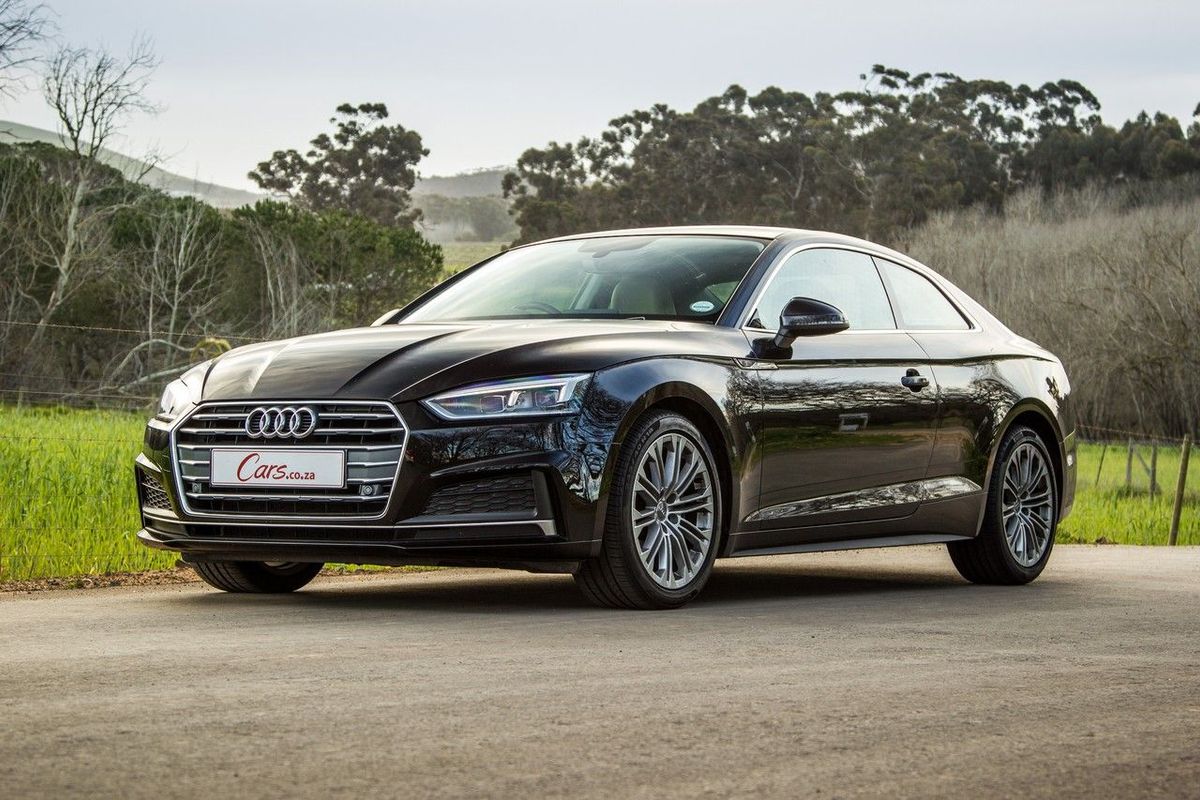
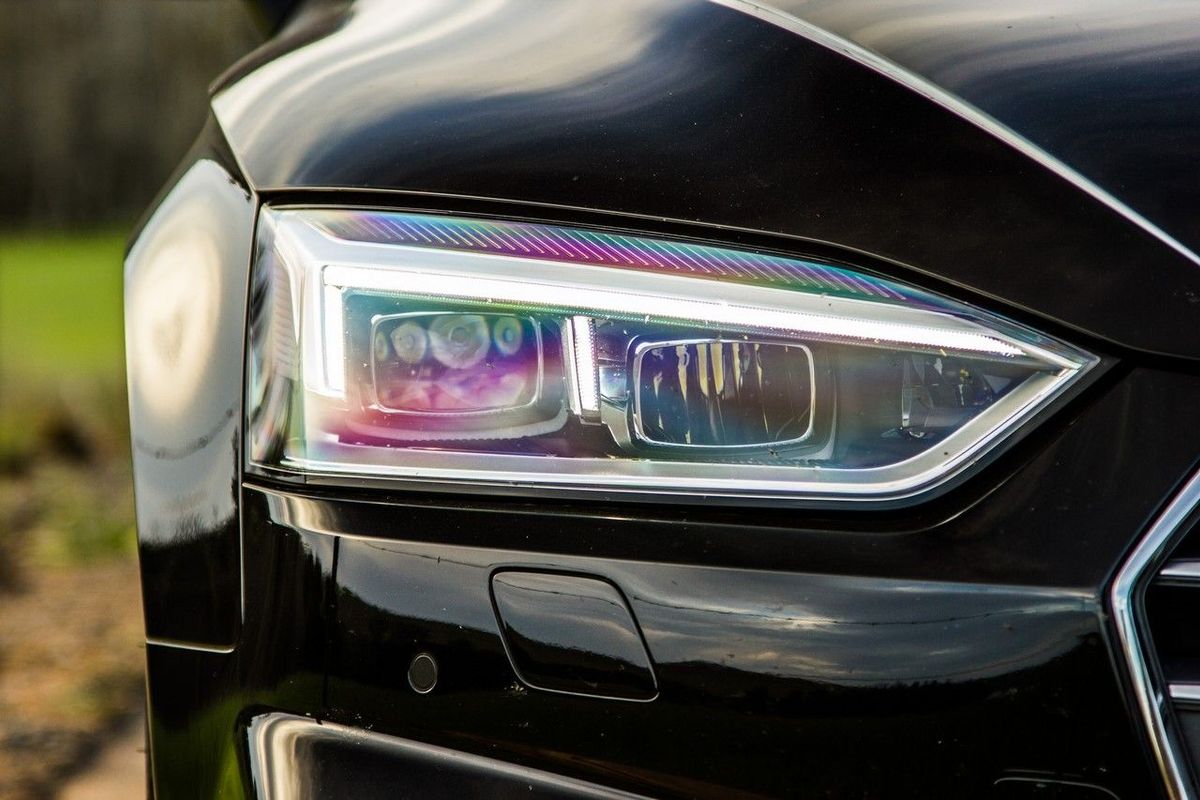
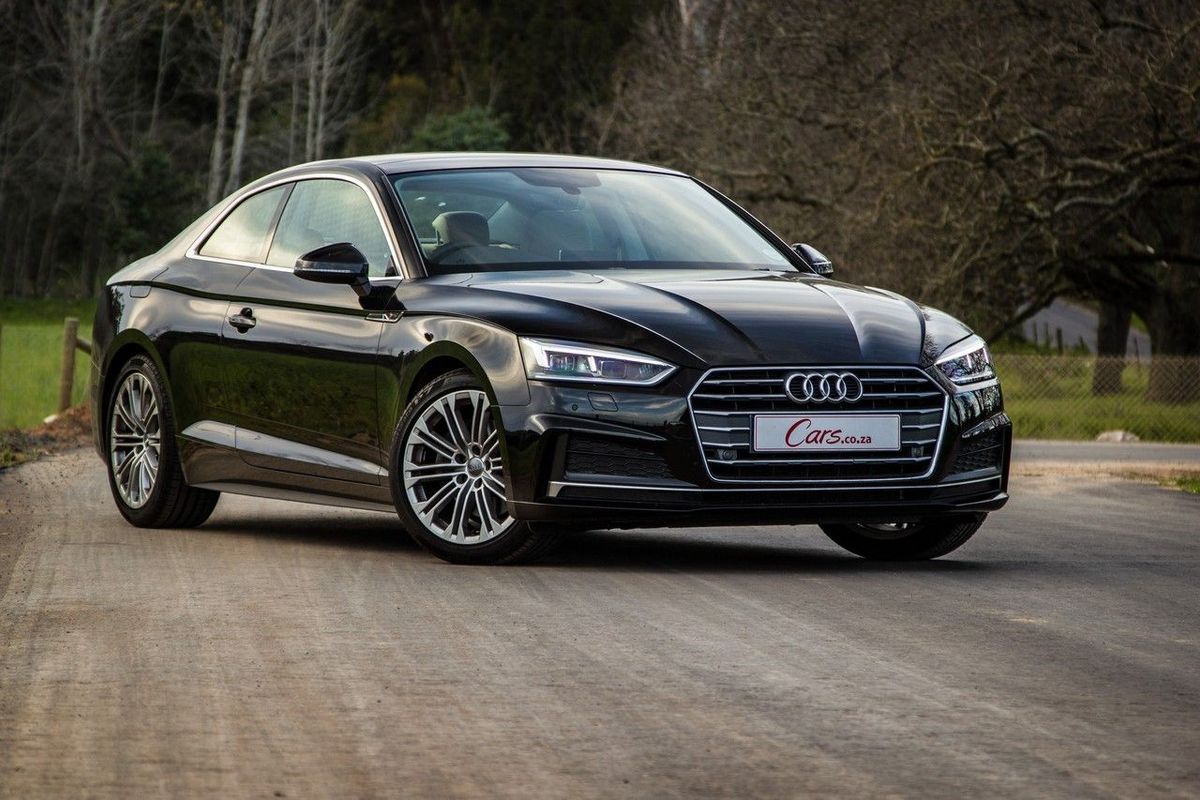
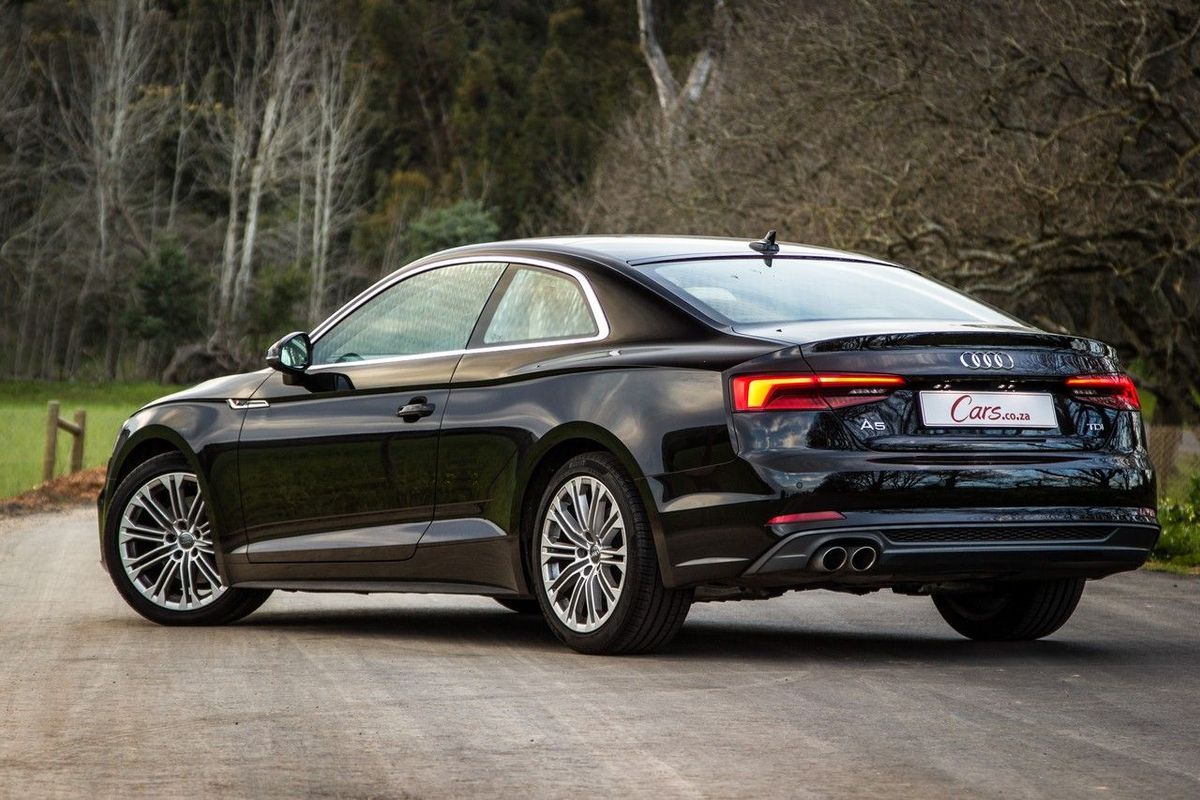
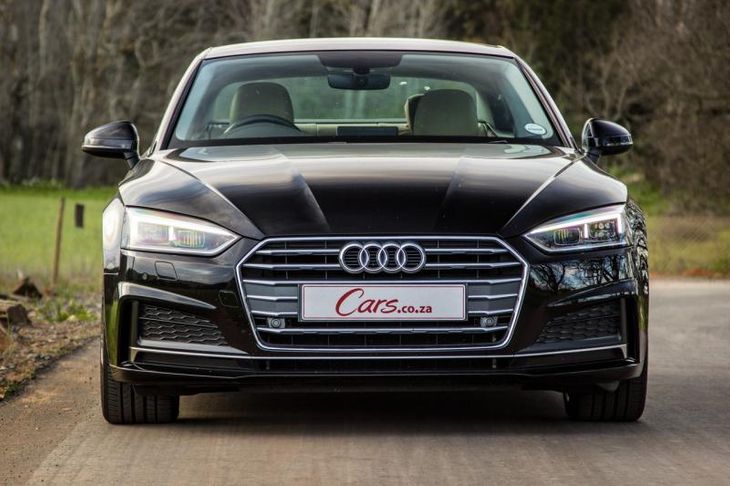
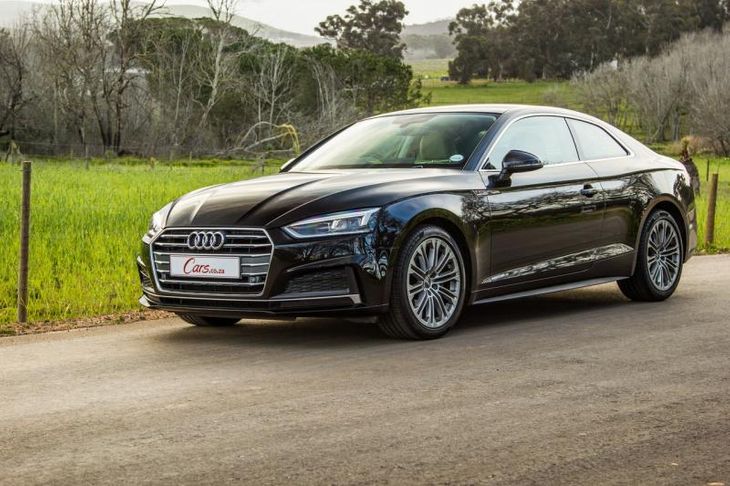
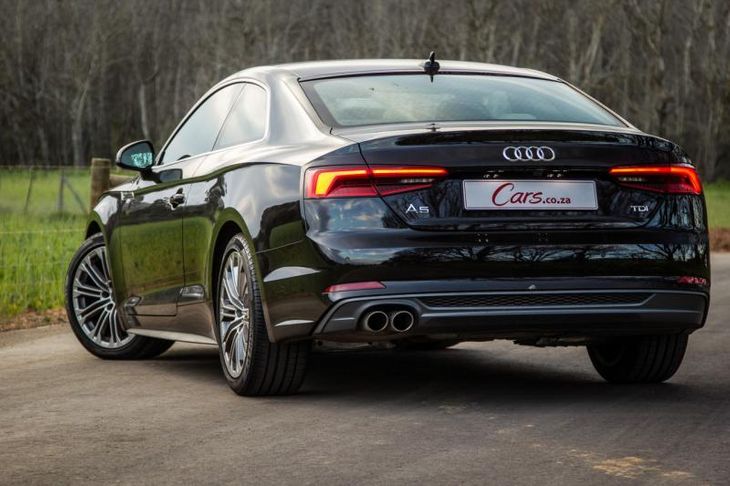
The Audi A5 coupe boasts a smart new face. Note the new daytime running lights.

Facts & Figures

Price: R675 500 (November 2017)
Engine: 2.0-litre turbodiesel four-cylinder engine
Transmission: 7-speed dual clutch
Power: 140 kW
Torque: 400 Nm
Fuel consumption: 4.2 L/100 km (claimed)
0-100 kph: 7.7 secs
Top speed: 238 kph  

What is it?

After a stellar effort with the first generation of Audi A5 coupe, the new model has arrived in South Africa with a comprehensive range; a mix of petrol and diesel motors are bolted into coupe, Sportback and cabriolet models. While we'd happily wax lyrical about the sublime S5 and fiery RS5 derivatives (which had just been launched at the time of writing), the lesser models might well be worth extra consideration. Tested here is the Audi A5 2.0 TDI, which we think strikes an excellent balance between performance, efficiency, style and luxury. 


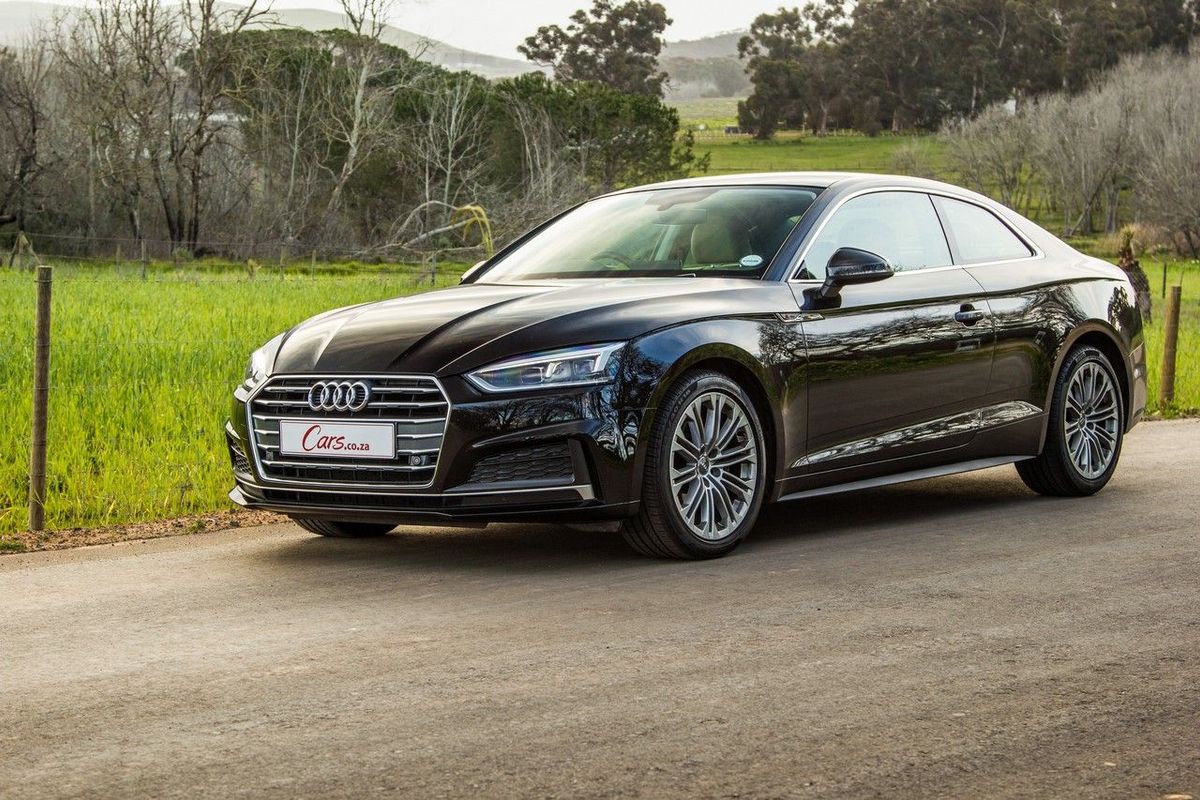
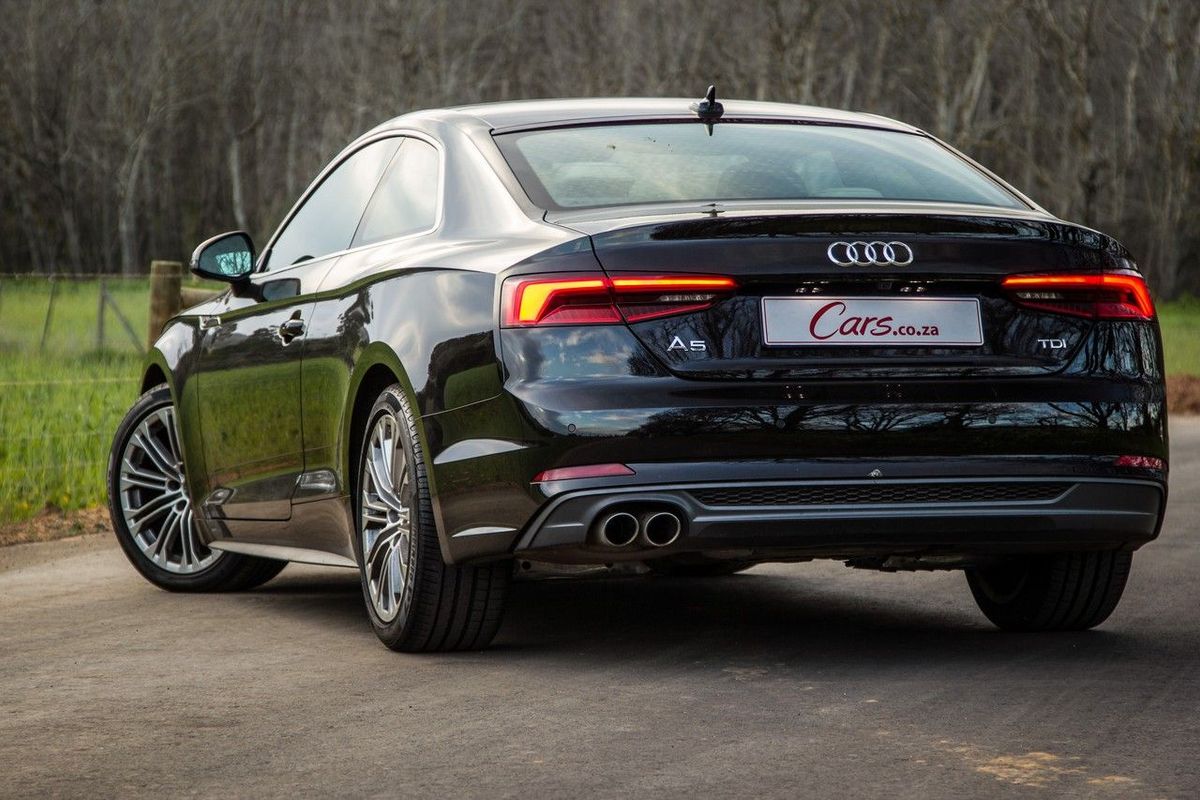
The Audi A5 range is available in coupe, Sportback and cabriolet

The Good

Punchy turbodiesel engine

A turbodiesel motor in a smart-looking sporty coupe? Wait, what? Despite it being "that engine" from the Volkswagen Group, it's still a commendable piece of kit and in A5 application, has been tuned to deliver 140 kW and 400 Nm from 2.0 litres and 4 cylinders. There's just the slightest hint of lag, only evident in the most relaxed of driving modes and then it gives it's all from around 2 000 rpm and only runs out of shove just before the red line. It also happens to sound very unlike a diesel motor, unless you happen to be standing with your ear right next to the engine bay. 

In terms of performance, Audi claims a time of 7.7 seconds for the 0-100 kph sprint, which feels about right. What's more impressive is the prodigious in-gear performance, thanks to the excellent combination of torquey diesel engine and quick-shifting dual-clutch transmission. Audi's fast S tronic 'box does a damn fine job of keeping the engine in the sweet spot when you're wanting to get a move on, but can also be mapped to deliver excessively smooth gearshifts when you're in comfort mode. The big benefit of this diesel engine is the fuel economy and while Audi's claim of 4.2 L/100 km is a tad farfetched, we are happy to report that after a week's driving in mixed scenarios, we ended off with a trip average of 6.2 L/100 km.


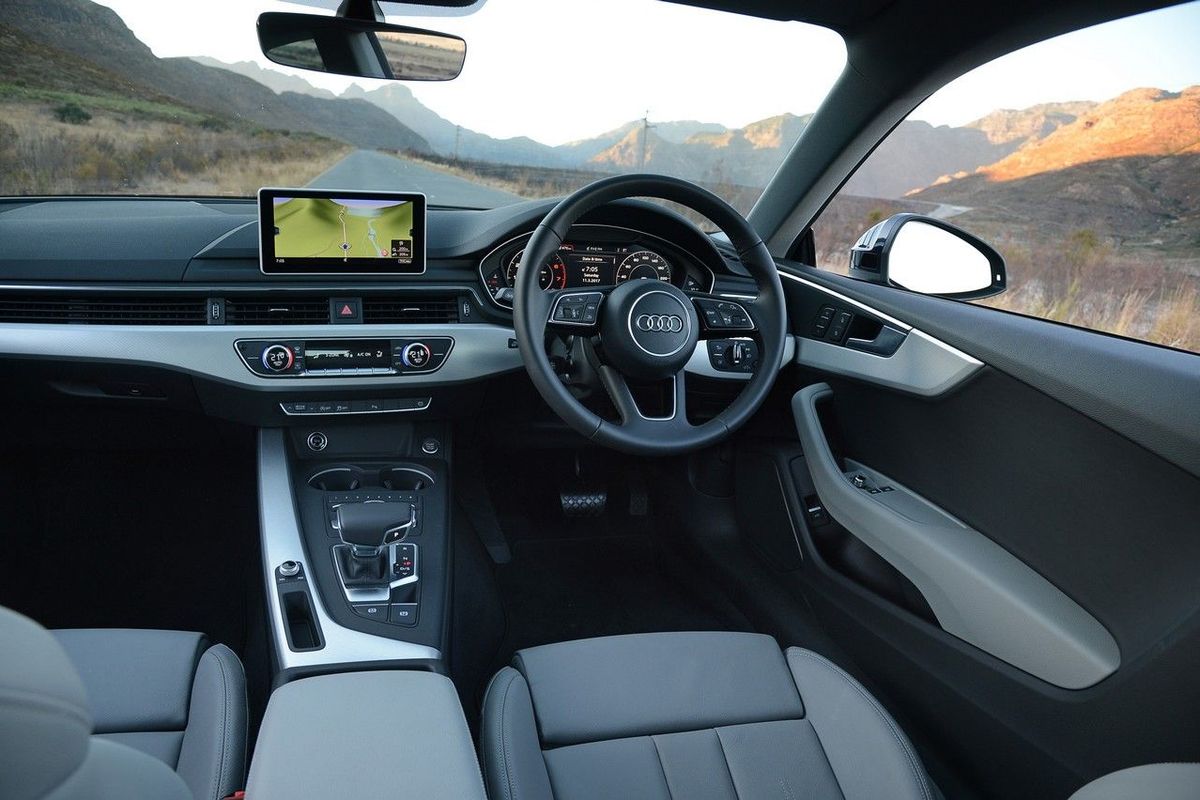
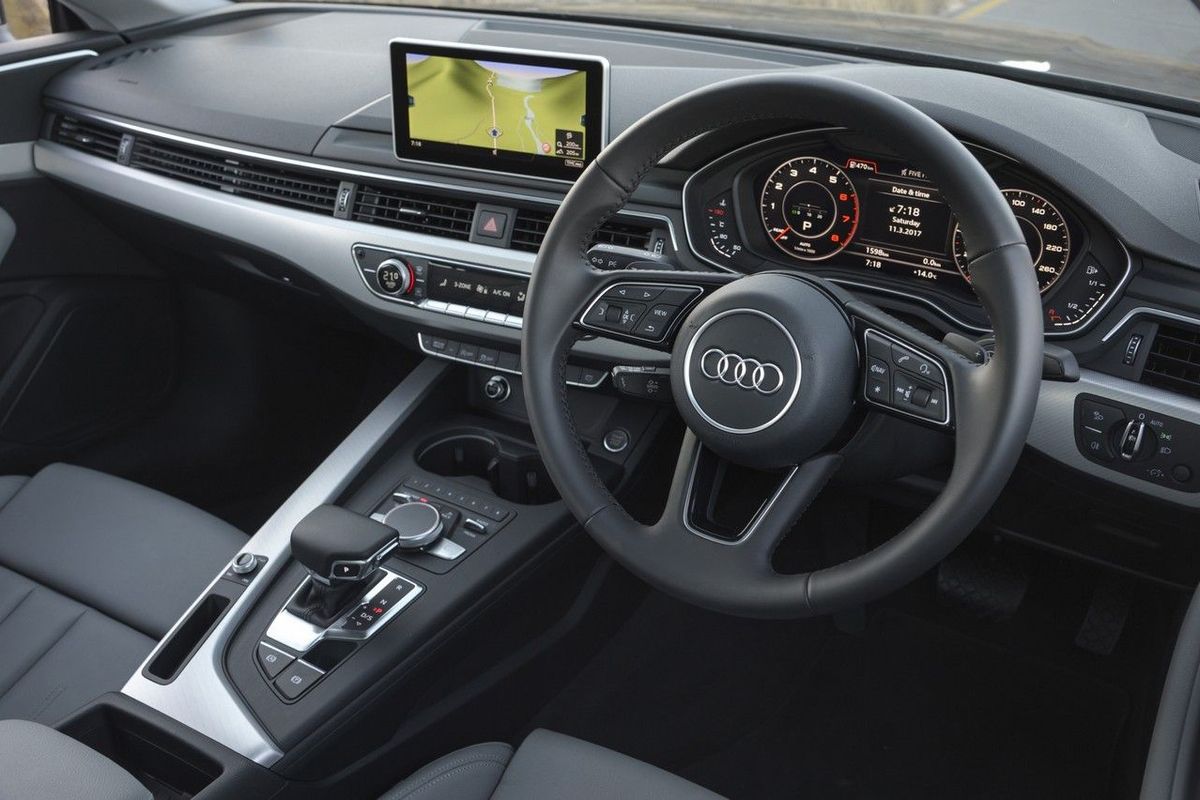
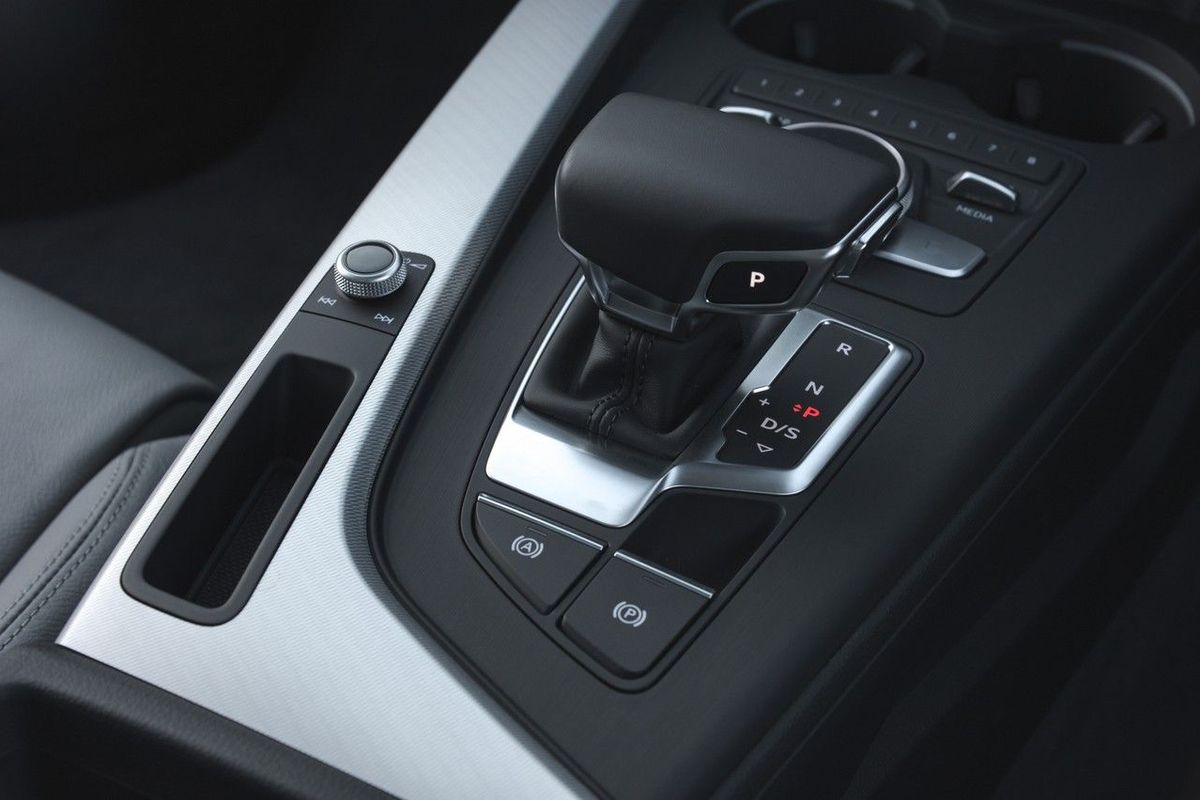
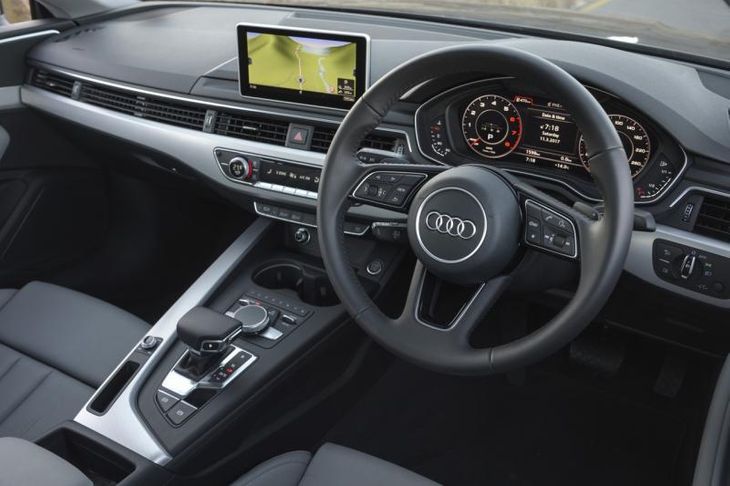
The beautiful and well-assembled cabin is classy and well thought out.

Luxury cabin

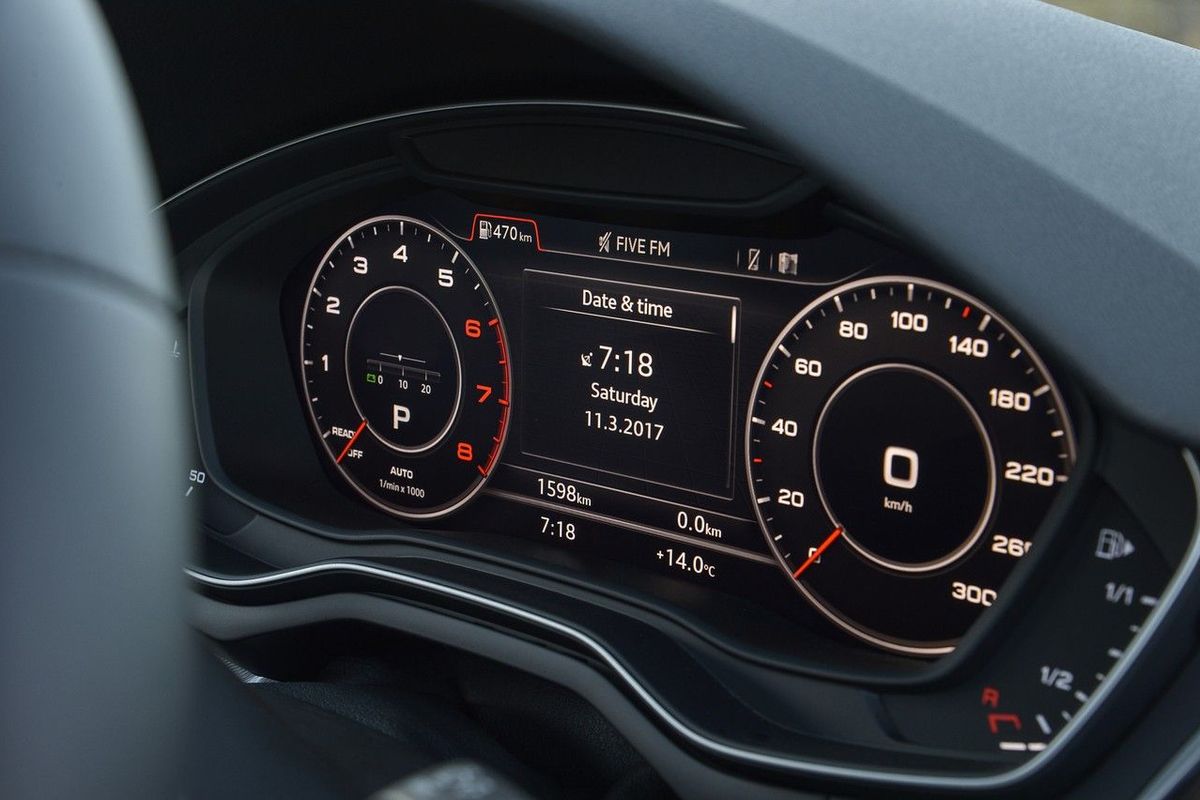
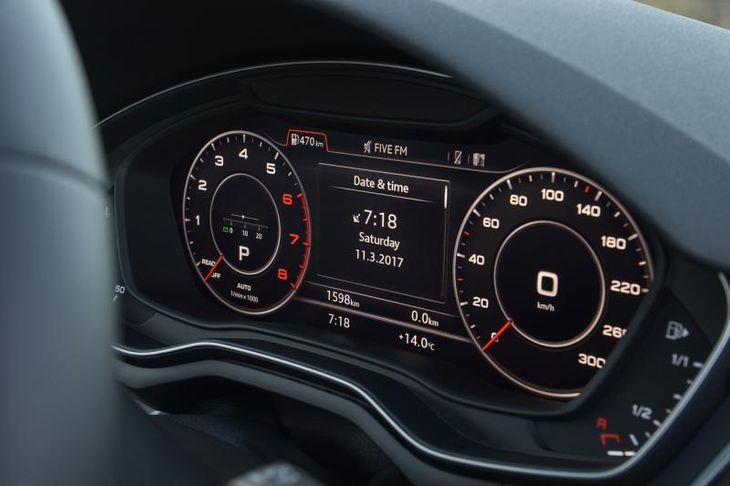
Audi has a stellar reputation when it comes to cabin design and perceived quality, and with the A5 coupe, both boxes have been ticked comfortably. From the driver's point of view, the headline act is Audi's Virtual Cockpit which is a fully digital display. Not only does it look good, but it's also effortless to use. If you're clever, you'll be able to negate the use of the middle screen altogether as everything you need is right in front of you.

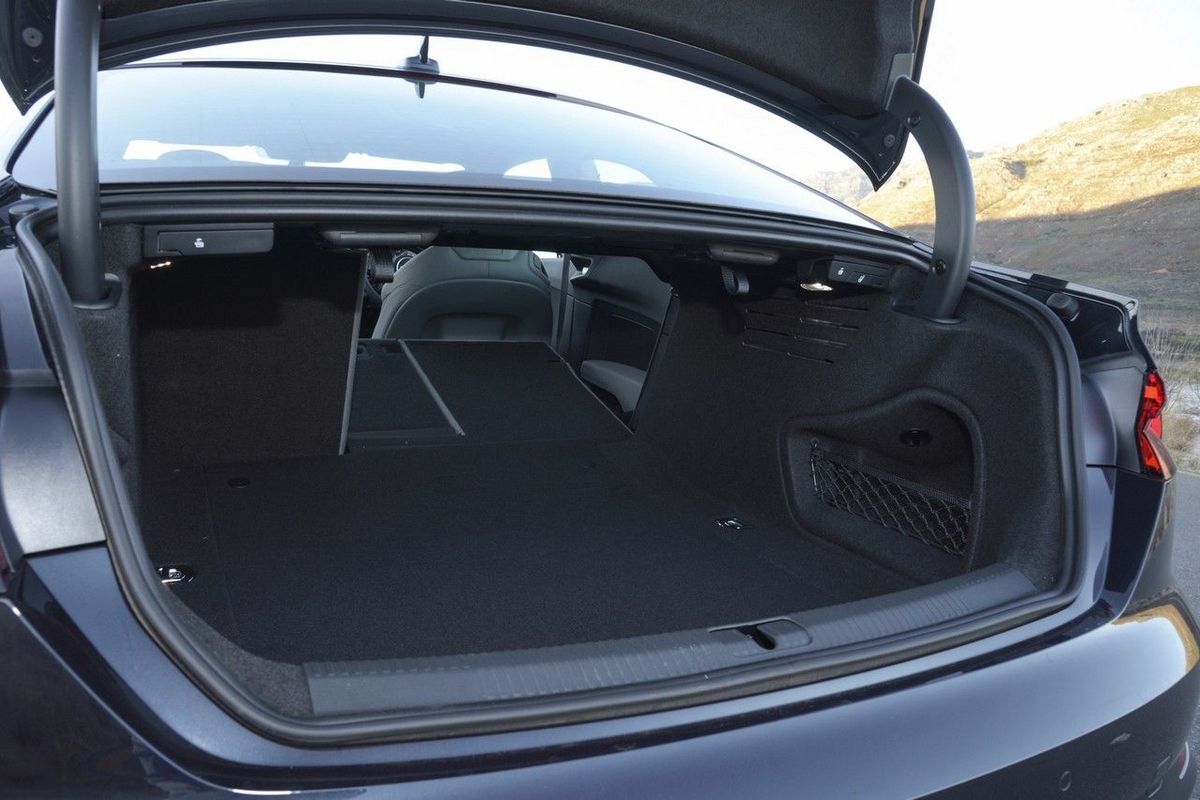
The key focus may be on luxury, but there has been careful consideration for those wanting a healthy dose of practicality. While the rear legroom falls under the Not So Good category, you'll love just how spacious the boot is at 465 litres, while the front portion of the cabin boasts plenty of storage solutions such as two cupholders, a central armrest as well as deep pockets in the doors.


Audi Virtual Cockpit. Looks fantastic and is well worth forking out the extra money for

The Not So Good

Pricey when you add options

The standard spec at this price point is generous, but of course, you'll want some of the really nice options to go with it. As it stands, our test unit price tag comfortably breached the R700 000 barrier.

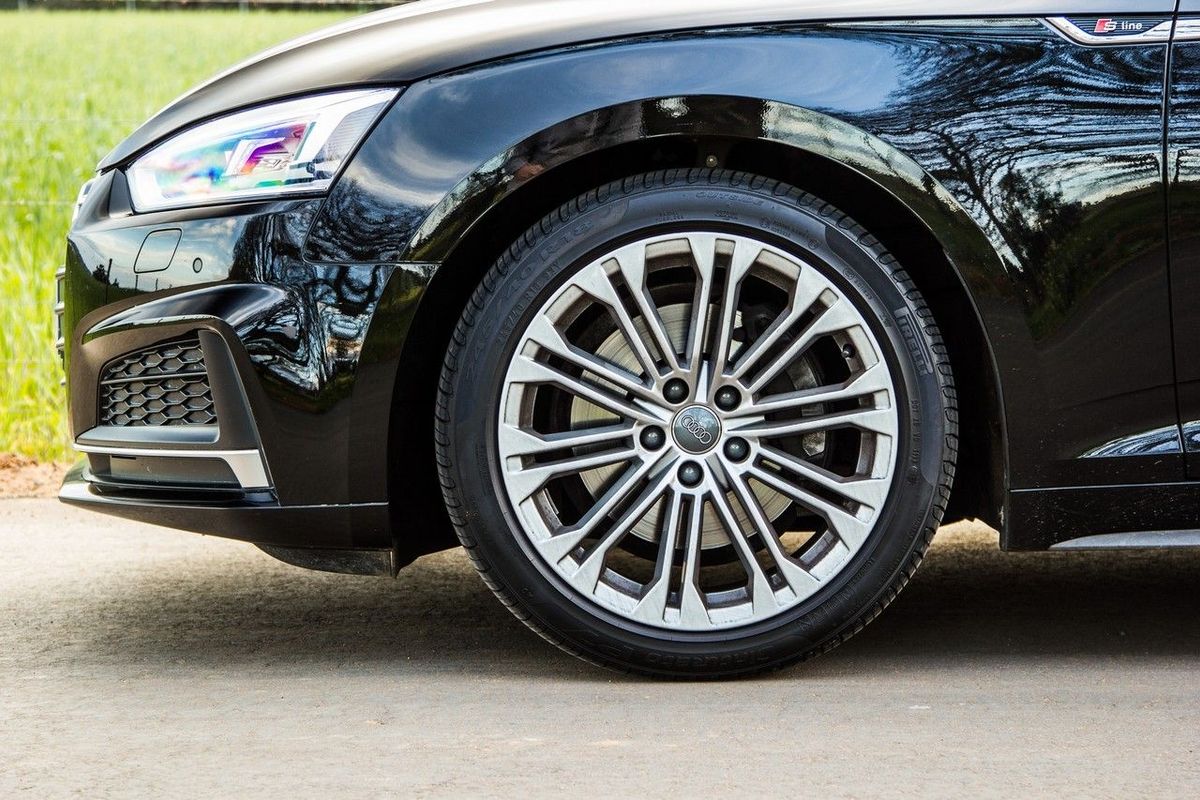
Some of the standard features that the Audi A5 Sport comes with are: automatic boot opening, dynamic suspension, space-saving spare wheel, leather steering wheel, folding rear seats, tyre pressure monitoring system, xenon headlights and LED rear lights, cruise control, automatic air conditioning, Audi sound system, Bluetooth, leather upholstery, USB and aux inputs. The Sport models get bigger wheels, sportier front seats and some chrome detailing. Our test unit came with optional 19-inch alloy wheels, which looked really good.

Cramped rear

How can Audi claim the 2-door A5 can seat 4 adults in comfort? The rear legroom is meagre at best and is compromised even further if the front occupants are tall. These seats are only suitable for small children. There are ISOfix mounts on the outer ends of the rear bench, though. 


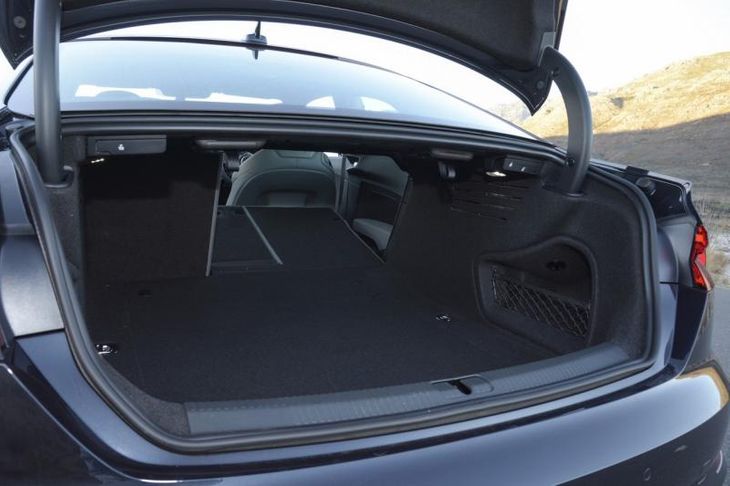
Lots of bags and suitcases can go in here. Folding the seats down increases the luggage space even further.

Price and after-sales support

The Audi A5 range starts from R620 000 with this A5 2.0 TDI S tronic sport retails for R675 500. In terms of after-sales backup, a 5-year/unlimited km maintenance plan and a 1-year/unlimited km warranty are included.

Verdict

Audi's critics say that the Ingolstadt-based marque's styling has become very formulaic, especially in terms of contemporary models' front-end designs. With the new Audi A5 however, things have taken a radical new direction and while most testers' initial opinions of the coupe were indifferent, the newcomer's styling has grown on us and represents a modern and fresh interpretation of Audi's design language. Things go from good to great when you step inside the cabin. Not only is it exquisitely finished, there's a sense of occasion and the latest technology is within reach. 

On-the-road refinement is exceptional and you'll love just how comfortable the Audi A5 is, be it an open road journey for a weekend away or stuck in the 9-5 daily traffic grind. Despite it being a diesel, performance is brisk and there'll be no hesitation when it comes to overtaking slower traffic. It's brisk off the line and we were satisfied by the way it drove. While it is best to leave the car in fully automatic mode and let it do its thing, you can take over and have a pleasant hands-on driving experience. It's not going to set your pants on fire, nor was it intended to do so and Audi has products for that already in this lineup, but it'll deliver what is expected of it and a bit more.

We like the space and comfort of the new Audi A5, especially if you're not planning on having children. The boot is generous and when you fold the seats down, you can squeeze in a mountain bike. Just. We tried! Think of it this way, if you wanting something with a bit more style and personality than an A4, then get an A5 coupe. However if you wanting the best of both worlds, then best you look at the A5 Sportback, which blends both practicality and style with ease, which is why it is a #CarsAwards finalist.


The Audi A5 2.0 TDI coupe. Refined, punchy and good if you don't plan on having children

Related Content

Meet the Audi RS5!

Find a new Audi A5 coupe here

Find a used Audi A5 coupe here 

Search for a new Audi S5 coupe on Cars.co.za

Search for a used Audi S5 on Cars.co.za

Interested in buying an Audi A5?

Find a new/used example on Cars.co.za

Mitsubishi Pajero Sport 2.4 D4 4×4 Auto (2017) Review

Mitsubishi's previous-generation Pajero Sport was always a fringe player in the Toyota Fortuner's corner of the market. Can this well-priced new model elbow in on the action more convincingly?

We like: Probably the most refined vehicle in this category, off-road ability, engine power/economy balance, build quality

We don’t like: Outdated infotainment system, challenging rear-end looks, low maximum tow rating

Alternatives

  • The top seller: Toyota's Fortuner 2.8GD-6 4×4 Auto is a dominant player in this segment and was recently slightly upgraded – read more about that here. It offers an enviable reputation for unburstable reliability, good off-road ability and, in its latest form, a much more upmarket cabin. It can't, however, match the Ford or Mitsubishi for on-road ride comfort. Resale value should be strong. It sells for R633 500 – about R34 000 more than the Mitsubishi, but around R11 000 less than the Ford.
  • The big softie: The Ford Everest 3.2 4WD XLT costs R45 000 more than the Mitsubishi, but is a somewhat larger vehicle with more power. If you need maximum space and on-road ride comfort in your SUV, then the Everest should feature high on the test-drive list. Though XLT specification is comparable with its rivals, it doesn't quite have the upmarket feel of the Fortuner and Pajero Sport inside. 
  • A used Trailblazer?: With Chevrolet about to exit the country the Trailblazer is no longer offered on the new-vehicle market. It was, however, updated not that long ago and was always a better vehicle than the market gave it credit for. You can pick up a demo or relatively low-mileage example for good pricing at the moment – have a look here.

Compare the Mitsubishi Pajero Sport with the Toyota Fortuner and Ford Everest by clicking here

Enters a tough market

It is true that South Africans seem to love the rugged 7-seat body-on-frame SUV… but that's mostly been the case because they've clearly fallen passionately in love with the Toyota Fortuner. The popular Toyota commands an intimidating sales lead and generally outsells its nearest rival (the acclaimed Ford Everest) by 2:1. And the rest? Well, the Chevrolet Trailblazer failed to make an impression in the market even though, when it was originally launched, it was arguably the best product in this segment) and the previous Mitsubishi Pajero Sport was always a bit player. 

But now that the Trailblazer is no more and there's a seemingly dramatically improved Mitsubishi, can the Pajero Sport steal some market share? The Fortuner/Everest/Pajero Sport trio will also fight it out for the title of Adventure SUV of the year in the Cars.co.za Consumer Consumer Awards – Powered by WesBank. The winner will be announced in January, but for now, let's take a closer look at the current flagship Pajero Sport.

How does it fare in terms of…

Design & Packaging


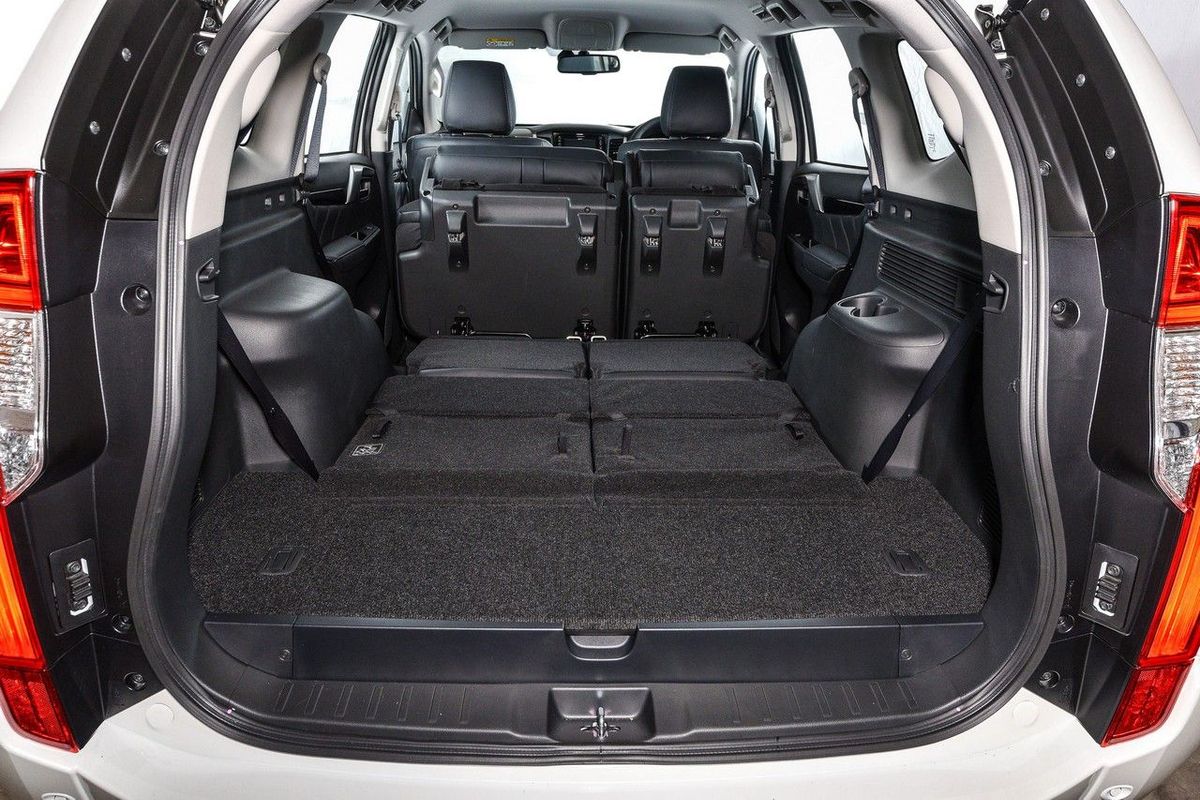
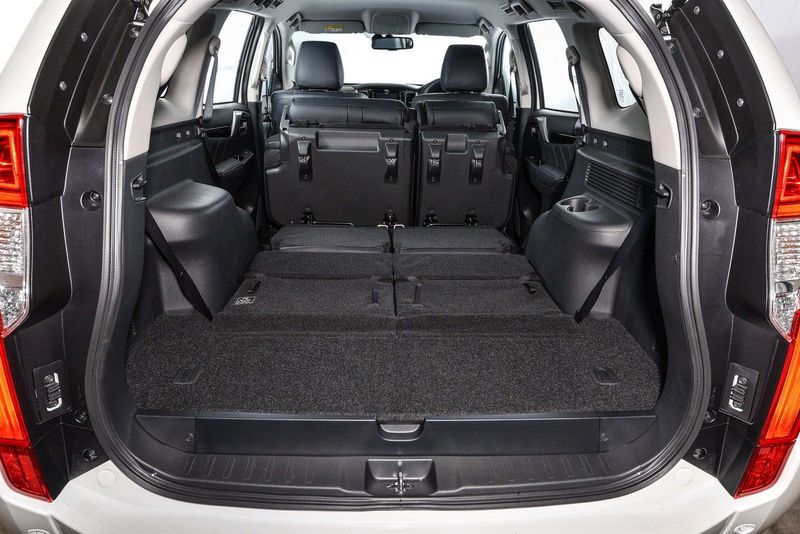
A large, flat loading area is available with the seats folded away, but ultimately the Pajero Sport is not as spacious as an Everest.

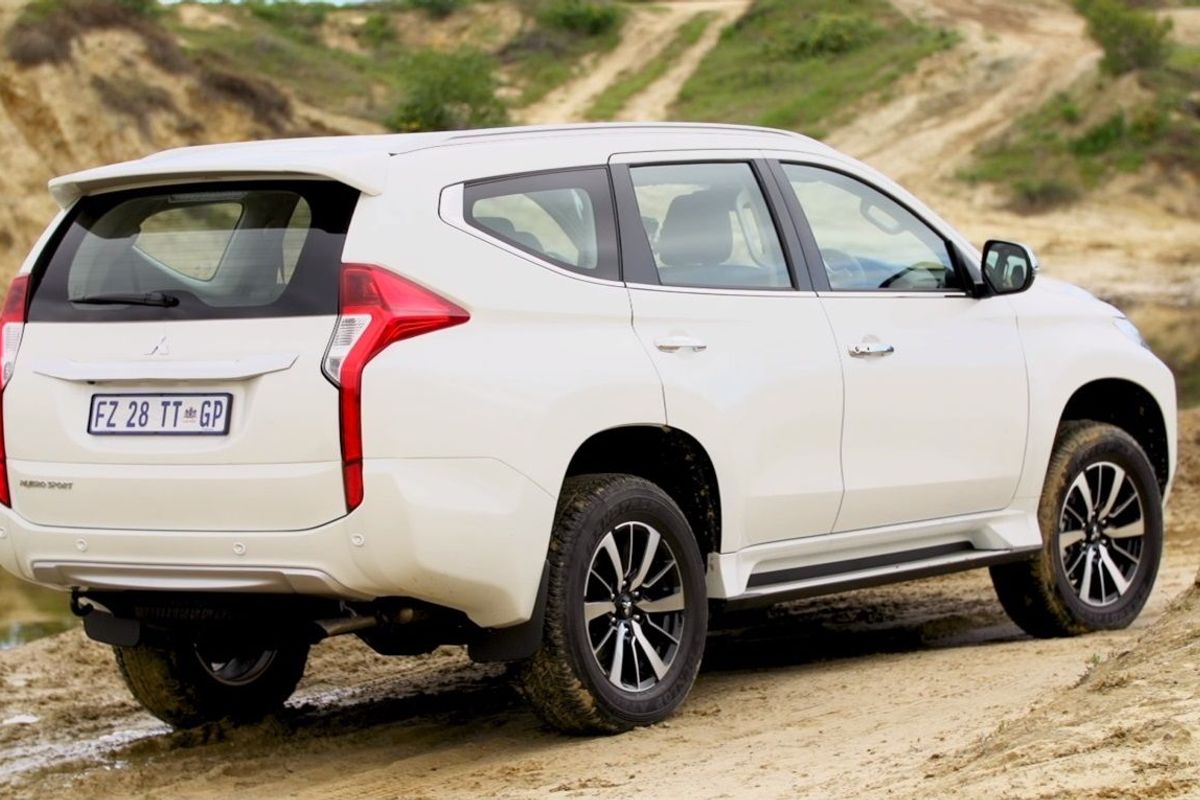
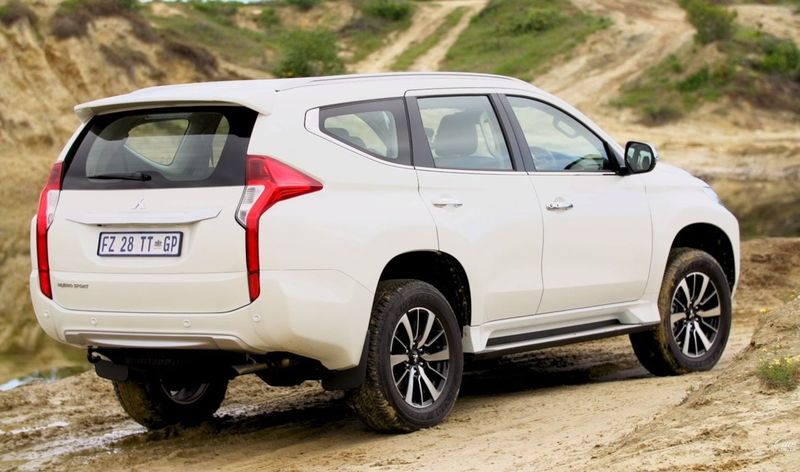
The exterior design of the Pajero Sport is controversial to say the least. While the entire test team (and most on-lookers) were in agreement that the front and side views of the vehicle are sufficiently modern and macho for this segment, comments on the back-end were largely negative with some suggesting that the appearance was so alienating that it would be a deal breaker. Look at it in the metal before making up your own mind.

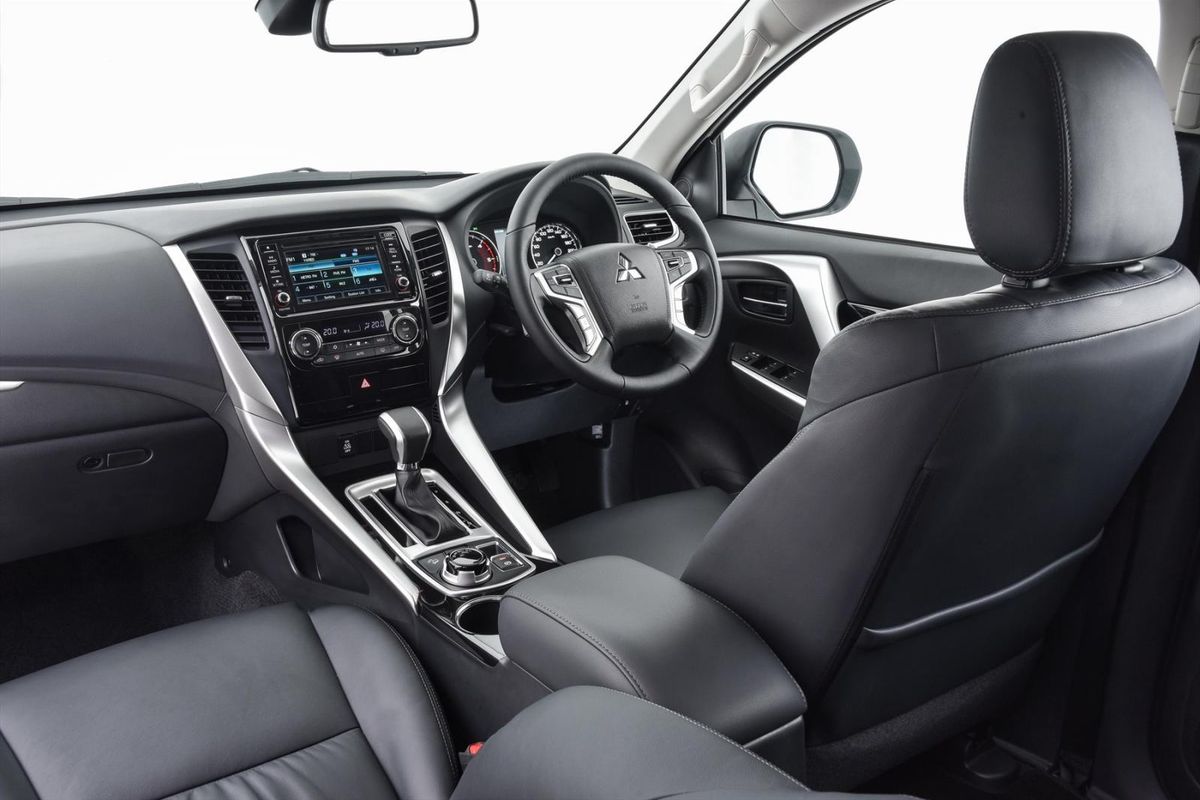
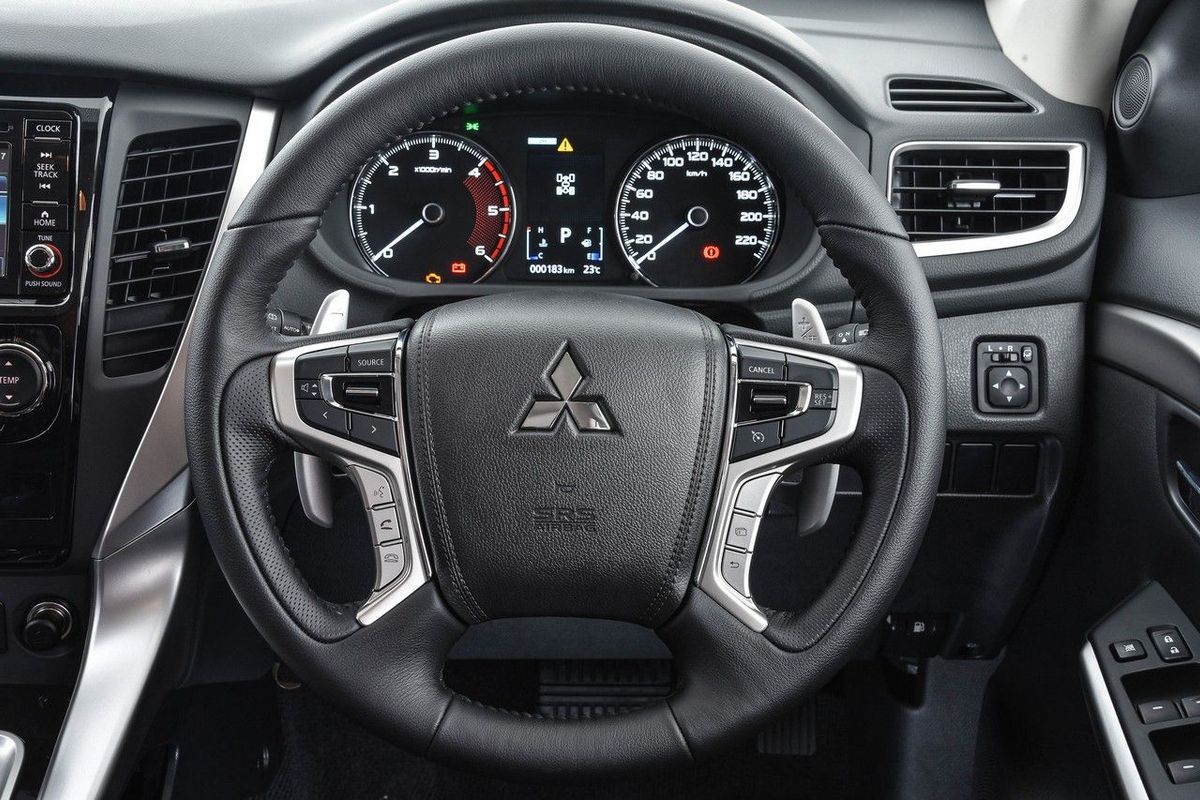
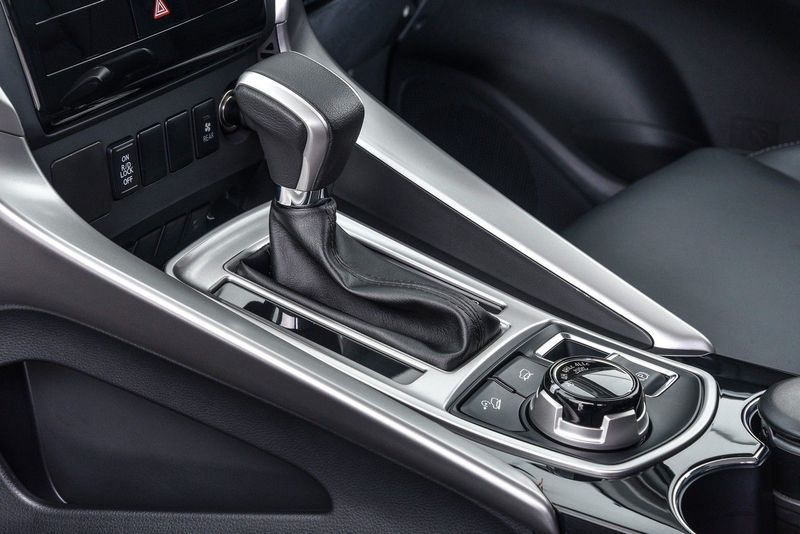
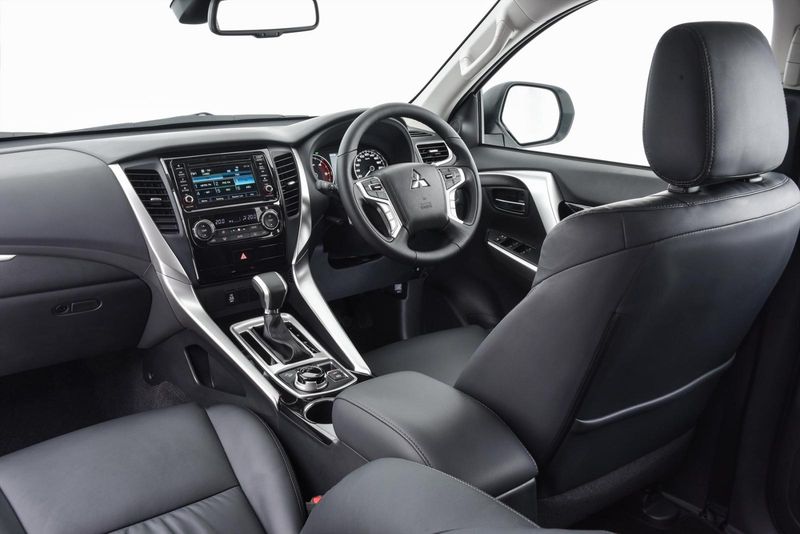
Inside, Mitsubishi's designers have been far more successful in delivering a coherent, attractive appearance. The charcoal black theme, piano black surfaces and satin silver accents combine well to lend the Pajero Sport cabin an upmarket ambience. Mitsubishi has been particularly clever with the priority it has clearly given the frequently touched surfaces. While the facia is predominantly hard plastic, the steering wheel, for example, is a very high-quality item, as is the gearknob. Throughout our test period, and particularly during the punishing testing at Gerotek on a variety of poor surfaces, the Pajero Sport's cabin remained a rattle-free place, pointing to good build integrity – as one would expect from this brand.

A minor practicality-related flaw is the lack of oddments stowage in the centre console/transmission tunnel area. Yes, there are 2 drinks holders in addition to a lidded storage box between the seats, but another receptacle would have been appreciated.


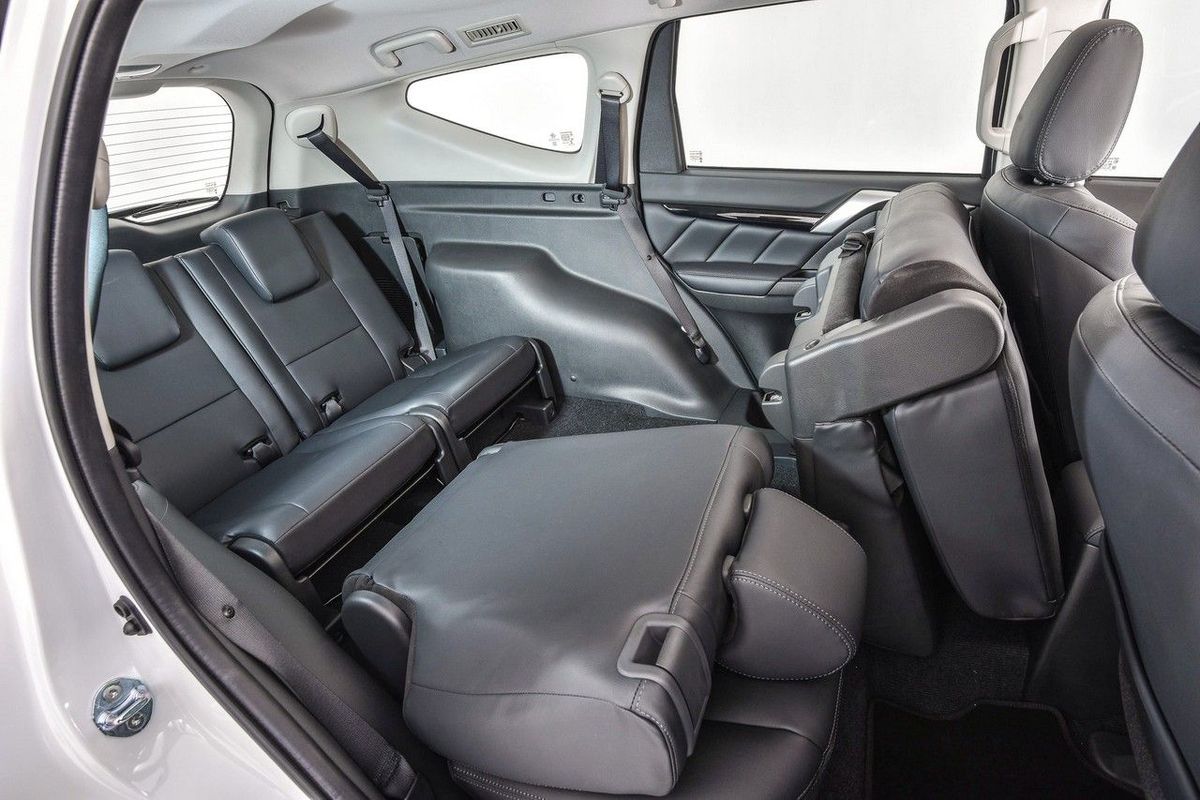
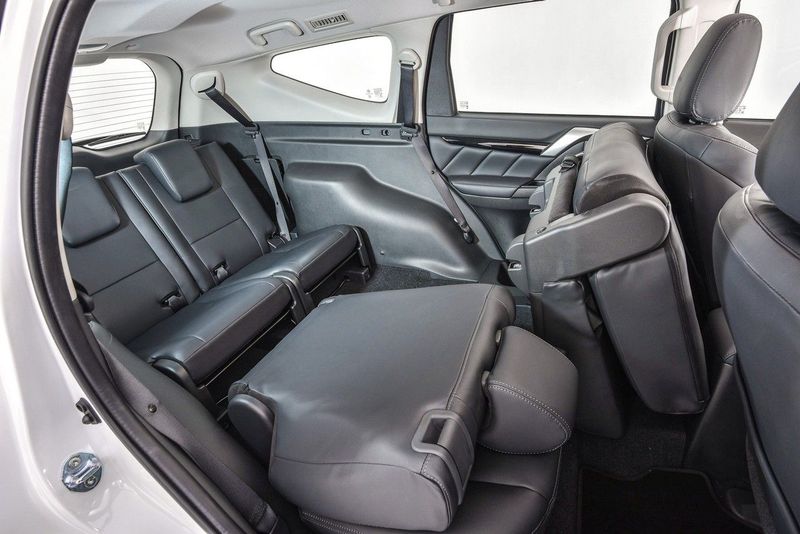
The Pajero Sport has an initially confusing seat-folding process, but familiarity should help.

With regards to spaciousness the Pajero Sport should be sufficiently large inside for most families, but it is not the biggest vehicle in this segment. Lower, shorter and narrower than both the Everest and Fortuner, it offers less outright luggage space (in 7- or 5-seat modes) and also less overall utility space, with the cabin being noticeably narrower than its rivals. 

We also found access to the rearmost seats somewhat more difficult compared with its competitors, and the folding/tumbling arrangement of the 2nd and 3rd rows is quite unique to this model, and somewhat counter-intuitive at first. However, with familiarity this should not be a long-term problem, and at least the Pajero Sport's rear seats are not suspended from the side of the cabin as is the case with the Fortuner. With the 2nd and 3rd row seats folded flat, the load area is flat and long. 

Occupant space is pretty good all-round, with generous legroom for those in the 2nd row – the Pajero Sport's wheelbase is longer than the Fortuner's. Predictably the 3rd row seats are really aimed at kids or small adults and somewhat disappointingly the 2nd row can't slide fore/aft, but does offer a reclining function. 

Engine power & Efficiency


The new 8-speed gearbox is smooth and the ratios are well-matched to the refined engine.

One of the highlights (there are quite a few!) of the new Mitsubishi Pajero Sport is the drivetrain. We already know that the Triton-sourced 2.4-litre turbodiesel punches above its size, but it's particularly well-matched to this new 8-speed automatic transmission (with shift paddles) to deliver silky smooth shifts that contribute a lot to the vehicle's overall feel of refinement. 

The engine delivers 133 kW at 3 500rpm and 430Nm of torque. The latter figure is slightly lower than the outputs offer by its rivals from Ford and Toyota, and is available at a relatively high 2 500 rpm. Although the Pajero Sport is not much lighter than its competitors, one doesn't really feel the torque deficit during day-to-day driving. During Gerotek evaluations for the Cars.co.za Consumer Awards – Powered by WesBank, however, we also performed towing tests back-to-back with its rivals and it coped admirably, though it is in this situation, and faced with steep hills, where the fact that it has slightly less grunt gets accentuated. It is worth noting that the maximum tow rating (braked) for the Pajero Sport sits at a comparatively low 1 800kg, compared with the 3 000kg figure quoted for both the Everest and Fortuner.

If towing really heavy trailers is not going to be a major concern, we have no hesitation in recommeding the Pajero Sport based on its refined, punchy and economical engine. Mitsubishi claims a combined cycle consumption figure of 8.1L/100 km, which is lower than its 2 main rivals. In our testing, we achieved a figure of closer to 9.8L/100 km which is significantly better than what we've managed to achieve with the Everest 3.2 in the real world.

Ride & Handling


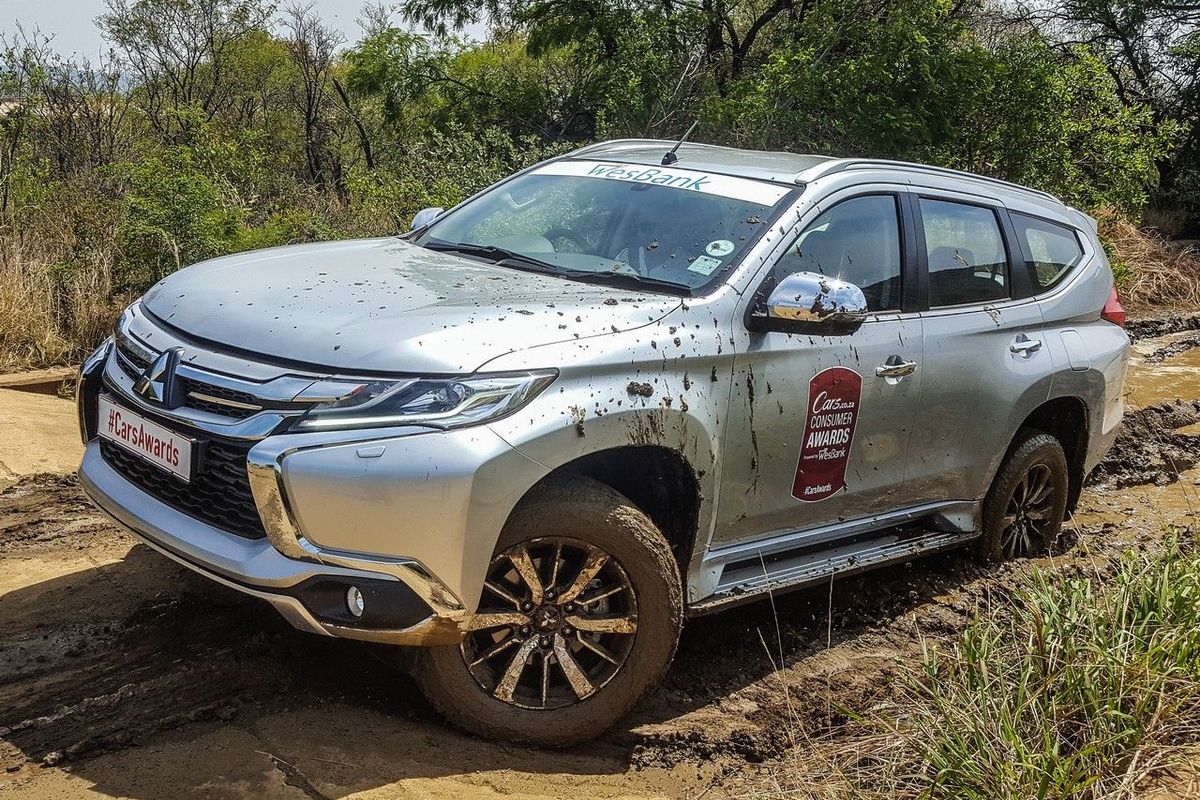
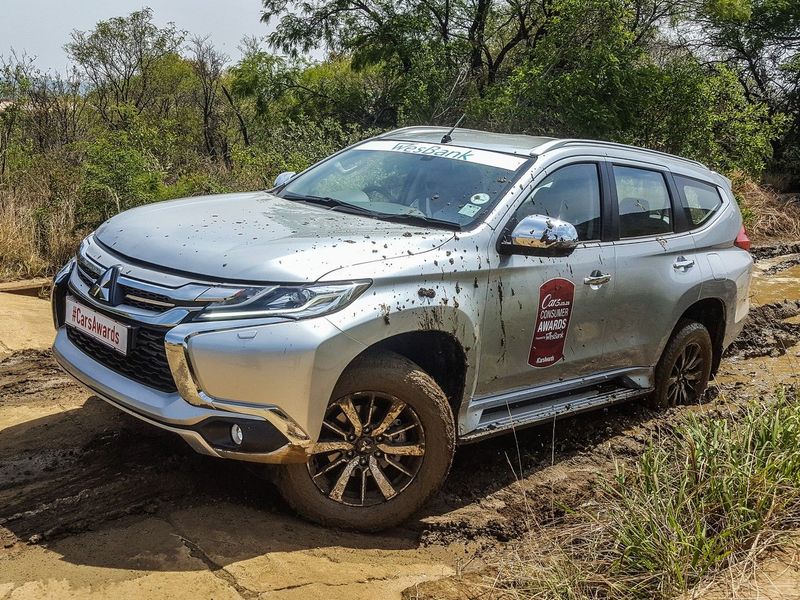
The Pajero Sport is both impressive off-road, and better than the Fortuner on tarred surfaces.

Arguably the Pajero Sport's greatest talent is the fine balance it strikes between being a go-anywhere off-roader, and a comfortable daily driver on normal roads. In that regard this Mitsubishi is probably the new class-leader. Its multi-link-with-stabiliser rear suspension appears to be a major contributor to what is a winning ride/handling recipe. Yes, there's still a hint of its bakkie origins on really poor surfaces but overall the Pajero Sport delivers such a comfortable ride that, combined with its refined, quiet and luxurious cabin, this Mitsubishi could be a perfect one-car-for-all-scenarios acquisition. 

As you would expect from a Mitsubishi, it also puts in a very impressive showing when the going gets very rough. Mitsubishi claims a ground clearance of 215 mm, which seems conservative, and approach and departure angles of 30 and 24 degree respectively. Note, however, that during our tough off-road testing at Gerotek for #CarsAwards, the Pajero Sport's aftermarket towbar and particularly its electronic coupling appeared to be more susceptible to damage than the fittings on the rival vehicles. 


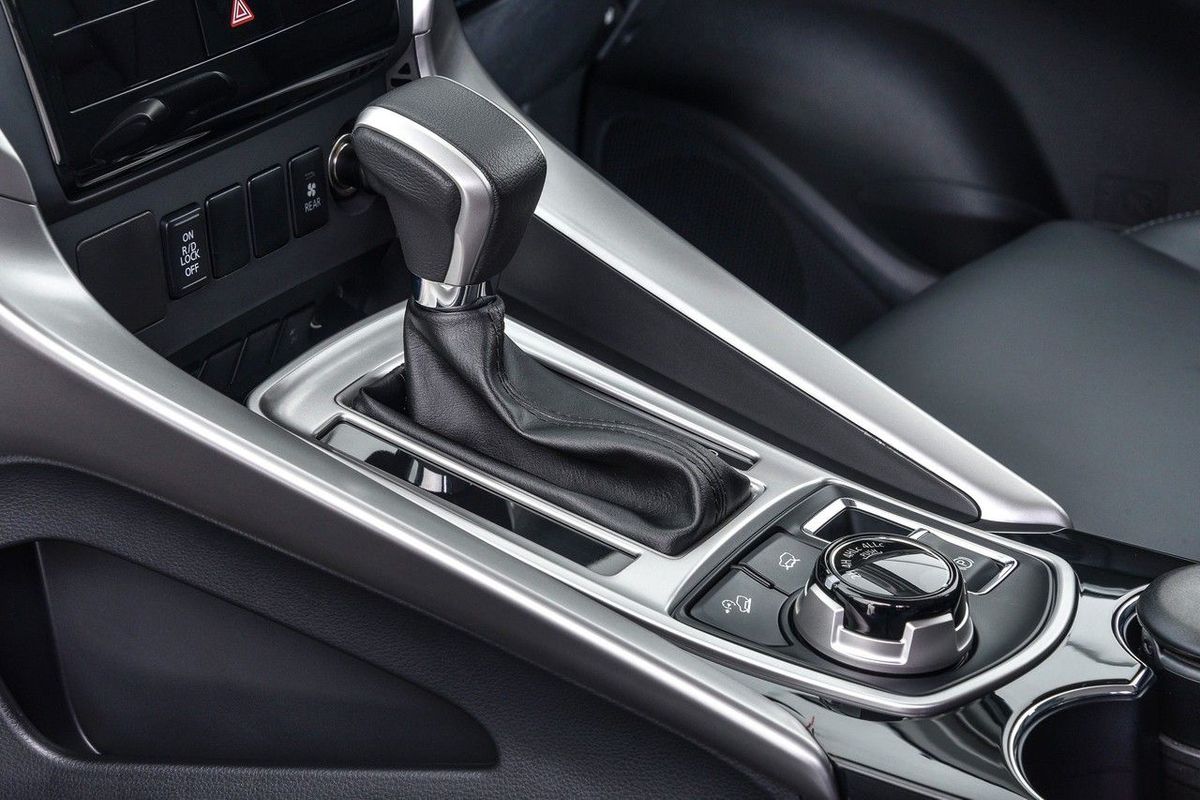
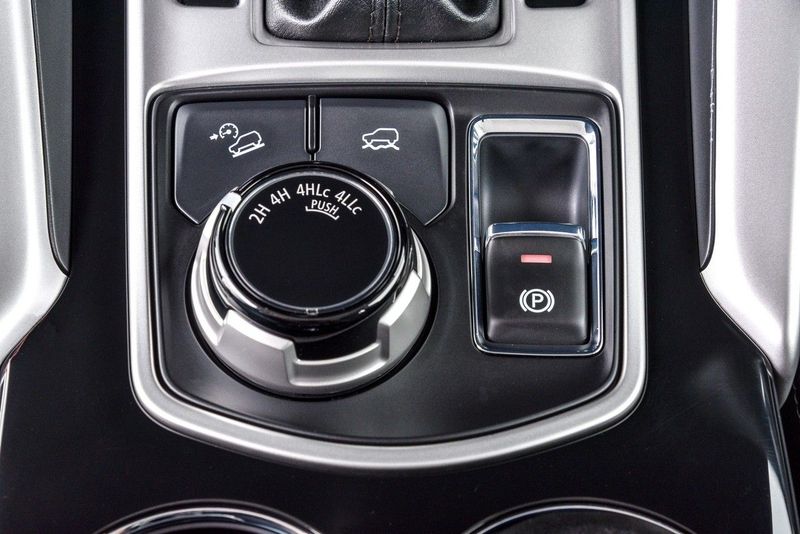
Shift-on-the-fly is available at speeds of up to 100kph and a selectable off-road mode system is fitted for the first time.

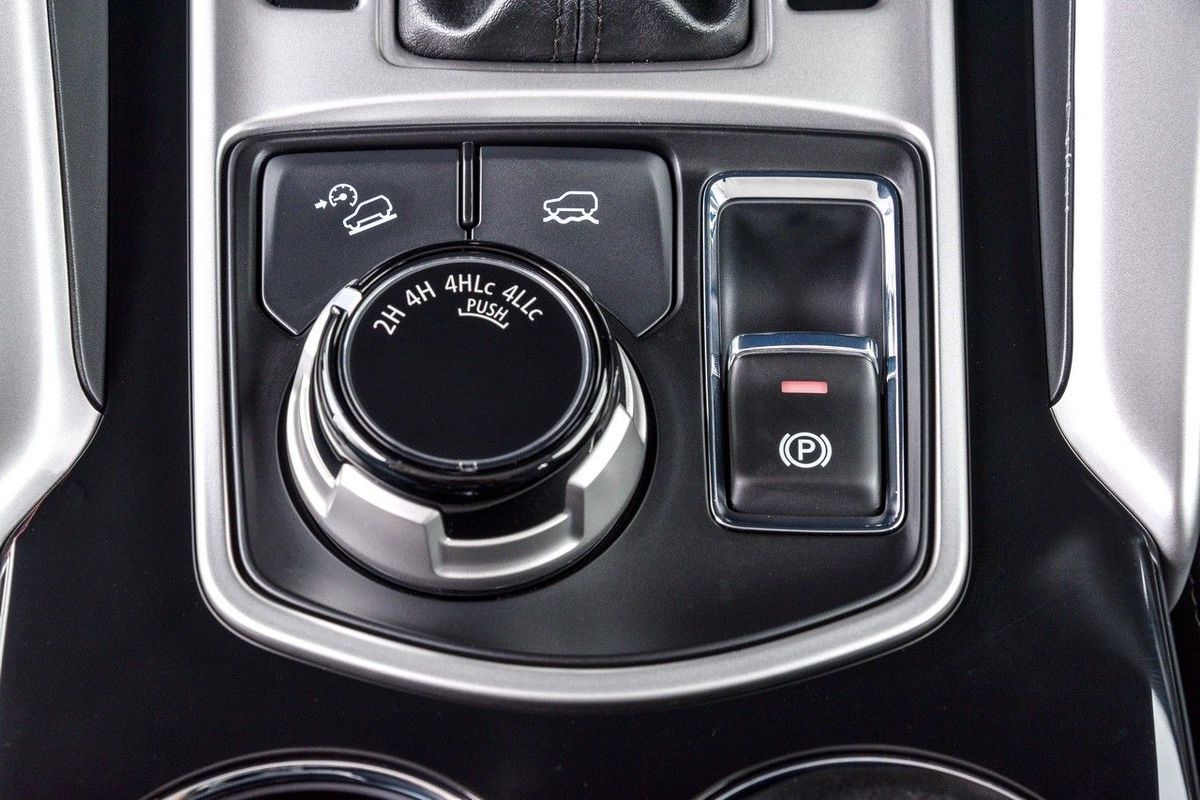
This flagship derivative of the Pajero Sport is certainly packed with all the gear required to head off-road confidently. It features Mitsubishi's Super-Select II 4WD system (with hill-descent control and centre differential lock), accessible through a simple rotary dial on the transmission tunnel, as well as a new off-road mode system (essentially terrain response), that allows the driver to tweak the various systems for the terrain that is about to be tackled (gravel, mud/snow, sand, rock). It also get a lockable rear differential. 

As you can see in the video at the top of this article, and also the #CarsAwards test routine at Gerotek, we've spent plenty time in the Pajero Sport off the beaten track. It's a very capable vehicle, undoubtedly, but even better is the fact that comfort levels remain so high in the cabin throughout. An often-ignored contributing factor to the comfort levels is relatively impressive turning circle for such a big vehicle.

Standard Features


Very neat cabin is generously equipped, but the touch-screen infotainment system's functionality seems outdated compared with current market trends.

These bakkie-based SUVs may have a rather agricultural origin, but these days they are luxury vehicles that are able to not only venture off-road confidently come the holiday season, but also perform the school run and home-to-office trips in comfort. Mitsubishi has seemingly been very tactical in the way it has specced and priced its new offering. At just under R600 000, it offers a features list that compares very well with its more expensive rivals.

Premium-looking and -feeling leather upholstery is standard, as are; dual-zone climate control (with rear passenger controls), electrically adjustable driver's seat, multi-function steering wheel, auto lights/wipers, 6 airbags, a comprehensive active safety package, keyless start/entry, rear park-distance control, cruise control, rear-view camera and a touch-screen infotainment system that includes Bluetooth and USB functionality. 

Sadly, the local specification Pajero Sport features a somewhat outdated touch-screen system that doesn't include navigation or Apple CarPlay/Android Auto functionality. 

Pricing & Warranty

The Mitsubishi Pajero Sport 2.4 D4 4×4 Auto sells for R599 995 (November 2017) and the pricing includes a 3-years/100 000 km warranty and 5-years/100 000 km service plan. Servicing intervals are scheduled for every 10 000 km (which is short) or 12 months, whichever comes first. 

Verdict


Mitsubishi's designers arguably dropped the ball with the rear-end look of the new Pajero Sport. Not many like it.

So, is the new Mitsubishi Pajero Sport good enough to justify consideration in this segment? Absolutely… It offers excellent value for money, courtesy of its lower pricing and standard features mix. It arguably represents the best balance of on-road comfort and refinement and off-road ability, and its engine is both sufficiently powerful and more economical than its competitors. 

Provided you don't need to tow 3 tonnes and you can live with the rear-end styling and outdated infotainment system, there really isn't much to find fault with here. It deserves to do well.

You may also be interested in;

Mitsubishi Triton (2017) Video Review

Toyota Fortuner vs Ford Everest Comparison Test (2016) Video

Extended Test Report: Toyota Fortuner 2.8GD-6 4×4 Auto (2017) – Video

Looking to buy a new / used Mitsubishi Pajero Sport?

Find one on Cars.co.za by clicking here

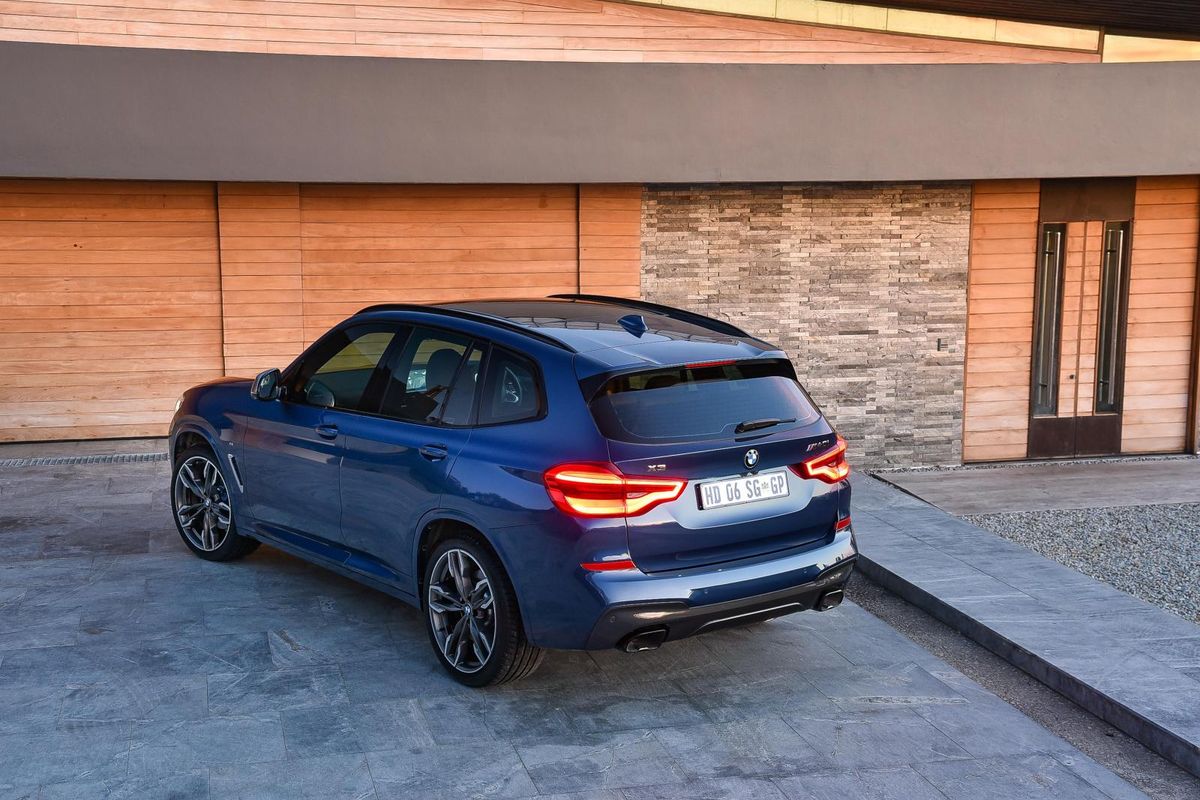
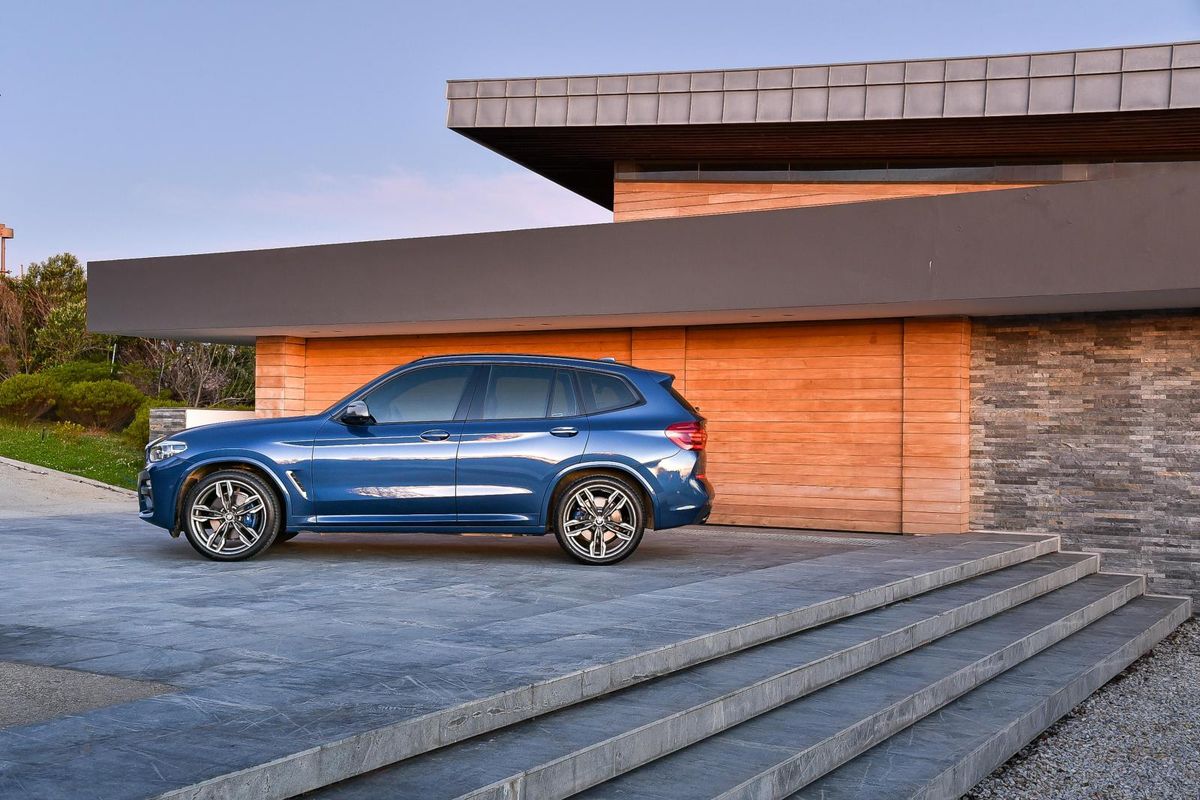
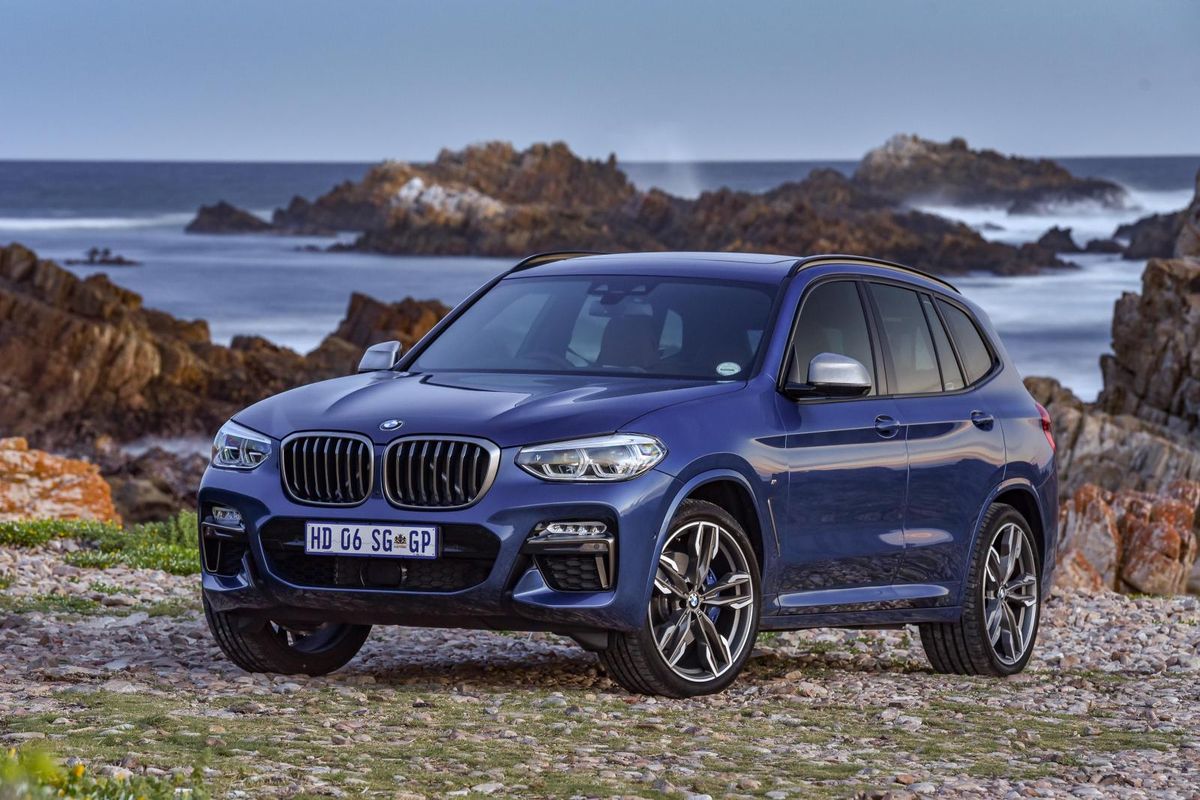
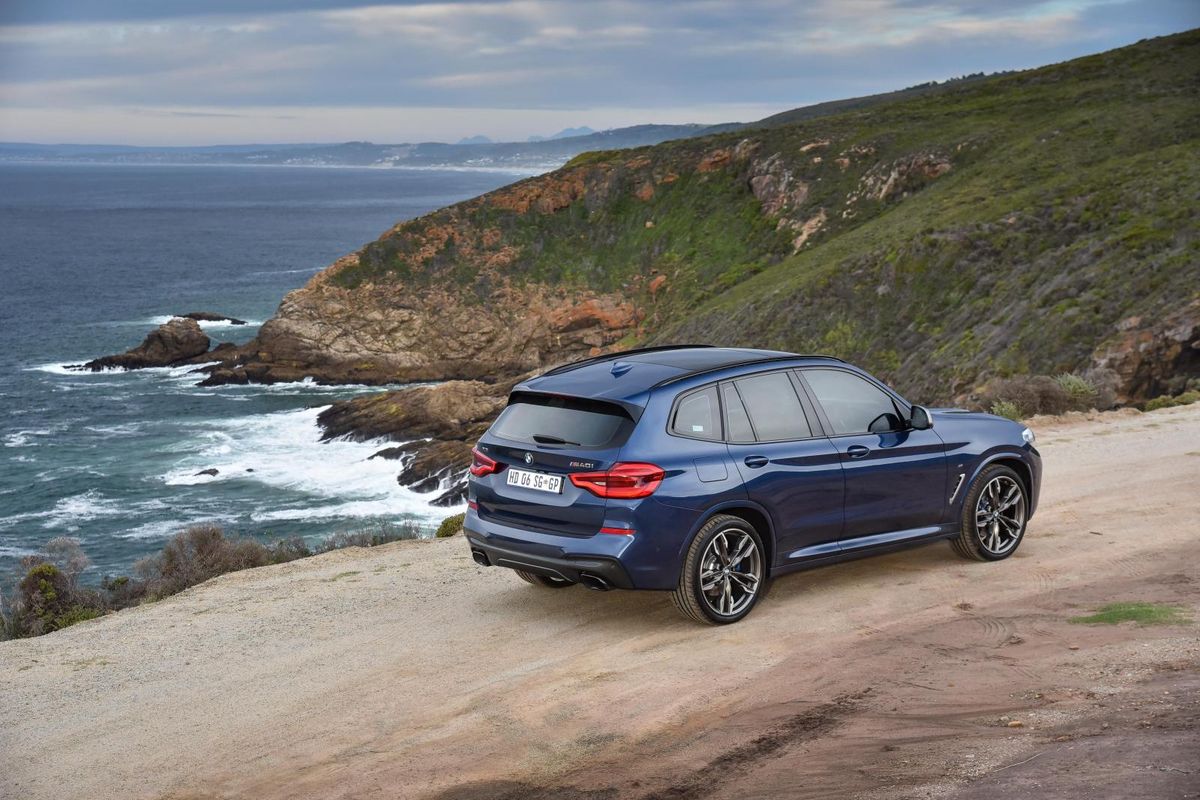
BMW X3 (2017) Launch Review Video

The highly anticipated new BMW X3 has finally arrived in South Africa and we headed up the Garden Route to get a taste of what this 3rd generation executive SUV has to offer. 

What's new?

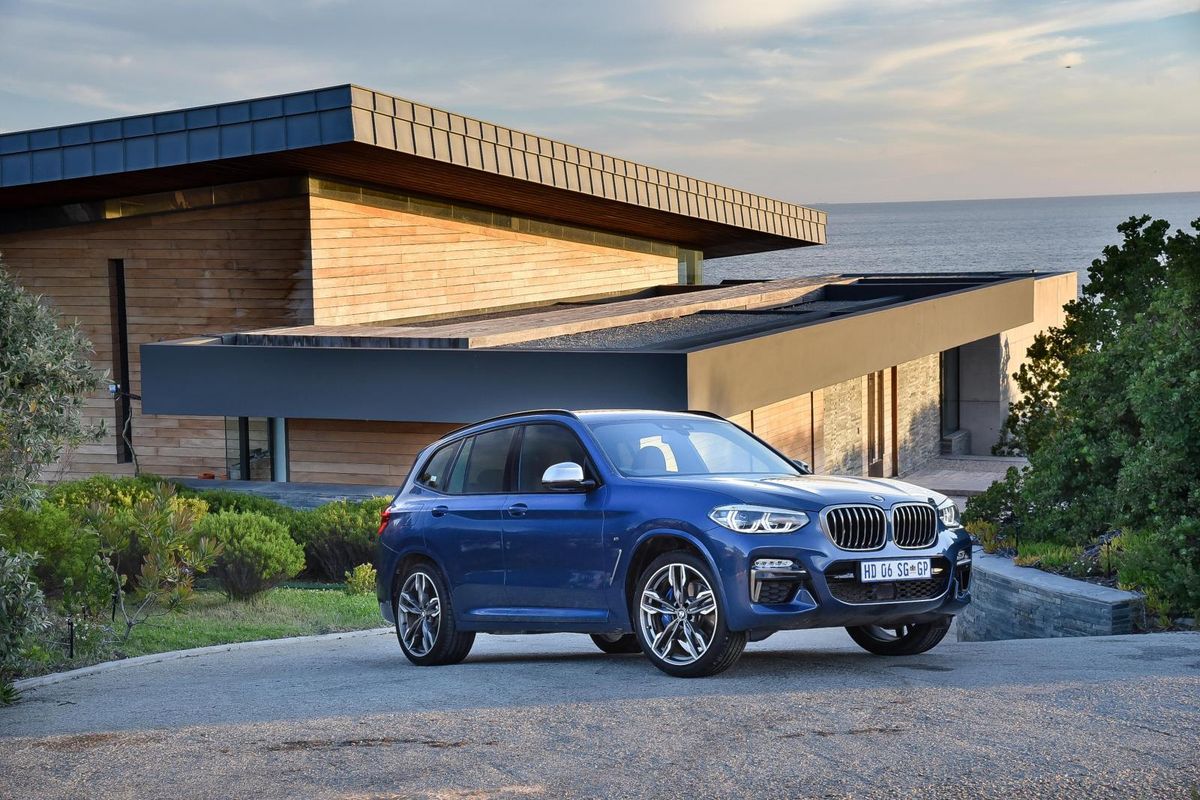
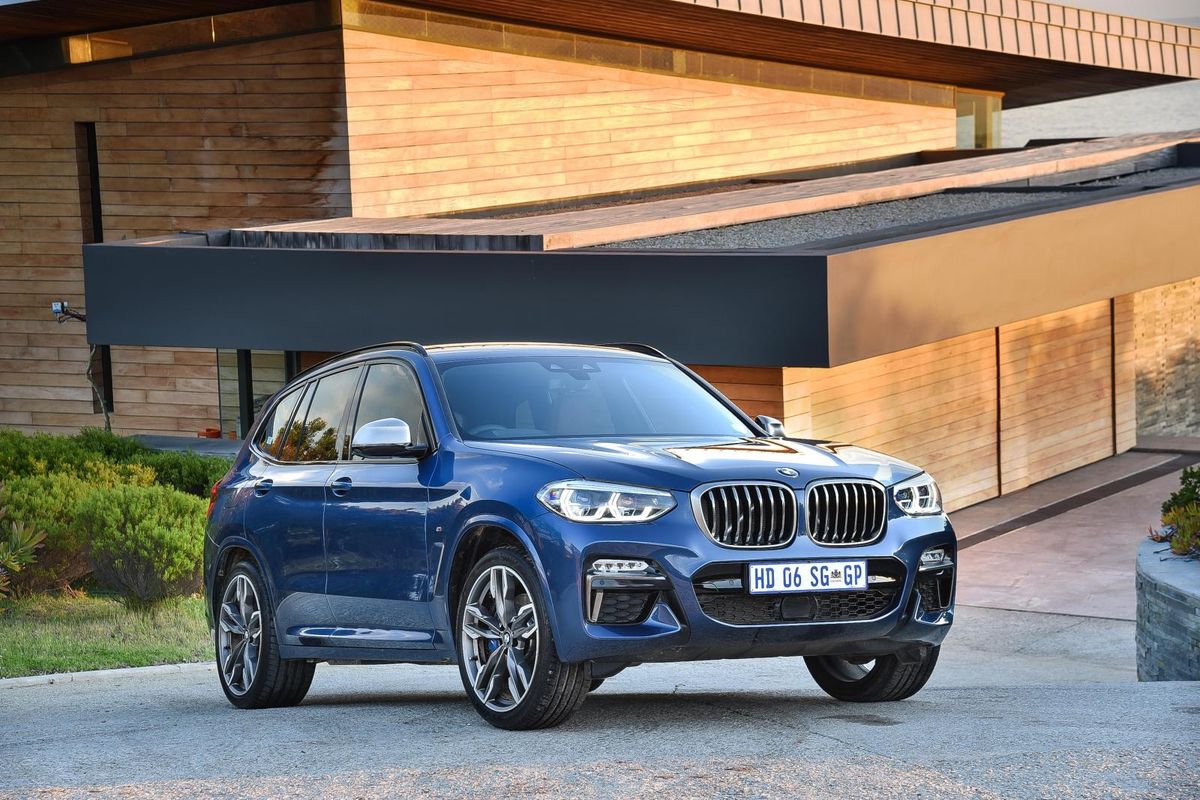
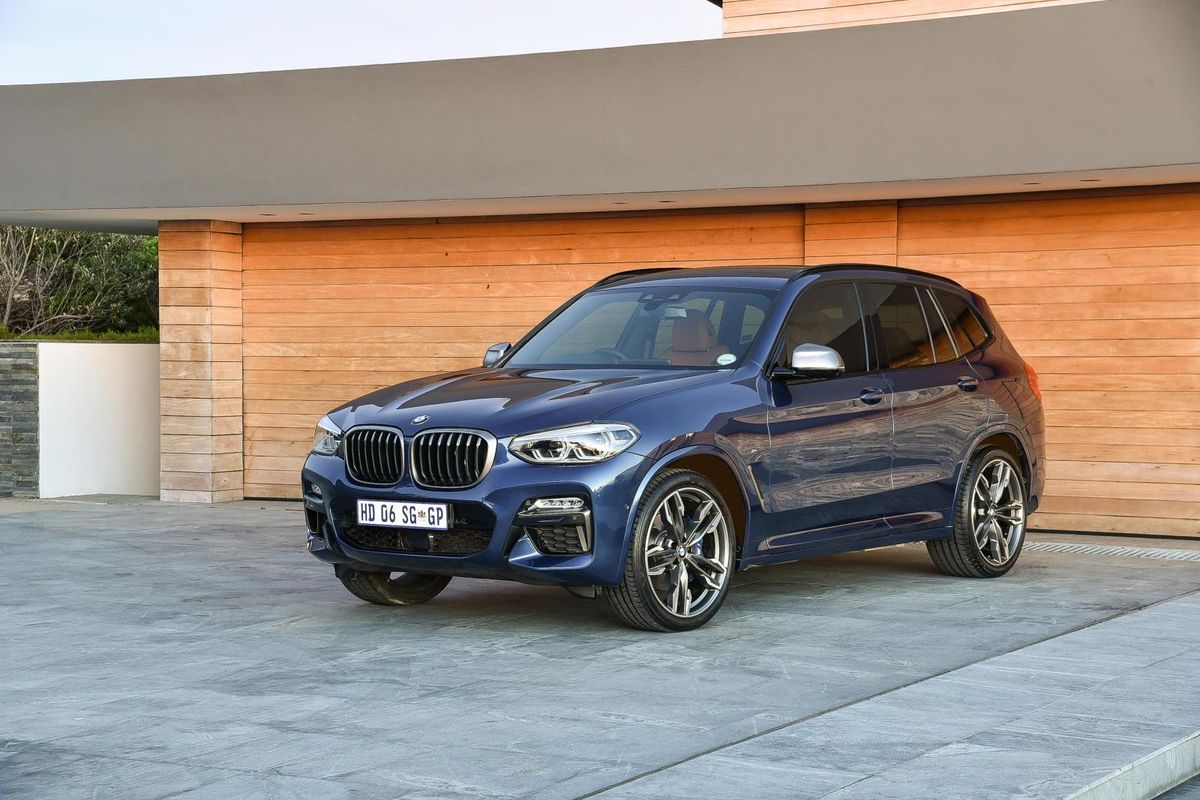
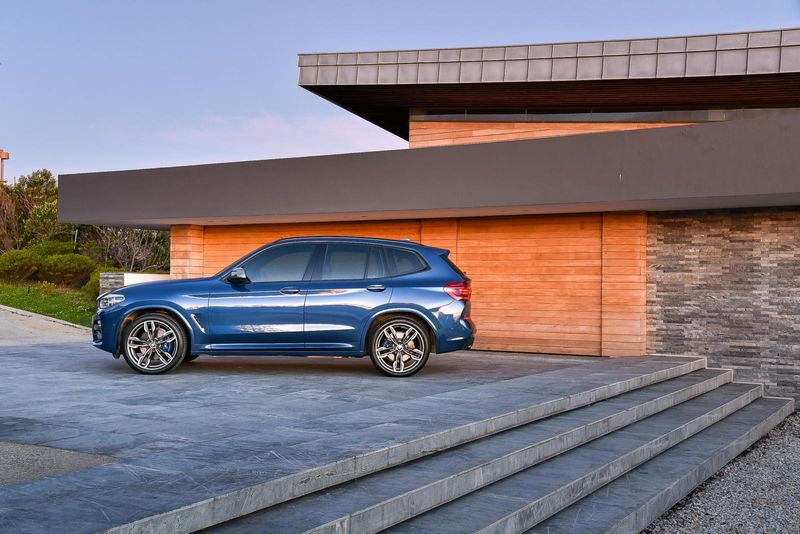
From a design point of view, it is not a far jump from its predecessor, in fact, you have to look closely to notice what has been changed. The exterior dimensions are largely unchanged, but the wheelbase is 54 mm longer with the whole car measuring 78 mm longer. The kidney grille has seen some treatment and the foglamps feature a hexagonal design for the first time on a BMW X model. 


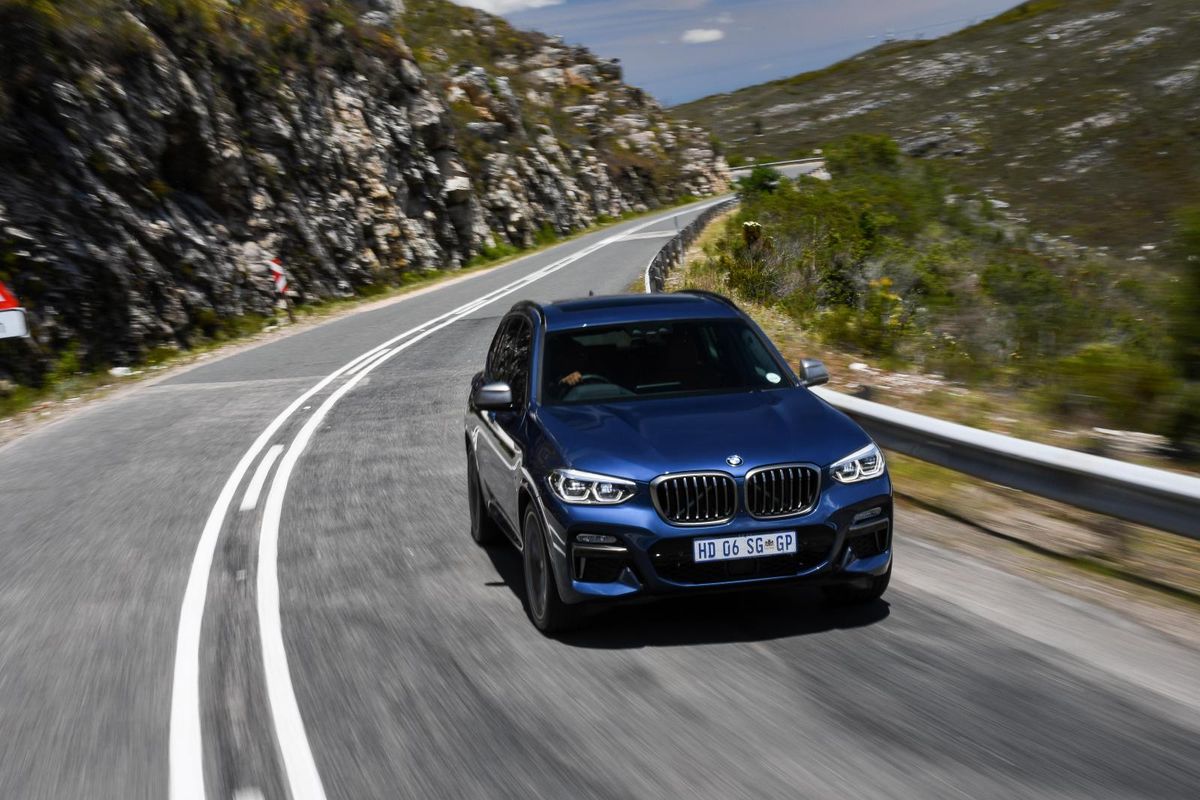
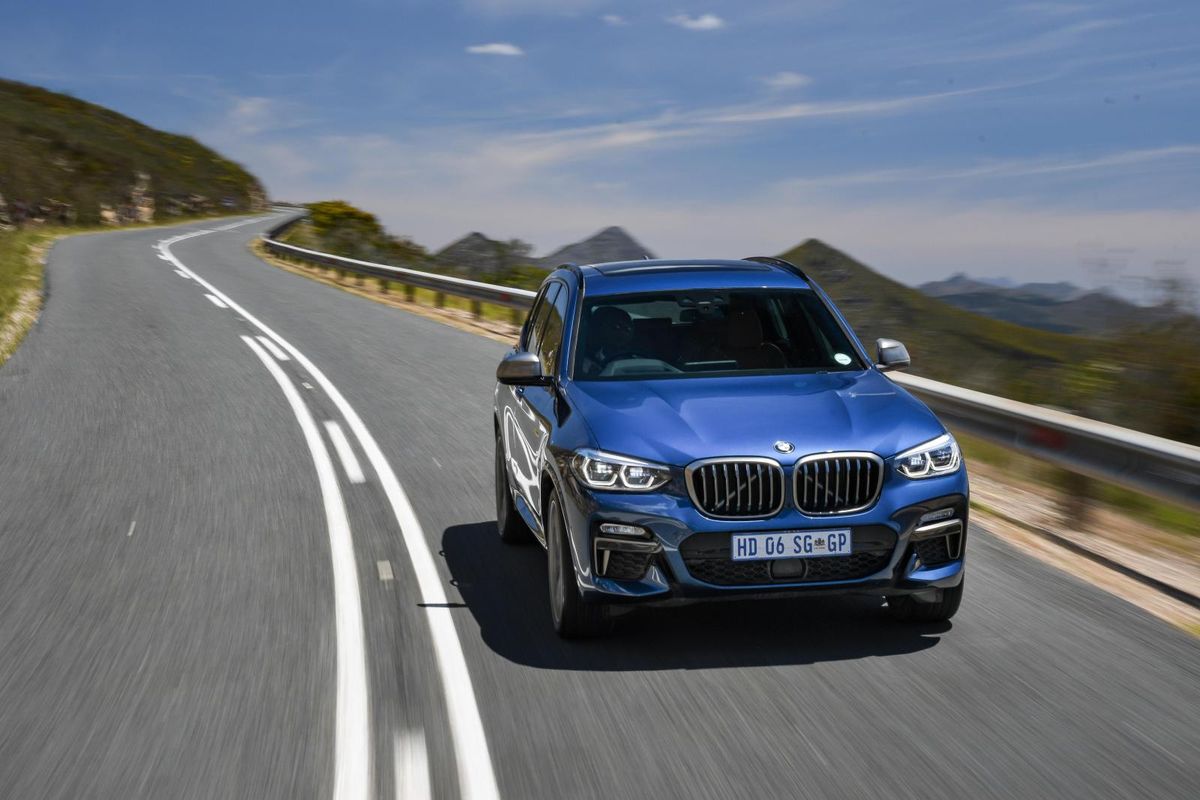
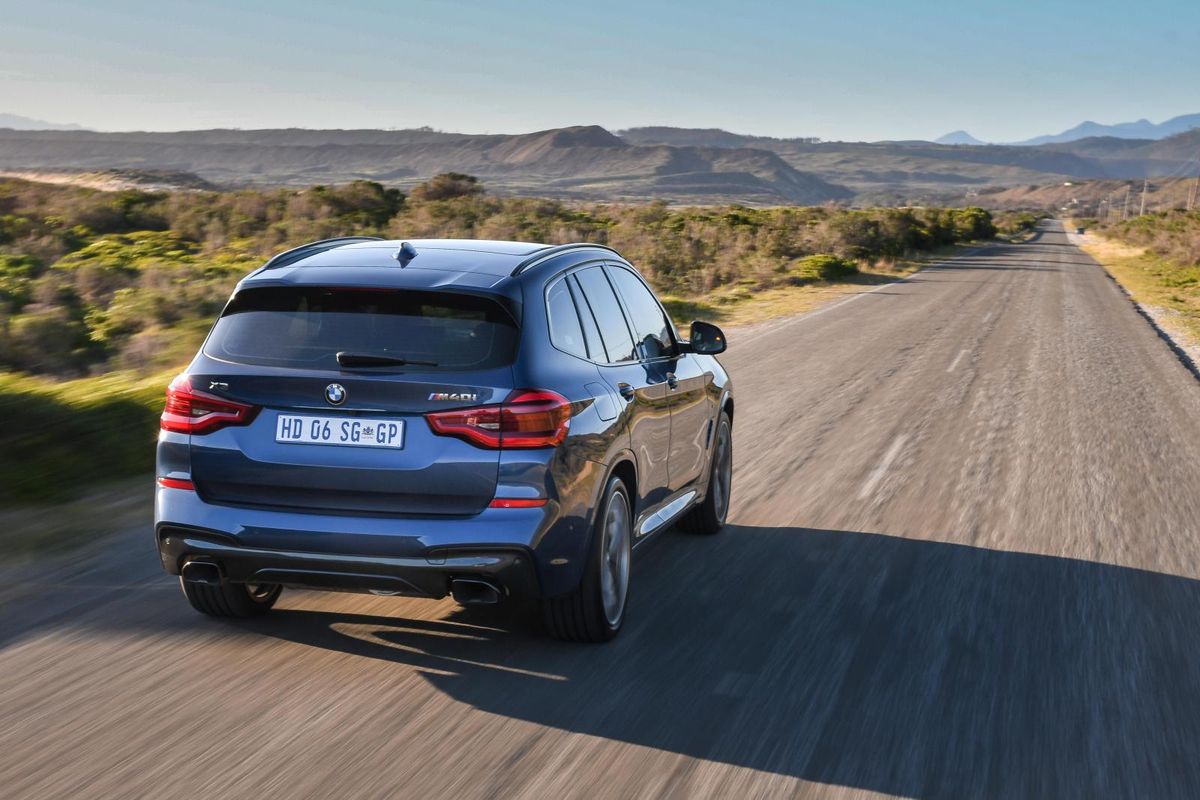
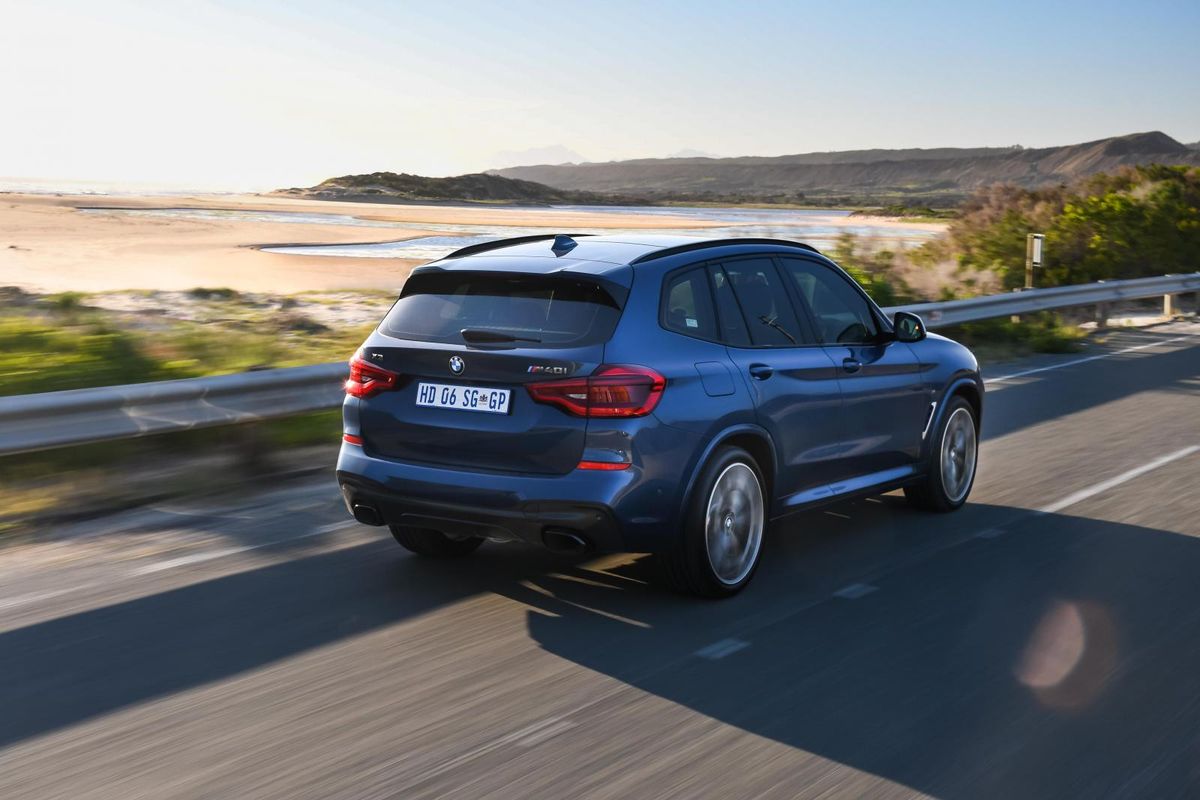
X3 M40i looks very serious, it's also very quick. 0-100 kph in 4.8 seconds.

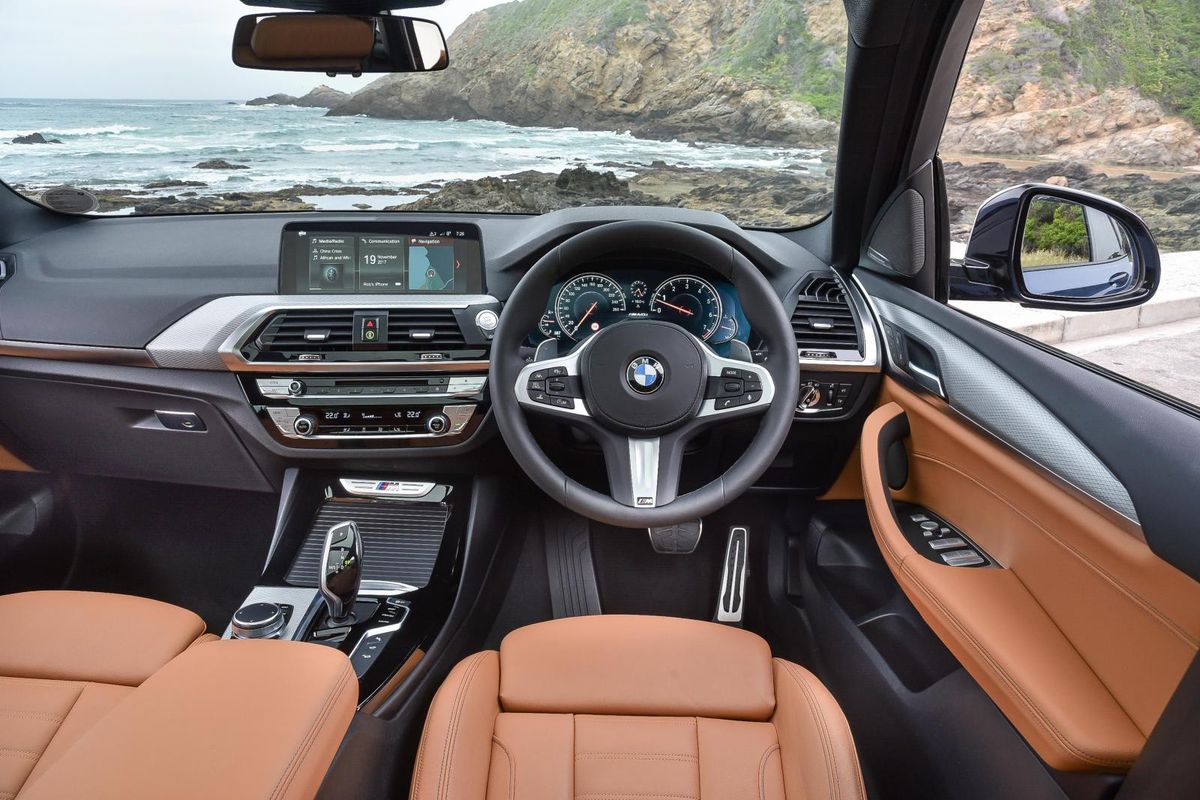
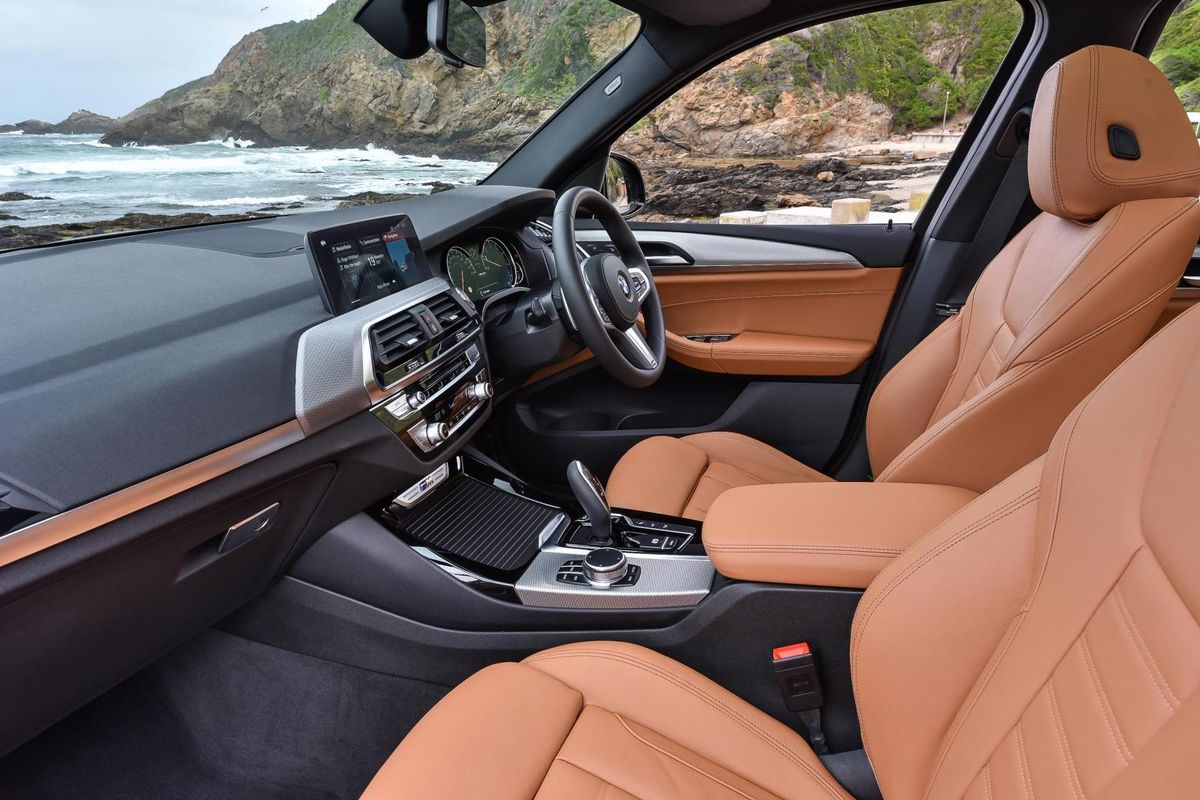
The three trim levels available include xLine, M Sport and Luxury Line. The interior, as much as we want to say is a leap forward, is unfortunately not as modern as some of its competitor's cabins. It's not completely outdated, however, with welcomed modern touches here and there, and a few options are now available on this generation X3 such as three-zone automatic climate control so your rear passengers can also choose their own temperature.

The infotainment system and BMW's i-Drive is as impressive as ever. It is comprehensive and easy to navigate. It can now be operated not just by the swivel knob but also via a touchscreen, voice control and gesture control. The gesture control will take some getting used to. My driving partner was an animated storyteller and because of his elaborate hand gestures, we constantly found our navigation map being swiped off the screen and replaced by another feature. 

The range

The engine lineup consists of xDrive20d with a 4-cylinder diesel engine, the xDrive30d with a straight-six turbodiesel unit, the xDrive30i with a 4-cylinder turbopetrol engine and the range-topping petrol model, the BMW X3 M40i, which has a 3-litre straight-six turbopetrol. The xDrive 20i will follow at a later stage. The flagship M40i is the one most people are excited about, and so they should be. It is a beast to drive! It has potent delivery outputs of 265 kW of power and 500 Nm of torque. It will get you to 100 kph in just 4.8 seconds. It is quick, very quick!


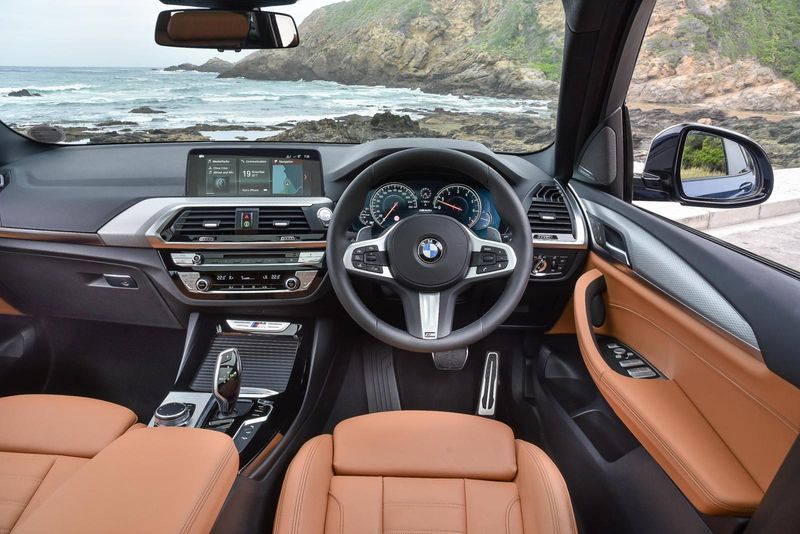
The interior of the new X3 still looks very derivative. The digital instrument cluster is a modern touch. 

This new X3 boasts the same off-road capabilities as the outgoing model and the ground clearance of 204 mm makes it a doddle over gravel and driveway kerbs. It feels sure-footed and the ride is comfortable and smooth. Road noise, even on gravel, is noticeably low. 

Overall, the new X3 is as comfortable and as impressive as the outgoing model. It wasn't necessary for BMW to change too much, it is, after all, a winning recipe. The 1.5 million units sold showcase this. Current X3 customers will slip straight into the new offering but whether it will attract buyers from competitors isn't all that clear.

Related content

BMW X3 (2018) Specs & Price

Audi Q5 2.0 TDI quattro (2017) Quick Review

Mercedes-Benz GLC 300 (2015) Review

World Car of Year (2017) Jaguar F-PACE [Review]

Interested in buying a BMW X3?

Search for one on Cars.co.za

Update: Aston Martin shows off new Vantage [w/Video]

Aston Martin – the marque synonymous with James Bond and everything cool about being British – has revealed its all-new Vantage, which is set to go into production in 2018.

The Aston Martin Vantage is back, and what a way to make a comeback. Look at it… that perfectly proportioned silhouette that’s distinctly Aston Martin is still visible, but there’s certainly a modern interpretation of the bodywork. The body is designed for aerodynamic performance, channelling air for both downforce and cooling. The rear diffuser looks as if it has been pulled straight from its Le Mans-winning GTE race car.


Still a looker from the rear and the diffuser looks particularly racecar-ish.

Where possible the Vantage has been designed to be as aggressive as possible, sharp lines meet fluid curves, trying to separate the Vantage from the more streamlined and GT like DB11.

Under the bonnet, the Vantage makes good use of a 4.0-litre twin-turbo V8. There are 375 kW and 685 Nm of torque available from 2 000 rpm to 5 000 rpm in a car that weighs 1.5-tonnes (about the same as a BMW M3).

The 0-96 kph sprint is claimed to take 3.5 seconds and the newcomer will hit a top speed of 313 kph. There is also a relatively standard 8-speed ZF gearbox mounted at the rear.

Aston Martin appears to have gone the technologically advanced sportscar route rather than the rough, raw and hard-edged route. The Vantage is equipped with an electronic differential that can react, within milliseconds, and transfer power to the wheel where it needs it. The diff can be 100% locked and also works to create stability at higher speeds. The steering too is electronically controlled; it adjusts dynamically depending on the car’s speed.

Other electronic controls installed to "enhance" the driving experience include, torque vectoring, dynamic stability control and adaptive dampers.


Interior has much less Merc design in it than the DB11.

Switching to the inside of the Vantage, it still incorporates much of the Mercedes-Benz switchgear, but in a way that preserves the aggressive and sharp theme of the exterior. The gear shift buttons have been rearranged for the Vantage and form a triangular shape in the centre console. The 8-inch LCD screen does all the normal, modern-day functions such as Bluetooth, media playback and navigation. The seats are sculpted in Alcantara and the finishing materials are of the highest quality according to Aston.

Pricing in the UK has been announced at 120 900 pounds or R2.25 million as a direct conversion. It’s on sale from the second quarter of 2018.

Related content

Aston Martin Goes Topless with DB11 Volante

Aston Martin DB11 (2016) Video Review

Hillclimb Shootout: Aston Martin Vantage N430 vs BMW M240i vs Jaguar F-Type 400 Sport

Update: New Mercedes-Benz A-Class Interior Revealed

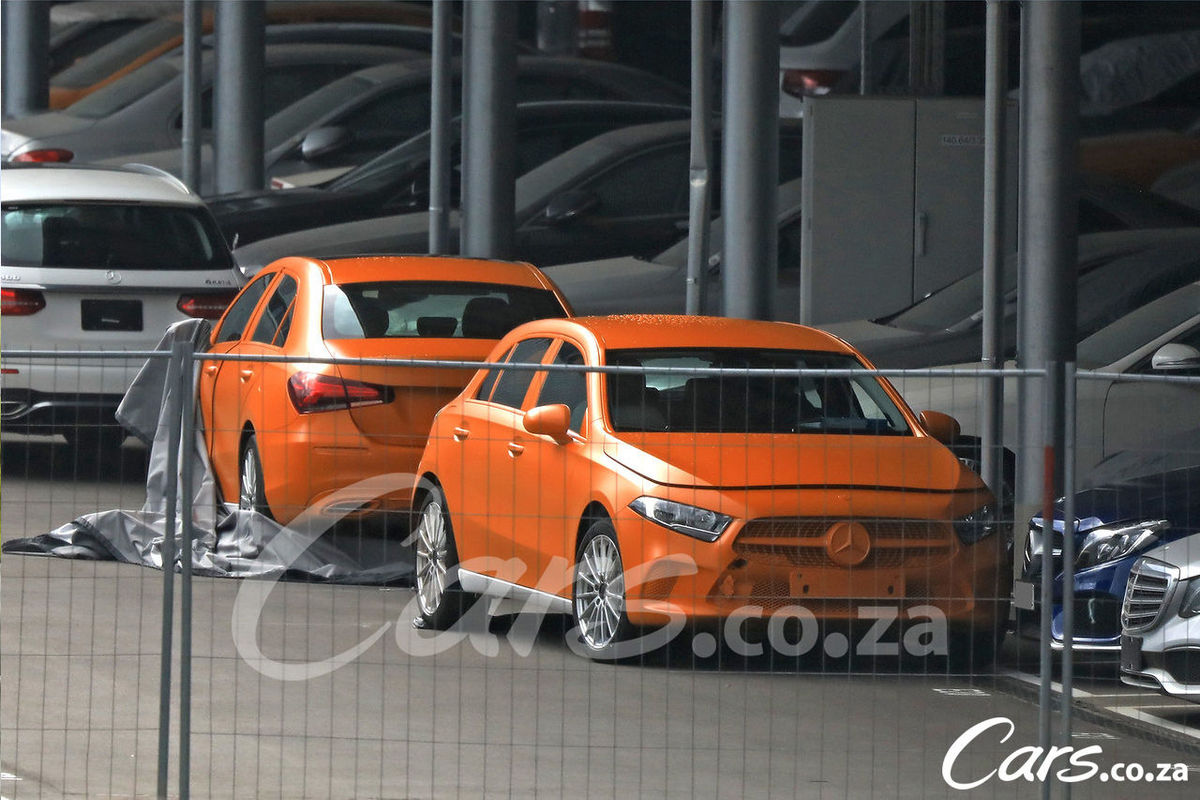
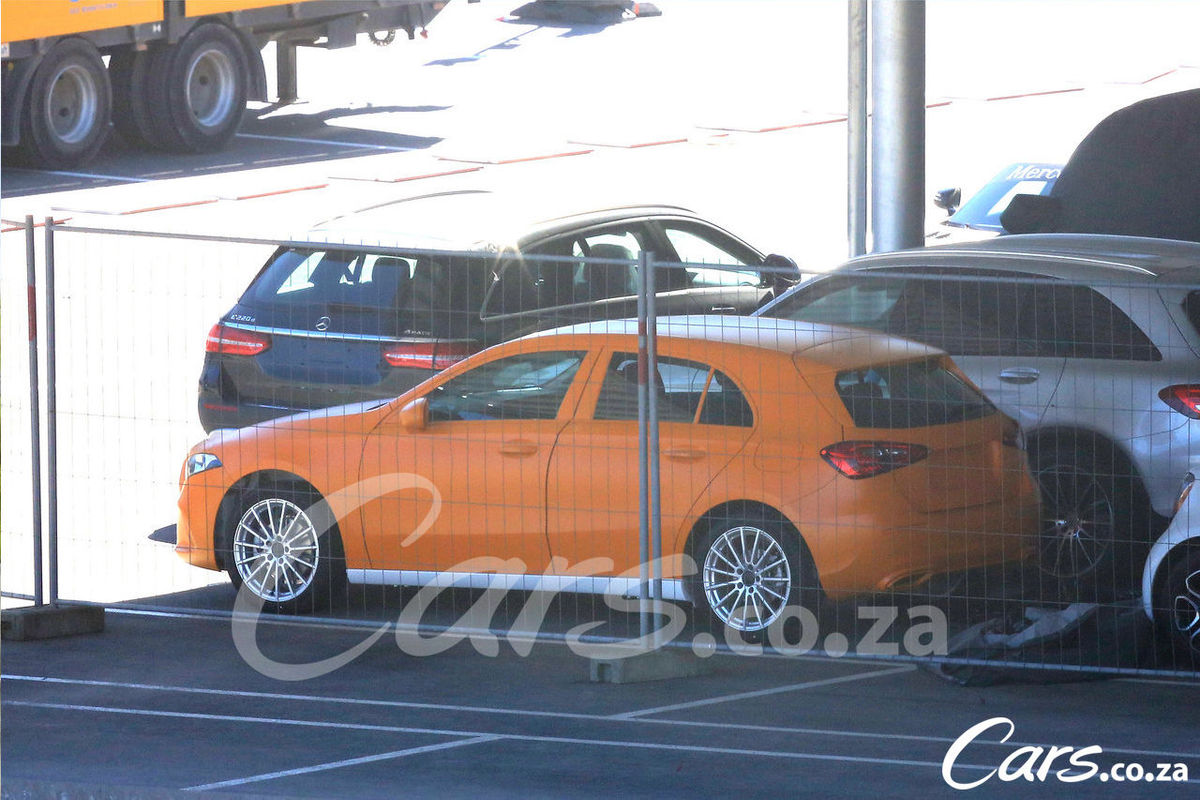
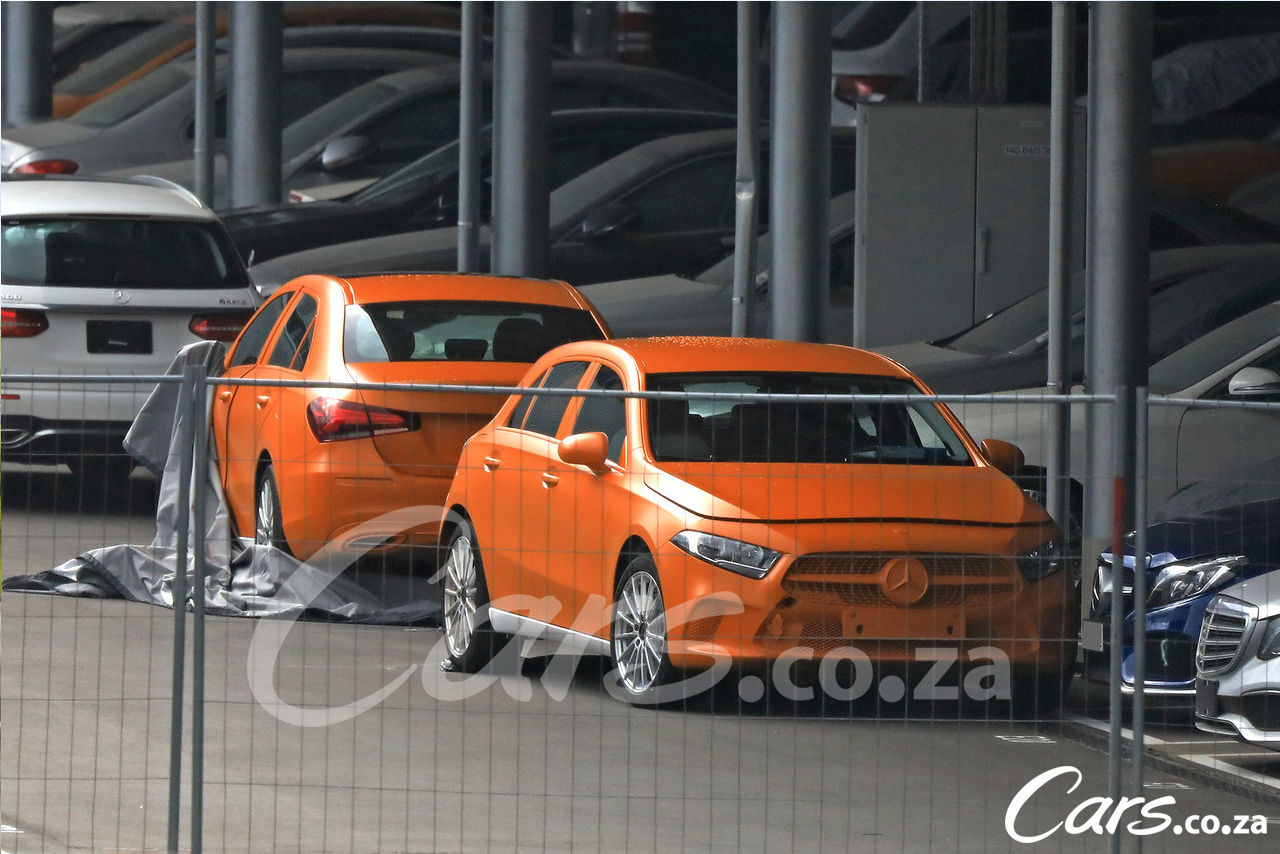
Earlier this month we published spy images of the next-generation Mercedes-Benz A-Class in near-production form. Now, Mercedes-Benz has released images and details of the interior, showing what the new A-Class will look like on the inside. Let's take a closer look…

Picture credit: S. Baldauf/SB-Medien

The next, all-new version of the Mercedes-Benz A-Class is said to be revealed in 2018 and, with it, the Sindelfingen-based brand plans to address some of the criticisms that have been levelled at the current generation of the premium hatchback. For example, the lack of rear passenger space/luggage capacity will be alleviated somewhat by a new platform that has a longer wheelbase, which should see the overall length of the car improve. Rear headroom will be better thanks to the adoption a roofline that doesn’t slope downward quite as acutely.

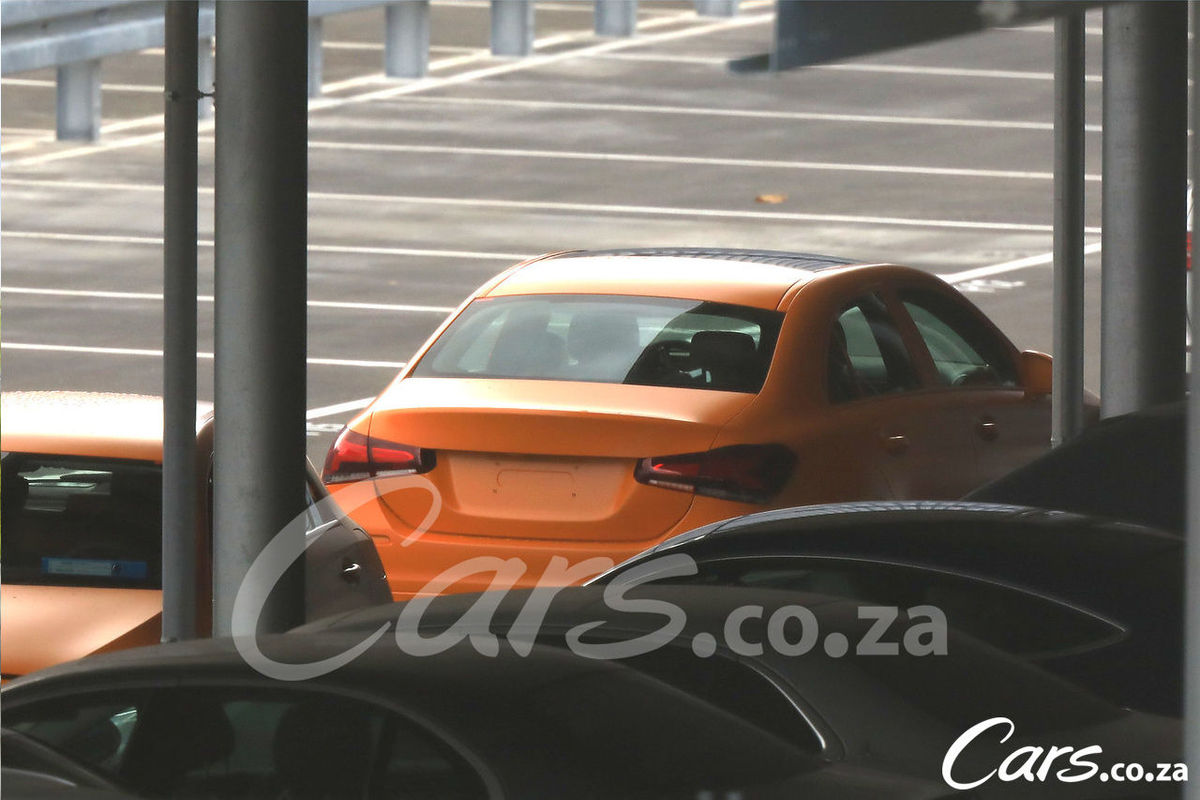
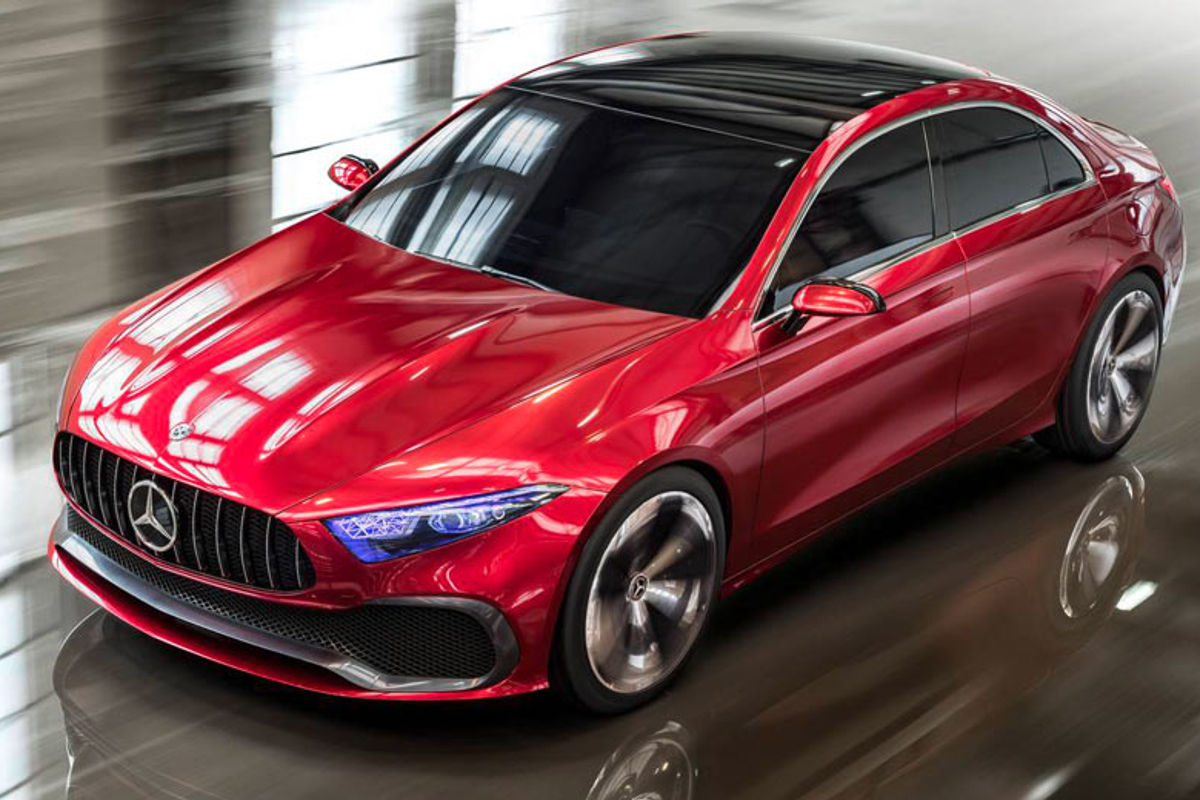
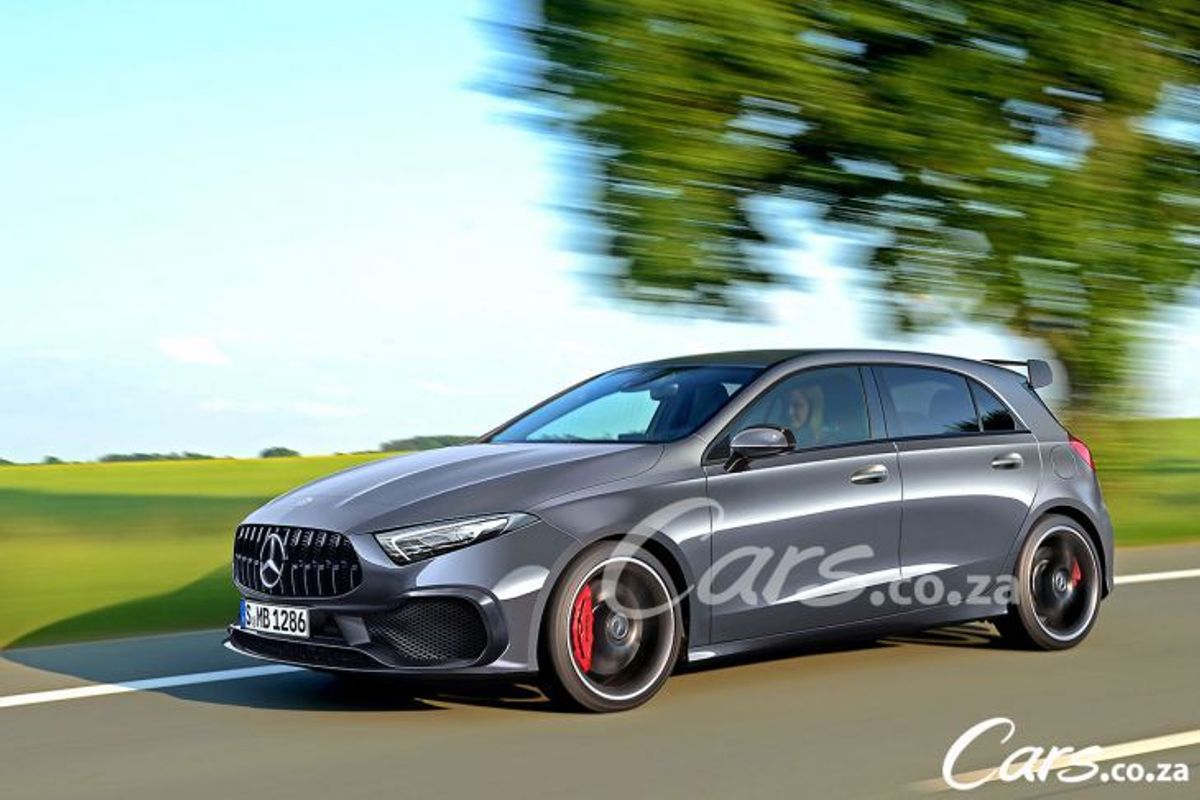
Mercedes-Benz is also planning on introducing a sedan version of the A-Class in 2018 which is based on Concept A, which was shown earlier this year. Considering the design of the A-Class sedan and our very own rendering of the new A45 AMG, it's apparent that the new A-Class will adopt a sleeker and more purposeful stance. 


The next-generation A-Class will be more stylish and spacious with a host of luxury features. 

From the spy pics, we finally get a good look at the new car, with its aggressive front end. Also pictured is the A-Class sedan, officially called the CLA.

The engine variants are said to be changed for the new model; the line-up will discard the old 2.1-litre turbodiesel in favour of the newer 2.0-litre unit as found in the E-Class. Other engines on the cards include a freshly-developed 2.0-litre turbopetrol, as well as a 3-cylinder turbopetrol hybrid unit. For those interested in the AMG powerhouse, it has been reported than Benz's Affalterbach division has extracted even more power from the 2.0-litre turbopetrol. It looks like it could produce nearly 300 kW upon its commercial release.

Interior details


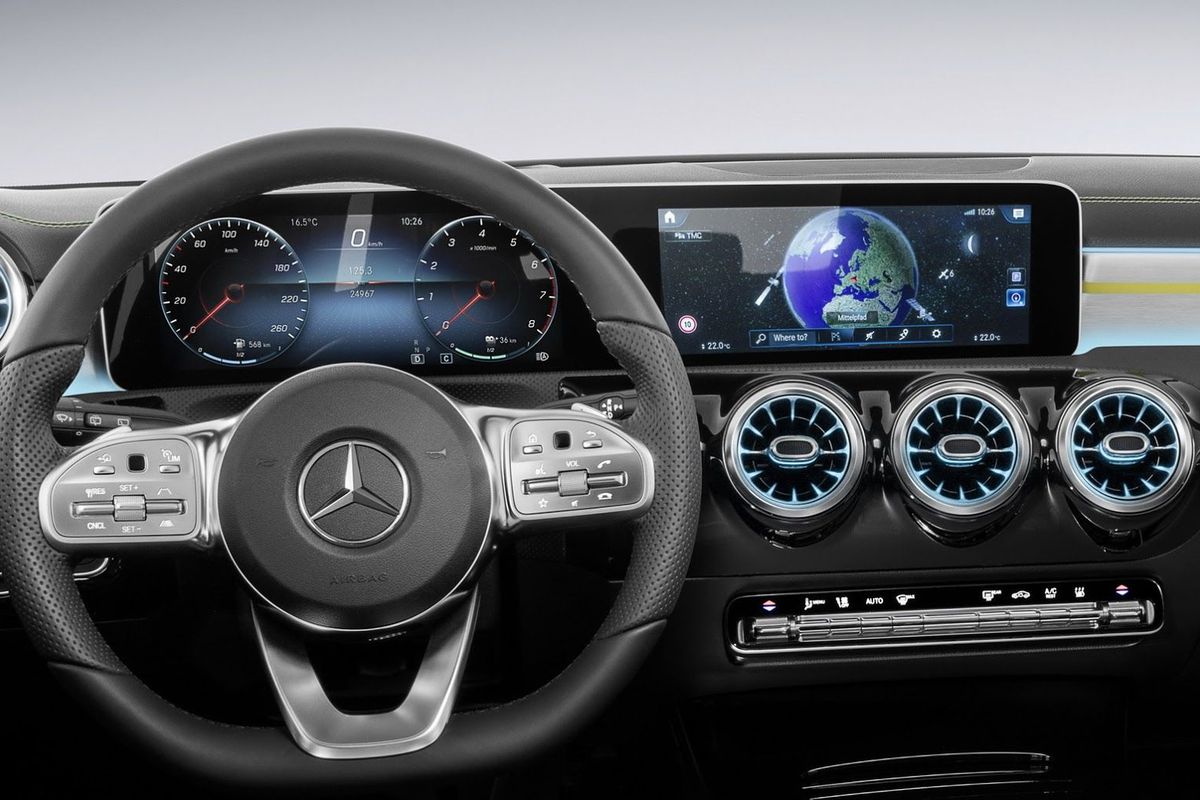
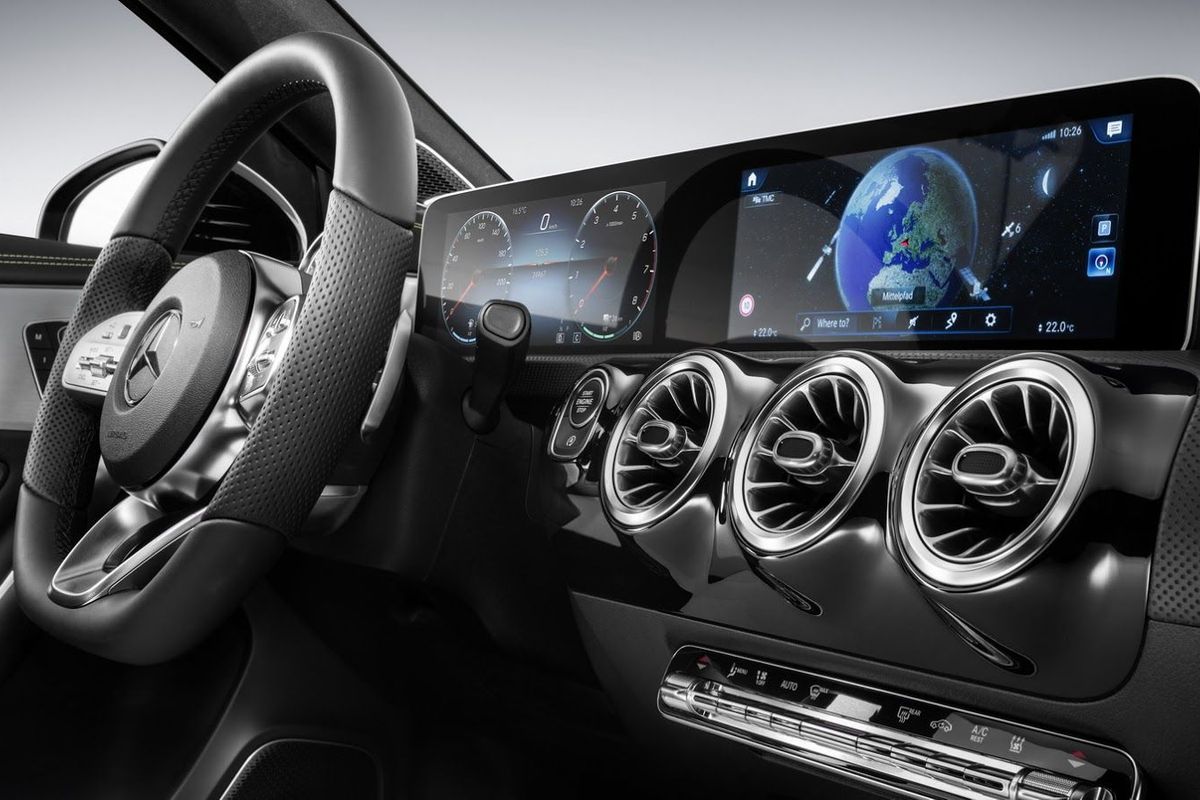
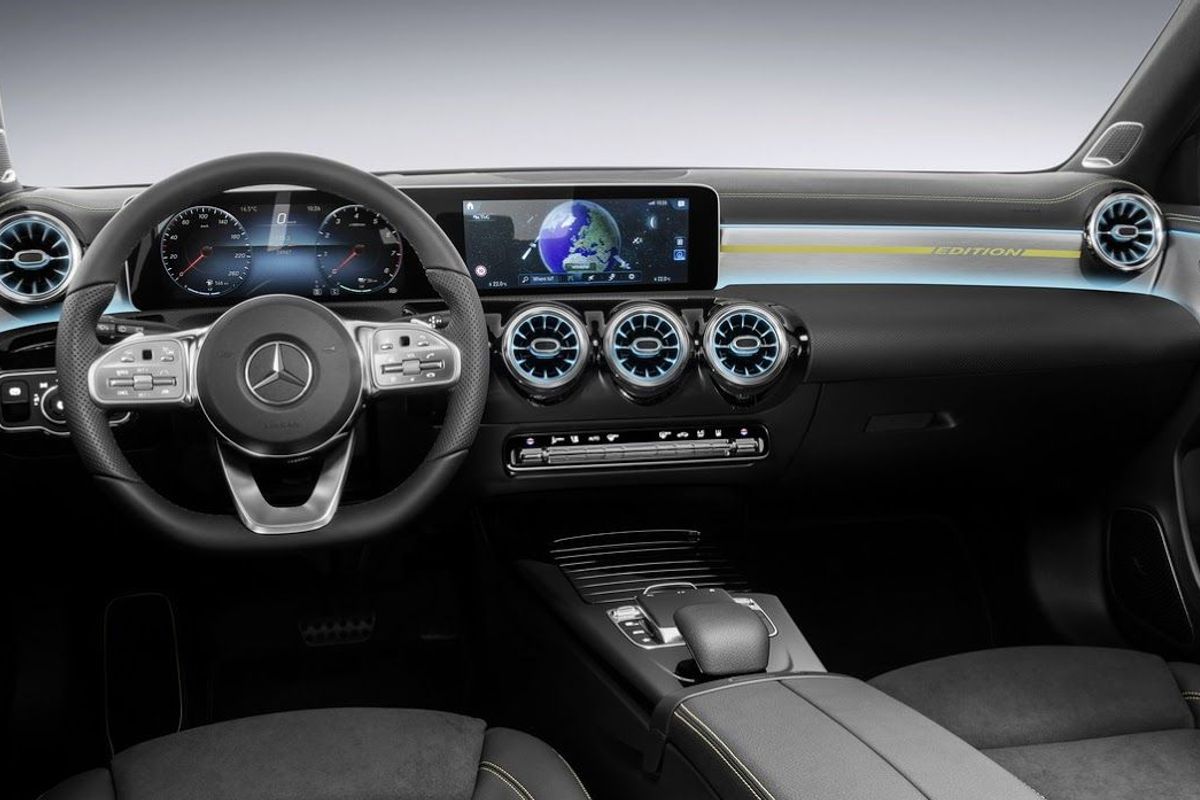
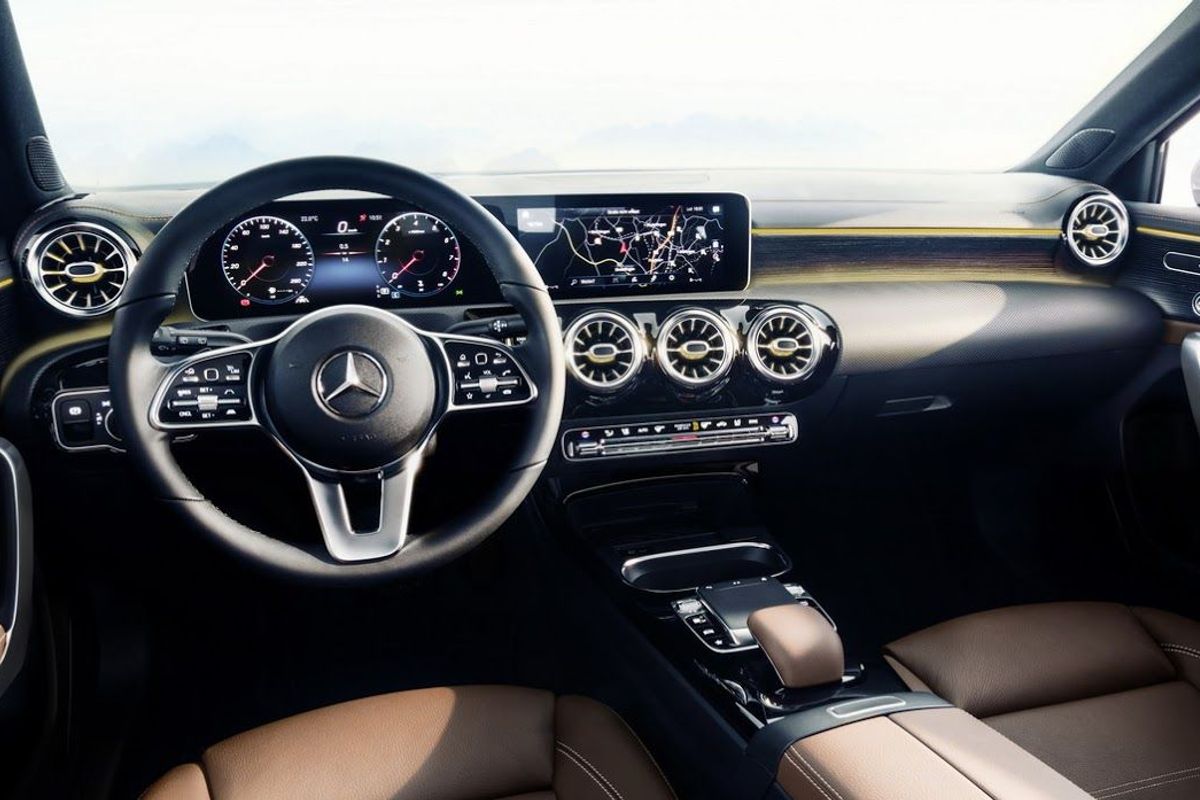
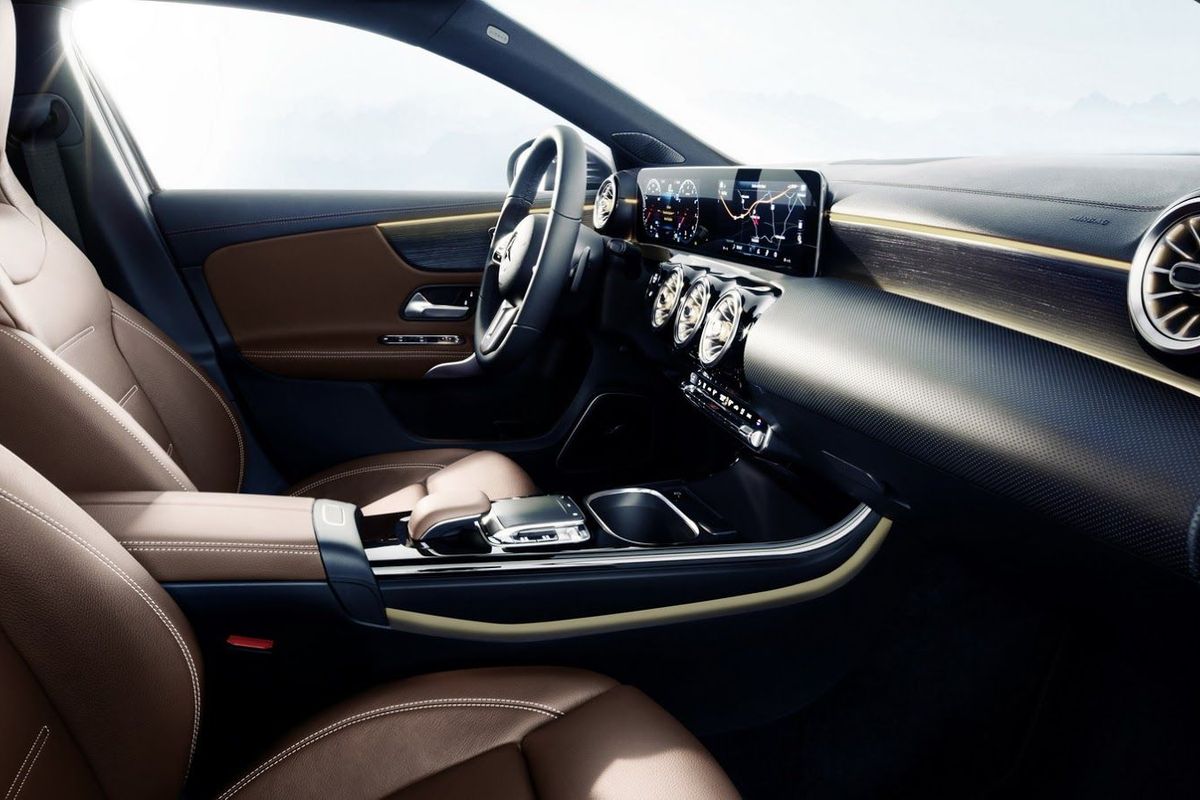
A range of screen choices will be offered, giving the new A-Class a distinct upmarket interior look and feel. 

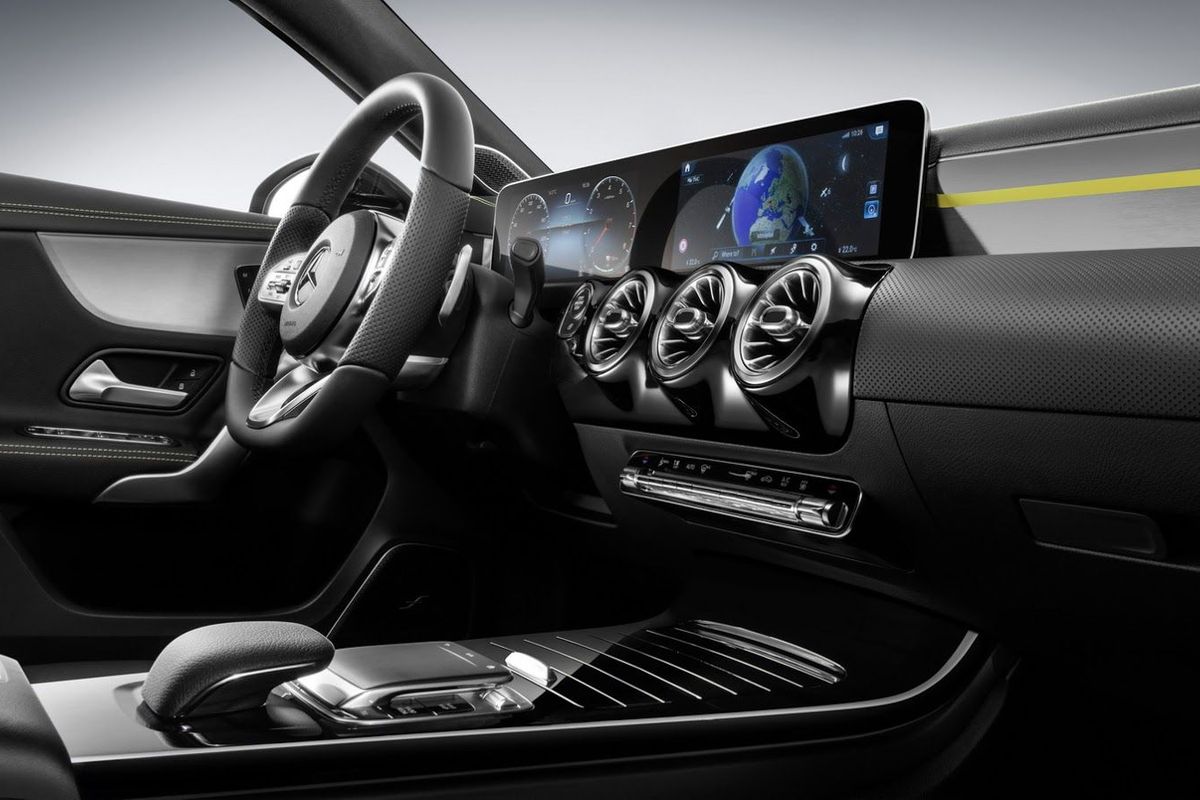
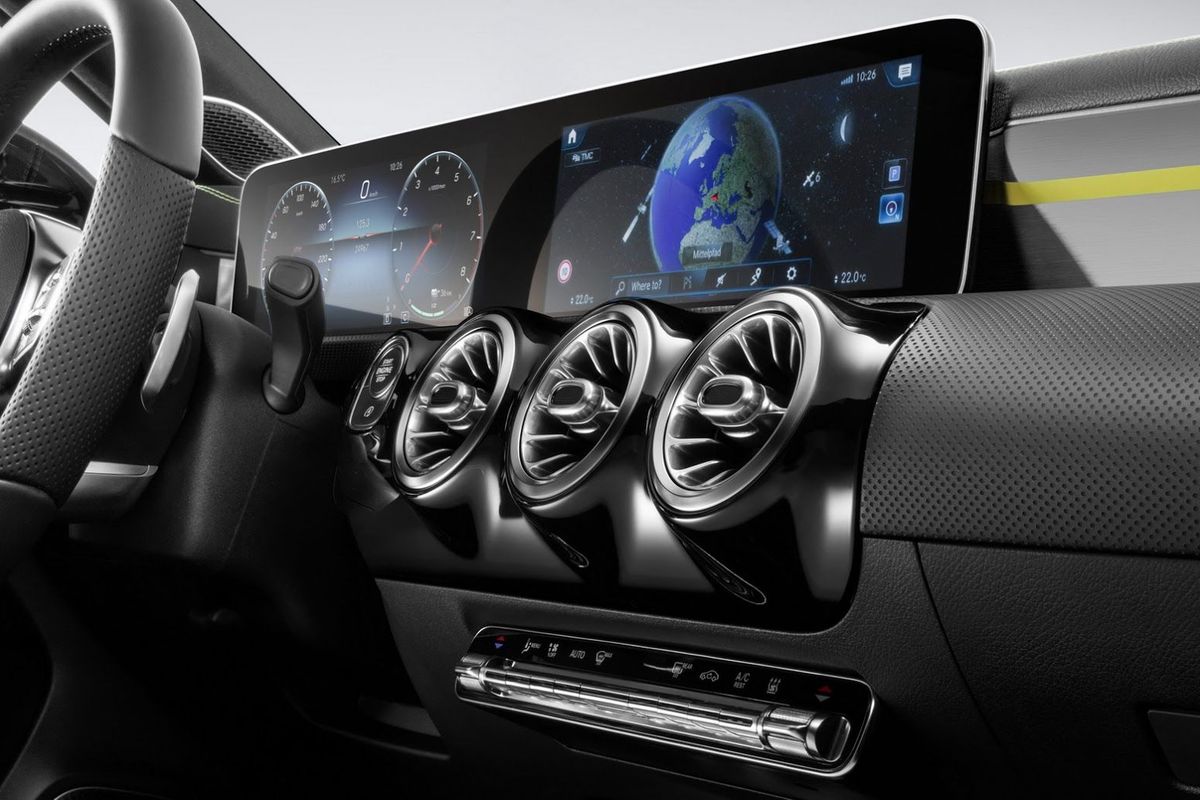
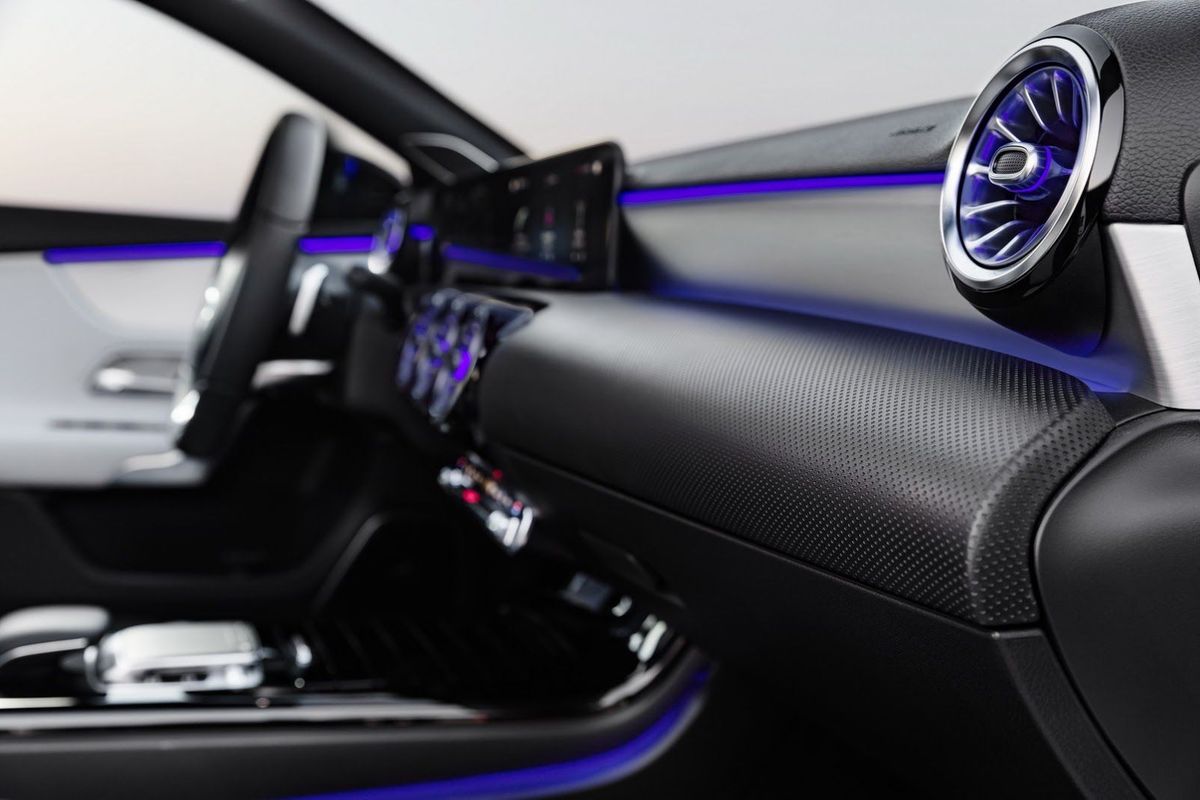
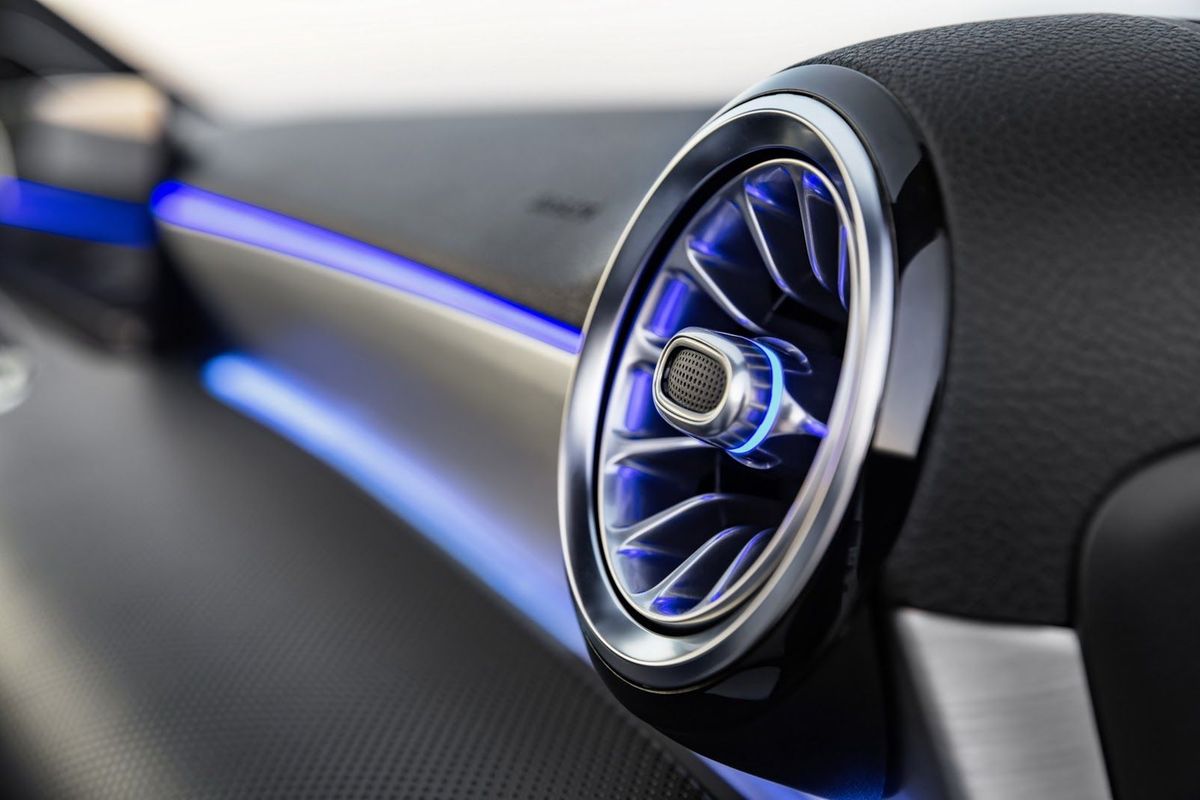
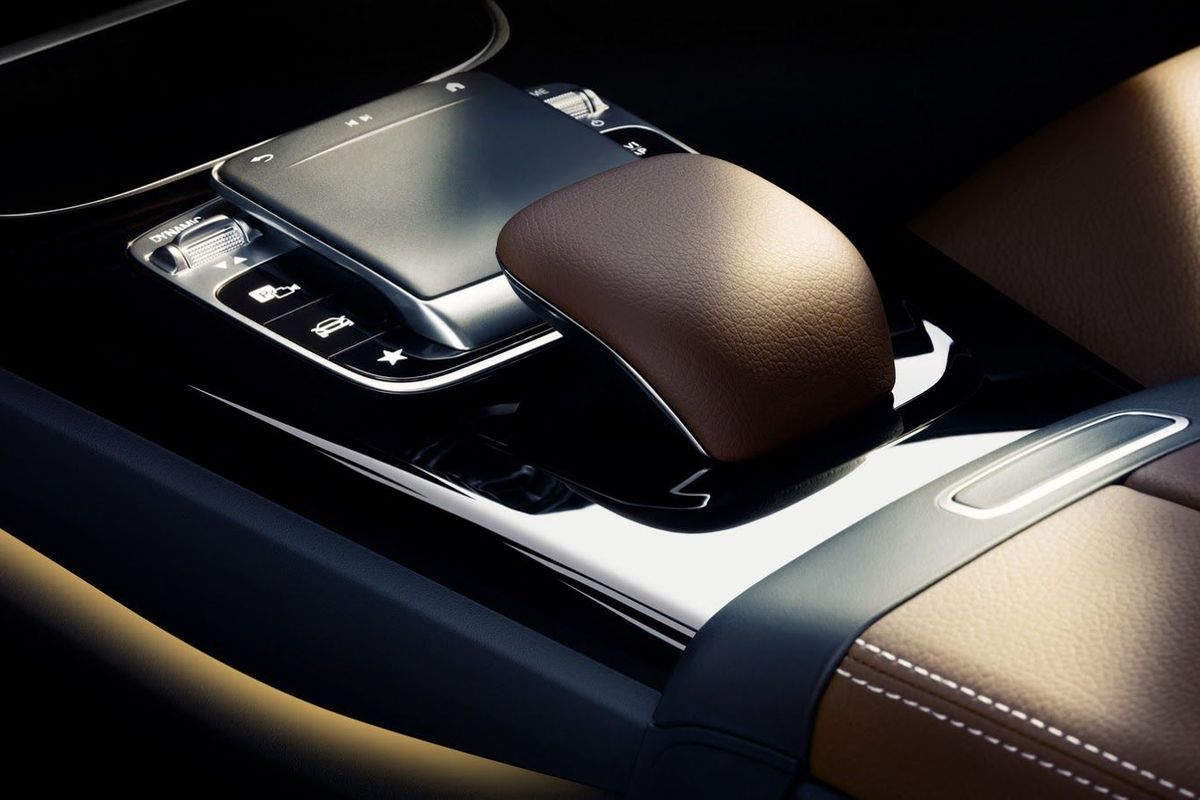
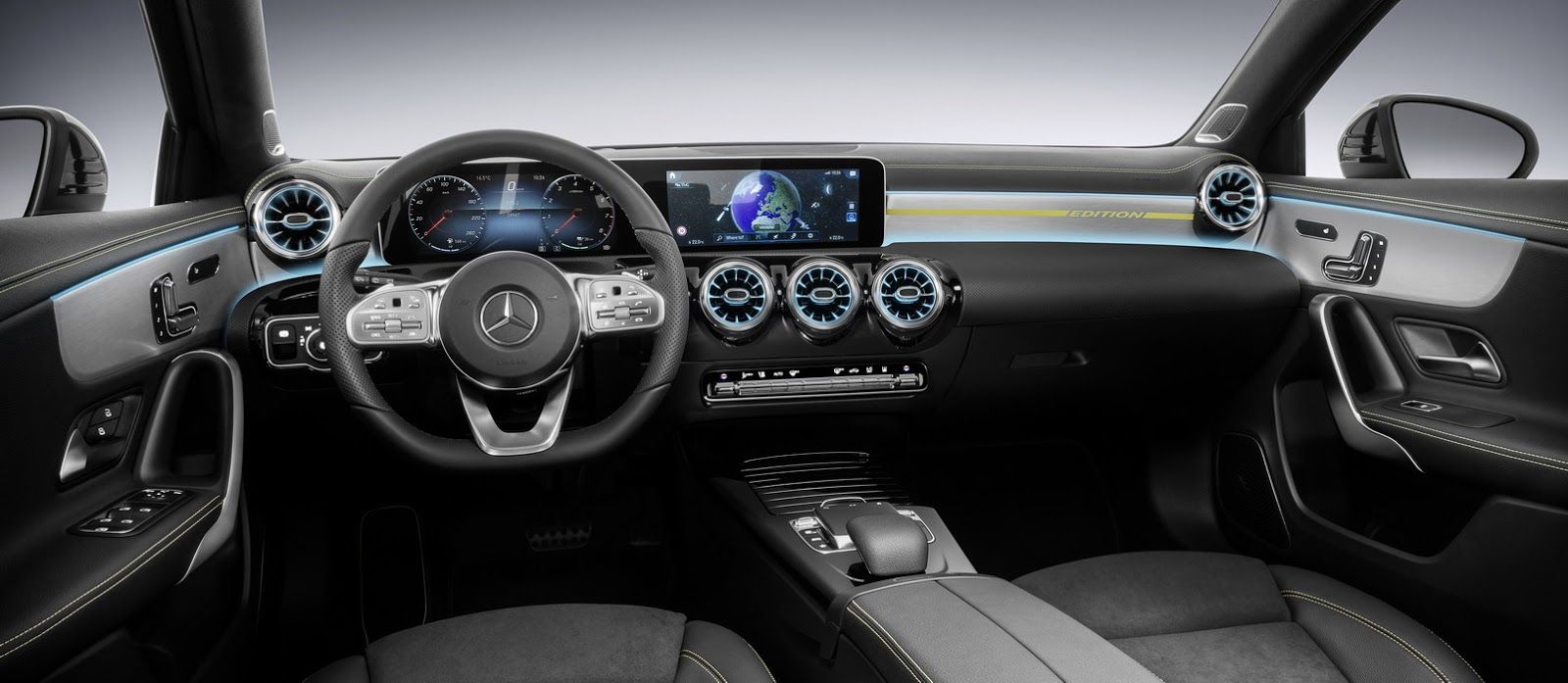
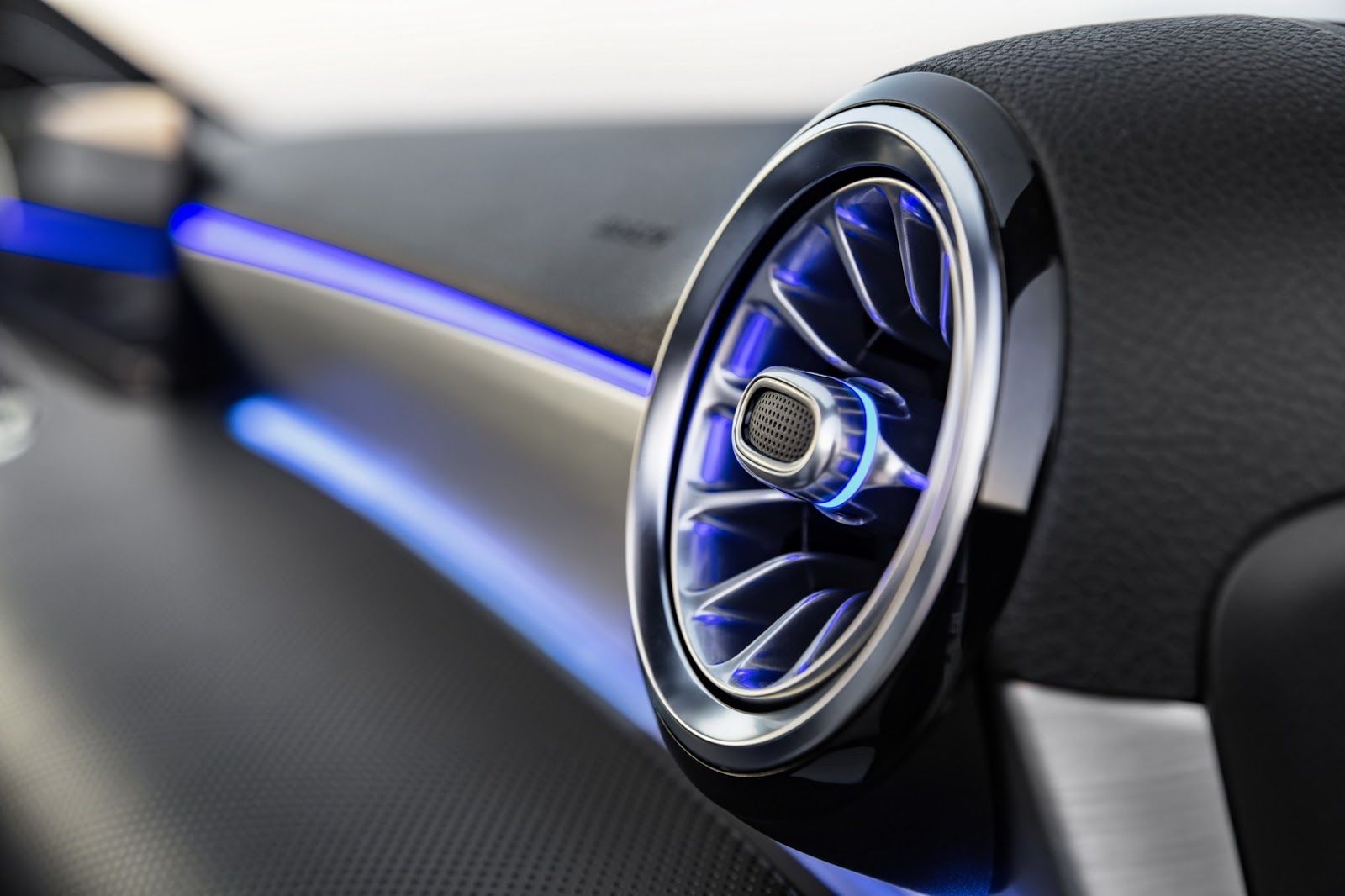
First images of the new A-Class' interior surfaced this week. The interior draws design influence from the latest E-Class and even the S-Class, adopting the impressive, 2-screen widescreen cockpit. There are 5 turbine-inspired air vents, much like that found on the E-Class and the multifunction steering wheel is much like that seen on the latest S-Class. There will be 3 screen options available, depending on the model and equipment fitted. The base model will get two 7-inch screens while higher-spec derivatives will combine a 7-inch and 10.25-inch screen or two 10.25 inch screens. As on the E-Class, one screen serves as the instrument cluster, while the other screen accommodates the infotainment system and other vehicles functions. 

Head of Interior Design, Hartmut Sinkwitz, said “Thanks to the visual separation of the lower section from the main body of the dashboard, the former appears to float in front of the dashboard. At the same time, the A-Class is the first series-production model to dispense completely with a classic cockpit shroud. This literally places the large widescreen cockpit with its bonded glass technology in the forefront. Moreover, there is no longer a display in the A/C control panel, as the visual representation is exclusively via the central display.”


Turbine-inspired air vents will add an attractive and sporty touch to the interior design. 

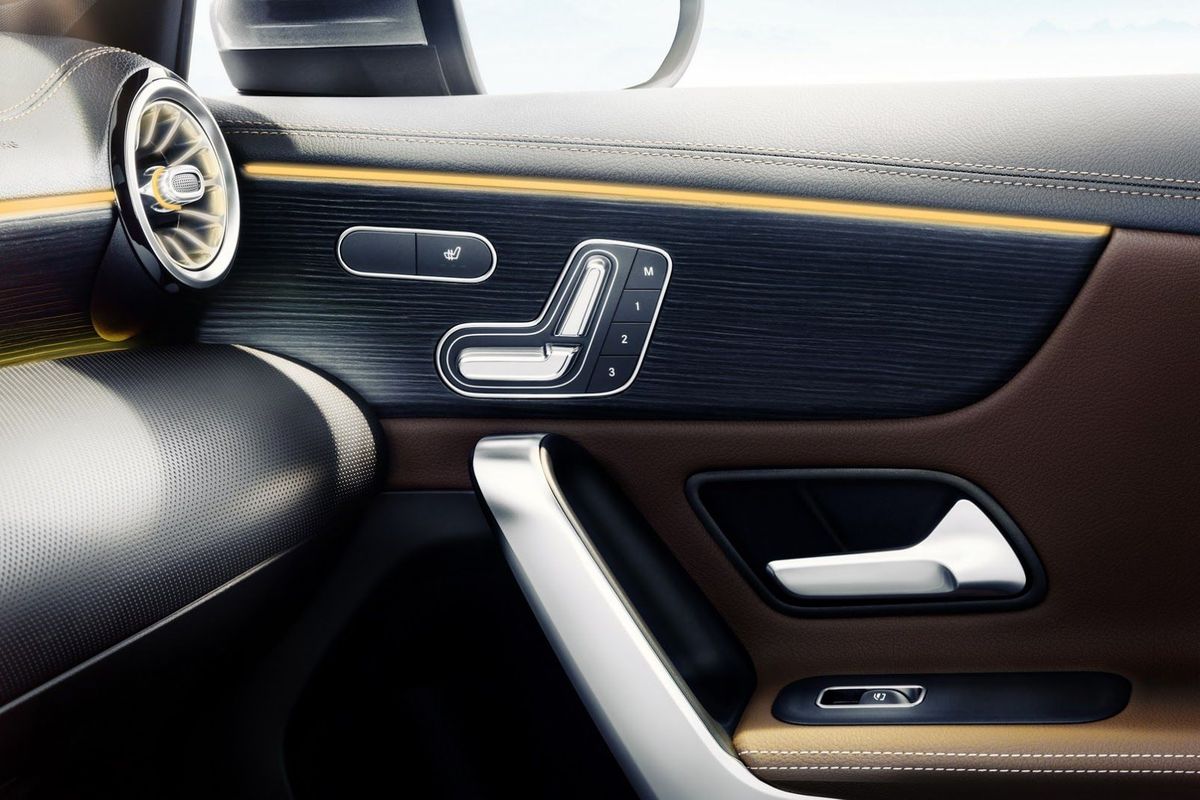
Mercedes-Benz is moving its new A-Class into a higher premium realm by offering features typically found on it's more luxurious models. Some notable luxury features include seats with climate control and massage functions as well as interior ambient lighting with 64 LEDs. 

Interior space will improve too and Mercedes-Benz says that shoulder room has improved by 9mm at the front and 22mm at the rear. Front elbow room has increased by 35mm and 36mm at the rear. Front headroom is up by 7mm while rear passengers will gain an additional 8mm of headspace. Load space has increased by 29 litres to a maximum load capacity of 370 litres. The load bay's aperture is also 200mm wider for easier loading of items and the floor of the load bay has increased by 115mm in length. The rear seats are also split in a 60/40 configuration as standard. 

The A, B and C pillars are slimmer, which has improved outward visibility by 10%, according to the firm. 

The new A-Class is expected to make its debut at the Geneva Motor Show in March 2018 and will be followed by the A-Class Sedan thereafter. We will keep you updated as more information becomes available, so stay tuned.

Related content:

Spy Shots: Mercedes-Benz A-Class

Mercedes-Benz A-Class A220d (2016) Review

Mercedes-Benz A-Class Facelift: New vs Old – Side by Side Comparison

Audi A3 2.0T Sportback Auto (2017) Review

BMW M140i (2016) Review

Volvo V40 T4 Inscription AT (2017) Quick Review

Track Race: Audi RS3 vs Merc-AMG A45 vs Honda Civic Type R vs BMW M2 [Video]
Spy Shots: Mercedes-Benz A-Class

Looking to buy a used A-Class?

Start your search here

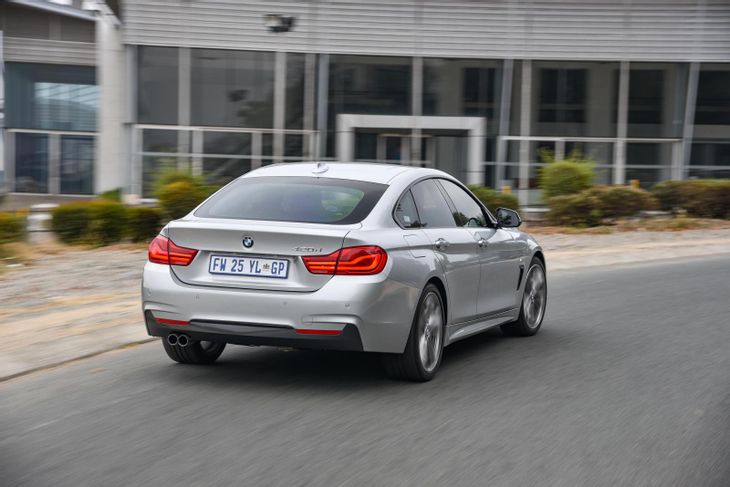
3 Reasons Why BMW 4 Series Gran Coupe is #CarsAwards Finalist

What makes the BMW 420d Gran Coupe Sport Line Sports Auto a strong contender in the Business Class category of the 2017/18 Cars.co.za Consumer Awards – powered by WesBank? We investigate…

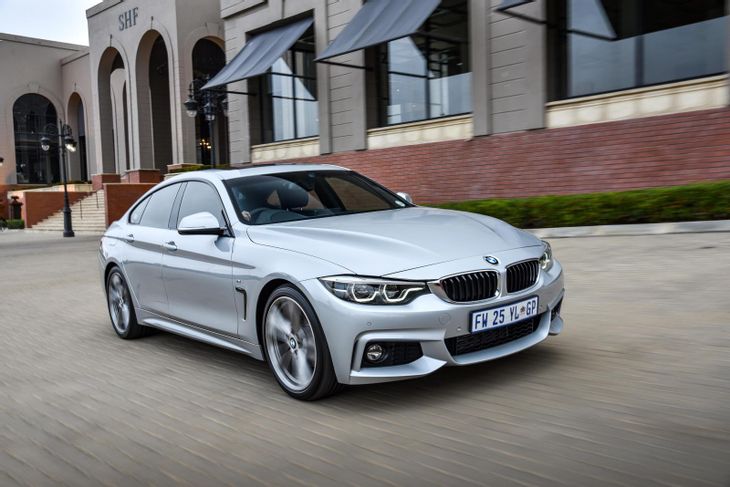
Compared with the popular 3 Series sedan, the BMW 4 Series offers something with a little more style to harness BMW’s famed dynamics. The sloping rear roofline gives it a coupe look, but in the case of this Gran Coupe, BMW still squeezes in 2 rear doors. So yes, it is a 3 Series but in a sexier shape. The BMW 4 Series Gran Coupe blends practicality and sensibility with breathtaking looks, making it a formidable contender in this category.

3 Reasons Why BMW 4 Series Gran Coupe is a #CarsAwards Finalist

1. Strong performance

The engine under the bonnet of the BMW 420d is a 2.0-litre turbocharged diesel engine with 140 kW and a mighty 400 Nm on tap.There’s a distinct performance edge to the vehicle but at no point does it ever sound strained, which is unheard of for a diesel. It’s also surprisingly frugal at the pumps and will do a massive 1 357 km between refills. BMW claims a consumption figure of 4.2 L/100 km.

2. Dynamic handler

The increased suspension stiffness for the facelifted 4 Series has improved its handling abilities as it corners flatter and faster than its more popular 4-door sibling. The increased agility hasn’t affected the ride comfort at all and, on the average commute, comfort mode is sufficiently pliant. Bumps are neatly soaked up and even with the run-flat tyres, the ride is reasonably forgiving.

The steering has also been improved to deliver more feel to the driver. While an electrically assisted steering setup, in general, is not great at providing feel and feedback to the driver, the 420d feels quite well connected to the road with a meaty weighting to the turn.

3. Pleasant interior

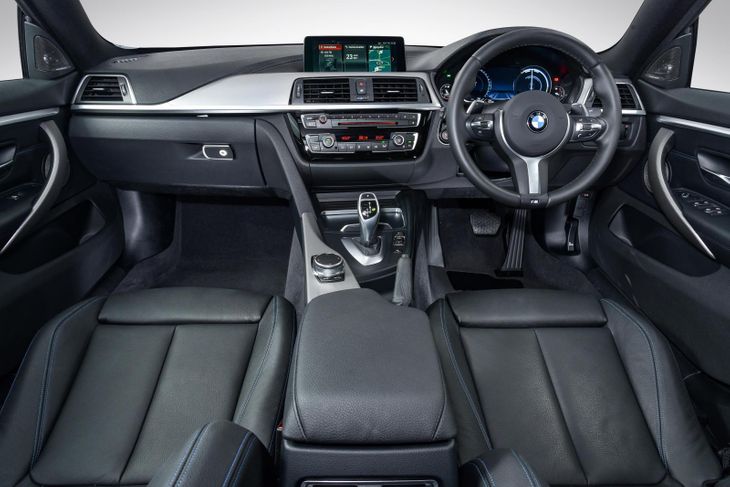
The BMW 420d’s cabin is well-built and not lacking in features – provided you’re willing to tick a few options. The interior of the BMW 420d Gran Coupe has received a few material upgrades (as is the custom with facelift models). The infotainment screen has improved resolution and graphics, more high gloss material is used to border the centre stack of dials, the sports steering wheel has been upgraded and there’s an optional digital instrument display available – like the one offered in the new 5 Series.

Worthwhile options are: the reverse-view camera with park distance control, sports seats that are most supportive, active cruise control and the navigation system that incorporates real-time traffic updates.

Have Your Say: Complete our survey and WIN!

Do you own a 4 Series Gran Coupe? We would love to hear from you! Tell us about your experience by completing our Ownership Satisfaction Survey. Your input counts for 50% of the final result!

What cars are the 4 Series Gran Coupe's rivals in #CarsAwards?

The 2017/18 #CarsAwards finalists: Business Class Category

Compare the 4 Series Gran Coupe specs with the Alfa Romeo 2.0T Super and Audi A5 Sportback here!

Related Content

2017/18 Cars.co.za Consumer Awards – powered by WesBank; Finalists

#CarsAwards Finalists Testing: Gerotek turns up the heat

BMW 4 Series (2017) Launch Review

BMW 420i Gran Coupe (2017) Quick Review


Cheaper 6-speed manual Amarok V6 coming to SA

The Volkswagen Amarok V6 range in South Africa is set to expand in 2018 with the introduction of a more affordable model, equipped with a manual transmission. Here's what we know so far…

The Volkswagen Amarok V6 double-cab bakkie is the brand's top offering and a 2017/18 #CarsAwards, powered by WesBank. With the imminent arrival of the Mercedes-Benz X-Class and predictable tweaks to the Ranger and Hilux models, the Volkswagen Amarok portfolio is due to expand.

As it stands, there is a trio of Amarok V6 derivatives equipped with 8-speed transmissions, but no manual version, in the South African line-up.

With pricing starting from R692 600, the Amarok V6 goes all the way up to R778 900 for the Extreme flagship. This new derivative changes things up as it'll come to market at a lower price point, but equipped with a six-speed manual gearbox. We suspect that some features will be removed to make it a value-for-money offering.

We were alerted to this development when the vehicle was first confirmed for the UK market and it's claimed that it'll be available in Trendline trim and feature a selectable all-wheel drive system. Unlike its other V6 counterparts, which feature permanent 4Motion, this model is rear-wheel driven until the driver activates four-wheel drive mode. It's also claimed that the manual transmission model has allowed Volkswagen to make a low-range option available, which addresses some concerns from the hardcore 4×4 enthusiasts. 

Power outputs have not been confirmed, but the UK version has outputs of 150 kW and 500 Nm, as opposed to the 165 kW and 550 Nm of local units. Performance is expected to be brisk for a bakkie, with a 0-100 kph time of at least 8.4 seconds. When contacted for comment, Volkswagen SA confirmed that the manual Amarok V6 would be released in South Africa, with an estimated time of arrival: around the second quarter of 2018.

You may also be interested in:

Next-gen VW Amarok Range to Expand?

Special Edition Volkswagen Amaroks for Frankfurt

Volkswagen Amarok (2017) Specs & Pricing

Nissan Navara vs VW Amarok (2017) Which is better for off-roading?

5 Rivals the new Renault Alaskan has to beat

Double-Cab bakkies are the new SUVs

Volkswagen Amarok 3.0 TDI V6 Highline Plus Review (2017) plus VIDEO

Comparative Review: Toyota Hilux vs Isuzu KB vs VW Amarok vs Ford Ranger (2016) 

Looking to buy a new / used VW Amarok?

Find one on Cars.co.za today by clicking here