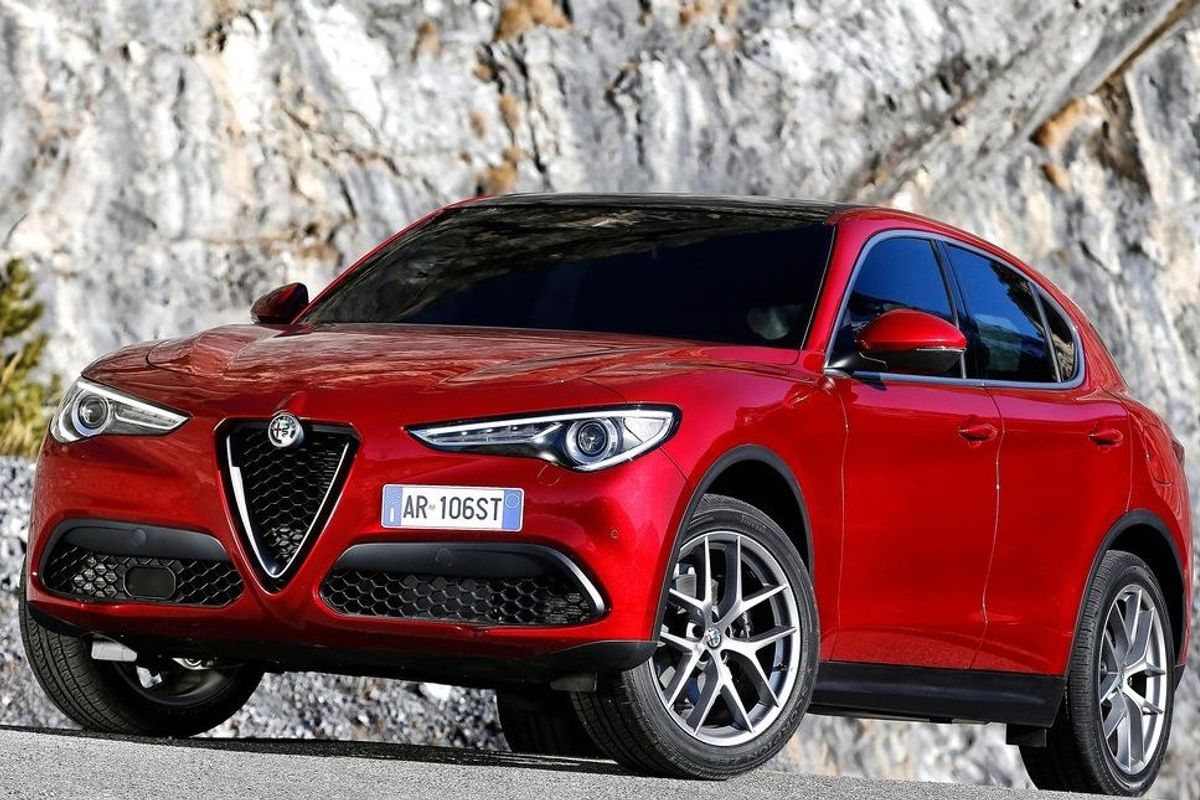
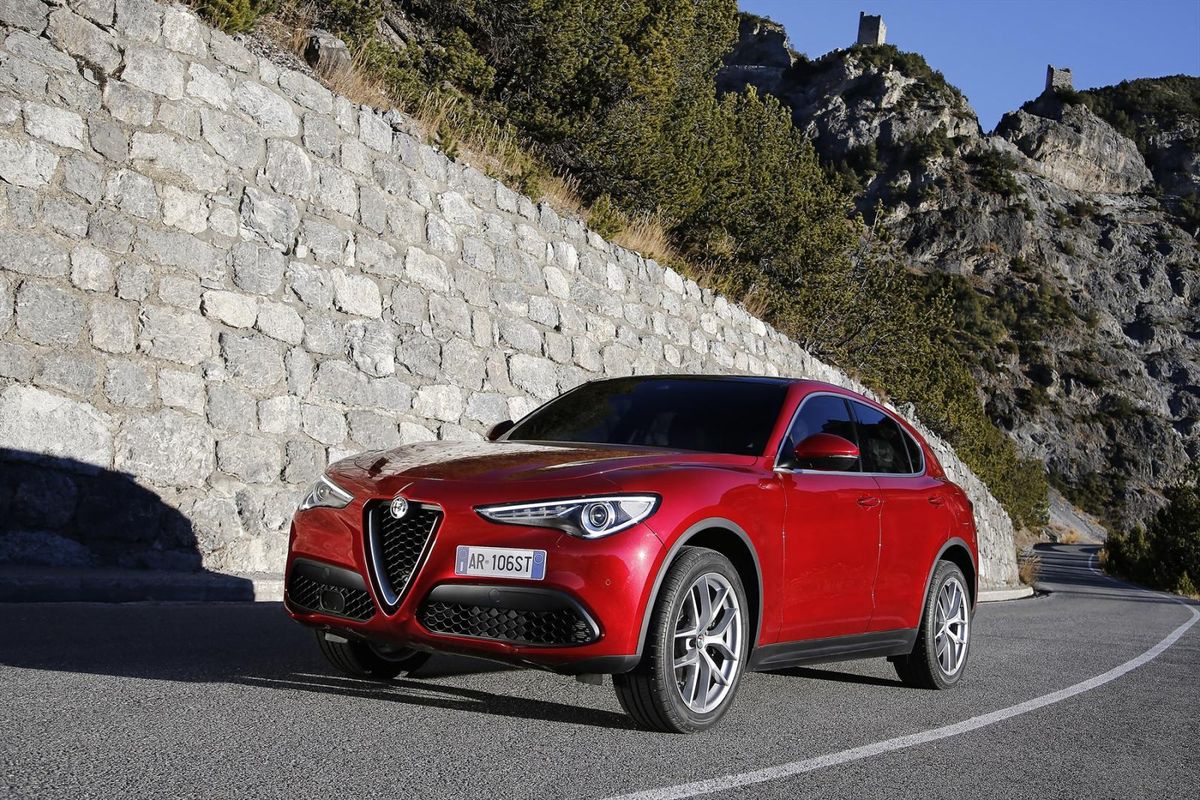
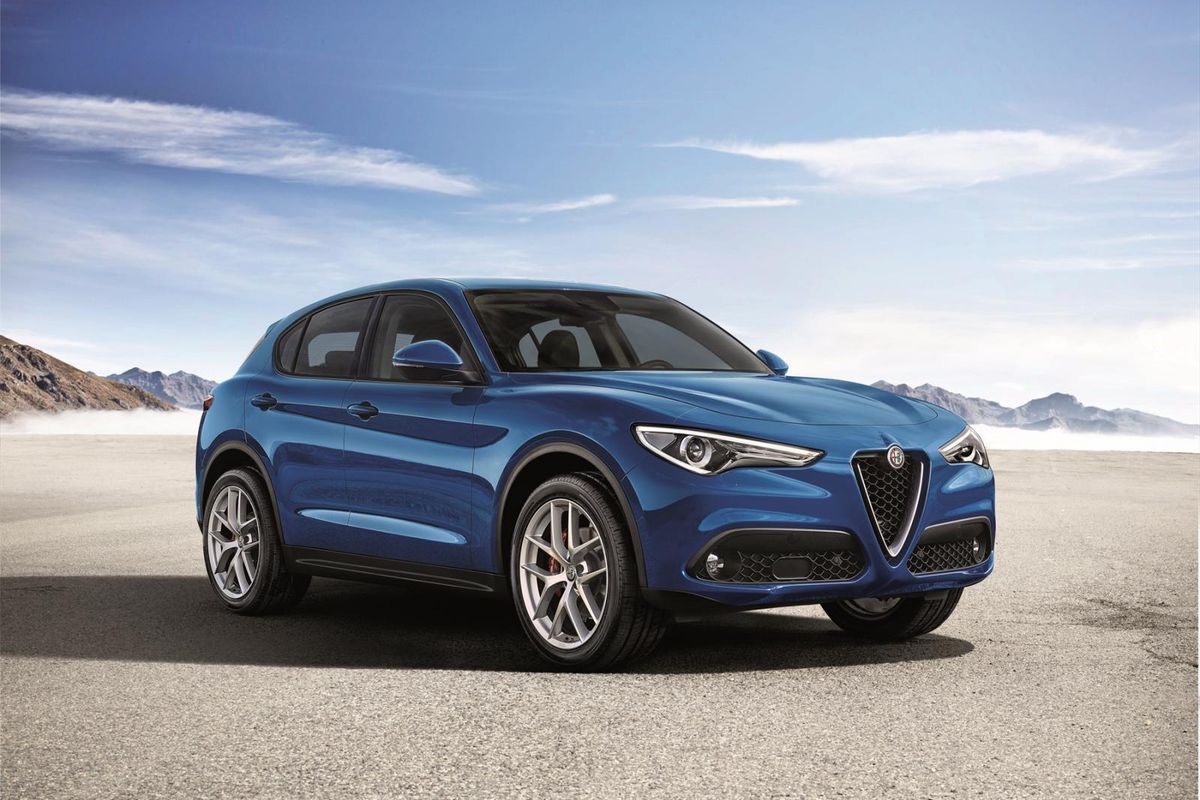
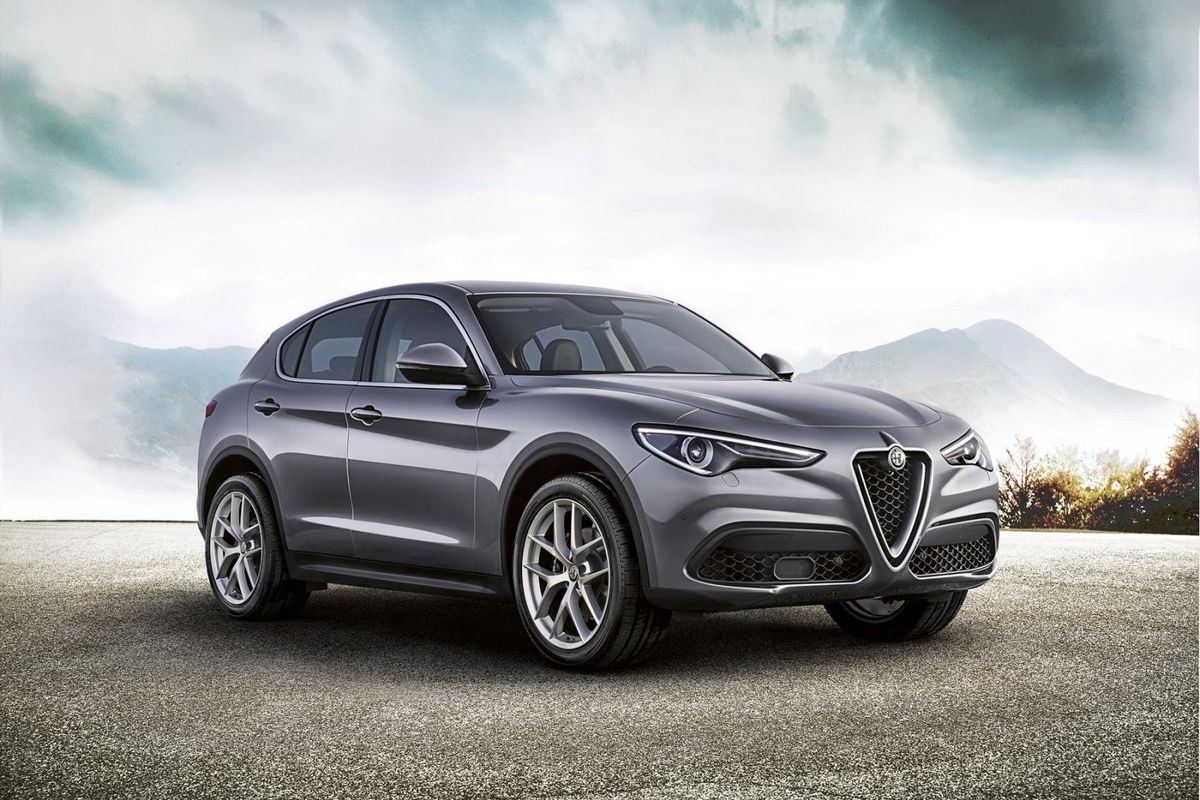
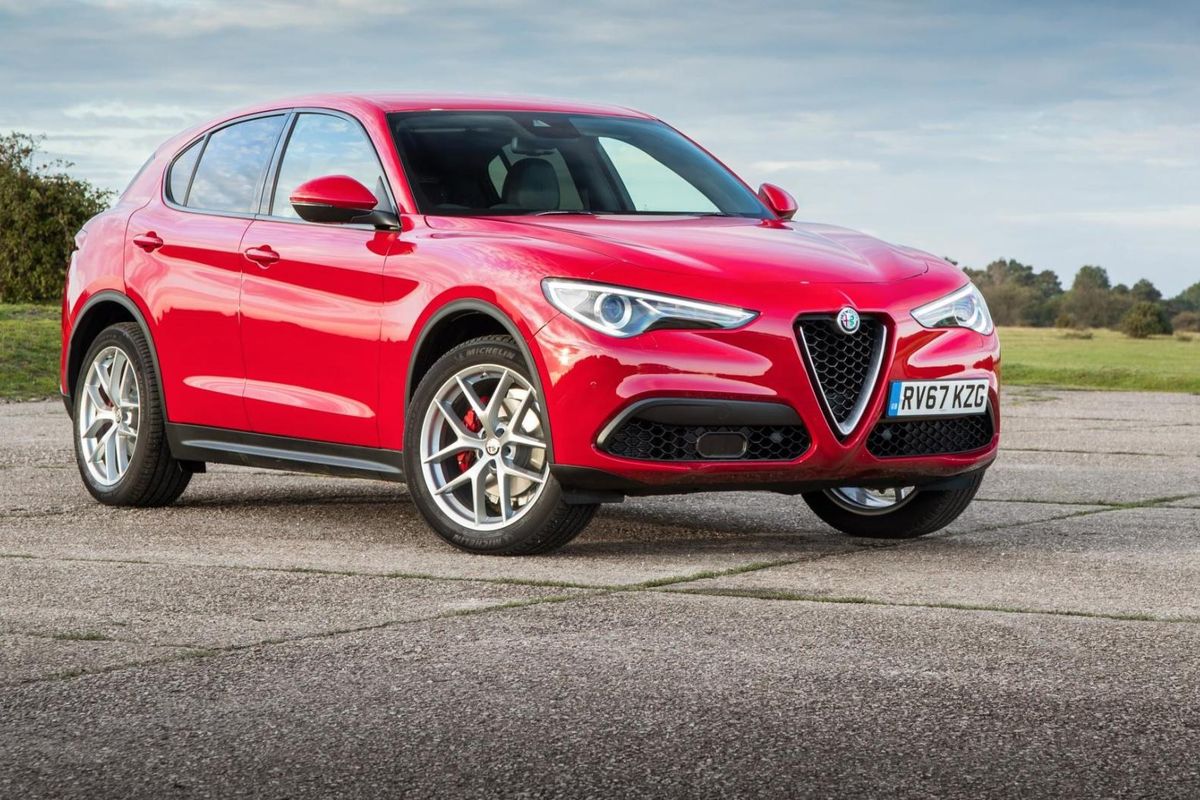
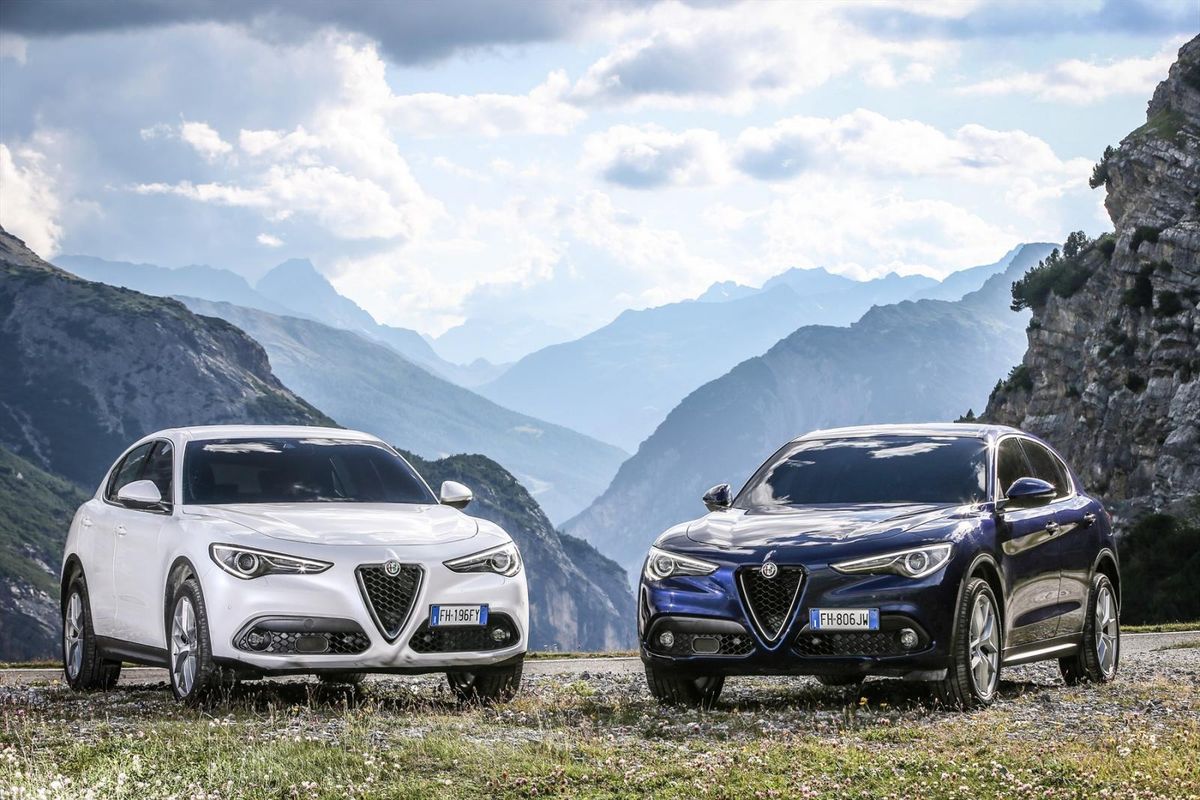
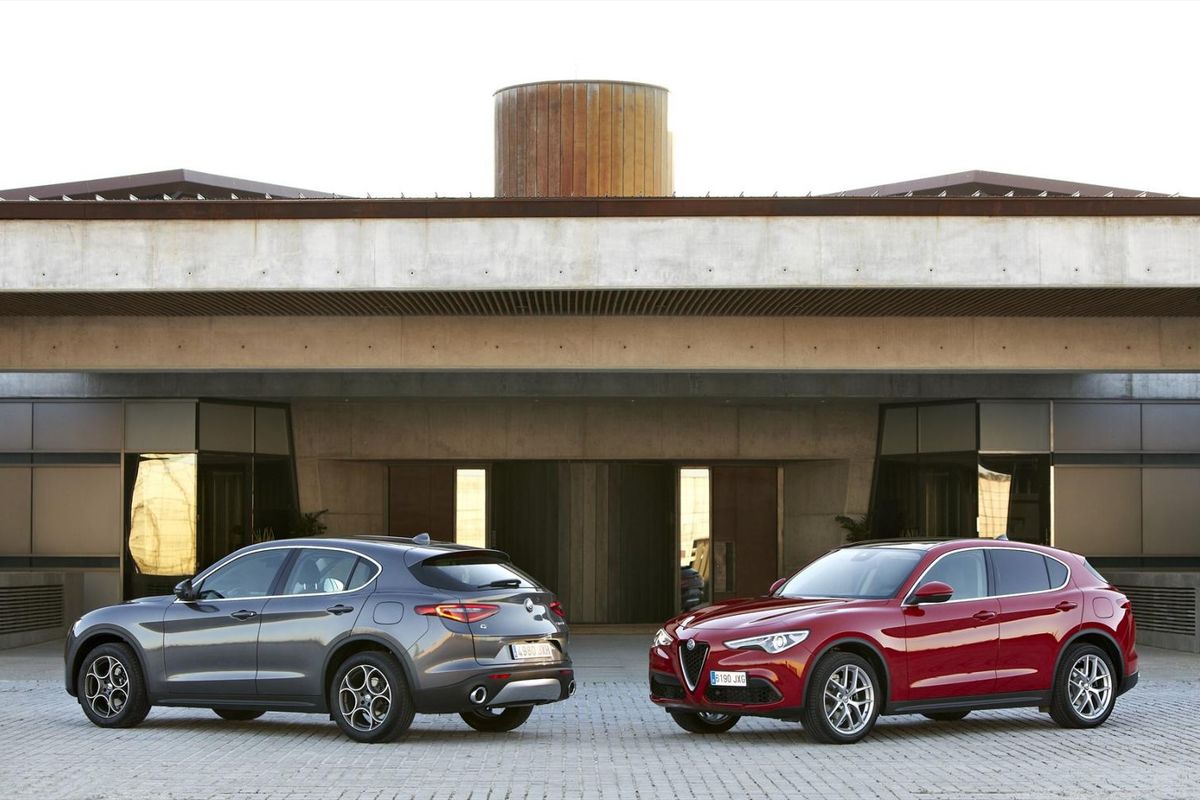
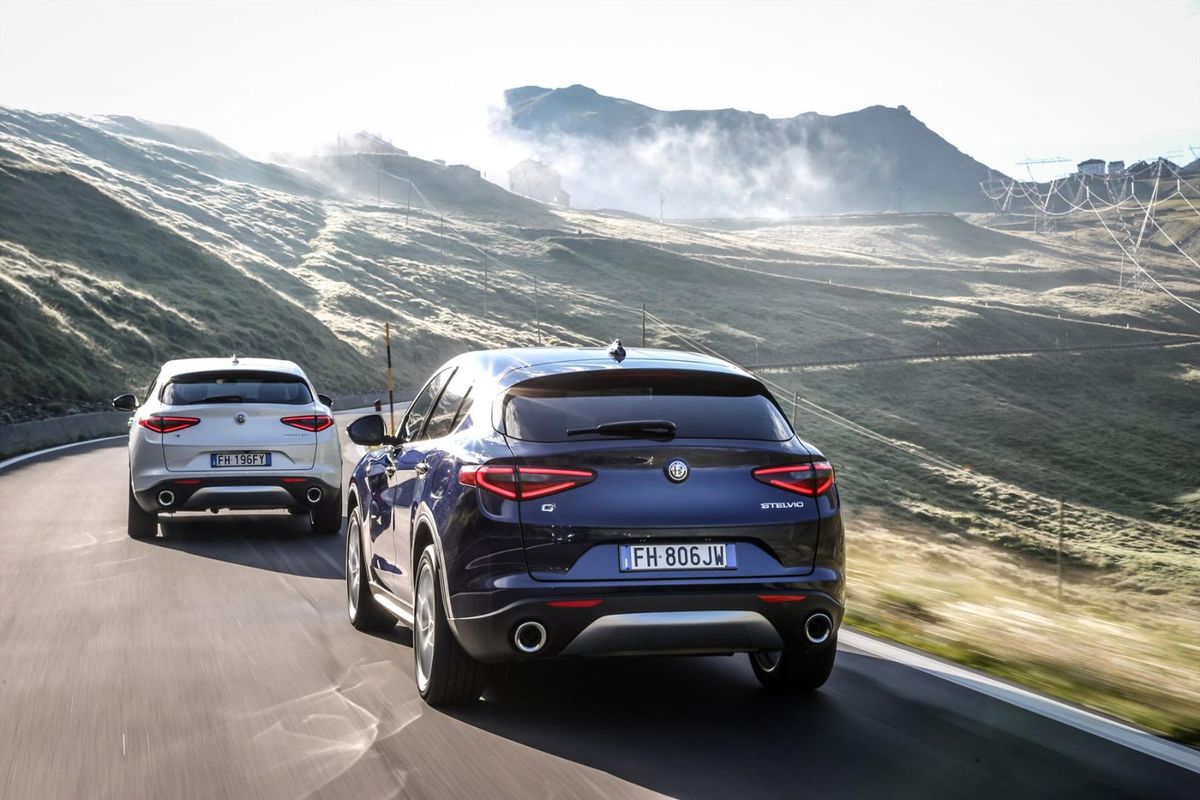
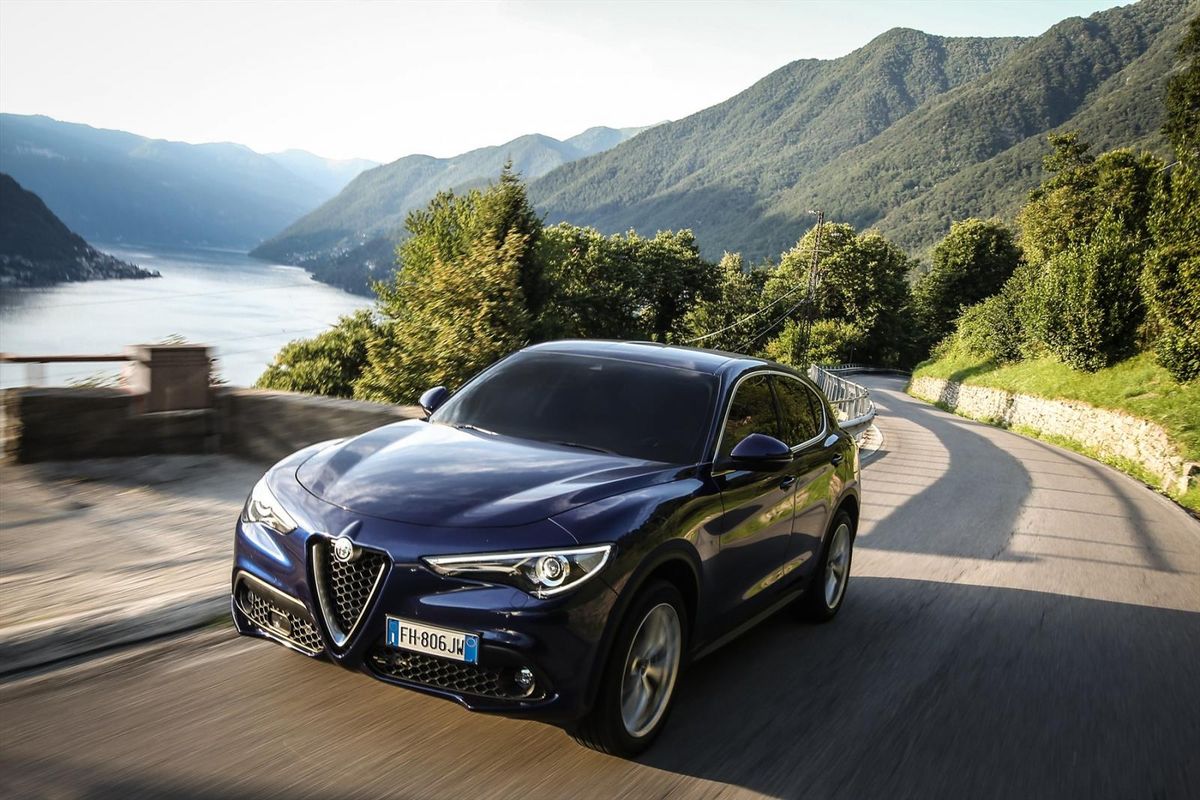
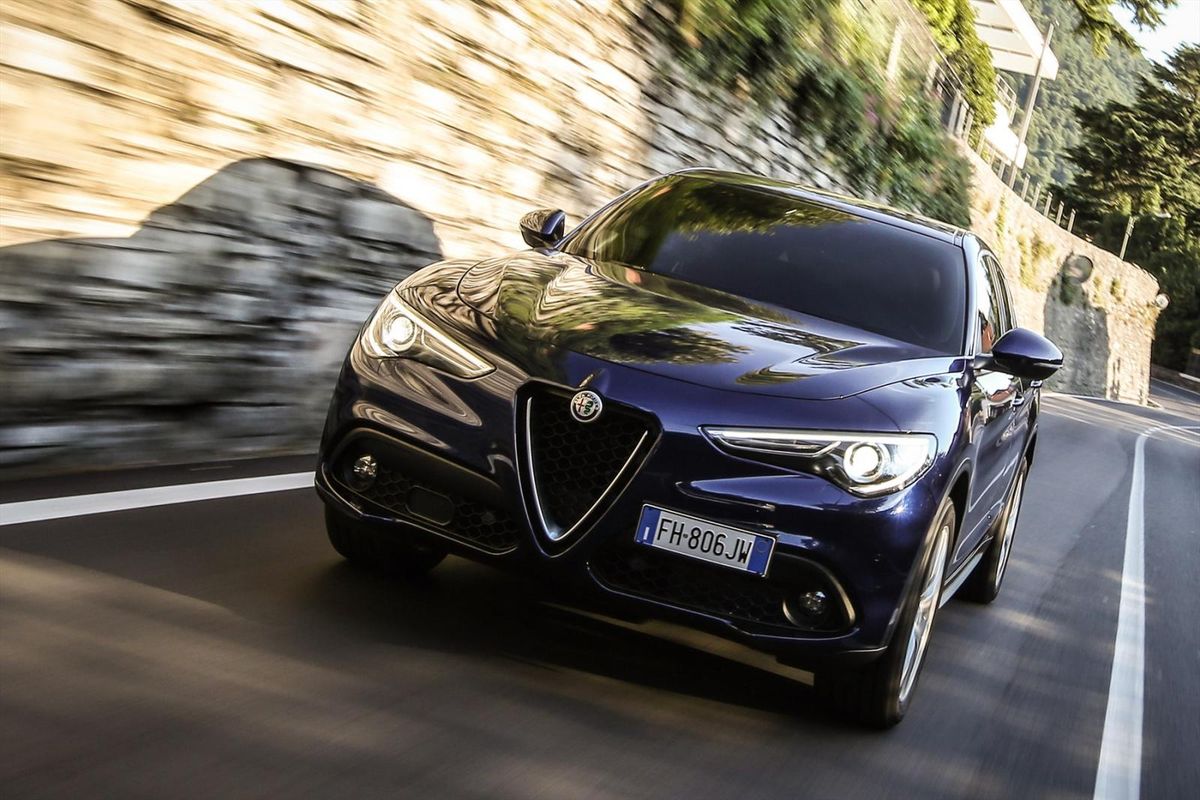
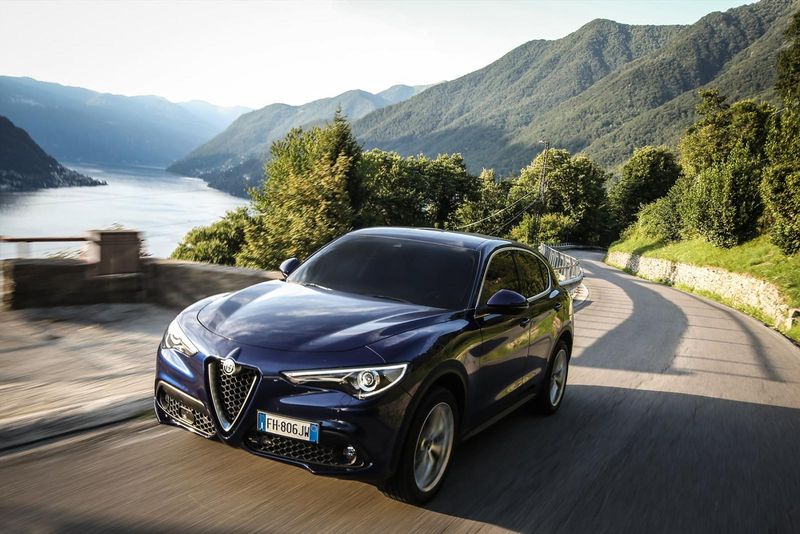
Alfa Romeo’s Stelvio SUV has made landfall in South Africa! Take a look at specification and pricing below.
The Stelvio is Alfa Romeo’s first ever SUV and it is now available in South Africa. The Stelvio is produced at FCA’s plant in Cassino, Italy and from launch, it will be available in Super guise with a Stelvio First Edition also offered to buyers. The Stelvio can be had in 11 body colours with a choice of 3 alloy wheel designs with sizes ranging from 18- to 20-inches in size.
Engine details
Only 1 engine variant will be offered in SA and sadly, the potent Stelvio Quadrifoglio has not been earmarked for SA.
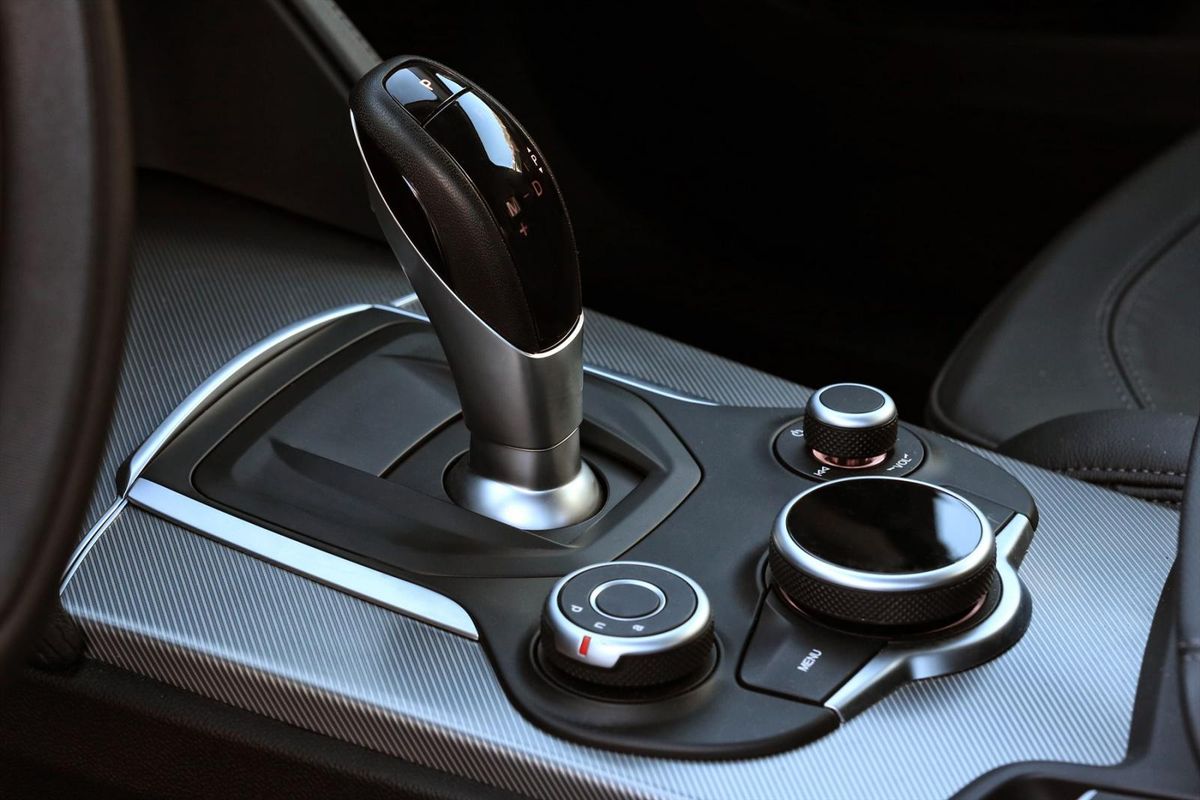
In South Africa, the Stelvio is powered by a turbocharged 2.0-litre petrol engine with outputs of 206 kW and 400 Nm of torque. An 8-speed automatic transmission is fitted as standard and power is directed to all 4 wheels with Alfa’s Q4 all-wheel drive system. The Stelvio is capable of sprinting from zero to 100 kph in 5.7 seconds with a top speed of 230 kph. A total of 3 driving modes are offered including Dynamic, Natural (Normal) and Advanced Efficiency.
The Q4 all-wheel drive system monitors various parameters to optimise torque distribution between the front and rear axles. In normal driving conditions, 100% torque is sent to the rear axle and as the wheels reach their grip limit, the Stelvio will automatically transfer 50% of the torque to the front axle to ensure maximum traction.
Key features
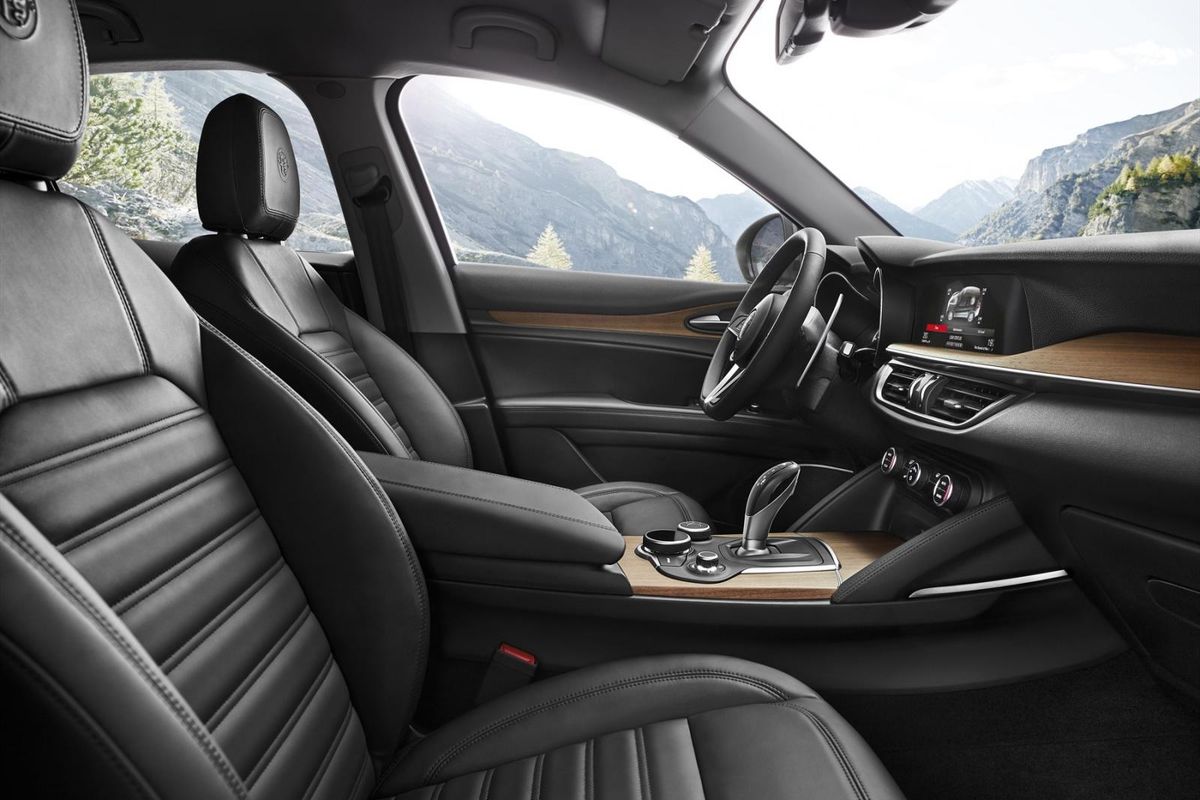
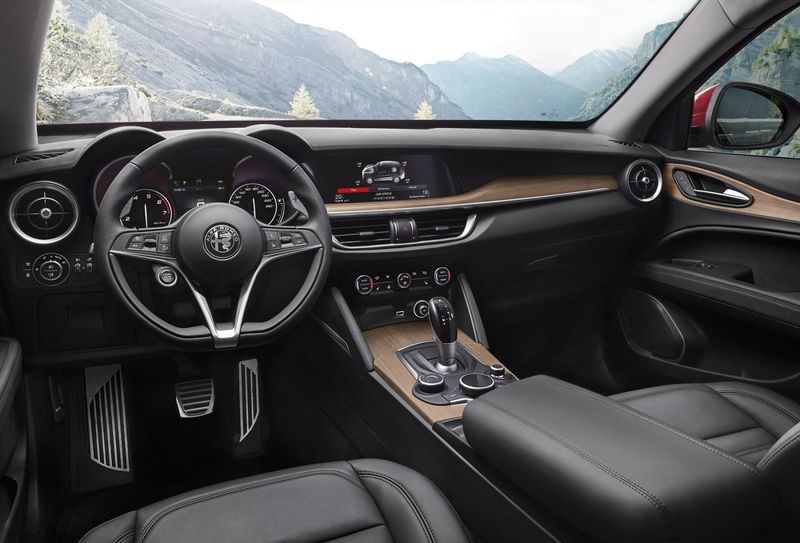
Available in Super and First Edition guises, the Stelvio's interior comes well-equipped as standard with a range of optional features on offer.
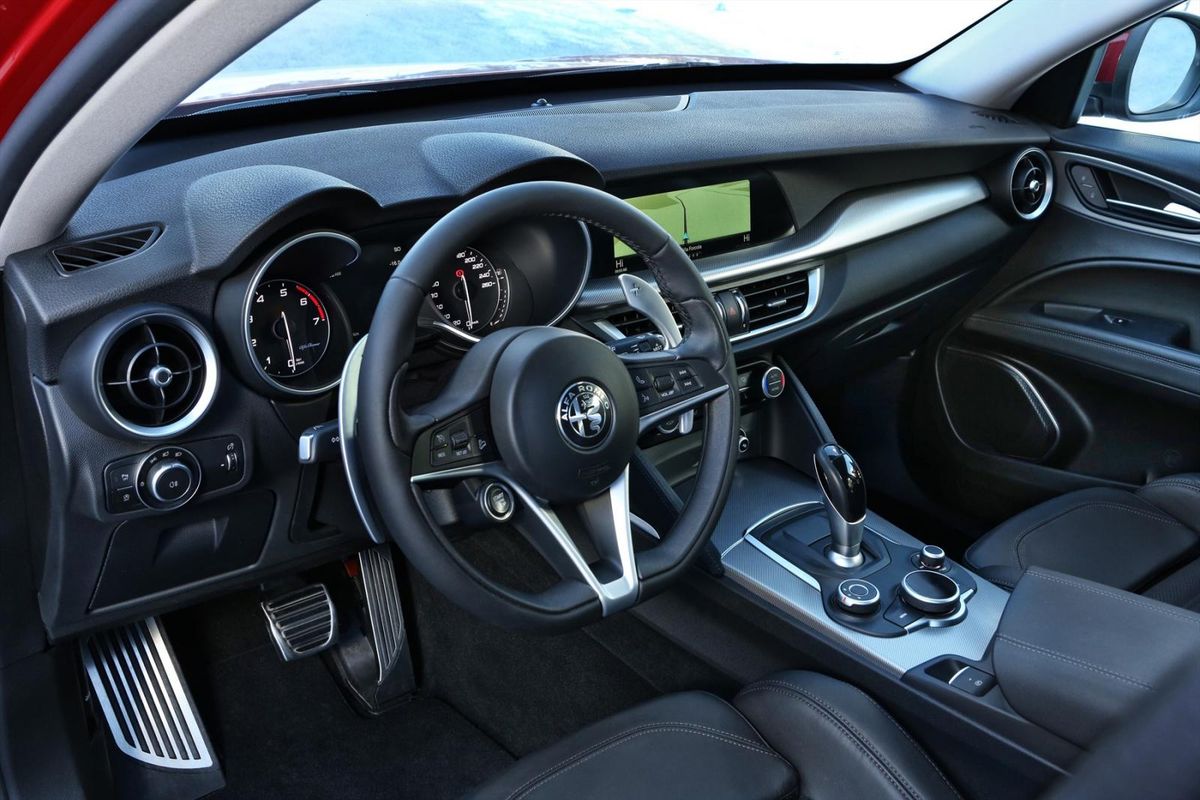
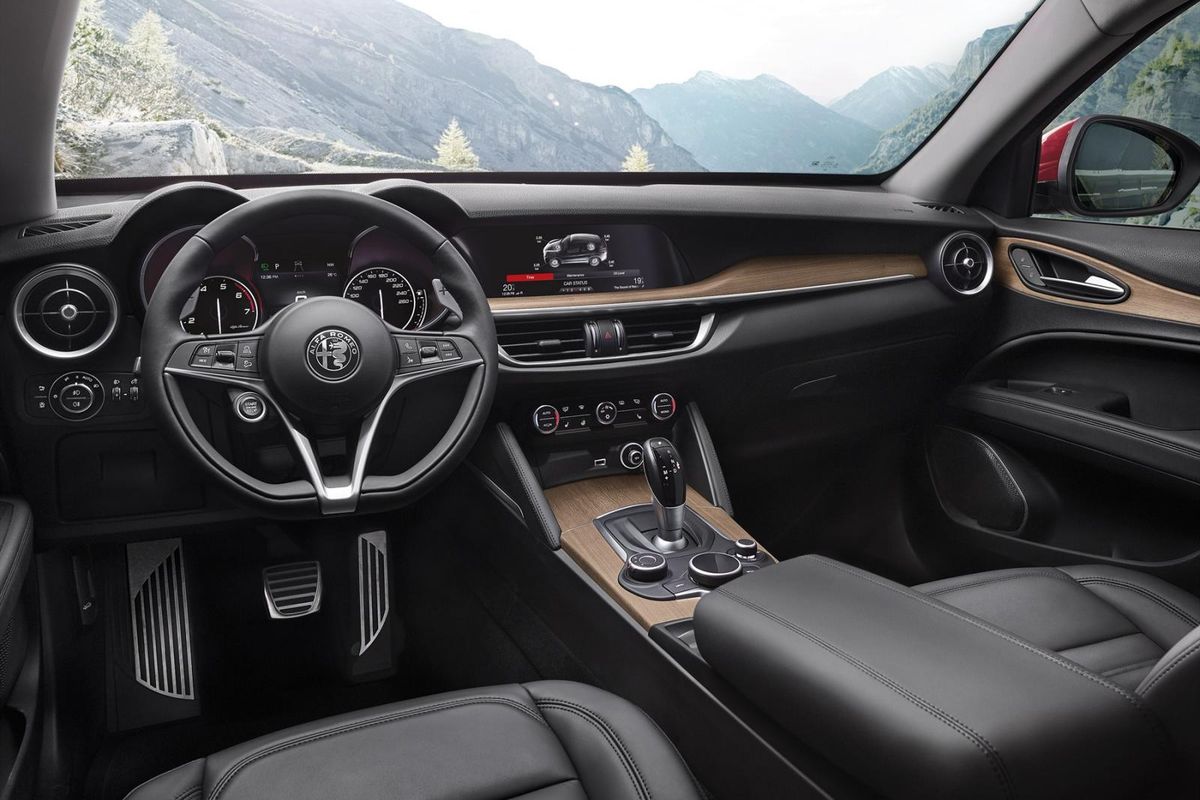
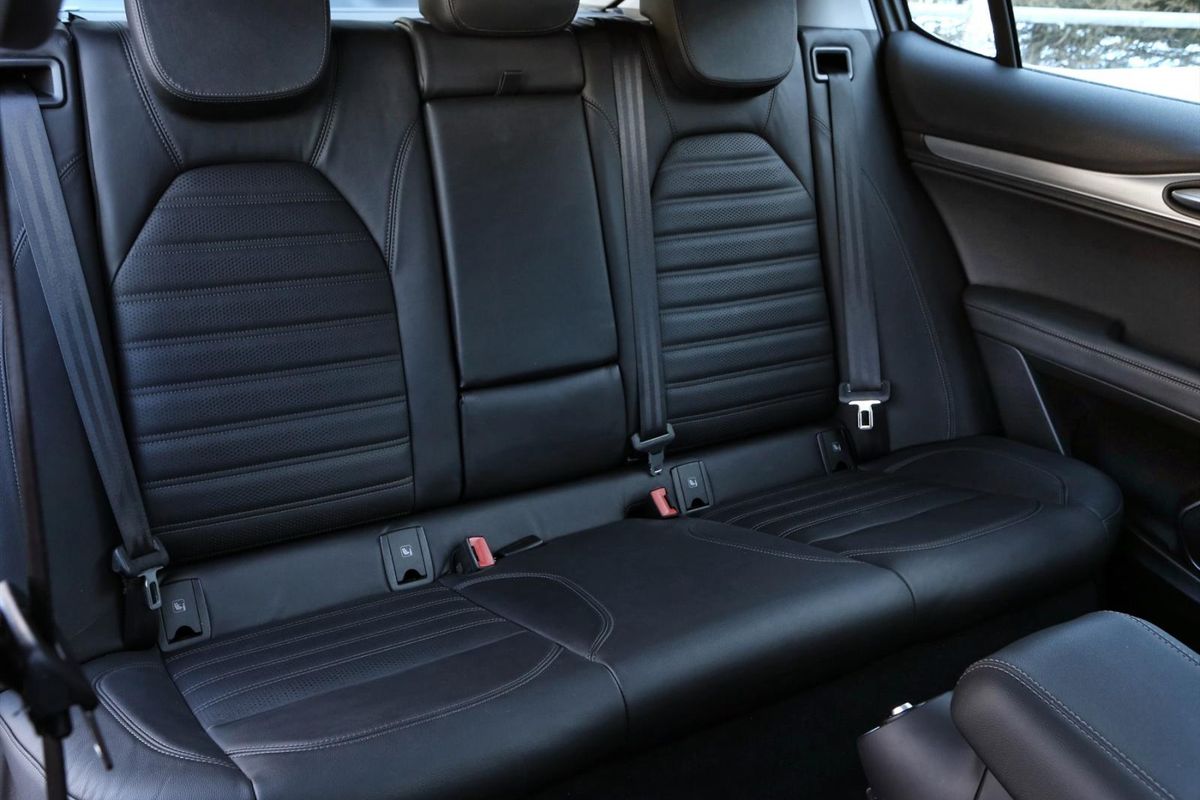
The Stelvio Super is fitted with 18-inch wheels as standard and the interior benefits from leather upholstery in either black, brown or red. Matching colour trim is found on the dashboard, door panels and steel sill insert. A Luxury Pack is also offered as an option which will add electric seat adjustment and seat heating as well as wood inserts, aluminium inserts and steel pedal trims. An 8-speaker sound system is standard.
The Stelvio First Edition is equipped with all the standard features found on the Super, but adds 20-inch alloy wheels, full grain leather upholstery, a 10 speaker sound system, active cruise control, blind spot monitoring and an electric sunroof. A 14-speaker Harmon Kardon sound system is offered as an option.
Other standard interior features include dual-zone climate control and an 8.8-inch Alfa Connect infotainment system with voice recognition, Bluetooth and USB connectivity and navigation.
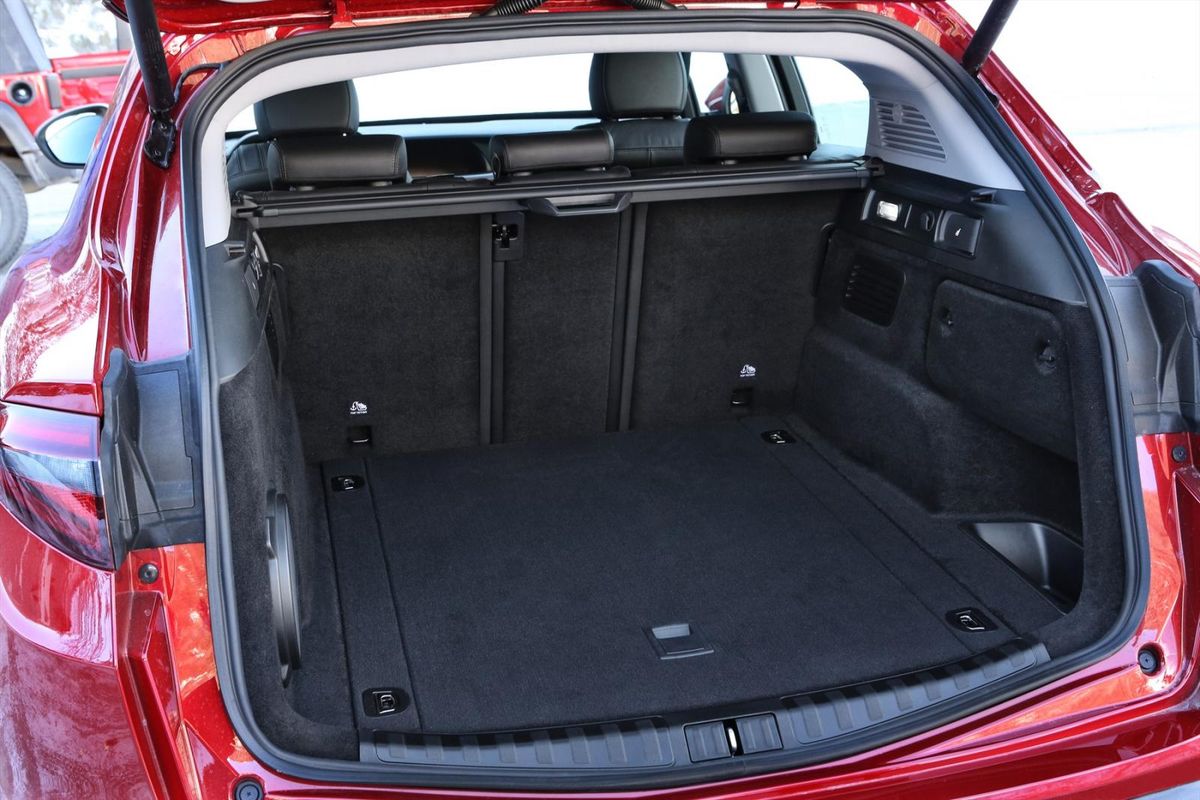
The Stelvio offers a large 525-litre luggage bay with an electronic tailgate with 3 different opening levels.
Key safety features include an Integrated Brake System (IBS), Forward Collision Warning, Autonomous Emergency brake with pedestrian detection, Lane Departure Warning, Blind Spot Monitoring with Rear Cross-path Detection and Active Cruise Control.
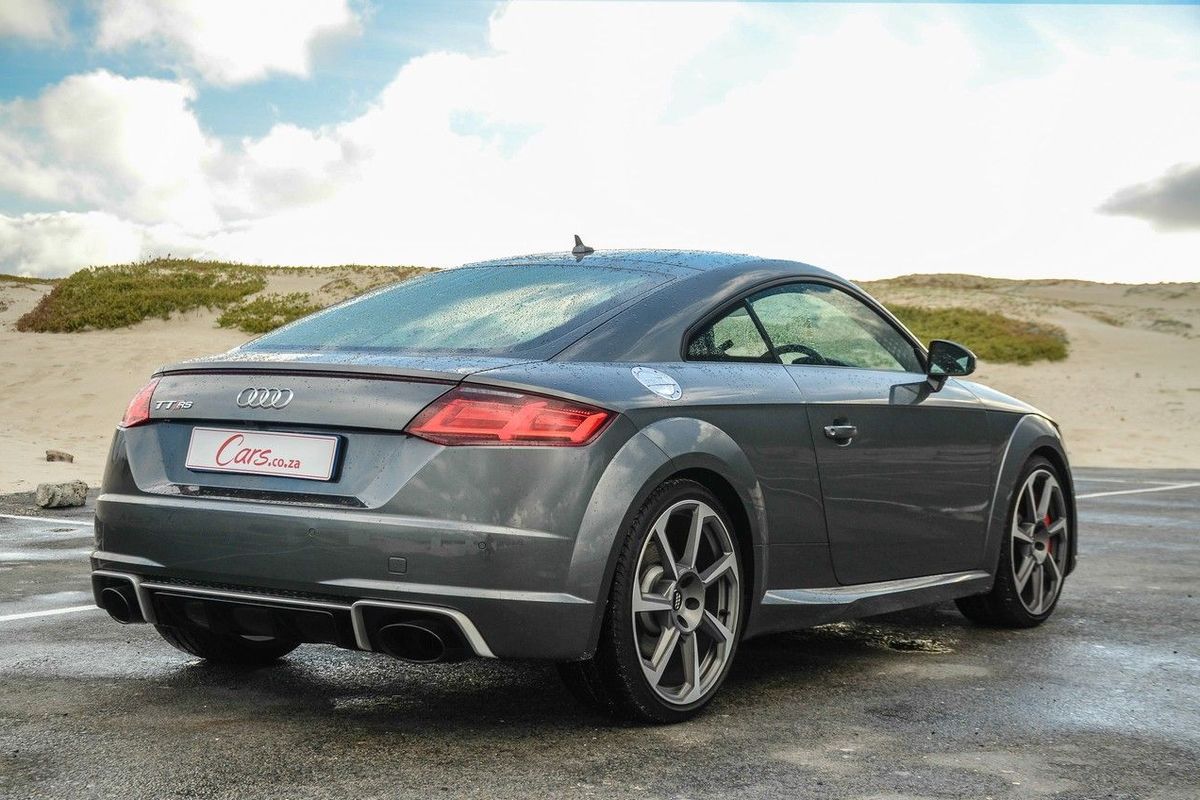
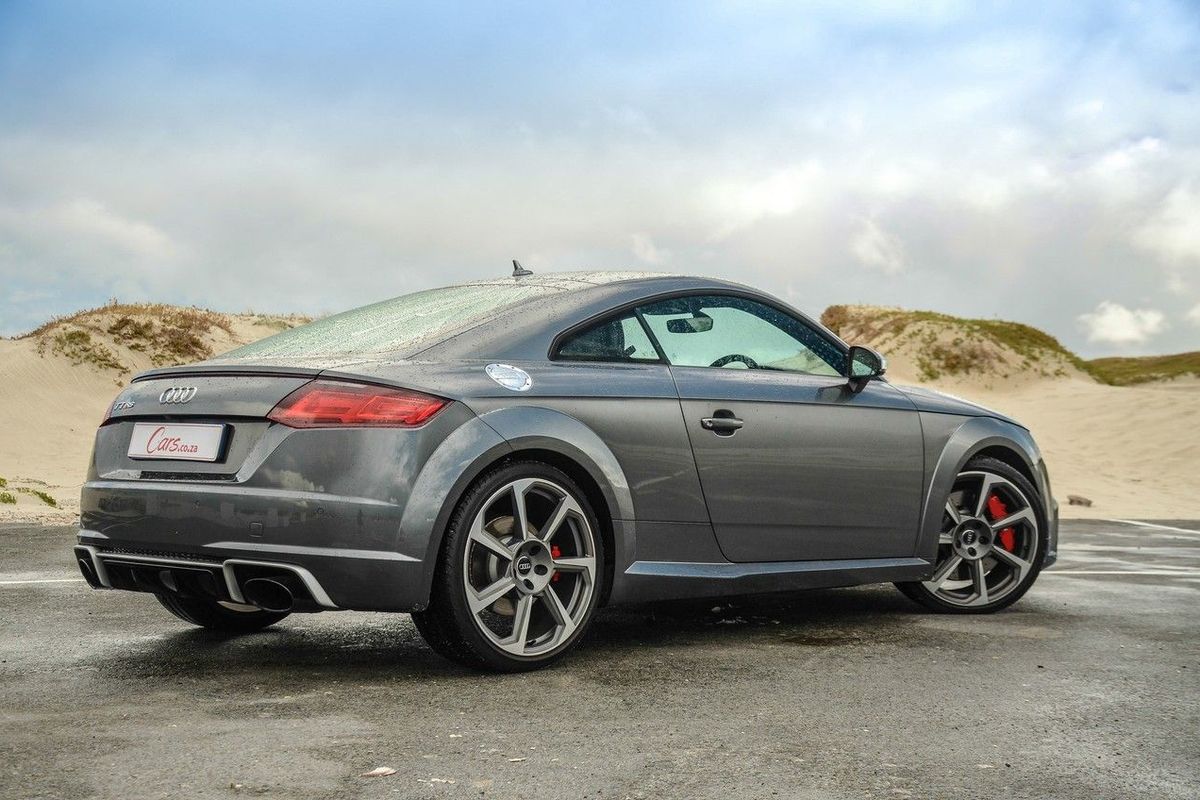
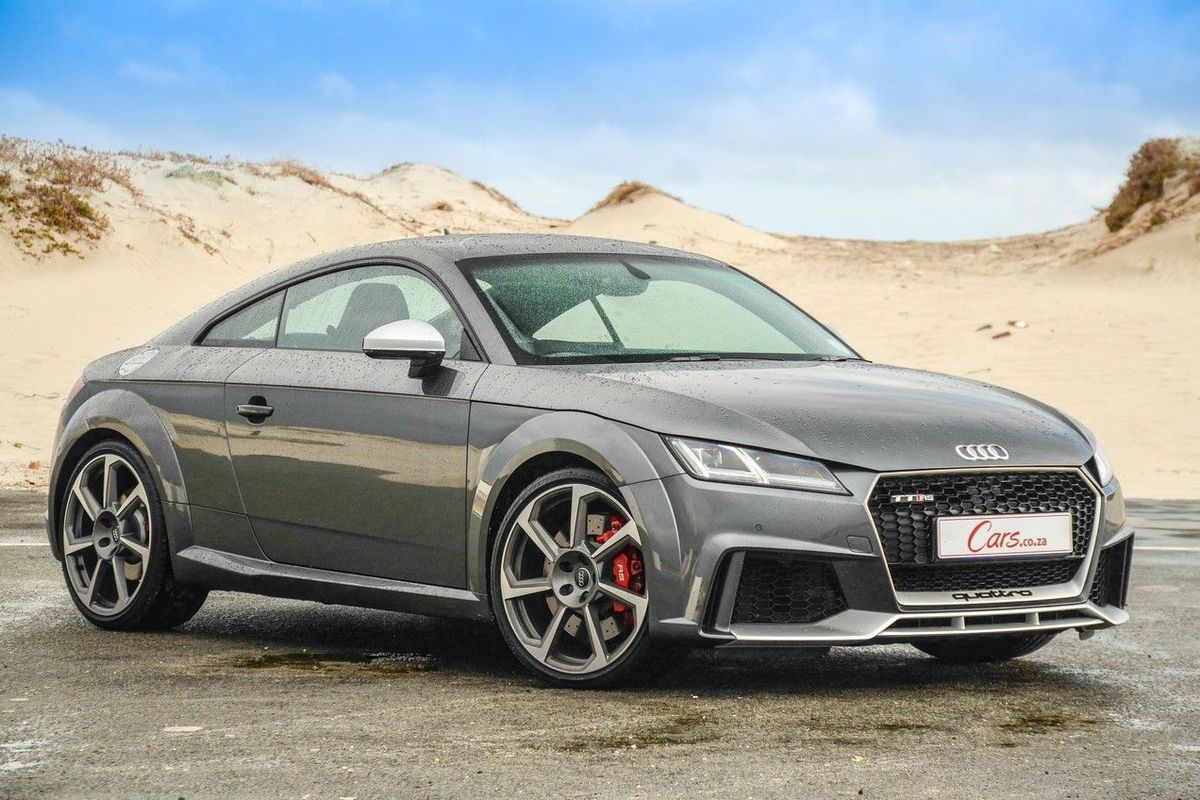
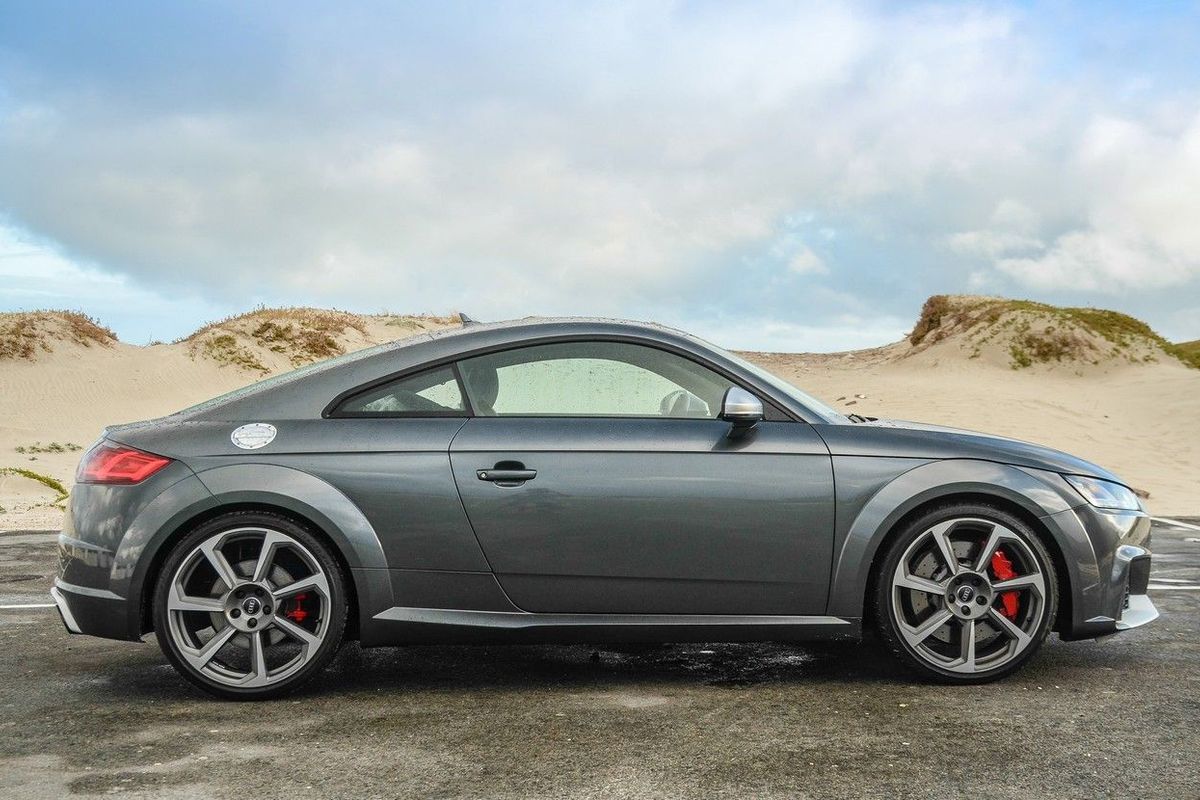
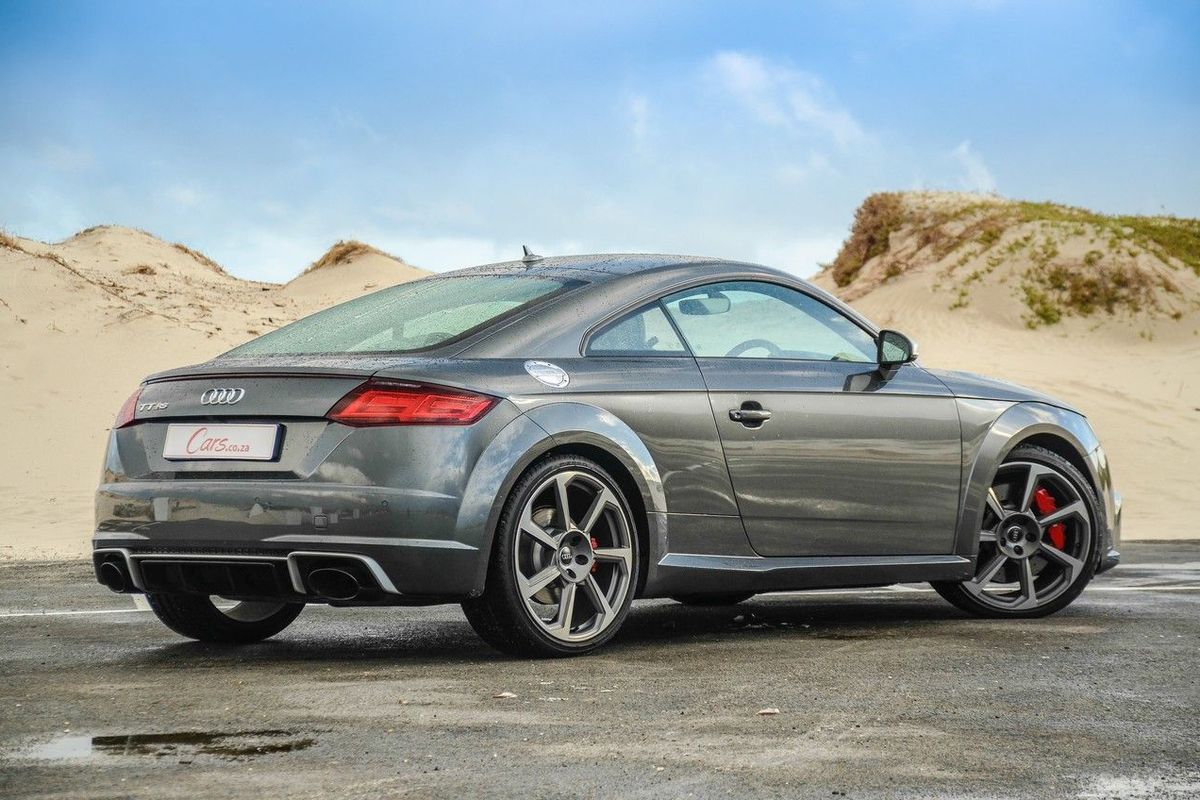
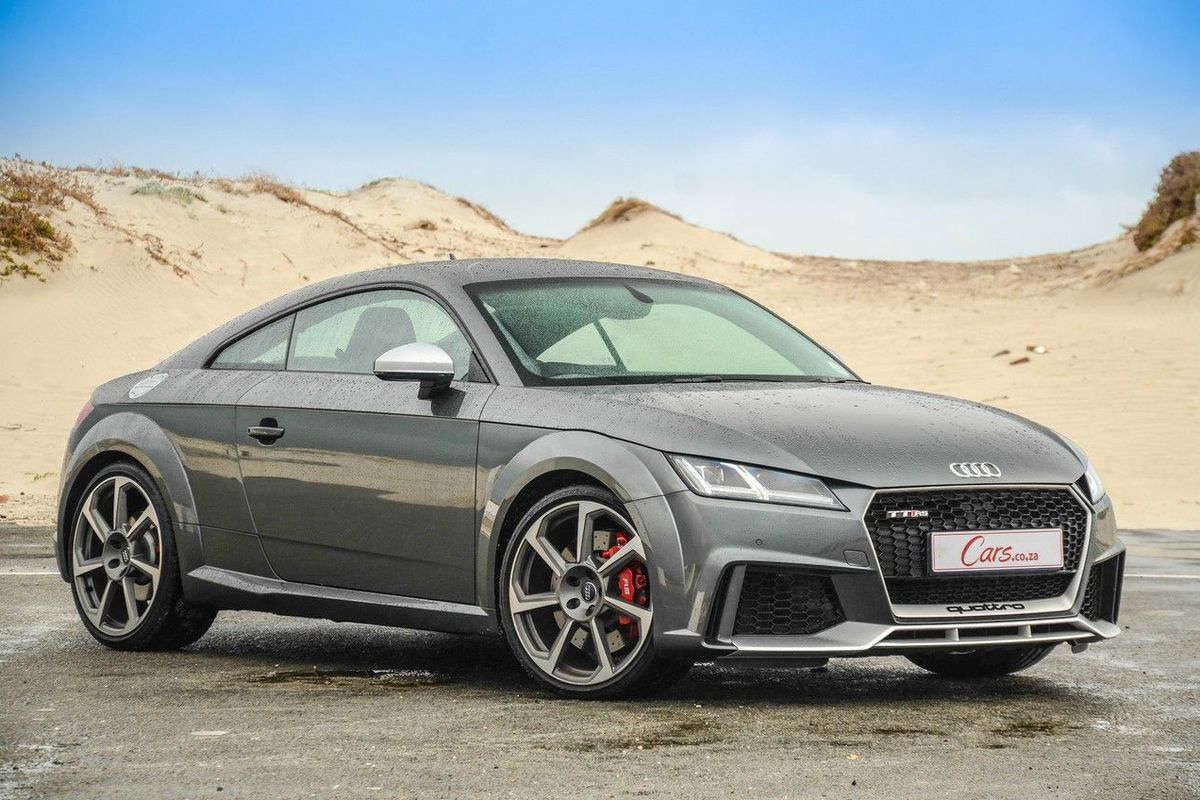
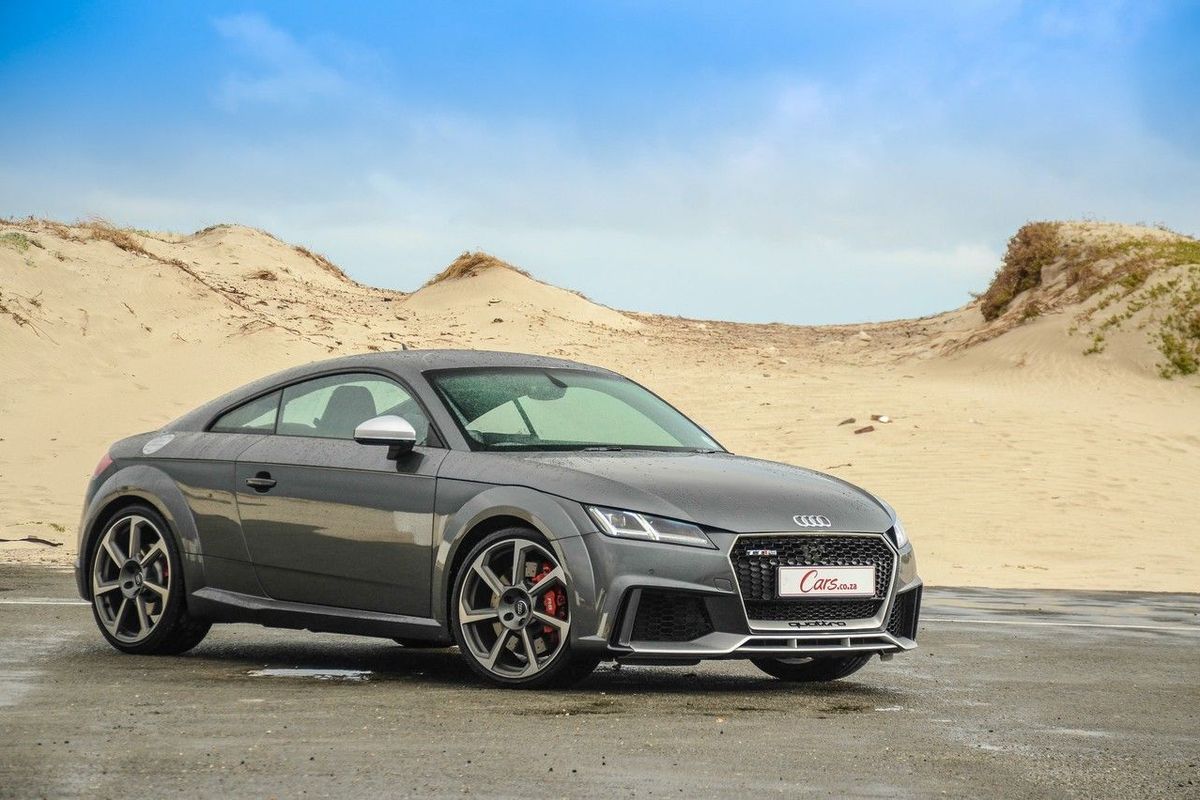
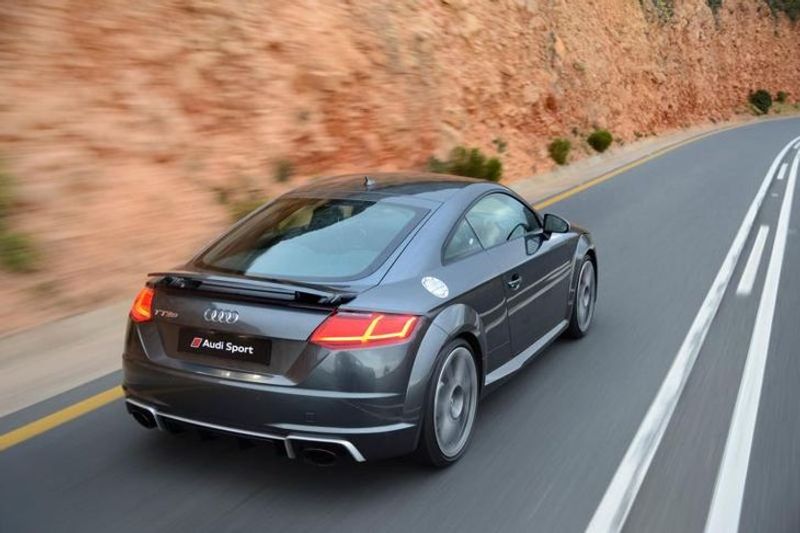
The most hardcore iteration of the Audi TT has arrived in South Africa! It's called the Audi TT RS and straight off the bat, we can tell you that it's one of the most powerful and fastest coupes at this price point. David Taylor attended the launch of the new Audi TT RS in the Western Cape this week to bring you this report…
The Audi TT has often been unfairly labelled as soft in the past, but this latest generation of Ingolstadt's sporty coupe has really underlined its performance credentials as well as the versatility of the MQB platform. There are a handful of models to choose from too. There's a base-spec 1.8-litre Audi TT, a 2.0-litre model offered in both front-wheel drive and quattro and a reasonably powerful TT-S model, which is brisk. However, there was one model from the previous generation which had the capability of harassing far more exotic cars and was like letting a caracal loose in the chicken pen. It's called the Audi TT RS and the new one has just landed in South Africa.
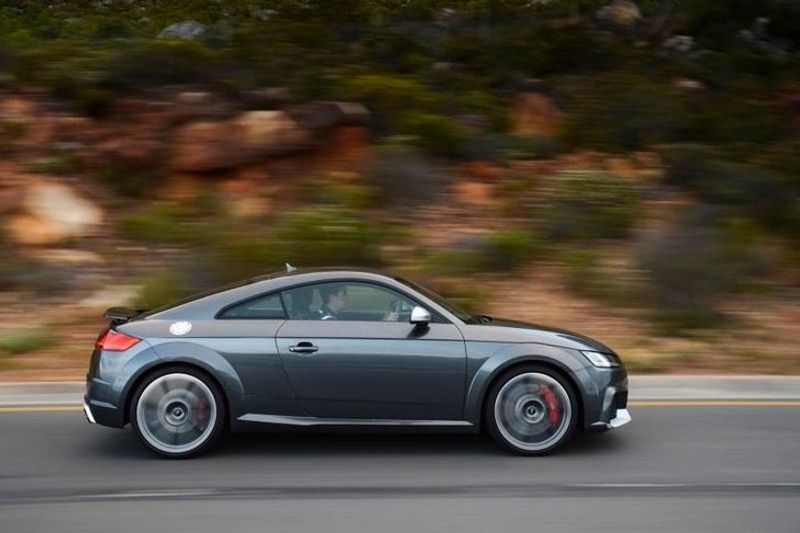
Visually, the new Audi TT RS looks far more radical than its lesser siblings. Sadly, the fixed rear wing is now available as an option. The good news is that it is a no-cost option. Hurrah! Big wheels, big bumpers and gaping grilles signify that this is no longer your run-of-the-mill TT, while at the back two massive exhausts do duty. There are also subtle TT RS badges, which remind people that this is the real deal.
5-cylinder magic is back
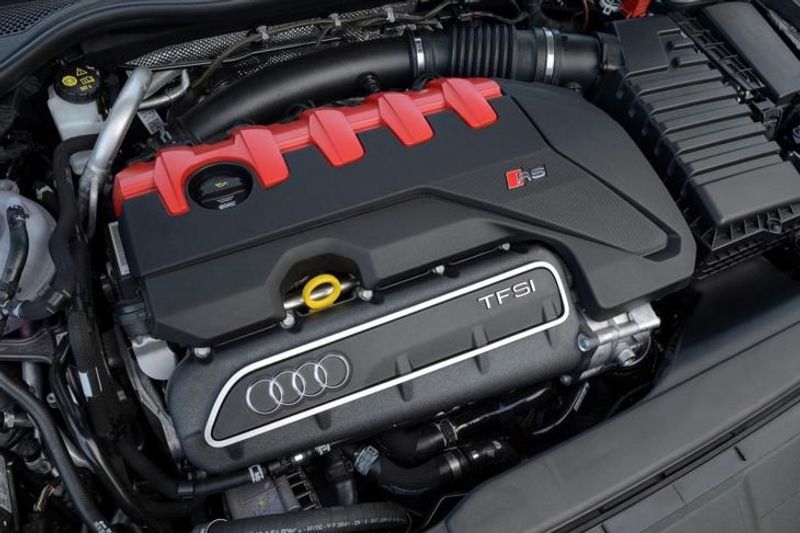
Magical goodness and well deserving repeat winner of International Engine of the Year.
The new Audi TT RS is powered by a revised example of the mighty 5-cylinder engine. Boasting a big turbo and even bigger outputs, the Audi TT RS looks formidable. There is 294 kW and 480 Nm on tap, with grunt going to all four wheels via a 7-speed dual clutch gearbox. Audi Sport claims a zero to 100 kph sprint time of 3.7 seconds, which is ballistic in anyone's books. It'll run to a top speed of 250 kph, but you can extend the top speed limiter as an option. One of the best things about this engine is its distinct soundtrack and you'll just love revving it for the acoustic satisfaction.
Audi knows how good this engine sounds and has fitted an RS exhaust button which makes it sound even louder. Delightful! Mechanically, this engine is 26 kg lighter than the previous TT RS, while the gearbox is lighter too. The car also sits lower to the ground compared to the lesser TT models.
Faster than some exotics and with one of the best engine notes in the business. What's not to like?
Does it perform?
You bet it does. The Audi TT RS is ballistic, both in terms of off-the-line ability and in-gear performance. With launch control dialled up, it's a potent weapon and we foresee many exotic sportscars being demolished by the Audi TT RS. It's just so effortless and it'll happily do it repeatedly, without any fuss or hesitation. The first time launch control is activated, you'll feel your face contort thanks to the G-forces.
With the safety net and grip afforded by the all-wheel-drive quattro setup, you'll feel confident when you're pressing on. The brakes are phenomenal and do a fine job of bringing the Audi TT RS to a halt. If you're an enthusiast, it may be worth looking into the carbon-fibre ceramic discs which are offered as an option. The suspension features adaptive dampers, which greatly improve comfort when you're not in the mood to press on. However, even in dynamic mode with the dampers set to their hardest, the ride is not completely unbearable, which is a pleasant surprise. Some cars lose all comfort when they're in their most aggressive modes and the ride quality can be atrocious. A45 AMG is culprit number one when it comes to this.
We had the opportunity to test the Audi TT RS up the old Du Toitskloof pass, which has some wonderful sections and turns. It also has some rough tarmac in places, which has proven a literal pain in the backside in some sporty cars, such as the Renault Clio RS Trophy. The Audi TT RS was firm, make no mistake, but at no point did it become unbearable. The steering is to be commended. It's light and ultra-direct, and when you're really going for it, the Audi TT RS goes exactly where you point it. As far as performance offerings go, you'll be hard-pressed to match the Audi TT RS in terms of usability and outright performance.
The fixed wing is available as a no-cost option. Note the big oval RS exhausts!
The cabin
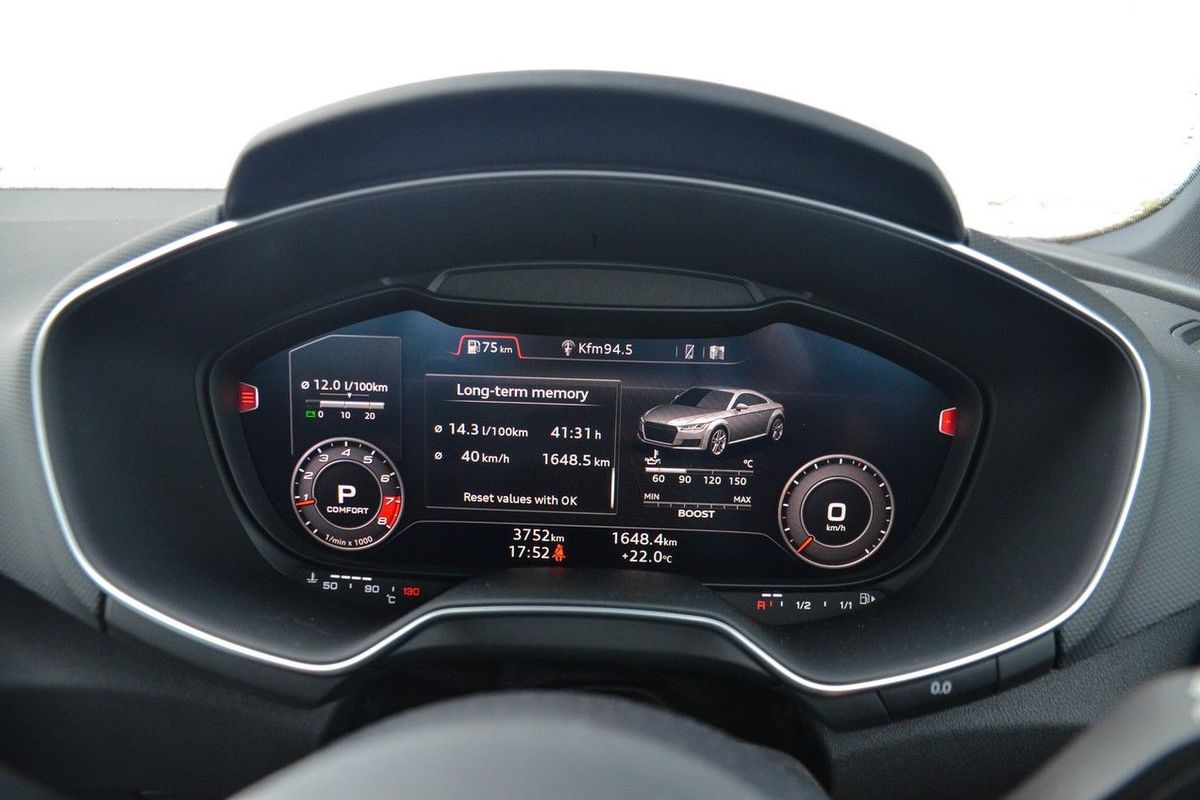
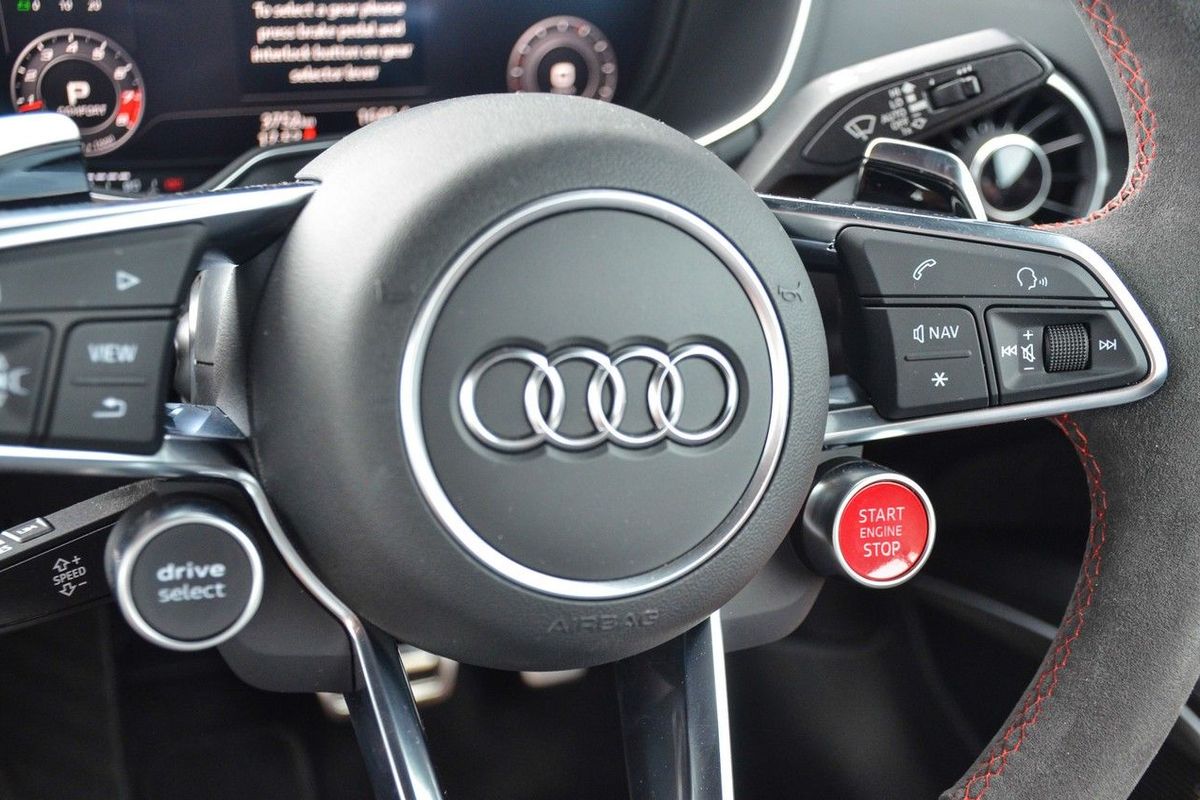
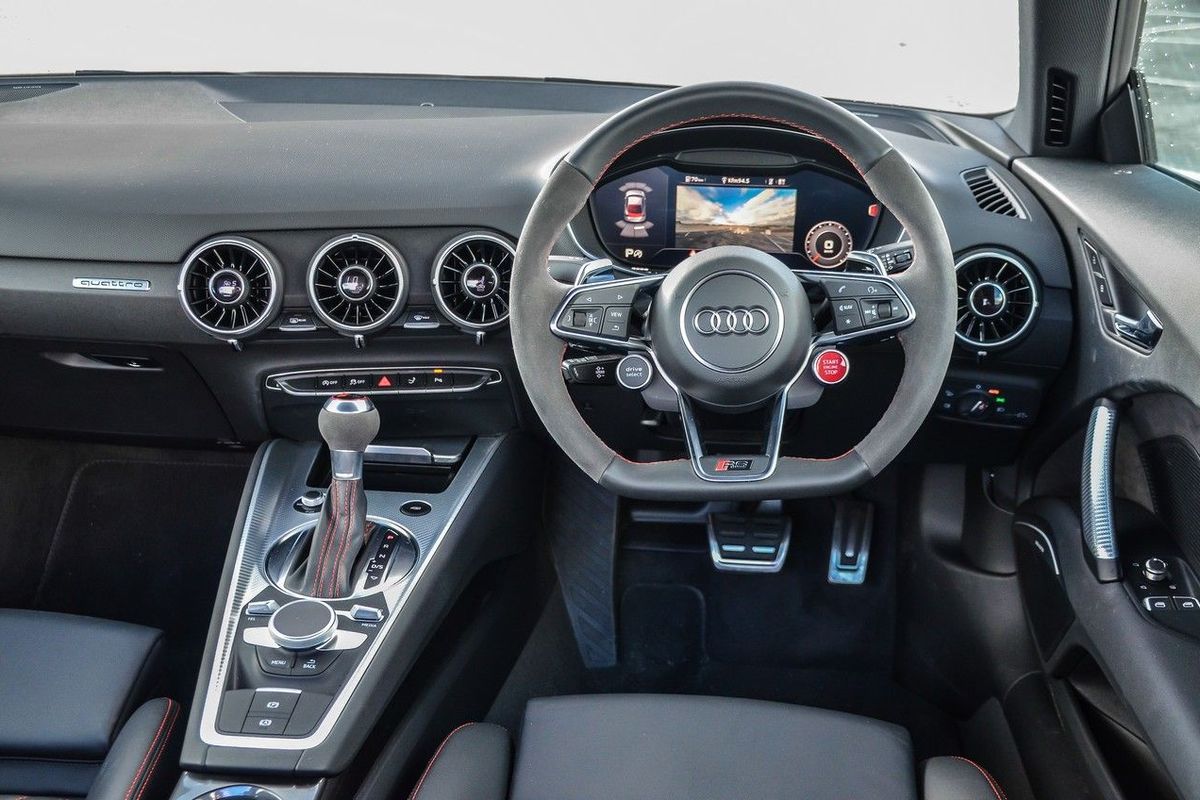
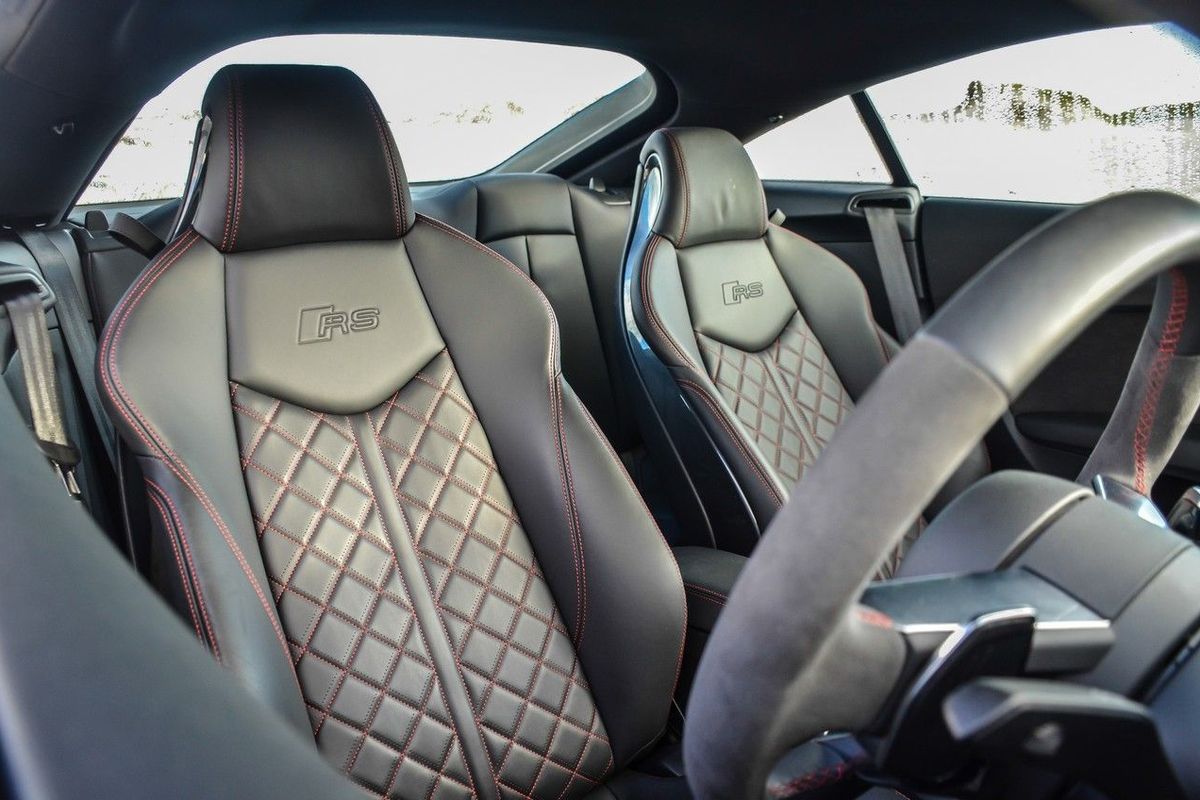
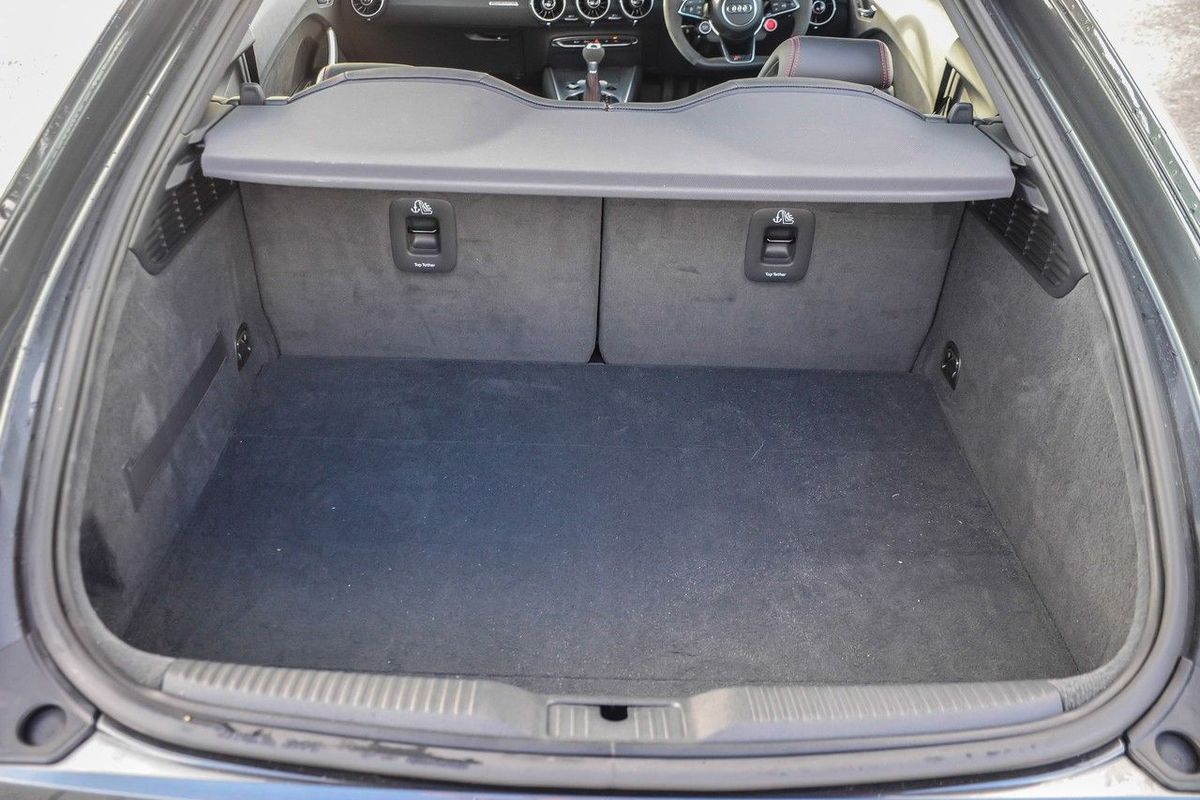
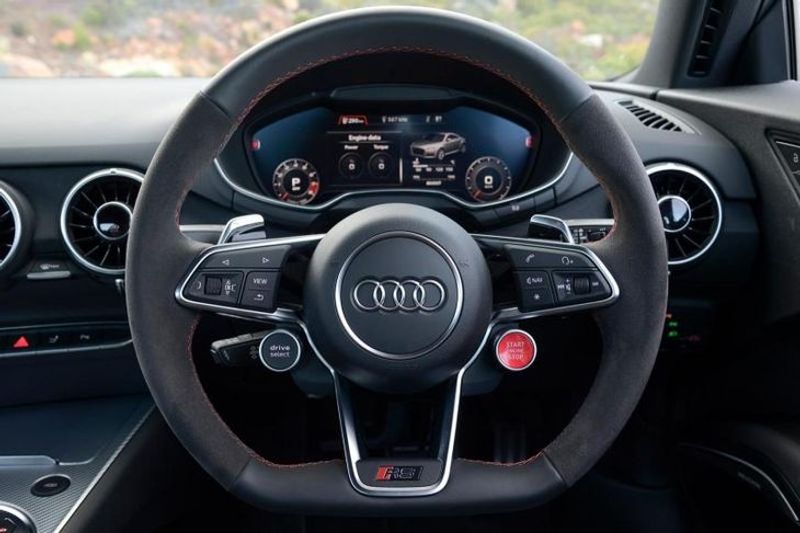
Audi has gone all out when it comes to the TT RS cabin. The steering wheel is a work of art and is not too dissimilar to that of the Audi R8 and features a start/stop button. The interior focus is aimed purely at the driver and Audi has cleverly positioned key functionality onto the steering wheel, allowing the driver to keep his/her hands on the wheel at all time. The pretty, yet intuitive Audi Virtual Cockpit digital dashboard is standard on the TT RS and it offers everything such as satellite navigation, a central rev counter which doubles as a speedometer and shift light. You'd expect a centrally-mounted infotainment screen, but the cabin is wonderfully minimalistic and the only thing you'll find is the ventilation controls, cleverly integrated into the turbine-style vents. The seats are exceptionally sporty and supportive – something you'd expect when driving a near-supercar.
The steering wheel is fantastic and features both start/stop and Drive Select buttons.
Standard equipment
The flagship offering has to be fully loaded and the reality is that the Audi TT RS does come with plenty of bells and whistles as standard.
19 inch Audi Sport alloy wheels
4 way lumbar support
Audi drive select®
Audi virtual cockpit
Audi sound system
Bluetooth interface
Cruise control
Comfort key
Deluxe automatic air conditioning
Driver and front passenger airbag with front passenger airbag deactivation
Electric seat adjustment with pneumatic adjustment
Front S sports seats in fine Nappa leather trim with diamond stitching and RS embossing
Indirect tyre pressure monitoring system
ISOFIX child seat mounting for passenger and rear seat
Leather-covered multifunction sports steering wheel, 3-spoke, flat-bottomed, with shift paddles
LED headlights with range control including dynamic turn signals at rear
LED rear lights with dynamic indicator
Light / rain sensor
Lighting package
MMI Navigation plus
Parking system plus with selective display
RS sports exhaust system
RS suspension
Side airbags at front and head airbag system
Start/stop system
Verdict
Audi Sport and its new TT RS will intentionally be standing on its rivals toes. At this price point (see cost below), there are very few rivals that deliver this astonishing performance. It's a brutal machine and in the right hands, it's exceptionally quick. Thanks to the quattro all-wheel drive, it's not going to come unstuck either. The cabin is lavishly appointed and purposeful, and you get a fair whack of standard fare. You can, of course, go to town with options and Audi SA is promising to bring in Audi Sport body kits, which turn your TT RS into a vehicle looking like it competes in DTM. The test days beckon and we think there'll be a battle for the keys as it's a ballistic, road-legal weapon, and we love it.
Audi TT RS Price in South Africa
The Audi TT RS Coupé is priced at R963 000, standard with the 5 year/100 000km Audi Freeway Plan.
The highly-anticipated production Lamborghini Urus SUV is gearing up for its big reveal on 4 December 2017! Leading up to the big event, Lamborghini has dropped a teaser of the Urus testing in the snow (see video above).
Lamborghini is preparing to enter the booming SUV market with its super SUV, the Urus. The Urus will be built in Sant'Agata Bolognese, Italy, and the new model is expected to be the fastest SUV on the planet when it finally arrives. The Urus will be revealed in production form on 4 December 2017.
The Urus will be powered by a 4.0-litre twin turbo V8 engine offering 484 kW, while a hybrid version is expected at a later stage, which will be a first for the Italian supercar maker. As shown in the video above, the Urus will have numerous drive modes including Strada, Sport, and Corsa, as well as terrain-specific modes such as Sabbia (sand), Terra (dirt), and Neve (snow).
The Urus will be built on Volkswagen Group’s MLB Evo platform that also underpins luxury SUVs like the Audi Q7, Porsche Cayenne, and Bentley Bentayga. Lamborghini aims to produce 3 500 units a year at its plant in Sant'Agata Bolognese.
We will keep you updated as more information becomes available, so stay tuned!
3 Reasons Why Mercedes-Benz GLC is #CarsAwards Finalist
What makes the Mercedes-Benz GLC250d 4Matic AMG Line automatic a strong contender in the Executive SUV category of the 2017/18 Cars.co.za Consumer Awards – powered by WesBank? We investigate…
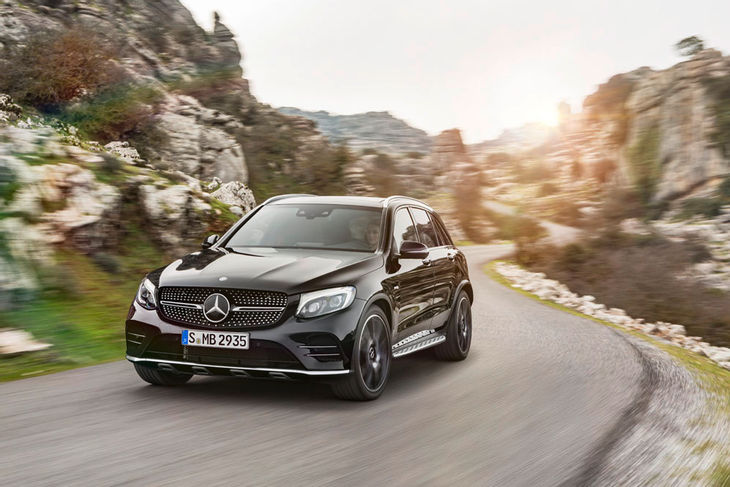
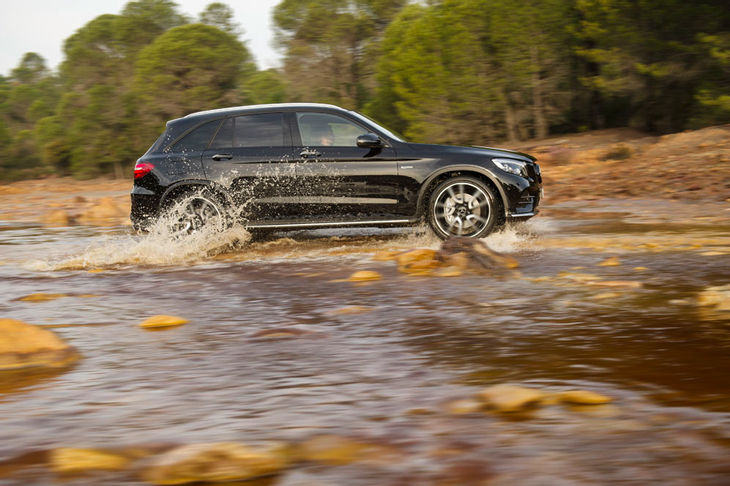
The Mercedes-Benz GLC is a mid-size SUV first introduced in South Africa in 2016 and this derivative is equipped with 4Matic all-wheel drive, a powerful turbodiesel engine and additional presence thanks to its AMG Line package. Combining luxury, practicality and style, the GLC makes a striking statement in this category.
3 Reasons Why Mercedes-Benz GLC is #CarsAwards Finalist
1. Capable and efficient
The GLC is powered by a 2.1-litre turbodiesel engine with 150 kW and 500 Nm of torque. The GLC’s torque is particularly useful and makes light work of overtaking manoeuvres on the highway. The 9-speed automatic gearbox takes care of the shifting and its close ratios keep the GLC’s turbodiesel at peak torque as you accelerate. It also keeps the revs low at freeway speeds, thereby returning good fuel economy with a claimed figure of 5.5 L/100km.
2. Luxurious and comfortable
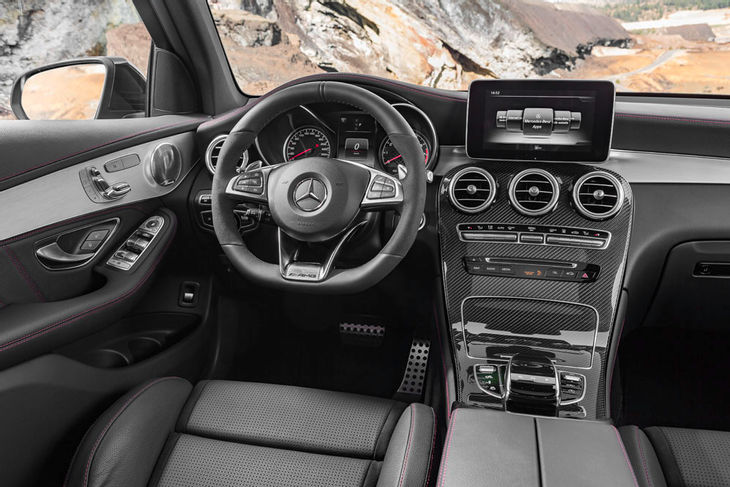
The stylish and tech-heavy trend from Mercedes continues in this GLC. Much of the C-Class’ design and layout dominates the cabin which is bathed in classy, lavish-looking materials. Comfort up front is plush and the raised seating position provides excellent visibility; in time-honoured Benz tradition, the cabin makes its occupants feel cosseted and cocooned.
3. Practical SUV
The rear seats fold down providing a satisfactory 1 600 litres of loading space. The boot alone can hold 550 litres. The rear seats can be folded down via an electric switch in the rear as can the towbar, which is stored neatly away under the rear bumper. Whether you are hauling goods or passengers, the GLC is up to the task.
Have Your Say: Complete our survey and WIN!
Do you own a GLC? We would love to hear from you! Tell us about your experience by completing our Ownership Satisfaction Survey. Your input counts for 50% of the final result!
What makes the Subaru XV 2.0i-S ES a strong contender in the Premium Hatchback category of the 2017/18 Cars.co.za Consumer Awards – powered by WesBank? We investigate…
The Subaru XV is a new entrant into the Premium Hatch category. Its raised ride height and all-wheel-drive dynamics at first appear out of sorts as a premium purchase but as buyers lean ever more towards crossovers and SUVs, the combination of hatchback and SUV ticks all the boxes of the modern day buyer. Subaru has introduced a raft of new technologies into its cars and its famed quality and fortitude remains resolute within the new XV.
3 Reasons Why Subaru XV 2.0i-S ES is a #CarsAwards Premium Hatchback Finalist
1. The comfortable entertainer
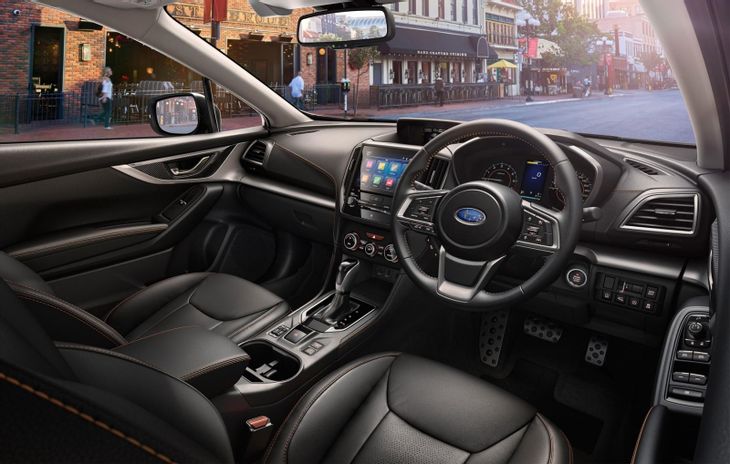
Subaru has majorly overhauled its new XV and the in-car specification is outstanding. With an updated infotainment screen that’s fully compatible with Apple CarPlay and Android Auto, Subaru has caught up with the major players. USB and Aux ports are standard and navigation is built into the 8-inch touchscreen system. Dual zone climate control and leather trim all-round are also standard fare in the XV.
2. Spacious crossover appeal
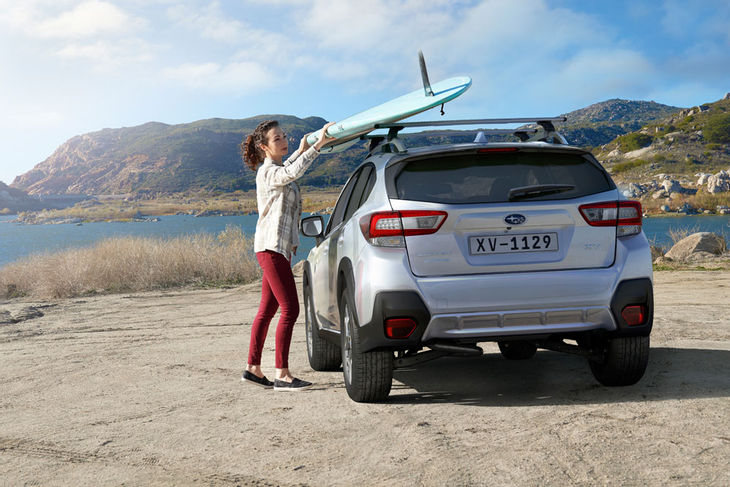
The XV is part hatchback part crossover, so the added benefit of a bit of dirt road ability is nice to have. There’s also an X-Mode if you want to descend a difficult hill. The boot is a little on the small side at 310-litres, but the rear seats fold flat offering a flat loading bay with 1 220-litres of space. The long wheelbase of 2 665 mm allows for excellent passenger room and rear legroom is good for a hatchback.
3. The safe bet
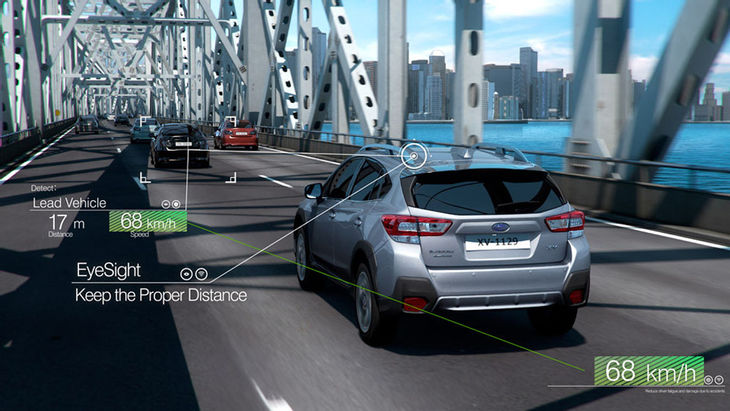
The trump card of the XV lies in the safety systems that come standard in this ES model. Subaru Eyesight includes features such as adaptive cruise control, pre-collision braking, lane departure warning, rear cross traffic alert, high beam assist, blind spot detection and whiplash-reducing seats. In addition to these features, the XV is equipped with 7 airbags, ABS with EBD, brake assist and electronic stability control.
Have Your Say: Complete our survey and WIN!
Do you own a Subaru XV? We would love to hear from you! Tell us about your experience by completing our Ownership Satisfaction Survey. Your input counts for 50% of the final result!
Mercedes-AMG E63 S Wagon Breaks Nurburgring Record
While we may be used to some seriously insane times posted around the Nurburgring by some special machinery, we were mightily impressed by the time posted recently by a Mercedes-AMG E63 S estate, which landed up setting the record for the fastest estate around the Green Hell.
We've yet to sample the new Mercedes-AMG E63 S on local soil, but the numbers do look promising. With 450 kW and 850 Nm coming from a 4.0-litre twin-turbocharged V8 engine, you can expect the E63 S to blitz to 100 kph in a claimed 3.5 seconds. Power goes to all four wheels via a 9-speed transmission. The car has somewhat of a giant-slayer reputation and it really should come as no surprise that the wagon version is just as brutal.
So brutal in fact, that it set the fastest lap time of an estate vehicle on the famous Nurburgring. The killer time? 7:45.19, which is quick, considering the E63 S is a two-ton family wagon. Watch the record-breaking run below:
Audi's flagship sports coupe has arrived on South African shores, but it too is a victim of downsizing as the sonorous V8 has been replaced by a twin-turbocharged V6. Does a force-fed lump make up for a raw, naturally-aspirated V8? David Taylor joined Audi Sport in the Western Cape to find out.
Back in the day Audi really nailed its RS products. What was not to like? A rip-roaring V8 motor, which was an absolute peach, mated to a user-friendly quattro setup. There was something for everyone too, an RS4 wagon, an RS5 coupe, an RS5 convertible. Let's not forget that pearl of a B7 RS4 either, which was so good that even today it commands a premium and is highly sought after as a collector's piece. Rolling into 2017, we find ourselves at the mercy of downsizing, where car companies are forced to deliver performance with smaller and cleaner engines. It's a monumental task, yet the manufacturers have embraced it.
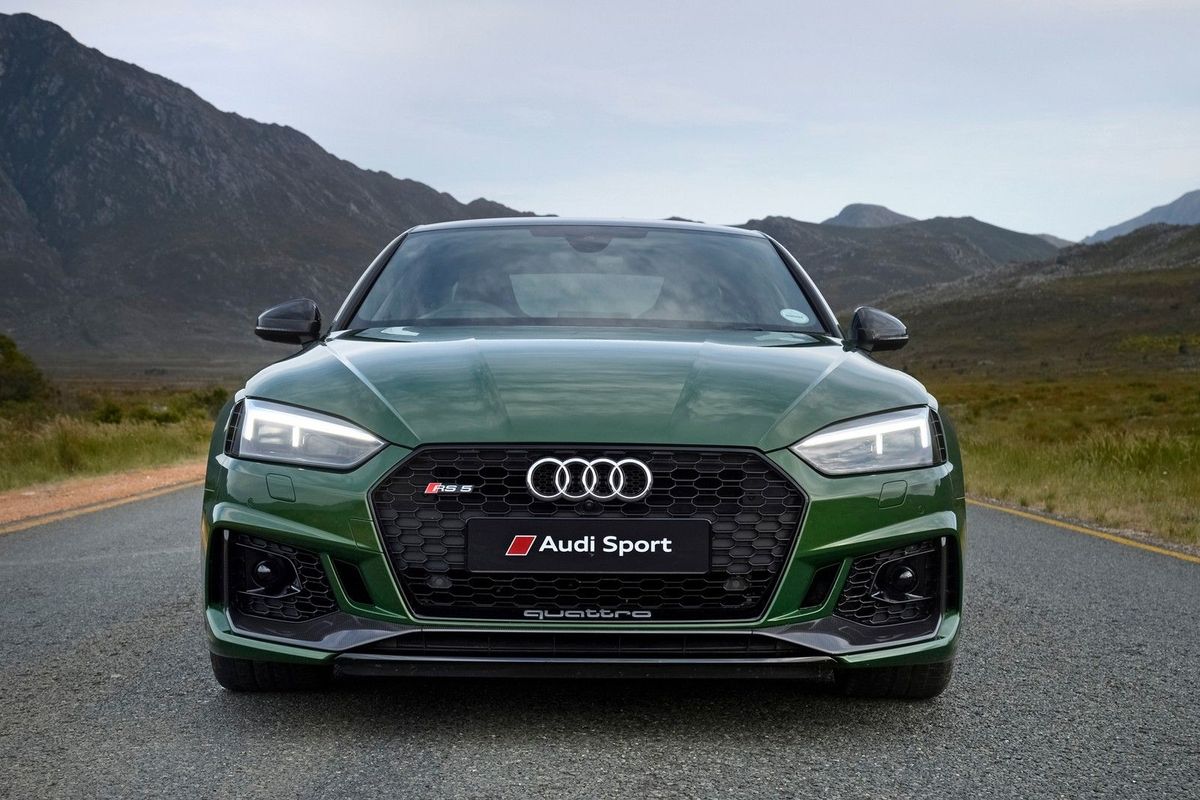
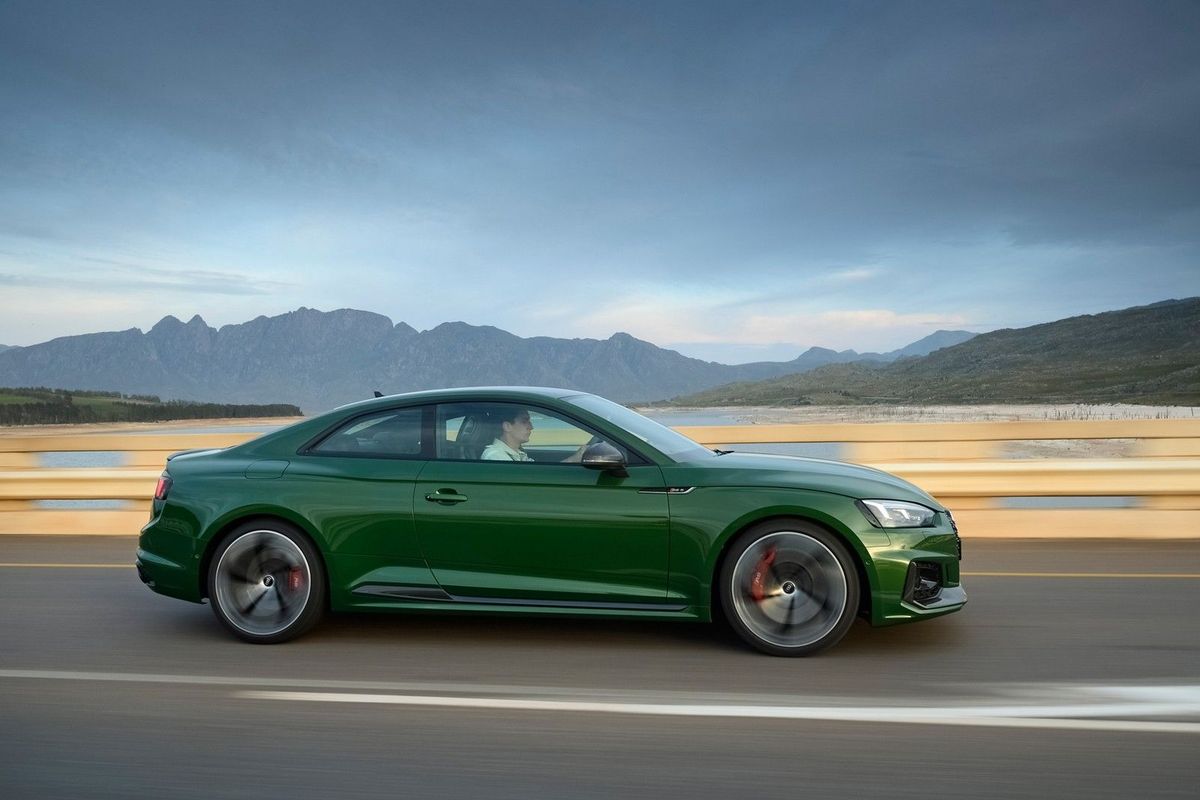
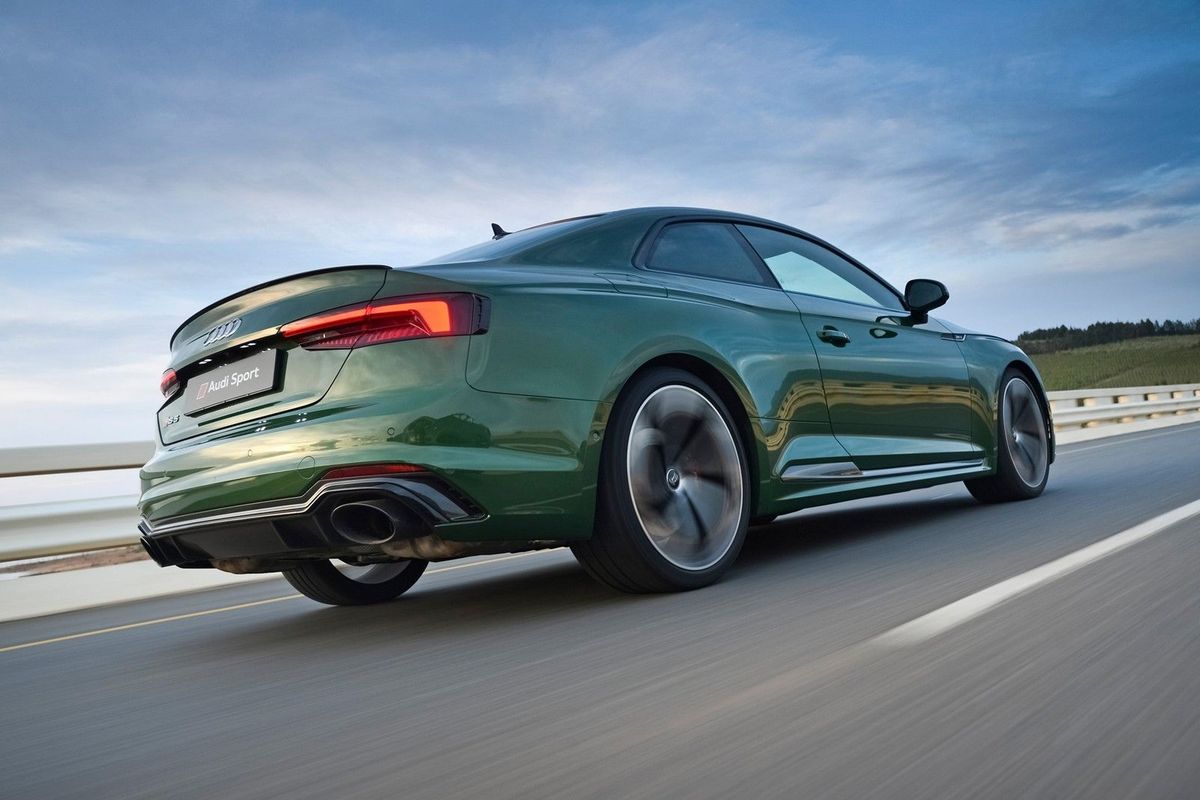
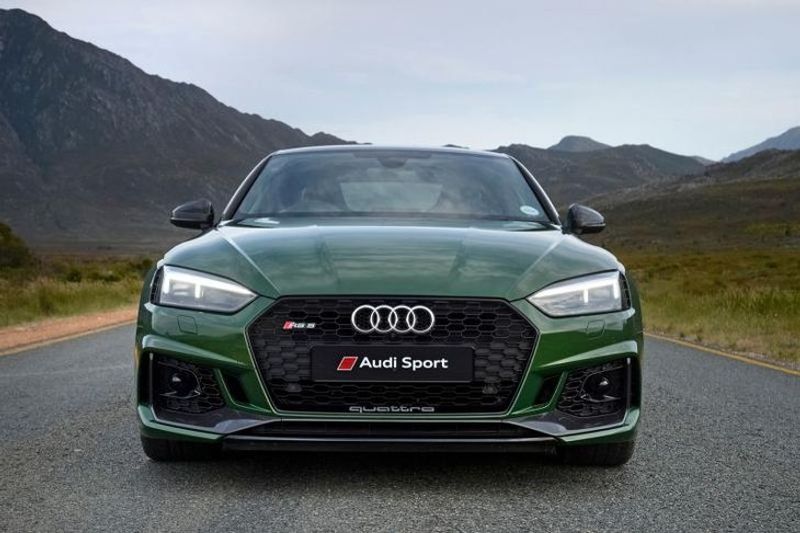
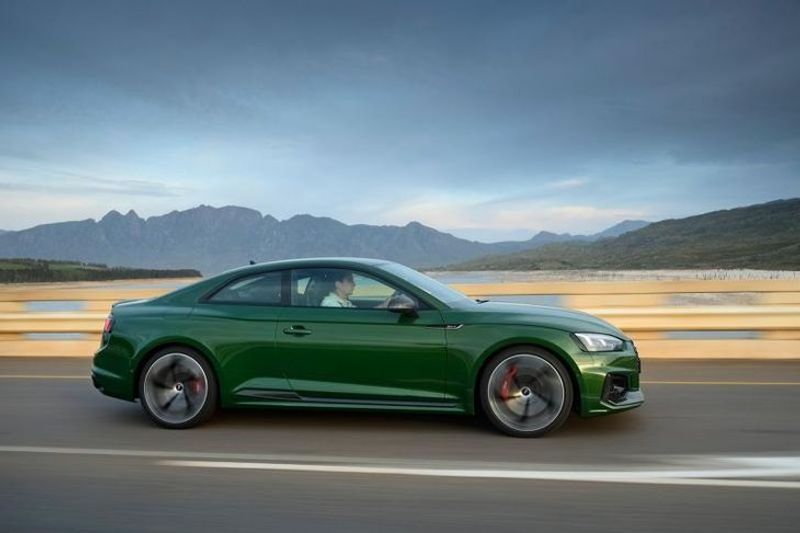
The looks have changed dramatically in the jump from Audi A5 to Audi RS5.
Small engine, big torque
Take this new Audi RS5. It had a thumping naturally-aspirated V8 motor under the bonnet, but now for the 2017 lineup, we find a 2.9-litre twin-turbocharged V6. Eh? The numbers restore some credibility, thankfully, and with 331 kW (matching the outgoing car) and a staunch 600 Nm (170 Nm more than the old V8), it looks like it's up to the task. Audi Sport claims it'll blitz to 100 kph in a shade under 4 seconds, which puts it squarely in the 'annoy supercar owners' club. Brisk indeed. Like all RS products, the vehicle is all-wheel drive and power goes to each corner via an eight-speed Tiptronic transmission. You'd expect S tronic in a vehicle of this nature, which would be great actually, but the reality is that it simply cannot handle the sheer torque of the motor.
As for this motor, it has an interesting origin because it's also used in sister brand Porsche, in the Panamera, but Audi has squeezed a bit more power out of it. We simply cannot have the new RS5 making less power than the old one, can we? This new engine weighs less than the old car and contributes to the overall 60kg weight reduction in comparison to its predecessor. It's also claimed to be more efficient, with a figure of 8.7 L/100 km. The result is a faster, lighter, more efficient Audi RS5.
The Audi RS5 has an illustrious history. Its predecessor was a rip-roaring, snarling coupe that made a wonderful noise and thanks to its quattro setup, could sprint off the line. Dynamically it wasn't as direct and involving of say, a BMW M3, nor was it as much of a handful as an AMG offering. You got the feeling that while it was fast, it was geared primarily for daily driving. You could happily sit in traffic each day, in Comfort mode, and then light the afterburners when the road opened up and other road users had vanished.
New Audi RS5 follows this recipe. While it may be a tad harsh, to say it doesn't feel as raw as its rivals from Bavaria and Affalterbach, there's no denying its performance. Despite the lack of a launch control system, the car powers off the line and its sub 4 seconds to 100 kph is believable. We'd have to wait for a road test opportunity to confirm just how quick it actually is. Through the twists and turns of the Western Cape, we found the Audi RS5 to be relaxing mostly and it's only when you're really provoking it, do you feel that typical Audi safeness. Sure, the quattro system has been reworked to send a bit more power to the rear axle than the front, but you're never going to see the tail-happy antics that the purists adore.
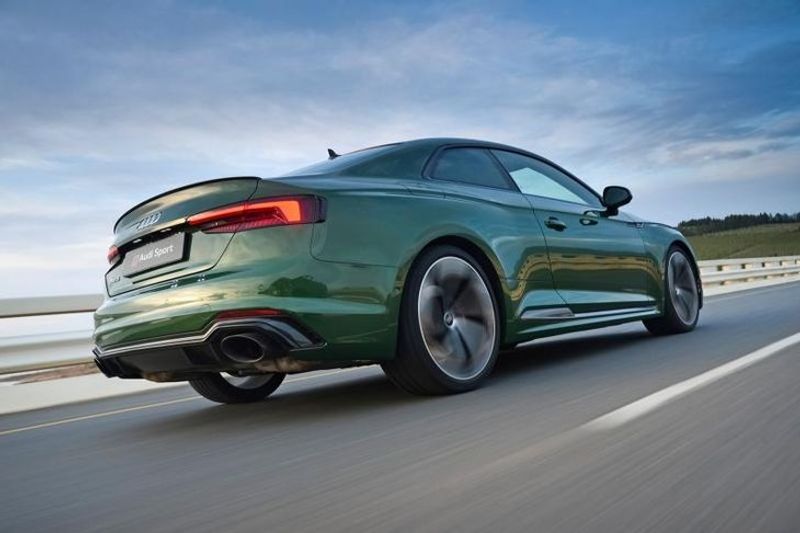
Big oval exhausts make a wonderful noise in Dynamic mode.
The engine, despite being down two cylinders, is terrific. Eager to please, responsive and free-revving all the way are admirable traits, and in true Audi fashion, bangs and thumps out the exhaust are appreciated and encouraged. While you can take command of the car using the steering-wheel-mounted paddles, the car is more than up to the task of thrilling in full automatic mode. Being the hands-on type, we utilised them right from the get-go and while it's not as direct as Audi S Tronic 'box, the Tiptronic setup has been mapped to feel as aggressive and responsive. Success, in other words.
Our launch units were equipped with adaptive damping (Dynamic Ride Control) and this is truly the business, with the ability to switch from firm and poised, to relaxed and comfortable. However, in its most hardcore setting and on less-than-perfect roads, the RS5 is still totally bearable and comfortable to live with. You can thank the excellent chassis for this. Herein lies the problem. Where we've always loved the sheer raw brutality of the C63 AMG and the ultra-direct responsiveness of the M3, we've quietly appreciated the RS5 for outright liveability. You'd love a weekend fling with either of the former, but you'd be thankful that the RS5 isn't an absolute handful and a hooligan.
Luxurious and tech-laden cabin
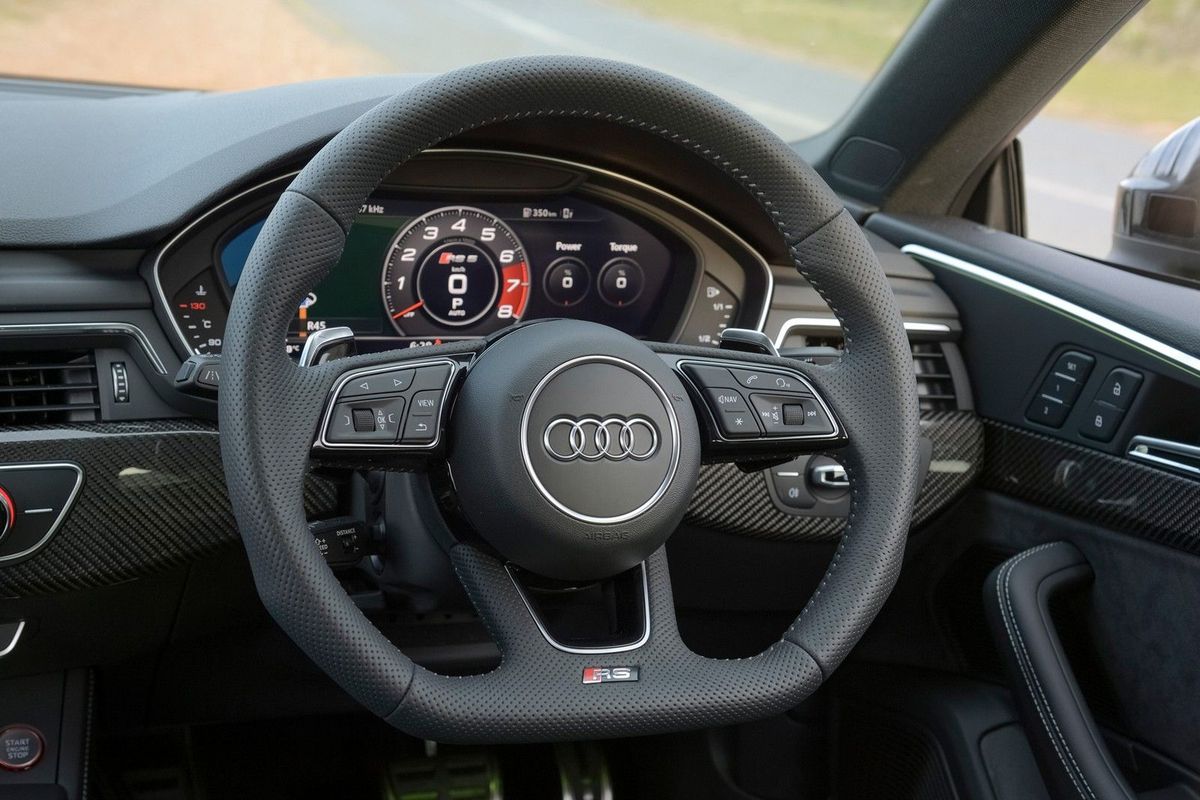
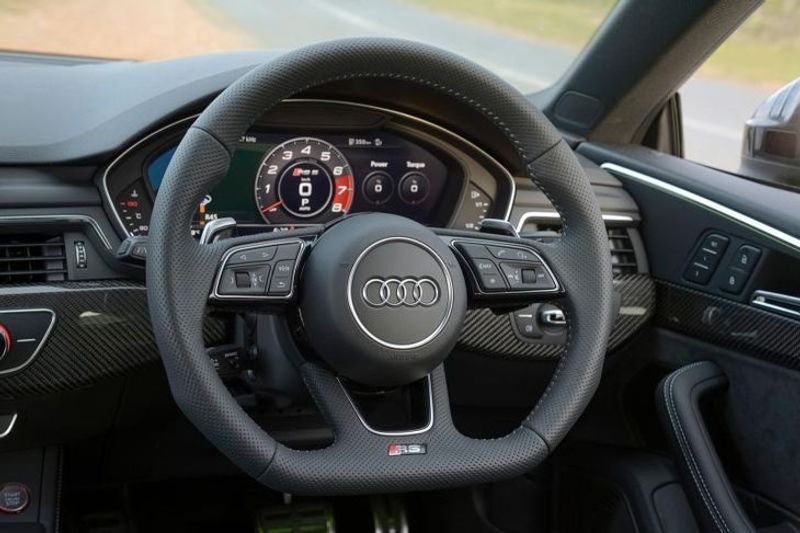
One of the most beautiful steering wheels in the business…
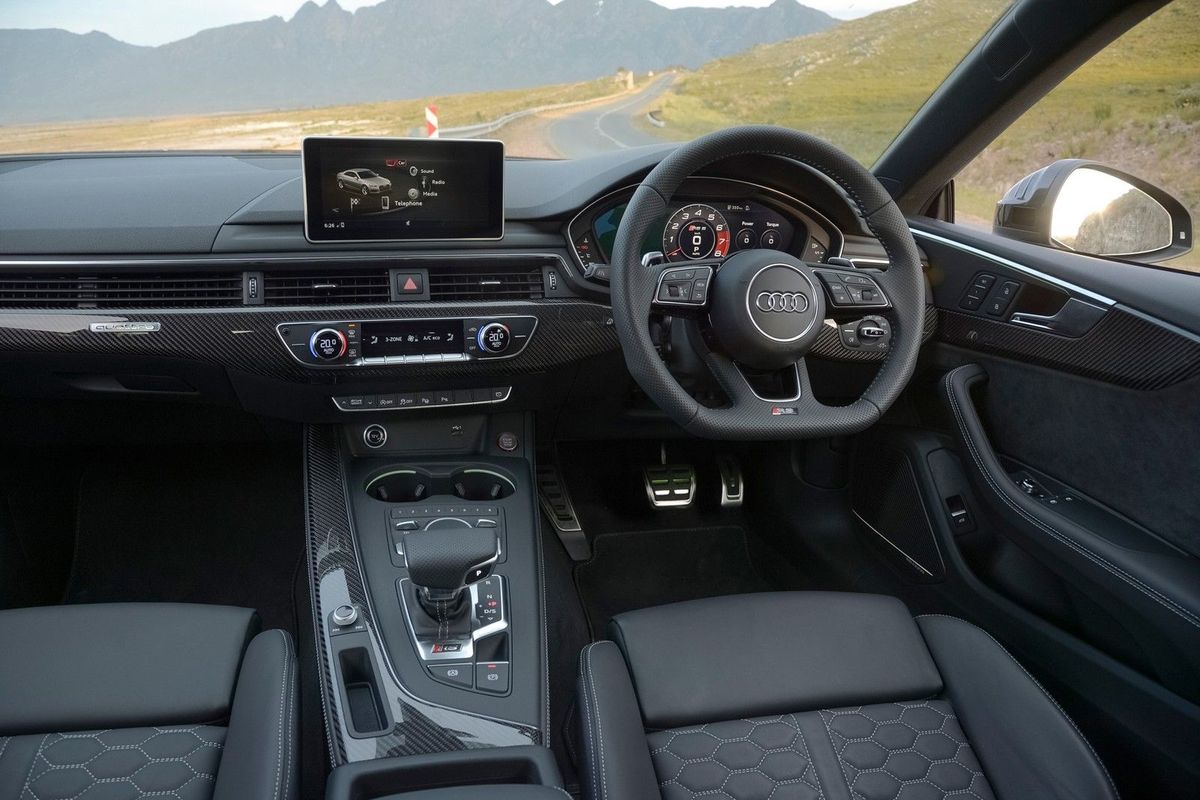
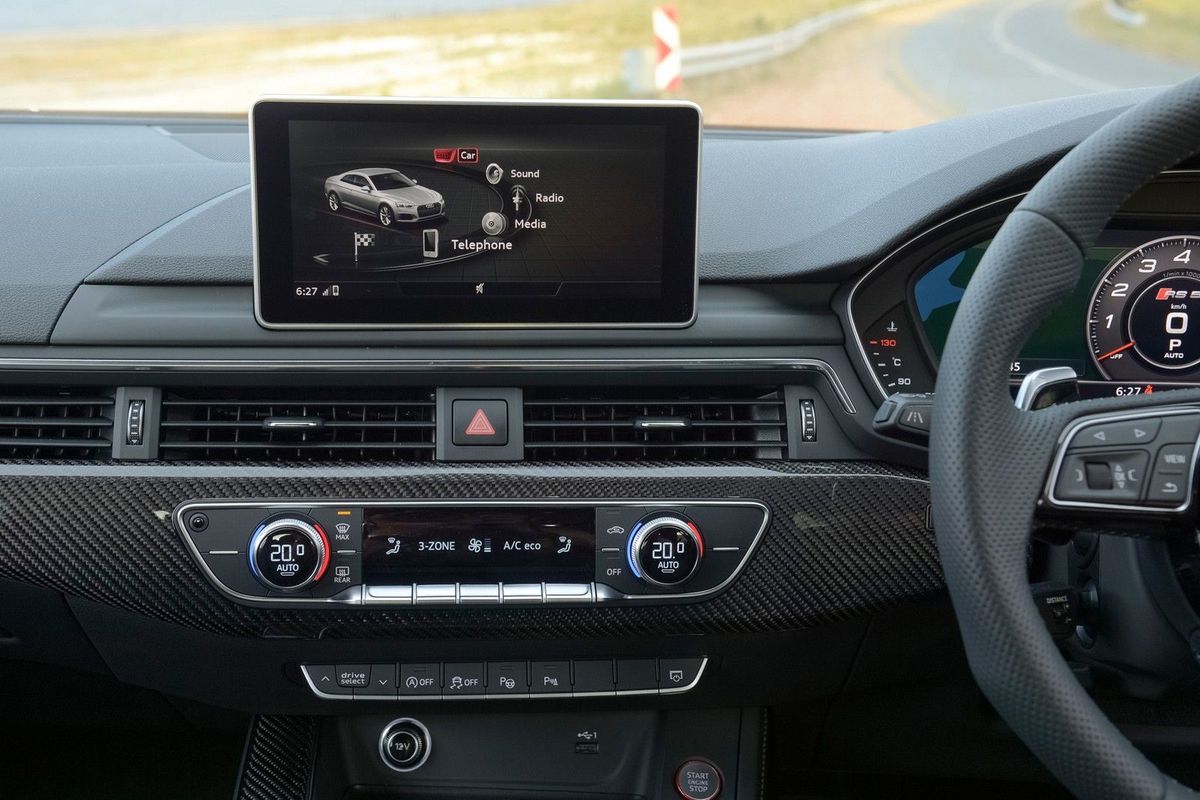
Audi has knocked it out the park again when it comes to cabin refinement and quality. It's brimming with technology and comfort features, as it should be when it comes to a flagship offering. The RS sports seats are benchmark examples of how to do car chairs well, the digital dashboard represents the best of tablet-like infotainment and the steering feel has a luxurious character about it. If there was one minor drawback, its that our low-down driving position meant that the rear legroom was severely compromised, which is fine. Children add weight and additional weight slows you down.
There are some nice performance touches to the infotainment screens and virtual cockpit dashboard. There's a G-Meter, power indicators and the rev counter has been configured to encourage you to stretch the car's legs. Approach the redline and the speedometer flashes red. Hook the next gear, rinse and repeat. There is also a lap timer if you're so inclined. Nice option to consider is the heads up display. Audi has gone all out to incorporate smartphones into the RS5's cabin. The car comes with Android Auto and Apple Carplay, there are numerous USB ports and there's also a wireless charging pad.
Audi RS5 features:
20 inch Audi Sport alloy wheels
4 way lumbar support with massage function
Audi Smartphone Interface
Audi virtual cockpit
Audi side assist and pre-sense rear
Bang & Olufsen sound system
Bluetooth interface
Cruise control
Comfort key
Deluxe automatic air conditioning
Driver and front passenger airbag with front passenger airbag deactivation
Electric seat adjustment for front seats
Front RS sports seats in Fine Nappa leather trim with diamond stitching and RS embossing
ISOFIX child seat mounting for passenger and rear seat
Leather-covered multifunction sports steering wheel, 3-spoke, flat-bottomed, with shift paddles
LED headlights with range control and rear lights incl. dynamic turn signals at rear
Light / rain sensor
MMI Navigation plus
Parking system plus
quattro® with self-locking centre differential
Rain sensor
Rear spoiler
Rear view camera
RS sports exhaust system
RS sports suspension
Side airbags at front and head airbag system
Start/stop system
Tyre repair kit and Indirect tyre pressure monitoring system
Verdict
Not this colour. Any other colour is great for the Audi RS5.
As for the looks, we were pretty underwhelmed by the run-of-the-mill Audi A5 and even the S5 was lacking some visual oomph. However, in RS5 application and with the right paint finish like Nardo Grey or red (not this green colour you see in pictures), it really looks menacing and purposeful. So that's one big box ticked. The Audi RS5 is a big leap forward for Audi, but for the RS brand? We think the brand has grown up and realised that its clients are of the discerning, mature type. Sure, it's fun to light the rear tyres and drive the nuts off cars, but how often do we do that in reality?
The sad fact of life when it comes to fast, premium German execs is that most of the time they're driven to work and back, and very few are taken on journeys to find their limits. Audi has realised this and made its new Audi RS5 as comfortable and luxurious as possible. Sure, it'll deliver the goods when you're sitting at a traffic light and you want to blow away that youngster in his Polo GTI, but ultimately we think Audi Sport has cashed in its reality cheque by making this RS5 more about the comfort, luxury and drive.
Is it as fast and involving as its predecessor? Absolutely. Does it have enough going for it, for it to challenge the likes of BMW M and Mercedes-AMG? Sadly not. Would we happily recommend it as a grand tourer that'll seat two in comfort yet deliver 85% of thrills for the average owner? Absolutely.
Audi RS5 Price in South Africa
The Audi RS 5 Coupe is priced at R1 285 500, standard with the 5 year/100 000km Audi Freeway Plan.
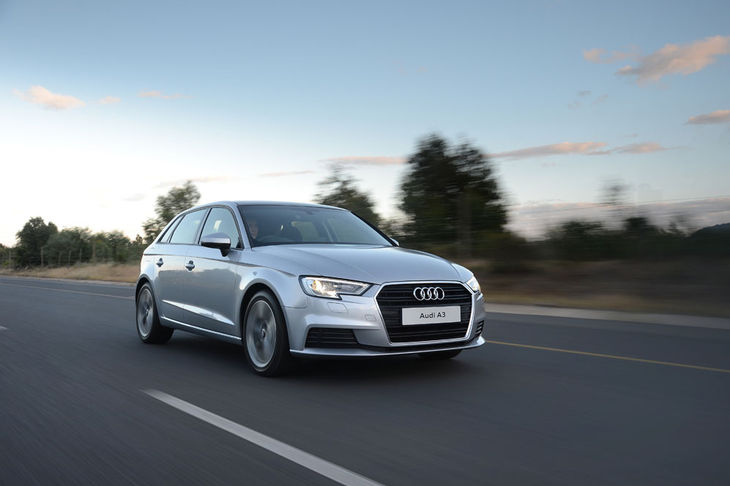
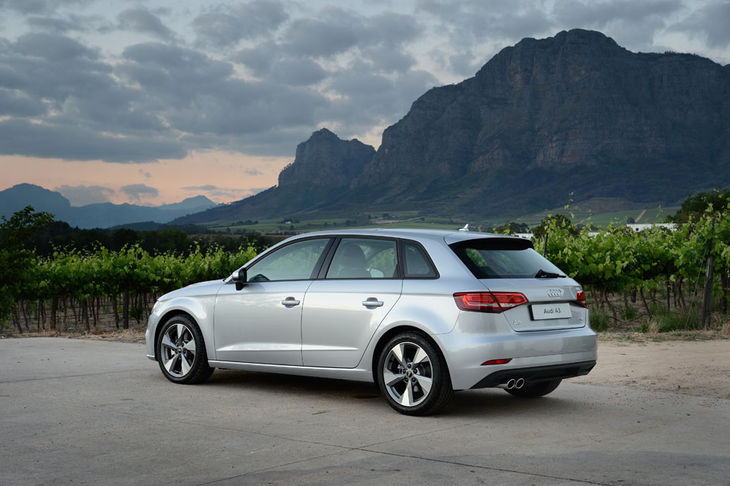
What makes the Audi A3 2.0T FSI Sportback S Line automatic a strong contender in the Premium Hatchback category of the 2017/18 Cars.co.za Consumer Awards – powered by WesBank? We investigate…
The Audi A3 2.0T FSI Sportback in S Line guise offers attractive styling and performance ability while blending luxury, comfort and refinement in a compact premium hatchback package. This A3 derivative therefore makes a strong case for itself in the Premium Hatchback category of the #CarsAwards.
3 Reasons Why Audi A3 2.0T FSI Sportback S Line Auto is a #CarsAwards finalist
1. Refined performer
This A3 Sportback derivative is powered by a turbocharged 2.0-litre engine and mated with a 7-speed dual-clutch transmission. With outputs of 140 kW and 320 Nm, this Audi A3 certainly has a performance bent to it and can sprint from zero to 100 kph in 6.8 seconds.
With the car set in comfort driving mode, shifts are geared towards fuel efficiency with Audi claiming a fuel consumption figure of 5.7 L/100km. This A3 offers a good balance between performance and economy.
2. Smart infotainment system
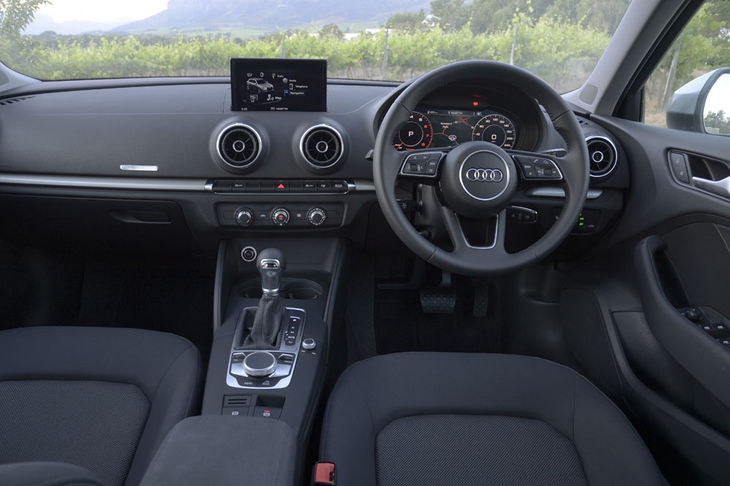
The A3 Sportback is fitted with a dashboard-mounted infotainment system that, at the push of a button, disappears gracefully into the dashboard. The system is easily controlled using the MMI rotary dial in the centre console. The system offers Bluetooth and USB/Aux support. Navigation is offered as an option as is Audi’s Virtual Cockpit and Bang and Olufsen sound system – all features worth the additional spend.
3. Handling ability and safety
The A3 Sportback offers excellent handling ability and with the standard chassis, it delivers a composed and comfortable ride, but with a dynamic feel.
It’s also fitted with comprehensive safety features including 7 airbags, ABS with EBD, brake assist and stability control with traction control as standard. A number of additional safety features are also optionally available.
Have Your Say: Complete our survey and WIN!
Do you own an Audi A3? We would love to hear from you! Tell us about your experience by completing our Ownership Satisfaction Survey. Your input counts for 50% of the final result!
Suzuki Ignis vs Volkswagen Up! (2017) Comparative Review Video
Derivatives of the Volkswagen Up! and Suzuki Ignis are finalists in the budget car category of the 2017/18 #CarsAwards, so a head-to-head between the pugnacious city cars is bound to be a tight contest. Regular contributor and #CarsAwards judge Francisco Nwamba compares the 1.0 Take Up! with the 1.2 GLX version of its Japanese rival.
Both cars offer loads of appeal to the young and young at heart, whereas the (now exclusively 5-door for the South African market) Up! trades on its compactness, inherent solidity and classless appeal, the Ignis is funky, bigger than it looks and well specced.
There are a number of similarities in terms of the Volkswagen and Suzuki’s packaging, but how do they compare in key areas when compared back to back? It’s time to find out…
The specification sheet isn’t impressive, but everyone who is serious about luxury SUV gravel travel wants one. Why?
Prado is to Toyota what Discovery is to Land Rover. For those who dwell mostly in cities and are intimidated by navigating something the size of a Range Rover or Land Cruiser 200 around urban infrastructure designed for hatchbacks, Discovery and Prado have always promised a more manageable proposition.
That said, there’s no question of sacrificing off-road ability with either and as cities become more crowded, and our need to escape to places of solitude far away ever greater, the logic of Prado, as opposed to the full-size Land Cruiser 200, is obvious. The junior Land Cruiser is another one of Toyota’s terrifically popular SUVs. It sells just shy of 100 units a month, delivers fantastic residual values over time and its off-road ability is never a slight on the legacy of that renowned Land Cruiser badge it shares with the larger 200.
Some new bits
Toyota has given Prado subtle styling and equipment upgrades, but previous drivetrains remain.
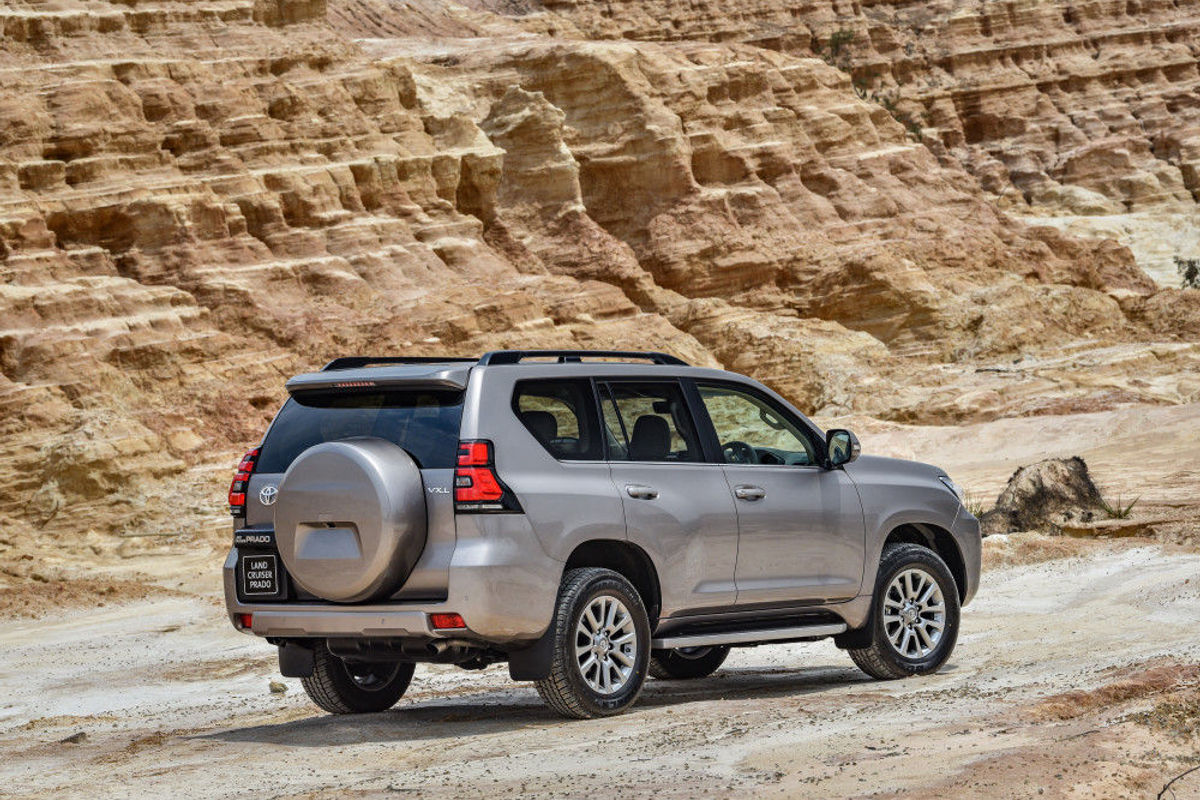
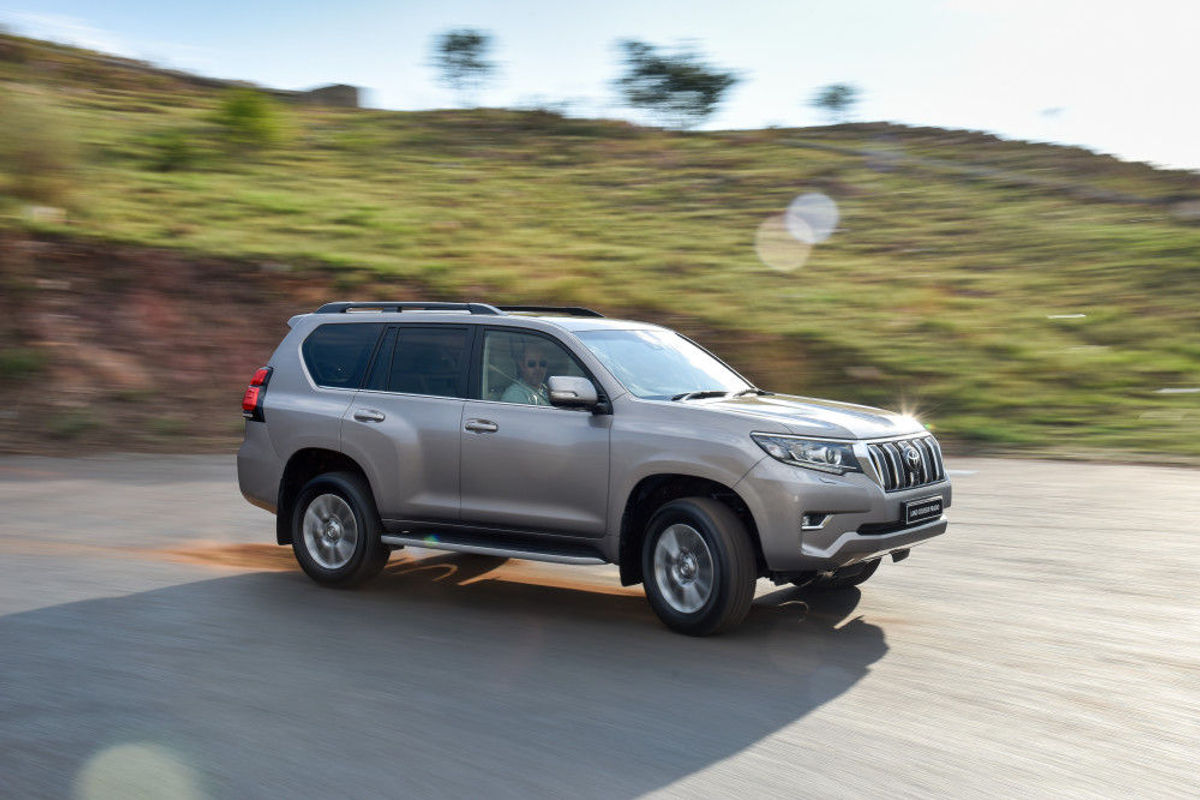
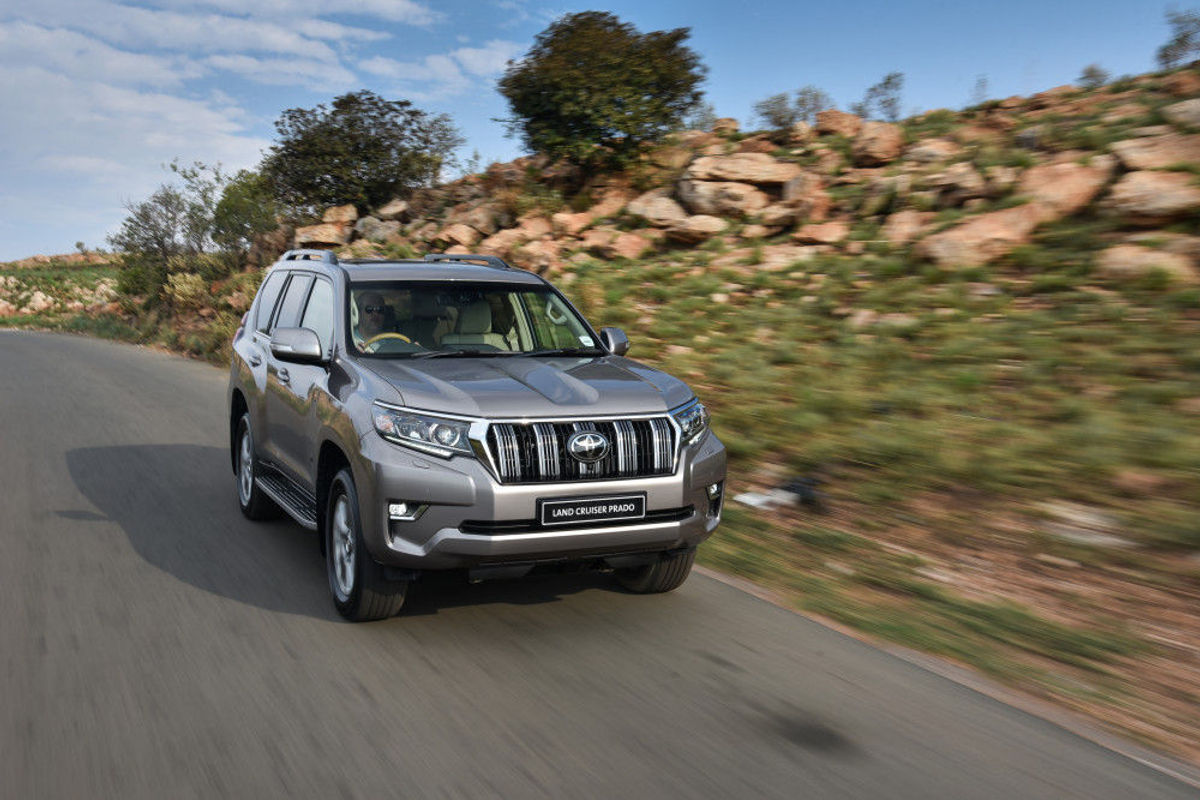
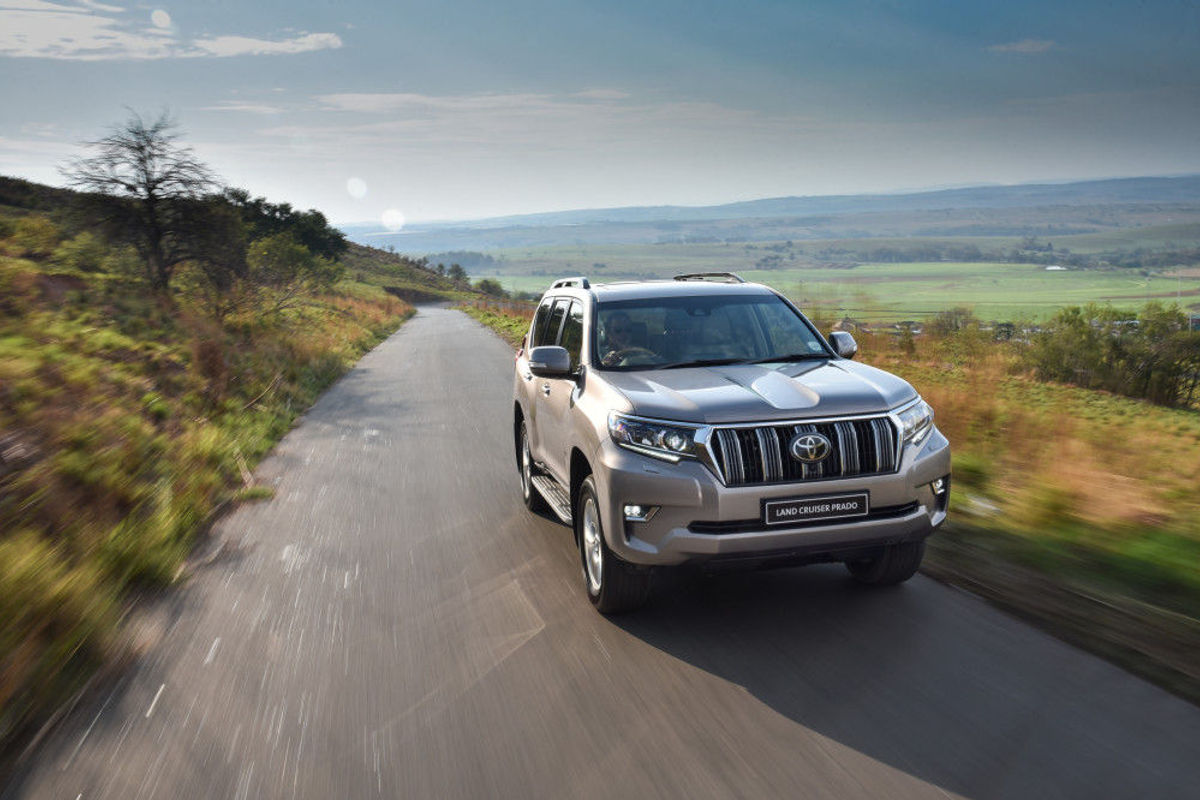
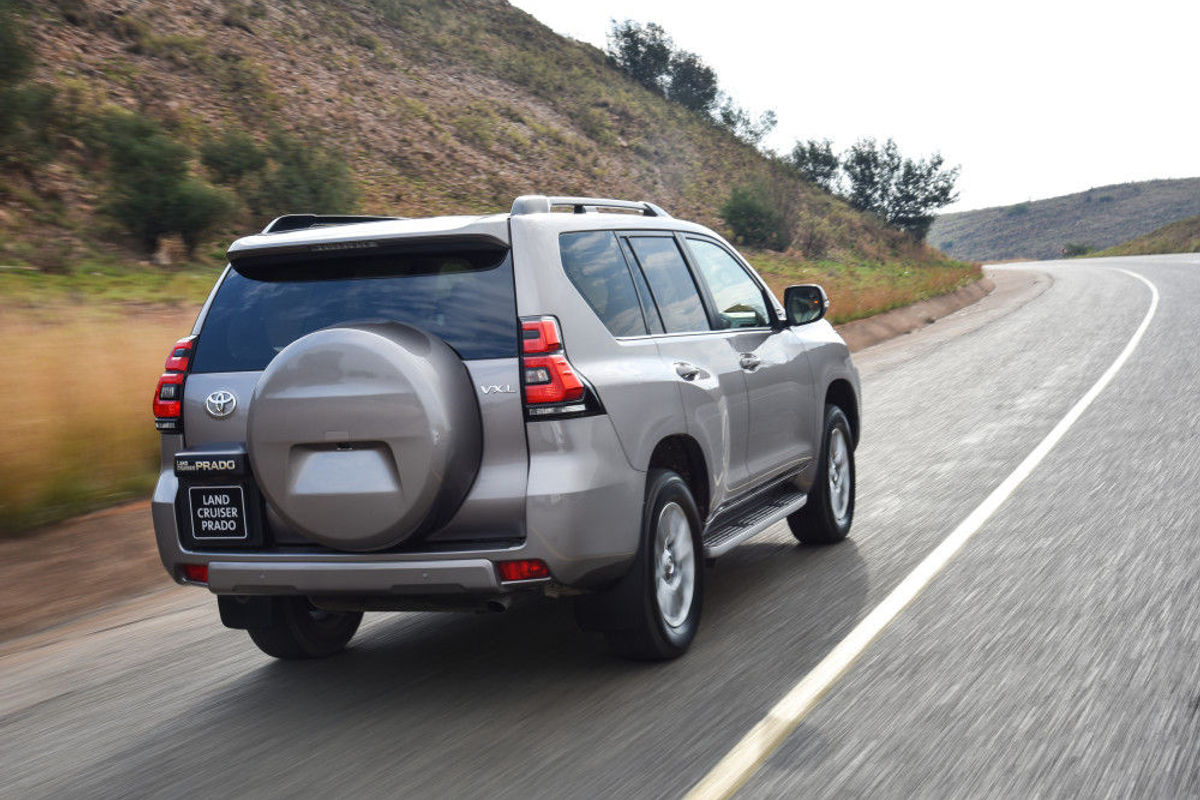
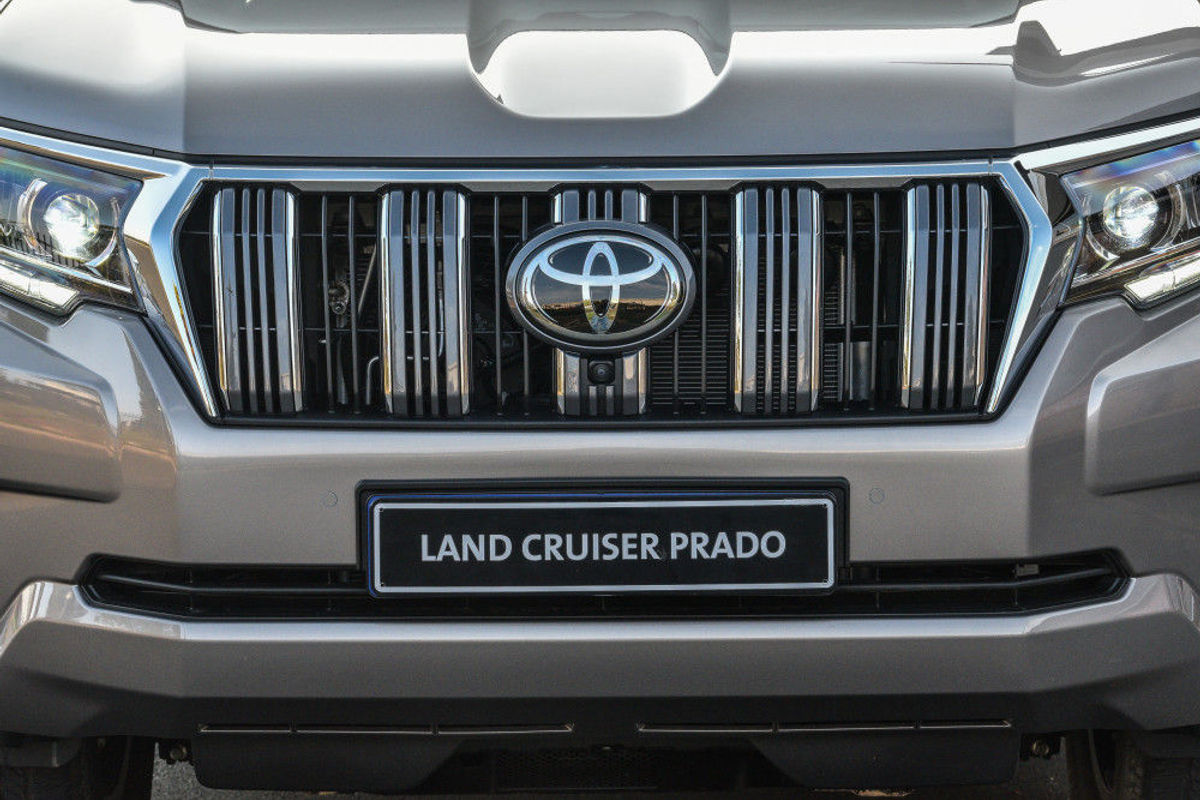
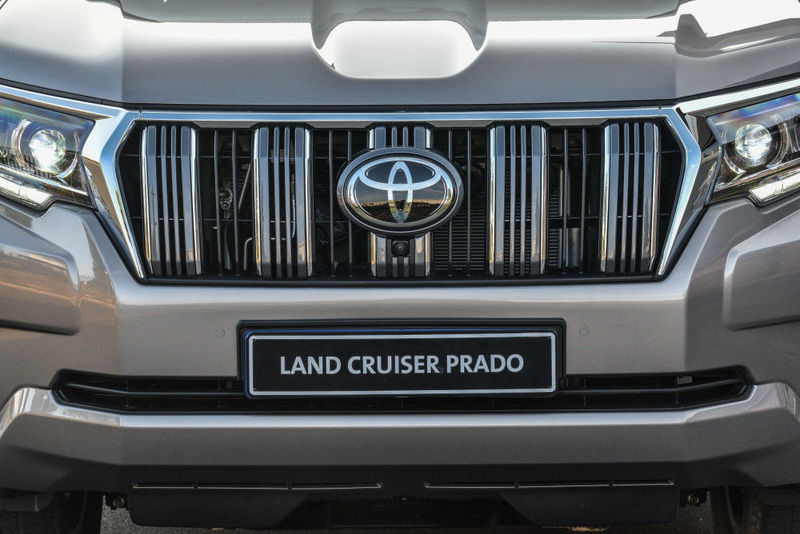
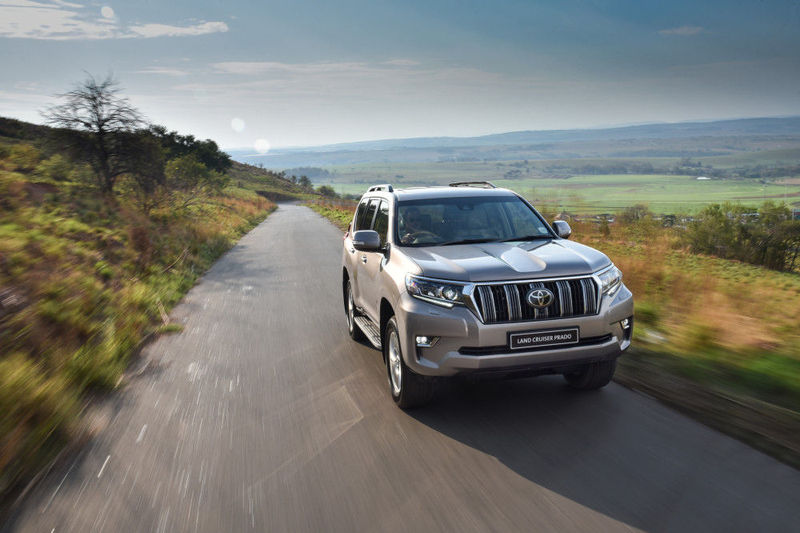
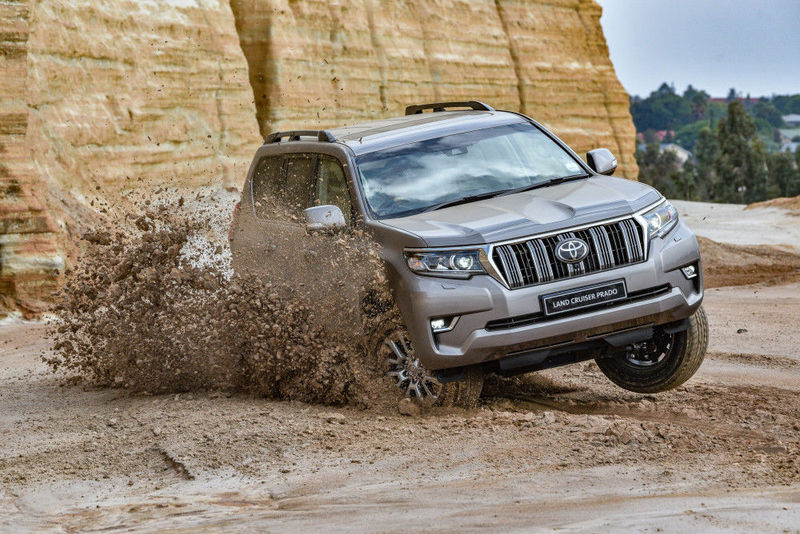
Toyota’s latest product evolution is a styling and equipment enhancement of the third-generation Prado, which has been available locally since 2009. A completely new SUV this is most certainly not, but it does have a restyled 5-bar grille, double-concave bonnet (for improved visibility), LED lighting upgrades and a different shade finish on those alloy wheels. Subtle alterations.
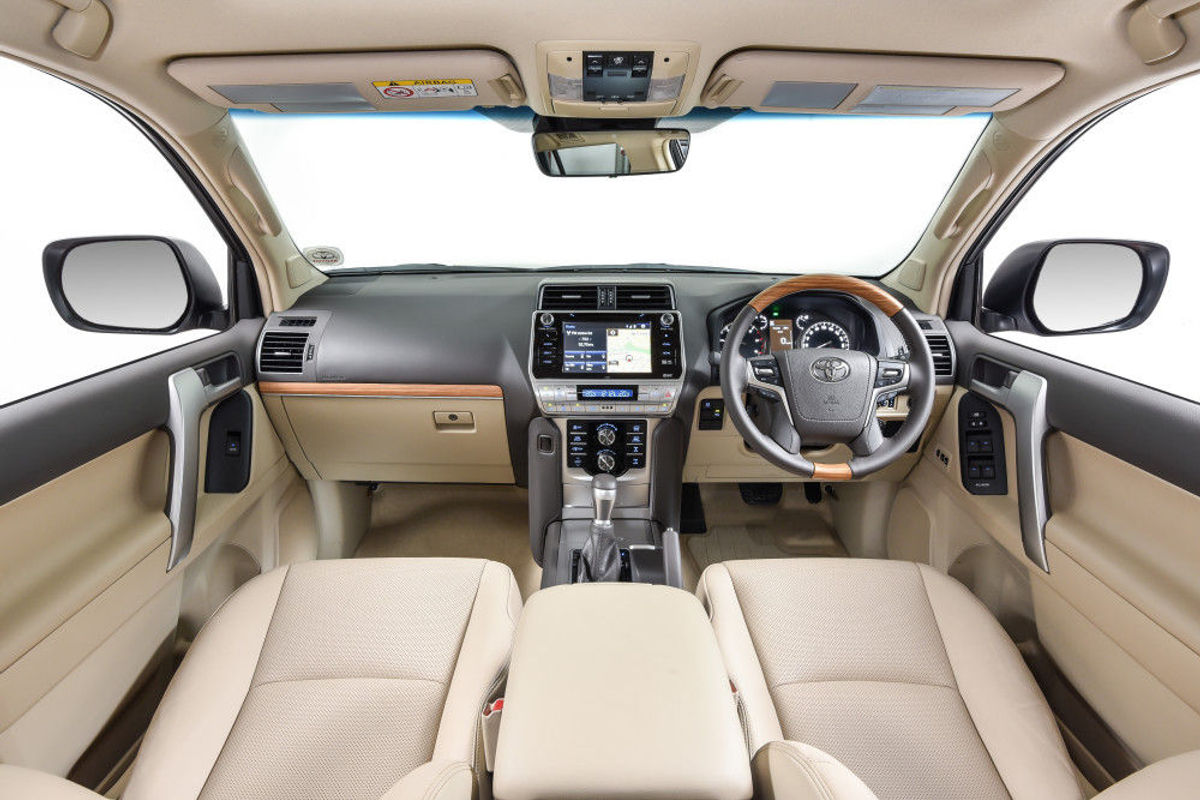
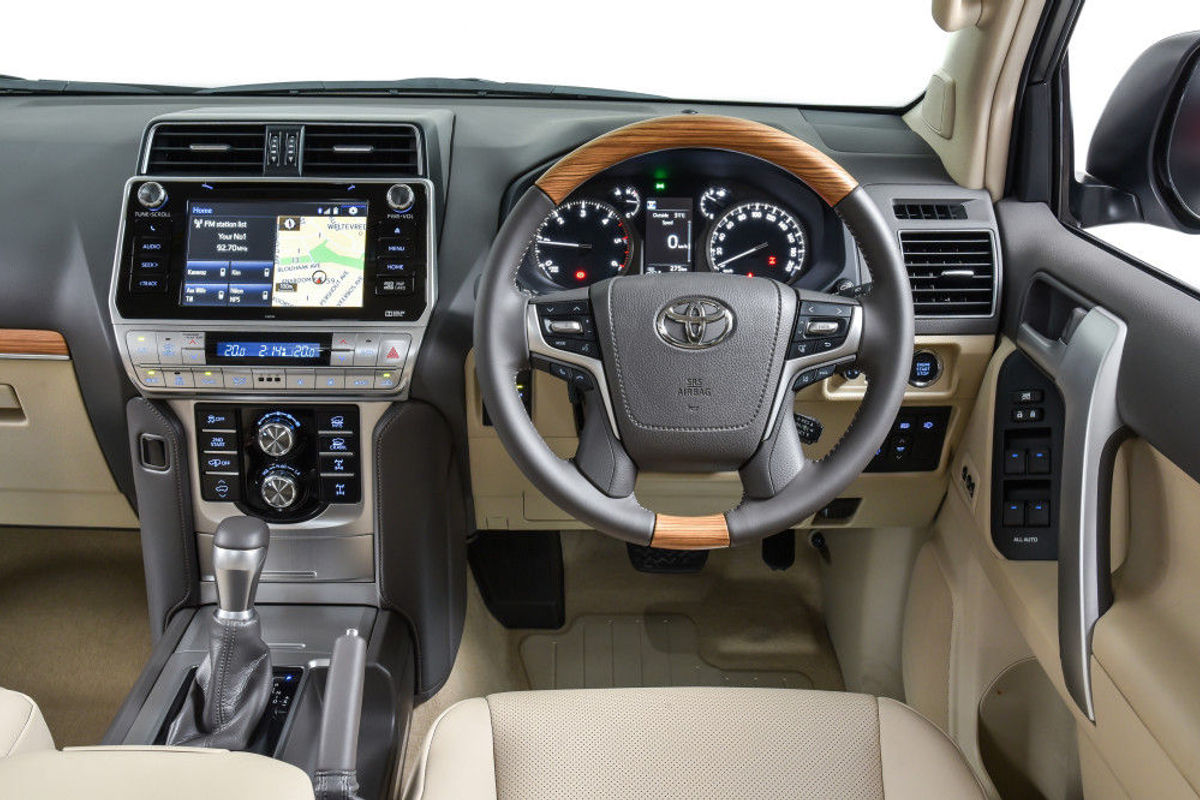
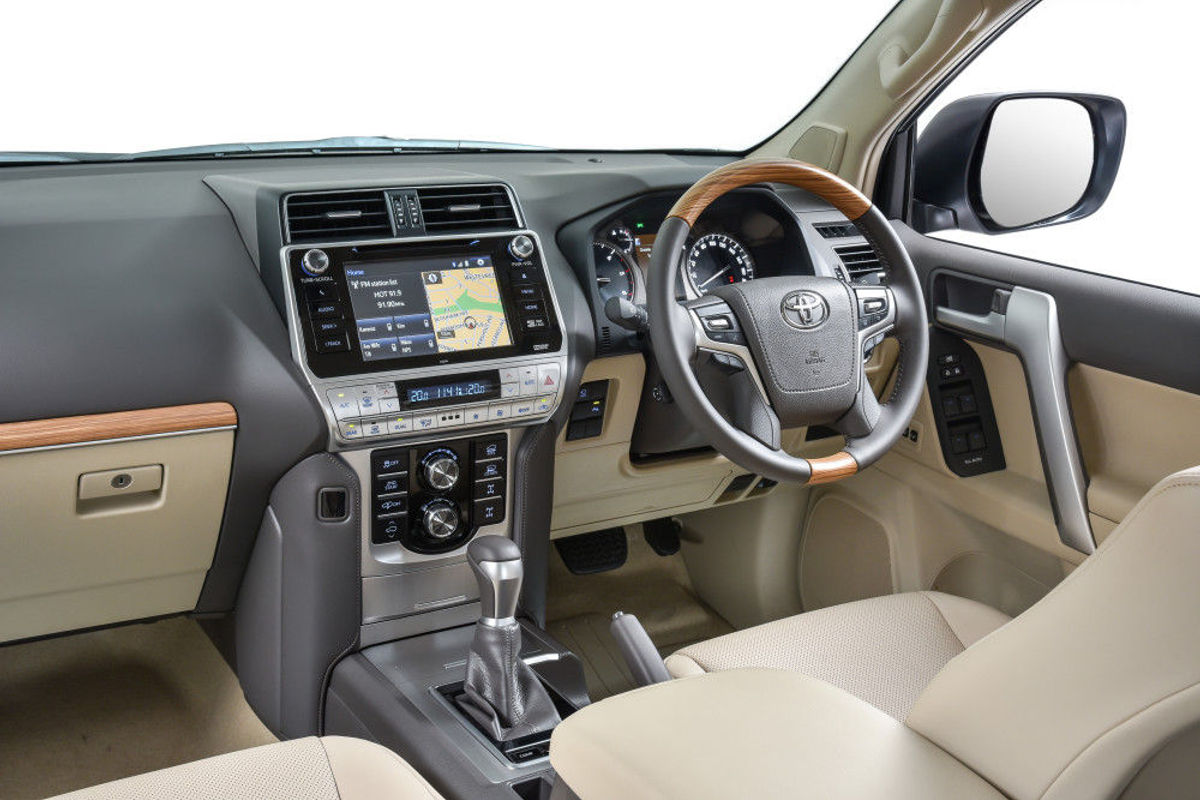
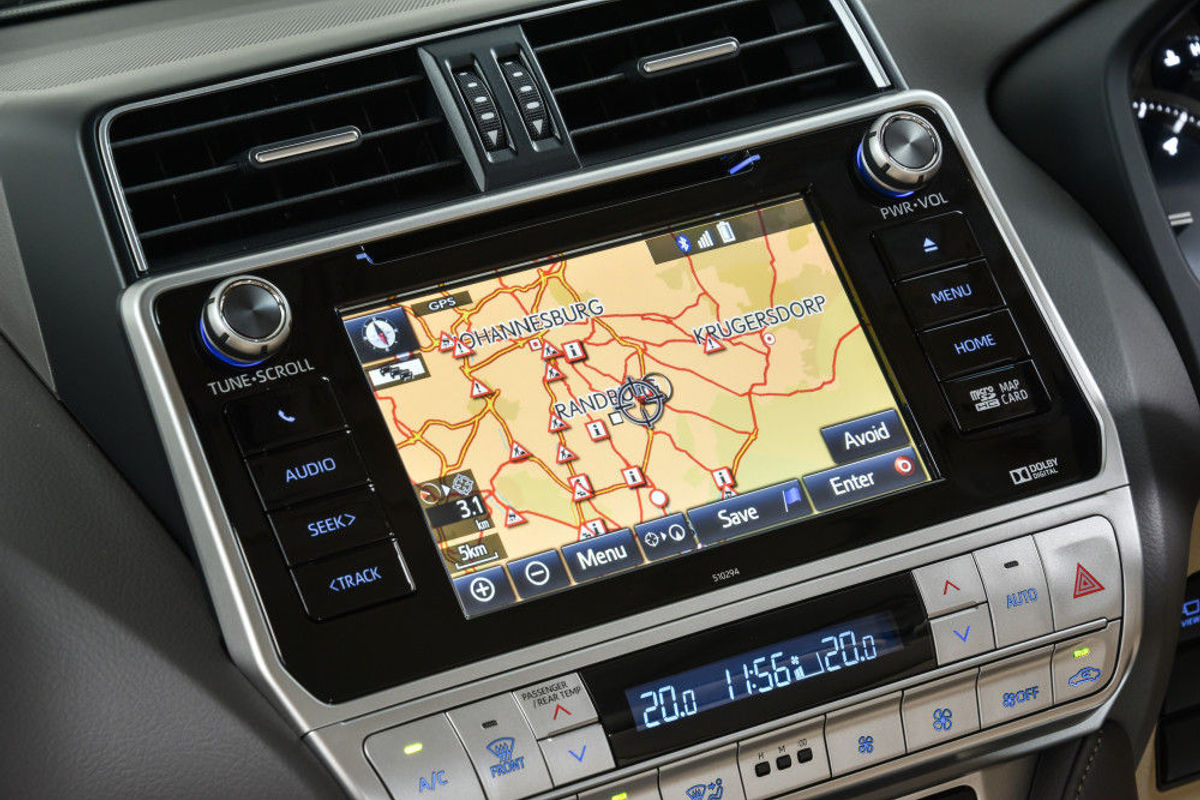
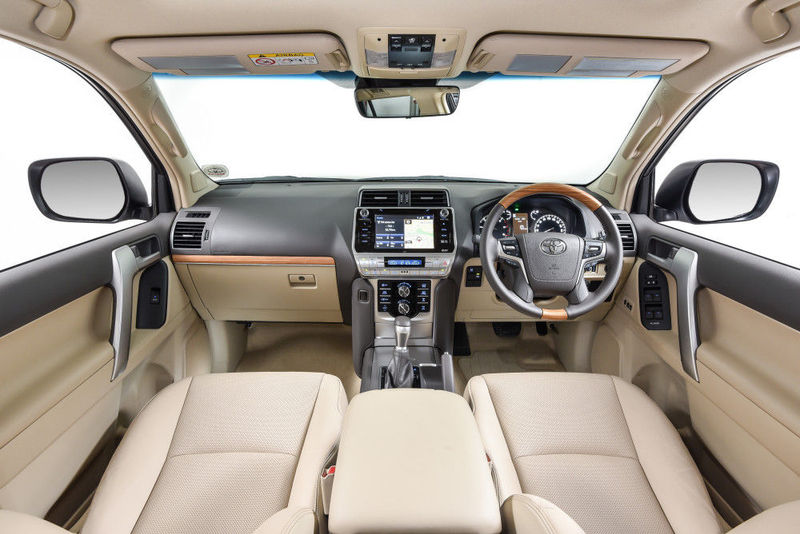
Inside there’s a new instrument binnacle, a dashboard which curves 20mm lower (again, to improve visibility of the bonnet-line off-road) and comprehensive regrouping of controls on the centre-stack. The cabin is filled with strange shapes and uncoordinated hues, it doesn’t have that user-centric feel or northern European coolness of design you encounter in Discovery or any German premium SUV. Pretty has never been the point with Prado: everything you touch, open, close or fiddle with has a sense of production quality that leaves you in no doubt that the constituent bits of a Prado will outlive you.
Dimensionally new, Prado’s 60mm longer bumper-to-bumper and electromechanically the most notable additions are adaptive cruise control and a 360-degree field of view camera system which also supports under vehicle terrain scanning – handy for those Grade 5 off-road obstacles. Again, not much has changed and for many the truly disappointing feature of Prado will be a continuation of drivetrains.
A really old anchor
On the road is where Prado disappoints most, but take it into the wild and its true strength comes to the fore.
Whilst other markets benefit from the current Hilux 2.8 turbodiesel and 6-speed automatic transmission combination, diesel Prados in our local market will soldier on with the previous generation 1KD-FTV 3.0-litre, 4-cylinder which, in all honesty, at 120kW and 400Nm, delivers one of the least powerful and slowest accelerating large SUVs you can buy. Prado’s anaemic on-road performance isn’t helped by a dated 5-speed automatic transmission either. Land Rover’s Discovery has inarguably superior engine options.
So how can Toyota ambitiously predict it will keep selling nearly 100 Prados a month, when new Discovery has more powerful engines and the option of all-wheel air-suspension, gifting better ride quality and handling agility? Because a luxury Land Cruiser does what most contemporary luxury Land Rovers can’t: it goes anywhere and everywhere.
The 1KD-FTV is awfully dated and deeply underwhelming, but the moment tarmac crumbles to gravel, and that gravel grades to sand – in the middle of nowhere, way beyond Sasol’s 10ppm fuel distribution network – Prado just works. And most other luxury SUVs, well, they don’t. Because rural Southern African diesel is way too contaminated for Euro 5 or 6 engines to compress and ignite. It’s the great default product planning victory for Toyota: you get all the comfort and convenience features one would expect in an SUV retailing at close to R1m, with the true exploring ability most of its rivals claim to have, but none can offer in reality due to European fuel standard elitism.
The redesigned cabin is built to last, but the choice of interior colour finishes may not be to everyone's taste.
Toyota’s not ignorant of Prado diesel’s shortcomings. It would prefer to parallel other global markets, which run the 130kW/450Nm 2.8-litre turbodiesel in Prado, but that’s configured as a Euro5 engine and unsuitable for local fuel.
“But why does my neighbour’s Fortuner have a 2.8 turbodiesel?” Good observation. Fortuners are powered by the same 2.8, but it features engine modifications to cope with local fuel – because volumes are a thousand per month, justifying the investment. The engineering case for converting a Euro 5 2.8 Prado to local fuel standards simply isn’t merited by its sales volumes, and almost unbelievably, customer demand.
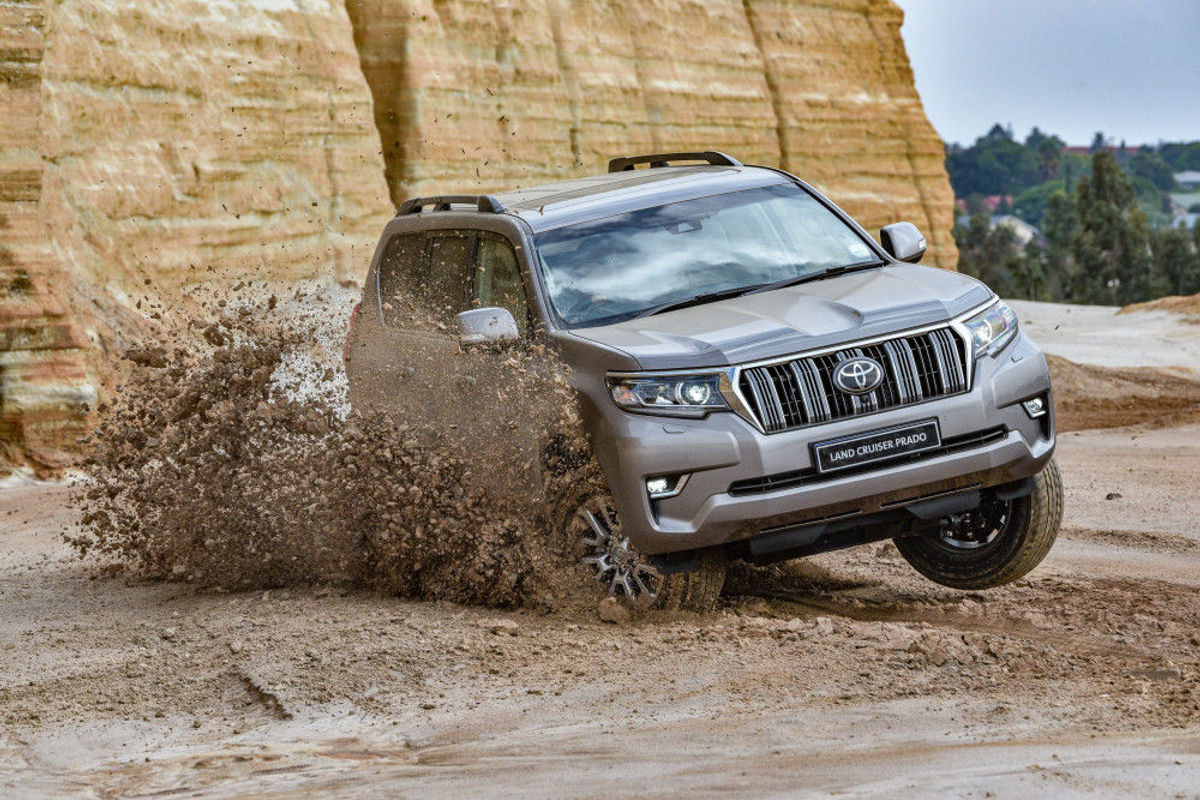
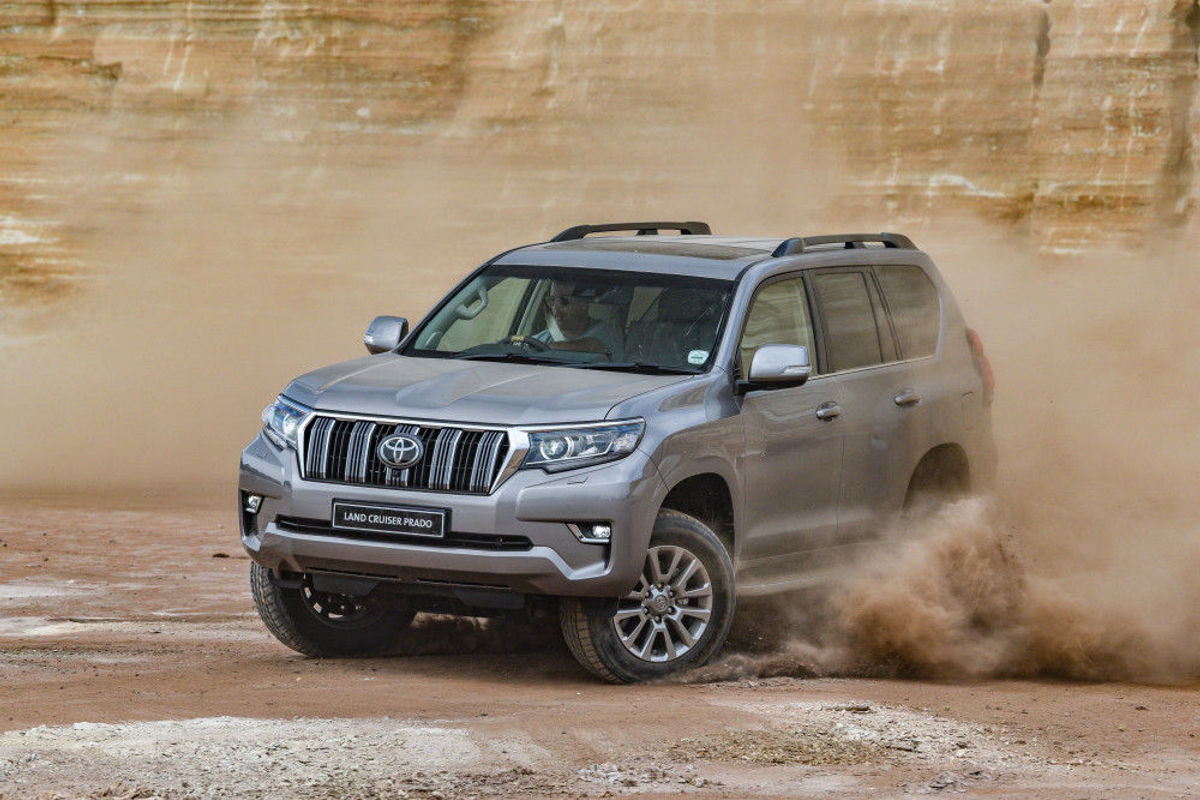
That is the extraordinary bit about Prado. What makes it unique in a market of rival luxury SUVs with low-range and Safari travel potential are the old school design attributes. There’s no fancy hydroformed aluminium monocoque, Prado’s built as all rugged SUVs once were – body on frame. It means that on-road handling is ponderous but off-road it flexes to terrain inputs in the best possible manner, optimising that 31-degree approach angle and 215 mm of ground clearance.
There’s no magic carpet ride from adaptive dampers or four-corner air-suspension, but Toyota’s crawl control mode, borrowed from Land Cruiser 200, makes Prado delightfully unintimidating to pilot at very low-speeds, in hazardously technical terrain. The KDDS hydraulically interconnected front and rear stabilisers work a treat off-road, where an individual wheel can benefit from the greater wheel travel allowed by disconnecting its stabiliser bars at low speed, in a cross-axle situation. Best of all, it’s a purely mechanical suspension aid – hence there is a low probability of something going wrong.
Certainly, if you wanted greater on-road performance, with a consummate increase in fuel cost and limitations regarding range, there’s the 4-litre V6 model. But 80% of all Prados sold locally are diesel so the logic of any verdict must apply to the 3.0-litre and it’s a curious case of giving people what they truly don't need – not necessarily what they want.
An African luxury SUV solution
The Prado is supremely capable offroad and the latest updates will ensure that it keeps selling well locally.
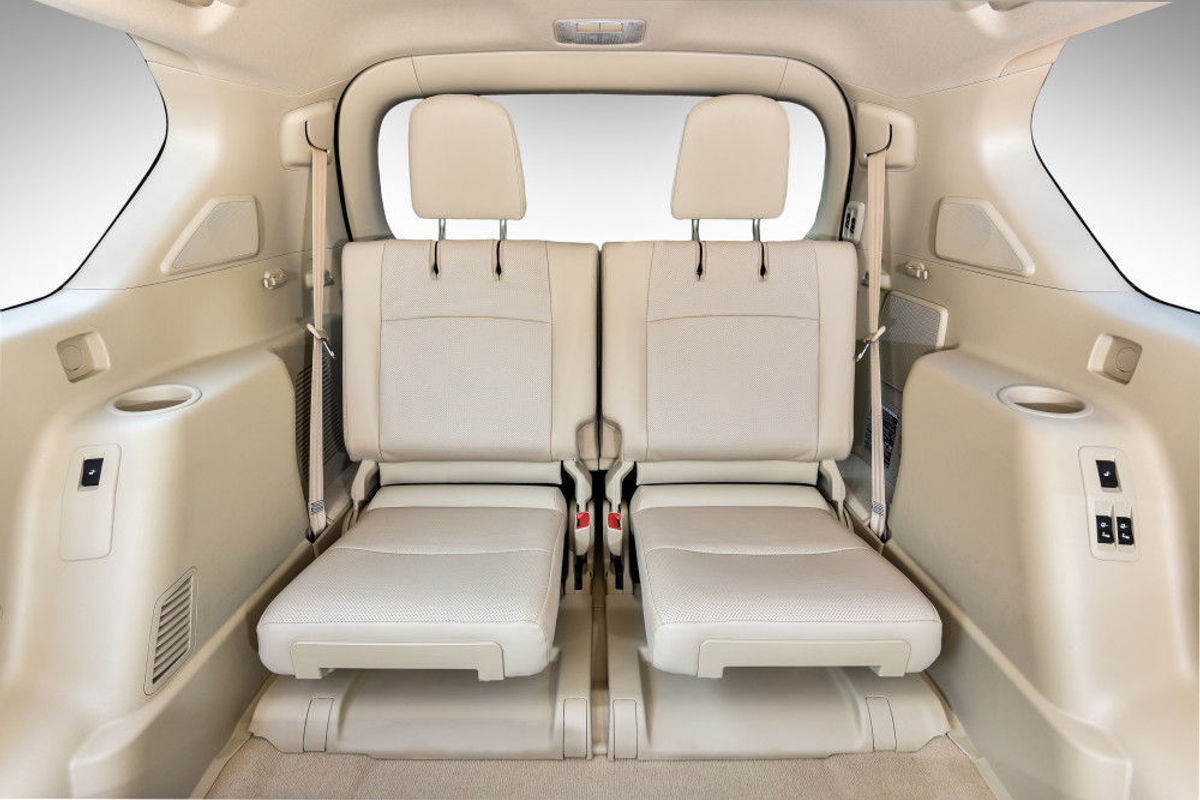
There’s no other brand that can sell you a turbodiesel SUV with seven leather seats, sophisticated Smartphone connectivity, adaptive cruise control, cameras to help you not ding it into a parking garage pillar (or puncture the sump when crawling over rocks) and the guarantee that when you are a good few hours beyond the South African border, you’ll be able to refuel and keep going.
A statement of good taste, its styling certainly does not deliver. Nor is the diesel Prado in any way responsive to drive on a road with yellow lane markings and traffic signals. But it is the sequence of moments when you roll Prado onto natural terrain, engage low-range, toy with the crawl-settings, feel the confidence of that diesel engine turning over without a hint of strain, experience the reassurance of a body-on-frame platform moulding the most grip from those four corner traction points – then Prado makes all the sense in the world, for a South African adventurer.
Toyota selected KZN as the South African launch venue for new Prado and although overtaking slower traffic on the N2 was a chore in the 120kW diesel, once we were crawling up Sani pass, into Lesotho, all attention was absorbed by the inspiring views – a credit to Prado’s untroubled ability in serious off-road conditions. On the return journey into South Africa, the reality of Prado’s legacy was abundantly clear: all the shuttle vehicles ferrying European tourists up Sani pass were first and second-generation Prados. You can’t really argue with that calibre of market representation.
Drivetrain notwithstanding, Prado now features greater sophistication in its off-road and driver assistance systems than Fortuner and remains more manageable in size than a Land Cruiser 200. It is a choice compromise between these two enormously successful low-range enabled South African SUVs and absolutely deserves its billing as the junior Land Cruiser.
If there is one final statistic which encapsulates just how much a conqueror of real-world off-road terrain and testing conditions the Prado is, consider its sales distribution. It’s the most extensively distributed Toyota of all, sold in 190 countries. We imagine if they had a dealership in outer space, it would be the first privately owned vehicle on Mars.
Toyota Land Cruiser Prado – Price in South Africa
Land Cruiser Prado 3.0D TX – R821 700
Land Cruiser Prado 4.0 V6 VX – R930 000
Land Cruiser Prado 3.0D VX – R932 400
Land Cruiser Prado 4.0 V6 VX-L – R967 200
Land Cruiser Prado 3.0D VX-L – R969 600
All Land Cruiser Prado models include a 5-year/90 000 km service plan and 3 year/100 000 km warranty.