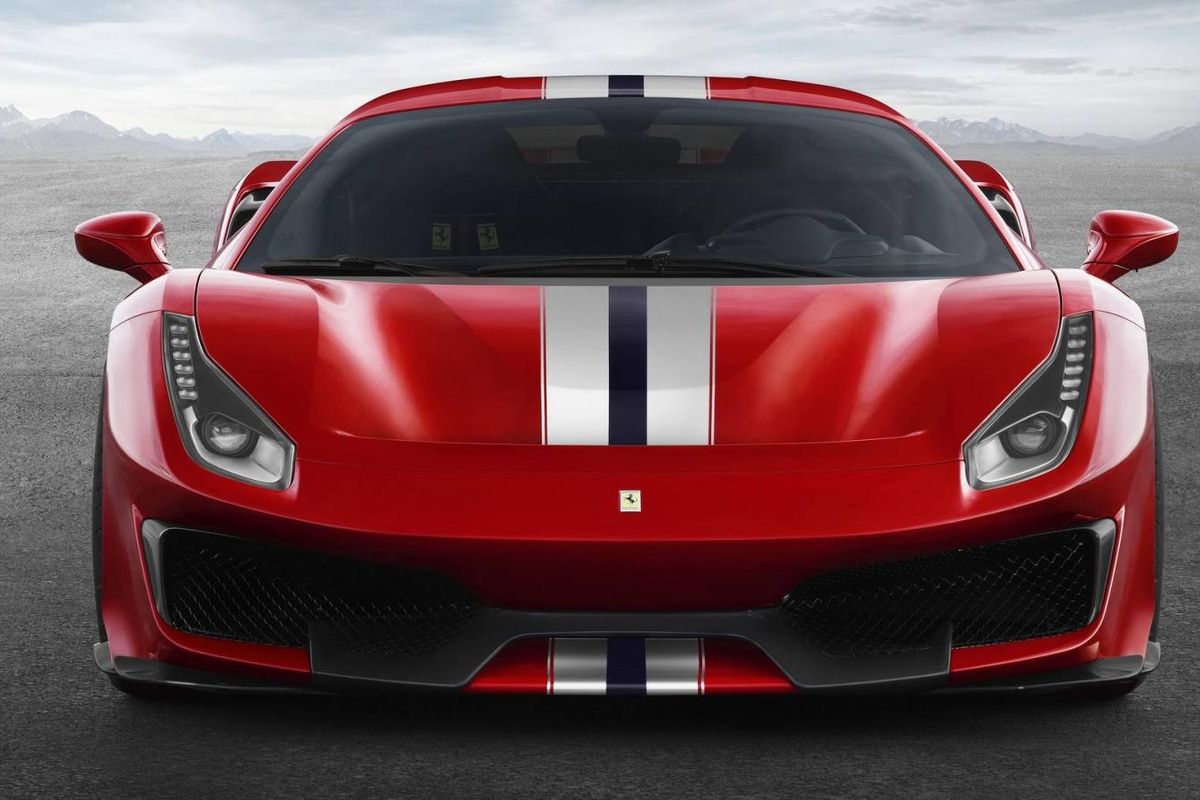
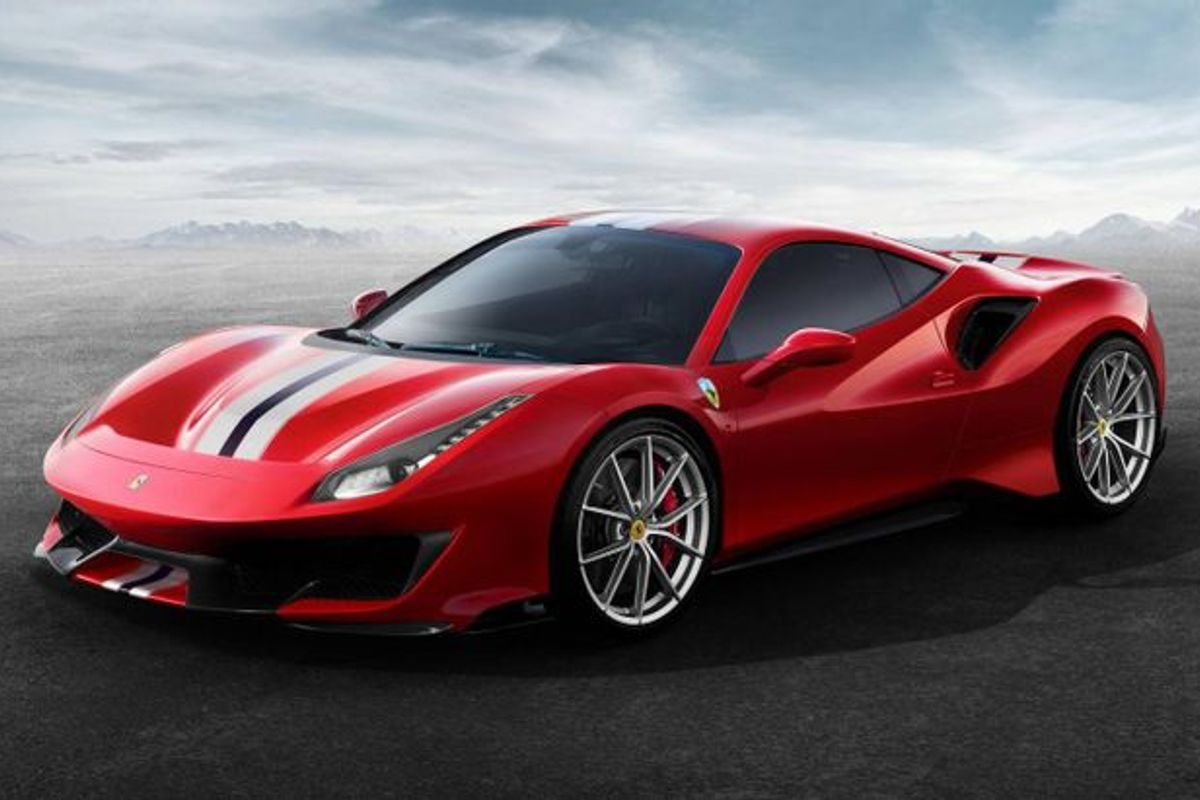
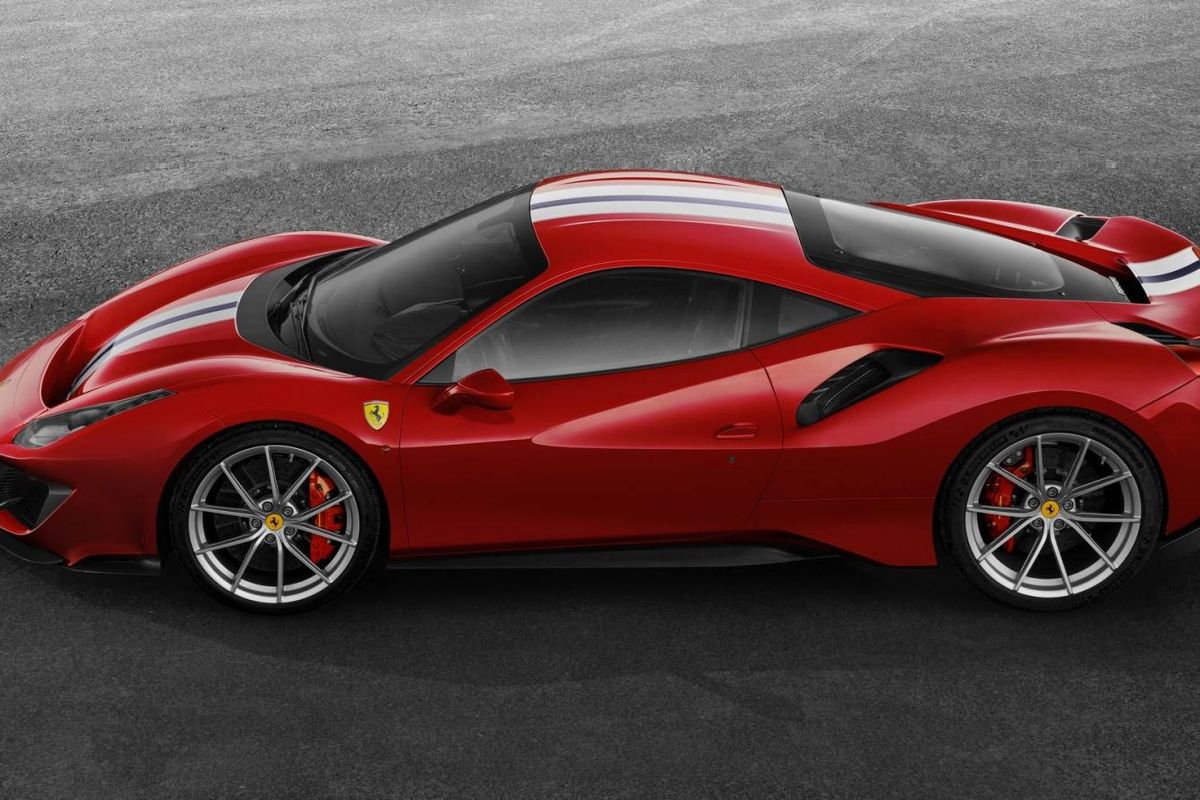
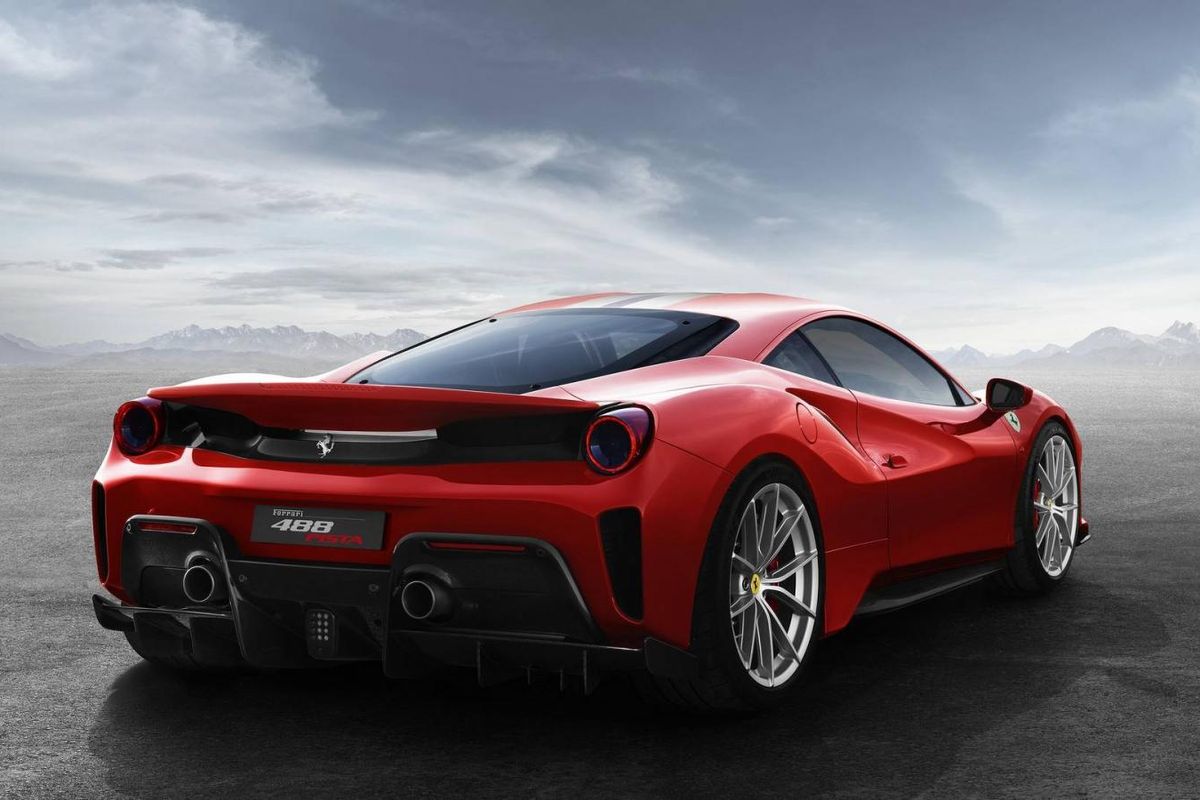
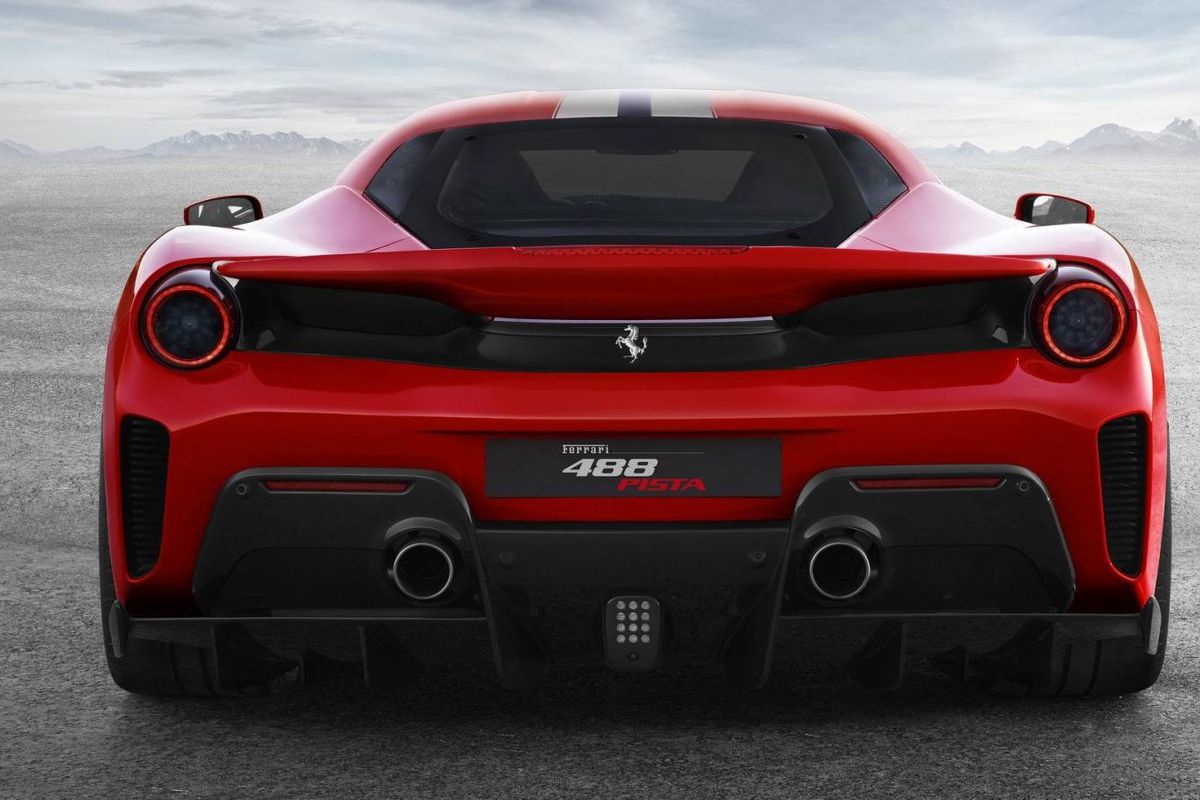
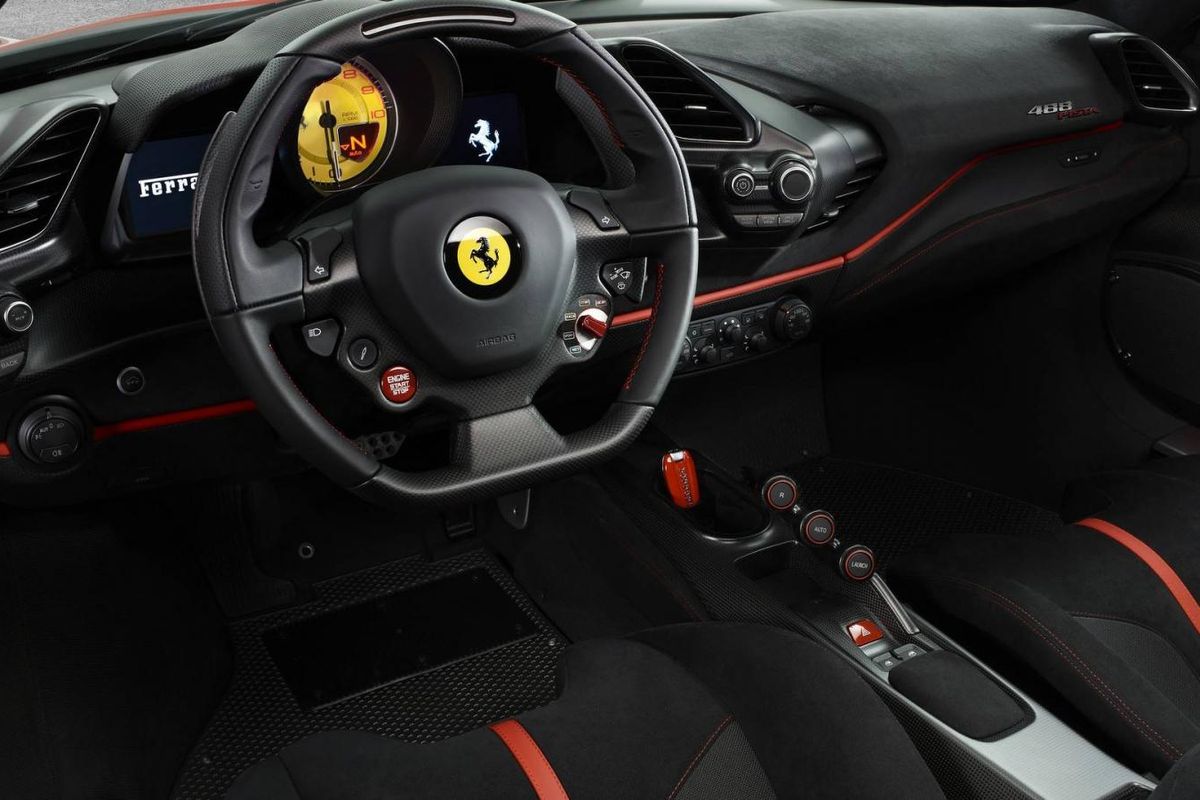
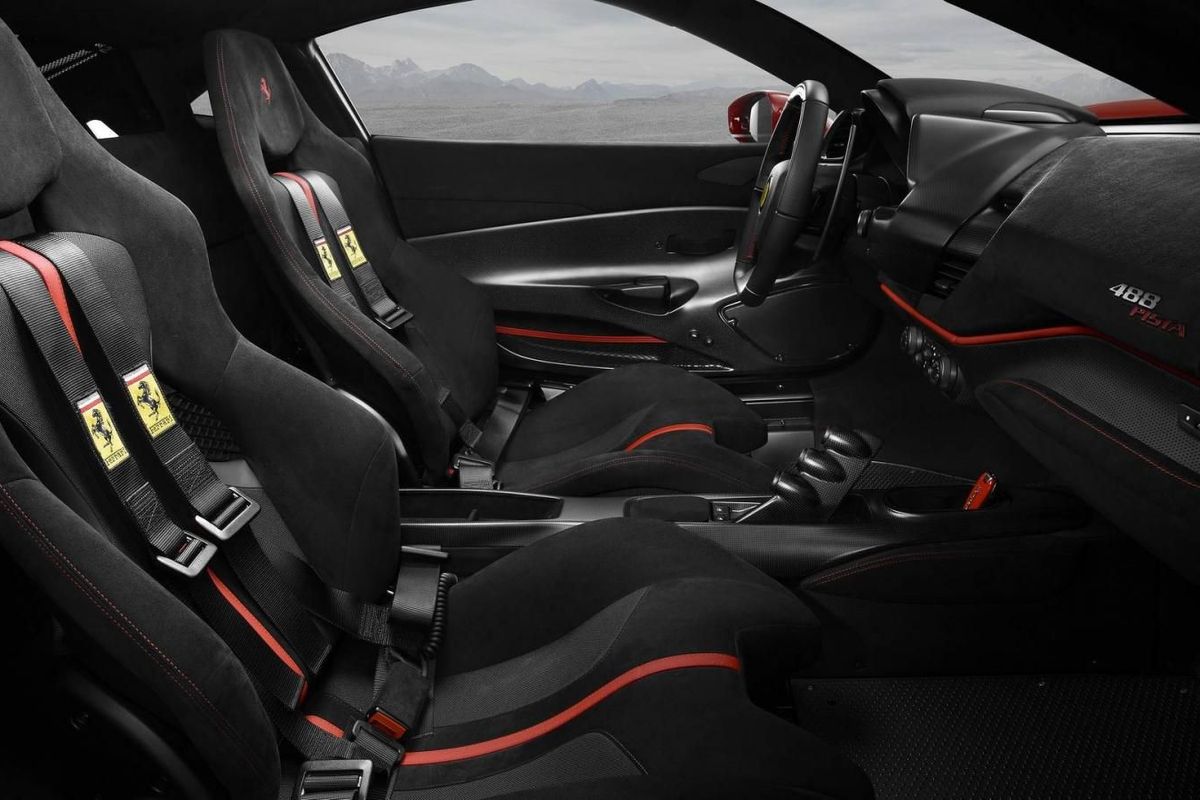
Ferrari has officially revealed its new special series 488 Pista, which is a lighter and more powerful version of the 488 GTB.
The upcoming Geneva Motor Show will host the reveal of the new Ferrari 488 Pista, which draws from the Maranello-based firm’s experience in the FIA World Endurance Championship and succeeds previous V8-powered special series cars such the 360 Challenge Stradale, 430 Scuderia and 458 Speciale.
The lightweight Pista, meaning ‘track’, aims to offer ‘impeccable track-like performance on and off the road, even when in the hands of non-professional drivers’ according to Ferrari.
Weighing in at 1 280 kg, some 90 kg less than the 488 GTB, the 488 Pista is fitted with the most powerful V8 in Ferarri’s history, a biturbo 3.9-litre V8 that produces 530 kW and 770 Nm of torque.
Those are big numbers which result in small acceleration figures. Zero to 100 kph? 2.85 seconds. Zero to 200 kph? 7.6 seconds. Top speed? 340 kph. Ferrari says that the 488 Pista delivers both higher sound quality and intensity than the 488 GTB in all gears and at all engine speeds. Downforce has increased by as much as 20% over the 488 GTB too, thanks to racing solutions such as the F1-inspired S-Duct and front diffuser design.
The timing of the Ferrari 488 Pista is spot on, as rivals Porsche has just launched a new version of its GT3 RS supercar.
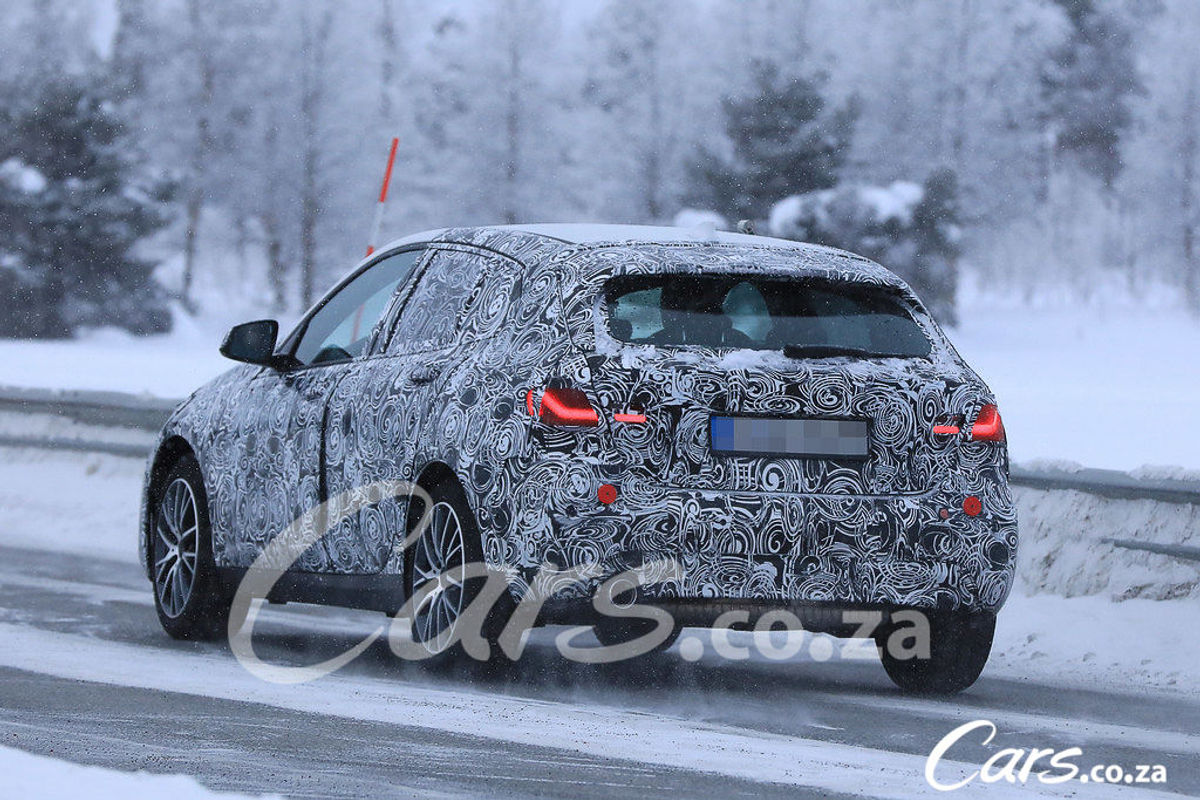
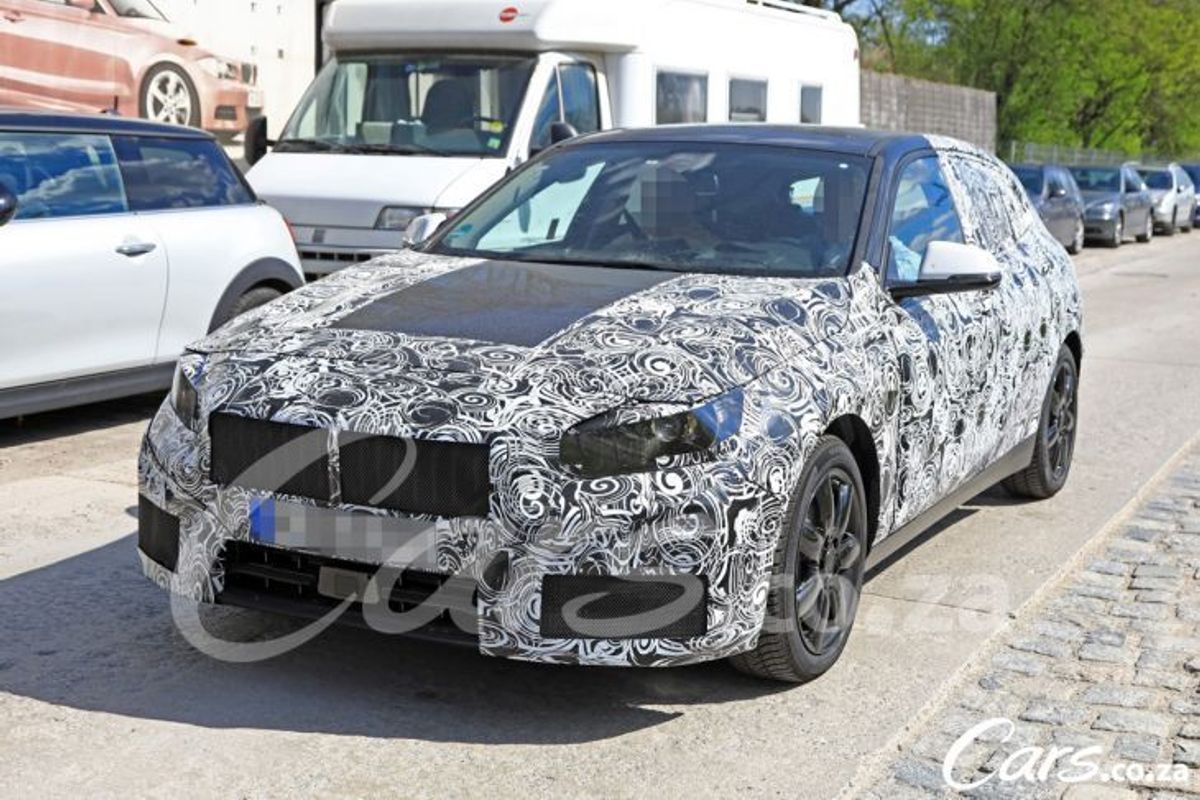
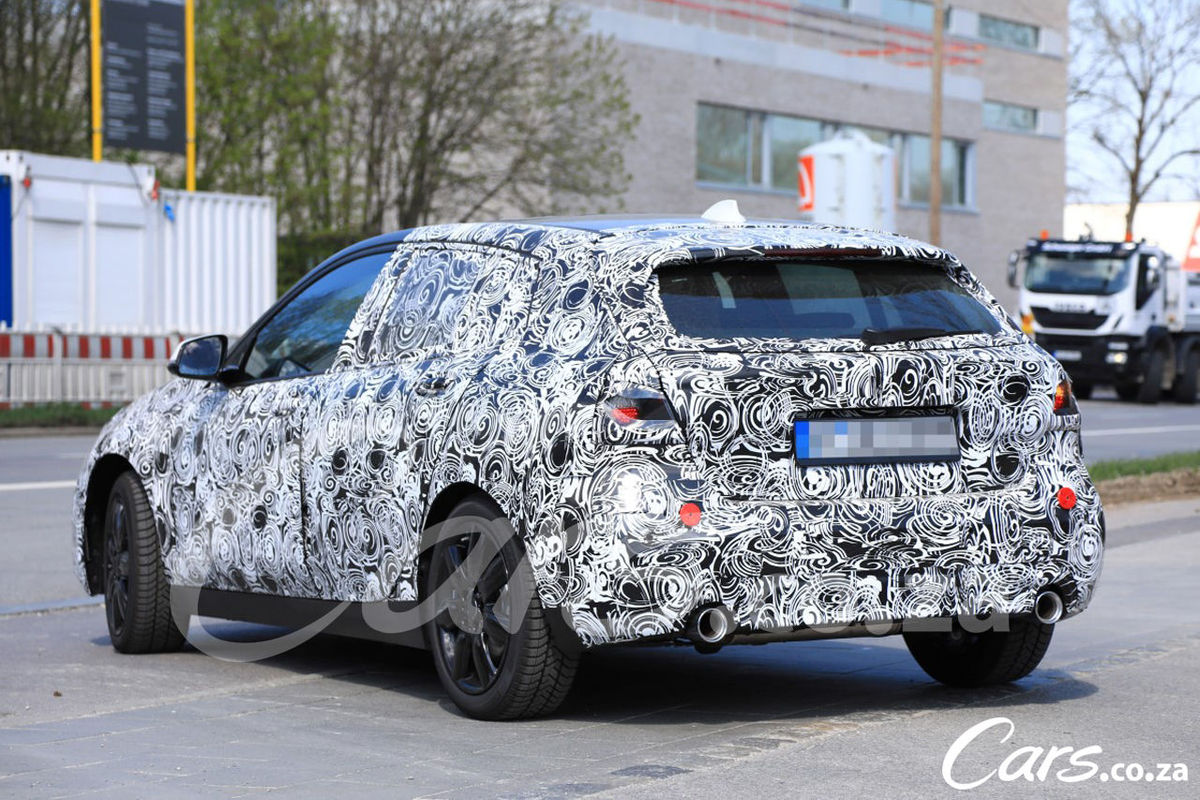
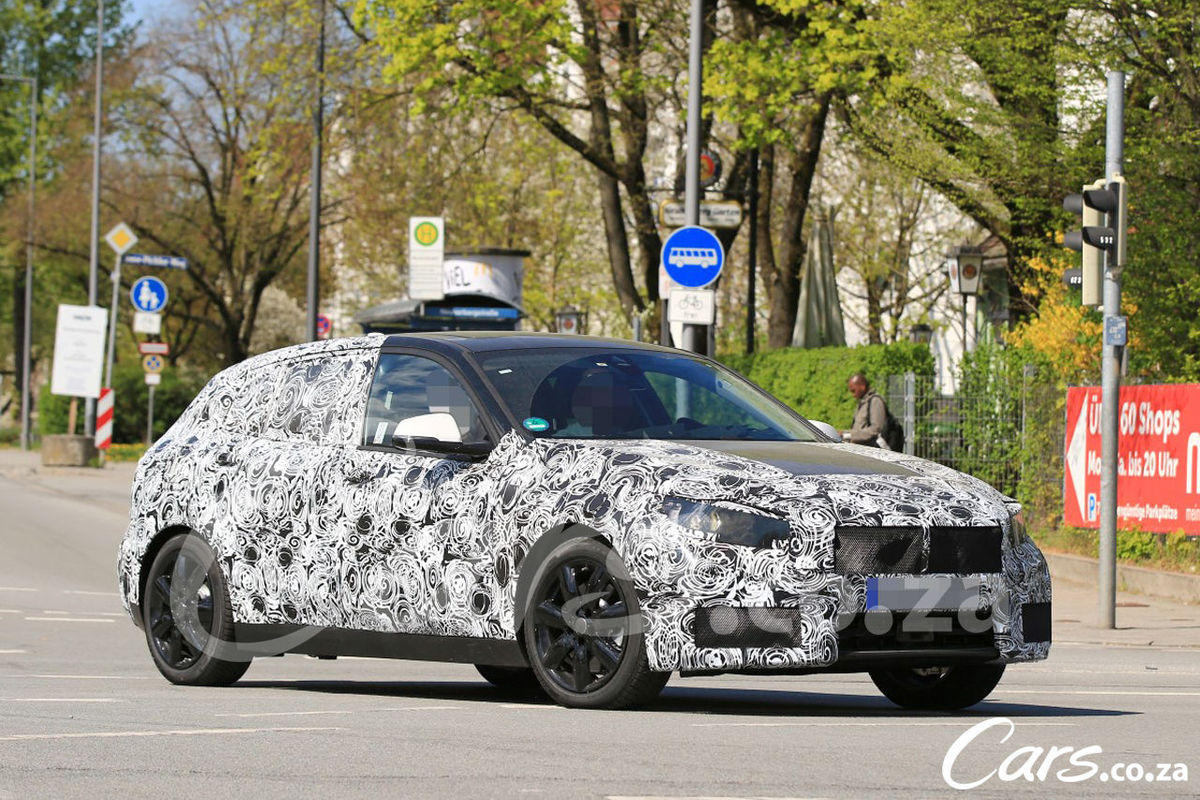
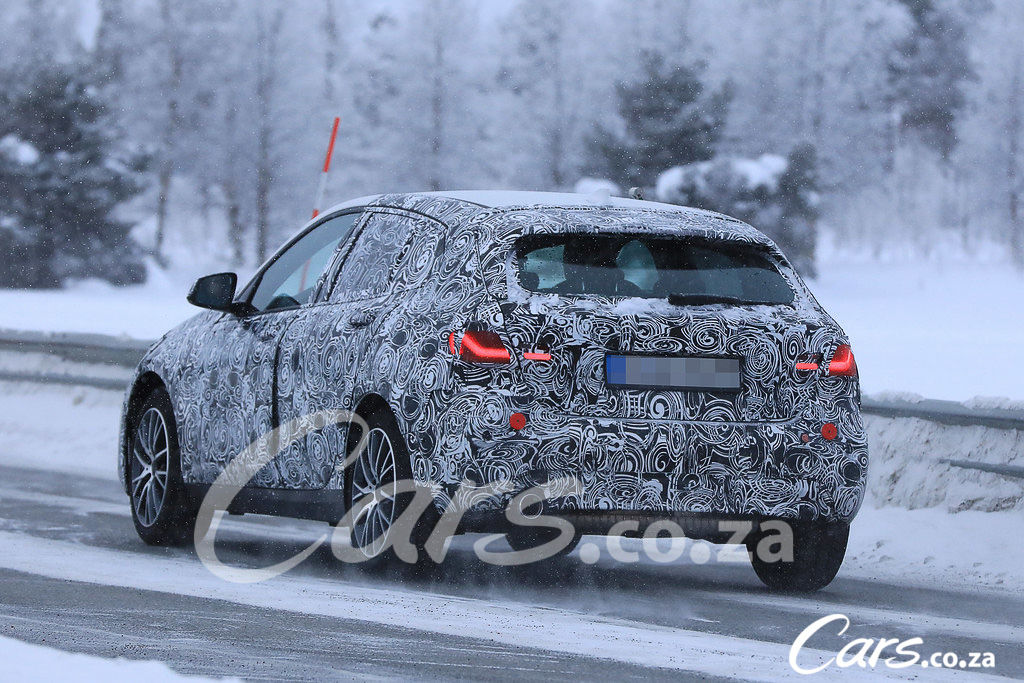
Further images of the next-generation BMW 1 Series have been captured by our German spy photographers, this time showing the model with production headlights and taillights. Take a look at what you can expect from the new 1 Series below.
Picture credit: S. Baldauf/SB-Medien
The next generation BMW 1 Series is currently in development and when it arrives sometime in 2019, it will be radically different from the current iteration. The biggest change is the switch from the current rear-wheel drive layout to a front-wheel drive configuration, which should free up cabin space, particularly for rear passengers. The new BMW 1 Series will be based on the front-wheel-drive UKL platform utilised by Mini, the BMW X1 and the 2 Series Active Tourer.
The 1 Series prototype pictured here is wrapped in heavy camouflage and appears to be more athletic in design than the current model. Notice the sporty-looking sloping roofline as well as the low and wide stance, which are key differences compared with the current 1 Series. The front headlights with angular LED daytime running lights and rear lights with an L-shaped motif provide some indication as to what you can expect to see on the production model.
The new BMW 1 Series may be shown in the metal sometime this year, but most likely in the second half of 2018.
The UKL platform will also shave some weight off the new 1 Series, which will aid performance, handling and fuel economy. All-wheel drive derivatives are also likely to feature in the upper end of the 1 Series range (at least in the European market). In terms of engines, the 3.0-litre in-line 6 motor will likely fall away and a range of 3-and 4-cylinder engines, as well as a petrol-electric hybrid version, will probably be offered.
We will have to wait and see how the new BMW 1 Series stacks up against the A-Class when they arrive in South Africa. We will keep you updated as more information becomes available.
Petrol gets cheaper when the Rand strengthens. But why not cars? We delve into what makes car prices tick when the exchange rate fluctuates.
South Africa is an exciting country to live in. At times perhaps too exciting. If you want to express confidence in a country’s future, its exchange rate is usually the indicator you use and of late, South Africa is trending better with the Rand trading a lot stronger in the first quarter of 2018.
The Rand does hold all of us who get paid in it ransom. It’s one of the world’s most traded (and speculated upon) currencies and if you look at a graph, nearly impossible to predict. Many eminent economists and respected business people have made bold predictions about the Rand, only to have the animal graphic currency do the exact opposite and embarrass them.
A stronger Rand has inarguable benefits: cheaper international travel and more affordable Netflix. But cars? What about the cars, will they get cheaper or not, and why?
Fuel is only part of the deal
If you consider the monthly ownership expense of a car, fuel is the element that changes most regularly. Each month the department of energy adjusts the South African pump fuel price according to the price of importing crude oil into South Africa.
Two factors influence the fuel price: the price of crude oil and our Rand/Dollar exchange rate. Oil prices have been low for nearly two years and with the Rand strengthening to the Dollar, fuel prices are fair.
The fuel price is easily affected by Rand strength, but car prices have to factor in resale values and long-term currency hedging.
South African retail automotive pricing does not work on a monthly adjustment basis. For both automotive importers and local legacy manufactures, the value of our Rands versus Dollars, Euros and Sterling does not convert into a scheduled four-week rolling adjustment. Naturally, the expectation is that car prices should fall, because brands require fewer Rands to pay for each car they are bringing to market. The truth, though, is a touch more complicated.
Not annoying everyone
If the Rand is gaining against all notable international currencies and South Africa’s business confidence is returning a non-doomsday scenario, why is that double-cab or hot hatch you have been configuring online for months, not getting any cheaper?
Technically, it is. When prices increase at a percentile lower than inflation, things are effectively becoming cheaper. The latest round of vehicle price increases has been well under inflation, which means in ‘real’ terms, cars have gotten cheaper. True, the prices have not decreased – they’re merely increasing at a slower rate than your purchasing power. The example clarifies when you compare price increases in the last quarter of 2016 (9.4%) to the same period last year (2.4%).
Technically if the same car's price increases by less than inflation, you're paying less for it.
“I don’t care for this ‘real price’ decreasing stuff, I want to see actual list price discounts on new cars if the Rand is getting stronger.” Many buyers subscribe to this logic and feel frustrated that their fuel gets cheaper when the Rand buys more overseas, but cars don’t. The reason you will never see sudden, noticeable, decreases in new car pricing is that brands don’t like annoying customers, especially those who bought a few months ago.
Any discounting would ruin the residual values of cars already in the market and for the few customers who might benefit from buying in a brief period of Rand strength, that discounting would be an infuriation to a great many more who bought two quarters or a year ago, at a higher price.
The Rand’s unpredictability has reached into double-figure digits over the last few years, and if car prices directly correlated with that, there would be huge capital accumulation and almost overwhelming demand in those months when it does strengthen. Imagine everyone delaying a purchase until the Rand strengthened and huge one-month discounts happened? It would make the supply chain untenable.
The volatility in such a price structure would make it impossible for dealers to hold stock or factories to build and supply a range of different models, consistently. In principle, it is disappointing that the only car pricing benefits you gain from a strengthening Rand appear to be less dramatic increases over time. It’s not all captive customer gloom and disenchantment, though…
By pleasing some
The trend for 2018 is a strengthening Rand and you are annoyed that it’s not correlating to a big enough discount on that SUV or Crossover you desire. Although pricing decreases won’t move your dream car from the realm of the impossible, into a probable financing deal, the car you could afford might become a bit more attractive thanks to a strengthening Rand.
You may find that if the Rand keeps strengthening that value will be added in the form of optional extras becoming standard fare.
By now you must be wondering what manufacturers do with the windfall from a strengthening Rand if prices aren’t discounted. Well, they add value to your deal by offering additional equipment. That hatchback or compact SUV you wanted to buy, when you started configuring it online, probably did not include a set of inched-up alloy wheels, Smartphone App synching or that handy reversing camera. Visit your local dealer now and suddenly myriad small equipment upgrades and incentives could be included in the price, as manufacturers sneak additional equipment into deals. This is the real flow of benefits channelled to customers as a result of greater purchasing power when product planners are ordering in Rand from a factory in Europe or the far East.
Adding upgraded features, usually comfort and convenience items within the cabin, make a car feel greatly more expensive and increases the perception of value experienced by anyone about to take ownership. It’s a win-win scenario, with owners who bought a year ago not risking increased depreciation due list price discounting, but having new owners experience an actual benefit to buying their car in a fortune time of Rand strength.
Stability is key
The South African car market is distinctly split between those legacy brands who have established manufacturing operations here (all the Germans, Ford, Nissan and Toyota) and a collective of importers. Despite the perception of local manufacturers being at a great advantage, many of the components used for assembly in South Africa remain imported, with the associated exchange rate risk profile.
If you are looking at specific brands and what they can possibly offer, it all depends on what their respective financial officers did. To counter the reality of risk encountered when ordering cars in Rand, many car company finance managers would hedge their exposure to any volatility by negotiating for a fixed exchange rate, which remains in place for a few months. This issue with this is that when that inevitable bout of Rand strengthening happens, the parent company factory is not always too keen for a renegotiation to allow its local representatives to profit.
With a volatile currency, such as the Rand, manufacturers will often buffer in currency movements so that fluctuations don't reap losses, this works both ways, however.
With Rand’s influence on car pricing, stability is the refrain. Brands want to protect customer’s car values over time, hence the policy of not discounting when the Rand is in hero mode. And when it’s in freefall, they hopefully have the correct forward cover hedged, to prevent above inflation increases. In the very short term, a timeframe of less than three months, it depends on a factory’s agility to alter orders and equipment grades for the Rand strength benefit to materialise into better deals. Some brands will have a supply chain which can absorb and process such inputs at the last moment, others won’t. If the Rand remains strong for a year or more, then transactional benefits at dealerships, with better equipment grades, should become available throughout the market.
If you are about to buy the same car your best friend bought a year ago, despite the Rand being about 11% stronger now, it’s not going to be cheaper, but chances are, you’ll get some options as standard to sweeten the deal.
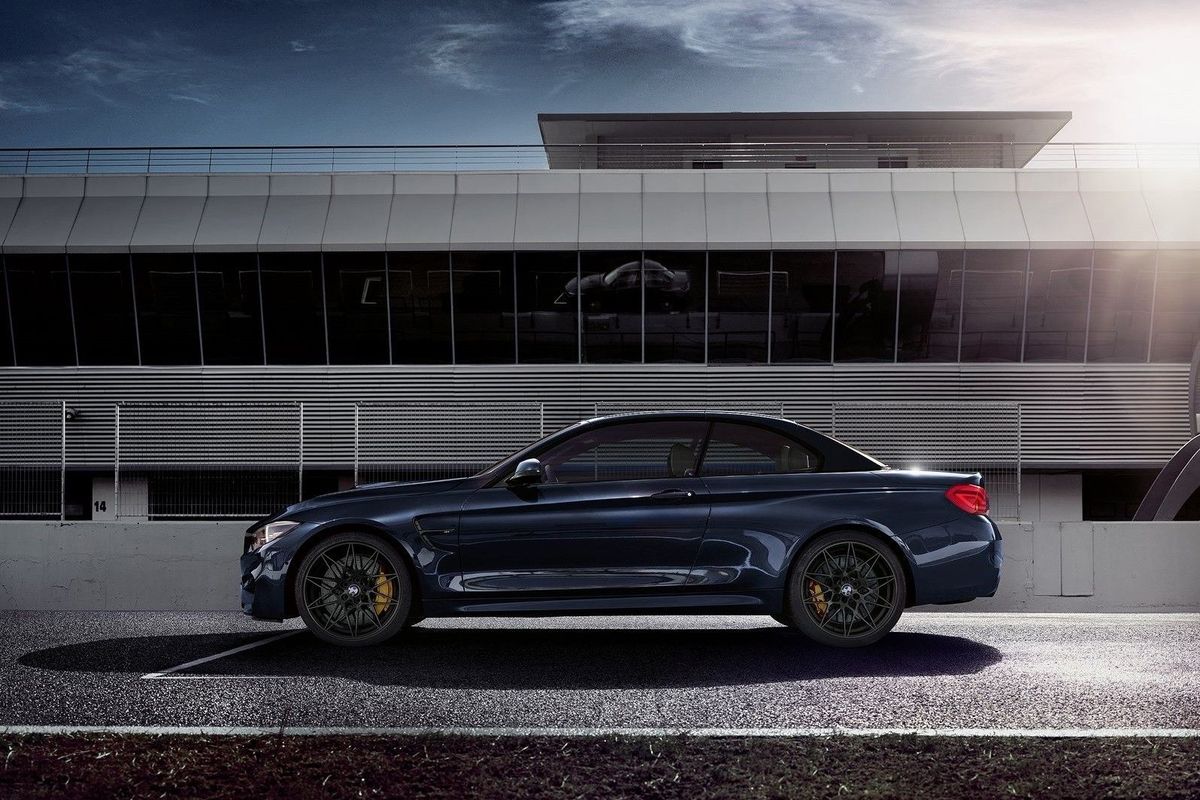
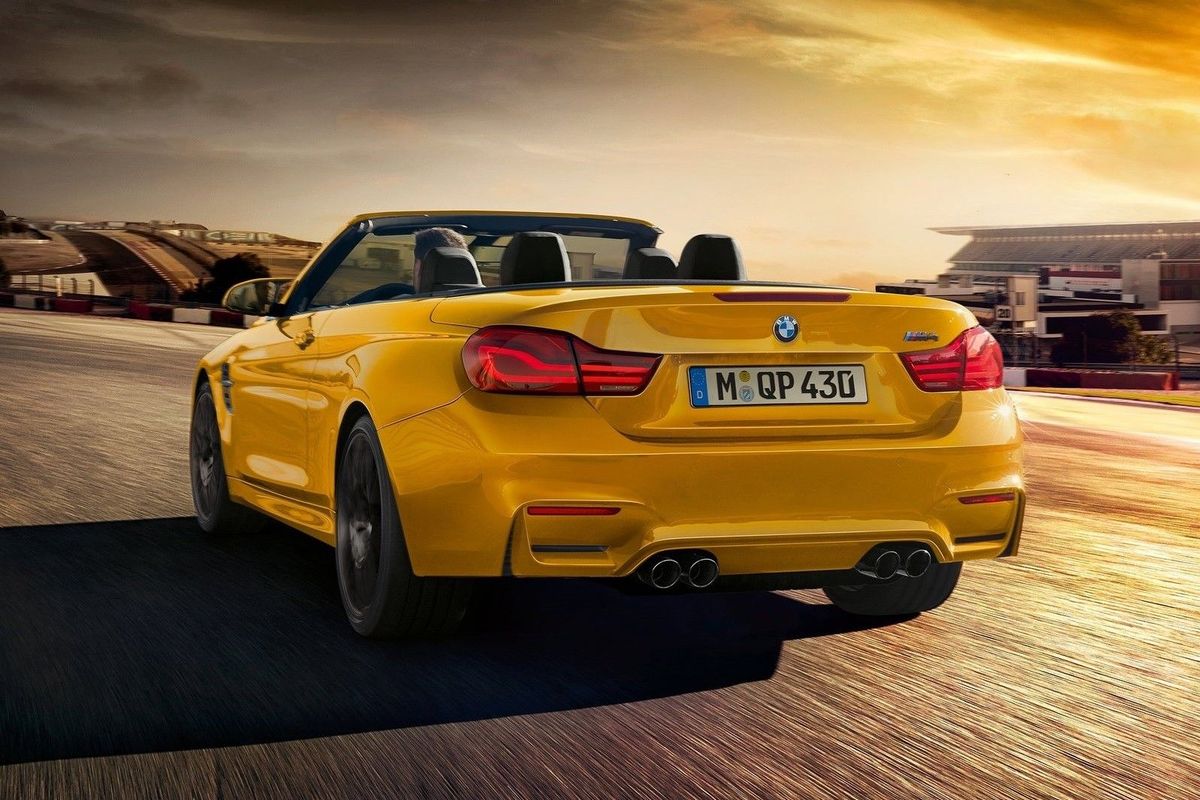
BMW M4 Convertible Edition 30 Jahre Celebrates 30 Years of Topless M
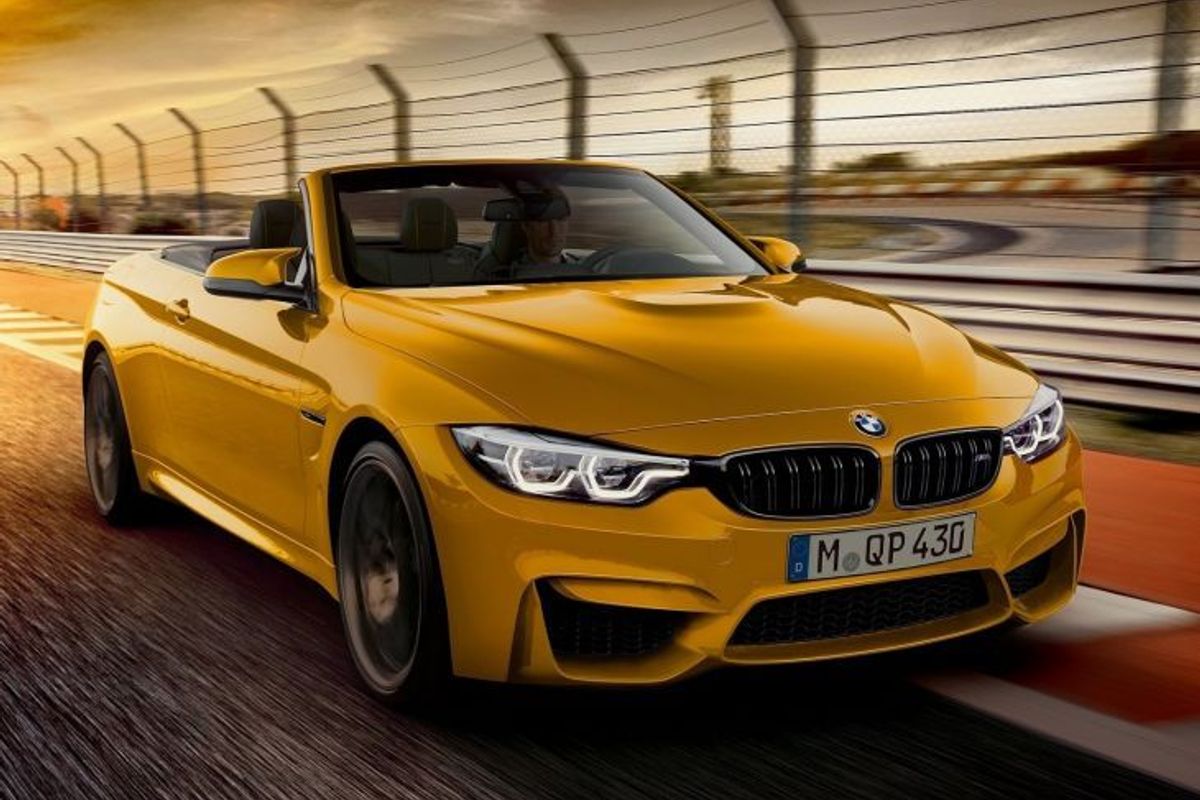
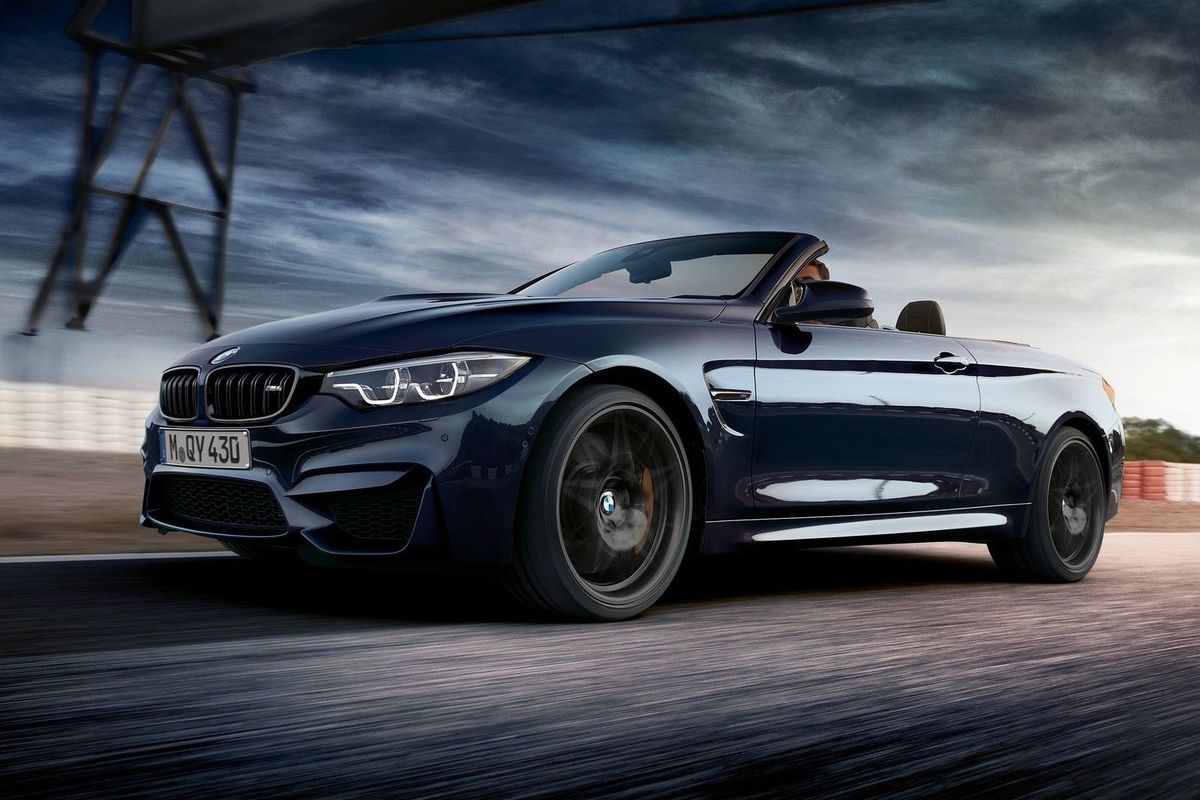
To celebrate 30 years of the convertible high-performance BMW, the Munich-based manufacturer has released a special-edition M4 Convertible. It's officially called the BMW M4 Convertible Edition 30 Jahre and just 300 vehicles will be made.
Back in 1988, BMW dropped the top of the M3, opening up a new market for the enthusiast. Finally, performance fanatics had the opportunity to enjoy their cars in the open air. To celebrate 30 years of convertible high-performance motoring, BMW has created the M4 Convertible Edition 30 Jahre.
Only 300 units will be made and all will come with the M Competition Package. Packing a 331 kW/500 Nm punch, M Sport exhaust system, adaptive M suspension with Sport mode, and an active M differential. With the option of either Macao Blue metallic or Mandarin II uni as colour options, the BMW M4 Convertible Edition 30 Jahre looks unique. Interestingly, these colours are tributes to the original colours.
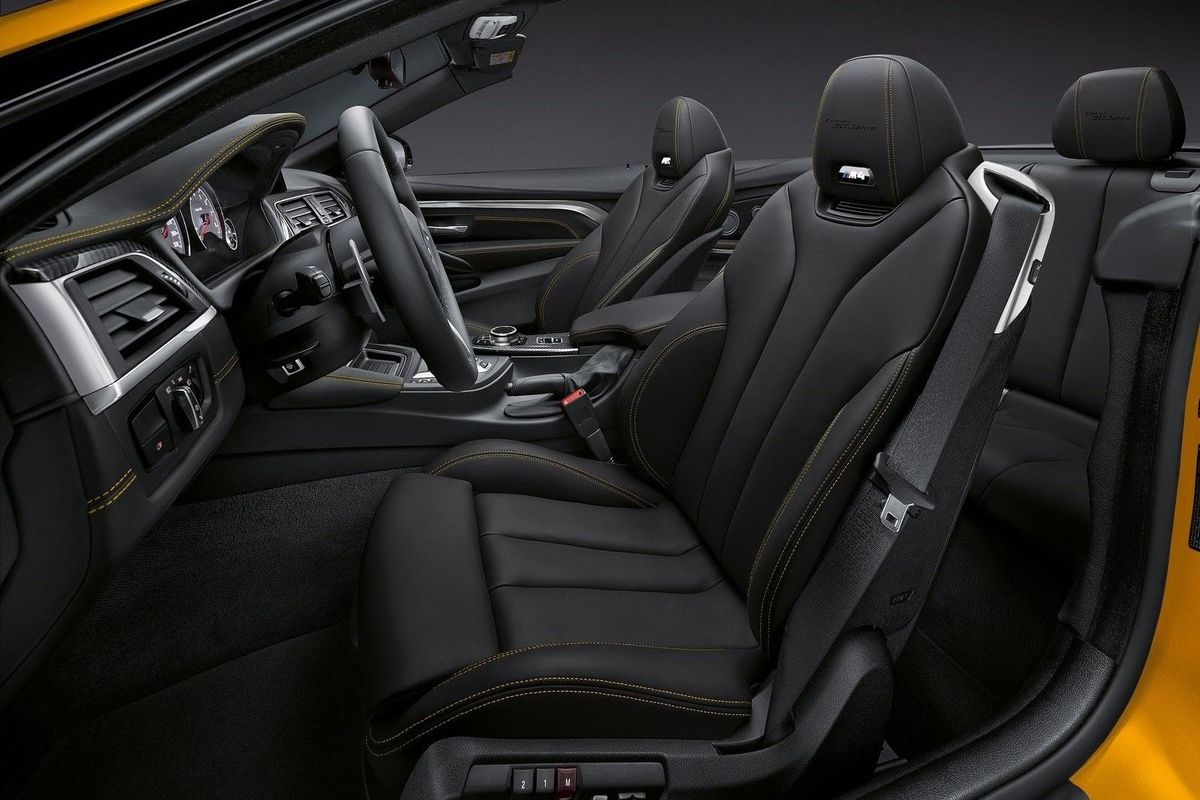
Inside, the BMW M4 Convertible Edition 30 Jahre has the choice of two-tone colour combinations Black/Fjord Blue and Black/Silverstone. The exclusive features also comprise corresponding contrast stitching on the headrests as well as M floor mats with piping in the respective contrasting colour. Black interior surfaces with yellow contrast stitching are offered in conjunction with Mandarin II uni, whilst interior trim strips in the version Carbon Fibre come as standard for all edition model variants. The vehicle also features Merino full leather trim. "30 Jahre Edition" is imprinted both on the doorsills and the headrests.
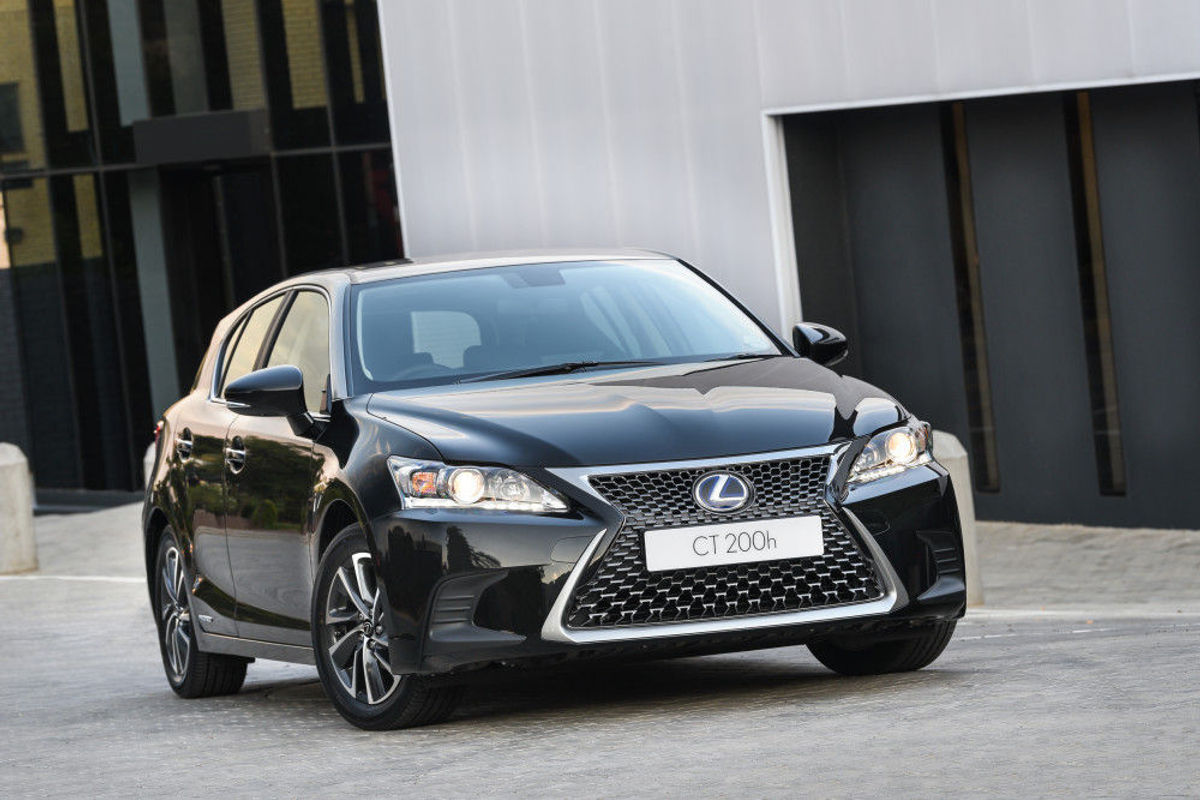
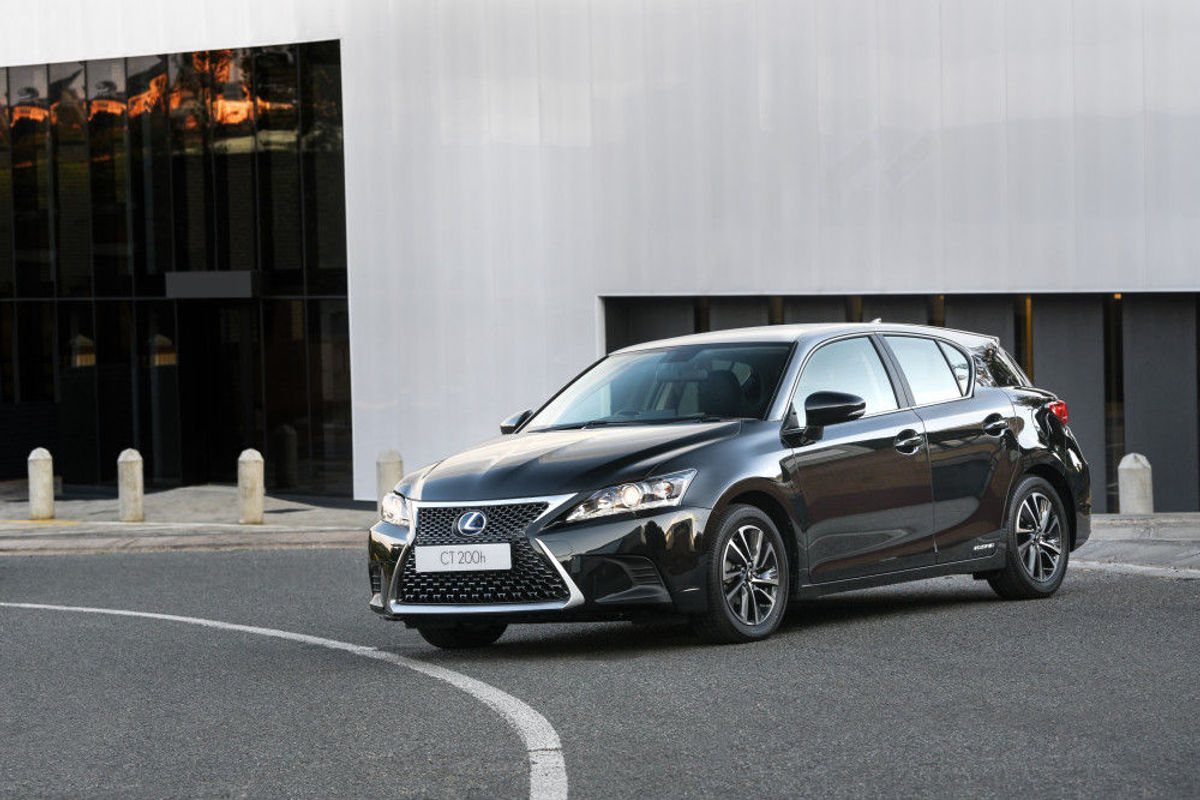
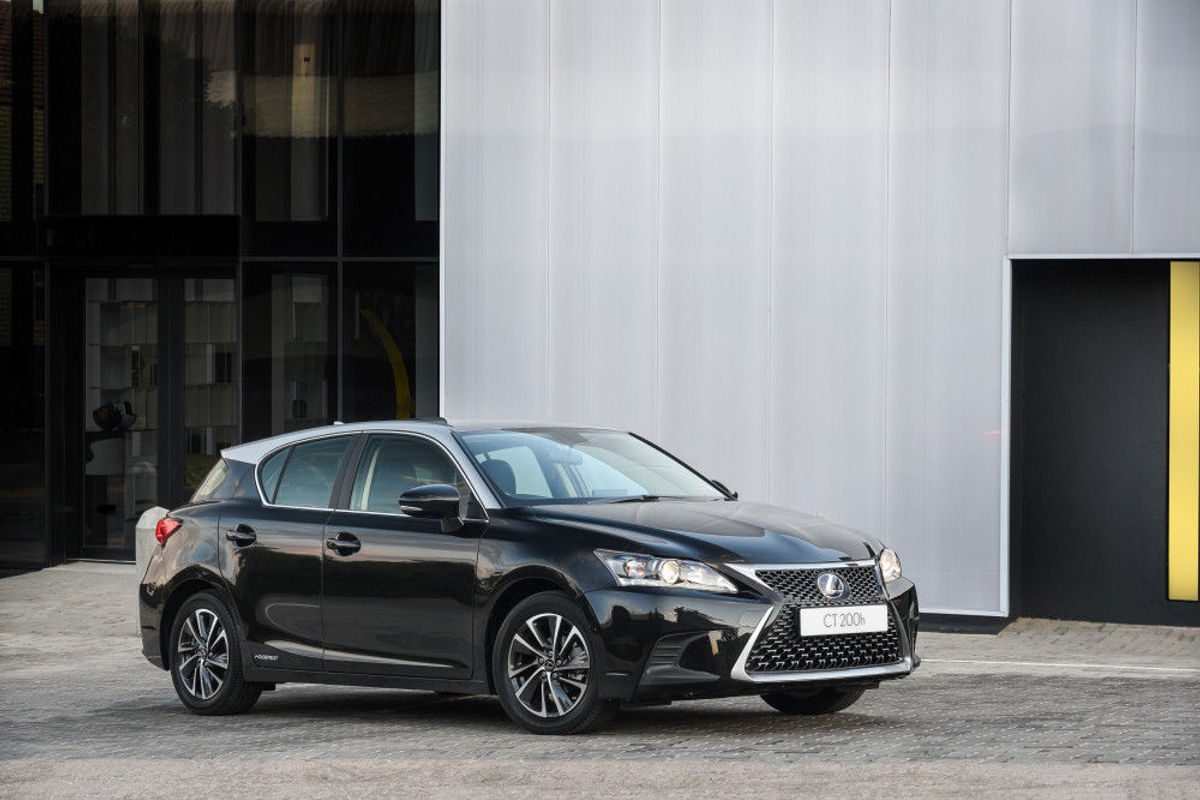
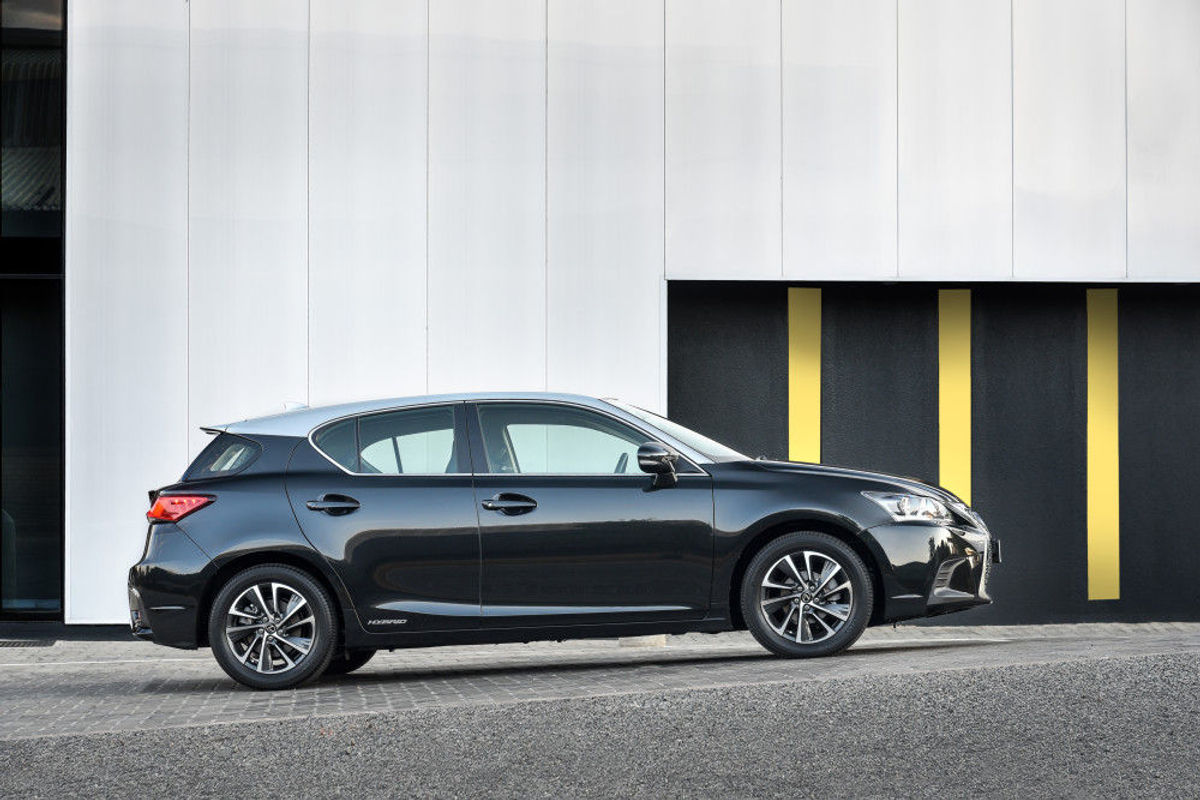
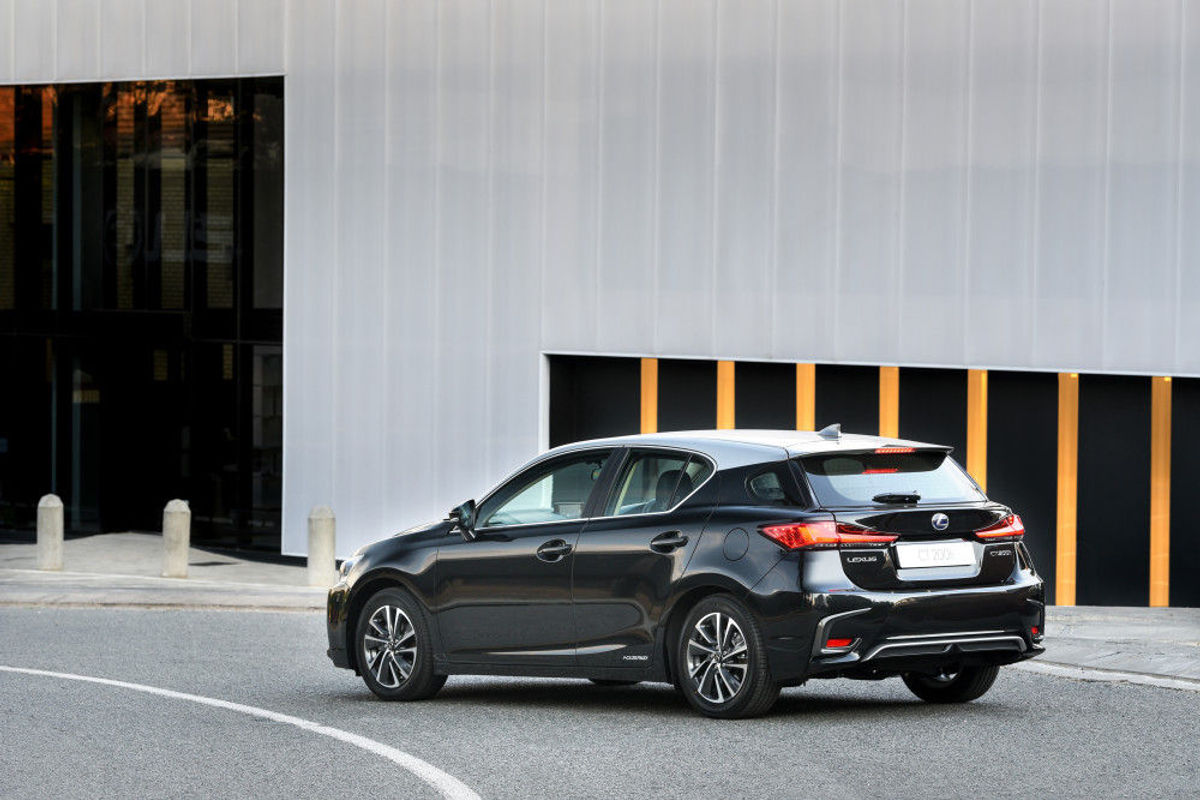
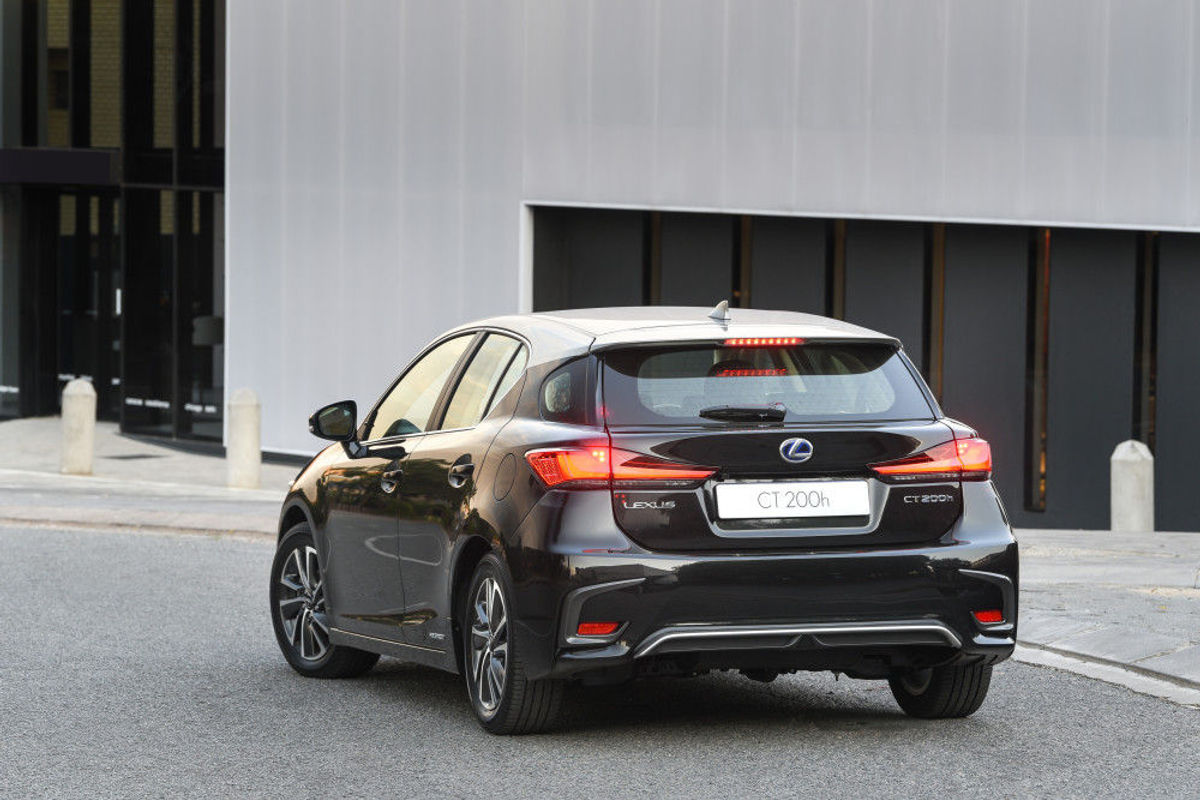
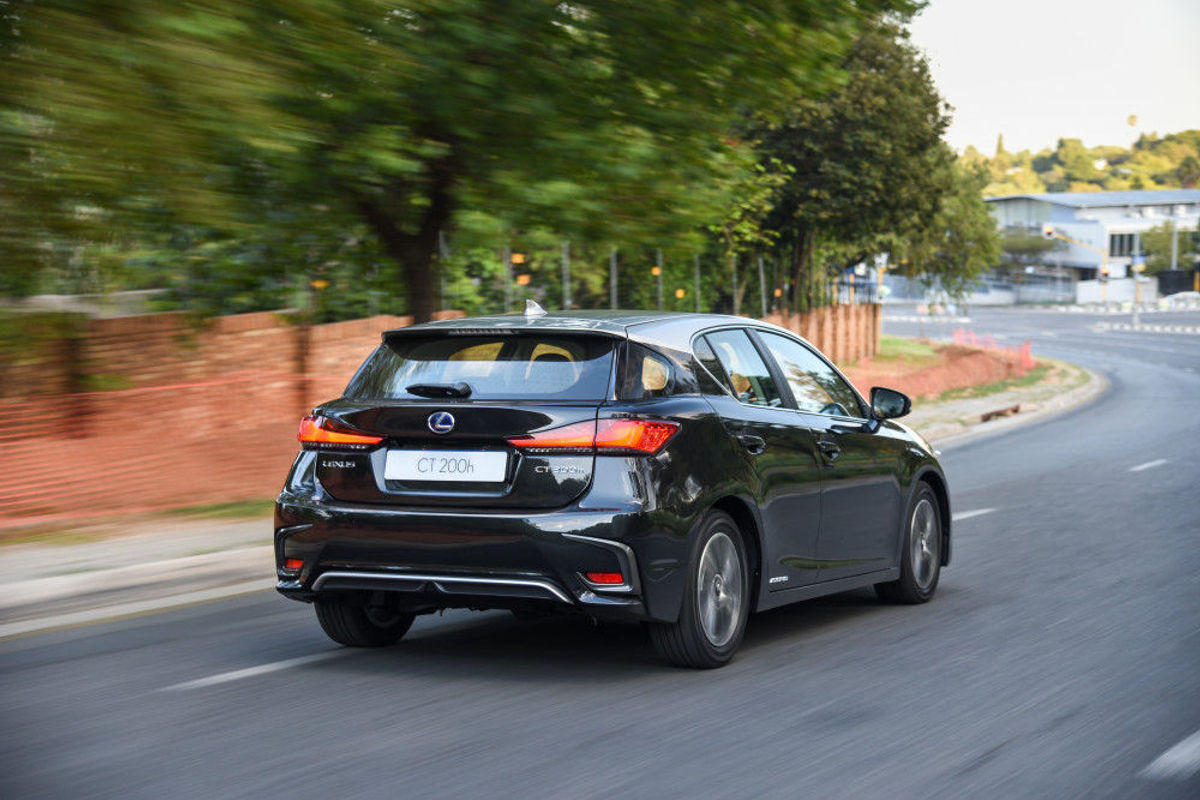
Lexus has hit the refresh button for its CT 200h hybrid hatchback which is now available with updated exterior and interior styling. Herewith specification and pricing…
Although the Lexus CT 200h has racked up over 300 000 sales globally since the launch of the first-generation model back in 2011, it has struggled to gain significant traction in the South African market where buyers have yet to fully embrace hybrid technology.
Nonetheless, perhaps an updated Lexus CT 200h will arouse your interest? Yes? No? Maybe?
Let’s take a look at what’s changed…
Exterior changes
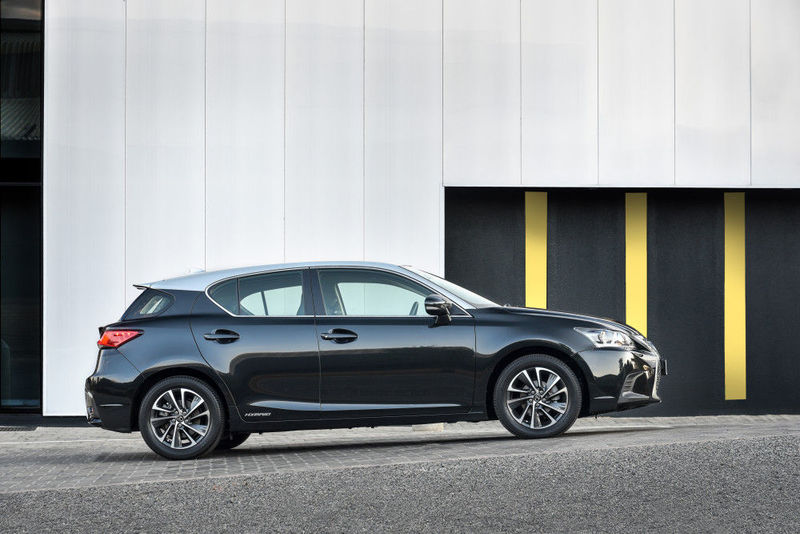
Minor exterior updates have been implemented for the CT 200h. Do you like the 2-tone, blacked-out roof design?
The Lexus CT 200h’s spindle grille now has a mash panel design finish as well as new 16-inch 10-spoke, dark metallic alloy wheels. A 2-tone, black-out roof with either Titanium and Quartz, Mercury and Morello or Titanium and Black is on offer to buyers.
The front bumper has been revised and the daytime running lights have been repositioned in conjunction with the new LED projector headlights which have a smoked metallic finish. The rear bumper has also been reworked and new garnish trim rounds off the rear-end.
Exterior colours on offer include White Quartz, Sonic Titanium and Amber.
Interior changes
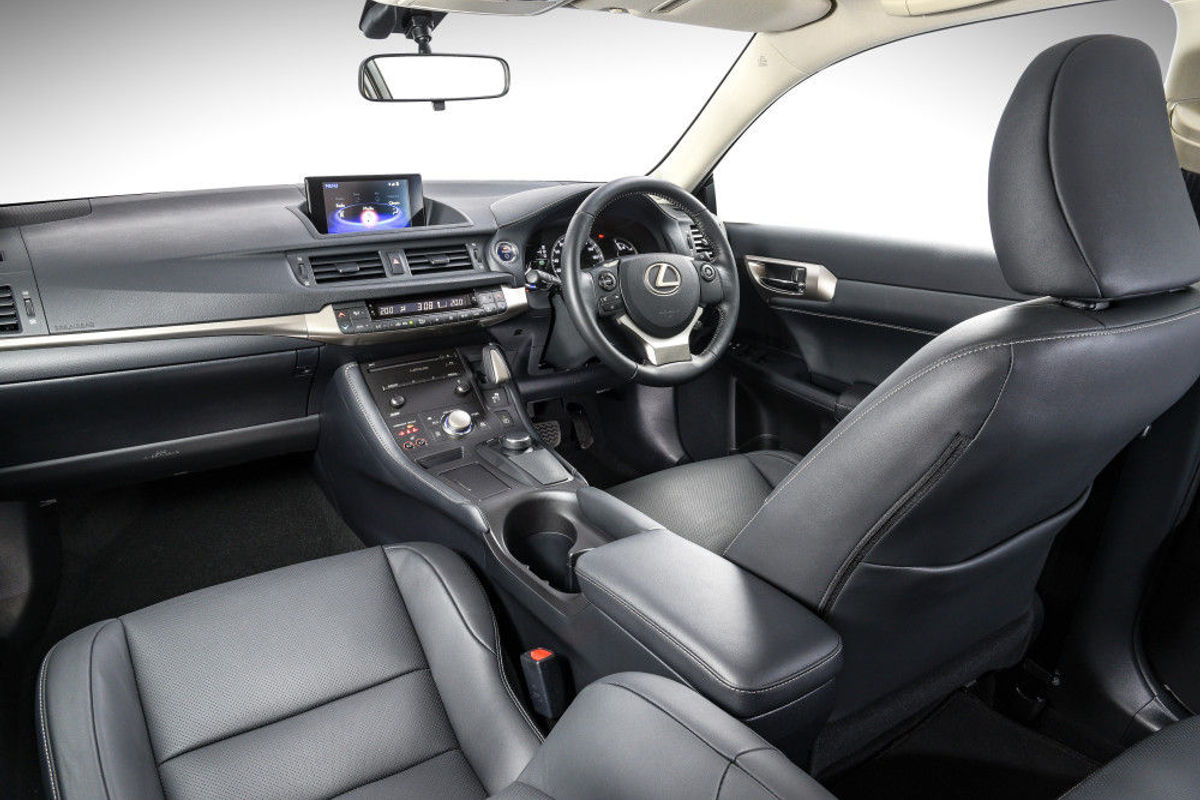
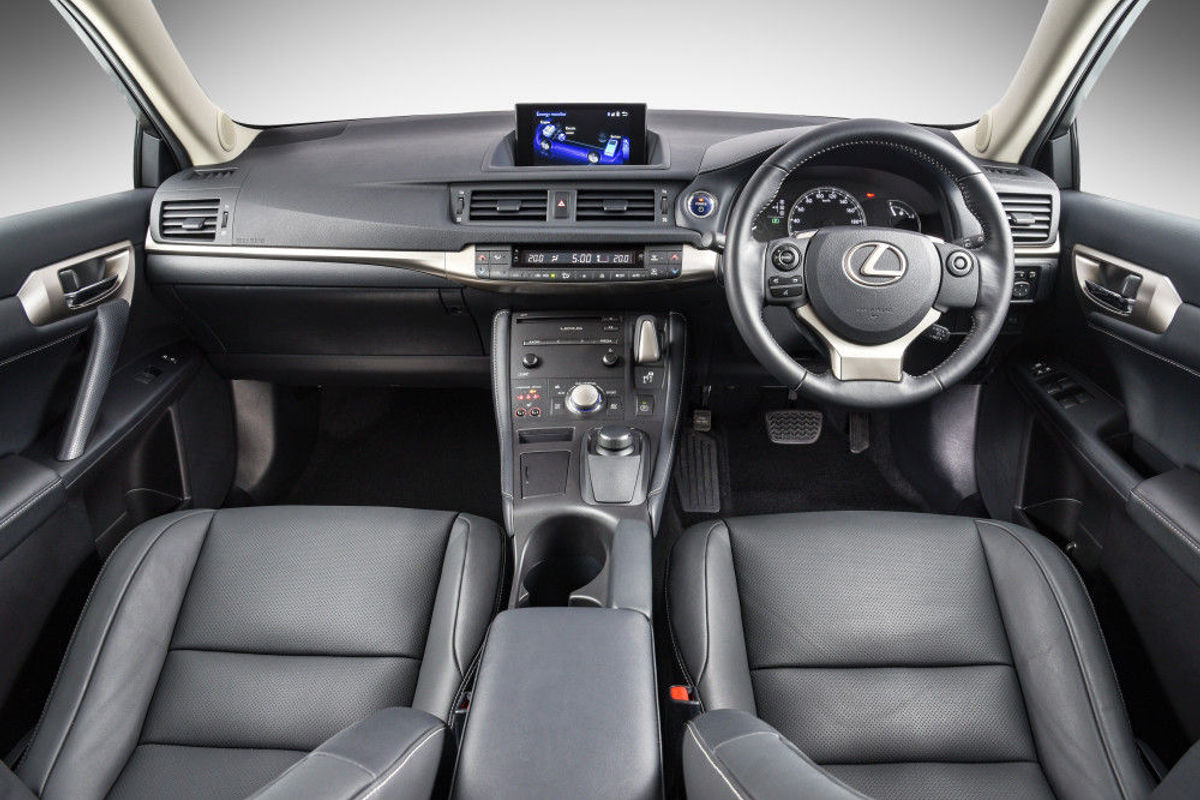
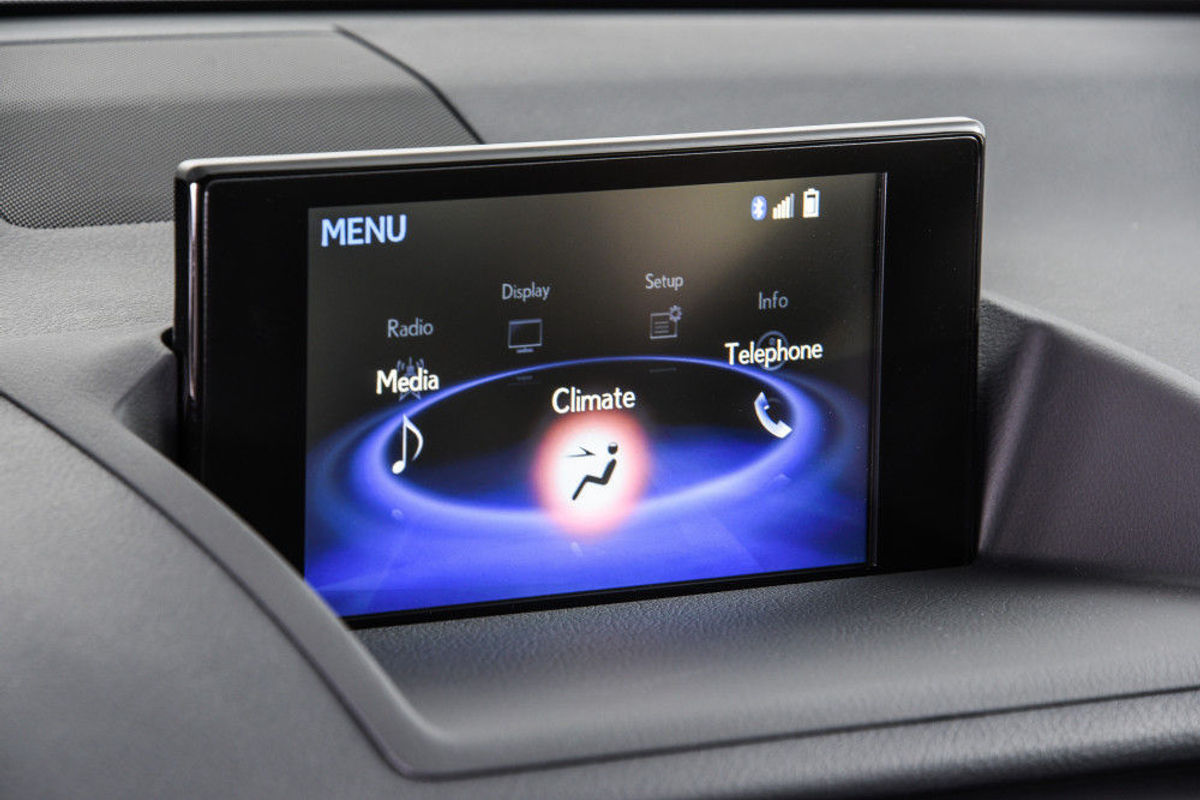
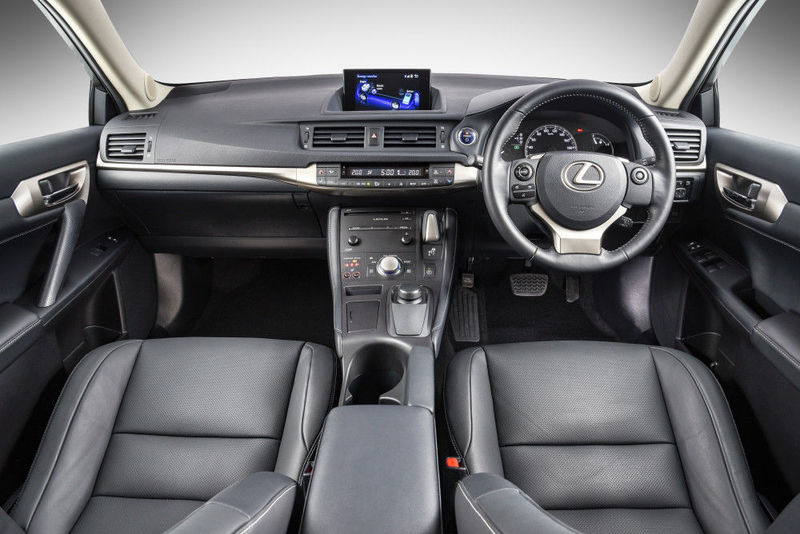
The interior remains much the same but a larger 10.3-inch touchscreen makes its way into the CT 200h.
The major change on the inside is the availability of a larger touchscreen infotainment system (Lexus Premium Navigation) which has grown from 7-inches to 10.3-inches in size. New interior trim colours are also on offer and these include standard nuluxe material in either Black/Fundamental and Sunflare Brown/Fundamental.
Hybrid power
The CT 200h is powered by a 73 kW 1.8-litre Atkinson Cycle petrol engine in combination with a 60 kW electric motor, resulting in a total power output of 100 kW and 142 Nm of torque. A Continuously Variable Transmission (CVT) is standard. Lexus claims a combined fuel consumption figure of 4.1 L/100km. When driven in EV mode, the vehicle uses no fuel with zero emissions expelled.
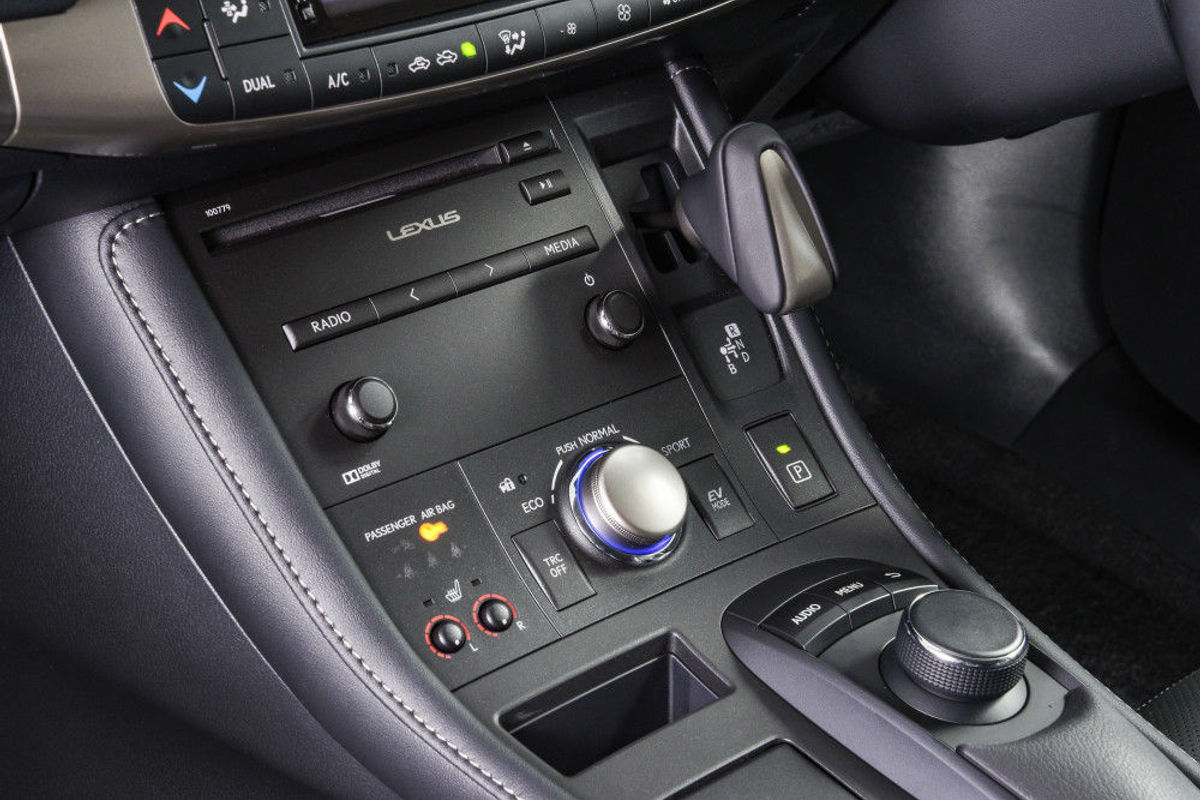
Three modes, including EV, ECO and Sport are at the driver's disposal. EV mode can be used at start-up at speeds up to 40 kph. Regenerative braking further improves fuel economy while reducing emissions.
Lexus CT 200h – Price in South Africa
CT 200h – R529 300
The Lexus CT 200h is sold with a 4-year/100 000 km maintenance plan.
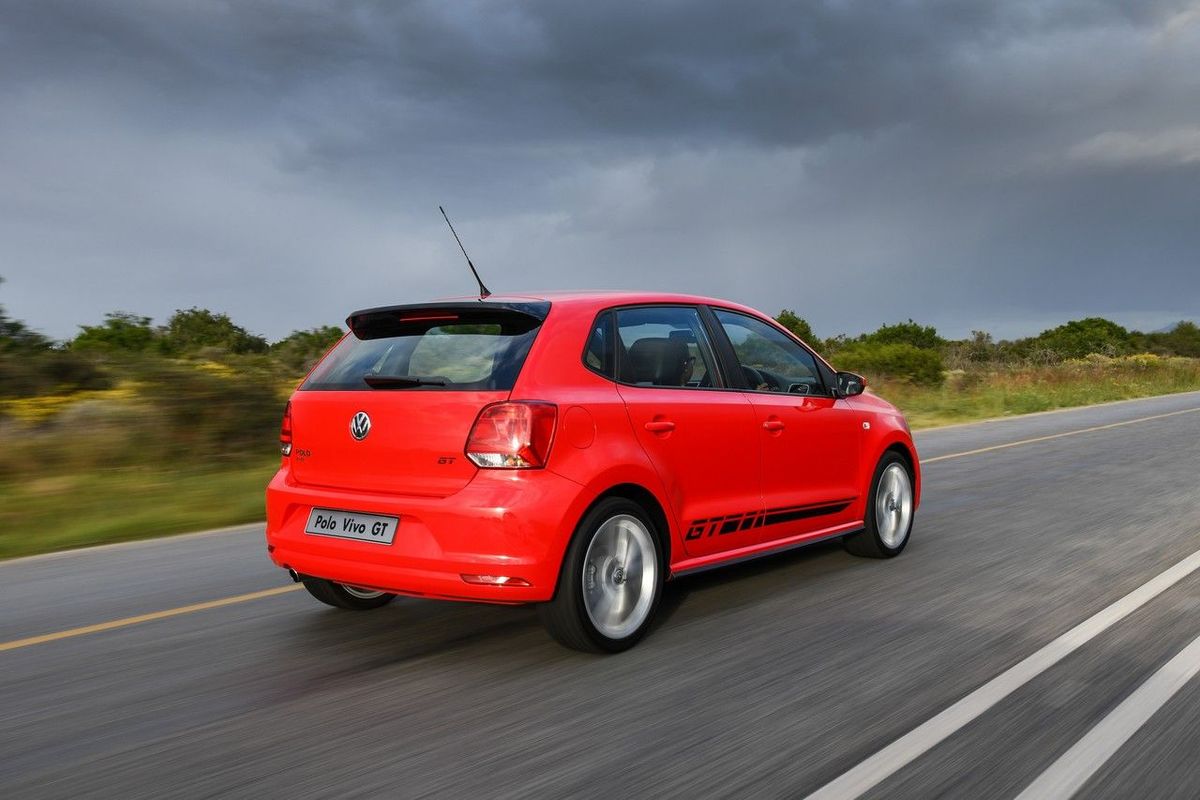
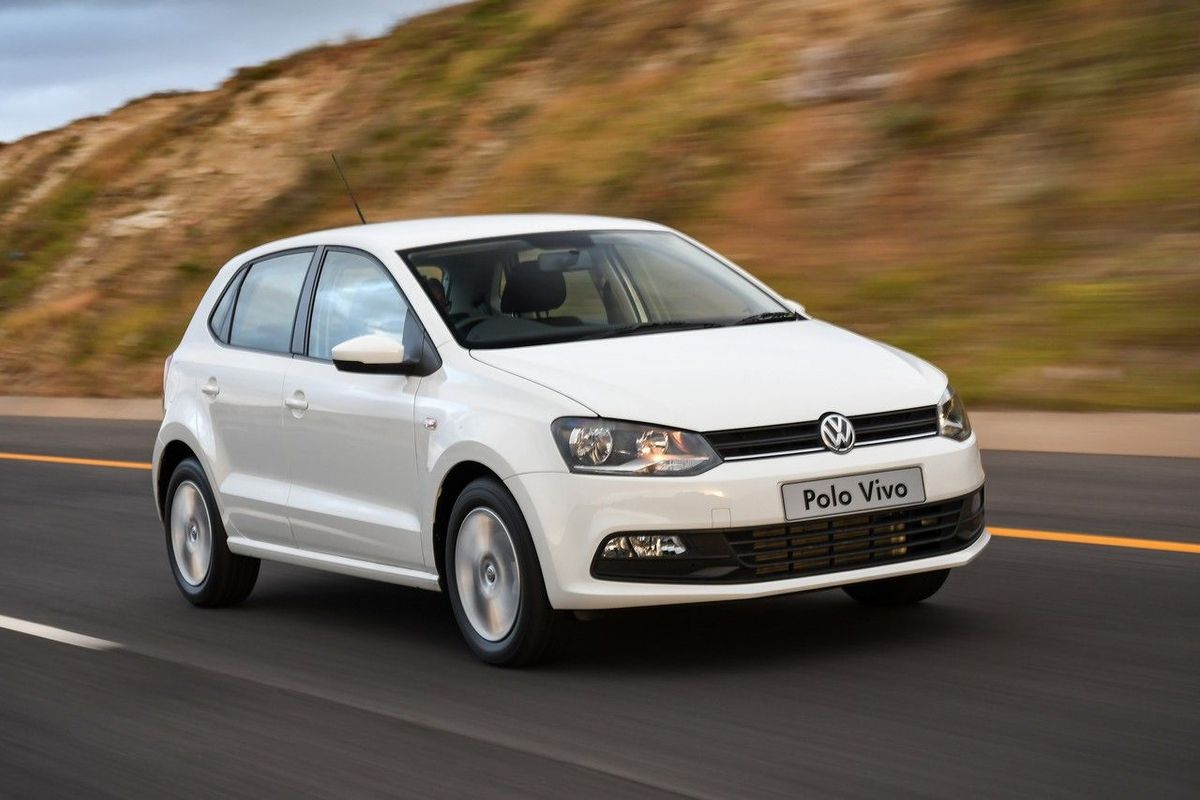
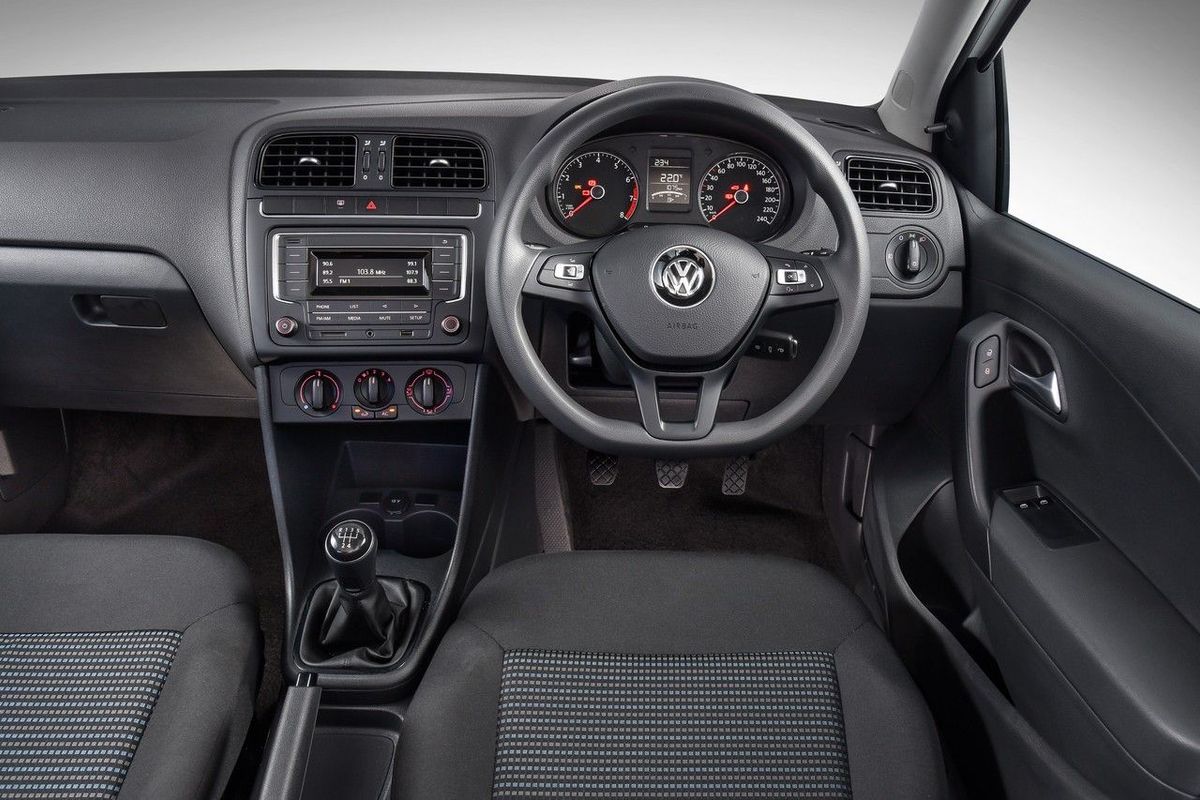
"The king is dead, long live the king" is the saying that comes to mind when one thinks of the changeover from the old Volkswagen Polo Vivo to the new one. We drive the newcomer to see if it could carry on being South Africa's most popular passenger vehicle in the new car market.
With a staggering sales figure of almost 200 000 units since its market introduction back in March 2010, the Volkswagen Polo Vivo has been a runaway success. The numbers make for impressive reading. If you consider the passenger market for 2017 sitting around the 368 000 unit figure, the Volkswagen Polo accounted for almost 51 000 sales. If the Polo was a standalone brand, it would outsell many manufacturers combined.
With this total market domination in mind, it's absolutely critical that Volkswagen nails the brief when it comes to a replacement Polo Vivo. As for the brief, well it was a reasonably straightforward one. Value for money was imperative, as was the insistence on making use of local component suppliers. Given the fact that the car was aimed at the budget segment of the market, modifications to the existing Polo base were inevitable, but without impacting on safety and reliability.
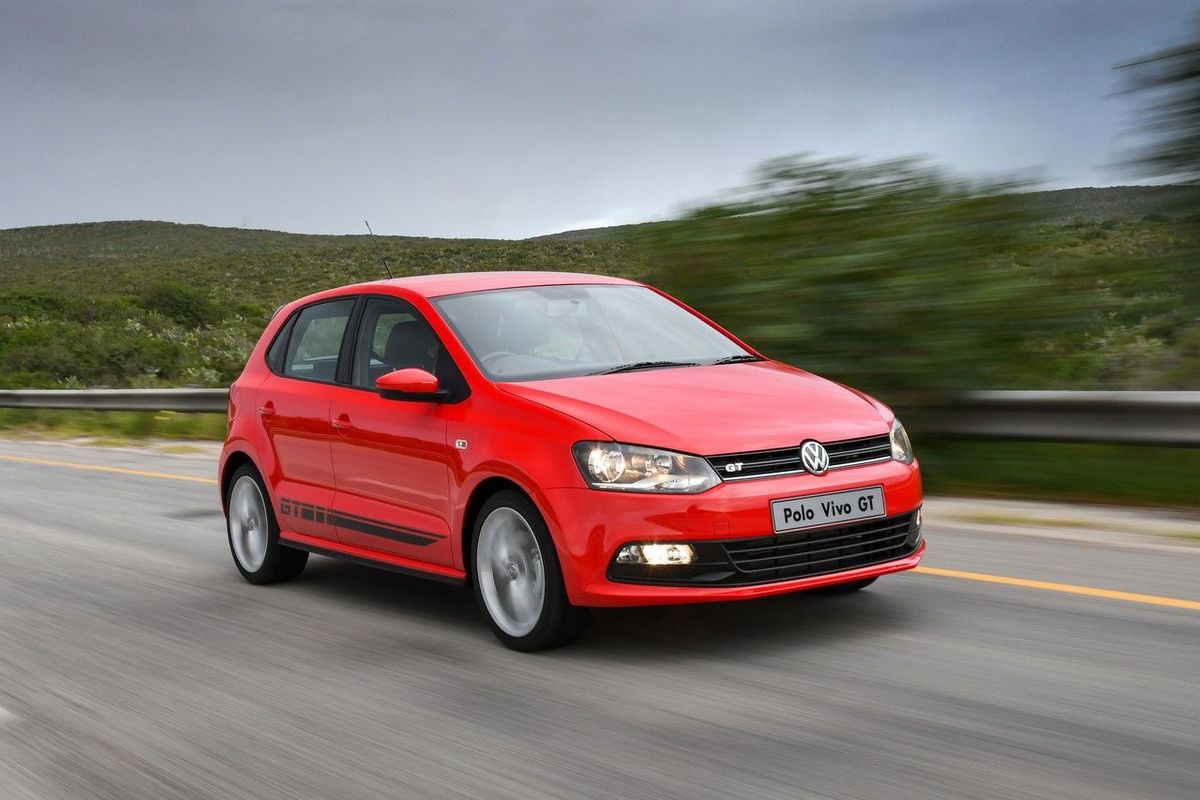
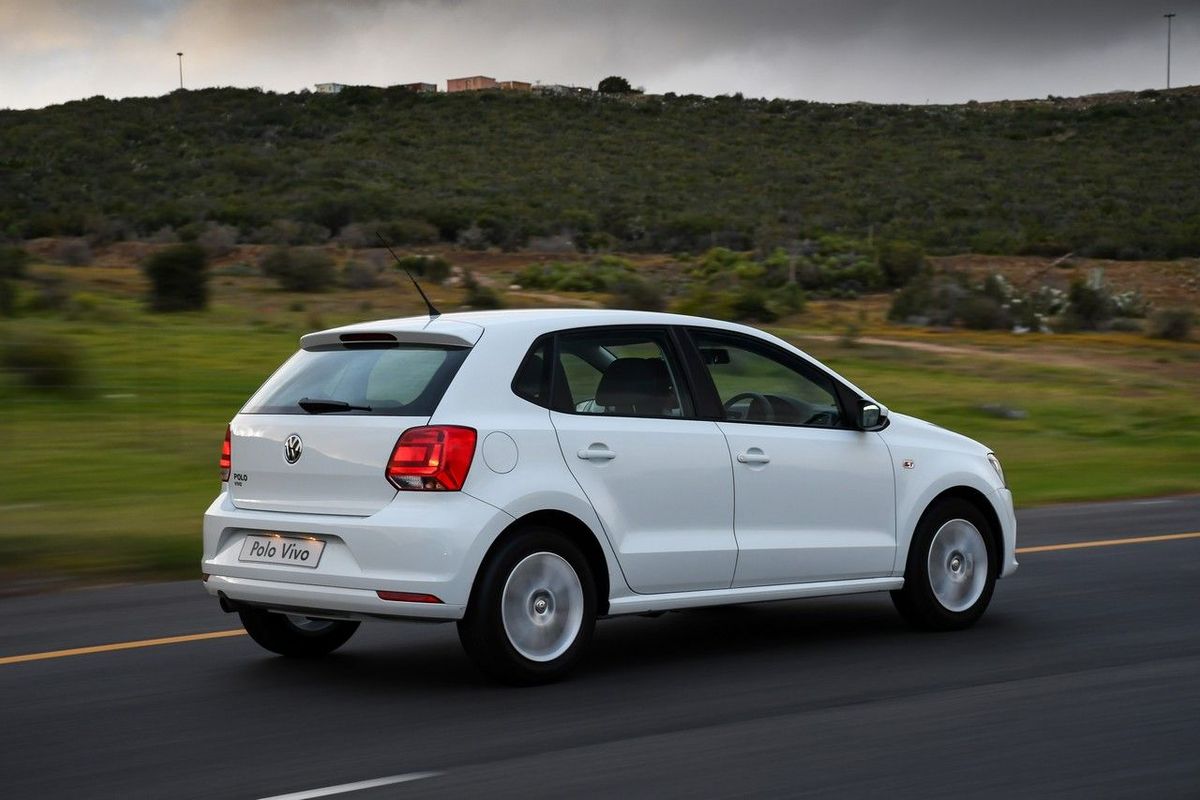
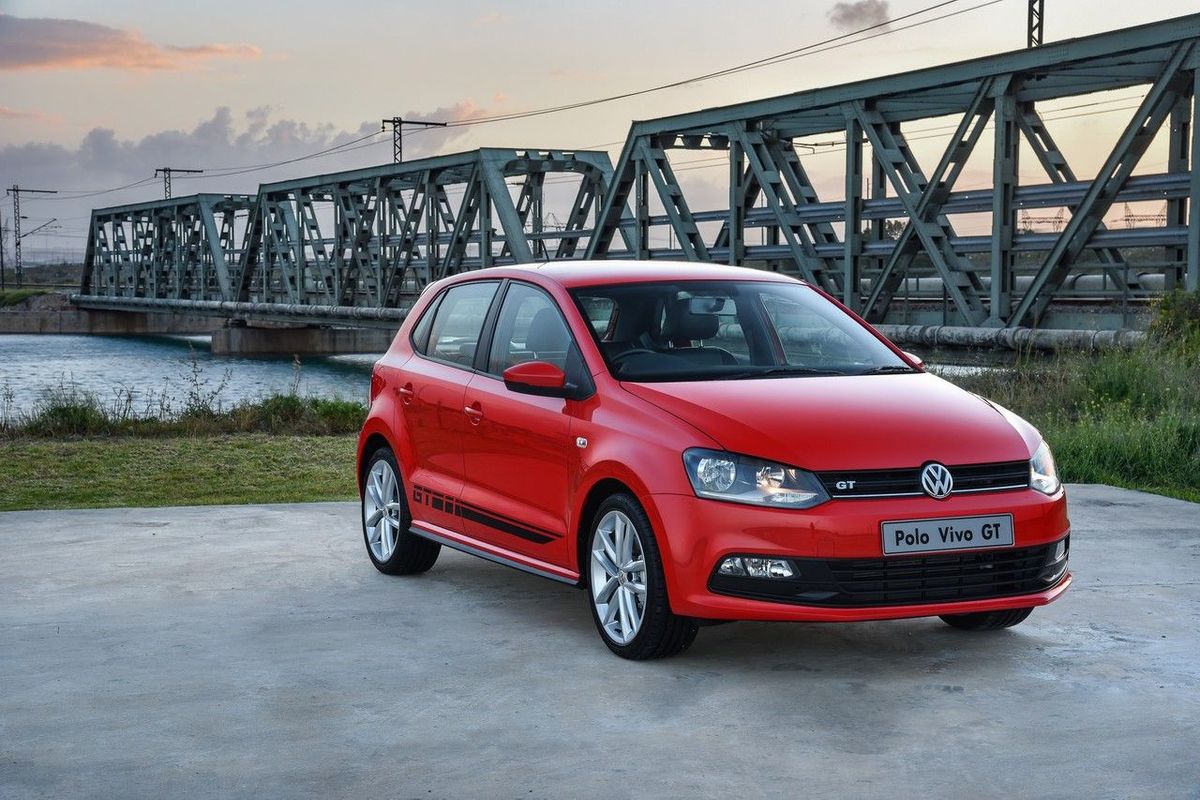
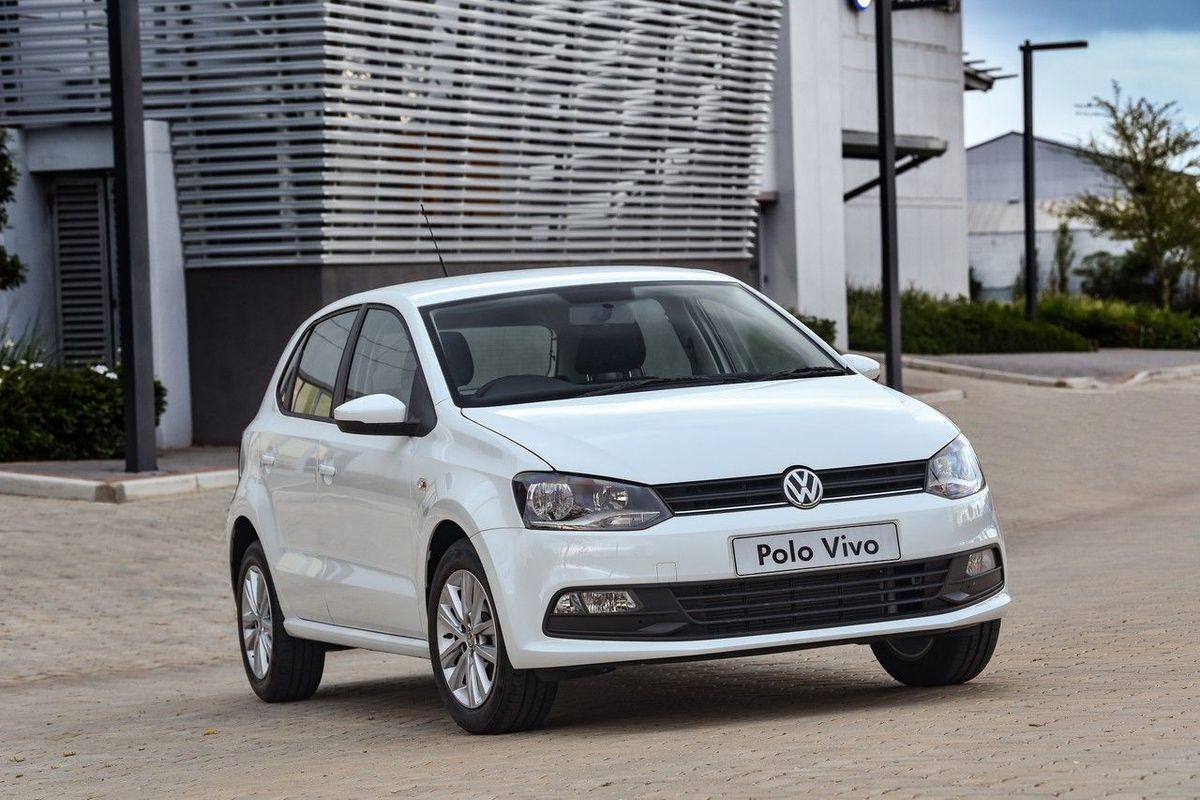
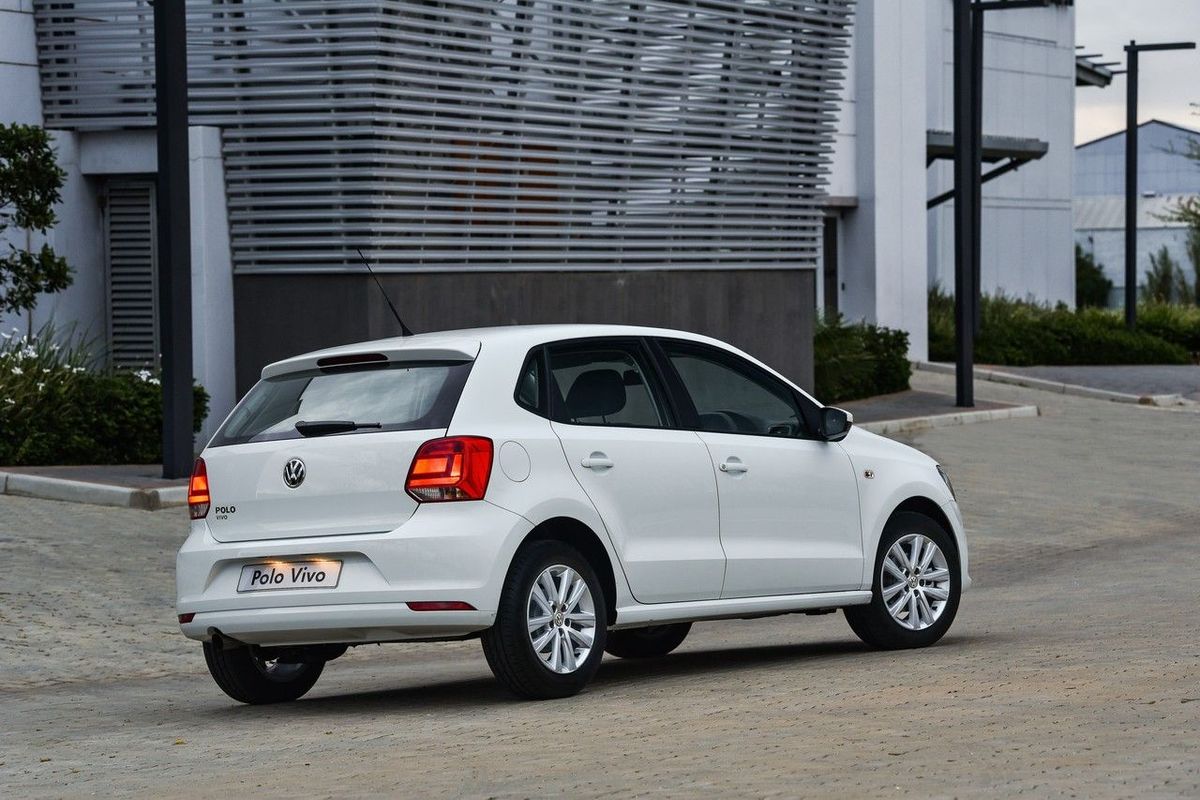
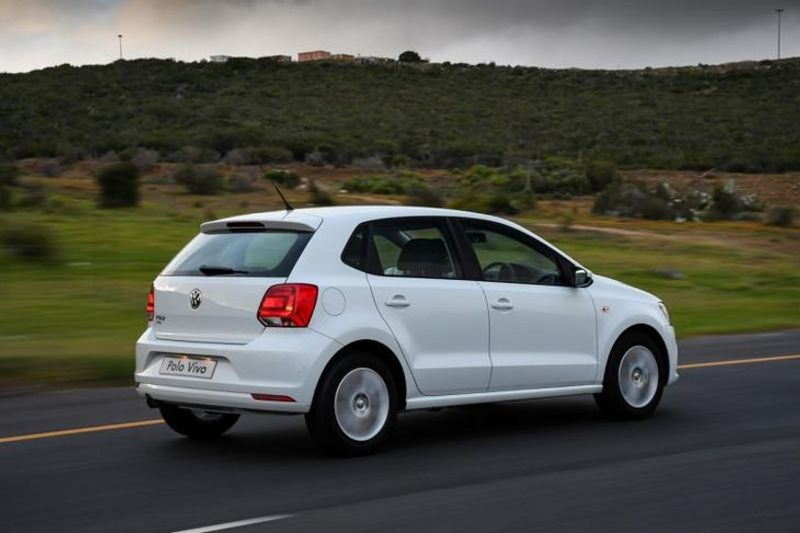
Visually, the Volkswagen Polo Vivo blends in with other cars and you'd have to tell people that this a brand-new car. It's only when you examine a new Polo Vivo next to an outgoing Polo that can you spot the differences. At the front there are new headlights, a new upper and lower grille and the side mirrors lose their indicators (they're moved just aft of the wheel arch), while the rear receives new tail lights.
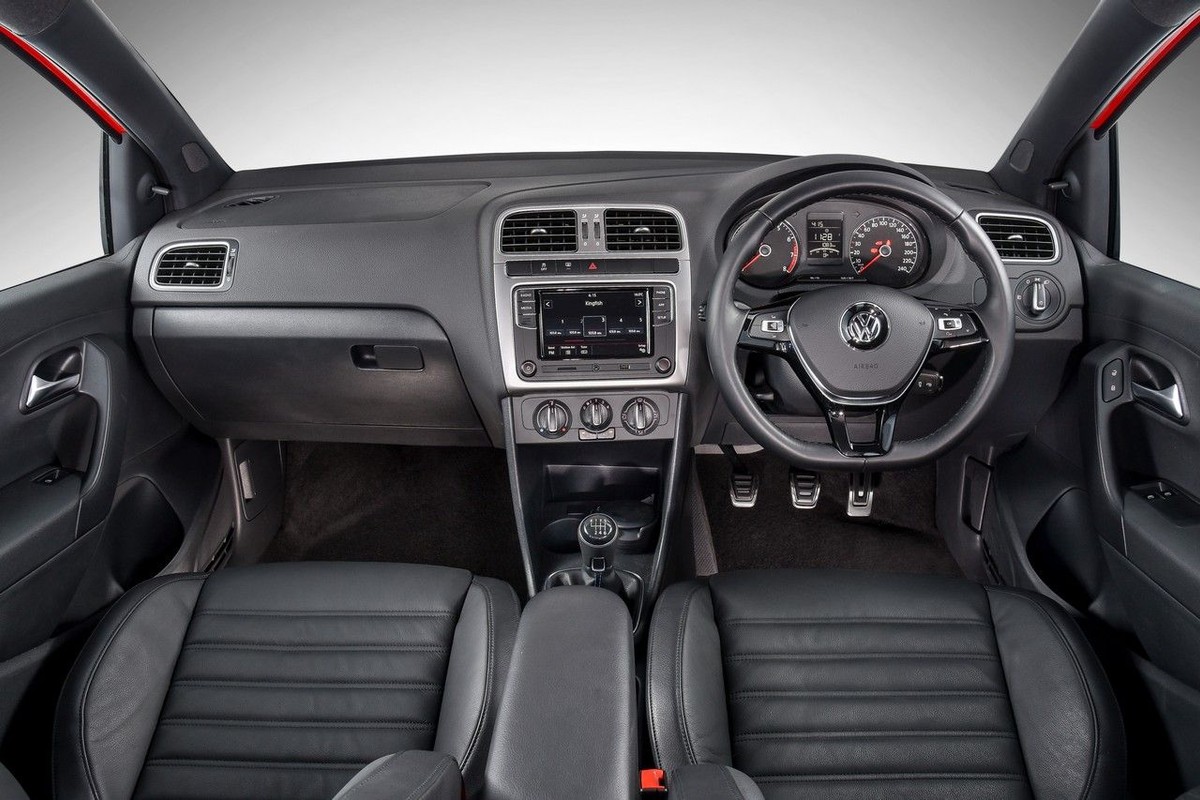
There's new material in the cabin and there are new alloy wheels to round off the package. We suspect that some of the sound deadening and insulation has been taken out to cut costs. Given South Africa's poor road safety record, we're delighted to see that modern features, such as Electronic Stability Control, Tyre Pressure Monitor and Hill Hold Assist have made their way into the Volkswagen Polo Vivo lineup. The airbag count, however, has been reduced to just 2 (driver and front passenger).
While our readers have expressed shock and dismay that the Vivo looks the same as the outgoing previous-generation Polo, it's unreasonable to expect Volkswagen SA to develop a budget-friendly car replete with a complete redesign. There's also so much more to the Volkswagen Polo Vivo, both inside and out, so jokes about current Polo owners facing recalls and the TSI badge will be replaced with a Vivo badge are not only ridiculous, but unfounded.
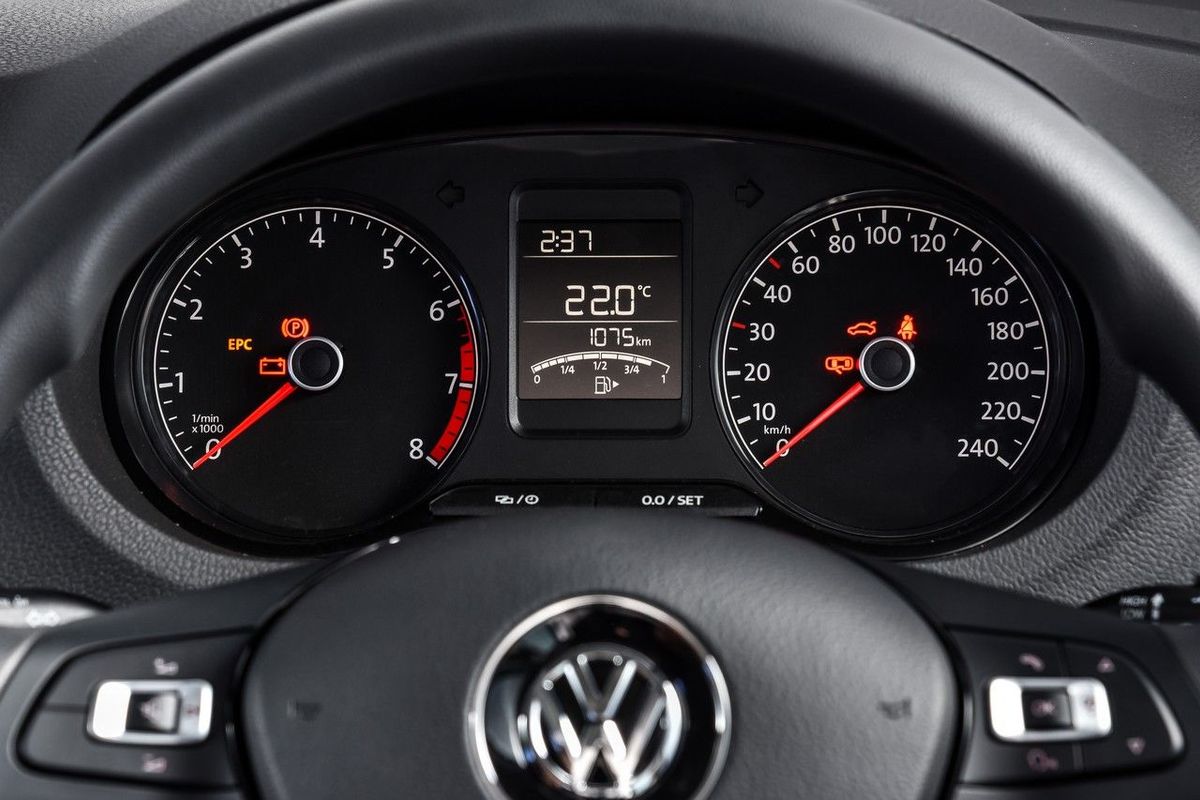
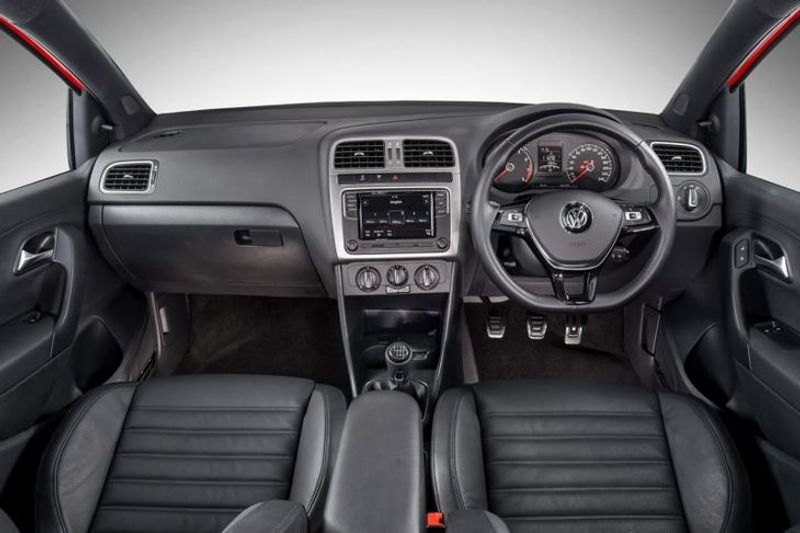
The cabin of the new Volkswagen Polo Vivo GT.
The Polo Vivo lineup
The model is offered in 3 levels of trim including Trendline, Comfortline and Highline. There's also a flagship GT model. There are three 4-cylinder petrol engines on offer, including a 1.0-litre, 1.4-litre and a 1.6-litre. The 2 naturally-aspirated motors are the 1.4 and 1.6 while the 1.0-litre 3-cylinder engine is turbocharged. 5-speed manual gearboxes are available for the naturally-aspirated Vivos, while a Tiptronic auto is available in the 77 kW 1.6 model. The top-of-the-range GT comes with a 6-speed manual transmission.
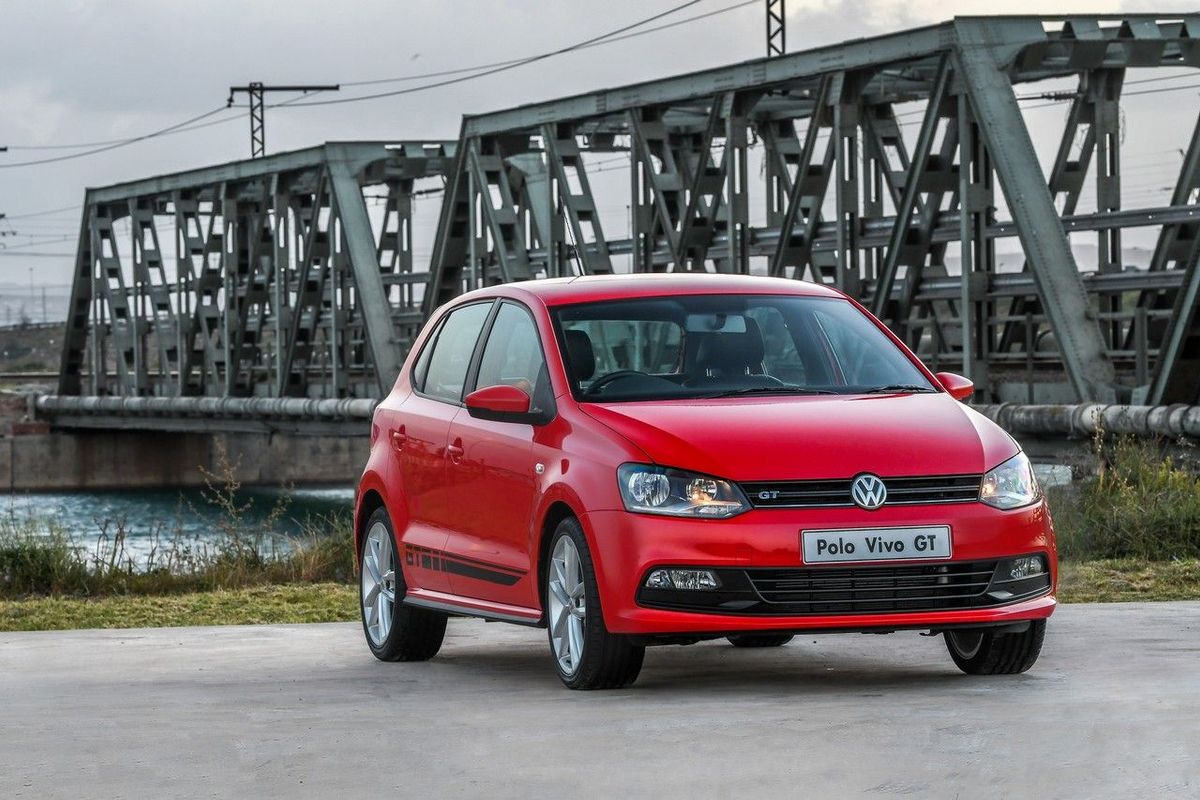
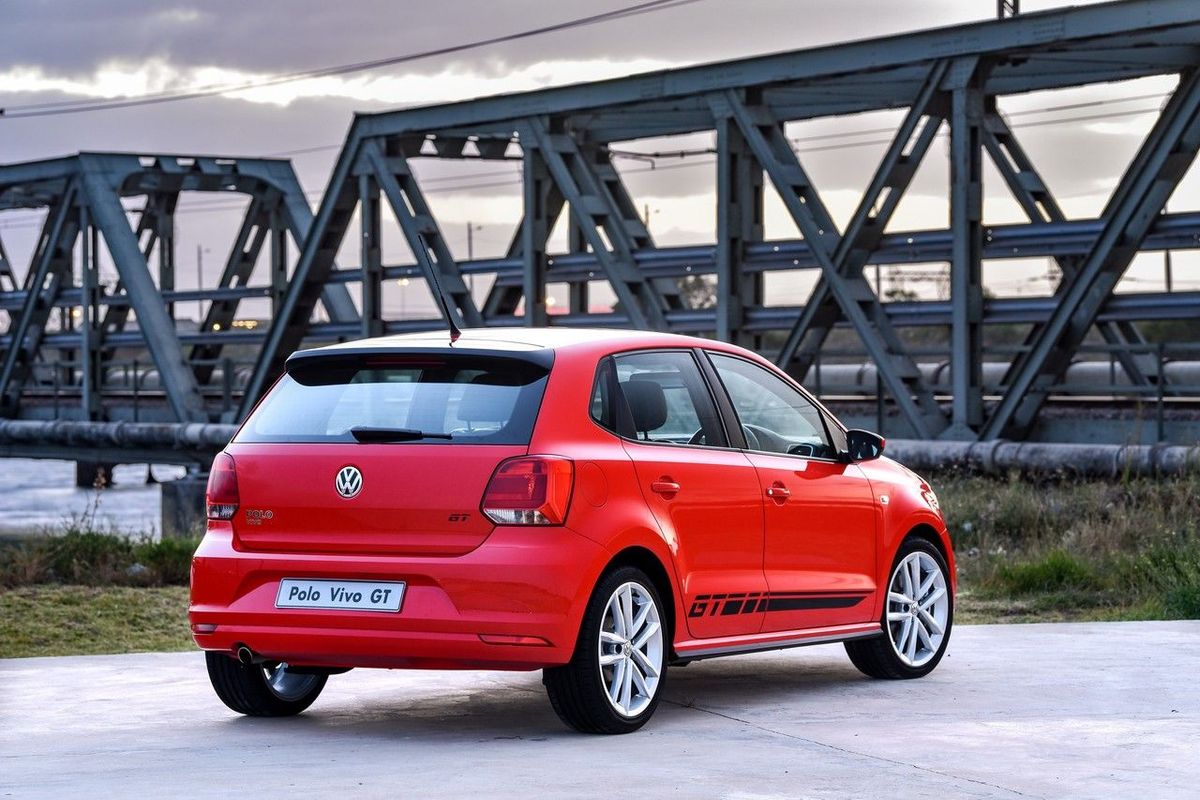
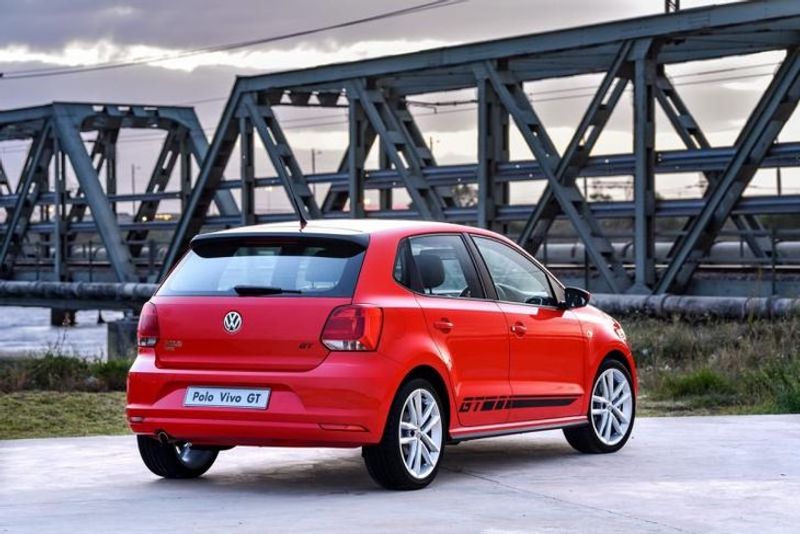
Kicking off the range is a 55 kW/130 Nm 1.4-litre Trendline, followed by the same engine albeit with a tad more power. It's called the Comfortline and it features 63 kW and 132 Nm. The next step up is the 1.6-litre 77 kW and 153 Nm, which is available in both manual and automatic. Finally, a turbocharged engine makes its debut in the Volkswagen Polo Vivo range, with a 1.0-litre turbocharged mill boasting outputs of 81 kW and 200 Nm. This is the GT model, which also features decals and unique alloy wheels.
With a heritage based on the outgoing Volkswagen Polo, the new Vivo impresses in terms of ride quality.
On the launch, we had the opportunity to get behind the wheel of the 63 kW Comfortline, 1.6 77 kW Highline and the top-of-the-range GT model. The naturally-aspirated motors are units we've experienced before, but these have been revised for improved efficiency. Of course, the GT model with its force-fed mill grabbed our attention so let's talk about that first. With 81 kW and 200 Nm driving the front wheels through a slick-shifting six-speed manual gearbox, it looks like a bit of a performance car. Yes, there's a touch of lag from the compact motor, but with such an easy transmission to stir, it's effortless to get it back onto the boil. We found the newcomer tractable, able to coast along with ease, yet eager to accelerate when the accelerator is fully depressed.
In terms of ride quality, it's hard to fault at this price point and the Vivo feels as smooth as, say a Volkswagen Golf. By utilising the previous generation Polo as a base, itself a benchmark in ride quality and fit and finish, the Vivo has really imbued the segment with an upmarket feel. Budget A0 cars don't have to feel like a compromise and settling for second best, and the new Vivo is a big leap forward for the segment as a whole.
Usually, when it comes to car launches, the flagship model steals all the limelight and the cheaper derivatives are shunned. However, we'd suggest it's the other way around in the case of the Polo Vivo. While we'd happily recommend a Vivo GT all day and every day as it's a Jack-of-all-trades car, its price puts it in a precarious spot. With the brand-new Polo range starting from R235 900 (February 2018), it's a tough sell recommending a budget flagship when you can comfortably have an all-new car for less money.
Where would our money go then? At R214 900, the Volkswagen Polo Vivo 77 kW Highline has all the makings of a champ. Sure it breaches the critical R200 000 barrier, but it delivers so much. If you're price-sensitive, then you can opt for the 63 kW Comfortline at R192 000. In both cases, you don't really feel the power and torque deficit compared to the lively turbo motor, and the five-speed manual gearbox does a sterling job of keeping the engine in the sweet spot. Both have commendable road holding and ride quality, with fair levels of noise/vibration/harshness dialled out. We liked the steering, which was still appreciably light in the confines of the urban environment, yet pleasant enough when powering through a section of curvy road.
The Polo Vivo GT is perched at the top of the range and is powered by a 1.0-litre, 3-cylinder turbocharged engine for the first time.
Summary
By using existing platforms and technology, Volkswagen South Africa has managed to pull off, what we imagine, to be an extraordinarily difficult challenge of balancing the accountants' books while offering a quality and affordable product. Yes, the price of the GT is a little on the high side and it closes the chasm between Vivo and the all-new Polo to just a hop, but few will care. The Volkswagen Polo Vivo still retains excellent build quality, resale values and affordability; things that customers in that segment really care about. It's great to see that Volkswagen SA has also paid attention to the voices of the smartphone generation who require Bluetooth and USB connectivity. Will the humble Volkswagen Polo Vivo be a massive sales success?
With both the buying public and rental fleets clamouring to get their orders in, we'll see the new Vivo climb the sales charts yet again. For the best value, we'd recommend sticking to one of the naturally-aspirated Polo Vivo models. There are a few extras worth considering, so when you're speccing your Vivo, think about the uprated audio system and cruise control.
Volkswagen Polo Vivo (2018) Price in South Africa
The Volkswagen Polo Vivo Hatch comes standard with a 3 year/120 000km warranty and a 6-year Anti Corrosion warranty. A Volkswagen Automotion Maintenance Plan, as well as a Volkswagen Automotion Service Plan, are available as options. The service interval is 15 000 km. There are a choice of 6 colours: Pure White, Flash Red, Deep Black Pearlescent, Reflex Silver Metallic, Reef Blue Metallic and Limestone Grey Metallic.
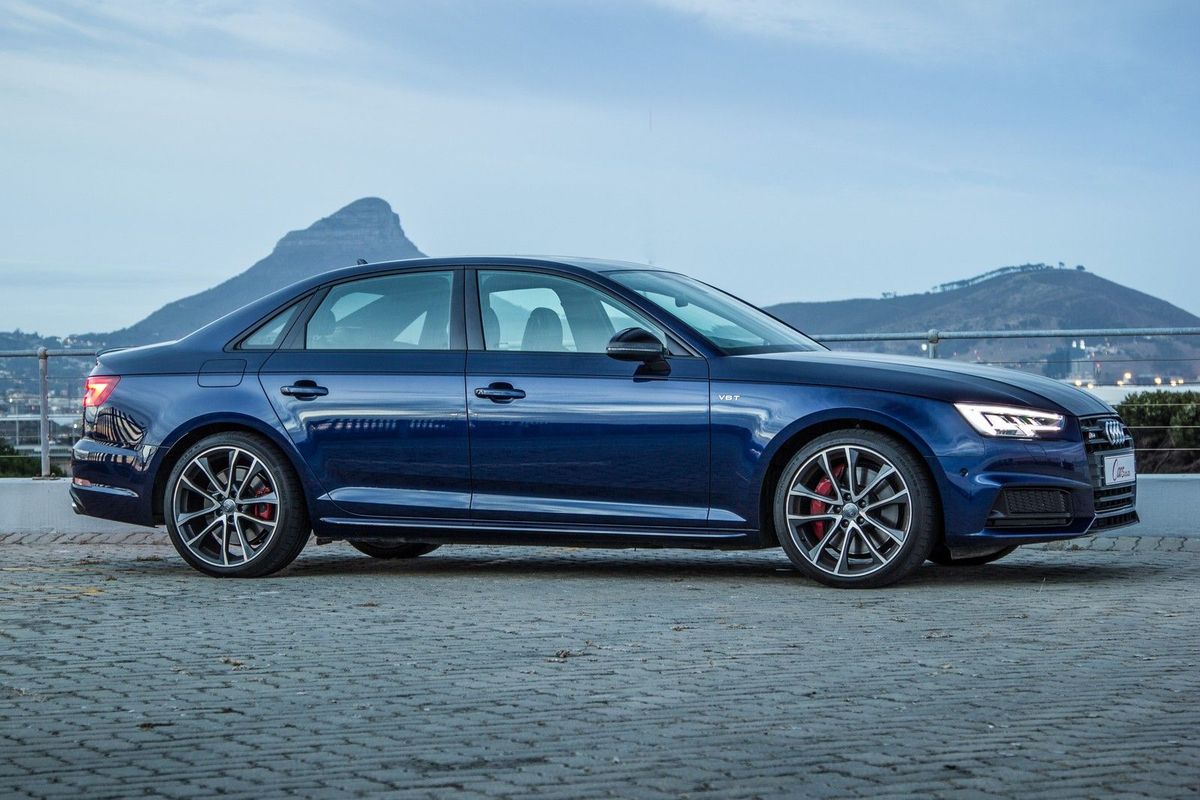
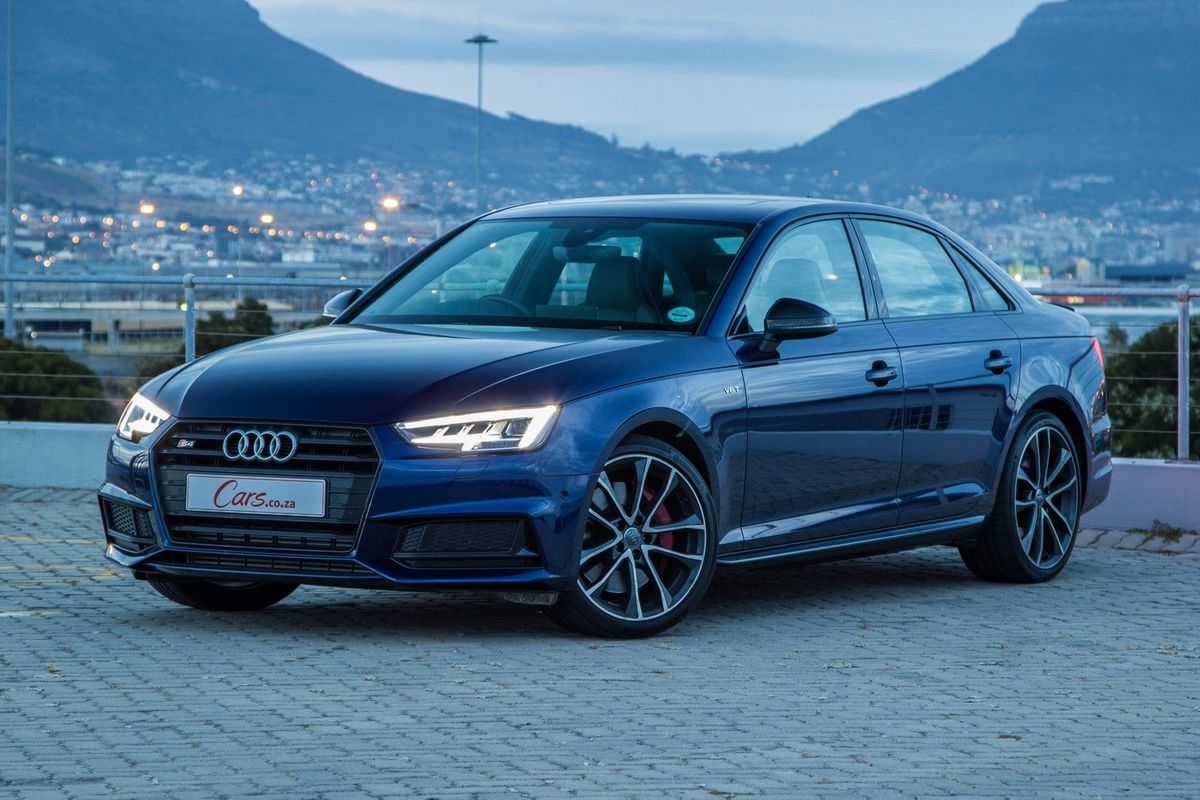
The award-winning Audi A4 benefits from some turbocharged V6 grunt, yet this S4 derivative remains understated in the looks department. Could this be the perfect business sedan for the cultured performance seeker?
We like: Punchy engine, excellent ride quality, premium cabin.
We don’t like: Start/stop system can be jerky, brakes snatch at low speed.
Alternatives
The usual suspect: TheBMW 340iis an obvious rival as the 3 Series and A4 vie for the same space. BMW’s 340i is also a 6-cylinder with similar power outputs and dimensions, but it’s rear-wheel-drive. Choose it if you like BMW more than Audi and vice-versa.
From across the channel: The Jaguar XE S is a bit of a tough sell in the SA market. It has a great chassis and a potent V6 motor but it just costs too damn much to make it a viable choice. It’s nearly R200k more than the S4.
From Nippon land: The Lexus IS350 F-Sport is a good looking car and true to Lexus’ nature, it’s fully loaded with kit at a price that undercuts those of its German rivals. It doesn’t quite have the same punch from the engine, however and doesn’t deliver the same sort of driving satisfaction as them either.
Special mention: The C-Class is due its facelift this year (2018), so you might be inclined to hold on to your money until it delivers the updated Mercedes-AMG C43 4Matic, replete with a more solid feeling interior (hopefully).
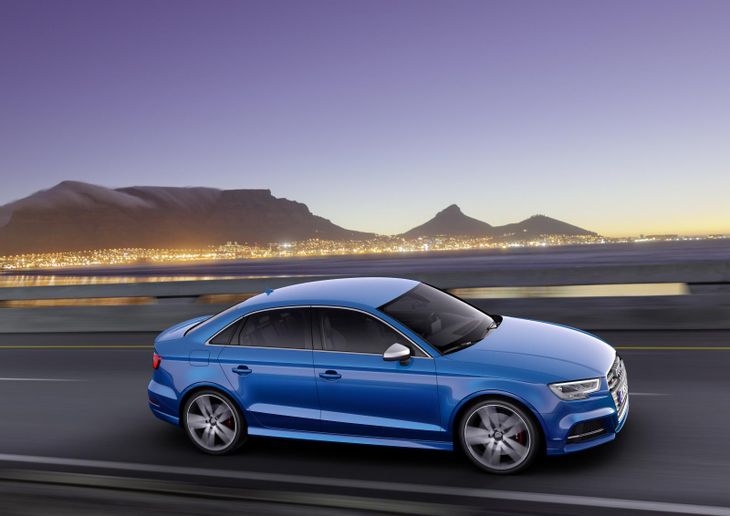
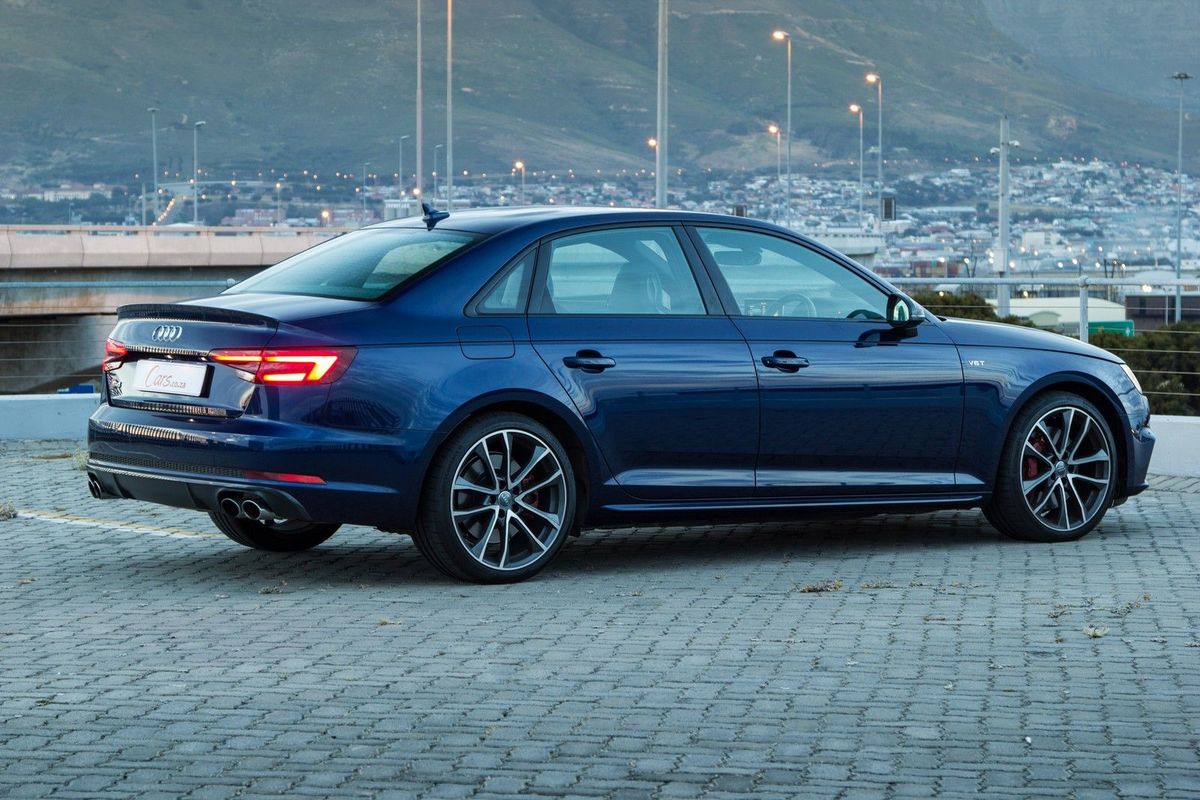
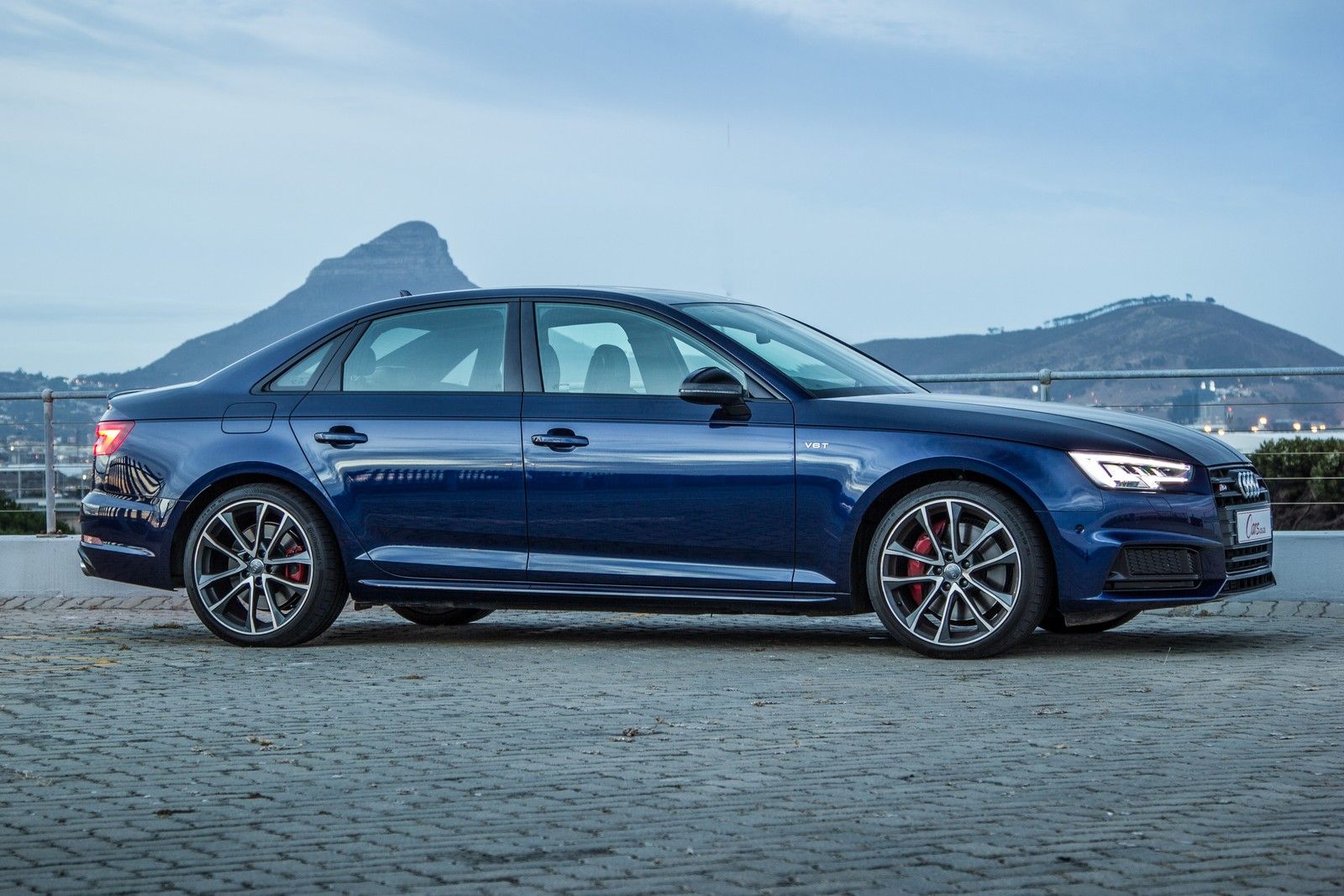
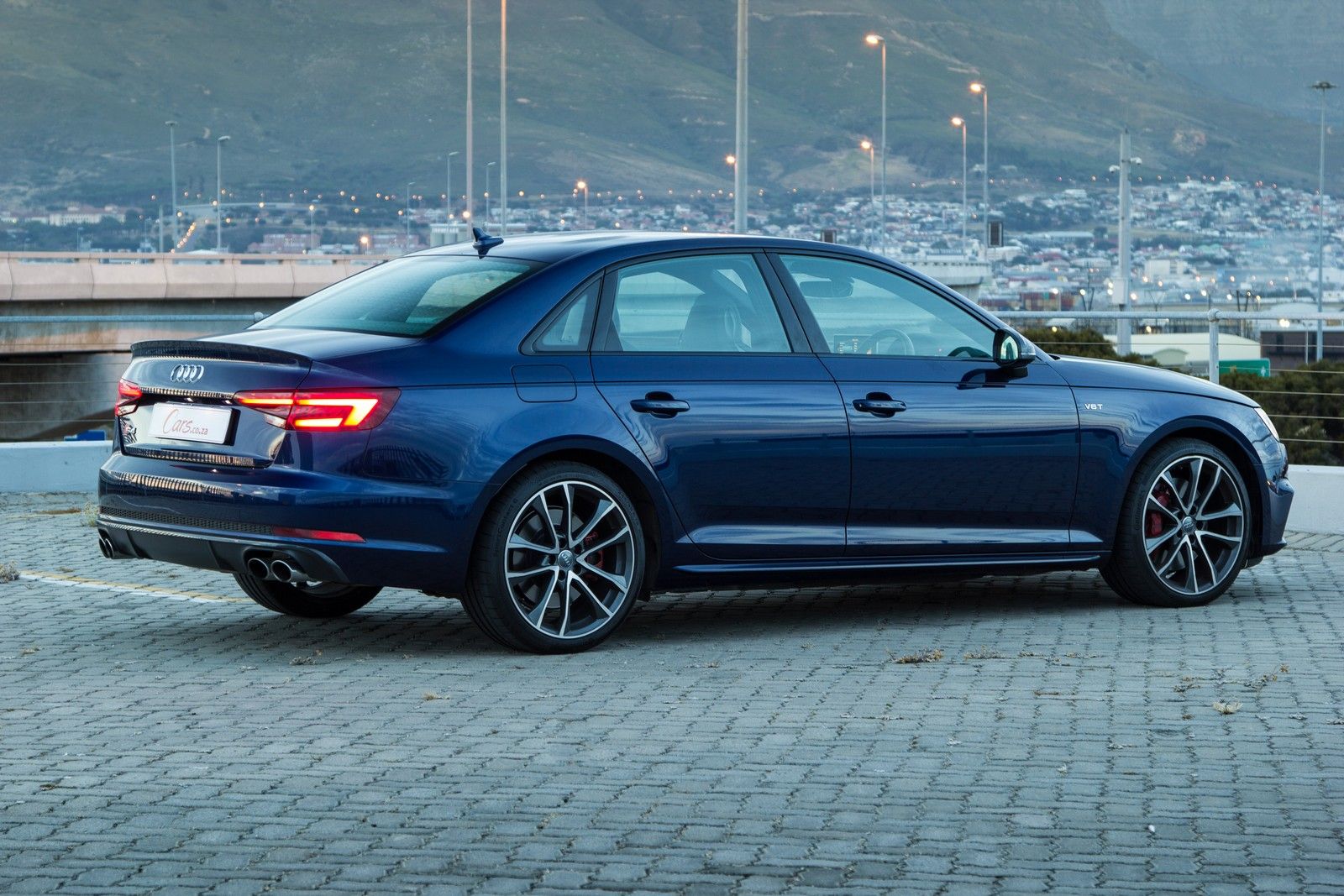
For this generation of S4, Audi's express business class sedan has been made lighter, more efficient and even more powerful than the previous version. The design hasn’t taken the same sort of leap forward as the performance, but it remains an under the radar, as a stealthy sleeper (car) should.
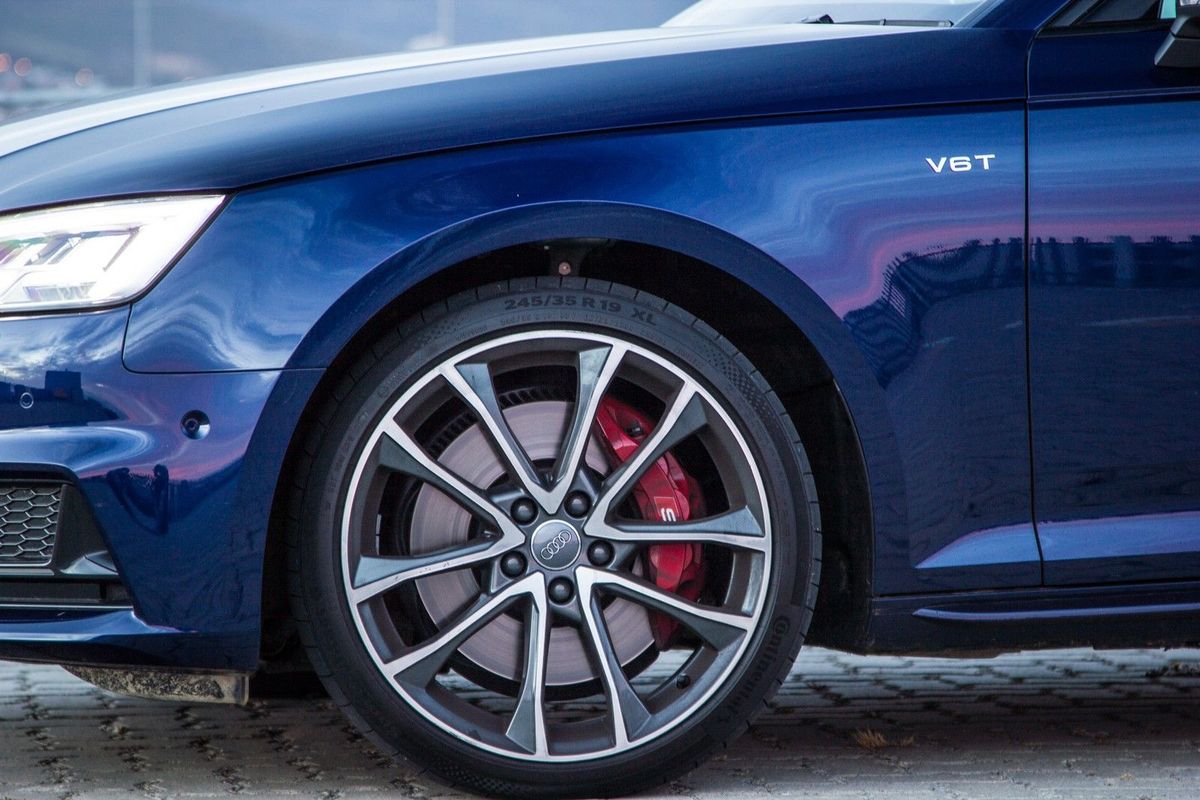
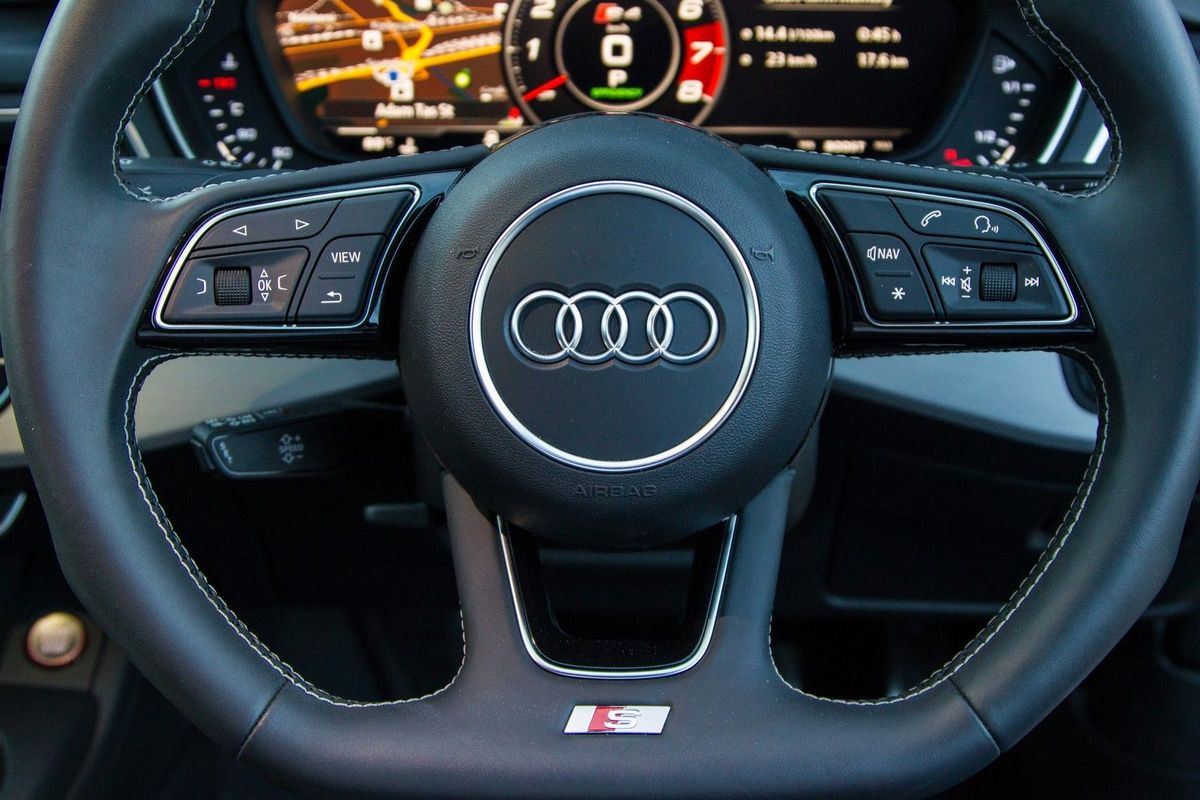
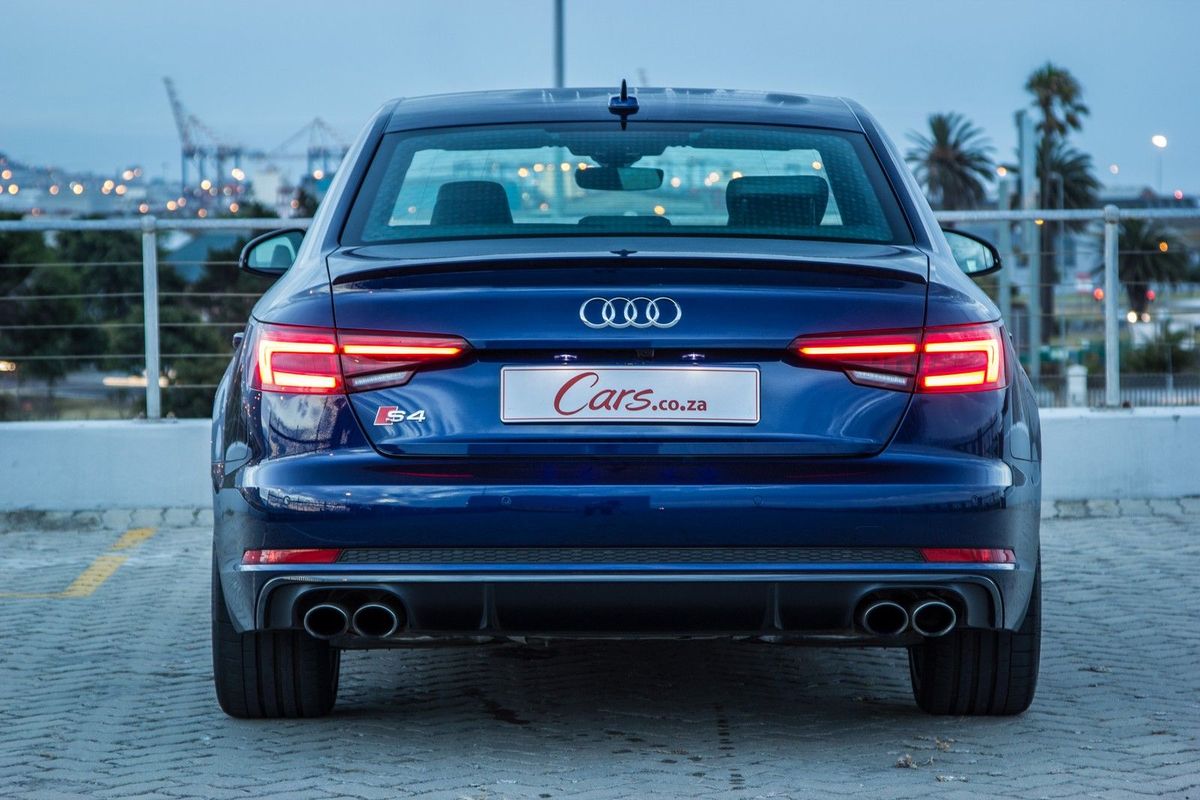
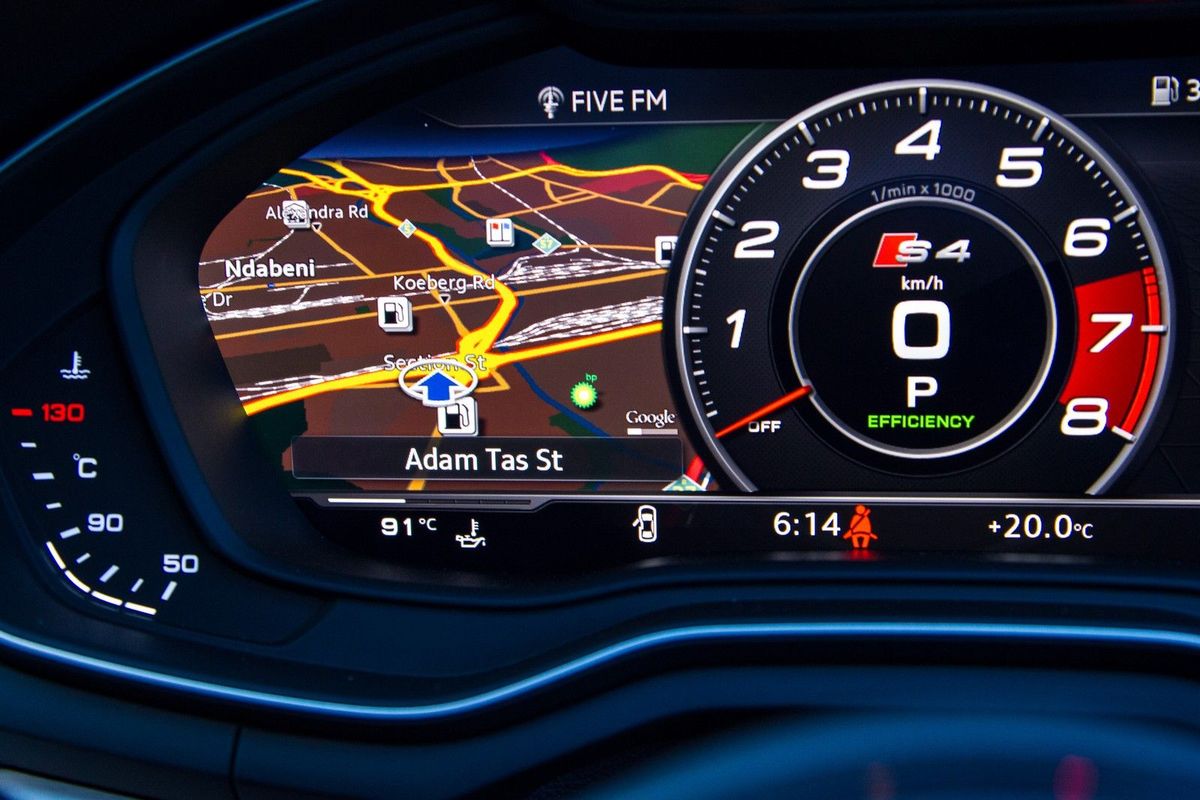
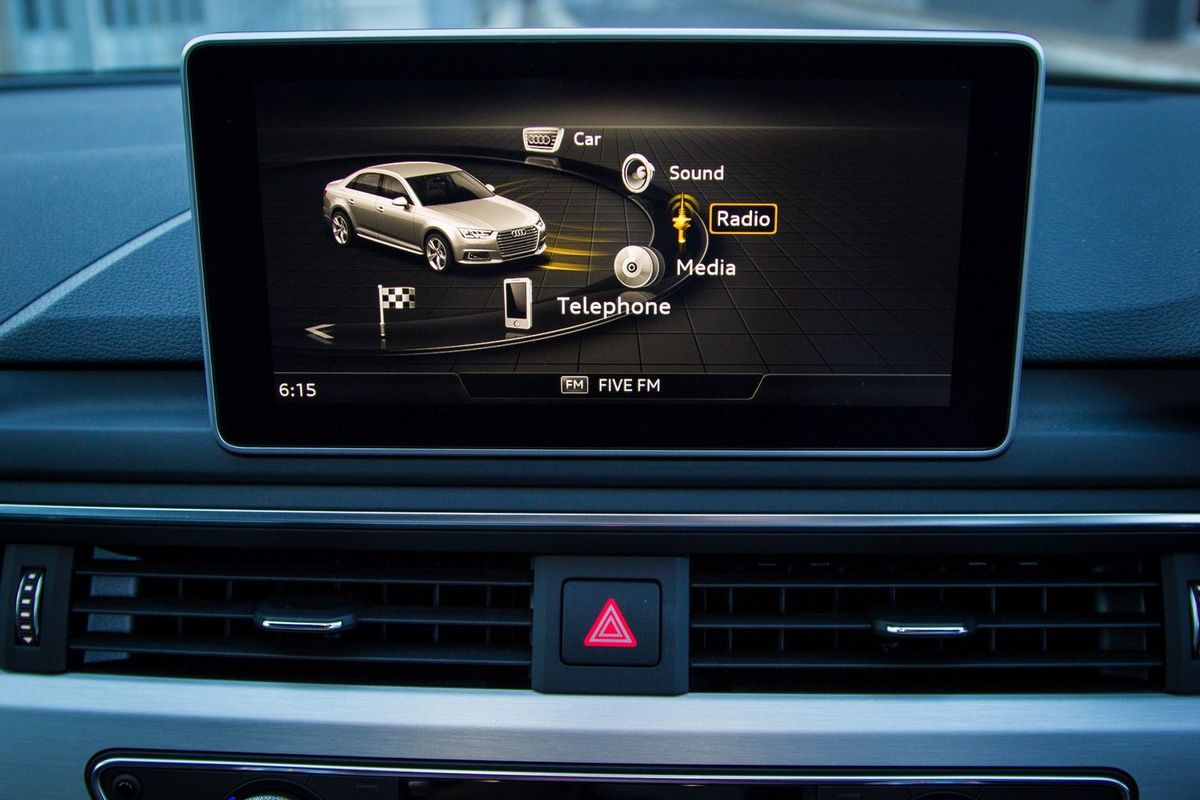
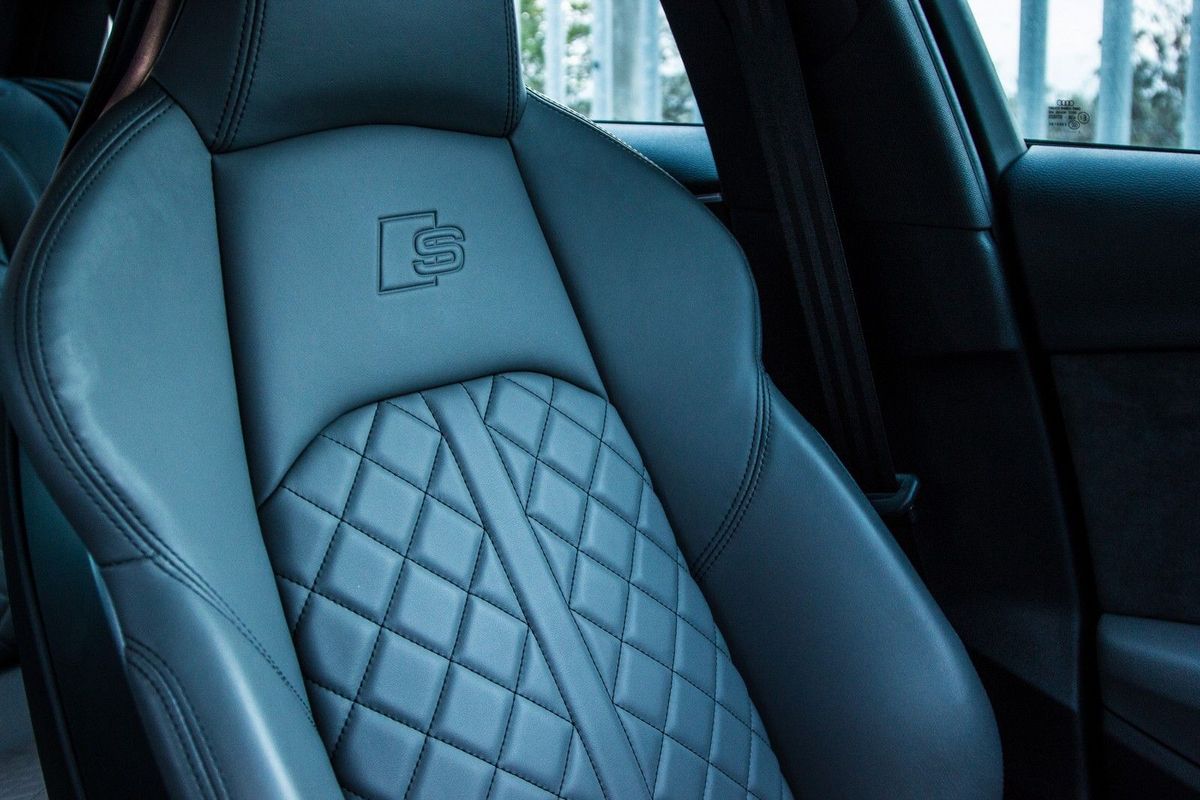
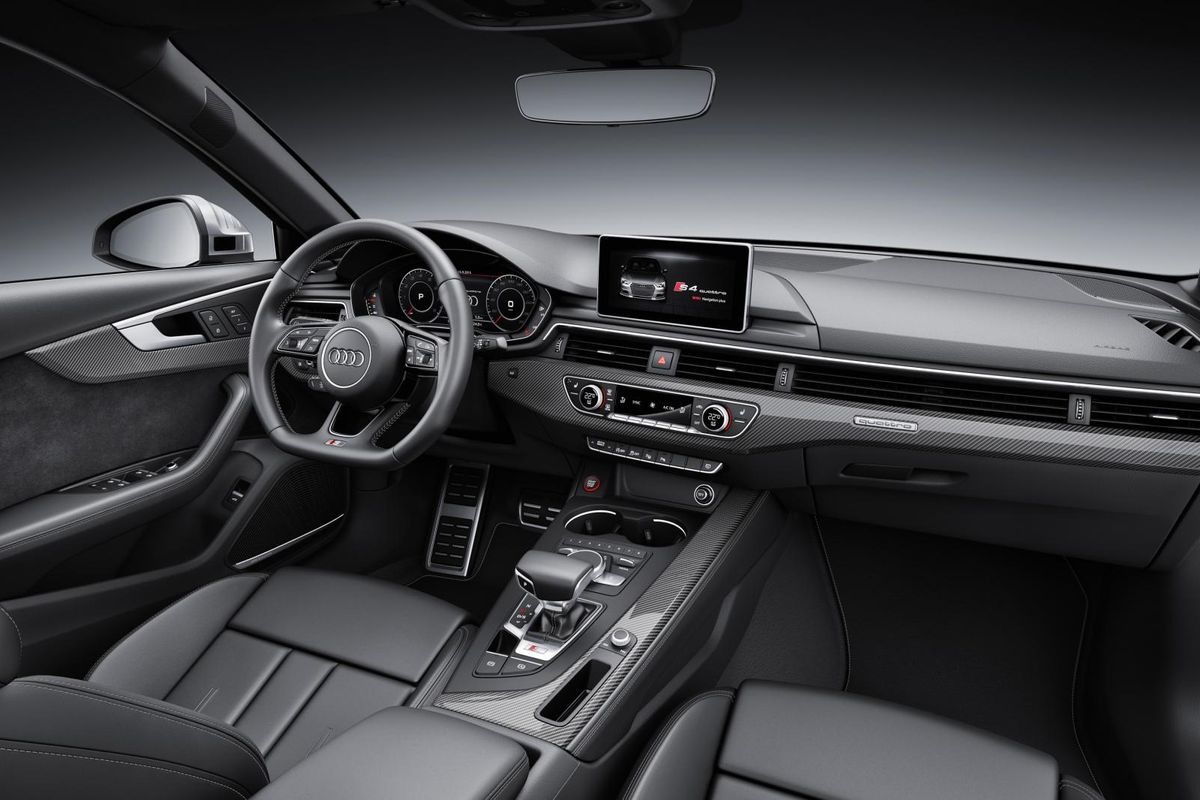
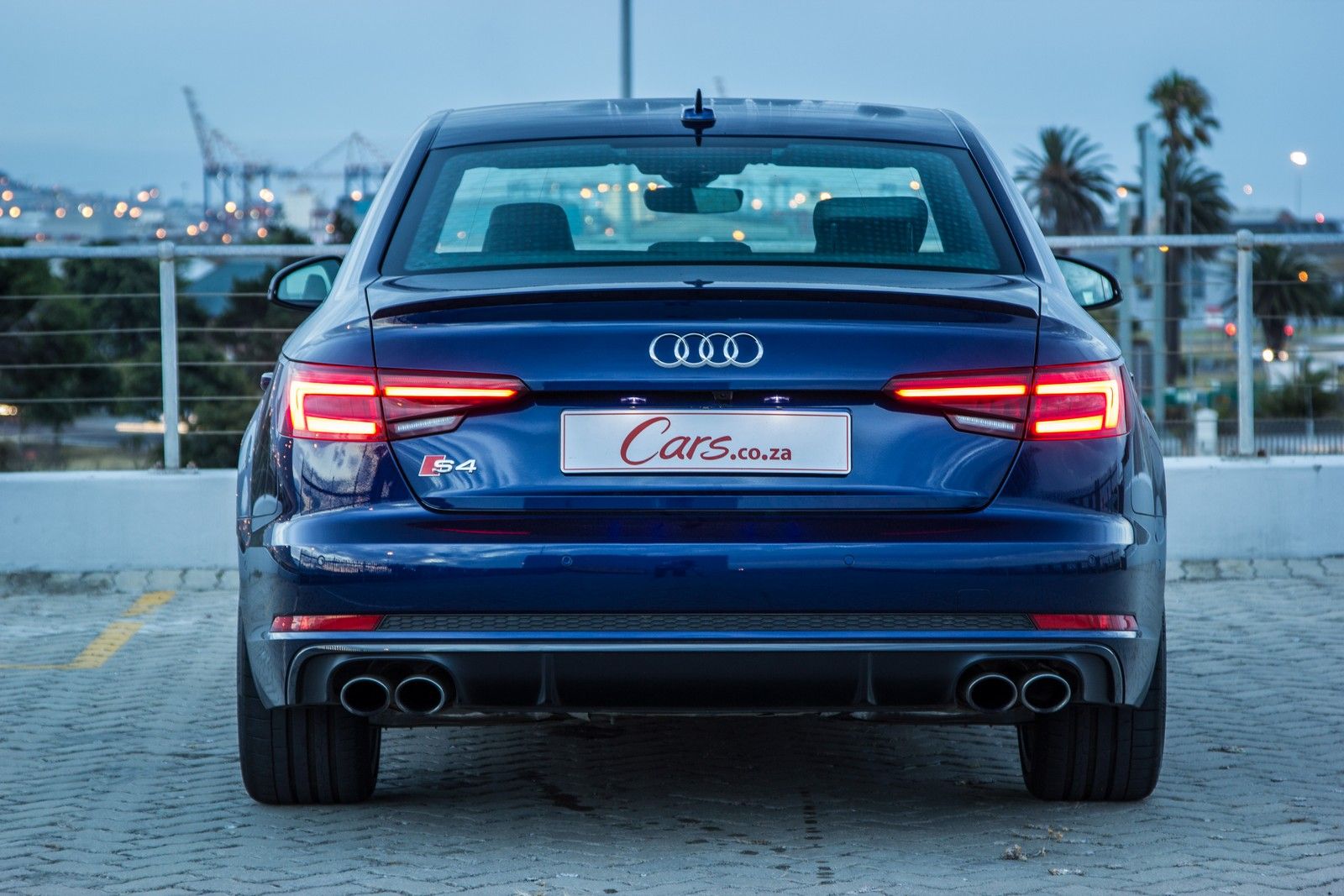
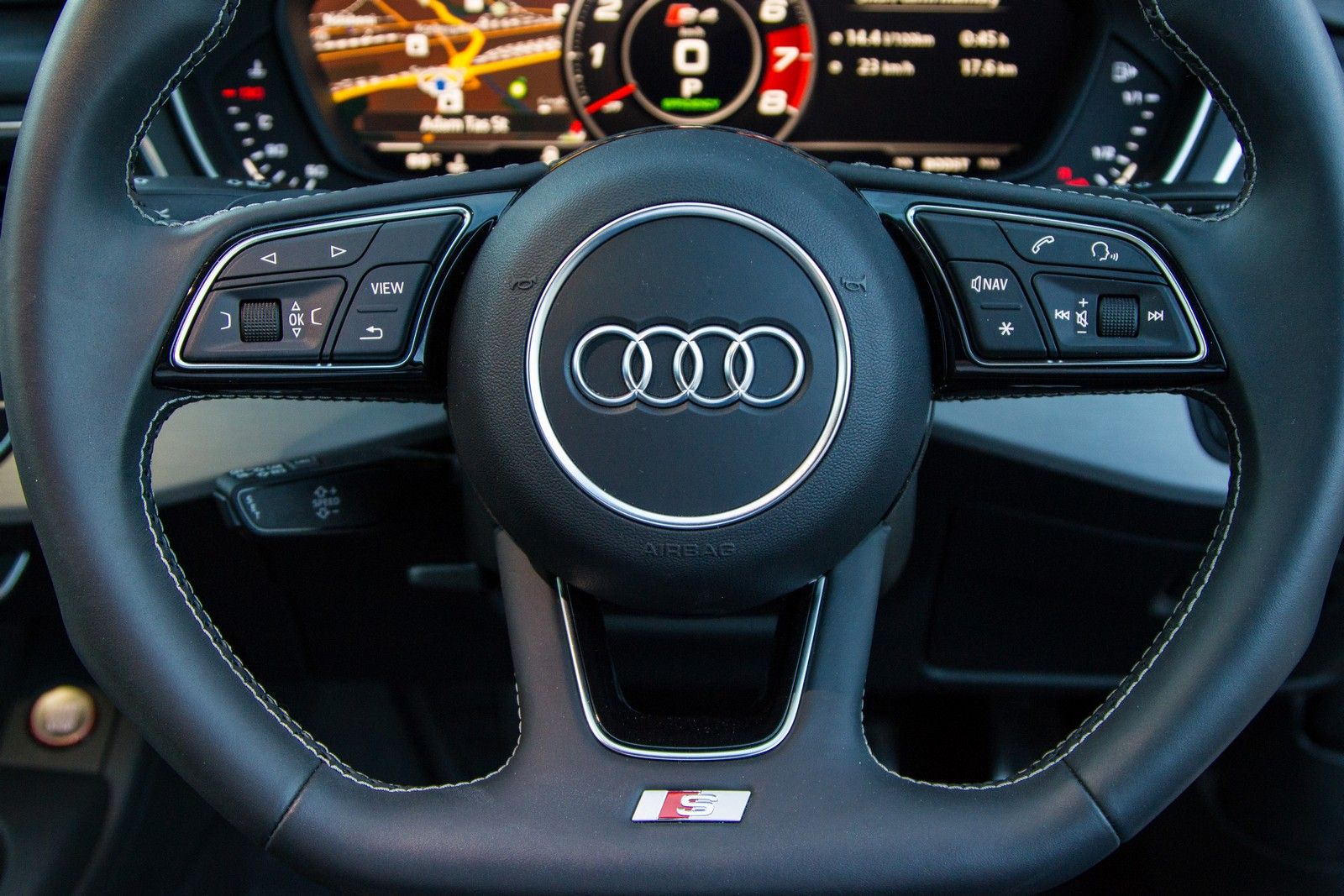
Things to note for this S4 are: the pair of dual oval pipes at the rear, a sneaky set of red (optional) brake callipers and a slightly more prominent front grille. Inside there’s more of a fuss made with some special S4 sports seats and brushed aluminium sections around the dash.
Not too much fuss then, just how it should be for the grown up and refined business person who likes a 3-box shape, a capacious boot and a bit of grunt, as long as someone else is paying for the fuel, right?
The Good
Drivetrain refinement
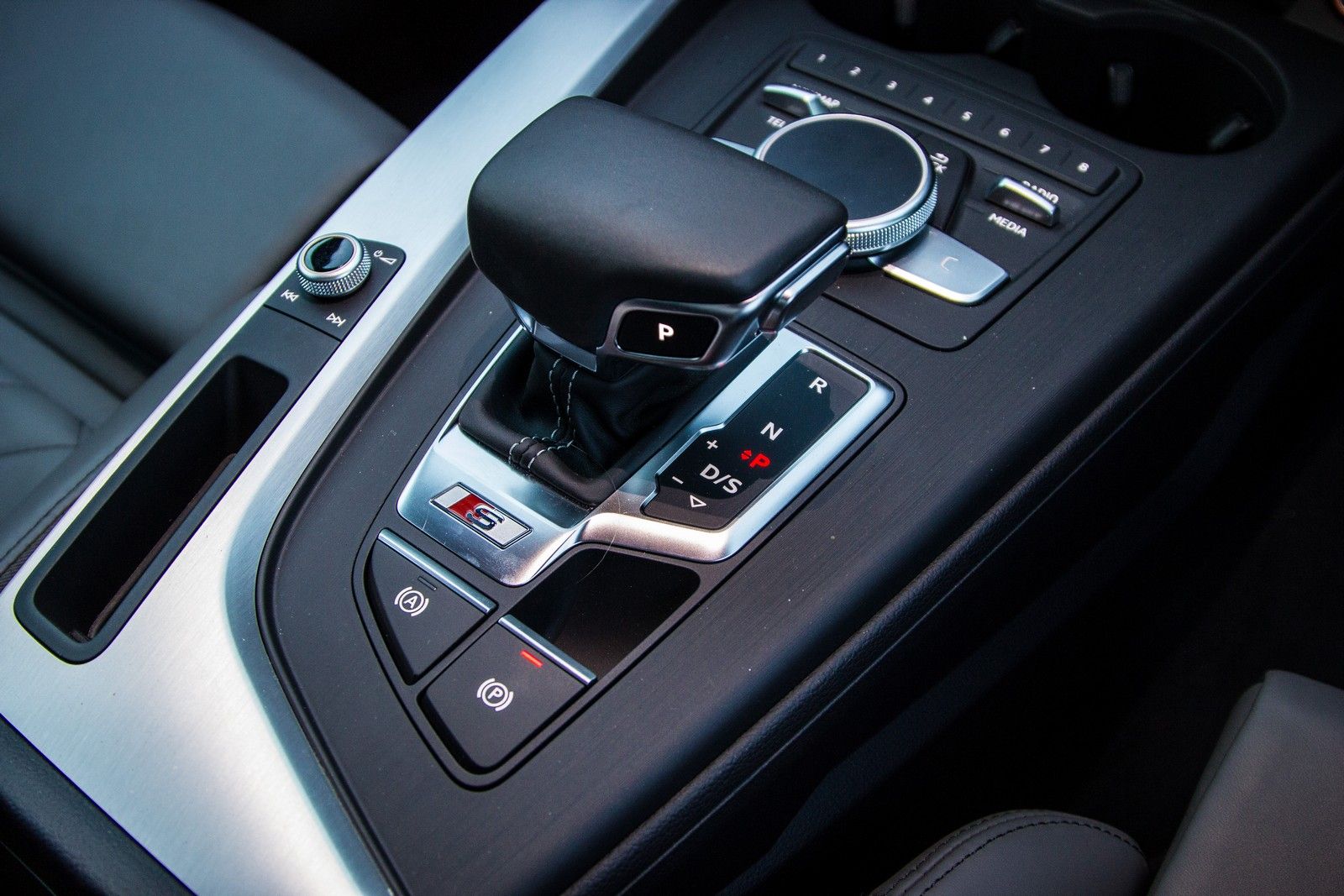
Audi really appears to be hitting its strides in terms of engine and gearbox harmony. The 3.0-litre V6 up front churns out peak outputs of 260 kW and 500 Nm of torque. The engine is mated with a torque converter 8-speed Tiptronic transmission. It's not a snickety dual-clutch 'box, but don't worry though – modern autos are nearly indiscernible from DSG boxes in performance… these days.
The V6 dispatches a warning bark at startup, but only when the revs surpass 3 500 rpm does the characteristic performance potential of the powerplant become apparent in the form of a deep, bassy song. It revs long too, rather than dispatching gears quickly and it sticks in one gear for what feels like ages as it climbs from 80 to 120 kph. It adds to the smooth and reserved nature of the S4.
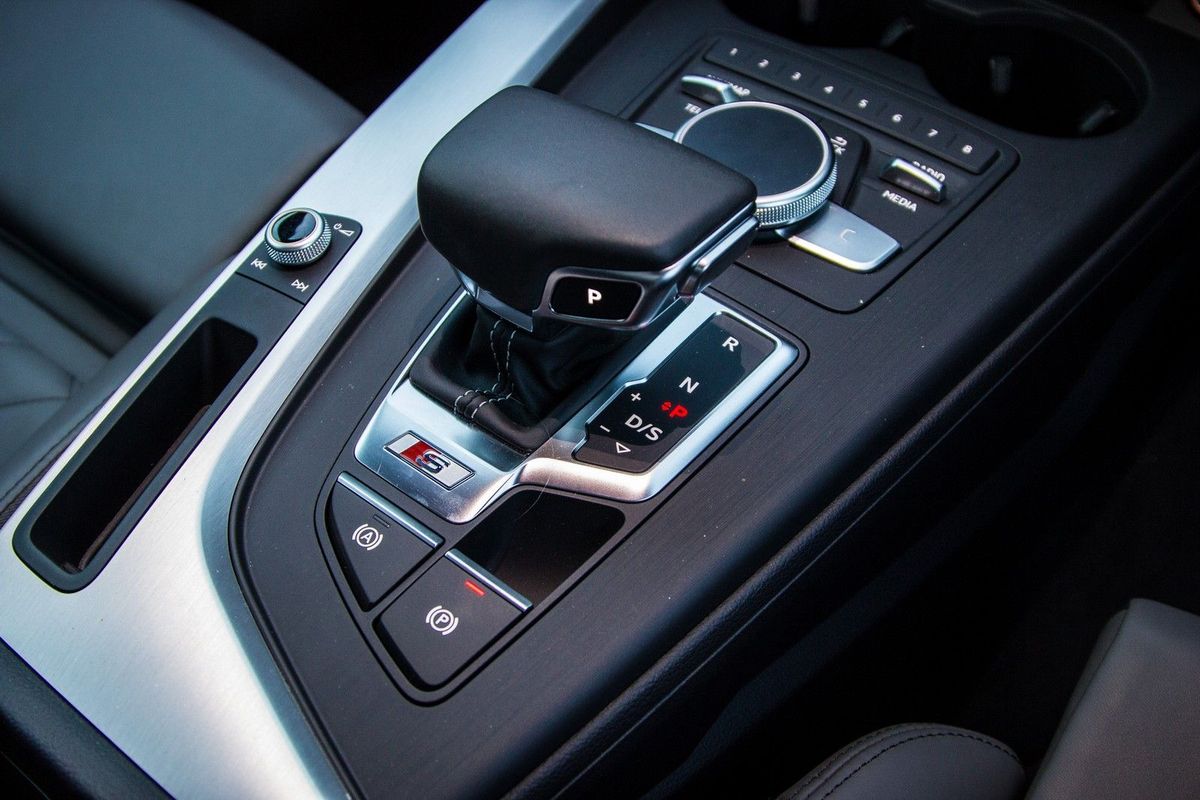
The S4 uses a torque converter automatic gearbox as opposed to the well-known dual-clutch S-Tronic.
If you need to streak away from a set of traffic lights, the S4 will rush from standstill to 100 kph in 4.7 seconds, but that’s not really where it gets exciting. It’s all about the Audi's ability to power away in-gear and overtake with a sense of purpose; there's a woosh of torque that gets delivered and, unlike the turbodiesels that usually occupy the pinnacle of business sedan ranges, the S4 will hang on to its gears, which makes open-road blasts addictive. You won’t match the diesel's fuel efficiency though and despite the improvement in efficiency claimed for this model, you’re likely to be well over 10L/100 km in the long term.
Ride quality
This generation of A4 really shines in terms of ride quality and general on-road refinement. Even the usually front-heavy, understeery claims have been put aside for this model. The front-end of the S4 is quick to respond and it always seems to hold onto the inside line longer than you think possible for a quattro car.
The quattro system has a slight rear(-wheel) bias to it and with the optional sports differential, it will distribute torque between the rear wheels for more precise handling. In true Audi style, the S4 is a confidence-inspiring car to drive when you begin to add speed and corners. The steering has solid heft to it, but, as with all modern electric steering systems, it lacks ultimate feel.
The S4 retains the refined and comfortable ride from its A4 underpinnings.
With the S4’s slightly firmer setup and low profile 235/35 19-inch tyres, it can be expected that potholes will have a noticeable effect on the ride. It’s true, but it doesn’t really detract from what is a well-damped car and even the bigger hits come through with less force than expected. The ride can also be adjusted through the Drive Select button that ranges from Efficient to Comfort, Auto, Sport and Individual.
Premium cabin
It’s becoming a habit now to mention how good Audi’s cabins are compared with those of its rivals, but that's just it: the build quality is superior and the design and trim choices look more modern and smooth.
The S4 gets lovely cosseting sports seats that still let you sit low enough if you’re on the taller side. The seats compromise rear legroom slightly, but it’s still quite spacious in the back. The boot capacity is a claimed 480 litres in size, which is identical to both the BMW 3 Series and Mercedes-Benz C-Class. The seats fold down flat providing 965 litres of loading space. It’s never going to match an SUV for practicality, but it certainly has enough room for passengers and can accommodate a reasonable amount of luggage.
A few bonus touches in the standard features department are stainless steel pedals, cruise control, automatic air conditioning and rear parking sensors.
Audi's interior showcases quality workmanship and modern design – the best insides in the segment.
The Bad
Start/stop interference
Almost all modern cars have to be installed with a start/stop system that cuts the engine when stationary. The problem is that newer systems now try to engage the start/stop system at anything below 20 kph, this means it cuts in and out a lot of the time and becomes an actual pain if you are waiting to turn right at a set of lights or yielding at a roundabout. Normally it requires a solid stomp on the brake pedal for the system to cut the engine, but in the S4, it happens too easily and can get you into a spot of bother. There is the obvious remedy of disengaging it with the manual override button, but that has to become a habit on every single trip you take.
Low-speed brake snatch
It’s a minor issue (the S4 is difficult to fault), but the brakes can be a bit difficult to modulate at low speed in traffic. They tend to bite too hard, even when tapering off brake pedal pressure. This, combined with the start/stop problem, causes a bit of frustration and confusion in congestion.
Pricing and warranty
The Audi S4 is priced at R809 000 and is sold with a 1-year/unlimited km warranty and a 5-year/100 000km maintenance plan.
It's hard to find fault with the S4: it's a great car that's unfortunately competing in a dwindling segment.
The S4 remains the sleeping giant in the A4 range. Its understated looks hide its penchant for performance well (if you're a sports sedan aficionado who doesn't want to attract too much attention to yourself). The V6 turbopetrol loves a long stretch on the freeway and there’s no unrefined cacophony from the exhaust pipes that will leave you embarrassed as you leave a crowd behind. It is, in a word, a class act.
The chassis and road holding capabilities are some of the best we’ve experienced from a quattro car and it’s comfortable to boot when you aren’t in a hurry.
There isn’t much to complain about in this S4 and it's a solid package for someone who wants power and sophistication without having to shout about it.
More so, its pricing is quite good in comparison to its direct rivals. At a base price of R809 000 (February 2018), it's nearly R30k cheaper than the BMW 340i M-Sport and R100k less than the Mercedes-AMG C43. It's well worth a look, then…
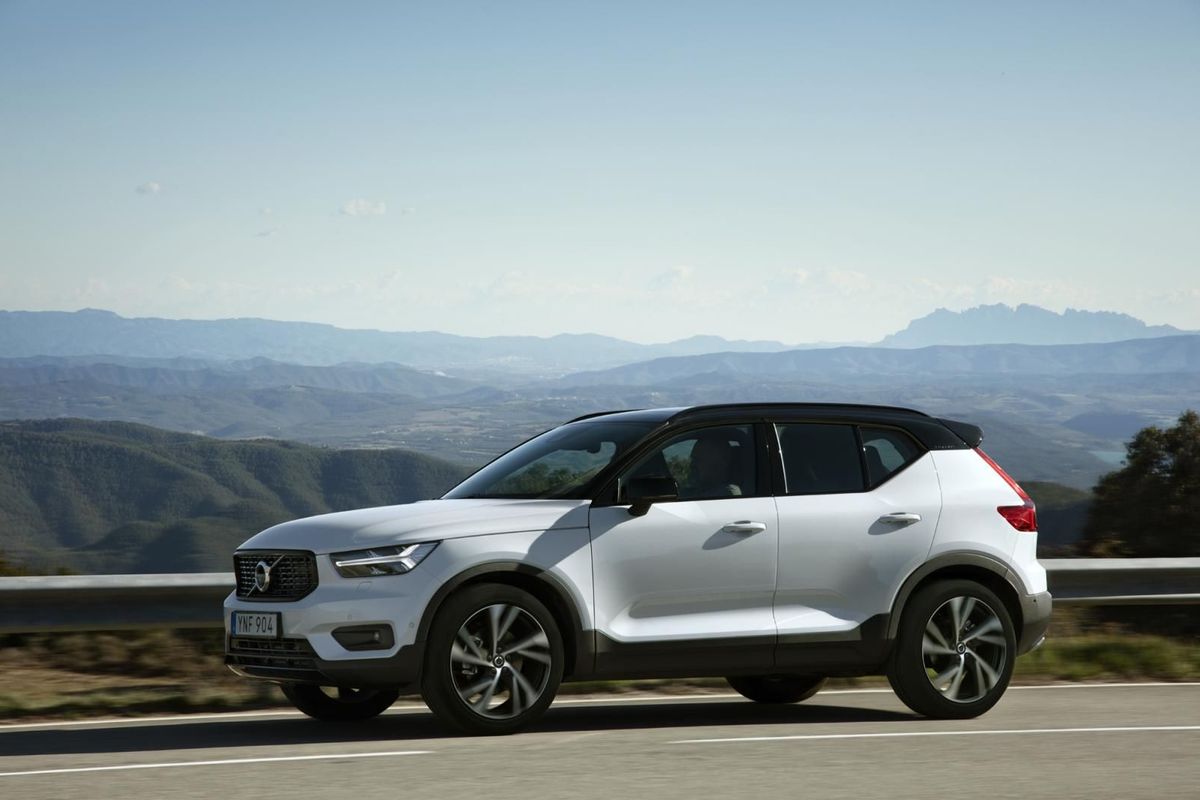
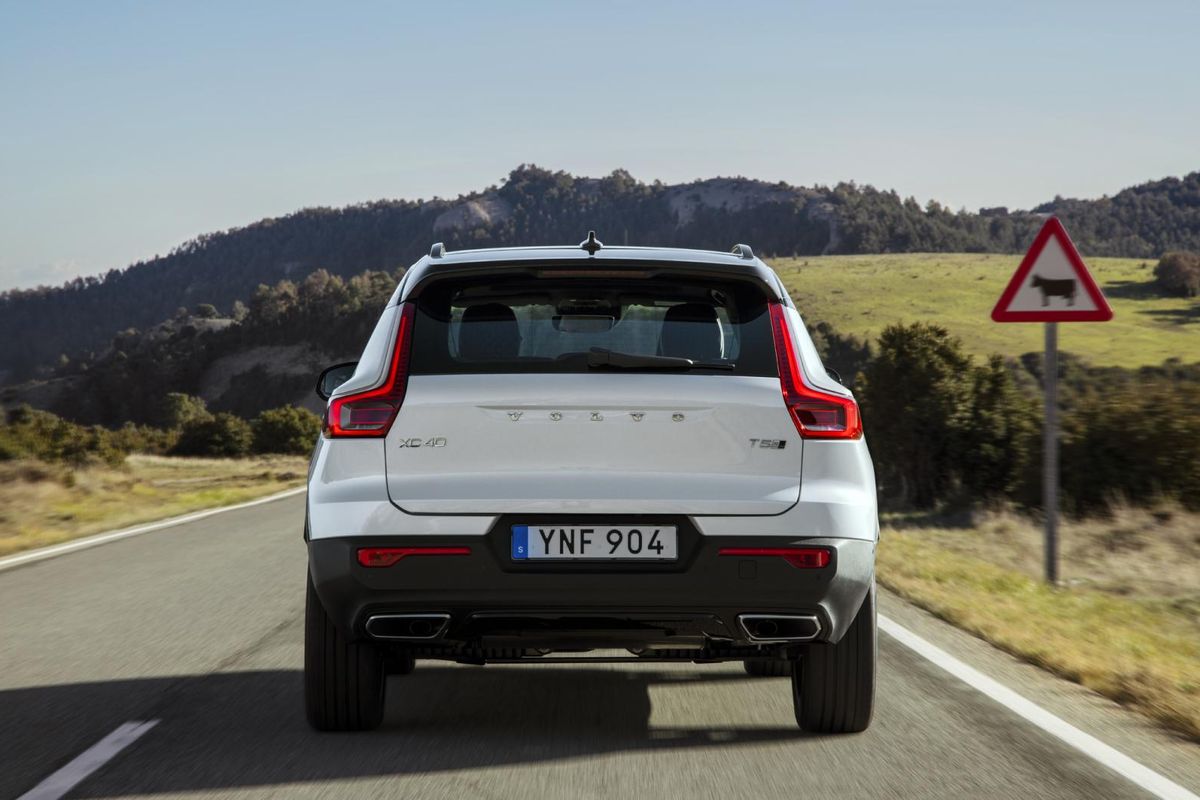
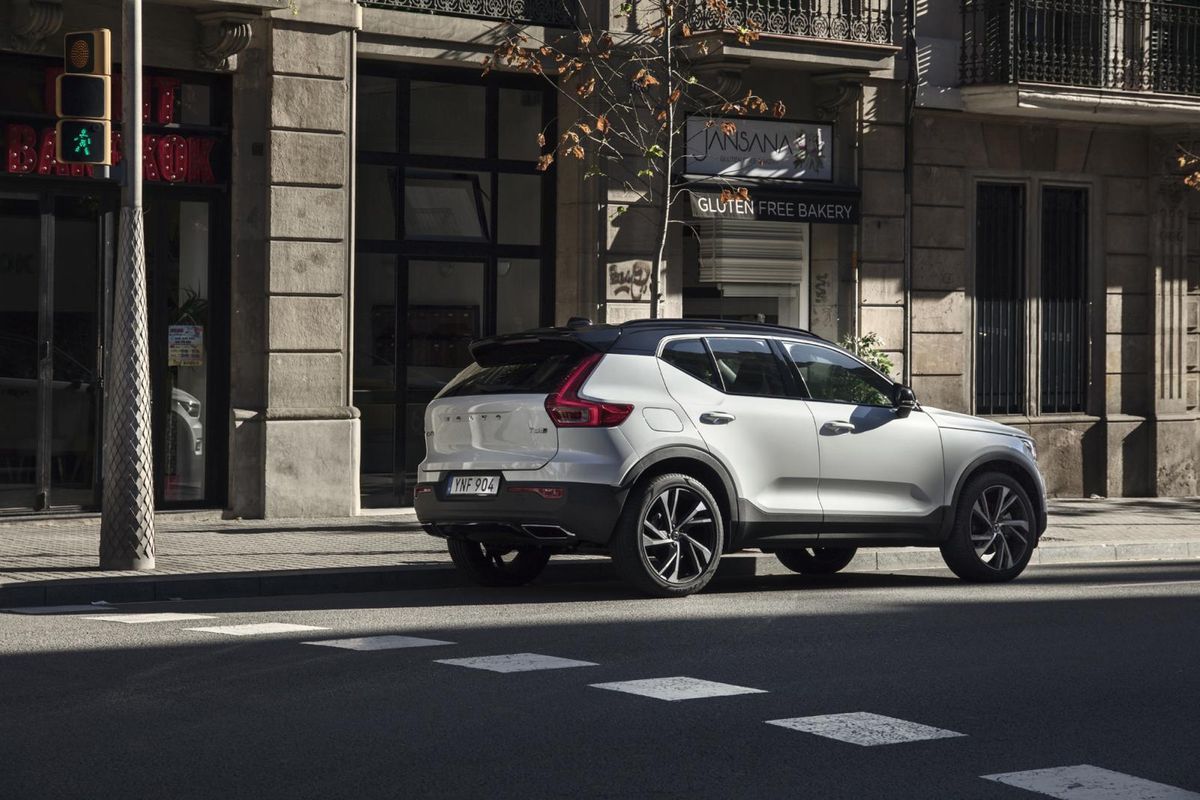
Swedish luxury marque Volvo is knocking hard at the door of the Audi Q3 and BMW X1 with its new XC40 SUV. It’s set to land in SA in April 2018 and, if initial impressions are anything to go by, it should set the cat amongst the pigeons when it arrives. Cars.co.za Road Test Editor, Ashley Oldfield headed to Barcelona to sample Volvo’s newcomer.
What is it?
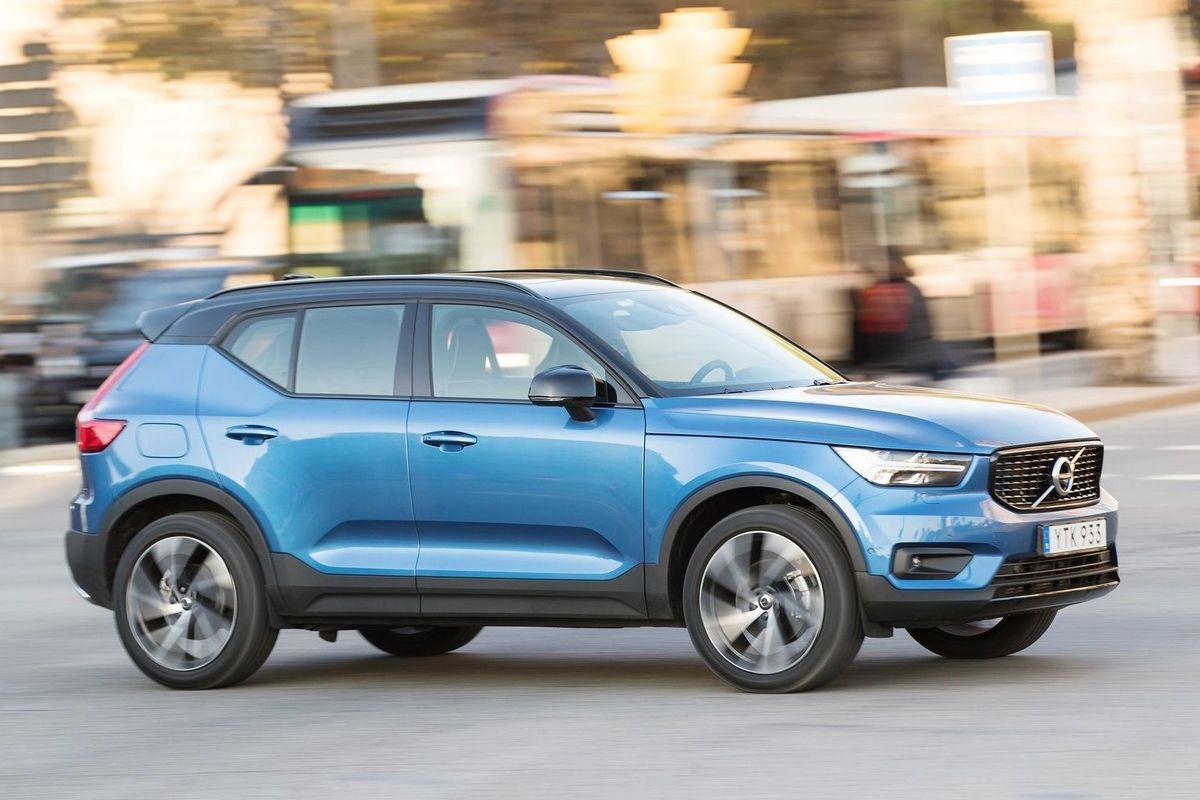
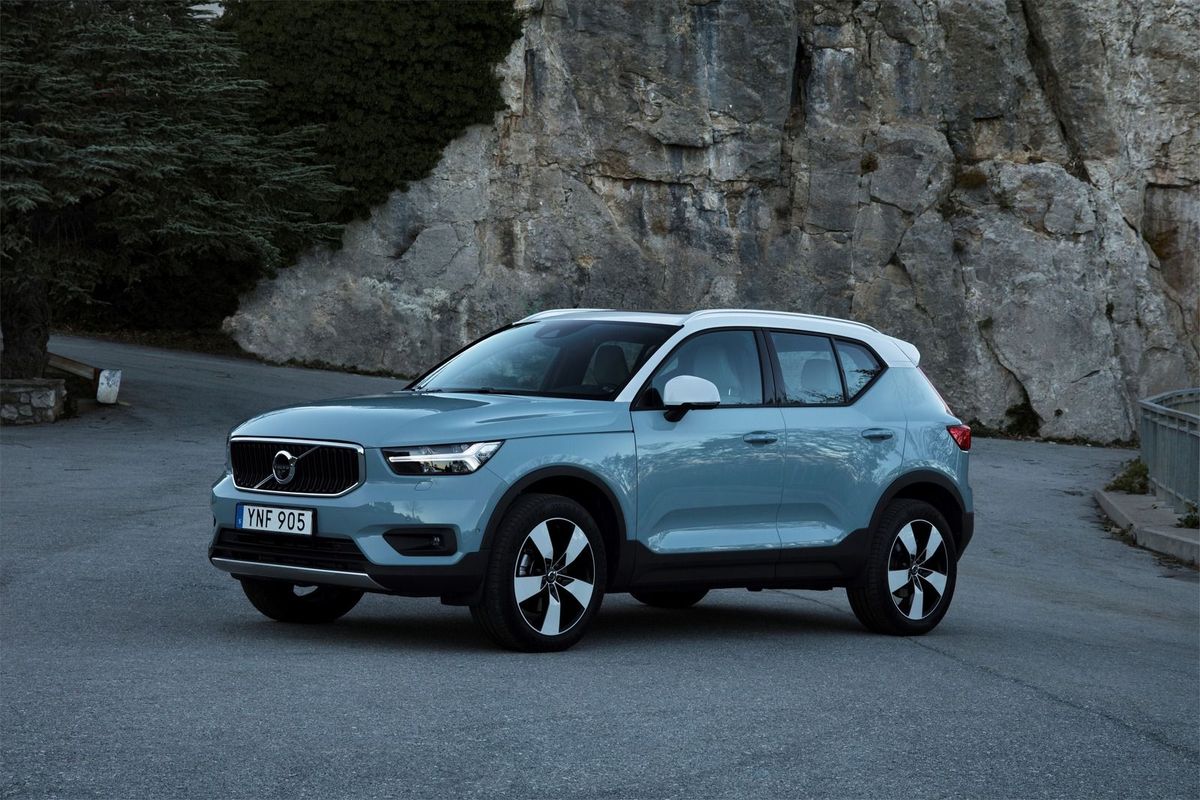
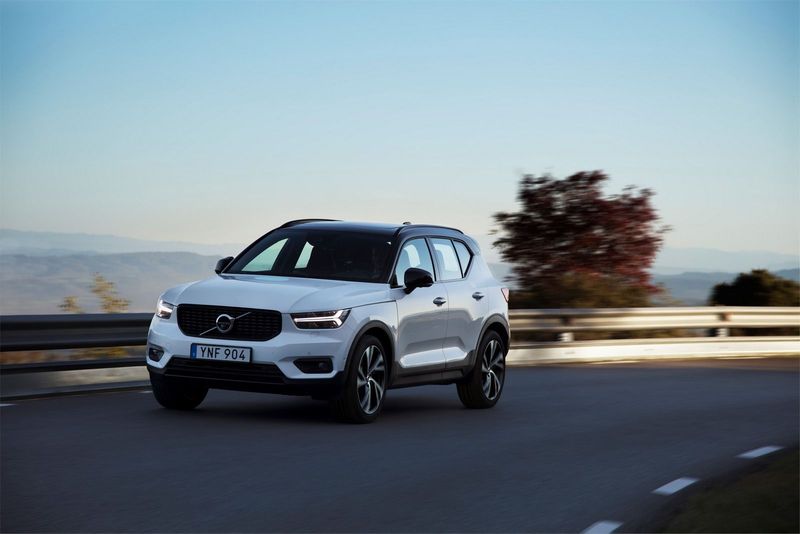
The XC40 is a compact SUV/family car, but more in the vein of an Audi Q3 or BMW X1 than a Mazda CX-5 or Volkswagen Tiguan. Why? Well, because it’s more stylish and premium-positioned than the aforementioned family cars; it tugs at your heartstrings rather than your measuring tape. That’s not to say it’s an ornament, however… Volvo has made sure it has covered as many bases as possible with its new XC40.
It rides on an all-new platform, one smaller than those of the XC60 and 90-Series cars, but carries engines over from those model ranges as Volvo currently only produces 2.0-litre, 4-cylinder engines. Couple this with a super stylish body that grabs your attention as it drives by with an interior nicked from the new XC60 and you have the makings of an intriguing product, especially when you consider it's entering a fast-growing segment.
Stylish and premium. The XC40 is well proportioned and looks especially good on 21-inch wheels.
Powering up
The engines are familiar, and at launch, there will be a T5 2.0-litre turbopetrol with 185 kW and 350 Nm of torque and a D4 2.0-litre turbodiesel with 140 kW and 400 Nm of torque. To begin with, both are equipped with all-wheel-drive and an 8-speed automatic transmission. Front-wheel-drive models will join the lineup in time as will hybrids and electric only models.
The turbopetrol, as you can see by the figures has plenty of power and imbues the XC40 with a racy feel as you zip around town. It’s prone to a bit of wheelspin after excitable throttle inputs and the fuel economy that takes a bit of a hit if you plan on driving quickly. Claimed fuel consumption on the petrol is just over 7.0 L/100 km and in the real world, you’re likely to remain just under 10 L/100 km.
The better engine, as we’ve seen in the XC90, V90 CC and XC60 is the turbodiesel. The power delivery suits the SUV driving style and fuel consumption remains excellent (5.2L/100 km), no matter how heavy your right foot is. It also picks up from pull away and rolling stops quicker than the petrol, making it a more user-friendly engine.
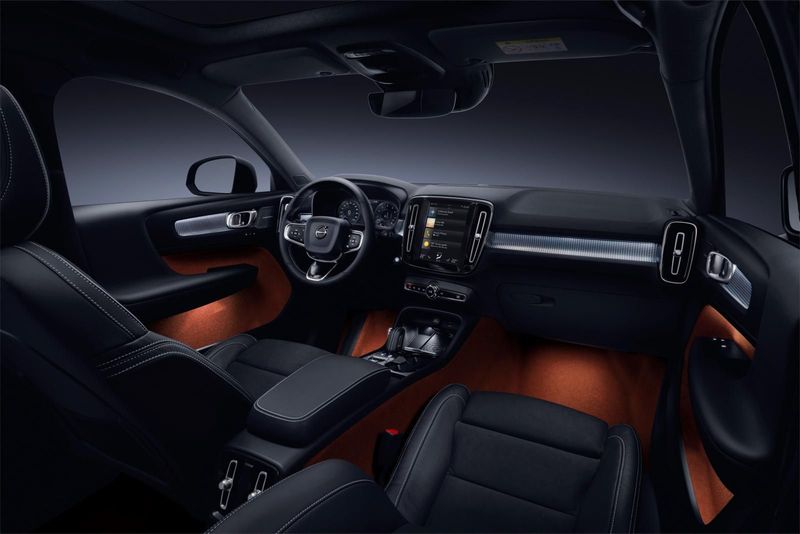
Lava red interior trim colour is new. Overall the cabin is stylish and well thought-out ergonomically.
Neat tricks
We’ve credited Volvo with designing some of the most beautiful and intuitive interiors since the introduction of the XC90. The XC40 follows suit. The test units we drove came with suede and leather combination seats and suave black carpeting and trim. The metallic-looking (they are actually plastic) trim inserts in the fascia add a posh feel to the cabin and the Sensus Connect touchscreen and functionality is pulled straight from the XC90.
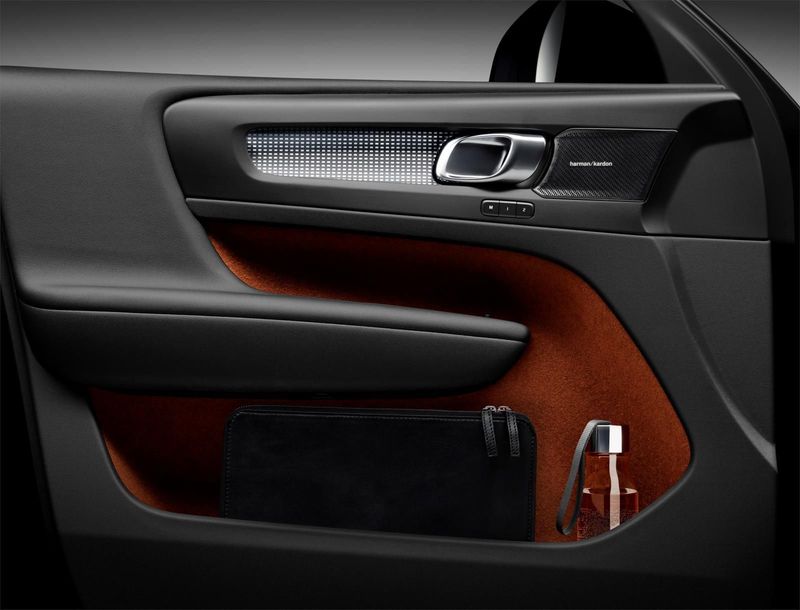
A few introductions to the spec includes the wireless charging cradle in front of the gear selector and a removable bin that pulls out of the centre armrest. The speakers have been pulled out of the door panels, which makes space in the door pocket for larger items like a laptop and drinks bottle.
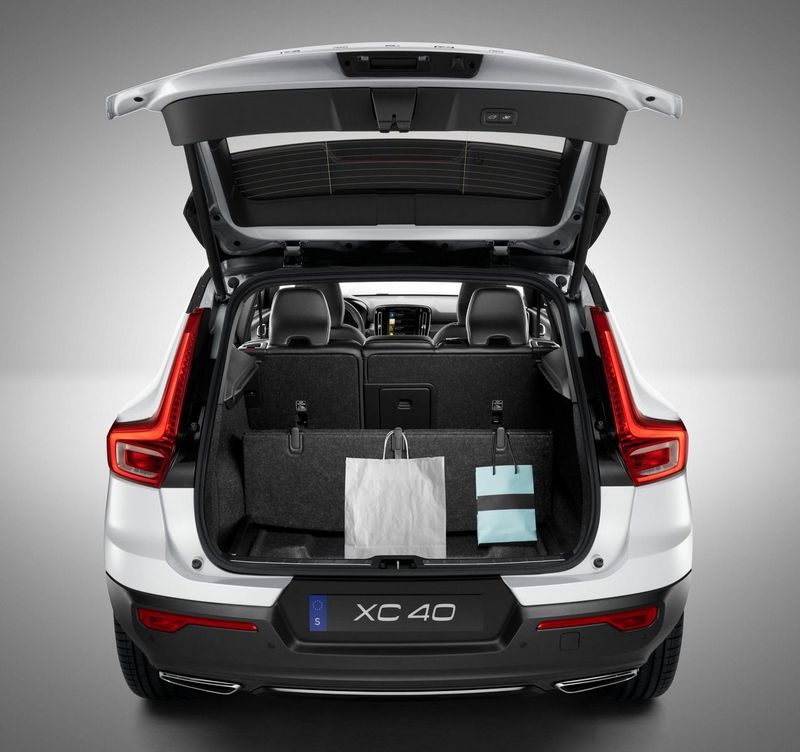
The floorboard in the load bay doubles as a shelf to hang shopping from. A parcel shelf can be stored underneath too.
There are a few more tricks in the XC40’s arsenal as you open up the electric tailgate. The floorboard lifts up and hooks into place to create a tight storage space so shopping doesn’t roll around but also acts as a shopping bag holder. The parcel shelf can also be removed and stored away underneath the boot, rather than in your garage like it often does.
In terms of outright size, the XC40 has a 460-litre luggage bay that expands to 1 336 litres with the rear seats folded flat. Rear passenger space appears to be in line with other cars in the segment and the Volvo passed the "sit behind yourself" industry standard test with enough knee and headroom to spare for a 1.81-metre passenger.
Ride and drive
With the XC40 riding on an all-new platform, the Volvo engineers eagerly awaited feedback on "how the car feels" after we'd put the newcomer through a few bends and "wrung its neck" down a freeway. The XC40 feels great and the engineers didn’t seem relieved or even pleased to hear it – it was almost expected. I would go as far to say that it rides even better than the XC90. The big SUV is known for its long-haul comfort, but can be a tad thumpy and clunky over smaller, more jarring bumps. The XC40’s shorter wheelbase and more standardised suspension setup (Macpherson front, multi-link rear) soaks up everything, from potholes to speed bumps and even a bit of gravel. It’s supremely comfortable and this while riding on the optional 21-inch wheels. The 19-inch wheels with a 50-profile were even better.
The new CMA platform has improved the ride and comfort levels from the bigger 90 series cars we've driven.
The XC40 isn’t a sports SUV like a few of its competitors are purported to be. It handles its heft well/doesn’t fall over in the corners, but it doesn’t reward you over a mountain pass or get you excited to whip the Volvo through a sinewy section of asphalt. The focus, and rightly so for an SUV is about comfort and poise, and that’s exactly what the XC40 does well. If I had to nit-pick (we have to – ed), the steering is a little light and vague due to the electric steering setup, but it can be better weighted with individualised drive modes that alter the steering, engine and gearbox’s response.
Safe, as you’d expect
Volvo is renowned for building safe cars, not just in terms of being in a crash but also in preventing a crash. New additions to the XC40 include an automatic braking function for cross-traffic alerts. If you reverse out and don’t see a vehicle approaching from the side, the vehicle will now brake itself if it believes a collision is likely. City Safety is also available as is the likes of adaptive cruise control, semi-autonomous driving and blind spot alert.
By removing the speakers in the doors, there's more storage space in the side door pockets.
Summary
Volvo’s products continue to improve and global sales certainly show that the Swedish firm is making waves on the sales charts. It hasn’t, however, managed to gain the same sort of traction in South Africa, yet. The reason for this is two-fold. Firstly, the XC90, while being award-winningly good, competes in a very small segment where local buyers are particularly brand-snobbish, where nothing other than a Range Rover, Mercedes-Benz or BMW badge will do. The other reason is that the latest cars introduced by Volvo have been station wagons and sedans (V90 CC and S90), a dying breed at the moment.
This new XC40 has the credentials to disrupt its segment. It outdoes the competition in the looks department, competes strongly on the engine front and has enough practicality and ride comfort to tempt even the most hardened German-brand driver to nod in appreciation. The proof, it appears, is in the pre-orders. Volvo SA says more than 100 pre-orders have been received thus far and the arrival of the XC40 is still months away. That’s more than any product it has ever launched. It arrives in April 2018 and the good news for Volvo is that its best-seller, the XC60, will follow a few months after.
Indicative pricing
No official pricing has been announced yet. Volvo SA has estimated the XC40 will land in SA from just under R500k with higher-spec models climbing towards R650k.
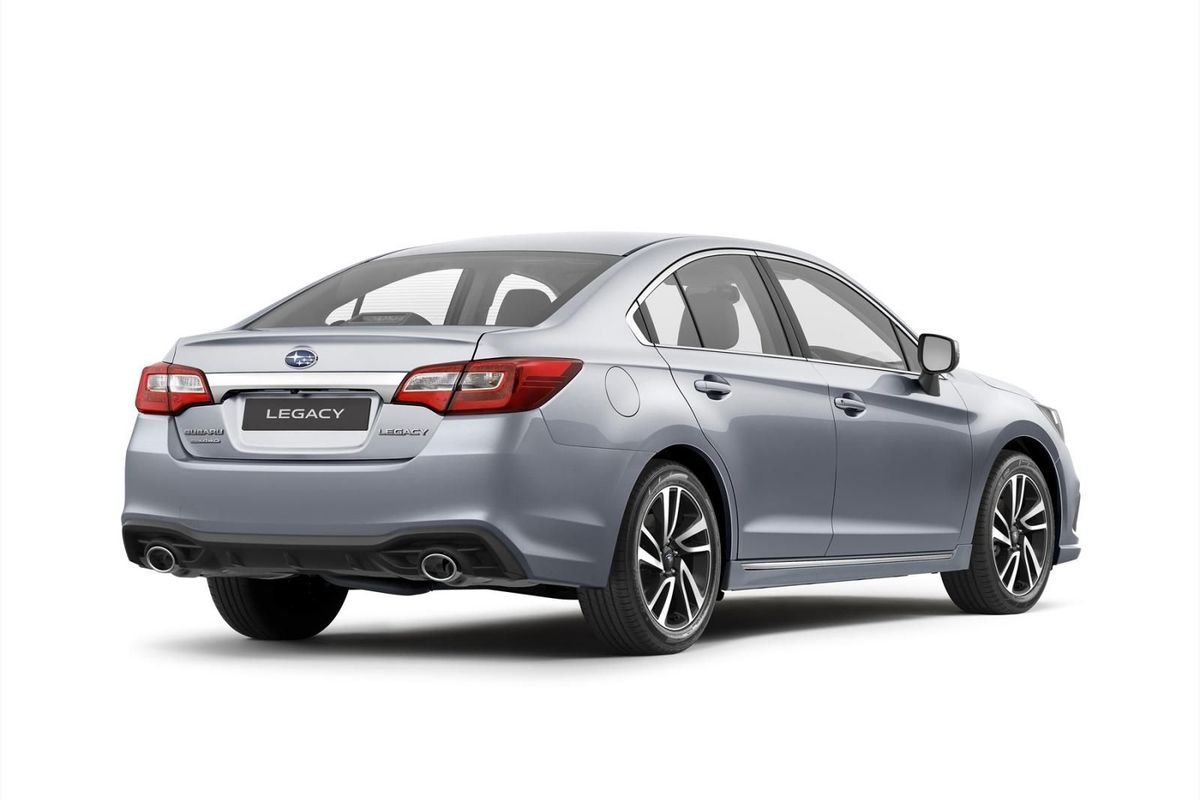
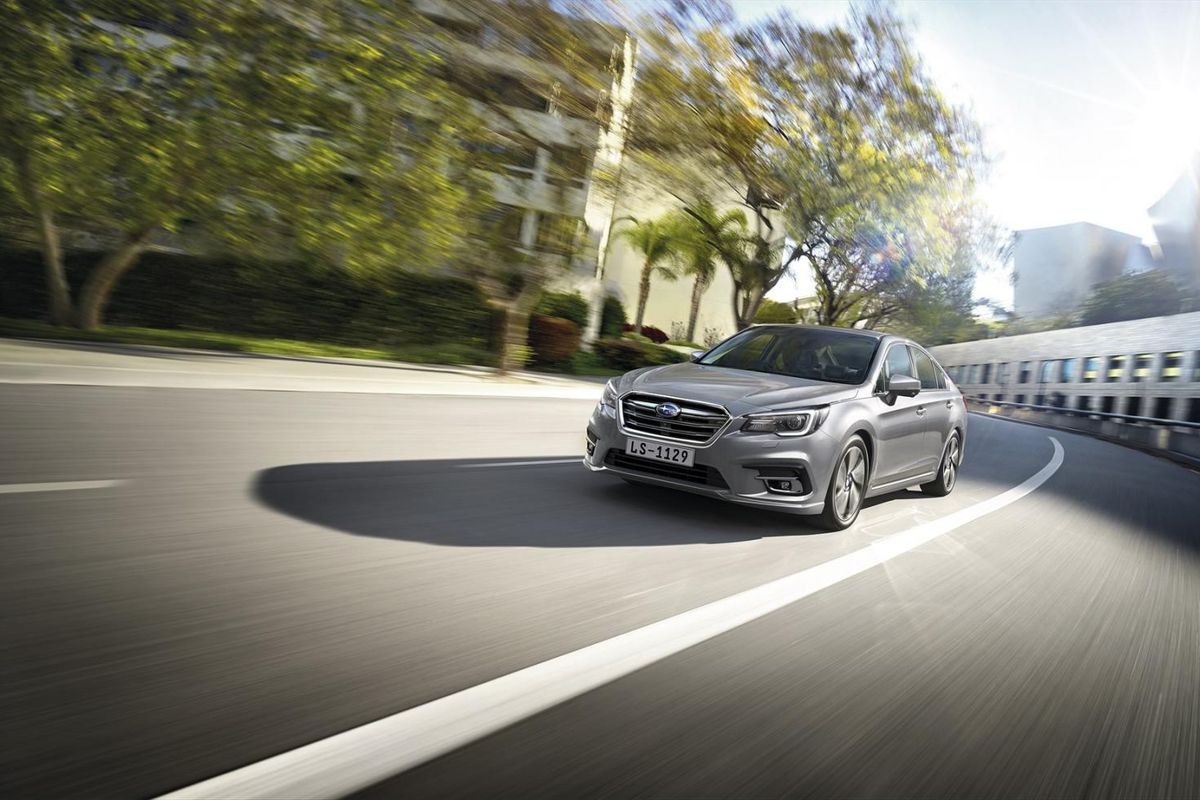
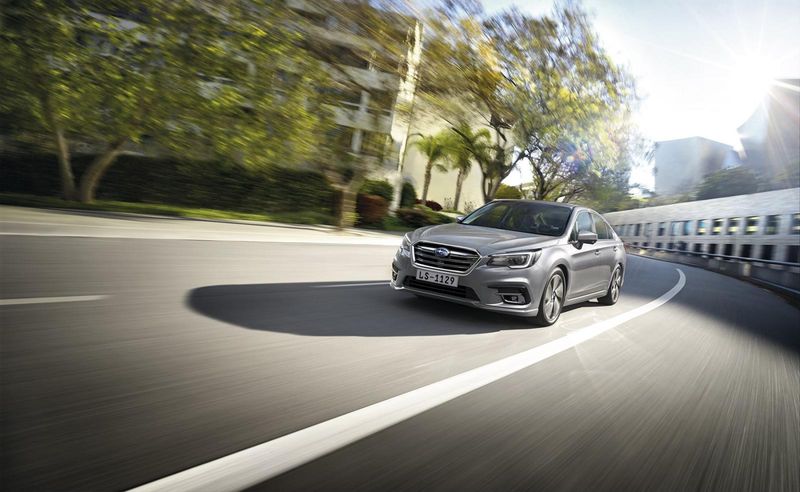
Subaru has updated its Legacy sedan which now features revised styling, a fresh interior design and offers a host of new driver assistance systems. See specification and pricing below…
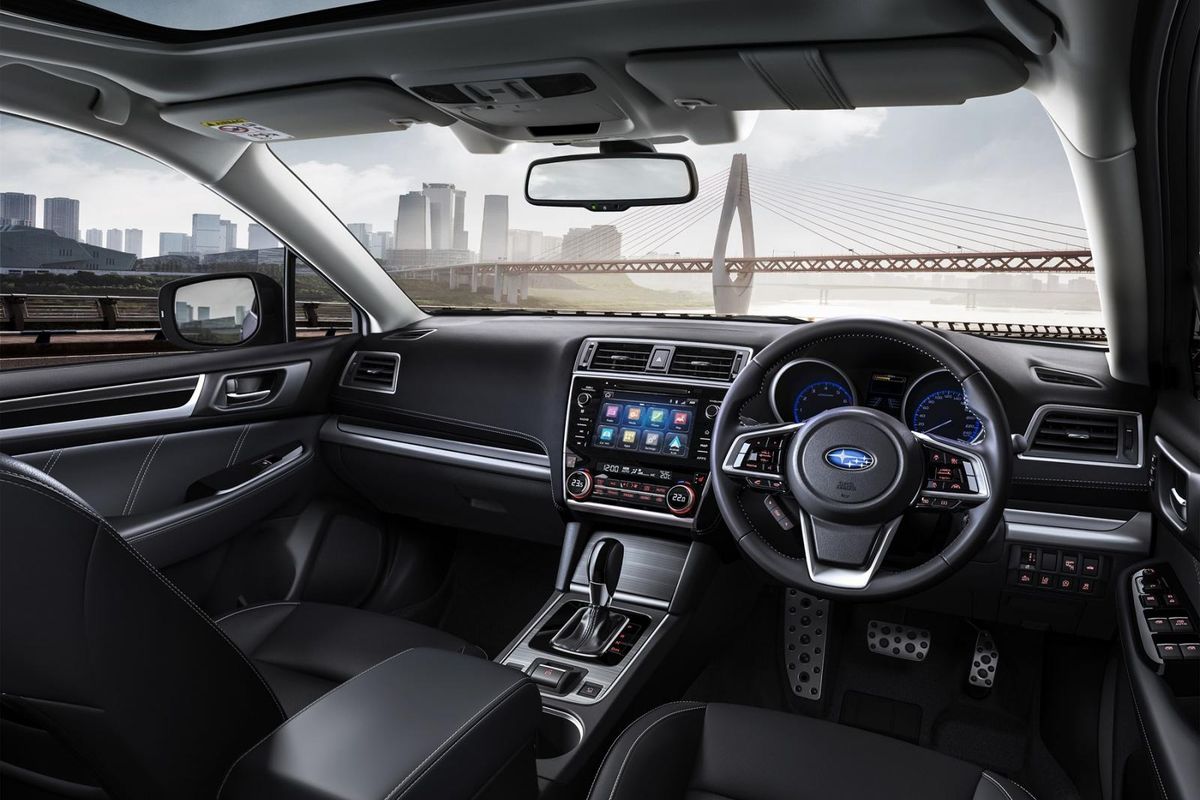
Subaru recently updated its Outback crossover and its Legacy sedan has now received a round of updates too. Much in the same vein, The Legacy’s exterior styling has been refreshed while its interior design and material quality has also been improved. Subaru’s new EyeSight driver assistance technology has also made its way into the Legacy.
Exterior updates
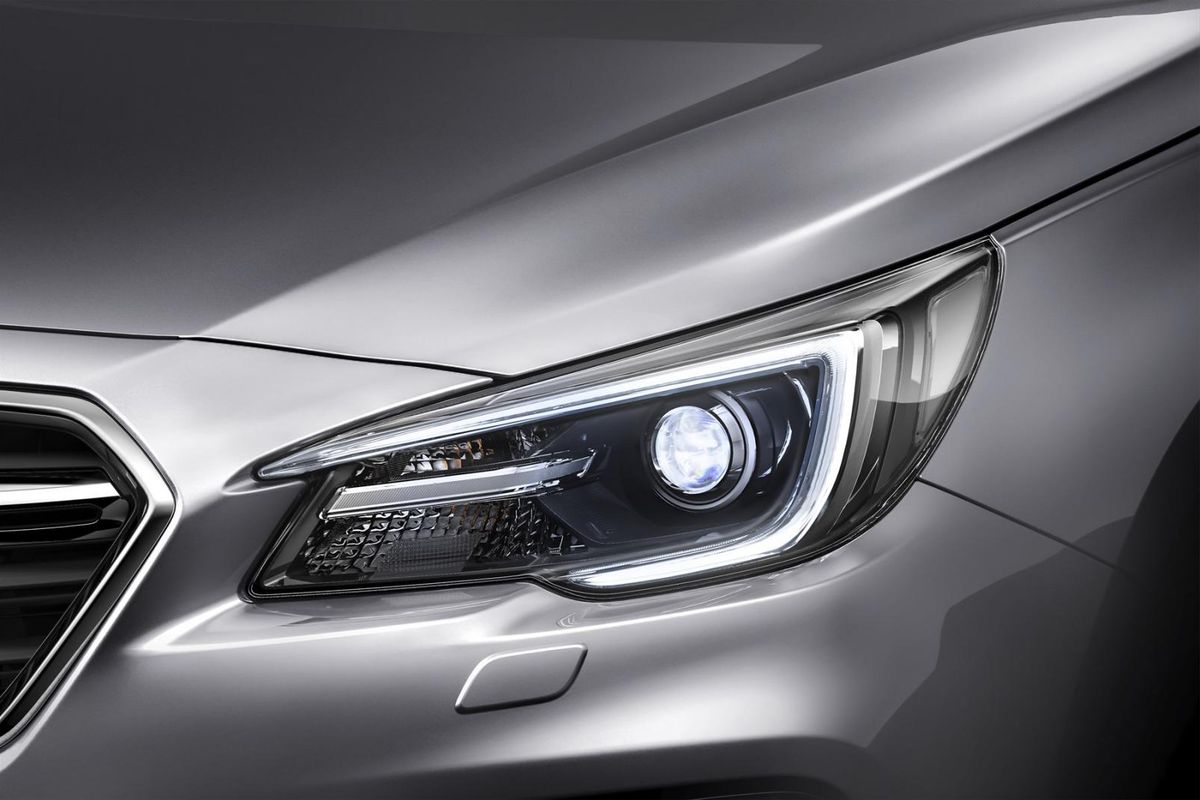
A revised front-end with newly styled headlights and grille improves the Legacy's presence on the road.
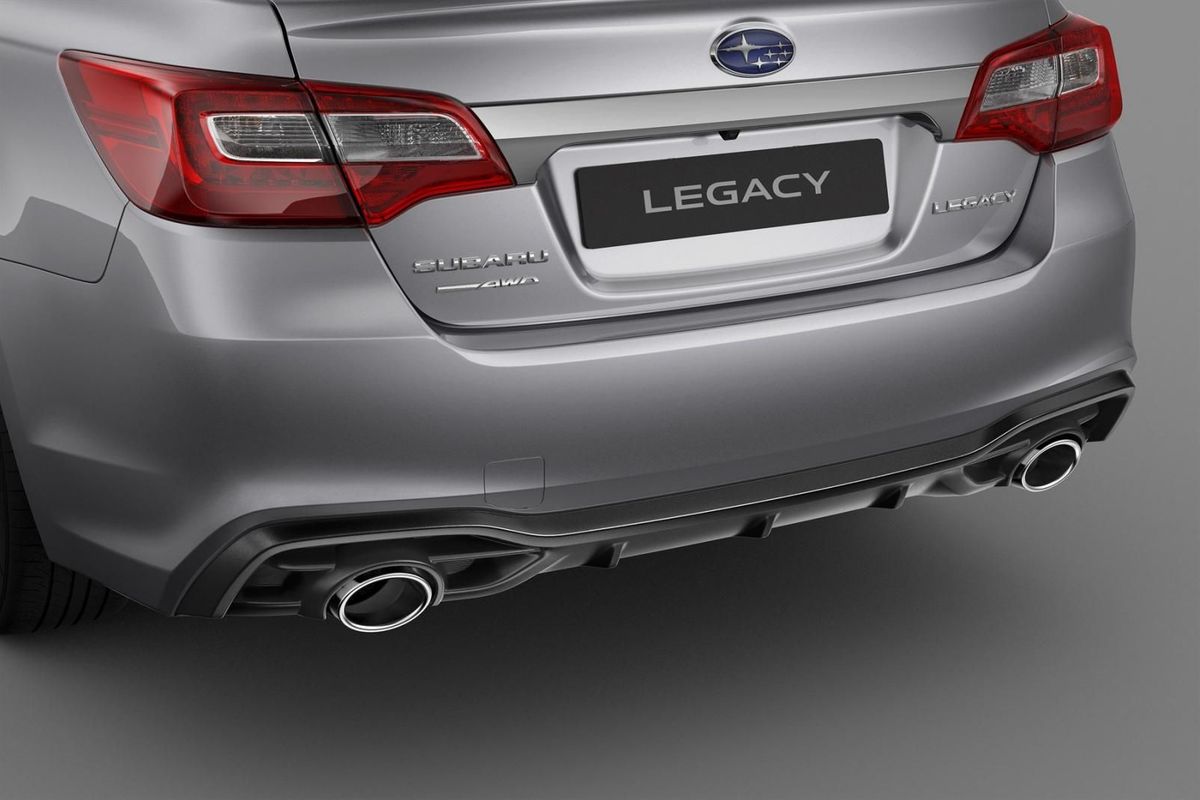
The front-end of the Subaru Legacy has been revised and includes a sharper headlight design with C-shaped daytime running lights with the lower grille now sitting lower and wider than before. The hexagonal grille features less chrome and the fog light surrounds have also been revised. A new two-tone rear bumper is fitted with an integrated exhaust system.
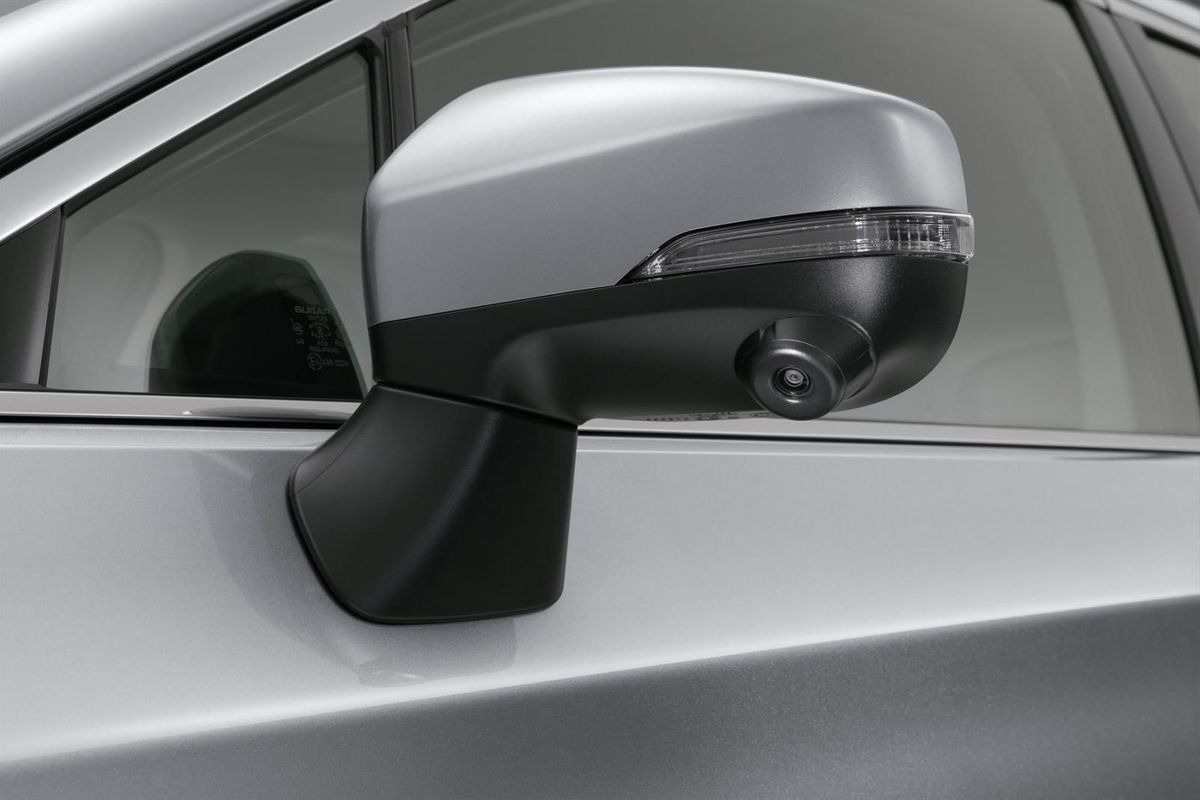
The side mirrors also feature integrated indicators and side cameras. The Legacy rides on new 18-inch turbine lightweight alloy wheels and 2 new exterior colours are on offer and these include Magnetite Gray Metallic and Crimson Red Pearl.
Interior updates
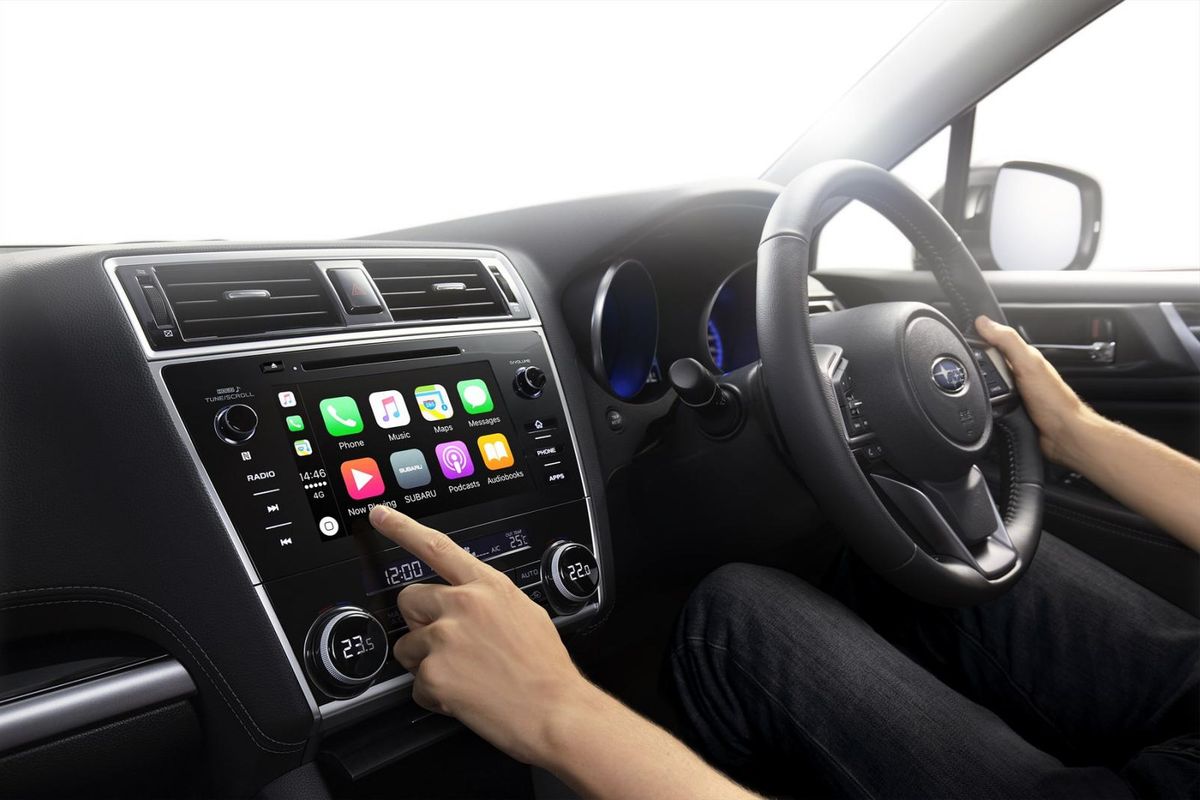
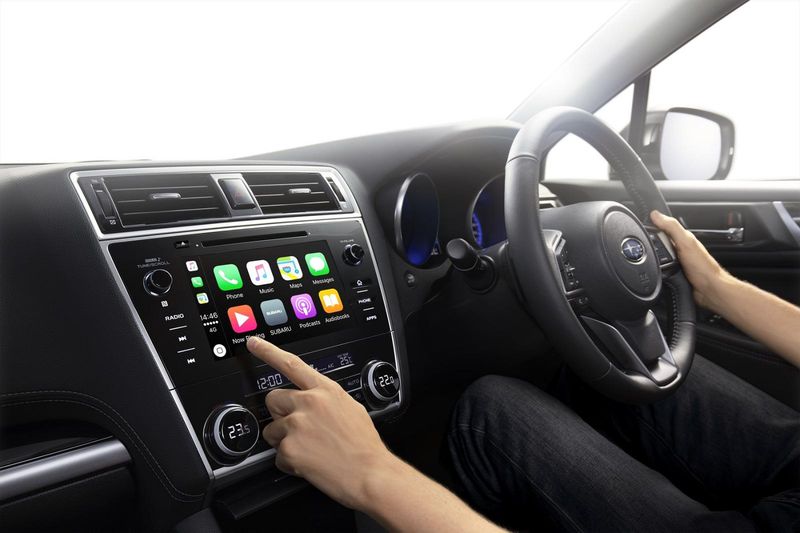
A new-7inch touchscreen infotainment system is a highlight in this updated Legacy.
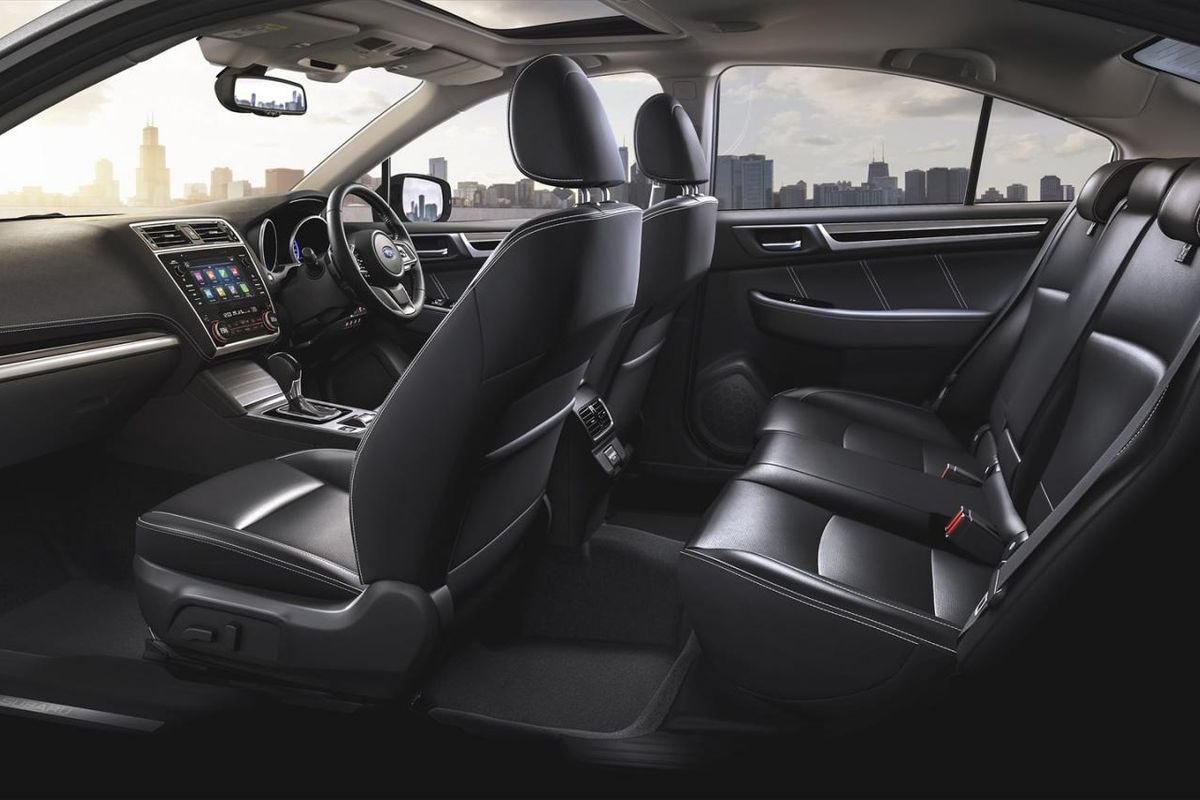
The Legacy’s interior gains higher quality materials in the form of high-gloss black trim and silver detailing seen on the door panels and dashboard. A new multifunction leather steering wheel and updated instrument cluster is fitted.
There’s also a new 7-inch touchscreen infotainment system which offers Apple CarPlay, Android Auto and satellite navigation.
Smaller changes include revised controls and layout for the dual-zone climate control system, which has also been enhanced for improved cabin comfort.
Engine power
The all-wheel drive Subaru Legacy is powered by a 3.6-litre Boxer engine with 191 kW and 350 Nm of torque that’s mated to an improved Continuously Variable Transmission (CVT).
Subaru has also tweaked the steering, brakes and dampers in an effort to improve ride quality. Safety has been beefed up too with the inclusion of EyeSight Driver Assistance technology which includes stereo cameras that provide a front view of the car and scan ahead for obstacles and obstructions. Also included is Adaptive Cruise Control, Pre-Collision Braking, Pre-Collision Throttle Management, Vehicle Lane Departure and Sway Warning. Steering Responsive Headlights (SRH), Blind Spot Detection and front, rear and side cameras provide additional visibility. 7 airbags are standards as are ISOFIX child seat anchors.
Subaru Legacy – Price in South Africa
Legacy 3.6R-S ES – R619 000
The Subaru Legacy is sold with a 5-year/150 000 km warranty and a 3-year/75 000 km maintenance plan, which can be extended up to 5-year/150 000 km.
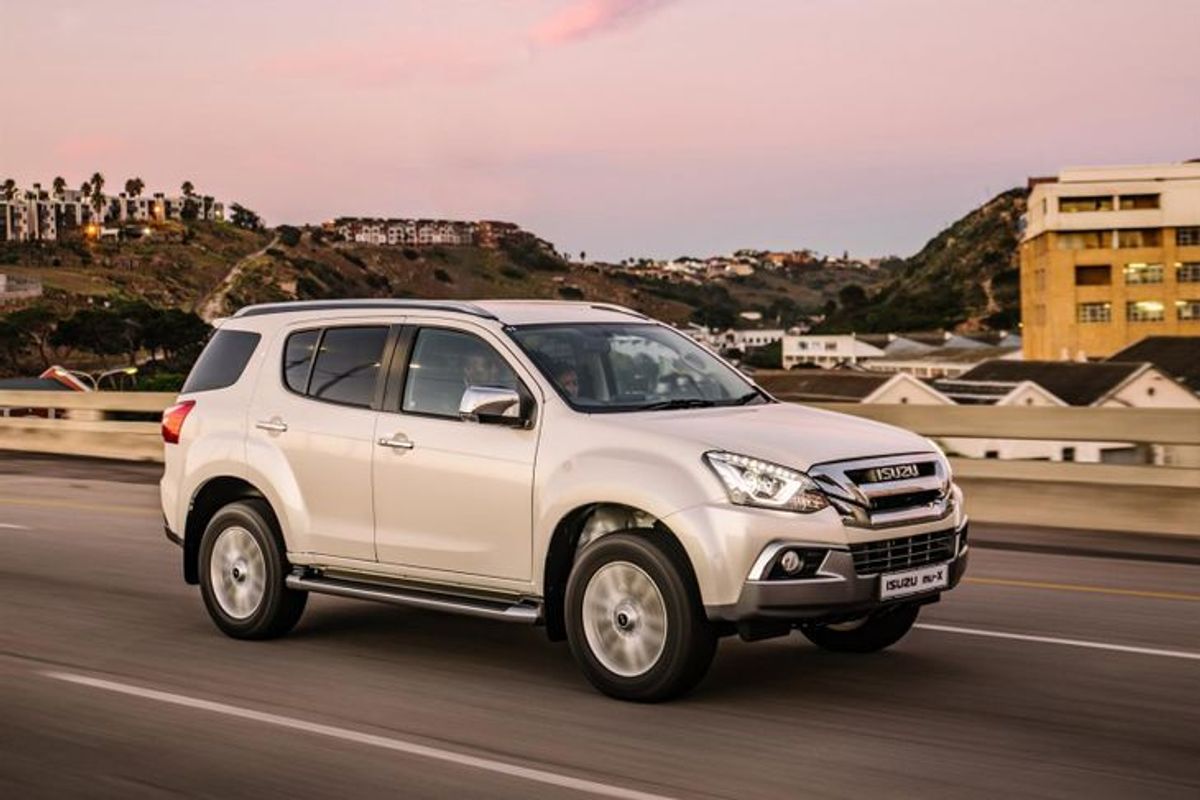
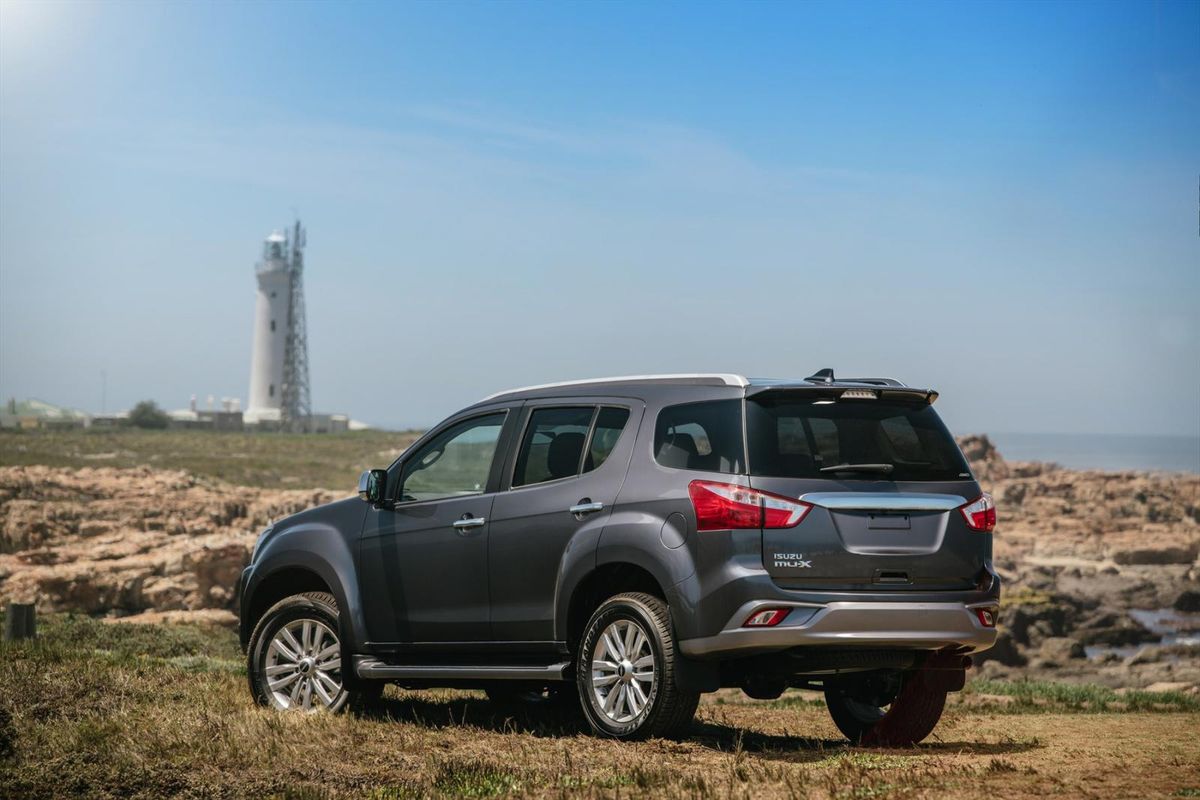
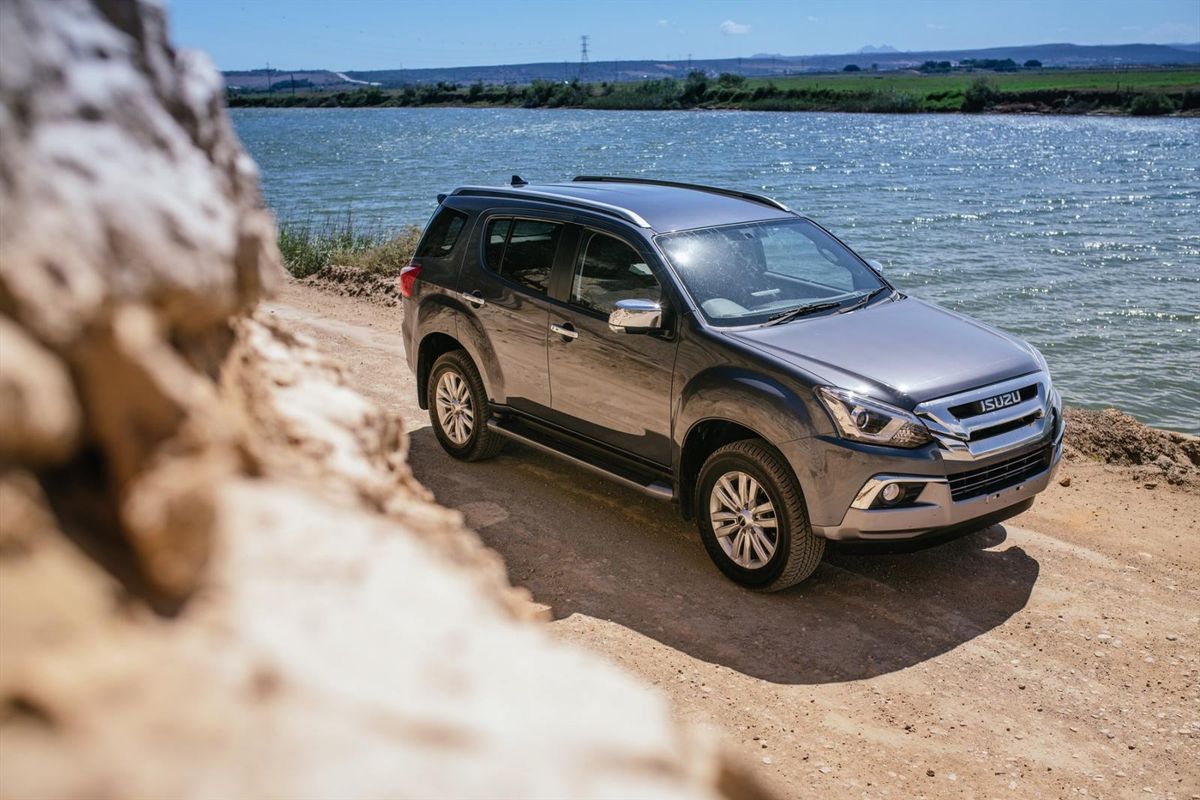
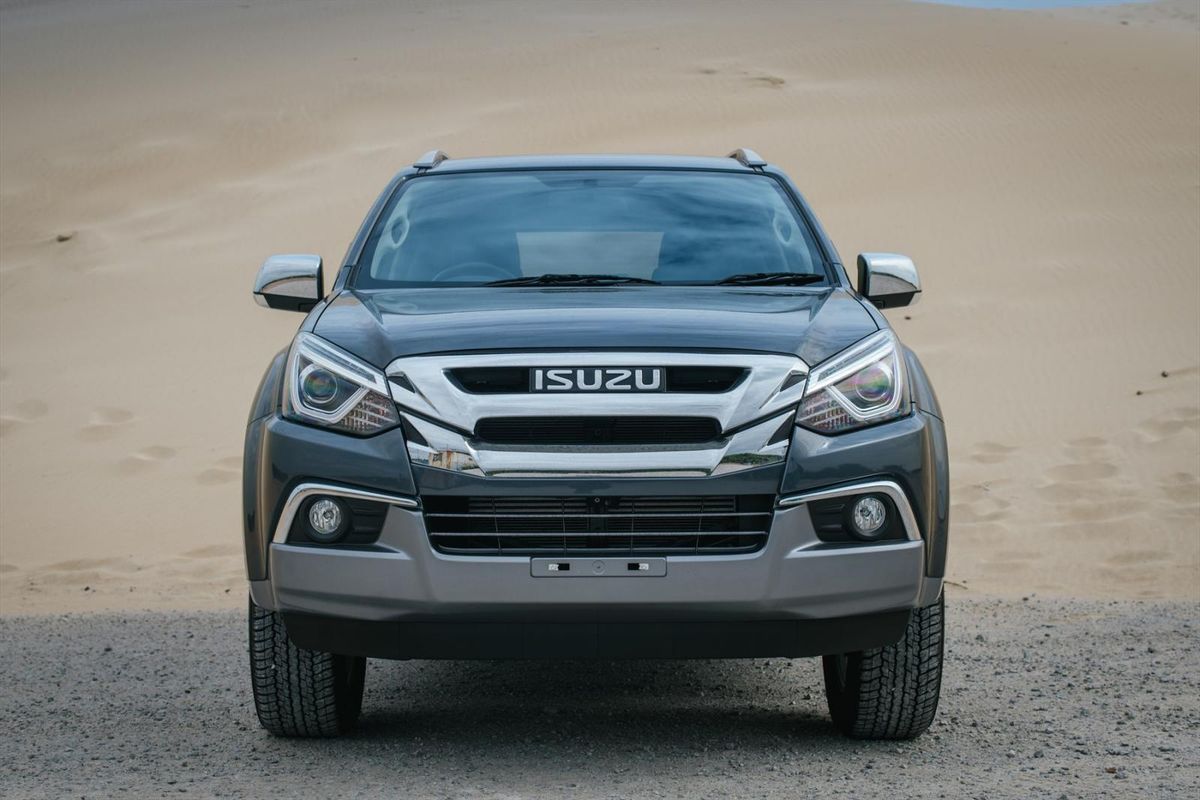
Isuzu MU-X confirmed for SA: 3 Rivals It Needs to Beat
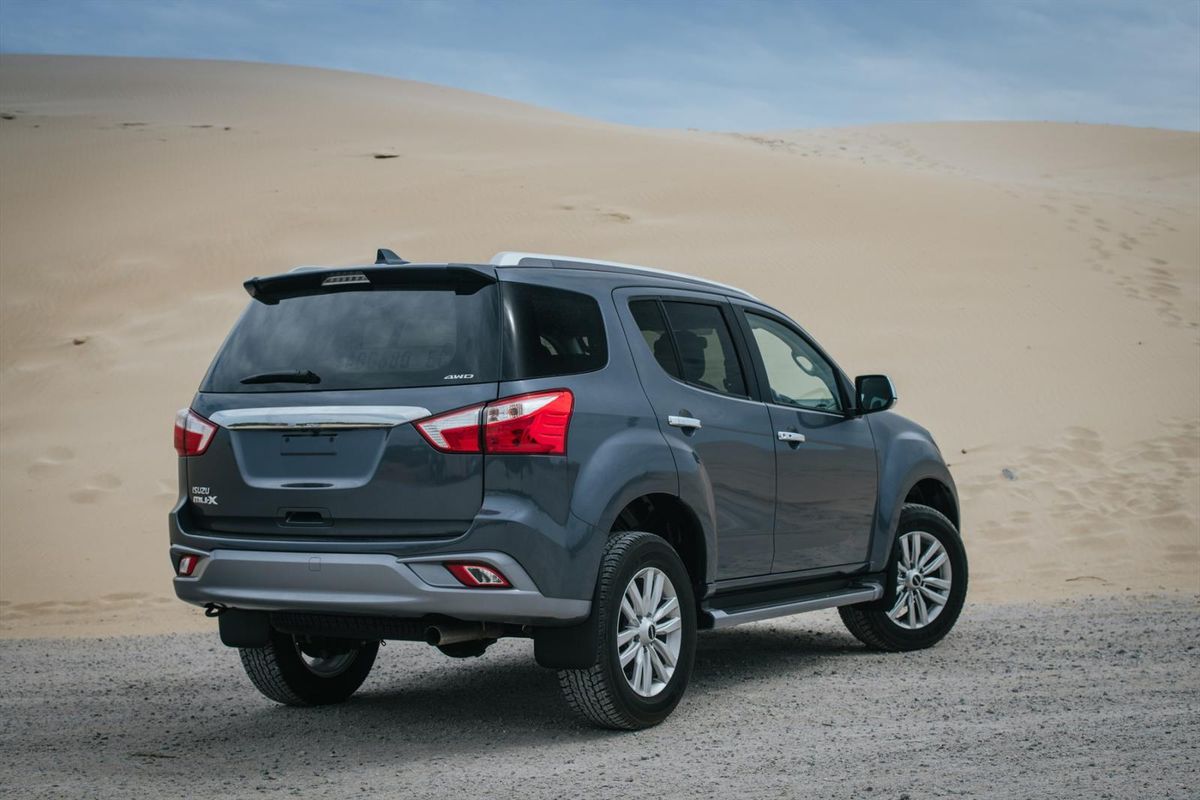
Isuzu South Africa plans to introduce the Isuzu MU-X (Fortuner competitor) during the second half of 2018. Take a look at what you can expect from the MU-X, as well as a summary of its well-established competition in the popular segment.
With General Motors exiting the South African market at the end of 2017, Chevrolet and its capable but poor-selling Trailblazer SUV is no more. Isuzu, however, has taken over GM’s operations at the Struandale plant in Port Elizabeth, where it produces its KB pickup for both the local and other African markets.
As Isuzu works to set up at least 90 standalone dealerships across South Africa, the Japanese LCV and truck giant has confirmed that its KB-based MU-X 7-seater SUV will be introduced in South Africa in the second half of 2018, which should bolster the Japanese brand during this transitional phase. The MU-X, however, will not be built in South Africa, but will rather be imported from Thailand.
Moreover, local specification and engine offerings have yet to be finalised. In Australia, the mu-X is powered by a Euro-5 compliant, 3.0-litre turbodiesel engine with 130 kW and 430 Nm of torque, which is unlikely to be offered in South Africa due to our poor fuel quality.
However, it is likely that the familiar, albeit detuned, 130 kW/380 Nm 3.0-litre turbodiesel engine that currently does service in the Isuzu KB will be offered in the mu-X if it arrives and it might even be paired with a 6-speed automatic transmission, unlike the 5-speed automatic used in the KB. The MU-X is also likely to be offered in both 4×2 and 4×4 guise. The 4×4 derivatives will feature the KB’s familiar "shift-on-the-fly" gearing system that allows for easy transition between 2H, 4H and 4L.
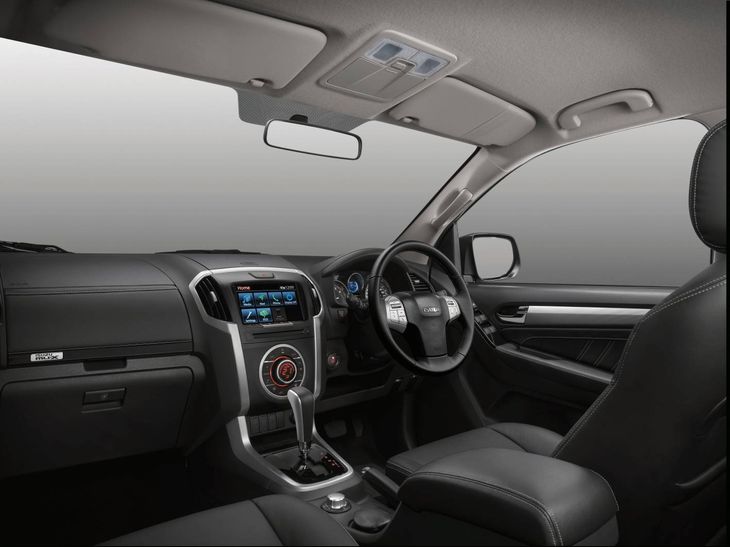
The interior of the Isuzu MU-X is rather workmanlike, but it's robust and should withstand everyday abuse with relative ease.
As for the MU-X’s interior, it’s utilitarian in design, which might fall short of the competition, but it should prove to be well-suited to cope with the abuse it will face on a typical South African family adventure holiday. Space for front and second-row passengers is adequate and the MU-X offers 878 litres of space when the third row of seats aren’t in use. When they are in use, load volume reduces to 235 litres. With the entire rear passenger area used for load carrying purposes, a capacious 1 830 litres is at your disposal.
Our Australian correspondent Matt Campbell, drove the range-topping MU-X which was also fitted with a touchscreen infotainment system and a roof-mounted, 10-inch DVD player, but we can only hope that these nifty features will be offered in our market.
Provided that Isuzu can offer the MU-X with competitive pricing and a reasonable amount of standard specification, we believe that it could sell relatively well in South Africa – at the very least better than the departed Chevrolet Trailblazer. Let’s take a look at 3 of the Isuzu MU-X’s key rivals in South Africa.
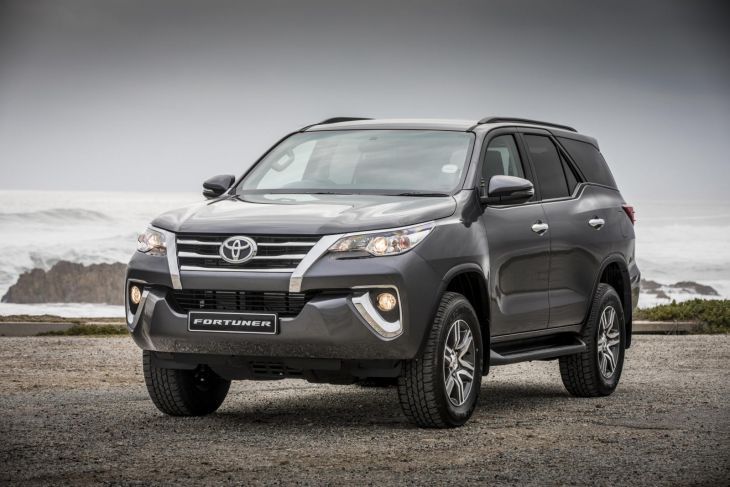
Toyota Fortuner
By far the most popular 7-seat SUV in South Africa, the Toyota Fortuner has found favour with thousands of local buyers and continues to sell strongly on a monthly basis. The Fortuner is offered with a choice of 4 engines including the popular 130 kW/420 Nm 2.8-litre turbodiesel, the 100 kW/400 Nm 2.4-litre turbodiesel, the 122 kW/245 Nm 2.7-litre petrol and the 175 kW/376 Nm 4.0-litre V6 petrol. The Fortuner is available in both 4×2 and 4×4 guises; manual and automatic transmissions are offered.
In terms of luggage space, we suspect (but stand to be corrected), that the MU-X’s load bay will offer more space than the Fortuner. In the Fortuner, the third row of seats fold away to the sides of the load bay, impinging on the utility space. In the MU-X, the seats fold into the floor leaving the load bay unobstructed, which means the MU-X may have more "usable" space.
Pricing for the Toyota Fortuner starts at R448 900, going all the way up to R682 400 for the V6 derivative. It’s worth mentioning that the Toyota Fortuner 2.8 GD-6 4×4 Auto scooped the win in the Adventure SUV category of the Cars.co.za Awards – powered by WesBank.
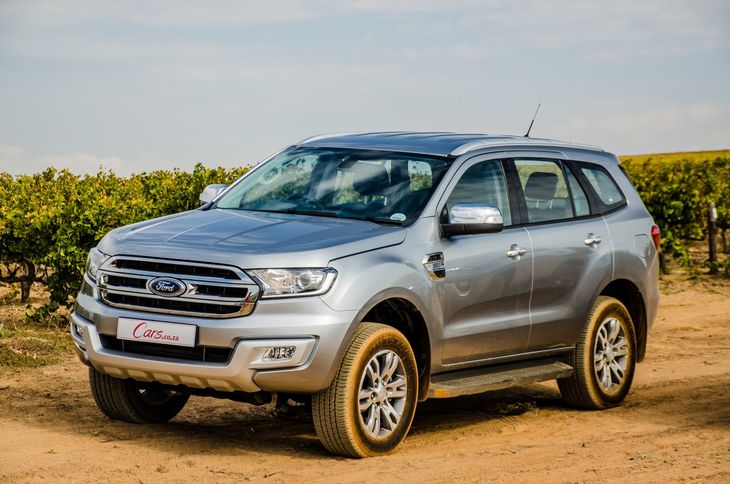
The Ford Everest is a popular alternative to the Fortuner and it too sells well on a monthly basis. The Everest is offered with a choice of 2 engines including the 118 kW/385 Nm 2.2-litre turbodiesel and the larger, more powerful 147 kW/470 Nm 3.2-litre turbodiesel. Both 4×2 and 4×4 derivatives are offered with manual and automatic transmissions available to buyers.
In terms of loading capacity, the Everest is slightly more spacious than the Isuzu mu-X with a load capacity of 1 050 litres with the third row of seating stowed in the boot floor. Furthermore, with all the seats folded flat, the Everest offers up to 2 010 litres of space.
Pricing for the Ford Everest starts at R459 900 and goes up to R706 900 for the top-spec Everest 3.2 4WD Limited, which was a finalist in the Adventure SUV category of the Cars.co.za Awards – powered by WesBank.
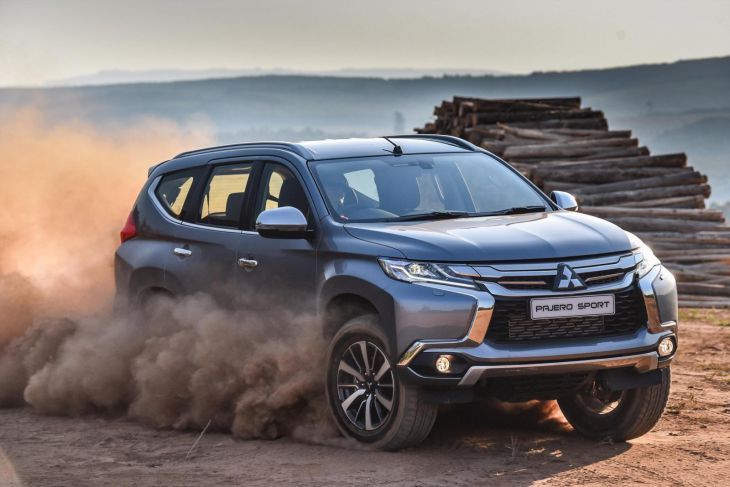
Mitsubishi introduced its all-new Pajero Sport to market last year and although it doesn't sell as well as the Fortuner or Everest, it’s still a formidable and more affordable rival in this segment. The Pajero Sport is offered as a 4×2 or 4×4, both powered by a 133 kW/430 Nm 2.4-litre turbodiesel engine. An automatic transmission is fitted as standard.
In terms of load space, the Pajero Sport offers 813 litres with the third row of seats stowed and only 193 litres with all the seats in use. That means that the Isuzu MU-X offers more load space than the Pajero Sport.
Pricing for the Pajero Sport starts at R569 995 for the 4×2 version while the 4×4 version is priced at R599 995. The Pajero Sport 2.4 D4 4×4 was also a finalist in the Adventure SUV category of the Cars.co.za Consumer Awards – powered by WesBank.