The compact family car market is so competitive that Opel has 2 offerings in the segment: the Mokka X and recently introduced Crossland X, which slots in under its sibling. In a sea of small crossovers, does the family-oriented, practically-minded Crossland X do enough to stand out?
Now that the French PSA group has taken ownership of Opel and General Motors has exited the South African market (February 2018), the much-loved German marque is distributed locally by the Unitrans-owned Williams Hunt group, with its network of 35 dealers.
Tested here in 1.2T Enjoy specification, the Crossland X rivals the Renault Captur, Suzuki Vitara (a 2-times #CarsAwards compact family car champion), Ford EcoSport, Hyundai Creta and Mazda CX-3, to name just a few big-hitters. In Enjoy spec, the newcomer certainly offers nifty features that add to its overall appeal, but will its niche packaging find favour with buyers?
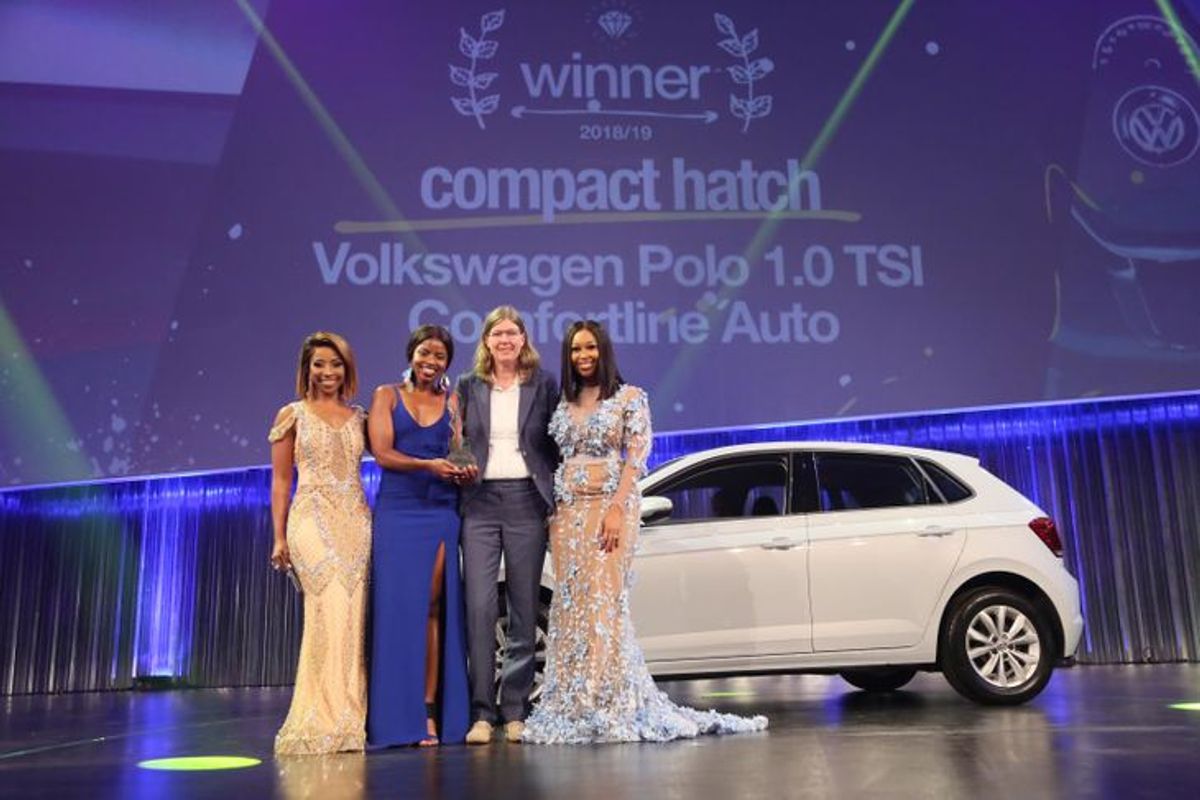
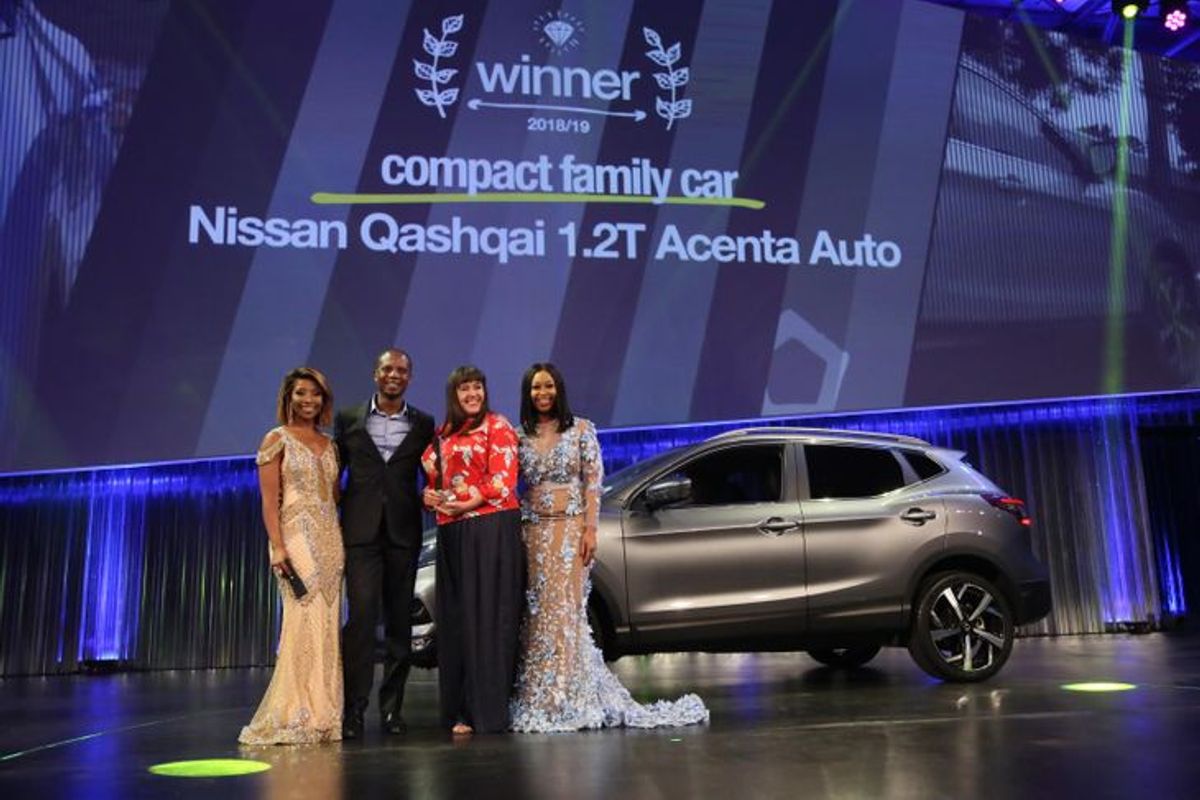
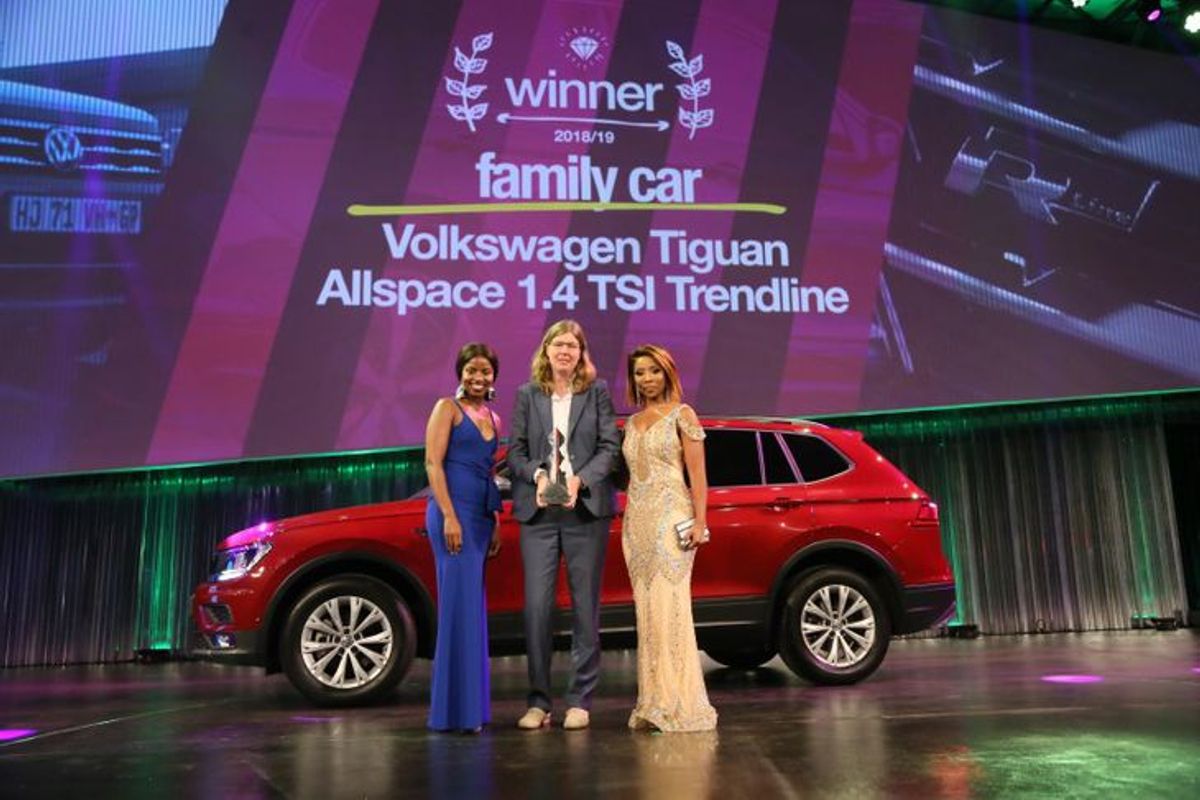
Winners: 2017/18 Cars.co.za Consumer Awards – powered by WesBank
The 2017/18 Cars.co.za Consumer Awards – powered by WesBank, concluded with the announcement of the 13 category- and prestigious Brand of the Year winners at a red carpet event hosted at The Galleria in Sandton, Johannesburg on 25 January 2018.
Conceived to be South Africa’s definitive automotive awards programme, #CarsAwards has steadily grown in stature, reach and influence since the inaugural event in 2016. Apart from being supported by WesBank, South Africa’s largest vehicle finance provider, #CarsAwards is regarded as an energetic, impactful opening number to the automotive industry calendar. Highlights of this (third) iteration of the programme were:
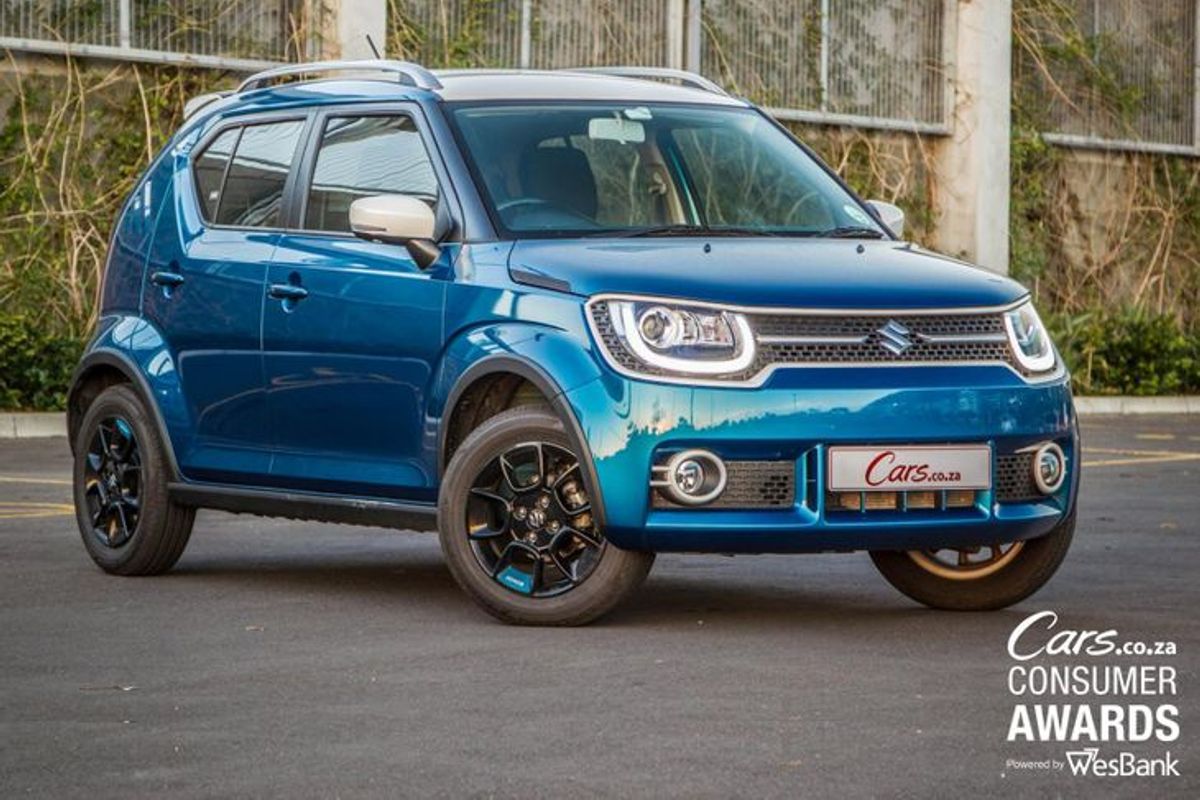
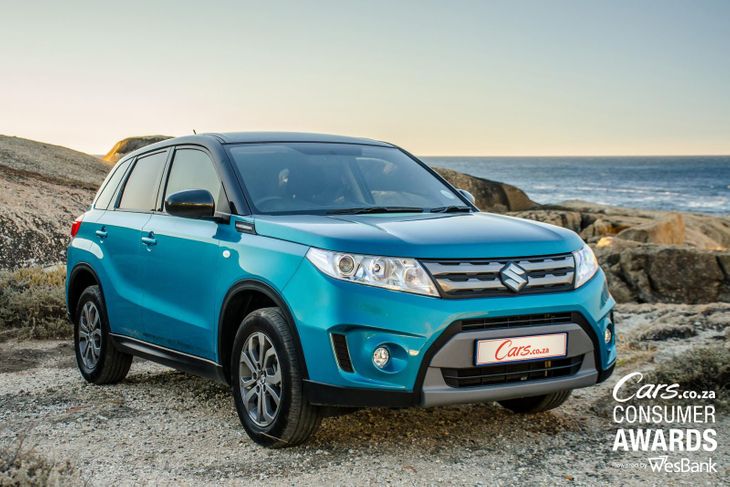
Suzuki defended its 2016/17 #CarsAwards Brand of the Year title and also repeated its victories in a pair of categories: Budget Car and Compact Family Car.
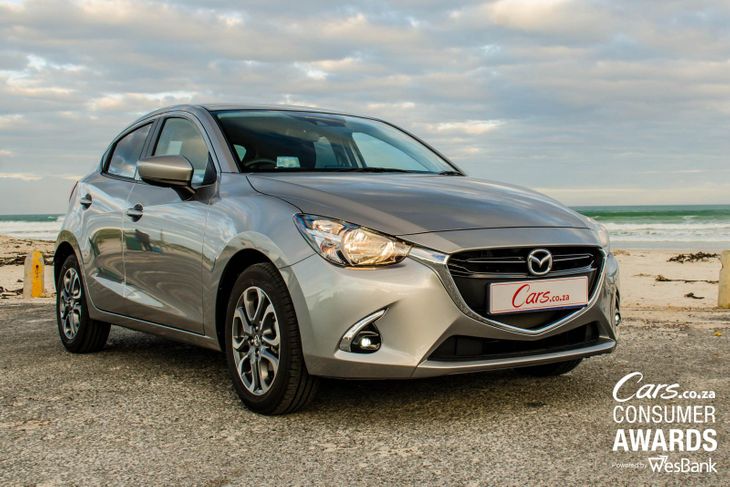
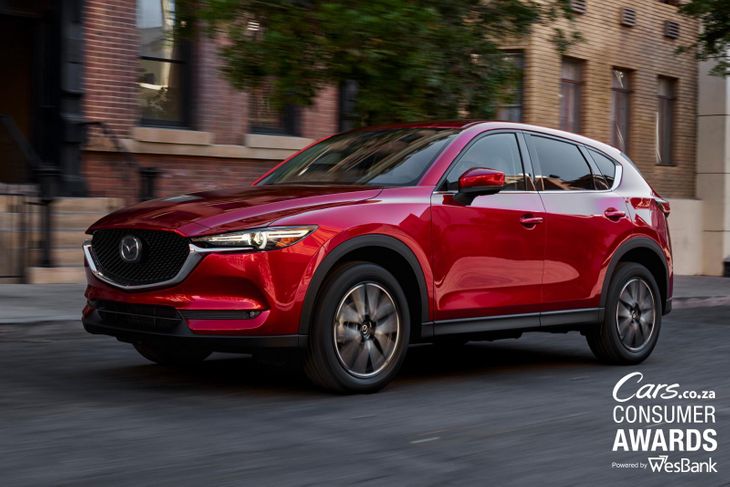
Mazda tasted success for the first time in #CarsAwards history by winning two categories: Compact Hatch and Family Car.
Mercedes-Benz and Toyota, which were recognised in the inaugural #CarsAwards but didn’t win trophies in 2016/17, took the honours in three categories.
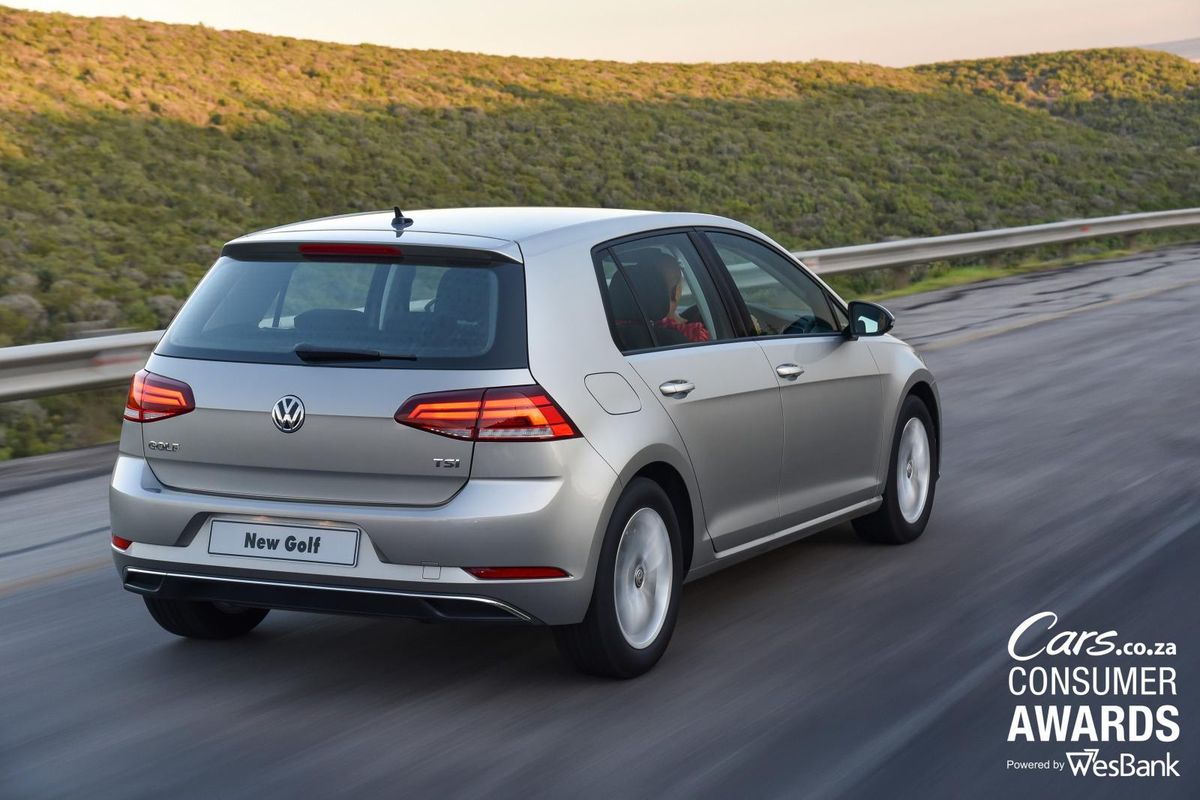
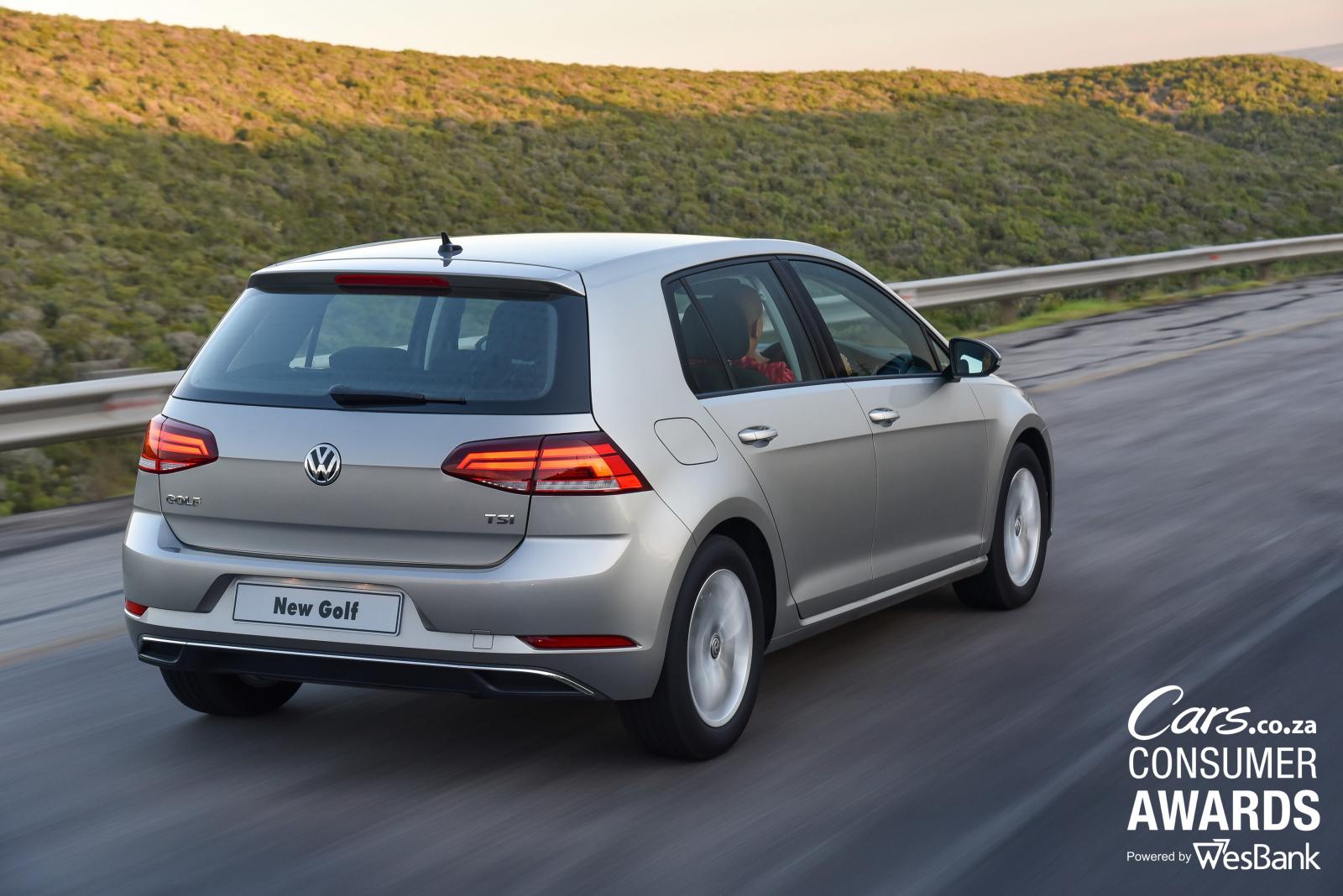
The Volvo XC90 T8 Twin Engine and BMW M2 M-DCT were the only finalists to defend their category victories from 2016/17, although the Suzuki Vitara and Volkswagen Golf won their categories with different derivatives.
To underline that the winners in each of the categories were based equally on the judges’ scores and brands’ ratings in the Cars.co.za Consumer Satisfaction Survey, all the finalists’ totals were revealed during the awards ceremony.
In no fewer than five out of the 13 categories the judges’ favourites did not win, due to the impact of the Consumer Satisfaction Survey (more detail to follow).
Twenty car brands were represented in the 39 finalists that were in contention for category wins in 2017/18… The Volkswagen Group had 10 nominations (Audi and VW had five apiece), followed by the BMW Group (four), with Alfa Romeo, Kia, Mitsubishi, Peugeot and Subaru making their first respective appearances in the final.
Category winners of the 2017/18 Cars.co.za Consumer Awards – powered by WesBank
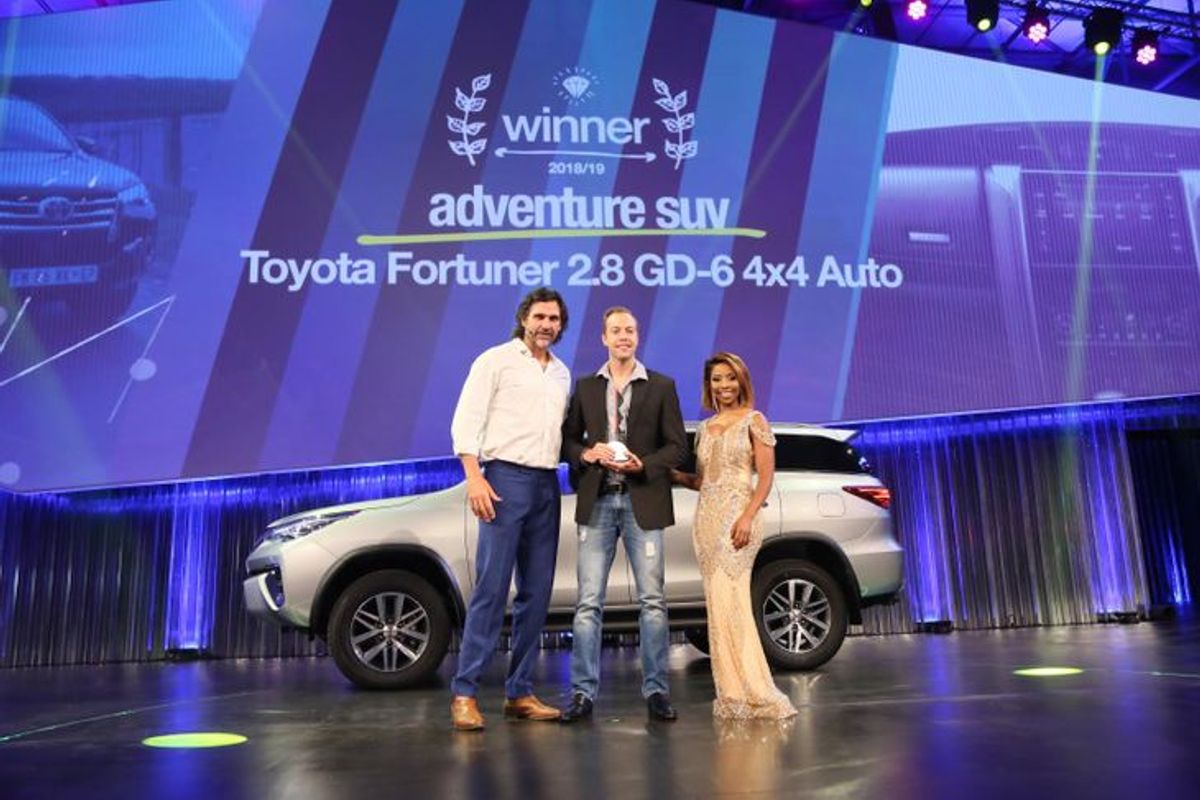
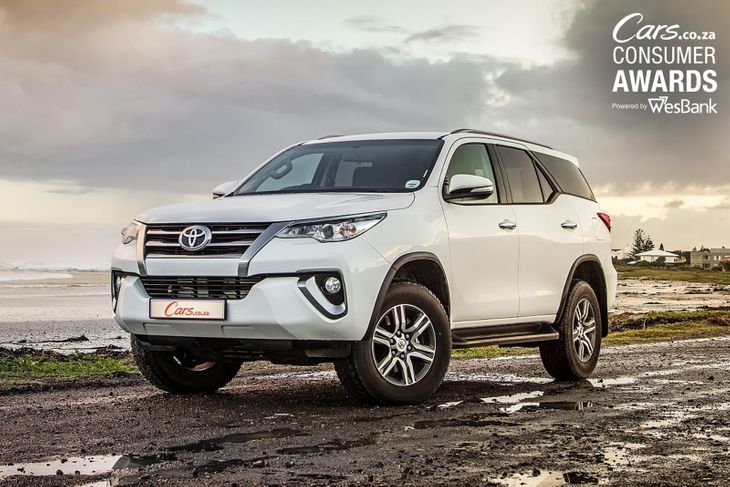
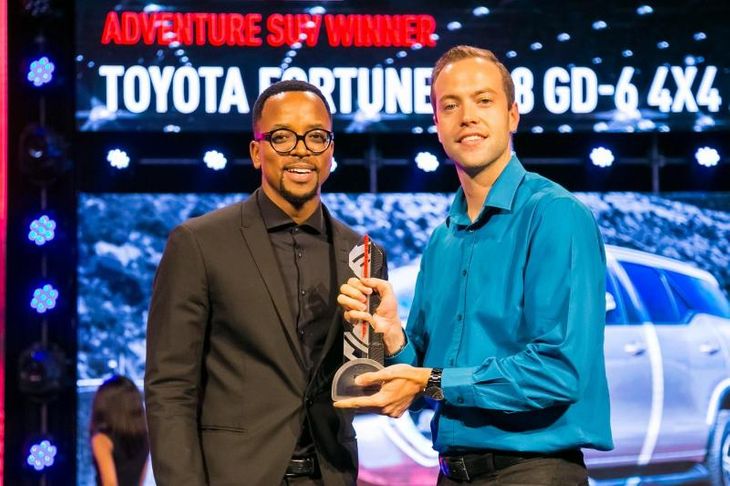
Adventure SUV (R550k-R800k): Toyota Fortuner 2.8 GD-6 4×4 Auto
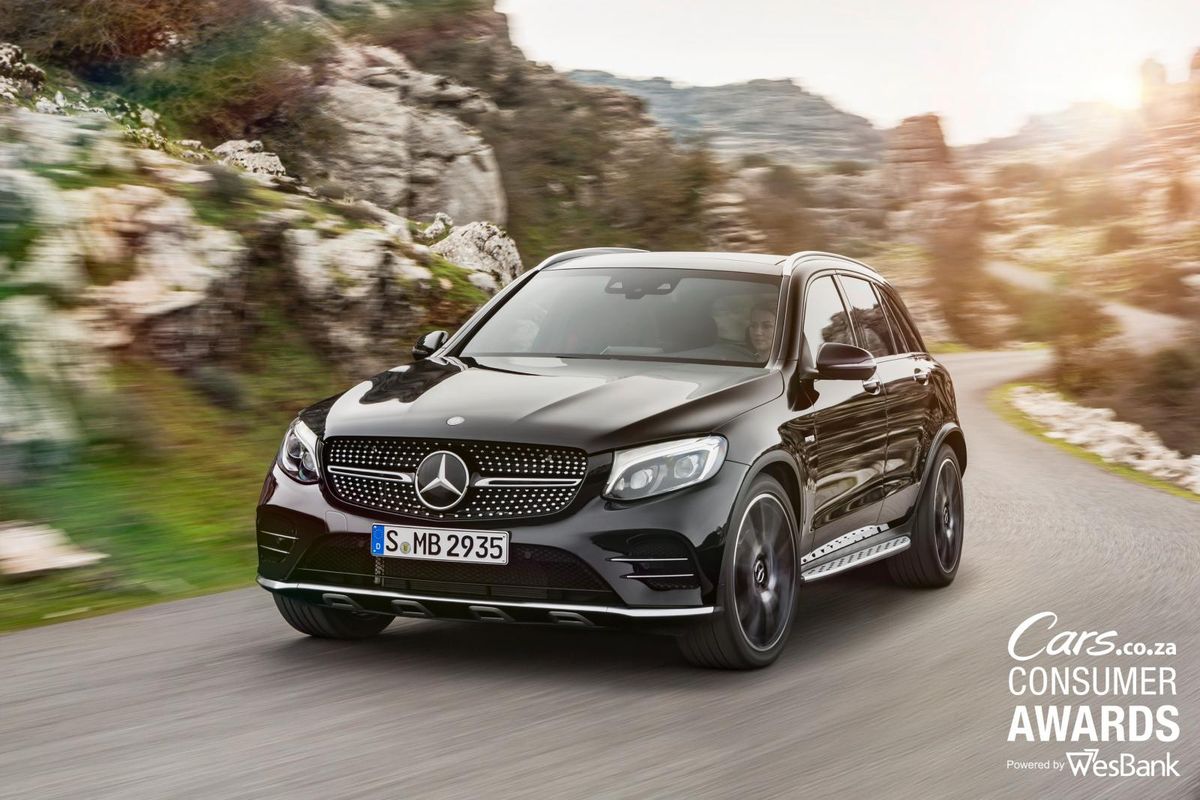
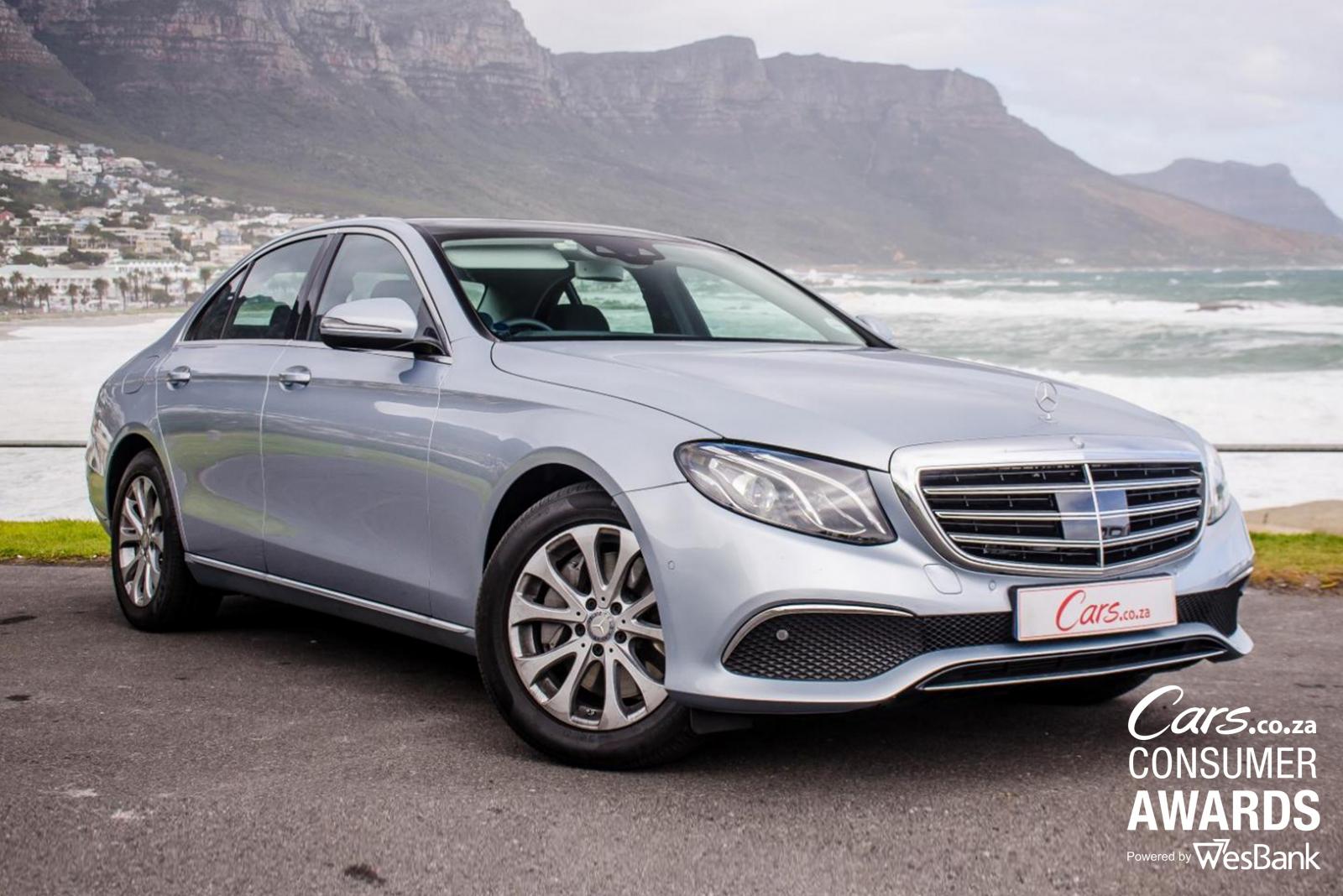
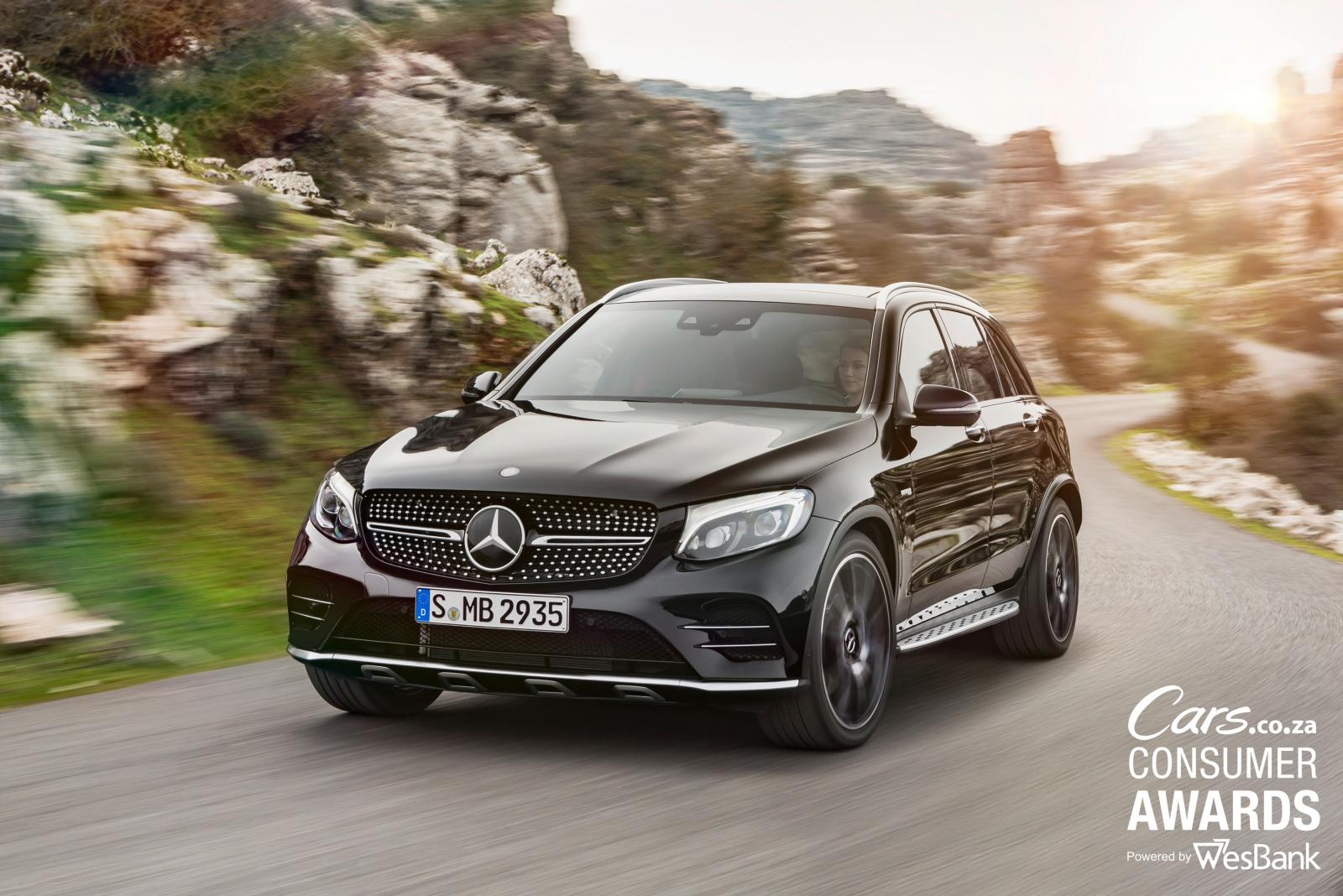
Executive SUV (R600k-R900k): Mercedes-Benz GLC250d 4Matic AMG Line
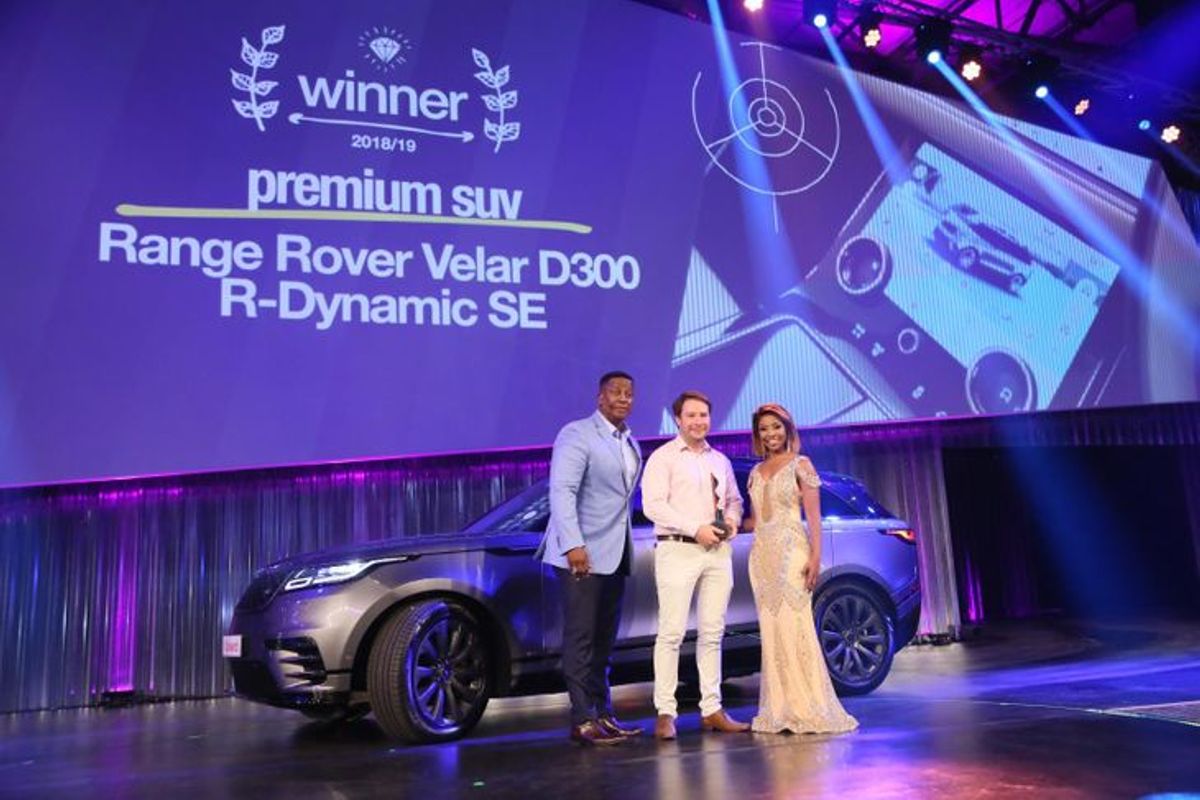
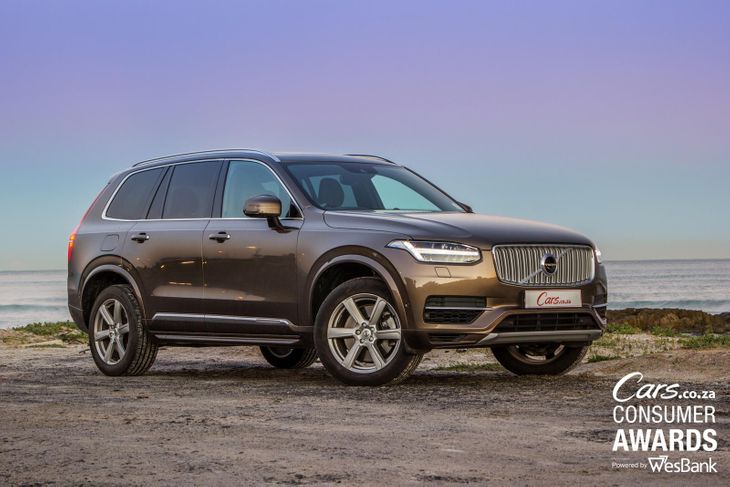
Premium SUV (R900k-R1.25million): Volvo XC90 T8 Twin Engine R-Design
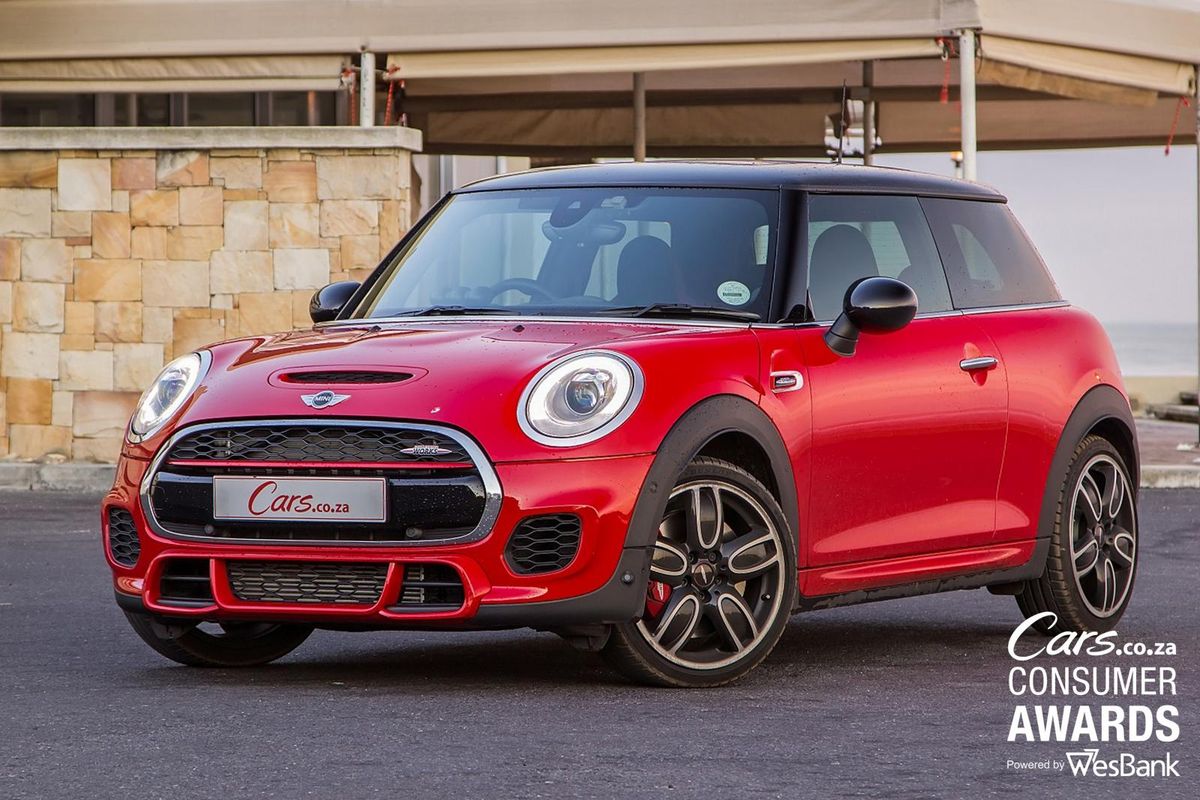
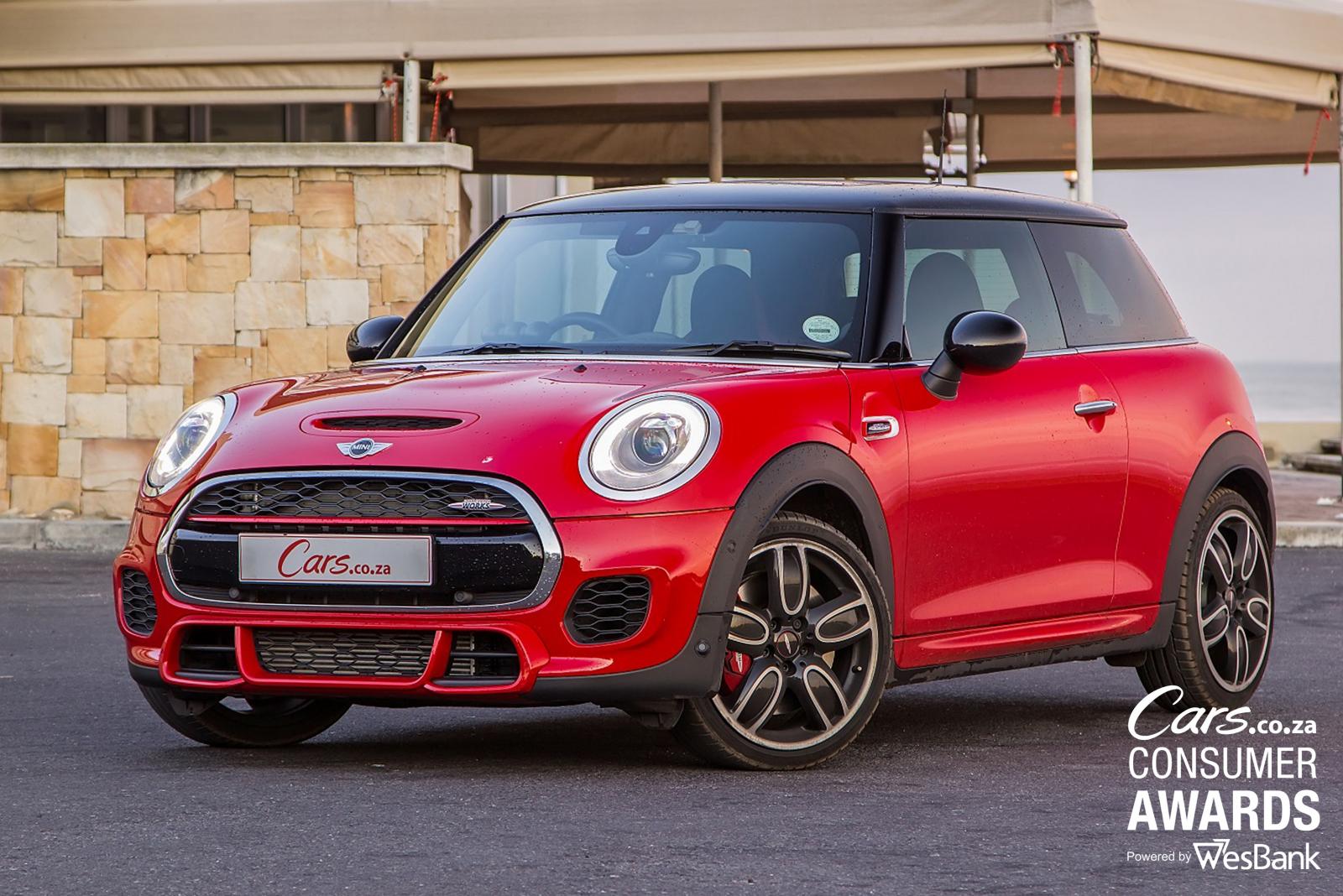
Fun Car (under R600k): Mini John Cooper Works Sports Auto
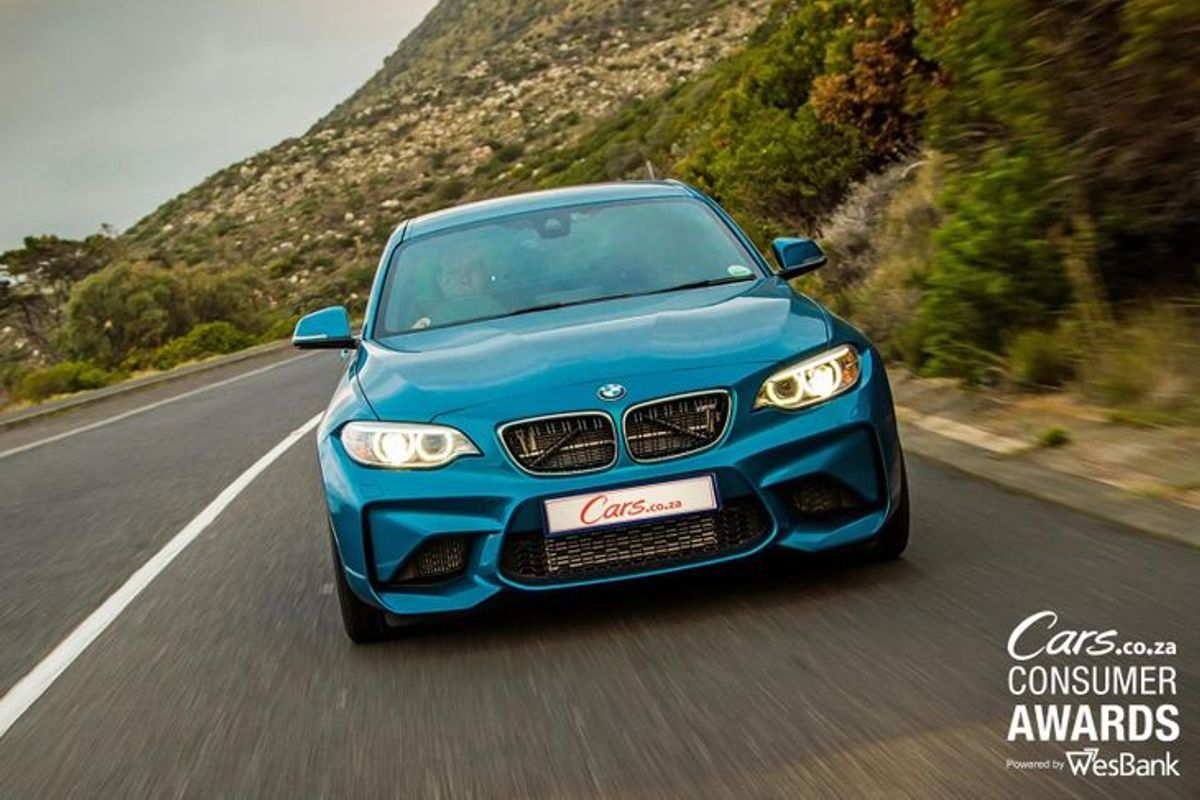
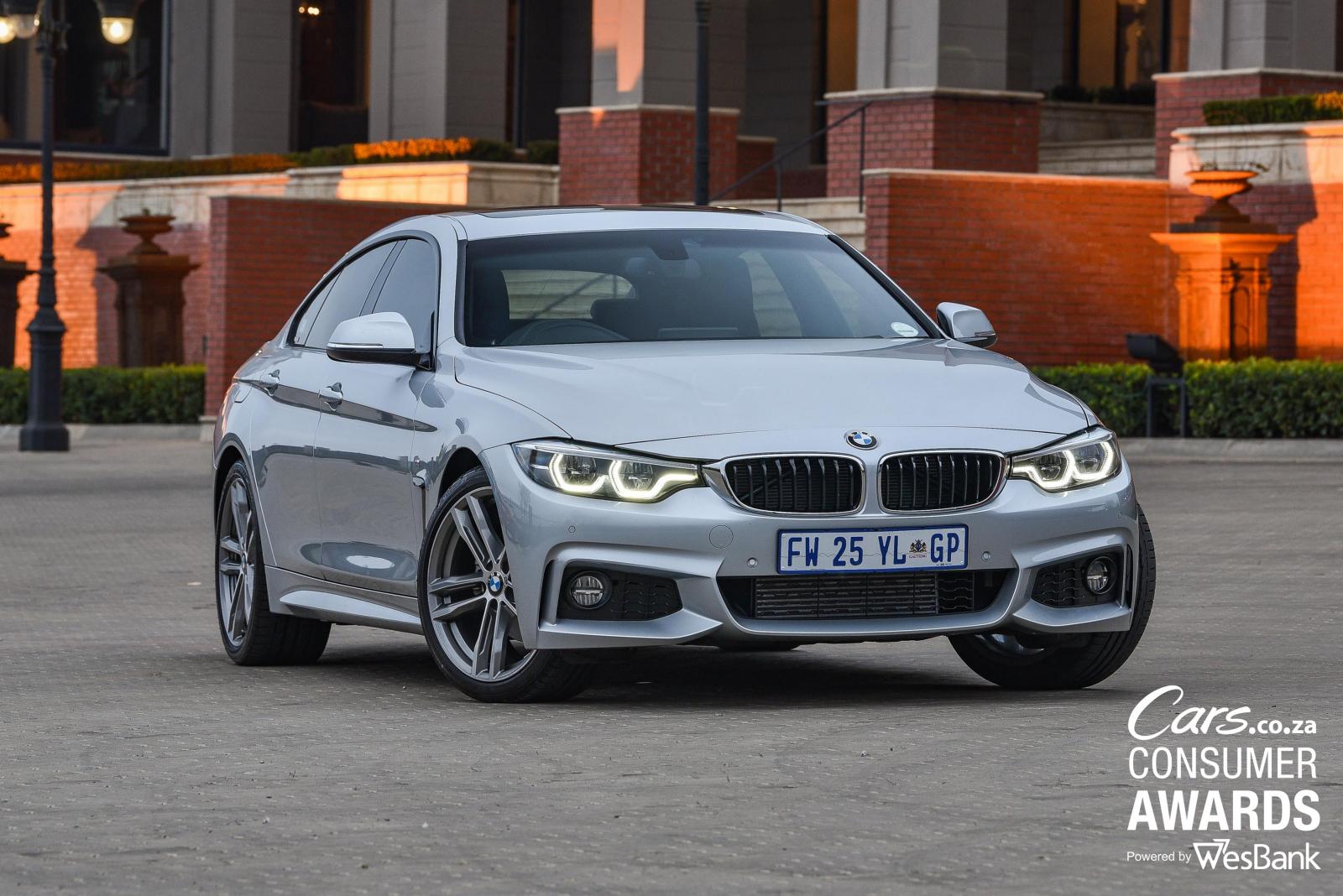
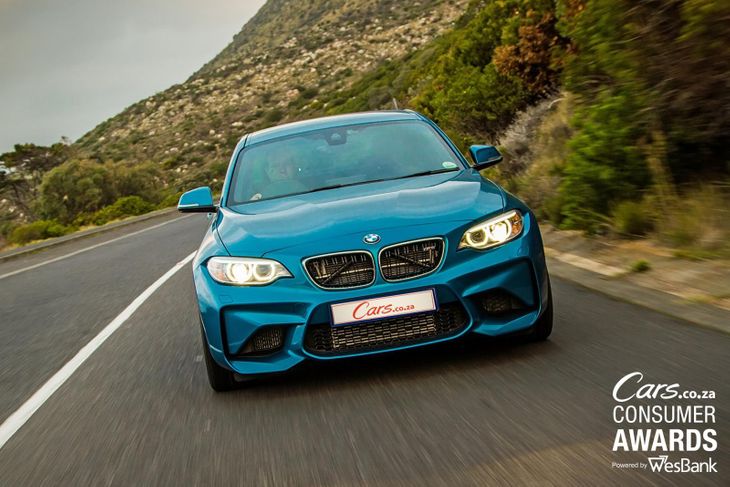
Performance Car (R600k-R1 million): BMW M2 M-DCT
Impact of the Cars.co.za Ownership Satisfaction Survey
The importance of after-sales service excellence was highlighted by the impact of the Cars.co.za Ownership Satisfaction Survey on the final scores.
“With 50% of a vehicle’s final score determined by a brand’s performance in the Consumer Satisfaction Survey, a car only really stands a very good chance of winning if it is a good product, in the eyes of the judges, and if the brand delivers solid after-sales service,” says Hannes Oosthuizen, Cars.co.za’s Consumer Experience Manager.
“We think this is a crucial distinguishing feature of the #CarsAwards, because buying a car is ultimately about much more than just the product. Consumers buy into a brand and essentially enter into a relationship with that brand,” he explains.
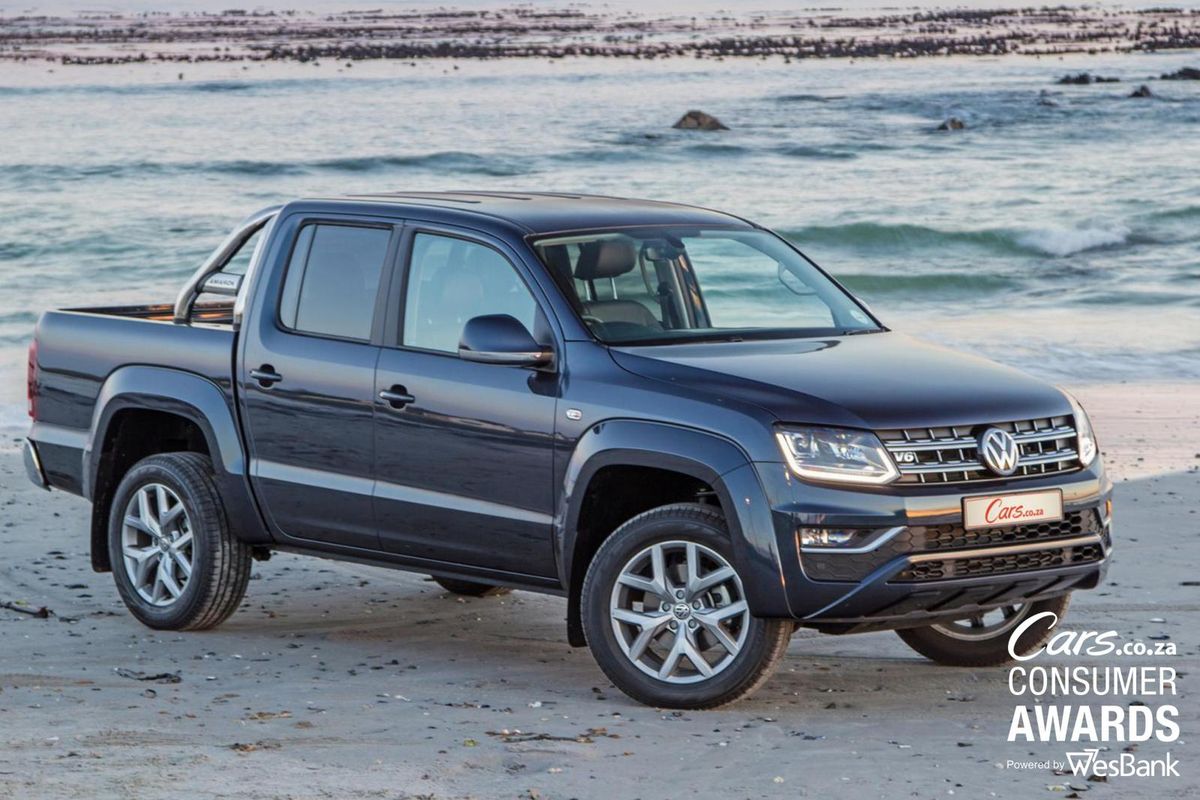
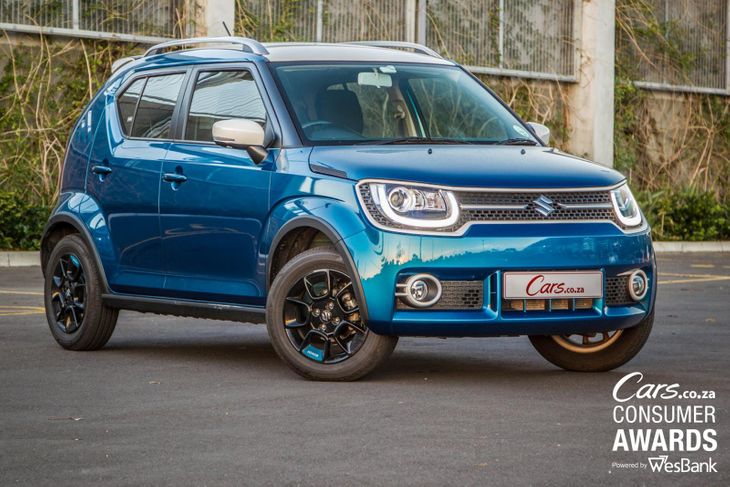
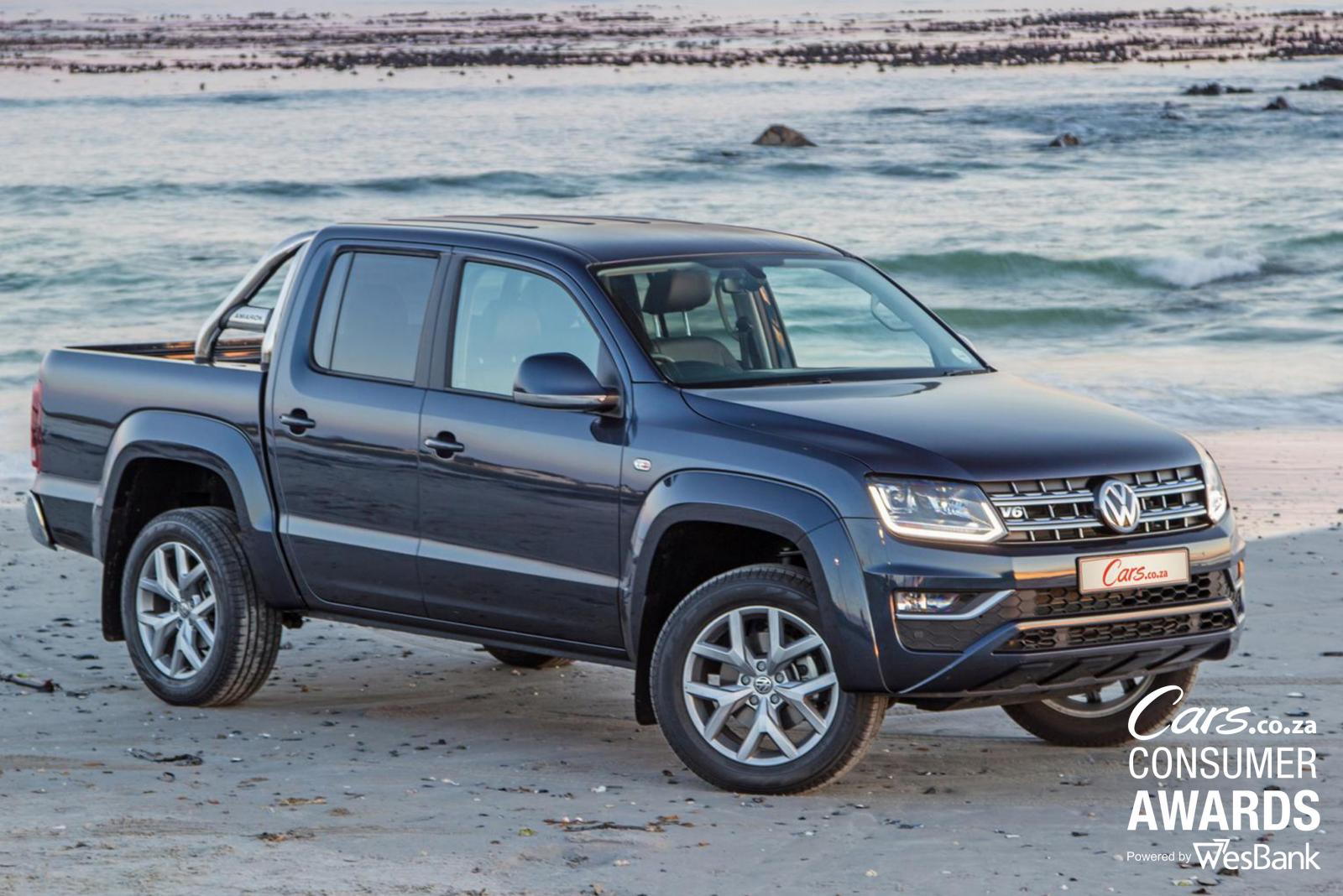
This year the survey results impacted five categories in particular. The Toyota Fortuner (Adventure SUV), Suzuki Ignis (Budget Car), Mini JCW (Fun Car), Volkswagen Amarok (Leisure Double Cab) and BMW M2 (Performance Car) all emerged victorious because actual customers rated their brands higher than the competition.
Mrs South Africa with Suzuki’s Awards. Suzuki received awards for Ignis, Vitara and retained coveted Brand of the Year
Multifaceted judging process
There are several reasons why the #CarsAwards is of greater significance than most other automotive awards programmes. For one, the winners aren’t chosen exclusively by motoring journalists, who report on (and review) the latest new vehicles in the market…
Although the 7 members of Cars.co.za’s editorial team chose the finalists, the combined judging panel (including 11 respected guest judges from various backgrounds and fields of expertise) only compiled the finalists’ individual scores once they’d evaluated the cars back-to-back during a thorough two-day test at the Gerotek facility at the end of 2017.
Combined judging panel (in alphabetical order):
Anele Mdoda (947), Ashley Oldfield (Cars.co.za), Ciro de Siena (Cars.co.za), Claire Mawisa (Carte Blanche), David Taylor (Cars.co.za), Eddie Kalili (freelance editor/writer), Ernest Page (SA Car Fan), Francisco Nwamba (The Motorist), Gero Lilleike (Cars.co.za), Jacob Moshokoa (947/EWN), Juliet McGuire (WOW), Khutso Theledi (YFM), Kojo Baffoe (Afropolitan), Mike Fourie (Cars.co.za), Nafisa Akabor (Tech Journalist), Phuti Mpyane (The Petrosexual), Wendy Knowler (Consumer Specialist) and Wezile Bonani (Bay FM).
All derivatives listed on the new vehicles price list on September 1 2017 were eligible for selection and the public had just as much say in the outcome of 2017/18 #CarsAwards as the 18 judges did. 50% of the final standings was based on rankings that the respective vehicle brands achieved in the Cars.co.za Ownership Satisfaction Survey, conducted in partnership with data specialists Lightstone Consumer. The data incorporated feedback from thousands of vehicle owners, based on their experiences of their vehicles (less than five years old and serviced through franchised outlets).
In fact, the most prestigious title awarded by #CarsAwards – Brand of the Year – was based solely on the findings of the Cars.co.za Ownership Satisfaction Survey.
Brand of the Year
Following its surprise win last year, Suzuki’s good reputation received another boost from this year’s #CarsAwards. The Japanese brand again emerged victorious in the Brand of the Year category, which is determined entirely by market and customer data, the latter from the aforementioned survey (sales and after-sales service in particular).
Suzuki narrowly defeated Mercedes-Benz by 1%, with Mazda scoring the final podium position. Also note the rise of Kia (6th) and Mahindra into the top 10 list.
1. Suzuki 78.2%
2. Mercedes-Benz 77.2%
3. Mazda 74.7%
4. Volkswagen 74%
5. BMW/Mini 73.4%
6. Kia 72.8%
7. Audi 72%
8. Toyota/Lexus 72%
9. Nissan 71.4%
10. Mahindra 71.4%
“We think the Brand of the Year trophy is the ultimate accolade in the South African automotive industry,” says Oosthuizen. “It represents validation from the people that matter most – actual car owners. Suzuki has managed to achieve impressive market share growth in the past 12 months and has maintained excellent service levels.”
The red-carpet ceremony was hosted by media personality (and #CarsAwards judge) Anele Mdoda and the featured guest speaker, Lwazi Mangwana from Google, shared valuable insights into South African car consumers’ online search activities. The event, which featured live entertainment by GoodLuck, was attended by 350 guests, including industry leaders, representatives of the finance sector, media agencies and celebrities.
The event was digitally broadcast on Twitter, Instagram, Facebook and, significantly, streamed live on the Cars.co.za YouTube channel, the biggest branded South African channel on the video site. The multi-platform broadcast allowed consumers, who are at the core of Cars.co.za’s awards programme, to actively participate in the event.
Visitwww.carsawards.co.za for more information about #CarsAwards, including the category criteria, and to view images of the award recipients taken at the event.
Are you an owner of a Subaru produced between 2004 and 2014? This latest recall may affect you. See details below.
Subaru SA has issued a recall that affects various models produced between 2004 and 2014. This recall follows on from the 2016 recall for Subaru Impreza and WRX models which had defective or potentially defective Takata airbag modules installed.
This latest Takata airbag recall affects about 2 098 vehicles in South Africa and forms part of a global recall that affects a number of manufacturers.
Only the passenger airbag is affected. No other airbags are affected, nor vehicles that are not equipped with a Takata inflator.
Deon Van Heerden, Technical Manager at Subaru SA says " Subaru SA is urging customers to start the process of getting their vehicles seen to, even though there have been no reports or incidents in South Africa."
Customers with the following vehicles are urged to take action:
Customers can visit the recall page on the Subaru SA website at www.subaru.co.za/recall. You will be required to provide your VIN number to confirm if your vehicle is affected in this recall.
If your vehicle is affected, you will have to fill out a contact form with your contact details and preferred dealership, after which Subaru will contact you to set up an appointment to have your car serviced.
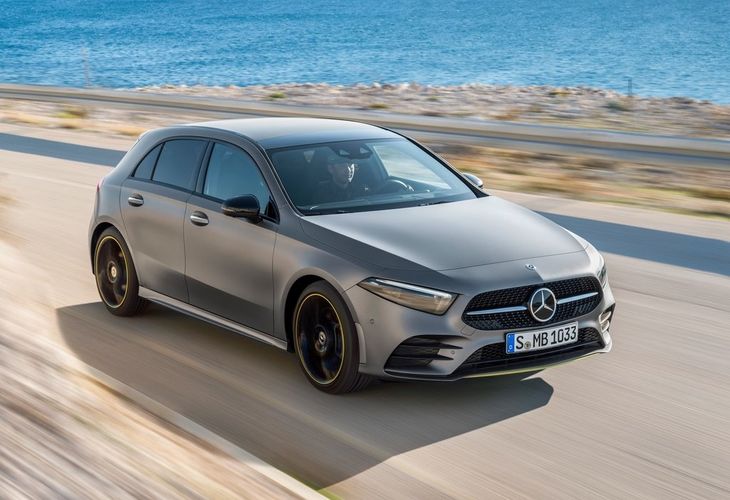
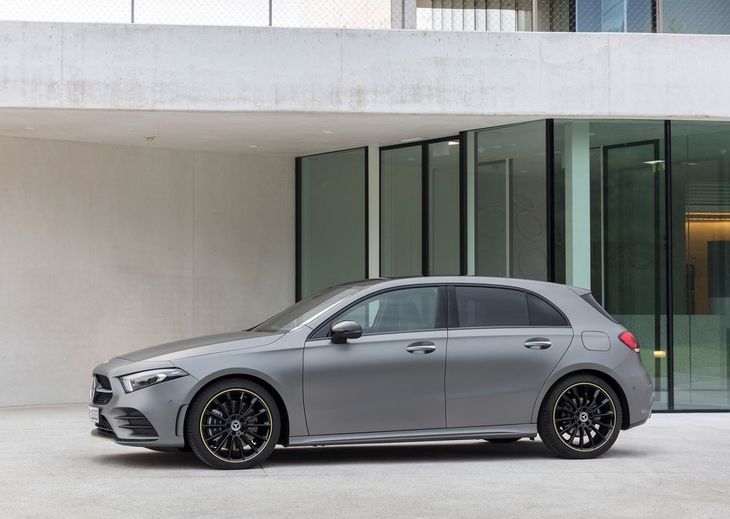
The all-new Mercedes-Benz A-Class was officially revealed last week and will make its way to South Africa during 2018. Take a look at 5 cool technological features that you can expect to see in the A-Class when it arrives.
The new fourth-generation A-Class is said to be bigger and better than its predecessor (no surprise there) and apart from its improved exterior design, Benz has injected a host of new technology into its latest A-Class that's typically found on its more expensive cars. Join us as we explore 5 cool technological features found in the new A.
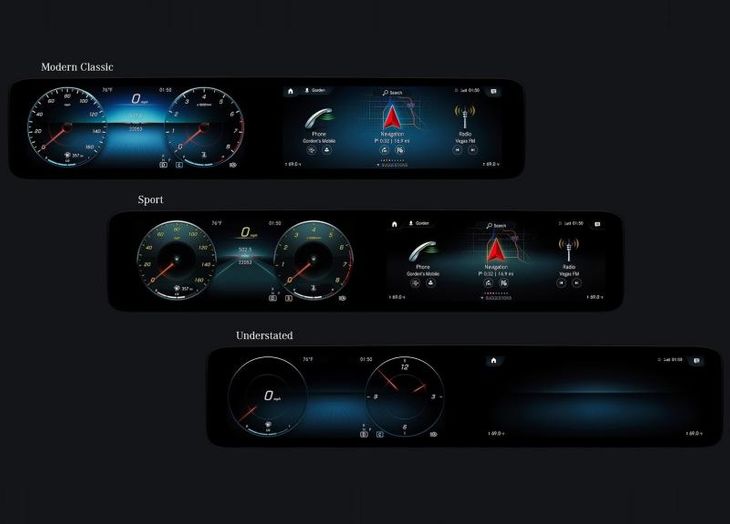
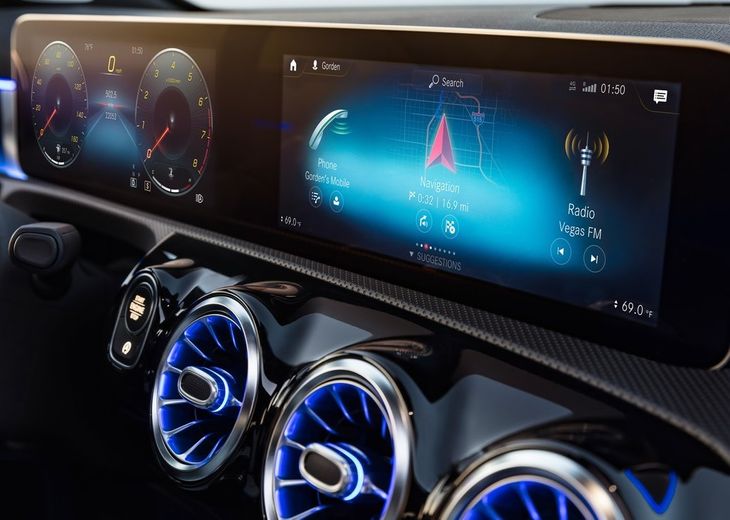
With its newly designed interior, the A-Class borrows features from both the E-Class and S-Class executive and first-class sedans. Depending on the derivative, the new A-Class will offer a total of 3 screen choices including two 7-inch screens, a 7-inch screen in combination with a larger 10.25-inch display or two large 10.25-inch displays. No matter which option you choose, these screens represent a new display technology benchmark in the segment and lift the interior appeal of the A-Class significantly.
MBUX Infotainment
The new A-Class is the first Mercedes-Benz model to feature MBUX (Mercedes-Benz User Experience) and it will soon be rolled out across the Sindelfingen-based brand's product lineup. First shown at CES in Las Vegas earlier this year, the MBUX infotainment system is based on artificial intelligence and features a fresh interface design that’s intuitive to navigate and operate.
It uses voice recognition to conduct a wide variety of functions and is triggered by using the key phrase: “Hey Mercedes”, followed by a question. "Hey Mercedes, when is it going to rain in Cape Town?" The system will then provide you with a full weather forecast. MBUX is impressive and if you don’t believe us, watch the video below…
Semi-autonomous driving
By virtue of featuring functions transplanted from the S-Class, the new A-Class is so much "smarter" than its predecessor. It has enhanced camera and radar systems that can scan the road up to 500m ahead. With the optional Driving Assistance Package, Active Distance Assist Distronic offers a wide range of features that are easily accessible via the steering wheel controls. Some key features include steering assist, speed limit assist, blind spot assist, lane change assist, lane keeping assist emergency stop assist, brake assist with cross traffic function and evasive steering assist, all of which make the new A-Class safer and more relaxing to drive.
Clever blind spot monitoring
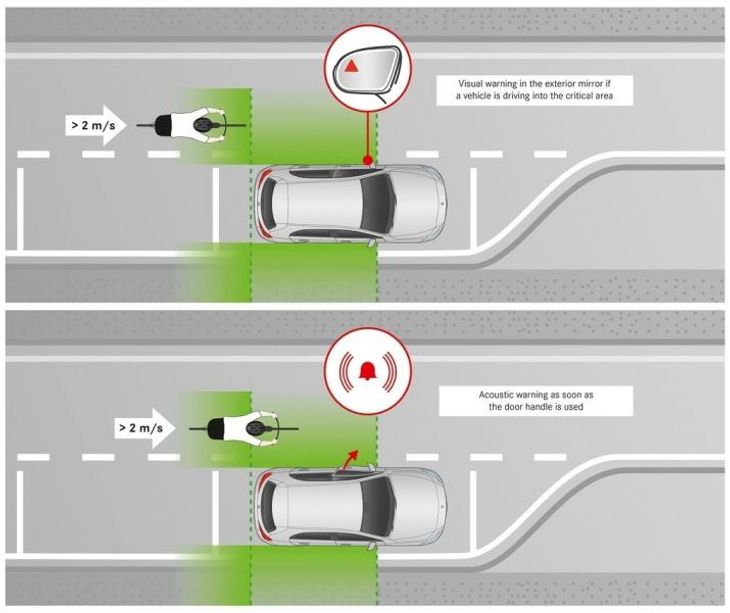
Apart from alerting you visually and audibly when a car is in your blind spot, Mercedes-Benz has gone a step further by providing blind spot warnings when the vehicle is at a standstill too. For example, if a bicycle enters your blind spot as you are about to open your door, the car will signal a visual warning via the side mirror. If you attempt to open the door, an audible warning will be sounded to prevent you from causing an accident. Nifty, right?
Park with ease
The A-Class can be equipped with active park assist with Parktronic that will help you find a suitable parking spot. Once a parking space has been found, the A-Class will manoeuvre itself into and out of the space and will take care of acceleration, braking and gear changes when fitted with the 7-speed dual clutch transmission. A 360-degree camera can also be specified to give the driver full view of the surroundings shown in the MBUX display.
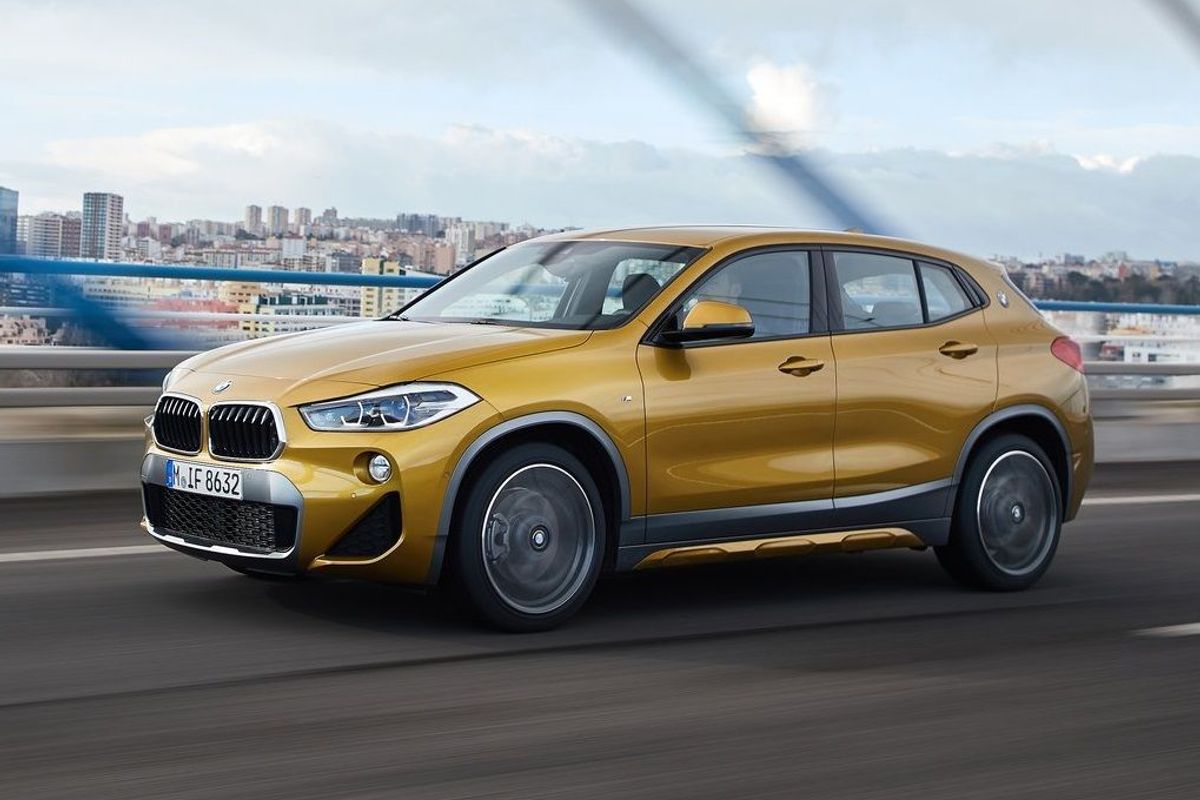
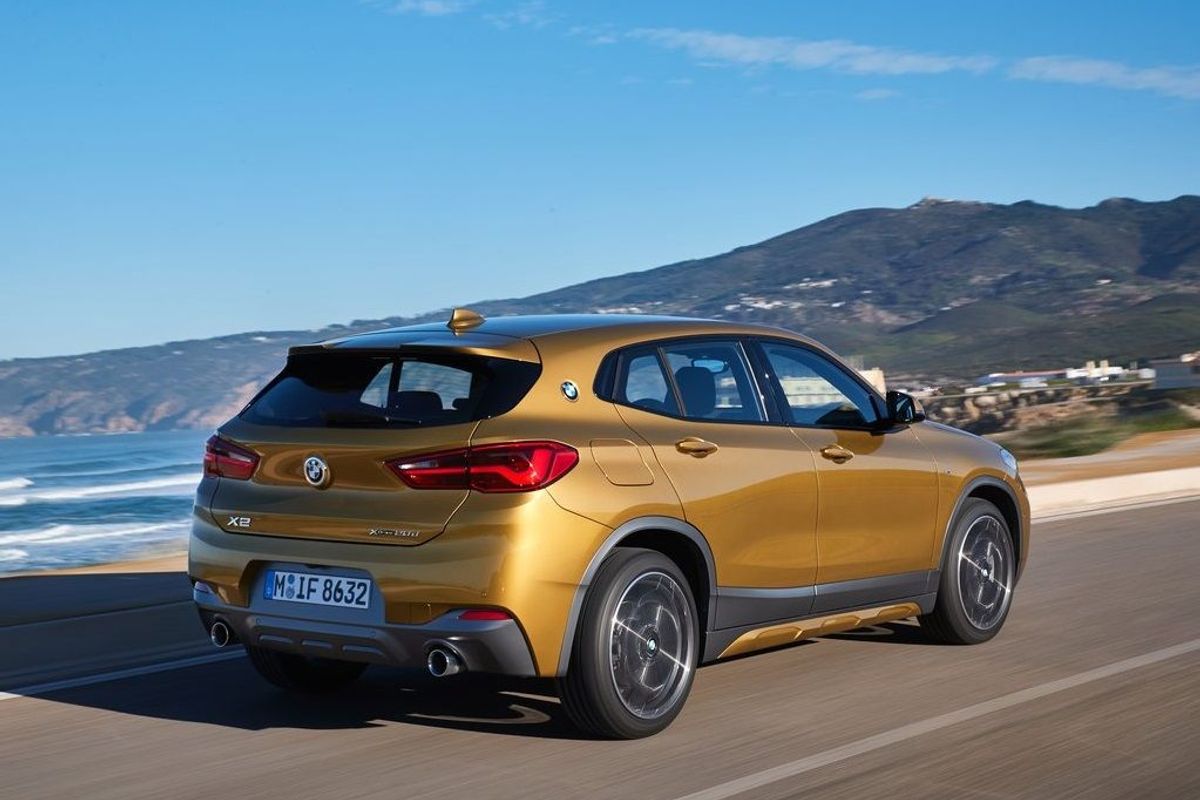
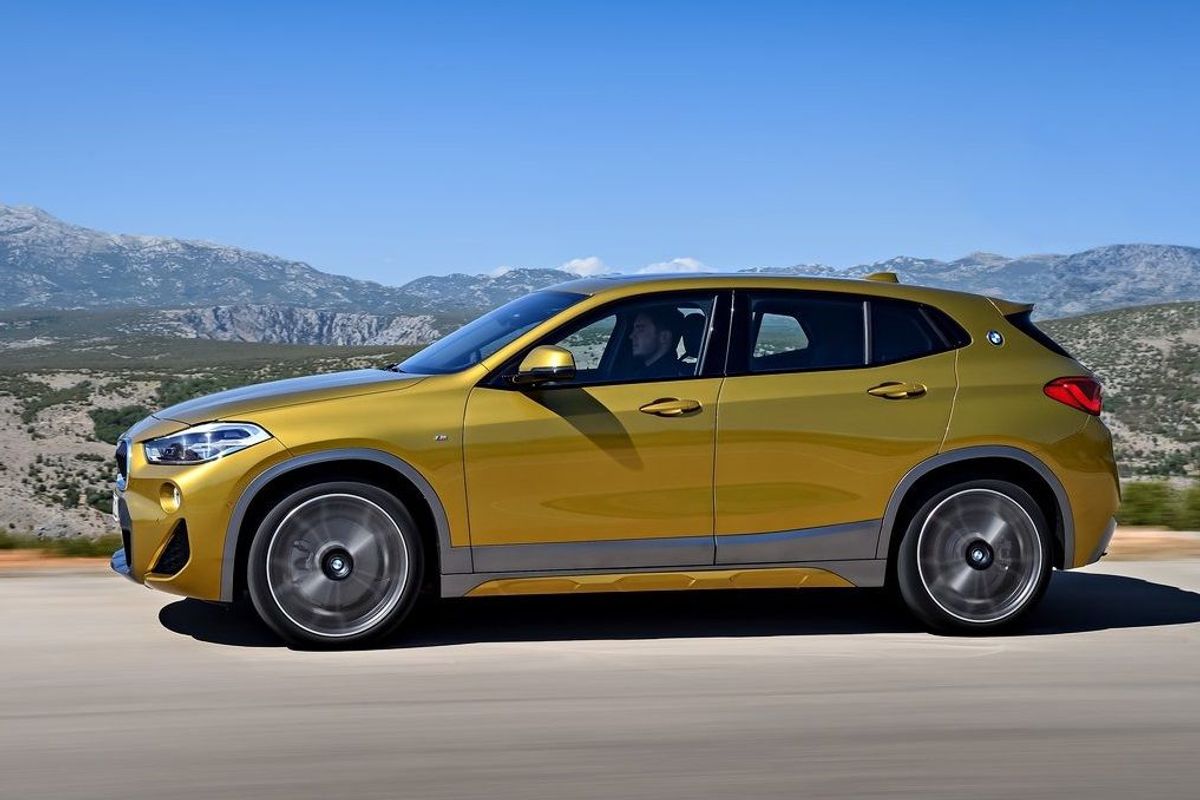
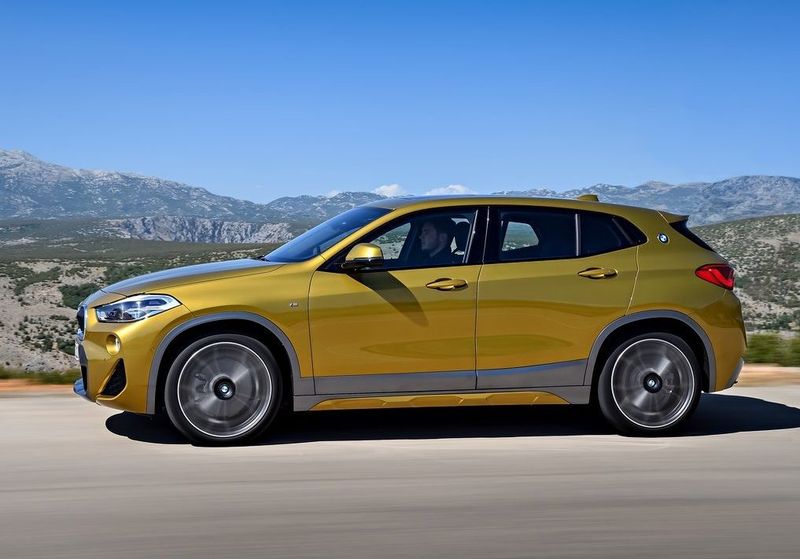
The eagerly anticipated BMW X2 was launched in Portugal. Better known for its delicious rolls and spicy chicken, Portugal also offers some of the world's twistier tarmac and it's a perfect location to sample the Bavarian newcomer. Calvin Fisher was in attendance.
The hills above Sintra and Lisboa are real drivers' roads. You know the type I'm talking about, real asphalt spaghetti that winds its way around the spectacular countryside. Our launch route for the BMW X2 is made up completely of the sort of driving you'd test a sportscar with. The clue is in the even-numbered moniker, the X2. Much as the X4 and X6 are sportier plays on their X3 and X5 (respectively) donor siblings, the X2 is a shorter, squatter X1 with a sitting position low in the tub more akin to a 1 or 2 series. But you've most likely read all this in last week's scene-setting article.
AND you're really just here since the embargo on the driving experience has finally lifted and I can now finally tell you this.
If BMW intended to give the X2's a dynamic driving experience, the Bavarian firm has certainly succeeded in its brief.
First acquaintance
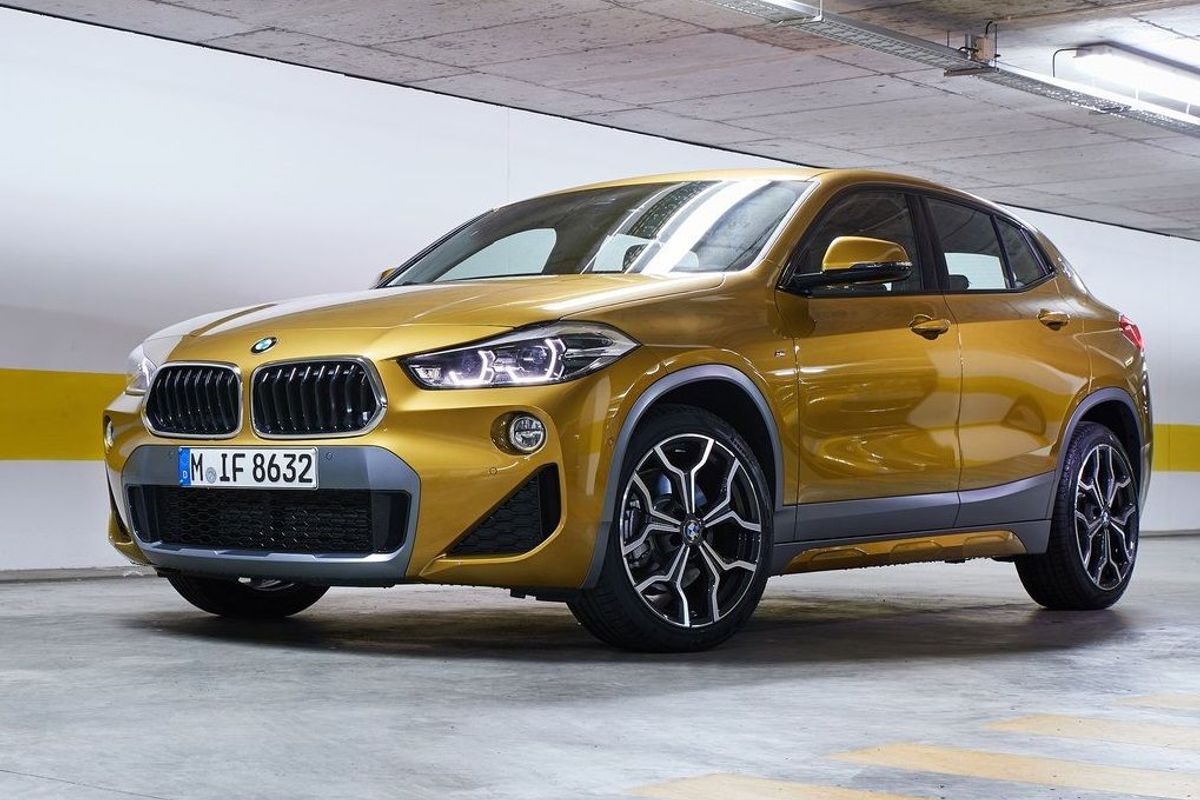
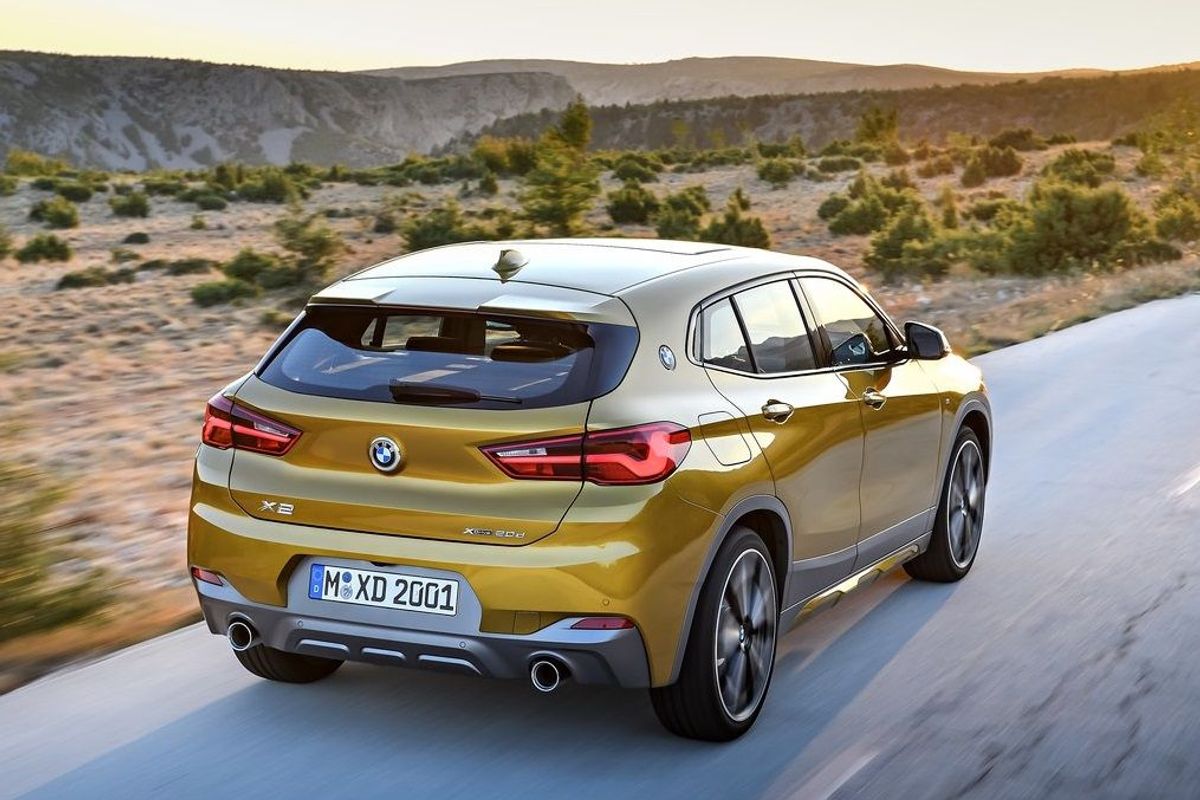
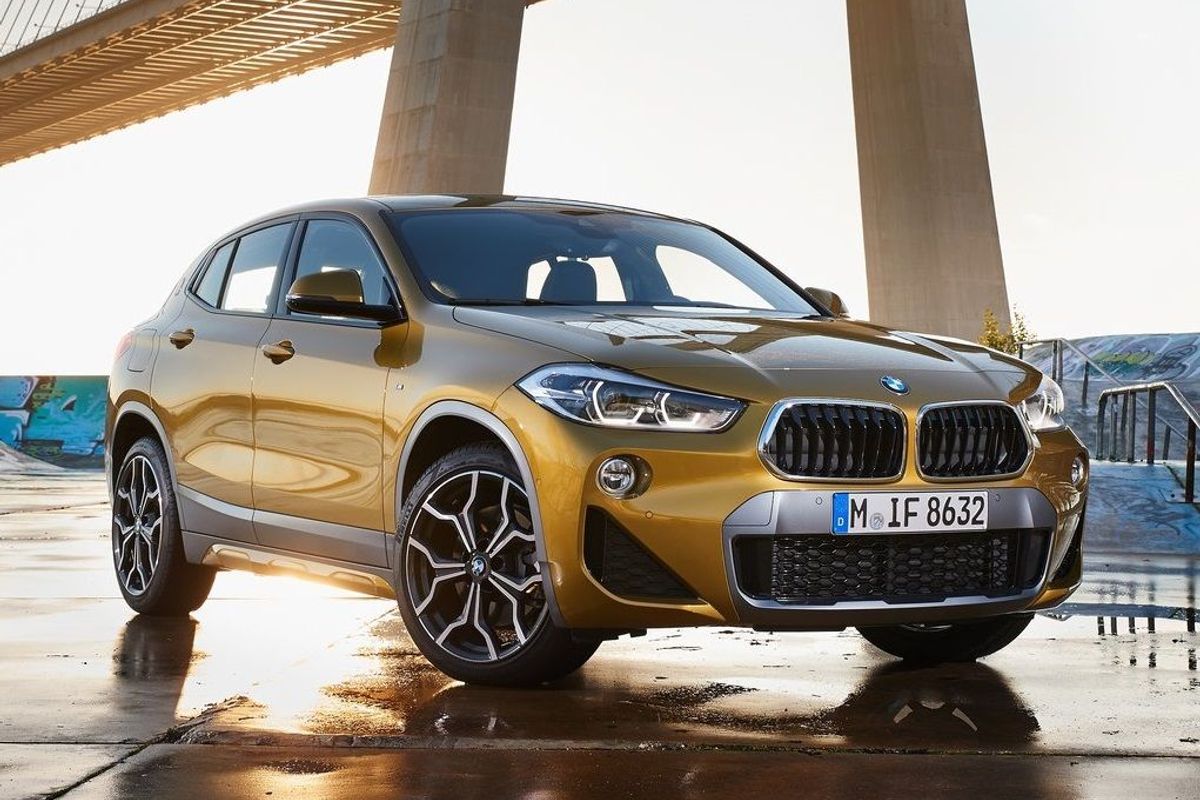
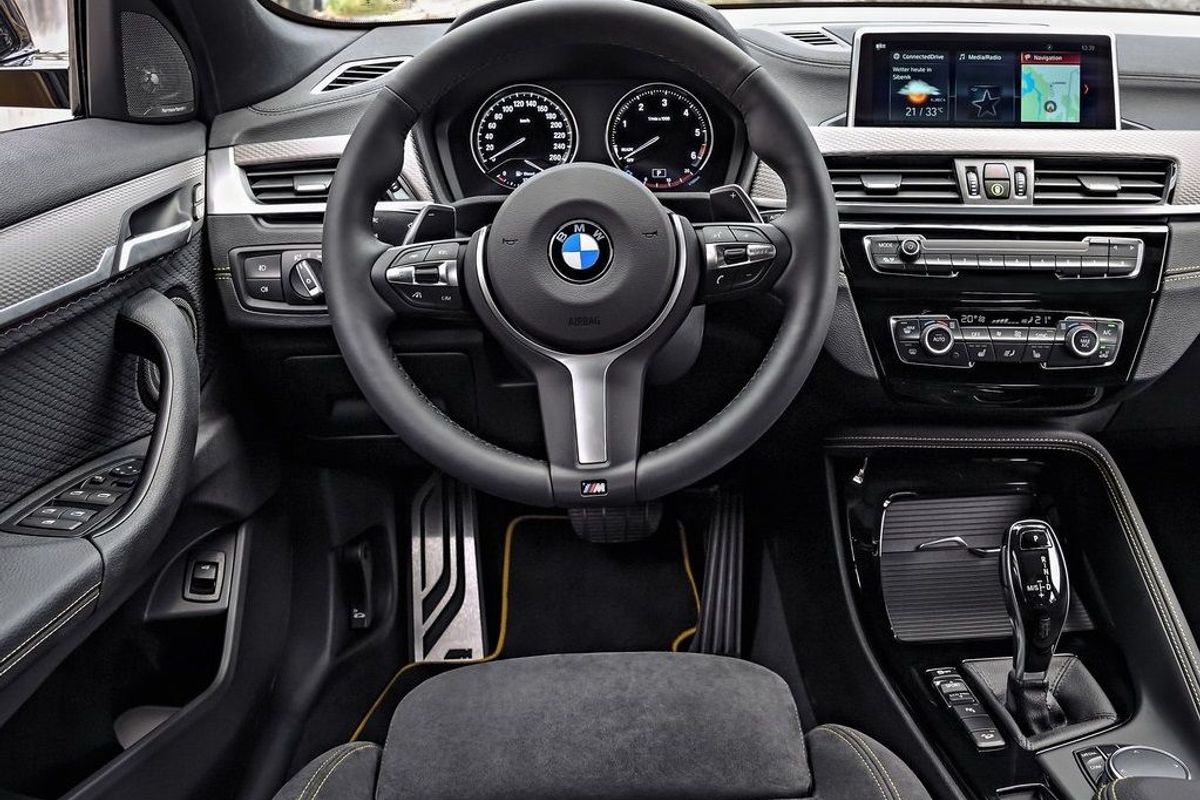
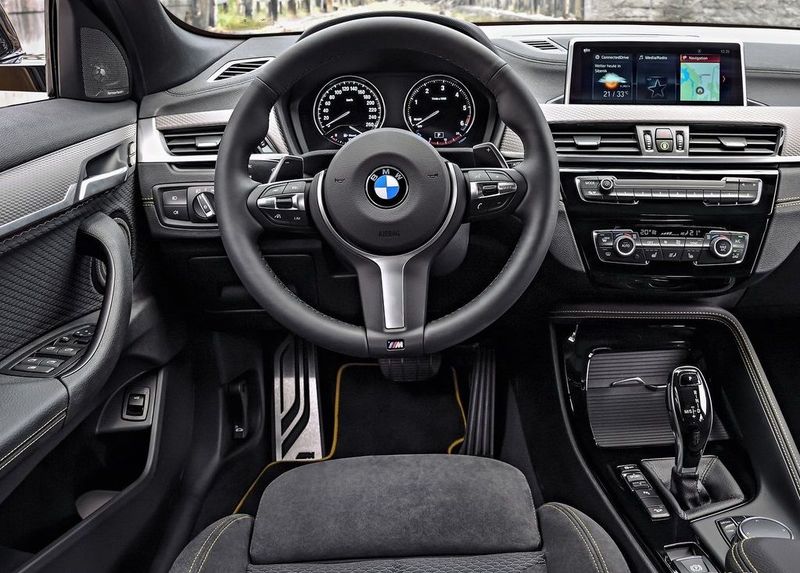
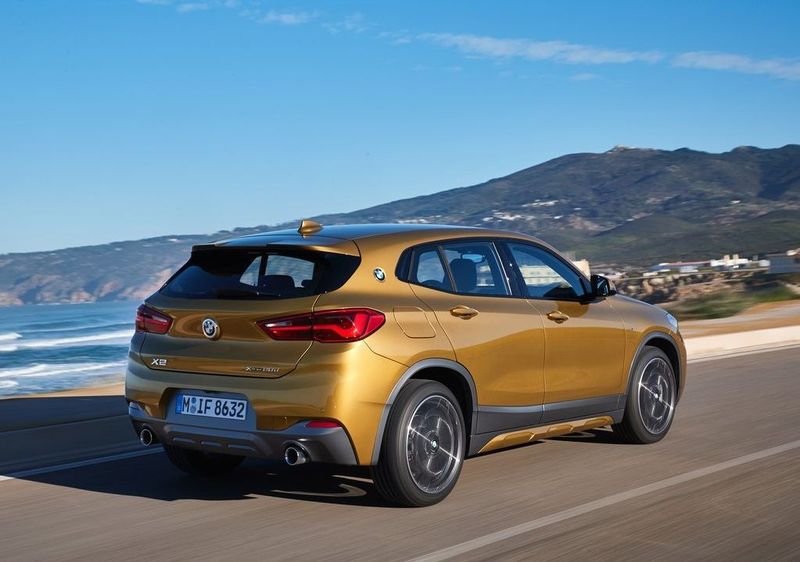
I made my way straight to the flagship, resplendent in Galvanic Gold and blessed with the xDrive20d 8-speed sport-automatic drivetrain and kitted to the hilt with the M Sport X addenda – what a looker! Immediately I can testify to the lower seating position, dropping into racy pews finished in anthracite cloth and Dakota leather. The cabin is typical BMW fare, which is no bad thing, but in the vein of a lower end M car rather than an X car.
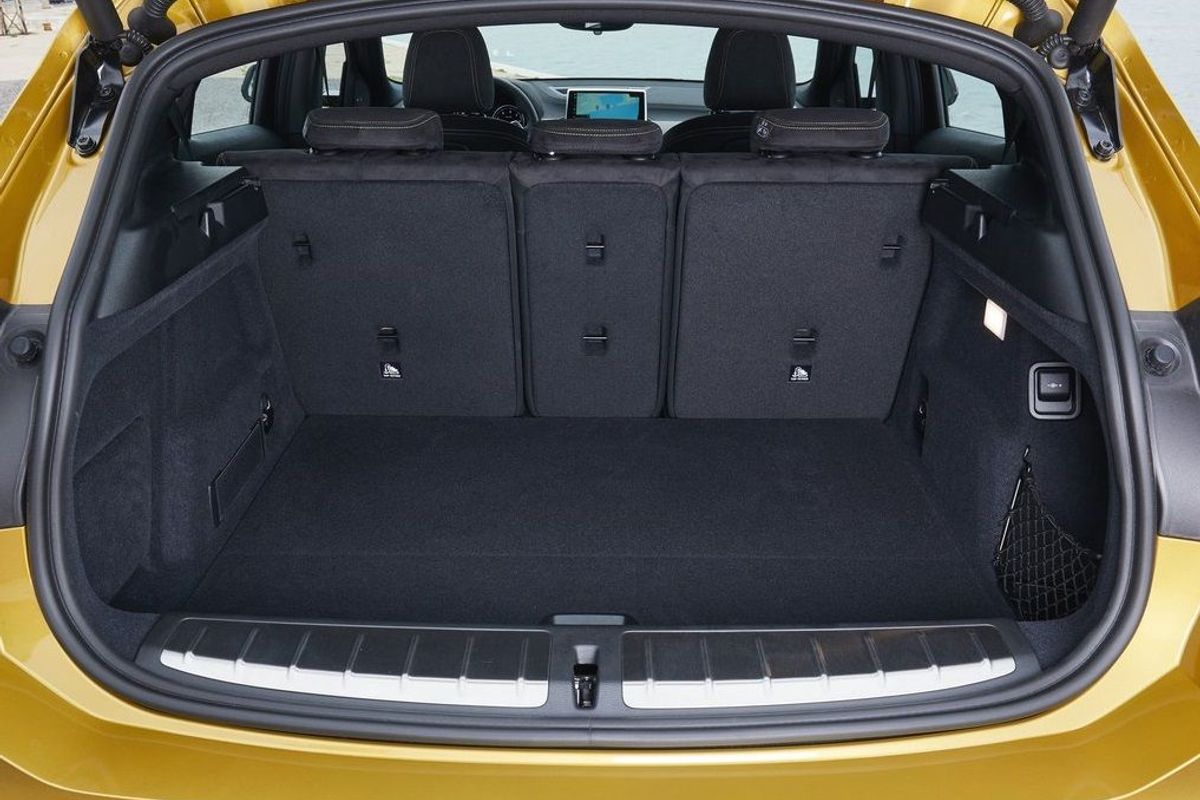
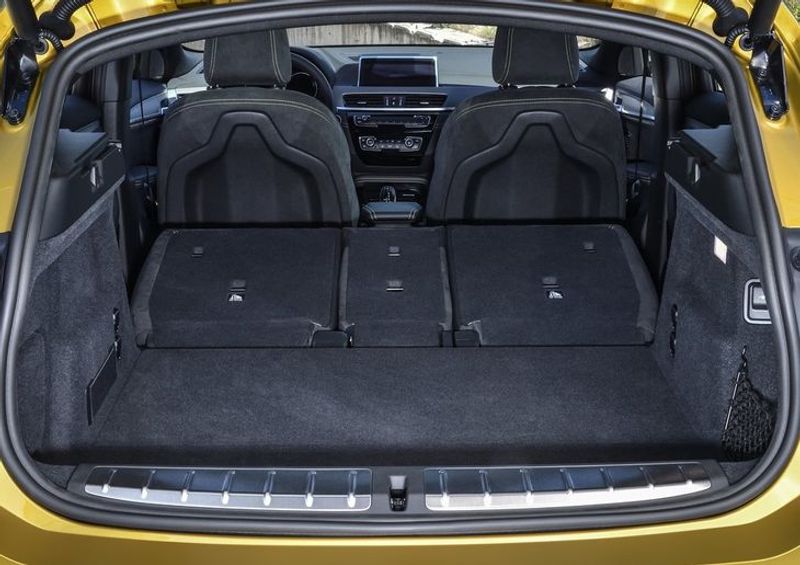
In terms of spaciousness, the X2 almost matches the roomier X1 thanks to its hatch-like roof profile, even the luggage capacity survives almost unscathed. The biggest hindrance now is the lack of the 30 mm adjustability of the rear seats so the luggage space can't grow from the standard 470 litres unless you fold the rear seatback forward.
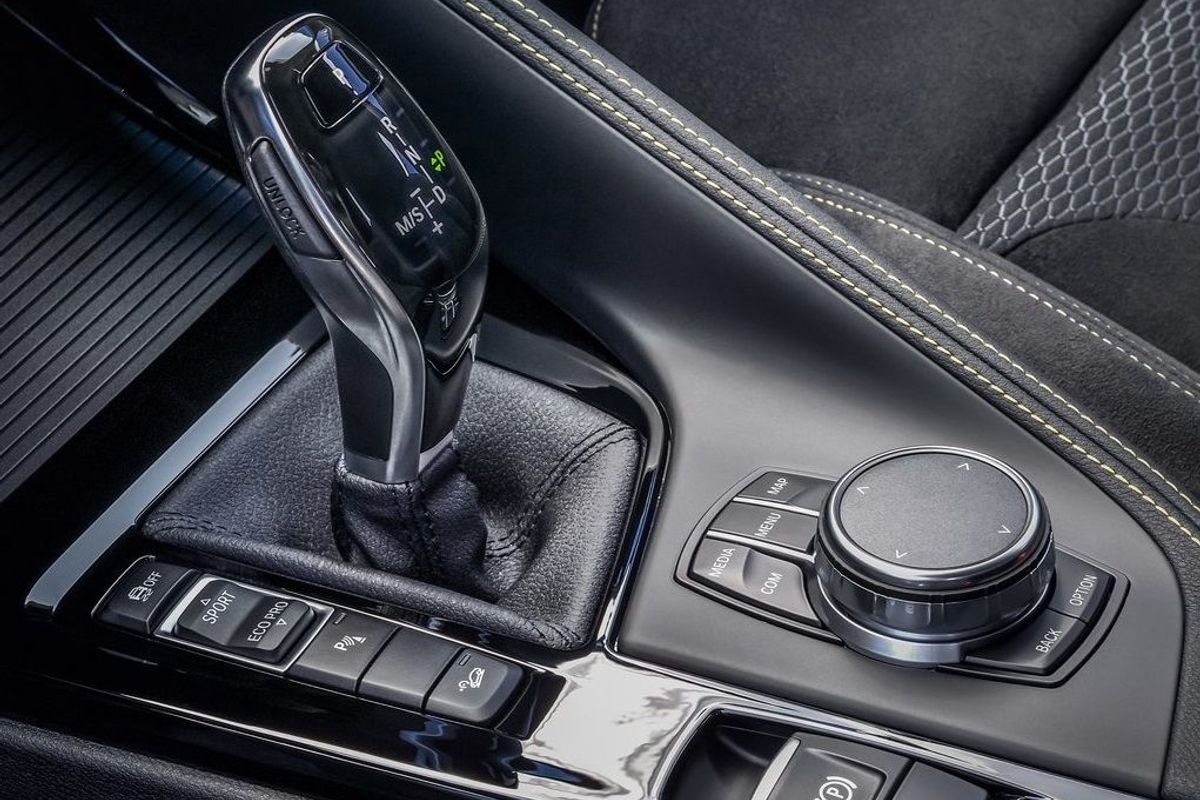
The X2's interior architecture is derivative, but the high-end features that come as standard add a sense of occasion.
So, to summarise, there are traces of X1 here (as there should be), but it's a convincing graft job and besides I'm really here to turn that turbodiesel mill into life and wring its bloody neck.
The driving experience
It starts with the muted burble of a diesel engine pretending it's a petrol burner, which is oh so 2018.
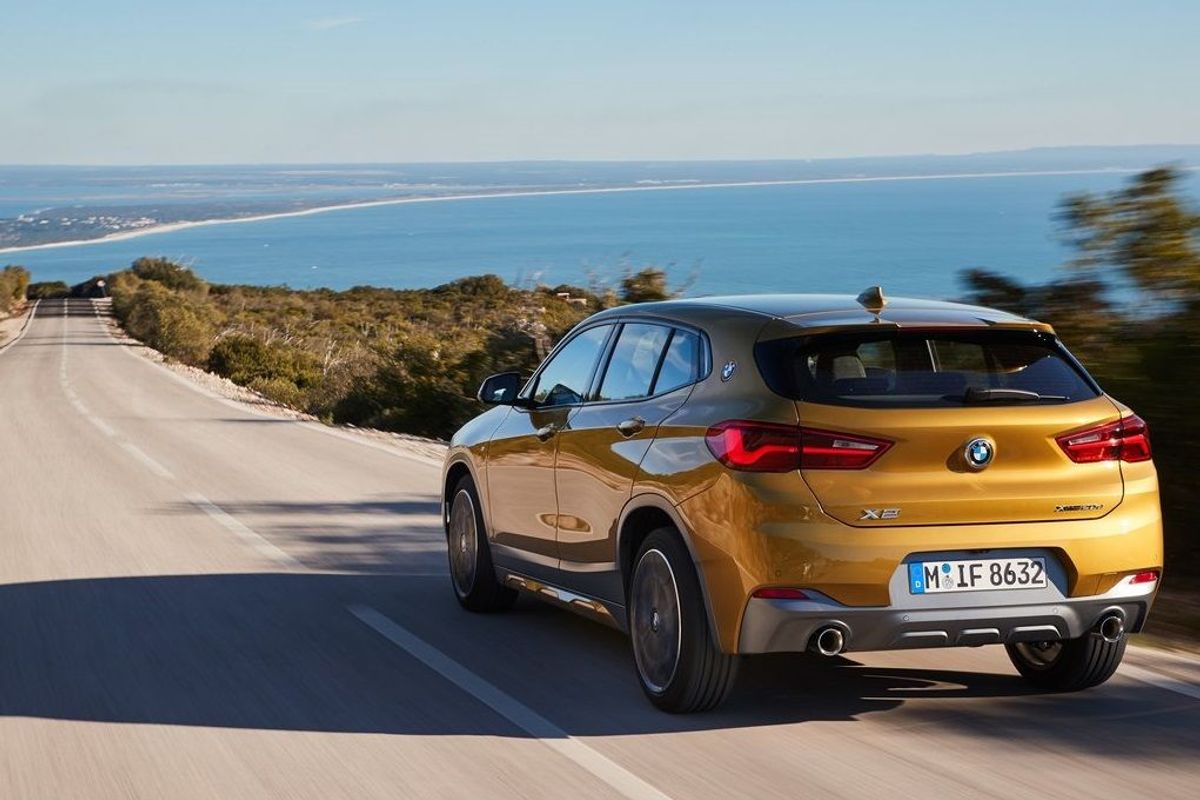
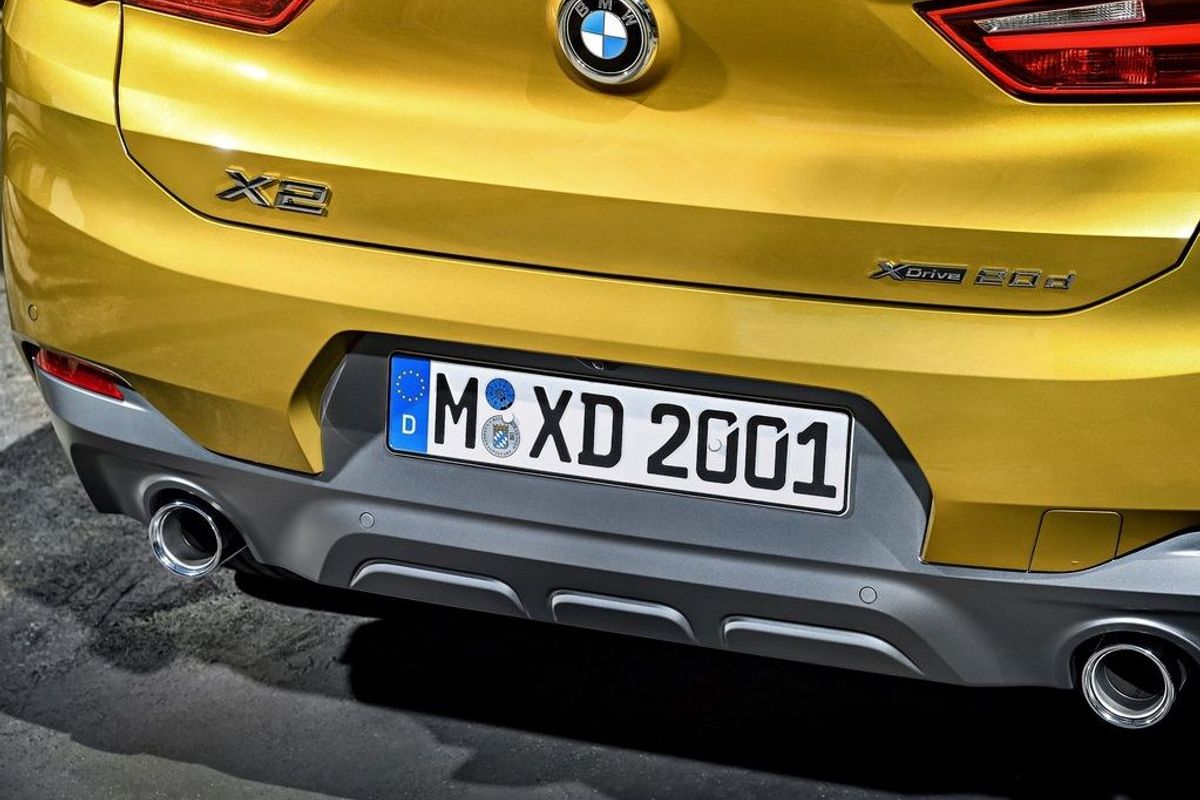
Revving it up reveals more of the same, a hollow boomy noise escaping from a pair of 90mm diameter pipes identical to the items on the X6. Notch it into D for drive and we're off. Acceleration and performance, in general, is more-or-less on par with the X1 since they share the same 2.0-litre TwinTurbo engine (peak outputs of 140kW and 400Nm), but stick it into a bend and that lower centre of gravity and helm conspire to engage you. The X2 makes rhythmic progress with the demeanour of a sweetly balanced front-wheel-driven hatchback.
As a crossover, the X2 offers nothing special in terms of practicality, but we don't believe that will deter fashion-conscious buyers.
There are traces of Mini Countryman JCW in these underpinnings, especially across the stabilizers and bearings. Steering feedback is flavourful, but point it back onto the highway or via the smaller towns' roads and that firm suspension goes from racetrack-supple to real-world suffering. You wanted those 20-inch alloys! In truth, it didn't bother me much at all, but this is no gravel-traveller, unless it absolutely has to be.
If BMW meant to deliver an engaging steering setup in the X2 then the Bavarian firm has well and truly nailed the brief, to also expect it to bash a bundu however would be reaching. As a one-car household ownership prospect, however, it's commendable especially if you're of the young and affluent persuasion, otherwise known as the intended demographic.
Will the X2 be a sales success in SA? That will depend on whether prospective buyers think its boutique appeal justifies its price.
Verdict
The BMW X2 is not exactly on the kind end of the affordability spectrum, but in its defence the standard equipment roster is extensive. You get Apple Car Play, Business Navigation, BMW ConnectedDrive, RealTime Traffic Information (RTTI), Metallic Paint, Wireless Charging, TeleServices, Intelligent Emergency Services and Cruise Control with Brake Function. This particular one costs R725k, which is well dearer than the X1, in fact, it competes in price (alone) with some of the bigger X cars and some exciting new style-comes-first compact SUVs including the new Jaguar E-PACE and Volvo XC40.
This segment has become contentious and, as a result, I suspect the flagship X2 will have to fight hard to be noticed despite its striking looks and arresting paint-job. But I'll wager there'll be no shortage of entry-level sDrive20i Steptronic autos, more sensible at R646 652, in your local mall and gym parking lots.
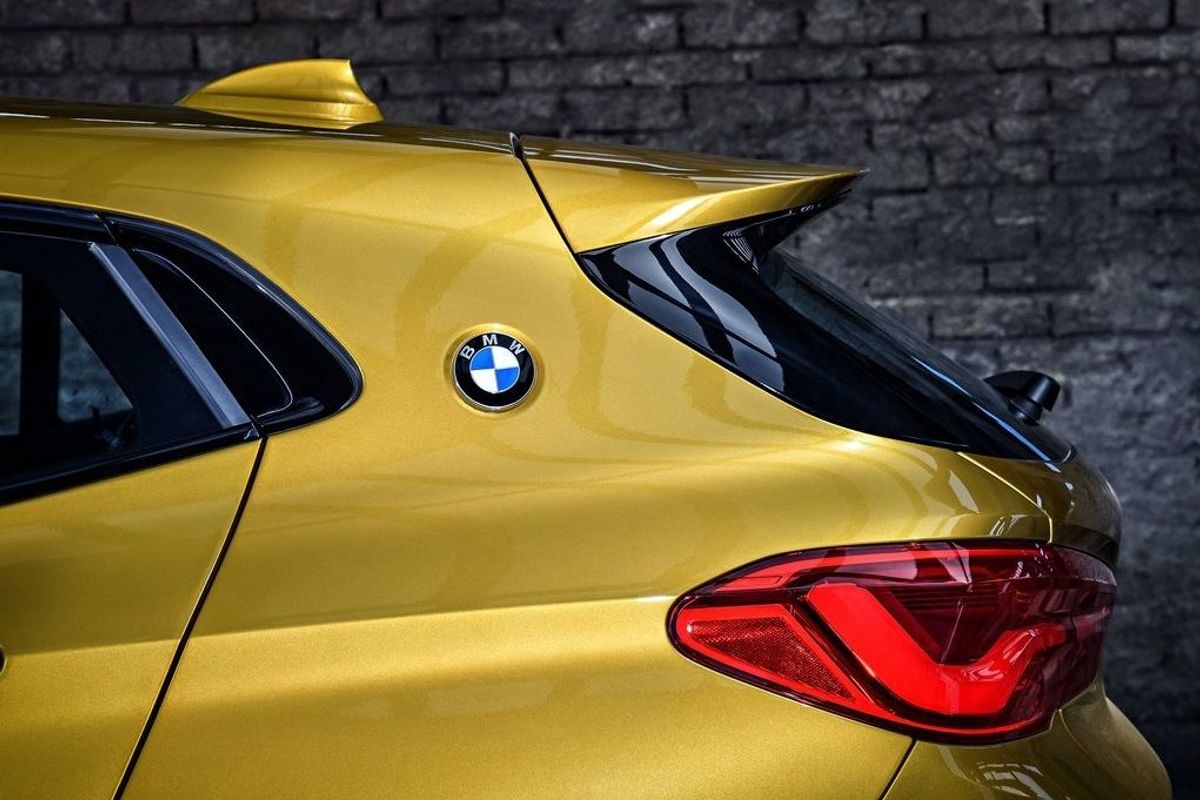
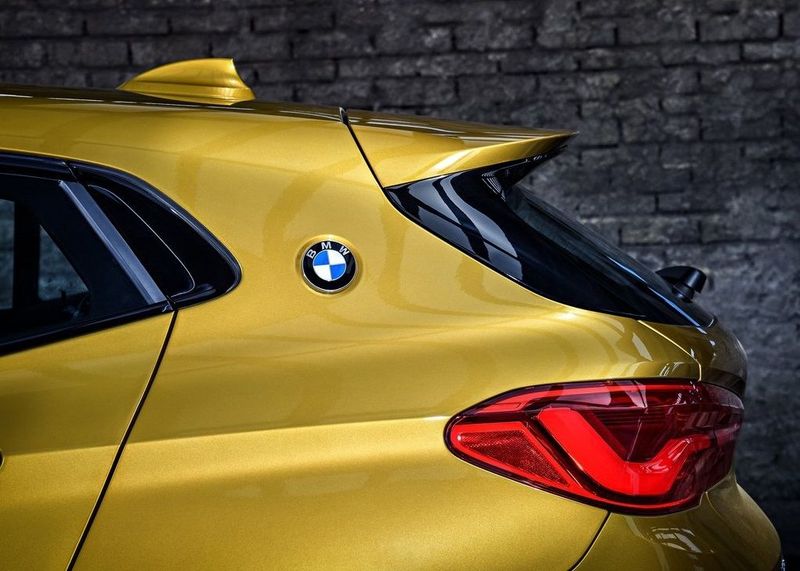
The X2 is the first modern BMW to feature roundels on its C pillars, will the next X4 be the next one?
Quick Specs
BMW X2 xDrive20d M Sport X Steptronic
Power: 140 kW
Torque: 400 Nm
Top speed: 221kph
0-100kph: 7.7 seconds
Fuel consumption combined: 4.8 L/ 100km
Carbon emissions: 126g/km
BMW X2 Price in South Africa
sDrive20i R644 262
sDrive20i Sports Automatic Steptronic with shift paddlesR646 652
xDrive20d R694 154
xDrive20d Sports Automatic Steptronic with shift paddlesR696 554
*For M Sport X pricing, add R29 700.
In terms of new standard equipment, the X2 range comes with:
Apple Car Play
Business Navigation
BMW ConnectedDrive Services
Real Time Traffic Information (RTTI)
Metallic Paint
Wireless Charging
TeleServices
Intelligent Emergency Services
Cruise Control with Brake Function
Other standard and optional equipment can be viewed here.
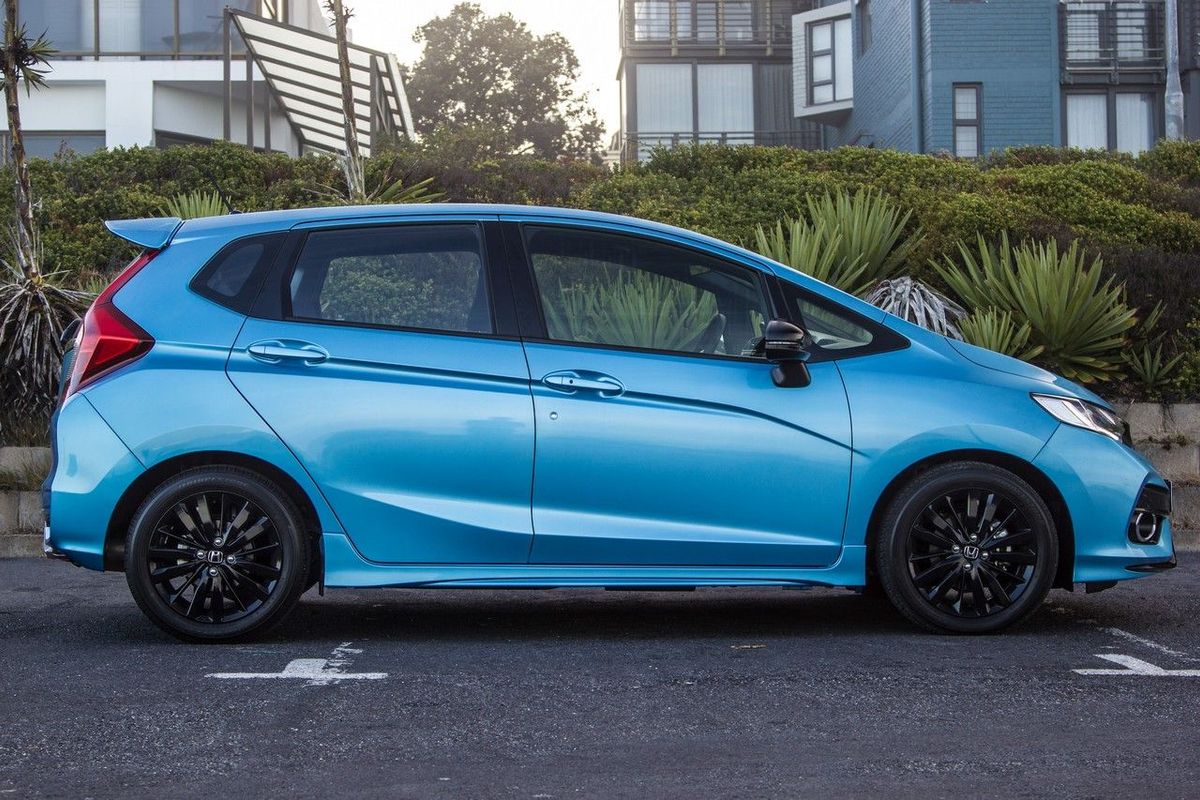
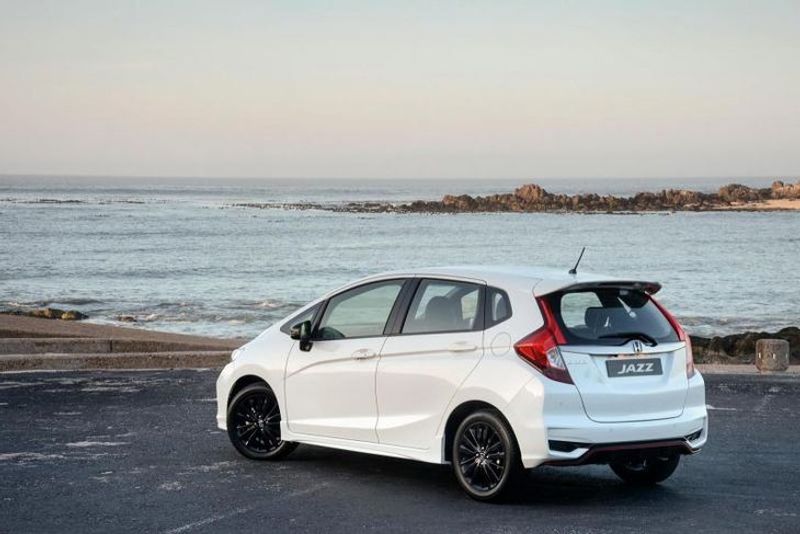
Honda South Africa is pushing with a sporty theme early in 2018 and while the Civic Type R will dominate the headlines, the addition of a Jazz Sport makes for an interesting proposition in the compact hatchback market. David Taylor spent some time with the compact newcomer.
The Honda Jazz has a stellar reputation for offering the most incredible practicality and versatility in its class. This author has fond memories of purchasing a coffee table and effortlessly folding down the seats to swallow the item of furniture. There was also generous specification and the drive wasn't half bad either. However, in recent years, the Honda Jazz has lost some of its allure. The build quality wasn't as immaculate as its predecessors and the engines had become a tad gutless.
New engine
With the latter criticism in mind, Honda South Africa has decided to…um… jazz up the Jazz with a sportier derivative. Of course, all we ever wanted was a sportier Honda Jazz. That's not a sarcastic line at all and additional power is always welcomed in the compact segment, particularly seeing as nearly all of its rivals have moved to torquier forced-induction motors. This new Honda Jazz Sport comes with an all-new mill, in the form of a 1.5-litre naturally-aspirated engine.
Pushing out 97 kW and 155 Nm, this Honda Jazz finally has some on-paper go. Power drives the front wheels through a revised version of the continuously-variable transmission (CVT), now with paddle shifters located on the steering wheel. Honda claims its new Jazz Sport will break 10 seconds to 100 kph thanks to its lightweight body while consuming just 5.6 L/100 km.
It's not just an uprated engine which signals the Jazz's sporty intentions. The suspension has been reworked with new damper settings and the brakes have been revised.
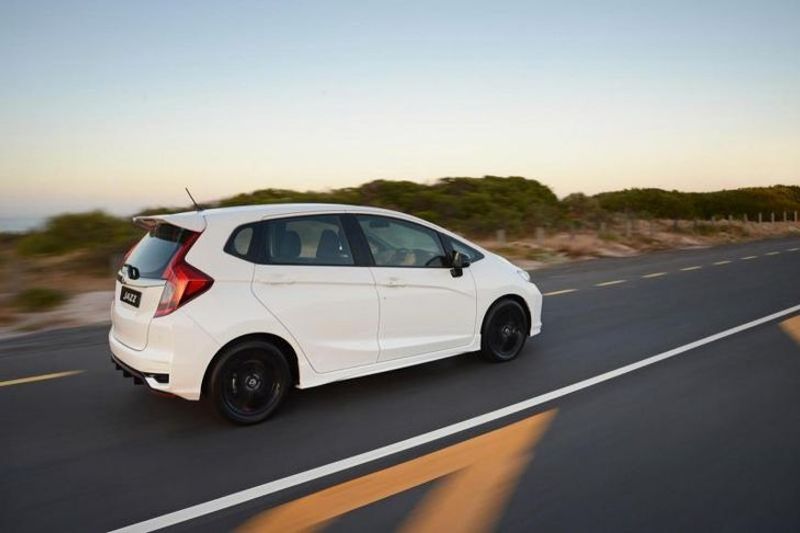
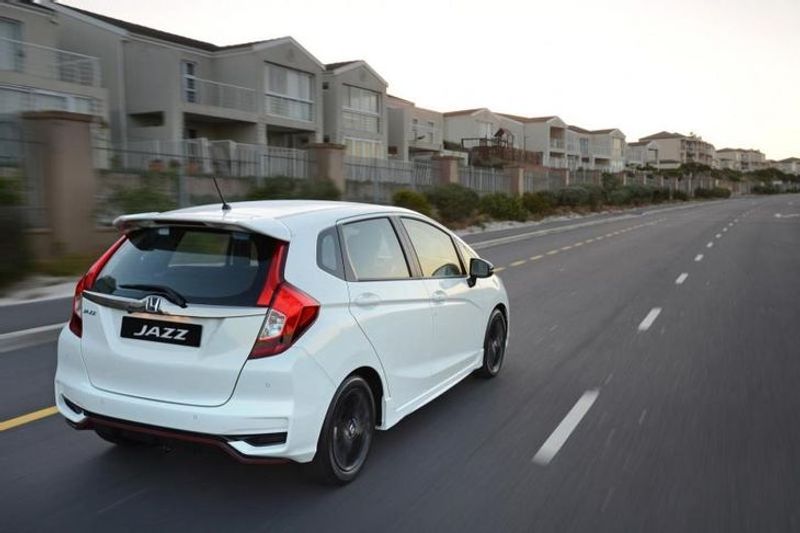
With a white body, black wheels and red detailing, the Honda Jazz Sport looks like a bonafide JDM Kei car racer
Sportier looks and features
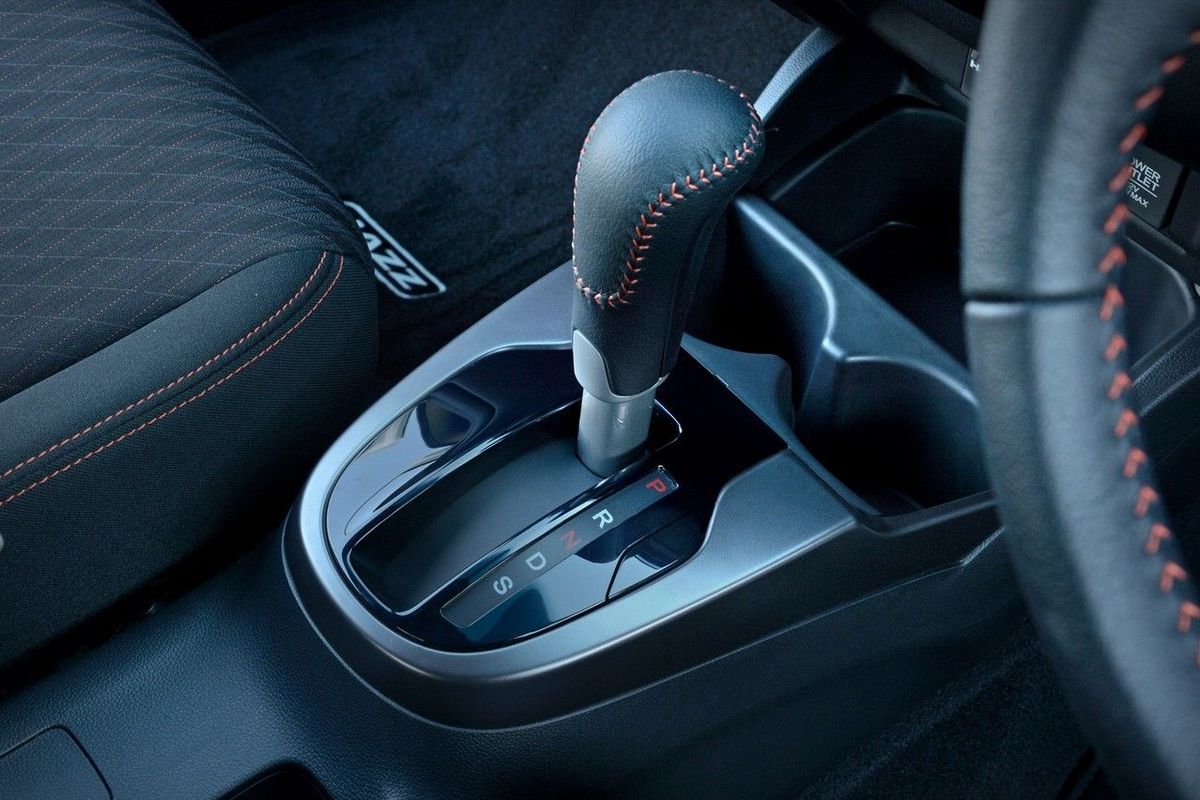
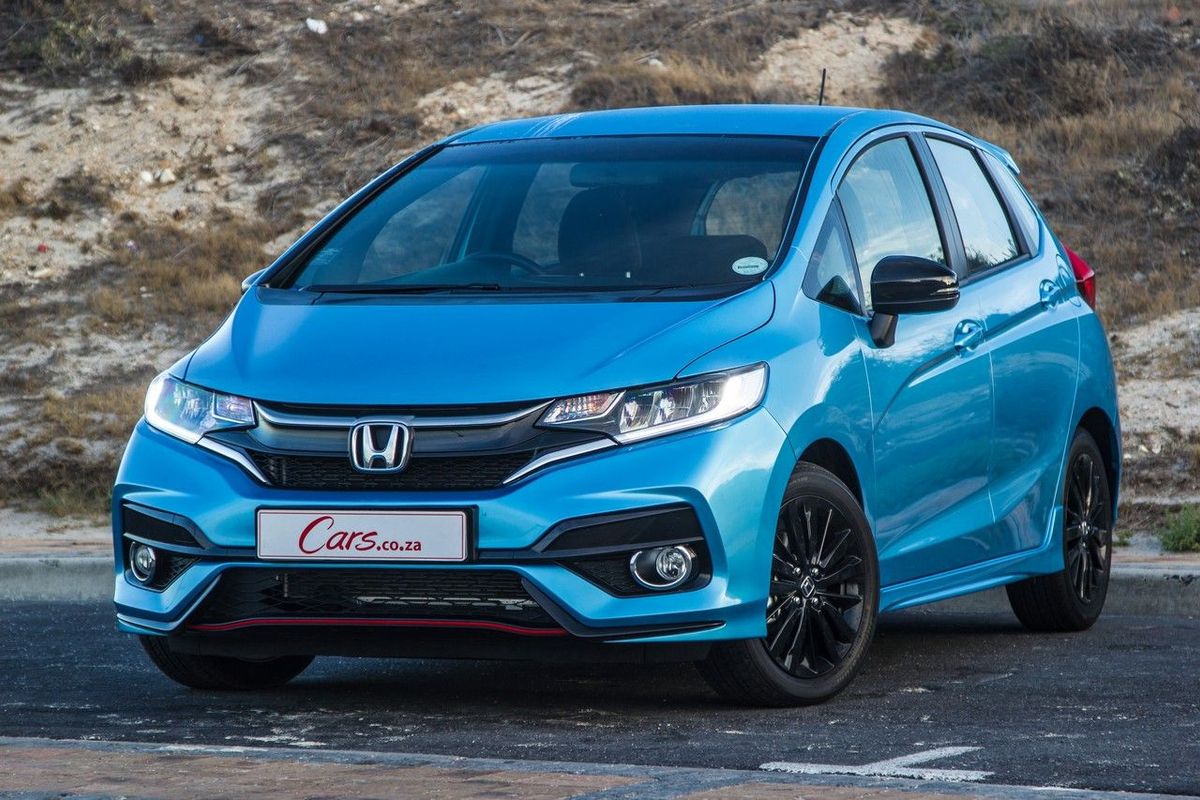
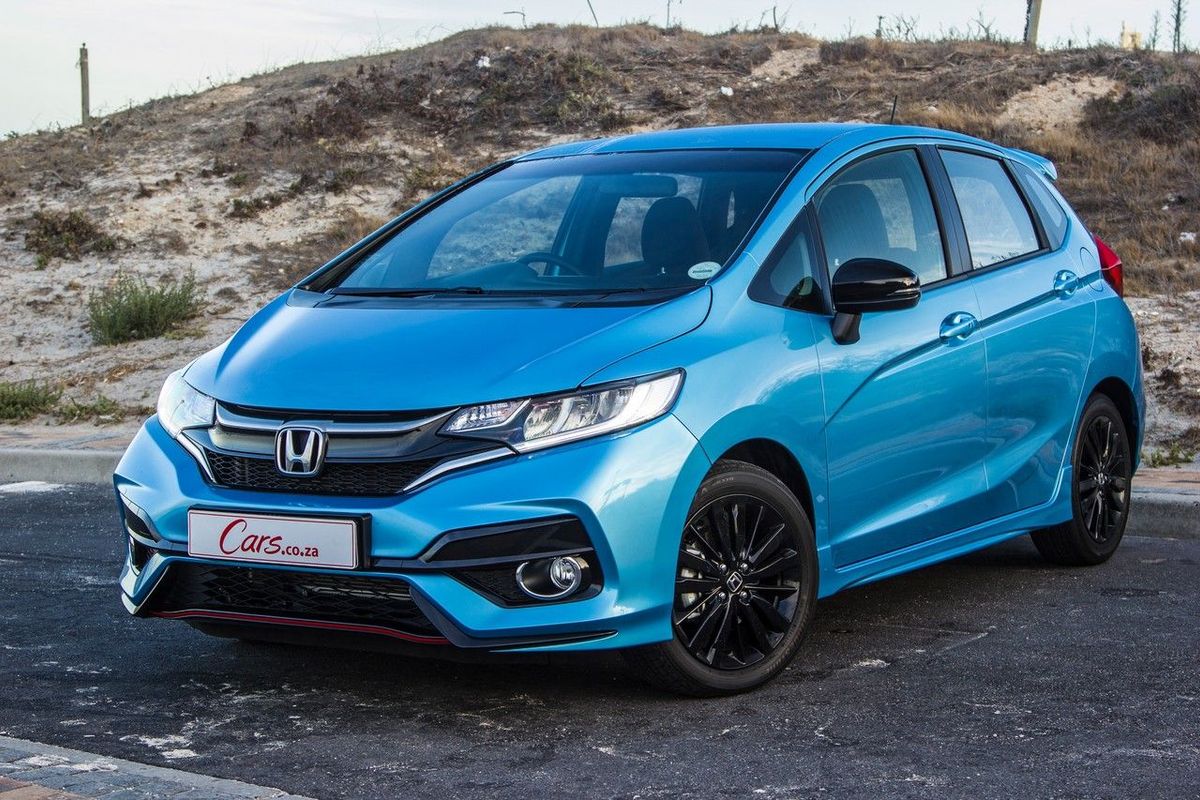
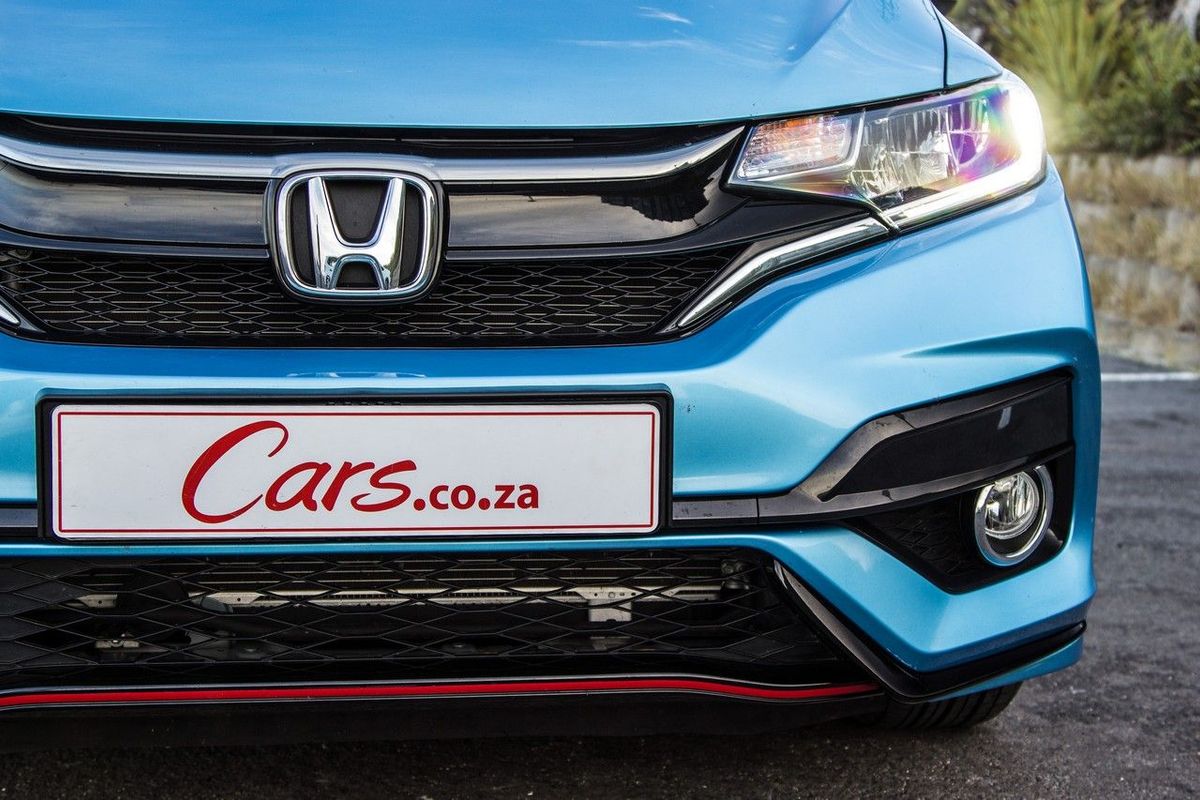
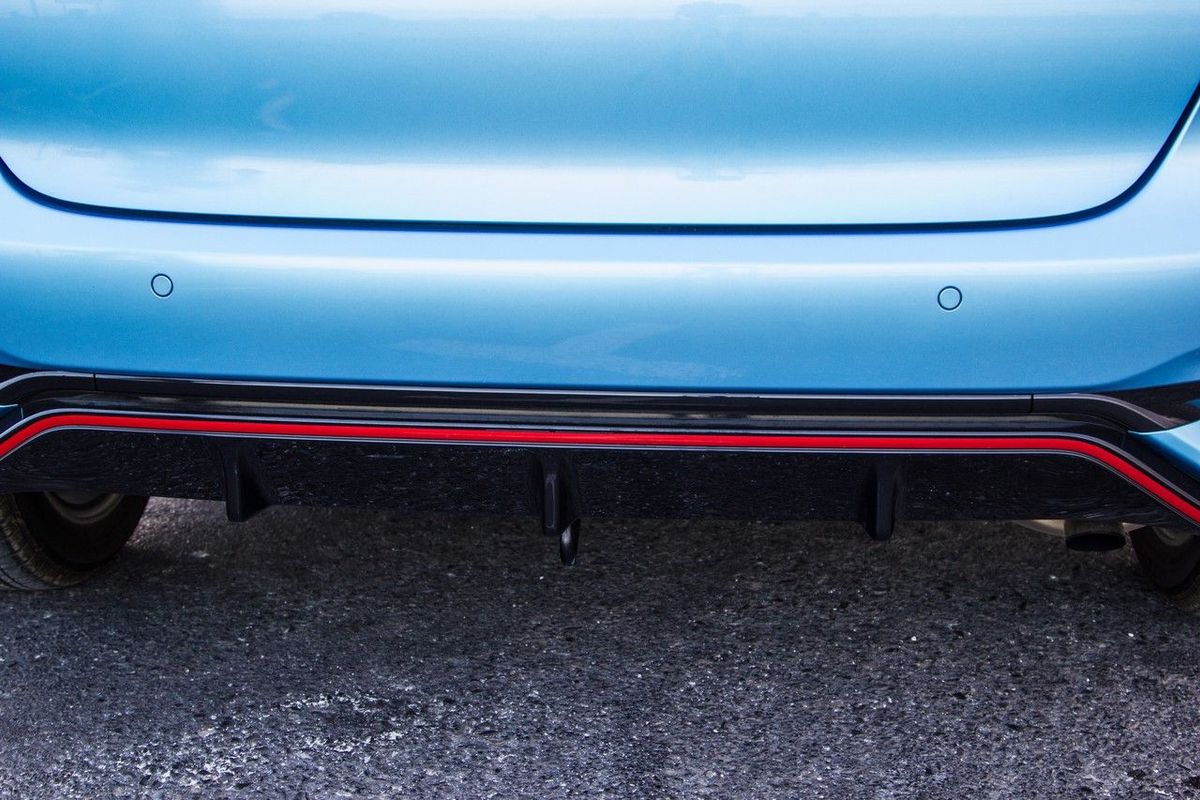
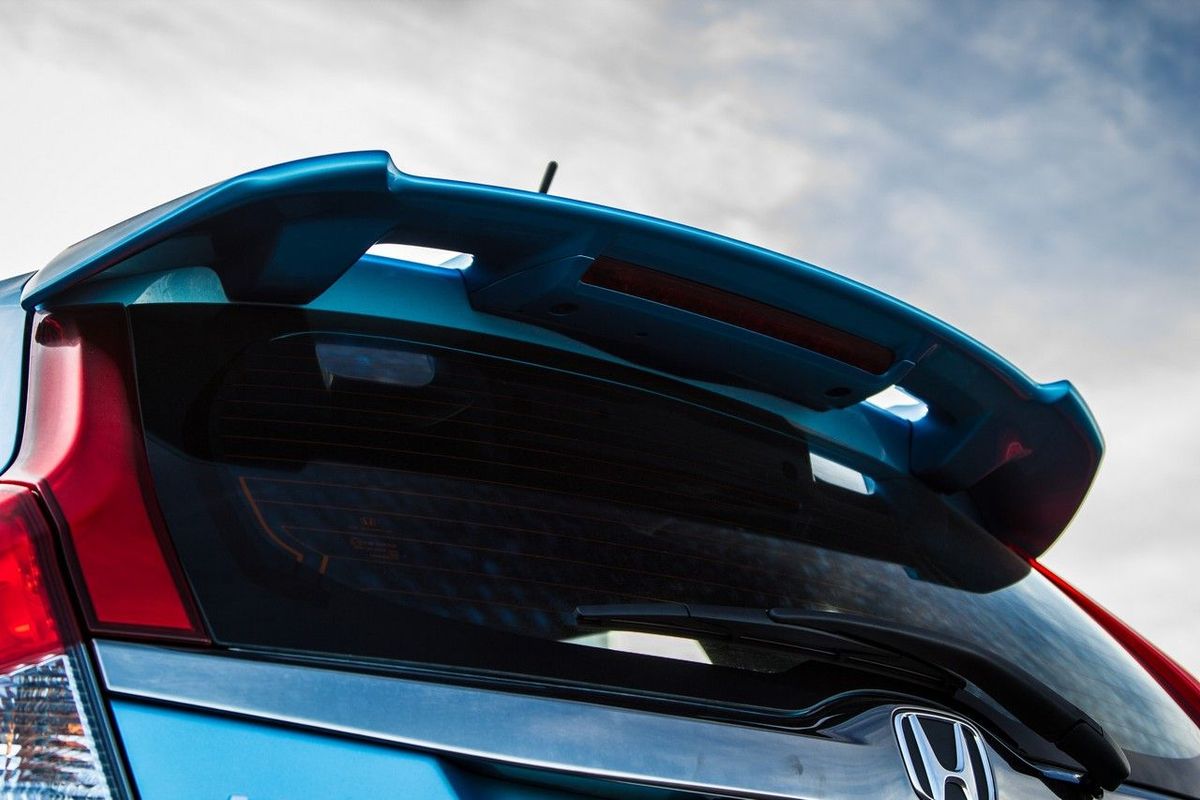
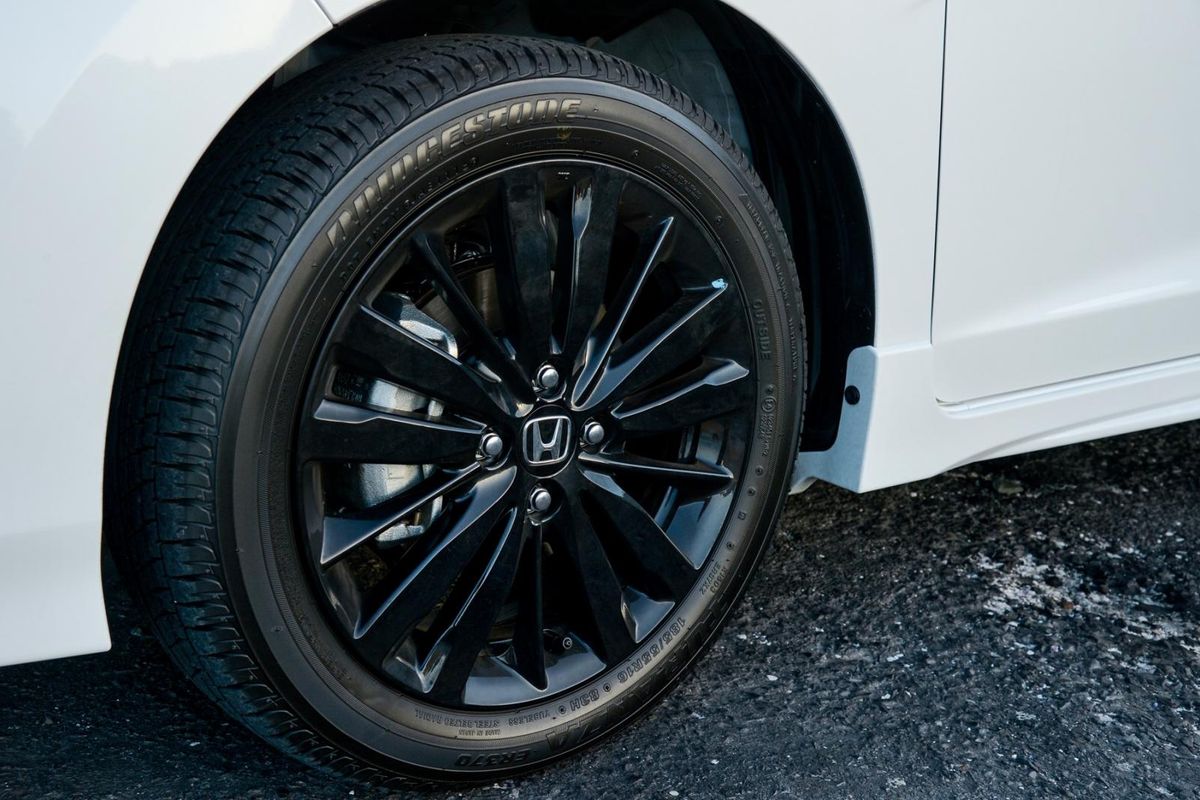
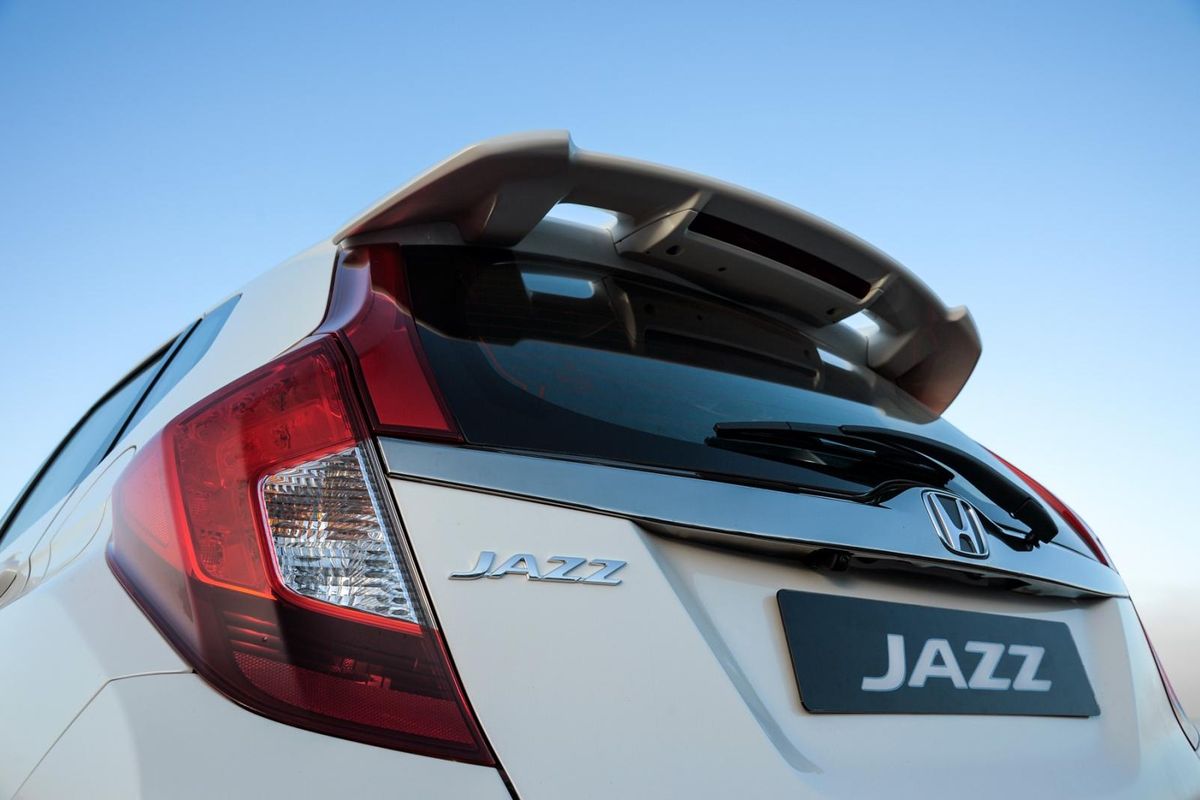
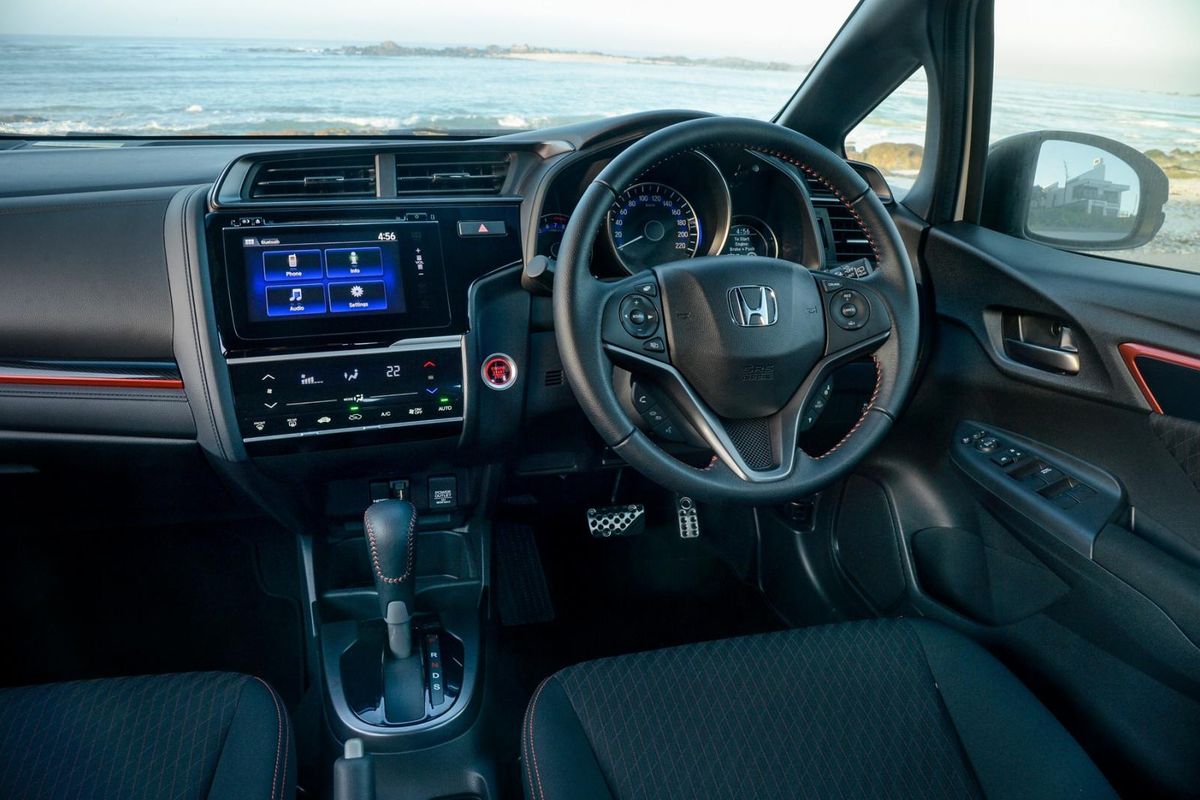
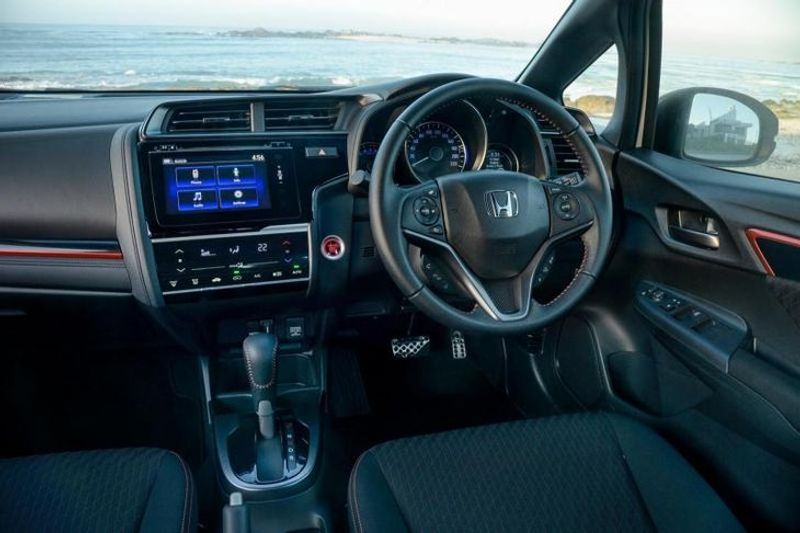
It also happens to look the part too, with a tweaked front end. There are new LED headlights with LED daytime running lights and some gloss piano black detailing. There are some red pinstripe details dotted around the bodywork, while the bigger 16-inch alloys are painted black for maximum JDM effect. There's even a little boot spoiler which is more cosmetic than aerodynamic. Thankfully the cabin is not as sporty as the exterior, with the only sporty touches being the red stitching and sports pedals. There are also some vibrant colours on offer, such as the Helios Yellow Pearl and Brilliant Sporty Blue Metallic.
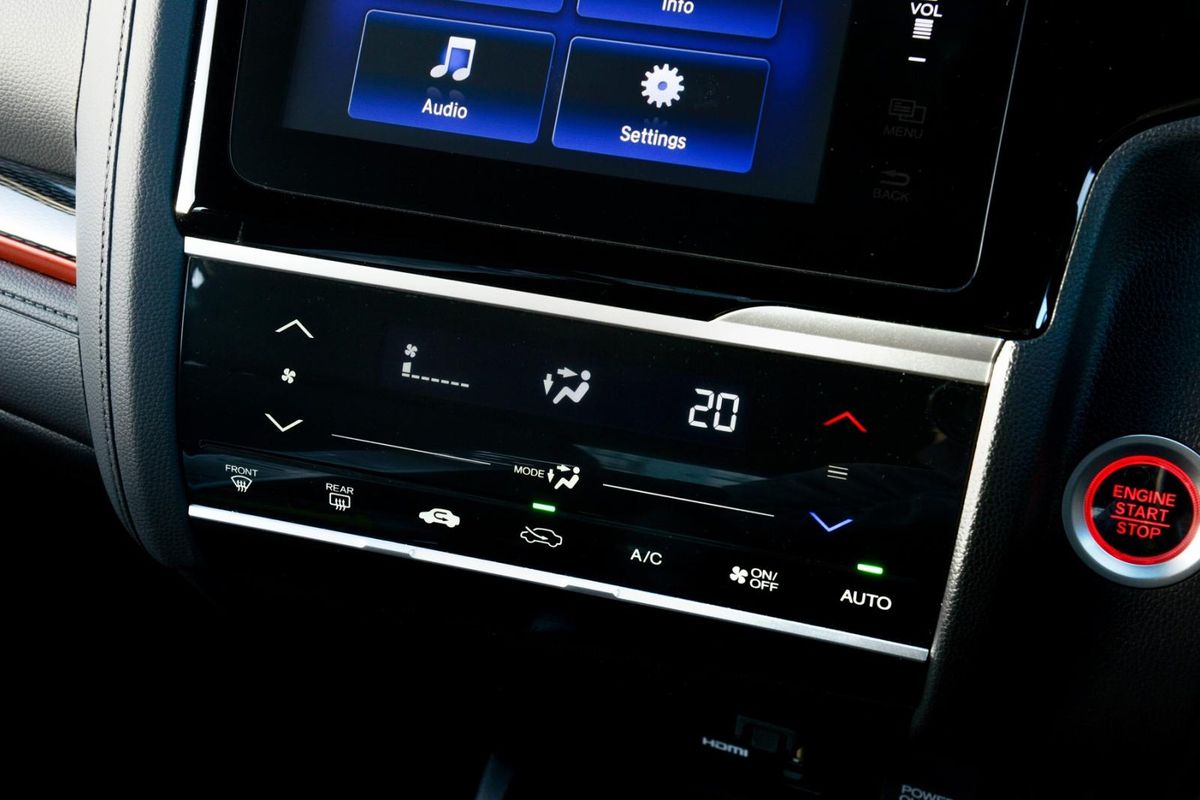
The Honda Jazz has been a pricey vehicle, but you cannot argue that you're not getting value for money as its generously well specified. A push-button start, keyless entry, six-speaker audio system, 7-inch touchscreen display, Bluetooth connectivity, USB/HDMI connectivity and a rearview camera are just some of the features available. Safety has always been well covered by Honda and the flagship Jazz Sport is no exception. There are six airbags, ABS brakes with EBD, Vehicle Stability Assist (VSA) and Hill Start Assist (HSA).
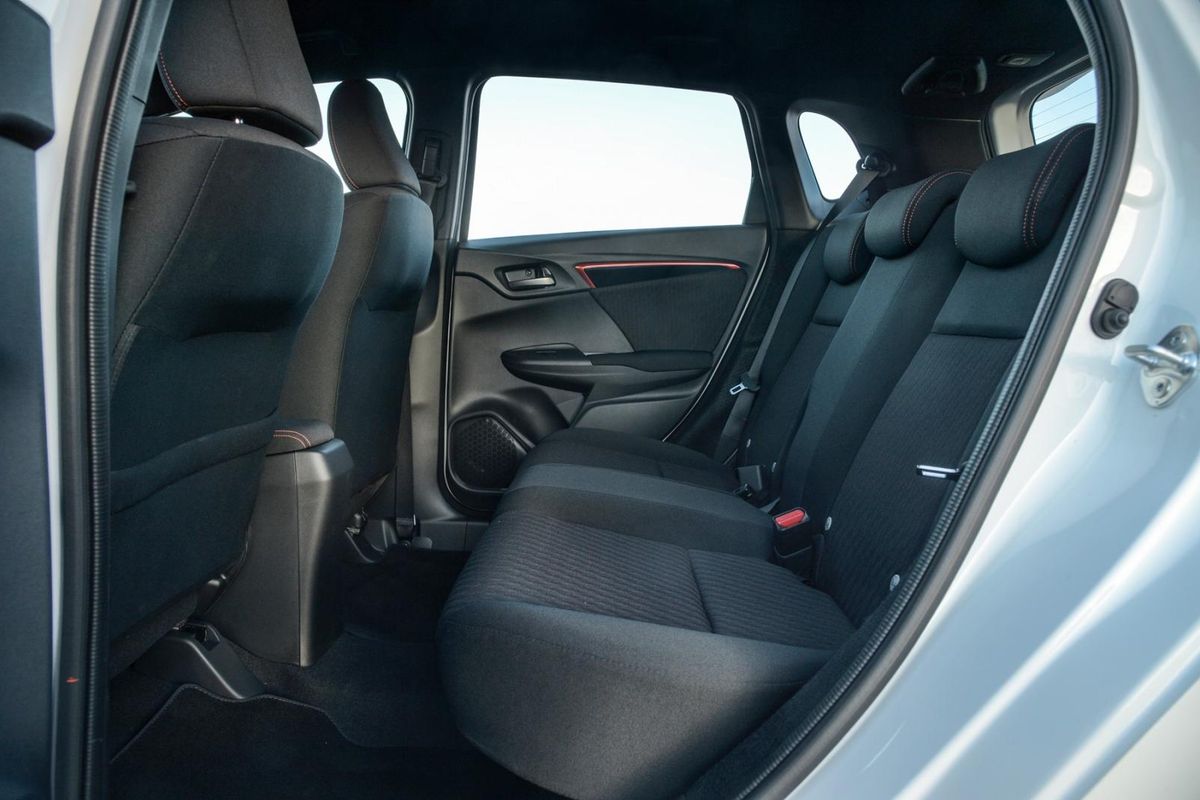
The interior features and practicality are two redeeming qualities in the Honda Jazz Sport
What's it like to drive?
Honda South Africa launched the new Jazz Sport alongside its eagerly-anticipated Civic Type R. While all eyes were on the current Nurburgring record holder, there was a surprisingly dash to the Jazz Sport vehicles for the first leg of the drive from Durban Airport down to Port Shepstone on the KwaZulu-Natal South Coast. This author went straight to the Civic Type R and you can read the driving impression of this fearsome car here. The Honda Jazz Sport makes for an interesting offering in the Jazz family. For a car marketed as a sensible and practical offering, it has surprisingly not taken off with the younger generation. We'd put this down to two things, price and image.
The new engine is decent, once you abandon some restrained dignity and stretch its legs. Honda engines love to rev and despite the CVT trying to stifle things, the motor offers an adequate amount of shove for overtaking. Note that you'll have to put the transmission into Sport mode and use the paddle shifters located behind the wheel for maximum effect as the lack of torque is real. You'll find yourself mashing the pedal to stay in the powerband, which results in a coarse engine note and we'd put down to the CVT. What this car really needs is one of Honda's trademark slick-shifting six-speed manual gearboxes for proper involvement.
The Honda Jazz Sport ride quality is fine on the well-maintained national highways of South Africa, but on the poor, pockmarked backroads, it's quite firm and you can feel each ridge in the tarmac. The steering and brakes are good, and the steering offers enough feedback to be classed as involving. On some tight corners, there is some fun to be had, but driving thrills is not this vehicle's speciality.
The Honda Jazz Sport ride quality is adequate on the open road, but the sportier suspension and wheels mean its quite firm on coarser tarmac
Verdict
The Honda Jazz Sport makes an interesting and colourful addition to the Jazz range. It certainly looks the part and as we said earlier, the additional power from the engine is always welcome. However, the price is suspiciously high for a car that's not offering more performance than, say a Suzuki Swift Sport (which cost R270 000 before being discontinued). The Jazz Sport just doesn't excite in the same manner that the Swift Sport does, but it absolutely trounces it when it comes to specification and practicality. Despite its sporty looks, the Magic Seats have been retained and you do one of the biggest boots in class at your disposal.
Herein lies the problem. The Honda Jazz Sport is inherently not a bad car to drive and it can be quite fun on the right roads. However, there are cheaper cars which are a bit more fun to drive and offer a bit more refinement. The best thing about the Jazz and the new Jazz Sport will always be those clever seats, the practicality and the specification. You get that big car feel in a small compact, you can carry four adults in surprising comfort and it's safe too. These are traits found across the Jazz range and while the novelty value of the Jazz Sport is high, we feel that one of the cheaper Jazz models will do the job nicely and be a more sensible purchase.
For sheer novelty value, the Honda Jazz Sport is right up there, but it's expensive and doesn't quite deliver the driving thrills
Honda Jazz Sport Price in South Africa
The new Honda Jazz Sport is positioned at the top of the Jazz range and replaces the Jazz Dynamic CVT. It comes with a five-year/200 000 km warranty and a four-year/60 000 km service plan, as well as a three-year AA Roadside Assistance package. Services are at 15 000 km intervals.
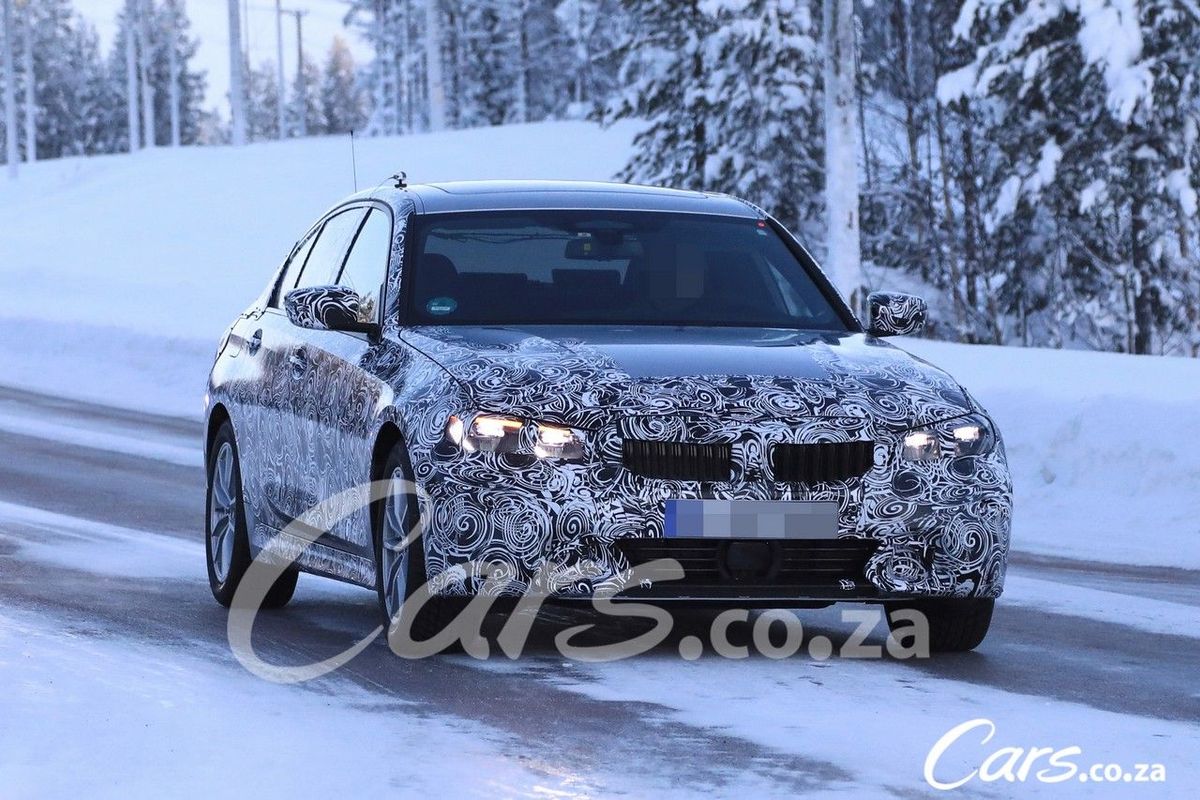
What you see is arguably the most important model for BMW to get right. It's the all-new BMW 3 Series and for it to succeed in an increasingly technocentric and perennially competitive segment, it'll need to bring its A game. Here's what we know so far.
Picture credit: S. Baldauf/SB-Medien
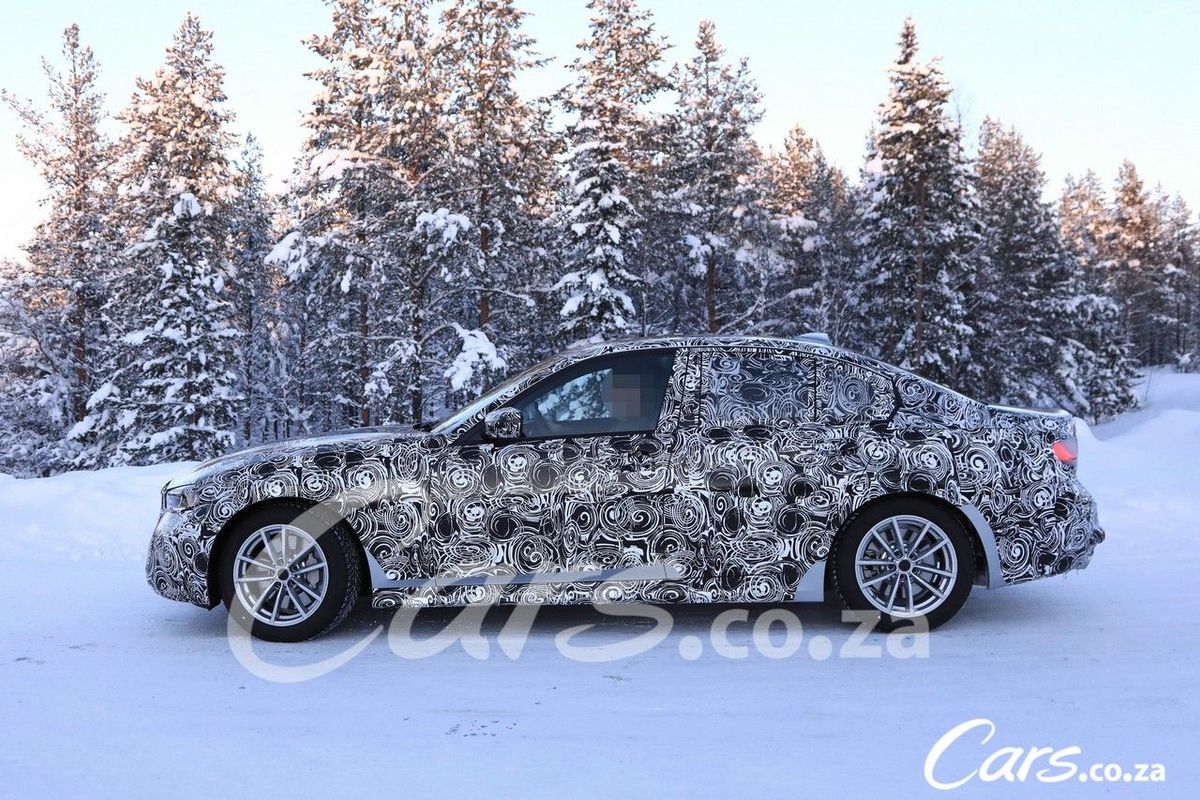
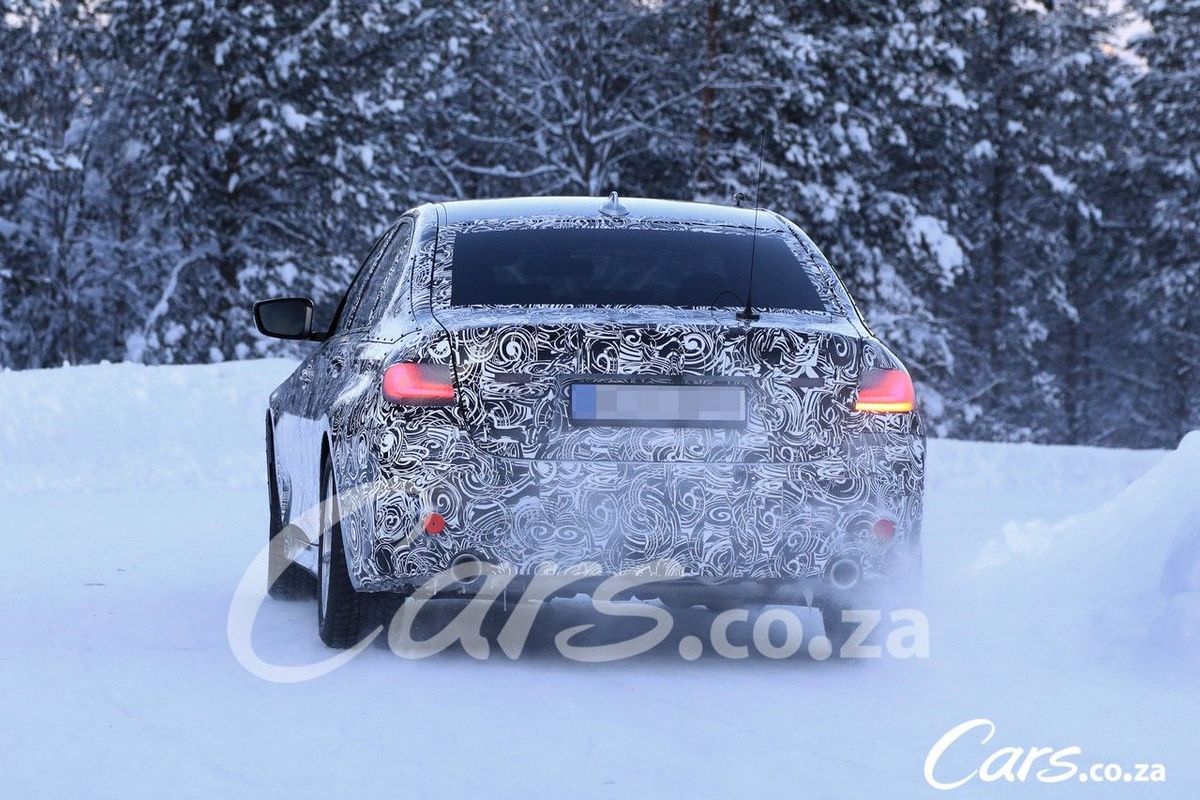
The BMW 3 Series is the brand's volume seller and it's imperative that BMW incorporates virtually everything in the way of new and cutting-edge features in its repertoire in the new sedan. Our spy photographers spotted this BMW 3 Series prototype undergoing winter testing and these latest photos give us an idea of the front and rear designs. The official codename for the new BMW 3 Series is G20 and it's expected to make an official debut at the Paris Motor Show, which takes place in October 2018.
What we know so far is that the newcomers interior will feature a fully digital dashboard, improved and higher quality materials and features from the 5 and 7 Series, such as gesture control. With build quality benchmarks like the Audi A4, BMW will be drafting in fit and finish straight from its higher-end models for this vehicle.
In terms of engines, the G20 BMW 3 Series will feature a mixed bag of motors to its segment. From the humble 1.5-litre turbocharged 3-cylinder mill and compact turbodiesels, to the mighty turbocharged 6-cylinder petrol engine seen in the 340i, there will be an array of powertrains to choose from.
Expect substantial revisions to all engines to improve efficiency and emissions. There's serious talk of the water injection technology seen on the BMW M4 DTM making its way into mainstream production M3/M4 cars too. We're in the age of electrification, however, and therefore wouldn't be surprised if the performance hybrid system first seen in the i8 made its way across to the BMW M3/M4, while plug-in hybrid derivative are expected; they'll be marketed under the iPerformance banner.
It'll be the technology and autonomy that'll be under real scrutiny: the next-generation BMW 3 Series will have to, at the very least, feature remote parking, auto braking and a level of autonomous city driving comparable to what we've experienced in its bigger sedan siblings. Fortunately, it'll also have to have some fun-to-drive sporty characteristics, which has endeared the 3 Series to its fans over the years. The new car will ride on a longer wheelbase with a wider track, has a lower centre of gravity and tip the scales a few kilos lighter than its predecessor. Adjustable adaptive damping, torque vectoring and a reworked active steering setup are also on the cards.
We'll have more details as they come through. If the vehicle makes the Paris Motor Show in October 2018, then we expect a market introduction in SA in 2019.
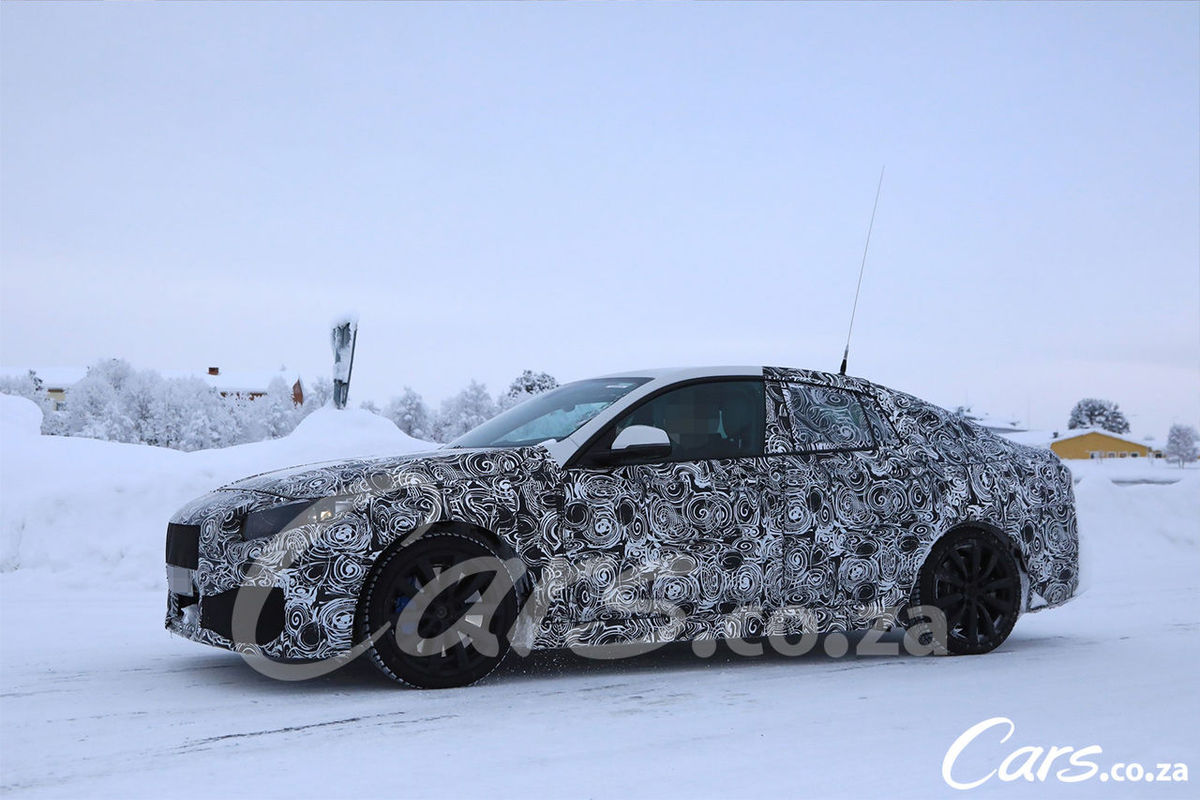
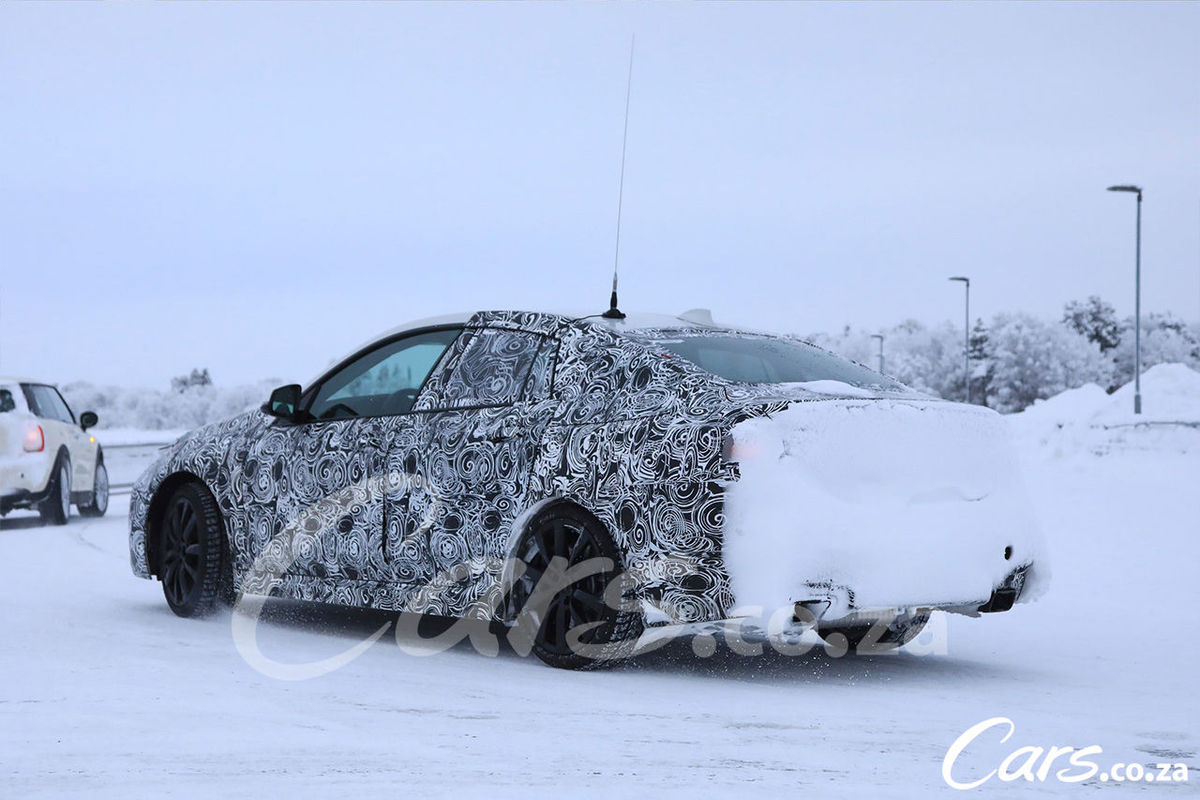
The 4-door version of the 2 Series has been spotted wearing camouflage and a rather basic trim level. What's it all about?
Much is going to change if you're a current BMW 1 Series or 2 Series fan. The next generation cars, set to arrive around 2019/20, will usher in a raft of changes set to send shivers down the spine of enthusiasts. The model shown in the spy pics is the 2 Series Gran Coupe, a 4-door variant of the 2 Series. It will run on the same platform as the next generation 1 Series that for the first time will be front-wheel-drive. Certain models will get all-wheel-drive but there are no plans for a rear-driven small BMW in the pipeline.
While the model in the pics is heavily camouflaged and clearly an entry-level model, it doesn't look particularly exciting or shapely. BMW plans to style it so it more closely resembles the classic 2002. We'll have to wait and see what happens once it drops the camo.
The 2 Series Gran Coupe will go head-to-head with the likes of the Audi A3 Sedan and the Merc CLA in a more direct manner – they will all be front or all-wheel-drive. BMW's unique selling point is thus lost, but it's too early to judge how it will fare against the other 2 rivals. What it does do, is make current owners of the 2 Series likely to have a bit of a collector's item on their hands a few years down the line.
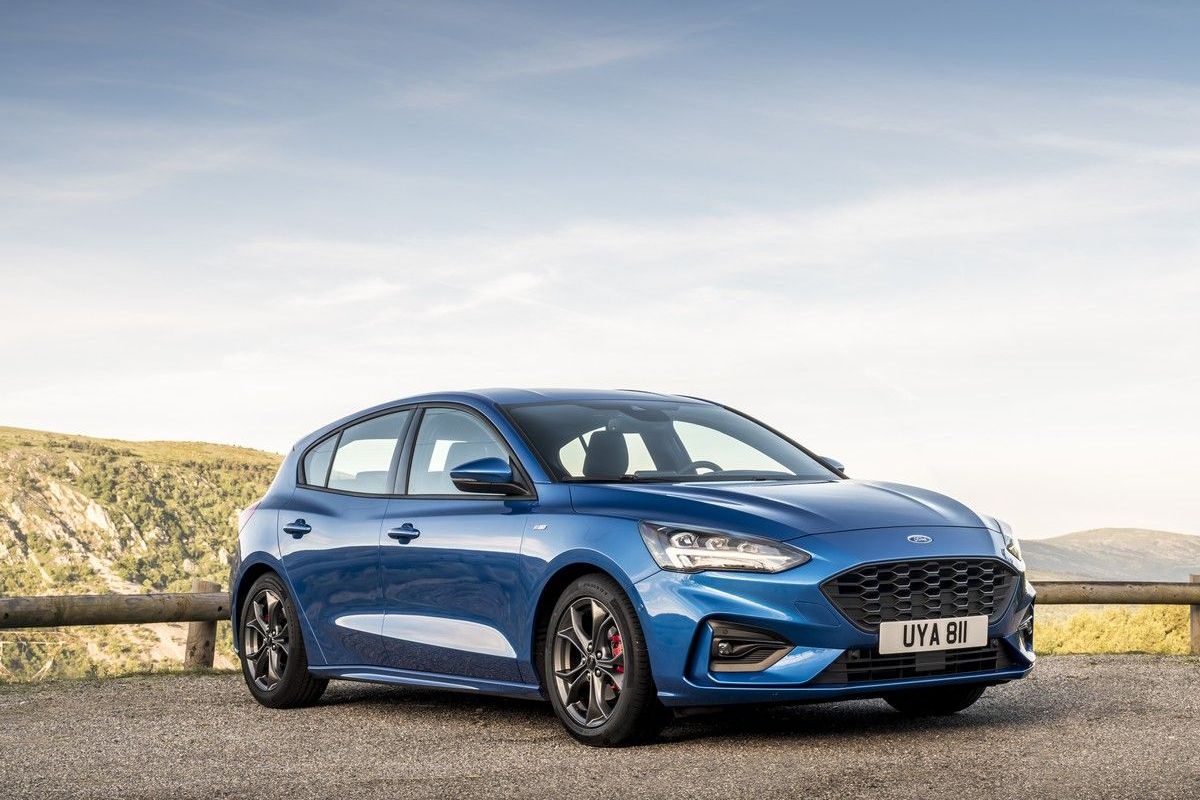
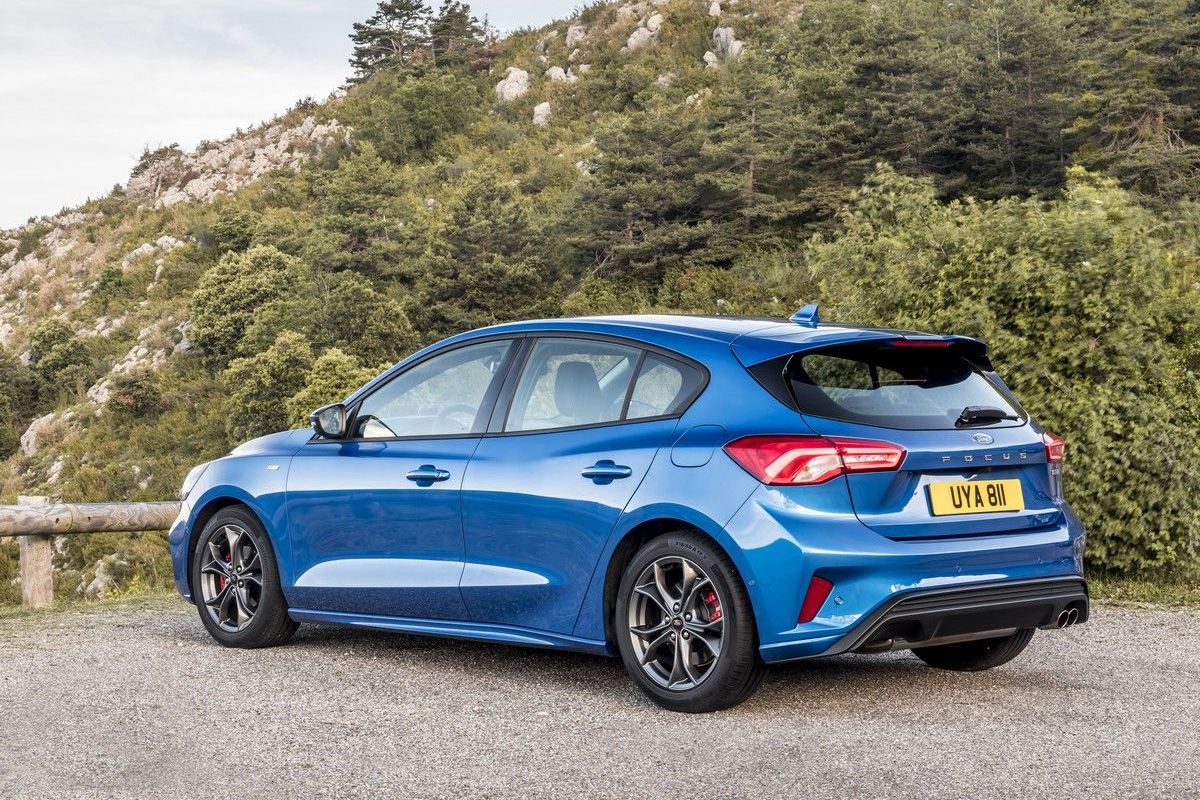
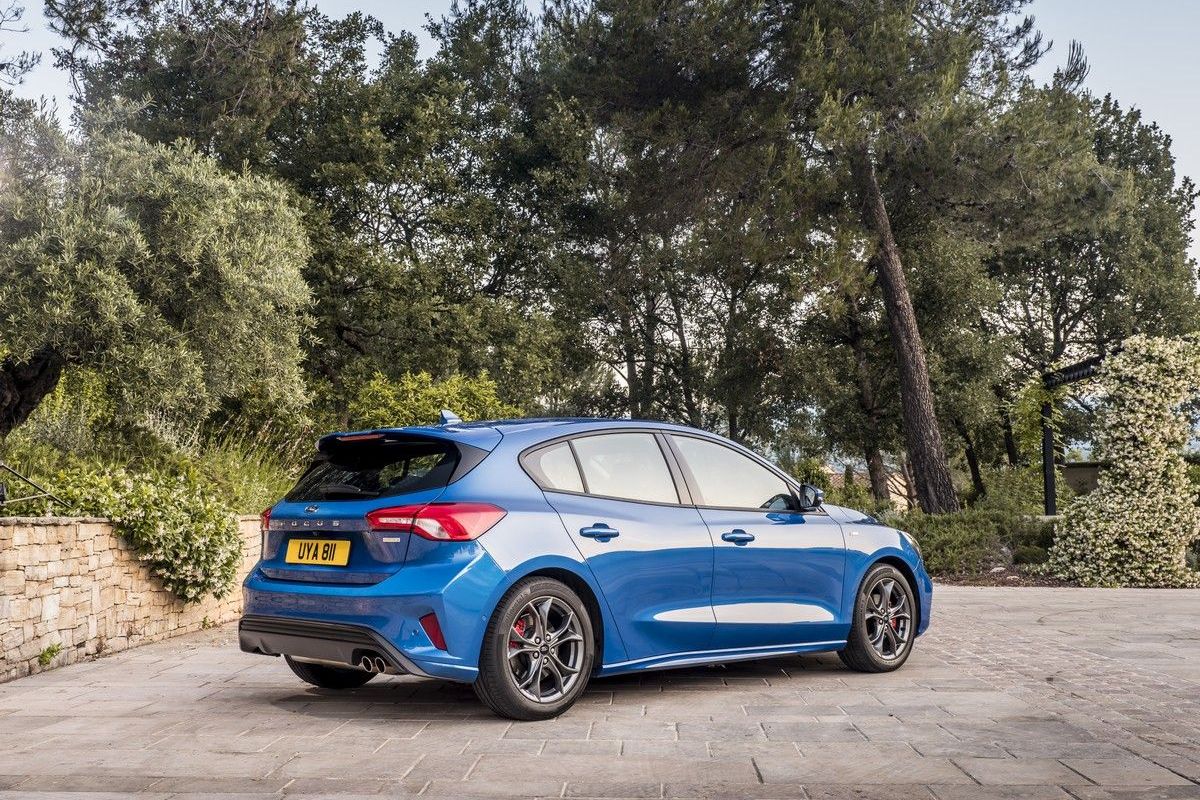
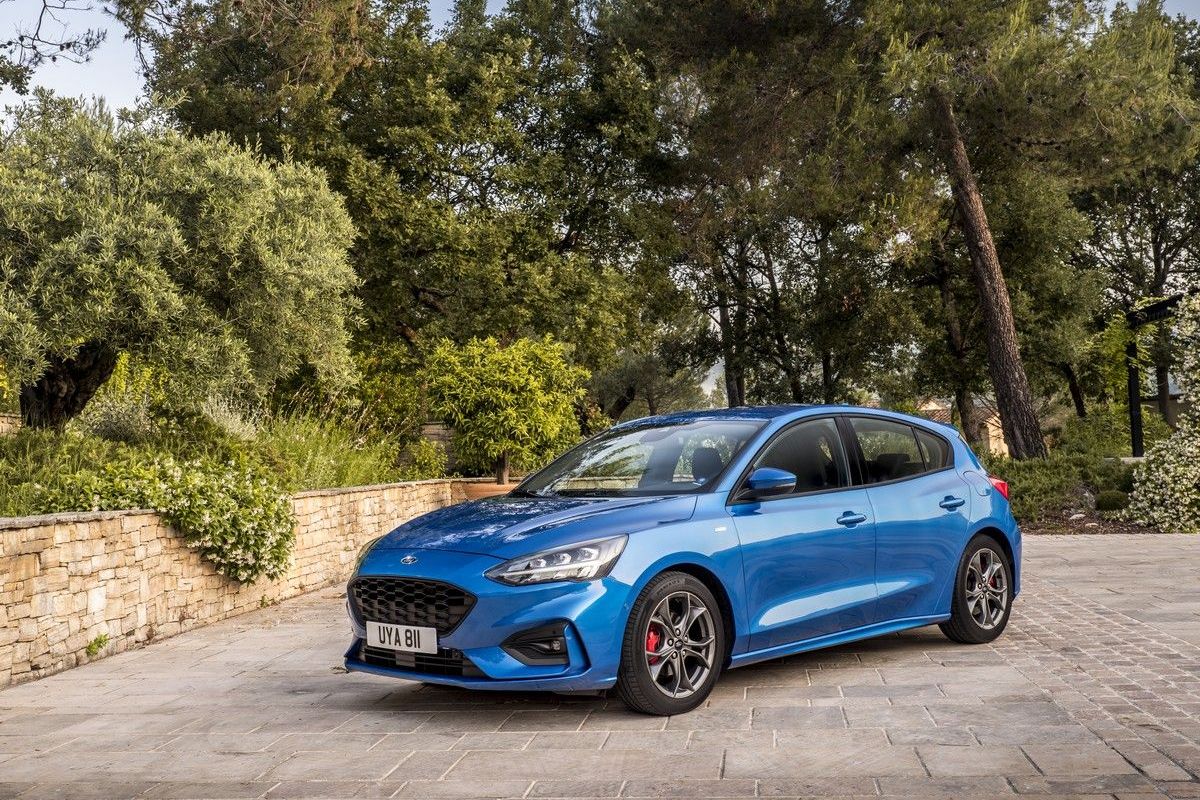
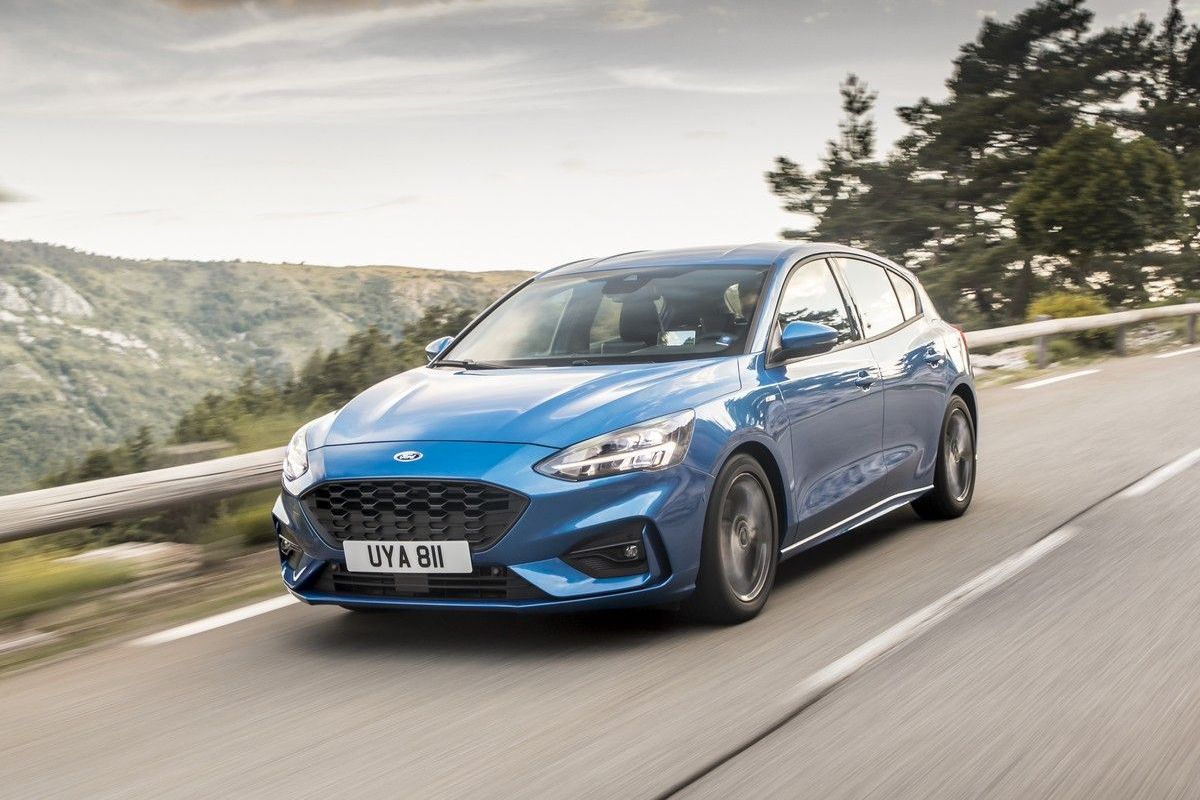
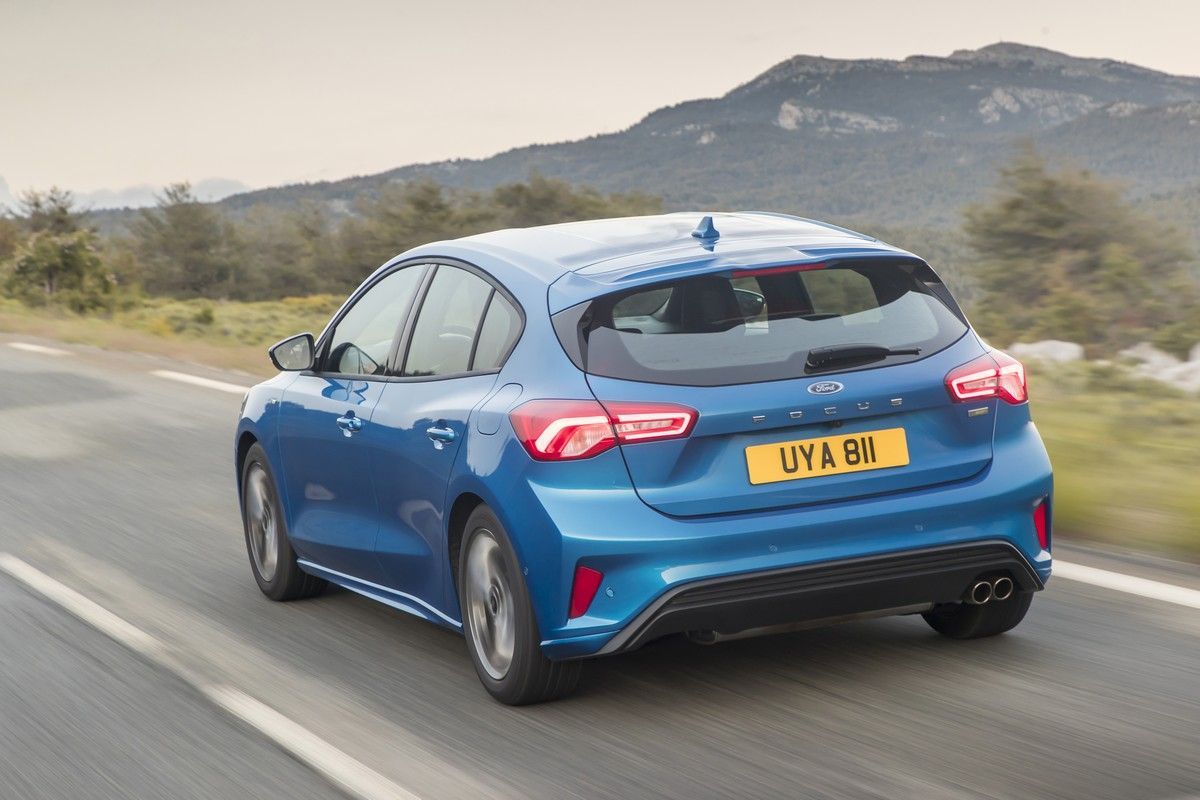
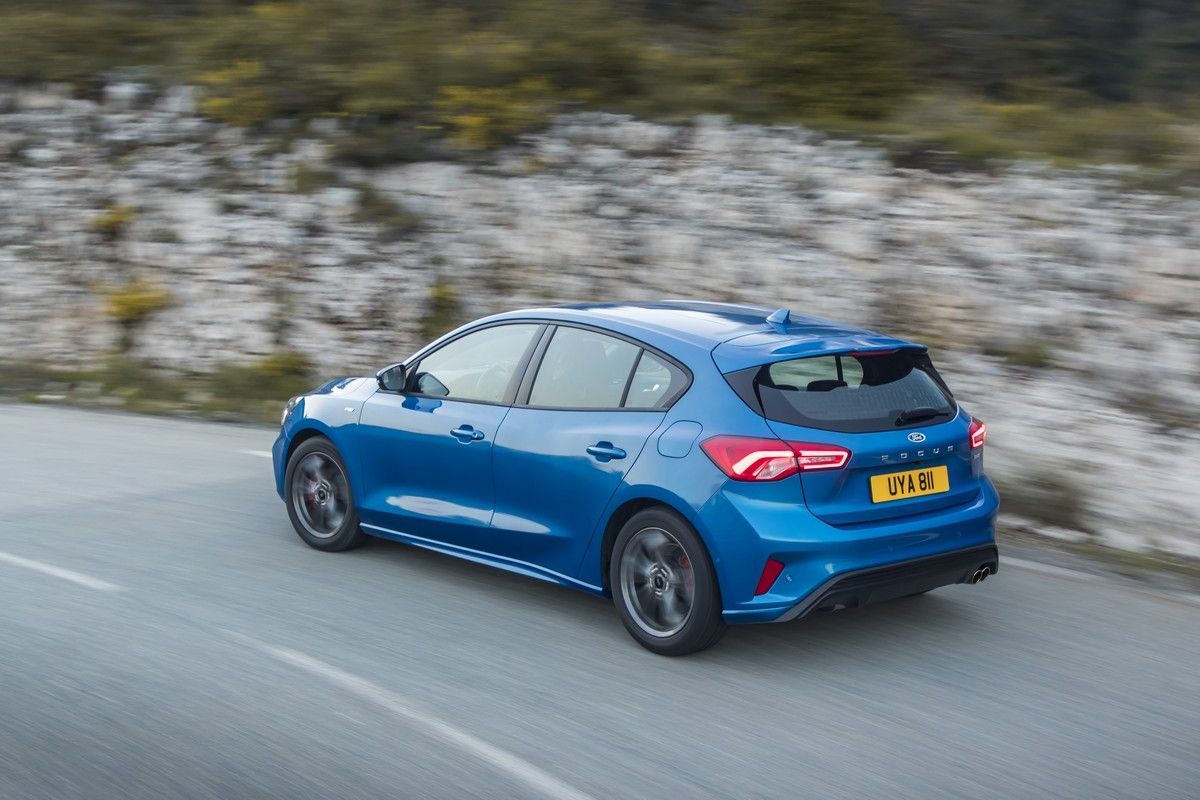
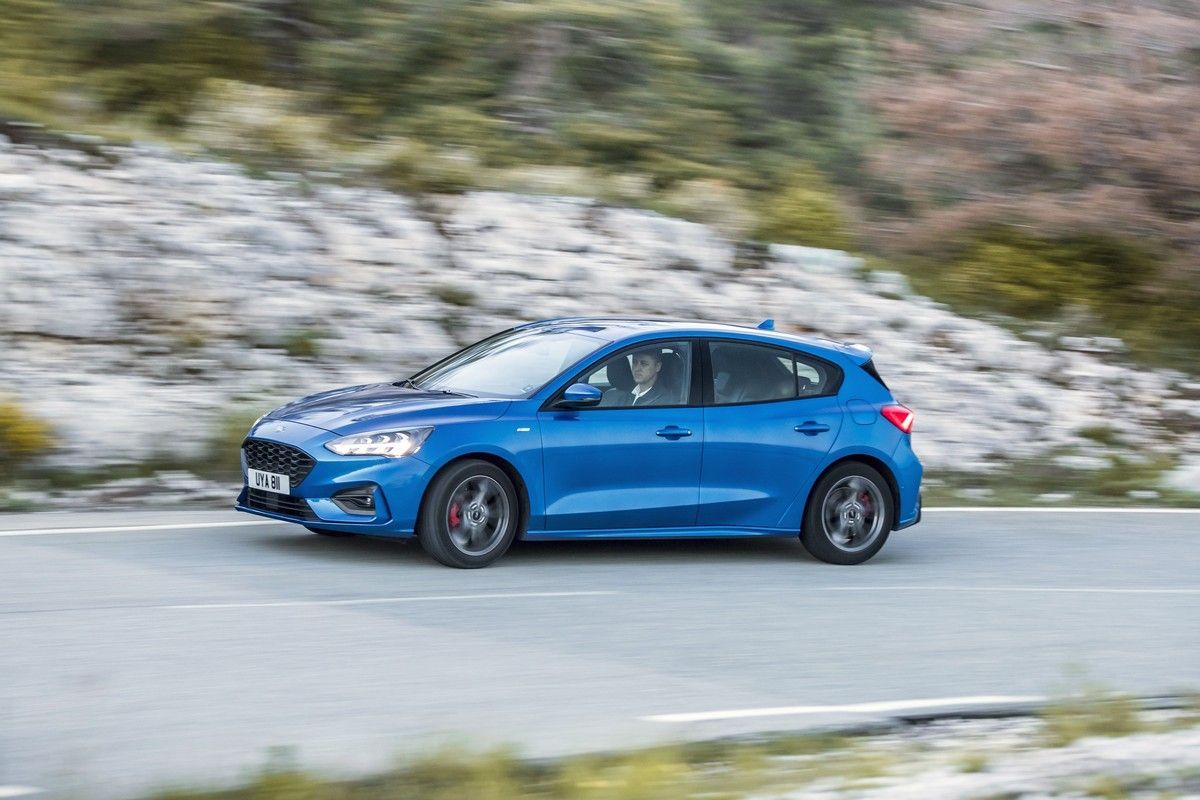
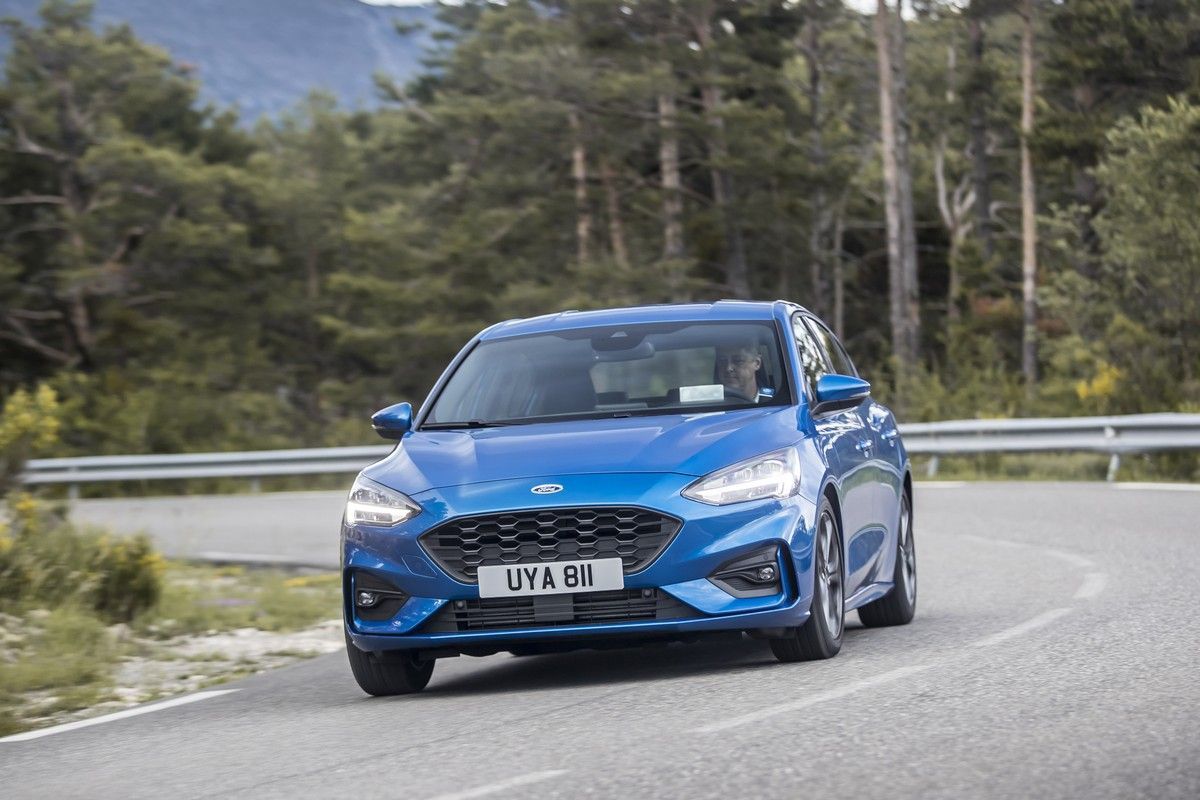
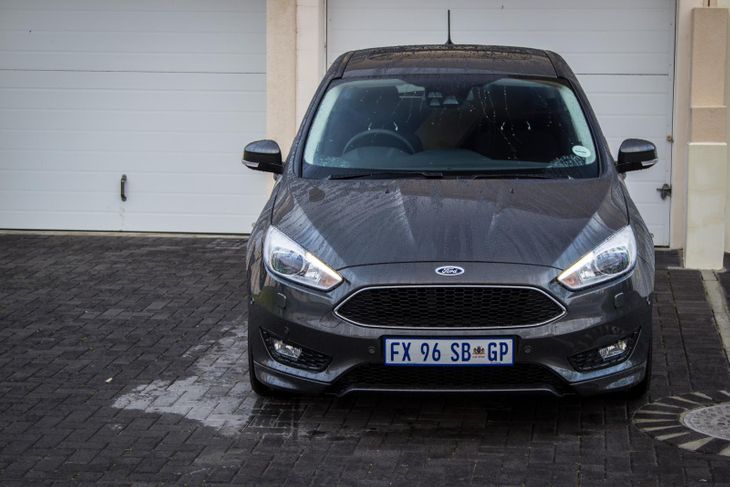
Ford Focus hatch 1.5T Trend auto (2018) Quick Review
A long-serving model often represents the best value in the twilight of its product cycle, by which time most quirks have been ironed out and several features have been bolted on. In automatic guise, the Ford Focus 1.5T Trend looks a veritable bargain at R336 900. It requires a Driver Assistance pack to be really feature-packed, but even after adding that option it still undercuts the opposition.
We like: A well-sorted product, willing performance, Option Pack 2 worthwhile
We don’t like: Middling build quality, ergonomic drawbacks, short(ish) warranty & service plan
Alternatives:
A Korean veteran – As is the case with the Focus, the Kia Cerato 2.0 EX Auto is nearing the end of its production life. What it lacks in terms of flair and high-end features (it does have auto lights, self-dipping mirror and folding side mirrors, however) it makes up for with leather trim and a 5-year/unlimited km warranty, plus it matches the Opel and Renault’s 5-year/90 000 service plan.
Upper-mid-spec Mazda – The Mazda3 2.0 Individual Auto is the most affordable rival to the Ford, but whereas it matches the Kia’s specification, with the addition of keyless entry and push-button start, dynamic stability control, a torque vectoring system and a sunroof, its 3-year unlimited warranty and service plans no longer seem that competitive… unless you’re planning to cross the continent in your car in the first 3 years of ownership.
Enjoyable Astra – While the Opel brand forges a new path after the departure of former parent company General Motors, the 1.4T Enjoy Auto remains one of the best propositions in the Astra range. The package includes 17-inch wheels, a host of standard driver assistance features, the intuitive Intellilink R.4.0. 7-inch touchscreen interface and the Astra comes with a 5-year/120 000 km warranty.
Sporty-looking Renault – Although the Renault 97 kW turbo GT Line Auto (R368 900) seems too expensive on the face of it, it rivals the Ford in terms of aesthetics and price if options 2 and 3 are specified on the latter. From Alcantara-trimmed seats with contrast stitching to the 8.7-inch touchscreen with Bluetooth, voice control and nav, the Renault certainly looks the part and its 5-year/150 000 km warranty is an advantage.
As the test unit was specified with Option 3 – the Trend Styling Pack – it featured bi-xenon headlamps with LED running lights.
What’s new?
Ford recently applied a few updates to its Focus premium compact hatchback range (including a redesigned grille and upgraded interior; although it is more of a "model year" update than a comprehensive facelift, it sees the Blue Oval make the voice-controlled colour touchscreen Sync3 interface (with navigation) and a host of driver assistance features available in its mid-sized hatchback package. However, considering that the Focus has been a fixture in the South African market since 2011, how much charm is left in a design that is at least 7 years old? Does the Focus feel long in the tooth and should you probably spend your money elsewhere? Let’s find out.
We like:
Distinguished appearance
In a segment of the market that’s characterised by less-than-adventurous exterior executions (ones that are less likely to date quickly, in other words), the Focus is a case study. Its front end appearance is now more generic (in line with that of the new Fiesta and, to a lesser extent, the recently discontinued Fusion), yet the addition of Option 3 – the Trend Styling Pack – gives the “old timer” appreciably more kerb presence, courtesy of bi-xenon headlamps (with LED running lamps, plus wash and auto-levelling functions), an ST-like rear spoiler and handsome 17-inch alloys. A tilt and slide sunroof completes the Focus' accomplished look.
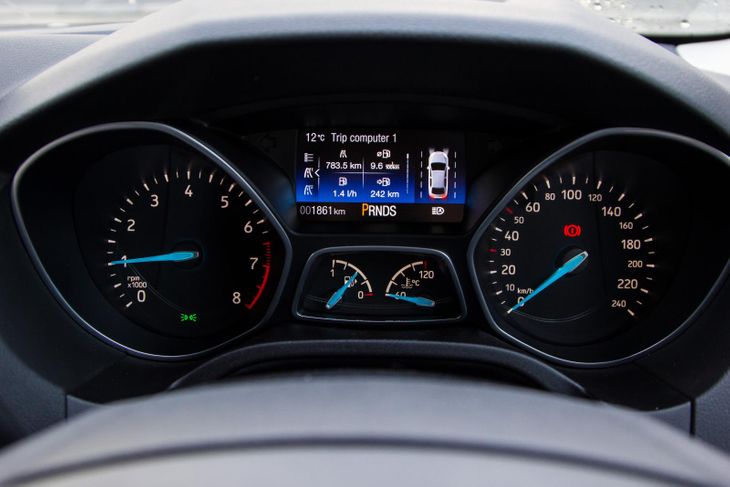
The light blue needles are typical of Ford instrument clusters and this binnacle looks contemporary and neat as a pin.
Still a rewarding car to drive
Although most critics have never regarded this generation of Ford Focus a class-leading product (the Ford Focus Hatch 1,0T Trend was famously named the Best Compact Car in the (inaugural) 2015/16 #CarsAwards, we hasten to add, that is not to say that the Blue Oval's mid-sized hatchback doesn’t have notable strengths that are still as relevant today as it was when it was launched all those years ago.
The Focus still offers a very good ride/handling balance, for example, and, in terms of overall occupant comfort and practicality, it does not need to stand back to its rivals very much – if at all. It also offers the most powerful engine (at the price) in its class:132 kW, with a fistful of peak torque (240 Nm, which is narrowly pipped by the Astra, but available over a wider range: from 1 600 to 5 000 rpm). That wad of torque offers good flexibility in terms of cut-and-thrust driving conditions, and the 1.5 Trend’s automatic (dual-clutch) transmission delivers crisp, prompt shifts that render the need to change gears manually largely superfluous.
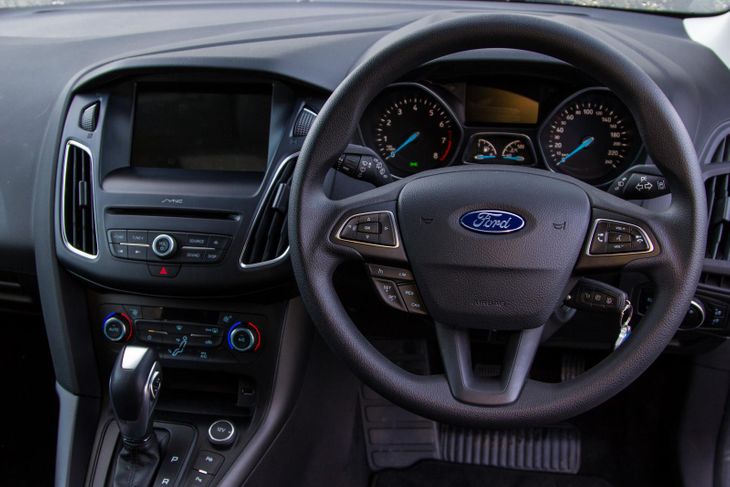
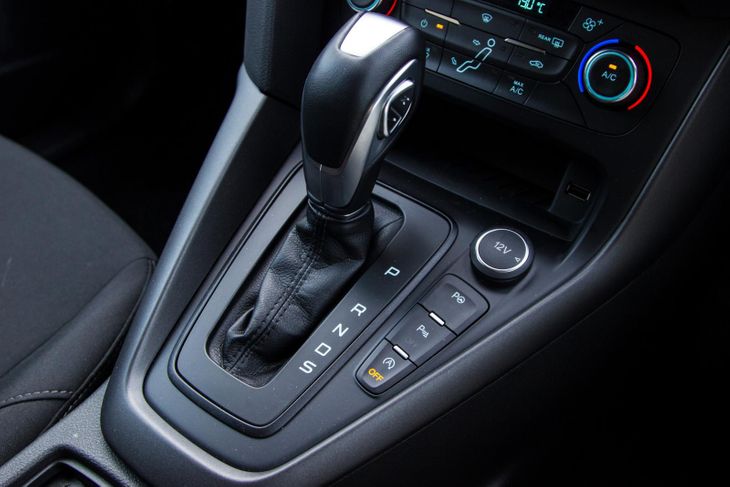
A newly designed steering wheel brings the interior up to date. Note the Active Park Assist button underneath the 12V power outlet.
In terms of fuel consumption, that aforementioned performance advantage does result in a slight penalty. The Focus’ claimed average fuel consumption (6.1 L/100 km) is lower than that of the Kia Cerato but a trifle more than those of its rivals, but, as ever, one’s driving style will make all the difference, especially considering that small capacity turbocharged engines respond worse to lead-footed driving than naturally aspirated motors – that's in our experience, anyway.
Worthwhile Driver Assistance package
Although this derivative’s asking price is keen (it's R13 800 less than its cheapest rival listed here, the Mazda3), its best features come as part of an Option 2 package, which, at R16 900 (as quoted by a dealer) seems very much worth the additional outlay. Indeed, the Trend Driver Assistance package includes automatic headlamps and wipers (with follow-me-home lighting), auto-dimming rear-view mirror, a reverse-view camera (not a common feature in this class) and park distance control all round.
However, it’s the chunky Sync3 infotainment interface, with its colour TFT touchscreen and Bluetooth, voice control and navigation functions that really lifts the Focus’ user experience. And, to make the Ford even better suited to nipping in and out of parking spots in the hustle and bustle of intra-urban motoring, Active Park Assist can steer the car into parallel or perpendicular spaces that are just 20% longer or wider than the car. Park-Out Assist, in turn, helps you manoeuvre out of a parallel space.
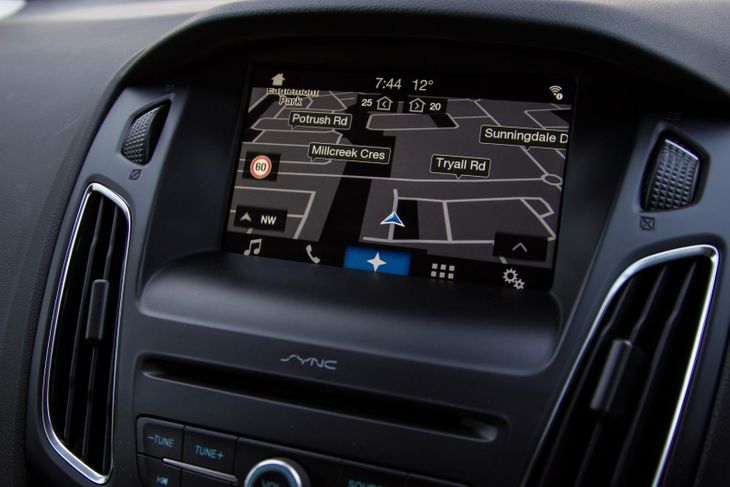
Ford's Sync3 interface (with navigation) is one of the best infotainment setups in the market, but reaching the screen requires a bit of stretch.
For daily commuters, lane departure warning and -keeping aid systems can be particularly helpful on congested freeways, with Active City Stop helpful to keep a lookout for unexpected road hazards. With all these systems that come part of the Option 2 package, it seems almost compulsory to tick its box on the options list.
We don’t like:
Looking good costs money
As prudent as the additional specification of the Option 2 package may seem, the aesthetic and feature updates that come with Option 3 (for an extra R19 800, as quoted by a dealer) require more forethought. That’s because, if you want to go for both options, it would elevate the asking price of this derivative to in excess of the Golf 1.4TSI Comfortline, of which the R Line version is the champion of the premium hatchback category of the 2017/18 Cars.co.za Consumer Awards – powered by WesBank.
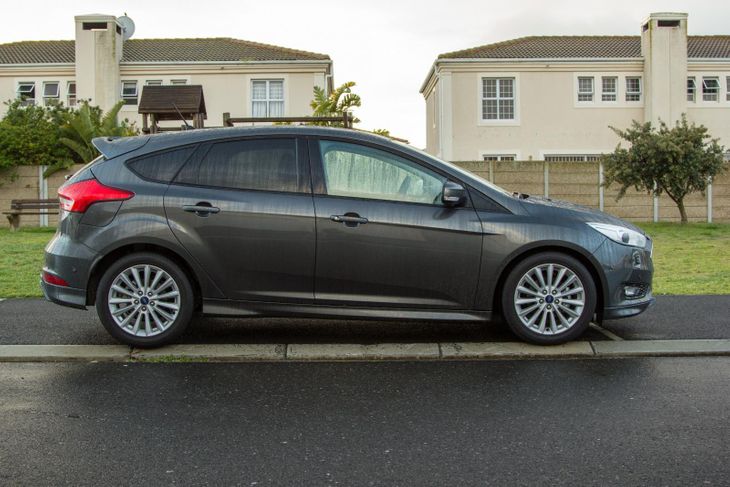
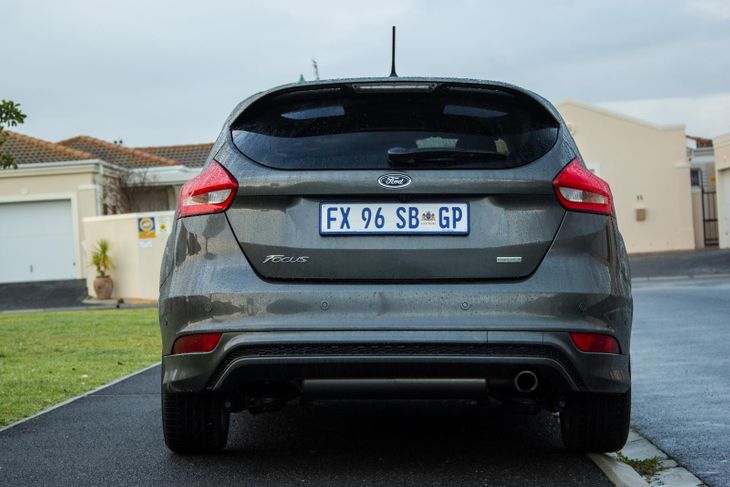
The 1.5 Trend Automatic looks like a "junior ST" derivative by virtue of its tailgate spoiler and 17-inch alloy wheels.
However, selecting the Trend Styling Pack on its own could be warranted if you’re only looking to spruce up the look of your Focus. The package includes bi-xenon headlamps with LED running lights and a washing system and auto levelling, heated and electrically folding side mirrors with puddle lamps, a tilt/slide sunroof and rear spoiler, handsome 17-inch alloys and, as for the interior, the provision of dual-zone climate control. If your budget is tight (and whose isn’t?), perhaps count your pennies and select the Trend Driver Assistance package and forego the Trend Styling Pack? The majority of our testers suggested that would be the best course of action…
Impossible to hide from time
Although we found the 1.5 Trend Automatic a thoroughly satisfying source of everyday transport, its late-product-cycle update is only partially effective, because, in effect, some new-fangled technology has been transplanted into an older architecture that was not conceived to accommodate it. Here is an example: the Sync3 touchscreen is located in a recess in the fascia that requires a bit of a stretch to reach. Evidently, that spot would have located a non-touch-variety display monitor in previous years…
Shifts can be manually actuated via the toggle situated to the right side of the transmission lever knob; the transmission seems sweetly calibrated to the motor.
Secondly, as much as we appreciated the contemporised instrument panel and ergonomically optimised new steering wheel, the Ford’s interior still underscores the Blue Oval’s initial objective to produce an “affordably luxurious interior” for this generation of the Focus. That is to say that it looks and feels smart, but in way that is more solid and hard-wearing than plush. As the mid-sized/premium hatchback segment moves progressively upmarket, the Ford seems more on par with the Opel in terms of fit and finish than with the class-leading Volkswagen, for example. Given the Astra and Golf 7.5’s youthful advantage, however, this not a major gripe…
Price and after-sales back-up
Although the base price of this derivative is R336 900, with the additions of the Trend Driver Assistance and – Styling packages, its asking price would be approximately R373 600. Bear in mind that whereas the Ford has a 4-year/120 000 km warranty (better than those of the Mazda and Volkswagen), the Kia, Opel and Renault offer plans valid for 5 years. Similarly, the Ford has a 4-year/80 000 km service plan, which is better than the Mazda's, but its rivals’ plans are valid for 5 years/90 000 km.
The inoffensively styled Focus remains a competent package and if specced astutely, offers several nice-to-have features.
Verdict
It’s understandable that many customers overlook models that are near the end of their product cycle when shopping for new vehicles, because car brands’ marketing focus is understandably on the latest and (sometimes) greatest vehicle introductions. The Ford Focus remains underappreciated and although it offers good value in base specification, the plethora of nice-to-have features that come part and parcel of Option 2 (Trend Driver Assistance package) really sweeten the purchasing proposition.
The only question that remains is one that generations of car buyers have grappled with: Is it worth buying a car that will be replaced by a fancier (and probably more expensive) successor in the near future? It depends if you need to be as fashion-conscious in your choice of vehicle as you are about which smartphone you use… At the time of this review’s publication, the 1.5 Trend Automatic (with Option 2) offered more than most users of mid-spec and -sized hatchbacks will need. It’s well worth a look.
Honda South Africa has launched its all-new Civic Type R at the Dezzi Raceway in Durban. We attended the launch and sampled the fire-breathing newcomer both on track and public roads in the vicinity. Is the Type R as good as the hype suggests, or should you look elsewhere for your hot hatch thrills? Let's find out.
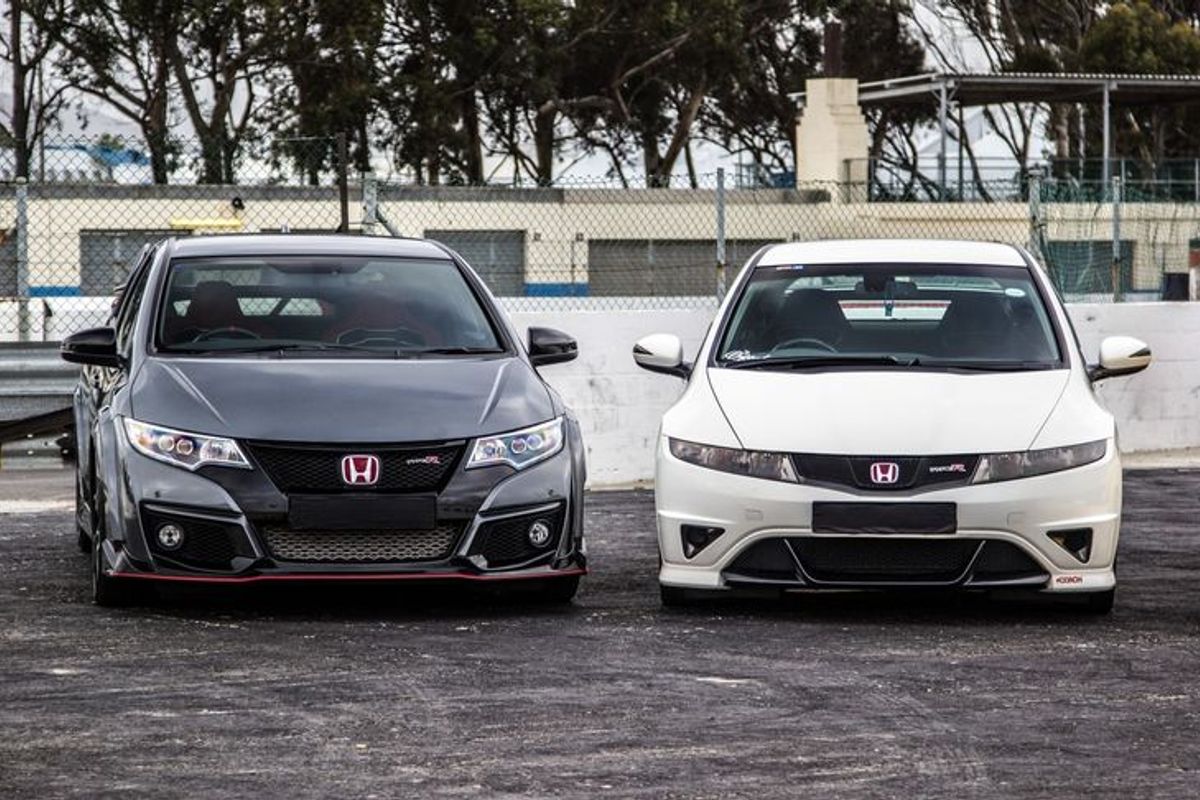
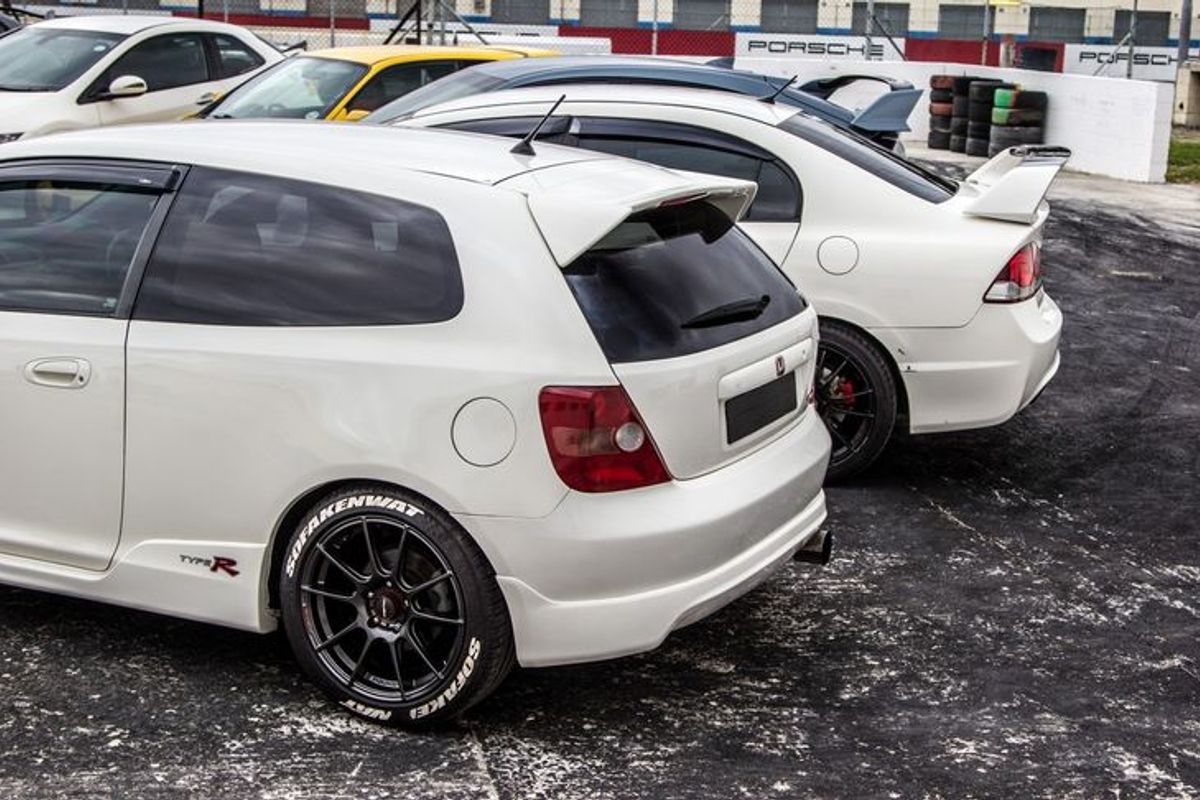
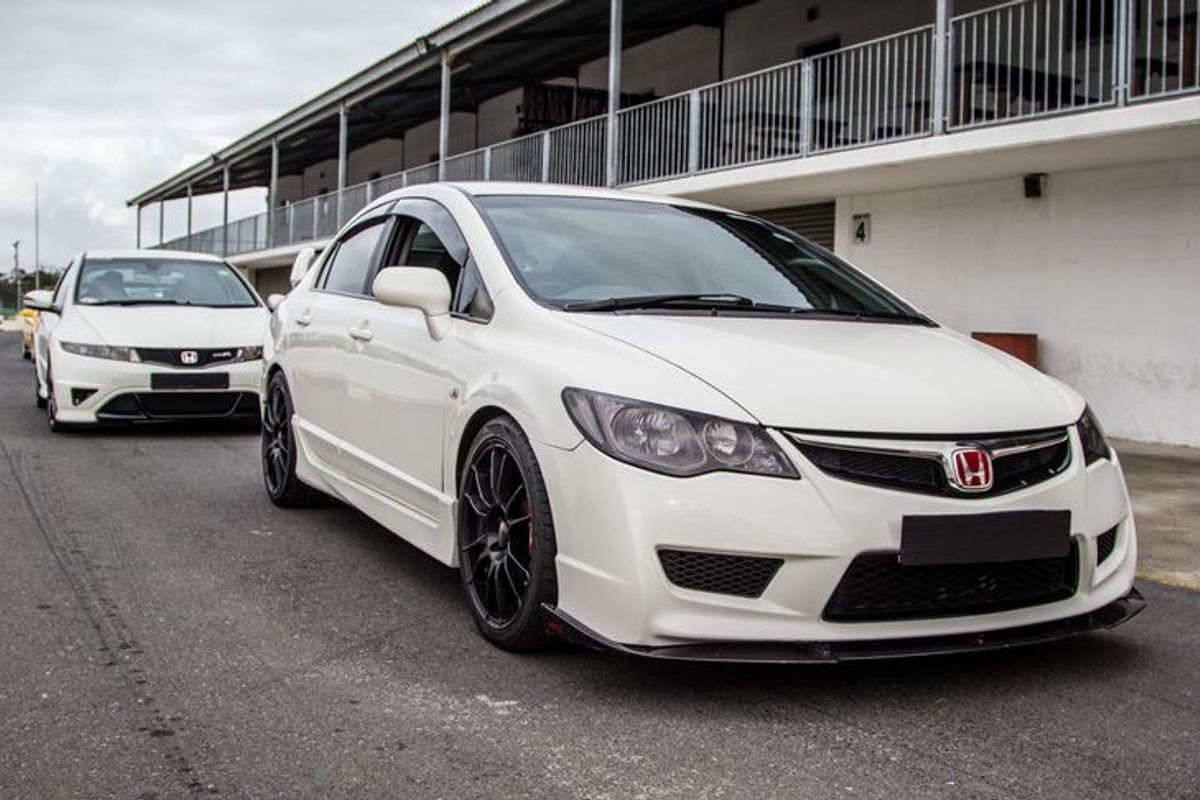
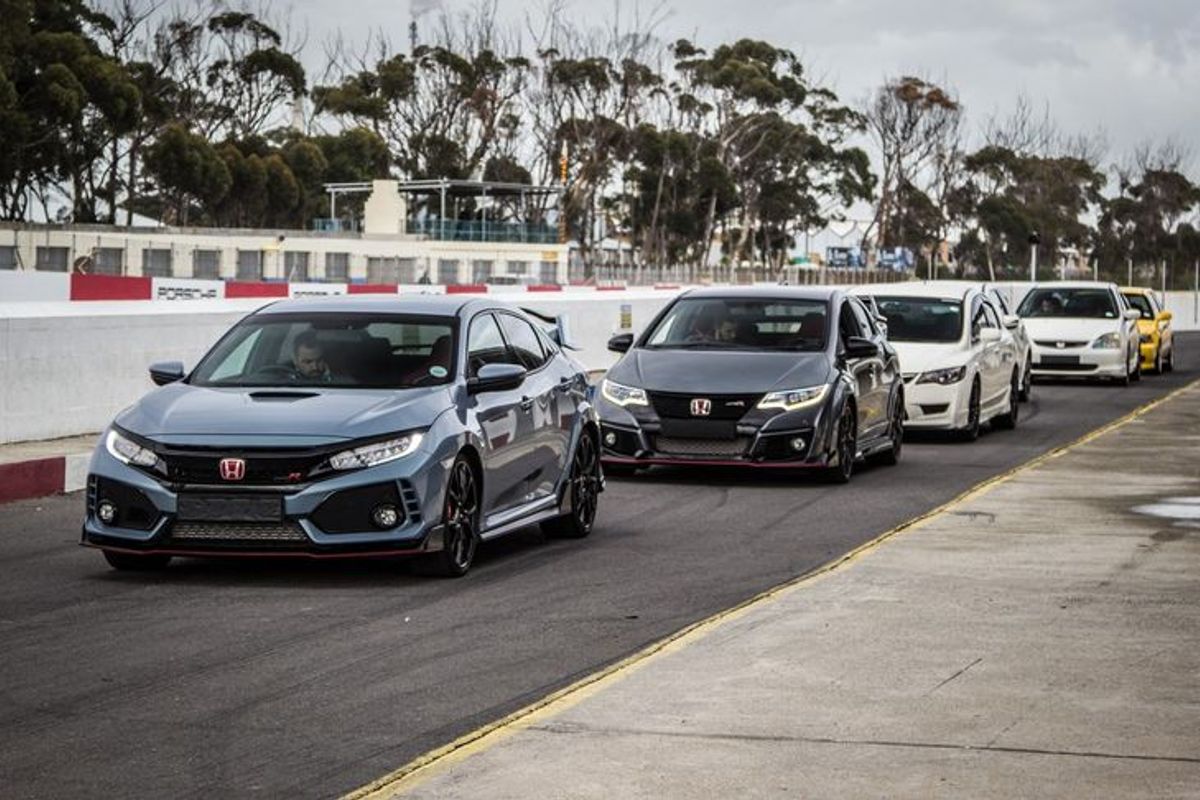
Honda South Africa used to be synonymous with sporty, fun-to-drive compact sedan and hatchbacks, but the brand is much more buttoned-up these days. It's easy to understand why – the performance segment is but a tiny part of the market and there's much more potential for volume sales in the entry-level budget cars and family SUVs ( Honda launched the family-friendly BR-V and CR-V in 2017, for example). There's also been a new Civic launch, which saw the debut of the marque's first turbocharged motor, however, the only thing sporty about the sedan was the Sport badge slapped on its rear. As for the previous Honda Civic Type R, it offered a whirlwind drive on the track, but while we were enthralled with its circuit-cutting prowess, commuting in one was an uncomfortable affair; the ride quality was just too harsh.
The timing is perfect then, for the all-new Honda Civic Type R to make an entrance. The hot hatchback market has seen some new arrivals and 2018 looks set to be a cracking year for this segment. In South Africa, the Honda Civic Type R has landed first, while an all-new Renault Megane RS is due in the next few months. Frustratingly, the Hyundai i30 N is still not confirmed for SA and overseas reports suggest that the Korean firm has produced a winner. The Volkswagen Golf GTI range should be expanded with a Performance Pack derivative at some point in 2018, which plugs the gap nicely between the standard car and potent all-wheel-drive R model.
To be fair, the Honda Civic Type R has always been a left-field choice in the hot hatch market. After repeatedly shunning turbocharged motors in favour of high-revving naturally-aspirated screamers, the previous generation Type R debuted with a rapid 2.0-litre turbopetrol motor under its bonnet. It was just a pity that even a short drive from home to the fast-food drive-through tended to be a white-knuckled affair…
2018 Honda Civic Type R: What's changed?
2018 will see a proper hot hatch battle take place as new models are launched. In SA, Honda's Civic Type R is out the blocks first.
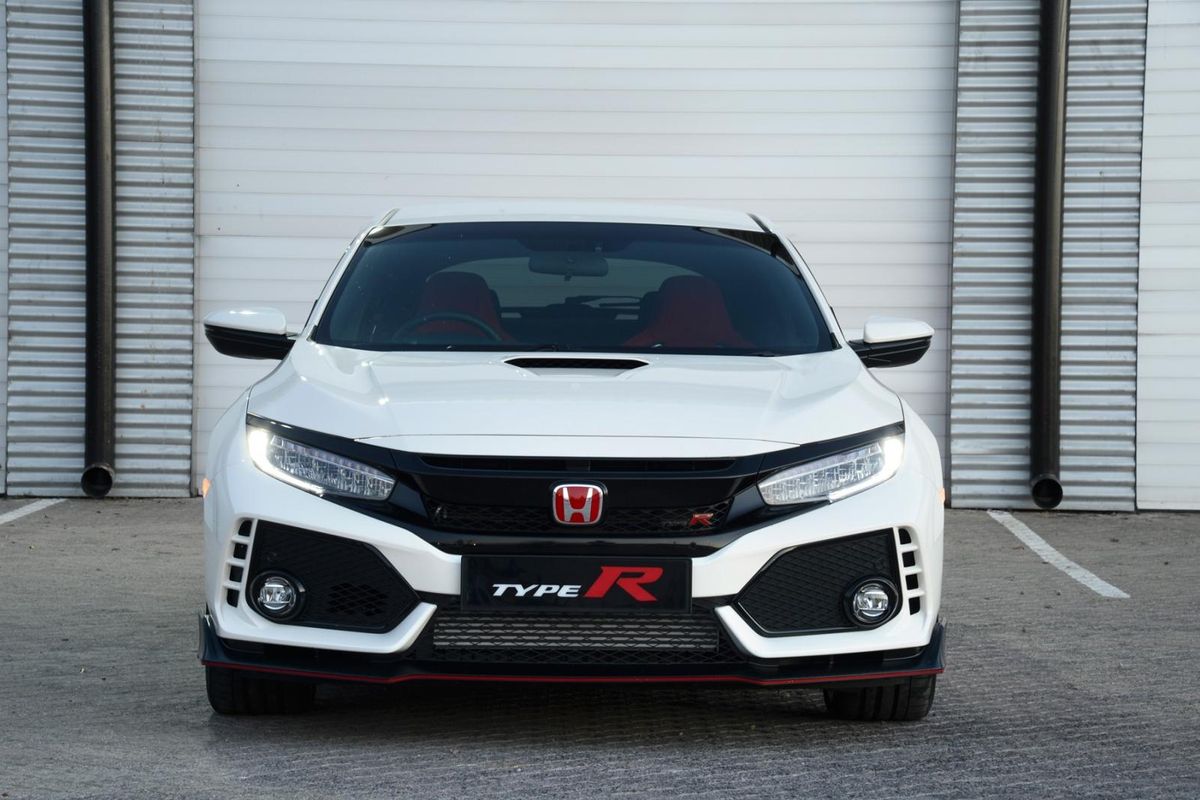
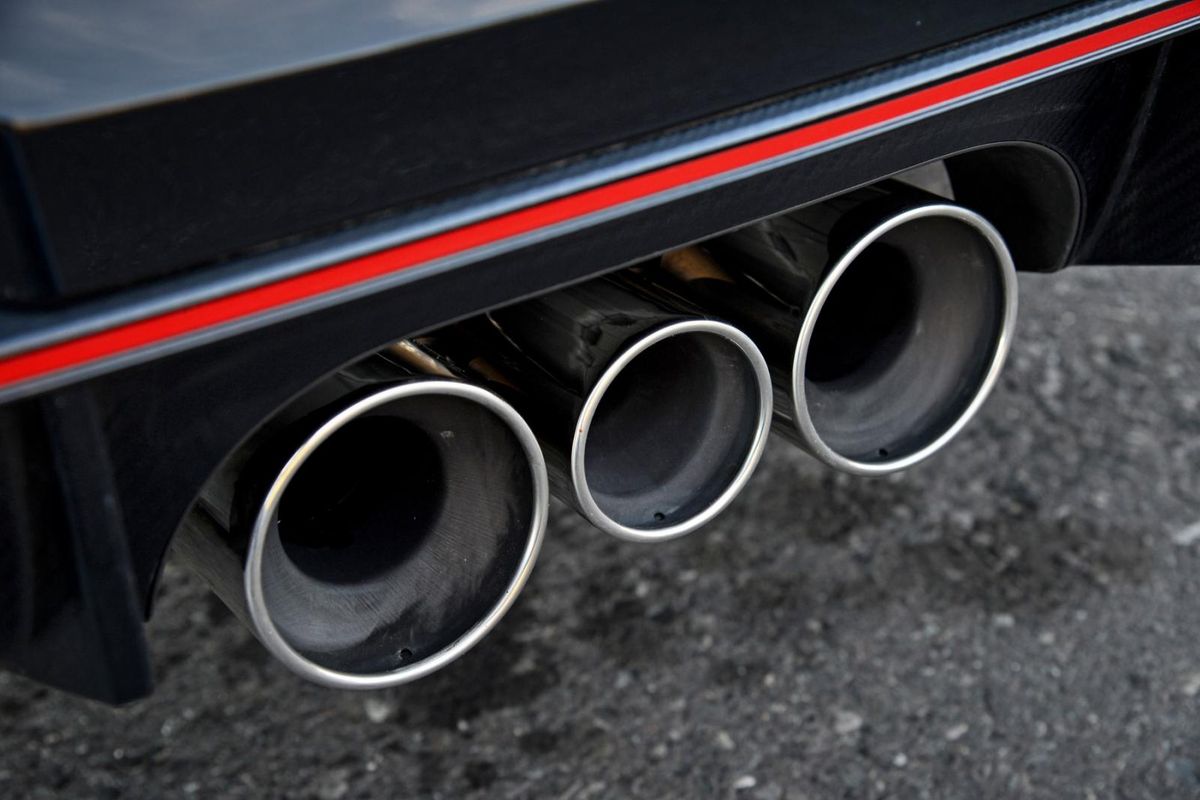
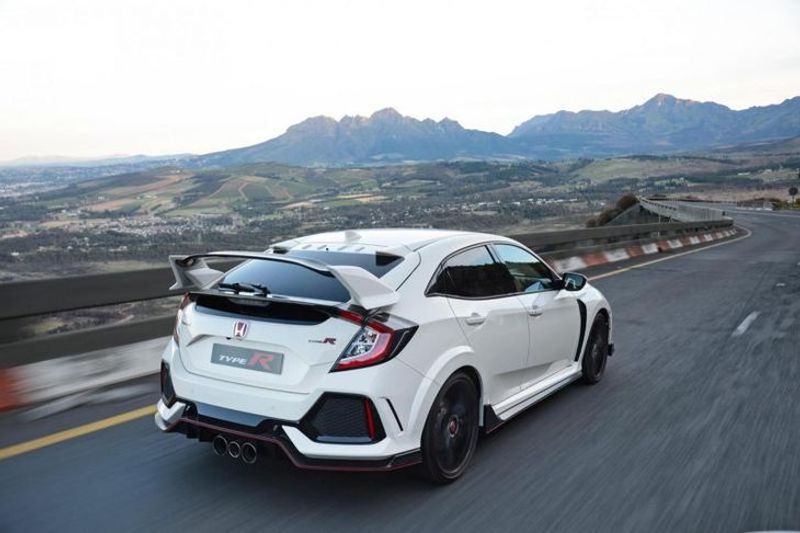
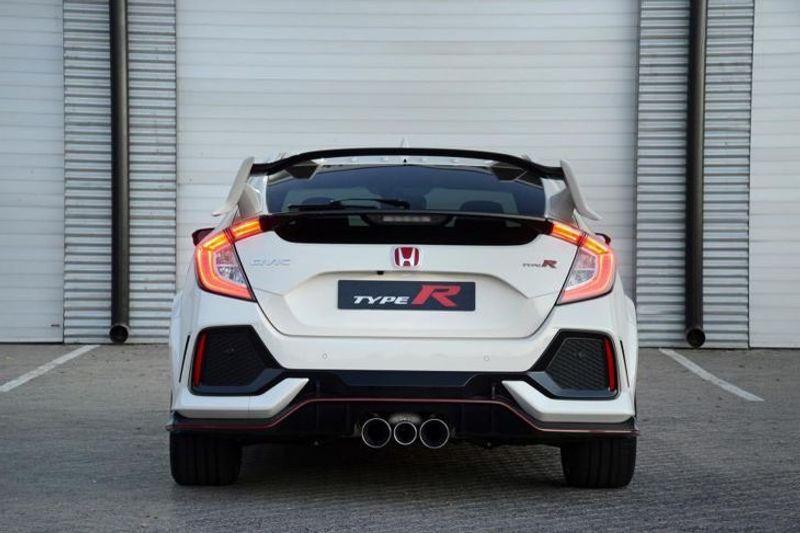
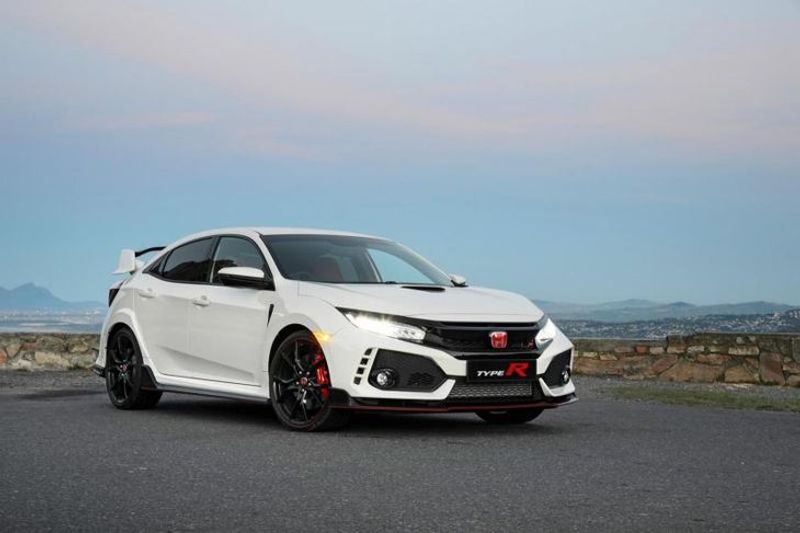
A lot, actually. Just look at it. With its assortment of wings, spoilers and go-faster parts, the Type R is outrageously wild. Few cars are as head-turning and polarising. Some will adore the Honda's looks, while a mature audience will detest its Fast and the Furious image. We get that hot hatches have to be all-rounders, but this has meant that some have become a bit soft. Younger buyers are image conscious and want to show that they've bought the car of their dreams. On looks alone, and in the right colour (Championship White, please), the Type R won't look out of place as a poster on a teenager's bedroom wall. Our favourite bit has to be three pipe exhaust setup. It's not just for show: thanks to clever "plumbing" the car is quiet enough to tiptoe through the suburbs, yet emits a fighter jet-like whoosh upon full throttle.
Looks aside, a lot has changed under the sheet metal. The new body is stiffer and overall weight has been reduced, and the new car is longer and lower than the outgoing model. There's a big focus on aerodynamics and the wings all serve a purpose, some of them facilitate cooling, while others aid road-holding. Furthermore, there's a trick suspension setup with an all-new adaptive damping system. With the new Comfort mode, you can, in actual fact, live with the car on a daily basis and not have your spine realigned each time you drove over an uneven patch of tarmac. The new car also features a new power-steering setup, which is calibrated to each of the three driving modes (comfort, sport, Race). The new Honda Civic Type R rides on 20-inch alloys wrapped in 245/30 R rubber.
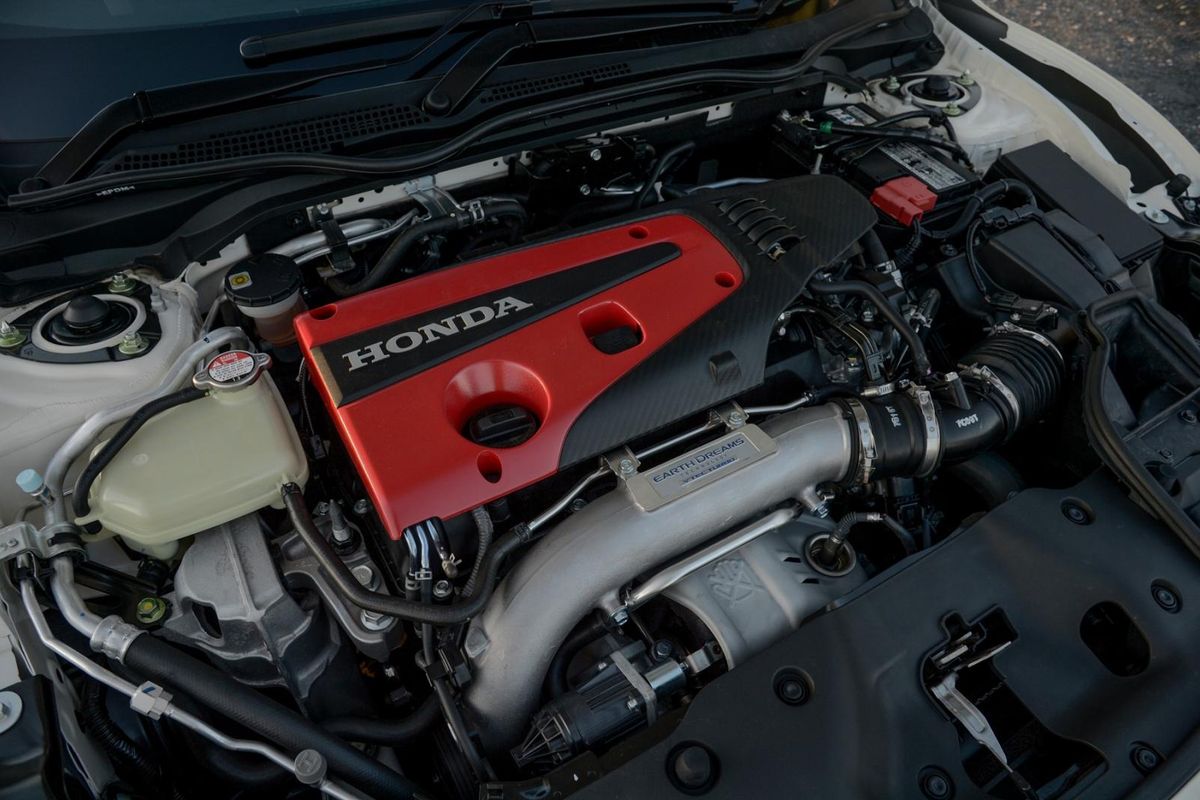
Power comes from a turbocharged 2.0-litre 4-cylinder motor, which produces 228 kW and 400 Nm. The car is front-wheel driven and the gearbox is a 6-speed manual, which features rev-matching tech to flatter the novice, while on the other side of the coin, experts can exploit the helical limited-slip differential when attacking the twisties. The motor is essentially the same as the outgoing car, but a number of refinements have been applied and the engine is now a tad more efficient and responsive. Honda claims its new Civic Type R can blitz from 0 to 100 kph in just 5.8 seconds and it'll run onto a top speed of 272 kph.
Three pipe arrangement is not just for show as it improves noise
A plethora of features
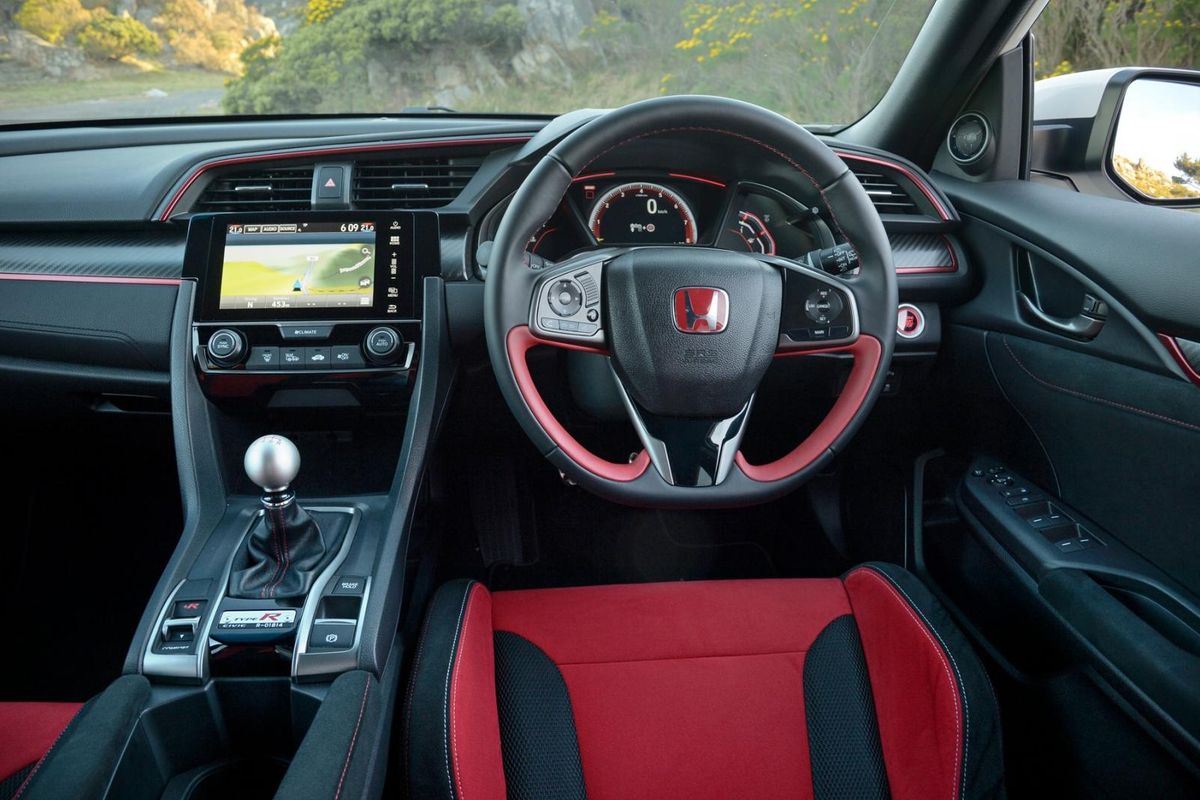
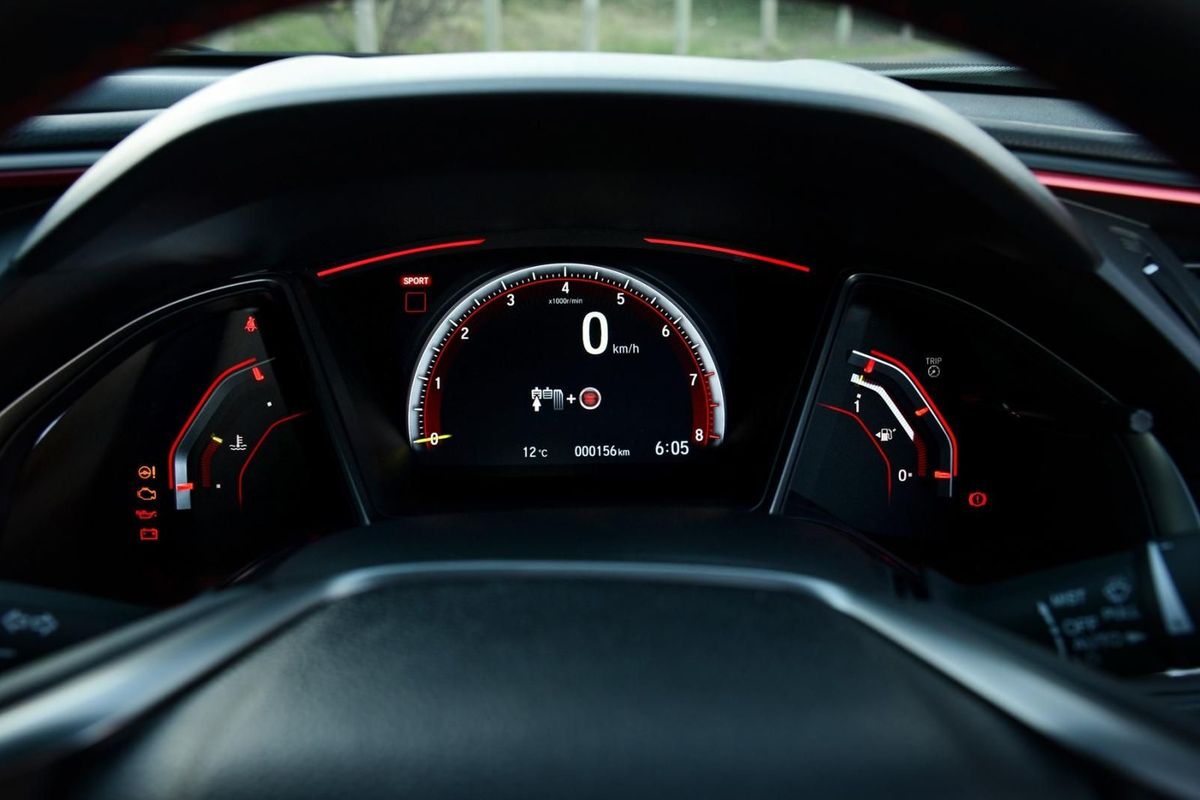
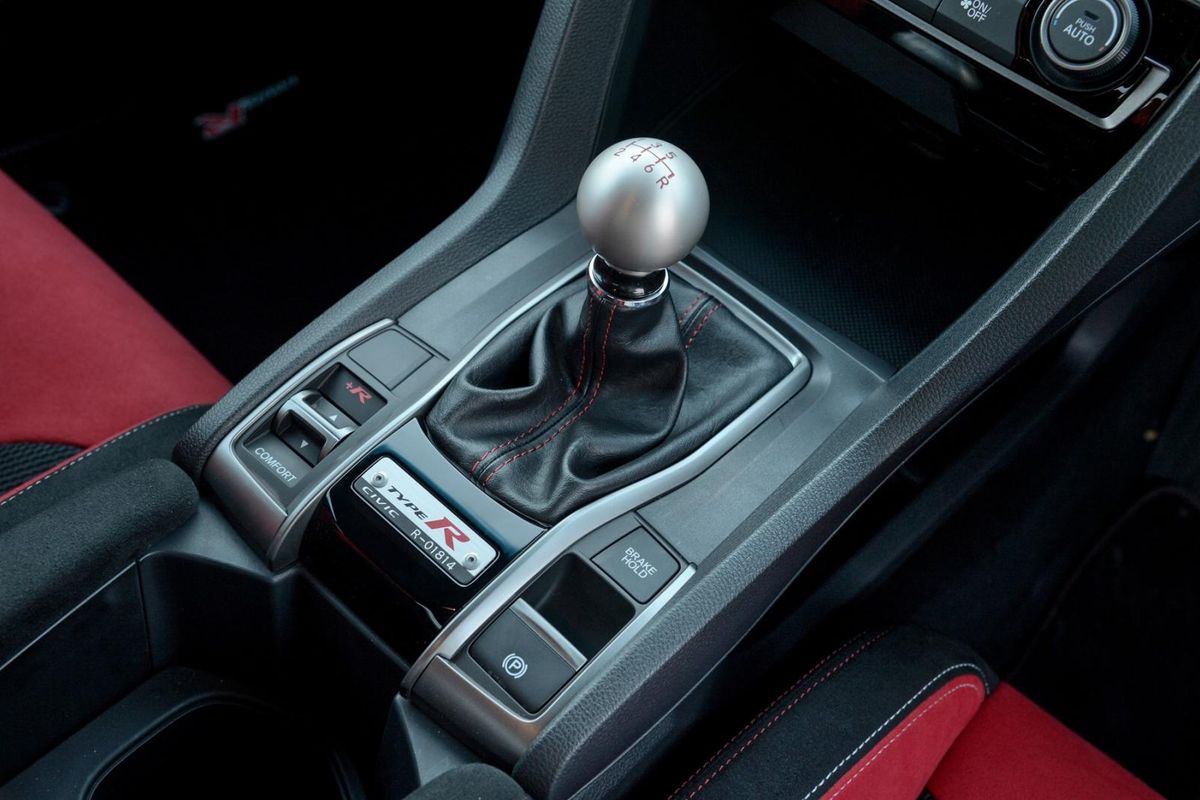
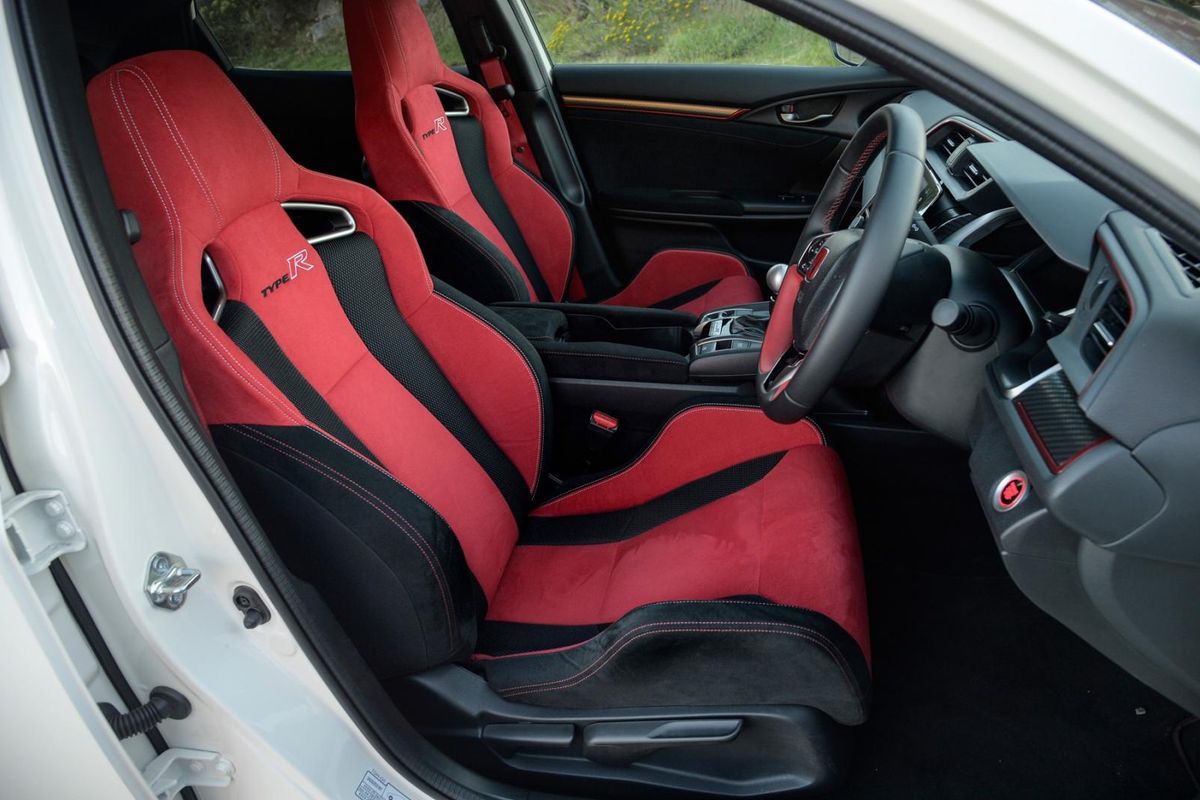
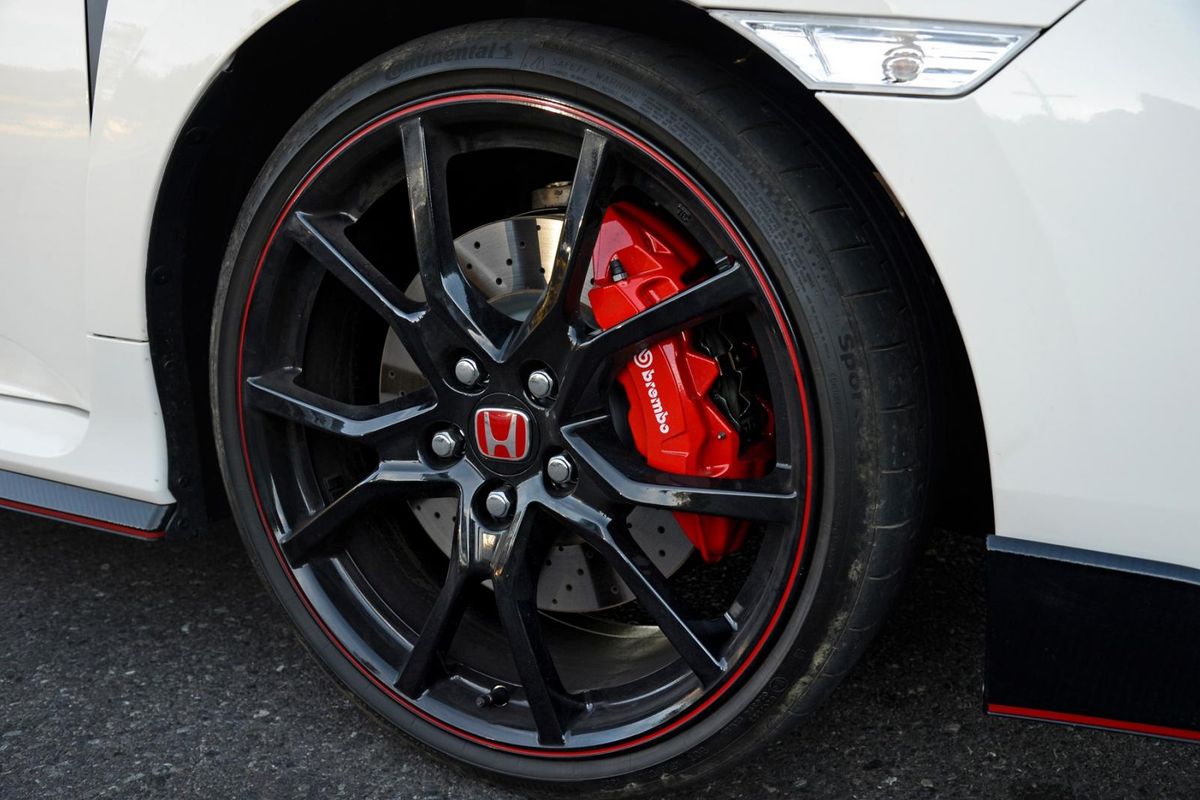
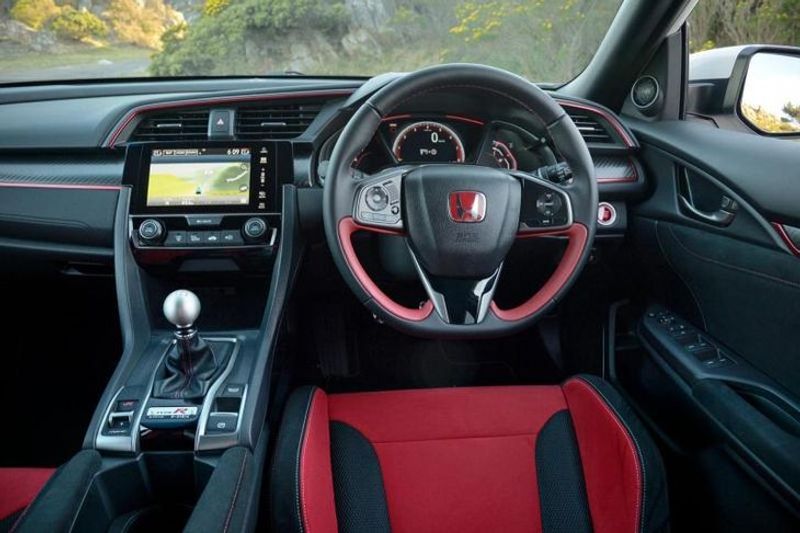
Honda's new Civic Type R comes packed with features, which you'd expect when buying a flagship model. The front seats are wonderfully supportive and are of the racing-bucket variety, plus the cockpit is adorned with a beautifully crafted aluminium gearknob and a thick, ultra-direct steering wheel. The dashboard features a comprehensive 7-inch setup that displays info such as gearshift indicator, turbo boost pressure gauge, G-force meter, and lap-time recorder. The 8-speaker sound system features USB ports and HDMI connectivity (it's also Apple CarPlay compatible), while integrated satellite navigation, a reverse-view camera with park sensors, auto lights/wipers and the dual-zone climate control system sweeten the deal. In terms of safety, the Honda Civic Type R has an uprated Brembo braking system with ABS anti-lock control, including electronic brake force distribution (EBD) and emergency brake assist (EBA). Hill Start Assist (HSA), six airbags and Vehicle Stability Assist (VSA) are also standard.
The Civic Type R pilot seat. Manual gearbox and quick steering make for a delightful combination
What's it like to drive?
We had the opportunity to sample the Honda Civic Type R on a variety of roads and the current front-wheel-drive Nurburgring record holder did not disappoint. The first leg of the journey was on a national highway and with Comfort mode engaged, throttle response was toned down and you could be fooled into thinking you're behind the wheel of a faster-looking Honda Civic Sport. The car's on-road refinement came as a pleasant surprise as did the ride quality, which was admirable given the Type R's low-profile tyres.
With the damping set at its softest, higher-speed compliance was impressive. It took us a few moments to get the perfect clutch-to-throttle modulation, but once we were in the groove, shifting cogs was a pleasant affair. It's great to see that Honda has not forgotten how to deliver incredibly snappy shifts; each ratio goes neatly into the next.
As we turned off the highway and took some back roads to get to the track, we selected Race mode. The throttle becomes ultra responsive, the dampers adopt a firm attitude and when you're pressing on, that gearshift action is magical. The engine's power delivery is superb, with a little pause as the turbo pressure builds around the 1 800 rpm mark. Then once boosting, the Type R's motor flings you towards the horizon with the engine showing no sign of letting up until you hit the limiter. Snatch the next gear and repeat. It's staggering how well the car pulls in-gear… the engine feels as if it gets stronger from 5 000 rpm.
With its outrageous aero kit and three pipes, the Honda Civic Type R is a visual masterpiece
Once we arrived at the Dezzi Raceway near Port Shepstone, we had the opportunity to really put the car through its paces. Dezzi Raceway is a fascinating setup as it combines some exciting off-camber corners and the elevation changes ensure a guaranteed thrill of a ride. The Honda's stability and grip are to be commended as it was only when you're trying too hard that you encounter a bit of understeer and hear the tyres squealing in protest. We loved the sharp turn in and direct steering, and the massive Brembo brakes are exceptional at bringing the car under control when you pile into a corner too quickly. We actually enjoyed coming into a corner faster than usual as we could exploit that limited slip differential's prodigious grip halfway through the corner and power out at the limits of adhesion.
Verdict
The new Type R addresses its predecessor's shortcomings and expands on its skillset. The result is a sensational driving weapon
The new Honda Civic Type R has addressed its previous model's major shortcoming and expanded on its established strengths. Sure, at the price, a Volkswagen Golf R is likely faster and easier to drive in a straight line, but it isn't even a comparison when it comes to scything through corners and for driver involvement. The manual gearbox may be on borrowed time thanks to the ease of use and convenience of the dual-clutch gearbox, but when it's mated to something properly engineered for driving fun, its demise is postponed for a while longer.
Usually, hardcore track-orientated cars are one-trick ponies and almost impossible to live with on a daily basis. However, you could drive the Type R to work and back day in and day out in Comfort mode, with the engine barely boosting. Pricing is competitive too, with the newcomer just fractionally more expensive than the outgoing car, yet it offers so much more, plus you won't need to have a chiropractor on speed dial.
Right now, a day after the launch, we're still a bit giddy over the power delivery and sheer fun factor, and the overall feeling is that this is one ballistic road-legal weapon.
It's an out-the-park strike from Honda, which needs a credible halo model. The timing could not have been better either as 2018 will see more rivals make their debut. We can't wait to put the Honda Civic Type R up against the new Renault Megane RS and its other rivals at some point in 2018. Given how well it has been received at launch, we'd be so bold to say our early money is on this bewinged warrior from Japan.
Honda Civic Type R Price in South Africa
The new Honda Civic Type R comes in some sensational colours. We'd pick the traditional Championship White in a heartbeat and you can see how striking this car looks in the photos. However the Sonic Grey Pearl and Rallye Red are also beautiful on the eye. The vehicle comes with a comprehensive five-year/200 000 km warranty, as well as a five-year/90 000 km service plan and a three-year AA Roadside Assistance plan. Scheduled services are at 10 000 km intervals.