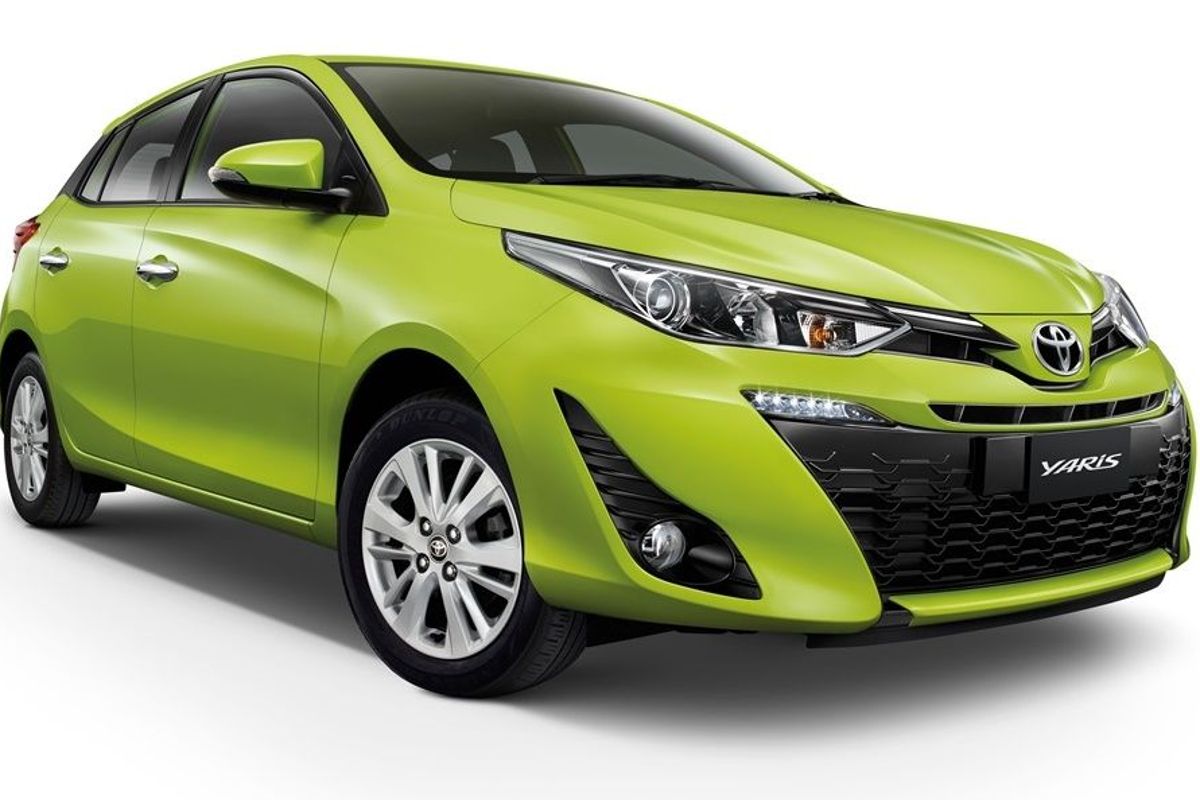
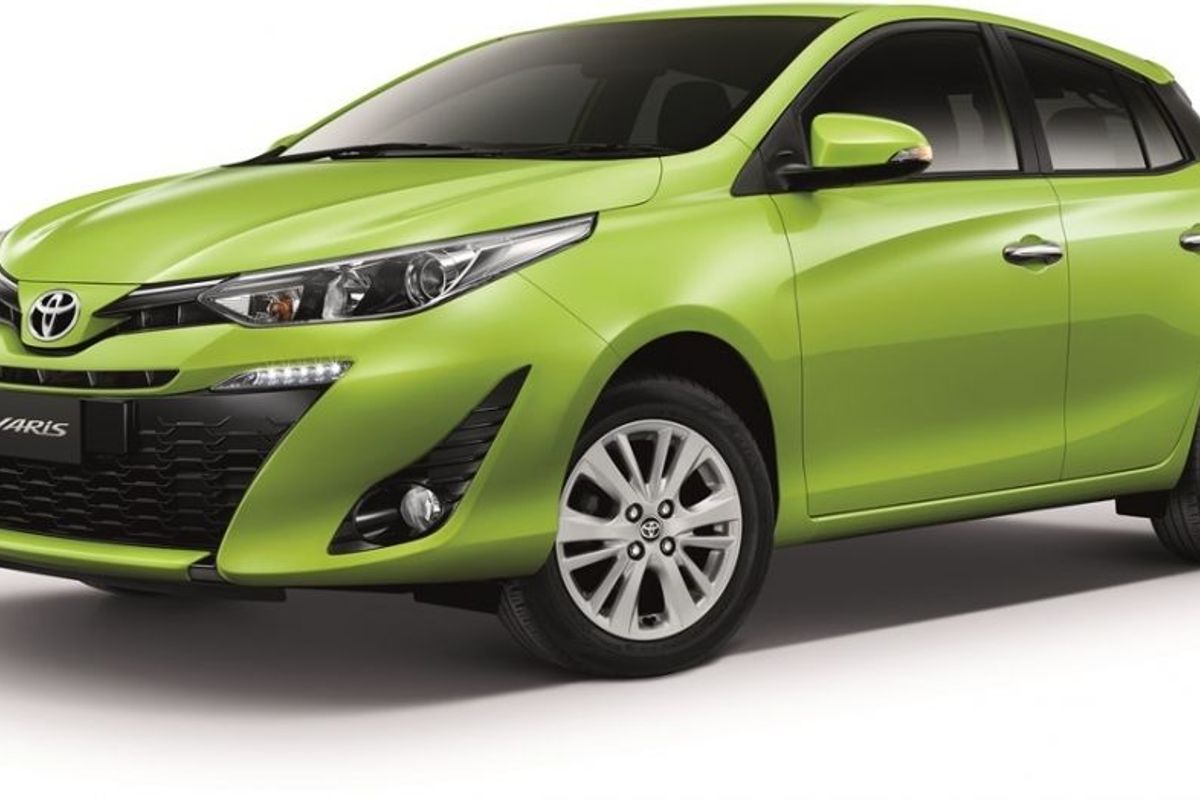
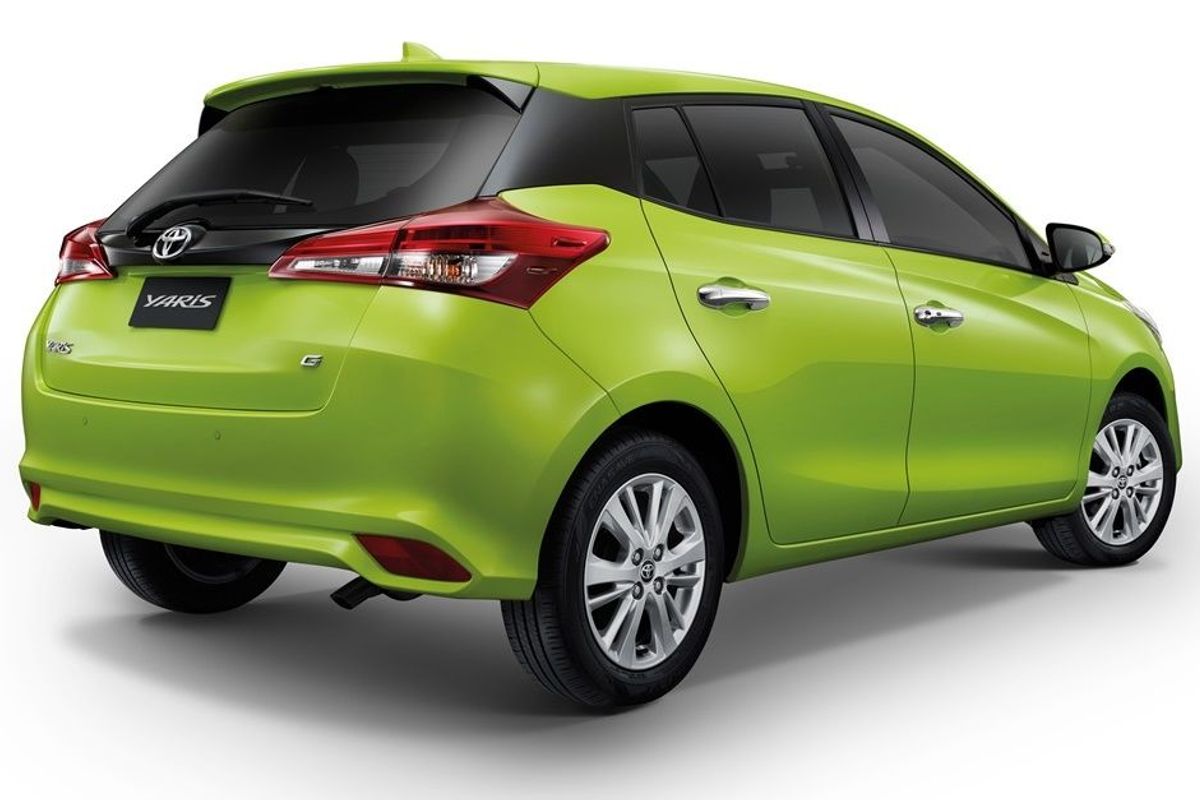
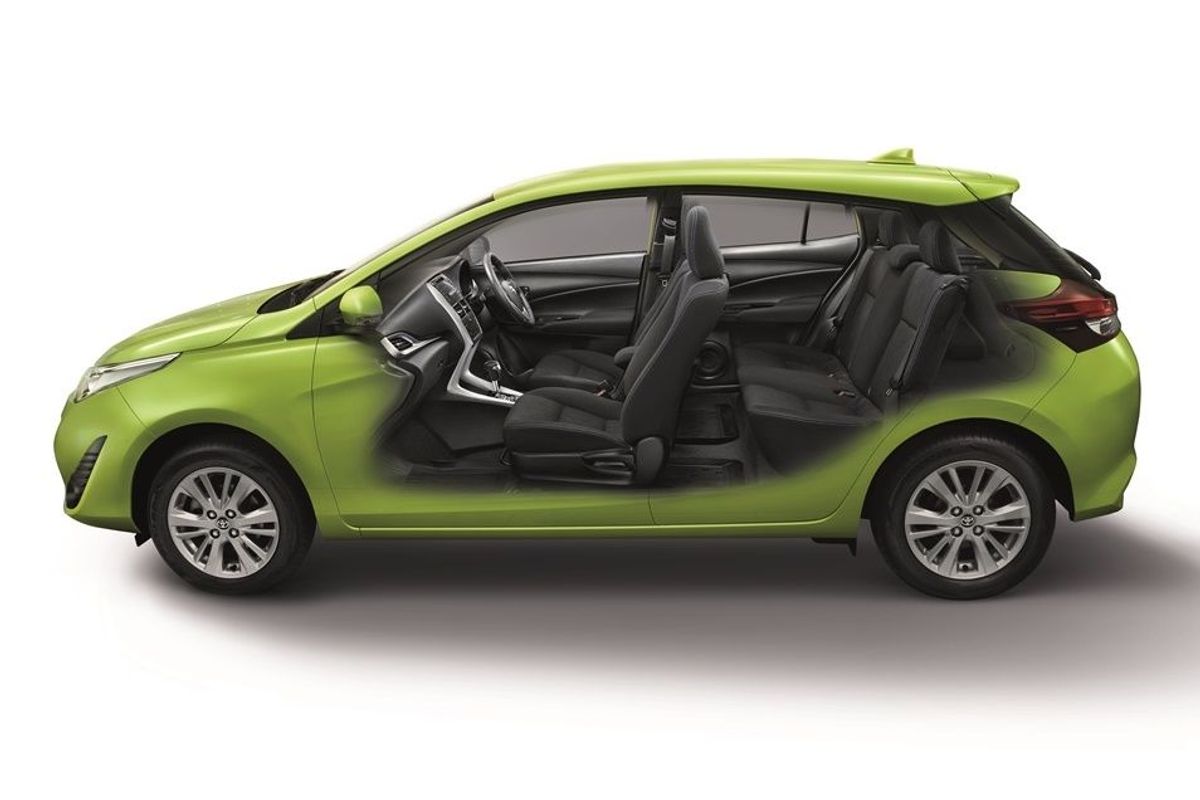
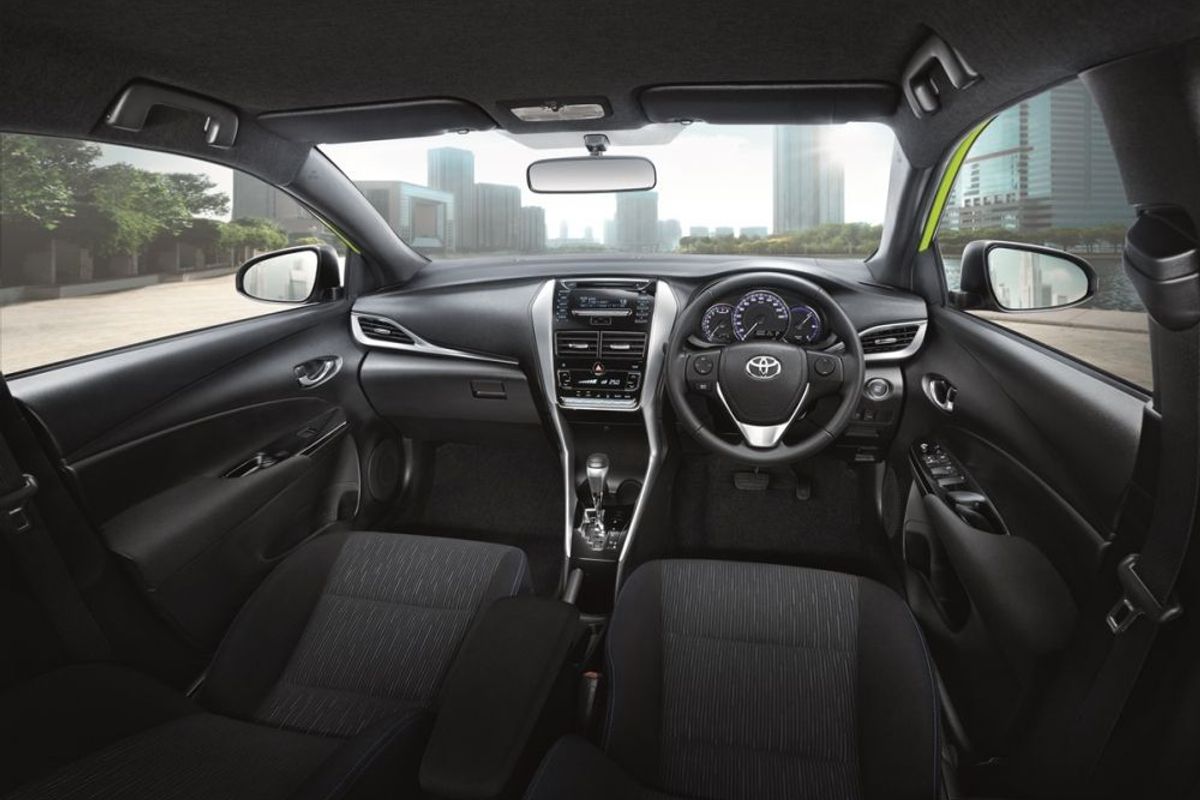
A modified Toyota Yaris has been shown in Thailand with new front-end styling and, having seen a cryptic post on the local manufacturer's Facebook page, we believe that the newcomer may be coming to South Africa soon.
The facelifted Yaris shown here is believed to be an "Asian-market-only" Yaris with a revised front-end design. It runs on the same underpinnings as the current Yaris, with a 1.2-litre naturally aspirated engine under the bonnet developing 60 kW and 108 Nm of torque and is sold in Asia with a CVT.
Following a cryptic Facebook post on Toyota SA’s Facebook page, it appears that this Asian built Yaris could make it to our shores this year.
Toyota SA was unable to comment on the possibility of this model being introduced on the local market, except to say that an announcement will be forthcoming. Regular Cars.co.za contributor, video presenter and #CarsAwards judge Francisco Nwamba will attend a Yaris media event on 7 February. Watch this space for more details.
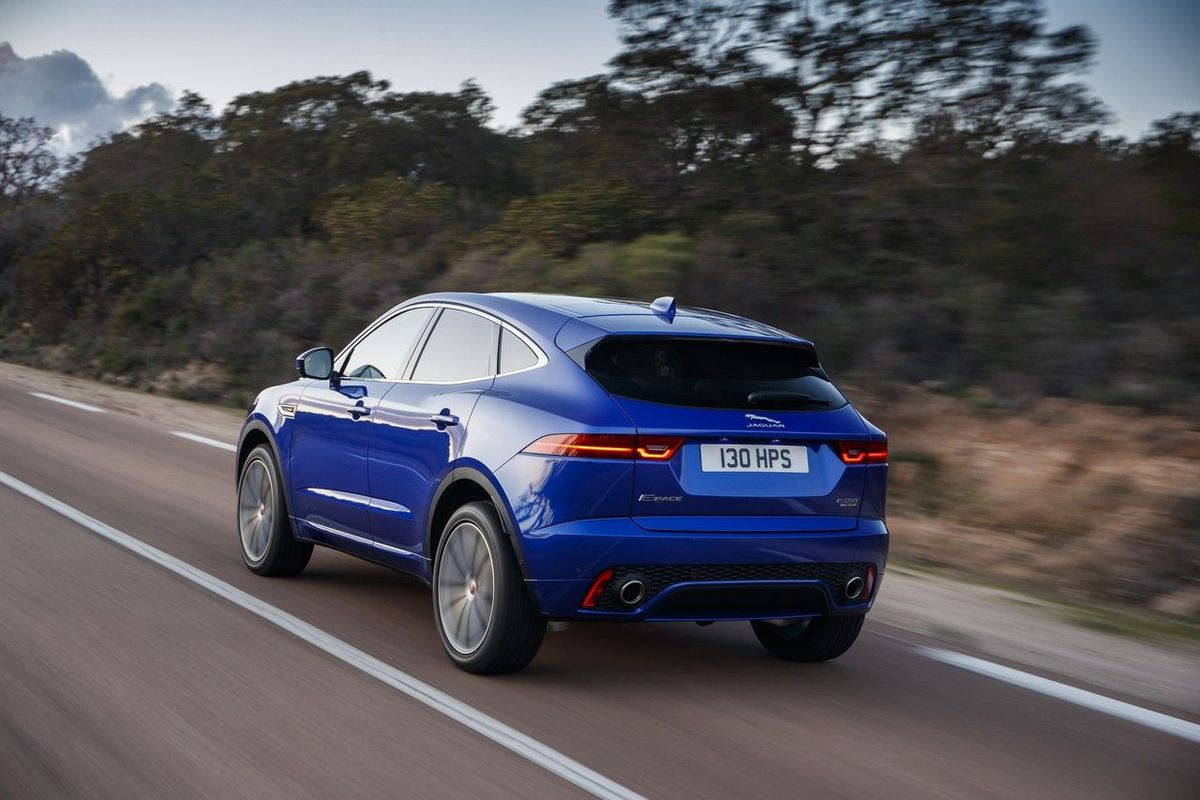
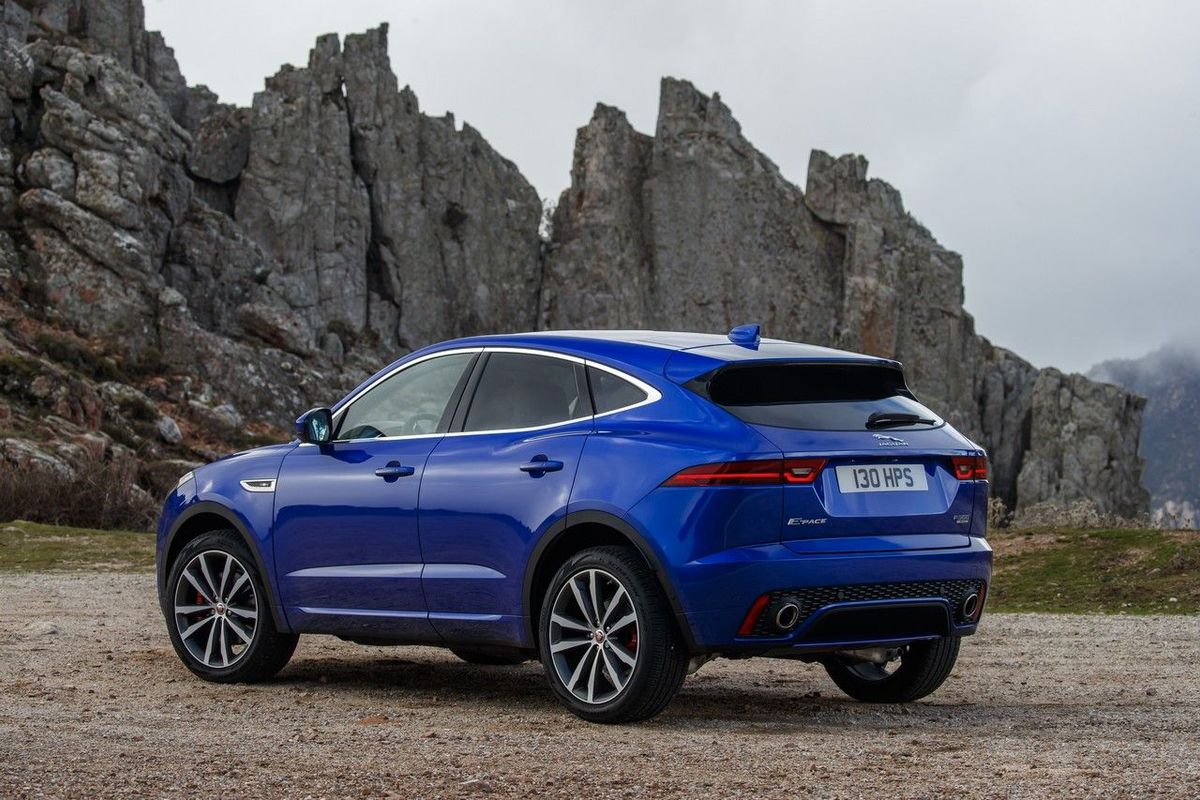
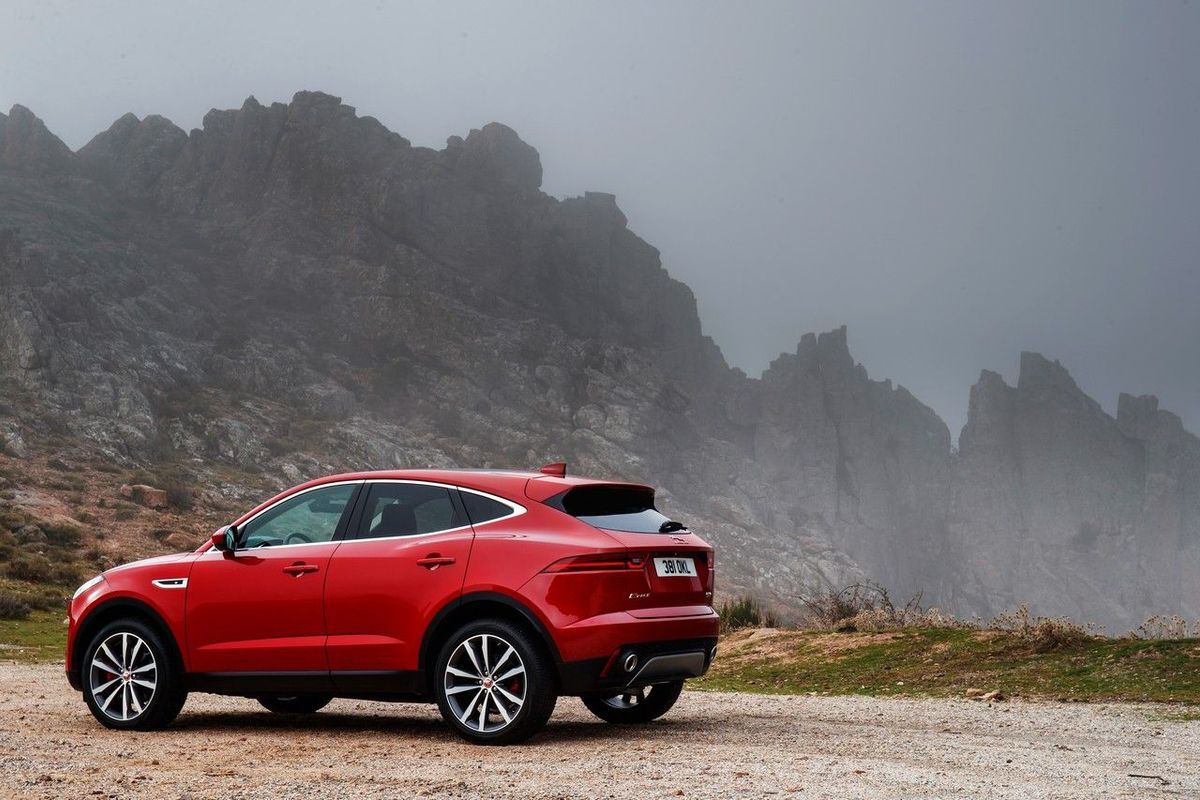
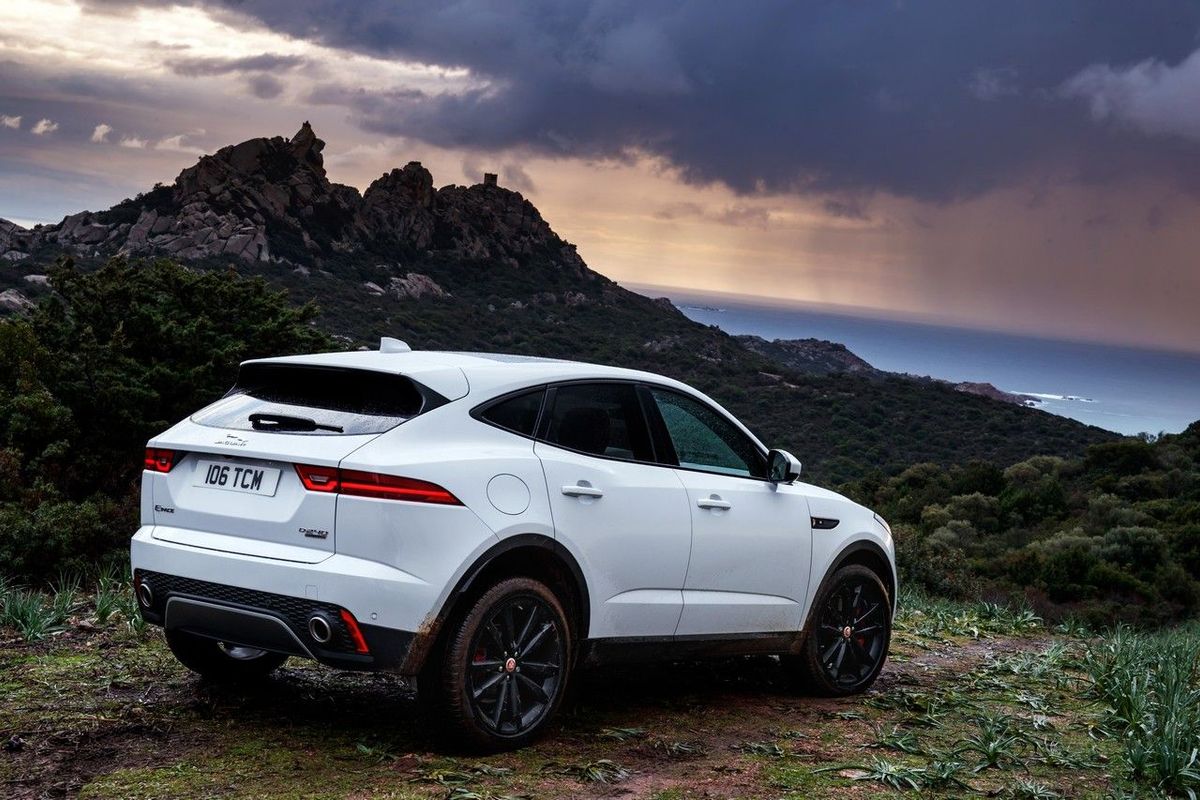
Given how the market has reacted to the Jaguar F-Pace and SUVs in general, it makes perfect sense for the Coventry-based brand to expand on its lineup to take advantage of market conditions. Meet the Jaguar E-Pace, a smaller SUV which is headed to South Africa in early March 2018. We drove it in Corsica and here's what we thought of the newcomer.
The F-Pace has been a huge success and we reckon that even the folk at Jaguar Land Rover were surprised at how warmly the market has received its svelte SUV, and it's understandable to see why. Here is a luxury product that ticks many boxes in terms of comfort, technology, practicality, but critically it drives like a Jaguar and unlike some of its segment rivals, it's actually enjoyable behind the wheel. In an attempt to replicate the F-Pace's success and broaden the appeal of a Jaguar SUV, JLR has created a compact SUV which targets the smaller, but no less premium segments. It's called the Jaguar E-Pace and we got under its skin for 2 days on the beautiful island of Corsica.
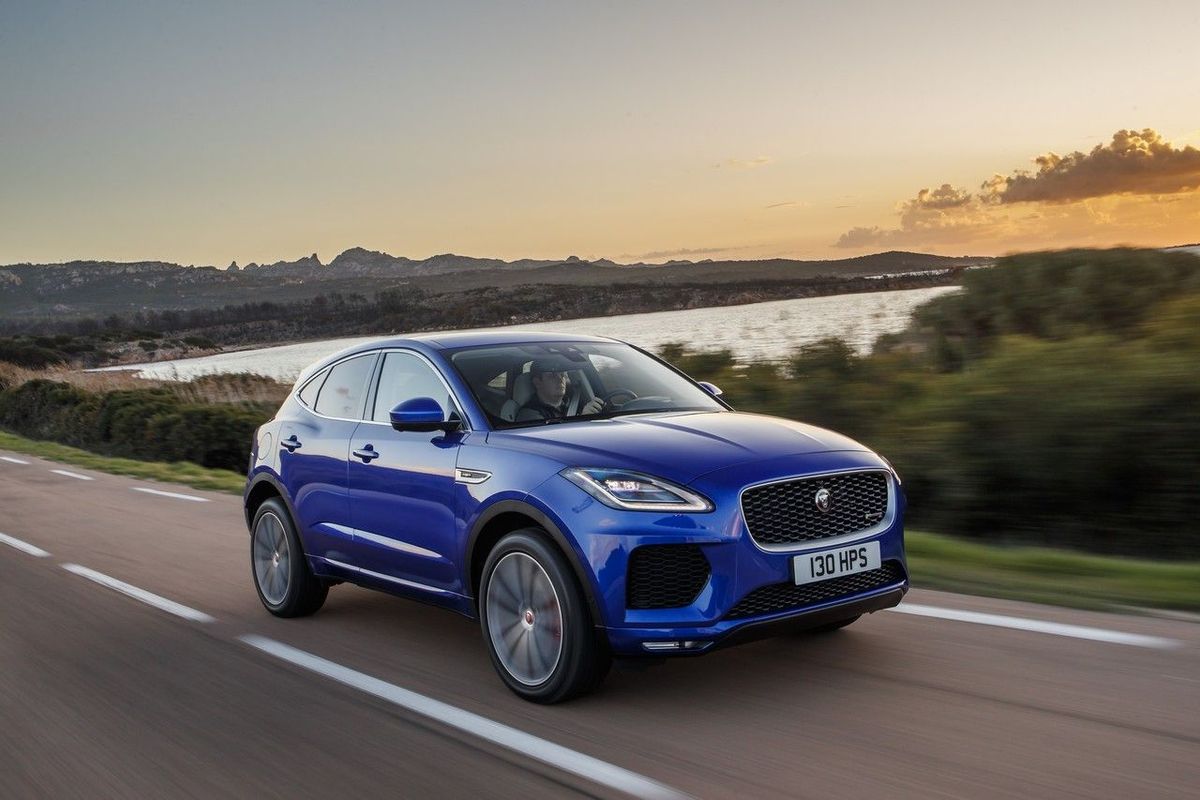
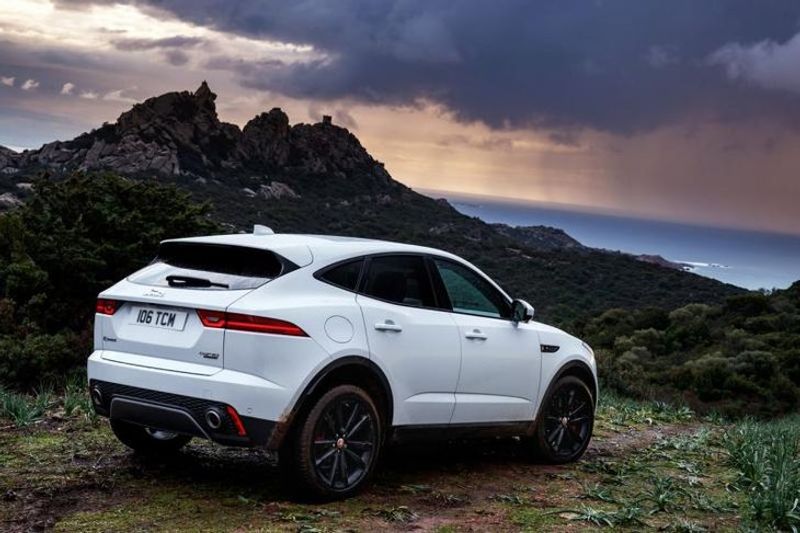
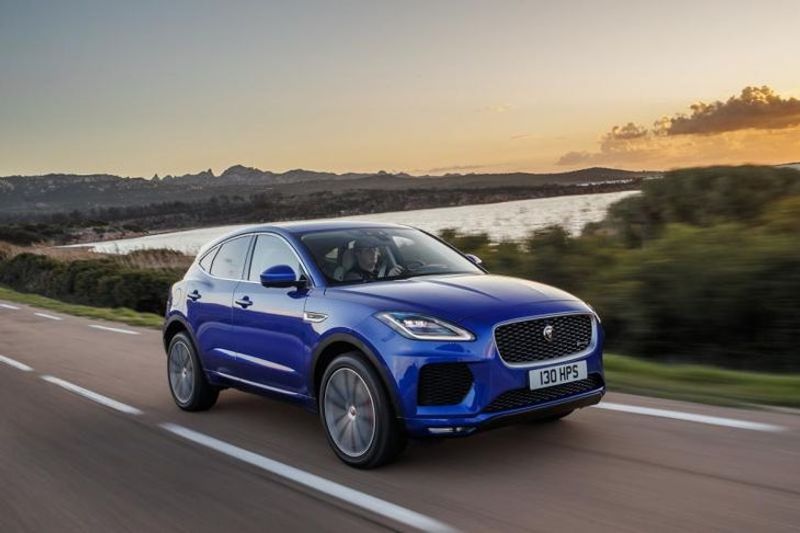
The Jaguar E-Pace is a looker and that comes as no surprise. With visual elements lifted straight from the F-Type sportscar, it's hard to ignore its motorsport heritage. However, a sports SUV it is not. Nor is it an electric car, despite the 'E' nomenclature. Internally, JLR affectionally dubbed it the 'cub', as in the baby cat of the family and this unofficial name has resulted in some cute Easter Eggs on the car. For instance, if you look closely at the base of the windscreen, you'll see a big cat and a little cat. Overall, the visual effect is that this is unmistakably a Jaguar product and thanks to some big alloy wheels (up to 21-inches), it has a credible street presence.
There's no mistaking the Jaguar E-Pace for any other vehicle
Under the skin, the Jaguar E-Pace rides on the Range Rover Discovery Sport/Evoque platform and surprisingly it's not built in the United Kingdom, but rather is a product forged in the industrial complex of Magna Steyr in Austria. This company builds many models for many brands, most famously the Mercedes-Benz G-Class. It has also assembled the Peugeot RCZ and Mini Countryman. While the decision to move assembly out of the UK may seem controversial, it's understandable as we're told that the UK assembly plants are at capacity.
Due to its smaller size, manufacturing the E-Pace was a challenge and while Jaguar likes to harp on about its extensive use of aluminium, in E-Pace application it was just not possible. It's still made from lightweight materials, but just a bit less of it. This has had an interesting effect, as the new E-Pace is heavy for its dimensions and is almost as heavy as its bigger brother F-Pace, which has implications when it comes to handling.
Where does it fit in?
The Jaguar E-Pace slots in comfortably under the F-Pace (see pricing for this vehicle at the bottom of the article). Its rivals are many as this segment is hotly contested. BMW's stylish and new X2, BMW X3, the Mercedes-Benz GLA, Audi's Q2/Q3, Alfa Romeo Stelvio, Porsche Macan and the forthcoming Volvo XC40 are all in this segment and vying for a slice of the pie.
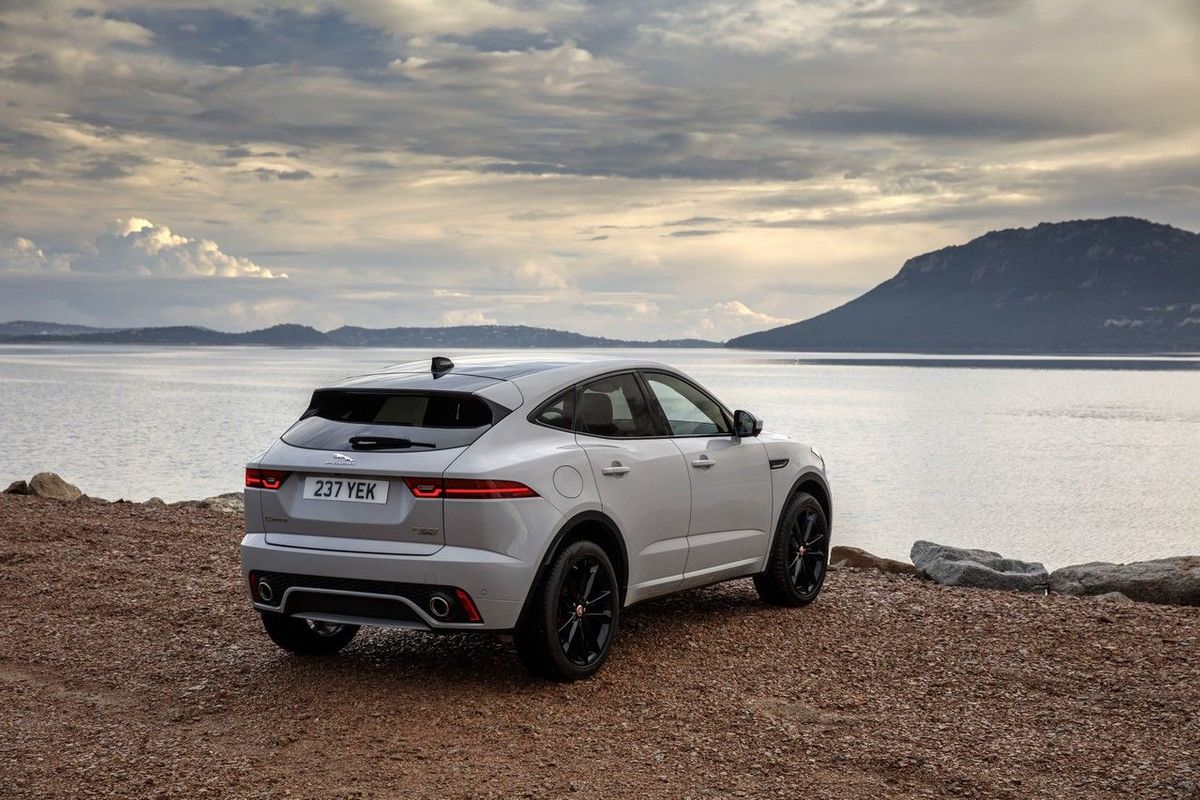
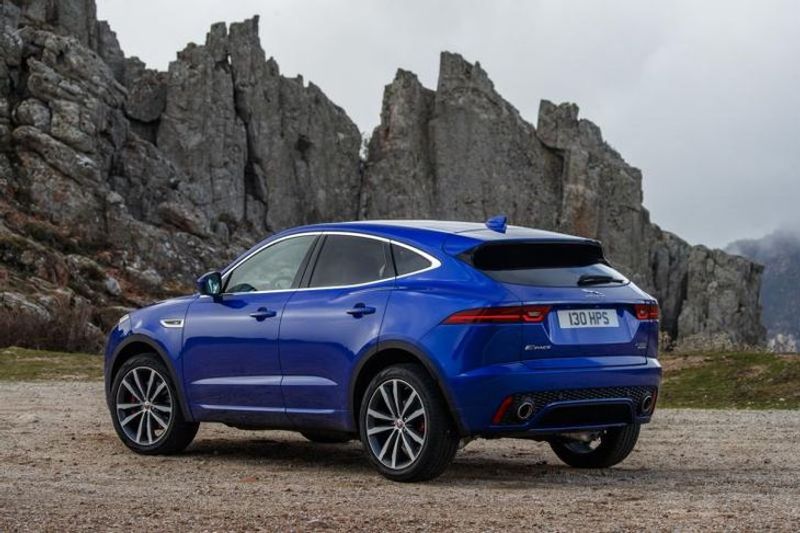
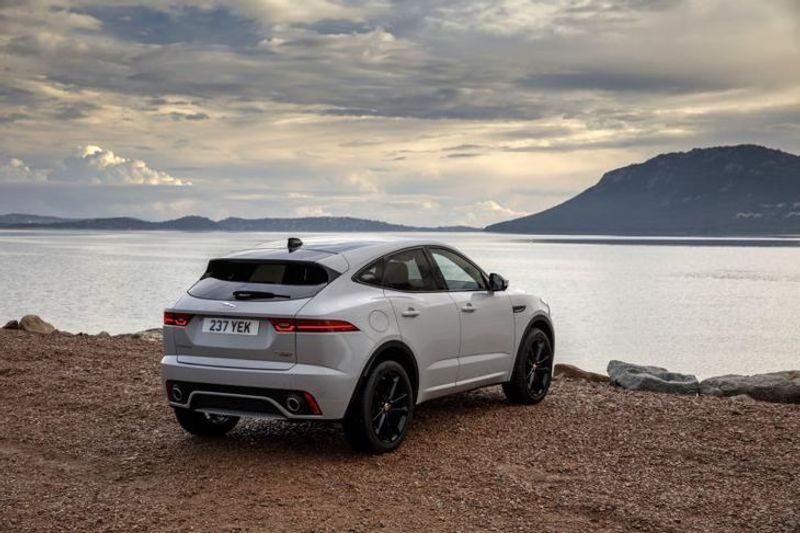
Arguably the Jaguar E-Pace's prettiest angle. Mind you, the colour is terrific too.
What engines does it have?
At this stage, Jaguar has imbued its E-Pace lineup with 2.0-litre turbocharged four-cylinder motors, in petrol and diesel flavour. The outputs for the diesel range from 110 kW / 380 Nm, 132 kW / 430 Nm and 177 kW / 500 Nm, with D150, D180 and D240 badging respectively. Petrol engine outputs are limited to 184 kW / 365 Nm and 221 kW / 400 Nm, with P250 and P300 badging respectively. All vehicles feature 9-speed automatic transmissions, with power going to all four wheels through Jaguar's new all-wheel-drive system.
Features, tech and space
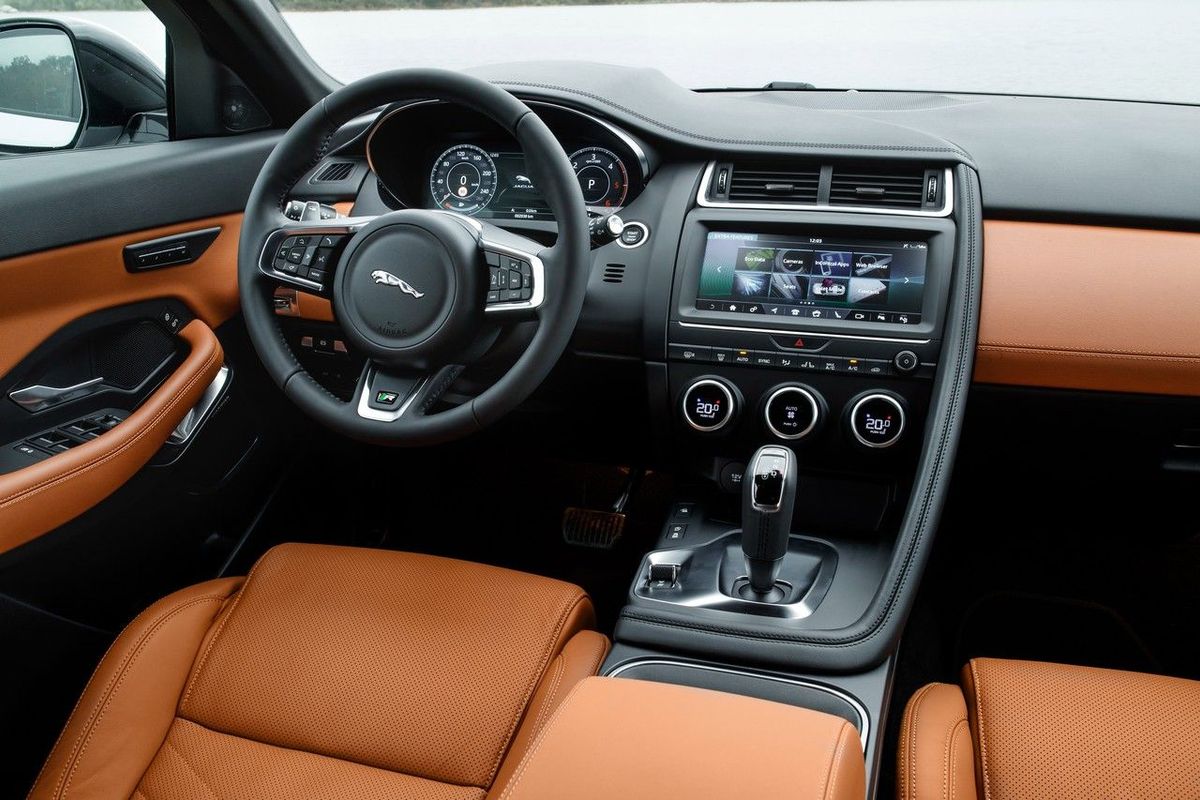
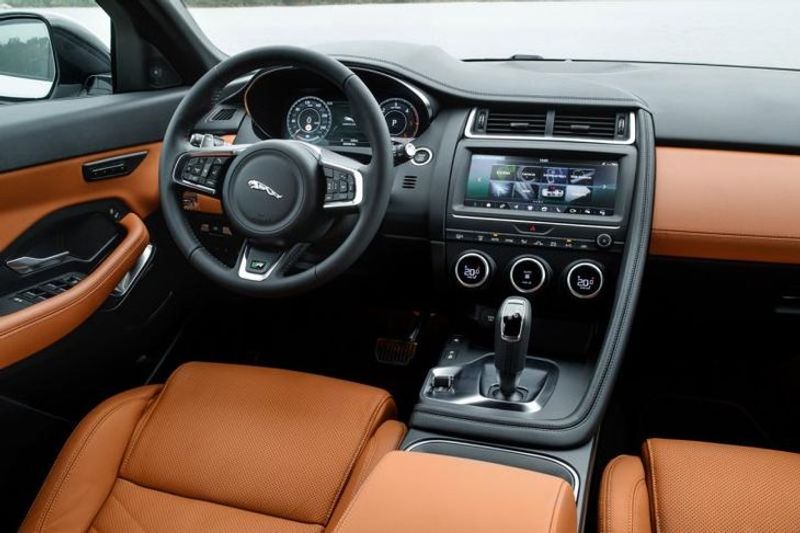
The Jaguar E-Pace interior is a mix of smart design and luxury materials. However, there some cheap plastics lurking around, like the doors
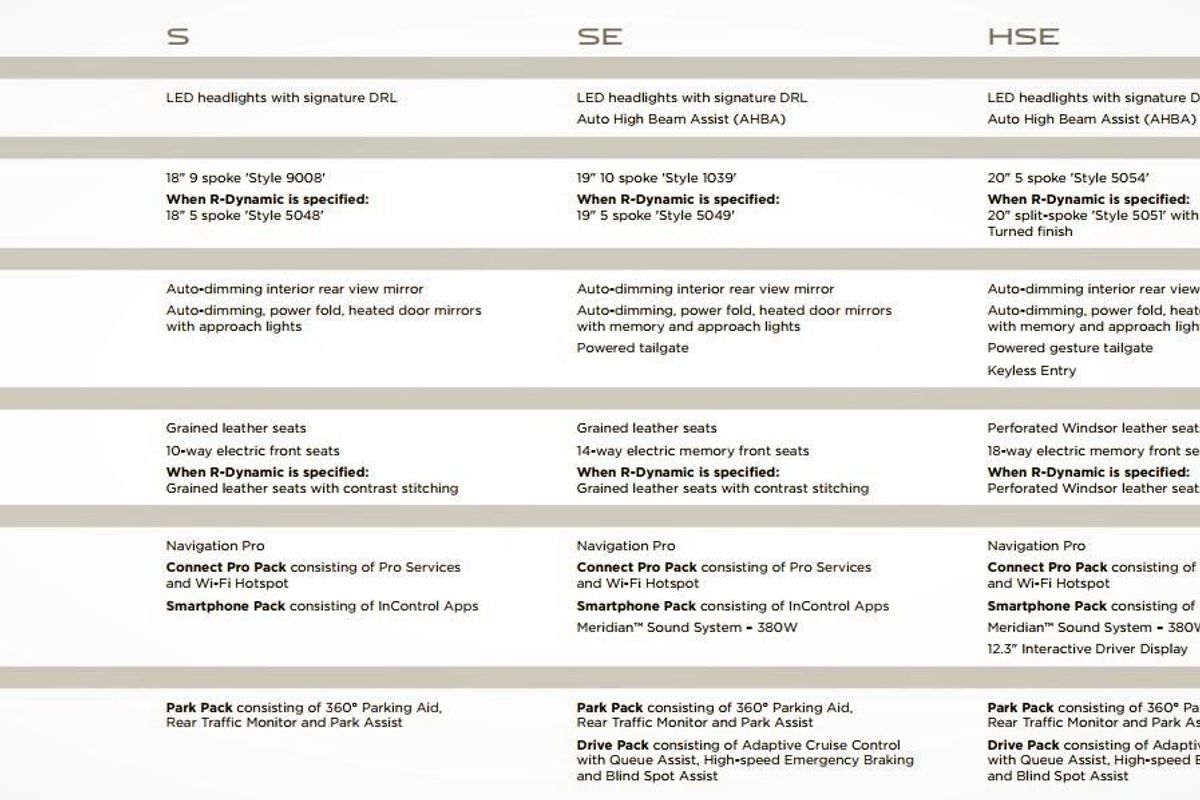
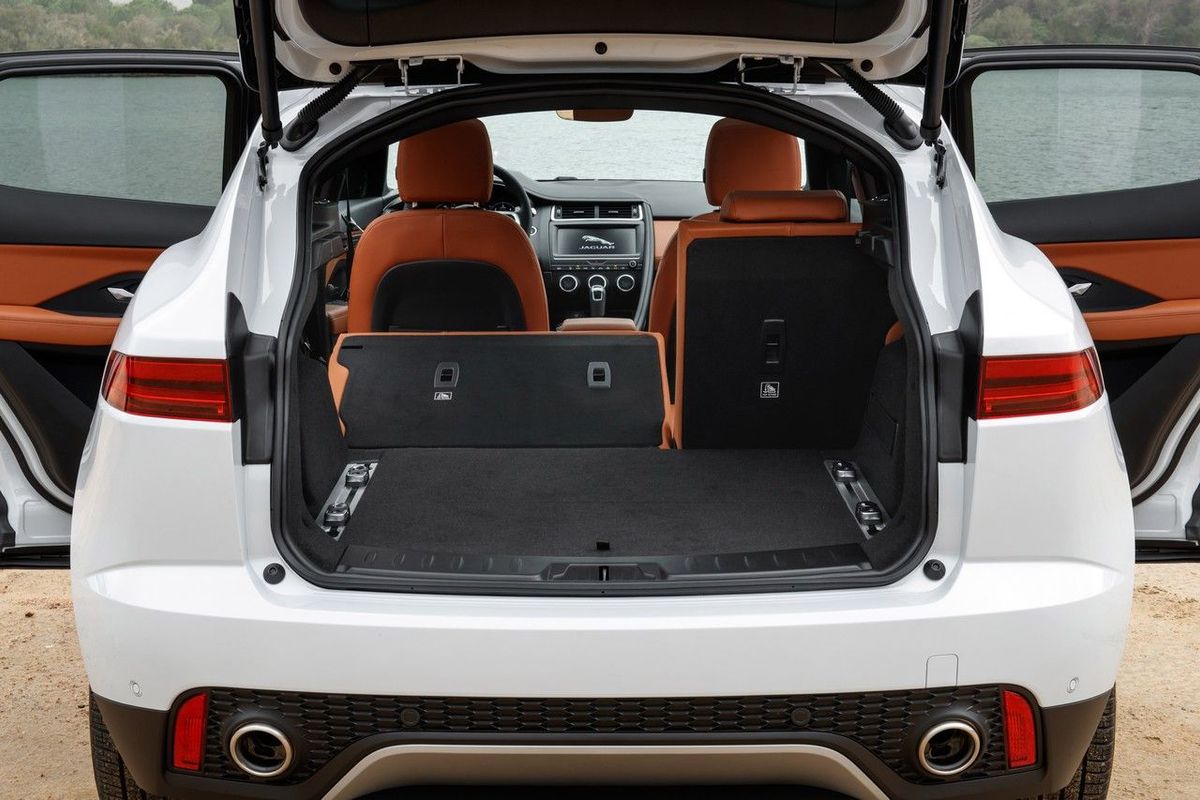
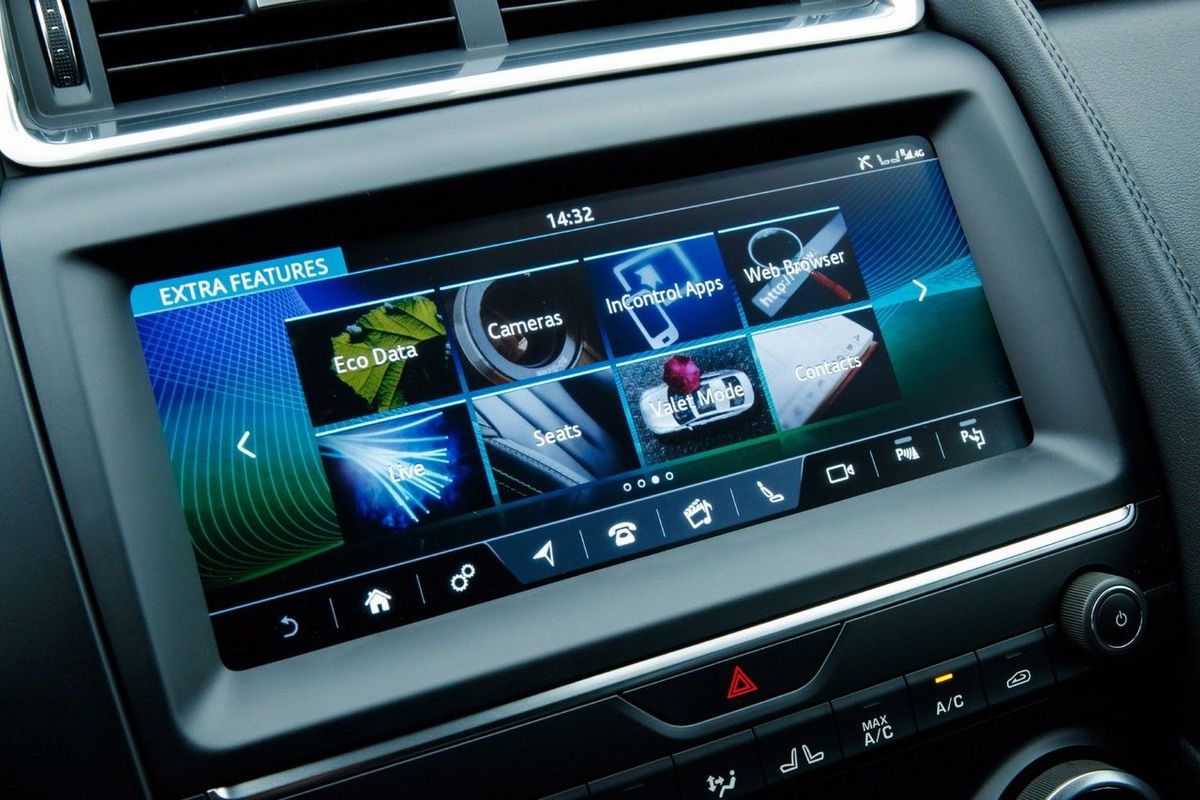
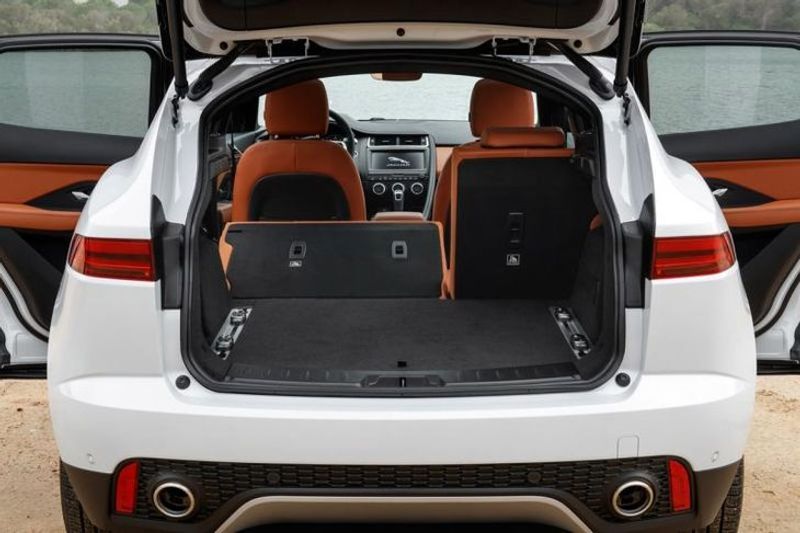
The Jaguar E-Pace rides on a platform that offers a fair amount of cargo-carrying capacity. Jaguar claims 577 litres of boot space. If you fold the 60:40 split seats down, you get 1 234 litres of space in total. Let's talk about some of the options fitted to our launch cars. The digital dashboard is 12.3 inches in size and that's definitely worth having. Our test units also came with 18-way adjustable, heated and cooled leather seats, 4G Wi-Fi hotspot for 8 devices, a waterproof activity key, an automated tailgate, fixed panoramic roof, matrix LED headlights, heads-up display, red brake calipers and a safety pack which comprises adaptive cruise control, blind spot assist and intelligent emergency braking. In terms of safety rating, the Jaguar E-Pace scored five stars in the European NCAP test.
There will be some First Edition units which come with a unique paint finish. They're also comprehensively kitted out with a fixed panoramic roof, exterior black pack, 20-inch 6 split-spoke alloy wheels, First Edition carpet mats, metal treadplates with First Edition branding, First Edition Ebony Windsor leather seats, 18-way heated front seats with memory, Ebony suede cloth headlining, loadspace storage rails with luggage retention kit, additional power sockets, head-up display, activity key, gesture tailgate and keyless entry.
The Jaguar E-Pace showing off its practical side with its seats folded down.
What's it like to drive?
Jaguar has a good reputation with regards to the driving ability of its products and E-Pace is no exception. We appreciated the quick and linear steering, however, the ride quality wasn't perfect and it borders on the firm side of the spectrum. Look, we'd be prepared to cut it some slack as the launch units were riding on pretty 20-inch alloys which does the car no favours on poor quality, rural Corsican roads. We've love to drive an E-Pace fitted with smaller wheels and higher-profile rubber, before making a final call on ride quality. For those who want to maximise the E-Pace's look, you can spec 21-inch alloys for ultimate visual effect, but be mindful that potholes will be their Achilles Heel.
There are some useful driving modes in the Jaguar E-Pace too. Normal and Dynamic are self-explanatory, while Eco turns down the throttle response. Rain/Ice and Snow offers up more grip and adapts the stability control to the conditions. While there are sporty touches, like paddle shifters behind the steering wheel and a Dynamic mode, we found it best to just leave the car in Comfort mode and let the gearbox do its thing. The launch in Corsica gave us the opportunity to sample both the D240 and P300 in various trim levels, on some spectacular roads, some of which are part of the famous Rally De Corse.
The island of Corsica provided spectacular driving roads and the views were equally impressive.
While the numbers talk a good game, like the P300's 0-100 kph time of around 6 seconds, this isn't a performance car and we suspect that its weight was the culprit behind it not feeling as lively and lithe as expected. On the other side of the coin, the solidity is comforting and you get that big-car feel. We also found that the engine sounds a tad harsh when pushing on through a particularly fast section. It's fine before 4 000 rpm, but going beyond that results in an unsatisfactory mechanical note. Sure, the majority of E-Paces aren't going to have their necks wrung and be flung around corners, but a brand that throws sporty metaphors into its marketing mix surely needs the sound to match the show?
It may not sound the part, but when it comes to corners, the direct and wholesome steering feel is reassuring and the all-wheel-drive system ensures maximum grip, which means you can actually throw it around if you're in a hurry. The tall SUV shape and ground clearance results in a higher centre of gravity and that means it'll lean in the corners when you're really trying, but by that point, you're operating out of the E-Pace's envelope anyway. The brakes are good too with credible stopping power when you stand on them. Jaguar claims its all-wheel-drive system can send much of the power/torque to the rear axle, but you'd have to be on gravel to really experience it.
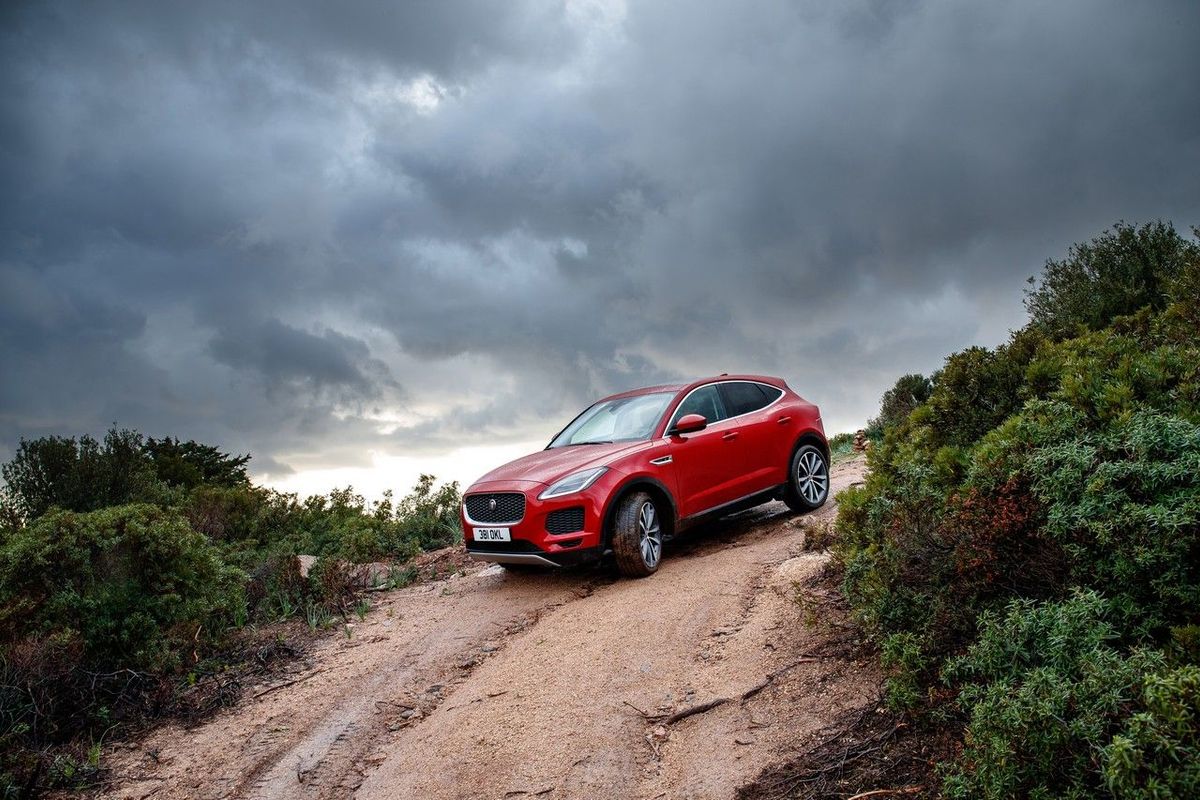
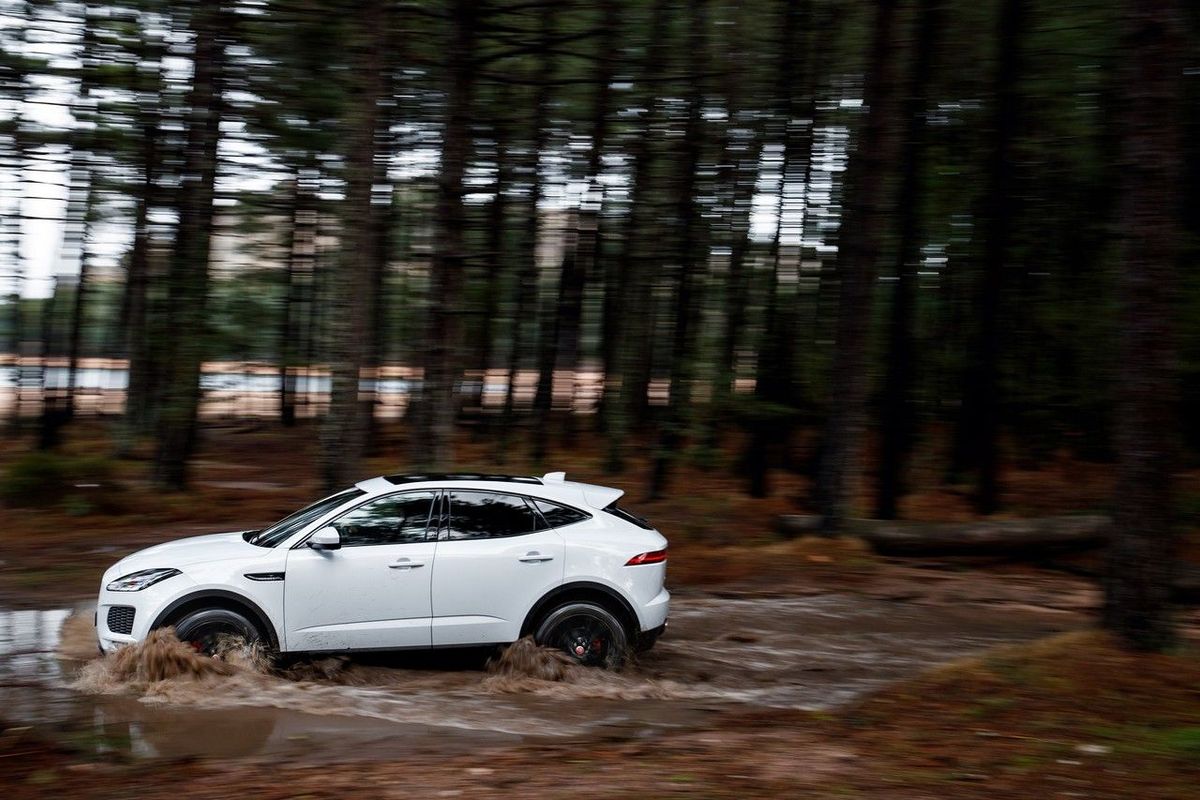
Even though the majority of E-Paces won't venture off the tar, it's reassuring to know it's actually pretty capable.
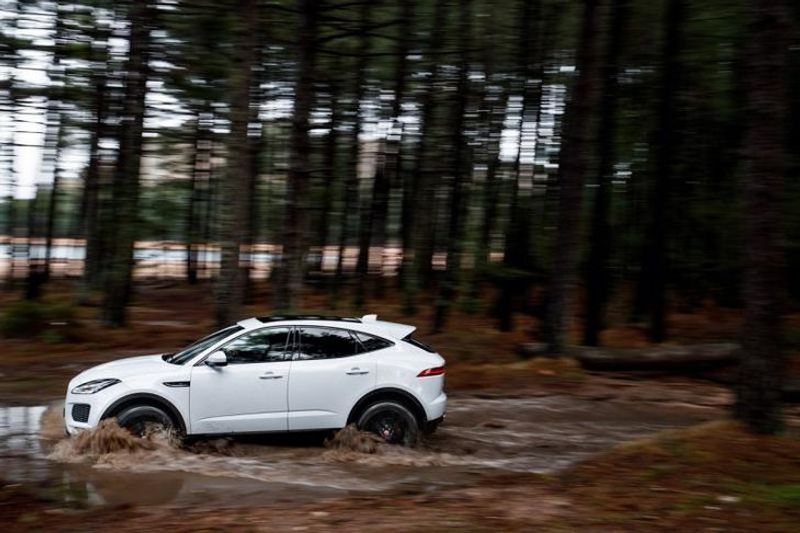
So, we did some basic offroading and the E-Pace tackled it all without hesitation. A combination of mud, gravel and even some water wading was thrown at the car and it passed easily. The car's clever enough to divert power and torque to the axle and wheel which needs it most, without any input from the driver. Interestingly, in normal driving conditions, the rear axle is disengaged in order to save fuel. In terms of ground clearance, the Jaguar E-Pace boasts 204 mm and it can wade through 500 mm of water.
Verdict
Jaguar's E-Pace was created to satisfy a market. There's nothing new and groundbreaking here, so it doesn't get both thumbs up.
We can imagine how the Jaguar Land Rover engineers reacted when the accountants walked in and said, "Right, everyone likes the F-Pace so we're building a smaller version. Please make an SUV with off-road capability using the existing parts bin and make it handle like the XE sedan?" It's not a nice position to be in and credit is due to the Jaguar team for trying to make the most of the situation and creating a vehicle that is indeed credible and satisfactory.
However, we don't think it pushes the boundaries or moves the segment forward substantially. It's good, but for it to succeed it needs to be flawless, and it isn't. The rear legroom isn't great for tall adults, our launch cars were packed to the hilt with optional extras which will surely push the price up considerably, and it desperately needs adaptive damping (which is coming later) to soften the ride. These are just some of the niggles that we experienced. Will it sell though? Given how the global and South African market has taken to the F-Pace, we think the E-Pace will replicate its sibling's success with ease.
We look forward to putting Jaguar's new E-Pace against its competition when the vehicle arrives in South Africa. At this stage, given the pricing and spec, the pick of the range looks to be in the diesel engine lineup. You can take advantage of the torque available almost from the get-go, the engine is quieter and more refined, and it'll be reasonably frugal too with most models claiming under the 6.0 L/100 km mark. South African cars will be available in various specification levels (S, SE, HSE, First Edition) and you can throw in some optional extras if you wish.
Jaguar E-Pace Price in South Africa
The Jaguar E-Pace arrives in South Africa in March 2018. All new Jaguar cars come with the Jaguar 5-year Care Plan including a 5-year/100 000km service plan, a 5-year/100 000km maintenance plan and a 5-year/100 000km warranty, as standard.
E-Pace
Base
S
SE
HSE
2.0 diesel 110kW (D150)
R598 500
R659 900
R698 900
R734 900
2.0 diesel 132kW (D180)
R619 500
R680 900
R719 900
R755 900
2.0 diesel 177kW (D240)
—
R735 100
R774 100
R810 100
2.0 petrol 184kW (P250)
R667 800
R729 200
R768 200
R804 200
2.0 petrol 221kW (P300)
—
R783 400
R822 400
R858 400
E-Pace R-Dynamic
Base
S
SE
HSE
2.0 diesel 110kW (D150)
R632 500
R693 900
R732 900
R768 900
2.0 diesel 132kW (D180)
R653 500
R714 900
R753 900
R789 900
2.0 diesel 177kW (D240)
—
R769 100
R808 100
R844 100
2.0 petrol 184kW (P250)
R701 800
R763 200
R802 200
R838 200
2.0 petrol 221kW (P300)
—
R817 400
R845 400
R892 400
E-Pace First Edition
First Edition
2.0 diesel 132kW (D180)
R851 600
2.0 petrol 184kW (P250)
R895 700
Nissan Qashqai (2018) International Launch Review
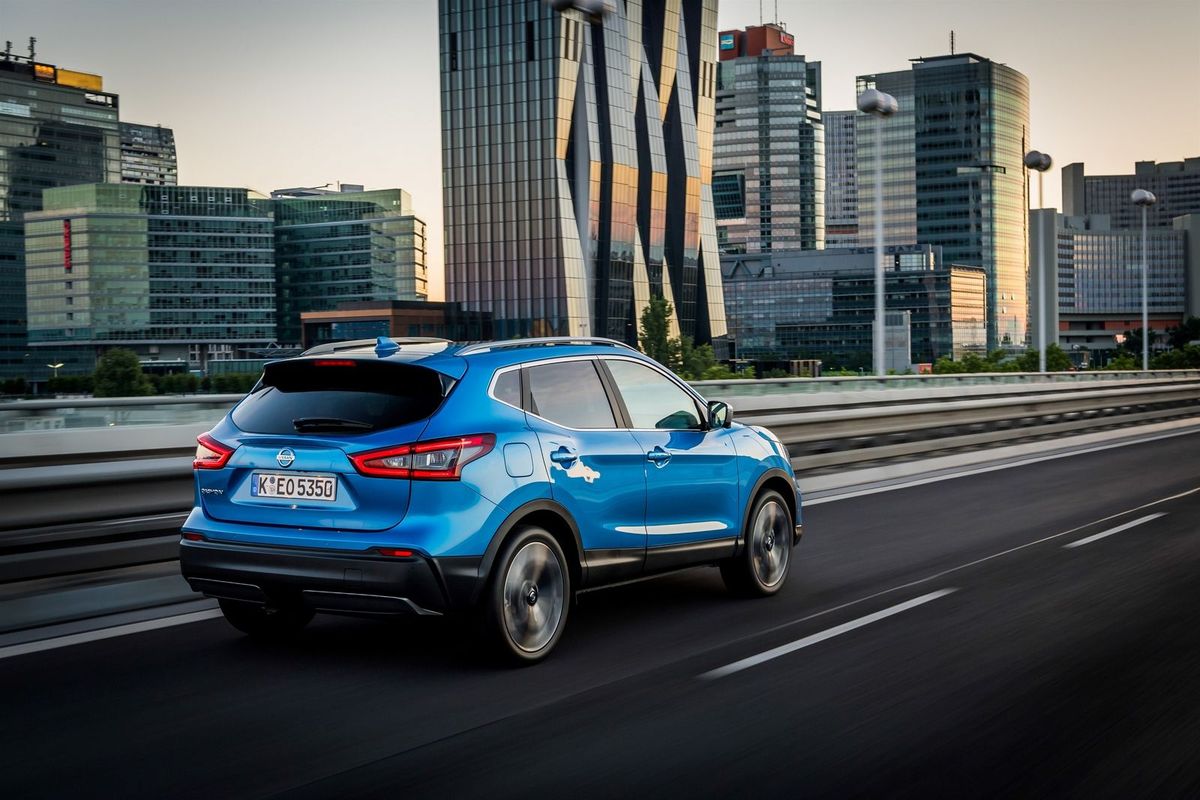
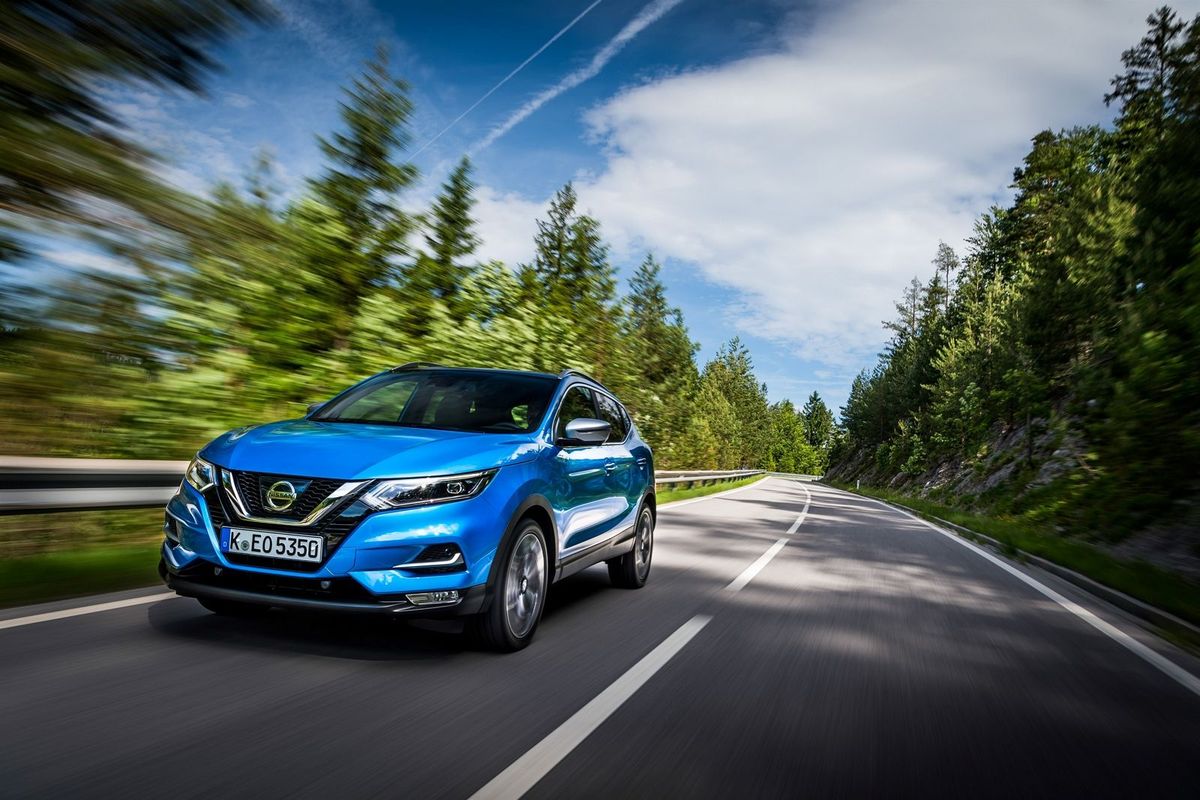
Multiple small updates for the Nissan Qashqai look to boost the compact crossover’s premium appeal. International correspondent, Richard Webber, drove the latest Qashqai in Vienna last year. Take a look at what you can expect from the facelifted Qashqai below…
What is it?
It's the facelifted second-generation Nissan Qashqai and numerous changes have been implemented in order to strengthen its appeal in the crowded compact crossover market.
It's not as if sales are flagging, though: in 2016, Nissan sold almost twice as many Qashqais in Europe as it did following the pioneering original's launch in 2007. It's a top seller across Europe and especially in the UK where it's currently the third best-selling model in the market.
In Europe, the Qashqai is hot property, selling more than its rivals. Locally it lags behind Tucson, CX-5 and RAV4.
But Nissan says its customers want more plushness, be it in terms of design, finish, equipment or refinement. It's for this very reason that Nissan focussed its efforts on the exterior styling, cabin materials, sound deadening, suspension and steering for this facelift.
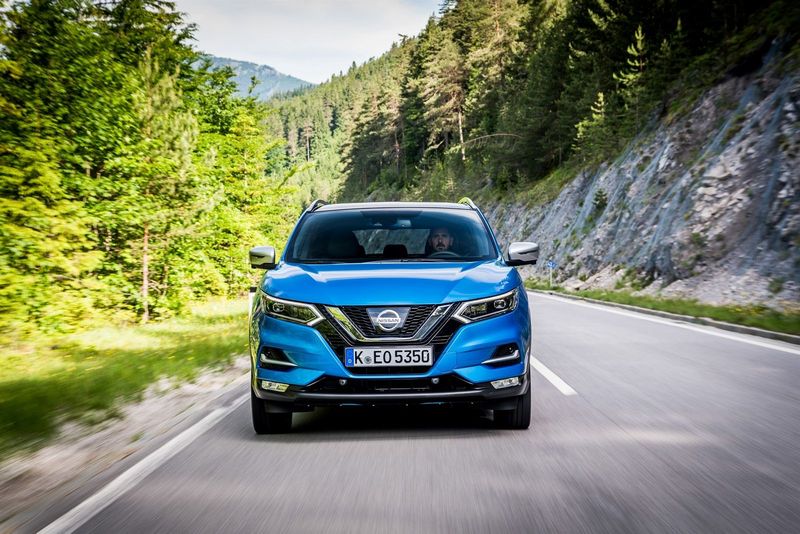
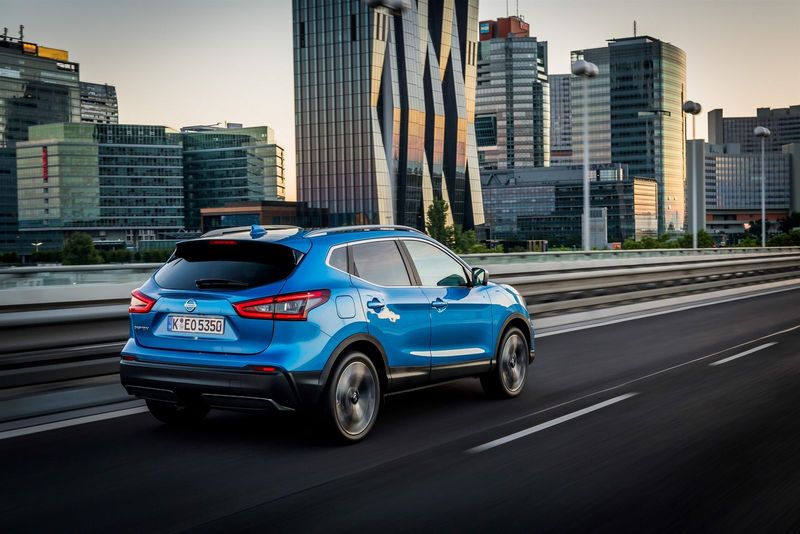
The previously conservative-looking front-end has been embellished with a more intricate and aggressive nose design, revised lights (now with adaptive LED headlights on upper trims) and sharper bonnet creases, while the flanks and rear-end have been lightly smartened.
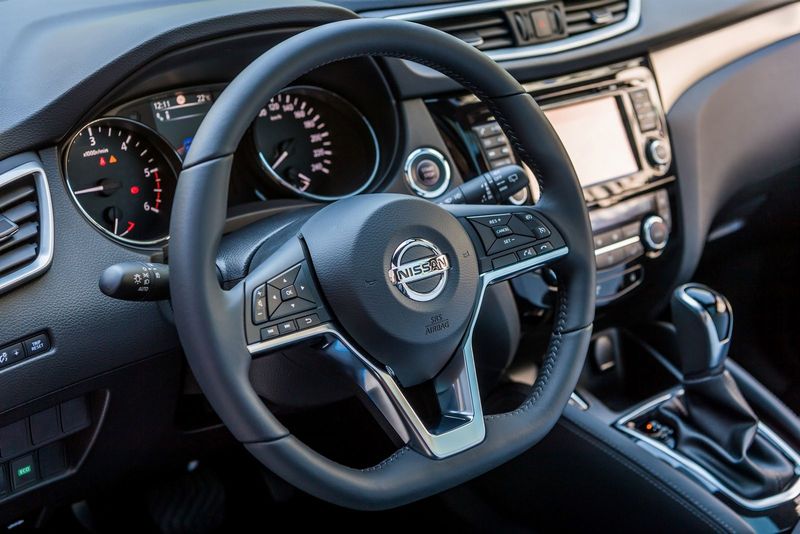
Inside, there's a new flat-bottomed steering wheel that's larger and has more buttons than before to allow easier operation of the binnacle's 5-inch TFT screen and cruise control – it's thinly padded but attractive and ergonomically pleasing. New seats on the upper trim levels impress by being supportive and accommodating, and the aforementioned Nappa hide looks the part and is reasonably soft.
A flat-bottomed steering wheel and a few more buttons add to the more premium look.
The range-topping Tekna+ also introduces electric lumbar support and memory function for the driver's seat on top of the existing electric seat adjustment and heating on higher spec models, although steering reach and rake are still manually adjustable.
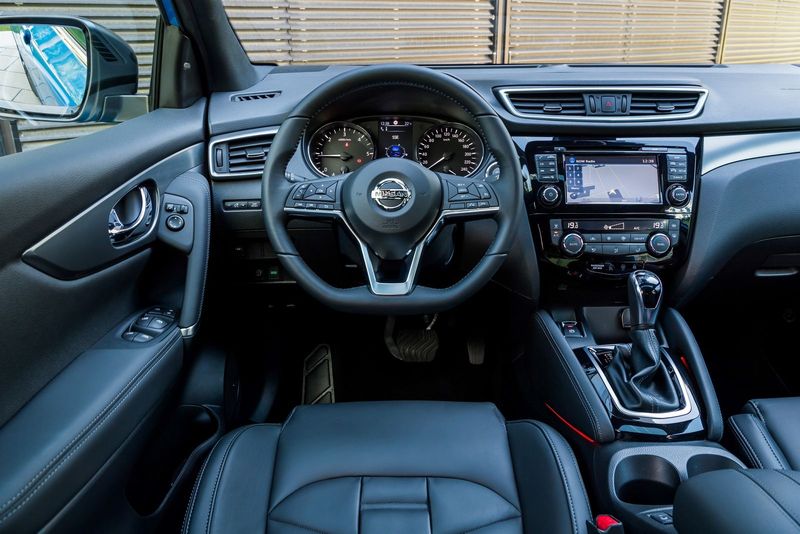
For the rest of the cabin, it's largely as you were: up front, there are plentiful soft-touch surfaces above waist height, a commanding and roundly adjustable driving position and mostly satisfactory switchgear.
In the more sedately finished rear, there's well-lit and unencumbered accommodation for two 6-foot adults (a third would be less happy), and a reasonably proportioned boot behind 60/40-splitting rear seats with a multi-configurable floor and handy storage features.
The Qashqai has always erred on the side of comfort while offering reasonably capable if somewhat unexciting dynamics when pushed. The latest changes aim to amplify this relaxed demeanour, with springs softened between 5% and 8% (depending on kerb weight), although a front anti-roll bar stiffened by 16% aims to preserve cornering composure.
The Qashqai has been made a touch softer and more comfortable. This could be copying the X-Trail's global success with its notably soft ride.
The ride's general suppleness will please most target buyers – only sharper urban ridges cause noticeable disruption (particularly in the stiffer-sprung diesels), but most of that is noise rather than displacement.
There's even a newly enhanced version of Active Ride Control, which uses gentle braking via both the discs and the engine to dissipate large bumps such as speed humps more rapidly (handy when you're late on the school run), while additional refinement-enhancing measures such as extra sound-deadening material, better seals and drag-reducing underside fins all help curb wind and road noise to rarified levels.
Turn-in remains decent for a crossover, but the significant amount of roll – while never inhibiting stability – puts a halt to cornering enjoyment. Rather, the Qashqai feels an ambivalent partner when tackling bends at pace, and defaults to understeer a fair bit sooner than a family hatchback might.
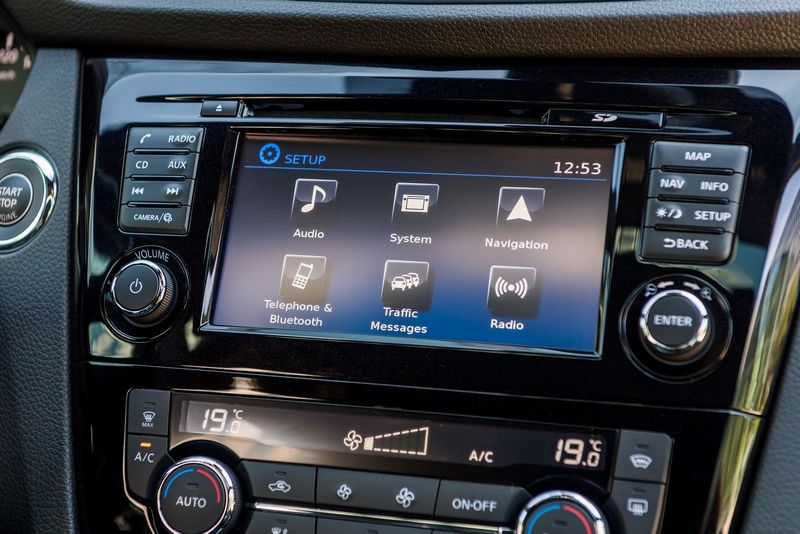
The infotainment system isn't much to look at but is easy to use and has most modern tech functionality included.
The revised steering felt over-light to these hands in Normal mode, but its 10%-heavier Sport mode helped remove the lightness and gave it stability, with good mid-corner consistency and plenty of accuracy.
The unaltered 120 kW 1.6 DIG-T turbopetrol needs to be stoked to 2 800 rpm before providing good shove, but thereafter does so consistently, smoothly and without much lag. It's only available with the 6-speed manual gearbox that doesn't mind being hustled, but could feel a bit more precise.
We also sampled the 95 kW 1.6 dCi diesel, which proved a bit vocal despite being freshly retuned for refinement, and was paired with the 'Xtronic' transmission that does a good a job as any CVT in mimicking a conventional auto. The more affable (and more popular) 80 kW 1.5 dCi – good for 4.2L/100 km – and sedate but well-mannered, entry-level 84 kW 1.2 DIG-T carry over completely unchanged.
Comfy leather seats and soft-touch materials make the Qashqai a much nicer place to sit. Still not quite VW Tiguan level though.
Should I buy one?
New Tekna+ trim adds some welcome niceties, but the Qashqai’s underlying material quality prevents it from mixing with more thoroughly premium alternatives such as the larger Volkswagen Tiguan or swisher Audi Q3 that can be had with only a few more rands from your pocket.
The Qashqai's increased emphasis on comfort over fun will surely do its already strong sales no harm, although those of us who enjoy an everyday dose of handling talent might be increasingly tempted to look to the likes of the Mazda CX-5, the fresh-faced rival that now seems as good value as the Qashqai. But the Qashqai's rounded, fit-for-purpose appeal remains strong following its mid-life refresh.
Nissan Qashqai 1.6 DIG-T Tekna Quick specs
Engine 4-cyl, 1.6-litre turbodiesel
Power 120 kW at 5 600 rpm
Torque 177lb ft from 2 000-4 000 rpm
Gearbox 6-spd manual
Kerb weight 1 483 kg
Top speed 200 kph
0-100 kph 8.9 sec
Economy 6.0L/100 km (combined)
Rivals Mazda CX-5, Kia Sportage, Hyundai Tucson, Toyota RAV4
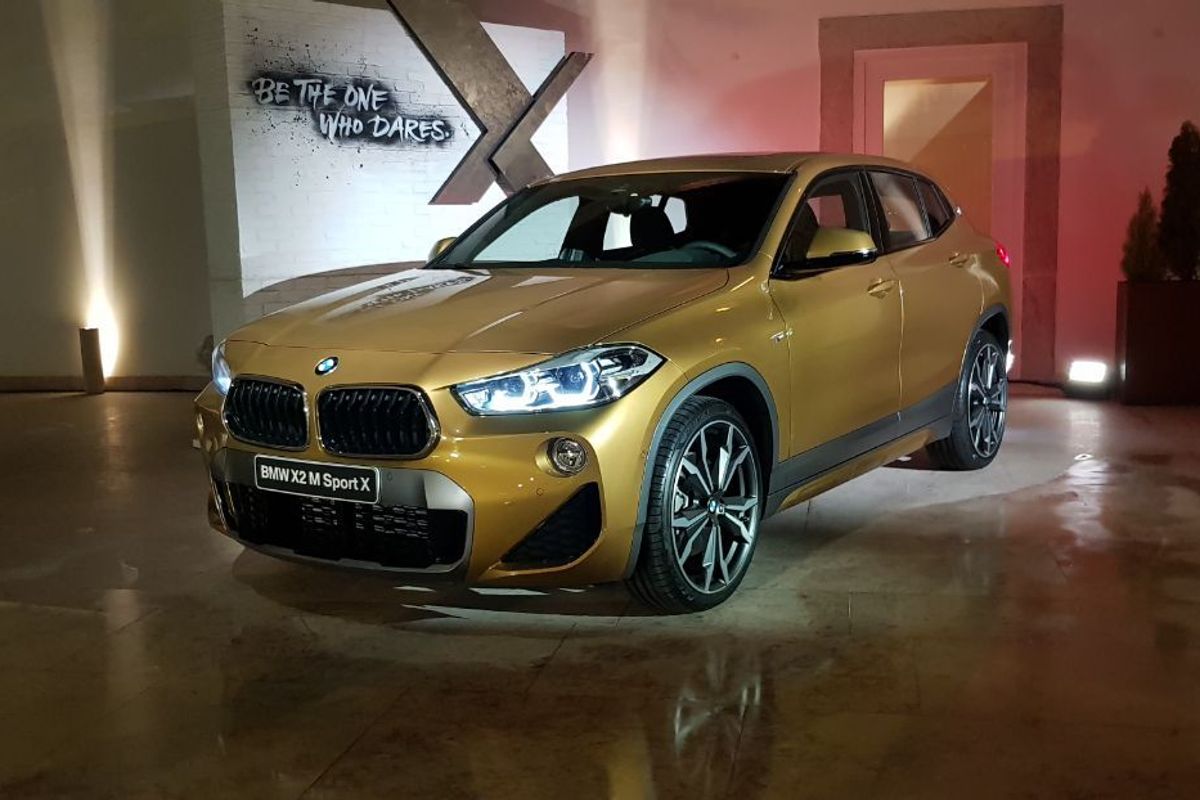
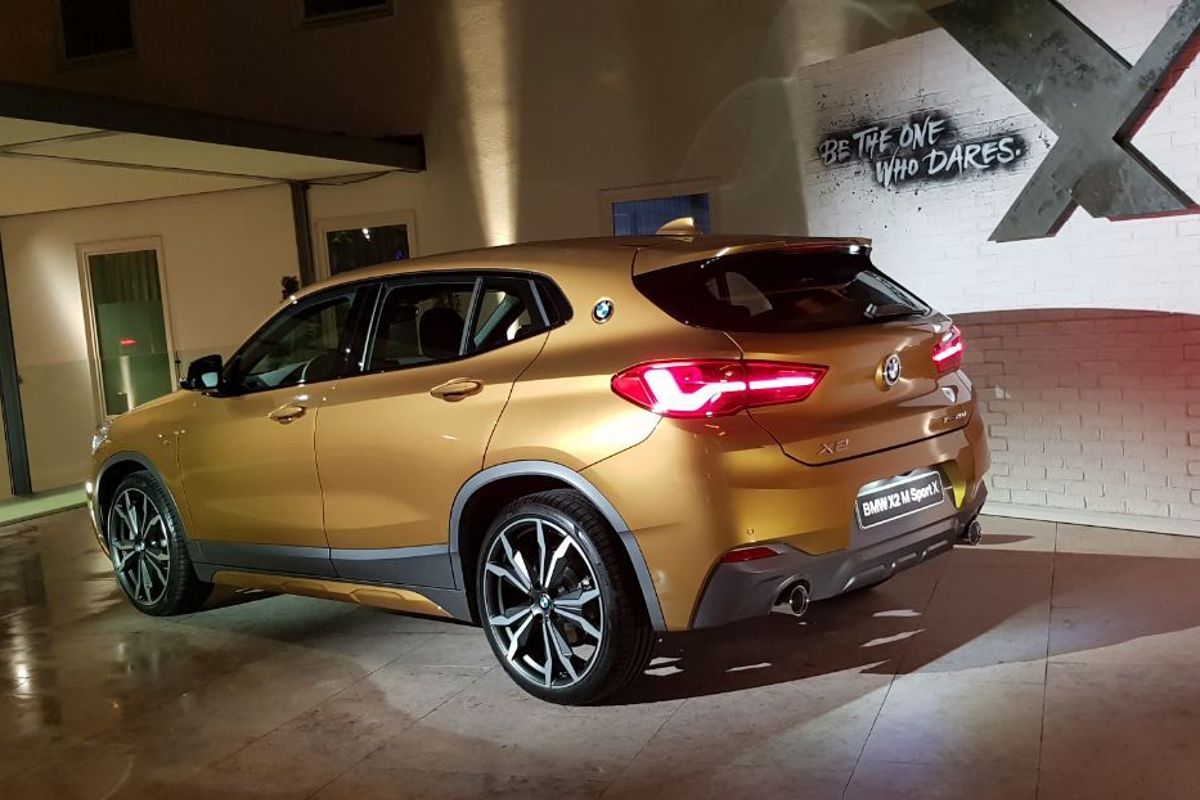
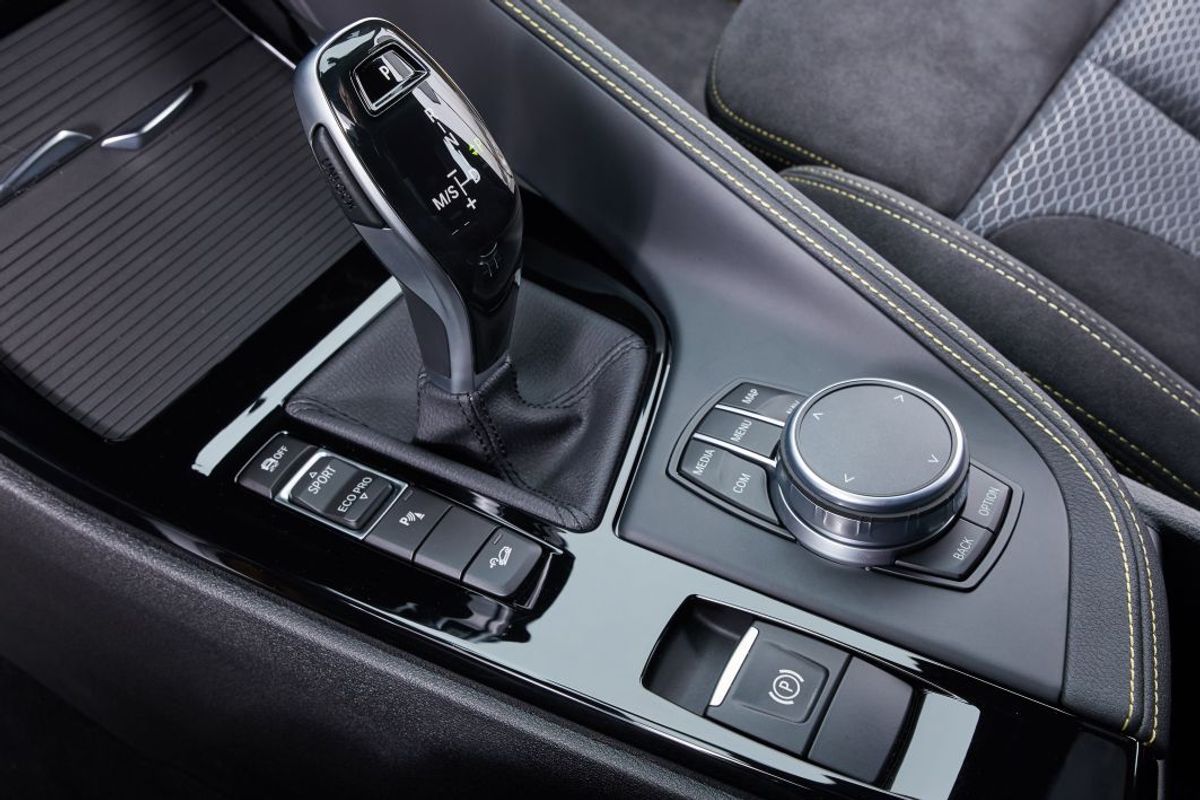
Sshh… We drove the BMW X2 M Sport X in Portugal and it may just be the sweet spot in BMW's X lineup.
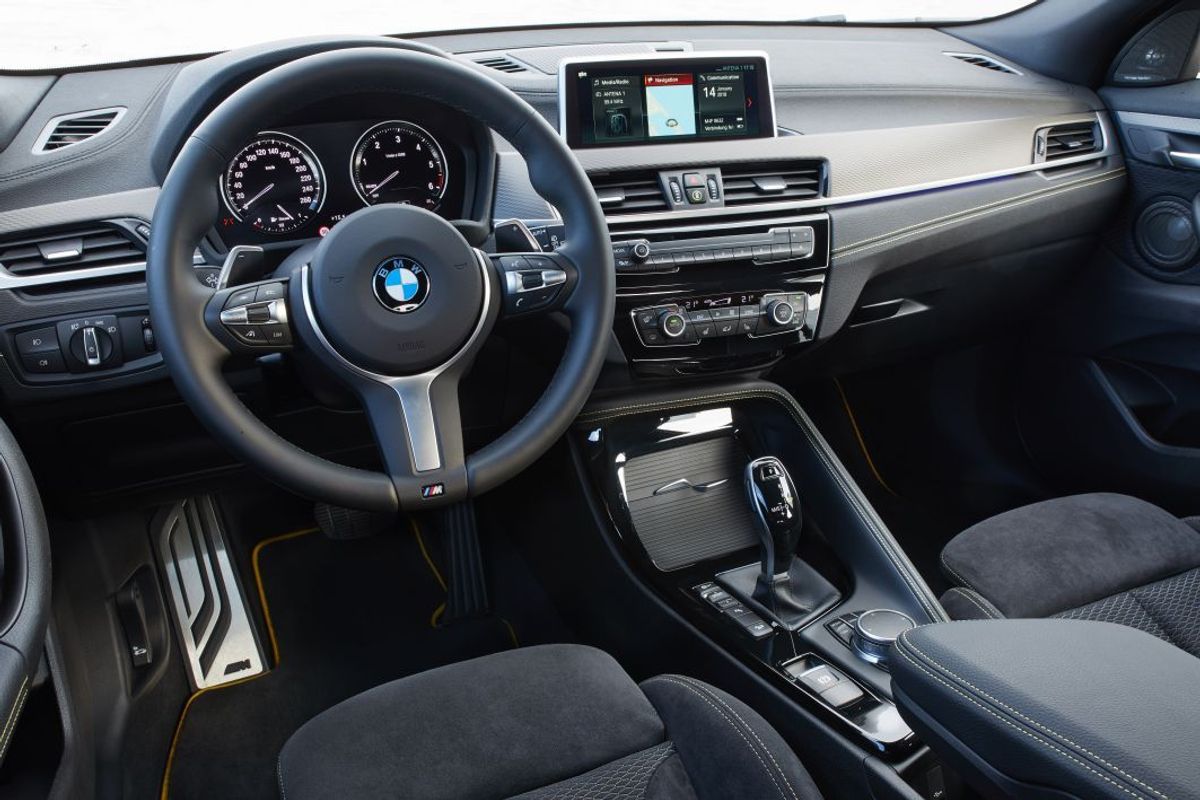
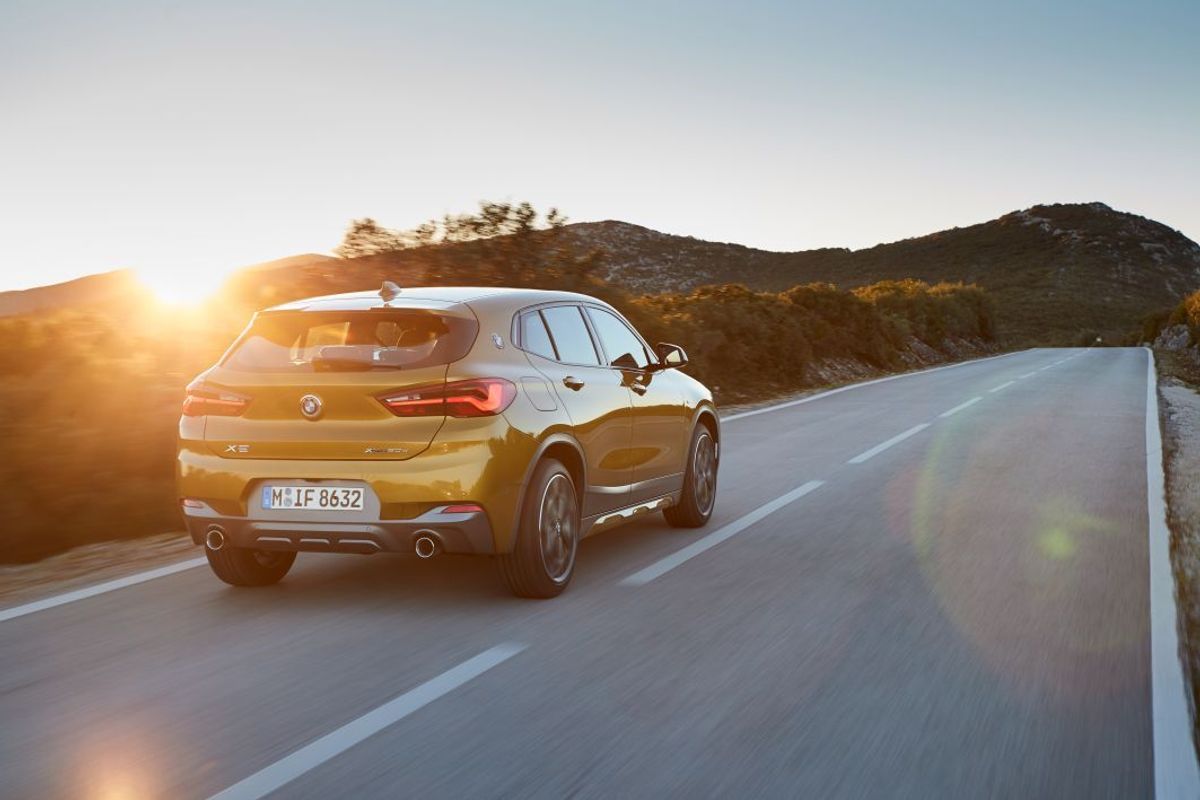
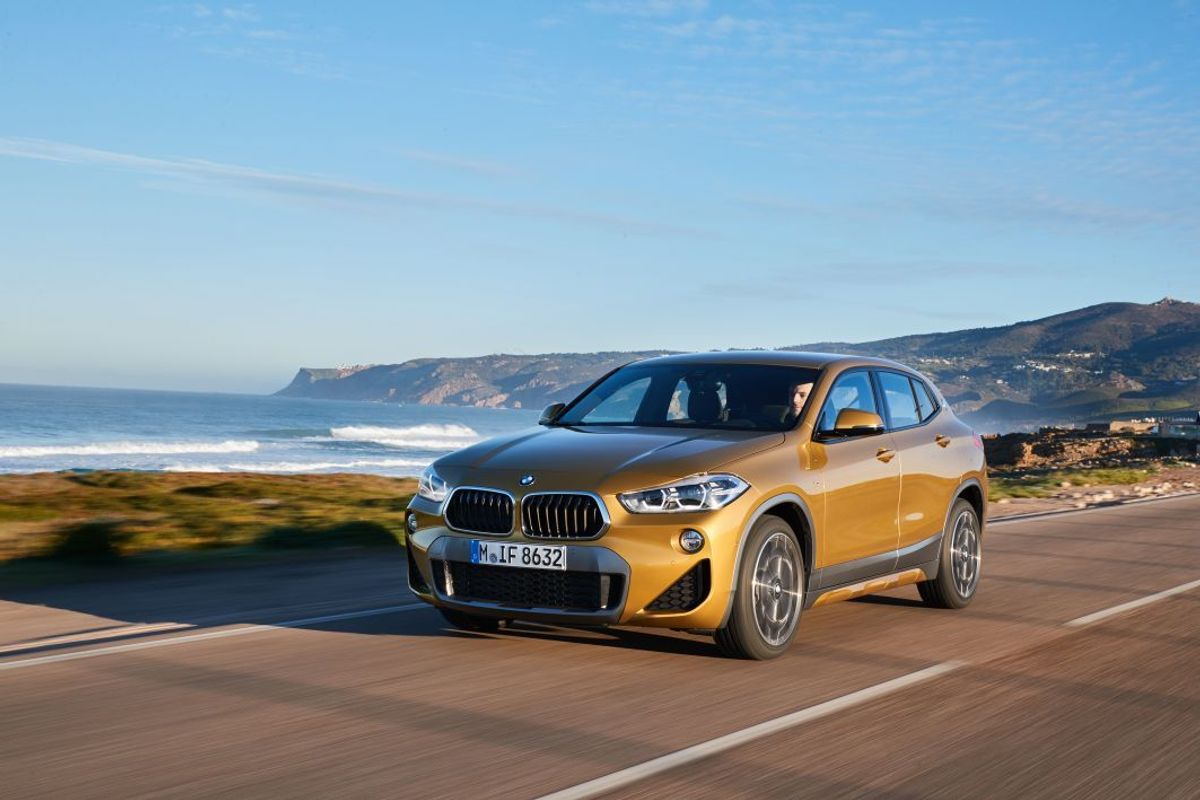
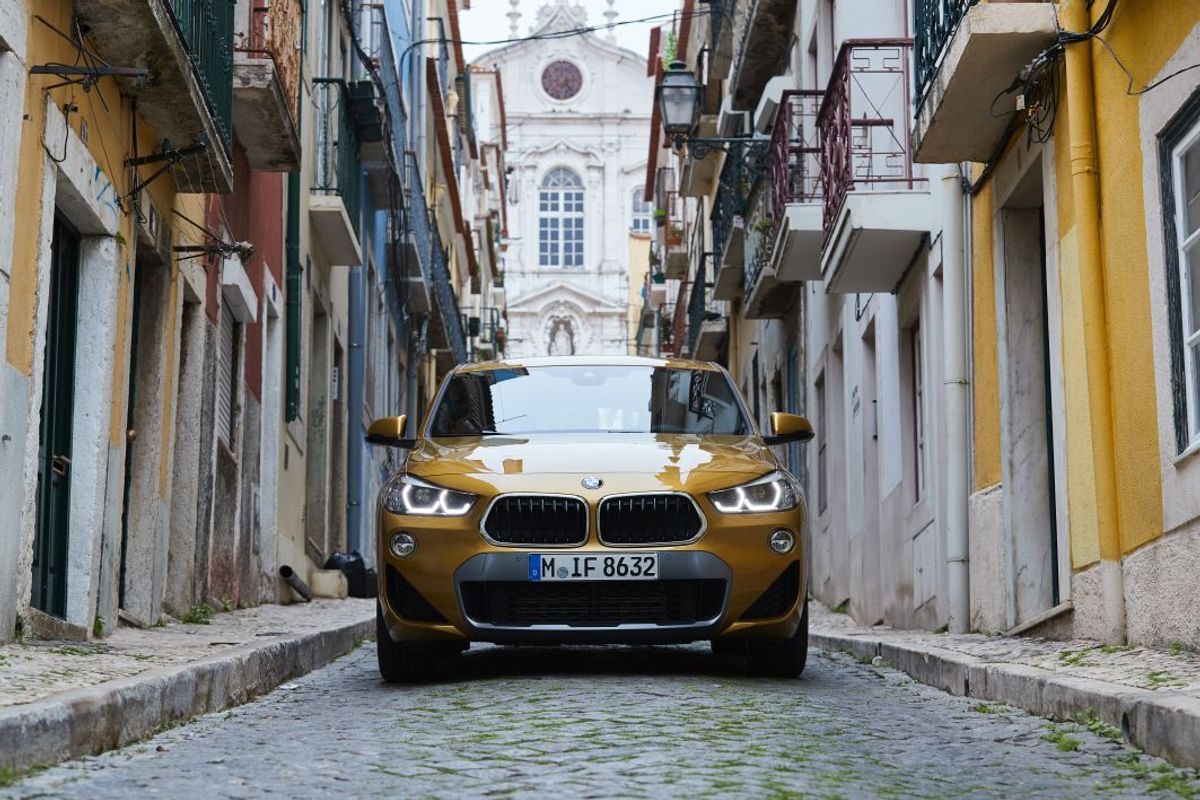
We say drive, and it's true, but due to an embargo that only lapses on February 5, we can't share too much about the dynamics of the new BMW X2. But, what we can tell you is that the X2 will be offered in 3 colours namely, the signature Galvanic Gold, Misano Blue and Sunset Orange.
We can also inform you that you can expect to see the X2 in South African showrooms in the first week of March 2018. The new BMW X2 will be offered with 2 trim levels to choose from including M Sport and M Sport X.
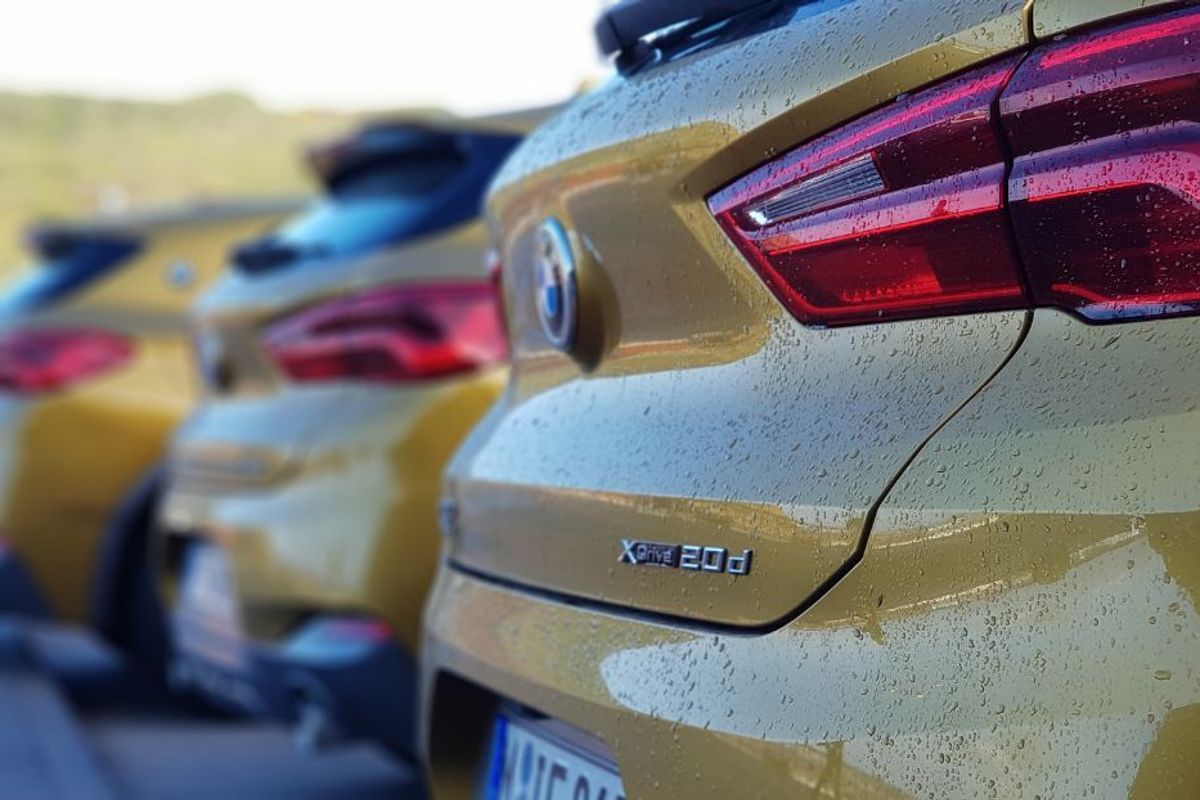
There will also be 2 engines on offer including a 141 kW / 280 Nm 2.0-litre turbopetrol and a 140 kW / 400 Nm 2.0-litre turbodiesel engine. The front-wheel-drive turbopetrol sDrive20i derivative will make use of a 7-speed Steptronic dual-clutch transmission while the all-wheel-drive, diesel-powered xDrive20d will use an 8-speed Steptronic transmission.
About that sweet spot…
Goldilocks. No, we've not renamed BMW's paint job but rather refer to the children's story about the home invasion. The one with the porridge that was not too hot, not too cold. And the bed that wasn't too hard nor too soft. That's the BMW X2, just right. It's been 19 years since the original X5 rolled off the production line and the X2 is the latest gap to be filled in BMW's range of X vehicles; think of it as a sportier riff of the X1, just as the X6 is to the X5 and the X4 is to the X3.
It won't be the last either as BMW will unleash the new X7 later this year. But where the other even-numbered X vehicles have enjoyed slippery (and compromising) roof lines the X2 still manages to come across like a hatchback, albeit one with a driving position closer to a 1 Series.
There's also a raft of changes between the new X2 and the X1 which makes for a much more engaging steer. We will, however, go into far more detail with regards to the X2's drivability when the embargo lifts in the near future, so look out for our full report coming your way soon.
Quick specs
BMW X2 M Sport X
Power: 140 kW
Torque: 400 Nm
Top speed: 221kph
0-100 kph: 7.7 sec
Claimed fuel consumption (combined): 4.8 L/100 km
Carbon emissions: 126g/km
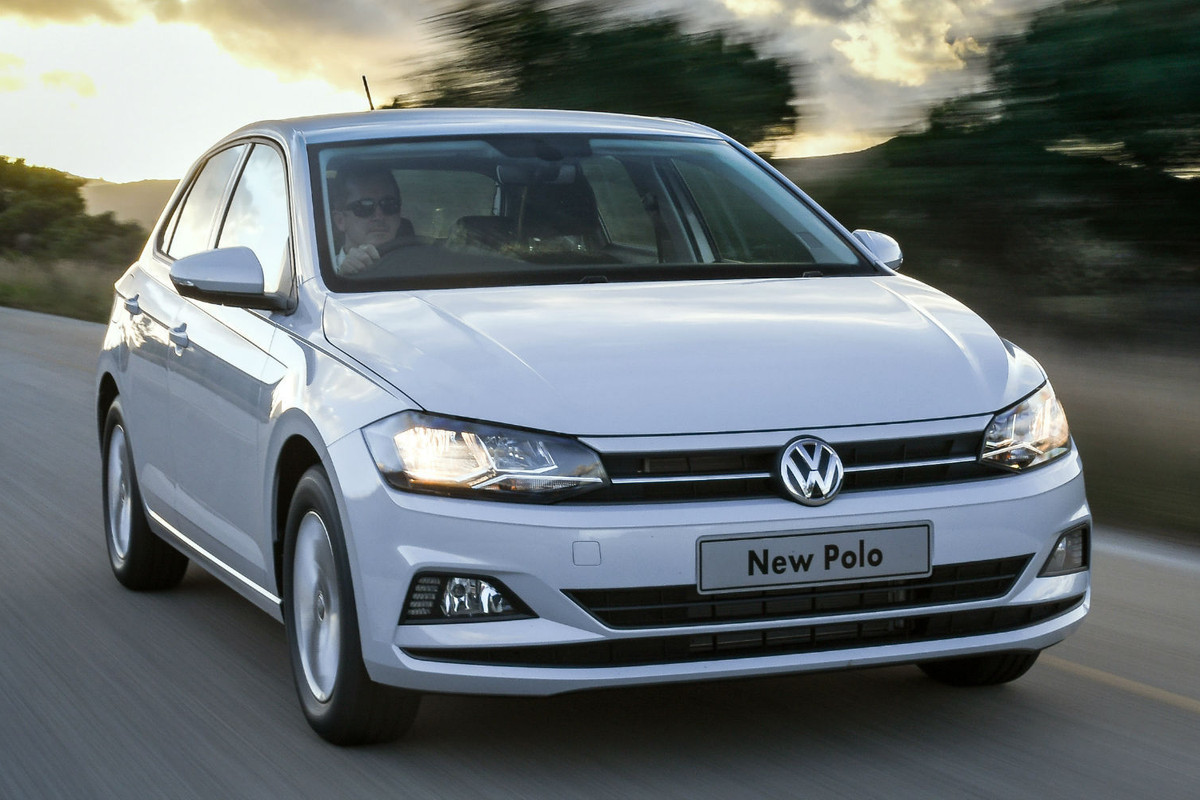
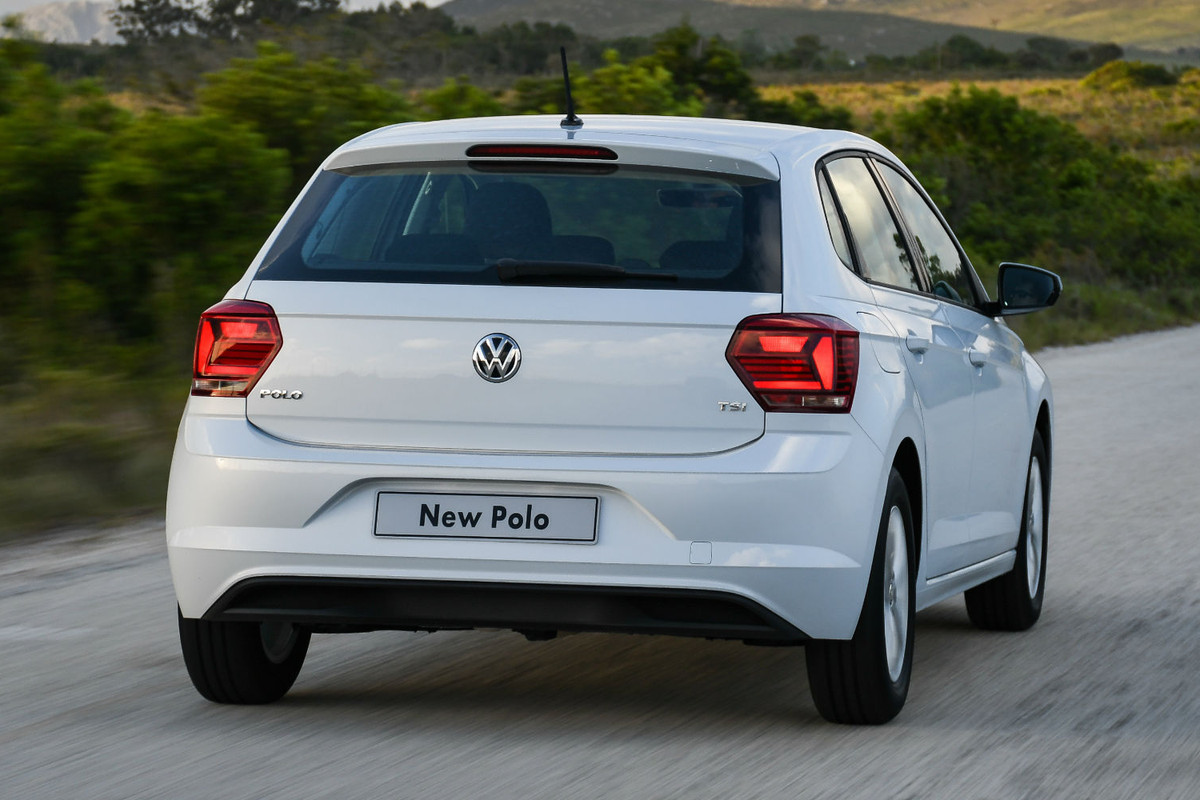
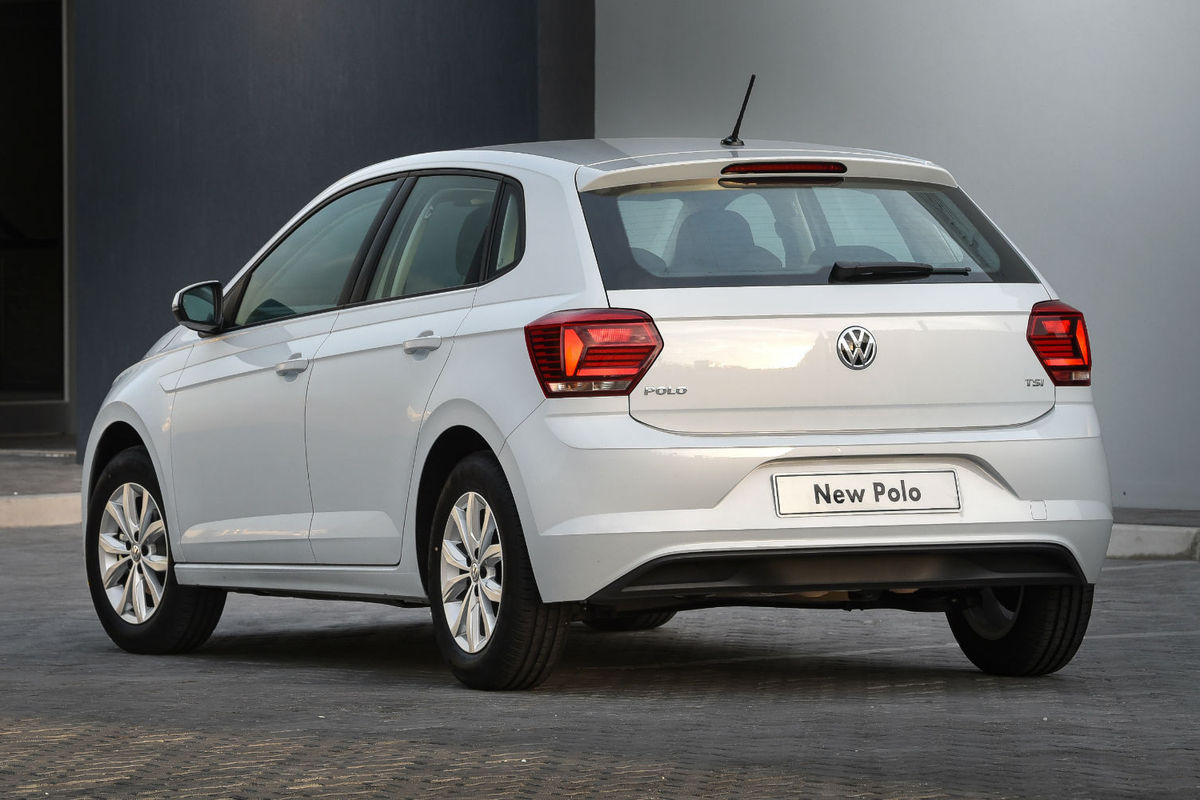
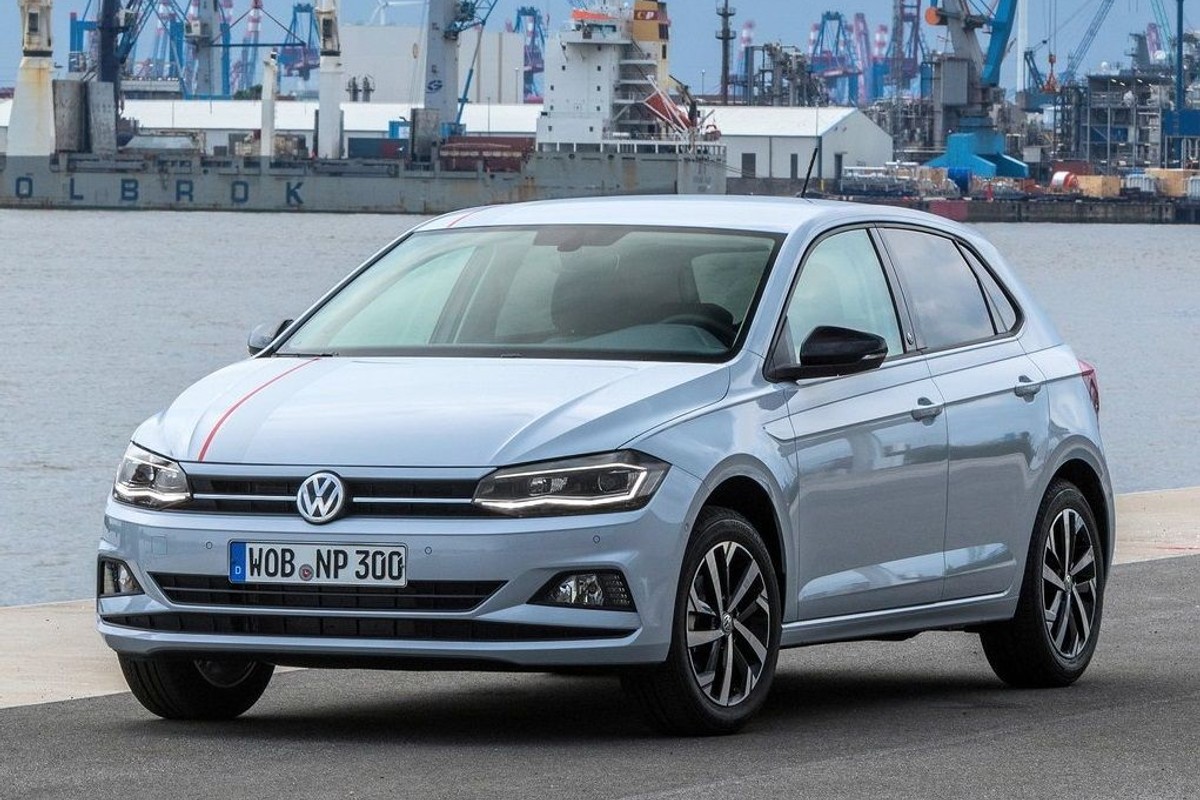
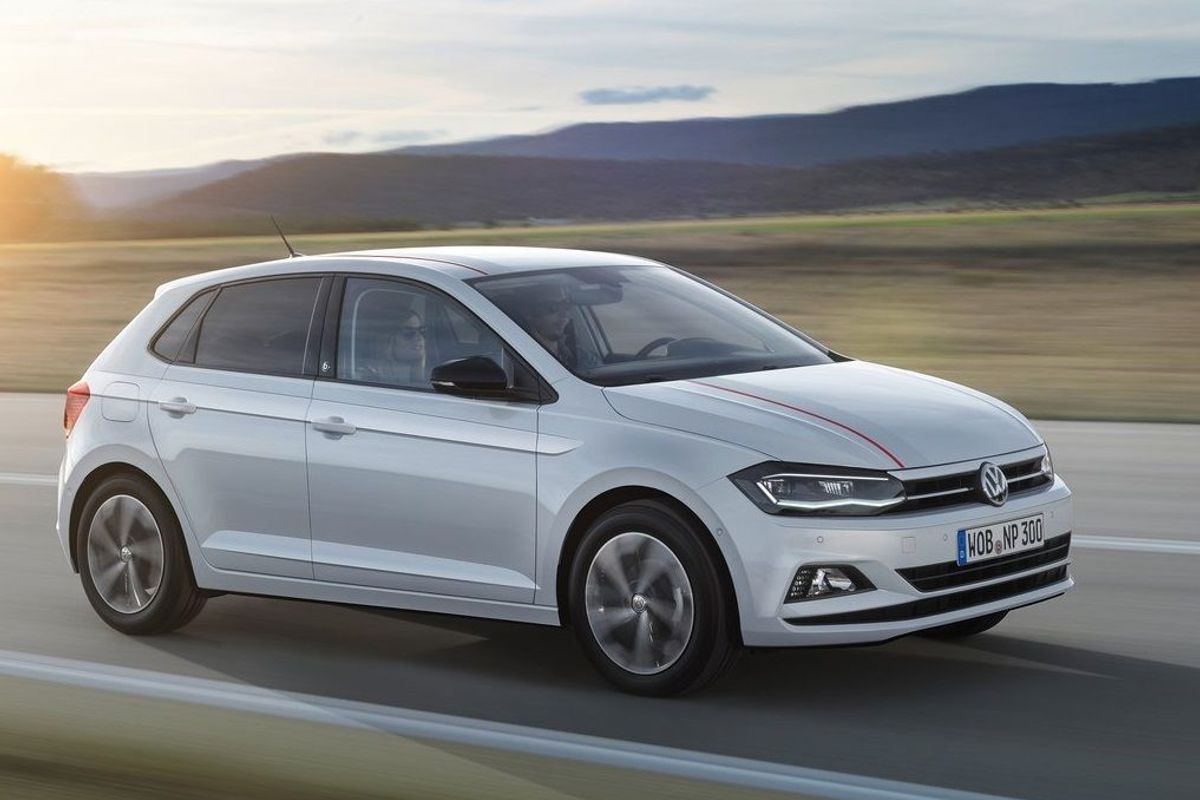
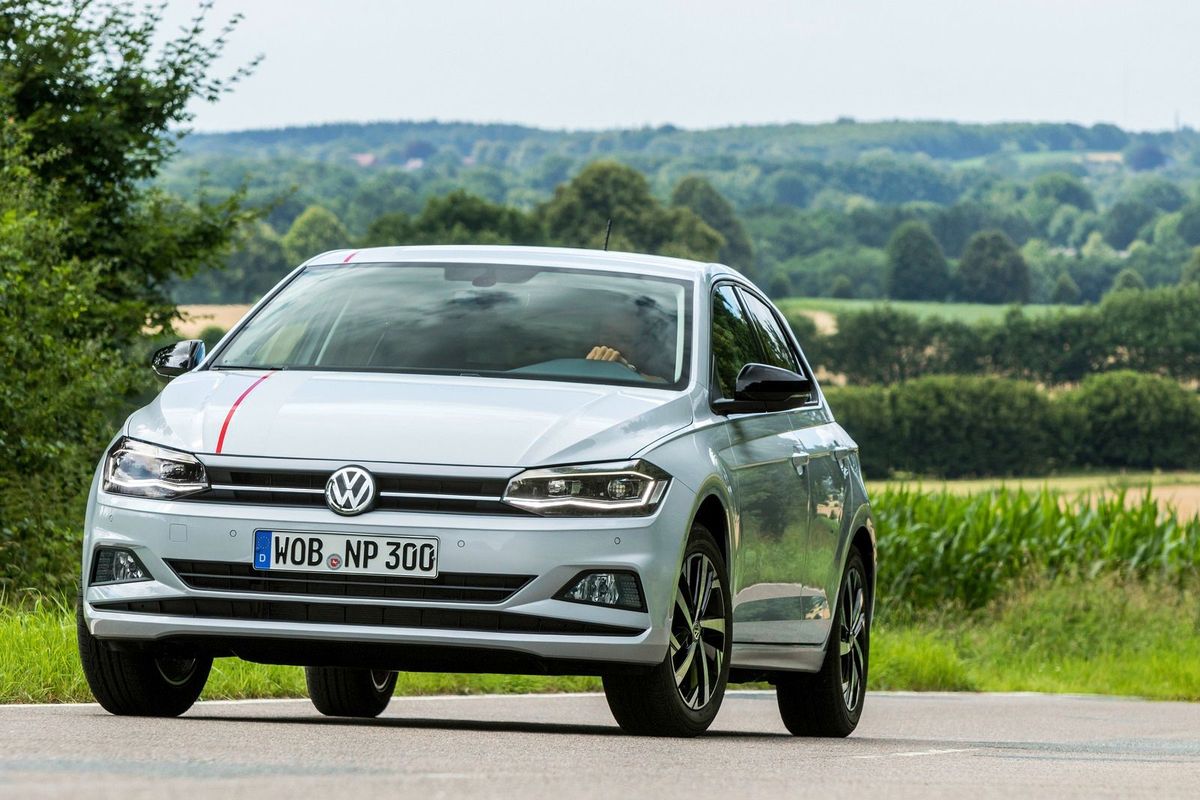
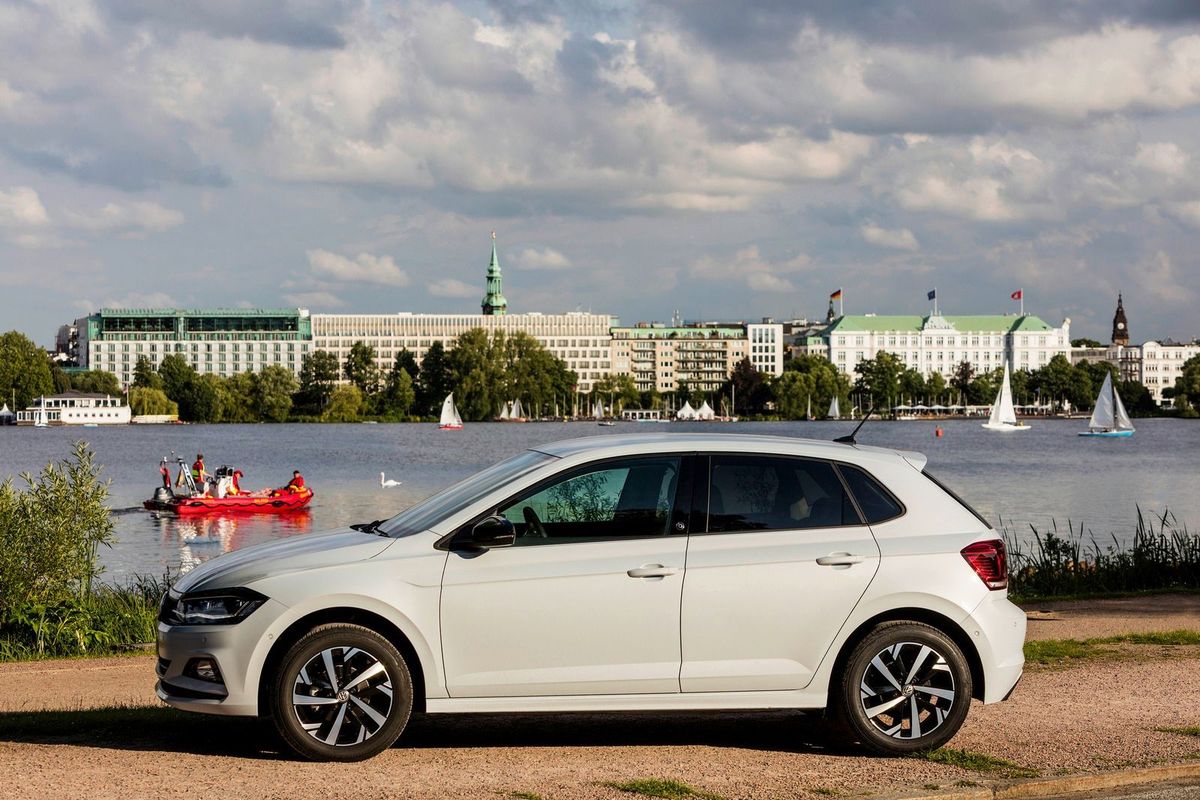
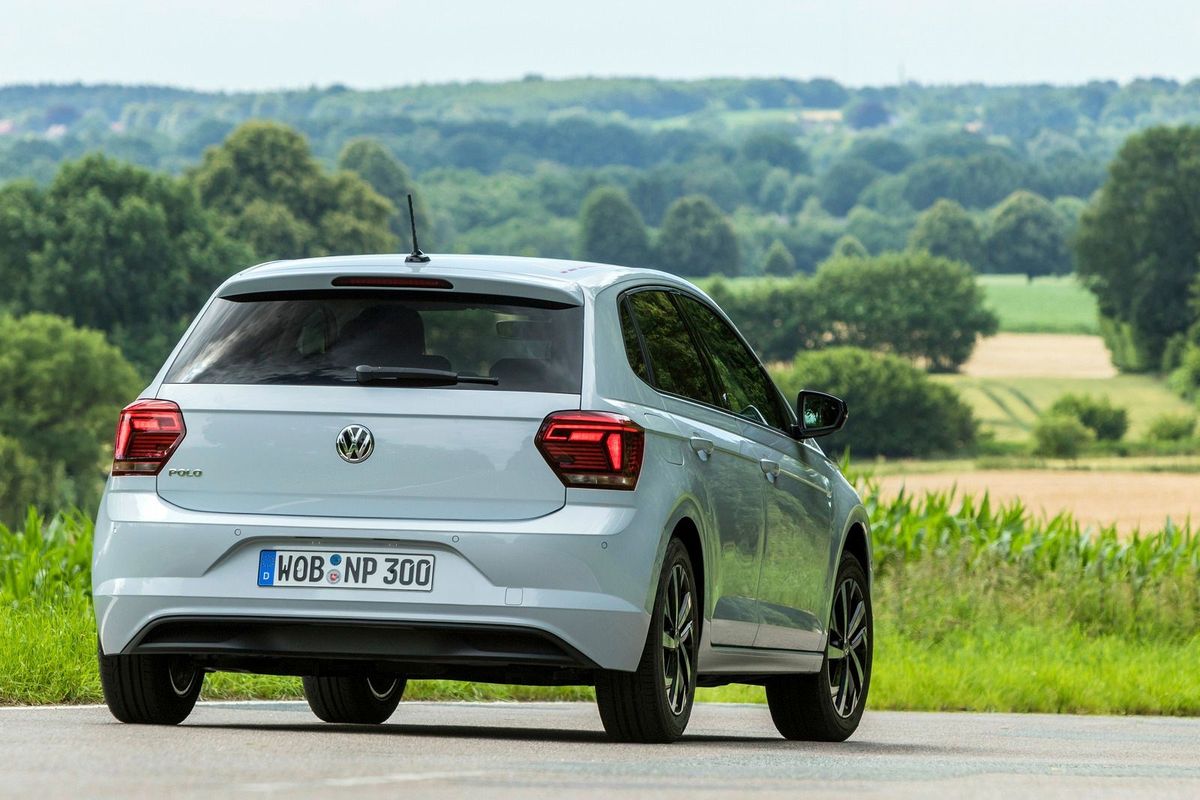
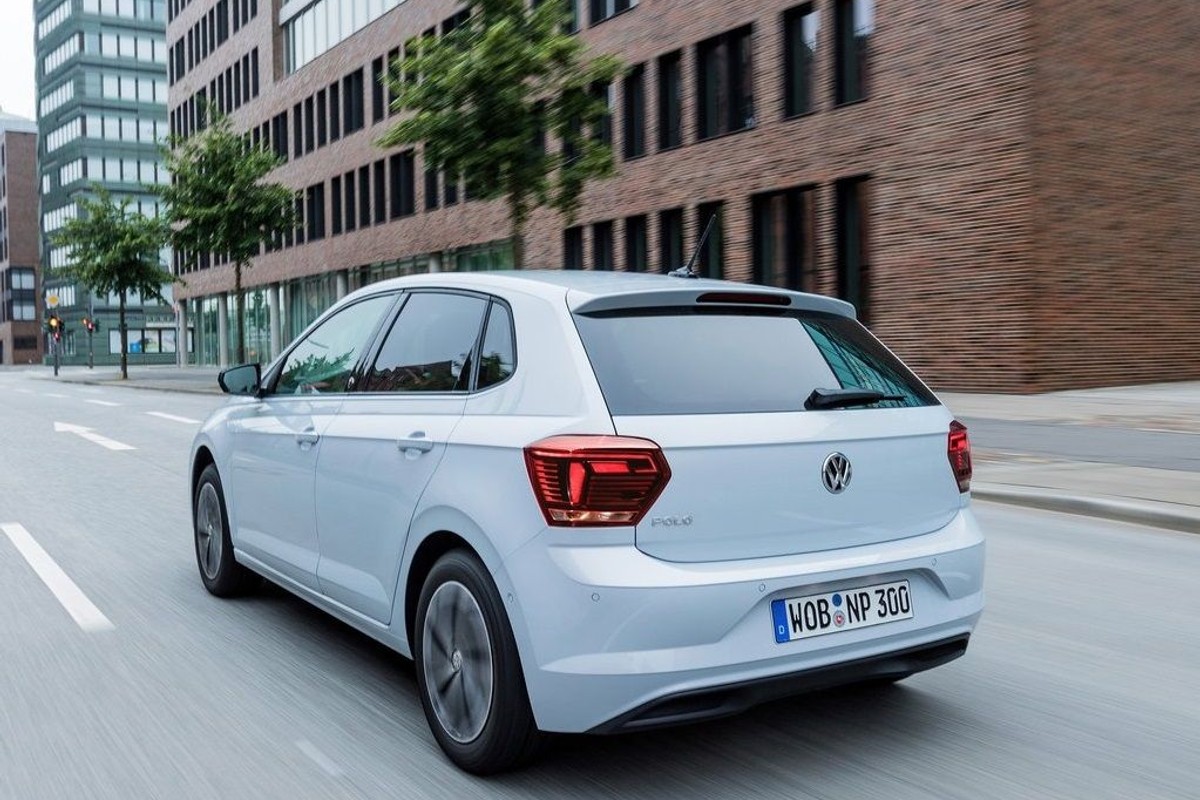
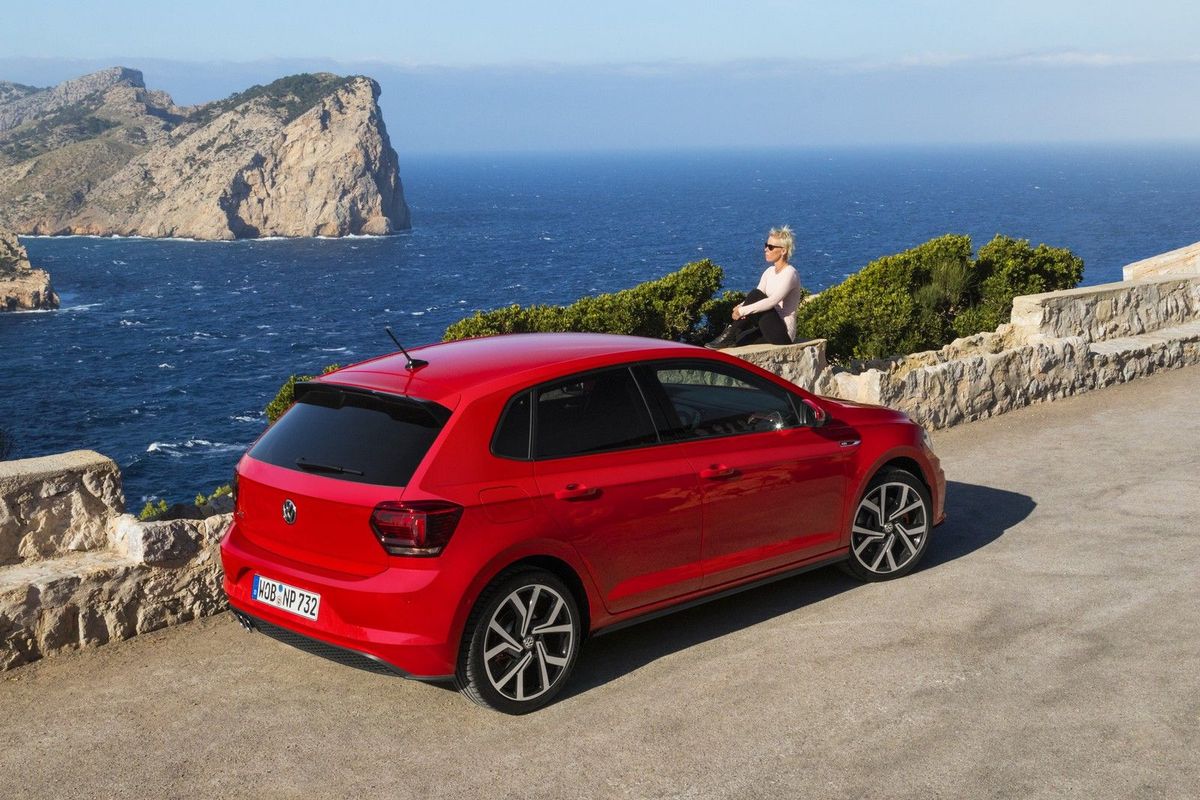
But why? Why even bother with the VW Golf 7.5 when the new sixth-generation Polo (and the fourth-generation here in SA) is so poised and polished? As well as longer, wider, and lower than the outgoing car. Our correspondent James Siddall reports.
This and more my driving partner asked each other as we rolled on Eastern Cape roads during the Polo launch this week. And let it be said that on automotive launches, much of the most insightful, cutting verdicts on the vehicle are passed during these in-car chats.
Indeed, a lot of VW faithful – as well as newcomers to the marque – might ask themselves the same thing when it comes to the perennially popular Polo.
The Golf still has a slight edge in sophistication and space, especially when it comes to the performance versions (GTI and R), although a fire-cracking Polo 2.0 GTI 147 kW DSG is set to hit the market around March this year. And like all world's right-hand drive Polos, it will be built at the Uitenhage plant – where VWSA has invested R6.1 billion since 2015.
But back to the Polo just launched.
It's based on VW's tip-top MQB platform, and as just mentioned it's quite a bit bigger as well as a little lower. Figure on a length of 4 053 mm (up by 81 mm), and a wheelbase of 2 548 mm (up by 92 mm). Boot volume, meanwhile, has swelled from 280 to 350 litres.
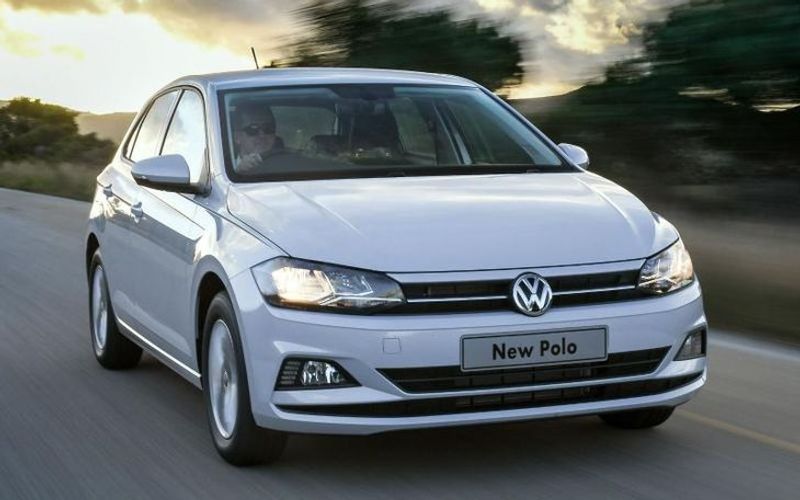
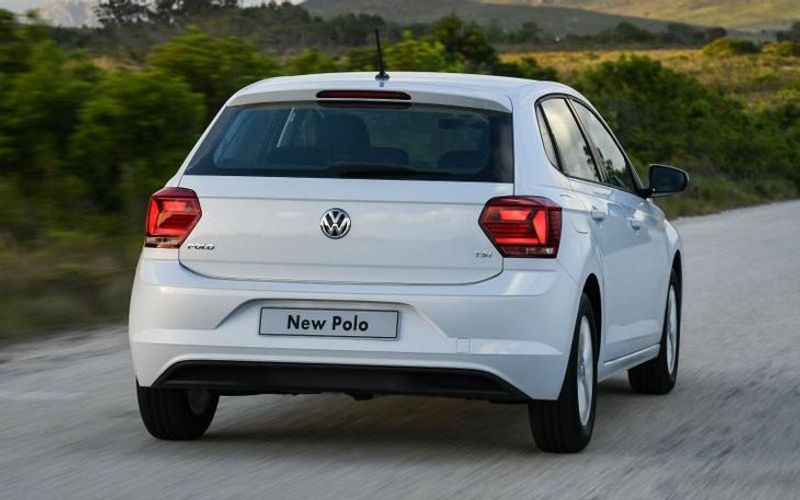
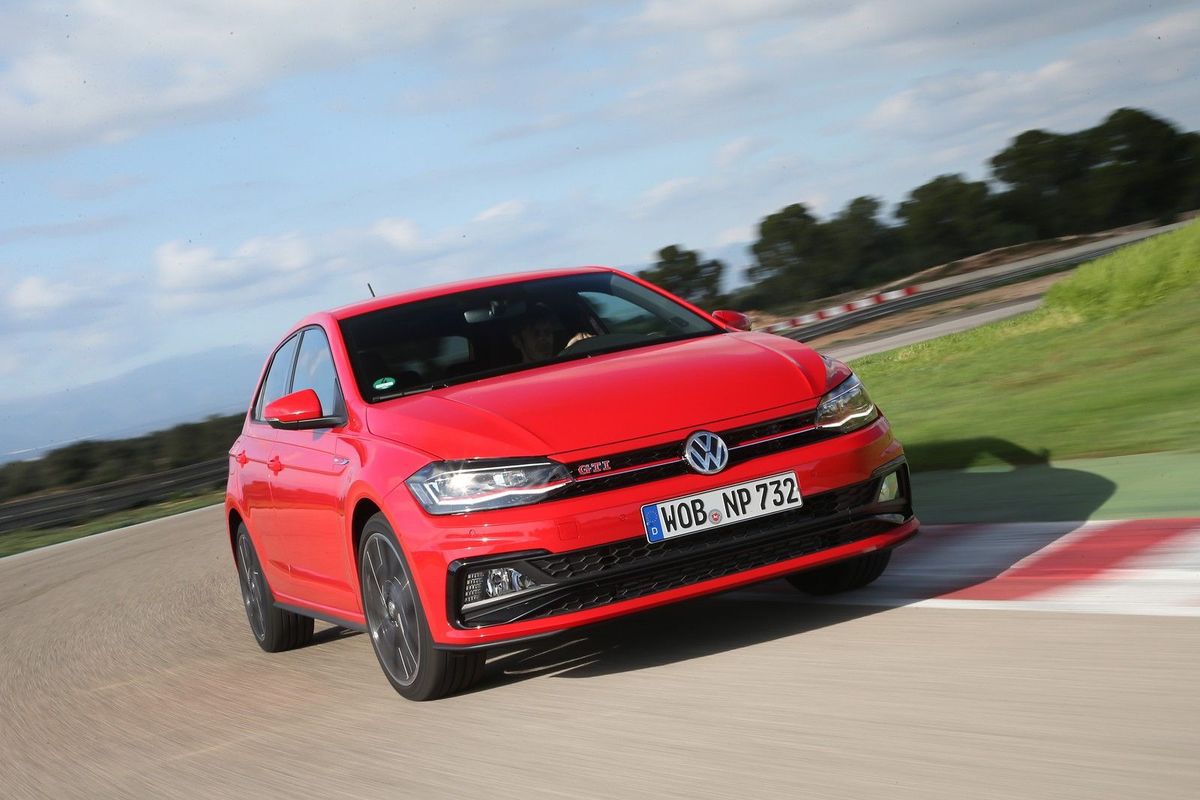
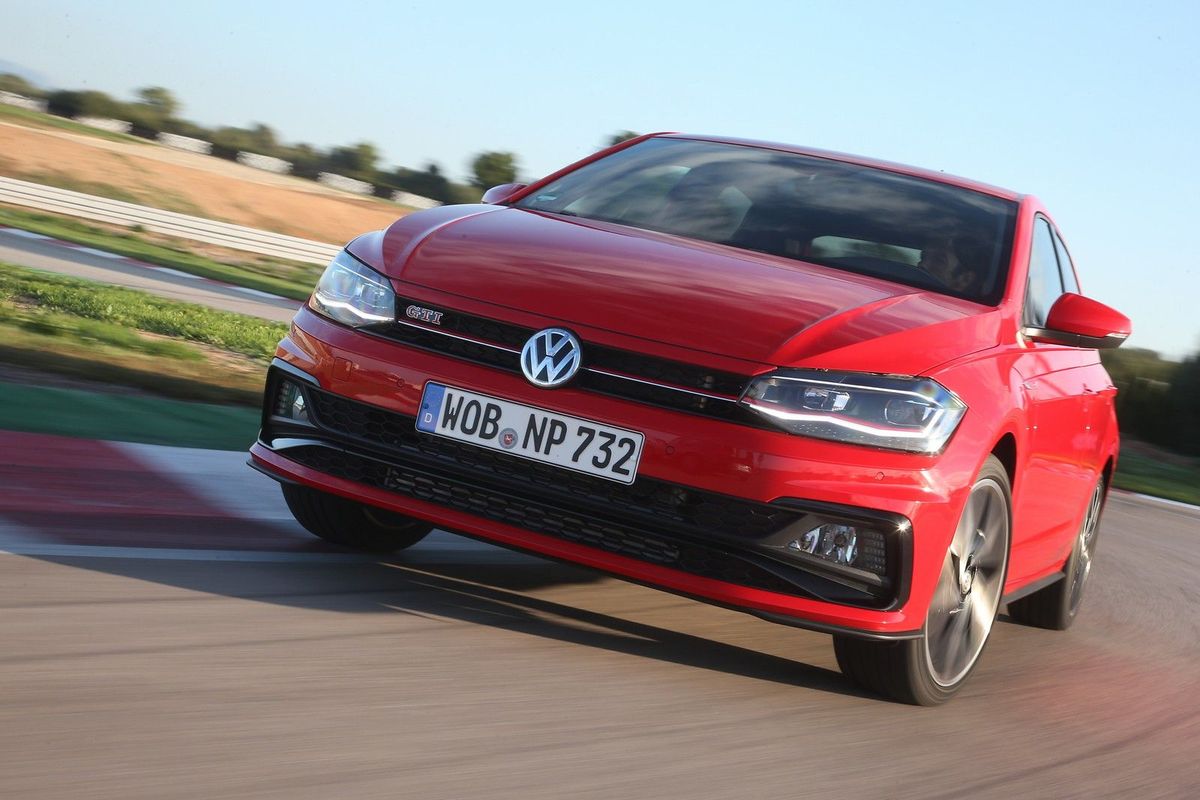
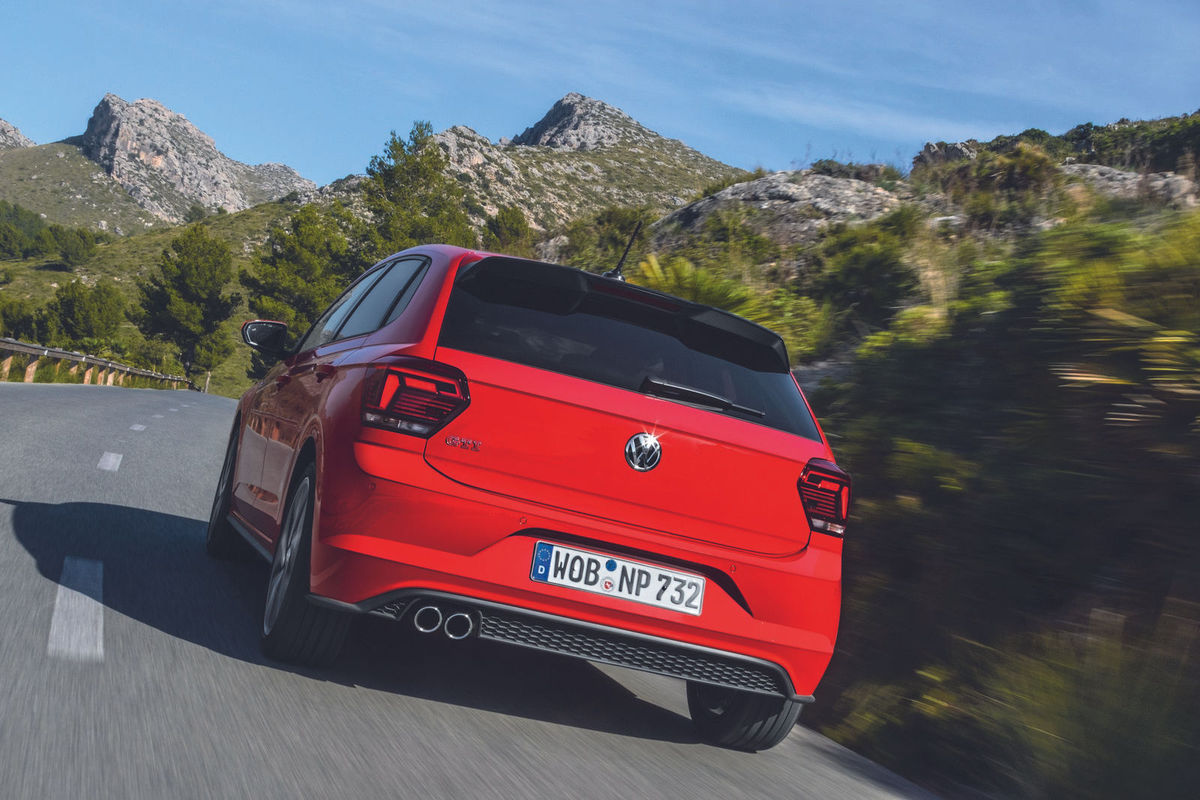
All of which gives this baby extra presence and poise, plus gravitas too. Add in shorter overhangs, the fact that it's a more “masculine” car as VW puts it, and fresh styling, and you have a package that wrenches retinas way more than the outgoing car.
To burgle a bit from the press release, “the C-pillar in particular, which is now designed to reach forward more and is precisely sculpted, makes the car dynamic and appear to lunge forward, even when stationary.”
That's no hyperbole: this machine has an edginess and athleticism to it, and if the previous Polo had a bit of a cult following, you can double that for the new one.
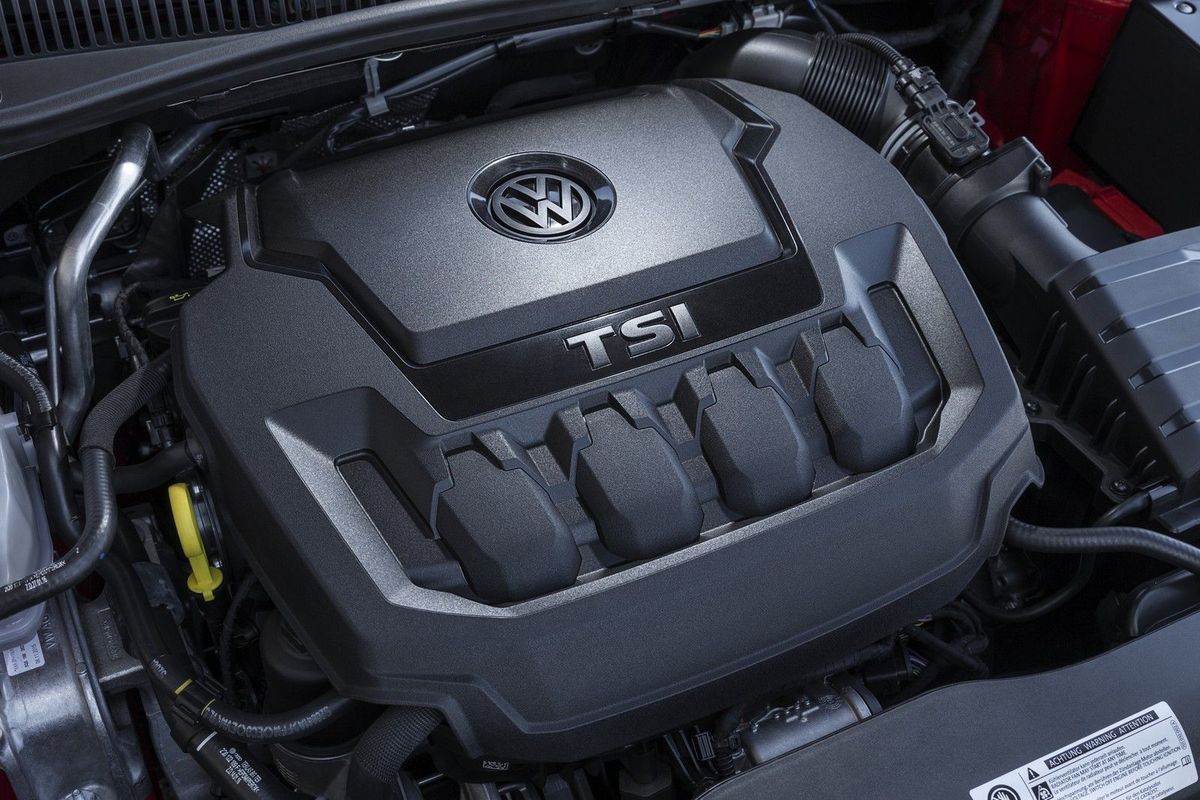
Big news under the hood – to use an Americanism that inexplicably sounds cooler than “bonnet” – is that that the current range is powered exclusively by a three-cylinder 1.0 TSI mill. At least until the GTI smokes onto the scene.
Now South Africans seem to be slowly embracing the concept of small, punchy, perky motors, and losing that dated infatuation with the “there ain't no replacement for displacement” maxim – which frankly carries the faintest whiff of fragile masculinity to it. Good thing too.
With five models in the range, this little motor can be had in two states of tune: 70 kW and 85 kW.
The first reaches peak output at 5 000 rpm, and pumps out 175 Nm at 2 000 rpm. This will scuttle the Polo from rest to 100km/h in 10.8 seconds. Top trot is 187 kph. The same as the first Golf GTI, as VW points out.
You can have your 70 kW Polo with a six-speed manual or an optional seven-speed DSG, both of which turn in the same figures. But if you can stretch to it, it's the slick, smooth, self-shifting DSG you want.
Without indulging in a tiring treatise on two-pedal versus manual motoring, the notion of stirring gears yourself now seems curiously dated and inexplicably redolent of old, oil-leaking roadsters tooling down pollen-spattered lanes on an eternal summer's day.
Claimed fuel consumption for the manual is an oil-unfriendly 4.5 litres per 100km in the combined cycle, and 4.7 for the DSG, while you can get this car in Trendline and Comfortline spec, more of which in a second.
The 85 kW motor, meanwhile, also hits peak output at 5 000 rpm, and bangs down 200 Nm at 2 000 rpm, and provides punch across the range, plus huge driveability – especially with the DSG 'box. Indeed, a previous automotive generation, unschooled in downsizing, would likely step into this machine and be astounded that a tiddly little one-litre provides such urge.
As for my driving partner and I, gobbling up the roads on a route that took us from PE to Uitenhage, we asked each other – repeatedly – whether there is any call for more power, punch, near-perfect ride quality, and refinement. With the answer being, “No, probably not.” But never mind quantifiable concerns.
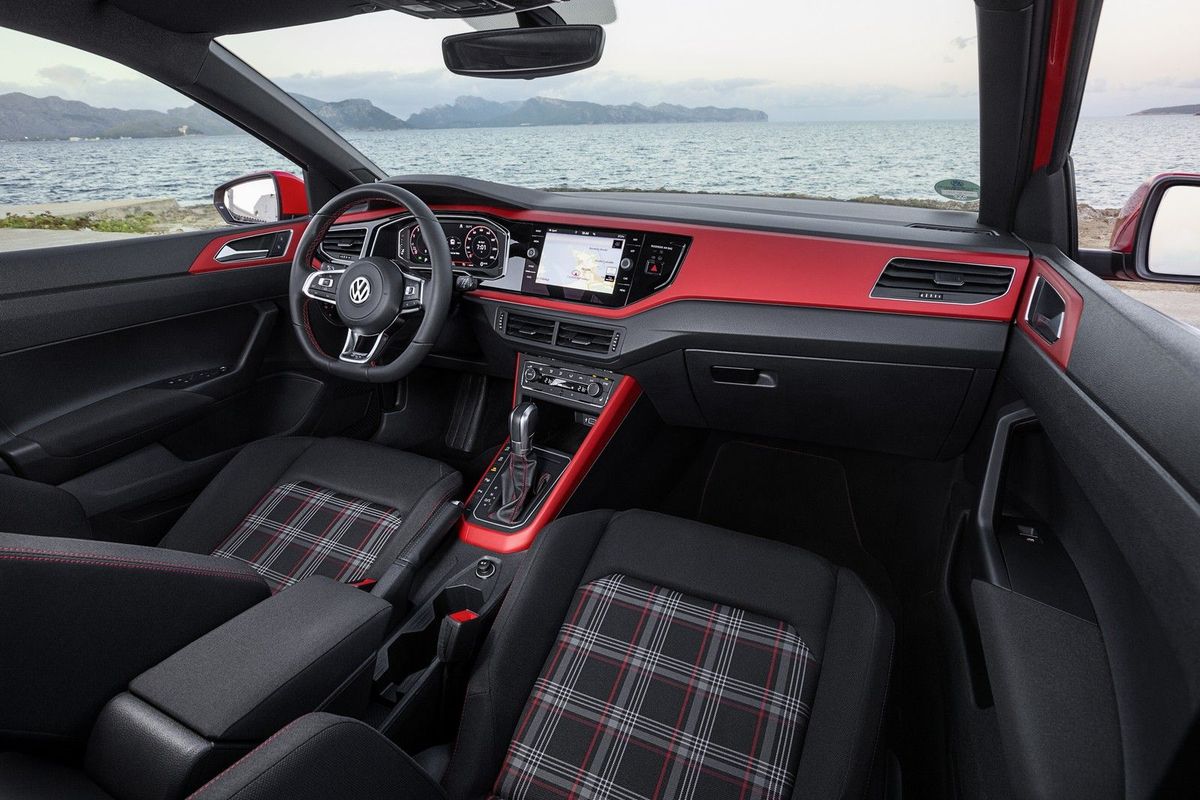
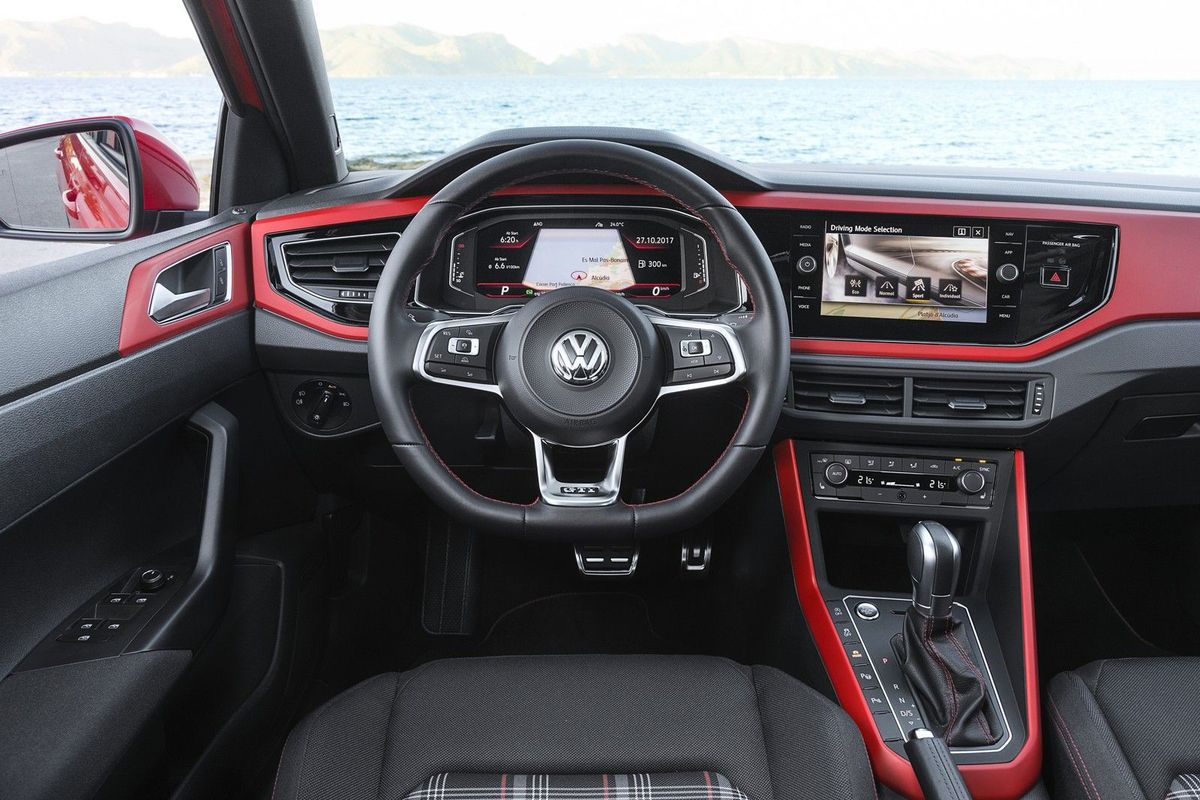
For me, the Polo's biggest coup is that it has now been so convincingly elevated to a premium category. Fit, finish, subjective build quality, the high-grade of materials used, and all those good things elevate this car to the premium level. Add in tip-top perceived build quality, plus brilliant fit and finish, and you have a top-drawer product. That “P” word once more comes to mind, in fact.
And speaking of premium, you can have your Polo in one of three spec levels: Trendline, Comfortline, and Highline, while the sound generation can also opt for the Polo beats. This baby packs, among other things, a crystalline 300-watt sound system plus visual flashes.
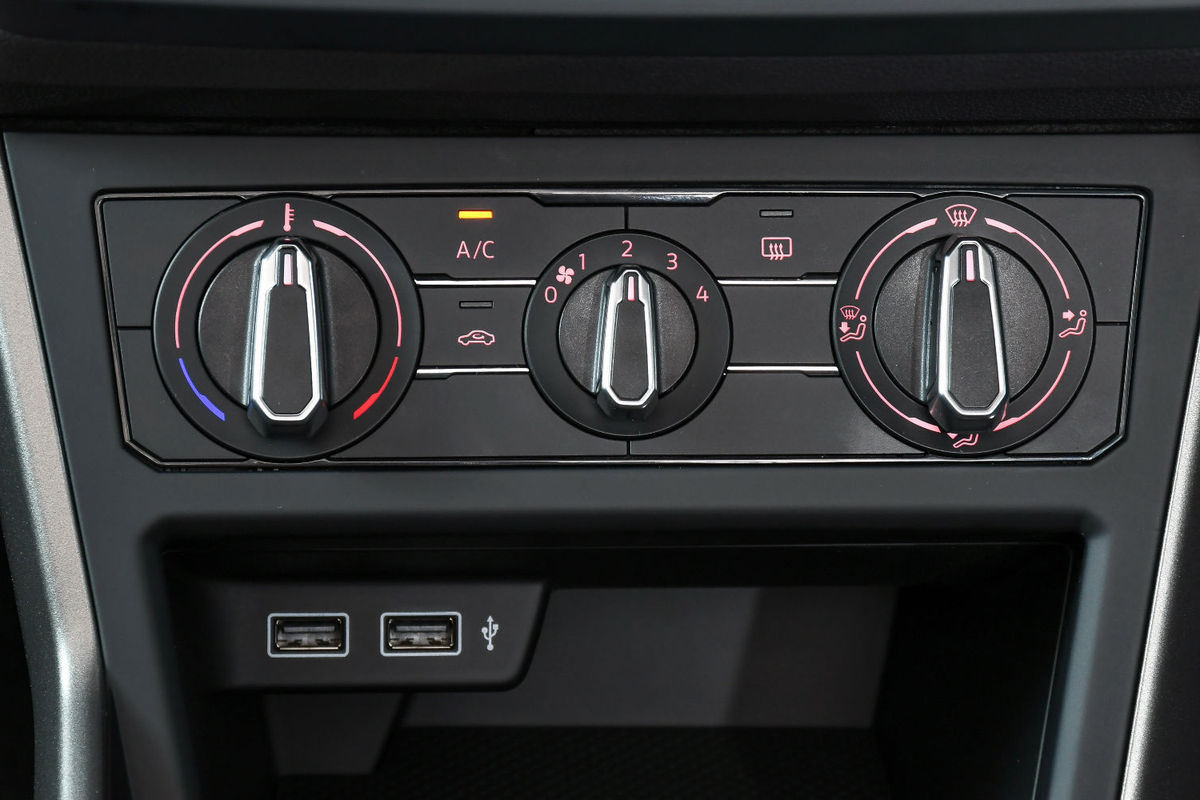
As for equipment levels, well, even the base Trendline comes standard with assistance systems such as the Automatic Post-Collision Braking System as well as LED daytime running lights, and front and rear curtain airbags. Front electric windows, Composition Colour infotainment system with four speakers, and a Connectivity Package featuring Bluetooth and USB also come as standard.
Move up to Comfortline, and you also get the likes of Multi-function Display “Plus”, the Composition Colour infotainment system with six speakers, leather multi-function steering wheel, Driver Alert System, and front and rear electric windows.
As for Highline vehicles, meanwhile, you can add to the mix the Composition Media infotainment system, App Connect, Voice Control, Sport seats, Cruise Control with speed limiter, and white LED ambient lighting (front doors and instrument panel).
But that's not all, folks. There's a long and tempting list of optional extras to choose from, among them Golf-class niceties such as high-intensity full-LED headlights, and one of the largest panoramic sunroofs in its class (the opening is 10mm wider and 20mm longer than before).
Plus with the available array of trim lines, colours, interiors, wheels, and optional features, you can practically spec your own unique Polo. All of which will very probably leaving you asking the same questions that posed themselves to my driving partner and I: do you really need more? And do you really need a Golf, as class-defining as it is?
New Volkswagen Polo – prices in SA (January 2018)
1.0 TSI 70 kW Trendline R235 900
1.0 TSI 70 kW Comfortline R264 700
1.0 TSI 70 kW Comfortline DSG R280 700
1.0 TSI 85 kW Highline R286 200
1.0 TSI 85 kW Highline DSG R302 200
All Polo derivatives come standard with a 3-year/45 000 km service plan. a 3-year/120 000 km mechanical- and 6-year anti-corrosion warranties.
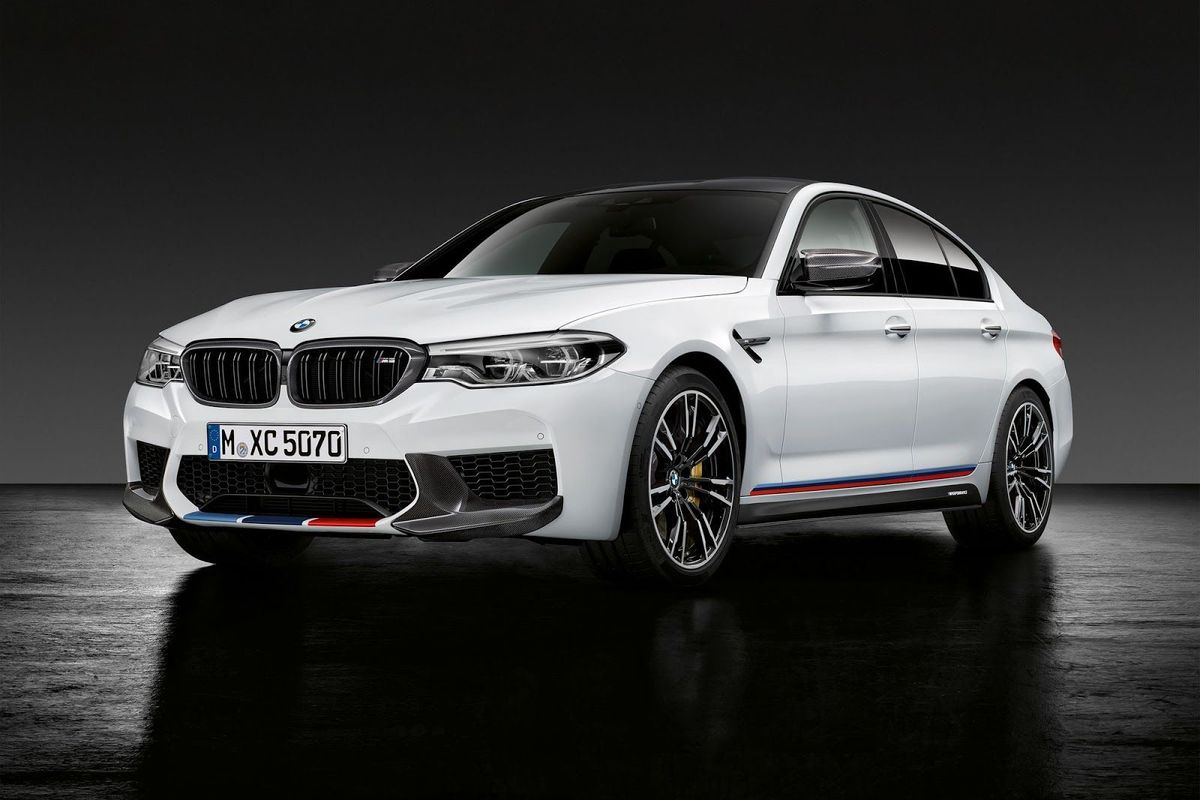
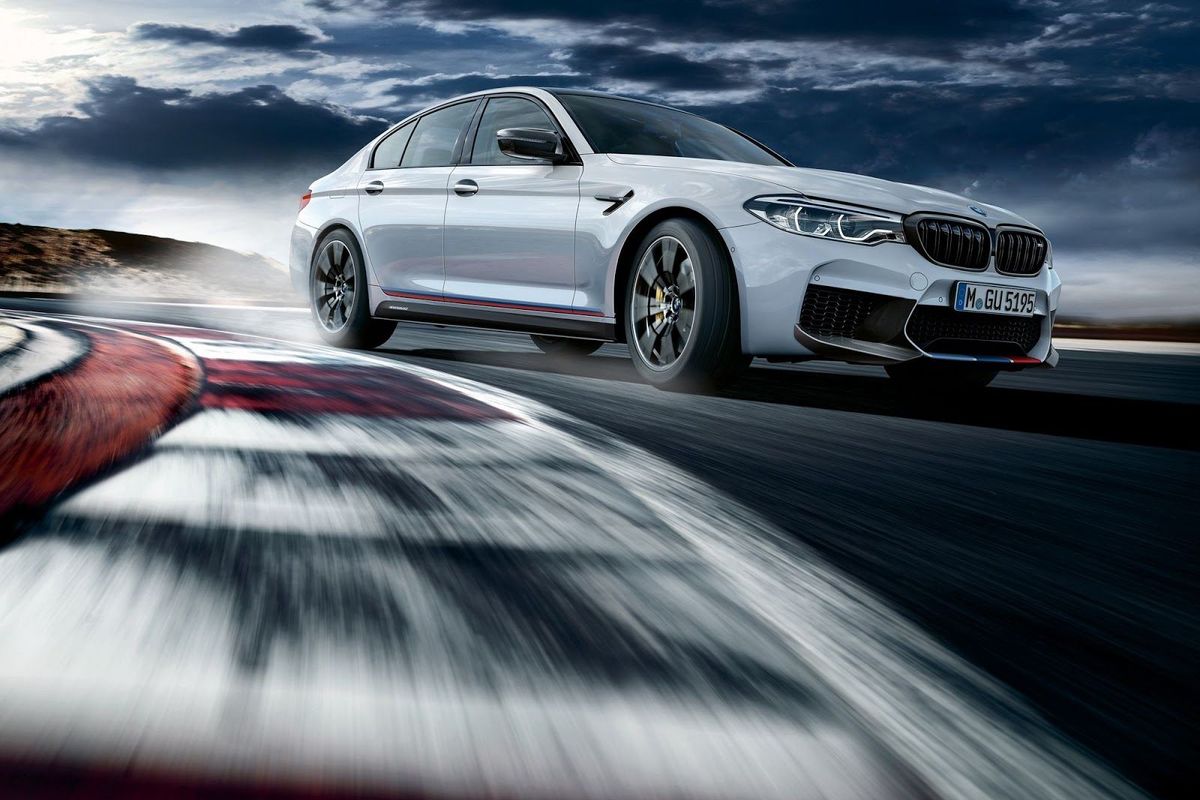
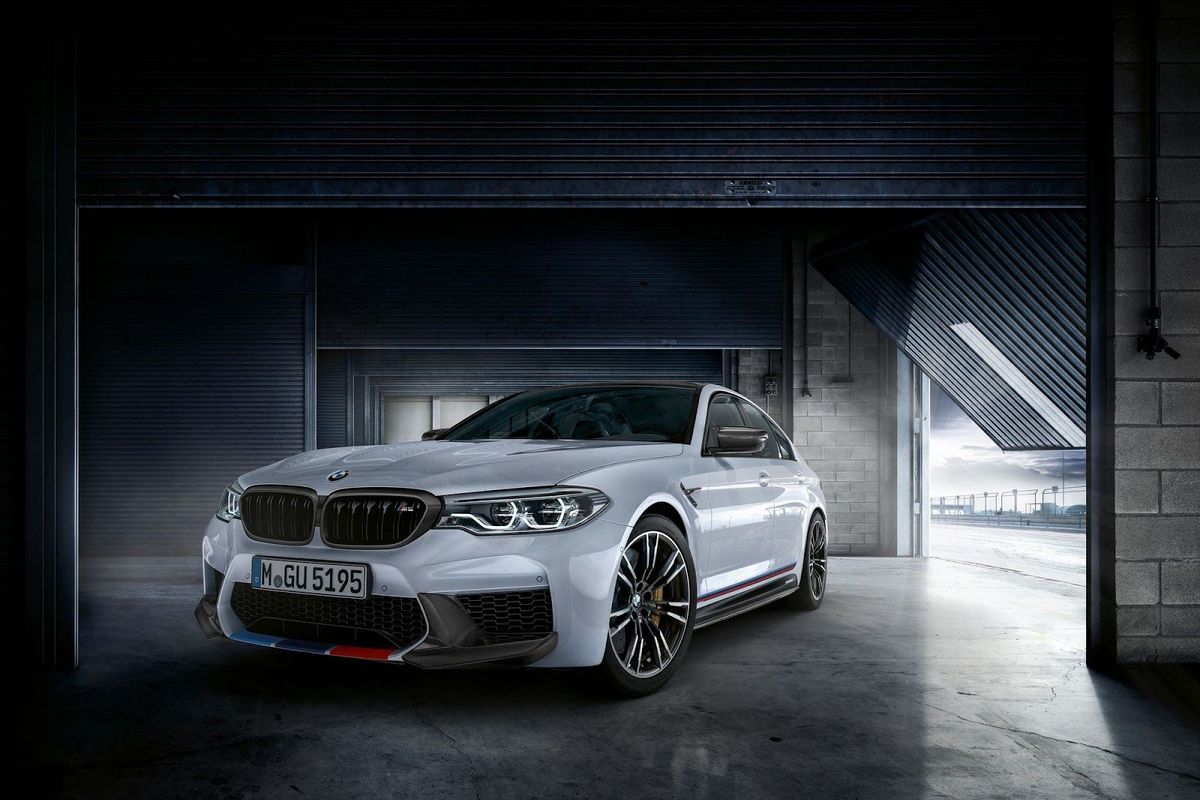
On the eve of the 2017 SEMA Show, images of the 2018 BMW M5 with M Performance Parts have appeared online. If the standard car's looks don't do it for you, then this could be just the solution. The best news however, is that there's a Competition Pack on its way.
In standard guise, the latest BMW M5, introduced to South Africans at the M Festival in October, is already pretty close to being the perfect blend of track toy and highway hero. Thanks in no small part to its new xDrive all-wheel-drive system, the brutal 441kW Beemer can shoot to 100km/h in a ludicrous 3.4s, making it the fastest standard M car you can buy.
But standard guise is for standard guys, so BMW released an M5 Performance Parts catalogue to tempt those with an unrelenting thirst for that little bit more, that little bit better, that little bit of extra fodder for around-the-braai banter.
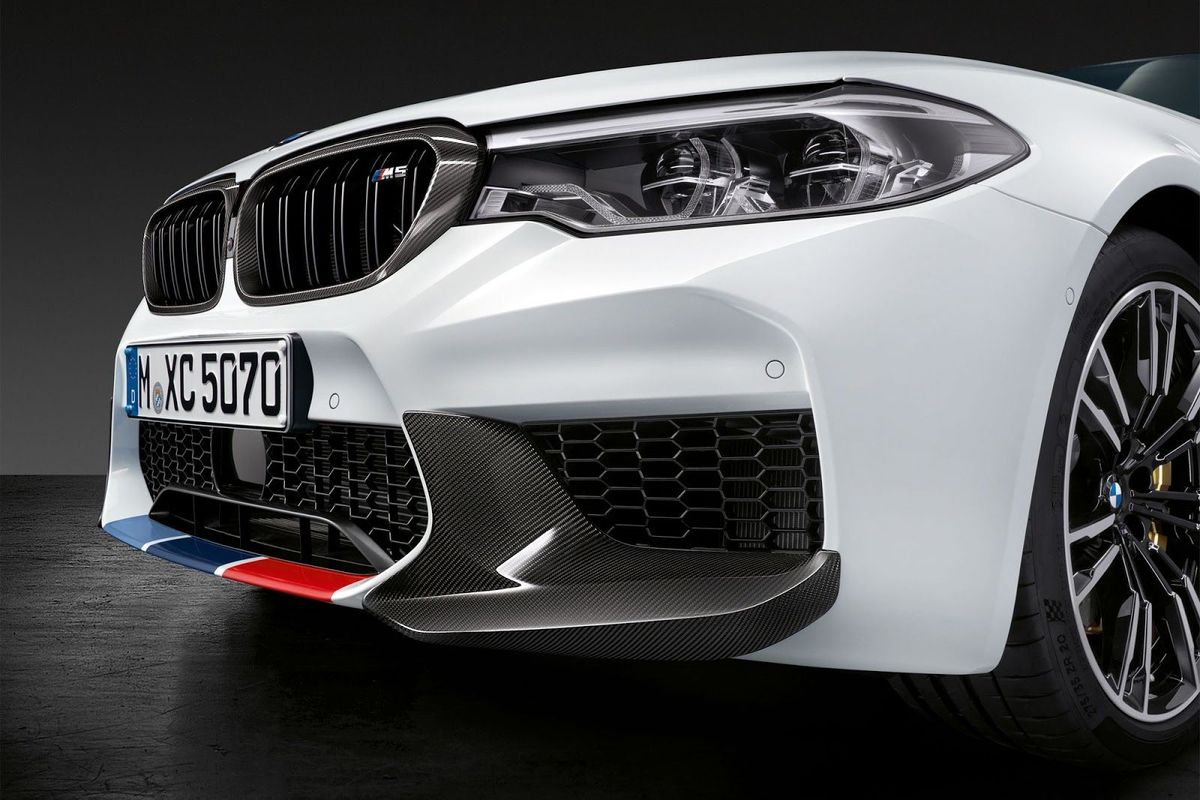
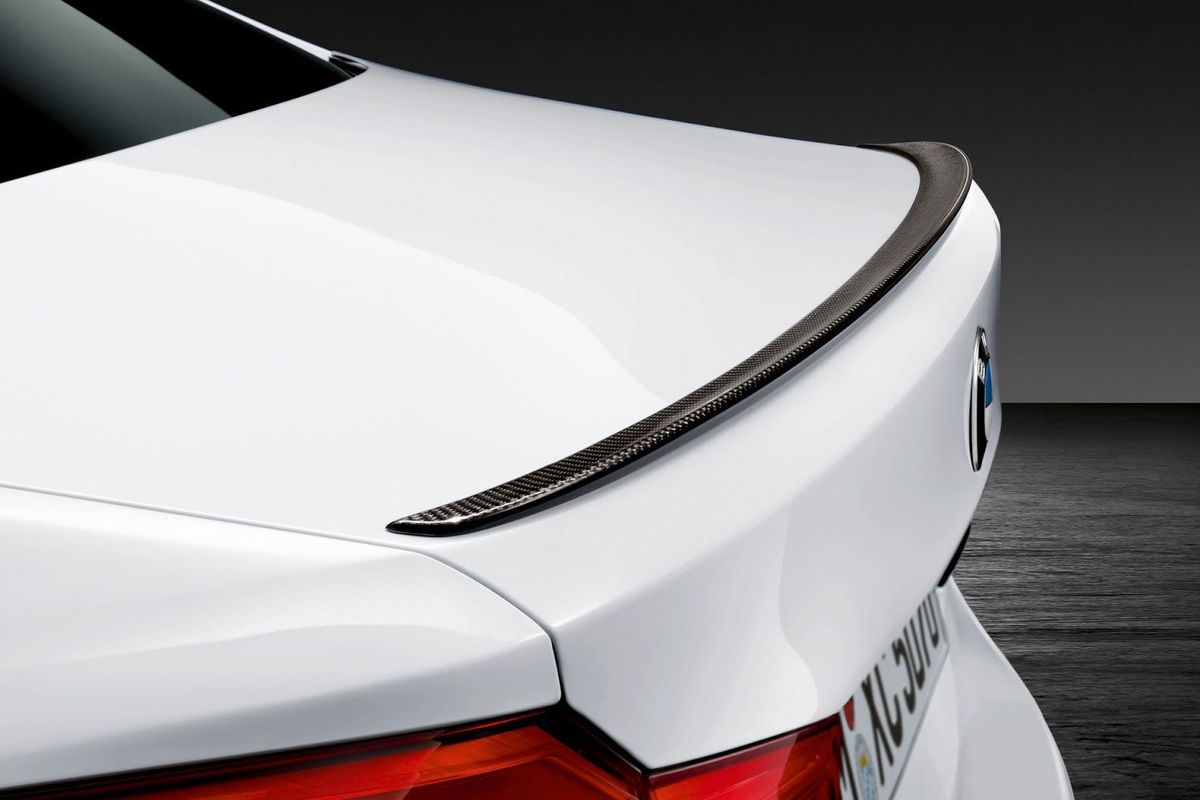
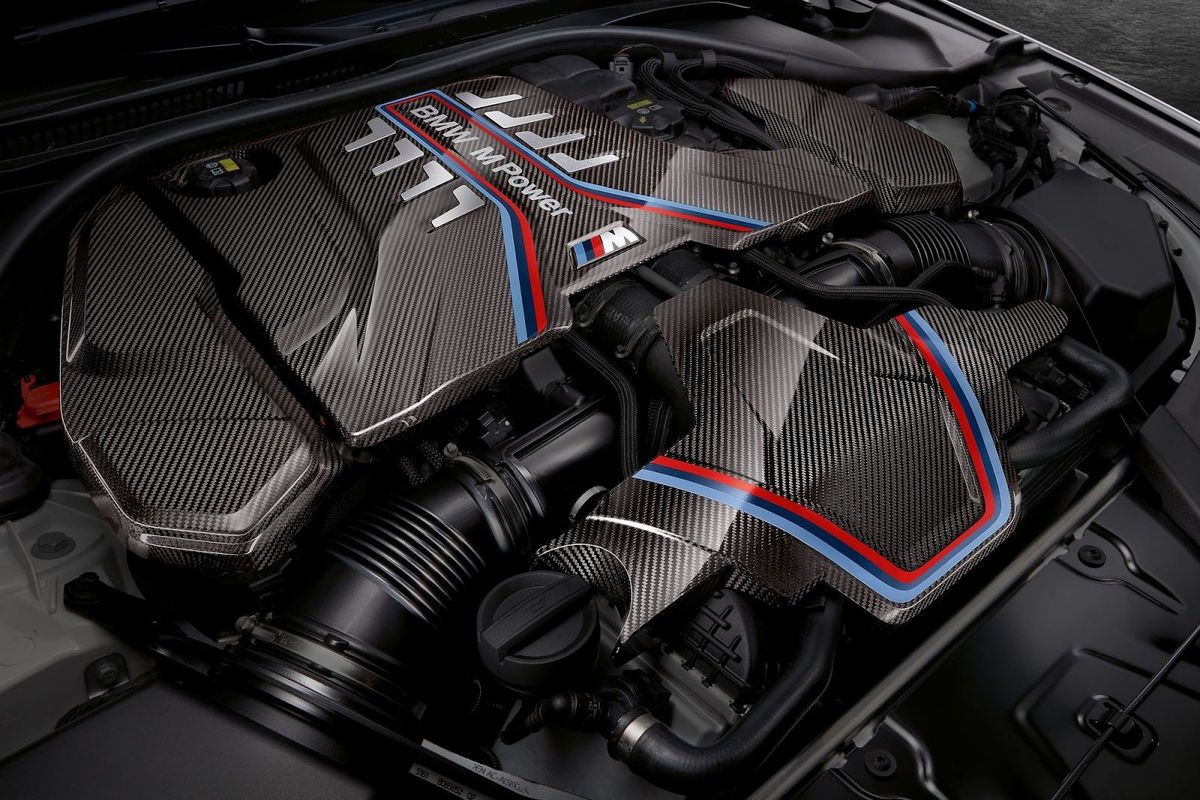
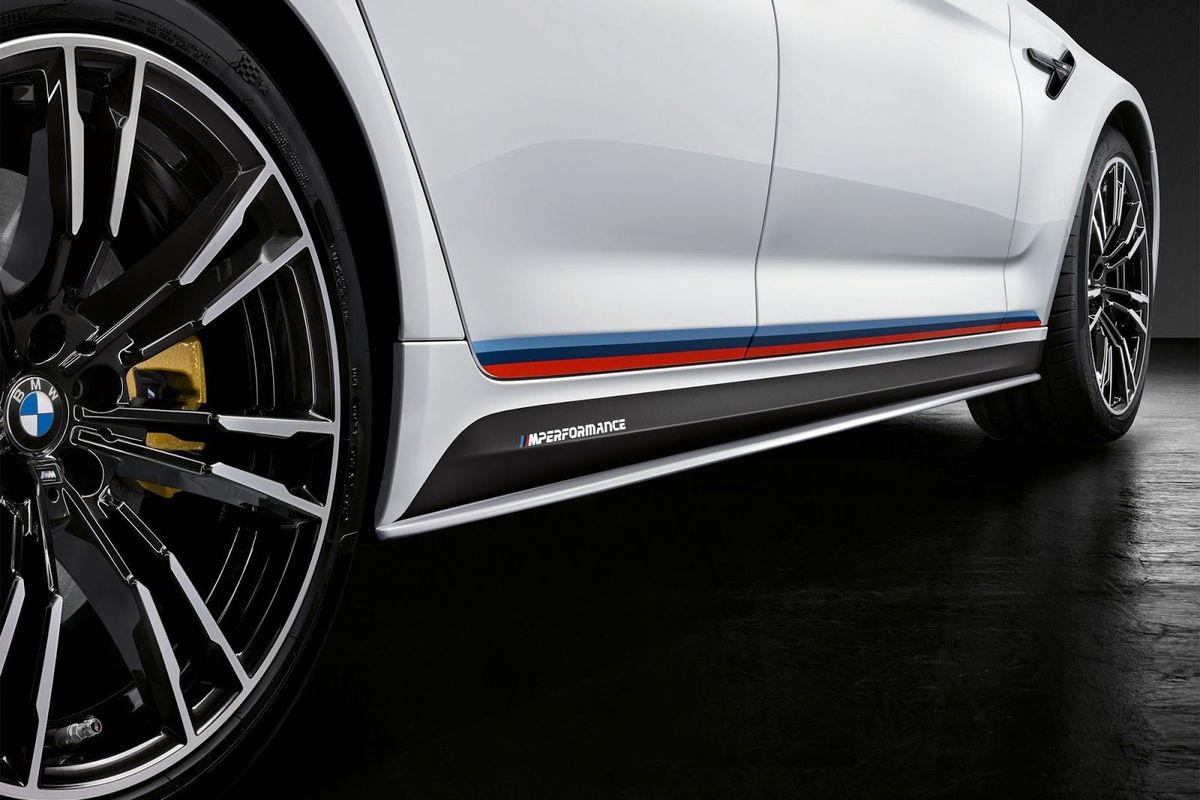
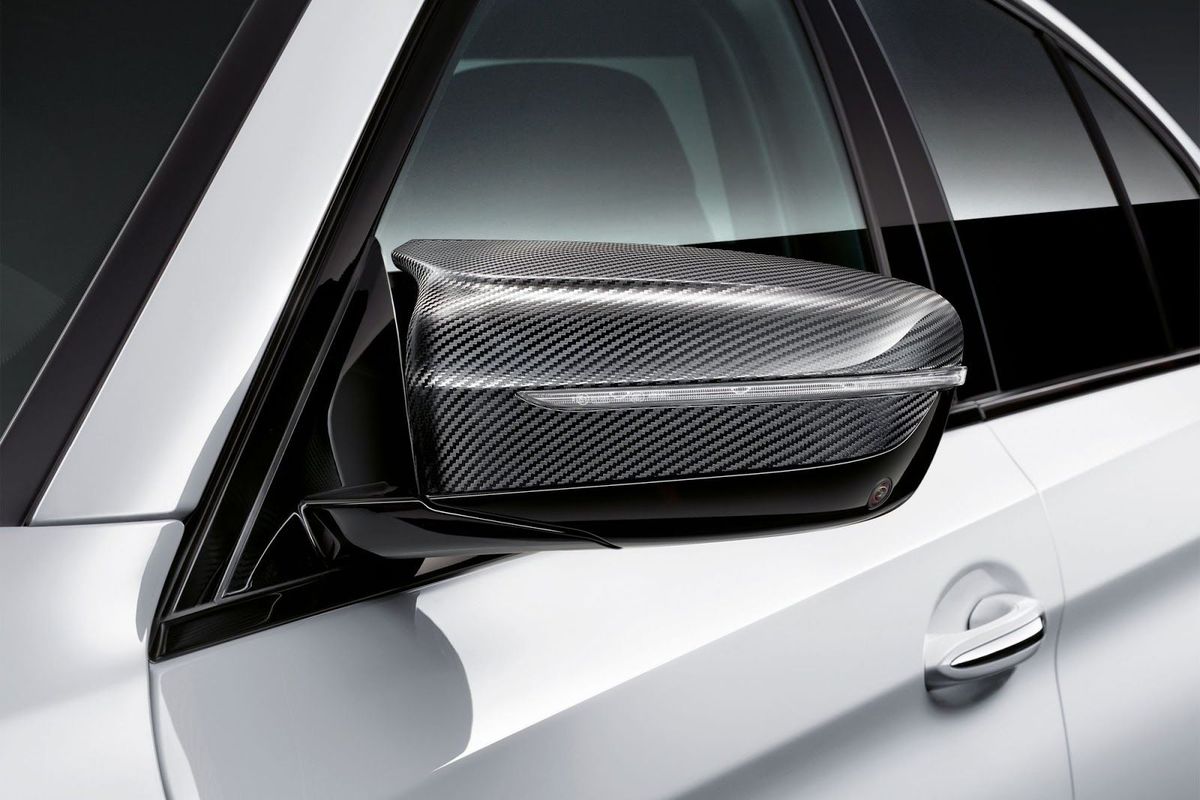
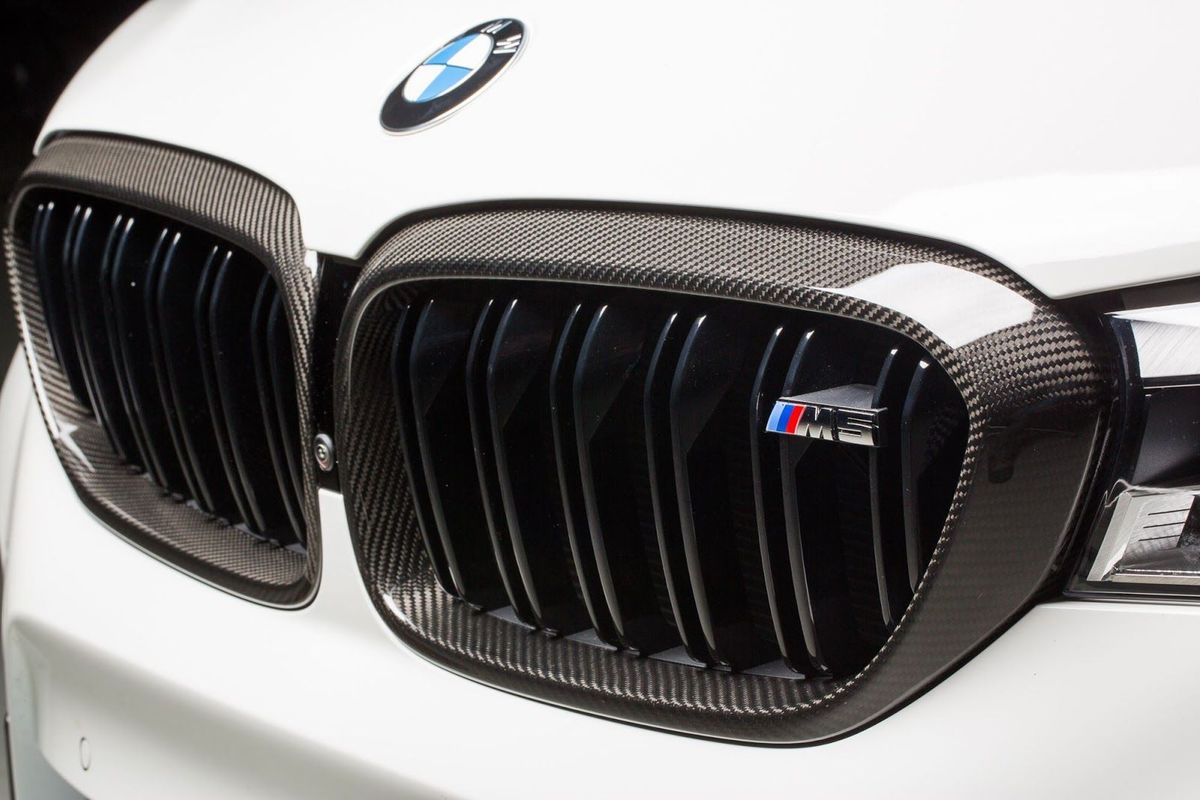
It's not just a cosmetic kit either and there are improvements to the handling, aerodynamic setup and exhaust tone. There are copious amounts of carbon fibre thrown in, as pictures will attest. There's a new front splitter, side skirts, boot spoiler, rear diffuser and wing mirrors – all in carbon fibre.
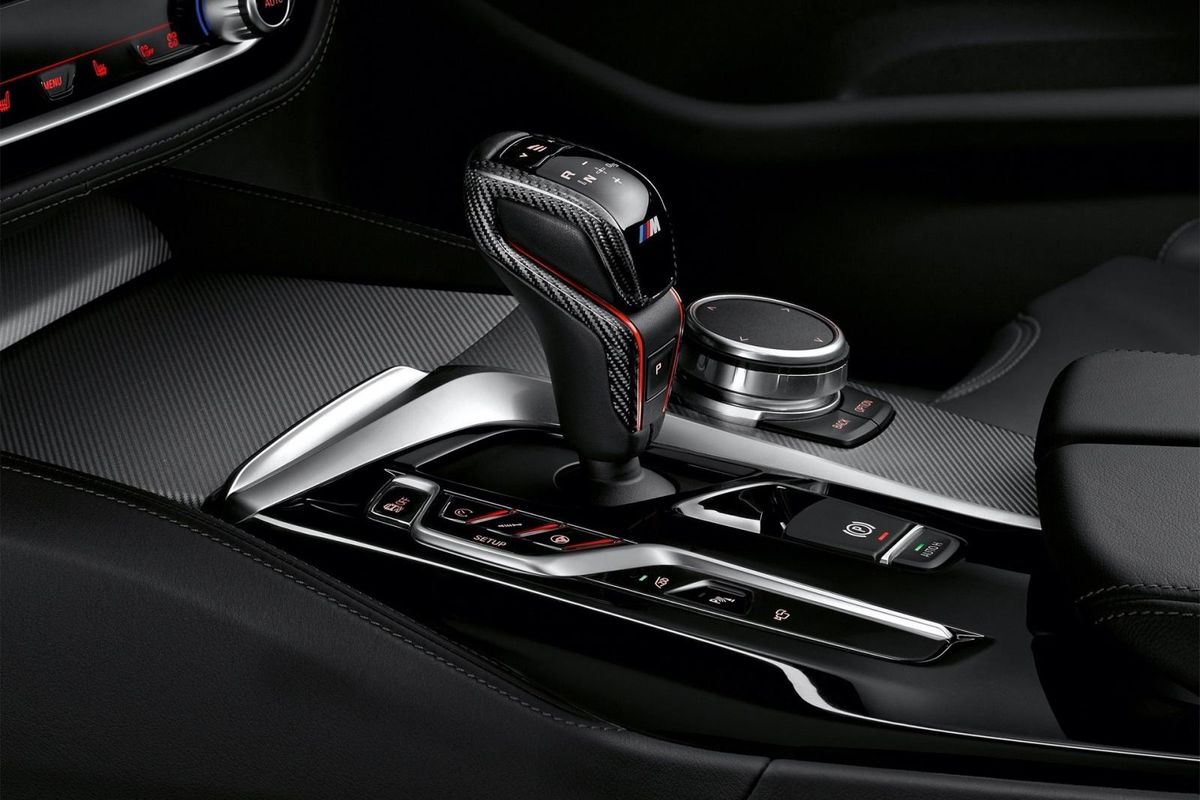
Under the skin, a new set of coilovers with adjustable spring plates and more potent carbon ceramic brakes are fitted. For the US and Canadian markets, there's the option of an M Performance sports exhaust setup, which features a titanium rear muffler and carbon fibre tailpipes. BMW claims this exhaust improves the engine note as well as a fractional increase in performance. Finally, the cabin gains some improvements such as carbon fibre shift paddles, M Performance mats and a new key wallet. There's also an M Performance app which sends vehicle data direct to your smartphone.
Now they’ve taken it yet another step further with the imminent production of a Competition Package version of the M5. BMW confirmed some time ago that the M5 would be available in Competition Package guise at some point during 2018, and it now seems like the hotter model will start going into production at the beginning of April.
A post on the Bimmer Post forums revealed that the announcement was made by BMW’s head of the BMW Driving Experience during the BMW M Ice Experience event held in Sweden.
While the Performance Parts catalogue mostly consists of cosmetic odds and ends to give the M5 a more arresting look (plus a few suspension and exhaust enhancement options), the Competition Package sees the 4.4-litre V8’s power boosted by around 19kW to 460kW, making it a smidgeon more powerful than the 4.0-litre, 450kW Mercedes-AMG E63S. That’ll ruffle a few feathers.
The extra power will be a welcome extravagance over the vanilla M5, but there’s lots more to be had. The Competition Package is expected to boast even better carbon ceramic brakes, a sharper chassis, a stiffer suspension setup, exclusive alloy wheels and some subtle interior tweaks.
With production of the Competition Package edition now expected to begin in April, there’s a high chance we’ll see BMW unveiling it at the Geneva Motor Show in the first half of March 2018.
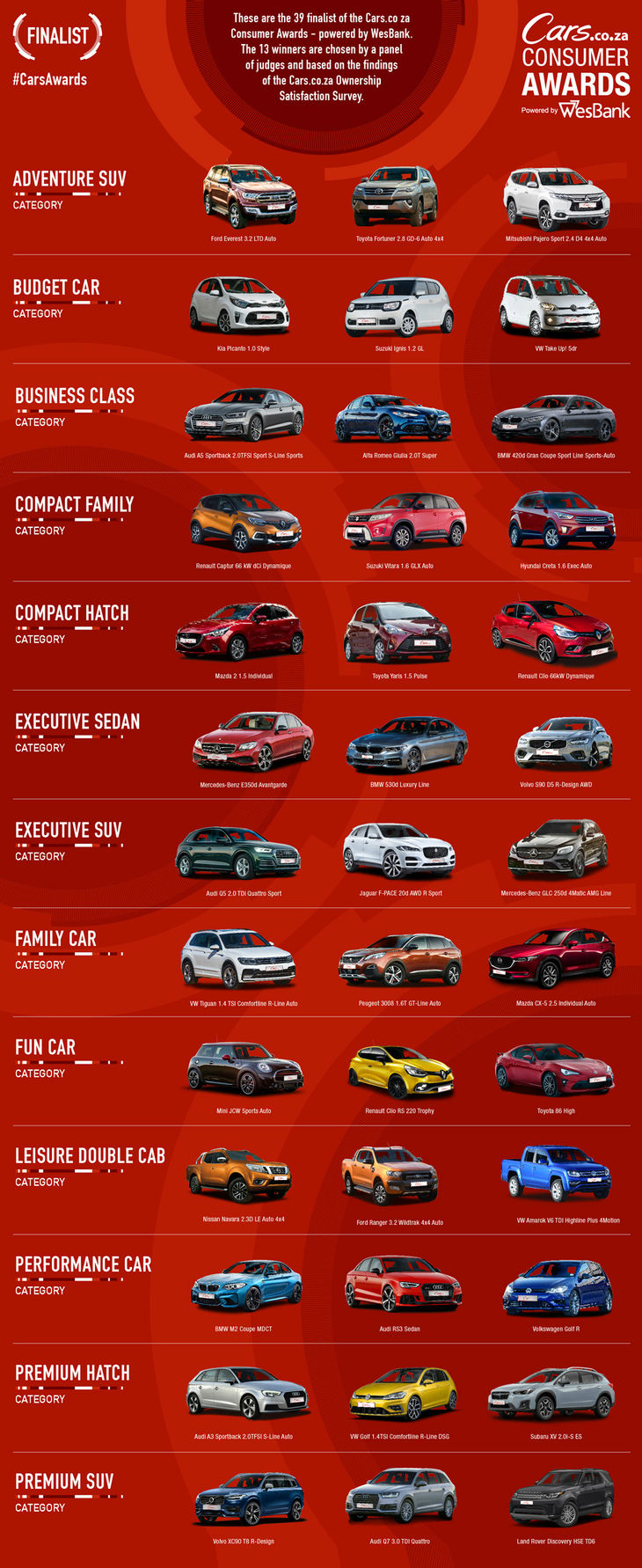
Countdown to the 2017/18 Cars.co.za Consumer Awards powered by WesBank
The 2017/18 Cars.co.za Consumer Awards – powered by WesBank, will conclude with the announcement of the 13 category- and prestigious Brand of the Year winners at a glamorous event hosted at The Galleria in Sandton, Johannesburg on 25 January 2018.
Now in its third iteration, the definitively consumer-oriented awards programme has steadily grown in stature, reach and influence since the inaugural event in 2016. Apart from being supported by South Africa’s largest vehicle finance provider, #CarsAwards is regarded an energetic, impactful opening number to the automotive industry calendar.
No fewer than 20 brands are represented in the list of 39 finalists in contention for category wins… The Volkswagen Group leads the nominations with 10 derivatives (Audi and VW have five apiece), followed by the BMW Group (four), with Alfa Romeo, Kia, Mitsubishi, Peugeot and Subaru making their first respective appearances in the final.
The eagerly anticipated ceremony will be hosted by well-known media personality (and #CarsAwards guest judge) Anele Mdoda, with live entertainment courtesy of GoodLuck and an intriguing line-up of guest speakers, one of whom will share insights to South African car consumers’ search activities on Google. The event will be attended by no fewer than 350 guests, among them motor industry leaders, celebrities and specialists from a variety of fields.
There are several reasons why the #CarsAwards has broader appeal than most other automotive awards programmes. For one, winners aren’t chosen exclusively by those who review the latest new vehicles in the market… The experienced Cars.co.za editorial team of 7 motoring journalists chose the finalists, yes, but a combined panel (including 11 respected and experienced guest judges from a variety of backgrounds) to evaluate the finalists back-to-back during a two-day test at Gerotek at the end of 2017.
Moreover, the South African public has just as much say in the outcome of 2017/18 #CarsAwards as the 18 judges do. Fifty percent of the final scores are based on rankings that the respective vehicles’ brands achieved in the Cars.co.za Ownership Satisfaction Survey, in partnership with leading data specialists Lightstone Consumer. The data incorporates feedback from thousands of vehicle owners, based on their experiences of their vehicles (less than five years old and serviced through franchised outlets).
In fact, the most prestigious Brand of the Year title (previous winners include Toyota and Suzuki) is based solely on the findings of the Cars.co.za Ownership Satisfaction Survey.
Members of the public can follow developments of the Cars.co.za Consumer Awards – powered by WesBank on Cars.co.za and its social media channels (content bearing #CarsAwards hashtag) Twitter, Facebook, Instagram and watch the event live on Cars.co.za’s YouTube channel.
To access more information about the programme (including categories, judges and finalists) visit http://www.carsawards.co.za
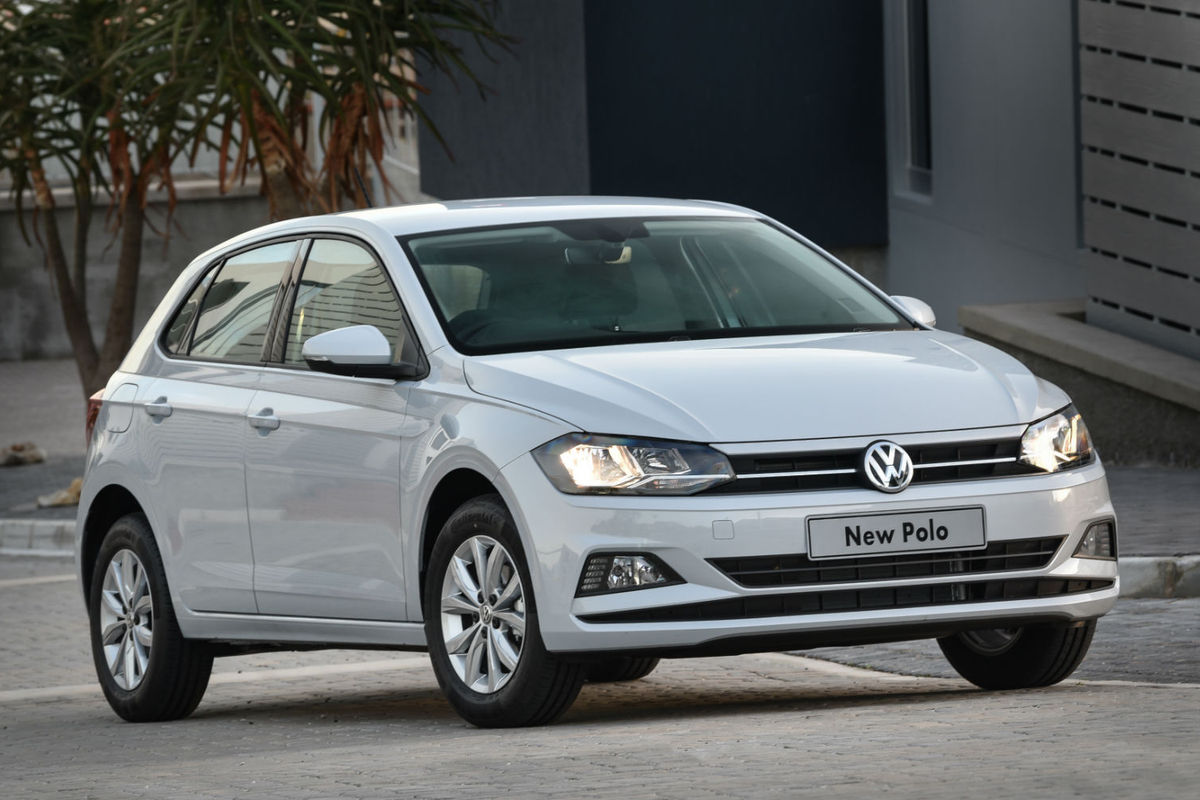
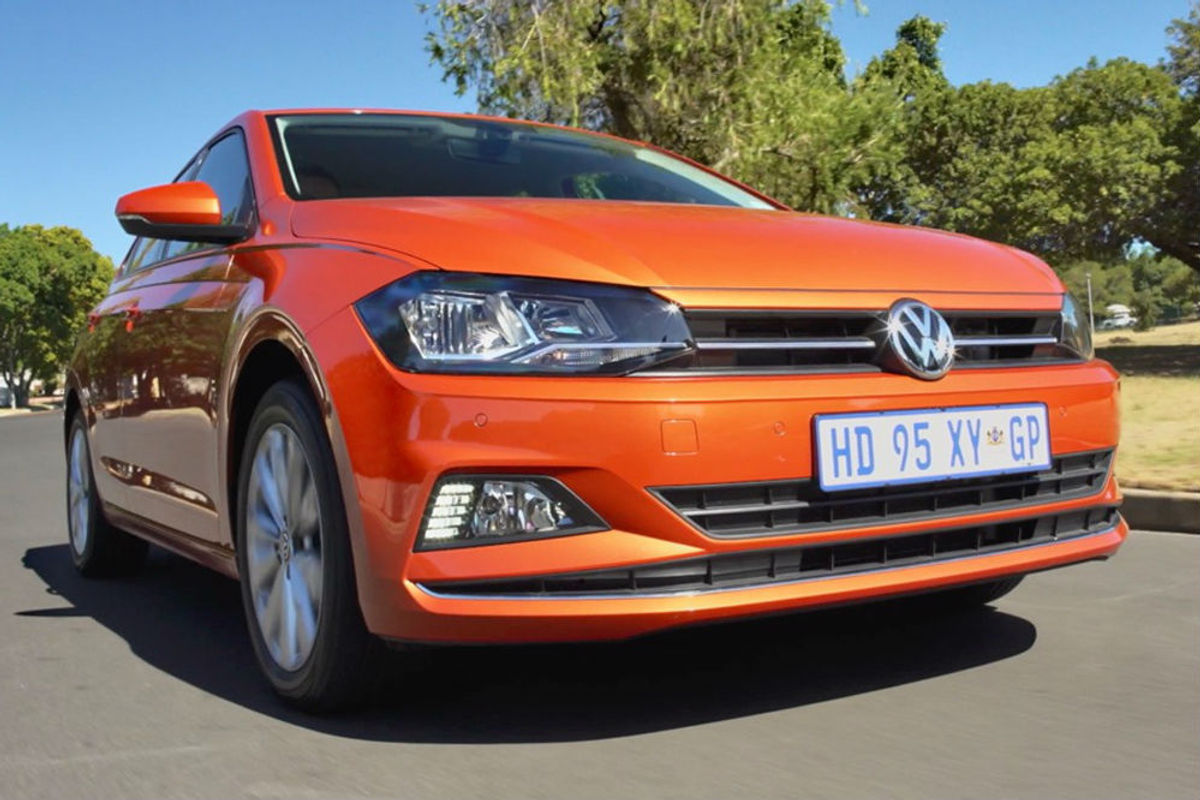
The all-new Volkswagen Polo is now available in South Africa! Take a look at specification and pricing details for the new Polo below!
The Polo is an important model for Volkswagen. It’s one of the best-selling models in South Africa and regularly tops the monthly new vehicle sales charts.
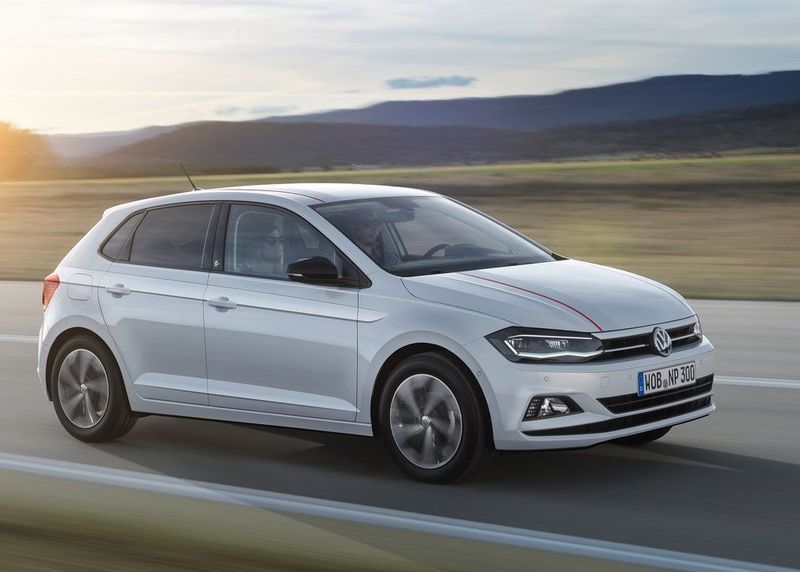
The new 6th-generation Polo has been launched in South Africa and based on public opinion, it's expected to sell very well. Built on Volkswagen’s MQB platform, the new Polo is bigger than before resulting in a more spacious cabin. The Polo is now 4 053 mm long, 1 751 mm wide and stands 1 446 mm high. That means it’s 81 mm longer, 63 mm wider and 7 mm lower than the outgoing model. The wheelbase has grown by some 92 mm and the front and rear track widths have grown by 62 mm and 49 mm respectively.
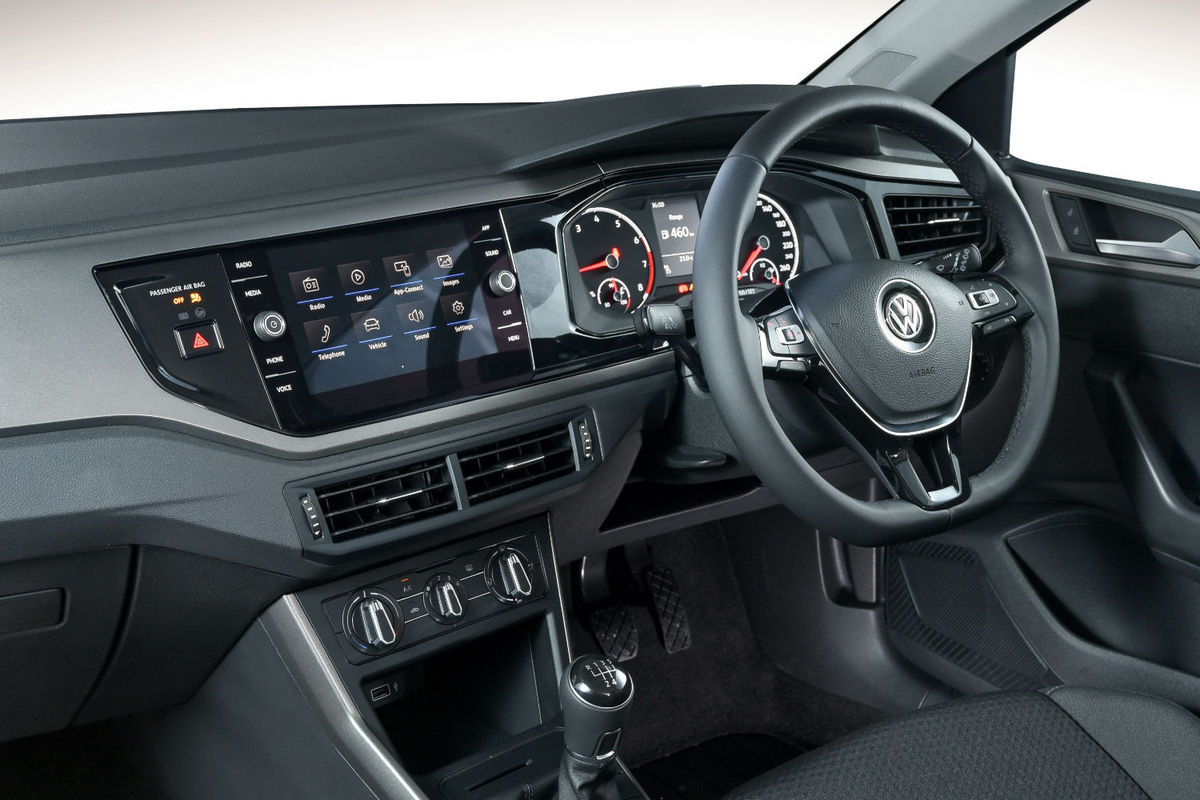
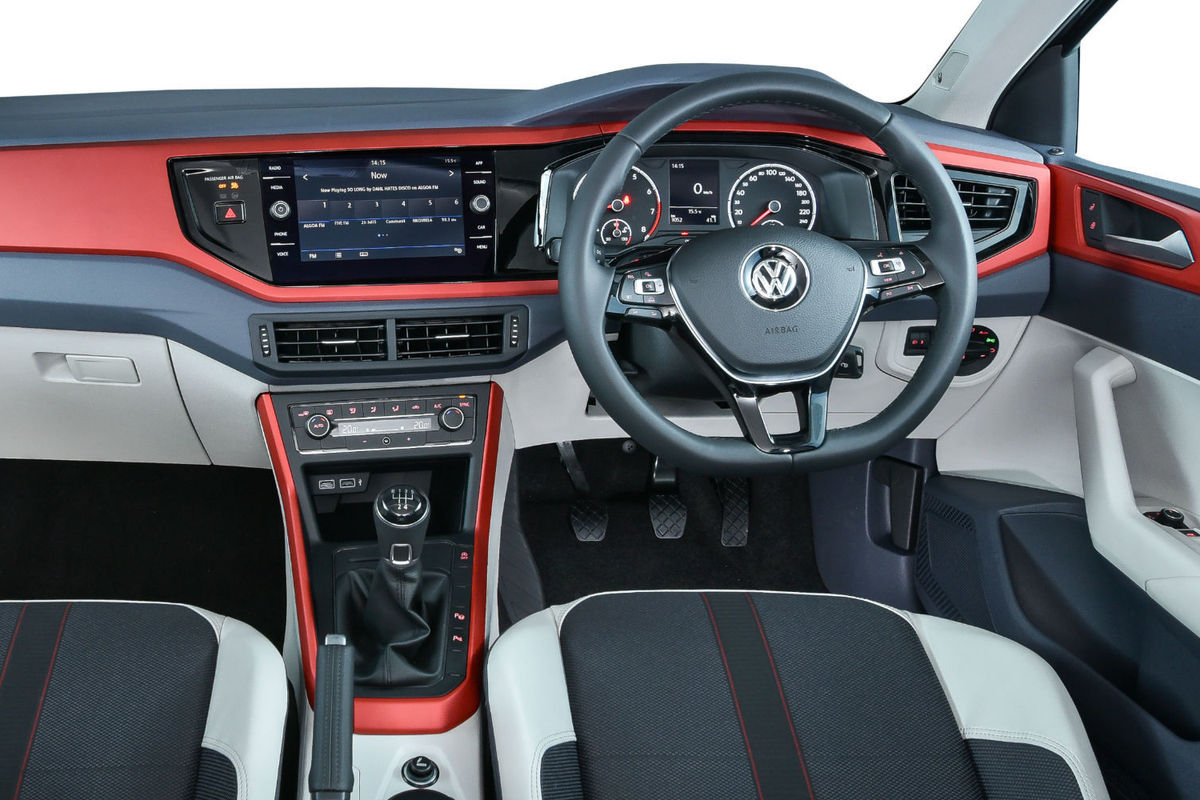
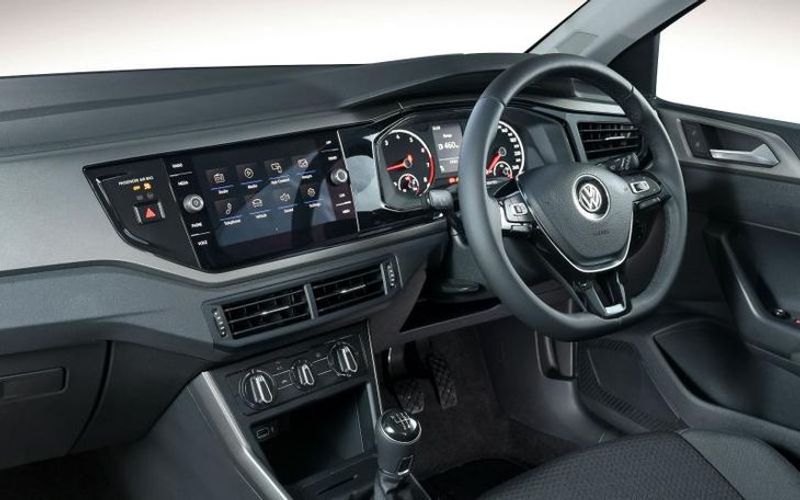
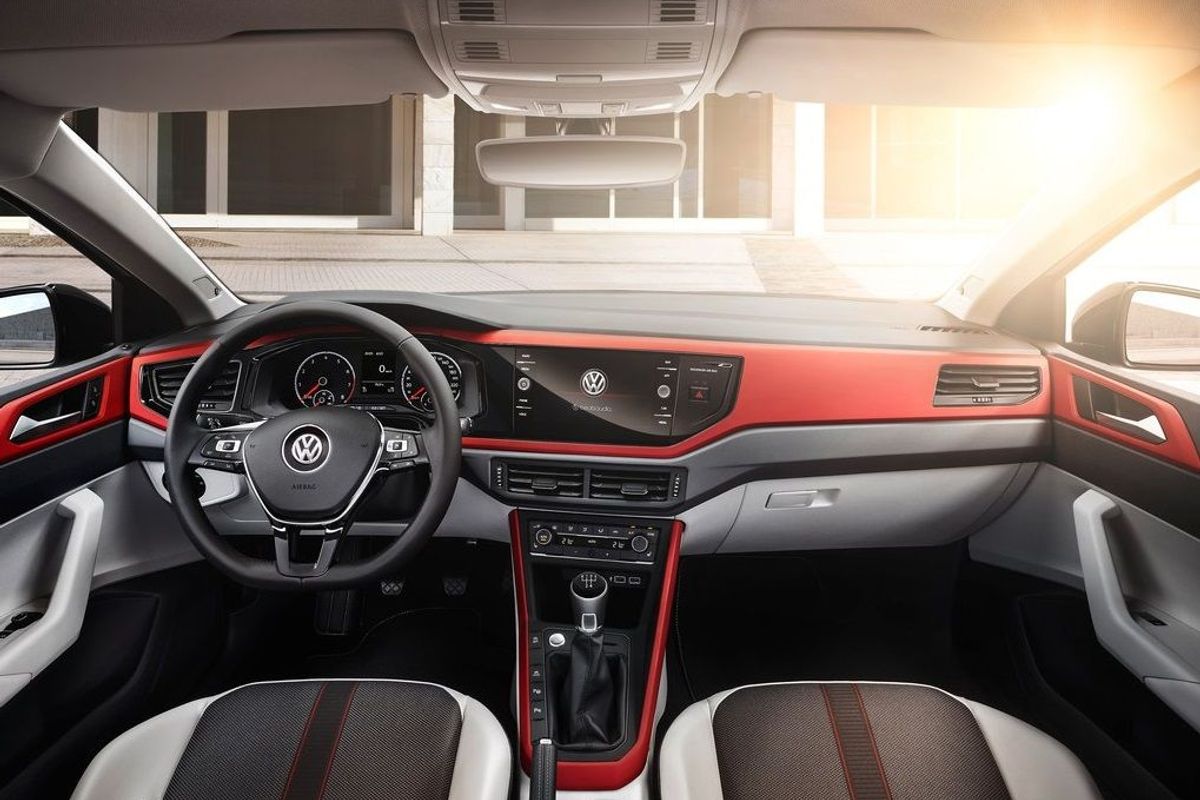
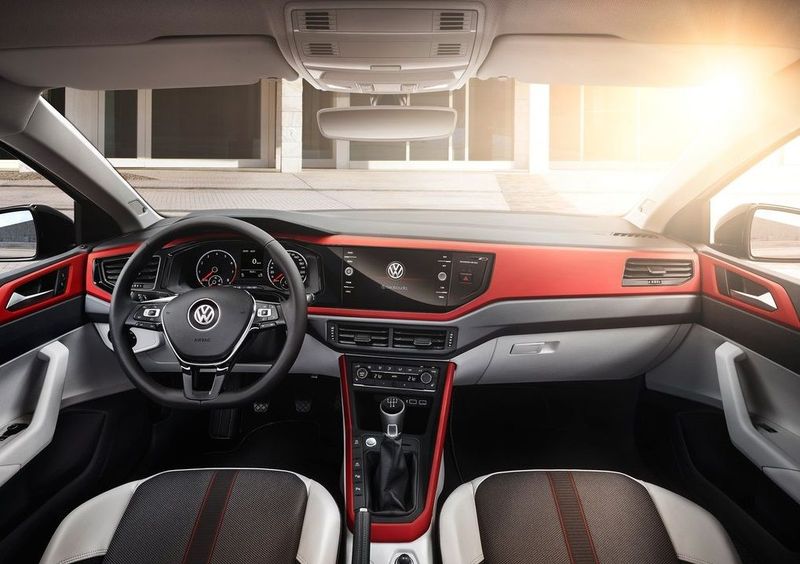
The interior of the new Polo is far more vibrant than before with a variety of interior trim choices on offer.
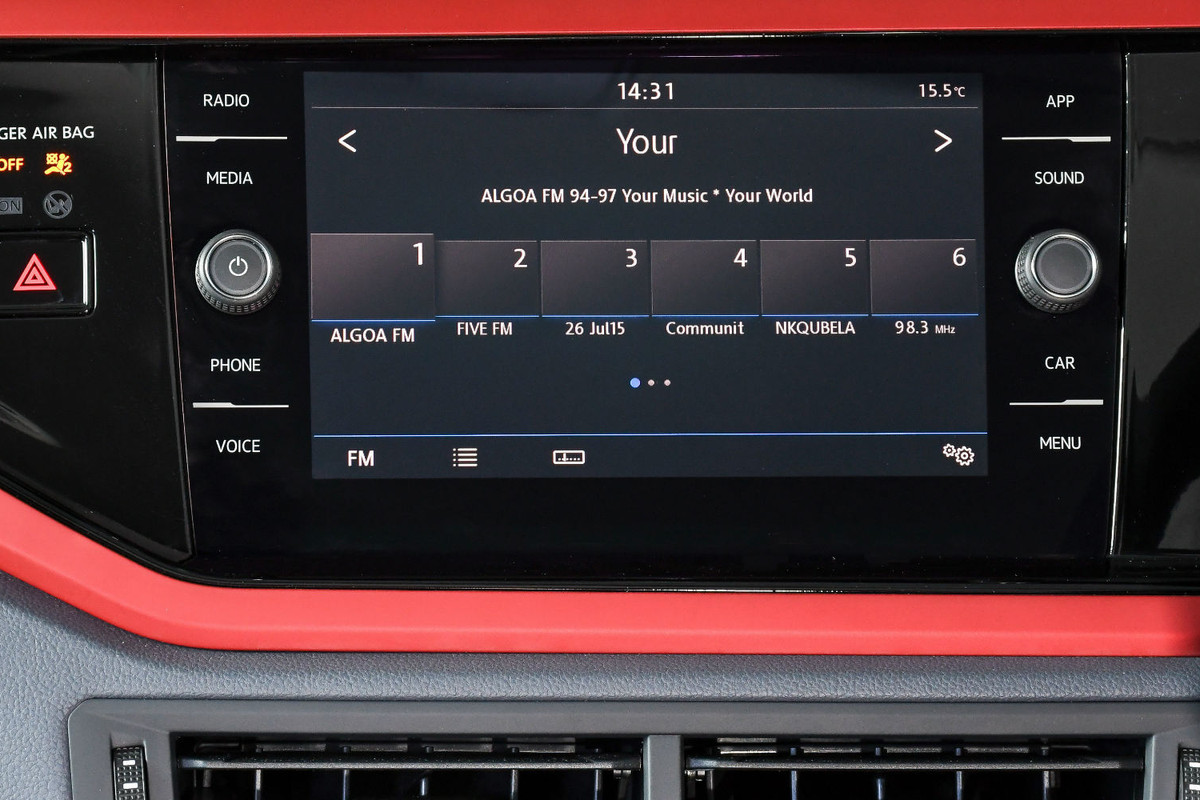
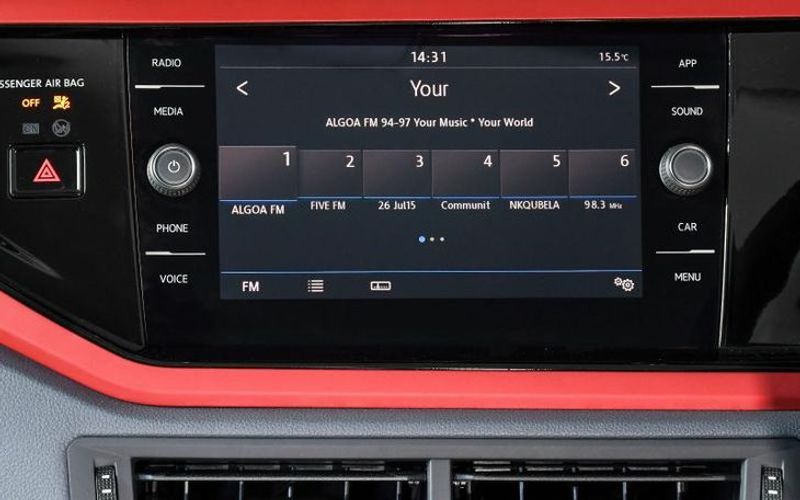
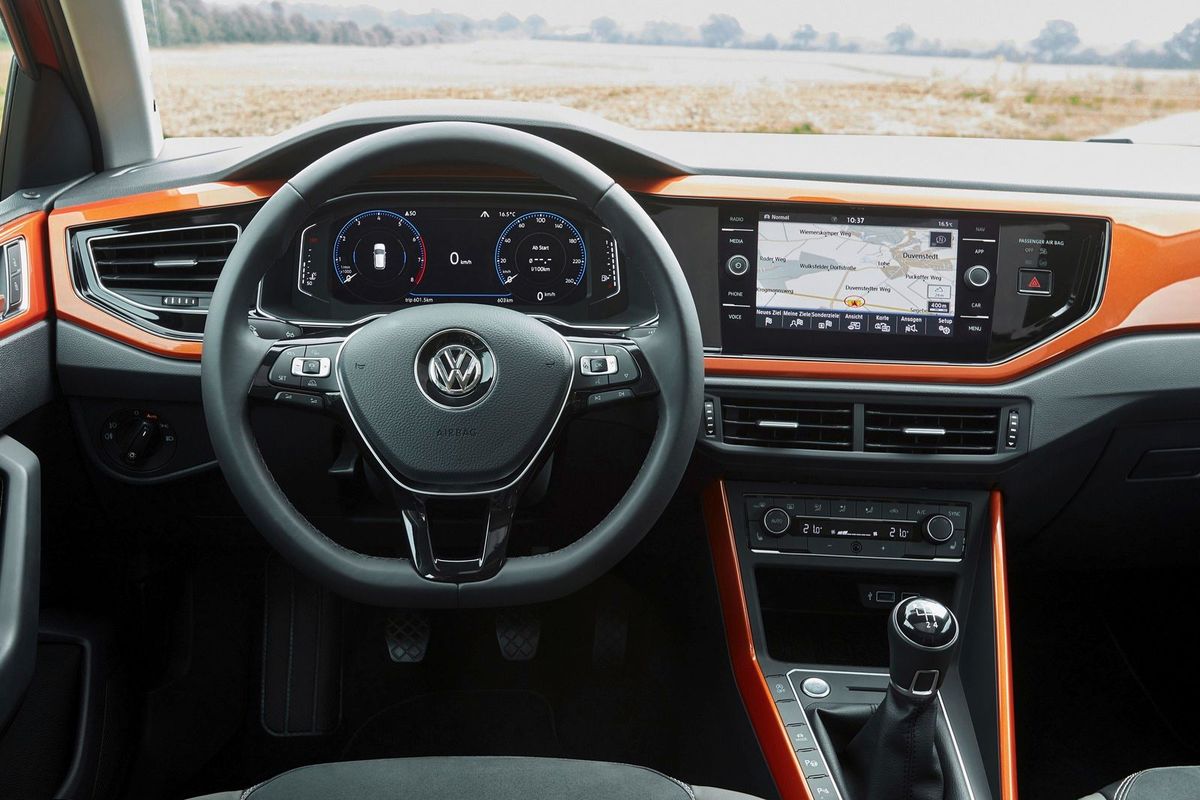
Apart from its new and attractive exterior styling, Polo fans will also appreciate the new cabin design which will be offered with a selection of different trim colours. A 6.5-inch touchscreen is fitted as standard while an 11.7-inch Active Info Display and 8.0-inch touchscreen will be offered as an option. A total of 6 airbags are standard.
Engine choice
The new Polo will be powered by a 3-cylinder, 1.0-litre engine in 2 states of tune with 3 trim levels on offer. The Polo GTI will arrive after launch.
The Polo is powered by a 3-cylinder, 1.0-litre turbopetrol engine offering 70 kW and 175 Nm of torque in Trendline and Comfortline guise. The Polo Trendline features a 5-speed manual transmission while the Polo Comfortline makes use of either a 5-speed manual or 7-speed DSG.
The Polo Highline however, is powered by the same engine but outputs are higher at 85 kW and 200 Nm of torque and buyers have the choice between a 6-speed manual transmission or a 7-speed DSG.
The range-topping Polo GTI will arrive after launch and will be powered a turbocharged 2.0-litre engine with 147 kW and 320 Nm on tap and mated to a 6-speed DSG.
New Volkswagen Polo – prices in SA (January 2018)
1.0 TSI 70 kW Trendline R235 900
1.0 TSI 70 kW Comfortline R264 700
1.0 TSI 70 kW Comfortline DSG R280 700
1.0 TSI 85 kW Highline R286 200
1.0 TSI 85 kW Highline DSG R302 200
All Polo derivatives come standard with a 3-year/45 000 km service plan. a 3-year/120 000 km mechanical- and 6-year anti-corrosion warranties.
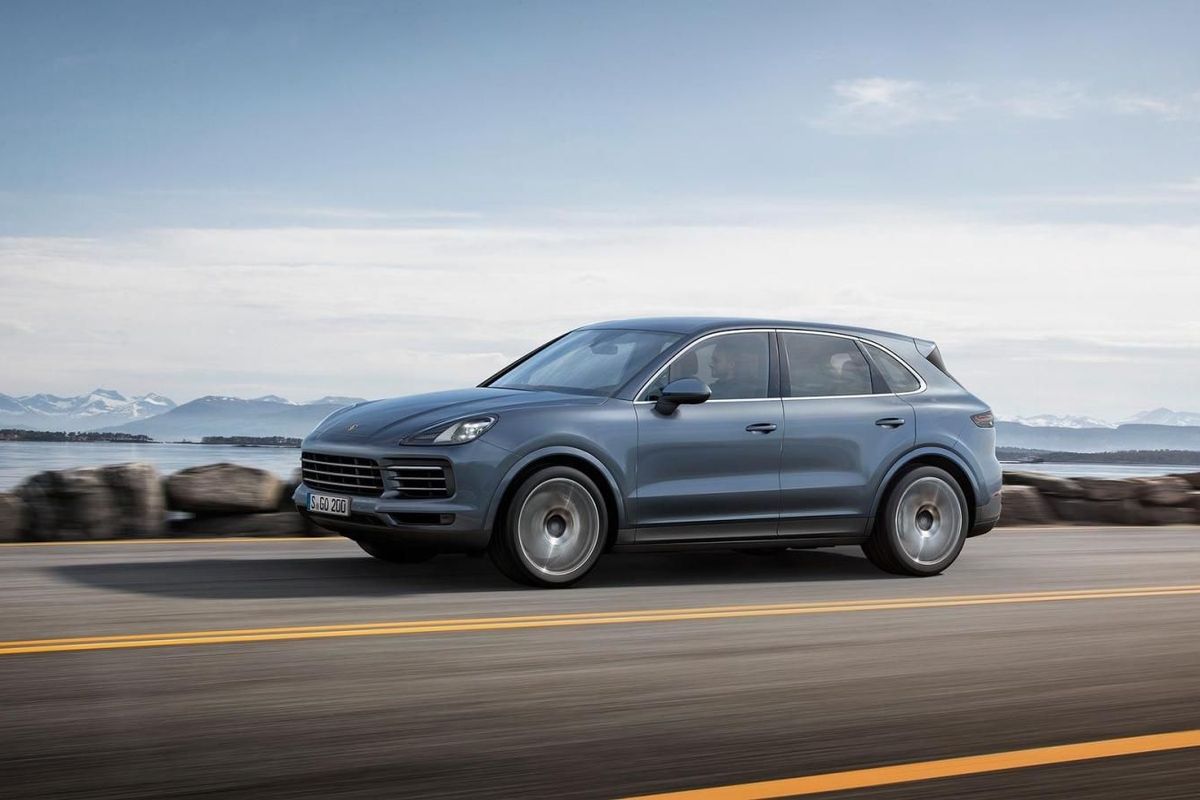
After numerous teasers, the Porsche Cayenne has been officially revealed ahead of its debut at the upcoming Frankfurt Motor Show. Take a look at the details!
The Cayenne is a money-spinner for Porsche in a booming SUV market and the all-new, third generation model has now been revealed. Let's dig into the details!
What's on offer?
The new Cayenne will make its official debut at the Frankfurt Motor Show in September 2017.
Porsche will initially offer 2 Cayenne derivatives at launch including the standard Cayenne and the sportier Cayenne S. Additional variants such as the Cayenne Hybrid, Turbo and GTS will likely be introduced in due course.
The Cayenne will be powered by a 6-cylinder, turbocharged 3.0-litre V6 engine with 250 kW and 450 Nm of torque. A new Tiptronic S 8-speed automatic transmission in conjunction with an active all-wheel drive system will ensure a zero to 100 kph sprint time of around 5.9 seconds. With the optional Chrono Package, more time will be shaved off to around 5.6 seconds.
The Cayenne S on the other hand will offer 324 kW and 550 Nm of torque from its 6-cylinder, twin-turbo 2.9-litre V6 engine using an 8-speed automatic transmission. zero to 100 kph will take about 4.9 seconds before claiming a top speed of 265 kph.
The familiar Porsche Active Suspension Management (PASM) will be offered as standard on the Cayenne S while it will be optional for the base Cayenne. A new 3-chamber air suspension system will be optional as is the Porsche Dynamic Chassis Control (PDCC) which enhances responsiveness using stabiliser bars controlled via a 48 V electrical system.
Design details
Exterior
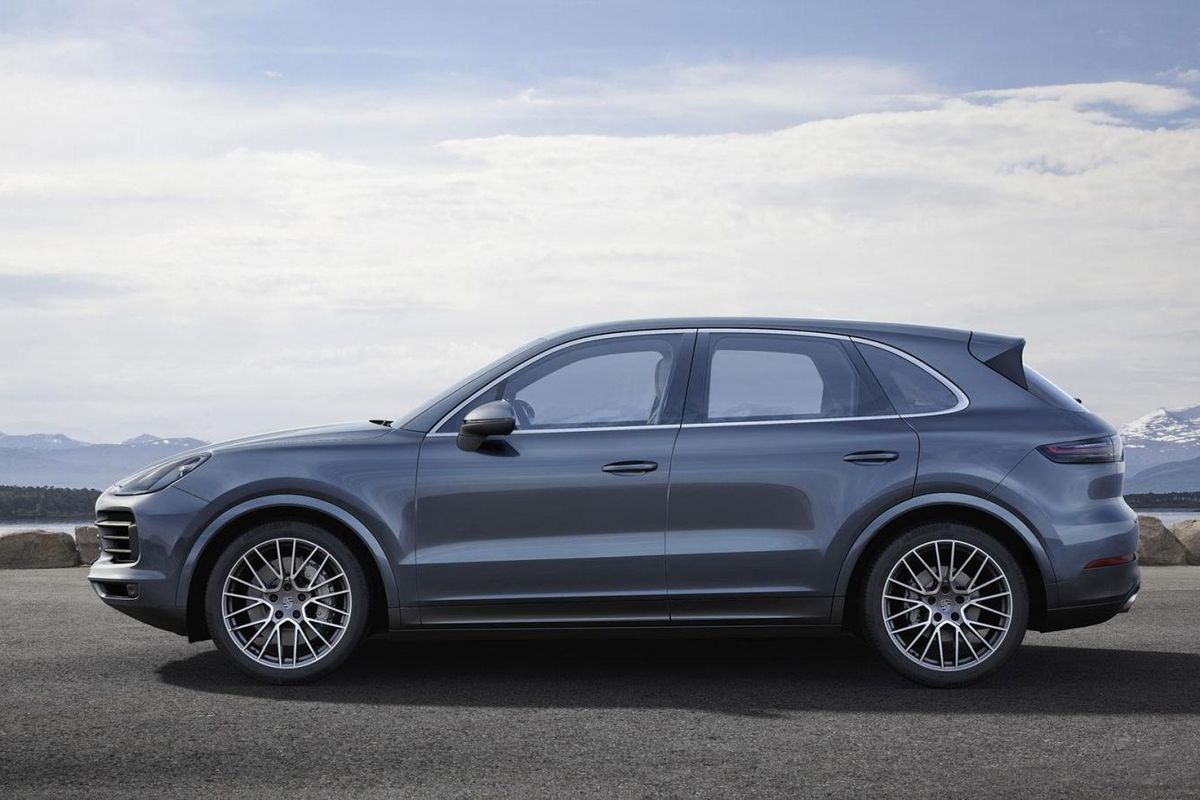
The new Cayenne is slightly larger than the outgoing model but weighs some 65 kg less.
The extensive use of aluminum has contributed to a reduction in weight by up to 65 kg and the Cayenne now weighs 1985 kg. The wheelbase remains identical to the outgoing model at 2 896 mm while the overall length has grown marginally by 76 mm to 4 828 mm. Porsche says load space has grown by some 15% and the Cayenne now offers a load capacity of 770 litres.
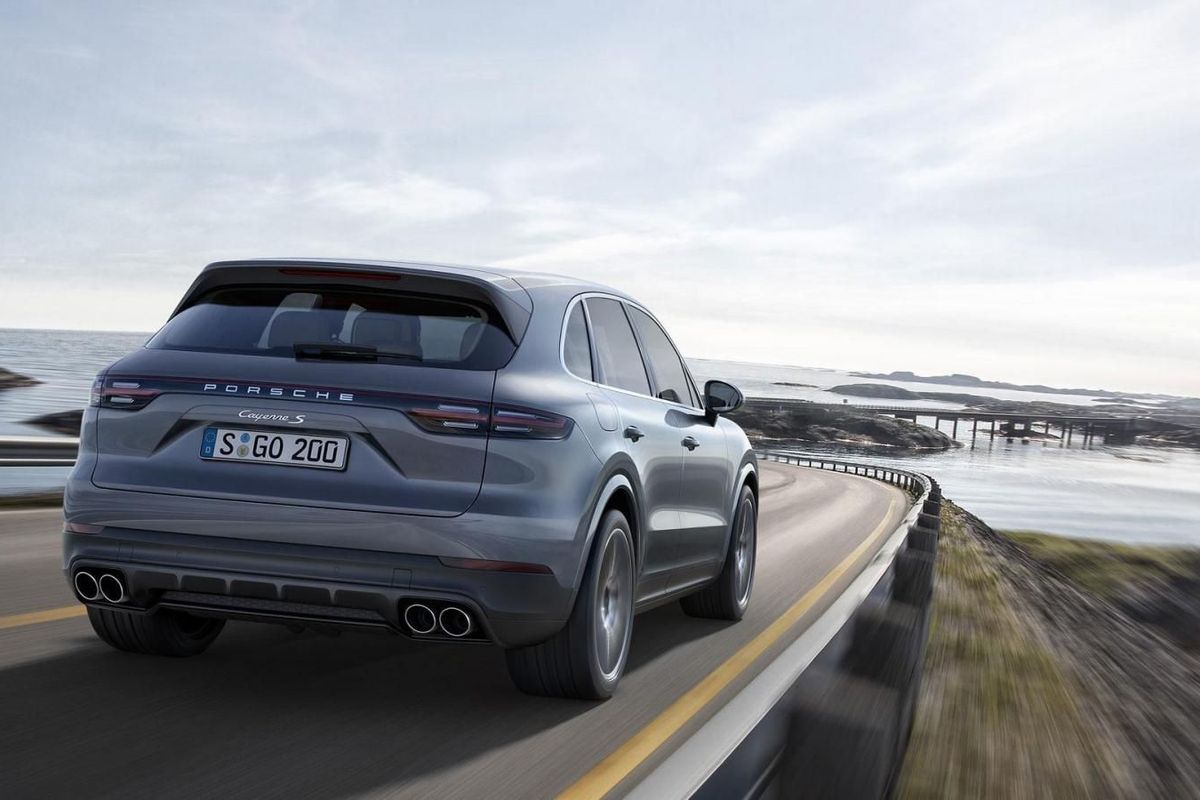
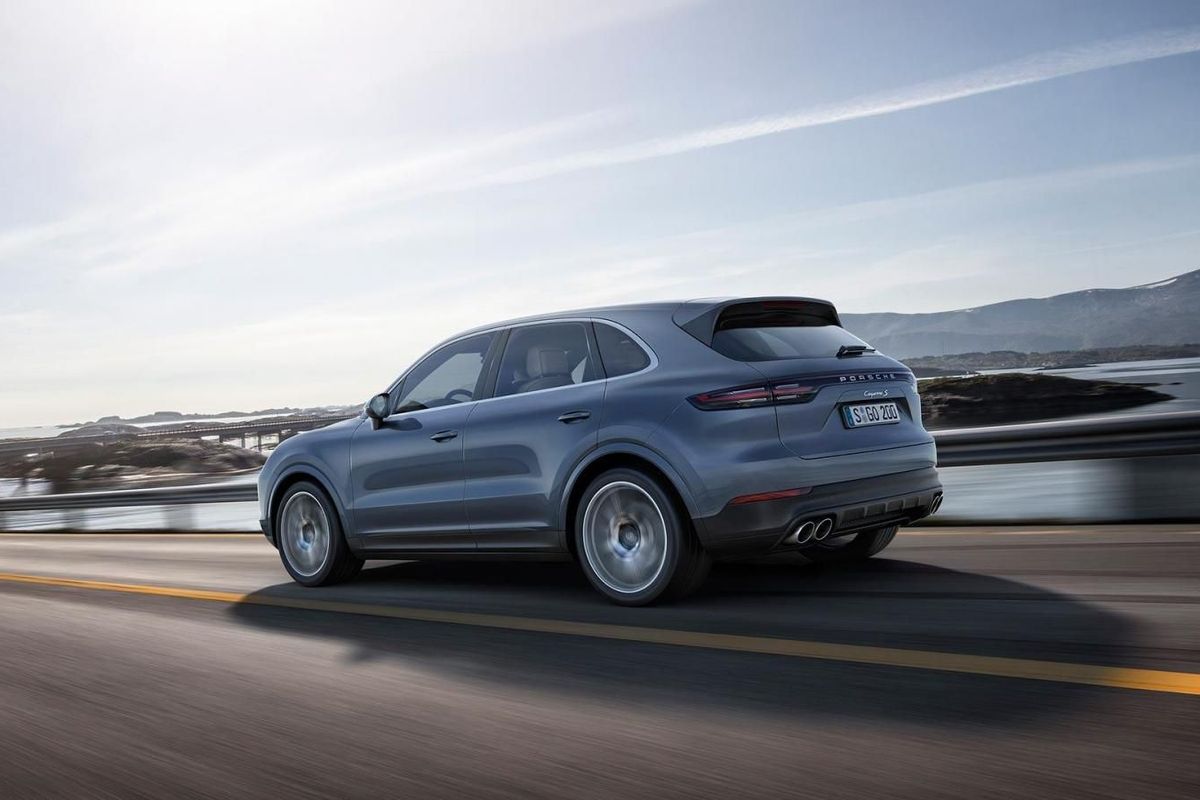
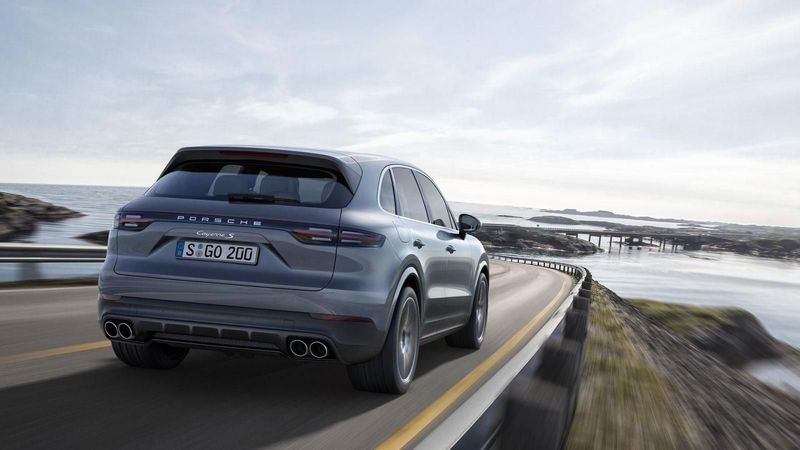
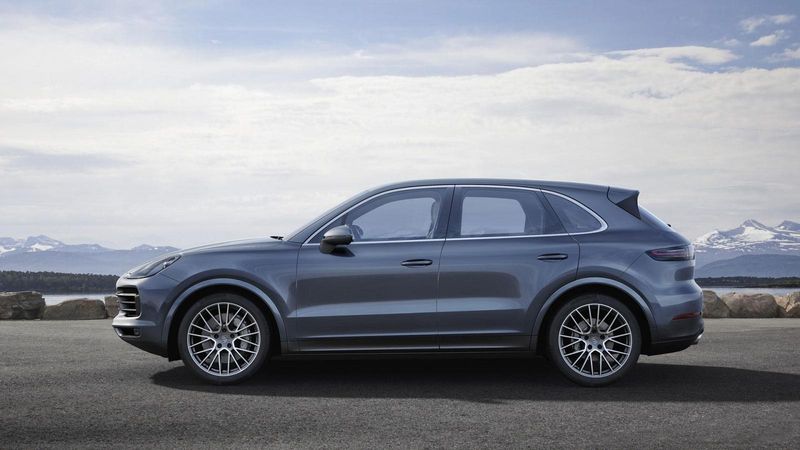
In terms of styling, the new Cayenne features a redesigned front end with larger air intakes and new LED headlights. The looks are similar to that of the outgoing model at the front, but the rear has a new light arrangement much like the Porsche Panamera Sport Turismo. A lowered roofline give the Cayenne a purposeful stance and wheel sizes from 19 to 21 inches will be offered while rear-wheel steering will be offered as an option. Porsche Surface Coated Brakes (PSCB) and high-performance carbon ceramic brakes will also be offered as options.
Interior
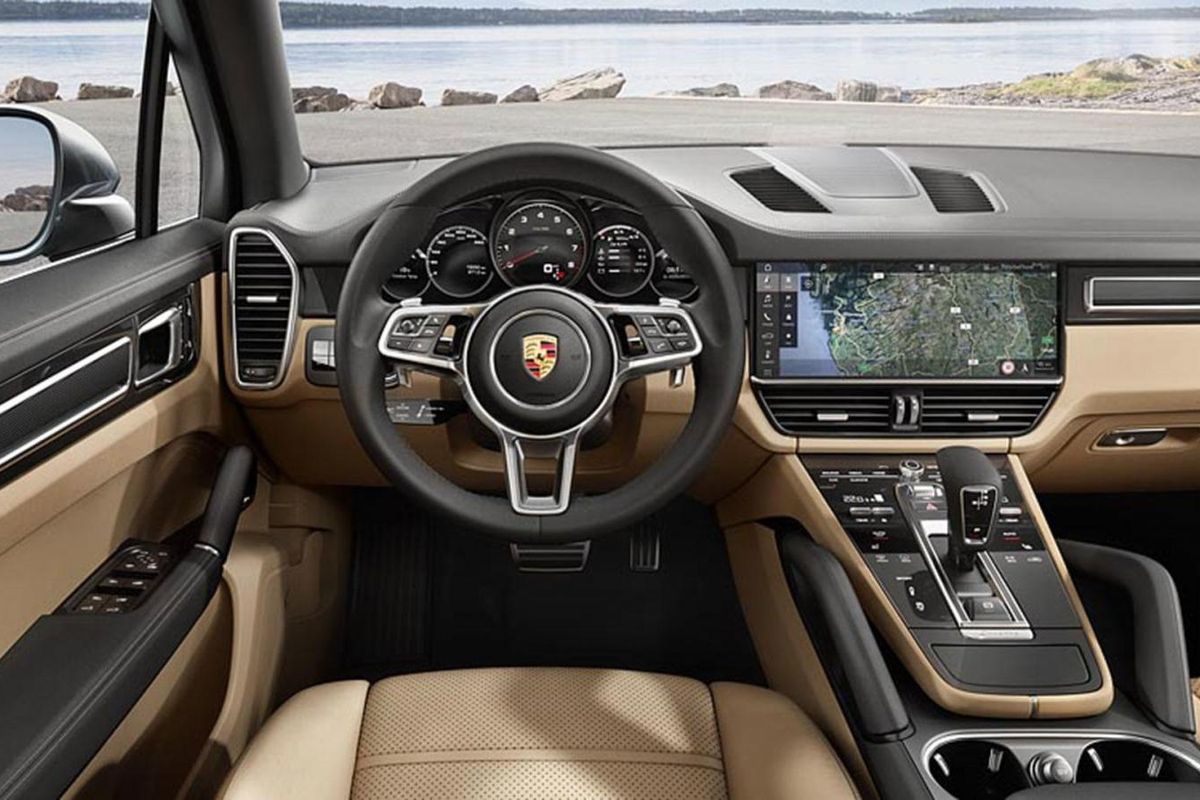
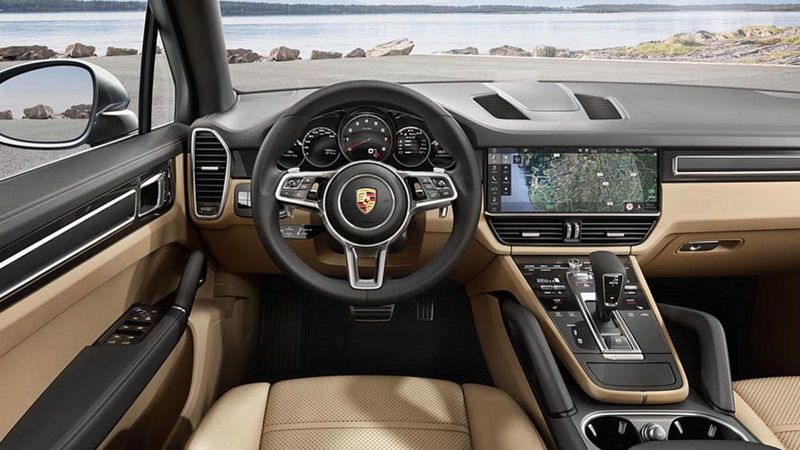
The big changes are found in the cabin where the instrument cluster is now a mostly digital affair with a central analogue tachometer flanked by two 7-inch displays. There's also a large 12.3-inch infotainment system which sits in the middle of the dashboard. It features full digital functionality, just like that found in the Porsche Panamera.
The Cayenne can be specified with a range of assistance systems including Night Vision Assist which uses thermal imaging to detect pedestrians and animals, lane change assist, lane keep assist with traffic sign recognition, traffic jam assist, park assist with surround view and adaptive cruise control.
You can expect to see the new Porsche Cayenne in South Africa in 2018. We will keep you updated as local pricing and specification details become available.
You've seen the drag race, and now it's time to see the track race. Can the Merc A45 overcome the power deficit in a track battle?
The Audi RS3 Sedan takes on the Mercedes-AMG A45 at the Rock Raceway. It's a head-to-head battle around a tight and twisty track that could favour the Merc's firmer suspension, or will the Audi's grunt prove too much to handle?