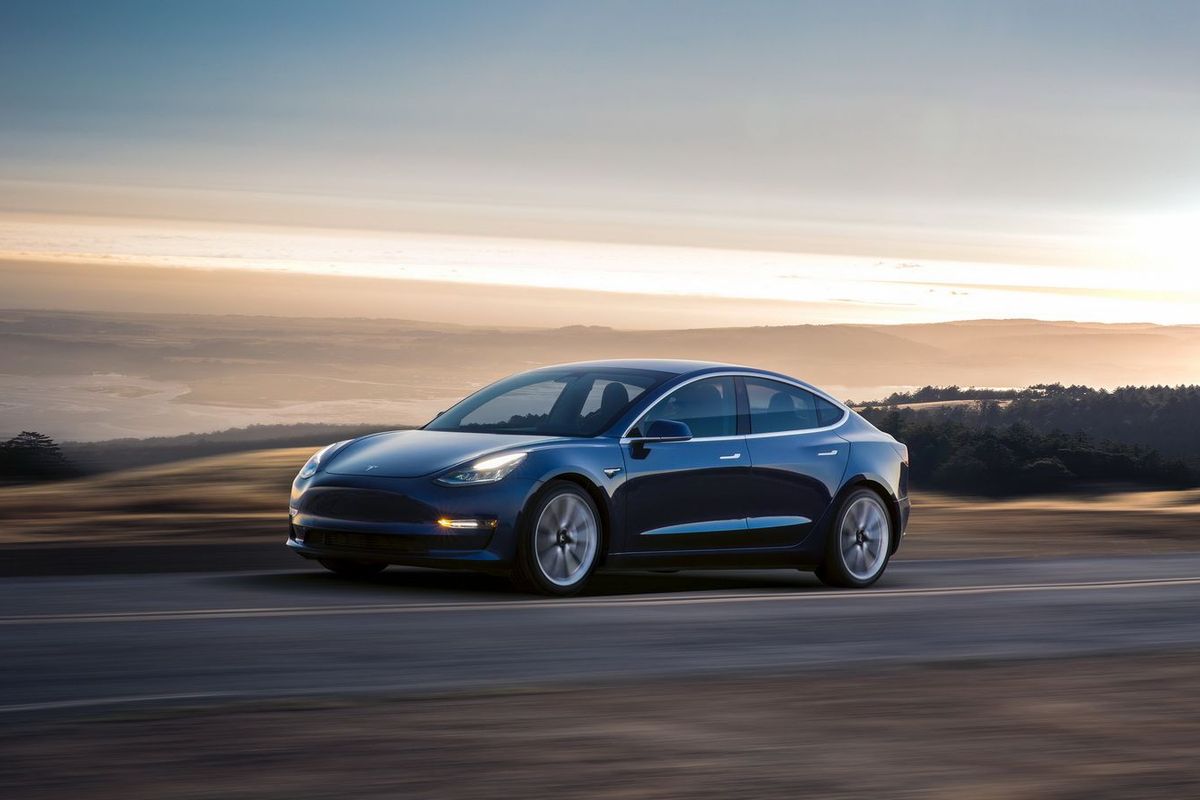
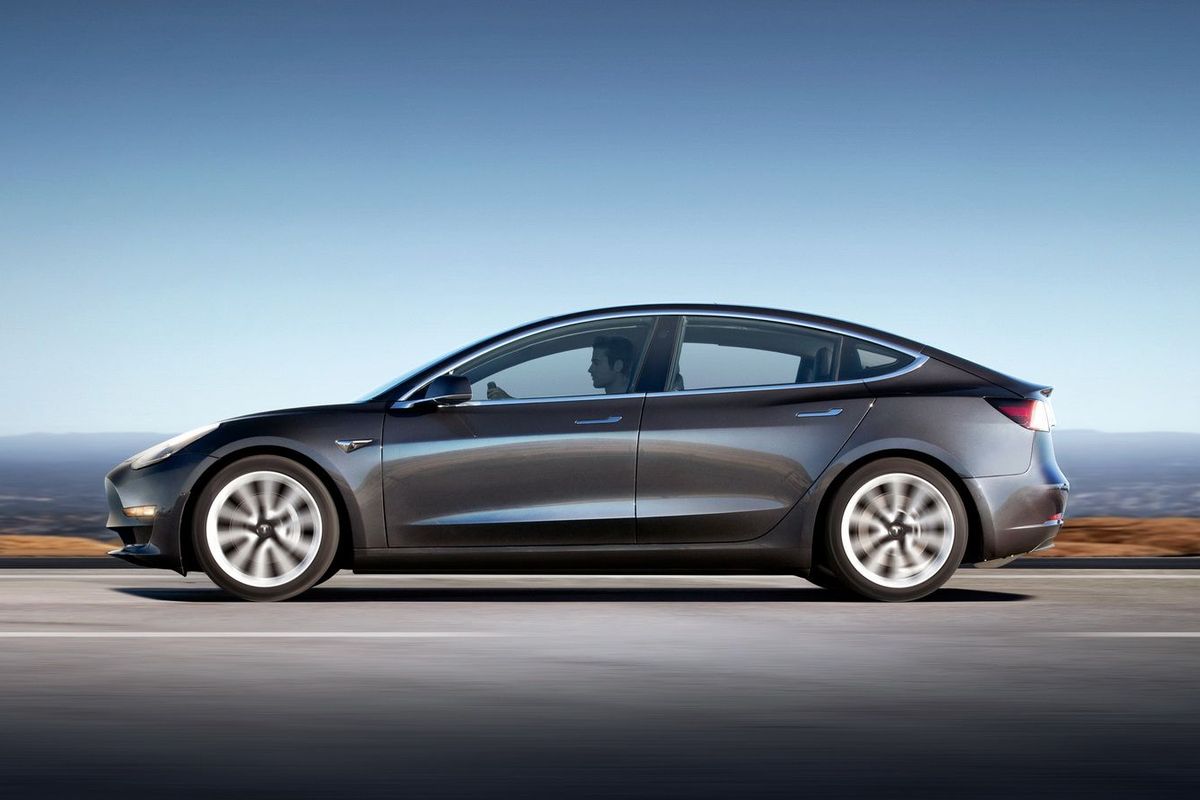
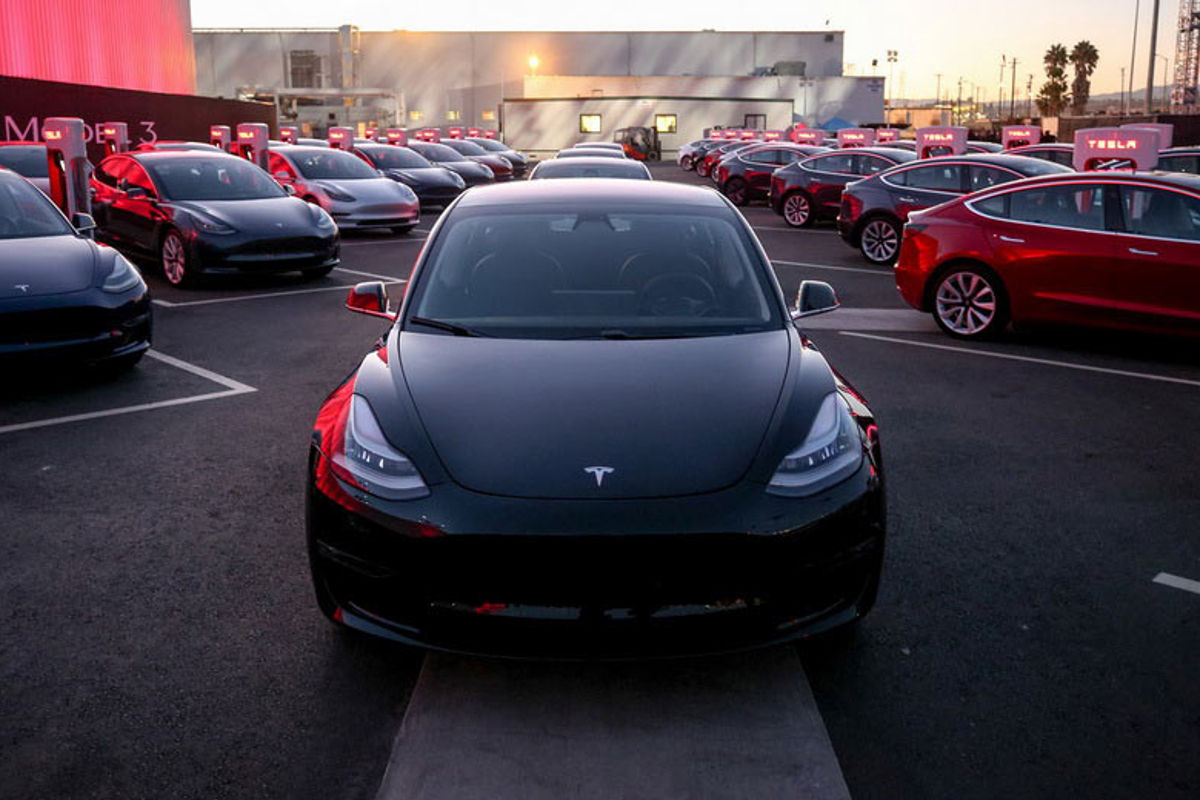
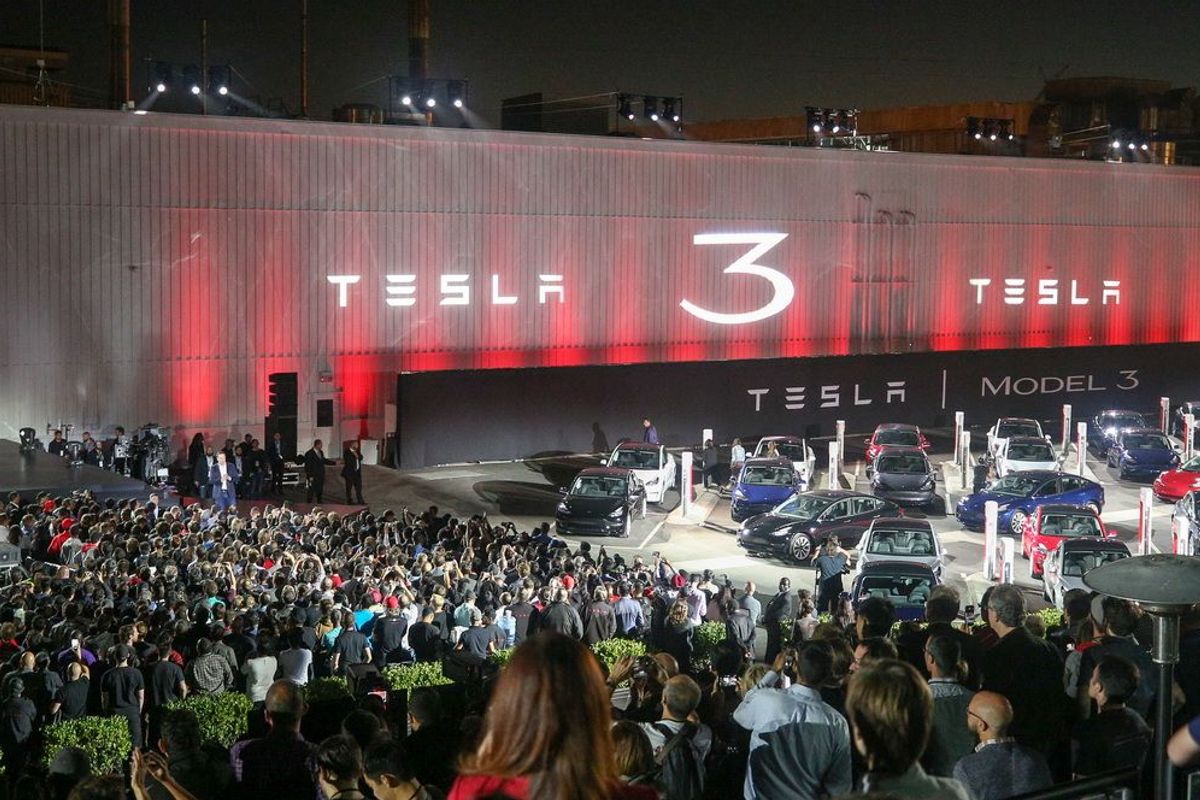
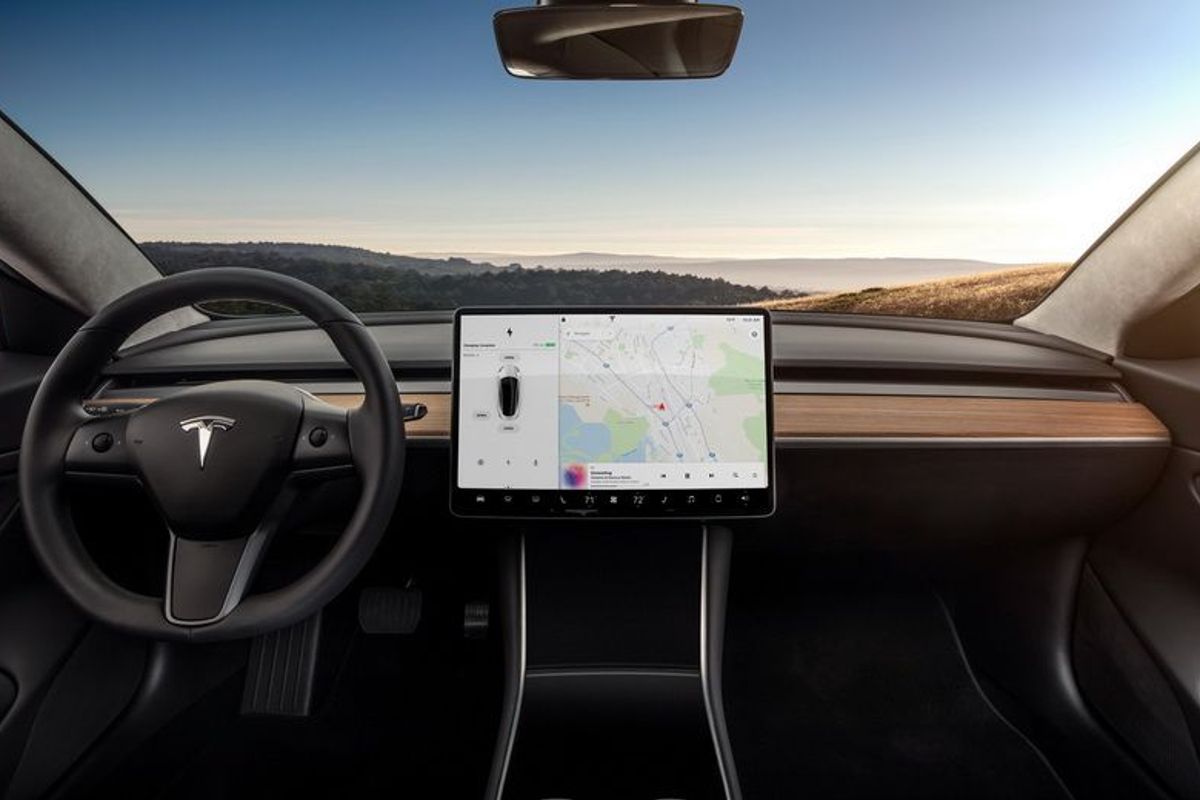
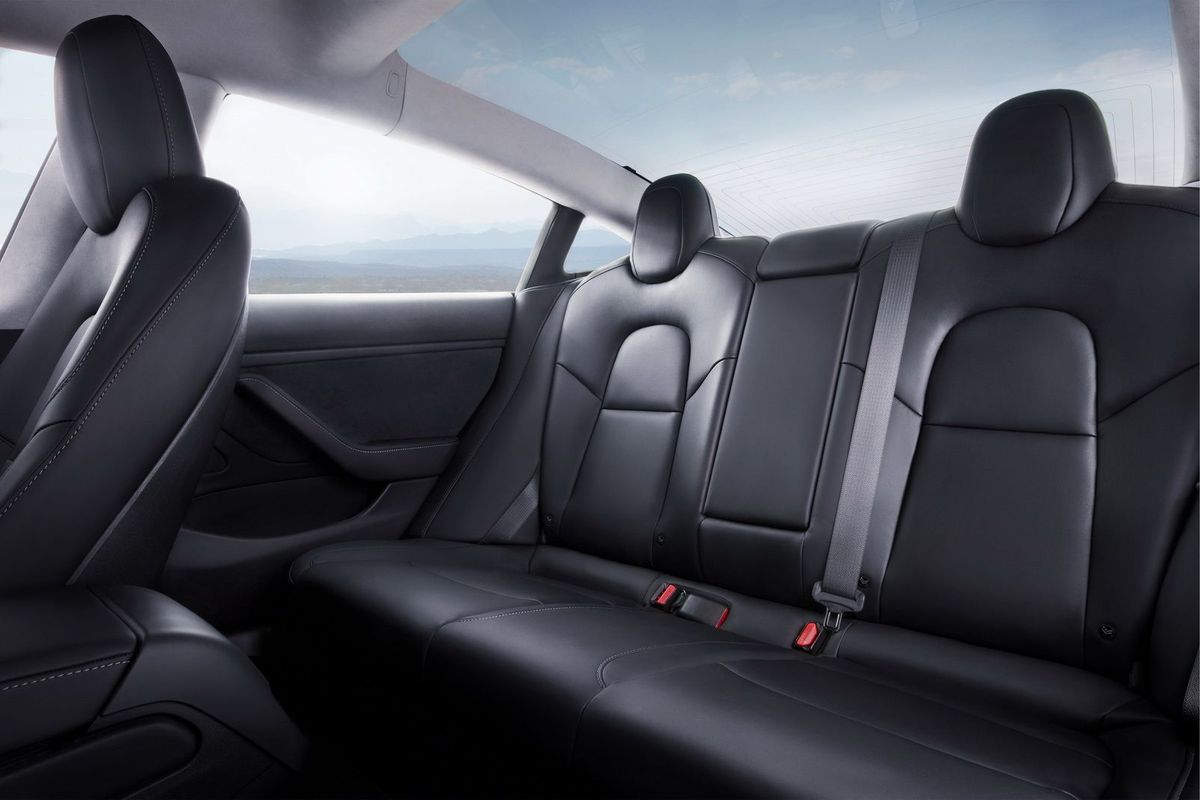
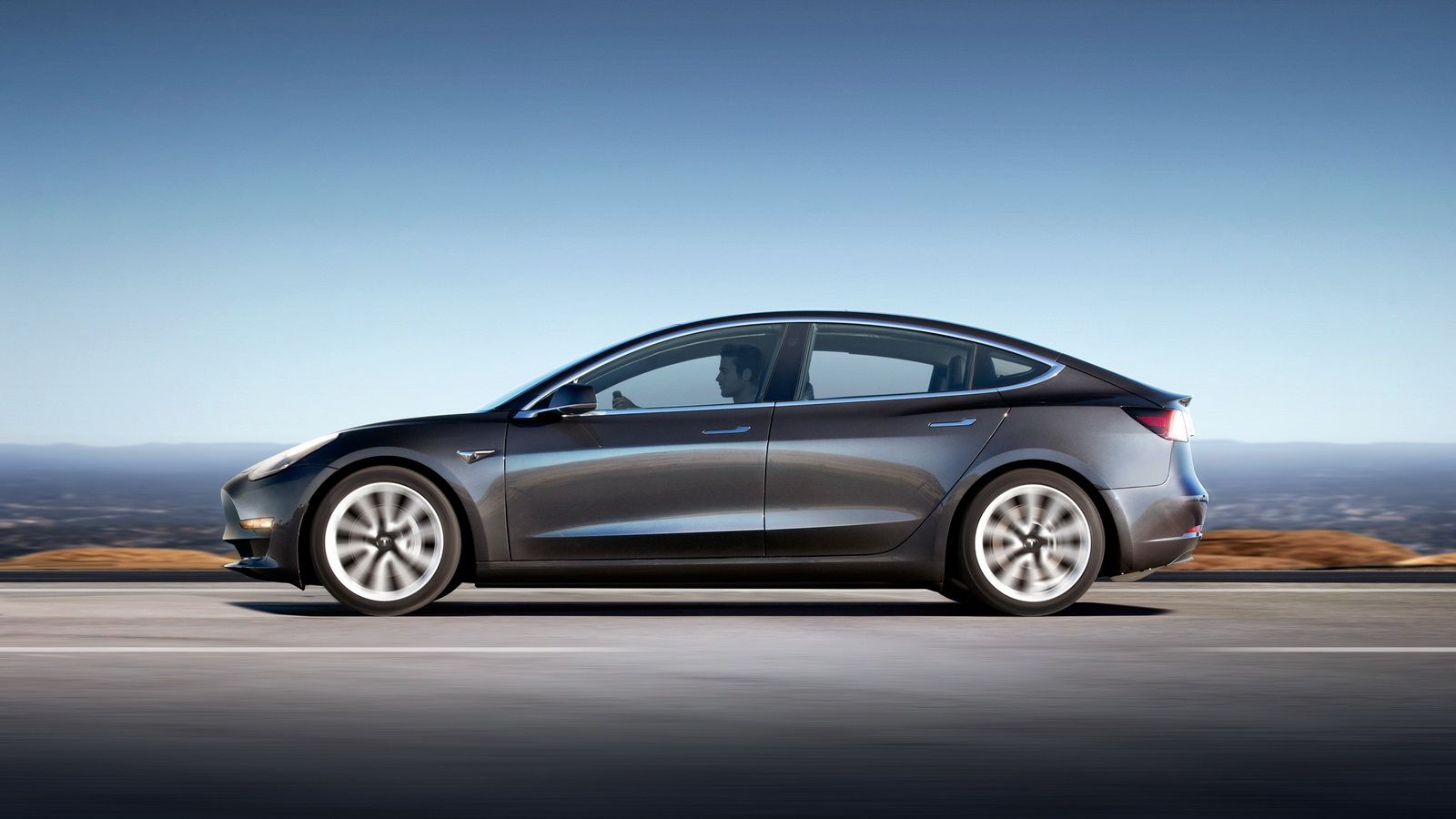
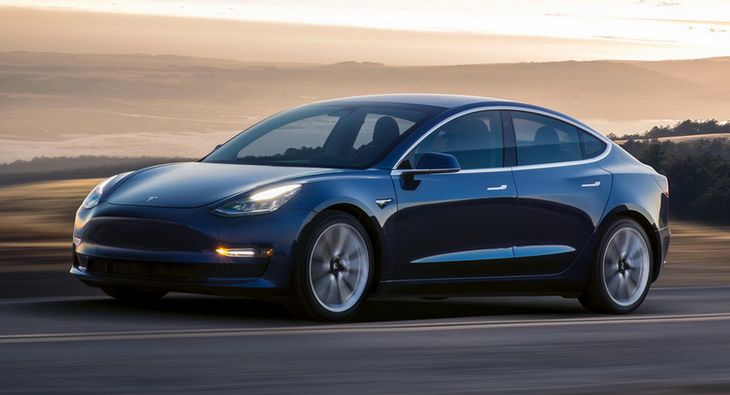
The official launch of Tesla's entry-level Model 3 took place at the tech company's Fremont facility in California at the weekend, where the first 30 customers of the business class EV took delivery of their vehicles.
Production of the Model 3 is expected to ramp up significantly during the remainder of 2017 with the bulk of orders being delivered during the course of 2018 and beyond. Last year, it was reported that Tesla added South Africa to its Model 3 order book and we have reason to believe that the Model 3 will only arrive in South Africa later in 2018 or most likely in 2019.
Watch Tesla CEO, Elon Musk, present the new Model 3 at its launch at the Tesla Fremont facility last week:
Key details
There are 2 derivatives of the battery-powered Model 3 on offer. The standard version offers a range of 354 km and can accelerate from 0 to 100 kph in 5.6 seconds with a top speed of 209 kph. Alternatively, the Long Range model has a range of 498 km with a zero to 100 kph sprint time of 5.1 seconds and a top speed of 225 kph.
As for charging, the standard Model 3 will gain 209 km range from a 30-minute charge using a Tesla Supercharger while a 240V household outlet at 32A will charge at a rate of 48 km per hour. As for the Long Range derivative, 30 minutes on a Tesla Supercharger will yield 274 km while a household outlet will charge at a rate of 60 km per hour.
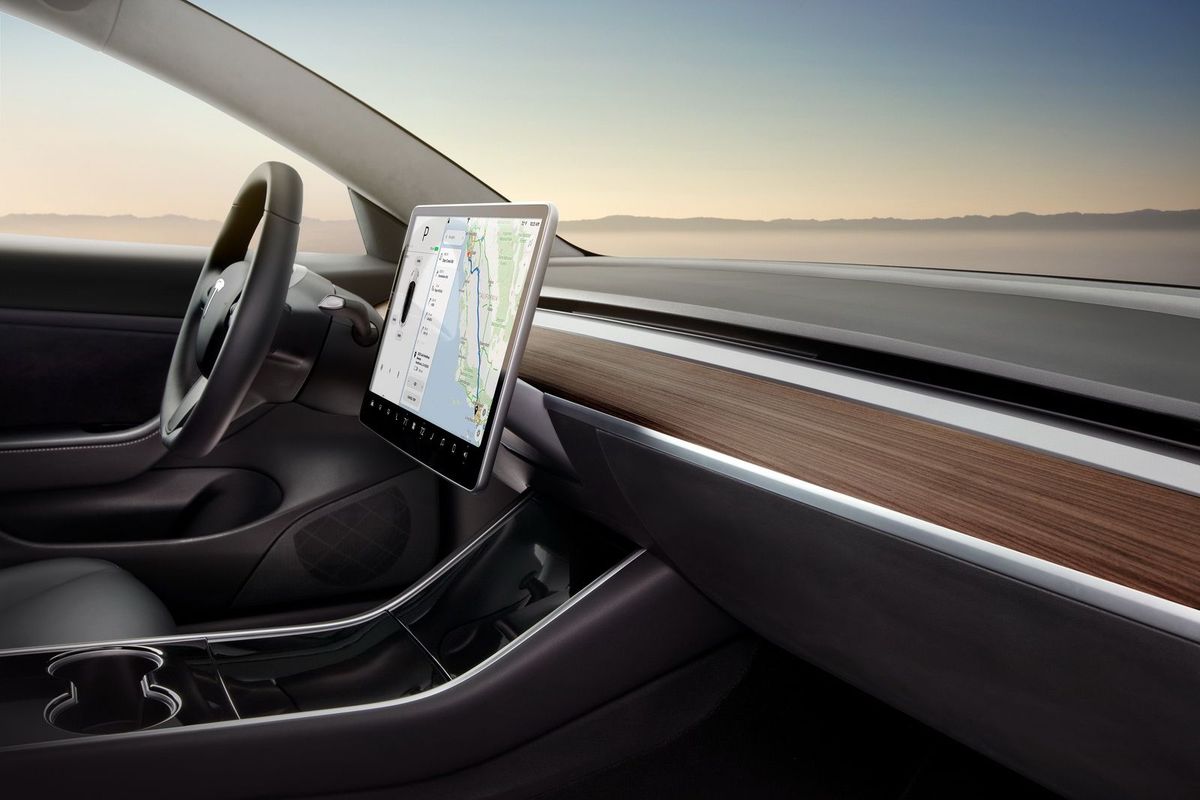
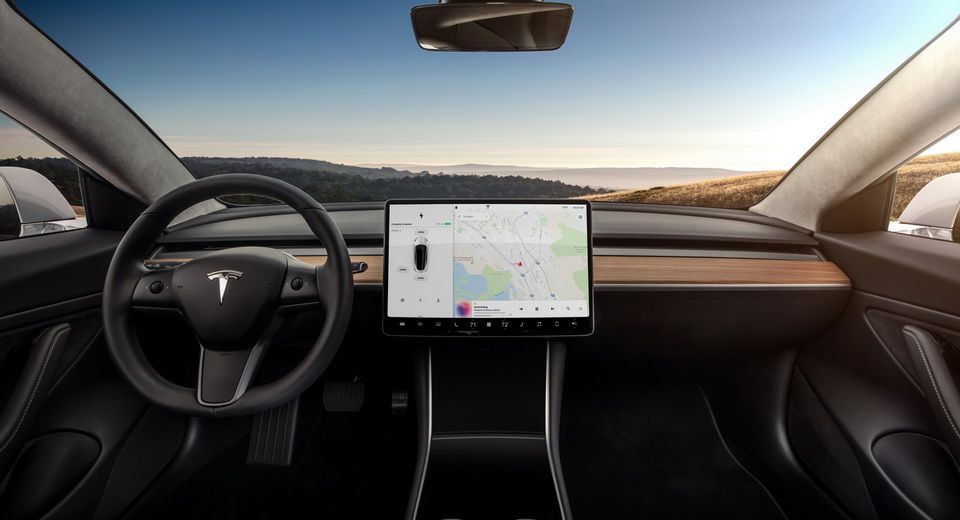
A 15-inch touchscreen display is the main attraction in the Model 3 and controls all the vehicle's functions.
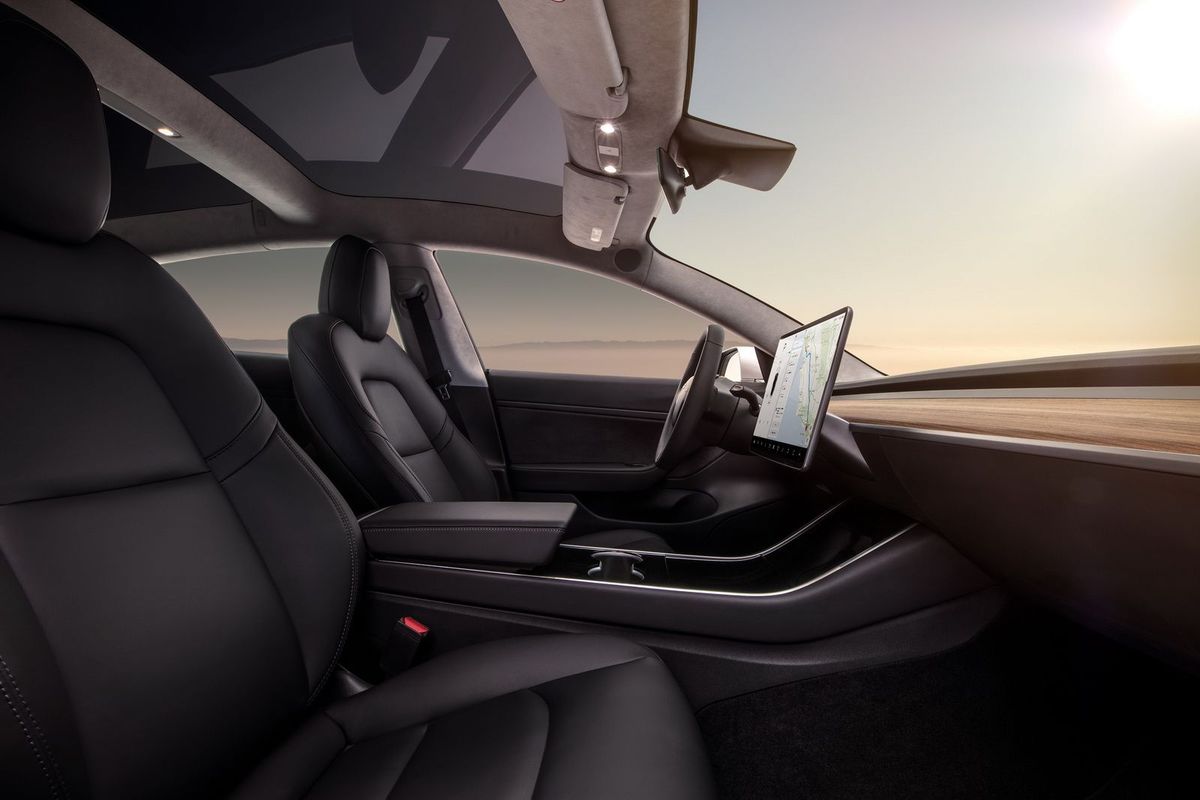
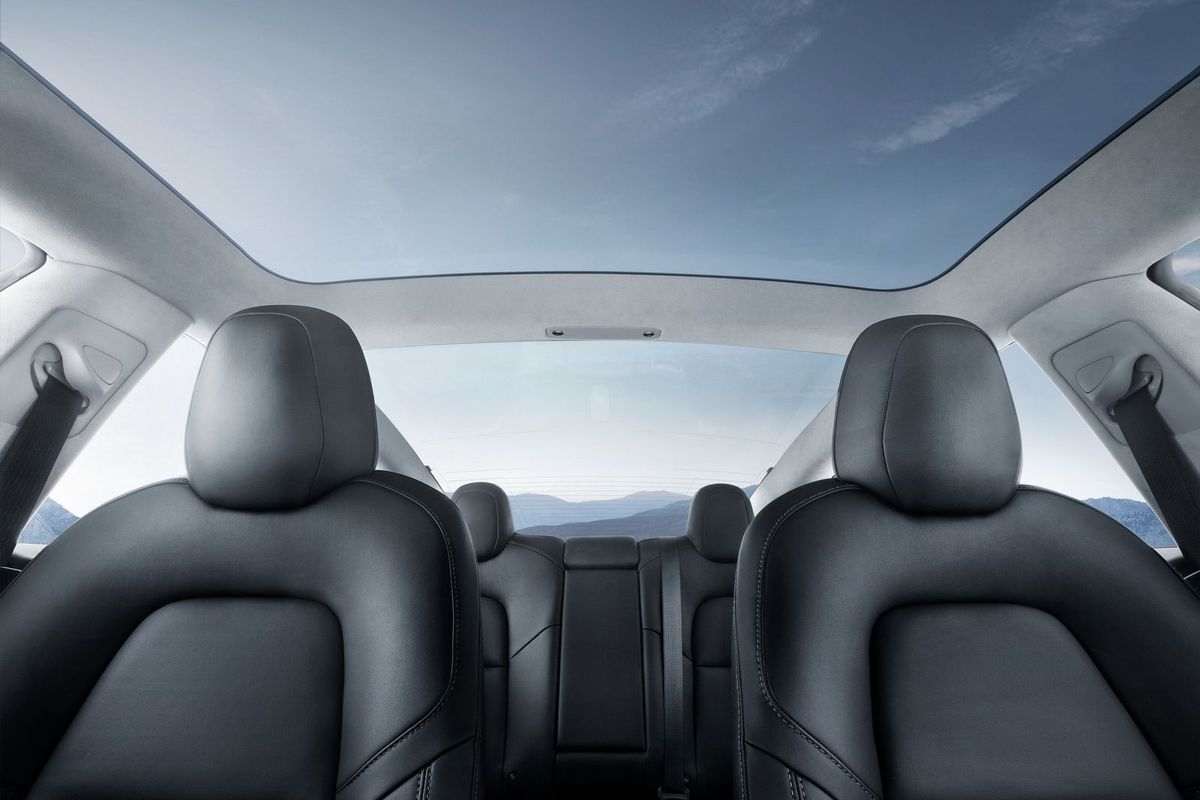
Standard specification for the Model 3 includes a 15-inch touchscreen display, dual-zone climate control and cloth seats. The interior can be further upgraded with an optional Premium Upgrades Package, which adds features such as 12-way electrically adjustable and heated front seats, open pore wood trim, 2 rear USB ports and a premium sound system, to name a few. Each car is equipped with autonomy equipment including 8 cameras, a forward radar and 12 ultrasonic sensors to enable collision avoidance and automatic emergency braking.
Tesla's Autopilot feature is offered as an option and allows the Model 3 to drive itself within a lane, conduct automatic lane changes, transition from one highway to another, exit a freeway and self-park when you reach your destination. Tesla says that more features will be added via software updates and full self-driving capability will be offered in the future.
The Model 3's exact arrival in South Africa is yet to be confirmed, but 2019 is likely.
The Tesla Model 3 rides on 18-inch alloy wheels as standard while 19-inch wheels are offered as an option. A Solid Black exterior colour is standard while other colour options include Midnight Silver Metallic, Deep Blue Metallic, Silver Metallic, Pearl White Multi-Coat and Red Multi-Coat.
To give you an idea of price, the standard Model 3 is selling for $35 000 which equates to about R455 000 while the Model 3 Long Range is priced at $45 000 which is about R585 000.
Tesla’s distribution model for South Africa is yet to be confirmed and considering the vast area that South Africa covers, charging stations for the Model 3 is something that will have to be addressed by the automaker.
We will keep you updated as more information becomes available. Are you excited to see the Tesla Model 3 in South Africa? Share your thoughts with us!
Along with the rise of Tesla, the push for electrification is starting to gather momentum (especially in Europe) as major car manufacturers commit to an electric future. How does this future translate into a South African context and, indeed, has the end date of the car, as we know it, been set? Motoring journalist and regular Cars.co.za contributor, Lance Branquinho, speculates…
With companies such as Tesla spearheading the Electric Vehicle (EV) revolution, having recently launched its new battery-powered Model 3 for the masses, the reality of mainstream electrification appears to be closer than we realise, or is it? Committing to a date is a manner of teasing fate. Humans are always humbled to failure. We try and time the market, and lose money. We attempt to time the traffic and end up becoming it. We then believe policymakers when they say that none of us will be able to buy a new internal combustion car by 2040.
You know the date, it’s trended on Twitter and become a predictive text feature in Google’s search bar. It’s the date by which the British government promises it will make conditions impossible for anybody to buy a new petrol- or diesel-powered passenger vehicle in the United Kingdom.
Mass electrification of cars is said to spell the end of the internal combustion engine by the year 2040, but can you believe it?
Why should we be bothered about 2040? There is a closer date, which is set to alter our driving destiny too, and that's 2025, the year by which Norway wants an electric-vehicle(EV)-only new car market. But Norway is different to us in the one way that Britain isn't: the side of the road we drive on. This is the crucial bit of Britain’s 2040 announcement and one that South African car enthusiasts should consider: a pivotal right-hand-drive (RHD) car market is plotting and legislating against internal combustion cars. What happens in Britain, eventually happens to us too, because the Queen’s island is a lead market for RHD product planning.
Better batteries, but are they good enough?
How realistic is Britain’s 2040 date, really? Two and a bit decades of development has the potential to deliver tremendous yields in innovation and EV battery technology. We understand from recent breakthroughs in chemistry technology, most notably from South Korea, that the lithium battery is due to deliver on its promise of petrol-rivalling energy density, finally matching 400-500km a charge endurance with the performance we know EVs already possess.
The recently launched Tesla Model 3 Long Range derivative has a range of 498 km and can accelerate from 0 to 100 kph in 5.1 seconds.
The issue is that none of these technologies are sufficiently stable for mass production. Building millions of small batteries to power the circuitry of our Smartphones is one thing, but building batteries to move a 2 000 kg four-wheeled appliance across energy-sapping topography, at speed, is a battery draining exercise of vastly more severe scale. Research on production-ready modelling project that next-generation lithium batteries won't be a reality until the early-to-mid 2020s, without a disruption in supply. But that 's without considering any change in the toxic issue that nobody championing Britain’s 2040 vision is willing to discuss: EV’s dirty secret.
An internal combustion engine requires a fixed-amount of energy to construct in the forging and forming of metals, and then it’s done. All its future environmental cost will be the fuel it consumes. With a battery powered EV, it’s not quite the same. Lithium batteries are tragically burdensome on the environment in their sourcing and production. Of all mining techniques, lithium mining is regarded as severe due to most deposits being found in deserts and the extraction technique requires huge amounts of water. To convert the mined material into a battery that can store energy to power your EV, requires an amount of energy, per battery pack, which is calculated as the equivalent of 700 hours of internal-combustion driving emissions.
If you manage to charge your EV solely from renewable energy sources, it all makes a bit more sense, offsetting some of the immense inputs required to produce the battery in the first place. In South Africa, unlike Europe, renewably-sourced electricity is almost an impossibility for bulk usage. Our energy policy appears to be advocating non-renewables, such as coal. If you are not plugging into a wind-, solar- or hydroelectric-powered recharging source, there’s absolutely no point in driving an EV.
Is South Africa too big for EVs?
South Africa's geographical size, EV charging infrastructure and current energy policies pose challenges for an electrically mobile future.
Unless a monumental reversal of South Africa's energy policy happens in the next decade, any attempt to set our local car market on a course for true zero emissions motoring by 2040 will be impossible. Beyond the issue of sourcing electricity from non-renewables, South Africa’s geography and infant infrastructure are key areas of concern. Charging stations are so sparse, that it’s currently impossible to drive an electric car between any of South Africa’s major cities.
Whereas Britain has managed to establish at least 4 500 public charging points, South Africa’s struggling to get from double to triple figures. If infrastructure doesn’t spread, it’s impossible to imagine how South Africans will attempt the trip from Johannesburg to Cape Town or Durban to Port Elizabeth in pure EV cars. The distances are simply too vast and range anxiety will always be too real. To me, this is the fundamental reason why Britain’s 2040 policy will never make sense for South Africa: we need internal combustion fuel onboard, for the inevitable emergency range that is a reality of travelling enormous distances in a country with middling charging infrastructure.
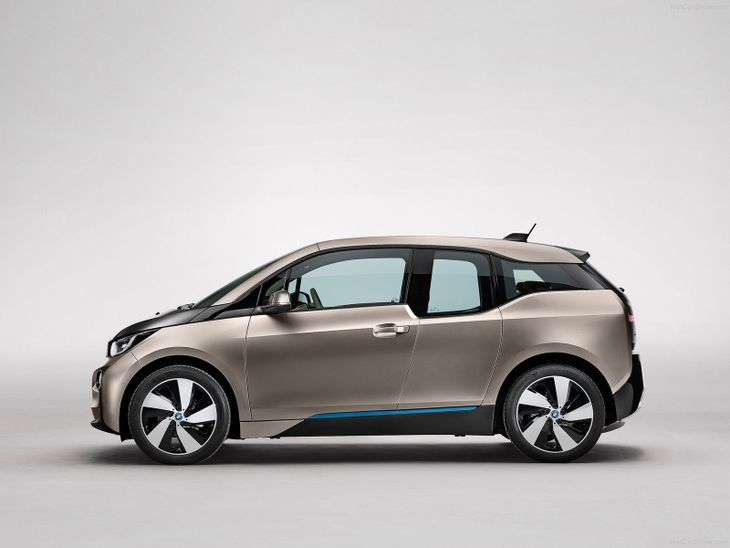
The BMW i3 proves that electric motoring can be fresh and exciting in terms of packaging and driving pleasure.
BMW’s i3 is, to my mind, the definitive South African EV experience. It's a better car than Nissan’s Leaf in every possible way because it was built to be battery powered, retains BMW’s fabled driving dynamics and its ownership appeal is greatly buoyed by the option of carrying emergency fuel onboard, in the case of the Range Extender (REX) derivative. I’d always, without hesitation, recommend an i3 to anyone who is remotely interested, but I’d also never recommend it as anything but a REX. Those few litres of unleaded and having the internal combustion engines in reserve sets the mind fantastically at ease.
Battery cars work in Northern Europe. The high saturation of charging infrastructure and close proximity of towns, all under the cover of a mild to cool climate – makes for ideal EV motoring. South Africa is different. Heat, punishing distances and electricity supply uncertainty all corrode faith in an EV future. A policy setting a date for banning the sale of internal combustion cars at any point in the medium term, will be sheer madness for South Africa.
Where does that leave us?
Electric vehicles are the future, certainly, but our issues are markedly different to those of Europe… the EVs that will ultimately succeed here should be different to the ones Britain hopes will vanquish the requirement for new petrol- or diesel-powered cars by 2040. British drivers might drive on the same side of the road as we do, but we spend a lot more time doing that than they do – and for a nation of drivers who aren’t unfamiliar with 1 000 km journeys when going on vacation, hybrids will do very nicely, thank you very much.
The future is never quite what we expect or predict it to be. In Back to the Future Part 2, dateline 2015, a future of flying cars was presented, but with paper fax communication instead of tablets and Smartphones. No internal-combustion vehicles on sale by 2040? Unless we find a miracle material that’s a lot easier and less harmful to mine than lithium, it's quite unlikely.
The AA has released its forecast for the fuel price movement in August 2017.
The Automobile Association of South Africa has estimated that the fuel price is set to rise by 20 cents a litre for petrol, 31 cents a litre for diesel and a 27 cent hike for illuminating paraffin.
"The increases we expect at the end of July have mainly been driven by the weaker Rand / US dollar exchange rate," the AA says.
"The Rand accounted for about two-thirds of the hike, with a slight uptick in international fuel prices contributing the remainder."
"While the Rand continues its volatile trend, international fuel prices have surged strongly in the past ten days. If this upwards movement continues into August, fuel users can expect further bad news," the AA concludes.
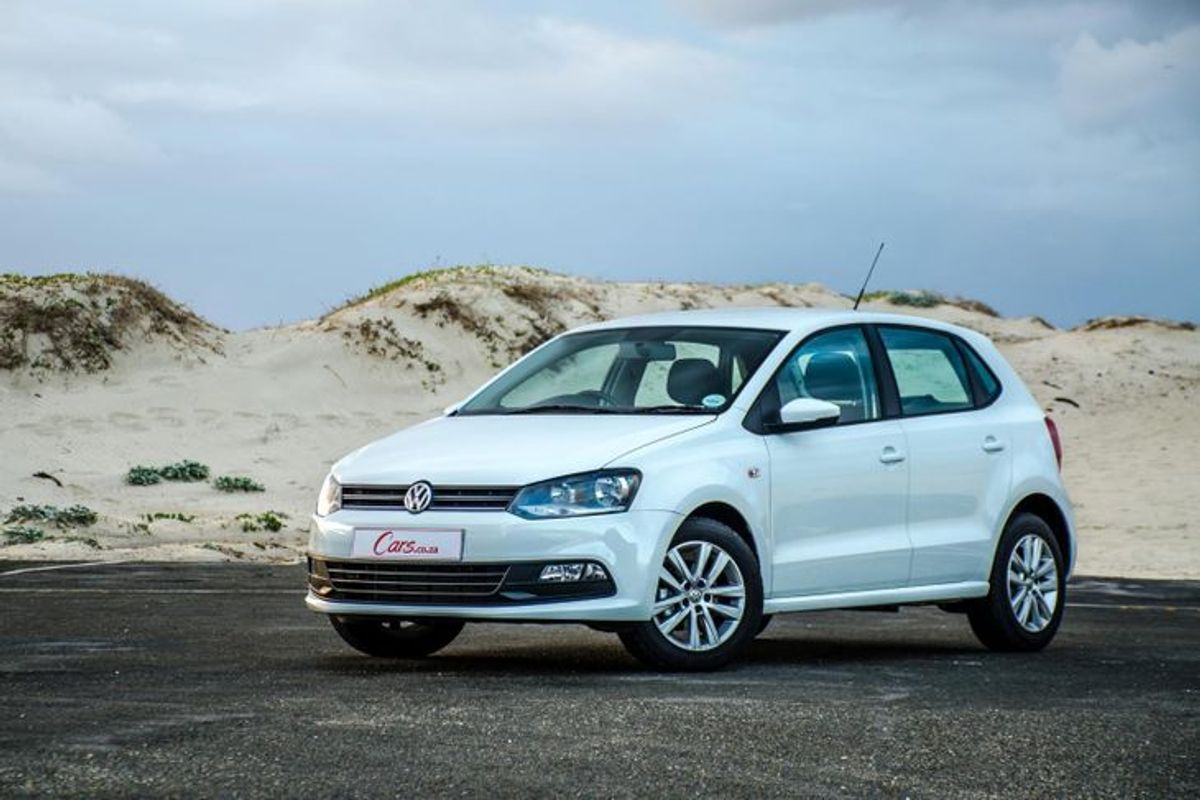
Volkswagen has triggered a wave of nostalgia by producing a limited-edition CitiGolf-inspired Polo Vivo. While it is light-years ahead of the car that inspired it in terms of specification and, yes, it does tug at the heartstrings, can the product offer enough substance to match its retro style?
We like: standout youthful packaging, good build quality, impressive audio system
We don’t like: interior a bit drab, lack of standard front electric windows/service plan
Alternatives:
Get one while you can. Although Chevrolet will soon exit the market as a result of General Motors’ withdrawal from South Africa, the top-of-the-range Spark 1.2 LT represents excellent value. Backed by a 5-year/120 000 km warranty, the Spark has 4 airbags, an audio system with Bluetooth aux and USB ports, a multifunction steering wheel, 15-inch alloys and rear PDC. A service plan is optional.
For crossover appeal. The recently facelifted Renault Sandero Stepway 66 kW Turbo Expression offers something more than humdrum bargain hatch fare. Replete with SUV-like cladding and roof rails, the Renault has 16-inch alloys, front electric windows, stop/start function, brake assist and traction control as well as remote audio control stalk. A 2-year/30 000 km service plan is included.
A surprise package. Although Indian manufacturer Tata’s products once offered marginal quality, the top-spec Bolt 1.2T XT is a revelation. Backed by a 5-year/100 000 km warranty and a 2-year/30 000 km service plan, the spacious Tata has a reasonably perky 1.2-litre turbopetrol engine and comes with nice-to-haves such as climate control and a full-colour touchscreen infotainment system.
A revitalised warhorse. A recent update to the Toyota Etios through the launch of the 1.5 Sprint hatchback sees the Indian-made budget car gain sharper looks and improved materials. It’s powered by a punchy 1.5-litre motor and includes standard features such as 15-inch alloys rims, a Bluetooth audio system and a 2-year/30 000 km service plan.
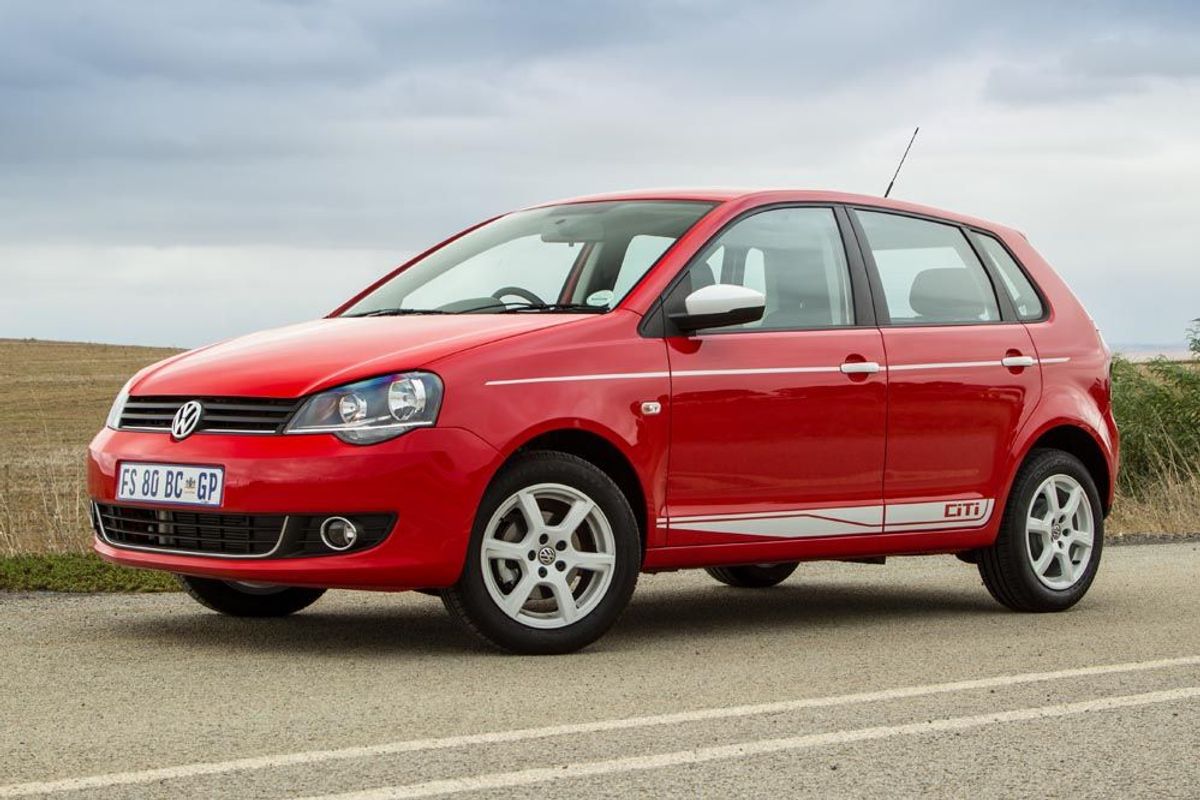
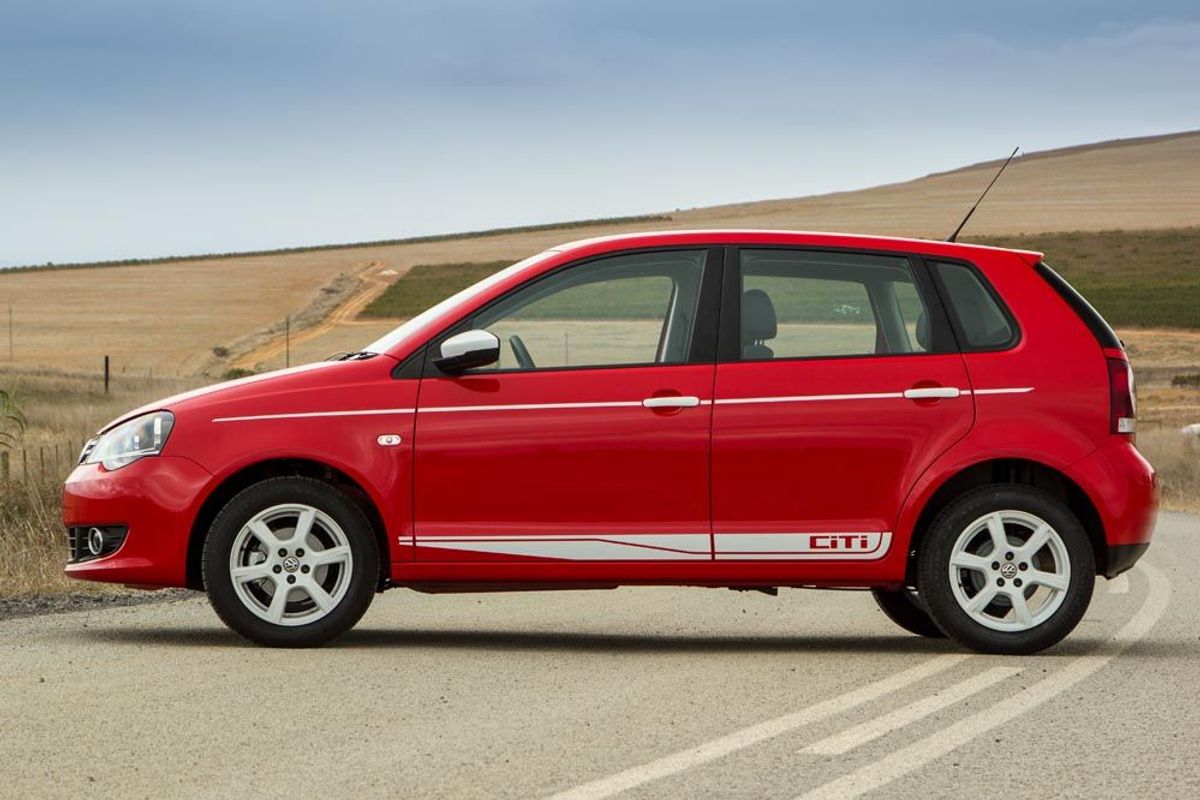
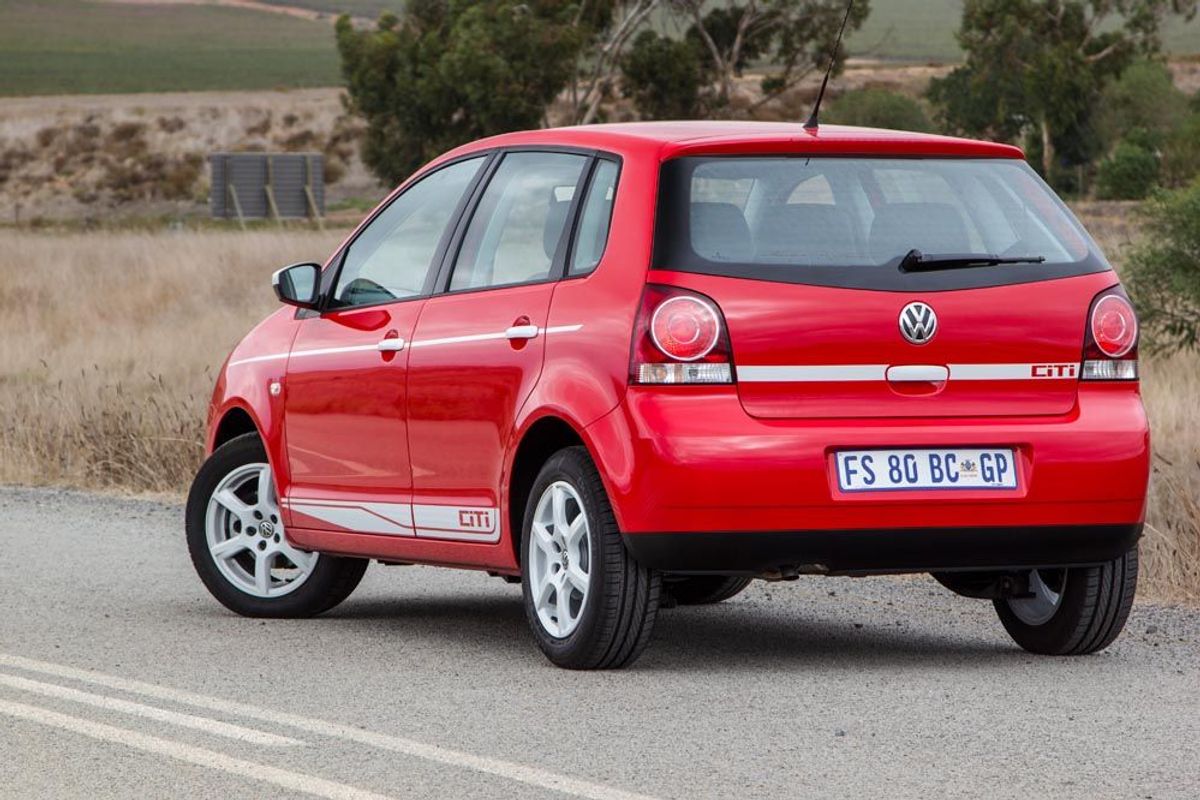
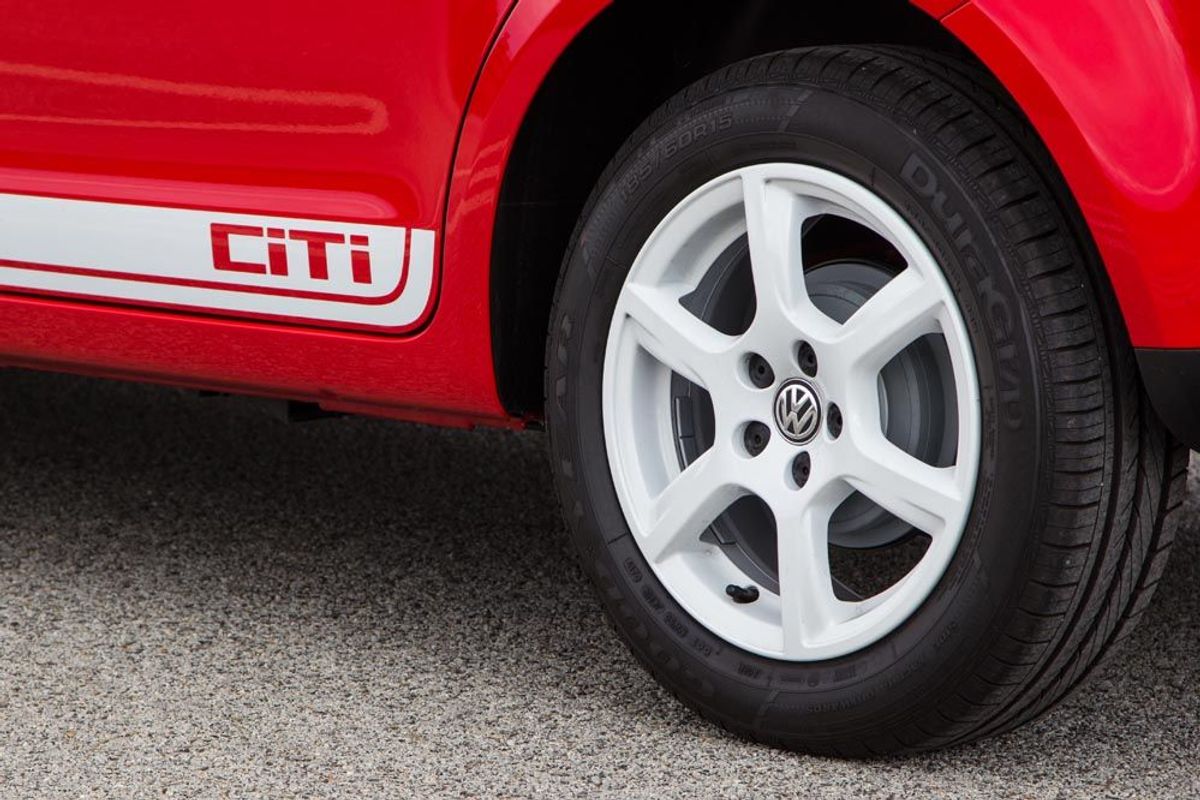
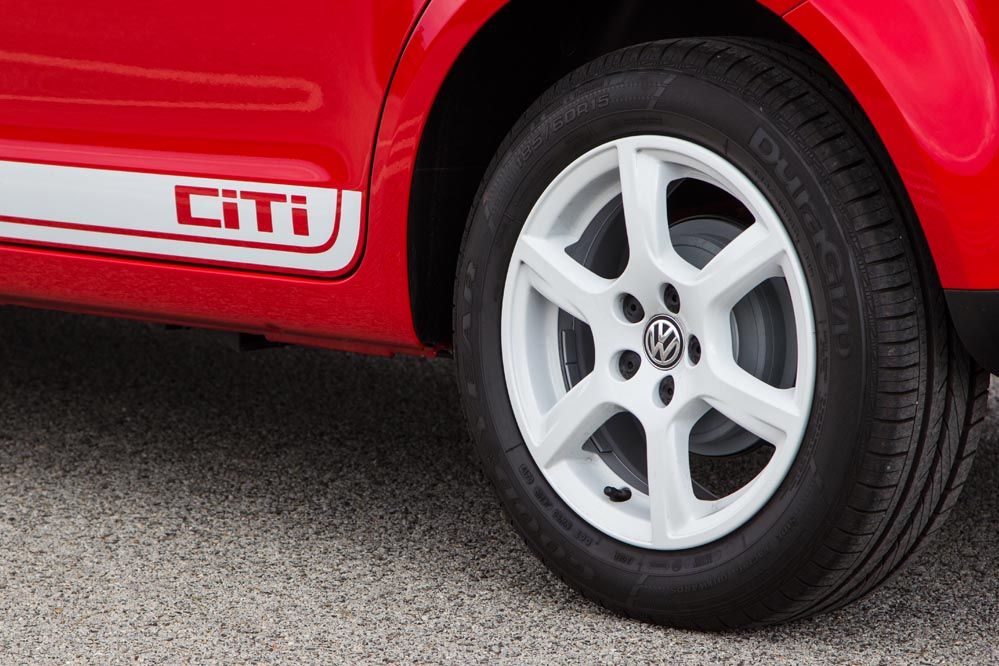
Bold white striping and white-painted 15-inch alloys (along with the optional fog lights) give the CitiVivo cheeky appeal.
What’s new?
Here is where the story begins… In 1984, Volkswagen launched the CitiGolf: a cheeky, no-frills and budget-positioned continuation of the first-generation Volkswagen Golf, which had famously replaced the original Beetle in the Seventies. Production continued until 2009, during which time 377 000 CitiGolfs were produced; the little car, despite its lack of ABS and airbags, achieved cult status in South Africa.
That brings us to the Vivo. Based on the 4th-generation Polo, the Polo Vivo became Volkswagen’s entry-level offering and much like the CitiGolf it replaced, the Vivo has topped the sales charts since 2010. Now, as the automotive market gears up for the introduction of the 6th-generation Polo (and quite possibly, the next generation Vivo), Volkswagen has released a Citi version, which is still fun-loving, but anything but plain.
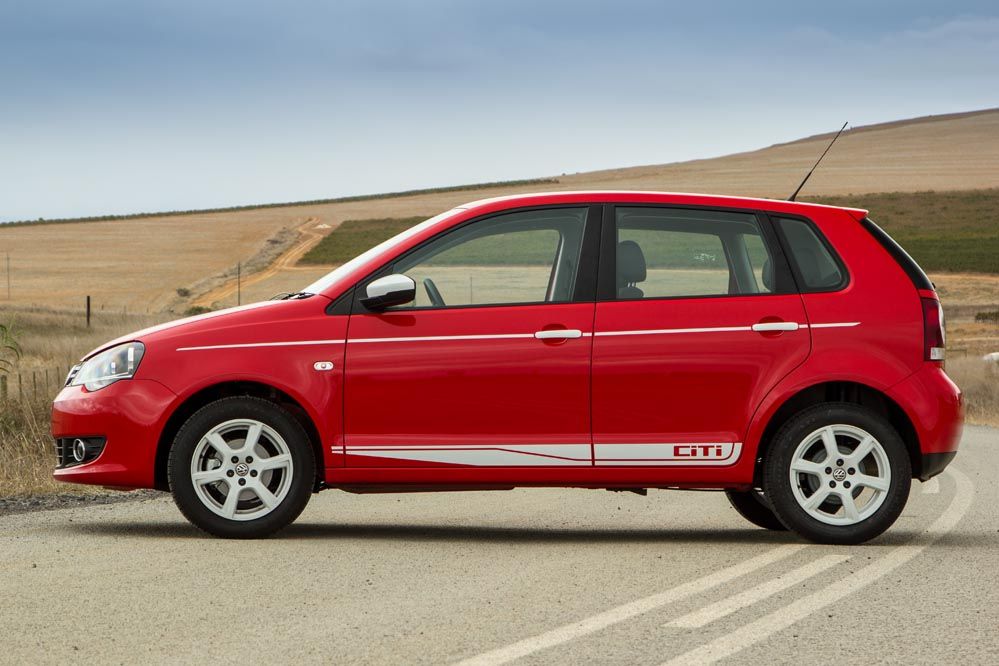
White door and tailgate handles (let alone side-mirror caps) would have been unfathomable in the '84 CitiGolf's heyday.
The good
Youthful, vibrant looks
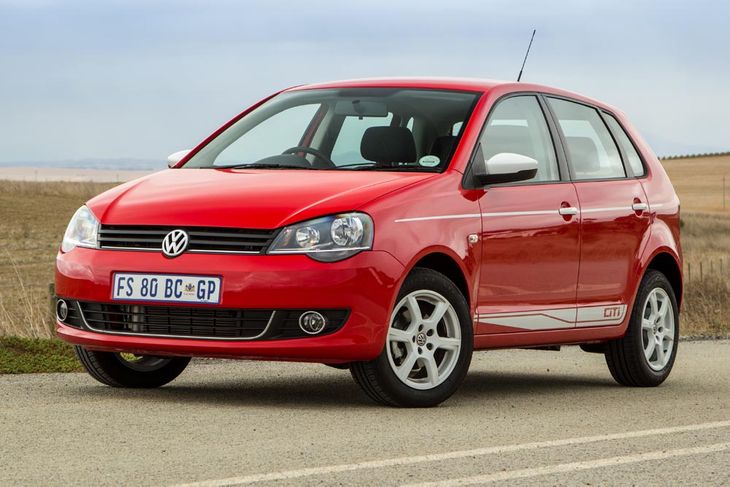
The Polo Vivo has been around for the best part of a decade; it received an update in 2014 and numerous special editions have been brought to market in the meantime. Yet, despite its advanced age, the Vivo’s exterior design looks zestful, especially in its Flash Red paint finish (which is one of three colours it has been made available in, the others being (unsurprisingly) Cornflower Blue and Sunflower Yellow).
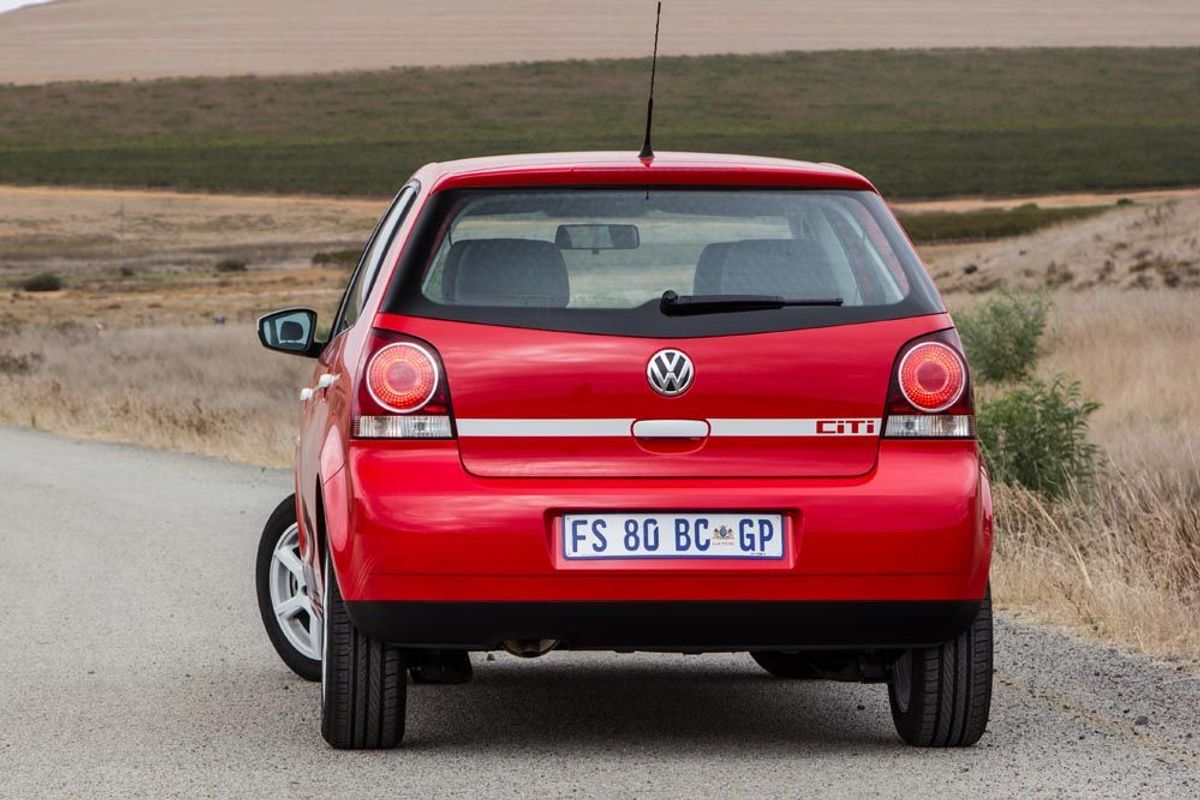
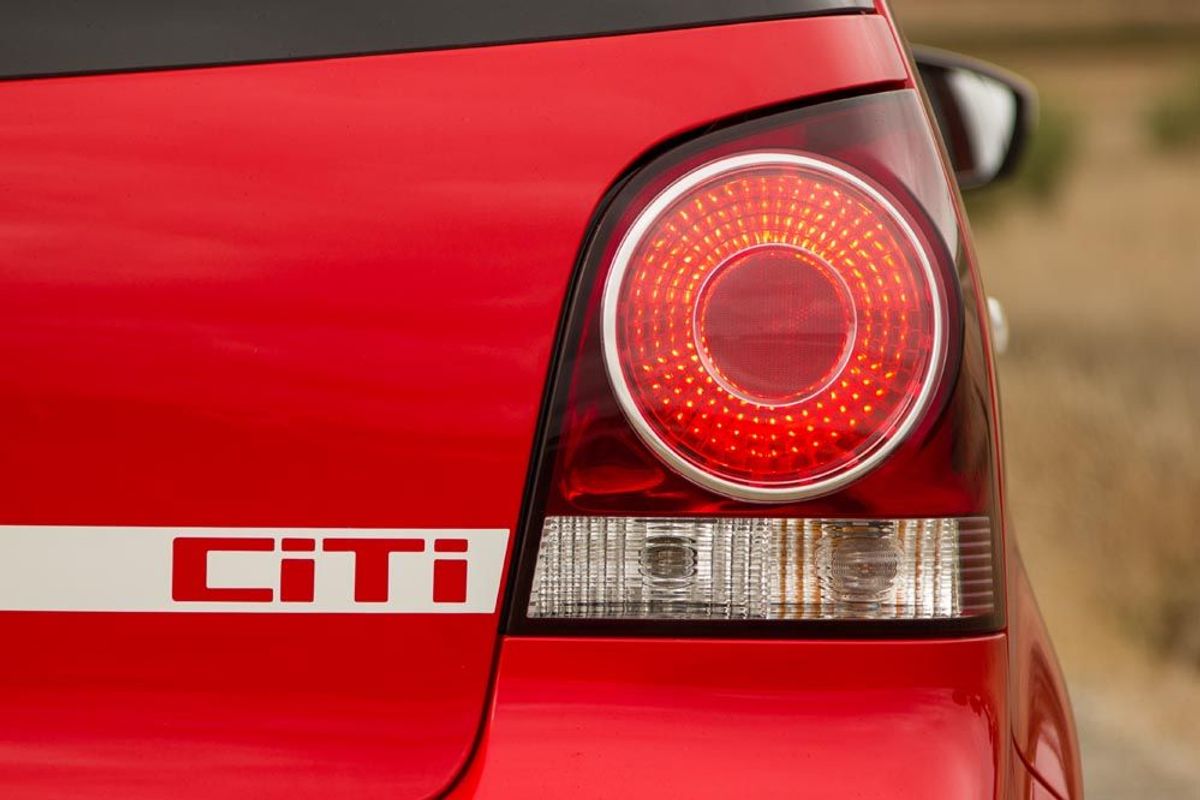
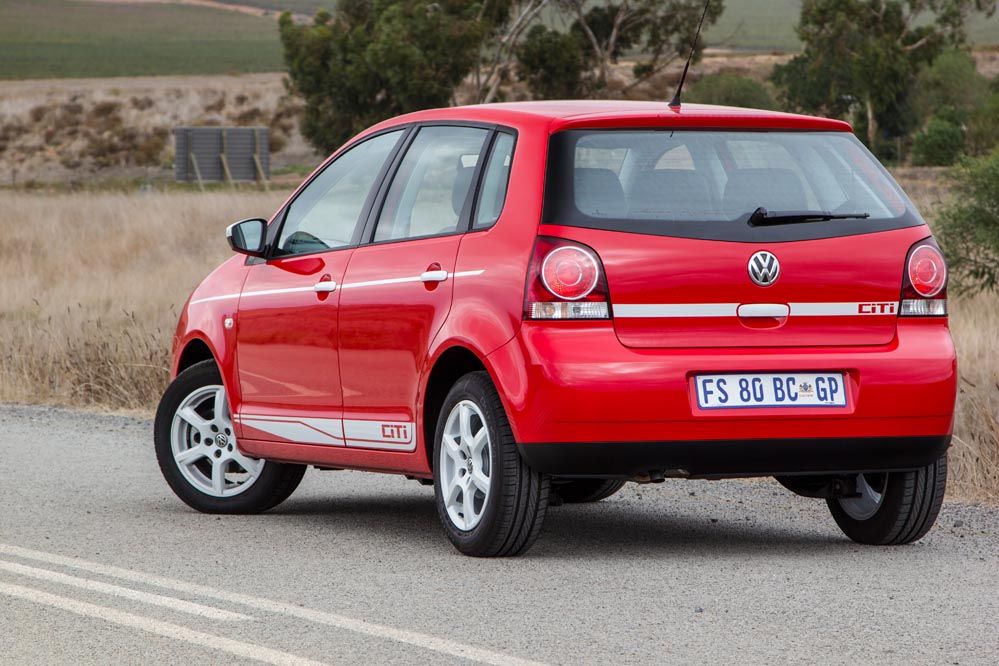
During the CitiVivo’s test tenure we parked it next to its spiritual predecessor (a faded Cornflower Blue CitiGolf) and, to be fair, the latest Citi features a lot more detailing than its predecessor. Like the old car, the CitiVivo has white wheels (but instead of painted steelies a set of 15-inch alloys) and matching branding and striping on its sides and tailgate. However, colour-coded door handles and mirror caps further set the newcomer apart and, suffice to say, the test unit drew many admiring glances. Even though it looks quite unlike a Golf 1, its instantly recognisable as a Citi.
The Vivo is a reinterpretation of the 4th-generation Polo 4 facelift model that debuted more than 10 years ago… believe that!
Good build quality
As a proud product of Volkswagen SA’s Uitenhage assembly plant, the CitiVivo bears the hallmarks of a vehicle that has been honed through running refinements in the production process through the years. This is a car made to a tight cost, but it does not feel cheap… the panel gaps in the bodywork appear to have neat, even widths, the doors shut with reassuring thuds, and the paintwork is consistent and has sufficient lustre.
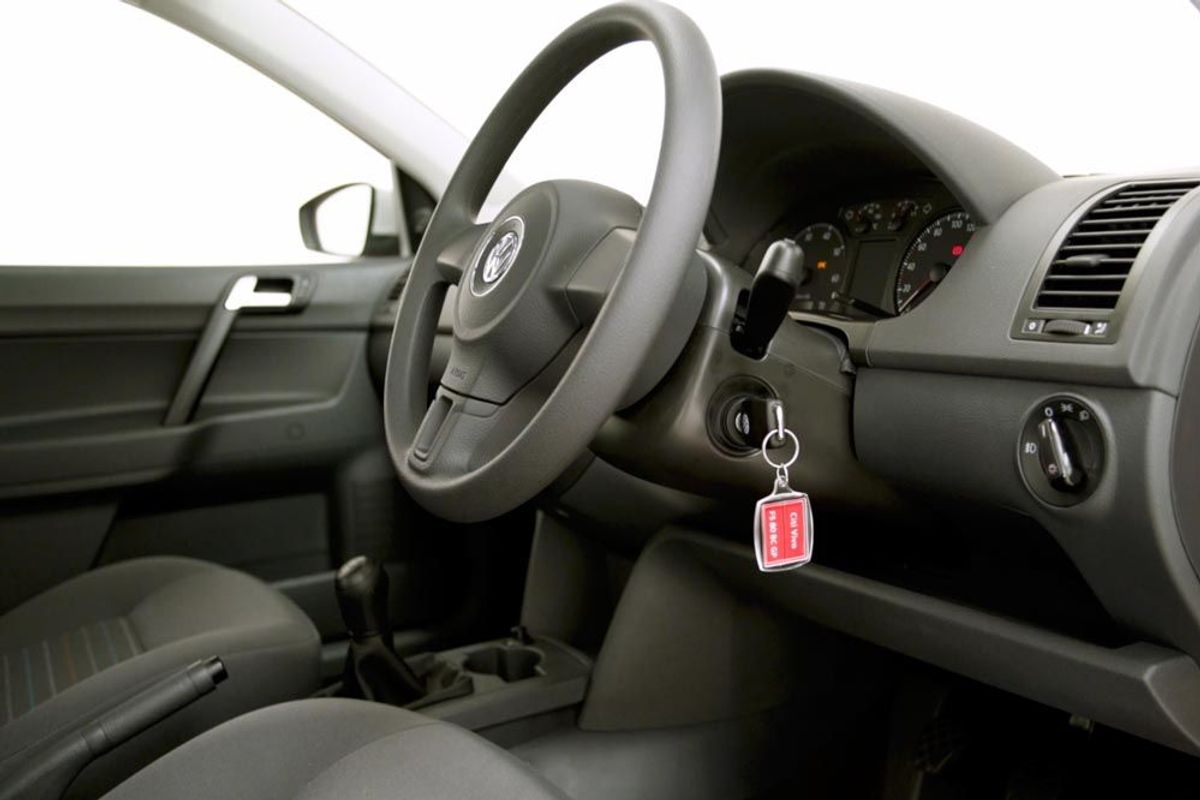
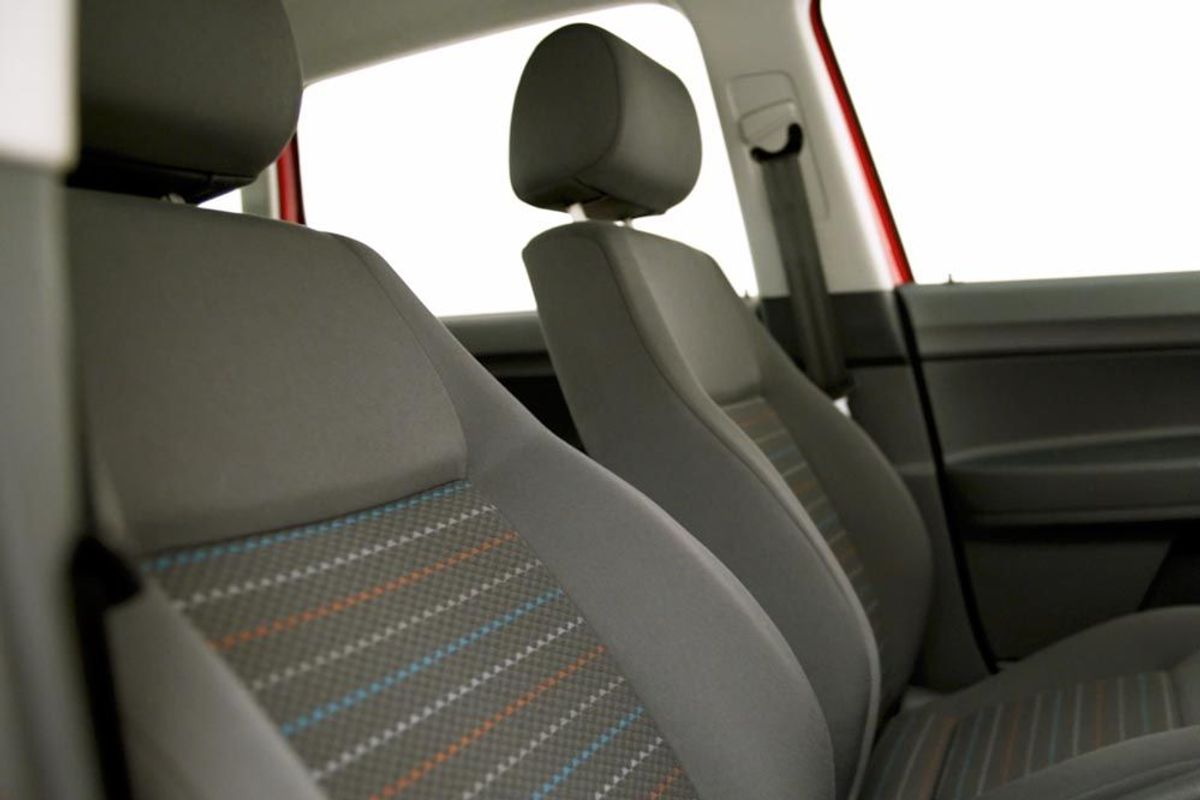
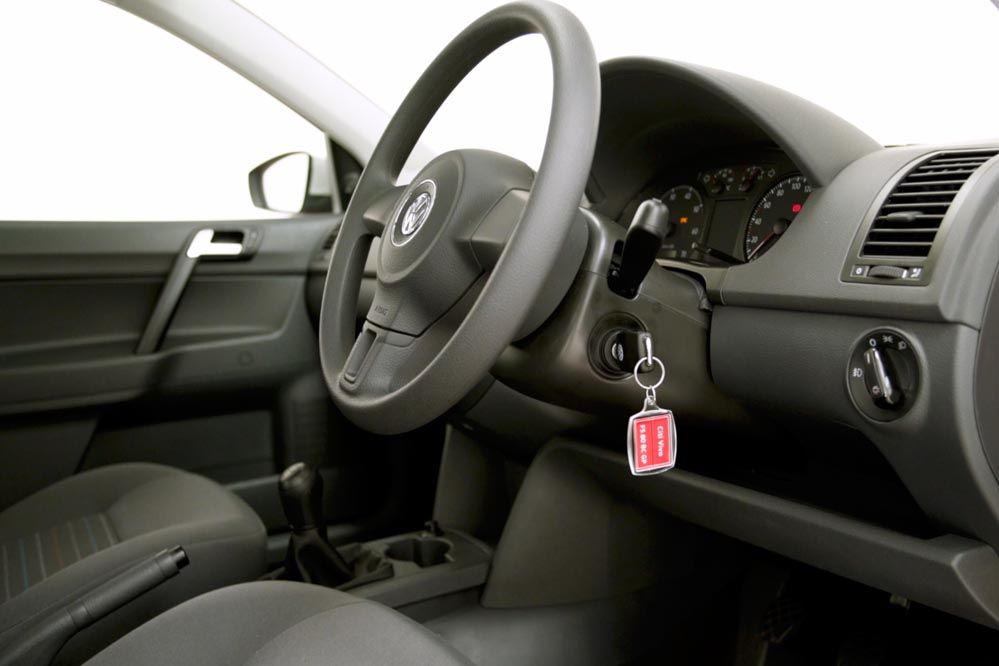
As for the interior, Volkswagen again exhibits that knack for utilising cost-effective plastics that don’t feel cheap to the touch. The panels fit snugly and seem resistant to emitting rattles, the upholstery, if less than plush, feels hardwearing, but not fibrous or cheaply finished/stitched.
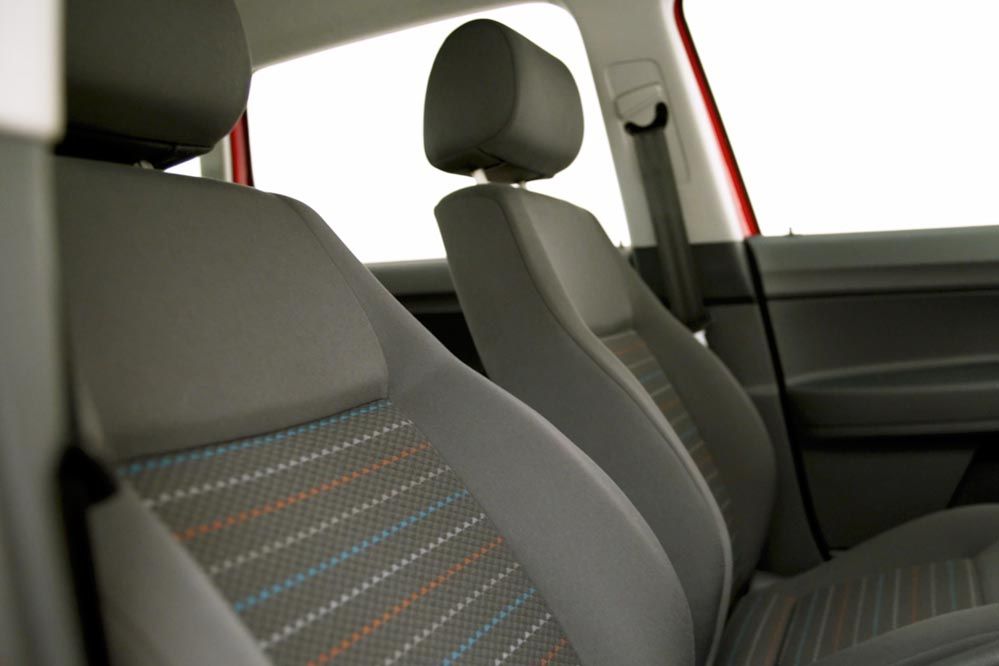
The colourful seat fabric does lift the ambience in the cabin somewhat, but it is a little drab and grey otherwise.
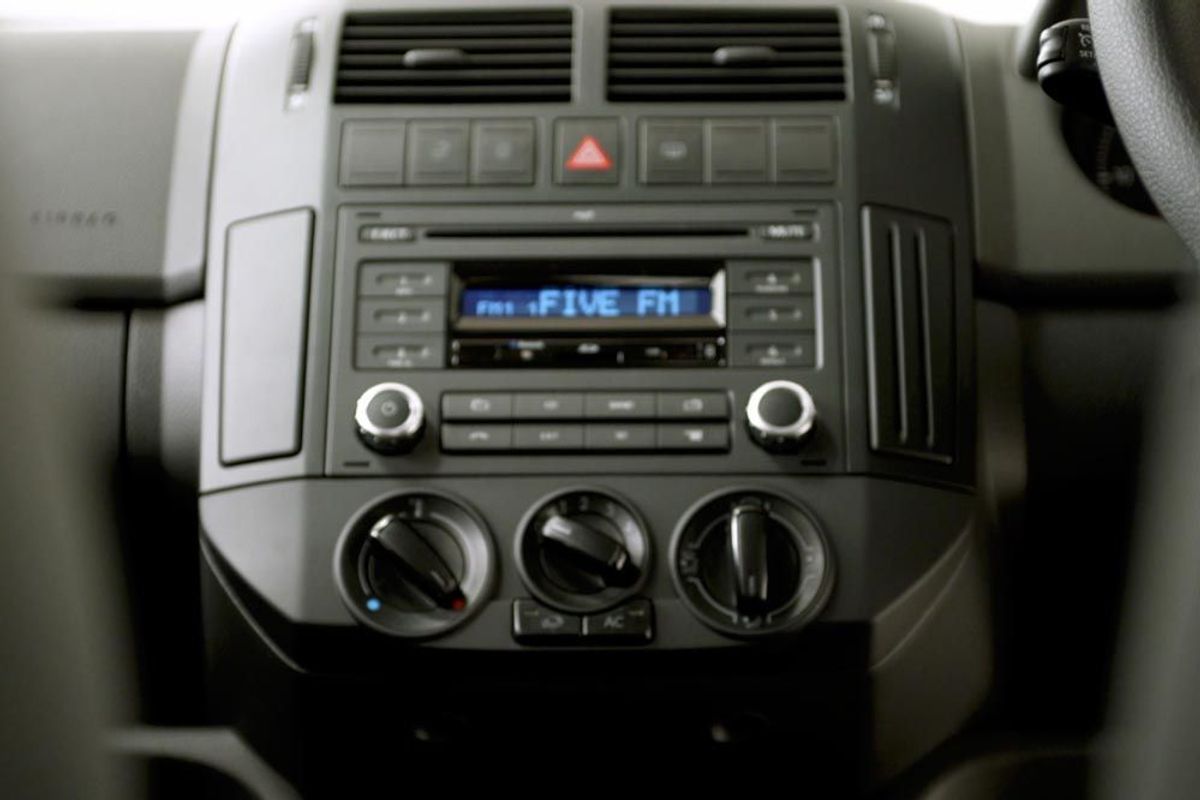
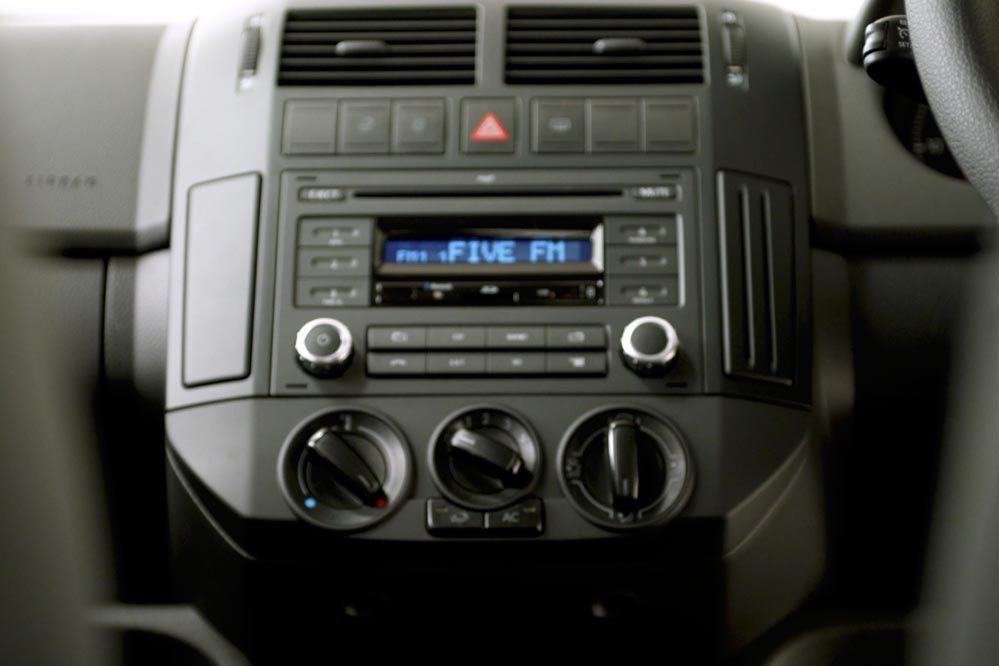
As for the standard interior features, the most impressive aspect of the CitiVivo is undoubtedly its Bluetooth-enabled 4-speaker audio system, which looks anything but retro-fitted (Polos of this generation certainly didn’t feature such a setup). Granted, the audio system is not complemented by satellite audio controls on the steering wheel, but it offers a radio, CD player, USB and SD card inputs, is easy to pair with contemporary smartphones and delivers a reasonably voluminous and clear sound output.
Easy to drive/refined
Of course, those accustomed to the Polo driving experience will know that one of the Volkswagen’s most endearing attributes is its “little big car” driving experience. From the way the wieldly steering wheel places the car accurately, to the ease of modulating the clutch pedal/gear lever and the predictable throttle responses (the motor is not revvy, but feels tractable enough), the CitiVivo has that “just get in and drive the darn thing” manoeuvrability that reassures inexperienced – and delights seasoned drivers – alike.
The 1.4 CitiVivo features drum brakes at the rear wheels, but the ABS-equipped braking system works well.
As expected of a budget car, delivering overtaking acceleration at freeway speeds was not the CitiVivo’s forte, but we admired that the car’s underpinnings (which are obviously not of the most contemporary vintage) delivered a reasonably absorbent ride quality and the ABS-assisted braking system was effective. And, perhaps the drone of the engine was largely drowned out by the machinations of the audio system – as would often be the case, we suspect, but the level of on-road noise wasn’t bothersome to the car's occupants.
The not-so-good
Interior does not match exterior flair
Those who remember the original CitiGolf will attest that its interior was Spartan in the extreme, but now that we’re late into the second decade of the Millennium… and the CitiVivo is an unabashed marketing exercise, after all, some of the testers were left a little disappointed that the test unit’s interior, apart from the neat Silver-Blue-Orange-Gray trim, was unremarkable, even humdrum.
We understand that the CitiVivo is closely based on the entry-level 55 kW Conceptline derivative, and therefore will be pretty basic in terms of its cabin finishes and so-called modern conveniences, but some colour matched floor mats or colour-matched contrast stitching on the fabric areas would have been welcome. Some testers even suggested the addition of a retro golf ball-type gearknob, just to finish things off nicely…
The test unit came optionally equipped with a stalk-operated cruise control function… dual front airbags are fitted as standard.
Middling performance/efficiency
If there are areas in which the 1.4 CitiVivo shows its age (apart from the well-familiar fascia design, which is to be expected), it’s the performance and fuel efficiency of its naturally aspirated 1.4-litre 4-cylinder petrol motor. Ostensibly tuned for optimal reliability and performance on South African-standard fuel, the VW’s engine has a lower peak power output than its 4 rivals mentioned at the head of this review and the second lowest torque output (equal with the Toyota Etios 1.5 Sprint).
Whereas its second-slowest claimed 0-100 kph time in this group (12.9 sec, although there is no stated time for the turbocharged Bolt 1.2 XT) is inconsequential to most buyers, its claimed fuel consumption is second thirstiest (after the Tata) out of the 5 cars. With running costs of major concern to buyers in this segment, many of whom can only just afford to pay their monthly instalments, let alone fuel, insure and maintain their vehicles, every cent saved is a godsend.
The neatly integrated Bluetooth-equipped audio system was the highlight of the 1.4 CitiVivo's cabin.
Basic specification
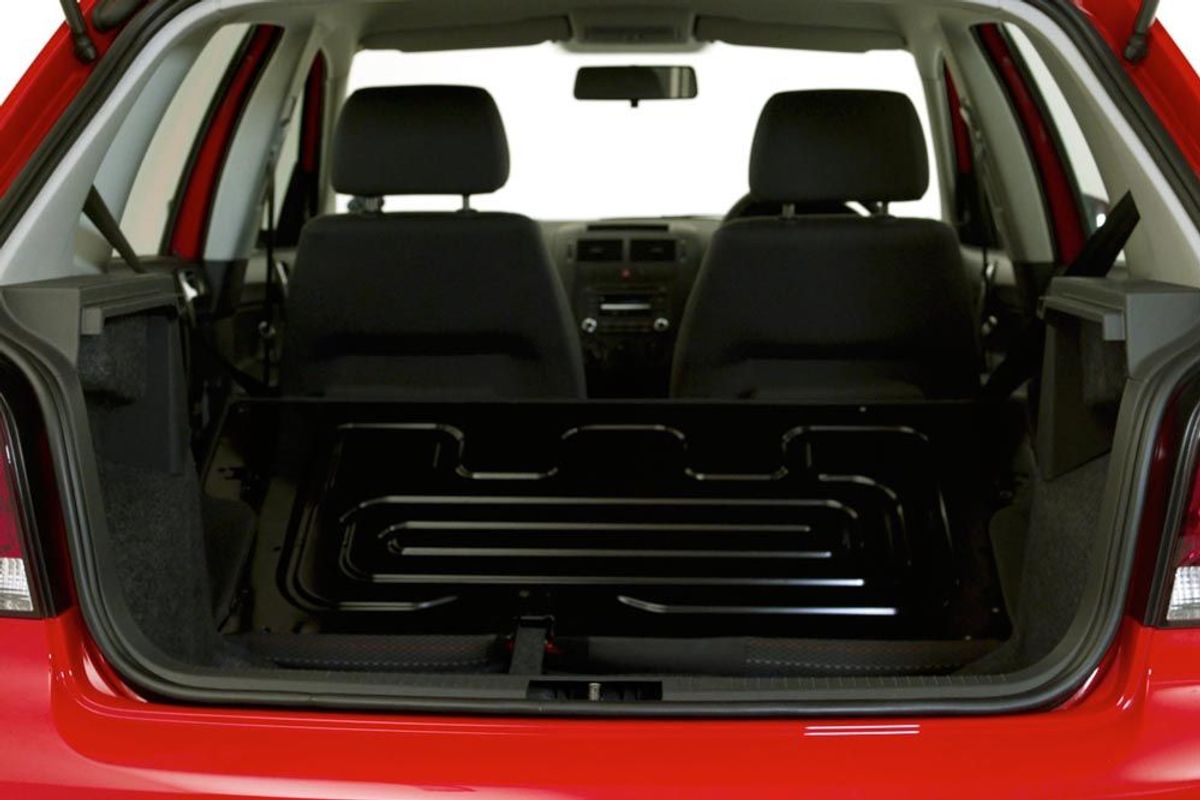
Before we delve into the extra-cost options on the CitiVivo, it needs to be noted that its remote central-locking key fob (some of its peers have a separate remote control), the intermittent setting on the heated rear screen's wiper and back headrests are nice to have (aircon has been standard in the Polo Vivo range for a number of years) and that despite its age, its claimed luggage capacity is second only to the Sandero’s.
Some of the options included in the package include cruise control (R1 400), smokers package (R250), ultrasonic alarm system (R 1 150, in addition to the stock alarm/immobiliser setup), electric front windows (R1 300) and front fog lights with chrome surrounds (R1 400). Of these options, the first 2 are perhaps surplus to most buyers’ needs, but the rest could benefit the value offering substantially had they been standard, especially considering that the Polo Vivo, unlike some of competitors, does not come standard with a service plan (a 5-year/60 000 km option costs R8 210).
In terms of safety equipment, the 1.4 CitiVivo comes equipped with ABS and dual front airbags, which is only par for the course at this price point, so there is room for improvement there as well.
Price and after-sales support
The Volkswagen Polo 1.4 CitiVivo retails for R178 800 (July 2017), which includes a 3-year/120 000 km warranty.
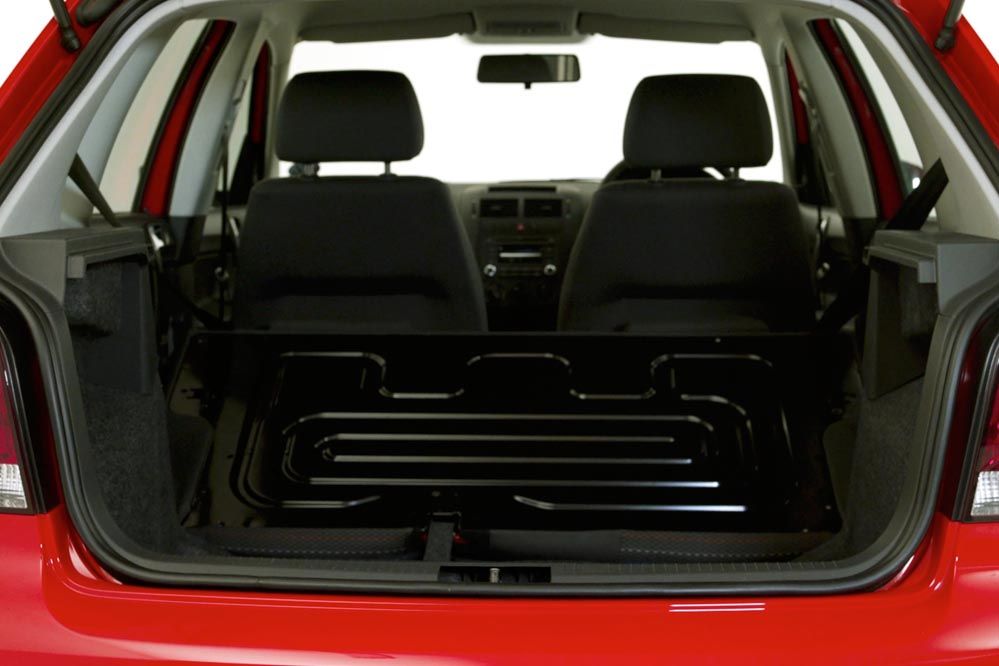
The single-piece backrest is helpful to free up utility space, but the conventional luggage capacity is quite adequate.
Verdict
The fact that the 1.4 CitiVivo feels as young and fun-loving as it does at this late point in its product cycle speaks volumes for the inherent quality and longevity of the product. The car that served as inspiration for this limited edition (only 2 000 units will be produced) is now an anachronism well out of step with 21st-century motoring standards and, alas, a fading memory for many motorists (well, at least this derivative’s specific target market).
Whereas the first CitiGolf was a source of rudimentary, yet reliable transport for cash-strapped first-time buyers, the CitiVivo’s reason for existence is quite different… It simply offers a measure of “bigger car” substance and sophistication at a lower price point than its Polo brother and other B-segment competitors. What the 2 Citis have in common, however, apart from their white striping and grille emblems, is oodles of cheeky charm.
Yet the Polo Vivo – a perennial top-seller in South Africa – cannot afford to rest on its laurels; there is no longer a shortage of credible rivals… some are improved old foes and there are new ones fresh on the scene. For now, what the 1.4 CitiVivo lacks in outright value for money is made up for by sheer substance, build quality, and, of course, a sterling reputation. Indeed, the market performance of the Polo Vivo speaks for itself, but let’s hope that whatever product eventually succeeds this generation Volkswagen budget hatchback will be able to balance quality and price even better.
View our video review of the Volkswagen Polo 1.4 CitiVivo below:
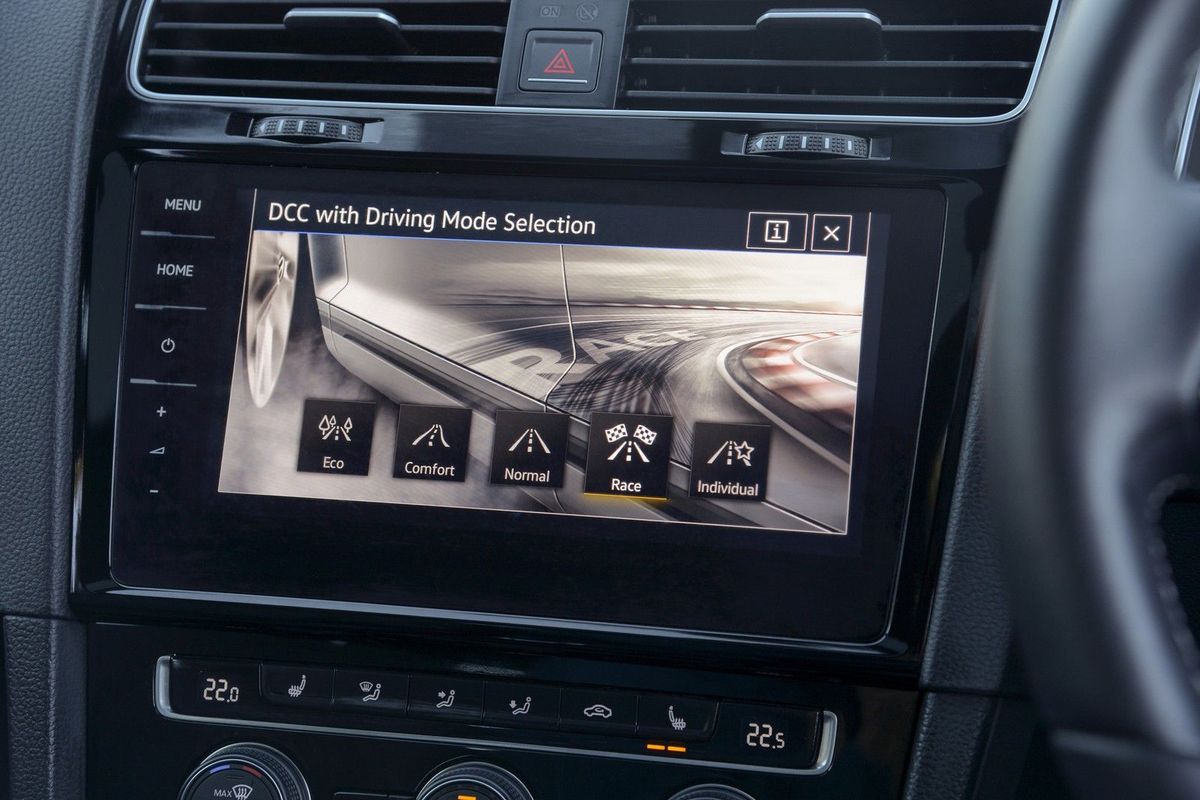
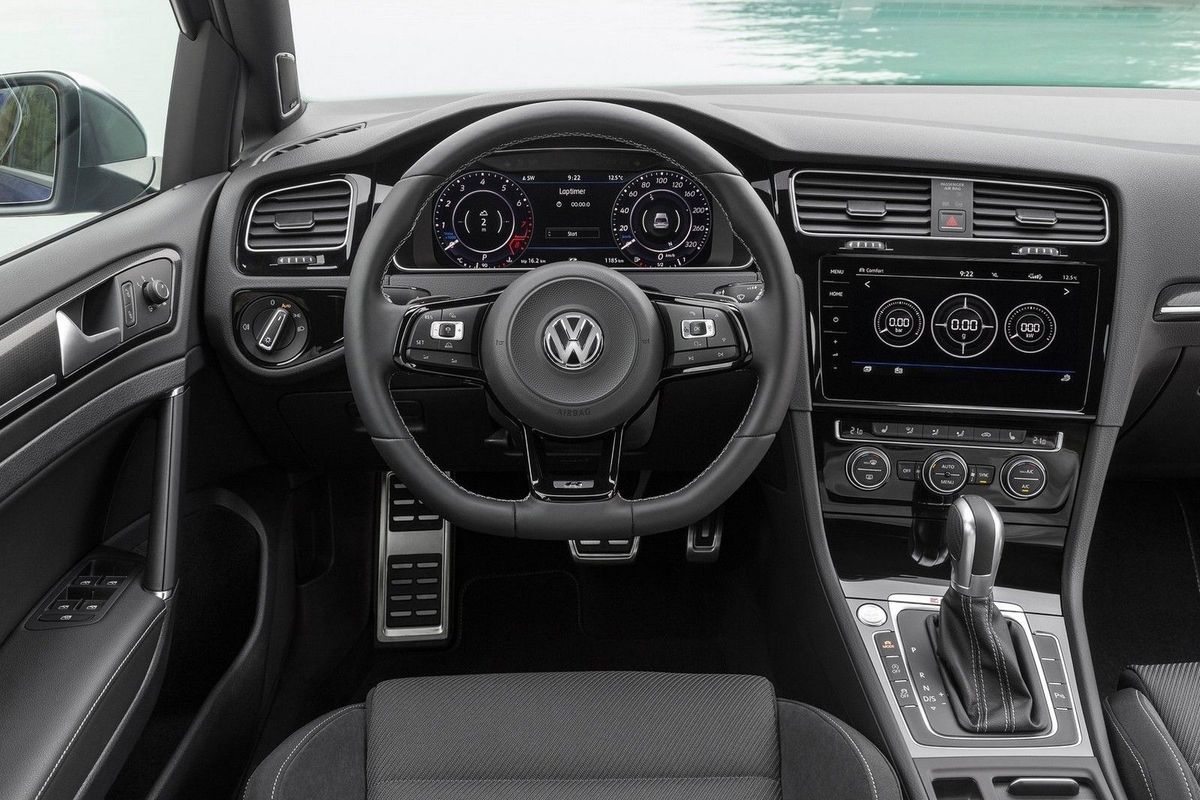
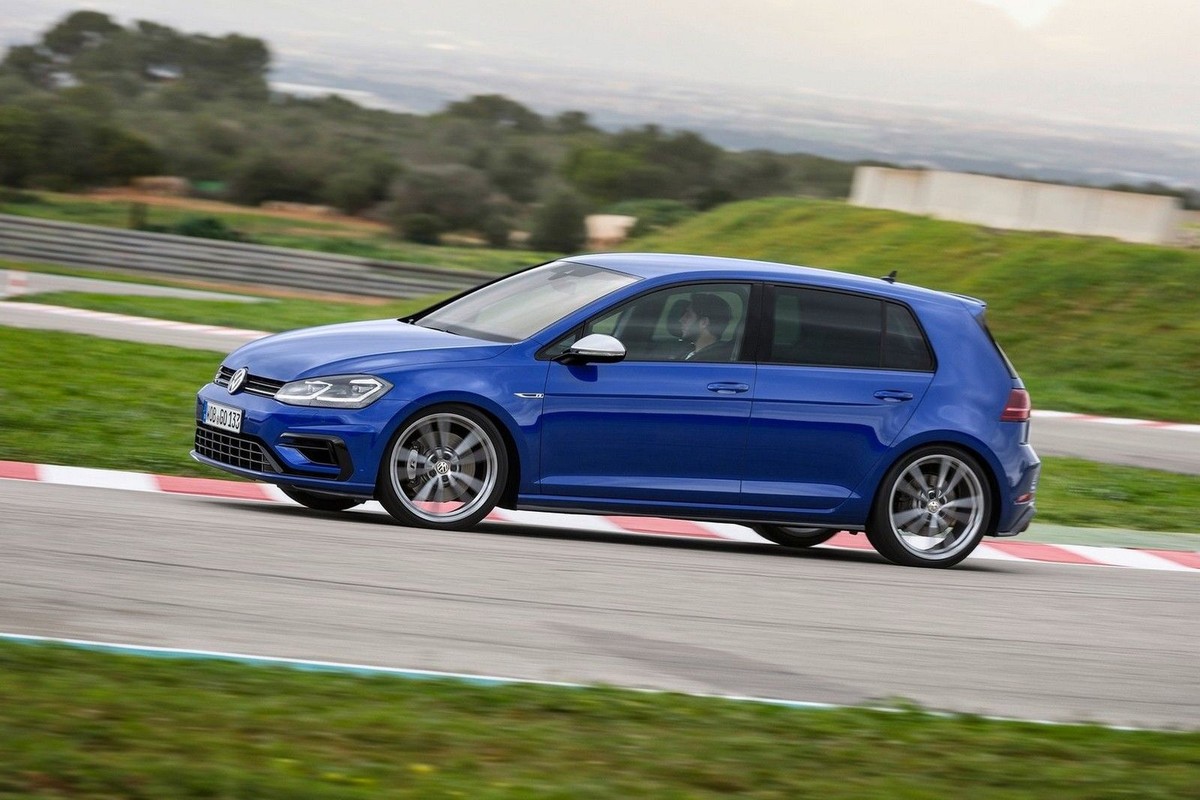
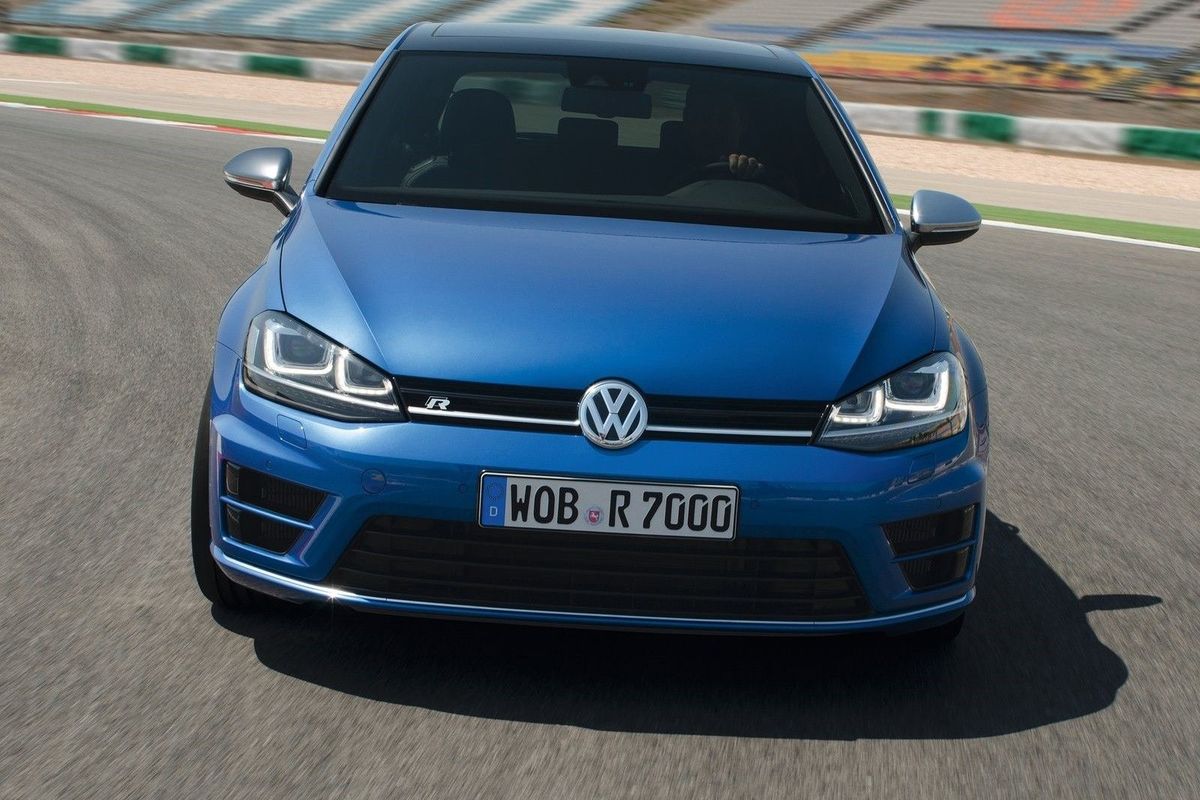
Key Differences: Volkswagen Golf R (2017) 7.0 & 7.5
The new 2017 Volkswagen Golf R has arrived on our shores and it's a challenge to spot the differences between this new one and the outgoing version. Therefore, we have compiled a list of the contrasts between the Volkswagen Golf R version 7.0… and version 7.5.
Appearance
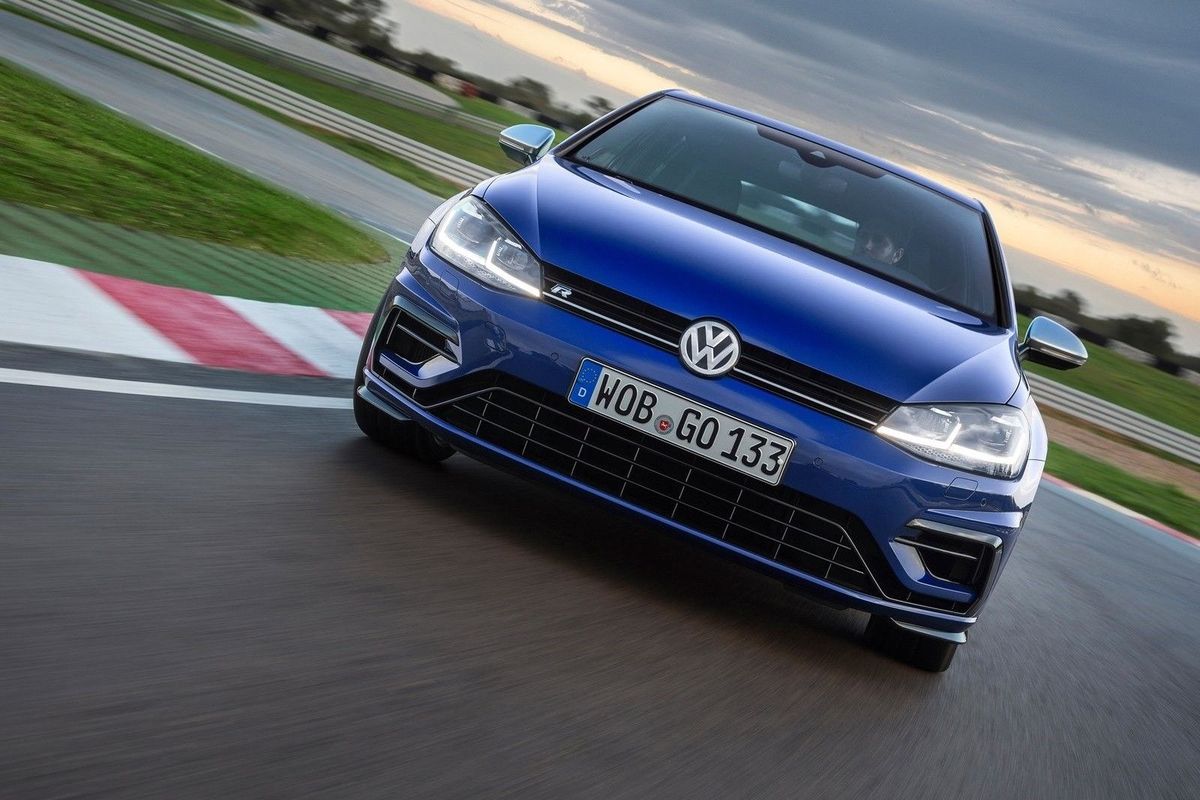
New Volkswagen Golf R (v7.5)
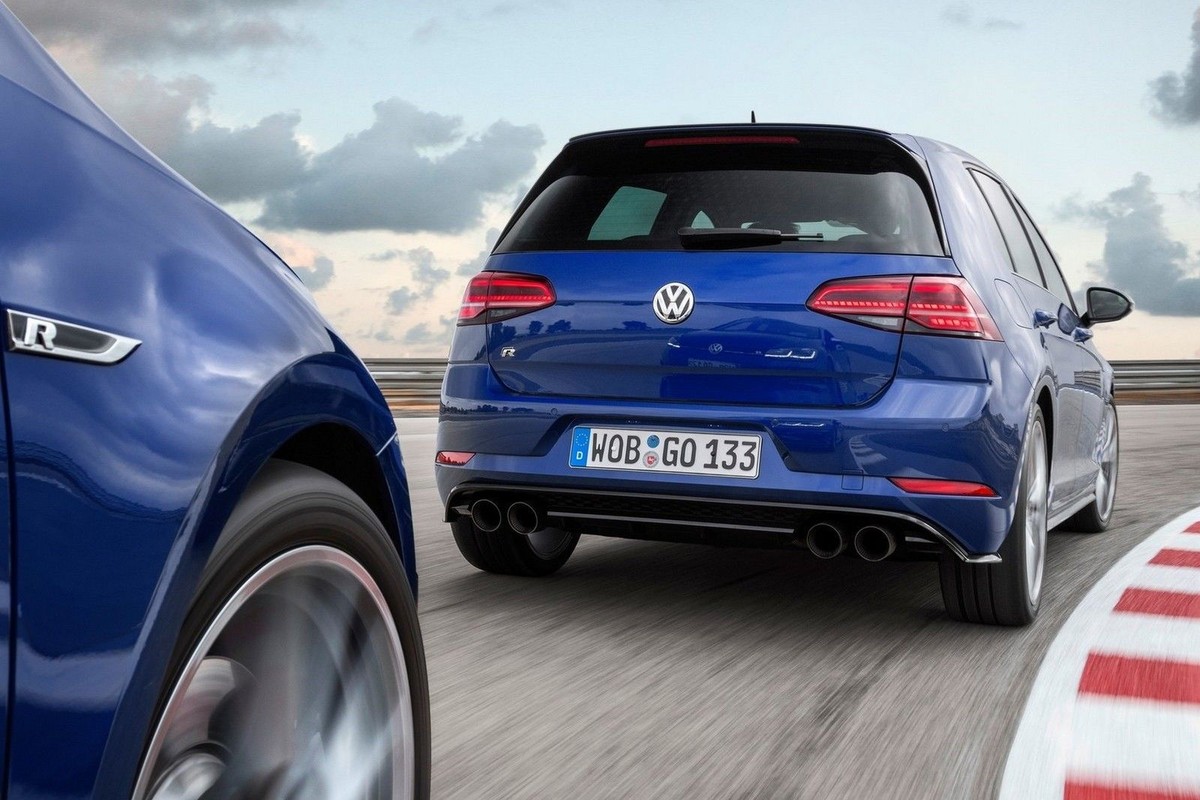
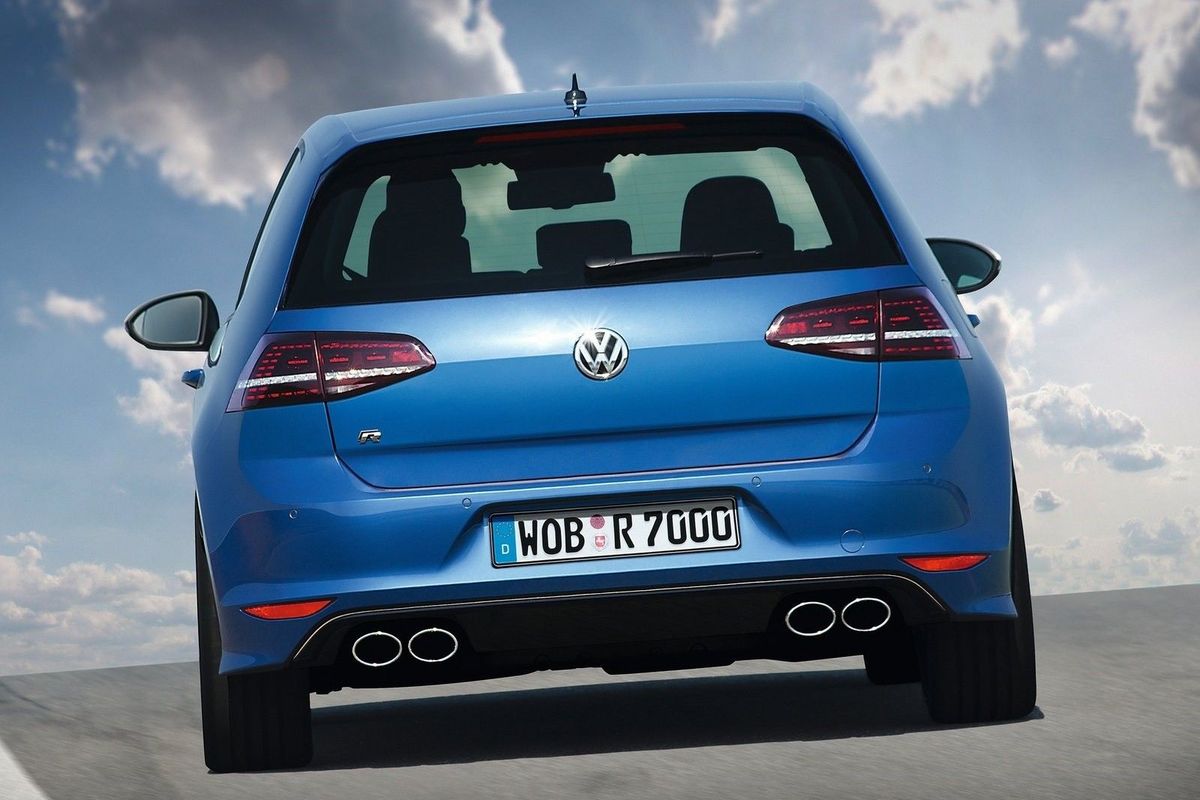
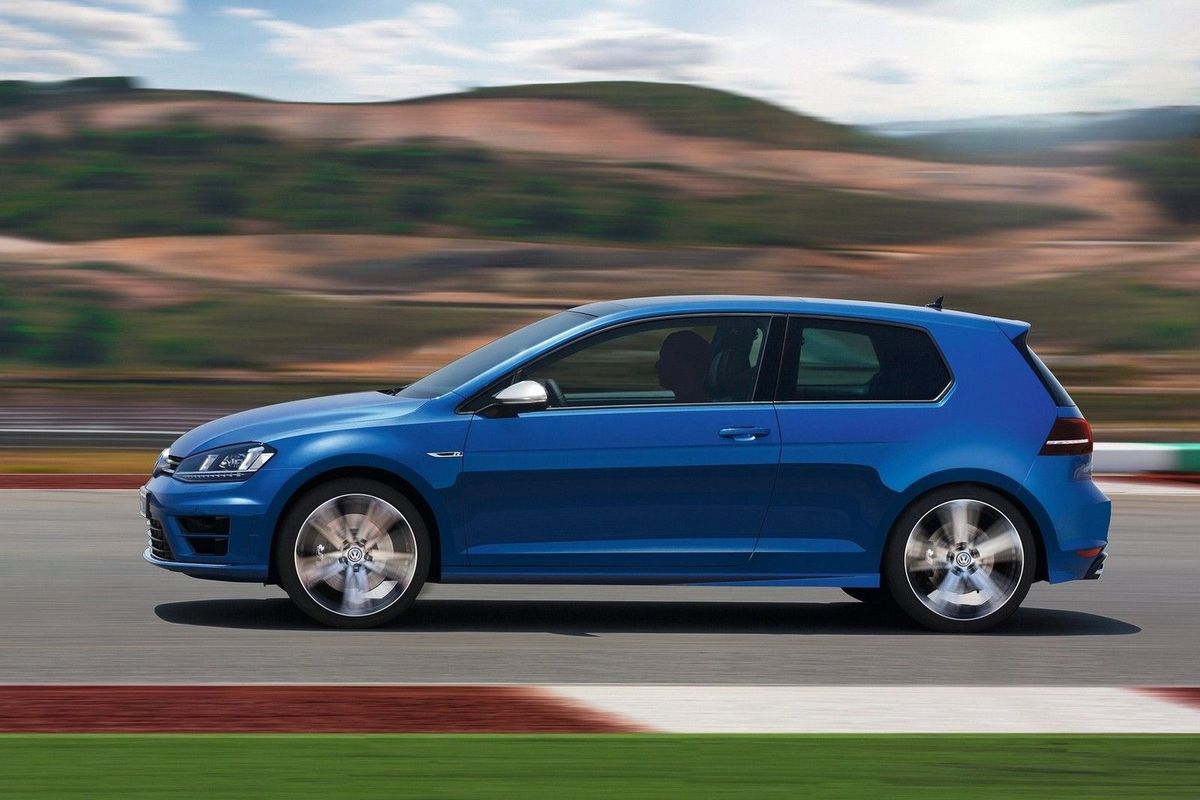
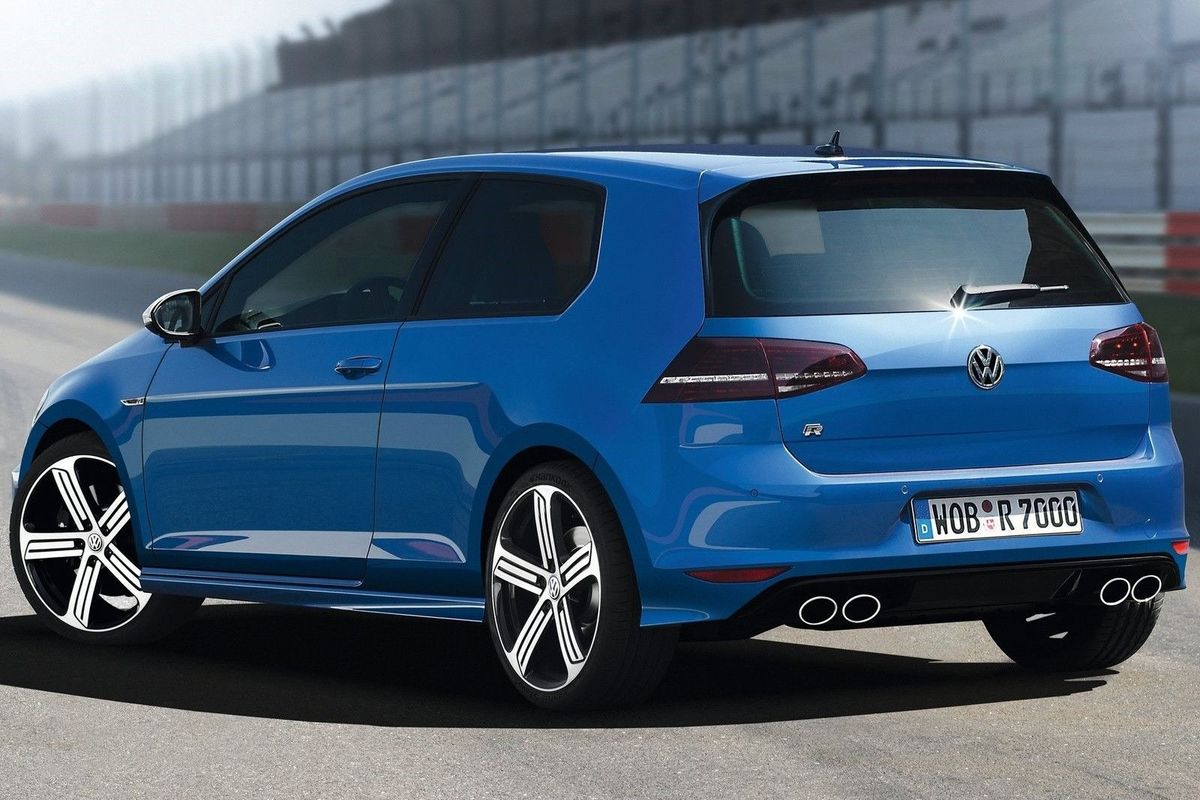
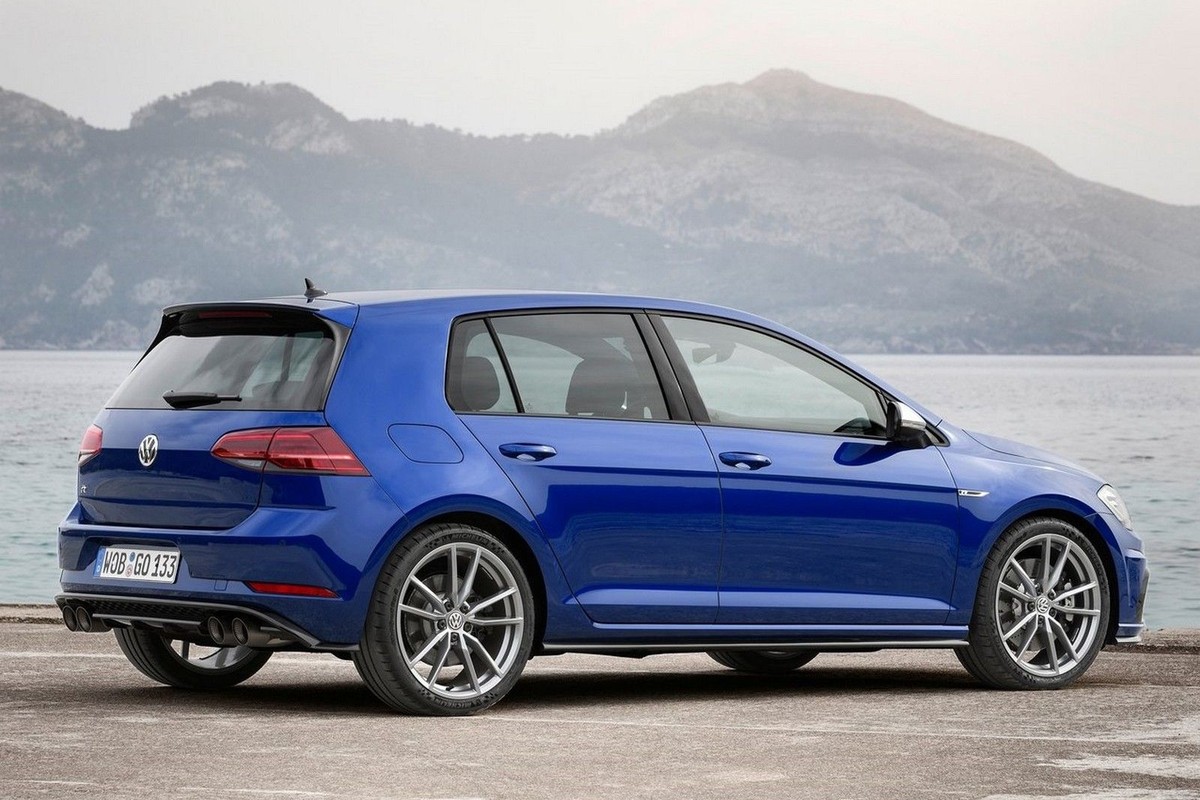
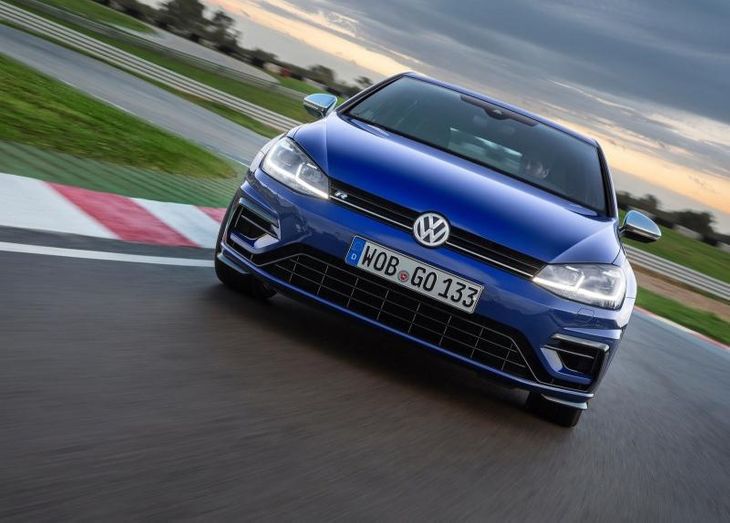
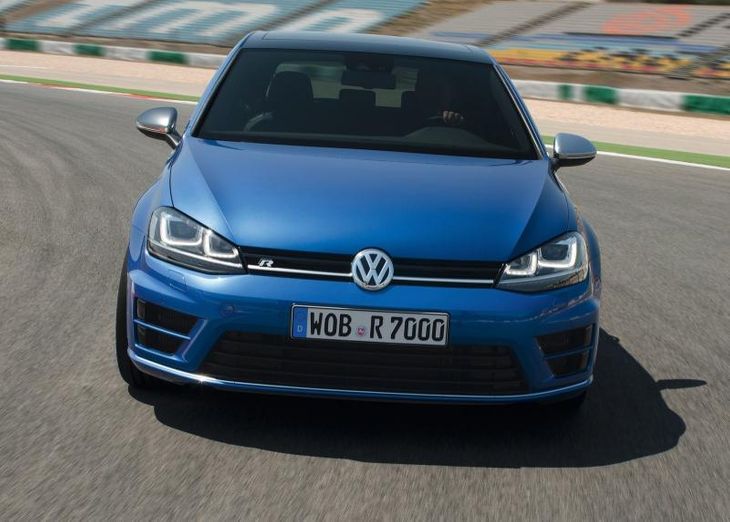
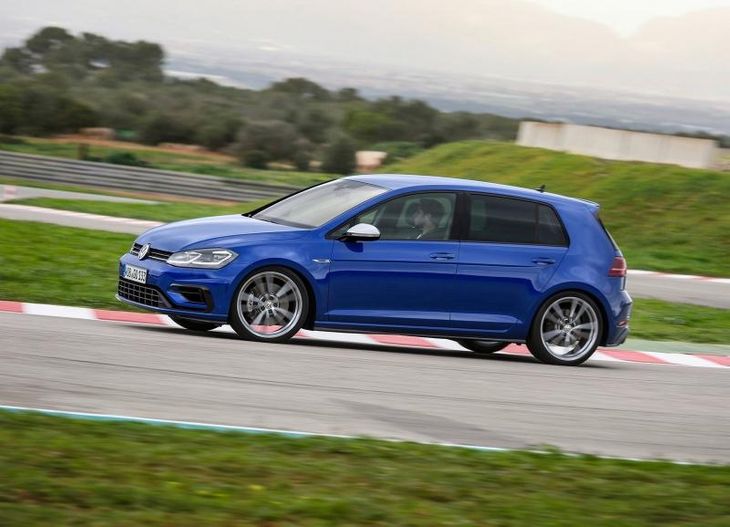
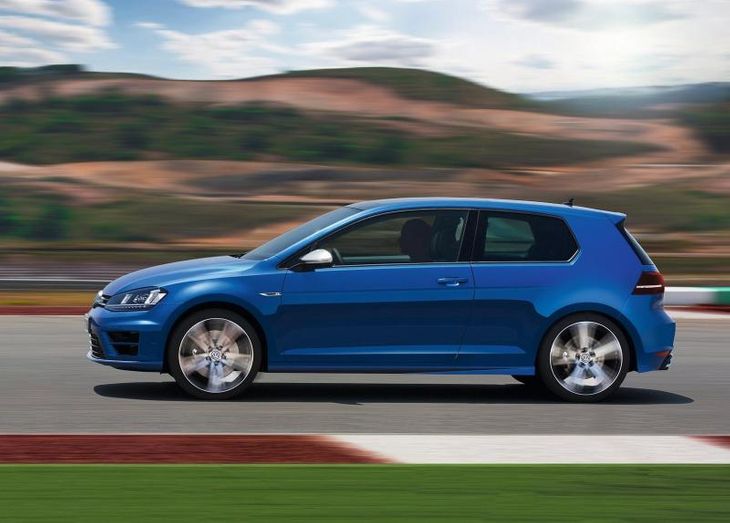
The design differences between the Volkswagen Golf R 7.0 and Golf R 7.5 are minimal, but, as you can see, there are distinct changes at the front. The headlights have been redesigned, there are new alloy-wheel designs and the exhausts have been slightly repositioned.
Previous Volkswagen Golf R (v7.0)
Powertrains
New Volkswagen Golf R 7.5: 213 kW and 380 Nm.
The new Volkswagen Golf R features an updated powertrain. The 2.0-litre 4-cylinder turbocharged motor now produces 213 kW and 380 Nm, with power going to all four wheels via an all-new fast-shifting 7-speed dual clutch transmission. With launch control activated, it'll blitz from 0 to 100 kph in a claimed 4.6 seconds. In comparison, the outgoing model could only muster 206 kW and 380 Nm. It had a 6-speed dual clutch transmission and could reportedly "only" manage the 0-100 kph sprint in a whisker over 5 seconds.
Previous Volkswagen Golf R 7.0: 206 kW and 380 Nm. Note: two-door model pictured and was not on sale in SA.
Interior
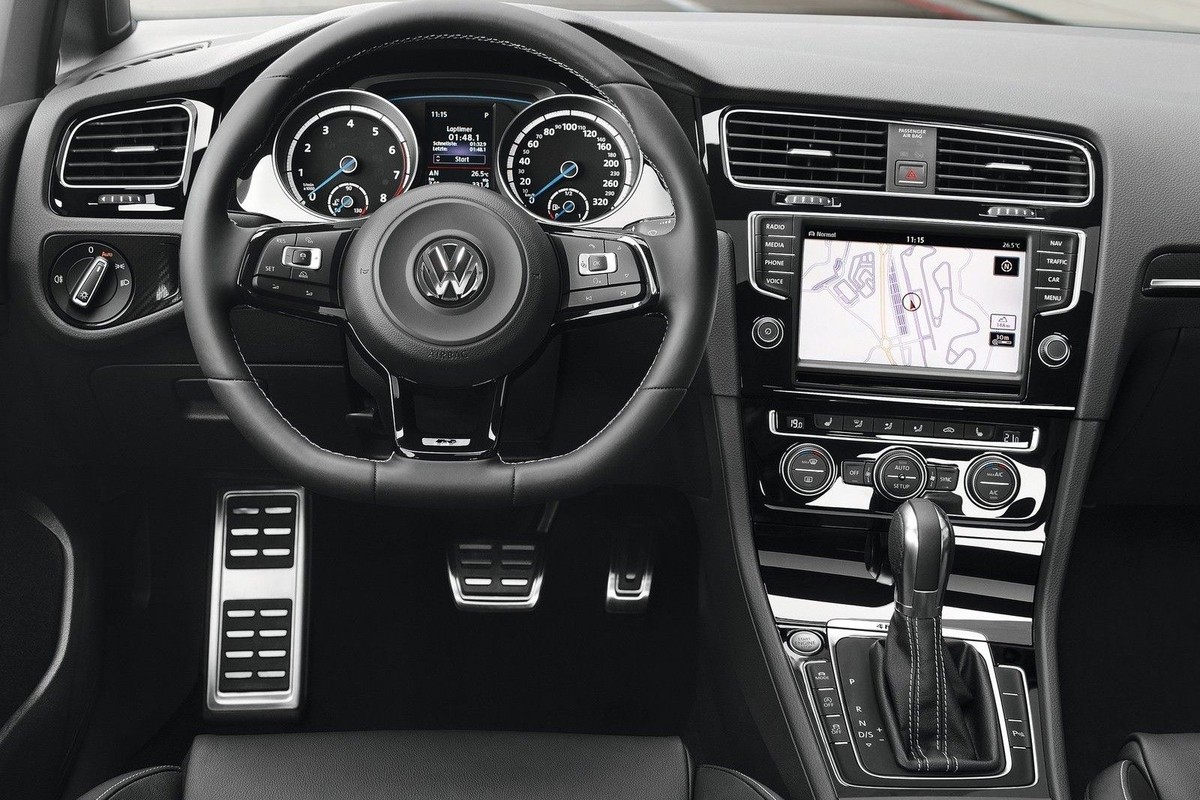
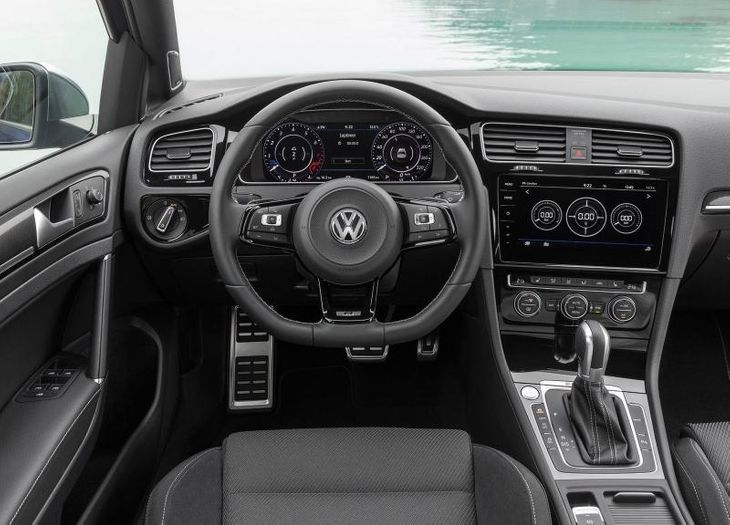
New Volkswagen Golf R 7.5: The cabin's big change is the Active Info Display digital dashboard, which is standard.
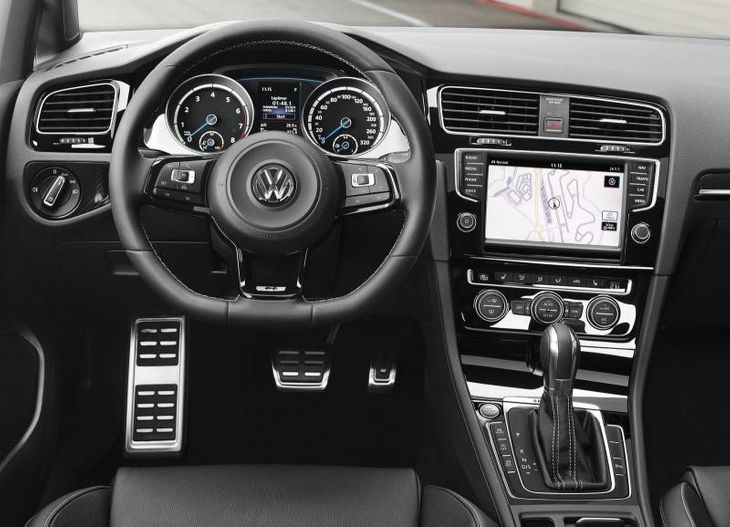
Previous Volkswagen Golf R 7.0: The dashboard of this vehicle only had dual analogue instrument dials.
Connectivity and technology
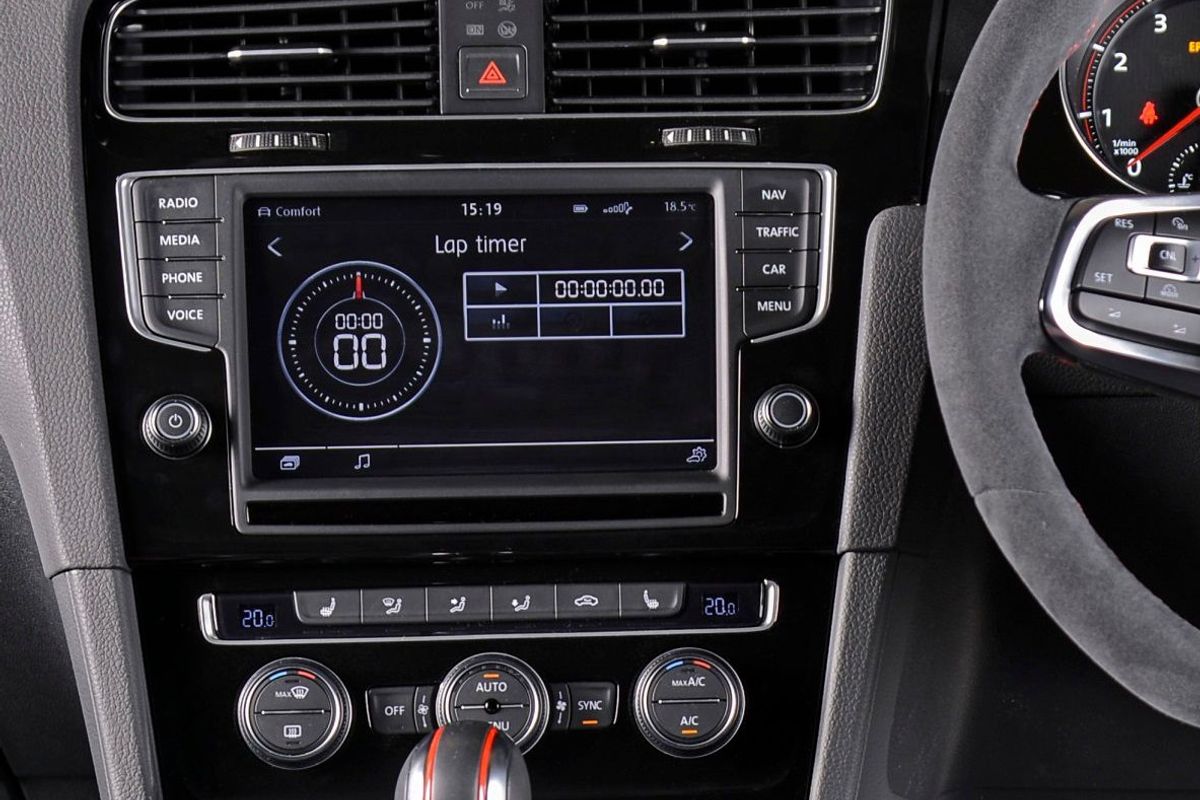
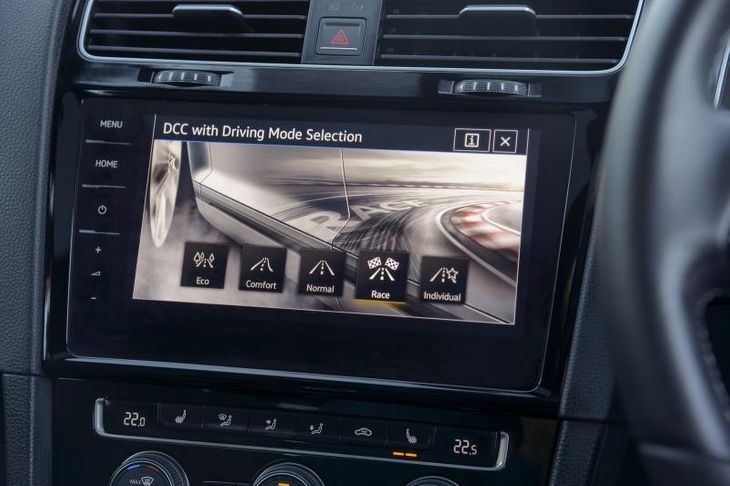
New Volkswagen Golf R 7.5: This 9.5-inch touchscreen boasts some excellent graphics, intuitive menus and the unit fits beautifully into the fascia.
Previous Volkswagen Golf R 7.0: This infotainment screen was crisp and easy to use, but its easily beaten by the newer system.
Summary
The majority of social media reactions to the latest Volkswagen Golf R suggest many users were left frustrated by the lack of major visual differences between the Golf R 7.0 and 7.5. To be fair, however, the majority of the changes have occurred in the newcomer's cabin and under its sheet metal. The 7.5's higher engine outputs and new (7-speed) dual clutch transmission ensure that the new car will be faster than its predecessor… and that, for throngs of Golf R aficionados, should be more than enough to get excited about!
Mercedes-Benz, BMW and Audi recently launched mid-tier performance sedans (and a 4-door coupe), in the form of the AMG E43, 540i M Sport and S5 Sportback. What's more, Jaguar has a cracking supercharged V6-powered XF S. So how do they stack up?
In this video, we test the Stuttgart-based firm's attempt to answer its own question: Is the Affalterbach-fettled E63 just a bit too much? The E43 features the brand's latest twin-turbo V6 engine, which we like very much. And with outputs of 295 kW and 520 Nm – more than any of its 3 rivals, it's certainly no slouch.
But is it worth sacrificing the sublime comfort that the standard E-Class offers for that extra performance? You'll just have to watch to find out.
To view a detailed comparison of the Benz, the Bimmer and the Jag, click here.
The British manufacturer is said to add the new P15 to its lineup of cars. It’s said to be the most extreme McLaren ever.
The P15 will sit below the P1 in terms of McLaren’s hierarchy, but the engineers were given free reign to make the P15 the most track-ready car in the stable. So fast is the P15, it’s only beaten by the P1 GTR around a track. Which track that is exactly, we’re not sure.
The 3.8-litre twin turbo V8 has been beefed up to produce 590 kW, more than the P1 before electrification, and the weight cut to just 1 300 kg. McLaren also expects this P15 to match, if not beat, the P1’s 0-100 kph time of 2.7 seconds.
The sketch above has been produced by Autocar as a rendering of what the car could look like when it is revealed later this year. Subsequently, the P15 will make its official debut at the Geneva motor show in March 2018.
As a result of the Aston Martin Valkyrie and Mercedes-AMG Project One, McLaren has been forced to push the boundaries of both performance and design. We look forward to seeing how the real-life numbers of the P15 stack up at the official reveal.
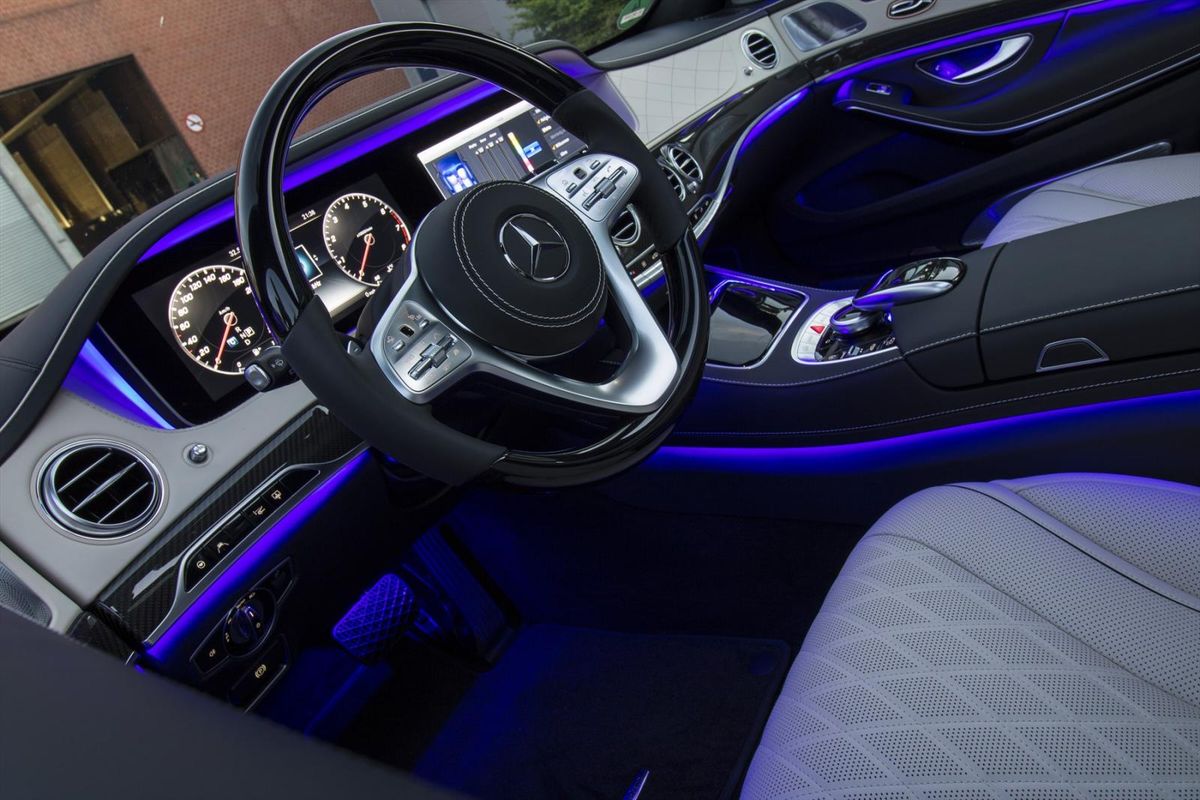
Mercedes-Benz is readying the facelifted S-Class for market introduction in Q4 of 2017. The updated S-Class will introduce a host of new features and technology as well a range of new engines. Take a look at what you can expect from the S-Class…
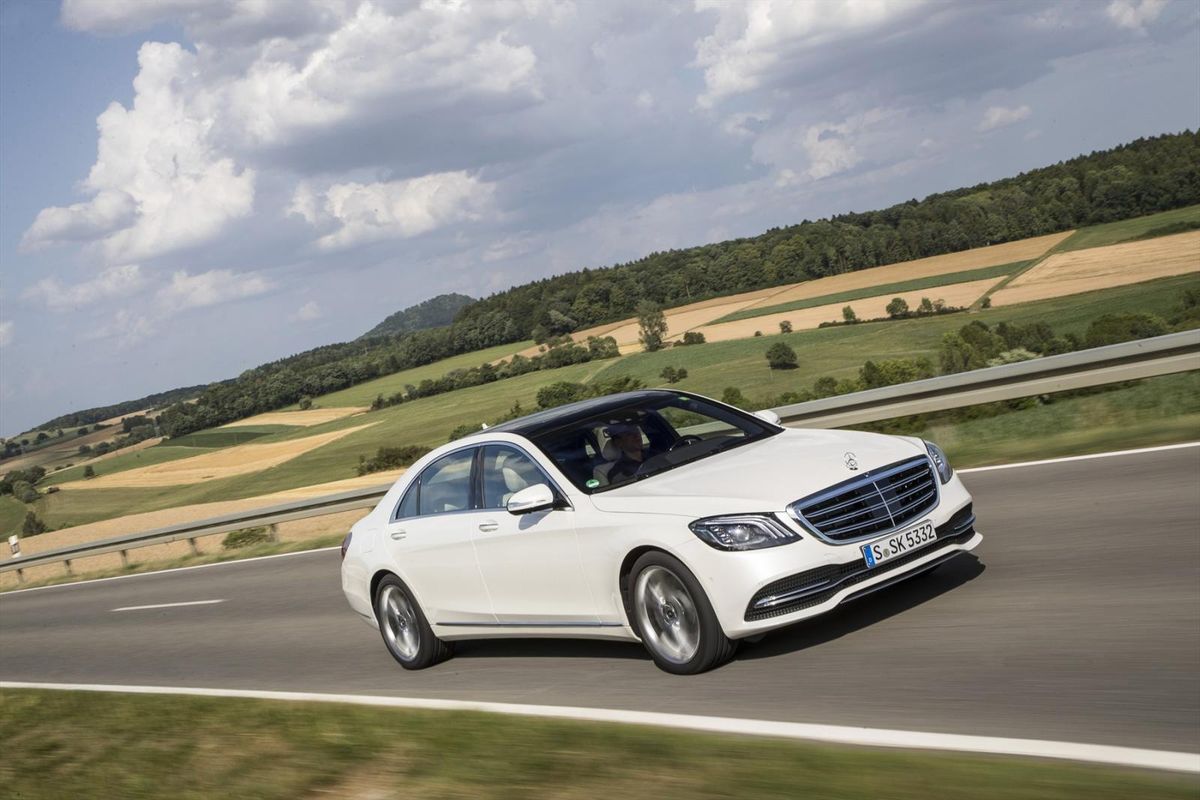
The tech-laden Mercedes-Benz S-Class has received a facelift and it will go to market later this year flaunting a flurry of new features. The flagship S-Class will rival products such as the BMW 7 Series and new Audi A8.
Exterior and Interior Styling
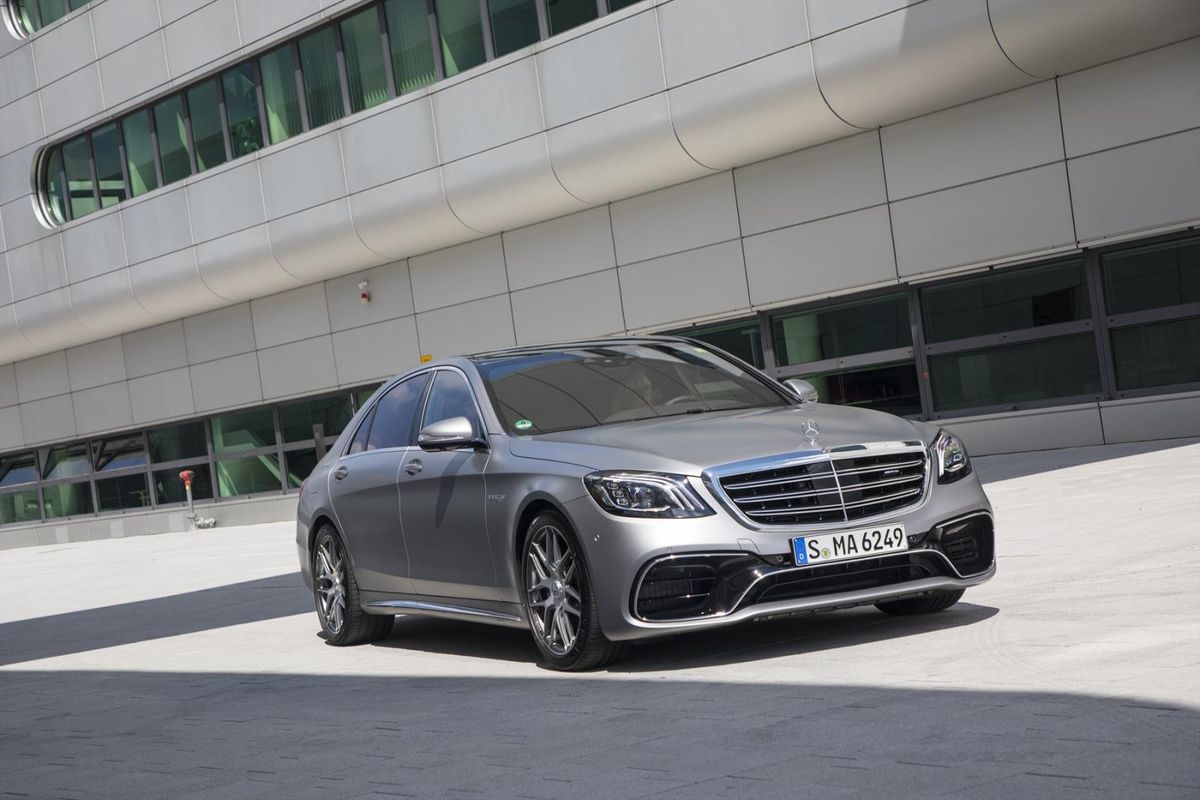
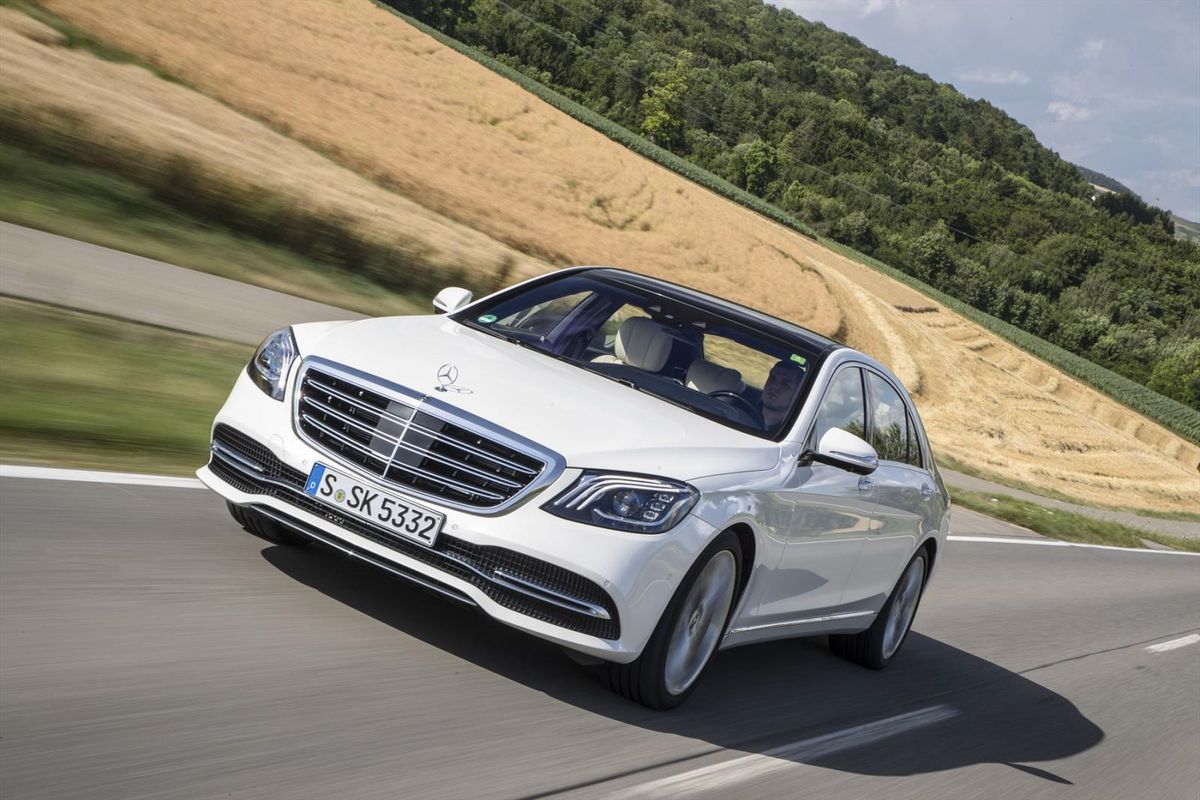
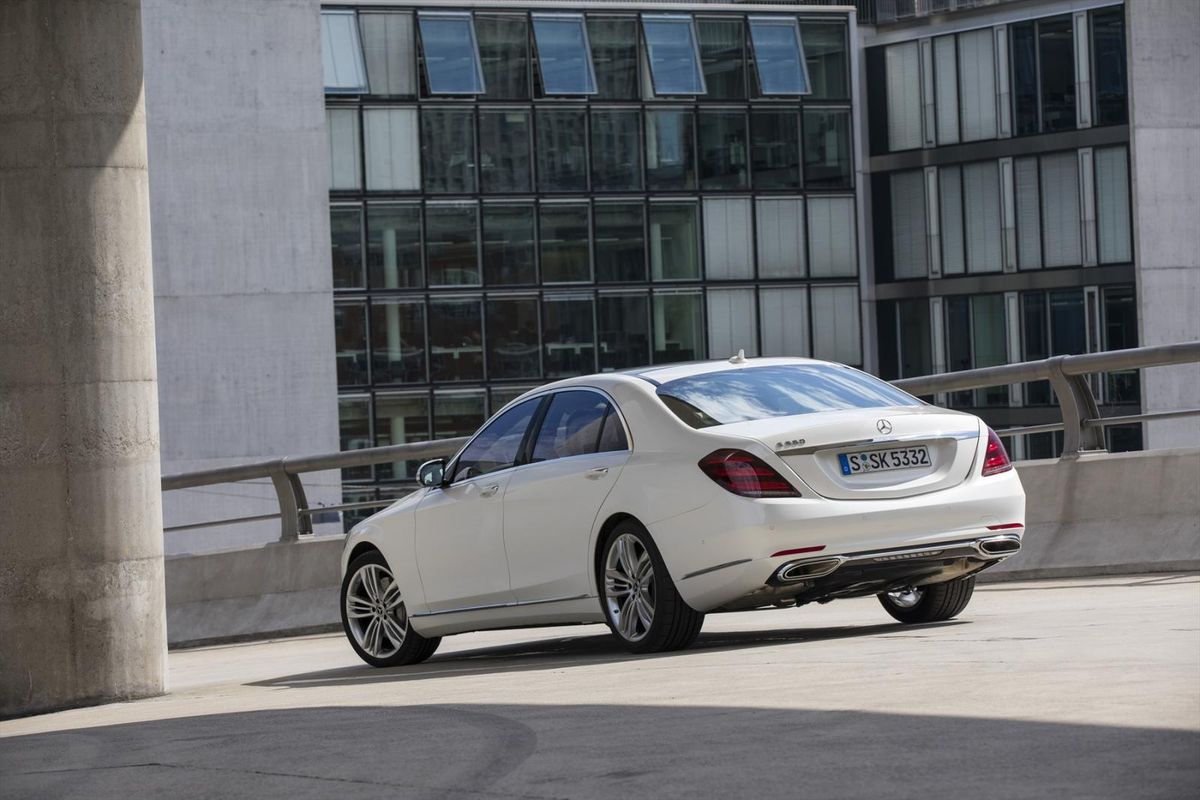
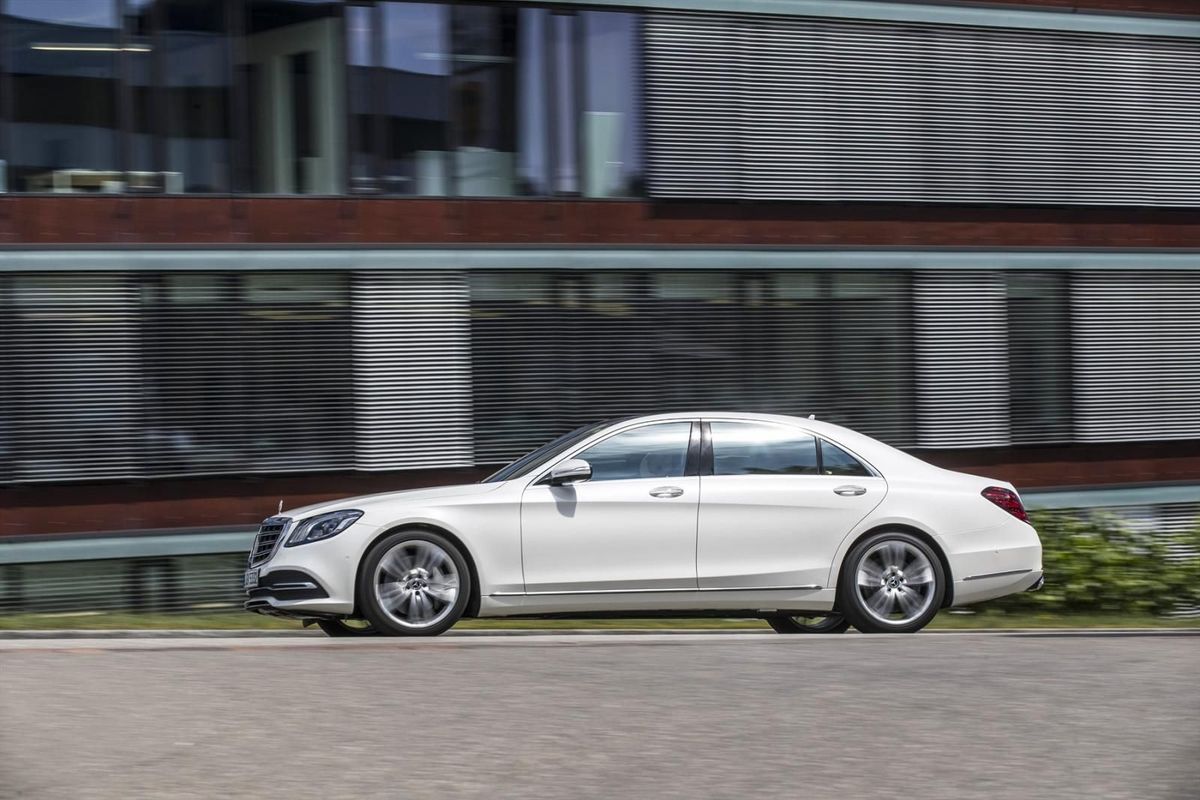
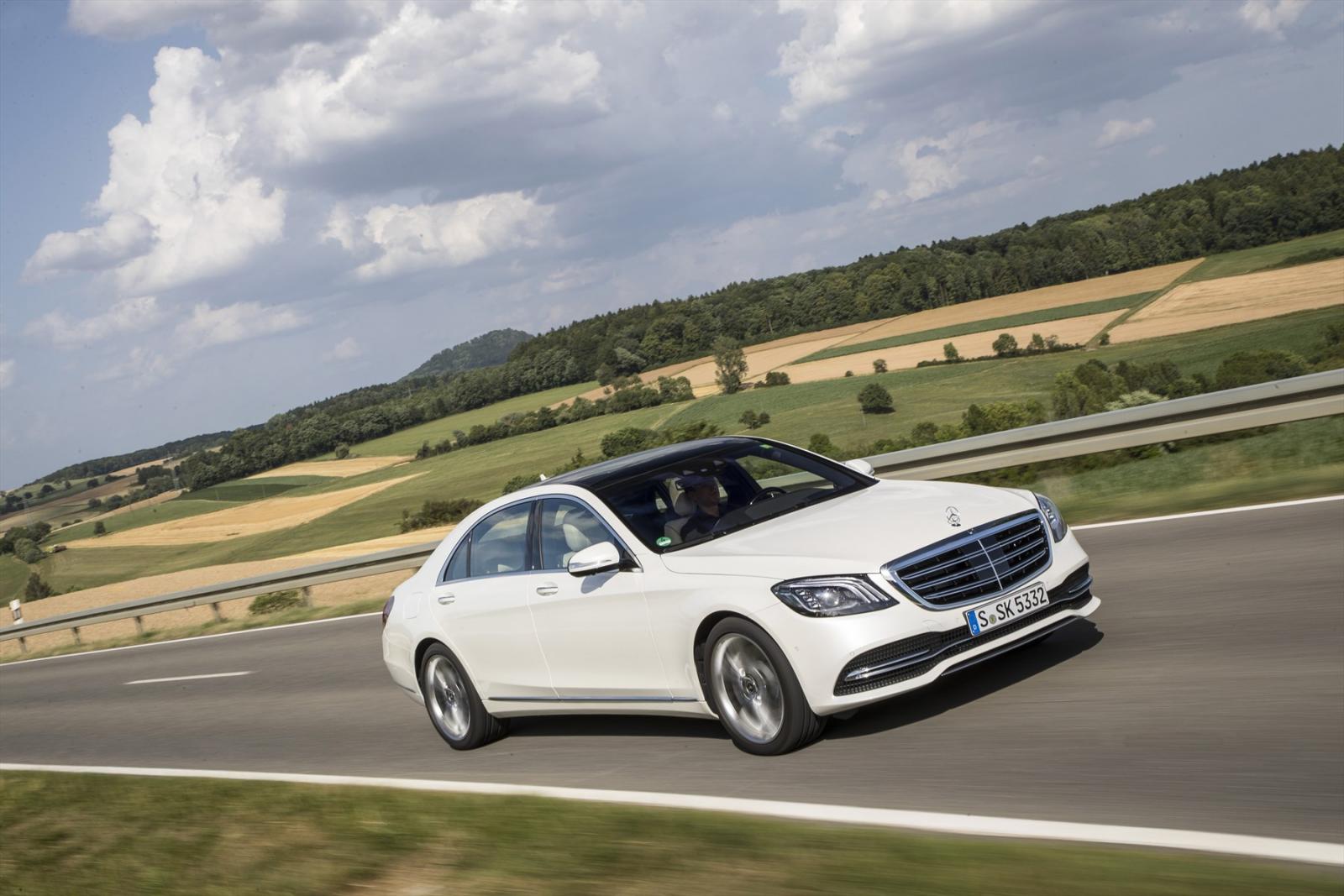
The facelifted S-Class has been enhanced with a new grille, bumpers, headlights and taillights.
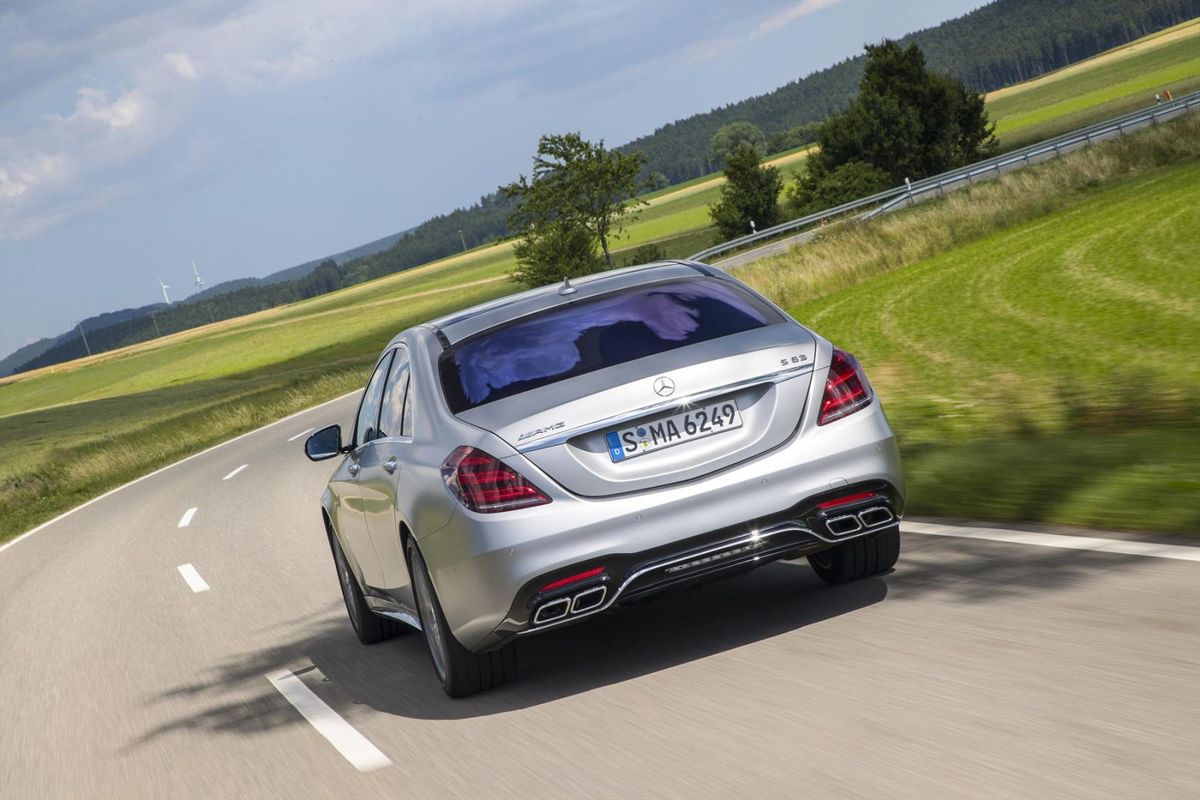
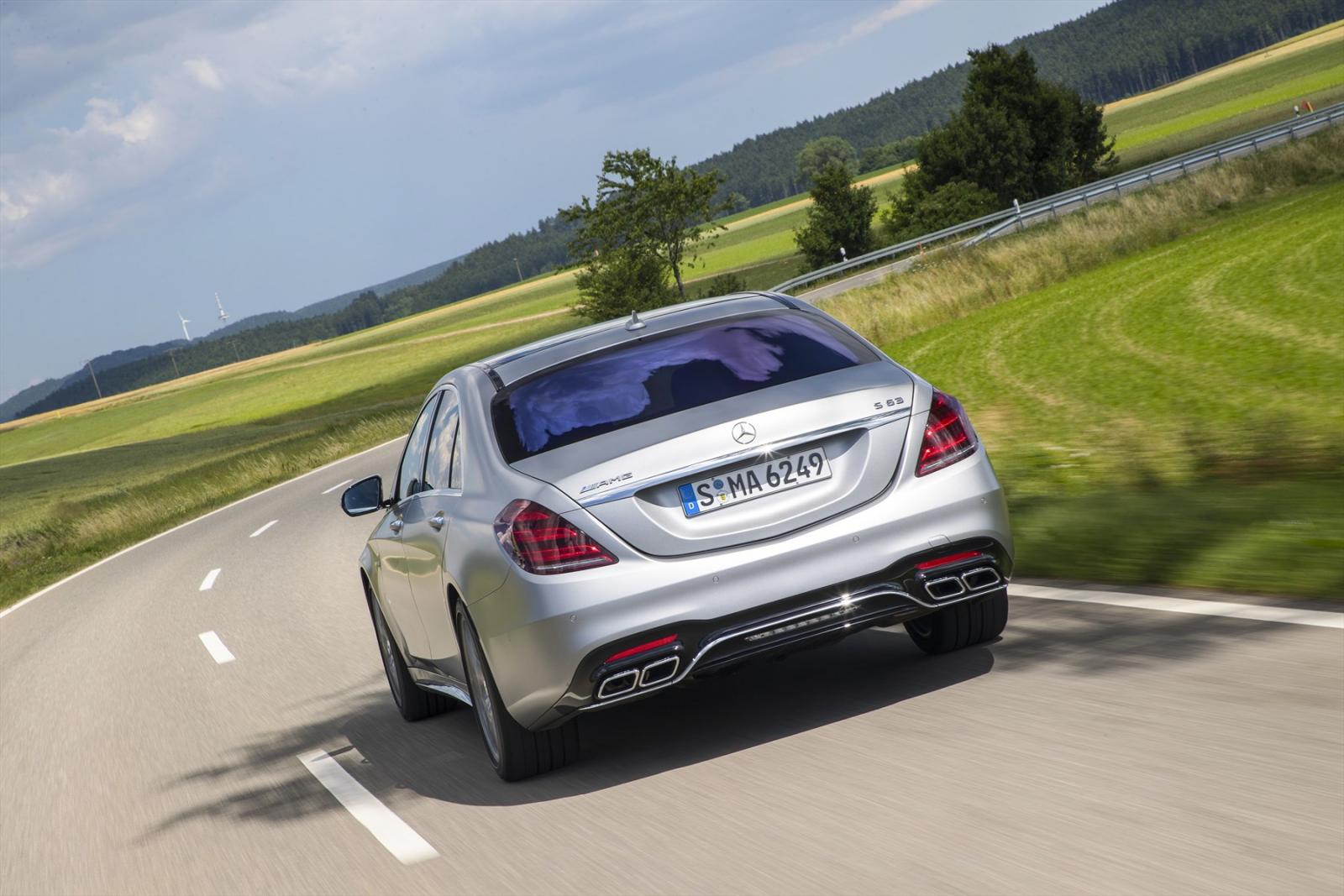
The S-Class benefits from exterior design updates which include a new grille design complemented with new Multibeam LED headlights with 3 distinct 'torches of light' providing a distinct lighting signature. The front bumper is also new and houses large air intakes giving the S-Class a sporty look. LED taillights with a crystal effect are seen at the rear with 3 new horizontal pairs of fibre optics. The lower bumper has been redesigned and the integrated tailpipes are framed by a chrome element that spans the width of the car. Mercedes-Benz will offer 7 new light-alloy wheel designs with diameters between 17 and 20 inches available as standard or as an option.
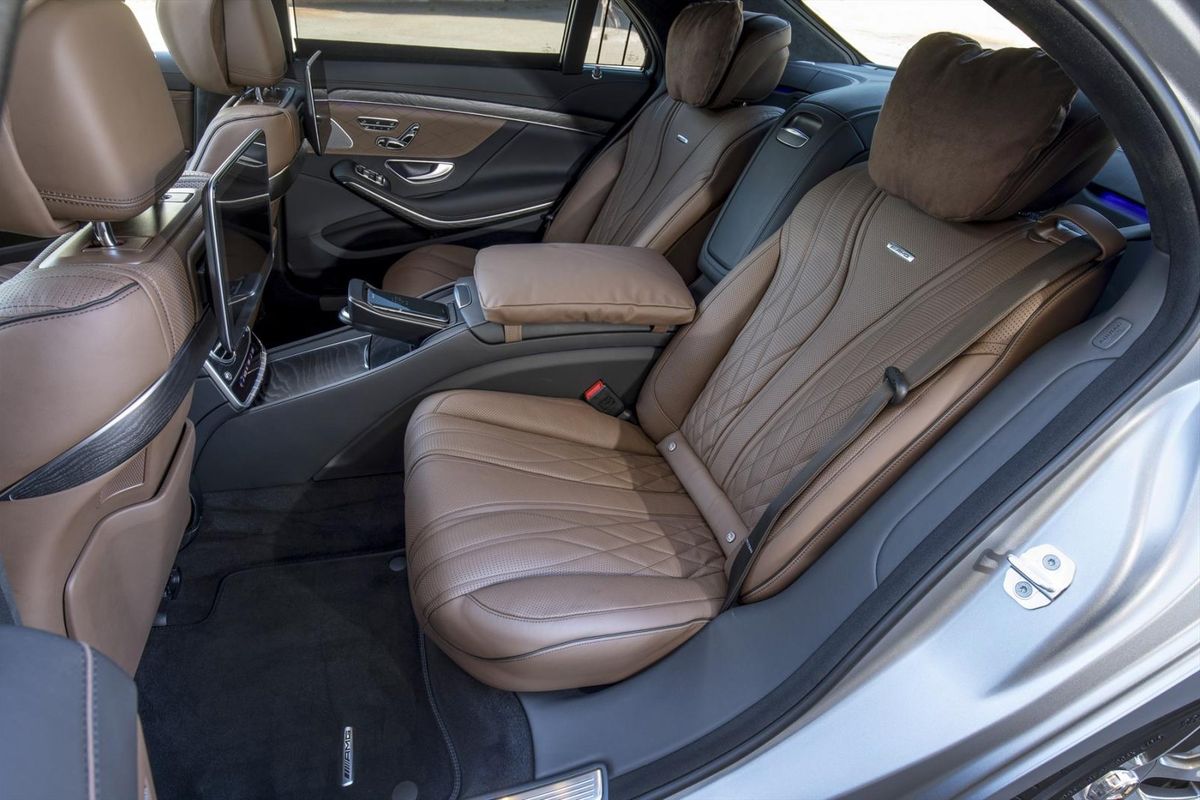
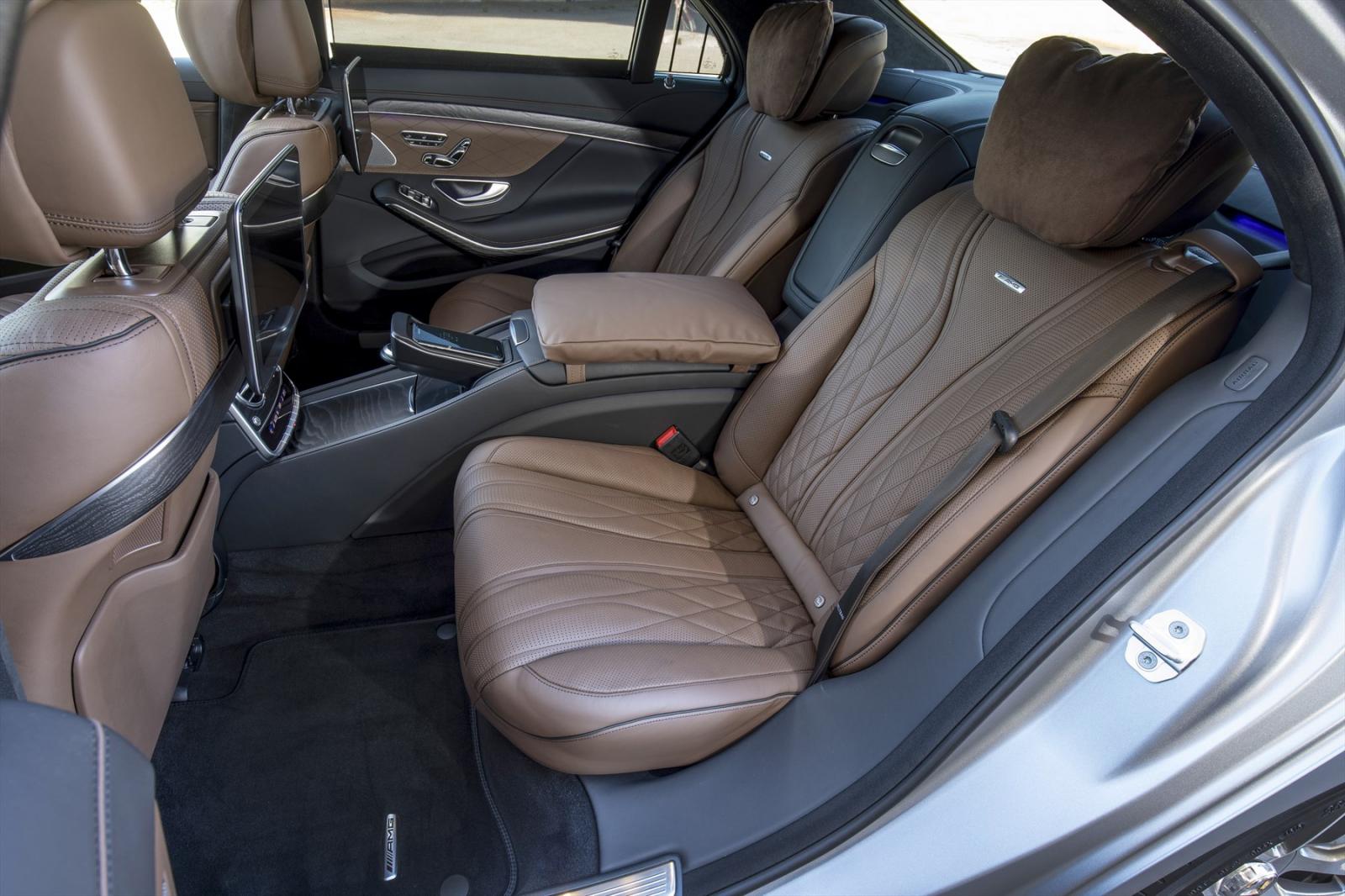
As you would expect, the S-Class offers a top-notch interior with high-quality materials and comfort features.
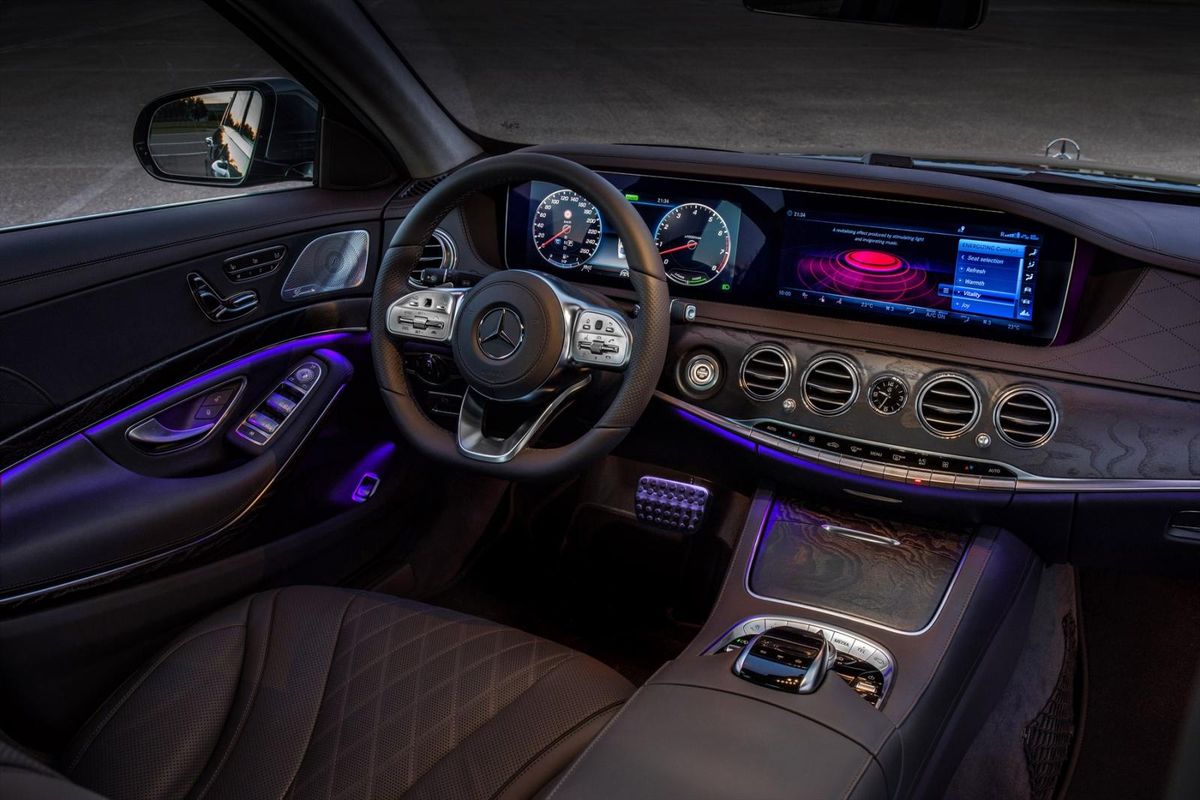
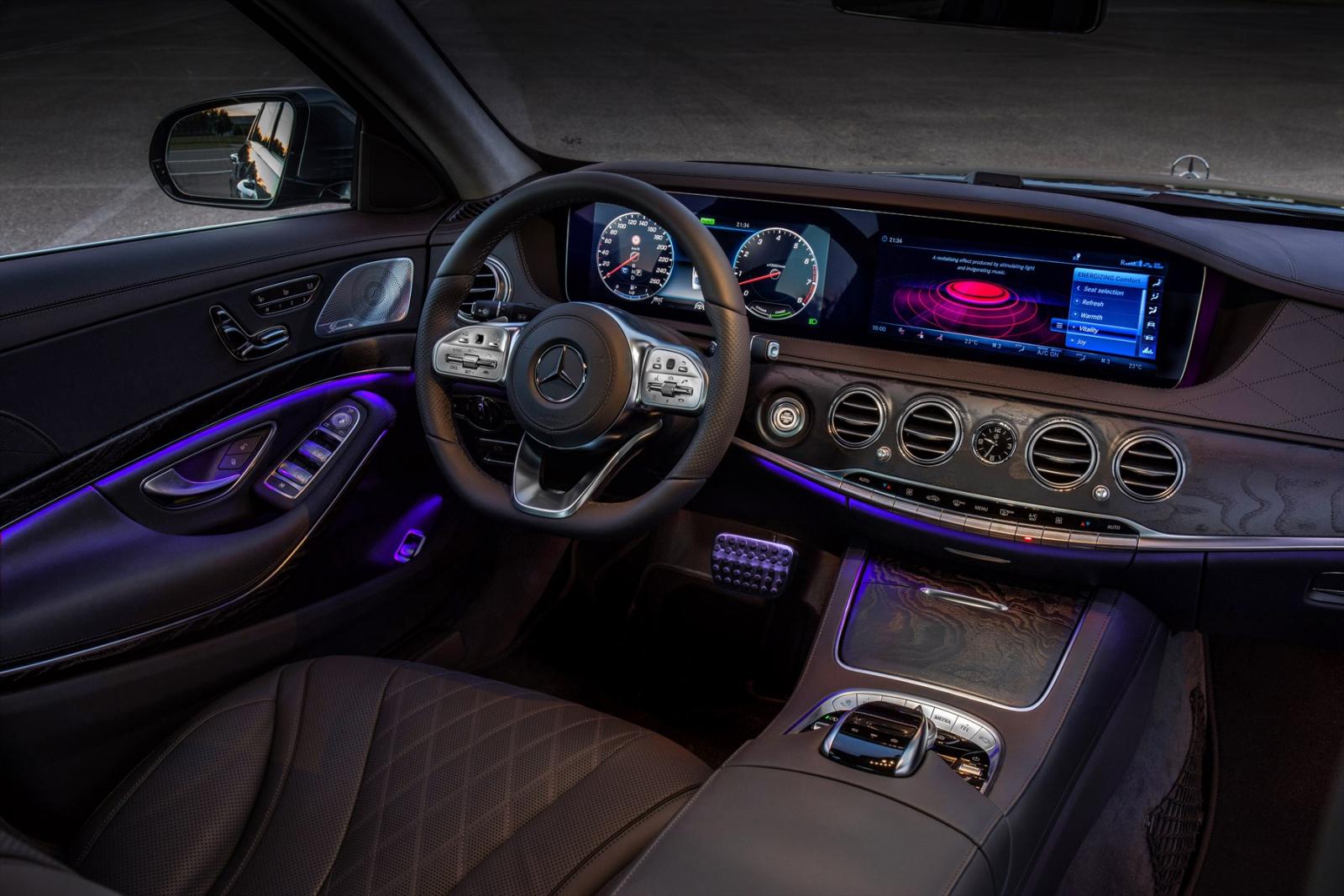
Interior highlights include a widescreen cockpit, much like that found in the new E-Class, comprising of 2 high-resolution displays under a single glass cover to create a both a digital instrument cluster ahead of the driver and infotainment system above the centre console. The digital display can be customised with 3 different display styles including Classic, Sporty and Progressive. The system can be fully controlled via Touch Control buttons found on the steering wheel or using the touchpad controller in the centre console. Voice control can now, for the first time, be used to control vehicle functions such as the air conditioning and seat heating/ventilation, interior lighting, seat massage and head-up display. A Burmester 3D high-end surround sound system is fitted.
Passengers travelling in the S-Class will experience high levels of luxury and comfort.
The S-Class will also be offered with optional Energizing Comfort Control which links comfort systems (fragrance, seat heating/ventilation/massage, lighting, music) to create 'wellness' programmes for the driver and passengers. The programmes include Freshness, Warmth, Vitality, Joy, Comfort and Training. The programmes run for 10 minutes at a time and are displayed on the head unit. Qi-enabled smartphones can be charged wirelessly on a charging pad found in the storage compartment at the front of the centre console and is optionally available for rear passengers. Optional Multifunction Telephony can also connect mobile phones using the exterior aerial.
Engine Choice
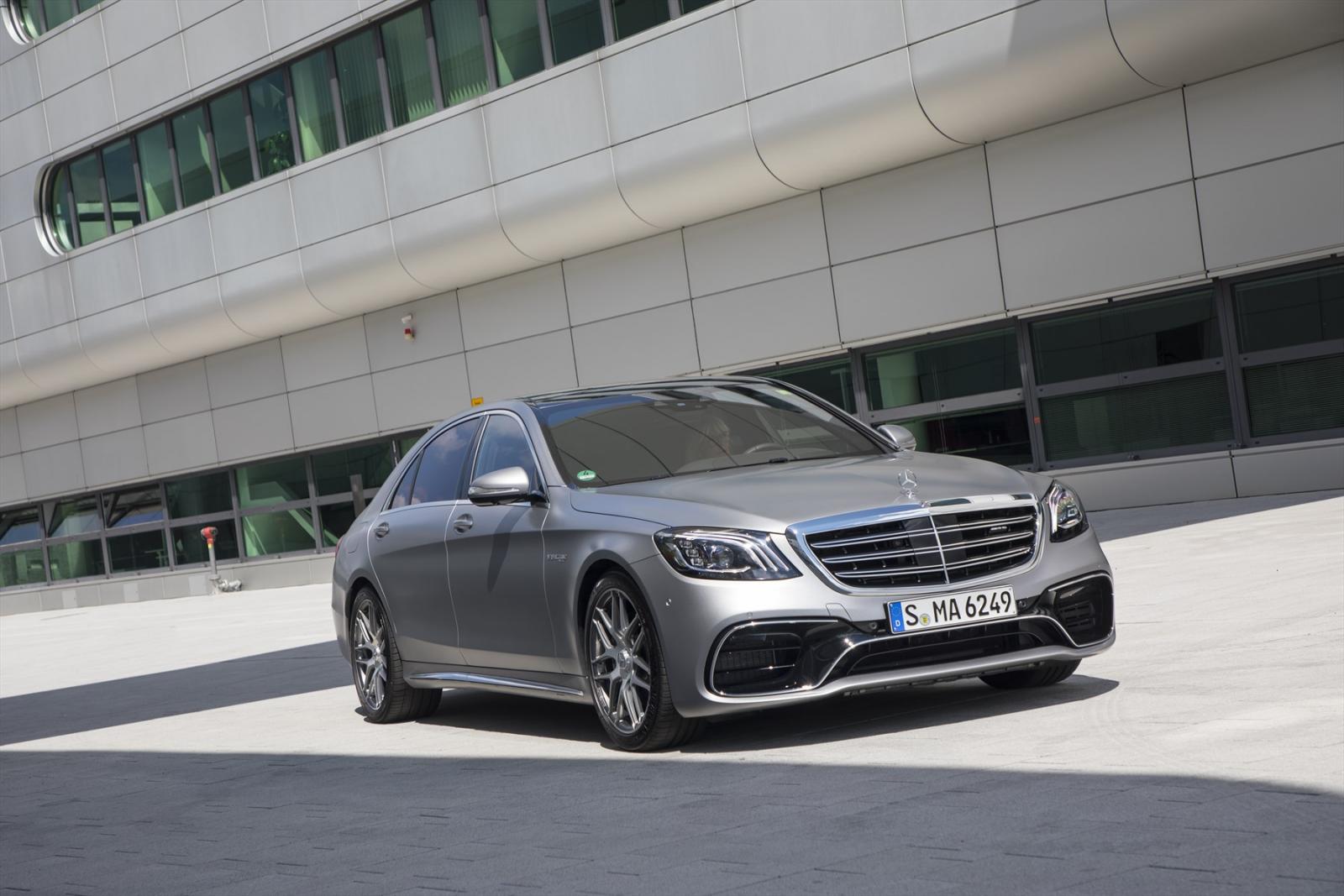
The S63 AMG is good for 450 kW and 900 Nm of torque from its biturbo 4.0-litre V8 engine.
A total of 8 derivatives makes up the S-Class range including the petrol-powered S450, S560, S600, AMG S 63, AMG S 65 and the Maybach S650. Diesel models include the S350d and S400d.
The S450 features a systematically electrified 6-cylinder, 3.0-litre engine offering 270 kW and 500 Nm of torque with a claimed fuel consumption figure of 6.9 L/100km.
The S560 employs a biturbo 4.0-litre V8 engine with cylinder deactivation with 345 kW and 700 Nm of torque. Fuel consumption for the S560 is claimed at 8.2 l/100km.
The S600 is powered by a 6.0-litre V12 engine with 390 kW and 830 Nm of torque. Fuel consumption is claimed 11.6 L/100km. In the Maybach S650, this engine develops 463 kW and 1 000 Nm of torque.
As for S63 AMG, a 4.0-litre V8 biturbo engine with cylinder deactivation replaces the previous 5.5-litre V8 biturbo. Outputs are 450 kW with 900 Nm of torque and fuel consumption is claimed at 8.9 L/100km.
The S65 AMG employs a 6.0-litre V12 engine with 463 kW and 1 000 Nm of torque. Fuel consumption is claimed at 11.9 L/100km.
The diesel-powered S350d and S400d feature a 6-cylinder, 3.0-litre turbodiesel engine offering 210 kW/600 Nm and 250 kW/700 Nm of torque respectively. Both have a claimed fuel consumption figure of 5.4 L/100km.
You can expect even higher levels of interior comfort inside the facelifted Mercedes-Benz S-Class.
High-Tech Safety and Autonomous Features
A host of driver assistance and safety features will be offered in the facelifted S-Class, making it one of the safest and technologically advanced cars on the road.
The facelifted S-class will feature a wide range of safety and autonomous features. As standard, the S-Class will be fitted with Active Braking Assist, Crosswind Assist, Attention Assist, Traffic Sign Assist, Pre-Safe occupant protection and Pre-Safe Sound.
Active Distance Control Distronic with Active Steering Assist will better aid the driver to keep a safe following distance with steering support. The system automatically adjusts speed ahead of bends and junctions and is complemented with features such as the enhanced Active Lane Changing Assistant and Active Emergency Stop Assist.
Camera and radar systems have been improved to provide a better view of surrounding traffic and for the first time, makes use of map and navigation data to calculate driving behaviour. Distronic Active Proximity Assist can assist the driver in many situations and conveniently adjust the vehicle speed according to the route. Active driver assistance features are displayed in the instrument panel and in the head-up display with all functions controlled using the steering wheel.
A new Driver Assistance Package includes, but is not limited to the following features: Active Distance Control Distronic, Active Steering Assist, Active Lane Changing Assist, Active Emergency Stop, following vehicles in a tailback and Traffic Sign Assist.
The S-Class will also feature Remote Parking Assist, allowing the driver to park the vehicle using a smartphone. The vehicle can be manoeuvred into parallel and end-on parking spaces and can be moved forwards and backwards. An Explore Mode will allow forward and backwards movement up to 15 metres while avoiding obstacles with small steering corrections.
"The development of the new S-Class was extremely extensive. With a whole series of new features and functions the S-Class remains the technological pioneer", says Ola Källenius, responsible on the Board of Daimler AG for Group Research and Mercedes-Benz Cars Development.
The second phase of the Ford Kuga fire-related recall has kicked off in South Africa, the first country to initiate this final round of upgrades to the affected vehicles. Owners of 1.6-litre petrol Ford Kugas, please note the following information, released yesterday.
By now owners of Kuga models affected by the recall should have had the Phase I upgrade done. If you haven't, you should get in touch with your nearest Ford dealer as soon as possible. Owners of pre-owned Kugas bought outside of the Ford dealership network are specifically requested to act as Ford may not have their contact details on file. At present 88% of the affected Ford Kugas have had the Phase I upgrade done, meaning that roughly 400 affected Kugas are still out there and haven't.
If you've missed what all the fuss is about, you may want to brush up by reading some of our previous articles;
The second phase of the recall update has been developed to mitigate the risk of an engine fire resulting from a cracked cylinder head caused by a loss of coolant. It applies to all affected Kuga 1.6 models built at the Valencia Assembly Plant, Spain, between 8 May 2012 and 27 September 2014.
“Our customers are our top priority, and their safety is of the utmost importance to us,” says Casper Kruger, managing director, FMCSA. We are taking additional precautions to protect our customers and their vehicles with the Phase 2 recall action.” “Our global engineering team has finalised the second stage of the recall, and South Africa is the first market to receive parts and implement Phase 2 of the recall,” Kruger adds. “Accordingly, we have now begun rolling out the final recall and are notifying customers to make an appointment with their nearest dealer.”
What will they do to your car?
As part of the Phase 2 update, your Ford dealer will install new hardware in your Kuga, comprising a new coolant expansion tank with a sensor that monitors the level of coolant. Ford says that the updated system will warn the driver well in advance if there is a risk of overheating due to insufficient coolant. One of the coolant pipes will also be replaced, and is claimed to be more robust and that it will add to the durability of the cooling system. Furthermore, the vehicle’s updated software will essentially cause the engine to go into "limp" mode when a problem is detected. The system will reduce engine power, and warn the driver to safely pull over if coolant levels drop below the minimum required level.
Extended Warranty for all Kugas
Ford requests all affected customers to schedule an appointment with their dealer. If required, a courtesy vehicle will be made available by the dealer. For extra peace of mind, Ford also points out that Kuga models benefit from the Ford Kuga PremiumCare Extended Plan, backed by Ford Motor Company of Southern Africa. This plan provides additional 2 years of cover beyond the new vehicle warranty, and now covers the repairs of more than 1 000 vehicle components up to a maximum of 6 years or 200 000km, whichever comes first.
It is worth highlihting that this PremiumCare Plan doesn't only apply to the 1.6-litre petrol model that is the focus of the recall, but all Kugas, including the 1.5-litre petrol, 2.0-litre diesel and 2.0-litre petrol sold between 2012 and 2017. It even applies to the previous-generation Kuga 2.5 models registered as new in 2012. Additionally, Ford Roadside Assistance is available to all Kuga owners, beyond the standard threeyear/unlimited mileage cover. Supported through the AA, this service is available 24/7 on 0861 150 250.
Any customer concerns or queries can be directed to Ford Customer Service at 0800.204.688 / +27.12.843.5824 (international callers) or email [email protected].
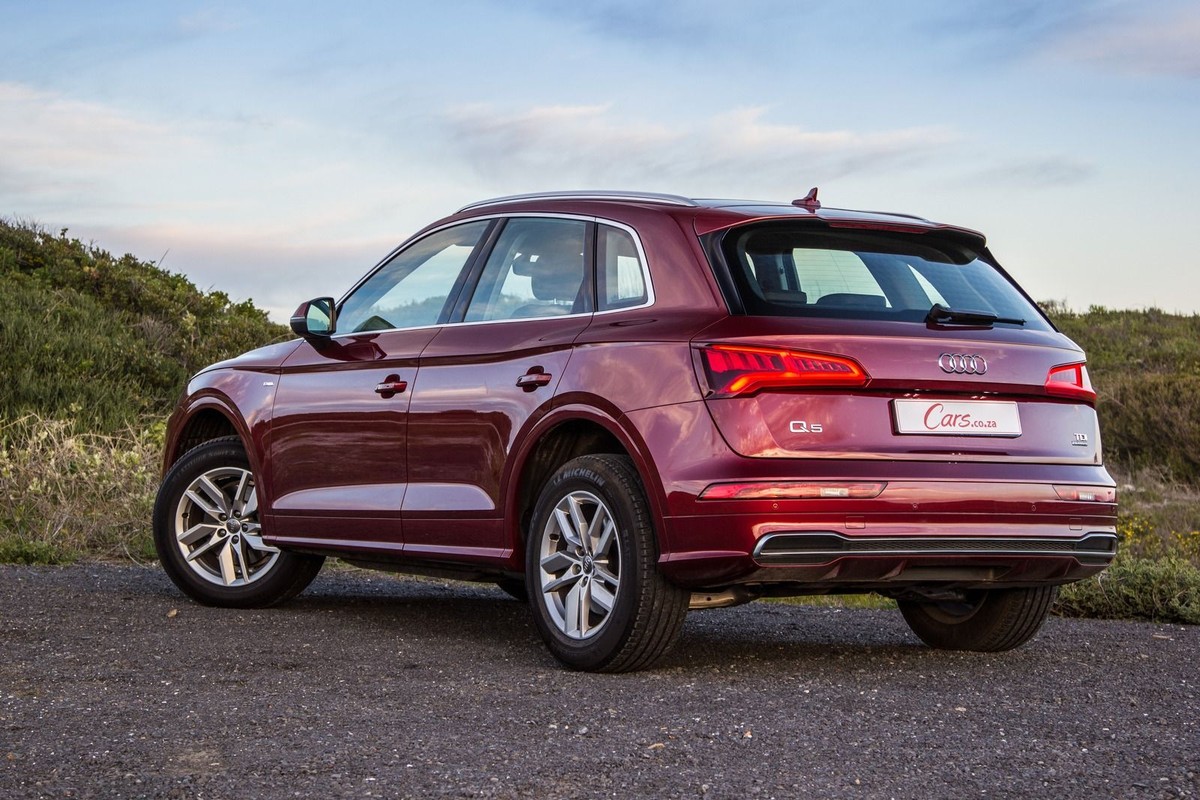
Audi's new Q5 took its sweet time to arrive in South Africa… it was launched abroad late in 2016 and now that it has finally arrived in South Africa (end of July 2017) it has to be absolutely spot on if it wants to contend for top honours in the competitive premium executive crossover/SUV segment. Fortunately for the Ingolstadt-based brand, the Q5 is a goodie. Here's our first drive review from the new Audi Q5 launch, which took place in the Western Cape this week.
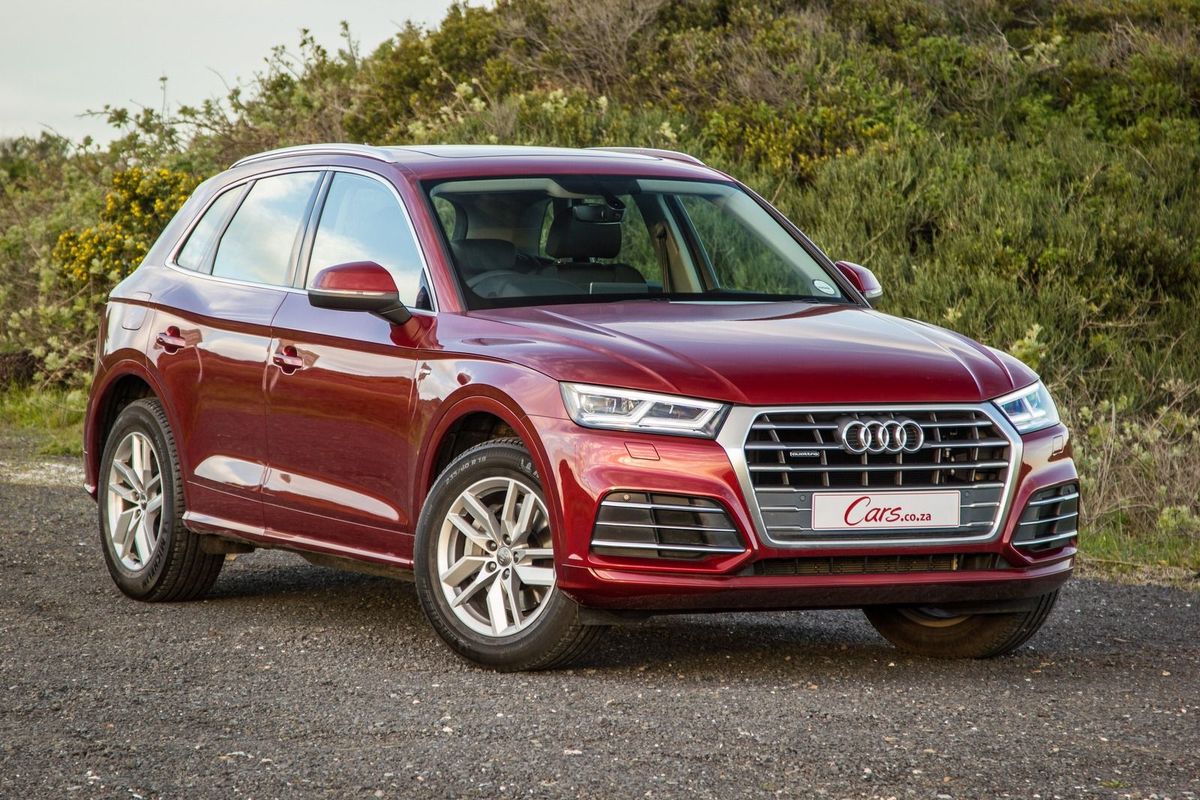
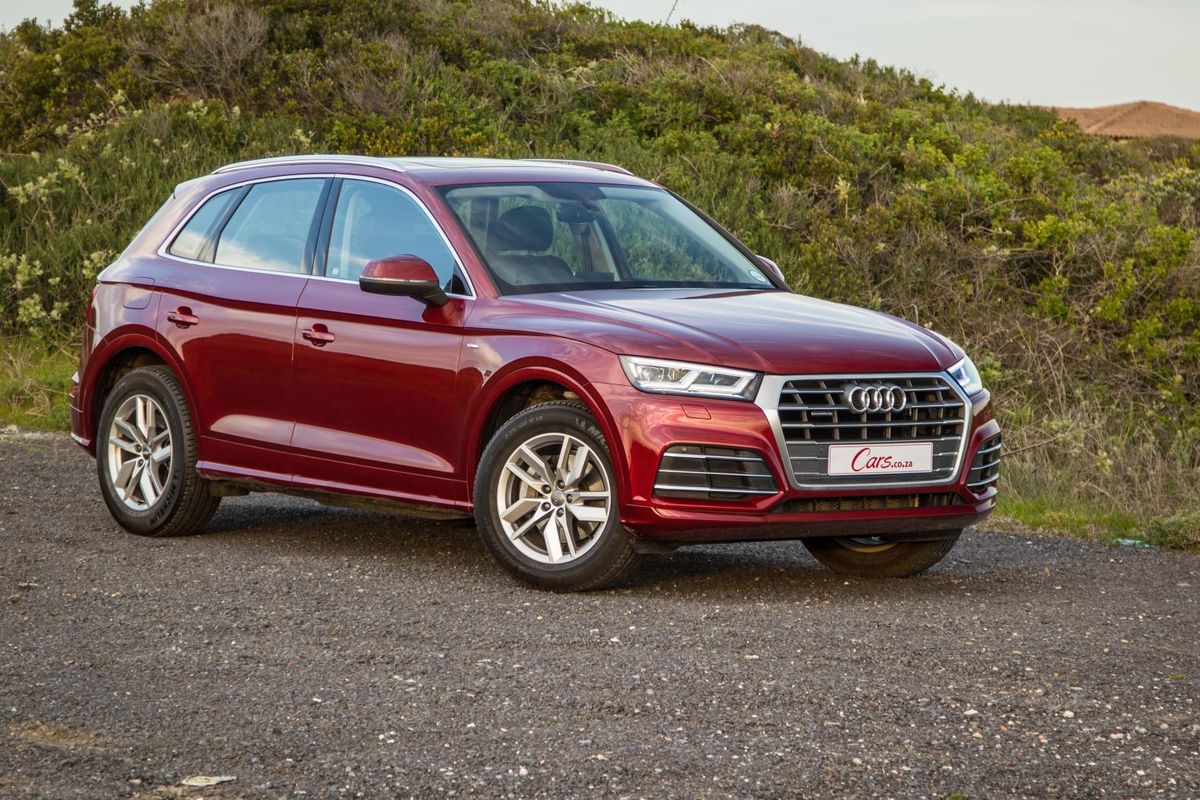
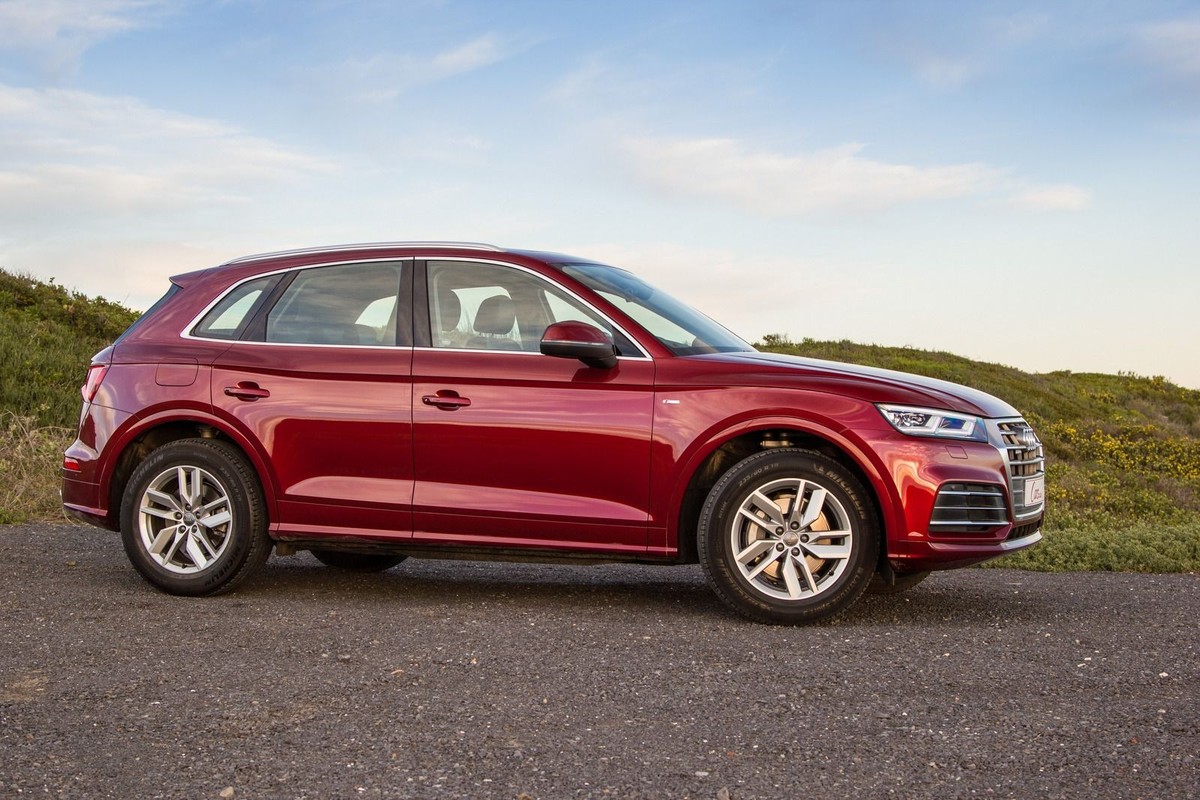
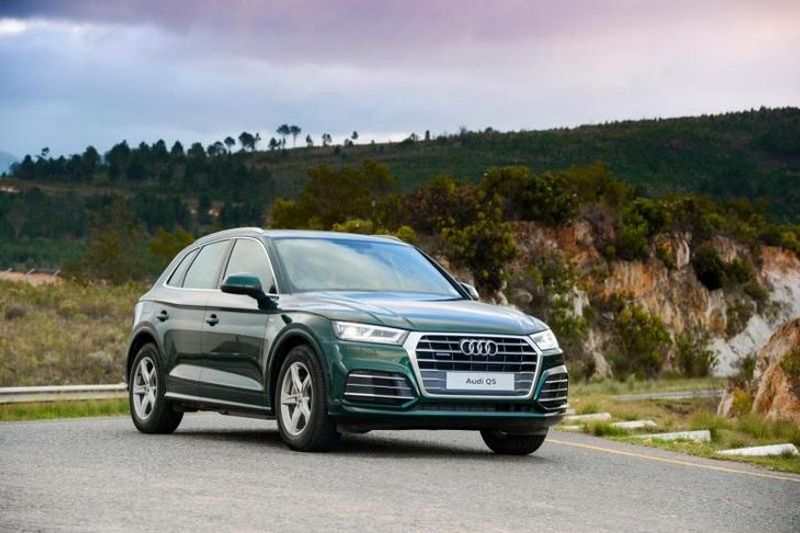
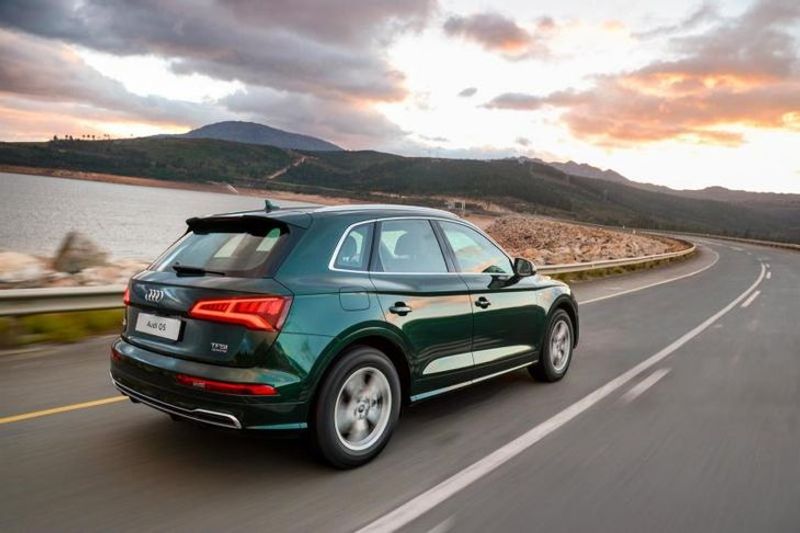
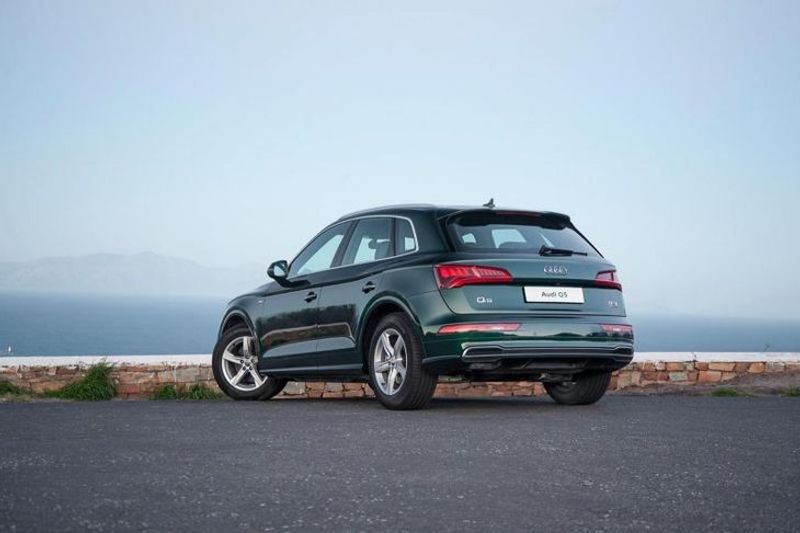
The Audi Q5 is a popular model in South Africa, with almost 12 000 units sold locally. Typically, the exterior of a new Audi has not changed much, but tell-tale signs such as a redesigned grille and fancy new headlights are present. There are far more changes under the skin and the entire complement of Audi's technology and features has made its way into the new Q5. Physically it's a tad larger than before, but clever use of lightweight materials and packaging has seen it shed some kilos and it's therefore lighter than the outgoing model.
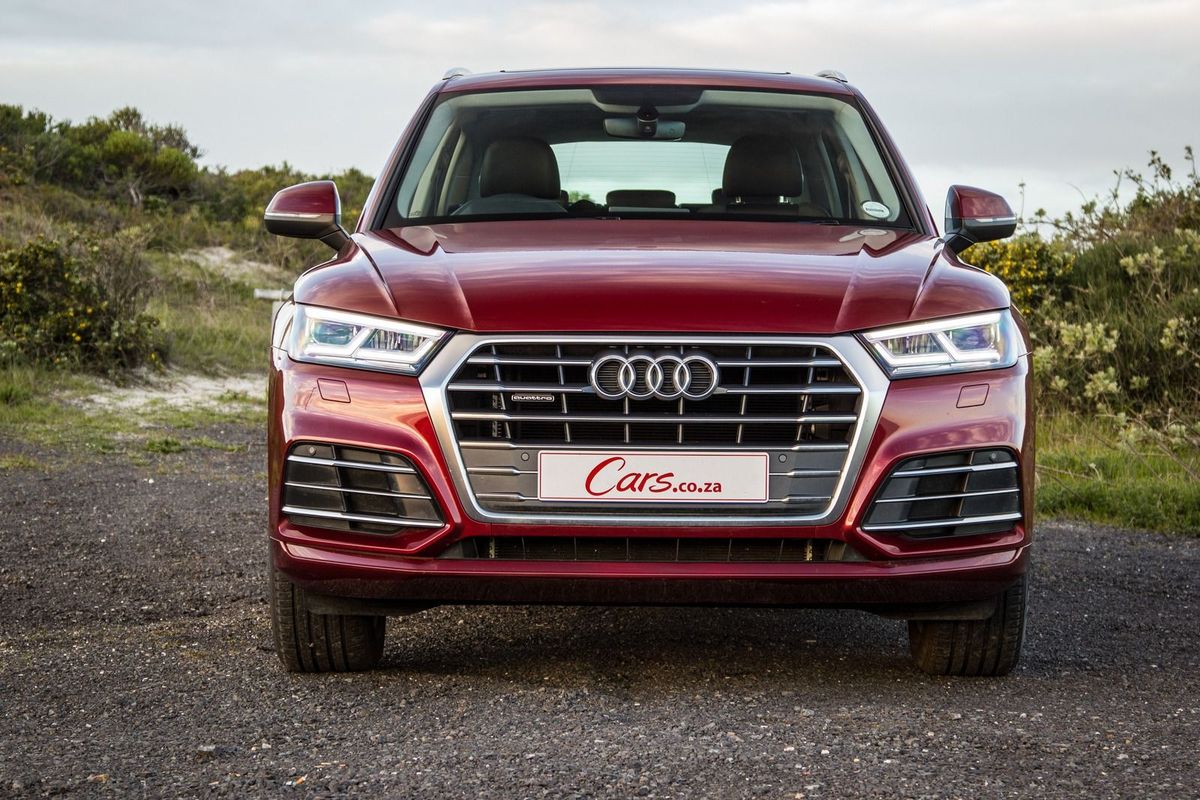
The new Audi Q5 boasts a revised front end with a new-look grille and smart headlamps.
On the launch, we had the chance to drive all three engines. There are two petrol engines and one diesel option available. The second petrol engine is the flagship performance variant – more on that in a bit. It's a five-model line-up, with something for everyone. Kicking off the range is a 2.0-litre turbodiesel four cylinder model, with the next engine being a 2.0-litre turbocharged petrol engine, lifted straight from an S3 hatchback. Finally, there's a V6 turbocharged SQ5, for those wanting brisk performance. All models are automatic and all feature the latest generation of quattro all-wheel drive. There are two trim levels for each, while the flagship offering gets its own specialised trim. The range kicks off with a 2.0-litre TDI quattro for a fraction under R700 000, while the top-spec SQ5 offering comes to market at just over R1 million.
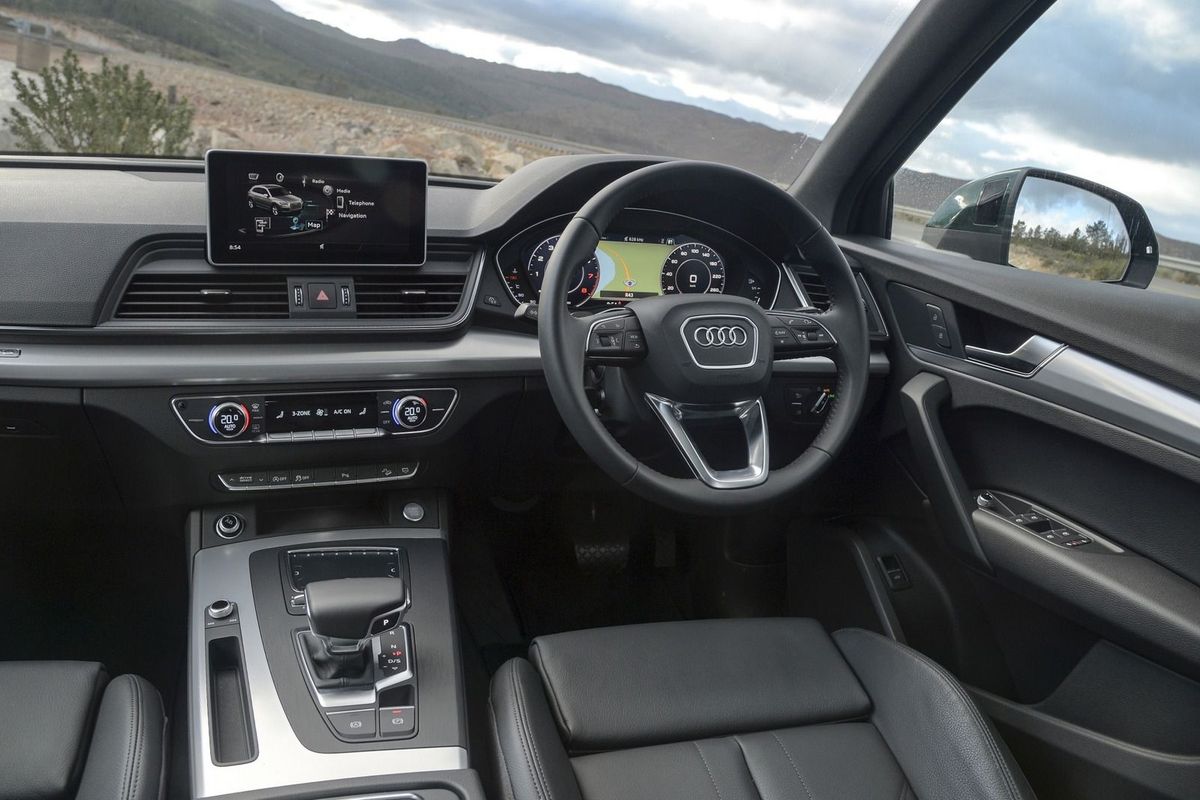
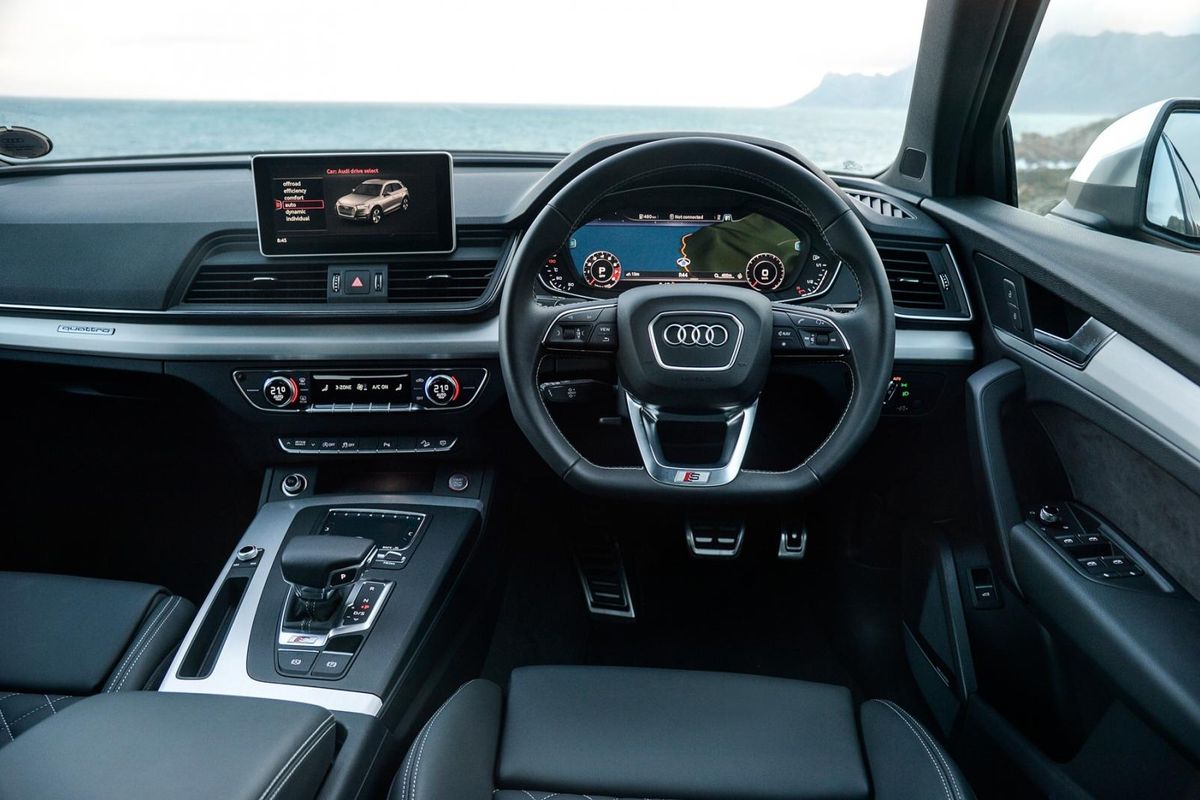
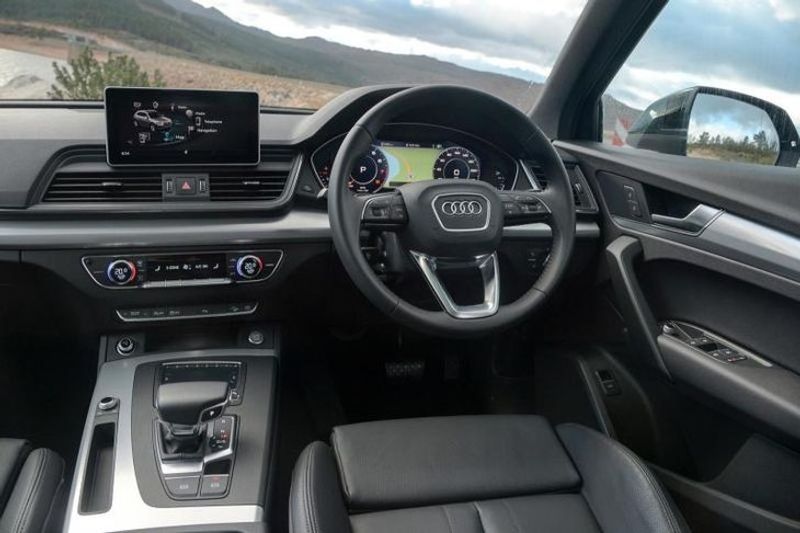
Business as usual for the Audi Q5. A superbly finished and well-assembled cabin is the order of the day. Virtual Cockpit is an option.
Audi has nailed the brief when it comes to getting that premium cabin quality just right. Sure, some of the niceties are optional extras, but well worth forking out for. Audi has made available the Virtual Cockpit digital dashboard which is lovely and intuitive, but it needs to be purchased in conjunction with satellite navigation which adds around 30k onto your cost. There are two trim levels: Base and Sport, and based on our experience of the Sport models, we'd advise looking into this as the benefits outweigh the additional spend.
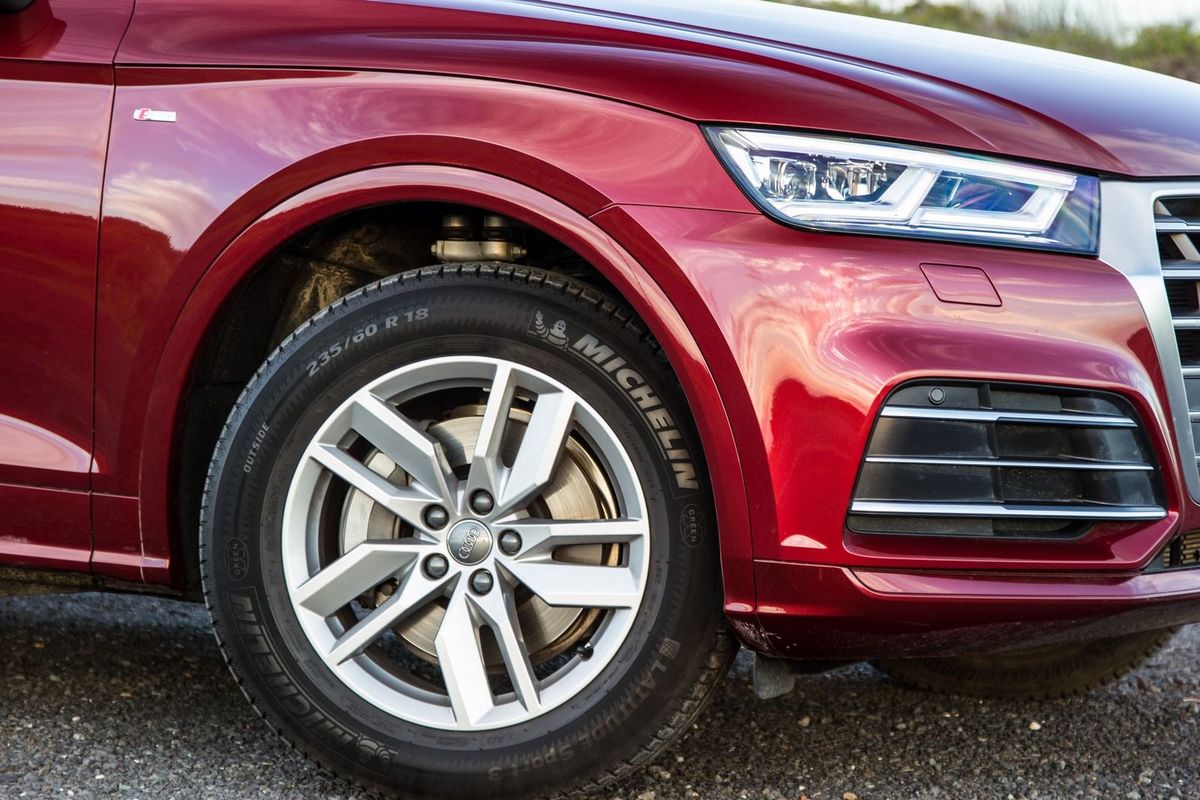
Standard spec from the bottom is fair, with 17-inch alloys, Bluetooth connectivity, cruise control, Aux/USB connectivity, tyre pressure monitoring system, rear park assist, Xenon headlights and 3-zone automatic air conditioning being just some of the highlights. Of course, you can go to town with options and we'd suggest an uprated audio system, Virtual Cockpit and the Audi Smartphone interface which includes Apple Carplay and Android Auto.
The Drive
Audi Q5 is best on the open road and demonstrates exceptional refinement and ride quality. Opt for the air suspension for maximum on-road comfort.
Our driving route took us through the winding roads of the Overberg and while the majority of Q5s will be doing the commute to work and the school run, the roads we travelled gave us an indication of what the vehicle would be like for those going on a cheeky weekend away. A combination of quick sweeps and national highway were adequate proving grounds, but the litmus test will be the commute in heavy traffic.
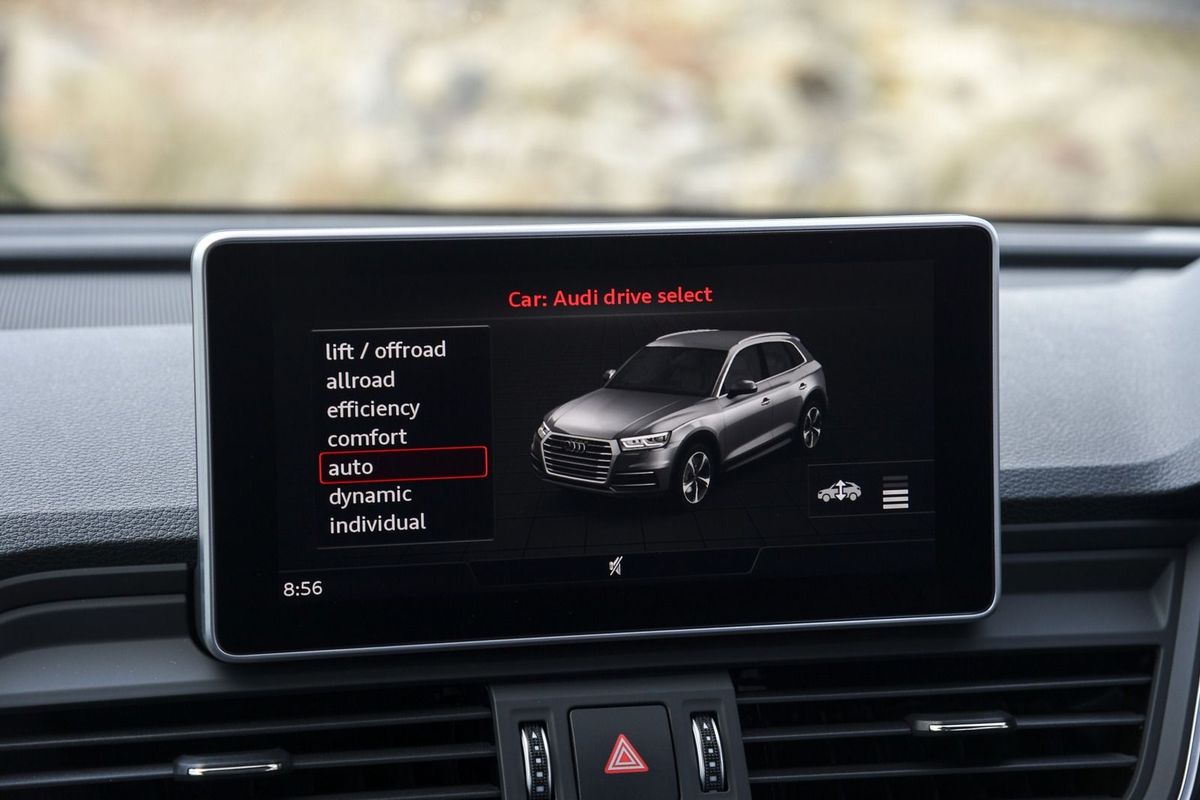
First impressions are favourable. The Audi Q5 has exceptional ride quality when paired with the optional air suspension. Even without it, it's quiet and fuss-free. The damping and ride characteristics can be changed from a gentle pillow in Comfort to mildly sporty in Dynamic Mode. Sure, it's not performance biased, but the additional stiffness is welcomed for those seeking some involvement and feedback. There's a familiarity about the way this Q5 rides and drives, and it's easy to work out why. See, it rides on the same platform as its bigger Q7 brother and it's this MLB architecture which underpins all large Audi products.
What Audi (and Volkswagen Group) gets right 99% of the time is refinement and exceptionally low NVH, and the Q5 is no exception. There's a remarkable lack of wind noise at national highway speeds, with the only noise permeating through the cabin is from the tyres on coarser sections of tarmac. Fortunately, this can all be drowned out with the, again, optional high-quality audio setup from Bang & Olufsen.
While both the turbodiesel TDI and petrol TFSI offer adequate performance, with the former boasting low fuel consumption, the setup that petrolheads will be after is the SQ5.
The market is craving SUVs of all shapes and sizes, and it makes logical sense to expand on the SUV offering with sub-niches. Mercedes-Benz, for example, is a brand which has capitalised on this by offering standard, coupe and performance SUVs. Land Rover has a convertible Evoque and despite its awkward and quirky design, it's selling. Audi already has a diesel performance SUV in the SQ7 (may come to SA) and the outgoing diesel-powered SQ5 proved to be a hit with buyers. For the new model, Audi is offering a petrol-powered SQ5, with talk of another diesel SQ5 following later.
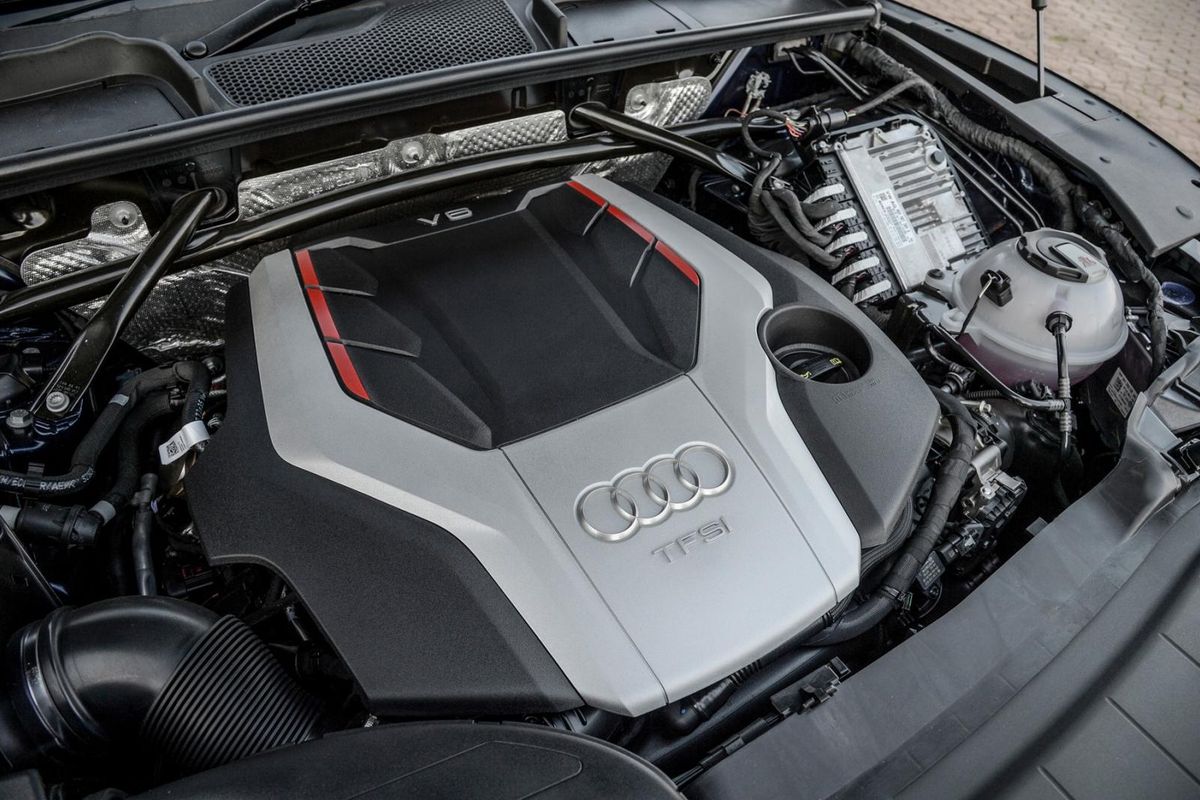
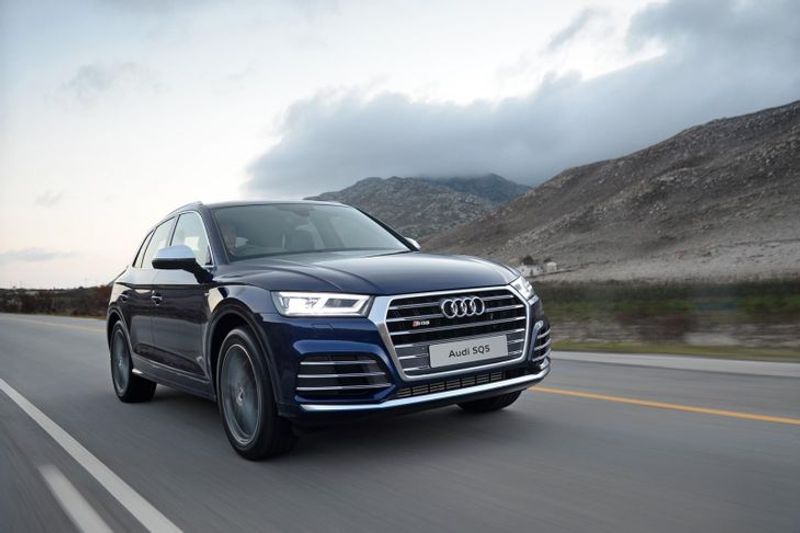
With a 3.0-litre turbocharged V6 engine lifted straight from the S5 coupe, quattro all-wheel drive and a surprisingly responsive 8-speed Tiptronic 'box, the new Audi SQ5 is a happy blend of luxury, comfort and outright performance. While Audi claims a sprint to 100 kph time of 5.6 seconds from that roaring 260 kW and 500 Nm engine, we feel that it'll realistically hit 100 kph in about 6 seconds, which is enough to see off most of those pesky boy racers. Did we mention that the engine note is crisp and purposeful too?
Audi SQ5 is a high-performance luxury SUV with a turbocharged V6 engine lifted straight from the Audi S5 coupe.
As with most performance products from the VAG family, there's a delicious exhaust note with a distinct bang as the next gear is selected. The only downsides are the prodigious thirst when you're living in the most performance-focused driving mode and the fact that the source of the engine music is tucked away out of sight behind the bumper, with fake covered exhaust tips doing duty. For a performance derivative and for Audi trying to build a brand in the form of Audi Sport, this is not okay. Fortunately, there is some recourse as the sound and performance make up for it.
Can it go off-road?
The idea of taking a luxury SUV off the tar seems a cruel and damaging exercise, especially considering most of these products ride on low-profile rubber and expensive alloy wheels. Regardless of this, Audi SA was keen to show the media that its new Q5 was more than capable when turning off the tarmac and hitting the dust. With the reassurance of quattro all-wheel drive and the drive mode set accordingly, the new Q5 was unflustered when traversing dirt and gravel roads, admittedly at higher-than-usual speeds. The stability control did a fine job of keeping it on track and arguably the best thing about this dusty detour was returning to the main road without the slightest rattle or squeak coming from the vehicle.
While it may not have changed much in terms of exterior design, the Audi Q5 cabin and comforts is where it really shines.
Summary
The new Audi Q5 brings to market a wealth of premium features and refinement. However, the executive crossover/SUV market is saturated and we're going to see an influx of competition making landfall in 2018 in the form of Jaguar's E-Pace and an all-new BMW X3. Mercedes-Benz is making the most of its GLC range – it already has a standard SUV, a coupe variant and, arriving soon, a performance AMG model. Audi's Q5 looks like it's coming in at just the right time and no doubt current Q5 owners will be clamouring to get behind the wheel of the all-new model. Sure, it lacks that "head-turning new car" visual punch that car aficionados crave, but it's only when you step inside and drive the newcomer that you'll realise what a truly complete vehicle it has become.