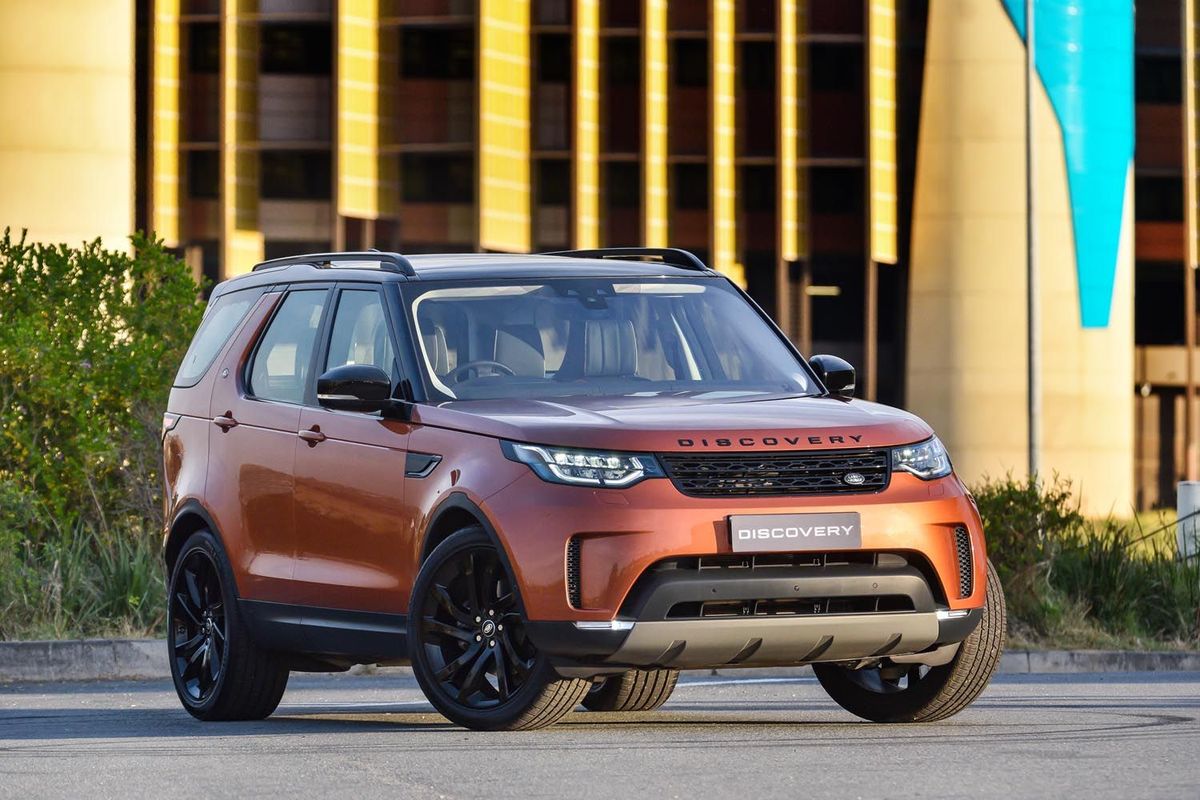
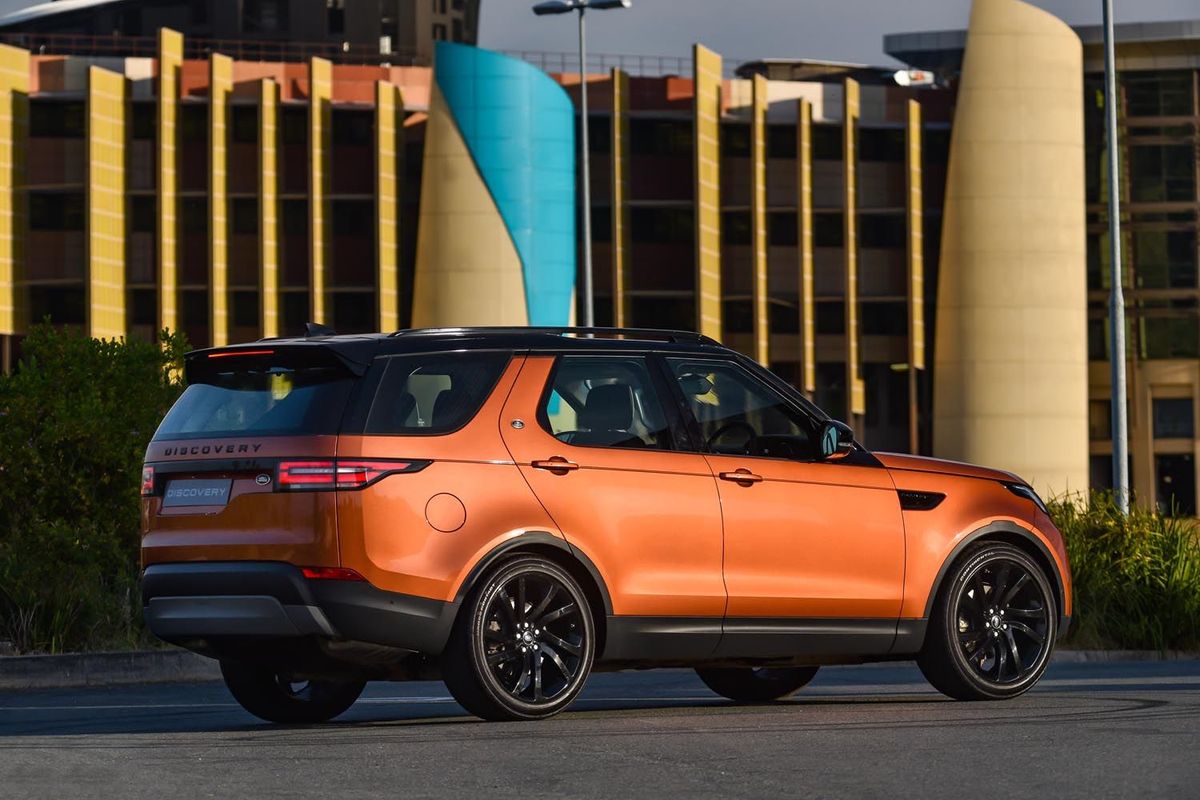
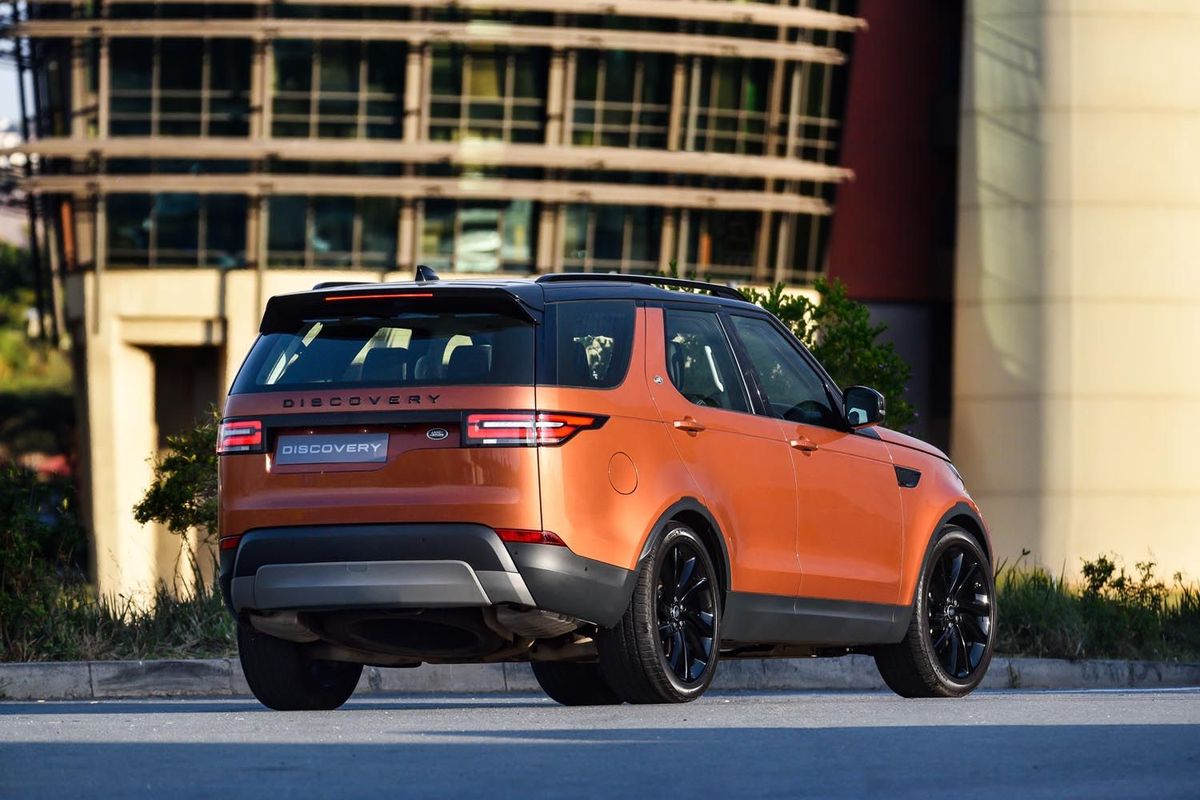
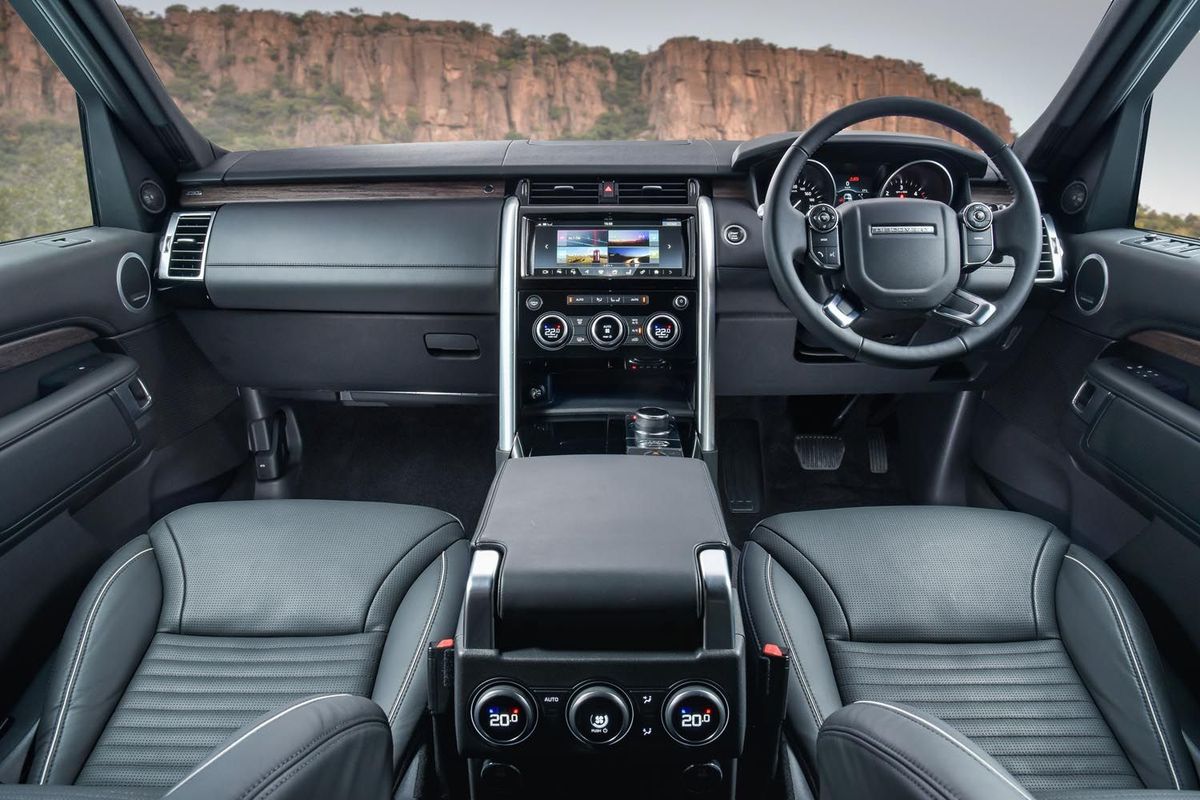
Fiat Tipo Sedan 1.6 Easy auto (2017) Review
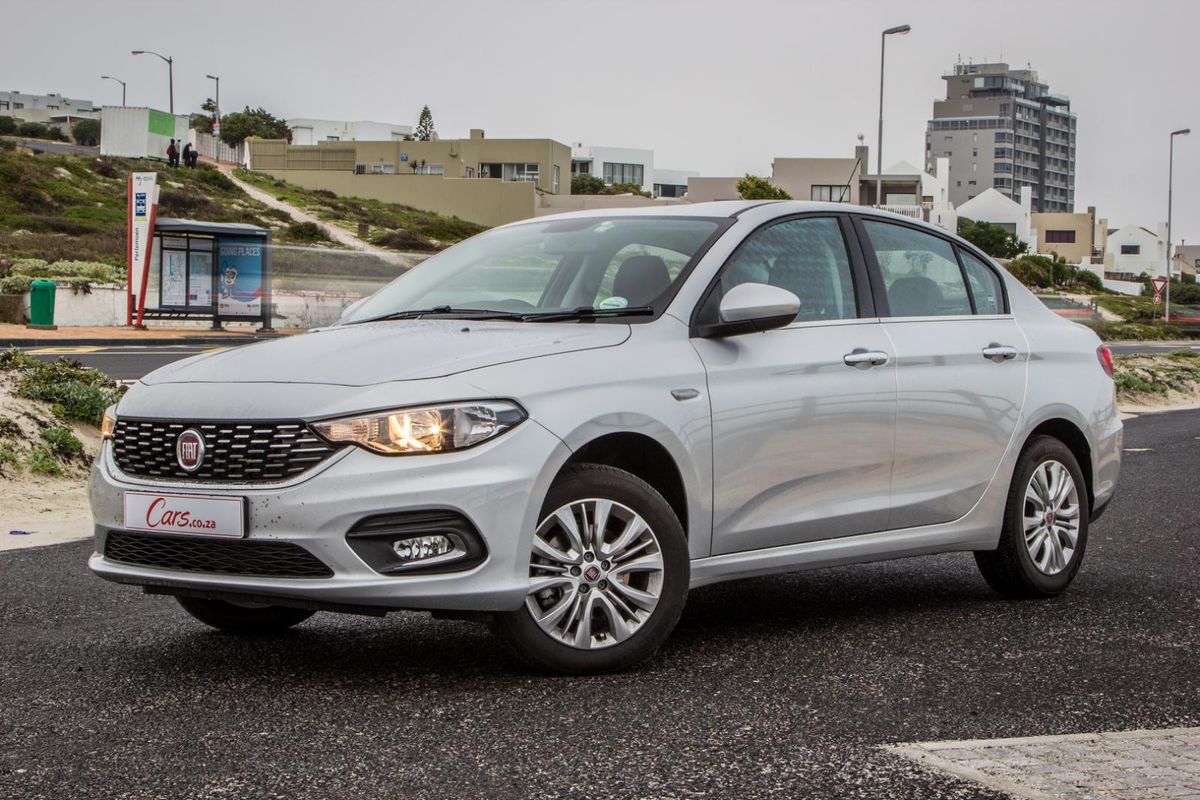
We get behind the wheel of Fiat's new compact sedan. Unlike its fashionable 500 hatchback sibling, the Tipo does not make a style statement… it appeals to buyers in the market for value-oriented wheels. How does the Fiat Tipo Sedan 1.6 Easy Auto fare after a week-long evaluation?

We like: practicality, refinement, standard specification, occupant comfort

We don’t like: engine doesn't like being caned, some cheap materials used in the cabin

Alternatives:

  • The gold standard in affordable sedans: The Toyota Corolla Quest 1.6 Auto boasts impressive build quality and refinement, drives well and is, crucially, more affordable than its Italian rival. The specification is thrifty, to say the least.
  • The proven quantity: The Honda Ballade, which shares its platform with the versatile Jazz, has been on the market for a while. It's a solid, if unremarkable, product that competes with the Tipo in top-spec 1.5 Executive Auto specification.  
  • A top-rated brand's product: The 2016/17 Cars.co.za Consumer Awards Brand of the Year winner Suzuki can hardly put a foot wrong these days and its Ciaz offers a perky engine with exceptional fuel economy. The Ciaz 1.4 GLX Auto is solidly made and, if less than generously specified, more affordable than the Tipo tested here. 

Compare the Fiat to its rivals using our Car Comparison tool here

What is it?
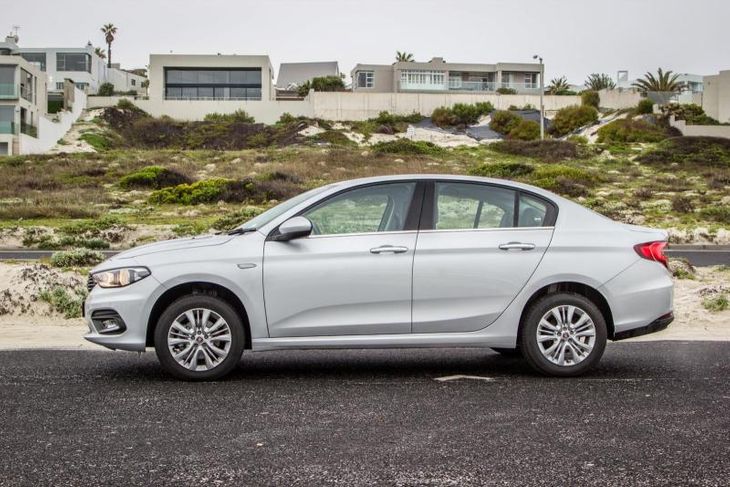

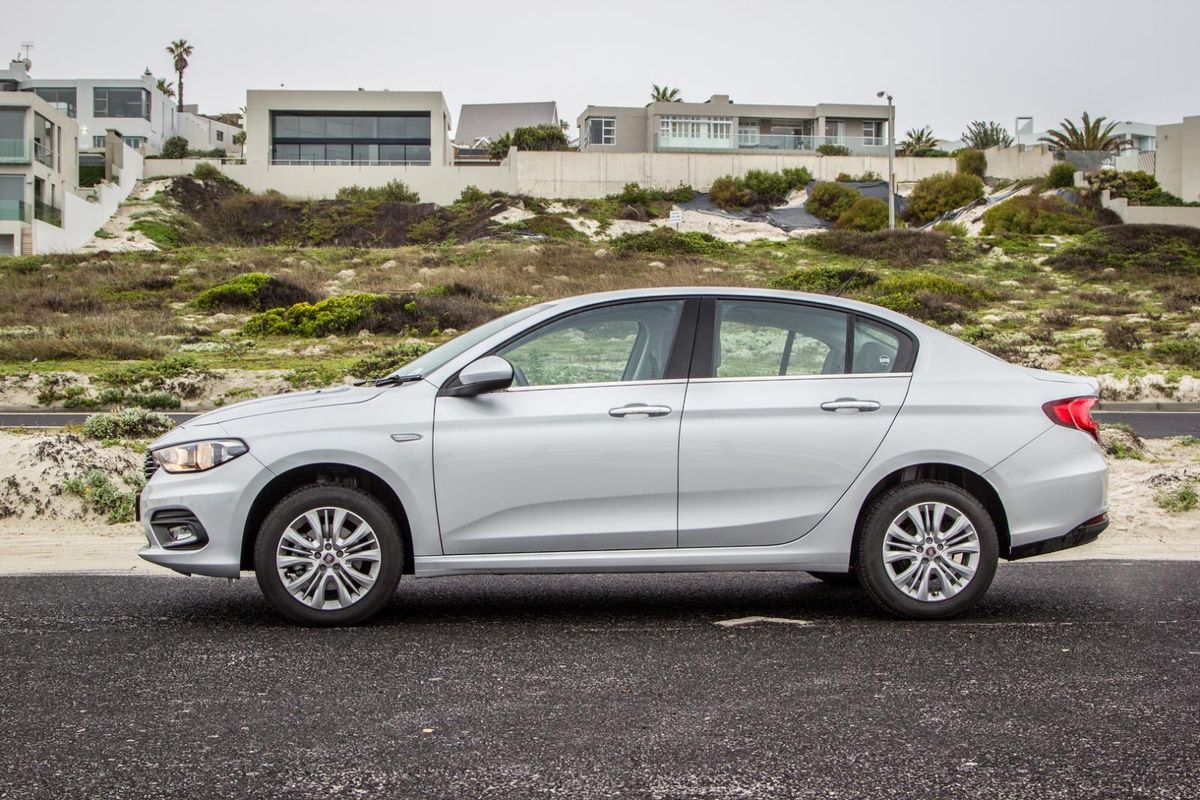
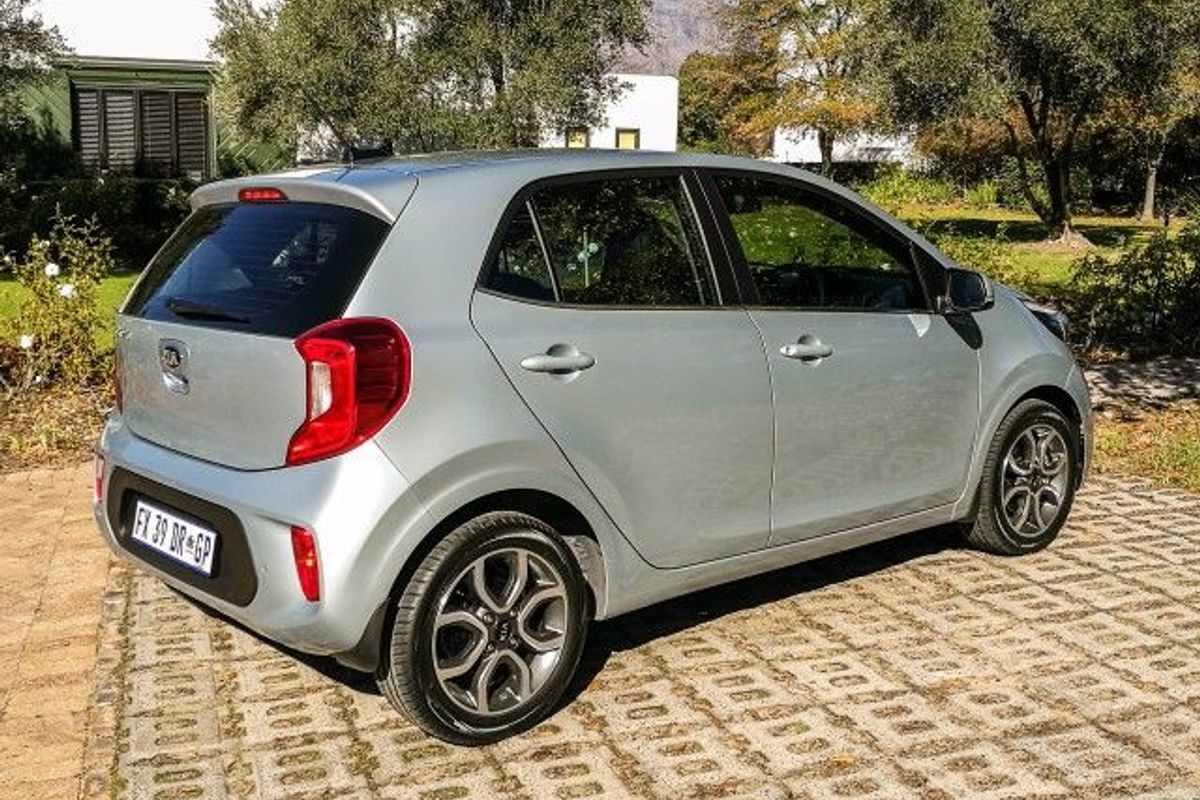
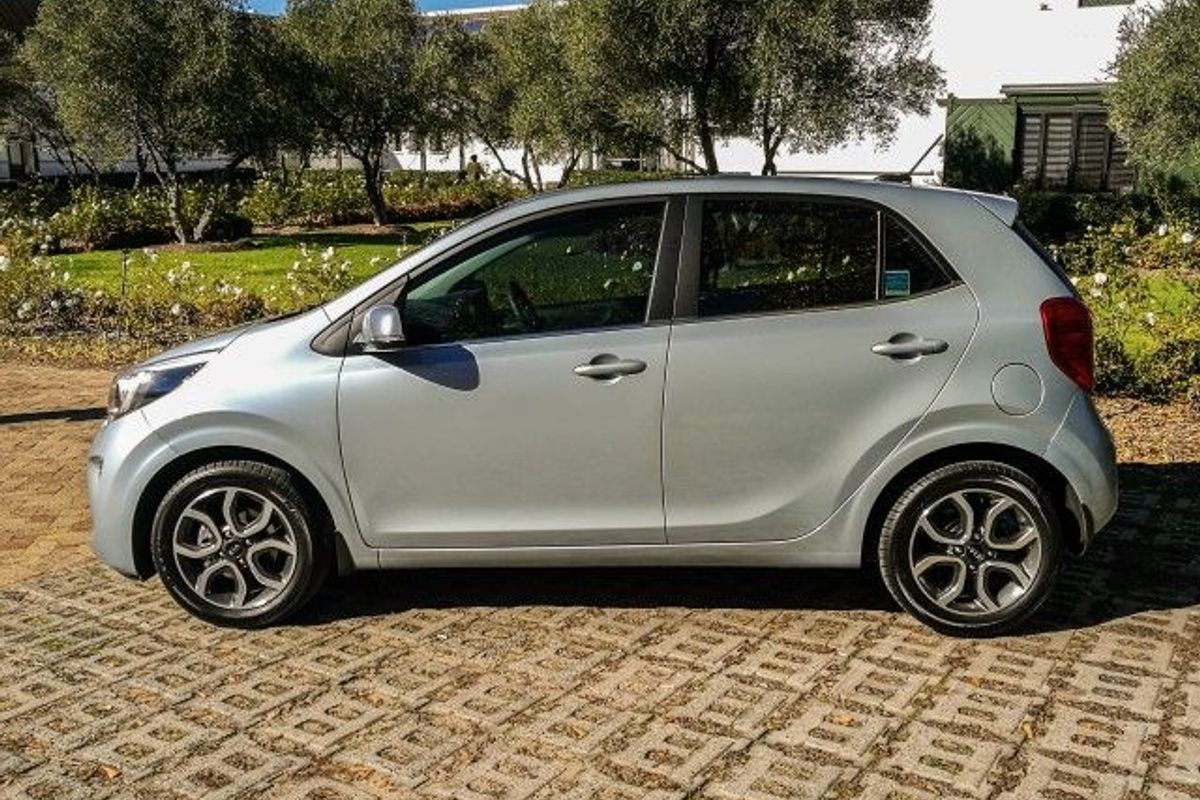
The typical sedan shape. Not helped at all by the silver paint colour.

Despite the car-buying public opting for the higher ground clearance and spaciousness of the compact SUV, there's still a market for the affordable, sub-R300k sedan. Think of the likes of ride-sharing company Uber and other metered taxi services. A sedan that offers a sizeable boot and enough leg- and headroom for 2 normal-sized adults in the back is what customers are looking for and Fiat hopes to exploit this niche with the Tipo sedan. 

As ever, the market for a value-oriented sedan is competitive and there are a few offerings to choose from. At the low end of the market you'll find the venerable Toyota Corolla Quest – a favourite among the Uber clan – in the middle is the Suzuki Ciaz, but given its price and specification, the Tipo is positioned against the top-rung Honda Ballade (1.5 Executive). 

The Fiat Tipo has found favour in the European market, where 75 000 have found homes. Then again, the continental Europeans do tend to be patriotic and pick homegrown brands over imports. The same could be said for South Africa, where the Durban-made Toyota Corolla is the segment leader. 

Can an Italian sedan be worthy of your attention and should you be considering it if you're after a sub-R300k sedan? Let's find out.

How does it fare in terms of…
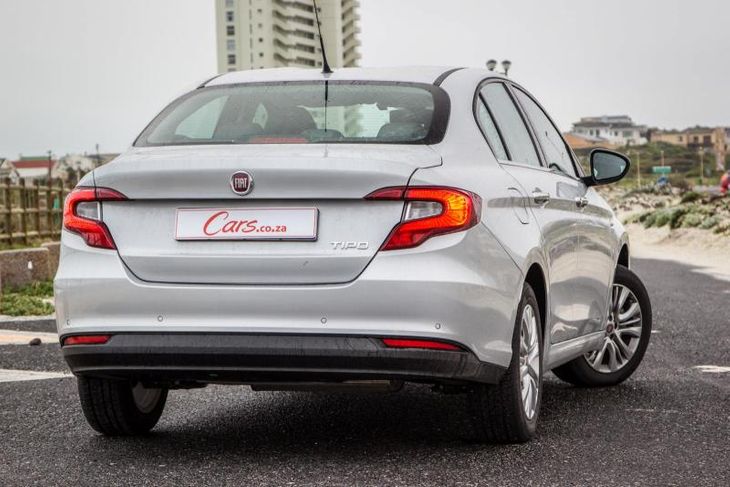

With sedan design so restricted by practicality, Fiat has managed to imbue it with some flair

Kerb appeal/on-road presence?

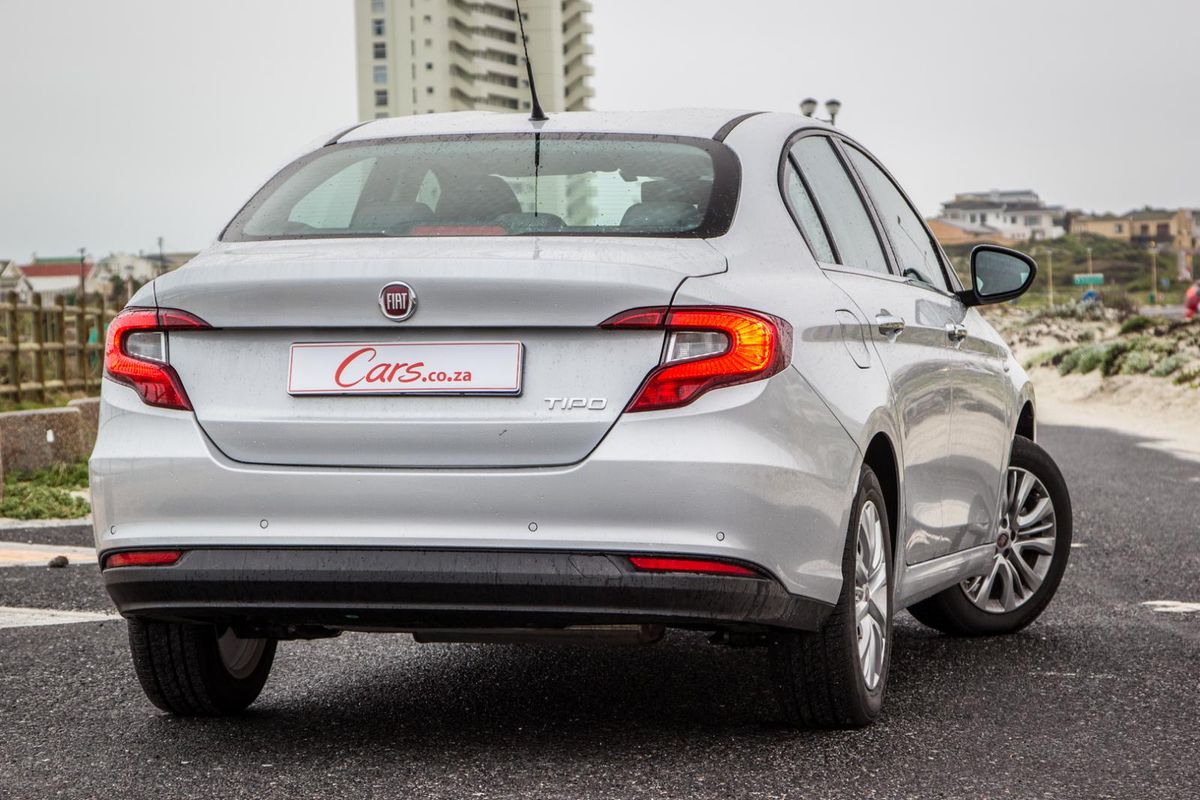
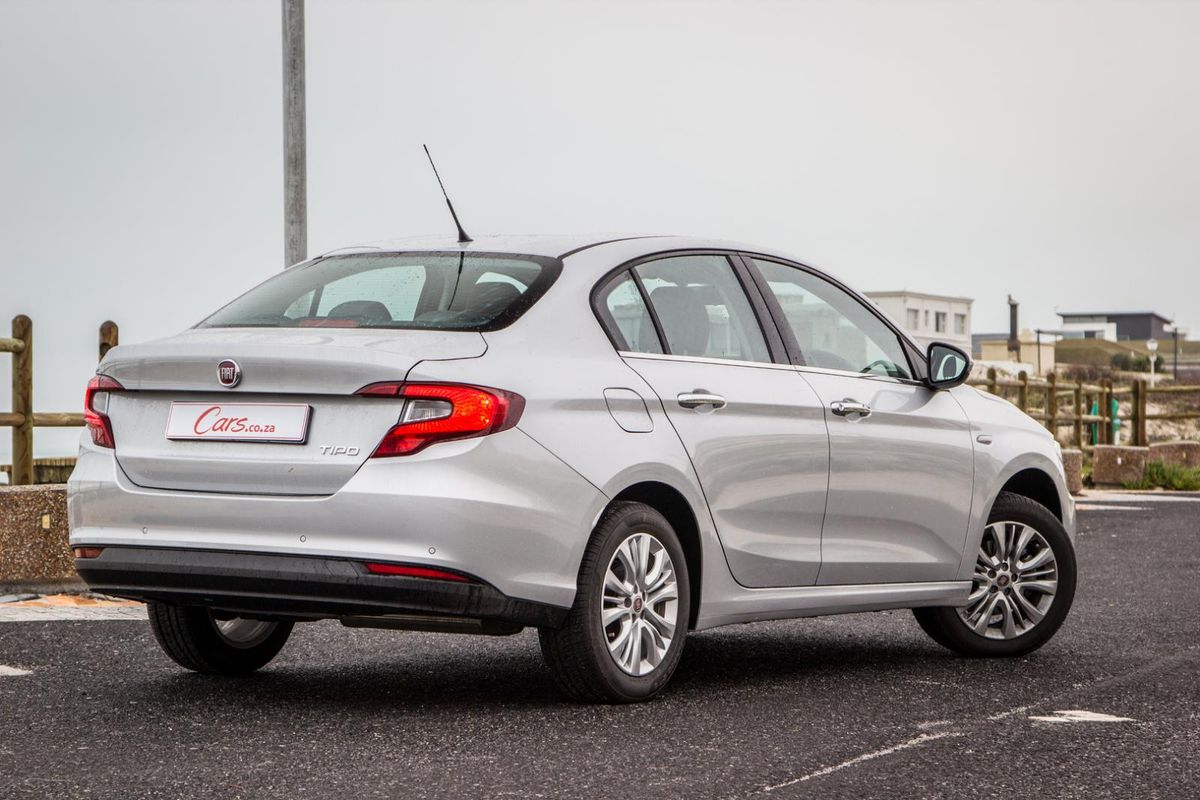
The problem with sedans is that they generally follow a generic template. Space, size and practicality of a sedan hinder the creative design and there's very little room for artistic flair. However, despite the lack of visual real estate, the front of the Tipo is smart looking. The detailing on the front around the badge is quite striking, while the tail lamps have a wrap-around look about them at the rear. There are some attractive alloy wheels, but there's not much going on to make it stand out from the road. Perhaps the rental silver colour scheme was partly to blame. 

Quality interior?
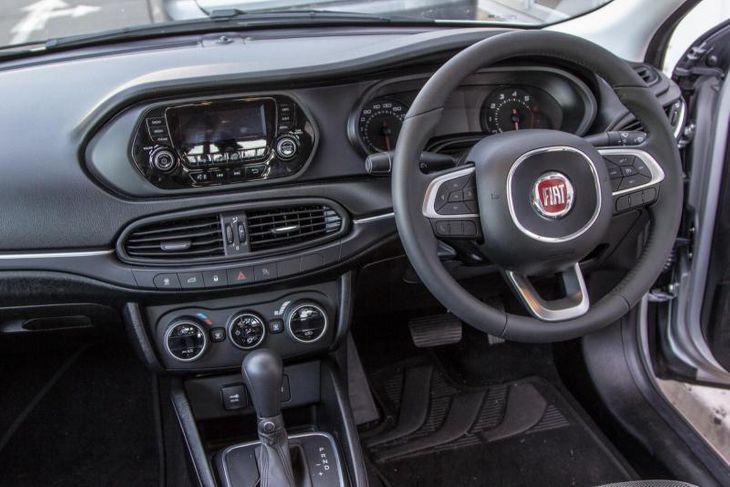

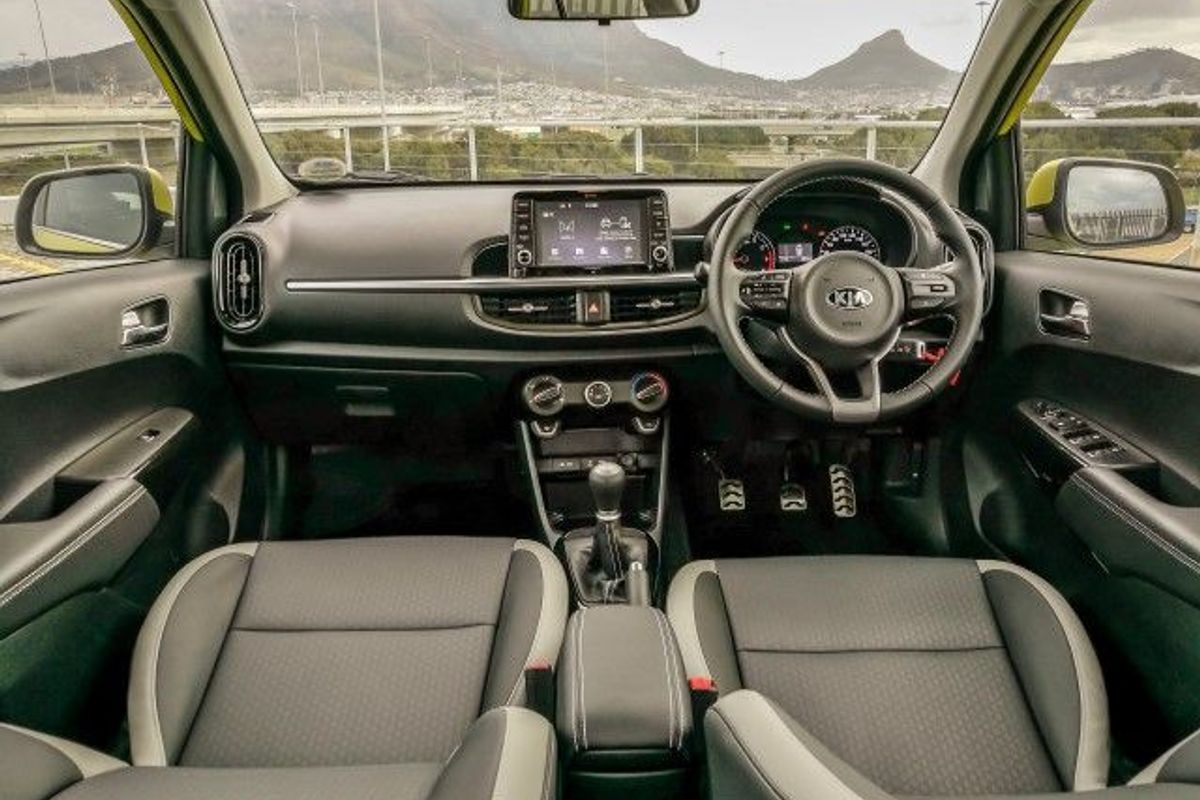
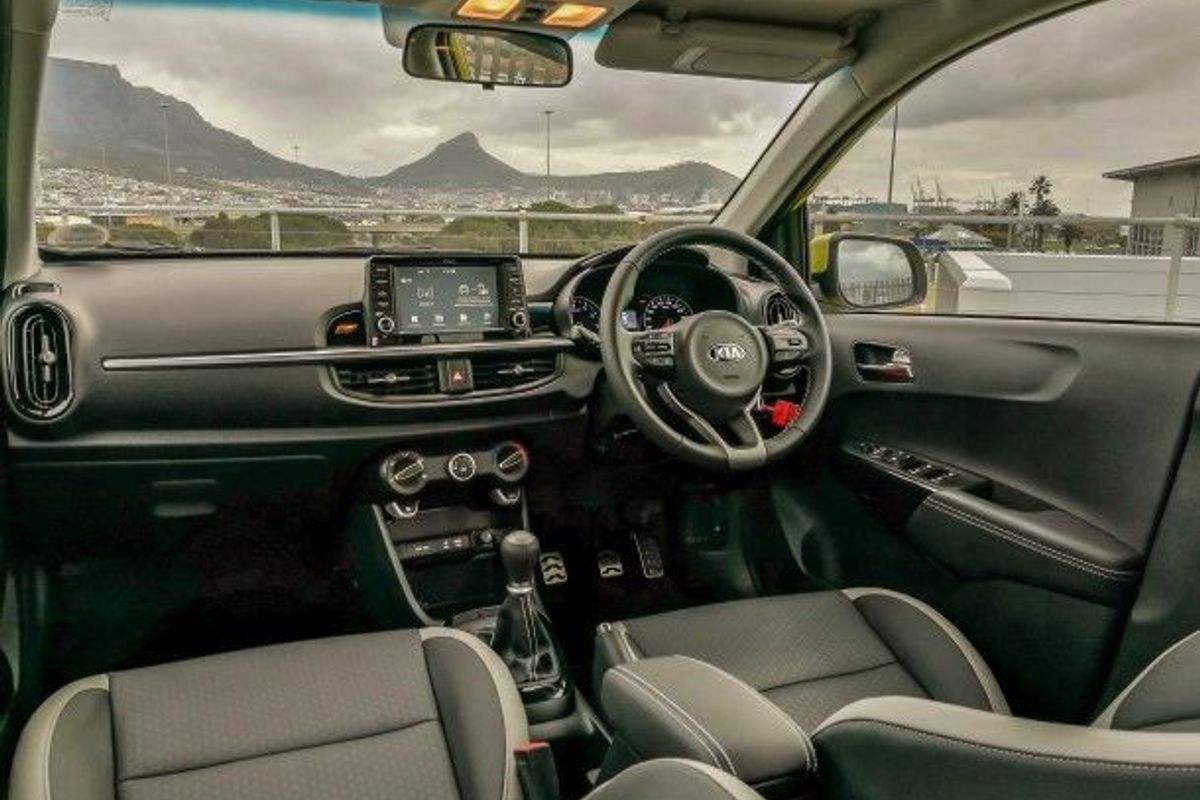
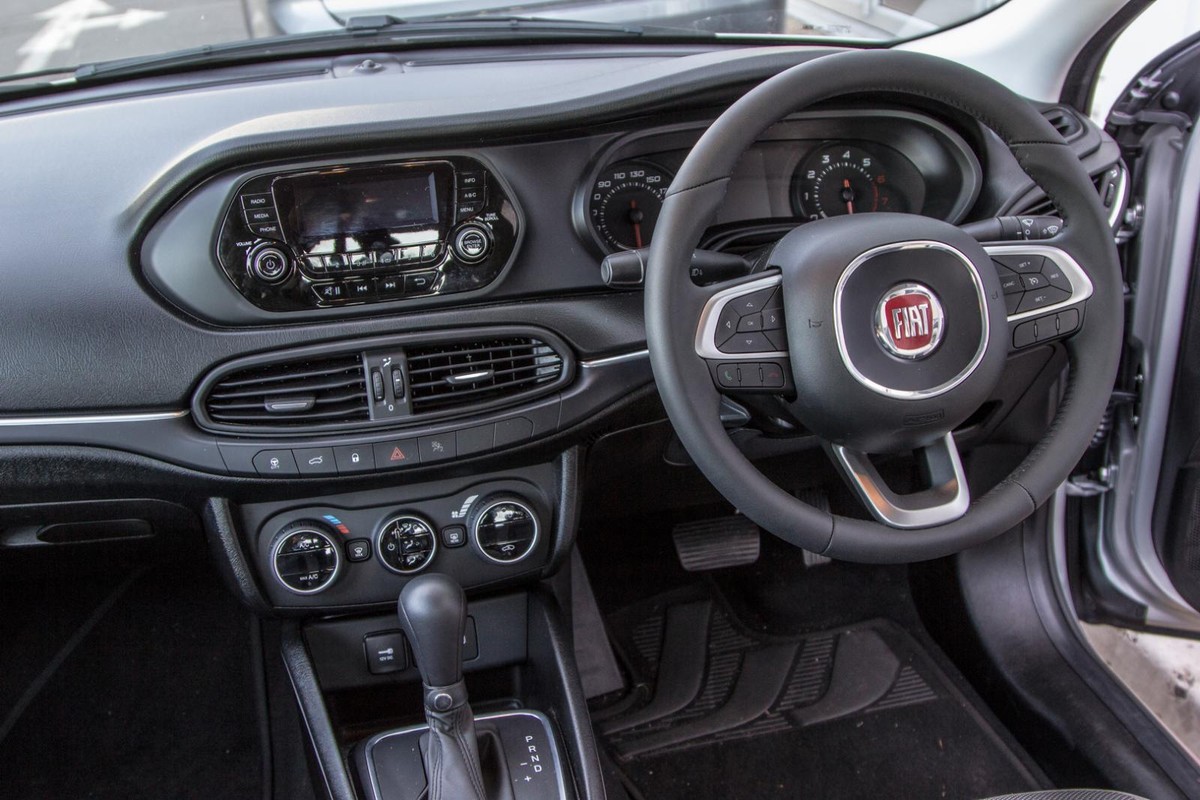
The cabin is of a simple design and has the basics covered

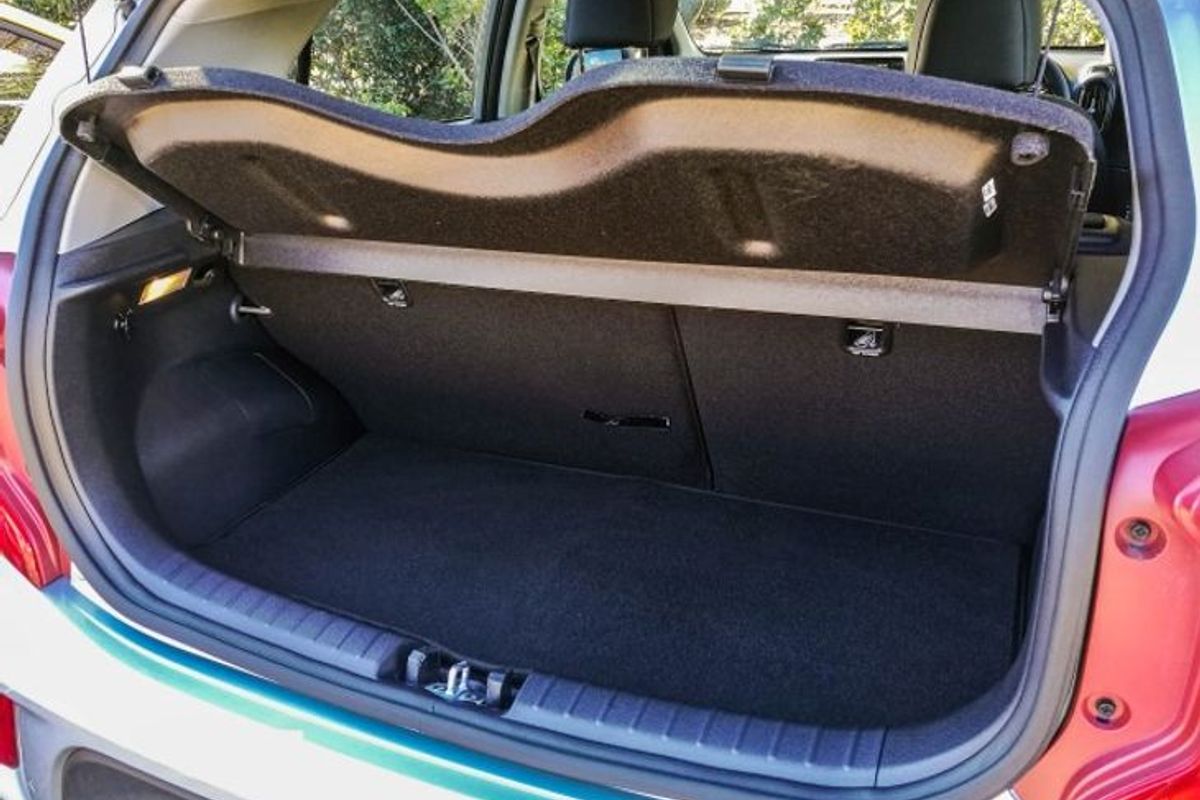
Fortunately, things improve dramatically when you step inside. Cabin space is great and we were fond of the rear doors which appeared to open wider than usual. Helpful, especially when loading things into the car. Speaking of loading things, we were able to fold down the seats and inserted a bicycle, albeit with the front wheel taken off. Still, it has always been a challenge to get a bicycle into a sedan, yet the Tipo made it look effortless. For those craving the facts, Fiat claims the Tipo sedan boasts 520 litres of boot space. Given the Uber scenario where rear legroom is an important factor, we were amazed at the room offered. The unofficial sit-behind-yourself-test was passed with flying colours and the Tipo feels as if it's one of those cars which you can happily sit in the back for hours on longer journeys, without feeling uncomfortable or cramped.

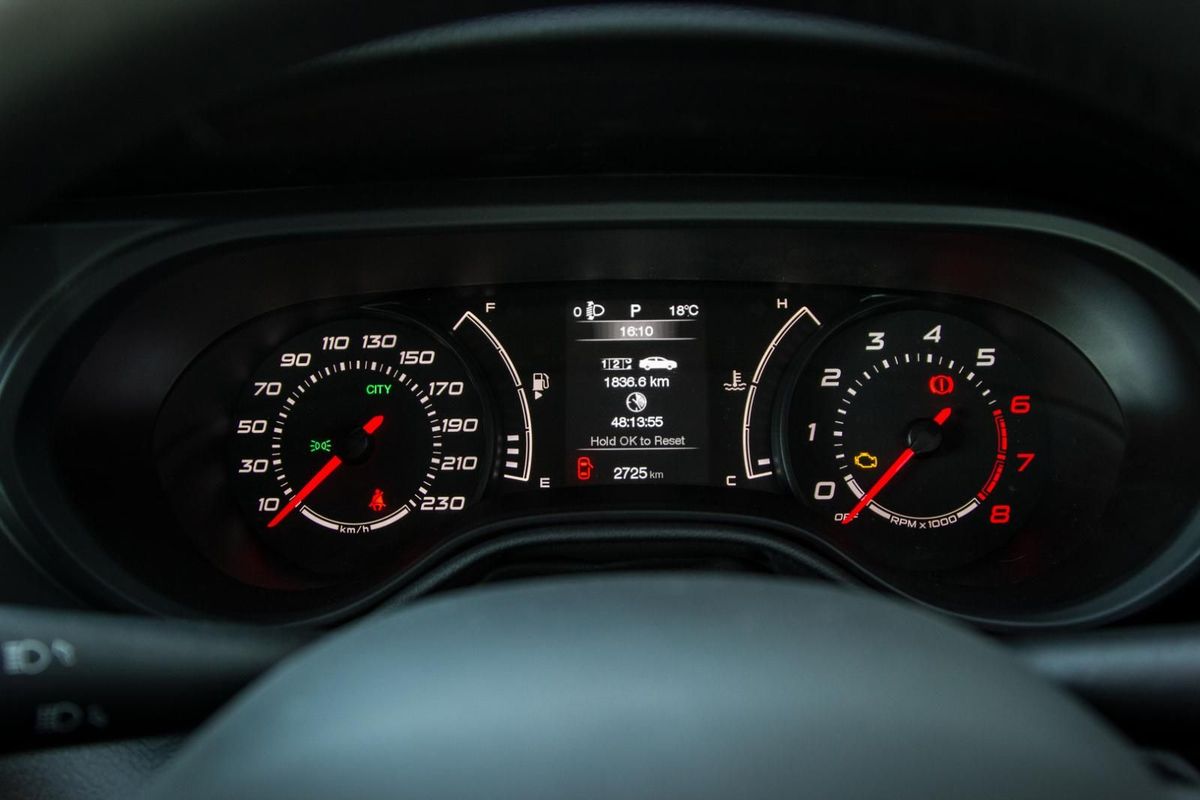
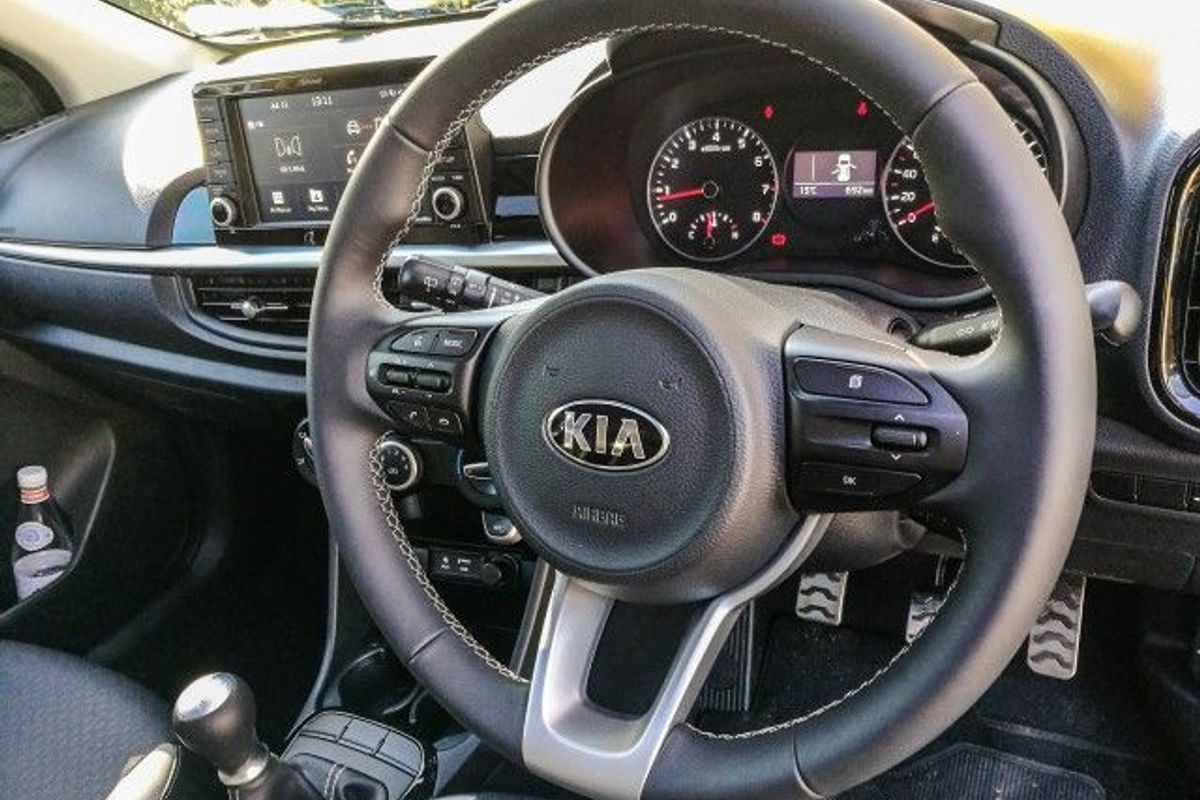
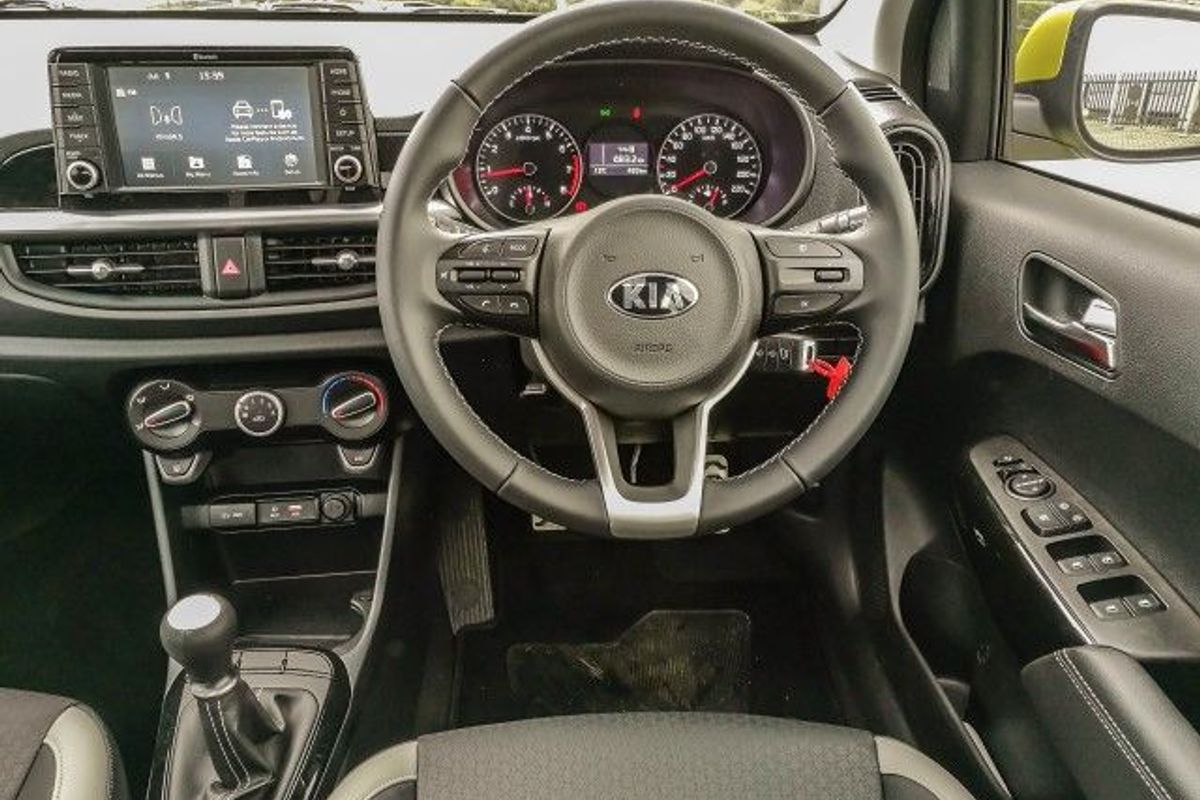
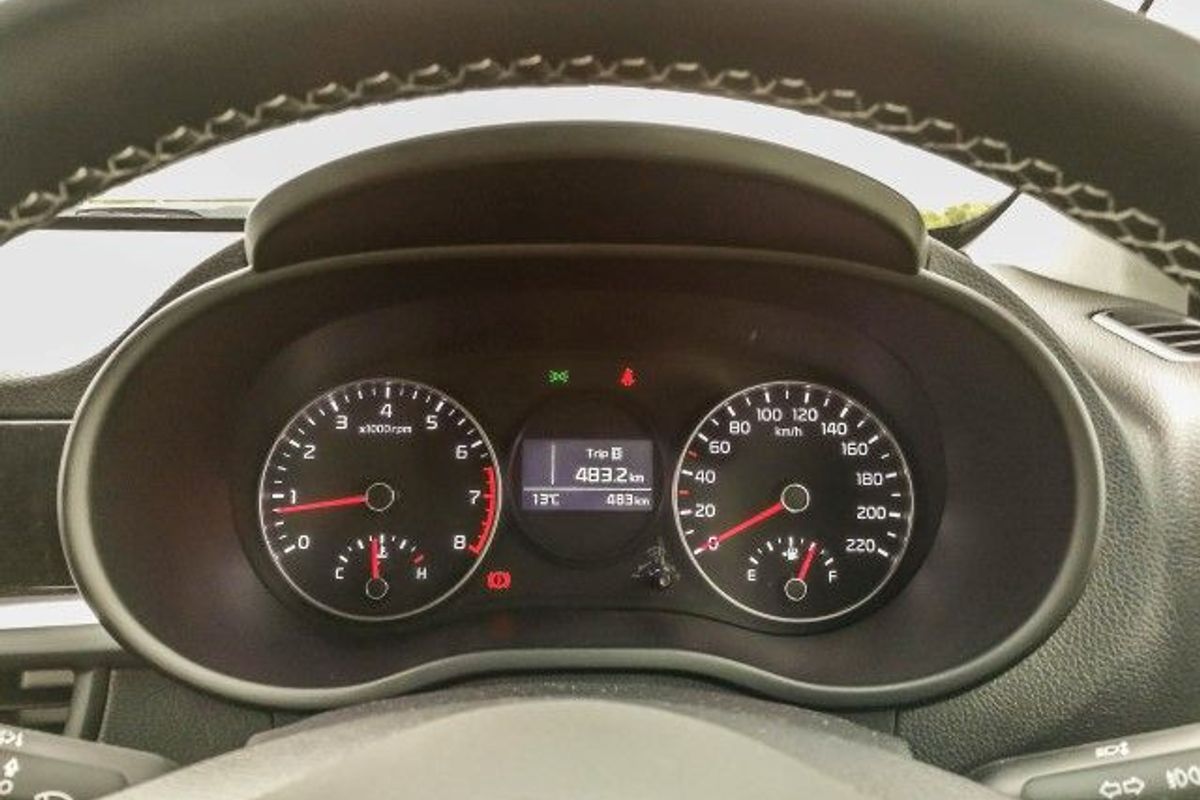
As for the rest of the cabin, it feels a tad more premium than some of its rivals. In terms of design, its more functional and ergonomic biased than stylish, but everything you'd need is here and within easy grasp. Being the top-spec model, there was climate control, CITY steering, cruise control, Bluetooth connectivity, USB port and a comprehensive trip computer. A touchscreen infotainment screen is available as an option. The materials used in the cabin feel acceptable at this price point and it strikes a fair balance between hard plastics and soft plastics.
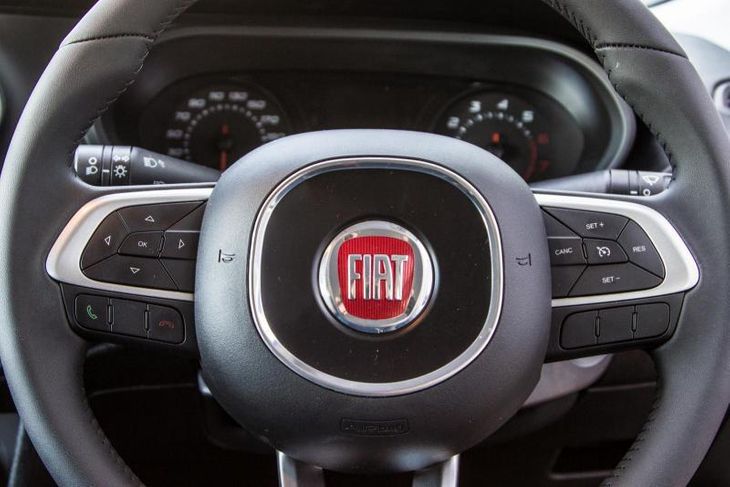

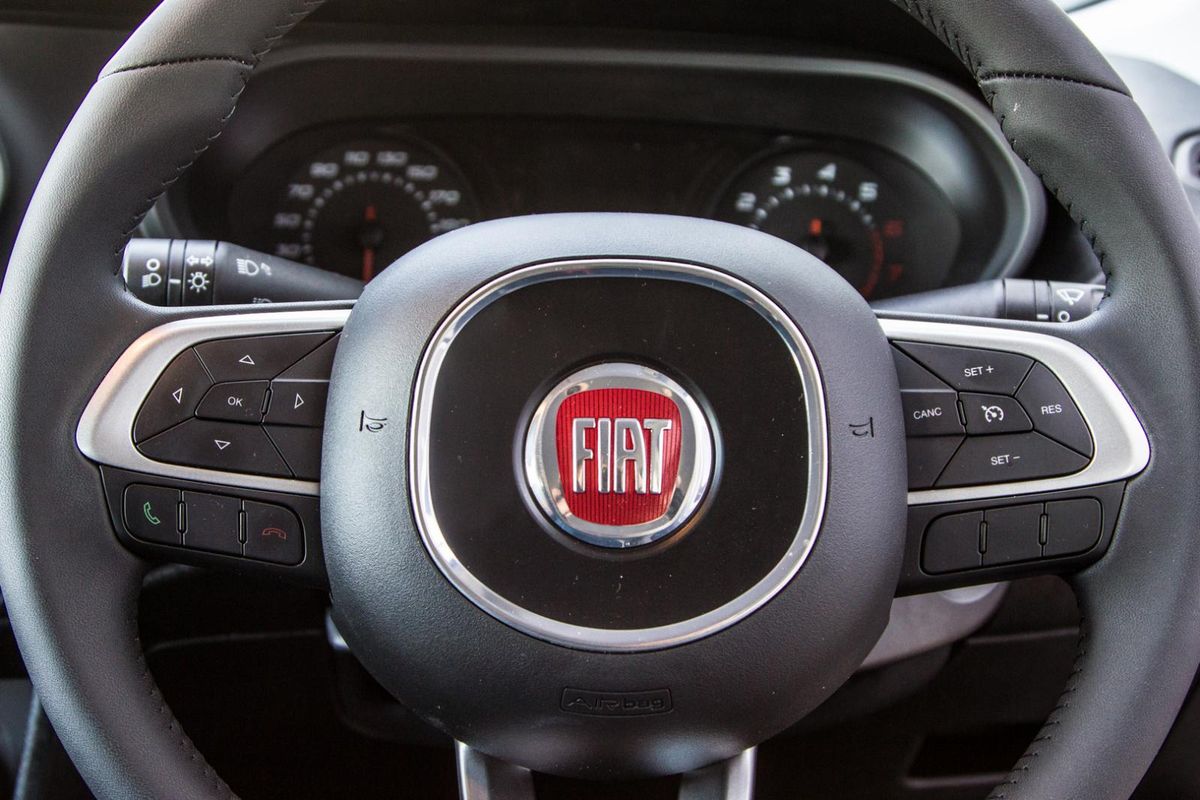
Cruise control, radio, media and Bluetooth telephony can be controlled from the steering wheel

Powertrain and refinement quality?

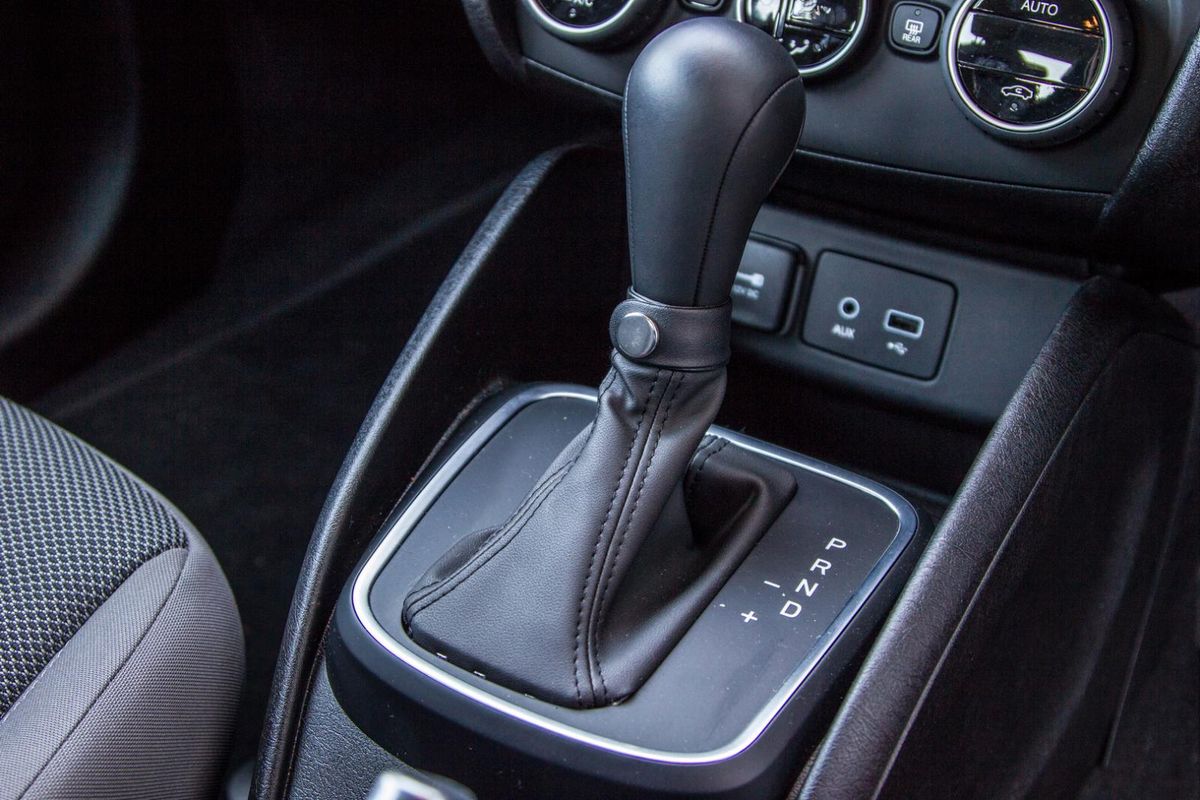
This Fiat Tipo 1.6 Easy automatic is powered by a 1.6-litre naturally-aspirated four-cylinder. It offers up 81 kW and 152 Nm, which is on par with its non-turbo'd rivals in the segment. It's interesting to note that Fiat also offers a 1.4-litre engine with 70 kW and 127 Nm for the Tipo, and the two engines are very close in performance to one another. It's a front-wheel drive and the gearbox in question is a six-speed automatic. You can knock the transmission selector to the side and shift yourself sequentially, but we found it best to leave it to its own devices. Fiat claims a solid 6.3 L/100 km on the combined fuel economy cycle, but in reality, we hovered around the mid-7s, which isn't awful considering traffic jams and normal commuting. 
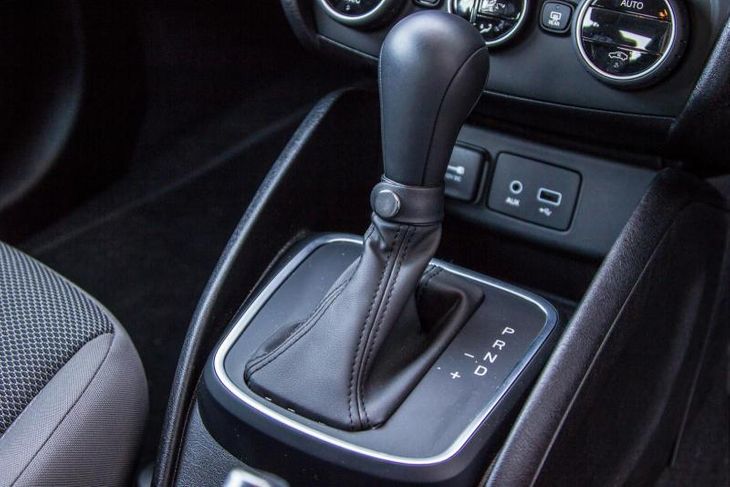

A six-speed automatic transmission does duty in the Fiat Tipo

If there's one issue that we had with the Fiat Tipo's powertrain, it was the fact that it was very noisy when you were in a hurry. Anything above 4 000 rpm and the cabin filled with engine noise and it felt strained. Once was enough for us and we landed up driving the rest of the test period using gentle throttle inputs and being more relaxed behind the wheel, which was better for the economy and our stress levels.

The 1.6 engine combined with the six-speed automatic transmission offers fair performance. It's not going to be energetic by any stretch of the imagination and as mentioned earlier, it's best if you don't hurry it along and leave the gearbox in fully automatic mode. If you're wanting a bit more, then there is a 1.3-litre turbocharged diesel engine available, which will bring excellent fuel consumption to the table as well. 

On the road, we found the Tipo to offer a fair, balanced ride on varying types of surface, which we'll put down to excellent damping settings. It really soaks up the bumps and things got better as we found that the vehicle didn't roll as much as its rivals. Many sedans tend to wallow about, a side effect of trying to soften the ride. 
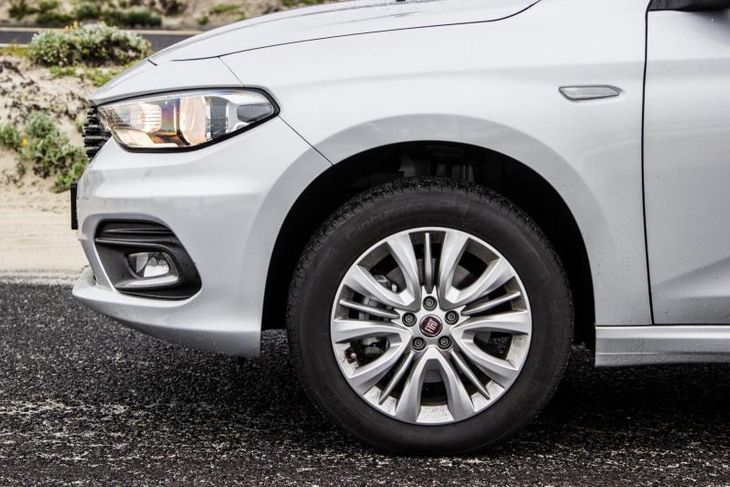

Ride quality of the Fiat Tipo is impressive.

Value for money?

With the Fiat Tipo range starting from as little as R229 900, it looks like extraordinary value for money. Tested here is the 1.6 Easy Automatic, which retails for R274 000. For interest sake, the diesel manual costs exactly the same. Do you get value for your money here? We think you do, considering the better-than-basic fittings and features, and it all comes in comfortably under R300 000. The more established players such as the Toyota Corolla and Chevrolet Cruze are both over R300 000. 

Verdict

Unlike the Fiat 500, which seems to sell primarily on its image and cuteness, the Tipo is a far more serious and logical purchasing proposition. Based on the product offering alone, we think the Tipo has enough going for it to make it credible. There's ample room and the vehicle offers credible levels of refinement and specification to tick most boxes. 
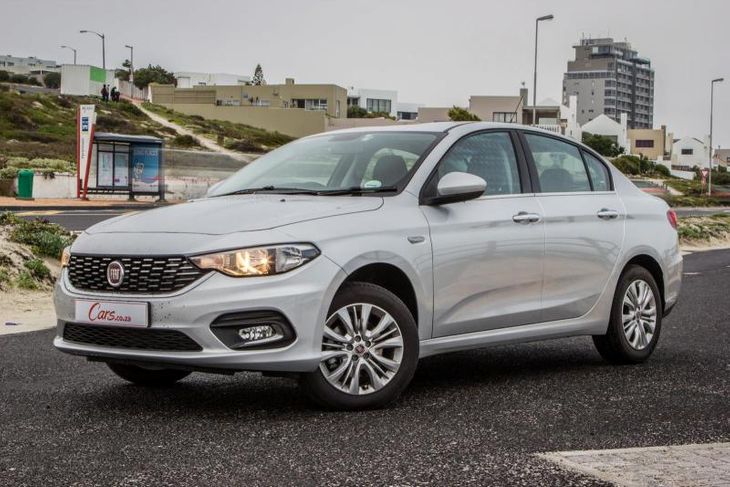

Cheap, cheerful and spacious. That pretty much sums up the Fiat Tipo sedan.

Related content:

Fiat Tipo (2017) Specs & Pricing

Update: VW Golf Facelift (2017) Specs & Pricing

Opel Astra 1.4T Sport Automatic (2016) Review

Opel Astra 1.0T Essentia (2016) Review

Comparative Review: Opel Astra vs Volkswagen Golf 7

Toyota Corolla 1.8 Exclusive (2017) Quick Review

Toyota Corolla 1.4 D4-D Prestige (2017) Quick Review

Ford Focus Gets Style and Tech Upgrade

Spy Shot: New Ford Focus

Interested in buying a second-hand Fiat?

See a list of used Fiat vehicles here

Hyundai Finally Showcases GTI-Rival [with Video]

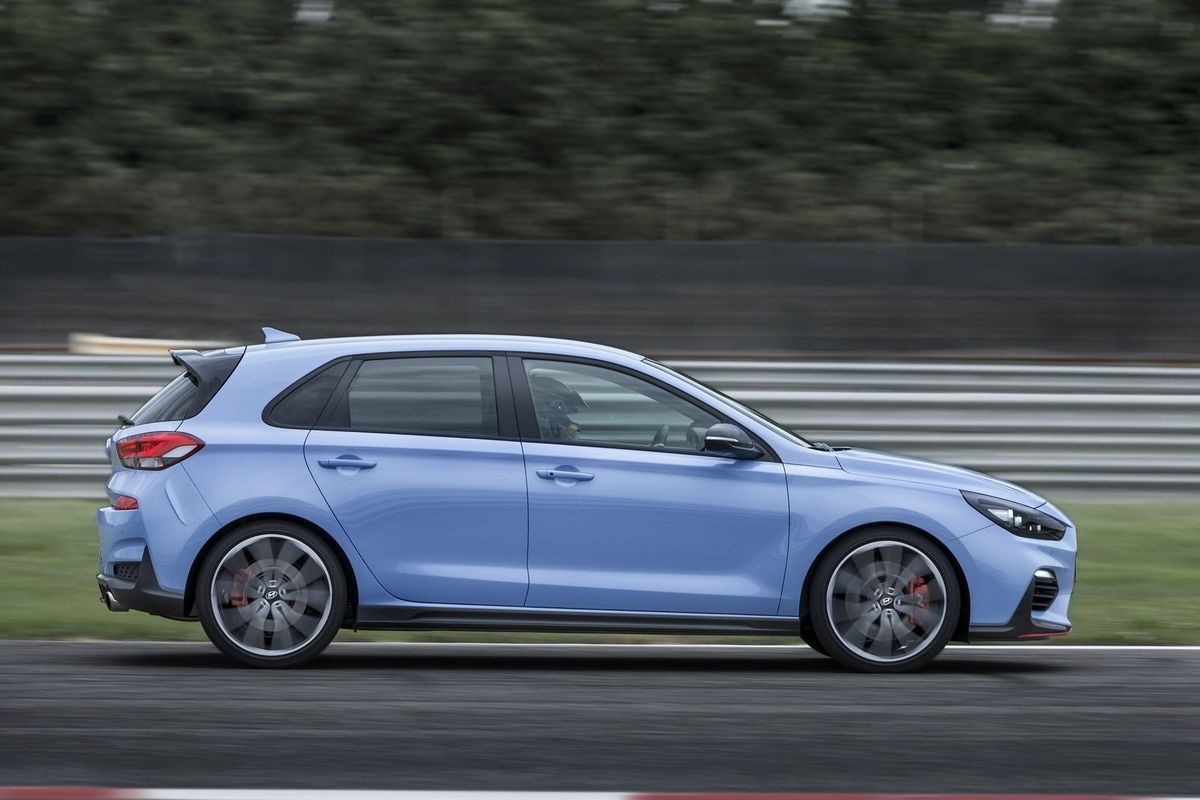
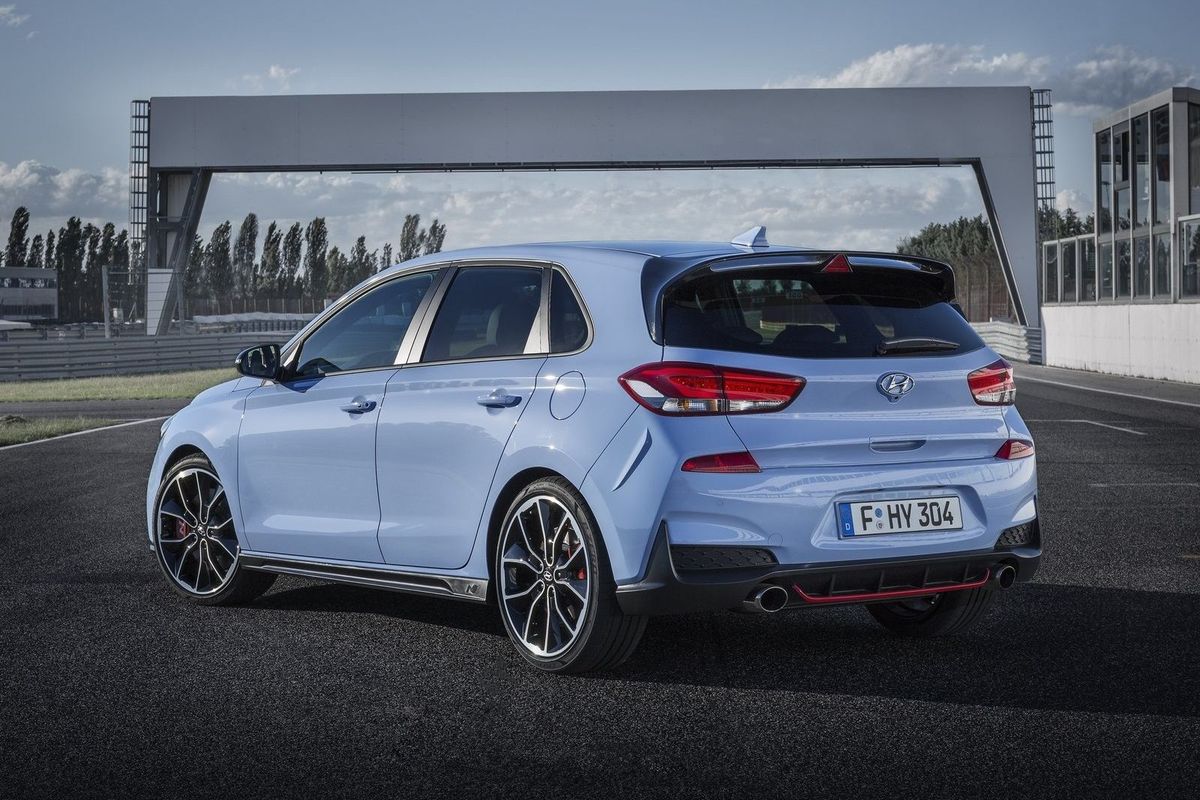
After months of teasing and speculation, Hyundai has finally released the production version of the i30 N performance hatchback. Here's what you know about the Korean answer to the class-leading Volkswagen Golf GTI.

It's officially called the Hyundai i30 N and its the brand's first high-performance vehicle. N stands for Namyang (not Nurburgring), which is Hyundai's Research and Development centre in Korea. However, this vehicle was perfected and tuned at the Nurburgring and we saw it in action at the Nurburgring 24 Hour race. Inspired by the brand's efforts in the World Rally Championship, the i30 N represents motorsport know-how translated into a road-going production vehicle.

"The Hyundai i30 N has been developed for no other purpose than to deliver maximum driving fun to our customers in an accessible high-performance package," says Albert Biermann, Executive Vice President Performance Development and High-Performance Vehicle Division.

"With the high-performance N models we will enhance our brand's appeal with emotional products that cater to the needs of people who love to have a smile on their face when they drive their car on a winding road and listen to the sound of the engine. That's why we measure high-performance in BPM, heart beats per minute instead of only RPM." The name Biermann may sound familiar if you're a BMW fan as he used to work for them and was headhunted by Hyundai. 


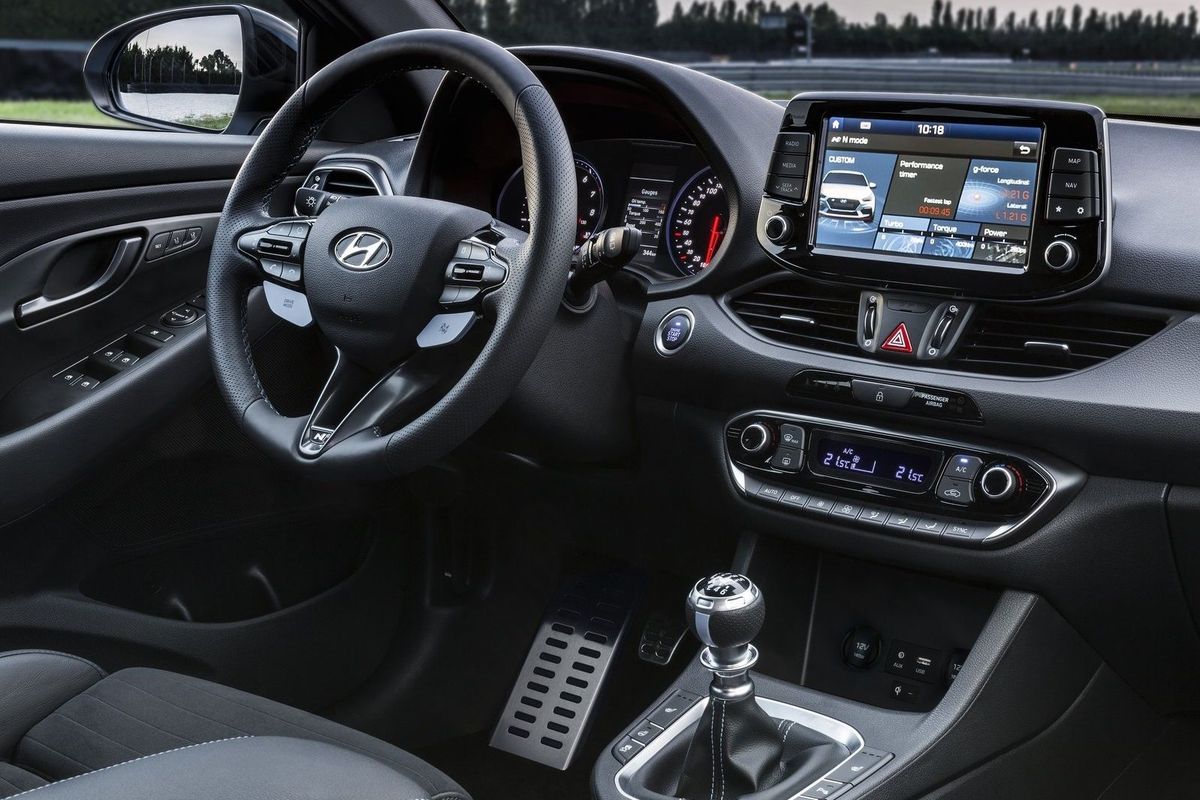
A performance cabin for a performance car. Note the six-speed manual gearbox which comes with rev matching tech as well as launch control

Two flavours

The new Hyundai i30 N comes in two states of tune. Both derivatives feature turbocharged 2.0-litre engines. In the Standard Package, there's 184 kW and 353 Nm, while the Performance Package offers up 202 kW and 353 Nm. Both max out at 250 kph, while the 0-100 kph time is dispatched in a claimed 6.4 seconds. The Performance Package is capable of 6.1 seconds to 100 kph. Power goes to the front wheels via a six-speed manual transmission. 

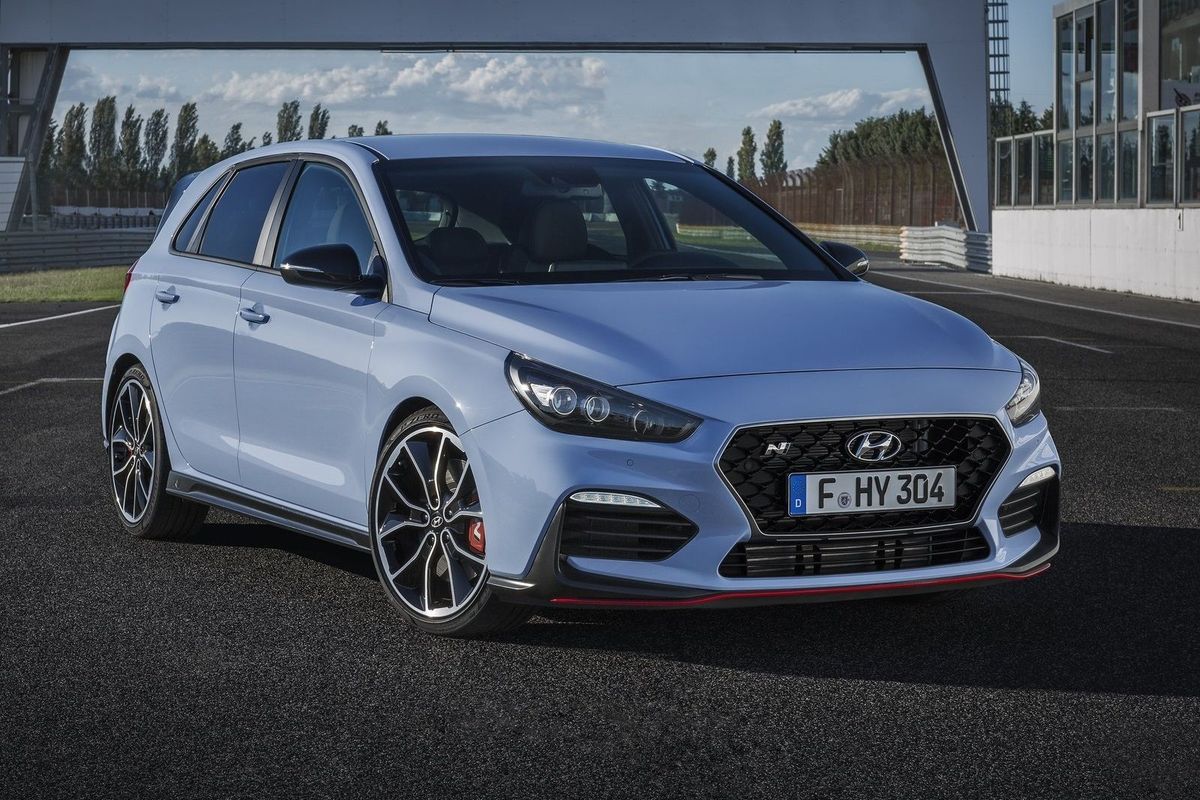
Visually, you'll be able to differentiate the Performance Package from the lesser model as it features 19-inch Pirelli P-Zero high-performance Hyundai N tyres, distinctive red N brake callipers and larger brake discs (18-inch at the front, 17-inch at the rear). To spice things up even further, there's an Electronic Limited Slip Differential (E-LSD) and Variable Exhaust Valve System.


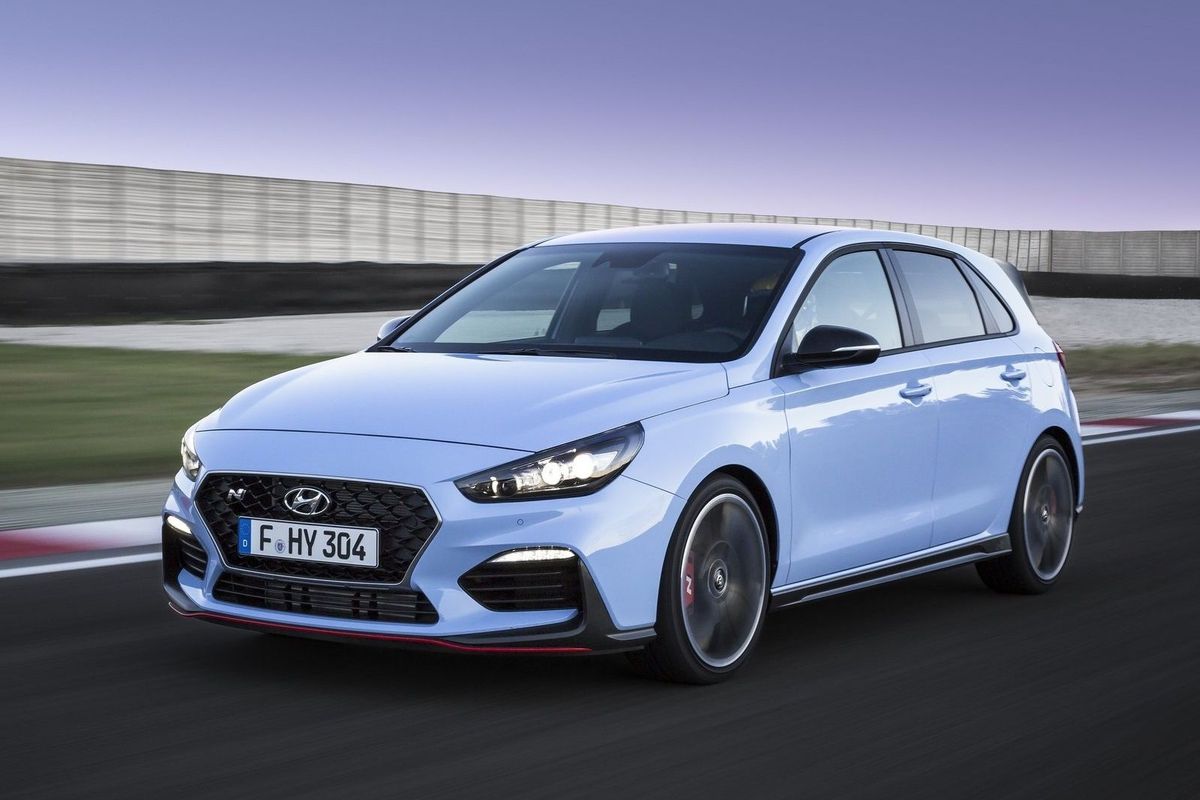
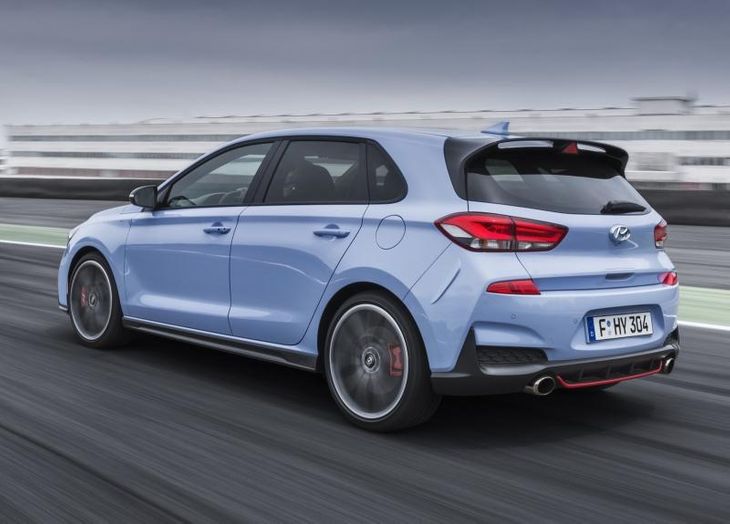
With twin exhausts, big alloy wheels and numerous aerodynamic aids, the Hyundai i30 N ticks all the boxes in the looks department

Fun to drive

The Hyundai i30 N is not just about straight line prowess and it has been engineered to be both fun and entertaining to drive, without compromise. There's even a launch control system, the powertrain features rev matching technology and there's even an electronic controlled suspensions which adjusts the damping at the touch of a button. The cabin features an electronic sound generator which fills the cabin with performance sounds, but what you really want is the variable exhaust valve system which is available on the Performance package. The driver has the choice of different exhaust sounds.

We're impressed to see Hyundai offering five driving modes; Eco, Normal, Sport, N and N Custom. The different modes change the character of the car, adjusting the parameters of the engine, the dampers, Electronic Stability Control (ESC), Electronic Limited Slip Differential (E-LSD), engine sound, steering and rev-matching. In the N Custom mode, drivers can select from Eco, Normal, Sport and Sport+ settings for each high-performance component to match driving preferences and road conditions. You'll be able to set the suspension to softest, with the exhaust set to loudest… 

Cabin

Despite its performance aspirations, Hyundai has fitted the i30 N with all the comforts you'd need. There are uniquely designed high-performance sports seats with lumbar support and extendable seat cushions. Customers can choose from a combination of suede and leather or cloth. There are two infotainment screens available. Standard is a 5.0-inch or go big for the optional 8.0-inch touch screen with navigation, featuring information on power, torque, turbo boost as well as a lap and acceleration timer. The vehicle is also compatible with Apple CarPlay and Android Auto, and there's even a wireless inductive charging pad for mobile phones. 

Watch the Hyundai i30 N in action:

Interested in buying a Hyundai i30?

Find a new or used example on Cars.co.za

2017 Subaru XV: Spec & Price in South Africa

Following hot on the heels of the recently released Impreza sedan, Subaru has now introduced its all-new, second-generation XV compact crossover in South Africa.

Like the Impreza, the XV is built on Subaru's new Global Platform that is claimed to deliver enchanced safety, comfort, space and driving performance. The attractively styled newcomer also features a raft of new safety and hazard-avoidance features, most notably the company's acclaimed EyeSight Driver Assistance system on the 2.0i-S ES derivative.

Both introduced models feature the Japanese marque's latest 2.0-litre direct injection Boxer (horizontally opposed) engine that delivers 115 kW and 196 Nm of torque, a CVT (continuously variable transmission) with 7 manual steps and all-wheel drive, while the XV also benefits from the addition of the X-Mode system, which is said to improve off-road ability "at the touch of a button".


The XV has become one of Subaru's most successful models, and the latest is more efficient, safer and has moved upmarket.

Line-up and Pricing

For now only 2 models are offered, with the standard specification XV 2.0i CVT retailing for R385 000 and the Premium specification 2.0i-S ES CVT priced at R439 000. Both models come backed with Subaru's 5-years/150 000 km warranty and a 3-years/75 000 km Full Maintenance Plan – the latter can be further extended to 5-years/150 000 km at extra cost.

Upmarket Design


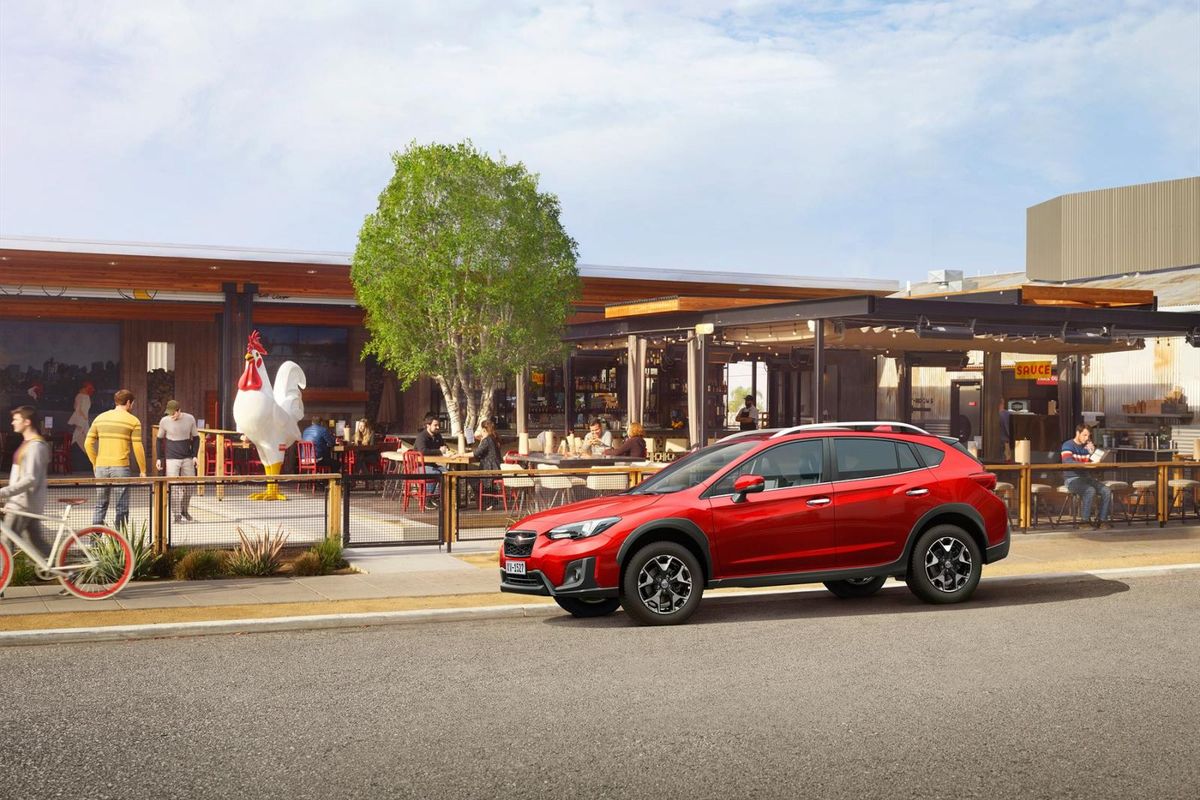
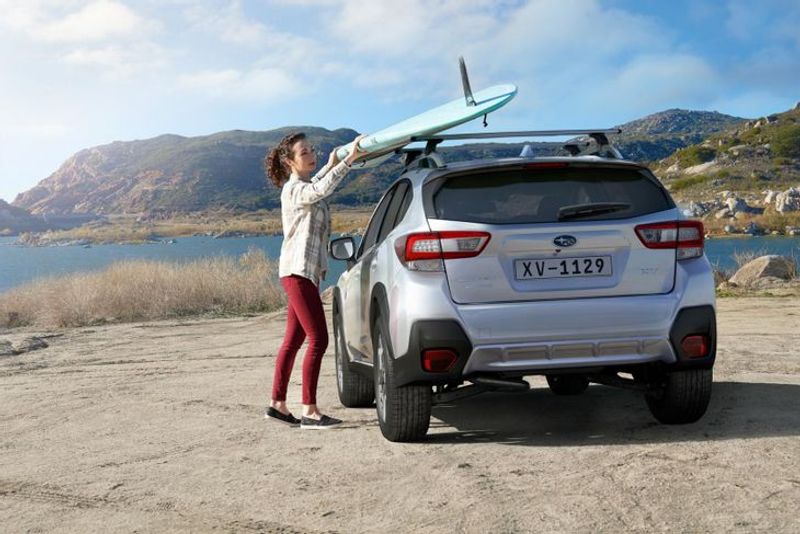
Chunky crossover looks are also functional, with raised ground clearance, scuff protection and roofrails.

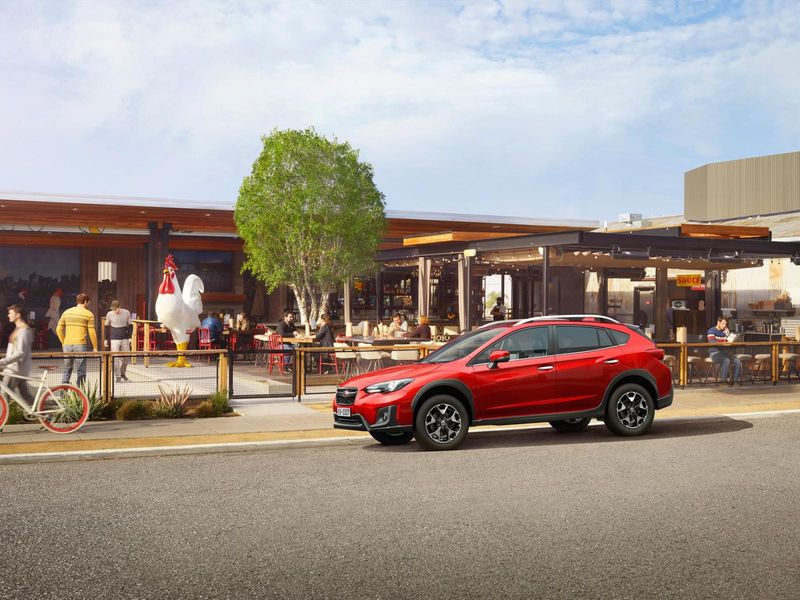
Visually the newcomer represents an evolution of its popular predecessor, but has grown slightly in size. It is 15 mm longer and 20 mm wider in comparison with the previous model. Its accentuated wheelarches are trimmed in black tone plastic for that "off-roader look" but also provides some real-world protection when the going gets a bit rougher. It retains its predecessor's 220 mm of ground clearance. As before, a range of interesting colour options are available, including Cool Grey Khaki and Sunshine Orange. Stylish 17- and 18-inch alloy wheels are on offer.


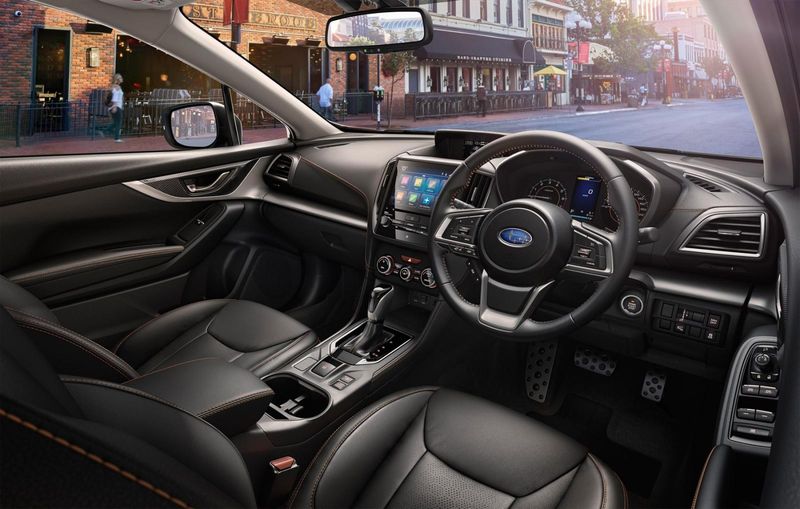
More upmarket cabin offers a premium ambience and some of the latest tech on offer from Subaru.

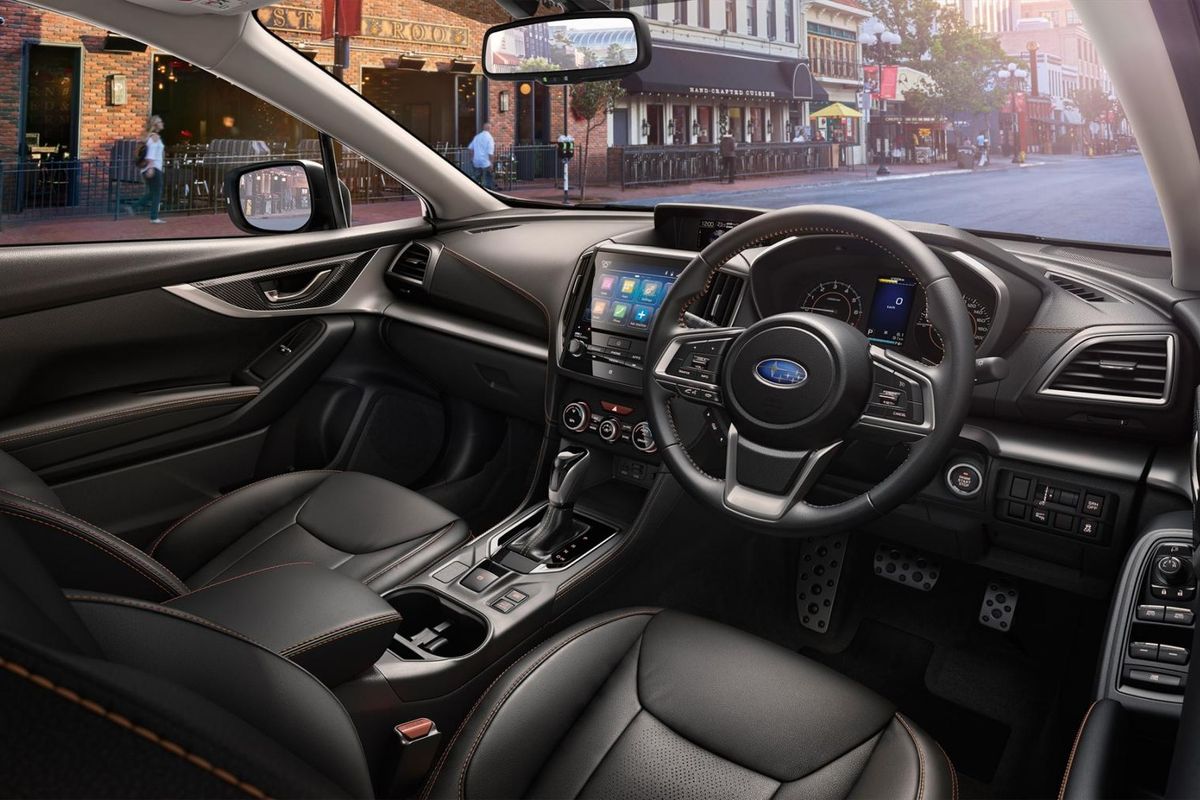
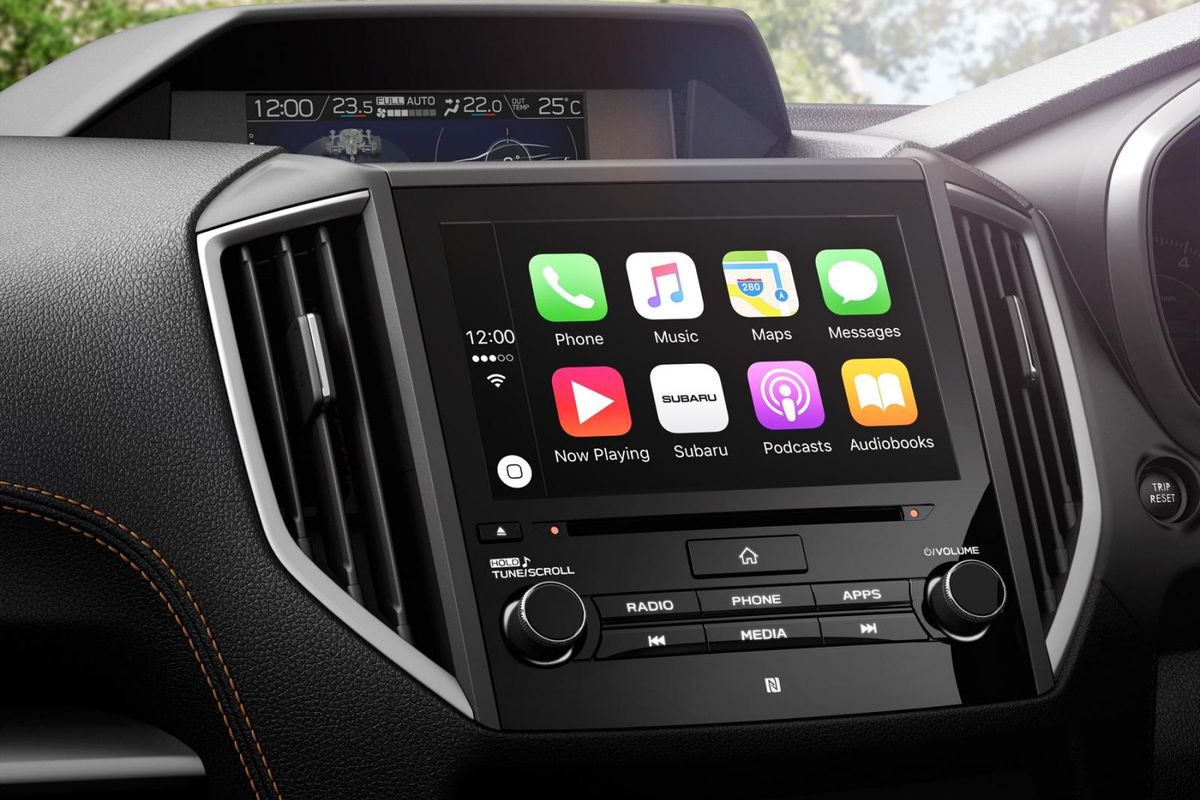
The bigger changes have happened inside, where the XV takes a significant step forward with a more premium-looking and -feeling cabin with top-notch materials. Subaru also claims that the use of latest sound-dampening materials, combined with the new platform, has resulted in a quieter cabin. A highlight is undoubtedly the new 8-inch StarLink LCD infotainment screen (available on ES model) with its crisp graphics and high resolution. Besides the usual features, it also boasts TomTom navigation software and functionality and is touch, swipe, pinch and pull-controlled, much like your smartphone. Apple CarPlay and Android Auto are included, too. The ES derivative is also available with a slide/tilt adjustable sunroof.

Focus on Safety


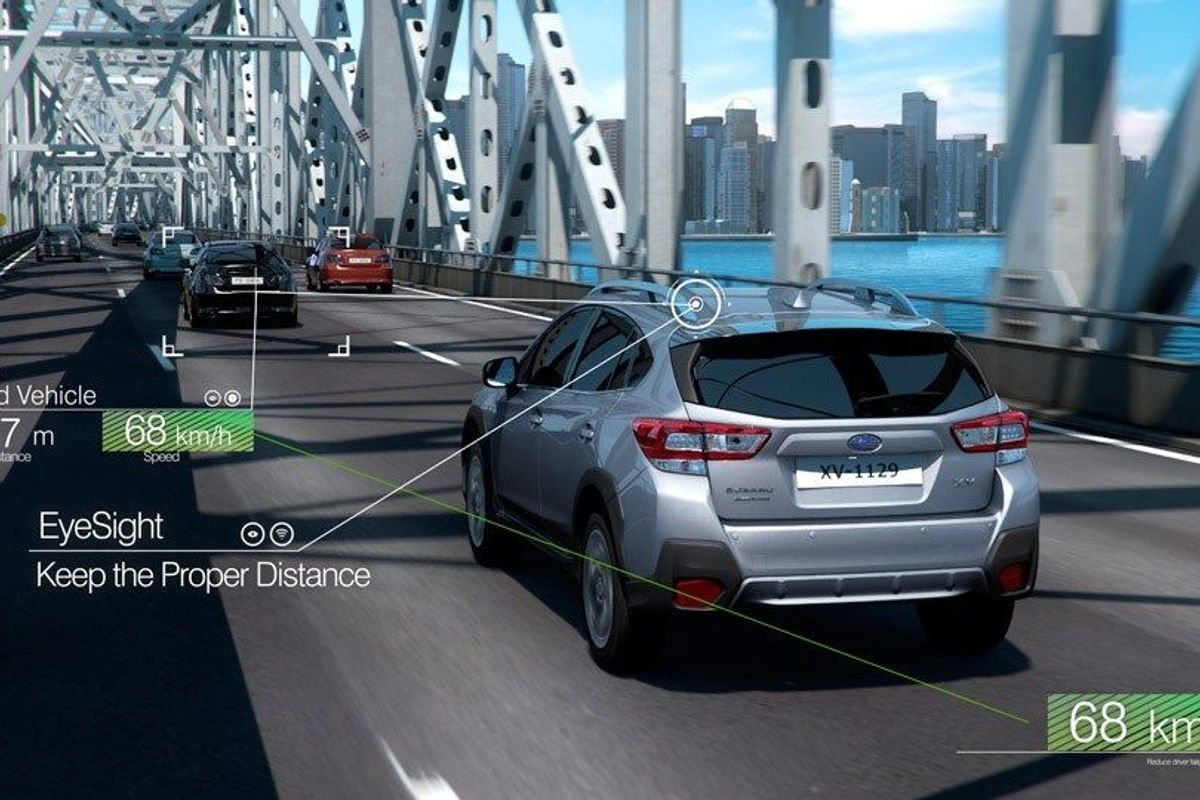
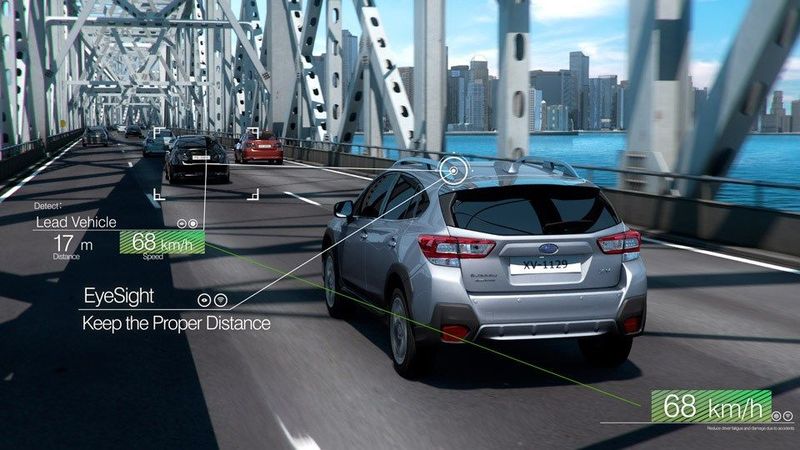
When equipped with EyeSight, the Subaru XV can detect hazards up to 110 m in front of the vehicle.

Starting with the more rigid new platform, and the inherent roadholding advantages of the symmetrical all-wheel drive system, Subaru is keen to emphasise the suite of safety-enhancing features of the latest XV, which achieved the highest score ever recorded in Japanese testing (JNCAP) when fitted with EyeSight. The electronic stability control system fitted to both models feature Active Torque Vectoring that enchances vehicle control during sharp cornering (such as collision avoidance) conditions.

Also available from launch are LED Steering Responsive Headlights, High Beam Assist, and Rear/Side Vehicle detection which includes Blind Spot Detection, Lane Change Assist and Rear Cross Traffic Alert. 


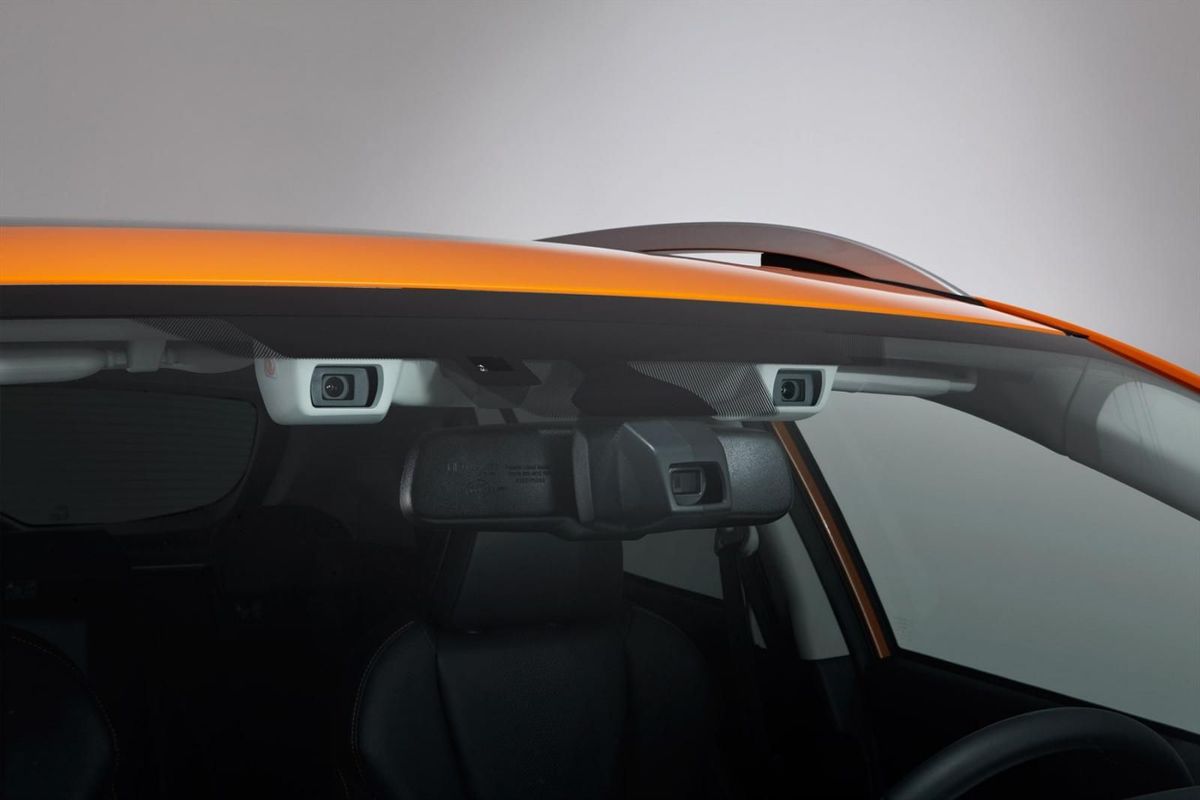
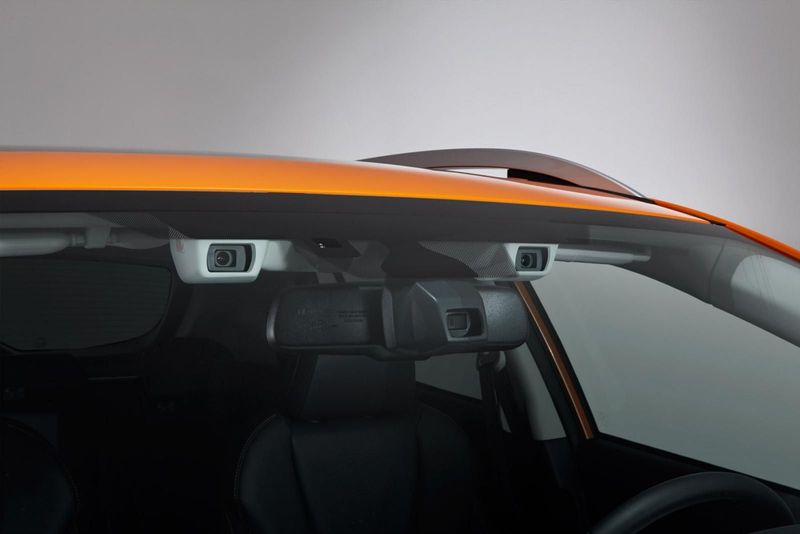
The EyeSight system uses advanced Stereo Camera technology to detect hazards.

The highlight is however the availability of the EyeSight Driver Assistance system, which incorporates 4 different types of driver assistance functions. EyeSight uses stereo camera technology, along with data from the engine, brakes and transmission, to deliver Pre-Collision Braking, Pre-Collision Throttle Management, Lane Departure and Sway Warning, as well as Adaptive Cruise Control. EyeSight can detect the presence of vehicles, pedestrians, cyclists and other potential hazards up to 110 m in front of the vehicle. Another clever feature, especially for families with small kids, is Reverse Automatic Braking, which will automatically stop the vehicle if an obstacle (such as a small child on a scooter etc.) is detected behind the vehicle.

You may also be interested in;

Subaru Impreza (2017) spec & pricing in SA

Subaru Forester 2.0 XT (2016) Extended Test (with video)

Crossover Group Test: Hyundai Creta vs Renault Captur vs Suzuki Vitara (2017) – with video

Looking for a new / used Subaru XV to buy?

Find one on Cars.co.za today by clicking here

How technology has killed the drivers’ car

Contemporary performance- and sportscars are excellent; they’re packed full of modern technologies that help keep them on the road when you can’t (or your driving talent abruptly reaches its limit). These gizmos kill the purity of the driving experience, however, and there are only a handful of products that can still be regarded driver's cars…  

Features such as torque vectoring and electronic differentials help you corner better, g-force manipulation improves the car's balance and individual wheel braking drags you into corners on a tighter line: so many great pieces of kit to make you feel like a superior driver and trim down those lap times down so you may bask in the genius of your steering-wheel twirling.

These systems are great, I'll admit. They will probably get your average hack relatively close to a Kelvin van der Linde or a David Perel after a few hundred laps of practice. They help to stimulate sales too; if you can convince a "mere mortal" that they'd be nearly as fast a real racing driver thanks to your technological prowess, they'd feel ownership of your product would entitle them to bragging rights. Every petrolhead worth his salt wants to say he’s a quick driver so it’s an obvious solution for a manufacturer to give them an electronic boost to their ego.


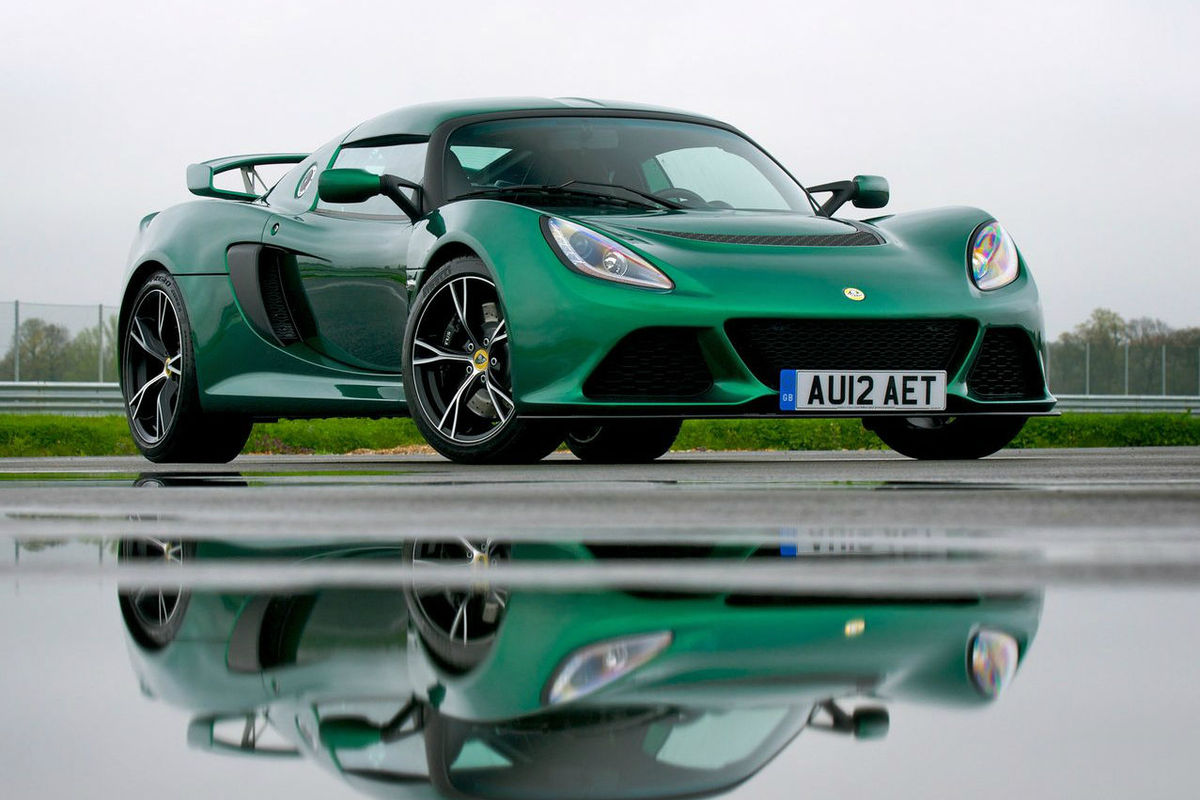
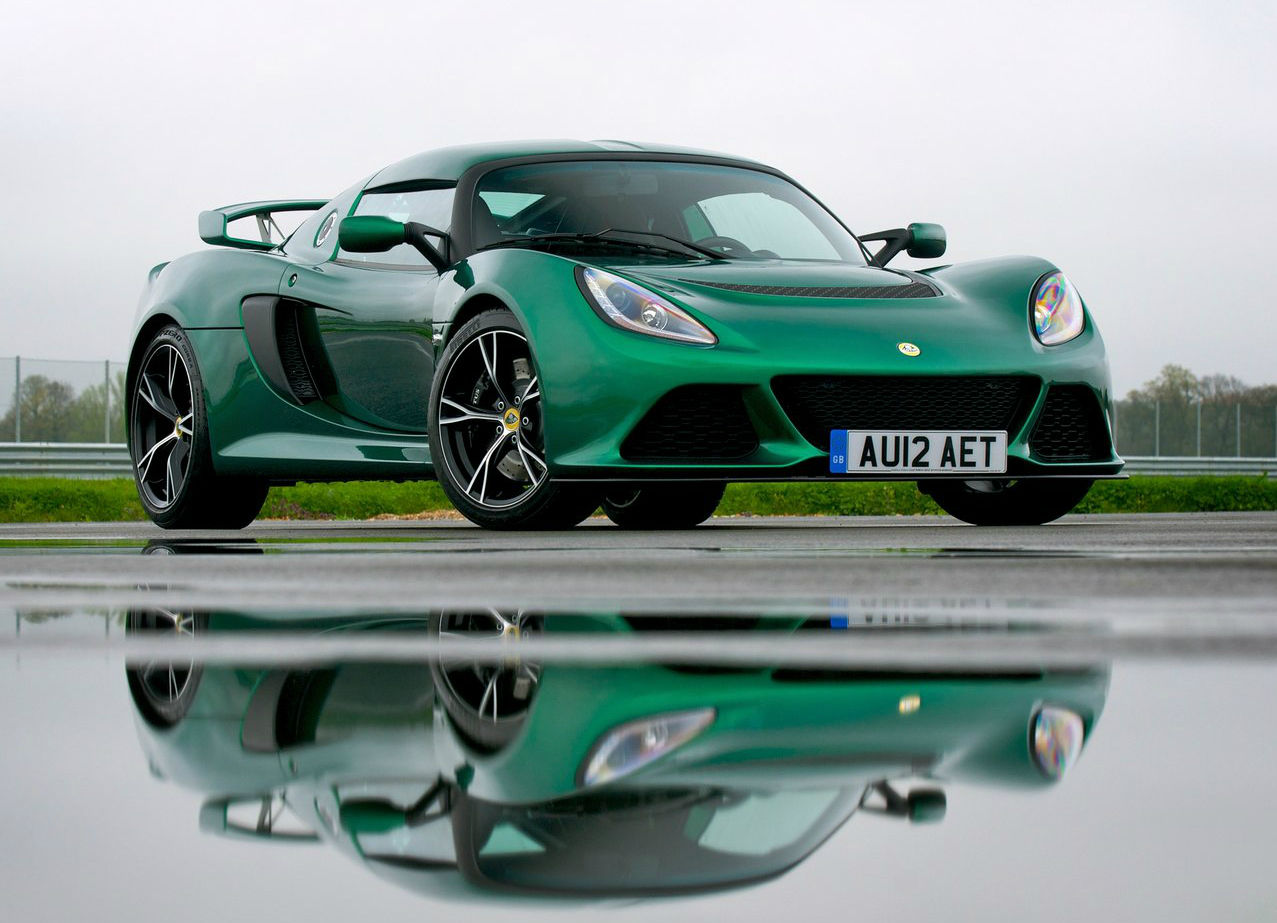
A simple formula of great steering, high-revving engine and limited driver aids, the Lotus Exige is a near perfect driver's car.

However, the advancement of "driver aids" is eroding the purity of the most cherished driver’s car. I think I can say with almost 100% confidence I have not driven a new car with genuine steering feel since I started test-driving new cars in 2009. My race cars had good steering, I was always amazed at how much I could feel through the wheel and how much easier it was to adapt, adjust and position a car when you can discern between the myriad textures, contours and cambres of asphalt through the steering wheel.

Much of the blame for this "remoteness" can be levelled at electronic steering systems, which substitute hydraulics for electric motors. Electricity removes the mechanical connection between the wheels and the steering wheel and no matter how hard manufacturers try to replicate feel and feedback, they haven't managed to achieve what a communicative driving experience used to be – or should be. It’s one of those strange scenarios where technology, in a bid to make things better (electronic steering systems are more fuel efficient), have actually made things worse.

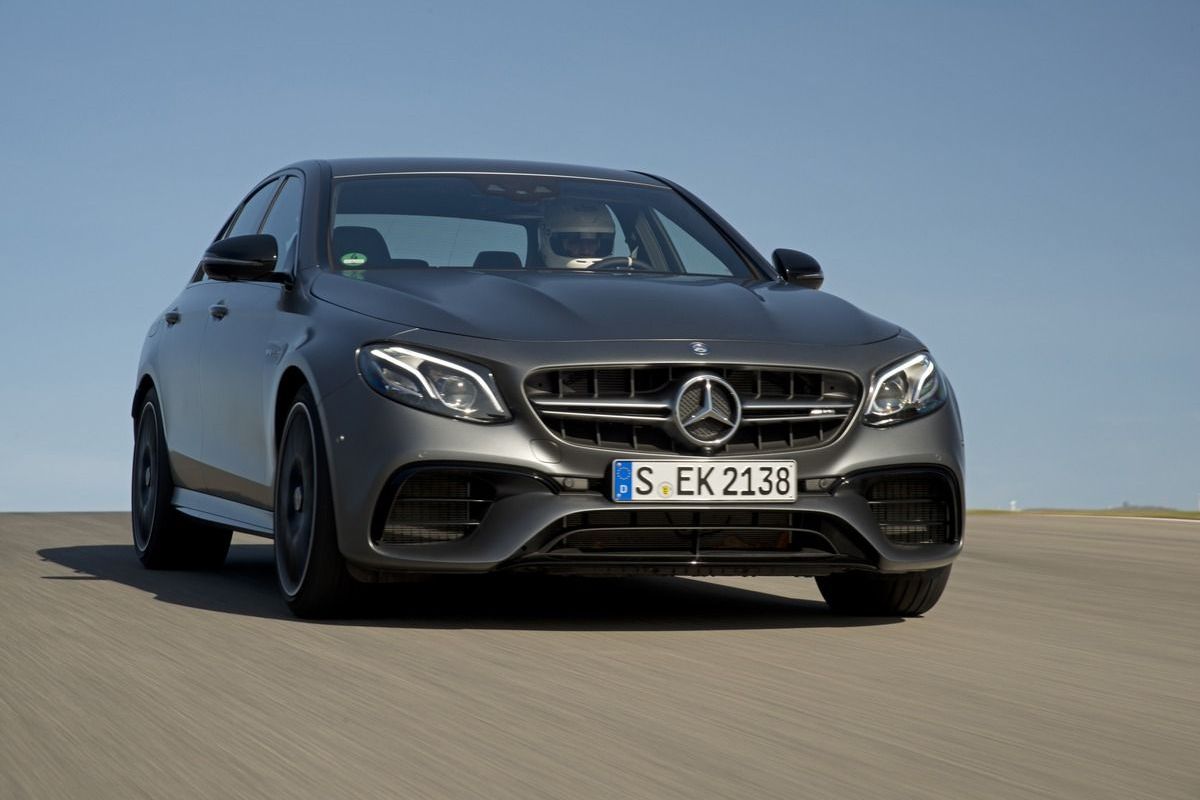
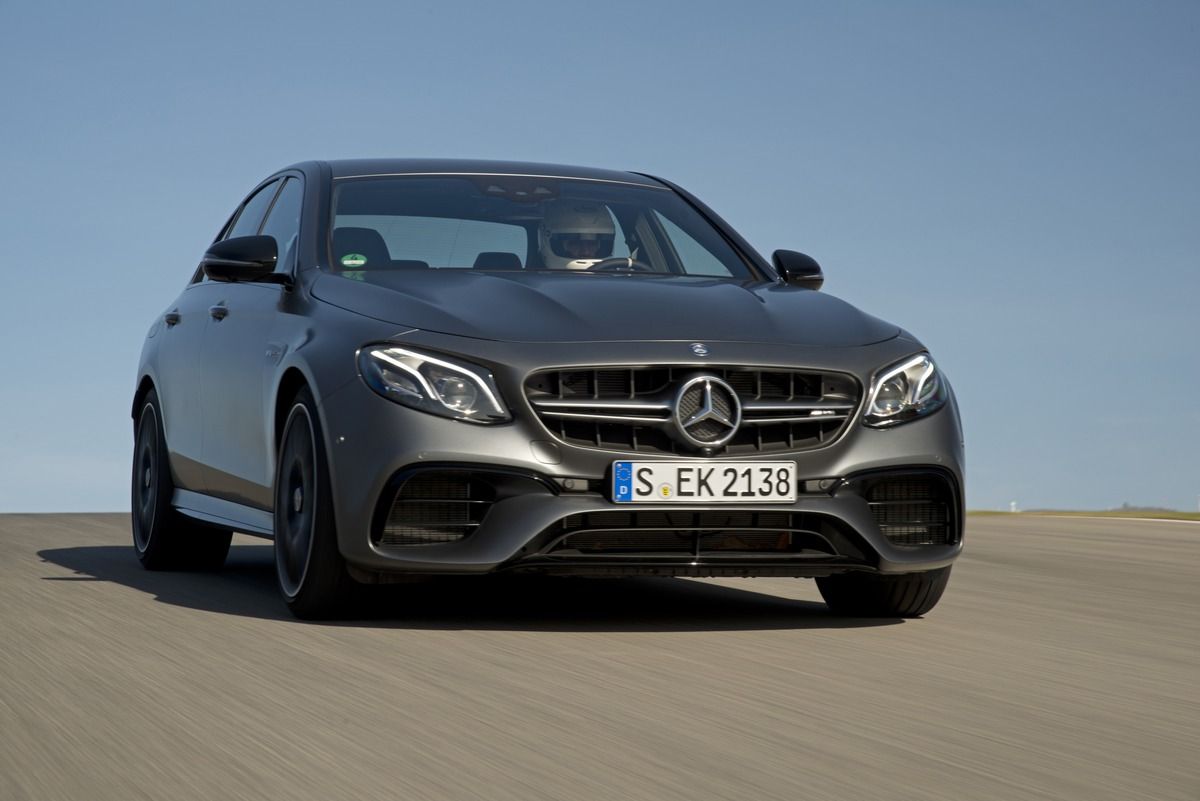
The Mercedes-AMG E63 is an incredible machine, but does it tick the right boxes to be a driver's car?

I’m by no way rubbishing what modern cars can do. I’m absolutely in awe of the performance feats that the Mercedes-AMG E63 can achieve in spite of its size and heft. The Affalterbach sedan's ability to turn-in accurately is incredible, the engine's grunt is torrential and the body's ability to adapt to changes of direction will shame lightweight sportscars. But, and it’s a big BUT, I don’t love it as a driver’s car… there’s no visceral connection that binds me to the machine, has me yearning for more, or makes me feel like I'm one with the machine.

My steering- and pedal inputs are merely relayed to a processor that spits out a formula based on some software written in order to set the car up for optimal performance, in other words: hustle it through a corner I aimed it at as fast as the sedan can go. It’s not just Benz's cars that deliver their performance in that manner either, it’s almost every manufacturer of performance machinery out there. I can’t speak for the top-end Ferraris, Porsches or McLarens as they are too rare a commodity in South Africa to bestow on a laptop jockey like moi.

This electronic interference, if you will, provides amazing results and yields lap-time improvements, of that there is certainly no doubt. Formula One, which was at its fastest in the mid-2000s, proved that the likes of traction control and launch control were faster than the best drivers' powers of car control. It made for a particularly boring era of F1 that lead to single file races and limited overtaking. Both technologies eventually got banned from F1. In our everyday cars, these bits of tech are vital, especially traction control with stability control as it saves lives (by preventing accidents), even more so than seatbelts or airbags.
Most sportscars have a button that allows you to deactivate the driver aids for a purified driving experience. In some cases, there are a million different user settings to choose from to loosen or tighten the traction control’s strictness. It’s a bit messy and you find yourself fiddling in the cabin for the right combination when you should be concentrating on other things. Again, these systems aren’t making you a better driver, they’re making you a faster driver as your bravery levels are inflated immensely when an electronic safety net is in place.


One of the best modern day sportscars that allows the driver to feel like a cog in the machine rather than an unwanted calculation.

So where do you go if you want a raw, unadulterated driving experience? Unsurprisingly, back in time.

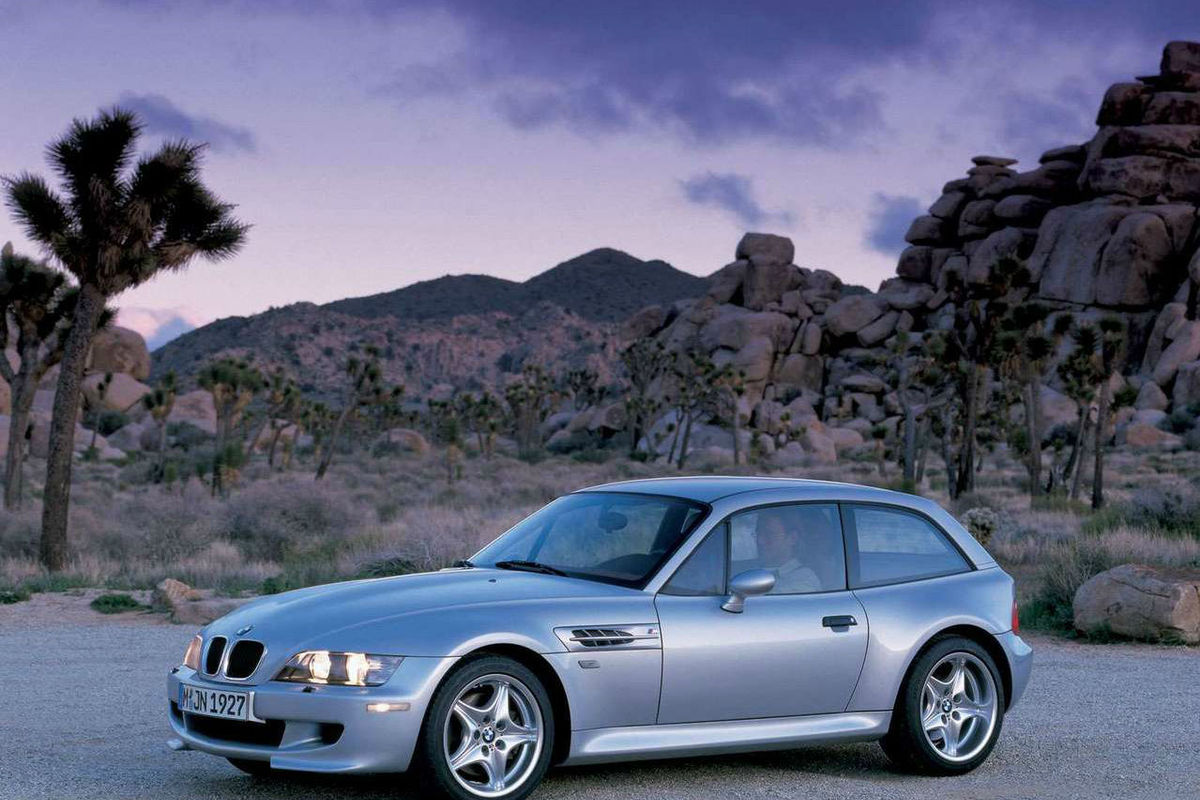
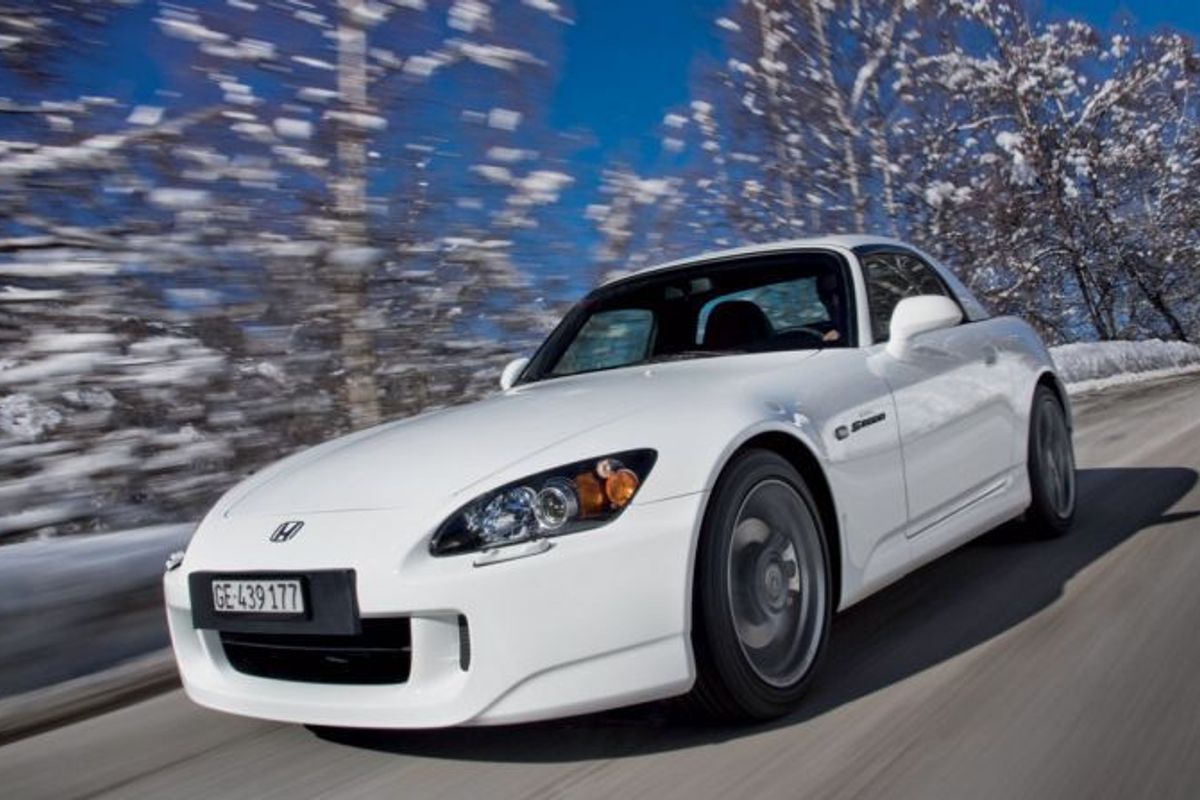
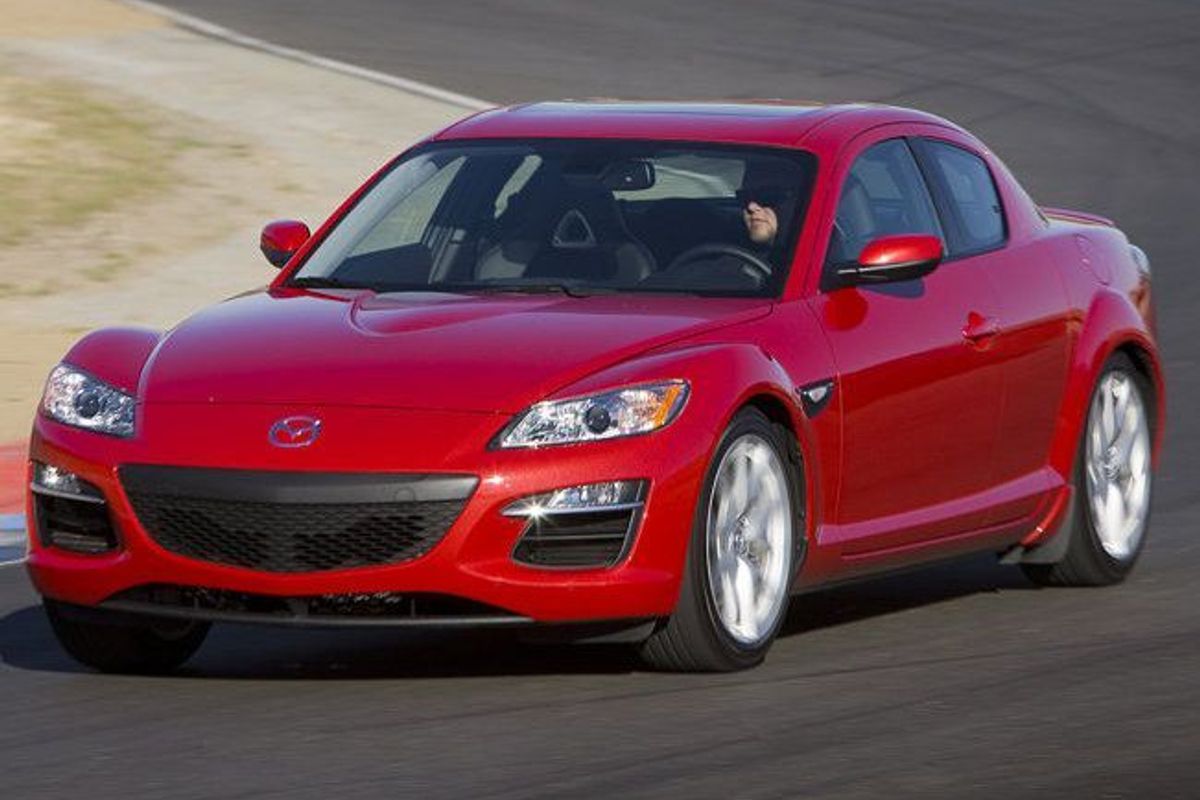
There’s a neat period in the early 2000s when sportscars were powerful enough to excite and most of the reliability bugs had been ironed out. Electronics were pretty much limited to things such as an on/off switch for traction control, seat heaters and a trip computer. These are cars devoid of smartphone integration and distractions from the thing that actually matters most, driving. Here’s a quick list of cars that have me digging into the Cars.co.za classifieds: BMW Z3 M Coupe, Lotus Elise/Exige, Honda S2000, Mazda RX8/MX-5 and what’s currently in my driveway, a Nissan 350Z. A few of these tick the expensive-to-maintain box, yes, but have a better driver focus than most of today’s computer-guided commutermobiles.

No, they won’t accelerate faster than a new Volkswagen Golf GTI and the ride isn’t as comfortable, and you’re likely to discern creaks or rattles and spot scratches in places you don’t want them. But, every time I take the 350Z out for a drive, whether it’s to the shops or to the mountains, the rev needle climbs beautifully to 7 000 rpm and everything feels connected. The steering is alive, I can feel the wheels, I have control and it will do what I want and I know what it needs. It’s the perfect combination of man and machine integrating seamlessly where I feel part of the machine rather than the machine driving me. That’s what modern day performance machinery has lost, the art of Jinba Ittai as Mazda calls it – the connection between rider and horse communicated through feeling, not electricity.


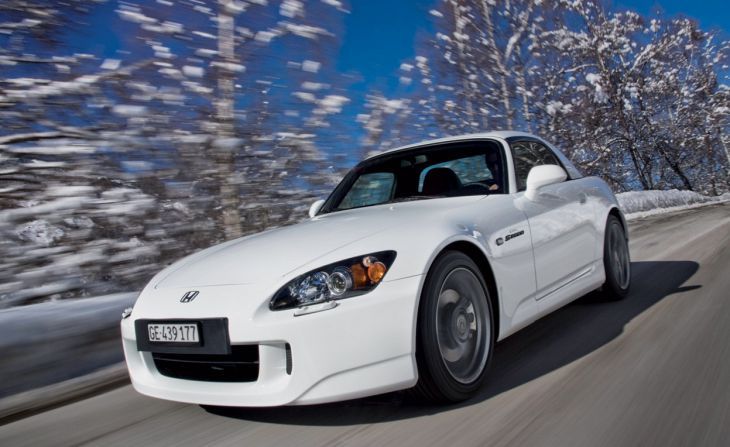
The Honda S2000's ability to excite and reward still commands a high price tag in the used market.

They're still out there, a few of them…

So what if you can’t get your hands on a driver’s classic or don’t fancy an out-of-maintenance-plan car? Well, while they lack the purity and steering feel of the classic drivers' machines, there are a few car that have the formula mostly correct. If I was going to buy new(ish), with a focus on driver enjoyment/involvement, these aren’t bad choices for less than R1 million:

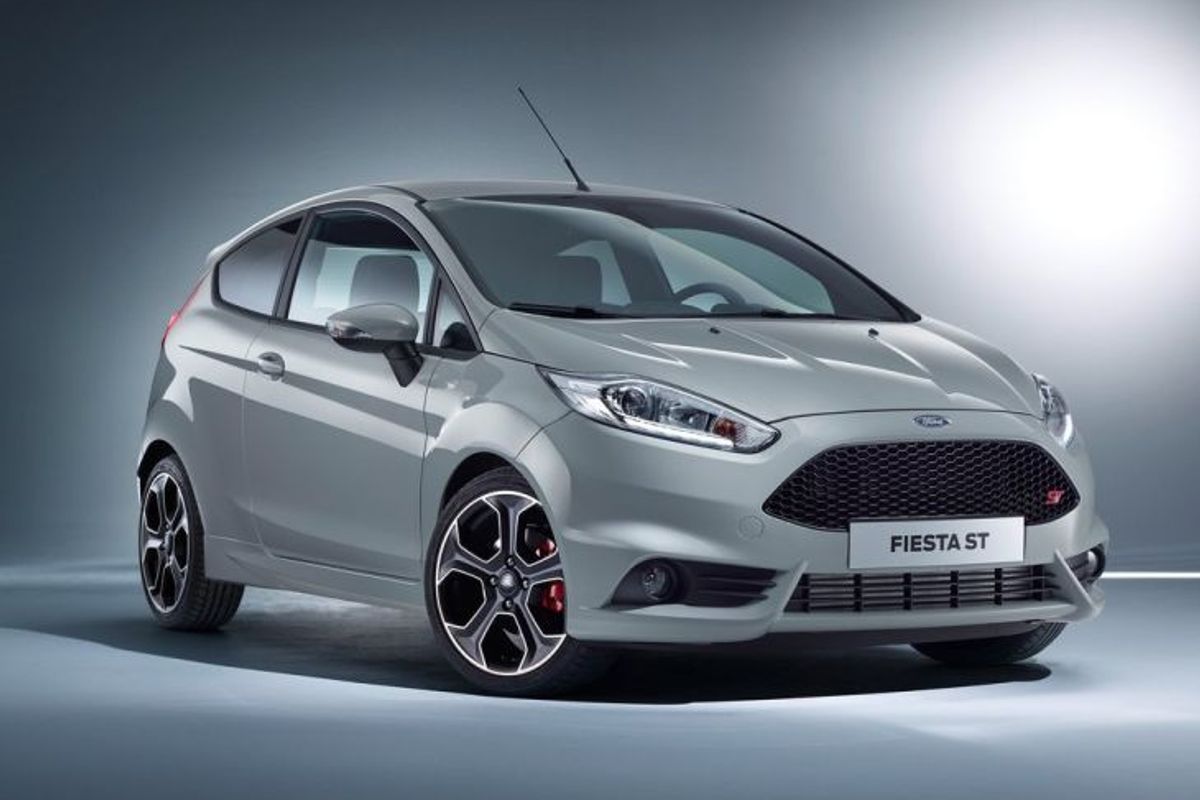
Ford Fiesta ST200 (2017)

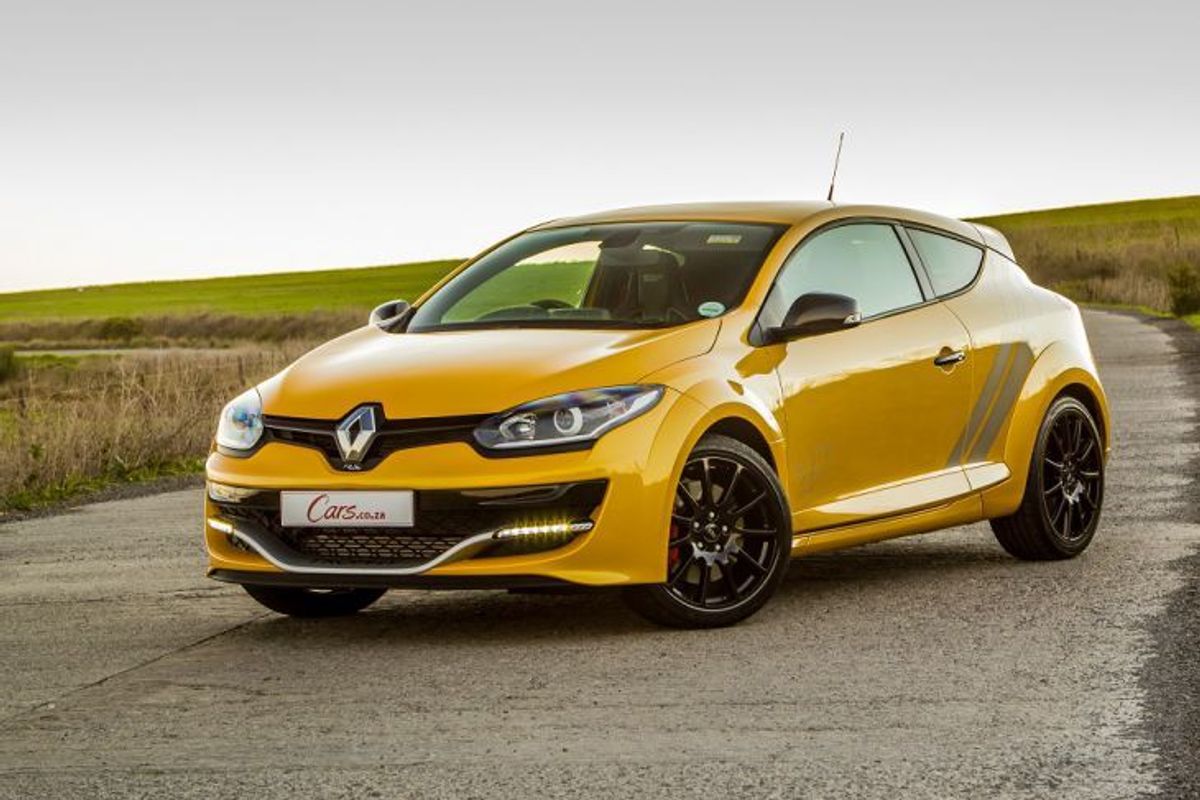
Renault Megane RS 275 Trophy (2015)

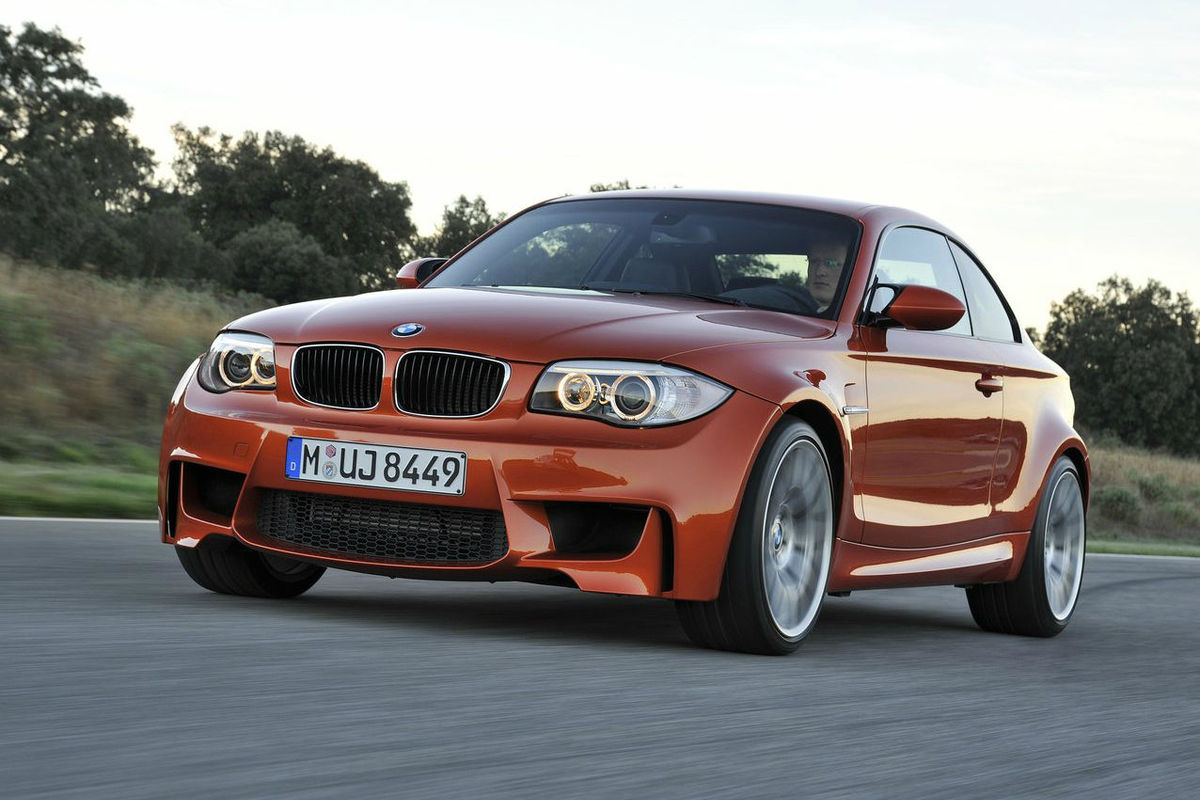
BMW 1M (2011)

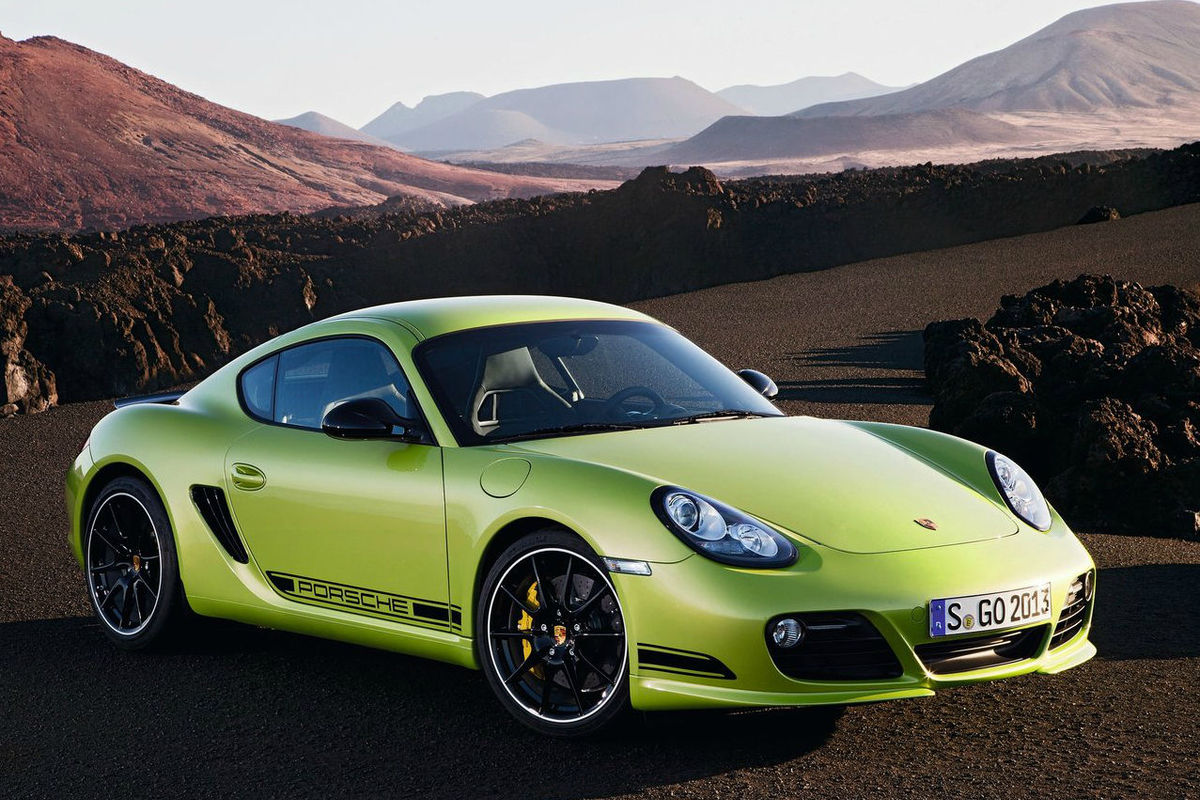
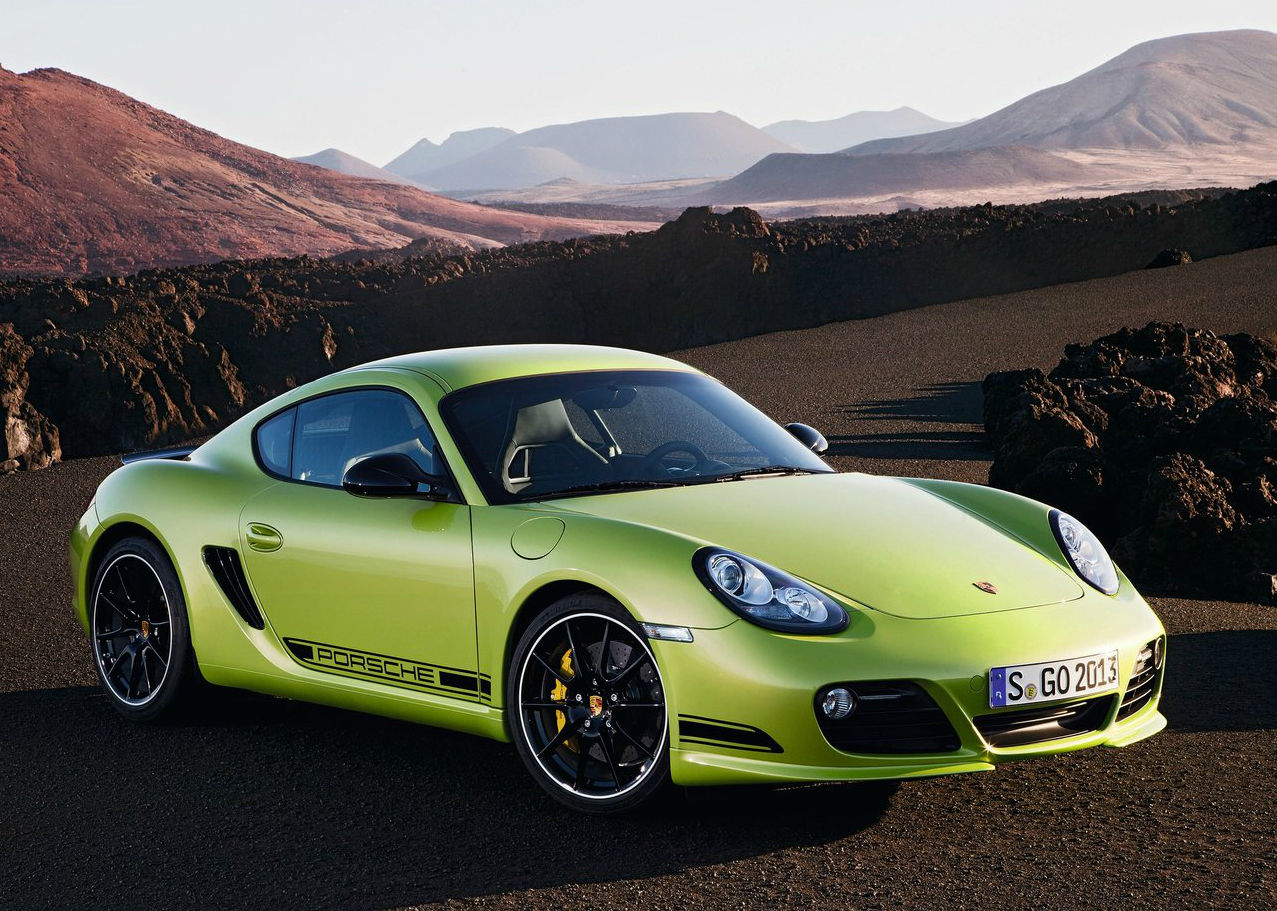
Porsche Cayman R (2011)

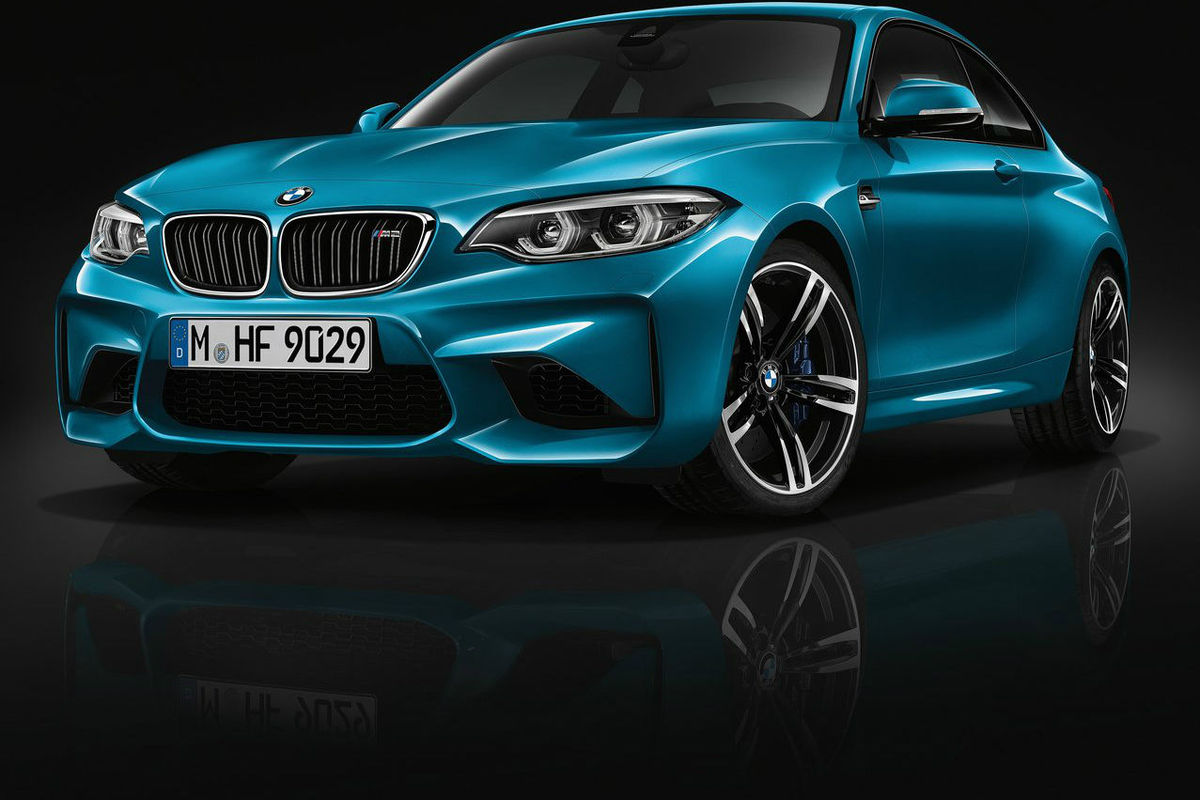
BMW M2 (2016)

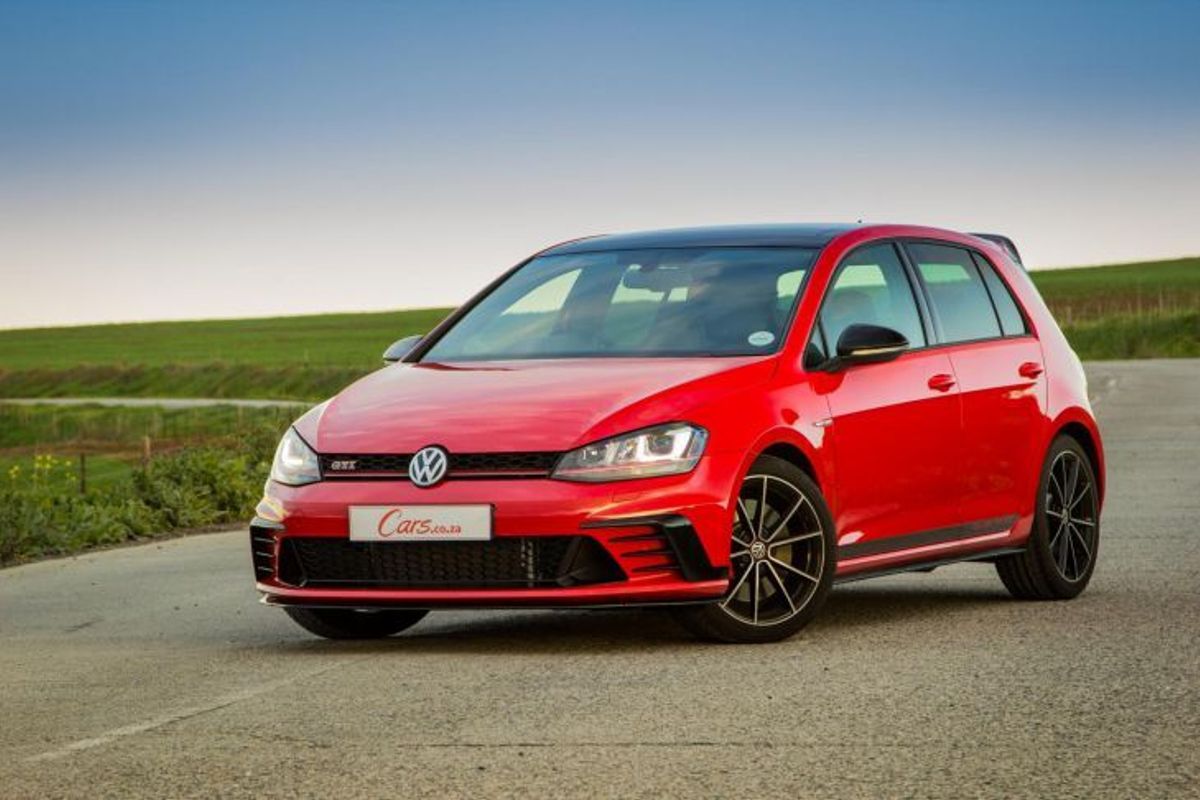
Volkswagen Golf GTI Clubsport (2016)

Related content:

BMW M4 DTM & search for the perfect M car

Pedalling an F-Pace: a cyclist's jaunt to Oudtshoorn

7 Car Technology Features We Hardly (If Ever) Use

The Sorry State of Speed

Land Rover Discovery (2017) Launch Review

Land Rover’s most practical SUV returns with the loss of its numeric digit, but in an appreciably more stylish package.

What's new?

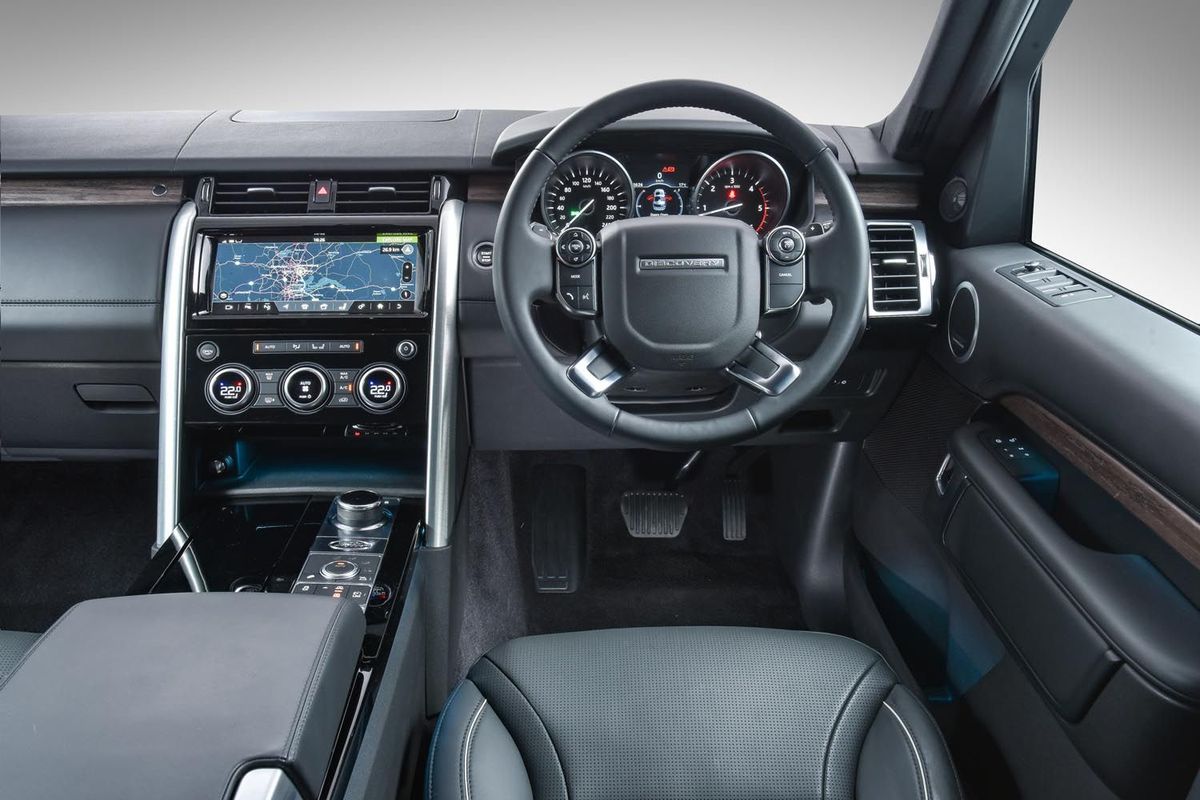
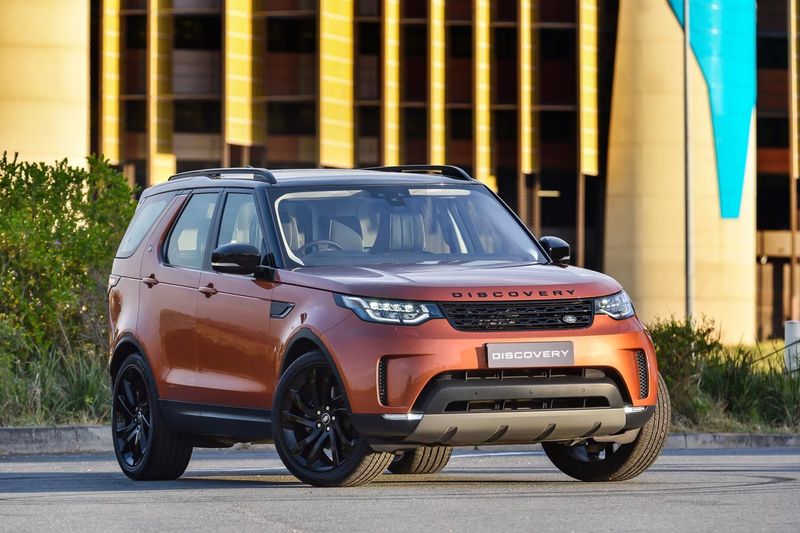
The whole car is new, it has shed over 400 kg thanks to better use of aluminium, lighter engines and general technological progress. The off-road ability is still astounding and now even easier to navigate through seemingly impossible obstacles with Terrain Response 2. It's even more practical with myriad hidy-holes, cupholders and crevices to store things in.

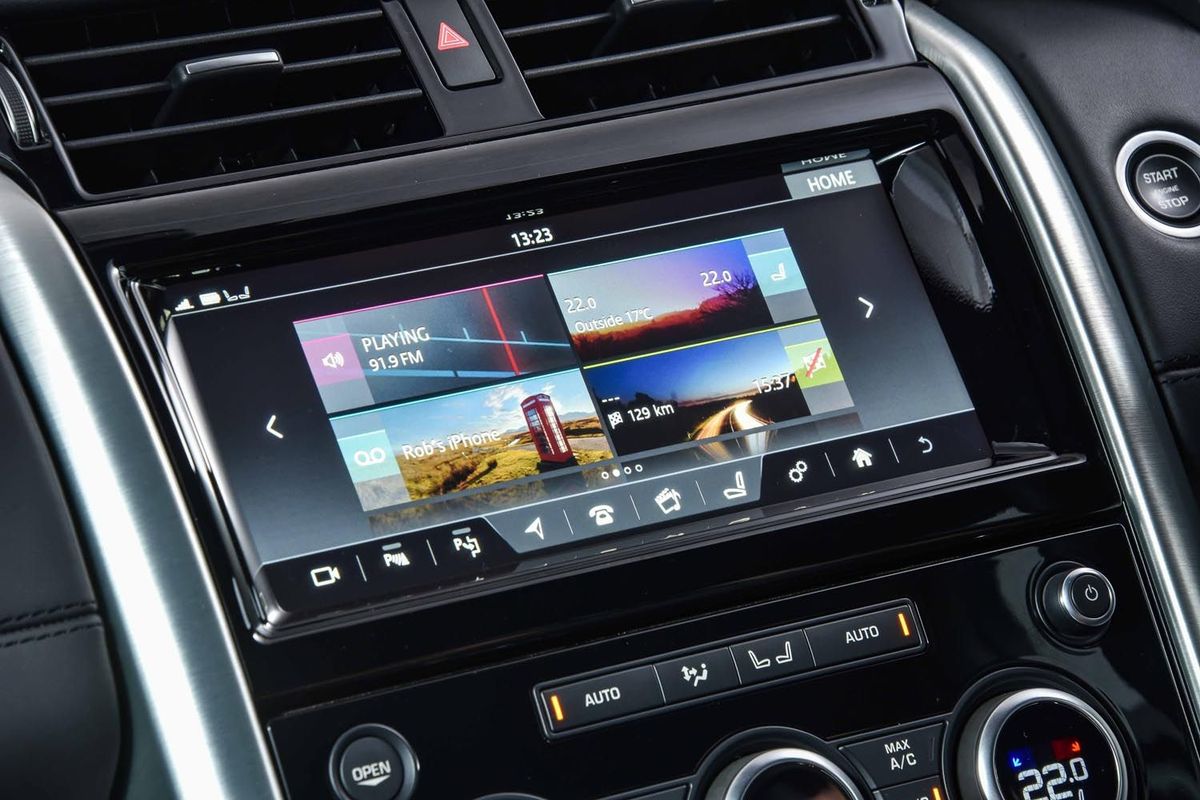
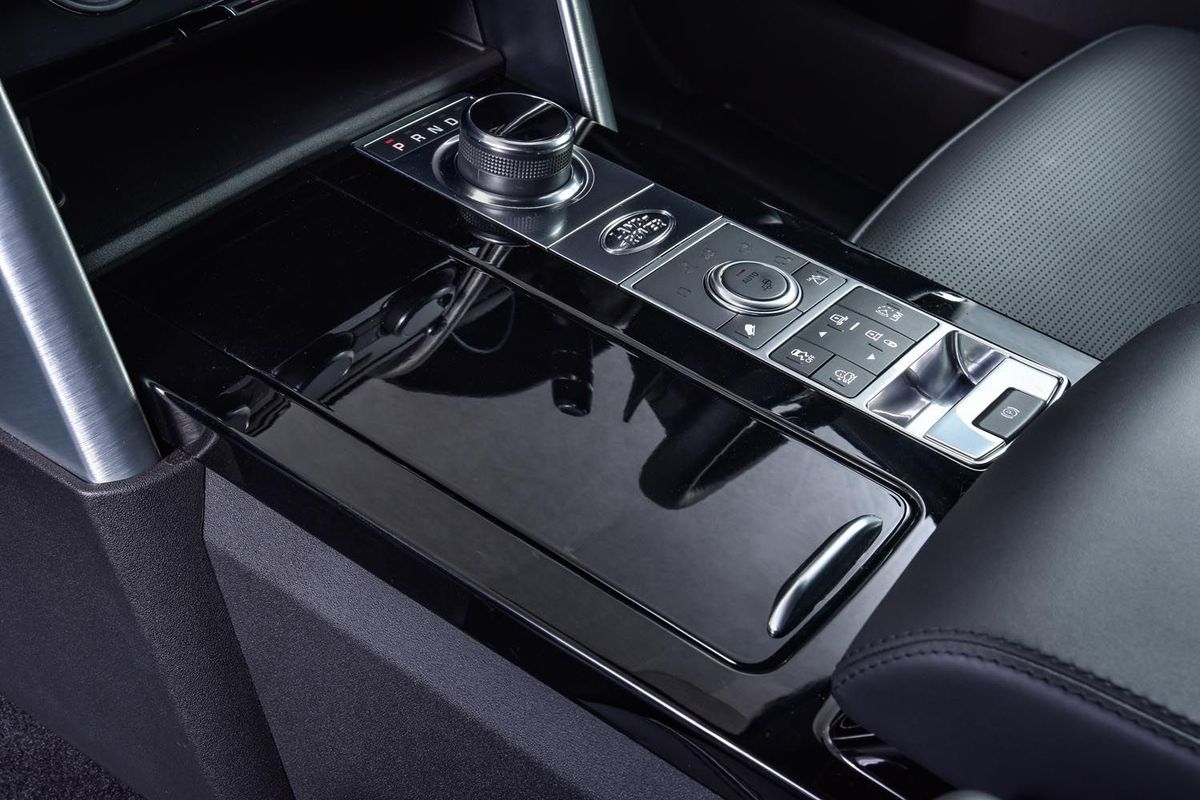
In-car technology has also been sent to a new level with a new infotainment system that can adjust everything from the volume to flattening the rear seats and deploying a towbar. Notably, Land Rover has decided to drop the number 5 from this model and just gone with Discovery. We drove it to the middle of a big 5 game reserve in Thabazimbi to get a feel for a vehicle that's made by the British, but has its heart well and truly in Africa.
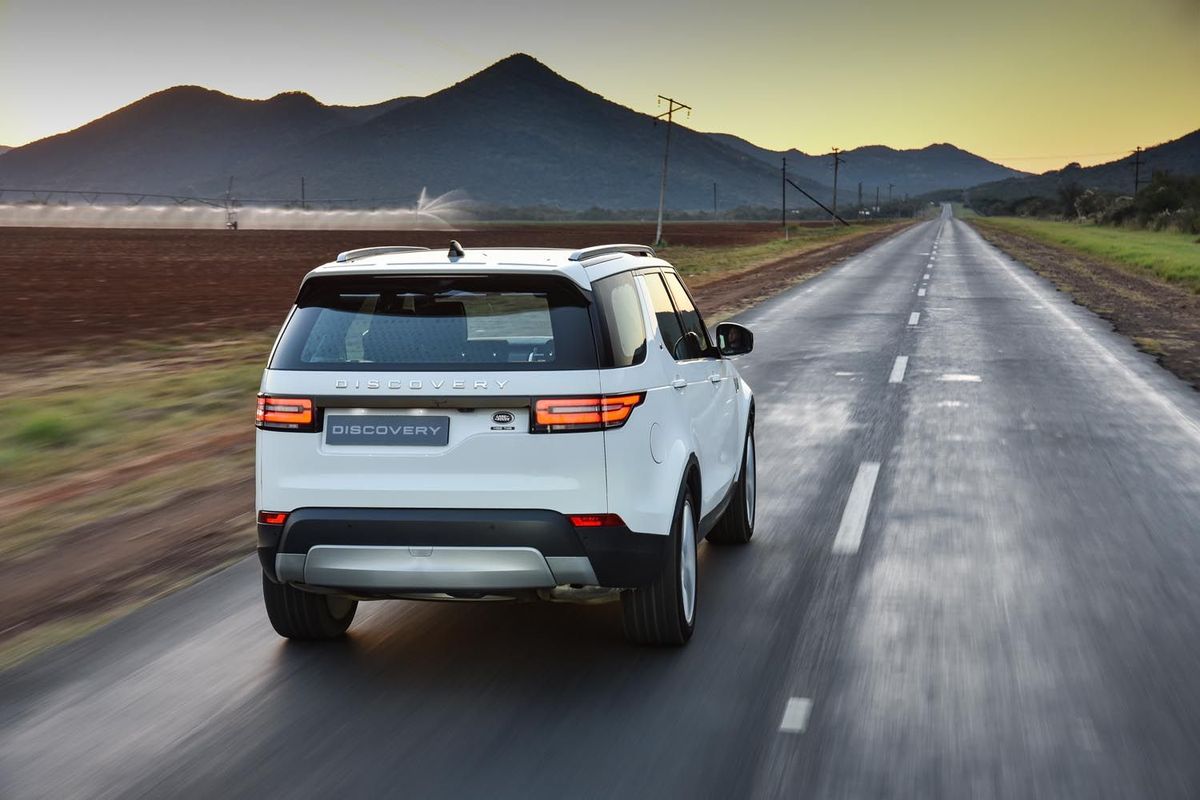
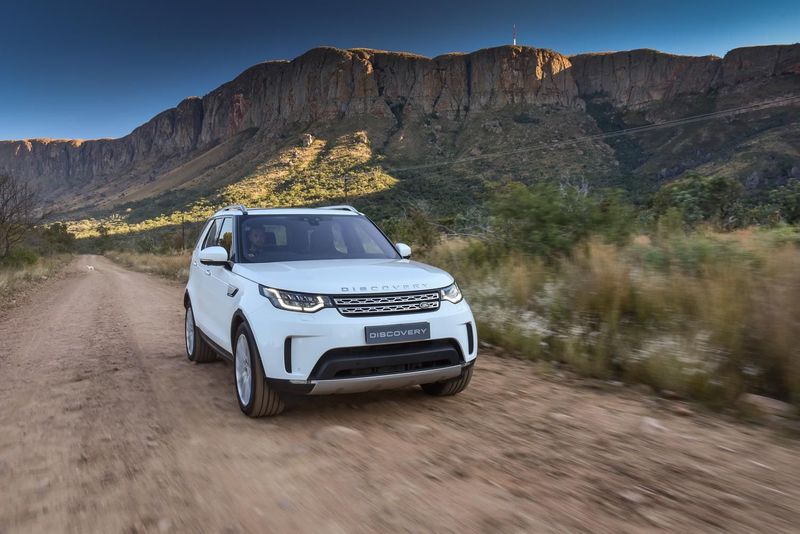
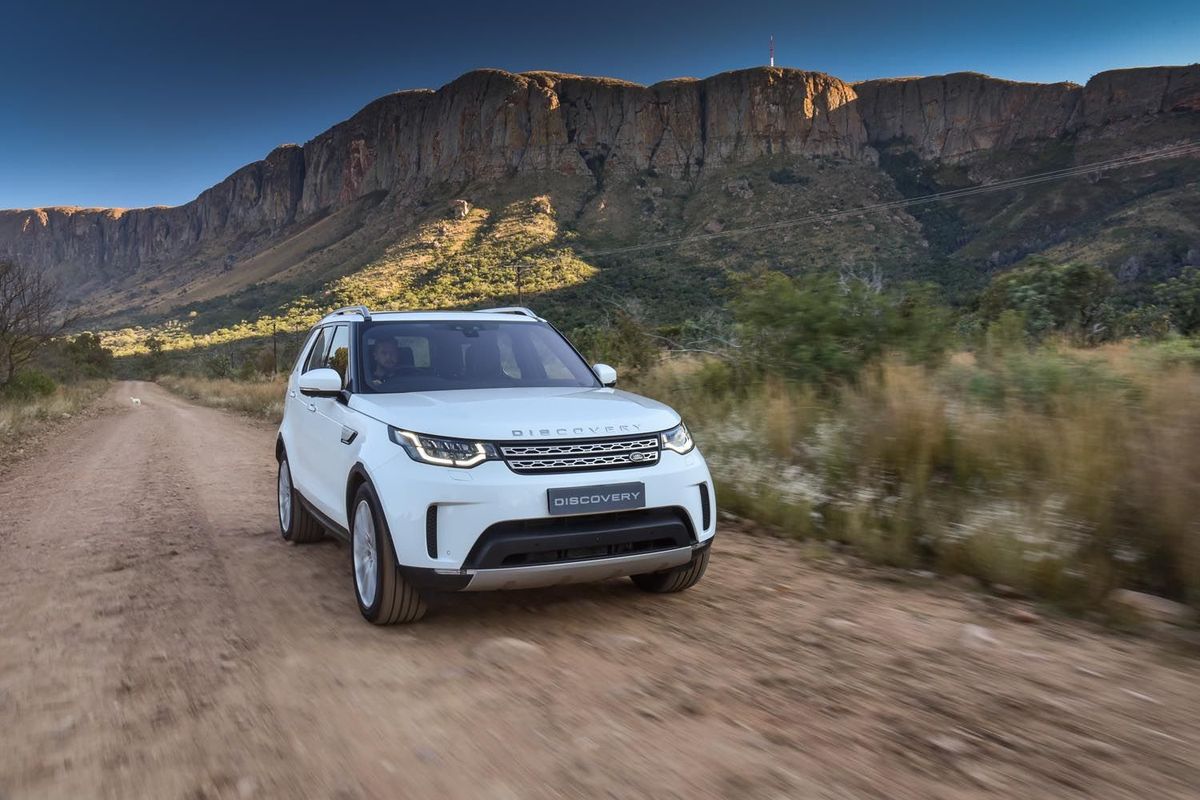
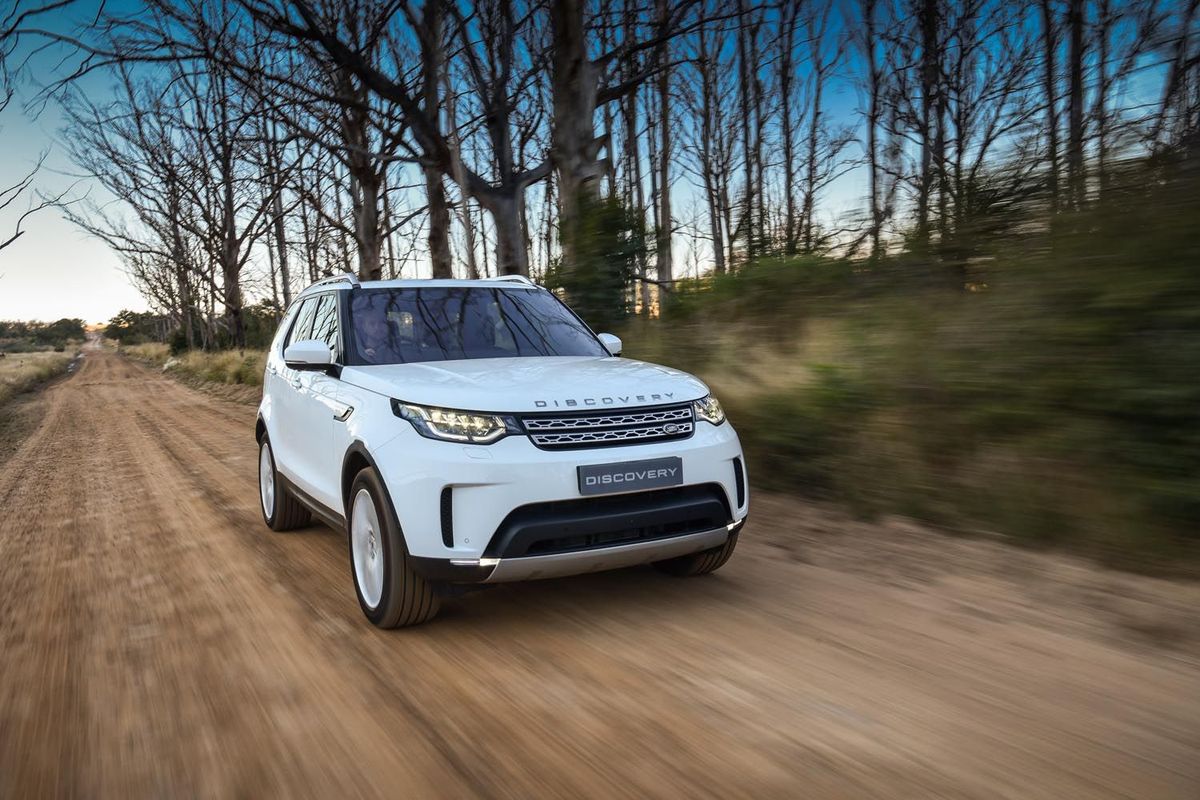
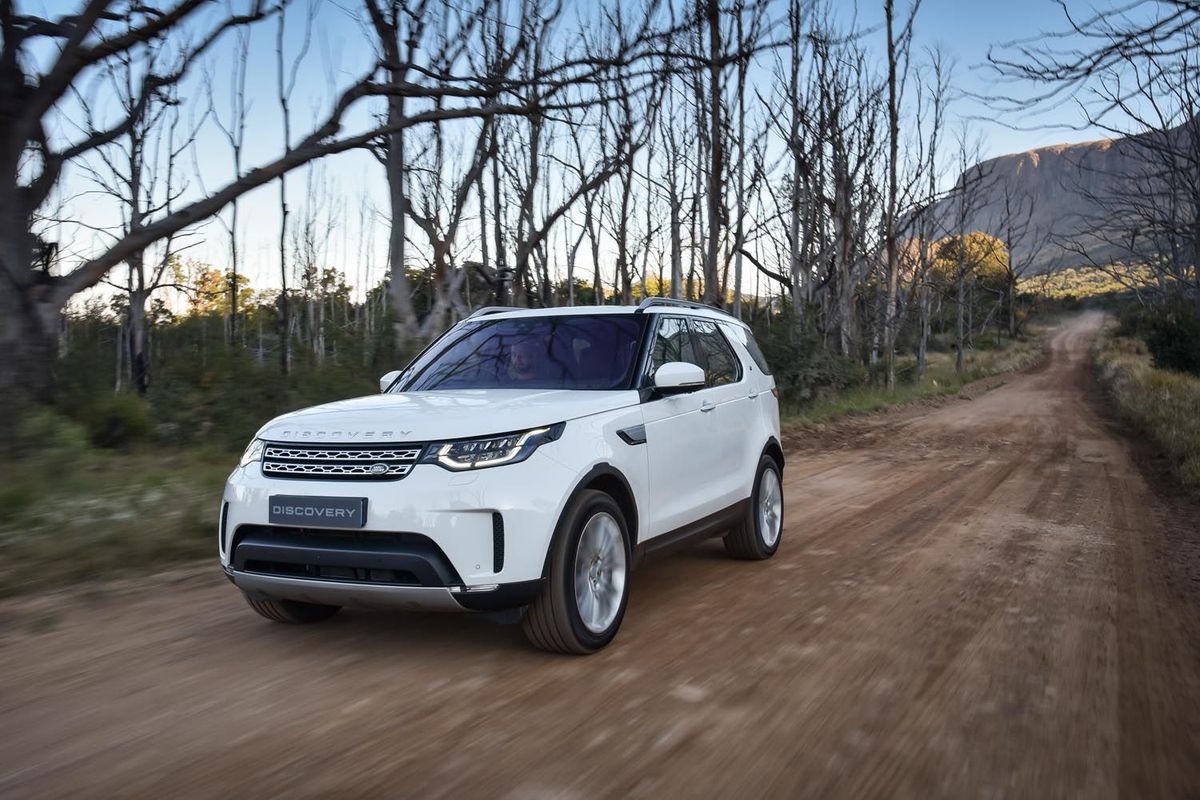
After driving the Discovery for the best part of 600 km on a mix of tarmac, dirt and very rough dirt, it's quite difficult to say why you would buy a Range Rover. The lines between Discovery and Range Rover are now more blurred than before. The Discovery used to be the practical go-anywhere SUV and the Rangie, the luxury off-roader. Now, the Discovery wears both hats, and well…


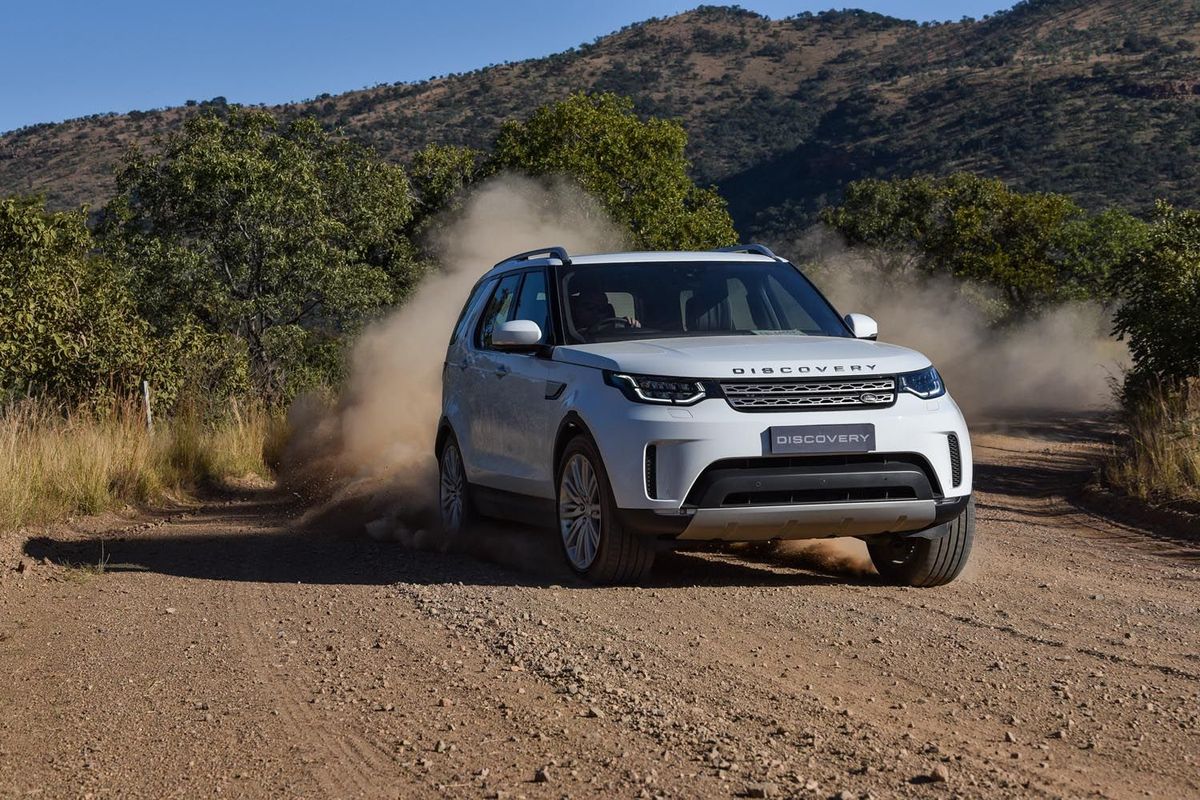
Irons out washboard and rutted roads with ease thanks to the air suspension system. It's standard on all models except the entry S.

Comfy and capable?

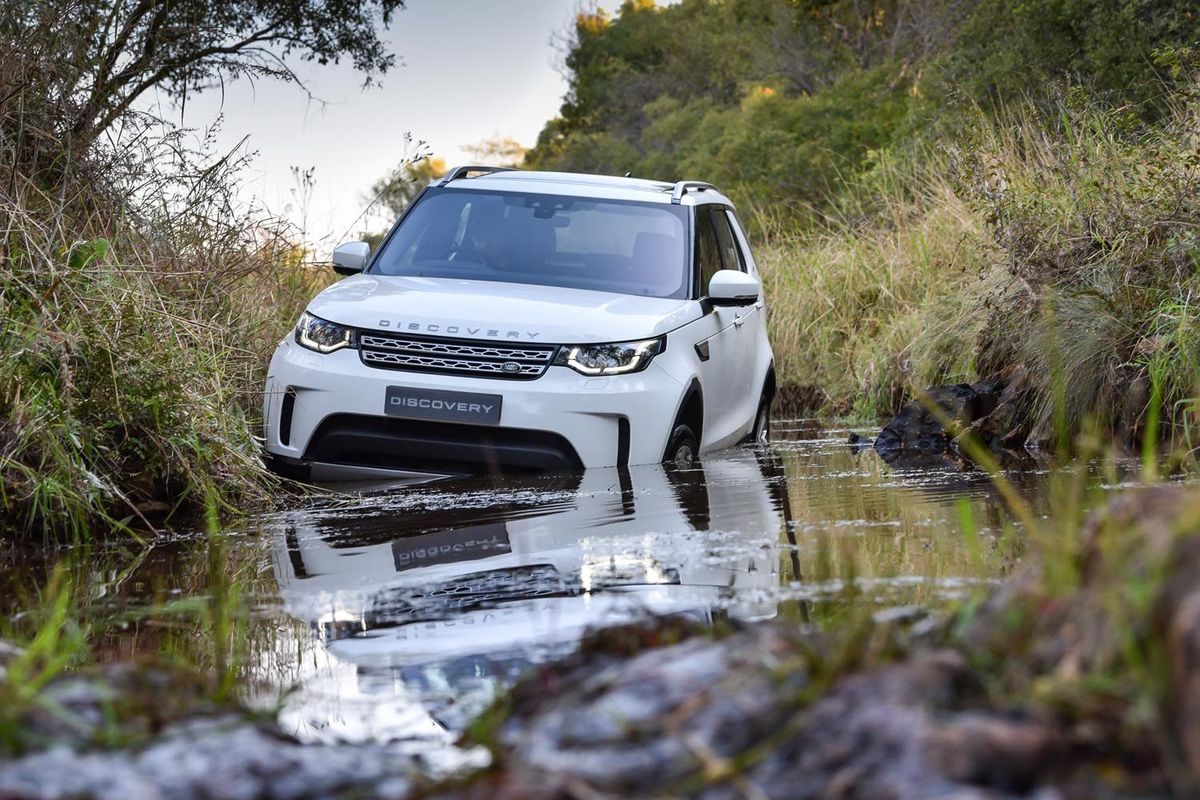
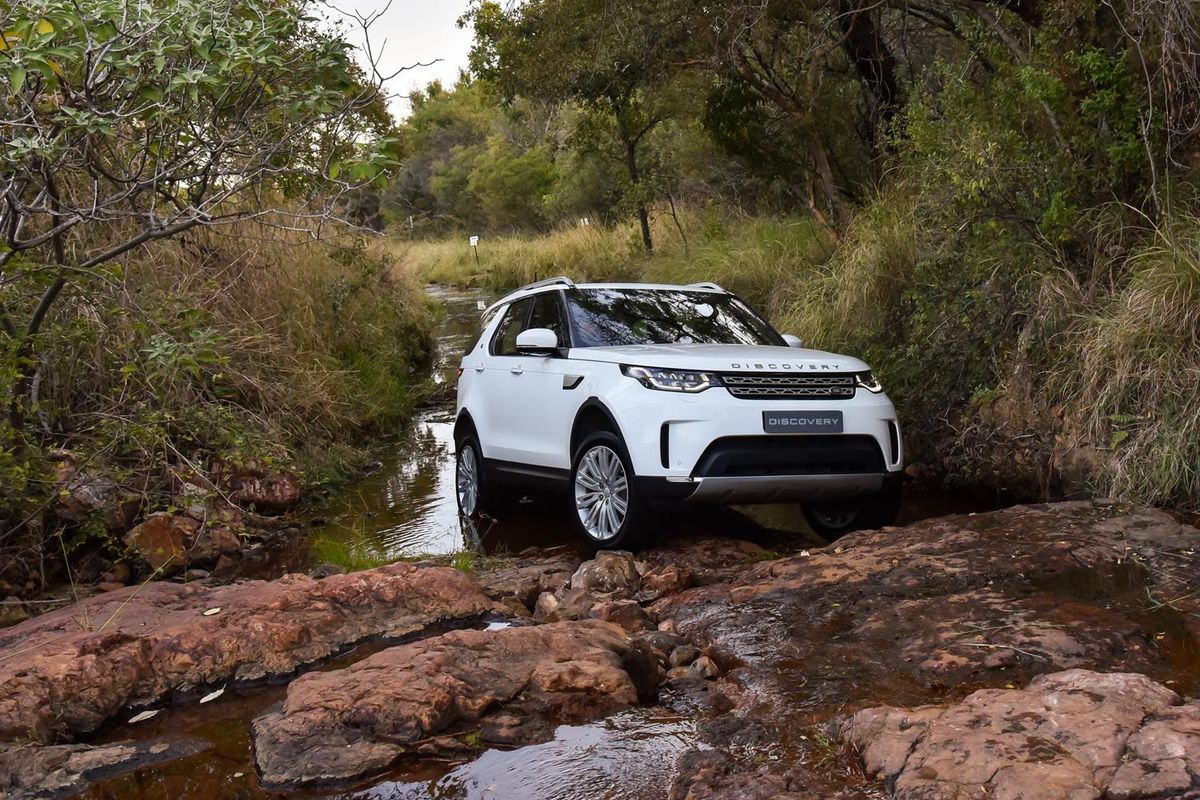
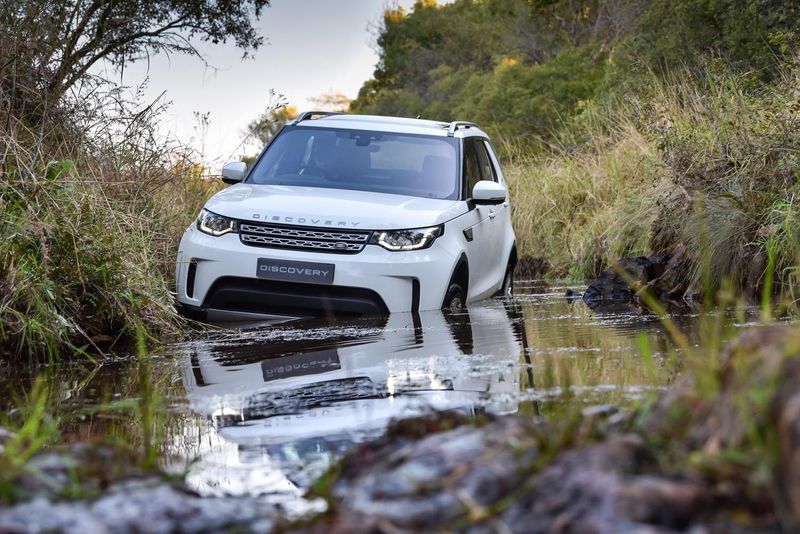
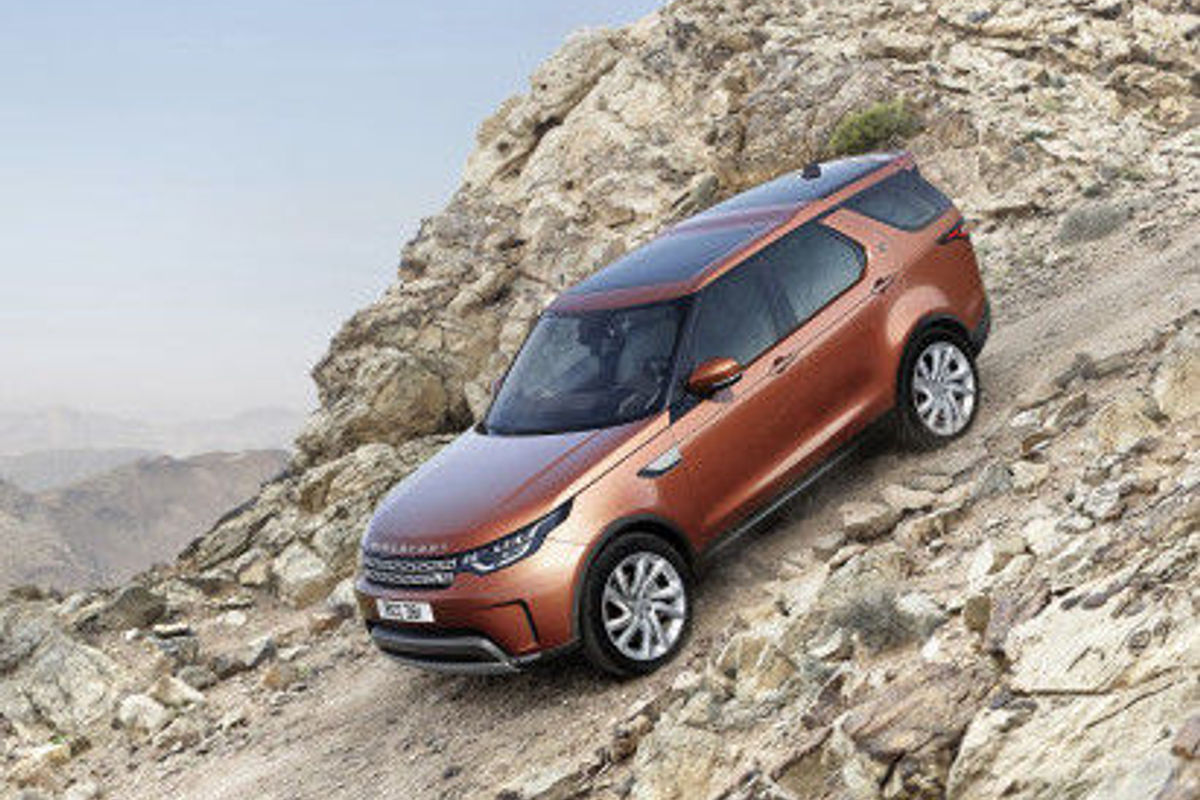
Yep, more so than ever with the air suspension system. The standard S model doesn't get it but it's a (relatively) cheap option that's worth it in the long run. It smooths out washboard dirt tracks, even at speeds of 100 kph and with 21-inch wheels underneath. Test it with more difficult terrain and it will conquer all with its low range gearbox and automatic terrain response system. We climbed up and dropped down slopes that would have been difficult to climb with ropes and a harness and then splashed through a deep river with the water climbing to door level. Wading depth is said to be 900 mm.

The Discovery shows how easy it is to off-road, no matter how hard the terrain. If you have a good spotter and decent feel for tricky terrain, your passengers will be transported to the most remote places in absolute comfort.


The Disco remains a very capable off-roader, it's the comfort levels and new design appeal that impress with this new model.

Range Rover luxury?

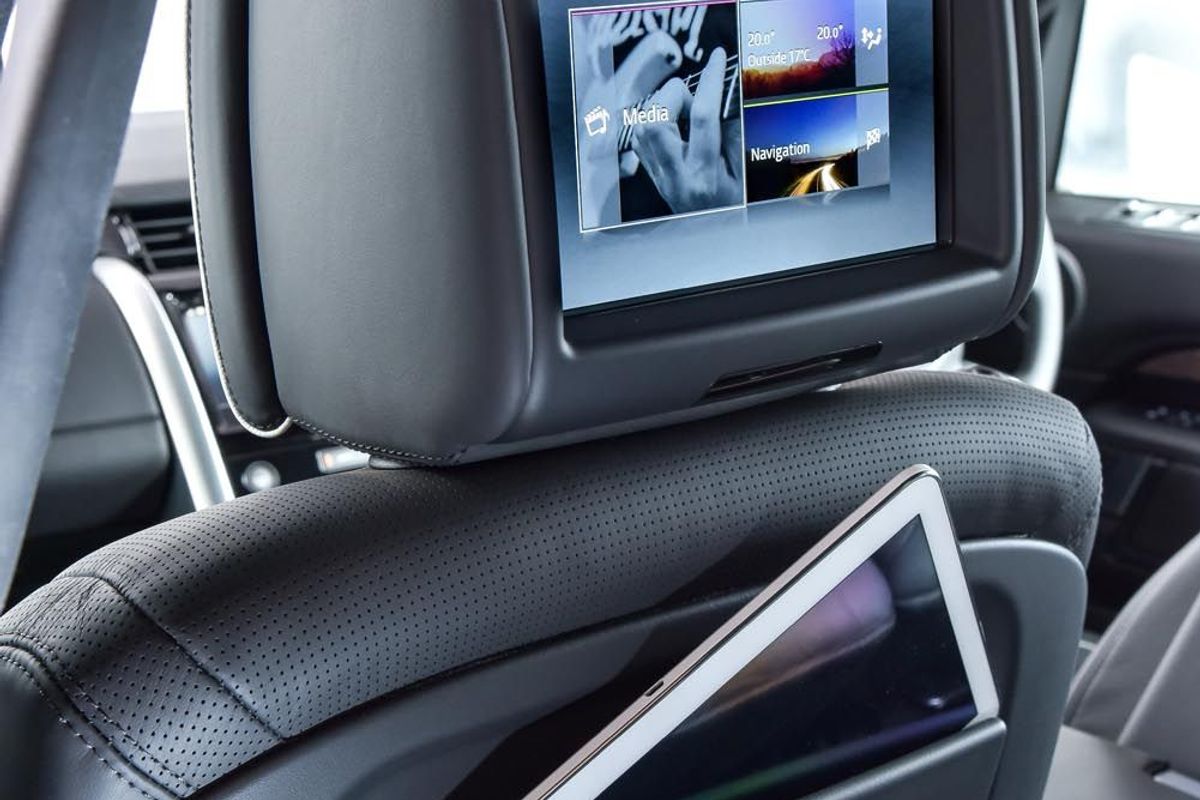
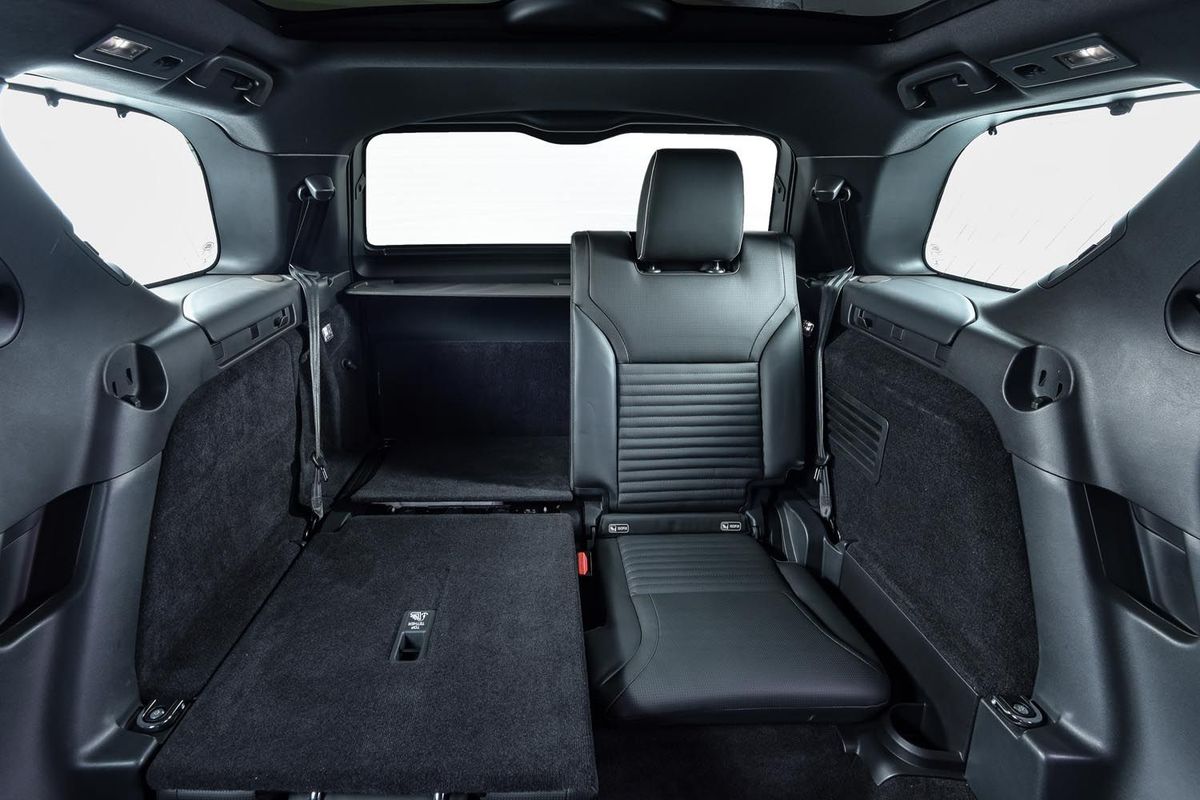
Close enough that it's hard to tell the difference. Seats are great, even the 3rd row (optional) was comfortable for my 6ft (5ft10 of which are legs) to sit in and have a bit of leg room to spare. It has the latest generation of infotainment from Land Rover that also extends to the rear passengers that have 720p capable screens to play with. The infotainment system can control so much of what the car is capable of. The rear seats can be folded individually from the screen, the towbar can be deployed and retracted and it can also guide you onto a trailer hitch with guidance lines. It's not quite as responsive to touch as you would hope and could process things a little faster but its capabilities are impressive.

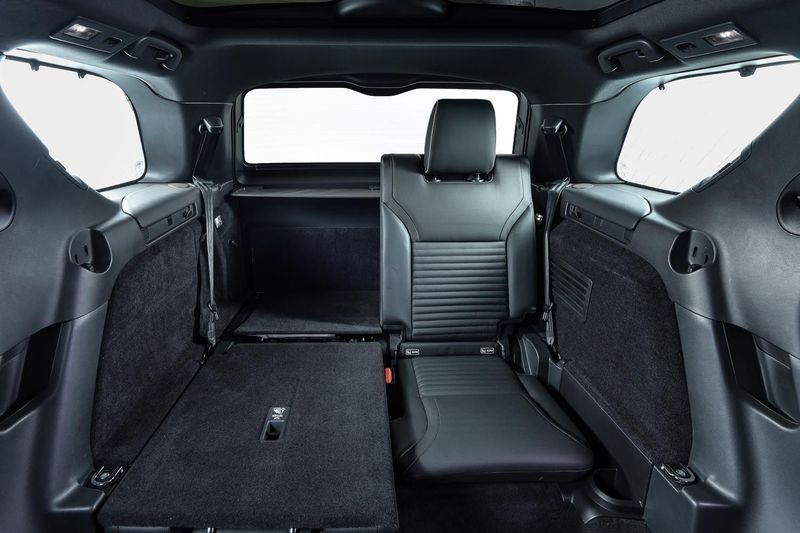
Seats are easily stored electronically (if specced) and with all of them folded opens up 2 400L of load space.

The split tailgate has been replaced by a single boot lid but don't fret, inside the boot is an electrically deployable tailgate that supports 300 kg of picnic space. If specced, seats can fold via buttons on the left panel of the boot too, and when all are folded amounts to 2 400L of flat loading space. That's more than the likes of the Audi Q7 and Volvo XC90.

Engines any good?

At launch, there was both the 6-cylinder turbopetrol with 250 kW and 450 Nm of torque and the 6-cylinder turbodiesel with 190 kW and 600 Nm. Both use automatic ZF 8-speed gearboxes, but it's the diesel that makes the most sense. It is impressively quiet and exhibited less lag and a more linear rev range than we're used to. It also used 9L/100km on day 1 of the trip where the petrol averaged 14L/100 km on the 2nd day in similar conditions. The petrol is the faster engine, but unless you really must have it, then the diesel is the smarter choice. Despite having to lug 2.2 tonnes of Land Rover around, the two engines make light work of the heft and it never felt sluggish or underpowered, the throttle response and kick down speed are both notable improvements on the new Disco.


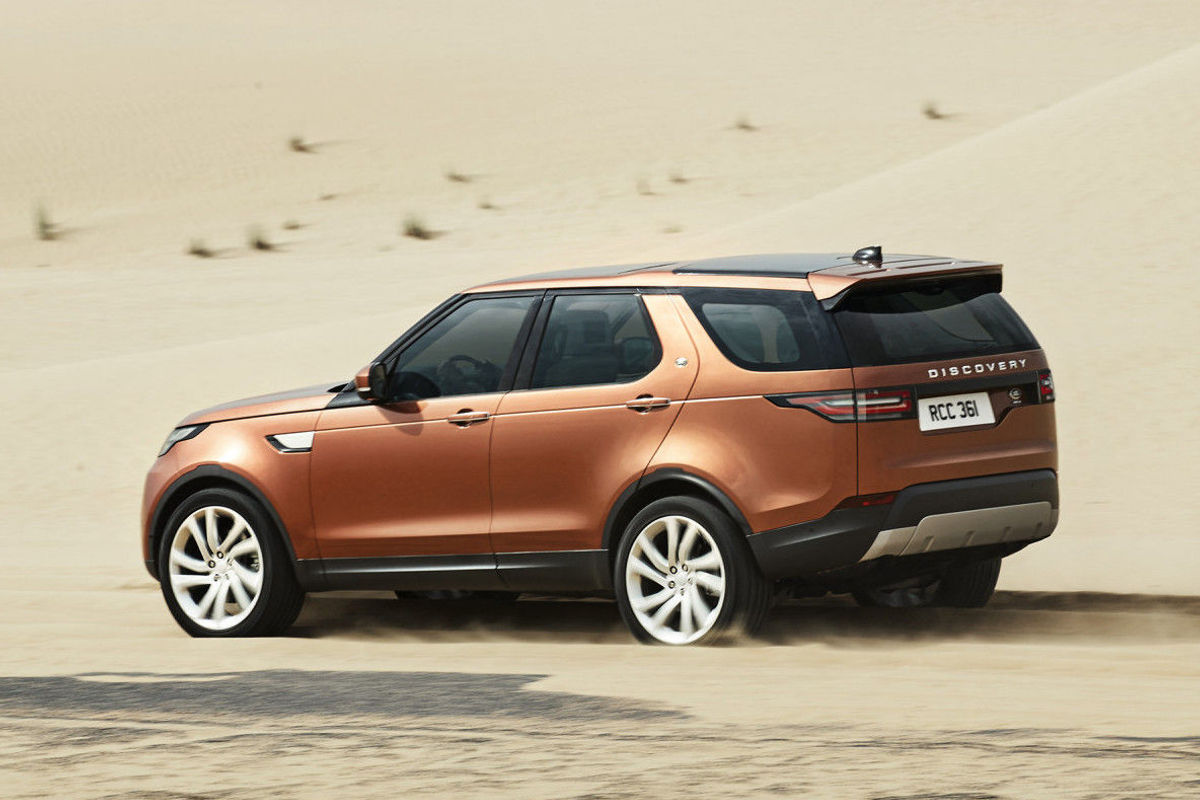
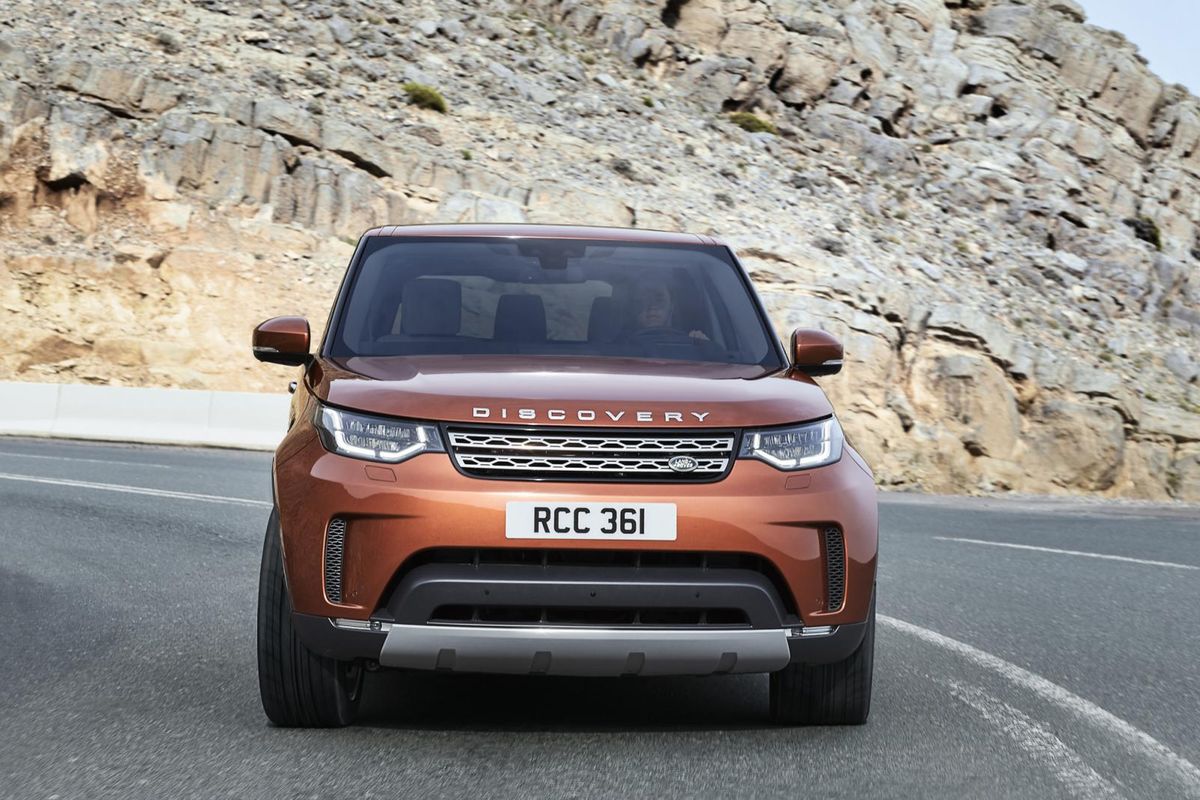
This First Edition model tops the price charts at R1.4 million. 

Summary

The range consists of S, SE, HSE and HSE Luxury derivative and prices start from R980k and go up to R1.45 million. Then you can start ticking options that send the asking prices stratospherically high. If you want just about everything added to the HSE Lux model, you can still add R200k worth of extras. These include things like remote seating controls, upgraded Meridian sound system, off road capability pack, deployable towbar and panoramic roof (to name just a few).

Compared to some of its (road-biased) premium SUV rivals, the Discovery lacks outright value for money (the top-end derivative commands a price tag of a Range Rover!), but the newcomer doesn't offer the same kind of badge appeal that a Rangie has. That being said, it's now just as premium and offers more tech than its vaunted sibling. So why not?

3.0 TDV6 S R980 000
3.0 V6 Supercharged S R1 018 500 
3.0 TDV6 SE R1 109 250
3.0 V6 Supercharged SE R1 126 750
3.0 TDV6 HSE R1 223 000
3.0 V6 Supercharged HSE R1 240 500
3.0 TDV6 HSE Luxury R1 314 000
3.0 V6 Supercharged HSE Luxury R1 331 500 
3.0 TDV6 First Edition R1 440 000
3.0 V6 Supercharged First Edition R1 457 500

Related content:

Range Rover Evoque Convertible (2017) Off-Road Review

Audi Q7 3.0TDI Quattro vs Volvo XC90 D5 Inscription (2016) Comparative Review [with Video]

Land Rover Discovery (2017) International First Drive

Range Rover SVAutobiography Dynamic Introduced

Looking for a used Discovery?

Start your search here

New Kia Picanto (2017) Launch Review

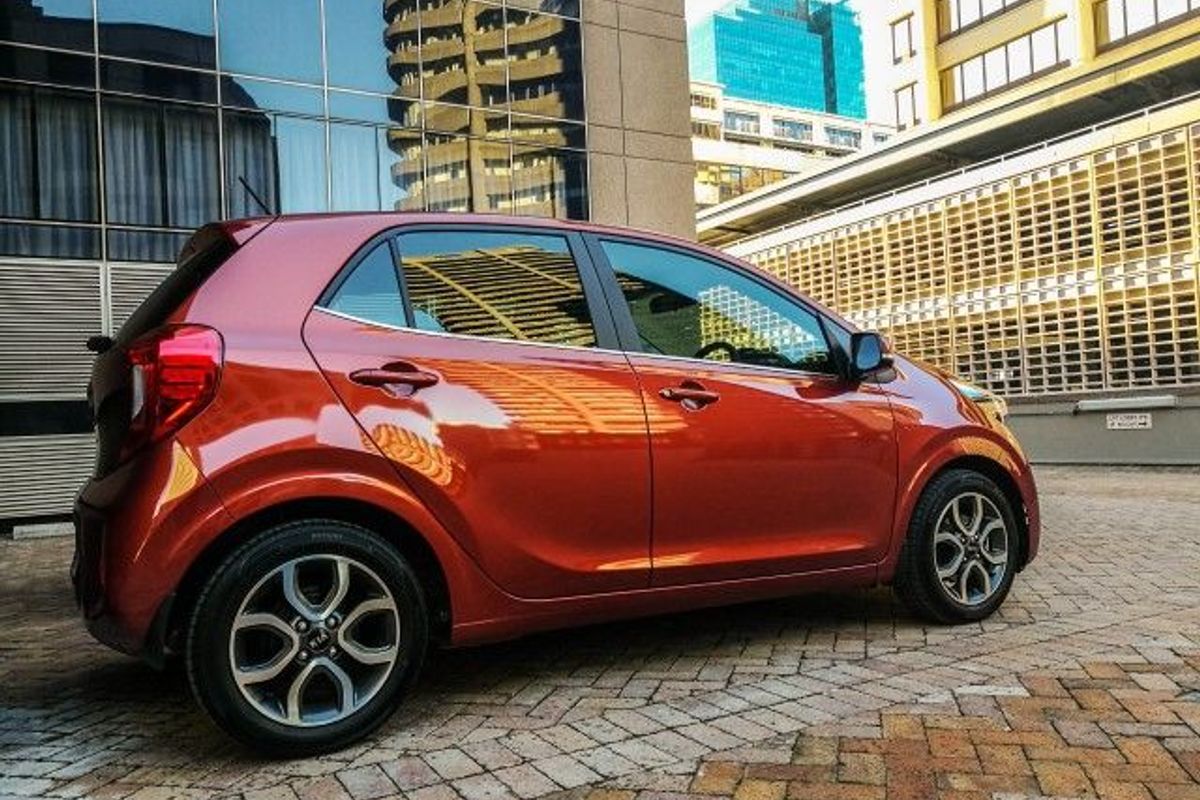
The new Kia Picanto arrived in South Africa this week and we attended the local launch in Cape Town to give it a whirl

The Kia Picanto, also known as Pikachu in the Cars.co.za office, is now in its 3rd generation and the new model was introduced to motoring media in Cape Town this week. The outgoing Picanto has been a sales success for Kia since its introduction in 2011 and is currently one of the most popular offerings in the A-segment locally. Globally, the Picanto success story continues with over 1.4 million Picanto’s finding homes around the world.

Kia believes the new Picanto has what it takes to lead sales in its segment and with high hopes for this latest generation, Kia’s designers have spruced the Picanto up with a fresh exterior design and a newly designed cabin with modern technology and infotainment solutions. More than this, Kia sought to improve things such as ride quality and refinement, practicality and performance, all in a bid to keep the Picanto in the game in the minds of budget conscious buyers.

Read our detailed specification and pricing breakdown of the new Kia Picanto!

Old vs New


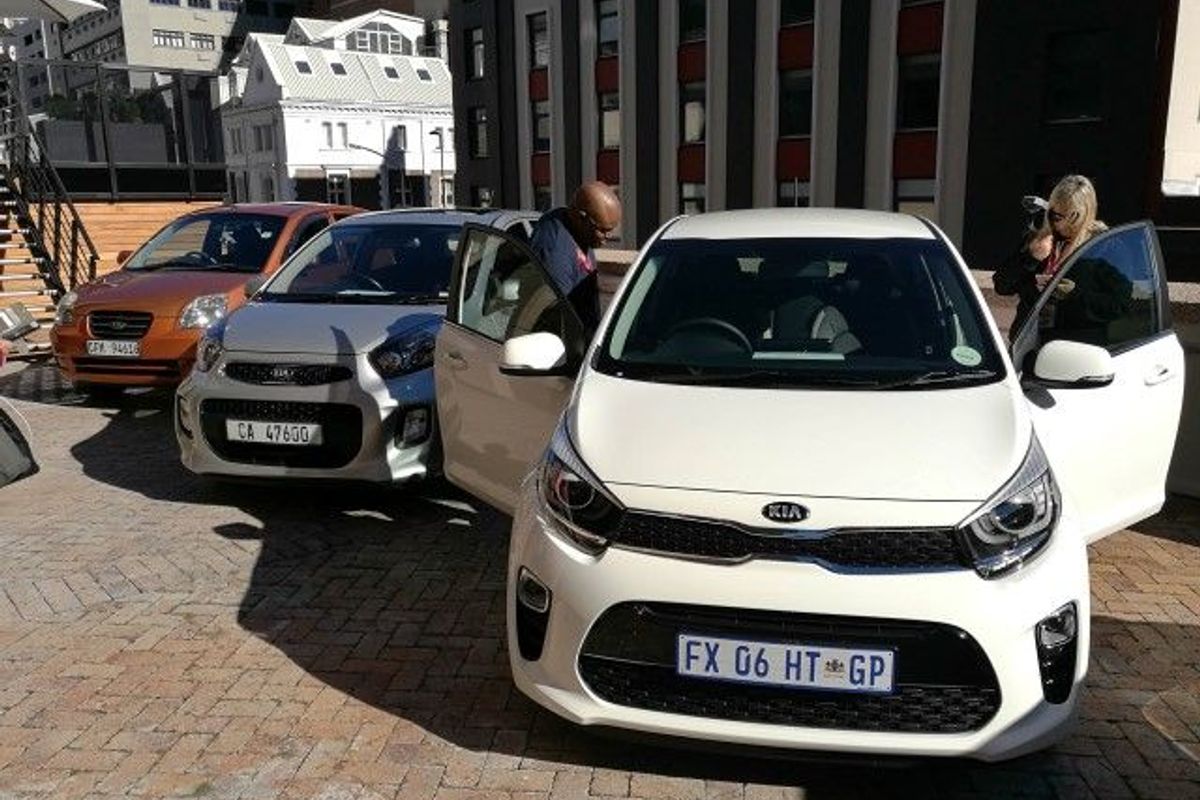
Previous generations of the Picanto show how far this city car has come. The new Picanto is much-improved. 

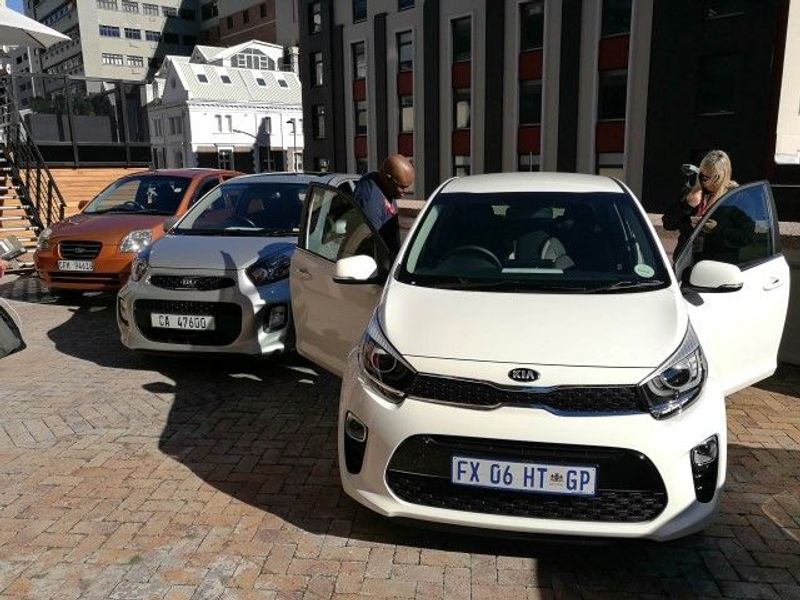
Kia is so confident about its new Picanto that our launch route started behind the wheel of the outgoing, second-generation Picanto and although it was a brave move by Kia, it was a useful way to put the newcomer's fresh attributes into perspective.

As a reference point, the outgoing Picanto’s 1.2-litre engine piped up with a hollow engine sound filling the cabin. The sound of the engine was also accompanied by noticeable vibrations permeating through the dashboard and driver’s seat – further evidence of the discontinued car's budget roots. On the road and during cornering, the old Picanto’s steering felt dead at centre with poor response to driver inputs. More than this, the interior quality and design left a lot to be desired.


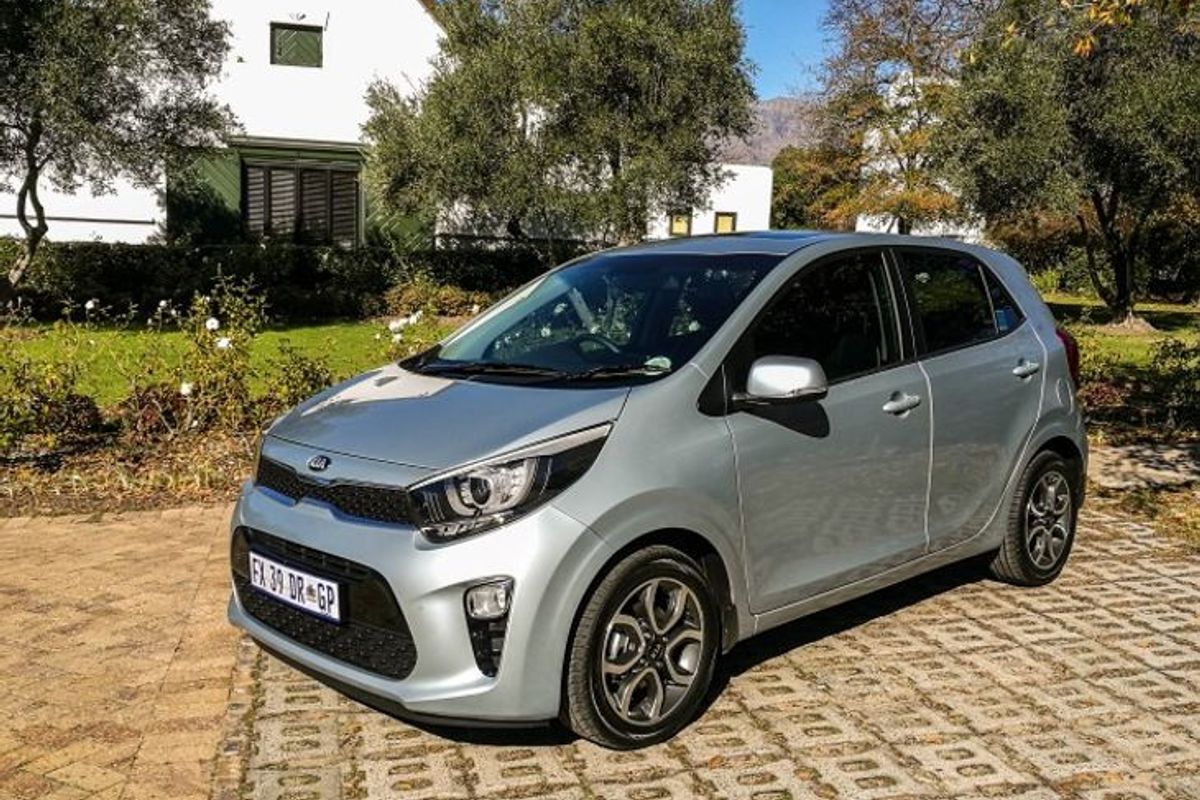
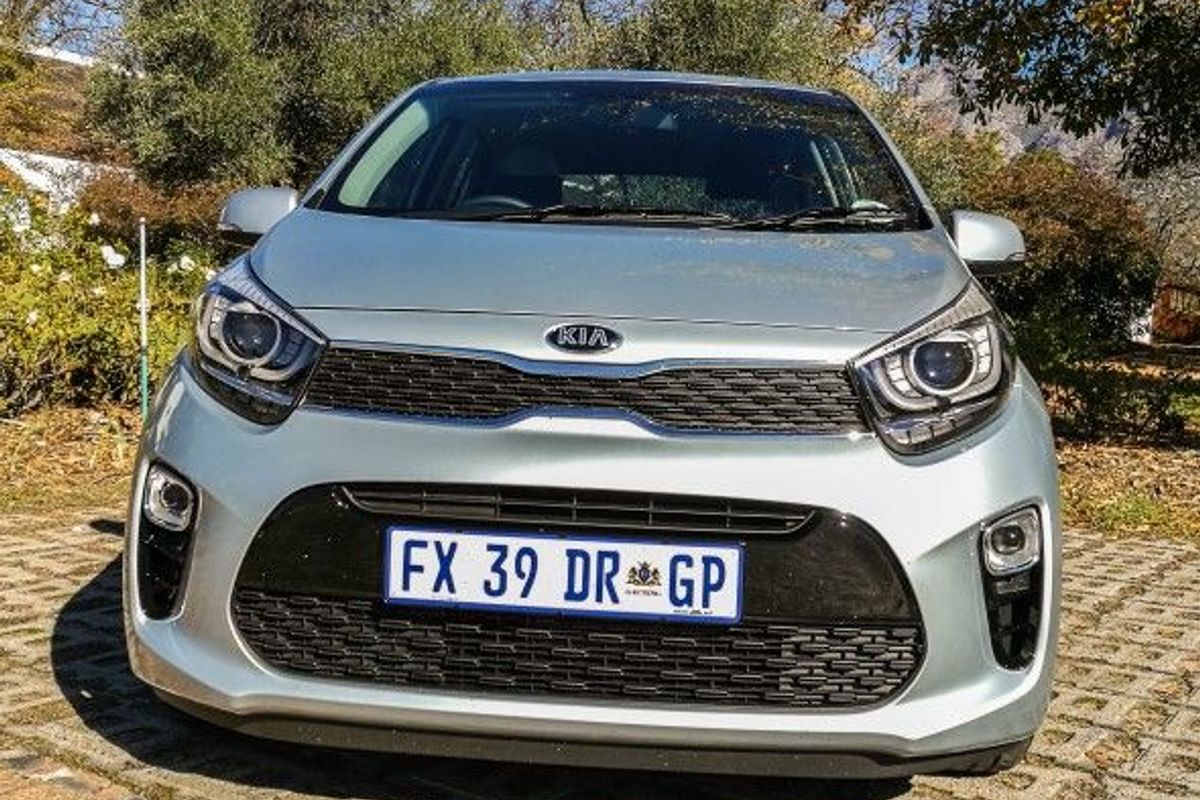
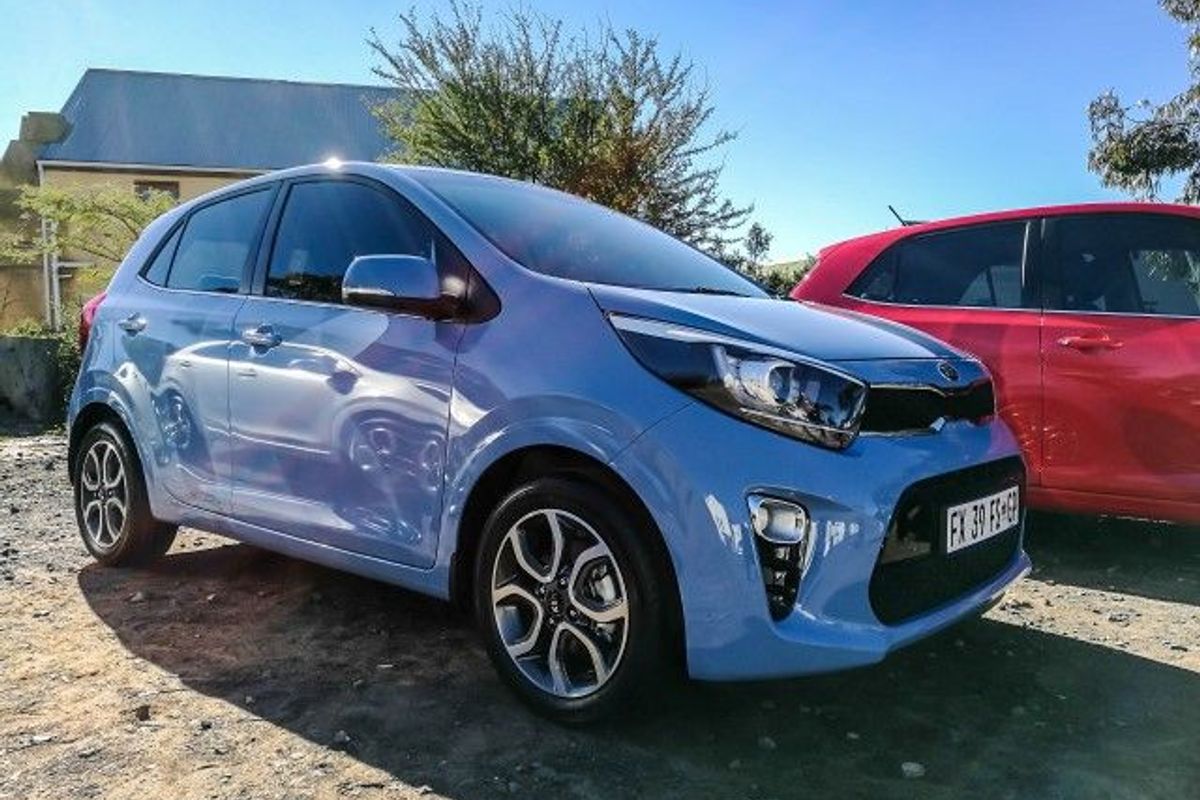
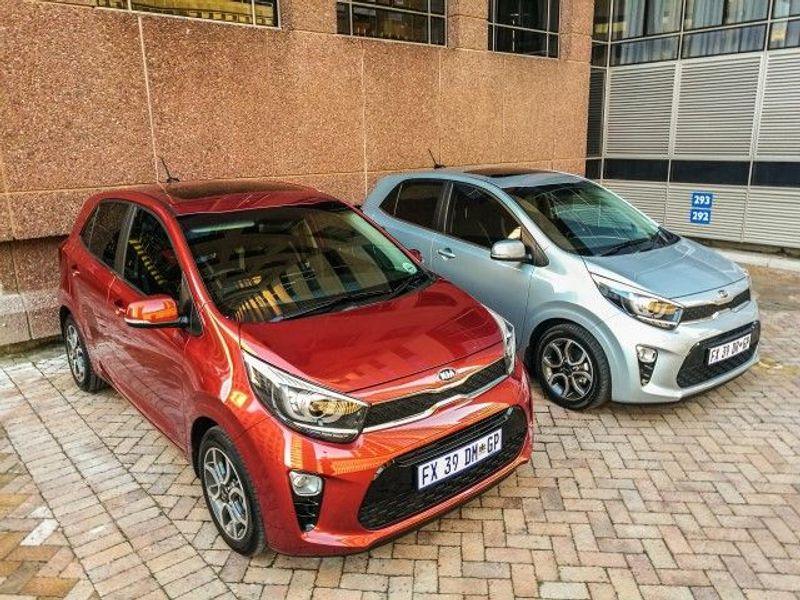
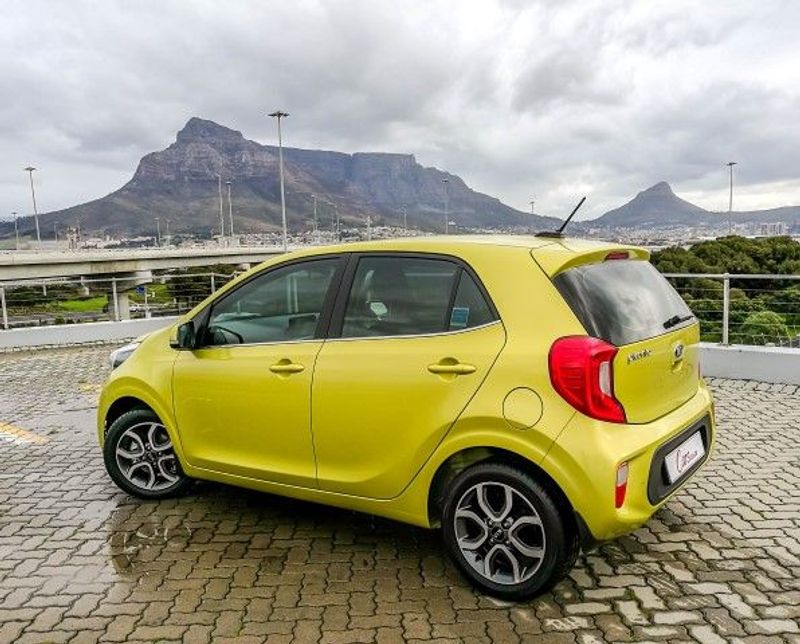
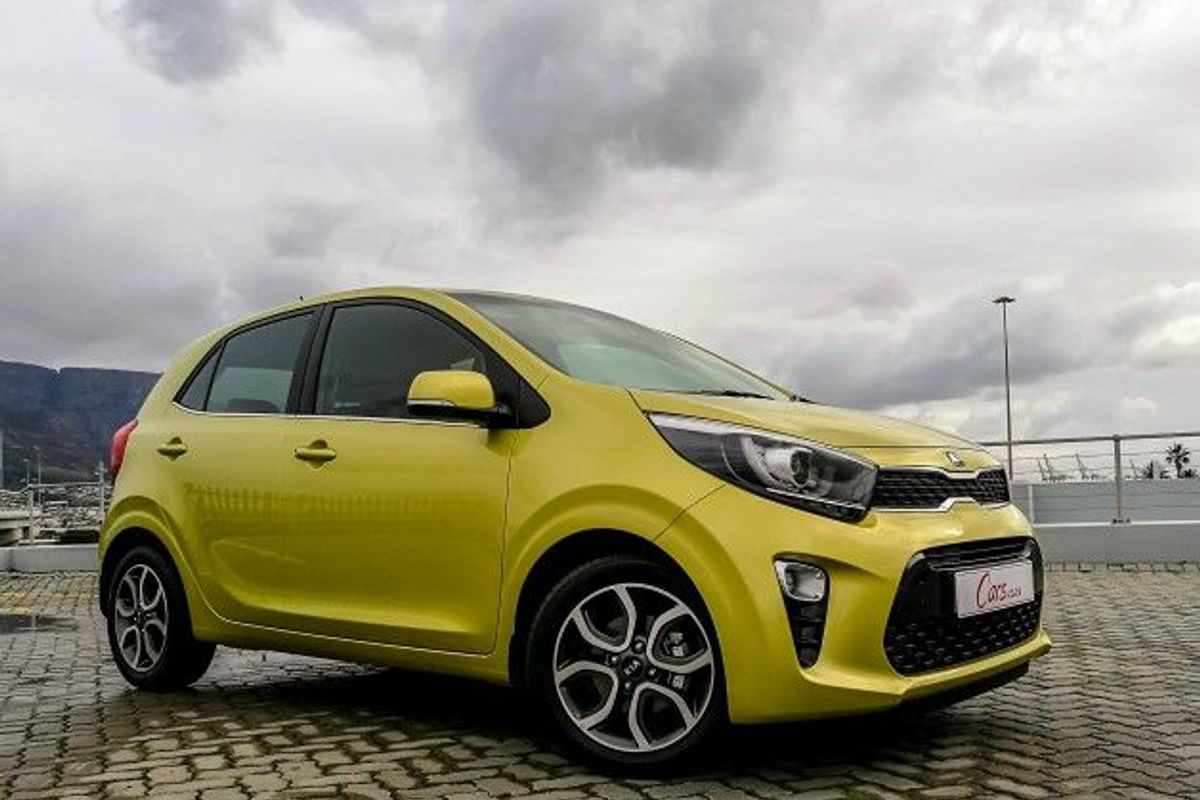
The new Picanto's styling has been enhanced with a wider tiger-nose grille and new projector headlights with LED elements. 

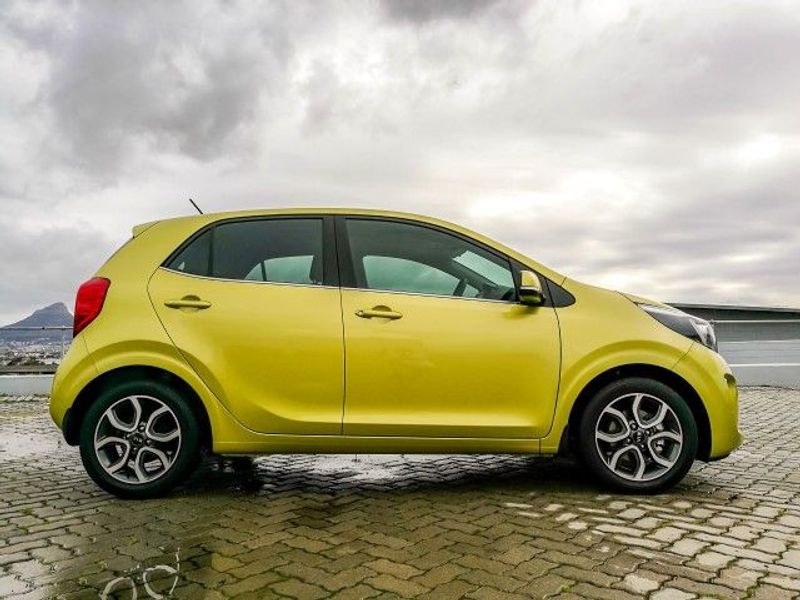
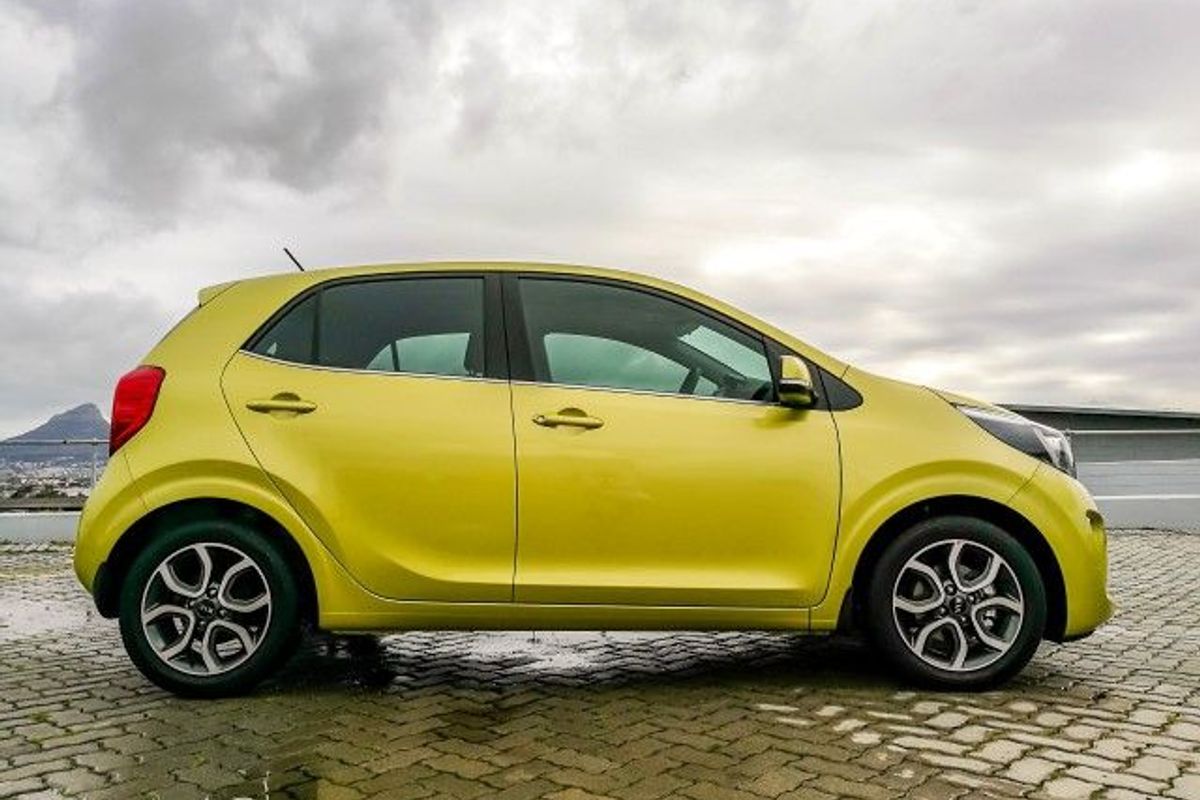
We drove some 40 km to the small town of Philadelphia, where a fleet of new Picanto’s awaited us. Kia only had its top-spec Picanto 1.2 Smart manual on hand for us to drive. From the outside, the Picanto’s styling is far more striking, particularly from the front where attractive projection headlights with LED daytime running lights, LED indicators and a wider tiger-nose grille give the Picanto a pretty face. This derivative rides on 15-inch alloy wheels, while derivatives below it are fitted with smaller rims or wheels. 

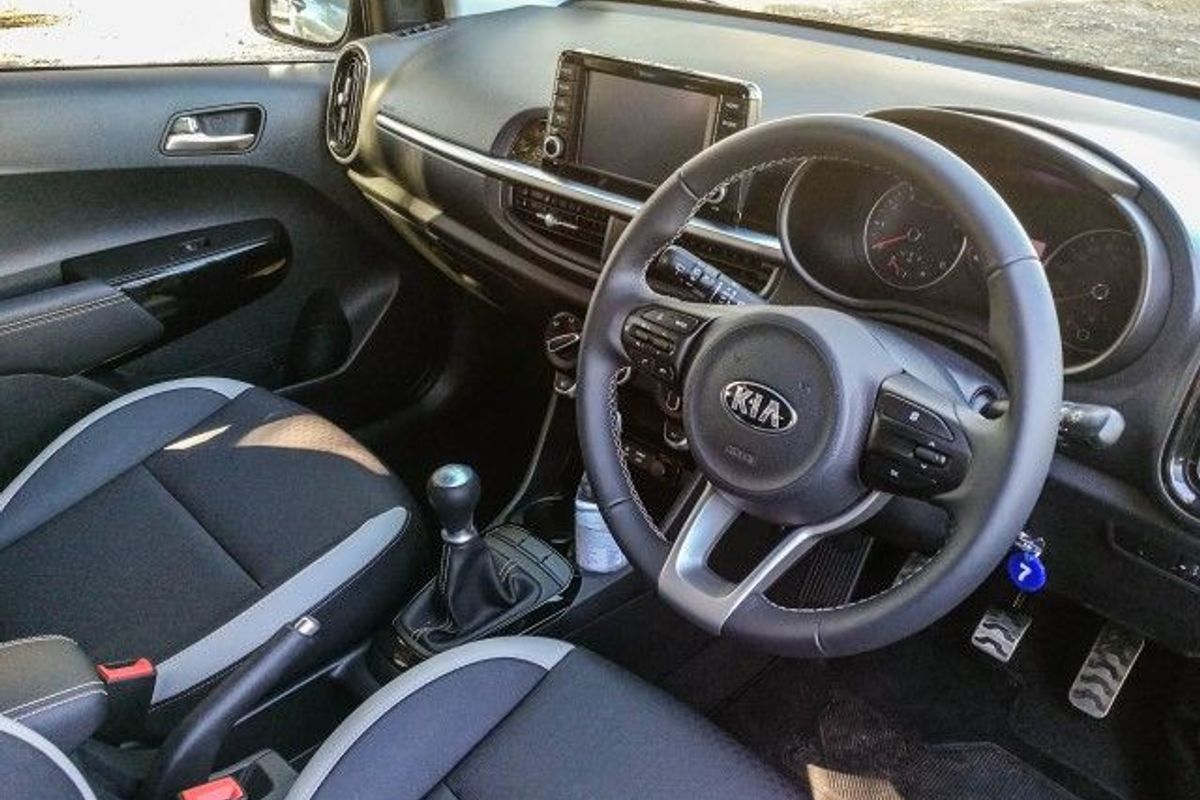
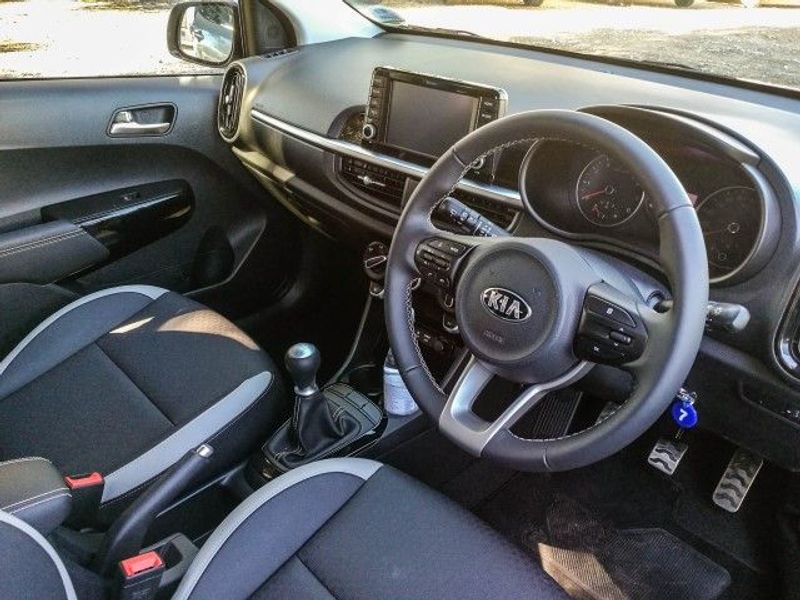
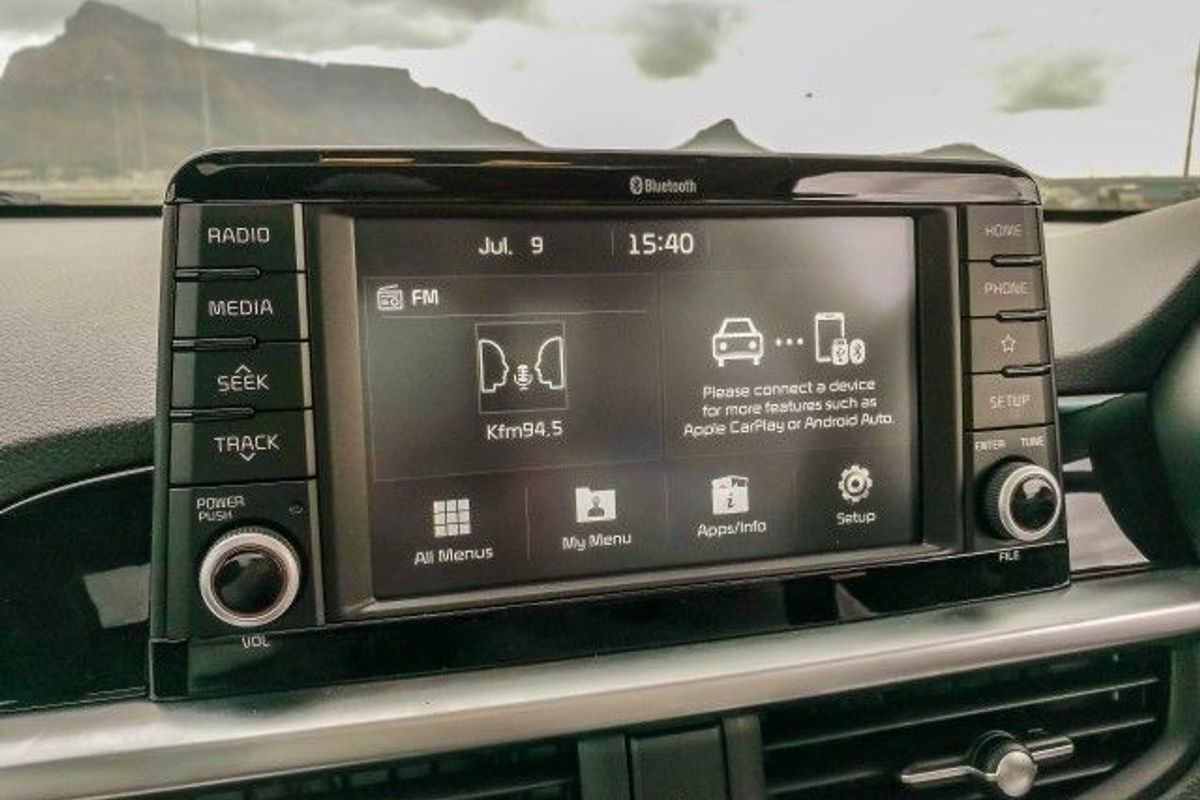
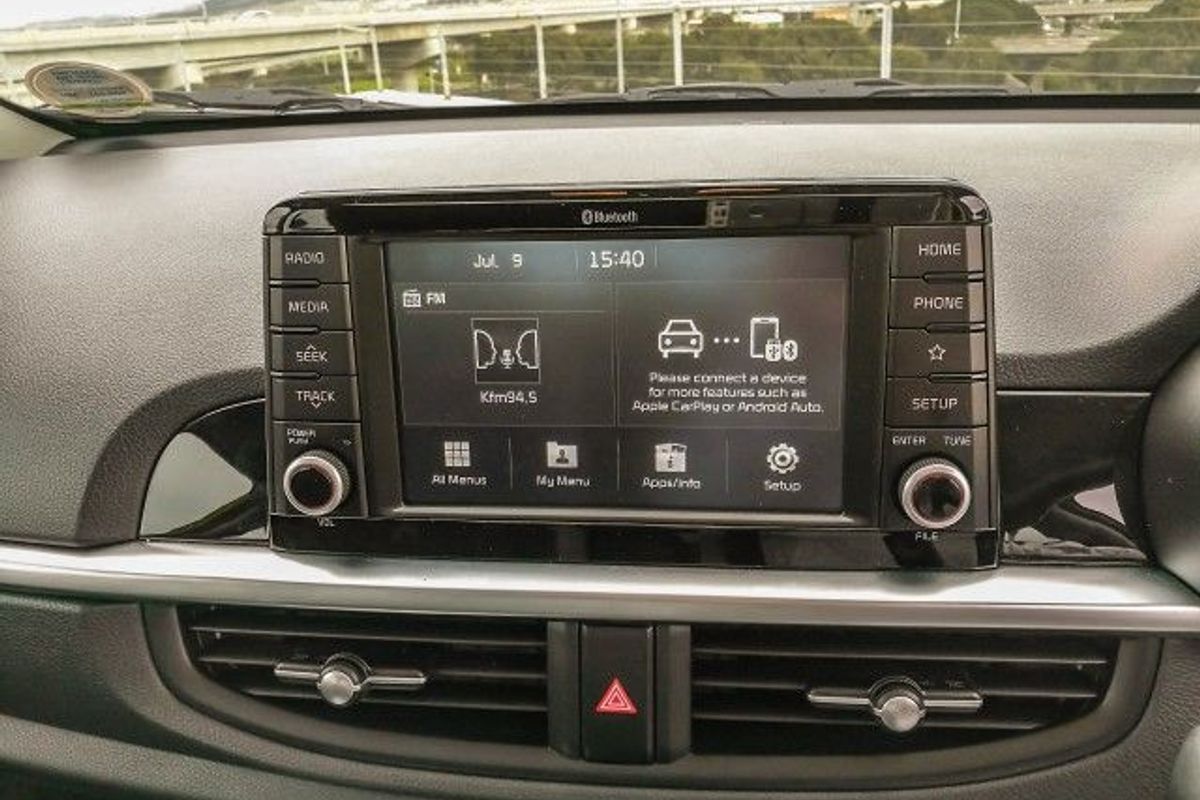
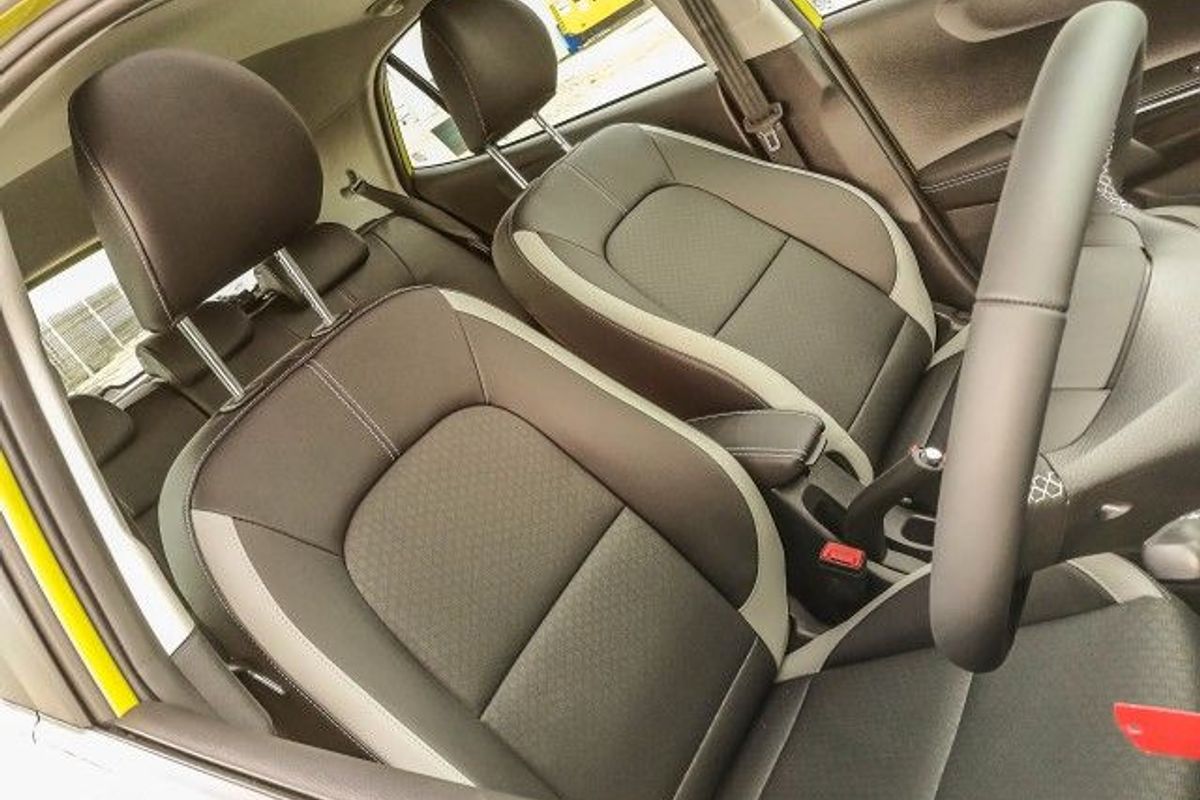
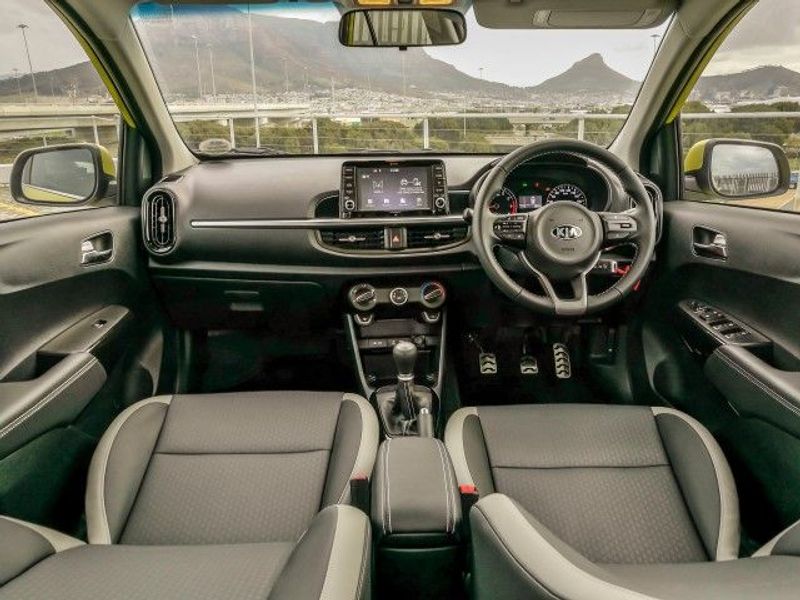
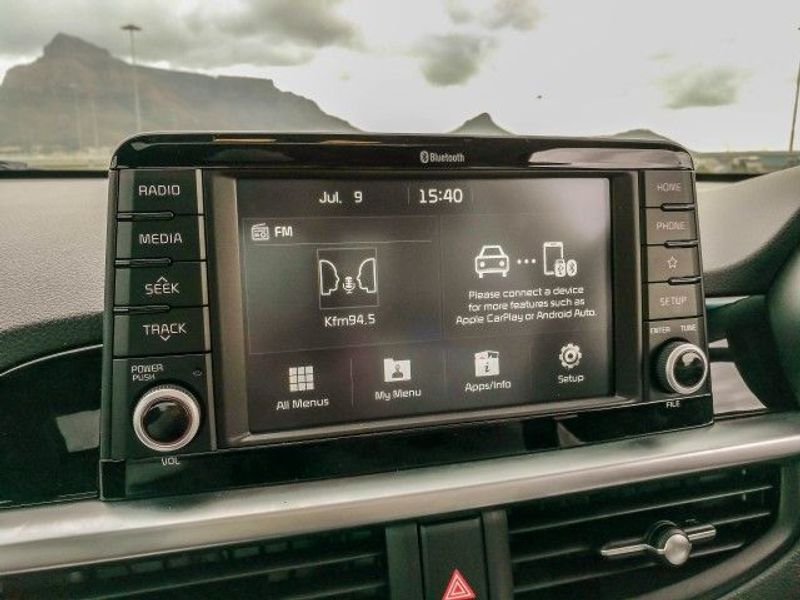
Stepping into the new Picanto, the cabin has been vastly improved in terms design, material quality and fit and finish. The seats in this 1.2 Smart derivative are far more comfortable too and are upholstered in two-tone grey and black leather. The biggest change, however, is the addition of a full-colour 7-inch floating touchscreen that’s Bluetooth capable and offers Apple CarPlay and Android Auto. You can also connect devices using the USB or auxiliary ports. We found the system easy enough to use and it adds a more premium cabin ambience.


A new cabin design and a 7-inch touchscreen infotainment system gives the Picanto a more premium look and feel. 

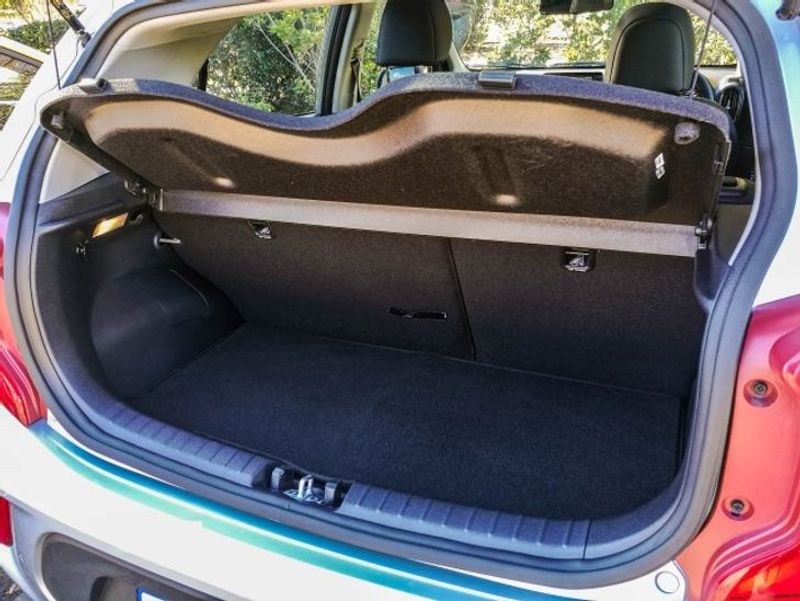
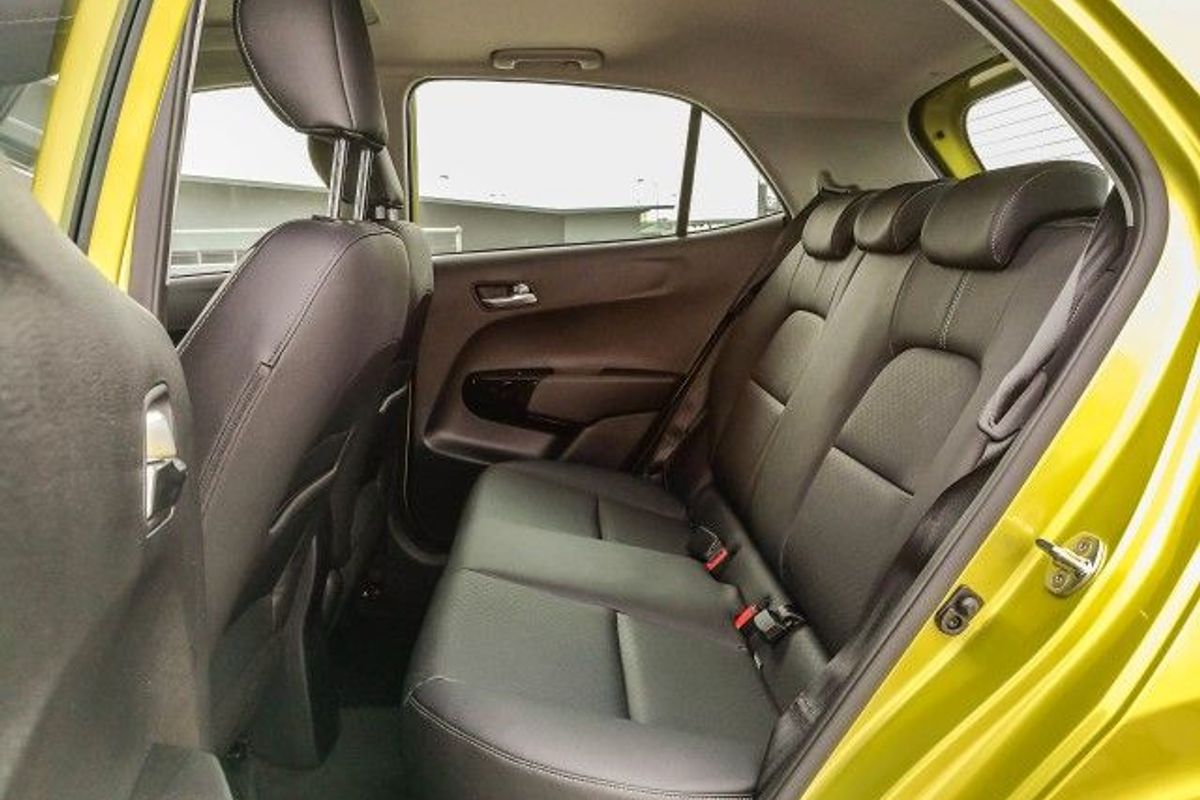
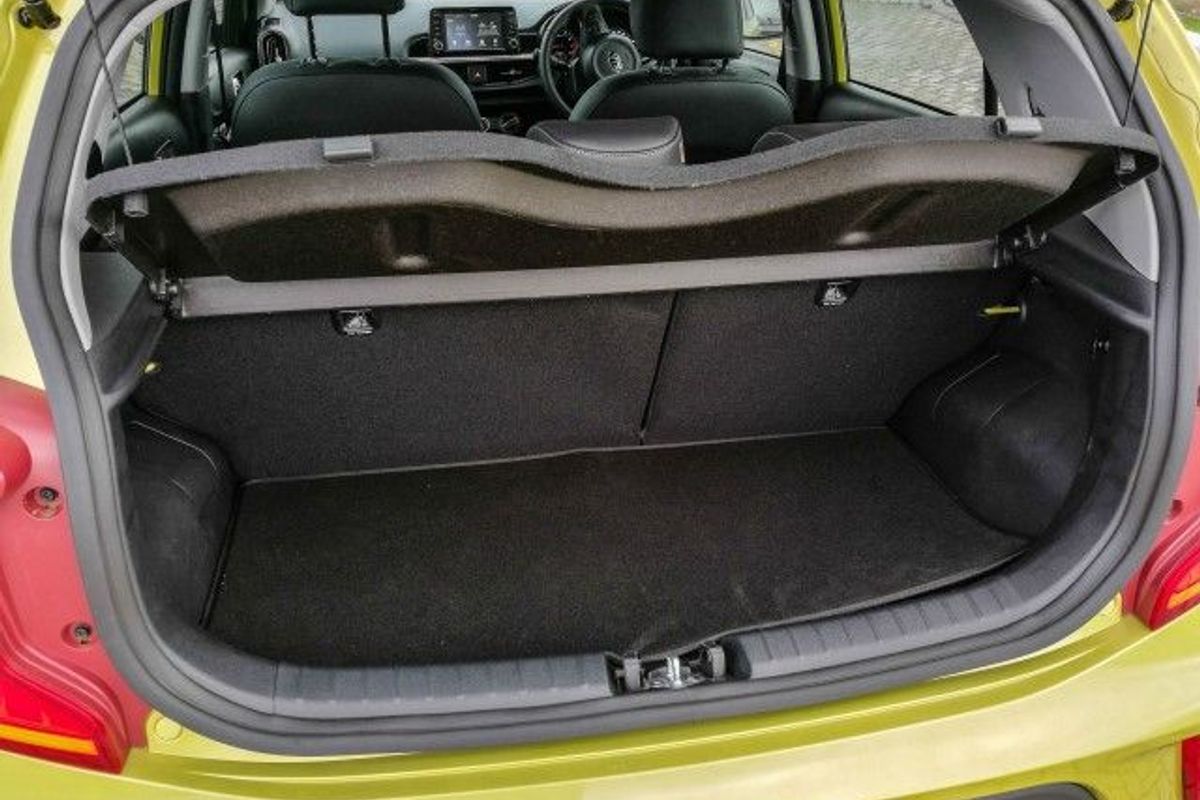
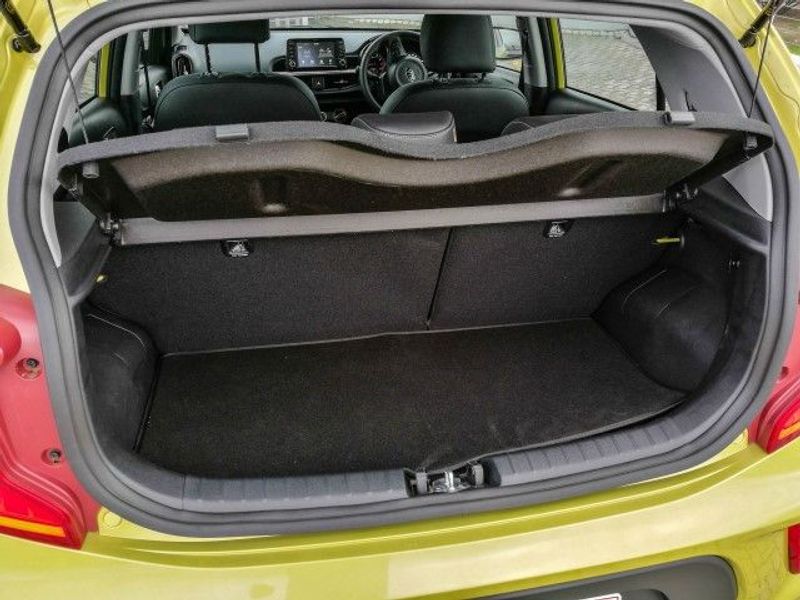
Other nice-to-have features in this 1.2 Smart derivative include a multifunction steering wheel, electric windows, electrically adjustable and folding mirrors, height-adjustable driver’s seat, air conditioning, nifty retractable front cup holders, a movable armrest and a new LCD trip computer. The size of the luggage bay has increased by approximately 50 litres to 255 litres and there is a 2-step boot floor that can be lowered by 145 mm to access more space or to keep valuable items hidden out of sight. The rear seats fold flat in a 60:40 configuration, increasing available space to 1 010 litres. In terms of rear-seat comfort, taller rear passengers may find leg- and kneeroom cramped; shoulder- and headroom are adequate, however.


Luggage space has increased to 255 litres and a false floor allows you to store items out of sight. 

On the road, the new Picanto is noticeably better than the model it replaces. The engine is far quieter at idle and while driving thanks to engine enhancements and improved cabin insulation. The familiar naturally aspirated 1.2-litre motor offers peak outputs of 61 kW and 122 Nm of torque and is mated with a 5-speed manual transmission.

Even without turbocharging, the engine performs relatively well at low altitude, but it will be more sluggish at the Reef and more so when fully loaded with occupants and their detritus. The transmission is smooth in shifting gears and if you want to get the most from the engine, you will be gearing down fairly often to keep the engine peaking.


The new Picanto offers improved ride quality and better steering response.

Buyers will be happy to know that steering response has improved substantially and the new Picanto is far more responsive to steering inputs. Furthermore, the suspension has been improved too and new Picanto delivered a comfortable ride on our bumpy launch route. The 1.2 Smart derivative is claimed to consume an average of 6.4 L/100km, which is fair.

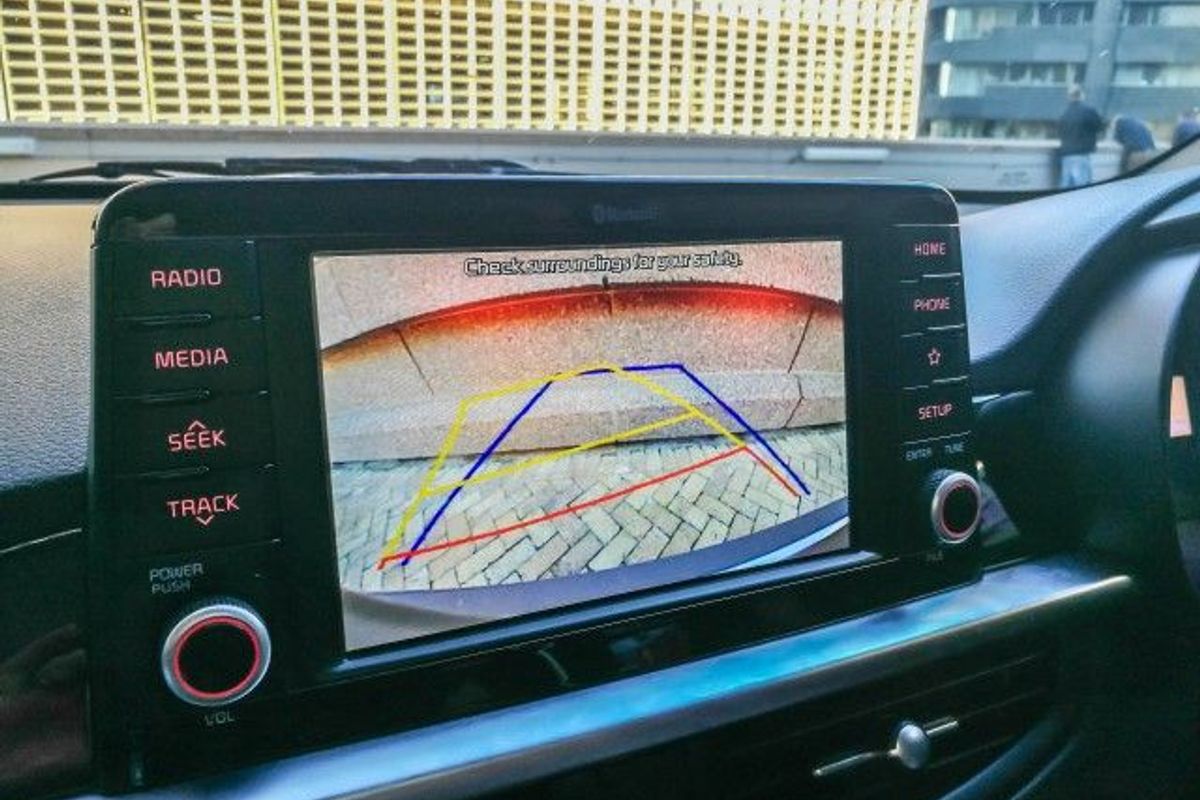
In terms of safety features, this flagship version is equipped with ABS, 2 airbags and ISOfix child seat mounts. Furthermore, rear park distance control, aided by a reverse camera (with dynamic guidelines) is standard on this derivative. However, it must be noted that entry-level Start derivatives are fitted with only one airbag for the driver and no ABS is offered. 

Final thoughts

Like many manufacturers, Kia is at the mercy of the exchange rate and pricing for the new Picanto appears to be more expensive than it should be. At R195 995, this range-topping Picanto 1.2 Smart sits in the upper reaches of the A-segment alongside the Volkswagen Up! and may very well be a push too far for cash-strapped buyers.

There are, however, a total of 11 Picanto derivatives on offer across 4 trim grades with entry-level pricing starting at R134 995, so buyers have a lot choice in the Picanto range.

Overall, buyers should leave previous perceptions of the Picanto at the door because this new iteration is a much-improved product in terms of design, quality, refinement and packaging.

We will have the new Kia Picanto on test soon, so look out for our thorough evaluation coming soon!

Kia Picanto – prices in South Africa (July 2017)

1.0 Start Manual R134 995
1.0 Street Manual R149 995
1.0 Style Manual R159 995
1.0 Style Auto R172 995
1.0 Smart Manual R179 995
1.2 Start Manual R150 995
1.2 Start Auto R163 995
1.2 Street Manual R165 995
1.2 Style Manual R175 995
1.2 Style Auto R188 995
1.2 Smart Manual R195 995

The Kia Picanto is sold with a 5-year/unlimited km warranty and 3-year/unlimited km Roadside Assistance. A service plan is offered as an option.

Watch our video overview of the new Kia Picanto below!

Related Content

Update: New Kia Picanto Coming to SA in Q3

Teaser Images: Next Kia Picanto

Kia adds new 1.2 entry-level Picanto

Comparison: Kia Picanto 1.2 vs Suzuki Swift 1.2

Want to buy a Kia Picanto?

Find a new or used Kia Picanto on Cars.co.za

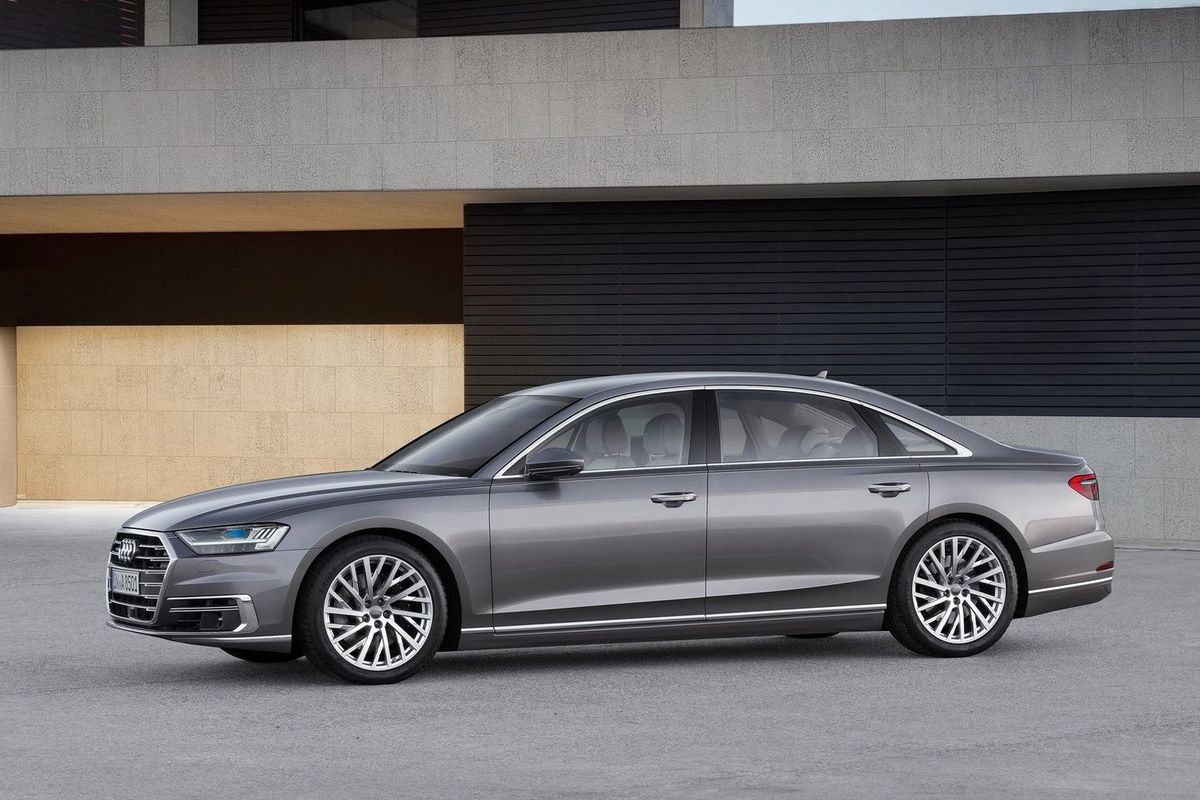
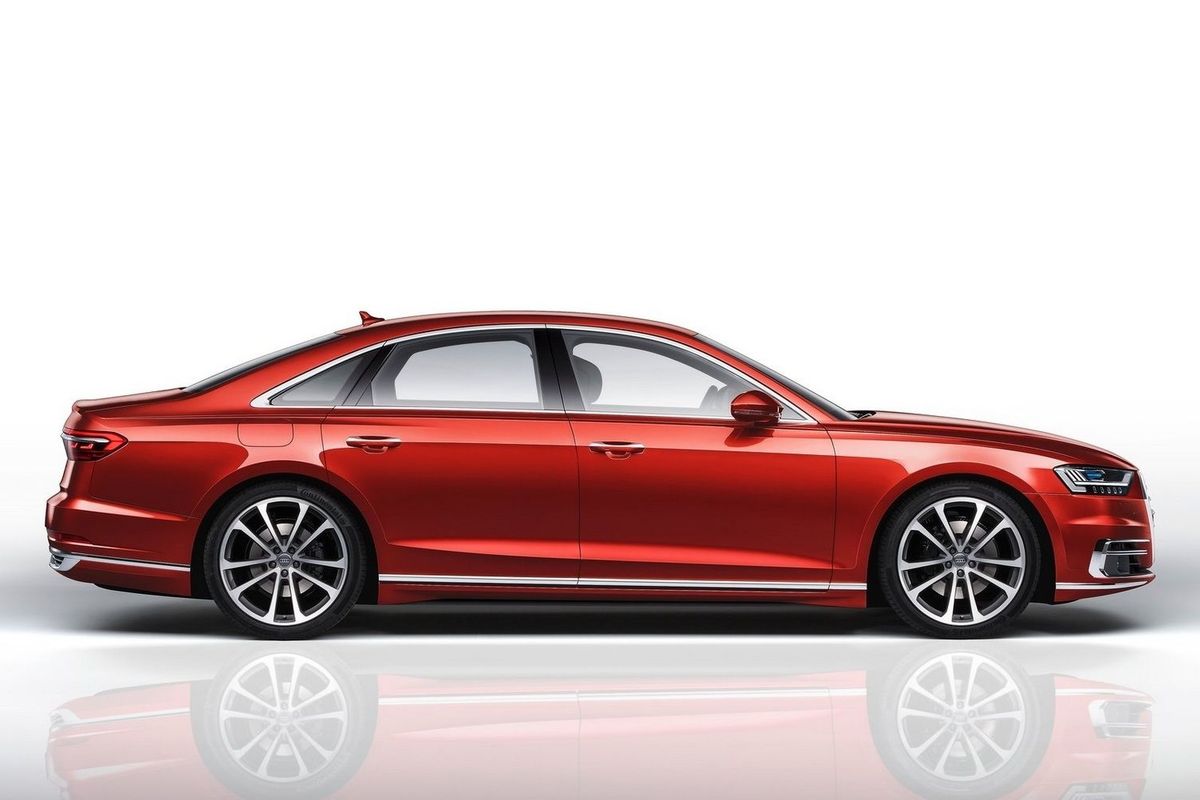
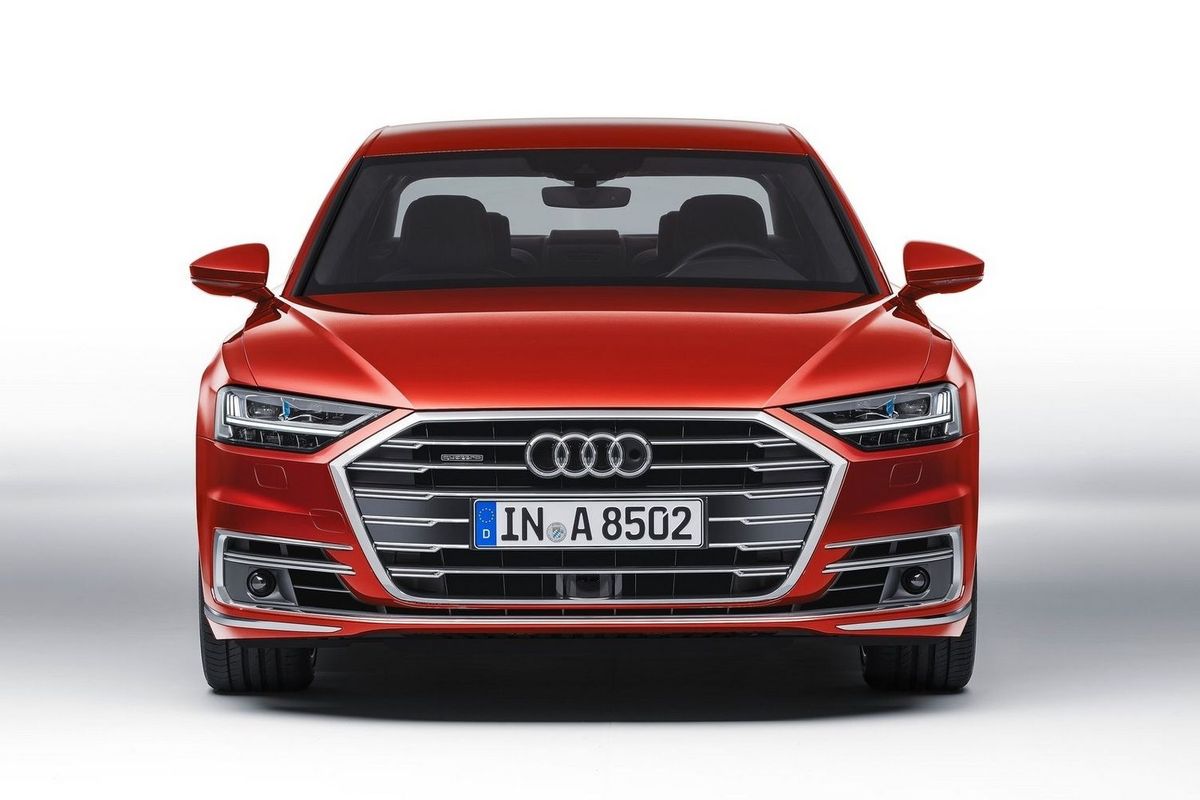
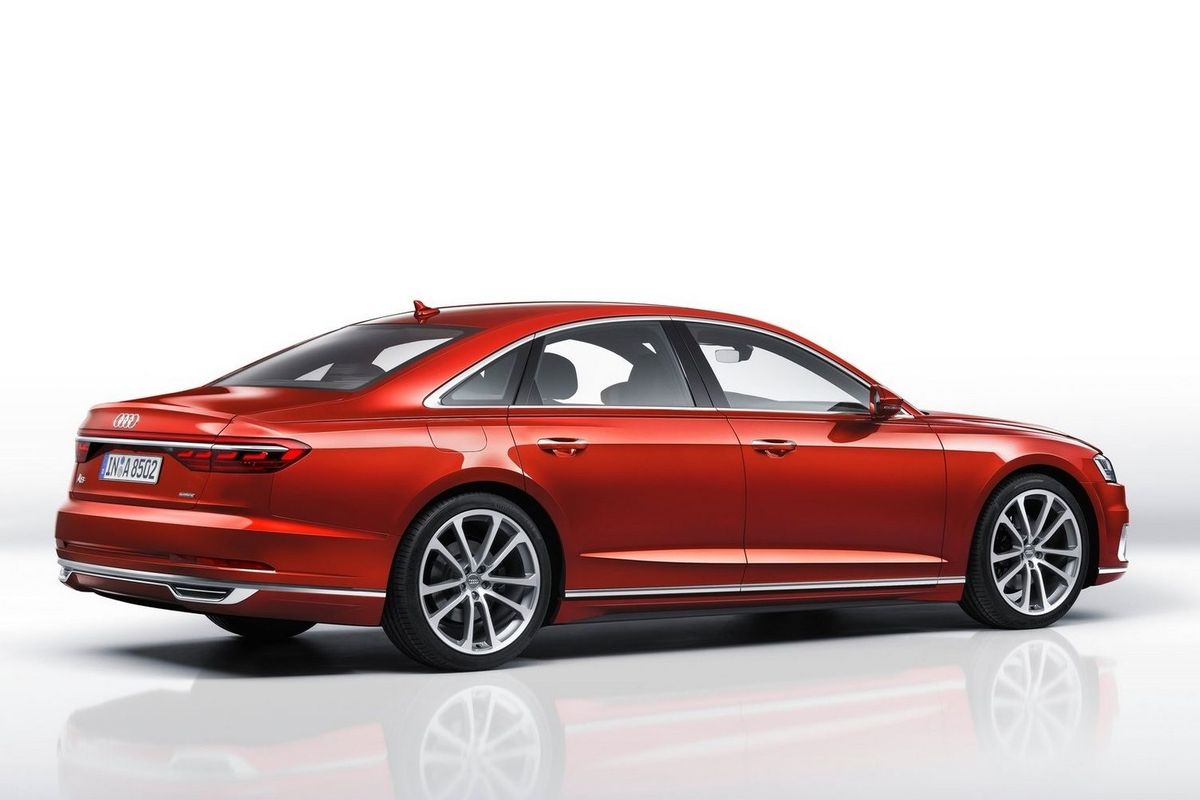
Audi A8 (2018) Revealed [with Video]

After months of waiting and teasers, Audi has finally showcased its all-new A8 luxury sedan. It's confirmed for South African market introduction for the middle of 2018.

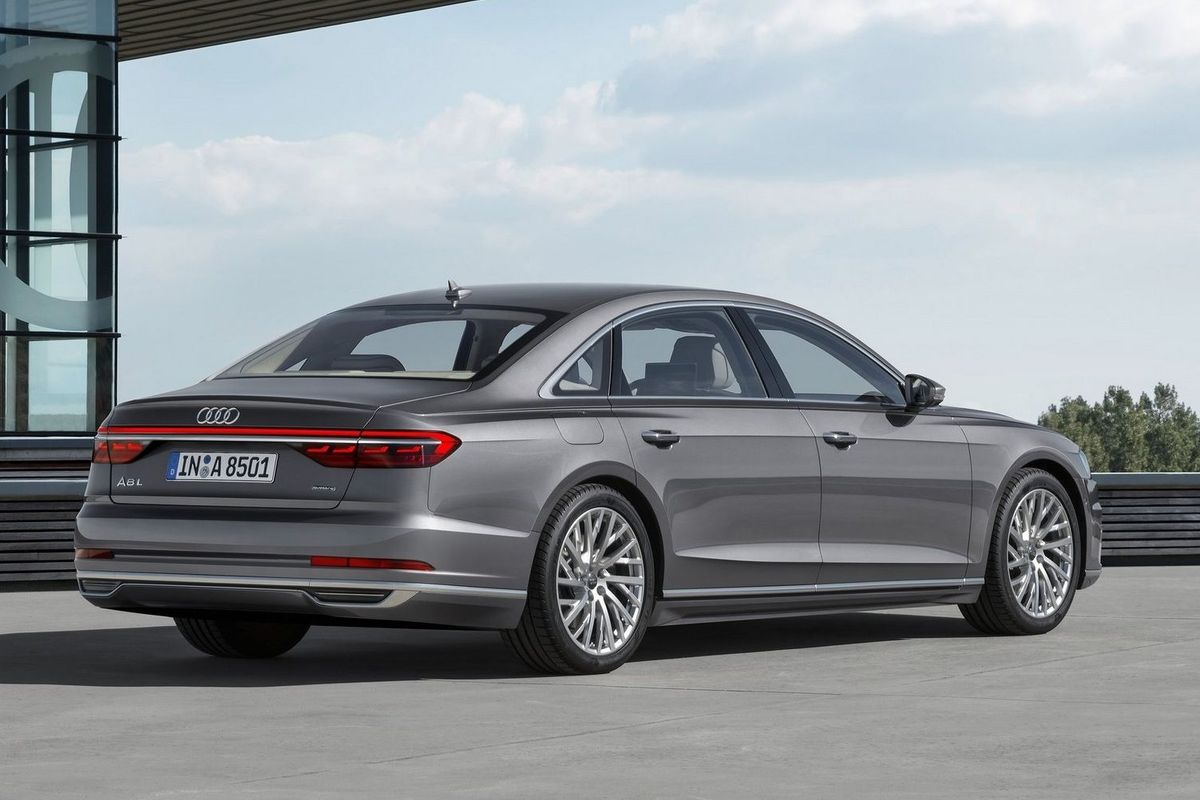
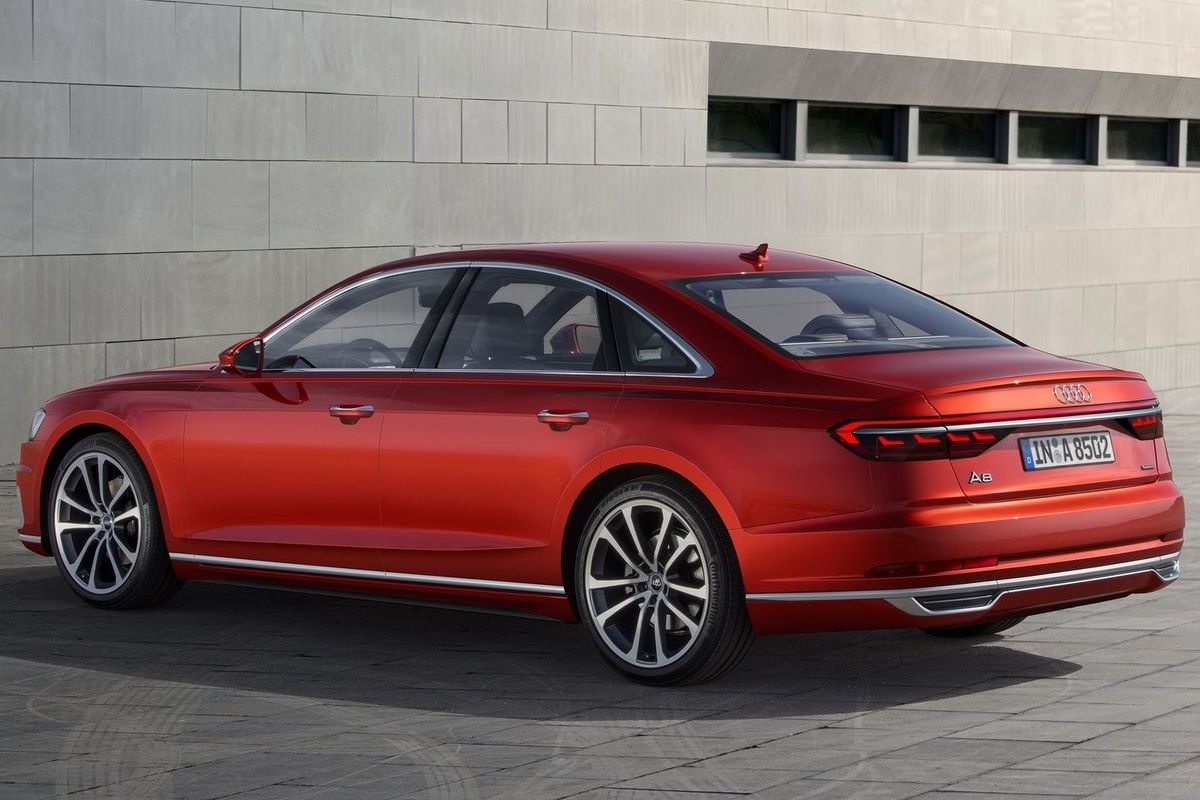
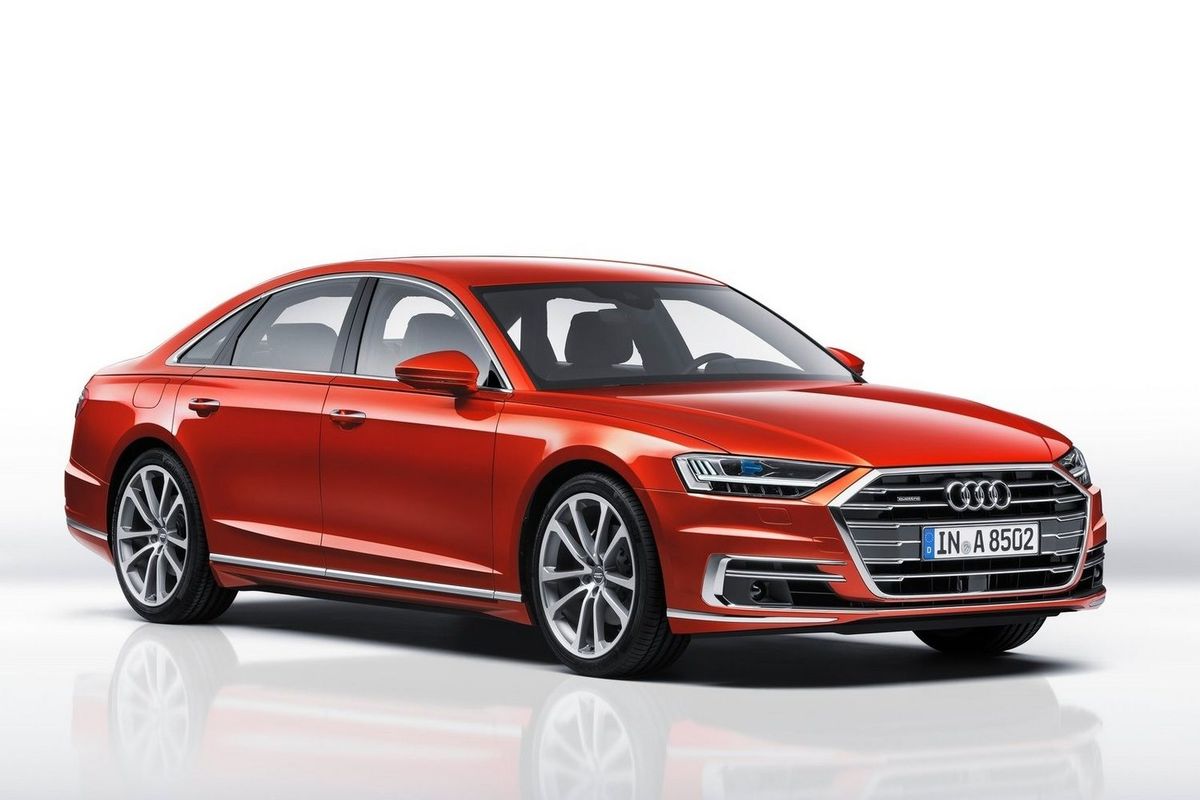
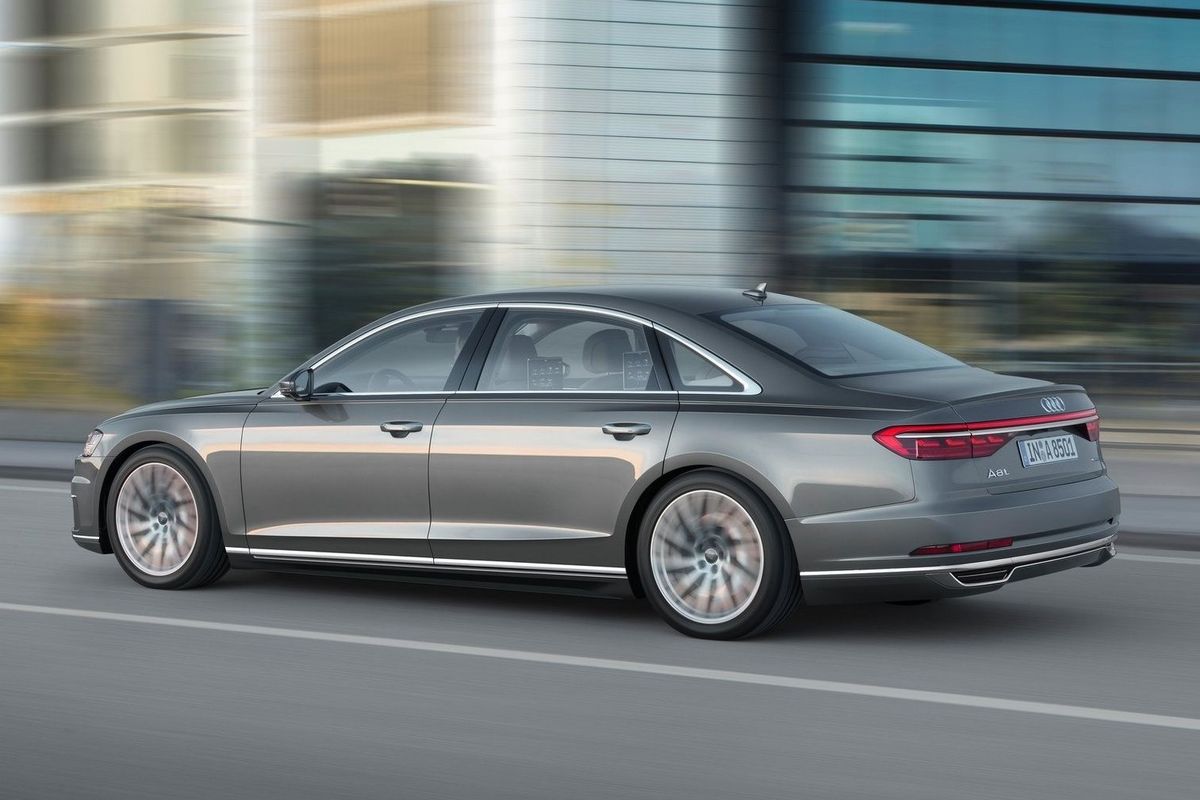
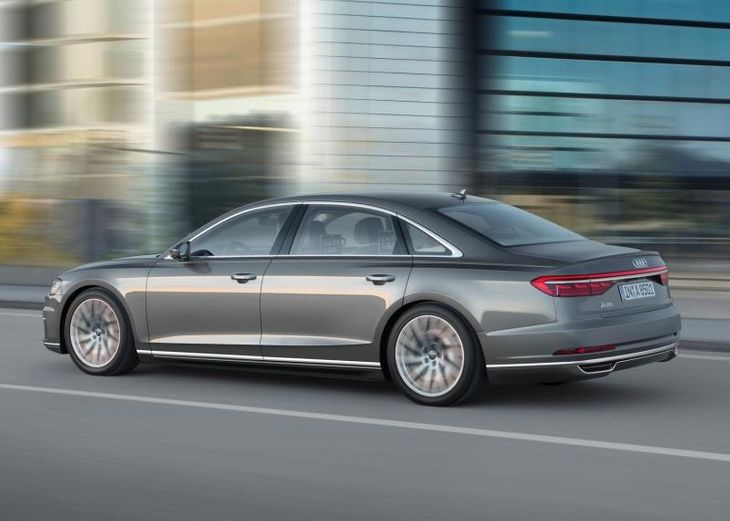
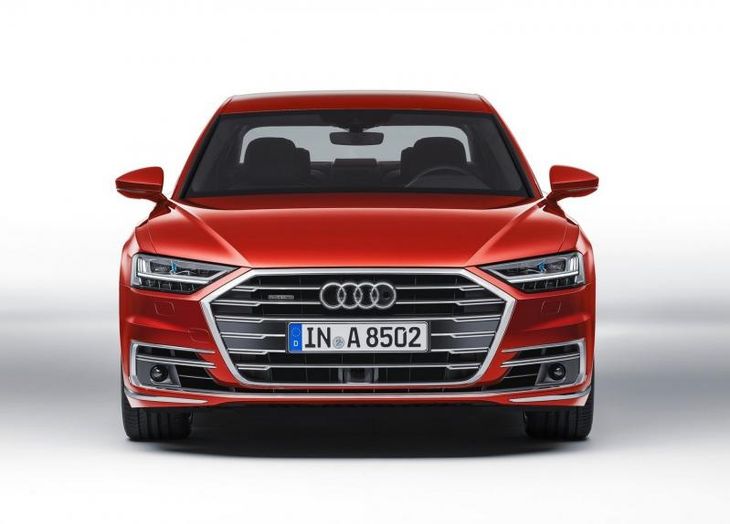
This is the fourth generation Audi A8 and the Germans are claiming that this A8 is the first production car in the world which has been developed for highly automated driving. Visually there'll be no mistaking it for any other brand and its classic Audi design at its best. Deeply understated, yet sophisticated and just a teaser of what's inside. 

The new Audi A8 is 37 mm longer and 13 mm higher than its predecessor model, but the width is marginally lower. The passengers benefit the most from the increased dimensions as Audi is claiming that the new A8 has the biggest interior in its class. 

The Tech

The real points of interest with the Audi A8 is the technology and the folk of Ingolstadt have not held back. The Audi A8 demonstrates the latest and greatest tech currently available. The car makes use of Audi laser lighting and when those lights are on, double the range of a high beam is possible. Each headlight incorporates 138 LEDs and one high-performance laser diode, and these lights are able to shine at maximum intensity, without blinding other road users.

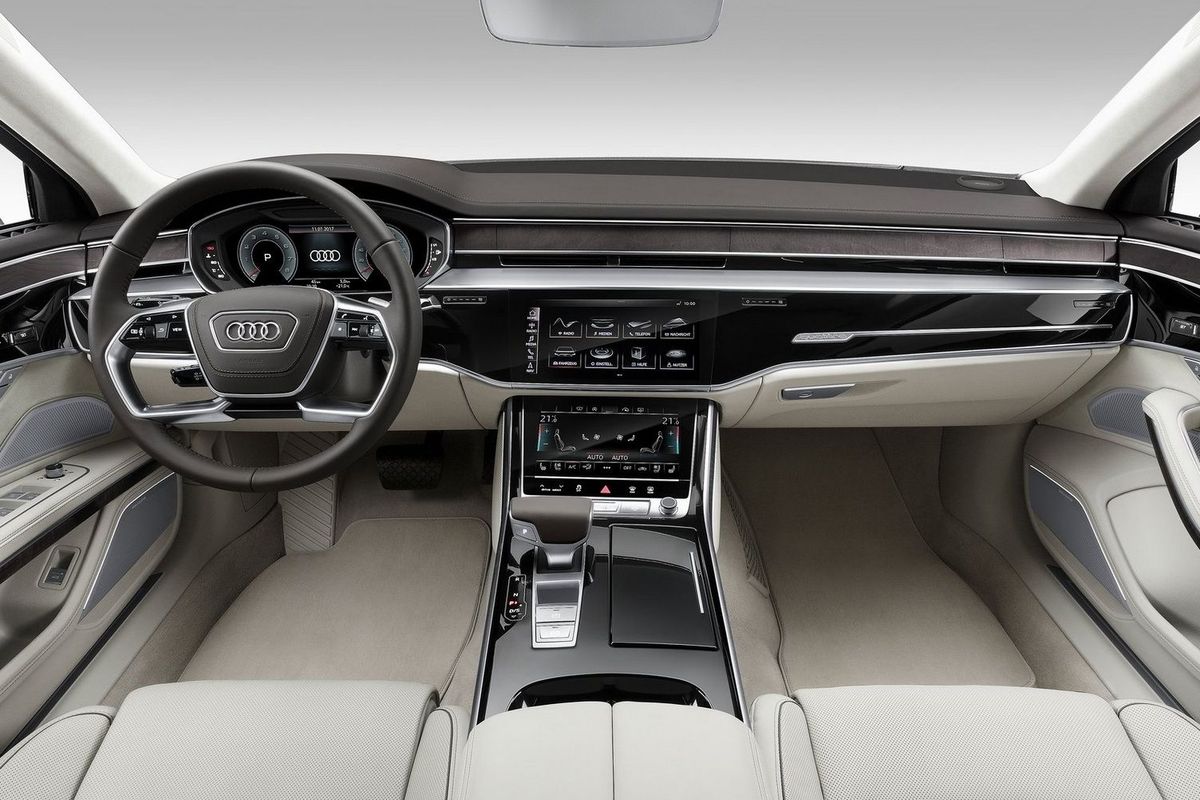
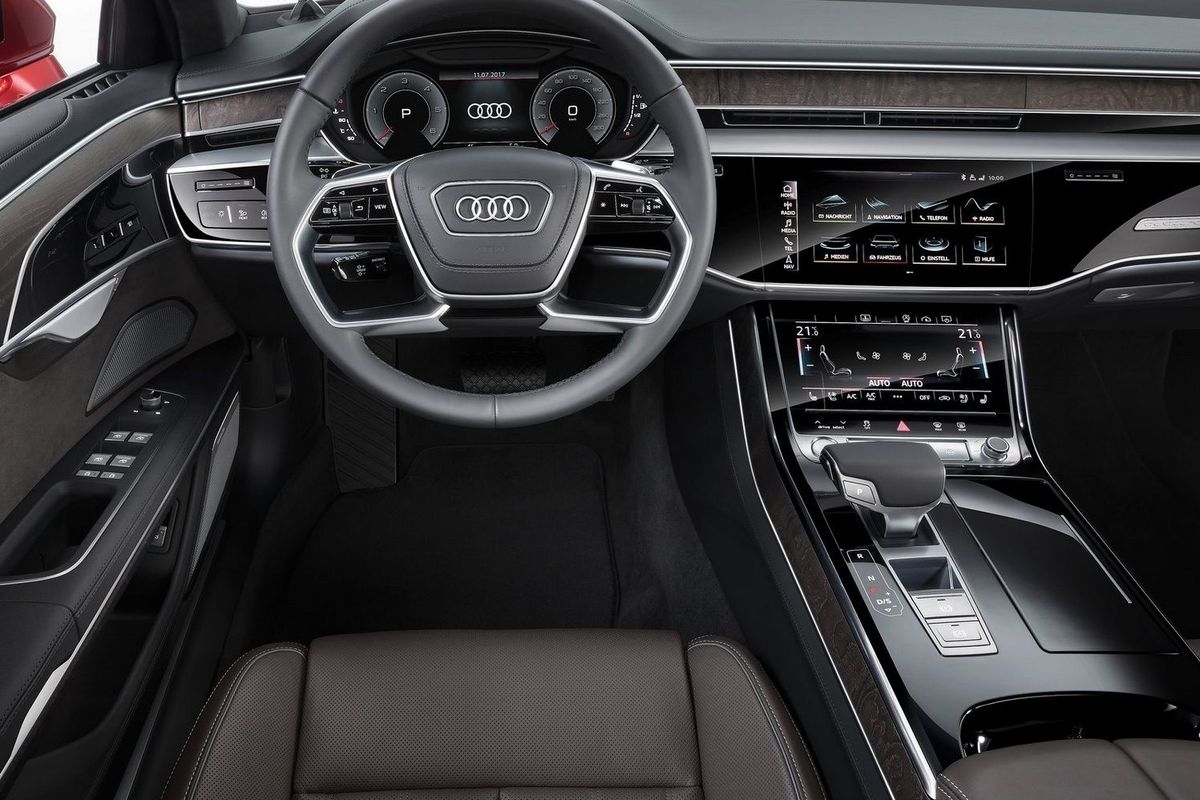
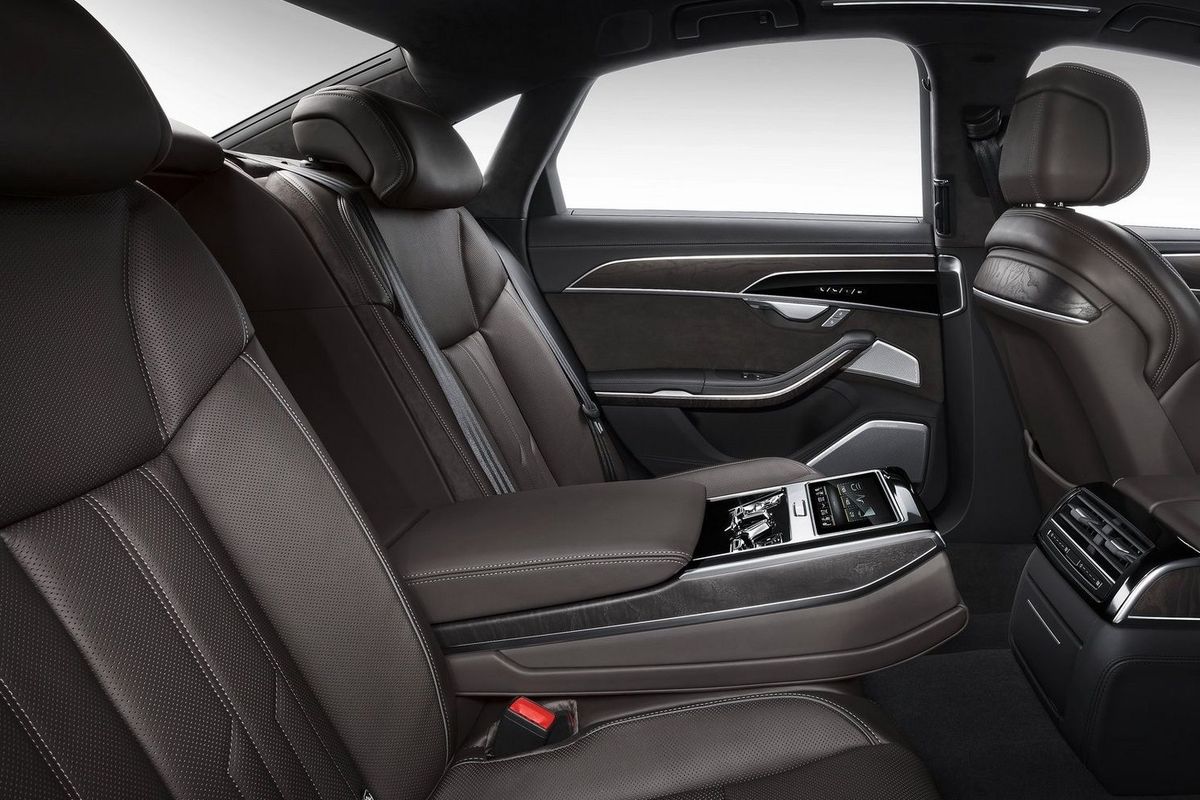
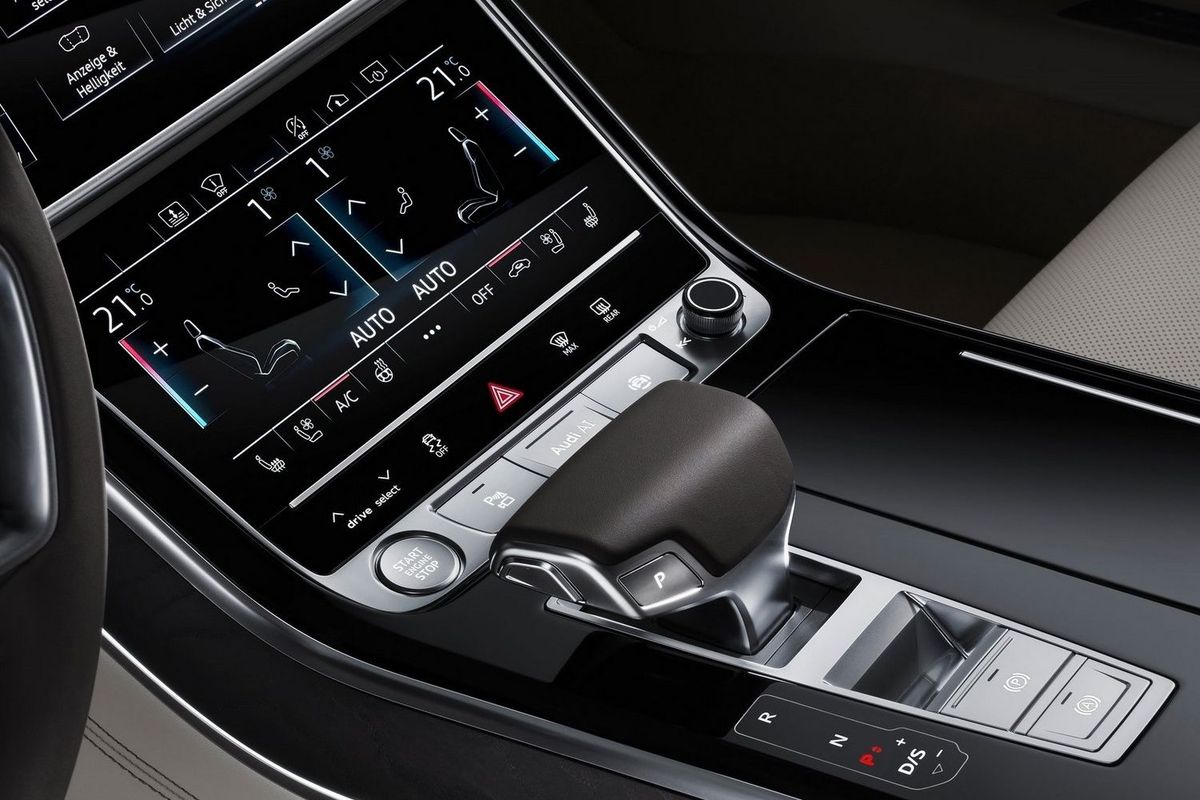
The cabin is one impressive place to be. There appears to be a massive switch from hands-on buttons to a digital touchscreen experience and a massive 10.1-inch touchscreen display dominates the cabin. For the rear passengers, there's another touchscreen, this time it's an 8.6-inch unit doing duty. There's extensive use of natural materials such as real wood inlays and leathers. 


Buttons are being phased out in favour of all-digital touchscreens

Audi's Virtual Cockpit has been rejigged for A8 application and now features a 12.3-inch TFT monitor, which is fed by a separate unit by graphics specialists NVIDIA and it provides a full HD resolution of 1920 x 720 pixels. There is also a heads-up display.

For Passengers

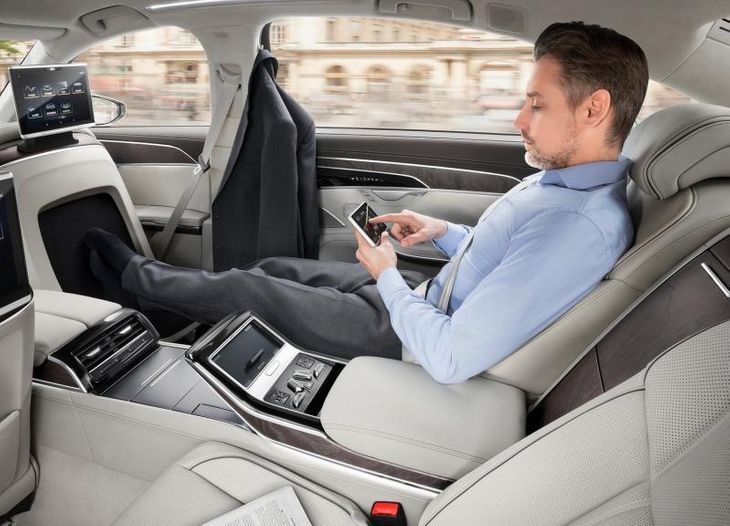
One feature which tickled our fancy was the Relaxation Seat. Located at the rear right (rear left for right-hand drive markets), the passenger can recline it almost flat and rest their feet on the back of a front passenger seat. There's the option of having your feet warmed and massaged with multiple settings. 


This guy is winning at life. His feet are being warmed and massaged, as he browses the Internet on the tablet

The rear passengers can also play with a device which resembles a smartphone/tablet and this controls things like climate control, seat, lighting, adjustment and media functions. You can also opt for the Audi tablets in the Rear Seat Entertainment package, which boast 10.1-inch screens and full HD resolution.

Autonomous Driving

Audi has fitted the A8 with a whole host of autonomous driving tech. It all falls under the Audi AI banner and things like automated traffic jam driving, remote parking and remote garage will be available for the first time. The new Audi A8 is a Level 3 autonomous car, which means that the vehicle takes over the task of driving in certain situations. It looks like the future has arrived as what you'll read next is mindblowing. "With the traffic jam pilot active, the driver can relax. They can take their hands off the steering wheel permanently and, depending on national laws, focus on a different activity that is supported by the car, such as watch a TV program on the 10.1-inch display in the center console." 

If you want to try sleep during this time, the car will warn you repeatedly and if you still don't react, the A8 will come to a stop. The other two features are remote parking pilot and garage pilot, which is where the driver and passengers are outside the vehicle while it parks, or enters a garage. The entire process is controlled by the myAudi app on a smartphone. 

The new Audi A8 also features a laser scanner which is able to scan the surroundings of the car quickly. This means that the assistance systems are able to react even quicker to situations such as cars braking hard in front of the A8.


The new Audi A8 is a level 3 autonomous car

Engines and Efficiency

The Audi A8 has come to market with efficiency in mind. There are two seriously reworked turbocharged V6 engines. Kicking off the range is a 3.0-litre V6 TDI with 210 kW and 600 Nm, then there's a 3.0-litre TFSI with 250 kW and 500 Nm. V8 engines will follow later and they're looking promising. A 4.0-litre V8 with 320 kW and 4.0-litre TFSI with 338 kW will keep fans of the eight cylinder happy. The venerable W12 motor will also make an appearance in the long wheelbase A8 L, with a hefty 430 kW and 800 Nm on tap. Don't rule out a high-performance S8 either, but that'll likely come in 2019. The big V8 engines are able to deactivate their cylinders to further save fuel, while the W12 can shut down an entire bank of cylinders.

All engines will feature mild hybrid technology, which comprises a 48 Volt electric setup, with a lithium-ion battery located underneath the luggage compartment. Using this electrical power, the A8 can coast along from 55 kph to 160 kph silently. It's also able to drive for up to 40 seconds with the engine completely off. The braking system will harvest and recover up to 12 kW of power, which can be used to power the car. The new Audi A8 features a new eight-speed tiptronic gearbox and quattro permanent all-wheel drive is standard. 


The styling is typical Audi: understated, classy and sophisticated

If you're wanting to go big, then the Audi A8 L e-tron quattro is your port of call. Featuring a 3.0 TFSI and an electric motor, it generates 330 kW and 700 Nm. It'll sprint from zero to 100 kph in 4.9 seconds, and the top speed is electronically limited to 250 kph. In all-electric mode, it is able to travel 50 km. This model coincides with Audi Wireless Charging, where a floor pad produces electricity and you simply park over the pad to charge the car. 

Coming to SA?

The new Audi A8 is confirmed for South African market introduction and its due to arrive in the middle of 2018. It'll go up against the BMW 7 Series and Mercedes-Benz S-Class. 

Watch the technology in action

Want to buy an Audi A8?

Browse through stock now

Further Reading

BMW 7 Series: A Tech Showcase [with Video]

Review: BMW 750i Design Pure Excellence

Review: BMW 740i

BMW 7 Series is the World Luxury Car of the Year

Update: Hyundai i30N Teased Ahead of Reveal [With Video]

We have seen spy shots of the Hyundai i30N undergoing testing, but Hyundai has released a teaser video for its new hot hatch that will be revealed this week.

Photos by S.Baldauf / S.B. Medien

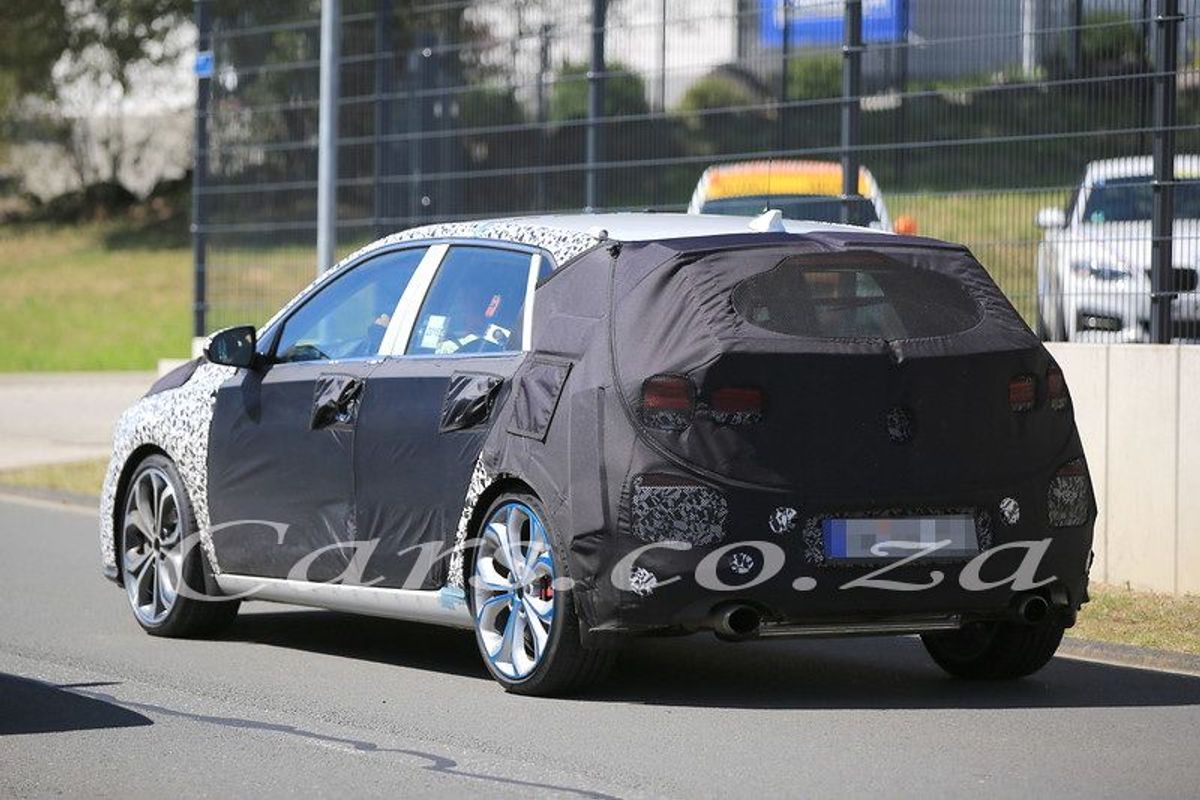
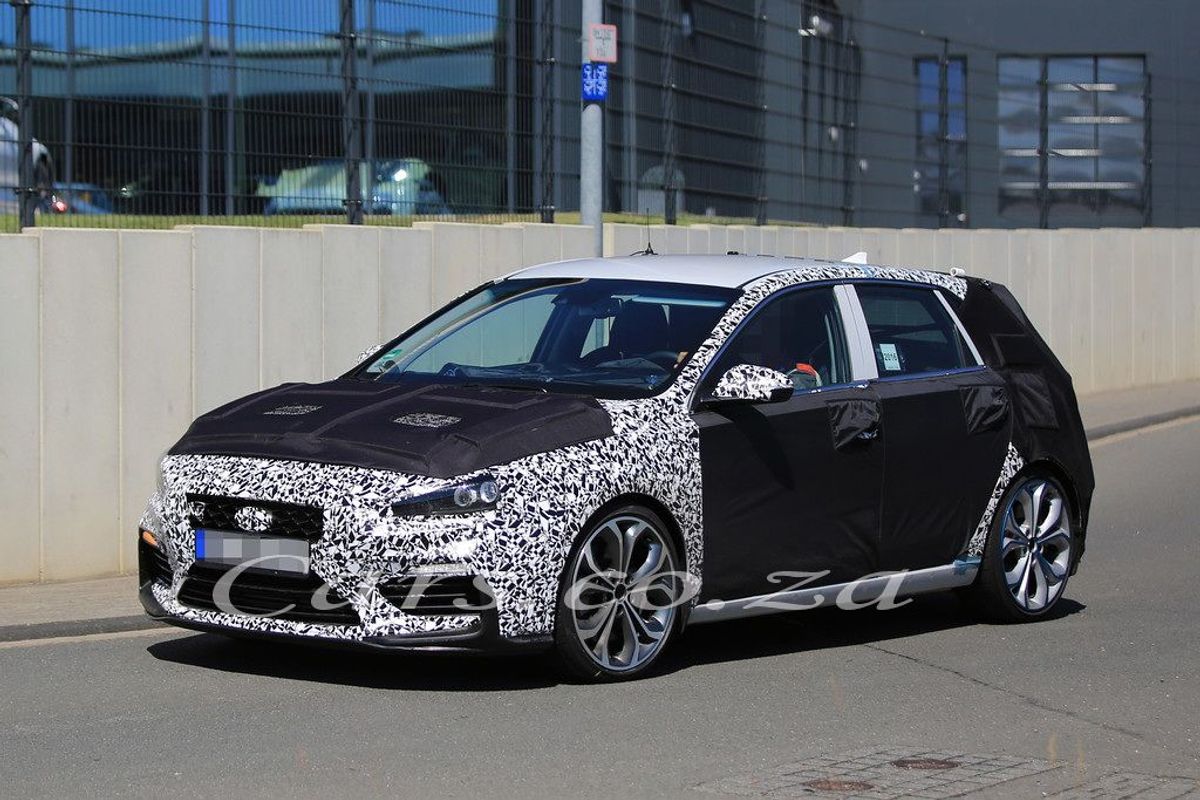
A while back we posted pictures of Hyundai's forthcoming i30N undergoing testing. While those photos didn't give away much in terms of what the new vehicle will look like, Hyundai has assured us that it will have the show to match the go. But more recently it also released images of the brand new i30, you can view those images here. Hyundai has now released a teaser video showing the i30N without camouflage ahead of its official reveal this week (13 July 2017). Watch the teaser above and stay tuned for more details soon.

Previously…

Our spy photographer has caught what appears to be the real thing – the "N" version of the all-new i30. Reports indicate that the i30 N will offer 186 kW from its 2.0-litre turbocharged engine. A performance package will see power rise to 205 kW. A 6-speed manual transmission will be offered initially with a dual-clutch 8-speed automatic transmission expected later. The i30N will also feature the company’s first electronically controlled mechanical limited-slip differential.

Those outputs put it squarely in the middle of a fiercely contested segment that features the likes of the of the Volkswagen Golf GTI, Ford Focus ST and Renault Megane RS, and it will be interesting to see how the newcomer fares. 

These latest photos and video give us a better look at this new performer from Hyundai and we can see details of the grille, air intakes, and front bumper. More "N"-badged performance models are expected in the future. 

Watch the Hyundai i30N Undergoing Testing in the UK:

Related content:

Find a used Hyundai i30 on Cars.co.za

Hear the upcoming i30N performance version roar

Kia Picanto (2017) Specs & Price [with Video]

The all-new third-generation Kia Picanto is now available in South Africa with a youthful exterior design as well as a new cabin design and technology features. Take a look at details and pricing for the new Picanto!

The Picanto is one of Kia’s best-selling models globally with over 1.4 million Picanto’s sold since 2011. The new Kia Picanto builds on the success of its predecessor with a new design while the interior has also been enhanced with a fresh design and new technological features. Take a look at what the new Picanto has to offer…

What’s changed?

Exterior design


The new Picanto's dimensions are identical to the outgoing model, but the wheelbase has grown by 15 mm.  

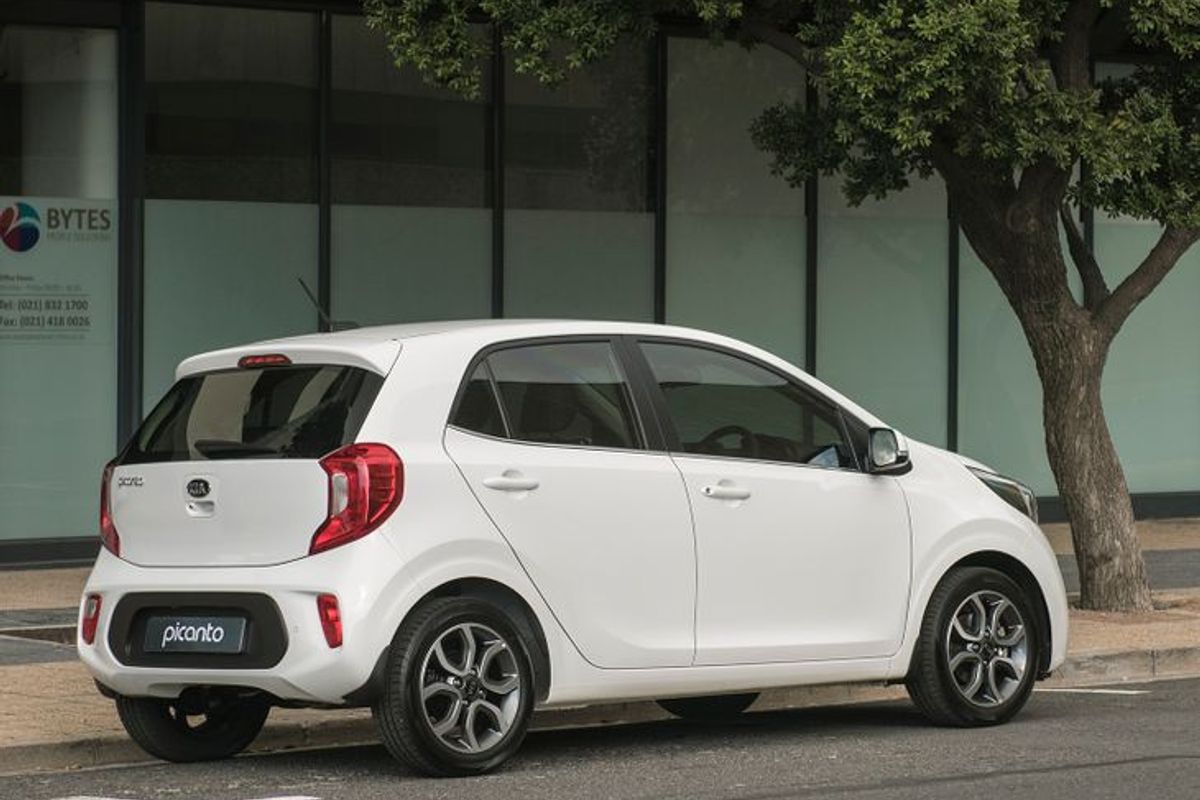
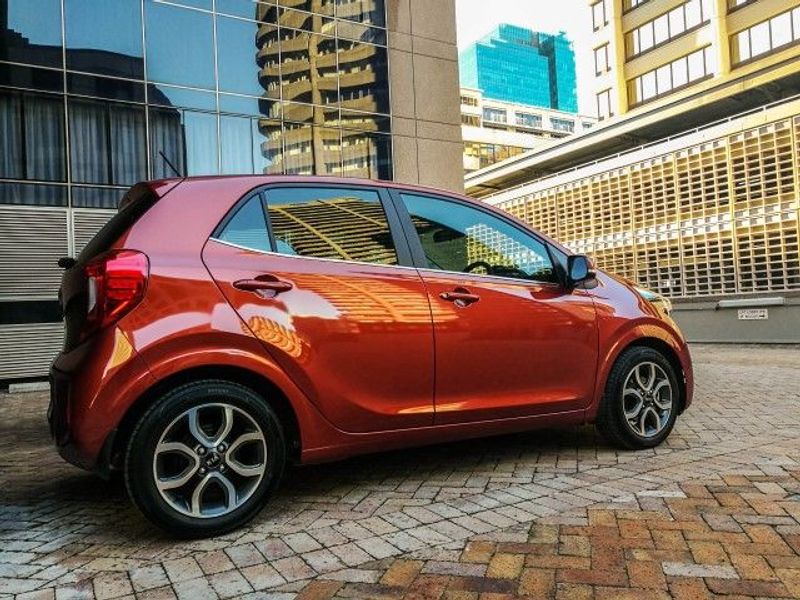
Designed through a collaboration of Kia’s design centres in Namyang, Korea and Frankfurt, Germany, the new Picanto features a more ‘youthful and energetic’ look. The new Picanto’s wheelbase has increased by 15 mm with the wheels pushed further out to the corners resulting in a 25 mm shorter front overhang. It’s length, width and height remain unchanged.

Horizontal lines run across the front of the vehicle, emphasising the ‘tiger-nose’ grille and new angular wrap-around headlights. Vertical lines seen in the lower grille and air intakes give the Picanto a bolder face. Lines running along the side skirts, shoulder and wheel arches add to the Picanto’s new look. The new Picanto has a wide C-pillar and the rear overhang is now 10 mm longer.

No fewer than 11 vibrant exterior paint finishes are available with 6 new colours to choose from including Lime Light, Shiny Red, Aurora Black, Pop Orange, Sparkling Silver and Celestial Blue pearlescent metallic finishes. Depending on the derivative, the Picanto rides on either 13 or 14-inch steel wheels with wheel covers or 14 and 15-inch alloy wheels. High-spec derivatives are fitted with new projection headlights with LED indicators and LED daytime running lights.

Interior improvements


The Picanto's interior design is a vastly improved with higher quality materials and finishes. 

This latest Picanto features a more modern and refined cabin design, boasting new materials and larger dimensions. High-spec Picanto derivative benefit from a ‘floating’ 7-inch full-colour touchscreen display while the entry-level derivatives feature a 3.8-inch TFT LCD audio system. The new 7-inch infotainment system offers Bluetooth and supports Apple CarPlay and Android Auto for full smartphone integration. A USB and Auxiliary port is also standard.


A 7.0-inch touchscreen infotainment system is offered on high-spec Picanto derivatives. 

High-spec derivatives also feature a rear-view parking camera with guidelines, electrically folding heated mirrors and two-tone black and grey leather upholstery. Black cloth seats are fitted as standard on entry-level derivatives.

In terms of practicality, the new Picanto offers more leg and headroom for rear passengers while the base of the dashboard has been raised by 15 mm, improving leg and knee room for the front passenger and driver. High-spec derivatives also feature a sliding armrest that can move back and forth by some 55 mm and covers a small storage compartment designed to store a sunglasses case. The base of the centre console has a double-shelf tray to store other items. Two retractable cup holders are also fitted and can be folded away if you don’t need them. A new vanity mirror with LED lights is offered as an option on high specification derivatives.


The boot offers increased volume with a stepped floor that increases space or hides items out of sight. 

The luggage bay has grown by 55 litres, now offering 255 litres of space with a 2-step boot floor which can be raised or lowered by 145 mm to access additional space or to store items out of sight. The rear seats can be folded down in a 60:40 configuration, increasing space to 1 010 litres.

Ride quality and refinement

Hyundai says that ride quality has improved with enhancements made to the front MacPherson strut and rear torsion beam. The front anti-roll bars are 2% stiffer and mounted slightly lower while the rear anti-roll bars are 5% stiffer and mounted slightly higher. The rear torsion beam has newly-designed trailing arms resulting in a weight saving of 1.8 kg. A new column-mounted, motor-driven steering rack is fitted with 13% improvement in the steering ratio, contributing to enhanced steering response and makes the Picanto easier to drive at low speeds or in the city.

Cabin insulation has also been improved to reduce vibration and noise while driving. A new soundproofing panel is fitted beneath the dashboard and in the cabin floor while expandable sound-absorbent foam has been applied to the lower sections of the B and C-pillars. Reshaped air intakes further isolate engine noise from the cabin and the revised engine mounts help reduce engine vibrations. The windscreen wipers have also been lowered by 6 mm to reduce wind noise at the base of the windscreen. Hyundai claims that the new Picanto is the quietest car in its class…

Safety

ABS is offered on all Picanto derivatives, except the entry-level offerings. A total of 2 airbags for the driver and passenger are fitted and ISOFIX child seat mounts are standard across the range.

Engine choice and range


Two petrol engines, 2 transmissions and 4 trim lines make up the local Picanto lineup.

Two engines power the new Kia Picanto including the familiar, but enhanced 1.0-litre and 1.25-litre naturally-aspirated petrol engines. Both engines are mated to a 5-speed manual transmission while some derivatives feature a 4-speed automatic transmission. The 1.0-litre, 3-cylinder engine offers 49 kW and 96 Nm of torque while the 1.2-litre, 4-cylinder engine offers 61 kW and 122 Nm of torque.

A total of 8 Picanto derivatives (4 for each engine) are on offer across 4 specification grades including Start, Street, Style and Smart.

The entry-level Picanto Start derivatives are fitted with standard features such as air-conditioning, tilt-adjustable steering, a radio with RDS and MP3 capability, Aux and USB connector jacks, Bluetooth connectivity and two speakers.

The next level up is the Picanto Street, adding features such as electric front windows, steering wheel-mounted audio controls, remote central locking with an alarm and immobilizer, as well as driver’s seat height adjustment.

The Picanto Style derivatives are further specified with front projection fog lamps, daytime running lights, automatic light control, a rear window wiper and front seatback pockets.

The range-topping Picanto Smart derivatives come fully equipped with bi-function projection headlights, LED daytime running lights, LED rear combination lights, electrically-folding and heated side mirrors with integrated LED indicator lamps, aluminium pedals, two-tone cloth and leather upholstery, a leather-upholstered steering wheel and gear knob, the 7-inch full colour infotainment system, Bluetooth with Voice Recognition and a rear park distance control system with an integrated reverse camera with dynamic guidelines. An optional sunroof is offered on all Smart derivatives for an additional R8 500.

Kia Picanto – prices in South Africa (July 2017)

1.0 START Manual R134 995
1.0 STREET Manual R149 995
1.0 STYLE Manual R159 995
1.0 STYLE Auto R172 995
1.0 SMART Manual R179 995
1.2 START Manual R150 995
1.2 START Auto R163 995
1.2 STREET Manual R165 995
1.2 STYLE Manual R175 995
1.2 STYLE Auto R188 995
1.2 SMART Manual R195 995

The Kia Picanto is sold with a 5-year/unlimited km warranty and 3-year/unlimited km Roadside Assistance. A service plan is offered as an option.

Related content:

Update: New Kia Picanto Coming to SA in Q3

Teaser Images: Next Kia Picanto

Kia adds new 1.2 entry-level Picanto

Comparison: Kia Picanto 1.2 vs Suzuki Swift 1.2

Want to buy a Kia Picanto?

Find a new or used Kia Picanto on Cars.co.za

Land Rover Discovery (2017) Specs & Price

The new Land Rover Discovery is launching in South Africa this week with 35 First Edition models up for grabs! Take a look at what you can expect from the new Discovery.

The new fifth-generation Land Rover Discovery made its debut at last year’s Paris Motor Show and we can’t wait for the new model to arrive on local soil this week. Now offering an enhanced design with more space and practicality, the new Discovery looks promising. 

Read more about the new Land Rover Discovery here!

For those looking for something more exclusive, Land Rover will also be offering 35 First Edition models, featuring additional standard equipment, to coincide with the launch of the new Discovery.

Model range and key features


The new Discovery will offer more space and practicality as well new technology features. 

The new Discovery will be offered with two engine options including a 3.0-litre turbodiesel engine with 190 kW and 600 Nm of torque, as well as a 3.0-litrer supercharged V6 petrol engine developing 250 kW and 450 Nm of torque. Both engines will be mated to an 8-speed automatic transmission.

Buyers can choose between 4 specification levels with the range comprising of S, SE, HSE and HSE Luxury. In terms of features, the Discovery in SE trim and up will feature air suspension, LED headlights and satellite navigation as standard while Land Rover’s 10.2-inch InControl Touch Pro infotainment system (standard for HSE and HSE Luxury), Meridian sound systems and an electric tailgate will be offered as options across the range.

Buyers will also be able to specify a nifty Seat Fold feature that will allow you to configure the seating arrangement using your smartphone, as well as the touchscreen and switches in the luggage bay. A waterproof Activity Key wristband, much like that offered on the Jaguar F-Pace, will now be available on the new Discovery, a useful solution for outdoor enthusiasts.

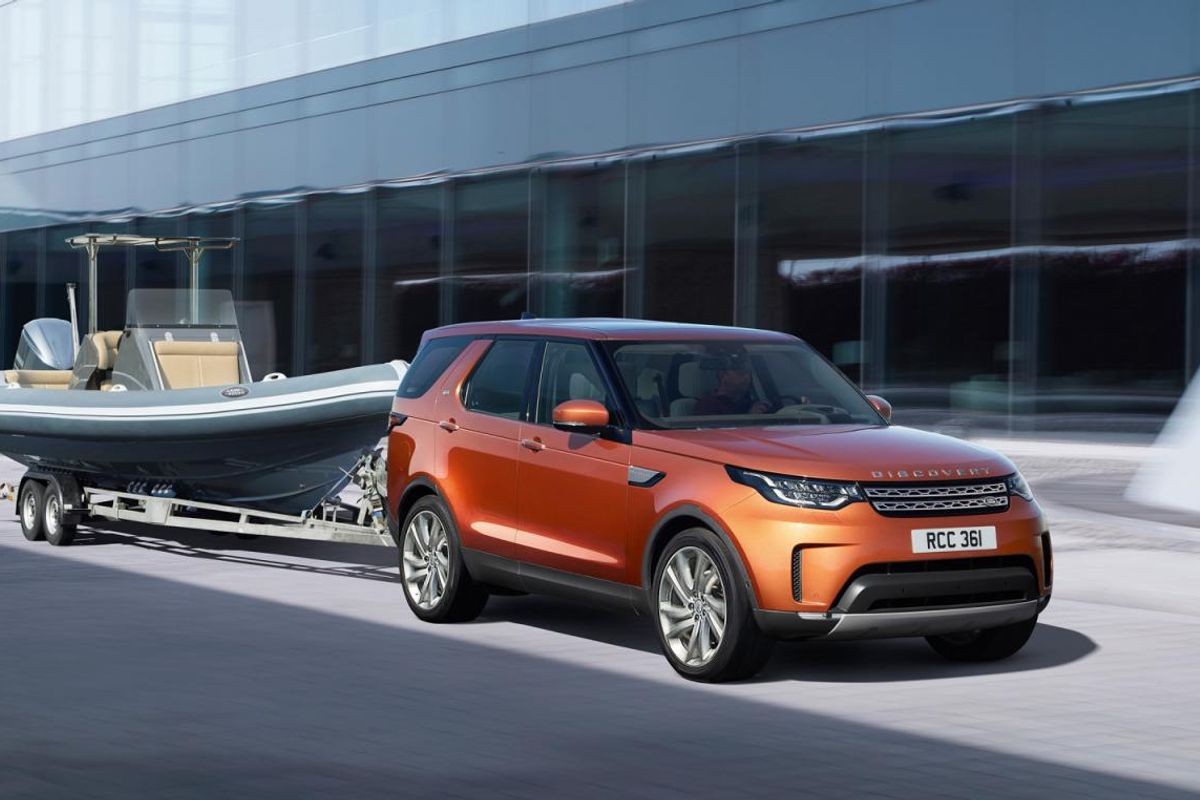
With a maximum towing capacity of 3 500 kg, the new Discovery will feature Tow Assist and Trailer Stability Assist as standard across the range, while Advanced Tow Assist will be offered as an option for SE, HSE and HSE Luxury derivatives. Land Rover says the new Discovery will be able to wade in water up to 900 mm deep and can accommodate up to 7 passengers with maximum cargo space totalling 2 500 litres with the seats folded flat.
 

As for the First Edition Discovery, features such as Intelligent Seat Fold, Activity Key, Terrain Response 2, InControl Touch Pro, surround cameras, electric panoramic sunroof and 825 W Meridian sound system will be fitted as standard. The First Edition will also be offered with three exclusive exterior colours including Namib Orange, Farallon Black and Silicon Silver. Windsor leather is standard too as is large 22-inch wheels.

We will keep you updated with more details from the local launch and be sure to look out for our launch review coming later this week. Stay tuned!

Land Rover Discovery – Price in South Africa

Discovery S TD6 R989 918 

Discovery S Si6  R1 034 802

Discovery SE TD6 R1 119 168

Discovery SE Si6 R1 143 052

Discovery HSE TD6 R1 232 918

Discovery HSE Si6 R1 256 802

Discovery HSE Luxury TD6 R1 323 918

Discovery HSE Luxury Si6 R1 347 802

Discovery First Edition TD6 R1 449 918

Discovery First Edition Si6 R1 473 802

The Land Rover Discovery is sold with a 3-year/100 000 km and a 5-year/100 000 km maintenance plan.

Related content

Land Rover Discovery (2017) International First Drive

Spy Shots: 2018 Land Rover Discovery

All-New Land Rover Discovery Revealed

Land Rover Discovery Sport SD4 SE (2015) Review

Land Rover Discovery HSE Review

Across Africa in the Range Rover Evoque and Land Rover Discovery (Video)

Land Rover Makes Towing Simpler (Video)

Want to buy a Land Rover Discovery?

Find a new or used Land Rover Discovery on Cars.co.za