In a world…where hot hatches have nearly 300kW and cost R1million, these two contenders fight for supremacy. It's Part Two of our feature with the BMW M2 and the Audi RS3.
That does sound a bit Hollywood but we do think this video is a bit of a blockbuster. Recently, we hired the Killarney race circuit outside Cape Town and staged a drag and track race featuring the 2017 Audi RS3 Sportback and 2016 BMW M2.
The best way to compare these two cars in detail is to use our compare tool, simply follow this link:
In part 2, we headed to the full circuit, made sure Ashley had consumed sufficient calories to sustain himself and unleashed both cars. The aim was to set two times for each car, one standing start hot lap and one flying lap. Both cars were rigged with Racelogic V-Boxes for the most accurate timing possible and both cars were driven within a few minutes of each other, to ensure track conditions were as close to identical as possible.
Watch the full video here:
However, we didn't want to stop there. We wanted to provide you, the viewer, with as much data and footage from our race day as possible. The V-boxes provided a tonne of great data and videos which you'll find below.
Hot lap videos – POV
Let's kick it off with the Audi RS3's hot laps POV video. The V-box has also added speed and G-forces:
And now onto the BMW M2. These videos are a great way to compare how each car went about setting its lap times.
Key Data
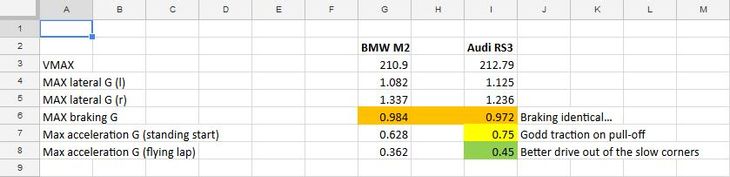
Here are some headline figures which we've pulled from the V-boxes.
Telemetry
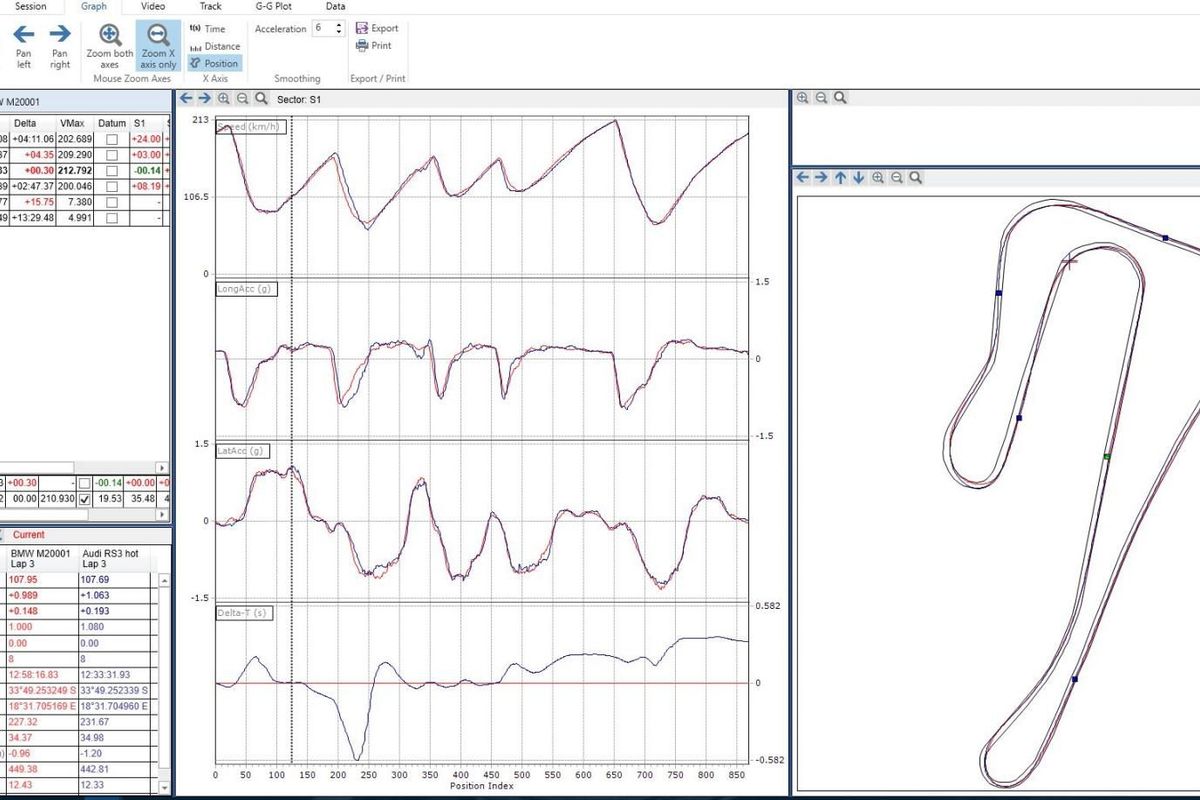
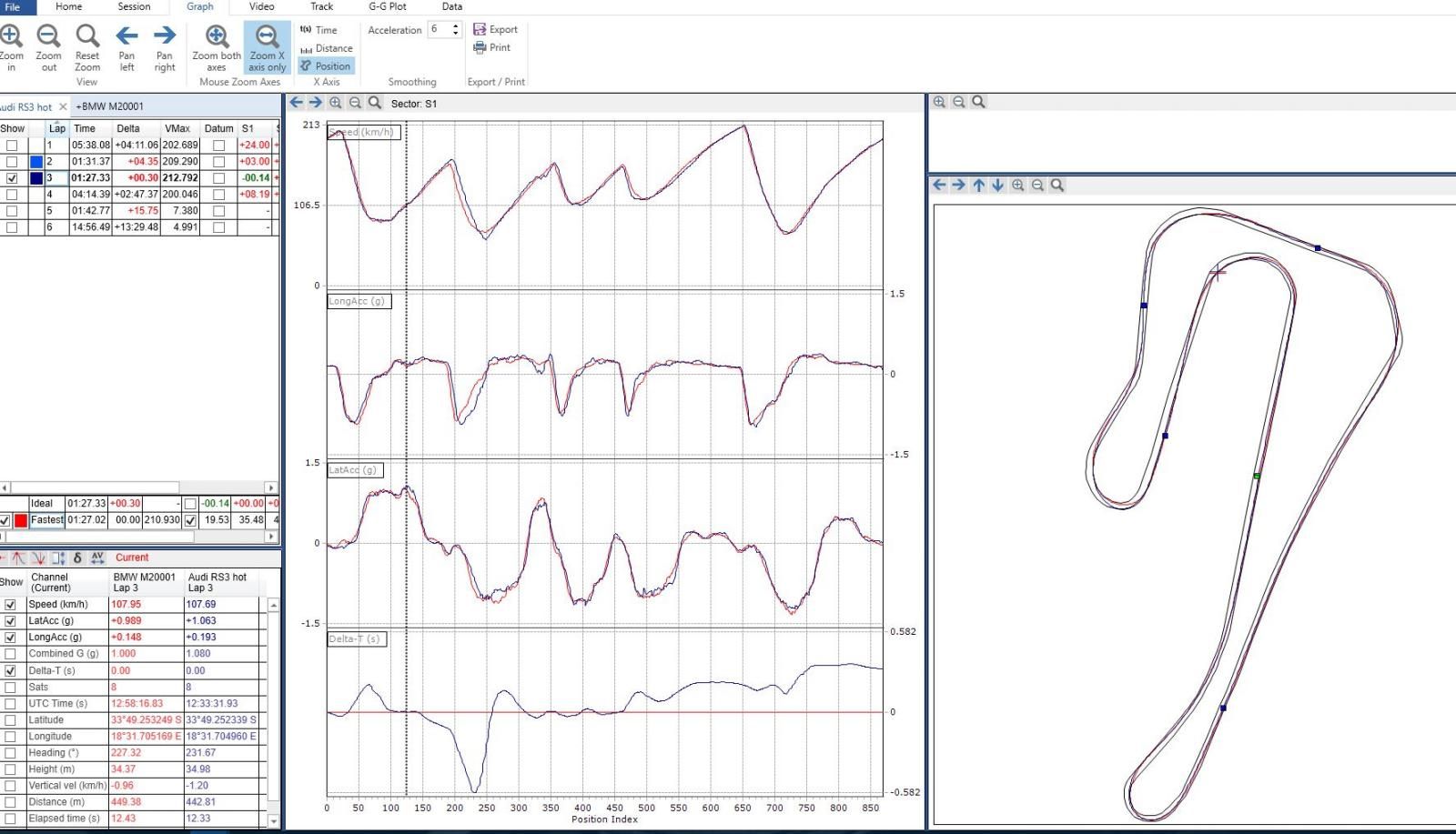
Below is a screengrab from the V-box desktop software. Here you can see how each car compares, according to the graphs. The Audi is represented by the blue line, with the BMW in red.
– Graph 4: Time difference over the course of the lap
– Large graph: The racing line taken by each car over the course of the track.
Summary
If you haven't worked out which car took the track title, you'll just have to watch the video above…
In short, this is how Ashley Oldfield, our racing driver, summed up the two cars:
"The Audi RS3 just gets better and better, and the new one is particularly fast. However, it does feel like a one-lap special. The average driver can climb in and with relatively little practice, push the car to its limits and set decent lap times. The M2 remains an exceptional driver's car. It feels like the more you drive it, the better it gets, and the better you get as a driver. It's definitely the car I'd take home."
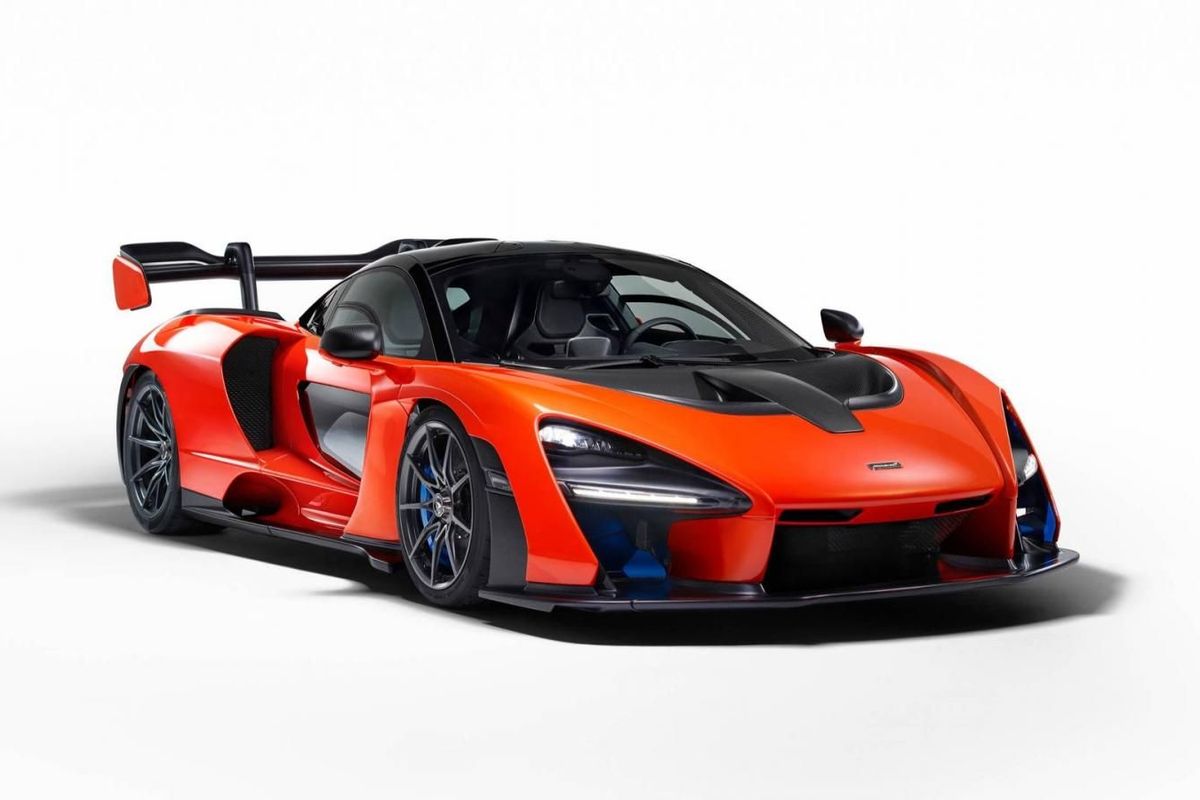
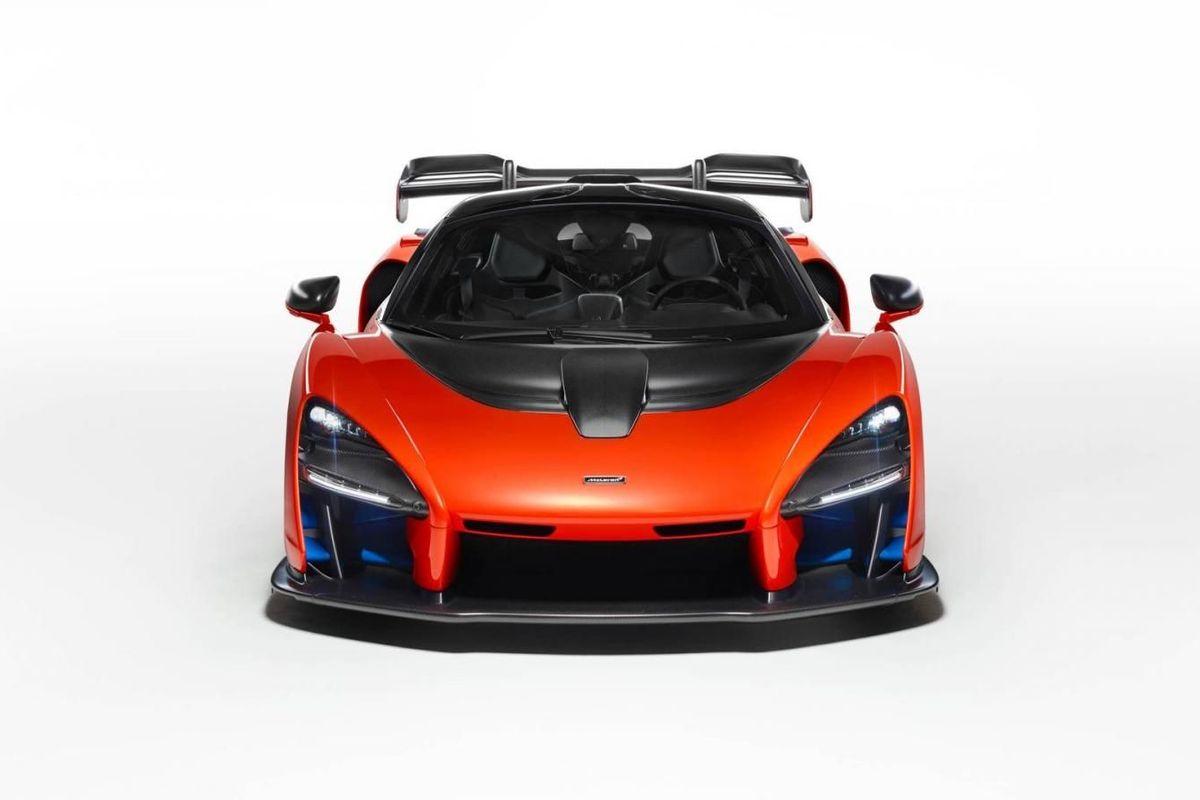
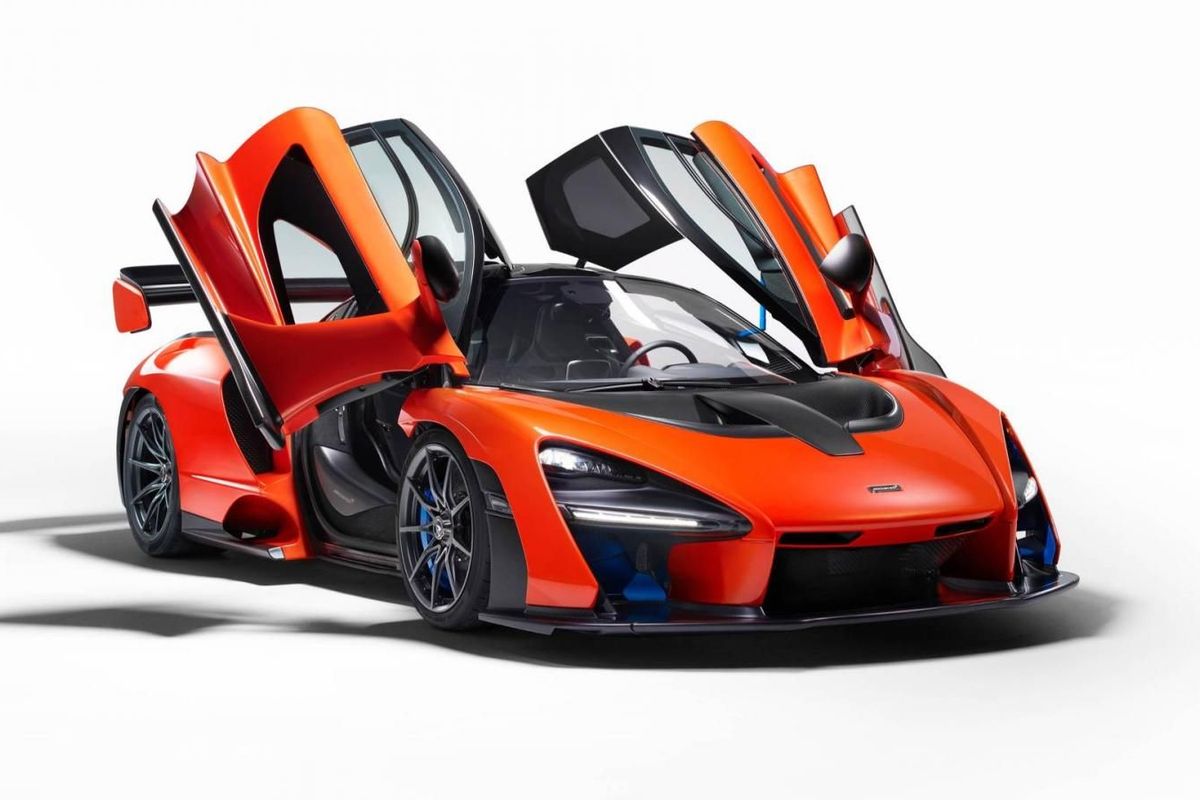
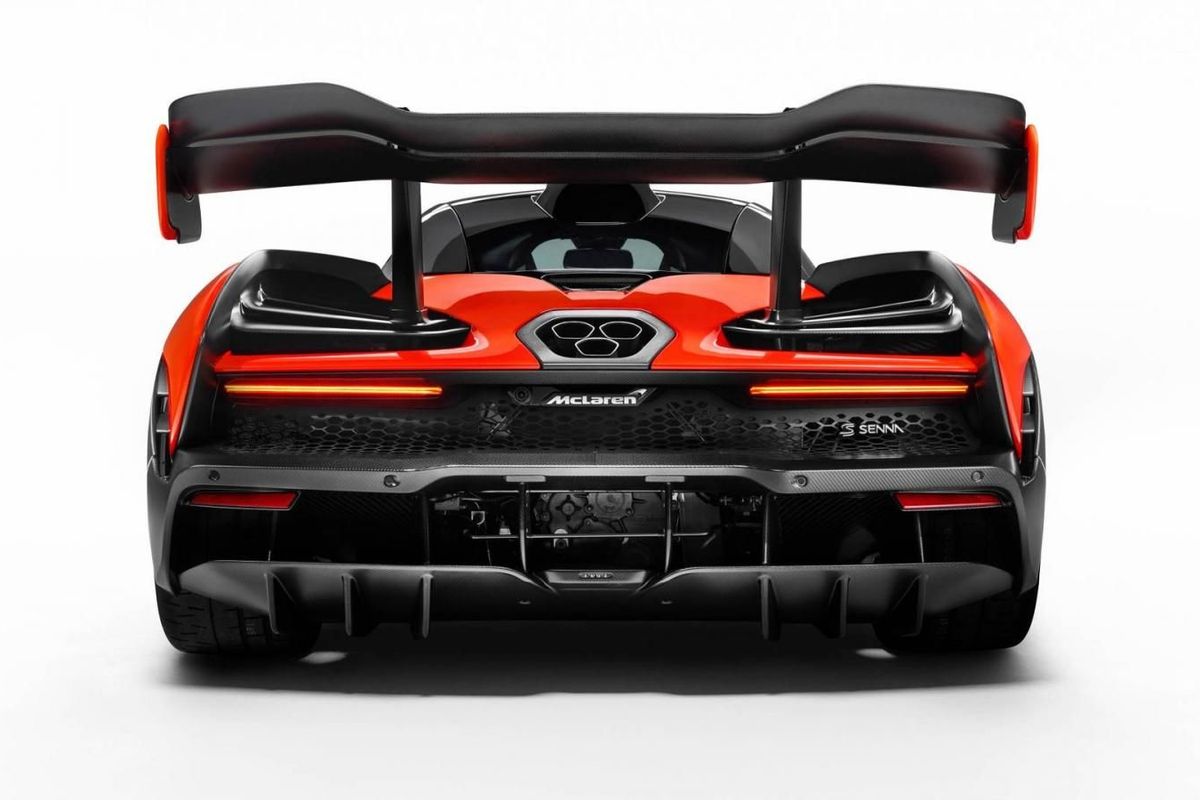
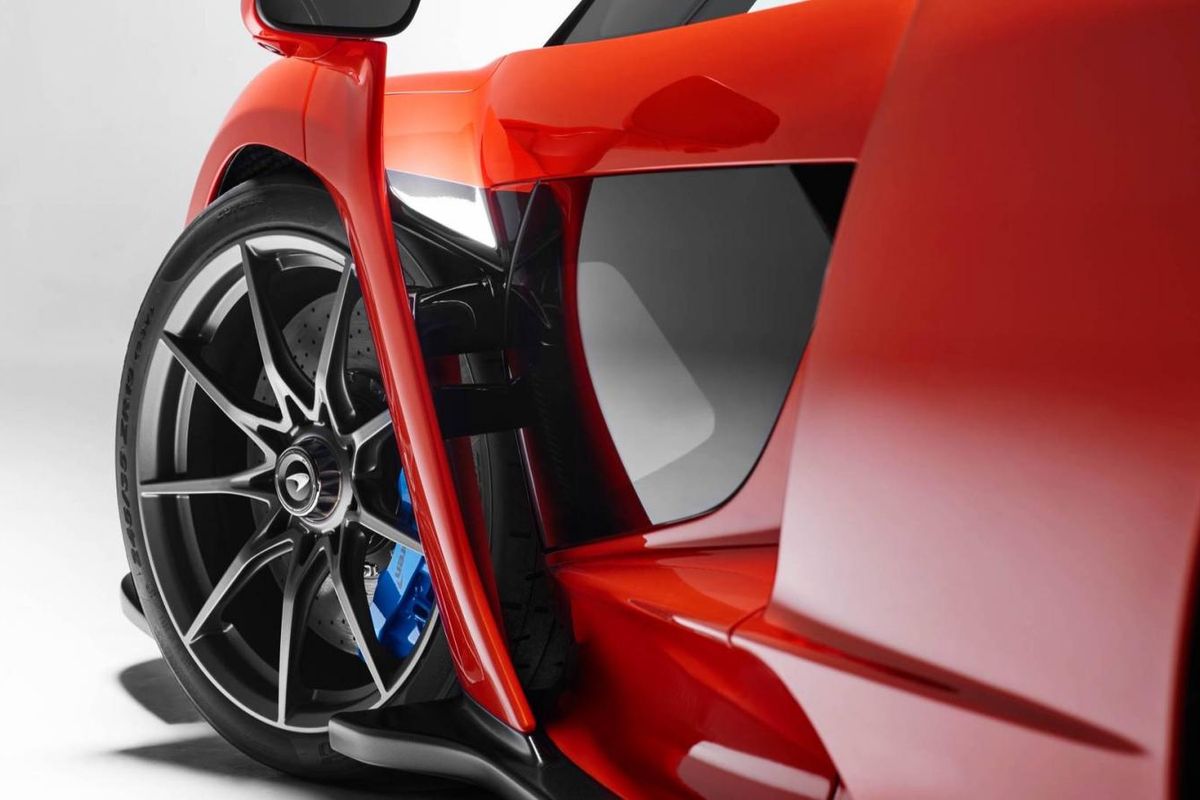
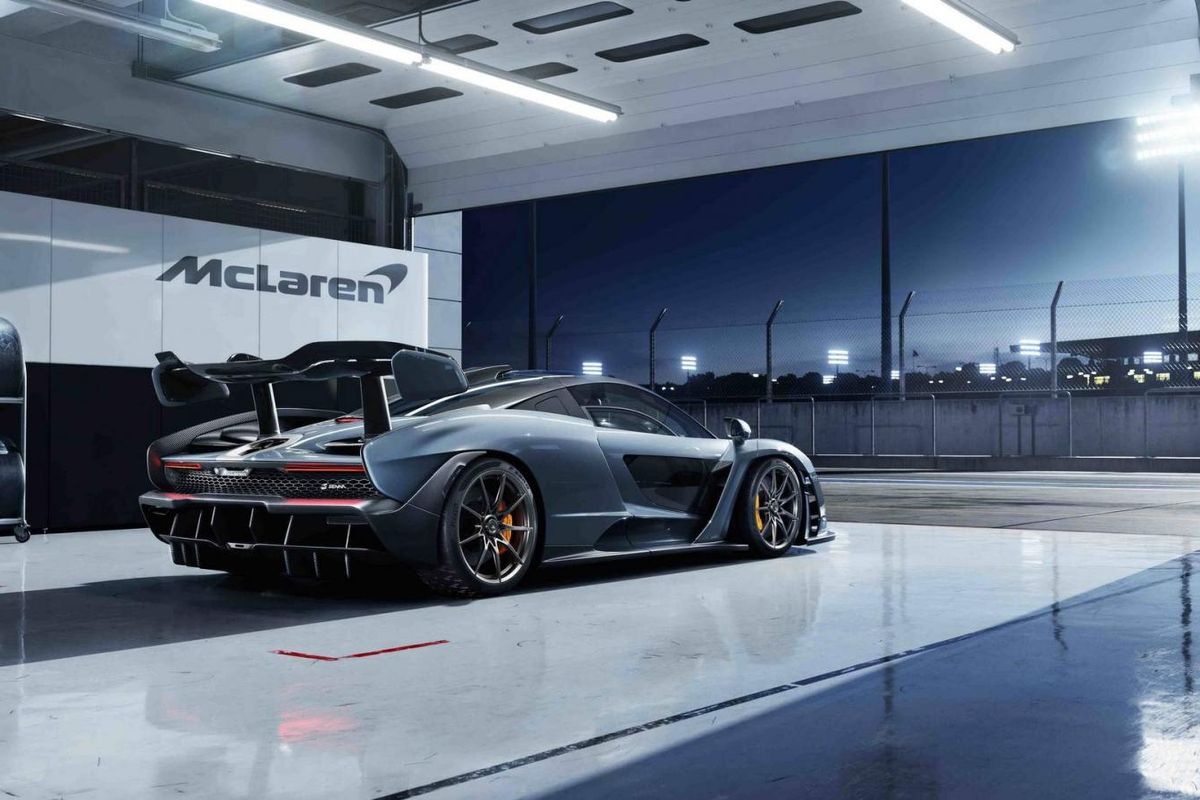
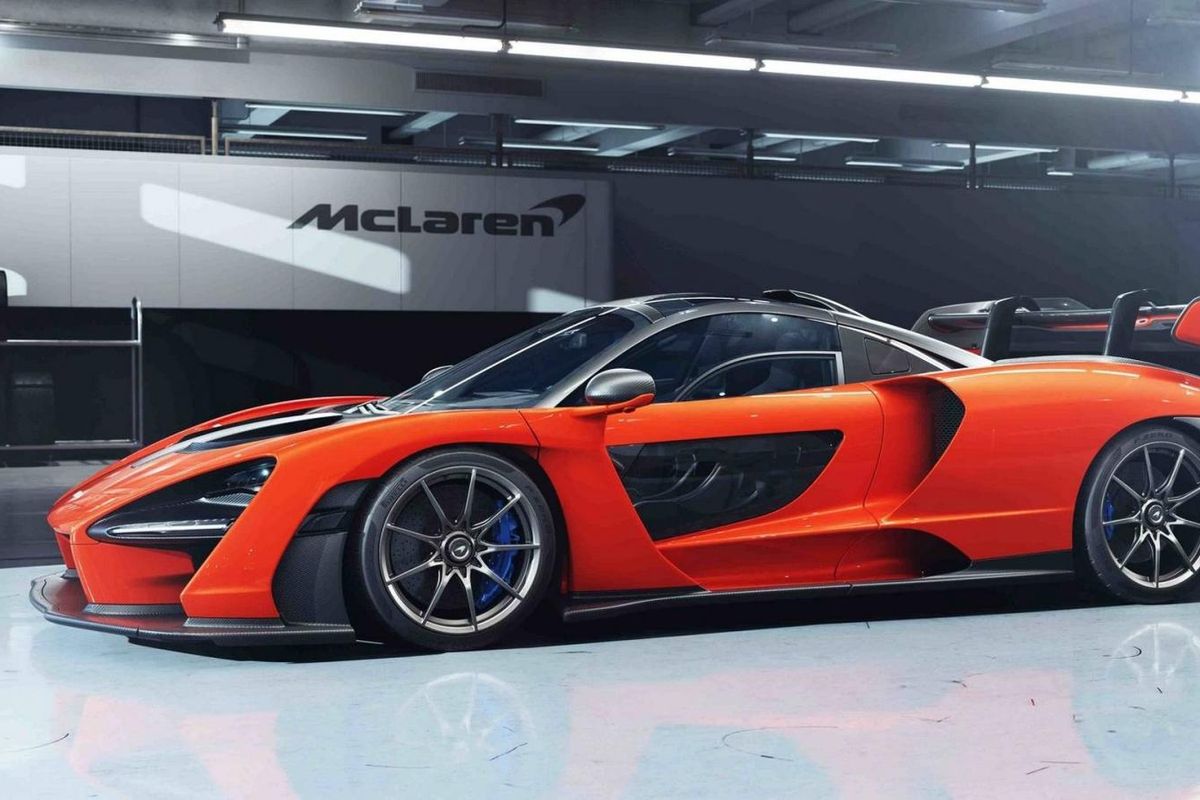
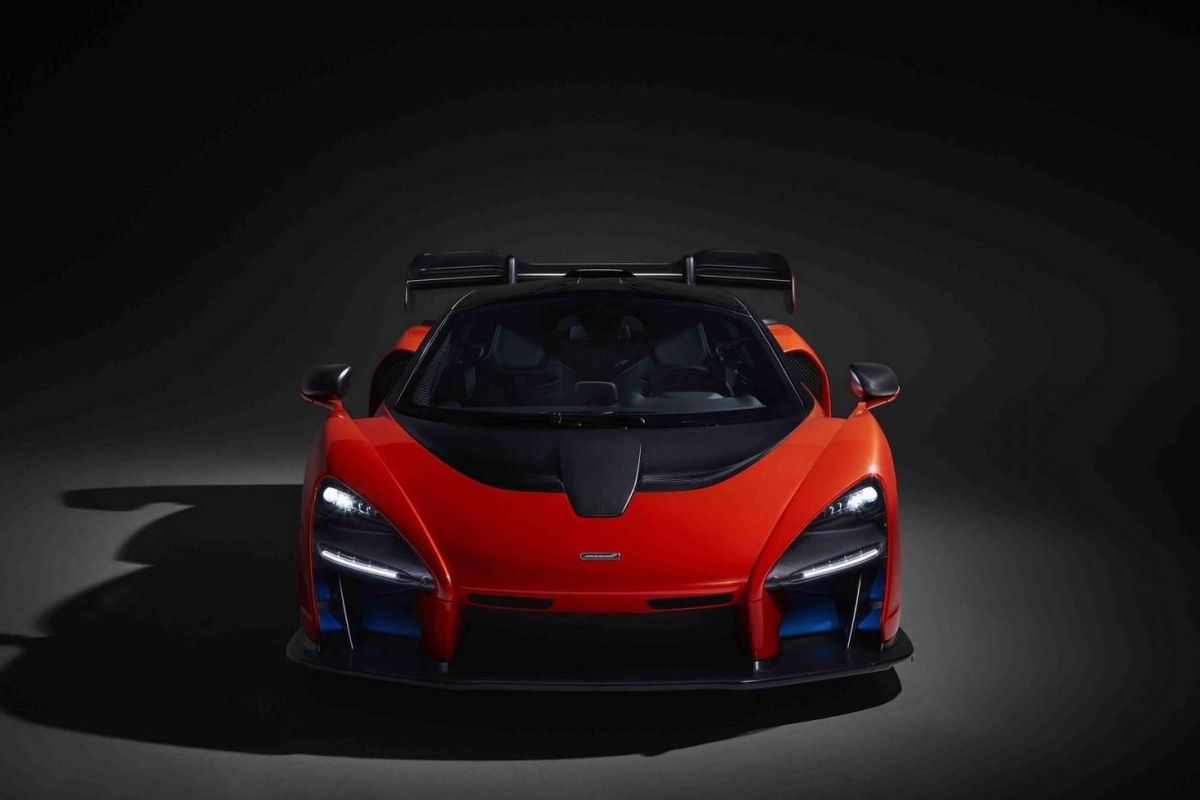
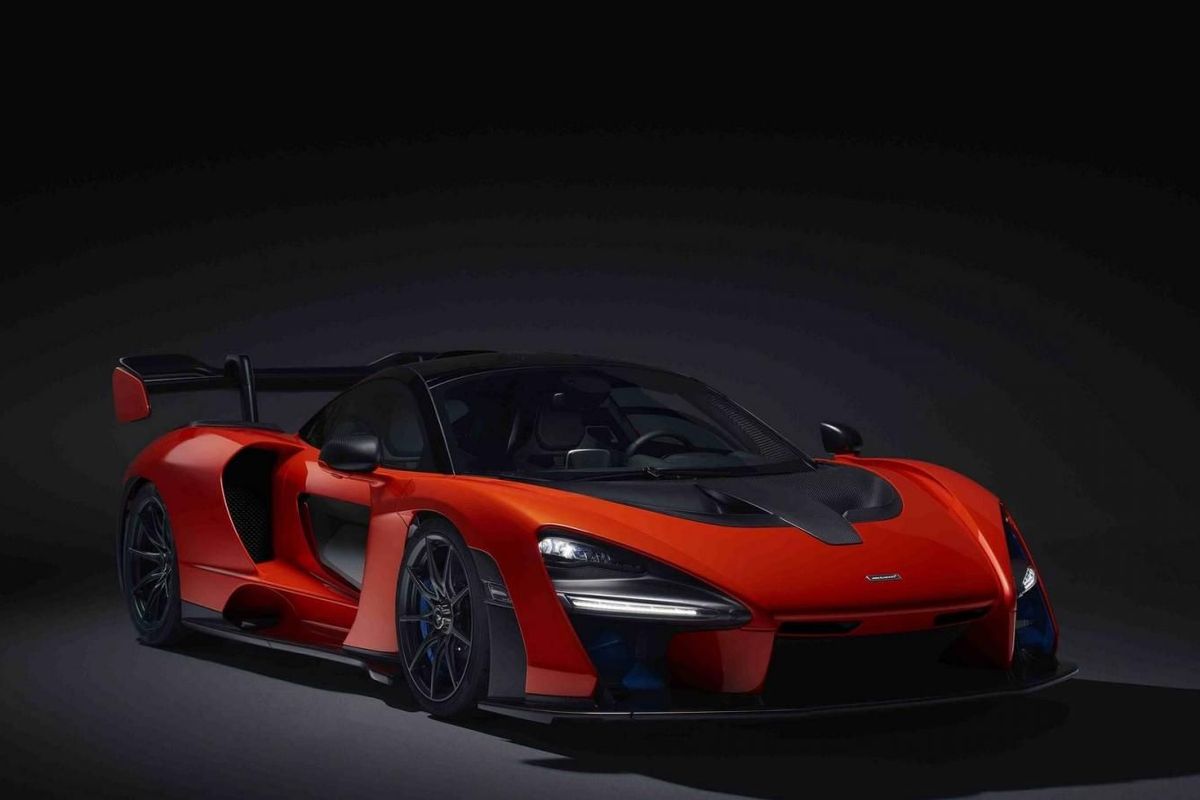
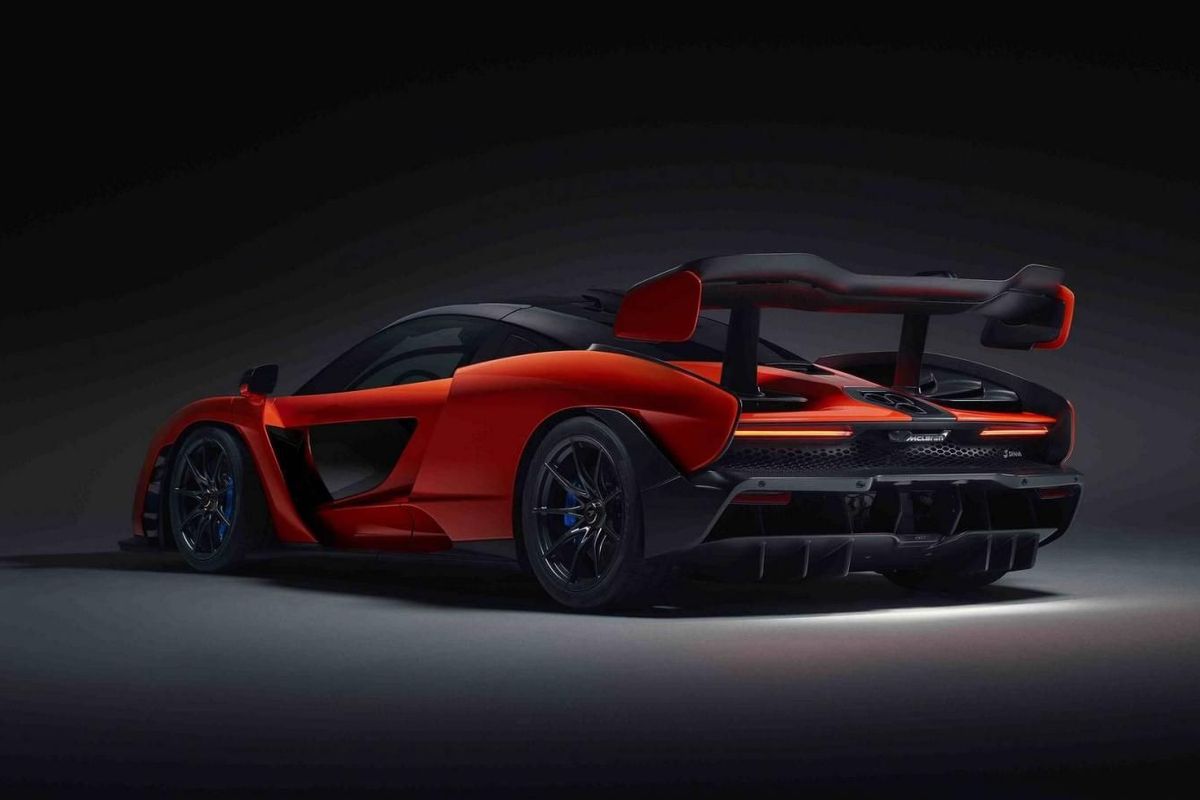
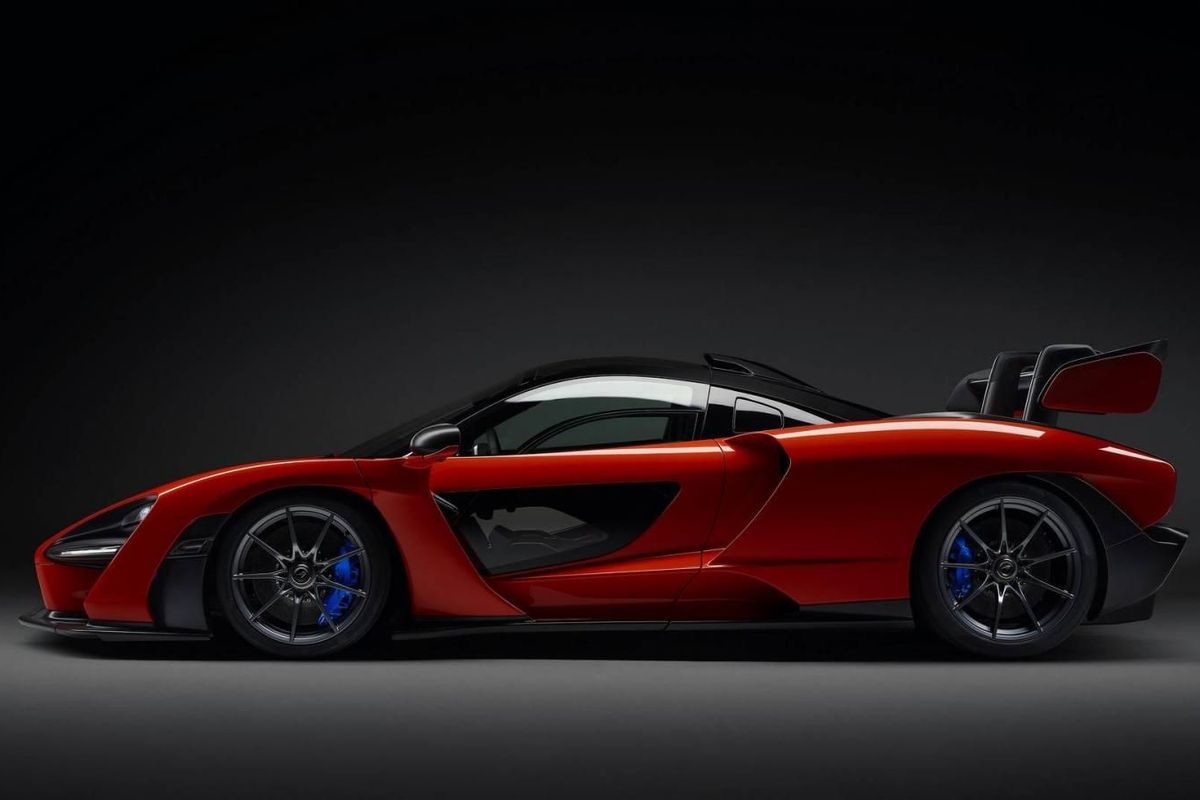
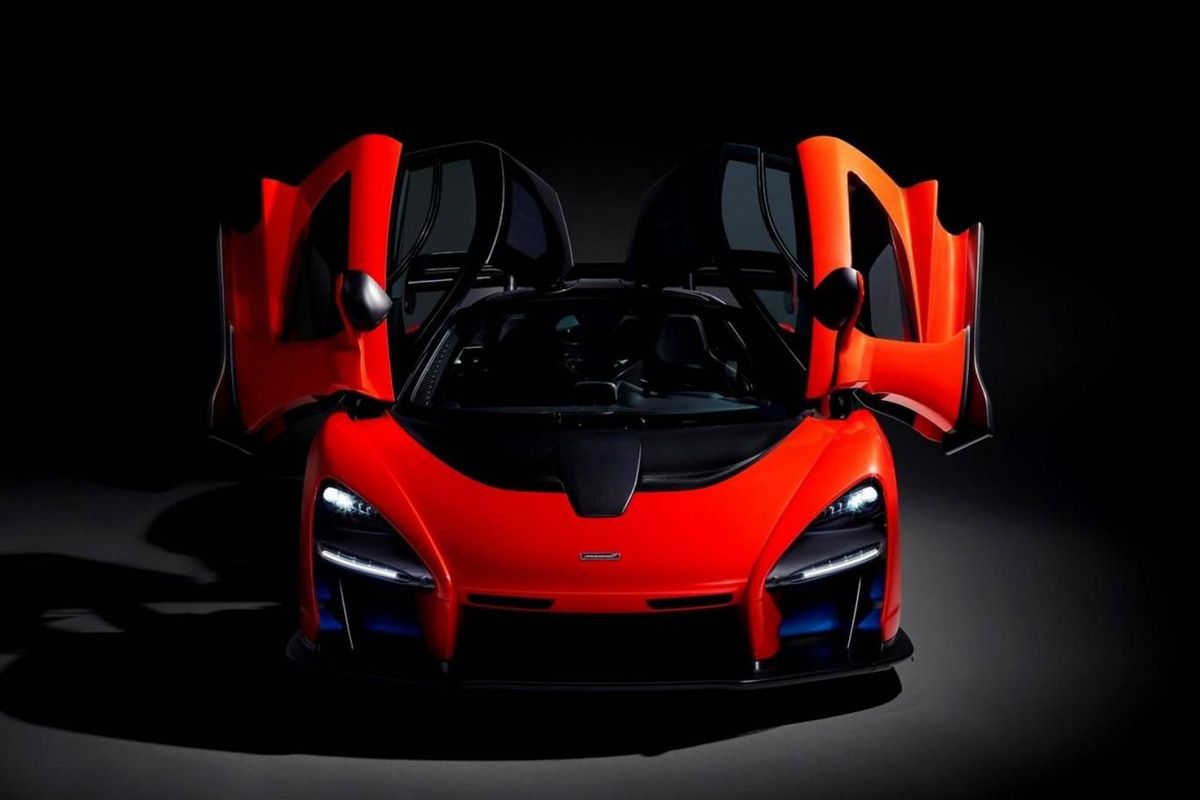
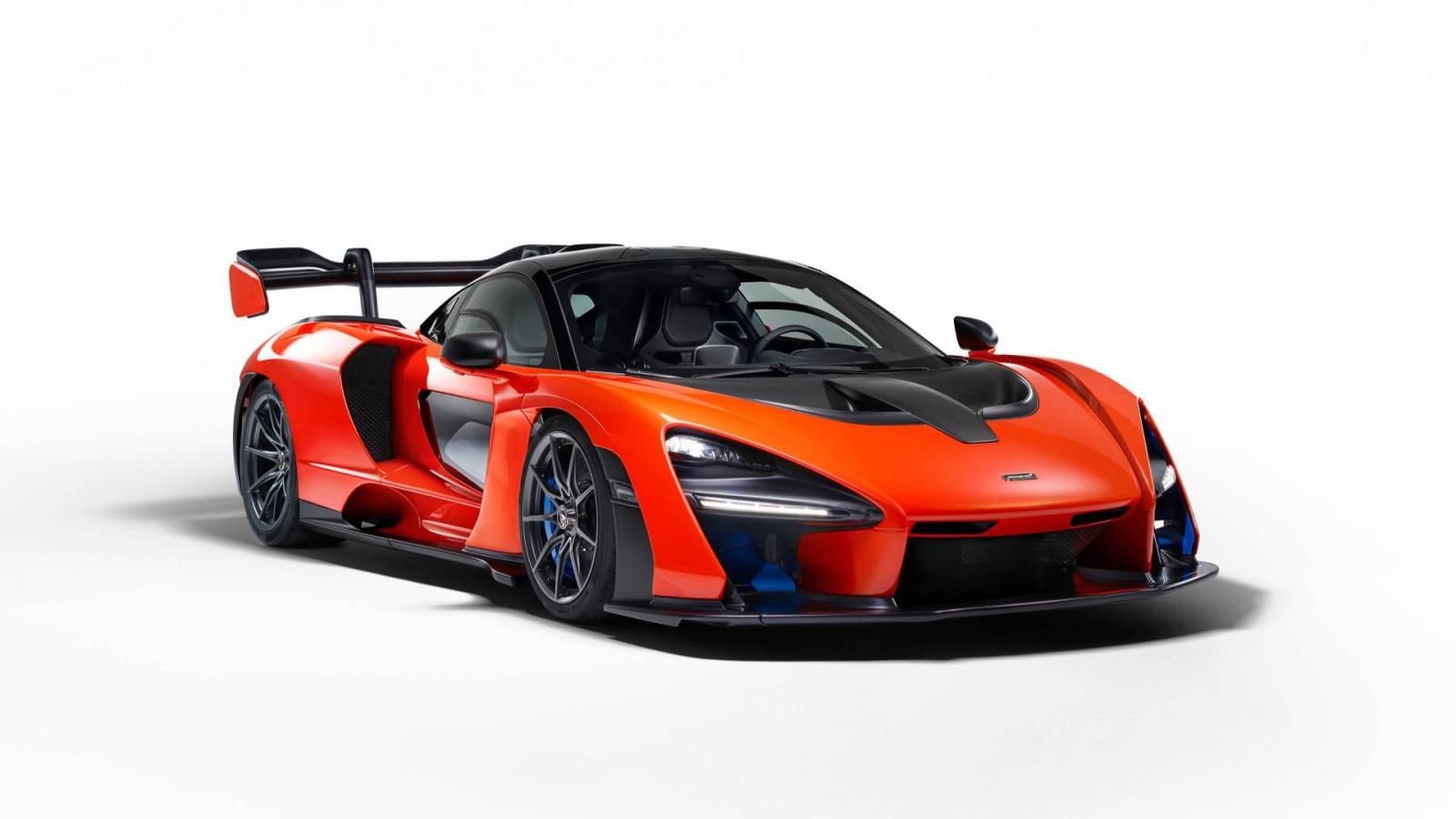
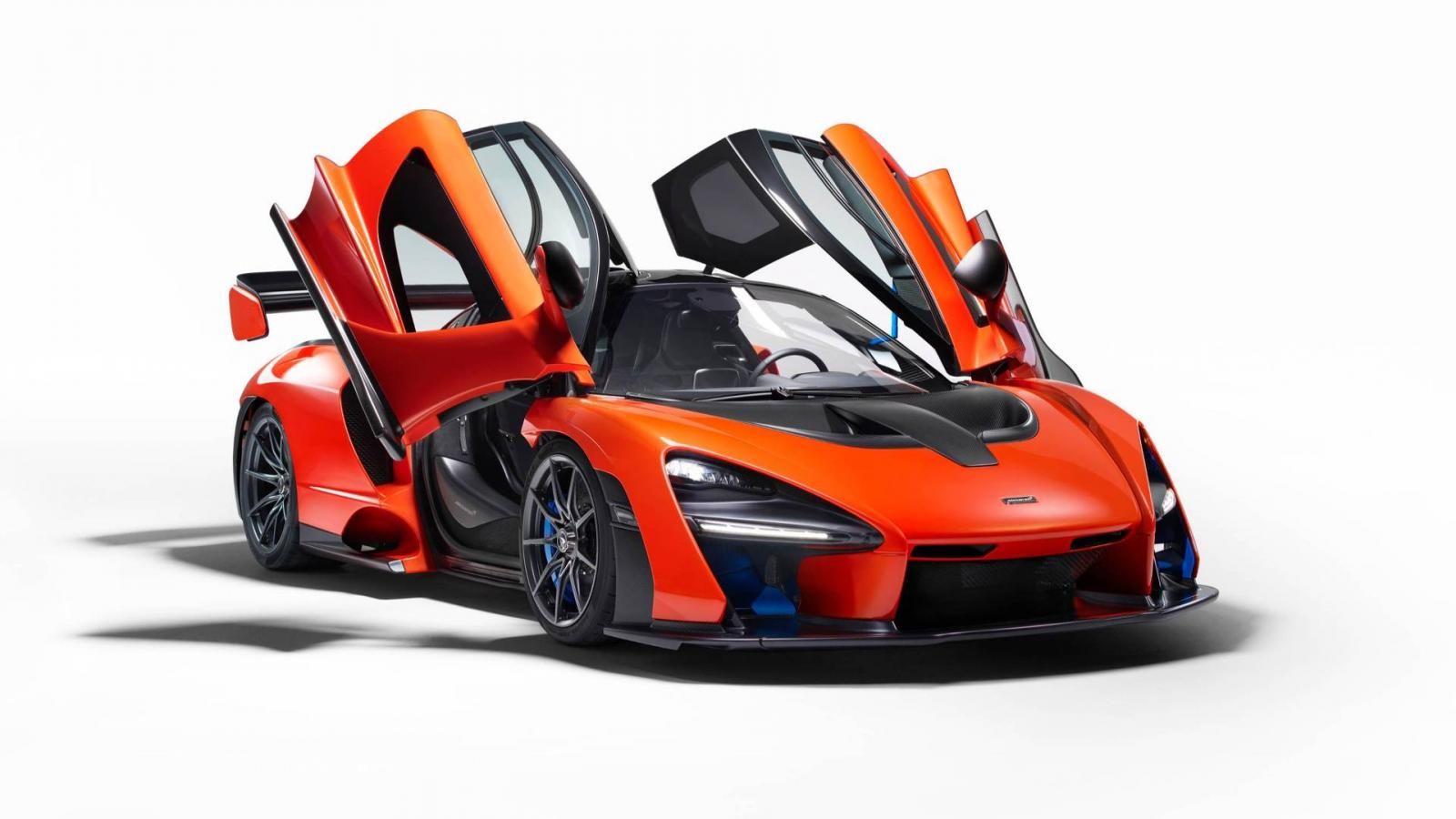
The new McLaren Senna has broken cover and it’s the most track-focused, road legal car to come from the British supercar maker.
Named after Ayrton Senna, the legendary F1 driver, the McLaren Senna is the brand’s most ‘track-concentrated’ car for the road. Production will start in Q3 of 2018 and will be limited to 500 units. The McLaren Senna will be built at the McLaren Production Centre in Woking, Surrey, England.
“The McLaren Senna is a car like no other: the personification of McLaren’s motorsport DNA, legalised for road use but designed and developed from the outset to excel on a circuit. Every element of this new Ultimate Series McLaren has an uncompromised performance focus, honed to ensure the purest possible connection between driver and machine and deliver the ultimate track driving experience in the way that only a McLaren can” says Mike Flewitt, Chief Executive Officer, McLaren Automotive.
Engine and chassis
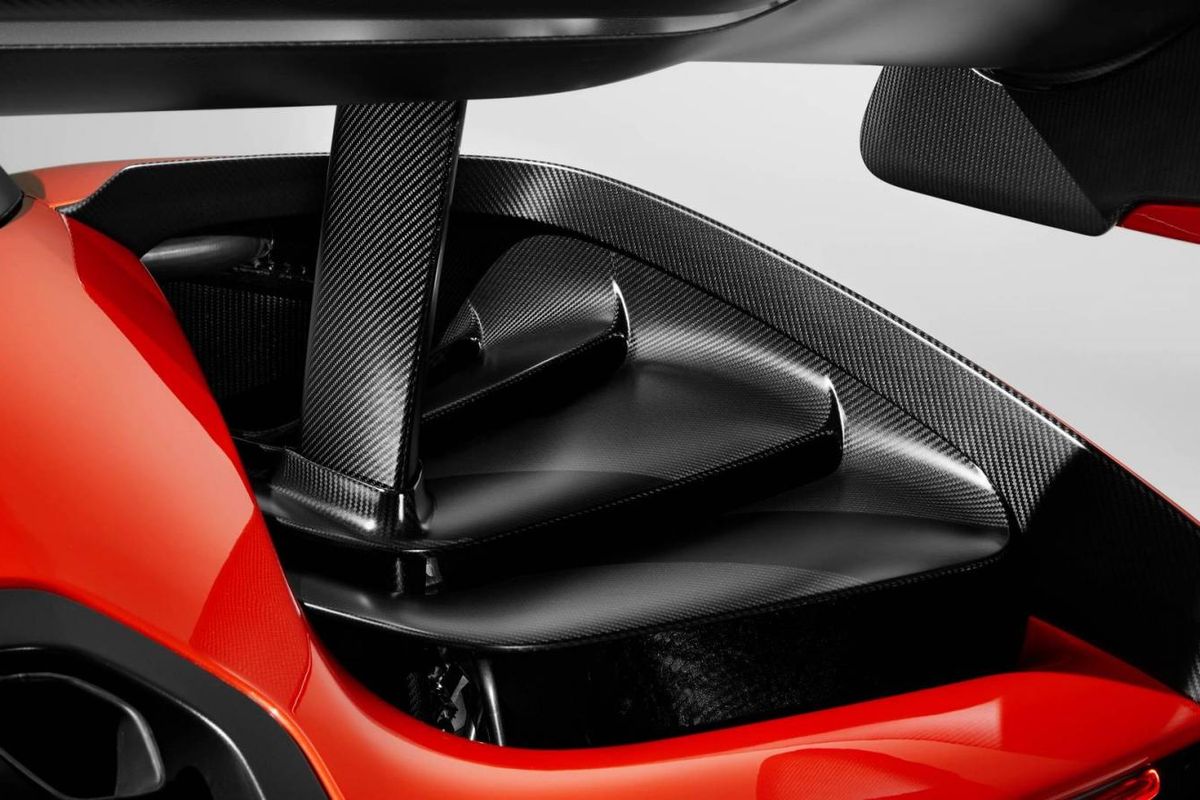
The Senna features lightweight construction with body panels and a chassis made of carbon fibre. Its carbon fibre Monocage III chassis is the strongest ever built by the company for a road car and the Senna is consequently the lightest road-legal McLaren, weighing in at 1 198 kg.
The Senna features RaceActive Chassis Control II (RCCII) which is a double-wishbone suspension system with hydraulically interconnected dampers. Stiffness is controlled using a kinetic roll system (K damper) and builds on the system used in the 720S and with Race mode, introduces a lower ride height, lower centre of gravity and a stiffer suspension.
The Senna is McLaren's most hardcore, track-focused road car to date.
The Senna is fitted with a mid-mounted, twin-turbocharged 4.0-litre V8 engine with 588 kW and 800 Nm of torque with an impressive power-to-weight ratio of 491 kW per tonne, making it an extreme performance machine and a worthy member of the McLaren Ultimate Series alongside the P1.
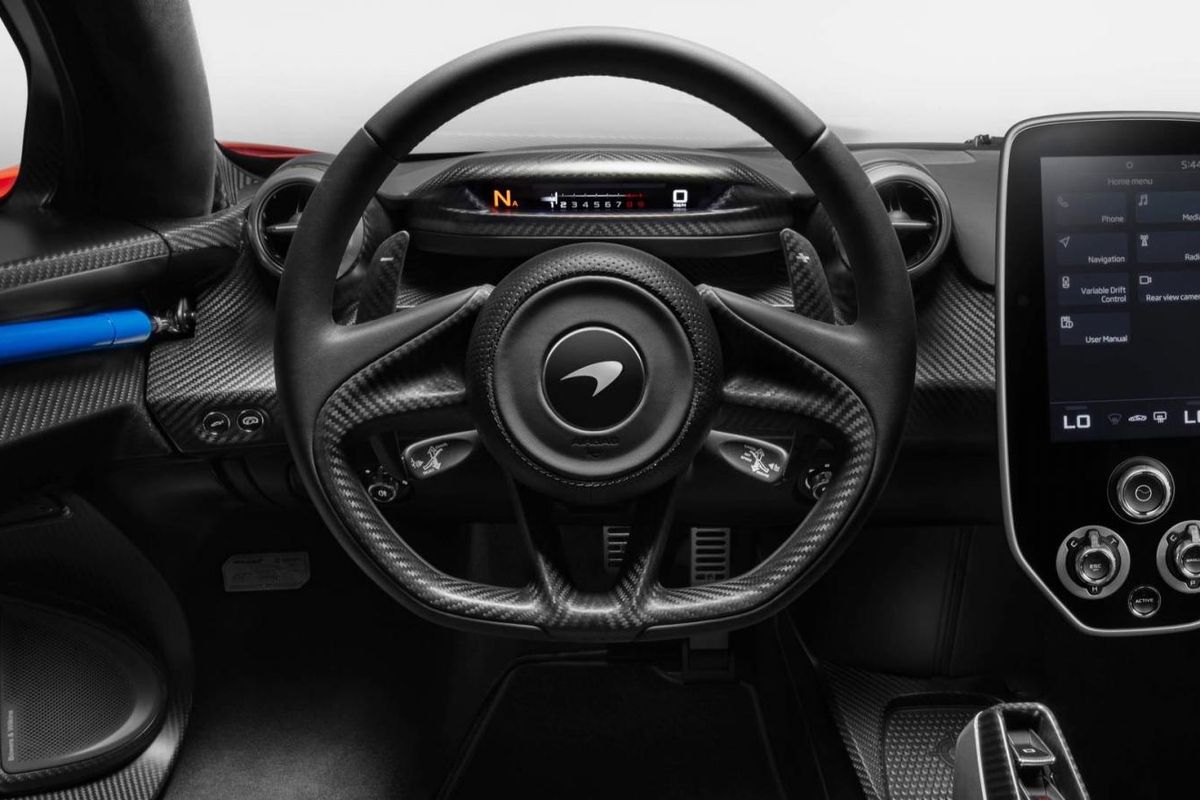
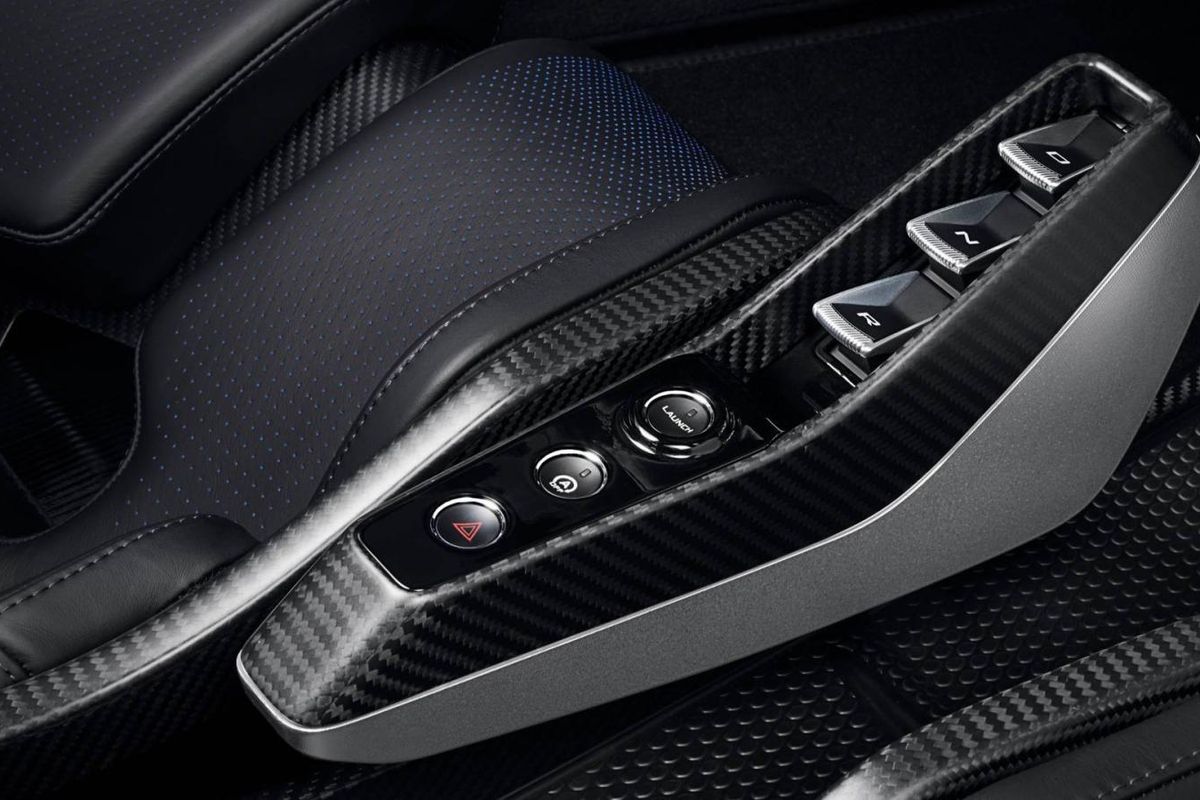
A 7-speed, dual-clutch transmission directs power to rear wheels and the driver can engage full manual mode to facilitate manual shifting using the steering wheel mounted carbon fibre paddles.
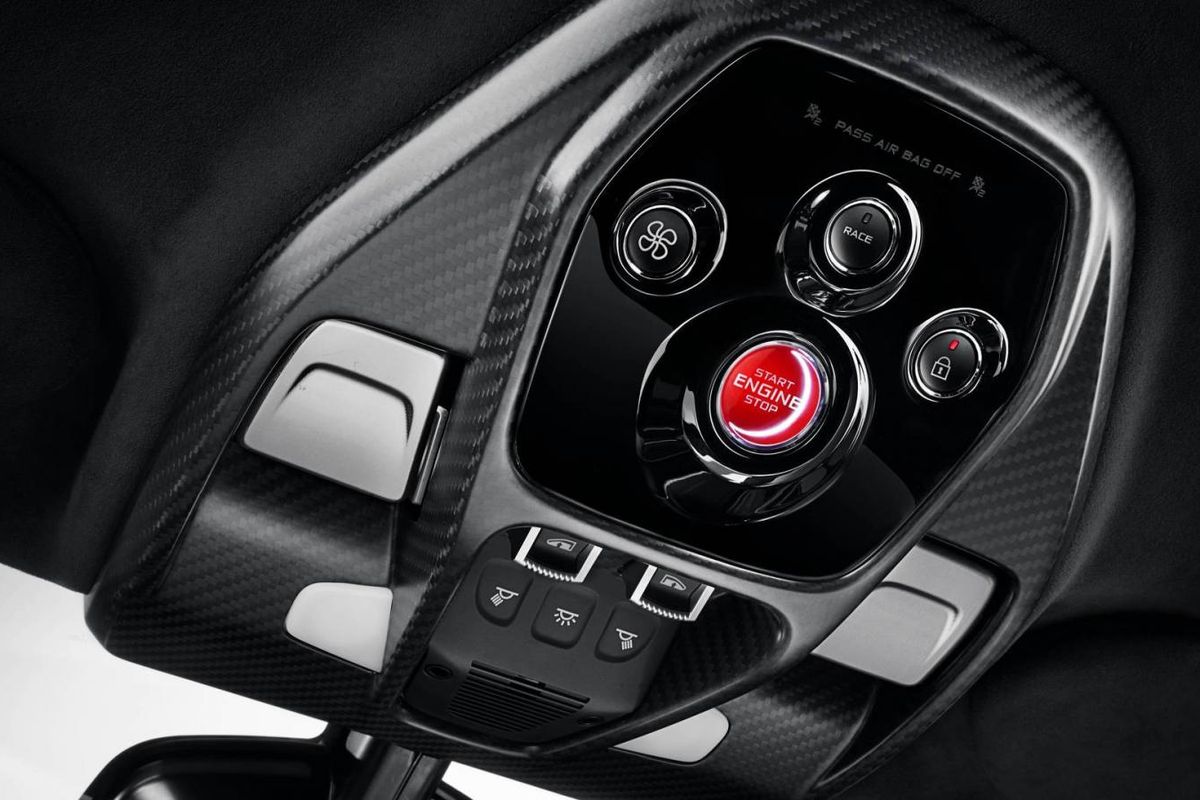
A total of 4 driving modes are at the driver’s disposal, including Comfort, Sport, Track and Race and all of them, according to McLaren, are “suitably savage”. The aforementioned Race mode is accessed via a switch in the roof-mounted panel.
Official performance figures for the McLaren Senna have yet to be revealed but with those outputs, it’s performance is expected to be phenomenal.
“The McLaren Senna delivers true performance, all the way to the limit of a driver’s ability. With a truly astonishing power-to-weight ratio, this car is about performance that is accessible and attainable, yet at the same time exciting and challenging for the very best drivers in the world – and with an intense, sensory experience to match” says Andy Palmer, Vehicle Line Director, McLaren Ultimate Series.
Styling details
Striking design meets ultimate functionality as every part of the Senna contributes to maximising performance.
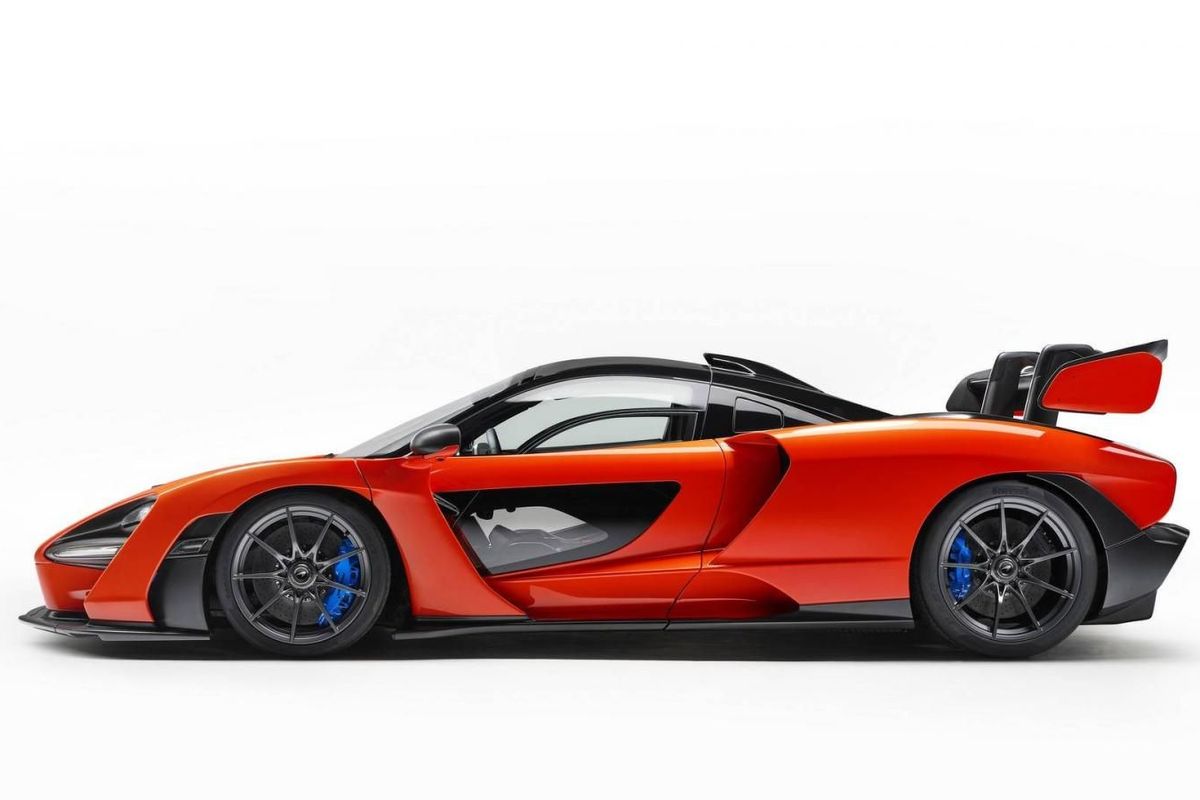
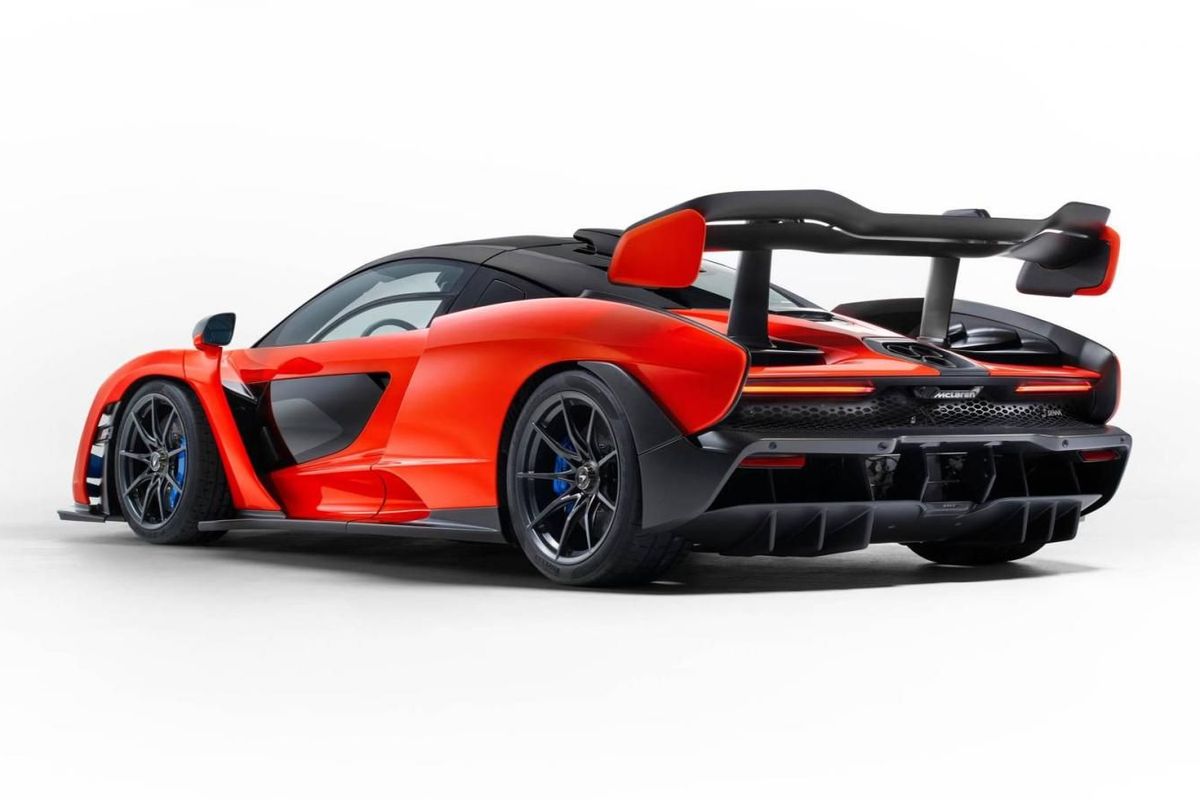
Built for performance, the Senna’s design adopts McLaren’s ‘form follows function’ philosophy, guided by downforce and aerodynamic balance. The Senna features a new generation of front and rear active aerodynamics to maximise performance. The overall design, as well as the front splitter and double rear diffuser contribute to ultimate downforce and aerodynamic efficiency. Front aero blades further add to the drama and can be finished in one of 5 theme specifications such as Azura Blue or McLaren Orange.
A large, double-element rear wing is fitted and is hydraulically actuated and constantly adjusts to enhance downforce and aerodynamic balance. It also serves as an airbrake under hard braking.
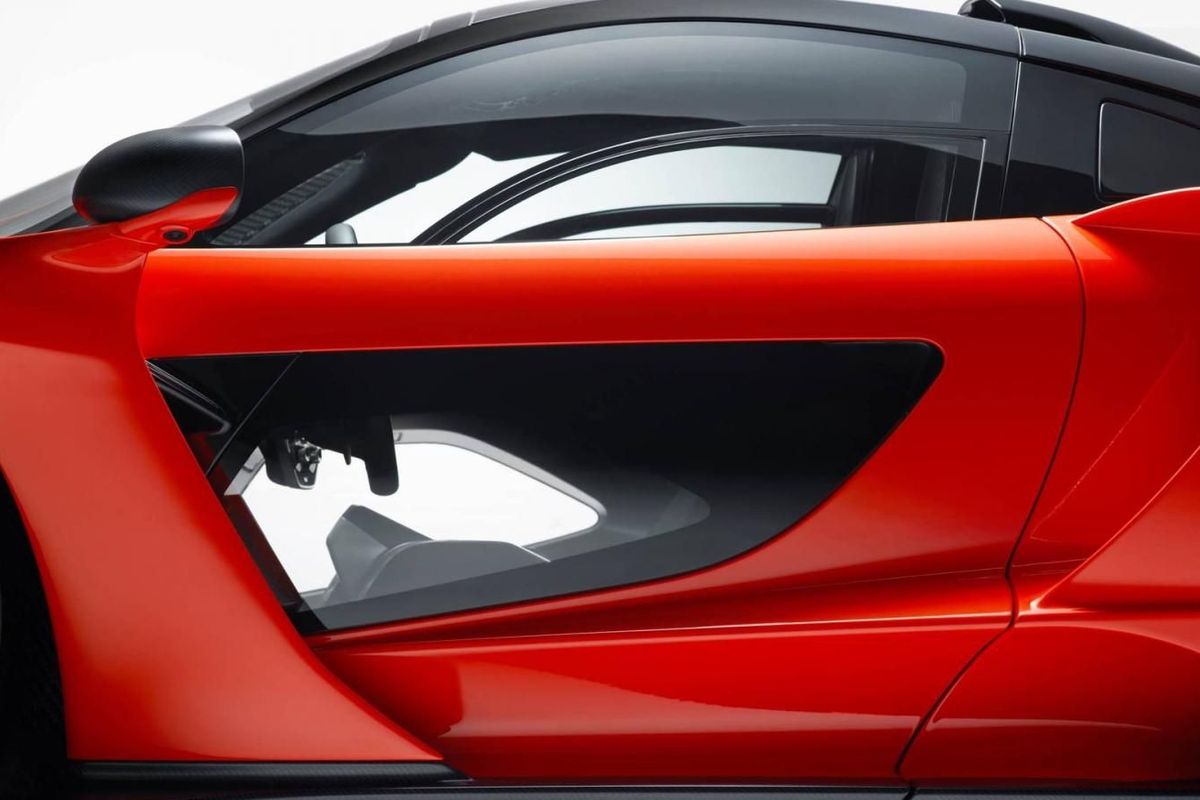
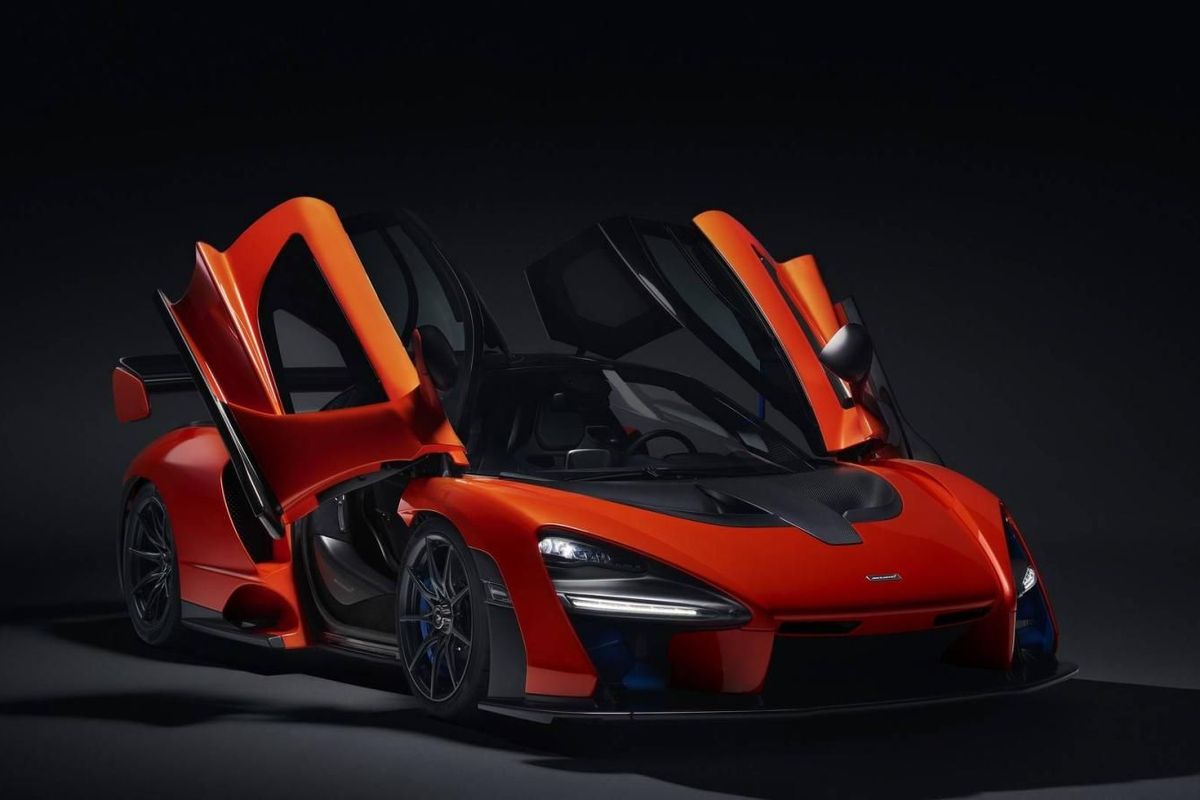
The Senna also features F1-inspired dihedral doors that hinge forwards and upwards, opening with a portion of the roof, making it easier to enter and exit the vehicle. The doors are made of carbon fibre and feature 2-piece glass side windows.
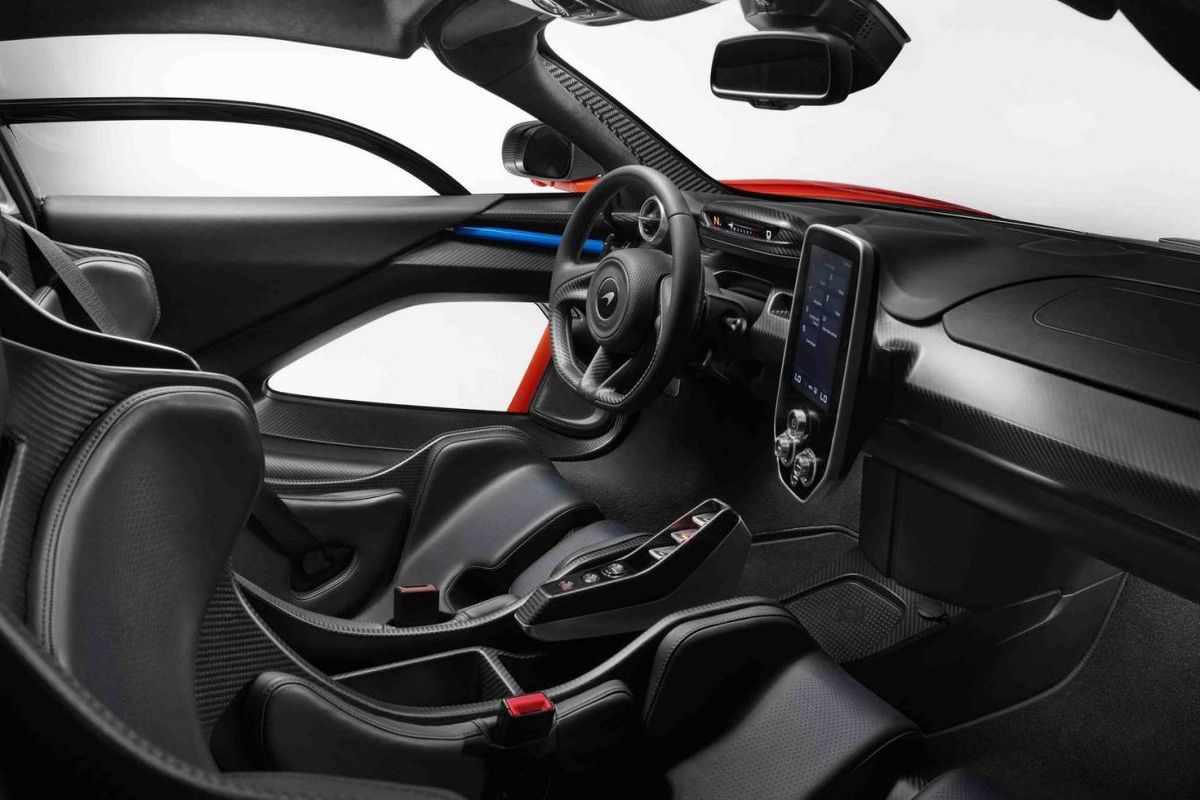
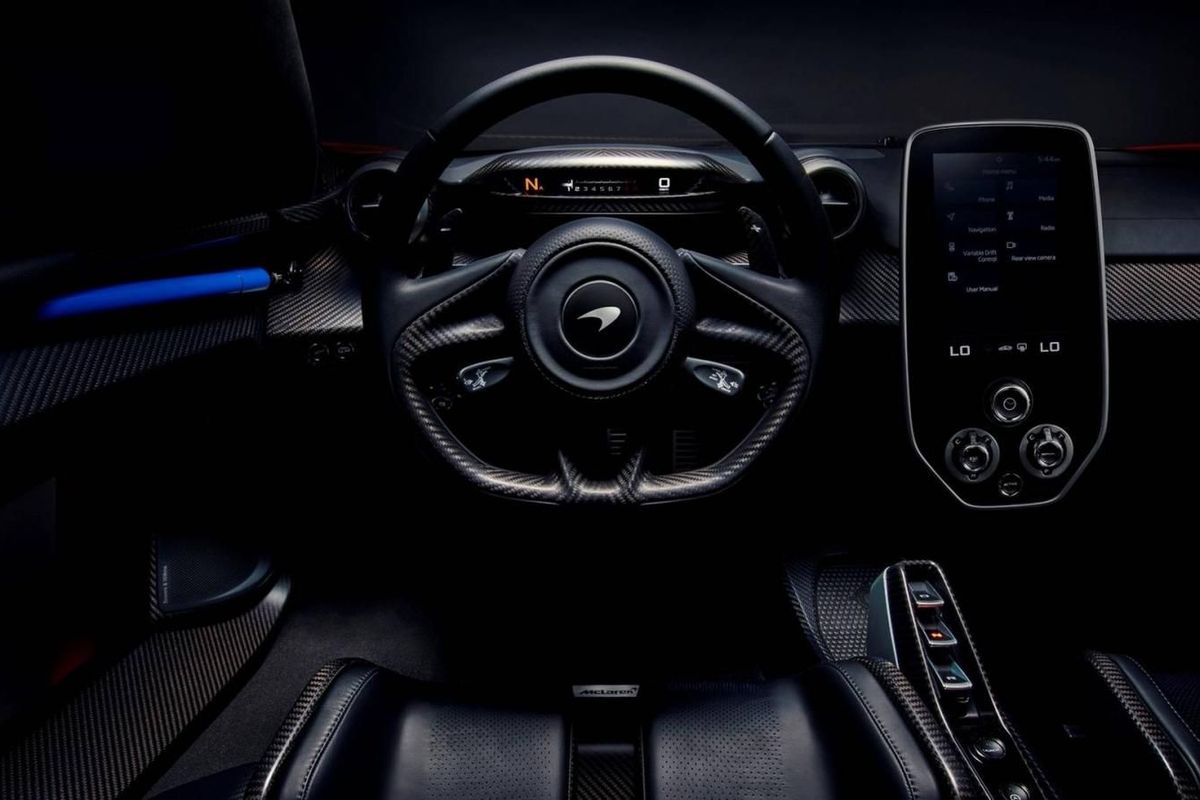
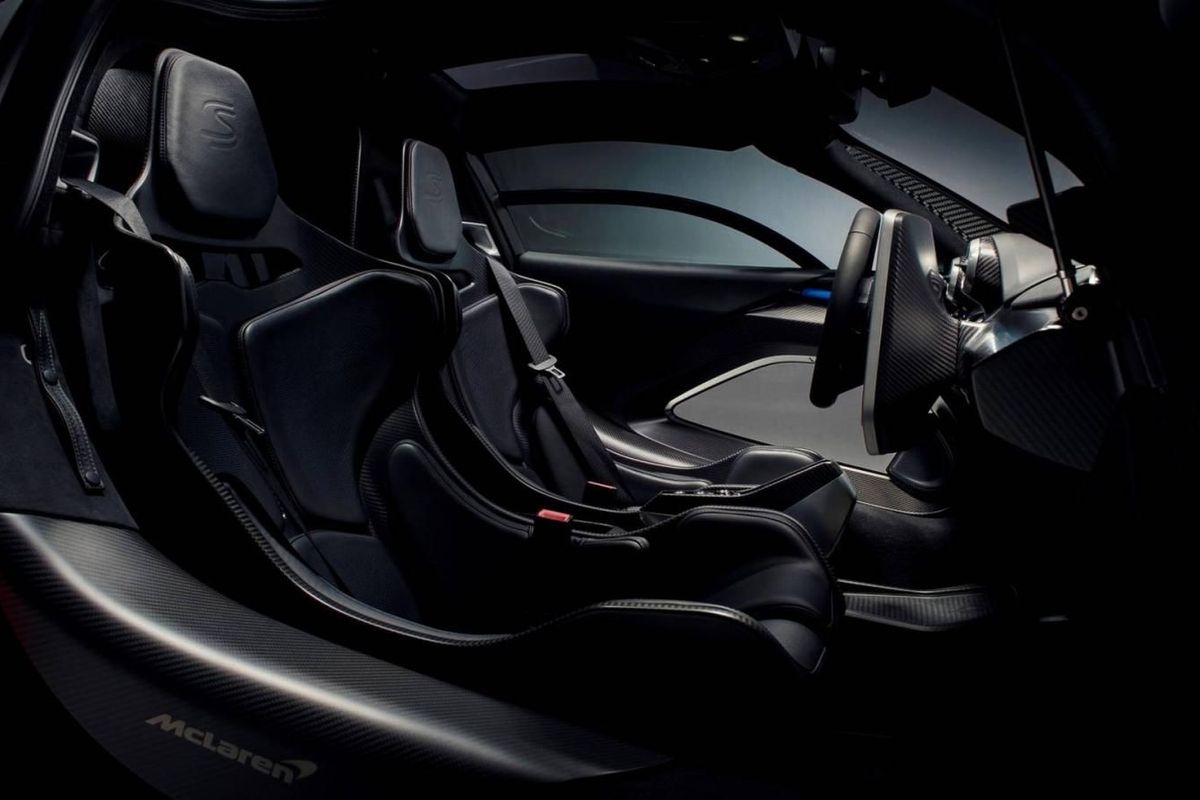
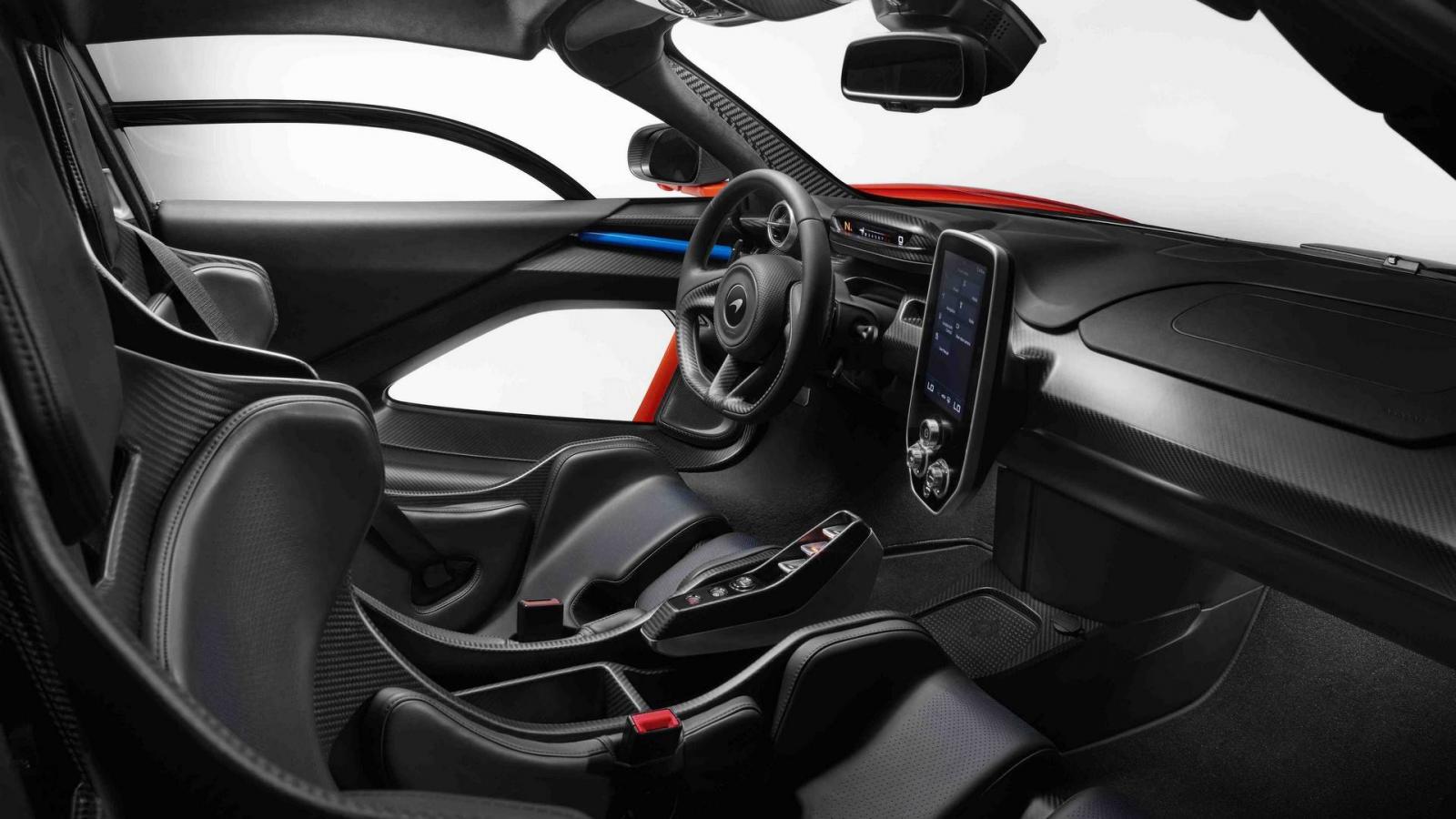
A simple, uncluttered interior design places the focus squarely on the driver.
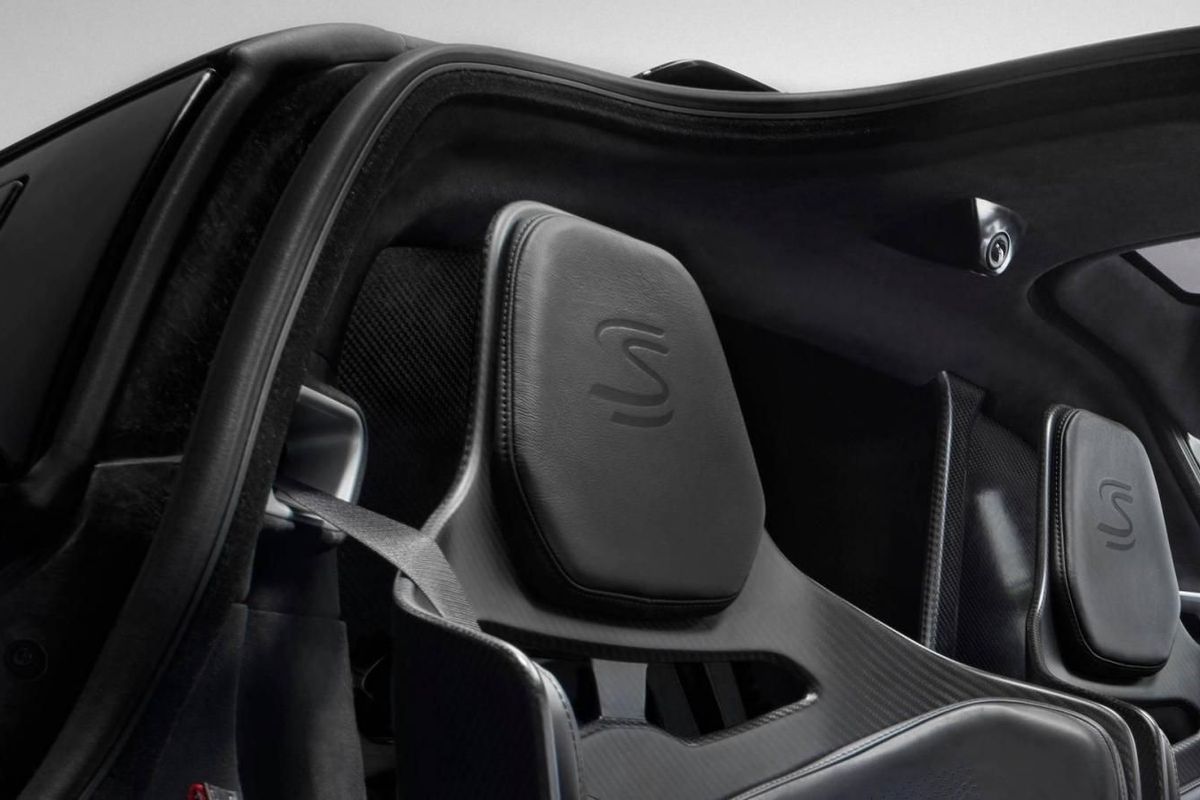
In an effort to reduce weight, the interior only features the bare minimum with exposed carbon fibre used extensively. The seats and fascia can be wrapped in Alcantara or leather and driver controls have been kept to a minimum to reduce cockpit clutter. Even the 3-spoke steering wheel is free of buttons and switchgear. The driver, instead, makes use of a high-definition McLaren Folding Driver Display and a central infotainment screen. Storage space is limited to a chamber behind the seats with enough space to store 2 helmets and race suits.
The McLaren Senna is priced at approximately £750 000, which equates to a whopping R13 737 319. All 500 units have apparently already been sold. Six units are confirmed for the South African market.
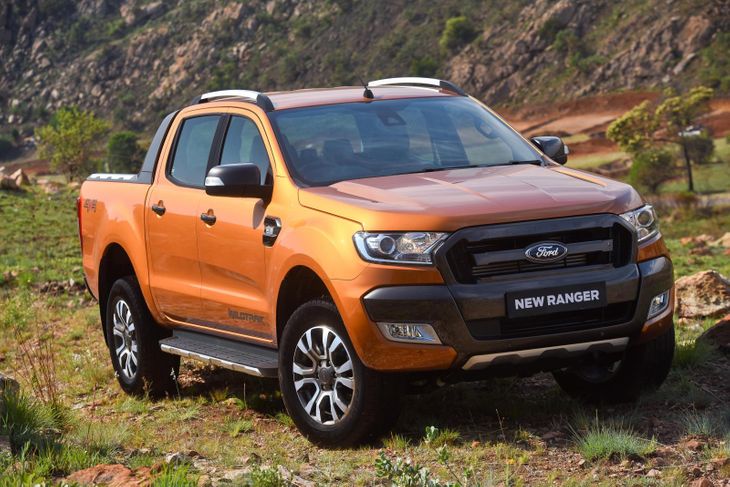
3 Reasons Why Ford Ranger Wildtrak is #CarsAwards Finalist
What makes the Ford Ranger 3.2 Wildtrak 4×4 Automatic a strong contender in the Leisure Double Cab Bakkie category of the 2017/18 Cars.co.za Consumer Awards – powered by WesBank? We investigate…
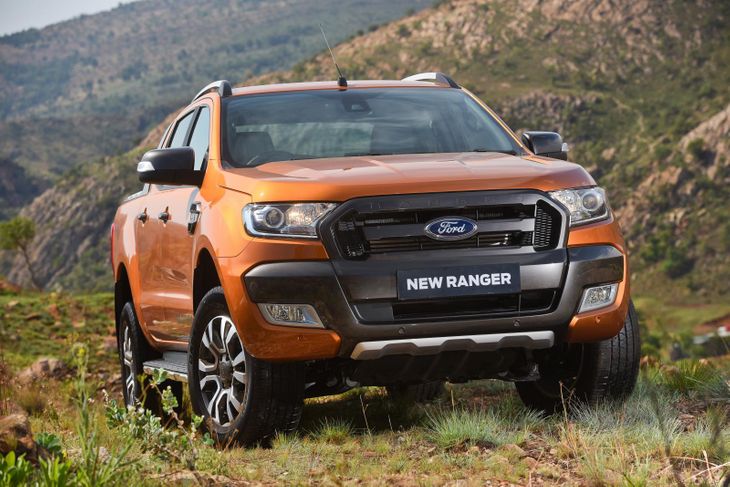
The Ranger Wildtrak is back to defend its title in the Leisure Double Cab category! Well equipped, sturdy and endowed with appealing square-jawed looks, the Ford Ranger continues to sell up a storm in South Africa. This model is powered by a muscular 5-cylinder engine and is claimed to offer class-leading passenger comfort. Will the Ranger Wildtrak retain its champion status in this category?
3 Reasons Why Ford Ranger is #CarsAwards Finalist
1. Powerful engine
Underneath that bulging bonnet lies a 5-cylinder, 3.2-litre turbodiesel engine that produces peak outputs of 147 kW and 470 Nm and propels the Ranger via a 6-speed automatic transmission. Although the Ranger Wildtrak labours under hard acceleration, once up to speed, it has no problem maintaining momentum and the motor is reasonably refined. Ford claims a combined cycle fuel economy rating of 9.0 L/100 km for this model and it’s also rated to tow 3 500 kg (braked trailer).
2. High levels of passenger comfort
A big advantage that the Ranger continues to hold over its competitors is passenger space. Courtesy of a long wheelbase and good packaging, the cabin is longer, affording rear passengers more space.
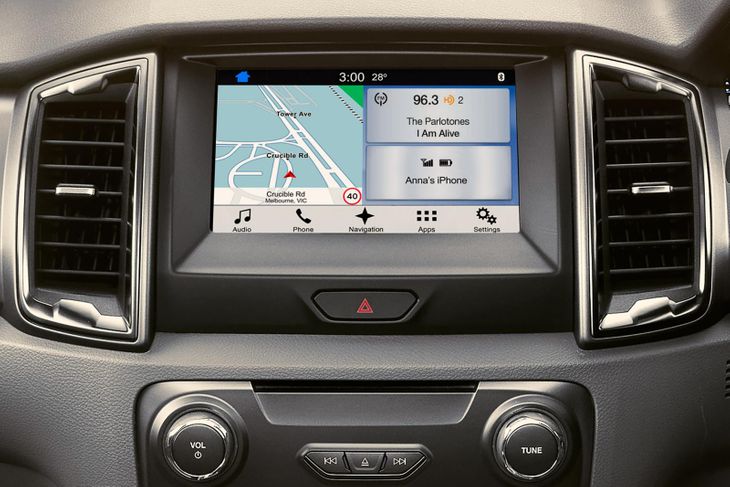
Leather-upholstered seats are standard on Wildtrak models (it even extends to the facia, with orange stitching) and there are a multitude of storage spaces around the cabin. Ford's Sync3 8-inch touchscreen interface now offers navigation and is Apple CarPlay and Android Auto compatible. Other nice features included on this Ranger Wildtrak include adaptive cruise control, lane keeping aid and blind spot monitoring.
3. Capable and confident on all surfaces
The Wildtrak’s ride quality is surprisingly smooth and well-mannered on the road, irrespective of how much cargo/number of passengers it is transporting.
It’s superbly capable offroad and with loads of torque, it can surge through the thickest sand or clamber over terrain only suitable for mountain goats. An electronic rear differential ensures optimum traction in challenging terrain and possibly the best part of this Wildtrak is the ability for the driver to switch between 2H, 4H and 4L using a knob next to the transmission lever. The Wildtrak's capability is therefore easily accessible.
Watch our extended test and detailed review of the Ford Ranger Wildtrak below!
Have Your Say: Complete our survey!
Do you own a Ranger Wildtrak? We would love to hear from you! Tell us about your experience by completing our Ownership Satisfaction Survey. Your input counts for 50% of the final result.
What are the Ranger Wildrak's rivals in #CarsAwards?
Renault Captur 66 kW dCi Dynamique (2017) Quick Review
Renault has facelifted its popular Captur and it appears not much has changed other than the introduction of some aesthetic tweaks to bring the 2017/18 #CarsAwards category finalist in line with the rest of the French marque's products. Does this new-look model carry on in the same vein as its predecessor, or should you be looking elsewhere?
We like: Superb economy and power from the turbodiesel engine, good safety spec, clever cabin packaging and practicality
We don’t like: Marginal build quality in some areas
Alternatives
The 2016/17 #CarsAwards winner: The Suzuki Vitara is a tough act to follow. Thanks to a combination of admirable build quality, good comfort and practicality, plus Suzuki's stellar reputation for after-sales excellence, the Vitara is a popular choice. It is, however, outgunned in terms of on-road performance and specification stakes by the Renault Captur, plus the 1.6-litre petrol's not as frugal.
Go Korean: The popular Hyundai Creta has made quite a name for itself. A turbodiesel model is available but comes in at a hefty premium compared to the Captur's asking price. It's a little bigger inside than its French rival, but cannot match the latter's interior tech.
Also worth a look: TheFord Ecosport. It has been a popular model in terms of sales for the Blue Oval and has an excellent engine in the form of a 1.0-litre turbopetrol. It is due for a replacement very soon, though.
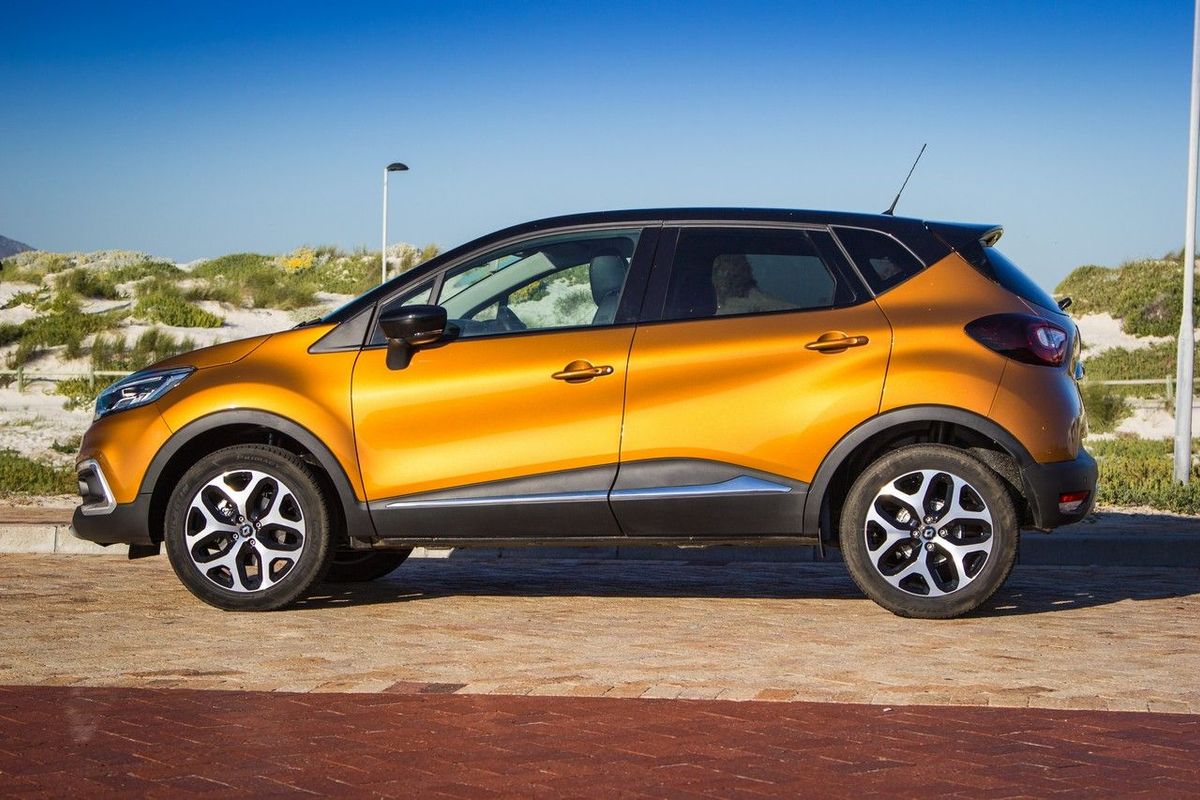
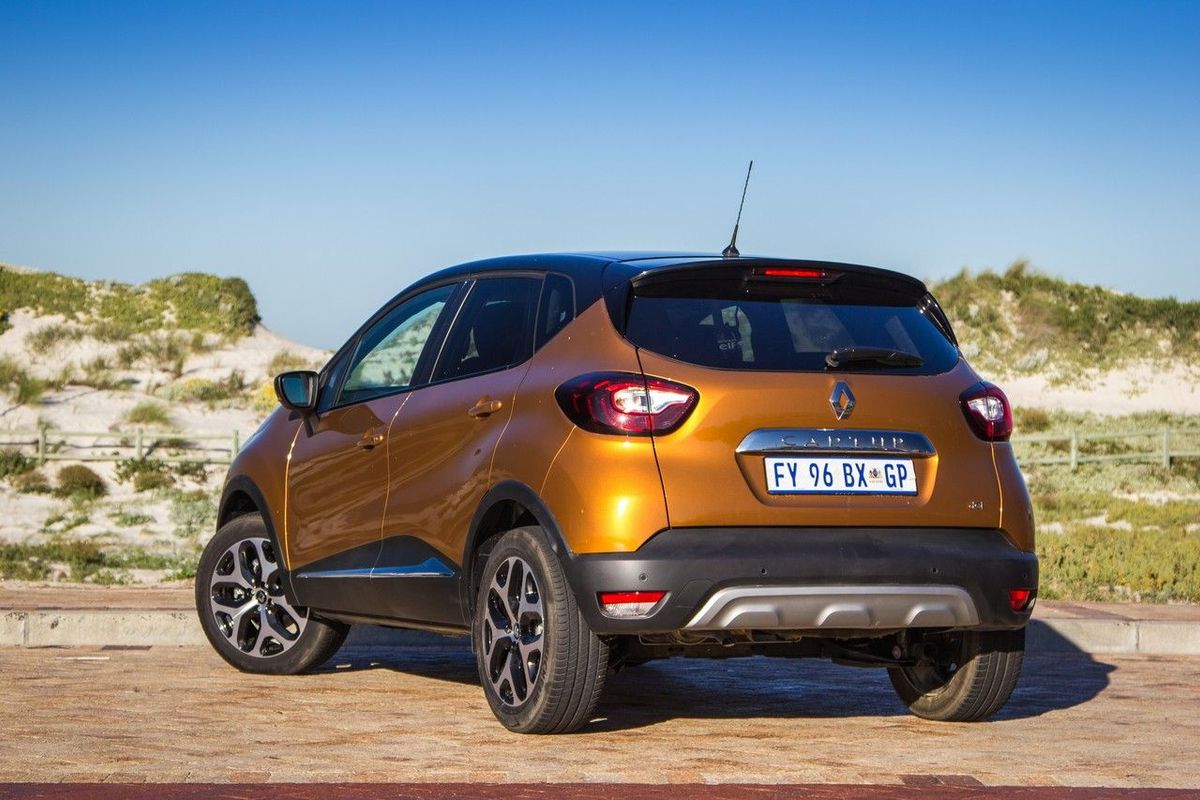
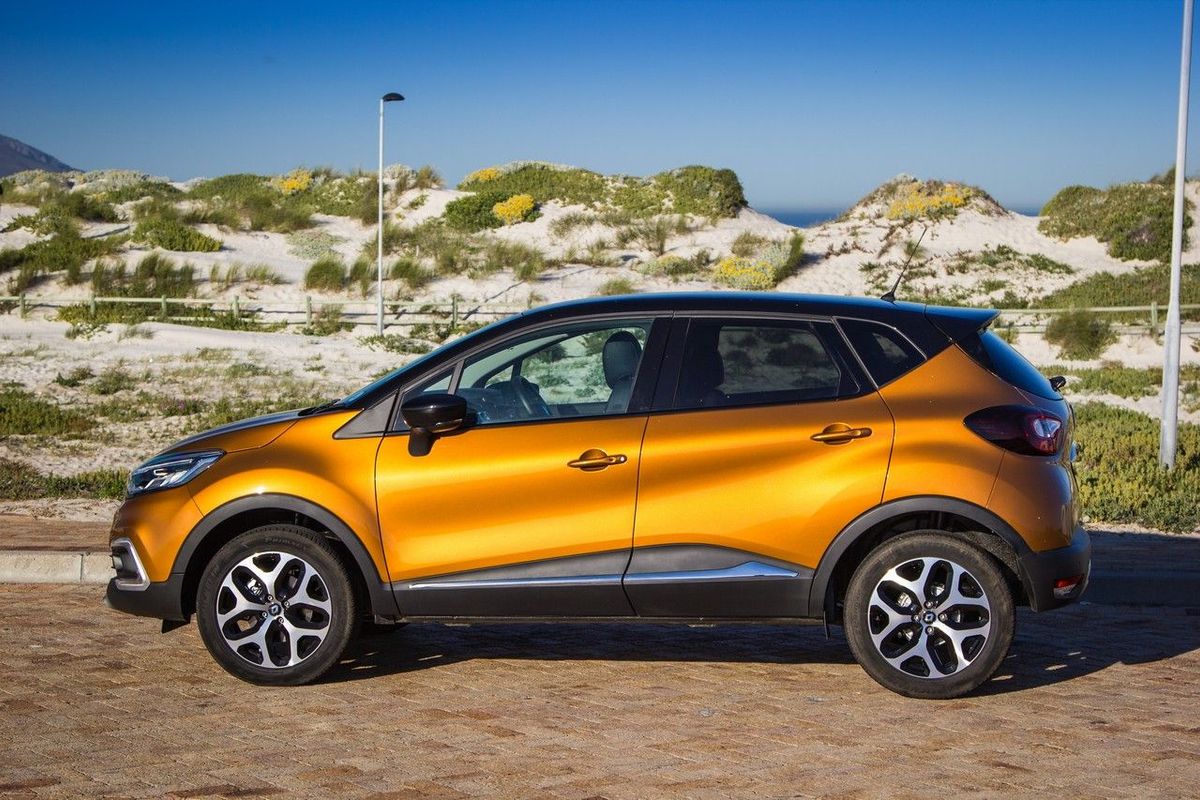
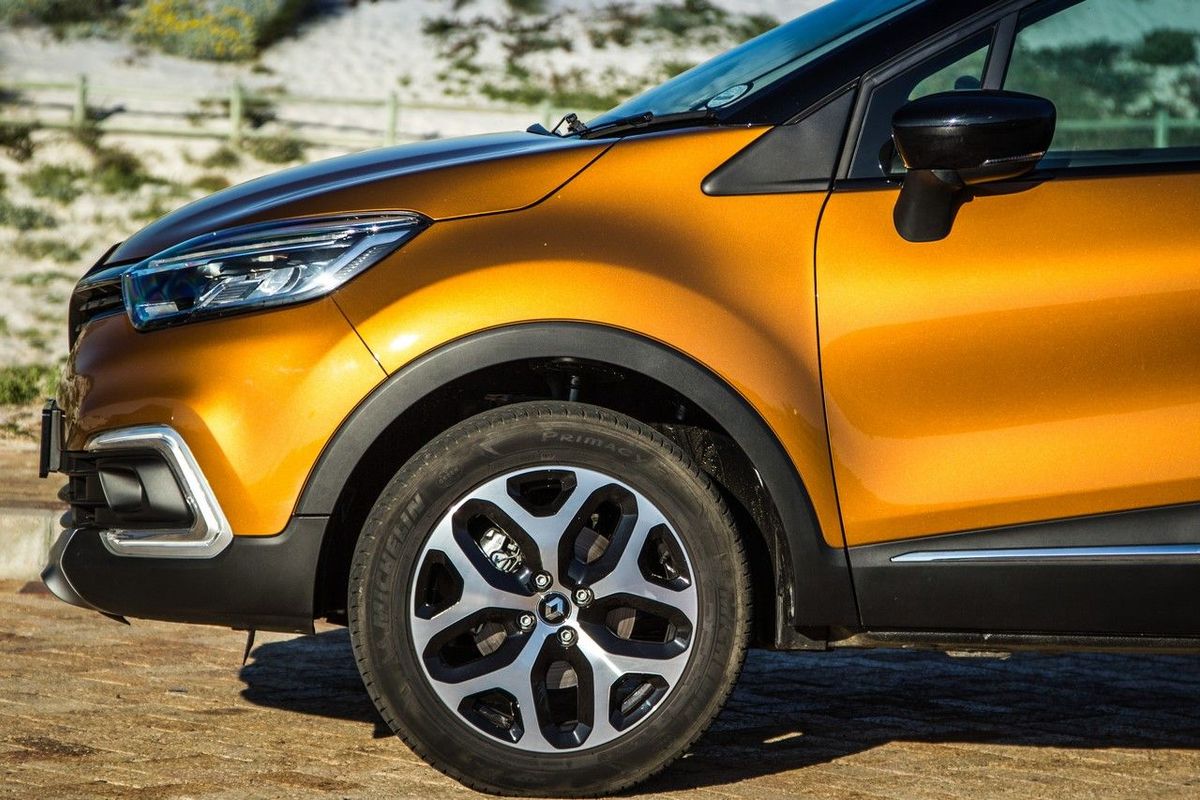
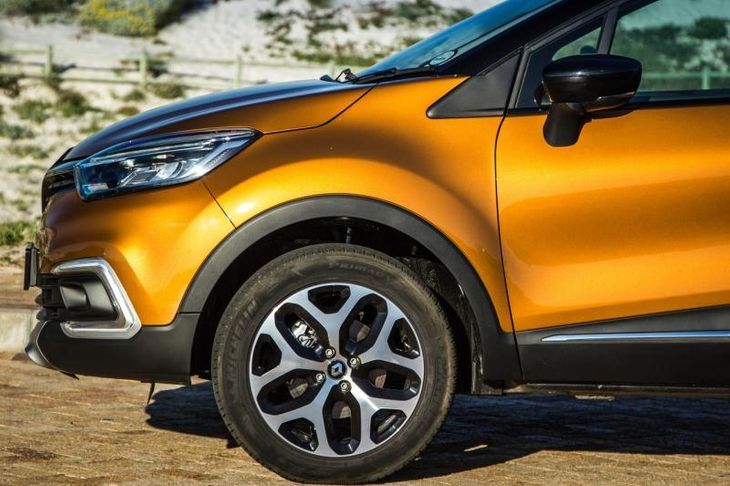
Visually, it'll take a keen-eyed enthusiast to spot the major changes to the Renault Captur. These wheels and the LED running lights at the front are giveaways
What is it?
Renault South Africa calls this the (very mildly) facelifted Captur and you'll spot some visual changes at the front end (fresh LED headlamp clusters, for example), but overall its much of a muchness compared with the outgoing version, save for some material upgrades to the interior, which were most welcome. The big change is actually to the Captur derivative line-up itself, which gains an all-new Blaze entry-level offering.
The Good
The powerplant
We are pleased that Renault carried the 1.5-litre turbodiesel engine over to this revised model. It's not the newest and most advanced engine and has been used in numerous applications such as the Duster and Clio, as well as some Nissan products. It offers up a paltry 66 kW, but the 220 Nm of torque more than makes up for it. It can be a tad lethargic at the bottom of the rev range, but it pulls strongly once you're past the 2 000 rpm mark.
Renault claims a 0-100 kph sprint time of only 13 seconds, but in reality, the Captur feels relatively spirited in cut-and-thrust traffic. The motor is mated with a fairly slick manual gearbox, which we found effortless to use, which is just as well, because you have to shift smartly to keep that engine in its sweet spot.
Much like before, the 1.5-litre turbocharged diesel engine delivers astonishing fuel consumption. The official claim is a bit far-fetched, but we tried our utmost to achieve close to that figure. We comfortably went under 5.0 L/100 km during the first few days and, as the test period progressed, the consumption dropped even further, before settling at a "personal best" of 4.3 L/100 km. It's a fantastic vehicle to consider if saving money at the pumps is a priority.
Standard specification
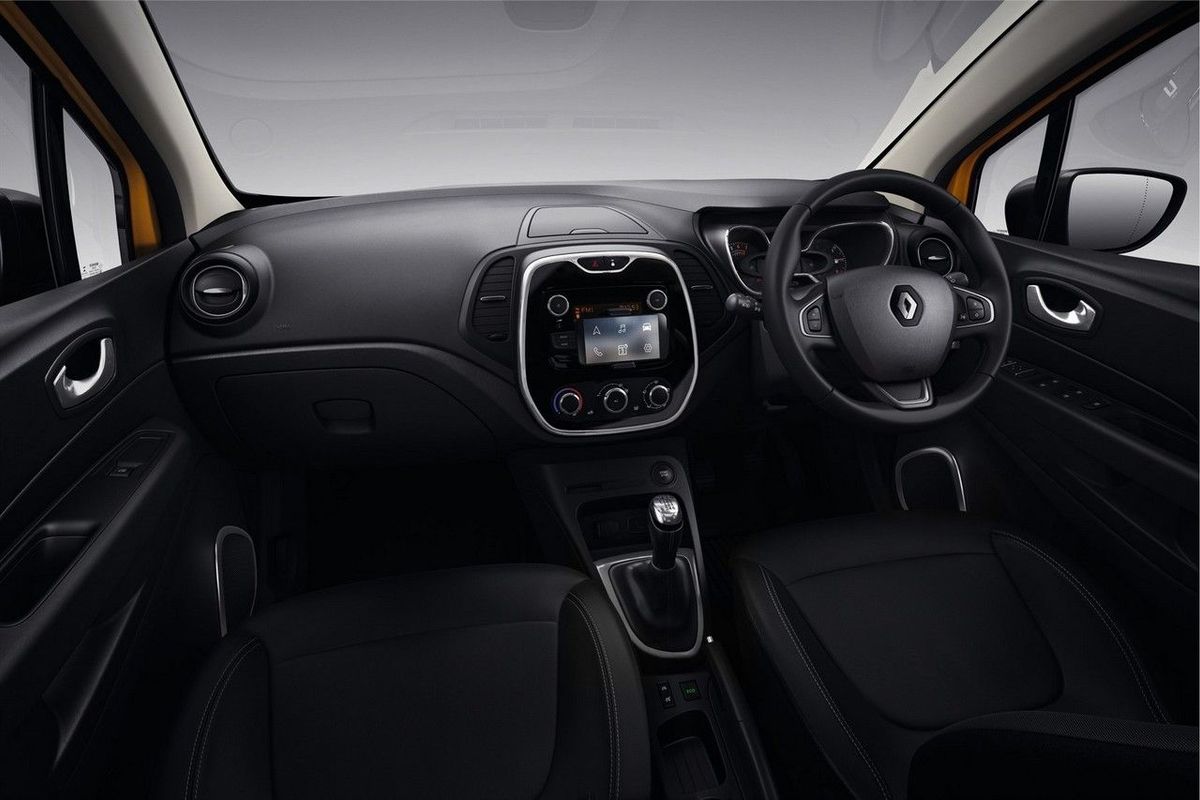
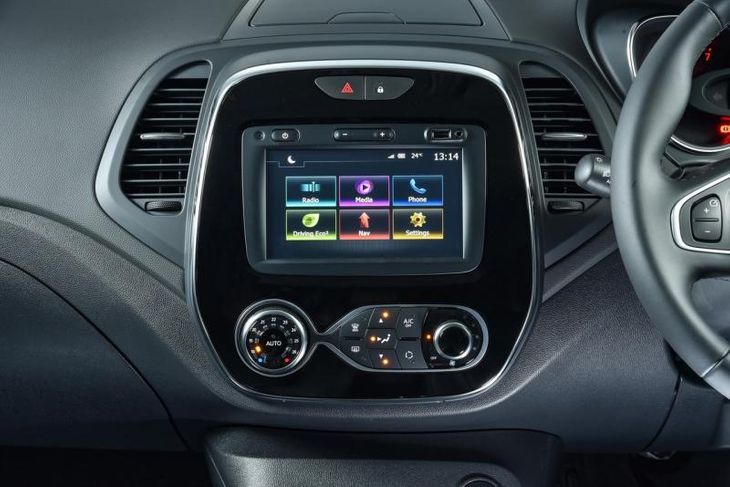
Some of the standard features of the Renault Captur: a comprehensive infotainment system and an automatic climate control setup.
Renault's strategy of specifying its cars liberally is well established (even the top-end Kwid features satnav). The Captur lacks for little in Dynamique trim and features a 7-inch MediaNav infotainment system that offers Bluetooth connectivity, radio, satellite navigation and a USB port. We found the system easy to use, the menus simple to navigate and connecting a phone via Bluetooth was simple. Other standard comfort features include cruise control (with speed limiter), climate control air conditioning and electric windows and side mirrors. Rear park distance control (with a reverse-view camera) is also standard.
Safety features
As a compact family car (as opposed to a compact hatchback, which is more accustomed to a commuter role) safety features are critically important. The Captur has a 5-star EuroNCAP safety rating, including ABS with EBD, brake assist, stability control, hill start assist, 4 airbags and a tyre pressure monitoring system. There are ISOfix child-seat mounts on the front passenger seat and rear outer seats for those who wish to fit baby seats.
Practicality
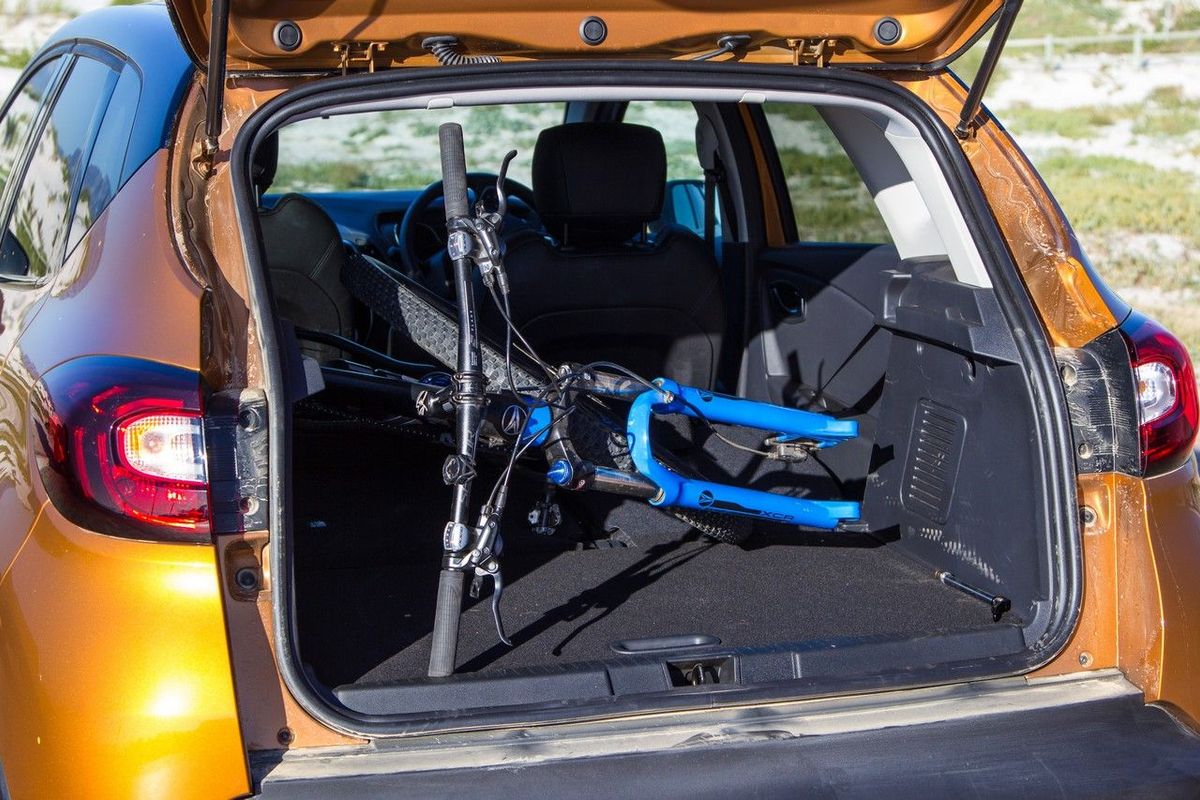
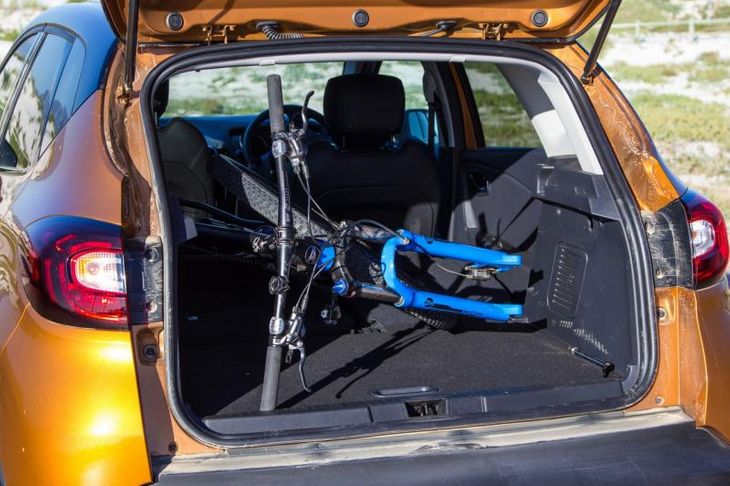
The Captur features a few nifty features to make the most of the car’s compact proportions. The luggage bay is split in 2 by a false floor and its capacity totals 377 litres, which compares favourably with rivals such as the Toyota C-HR (328 litres) and the Ford Ecosport (362 litres), but falls a bit short of the Hyundai Creta, which offers 402 litres. We put the extremities of the Renault's rear cavity to the test by loading it up with a 29-inch mountain bike.
1x mountain bike inserted into the depths of the Renault Captur luggage bay.
The Not-so-good
Build quality
As likeable as the Captur is, it's interior quality is, at best, middling. Sure, at the derivative's price point, the excellent spec makes up for it to an extent, but the cabin still features a few questionable panels and finishes. This would be acceptable in a rugged, utilitarian product such as the Duster, but for a product marketed as a stylish and fashionable runabout for upwardly mobile motorists, it's not quite up to spec. Also, while we're on the topic of quality, our test unit did have an annoying rattle which we couldn't pinpoint. As we said, these are just minor black marks on the Captur's otherwise excellent report card.
Price and warranty
This facelifted Renault Captur derivative costs R304 900 and is sold with a 5-year/150 000 km warranty and 3-year/45 000 km service plan.
Verdict
Renault has adopted an unapologetic "don't-mess-with-the-recipe" attitude insofar as the packaging of the Clio-based Captur is concerned. On many levels, the Captur delivers what this market desires, which explains why it is a finalist in the 2017/18 Cars.co.za Consumer Awards, powered by WesBank.
The turbodiesel-engined derivative is our pick of the range for sure, but for those who are anti-diesel, there is a decent 1.2-litre turbocharged petrol motor, available in both automatic and manual. The Captur still rides and drives well, and the practicality solutions will win it favour with families. Our test team includes two mountain bikers and both of them heartily recommend the Captur in terms of loading up mountain bikes. The number of standard onboard and safety features is more than generous, and the TomTom-powered satnav does a fine job of alerting you to fixed speed cameras and accident hotspots.
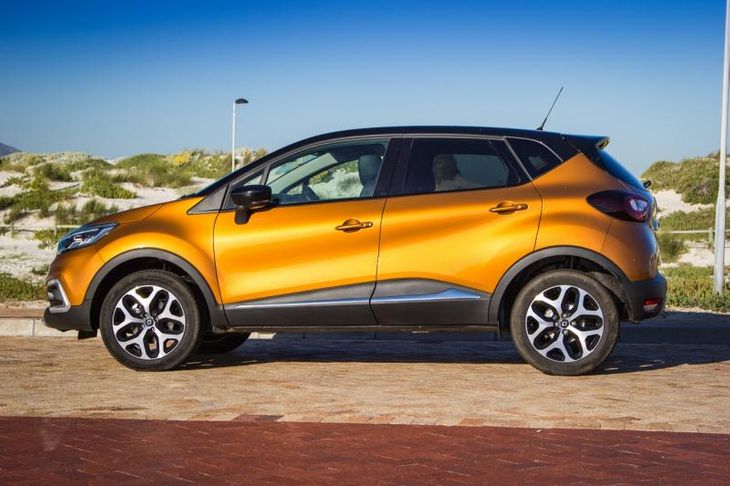
The Renault Captur is one of the more stylish vehicles in the segment. These wheels and paint colour add to the image!
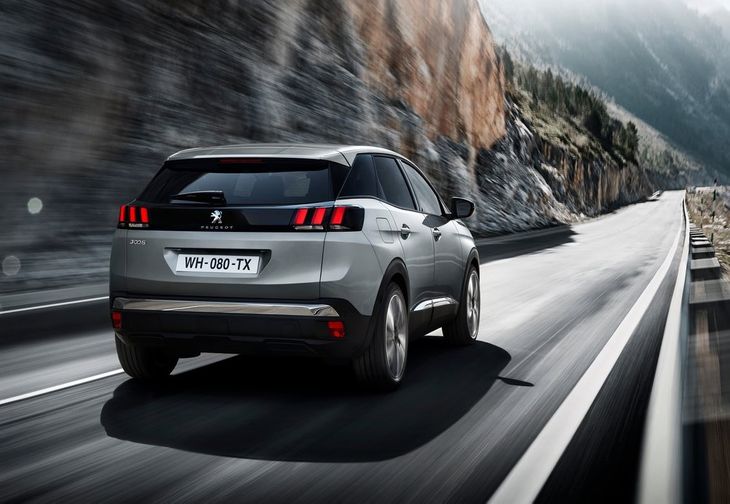
3 Reasons Why Peugeot 3008 is #CarsAwards Finalist
What makes the Peugeot 3008 1.6T GT-Line a worthy contender in the Family Car category of the 2017/18 Cars.co.za Consumer Awards – powered by WesBank? We investigate…
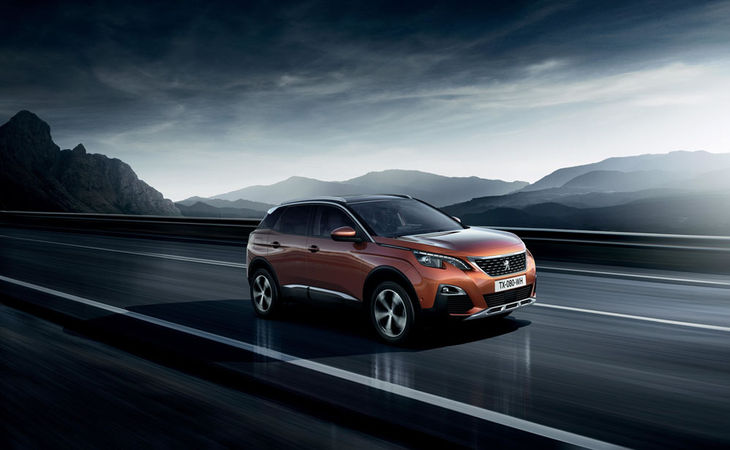
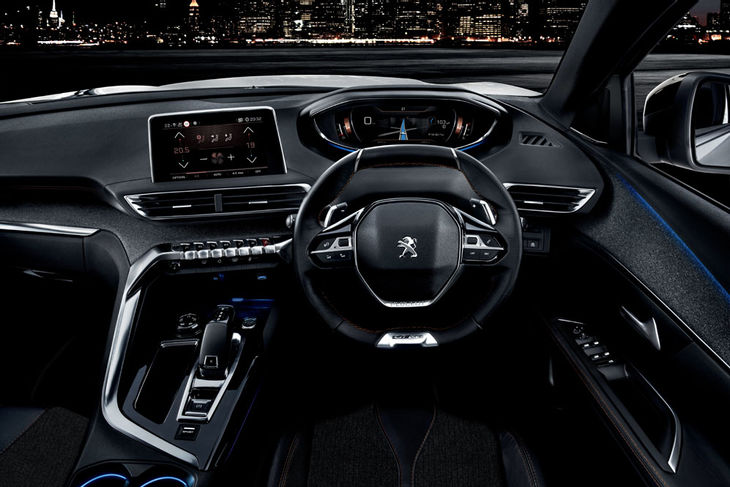
Peugeot’s 3008 walked away with the European Car of the Year title and represents the latest and greatest from the French. Not only does it boast bold exterior styling, but it's also an incredibly upmarket and futuristic cabin. Combined with an all-in features list and a strong powertrain, it’s difficult to overlook this new offering. Can the 3008 scoop the win in the Family Car category?
3 Reasons Why Peugeot 3008 1.6T GT-Line is a #CarsAwards Finalist
1. Eager and efficient engine
This 1.6-litre turbo engine produces respectable power figures of 121 kW and 240 Nm and it can show a decent turn of speed when needed. This engine also does duty in some of Peugeot’s performance products and when you engage Sport mode, the 3008 is eager to please. You can make the most of the powertrain by using the steering-wheel shift paddles.
The engine is mated to a 6-speed automatic gearbox and can go 757 km between refuels. Peugeot claims the 3008 will consume just 5.3 L/100km.
2. Big on load space
At first glance, the Peugeot 3008 looks to be smaller than its rivals, but clever packaging has meant that there’s more space than you expect. Boot space starts at 520 litres and when you fold the rear seats down, 1 670 litres becomes available. Space for rear passengers is fair.
3. Comfortable and safe
On the road, the new 3008 is highly refined, giving you a quiet driving experience. The ride quality exhibited by the 3008 is sublime and the leather seats are especially comfortable, particularly on those long family road trips.
In terms of safety, the 3008 is well-equipped with 6 airbags, ABS with EBD, brake assist, electronic stability control and traction control, driver attention alert, lane departure warning and road sign detection. ISOFIX child seat mounts are also fitted across the range.
Watch #CarsAwards judge, Juliet McGuire review the Peugeot 3008 in the video below!
Have Your Say: Complete our survey!
Do you own a 3008? We would love to hear from you! Tell us about your experience by completing our Ownership Satisfaction Survey. Your input counts for 50% of the final result.
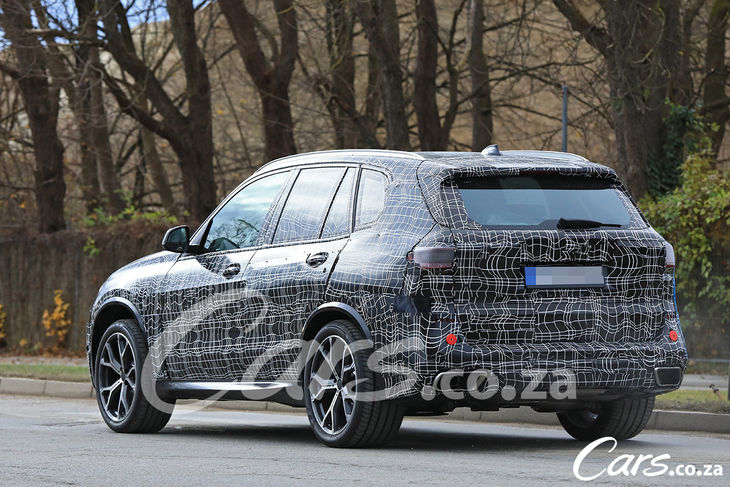
BMW will introduce the new fourth-generation X5 premium SUV in 2018 and prototypes have been spied testing in Europe.
Picture credit: S. Baldauf/SB-Medien
The BMW X5 SUV has been a major success for the brand and the next-generation X5, codenamed G05, is expected to go into production in August 2018. Production of the current X5 will come to an end in July 2018 with no facelift expected.
The new G05 BMW X5 will be built on BMW’s CLAR architecture, which will also underpin the new X6 and forthcoming X7. This move will result in a significant weight saving in the new X5 which will enhance performance and handling while also improving efficiency. A mix of lightweight magnesium, aluminium and Carbon Fibre Reinforced Plastic (CFRP) will be used in the construction of the new X5. Proportionally, the new X5’s dimensions are expected to remain largely the same.
The new X5 will be lighter and more efficient than the model it replaces with new or heavily revised petrol engines expected.
The new X5 prototype you see in these spy photographs is heavily camouflaged but you will notice the large, pronounced kidney grille, quite similar in fact to the upright and somewhat contentious grille seen on the Concept X7 shown earlier this year at the 2017 Frankfurt Motor Show.
The larger grille will beef up the X5’s road presence and in its side profile, you will notice a sloping roofline with 2 character lines running across the body. BMW’s distinctive Hofmeister kink seen on C-pillar also appears to be more rounded on this X5 prototype. At the rear, large rectangular exhaust tips can be seen but the heavy camouflage has hidden the rear styling well. The interior design is expected to be familiar and will likely incorporate finer finishes and high-quality materials, as well as tech elements from models like the 7 Series.
Expected engines
In terms of engines, BMW will introduce new petrol engines in the X5, which includes a thoroughly revised (technically new) 6-cylinder 3.0-litre engine with 250 kW used in the X5 sDrive40i and X5 xDrive40i. The more powerful X5 xDrive50i will employ a heavily-revised/new 4.4-litre V8 with 347 kW.
On the diesel front, a B57 3.0-litre turbodiesel used in the popular 30d and 40d will have outputs of 198 kW and 238 kW respectively while the M50d will employ a new quad-turbo, 3.0-litre diesel engine with at least 298 kW.
As for the manic X5 M, it is expected to have the same twin-turbocharged 4.4-litre V8 that’s found under the bonnet of the new M5 with outputs of 441 kW and 750 Nm of torque. With a lighter body and xDrive all-wheel drive, the new X5 M will likely achieve a 0-100 kph sprint time of below 4 seconds when it arrives. In terms of hybrid powertrains, BMW is pushing its iPerformance brand quite heavily and there will be a 40e version joining the ranks.
The introduction of the new BMW X5 in South Africa is yet to be determined but it will likely arrive towards the end of 2018 or early in 2019. We will keep you updated as more details are revealed.
Watch the new BMW X5 and X5 M testing at the Nurburgring below.
A few weeks ago we published a head-to-head video featuring the new Audi RS3 sedan and the BMW M2 and it upset quite a lot of our audience. That video certainly had some issues but the most common complaint was that we didn't race the cars.
Well, we're here to rectify that, and we've gone big. In Part 1 of The Rematch, we hired Cape Town's Killarney drag strip, wrangled a brand new Audi RS3 Sportback and BMW M2, and staged what we think is a pretty epic drag race…or two.
Look out for Part 2, where we unleash our in-house race ace Ashley Oldfield on the full Killarney race circuit for a hot lap shootout.
We'll also be publishing exclusive videos and data which was collected on the day using the RaceLogic V-Box system.
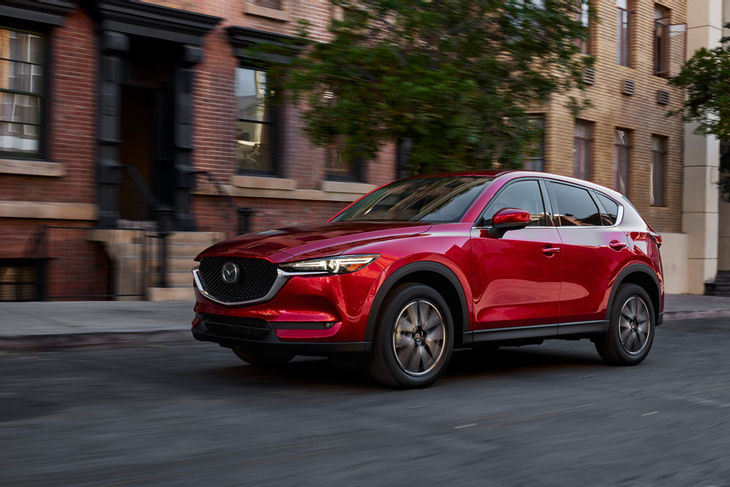
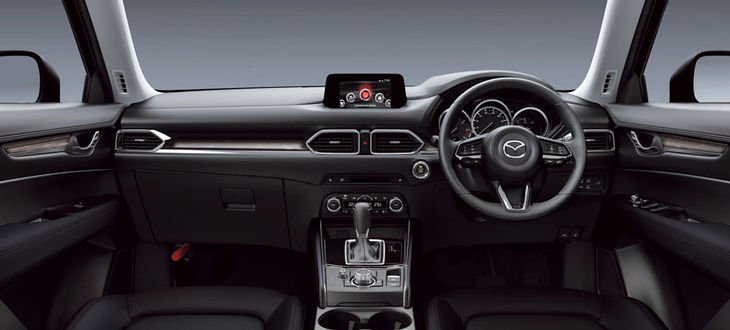
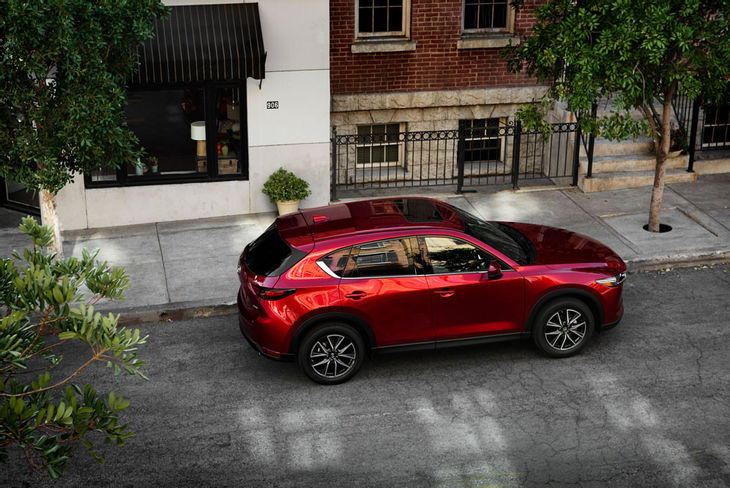
What makes the Mazda CX-5 2.5 Individual a worthy contender in the Family Car category of the 2017/18 Cars.co.za Consumer Awards – powered by WesBank? We investigate…
Mazda has been making good inroads since its “divorce” from Ford, and one of its most popular models is the CX-5. Recently refreshed, the CX-5 continues to offer excellent build quality, practicality and a balance of comfort and safety features that is hard to beat at the price. Will the CX-5 trump its rivals to take the win the Family Car category?
3 Reasons Why Mazda CX-5 2.5 Individual is a #CarsAwards Finalist
1. Capable engine
In current times the Mazda’s naturally aspirated, relatively large-capacity 2.5-litre petrol engine may look out of step, but on the power front, the CX-5 is not lacking with 121 kW on tap and 210 Nm of torque at 4 000 rpm.
Coupled with a six-speed automatic transmission that is rather good at finding the correct gear for the prevailing driving situation, the CX-5 serves up decent performance, even with a full complement of passengers and luggage. With Mazda’s SkyActiv technology, the CX-5 is quite frugal too, with a claimed fuel consumption figure of 6.4 L/100km which means you should get about 875 km from its 56 L tank.
2. Spacious family car
Riding on a relatively long wheelbase of 2 700 mm and boasting one of the bigger bodies in the compact crossover/SUV segment, the CX-5 serves up a very decent amount of interior space. The boot is well shaped and sized at 403 L and a total of 1 390 L of packing space is on offer with the 40:20:40-split rear seats folded. It should serve families well…
3. Comfortable and refined
This is an area of strength for the Mazda CX-5. Not only is the ride suppleness among the best in this class, the seats themselves are superbly padded for comfort, yet also supportive in the corners. Mazda has also paid careful attention to detail when it comes to NVH (noise, vibration, harshness) control. The cabin of the CX-5 remains a quiet place, even at higher speeds and on poor surfaces. For the driver, cruise control, auto lights and auto wipers are other comfort-boosting features.
Have Your Say: Complete our survey!
Do you own a CX-5? We would love to hear from you! Tell us about your experience by completing our Ownership Satisfaction Survey. Your input counts for 50% of the final result.
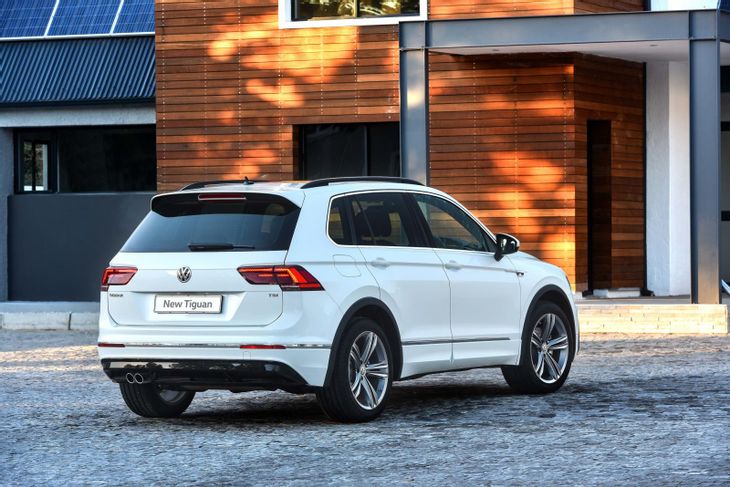
3 Reasons Why Volkswagen Tiguan is #CarsAwards Finalist
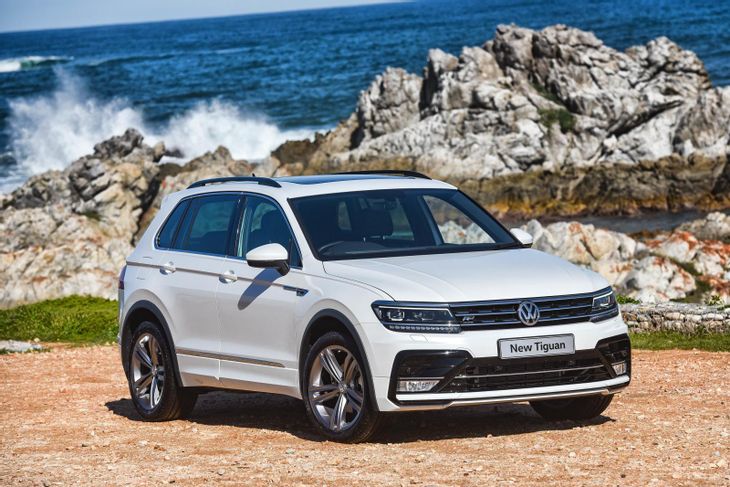
What makes the Volkswagen Tiguan 1.4 TSI Comfortline R-Line DSG a worthy contender in the Family Car category of the 2017/18 Cars.co.za Consumer Awards – powered by WesBank? We investigate…
Last year’s winner is back to defend its title! It made a fantastic impression on the team thanks to a combination of excellent road manners, superb refinement and handsome good looks. Can the Tiguan hold onto its champion status this time around?
3 Reasons Why Volkswagen Tiguan is a #CarsAwards Finalist
1. Flexible and efficient engine
Despite the small engine that produces a modest 110 kW and 250 Nm, the Tiguan doesn't feel short on power and the DSG transmission does a good job of keeping the engine in a responsive state. This Tiguan comes with steering wheel-mounted shift paddles for manual shifts and Volkswagen claims a 0-100 kph sprint time of 9.2 seconds, which means it’s flexible enough for both inner city commutes and longer trips.
The 1.4-litre turbocharged petrol engine that does duty in the Tiguan is claimed to consume just 6.1 L/100 km when paired with the crisp DSG dual-clutch transmission. This makes it one of the most frugal petrol-powered crossovers on the market.
2. Practical family car
Volkswagen’s new Tiguan is lighter, longer, wider and lower than the outgoing model. The extra 60 mm in length and 30 mm in width result in extra cabin space. Apart from the fact that the interior is well-made and trimmed in a plethora of soft-touch, premium materials, the Tiguan is also more family friendly than its predecessor. The level of rear legroom afforded, for example, is good and the fold-down rear trays and cupholders (if specified) are nice to have features.
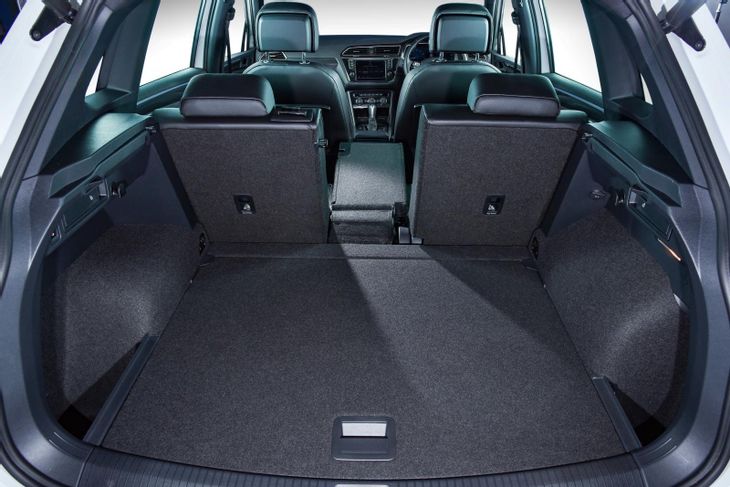
Meanwhile, the luggage compartment has a capacity of more than 500 litres, the split rear seatback can fold forward at the pull of a couple of levers in the boot and the tow hitch, if specified, deploys remotely at the push of a button.
3. Comfortable & safe
Refinement is one of the VW's strongest suits. On good quality roads, cabin refinement (in terms of NVH suppression) is impressive at the national speed limit, even on the dramatic and optional 19-inch wheels. We think the Tiguan will likely have class-leading comfort on smaller wheels and plumper tyres. 17-inch alloys are standard.
In terms of safety features, the new Volkswagen Tiguan is fitted with driver and front passenger airbags, a curtain airbag system and front seat side impact airbags. The hazard lights will flash automatically under hard braking, while Electronic Stability Control, XDS transverse differential lock and fatigue detection (Rest Assist) are all standard. The new Tiguan also carries a 5-star rating from EuroNCAP.
Watch our video review of the Volkswagen Tiguan 1.4 R-Line below!
Have Your Say: Complete our survey!
Do you own a Tiguan? We would love to hear from you! Tell us about your experience by completing our Ownership Satisfaction Survey. Your input counts for 50% of the final result.
With the new Nissan Micra scheduled to reach South African shores in 2018, some might argue that it would be pointless to consider the ageing current version… However, Nissan South Africa is hedging its bets: whereas the new Micra will move upmarket, the cheerful hatchback we all know will continue (in Active guise) as a budget car. It looks like quite the bargain…
We like: Solid, honest motoring experience, good safety spec, can be customised
We don’t like: Optional radio, engine will struggle when the Micra's fully loaded with passengers and cargo
Alternatives
Budget-friendly award winner: The Suzuki Celerio is powered by a 1.0-litre engine (50 kW/90 Nm), is well specced with convenience and features, plus it won its category in the 2016/17 #CarsAwards. Just because it is cheap doesn't mean it's nasty – a highly underrated vehicle.
Go French: The Renault Sandero is the only turbocharged offering in this lineup and when the car's loaded up you'll appreciate the extra shove! It's a tad more expensive than the Nissan, but we think it offers a better versatility, especially thanks to its spacious luggage bay.
The popular model: ThePolo Vivo has led the segment. It's available in a range of body styles and with different engines. The spec is fair too and it's a pleasant drive. However, it's due for a replacement in early 2018 and it's the most expensive vehicle of the trio.
Nissan is positioning its Micra into the budget segment, while the new Micra will offer much more in the way of tech and performance.
What is it?
The new Micra arrives in South Africa in 2018, but Nissan's local subsidiary is "pulling a Polo Vivo" by retaining the outgoing model, which will be sold as a budget offering alongside the newer, high-tech Micra. Okay, there's nothing groundbreaking here and admittedly this Micra is getting on its years, but the strategy is a clever one: while the new Micra will take on the new Volkswagen Polo and Ford Fiesta, this older Micra Active will compete against the popular Volkswagen Polo Vivo and Renault Sandero, to name just 2 rivals. Given its price tag, is it worth your time and energy, or should you be looking elsewhere?
The Good
A simple and fuss-free motoring experience awaits you from behind the wheel of the Nissan Micra
Inherent solidity
It's hard to describe the feeling of substance, but we'll give it a go. See, many entry-level cars feel notoriously flimsy and thin in places; almost as if it would be a miracle if they (the cars) would last beyond 100 000 km. This Micra, however, is a little different. It has a reassuringly solid feel to it as if it has been designed to handle whatever hard use its owner or occupants can subject it to. It may be basic and affordable, but it feels tried and tested, not flimsy.
Ride and drive
That feeling of solidity continues in the way the Micra Active drives. While some (typically skinny-tyred) budget cars feel so light on their… wheels, so much so that they're vulnerable to crosswinds, the Active offers good stability and its cabin incorporates a fair level of noise, vibration and harshness suppression. At sea level, the little 1.2-litre 3-cylinder motor pushes out 56 kW and 104 Nm, which combines well with a neatly-spaced 5-speed manual gearbox. The engine is also reasonably thrifty and while the claim of 5.2 L/100 km is a little hopeful, we were happy to see returns of around 6.0 L/100 km.
Customisation
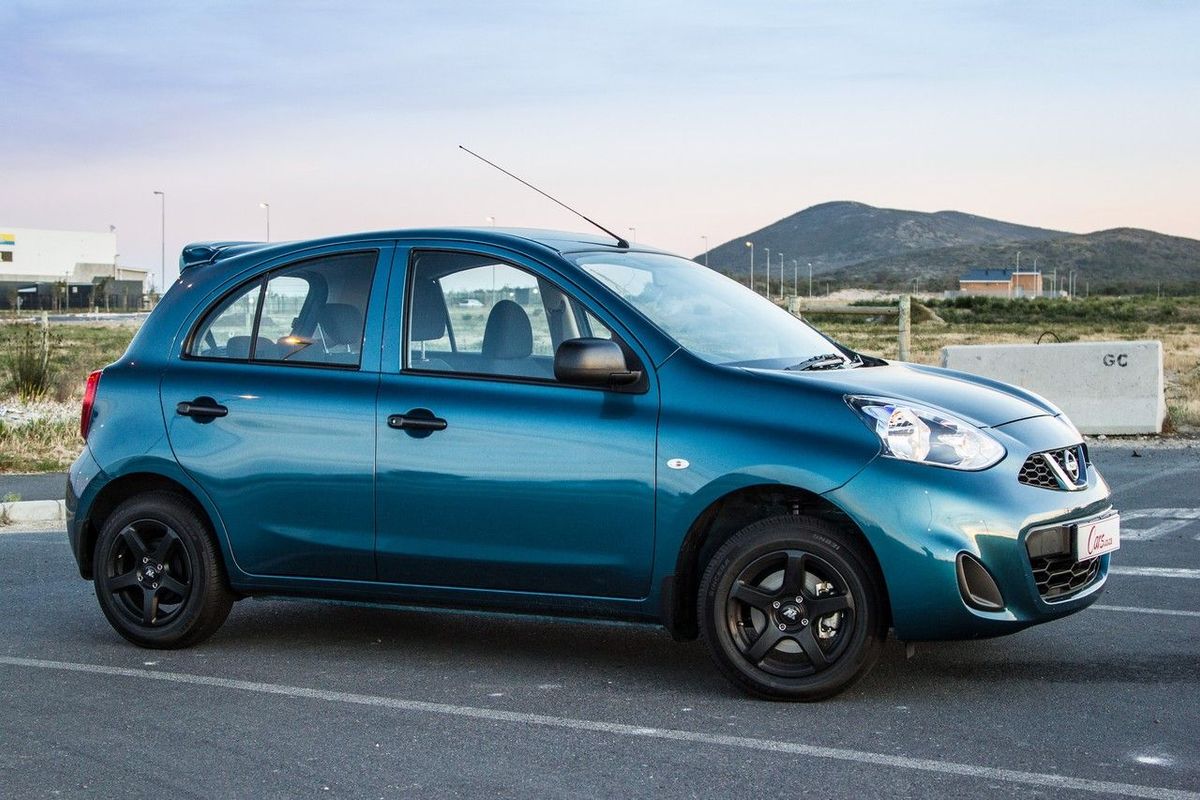
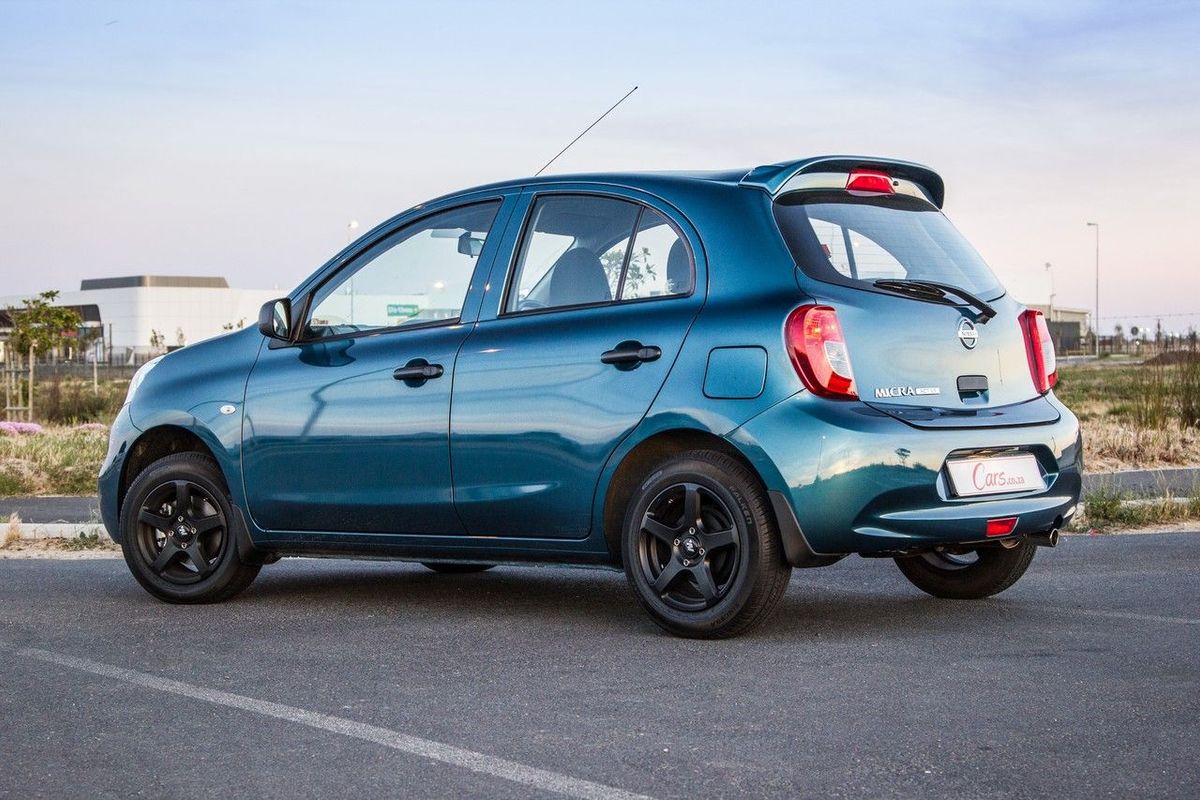
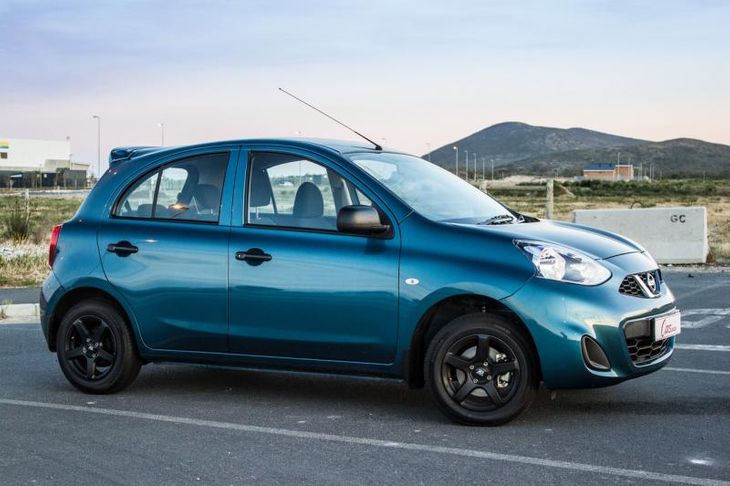
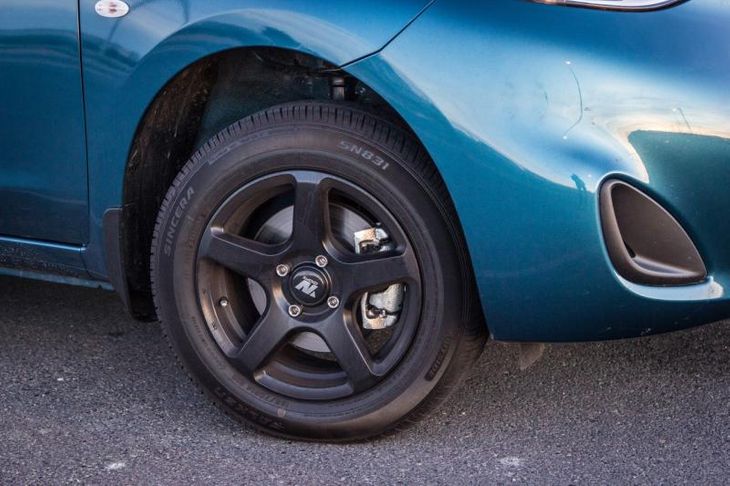
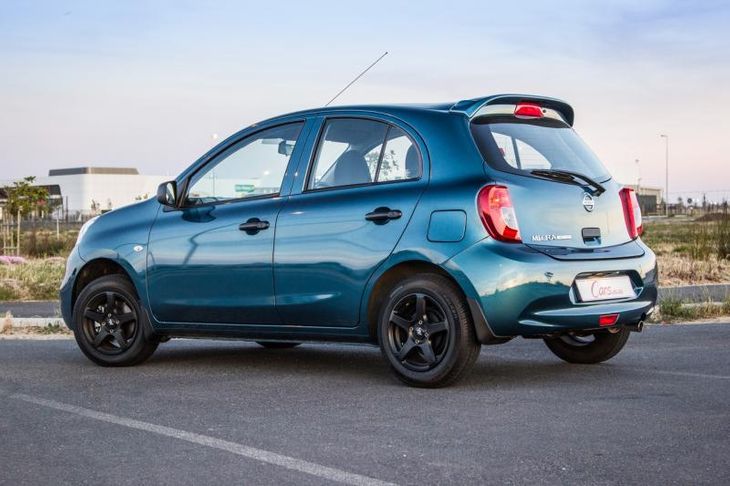
It may be marketed as a vehicle aimed at thrifty buyers, but you can have some fun with some visual upgrades such as a rear spoiler (R2 893), 14-inch black alloy wheels (R5 070) and metallic paint (R1 350). All of these were fitted to our test unit, which gave the Nissan an extra bit of street cred. No one said budget has to be boring and in this segment, you're not spoilt for choice when it comes to new cars with some visual personality…
The metallic paint and black alloy wheels add some personality to the Nissan Micra Active
Features
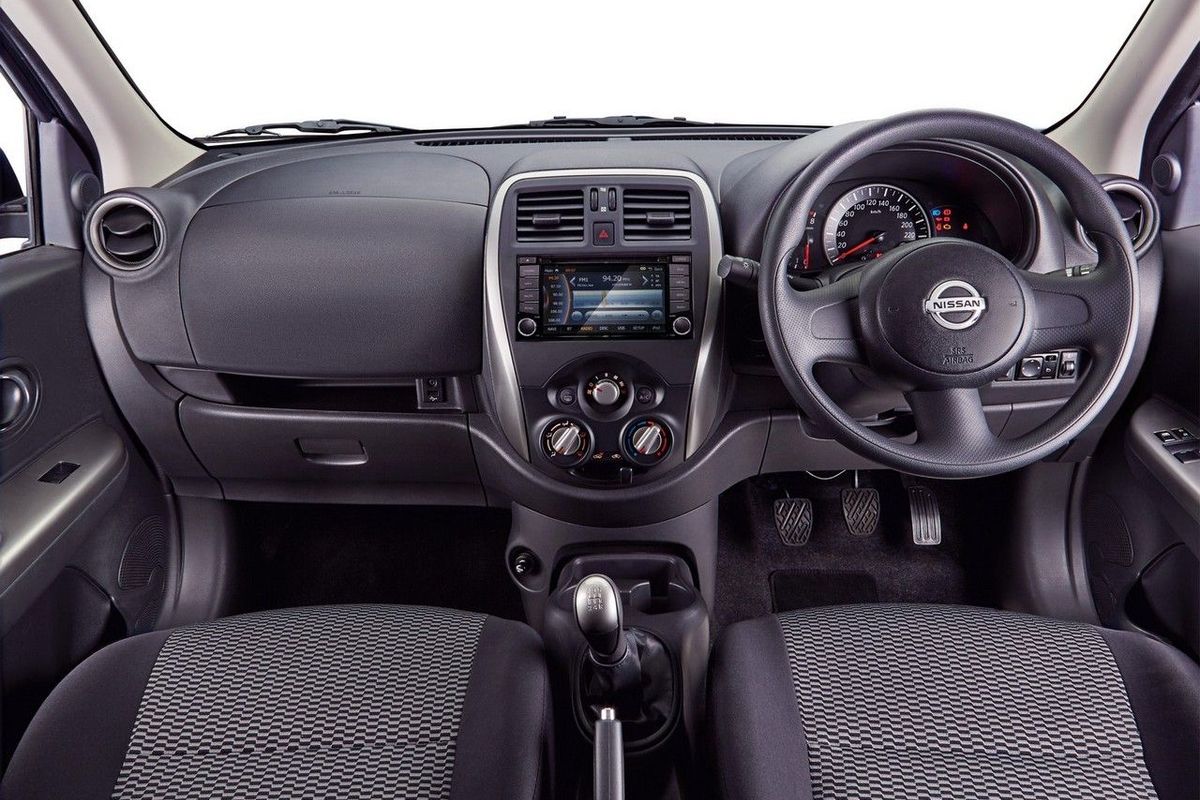
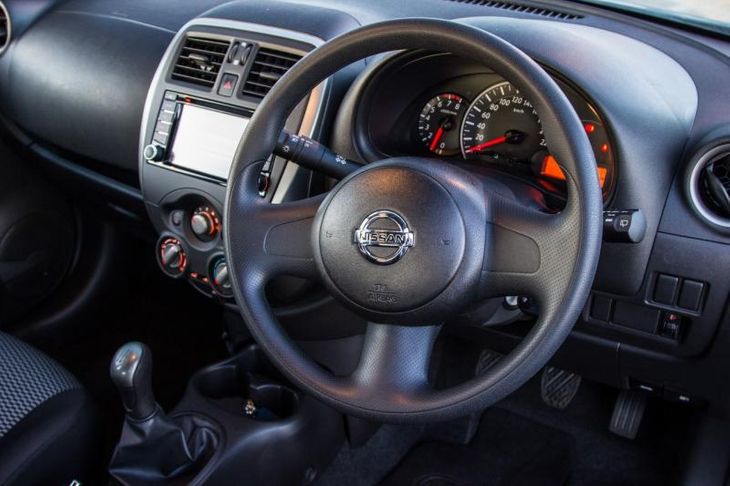
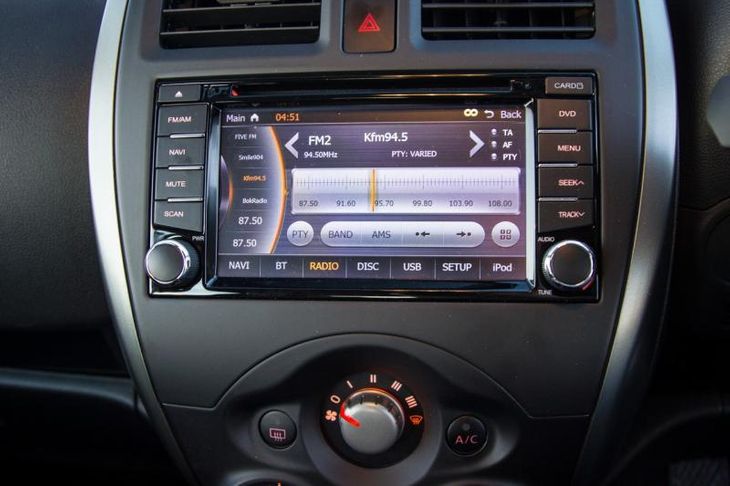
Even though the Micra Active is a cut-price offering, it still boasts a reasonable amount of kit as standard. Remote central locking and electric front windows are nice-to-have features, but we were surprised to find that an audio system is an optional extra. The good news is that this touchscreen audio system is an item well worth ticking on the options list because it boasts AM, FM, CD, MP3, RDS, auxiliary & USB inputs, Bluetooth with audio streaming AND satellite navigation. In terms of safety features, the Micra Active includes a driver and passenger airbag and ABS, which is on par for the segment. Nissan was offering a killer deal when this vehicle launched, where the satnav audio system was added on for free. Perhaps there are still some units floating around?
The infotainment system features navigation, Bluetooth streaming and a nice touchscreen interface. We'd like it to be a little brighter though.
The Not-so-good
Engine doesn't quite have enough
We've already said that the Nissan's engine is adequate for general use, but when you consider that the little car will have to work as hard as it can to lug 4 occupants, plus a capacity load of luggage/cargo in the thin air of Johannesburg, the outlook looks less than rosy. For those who are not aware, the higher you climb, the less dense the air is, resulting in a power drop for naturally aspirated vehicles. Typically non-turbocharged cars lose around 17%, which for the Micra means it's now pushing out a paltry 50 kW. Thankfully the proven powertrain should be able to withstand this sort of treatment now and again.
Price and warranty
The Nissan Micra Active costs R159 900 and it comes with a 3-year/90 000 km service plan and an excellent 6-year/150 000 km warranty.
Verdict
Simple and affordable, with a splash of personality. The Micra Active will be sold alongside its newer brother when it arrives next year.
It's a clever ploy by Nissan to tap into the budget car segment. If it has worked for Ford (Figo) and Volkswagen (Polo Vivo) then there's no reason why this Active derivative won't do well alongside its newer sibling, which we predict will cost at least R175 000. If you can get past the looks and don't have to lug much cargo, then the Micra should be on your shopping list as its price is hard to argue against. Save up to get the radio as an option, you won't regret it.
At this price point, there are very few cars that offer as much car as the Micra does. When you kit it out with some alloy wheels and the little wing, it gains some personality compared to the drab offerings in this segment. In a budget-sensitive segment, the 150 000 km warranty really sweetens the deal!