Fiat Tipo (2017) First Drive

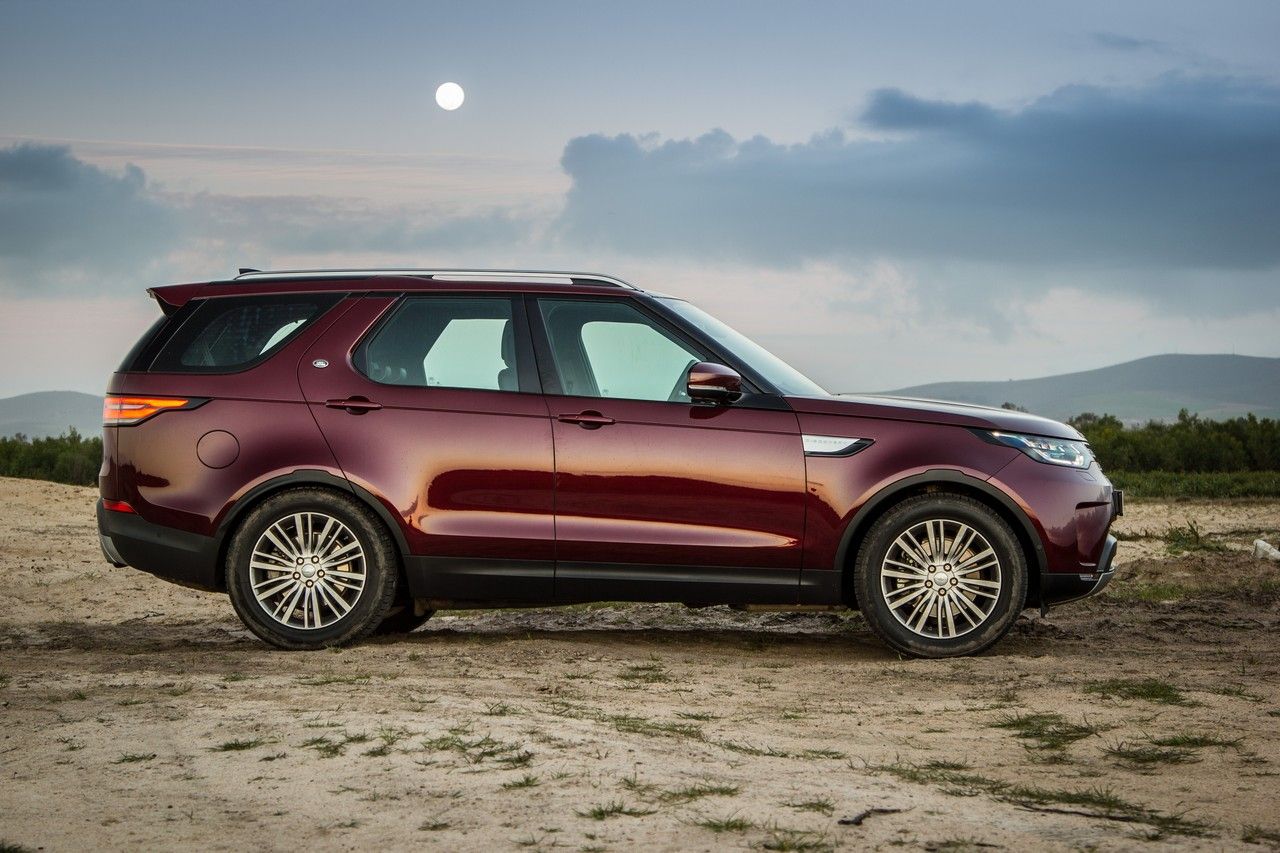
Fiat has expanded its product offering in South Africa with the introduction of the Tipo, now available as a compact hatchback or sedan. We drove the newcomer at the local launch in Port Elizabeth this week. Take a look at what the newcomer has to offer.

For many years, the Fiat 500 was the bread-and-butter model in Fiat’s local product portfolio. Then, in 2015, came the 500X compact crossover, followed by the Fiat Fullback bakkie in 2016. Now, Fiat is further extending its model line-up by entering the competitive C-segment with its latest offering, the new Tipo.  

The Tipo hatchback will rival the likes of the Ford Focus, Hyundai i30, Mazda3, Opel Astra and Toyota Auris, while the Tipo sedan will compete against the popular Toyota Corolla, Hyundai Elantra, Ford Focus, Mazda3, Volkswagen Jetta, Honda Ballade and Chevrolet Cruze. Given the recent proliferation of compact family cars/crossovers, C's certainly not an easy segment in which to do business; is the Tipo’s value proposition strong enough to resonate with buyers, then?

The range


The Tipo comes to market as both a sedan and hatchback with 3 engines and trim levels to choose from.

As mentioned earlier, the Tipo comes in hatchback and sedan guises. For the hatchback, there are 2 engine choices on offer with 3 trim levels to choose from, including the entry-level Pop, mid-spec Easy and range-topping Lounge.

The engine choices for the Tipo hatchback include an entry-level 1.4-litre naturally-aspirated petrol engine with 70 kW and 124 Nm of torque. This engine is mated to a 6-speed manual transmission with a claimed fuel consumption figure 5.7 L/100 km. For more gusto, customers can opt for the naturally aspirated 1.6-litre engine petrol engine with 81 kW and 152 Nm of torque. This engine is only offered with a 6-speed automatic transmission and fuel efficiency is a claimed 6.3 L/100 km. The hatchback derivatives comprise the 1.4 Pop, 1.4 Easy, 1.4 Lounge and the 1.6 Easy Automatic.

For the Tipo sedan (in addition to the engines mentioned above), a 1.3-litre turbodiesel engine is also offered with peak outputs of 70 kW and 200 Nm of torque. In this case, a 5-speed manual transmission is utilised and Fiat claims a fuel consumption figure of only 3.7 L/100 km. Unlike its hatchback sibling, the Tipo sedan is only offered in Pop and Easy trim specification. The Tipo sedan derivatives include the 1.4 Pop, 1.4 Easy, 1.3d Easy and the 1.6 Easy.

Click here for more details regarding specification for the new Fiat Tipo

What’s it like to drive?


The 1.3-litre turbodiesel with 70 kW and 200 Nm of torque offers good performance, but it's only offered in the Tipo sedan.

Fiat introduced the media contingent to the new Tipo in the historical Tramways Building in Port Elizabeth, where various Tipo derivatives were ready to head out onto the road.  Our first drive started behind the wheel of the 1.3-litre turbodiesel sedan.

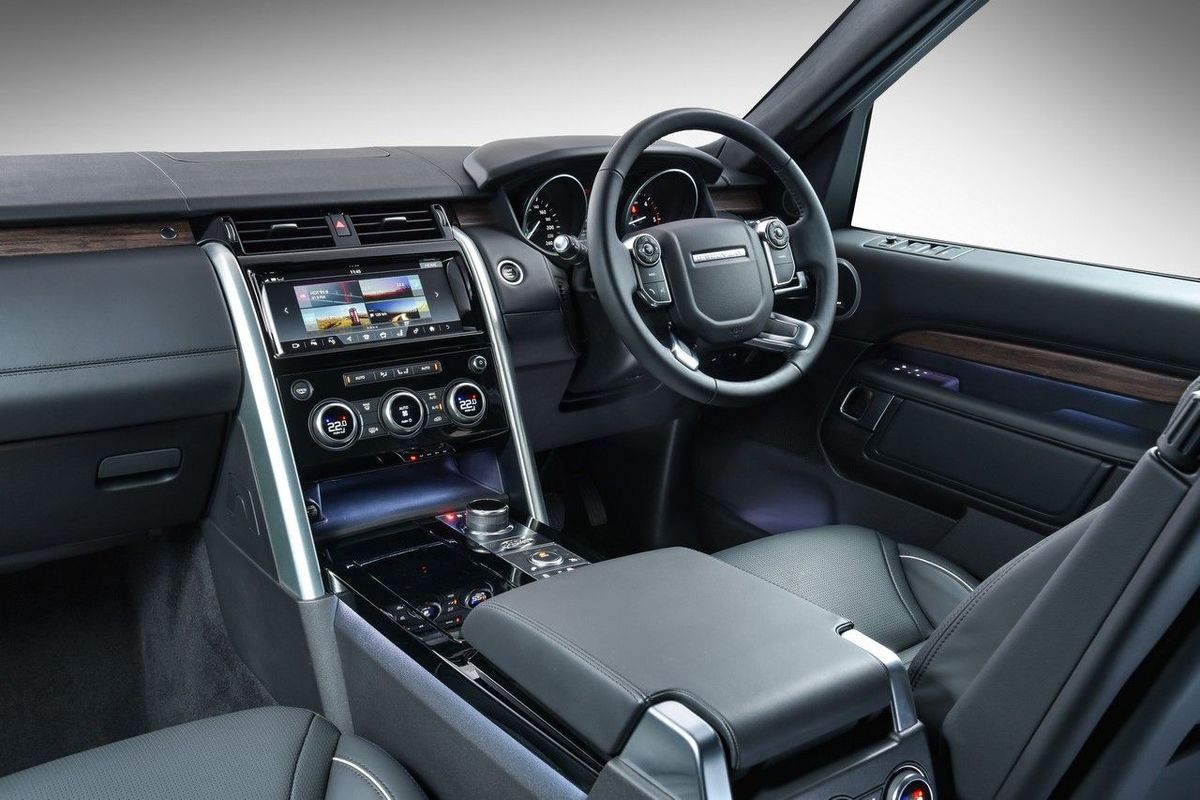
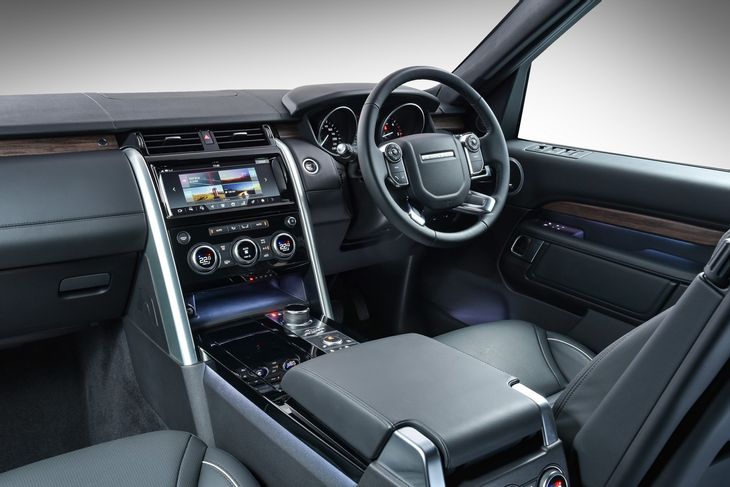
Upon entering the Tipo, it quickly became apparent that perceived interior quality is good. The soft-touch dashboard and instrumentation is neatly laid out/easily accessible and the cloth seats are well contoured and comfortable. A basic audio system is fitted, offering Bluetooth, audio streaming, a text reader and voice recognition (USB and auxiliary port are standard).

This derivative is also fitted with an automatic air conditioning system, a multifunction steering wheel, 16-inch alloys, electric front windows and side mirrors and a 60:40 split rear bench.


Interior build quality is good and the Tipo comes well specced with features.

At start-up, the 1.3-litre turbodiesel engine emits a typical diesel thrum (perhaps a little noisier than we expected). As we set off up the coast towards Cape St Francis, the engine noise subsided substantially and with its 200 Nm available at 1 500 rpm, the turbodiesel motor felt punchy and responsive to throttle inputs – it performed surprisingly well on the open road.

The 5-speed manual transmission, with its oversized gear knob, was relatively smooth-shifting and the Tipo felt tractable in the higher gears (you don’t have to gear down often to access overtaking acceleration, in other words). The newcomer delivers good ride quality too; it coped well even on uneven roads. In terms of handling, the Italian was sufficiently surefooted with a steering feel that's weightier than most cars in this segment. Overall, the 1.3-litre turbodiesel provided adequate, even entertaining, performance, but how would the 1.4-litre petrol fair?


The UConnect infotainment system with navigation is simple and easy to use, but the screen could be a bit larger.

At the next driver change, we hopped into the 1.4 Lounge. This derivative benefits from 17-inch alloy wheels, chrome detailing, a leather-wrapped steering wheel, rear parking sensors, cruise control and lumbar support for the driver’s seat. The interior was a step up from the sedan version, featuring built-in 3D navigation and a fancier, sporty-looking instrument cluster.

As to be expected (due to its lack of turbocharging), the naturally aspirated 1.4-litre engine immediately felt underpowered compared with the turbodiesel engine we just drove. With 70 kW and 124 Nm of torque (available from 4 500 rpm), the driver has to work the 6-speed manual transmission a bit harder to get the most out of the engine. Manoeuvres such as overtaking require better planning and judgment and the driver will be gearing down frequently on steeper inclines to hold the power band for longer.

Despite this, the 1.4-litre engine’s performance was average, at the coast that is. On the reef and fully loaded with passengers and luggage, the Tipo 1.4 may prove to be too sluggish. For hatchback buyers, that leaves the Tipo 1.6 Automatic as the only alternative. Unfortunately, we didn’t get a chance to drive the Tipo 1.6 at launch, so we are unable to comment on its performance, but we will hopefully have it on test soon.


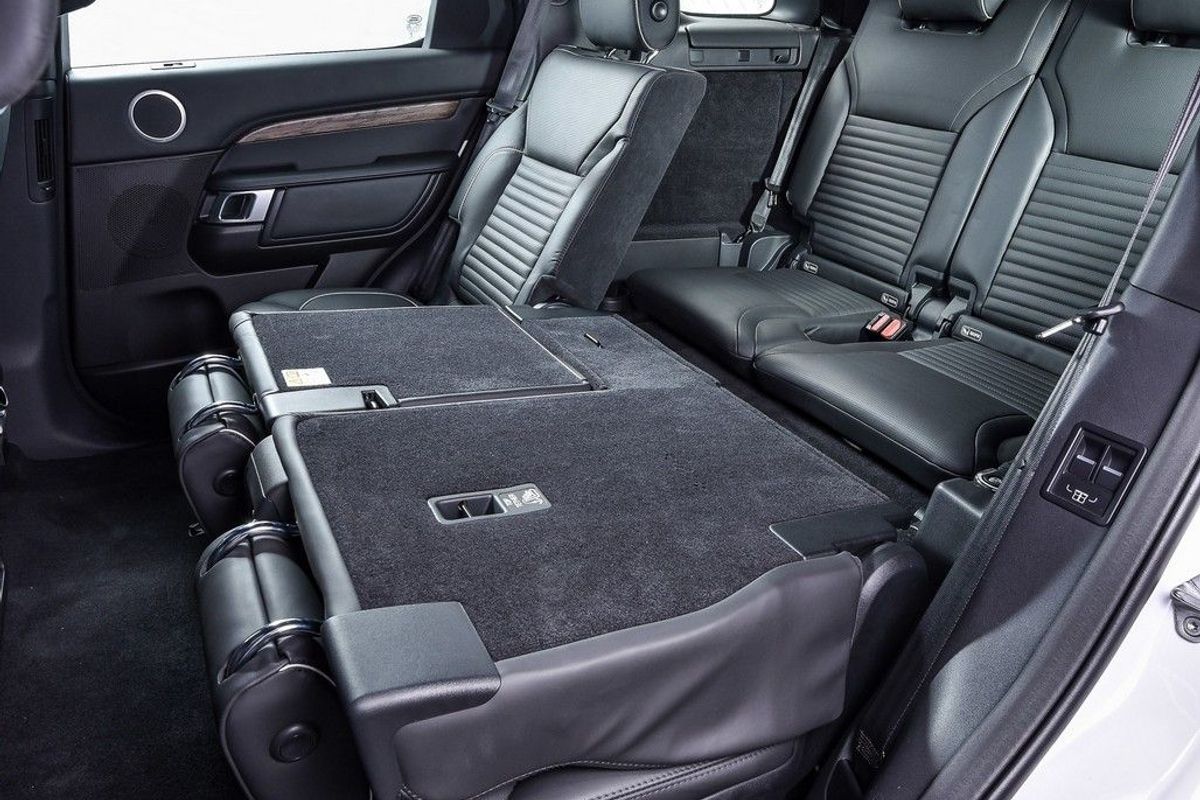
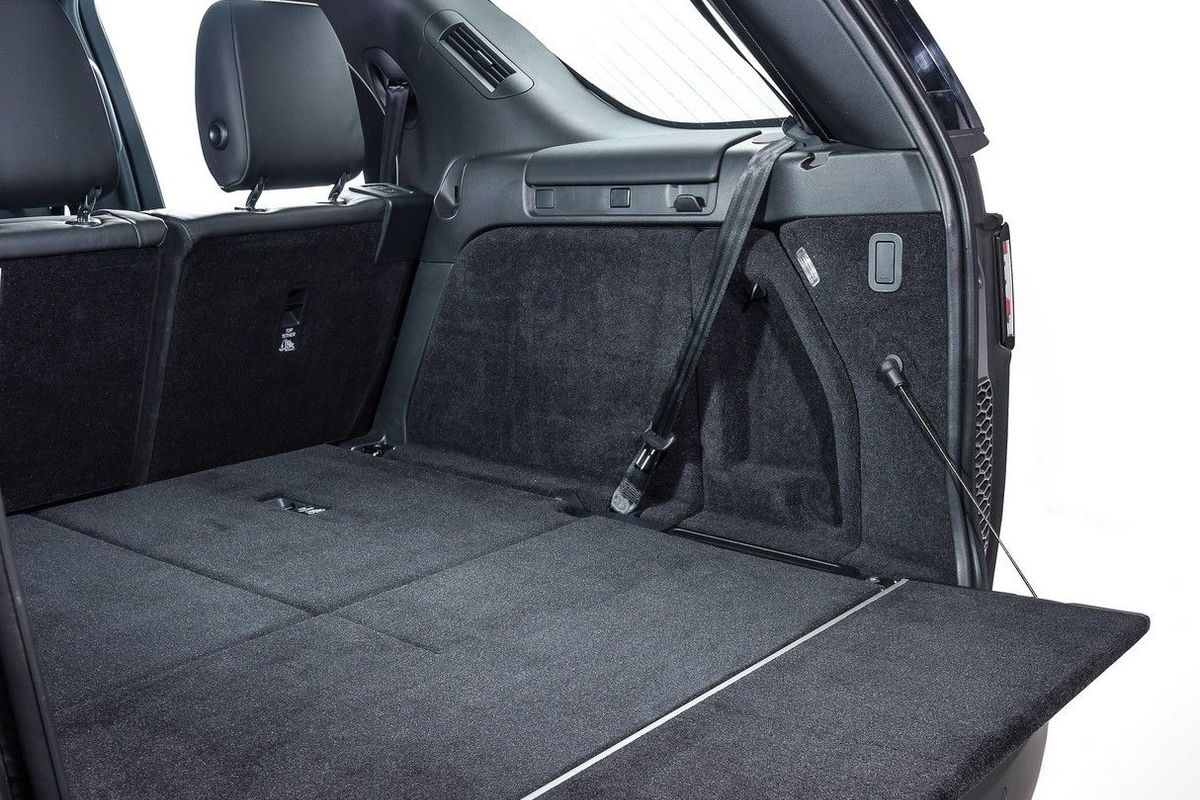
Luggage space is very generous in the Tipo and the 60:40 split rear bench adds to its storage flexibility. 

Summary

Overall, the Tipo represents good value, particularly in terms of its packaging. It's not an attention-grabbing, aspirational product, but its specification is quite comprehensive, plus there is generous space for passengers (rear occupants are afforded generous leg- and headroom) and their luggage (the hatchback has a class-leading 420-litre luggage bay, Fiat says). The Tipo sedan has a particularly large boot with a claimed capacity of 520 litres, which is considerable and, if you utilise the 60:40-split rear bench, utility space increases even further.  

In terms of safety, the Tipo is fitted with 2 airbags, rear ISOfix child seat mounting points, ABS, electronic stability control, tyre pressure monitoring and hill hold assist. Rear parking sensors are fitted on all except Pop derivatives, while a reverse camera is optional on Easy sedan and Easy hatchback, while being standard on the 1.3 Lounge derivative.

We will have the Fiat Tipo on test soon, so look out for a thorough evaluation coming your way. For now, take a look at what you can expect to pay for the new Fiat Tipo below:

Fiat Tipo – prices in South Africa

Hatchback

1.4 Petrol Pop Hatch R249 900
1.4 Petrol Easy Hatch R269 900
1.4 Petrol Lounge Hatch R289 900
1.6 Petrol Easy Auto Hatch R294 900

Sedan

1.4 Petrol Pop Sedan R229 900
1.4 Petrol Easy Sedan R249 900
1.3 Diesel Easy Sedan R274 900
1.6 Petrol Easy Auto Sedan R274 900

All Fiat Tipo models come with a standard 3-year/100 000 km warranty and service plan.?

Related Content

Fiat Tipo (2017) Specs & Pricing
Update: VW Golf Facelift (2017) Specs & Pricing
Opel Astra 1.4T 
Sport Automatic (2016) Review
Opel Astra 1.0T 
Essentia (2016) Review
Comparative Review: Opel Astra vs Volkswagen Golf 7
Toyota Corolla 1.8 Exclusive (2017) Quick Review
Toyota Corolla 1.4 D4-D Prestige (2017) Quick Review
Ford Focus Gets Style and Tech Upgrade
Spy Shot: New Ford Focus

Interested in buying a second-hand Fiat?

See a list of used Fiat vehicles here

Mercedes-AMG C43 Cabriolet 4Matic (2017) Video Review

Mercedes-AMG recently wedged its twin-turbocharged 3.0 V6 into the C-Class Cabriolet and bolted on the firm's 4Matic all-wheel-drive system to create the C43 Cabriolet 4Matic. The Benz costs more than R1 million and produces a (very) pleasurable noise. We were very eager to review it…

And so we took the Benz for a scenic drive along Cape Town's coastline to experience wind-in-our-hair motoring. On the day, however, Cape Town's iffy weather had other ideas. A downpour gave us a chance to appreciate the newcomer's roof-up driving experience. Is it a more realistic "performance cabriolet" proposition than the V8-engined C63 derivative? 

Related content:

Mercedes-AMG C63 S Cabriolet (2017) Quick Review
Mercedes-Benz C220d Cabriolet (2016) Review
Mercedes-Benz C-Class Cabriolet – Specs and Pricing in SA
Unveiled: Mercedes-Benz E-Class Cabriolet [with Video]
Mercedes-Benz S-Class Cabriolet (2016) First Drive

Want to buy a Mercedes-Benz C-Class Cabriolet?

Find a new or used example on Cars.co.za


Double-cab bakkies are the new SUVs

Although it's not the first bakkie of its kind, the arrival of the V6 turbodiesel Volkswagen Amarok marks the beginning of South Africa's luxury double-cab era. With their asking prices swelling towards the R1-million mark, could "luxobakkies" curtail demand for full-sized SUVs?

Kids can’t get enough screen time. Adults can’t watch enough series. And private car customers, it would appear, can’t buy enough SUVs.

The most pronounced trend during this last decade of automotive design and customer demand has been the coming of SUVs. They are the industry’s profit ponies and considered so crucial, that Germans brands (who anchor global automotive business) have predicted, and are preparing, to furnish product portfolios with 50% SUV content in the near future.  

Unlike congested European markets with virulently anti-car cities, South Africa’s situation is a rather different one. With our immense network of gravel roads and a keen sense of adventure, the requirement for vehicles with true utility has made the proliferation of SUVs a justifiable evolution. There’s a caveat, though. South Africans still love bakkies more.


The Merc X-Class is due at the end of 2017 and will be a test of how much SA is willing to pay for a luxury bakkie.

This year the limits of that desire, justifying the double-cab bakkie as an authentic SUV alternative, will be tested. Towards the end of 2017, the brand which represents luxury motoring with a greater lineage and variety of offerings than any other – Mercedes – will bring to market its first 4×4 double-cab bakkie.

As with all things Mercedes, X-Class will certainly price handsomely – at a level which represents value to those who can understand the merit of a Mercedes bakkie; but also a level which will be particularly ambitious.

How ambitious? Mercedes remains understandably coy about X-Class pricing, but the promise of C-Class cabin bits and 3-litre V6 turbodiesel power mean it will be quite a bit dearer than Nissan’s Navara, which it shares a chassis and suspension configuration with. Fortunately, there is a product which can assist in understanding the marketing logic and possible price position of X-Class.

It’s German. It’s a double-cab. With passenger car ergonomics and cabin bits. Has a V6 engine too. And gives us the closest clue to where X-Class will price and why it’s happening. This tool of analysis is Amarok.

Japanese idea. German execution.

South Africa has had V6 turbodiesel double-cabs before. Most people, including the marketing staff at German brands, forget this. Late in 2010, Nissan did something quite courageous and delivered to the local market, Navara V6 dCi.

Not only was it immensely powerful for its time, with outputs of 170 kW and 550 Nm (credible even in 2017), but its cabin featured true SUV-grade infotainment equipment. Here was a vehicle with a load-bin and off-road ability (curiously without a rear differential lock), that passengers who weren’t wearing hardhats or hunting camo would feel comfortable travelling in.


The Navara V6 dCi was the first double-cab bakkie to break the R500k barrier back in 2010.

Nissan’s Navara V6 dCi double-cab also priced at a R100k premium to its rivals. It became the first bakkie to breach R500 000 – and not just slightly beyond that number. The price of R573 700 remains the only attribute of it people remember and in the fullness of time, it has become the somewhat forgotten double-cab of South African bakkie history.

New Amarok is prophetically the second coming of Nissan’s Navara V6 dCi idea: SUV cabin comfort, V6 diesel power and 1-tonne load capacity. The difference is that VW has executed it with greater aplomb. Amarok’s V6 turbodiesel is sourced from Audi – Navara’s was a Renault – and the ZF 8-speed automatic transmission, delivers unparalleled drivetrain adaptability.

VW’s double-cab V6 will crawl up-and-over the most technical off-road terrain, is always in the appropriate gear when hunting for that gap in traffic and cruises effortlessly at near autobahn speeds, with the least volume of acoustic intrusion possible. The VW passenger car cabin components also mean it’s no more intimidating to drive than an oversized Polo.


The Amarok V6 is over R700k for certain models, it will no doubt be a useful acid test of the market for the Merc X-Class.

Perhaps more than anything else, Amarok demonstrates that double-cab bakkies are now approaching, and possibly cannibalising, the bottom-end of South Africa’s off-road-capable SUV market. By off-road capable SUVs, we’re referring to Touareg, Pathfinder, Discovery, Prado, Pajero and GLE (the non-AMGs). All credible off-roaders, with spacious car-like interior architecture, but crucially, without overt high-performance 0-100kph credentials or ‘40-profile tyres.

An Amarok mirrors the off-road ability of Touareg, with entirely acceptable cabin comfort, and although its rear suspension isn’t as sophisticated, the bakkie’s ability to carry 1010 kg is well worth the sacrifice. As a lifestyle vehicle, it’s much better than an SUV for a customer profile which appears to mirror the requirements of most South Africans.

Better than SUVs in surprising ways 

The double-cab bakkies of 2017 are in surprising ways superior to SUVs for travelling and adventure. Loading an SUV to the where your kit meets the roof trim is foolish and dangerous. If any of the fluids you packed start leaking, upholstery’s ruined and during an emergency brake application, you have objects that become cabin missiles.

With a bakkie, passengers and kit are separated. There’s a tonneau cover limiting the height at which you can load and no risk of objects flying about the cabin when you pulse that ABS pump to stop short of a Gemsbok en route your favourite Namibian wildlife reserve. Best of all, if you are returning from a weekend away, and your outdoor gear is muddy, or there are fluid containers with the risk of spill or seepage, a bakkie load-bin requires only a minute of high-pressure hosing to clean and a few minutes of sun to dry.


Modern safety features, a decent infotainment system and a 1-tonne loadbay. Could this be the perfect combination for the South African?

Nimble steering and clever suspension calibration imbue Amarok with great high-speed cruising confidence, and with that Audi V6 turbodiesel running at 580 Nm on overboost, it’s faster than any other double-cab bakkie South Africans have ever had the option on. With the grade of stability systems and tyre technology on offer a decade ago, a bakkie of Amarok’s performance could have been classed as an irresponsible product offering. In 2017, it feels right. In fact, it feels so right, you’d consider it as being priced fairly compared to several SUVs of comparable size.

R700 000 bakkies are the new ‘normal’

Much as Navara V6 dCi challenged double-cab pricing perceptions, Amarok V6 has done the same in 2017: shattering the R700k price ceiling for a South African double-cab. For the blend of traditional workhorse carrying ability, open-road cruising performance and cabin comfort it’s a natural evolution of price inflation.

Think double-cab bakkies have suddenly become alarmingly expensive? If you track V6 turbodiesel double-cab bakkie pricing against a performance car benchmark, such as BMW’s 1M, for instance, the bakkies haven’t radically escalated. In 2011, BMW’s 1M retailed for R537k. In 2017, it successor, M2, has a sticker price closer to R900k. Navara V6 dCi was R573k back in 2011 and Amarok V6 is just beyond R700k in 2017.


When compared to passenger cars, bakkies have not actually grown in price nearly as much.

The Germans have formulated bakkies which are what South Africans long for from their SUVs. Sensible ergonomics, intuitive infotainment and quality seats inside. Sophisticated automatic transmissions to exploit the performance and refinement potential of what is fuelled under the bonnet… All whilst retaining the traditional bakkie load-bin, which can cope with every South African leisure or labour eventuality. After 100 000 km of gravel travel commuting, a heavy-duty bakkie tailgate, with its oversized hinges, is less likely to develop some shutline play, manifesting as a maddening rattle – something which afflicts the strut supported hatch doors on some SUVs.  

VW has effectively opened the path for X-Class price acceptance with its V6 Amarok. Considering the parallels in configuration there’s little doubt the Mercedes bakkie will move us to a new price point for South African double-cabs. A price point beyond R800k.

*We’ve omitted Land Cruiser’s V8 double-cab for the good reason that it is not a V6 turbodiesel, nor particularly sophisticated in any possible way. It does retail for R734k, however.

Related Content

Volkswagen Amarok 3.0 V6 TDI (2017) First Drive
Most Powerful Double-Cab Bakkies in SA
Nissan Navara (2017) First Drive
Ford Ranger Fx4 (2017) – a Raptor Kit with a Warranty
Toyota Hilux vs Ford Ranger vs Isuzu KB vs Volkswagen Amarok (2016) Comparative Review

Want to buy a Volkswagen Amarok?

Find a new/used example on Cars.co.za

Ford Everest 2.2 XLT Automatic (2017) Quick Review

Now locally made and more affordable than ever before, the Ford Everest has emerged as the top-selling Toyota Fortuner's biggest threat. We test it in 2.2-litre XLT Automatic form.

We like: Interior space and comfort, standard features, ride comfort 

We don’t like: Plasticky cabin (nit-picking!)

Alternatives

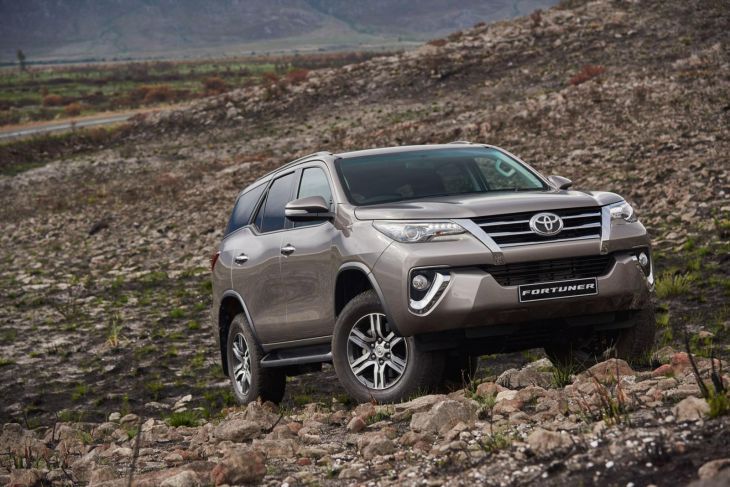
  • A (cheaper) Toyota Fortuner: You can, for less money, have the Toyota Fortuner 2.4 GD-6 (R474 200). This model, though competitive from a drivetrain point of view, does lack some features, however. For example, you only get 3 airbags (none at all for those seated in the middle and third rows), and a decidedly less impressive infotainment system.
  • A (more expensive) Toyota Fortuner: For roughly R50 000 more, you can get Toyota's Fortuner 2.8 GD-6 (R557 200). It largely addresses the safety features issue of the 2.4-litre models, but still lags on the infotainment front. You do get more power, though.
  • A big, big saving: Mitsubishi's new Pajero Sport has still not arrived in SA and Chevrolet's Trailblazer has failed to capture consumers' imaginations. So, how about a real cheapie from India? The Mahindra XUV 500 W8 is better than you'd think, comes with a 2.2-litre turbodiesel engine, loads of features and is priced at only R394 995, including a 5-years/150 000 km warranty.
     

Compare the specs of the Ford Everest 2.2 XLT with the Toyota Fortuner 2.8 GD-6 Auto and Mahindra XUV 500 W8 Auto here

Facts & Figures

  • Price: R509 900 (May 2017)
  • Engine: 2.2-litre, 4-cylinder, turbodiesel
  • Transmission: 6-speed automatic
  • Power: 118 kW
  • Torque: 385 Nm
  • Fuel Consumption: 7.3 L/100 km (claimed)


Big, bold and in XLT trim, with extra brightwork, the Everest 2.2 XLT is an attractive and imposing family SUV.

Following a massive R2.5 billion investment in its local factory, the Ford Everest is now made in South Africa. As a direct result, there is now more choice in the local line-up and the entry price is considerably lower. We do like the powerful 3.2-litre Everest derivatives, but at a significant cost saving, could this more affordable, less powerful 2.2-litre model be the pick of the bunch?

The Good

Blend of Power and Economy


The 2.2-litre turbodiesel engine delivers an impressive blend of power, economy and refinement. Do you really need a 3.2-litre?

The 2.2-litre turbodiesel engine has always impressed us in the Ranger, and continues its good showing in the Everest. It offers 118 kW and 385 Nm of torque, the latter figure available from 1 500 to 2 500 rpm. In this instance it is mated with a 6-speed automatic transmission that is generally well-matched to the power delivery characteristics of the engine, but is not the quickest to react to abrupt throttle inputs. 

It's a quiet engine at idle, only becoming noisier when pushed hard but generally relaxed when cruising. It feels more free-revving than the bigger 3.2-litre engine, and delivers decent performance. Mind, this is a heavy, big vehicle, so don't expect fireworks when the throttle is mashed. Nevertheless, for family use its performance is more than sufficient and it can still tow 3 000 kg (braked). 


The neat analogue/digital instrument cluster contributes to the high-tech feel of the cabin and offers a number of different displays/functions.

In terms of fuel efficiency, we averaged around the 9.5 L/100 km mark, which is pretty good given the vehicle's size and likely usage patterns. It represent a significant improvement over what you will achieve in an Everest equipped with the 3.2-litre engine. The Everest 2.2-litre has an 80-litre tank, so expect a range of around 850 km between fill-ups.

Practicality and Spaciousness


With the 2nd and 3rd row of seats stowed away, the Everest offers a vast load area with a flat floor.

Based on the Ranger, still one of the biggest bakkies on the market, the Everest is an imposingly large vehicle. It rides on a lengthy 2 850 mm wheelbase, which is significantly longer that what you'd find on a Toyota Fortuner, as an example. The theoretical benefit is a larger, more spacious cabin and in the Everest's case this is also a reality. From its comfy front chairs, multi-adjustable 2nd row and surprisingly spacious 3rd row, the Everest is a genuinely practical family vehicle. 


The 3rd row seats can be easily folded using a latch that can be reached from the back of the vehicle.

Open the boot, and there's still reasonable space even with the 3rd row of seats occupied. Fold those down into the floor – easily done from the rear of the vehicle – and you have a very, very large luggage area. It would make a great long-distance touring vehicle for a family of five. The 2nd row offers not only generous adjustment in terms of fore/aft sliding, but also boasts a 1-touch fold function, which see them disappear into the floor as well. In this configuration (2nd and 3rd rows stowed), the Everest offers a long, flat surface that can accommodate very bulky and long items. 

If there still isn't enough space in the vehicle for your family's requirements, then note that the Everest 2.2 can still tow a braked trailer of 3 000 kg and comes with Trailer Sway Assist as standard.

Standard Equipment


SYNC3 with navigation was recently added as a standard feature to all Everest XLT models.

In XLT trim the Everest is rather generously equipped, and even more so since the recent upgrade. Included as standard are; cruise control, climate control, rear park distance control (including camera), electrically foldable mirrors, rain-sensing wipers, leather upholstery and, on the safety side, no fewer than 7 airbags. We particularly admire the attention given to 2nd- and 3rd-row passenger comfort – there are separate temperature controls in the 2nd row, and overhead ventilation outlets for all 2nd- and 3rd-row occupants

It is, however, the standard fitment of Ford's SYNC3 that is the Everest's most distinguishing feature. It boasts an 8.1-inch touch screen, much improved graphics and the addition of navigation as standard. Free map upgrades are available for 5 years, and the navigation works in 20 other countries, as well as offering the nifty Tracks4Africa service – a travelling community maps package – for adventurous types. Voice guidance can be given in a number of indigenous languages, including Zulu and Afrikaans, in addition to a raft of others (French, Spanish, Arabic etc.).


A multitude of drinks holders are dotted around the cabin, and XLT spec includes 2 USB ports.

The advanced system features what Ford calls, "multi-touch gestures", which means it can be controlled in a multitude of ways, including swiping, scrolling, sliding, pinching and even gesture control, in addition to pressing the virtual buttons and voice input control for some functions. Apple Car Play and Android Auto functionality is built-in, but not yet functional because the licenses have not yet been released for our region. It features not one, but 2 USB ports, as well.

The (not so) Good

Slightly plasticky in places


The cabin makes a great first impression, but the choice of materials could be improved.

At a first glance, and particularly because of the fitment of leather upholstery and the impressive SYNC3 system, the Everest's cabin looks upmarket. But compared with the surfaces and materials in the latest Toyota Fortuner, for example, it does feel somewhat too plasticky in places. Toyota, it would appear, has done a better job in hiding the Fortuner's bakkie (Hilux) roots than Ford has done in this instance. It's a small gripe, and should be viewed within the right context which is simply a lack of any serious criticisms.

Summary

The Ford Everest 2.2 XLT automatic is particularly cleverly positioned –  roughly R35 000 more expensive than the 2.4-litre Fortuner, and around R50 000 cheaper than the 2.8-litre Toyota. Whichever Fortuner you compare it with, the Everest 2.2 XLT appears to make great sense, offering more safety (airbags) and a vastly superior infotainment system than the former, and a big saving compared with the latter, while still offering better in-car entertainment (but less power). 

If you don't need 4-wheel drive, but like the idea of driving a big, rugged and versatile SUV as a family/leisure vehicle, it is a must-drive on your shortlist. The Everest is a surprisingly comfortable vehicle to drive around town, given its dimensions. The light steering and rear-park distance control (as well as camera view) help a lot. Then, when heading onto gravel, you'll appreciate the soft ride, ground clearance and fitment of an electronic rear diff-lock (when needed). It's a superb package overall.

Also see our video below

You may also be interested in;

Spec upgrade for Ford Ranger and Everest (2017)
Ford Everest 4×4 off-road test (video)
Ford Everest vs Toyota Fortuner video review
Buyer's Guide: Rugged 7-seat SUVs

Interested in buying a new / used Ford Everest?

Find one on Cars.co.za today by clicking here

Porsche Produces 1-millionth 911 [Video]

It has taken the famed German sportscar company 54 years to build one million 911s. The 1-millionth 911 recently rolled off the production line at Porsche's Zuffenhausen plant.

The Porsche 911 is an icon in the sportscar world. The concept of a rear-wheel driven and rear-engine-mounted sportscar is a unique one, but 54 years later, the 911 is still finding homes among fans. In 2016, 32 365 units were sold globally. Porsche claims that over 70% of its 911s are still on the road and even more impressive is that two-thirds of all Porsches ever made are still being driven. It's not just about road cars either, as over half of Porsche's motorsport wins have come courtesy of the 911.

As for Porsche 911 number 1 000 000, it was finished in Irish Green, the same colour as 911 number 1. Why green? Rumour has it that green was Ferdinand Porsche's favourite colour. The cabin has been extensively customised and features a mahogany steering wheel, upholstery and the dials are complementary silver, just like the original 911. On the exterior, the badges are the 1964 design, as opposed to the modern Porsche logo. It'll be going on tour around the world, before becoming an exhibit at the Porsche Museum in Stuttgart, Germany.

Watch the millionth 911 roll off the production line:

Further reading:

Watch SentiMETAL Part 2: Porsche 930 Turbo
First Drive: Porsche 911 Carrera S Coupe
First Drive: 718 Cayman S (2016)

Want to buy a new or used Porsche? 

Browse through stock for sale here

Fuel Price Drop Cards For June 2017

The Automobile Association of South Africa (AA) says the instability of the oil price and rand-dollar exchange rate makes predicting the fuel price in June 2017 exceptionally tricky. That said, we may be in line for a price drop soon.

Our currency started the month of May 2017 pretty strong against the Dollar, but has weakened. On the other end of the scale, the international petroleum prices have, according to the AA, "started the month soft, sagged further, and have made something of a comeback in the past few days."

At this stage, the AA is predicting that consumers will enjoy a "drop of 24 cents a litre for petrol, 20 cents for diesel, and 21 cents for illuminating paraffin." However, this is subject to stability from now until the end of the month. 

"We wouldn't rely on these figures, though, since a lot could change by month end," the AA commented. "Internationally, Opec seems set to stay the course with its production cuts, and on the local front, ratings agency Moody's is likely to make an announcement on South Africa's sovereign debt rating, which is anticipated to be negative," the association commented.

Related Content

Top 10 Most Fuel Efficient Budget Friendly Cars (2016) 
Top 10 Most Fuel Efficient Cars in SA (2016)
Most Fuel Efficient SUVs in SA (2016)
5 Most Fuel-Efficient Double-Cab Bakkies in SA (2016)
10 Ways To Save Fuel

Need a new or used car?

Find a new or used car on Cars.co.za

Fiat Tipo (2017) Specs & Pricing

Fiat is launching the new Tipo hatchback and sedan in South Africa next week and we will be there to give it a drive. We drove the Tipo sedan in Italy last year and it appears that the spacious and feature-rich Tipo will offer a fair degree of value to consumers. Take a look at what we thought of the Tipo sedan and what you can expect to pay for the Tipo hatchback and sedan when they arrive next week…

What is it?

In Europe, the Fiat Tipo is the Italian offering in the compact hatchback market, otherwise known as the realm of the Volkswagen Golf, Ford Focus, Opel Astra and a few others. It’s available in sedan, hatchback and estate guises, powered by petrol and turbodiesel engines. Due to the lack of demand for station wagons in South Africa, it won't be offered locally. 

Whereas most sedans in this segment follow a particularly generic style, the Tipo's front end is distinctive in a quintessentially European way and the studded grille adds a classy touch. There are some splashes of chrome and note how the fog lights are particularly recessed in their housings. The model we drove was the 1.3-litre four-cylinder turbodiesel and it was shod with attractive alloy wheels riding on higher profile rubber.


Compact sedans are not usually visually appealing, but the Tipo's a welcome exception.

What’s under the bonnet?

As we previously mentioned, this model we drove came equipped with the Multijet 1.3-litre turbodiesel engine and it will be offered in Africa. It produces peak outputs of 70 kW and 200 Nm, which is more than acceptable for an inner-city runabout. Besides, fuel economy is likely to be this model’s strong point – Fiat claims that you can expect a return of 4.2 L/100km on the combined consumption cycle. You’ll get some decent range too, thanks to a 45-litre fuel tank capacity.

There are two other engines on offer, a 1.4-litre and 1.6-litre petrol engine and both are naturally aspirated. The former produces 70 kW and 127 Nm, and while the performance of the 1.6 (81 kW and 152 Nm) should be adequate, imagine driving a fully-laden Tipo 1.4 driving at altitude in Gauteng…

In terms of gearboxes: there's a 5-speed manual for the 1.3 diesel engine, a 6-speed manual for the 1.4 petrol engine and a 6-speed automatic transmission for the 1.6 E-torQ petrol engine.

How does it drive?


The Tipo's length is not an optical illusion, the newcomer affords a generous amount of rear legroom

Our launch route comprised a combination of Autostrada (highway), back roads as well as the claustrophobic streets of rural Italian towns. The diesel’s in-gear torque provided a positive open road driving experience with the gearbox not needing to be churned too often. There was a hint of turbo lag when setting off, but once on the move, the Tipo proved an eager vehicle. The manual gearbox is simple and smooth in operation.

The Tipo is easy to drive thanks to appreciably light steering. As far as no-frills motoring goes, the Tipo is a very uncomplicated, pleasantly simple vehicle.

How’s the cabin space?

This is one department where the Tipo really excels. The driving position is reassuringly conventional (the same cannot be said for all Italian cars), but even when there's a driver of above-average height behind the wheel, there’s still exceptionally generous rear legroom. Using the basic sit-behind-yourself test, we had about 150 mm distance between my knees and the back of the seat. As for the seats themselves, they feel sturdier and longer-wearing than some of its rivals. During our 200 km long test route, we felt comfortable with none of that posterior numbness that usually occurs from sitting still for too long.

The boot is deserving of praise as its simply enormous. Fiat claims it will swallow 520 litres worth of cargo, which sounds almost too good to be true.

Any notable features?


Full-colour infotainment screen displays the reverse view from a rear-facing camera to make parking easier.  

When you think of an affordable sedan, you probably expect an "empty shell of a car with basic features". The Tipo is completely the opposite and comes jam-packed with a multitude of the latest bells and whistles. There’s a smart and intuitive Uconnect infotainment system, Bluetooth connectivity, TomTom navigation, a multifunction steering wheel, reverse-view camera, climate control and cruise control. 

SA spec?

For the South African market, there are two body styles, three trim levels, three engines and three types of gearbox. The sedan is available in Pop and Easy specification, while the hatchback is available in Pop, Easy and Lounge trim. 

The Tipo has a hands-free Bluetooth interface, audio streaming, text reader and voice recognition, aux/usb ports with iPod integration, and controls on the steering wheel.  A rear parking camera and the new TomTom 3D built-in navigation system are optionally available on all models except the Easy.

Manual air conditioning (on the Pop versions) and automatic air conditioning (on the rest of the range), electric front windows, electrically adjustable door mirrors with defrosting function and the 60/40 split rear seat (excludes sedan POP version). POP models feature 16-inch steel wheels fitted with covers. Easy models feature 16-inch alloy rims, LED daytime running lights, chrome door handbody colouredoured mirror covers and a leather steering wheel. A reverse camera is standard on the hatchback Lounge model, and an optional extra on all models except the Pop.

The Lounge trim, exclusive to the hatchback, features 17-inch alloy wheel rims, chrome details and a leather steering wheel and gear shift knob. Comfort and safety features include rear parking sensors, front fog lights, automatic climate control, cruise control, front armrest and driver's seat with optional lumbar adjustment. UConnectTM infotainment system with Navigation as standard.

Driver and front passenger airbags are standard, with with side and curtain airbags as an option. Also standard is electronic stability control (ESC), There's also Panic Brake Assist (PBA), which intervenes in case of emergency braking by increasing the braking force; ABS; traction control (TCS), and Hill Start Assist, which maintains brake pressure for approximately two seconds after the driver releases the pedal.

Also available is Cruise Control on all Easy and Lounge models and can be selected as an option on the hatchback Pop model.

Fiat Tipo – Price in South Africa

All Fiat Tipo models come with a standard 3 year / 100 000km warranty and service plan.

Hatchback

Fiat Tipo 1.4 Petrol Pop Hatch               R249 900

Fiat Tipo 1.4 Petrol Easy Hatch             R269 900

Fiat Tipo 1.4 Petrol Lounge Hatch          R289 900

Fiat Tipo 1.6 Petrol Easy Auto Hatch     R294 900

Sedan

Fiat Tipo 1.4 Petrol Pop Sedan              R229 900

Fiat Tipo 1.4 Petrol Easy Sedan             R249 900

Fiat Tipo 1.3 Diesel Easy Sedan            R274 900

Fiat Tipo 1.6 Petrol Easy Auto Sedan     R274 900

Interested in buying a second-hand Fiat? See a list of used Fiat vehicles here

Related Content

Update: VW Golf Facelift (2017) Specs & Pricing
Opel Astra 1.4T
Sport Automatic (2016) Review
Opel Astra 1.0T
Essentia (2016) Review
Comparative Review: Opel Astra vs Volkswagen Golf 7
Toyota Corolla 1.8 Exclusive (2017) Quick Review
Toyota Corolla 1.4 D4-D Prestige (2017) Quick Review
Ford Focus Gets Style and Tech Upgrade
Spy Shot: New Ford Focus

Volkswagen Golf 1.0 Trendline (2017) First Drive

The Volkswagen Golf – one of the world's most popular vehicles – has just been facelifted. Whereas the focus of the local media launch was the GTI flagship, we felt that further investigation of the range was necessary. Among the armada of Golf GTIs on the launch was the humble 1.0 Trendline  – a vehicle that was almost overshadowed by its performance brothers, but delivered one of the most satisfying drives of 2017 instead.

We all expected that the Volkswagen Golf GTI (version 7.5) would be good, but this good? Well, based on its manufacturer's fanatical attention to detail and build quality, we'd be surprised if the 2017 Golf GTI derivative didn't remain the segment leader in terms of sales. If you'd like to read our First Drive of the GTI and its GTD (turbodiesel) sibling, or peruse an overview of the new range and its pricing detail, click below:

Volkswagen Golf 7 GTI & GTD (2017) First Drive
Update: VW Golf Facelift (2017) Specs & Pricing

For more detail on the 1.0 Trendline derivative, which retains for R289 900 (May 2017) read on…  

What's new?

The entire line-up has been rejigged and offers a broader appeal. The range begins with a derivative powered by the new 1.0-litre engine, a powerplant we recently sampled in the Polo 1.0 R-Line. Meanwhile, the 1.4-litre petrol motor has been carried over and the GTI's 2.0-litre now features a tad more power. Turbodiesel derivatives, including the GTD, and the Golf R flagship model, are scheduled to arrive in July.

There are some mild changes to the exterior of the vehicle, most noticeably at the front: daytime running lights are all standard, with the (DSG-only) GTI now featuring LED headlights. The latter also sports Audi-style directional pulsing indicators. 

The infotainment units have been replaced with a new series of systems. Composition Media features an 8.0-inch screen, while Composition Colour has increased from 5-inches to 6.5-inches. What you really want is the Discover Navigation Pro with its high-definition 9.2-inch screen, which is beautifully integrated into the dashboard. Discover Navigation Pro also features gesture control. 


New infotainment screens are just some of the changes in the Volkswagen Golf 7.5

Standard Features

Trendline

  • Start/Stop Technology
  • ESP with Hill-hold assist
  • Electronic parking brake
  • Electronic adjustable heated side mirrors
  • Electronic windows (front & rear)
  • Manual air conditioner
  • Cloth seat covers “Basket” design
  • Fatigue detection
  • LED taillights
  • 6.5-inch Composition Colour Radio System with Touchscreen, USB, Bluetooth Connectivity and 8-speakers
  • 15-inch Lyon alloy wheels
  • Leather multi-function steering
  • LED daytime running lights

Comfortline

In addition to the Trendline standard features, Comfortline includes:

  • Drawer under front passenger seat
  • Front central armrest
  • Lumbar support for front seats
  • Cloth seats cover in "Zoom" design
  • Front foglights
  • 16-inch "Hita" alloy wheels
  • Cruise control
  • Rain sensors
  • Auto-dimming rear view mirror
  • Auto headlights with leaving/coming home function

GTI

  • Sport suspension
  • Exhaust chrome twin tailpipes (right and left)
  • Ambient lighting (light strips in red)
  • Progressive steering
  • 18-inch "Milton Keynes" alloy wheels
  • Automatic air-conditioner "Climatronic"
  • Heated front seats
  • Auto high-beam
  • LED headlights
  • Dynamic cornering lights
  • 8-inch Composition Media Radio System with Touchscreen, USB, Bluetooth Connectivity and 8 speakers
  • App Connect
  • Voice Control

The driving experience

The launch gave us the opportunity to sample the bottom of the range model, the 1.0 Trendline manual as well as the flagship GTI. While we'd all love to own a Golf GTI, this vehicle now retails for over R500 000, which is well out of reach for some customers. However, the 1.0 Trendline, which we drove for 250 km from the Karoo to Port Elizabeth on a variety of road surfaces, is priced at just under R300 000; we think it offers a lot of value. 

With 81 kW and 200 Nm on tap from its 1.0-litre turbocharged petrol engine, the 1.0 feels anything but lethargic (did you know the first Volkswagen Golf GTI produced the same peak power output when it was launched back in 1976?). Mated with the 3-cylinder motor is a 6-speed manual gearbox with a light but positive shift action and uncomplicated clutch movement. Out on the open road, there's a reassuring positivity with each gear change and the car doesn't mind building up speed quickly when you're pressing on: with 200 Nm on tap from the small-capacity motor, there's no shortage of overtaking ability and you're able to power past slower traffic with ease… once you've dropped down a gear.


Although a 1.0-litre 3-cylinder motor may seem a trifle small for a car of the Golf's size, the powerplant performs dutifully.

Sections of the R75 before Uitenhage are wonderfully curvy and we had the chance to exploit the excellent balance of the MQB-based Golf chassis. Its handling is calmingly neutral and the steering offers feedback that could almost qualify as "mildly enthusiastic". Look, the Golf's overall demeanour is composed and pliant, arguably at the cost of outright dynamism, which is the case even with the GTI, but its a worthy tradeoff in this application. Ride refinement is class-leading and we appreciate the lengths that Volkswagen has gone to focus on cabin quality and spaciousness. Wind noise at national highway speeds is negligible and engine noise is only apparent when the motor ventures into the upper end of its rev range. 

Our long journey was unaccompanied as our peers opted to sample the GTI units. The solo drive was a great chance to sample the in-car entertainment and despite the lack of a South African version of Android Auto (blame Google, not Volkswagen), the system integrates into and charges your smartphone. The standard 8 speakers offer good-quality audio output.

Summary


Full LED taillights and redesigned bumpers round off the exterior package. You can also spec an R-Line body kit.

Given how popular the Volkswagen brand is in South Africa, the news of a new Golf range elicited a fair number of comments on via social media. Most commentators weren't impressed by the GTI's price tag and some asked us to highlight "what's new" about the new car. Yes, the exterior changes are minimal, but the key changes are under the skin and the addition of technology such as the all-digital Active Info Display dashboard and new high-quality infotainment screens elevate the vehicle well into the digital era. The car is currently rated at Autonomous Level 1, which can be defined as "most functions are still controlled by the driver, but a specific function (like steering or accelerating) can be done automatically by the car."

While most public attention will be focused on the utterly desirable and class-winning GTI performance model, the rest of the Golf range also deserves recognition. While it has half the engine capacity and offers half the performance (of the GTI), the 1.0 Trendline's cabin space, levels of comfort, build quality and refinement are as excellent as that of its flagship sibling. 

The Golf's rivals from Ford and Opel both offer 1.0-litre engines (in the Focus and Astra) and they're significantly more affordable than the Wolfsburg offering, but you can feel the difference in terms of the former's superior build quality and premium feel. Sure, the Focus feels more agile when you're driving enthusiastically and the value-packed Astra represents a massive leap forward for Opel, but both will feel the brunt of what Volkswagen has achieved with Golf 7.5. You pay for what you get with the 2017 Golf facelift – and it's worth every cent.

Facelifted Volkswagen Golf – prices in SA

81 kW 1.0 TSI Trendline                  R289 900
81 kW 1.0 TSI Comfortline               R304 200             
92 kW 1.4 TSI Comfortline DSG       R356 400
81 kW 2.0 TDI Comfortline               Price to be confirmed at a later stage
130 kW 2.0 TDI GTD DSG               Price to be confirmed at a later stage
169 kW 2.0 TSI GTI DSG                R545 800
213 kW 2.0 TSI R DSG                    Price to be confirmed at a later stage

Further reading

Volkswagen Golf 7 GTI & GTD (2017) First Drive
Update: VW Golf Facelift (2017) Specs & Pricing

Volkswagen Golf Facelift Revealed [with Video]
Volkswagen Golf GTI Clubsport S (2016) First Drive
Volkswagen Golf GTI Clubsport (2016) Video Review
Volkswagen Golf GTI Clubsport (2016) Review
Is The Golf Segment Dying?
Comparative Review: Opel Astra vs Volkswagen Golf 7

Would you like to buy a Volkswagen Golf?

Find stock on Cars.co.za now.

Top 6 Exciting Car Interiors (2017)

In our opinion, these are the most exciting car interiors to be launched in the past year. Whether it’s for striking design, lavish materials or futuristic elements, these 6 interiors have piqued our interest.

Most people will judge your car by the intricacies of its exterior design, but it’s the inside of the car where you spend most time with your car. This last year has seen a move towards fewer fascia buttons, reduced clutter around the cabin and bigger, more inclusive infotainment systems.

The German brands that dominated this list last year have not introduced anything groundbreaking over the past 12 months, so do not feature as prominently this year. That doesn’t mean they are suddenly rubbish, they're just not that eye-catching.

Take a look at what we think are the best interiors of 2017 (thus far). Let us know what your favourite interiors are below.

Lexus LS 500

The LS 500 debuted in Geneva earlier this year. The interior looks to have taken a giant leap forward in terms of design and usability. Lexus has never lacked build quality, but has often sported boring derivative interiors combined with tricky-to-understand infotainment systems. The LS 500 looks distinctive with the swooping vents running the length of the cabin. The infotainment system has been improved and measures 12.5-inches. There’s also a 24-inch (!) head-up display available.

Update: Lexus LS 500h Bows in Geneva
 

McLaren 720S

The new folding driver display (instrument cluster) system looks magnificent and moves with Transformer-like precision. The centre console’s buttons are all stacked on top of each other and issue commands to the gearbox. McLaren has made the interior of the 720S look like a futuristic machine from a Sci-Fi movie. You can stare at the details on this cabin for hours.

Watch the Audi R8 and the McLaren 570 on track
 

Range Rover Velar

Talk about simplifying a cabin. Look how few buttons there are in the Velar. All of Range Rover’s Terrain Response buttons and knobs have been shifted onto a 2-tier screen setup that can tilt to provide the perfect angle for the driver or passenger. It looks like the update that Jaguar Land Rover needed to keep up with the Germans in terms of tech and refinement.

Update: New Range Rover Velar SUV Revealed
 

Alpine A110

The blue backlighting on the Alpine’s buttons may just look particularly cool, but the A110 seems to have been designed by the same guys who made the Avengers movies. The big A in the steering wheel is a giveaway and the analogue clock surrounds are reminiscent to Iron Man’s head-up display. Still, the Alpine differentiates itself from Porsche's Cayman with a thoroughly futuristic, original interior.

Renault Alpine Sportscars are back!
Update: Renault Alpinesportscar on the cards for SA

Peugeot 3008

Peugeot has taken another step forward with its interiors. The European Car of the Year-winning 3008, which will be launched in South Africa in the second half of 2017, has an improved touchscreen and fully digital instrument cluster that displays crisp animations and 3D graphics. The biggest improvement is the overall quality of the cabin and the feel of the switchgear.

Peugeot 3008 (2016) First Drive
 

Alfa Romeo Giulia

The Quadrifoglio's cabin is especially beautiful, but even the lukewarm models have an aura of quality about them. The start button on the steering wheel makes you wonder why all cars don’t position it there and the infotainment system is one of the easiest/most intuitive to operate. It seems Alfa took a leaf out of Audi's book when it came to designing the Giulia’s interior.

Alfa Romeo Giulia Quadrifoglio (2017) Video Review
Alfa Romeo Giulia 2.0T (2017) Review
BMW 750Li Design Pure Excellence (2017) Quick Review
The BMW 750Li is the champion in the First Class category of the 2016/17 Cars.co.za Consumer Awards – powered by Wesbank. In a rarefied segment of the market where opulent features and exclusivity are key requirements, does the 750Li represent the most logical real-world purchasing proposition if you prefer being driven… to driving?

We like: Terrific ride/handling balance, generous rear passenger comfort & convenience 

We don’t like: Parking bay-challenging dimensions, a handful of showy technologies

Alternatives

  • The allure of the three-pointed Star: To many, S-Class remains the last word, short of Ghost and Continental, in first class cars because of its sense of occasion and stellar reputation. As the Mercedes-Benz S500L is older than the 7 Series, it cannot match the BMW for in-car technology, but the arrival of a fancier facelift is imminent.
  • Luxury first, technology second: Much as is the case with the Maserati Quattroporte, Jaguar’s approach to first-class motoring is based on heritage, sportiness and old-school luxury. The Jaguar XJ 5.0 Supercharged Autobiography costs a whopping R700 000 more than the BMW, however.
  • For maximum on-road/off-road swag: For those who cannot resist the allure of being chauffeured in aristocratic style in a vehicle that looks equally at home in front of the trendiest nightspot or on the manicured lawns of a country estate, the (admittedly long-serving) Range Rover L Autobiography Supercharged positively exudes opulence.

Compare the specs of the BMW to the Mercedes-Benz and Jaguar here

Facts & Figures

  • Price: R2 085 338 (May 2017)
  • Engine: 4.4-litre V8 turbopetrol
  • Transmission: 8-speed sport automatic transmission
  • Power: 330 kW
  • Torque: 650 Nm
  • Fuel Consumption: 8.0 L/100 km (claimed)
  • Top speed: 250 kph
  • 0-100 kph: 4.7 seconds


The test unit was shod with 20-inch V-spoke rims, which enhanced the exterior treatment over and above the Pure Excellence package.

We’ve previously reviewed the 740i and 750i Design Pure Excellence derivatives of the 7 Series and came away deeply impressed. This, however, is the 750Li, which is, with the exception of the performance-oriented 6.6-litre V12 M760Li xDrive, the top-spec (and most rear-occupant-oriented) derivative in the Bavarian firm’s flagship range. It represents BMW’s 2016 World Luxury Car of the Year-winning range’s strongest alternative to first-class sedans produced by Mercedes-Benz, Audi, Jaguar, Lexus and Maserati. Plus, given its sophisticated engineering and technologically-advanced features, it begs the question: if the BMW “limousine experience” is so comprehensive, can the exclusivity of the Rolls-Royce and Bentley nameplates really justify the dramatic price premiums of the Ghost and Continental derivatives?

The good

Exemplary dynamism

The fact that, traditionally, BMW 7 Series sedans have exhibited levels of dynamic handling prowess that belie their extensive dimensions and significant kerb weights has never been in dispute. However, critics of the Bavarian first class sedans have been quick to point out that those engaging driving attributes came at the cost of ultimate ride comfort/on-road poise.


The 7 Series’ fully-digital instrument cluster is tastefully executed; it strikes a balance between a futuristic and a classic look. 

However, whereas that was true of the current Seven’s predecessor, the 750Li feels as rapid and agile as it does pliant and composed, irrespective of driving or road conditions. By toggling the respective modes of the Driving Experience Control (with settings for Sport, Comfort, Eco Pro and Adaptive) a driver can task the BMW to adjust its adaptive suspension and throttle responses, steering assistance, transmission shift pattern and driver assistance systems settings. The system works insidiously and, in a word, brilliantly. In fact, Adaptive mode automatically learns from an individual’s driving behaviour and is, like almost every feature in the 750Li, customisable.

Two additional standard features on the V8 and V12 7-Series derivatives are Executive Drive Pro and Integral Active Steering. The former uses an electro-mechanical active roll stabilisation function to reduce the 750Li’s body movement to a minimum. The system uses active anti-roll bars, working in conjunction with Dynamic Damper Control and integrates information from the navigation system, driving style analysis and camera projection data. The latter uses a measure of rear-wheel steering to make the sedan easier to manoeuvre at low speeds and more agile at higher velocities.


The large high-resolution infotainment display incorporates touch technology. The submenus look crisp and are customisable. 

As a result, the breadth of the 750Li’s on-road abilities is hard to fault: it is, simultaneously, one of the most dynamic large vehicles to drive and comfortable, pliant-riding cars to be driven in.

Additional nice-to-haves

Before we get to the integral rear-seat entertainment system, which is such a critical part of the long-wheelbase 750i derivative’s user experience, it bears mentioning that over and above all the well-reported in-car technology, such as active cruise control with stop/go function, head-up display, 4-zone climate control, (hand-signal-recognising) gesture control, park assist, surround view and Display Key (to name the most notable ones), not to mention the plethora of safety systems that constitute the Driving Assist Plus bouquet, the 750Li comes with a trio of additional features that set it apart from its 6-cylinder siblings.

The first is a 600W Harman Kardon surround sound audio system comprising a 9-channel digital amplifier with individually adjustable equalising and 16 loudspeakers. Although it could be argued that the aural focus of the 750Li’s audiovisual system is its rear occupants, the surround audio system delivers rich sound reproduction (it would cost R17 800 extra in a smaller Seven).

Then, in addition to the wide range of electrical adjustment afforded to the front pews, all four seats on the BMW have heating, as well as ventilation functions, which are a boon if the exterior temperature either plummets or soars. Lastly, the BMW Night Vision (with person recognition) uses infrared camera technology to detect people and animals in poor visibility situations and activates dynamic marker lights that Illuminate the endangered objects through the main headlights.


Although there is an even more lavish Executive Lounge option, the standard rear seat accommodation leaves little to be desired.

Integral rear-seat entertainment

As one may expect, the notably longer rear doors and 140-mm longer wheelbase of the Li version are to the benefit of rear occupants, who sit ensconced in electrically adjustable comfort seats with Alcantara-padded headrests and backrests that can tilt as much as 42.5 degrees. And, should the left rear occupant require even more legroom, there is a somewhat curiously named “Gentleman” function with which the front passenger seat can be adjusted forward from the back.

Allied to this, the centre armrest is adorned with the respective control consoles for the electrical rear seat adjustment (to the sides), a snap-in/snap-out 7-inch BMW Touch Command tablet that enables users to access comfort, infotainment and communication functions wirelessly, as well as a separate telephone handset with HD voice quality. As for the rear-seat entertainment experience, each front seat backrest is adorned with a high-resolution tiltable 10-inch screen that is connected with a Blu-Ray drive. The system can display AV material via HDMI, MHL (for mobile devices) and USB, plus it can be connected to wireless Kleer headphones (sold separately, BMW says).

Although electric roller sun blinds for rear side windows and windscreen are standard, the LWB version includes a white ambient highlight at the front of the rear doors, of which the light intensity can be controlled via a capacitive touch sensor or via the light setting in the BMW Touch Command.

In conclusion, whereas the rear legroom in a standard 7 Series is good, but not great, by luxury sedan standards, the 750Li offers generous comfort and convenience to rear passengers. Whether an additional handset is required in the age of smartphones and the entertainment package will be of significant benefit to busy high-profile executives on a daily basis are moot points. Suffice to say that aft occupants will be lavishly accommodated in the plush, enveloping rear seats and lack little for entertainment on longer trips.   


Although not all testers were enamoured with the metallic-look switchgear, the dark wood, light-leather interior combination drew praise. 

The not so good

Super-size matters

Despite the weight saving measures (the 750Li has a kerb weight of 1 815 kg, which, to be fair, is more than reasonable for a sedan its size), the BMW is 5.2 metres long and nearly 2.0 metres wide, which makes it somewhat cumbersome to park and thread through gaps in traffic. For those who are accustomed to manoeuvring their large SUVs and double-cab bakkies within the confines of the city limits, the 7’s exterior dimensions should not be too much of an impediment, especially because the limousine sedan has integral features such as Park Assist and Active Park Distance Control, which parks the car on its driver’s behalf or stops a costly clang from occurring (if you’re reversing at less than 5 kph) respectively.

Indeed, the 360-degree surround view (including a function to peer around corners when exiting a blind alley) and a plethora of ultrasonic sensors make it dead easy to monitor the 750Li’s immediate surroundings, but, nonetheless, it does not make the spaces into which the car needs to fit any smaller. Yes, most 750Lis will be parked on designated spots during the day (and inside commodious garages at night), but take note: it’s not a car for running errands, popping down to the shops or parking in a narrow street.

Are the Touch Key and self-parking just gimmicks?

While few will dispute that the ornate BMW Touch Key, with its touch control LCD colour display that relays vehicle status information (e.g. fuel gauge, range, service information, vehicles locking status, etc.) is one of, if not the most impressive passenger car fobs that have ever been put into series production (it can be charged in-car via the phone wireless charging function), some may wonder whether such data could not be shown (and in greater detail, with the same or more functionality) on a screen of a smartphone (paired with the car) instead. 

We shudder to think how much it could cost to replace the Touch Key should it go missing, but, then again, few 7 Series owners will be too perturbed by that. Furthermore, the self-parking function, which allows users to manoeuvre the 7 Series fore and aft by using the Touch Key while standing outside the vehicle, can be useful, but, we doubt that most owners would ever want to park their cars in confined spaces where the sedan could be damaged if the doors of adjacent cars are opened recklessly/mindlessly. Besides, the calibre of motorist who can afford the second-most-expensive BMW sedan will, in all likelihood, have access to a garage that is big enough for the 750Li to be egressed easily once it has been parked…  


The self-parking function was fun to show off, but although the BMW Touch Key is standard, the remote docking function isn’t.

There are still extra-cost options

One might that think that in a R2-million-plus sedan little would need to be specified over an above the long list of standard features, but although the 750Li is lavishly equipped by almost all automotive standards, there are still nice-to-haves that need to be specified additionally. Given the overall asking price of the car, however, these aren’t THAT expensive. Apart from extravagant features such as a panoramic sunroof with lighting elements (Sky Lounge), Executive Lounge seating (that offers a reclining function for the rear seats as well as electric footrests), a rear cool box, heating elements in the armrests and so forth, a leather-trimmed instrument panel costs R19 400, massage functions for the front and rear seats R15 700 apiece, remote parking R7 900, sun protection glazing R7 500 and Ambient Air (in-cabin perfume dispenser) R4 600. The last 3 could have been standard… but we’re nitpicking. 

Summary

Buying a first class sedan is not the product of a rational purchasing decision. A flagship limousine needs to be an expression of upper-crust status, demonstrate technological superiority, offer impeccable on-road refinement, incorporate lavish cabin trims and cutting-edge features, plus its performance needs to be muscular, yet effortless and demure. To that end, it is not at all surprising that the BMW 750Li was crowned the best First Class Car in the 2016/17 Cars.co.za Consumer Awards – powered by Wesbank (one of the several awards that the flagship Bimmer has garnered) because it shifts the goal posts for what a car of this ilk is supposed to be… and be capable of.


Although the 7 Series still lacks standout kerb presence in some people’s opinion, it does exude a sense of effortless elegance.

In previous reviews, we’ve extolled the virtues of the G11-series BMW 7 Series for being a highly accomplished product from a driver’s point of view and, through further familiarisation (with the 750Li) we’ve come to appreciate the car for the lofty levels of comfort and convenience it affords its rear occupants. Yes, the 750Li represents the high water mark for luxury sedans listed on Cars.co.za’s price list (for around the R2 million mark, at any rate). It is a car that, for most mortals, is the very embodiment of a luxury limousine. It’s just a pity that in a segment where brands engage in bitter warfare for technological superiority, the newest product is (almost automatically) deemed the best. Unfortunately for BMW, archrival Mercedes-Benz has already unveiled the facelifted version of its superb S-Class, which is due for release on the local market in the near future; for how long will the 750Li’s reign last? 

Related content:

BMW 7 Series: A Tech Showcase [with Video]
BMW 750i Design Pure Excellence (2016) Review
BMW succeeds Benz as World Luxury Car of the Year
BMW 740i (2016) Review
BMW 7-Series (2016) First Drive

Interested in buying a BMW 7 Series?

Find one on Cars.co.za