The World Car Awards organisation used the Geneva International Motor Show as a platform to announce its top 3 finalists in 6 categories. Most of the categories are fiercely contested.
A jury of 75 distinguished international automotive journalists, including the only South African juror, Cars.co.za's Hannes Oosthuizen, has selected the following “Top Three in the World” finalists by secret ballot based on their evaluation of each candidate as part of their professional work. International accounting firm KPMG tabulated the jurors’ ballots.
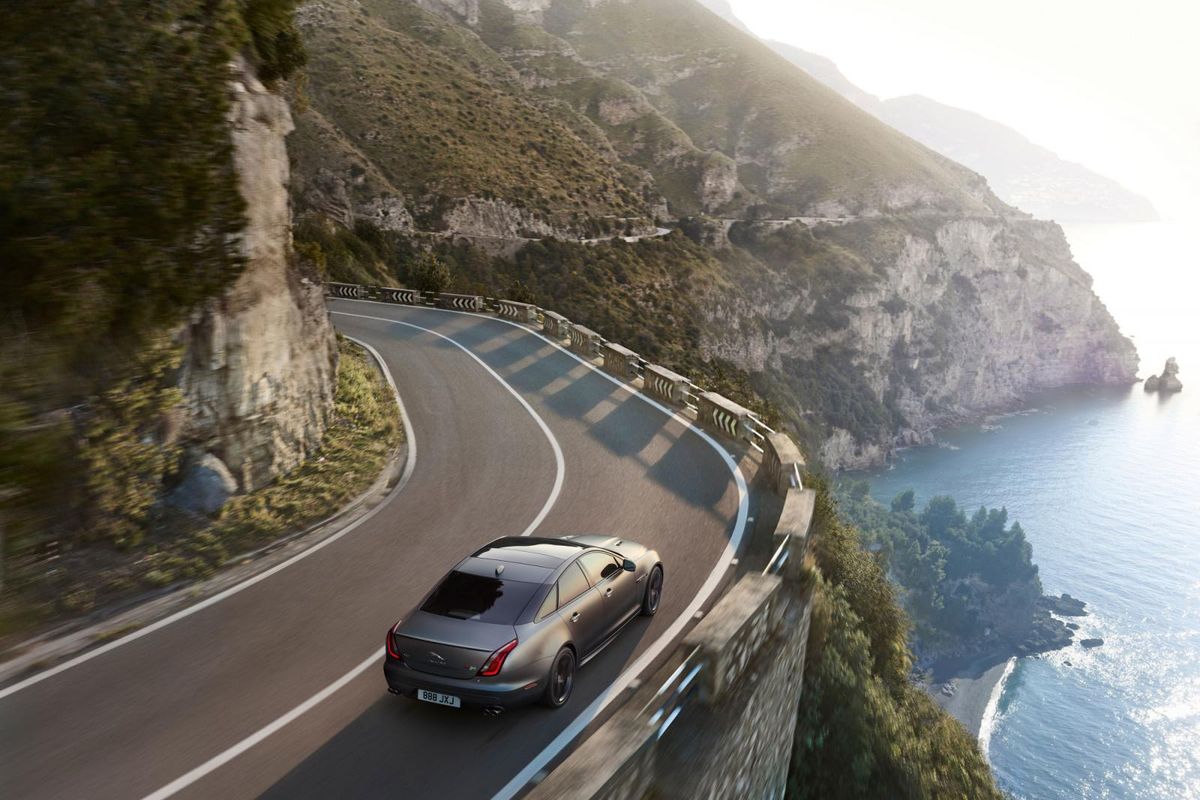
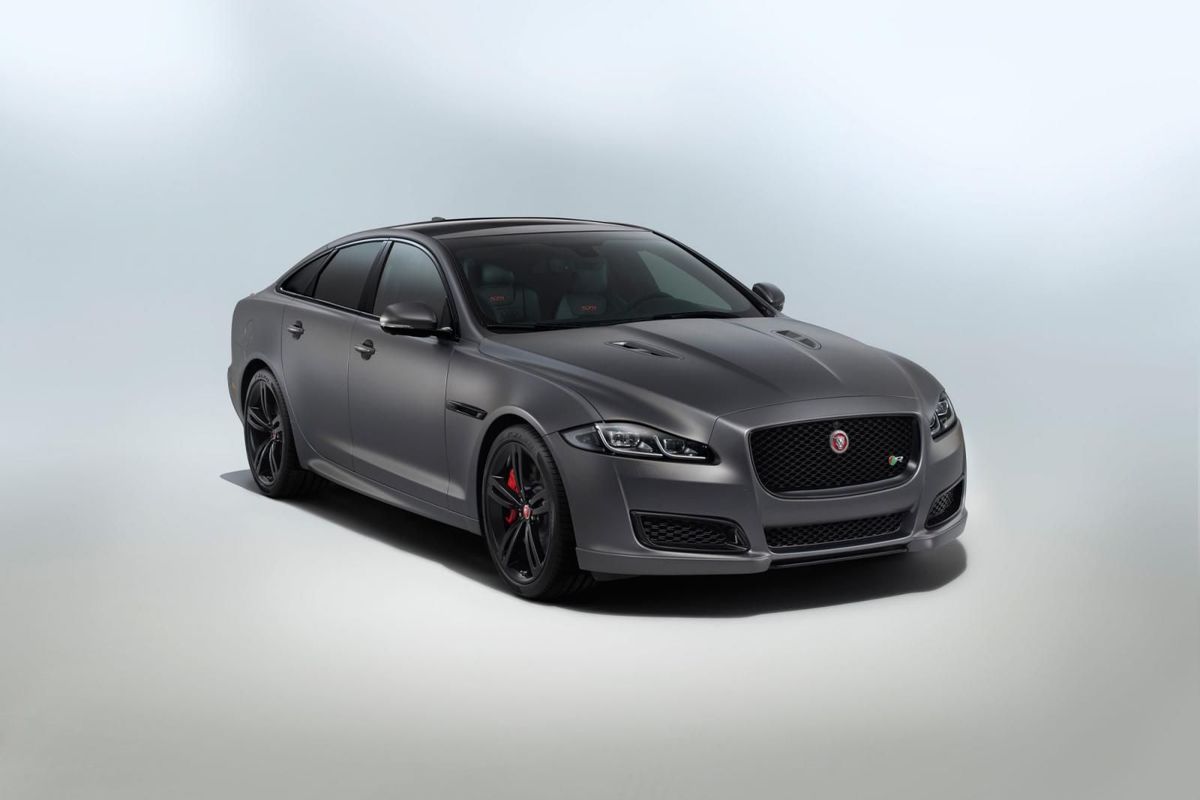
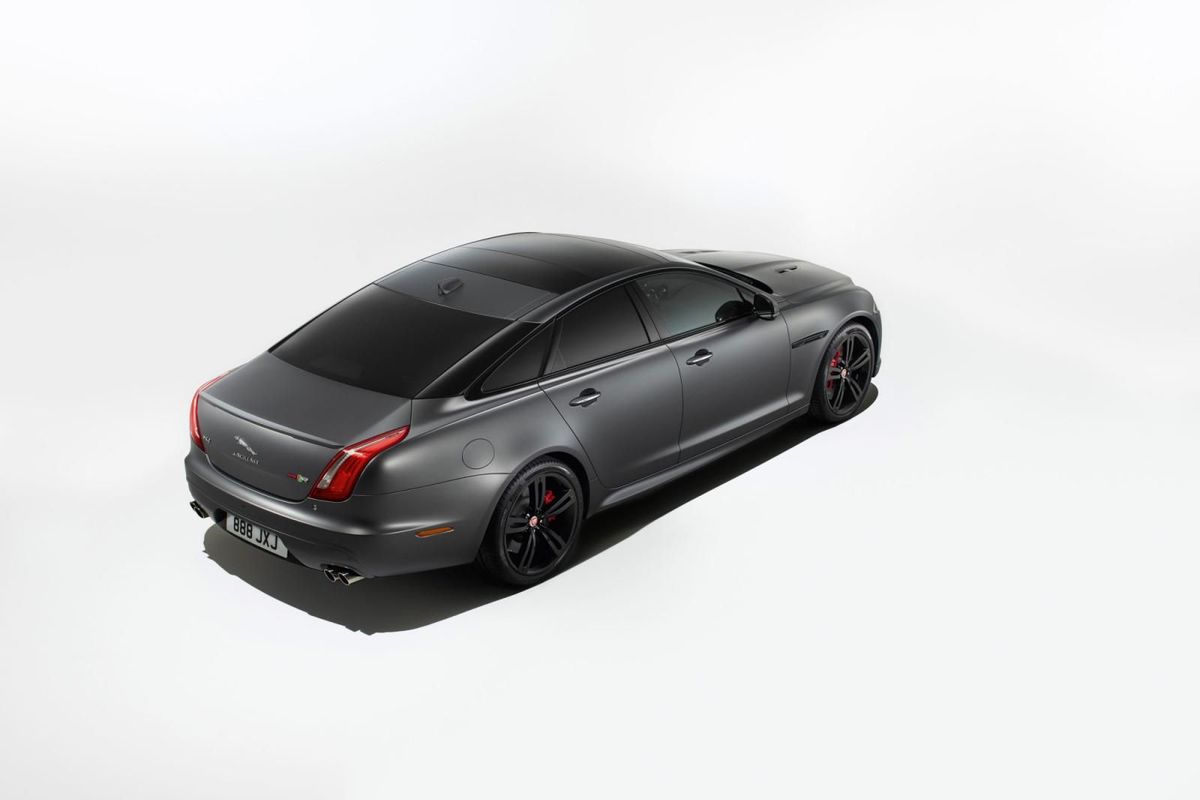
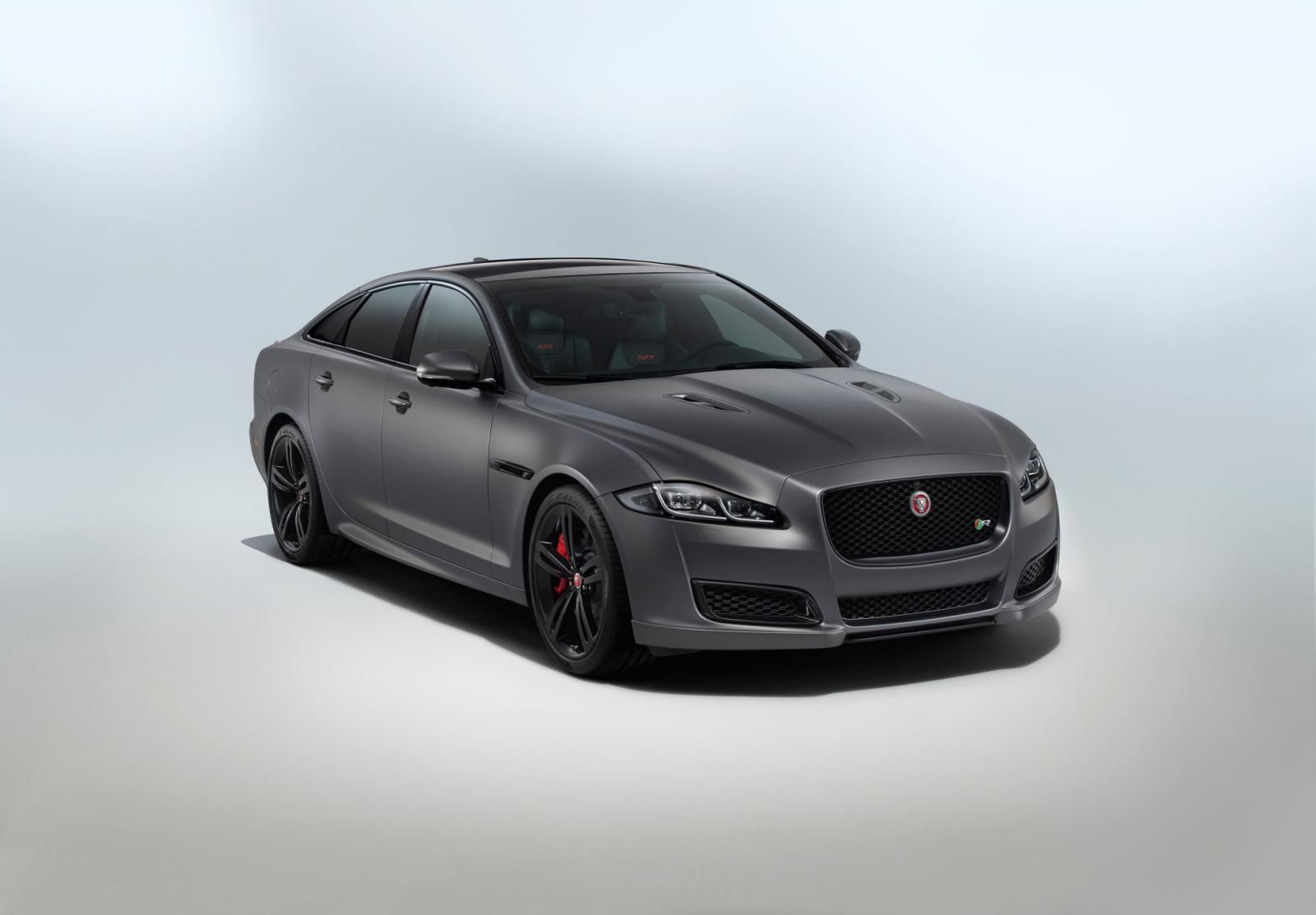
Our tip for the win in this category – the Jaguar F-Pace.
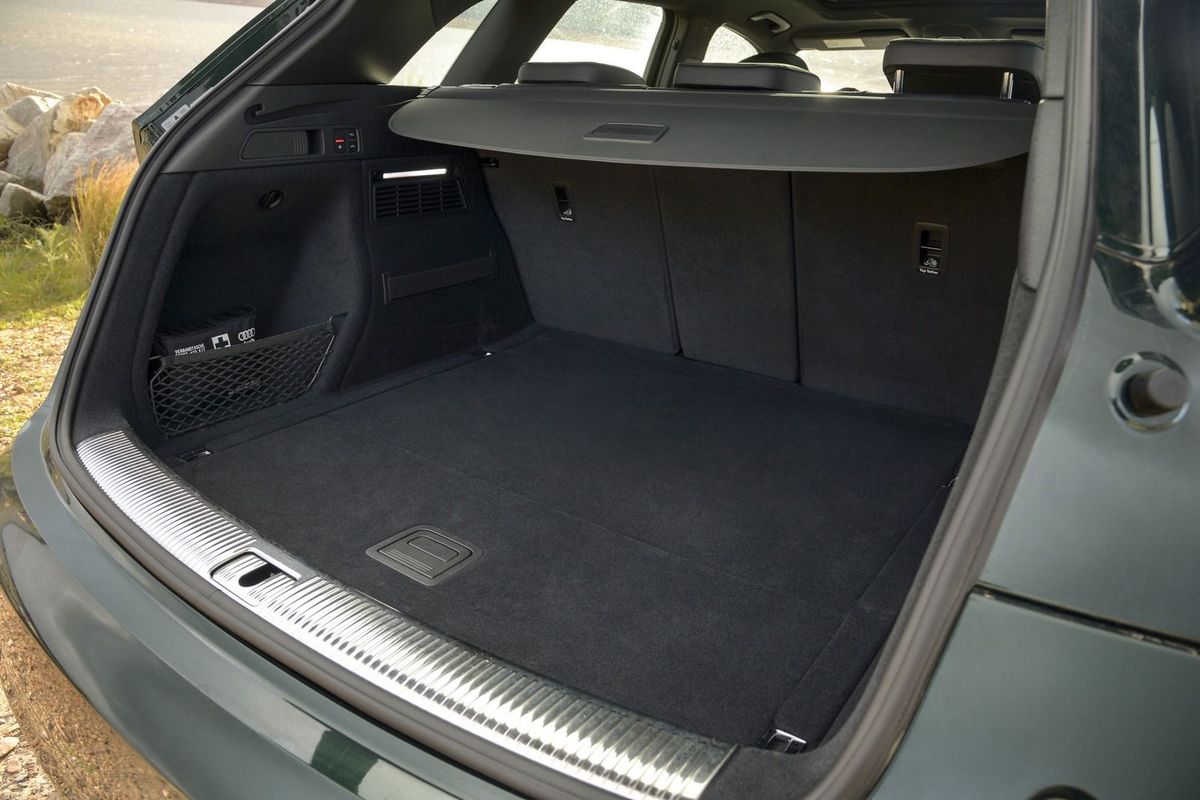
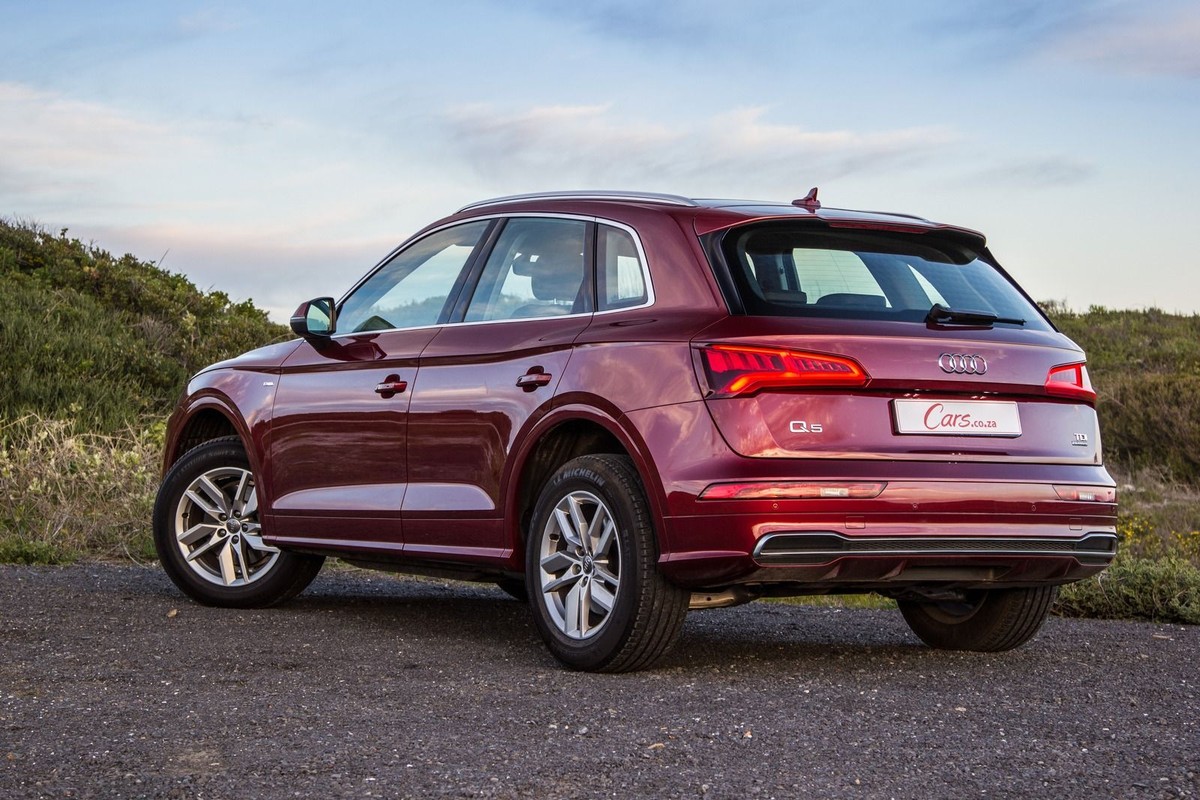
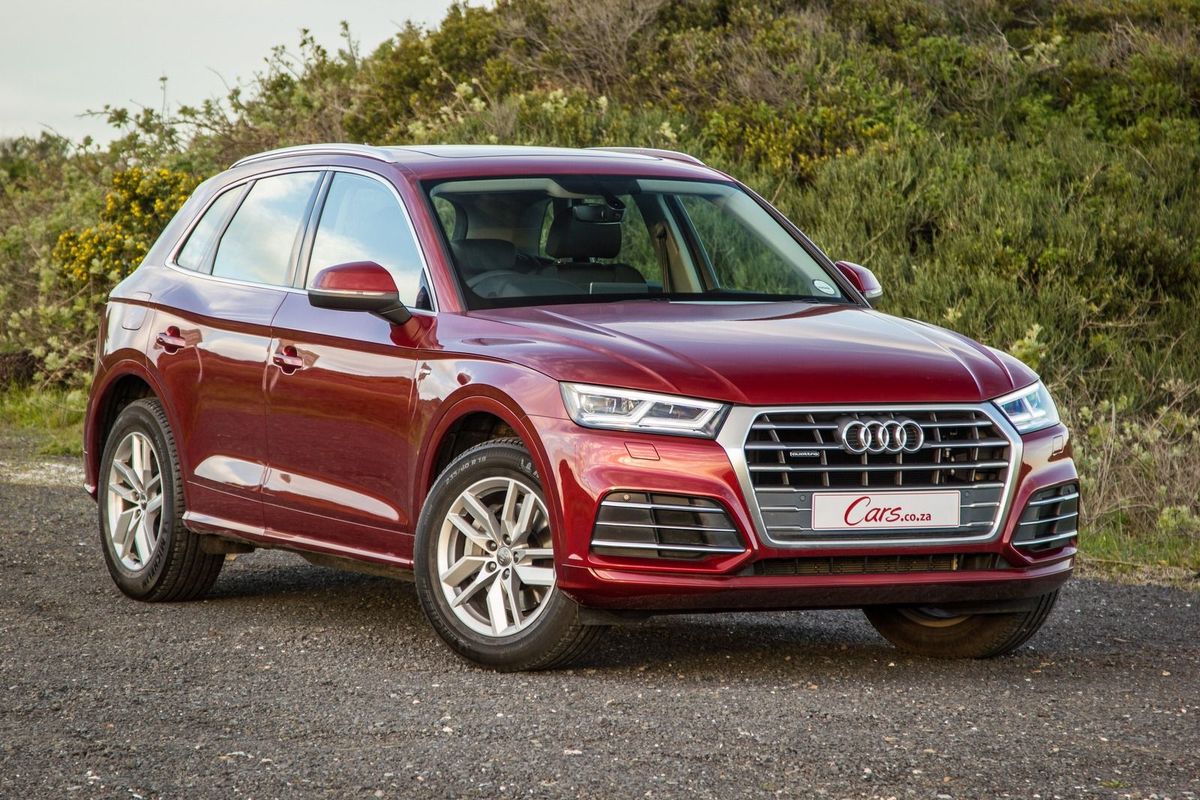
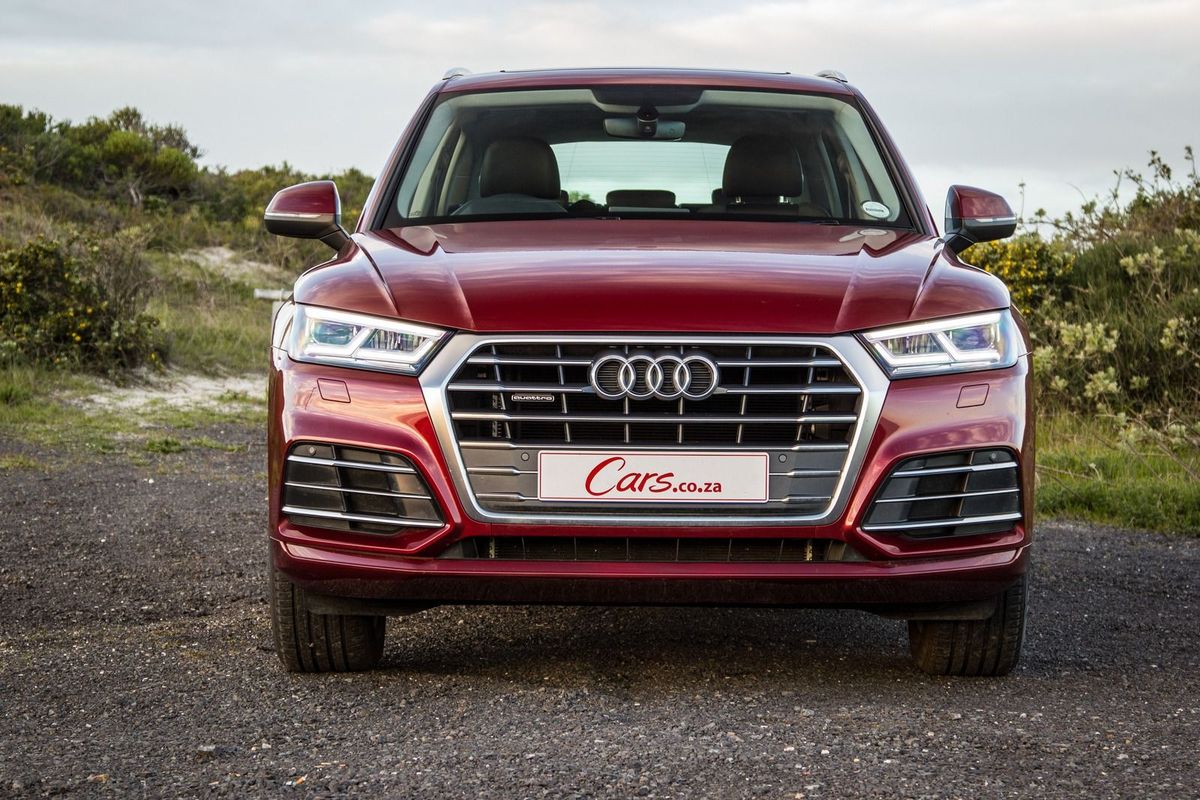
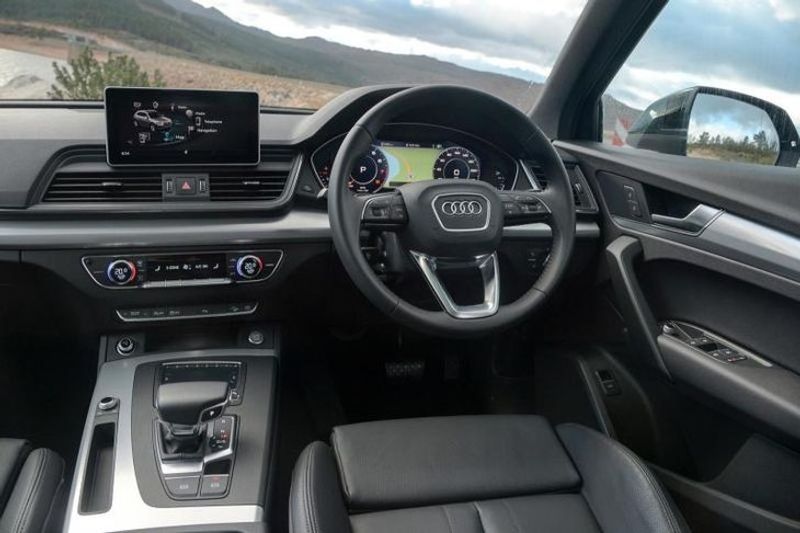
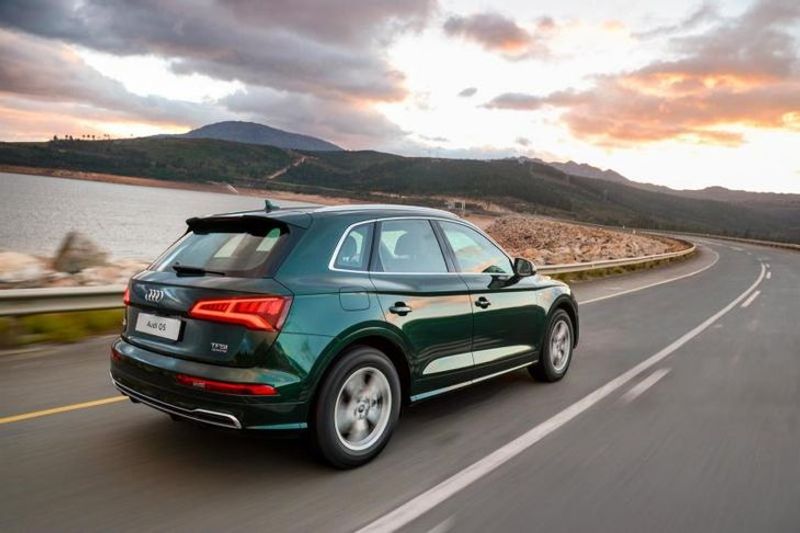
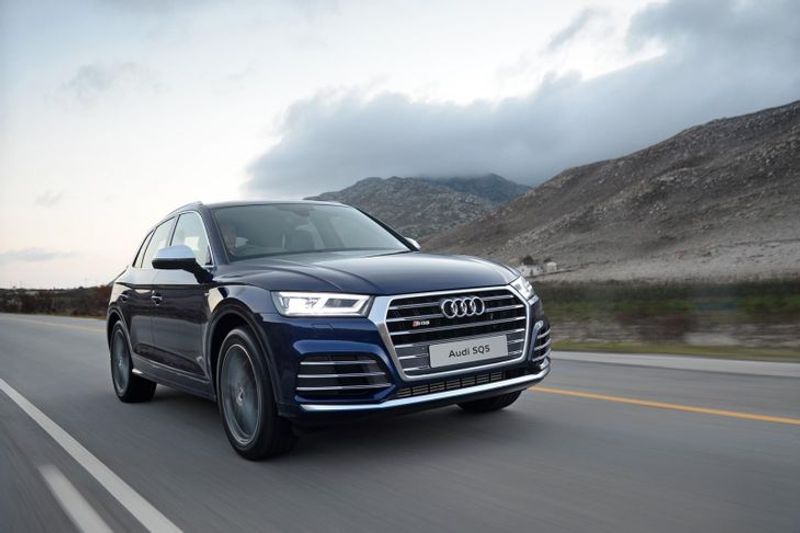
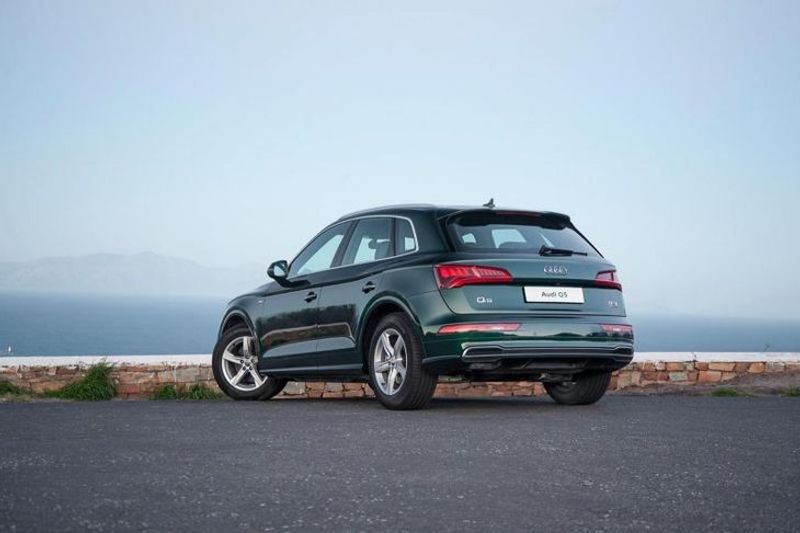
Hannes says: I'm yet to drive the new Q5, so couldn't vote on that vehicle, but it's interesting to note that, as far as I can recall, this is the first time that the top 3 is made up entirely of SUVs and crossovers. This reflects current market trends. I do suspect the fight for the win will be between the Volkswagen and Jaguar. VW has always done well in these awards and the latest Tiguan is widely acclaimed, including scooping our own Cars.co.za Consumer Awards – Powered by WesBank, Family Car of the Year title earlier this year. On the other hand, the F-Pace has a strong chance too, because the World Car Awards includes a score for "significance", and the F-Pace is not only Jaguar's first venture into the SUV/crossover segment, it is a very successful one that has significantly improved the company's sales volumes (reportedly making up half of the company's overall sales). I predict a win for the Big Cat.
Because of its sumptuous interior and refinement, we predict the Mercedes-Benz E-Class will take this category.
Hannes says: The brand new BMW 5 Series arrived too late in SA for me to evaluate, so I could not score that vehicle. The battle between the E-Class and S90 is very interesting. By most measures, the E-Class is the best car in this battle, being so superbly refined and with a first-class interior. But the Volvo is a very interesting alternative. If the judges value what it means for Volvo as a brand highly, it could score well in the "significance" section. However, based on what I've seen in overseas reports, I think the Mercedes-Benz E-Class will still sneak a victory here.
Hannes says: Some very attractive machinery in this segment, but they're all very different cars and strong contenders for different reasons. The Porsche is unbeatable value, the Audi the most usable everyday supercar, and the McLaren one of the best drives on the planet. Given past selections by the WCA jury, I'm inclined to predict a vote for the Audi.
The bold BMW i3 is a bold step into the future of city car motoring… a few years on it remains pretty much unchallenged.
Hannes says: This is a new category in the WCA programme. There is no past record to go on, but the BMW is probably the most truly "world" car here, even though it's the only electric. The Citroën and Suzuki brands are not represented as widely. Therefore, I predict a win for the i3, which I'd be very happy with as it's a superb vehicle.
World Green Car of the Year
Chevrolet Bolt
Toyota Prius Prime
Tesla Model X
Hannes says: None of these vehicles are offered in South Africa, sadly, but I'm sticking my neck out for the Chevrolet Bolt, which will also be sold as the Opel Ampera-e in Europe. I had a close look at it during last year's Paris Motor Show, and since then it has raked in awards, primarily in America.
We'd love to see Toyota rewarded for its bold new C-HR design.
Hannes says: This category is judged by a panel of design experts, so my opinion doesn't matter, but I'm holding thumbs for the Toyota C-HR. It is a brave car for the usually conservative company.
The facelifted Nissan Qashqai has been shown at the Geneva Motor Show with updated styling and new technology features.
Nissan’s popular Qashqai crossover has been facelifted and the updated model features a number of styling, technology and performance improvements.
The facelifted Qashqai will offer ProPILOT autonomous driving capability, allowing the car to drive itself in stop and go traffic and on the highway. The level of autonomy is expected to be quite straightforward so features such as automatic lane changing won’t be offered just yet.
Paul Willcox, Chairman, Nissan Europe, commented: “We have put the Nissan Intelligent Mobility vision at the heart of our product strategy, guiding the development of every vehicle. The new Nissan Qashqai is proof of that, with enhancements which will continue to define and set new standards in the crossover segment.”
Key features
The Qashqai features revised styling with Nissan's new 'V-motion' grille while the 'boomerang' rear light themes now run across the entire lamp housing with a 3D lens effect. Customers can choose from 2 new exterior colours including Vivid Blue and Chestnut Bronze. The Qashqai rides on newly designed 17-, 18- or 19-inch alloy wheels.
The interior has been improved with upgraded materials and a new cabin layout. The top-spec Qashqai Tekna+ derivative features new seats in Nappa leather with 3D quilting on the centre panels. A new D-shaped multifunction steering wheel is fitted with a 4-way controller and satin-chrome inserts.
The NissanConnect infotainment system has also been updated with a new user interface. A 7-speaker BOSE premium sound system will be offered as an option.
Nissan says the Qashqai is now more refined thanks to changes to the suspension, damping and steering systems. Noise in the cabin has also been reduced.
In terms of safety features, the Qashqai features an upgraded Intelligent Emergency Braking system now with Pedestrian Detection. Rear Cross Traffic Alert is also offered on the Qashqai for the first time. Other safety features include Traffic Sign Recognition, Driver Attention Alert, Intelligent Park Assist, Intelligent Around View Monitor, Blind Spot Warning and Lane Departure Warning.
Engines and transmissions are likely to carry over from the current range. That means that the 85 kW / 190 Nm 1.2-litre turbopetrol, 81 kW / 260 Nm 1.5-litre turbodiesel and the 120 kW / 240 Nm 1.6-litre turbopetrol engine will remain.
The facelifted Nissan Qashqai will arrive in South Africa later this year and we will keep you updated as more information becomes available, so stay tuned!
What do you get when you combine the roofline of a coupé with the high-riding machismo of an SUV and a snarling twin-turbo V6? The Mercedes-AMG GLC 43 Coupé 4Matic, which was launched in9 South Africa in March 2017, is the car you never thought you wanted, and which wants a piece of the highly-acclaimed Porsche Macan.
Facts & Figures
Price: R1 080 362 (February 2017)
Engine: 3.0-litre V6 biturbo petrol
Transmission: 9-speed automatic
Power: 270 kW
Torque: 520 Nm
Fuel Consumption: 8.4 L/100 km (claimed)
Top speed: 250 kph (limited)
0-100 kph: 4.9 sec
We like: Snarling, powerful engine, great ride/handling balance, interior execution We don't like: Pricey, less practical than standard GLC
Summary in a Tweet: "It delivers a charismatic engine, superb on-road poise and an excellent cabin. Less space, sure, so definitely a heart-over-head decision."
Where does it fit in?
The Mercedes-AMG GLC 43 is a high-riding SUV clothed as a "coupé" and with the heart of a serious sportscar.
Mercedes-Benz's GLC SUV/crossover is already a popular choice in the South African market, and this Coupé version is essentially a spin-off variant created for people who want greater individuality and flair. It's Mercedes-Benz's direct rival to the BMW X4, and therefore appeals to a similarly niche audience. At the price level of this range-topping AMG 43 variant, Porsche's highly-rated Macan also looms large. In short then, this is a car for consumers who demand performance and style, but for whom a traditional coupé is probably both too compromised (practically) and too old-fashioned or predictable (in design).
That's a lot of power…
The twin-turbo V6 emits a lovely sound and serious kick!
This particular model is powered by a 3.0-litre twin-turbo V6 that delivers a whopping 270 kW and 520 Nm of torque. There is currently no BMW X4 on offer that comes close to those power and torque figures. Even the slightly more expensive Porsche Macan S is outgunned by the Mercedes. It's not all academic either, because the engine is a star performer on the road.
Coupled with the brand's 9-speed G-Tronic transmission, it blasts to 100 kph in 4.9 seconds. More impressive is the way it revs smoothly, yet delivers a nice, snarly engine note under hard acceleration. In Sport+ mode it will even deliver some crackles and pops through the exhaust. So yes, it delivers on the performance and drivetrain entertainment front…
Does it handle?
Standard rear-biased all-wheel drive system and sports-tuned air-suspension endow GLC Coupé with superb road manners.
We drove the GLC 43 Coupé in Portugal, on road surfaces that varied quite significantly. Surprisingly, given the overtly sporty nature of this vehicle and its large wheels/low-profile tyres, it dealt with the bumps and broken patches rather well. It features Mercedes's automatically adjusting Air Body Control suspension system as standard, and whether we selected Comfort, Sport or Sport+ modes, it appeared to always deliver excellent damping characteristics.
Also standard on this model is 4Matic all-wheel drive, with a 31% / 69% front-to-rear torque split. Mercedes-AMG points out that they were keen to achieve a rear-biased power delivery, for a sportier on-the-road feel. The engineers have been largely successful – the GLC 43 Coupé stays flat and stable in the corners, but on our relatively short drive we didn't really get to experience its "rear bias". Nevertheless, it is a stunningly easy vehicle to drive very fast, and there's enough character from the engine, and enough inherent "sportiness" in the suspension to make the GLC 43 Coupé an enjoyable drive.
Worth the extra outlay?
Cabin environment is superb, with just enough AMG detailing to make it feel more special.
The GLC 43 Coupé costs just over R100 000 more than its standard GLC 43 sibling. What do you get for your extra outlay? Well, you get less space in the boot, but more individualistic looks – we say "individualistic", because not everyone rates the Coupé shape as more attractive than the standard model. The Porsche Macan S is priced within close proximity, but can't match the GLC 43 Coupé's power and spec. Another rival that may be overlooked here is the Jaguar F-PACE 35t R-Sport, but that, too, is down on power and performance.
Overall, then, if you like the looks and the idea of a searingly fast coupé-SUV, this Mercedes is unlikely to disappoint. After all, underneath all that show and go, it's still a GLC, which means you get great build quality, a superb cabin and excellent refinement.
Alfa Romeo has introduced its much-anticipated Giulia business class sedan in South Africa. Spearheaded by the Quadrifoglio model, of which limited numbers were pre-sold before the range’s arrival, the conventional Guilia models are powered by 147 kW 2.0-litre turbopetrol engines and come with 6-year/100 000 km maintenance plans.
Not only are alfistas eager to sample the newcomer because it is the Milanese marque’s first rear-wheel drive sedan since it returned to South Africa about 20 decades ago, the Giulia is also claimed to offer outstanding weight distribution, an innovative suspension (double wishbone setup with semi-virtual steering axis at the front and a 4.5-link configuration at the rear) and the most direct steering system in its segment.
To obtain an optimal weight-to-power ratio, the newcomer features ultralight materials such as carbon fibre – for the driveshaft – or aluminium – for the engine and suspension (including front domes and front and rear frames).
Shorn of the Quadrifoglio's aerodynamic addenda, the Gulia looks more elegant and composed.
Limited-edition Quadrifoglios sold out
Highly specified Launch and Race Edition versions of the Quadrifoglio, powered by a 2.9-litre twin-turbo V6 producing 375 kW and torque in excess of 600 Nm (performance claims of 307 kph, zero to 100 kph in only 3.9 seconds), were snapped up within three days of the order book opening at local dealerships, Alfa Romeo says. We tested drove the Quadrifoglio at Italy's Balocco track last year, click here to read the First Drive report.
Equipped with a host of additional technology, such as an active aero splitter, Alfa DNA Pro, torque vectoring and chassis domain control (active suspension), the flagship features a carbon fibre bonnet, roof, front splitter, rear body inserts; aluminium for doors and wheel arches. Furthermore, the braking system utilises aluminium elements and carbon ceramic discs (optional) and the seats have a carbon fibre structural frame (optional).
Even though the first consignment of Quadrifoglioswere pre-sold, the top-of-the-range derivative remains available "in limited numbers".
Whereas a more moderately equipped Quadrifoglio derivative remains available in limited numbers, the 3 versions of the 2.0-litre derivative are the focus of the Giulia’s introduction. Equipped with an 8-speed automatic transmission, the all-aluminium 2.0-litre turbopetrol features high-compression direct injection technology and a MultiAir electro-hydraulic valve activation system. The peak performance outputs are 147 kW and 330 Nm.
Specification levels
The Base derivative features 16-inch alloy wheels, dual-zone climate control, auto headlamps and windscreen wipers, lane departure warning, cruise control as well as Stop / Start technology. The Super adds 17-inch alloys, adaptive cruise control, shift paddles, twin exhausts, privacy glass and aluminium-trimmed scuff plates.
Combination of cloth and leather trim is available on the Super specification.
The top derivative, the Super with Stile Pack, adds 18-inch alloy wheels, Uconnect 8.4 CD/DVD/MP3/Nav, a sports steering wheel, aluminium inserts on the dashboard, central tunnel and door panels, as well as Xenon headlights. The luxury pack includes a leather-upholstered dashboard and door panels, heated front seats electrically adjustable with 8 settings, genuine oak or walnut wood inserts on the dashboard, central tunnel and door panels, plus chrome-plated exterior window frames and electrically folding door mirrors.
Interior finishes are available in cloth or leather on the Base derivative, cloth and leather combinations in single or two-tone on the Super and full leather on the Stile option. The QV version features three leather and alcantara combinations as well as the optional Sparco carbon fibre seat shells.
An 8.8-inch Connect 3D Nav system and 900 W 14-speaker, 12-channel Harman Kardon audio are optional.
The 2.0-litre derivatives are available with a cost of ally wheel options, from 16- to 18-inch with a multitude of designs to choose from.
Extensive safety equipment
Safety wise, over and above a full complement of airbags and stability control systems, the Giulia features an integrated brake system (an electromechanical braking setup that utilises a traditional servo brake), forward collision warning with autonomous emergency brake and pedestrian recognition, lane departure warning and cruise control with speed limiter. A blind-spot monitoring system, meanwhile, is an optional extra.
Alfa Romeo Giulia price list in South Africa
2.0 Base R555 000
2.0 Super R625 000
2.0 Super with Stile Pack R696 000
Quadrifoglio R1 400 000
All Giulia derivatives come standard with 3-year/100 000 km warranty and 6-year/100 000 km maintenance plan.
Alfa Romeo Giulia Quadrifoglio (2017) Video Review
Alfa Romeo set the scene for the SA launch of its Giulia business class car by unleashing a Launch Edition of its flagship Quadrifoglio, which sold out instantly. Endowed with a 2.9-litre twin-turbo V6, active suspension and torque vectoring technology, plus myriad carbon-fibre addenda, it is the embodiment of a headlining performance sedan.
There's a new AMG engine in town and despite the lack of two cylinders, the 3.0-litre biturbo V6 made enough of an impression to keep petrolheads happy. Meet the 43!
When we think of Mercedes-AMG products, we think of the mighty V8 and it has always been associated with those three letters. Trouble is, these aren't affordable machines, but AMG has released a new engine that opens up a new market. You can spot the new models with a biturbo badge, a 43 badge on the rear bumper and they ride on distinct 43 alloy wheels. The cabin features extensive use of red stitching and the addition of sportier seats.
The New Engine and Powertrain
It's officially called the Mercedes-AMG 43 and on paper at least, offers credible performance. The 3.0-litre biturbo V6 motor has 270 kW and 520 Nm on tap. It's not an AMG-built engine, but rather a standard Mercedes-Benz powerplant, with some mild fettling from the AMG division. Interestingly, this motor pushes out the same amount of power as the old naturally-aspirated V8 of the Mercedes-Benz C55 AMG.
See, downsizing isn't that all bad! In terms of transmission, the 9G-Tronic is the 'box of choice. All models, excluding the SLC 43, feature 4Matic all-wheel drive. While 4Matic is engineered to ensure vehicle stability, in 43 application, the front/rear bias is set to 31% and 69% respectively. This setup gives it some sense of performance and there's not much of the fun-killing understeer, but more on the driving experience further down. The brakes have been uprated too and the big wheels feature four-piston stoppers. There's a sportier steering setup as well.
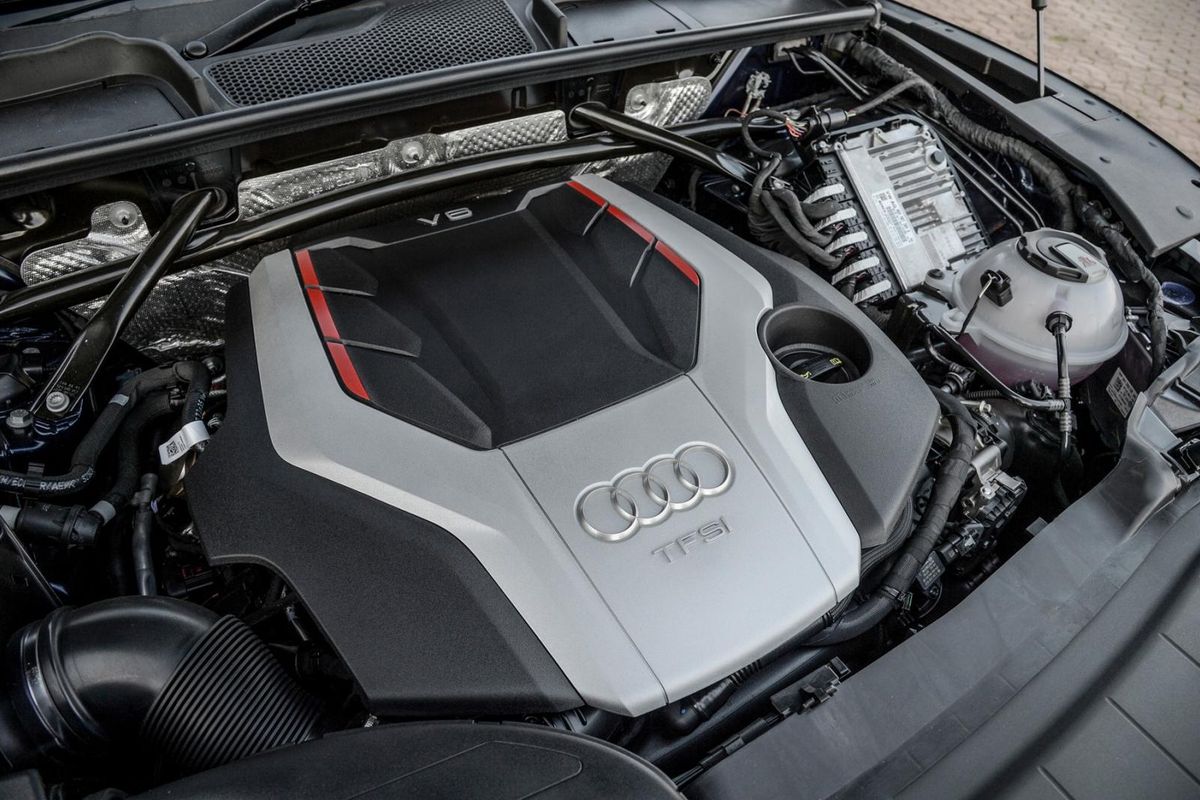
The AMG Sport engine features red detailing on the engine cover to differentiate them from the rest of the range.
Applications
This 43 AMG engine comes to market in numerous products. You can opt for:
C43 sedan
C43 coupe
C43 cabriolet
GLC 43
GLC 43 Coupe
GLE 43
GLE 43 Coupe
The Drive
There were two opportunities to sample the 43 engine range: a track session and a public road session. On track were the C-Class products, with the SLC and SUVs available for the on-the-road drive. We opted straight for the coupes as they're by far the prettiest models in the C-Class lineup. We also discovered that they'd been fitted with the optional AMG sports exhaust, certainly a box worth ticking. It had been some time since this author had driven the technical Zwartkops layout and after a few fast sighting laps, it was time to put the hammer down. Mercedes-AMG claims the C43 with 4Matic will hit 100kph in 4.7 seconds, which sounds about fair. Given a long enough road, it'll run all the way up to 250 kph.
The new engine offers good performance and the twin-turbocharged setup produces shove straight from low revs. There's a glorious induction bark which is quickly followed by a tingling V6 roar. Thanks to the sports exhaust, there's a delicious bang after each gearshift – something we appreciated. What's the point of an AMG if it doesn't sound the part? This engine does sound great, but if you're after the big gearshift-induced bangs, you must specify the AMG sports exhaust. Trust us on that one. In comfort mode, it's civilised and quietly changes gear without any fuss. Up the ante by putting it into Sport+ mode and it comes alive and things get considerably more hands on. The C43 lacks the Race Mode functionality of the C63, something we're actually okay with as things can get a little out of hand.
There are a series of tight and technical corners on Zwartkops and past experience in an assortment of vehicles over the years has shown that these are prime places for understeer, yet the 4Matic all-wheel drive Mercs exhibited very little of that behaviour. It was only under duress and manhandling on some of the off-camber turns, that some understeer presented itself. The car feels nice and neutral, and there is none of that mild fear and traction issues that we have when pressing on in the normal C63. The brakes provided ample stopping power and didn't show much fade, despite repeated hot laps. The ride comfort and suspension setups are a fair blend of sportiness and driver comfort, which we'd put down to a smooth track and fairly-sized alloy wheels. We'd think that it's best to avoid the largest wheels as they'd negatively affect the ride quality.
On track and when you're putting in 100%, the steering makes the car feel quick, agile and light, but there's not that much feedback. We felt that we could just pitch the car in and if things went awry, the 4Matic and traction control would set us on the right path, and we were right. As mentioned earlier, understeer can appear if you're going really quickly into a corner, but there's plenty of grip once you're past the apex, and you can get onto the power sooner than you would in, say, a rear-wheel drive.
Once off the track, we switched to the SLC 43 AMG cabriolet and headed out onto public roads. The noise from the engine gives the SLC a much more purposeful attitude and the performance adds some much-needed performance credentials to the little roadster. The SLC range was lacking something exciting, and this 43 derivative waves the performance flag nicely. There’s no word from Mercedes-AMG on whether the SLC will get a V8. Remember the SLK55 AMG?
The other vehicle we drove was the GLE 43 AMG. Having sampled many versions of this big SUV, we were a little apprehensive about the 3.0-litre engine’s ability to shove the big vehicle around. The diesel engines are commendable and the V8 biturbo GLE 63 AMG S is just ballistic.
Can a relatively small engine work in this SUV and perhaps more importantly, is it worthy of an AMG badge? The short answer is yes. There’s some hunting for gears in the two sportier modes as the car attempts to put the engine in the sweet spot and to be fair, there are nine ratios. If you were to indulge in manual mode, you’d only ever use the first seven gears as they offer a fair spread. In automatic mode, gears 8 and 9 are for saving fuel.
The GLE 43 AMG was a pleasant surprise. Not only is the engine more than capable of delivering baby AMG-worthy performance, but there’s a respectable soundtrack thrown in too. Even though it’s the baby AMG, you feel as if it’s not treading on any other model’s toes, and it's this thought which pretty much sums up the 43 AMG Sport line.
Mercedes-AMG GLE 43: A sensible, yet performance-orientated SUV. Makes a business case for itself, as opposed to the mental GLE 63 AMG S.
Verdict and summary
The chasm between AMG and the rest of the Mercedes-Benz lineup is substantial and there's plenty room for a lesser AMG model (as well as something like a C450). While hardcore AMG fans will undoubtedly frown upon this lesser model and decry it as an insult to the AMG brand, remember that BMW has pulled off this trick for some time. Think of AMG Sport following the same nomenclature as BMW's M-Sport (M240i as opposed to M2) and Audi's S. This is not a fully-fledged AMG, yet the performance suggests otherwise. 4Matic is a welcome addition to the model range and the setup is completely manageable from a driving point of view. The main benefit of 4Matic would be in the wet, where a rear-wheel-drive AMG driver is the most uncomfortable. We're finding it a challenge to fault the 43 AMG range in terms of actual product and marketing strategy, and it appears to have been well positioned and priced in the Mercedes-Benz hierarchy.
It's not a case of C63 owners wanting to buy down, but rather opening the AMG brand up to a new market. Pricing is competitive and you can get behind the wheel of a hard-topped C43 for under R1-million, which is about the going rate for something of this magnitude. It may not have the outright thunder of its V8 sibling, but there's definitely a place for an entry-level AMG which offers a lot more over a conventional C-Class.
Mercedes-AMG 43 Price in South Africa
Prices include a PremiumDrive 6-year/100 000 km maintenance plan.
Audi has used the Geneva Motor Show to reveal the potent RS5 Coupe. Take a look at the details…
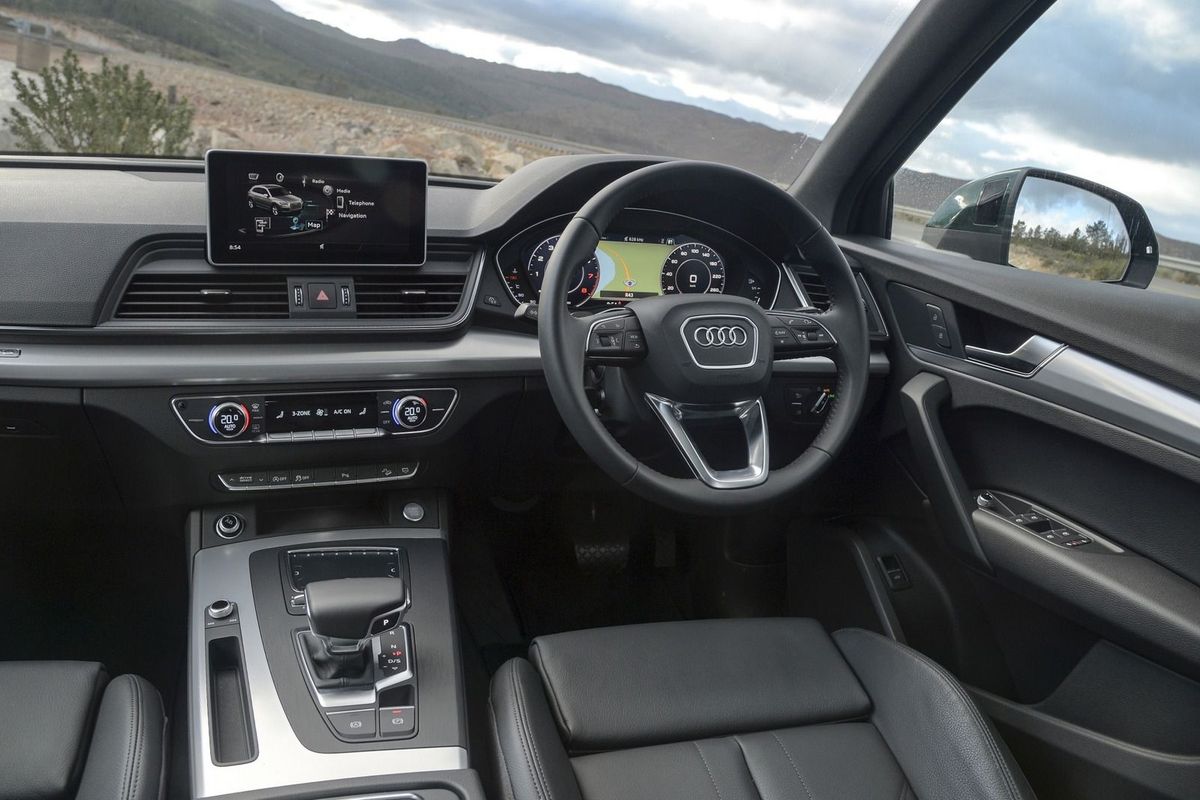
The new Audi RS5 Coupe is currently on display at the Geneva Motor Show and isthe first Audi Sport model to feature the new RS design idiom.
The new RS5 Coupe packs a punch with power outputs of 331 kW and 600 Nm of torque developed by its all-new 2.9-litre biturbo V6 petrol engine. Those numbers are laid to the tar using Audi’s quattro all-wheel drive system and an 8-speed tiptronic transmission. The sprint from zero to 100 kph takes 3.9 seconds and a top speed of 280 kph is possible with the optional dynamic package. Audi claims a fuel consumption figure of 8.7 L/100 km, representing an improvement of 17% over the previous model.
“The new Audi RS5 Coupé is the gran turismo among the RS models from Audi Sport. The high-performance Coupé combines elegant aesthetics with high everyday usability. The car's V6 biturbo has been developed from the ground up and provides significantly more performance coupled with higher efficiency," said Stephan Winkelmann, CEO of Audi Sport GmbH.
Key features
The design of the RS5 Coupe draws inspiration from the Audi 90 quattro IMSA GTO and is 77 mm longer and some 60 kg lighter than the previous model. The front-end design features large honeycomb air intakes set alongside the large single frame grille that’s wider and flatter compared with the standard base model. Lateral air intakes and outlets are seen next to the headlights and the bulging wheel arches have been widened by some 15 mm.
Additional performance addenda include an RS-specific diffuser insert, surface-mounted spoiler lip and an RS exhaust system with oval tailpipes. The RS5 Coupe rides on 19-inch wheels as standard while 20-inch wheels are offered as an option and Sonoma green metallic can be specified for the exterior.
Traction is optimised with a 40:60 drive force distribution over the axles and a rear sport differential will be offered as an option. The standard RS Sport suspension comprises an updated 5-link suspension on the front axle while the rear axle now features a 5-link suspension, replacing the previous trapezoidal-link suspension. This setup is also offered with Dynamic Ride Control (DRC), ceramic brakes and dynamic steering with RS-specific tuning.
Interior details
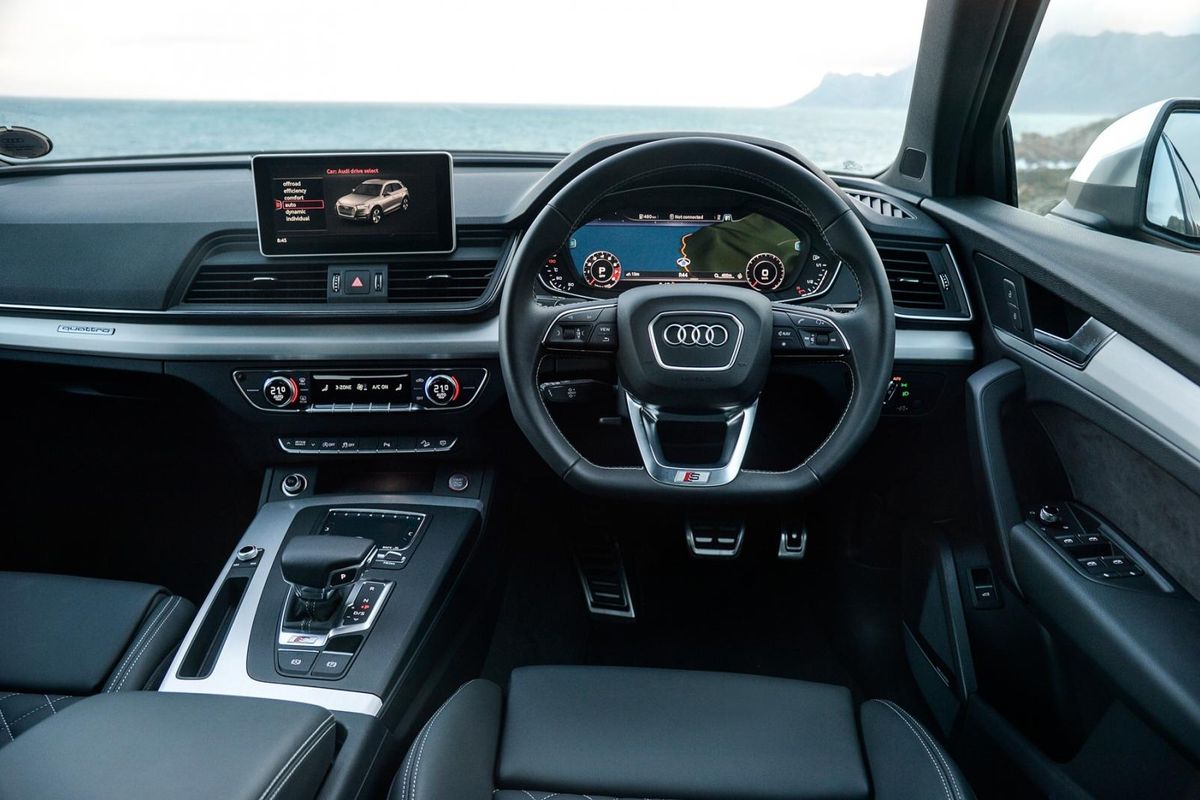
The sporty interior is in black with RS sports seats that can be had in optional Fine Nappa leather with diamond stitching. RS logos are seen on the seats, flat-bottomed RS multifunction sport steering wheel, door sills and on the gear lever. Audi’s virtual cockpit is fitted and also features special RS displays showing tyre pressure, torque and g-forces.
MMI navigation plus with MMI touch is optional with Audi connect and Apple CarPlay and Android Auto can be accessed using your smartphone. Audi says, “as many as 30 driver assistance systems enhance safety, comfort and efficiency. The intelligent interplay between these systems represents another step on the road to piloted driving.”
The Audi RS5 Coupe can be expected in South Africa in the fourth quarter of 2017. Also, the new A5 and S5 Coupe is launching in South Africa later this month, so look out for details coming your way soon.
Kia has revealed its all-new Picanto city car at the Geneva Motor Show and it will go on sale in South Africa in the third quarter of 2017.
The Kia Picanto is one of the brand's more popular cars and it's now in its third generation. Kia has an interesting strategy of building design studios outside of Korea and the result is that the Picanto brings a youthful, European-style to the A-segment.
Let's take a look at what the new Kia Picanto has to offer…
Key features
Under the skin, the new car features a 15mm longer wheelbase and all four wheels have been pushed out into the corners. There are many new vibrant colours to choose from, an indication of the youthful market which Kia is targeting.
To improve ride and handling, Kia has fitted stiffer front and rear anti-roll bars as well as a lighter rear torsion beam. The steering rack is also said to be 13% quicker than before, which should make inner city manoeuvring easier.
Refinement has improved too and Kia has applied specific soundproofing measures to reduce noise and vibrations in the cabin and the firm now claims that the new Picanto has the quietest cabin it in its class.
The cabin looks good and will feature many high-tech comfort, convenience and safety features. The Picanto will be fitted with a large 7.0-inch infotainment system and features such as a rear-view camera and wireless charging will also be offered. Cloth upholstery is standard but various seat colour and material combinations will be offered.
In terms of safety, the new Picanto is well-equipped with 6 airbags, electronic stability control and autonomous emergency braking.
Space in the boot has increased to 255 litres and with the 60:40 rear seats folded flat, space increases to 1 010 litres.
The new Kia Picanto rides on 14-inch wheels as standard and customers will have a choice of 4 alloy wheel designs ranging between 14 and 16-inches in size. A sportier-looking GT-Line derivative will also be offered and will include tips for the twin exhaust system, side air intakes and red, silver and black details seen in the grille and a D-cut steering wheel.
Engine Choice
A new turbocharged 1.0-litre T-GDI engine with 74 kW and 172 Nm of torque will be the headlining act in the new Picanto. This engine will be paired to a 5-speed manual transmission and acceleration from zero to 100 kph will take 10.1 seconds with a top speed of 180 kph.
A 49kW 1.0-litre engine will also be offered alongside a 62 kW 1.2-litre petrol engine. A 5-speed manual transmission is standard for these engines while a 4-speed automatic will be offered on the 1.2-litre derivative.
Kia SA has confirmed the new Picanto for our market and it is expected to arrive in the third quarter of 2017.
Lexus revealed the next generation LS luxury sedan in Detroit earlier this year and the marque has now shown the LS 500h hybrid version at the Geneva Motor Show. Although Lexus' first class sedan has not been a top-seller (especially not in South Africa), the model proved pivotal in the establishment of the Japanese premium marque stateside. The newcomer is expected to reach the South African market in the first quarter of 2018.
If there was a car which flung a brand into the limelight, it is the Lexus LS. In 1990 the Lexus LS was launched in an effort to show the world that luxury, comfort and refinement was not just a German thing. The LS 400 was an immediate hit and hit benchmarks for comfort, powertrain performance and smoothness, quietness, build quality, attention to detail, and dependability. The car's launch coincided with the new Lexus customer service and aftersales program.
Now, the fifth generation of the Lexus LS sedan has been revealed and looks to continue where its predecessor left off. "Not only will the LS symbolize the Lexus brand, it will become the definitive new-generation luxury car embodying Japanese tradition and culture," said Toshio Asahi, chief engineer for the new LS. "As such, this global pinnacle must go far beyond what the world expects from a luxury car." The new Lexus LS is longer and lower than the outgoing model, and shares numerous design traits with the sporty LC 500 coupe. The similarities are not just skin deep as the GA-L platform is shared.
Lexus has worked on the chassis and suspension extensively to continue the excellent ride and handling. Chassis control technology has been used and this helps control longitudinal, lateral and vertical motion as well as yaw, roll and pitch. The new car benefits from lightweight construction and has shed over 100 kg.
All-New Engine
The staple for the Lexus LS has traditionally been a big V8, but the downsizing trend has meant an all-new motor had to be developed. Powering the new Lexus LS is a 3.5-litre V6 motor featuring twin turbocharging. Outputs are rated at 310 kW and 600 Nm, and Lexus is claiming a 4.5 second sprint time to 100 kph. A 10-speed transmission (identical to that first seen in the LC 500) has been fitted. The benefits of a downsized engine are numerous, but aside from the additional shove, the reduced emissions and improvements in the economy department are welcome.
The LS 500h combines a 3.5-litre V6 petrol engine with two electric motors for a total power output of 264 kW. Acceleration from zero to 100 kph takes 5.4 seconds using a 10-speed automatic gearbox. The LS500h is fitted with a compact, lightweight lithium-ion battery that increases luggage capacity by 25 litres compared with the current LS 600h.
Cabin and Comfort
While the Lexus LS upset the apple cart when it came to establishing new levels of comfort and refinement, its real forte was cabin comfort. The new Lexus LS now features new seats which are heated, cooled and adjustable in 28-directions. The rear seats offer as much comfort, with the option of massage functionality thrown in. Air suspension with access function has been added, and the car will raise to help passengers get in.
It's the levels of quietness which really set the Lexus LS apart though, and the new version benefits from Active Noise Control, A Mark Levinson 3D surround sound system has been fitted for those who appreciate fine audio quality. An all-new graphic interface has been installed and is said to mimic smartphone operation. There's a 12.3-inch wide navigation screen, while an optional 24-inch heads-up display had been made available for the first time.
Availability
The Lexus LS will make its South African debut in Q1 of 2018 with local specification details published closer to the time.
The 4th generation of the Suzuki Swift has been showcased at the Geneva Show, replete with new-look styling and a modernised interior.
The Swift is the most popular model on offer from Suzuki in South Africa and it has racked up over 5.3 million global sales since its launch way back in 2004. Suzuki is well-known for building reliable and affordable cars and the current Swift model delivers good ride and handling while returning reasonable fuel consumption figures. The Swift is so good, in fact, that it was a finalist in the Budget Car category in the inaugural Cars.co.za Consumer Awards two years ago, which in itself, is a testament to its abilities.
Key details
Although local specification is yet to be confirmed, the new Swift will be offered with 6 trim levels in its home country including RSt, Hybrid RS, RS, Hybrid ML, XL and XG. In addition to this, the new Swift will be offered with 3 transmission options including a 5-speed manual, 6-speed automatic and a CVT.
In terms of engines, Suzuki’s new turbocharged 1.0-litre BoosterJet engine will power the new Swift and a naturally aspirated 1.2-litre engine will also be offered. We sampled the 1.0-litre turbo engine in the new Suzuki Baleno at its international launch in Ireland and we were disappointed that it didn’t make it into the South African offering. In the case of the Swift, we’ll be surprised if it makes it to our shores. The current 1.2-litre offers 63 kW and 113 Nm of torque and there is no indication as yet if the figures will be bumped up in the new iteration.
The big news, however, is that the Swift Sport will be powered by a 1.4-litre turbopetrol engine, replacing the outgoing, naturally aspirated 1.6-litre mill. The 1.4-litre turbo unit will offer no less than 103 kW and 220 Nm of torque and Suzuki may even decide to tweak outputs to better serve the sporty nature of the Swift Sport.
The new Swift’s safety credentials have improved too. In the Japanese market, the Swift will be offered with a Safety Package that includes a Dual Sensor Brake Support (DSBS) collision-mitigating system, a first for Suzuki. The system incorporates a monocular camera, a laser sensor and high beam assist. The package also includes adaptive cruise control. It remains to be seen if any of these features will be offered in South Africa.The new Swift is based on a new "light and rigid" platform, known as HEARTECT, which should see improvements in overall performance and ride quality.
The date of the new Suzuki Swift's arrival in South Africa is yet to be confirmed, but we will keep you updated as local launch and specification details become available.