We’ve sifted through the sales figures to identify South Africa’s 10 most popular Chinese cars in the opening quarter of 2025…
Which Chinese cars are the most popular in South Africa right now? Well, we’ve crunched the numbers from the 1st quarter of 2025 to identify Mzansi’s 10 best-selling passenger vehicles from Chinese brands.
Note that we’ve limited this exercise to the passenger-vehicle segment (though, from the Chinese contenders in the bakkie space, only the GWM P-Series would have cracked the top 10 anyway). Furthermore, keep in mind that some Chinese brands operating in SA – including BYD, GAC and MG – don’t currently report sales figures to Naamsa, so are not represented on this list.
Chery’s Tiggo 4 Pro was SA’s best-selling car from a Chinese brand in Q1 2025.
In Q1 2025, the Chery Tiggo 4 Pro was SA’s best-selling Chinese vehicle, with local registrations increasing 18.2% year on year to 3 371 units (an average of around 1 124 units a month). In fact, that was enough for Chery’s entry-level crossover to rank 6th overall on SA’s passenger-car charts.
With a whopping 95.3% year-on-year increase, the Haval Jolion (3 183 units) was just 188 sales behind, finishing the 3-month reporting period as the 2nd most popular Chinese car on the local market. The Omoda C5 grabbed 3rd place with 1 628 units, meaning the Chery Tiggo 7 Pro (1 217 units) missed out on a podium position.
Sales of GWM’s Haval Jolion grew 95.3%, year on year, in Q1 2025.
Currently awaiting a facelift, the Haval H6 suffered a 32.2% year-on-year decline to finish Q1 2025 on 898 units, seeing it rank 5th on the list of SA’s top-selling Chinese cars. The Jetour Dashing (817 units) and Jetour X70 Plus (613 units), meanwhile, weren’t far behind in 6th and 7th, respectively.
The Chery Tiggo Cross (579 units) snuck into 8th just ahead of the Chery Tiggo 8 Pro (572 units), while the Jaecoo J7 rounded out the top 10 with 510 registrations. Interestingly, all 10 of the Chinese cars listed here placed comfortably inside SA’s 50 best-selling passenger vehicles for the opening quarter of the year.
The 2.0 4-cylinder hybrid powertrain has officially been shelved and the next iteration of C63 will gain two more cylinders.
A fresh report from UK publication Autocar has confirmed the 4-cylinder plug-in hybrid powertrain will no longer be offered in the Mercedes-AMG C63. As a reminder, the powertrain had remarkable outputs of 500 kW and 1 020 Nm giving it phenomenal acceleration, both in-gear and from standstill. This publication recorded a 0-100 kph time of 3.29 seconds!
Before you get ahead of yourselves, fellow petrolheads, the new engine won’t be a V8, with AMG officially confirming to Autocar that “packaging constraints within the model’s platform make the adoption of a V8 unfeasible. It requires more space, not just in terms of dimensions, but also for associated cooling systems and crash protection measures.”
No denying the C63 4-cylinder was lightning quick, but it lacked an emotive soundtrack
The facelifted Mercedes-AMG C63 will instead use a plug-in hybrid version of the 3.0-litre 6-cylinder petrol engine. This powertrain is already available and is currently used in the 53 model range, like the E53, GLE 53, and CLE 53. Autocar reckons this powertrain will also go into the facelifted GLC 63, due for reveal in 2027.
The Mercedes-AMG E53 with 430 kW and 750 Nm
In terms of outputs and performance, the M256 3.0-litre turbocharged straight-6 petrol engine makes 430 kW and 750 Nm in the E53 and we suspect the smaller C63 will have slightly less power, to avoid hierarchy clashes. Other interesting technical info from Autocar suggests the rear-axle electric motor will be repositioned between the engine and transmission.
While it may not have the lofty outputs of the 4-cylinder hybrid, the new 6-cylinder C63 should at least have the characterful sound which purists have craved.
We expect to see the updated Mercedes-AMG C63 formally revealed towards the end of 2026.
If you are shopping in the upper-end of the double-cab bakkie market and are prepared to pay the price then you should take a closer look at these 7 most expensive double-cab bakkies.
What are the most expensive double-cab bakkies available in South Africa?
In case you haven’t noticed, new car prices have risen sharply in recent years and the double-cab bakkie market hasn’t been spared. Despite this, double-cab bakkies remain hugely popular in South Africa and buyers are seemingly willing to pay high prices for these high-riding steeds.
If you have been wondering what the most expensive double-cab bakkies are in South Africa, wonder no more, here they are!
Note that pricing is accurate as of April 2025.
Most Expensive Double Cab Bakkies in South Africa
Ineos Grenadier Quartermaster – From R1 717 000
Ineos has introduced its Grenadier Quartermaster double-cab bakkie to the South African market boasting tremendous offroad capability. The Quartermaster is powered by a 3.0-litre, 6-cylinder turbopetrol engine with 210 kW and 450 Nm of torque while a 3.0-litre turbodiesel engine with 183 kW and 550 Nm has also joined the local lineup. An 8-speed ZF automatic transmission is standard.
Pricing starts from R1 710 000 making the the Quartermaster the most expensive double-cab bakkie on sale in South Africa.
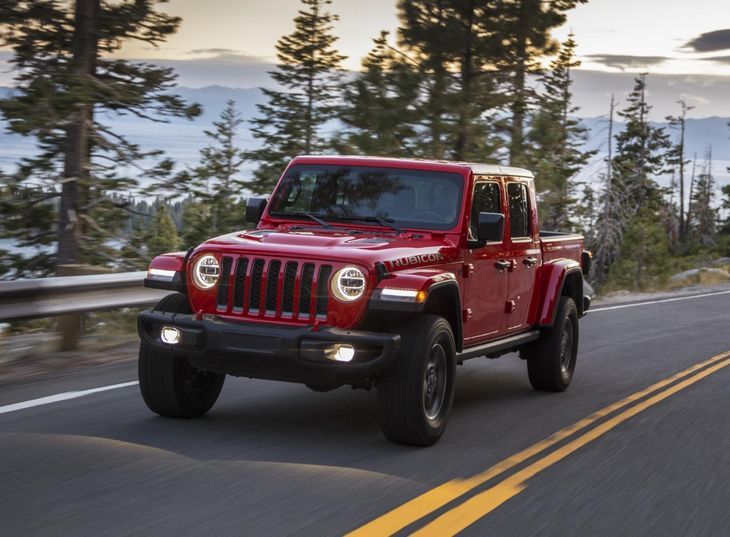
Jeep unleashed the Gladiator Rubicon in South Africa in 2022 and it’s currently priced from R1 385 900. You do, however, get a whole lot of bakkie for that money and not only is it packed with a host of comfort and convenience features as standard, it’s also hugely capable offroad.
It’s powered by a 3.6-litre V6 petrol engine with 209 kW and 347 Nm of torque on offer and comes mated with an 8-speed automatic transmission.
It’s powered by a bi-turbocharged 3.0-litre V6 EcoBoost petrol engine with 292 kW and 583 Nm of torque and comes mated with a specially calibrated 10-speed automatic transmission.
The Amarok range is headlined by the 3.0 V6 Aventura 4Motion derivative priced at R1 237 400. It offers peak outputs of 184 kW and 600 Nm of torque from its 3.0-litre V6 turbodiesel engine and is equipped with a 10-speed automatic transmission.
The Isuzu D-Max has been to the gym and received some Arctic Trucks treatment! The D-Max Arctic Trucks AT35 is priced from R1 170 339
Apart from the visual enhancements, flared bodywork, chunk tyres and suspension upgrade, the D-Max Arctic Trucks AT35 employs Isuzu’s familiar 3.0-litre, 4-cylinder turbodiesel engine with 140 kW and 450 Nm and mated with a 6-speed automatic transmission.
The P500 is powered by a new 2.4-litre, 4-cylinder turbodiesel with 135kW and 480 Nm and paired with a 9-speed automatic transmission but the range-topping P500 2.0T HEV Ultra Luxury 4×4 is powered by a 2.0-litre petrol-hybrid powertrain that produces 255 kW and 648 Nm and is priced at R999 900!
The tried-and-tested Toyota Hilux is currently the best-selling bakkie in South Africa and the 2.8GD-6 4×4 GR-Sport is currently listed as the most expensive Hilux in the range at R999 000. Power comes courtesy of Toyota’s 2.8-litre turbodiesel engine that offers 165 kW and 550 Nm of torque and is mated with a 6-speed automatic transmission.
BYD Shark 6 vs Ford Ranger Raptor: What should you buy?
The BYD Shark 6 is the 1st Plug-in Hybrid (PHEV) double-cab bakkie in South Africa. Is the Shark 6, which has a price tag of under R1 million, a better buying proposition than the formidable (and more expensive) Ford Ranger Raptor? We compare their specs.
There’s been a lot of buzz about the new BYD Shark 6. Not only is it the 1st plug-in hybrid (PHEV) double-cab to go on sale in South Africa – it’s the most powerful bakkie variant available in our new-vehicle market, a bragging right previously held by the Ford Ranger Raptor.
The new BYD Shark 6 has arrived to feed…
With the new BYD Shark 6 now available in South Africa, we thought it’d be useful to compare the newcomer’s specs with those of the Ford Ranger Raptor, which is the 2024/25 Cars.co.za Awards, sponsored by Absa Ultimate Double Cab category winner. This exercise is made more interesting when you consider that the BYD Shark 6 is priced from R959 900 (April 2025), while the Ford Ranger Raptor is priced from R1 270 000 (April 2025) – a price difference of R310 100, which is not insignificant.
So, what exactly is the difference between the BYD Shark 6 and the Ford Ranger Raptor and which of these bakkies represents a stronger buying proposition? Let’s dive into the specification details!
The Raptor is at the top of the segment in terms of outright capability and, arguably, looks.
The main aim of this article is to help you, the consumer, make an informed buying decision. To help you do this, we will provide you with the need-to-know information and insight based on available vehicle information and our experience with the cars in question.
This article will cover key aspects, including Exterior Styling, Performance & Efficiency, Interior Features & Execution, Practicality & Offroad Ability, as well as Pricing & Warranty details.
If, at the end of this article, you are still undecided as to what to buy, you are more than welcome to reach out to us for advice via X, Facebook or Instagram. Our experienced test team will gladly assist you.
BYD Shark 6 vs Ford Ranger Raptor
Exterior Styling
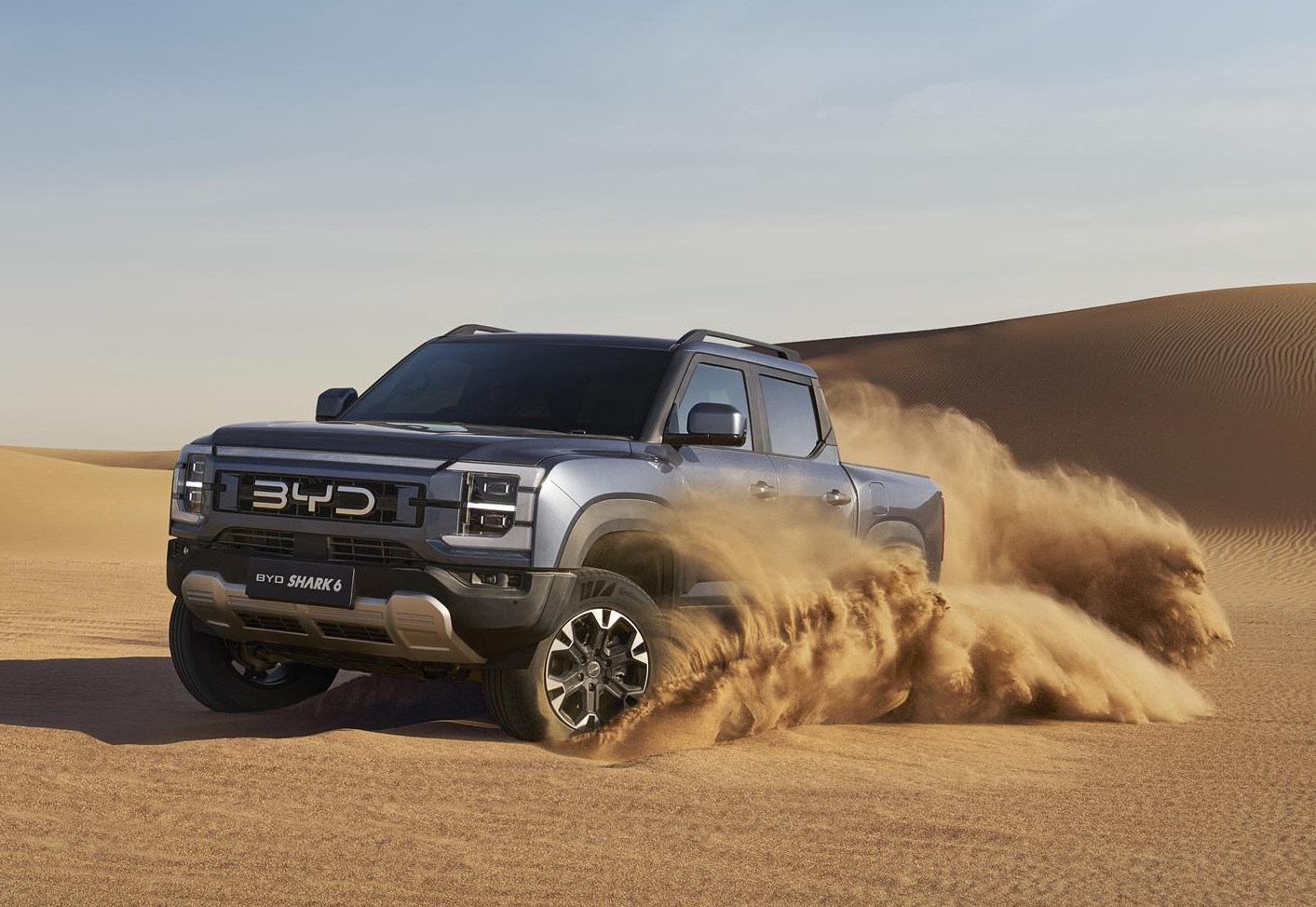
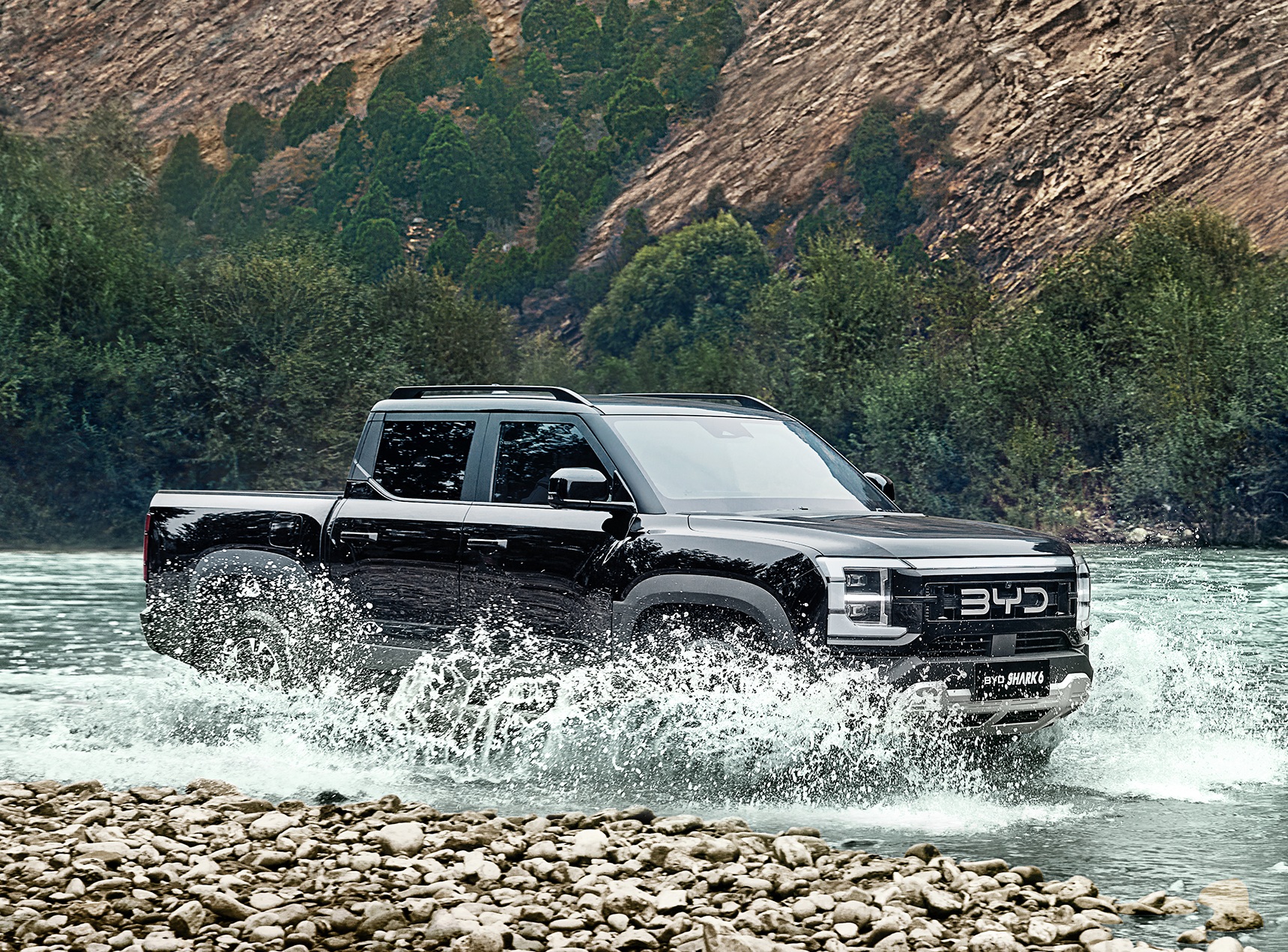
The BYD Shark 6 has come to market with an extroverted exterior design that’s strikingly similar to that of the Ford Ranger Raptor, but perhaps even bolder in execution! The Shark 6’s large front end features oversized E-shaped LED headlights with a horizontal light bar that runs below the bonnet lip, and this design language is also seen at the rear, where a horizontal light bar appears on the tailgate.
Large BYD lettering takes pride of place, and a silver-coloured chin spoiler beefs up the front-end look even further. Chunky plastic cladding around the wheel arches (which house 18-inch alloy wheels) and lower sills add further rugged appeal, hinting at the Shark 6’s intention to be a competent off-roader.
As for the Ford Ranger Raptor, it wears a C-shaped headlight design and, much like the BYD, the central grille features large Ford lettering, while a lower bash plate helps to protect the Raptor’s mechanical bits while off-roading. Similarly, generous plastic cladding around the 17-inch wheels contributes to a wider, planted stance. The C-motif is carried over to the rear, but the Raptor sets itself apart with dual exhaust tips that hint at its credentials as a high-performance off-road bakkie.
Styling is subjective and while the Ranger Raptor has been widely regarded as one of the best-looking bakkies on the market, the arrival of the Shark 6 might split many opinions on the matter.
Performance and Efficiency
BYD Shark 6
Ford Ranger Raptor
Powertrain
1.5-litre, 4-cylinder, turbopetrol hybrid
3.0-litre twin-turbopetrol V6
Battery Capacity
29.6 kWh
None
Power
321 kW
292 kW
Torque
650 Nm
583 Nm
Transmission
Single-speed transmission with reduction gear
10-speed automatic
Acceleration (0-100kph)
5.7 sec
5.8 sec
Fuel Efficiency (claimed)
2.0 L/100 km (above 25% battery charge) 7.9 L/100 km (below 25% battery charge
11.5 L/100 km
Driving range
670 km
696 km
BYD Shark 6
The Shark 6 offers mega-hybrid performance at an attractive price.
At the time of writing, Cars.co.za had yet to test the performance of the Shark 6, but, the Shark 6’s on-paper powertrain specification, with 321 kW and 650 Nm available from its all-wheel-drive hybrid powertrain, which includes both a 170 kW/310 Nm front- and a 150kW/340Nm rear electric motor, which work in conjunction with a 1.5-litre 4-cylinder turbopetrol engine, makes for interesting reading.
A 29.6 kWh battery pack allows for a claimed electric-only range of 85 km, and the hybrid system harvests energy through regenerative braking. Furthermore, the Shark 6 offers Vehicle-to-Load (V2L) functionality that allows the battery pack to power external devices, effectively turning the bakkie into a source of electricity, which will be helpful on work sites, camping adventures or during loadshedding.
From a performance perspective, on paper that is, the Shark 6 claims rapid acceleration with BYD pegging the zero to 100 kph sprint at 5.7 sec – a feat that we have yet to experience. If true, the Shark 6 may outperform the Ranger Raptor in a straight line, but only a Cars.co.za Drag Race will settle that score… We’ll hopefully have the Shark 6 on test in the near future so look out for feedback soon.
Ford Ranger Raptor
The Raptor’s V6 engine is a glorious piece of kit, and it sounds marvellous!
We’ve spent a considerable amount of time with the Ford Ranger Raptor, and its performance is nothing short of impressive. With its twin-turbo V6 petrol engine pumping out 292 kW and 583 Nm of torque, all of which is directed to all 4 corners of the vehicle, the Raptor delivers stonking performance by double-cab standards, both on- and off-road. Moreover, the Raptor’s specially calibrated 10-speed transmission, replete with steering-mounted paddle shifters, delivers snappy and engaging gear changes.
Not only does the Ranger Raptor gain rapid pace — the zero to 100 kph sprint takes about 5.8 sec – its dual exhaust pipes emit a rorty, evocative V6 soundtrack that sets it apart from the rest of the segment. However, the Raptor’s performance does come at the cost of efficiency, and while Ford claims 11.5 L/100 km, the Ranger Raptor will consistently return higher figures, so be prepared to fill up fairly often.
Interior Execution and Features
Compare the BYD Shark 6 with the Ford Ranger Raptor using our Car Comparison Tool
BYD Shark 6
Ford Ranger Raptor
Infotainment system
15.6-inch rotating touchscreen
12-inch touchscreen
Digital instrument cluster
10.25-inch digital instrument cluster
12.4-inch touchscreen
Android Auto and Apple CarPlay, Bluetooth, voice control, USB ports
Yes, wireless functionality, 2 x USB-A ports 2 x USB-C ports (front and rear)
Yes, USB-A and USB-C ports (front and rear)
Wireless Charging
Yes
Yes
Sound System
Yes, 12 speakers
Yes, 10 speakers
Rear View Camera
Yes, 360-degree
Yes, 360-degree
Cruise Control
Yes, adaptive
Yes, adaptive
Air Conditioning
Automatic dual zone climate control
Automatic dual zone climate control
Panoramic Sunroof
Yes
No
Front and rear park distance control
Yes, both
Rear
Upholstery / electric seats
Leather upholstery, 8-way power adjustable driver’s seat with 4-way lumbar support, 4-way power adjustable passenger seat, front heated and ventilated seats
Partial suede and leather, electric driver seat adjustment
Safety Features
7 airbags, ABS with EBD, brake assist, Electronic Stability Control (ESC) with Traction Control, Hill Hold Control (HHC), Hill Descent Control (HDC), Lane Departure Warning (LDW), Lane Departure Prevention (LDP), Emergency Lane Keeping Assist (ELKA), Blind Spot Detection (BSD), Front Collision Warning (FCW), Door Open Warning (DOW), Trailer Stability Control (TSM), Rear Collision Warning (RCW), Front Cross Traffic Alert (FCTA), Rear Cross Traffic Alert (RCTA)
7 airbags, ABS with EBD, brake assist, Electronic Stability Control (ESC) with Traction Control, Hill Launch Assist (HLA), Hill Descent Control (HDC), Lane Departure Warning, Lane Keeping Assist (LKA) with Lane Keeping Alert (LKA), Lane Keeping Aid (LKA), Road Edge Detection, Blind Spot Detection (BSD), Forward Collision Warning (FCW), Evasive Steer Assist (ESA), Active Park Assist 2.0, Tyre Pressure Monotoring
BYD Shark 6
The Shark 6’s cabin is akin to something you’d see in a premium executive SUV.
The interior of the BYD Shark 6 adopts a thoroughly modern cabin architecture that combines soft-touch surfaces and harder-wearing materials befitting of a high-end double-cab bakkie.
The central infotainment touchscreen, the largest in the segment, is rotatable and houses all major infotainment and vehicle settings. A separate digital instrument cluster adds to the tech-forward design approach. The central tunnel is where you can access a host of functions via a set of switches and buttons. The red-framed, vertically-orientated air vents add further visual appeal and colour to the cabin, as does the contrasting red stitching seen on the leather seats, door trim, centre bin and steering wheel.
Standard specification is generous; the list of safety features, including driver-assistance technology, is particularly comprehensive. Overall, the Shark 6’s interior is what you would expect to see in a premium SUV and combined with a comprehensive standard feature set, we think it will impress local buyers.
Ford Ranger Raptor
There’s a near-perfect blend of technology and comfort inside the Raptor.
Much like the BYD, the interior of the Ford Ranger Raptor also features a mix of hard and soft materials, and the perceived build quality is very good. While Ford’s vertical infotainment touchscreen is not as expansive as the Shark 6’s setup, the SYNC 4A operating system is considered to be among the best in the segment in terms of functionality and usability.
The seats are generously bolstered, plus red detailing on the seat trim, steering wheel and air vents add to the sense of occasion. The centre tunnel isn’t as cluttered as the Shark 6’s – this is where you can access the Raptor’s off-road command dial.
The Ranger Raptor is also generously equipped with standard features and, much like the Shark 6, it too offers a comprehensive list of standard safety features and driver-assistance features.
The Raptor’s interior has been the benchmark in the segment for some time. While it may not appear to be as “upmarket” as the Shark 6’s cabin, we suspect that it might be more robust and fit for purpose…
Dimensions, Practicality and Off-road Features
BYD Shark 6
Ford Ranger Raptor
Kerb weight
2 710 kg
2 460 kg
Length
5 457 mm
5 360 mm
Width
1 971 mm
2 028 mm
Height
1 925 mm
1 926 mm
Wheelbase
2 920 mm
3 270 mm
Ground clearance
230 mm
272 mm
Approach angle
31°
32°
Departure angle
19.3°
25°
Breakover angle
17°
24.2°
Wading depth
700 mm
850 mm
Low Range
No
Yes
Differential Locks
No traditional diff locks “Virtual” differential lock system using brakes and electric motors to achieve traction
Front and rear differential locks
Offroad driving modes
Sand, Mud, Snow, Mountain
4A (automatic 4×4), 2H (rear-wheel-drive), 4 High and 4 Low. Driving modes include Normal, Sport and Slippery, Rock Crawl, Sand Mud/Ruts, Baja, Trail Control
Towing capacity (braked)
2 500 kg
2 500 kg
Payload
790 kg
670 kg
Summary
With a 2 500 kg braked towing capacity and 790 kg payload, the Shark 6 isn’t just a pretty face, it can work too…
The BYD Shark 6 is longer than the Ranger Raptor, but the Ford has a longer wheelbase and stands 57 mm wider. In addition, the Ranger Raptor also has a higher ground clearance. And if you intend to do deep water crossings, the Ranger Raptor also has a more generous wading depth at 850 mm.
From an off-roading perspective, the Shark 6 foregoes traditional off-roading hardware such as low range and differential locks and instead uses electronic trickery (let alone electric motors) to achieve the necessary traction with 4 main drive modes available to suit various terrain. Note that we have yet to test the Shark 6’s off-road capability on local soil, therefore, we have to reserve judgment for now.
The Ranger Raptor is equipped with the hardware to do high-speed, hardcore offroading.
The Ford Ranger Raptor, however, has proven itself to be exceedingly capable in the toughest of terrains and is equipped with an uprated Fox suspension with 2.5-inch Live Valve Internal Bypass shock absorbers that allow for high-speed off-road driving in combination with unique drive modes… Up to 7 of those modes are available, including Baja and a useful off-roading feature known as Trail Control.
On paper, the Ford Ranger Raptor appears to be better equipped to tackle a wider variety of off-road situations, whereas the Shark 6 is perhaps not as “hardcore”, but more of an on-road-focused product with a degree of off-road capability.
We look forward to testing the full capability of the BYD Shark 6 on local soil very soon, so stay tuned!
BYD Shark 6 vs Ford Ranger Raptor: What should you buy?
At under R1 million, the feature-packed BYD Shark 6 is a difficult double-cab to ignore.
The new BYD Shark 6 is certainly a compelling buying proposition if you consider the sheer performance its powertrain is said to offer, as well as the glut of standard features packed into a bold bakkie package that retails for under R1 million. Suffice it to say, it will lure many potential buyers into BYD showrooms.
Make no mistake, the Shark 6 is here to steal the Raptor’s lunch and it will likely sneak more than a few bites as consumers get swept up in the new-vehicle hype. Nonetheless, a nose of caution is necessary: BYD is still a new brand in South Africa (it was launched locally in 2023) with a largely unproven track record in terms of aftermarket service, and that fact alone might be enough to give some buyers pause. Also, importantly, BYD’s product reliability and depreciation in the local market are unknown.
While we have yet to properly test the full capability of the Shark 6, both on and off-road, it has big shoes to fill if it’s to beat the Ranger Raptor in terms of outright capability.
The Ford Ranger Raptor’s outright capability makes it an easy choice for off-road enthusiasts.
If you’re a die-hard off-road enthusiast looking for the ultimate off-road bakkie, the Ford Ranger Raptor is near-as-damn unstoppable (to reiterate, it’s the Cars.co.za Awards Ultimate Double Cab category champion), but you’ll have to accept its lofty price tag as it’s a niche high-performance off-road bakkie.
However, if you’re less serious about taking your double cab into the bundus and more concerned about driving the latest, flashiest new bakkie, perhaps the Shark 6 will win you over – and serve you better.
It will be interesting to see how well the Shark 6 is received locally and if initial indications are true, you’re likely to see many more BYD double cabs cruising around Mzansi soon.
Look out for our full test of the new BYD Shark 6 coming your way soon!
BYD Seagull confirmed for SA! Cheapest EV yet?
The fully electric BYD Seagull has been confirmed for South Africa, with an expected arrival later in 2025. Could this small hatchback grab the title of Mzansi’s cheapest EV?
The fully electric BYD Seagull – which is also known as the “Dolphin Mini” or “Dolphin Surf” in certain overseas markets – has been confirmed for South Africa, with a local arrival anticipated for later in 2025. And there’s at least a fair chance the diminutive hatchback will launch as Mzansi’s cheapest EV.
BYD Auto SA confirmed to Cars.co.za that the “Seagull will be here later this year”, though added that exact launch timing hasn’t yet been locked in. The Chinese firm’s reference to the “Seagull” name suggests that this will indeed be the badge used in the local market.
The Seagull measures 3 780 mm long.
For the record, BYD applied to register the “Seagull” moniker in Mzansi in January 2025. This came shortly after its 2024 filing to trademark “Dolphin Mini” in South Africa hit a roadblock, with another party (perhaps the BMW Group that owns the Mini brand?) lodging an official opposition, effectively objecting to BYD’s intended use of the badge.
So, what do we know about the Seagull? Well, it’s set to slot in below the Dolphin, which – starting at R539 900 – is currently the local market’s 2nd most affordable EV. At present, the Dayun S5 is officially SA’s cheapest EV, priced from R399 900 to R449 900. Whether BYD will be able to position the Seagull as more affordable than this model remains to be seen.
The recently refreshed Chinese-market version.
Available in China since April 2023, the Seagull recently received a minor facelift (as pictured above) in its domestic market, gaining new front and rear bumpers as well as some extra equipment. For context, the diminutive BYD measures 3 780 mm from nose to tail, making it around 35 mm shorter than something like the Hyundai Exter.
In the world’s 2nd most populous nation, the Seagull is available with either a 30- or 39 kWh battery pack, offering respective single-charge claimed ranges of 305 km and 405 km (based on China’s CLTC testing procedure, that is). In either case, the front-mounted electric motor generates peak outputs of 55 kW and 135 Nm.
In China, the Seagull features a 10.1-inch rotatable screen.
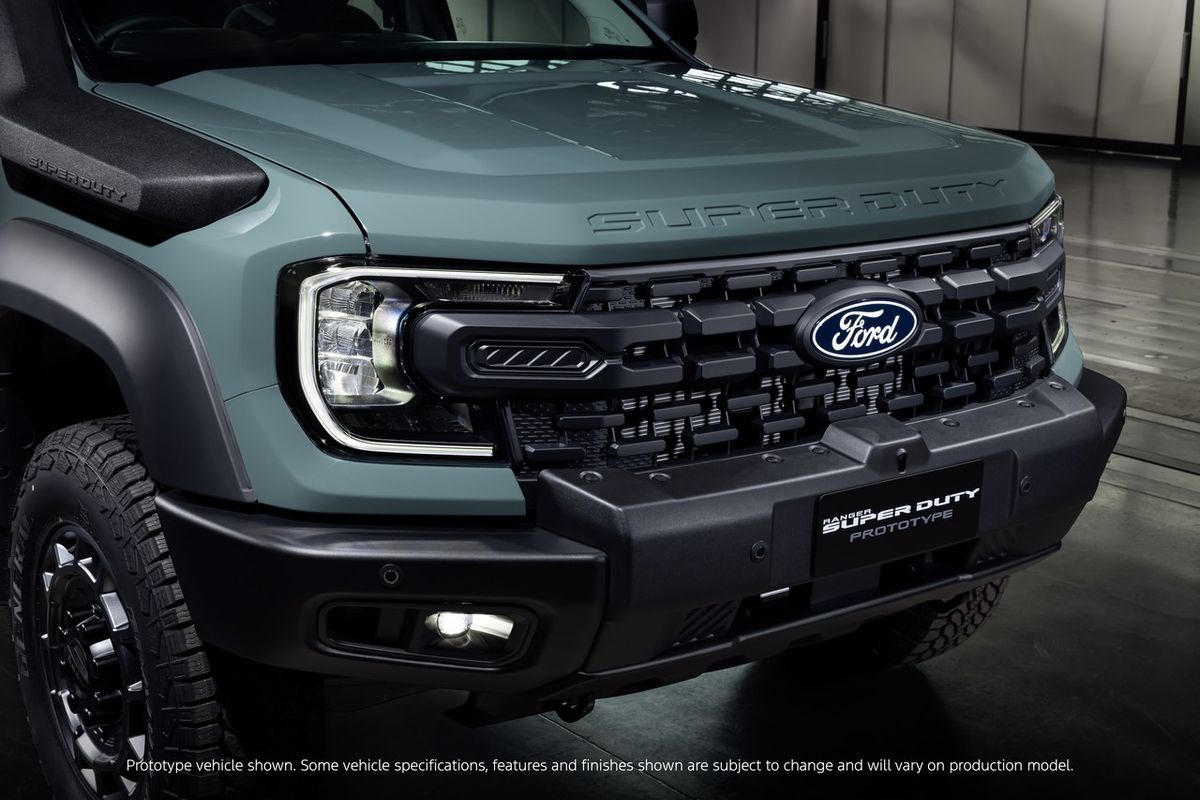
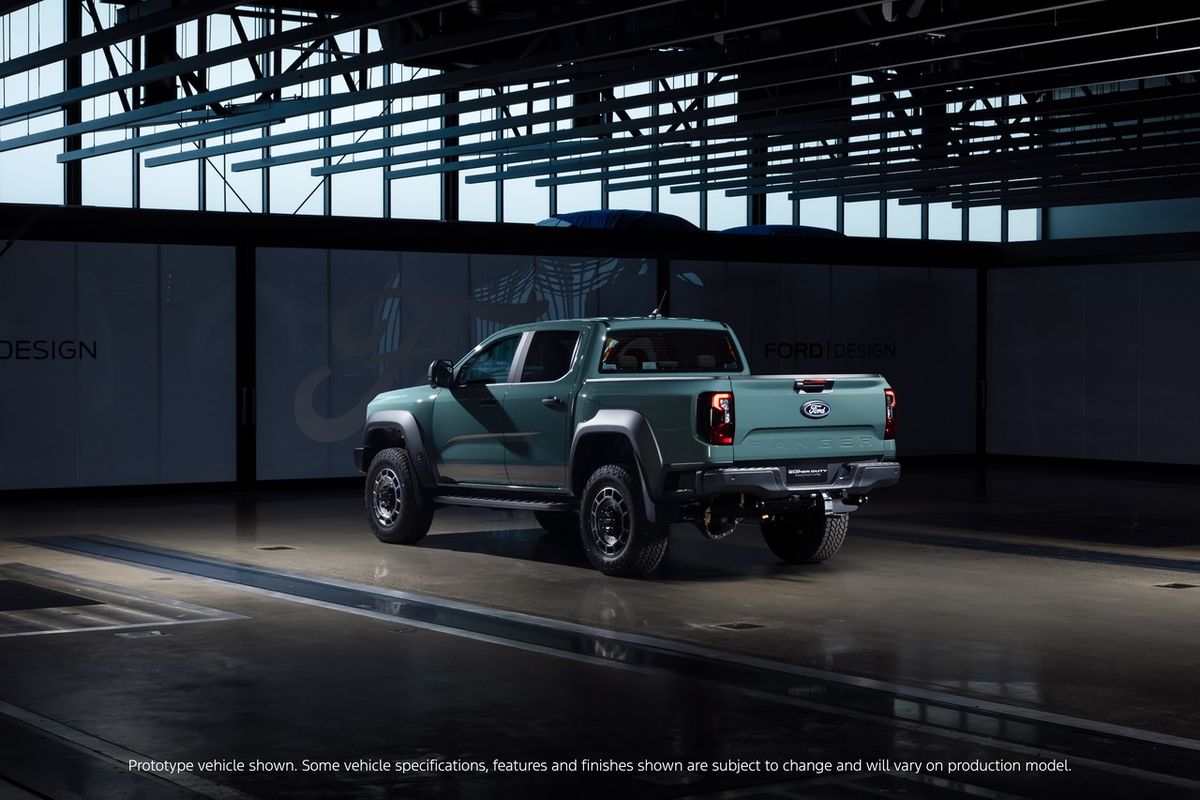
The Ford Ranger Super Duty is the industrial and commercial-grade Ranger, but will it come to SA? Here’s all you need to know.
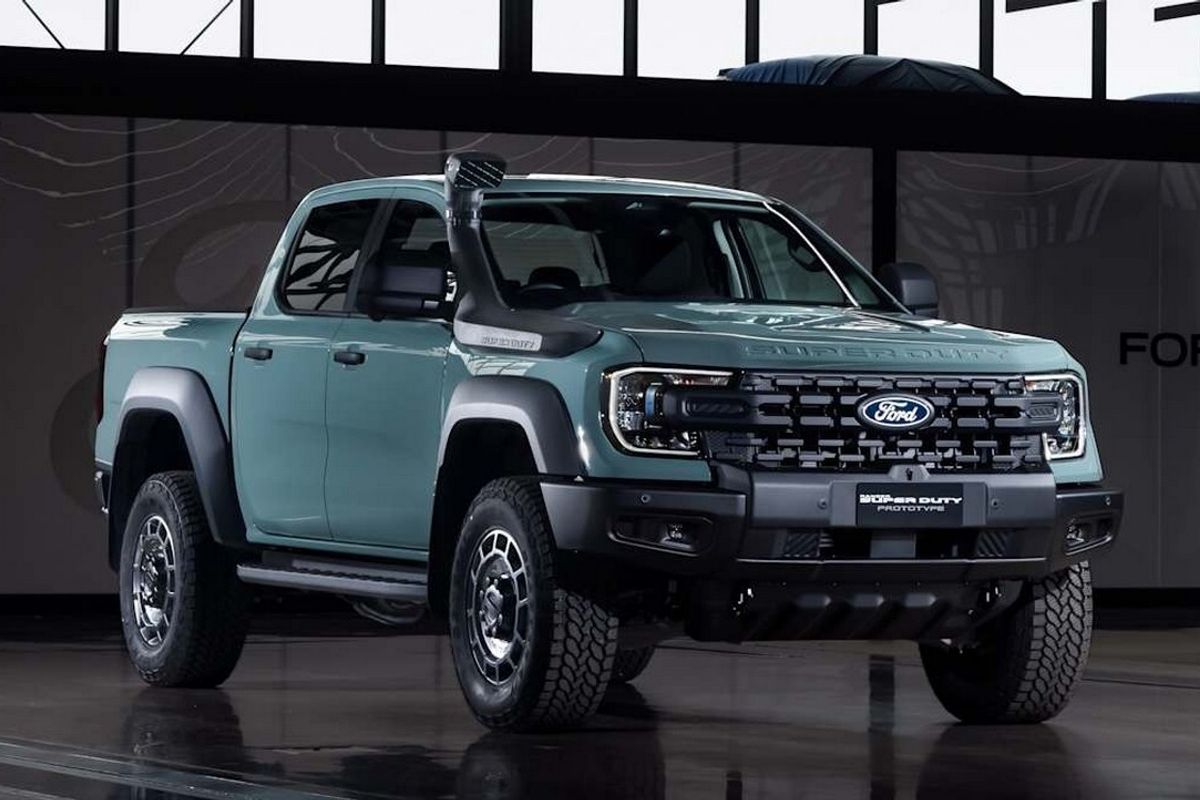
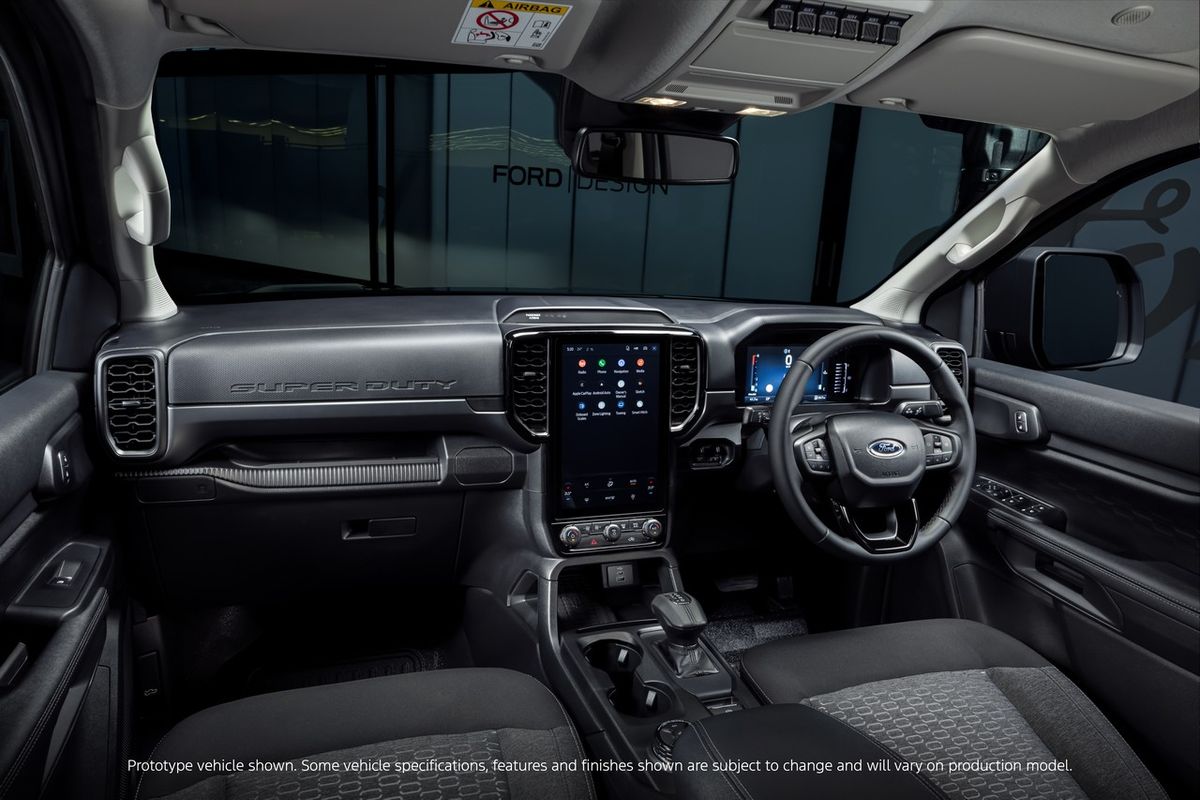
After a few spy shots of the vehicle hit the Internet, Ford has officially taken the covers off of its heavy-duty industrial Ranger. This is no sticker pack or special edition here as there’s been extensive work under the body for additional capability.
Ford Ranger Super Duty
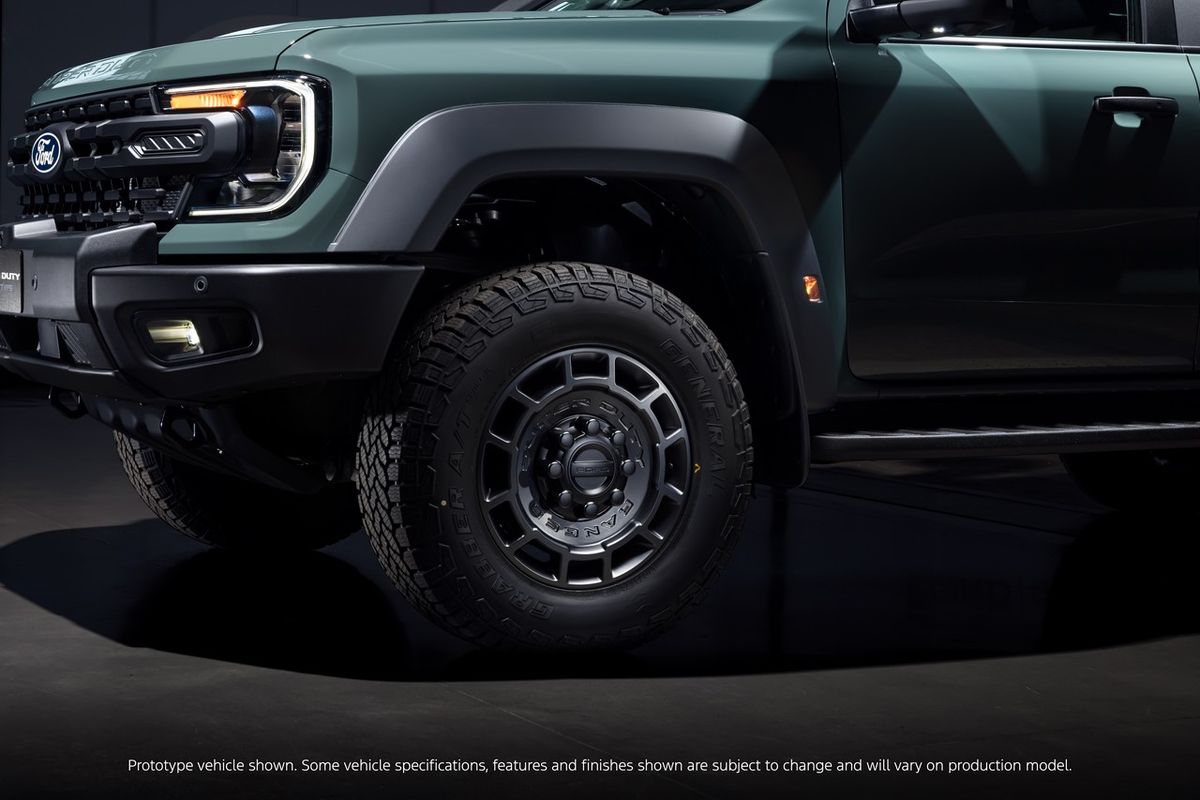
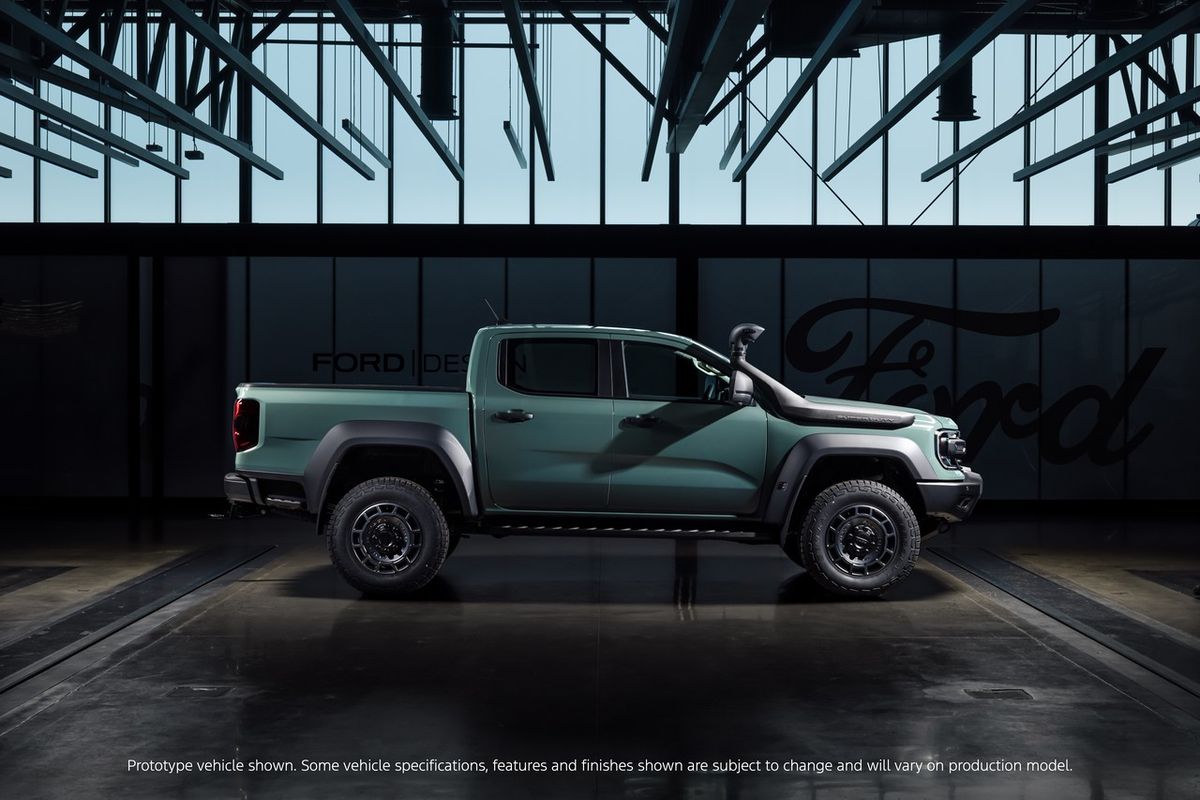
The Ranger platform has been made taller, a wider track fitted and there’s more ground clearance. The wheels are wrapped in 33-inch General Grabber all-terrain tyres and the tow rating increased to 4500 kg, which is 1500 kg more than the standard Ranger.
Ford Ranger Super Duty
The Super Duty also features a stronger front and rear driveshaft while a new heavy-duty rear axle provides enhanced load carrying capacity. The new rear differential is the biggest and strongest to ever be fitted to a production Ranger, according to Ford.
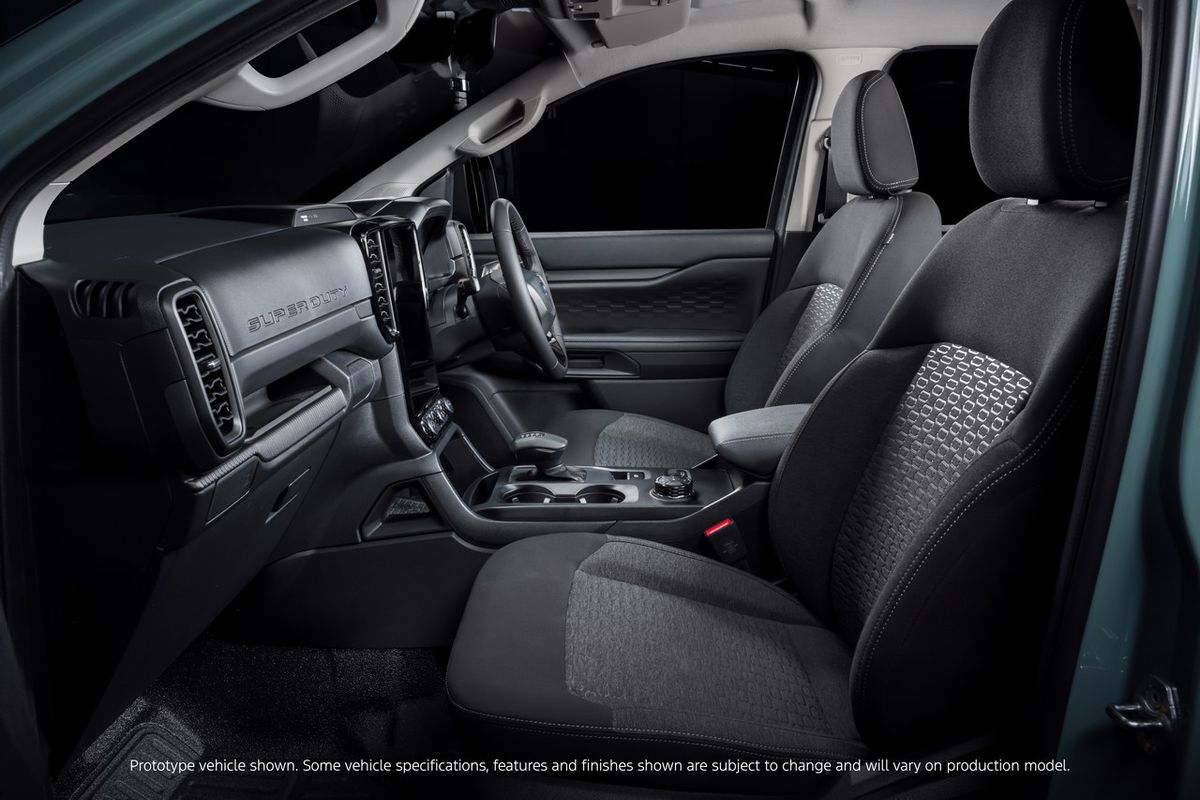
Ford Ranger Super Duty
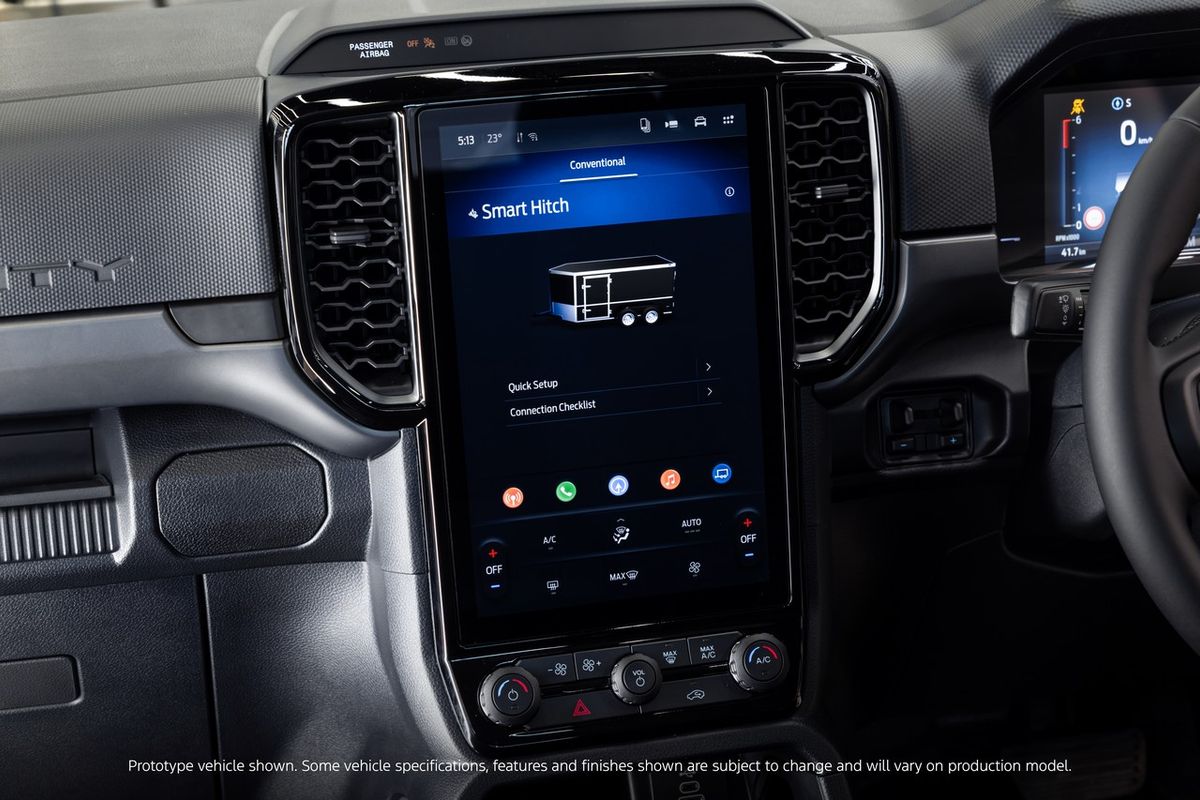
The vehicle also features a recalibrated integrated trailer brake controller as well as the Ranger’s Pro Trailer Backup Assist that’ll make hitch ups easier. “Using a yaw rate sensor to guide Pro-Trailer Backup Assist makes for faster set up and running of the system which we felt was important given Ranger Super Duty is all about work,” said Dave Burn, chief program engineer, Ford Australia. “Able to store up to 10 trailers and only requiring calibration once per trailer, Pro Trailer Backup Assist makes manoeuvring heavy trailers much easier.”
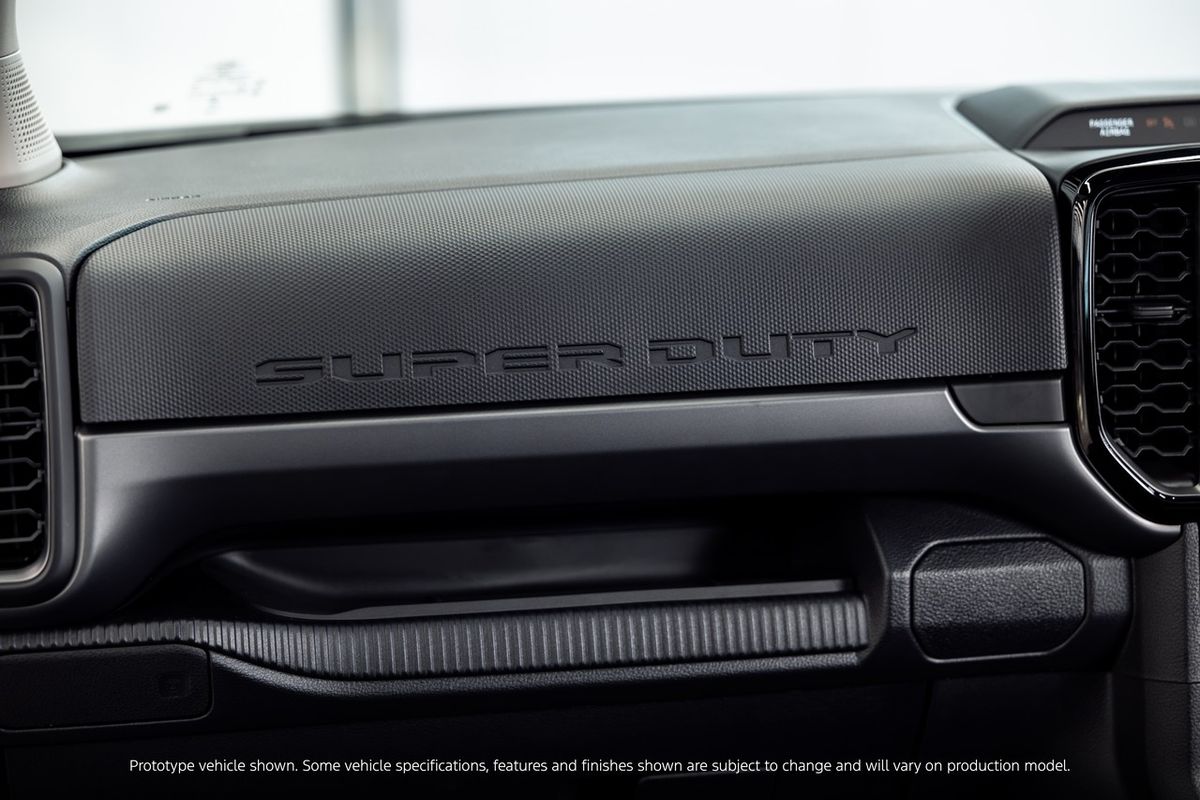
Ford Ranger Super Duty
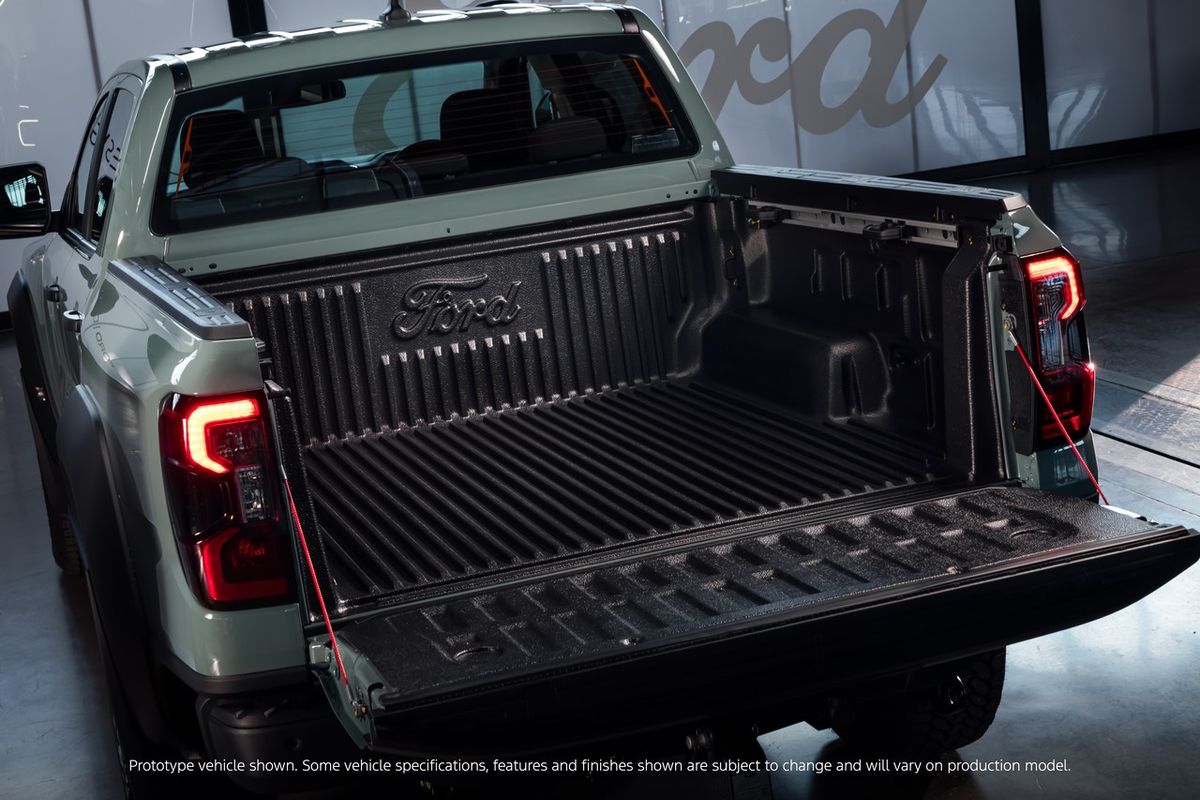
Perhaps its coolest feature is the Onboard Scale where sensors mounted in the suspension on all four wheels assess the payload. The vehicle also features a 130-litre fuel tank which is shielded with thick steel for protection. The underbelly is also shielded by high-strength steel bash plates.
Under the bonnet is the 3.0-litre turbocharged diesel V6 engine, but interestingly, Ford didn’t confirm outputs. Could there be a bump in power and torque to cope with the additional weight?
Ford Ranger Super Duty
Ford Australia confirmed the Super Duty will be going on sale in 2026 and there’ll be different body styles like single, super and double-cab chassis. As a reminder, the Australian market sources its Ranger from the plant in Thailand. There was no information readily available from Ford South Africa regarding this new product.
Which models in South Africa’s competitive bakkie segment grew their sales year on year in Q1 2025 and which ones shrunk? We’ve crunched the numbers to find out…
While South Africa’s overall new-vehicle market grew 10.5% year on year to 144 426 units in Q1 2025, the light-commercial vehicle (LCV) segment declined 10.6% to 35 047 units over the same period. So, which bakkies improved their performance and which ones shed sales?
Well, we’ve spent some time crunching the numbers, comparing the Q1 2025 sales hauls of each of the market’s traditional bakkies to their respective efforts in the opening 3 months of 2024. What we found was that 7 contenders grew their registrations, year on year, while 7 shed sales.
Bakkies that gained sales year on year in Q1
Peugeot’s Landtrek sales increased 135.4% year on year on Q1 2025.
The Peugeot Landtrek was the bakkie that enjoyed the most robust year-on-year sales growth in Q1 2025, even if its increase came off a low base. In the opening quarter of the year, 226 units of the Landtrek – which moved up 3 rankings but still couldn’t crack the top 10 – were registered in SA, representing a 135.4% year-on-year improvement.
Meanwhile, Q1 2025 sales of the Toyota Land Cruiser 79 surged 72.0% year on year to 1 541 units, seeing the Japanese bakkie climb 3 places to 6th. The locally assembled Mahindra Pik-Up improved 36.4% year on year to 2 779 units, in the process making 4th place very much its own.
Now offered in 4-cylinder form, Toyota Land Cruiser 79 sales were up 72.0%, year on year.
Local registrations of the long-in-the-tooth Mahindra Bolero increased 31.4% (compared to Q1 2024), though its modest tally of 138 units meant this Indian-made bakkie nevertheless fell a ranking to 13th. The Rosslyn-built Nissan Navara moved up 2 spots to 5th, enjoying a 27.5% year-on-year increase in sales to finish on 1 545 units.
Finally, the Ford Ranger and Isuzu D-Max – which retained 2nd and 3rd, respectively – posted more muted growth. Local registrations of the Struandale-built D-Max increased 8.0% year on year to 5 587 units, while the Silverton-made Ranger (6 205 units) improved on its Q1 2024 tally by 2.5%.
Bakkies that lost sales year on year in Q1
GWM P-Series registrations fell 44.3% year on year in Q1.
Having placed 4th with nearly 5 000 units sold in the opening quarter of 2024, the Nissan NP200 tumbled to 14th in Q1 2025. With production having wrapped up at the Japanese firm’s Rosslyn plant in March last year, sales of what was Mzansi’s last surviving half-tonne bakkie plummeted 99.6% to just 18 units.
Interestingly, the GWM P-Series fell 2 rankings to 8th in Q1 2025, with local registrations of this Chinese contender slipping 44.3% year on year to 735 units. Again occupying the final spot on the list with just 12 examples sold, the Jeep Gladiator (which is awaiting a facelift) posted a 25.0% year-on-year sales decline.
Though Amarok sales fell year on year, VW’s bakkie moved up to 7th.
Meanwhile, Volkswagen Amarok sales slid 17.5% year on year to 798 units, though the German firm’s Ford-built bakkie still gained a place to finish 7th. The Mitsubishi Triton – having entered a new generation late in 2024 – also suffered a year-on-year decline, with sales falling 15.3% to 160 units (seeing the Japanese bakkie slip a spot to 12th).
Despite sales of the Toyota Hilux dropping 7.8% year on year to 8 163 units, the Japanese stalwart remained the market’s most popular bakkie in Q1 2025. Finally, the GWM Steed – which clung to 10th position – ended this reporting period on 318 units, representing a 2.5% decline compared with 2024’s opening quarter.
Triton sales fell 15.3% year on year despite the arrival of a new-generation model.
For the record, we were not able to include the JAC T6, T8 and T9 ranges in this exercise as the Chinese automaker reported only a combined number. However, we tallied up JAC’s total T-Series sales to 426 units, an increase of 14.5%, year on year.
In addition, note that the Mazda BT-50 exited the local market towards the end of Q1 2024, so isn’t represented here. Meanwhile, the Foton Tunland G7 returned to SA only towards the middle of last year, so no year-on-year change in sales is shown.
We chat with Corber Viljoen, the founder of Wat Swaai Jy, also known as Vintage Cars South Africa (VCSA) – a classic car dealership, -workshop, -transport and -storage provider – as well as an automotive enthusiasts centre, located in Pretoria East.
IMAGES: Stefan Kotze
Cars, coffee, a perfectly manicured garden with ponies and an inviting barn filled with cars and memorabilia – those are just some of the attractions offered by Wat Swaai Jy (informal Afrikaans for “What are you selling?”), which is situated in Pretoria East and has been operating since 2015.
This setup, which does resemble a farm in some ways, welcomes the entire family as there are animals for the kids to look at while the car enthusiast(s) in the family stroll through the cars on offer or visit the workshop. VCSA is arguably one of the most inviting car spaces we’ve ever visited in South Africa.
How it all started
The proprietor of Wat Swaai Jy (VCSA), Corber Viljoen, has a long history with old cars that dates back to when he was a little boy.
“I always liked old cars from a young age,” says Corber (shown above). “I was in Grade 7 when my grandmother bought me an old Volkswagen Beetle. I drove it (a little) while I was in high school, then I sold it and bought 2 Minis. I fixed them up, sold the 1 and then bought a Triumph.
“One thing led to another, and during my last year of school, I had 10 cars in mom’s driveway! Obviously, she didn’t think playing (and struggling) with these old cars was the ideal career choice for me.
“I became a pilot after school, but then I decided I’d have more fun on the ground with old cars than up in the air with planes. From Grade 9, I helped a friend of my late father at his panel beating business over weekends and during the school holidays. This is where I gained a lot of my old car knowledge.
“During the years I built up this classic car side hustle, I was an insurance broker. Then, about 5 years ago, I resigned to focus full-time on our business. I initially started small in my double garage, followed by renting a premises. I continued to buy cars, fixing them up and then selling them.”
The main Wat Swaai Jy (VCSA) building houses 2 long rows of cars. It’s here where you’ll find a wide variety of classic cars spanning several decades. These include models from American and European brands. Dig a little deeper and ask around, and you can even be shown some South African specials.”
What is on offer?
“We try to offer a wide range of classic and collectable cars,” adds Corber. “We have cars that trade for a few million rand, but most of our stock are notably more affordable and start from as low as R50 000 to R100 000. I focus a lot on the American cars, but also old Toyotas and even motorcycles, now and again.”
“We also strive to be a one-stop shop for clients. We purchased these premises around 3 years ago with that aim in mind. We built this 1 200 m2 warehouse to house the cars, and we also built a clubhouse and workshop (the Snorcity Speed Shop, shown below).
“In our workshop, we mainly work on our cars as we will only selectively do work for members of the public. I have a team of 5 mechanics in the workshop, and we can also do our own paintwork.
“Needless to say, we also have our own detailing shop (GRIT Detailing, shown below) that can do paint correction or any other type of detail work,” he adds.
Sourcing cars to sell is a full-time job, however. “I’m often on the road searching for potential cars to buy. That includes travelling to Cape Town and Durban,” says Corber.
“Sometimes, I buy package deals of 5 cars or more. We are also quite active on social media (Facebook and Instagram), where owners send us cars that they want to sell almost on a daily basis.
“We also have a few collections on our books. That means looking after cars and managing restorations, making sure work gets done, valuations are correct and that the vehicles are adequately insured.”
Needless to say, during Corber’s travels, he has seen some of the most impressive car collections in South Africa. He mentions that potential buyers can approach him if there is a specific car they are looking for, as he is likely to know where to find it or at least who to contact…
During our visit, we noticed a couple of classic short-wheel base Toyota Land Cruisers, 2 Minis and even a 1986 Audi 500SE with only 93 000 km (shown above)! When last did you see one of those?
There is also a 1977 Porsche 911 Carrera 3.0 Targa (below) and a variety of classic Mercedes-Benzes.
Corber explains that his business will sometimes offer a car to a client in an as-is condition (voetstoots) or give the prospective buyer the option to buy the car and then have repairs made or restoration work done to the vehicle. However, Wat Swaai Jy (VCSA) usually acquires cars that “don’t need a lot of work.”
“The clubhouse serves drinks and snacks for visitors to enjoy. We also have horses and ponies that attract a lot of attention from the kids. That was part of the idea behind the premises, to make it an attractive stop for the entire family,” Corber adds.
This is quite a unique setup, as most classic car-, and even new car dealerships are geared to serve and satisfy the needs of clients, not host their families. With the relaxed environment, together with the gardens, Wat Swaai Jy (VCSA) evidently has a unique approach that appeals to the entire family.
Corber does admit that he receives a lot of help from his team, most notably his wife: “My wife Nadia (shown above, on the left) joined the business full time 7 years ago. She manages a number of departments in the business. If she leaves tomorrow, then this place will collapse!”
When you browse the Wat Swaai Jy (VCSA) website, you’ll see a diverse range of products on offer. Listed vehicles range from American classics and rarities that they recently sold, such as a 1984 Toyota Hilux 2000 4×4 single cab, a 1972 Ford Fairmont XY GT, a few Ford Mustangs, motorcycles and even a 1959 Volkswagen Kombi (split-window). There is indeed a car to satisfy nearly all types of tastes.
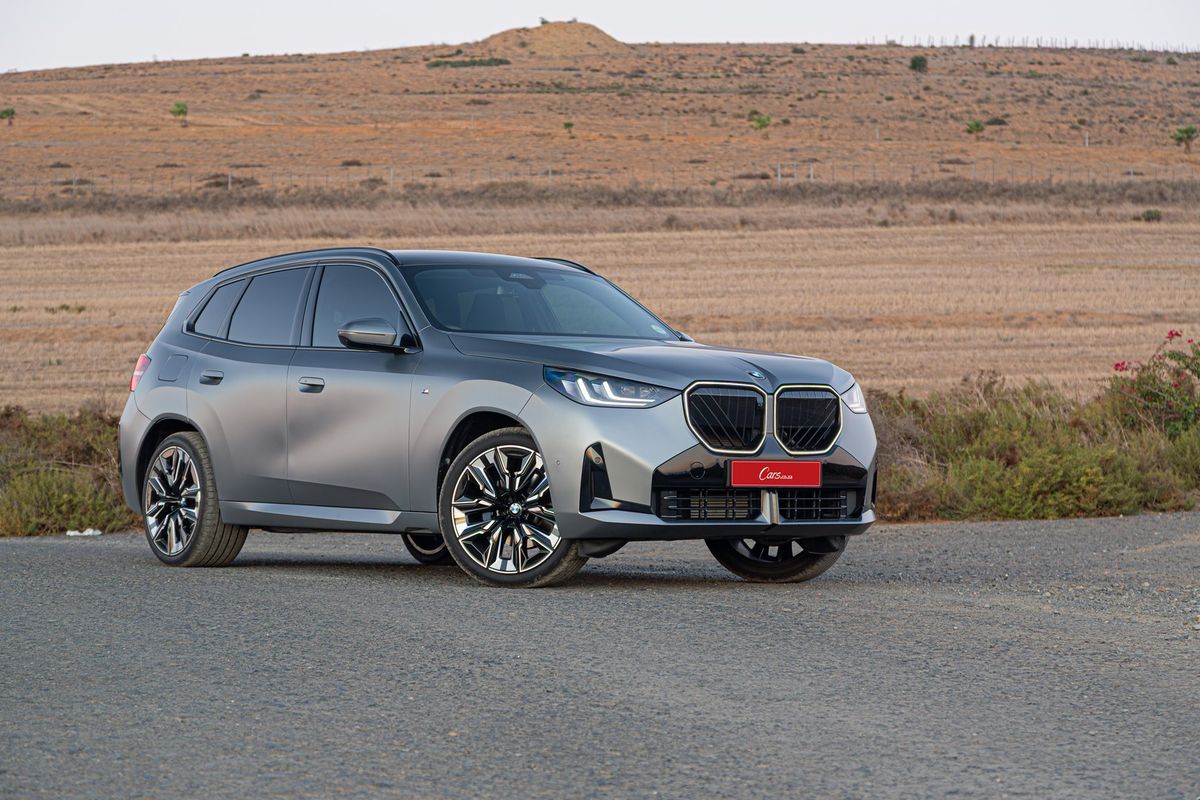
Like its predecessor, the G45-series BMW X3 is proudly built in South Africa. The packaging of this rival to the Mercedes-Benz GLC, Audi Q5 and other models isn’t as universally appealing as before, but will that bother the Bimmer’s target market?
We like: Excellent powertrain, value for money
We don’t like: Polarising styling, complex infotainment system, mostly good interior quality.
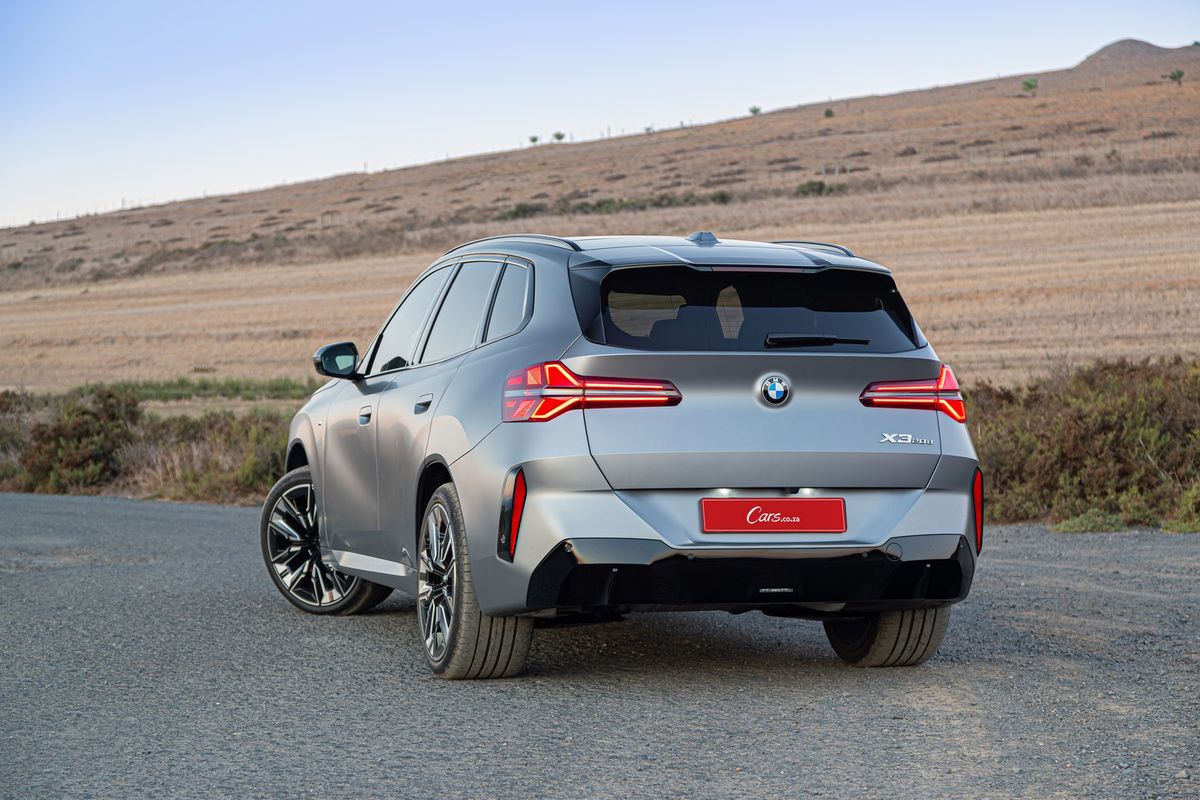
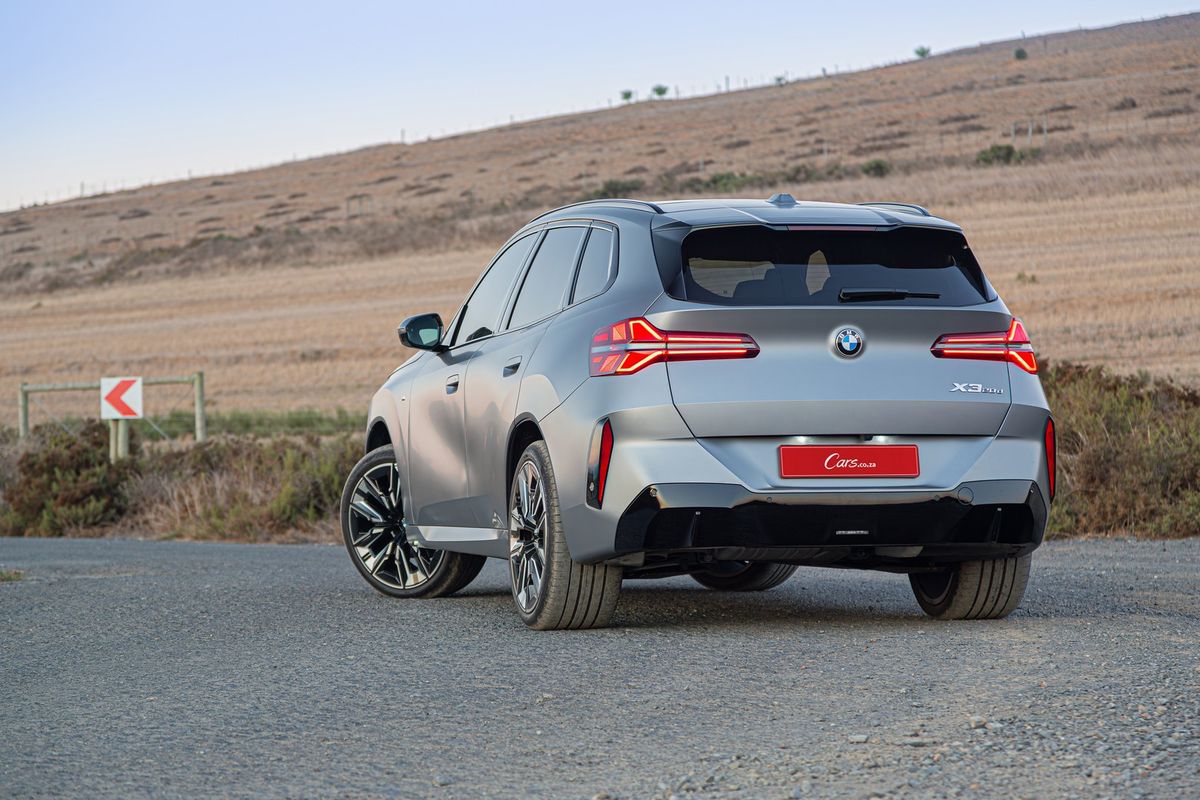
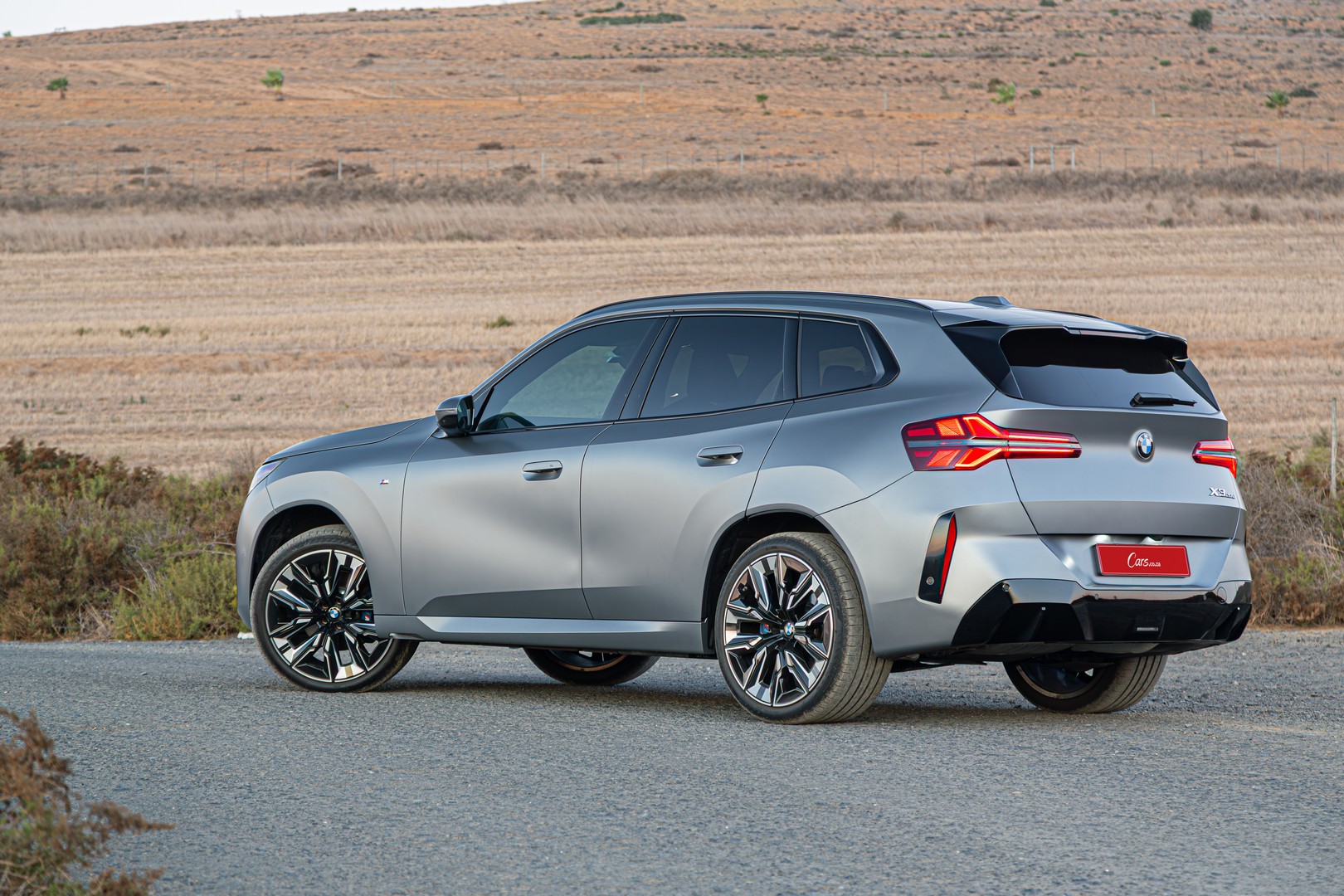
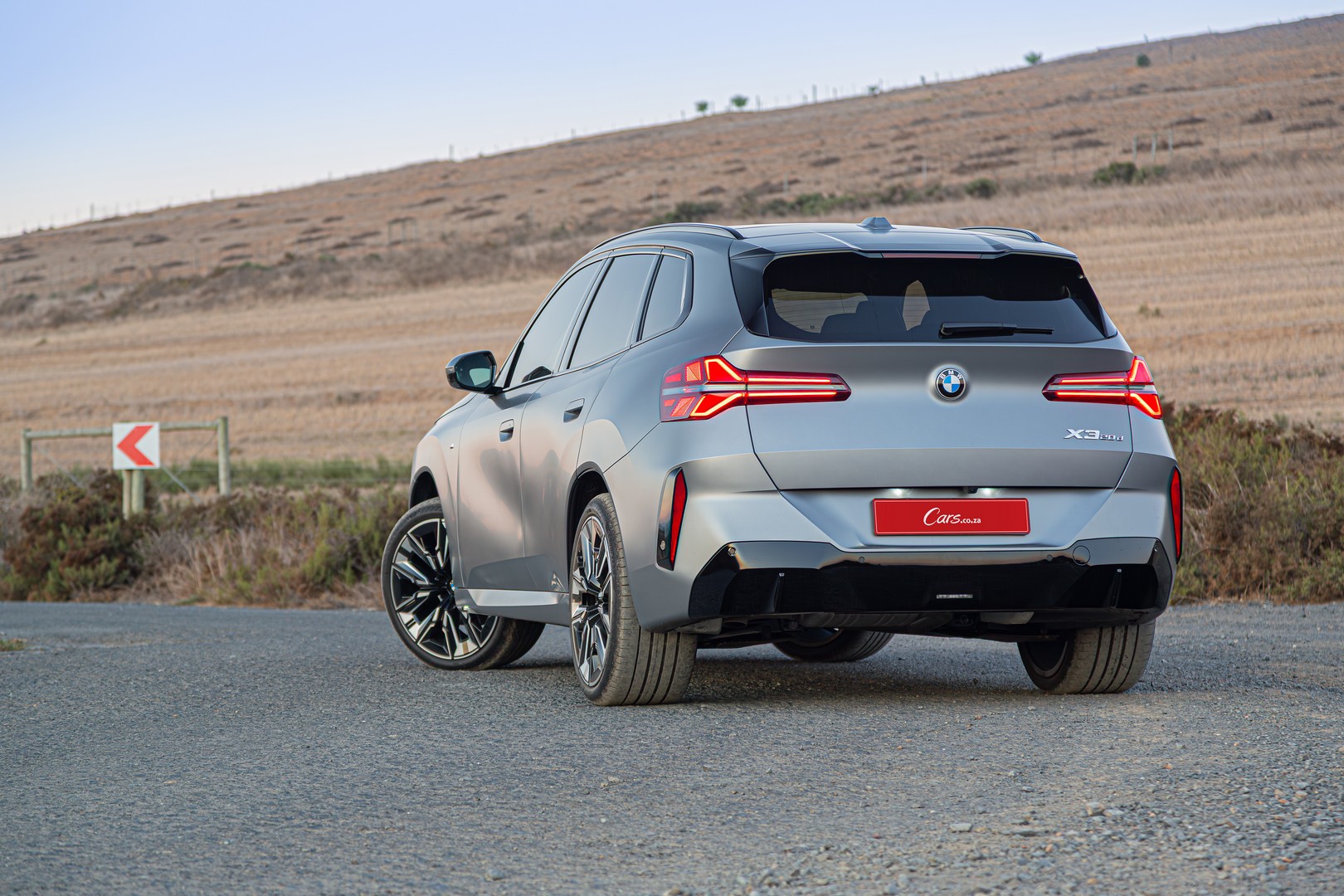
The G45-series BMW X3 looks a little slabby from some angles.
The BMW X3 has been a massive sales success for the Munich-based brand. It was BMW’s best-selling SUV – and model – in 2023, although its 3- and 4 Series siblings took top honours last year, while the G01-series Executive SUV was being run out in anticipation of the new G45-series model’s arrival.
With such an enviable legacy, the (G45) X3 has to be a “banker” model for BMW – it can’t be perceived as a radical departure from the (G01) X3. Well, under its sheetmetal, the newcomer certainly isn’t that different – it retains its CLAR platform, but sits wider, lower and is a little longer than its predecessor.
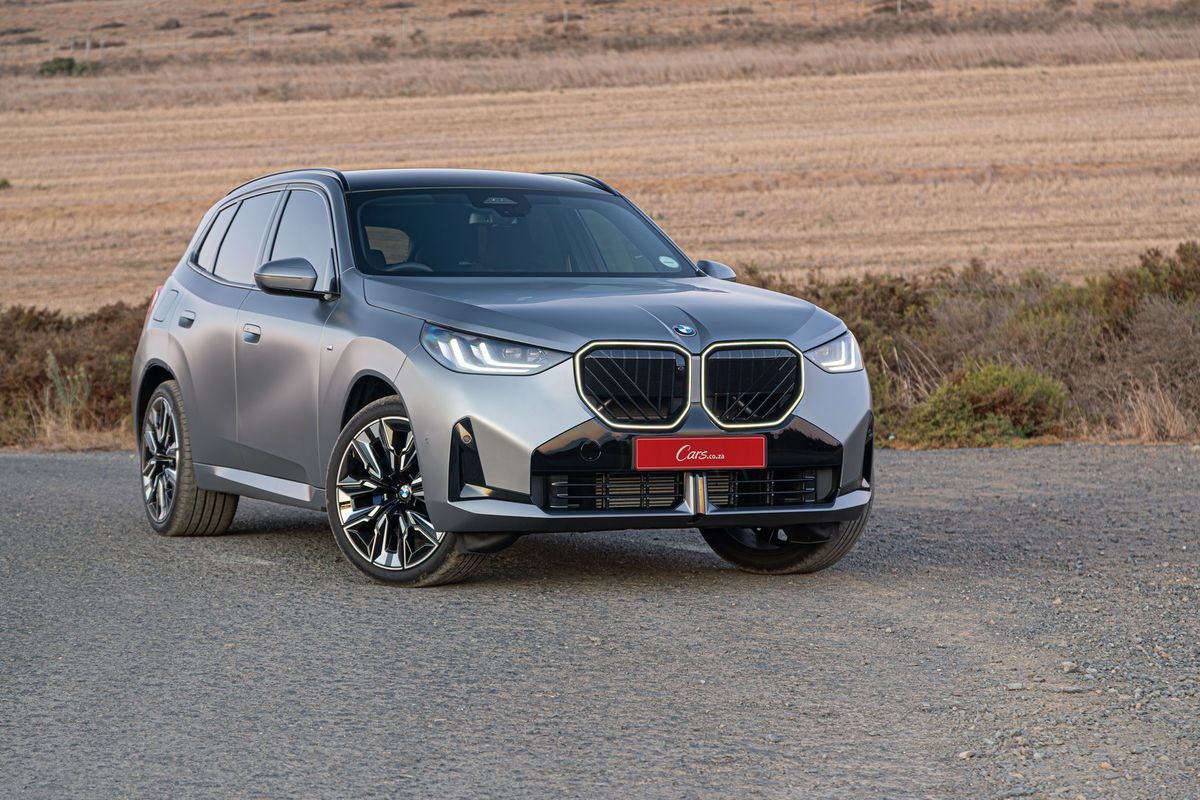
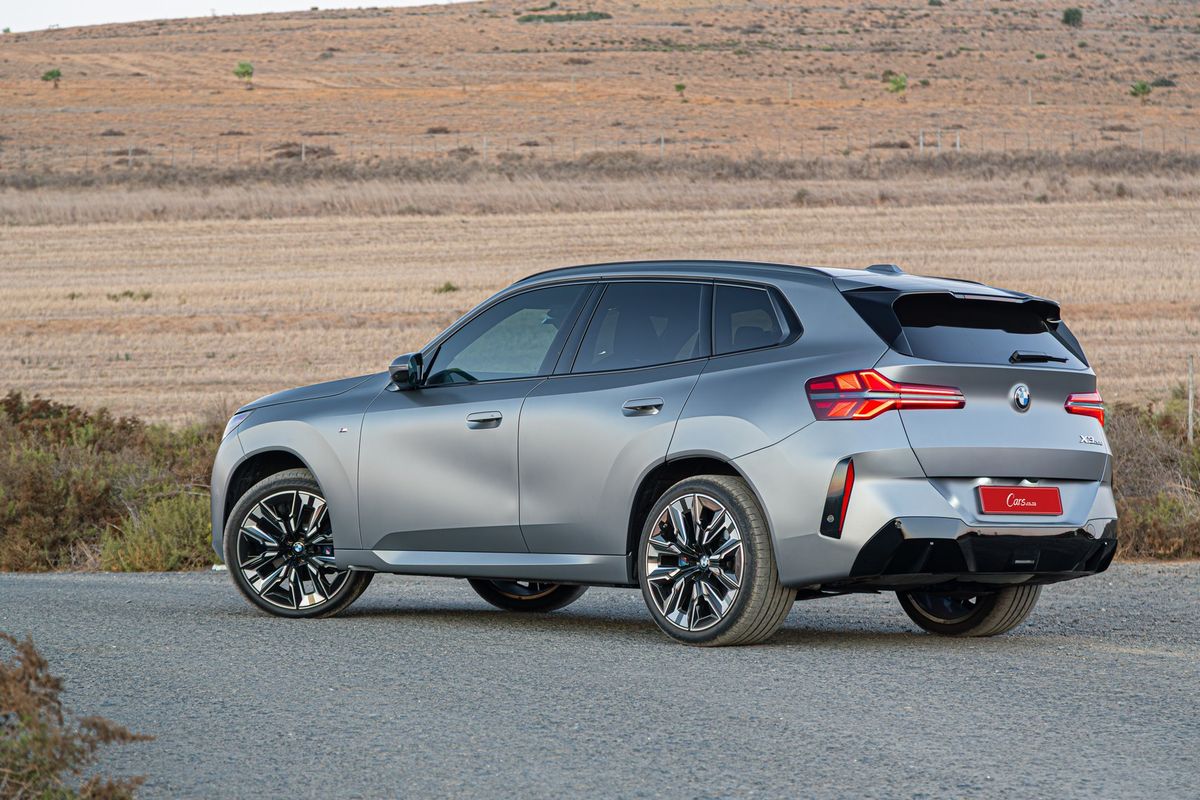
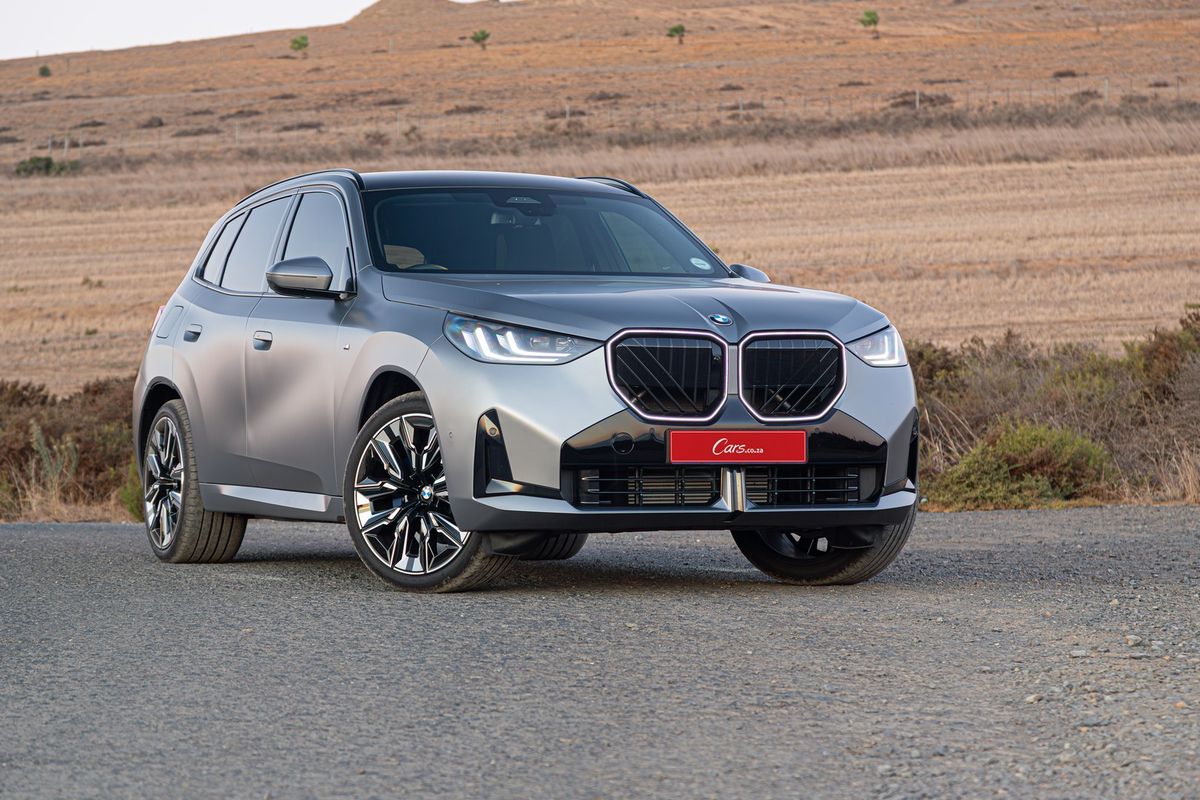
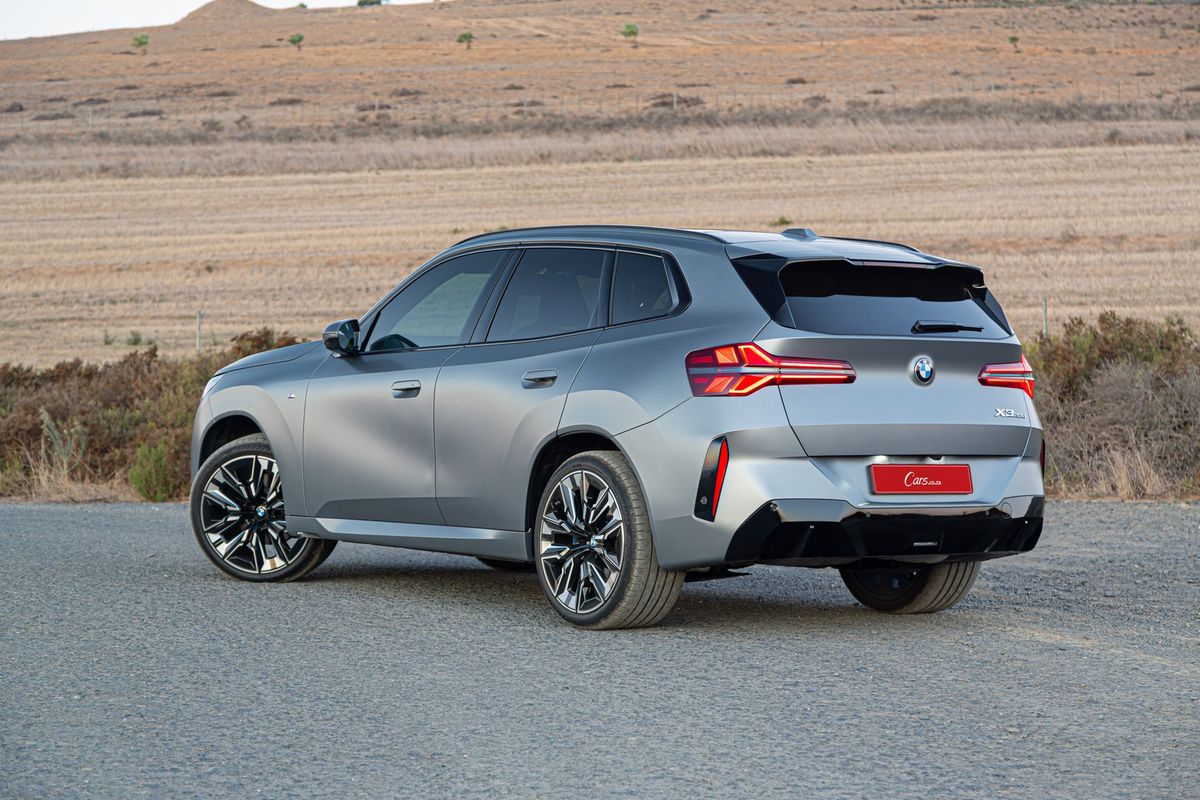
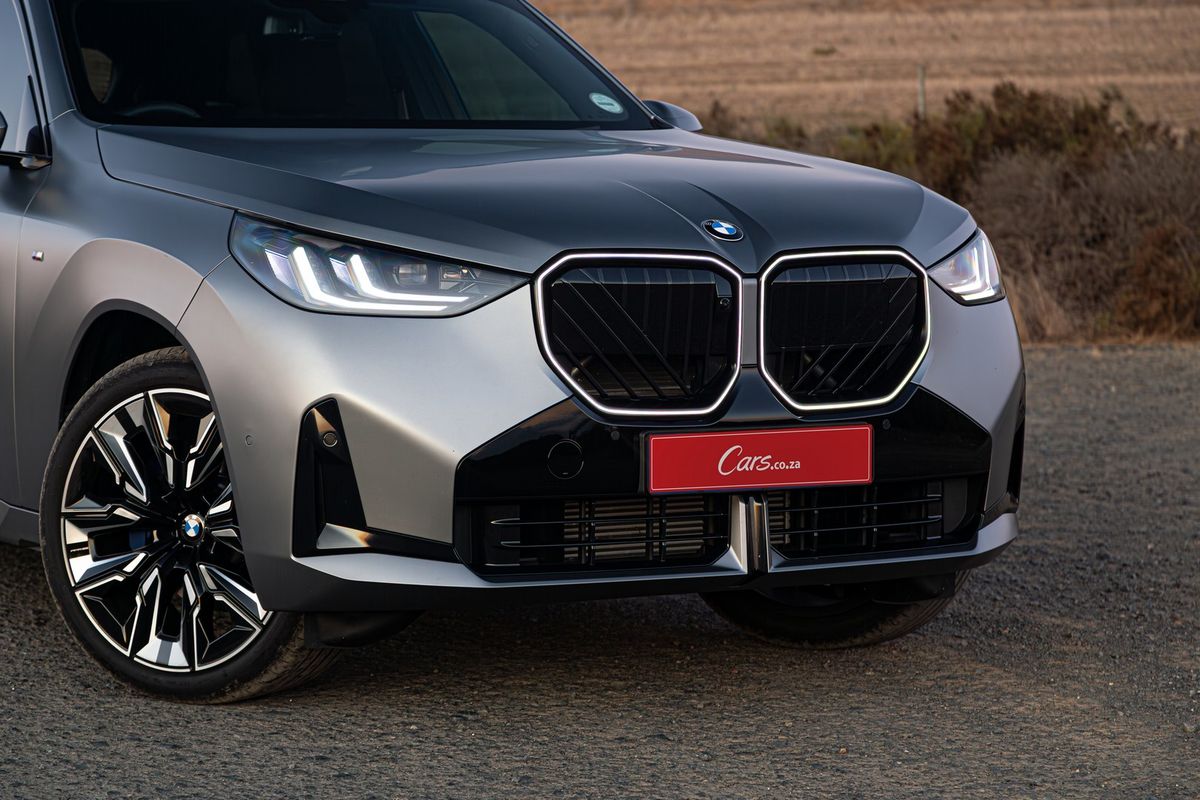
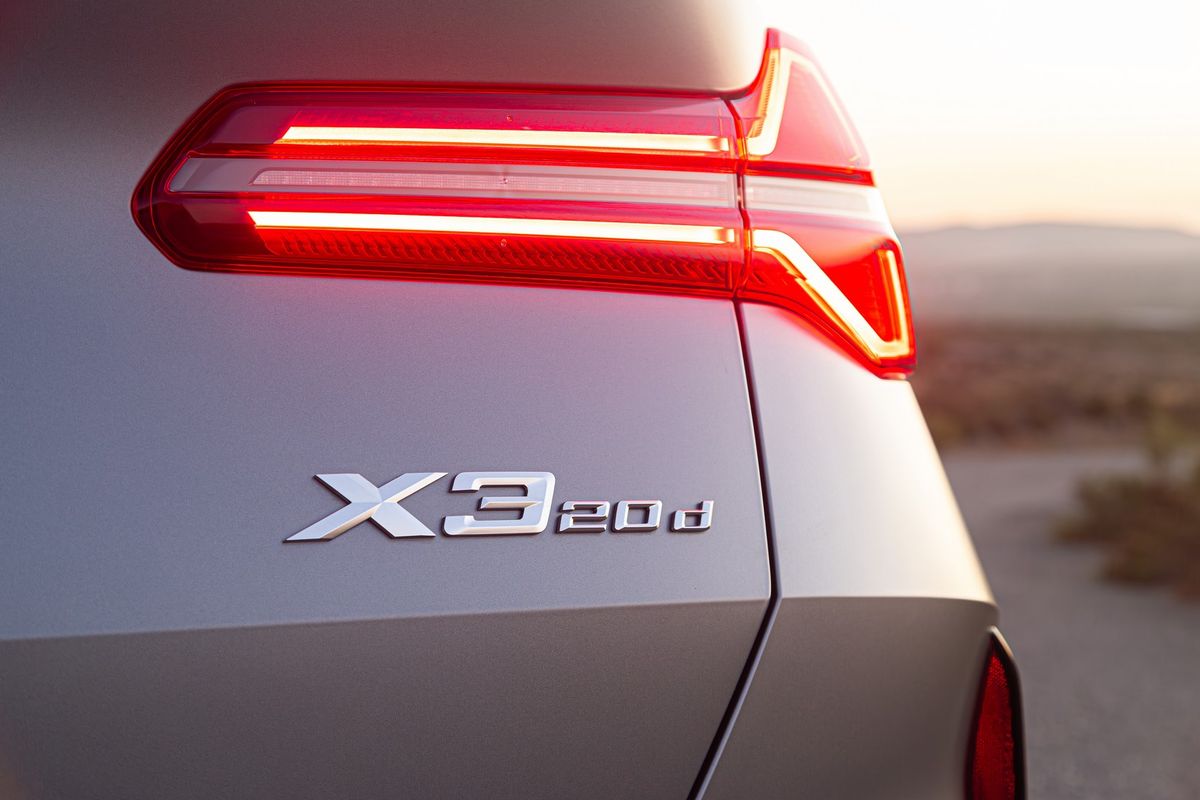
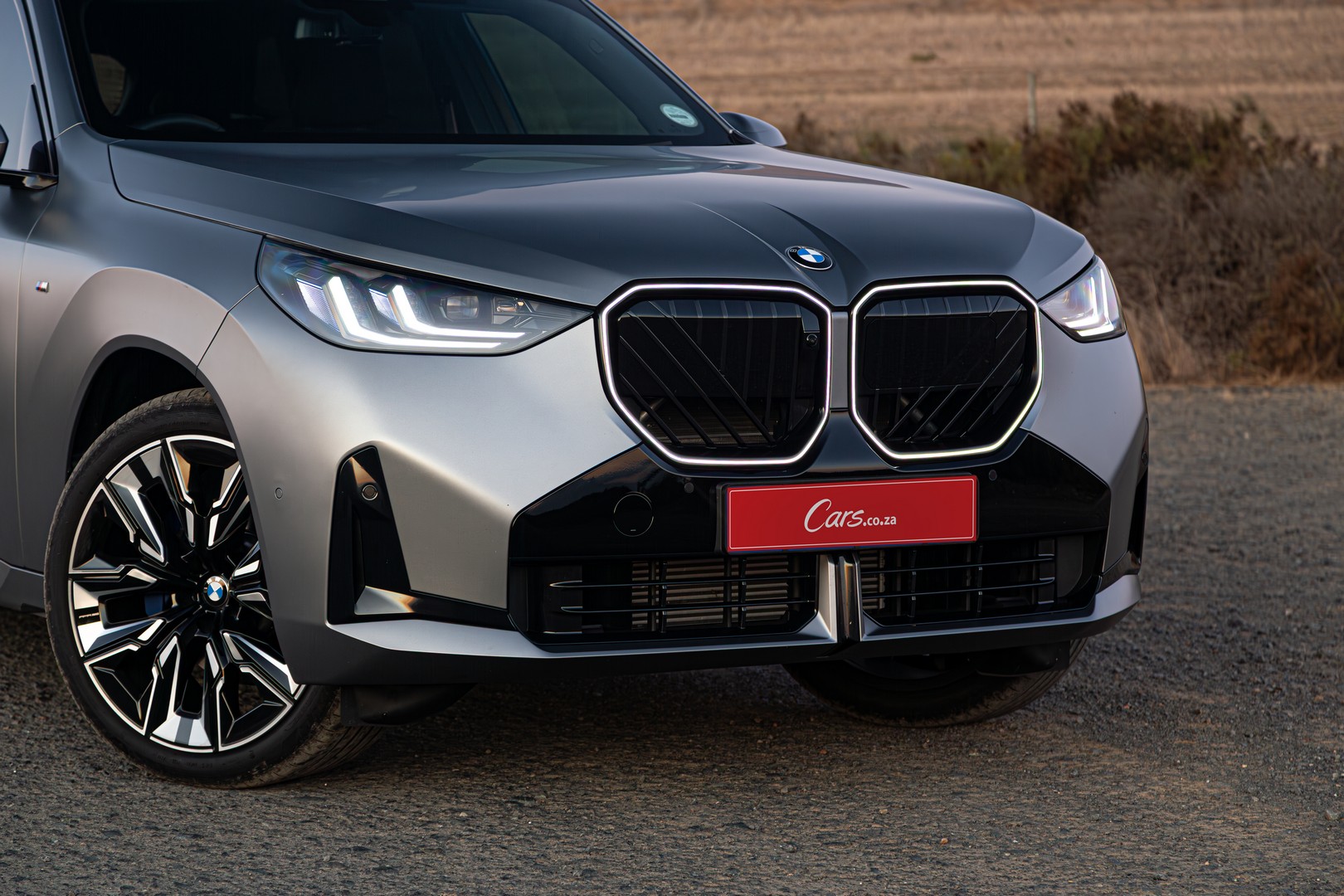
Its exterior design is another story. As the follow-up to the handsome G01-series X3, this model doesn’t hold quite the same visual appeal. Granted, the matte paint and larger wheels do help to a degree, and design is subjective, but our test team feels that elements such as the headlights and grille look fussy.
The front-end design, replete with an illuminated grille, is polarising.
If you have R1 million to spend on a new executive SUV, most of the models offered in this segment are good – and some are excellent. Therefore, separating the good from great is the major challenge…
The main rivals to the X3 are the Mercedes-Benz GLC and the Audi Q5, but it’s important to note that the latter will be replaced by an all-new model in late 2025. The Lexus NX was a 2024/25 Cars.co.za Awards finalist and well worth looking into if you favour luxuriousness over dynamism. You can also consider the Alfa Romeo Stelvio and the Volvo XC60, but bear in mind that those products are now past their prime.
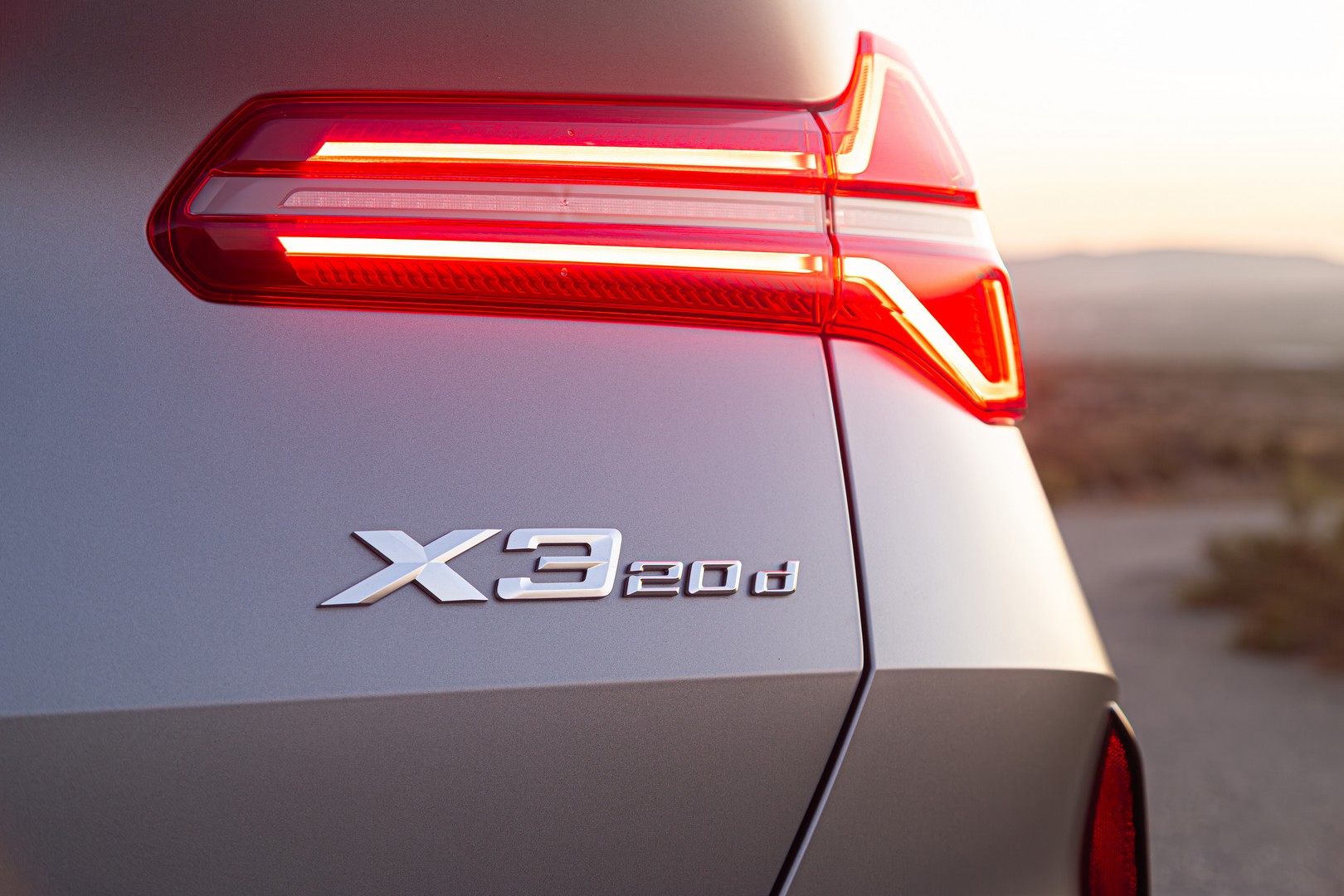
Our testers have always maintained that despite the excellent diversity offered by the range of BMW X3 powertrains, a 20d derivative is likely all the Executive SUV that you’d ever need. The G45-series X3 sees the addition of 48V mild-hybrid tech to its internal-combustion engines.
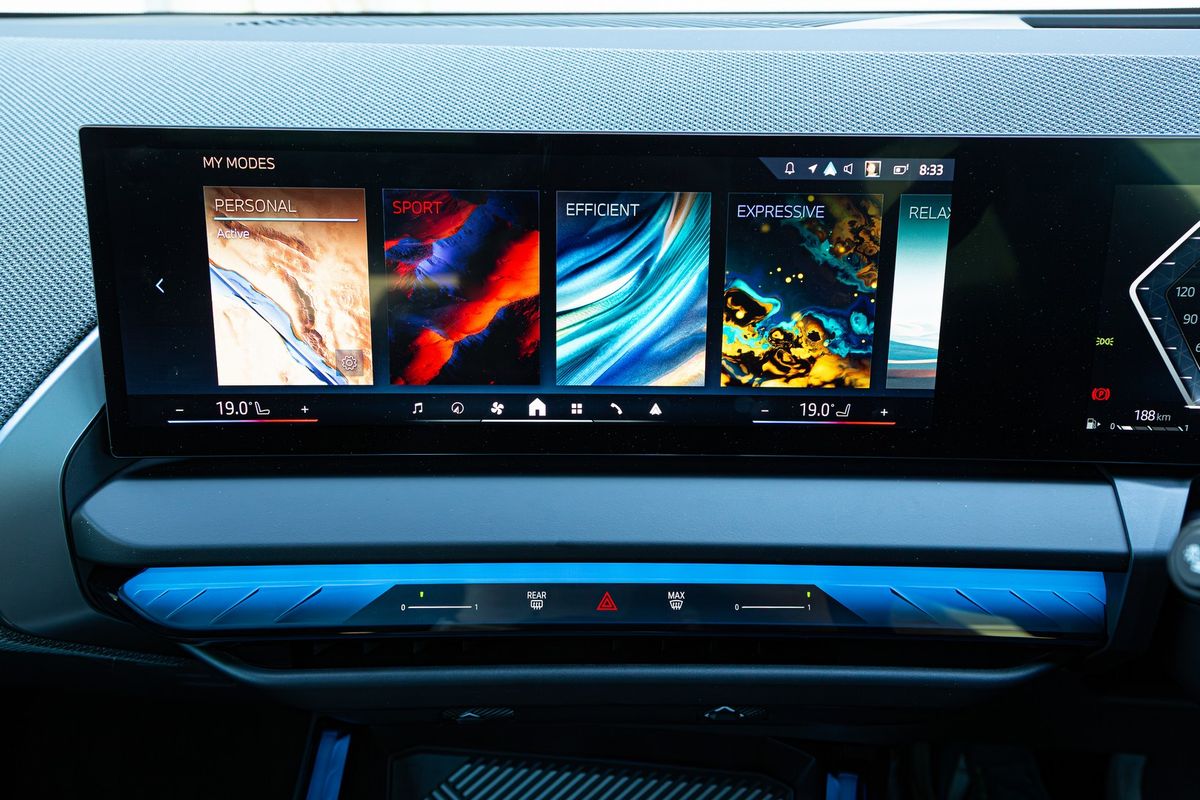
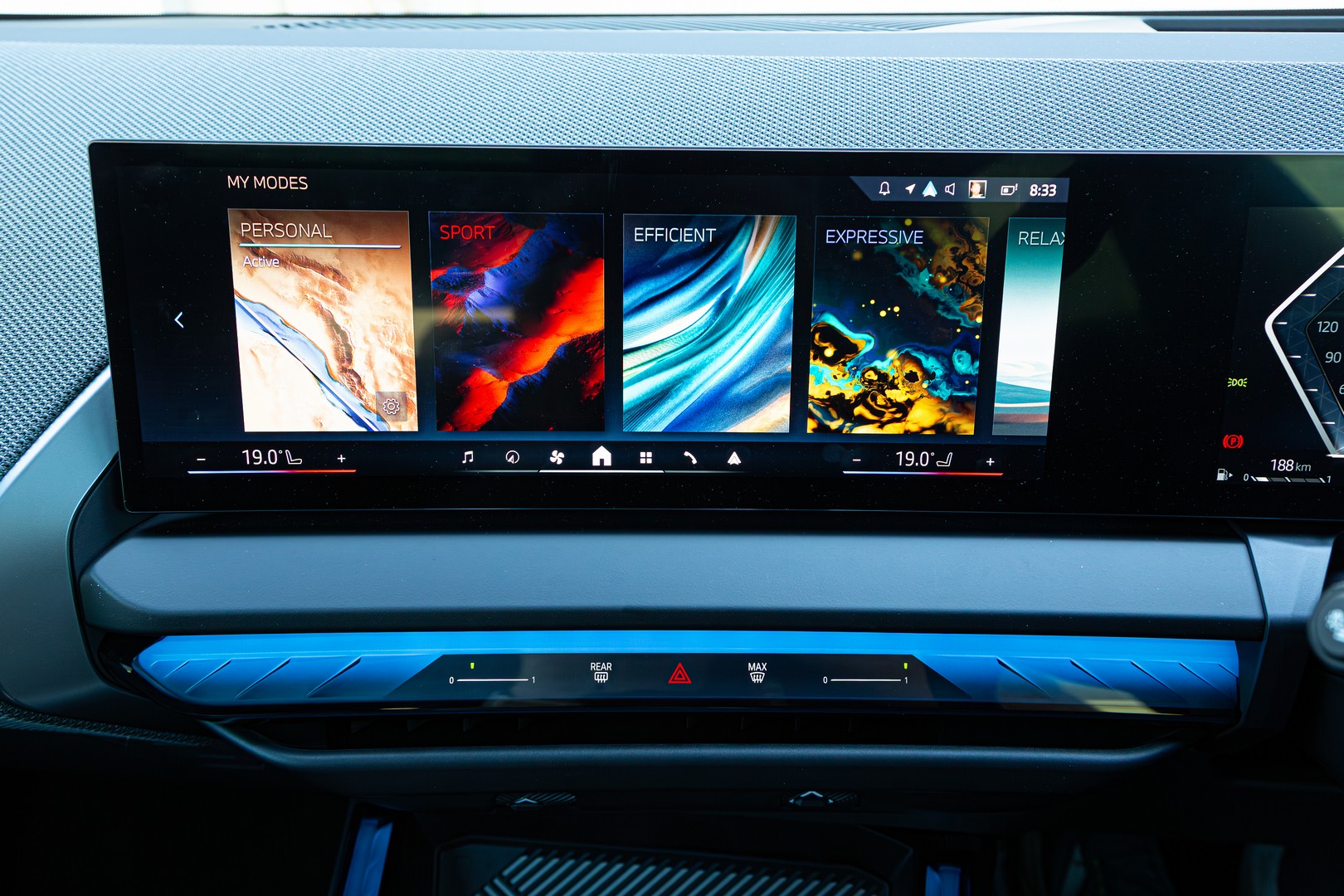
The BMW X3 offers a variety of drive modes and -moods that cover so much more than the basics.
The 20d’s 2.0-litre 4-cylinder turbodiesel produces 145 kW400 Nm, and the motor drives all 4 wheels via an 8-speed automatic transmission. There are various drive modes to choose from; they adapt the powertrain’s responses, as well as the cabin’s colour themes, but more about that a bit later.
On our test strip, things did not go as expected. Despite various attempts, the 20d xDrive M Sport test unit refused to activate its launch-start function – the best 0-100 kph time we recorded (8.57 sec) did not reflect the SUV’s performance potential (the manufacturer claims 7.7 sec). But, for what it’s worth, another publication set a time of 7.2 sec with the same vehicle. We don’t know what caused the glitch.
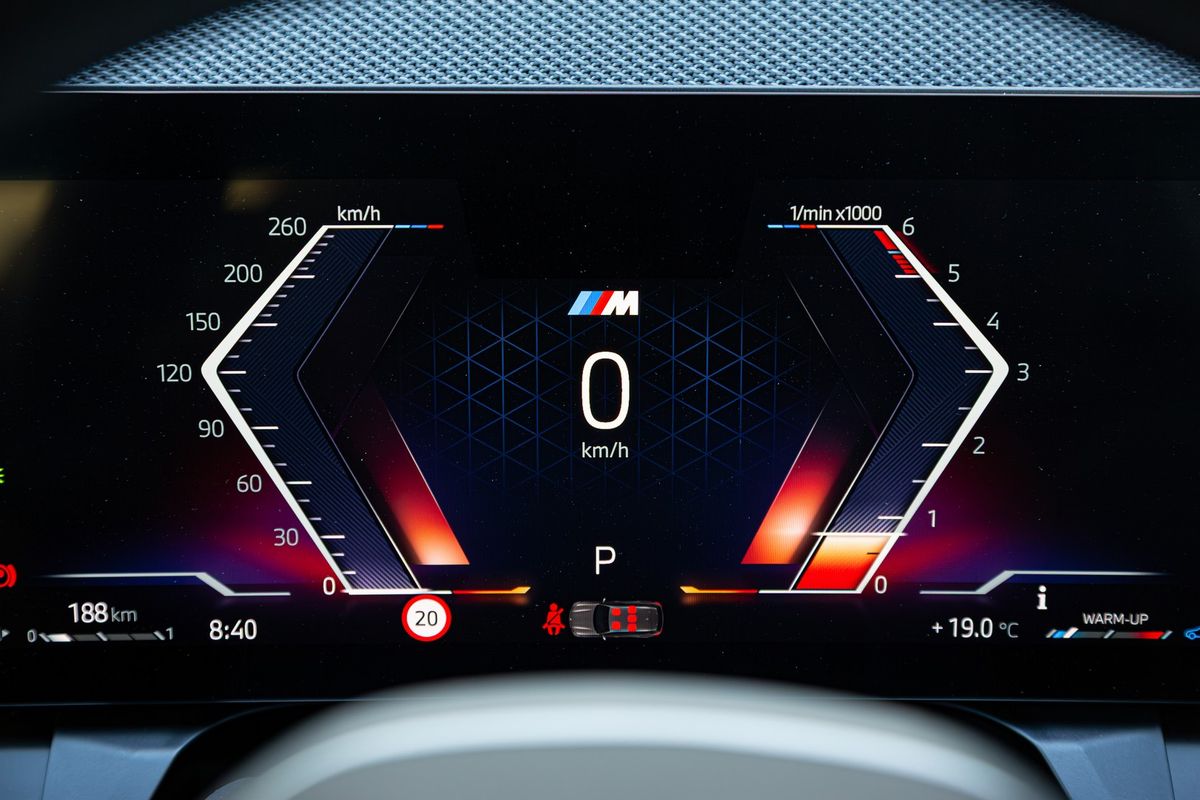
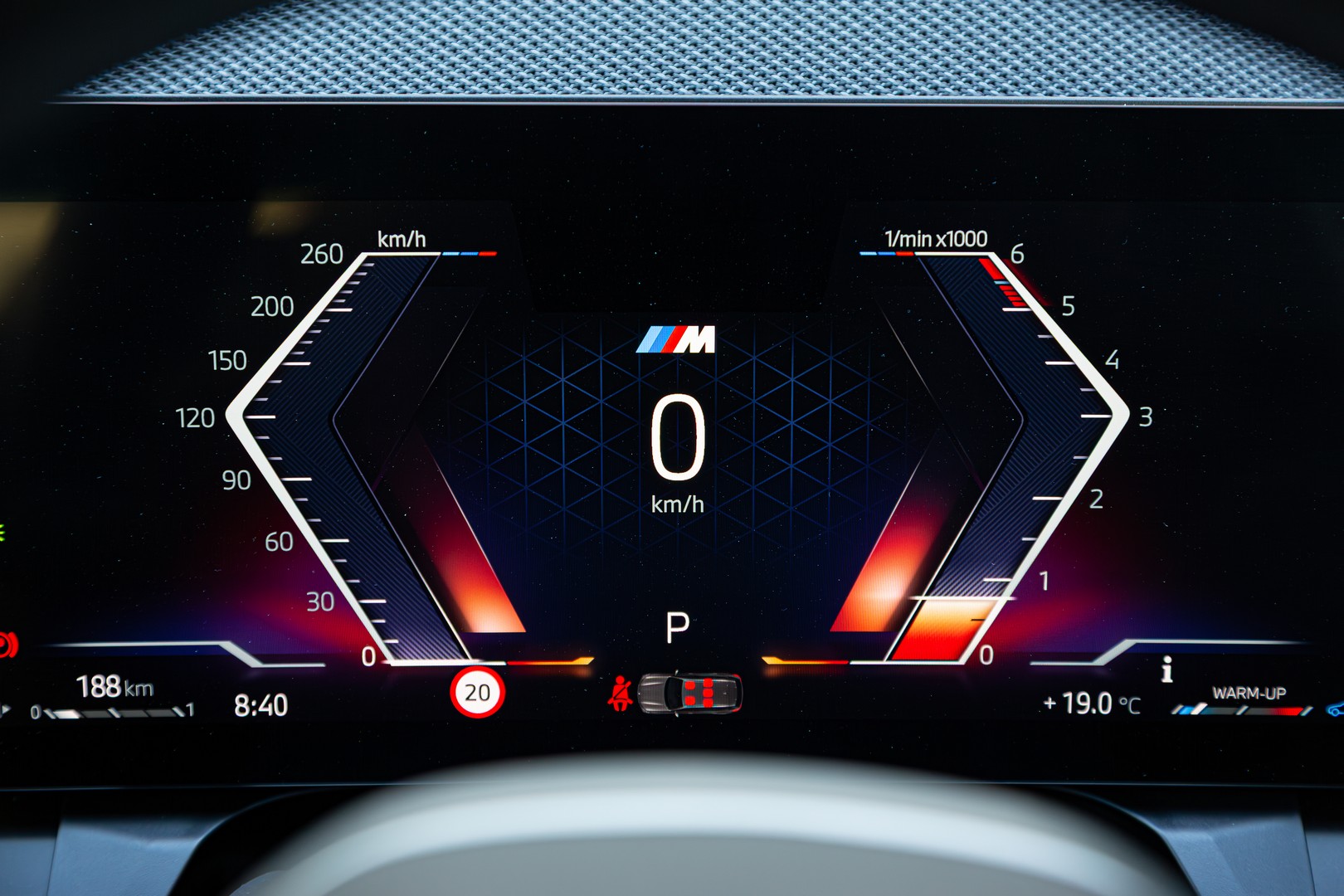
The instrument cluster adopts a futuristic aesthetic.
Fortunately, the Bimmer did not feel underpowered or lacking in urge at any point during its tenure in our test fleet. In its sportiest drive mode, the 20d xDrive M Sport‘s in-gear acceleration felt muscular and virtually instantaneous thanks to the hybrid system, which plugged any gaps in the torque delivery.
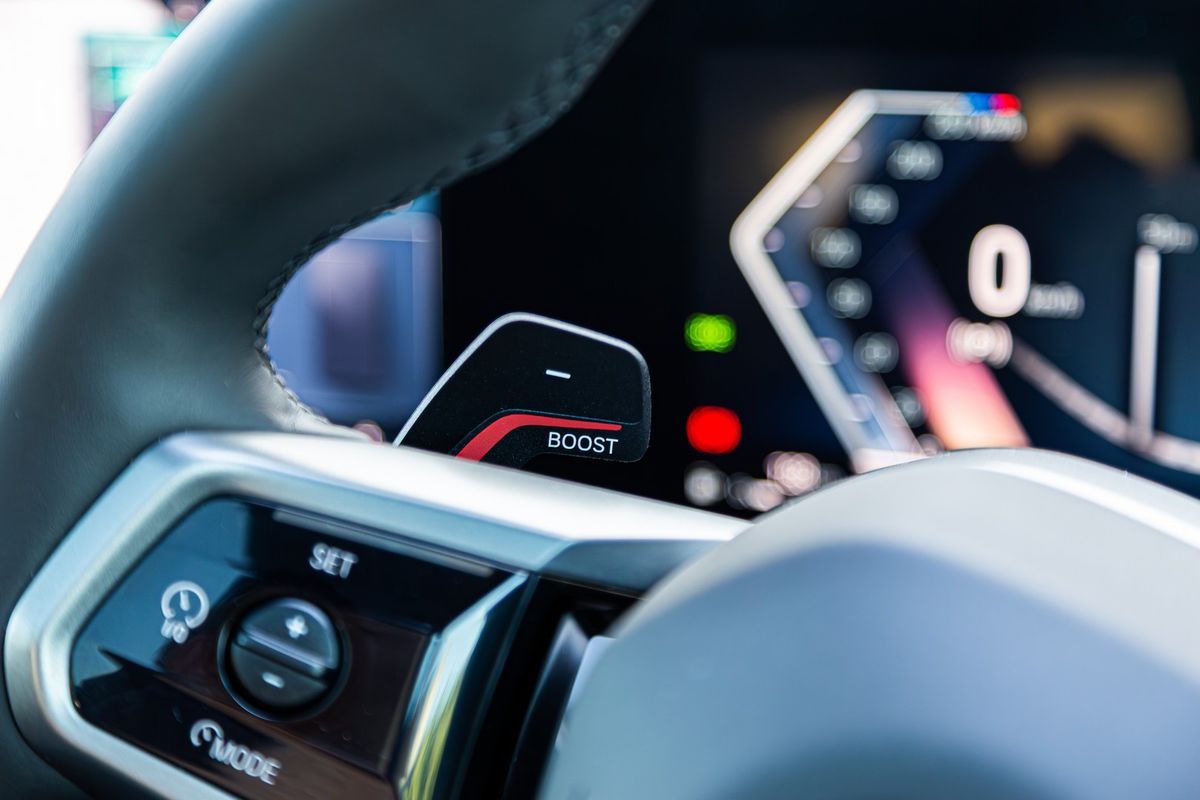
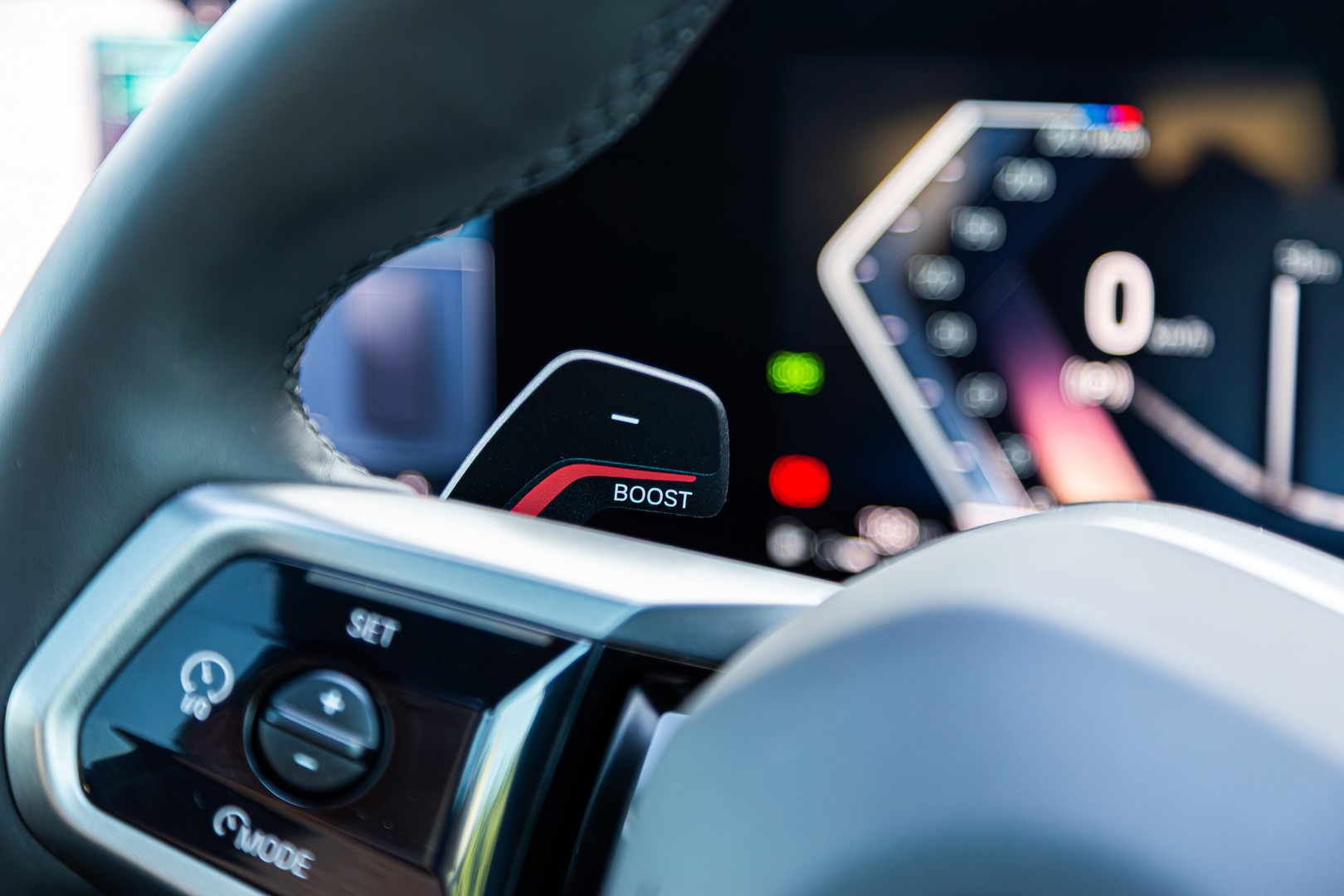
You can see an “e-boost” icon light up on the right of the instrument cluster when you accelerate hard. Also, if you need to summon all the power, simply hold the left shift paddle down for more BOOST: it will make the BMW engage its sportiest setting temporarily and bring up a red graphic on the digital cluster.
Hold the boost paddle to exact maximum thrust for 10 seconds.
If you want a 1-word description for the X3’s driving experience, it’s effortless. With plenty of shove available from low revs, there’s no need to mash the accelerator pedal – the 20d xDrive M Sport keeps pace with traffic with very little effort. There are nice-feeling paddle shifters on the back of the BMW’s multifunction ‘wheel, but the ZF ‘box is so well calibrated, they may gather dust from lack of use!
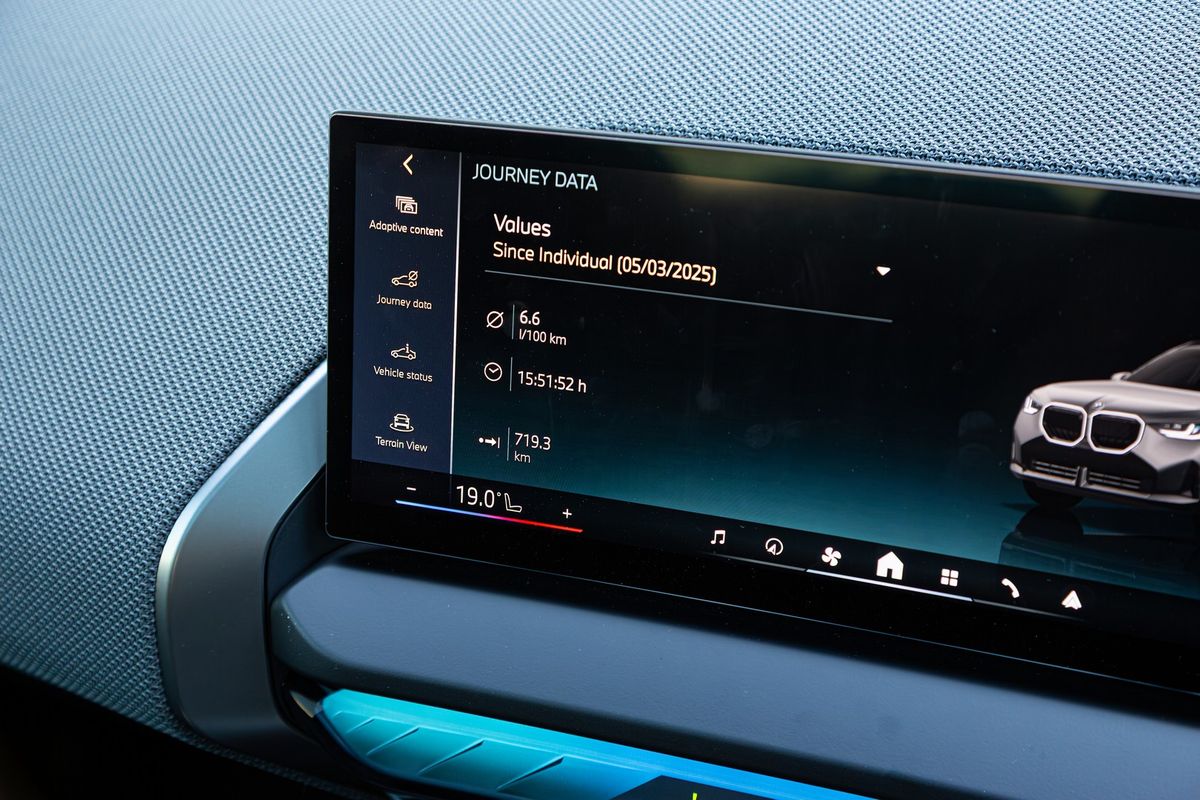
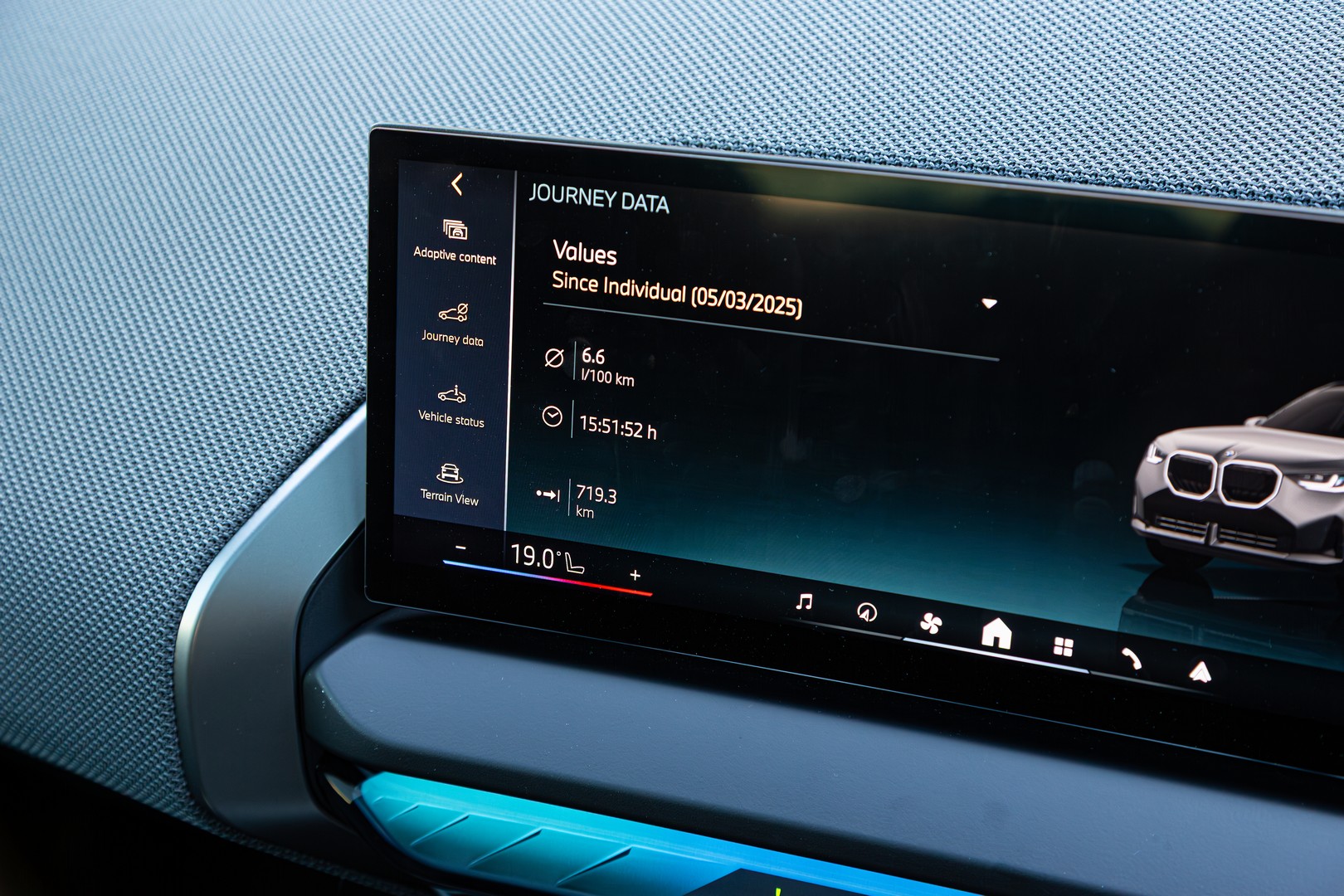
While keeping its revs as low as possible and leaning on its hybrid system in traffic, the 20d xDrive M Sportshould be very fuel-efficient – and it is! BMW says this variant ought to consume an average of 6.2 L/100 km (but carmakers’ claims tend to be too optimistic), yet after covering just over 700 km (during which we conducted performance testing and sat in a lot of traffic), the test unit indicated 6.6 L/100 km!
By the time we returned the X3 to its minder, it indicated an excellent average consumption figure.
With its 60-litre tank, the turbodiesel variant has a theoretical range of 968 km, but on its 1st day in our fleet, the fully-fuelled BMW (in its most efficient setting) indicated a distance to empty of over 1 000 km.
Ride and Handling
Given its versatile luxury family car role, the G45-series X3 is expected to handle competently on and off-road, but without sacrificing much in the way of ride (or cabin) refinement. The X3 nameplate has an admirable reputation in that regard; even the base variants of previous models have been engaging to drive briskly, yet retained notable composure on urban trips (such as the school run) and long journeys.
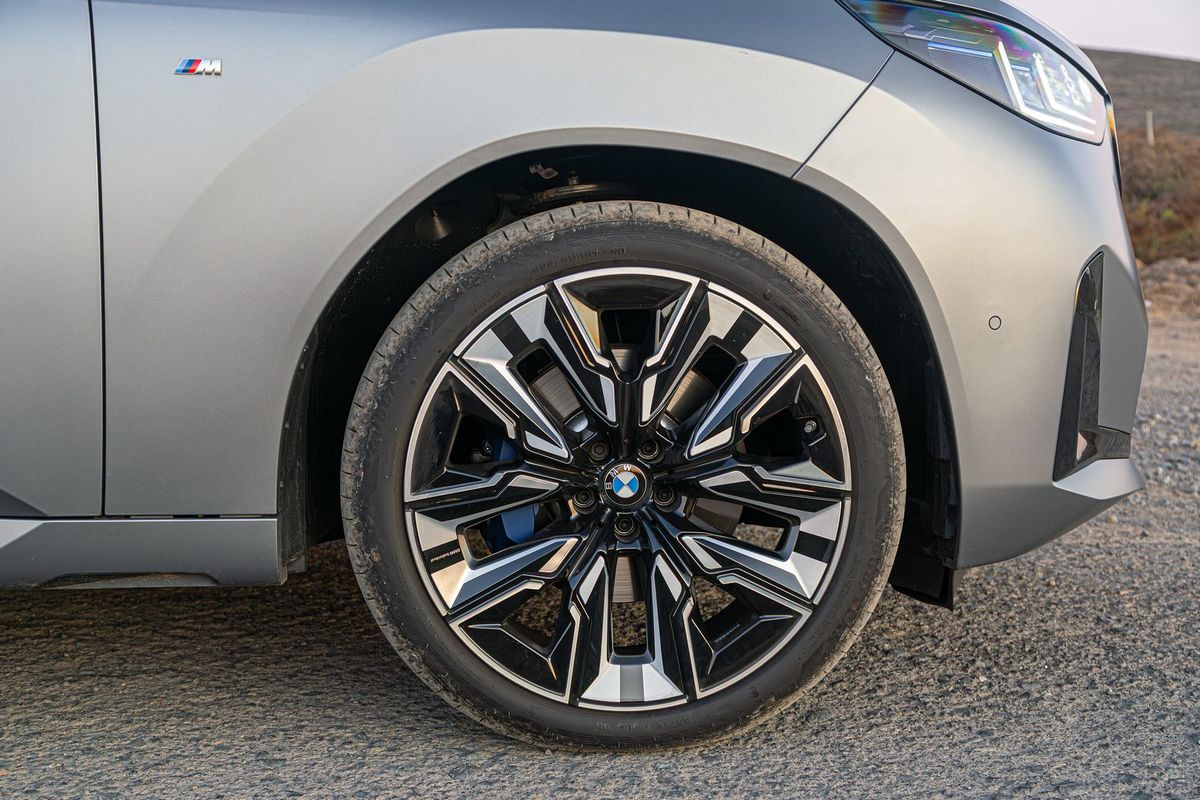
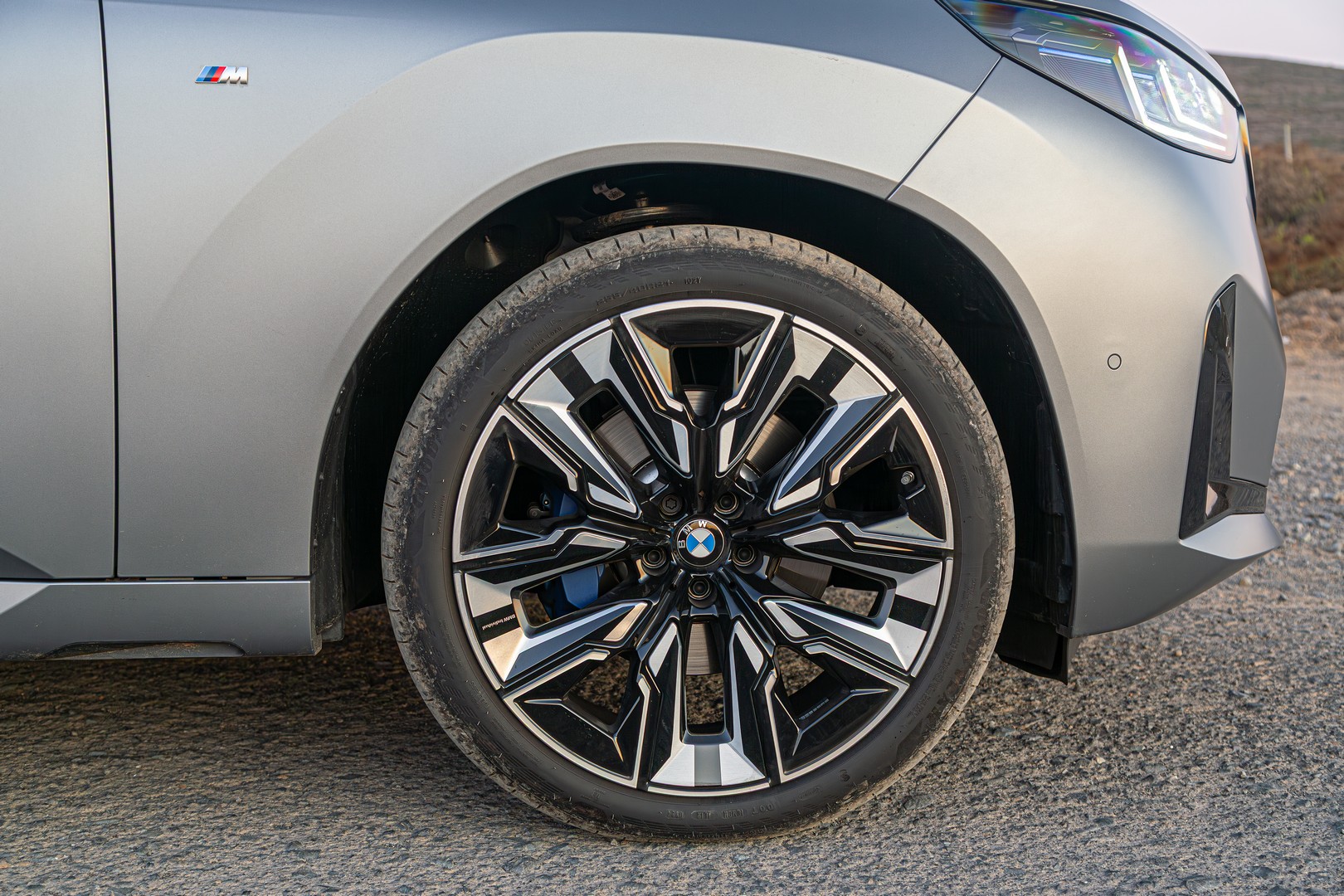
The BMW Individual 21-inch alloy wheels are a R30 000 option.
With just over 200 mm of ground clearance, the X3 is useful on gravel. However, if you’re going to be travelling extensively off-tar, we’d suggest opting for smaller rims with higher-profile run-flat tyres.
The optional aero-optimised 21-inch alloys wrapped in 255/40 Goodyears look great, but the low-profile tyres will be vulnerable, given the poor condition of some SA roads. Remember, there’s no spare tyre.
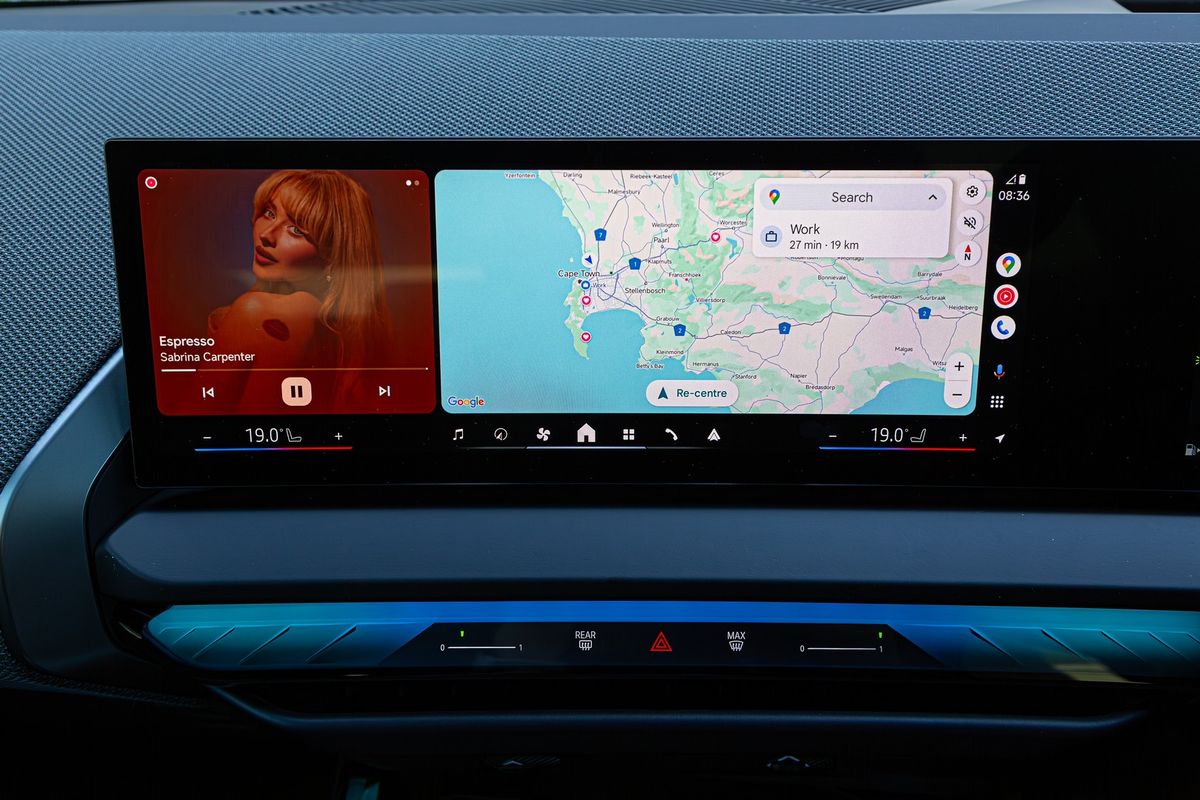
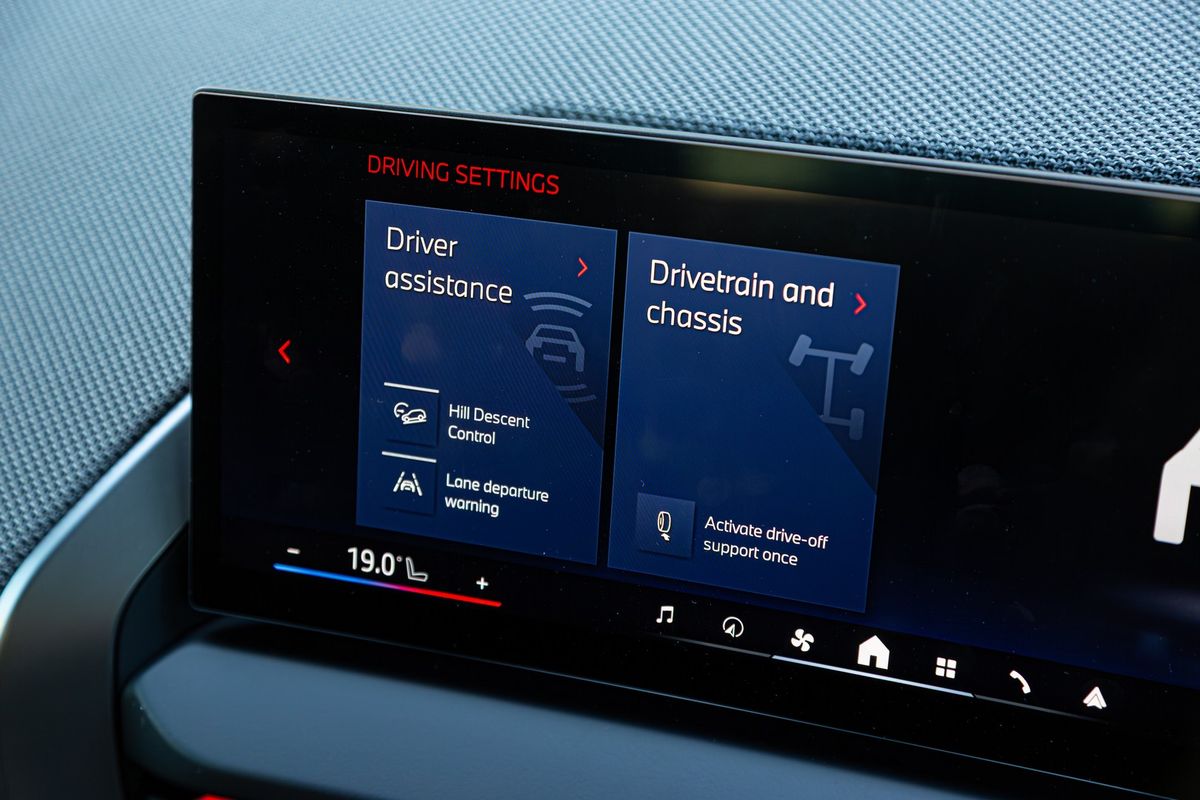
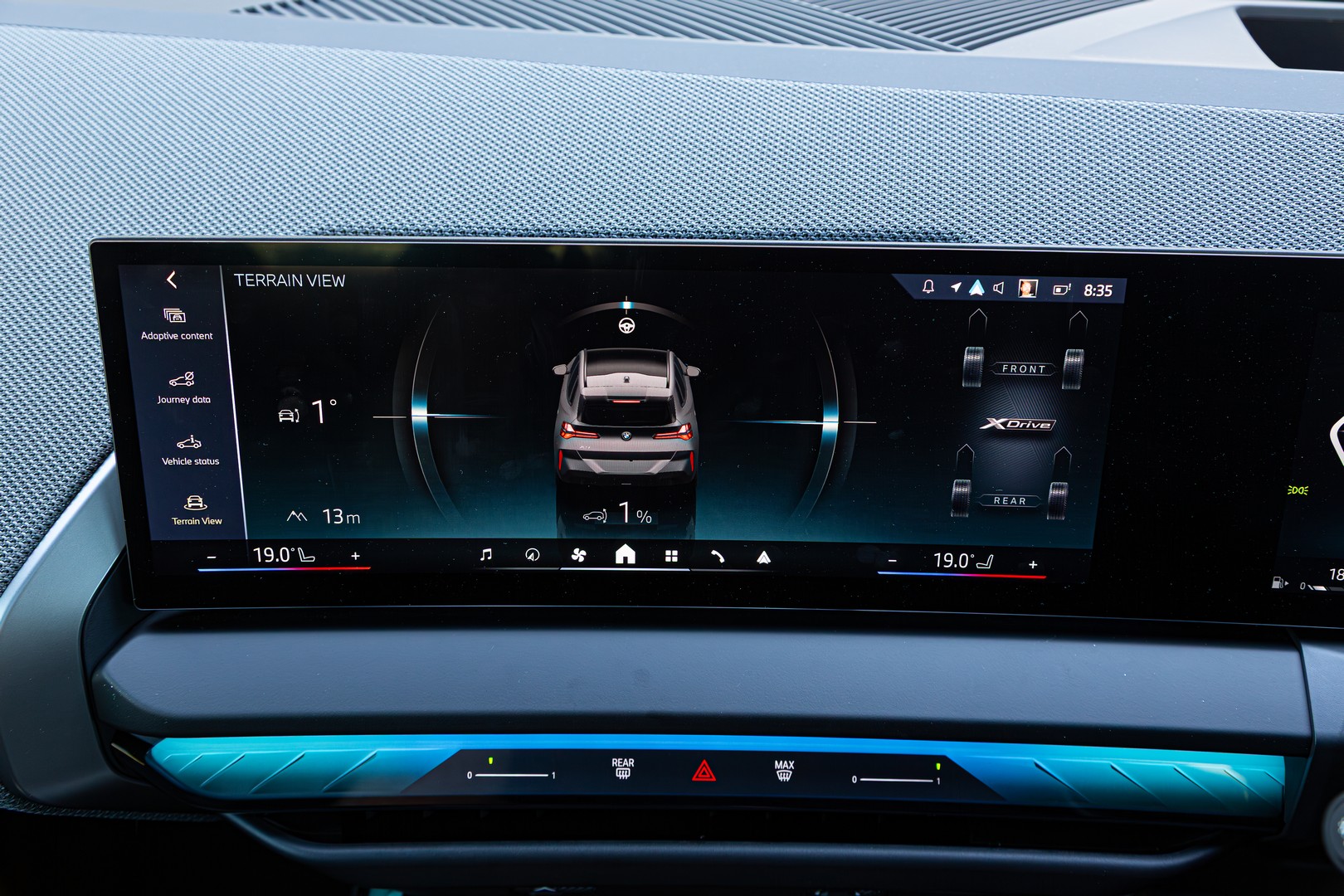
The infotainment graphics are crisp and detailed.
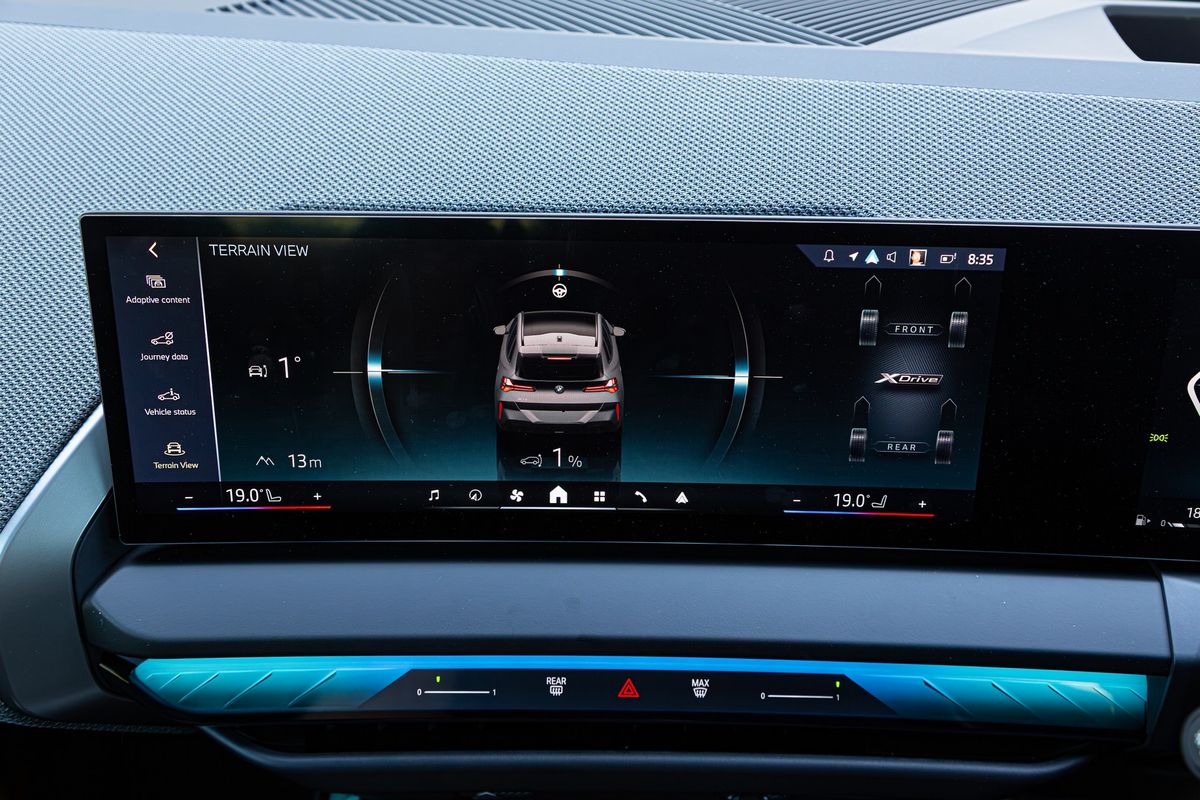
All G45-series X3s have all-wheel drive; previously, some (sDrive-badged) variants had rear-wheel drive only. The xDrive system splits propulsion 40% to the front axle, with 60% to the rear, but when the BMW loses traction, torque can be redistributed to the axle that has the most grip. This is useful when driving on loose surfaces, like dirt roads, but will also help keep the SUV surefooted when tar roads get slippery.
The M Sport trim grade includes a sportier (relatively stiffer) suspension setup, which does enhance this variant’s handling ability, but it’s something to be mindful of if you value on-road comfort. You see, with larger wheels and sporty damping, the X3’s ride quality can get a touch uncomfortable on coarser road surfaces. When the suspension absorbs road-surface impacts, they will thud through to the cabin.
All-wheel drive is now standard across the range.
As for the 20d xDrive M Sport‘s steering setup, it feels responsive, direct and confidence-inspiring (for a less-than-compact family car) – it’s easy to place the X3 on the road accurately. Because it offers such a hands-on driving experience, the X3 is likely to appeal to buyers who appreciate driver engagement.
Practicality and Features
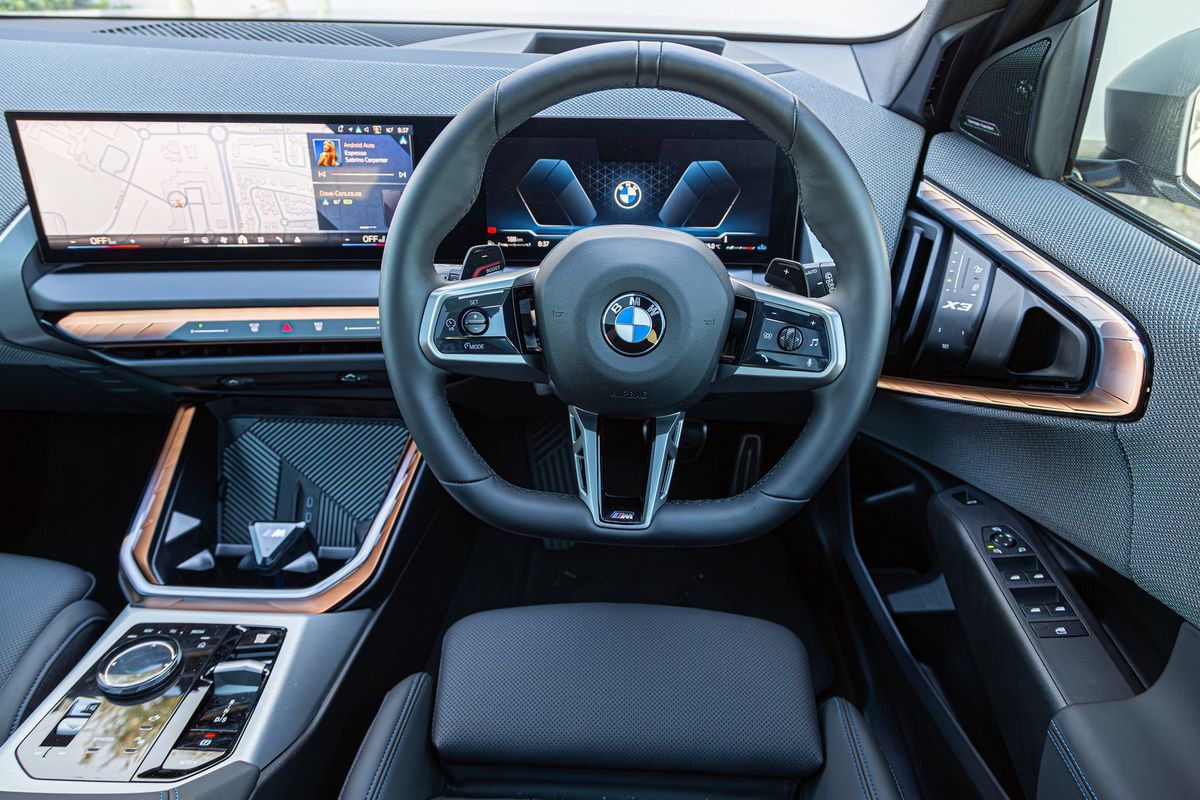
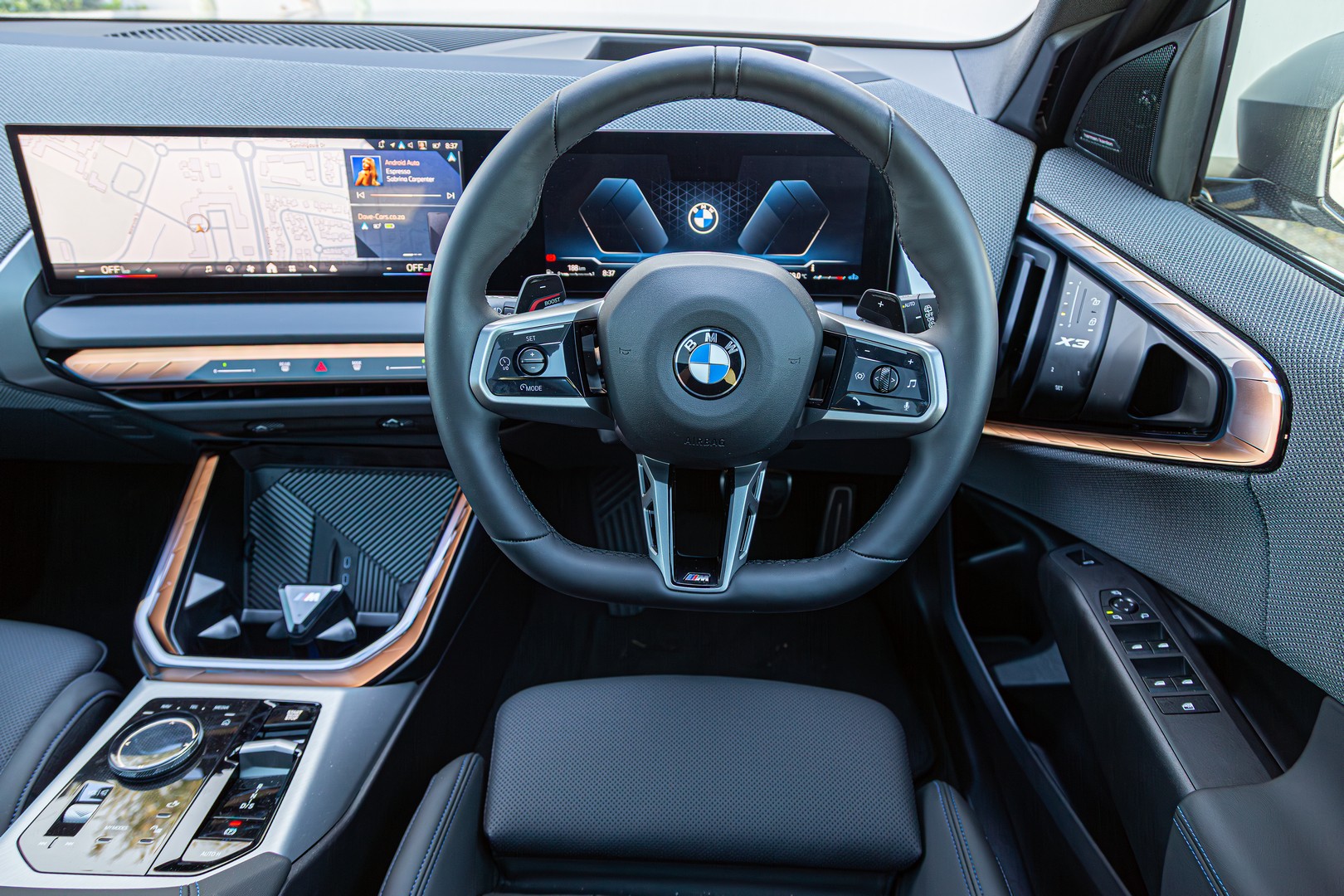
The G45-series BMW X3’s cabin design represents a visual overload, with a plethora of illuminated surfaces and angular cutouts and panels; it seems several elements were lifted from the flagship BMW iX electric SUV. No, we’re not in the G01 anymore, but general ergonomics are sound. The cabin’s layout favours a minimalist approach, but all critical functions are located right where you’d expect them to be.
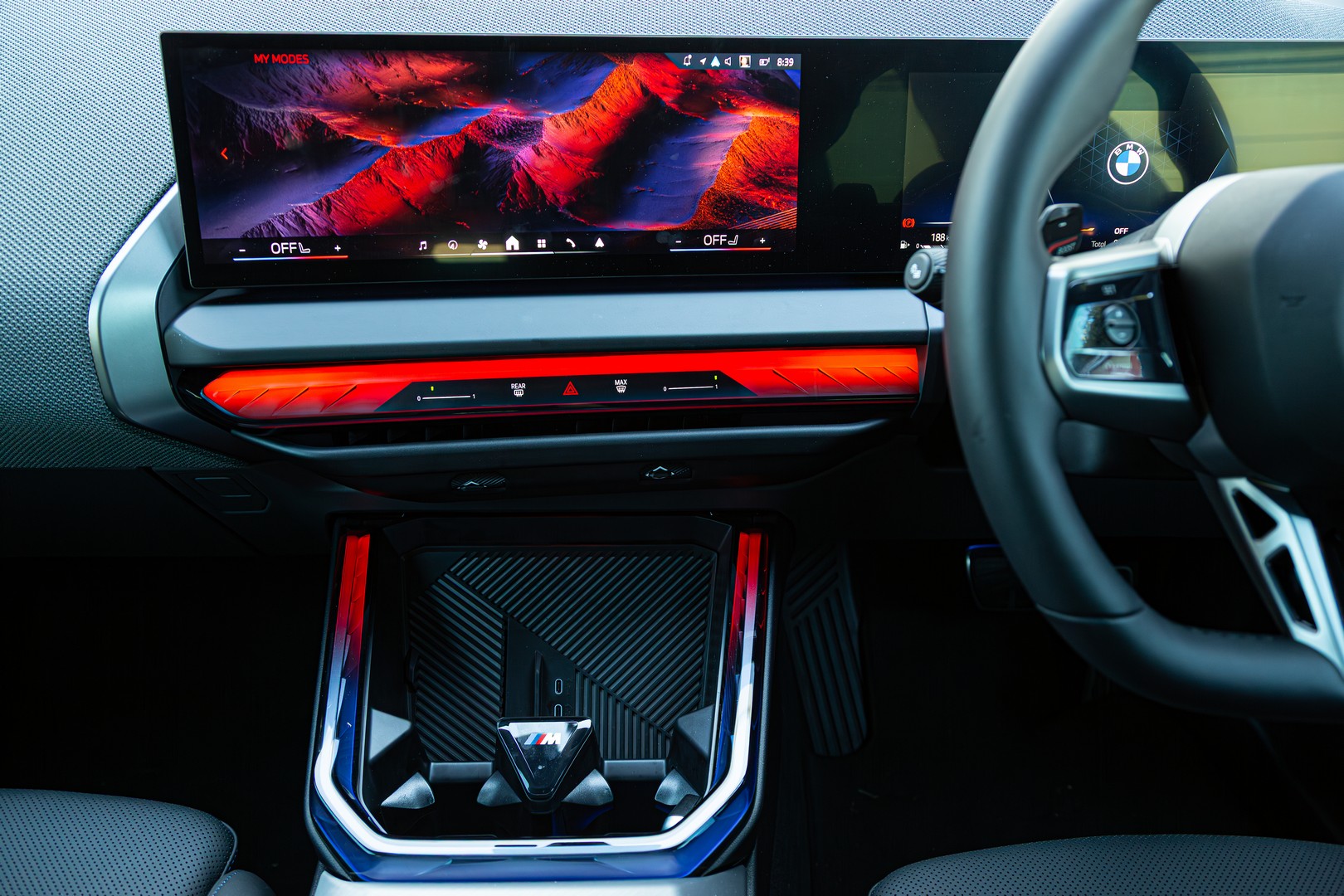
The BMW X3’s fascia is a progressive, futuristic design, with panels that light up. It feels very premium in the main.
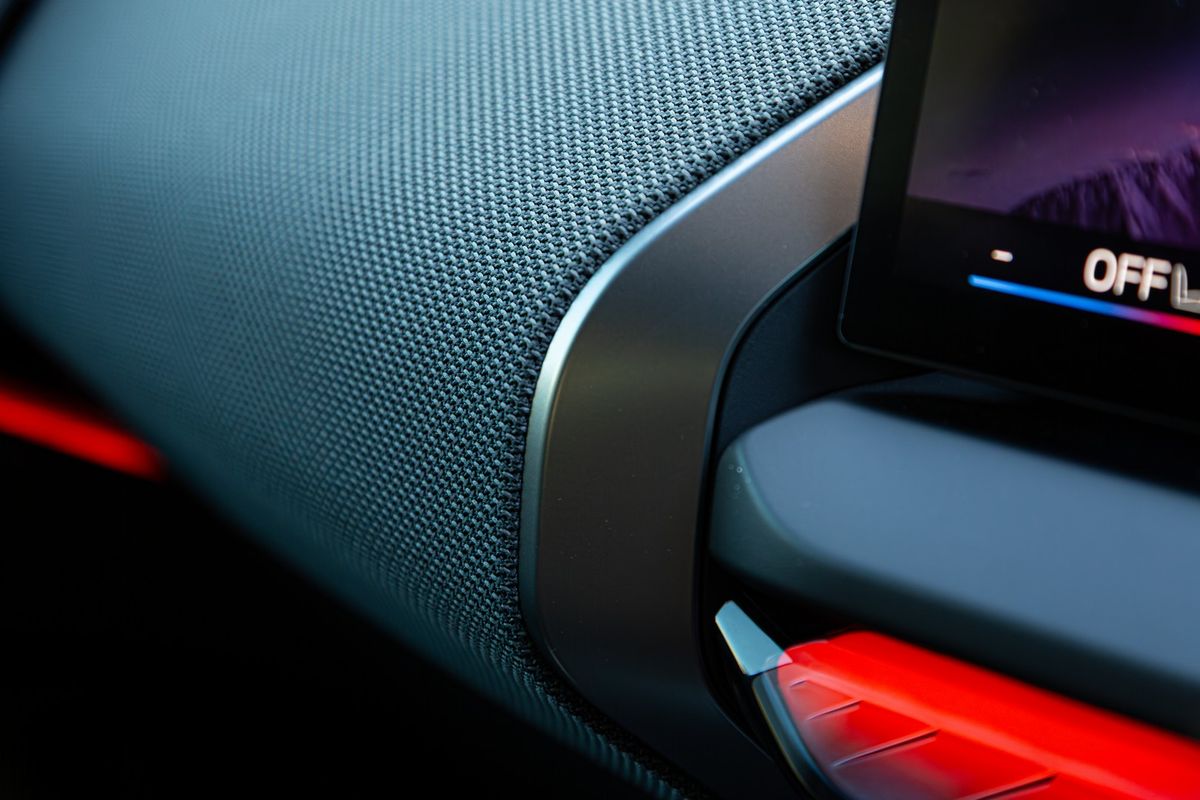
As in most contemporary BMWs, the build quality is suitably premium. Areas that are likely to be touched often feel plush and substantial, and recycled materials are cleverly applied to cover up swathes of black plastic: the dashboard, for example, is wrapped in a textured fabric made from recycled fishing nets.
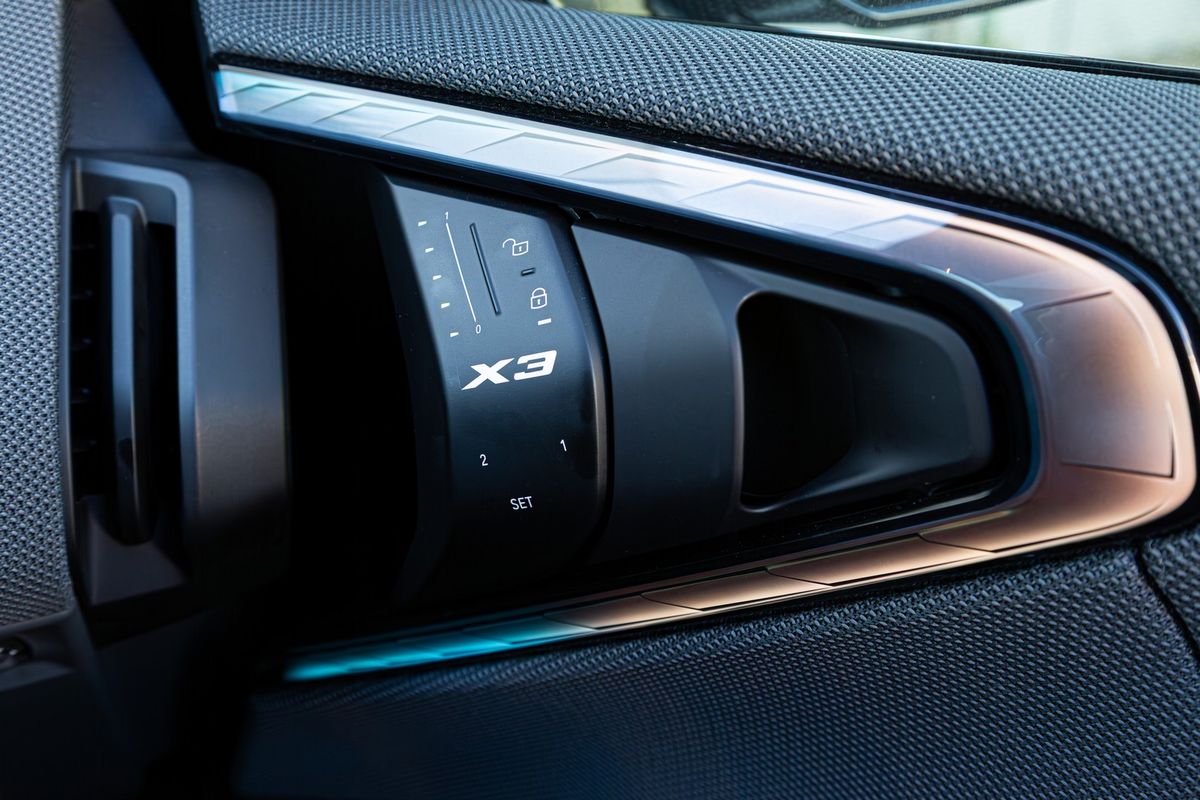
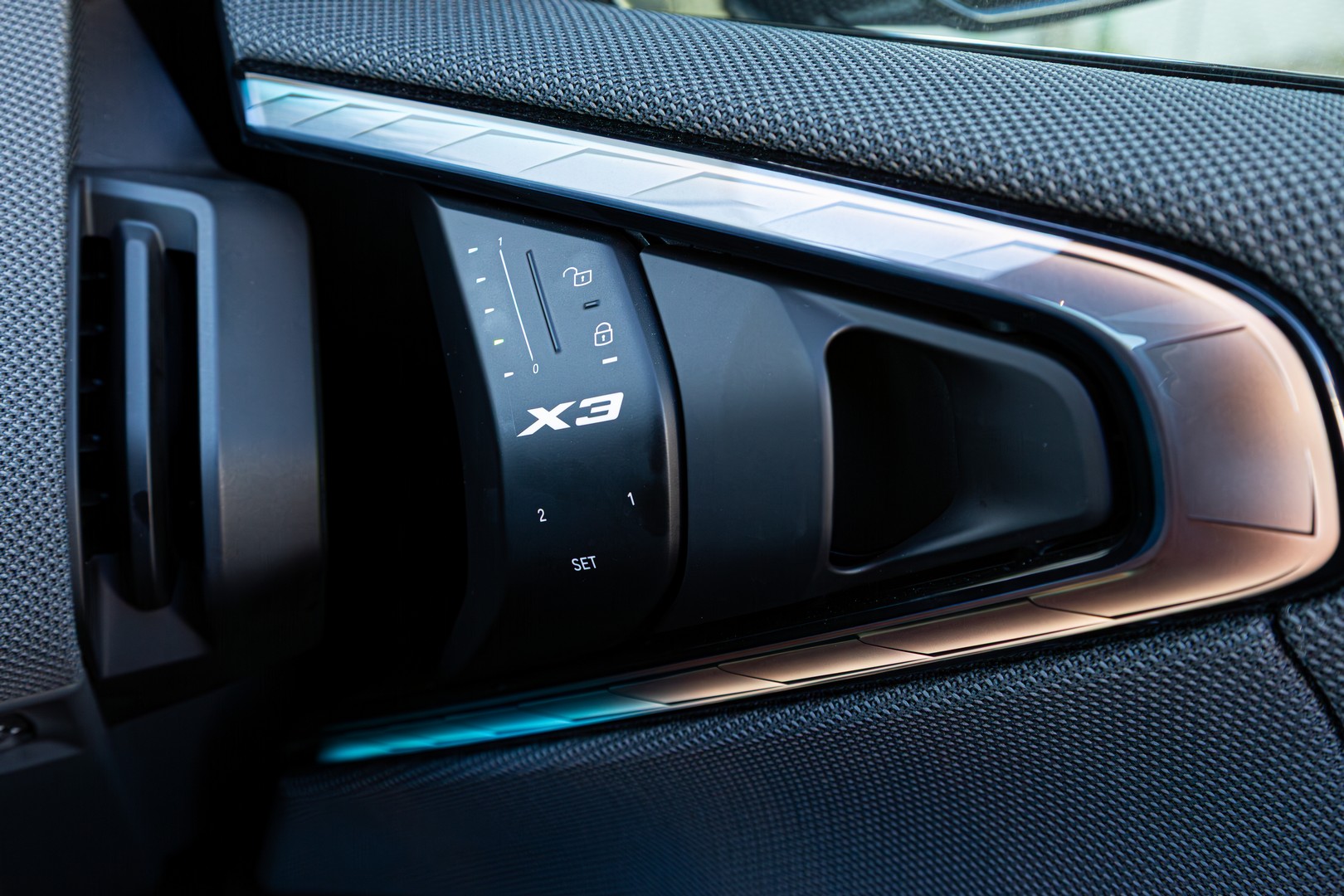
However, some elements, such as the door-mounted ventilation controls, feel marginal. We appreciate BMW’s novel execution of a mundane function, but it’s not user-friendly. Granted, the trim’s supposed to move, but it feels flimsy and out of place. We’ve been in a few G45-series X3s – they all have this quirk.
The panel that combines ventilation-, central locking- and seat position memory controls feels flimsy.
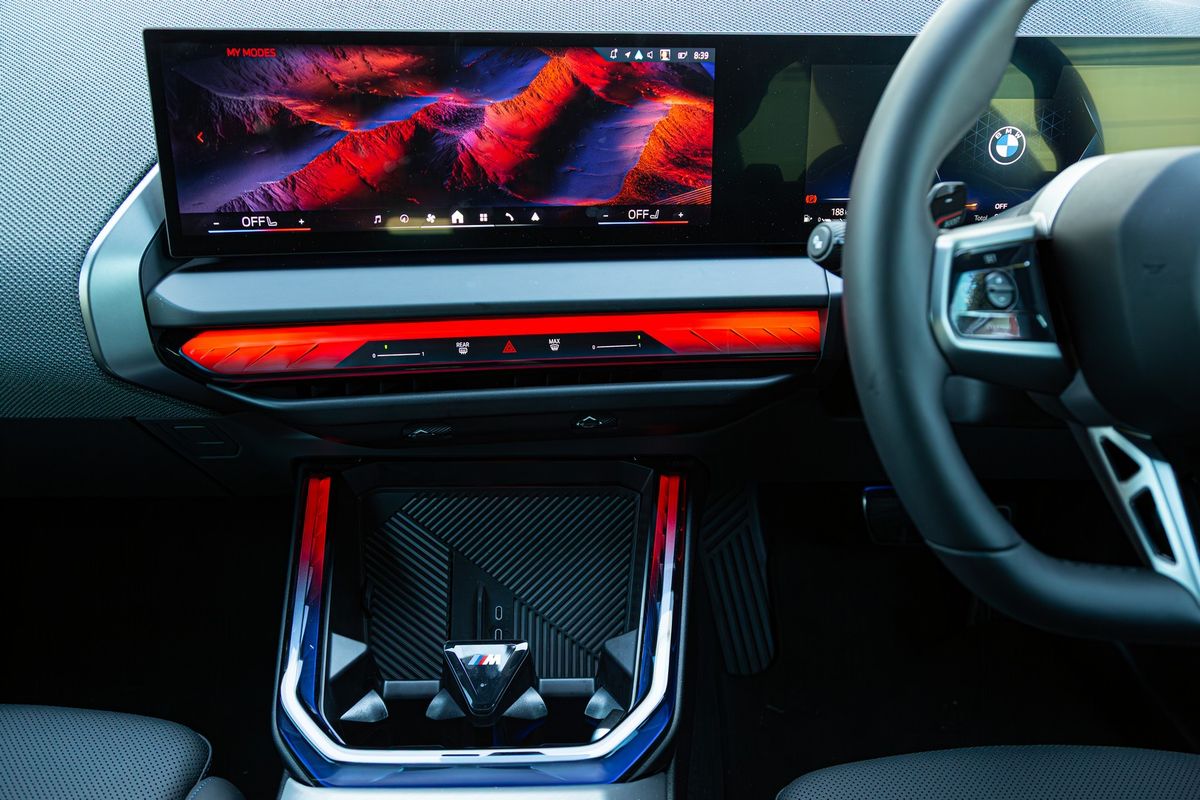
We’d also like to discuss the G45-series X3’s elaborate in-car ambient lighting. Yes, a futuristic cabin lighting setup will always be a talking point, but at what point does a brilliant lightscape go too far?
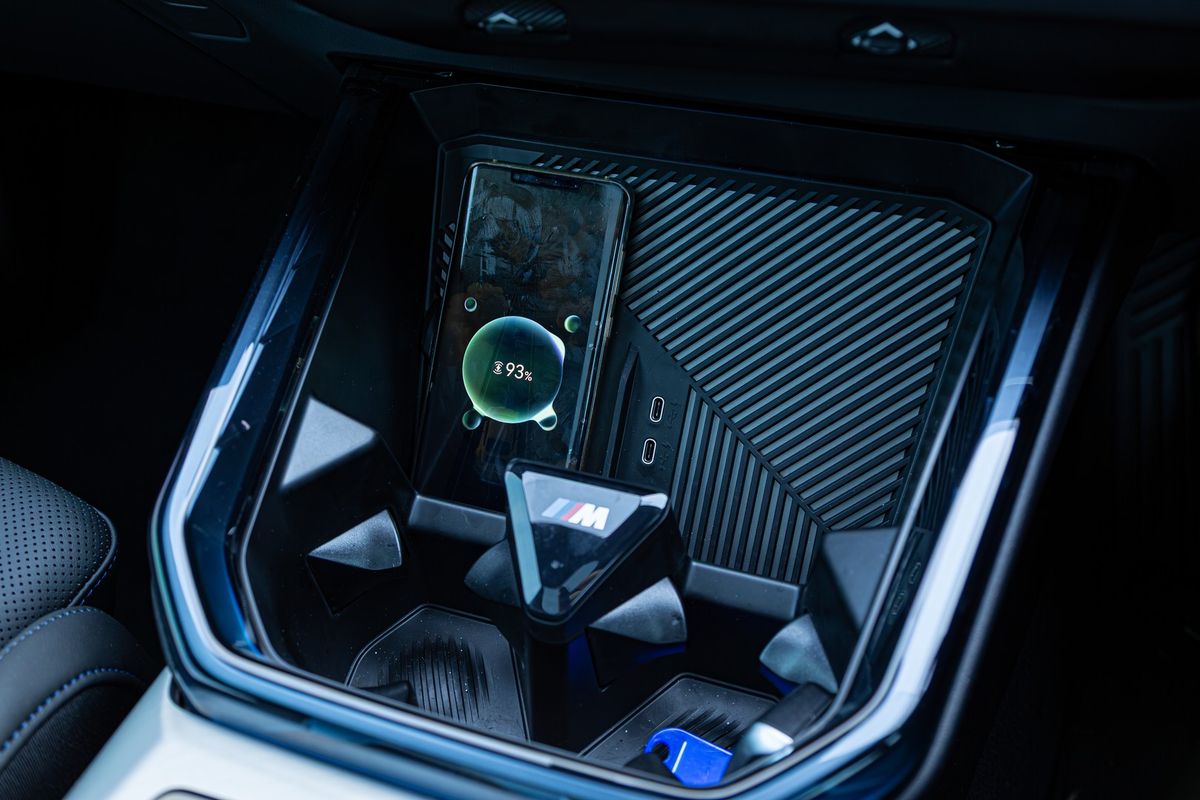
Every drive mode (or -mood) has a distinct theme. When Sport mode is active, the infotainment and instrument screens assume a red theme, which extends to the doors, centre console, and the wireless charging cradle! If you activate the hazard lights, most of these panels also flash in time. It’s a bit much.
The plethora of lighting themes is overkill, in our opinion.
Fortunately, beyond the, um, flashy light show, the 20d xDrive M Sport‘s cabin retains all the practicality that has endeared the model to our team and owners of previous generations of BMW’s executive SUV.
The X3’s wheelbase length and load capacity (570 litres) are on par with other models in the segment (top honours go to the GLC), but the BMW has the edge when the rear seats are folded. The claimed utility space is 1 700 litres, which is useful for loading up mountain bikes, golf clubs and push chairs.
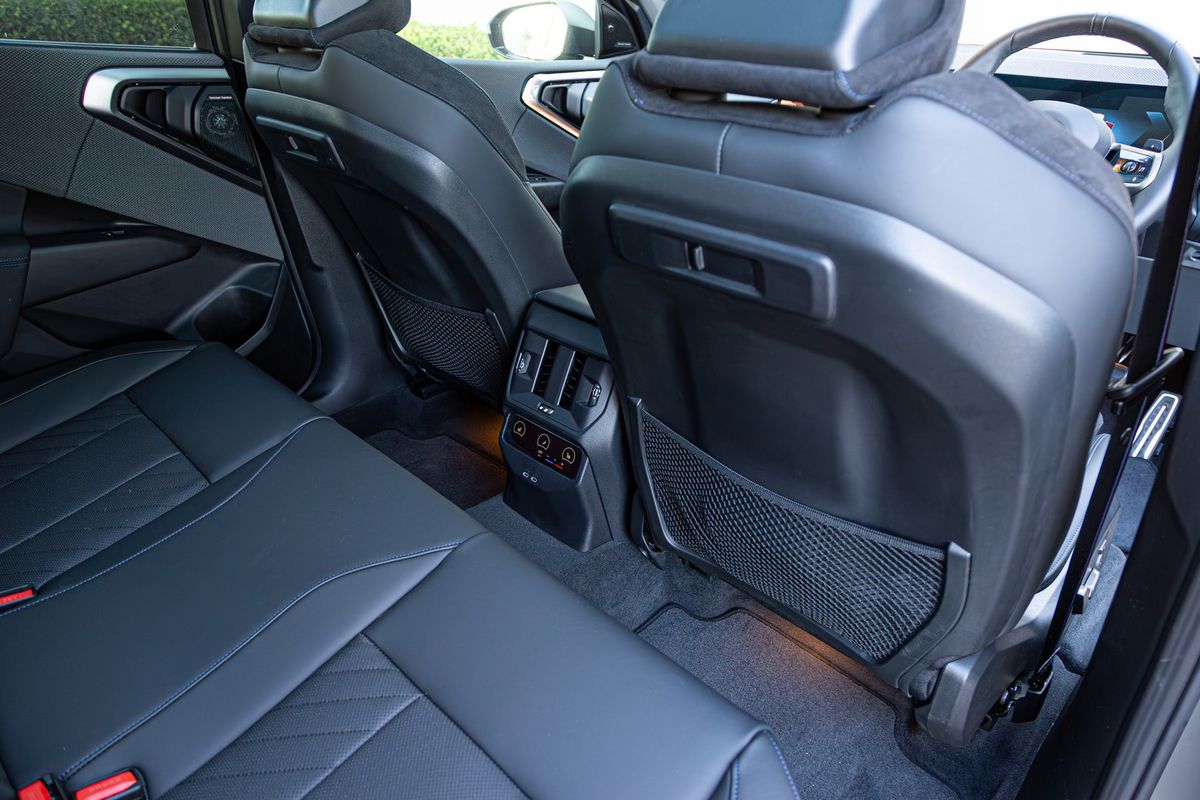
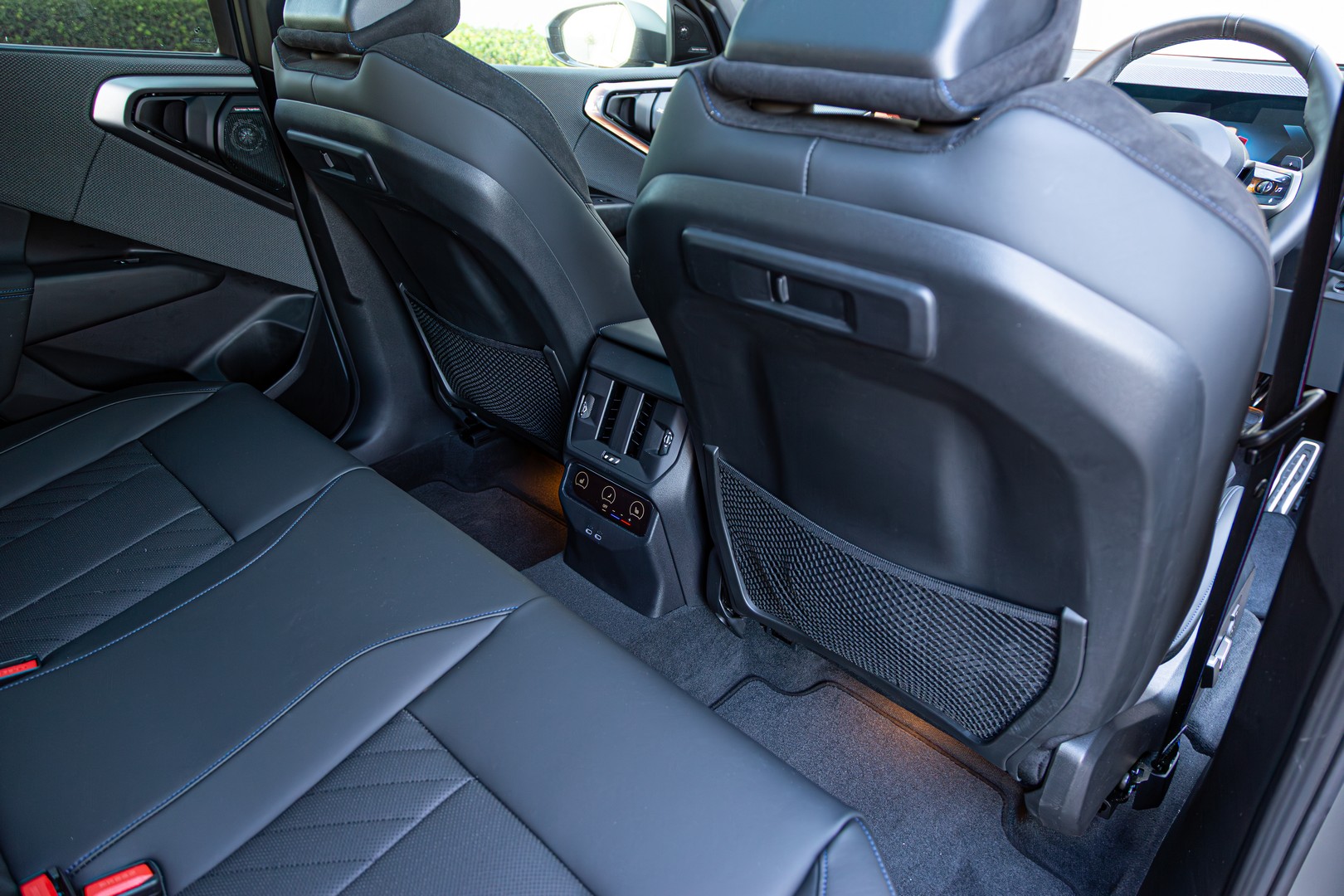
There is more than sufficient occupant space at the rear.
The rear passengers are well catered for with a dual climate-control console, a pair of adjustable vents and a couple of USB-C ports (for recharging devices). While headroom is generous, the legroom is good, with indentations in the backs of the front seats freeing up a valuable few extra millimetres of knee room.
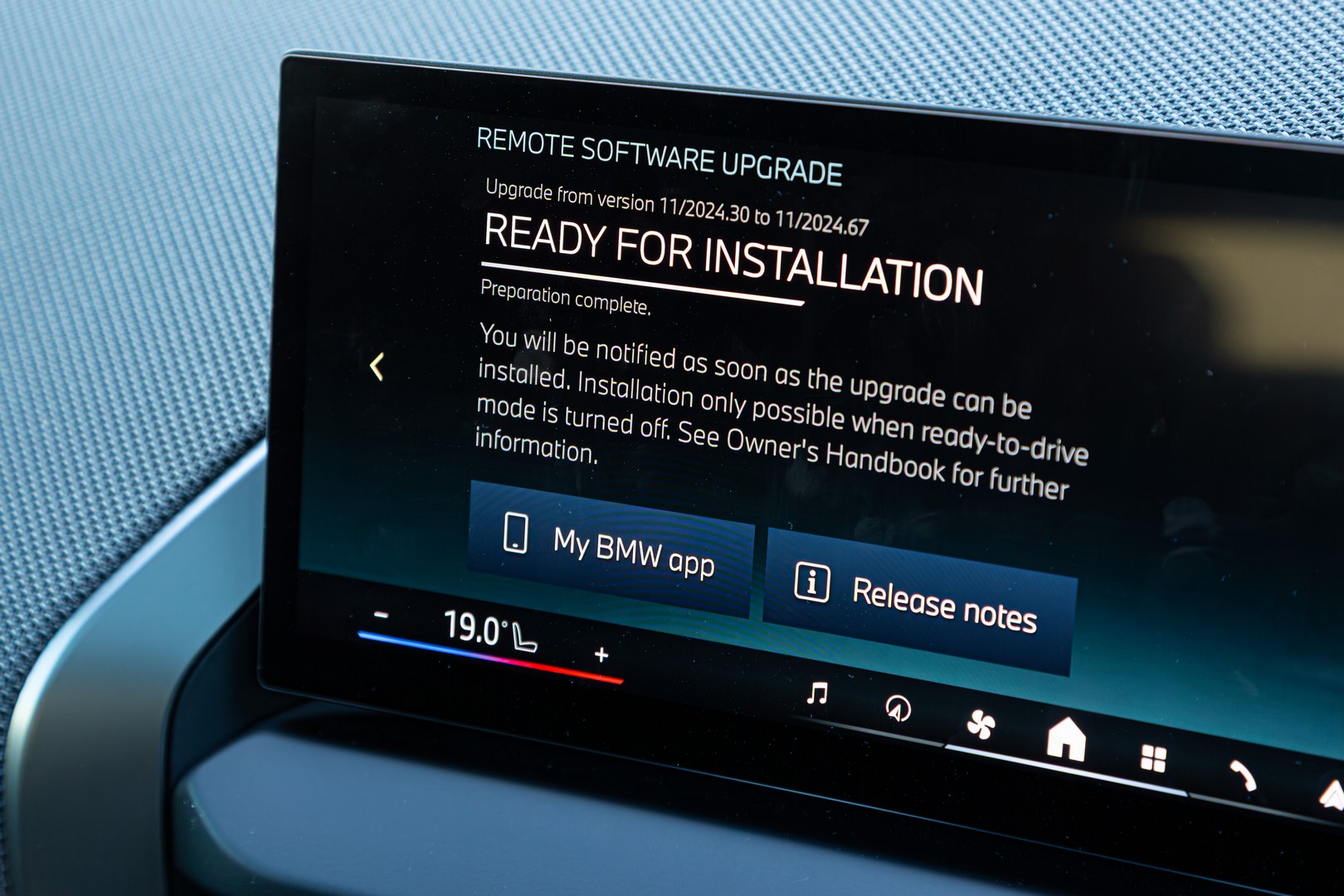
The G45-series BMW X3 supports over-the-air updates. We installed this upgrade during the review.
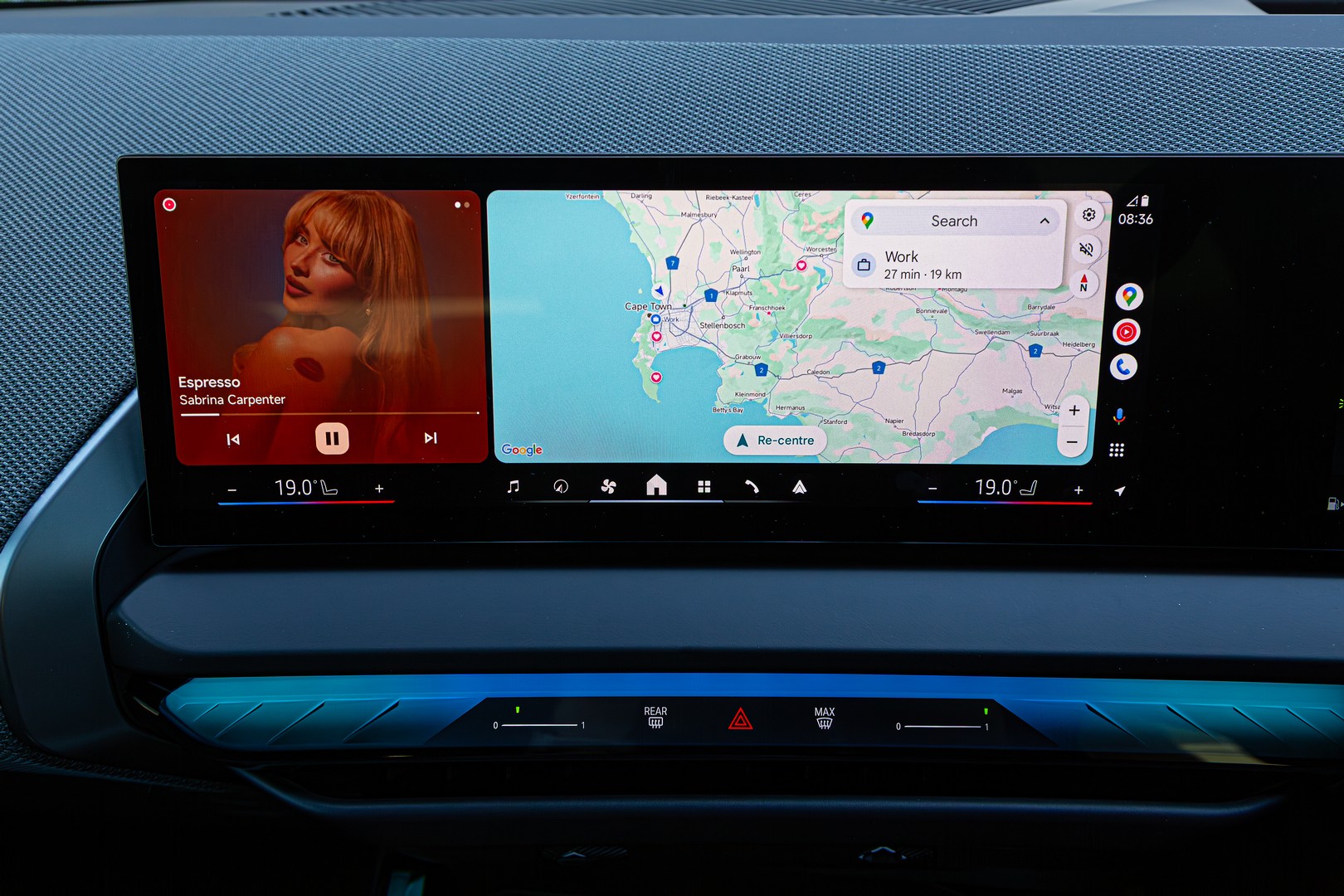
When it comes to tech and features, the X3 comes comprehensively equipped, but its digital interface is not that intuitive. The layouts of its infotainment- and instrument screens (powered by BMW Operating System 9) mimic smartphone or tablet menu systems. It all looks slick but isn’t the most user-friendly, and it’s frustrating to dive into a menu to perform as simple a task as adjusting the climate control.
Android Auto is wirelessly connected.
Over-the-air updates help to keep it all working efficiently. The update we installed during the BMW X3’s tenure in our test fleet, for example, implemented software enhancements that improved the stability of wireless Apple CarPlay integration and made the digital assistant more responsive (the system said).
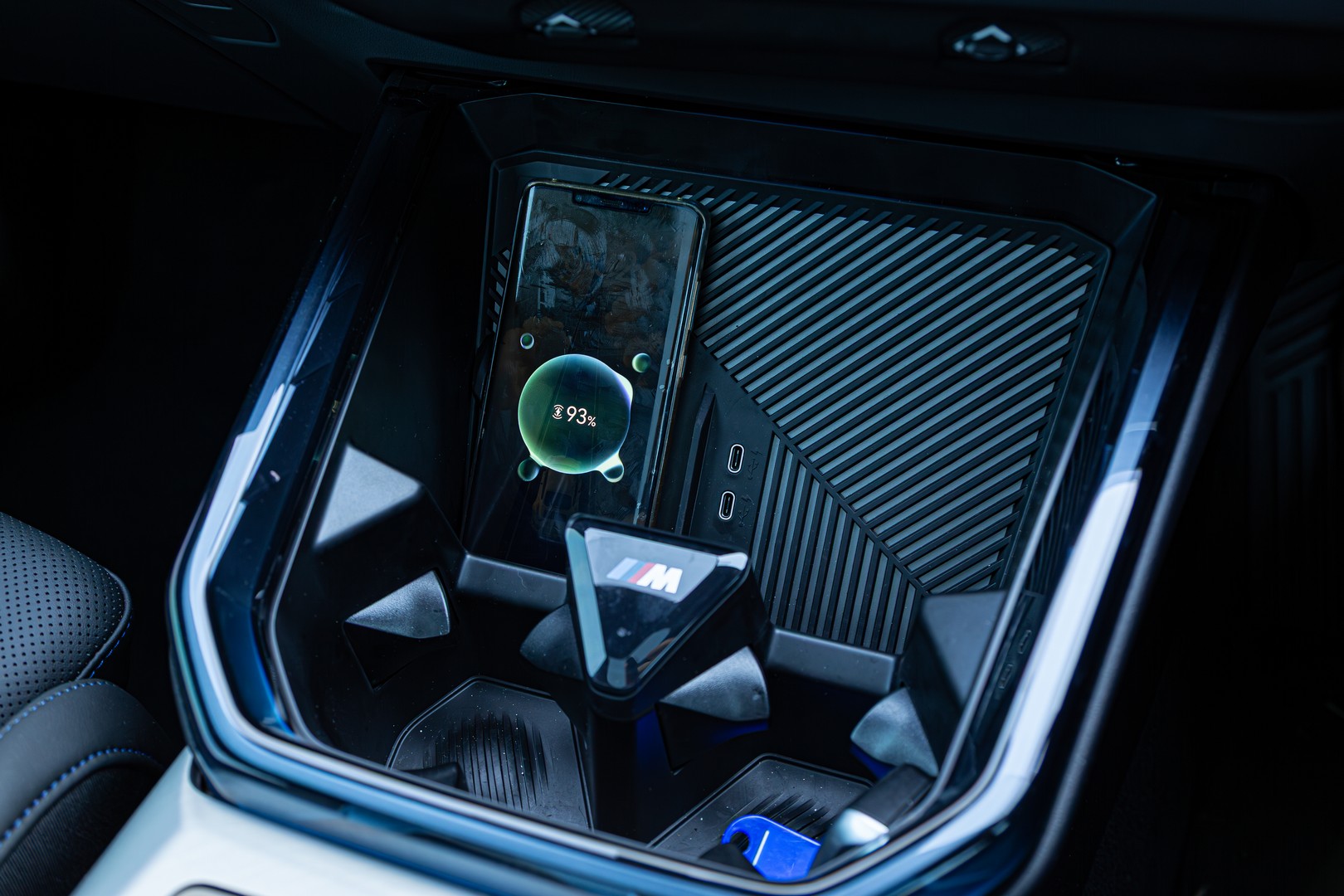
A wireless charger and two USB-C ports are up front.
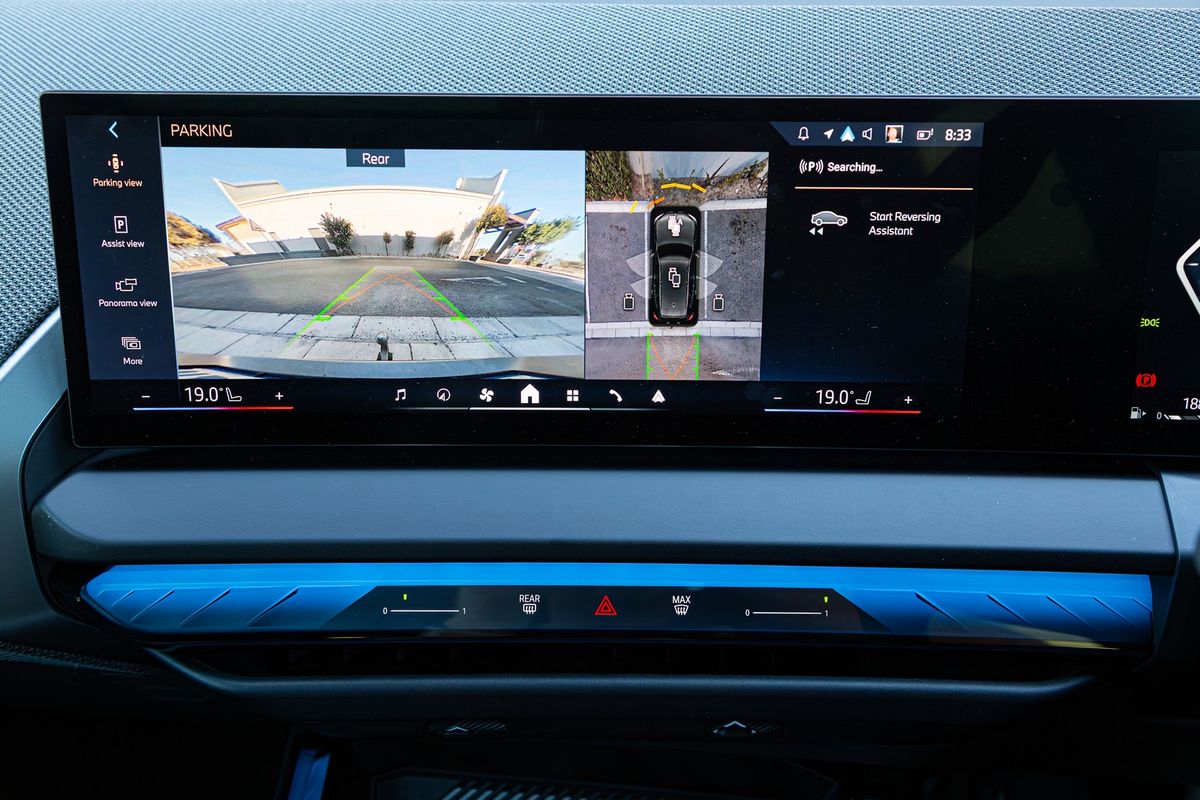
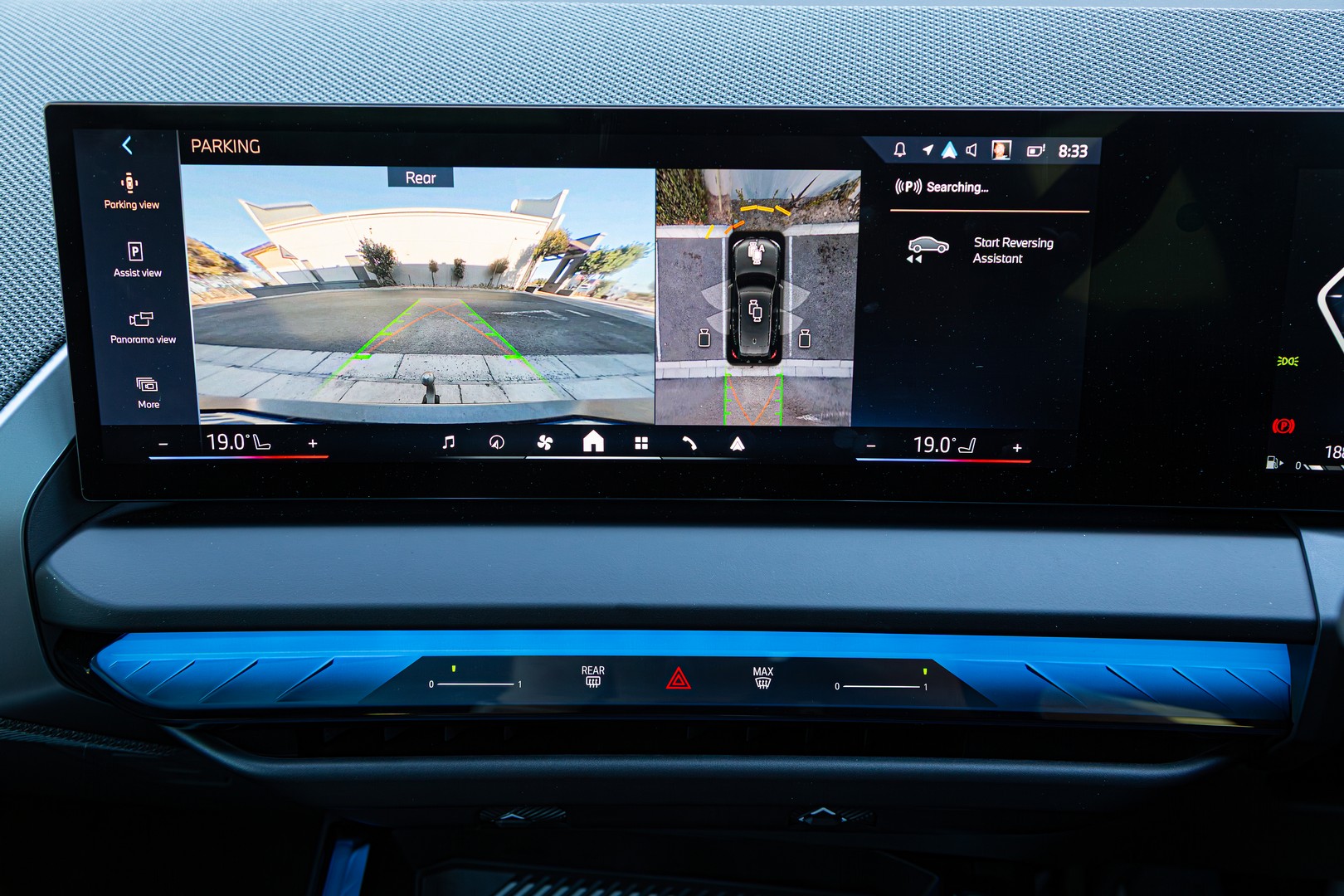
Although the infotainment system requires some familiarisation, we appreciated the ultra-crisp resolution of the screens and the display quality of the feed from the high-res parking cameras. Wireless Apple CarPlay and Android Auto work seamlessly, too, and the wireless charger cradle is neatly designed.
High-quality surround-view cameras are useful when manoeuvring the X3 into tight parking spots.
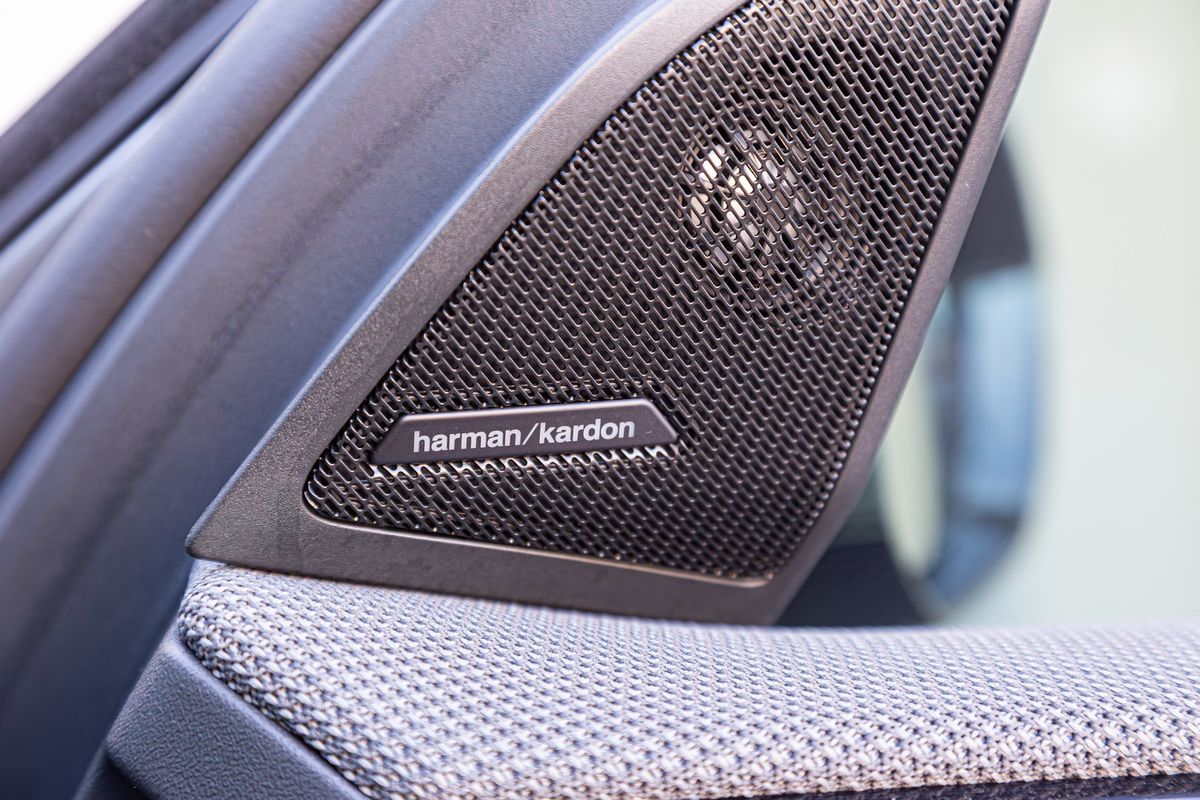
Our test unit came specced with a matte paint finish, 21-inch wheels (R30 000) and the Deluxe package (R45 000), which includes a tow bar, pano roof, Harman Kardon audio, and rear window blinds.
Price and After-sales support
The BMW X3 20d xDrive M Sport retails for R1 186 417 (before options, in April 2025), which includes a 2-year/unlimited km warranty and a 5-year/100 000 km maintenance plan.
“Evolution rather than revolution” may be a motoring journalism cliche, BUT it’s particularly relevant in the case of the G45-series BMW X3. Apart from a slightly firm ride, shouty interior lighting and a few minor trim issues, the 20d xDrive M Sport emulates its predecessor and improves on it in a few ways.
Should you buy one? Perhaps the biggest plus is the variant’s price compared with that of its G01-series predecessor. In October 2024, the X3 20d M Sport cost R1 137 731 before options, and 6 months later, it’s refreshing to see only a nominal price difference between variants of successive model generations.
Battle for 2nd place: Suzuki vs VW Group in Q1 2025
With Suzuki sales still soaring, has the budget-friendly Japanese brand pushed ahead of Volkswagen Group Africa in Mzansi? Let’s examine the Q1 2025 sales figures…
In the opening quarter of the year, South Africa’s new-vehicle market registered year-on-year growth of 10.5% to move to 144 426 units. When examining the automaker sales charts, Q1 2025’s battle for 2nd place is what stands out.
Yes, while Toyota SA Motors is predictably way out front with 35 555 units sold (a year-on-year increase of 6.2% and a hefty market share of 24.6%), Suzuki Auto SA has now officially pushed ahead of Volkswagen Group Africa to secure 2nd place.
Suzuki vs VW Group: total sales in Q1 2025
After finishing ahead of its German rival in each of the 3 months of Q1 2025, Suzuki ended this reporting period on a total of 17 727 units. Our calculations suggest this figure represents a 19.8% increase compared with the Hamamatsu-based firm’s performance in the opening quarter of 2024 (when it placed 3rd).
Meanwhile, local sales from VW Group Africa – which, of course, includes the Audi brand – dipped 1.5% year on year to 15 838 units. The Wolfsburg-based automaker’s local division thus found itself 1 889 units behind Suzuki and in an unfamiliar 3rd place (so, down a ranking from Q1 2024).
For perspective, it’s worth noting that in the full year of 2023, VW Group Africa was a comfortable 18 018 units ahead of Suzuki. However, in 2024 as a whole, the Japanese brand closed the gap to 6 912 units (not an insignificant number, but far closer). Though just a quarter of 2025 has passed thus far, Suzuki appears well placed – based on its current trajectory, anyway – to secure 2nd place overall in a full year for the very first time.
Does VW have anything in its arsenal to counter Suzuki’s sustained rise? Well, though the Kariega-built Polo Vivo remains extremely popular (though found itself just behind the Swift in Q1 2025 sales), the company will be hoping its next locally made model – a small SUV known as the Tera in Brazil but as-yet-unnamed for Mzansi – will add significant volumes. However, local production of that model is scheduled to start only in early 2027…
Other interesting stats from the top 10 in Q1 2025
What else happened on the list of SA’s 10 best-selling automakers in the 1st quarter of 2025? Well, Hyundai Automotive SA climbed 3 spots from its Q1 2024 ranking to grab back 4th place, with local sales increasing a healthy 25.3% year on year to 8 937 units.
Chinese firm Chery registered even stronger year-on-year growth of 28.7% to end the quarter on 5 739 units, moving up 2 rankings to 7th. However, it was Mahindra – which climbed from 12th to 9th – that boasted the most robust growth in the top 10, with the Indian firm’s sales surging a remarkable 71.9% year on year to 5 326 units.
Meanwhile, Nissan was the biggest loser in the top 10, falling from a strong 4th place in Q1 2024 to a lowly 10th in Q1 2025. With the NP200 half-tonne bakkie – which had served as the brand’s chief volume driver in Mzansi – having gone out of production in March 2024, the Japanese firm’s local sales in this latest reporting period declined 45.2% year on year to 4 962 units.