This is the Nissan SUV that will replace Qashqai in SA
Nissan has released fresh teaser images of the new Renault-based, Indian-built SUV that will ultimately replace the since-discontinued Qashqai in South Africa…
Nissan has released fresh teaser images of a new 5-seater SUV based on the Renault Duster, set to be built in India and already confirmed for South Africa, where it will effectively replace the since-discontinued Qashqai.
The teasers formed part of the Japanese automaker’s Global Product Showcase event in Yokohama. At the same event, Nissan released a similarly shadowy teaser image of what it described as an “all-new 7-seater B-MPV”. From what we can tell, that model – which is scheduled to launch in India in “FY25” (Fiscal Year 2025) – will be based on Alliance partner Renault’s soon-to-be-facelifted Triber.
Nissan also teased a new 7-seater MPV seemingly based on the Renault Triber.
Nissan says its new “5-seater C-SUV” will follow in the Indian market in “early FY26”. As a reminder, this model is set to be based on the upcoming Indian-spec Renault Duster, which will be built at Renault Nissan Automotive India’s manufacturing plant in Oragadam near Chennai (which currently also produces the Magnite, Kiger and Triber).
While the Romanian-built Duster has already launched in South Africa, the French firm’s local distributor plans to switch to the Indian-made version once it starts rolling off the line in Chennai. Around the same time (we’re guessing at some point in 2026), the Nissan-badged version should hit the market in South Africa.
The as-yet-unnamed SUV will be built alongside the Indian-spec Renault Duster.
Nissan’s Indian division promises the new model will be “feature-packed” and boast “state-of-the-art proprietary advanced technologies”. The company says it “takes its design cues from the Nissan Patrol” and “will deliver true Nissan SUV DNA”.
What will it be called? Well, Nissan has yet to reveal the new model’s name, though the firm could perhaps dust off the “Terrano” badge. After all, Terrano was the nameplate used on Nissan’s rebadged version of the 1st-gen Duster offered in markets like India and Russia (but not in SA).
Nissan still holds the Terrano trademark here in South Africa, with the “Terrano II” having been sold briefly in Mzansi in the early 2000s. However, back in September 2024, Cars.co.za discovered that Nissan Motor Corporation had filed to trademark the “Gravite” nameplate locally (after having applied to reserve the very same nameplate in India in November 2023).
The UK-built Qashqai was axed in SA in the opening half of 2024.
Though we’re administering a healthy dose of speculation here, we’d argue that the Gravite badge could be a prime candidate for use on this new SUV, which will be positioned above the Magnite as an eventual – and, crucially, more cost-effective – replacement for the locally discontinued Qashqai. Whether this new models ends up being called “Gravite”, of course, remains to be seen.
As a reminder, back in June 2024, Cars.co.za broke the news that Nissan had quietly axed the Qashqai in South Africa, bringing down the curtain on this well-known nameplate’s nearly 17-year run on the local market.
Local vehicle armouring specialists SVI has commenced the rollout of its “discreet” anti-hijacking product “LITE”, which aims to provide a greater level of protection (than typical “smash-and-grab” solutions) for drivers of some of SA’s most popular models.
Speaking at the launch of the new product, Jaco de Kock – the CEO of the Pretoria-based firm – said that SVI was well aware that most South African consumers could simply not afford the significant investment that B4- or B6-level discreet armouring packages require. Therefore, SVI set out to develop a considerably more cost-effective solution to combat hijacking attempts specifically: SVI LITE.
“Since SVI LITE originated from an idea to make vehicle armour more accessible to the broader motoring public, it made sense for us to focus on some of South Africa’s most popular vehicles,” said De Kock.
SVI LITE is only available for suitable vehicles’ side closures (doors and their accompanying windows), with the customer able to specify how many doors are to be armoured. In each case, the vehicle door gains concealed Kevlar panels, while the standard window glass is replaced with special lightweight armoured glass. From the outside, there is no quick way to identify a car that is fitted with SVI LITE.
Together, these components deliver B2-level protection and are thus rated to stop 9 mm, 124-grain rounds fired from a handgun. These are the weapons typically used during hijacking attempts.
“In much the same way as a bullet-resistant vest protects vital organs of the human body, our new SVI LITE solution covers critical areas of the vehicle that are typically targeted during a hijacking attempt,” explained SVI business development director Nicol Louw.
The armouring components add 15 kg to each door, meaning vehicle performance is virtually unaffected. Furthermore, the ballistic glass is light enough to allow for the standard operation of the side windows in most vehicles, resulting in unhindered access to parking-ticket machines, biometric readers and the like.
SVI demonstrated LITE’s protection capability live during the launch event, with CEO Jaco de Kock firing three 9-mm rounds at a Ford Ranger Raptor’s front passenger window.
The benefit of the fitment of SVI LITE is not only restricted to protection when shots are being fired at the occupants but also about giving the driver the confidence to drive away from a potential hijacking.
As SVI has earned Qualified Vehicle Modifier (QVM) status with long-term partner Ford – resulting in factory-backed B4- and B6-level discreet armouring packages for the Everest and Ranger, as well as a B6 Stopgun V3.0 security kit for the latter – fitment of the new SVI LITE products on the Everest and Ranger likewise have no impact on the original manufacturer warranty or any selected service plans.
How long does it take, and how much does it cost?
Compared with comprehensive B4-level armour, which for a medium-sized SUV starts at about R750 000 (ex VAT), SVI LITE is far more attainable. The price per closure for the Toyota Corolla Cross is R54 950 (excluding VAT), which rises to R64 950 (excluding VAT) for the Ford Ranger due to its bigger size.
So, as an example, should a customer wish to have all 4 doors of a Toyota Corolla Cross protected using the new SVI LITE solution, the total would come to R219 800 (excluding VAT).
Regardless of the number of closures specified, fitment at SVI’s world-class facility outside Pretoria takes just 2 weeks. Initial installations are scheduled to start from the beginning of May 2025.
Aston Martin Vanquish Volante (2025) Price Confirmed for SA
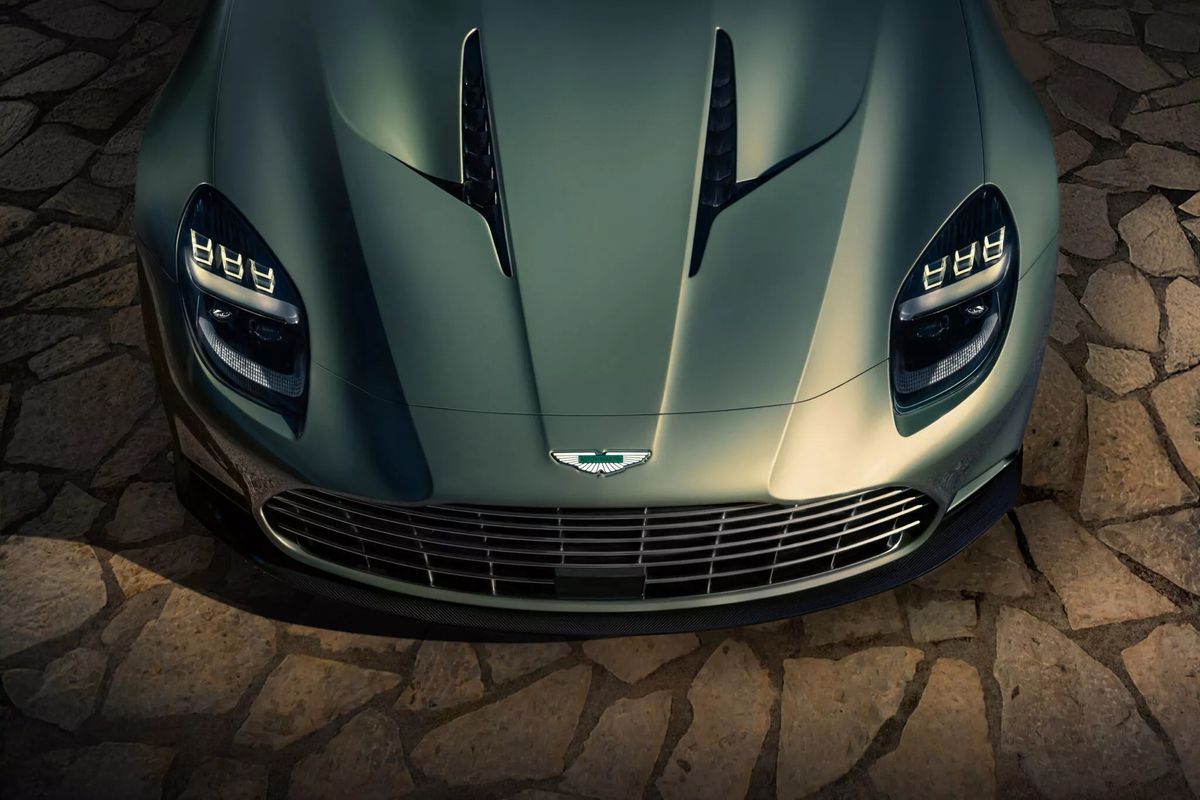
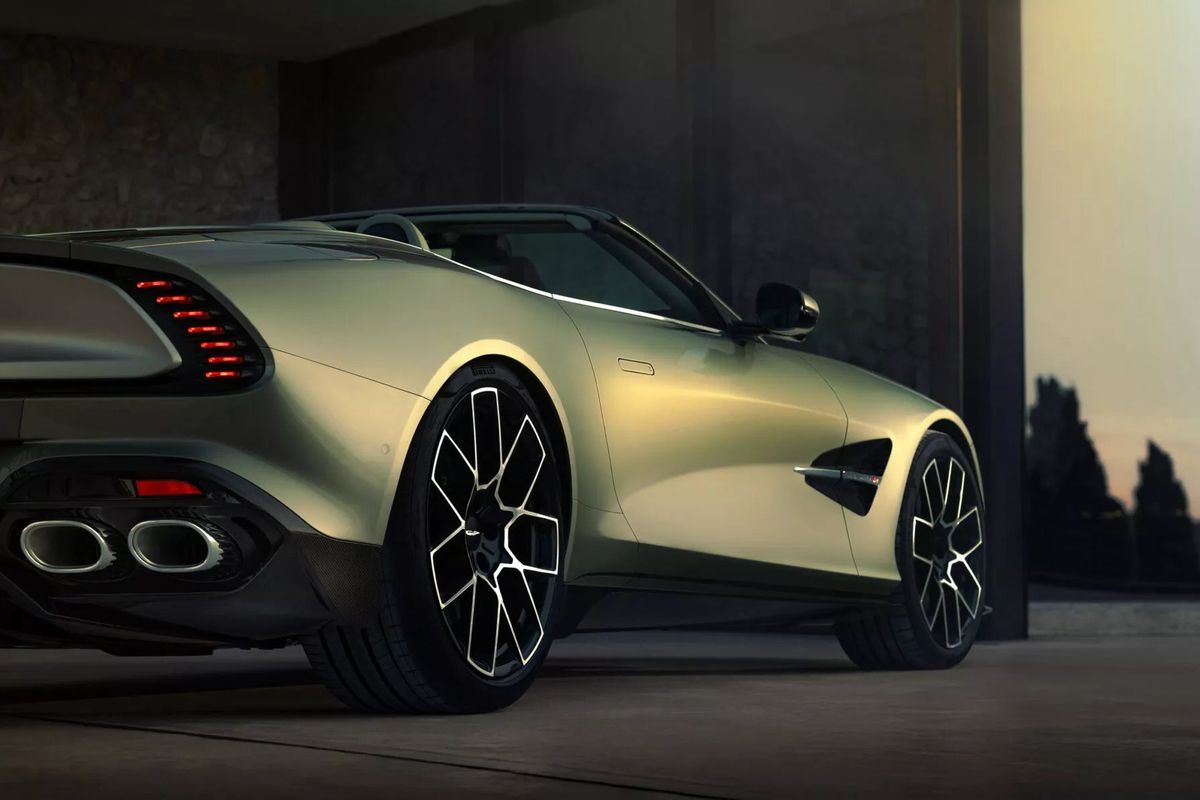
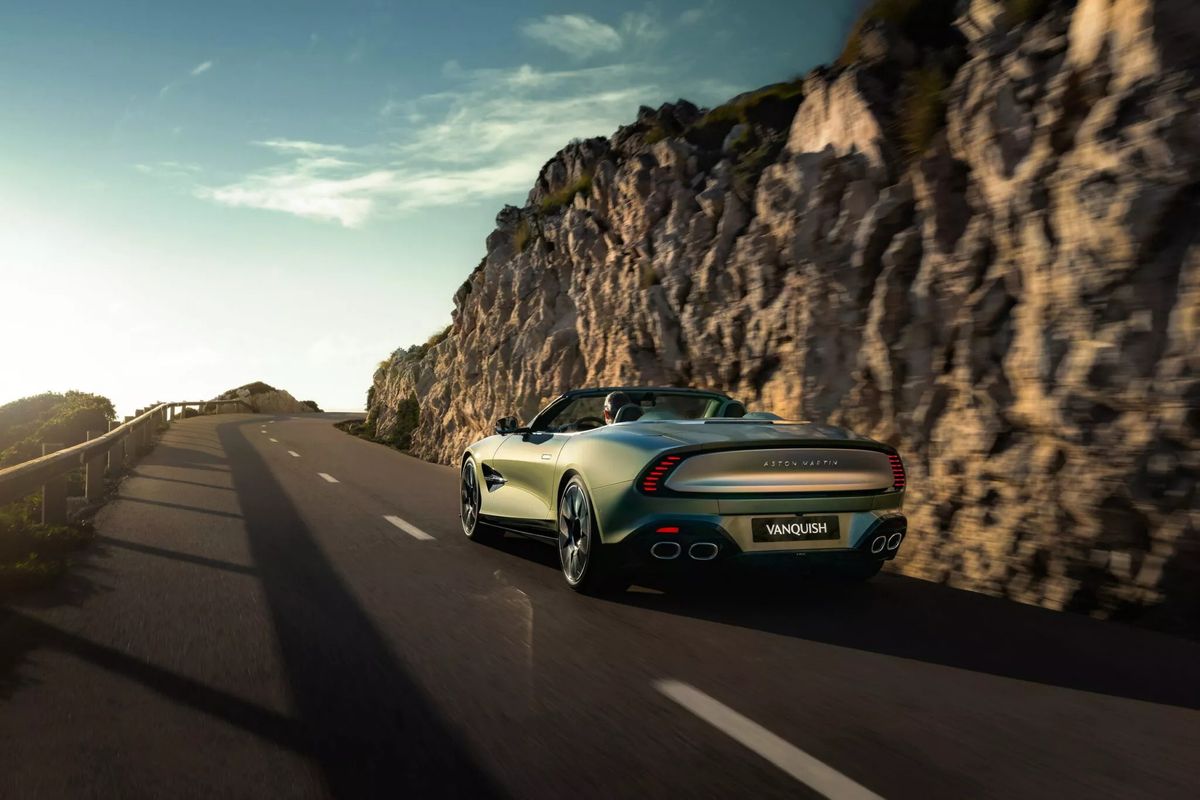
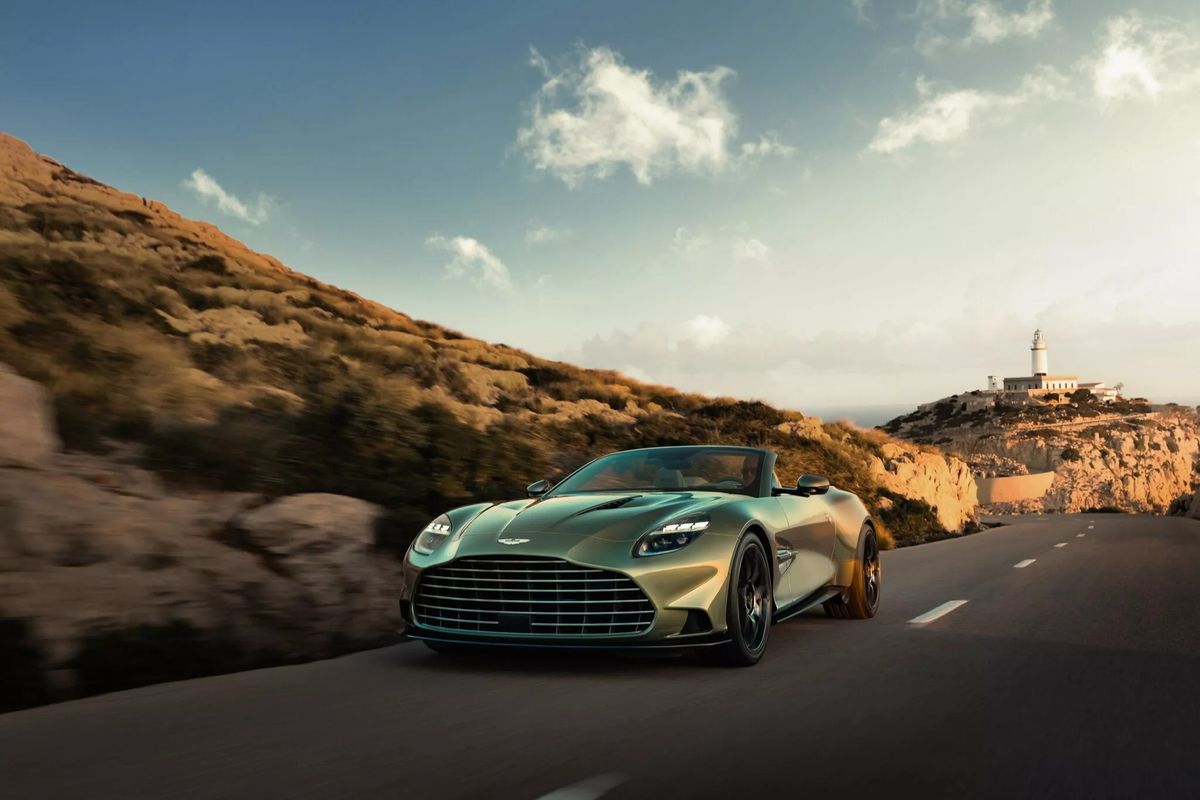
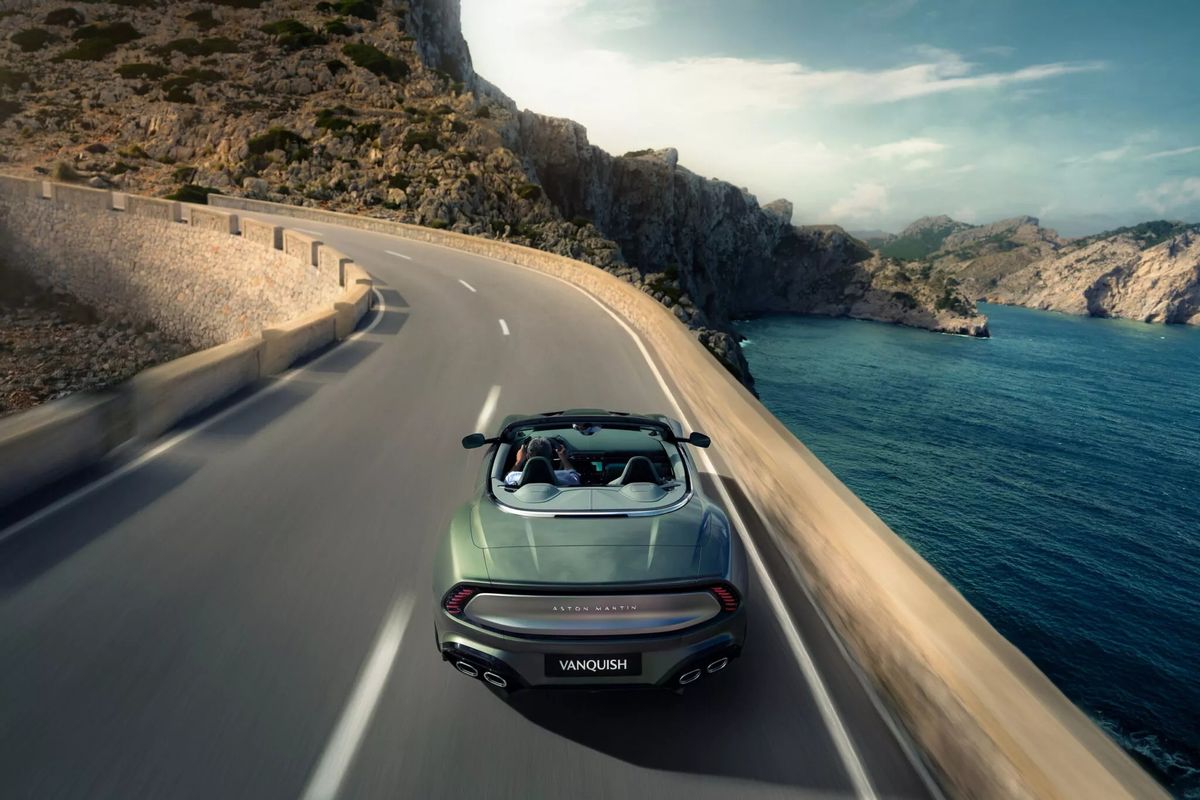
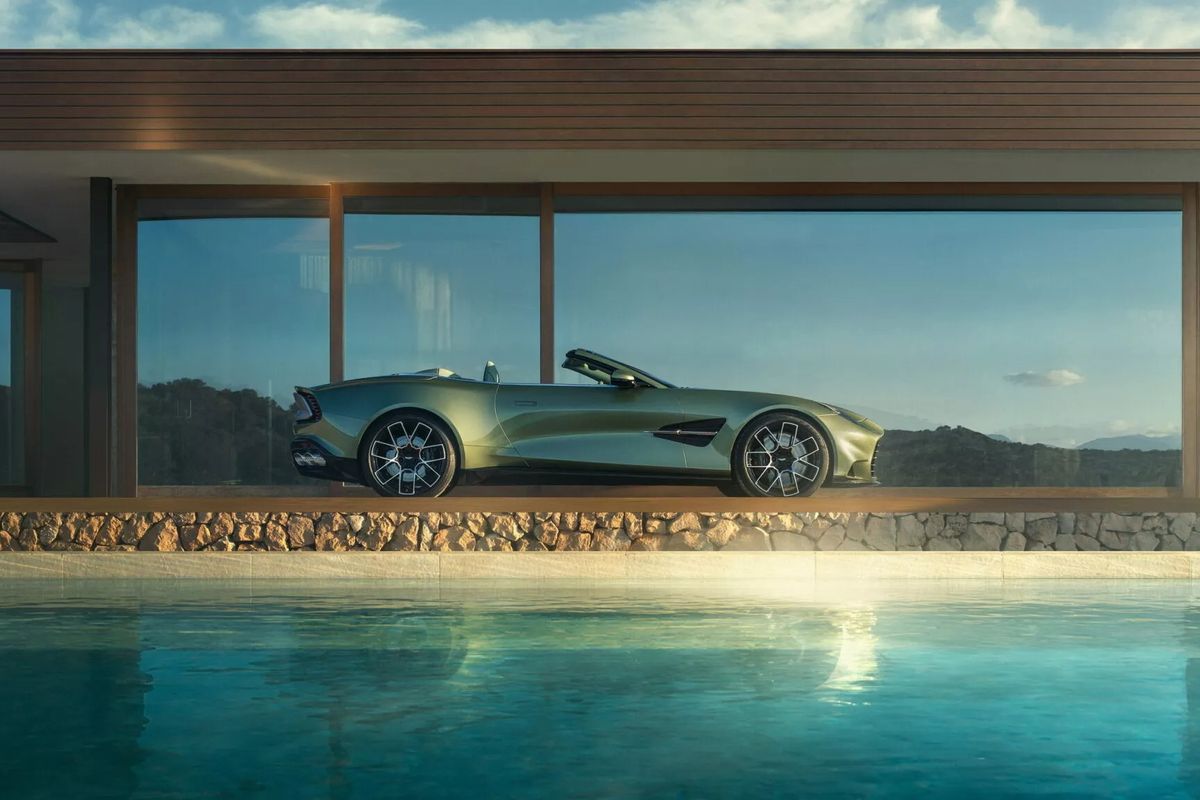
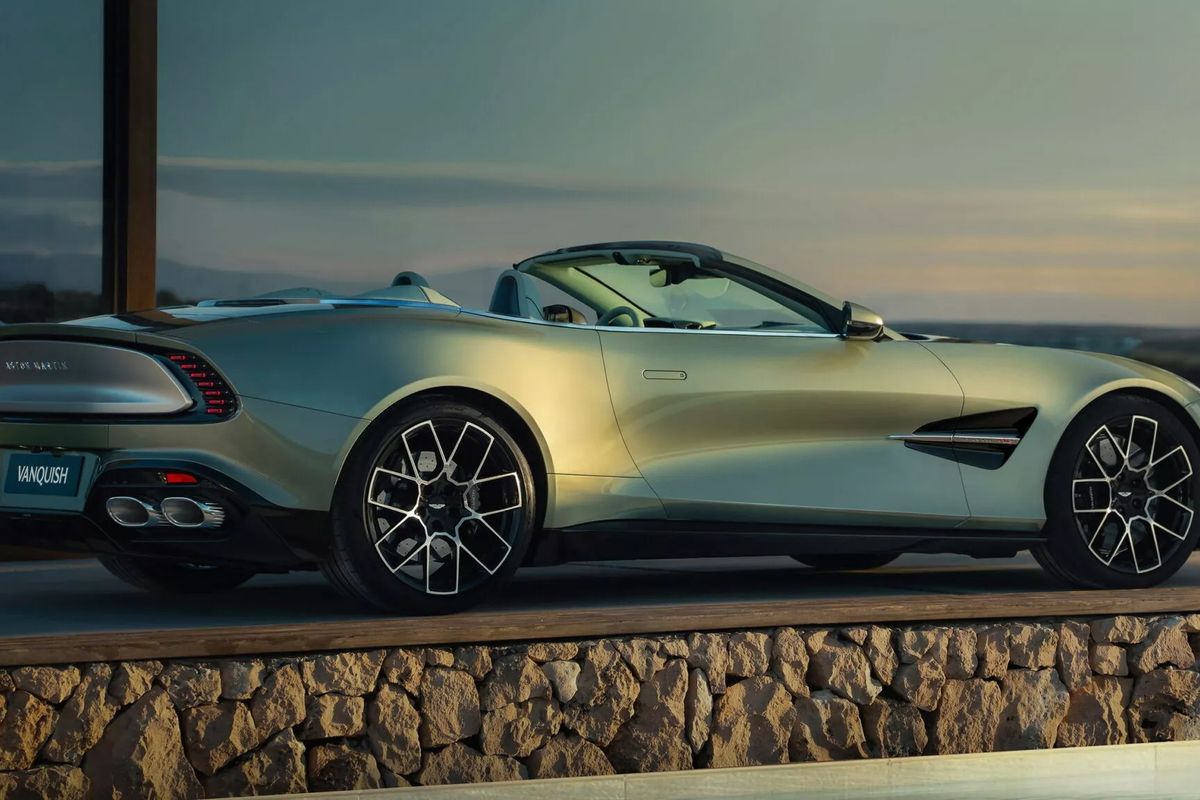
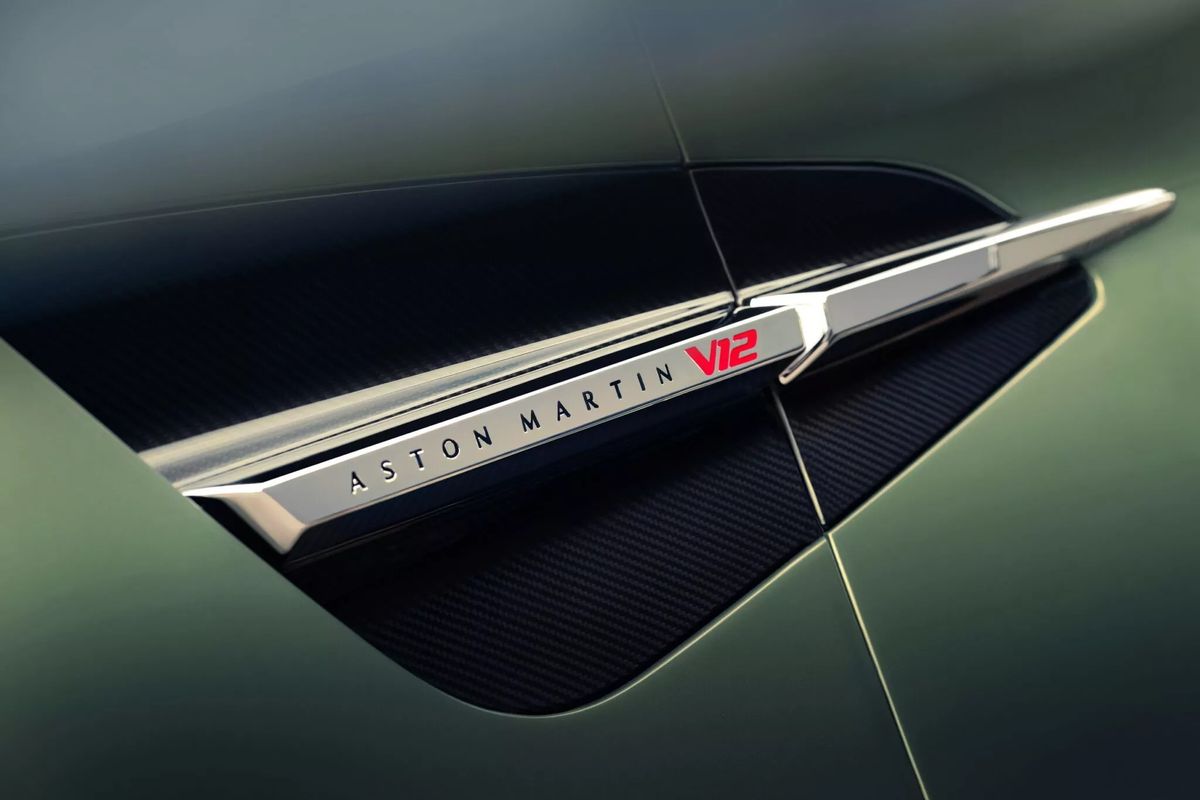
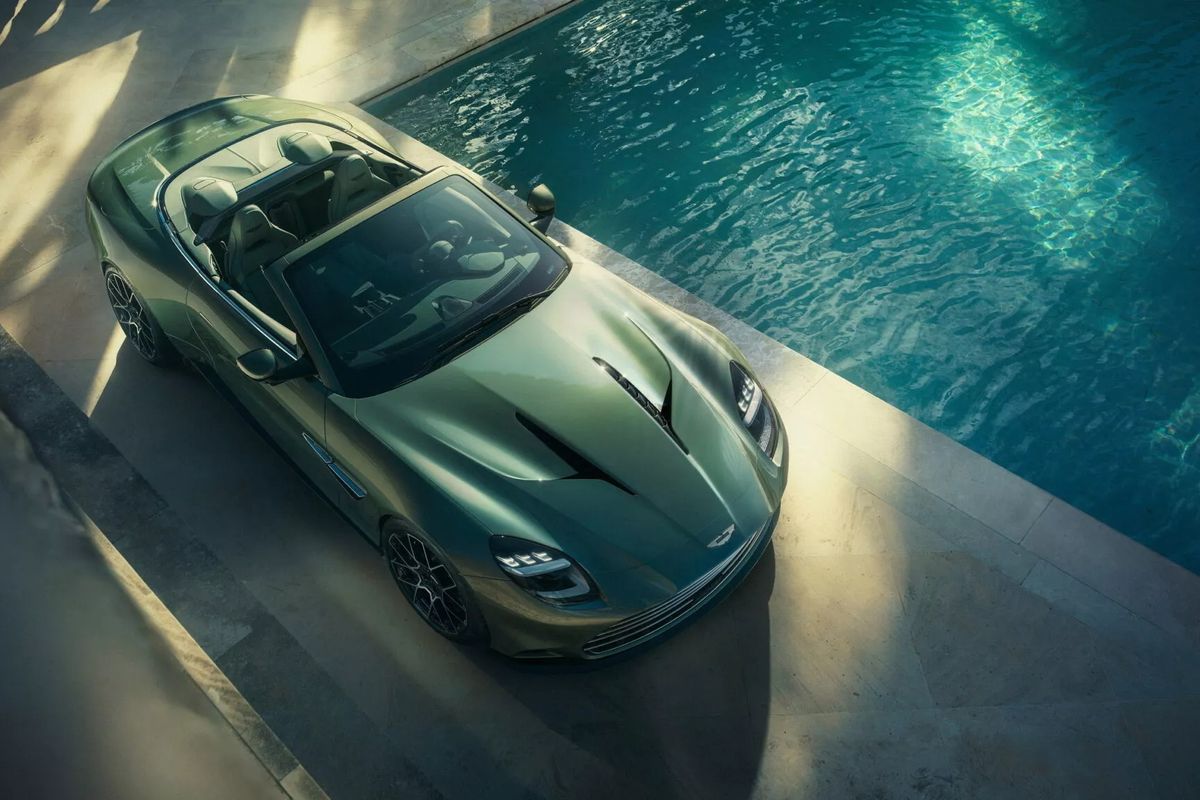
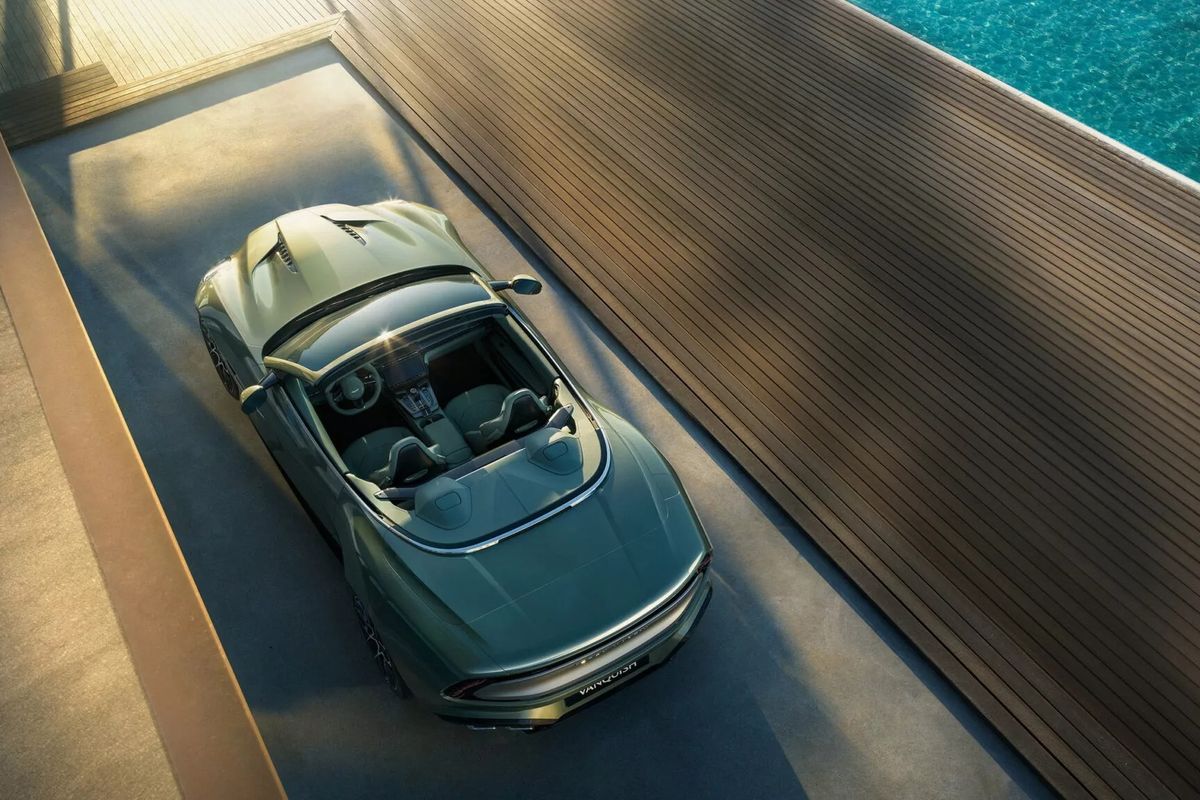
The Aston Martin Vanquish Volante is the world’s most powerful front-engine convertible, and it’s confirmed for SA.
The Aston Martin Vanquish Volante is locked in for a South African market introduction, with the first deliveries taking place around the 3rd quarter of 2025. A production output of under 1 000 units annually will help keep the supercar exclusive.
The reveal of this striking drop-top supercar coincides with the brand’s 60th anniversary and the claims are bold. The Aston Martin Vanquish Volante is the world’s fastest and most powerful front-engine production car on sale.
Outputs are staggering. From a twin-turbocharged 5.2-litre V12 petrol engine, there’s 614 kW and 1 000 Nm and that goes to the rear wheels via an 8-sped ZF automatic gearbox. Naturally, the progression from coupe to convertible requires some platform changes as the lack of a rigid roof compromises integrity, but the additional reinforcement and roof mechanism adds just 95 kg. Aston Martin re-configured the suspension too.
In terms of sheer performance, this British brute is good for a 344 kph top speed, with a 0-100 kph claimed sprint time of 3.4 seconds. The roof can be tucked away in 14 seconds and Aston Martin claims this fabric roof offers great thermal insulation and acoustic enhancements.
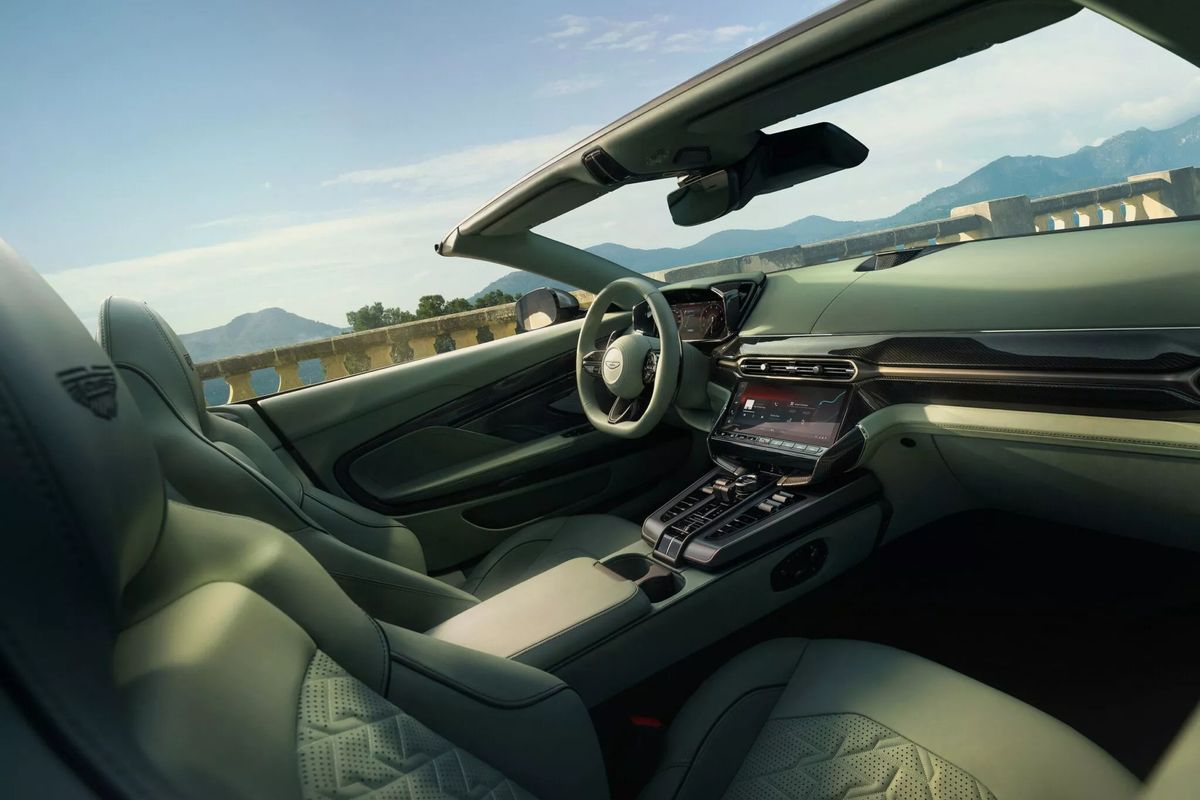
At this price point of just over R10 million, you’d think you’d be getting it all and to a degree you are, with twin 10.25-inch digital screens for the infotainment and instrument cluster and a vehicle-specific 15-speaker Bowers & Wilkins audio system.
But, there’s some additional money to be made and besides, who wouldn’t want the carbon fibre performance seats, a titanium exhaust system for more noise and the matching luggage?
How much is the Aston Martin Vanquish Volante in SA?
The new Aston Martin will be touching down in the 3rd quarter of 2025 with a price tag of R10 749 000, and the order books have opened.
The new LDV Terron 9 double-cab bakkie has been pencilled in for a late-2025 launch in South Africa, where it will likely be offered with a 2.5-litre turbodiesel engine…
The new LDV Terron 9 double-cab bakkie – larger than even the supersized GWM P500 – is scheduled to arrive in South Africa in the final quarter of 2025, according to the Chinese-owned brand’s local division.
Though the Terron 9 has technically yet to be officially revealed, we believe it to be a rebadged Maxus Star X, a ladder-frame bakkie that is already on sale in China. An MG-badged iteration is also seemingly on the cards, though whether this rumoured model will come to Mzansi remains to be seen.
A leaked image of the LDV Terron 9.
As a reminder, LDV is a wholly owned subsidiary of China’s SAIC Motor, the company also responsible for MG Motor. LDV opened its doors in South Africa in May 2024, kicking off its local operations with the launch of the T60 range of double-cab bakkies.
The Terron 9 will slot in above this T60, measuring a whopping 5 500 mm from nose to tail (with some 3 300 mm between its axles). That makes it a considerable 150 mm longer than a Ford Ranger double cab and 55 mm lengthier than even GWM’s P500.
LDV has been testing its new Terron 9 in Australia.
While a fully electric eTerron 9 (boasting up to 325 kW in dual-motor guise) has been confirmed for markets like Australia, it seems LDV South Africa will instead opt for the oil-burning version. From what we understand, the Terron 9 will thus feature a 2.5-litre, 4-cylinder turbodiesel engine delivering around 165 kW and 520 Nm via a ZF-sourced 8-speed automatic transmission.
Based on Maxus Star X specifications for the Chinese market, we can expect the Terron 9 to boast a braked towing capacity of 3 500 kg and a claimed fuel consumption somewhere in the region of 8.0 L/100 km.
The LDV Terron 9 looks likely to be a rebadged Maxus Star X.
What else does LDV SA have in store for 2025? Well, the D90 SUV (itself an LDV-badged version of the Chinese-market Maxus Lingdi) that was originally scheduled to hit the market late in 2024 has now been pushed back to the 3rd quarter of 2025, when the Deliver 9 panel van is also expected to launch in SA. The smaller G10+ van, meanwhile, has been pencilled in for a Q4 2025 arrival.
The Honda WR-V was on the South African new-vehicle market for a little over 3 years. Should you consider a used example of this small crossover, or would it be best to look elsewhere? Let’s investigate the strengths and weaknesses of the Japanese offering…
Conceived specifically for developing markets, the Honda WR-V was the Minato-based brand’s attempt to capitalise on the small-crossover craze. Interestingly, South Africa missed out on the pre-facelift version, which meant this nameplate was on the local market for about 3 years only.
The WR-V was, of course, closely related to the 3rd-gen Jazz. It shared the GK-series hatchback’s basic bodyshell, although it gained not only a model-specific face but also the requisite SUV-inspired styling bits, from swathes of black-plastic cladding to faux skidplates, roof rails and extra ride height.
The WR-V shared much with the 3rd-gen Jazz.
In short, it was effectively a crossover version of the Jazz, now known as the Fit. Like its hatchback sibling, the SA-spec WR-V – which its maker said stood for “Winsome Runabout Vehicle” – was sourced from Honda’s Tapukara factory in Rajasthan, India, and measured a fraction under 4 metres long.
When the GL-series WR-V officially landed in Mzansi, Honda Motor Southern Africa boldly declared that it would “shake up” the segment, adding that it was “certain to be a winning formula”. Local buyers seemingly felt otherwise, with the WR-V failing to trouble the segment sales leaders.
It didn’t prove very popular with local buyers.
In fact, while we don’t know exactly how many WR-V units were sold locally in 2021 (its first full year on sale), our records suggest just 640 units were registered in 2022, with only another 675 examples finding homes in 2023. For context, consider that the similarly sized original Toyota Urban Cruiser achieved a whopping 16 992 sales in 2022 alone.
Though the WR-V nameplate has exited South Africa, a 2nd-gen model was revealed in 2022 (but is no longer produced on the subcontinent, instead being built in Indonesia and Malaysia). As an aside, the WR-V badge is used on the Japanese-market version of the Elevate, which is, incidentally, the 1st Indian-built vehicle to be exported to Honda’s home country.
Honda WR-V model line-up in South Africa
Honda Motor SA opted to wait for the facelifted version.
The GL-series Honda WR-V was revealed late in 2016 at the Sao Paulo International Motor Show, before going on sale in both Brazil and India in the opening quarter of the following year.
However, the small crossover touched down in South Africa only in November 2020, by which time it had been treated to a mild facelift. At launch, just 2 derivatives were available (and only 4 exterior paint colours were offered), each powered by the Minato-based brand’s naturally aspirated 1.2-litre, 4-cylinder petrol engine, which drove the front axle via a 5-speed manual gearbox:
WR-V 1.2 Comfort 5MT (66 kW/110 Nm)
WR-V 1.2 Elegance 5MT (66 kW/110 Nm)
Over the next 3 or so years, the 2-strong WR-V range soldiered on entirely unchanged. Production in India likely ceased at some point in 2023, with sales in South Africa tapering to single figures towards the end of that year. However, the WR-V was removed from Honda’s official price list only in February 2024, when the larger Elevate arrived as its indirect replacement.
What are the Honda WR-V’s strengths?
Magic Seats, present and correct.
Roomy, versatile cabin: Despite measuring just 3 999 mm from snout to rump (with a likewise modest 2 655 mm between its axles), the WR-V benefitted from Honda’s typically clever interior packaging. Endowed with the brand’s so-called “Magic Seats”, the rear quarters could be configured in several ways to accommodate a variety of awkwardly shaped objects.
Just like in the 3rd-gen Jazz (see our Buyer’s Guide), this highly configurable seating arrangement meant the bases of the rear pews could independently tip up against their backrests. Meanwhile, with the rear seats in place, the WR-V offered a relatively generous 363 litres of luggage space (despite accommodating a full-size spare wheel), increasing to 881 litres with the 60:40-split bench folded flat.
The steering column adjusted for both rake and reach.
Aft passengers enjoyed liberal amounts of legroom, with access to this space proving fuss-free thanks to wide-opening rear doors. The WR-V also scored points for its array of handy storage compartments (including a cleverly designed cupholder to the right of the steering wheel) and tilt-and-telescopic steering-column adjustment, though we should point out that hard plastics dominated the interior.
Ride and handling balance: Though it employed a cost-effective torsion-beam suspension setup at the rear, the Honda WR-V rode with a pleasing degree of pliancy, with comfort levels further elevated by high-profile tyres measuring 195/60 R16.
The WR-V deftly balanced ride comfort with composed handling.
On tarmac, it felt surefooted, although the relatively modest (for a crossover, anyway) ground clearance of 173 mm meant the vehicle’s underbelly was a little more vulnerable on deeply rutted gravel than those of rivals such as the higher-riding Ford EcoSport and Toyota Urban Cruiser.
Lengthy warranty: Apart from the fact that the WR-V used well-proven mechanicals from the GK-series Jazz, local buyers had added peace of mind courtesy of Honda’s comprehensive 5-year/200 000 km warranty. As such, late model-year examples on the used market today would still enjoy ample warranty coverage (as long as said warranty had not somehow been voided).
What are the Honda WR-V’s weaknesses?
The small-capacity engine lacked verve.
Lethargic engine: We have little hesitation in declaring the decidedly lethargic engine as the WR-V’s most glaring shortcoming. This 1.2-litre i-VTEC motor’s maximum power of 66 kW arrived at a lofty 6 000 rpm, though much of the frustrating driving experience was down to the torque delivery – both the meagre peak figure of 110 Nm and its tardy arrival at a heady 4 800 rpm.
The manual gearbox’s short ratios partially disguised the L12B3 engine’s lack of oomph, but it rendered the WR-V even more poorly suited to highway driving – particularly at altitude. Not only would the mill rev high at the 120 kph national speed limit (making it downright impossible to match Honda’s fuel-economy claim of 6.4 L/100 km, even on the open road), but overtaking manoeuvres were anything but effortless.
The motor was best suited to town driving.
In short, there was clearly a reason Honda Motor Southern Africa opted not to list a claimed 0-100 kph time for the WR-V. While this breathless motor was also used in the 3rd-gen Jazz, the latter hatchback weighed a little less than the WR-V, and buyers also had the option of upgrading to a larger-capacity 1.5-litre 4-cylinder petrol engine. It was a pity the WR-V wasn’t offered with this (L15Z5) engine instead.
No automatic gearbox option: With an increasing number of local buyers opting for self-shifting transmissions over manual gearboxes, Honda missed a trick by not offering the WR-V with the option of an automatic cog-swapper. Still, to be fair to Honda Motor Southern Africa, the Indian-built model was simply not available with such a gearbox (despite the Jazz 1.2 being offered with a continuously variable transmission), so the importer’s hands were effectively tied.
The WR-V was available only with a 5-speed manual gearbox.
Lack of electronic stability control: For some reason, the WR-V also received the short end of the stick when it came to electronic stability control. Though this important safety feature was standard across the equivalent Jazz range, it was simply not present in the truncated line-up of the GL-series WR-V.
It was a notable shortcoming, seeing as the model was otherwise relatively well equipped in the safety department, shipping standard with items such as ABS with EBD (though making do with drum brakes at the rear), 6 airbags, front-seatbelt pretensioners, ISOfix child-seat anchors and rear parking sensors.
How much is a used Honda WR-V in South Africa?
A lengthy warranty was included.
In South Africa, the Honda WR-V featured the aforementioned 5-year/200 000 warranty, as well as a 4-year/60 000 km service plan with intervals of 15 000 km. As always, we’d advise narrowing your search to vehicles that feature a full maintenance history.
While we found no examples from 2020, the Honda WR-V units listed on Cars.co.za at the time of writing were relatively evenly spread across the remaining model years. Interestingly, the Comfort grade was most prevalent, accounting for around 65% of listings.
Both trim levels featured automatic air conditioning manipulated via touch-panel controls.
Perhaps unsurprisingly, indicated mileages were generally low, ranging from virtually new units (with not even 200 km on the clock) to a 2021 1.2 Comfort model that had covered 76 000 km. Very few examples showed in excess of 50 000 km on their respective odometers.
Below R200 000: Just 11% of WR-V units were priced below this mark, all registered as either 2021 or 2022 models and all featuring the Comfort trim grade. The cheapest example we found was a 2022 model with 33 000 km on the clock, priced at R179 999.
R200 000 to R250 000: This relatively narrow pricing bracket accounted for a whopping 69% of all listed WR-V units. Though the Comfort specification still dominated this space, we also found a few Elegance derivatives here.
R250 000 and up: The remaining 20% of WR-V units were priced above R250 000. The most expensive example we discovered was a 2023 1.2 Elegance showing just 148 km and listed for R289 900, while we furthermore found a 2024 model for R10 000 less. For context, before the WR-V was discontinued, Honda’s retail prices were R320 800 (1.2 Comfort) and R363 800 (1.2 Elegance).
Which Honda WR-V derivative is best?
The Elegance grade upgraded to a 7-inch touchscreen system.
So, if you have your heart set on a Honda WR-V, which of the 2 derivatives should get the nod? Well, since they’re mechanically identical, it all comes down to your budget; the Elegance is better equipped but would, of course, command a premium over the Comfort.
For the record, the Elegance featured LED headlights and front foglamps (as opposed to the Comfort’s halogen items), while also gaining side-mirror-integrated indicators and chrome-effect exterior door handles. It furthermore upgraded from a polyurethane steering wheel to a leather-trimmed tiller.
Moreover, the Elegance grade scored a centre-console armrest, a 7-inch touchscreen system (replacing the Comfort’s basic 5-inch display), extra speakers, Apple CarPlay & Android Auto functionality, cruise control, a reverse-view camera and smart keyless entry (plus push-button start).
Is the Honda WR-V a smart used purchase?
The WR-V was launched into a crowded market.
The Honda WR-V arrived in South Africa among a throng of small crossovers, all jostling for position with established models such as the since-discontinued Ford EcoSport. Therefore, key rivals included the highly accomplished Kia Sonet (arguably the pick of the segment) and Hyundai Venue, as well as the now-defunct Suzuki Vitara Brezza and since-replaced Toyota Urban Cruiser.
There’s also an argument to be made that the WR-V was more of a cross-hatch than a crossover. In that sense, one could argue that the Ford Figo Freestyle and Renault Sandero Stepway were its direct rivals.
This model faced stiff competition from other Indian-built offerings.
The Mahindra XUV300 (since succeeded by the XUV 3XO) was a somewhat under-appreciated alternative in the small crossover space, while the Nissan Magnite and Renault Kiger were particularly strong sellers in this part of the market despite feeling more than just a little rough around the edges.
Though the WR-V felt far better screwed together – and indeed more thoroughly engineered – than budget contenders such as the Magnite and Kiger, the overall package was nevertheless compromised by the decidedly lacklustre powertrain, particularly on the highway and in the thinner upcountry air.
This or a 3rd-gen Jazz for a similar price?
And while we’re big fans of the WR-V’s versatile “Magic Seats”, it’s worth keeping in mind the closely related Jazz offers precisely the same level of practicality as well as the option of a more powerful 1.5-litre engine (not to mention an automatic transmission), plus standard electronic stability control.
So, if you are considering a used Honda WR-V, make sure to 1st test-drive rival models such as the Sonet, and we strongly suggest you have a look at a late model-year 3rd-gen Jazz 1.5 as a similarly priced alternative – after checking out our comprehensive buyer’s guide on that model, of course.
Ferrari 400 vs 456M GT vs 612 Scaglietti: Classic Comparison
We spend a day munching miles in a trio of Maranello’s big, fast, luxurious 4-seaters – each powered by a naturally aspirated V12. Even if doomed to live in the shadows of their supercar peers, Ferrari GTs exude character… and provide “easy performance“.
Although beloved by their owners, Ferrari GT (grand tourer) models have never generated the same level of excitement – or been celebrated as passionately by enthusiasts – as their 2-seater stablemates. But then, that’s understandable: 4-seaters (or 2+2s, if you prefer) lack a direct racing heritage, their designs aren’t as exotic, and they’re intended for touring rather than tearing up mountain passes and racetracks.
Nonetheless, these are purebred Prancing Horses and therefore deserve plenty of attention and respect, even though I’ll admit to harbouring a few (admittedly uninformed) prejudices against the 2+2 breed.
Today, I’m lucky enough to be presented with not 1 but 3 of these stately V12-engined Ferrari GTs. They belong to a serious collector based in KwaZulu-Natal, so I’ve travelled to Durban to meet him and get my 1st taste of the 400 Automatic, 456M GTA, and 612 Scaglietti.
Ferrari 400 – The oldest
Essentially a larger-engined version of the 365 GT4 2+2, which was introduced in ’72 and succeeded the 365 GTB/4 “Daytona”, the angular 400 can easily be viewed as the least “Ferrari-like” design of its era.
However, if you take a closer look, you’ll see cues to that iconic Daytona around the mid-line, the rear overhangs, and even straight from the rear. I think it’s the least attractive of the 3, but “pictures don’t do it justice”. Throughout that day, my appreciation for the 400’s wedgy ’70s shape grew, well, a little bit.
Specifications
Model: Ferrari 400 Automatic
Years of production: 1976–79
Engine: 4.8-litre V12 petrol
Power: 254 kW @ 6 500 rpm
Torque: 471 Nm @ 3 600 rpm
Transmission: 3-speed auto
Weight: 1 700 kg
0-100 kph: 7.6 sec (claimed)
Top Speed: 240 kph (claimed)
I open the Ferrari 400’s bonnet and discover a gargantuan 4,8-litre V12 that fills the expansive engine bay… entirely! The convoluted piping and wiring would surely confuddle most contemporary mechanics, although I’m more interested in the engine’s performance. I don’t expect fireworks, but I do wonder if the modest (in modern terms) 254 kW will be enough to push the Ferrari along at even an honest pace.
This 400 wasn’t well cared for by its previous owners (as is, regrettably, the case with many of these cars), so parts of the interior have been reupholstered, including the door panels and seats. The front seats are by far the cushiest of any of the Ferraris in this trio, while the rears are, by a small margin, the least appealing. It seems safe to assume cabin ergonomics were of little concern back in the ’70s, as when I settle into my ideal driving position, I can’t properly see the gauges in the instrument cluster.
No matter. When I turn the key, the V12 rumbles to life, and when my right foot leans on the accelerator pedal, I’m treated to a fruity, rough song from the quartet of exhaust ends that protrude from underneath the angled rear bumper. The accelerator pedal has a looooong travel, and once I’m cruising I need to push it to the floor to prompt the 3-speed GM Turbo Hydra-Matic transmission to select a lower gear. Once that happens, the 400 accelerates with a more-than-acceptable level of enthusiasm.
I had expected a lazy response, but the V12 feels happiest – and performs best – when I use the full rev range. While it’s difficult to fairly assess the 400 in light of its newer, more sophisticated siblings, this Ferrari feels much more like a fast coupe than a GT, let alone a sportscar. I can imagine happily spending a fair number of hours behind the wheel covering long distances, even though the car is noisier inside and has a less compliant ride quality than its successors from the Nineties (456M) and Noughties (612).
On the other hand, the Ferrari 400’s boot is by far the most capacious of the 3 cars; it looks sufficiently sized to swallow the luggage of 4 adults — even if those adults couldn’t happily all fit in the cabin.
Away from the straight and narrow, the 400 feels ponderous by modern standards – it is, after all, almost 50 years old; unsurprisingly, it doesn’t inspire confidence when required to corner at headier speeds.
On the plus side, the brakes work better and produce less nose dive than expected, while the smaller-than-original steering wheel allows a more direct connection to the front wheels. The only time I miss the original (and larger) wooden ‘wheel is when wrestling with the unassisted steering at parking speeds.
I admit I had low expectations for the Ferrari 400, but I like it more than I expected. It’s definitely a classic car, for better or worse, with a distinct character.
I haven’t driven a 400 with a manual transmission, but suspect it would be the enthusiast’s 1st choice, because the “stick shift” would allow for less slip in the drivetrain and facilitate more driver involvement.
Ferrari 456M GT – The modern classic
Coming on the heels of the 400, which ended with the nearly identical-looking 412 in 1990, the (former Ferrari chairman) Luca di Montezemolo-era 456 GT brought a major advance in the exterior design of Ferrari GTs. I think the 456M GT (introduced in 1998) is also the most attractive of the 3 cars here.
The 456M GT boasts an eminently elegant silhouette (courtesy of Pininfarina, which penned the lines of all 3 of these Ferrari models) and a shape that perfectly represents the car’s mission as a sporting GT. It’s also a look that effectively bridges the design eras of the late-’80s and the ’90s.
The pop-up headlights, for example, hint back to cars like the Testarossa, while the indented air outlets behind the front wheels offer a very modern interpretation of aerodynamic airflow management that still features on Ferraris to this day.
Specifications
Model: Ferrari 456M GTA
Years of production: 1998–2003
Engine: 5.5-litre V12 petrol
Power: 325 kW @ 6 250 rpm
Torque: 550 Nm @ 4 500 rpm
Transmission: 4-speed auto
Weight: 1 770 kg
0-100 kph: 5.2 sec (claimed)
Top Speed: over 300 kph (claimed)
Inspecting the 5.5-litre V12 reveals another design highlight. When I open the bonnet, the 456M GT’s headlight covers stay behind. It’s a sophisticated, racecar-like look: I have a clear view of the engine bay and the outsides of the wheel wells; for what it’s worth, this must be one of the easier V12s to work on.
Given the exterior’s wonderful aesthetics, it’s no surprise the 456M’s interior offers a much more modern layout than the 400’s. The centre console and transmission tunnel are still wide, but the switchgear is logically laid out and refreshingly simple. The 456M GT’s front seats are slightly firmer than the 400’s, and they’re also more supportive. The view over the long silver bonnet is, in a word, serene, with the subtle creases barely visible as they run up each side of the otherwise smooth metal from the headlights.
The situation in the rear is roughly the same as in the older car, with restricted legroom and a low ceiling; it’s too cramped to be comfortable for average-sized adults. Ferrari paid special attention to one of the features that has graced its cars for so many decades: the metallic open-gate gear selector. Although this is a GTA version with a 4-speed auto transmission, pressing the button on the top of the gear lever and moving the lever down to D feels like a special occasion – and I’m a die-hard fan of manual ‘boxes!
I press the Sport button to ensure I’ll get the full Ferrari experience, then turn the key and briefly stab the accelerator pedal. Oh dear, I’m underwhelmed: this is a restrained V12; the 456M is the quietest car here.
This might appeal to owners who drive their Ferraris regularly or want their cars to attract as little public attention as possible, but the 456M GT is just not vocal enough for me. Pushing the long-travel pedal towards the floor (to let the 325 kW/550 Nm V12 eagerly spin to its 7 250 rpm redline), however, results in significantly more gusto, along with much brisker performance, than the comparatively sedate 400.
Another positive: This Ferrari feels more compact on the road than it is. This is due in part to the way the bonnet slopes gracefully towards the bumper, so I know exactly where the front of the car is. Although its suspension setup is still very much comfort-oriented, the 456M GT feels a lot more enthusiastic on turn-in than the 400. In addition, the brakes do an admirable job and offer just enough feel through the pedal.
I’m also a fan of Ferraris that come in colours other than red… and when I browse the online classified ads it appears that’s a description of most 456- and 456M GTs. Shades of metallic blue, black, silver and dark burgundy seem to have been the preferred choice at the time, possibly because they’re less flashy than Rosso Corsa or Giallo Modena. Most press pictures of the time were of non-red examples too.
Ferrari 612 Scaglietti – The Fastest
The 612 Scaglietti looks, and is, the largest of this trio. It also has the boldest exterior design – one that gives the car the presence a 397 kW GT deserves. The Scaglietti offers the cabin-at-the-rear look that has become integral to Ferrari GTs, thanks to a 5.7-litre V12 that sits entirely behind the front axle.
While the passenger and luggage compartments make up a visible chunk of the design, there’s still an overall fluidity of design from the front to the rear. The significant side surfaces are gracefully lightened by 2 creases, one below the shoulder and the other above the sill. The 612 Scaglietti was lambasted for looking “homely” or “long-faced”, but even though it’s less than “a knockout”, it has plenty of presence.
Specifications
Model: Ferrari 612 Scaglietti
Years of production: 2004–09
Engine: 5.7-litre V12 petrol
Power: 397 kW @ 7 250 rpm
Torque: 588 Nm @ 5 250 rpm
Transmission: 6-speed paddle-shift F1 manual
Weight: 1 840 kg
0-100 kph: 4 sec (claimed)
Top Speed: 320 kph (claimed)
The reason for the 612 Scaglietti’s parking bay-filling exterior size is immediately clear when I slide into the rear seat. Despite being just under 1.9 metres tall, I can sit comfortably in the back even if the driver is set up for me… I can even keep my head straight up, something that can’t be done in the other cars.
I’d rather sit up front, of course, and this car’s Daytona-styled seats are comfortable and very supportive. The 612 Scaglietti feels more modern than the other 2 Ferraris due to the multi-info screen in the 2000-era Prancing Horse’s instrument cluster, as well as the swathes of modern switches and buttons. This car’s 2-tone interior (which contributes to the cabin’s sense of spaciousness), centrally located rev counter, and cast aluminium pedals are cues that have become integral to modern Ferraris.
Compared with the 456M, the 612 Scaglietti’s redline has been raised to 7 500 rpm, which befits a rev-hungry naturally aspirated V12. When I start the 5.7-litre lump and blip the throttle, I realise there’s less inertia at play, along with a more intense exhaust note. On the move, it’s also readily apparent that there’s significantly more power to work with; even at partial throttle, the 612 Scaglietti feels as if it’s in a hurry.
And so, I find myself wanting to drive harder and tackle corners with more zeal than I did in the other 2! Adding to this sporting appeal are the pair of shift paddles behind the steering wheel that control the single-clutch 6-speed F1 manual gearbox. (The earlier 2+2s both use torque converter automatics.)
Where the 456m nicely shrunk around me, I’m always aware of the 612 Scaglietti’s bulk; this is the car I’d least like to thread through traffic and park on city streets. Fortunately, the Ferrari’s (much-discussed) nose is fairly upright, so I know where the car starts, although the front end feels weighty at all times.
At full tilt, the 612 reveals handling and braking prowess far beyond that of the 400 and 456M GT. Better yet, the newest car is more playful than its predecessors and has the most engaging and rorty engine. Aside from its size, which benefits occupant comfort, there’s little not to like about the Scaglietti.
Verdict
What’s the “winner” of this comparison? The 612 Scaglietti. It’s the fastest car of the 3, with the roomiest cockpit and the best performance for the enthusiast driver. It’s simply a brilliant all-rounder, and I’m not at all surprised the owner chose it over the others for a 1 500-km trip across Mzansi a few years ago.
But then these Ferraris offer distinct driving experiences. The 456M GT seems to bridge the classic and modern eras and although the 400 is a “lazy cruiser”, it’s also the least expensive by a significant margin.
Spending a day with these 4-seat Ferraris wiped out my prejudices about the breed. No, they’re not as exciting to drive – or look at – as their lithe, slinky 2-seater siblings, but they’re more comfortable, more usable, more spacious, and, at least in the case of the 612 Scaglietti, capable of serious performance.
If you’ve ever considered a Ferrari “2+2”, don’t let your preconceptions get in the way; once you get behind the ‘wheel and take it for a good ol’ gallop (ahem), you might be as pleasantly surprised as I was.
The long-rumoured Nissan Navara Pro-4X Warrior has finally hit the market in South Africa. Here’s what this upgraded double-cab bakkie will cost you…
It’s take a while but the long-rumoured Nissan Navara Pro-4X Warrior double-cab bakkie has finally hit the market in South Africa, billed as the “toughest Navara ever produced”.
As a reminder, the Warrior package was revealed in Australia way back in mid-2021. The OEM-backed kit was developed by Aussie engineering firm Premcar, though the freshly launched SA-spec version looks a little different (and employs a different powertrain, too).
Nissan SA has now confirmed that its flagship Warrior derivative is priced at R924 000, representing an R80 000 premium over the previously range-topping (and likewise Rosslyn-built) Navara 2.5DDTi Pro-4X 4×4 variant on which it’s based. It is offered in a choice of 3 exterior paint colours: Warrior Grey, Infinite Black and White.
So, what do you score for that extra outlay? Well, the Japanese firm’s local division says the Warrior boasts an “upgraded suspension system” featuring “improved” springs and “recalibrated” dampers. The company claims the rear suspension – which, of course, features a multilink- rather than leaf-spring configuration – has been “revised” to “enhance load stability”.
The beefed-up bakkie’s listed ground clearance comes in at 232 mm, which is some 11 mm higher than that of the standard Pro-4X (though Nissan SA elsewhere curiously mentions increases of both 12.5 mm and 40 mm). The front and rear tracks have been widened (by 30 mm, we believe), while the Warrior upgrades to “Maxxis Razr” all-terrain tyres (275/65/R17) wrapped round derivative-specific black alloy wheels.
Interestingly, while the Aussie-spec Warrior features a very aggressively styled front bumper that helps to greatly improve the bakkie’s approach angle, the locally offered version employs a far more conventional arrangement (though still different to the standard version). In addition, the SA-spec Warrior gains bolt-on wheelarch extensions and a styling bar positioned over the rubberised load bay. Inside, the front headrests feature “Warrior” branding.
The Warrior offered in South Africa differs from the Australian version under the bonnet, too. The SA-spec derivative sticks with Nissan’s older 2.5-litre, 4-cylinder turbodiesel engine as opposed to the bi-turbo 2.3-litre unit employed by the Thailand-sourced version available Down Under. The 2.5-litre oil-burner’s outputs are unchanged at 140 kW and 450 Nm, while a 7-speed automatic transmission is again standard.
Back in June 2024, Cars.co.za discovered that a private company called “Premcar SA” had been incorporated in Mzansi in September 2023 (the very same month the Australian head office applied to trademark “Premcar” in South Africa).
After some additional digging, we found that Premcar SA was set up in partnership with Pretoria-based AIH Group, though Premcar’s Australian office says the company is “primarily owned by Premcar”.
By November 2024, the AIH Group – which incidentally also assembles Pik Up models for Mahindra in KwaZulu-Natal and counts former BMW Plant Rosslyn general manager Corrie Kotze as its director and CEO – had quietly added a block to the “contract assembly” page of its website, stating that the Navara Warrior was “in pre-production”.
What does the Nissan Navara Pro-4X Warrior cost in SA?
The new Mini Cooper Convertible has arrived in South Africa, available in 2 turbopetrol flavours. Here’s how much the latest open-top model will cost you…
Prefer your Mini with a folding roof? Well, the new F67-series Mini Cooper Convertible has touched down in South Africa, offered as an open-air alternative to the standard 3- and 5-door hatchback body styles.
At launch in Mzansi, the Cooper Convertible – which Mini describes as a “4-seater” – is available in 2 flavours, with no sign of the open-top John Cooper Works version just yet. Courtesy of a timely heads-up from the whip-smart folks over at duoporta.com, we can confirm the Cooper Convertible C is priced from R687 000, while the Cooper Convertible S kicks off at R752 000.
Interestingly, while the C-badged versions of the 3-door hatch, 5-door hatch and Countryman all employ a 3-cylinder engine, the new Cooper Convertible C instead uses the BMW-backed brand’s turbocharged 2.0-litre, 4-cylinder petrol motor.
Here, the familiar 4-pot is configured to deliver 120 kW and 250 Nm to the front axle via a 7-speed dual-clutch transmission as standard. That gives the Cooper Convertible C a listed 0-100 kph time of 8.2 seconds and a top speed of 220 kph. Mini South Africa claims a fuel-economy figure of 6.6 L/100 km.
Meanwhile, the Cooper Convertible S uses the same motor though uprated to produce peak outputs of 150 kW and 300 Nm. As a result, the S-badged version sees off the obligatory 0-100 kph sprint in a claimed 6.9 seconds before topping out at 237 kph. The listed fuel consumption, however, matches that of the Cooper Convertible C at 6.6 L/100 km.
Revealed in October 2024, the F67-series Mini Cooper Convertible features a fully automatic soft top that can be opened in 2 ways: either like a sunroof or completely retracted. The folding roof can be fully opened in 18 seconds at speeds up to 30 kph. At the same time, the window bars and side windows are lowered to provide what Mini describes as a “completely unobstructed view of the surroundings”.
The soft top closes in 15 seconds at the touch of a button, while the “sunroof” mode (which can be activated regardless of vehicle speed) results in an opening of up to 400 mm in length. When the top is down, the Cooper Convertible has a listed luggage-compartment volume of 160 litres, a figure that expands to 215 litres with the roof up. The tailgate features hinges at the bottom and thus opens downwards, just like a classic Mini.
Detailed local specifications for the Mini Cooper Convertible have yet to be released, though 3 interior trim options – Classic, Favoured and JCW – are available overseas. As with the hatchback, a high-resolution OLED display that doubles as the instrument cluster is centrally positioned above Mini’s familiar “toggle” bar.
What does the new Mini Convertible cost in SA?
Mini Cooper Convertible C – R687 000
Mini Cooper Convertible S – R752 000
The prices above include a 2-year/unlimited kilometre warranty and a 5-year/100 000 km maintenance plan.
Are you looking for the most fuel-efficient double-cab bakkie currently on offer in South Africa? Here they are…
Double-cab bakkies aren’t often associated with fuel efficiency, but that doesn’t mean that they’re all thirsty gas-guzzlers! In fact, this list highlights the most fuel-efficient double-cab bakkies on the market right now!
Double-cab bakkies serve multiple purposes in South Africa. They are workhorses, but they are also family vehicles used for a wide variety of leisure activities. They are often seen clambering up rocky mountain roads or towing boats and other leisure vehicles and accessories.
For the average double-cab bakkie buyer in South Africa, outright capability is sometimes more important than fuel efficiency, but if you consider that these vehicles often commute within the city too, then fuel efficiency becomes more relevant. Also, with fuel prices on the rise, you’d be wise to account for it. After all, fuel efficiency has a direct impact on the overall cost of ownership of the vehicle and it should form part of your decision-making process when you are looking to buy a double-cab bakkie.
Note that this list is determined according to claimed manufacturer fuel consumption figures. In the real world, consumption will vary depending on factors such as driving style, load, road and terrain conditions and so forth, so consider this a guideline when looking for the most economical bakkie.
Pricing details are accurate as of March 2025.
Most Fuel Efficient Double-Cab Bakkies in SAm
1. Ford Ranger 2.0 SiT XL manual – 6.9 L/100 km
The new Ford Ranger remains a top choice when it comes to fuel efficiency and the entry-level Ranger 2.0 SiT Double Cab XL manual claims to consume just 6.9L/100 km. Ford’s single-turbocharged 2.0-litre turbodiesel engine does service under the bonnet with 125 kW and 405 Nm and comes paired with a 6-speed manual transmission. Note that the Ranger 2.0 SiT double-cab XL 4×4 manual claims 7.1 L/100km.
Other frugal Ranger derivatives include the Ranger 2.0 BiTurbo Wildtrak double cab with a claim of 7.2 L/100km and price at R895 500 or you can opt for the Ranger 2.0 BiTurbo XLT doube cab for R801 000.
Pricing for the Ranger double-cab starts from R620 000.
Sharing its powertrain with the new Ford Ranger, the new Volkswagen Amarok double-cab is a frugal runner with its 2.0-litre turbodiesel engine offering 125 kW/405 Nm. Note that the 125 kW 4Motion manual derivatives claim an average fuel consumption figure of 7.1 L/100km.
Pricing for the new Volkswagen Amarok double cab starts from R664 400 for the 125kW Amarok double-cab while pricing for the Amarok 125 kW Life starts from from R702 700.
The Amarok 2.0TDI double cab 4Motion manual derivative (R736 600), including the Life 4Motion (R758 600), claim just 7.1 L/100km.
3. Toyota Hilux 2.4GD-6 Raider / SR – 7.1 L/100 km
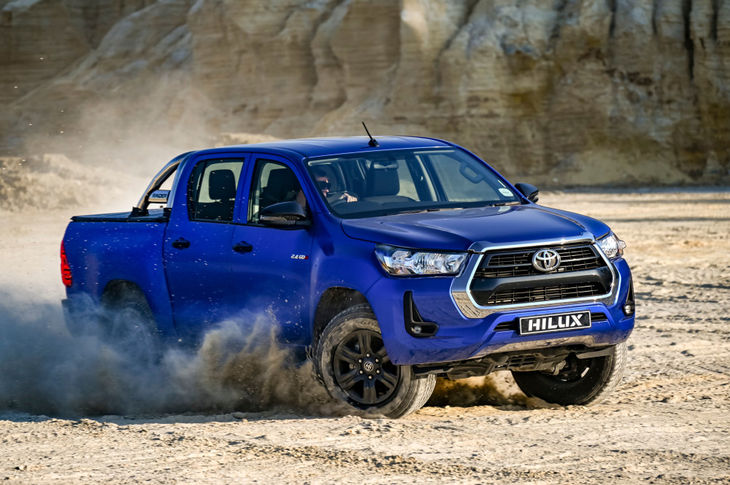
The Toyota Hilux 2.4GD-6 4×2 SR and Raider double-cab derivatives are the most fuel-efficient bakkies in the Hilux range. Its 2.4-litre turbodiesel engine produces 110 kW and 400 Nm of torque while returning a claimed fuel consumption figure of 7.1 L/100 km. Pricing for the 2.4GD-6 SR double cab is priced at R572 000 while the Hilux double cab Raider is priced from R612 100.
Other fuel-efficient Hilux derivatives include the Hilux 2.4 GD-6 double cab Raider automatic priced from R633 200 (7.3L/100km) and the Hilux 2.8 GD-6 Raider automatic from R769 900 (7.4 L/100km).
The Nissan Navara in SE and SE Plus guise offer the best fuel consumption with a claim of 7.2 L/100km. The Navara is powered by a 2.5-litre turbodiesel engine with 120 kW and 403 Nm. Pricing for the Navara SE starts from R550 500 while the Navara SE Plus is priced from R595 000.
The Isuzu D-Max fitted with the firm’s tried-and-trusted 1.9-litre turbodiesel paired with a 6-speed manual transmission will return the best fuel consumption. This engine produces 110 kW and 350 Nm of torque with Isuzu claiming 7.3 L/100km for the D-Max 1.9TD L derivative. priced from R561 500.
If you prefer an automatic, you can opt for the D-Max 1.9TD L automatic priced from R579 300 with claimed fuel consumption identical to its manual counterpart at 7.3 L/100km.
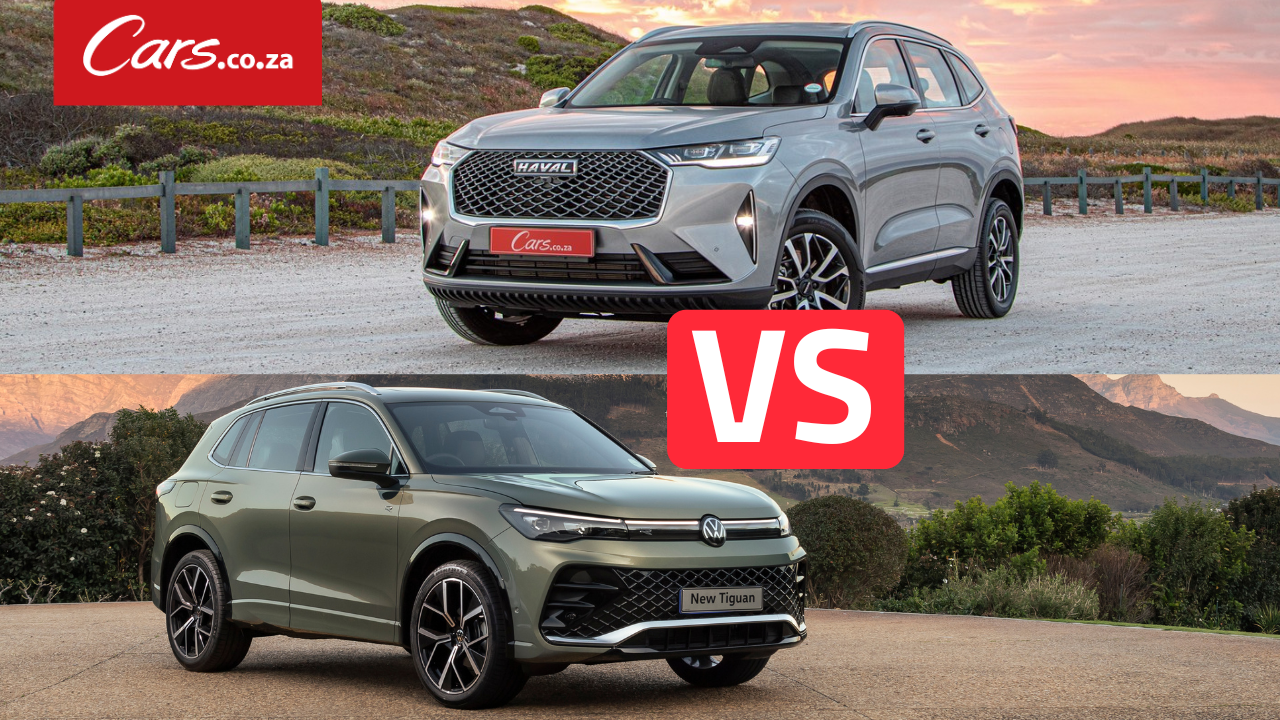
Car Value: Haval H6 vs Volkswagen Tiguan – Which car holds its value better?
In this article, we shed light on the car value and depreciation of South Africa’s most popular family cars, the Haval H6 and Volkswagen Tiguan! Which model holds its car value better over time?Let’s take a closer look!
Car value is impacted by a number of factors and car depreciation is an important but often overlooked cost associated with car ownership.
In addition to paying for a car, whether it be a cash or finance deal, depreciation is the second biggest cost that a car buyer will have to confront.
With an influx of Chinese cars in South Africa, we often get asked how well Chinese cars hold value over time compared to legacy brands. Answers to the question vary depending on who you ask and few answers, if any, are ever based on fact.
Using historical used car data from Cars.co.za, we’re in a unique position to provide some insight on the subject.
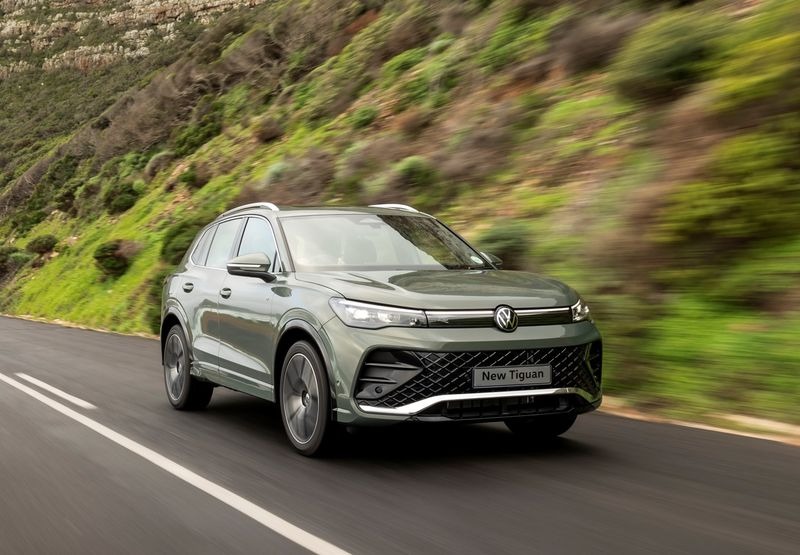
The Haval H6 has become a popular choice for family car buyers in South Africa
Newly-introduced Chinese car brands such as Jaecoo and Jetour haven’t been on the market long enough to provide a convincing data set. GWM’s SUV arm, Haval, however, has been on the market since 2017 and its H6 family car is one of its most popular models on the local market, making it a perfect candidate for this depreciation evaluation.
In addition, we have chosen the Volkswagen Tiguan as our longstanding legacy brand model which should make for an interesting depreciation comparison.
The Volkswagen Tiguan has lost some market share due to new and highly competitive products joining the local market.
It’s worth mentioning that the Haval H6 is one of the most popular cars in the family car segment and it racked up no less than 4 218 sales in 2024. Comparatively, the Volkswagen Tiguan sold 2 174 units in 2024.
Before we delve into the data, it’s important to understand what car depreciation is and why it’s important to you if you are looking to buy a new or used car.
What is Car Depreciation and how does it affect car value?
Car depreciation can be defined as the rate at which a car loses its value over time. All new or modern cars (unless it’s a rare collectable car) will lose value over time from the moment it is driven off the dealership floor.
Different brands and models will depreciate at different rates for various reasons, including market factors (supply and demand), brand reputation, model reliability, age, vehicle condition and -history, etc.
The general depreciation pattern is that new cars will depreciate the fastest in the first 1 to 3 years of ownership and then the rate of depreciation tends to decrease and level off as the car ages.
Why is car depreciation important to you?
Car depreciation is important because it’s money that you will lose and it will impact your financial status. Depreciation also has a direct impact on the resale value of a car.
Having knowledge of depreciation and how it affects the value of a car is beneficial for used car buyers because it gives them an indication of the best time to buy a used car, saving the buyer money. Buying a used car at the right time while avoiding the brunt of depreciation will have a positive impact on your financial health.
The depreciation results presented here are derived from historical used-car data from Cars.co.za. Note that the figures shown here are merely indicativevalues and are not definitive, as the factors that impact car depreciation are always changing.
Note that depreciation data is accurate as of March 2025.
Haval H6 vs Volkswagen Tiguan: What car loses value the fastest?
Before we dive into the data for the Haval H6 and Volkswagen Tiguan specifically, let’s take a closer look at brand depreciation. Consider the following question and carefully examine your answer.
What brand, in your opinion, depreciates faster, Volkswagen or Haval, and why?
For the purpose of this segment, let’s assume that a potential answer could be something like, “I think Haval depreciates faster than Volkswagen because the brand is fairly new in South Africa with a smaller overall vehicle footprint in the country”.
Does the data support such a view? Well, let’s take a closer look…
Broad generalisations are problematic, both philosophically and mathematically, particularly when you look at depreciation at a brand level. There are simply too many variables and market forces at play that distort meaning. However, Cars.co.za’s historical used car data does provide a glimpse of reality when guided with specific input.
For example, what is the depreciation trajectory of a 2020 Volkswagen compared to a 2020 Haval? In other words, if you bought a 2020 Volkswagen or Haval (any model) on the used car market, how much of its value, on average, would have been lost to depreciation over a 5-year period and how does the data compare? See the graphical representation below.
It’s worth mentioning that no less than 6 010 vehicles are included in the 2020 Haval data set while the 2020 Volkswagen data set includes no less than 40 403 vehicles. Volkswagen, therefore, does have a much larger used vehicle footprint in South Africa in the period under review.
The graph clearly shows that a 2020 Haval depreciates faster than a 2020 Volkswagen. In 2025, a 2020 Haval lost, on average, 29% of its 2020 value while a 2020 Volkswagen lost, on average, 23% of its 2020 value.
Interestingly, if you look at 2021 and 2022, you’ll notice that the 2020 Volkswagen experienced a period of appreciation where the average year-on-year value actually increased by about R50 000! This period coincides with the dramatic post-Covid new car price increases which resulted in an increase in demand for quality used cars, driving used car prices up across the market.
To illustrate this depreciation differently, let’s pretend that you bought a 2020 Haval for R400 000 in 2020. 5 years later in 2025, your Haval will be worth roughly R284 000, representing a depreciation loss of R116 000. Similarly, a 2020 Volkswagen would be worth roughly R308 000 after 5 years, representing a depreciation loss of approximately R92 000.
It’s worth noting that a well-maintained used car with lower mileage will fetch a higher price in the used car market.
Let’s now look at the model-specific data for the Haval H6 and Volkswagen Tiguan.
Does the Volkswagen hold its value better over time compared to the Haval H6? Let’s see what the data says!
The graph above shows the depreciation trajectory for a 2022 Haval H6 and 2022 Volkswagen Tiguan. Note that the 2022 Volkswagen experienced a 5% appreciation event in 2022 where its value increased due to higher used car demand as previously mentioned. The data also clearly shows and confirms that the Volkswagen Tiguan does hold its value better over time compared to the 2022 Haval H6 and by a significant margin.
A 2022 Volkswagen Tiguan would have lost 15% of its value in 2024 while a 2022 Haval H6 would have lost roughly 27% of its value to depreciation during the same period.
The Tiguan beats the Haval H6 when it comes to overall depreciation.
Based on historical used car data, we can confidently and factually conclude that the Volkswagen Tiguan holds its value better than the Haval H6 over time.
From new, the Volkswagen Tiguan is more expensive than its Haval H6 counterpart with pricing starting from R664 500 and going up to R852 600, before options. Comparatively, pricing for the Haval H6 starts from R492 050 and goes up to R679 950.
As a potential buyer, you will have to examine your affordability and decide if it’s better to buy the cheaper H6 option but suffer slightly higher depreciation or buy the Tiguan and enjoy less depreciation over time and get a higher return when you decide to sell it.
As highlighted in this article, if you’re willing to buy a used car that’s 3-4 years old and in good condition, you will be saving a considerable amount of money by avoiding the initial cost of depreciation.
Cars.co.za has a wide range of quality used cars for sale that cater to all budgets.