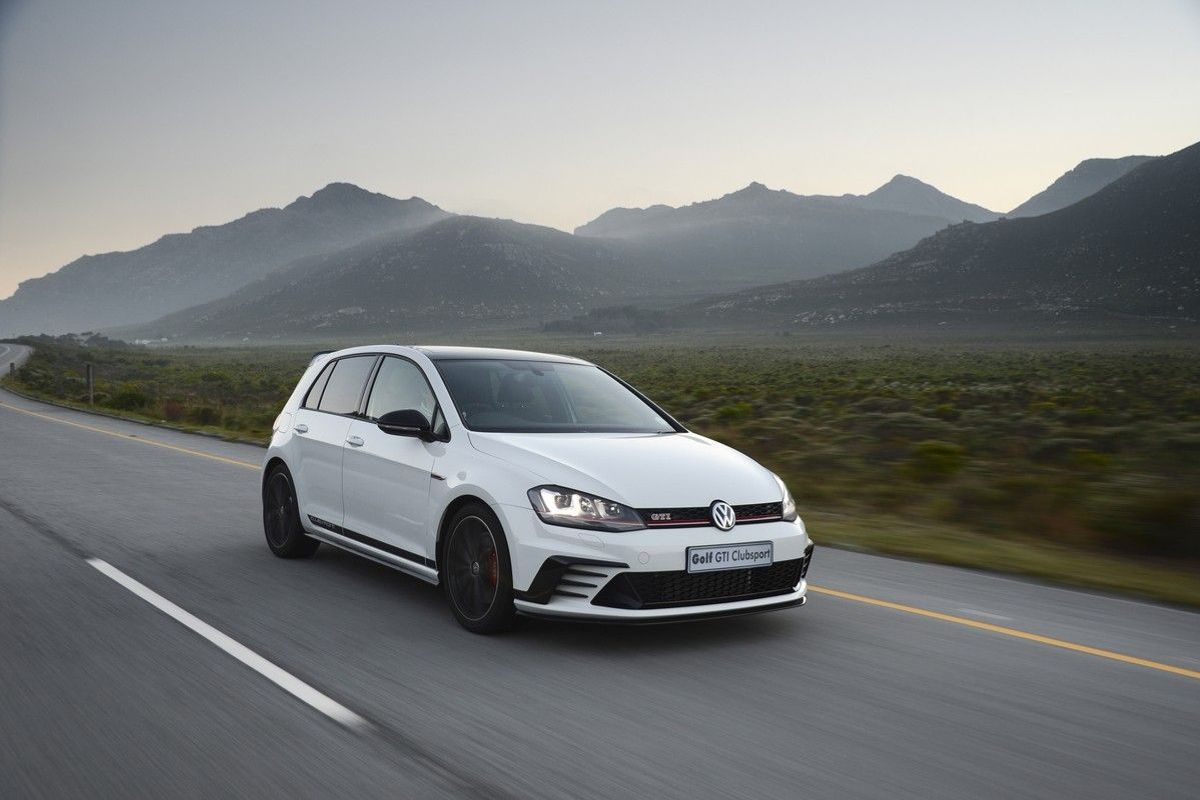
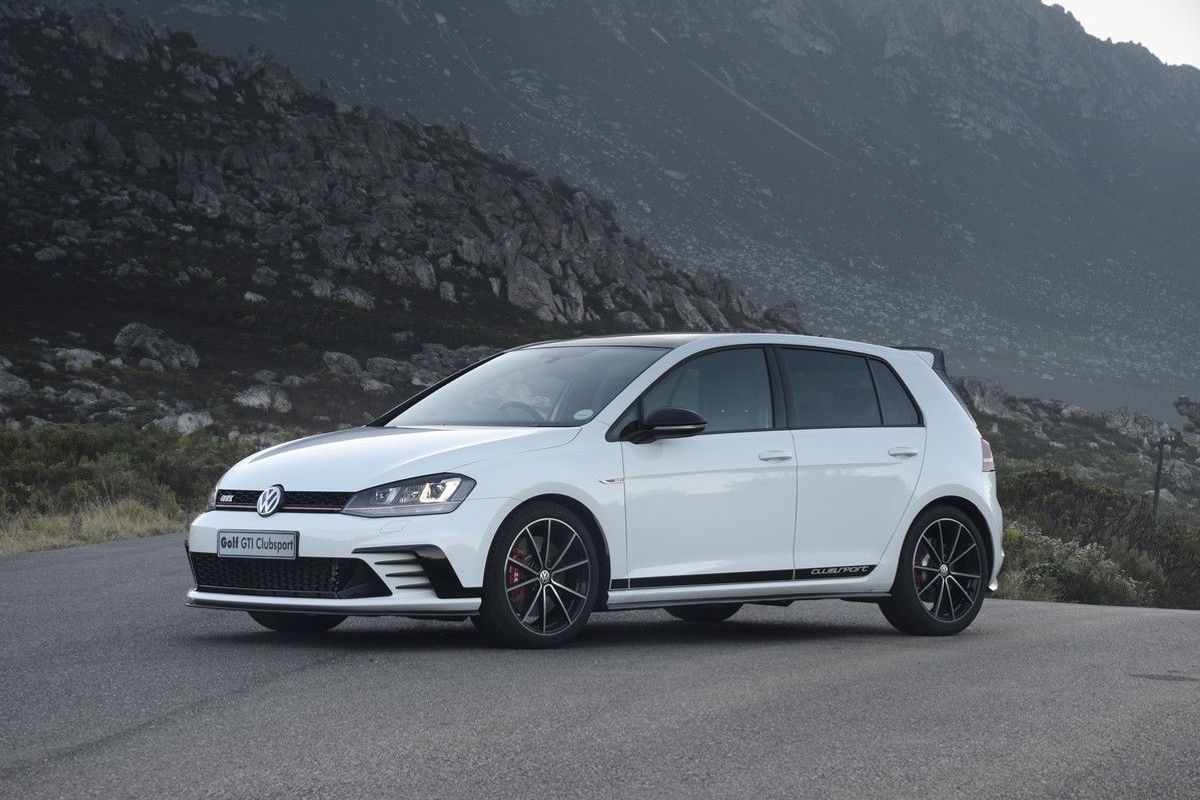
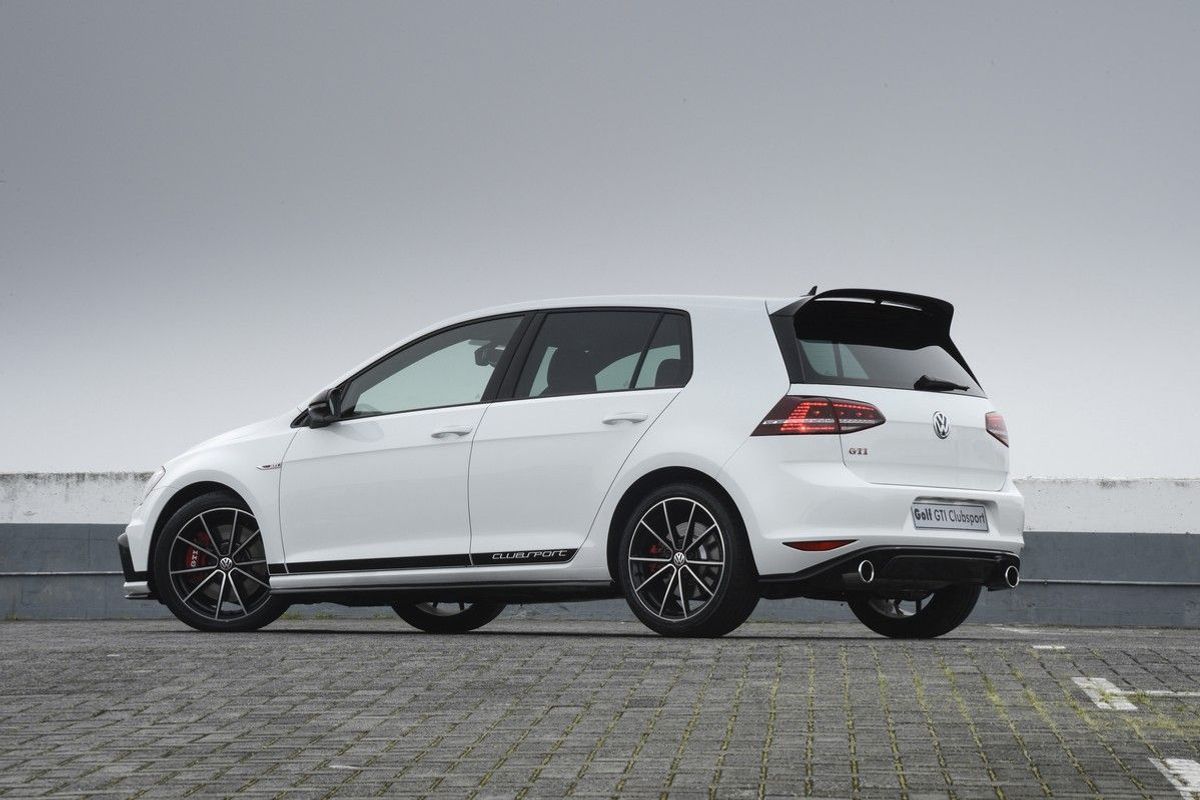
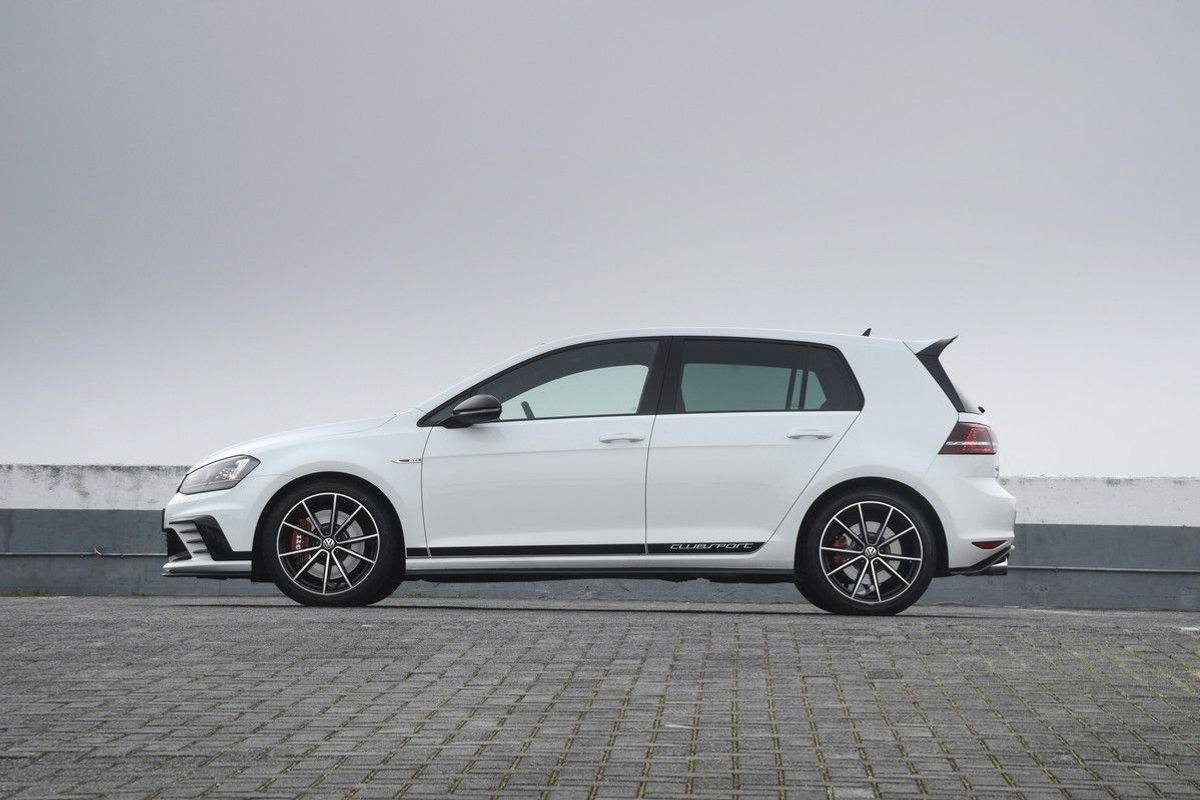
The Volkswagen Golf GTI has been upgraded for its 40th birthday so we decided to give it a quick blast around the Western Cape to see if it was worth the wait. It will only be offered for sale this year, so if you want to buy a new one, you better move quickly…
The Golf GTI has been a South African and global favourite for 40 years. As a birthday present to itself (and to satisfy legions of GTI fans), VW has produced this Clubsport edition (or Edition 40, as it calls the car in Europe). The first Golf GTI only became available in South Africa in 1982 (34 years ago), so the newcomer will officially be called the Clubsport here.
Beefier GTI
The Clubsport's engine produces quite a bit more fizz than the standard Golf GTI's powerplant. Peak outputs of 195 kW and 350 Nm are available, which stack up well against those produced by Ford, Renault and Honda's headlining hot hatches.
There’s even a little bit extra available (for a total of 213 kW) if you mash the throttle all the way to the floor and engage the transmission's kickdown function. The burst of extra power is available for 10 seconds and then the Clubsport needs another 10 seconds to cool off before the extra power can be accessed again.
It certainly feels rapid in a straight line and thanks to its built-in launch control setting, the Clubsport was very nearly a match for its all-wheel-driven Golf R sibling on the drag strip. It’s just that little bit of extra wheelspin from the front-wheel-drive system that hinders the newcomer's challenge to the R. Still, a 5.9-second zero to 100 kph sprint benchmark is nothing to be sneezed at.
Real downforce
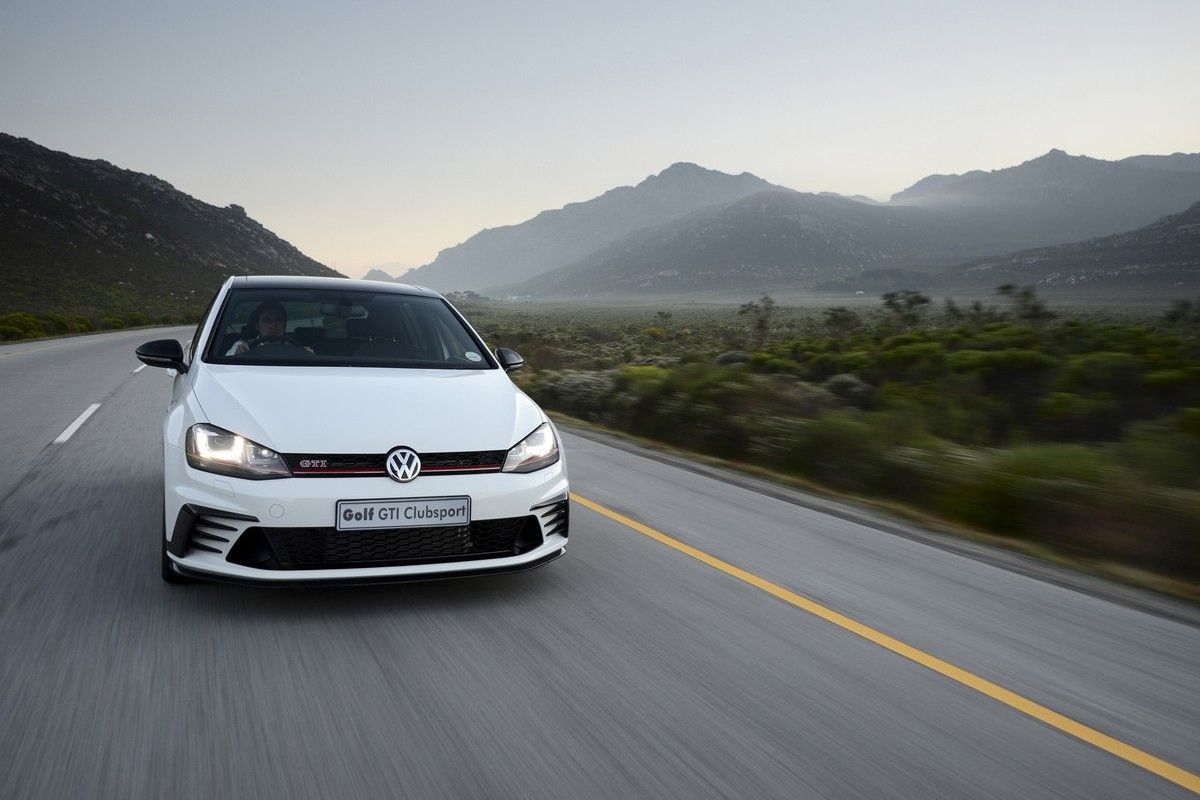
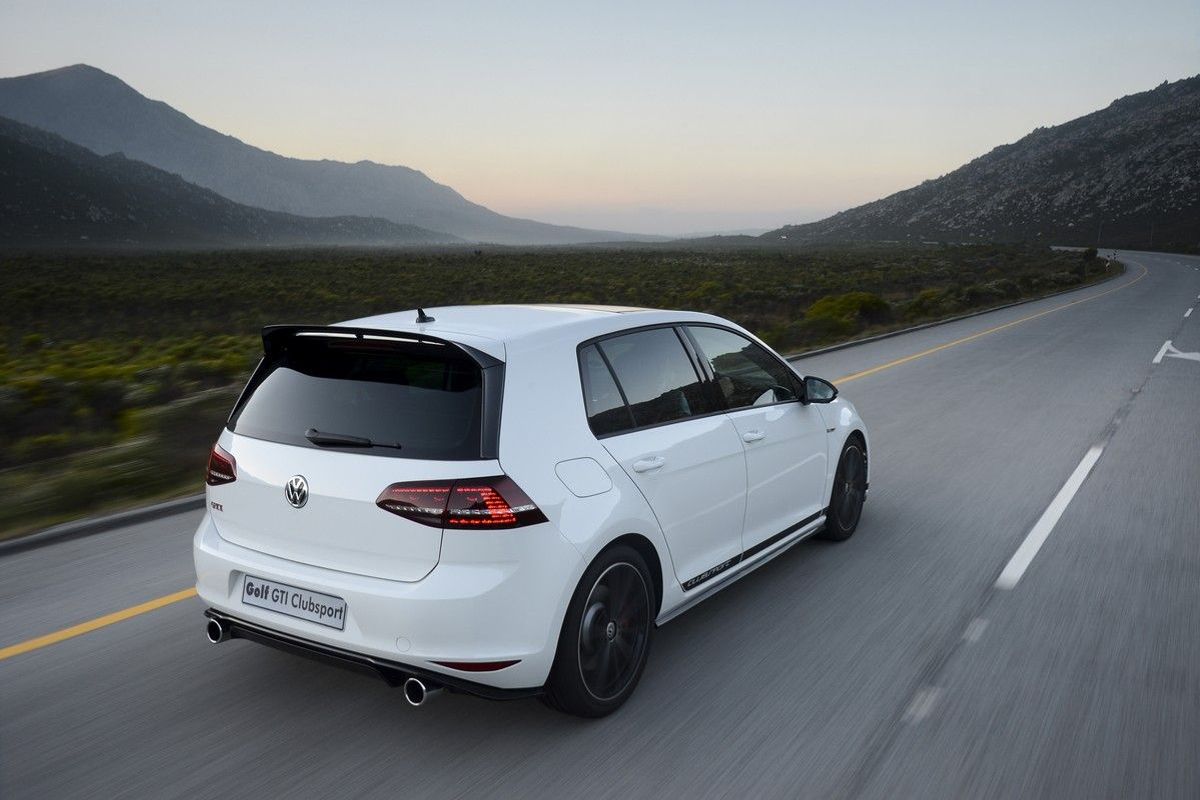
The Clubsport comes with a few exterior modifications to improve its ultimate handling ability. The standard GTI has always been a very balanced and neutral car to drive quickly, but it has tended to lag behind its direct competitors at the track. The Clubsport aims to appease track-day GTI enthusiasts a little by generating real downforce. In fact, the rear spoiler consists of 2 parts that help to stabilise the car at higher speed.
There are also dive-planes on either side of the front bumper that help to push the car's front end down, which will allow the Clubsport to achieve higher cornering speeds. The suspension's springs and dampers have been enhanced to absorb road unevenness (while improving road-holding) and the final touch is the tweaked electronic XDS differential, which sends power to the wheel that will get you out of the corner fastest (and reduce a bit of understeer).
How does it drive?
After the drag strip entertainment, we were sent on a 250 km route around the Western Cape, which included some of the region's best mountain roads. The Clubsport we drove had the standard car's leather seats, but there is the option for bucket seats and they are well worth the extra money.
The Clubsport immediately feels more agile than the GTI – it’s quicker to turn in and there’s a distinct lack of body roll when the G-forces pile on. The car's steering ratio has been sped up around the centre and immediate turning zones so the newcomer's handling feels alive and dart-like.
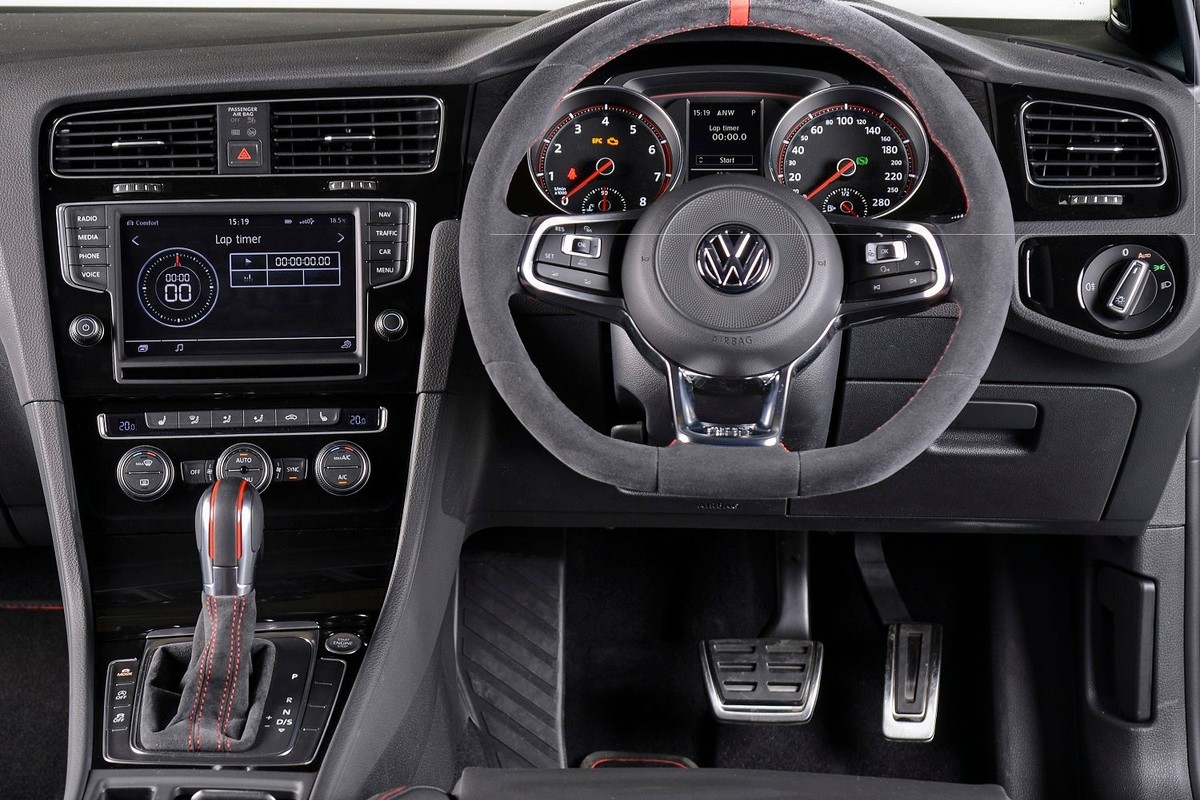
The steering wheel is clad in suede with red stitching at the top making it feel like a race car's tiller when you grip the rim. The weight of the steering is perfect and there’s a great connection between the front wheels and the steering that’s refreshing and inspiring when you push on.
The neutral handling characteristics remain; they should save you from landing in trouble. You won’t find yourself scared or overly excited by lift-off oversteer moments, however, as the Clubsport retains its GTI sibling's superb balance. It’s faster and grippier than the standard car, but not as entertaining or as addictive as the Focus ST or Megane RS, however.
Where does it sit?
The GTI Clubsport brings Volkswagen's iconic nameplate back into contention as a pukka hot hatch. The Performance Pack that was added to the GTI range last year was not enough of an upgrade to really be worthwhile but, this Clubsport will satisfy most enthusiasts. It actually makes the Golf R seem a trifle heavy and lazy and, for 10 seconds, the Clubsport is more powerful than the Golf R! Despite its hefty price tag, the Clubsport is the best Golf you can buy right now.
Pricing
Volkswagen has priced the Clubsport at R540 200 before options and standard with a 5-year/90 000 km service plan and a 3-year/120 000 km warranty.
Clubsport S
The good news is that the fastest front-wheel drive car to ever lap the Nurburgring is probably heading to SA. Numbers will be extremely limited, but VW SA believes we could be allocated as many as 47 units in November. It’s purely a 2-door car with no aircon and no back seats either but it will smash lap times.
Brace yourselves! We've just started the month of July and news has broken that we'll be paying more to fill up our motor vehicles. Here are the petrol and diesel price increases.
The Department of Energy has announced that both grades of petrol will increase by as much as 11 cents per litre at midnight on Tuesday (July 5). If you own a diesel-fuelled vehicle you're in for much worse. In fact, you will be taking a big hit as diesel will be going up by as much as 42 cents per litre. 95-Octane unleaded petrol and lead-replacement petrol will increase by 8 cents a litre, while 93 unleaded and lead-replacement petrol will increase by 11 cents a litre.
The increases come on the back of a slightly higher oil price as well as an increase in the international price of petrol-based products. Despite the recent (relative) strength of the Rand against foreign currencies such as the US Dollar and Pound Sterling, it has not been good enough to absorb this increase. In fact, the Department of Energy claimed that the strengthening Rand helped "cushion the fuel price." Things could be a lot worse, apparently.
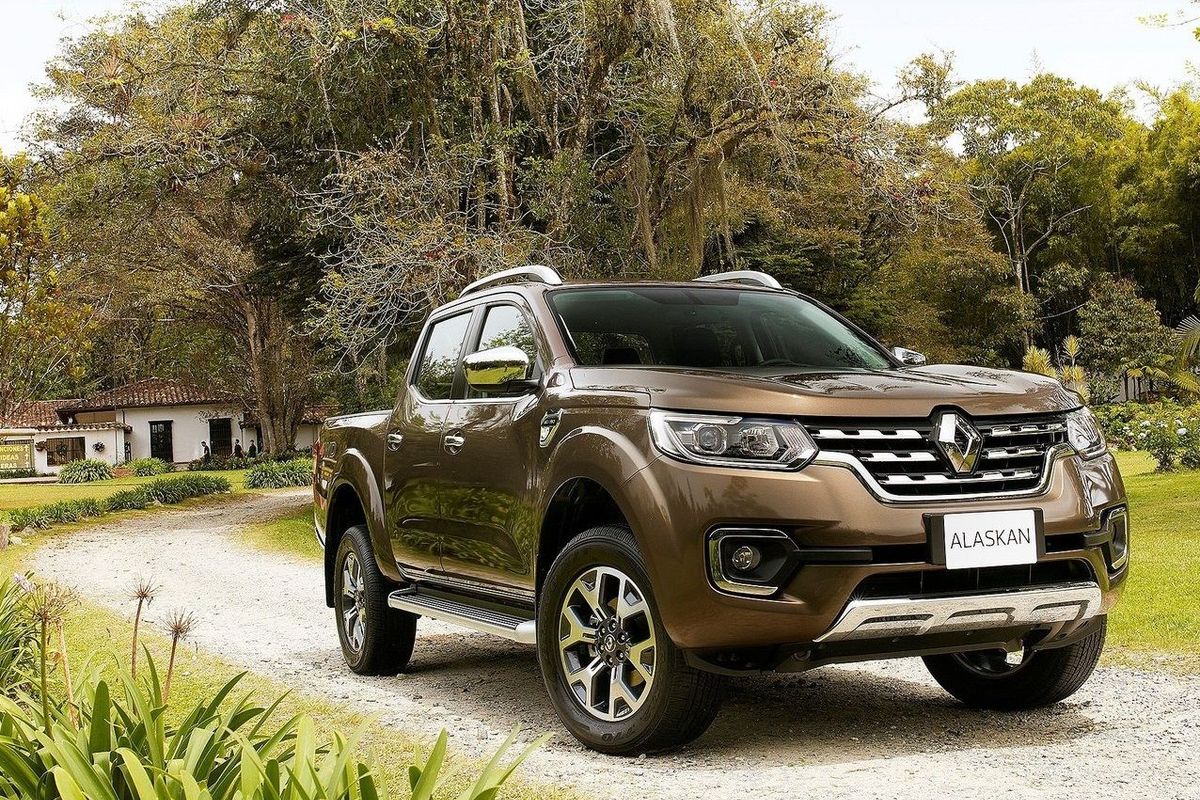
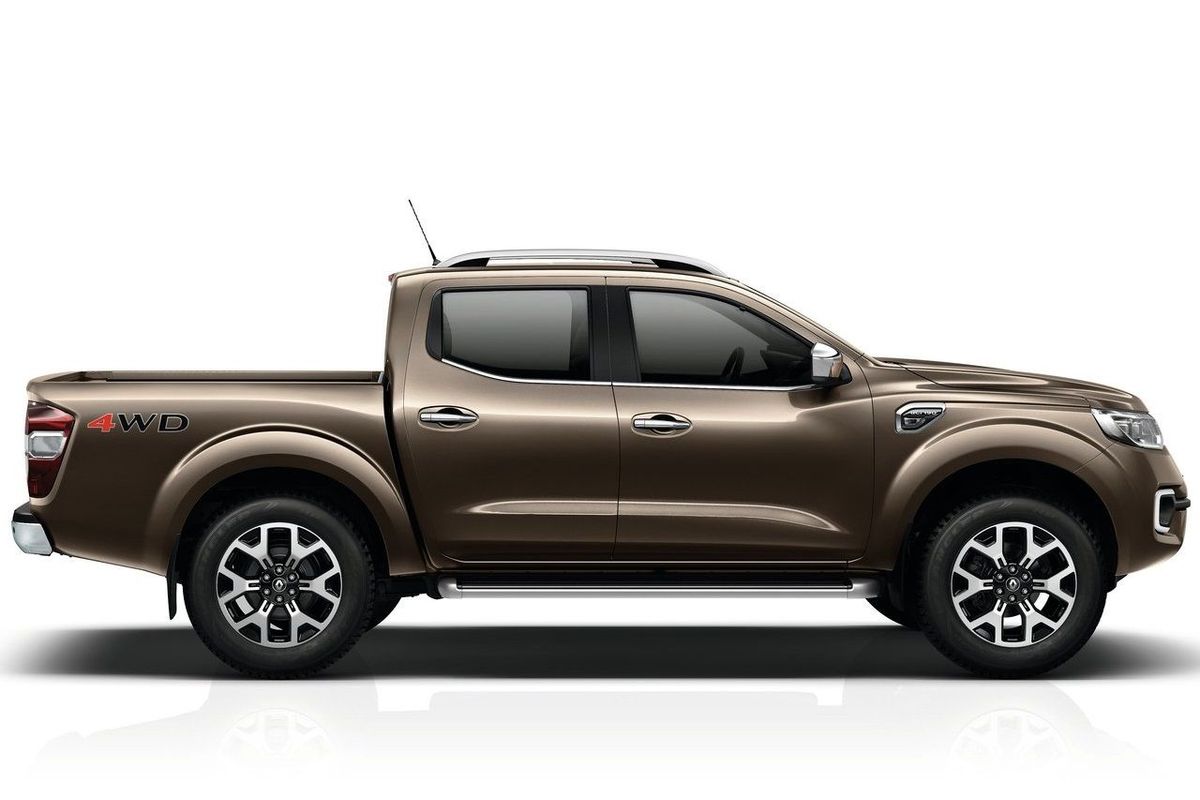
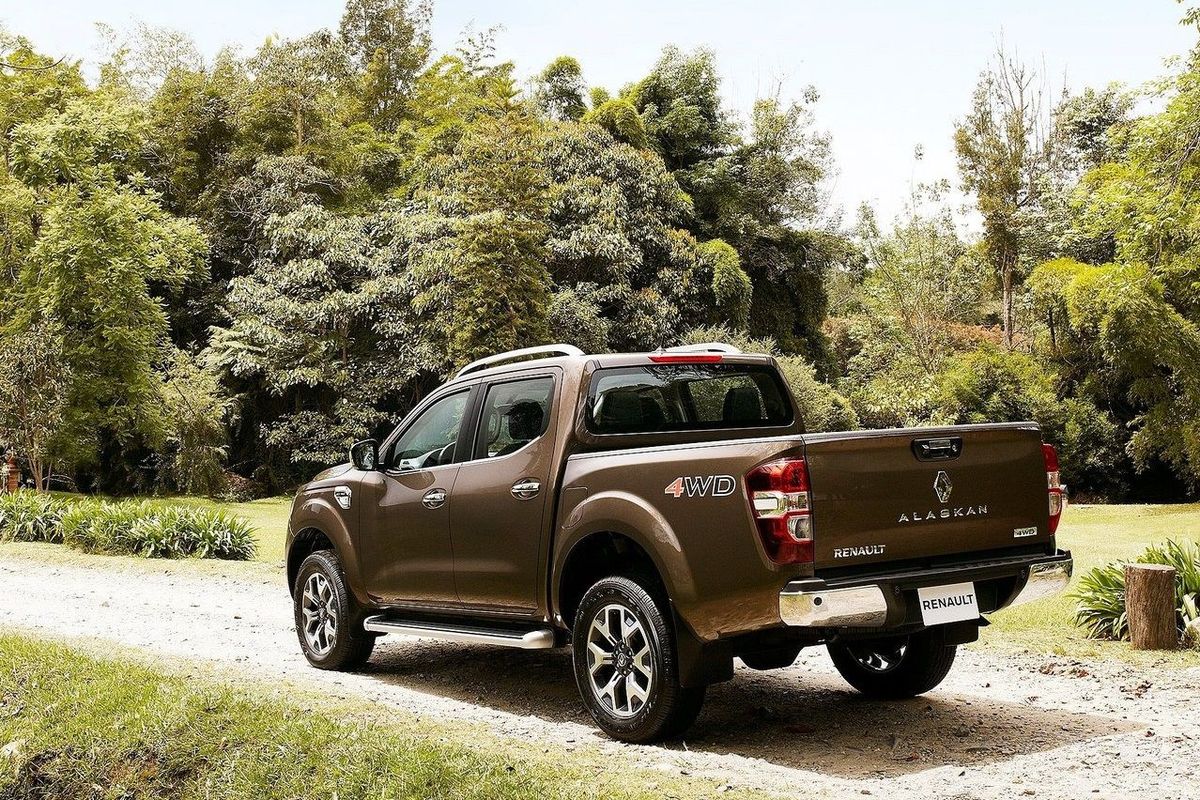
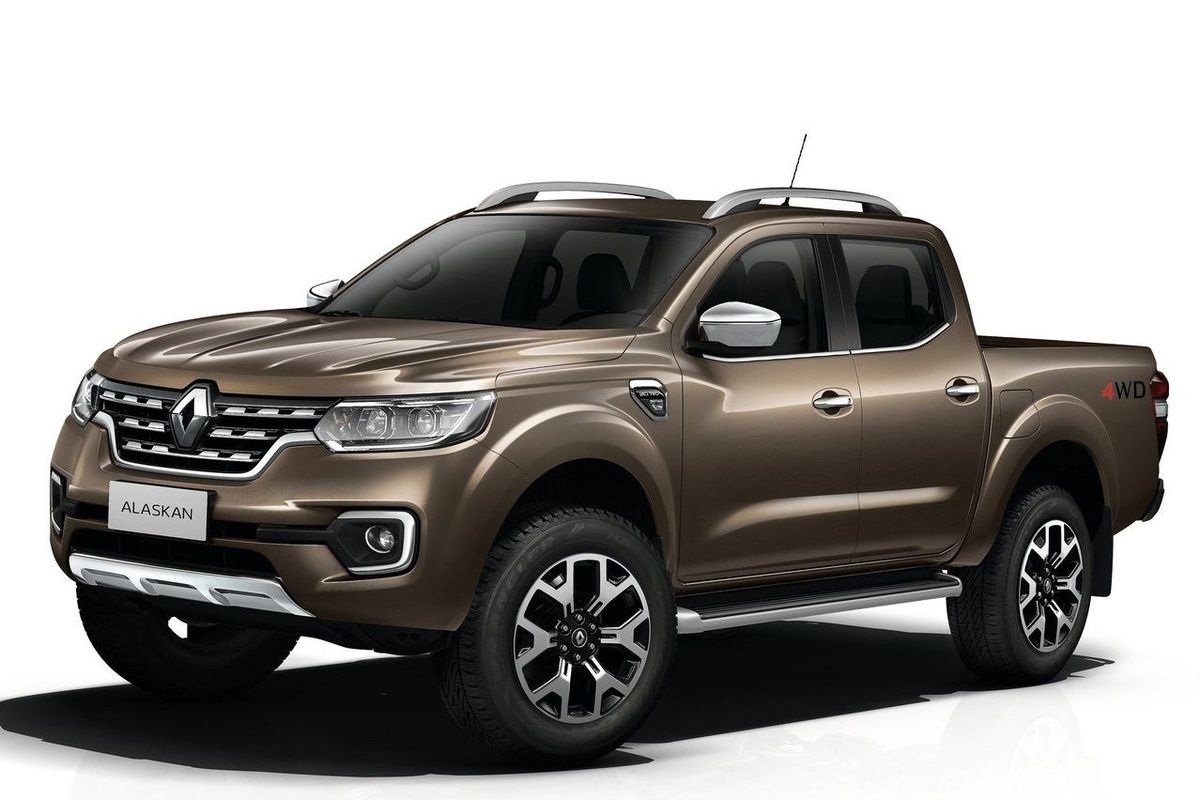
Renault’s move into the leisure bakkie market is complete with the unveiling of the production version of the Alaskan.
Renault showed its Alaskan concept back in September 2015 and it hasn’t taken very long for the bakkie to be shown in production-ready form. Fortunately, it carries over most of the original concept's styling cues. The Alaskan, shown here in double-cab guise, will share a platform with the new Nissan NavaraNP300 and the 2020 Mercedes-Benz bakkie.
The French manufacturer will produce the Alaskan in three factories around the globe and position the newcomer at the premium-end of the leisure-bakkie market. It has yet to be confirmed if Renault will produce the bakkie in right-hand-drive form (which would be vital for its viability for the local market, of course), but the firm claims the Alaskan will be trimmed in upmarket interior materials, offer excellent connectivity options and sport a comfort-oriented ride quality. The enlarged wheel arches make provision for 16- or 18-inch alloy wheels.
The Alaskan bakkie is powered by a 2.3-litre 4-cylinder twin-turbo diesel engine pushing out either 120 kW or 141 kW. There will also be petrol and diesel versions of a 2.5-litre four-cylinder available, the latter also in 2 states of tune. The turbo setup is an interesting one as there's a small turbo to assist with low-down torque, which in turn spools up the bigger turbo.
The bakkie has a 5-link rear suspension and will be offered with a choice of a 6-speed manual or 7-speed automatic transmissions and in both 2- or 4-wheel drive guises.
But… can it bakkie?
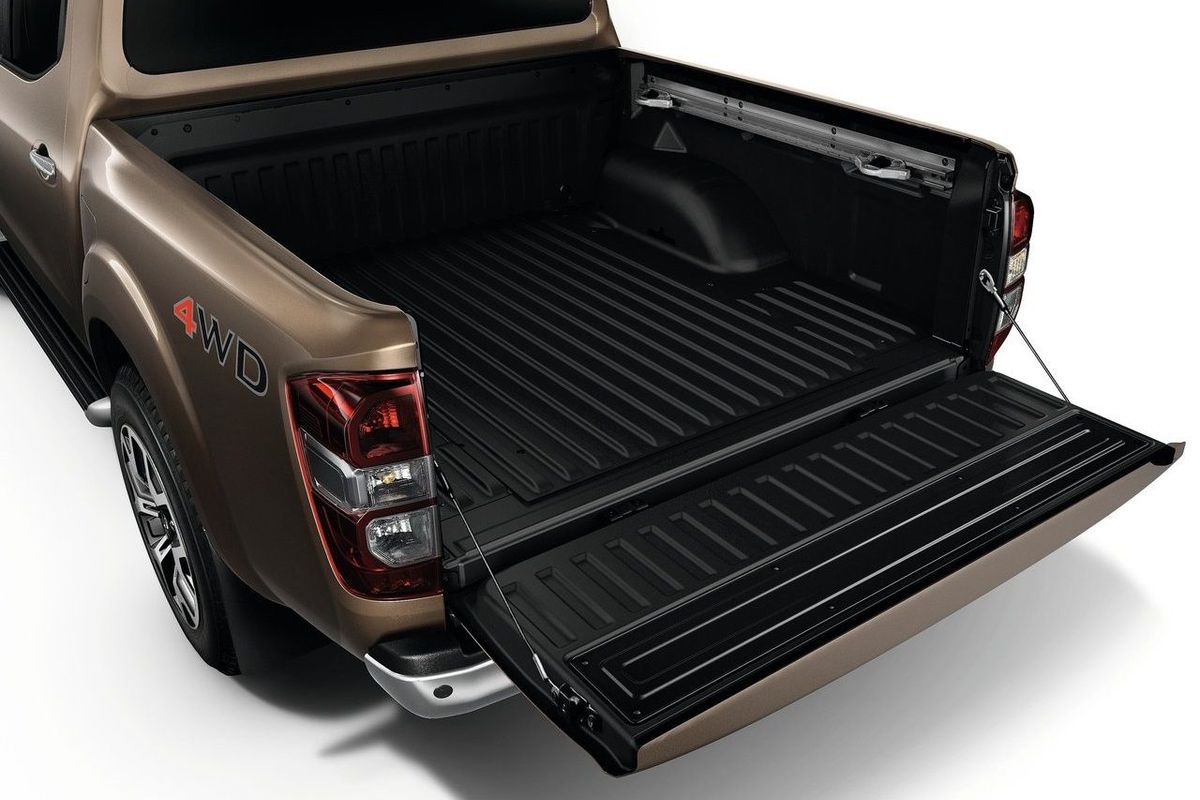
Apparently so… The payload is rated at 1 tonne and the Renault Alaskan boasts a ground clearance of 230 mm. It can also tow up to 3.5 tonnes. The load bay has an anti-slip surface and has been given a UV-resistant and water-repellent finish. A 12V power supply and C-channels, as well as four quick-fit hooks make securing loads easy. The all-wheel drive configuration includes a 2-wheel (rear-wheel drive) mode, 4H and 4L. An electronic limited slip differential helps with traction, but if the going gets really challenging, the mechanical diff lock will help drivers to get their vehicles out of challenging off-road situations. Electronic aids include ABS with EBD, Hill Start Assist, as well as Hill Descent Control.
Features
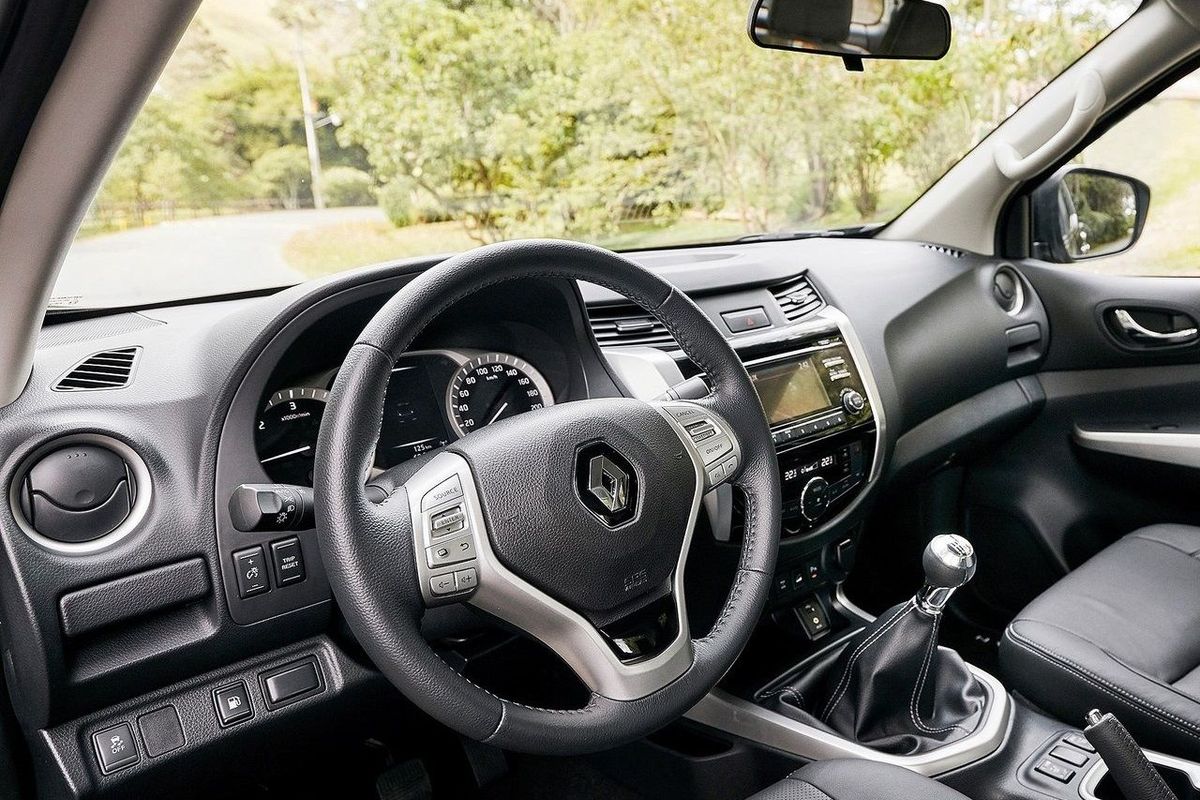
The Renault Alaskan is equipped with promising levels of creature comforts. The space inside is claimed to be quite generous and there are adjustable high-comfort seats that should make longer journeys more bearable with the benefit of extra lumbar support and heating functionality. The cabin boasts automatic air conditioning with dual-zone climate control as well as adjustable vents for rear passengers. Over and above cupholders there are numerous storage spaces, such as hidey-holes (for things like keys and phones) around the cabin.
The dashboard features a 5-inch TFT infotainment screen, keyless entry with push start, a multifunction steering wheel, Bluetooth connectivity as well as an MP3-compatible radio/CD audio system. Some markets will receive 7-inch touchscreen navigation as well as 360-degree visibility with 4 cameras (located in the front bumper, door mirrors and tailgate).
The Renault Alaskan comes with one more feature which is definitely worth a mention. Right now it looks like the Alaskan is destined for the South American market and Renault has partnered with a number of conversion companies to kit out the vehicle to suit customer needs. If you need an ambulance, cherry picker, tipper or tow-truck, the Renault Alaskan can be kitted out accordingly. Bakkie accessories such as bull bars and running boards will also be made available.
Given the fact that the new Navara NP300 (with which the Alaskan shares its platform) will be produced in South Africa, it is not inconceivable that Renault-Nissan partnership may consider assembling the newcomer on local soil (just as Ford Motor Company of South Africa did with the Mazda BT-50 in its Pretoria plant). Otherwise, RHD units will have to be imported from elsewhere, providing Renault South Africa can make a business case to introduce the Alaskan on local soil.
Fiat recently joined the local bakkie fray with its Fullback bakkie and it will be interesting to see if new double cabs (from brands not best associated with bakkie products) will have a significant impact on sales of popular models such as the Ford Ranger and Toyota Hilux.
The Renault Alaskan certainly looks the part and we think it would be a welcome addition to the South African bakkie market. Bring it, Renault!
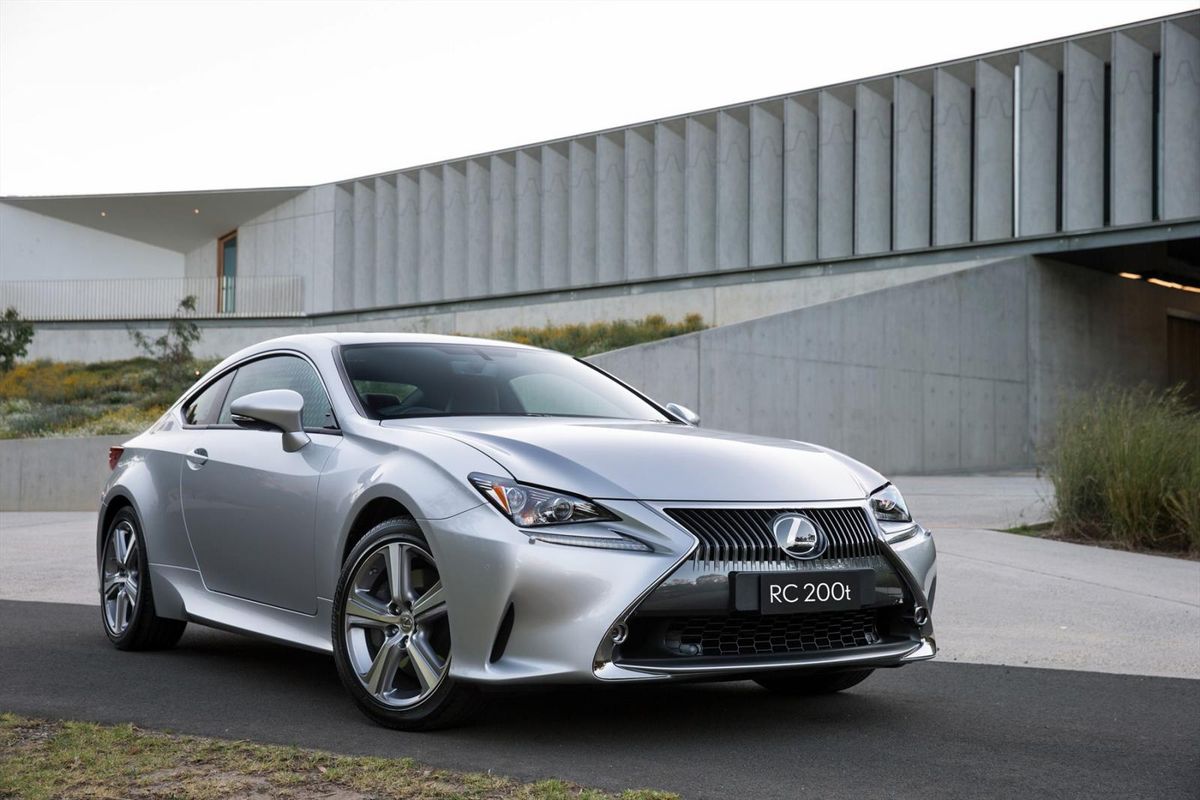
First Drive: Lexus RC 200t (2016)
Lexus has added a more affordable derivative of its sexy RC coupe, powered by the brand's 2.0-litre turbopetrol engine. We took it for a spin near the Cradle of Humankind.
The Cars.co.za team was impressed with the Lexus RC 350 F-Sport when we reviewed it last year. It offers near musclecar-like looks, a brawny V6 engine and loads of luxury in standard trim. You could argue that the RC represents a new breed of Lexus, one that can be bought with the heart, as much as the head. Now, with the addition of the RC 200t, Lexus is placing the RC within reach of a significantly larger audience.
A classic grand tourer (GT)
Before assessing the RC 200t it is important to understand its positioning. This is not a hardcore sportscar, but rather a car in the classic grand tourer (GT) mould. By that definition, the RC 200t should deliver swift (as opposed fiery) performance, great long-distance comfort and loads of luxury features. But it should also not fall over in the first tight(ish) corner. We did not have an opportunity during the local launch to do any long-distance driving, but still had to cover 150 km swiftly in order to make it to the airport in time to catch our flights home. Consequently, the 2.0-litre turbocharged 4-cylinder engine nestled under that heavily sculpted bonnet had to flex its muscles harder than our hosts may have hoped they would be…
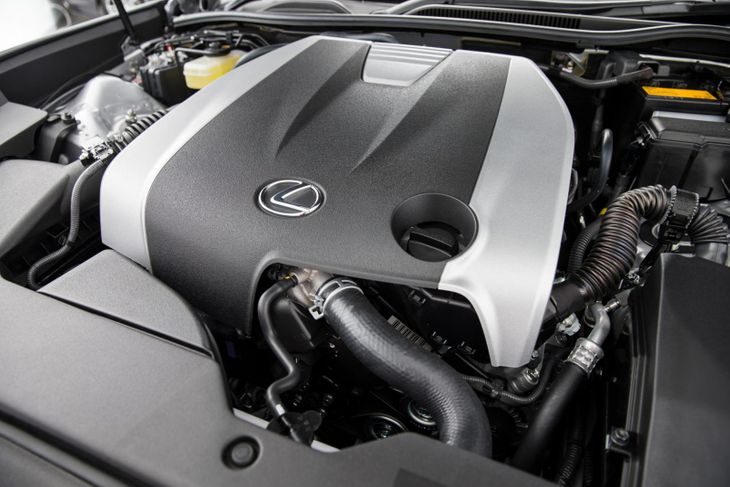
The 2.0-litre engine delivers class-competitive power, but impresses most with its refinement.
The engine is already used in a variety of Lexus products (NX, GS etc.) and uses twin-scroll turbocharging to develop 180 kW and 350 Nm of torque. The power figure, by the way, matches what is on offer from the German rivals (the Mercedes-Benz C300, for example), but is perhaps slightly down on torque. Interestingly, compared with the V6 in the RC 350 F-Sport, the RC 200t is only very slightly down on torque, too. So, coupled with a very slick 8-speed automatic transmission, the RC 200t delivers fair performance, with the 0-100 kph sprint completed in 7.5 seconds, which, admittedly, is bettered by the Germans. Clearly, then, this is no robot-to-robot racer.
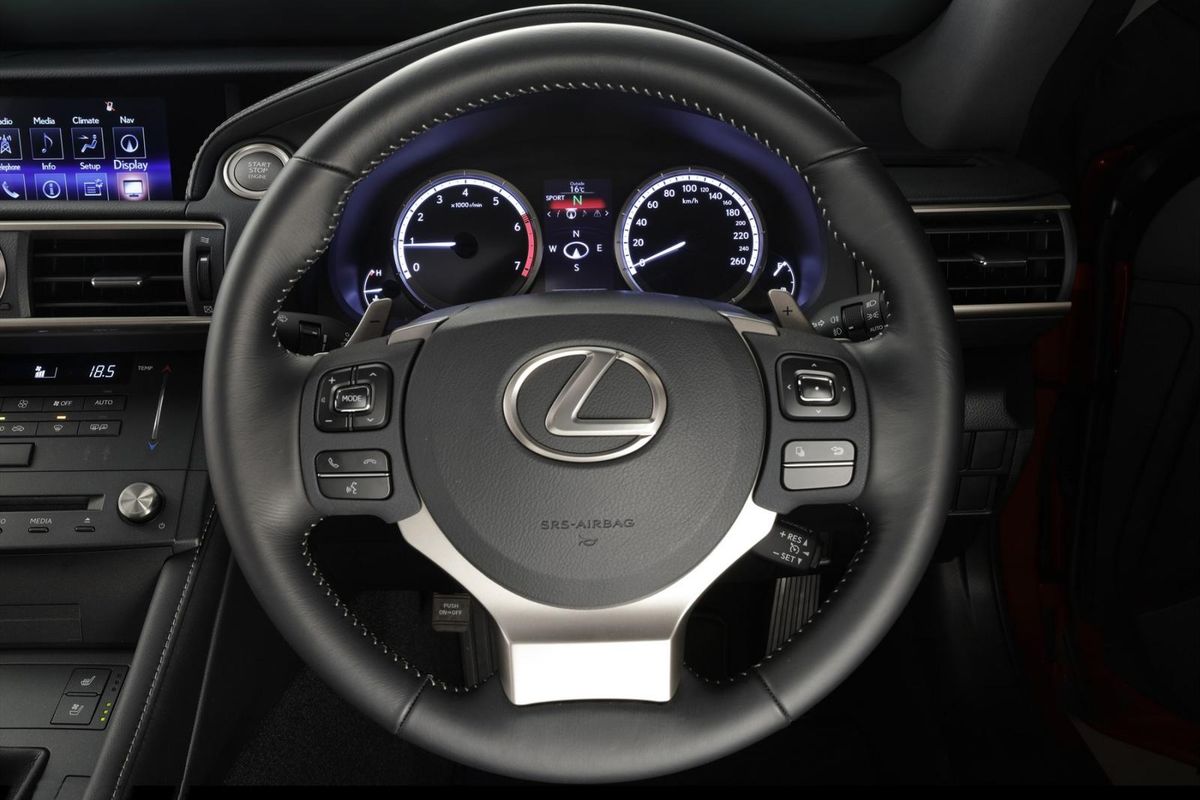
Out on the open road, however, the RC 200t's engine and transmission combine to deliver superb refinement and responsiveness (especially in Sport mode). The maximum torque figure is available across a broad rev range (1 650 to 4 400 rpm), so the RC never feels lacking in grunt, and you can make sure the power is available immediately by using the shift paddles behind the steering wheel. And, here's a surprise… the engine in the RC 200t sounds surprisingly sonorous, especially compared with the disappointingly "strained" note of the similar-capacity motor in the Mercedes-Benz C300 models.
With a claimed fuel consumption figure of 8.0 L/100 km, the RC 200t is also appreciably more economical than its 350 F-Sport brother, although seemingly not as efficient as the aforementioned Benz unit.
Refinement is king
Arguably the most memorable aspect of driving the RC 200t is its refinement. In this department, the Lexus arguably leads the field, in fact. It rides on a significantly altered version of the platform that underpins the GS executive sedan, and boasts larger diameter front and rear stabiliser bars, among many other changes.
For Lexus, it was important to retain the comfort and refinement that the brand is known for, and it is that fine balance of traits that makes the RC 200t shine in its preferred environment (the open road). Nevertheless, the coupe's supple, loping ride quality doesn't mean that its body control through the corners is clumsy, quite the contrary, in fact. There are many roadworks in progress in the Maropeng area, so we had ample opportunity to test the RC 200t on a variety of surfaces. It excelled: big, lateral ridges were shrugged off; coarse surfaces failed to make anything in the sturdy cabin rattle or vibrate and, all the while the cabin remained a quiet, comfortable to place, due to excellent NVH (noise/vibration/harshness) control.
Everything is standard
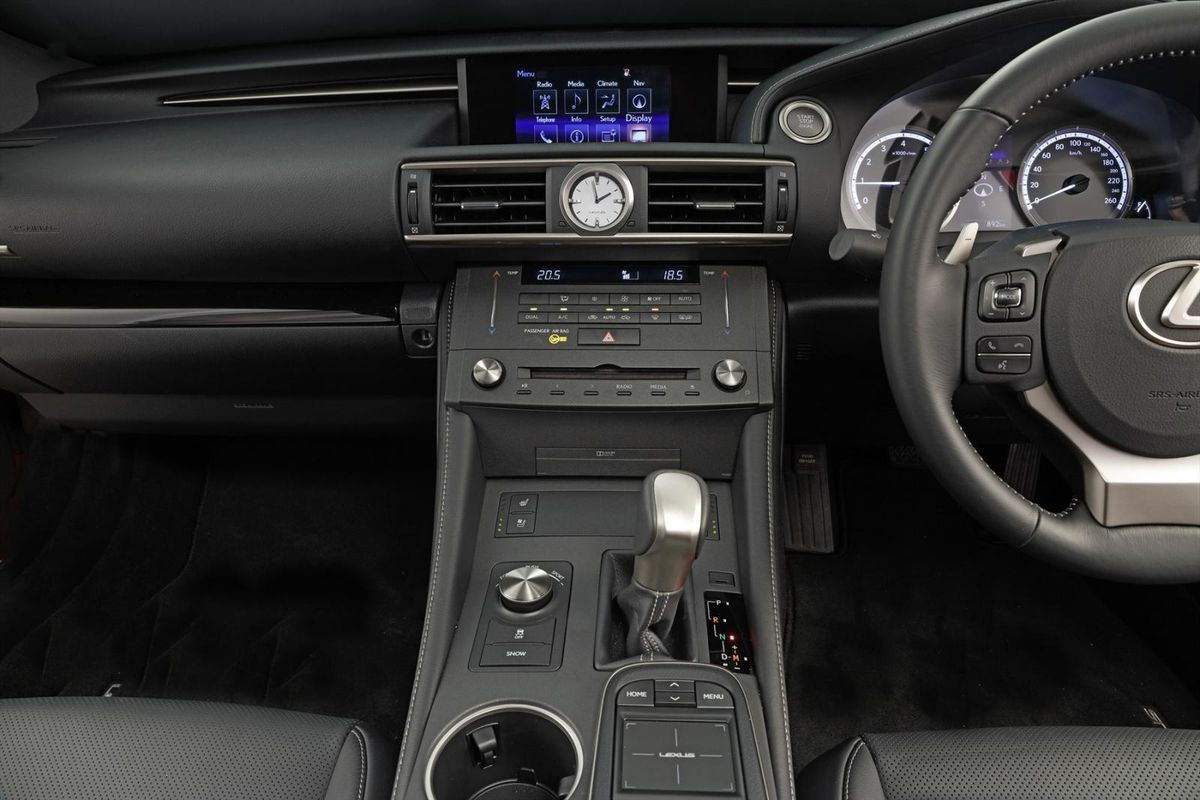
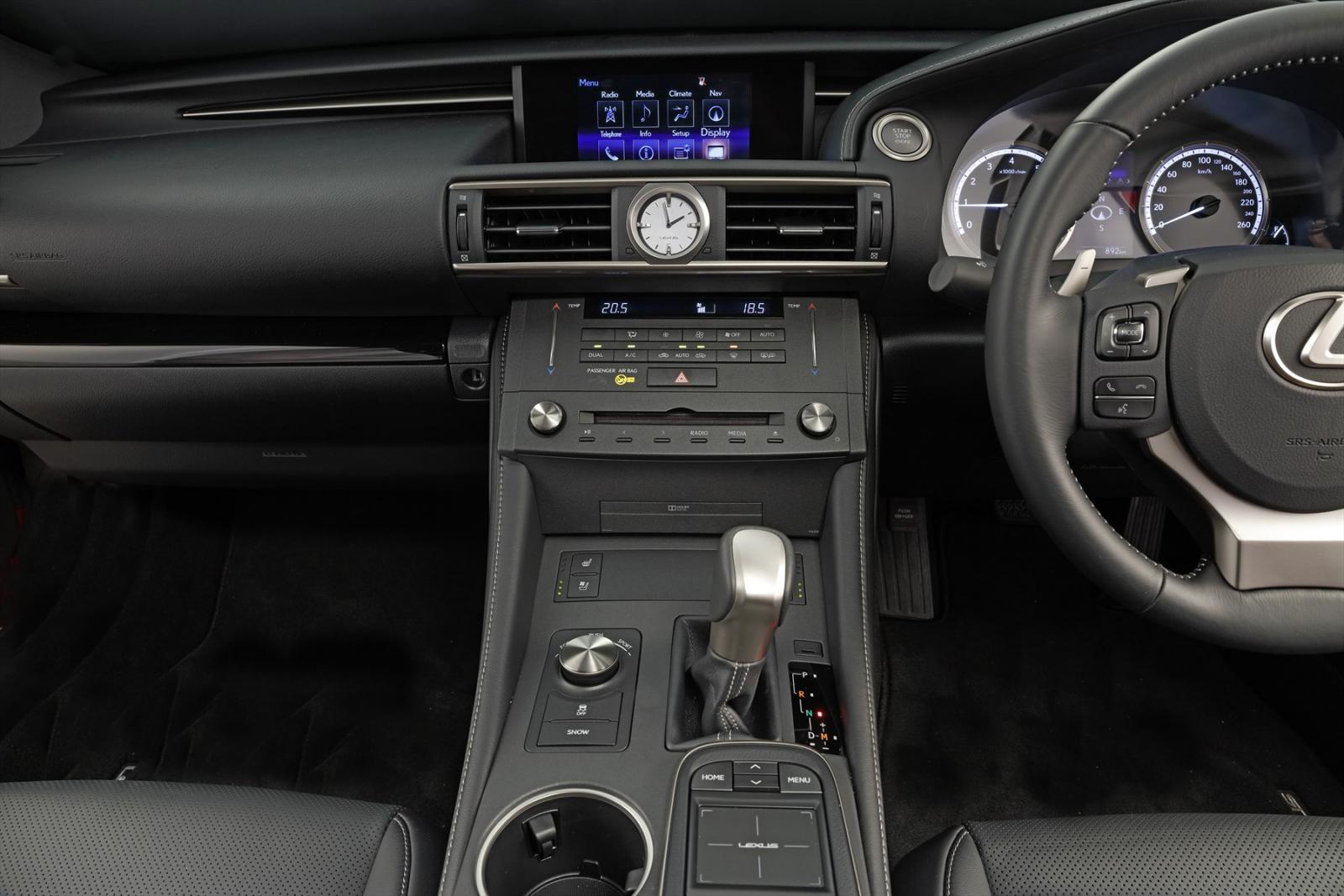
RC's cabin combines traditional and high-tech without sacrificing the brand's legendary quality.
As is the case with most Lexus models – and unlike the German offerings – the RC 200t is offered in one specification level (EX) and wants for nothing. The fantastic front seats are trimmed in soft leather and offer 8-way adjustability for the driver (6-way for the front passenger), as well as heating and ventilation functions for both front occupants. There is also the familiar Lexus Remote Touch Interface for the comprehensive infotainment system (navigation is standard). This control system (think of it as the touch-pad of a laptop), may offer both the driver and the front passenger the ability to access the infotainment system's features, but it can't match the competition for user-friendliness and ease-of-use. Perhaps we've just all become to accustomed to touchscreen interfaces, or systems similar to BMW's iDrive. Of course, owners who live with the car are likely to eventually become familiar with it.
Other cool features include an electrically-operated sunroof, Smart Entry system and heated and retractable side mirrors. Safety is taken care of by: no fewer than 8 airbags, a reverse-view camera and park distance control, ABS/EBD, VSC (vehicle stability control), hill-start assist control and tyre pressure monitoring.
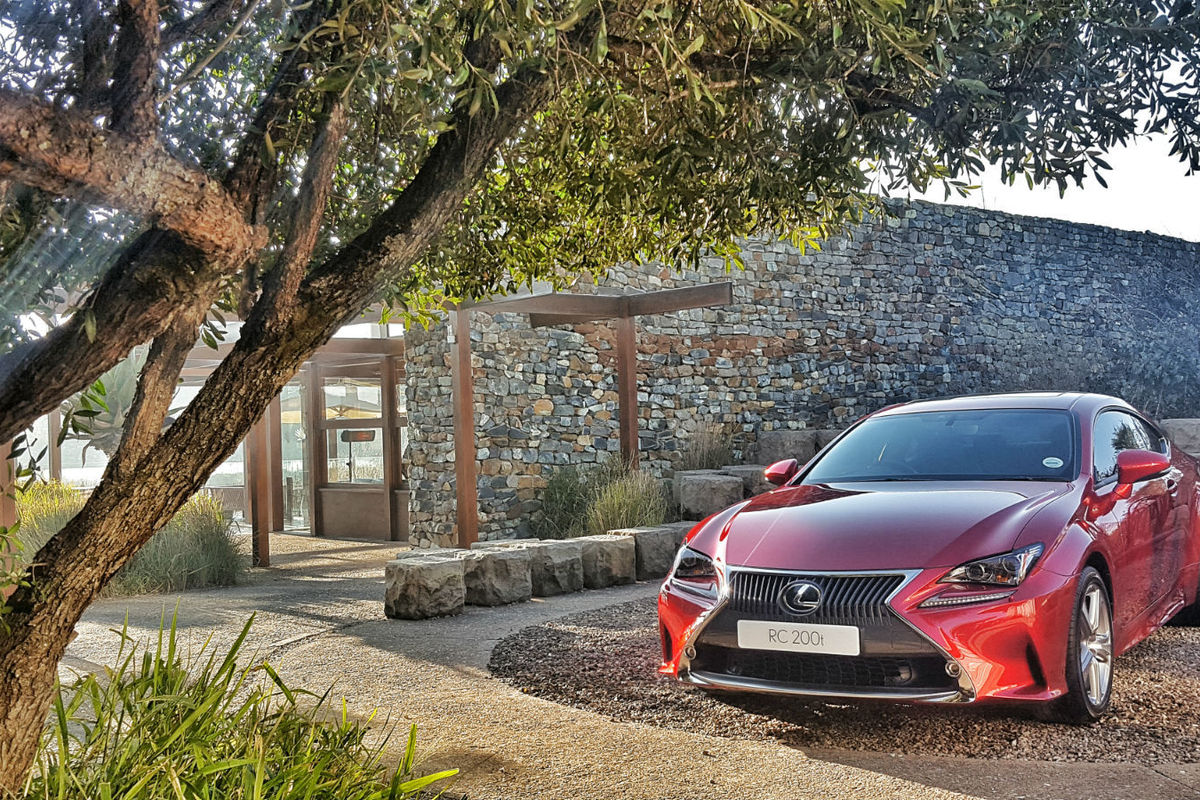
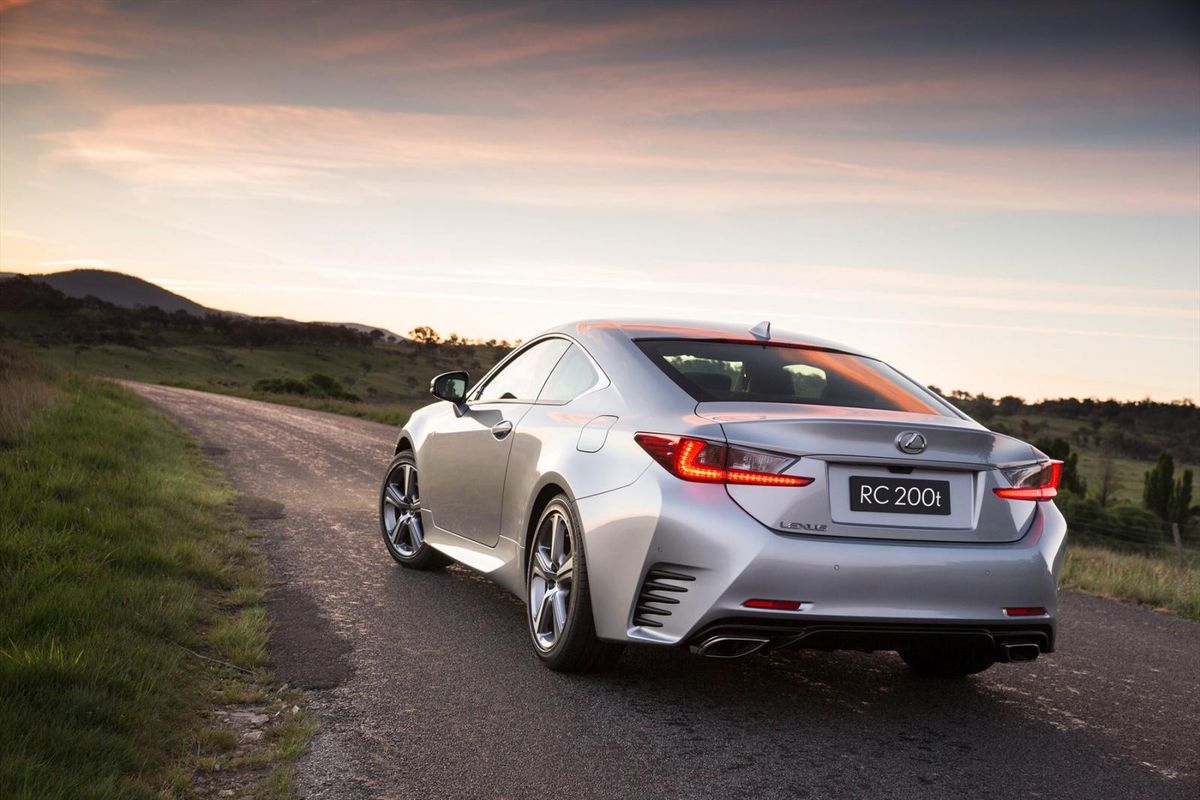
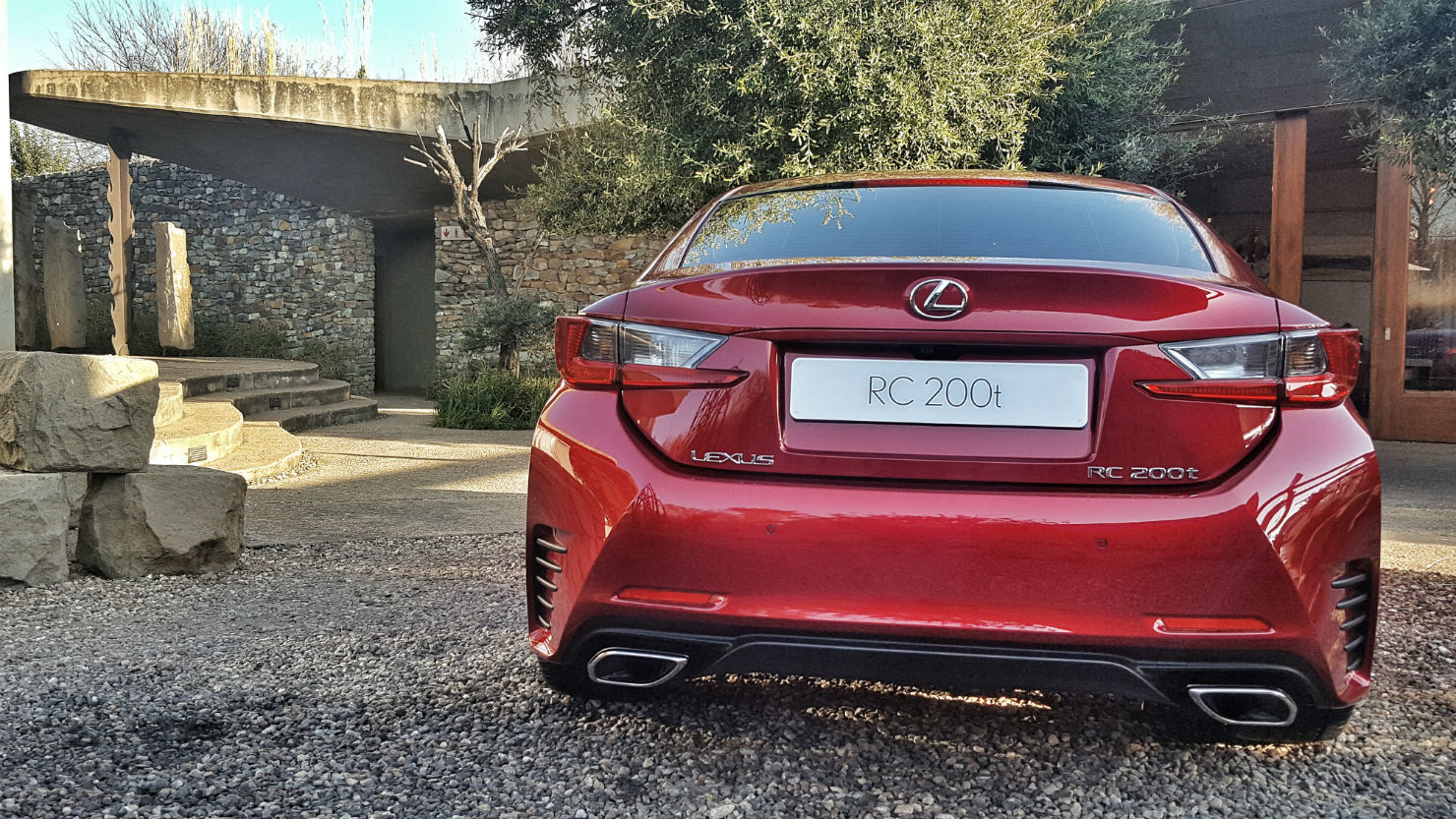
The RC 200t's exterior design is muscular and boasts numerous aero-aiding elements.
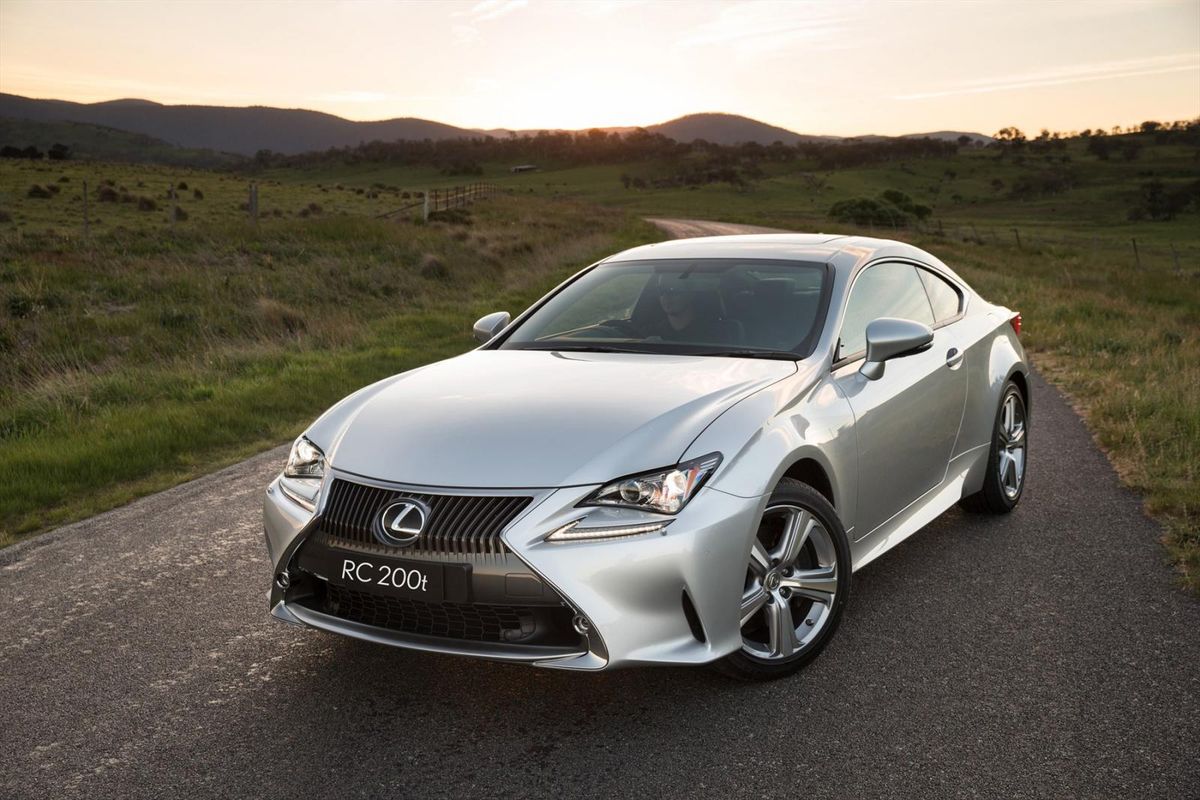
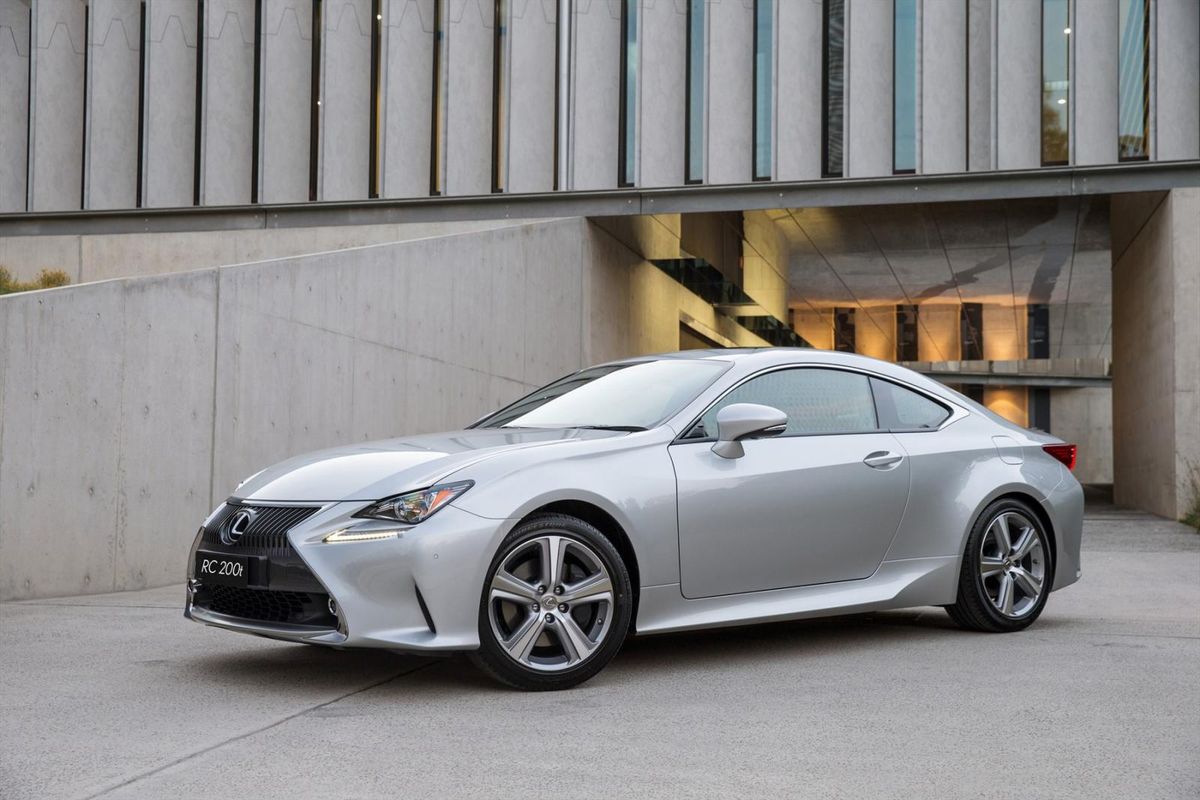
Commentary on a car's exterior styling is subjective, but, in this case, it's worth pointing out a few things. Firstly, whereas its German rivals (BMW 4 Series and Mercedes-Benz C-Class Coupe) offer very similar looks to their sedan siblings, the RC appears more of a standalone design. This means that for customers who desire individuality, the RC's flamboyant and muscular appearance could well be a clincher. The Solar Red paint finish, by the way, is magnificent. Standard design features include 18-inch alloy wheels, and LED light detailing.
Inside, too, the design is purposely so different to anything else in this segment. The combination of flat surfaces and curves, and the marriage of traditional materials and high-tech touches such as electrostatic climate control switches, is unique. It is quite a divisive design, to be honest, but Lexus has not compromised its tradition for excellent quality.
Verdict & price
The RC 200t does exactly what Lexus claims: it is a refined and stylish way to cover distances quickly. Yes, it is not as fast or dynamic as its German rivals, but if you're looking for something with a touch more individuality and want an all-inclusive package, then the RC 200t is rather hard to beat.
The RC 200t EX costs R699 100, which includes Lexus' 4-year/100 000 km warranty and Distance Plan Plus maintenance plan.
Ford Expands Ranger Bakkie Lineup with Automatic Transmission
Ford South Africa has bolstered its Ranger lineup with the addition of nine 2.2 TDCi automatic derivatives, bringing the total number of Ranger models to 36.
The Ford Ranger is hugely popular in South Africa and the introduction of a 6-speed automatic transmission for the 2.2-litre TDCi models will inevitably increase the Ranger’s appeal to more consumers. A total of nine additional derivatives have been added to the range in single cab, super cab and double cab body styles. The 2.2-litre TDCi engine offers 118 kW and 385 Nm of torque and the Ford Ranger 2.2 TDCi double cab derivatives also happen to be the most fuel efficient in South Africa.
"We are delighted to now introduce this sophisticated automatic transmission to the Ranger 2.2 TDCi, providing unparalleled comfort and driving convenience, matched to the superb performance and efficiency of Ford's latest generation Duratorq diesel engines."
New Ford Ranger derivatives
The Ranger 2.2 TDCi single cab auto is currently the only single cab automatic bakkie on offer in South Africa. Two new automatic models have been added to the single cab mix and these include the 2.2 TDCi 4×2 XL and the higher specification 4×4 XLS derivative.
The super cab offering now welcomes three new automatic derivatives including the 2.2 TDCi 4×2 XL as well as the XLS model available as a 4×2 or 4×4.
Four new Ranger automatic double cabs join the range in the form of the 2.2 TDCi XL 4×2 and 4×4 double cab. For more features, you can now also consider the 4×4 XLS and the 4×2 XLT automatic derivatives.
Pricing for the Ranger 2.2 TDCi automatic models are as follows:
Ford Ranger 2.2 Automatic – Price in South Africa
Ford Ranger 2.2TDCi Single Cab XL 6AT 4X2 – R311 900
Ford Ranger 2.2TDCi Single Cab XLS 6AT 4X4 – R426 900
Ford Ranger 2.2TDCi Super Cab XL 6AT 4X2 – R357 900
Ford Ranger 2.2TDCi Super Cab XLS 6AT 4X2 – R411 900
Ford Ranger 2.2TDCi Super Cab XLS 6AT 4X4 – R472 900
Pricing includes a 4-year/120 000 km warranty, 5-year/100 000 km service plan (excluding Base derivatives), 3-year/unlimited km roadside assistance and 5-year/unlimited km corrosion warranty. Service intervals are set at 20 000km.
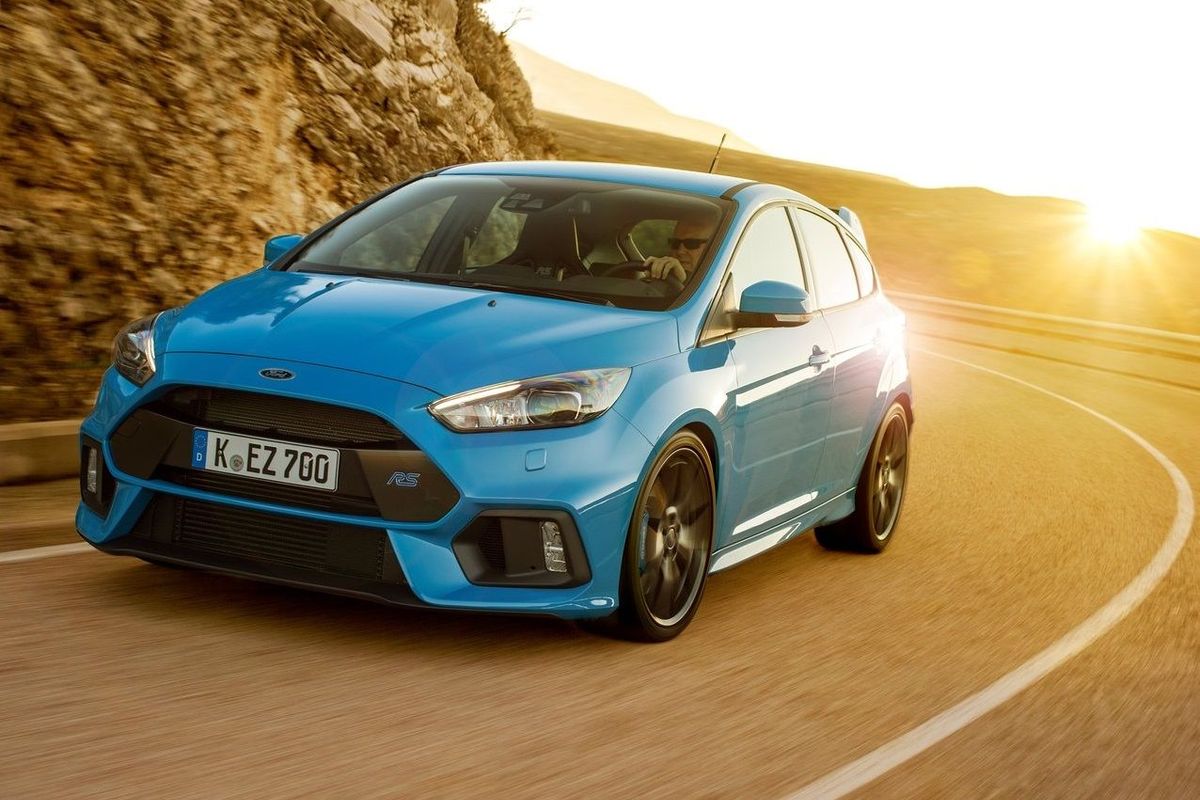
The Ford Focus RS performance hatchback has been launched in South Africa and we have pricing details for you!
There's a tremendous amount of hype surrounding the latest performance offering from Ford and many would say that the Focus RS and BMW M2 are the two most exciting performance cars to arrive on our shores this year.
The Ford Focus RS launched in South Africa this week and we were in attendance to give it a drive, so look out for our first drive impressions coming your way soon. Official pricing for the Ford Focus RS has been revealed and it's priced from R699 900 (February 2017). The RS will go up against some formidable competition in the form of the Audi RS3, Mercedes-AMG A45 and BMW M140i. Only 300 units of the Focus RS will be offered locally, which means that the RS will be a rare (but beautiful) sight on South African roads.
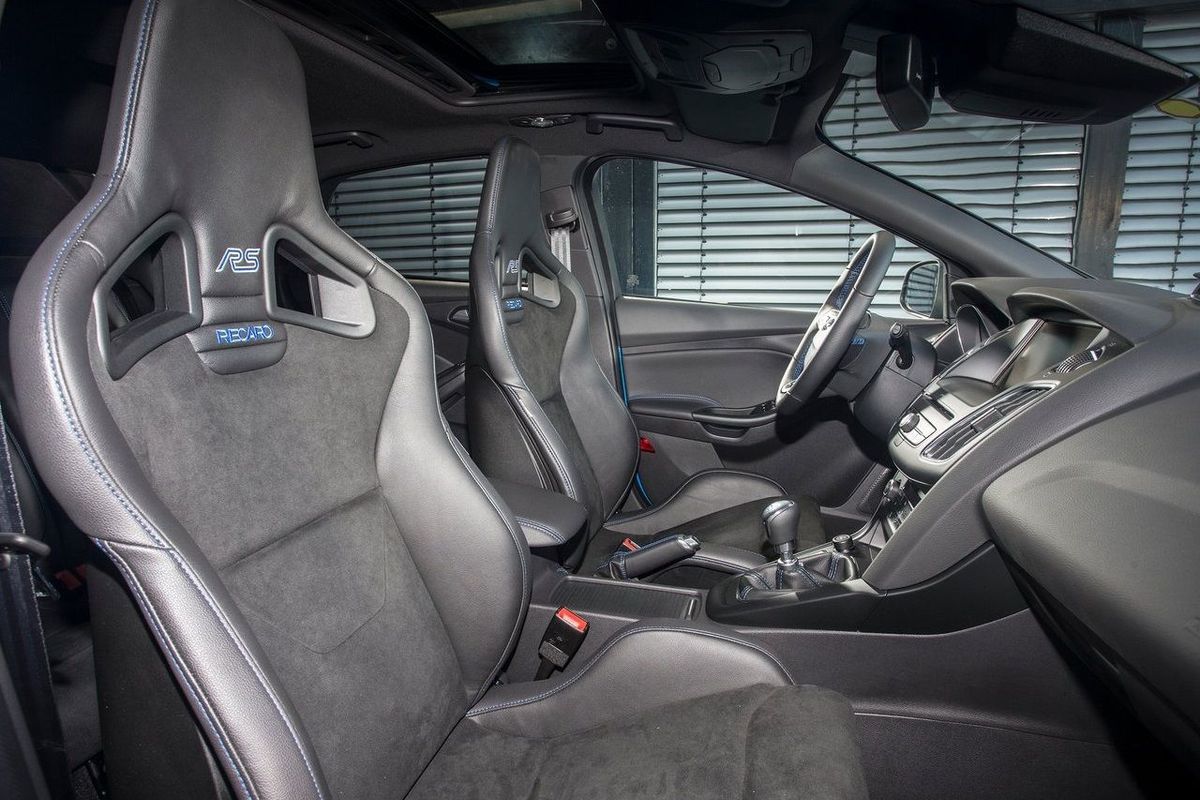
Options on the Focus RS include Recaro shell seats (R1 890), electric sunroof (R6 870) and metallic paint (R750), RS blue Brembo calipers (R0) and gunmetal alloy wheels (R0), which when fitted, brings the overall cost to R709 410.
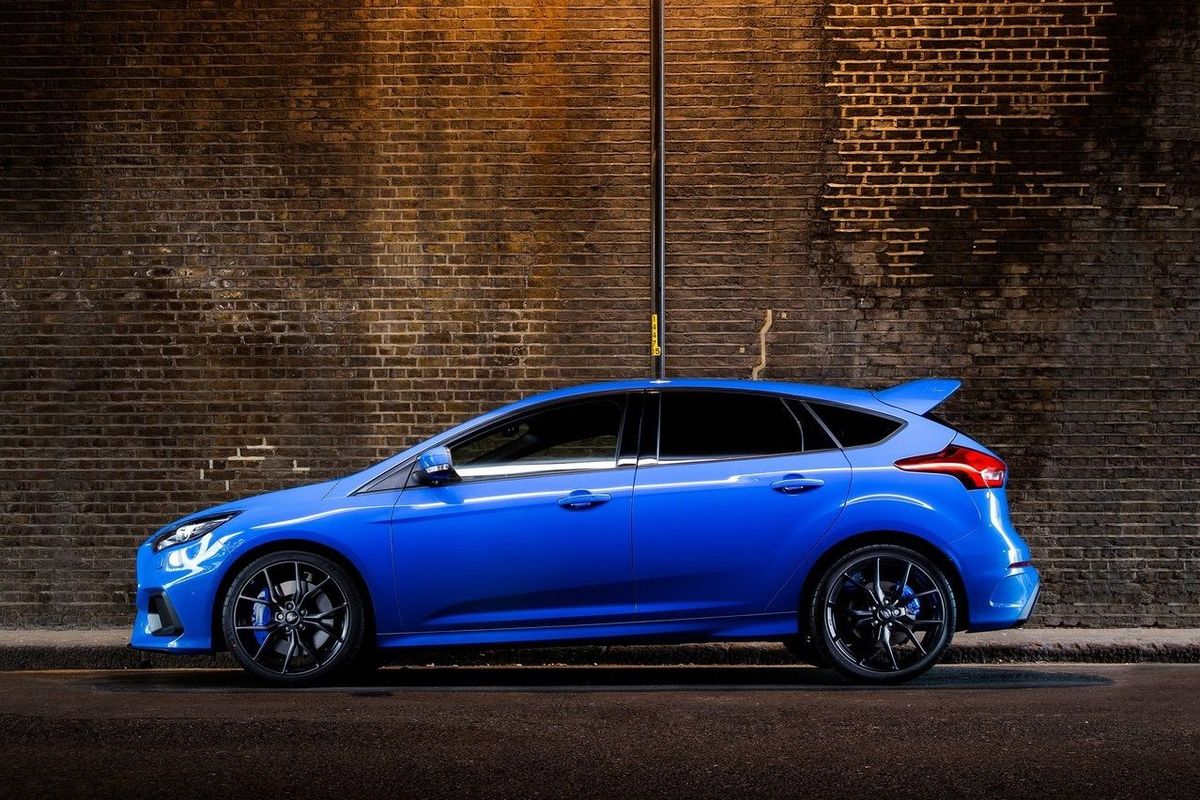
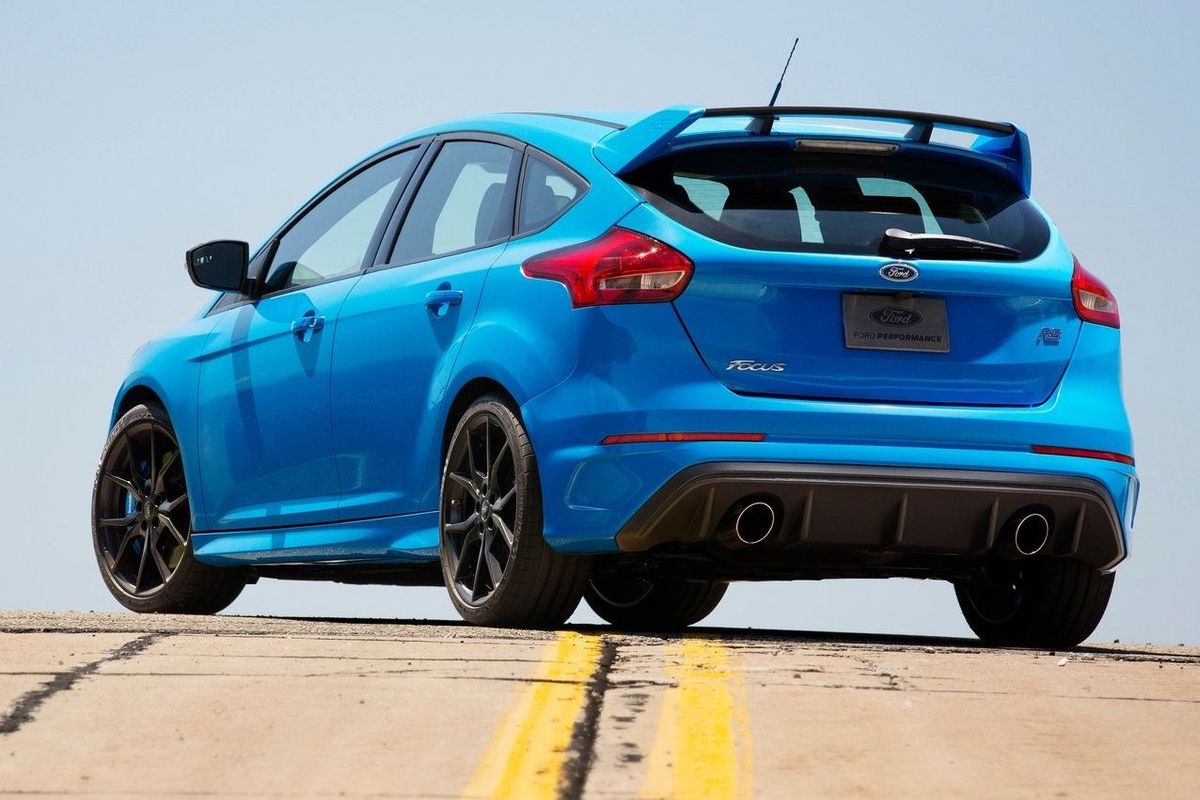
The Focus RS looks the part with an aggressive body kit, big wheels with Brembo anchors and big-bore exhaust tips at the rear. Let's not forget that vivid shade of blue paint! Powering the new Ford Focus RS is a 2.3-litre turbocharged 4-cylinder motor that packs an almighty punch (257 kW and 440 Nm of torque). Power reaches all four wheels through a six-speed manual gearbox. There's some clever technology associated with this powertrain as it features launch control as well as a drift mode, where all power is sent to the rear wheels for some sideways theatrics.
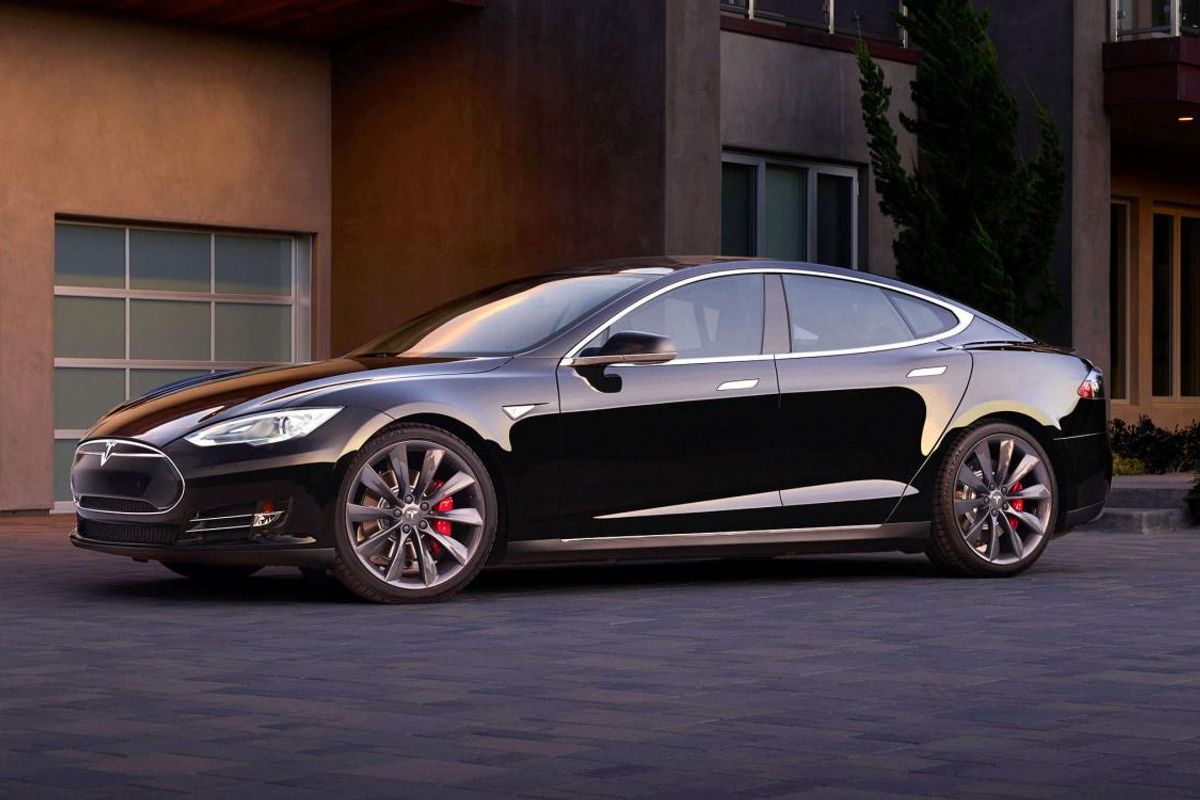
The Tesla success story has captured the imagination of many South Africans, yet sadly these groundbreaking vehicles are not (yet) on sale in the local market. So what is a Tesla really like to live with? Theo Calitz travelled to Croatia to take part in the annual Nikola Tesla EV rally, which saw him spend around 1 200 km behind the steering wheel of the Model S sedan. Herewith his thoughts:
In the past few years – and like a bolt from the blue, it must be noted – the name "Tesla Model S" has become iconic. In fact, the S has become the poster child for the future of the automobile. And it has all happened so quickly! My first memory of it came courtesy of Motor Trend magazine (the November 2013 edition). On the front page was the Tesla CEO – South African-born Elon Musk – sitting in the (still fresh) Model S. His creation had just won that magazine's Car of the Year award against some very stiff competition from vehicles produced by the most acclaimed brands in the industry. It was clear that Model S represented a major achievement, and I've been following its story ever since.
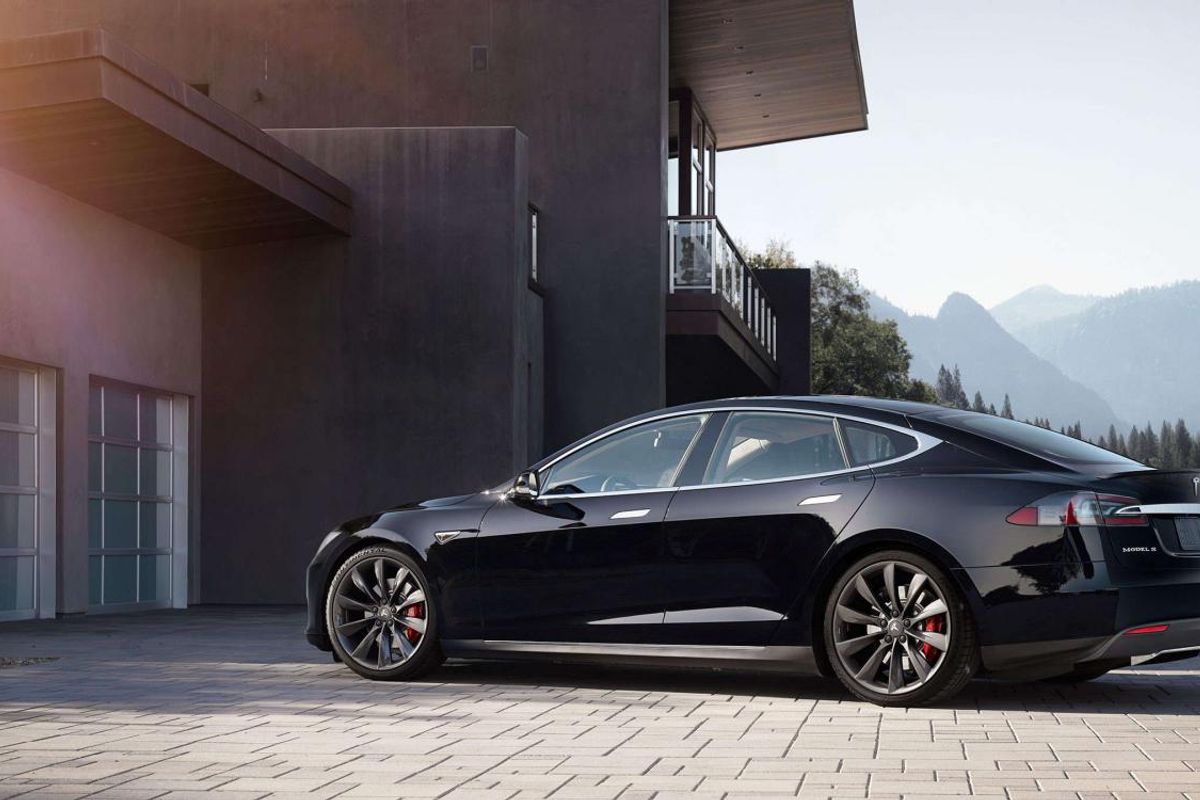
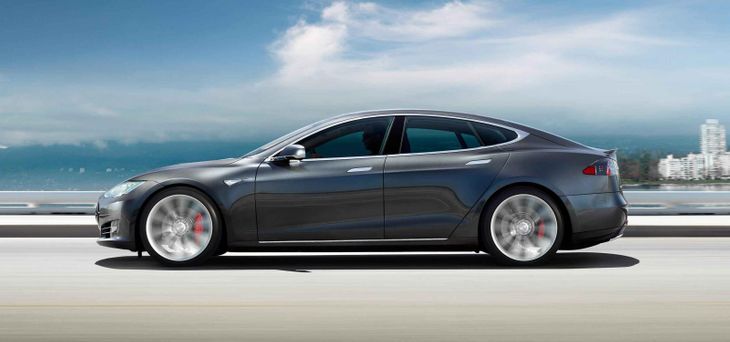
So, as I travelled to Europe to drive this "hero" car, my expectations were heady, to say the least. Perhaps that is why my first impressions were somewhat anti-climatic. To see my first Tesla Model S in Iceland was certainly exciting, although I am not quite sure why. The car is undeniably pretty, but in the metal it resembles many other "normal" sedans – there's a hint of Jaguar here, a touch of Mazda there, etc. Maybe it is the Tesla's reputation that caused all the hype rather than its looks… Either way, while driving through tourist-laden Croatia it was clear that the Model S's fame had spread widely – passers-by were pointing at (and taking photos of) it wherever we travelled.
What is a Tesla Model S?
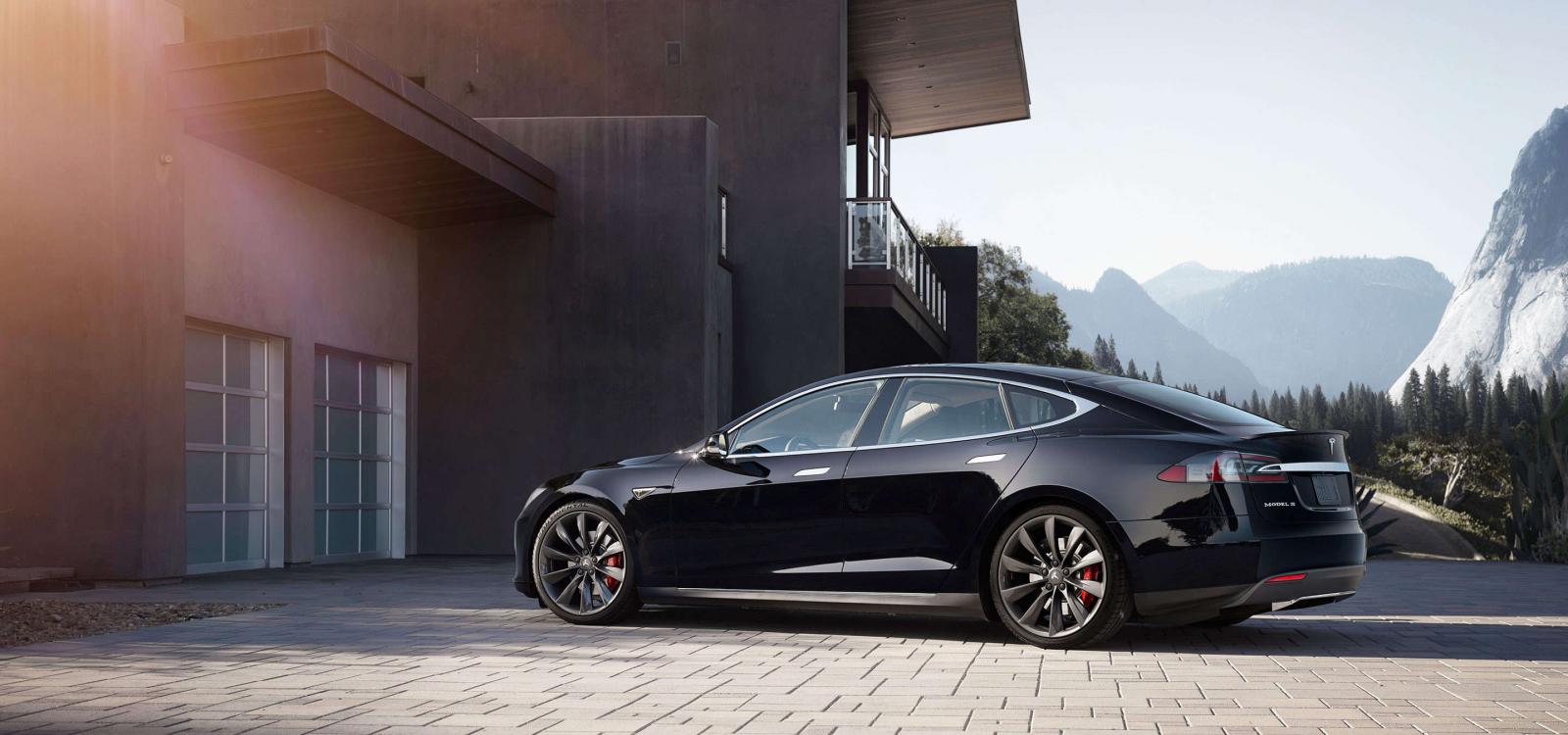
The Model S's swoopy looks are the work of American designer, Franz von Holzhausen
But before we delve into the driving talents of the Model S, it may be necessary to position the vehicle. After all, very few South Africans would have seen one in the metal. In short, the Tesla Model S is a large executive sedan of about the same size as a BMW 5 Series or Mercedes-Benz E-Class. In terms of price, however, it compares (in America) with the 6 Series Gran Coupe and 7 Series. It is entirely electrically powered and was the world's top-selling plug-in electric vehicle in 2015. It was launched to widespread acclaim in 2012 and has won numerous awards, including Car of the Century by Car and Driver magazine.
Now back to the Model S and driving it in Croatia. There are many websites and videos where you can study the inner workings of this technological marvel in detail. What I will attempt to do here, however, is to present the 4 things about the Model S that made lasting impressions on me during my extended stint behind its 'wheel.
1. It is clever… but not intimidating
Even though the Model S is different to anything I have driven before it was easy to become familiar with it. As you walk up to the Model S with the key in your pocket, the handles jut out from their flush positions so that you can open a door with a tug. The car switches on immediately, returning to its last-used status. The air-conditioning starts working, the audio system fires up etc. Get in, select D or R, and just drive normally… it's that simple. Similarly, when done, select P, get out and walk away. The car shuts off and locks the doors automatically. The key, by the way, looks like a mini Tesla Model S. Press the "roof" twice and the car unlocks, the same with the boot and bonnet. Keep pressing down to open/close the windows remotely.
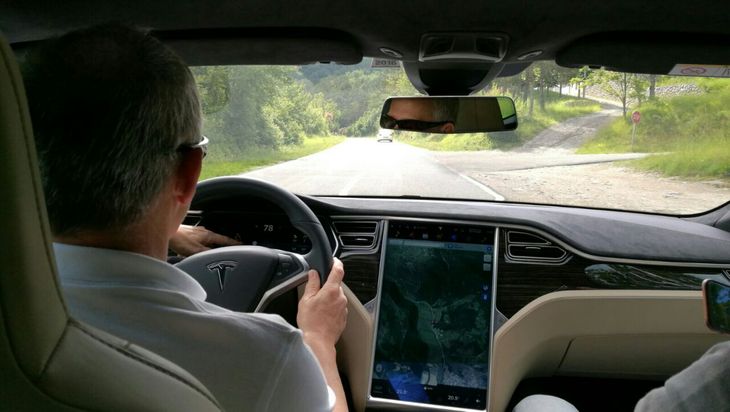
The author behind the wheel of a Model S in Croatia. Note the enlarged touchscreen.
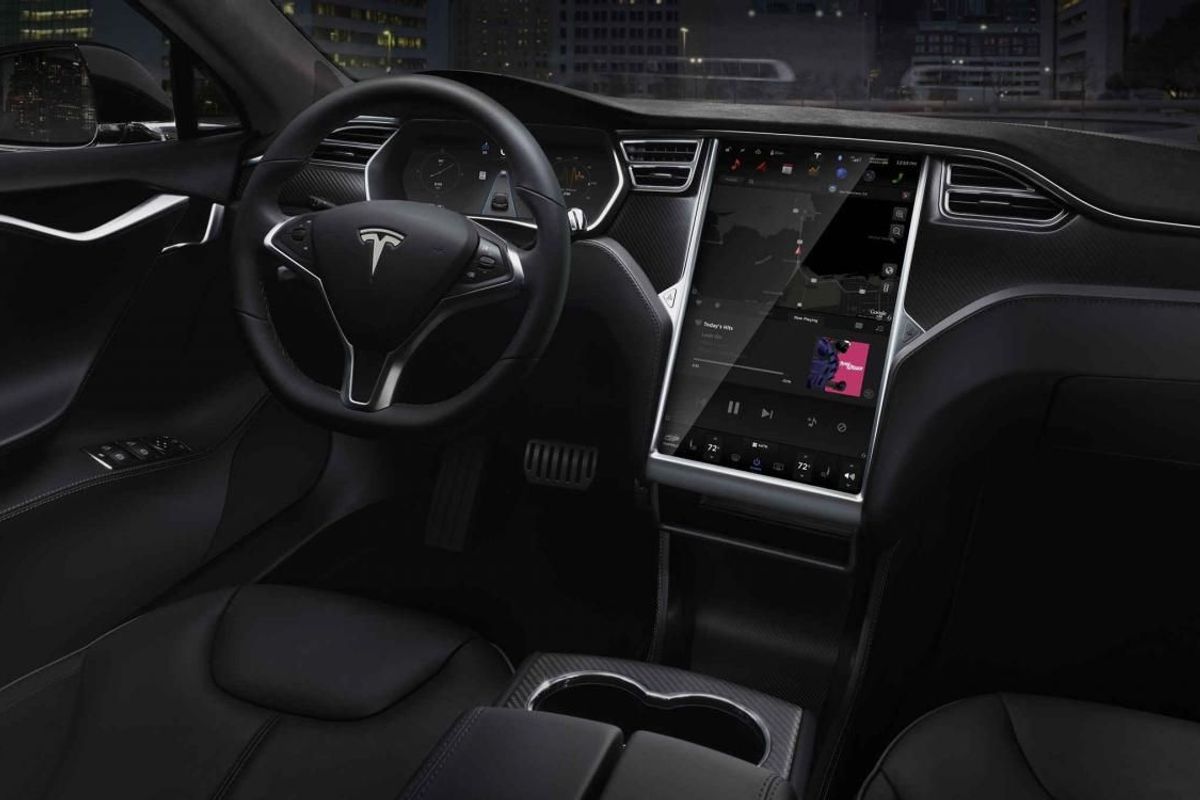
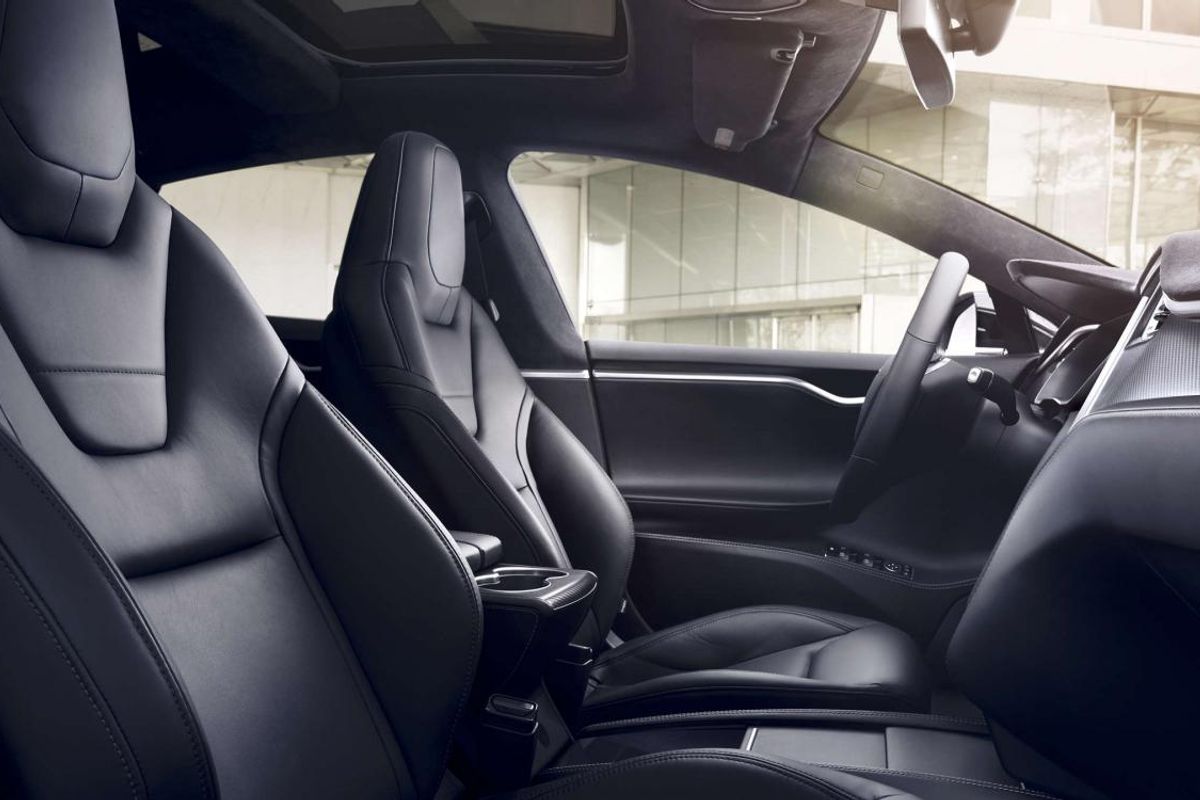
Step inside and you are met with an elegant, if somewhat minimalistic, interior. There aren't many storage spaces (except the middle console which is devoid of a gear lever, handbrake or anything else). But drinks holders will be the last thing on your mind… You will be staring at the huge 17-inch touchscreen that dominates the central console and proved startlingly intuitive and easy to use. You can click, drag, pinch, minimise/maximise and select as you would on a tablet or smartphone. And there seems to be a lot to discover…
I loved using the Google Earth navigation, for example. The reverse-view camera spoils you with its resolution (also works well in low light conditions), but it was most exciting to explore the Spotify function, which allowed us to listen to any music track that we could think of, and Tune-in radio that had us listening to radio stations from all around the world. Because the interface is a screen with "soft" buttons it is changeable/upgradable and it allows Tesla to build their cars as standard as possible. Should an owner wish to "unlock" some of those features, they just pay extra and it's done. Want Autopilot? Deposit your $5000 and Tesla will download and/or unlock it for you – remotely. Hello the future!
The instrument panel is no less interesting with three areas that are customisable, but the coolest display was the little Tesla mimic that shows everything about the car and its surroundings. You can see if the fog lights are activated or the car changing lanes, for example. There is much to discover (view the video below).
2. It offers guilt-free performance thrills
Because the Model S is an electric car, most people will want to know about range and consumption, especially when compared with a traditional petrol/diesel or hybrid vehicle. But before we get to that… the driving experience itself is likely to leave the most lasting impression. You mostly drive the Model S with its accelerator – there is less need to use the brake pedal because of the car's regenerative braking (which is the case with most EVs), but it is the relentlessness and seemingly endlessness of the power delivery that raises eyebrows.
Outputs vary between derivatives, but start at around 270 kW and 440 Nm for the base model (a 0-100 kph sprint time of 5.4 seconds is claimed). Step up into the Model S P85, and that sprint time drops to 4.3 sec and the dual-motor P85D and P90D go even faster (3.2 sec), while adding Ludicrous mode to those models drops the benchmark sprint time to 2.8 sec!
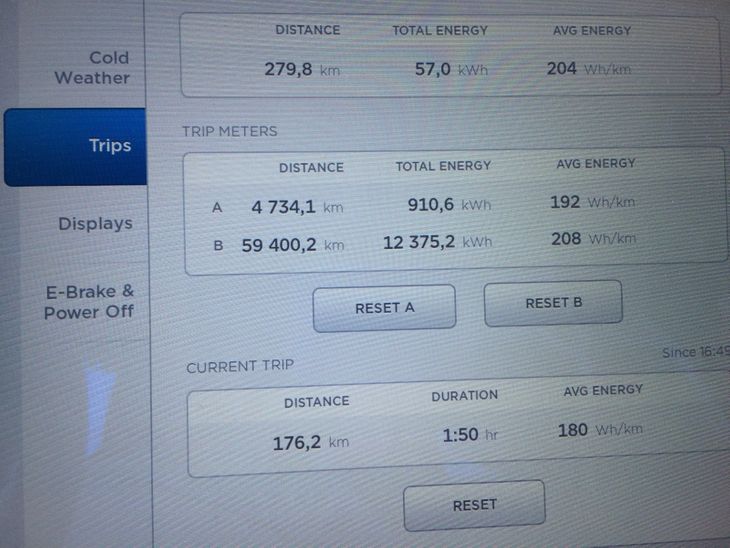
That said, the car can also be enjoyed when driving efficiently (which can be important if charging opportunities are a challenge). The Model S displays the power consumption on a continuous graph and it is possible to drive at levels as low as 120 Wh/km, which, according to ecomodder.com translates to 1.35 L/100 km. But release your inner boy racer and use every opportunity to let the car zoom "to infinity and beyond", and the range drops quickly. Nevertheless, it is a great feeling to exploit the performance like a hooligan without feeling it in your pocket at the pumps. Just charge it up for free again… Of course, even if you have to pay for your recharge, your costs will likely be much lower than comparable fuel bills.
You can follow your energy consumption in real-time on the large touchscreen display.
The Model S also excels in terms ride and handling, which to some will be an even bigger surprise. Because of excellent traction control, a low centre of gravity and a good level of available grip, there is no burning of rubber or squealing of tyres under "full throttle". In terms of handling, I found the car responsive both in the ways it accelerated and braked, plus the manner in which it changed direction. The Model S is heavy, but feels planted and responsive, courtesy of its low centre of gravity. Still, given its size and weight it is better suited to a mountain road than a tight gymkhana course (like we did in a very-confined Pore?!). I enjoyed driving the car swiftly through the mountain passes; mostly controlling it with the throttle.
Oh, there is very little that can go wrong with the car from a drivetrain point of view. The motor only has one moving part and the systems protect it from overheating… for example, the air-conditioning is applied cleverly to cool the battery while it's being supercharged (fast-charged). With the Tesla Model S, it appears that you can have your cake and eat it.
3. The packaging is very, very clever
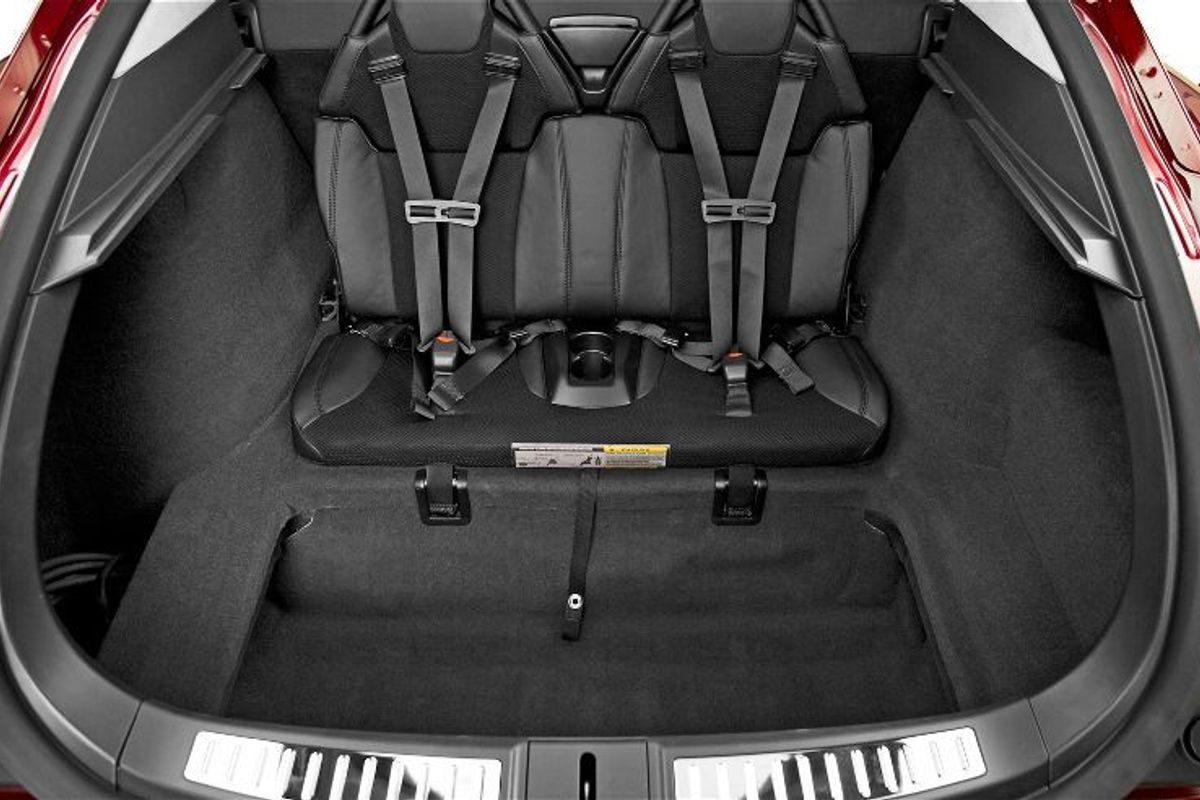
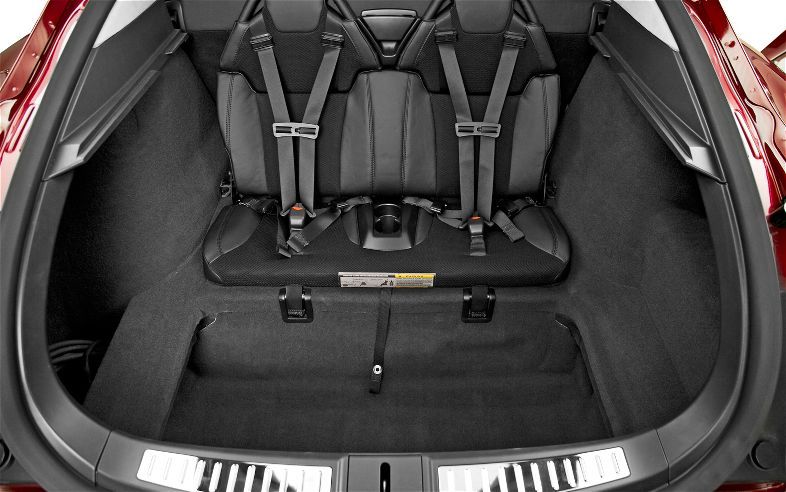
In spite of the sporty, streamlined looks, the Model S's cabin is surprisingly roomy, especially with regards to the rear legroom and the capacity of its boot cavity. There is the bonus of additional space under the boot (which is a practical hatchback with 33/66 folding seats) and because there is no engine at the front, there is an additional luggage space underneath the "bonnet". Tesla even offers the option of a rear-facing "jump seat", which is suitable for children. All in all not a bad car to have for your shopping trips to IKEA, then!
Optional rear jump seats make the Model S the world's only 7-seater luxury sedan.
But how did they do this?
The electric motor is made by Tesla itself. It is a 3-phase AC induction unit that does not need rare earth metals. The motor sits between the rear wheels with the inverter and is about the size of a watermelon, so it is totally out of the way and the power and torque it produces (for its size) is downright amazing. It is water-cooled, which helps it handle large current, but not indefinitely. Cooling will need to be upgraded for high-speed Autobahn driving. The motor runs at a higher speed than the wheels so there is a fixed ratio gearbox, but no shifting of gears is required because maximum torque is produced from standstill. My car was rear-wheel-driven (Model S 90). As soon as a D is added (e.g. Model S 90D), it means "dual motor" which adds a motor in front turning the Model S into an all-wheel drive car. In this case, a small amount of space is taken up in front. Besides that, you will not notice any space taken up by the battery, motor, inverter or charger. This is an example of electric car that was evidently designed from the ground up.
4. It makes autonomous driving feel natural
The Autopilot function seems complex and somewhat crazy, but again, it is amazing how easy it proves to use. At first it feels somewhat eerie to activate the system and experience the active cruise control, seeing the car steer by itself on roads with clear markings – even when they are quite twisty and narrow. You can also sense how the presence of cyclists make the car feel nervous and careful as compensates to avoid accidents. It will be very interesting to test this feature in a country such as South Africa, especially with our taxis, but I can confidently say that what feels creepy (at least at first) does instil confidence pretty quickly. CNET has done a video demonstrating the Autopilot function, which you can view below:
* Shortly following this article going live, news came of the first known Autopilot fatality which, of course, is tragic. However, while naysayers of the technology are viewing the incident as proof that the technology is flawed, it needs to be pointed out that statistically speaking autonomous driving has thus far proven immensely safe – safer, in fact, than human-piloted vehicles. Tesla reports the fatal accident as follows;
"What we know is that the vehicle was on a divided highway with Autopilot engaged when a tractor trailer drove across the highway perpendicular to the Model S. Neither Autopilot nor the driver noticed the white side of the tractor trailer against a brightly lit sky, so the brake was not applied. The high ride height of the trailer combined with its positioning across the road and the extremely rare circumstances of the impact caused the Model S to pass under the trailer, with the bottom of the trailer impacting the windshield of the Model S. Had the Model S impacted the front or rear of the trailer, even at high speed, its advanced crash safety system would likely have prevented serious injury as it has in numerous other similar incidents."
The accident is currently being investigated by the NHTSA (National Highway Traffic Safety Administration) in America.
Will it work in SA?
Now for the big question… It was recently announced (at the launch of the smaller Model 3), that Tesla is coming to South Africa. But will a car such as the Model S work here? After all, BMW i3s and Nissan Leafs aren't frequently seen on our roads, as opposed to countries like Norway, where there seems to be more EVs and plug-in hybrid vehicles than not.
Of course, range anxiety will still be a concern for many consumers, and I experienced it a few times in Croatia. Planning your trip is important when doing cross-country stints, but in the Model S it proved easier than what I would expect it to be with other EVs on the market today. The Model S has a range of between 400 and 450 km (depending on the model), but this will obviously depend on your driving style. The Model 3 will have a minimum range of 345 kilometres (the current Nissan Leaf and BMW i3 offer no more than 150 km), which should meet most people’s daily requirements. Most EV buyers will have charging facilities at home and at work. Now we just need some Superchargers dotted along the country's main routes (to allow for super-fast and cheap recharging) and more shopping centres equipped with recharging facilities. Then there would be no reason for these cars not to be viable here.
In summary
The Tesla Model S is an unlikely South African offering soon, but its smaller sibling could come relatively soon.
Now that we're accustomed to the abilities of modern smartphones, can you imagine going back to using an old cell phone that can only make calls and send SMSes? The Tesla Model S does the same to your perception of motoring. If you use the car for a while you'll be delighted with the raft of new features and abilities, but when you then you step out of it and into a "normal" car, and you will probably be instantly frustrated by the latter's comparatively antiquated technology. That's when you realise that the Tesla Model S has shifted what you expect from a modern car. South Africans are trend-followers (as we have seen with smartphones and many other things) and there is no reason why we won't follow this trend, too.
The Model 3 (the Model S's little brother) could apparently be here by 2018. Place your order now and pay your $1000 deposit, because the future's arrived – and it is good. Very good.
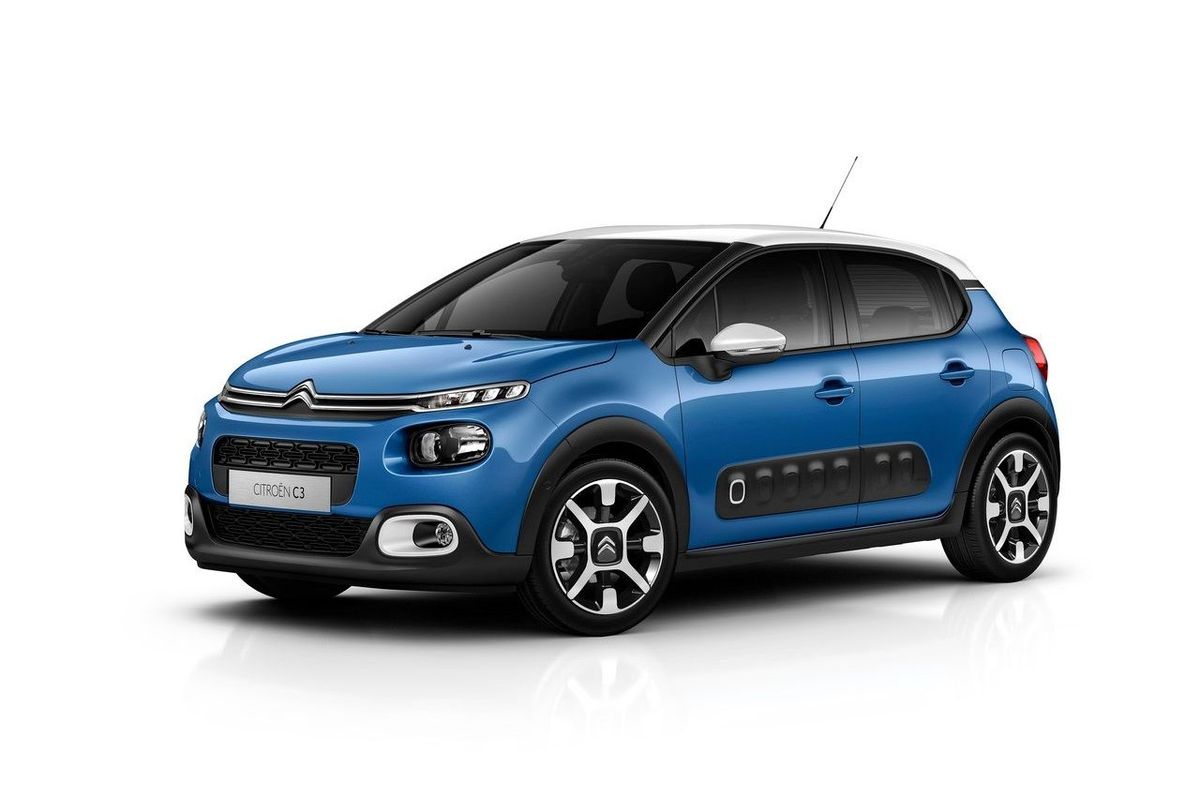
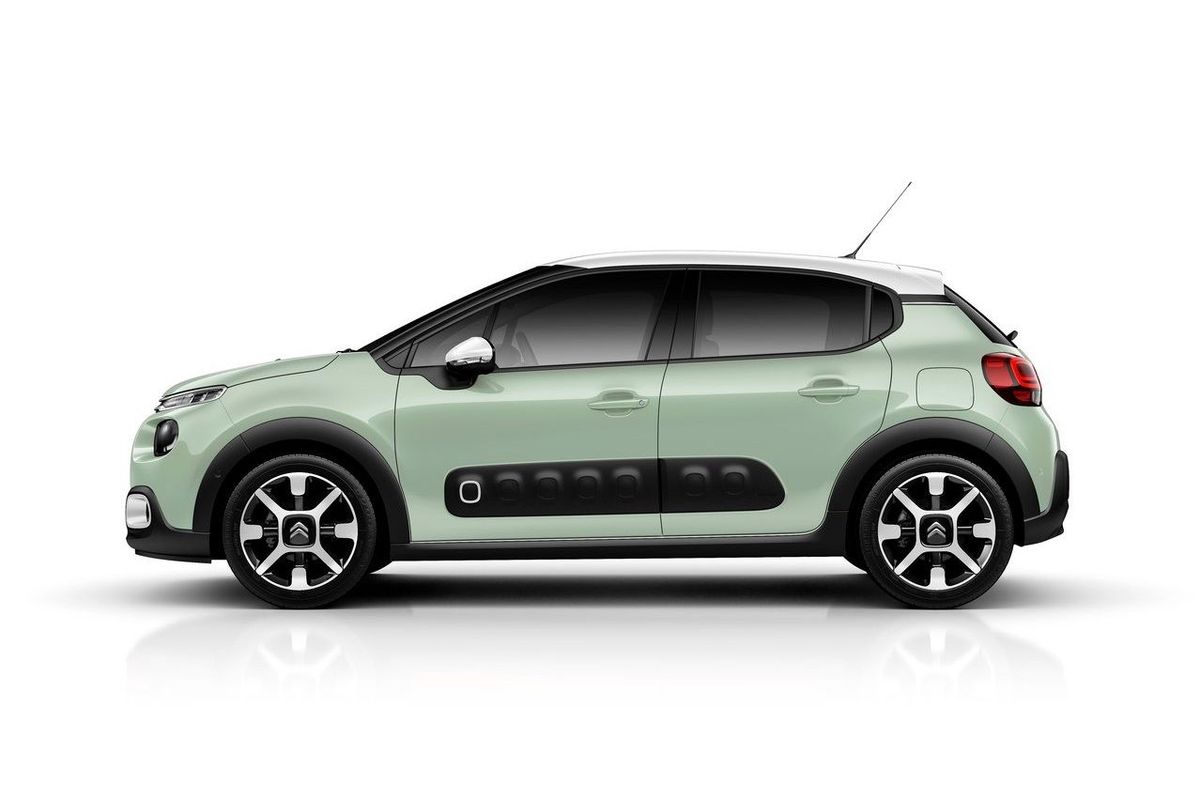
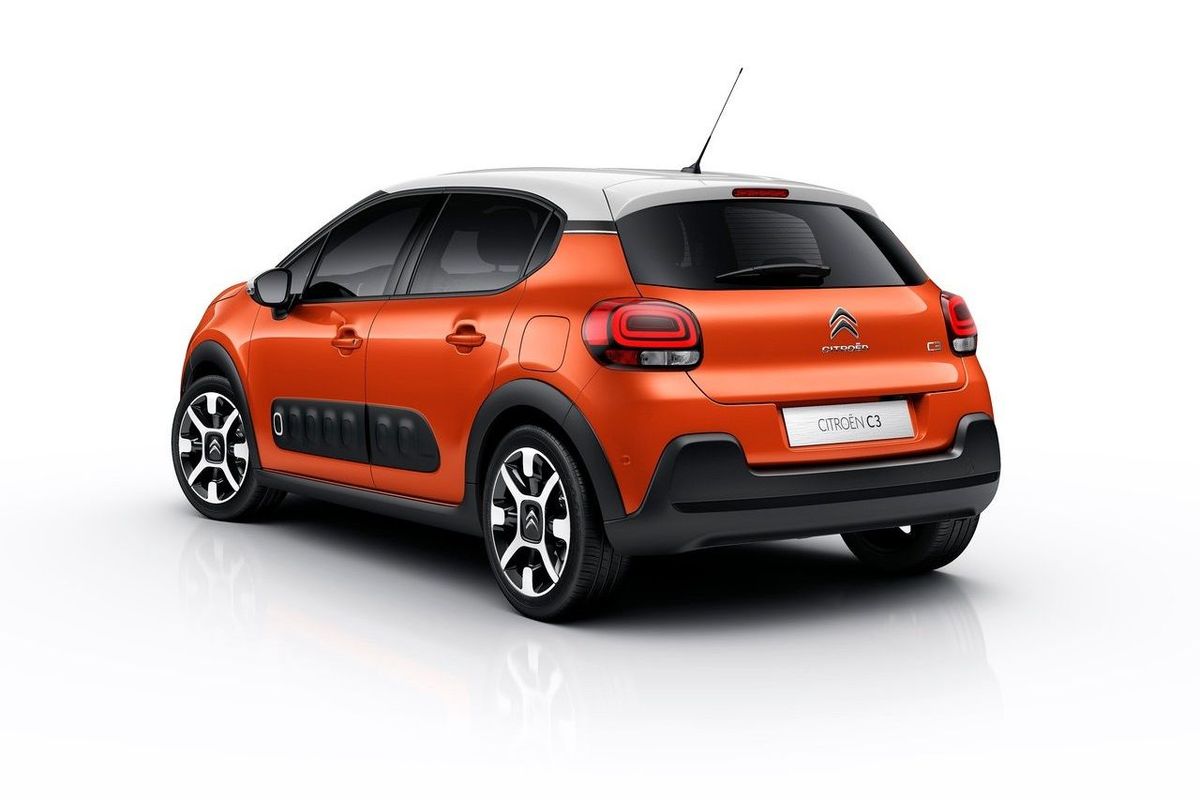
The popular Citroen C3 hatchback has been replaced by an all-new model. This new Citroen C3 features a whole host of customisation options and new car technologies.
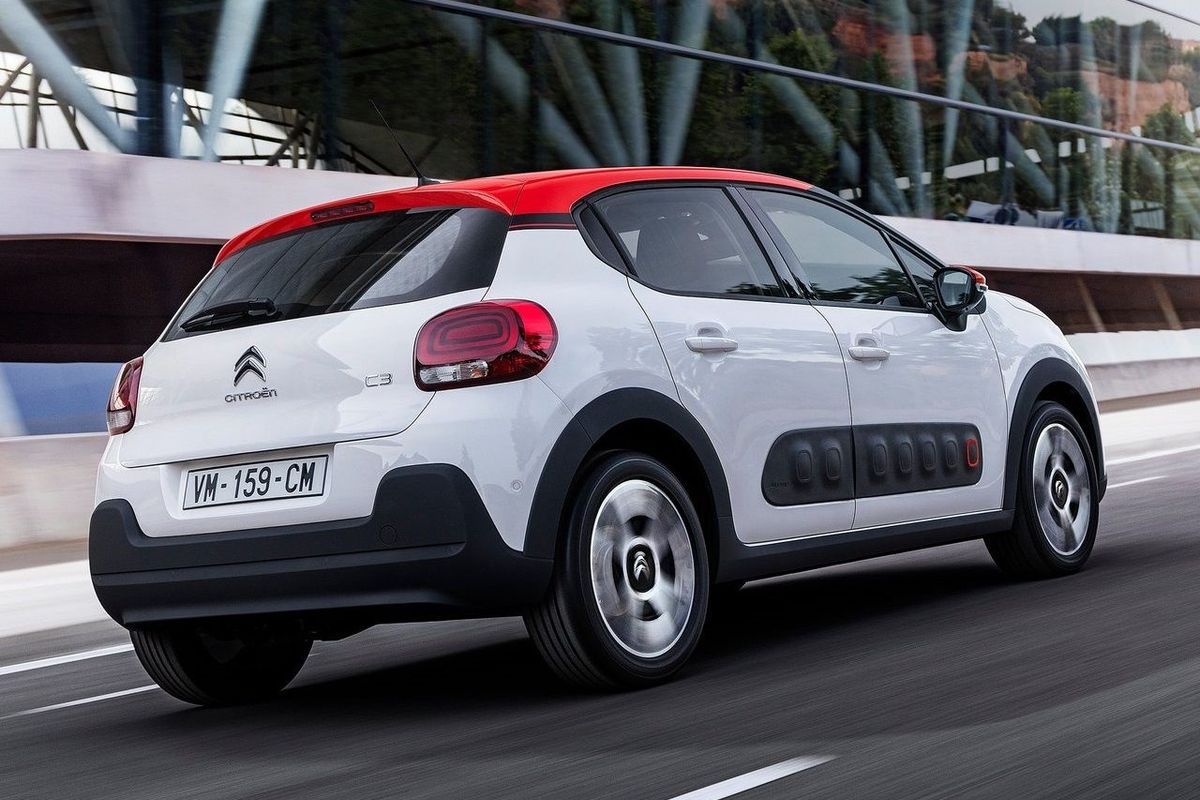
The Citroen C3 has a healthy sales tally under its belt and since its launch back in 2002, over 3.6-million units of this French hatchback have found homes across the world. This new Citroen C3 looks like a combination of the compact C1 and C4 Cactus, which gives it a uniquely stylish look. Citroen is pitching its new C3 as 'full of personality' and owners will be able to customise the look of the vehicle and make it truly individual. There's two-tone paint as an option as well as three roof colours. You can also change the colour of the fog lights, door mirrors, rear quarter panels as well as the Airbump panels. There's a choice of four different interiors too.
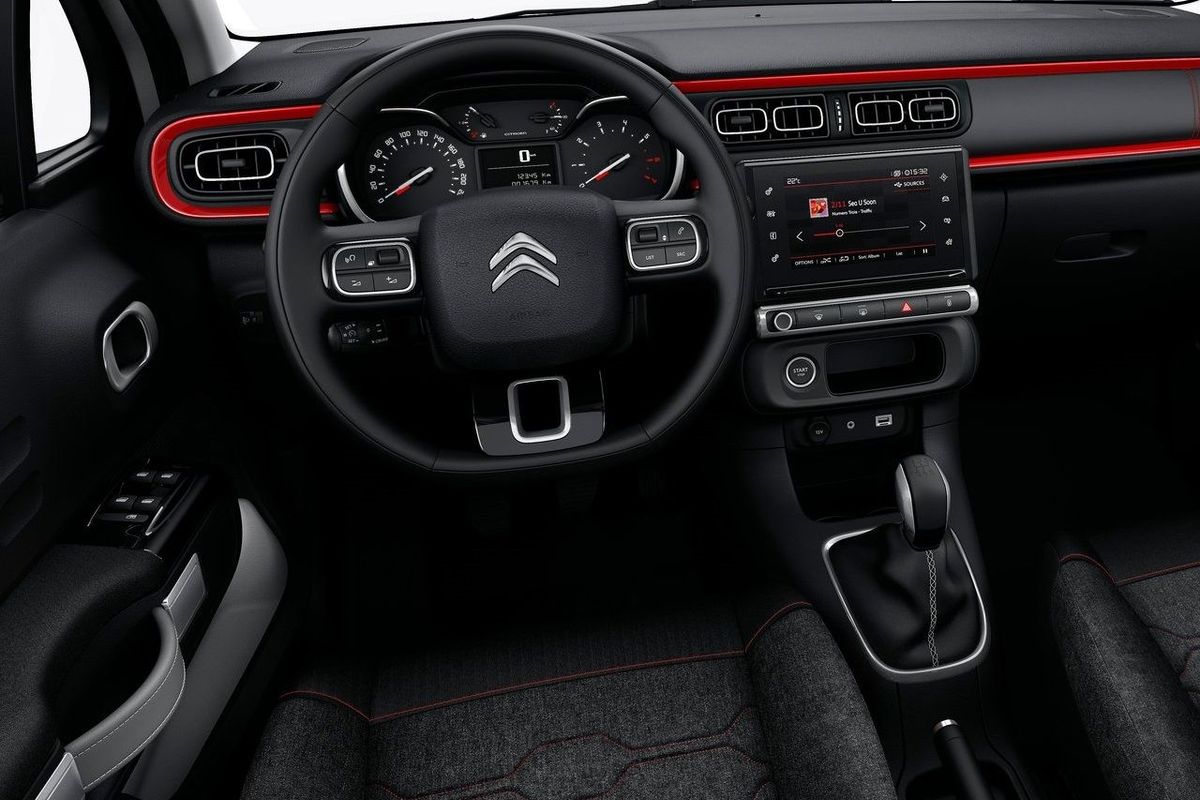
Citroen C3 interior and features
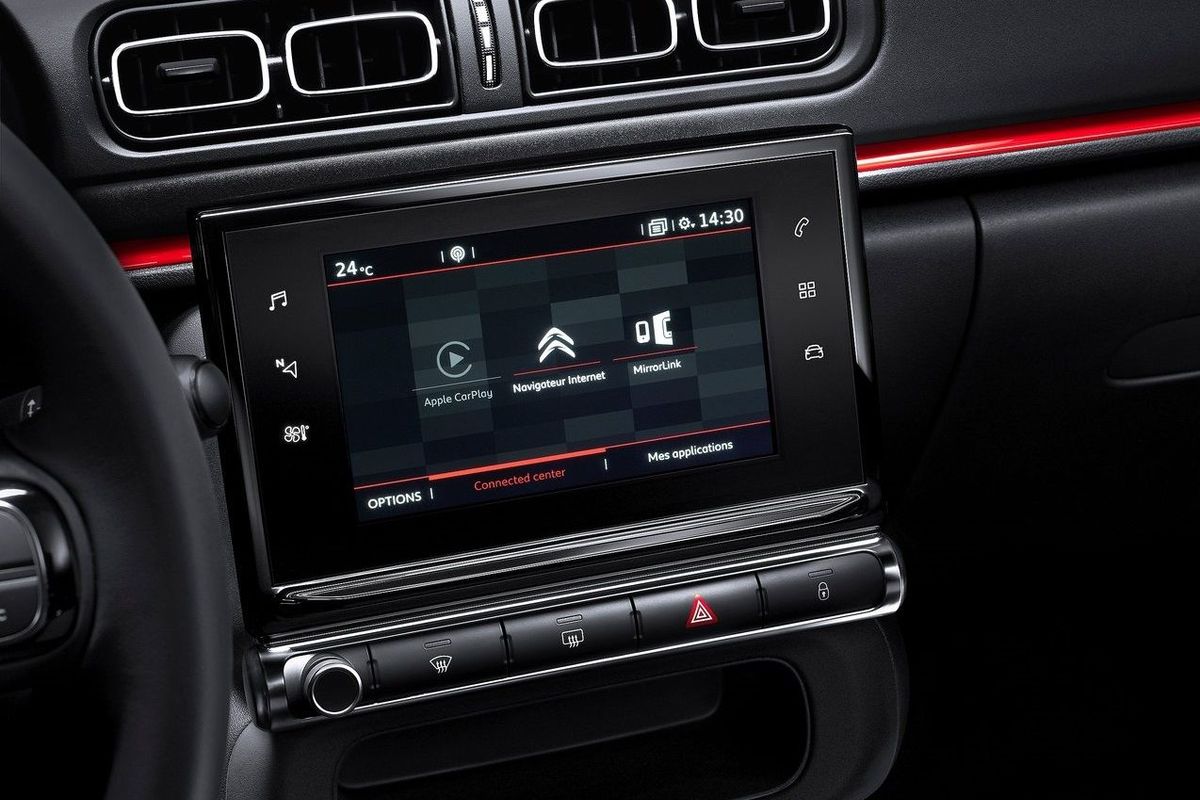
The new Citroen C3 features a panoramic glass sunroof, comfortable seats, 7-inch touchscreen, keyless entry/start and the use of light materials. The cabin has been inspired by home interior design and travel, giving it a unique look. A new technology debuting in the new Citroen C3 is called ConnectedCAM Citroen which uses a camera located behind the rearview mirror which captures photos and videos that can be shared on social media channels. This camera also doubles up as a dashcam in the event of an accident. Technology in the form of an advanced voice-controlled 3D navigation, a reversing camera, lane departure warning and blind-spot monitoring make the Citroen C3 safer too.
Powertrains
The current line-up of Peugeot/Citroen powerplants will be used in the new Citroen C3 and these range from PureTech small-capacity turbo petrol engines to frugal BlueHDi diesels. The new EAT6 automatic gearbox is also available for this vehicle.
Citroen C3 Goes on Sale?
The new Citroen C3 hits the European market in early 2017, but there are no current plans to introduce the model in South Africa.
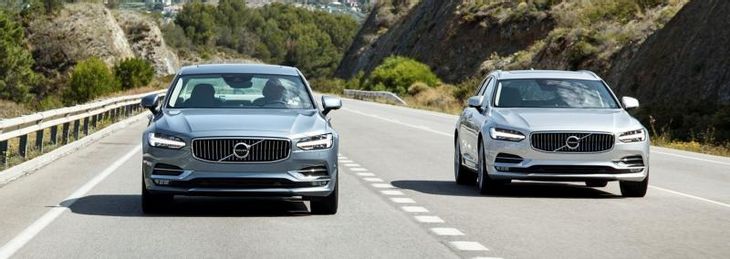
Volvo has set itself an enormous task: take on the luxury establishment and beat the Swedish marque's rivals at their own game. The S90 is a bold new executive sedan with its targets set firmly on the German opposition. We travelled to Spain for our first drive of the Swedish newcomer.
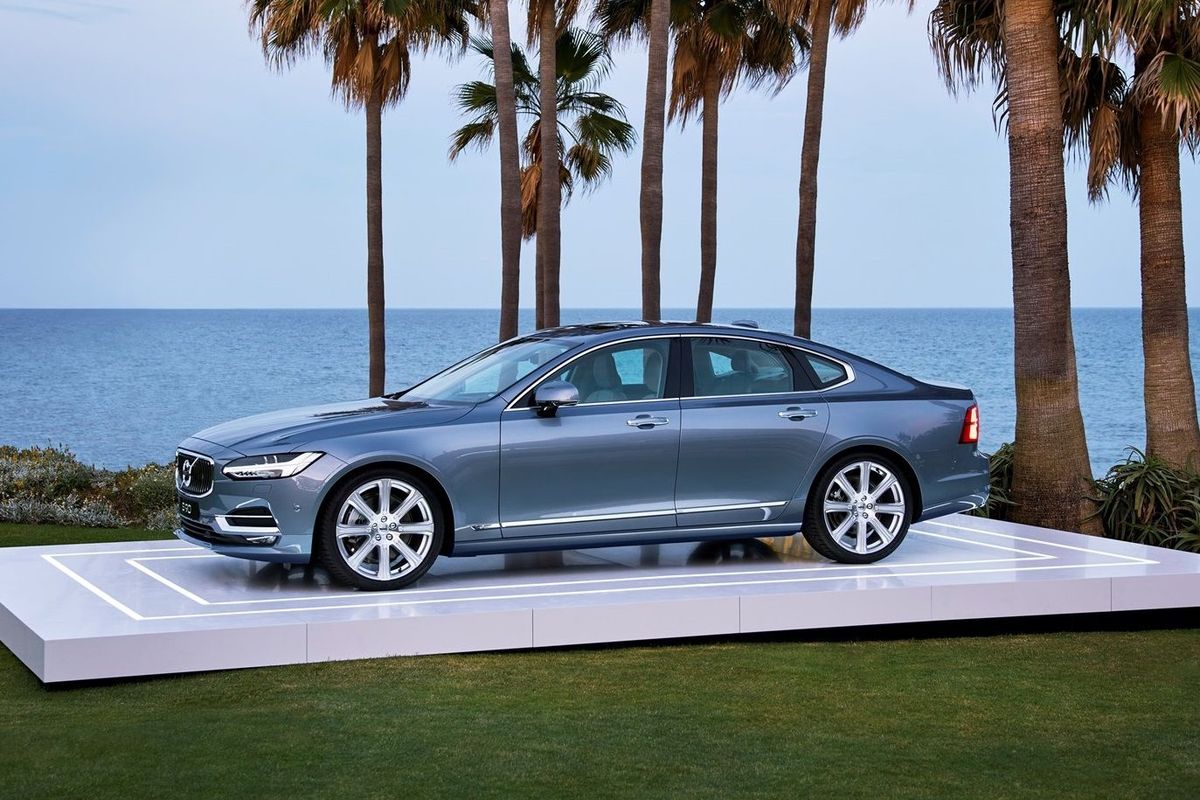
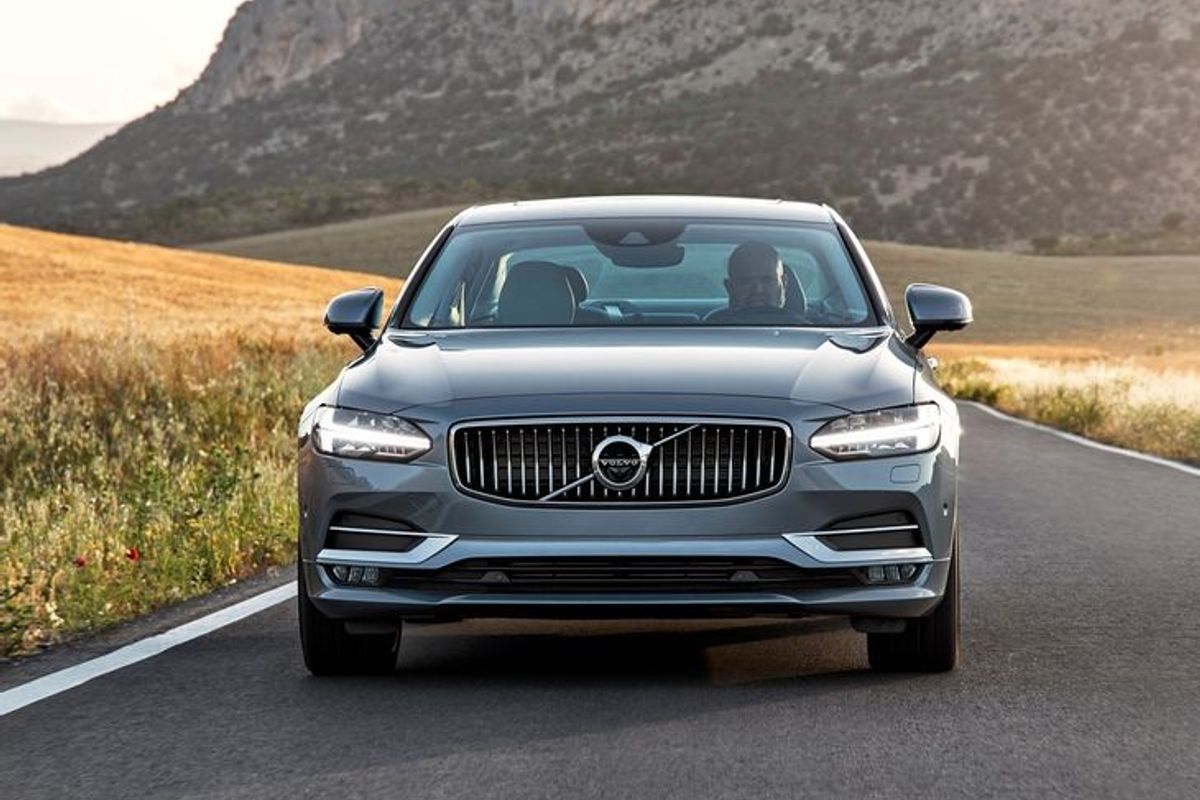
The South of Spain might seem a curious place to launch a Swedish car. But set against the backdrop of earthy Spanish architecture, the latest Volvo, in an unearthly metallic blue, stands out as chiselled, confident and thoroughly modern.
“When we split from Ford in 2010 (Volvo had formed part of the multinational's Premier Automotive Group), as a company we had nothing… no chassis, no cars. We started with a clean sheet of paper, and this is the result,” says Kent Falk, the man in charge of the “90” cluster of vehicles.
The S90 benefits from the same engine technology and modular, highly flexible platform (known as SPA) that underpins the XC90. It has the same rear suspension and is also built to be hybrid-ready – South Africa will receive the potent 300 kW T8 Hybrid model in 2017. This approach is paying dividends, Volvo is able to develop and launch cars quicker than ever. In fact, in 3 years’ time, the XC90 will be the oldest car in the brand's stable!
Design
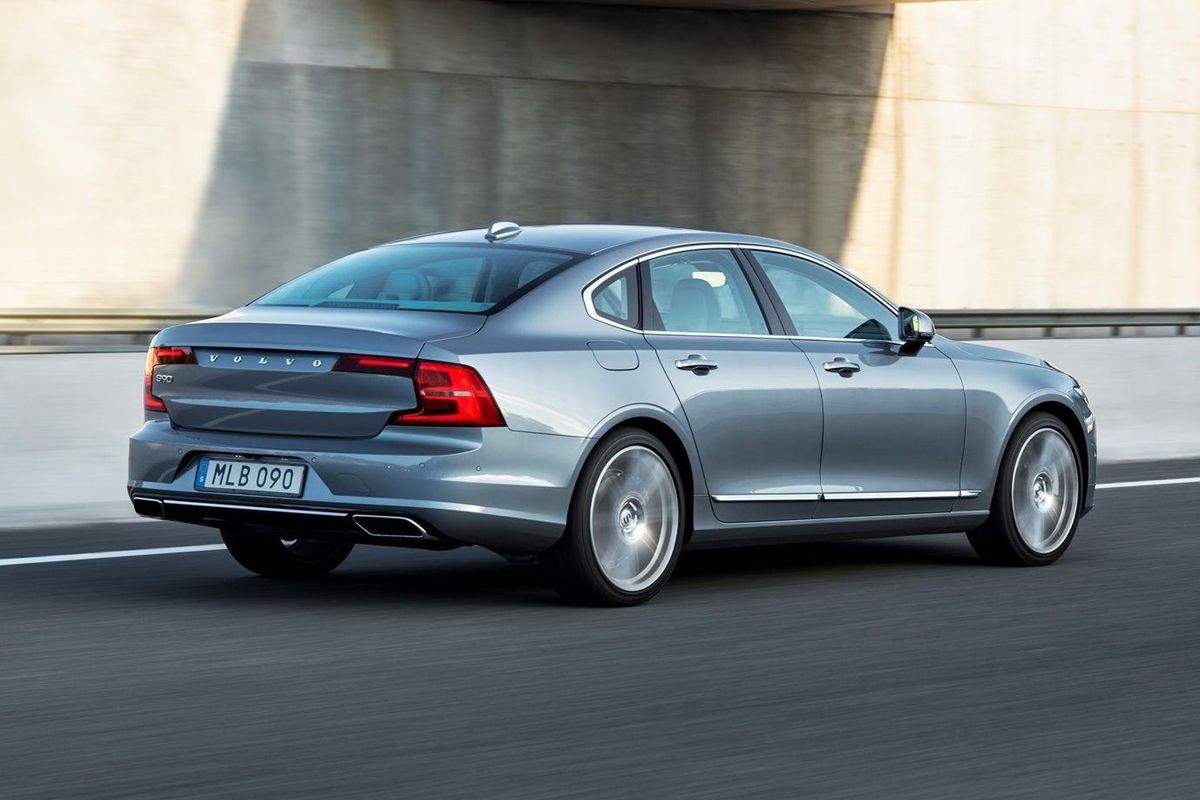
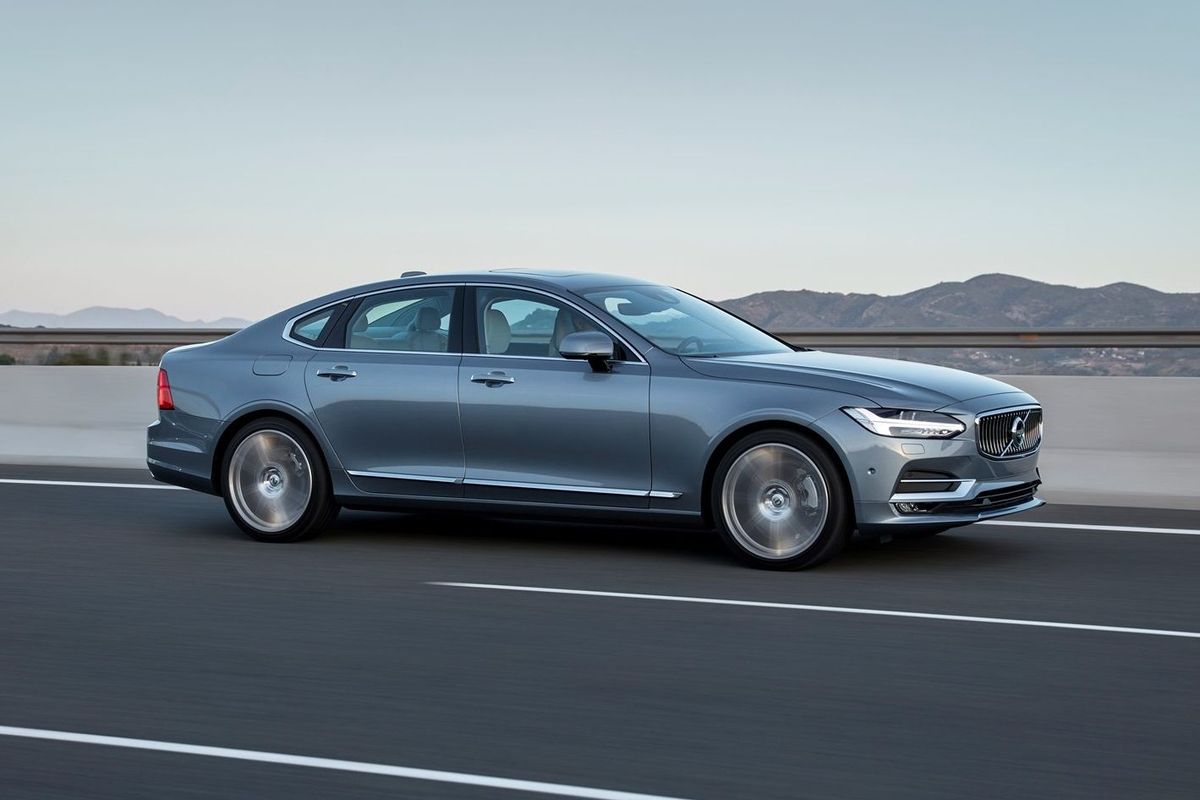
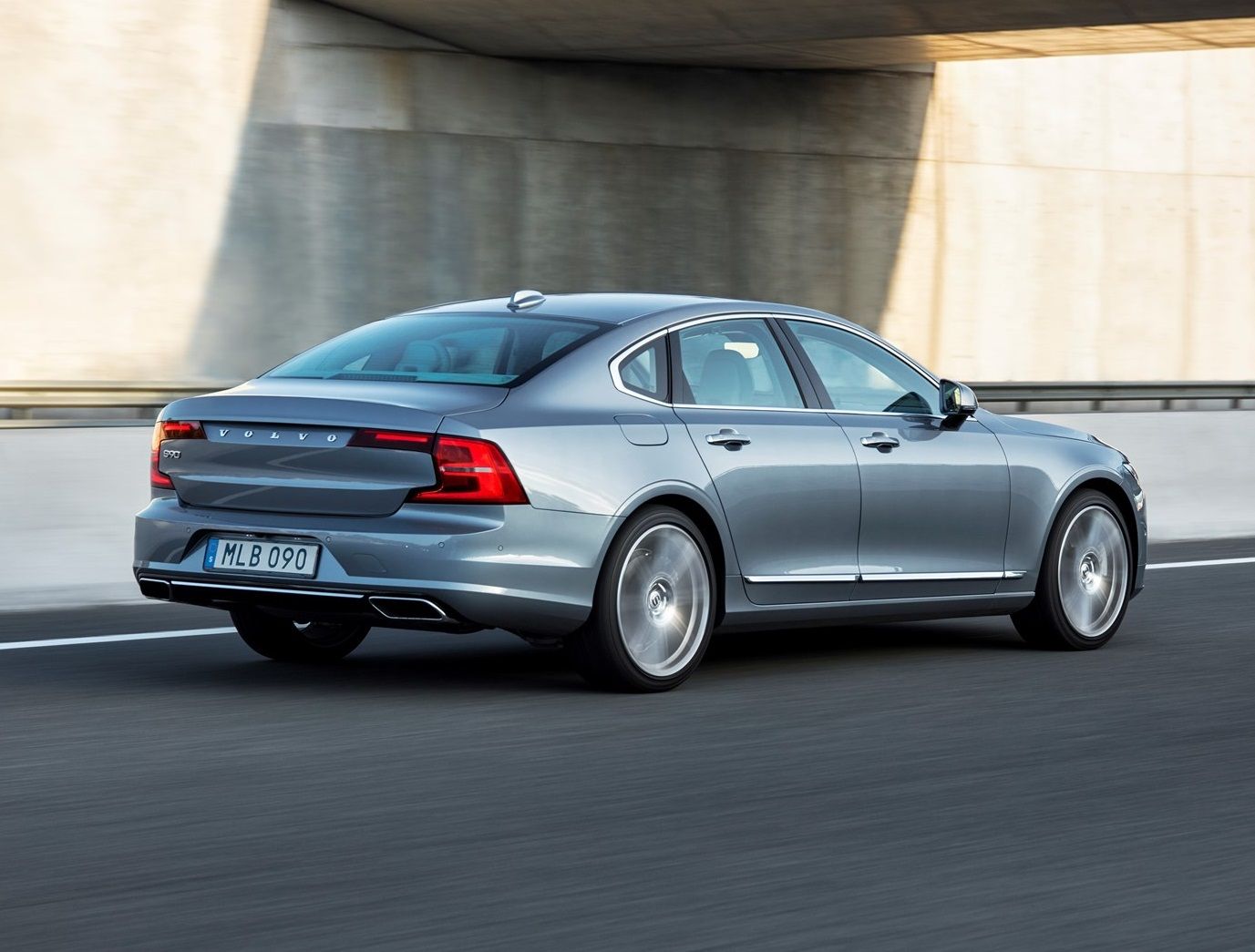
Scandinavian design is renowned for its striking simplicity; objects should appear as if they have been carved from one solid piece of material. This S90 achieves this thanks, in part, to a strong shoulder line which runs the length of the car, connecting headlights to taillights. It is without a doubt the boldest expression yet of everything this resurgent company believes in.
The front-end design is familiar, obviously resembling the XC90. However, Volvo has successfully translated the SUV’s styling for the sedan, with an oversized grille, “Thor’s Hammer” headlight clusters and a very short front overhang. And it works. In a segment where buyers are looking to make a statement with their choice of vehicle, the S90 is genuinely distinctive.
While the looks of competitors (such as the new Mercedes-Benz E-Class) draw heavily from their siblings (C- and S-Class, in the case of the former), the Volvo S90 is very much its own car. It attracts much attention, but in an almost polite manner.
Explore the Volvo S90 exterior design with this 360-degree video:
Local model line-up
In 2017, Volvo will launch the more affordable front-wheel-drive D4 and T5 models, as well as the R-Design edition, with the T8 Hybrid to follow at a later stage.
This year will see the arrival of only two models, both of which are all-wheel driven. The T6 petrol features a 2.0-litre twin-charged engine (compressor and turbocharger) – which offers a hearty 235 kW and 400 Nm – and those are impressive outputs from an engine of that displacement. The other model that will be offered initially will be the D5 turbodiesel. This features a turbocharged 2.0-litre motor with 173 kW and 480 Nm and sees the debut of Volvo’s patented PowerPulse technology, but more on that later. The T6 and D5 were the two models that we sampled on the launch. There was an opportunity to drive the V90 Estate, but for reasons about to be explained, there was no reason to.
Strange estate of affairs
South Africans certainly like one kind of estate, the sort where you’d play a round of golf or keep a horse. But motoring consumers in this country simply do not buy station wagons, and so Volvo has seen no reason to bring the V90 Estate into the country. We think this is an enormous pity; the V90 looks elegant and offers hugely-increased practicality.
However, we will see the Cross Country version of the estate, which will feature a toughened exterior and a raised ride height. Expect this to be an even more luxurious and spacious version of the Volvo V60 Cross Country that we currently have on long-term test.
The driving experience
The S90 has a hewn-from-solid design and the theme extends to the sedan's refined driving experience.
While the XC90 has garnered much praise since its launch, it has suffered one consistent criticism: a ride quality which is “not Volvo-y” enough. I’m paraphrasing here, but the complaint is that the firmer nature of the XC90’s setup was a big departure from what most Volvos were known for: a comfortable and smooth ride quality.
It is immediately noticeable that things have changed for the S90, although it must be said that all test units on this launch were fitted with optional air suspension. The S90’s ride quality is an improvement on the XC90's. It manages to walk that tricky tight rope of offering a compliant, cloud-like ride while not wallowing in the corners. I don’t think I would describe the handling as overtly sporty, but body-roll is kept in check and enthusiastic driving is quite rewarding, especially in the powerful T6 turbopetrol model.
I posed the question to Roger Wallgren, head of suspension development for Volvo. “We’ve learnt a few things since XC90,” he says, allowing himself a slight smile. “Although many components are shared between the cars, we have worked to make the S90’s setup as bespoke as possible to the vehicle.”
He goes on to explain that sedans are easier to work with; there’s a lower centre of gravity and it is much easier to keep the car’s lateral loads under control.
Whatever the methodology, the effort on the part of the Volvo engineering team seems to have paid off. The result is a car that feels more like a GT car than a large sedan. It handles road imperfections very well and embodies the necessary characteristics to devour long journeys, replete with minimal road noise intrusion and a comfortable interior.
While it will be possible to order an S90 without air suspension (it is a R26 000 option), we would argue that it’s well worth the extra outlay. Especially for a car in this price range, the extra comfort that the system will provide throughout your years of ownership should be well worth the price.
Power from both engines runs through an 8-speed automatic gearbox, which, for the record, was the best kind of gearbox: I barely knew it was there. Shift paddles are not available.
On-road, the S90 feels more like a GT than a sedan, it's well-suited to long-distance journeys.
Pilot Assist
Volvo has upgraded their autonomous driving system to now operate at speeds up to 130 kph without a lead vehicle. The system is happiest when the road markings are clear, but on the long, winding highways of Andalucia, we found that the system worked well – and consistently – for long stretches. Combined with radar-guided cruise control, the system senses slower moving vehicles with enough time to brake gently and bring the car to a safe following distance. Once you’ve executed a lane change, the system restarts quickly.
It is a very clear indication of where this technology is headed, and the Volvo representatives freely admitted that its fully autonomous cars are in the very final stages of testing – essentially they’re ready to go, but discussions with governments around the world concerning legislation and liability are proving lengthy and in some cases difficult. Regardless, Volvo will run a fleet of 100 fully autonomous cars in Gothenberg in 2017 as a pilot project.
PowerPulse
Debuting on the S90 D5 is a new technology from Volvo that aims to eliminate, or at least reduce, one of the more frustrating aspects of driving modern diesel engines: turbo lag. An electrically powered (not belt driven) compressor, fed by filtered air from the air intake, pumps compressed air into a 2.0-litre tank, hidden beneath the engine. When the system senses a quick depression of the accelerator pedal, either from standstill or at any speed under 100km/h, it shoots a pulse of air in the turbo’s direction. This highly pressurised air mixes with the exhaust gases which are already rushing through the turbo, helping to spin up the turbo quickly at low engine revs.
In theory, it’s brilliant, and Volvo says it is cheaper and more energy-efficient than electrically-aided turbochargers which other manufacturers are pursuing. In practice, there is a notable smoothness to the acceleration of the vehicle. In some instances it even felt naturally aspirated. From my experience, I would say the system works best while on the move, say from 60 kph, which, importantly, makes overtaking much easier and smoother. From standstill, the effect of PowerPulse is noticeable, but less so.
The interior
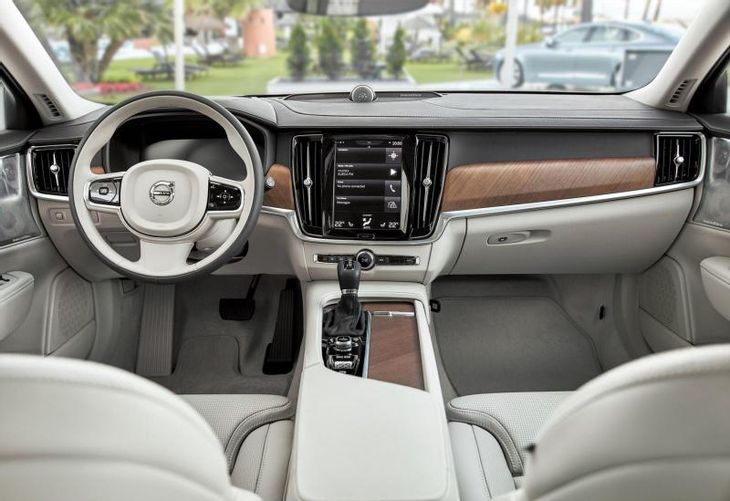
The super-supportive, super-comfy front seats are carried over from the XC90 into the sedan. They are a highlight: offering a wide range of adjustment and no fewer than 4 massage functions, the seats provide near-perfect lumbar support. It feels like a team of physios, rather than engineers, designed them…
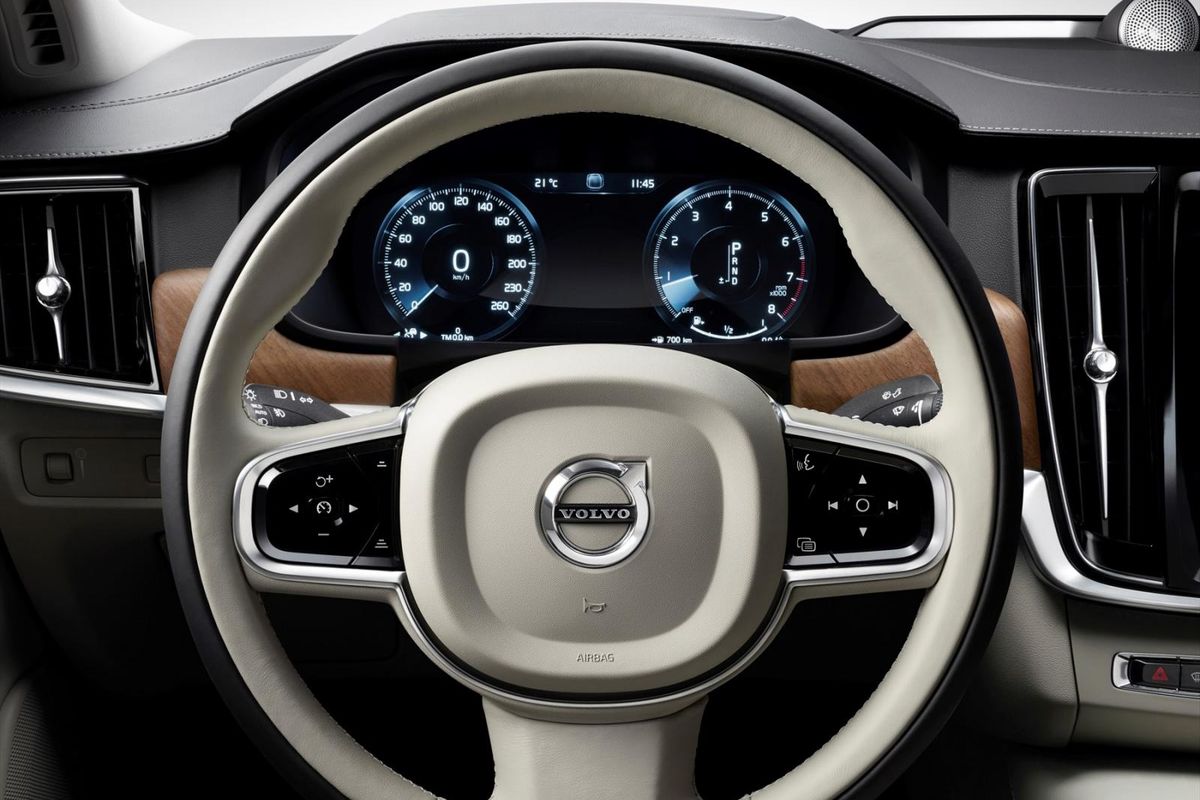
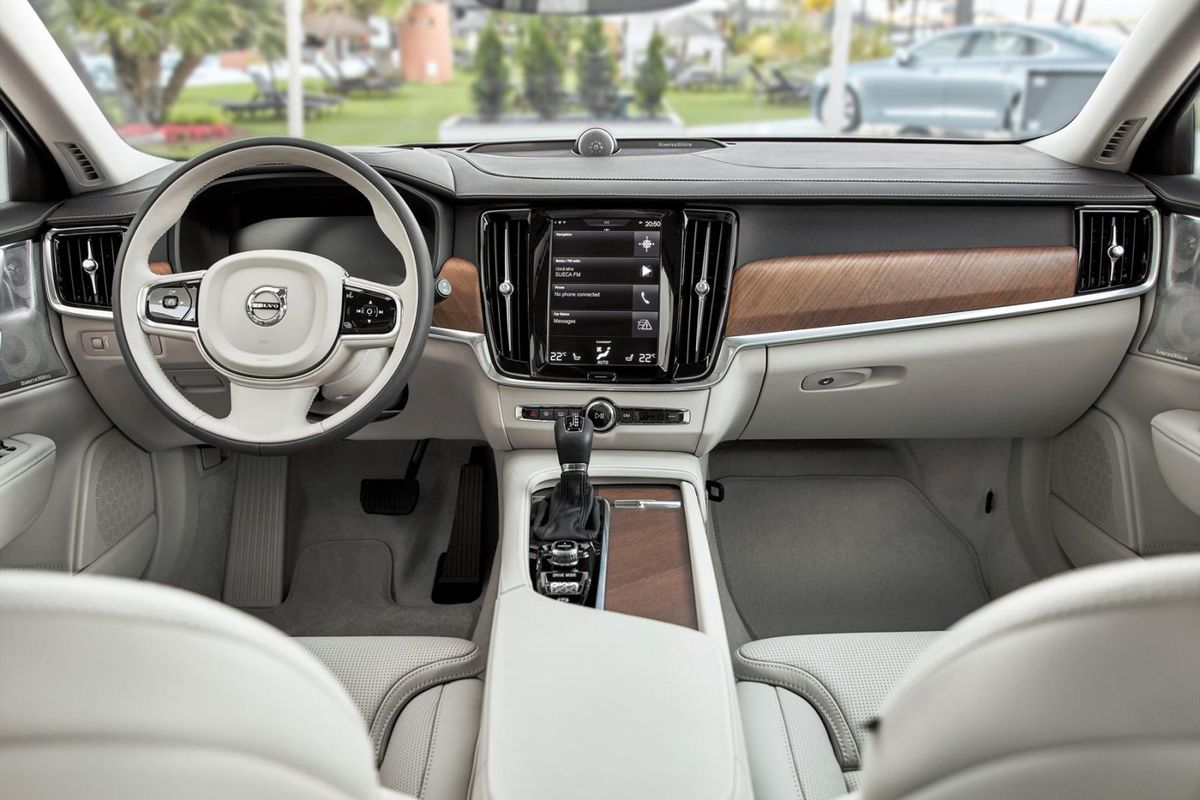
The dashboard design will be familiar to anyone who has peered into or driven an XC90 – the same steering wheel, instrument binnacle and uncluttered fascia are present, as well as a slightly smaller version of the revolutionary vertically-orientated touchscreen. However, where the vast expanses of the XC90’s dash are high-quality plastic, in the S90 the same space is covered with leather, which is finely stitched at the edges and really adding to the premium feel.
The driver feels positively enveloped: the screen is angled inwards towards you and is placed a comfortable distance away. Operating the screen does not at all feel like a chore, but when on the move it becomes a little difficult to successfully jab the desired button without taking your eyes off the road. I suppose with familiarisation will become less of an issue.
Rear legroom is vast. Incredibly vast. Behind my co-driver, who was just over six-foot tall, there was an almost comical amount of legroom. I have just driven BMW’s latest 7 Series and I believe the S90 has double the rear legroom of the BMW. The boot also benefits from the suspension's design. Due to the flat transverse leaf spring arrangement, there are no suspension towers that jut into the boot area and eat into load space. The boot is deep and wide enough to easily swallow two full-size suitcases, with space above and in front to spare.
Volvo S90 pricing and South African market arrival
Volvo will be launching the S90 in South Africa in October 2016. The media was only supplied with indicative pricing for the South African market. Initially, the model range will be limited with prices ranging from “mid R600 000 to R900 000”, the firm's spokesman said.
The S90 will certainly have its work cut out for it. It faces competitors such as the Jaguar XF, Lexus GS, Mercedes E-Class, Audi A6 and BMW 5 Series. The Volvo might make some headway while we await the arrival of the new 5 Series, and in South Africa at least, smaller sales of the XF and GS should not be of huge concern. No, the S90 is definitely gunning for the new E-Class and, fortunately, we have the Benz on test right now. Meanwhile, we look forward to testing the new S90 on local roads later this year.
Lexus has announced the price and specification for its RC 200t – the entry-level model in its sporty two-door range
When the RC was launched last year, the range comprised a 3.5-litre V6-powered RC 350 F-Sport and while it is a satisfying vehicle in many ways, the range needed more variety, not least an entry-level derivative. Enter the RC 200t, a 4-cylinder turbopetrol-powered Lexus that comes in cheaper than its bigger brother, but offers a not-too-dissimilar coupe experience.
Glenn Crompton, Vice President of Marketing for Lexus is very candid about the role the new RC plays in the local Lexus line-up: “Cars like the RC exist not as volume cars, but as aspirational products designed to draw in the young and the young at heart. The 2.0-litre four-cylinder turbo provides an accessible point of entry for lifestyle buyers who want the statement of a luxury coupé balanced with the efficiencies afforded by a smaller capacity powerplant.
“In this context, the new RC 200t fits the brief perfectly – it’s stylish, refined, frugal and generously stocked with a pleasing athleticism to it. It boasts an emotional draw too – key among them striking looks – and some creditable dynamic skills. With a price tag of R699 100, it’s also certain to appeal to wallet-conscious buyers.”
200t engine and performance
The Lexus RC 200t is powered by the 8AR-FTS 2.0-litre twin-scroll turbocharged petrol engine that we first experienced in the Lexus NX 200t crossover. This engine is mated with an 8-speed Direct Shift automatic transmission with shift paddles. Drive Mode Select varies throttle response and engine performance characteristics, and the driver can choose Sport, Eco and Normal. This smart 2.0-litre can switch between the fuel-saving Atkinson cycle and the conventional Otto cycle. This engine produces a healthy 180 kW and 350 Nm, and is claimed to reach 100 kph from zero in 7.5 seconds, going on to a top speed of 230 kph. It's claimed to be reasonably fuel efficient too, and will sip 8.0 L/100km, while emitting 186 g/km of CO2.
RC 200t Features
The RC 200t comes with a generous selection of standard equipment. The exterior is adorned with LED lights (headlights, tail lights, fog lights & DRLs), rear fog lights, headlamp washers, heated- and retractable side mirrors and a sunroof. Step inside the cabin and you'll find leather upholstery, front seat heater and ventilation, power front seats, two-way driver seat lumbar support, electric power steering (EPS), multifunction steering wheel with cruise control, full-colour infotainment display, satellite navigation and Bluetooth. In terms of safety, you're well covered with 4-sensor anti-lock braking system (ABS) with Brake Assist (BA) and Electronic Brake Force Distribution (EBD). You also get vehicle stability control, traction control and hill start assist. For manoeuvring around tight spaces, there's park distance control and a reverse-view camera. Seven airbags round off the safety features.
Lexus RC 200t Price in South Africa
The new Lexus RC 200t is priced at R699 100 (incl. VAT) and comes standard with a 4-year/100 000km and Lexus Distance Plan Plus maintenance plan. The RC 350 F Sport carries a price tag of R787 600 (incl. VAT).