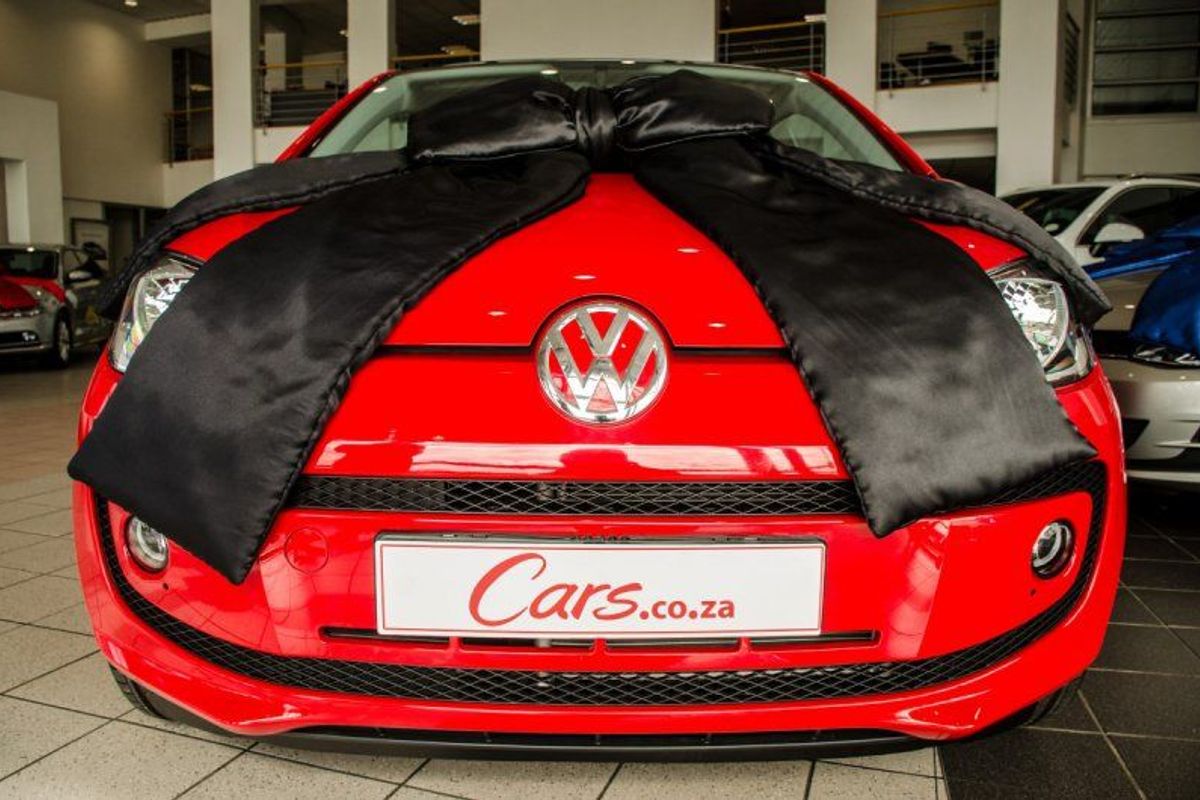
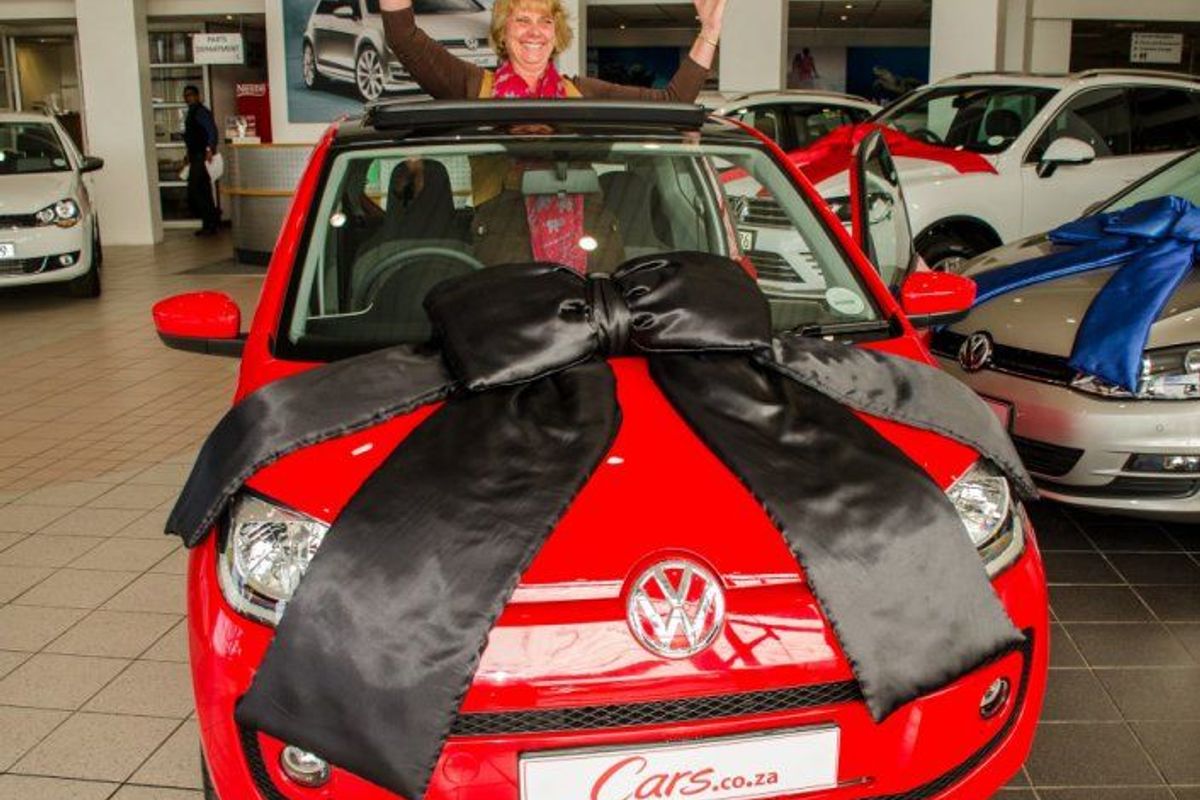
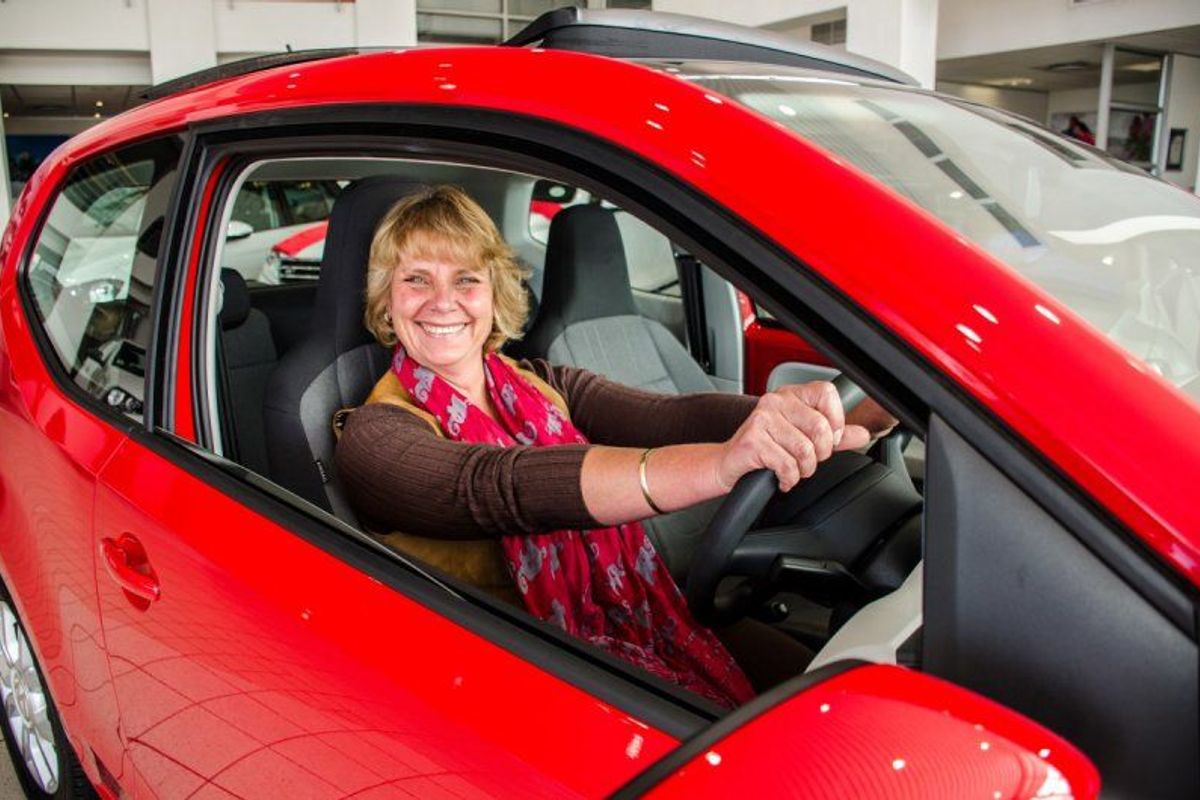
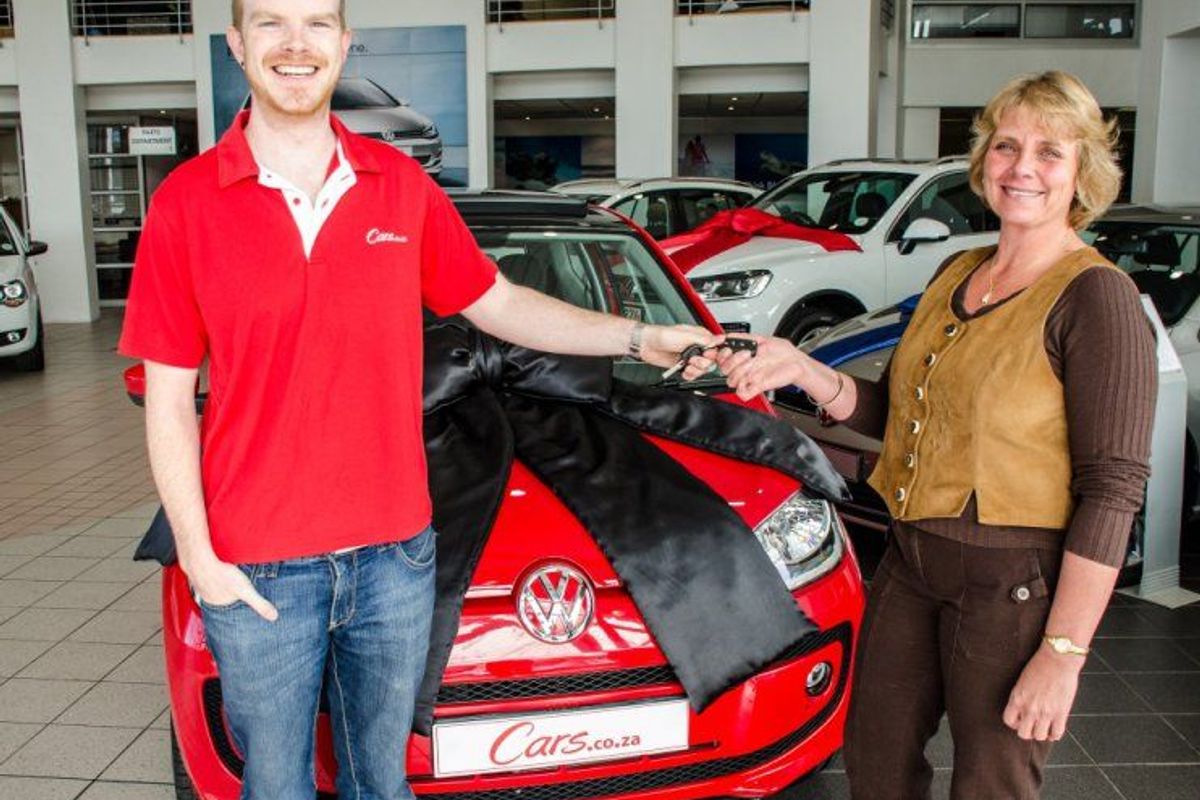
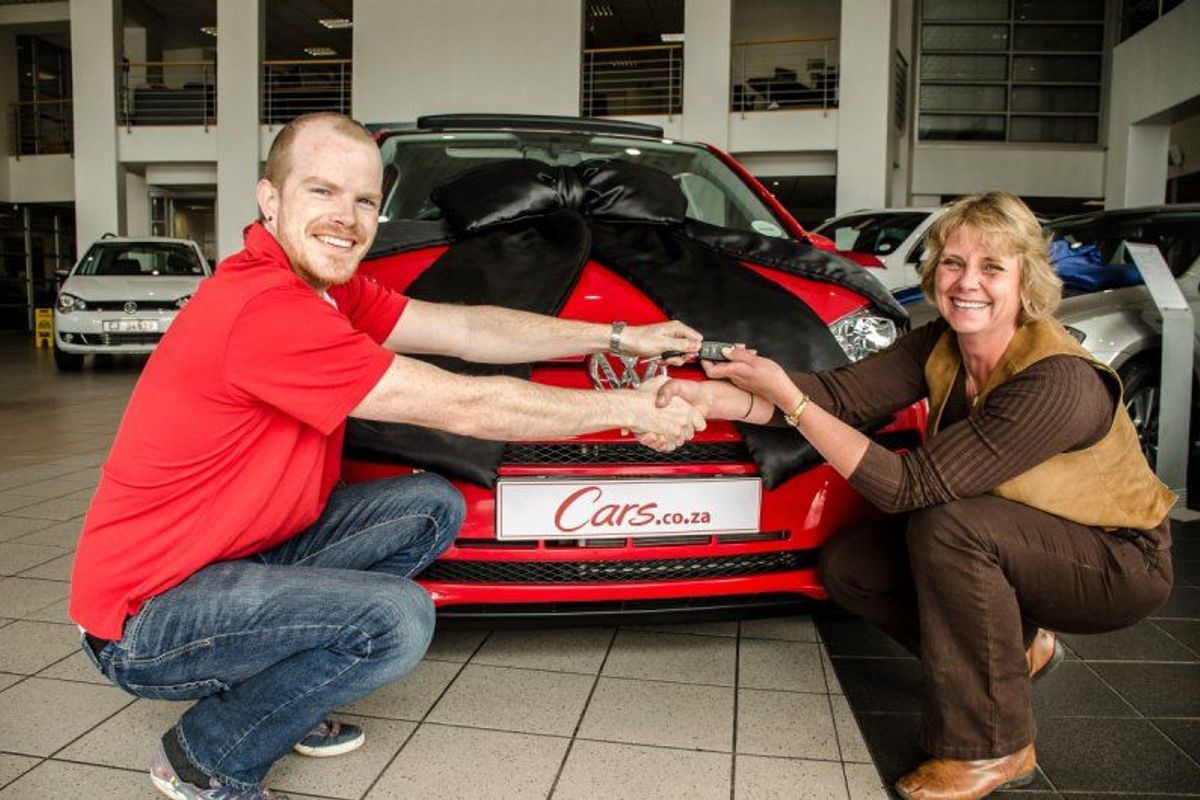
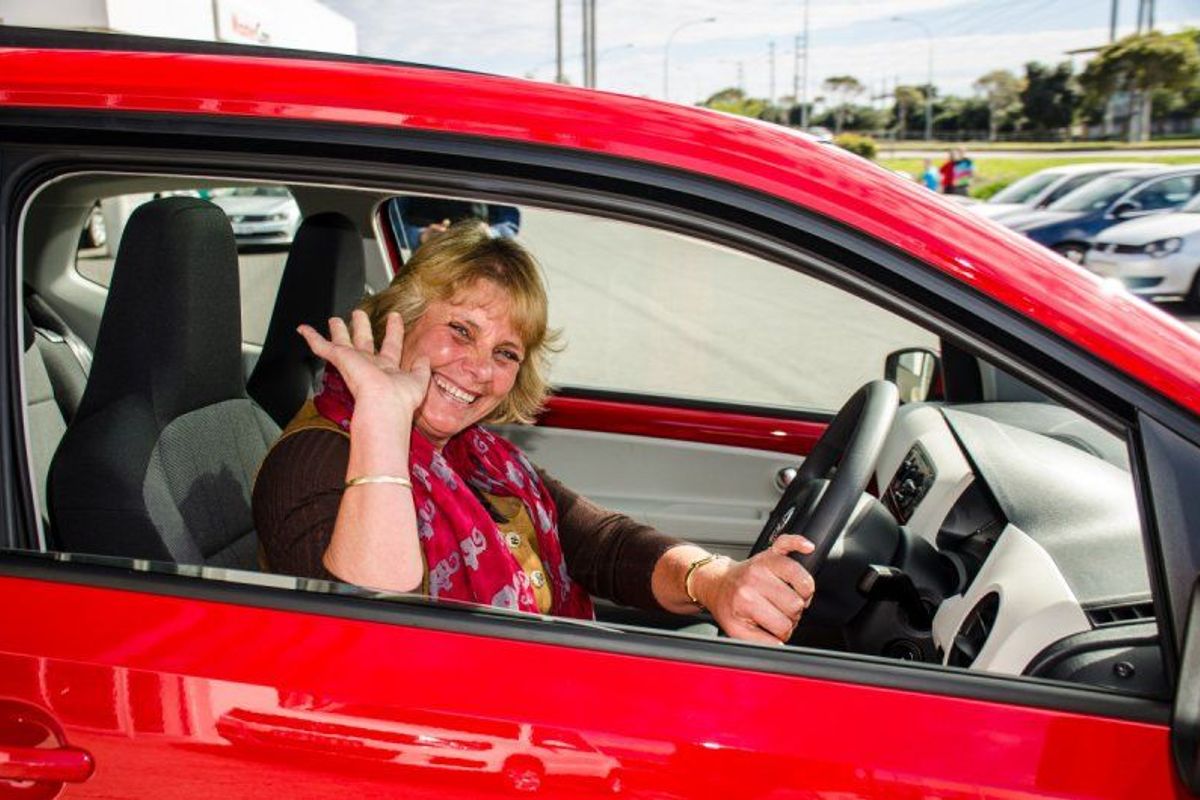
Today, Cars.co.za, in partnership with Daddy’s Deals, Travelstart and NetFlorist handed over a brand new Volkswagen up! to an excited Tania Diekmann, the winner of our Scratch & Win Competition. The handover took place at Barons N1 City with Alfred Siyanga (New Vehicle Sales) and Cars.co.za Marketing Manager, Andrew Crawford, presenting Tania with her new ride.
Volkswagen up! Finds New Home
Tania is a Cape Town resident who caught wind of the Scratch & Win Competition via email and decided to enter. Weeks passed and finally Tania received the phone call she was waiting for. At first, Tania couldn’t believe that she had won the car, but when the reality set in, she was beside herself. “The phone call came in the afternoon and when they said I won the car, I was like – this is the best thing ever! And then of course I had to tell all my friends. The next day my throat was so sore from screaming,” said Tania. Although Tania also owns a 12-year old Mercedes-Benz A-Class, she is a big Volkswagen fan and grew up with the VW Beetle.
“Funny enough, I said to my husband, if I get another car, I want a small car, something that’s economical and affordable to maintain and voilà, now I have it” said Tania. Tania is also an avid hiker and she looks forward to taking her up! on hiking excursions in the Western Cape.
Cars.co.za would like to thank Baron’s Bruma and Baron’s N1 City for their assistance in organising this awesome prize. If you need a Volkswagen, be sure to give these dealerships a visit! We also want to wish Tania thousands of happy kilometres in her new Volkswagen up! Congratulations, Tania!
German and Japanese makes dominate the nominations list for the prestigious 2016 World Car Awards
The World Car Awards (WCA) organisation used the Frankfurt Motor Show as a platform to reveal the nominations of the 2016 WCA programme. 72 International motoring journalists, including Cars.co.za’s Hannes Oosthuizen, will now have until February to evaluate as many of the vehicles as possible, before voting to determine the Top 10 in each of the World Car of The Year, World Luxury Car of the Year and World Performance Car of the Year categories. Experts will also nominate the top five in each of the World Green and World Design categories.
The top three finalists in the major categories will then be revealed at the Geneva Motor Show in March 2016 before the winners are announced New York International Auto Show in April.
Overall World Car of the Year Nominations
The battle for the prestigious overall title is dominated by German and Japanese brands. Mazda and Subaru have both secured two entries.
SUVs also deliver a strong showing in the World Luxury Car category, showing that the traditional sedan bodyshape is under fire even in a segment it used to exclusively own. A surprise entry is the new compact Infiniti, the Q30.
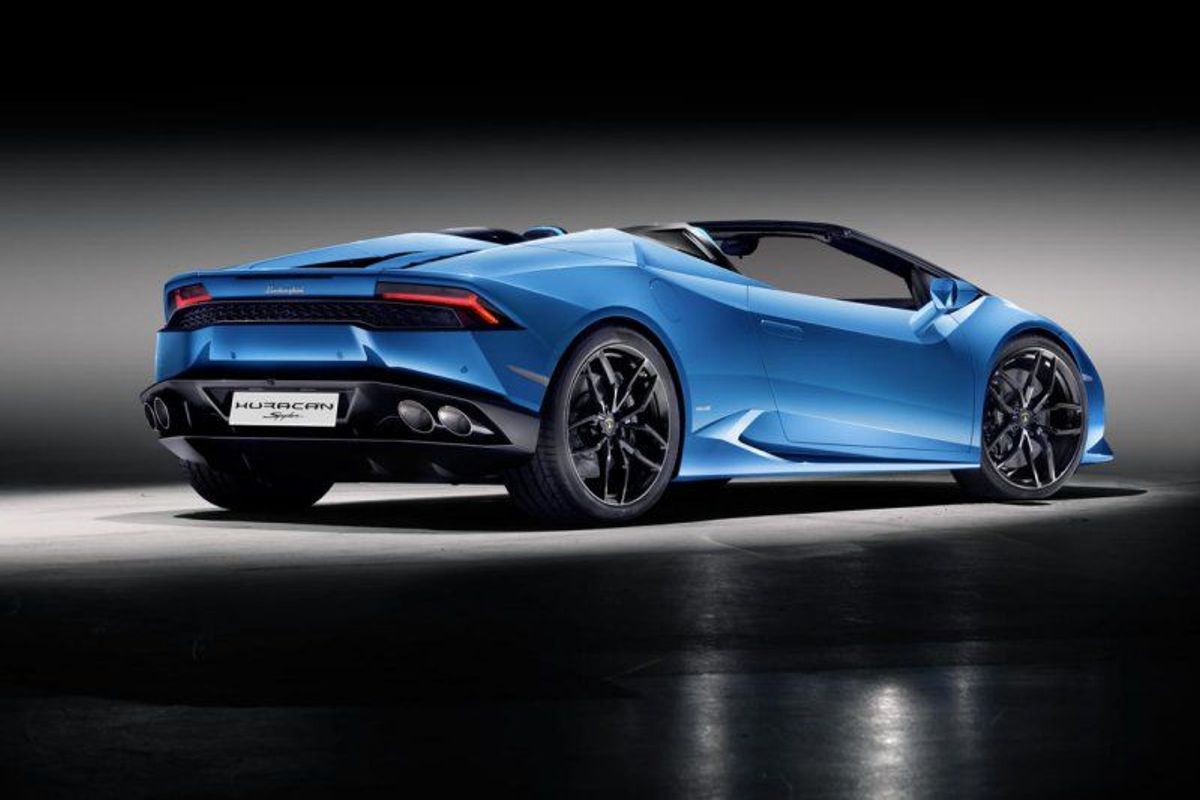
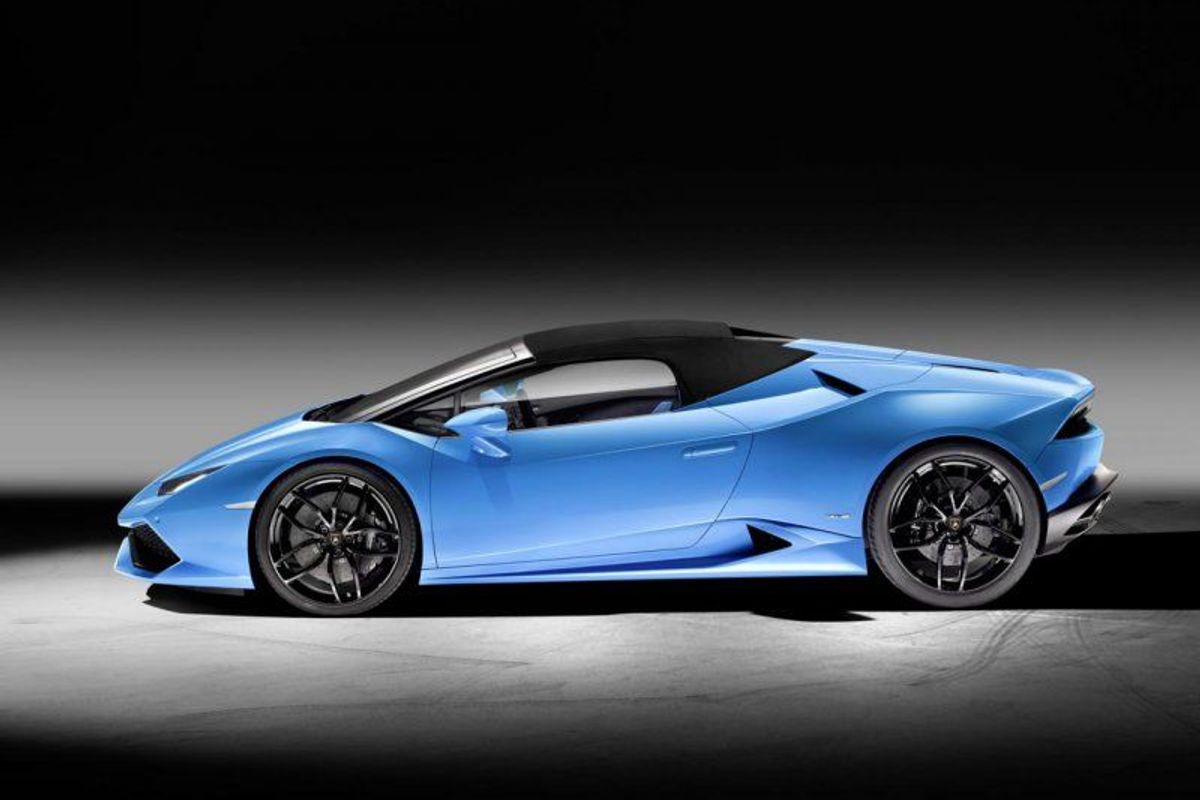
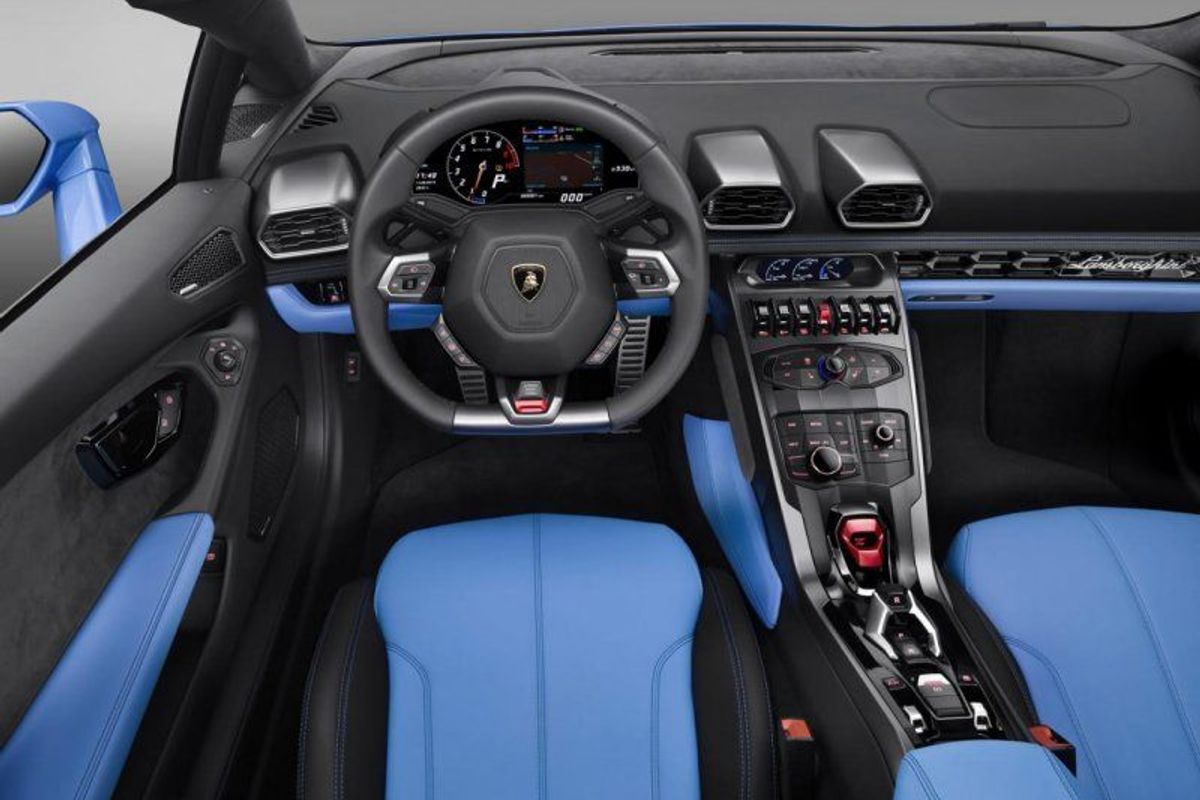
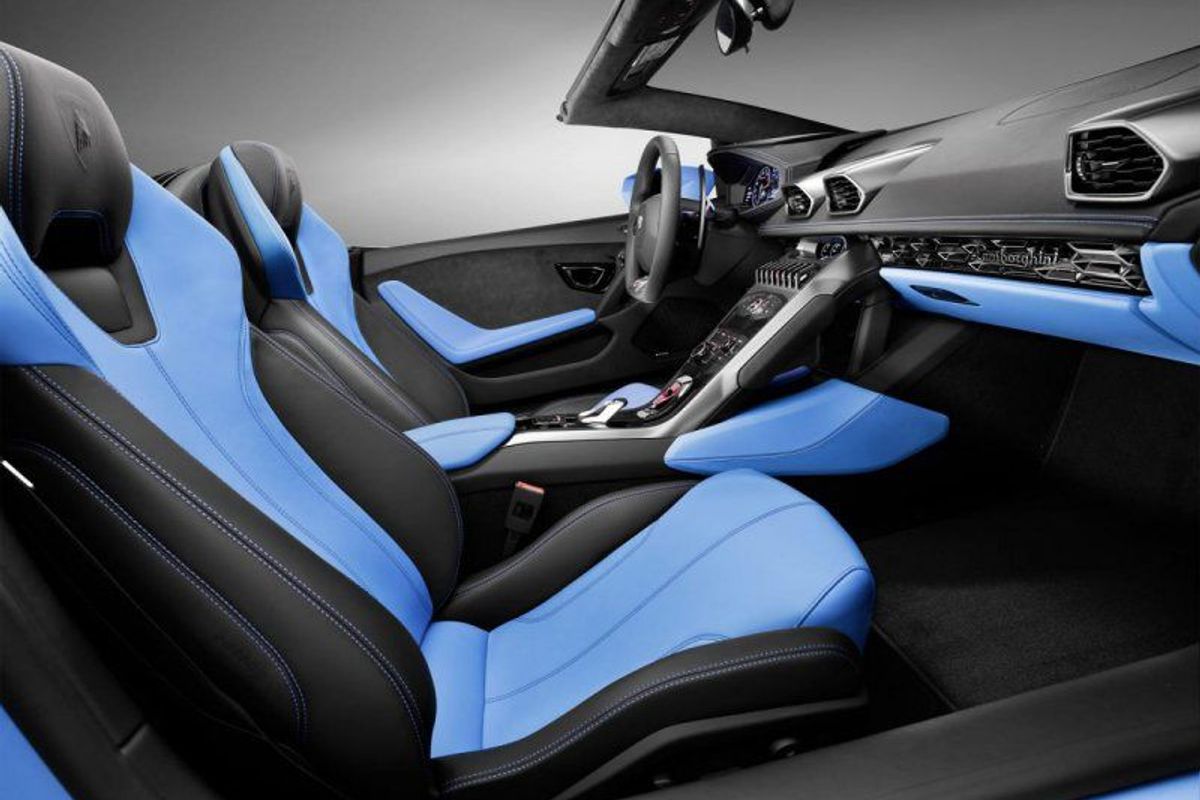
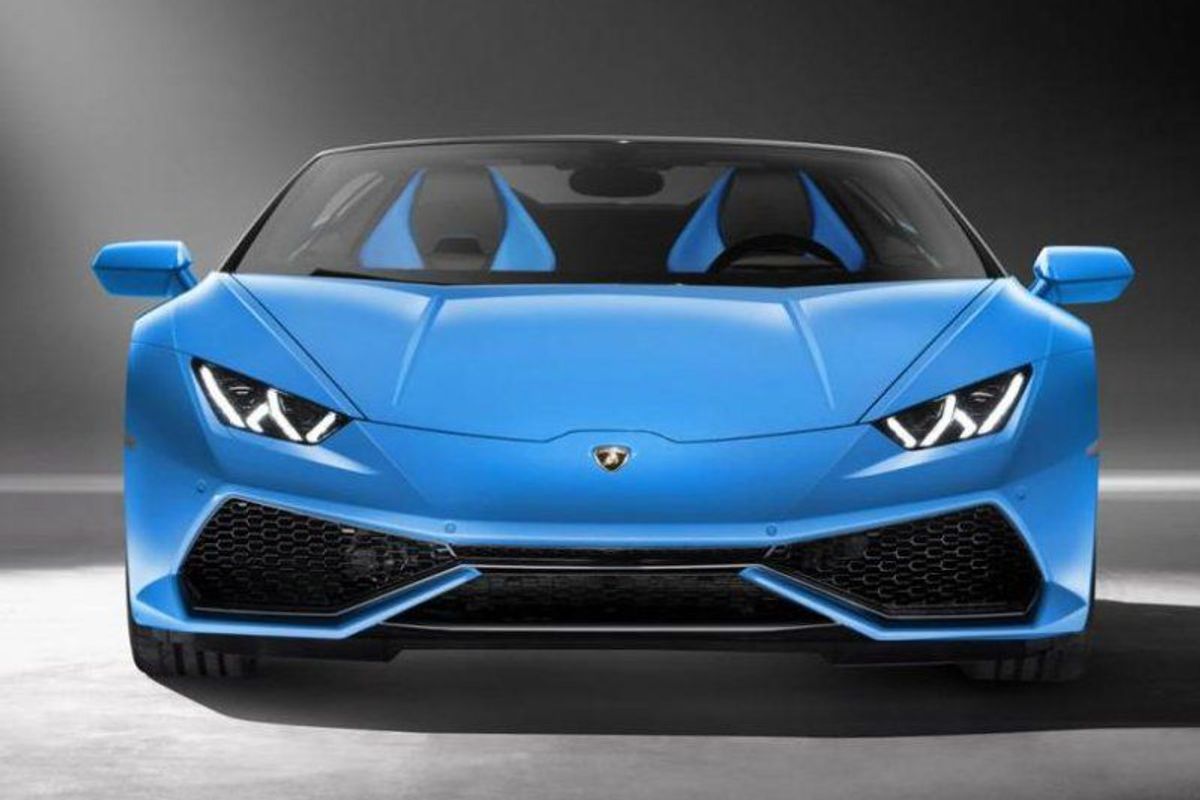
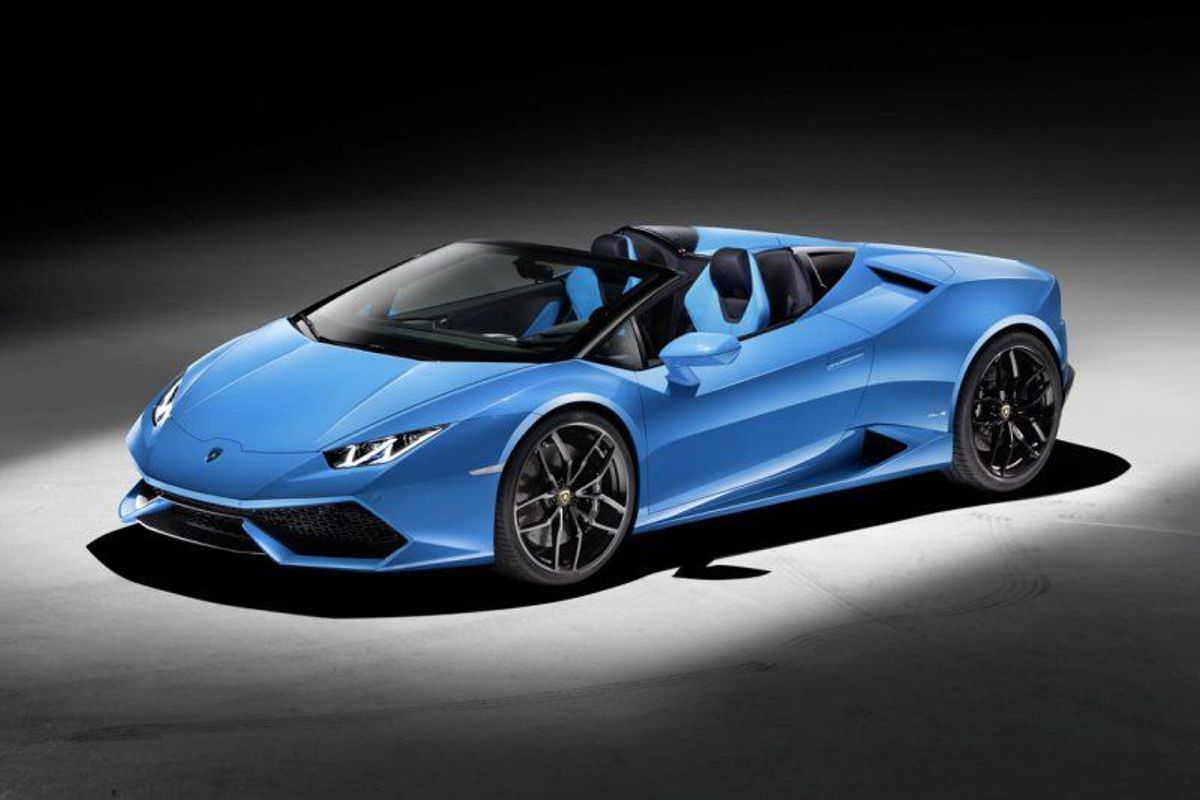
Lamborghini has revealed the Huracan Spyder at the Frankfurt Motor Show.
Lamborghini Huracan Spyder Features
Transforming the Huracan into the sexy Spyder is an electrohydraulic soft top roof that can be operated at speeds up to 50kph and can open and close in 17 seconds. The roof is controlled via a button on the center console and the roof can be had in black, brown and red.
The Huracan Spyder also features two removable lateral wind guards and there are two fins for optimizing air flow through the engine bay. The engine is covered with a specially designed slatted hood withthe air intakes painted in black.
The Huracan Spyder is powered by the same 5.2-litre V10 found in the coupe version and offers up 449 kW and 560 Nm. Acceleration to 100kph takes only 3.4 seconds while 200kph is achieved in only 10.2 seconds with a top speed of 324kph. Fuel consumption is rated at 12.3L/100km. The Lamborghini Huracan Spyder rides on 20-inch Giano alloy wheels fitted with carbon ceramic brakes with 380mm front discs and brake callipers painted in any colour you desire.
In case you see missed it, we took the Lamborghini Huracan for a spin around Cape Town, you can watch the video below!
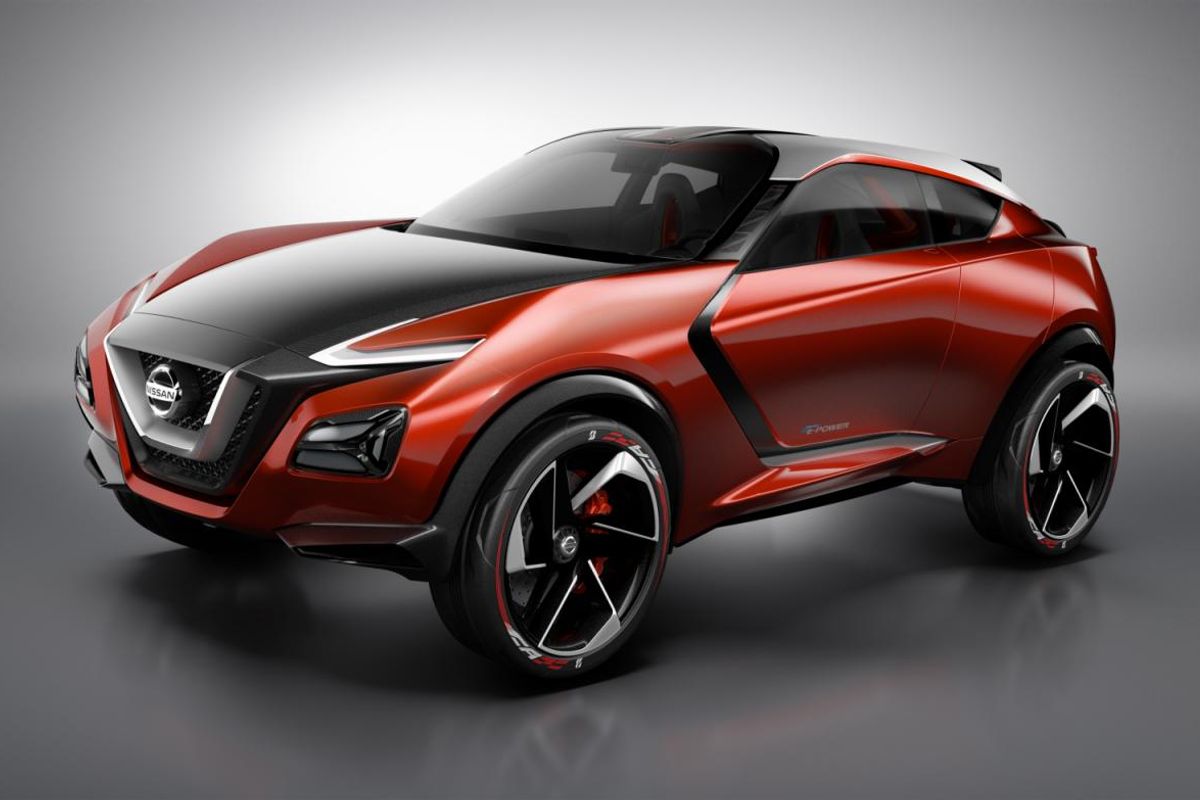
Nissan Gripz Concept shows a sporty Crossover
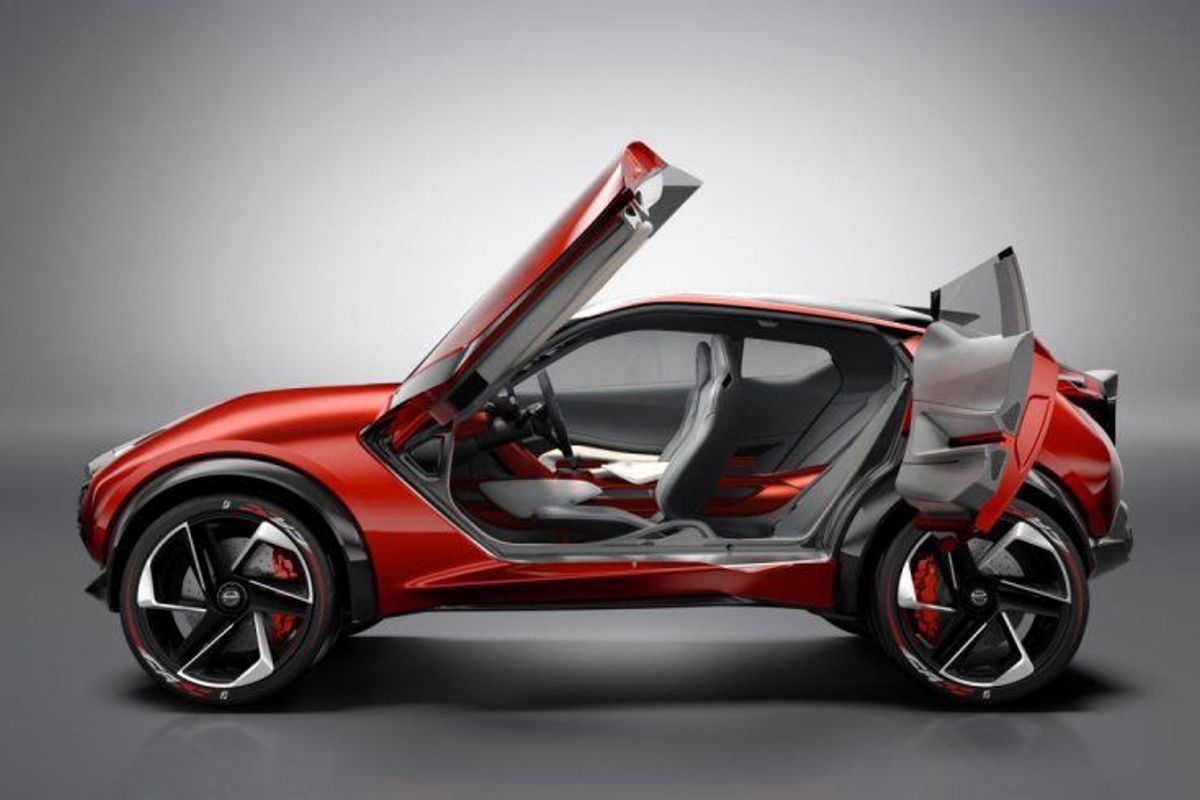
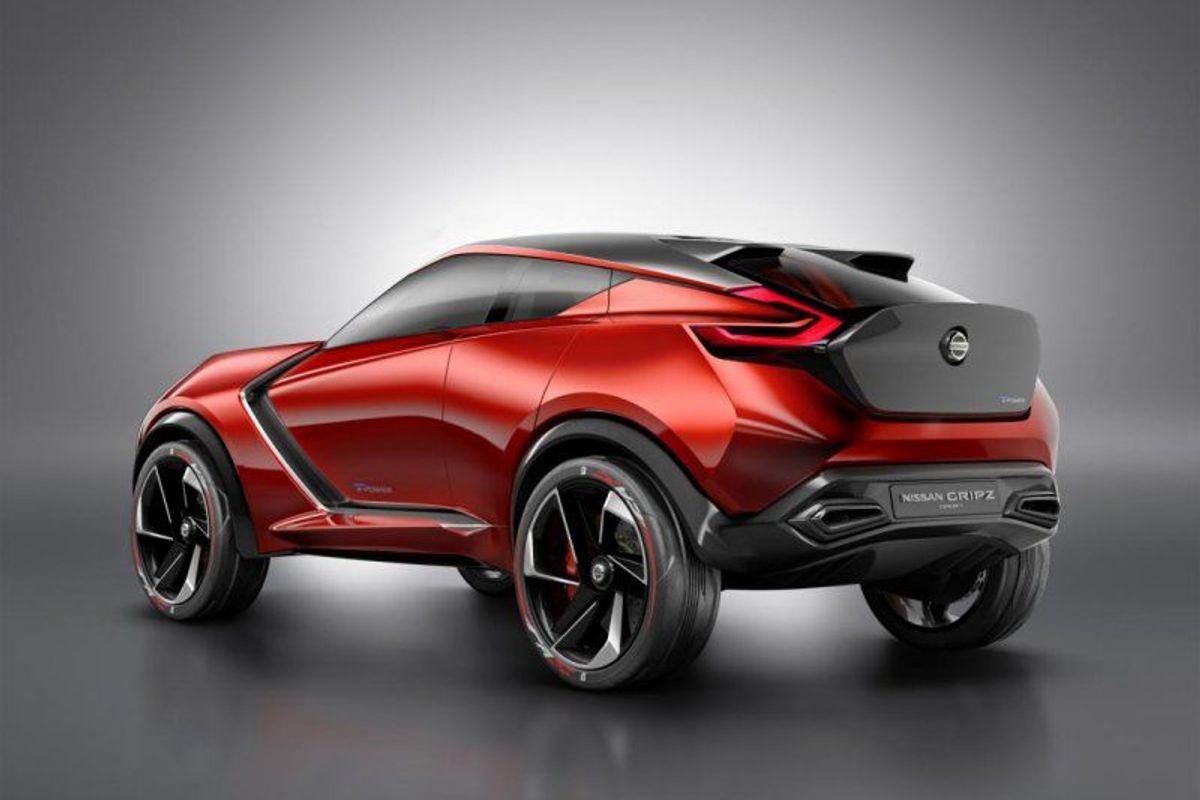
Nissan showed this Gripz Concept at the Frankfurt motor show and says it’s a sporty crossover for the younger generation. Its design was based on rugged desert buggies and racing bicycles. The car is supposed to have a dual personality by coping with the day to day slog to work and then slaying mountain passes on the weekend.
Electric hybrid
Predictably, the Gripz Concept uses a hybrid drivetrain. The electric motor powers the wheels whilst a small petrol engine does the job of powering the electric motor. The result is said to be a smooth, refined and exhilarating driving experience with outstanding efficiency.
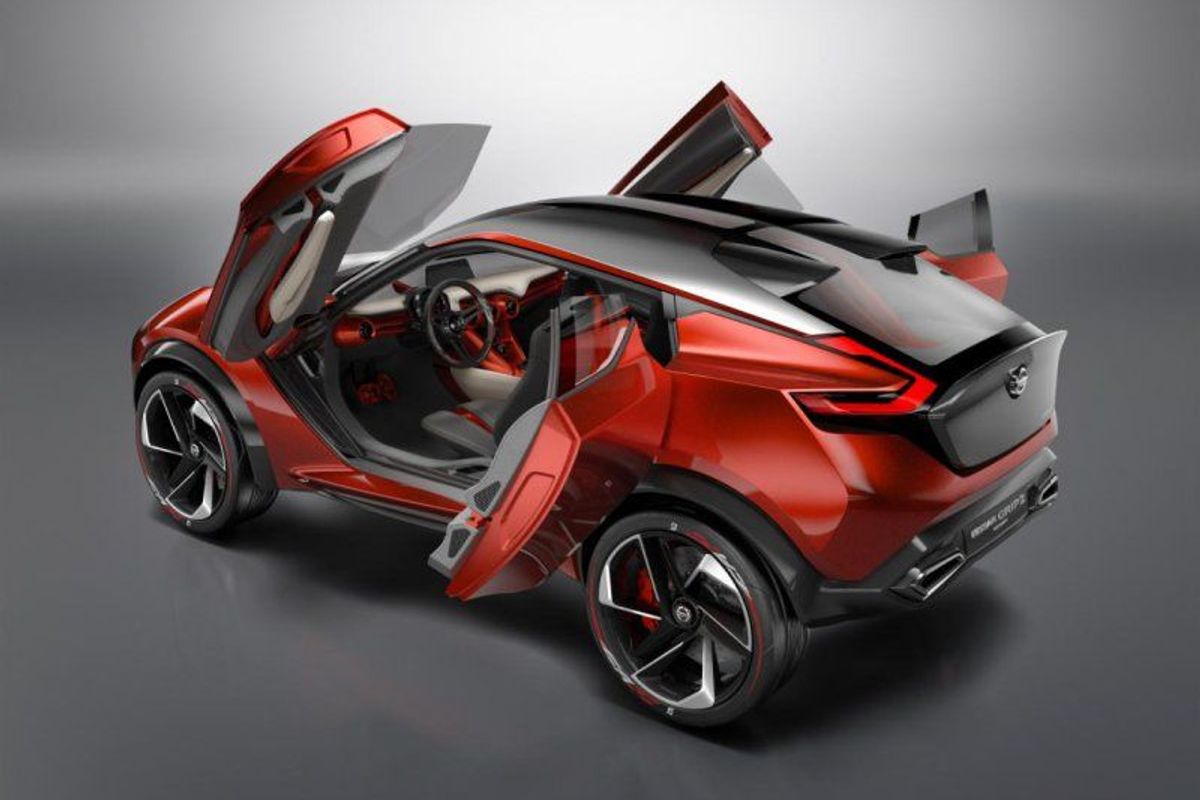
The Nissan Gripz Concept is seen as a design statement rather than a replacement for an existing model. The Crossover concept incorporates four key design elements first seen in Europe on the Nissan Sway at the Geneva motor show. As with Sway, Gripz features a V-motion grille, boomerang lamps front and rear, a floating roof and a kicked-up C pillar.
Exposed carbon elements spear through the design and showcase the huge grille up front. Gripz has four doors with deep dihedral front doors that swing out and up when opened, and a pair of rear-hinged half-doors behind. There is no B-pillar, allowing easy access to the 2+2 interior.
Built like a bike
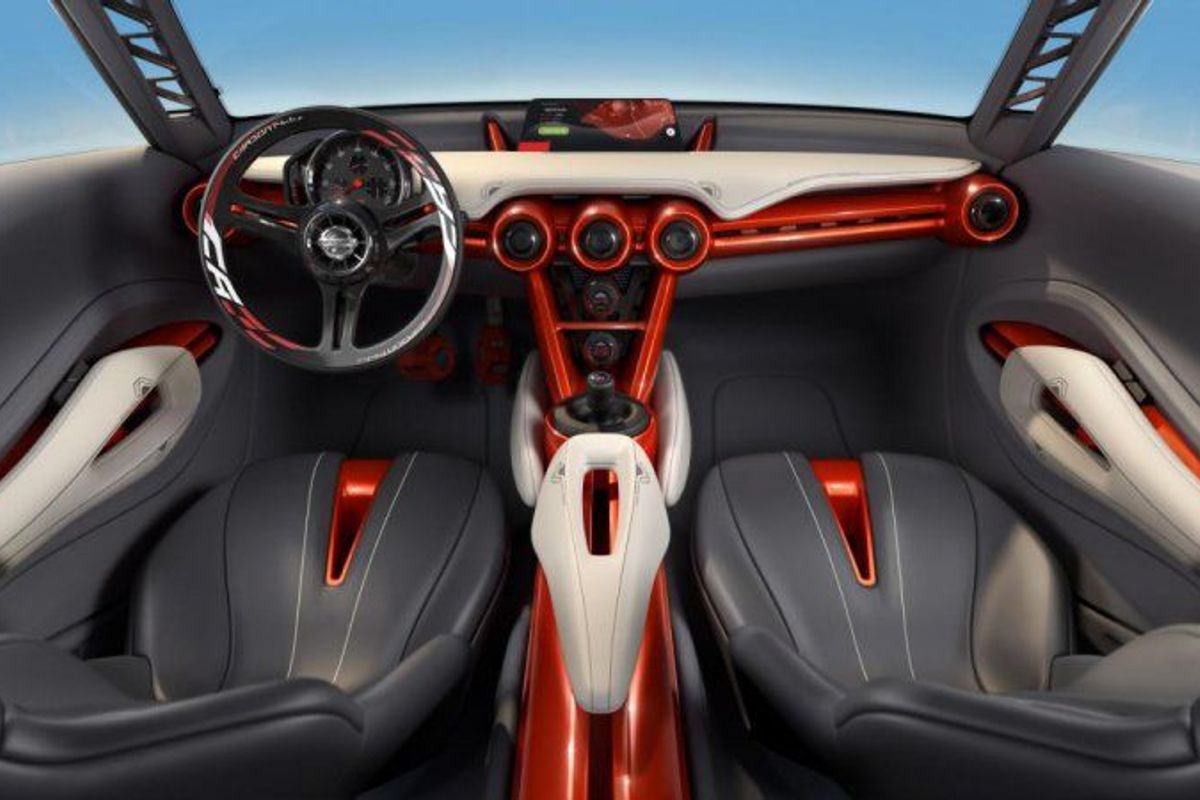
The three-spoke 22-inch wheels are also inspired by racing bicycles – lightweight yet strong. Red and white graphics found on the sidewalls are replicated on the cars steering wheel.
Again featuring a mix of matt-grey and the deep red-orange colours, the interior underlines the cars Tour de France inspiration with exposed tubes, moulded bucket seats and layered features echoing the cladding effect found on the exterior.
The seats and centre console are directly inspired by bicycles, as are the door pulls that are shaped like saddles from a racing bike.
The Gripz concept is merely a design study and does not actually represent any future model plan. Nissan will however gauge the public reaction to the concept and possibly make a decision on whether to build it or not.
Nissan Gripz Concept Video
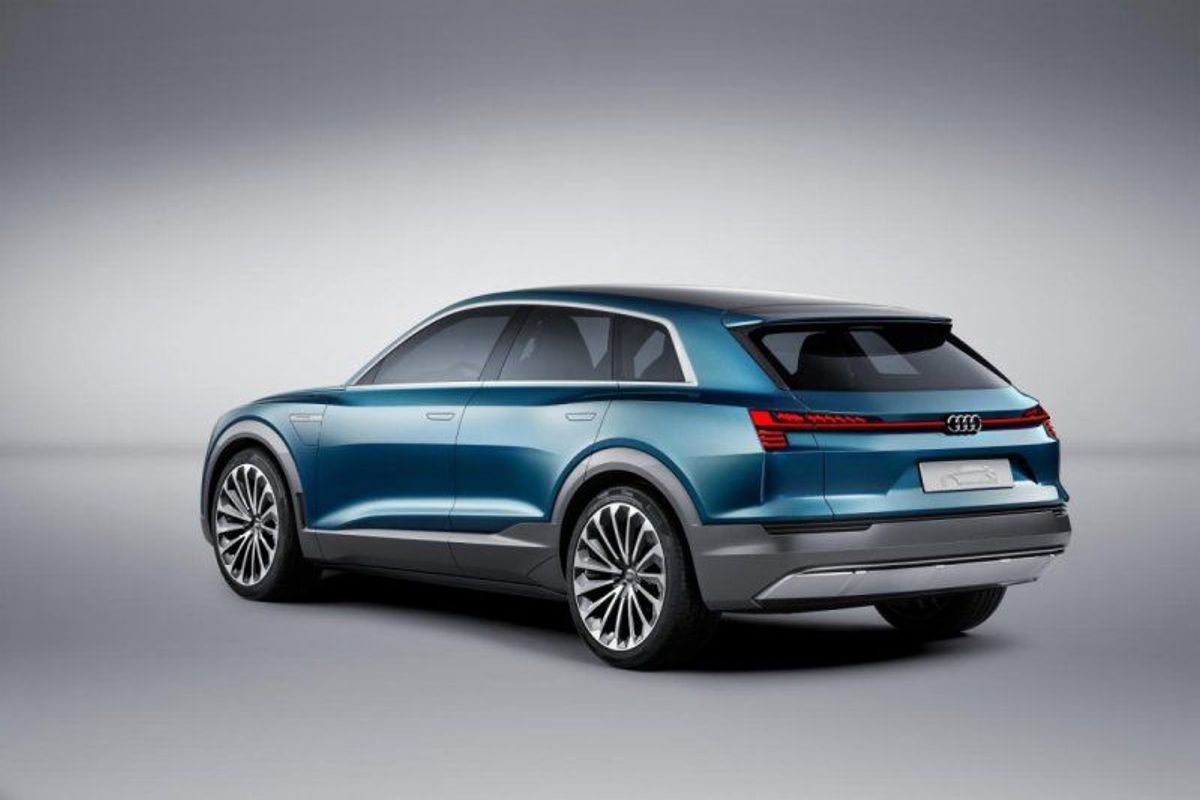
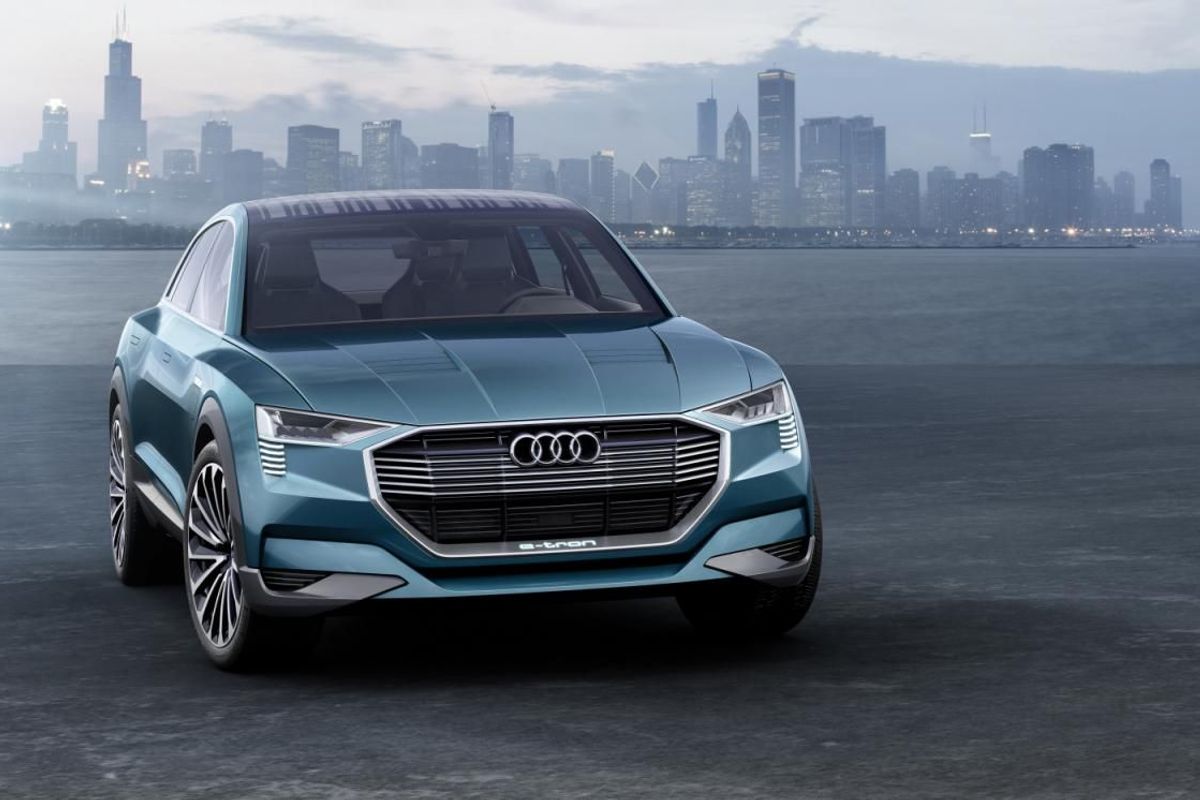
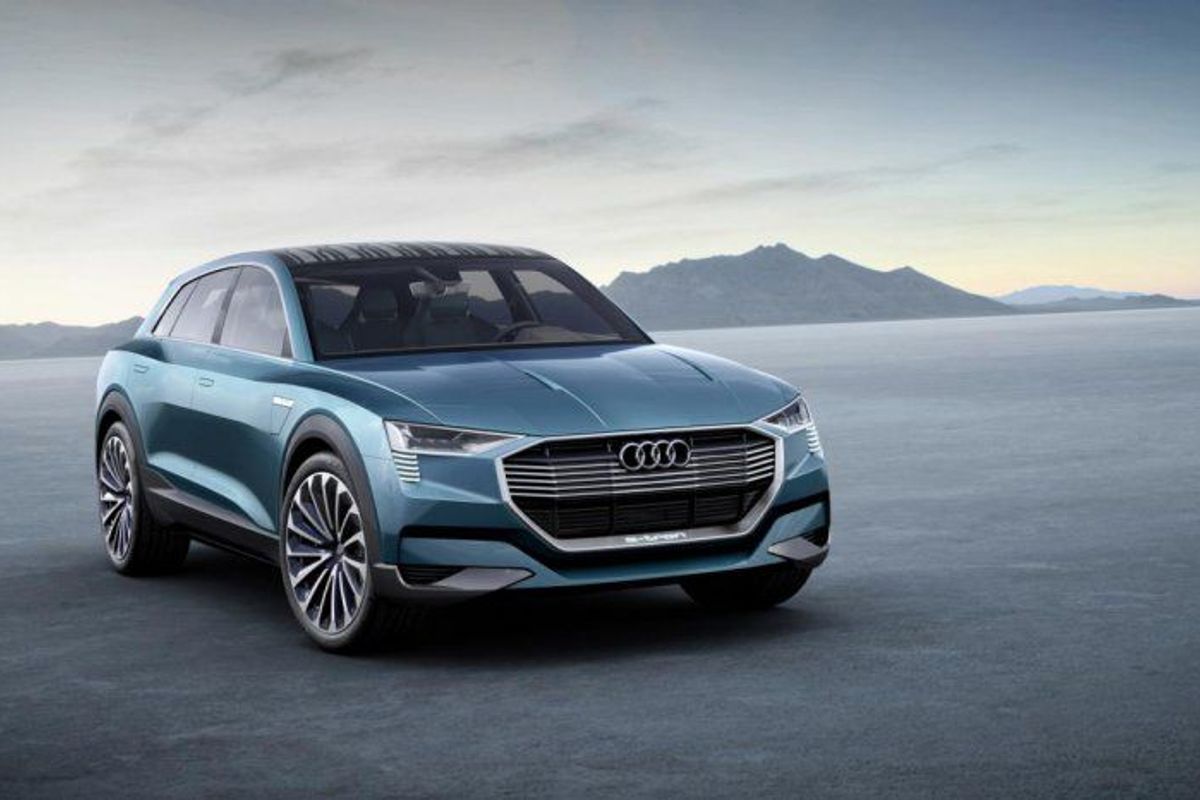
Audi e-tron quattro Concept Shown in Frankfurt
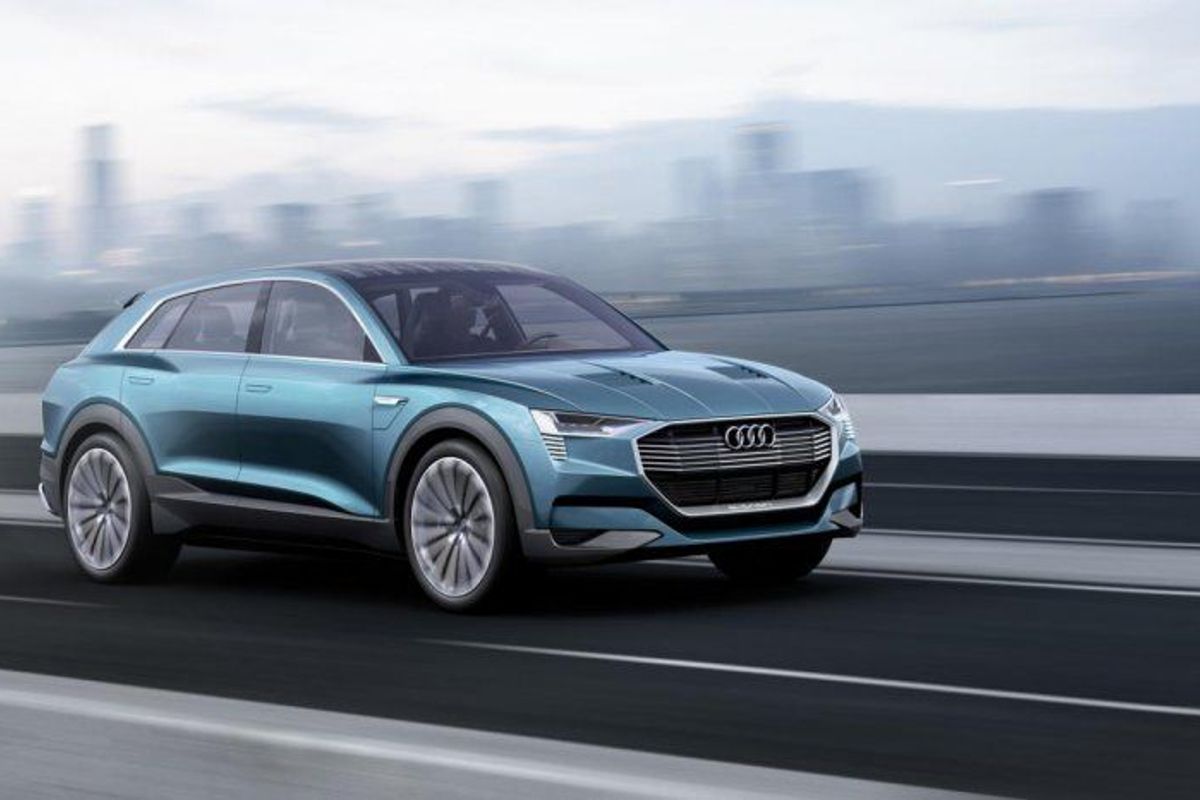
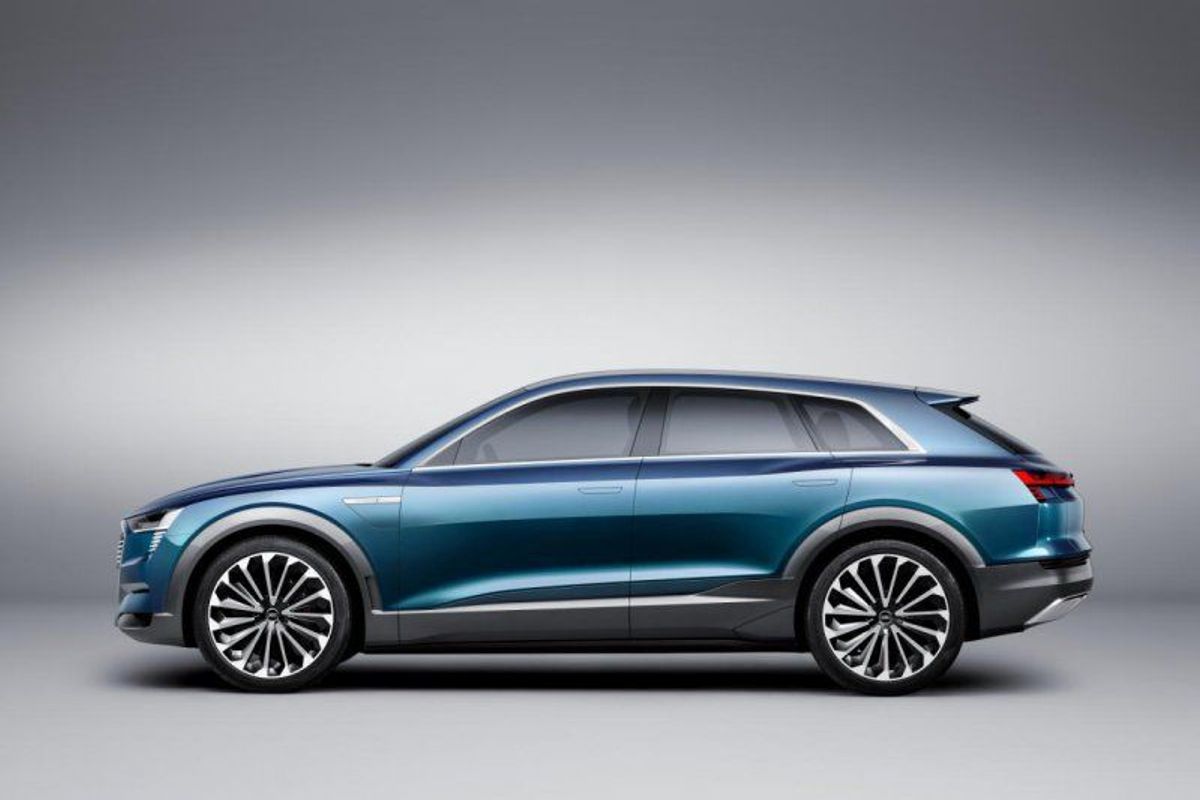
We were expecting Audi to release a really cool SUV for Frankfurt and it did just that. The e-tron quattro concept is an all-electric luxury SUV that Audi plans to get into production by 2018. It is squarely aimed at the upcoming Tesla Model X.
Three electric motors
As we saw earlier with Porsche and its Mission E Concept, the Germans are pushing all-electric technology. This e-tron quattro uses three electric motors, one for the front axle and the other two power the rear axle. Power is claimed at 320 kW but there is an overboost function that temporarily gives the driver access to 370 kW and over 800 Nm of torque. It gives the all-electric SUV a claimed 0-100kph sprint time of 4.6 seconds. Top speed is limited to 210kph.
Similarly to the Porsche concept, the claimed range of the e-tron quattro concept is 500km. A full charge with DC current will take around 50 minutes and can be charged wirelessly. The Audi e-tron quattro concept uses a system for piloted parking that guides it to the proper position at the charging plate. In addition, a large solar roof provides electricity for the drive system battery on sunny days.
All-wheel steering
The chassis also has a fair amount of conceptual ideas about it. The adaptive air suspension, which features controlled damping, lowers the body at higher speeds to reduce drag. The dynamic-all-wheel steering combines a dynamic steering system on the front axle with a steering system for the rear wheels. Depending on speed and the driving situation, they steer either opposite or in the same direction as the front wheels.
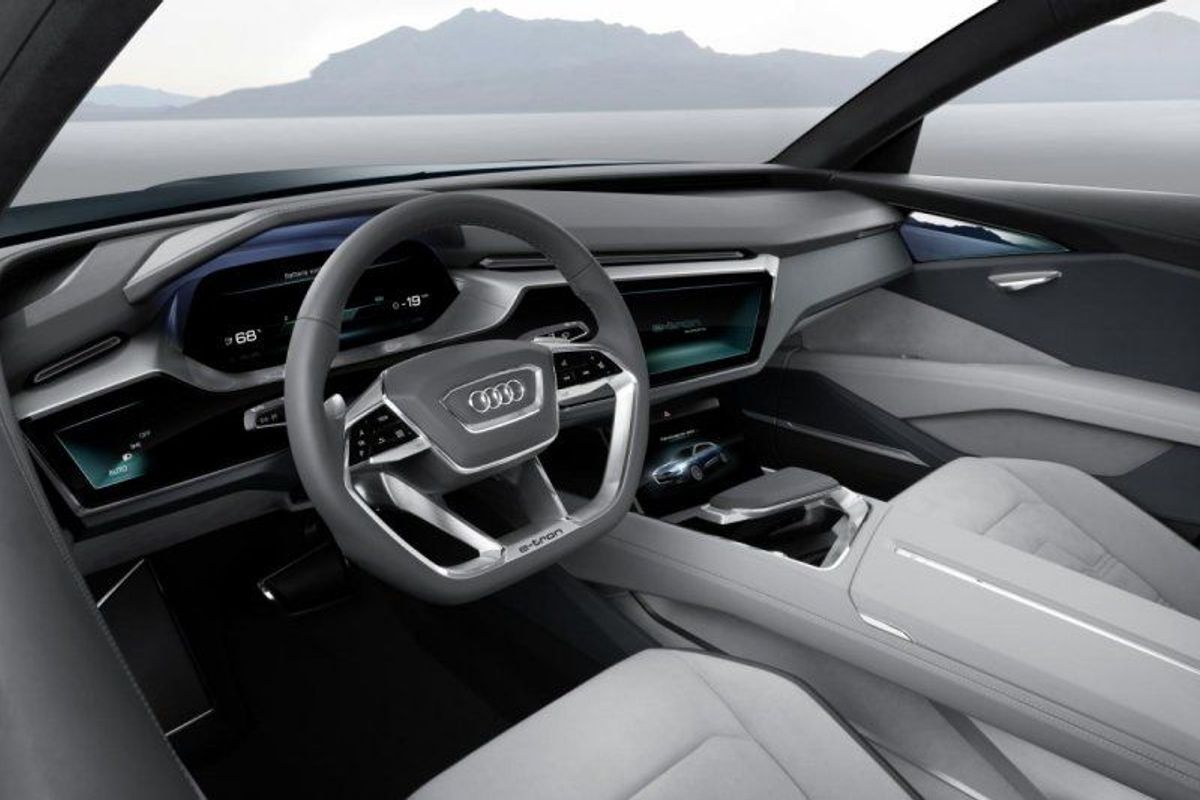
Audi has updated its interior to a new version of the Audi Virtual Cockpit that we first saw on the TT. To the left and right below the fully-digital instrument cluster are two touch displays with black glass and a subtle aluminium frame. The driver controls the lights and the systems for piloted driving with the left display. The large display on the right is for media and navigation management. The steering wheel serves as an alternate control level. Its spokes are equipped with contoured touch surfaces.
The concept is equipped with systems for piloted driving (an auto pilot of sorts): radar sensors, a video camera, ultrasonic sensors and a laser scanner. It computes a complete model of the cars surroundings in real time and makes this information available to all assistance systems and the systems for piloted driving. Audi says these technologies are also nearly ready for use in production vehicles.
Mercedes-Benz Vito (2015) First Drive
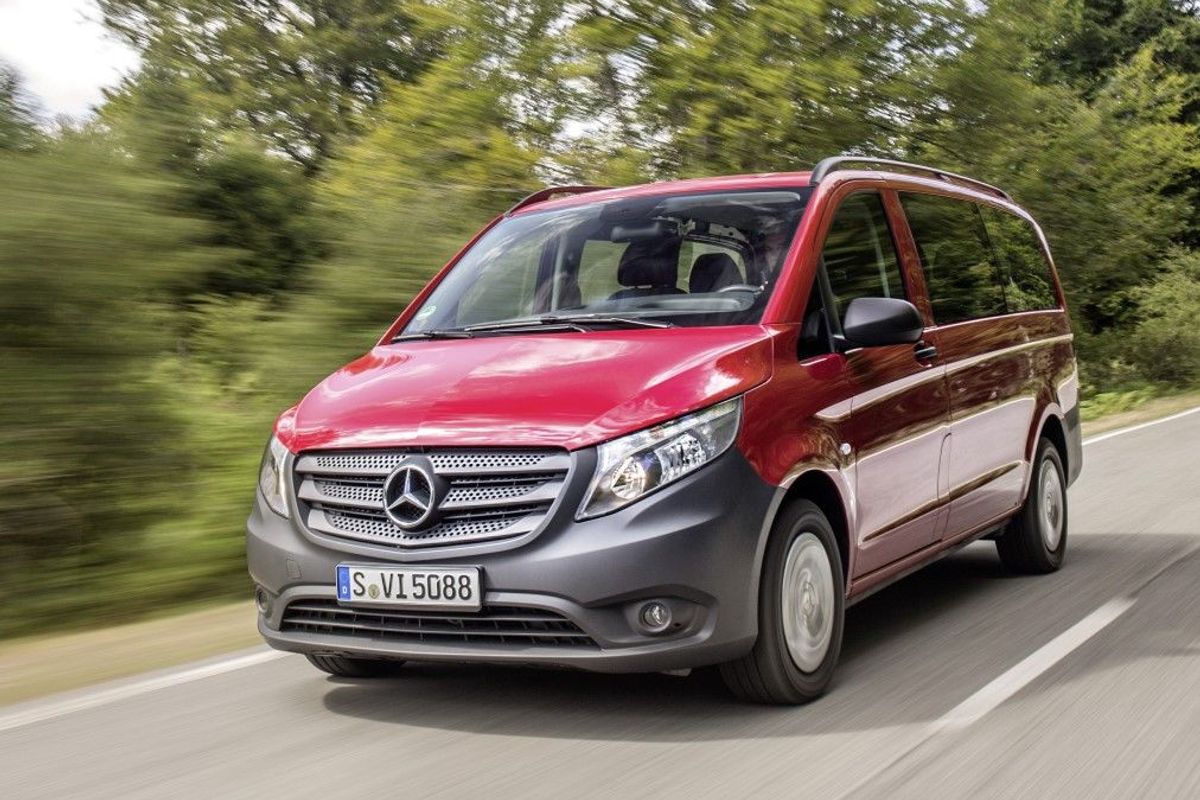
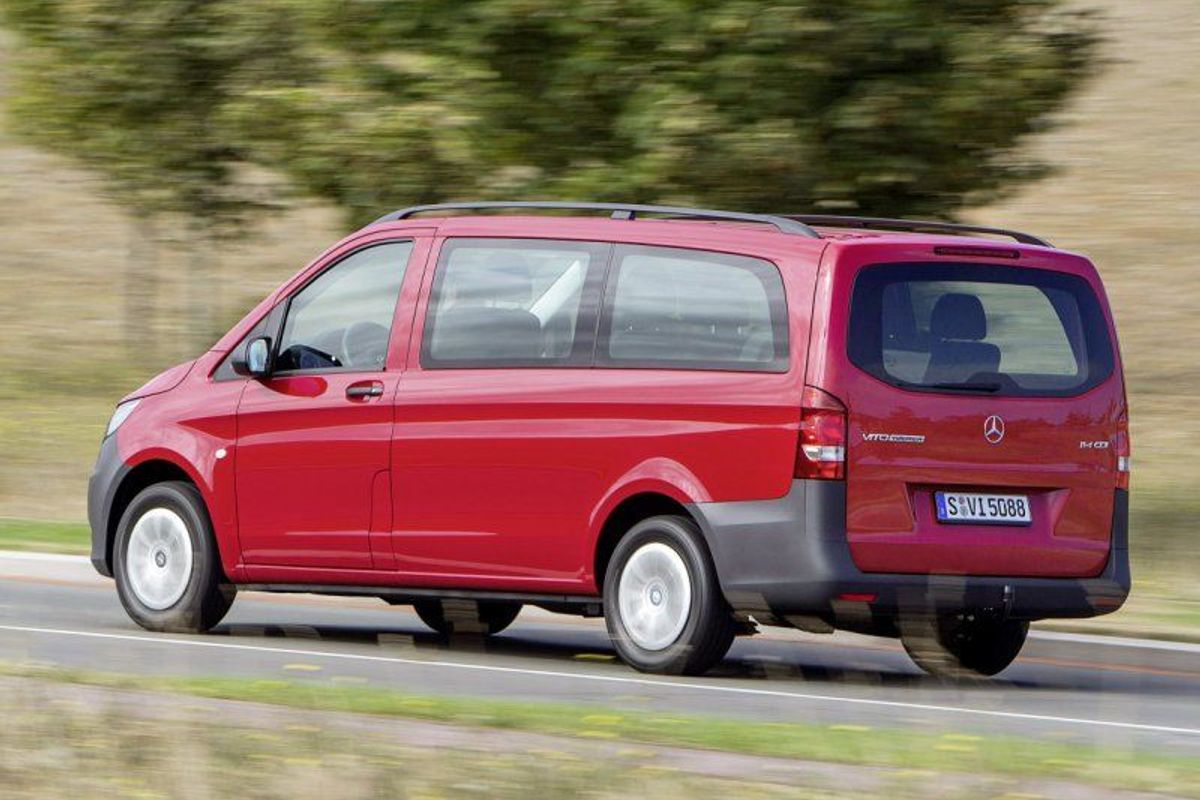
Van fans in South Africa will be pleased to know that Mercedes-Benz launched the new third generation Vito in South Africa this week.
We attended the launch at Zwartkops Raceway in Pretoria to take the new Vito for a drive!
Whats New?
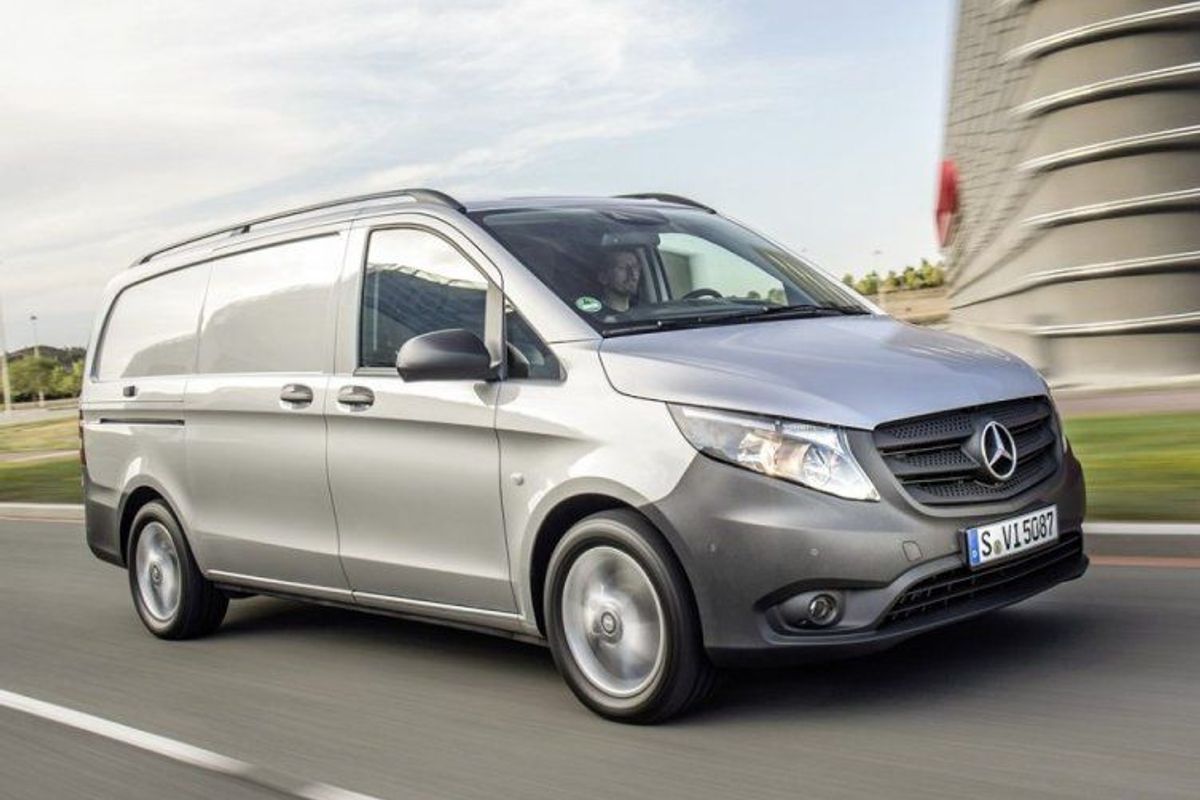
For starters, the Vito lineup has changed somewhat. Theres the panel van version which is suited for business use. Then theres the Jack of all trades Mixto variant which offers loading space and a row of rear seats making it a dual purpose vehicle. The third variant is the Tourer version available with two derivatives namely the Tourer PRO and the more premium Tourer SELECT and both are more geared towards transporting people, whether in a family or commercial setting. The entry level Vito panel van is also offered in both front and rear wheel-drive layout, depending on the engine, and the payload has increased by 120kg to 1 344 kg.
On the engine front, the new Vito 111 CDI is fitted with an 84 kW 1.6-litre engine across all three variants. For those looking for more power, the Vito is also offered with a 2.2-litre CDI engine with three varying power outputs including the Vito 114 CDI with 100 kW, the Vito 116 CDI with 120 kW and the Vito 119 BlueTEC with 140 kW.
A six-speed manual is fitted as standard and there is a 7G-TRONIC PLUS automatic transmission available as an option on the Vito 114 CDI and the Vito 116 CDI. The 7G-TRONIC PLUS automatic transmission is however fitted as standard on the top-spec Vito 119 CDI Tourer SELECT.
Furthermore, Mercedes-Benz offers the BlueEFFICIENCY package as an option and is standard on the Vito 116 CDI and Vito 119 CDI Tourer models fitted with an automatic transmission. The new Vito is well equipped in terms of safety and features technology such as Crosswind Assist, Attention Assist and adaptive ESP.
On the inside, the Vito has been redesigned to improve ergonomics. Hard-wearing plastic is the main material used and there are handy stowage compartments moulded into the dashboard for everyday items like paperwork, pens and whatever else you need to store. The centre stack is very large and vertical, much like Table Mountain, and houses the radio and air conditioning controls and theres a USB and Auxiliary port for charging devices.
How does the new Vito drive?
Our first drive was in the Vito 116 CDI Tourer Pro. The seating position perches the driver high above the road which improves visibility and the ride and handling was surprisingly good taking the size of the vehicle into consideration. The 6-speed manual was relatively smooth in shifting through gears and with 120 kW, this model had no problem keeping up with the humdrum of traffic. Rear visibility was however compromised by the rear seat headrests blocking the view. In our brief drive in the Vito 116 CDI Tourer, the trip computer returned an average fuel consumption figure of 9.7L/100km.
We also gave the Vito Mixto 111 CDI a go, and with only 84 kW on tap, it performed quite admirably. Again, the 6-speed manual did a good job and never felt jerky. Performance is a tad woeful below 2 000rpm, but once the 111 CDI gets up to speed it livens up somewhat. The ride quality was good and this Vito felt like it could be thrown around a bit without too much fuss. The Mixto easily returned an average consumption figure of 6.2L/100km.
Lastly, we had a chance to sample the Vito 116 BlueEFFICIENCY Tourer Select fitted with the 7G-TRONIC automatic transmission. Being a high-spec model, niceties such as cruise control and mounted steering wheel controls were present. Although some lag was evident, the automatic transmission performed reasonably well, with only slight hesitation under hard acceleration. The claimed fuel consumption for this model is 5.7L/100km and our trip computer returned an average of 8.3L/100km on our run.
Buyers will also be happy to know that service intervals have been extended to 40 000km or two years across the Vito range and service plans have also been extended to 5-years/120 000km (previously 5-year/90 000km).
We will hopefully have the new Vito on test soon to give it a thorough evaluation, so stay tuned!
Mercedes-Benz Vito Price in South Africa
111 CDI Panel Van – R372 780
114 CDI Panel Van – R409 830
116 CDI Panel Van – R443 460
111 CDI Mixto – R443 460
116 CDI Mixto – R556 320
111 CDI Tourer PRO – R516 272
114 CDI Tourer PRO – R540 314
116 CDI Tourer PRO – R572 348
116 CDI Tourer Select –R676 088
119 CDI Tourer Select –R744 386
We Drive Jaguar’s All-New XE – Video Review
SCROLL DOWN FOR VIDEO
Trying something new is usually exciting. Like venturing into that section of the gym you always avoid. Or visiting a new restaurant. Both of these are relatively painless and unless you are caught on camera falling off the gym equipment, usually lead to very little public humiliation.
Its a very different process if youre a car manufacturer. Taking a crack at a new segment requires many years of research, development, testing and most importantly a massive lump of cash.
For many years, Jaguar had the skills, engineering know-how and confidence to pull of a car like the new XE, but the finances were, in a manner of speaking, problematic. But now, emboldened by the success and popularity of cars like the F-Type, Jaguar have decided arguably the toughest premium segment of all; the segment dominated by cars like the BMW 3 Series, Mercedes C Class and Audi A4.
Right off the bat, the XE looks good, if a little restrained. Its immediately recognisable as a modern Jaguar and fans of the brands general look and feel will not be disappointed.
The interior is particularly luxurious for this segment with leather covering the entire dashboard, boldly double stitched and framing a touchscreen featuring Jaguars brand new infotainment system, which is a much needed leap-forward from the long-serving, clunky system that it replaces.
In this video, well detail what the new XE is like to drive, which engines are available and more importantly which one you should buy, what the boot space is like, as well as the rear legroom, and of course well dive into the pricing, which is interesting.
For our comparison below, we have compared the new Jaguar XE 20d R-Sport with the BMW 320d M-Sport and Mercedes C220d AMG Sports auto.
Jaguar XE 20d R-Sport
Mercedes Benz C220d AMG Sports auto
Price
R614 000
R546 900
Engine
2-litre 4-cyl turbo diesel
2.1-litre 4-cyl turbo diesel
Power
132 kW
125 kW
Torque
430 Nm
400 Nm
0 100km/h
7.8 seconds
7.8 seconds
Fuel economy
4.2L/100km
4.5L/100km
Airbags
6
7
Boot space
455 litres
480 litres
Leather upholstery
Std
Artificial (opt leather)
Adaptive suspension
Opt
Std
SatNav
Opt
Opt
Jaguar XE 20d R-Sport
BMW 320d M Sport Auto
Price
R614 000
R523 300
Engine
2-litre 4-cyl turbo diesel
2-litre 4-cyl turbo diesel
Power
132 kW
140 kW
Torque
430 Nm
400 Nm
0 100km/h
7.8 seconds
7.2 seconds
Fuel economy
4.2L/100km
4.0L/100km
Airbags
6
6
Boot space
455 litres
480 litres
Leather upholstery
Std
Std
Adaptive suspension
Opt
Opt
SatNav
Opt
Opt
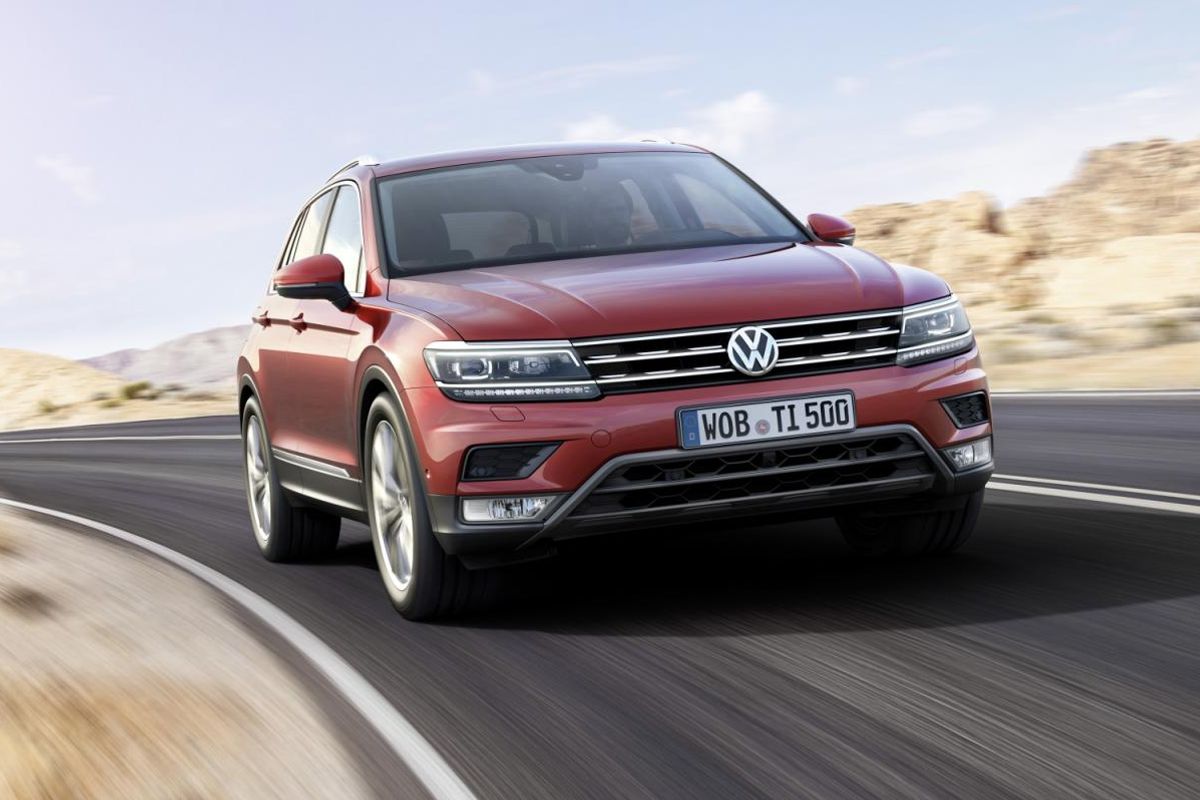
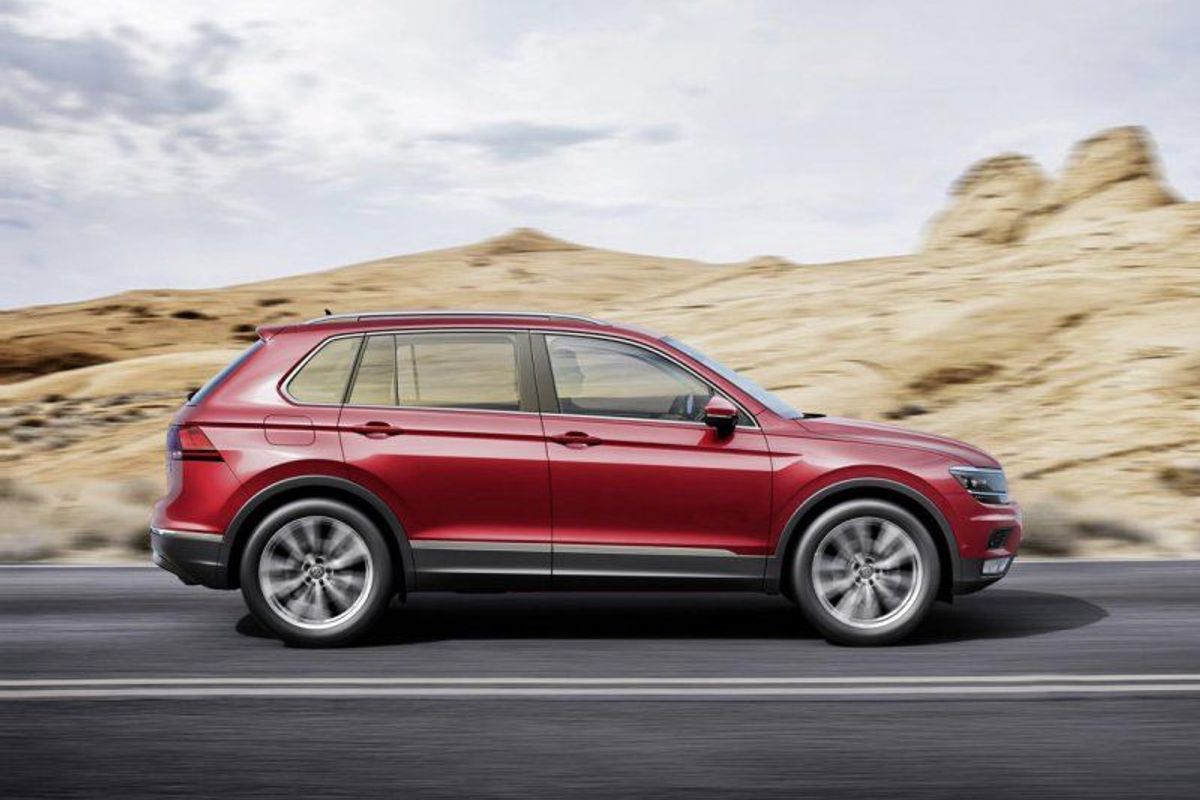
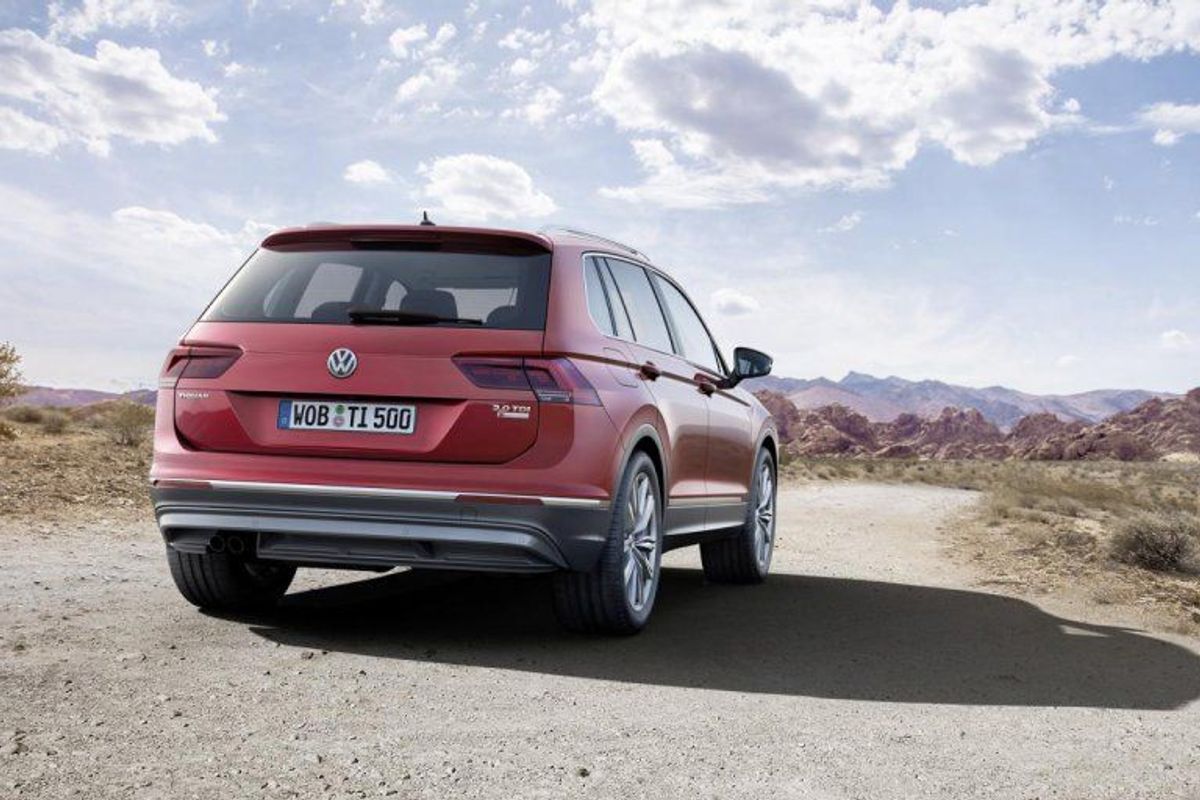
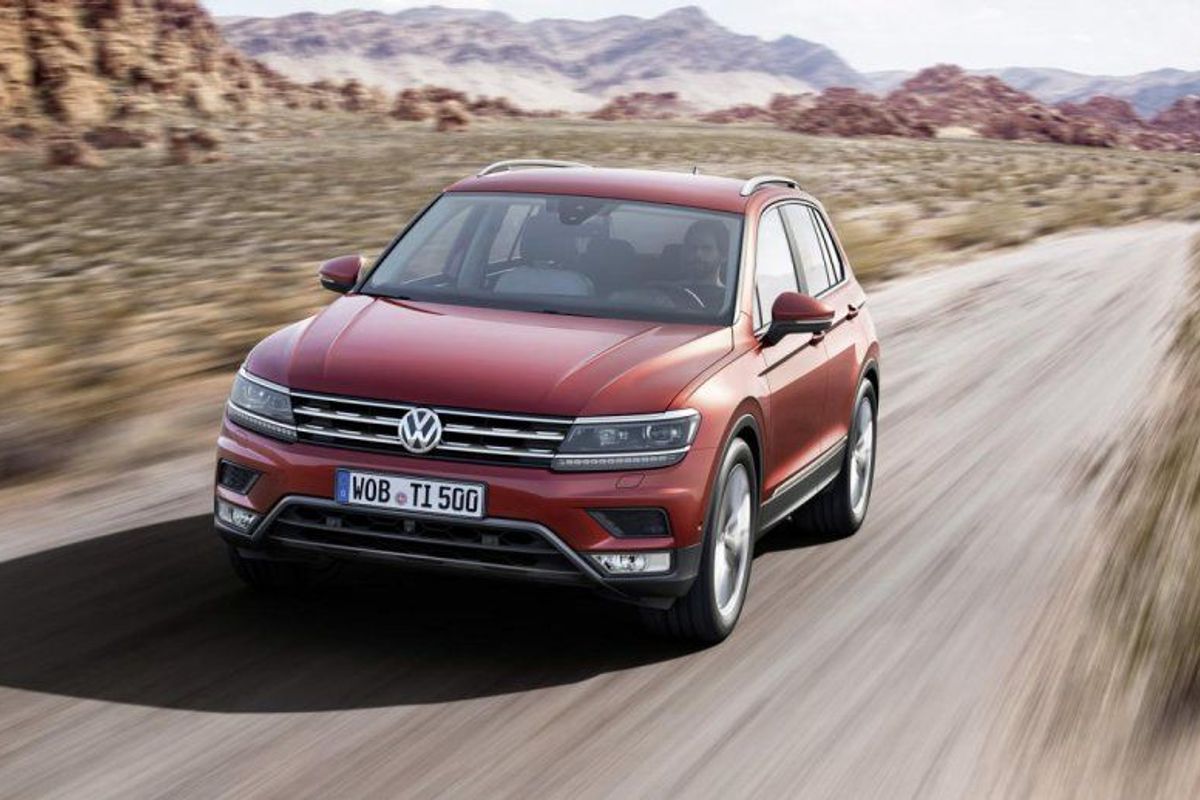
New Volkswagen Tiguan Revealed
The new-generation Volkswagen Tiguan has been revealed at the Frankfurt motor show.
It is based on the MQB platform that houses Golf and A3 to name a few and will fight in the compact SUV segment.
Tiguan Details
A few months ago VW released numerous concepts all bearing GTE badges. Of interest was the Cross Coupe GTE, which shares the same styling cues as the new Tiguan. Barring the bigger lights, the front end seems to have stayed fairly close to the concepts design. The Tiguan looks to stand a bit taller and the rear end is more muscular than on the concept.
The new Tiguan is 60 mm longer and 30 mm wider and has shed more than 50kg in weight. It now sits some 30 mm lower than before. The wheelbase has been extended by 77 mm so interior space has increased too with a quoted 29 mm increase in rear knee room. The loading bay has increased by 145-Litres to 615-Litres. With the rear seats folded down boot space is increased to 1 665-Litres.
In terms of engines, there are a total of eight turbocharged petrol and diesel engines on offer that are up to 24% more efficient than their respective predecessors. On the petrol front, four TSI engines with power outputs of 92 kW, 110 kW, 132 kW and 162 kW are on offer. For the diesel derivatives, power outputs vary from 85 kW, 110 kW, 140 kW to 176 kW. The entry-level engines are offered paired with front-wheel drive while all the other engines can be had with 4MOTION all-wheel drive.
In terms of safety, the new Tiguan is well equipped and comes fitted with Front Assist with City Emergency Braking, Pedestrian Monitoring, Automatic Post-Collision Braking System and Lane Assist as standard.
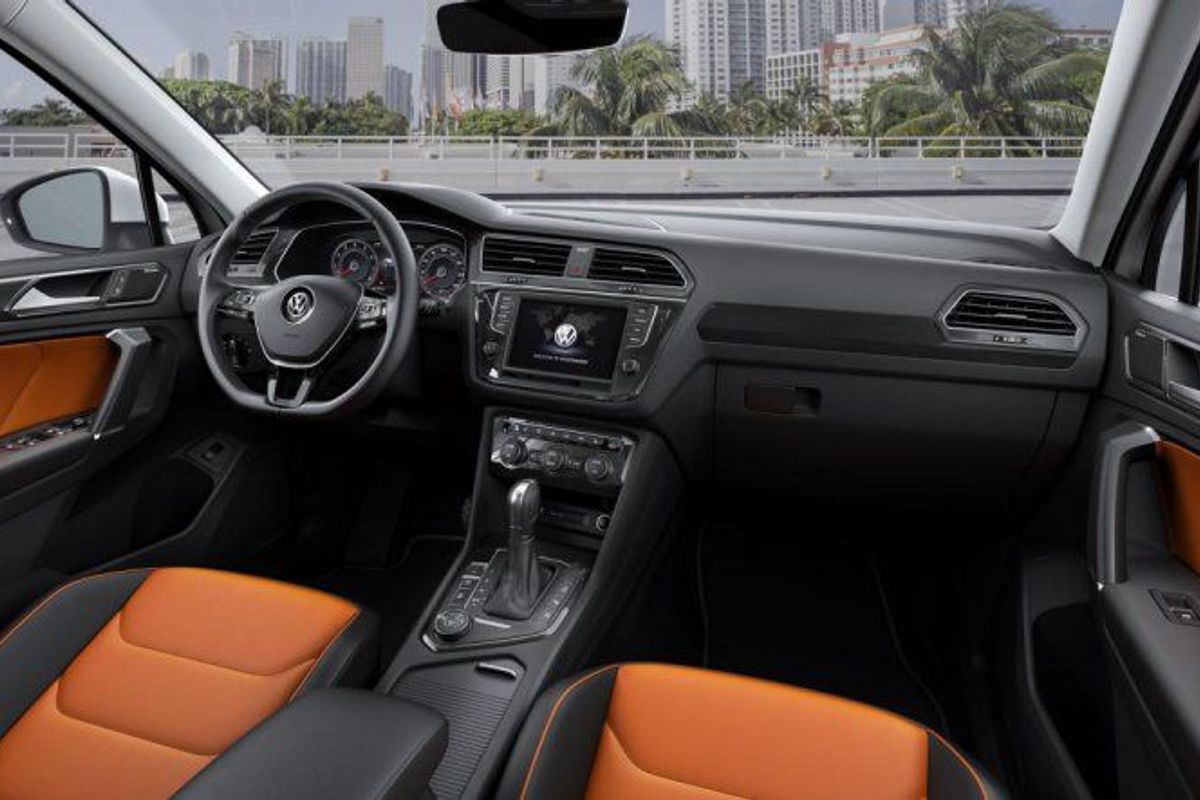
Inside, the Tiguan is fitted with a 5-inch monochrome touchscreen display in Trendline trim. The Comfortline and Highline derivatives get a 5-inch screen while larger 8-inch screens are on offer too. Features such as navigation, Apple CarPlay, Android Auto and MirrorLink can be accessed via the screen. There’s also a fully digital 12.3-inch Active information display and a heads-up display which is a first for a Volkswagen SUV.
The new Tiguan should debut in South Africa during 2016.
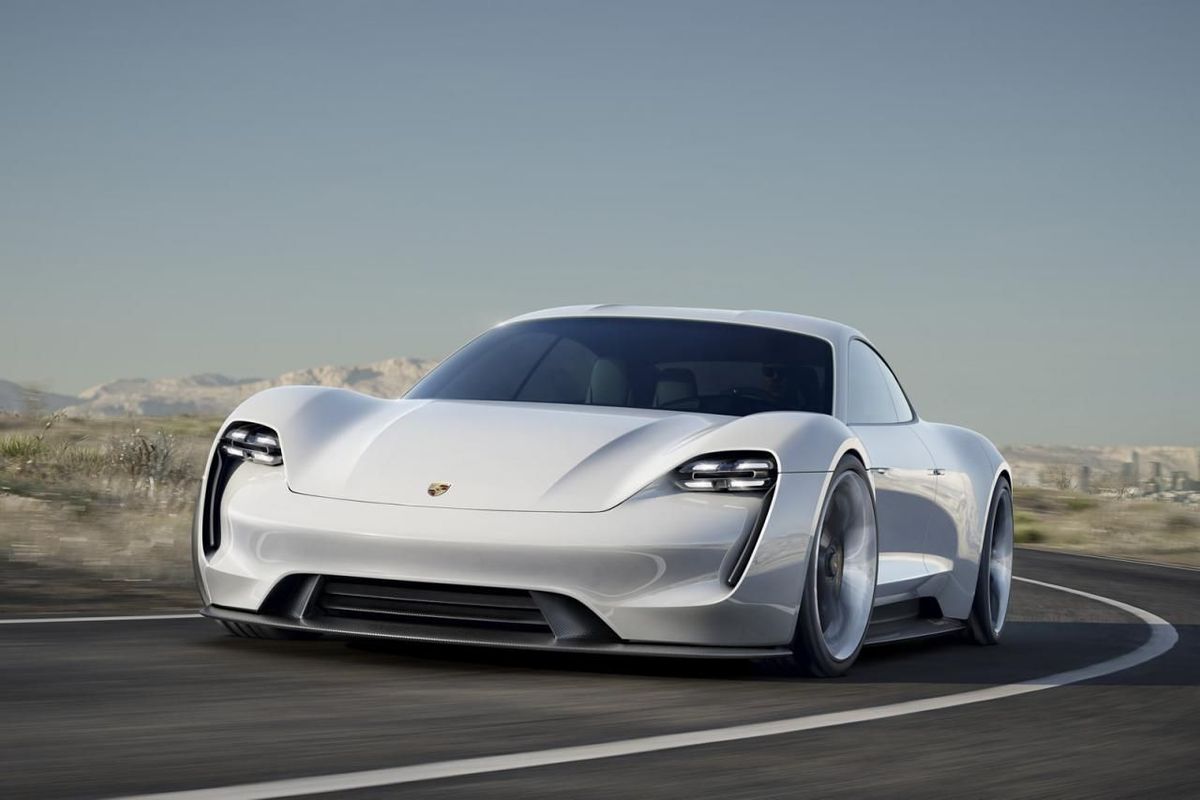
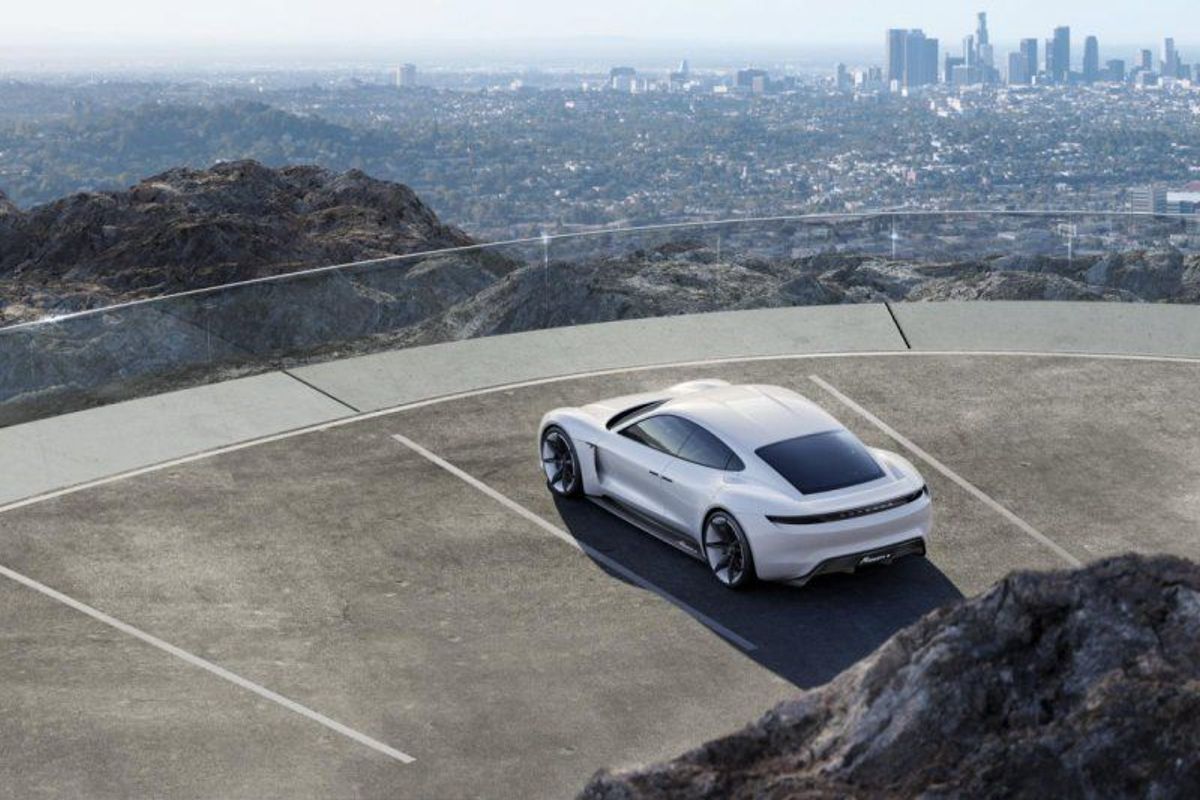
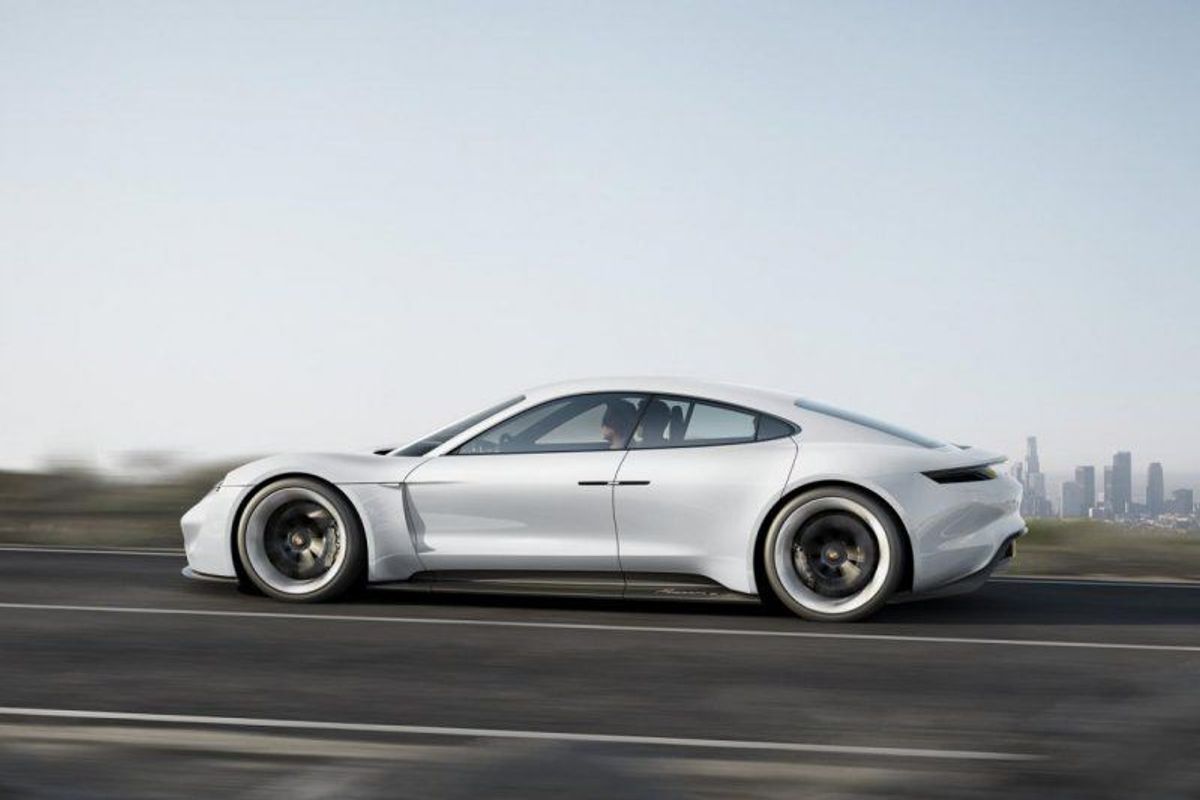
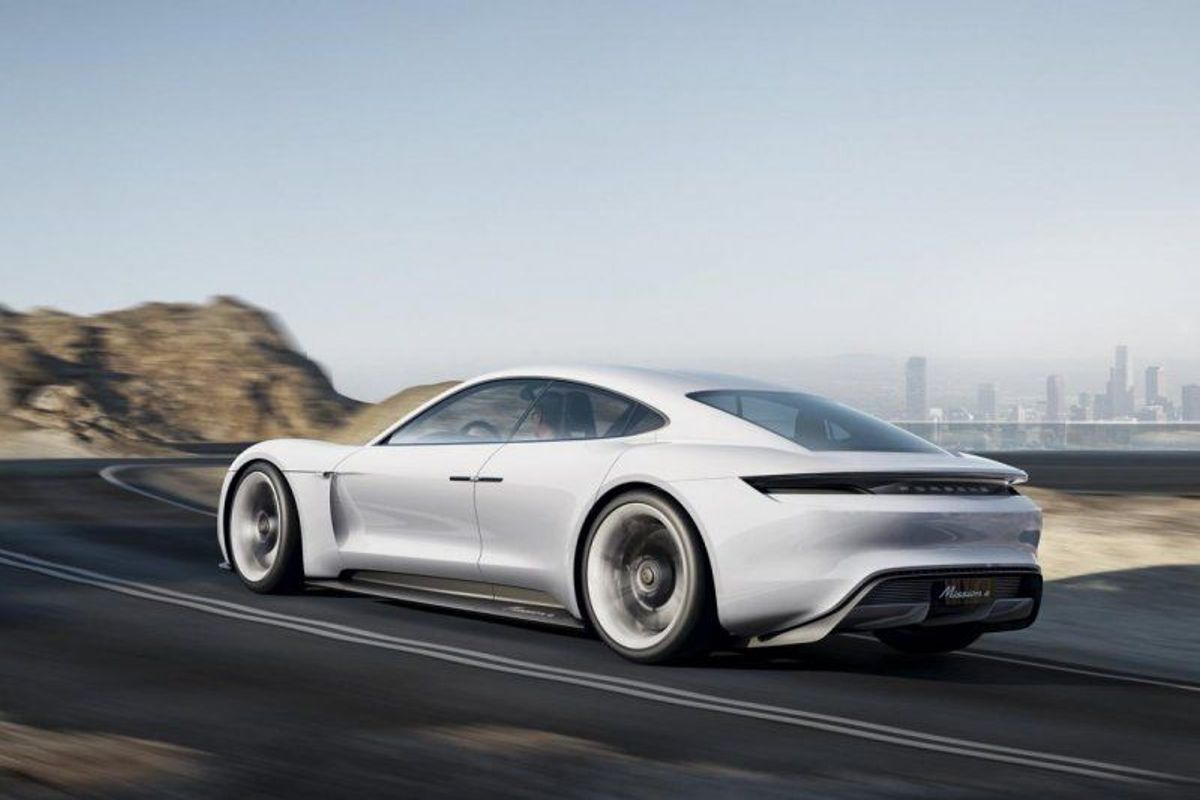
Porsche went all out as far as concept machinery goes at the Frankfurt motor show this year. The Porsche Mission E Concept was revealed showing Porsche heading into a totally electric future. The Mission E is a move into the electric sportscar world currently owned by Tesla and its Model S.
Porsche Mission E has range
With a claimed range of 500km the Mission E Concept previews a future where electric cars dont have extremely limited range. It’s equipped with all-wheel drive as well as all-wheel steering. Power is delivered by two electric motors that are able to blurt out 440 kW in total. Amongst other fictional numbers Porsche has specced the Mission E with is a 0-100kph time of 3.5 seconds and a Nurburgring lap time of less than eight minutes.
Porsche claims that it has a fast charge system that will recharge the batteries to 80% within 15-minutes. This gives it a range of 400km for every 15 minutes you spend charging it. Thanks to inductive charging no cables are needed. All you do is park over a coil embedded in the floor of the garage from which the energy is transferred without cables to a coil in the car’s underbody.
Low slung sportscar
The Mission E Concept is a particularly low vehicle, measuring just 1.3m tall. The entire car is designed to be sporty, aggressive and emotional. Integrated aerodynamics increase performance and improve efficiency by reducing lift and unnecessary drag.
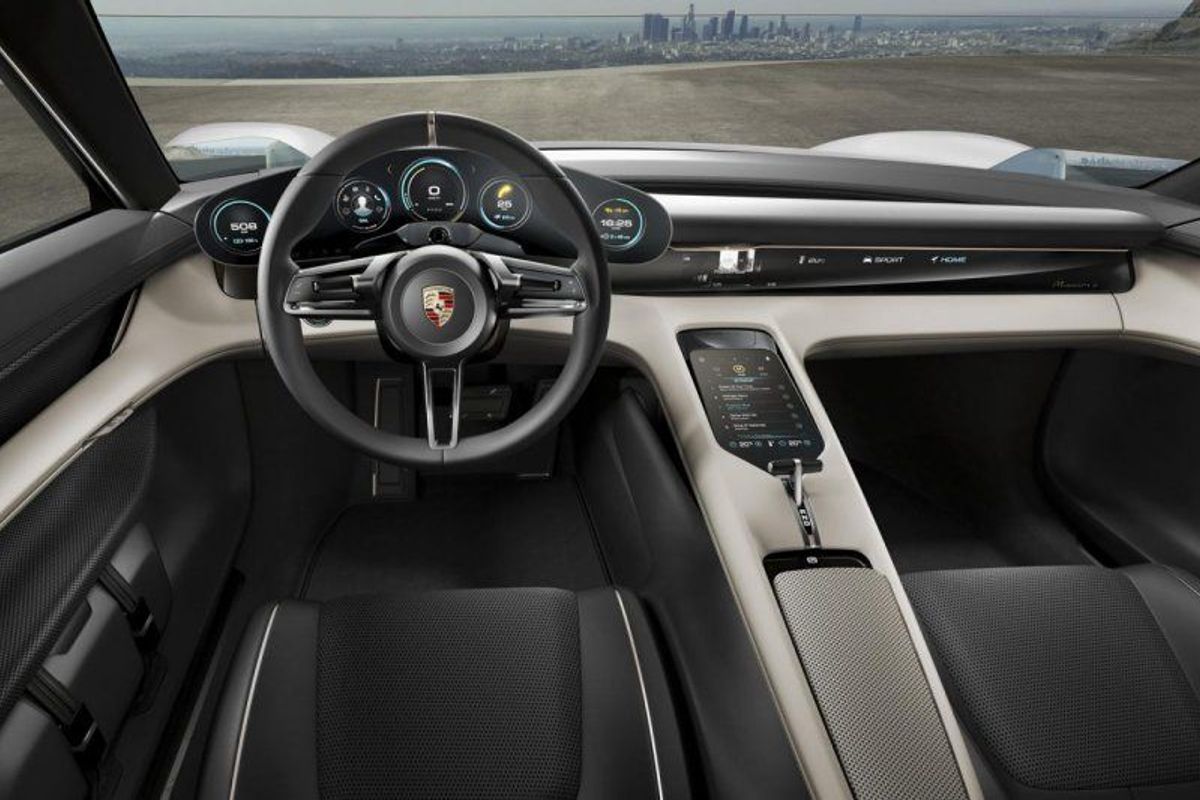
The interior of the Mission E is an all-new take on things for Porsche. The lack of a transmission tunnel, for instance, opens up space and gives a lighter and more airy atmosphere to the entire interior. Race bucket seats served as inspiration for the four single seats. Their lightweight design is weight-saving, and it gives occupants secure lateral support during dynamic driving.
Porsche is tight-lipped as to whether the Mission E Concept will become a production model. We are likely to see some of this electric technology filter into products like the new Panamera, which could debut next year.
Mission E Tribute to tomorrow Video
Mercedes-Benz IAA Concept Wows Frankfurt
Mercedes-Benz took the covers off its IAA Concept at the media night on the eve of the Frankfurt Motor Show.
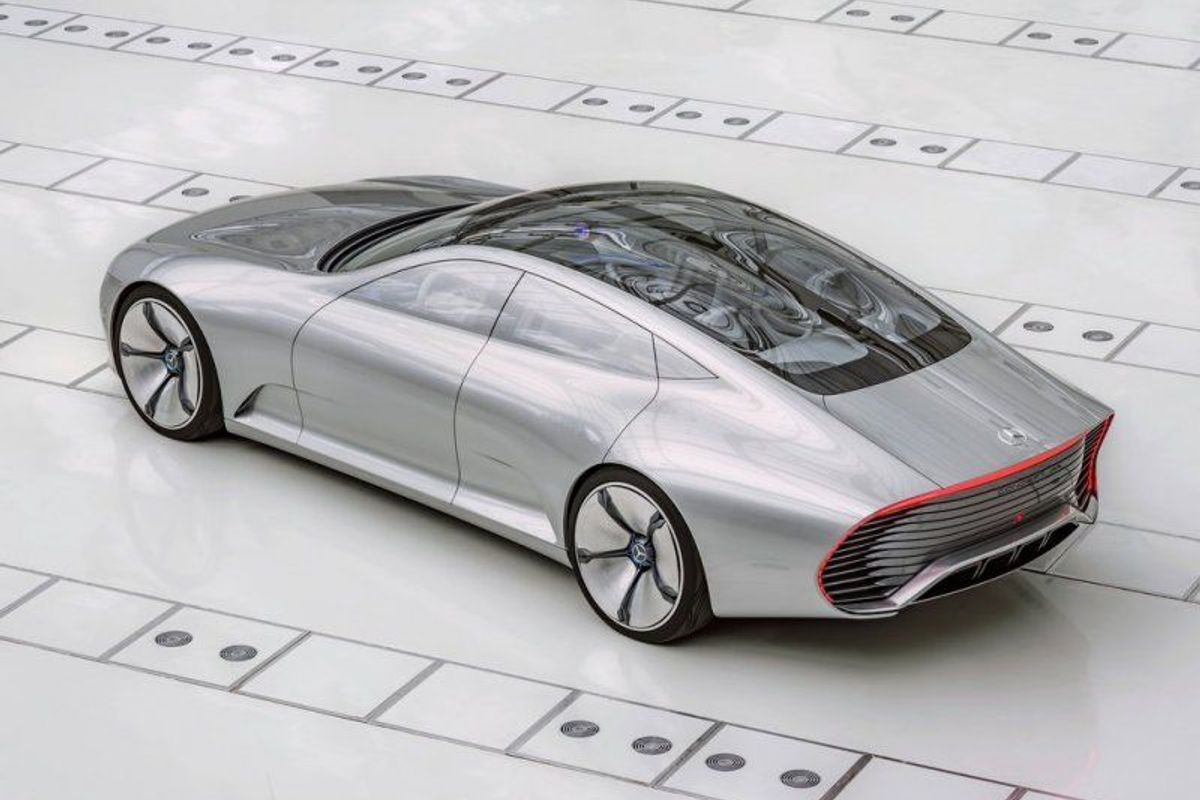
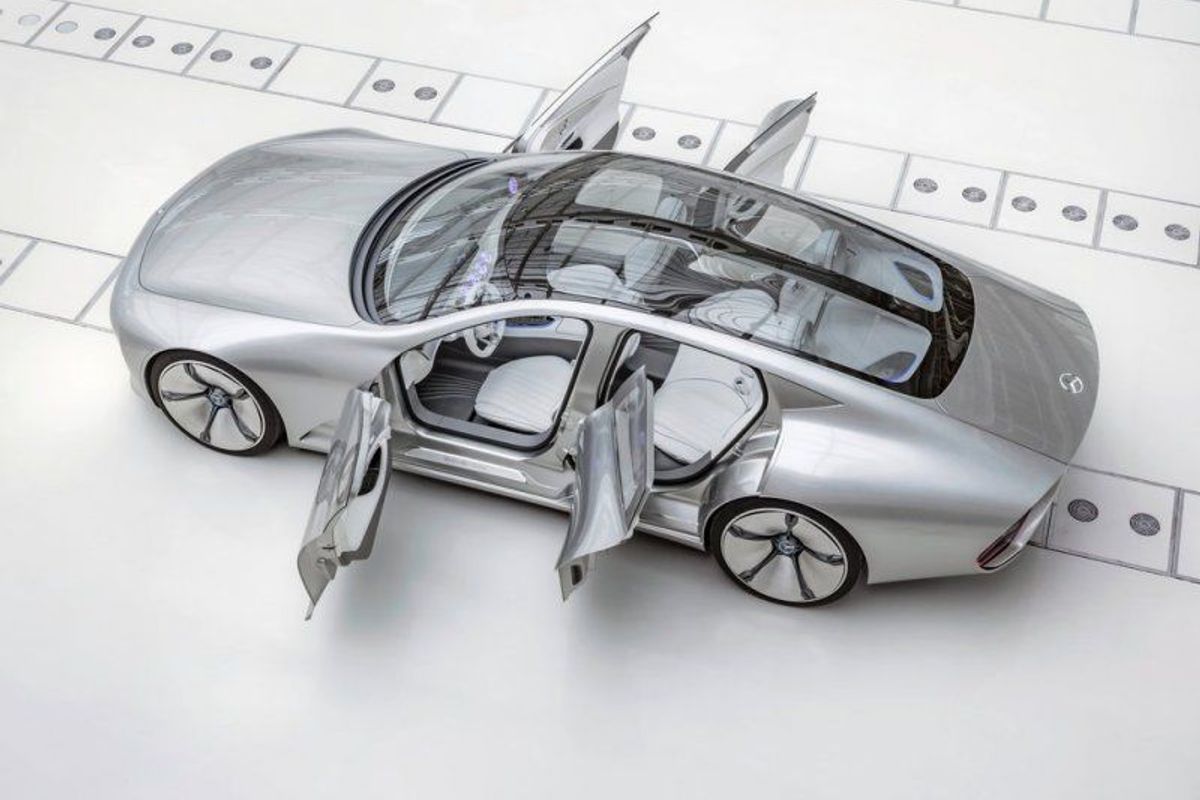
Showcasing new aerodynamic tech and a strong emphasis on digital design, the IAA (Intelligent Aerodynamic Automobile) Concept is claimed to be two cars in one. The first is an aerodynamics warrior, with a drag coefficient of just 0.19 and the second is a four-door coupe showcasing futuristic design.
Mercedes-Benz IAA Concept Details
The car has two modes: design mode and aerodynamic mode. The switch happens at 80kph when numerous bits of aero move around to alter the shape of the Mercedes-Benz IAA Concept. The rear extends, increasing its length by up to 390mm; flaps in the front bumper extend by 25mm to the front and 20 mm to the rear, improving the air flow around the front end and the front wheel arches, and finally the Active Rims alter their cupping from 55mm to zero; and the louvre in the front bumper moves 60mm to the rear which improves air flow underneath the car.
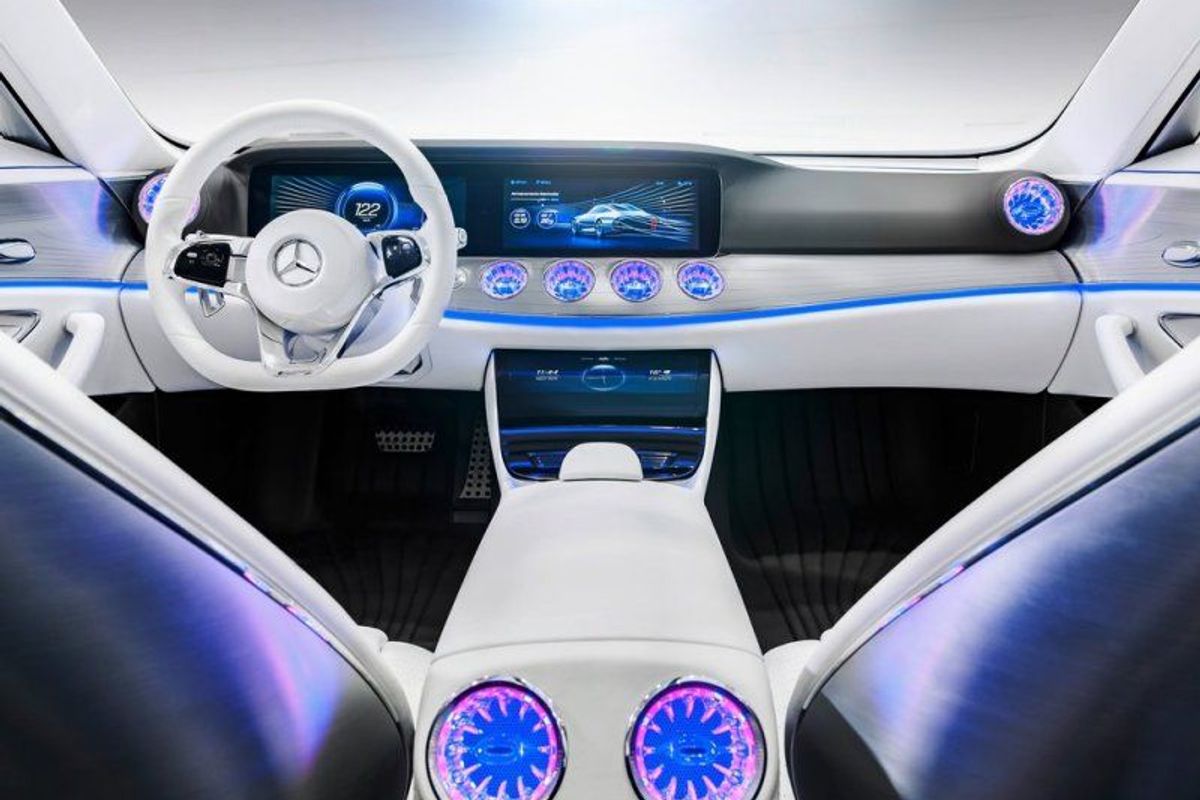
The interior is extraordinarily futuristic and carries on the design style of the S-Class and S-Class coupe. The Mercedes-Benz IAA Concept interior gives us some idea of what a future business saloon such as an S-Class or even an E-Class might look like in the coming years. The tech is next level, featuring items like gesture control and two touchscreens.
Other features of the Mercedes-Benz IAA Concept include a sneak peek into Car-to-X technology, which enables communication with other vehicles or other sources of information.
“The ‘Concept IAA’ continues our series of visionary concept cars,” explains Gorden Wagener, Head of Design at Daimler AG. “The symbiosis of alluring forms showcasing intelligent aerodynamics is an expression of our unique Mercedes-Benz design philosophy.”
The concept car is powered by a petrol/electric plug-in hybrid drive combination with a total output of 205 kW. It has an electronically limited top speed of 250 kph. In aerodynamic mode the Mercedes-Benz Concept IAA can do an all-electric range of 66 km. In design mode the range is slightly less at 62 km When driving in hybrid model the CO2 emissions are 28g and 31g per km, respectively.