Mazda will reveal the Mazda Koeru, a new crossover SUV concept at the Frankfurt motor show next month (September 2015).
Koeru, Japanese for exceed or go beyond, will be a step into the coupe/crossover/SUV market. A few other brands have dipped their toes into this segment with the like of BMW X4 and Merc GLE Coupe being the most notable. The Koeru will likely be called a CX4 if it makes it to production. Mazda aims to target performance, efficiency and overall value with the Koeru.
Koeru uses Kodo
KODO Soul of Motion design is continued, the Koeru concept we see here looks purposeful and aggressive, no doubt Mazda will tell us it has been styled on some predatory wildlife. In true Mazda style, it is punting fun-to-drive dynamics and SKYACTIV technology for better fuel efficiency.
The carmaker will also display its new-generation model line-up in Frankfurt. Highlights include an all-new Mazda MX-5 complete with accessories as well as several SKYACTIV powertrains.
Potential Volvo XC90 Recall: SA Affected
The Volvo XC90 is easily the brand’s best product, but despite the glowing reviews, some bad news has come from Sweden in the form of a potential recall.
Volvo Cars is prepping for a potential safety recall and delivery block of all 2016 Model Year seven-seat XC90 SUVs. Due to an issue with a panel at the back, the deployment of the curtain airbag for the third row of seats may not function as its intended to. Thankfully there have been no incidents reported as yet.
It Affects South African XC90 Vehicles
Volvo SA has summed it up beautifully: “Safety is a priority for Volvo Cars and we prefer to take pro-active precautionary measures. Only a handful of vehicles are affected in South Africa and owners will be contacted individually.”
What we know so far is that:
There have been no incidents or accidents related to this issue
It is not dangerous to drive the affected cars, however since Volvo Cars wants to ensure that all safety features function as intended Volvo SA will take action on all concerned cars as soon as possible
The deployment of the airbag curtain for the 3rd seat row may not function as intended
There is no risk of the airbag deploying unintentionally
The issue is not at all related to the airbag itself but to the panel surrounding the airbag
The corrective action will be to modify the design of the panel surrounding the airbag curtain to ensure the airbag inflates as intended
Check out our video of the Volvo XC90 to see just what an incredible leap forward it is for the brand and its segment:
2015 Nissan Juke Facelift Quick Review [Video]
SCROLL DOWN FOR VIDEO
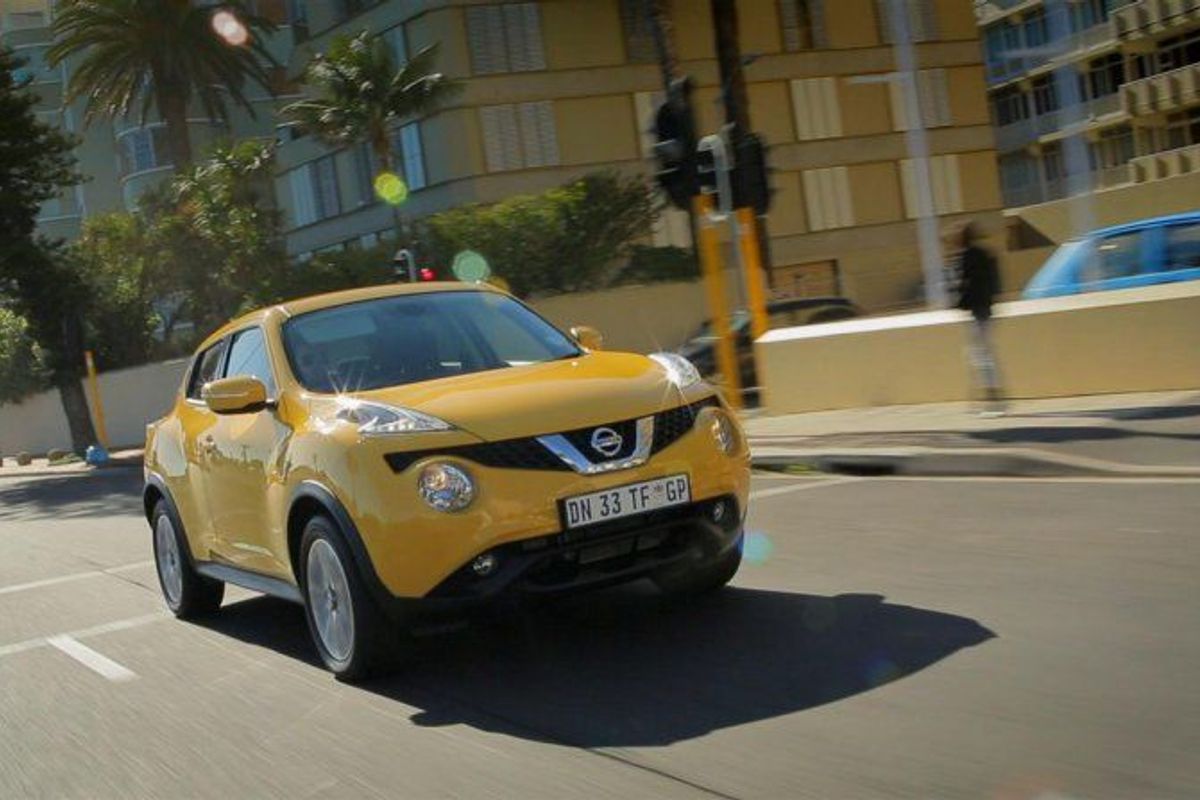
The Nissan Juke is what I like to call a Marmite car. Youll either love or hate its styling, and fair enough, in this garish yellow it does look like the offspring of a frog and an MTN billboard.
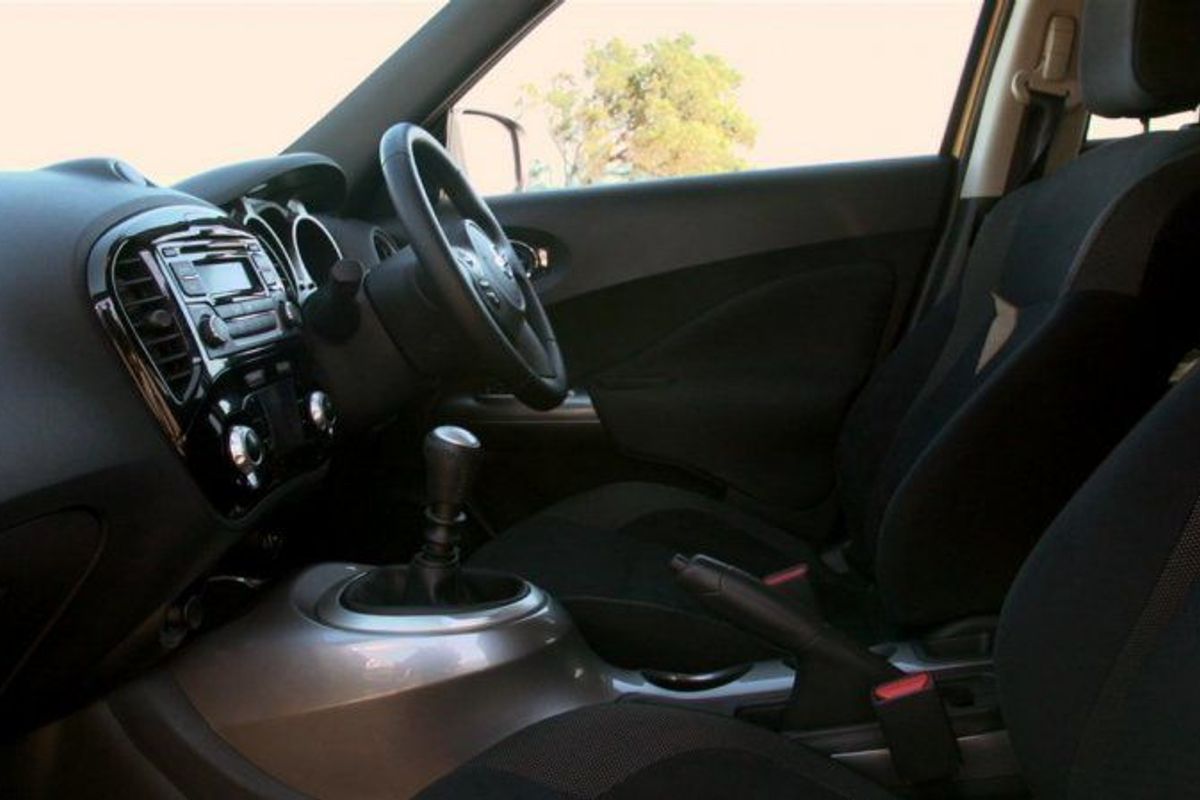
But what you will like is the build quality. In a segment where I have personally experienced some iffy interior finish, the Juke feels like it has been built to last, and I really appreciate that.
There are some aesthetic changes, which weve highlighted in the video, but the big news here is a new engine. Its a 1.2-litre turbo petrol and it is shared with the Renault range, where youll find it in the Megane GT and curiously, the Captur, which is one of the Jukes competitors.
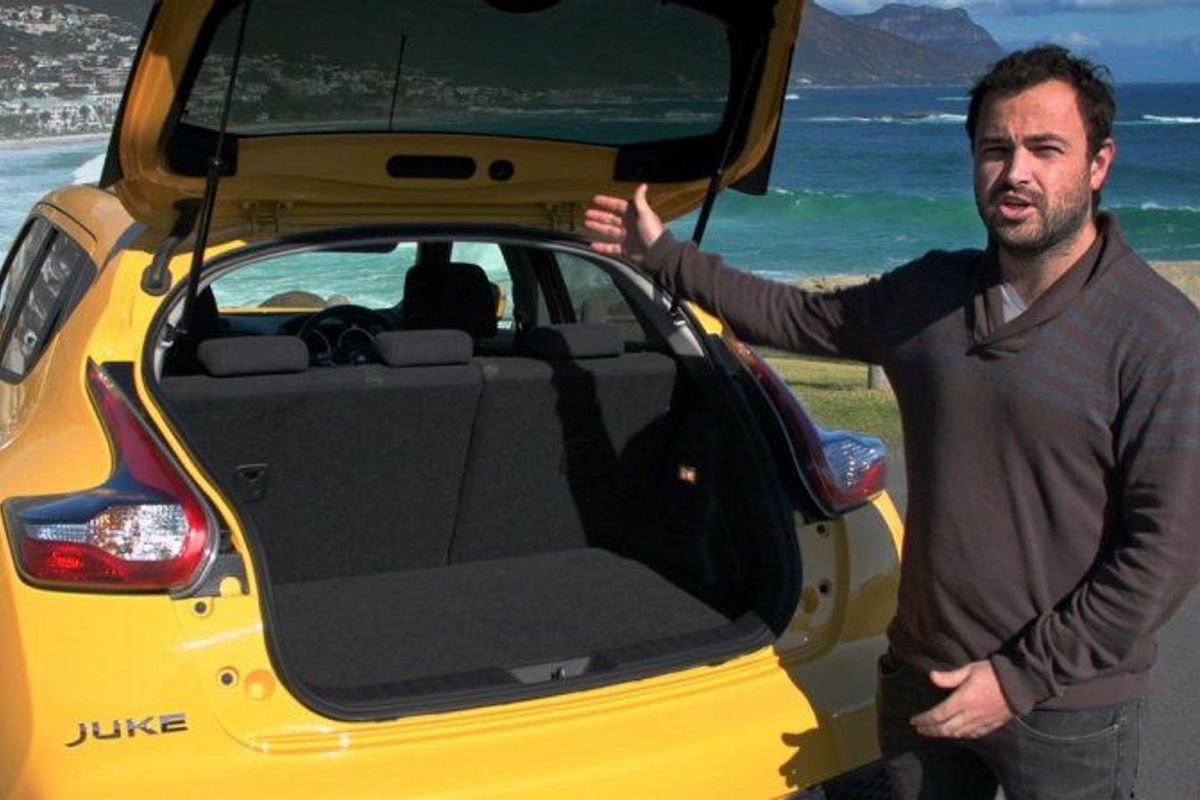
In this video we take a look at the Jukes interior, the features youll now receive as standard, and we dig into the boot space which is often perceived as the Jukes Achilles Heel.
Below weve compared the Juke 1.2T Acenta+ to its nearest rivals from the Ford EcoSport range and the Renault Captur. Weve also thrown in the Nissan Qashqai, the most affordable model of which is priced at just R5000 more than the Juke tested here.
Nissan Juke 1.2T Acenta+
Ford EcoSport 1.0T Titanium
Price
R282 100
R270 900
Engine
1.2 turbo petrol
1.0 turbo petrol
Power
85 kW
92 kW
Torque
190 Nm
170 Nm
0 100km/h
10.8 seconds
12.7 seconds
Fuel economy
5.6L/100km
5.7L/100km
Airbags
6
6
Boot space
354 litres
362 litres
Nissan Juke 1.2T Acenta+
Renault Captur
Price
R282 100
R279 900
Engine
1.2 turbo petrol
1.2 turbo petrol
Power
85 kW
88 kW
Torque
190 Nm
190 Nm
0 100km/h
10.8 seconds
10.9 seconds
Fuel economy
5.6L/100km
5.4L/100km
Airbags
6
4
Boot space
354 litres
377 litres
Nissan Juke 1.2T Acenta+
Nissan Qashqai 1.2T Visia
Price
R282 100
R287 500
Engine
1.2 turbo petrol
1.2 turbo petrol
Power
85 kW
85 kW
Torque
190 Nm
190 Nm
0 100km/h
10.8 seconds
10.9 seconds
Fuel economy
5.6L/100km
6.2L/100km
Airbags
6
6
Boot space
354 litres
430 litres
Audi S8 Plus Is The Ultimate Limousine
The ultimate Audi S8 has arrived.
Calling itself the S8 Plus, this monster promises premium class finishes with extreme performance.
Audi S8 Plus Details
Thanks to a combination of a 445 kW/700 Nm (750 Nm overboost) biturbo 4.0-litre V8 engine and lightweight aluminium body, the Audi S8 Plus can hit 100kph in just 3.8 seconds. Top speed is rated at 250kph, but can be increased to 305kph. The standard S8 has 63 kW less. The Audi S8 Plus has more power than the current Audi performance king, the Audi RS7.
The engine received upgrades in the form of special engine control with speed and charge pressure boosting to its modified exhaust valves and the inner geometry of the turbocharger that was optimized for efficiency. The gearbox is an eight-speed tiptronic which distributes the power to a quattro setup with a sport differential. Other highlights include the adaptive air suspension sport and dynamic steering, both of which have been tuned specifically for the Audi S8 plus. Carbon-fiber reinforced ceramic brakes and a sport exhaust system modified by quattro GmbH give the Audi S8 Plus a real performance edge.
Being a flagship model, the Audi S8 Plus comes with a lot of gadgets and gizmos as standard. These include ambient lighting, a convenience key with sensor-driven luggage compartment locking, full-leather interior package, Alcantara package, power-assisted door closing and a DVD/CD changer. Other features include the assistance package with Audi pre sense plus, four-zone deluxe automatic air conditioning system, Bose surround sound system and MMI navigation plus with MMI touch. The new Audi S8 Plus will be launching in Europe around November 2015.
Volkswagen Adds 3 New Models To Polo Range
This week Volkswagen will add three models to the Polo lineup. There will be an all-new 1.0-Litre three-cylinder petrol, a 1.4-Litre three cylinder turbodiesel and a manual gearbox will be added to the GTI model.
The Three Cylinders
VW is joining the three-cylinder turbo petrol brigade alongside the likes of the Clio, Fiestaand Corsa. The little turbo matches up reasonably well with its competitors conjuring up 70 kW and 160 Nm. The major saving though is in fuel consumption where VW claims just 4.2L/100km. Zero to 100kph is good as well at 10.5 seconds. This new three-cylinder motor is said to save around 10kg in weight over a four-cylinder equivalent.
The TDI engine joining the lineup makes use of a 1.4-Litre turbodiesel three-cylinder. It comes in two different outputs with the Trendline model making 55 kW with 210 Nm of torque. The 1.4 TDI highline comes with 77 kW and 250 Nm. Fuel consumption on the combined cycle is identical at 4.1L/100km.
GTI Manual
The Polo GTI was launched back in April this year (2105) but only with a seven-speed DSG. The manual will now join the range and also give the owner access to all the torque available from the 1.8-turbo. Power is still 141 kW but torque is up from 250 Nm to 320 Nm. Acceleration from 0-100kph is identical to the DSG at 6.7 seconds but fuel consumption takes a bit of a dive to 6L/100km from 5.6 in the DSG.
We will have more information on the new Polo models after we drive them at the local launch this week. Keep an eye out for that article soon.
Polo Pricing
1.0 TSI 70 kW BlueMotion R235 800
1.4 TDI 55 kW Trendline R223 500
1.4 TDI 77 kW Highline R252 000
1.4 TDI 77 kW Cross R260 000
1.8 GTI 141 kW Manual R313 300
The new Polo comes standard with a 3 year/45 000km Service Plan, 3 year/120 000km warranty and a 12 year anti-corrosion warranty. Service interval is 15 000km.
Most Popular SUVs Coming to South Africa
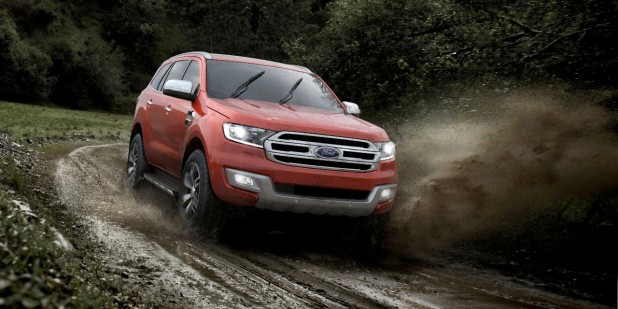
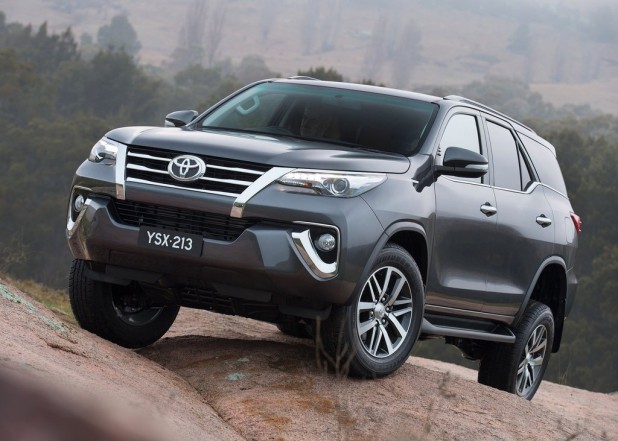
For this week’s #ChooseDay we asked you what forthcoming SUV you desired the most. It’s no secret that the Toyota Fortuner is a popular choice in South Africa and with the new Fortuner due early next year, there’s certainly lots to look forward to when it arrives. However, the arrival of the macho-looking Ford Everest can be expected at the end of 2015 and many people believe that the Everest is slated for success in South Africa.
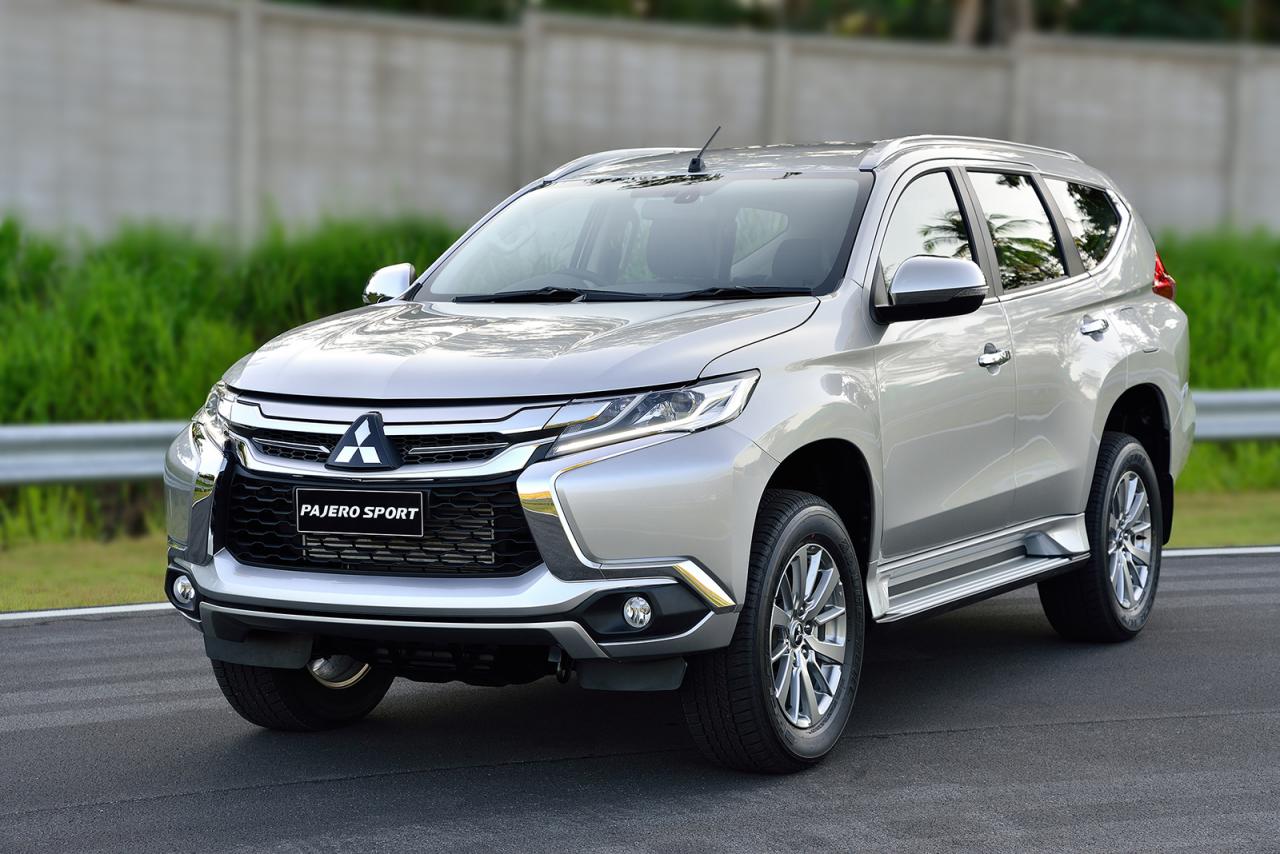
Mitsubishi also recently revealed it’s new Pajero Sport, which has been received with mixed reactions and will land on our shores in the second quarter of 2016. So, which one of these fortcoming SUVs do you hold in highest regard? We tallied up hundreds of your responses in search for answers and answers we received. Take a look at the results.
The Ford Everest takes top spot convincingly with 57% of the total vote. Are you surprised? With a ground clearance of 225mm and the ability to wade in water 800mm deep, outdoor enthusiasts are in for a treat. The Everest is also fitted with a new all-wheel drive system and Terrain Management System that will help it tackle the impossible. Two diesel engines, including a 147kW/470Nm 3.2-litre turbodiesel and a smaller capacity 118kW/385Nm 2.2-litre turbodiesel engine are on the cards. Power will be transferred using either 6-speed manual or automatic transmission. Local specs and pricing have yet to be announced but one thing is clear, Fortuner beware!
The forthcoming Toyota Fortuner settles with second place on this list with 36% of the total vote. The Fortuner will be powered by a 2.8-litre turbodiesel engine that will deliver 130 kW and 420Nm. Like the Everest, the Fortuner will also be offered with a 6-speed manual or automatic transmission. According to Toyota South Africa, there’s a good chance that we will see additional engines join the lineup too. The new Fortuner will also be built at Toyota’s plant in Durban and local specs and pricing have yet to be confirmed.
The Mitsubishi Pajero was completely dwarfed in this #Chooseday, accumulating only 7% of the total vote. We know that the Pajero Sport will be powered by a 2.4-litre turbodiesel engine mated to an 8-speed automatic transmission. Outputs have yet to be confirmed but figures in the region of 133 kW and 430 Nm of torque are realistic. The Pajero Sport will also feature the latest generation Super-Select 4WD-II four-wheel drive system which also includes Off-Road Mode. Details regarding local specs and pricing for the the Pajero Sport will be revealed closer to its arrival in the second quarter of 2016.
Opel Corsa Sport 1.4T (2015) First Drive
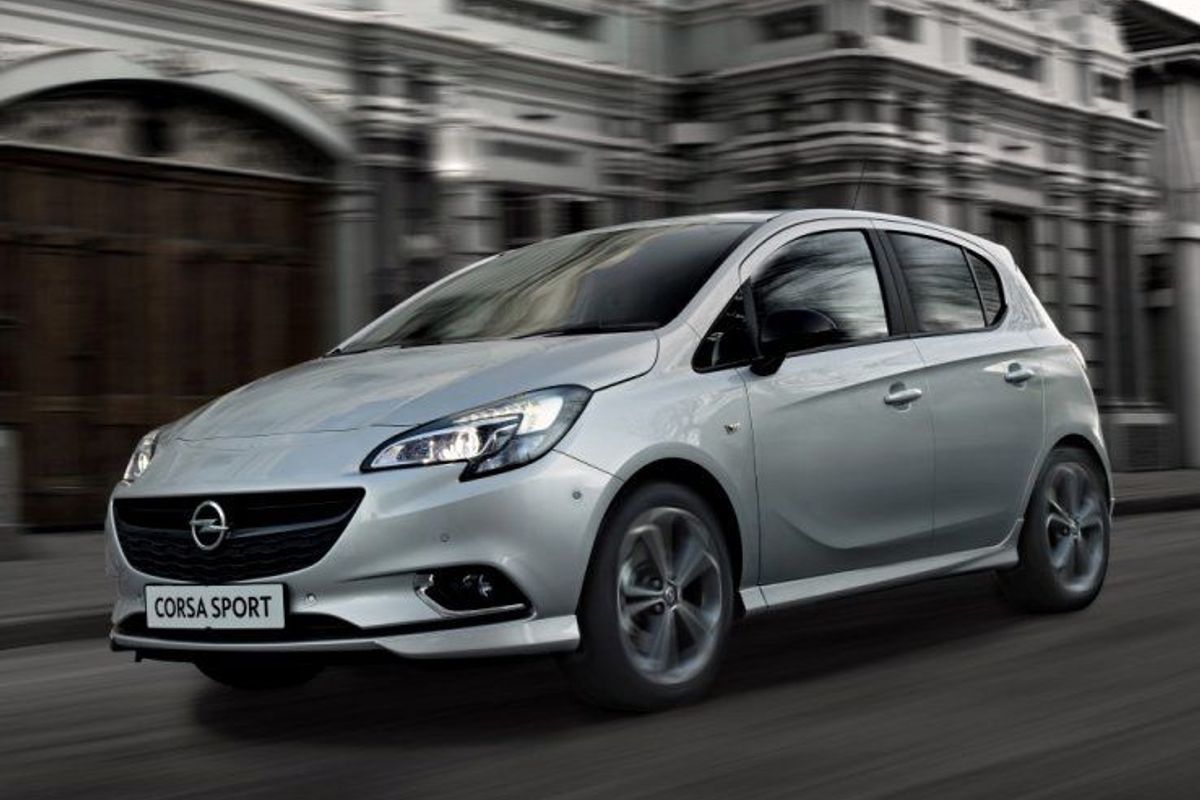
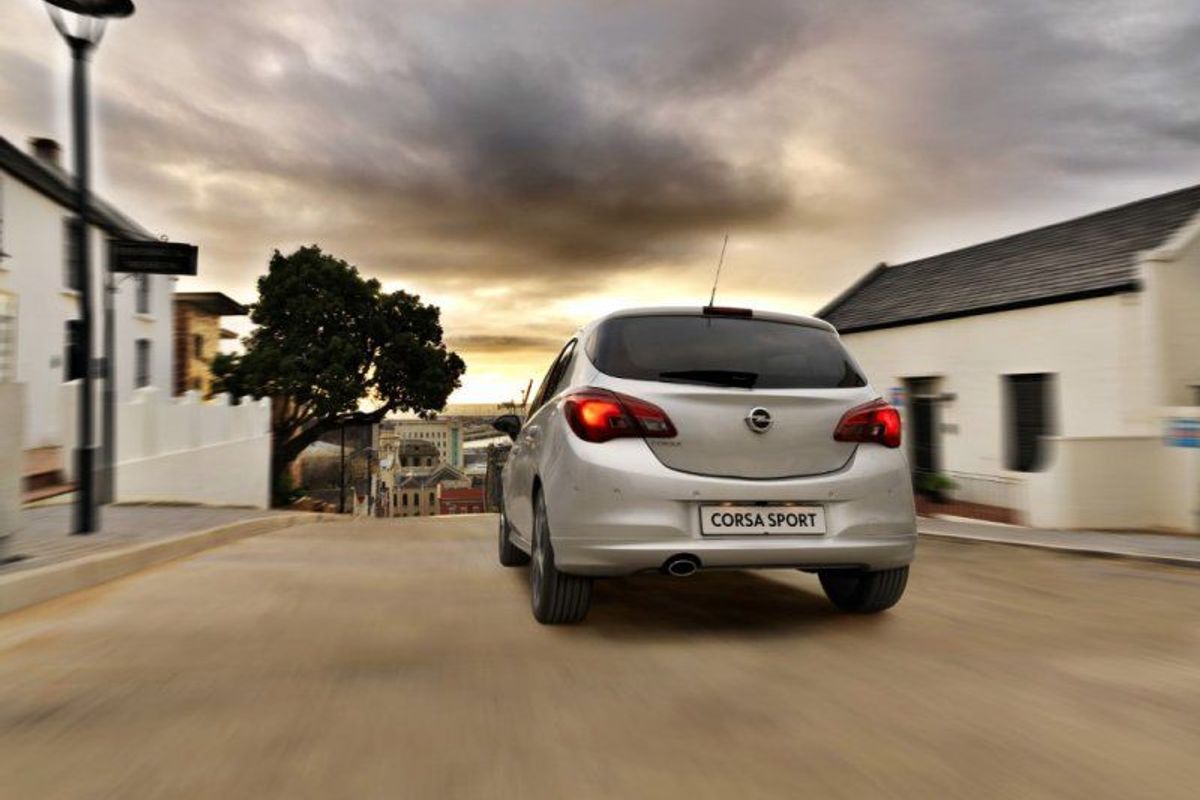
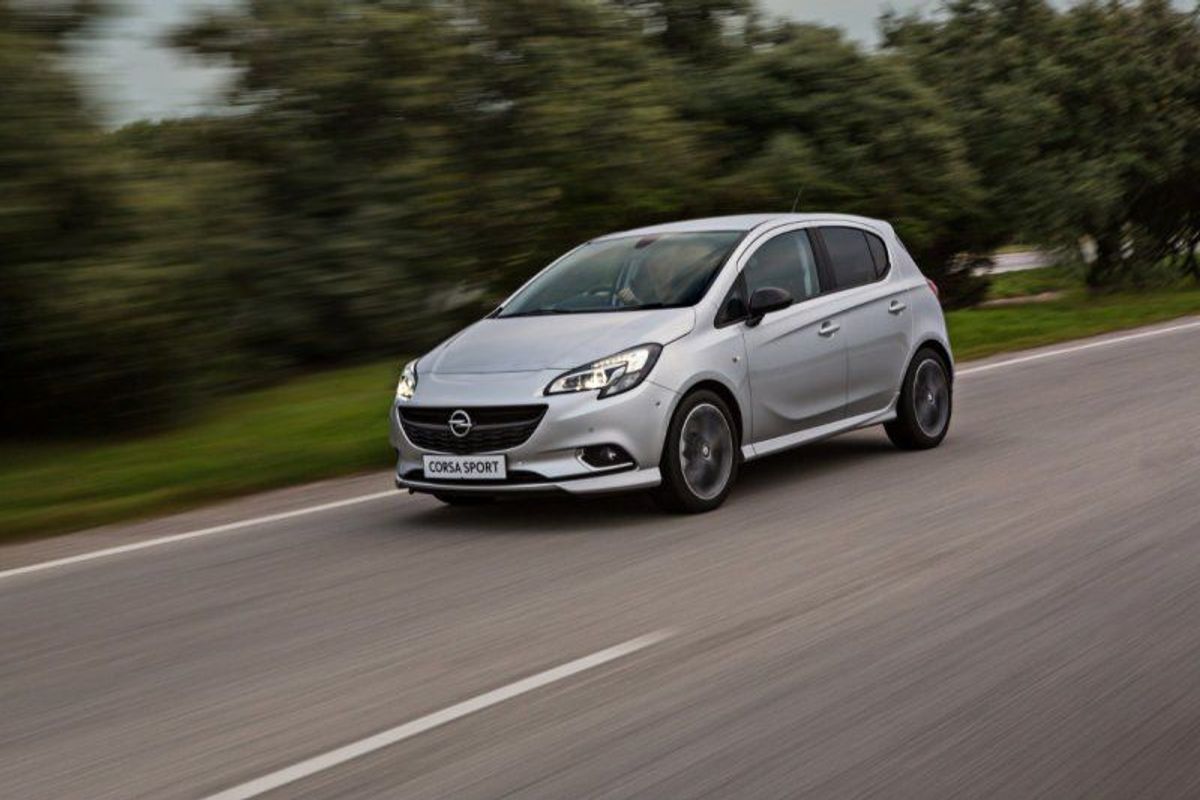
Opel has come out strong recently with the launch of new and impressive products in the form of Adam, Corsa and Mokka. As a result, sales are on the up in South Africa and spirits are high in the Opel camp. Opel, however, isnt sitting on its laurels, as the brand has launched yet another new model to the mix to make life hard for the likes of the Volkswagen Polo, Ford Fiesta and Mazda2. This time its the 1.4T Corsa Sport and we attended the launch in George to see what it has to offer.
Sporty Persona
This Corsa Sport is by no means a high-performance hatchback in the true sense, but it has been rather beefed up to look and feel like a superstar. On the outside, you will notice some sporty-looking OPC Line kit fitted as standard, which goes a long way in differentiating it from its siblings. The kit includes front and rear bumper extensions, side rocker mouldings, a stainless steel exhaust tip and the side mirrors and grille trim feature a carbon fibre look. The Corsa Sport strikes a perfect pose with 17-inch Dark Titanium alloy wheels fitted as standard.
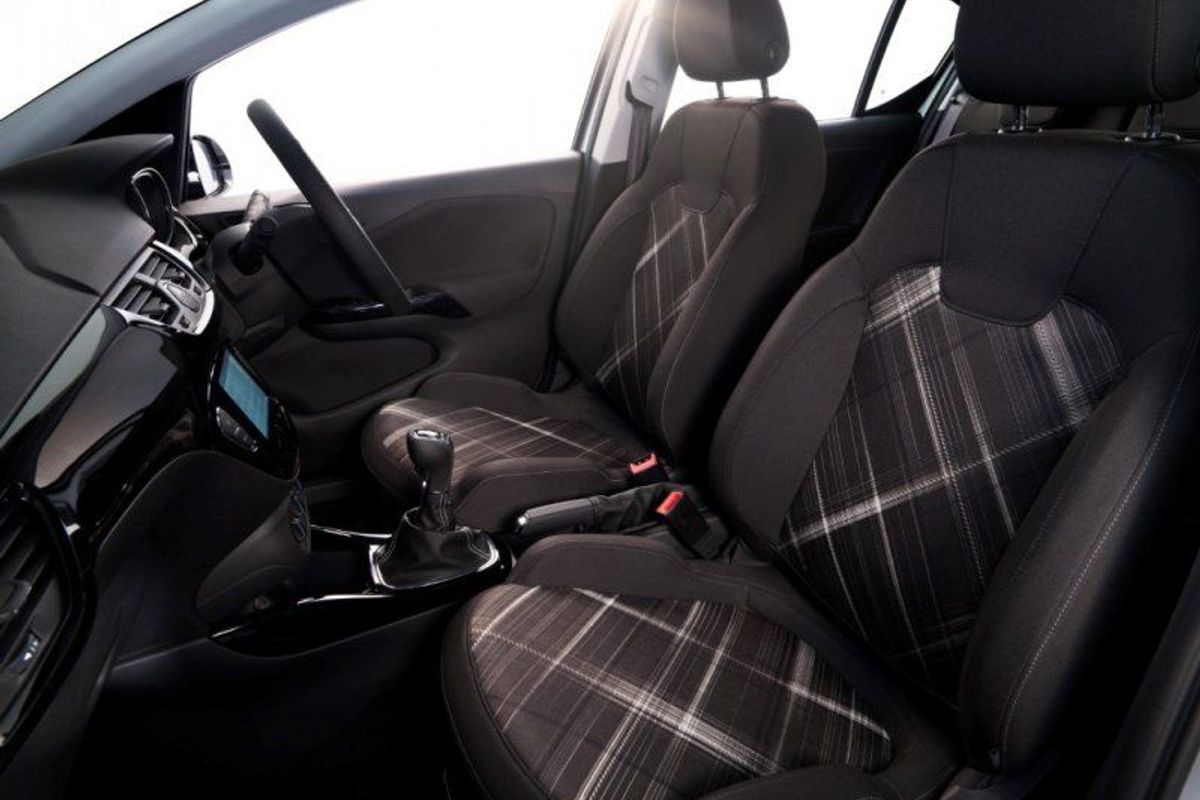
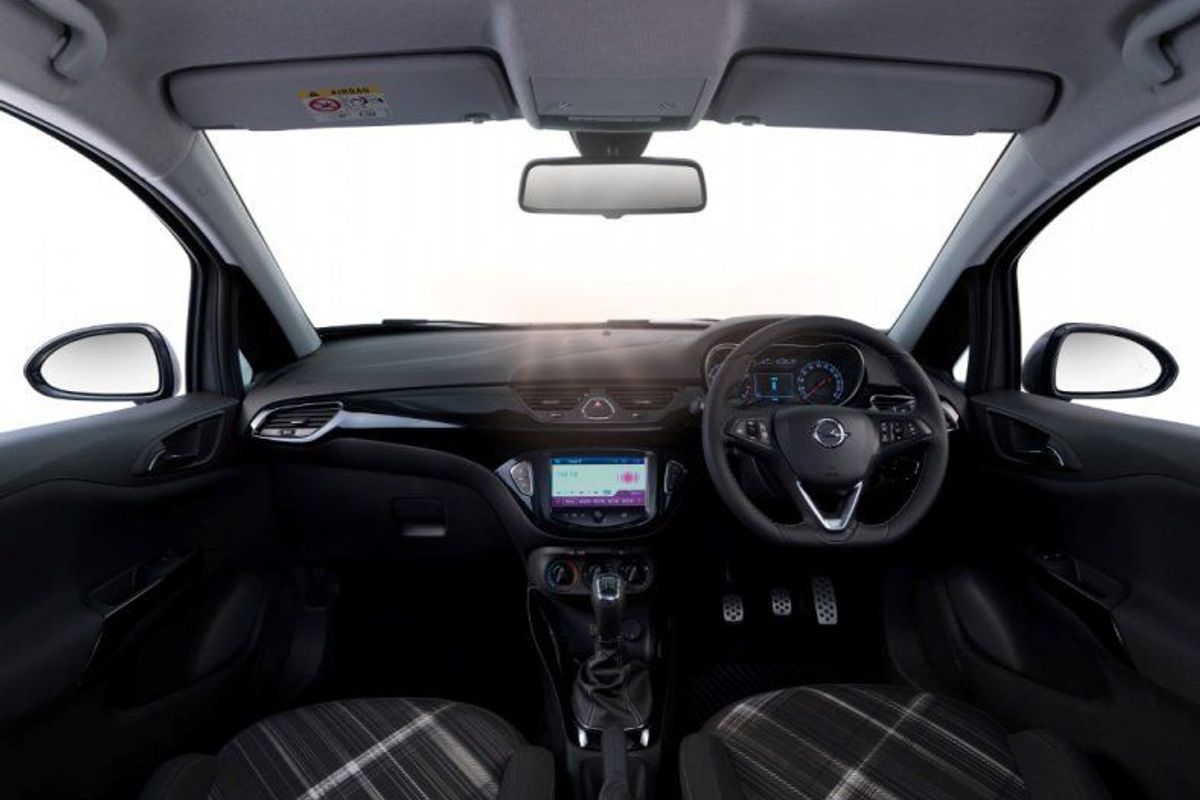
On the inside, the OPC Line theme continues with a leather-wrapped multi-function sports steering wheel, alloy foot pedals, leather gear shift lever and handbrake lever inspired by the OPC. Theres also a neat-looking sports instrument cluster and infotainment comes in the form of Opels Intellilink system via a 7-inch touchscreen thats Bluetooth and USB compatible. Cloth Moonray sport seats are also a standard feature and provide some contrast in a predominantly black interior and customers also have the choice between 15 exterior colours.
How does it drive?
The Opel Corsa Sport makes use of a gutsy 1.4-litre turbocharged engine that produces 110 kW and 220 Nm of torque. Opel reckons the Corsa Sport can hit 100kph in 9.6 seconds and reach a top speed of 204kph. In real world driving, the Corsa Sport is fit and will, in most cases, offer more than enough grunt for the average city slicker. To help you along, the Corsa Sport is fitted with a 6-speed manual transmission.
Our launch route took us through Robertson Pass and the Outeniqua Pass, roads that offer a mix of wide and tight bends, the perfect playground to get a sense of the Corsa Sports ability. Overall, the Corsa Sport did a decent job of tackling corners at speed. It must be said however, that the steering felt a bit light and combined with poor road surface quality, the overall ride was wafty and not as precise as I had hoped.
The suspension did a fair job of soaking up the irregularities on the road and I was particularly impressed by the Corsa Sports no-nonsense overtaking prowess thanks to decent in-gear acceleration. We will hopefully have the Corsa Sport on test soon to give it a thorough evaluation.
Safety Features
In terms of standard safety, the Corsa Sport is well equipped with six airbags, ABS with EBD, Electronic Stability Control (ESC), Traction Control, Straight Line Stability (SLS) and Brake Assist System (BAS). The Corsa Sport also features a City Mode button which lightens up the steering during congested city driving and front and rear parking sensors are fitted as standard.
If customers opt for Option Pack 1, Opel will fit Advanced Park Assist 2 and Side Blind Spot Alert at an additional cost of R5 000.
Opel Corsa Sport Price in South Africa
Opel Corsa 1.4T Sport R255 200
New Car Sales in South Africa for July 2015
According to the National Association of Automobile Manufacturers of South Africa (NAAMSA), declines in new car sales continued in the month of July 2015, registering the largest year-to-date monthly decline for the year. Exports however remained positive with substantial year-on-year gains. Toyota remains the most popular car brand in South Africa and the Hilux did particularly well to reclaim the throne as the country’s best selling vehicle in July 2015. Take a look at our car sales summary below for more details.
New Car Sales Summary July 2015
54 112 aggregate new vehicle sales down by 6.1% (3 524 units) compared to July 2014.
28 291 export sales up by 24.4% (5 555 units) compared to July 2014.
36 506 passenger car sales down by 8.8% (3 509 units) compared to July 2014.
15 090 light commercial vehicles up by 0.7% (111 units) compared to July 2014.
Top Selling Car Brands in South Africa July 2015
The declining trend of new car sales is set to continue for the short to medium term. Factors such as slow economic activity, loadshedding, higher personal tax, petrol price increases and higher interest rates will continue to have a negative impact on new car sales in South Africa. Despite waning business confidence and consumer sentiment, strong export sales will continue to support vehicle production levels and the balance of payments.
Audi A4 Sport Edition Plus Special Edition
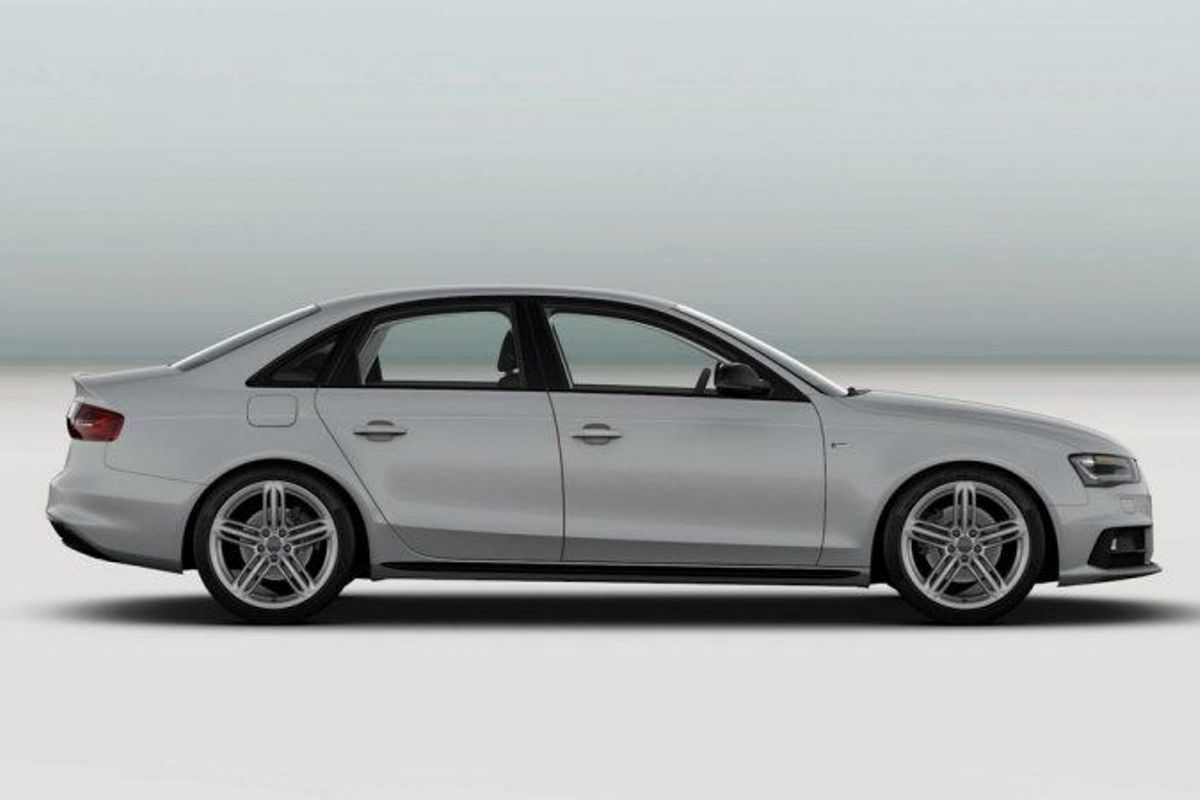
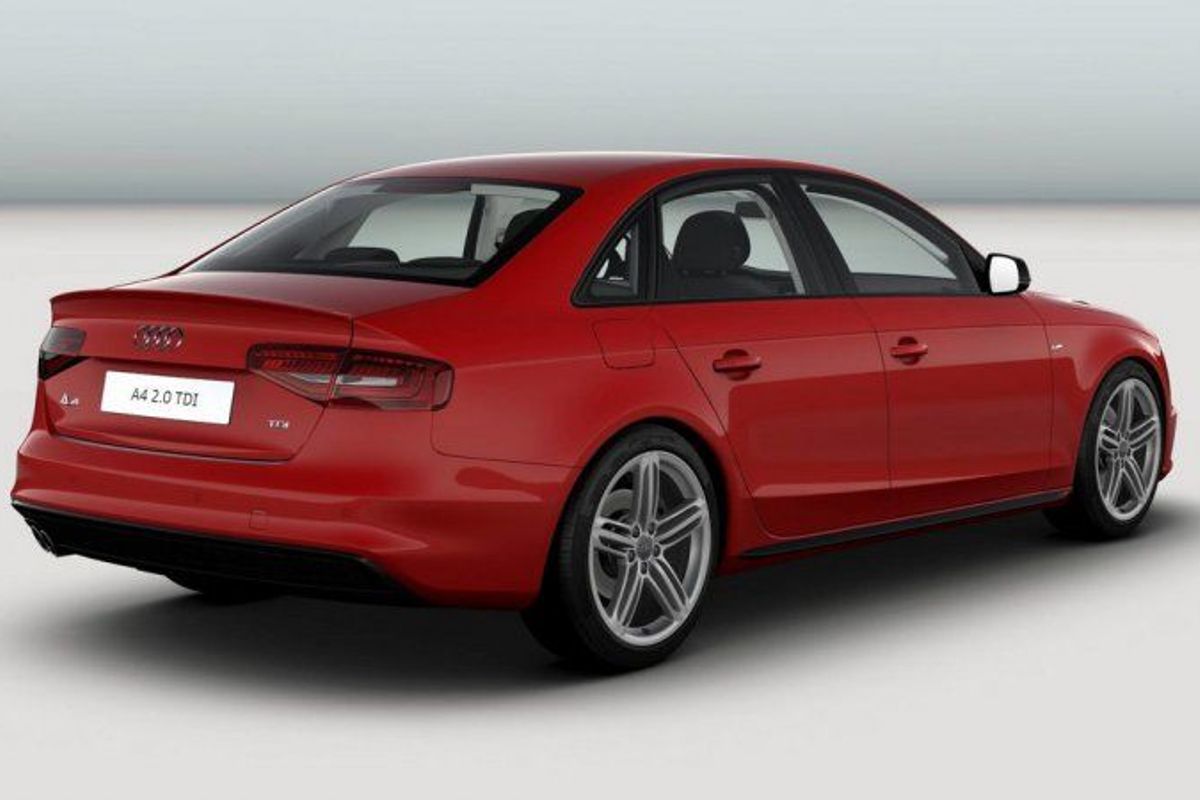
Ahead of the launch of the all-new Audi A4 early in 2016, Audi South Africa will be releasing a limited special edition of the current Audi A4. It will be called the Sport Edition Plus package and gives the customer a fair discount on some of Audis more expensive options. Offered at R8 250 on the A4 1.8T FSI SE and 2.0 TDI 130 kW SE models only, the Sport Edition Plus features the following enhancements:
A sporty, new-design front bumper treatment
19-inch Audi Sport alloy wheels, including S line sport suspension
High gloss black styling elements for the front grille, window surrounds, side sills and side mirrors
The choice of four Audi RS4 exterior colours; including Sepang Blue, Suzuka Grey, Daytona Grey and Misano Red
Integrated rear boot spoiler
S line rear bumper
S line exterior badging
3-spoke multi-function sport steering wheel
Front and rear park assist
The total value of these items is approximately R65 000 according to Audi SA. It plans to make 1 400 Sport Edition Plus models available to customers from August 2015.
Current pricing on the Audi A4 1.8T and 2.0 TDI models is as follows.
Audi A4 1.8T FSI 125 kW SE manual: R 421 250
Audi A4 1.8T FSI 125 kW SE multitronic: R 438 250
Audi A4 2.0 TDI 130 kW SE manual: R 429 750
Audi A4 2.0 TDI 130 kW SE multitronic: R446 750
Jaguar XE Local Pricing Anounced
Jaguar has revealed local pricing on its executive sedan XE model. The Jaguar XE was shown locally first at the Jaguar Simola Hillclimb during May 2015.
The XE will compete against the Merc C-Class, BMW 3 Series and Audi A4 amongst others. For full details on the Jaguar XE check out our piece on its official debut here.
Jaguar XE Local Pricing
The pricing for the Jaguar XE is set higher than the closest competition but we expect that once specced up equally the Jaguar should stack up equally. We have added the Mercedes Benz C-Class pricing alongside as a comparison.