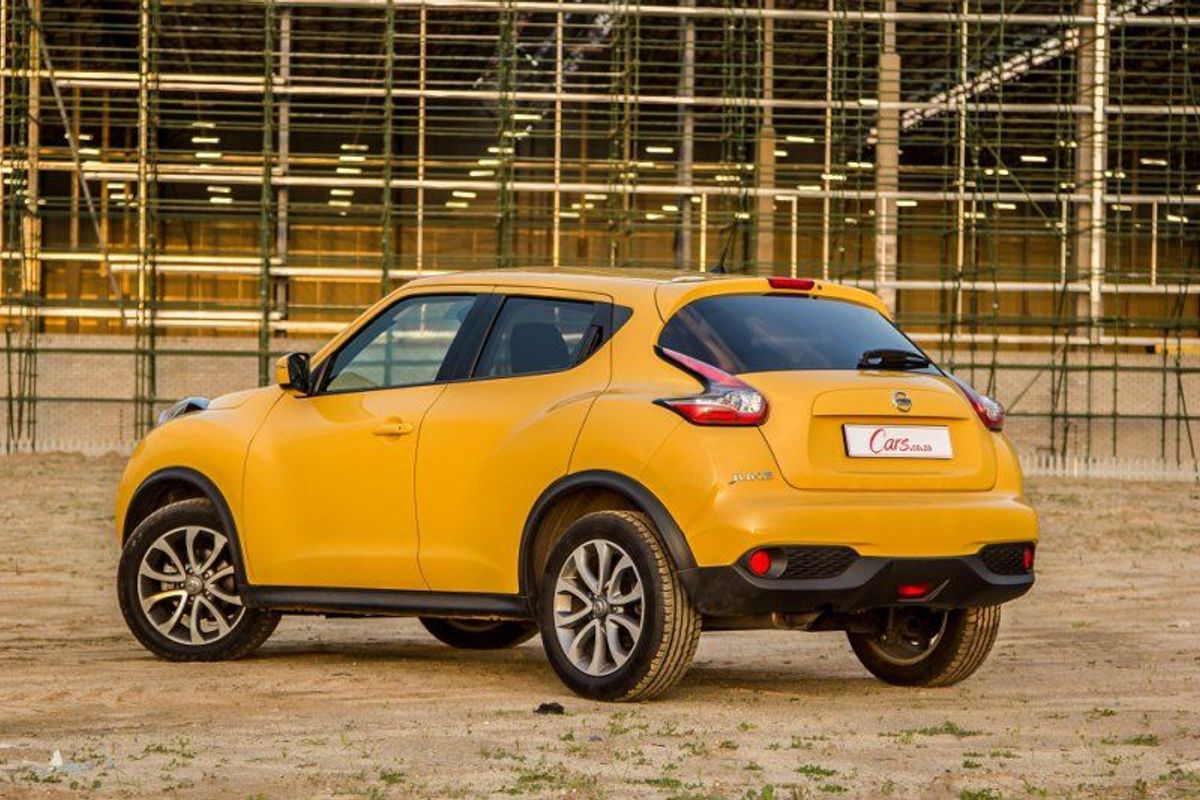
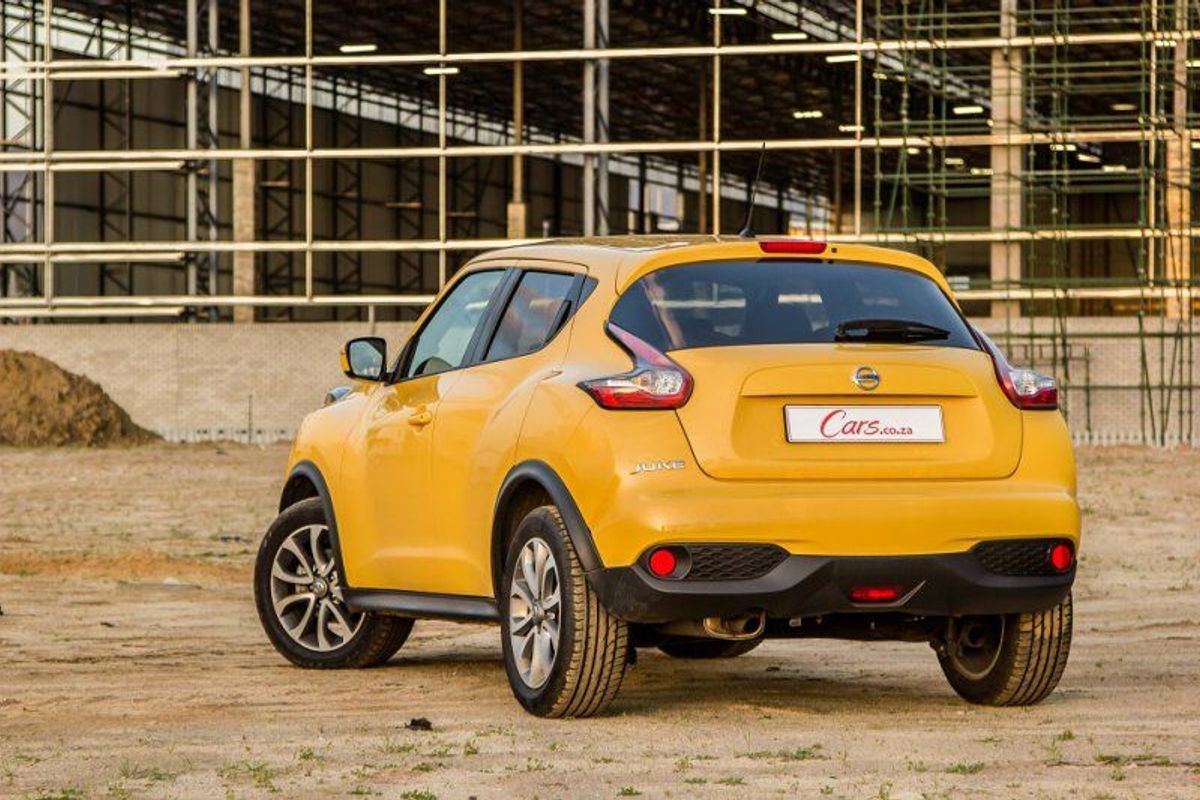
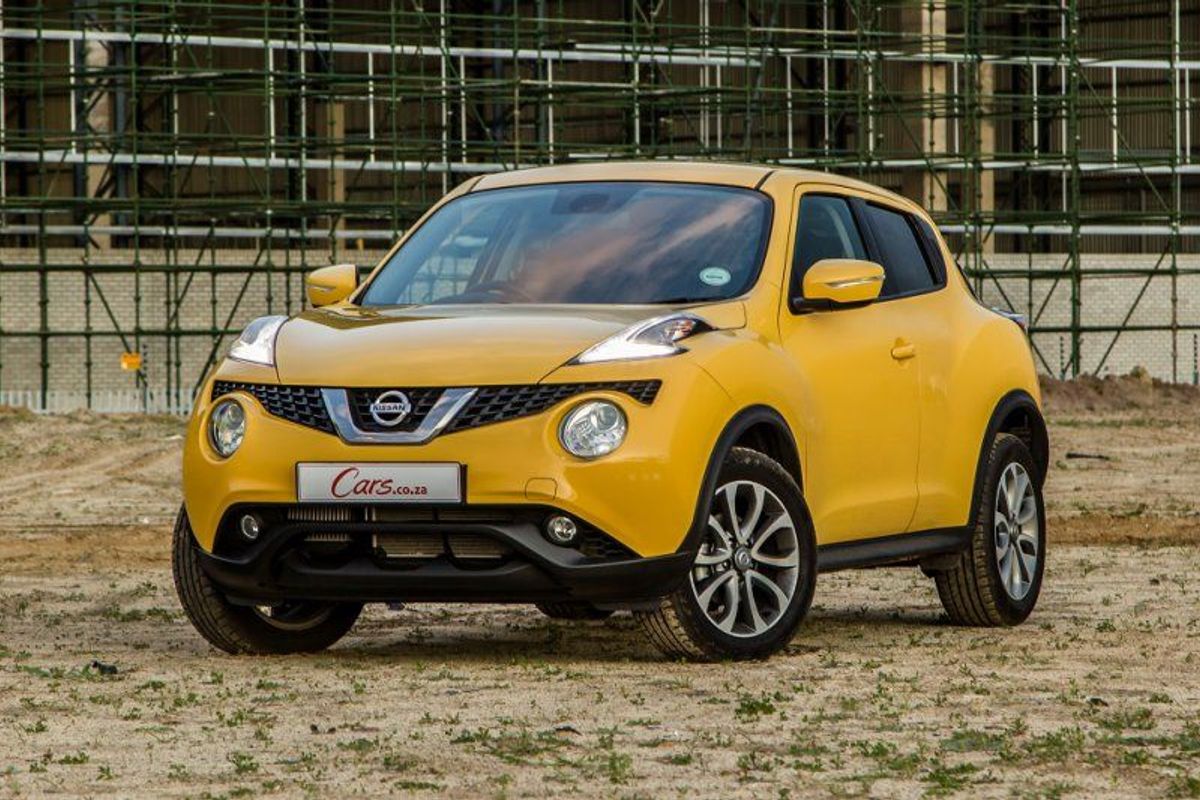
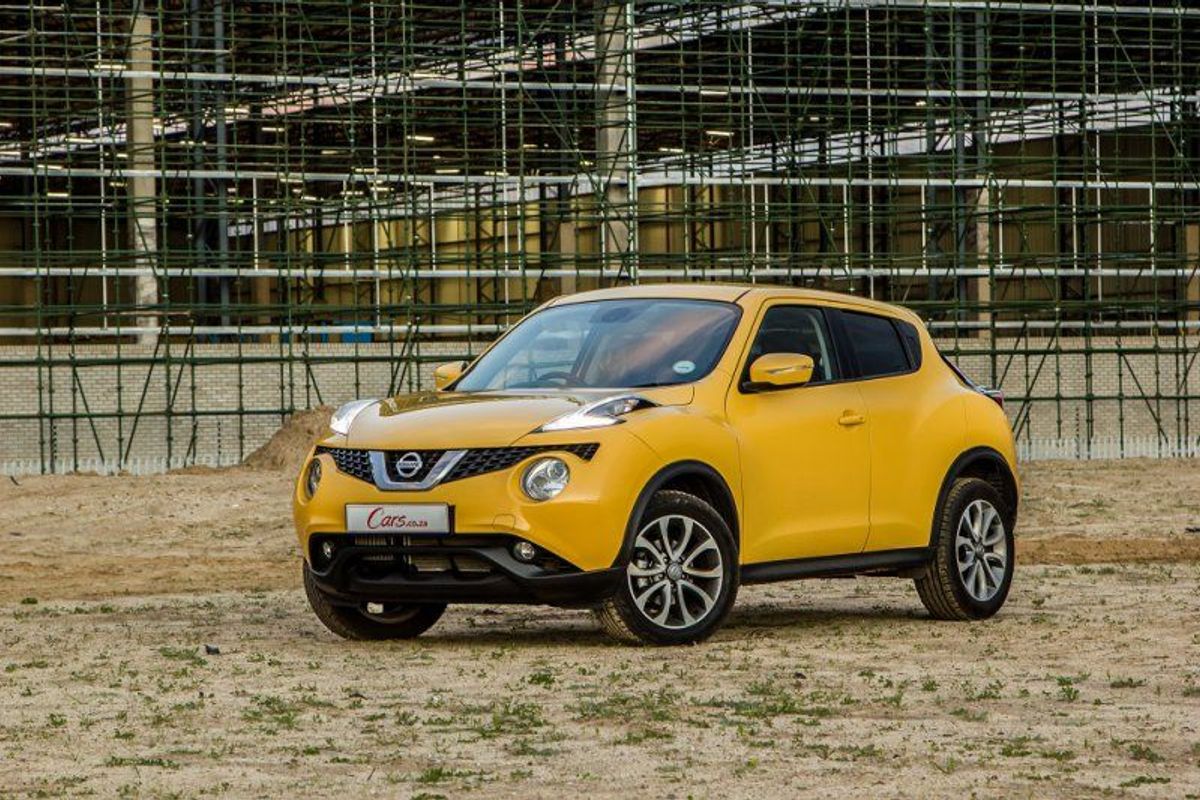
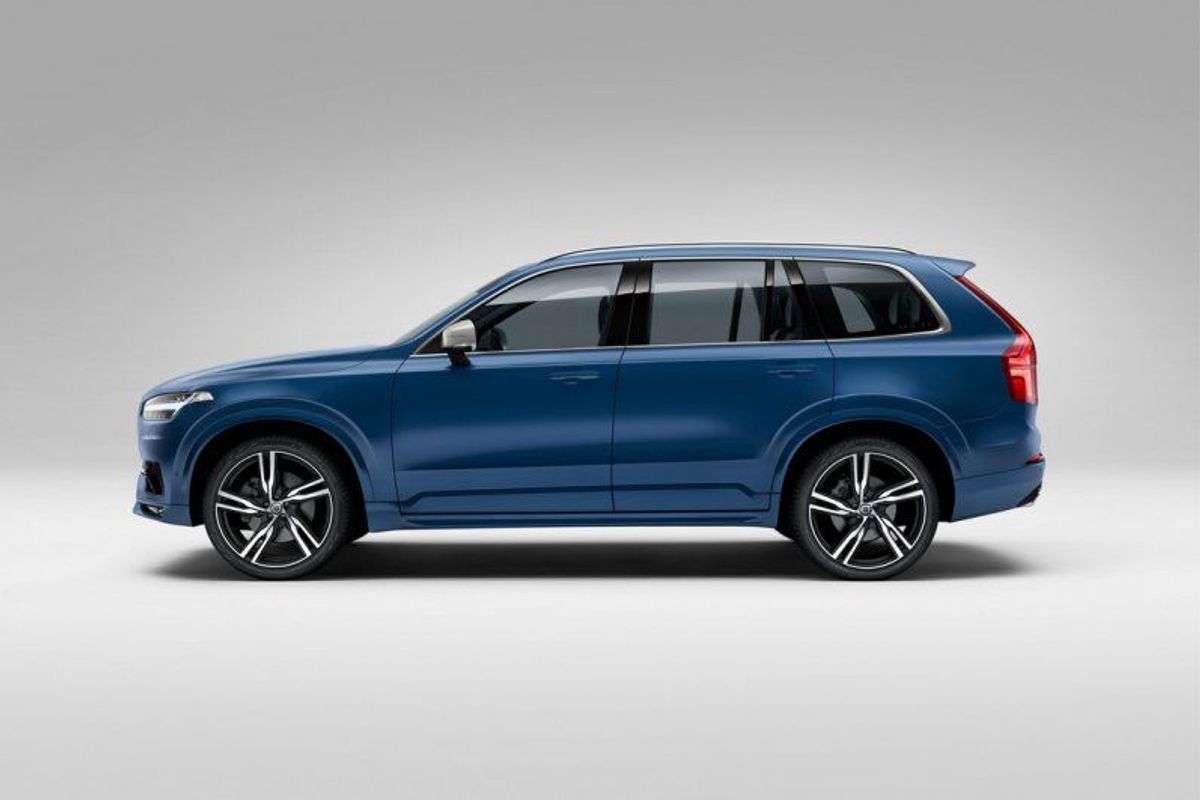
Ford Kuga 1.5T Trend Automatic: First Drive

Considering the competitive nature of the compact SUV segment, achieving such immediate sales success as the current Ford Kuga speaks volumes of its appeal. But the competition is not letting up, with new or improved rivals being launched on an almost monthly basis. So, the Kuga, which was launched back in early 2013, was in need of some updates. Ford has answered by launching a subtly revised line-up that focuses on powertrain improvements, as well as a new automatic front-wheel drive model, which we drove here.

No change on the design front

The Ford Kuga remains one of the most attractive vehicles in its segment, so there was little need to change anything drastically. In fact, there is nothing to really distinguish the updated model from its predecessors, except for a range of new colours. In Trend specification the Kuga nevertheless looks suitably upmarket, with attractive 17-inch wheels (18-inch wheels are optional), roof rails, rear privacy glass and front and rear foglamps adding to the sophisticated appearance.

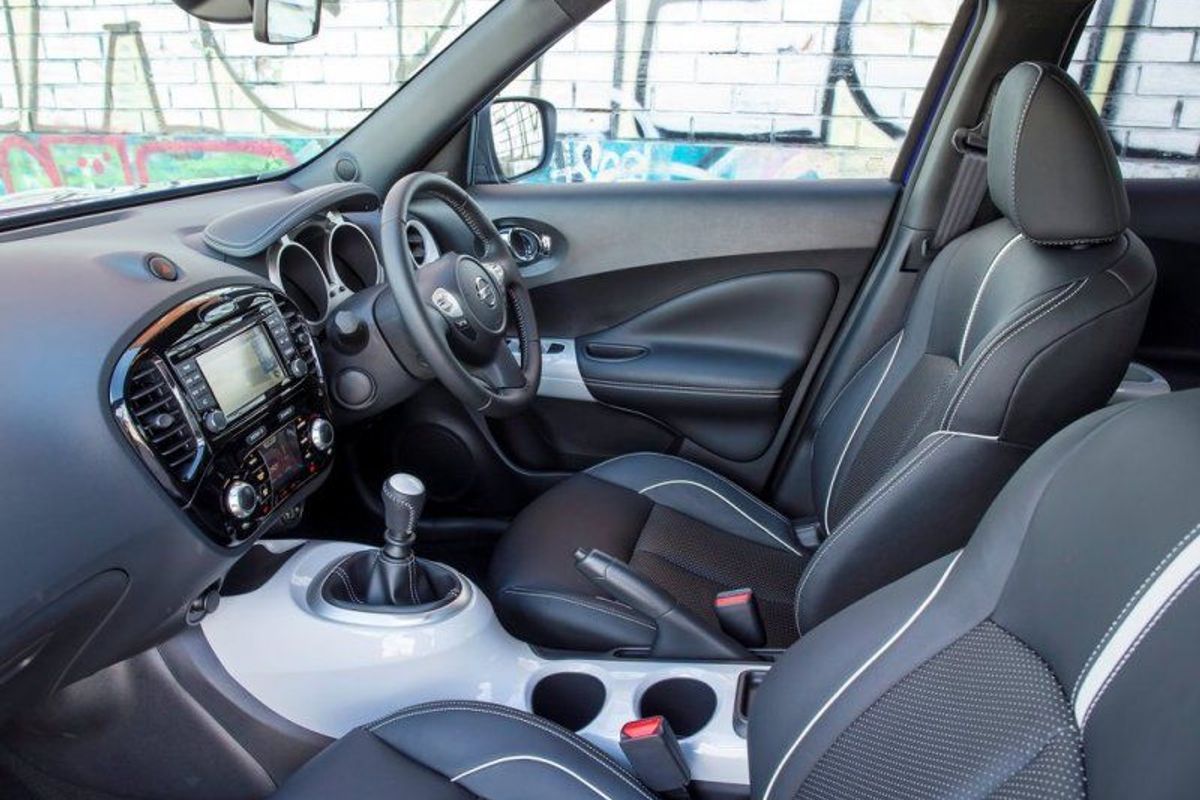
Unfortunately the Kuga has perhaps not dated quite so well inside. The control panel for the infotainment system is cluttered with too many buttons, and the display screen is small by modern standards. The game has simply moved on. The instrumentation panel, however, still looks sporty and the trip computer screen is especially smart and loaded with information.

Overall, the predominantly black cabin is quite sombre, with only some gunmetal grey plastic trim to lighten things up a bit. And while the quality of the upper part of the facia is impressive, it is less so elsewhere. Some recent arrivals – most notably the recently refreshed Honda CR-V – boasts superior fit and finish and a greater quality consistency.

Otherwise, there is precious little to fault. The driving position is superb, with generous rake/reach adjustability on offer from the steering wheel, and an electrically adjustable driver’s chair. The seats themselves also offer excellent support and comfort. There is even height-adjustment for the front passenger seat. The rest of the cabin also shows good attention to detail. Those seated in the rear have airline-style flip-up trays with drinks holders, a two-point 230V/150W power outlet and ventilation outlets.

Generous specification

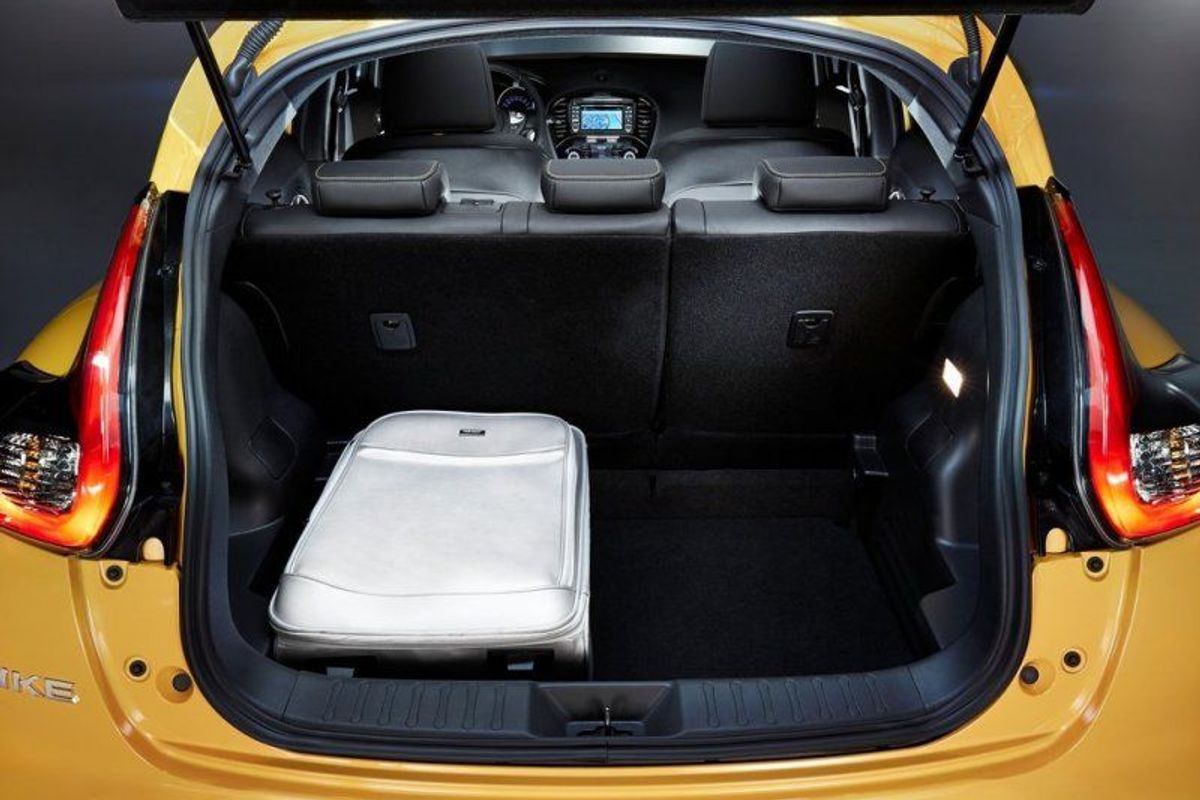
The Kuga’s boot measures a decent but not class-leading 456 Litres, and can be expanded to a huge 1 653 L by folding 60/40 split rear seats down. When this is done the loading area is commendably large and flat. Note, however, that the Kuga only has a space-saver spare wheel under the boot floor, which is always disappointing for a crossover-type vehicle.

The specification is, however, very comprehensive when taken as a whole. Missing from the list are auto lights and wipers, but that’s where the shortcomings stop. You get Ford’s excellent SYNC info-tainment system that offers Bluetooth, Voice Control and Aux/USB support. There are also heated front seats, cruise control, dual-zone climate control, rear park sensors, leather upholstery and heated/folding side mirrors, among many other items.

On the safety front the Kuga offers seven airbags, Isofix child seat anchors, ABS/EBA, ESP (electronic stability control), Hill Launch Assist and even a trailer stability function.

New engine/transmission combination

Under the bonnet is the big news of this mid-life Kuga refresh, a 1.5-litre turbocharged EcoBoost engine that is mated, in this instance, to a six-speed automatic transmission. There is significant demand for automatic SUVs/crossovers at the lower end of the market, but the previous 1,6-litre model, which was only sold in AWD (All-Wheel Drive) form had lost sales momentum against the likes of the CR-V, Tiguan and the Koreans.

In response, this new derivative offers the option front-wheel drive, as tested here. The engine delivers a strong 132 kW and 240 Nm of torque, from a low 1 600 rpm to 4 000 rpm, promising great tractability. And so it is on the road – the gearbox seems well matched to the engine and is quick to respond to throttle adjustments. With that much power the Kuga makes mincemeat of long-distance family holidays. You can also execute manual gearshifts if you want, but the button for that is rather awkwardly placed on the right-hand side of the gearshift knob.

But there is potentially a bigger problem… Much has been made of the efficiency of the new engine, and the package includes auto start/stop. But even so we could not easily maintain a consumption figure of below 10 L/100 km.

With those few negatives out of the way and dealt with, the rest of the news is very good indeed. The Kuga still offers arguably class-best ride refinement, yet it also boasts excellent body control. The steering is finely balanced, too, so those family men (and women) out there who actually enjoy driving, will find the Kuga a pleasure to pilot.

Conclusion and Summary

The revised Ford Kuga comes close to ticking all the boxes. Spacious, refined, superbly comfortable and excellent to drive, it should do very well indeed. But the competition is very stiff and we’re not quite sure whether Ford has done enough to put clear space between the Kuga and its rivals. At the same price as the Ford, you can get the more spacious, better finished Honda CR-V and even something left-field like the very capable Subaru Forester that offers all-wheel drive. Neither of these vehicles can match the Ford’s specification, though, so we expect this Kuga to sell well.

Ford Kuga 1.5 Trend Automatic Price in South Africa

The revised Kuga line-up kicks off with a 1.5T Ambiente at R321 900 rising to R357 900 for the Trendmodel. The Ford Kuga 1.5T Trend Automatic tested here costs R371 900 and comes with a four-year/120 000 km warranty, four-year/80 000 km service plan and three years of roadside assistance. Also available are a Trend Automatic AWD (R398 900), 2.0 Titanium Auto AWD (R439 900), 2.0 TDCI Trend Powershift AWD (R424 900) and the 2.0 TDCI Titanium Powershift AWD (R459 900).

Second Opinion

I found the latest Kuga to be one of the most comfortable cars available in any segment of the market. It is built to an extremely high standard and when compared to similarly priced SUVs, the space and level of standard spec is impressive. I found the new auto ‘box to be a significant improvement, but the whole package is let down by a rather thirsty engine; I couldn’t bring the consumption down below 10L/100km in the week I drove it. – Ciro de Siena

We Like: Ride quality, features, performance

We don’t Like: Real-world economy, Ergonomics

Also consider: Volkswagen Tiguan 1.4 TSI Trend&Fun, Honda CR-V 2.0 Comfort Auto, Subaru Forester 2.5X CVT

Compare the Ford Kuga with the Honda CR-V and Subaru Forester here

Engine:                 1.5-litre, four-cylinder turbopetrol

Boot space:        456 litres

Fuel tank:            60 litres

Fuel consumption: 7.0 L/100 km (Claimed)

Transmission:    Six-speed automatic

Power:                 132 kW @ 5 700 rpm

Torque:                  240 Nm @ 1 600 – 4 000 rpm

0-100 km/h:        9.9 sec

Top speed:         200 kph

New Toyota Auris – Specs & Pricing

Toyota will be launching the new Auris hatchback in South Africa this week and according to the brand, it will offer sharper design, improved interior quality as well as a more refined driving experience.

Exterior Styling

The new Toyota Auris has received new front and rear styling and appears to sit lower than before. The front-end features chrome ‘wings’ which emerge from a thinner upper grille with a more prominent Toyota emblem. The lower grille runs the width of the car with a chrome accent strip framing the centre section and widening into the fog light housing.

Viewed from the side, the new Auris features long overhangs as well as a new shark fin roof antenna. The new Auris rides on turbine-inspired 16-inch alloy wheels. At the rear, a redesigned bumper emphasises the width of the car while the rear lamp clusters have also been redesigned.

Two new colours, including Citrus Metallic and Blue Metallic are on offer.

Interior Styling

The interior of the new Auris has been improved with a new dashboard with soft touch surfaces. The Auris also benefits from a new central audio visual display which incorporates a CD/DVD, Radio, Bluetooth, Aux/USB functionality and reversing camera. The instrument binnacle is more sporty with a tubed tachometer and speedometer dials flanking a new 4.2-inch colour TFT multi-information screen available for the Auris Xr derivative.

Interior details such as the air vents, door handles and gear lever now have a more high-quality appearance and there’s the choice of different upholstery designs, including leather for the Xr derivative.

The new Auris benefits from an improved suspension and steering setup which has contributed to better ride comfort and handling. Toyota has also taken the time to do some soundproofing in an effort to reduce noise reaching the cabin.

Engine Choice

Three powertrains will be offered on the new Auris. The first is a 1.3-litre petrol engine offering 73 kW and 128 Nm of torque. Fuel consumption for this engine is rated at 5.8L/100km. Buyers can also opt for the 1.6-litre petrol engine with 97 kW and 160 Nm torque. In manual guise, this engine consumes 6.2L/100km while the CVT transmission returns a figure of 6.0L/100km. The facelifted Auris 1.8 Hybrid will also be offered later this year and will be launched in South Africa come September 2015.

The X and Xi derivatives are offered with the 1.3 and 1.6 engines. Features at this trim level include Bluetooth, follow-me-home headlights, shark fin antenna, leather steering wheel and gear lever, electric power steering, air conditioner, dual front and side airbags, remote central locking, ABS with Brake Assist and EBD, seatbelt warning for all occupants, RDS audio four-speaker system, electric windows with Driver One-Touch and steering switches. The X model is shod with 15-inch steel wheels while the Xi model is equipped with 16-inch alloys.

The mid-spec Xs derivative is only offered with the 1.6-litre engine. Features for this trim level includes the new audio visual display, front fog lamps, piano black gloss finish for the grille and rear bumper with chrome trim accents, reverse camera with guidelines, six-speaker sound system, vanity mirror lamps and Sport fabric upholstery.

The high-spec Xr derivative can be had as a manual or with a CVT transmission. This derivative includes auto lights, electrochromatic rearview mirror, colour TFT multi-information display, cruise control, smart entry and push start technology, electronic dual-zone climate control, curtain airbags and a driver’s kneebag, full leather upholstery with seat heaters for the front seats and electric lumbar support for the driver.

New Toyota Auris Price in South Africa

Toyota Auris X – R223 700

Toyota Auris Xi  – R249 100

Toyota Auris Xs – R259 800

Toyota Auris Xr – R287 700

Toyota Auris Xr CVT  – R301 700

The new Auris benefits from a three-year/100 000 km warranty. All Auris models come standard with a five-year/ 90 000 km service plan as well as 24-hour ToyotaCare Roadside Assistance.


Five Cool Things You Should Know About the Volkswagen Golf GTI Performance Pack

The Volkswagen Golf GTI Performance Pack bridges the gap between your every-day GTI and the fire-breathing Golf R. While many would dismiss it as just a Golf GTI with some go-faster bits, there are a few things that make this car quite special.

Volkswagen Golf GTI Performance Pack – Five Things You Should Know

One – It’s Faster

Volkswagen-Golf_GTI_2014_1600x1200_wallpaper_2a

The performance difference between the standard Golf GTI and the Performance Pack model is very small. Still, there’s 7 kW separating the two with the Performance Pack offering up 169 kW. The 0-100kph time has dropped by 0.1 seconds to 6.4 seconds.

Two – The Handling is Sharper

New_Golf_GTI_Interior_008

Thanks to a combination of Dynamic Chassis Control (DCC) and a new electronic front differential lock, the Golf GTI Performance Pack promises sharper handling, without the compromise of harsh ride. The DCC offers multiple modes such as Comfort, Sport, Eco and can be customised to suit your needs. We found that having the suspension set on soft, with everything else set on sport offered the best balance.

Three – Red GTI Badges

IMG_3095

It looks much like an ordinary Volkswagen Golf, but the GTI badges on the front grille and rear bumper are now red, as opposed to the standard GTI which are silver.

Four – It Can Stop Quicker

IMG_3091-2

The Volkswagen Golf GTI Performance Pack offers larger, ventilated brake discs. These units are 340mm at the front with 310mm at the rear for better stopping performance. In keeping with the GTI theme, these are painted red obviously.

Five – The Pricing Isn’t Crazy

Your R447 800 gets you a Volkswagen Golf GTI Performance Pack and it’s only available for the DSG-equipped models. The standard Golf GTI DSG retails for R427 800. However, with options such as the lovely wheels you see here and a panoramic roof, you can easily see the price tag head towards the R500k figure.

Interested in a Volkswagen Golf GTI? 

Drag Race: Mercedes S65 AMG Coupe vs Mercedes GLA 45 AMG Edition1

Usually, to send 12 cylinders up a drag strip requires three cars. Yes, we’ve pulled off the rare feat of sending a V12 monster down a quarter mile drag, in the form of the epic Mercedes Benz S65 AMG Coupe.

Read our full S 65 AMG review here.

The S65 AMG is the most powerful production Mercedes ever. The 6.0 litre biturbo V12 is the largest AMG engine available, with 463kW and a 1000Nm of torque. It is a leather-lined torpedo. But with rear wheel drive, it simply comes up against the laws of physics when trying to get off the line. The technology inside is also next level. Read Six Cool Things You Should Know About the Mercedes-Benz S65.

From within the Mercedes stable, we’ve selected the smallest AMG engine available in the range, this time in the form of the GLA 45 AMG 4MATIC Edition1. With 265kW from a 2.0 litre turbo, it is substantially down on power, but does have launch control, or Race Start as Mercedes terms it, and all-wheel drive. Would it be enough to get ahead of the mighty S65 Coupe, before it found traction and all 1000Nm of torque was unleashed?

Will the biggest AMG beat the smallest AMG, or will there be another upset on the cards? We were expecting the race to be close, but we weren’t expecting it to be this close…

Interested in a new GLA 45 AMG?
Interested in a new S 65 AMG Coupe?

Comparison Sheet

Mercedes Benz GLA 45 AMG 4MATIC Edition 1 Mercedes Benz S 65 AMG Coupe
Price R835 643 R3 087 013
Engine 2.0 litre 4-cyl turbo petrol 6.0 litre V12 biturbo petrol
Power 265kW 463kW
Torque 450Nm 1000Nm
0 – 100km/h 4.8 seconds 4.1 seconds
Top speed 250km/h (limited) 250km/h (limited)
Fuel economy 7.5 l/100km (claimed) 11.9 l/100km (claimed)
Kerb weight 1585kg 2185kg

Drag Race: Mercedes S65 AMG Coupe vs Mercedes GLA 45 AMG Edition1

Honda CR-V 2.0 Elegance (2015) Review

Honda slipped in a facelifted version of its globally popular CR-V earlier this year. A slight facial revision and model lineup alteration will see the Honda CR-V take on a seriously crowded compact SUV segment. We got to grips with the 2.0 Elegance manual and put it through its paces over a week-long test.

The new stuff

For the facelifted CR-V, the focus has shifted more towards value for money as Honda tries to claw back some sales volume momentum in this segment. Seeing as buyers shopping for a soft-roader SUV place a priority on practicality and school run duties, as opposed to any real off-roading, Honda has introduced more front-wheel drive-only versions of the CR-V. All-wheel drive is reserved for the range-topping 2.4-Litre petrol models.

The exterior changes to the grille in particular have given the CR-V a more stylish and modern look, although I can’t help but feel the chrome strips lean towards the blingy American market. Overall the new design has helped make the CR-V look less bulky and more athletic.

Other updates to the CR-V occur under the skin and include improvements to the ride and comfort levels, and a decrease in noise and vibrations within the cabin.

Power to the people

Honda continues to stick with its naturally-aspirated engine lineup for now and the 2-Litre unit we have on test makes 114 kW and 192 Nm. Since the 2-Litre only has to power the front wheels, the CR-V feels quite perky and not as sluggish as I thought it would be with the relative lack of low-down torque from a naturally aspirated engine. It revs cleanly and even when loaded with a fair amount of travelling paraphernalia, it never felt laboured. The six-speed manual would also be my choice here despite the growing trend towards autos. The Honda shifter is crisp, fast and almost effortless to send up and down the gearbox and I would prefer it to the excess drag on the engine that you’re likely to get from the five-speed auto.

Space race

There’s not much in the compact SUV category that can match the CR-V for space. It has a huge boot at 556-Litres and the rear seats can be folded flat to offer more loading space. Rear room is excellent and the seats are trimmed in leather – something you usually pay extra for in this segment.

Standard equipment on the CR-V is commendable and once you factor that into the price the CR-V becomes an even more attractive offering. The front seats are electrically adjustable and heated for those harsh winter mornings. Front and rear parking sensors and climate control are also standard as is the seven-inch touchscreen that controls audio and media functions. There’s a cool economy measurement chart that compares current drive to previous drives and personal best consumption. The screen itself is not the prettiest around and it’s annoying having to accept some Honda terms and conditions every time you turn on the car. That said, the overall functionality is good and it does all its jobs well, plus there’s an HDMI port.

Safety

The Honda CR-V ranks safety highly on its priority list and its standard safety equipment includes six airbags, ABS, EBD, traction and stability control as well as ISOFIX seat anchors in the rear.

Ride and Handling

This facelifted CR-V offers a marked improvement in its ride and comfort, so whatever the suspension engineers have done behind the scenes have certainly worked. It has a supple ride, but it doesn’t lean or wobble excessively in corners. It’s also very composed over bumps and breaks in the road surface, and none of the harshness enters into the cabin. The steering, despite being electrically powered, has quite a natural feel to it that builds weight as the steering angle increases. It never feels tricky to drive or nervous on the front end which will inspire confidence in the any driver behind the wheel.

Verdict

It’s quite difficult to pick rivals for the Honda CR-V 2.0 manual as it actually occupies a bit of niche within the segment. Most entry spec compact SUVs are going the small capacity turbocharged route and the higher end ones are automatic and diesel so the CR-V 2.0 sits somewhere in the middle. We see the buyer as someone who wants the confirmed reliability of a naturally-aspirated engine, but doesn’t want to skimp on specification levels. Direct rivals then lie in the Subaru Forester and the Toyota RAV4but as a buyer you’ll also want to look at indirect rivals such as the Ford Kuga, Nissan X-Trail and Chevrolet Captiva. You might end up paying a little extra for the Honda, but you certainly won’t feel short-changed if you do.

Honda CR-V Price in South Africa

The Honda CR-V 2.0 Comfort manual and auto starts off the range at R355 900 and R370 900 respectively before our test unit, the 2.0 Elegance is priced at R404 100. The 2.0 Elegance also comes in an auto at R419 100. The 2.4-Litre Executive AWD is R520 900 and the 2.4 Exclusive AWD is R557 800.

Second Opinion

The Honda CR-V is easily the brand’s strongest product and the latest generation of this SUV will not disappoint. It’s super practical and boasts impressive ride quality. It’s also pleasant to drive. In this particular spec, it may not be the fastest or most frugal, but it certainly delivers in terms of specification and quality.-David Taylor

We Like: Ride, space and peace of mind, gearshift quality

We Don’t Like: Touchscreen looks a bit dated and it is thirstier than modern turbo engines

Also consider: Subaru Forester, Toyota RAV4, Ford Kuga

Compare the Honda CR-V with the Forester and RAV4 here

Quick Specs
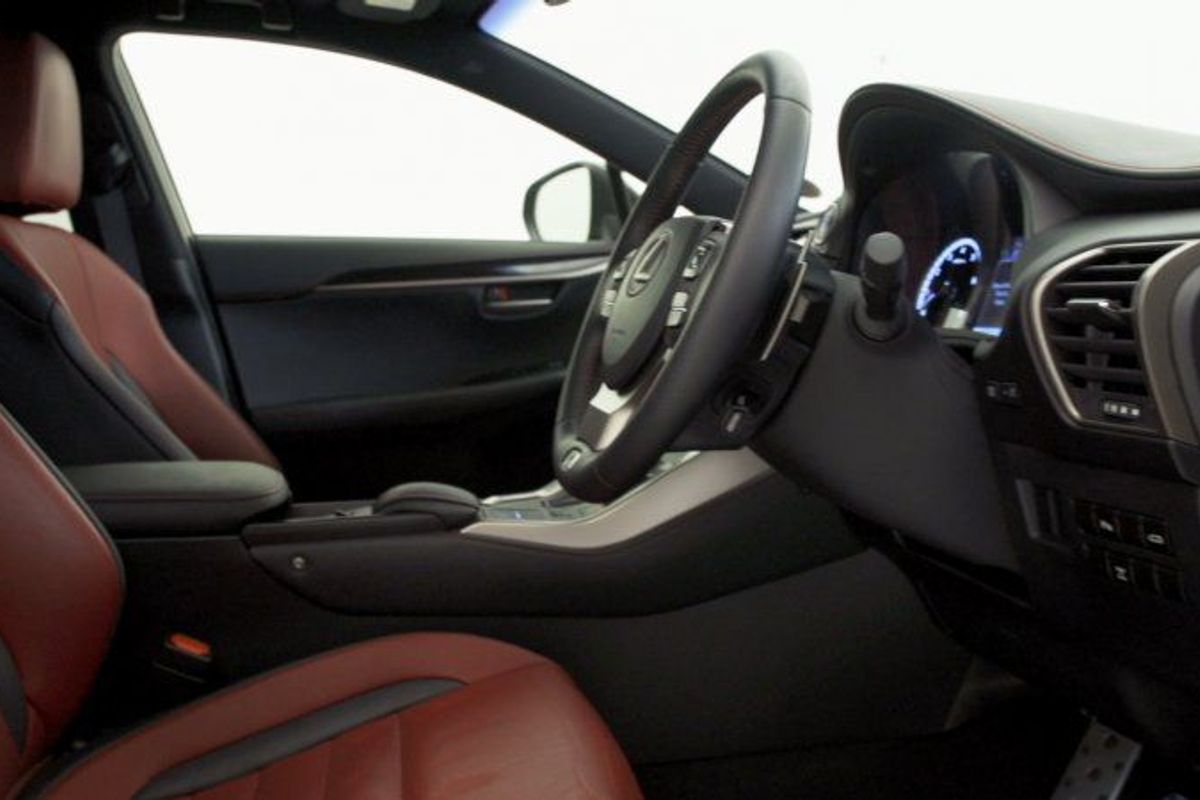
Honda CR-V

Five Cool Car Technologies That Will Change Your Life


Technology in general is progressing incredibly quickly with new innovations being rolled out faster than we can keep up with. This is particularly evident in the car world, where cars are no longer seen as modes of personal transport. The average car these days can sync to your cellphone, turn its engine off at an intersection to save fuel and activate its headlights & wipers automatically.

Higher-end vehicles usually boast a lot more tech, but to make this particular list of cool car technologies, it has to be extraordinary. Some of this technology has been invented and used by other brands, but we feel that the latest incarnations are the best applications. We’ve paired each of the cool car technologies with a video that better explains how they work.

Cool Car Technologies

1. Audi Matrix Lights

While car headlights which automatically dip to avoid blinding other road users and swivel for corners has been around for some time, it’s Audi which has nailed this tech down to perfection. Based on an LED system, Audi Matrix headlights automatically reacts to other light sources on the road and dims for other cars. The lights also expand their reach when its really dark, such as a rural area. Plus, there’s an added feature of being able to illuminate pedestrians, making them easier to avoid. We experienced these lights on the latest generation Audi TT, which you can read about here.

2. Opel’s Advanced Park Assist

While many cars on the roads today boast some form of sensor or parking assist, there are those that can in fact park themselves. We’ve tried a few systems ourselves such as the BMW 4-Series, Range Rover Autobiography and Citroen Picasso, but it’s the little Opel Adam which gets the nod because it has made this cool technology in a fairly affordable car. Watch a review of the Opel Adam here.

3. Land Rover Reverse Traffic Detection

How many times have you been reversing out of a shopping mall parking bay and have not been able to see if there are any other cars approaching? Car guards are not always present either, so what’s available? Land Rover’s Reverse Traffic Detection uses radar mounted on the rear to warn you about approaching vehicles. If the system thinks a collision is likely, it will alarm you via audio, your mirrors as well as alerts on the reverse camera screen.

4. Mercedes-Benz Distronic Plus with Steering Assist

This is the forerunner to having a completely automated driving experience and is quite surreal to experience. While some high-end cars offer a form of radar-guided cruise control, it’s Mercedes-Benz that has managed to seamlessly integrate it to a form of automatic steering. While it won’t complete a 90-degree turn for you, it does an excellent job of following the road as well as other traffic, and keeping to its lane. All you need to do is keep your hands on the wheel and you’re left wondering how long it will be before driving yourself is redundant. This technology is an option on most Mercedes-Benz products. We got to grips with it in the flagship S65 AMG Coupe.

5. Citroen AirBump

This is the only technology that’s not electronic in this list, but that doesn’t make it no less interesting. See, cars are mostly made of metal and have metallic paint and one of the downsides of this is that it scratches easily. Think of AirBump then as the automatic equivalent of bubblewrap. Those interesting panels on the door are a form of armour and are made from a flexible thermoplastic polyurethane. These soft, plastic bubbles do a fine job of withstanding shopping trolleys as well as the usual culprit: car doors. It’s simple and innovative, and in our opinion, genius. The car’s decent too, and you can find out more info about the Citroen Cactus here.

Kia Rio (2015) Review

The Kia Rio is a popular choice in the compact hatchback segment. Gero Lilleike reviews the 2015 Rio 1.4 Tec derivative in Cape Town.


The Kia Rio is the brand’s best-selling vehicle globally and has enjoyed much success in the local market with sales averaging over 200 units per month in 2014. The facelifted Kia Rio was introduced to market in February 2015 with some minor exterior and interior changes to keep it relative and competitive, but it faces serious competition in the B-segment from cars such as the Volkswagen Polo, Renault Clio, Opel Corsa, Ford Fiesta and Mazda2.

Has Kia done enough with the updated Rio to take the fight to its competitors? We spent a week with the Kia Rio 1.4 Tec to see how it squares up in this segment.

Kia Rio Boasts Attractive Styling

One way to attract customers is to blow them away with attractive styling and Peter Schreyer, President and Chief Design Officer at Kia Motors, has done just that with this facelifted Rio. It’s difficult to deny the Rio’s good looks and it’s probably a big reason why it’s selling so well. This revised Rio comes with a re-worked “tiger-nose grille” and a new front bumper with lower air intakes and fog lights which gives the Rio a bit of sporty flair. It also comes fitted with some snazzy-looking 17-inch alloy wheels which rounds off a good-looking offering.

Average Interior

Step inside the Rio and you are met with a predominantly black interior with hard plastics dominating most surfaces. The interior layout is simple, neat and well put together. This facelifted model features chrome accents around the air vents as well as new piano black trim around the radio, which in the opinion of some reviewers, looks rather tacky as opposed to being perceived as being upmarket. The CD radio interface also appeared to be dated, which is disappointing. Overall, there’s not much to get excited about inside the Rio as it seems to be rather ordinary.

This Kia Rio comes with a multifunction steering wheel with mounted audio and Bluetooth controls and the steering wheel is also height and reach adjustable. This particular model is fitted with comfortable leather seats and the driver’s seat is also height adjustable. There are also USB and Aux inputs for connecting devices.

In terms of space, the Kia Rio offers a fair amount and rear passengers will be happy with sufficient leg and head room. The centre rear passenger will however have to make do with a lap seatbelt which could be scary in an accident situation.

Family-orientated buyers will appreciate that the Rio comes fitted with rear ISOFIX child seat mounts. Boot space is in line with its competitors at 288-litres and expands to 923-litres with the rear seats folded flat. The loading sill is high though, which means you may pull a back muscle loading heavy items into the boot. This test unit also came fitted with an optional sunroof (R7 000) which brightens up the interior somewhat.

How does it drive?

Our Rio test unit is powered by a naturally aspirated 1.4-litre petrol engine that offers 79 kW and 135 Nm of torque driving the front wheels via a 6-speed manual transmission. In real terms, those figures are sufficient for your average daily runabout, but if you are looking for punchy performance, you won’t find it in the Rio. It soon became clear, that despite its sporty looks, the Rio’s performance is rather sedate and you really have to hammer the pedal to get the most out of it. A turbocharged engine in the Rio would offer more flexibility and make the drive that much more exciting. Thankfully, shifting through the gears is relatively smooth and comfortable, making the Rio an easy, fuss-free car to drive on a daily basis, albeit lacking in the power department.

At higher speeds the Rio copes well but due to the lack of tractability, overtaking requires a bit of planning and downshifting to access the necessary power. The suspension is also quite stiff which translates into a firm ride. As a result, the Kia Rio doesn’t deal with poor roads very well and imperfections are felt crashing into the cabin regularly. Fuel consumption is decent though with Kia claiming 6.4L/100km on the combined cycle. We managed to crack that claim with the trip computer showing 6.3L/100km at the end of our week with the car.

The Rio comes fitted with an impressive six airbags, ABS, EBD and rear park distance control, but that’s where the safety features end. Most of the Rio’s rivals, such as the Volkswagen Polo and Ford Fiesta, offer traction control and ESP, which puts the Rio on the back foot in terms of safety spec.

Kia Rio Hatchback Price in South Africa

The Rio 1.4 Tec manual on test here is priced from R216 995 excluding the sunroof (R7 000). The hatchback range starts with the Rio 1.2 which is priced from R179 995, while the standard Rio 1.4 comes in at R203 995. Prices include a 5-year/150 000km warranty as standard, as well as a 4-year/60 000km service plan.

Verdict

The Rio won us over with its good looks, but excitement deflated the moment we stepped in for a drive. For a car that looks so pretty, we feel Kia could have done better with the interior execution as well as improving the ride quality.

The Rio, for some of us at least, is a firecracker that never sparked. Nevertheless, the Rio isn’t all bad as it offers decent space, a solid warranty and competitive pricing, which may be enough to keep buyers happy. The absence of ESP and traction control may be of concern to safety-conscious buyers, especially when considering other cars in this segment have moved the game forward in this regard. If looks and warranty matter above all else, then the Rio may be for you.

Second Opinion

This is an ultra-competitive segment and even though the Rio is well-built and affordable vehicle, it gets outgunned by its turbocharged rivals such as the Volkswagen Polo, Opel Corsa and Renault Clio. The new Mazda2 is also a seriously good car for a lot less money. Still, it offers a great warranty and will continue to sell in respectable numbers. – David Taylor

We like: Attractive styling, good warranty

We Don’t Like: Poor ride quality, sluggish engine, dated interior

Also Consider: Volkswagen Polo, Renault Clio, Ford Fiesta, Mazda2

Compare the Rio to the Polo and Clio here.

Buy a used Kia Rio on Cars.co.za

Kia Rio 1.4 Tec – Quick Specs
Kia Rio Tec

Frequently Asked Questions
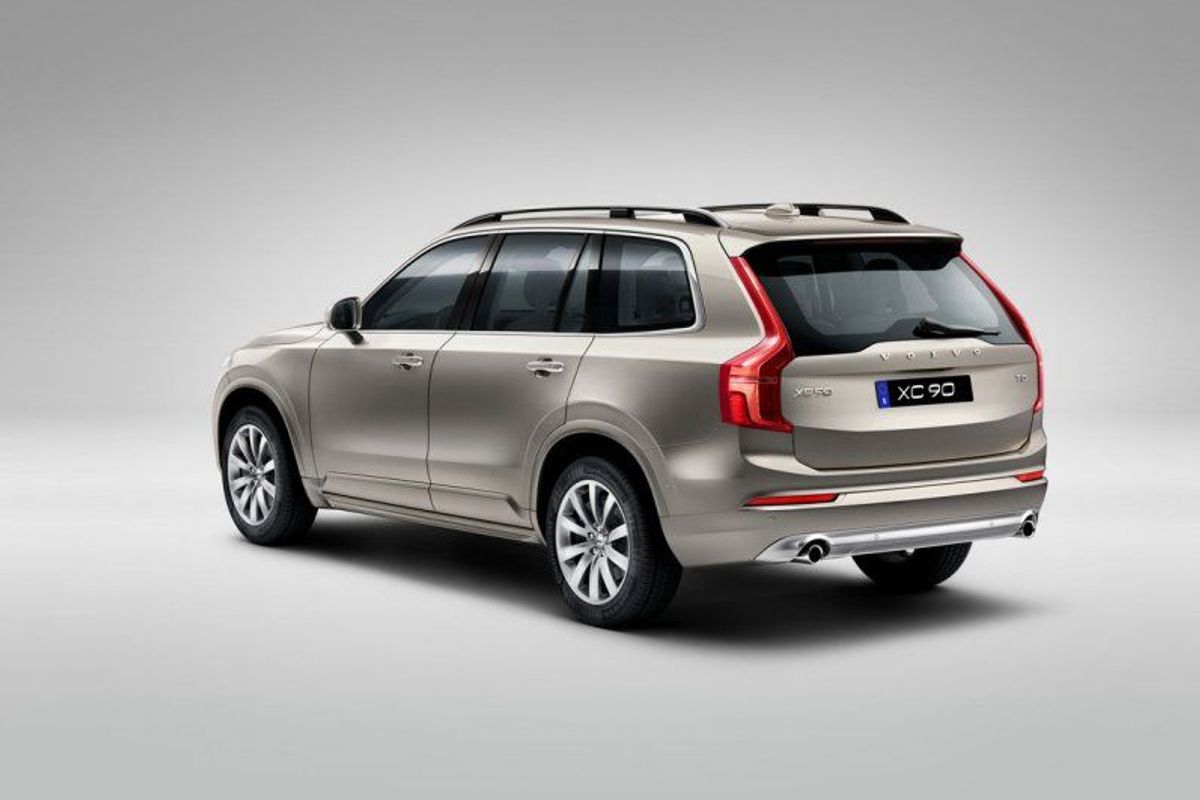
Is the Kia Rio still sold new in South Africa?

No, the Kia Rio was discontinued in South Africa in the first quarter of 2024. The 4th-generation model’s production did not include a right-hand-drive version for the South African market. It is now only available as a used vehicle.

What engines were available in the Kia Rio in South Africa?

The Kia Rio in South Africa was sold with two naturally aspirated petrol engine options: a 1.2-litre (62 kW, 120 Nm) and a 1.4-litre (73 kW, 135 Nm).

Is the Kia Rio a good used car to buy in South Africa?

The Kia Rio has a reputation for being a reliable and economical choice, making it a popular option on the used car market. Many late-model examples may still have the balance of a 5-year/unlimited-kilometre warranty, which provides extra peace of mind for buyers.

What are the main alternatives to the Kia Rio?

Direct competitors and similar alternatives to the Kia Rio in South Africa include the Volkswagen Polo, Hyundai i20, and Ford Fiesta.

Related Content

Buyer’s Guide
Kia Rio (2017-2024) Buyer’s Guide

Used Kia Rio (2017-2023) Buyer’s Guide (Video) 

Kia Rio (2011-2017) Buyer’s Guide

Reviews
Kia Rio Tec (2017) Review

Kia Rio Tec (2015) Review

Citroen Reshapes Local DS3 Range


The Citroen DS3 city slicker has had a range adjustment to its lineup and now will consist of just five models in total. Teamed with this arrangement is the introduction of the new Puretech turbo engine that was first debuted in the Peugeot 308 and then the Citroen Cactus.

The five models in the DS3 range consist of four hatchbacks and a single Cabrio model. “The upgraded DS3 line-up presents the distinctive DS offering in a more focussed range that emphasises high across-the-range equipment levels, new engine technology and a more succinct naming structure. It is further proof of our commitment to the SA market and its customers, and our intention to offer local buyers meaningful, desirable products,” commented Francis Harnie, managing director of PCSA.

The Five new DS3 Models Detailed

Of the five models, the entry level 60 kW version is the starting point DS3 in the range. The normally aspirated three-cylinder unit is credited with a maximum output of 60 kW, coupled to a torque peak of 118 Nm. Drive is to the front wheels via a five-speed manual gearbox.

One step up from the entry level DS3 is the DS3 Style.

Externally, the most obvious difference is the fitment of black, 17-inch alloy wheels. Also visible are the dark-tinted rear side windows, while those with an eye for detail will also note the rear parking sensors. Both white and black roof colours are offered.

However, the biggest change is hidden under the bonnet. The DS3 Design is powered by the turbocharged, e-THP version of the 1.2-litre PureTech engine, linked to a five-speed manual gearbox driving the front wheels. As a result, power output increases to 81 kW and 205 Nm torque.

The DS3 e-THP 81 kW Style hatchback is partnered by two further Style models, both sharing the same standard specification levels.

The DS3 Cabrio e-THP 81 kW Style is a cabriolet version of the DS3 hatchback. It features exactly the same platform and drivetrain as its tin-top stablemate, and therefore also benefits from the same power and torque output.

The third DS3 Style model on offer is the DS3 VTi 88 kW Style Automatic. It mirrors the DS3 Style 81 kW PureTech Style’s standard equipment list, but the drivetrain links a 1.6-litre four-cylinder engine to a four-speed automatic transmission.

The flagship of the updated DS3 range is the 120 kW Sport. It combines a more extrovert exterior treatment with more comprehensive standard equipment, while a more powerful drivetrain ensures that the go matches the show.

Tell-tale exterior features that set the range-topper apart from the other DS3 stablemates include new-generation DS LED Vision headlights, which combine Xenon and LED modules.

Inside, the cloth/Alcantara combination of the other DS3 models is replaced with perforated leather upholstery, while the gear level and the door panels are also leather-trimmed. Climate control is also fitted as standard.

For music fans, the DS3 Sport gets an upgraded audio system, while satellite navigation system is standard too.

The DS3 Sport is powered by a turbocharged 1.6-litre four-cylinder engine with a rated maximum power output of 120 kW, with maximum torque of 240 Nm. Drive remains to the front wheels, but via a six-speed manual gearbox.

Pricing, service and warranty

DS3 PureTech 60 kW DESIGN                                R239 900

DS3 e-THP PureTech 81 kW STYLE                      R279 900

DS3 VTi 88 kW STYLE Automatic                            R294 900

DS3 Cabrio e-THP Puretech 81 kW STYLE            R304 900

DS3 e-THP 120 kW SPORT                                      R329 900

Prices include a three-year/100 000km warranty and a four-year/60 000km service plan. A five-year/100 000km warranty extension and FreeDrive (comprising a five-year/100 000km warranty plus five-year/100 000km maintenance plan) can be specified at added cost.

Toyota Hilux vs Ford Ranger vs GWM Steed: Ultimate Ride Comfort Test (Video)


In the second video of our 3-way Bakkie comparison, we again lined up the Ford Ranger Wildtrak, Toyota Hilux Legend 45 and GWM Steed6 but this time our aim was not to find out fast they were, but how comfortable.

Watch our offroad bakkie drag race here.

No, this time we wanted to work out which bakkie offered the most refined ride. And so the brains trust at Cars.co.za got together and came up with a very scientific test. It involved sourcing a silly amount of 20 litre paint drums, quite a few barrels of water and a bumpy road away from the city, near a farm.

Here we would determine the ultimate champion of comfort, with Dave Taylor in the Ford Ranger Wildtrak, myself Ciro in the Toyota Hilux and Ashley Oldfield in the GWM Steed6.

Before the test, we all agreed that the Ranger felt the most comfortable on tarmac, but would it emerge victorious, out here on the gravel which many South Africans tackle every day?

You’ll have to sit through three minutes of witty banter to find out.

Interested in a Ford Ranger?
Interested in a Toyota Hilux?
Interested in a GWM Steed6?

Compare the three bakkies in the video using our comparison tool here.

Ultimate Ride Comfort Test Video

Six Cool Things You Should Know About the Mercedes-Benz S65 AMG Coupe


The Mercedes-Benz S65 AMG Coupe is a masterstroke combination of everything the brand is capable of: power, luxury and technology. It also looks fantastic, like some sort of giant leather-lined torpedo of prestige. Its list of features is absurdly long and so we’ve attempted to summarise the coolest bits into a list, but you can read the full review here.

Mercedes-Benz S65 AMG – 6 Things You Should Know

One – The Price

At about R3.1 million, the S65 AMG Coupe is currently the most expensive Mercedes Benz available. And even that price is optimistic, given the options list. Our test unit came in at over R3.4 million.

Two – The Power
Mercedes-Benz-S65_AMG_Coupe_2015_1600x1200_wallpaper_5e

With a 6.0 litre biturbo V12 producing 463kW and 1000Nm of torque, it’s the most powerful production car ever from the brand. It has more torque than a Lamborghini Aventador and the new Mini Cooper S… combined. That figure of 1000Nm seems a bit convenient. We reckon they’ve had to limit the torque to that so it doesn’t tear up the gearbox.

Three – The Toys

Mercedes-Benz-S-Class_Coupe_2015_1600x1200_wallpaper_60

With six types of massage function, a screen that can show a movie to the passenger and anything else to the driver simultaneously, night vision cameras that can see far into the dark and detect pedestrian movement, a steering system which will keep the car between the lines on the highway, and a glass roof that can be clear or tinted at the flick of a button, the S65 Coupe is a rolling gadget fest and is full of ways to impress your friends.

Four – A world first: Active Curve Tilt Technology

Mercedes-Benz-S-Class_Coupe_2015_1600x1200_wallpaper_72

Part of the car’s MAGIC BODY CONTROL system, the cameras mounted behind the rear view mirror scan the road ahead and, when a corner is detected, instruct the system to drop the suspension on the inside wheels. The car literally leans into the corner, like a motorbike or a tilting high speed train. You can feel it, and it works.

Five – You’ll need a jeweler to fix the headlamps

Mercedes-Benz-S-Class_Coupe_2015_1600x1200_wallpaper_79

Try not have a bumper bashing as each headlight is crammed full of real Swarovski crystals. This optional extra adds R47 900 to the price tag, a sum of money which could probably buy you a decent second hand car on Cars.co.za.

Six – One Man, One Engine

Mercedes-Benz-S65_AMG_Coupe_2015_1600x1200_wallpaper_60

Every AMG engine is built according to the philosophy of one man, one engine, with a plaque bearing the engineer’s name fitted to the engine cover. If an engineer falls ill while building an engine, it will be stored until he can return to finish it.