Land Rover has updated its Range Rover lineup for 2016. The biggest news is the introduction of the flagship Range Rover SVAutobiography in South Africa that replaces the Autobiography Black. The SVAutobiography is the most powerful Range Rover ever. In addition to this, the entire Range Rover lineup now benefits from new and updated features as well as technological enhancements.
Range Rover SVAutobiography
Developed at the Special Vehicle Operations (SVO) Technical Centre in the UK, the SVAutobiography is fitted with a 5.0-litre supercharged V8 engine that delivers 405 kW and 680 Nm of torque. This engine is mated to a ZF eight-speed automatic transmission. The SVAutobiography can also be had with a 4.4-litre SDV8 turbocharged engine developing 250 kW and 740 Nm of torque.
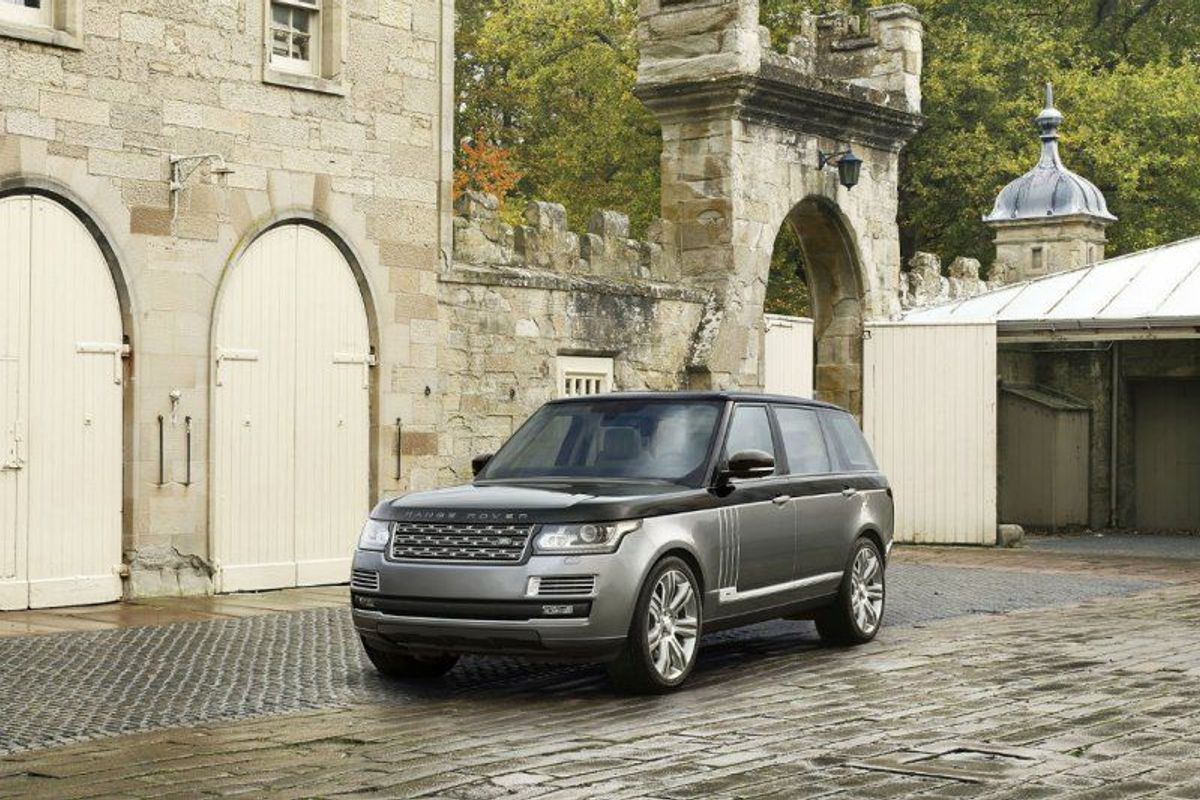
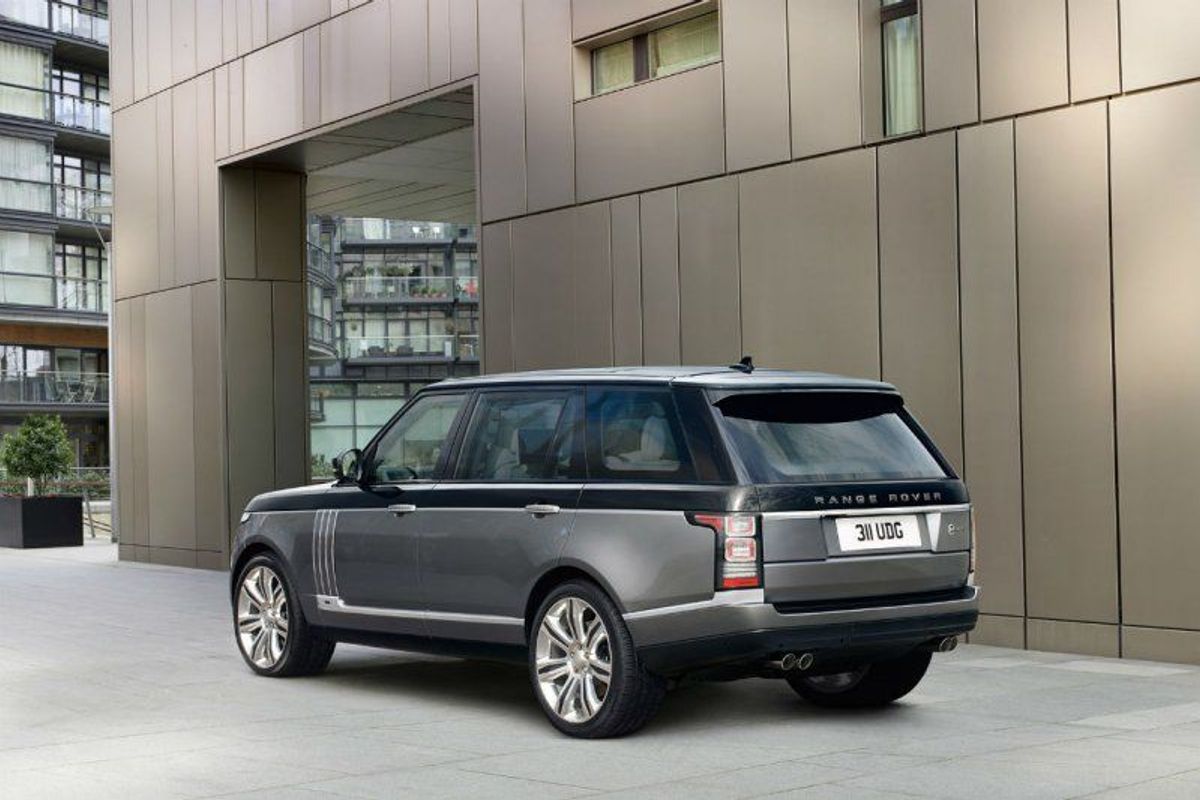
The RangeRover SVAutobiography is available only in long wheelbase formats. Customers can now for the first time choose a duo-tone paint scheme. The upper body is in Santorini Black while the lower body can be specified with a choice of nine colours. The SVAutobiography is distinguished with its new bonnet lettering while the tailgate features new SVAutobiography badging. The front grille is finished in Graphite Atlas and polished chrome. The supercharged V8 derivative also features quad tailpipes, hinting at the power under the hood.
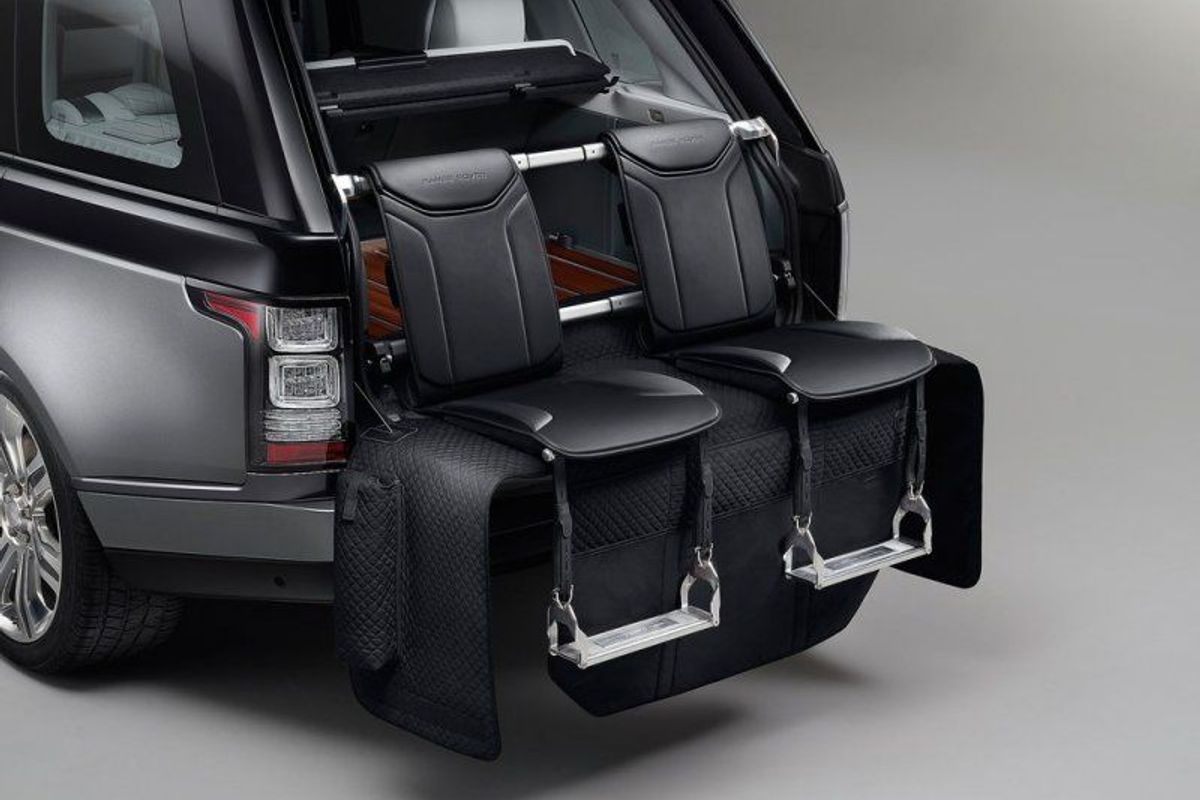
On the inside, most of the switch gear and foot pedals are fashioned from aluminium. For rear passengers, there’s also a chiller compartment and deployable tables for convenience. The coat hooks on the rear pillars are made of aluminium too as are the seat rail finishers. Deep twist pile mohair carpets add a touch of luxury. There’s also an option for a sliding loadspace floor made of aluminium and a choice of veneers which makes loading and unloading easy. The SVAutobiography also features ‘Event Seating’ which allows two adults to sit on the lower tailgate. These seats are stored in the luggage compartment and are hand-crafted from Windsor leather and come with a durable aluminium frame.
Range Rover Updates
Land Rover has now made the All-Terrain Progress Control system available on models fitted with the SDV8 engine. There’s also a new and improved Surround Camera System which includes Rear Junction View that improves rear visibility when reversing from a parking bay. An integrated washer jet ensures clarity in all conditions.
The Gesture Tailgate makes opening your Range Rover easy. Sensors are used in the rear bumper to detect foot gestures that will open the rear tailgate automatically. Automatic Access Height lowers the vehicle once parked by as much as 50mm, allowing for easy entry and exit or when loading items into the luggage compartment.
BMW i3 Feature Video Review
SCROLL DOWN FOR THE VIDEO
The history of the electric car is almost as interesting as its future. Way before internal combustion engines clogged up the streets, personal transport was predominantly electric. With the discovery of oil and the large oil businesses that erupted in the early 1920s, the course of motoring changed forever.
Why then, did it take us so long, to come back to electricity as a viable form of motorised transport?
Let me get this out up front, I do love the drama of a petrol engine car. Some of the best experiences of my entire life have been behind the wheel of some exotic and not-so-exotic machines; the kind of moments where speed and noise and power combine to make you feel real emotions. Moments that make the little hairs on your arms stand on end.
Somehow, I dont think electric cars will ever match that. Unless you have an unfortunate charging accident.
However, in the same breadth, driving around cities just sucks. Our modern lives are stressful and traffic doesnt help at all. Being in a powerful, exotic car in a city is even worse. All the horsepower and nowhere to go.
In the same way that the horse did not disappear when the car arrived, the car as we know it will not disappear. Just like the horse, it will become a leisure or sporting tool; used on weekends mostly I would imagine and kept in stables I mean garages.
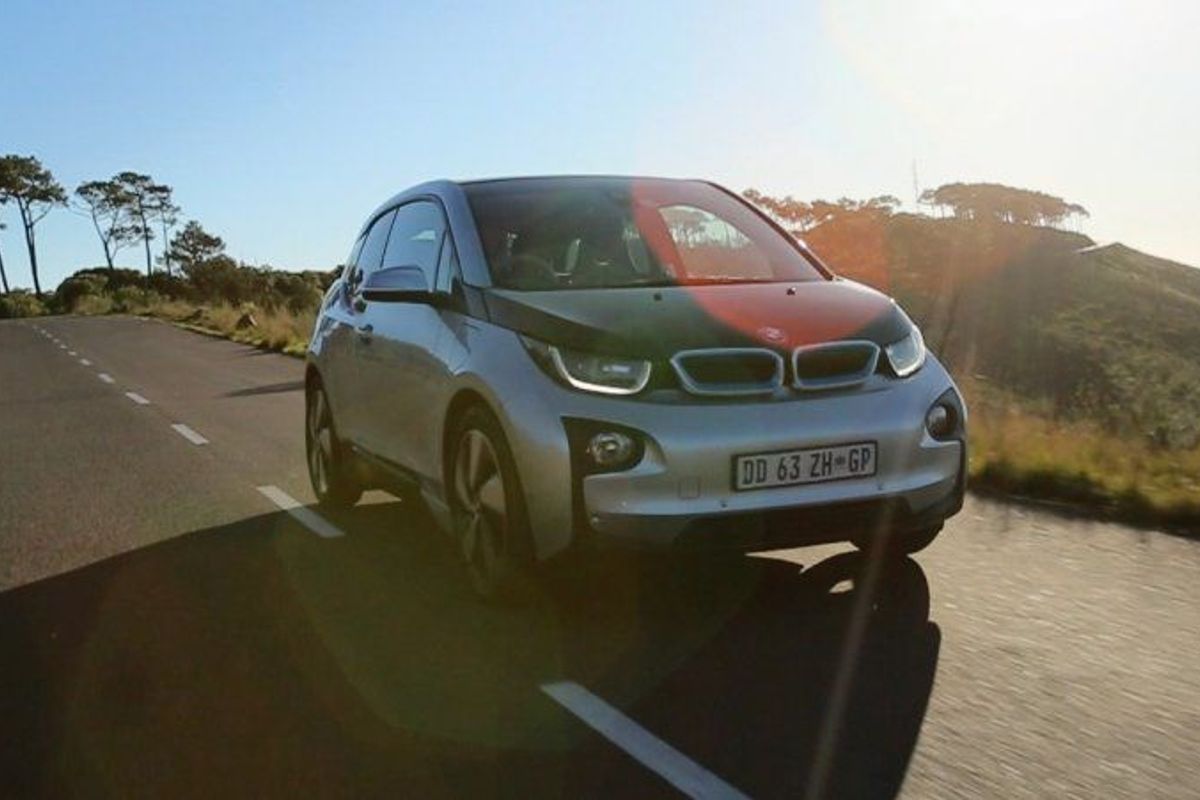
And this brings me to the BMW i3. It is not the first electric car I have driven, but it is a car that, for the first time, made me genuinely believe that the future scenario Ive just described is possible, is achievable, and is very close by.
Not only does the i3 run on exactly the same thing which currently powers your toaster, but it does so while making very few compromises to any other normal car. Its a hoot to drive, thanks to its low centre of gravity, it accelerates like a kids catapult and its extremely comfortable and unsurprisingly quiet.
The boot space is perhaps the biggest issue, being somewhat compromised by the drivetrain and in the case of the Rex (range extender) model, by the generator mounted above the rear left wheel.
Sure, with a starting price of R525 000, its very much a second or third car option for now. But with a realistic range of 150km, and a charging price of R25 to R30 depending on your area, it makes a huge amount of sense.
The i3 spent a week with us at the Cars.co.za office, and we were all properly stunned (see what I did there) by this car. It is a real achievement, and I have done my best to explain why in this, our latest feature film.
BMW i3 Feature Film
BMW i3 Specs in South Africa
Price
From R525 000 to R595 000 (Rex)
Power
125 kWe
Torque
250 Nm
Battery capacity
18.8kWh
Full charge price
Varies, but approx. R30 @ R1.60 per kW
Range
130 160km (electric + 100km Rex)
0 100kph
7.2 seconds
Top Speed
150kph
Most Anticipated Bakkie in South Africa
South Africa is a bakkie loving country and things are going to get interesting as manufacturers jump on the band wagon to claim their slice of the profit pie. We took to social media yesterday with our weekly #ChooseDay to find out what bakkie you are most looking forward to seeing in South Africa and the results were somewhat surprising. We gave you four choices to choose from including the new Ford Ranger, the new Toyota Hilux, Mercedes-Benz bakkie and the new Renault Duster Oroch. You gave us your votes and we tallied up the scores to determine what the most anticipated bakkie in South Africa is. Here are the results…
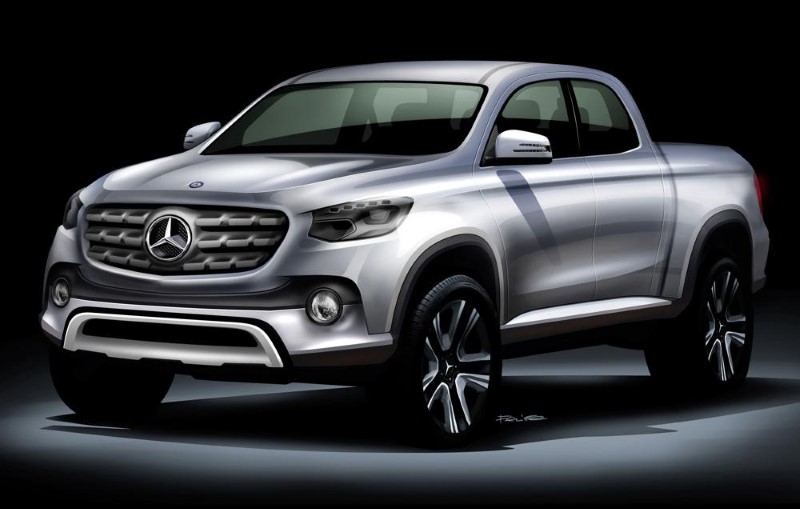
The Mercedes-Benz bakkie came out on top as South Africa’s most anticipated bakkie with 47% of the votes. Mercedes-Benz is a popular brand in South Africa and interest in its forthcoming bakkie is high. At this point, the Mercedes-Benz bakkie has no name and it can be expected sometime before 2020. We do know that Merc has partnered with Nissan to build the 1-tonne double-cab which will share its architecture with the NP300. The Mercedes-Benz bakkie will combine high levels of utility with comfort and safety which the brand is famous for. This is certainly a bakkie to look forward to.
The Ford Ranger is the second most anticipated bakkie with 27% of the votes and is currently South Africa’s top selling vehicle. The new Ranger model is due in South Africa towards the end of the year and ushers in upgraded styling inside and out. The new Ranger will also offer a range of upgraded diesel engines with power ouputs ranging from 96 kW to 147 kW. The Ranger will also be equipped with Ford’s second generation connectivity system, SYNC 2. The flagship Ranger Wildtrak derivative will also be available in South Africa towards the end of the year.
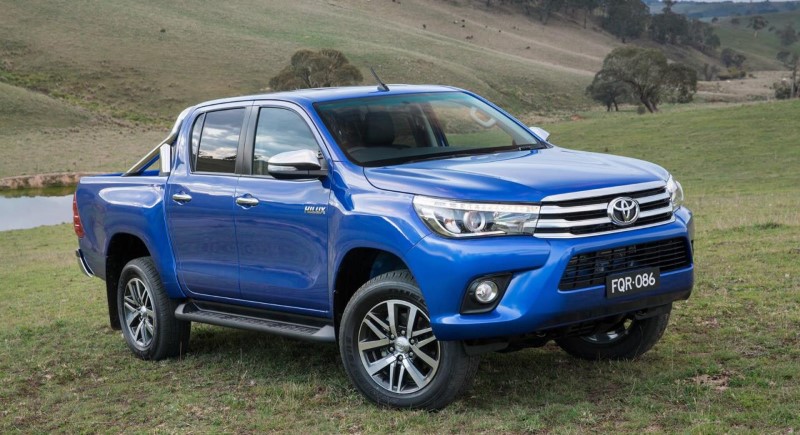
The new Toyota Hilux comes in at third place on this list with 20% of the total votes. The new Hilux is due in South Africa in the first quarter of 2016 and comes with new styling and newly developed turbodiesel engines offering outputs of between 116 kW and 132 kW. The current Toyota Hilux is South Africa’s second most popular vehicle in terms of sales, going head-to-head with the Ford Ranger.
Watch this video to see how the Toyota Hilux performed in our Bakkie Braking Test!
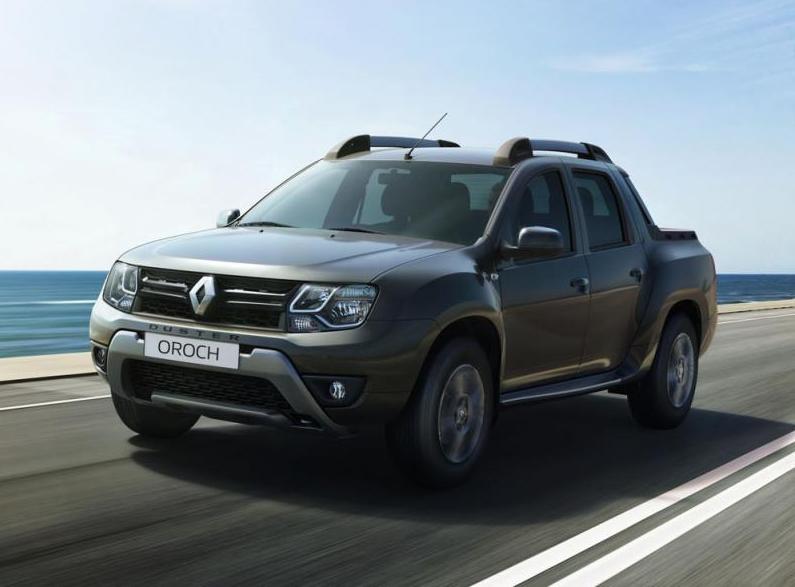
The medium sized Renault Duster Oroch bakkie comes last on this list with 6% of the total vote. The Oroch has not yet been confirmed for South Africa but it’s highly likely considering that the Duster has sold so well since launch. The Oroch double-cab will combine space, comfort and performance and will likely be powered by the 1.6-litre petrol engine and 1.5-litre turbodiesel currently doing service in the Duster.
If you didn’t get a chance to have your say, we want to hear your opinion! Tell us which of these bakkies you are looking forward to in the comments section below.
Volvo S60 T6 Elite (2015) Review
The executive sedan segment is a cut-throat environment where being fluent in German appears to be a prerequisite, judging by the relative lack of success of the Japanese contenders from Lexus and Infiniti thus far. One can easily add the Swedes to the group of unsuccessful hopefuls, but then again there hasnt really been a serious effort from the land of ABBA and flat-pack furniture for years. Volvos S60 has always been a left-field (and oddly sized) choice, while the less said of Saabs efforts the better. But recently each new Volvo has represented a marked improvement over what had gone before, and one senses that this Viking at least is eyeing a bigger portion of the spoils. How does the S60 T6 Elite fare? Lets find out
Svelte and athletic
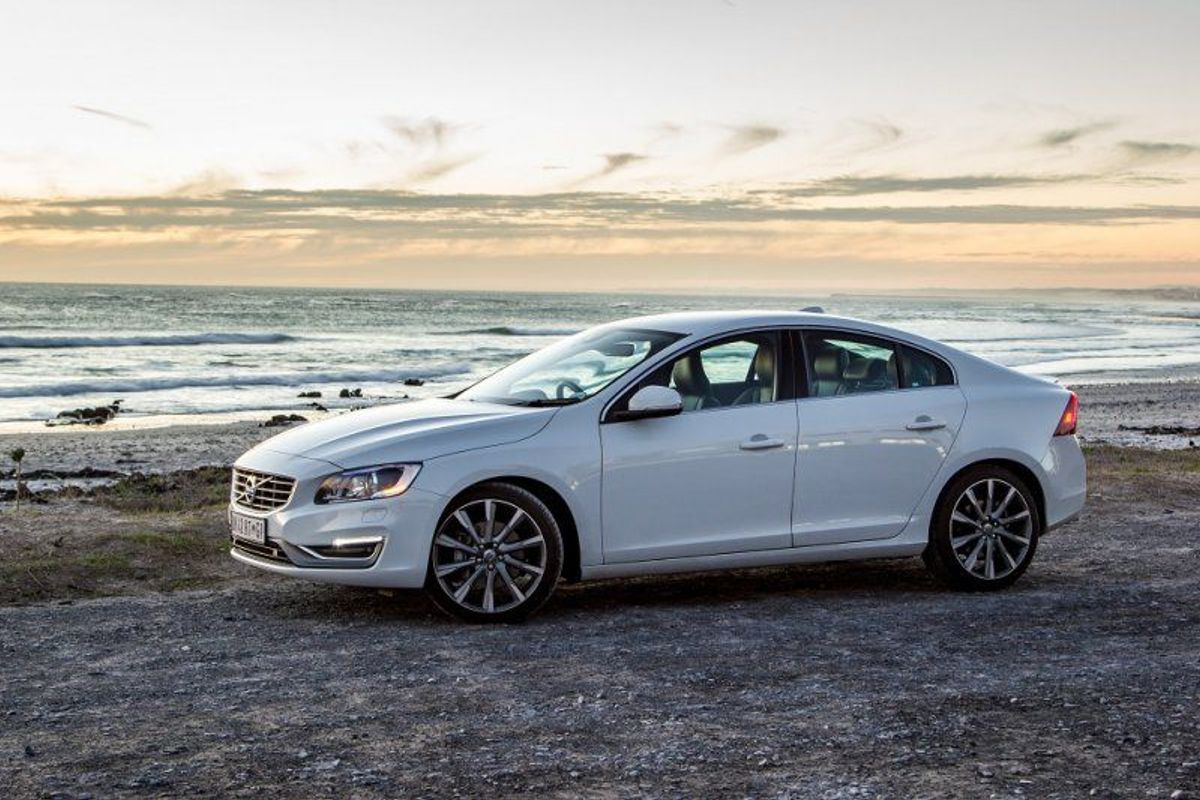
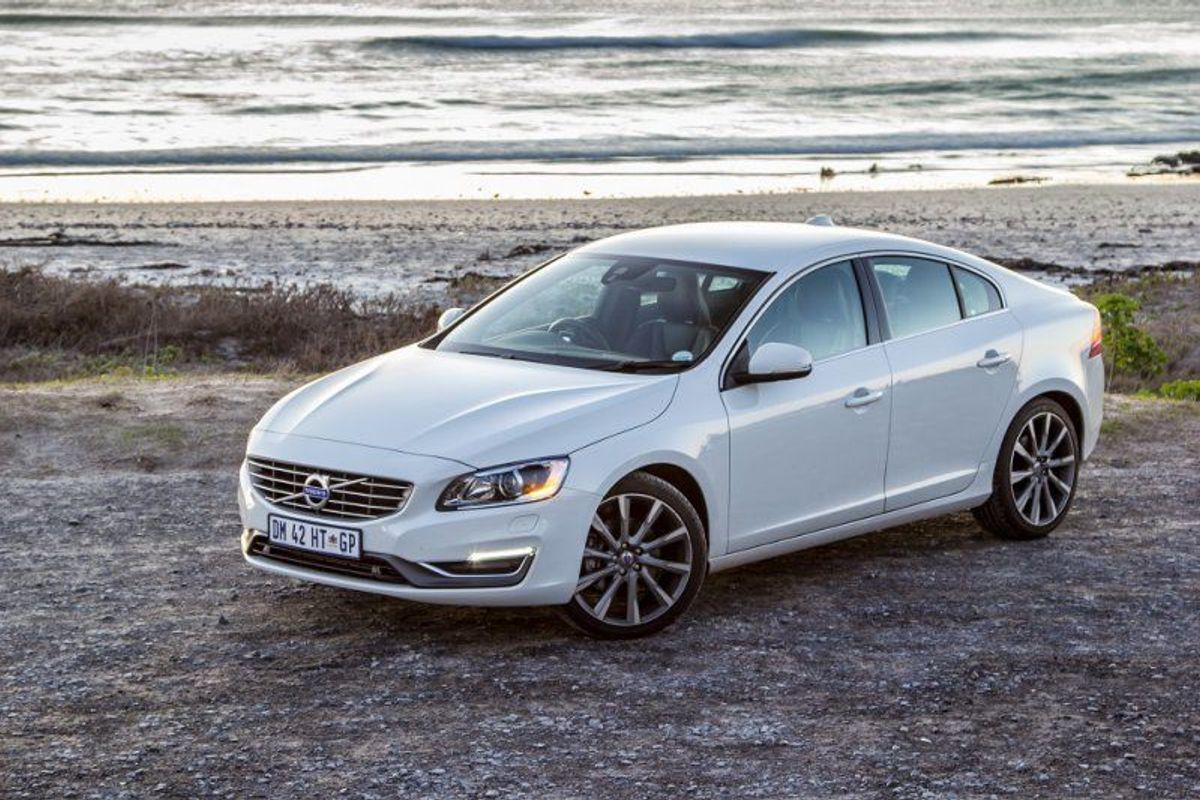
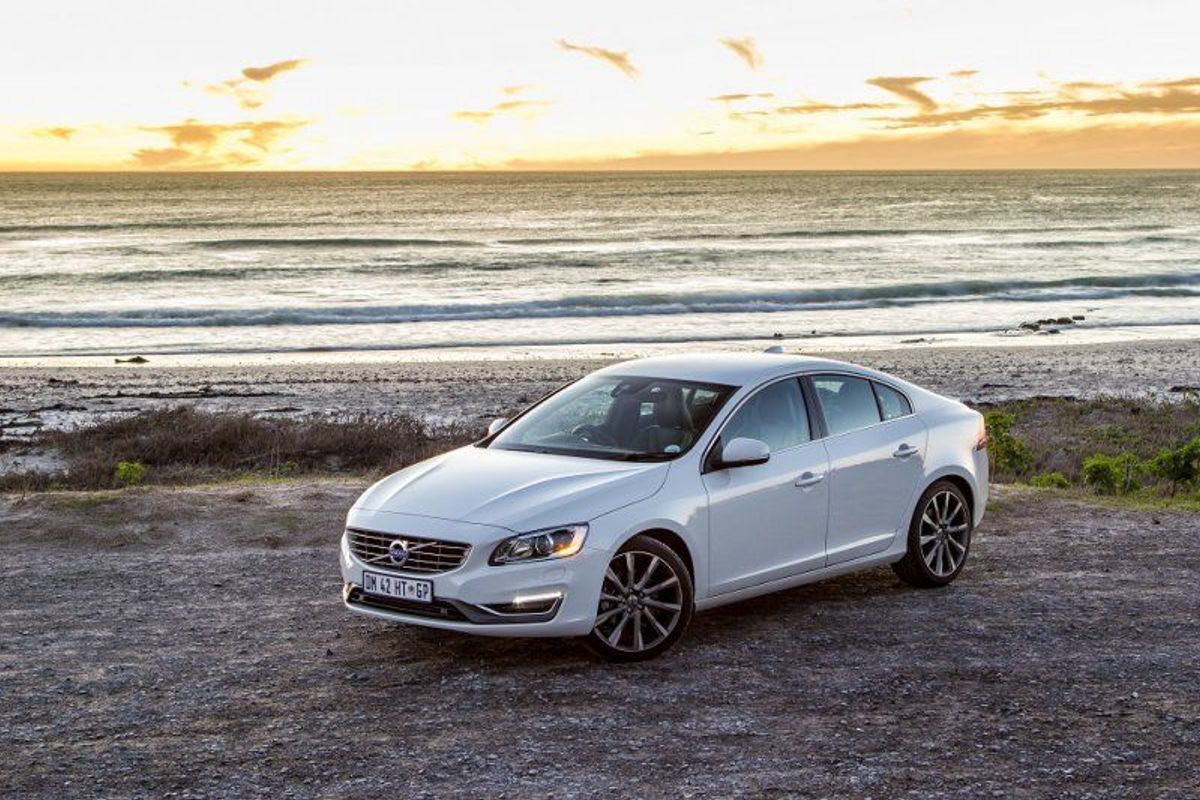
Following its last facelift, the S60 sedan has matured into an attractive machine that cuts quite a distinctive figure in a car park full of BMWs, Audis and Mercedes-Benzs. Compared with the first iteration of the current S60, the bonnet has become noticeably more sculptured and the grille has grown in side, giving the S60 a confident demeanour.
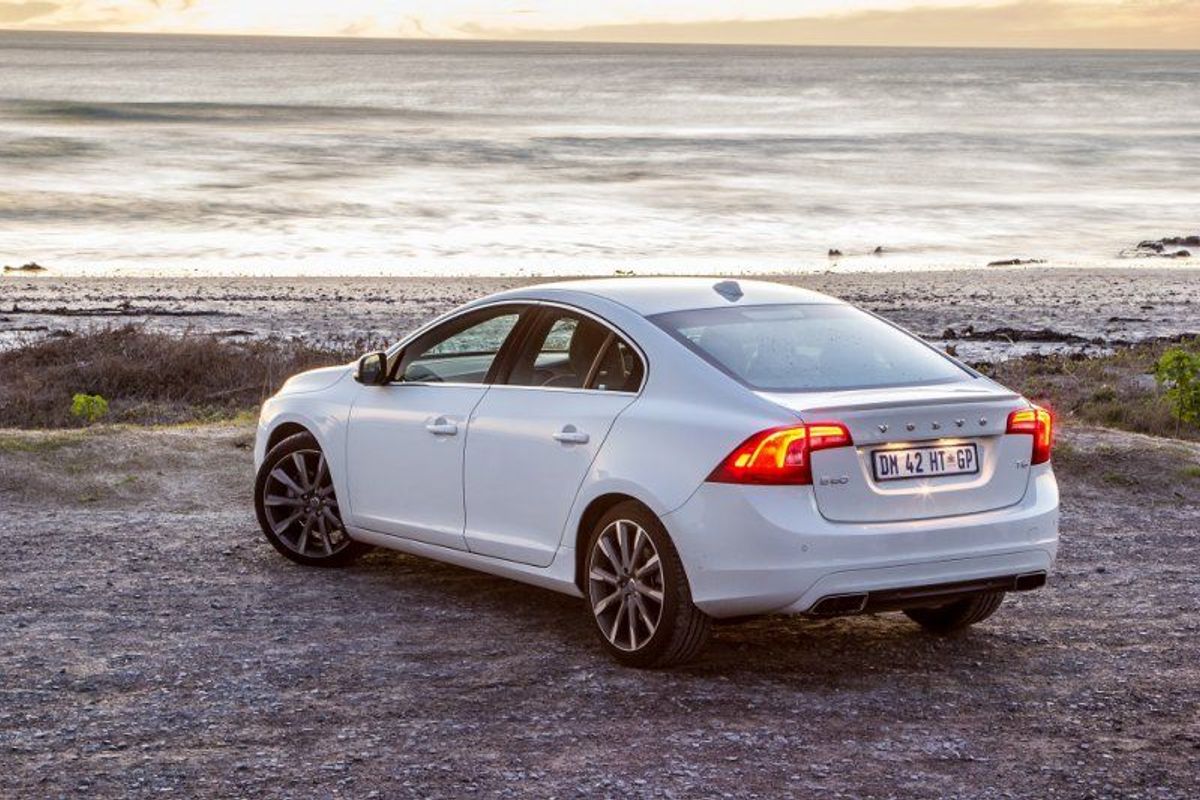
The overall shape is still attractive, and the detailing added in the update endows the S60 with a more upmarket look examples of this are the striking 18-inch diamond-cut alloy wheels, active bi-xenon headlamps and the LED daylight running lamps. A healthy dollop of sportiness comes courtesy of the dual integrated exhaust outlets and a neat bootlid spoiler.
Feature-laden interior
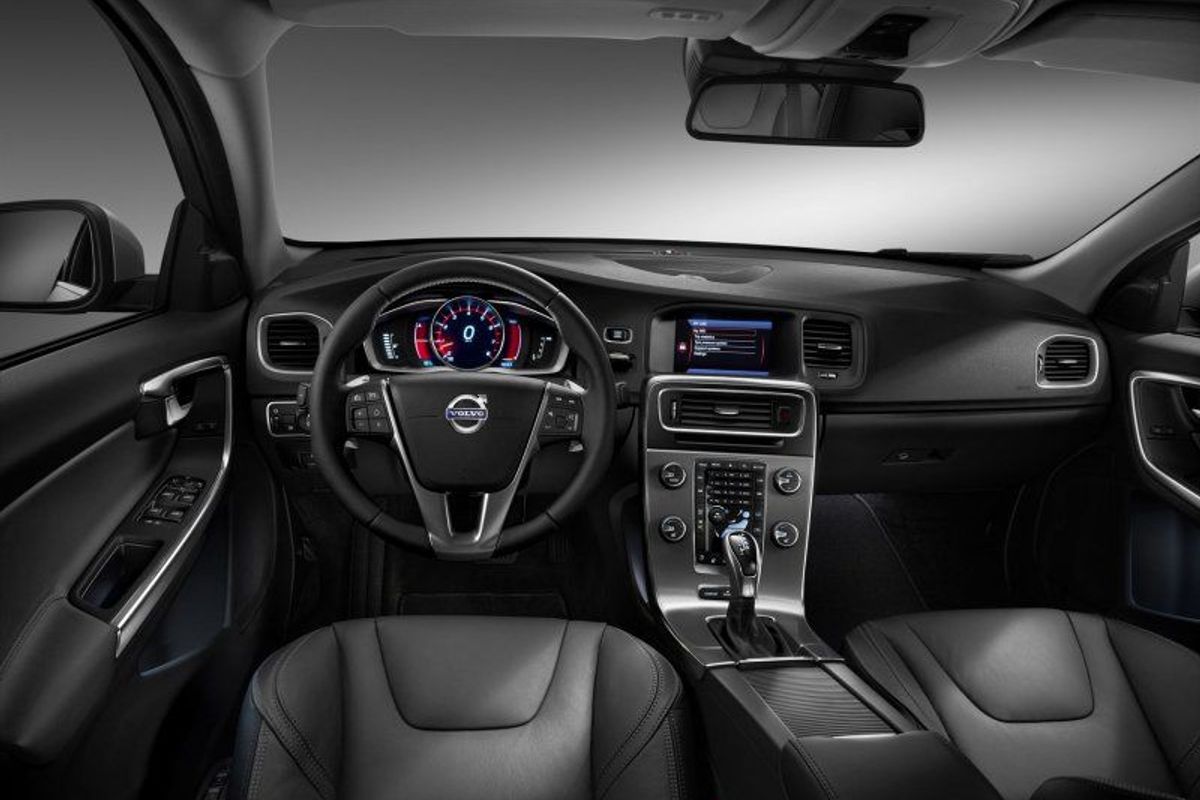
The cabin follows a markedly different design philosophy compared with the current generation of German sedans. Volvos ageing centre stack control panel, inspired by a top-end hi-fi remote (from early in the millennium), is as cluttered as ever and will definitely not be appearing in future-generation Volvos, as evidenced by the award-winning new XC90. In other areas, however, the S60 is bang up to date. The instrumentation panel is particularly neat and made up of configurable TFT screens. Depending on your choice of ECO, Performance or Elegance driving modes, the dominant colour switches from green to red to traditional white on black. The very neat seven-inch info-tainment screen housed on top of the facia follows suit. There are lots of features to explore on this model, courtesy of a very long standard specification list.
Both the front seats boast electrical adjustment, with the drivers also offering memory functions. The leather upholstery feels particularly premium and works well with a cabin finished in sturdy materials build quality is excellent. Chrome and graphite trim inserts add some depth to the finishes.
Theres also a high-performance sound system with eight speakers and a 4 x 40W amplifier, in addition to the usual connectivity features such as USB/aux and Bluetooth. Auto lights and wipers, and cruise control are fitted, too. As is to be expected from Volvo, safety has been a high priority, with even an advanced feature such as City Safety (active braking) being standard.
An area in which Volvo has indeed started to speak German is on the optional features list, where a number of attractive packages are offered, including a Premium Pack for R21 500 that includes such niceties such as a navigation system, front/rear park assist and a Harman Kardon premium sound system. To get a blind-spot information system (BLIS) and rear cross traffic alert costs a further R8 000. Heated front seats costs R1 700 and you can extend the heating function to the rear seats for another R1 700
Turbo- and supercharged
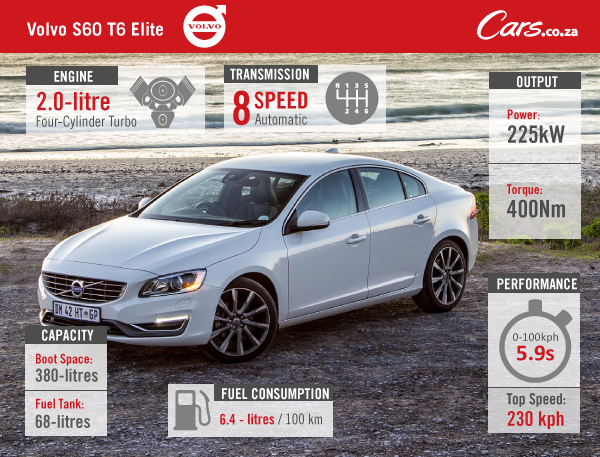
This particular derivative of the S60 features Volvos new 2,0-litre turbo- and supercharged four-cylinder engine. Volvo is preparing an entire generation of such engines, with the emphasis on marrying performance with efficiency. With 225 kW on tap at 5 700 rpm, this promises to be a fiery Swede, but in actual fact it is the 400 Nm of torque, available from 2 100 to 4 500 rpm that is more important. Coupled with a smooth eight-speed automatic transmission, this S60 feels rather eager to respond to throttle inputs at lower engine speeds. Off the mark, however, it doesnt feel quite as fast as the power figures may suggest, but nevertheless 0-100kph in 5.9 seconds is plenty fast enough. Still we were expecting more punch from 225 kW
Volvo claims a combined cycle fuel consumption figure of 6.4 L/100 km, which is quite remarkable for this size/weight of car with so much (claimed) performance. Predictably, we couldnt match the manufacturers figure, but a real-world consumption of around 8L/100km for this type of car is not to be sniffed at.
Fast cruiser
Volvo continues to offer its six-cylinder engine in the all-wheel drive S60 T6 model, but this derivative is front-wheel driven. Boot the throttle and the steering wheel goes light as all the power reaches the front wheels. All-round body control and grip is generally good, but not quite good enough to trouble the Germans. In fact, the S60 becomes less impressive the harder you drive it, with pronounced understeer and a transmission that probably cant match the responsiveness of some rivals. It becomes a bit ragged when pushed to the limit.
No the S60 T6 prefers a smoother touch. Become more measured with your throttle and steering inputs, and it does very well indeed. It is a very comfortable and swift way to cover long distances, with a nicely supple suspension and quiet cabin. Rear seat passengers are well catered for, with good legroom and ventilation outlets positioned the B-pillars. Now the S60 may start to sound like a great family sedan, but keep in mind that the boot is really rather cramped. The main problem is the shallowness of it, coupled with quite a narrow through-loading aperture (the rear seats can fold down).
Conclusion and Summary
The Volvo S60 T6 is one of those cars that you want to do well, but which doesnt quite come together in the end. The new engine certainly improves throttle responsiveness, but never feels as powerful as the figures make it appear. The cabin is modern, well-built and tech laden in places, but frustratingly out of date elsewhere and then theres the price. Against some big-name rivals, the Volvo looks like a strong contender on paper but we think the S60 is still a car playing catch-up. With the new XC90 Volvo has shown its next-generation cars are very well worth looking out and waiting for.
Volvo S60 T6 Elite Price in South Africa
The Volvo S60 T6 Elite costs R556 000 and comes with a five-year/100 000km warranty and five-year/100 000km Maintenance plan.
Team Opinion
This S60 is a very likeable car, but its definitely representative of a brand in transition. The powertrain is modern, but the underpinnings not quite so. The same can be said of some parts of the cabin, too. Against the established front-runners in this category the S60 T6 faces a very tough challenge. – Ashley Oldfield
“In T6 Elite guise the Volvo S60 is a potent and elegant cruiser. Theres plenty of grunt on tap, but fuel economy is not unreasonable. Its a good car, but its getting on a bit. Look to the Ford Fusion for a more modern sedan experience” – David Taylor
We Like: Build quality, standard specification, safety features, comfort
We dont Like: cluttered control interface, price
Also consider: Lexus IS350, Mercedes-Benz C-Class, BMW 3 Series, Audi A4, Infiniti Q50, Ford Fusion
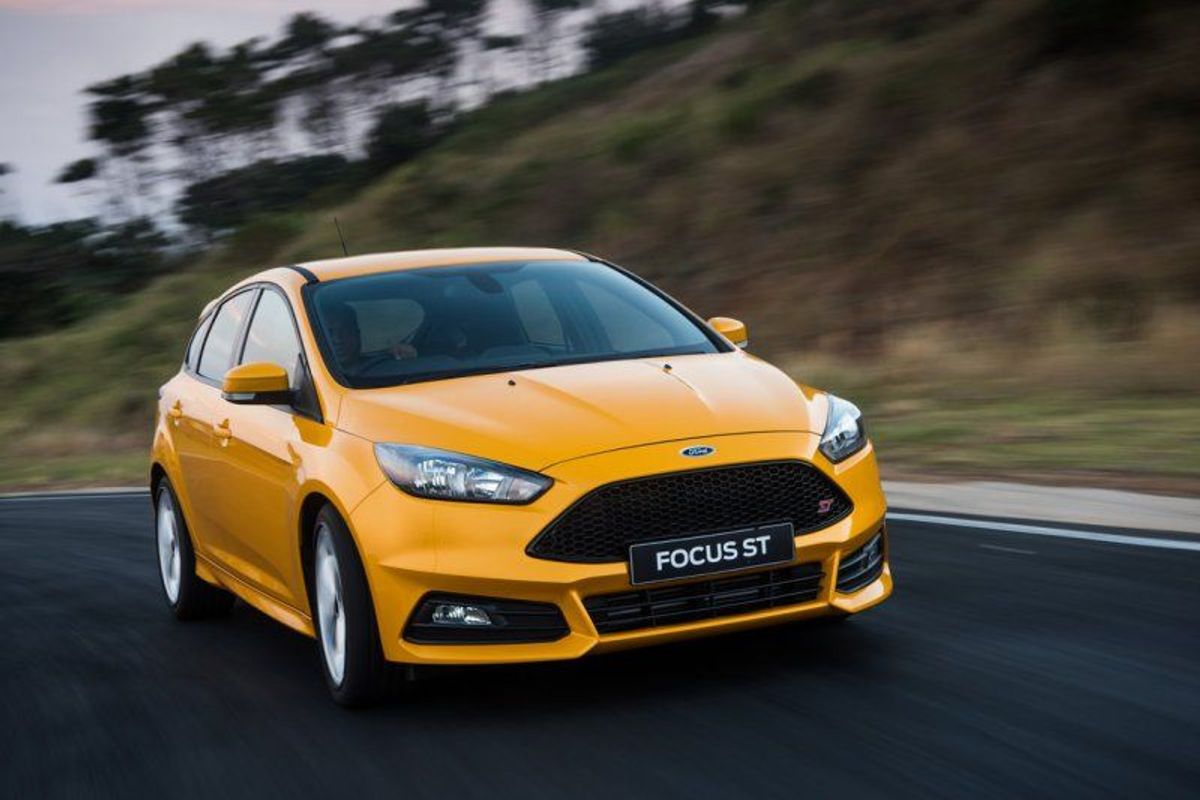
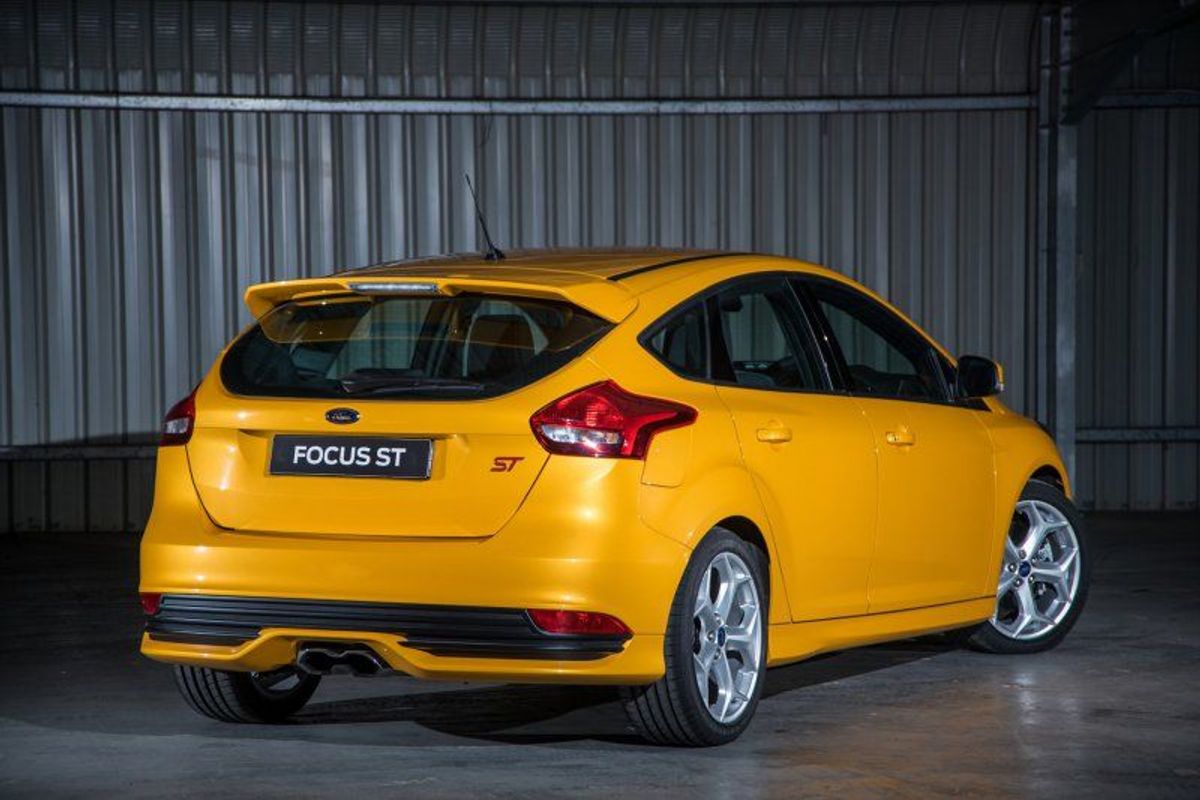
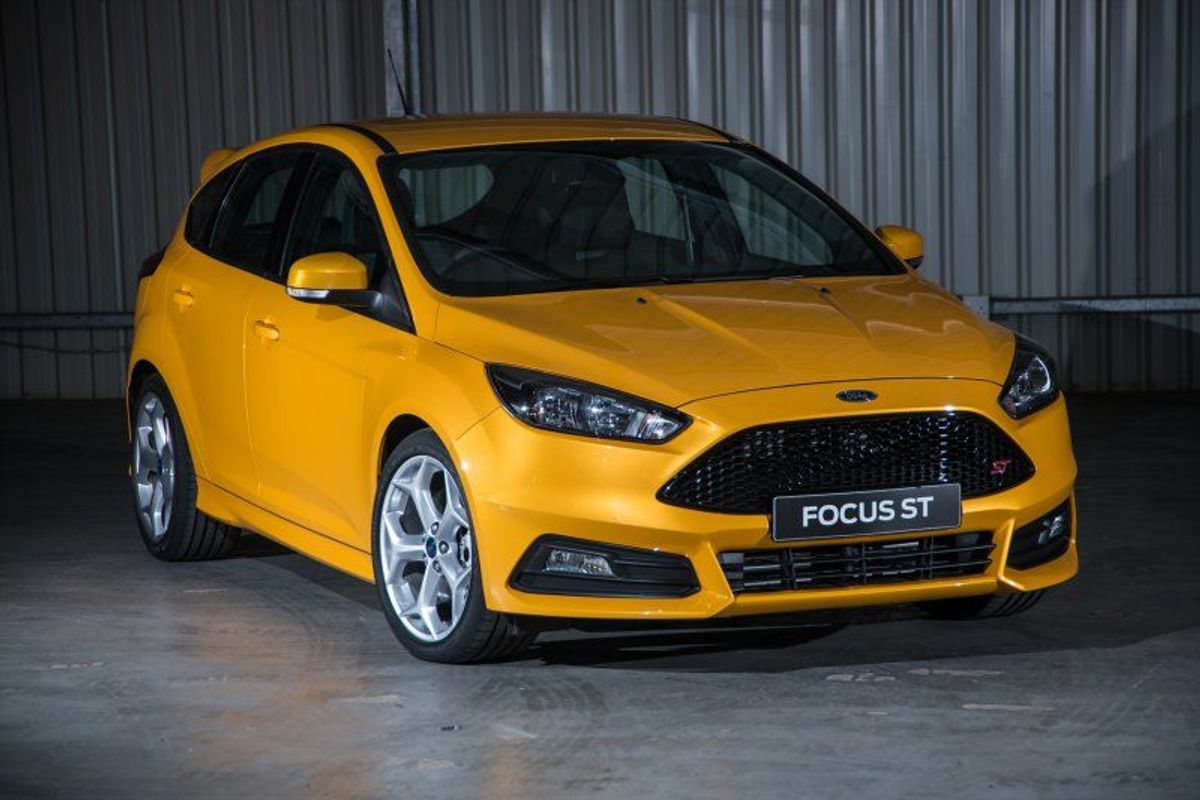
The popular Ford Focus ST has made a facelifted return to the South African market. The updated ST offers updated tech, better handling dynamics and a wider choice of colours to go with its visual upgrade.
Whats new?
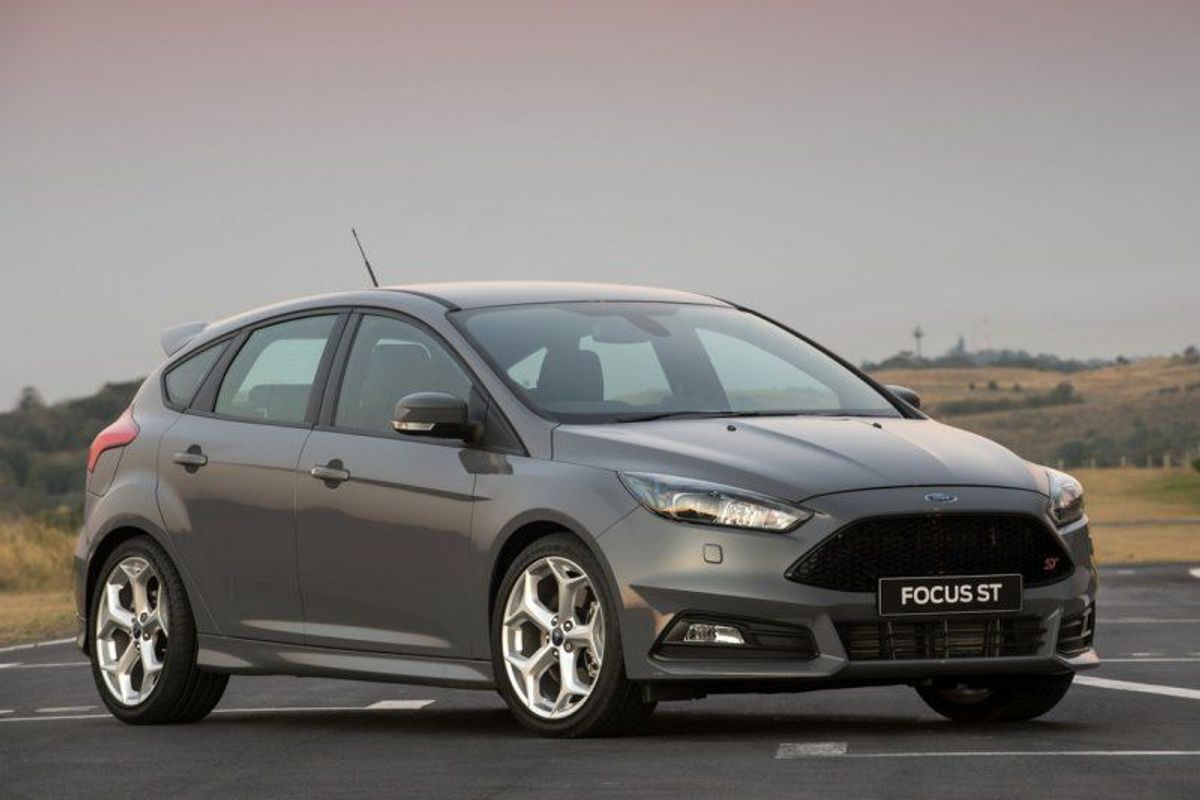
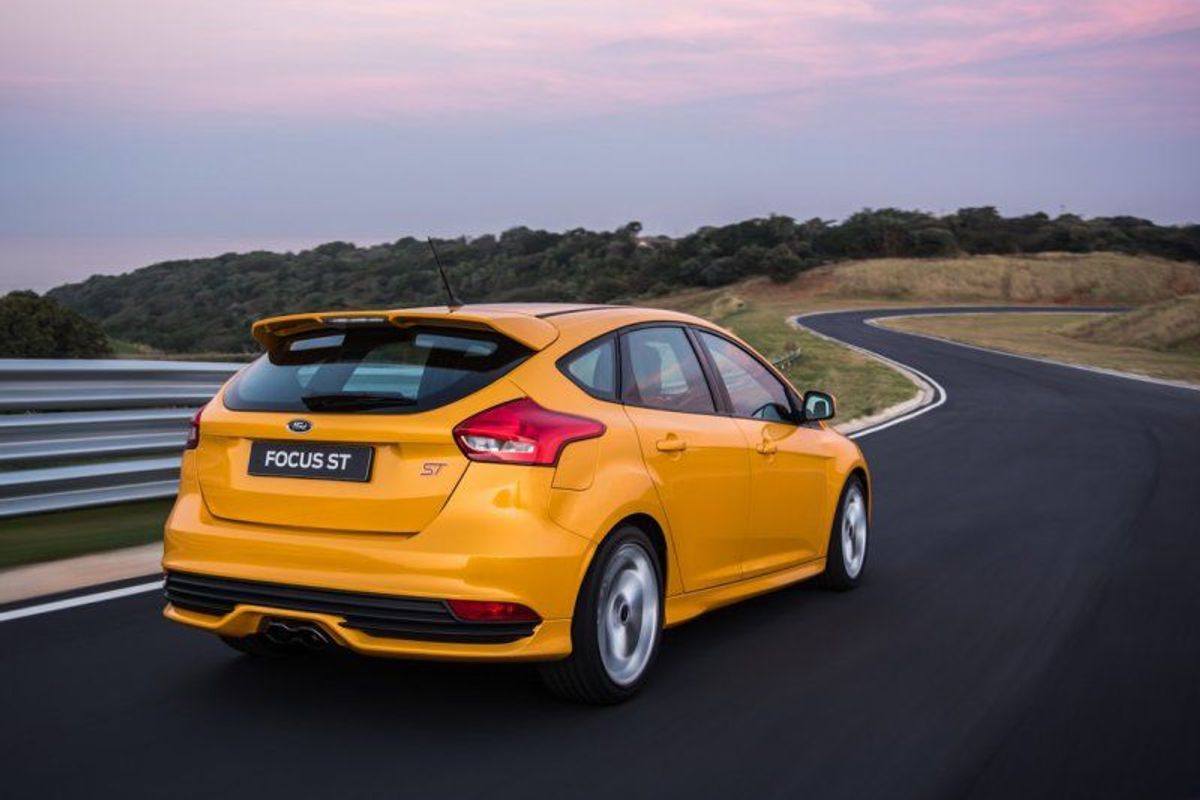
The front end is visibly different especially around the headlight area where the lights are smoother with a more slanted shape. The effect makes the front-end look more like a shark nose and more aggressive. The rear-end has also had a nip and tuck with a flatter bootlid being the most noticeable improvement.
Economy from the 2-Litre turbo has been improved mostly thanks to start/stop implementation and a more aerodynamic body design. Ford claims 6.8L/100km on the combined run, but the more important figure is probably the 6.5 seconds it takes the Focus ST to sprint to 100kph. The engine is otherwise unchanged, delivering the same 184 kW and 360 Nm of torque.
Changes to the electronic stability programme and a strengthened body structure are said to have made the Focus ST a more dynamic and more responsive vehicle to drive.
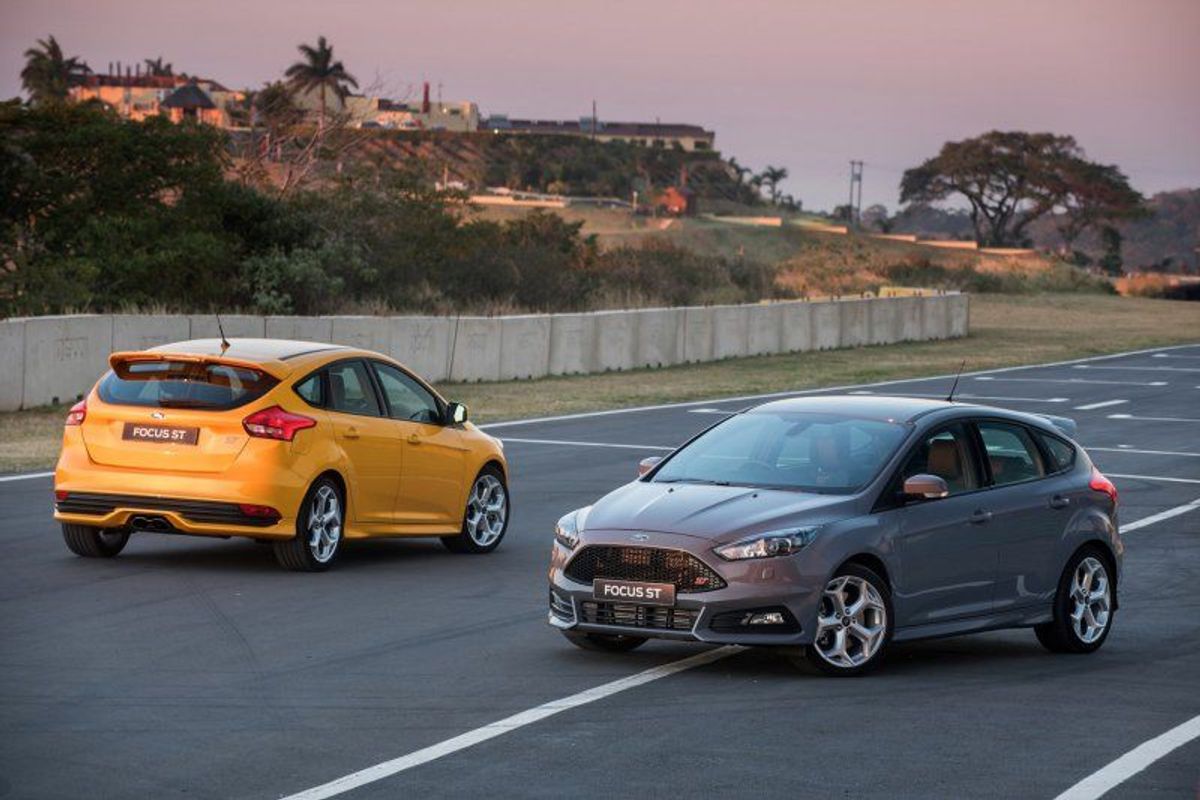
The favourite Tangerine Scream (orange) colour is now available on both the entry level ST1 as well as the ST3. Ford has also included two new colours for the Focus ST called Stealth (shiny grey) and Deep Impact Blue.
Whats it like to drive?
The Focus ST has always tried to play in a middle ground between being an all-out track toy (Renault Megane RS) and a comfortable performance hatch (Golf GTI). This facelifted Focus ST plays the same tune, but is even more fun to drive than the pre-facelift version.
Tiny tweaks to the chassis have made the ST more rigid and the turn-in response in particular has improved. It has a rear-end that can be playful at times, but which remains easy to control once it steps out of line. During our track session that took place on a wet Dezzi Raceway in Port Shepstone, the Focus ST handled the conditions and track with aplomb. It makes you eager to push on, but doesnt scare you with its speed and is forgiving if you get it a bit wrong. Admittedly the torque steer that hampered the pre-facelift model is still evident, but to a lesser extent.
Torque strength is very impressive and the Focus ST pulls strongly from low down in the rev range. It still sounds throaty and growls all the way up to the redline. The six-speed manual gearbox is fast shifting and very precise and adds to the vehicle’s fun factor. Despite much of the South African hot hatch buyers opting for DSG gearboxes in their Golf GTIs, Ford only has the manual gearbox for now, but a Powershift dual-clutch auto is not entirely out of the question in the future.
Ford Focus ST Pricing
Pricing has always been a strong part of the Focus STs appeal but a bludgeoned Rand has meant that the best deal Ford South Africa could work was to get the ST1 in at R381 900 and the higher specced ST3 at R421 900. It comes standard with a 4-year/120 000km warranty and a 4-year/80 000km service plan.
For a list of the full specs and pricing check out our link here.
New Ford Focus ST – Specs and Price in South Africa
Ford has launched the new Focus ST in South Africa. The hot hatch from the blue oval now features improved dynamics and new technology such as the industry-first Enhanced Transitional Stability system and the SYNC2 connectivity system with a high-res 8-inch colour touchscreen.
What’s New?
Much of the improvement in driving dynamics in this latest Focus ST is thanks to a stiffer chassis which reduces flex and improves agility and response. The suspension has been revised with all-new front springs and sporty shock absorber tuning at all four corners of the car, resulting in better overall performance.
The new Enhanced Transitional Stability (ETS) system forms part of the vehicles advanced Electronic Stability Control (ESC) and monitors vehicle stability and driver inputs. The system detects or predicts when a skid or loss of control is imminent and then takes corrective action by braking individual wheels to maintain control during direction changes at speed. Revised Electronic Torque Vectoring Control has also improved traction and reduced understeer. Drivers can choose between three ESC modes including Standard Mode, Sport Mode and Off, to suit the drivers desires.
In terms of styling, the new Ford Focus ST stands lower and wider compared to the outgoing model and now features a new bonnet, slimmer headlights and rectangular fog lights. Opt for the sports bodykit and the Focus ST gains body-coloured side skirts, diffuser elements and rear roof spoiler. All Focus ST models feature a hexagonal centre tailpipe.
Sporty looking 18-inch Y-spoke alloy wheels are standard and there’s also 19-inch ‘Rock metallic’ dark grey rims on offer with red brake callipers and a sunroof, forming part of a option pack costing R6 540.
Customers also have the choice of a new colour called Stealth (dark grey). Other colours include Tangerine Scream, Deep Impact Blue, Frozen White, Moondust Silver, Panther Black and Race Red.
Step Inside
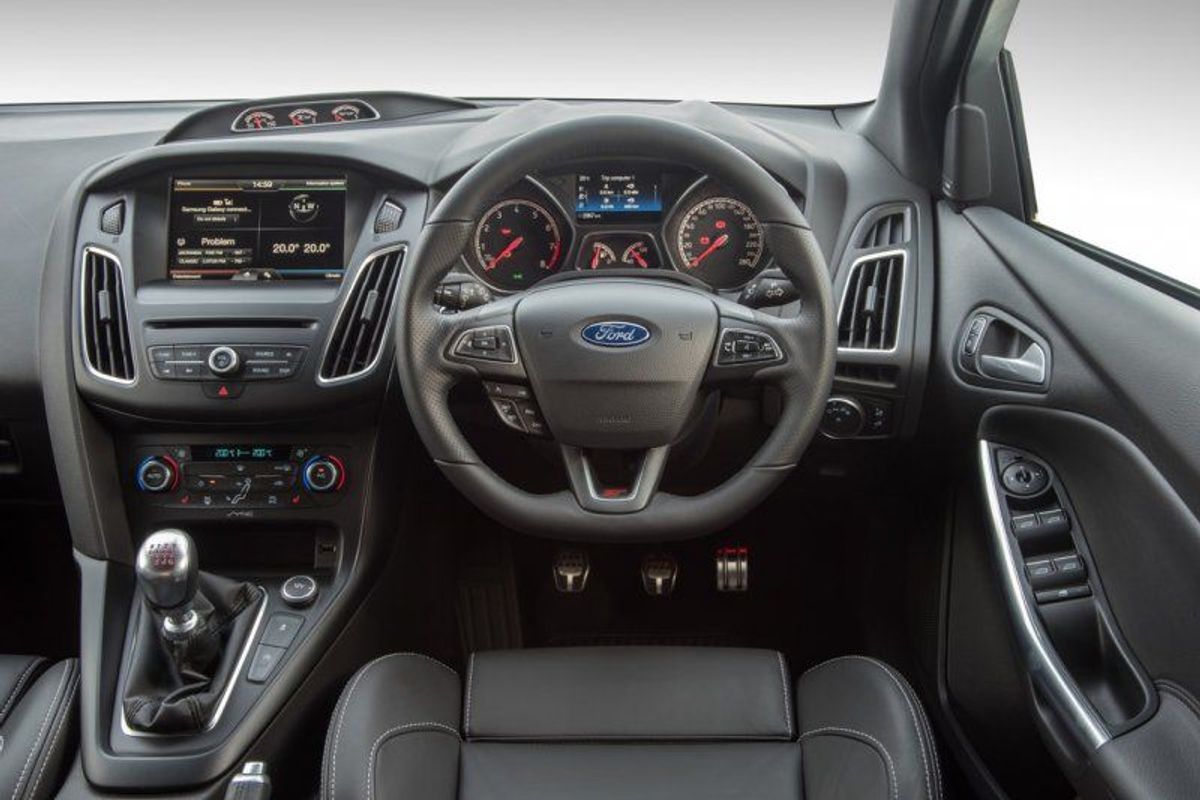
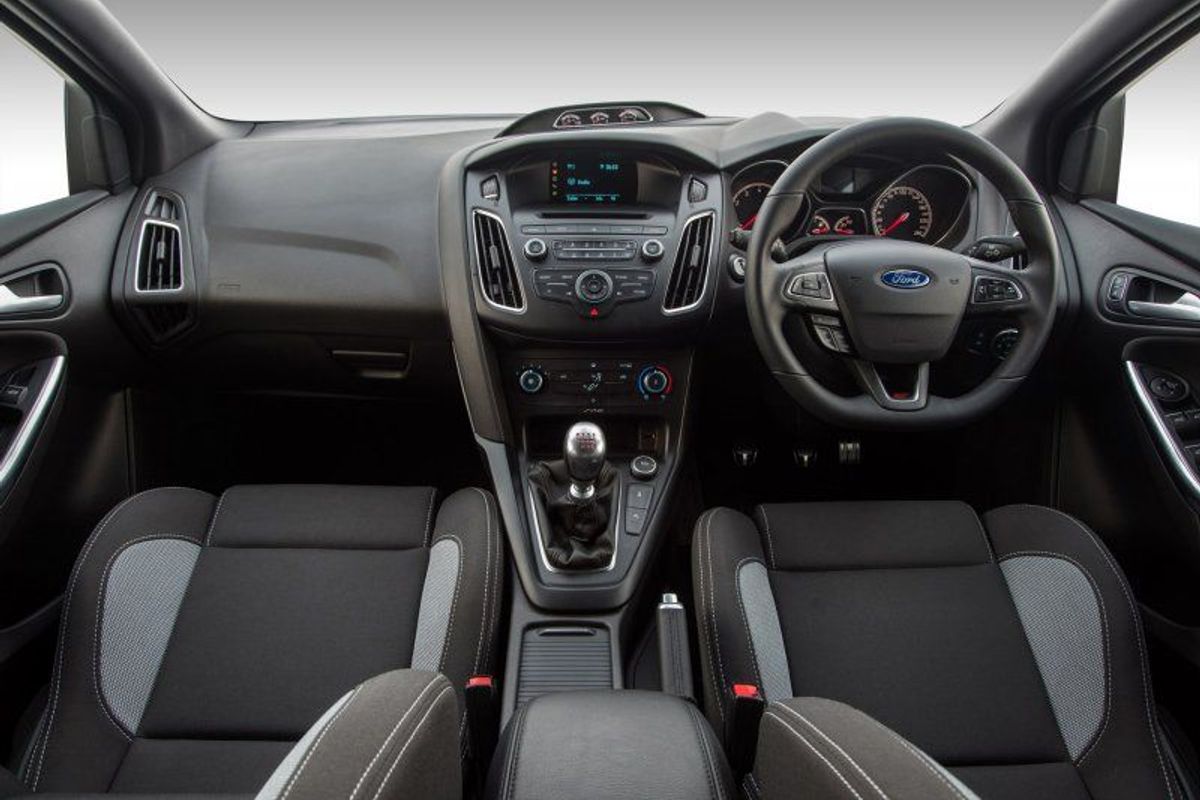
The interior of the new new Focus ST has been redesigned with a simpler layout and fewer buttons. Three gauges in the instrument binnacle display turbocharger boost pressure, oil temperature and oil pressure information. There’s also a new flat-base steering wheel covered in soft-feel leather and the the gear lever features a satin chrome top. Other details include ST pedals, satin chrome door grab handles and illuminated aluminium scuff plates. The racy persona of the ST is further enhanced with Recaro sports seats.
Engine Power
The Ford Focus ST is powered by a 2.0-litre Ecoboost engine that delivers 184 kW and 360 Nm. 0-100kph is achieved in 6.5 seconds with a top speed of 248kph. Fuel consumption is rated at 6.8L/100km. Auto-Start-Stop is now part of the package too and this improves fuel economy by up to 6%. This engine is mated to a 6-speed manual transmission.
Model Choice
Two trim levels are available, namely ST1 and ST3. Recaro sports seats are fitted as standard on both models with the ST1 featuring fabric upholstery in grey/charcoal/ anthracite black. The ST3 is kitted out in full charcoal black leather trim.
Standard features for the ST1 includes keyless start, footwell illumination, ST-branded leather steering wheel and gear knob, ST scuff plates, ST triple dial cluster, 18-inch alloy wheels, cruise control and an advanced Thatcham alarm and anti-theft system. Fords SYNC with Bluetooth and Voice Activation is also included along with mounted steering wheel controls and two USB ports.
The ST3 derivative features heated Recaro sports seats that are eight-way electronically adjustable for both the driver and passenger. This model benefits from dual-zone climate control, Ford’s SYNC2 system with 8-inch touchscreen, Sony sound system with nine speakers, two USB ports and an SD card slot. The ST3 is further distinguished with LED daytime running lights and Bi-Xenon HID headlamps.
New Ford Focus ST Price in South Africa
Ford Focus ST1 – R381 900
Ford Focus ST3 – R421 900
Pricing includes a 4-year/120 000km Comprehensive Warranty, 4-year/80 000km Service Plan, 3-year/unlimited km Roadside Assistance and 5-year/unlimited km Corrosion Warranty. Service intervals are set at 20 000km.
Ashley Oldfield is currently at the launch of the facelifted Ford Focus ST and his driving impression will be up in the next day to two.
Renault Megane RS 265 LUX (2015) Review
If performance hatchbacks are your cup of tea, then the Renault Megane RS 265 LUX deserves a taste. Renault introduced this new model to the South African market earlier in the year which was followed up with the track-biased Megane RS 275 Trophy version a few months later. Although both are similar in many ways, this RS 265 LUX derivative is more geared to the everyday motorist looking for excellent performance in a sporty package. We spent some time with the LUX to get a sense of its capabilities on the road..Striking Looks
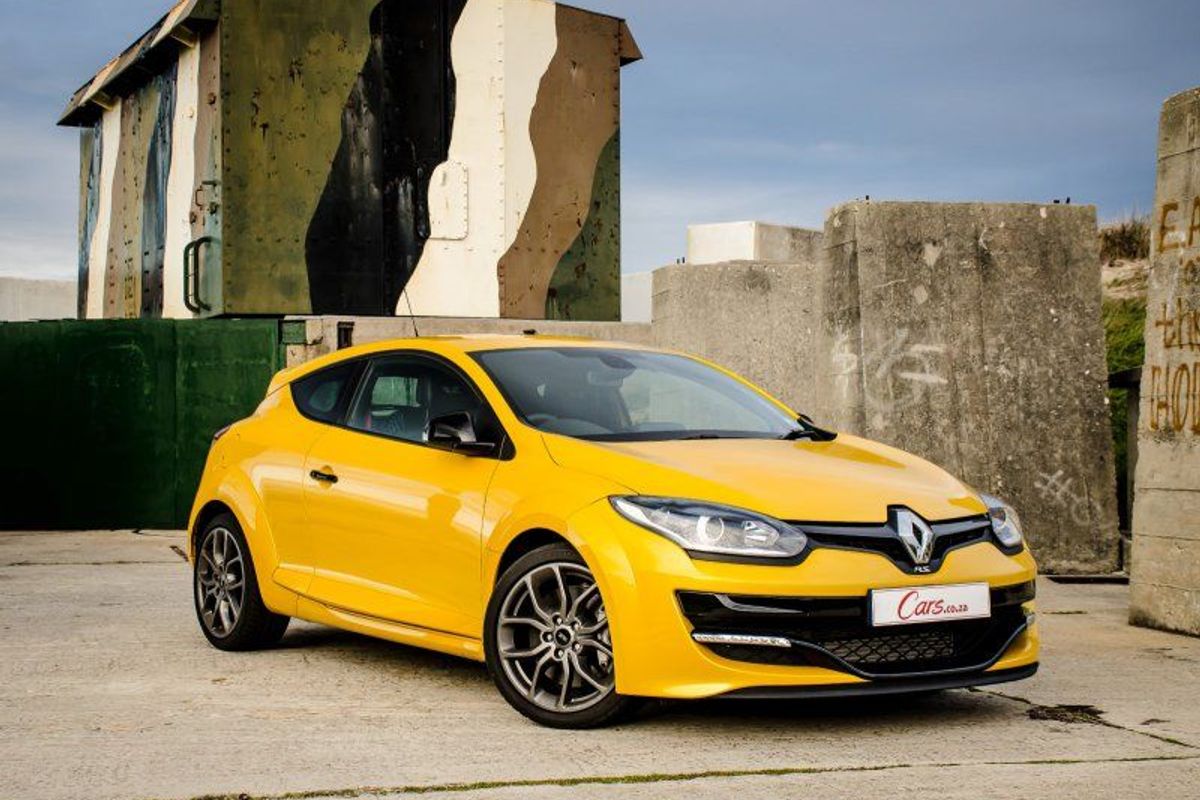
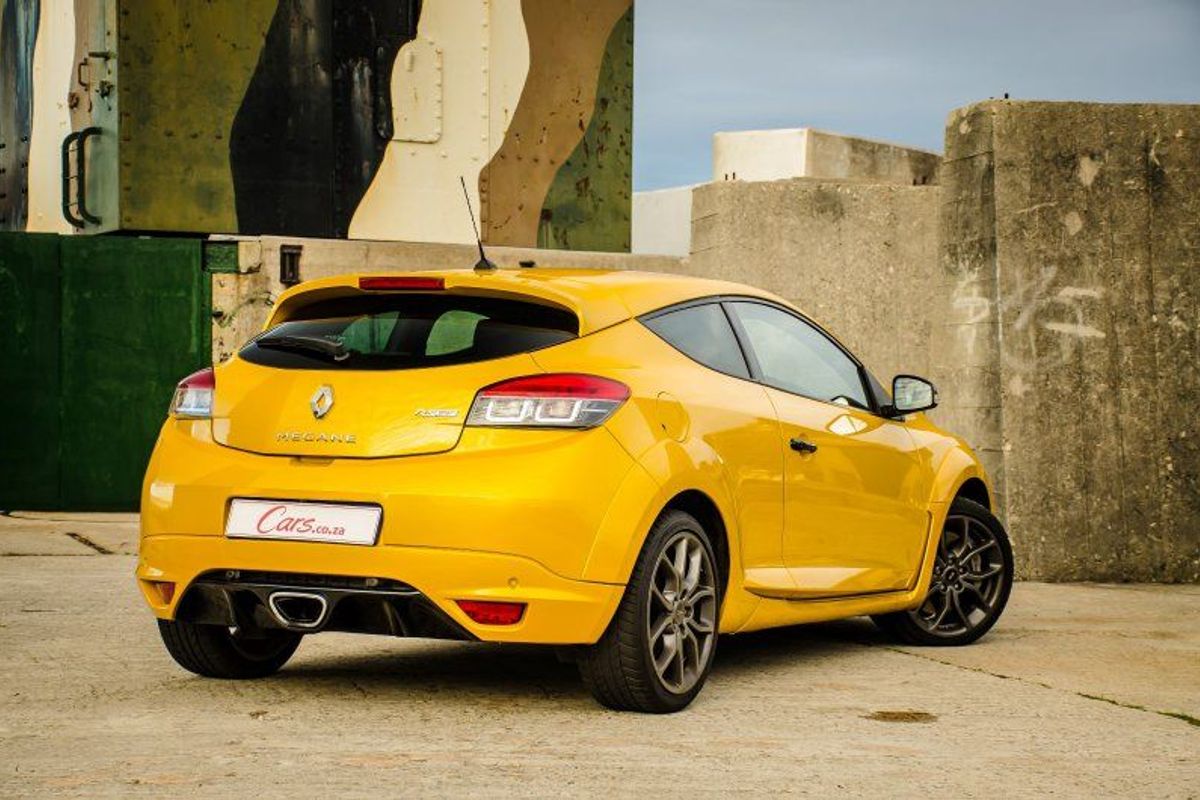
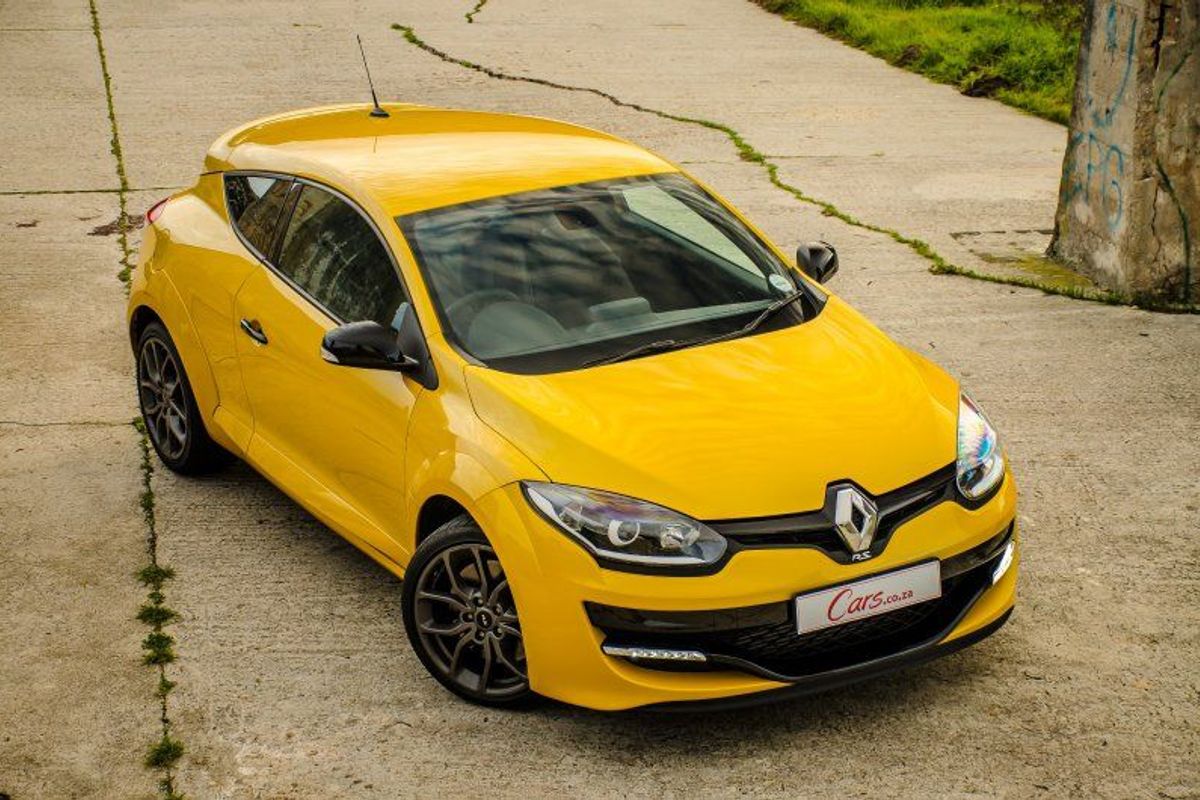
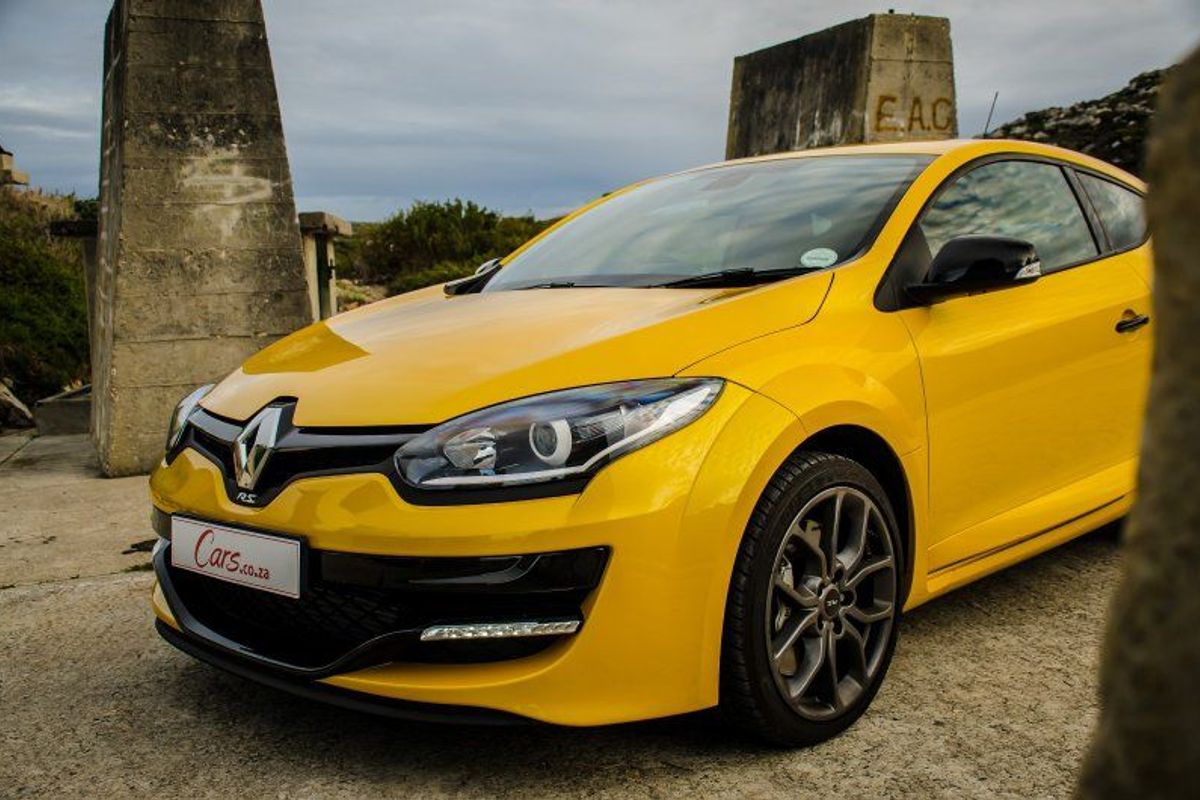
You cant deny that the Renault Megane RS 265 LUX is a good looking car, it just is. Sitting low and wide on the road and riding on 18-inch anthracite grey RS alloy wheels, this 3-door LUX coupe has performance written all over it. This message is driven home with RS badging below the large Renault logo on the nose as well as a F1-style blade insert with integrated LED daytime running lights.
The rear-end is what most motorists will see and here you will find a large centre-mounted exhaust integrated into the diffuser. This particular test unit wears a rather bold yellow metallic paint called Sirius Yellow, which can be had as an option for a price of R20 000.
Sporty Interior
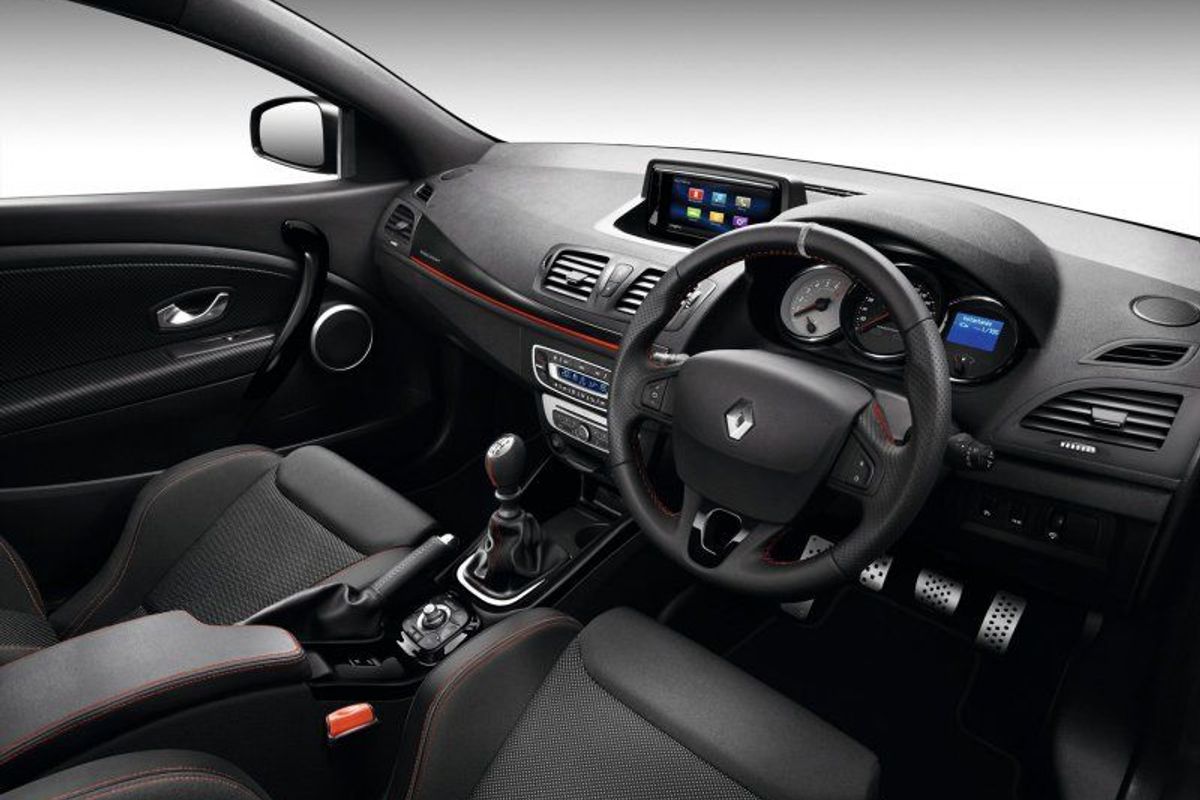
The sportiness doesnt end there. Open the door and RS door sills and aluminium sports pedals welcome you in. The leather sports seats are comfortable with excellent bolstering and they are electrically adjustable with a heating function too. The dashboard is finished in gloss black carbon-look moulding and both the gear knob and multifunction steering wheel are wrapped in leather with the steering wheel being adjustable for rake and reach. The racy feel is further enhanced with the RS instrument dials tilted upwards.
Infotainment is provided by a dash-mounted touchscreen thats Bluetooth capable and comes loaded with TomTom Live navigation which also alerts you when you are exceeding the speed limit. The Megane RS 265 LUX is fitted with Park Distance Control as standard, but this test unit came fitted with the optional rear camera park assist costing R5 000. Other standard features include tyre pressure monitoring system, climate control, cruise control with speed limiter, USB/Aux inputs, Keyless start and electric windows and side mirrors.
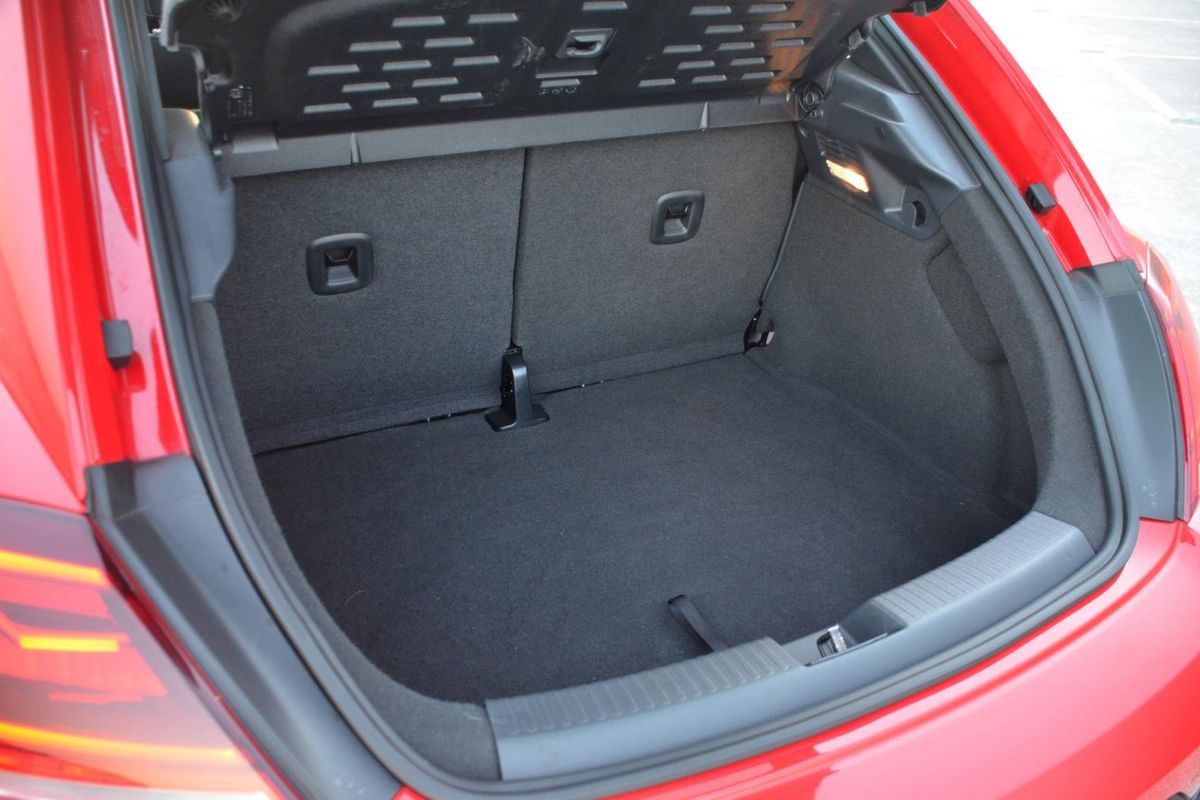
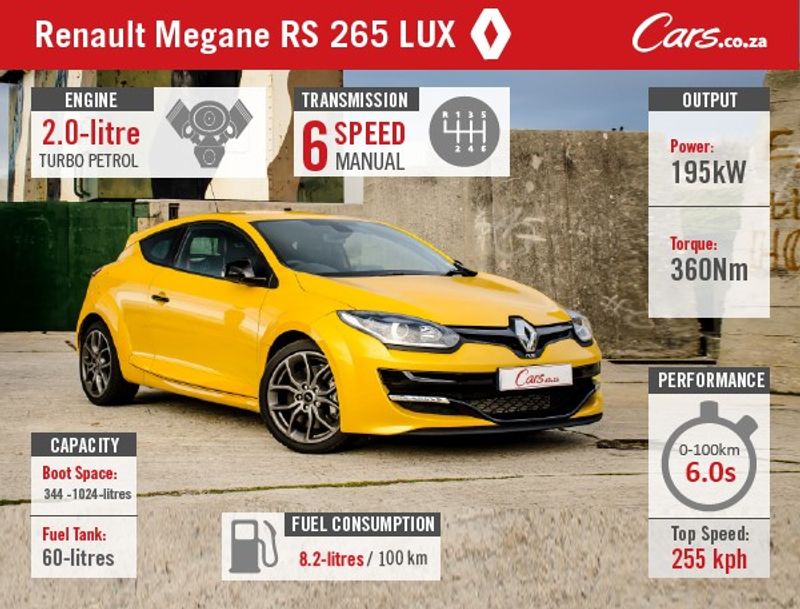
It must be said however that the LUX isnt the most practical car around. Getting into the rear seats can be a bit of a mission and rear headroom is tight, but thankfully rear knee and legroom is sufficient. In terms of space, you looking at a reasonable sized boot offering 344-litres of space. The rear seats do fold down increasing loading space to 1 024-litres. There are also ISOFIX child seat mounts fitted if you plan on giving your little ones a bit of a joy ride.
Performance DeLUXe
The real action happens under the bonnet. With its 2.0-litre turbo engine, the Megane RS 265 LUX is tuned to deliver 195kW and 360Nm of torque through the front wheels via a 6-speed manual transmission.
When driven gently, the 265 LUX goes about its business quietly and respectfully, but put your foot down and things quickly kick up a notch. The throttle is responsive and acceleration is quick and thrilling. Renault claims 6 seconds in the 0-100kph sprint and it certainly feels that fast. Gear shifting is smooth and in-gear acceleration is excellent. As a result, overtaking manoeuvres are executed with blissful ease. Its always nice to know that theres power on tap when its needed, no questions asked.
The ride is on the firm side, but not uncomfortably firm. The LUX does a decent job of providing a smooth ride and it deals with imperfections reasonably well. The steering is nicely weighted and precise, giving the driver confidence to enjoy the performance. The LUX handles superbly, hugging the tar both in a straight line and in the bends.
If you wish to perk up the performance even further, simply push the RS button and the fun factor increases even more. With RS mode engaged, throttle response is enhanced and the LUX turns into bullet thats sure to turn heads as the exhaust crackles and pops behind you. Renault claims the LUX will consume 8.2L/100km, but we found it rather difficult to achieve below 10L/100km. We blame the fun driving experience…
In terms of safety features, the LUX is well equipped and comes fitted with ABS, EBD, Brake Assist, Traction Control and Anti-Slip Regulation/Stability Control. A total of eight airbags are also fitted as standard.
Renault Megane RS 265 LUX Price in South Africa
The Megane RS 265 LUX is priced from R389 900. There are a number of optional extras you can throw into the mix and these include a fixed glass roof (R8 000), rear camera park assist (R5 000), metallic paint (R2 500) and Sirius Yellow metallic paint for R20 000.
The price includes a 5-year/150 000km mechanical warranty plan, a 6-year anti-corrosion warranty and 5-year/90 000km service plan with service intervals set at 10 000km.
Verdict
The Renault Megane RS 265 LUX is a striking package that offers excellent performance. With a solid dose of power and torque and a decent amount of specification, the LUX is difficult to ignore at this price point. Although its not the most practical hot hatch on the market, the LUX makes up for its inadequacies by keeping its driver engaged and smiling on every journey. If youre not a Renault fan, then you may want to consider rivals such as the Ford Focus ST and Volkswagen Golf GTI, or the Scirocco if you are looking for a three-door coupe, but be mindful that you will be forking out more cash here.
We like: Performance, excellent handling, stylish looks, value for money, generous specification
Dont like: Rear space
Also Consider: Volkswagen Golf GTI, Ford Focus ST, Volkswagen Scirocco
Team Opinion
The Renault Megane RS 265 offers a wonderful balance between day-to-day comfort and outright driving thrills. While it’s not as track-focused as its more powerful Trophy brother, I feel that the acceleration and driving experience is not too different. I would love to be able to fit the loud Akrapovic exhaust as an option. I’d have this over the mainstream Golf GTI and the not-as-exciting Ford Focus ST. -David Taylor
The Megane Lux softens up what is essentially a track car and makes it a bit more usable as an every day hot hatch. Creature comforts are regarded as a necessity in here rather than a weight disadvantage like they are in the Trophy. -Ashley Oldfield
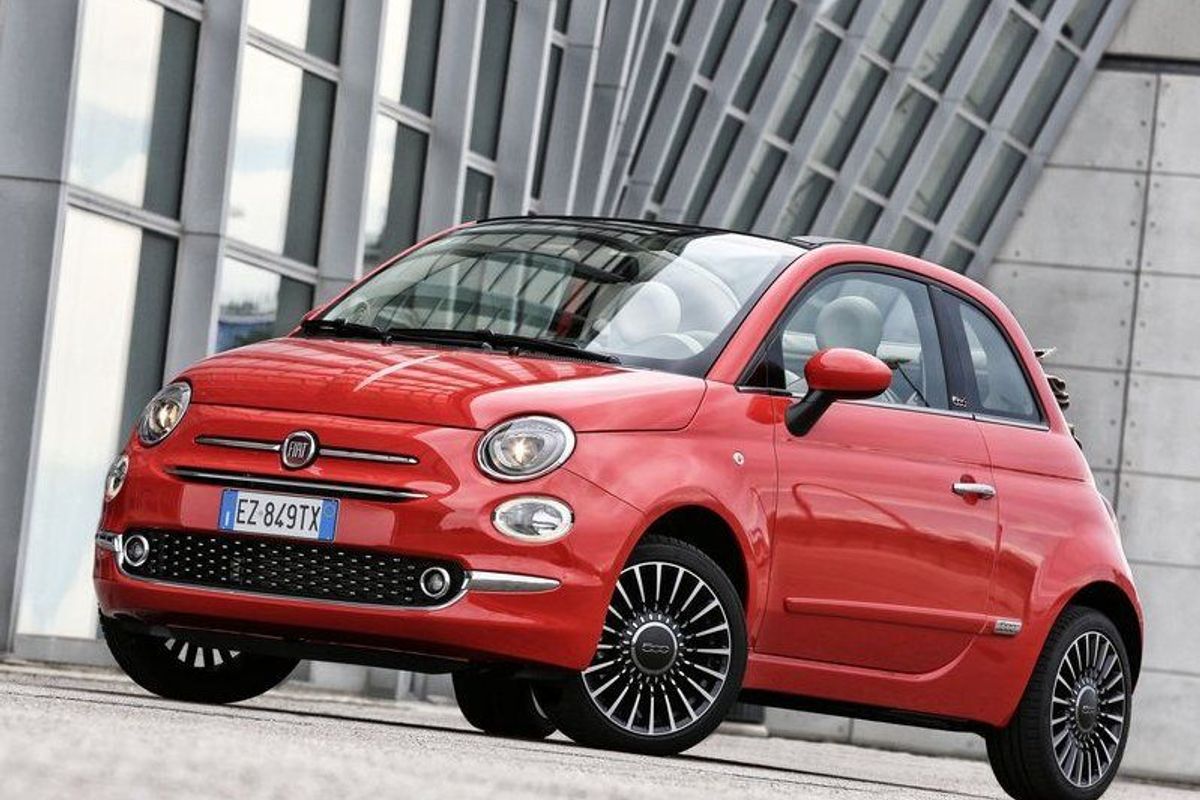
The refreshed Fiat 500 has been revealed with a number of exterior and interior changes. Fiat says more than 1 800 changes were made to the car. Let’s take a quick look at what the new Fiat 500 has to offer…
New Look for Fiat 500
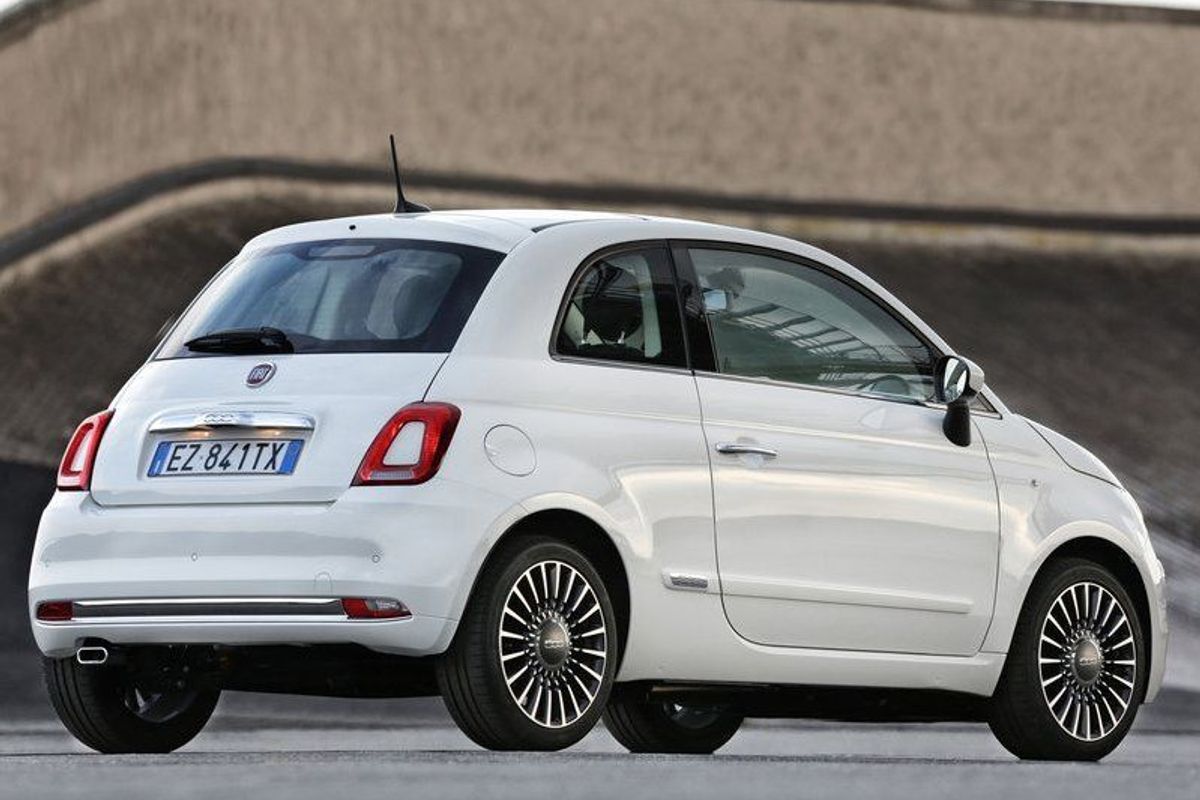
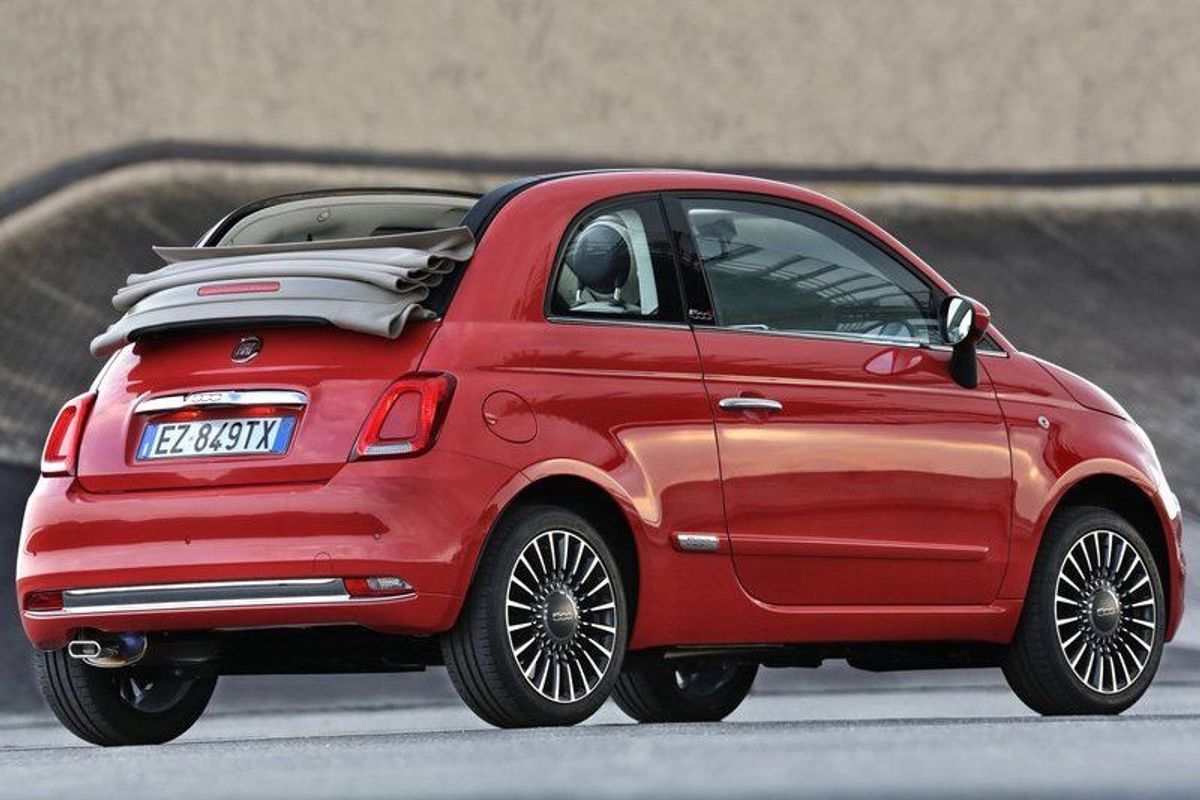
The size of the Fiat 500 has remained the same, standing 3.57m long, 1.63m wide and 1.49m tall. The round headlights have been reworked and are now slanted and LED daytime running lights can be seen in the lower cluster. Chrome ‘whiskers’ flank the Fiat badge which is set in a more pronounced front-end. The side profile remains round with large side windows, a short bonnet and minimal overhang with the belt line inclined to the front.
The rear-end features a chrome-plated handle and new tailights with the reverse light and fog lights set in the lower black or chrome-plated grille. The Fiat 500 also sports new 15 and 16-inch wheel designs with a choice of 13 body colors and numerous cutomisation options.
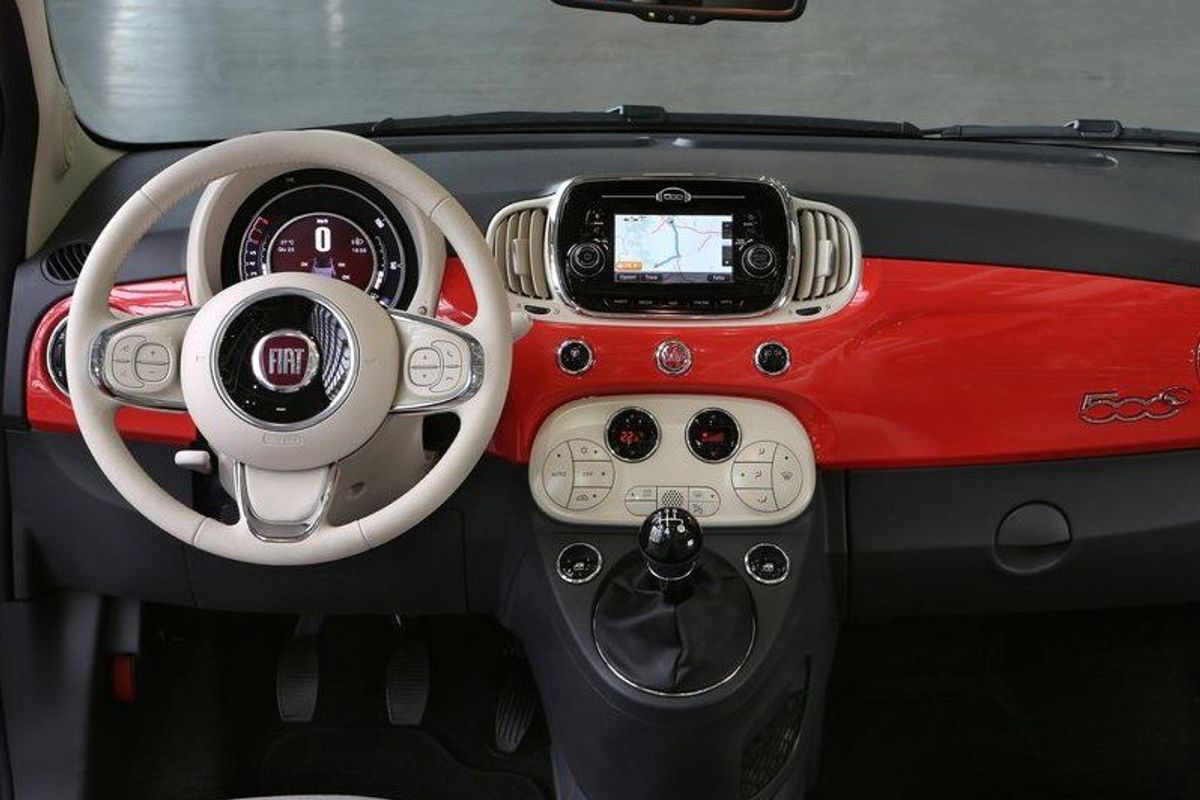
On the inside, the interior is all-new, with the dashboard now incorporating the Uconnect infotainment system with a 5-inch screen. The steering wheel has been redesigned with new buttons and a 7-inch TFT display in the instrument cluster can be had on the top-spec Lounge model. The seats have been redone too, and feature a range of upholstery options and Fiat has also taken the time to apply more sound-deadening materials to reduce noise in the cabin. Three trim levels will be available from launch including Pop, Popstar and Lounge. At this stage, we’re not sure what the South African market will be getting.
Engine Choice
Three choices of engines are initially available for the Fiat 500, mated to either a five and six-speed transmission or a Dualogic robotised transmission. The first engine is a 0.9-litre TwinAir engine available in two states of tune, offering either 63 kW or 78 kW. Fuel consumption on the 63 kW version is rated at only 3.8L/100km.
There will also be a 1.2-litre engine offering 51 kW as well as a two-cylinder 1.2-litre EasyPower engine also offering 51 kW. Additional engines, including a 1.3-litre turbodiesel engine, will be added to the range at a later stage. In other markets, the new Fiat 500 can also be equipped with a 48 kW 0.9-litre TwinAir engine or a 75 kW 1.4-litre naturally aspirated engine.
BMW i3 Range Extender (2015) Review
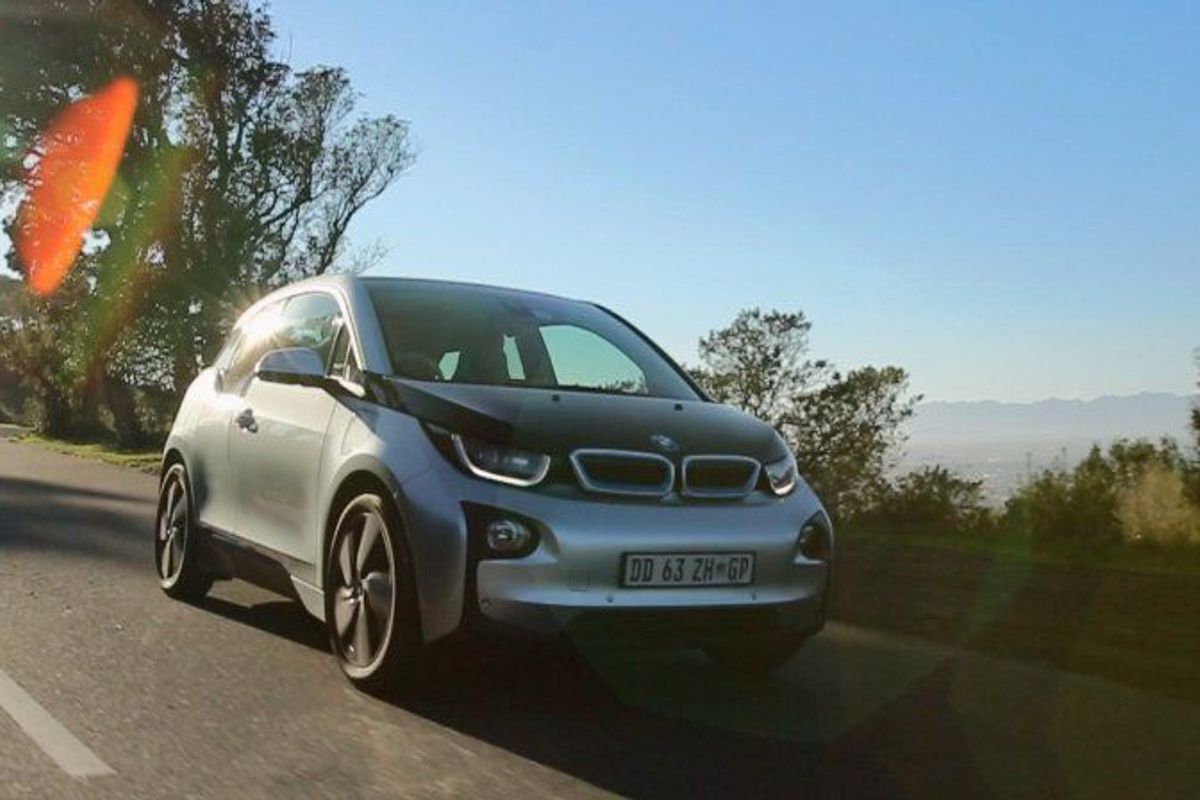
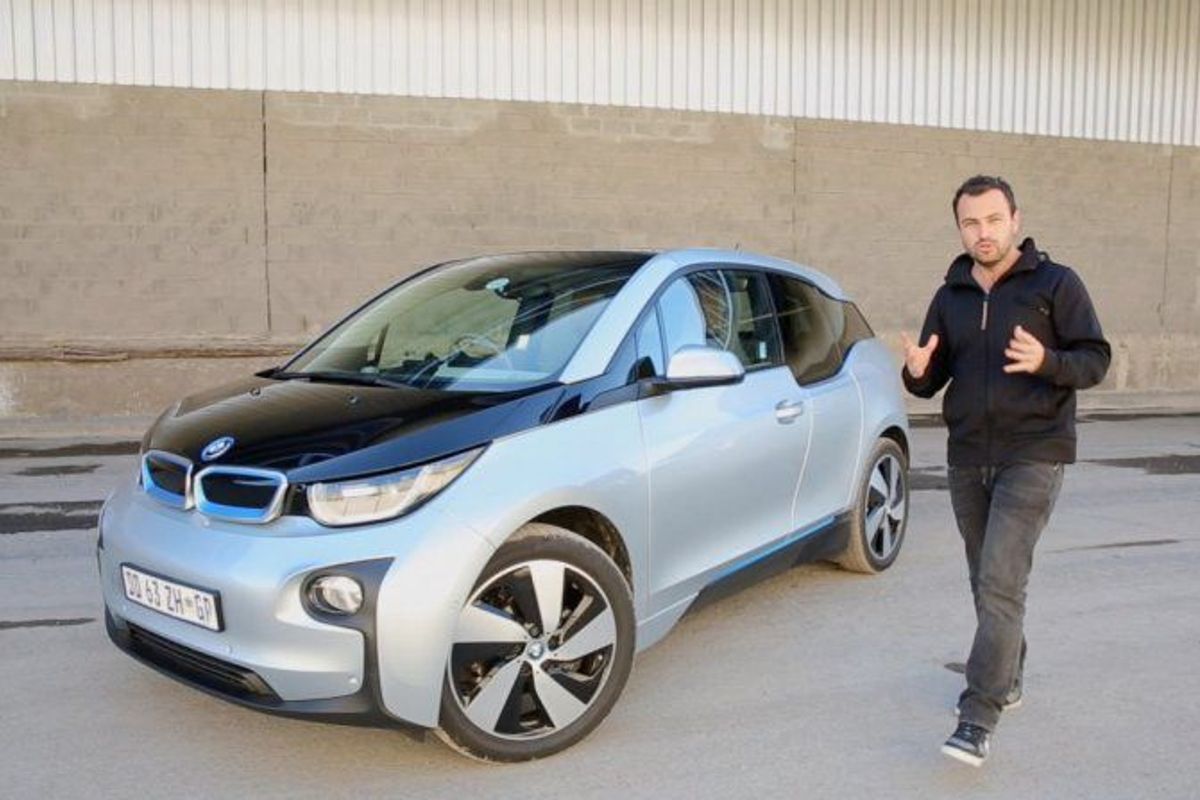
The first of BMW’s electric cars has made its way to our fleet and we spent a week with the BMW i3 Range Extender. Futuristic and concept car-like looks aside, how does the more sensible (and affordable) of BMW’s electric range fare on the roads of the Western Cape?
Despite the hype surrounding the BMW electric range, it’s not the first electric car available in South Africa. That honour belongs to the Nissan Leaf. However the BMW i3 has a premium and cool factor to it, which has a lot to do with the BMW badge, as well as innovation that goes beyond just the drivetrain.
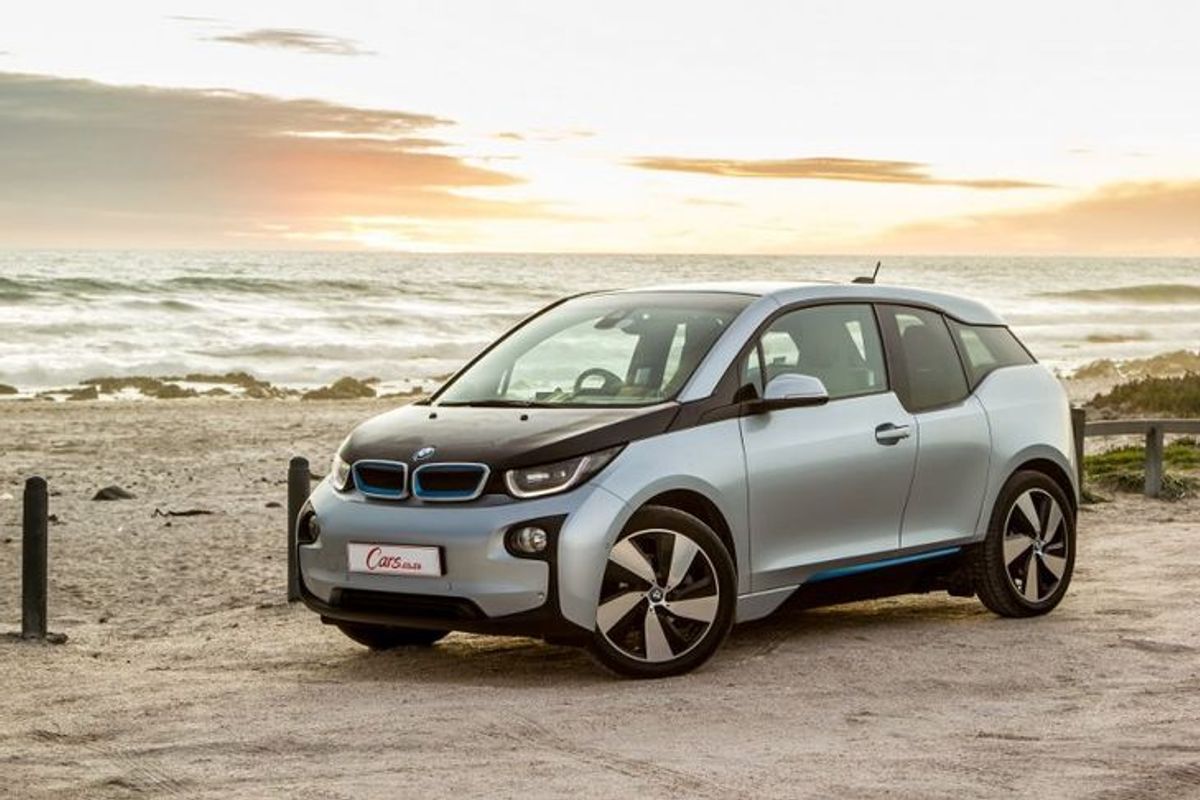
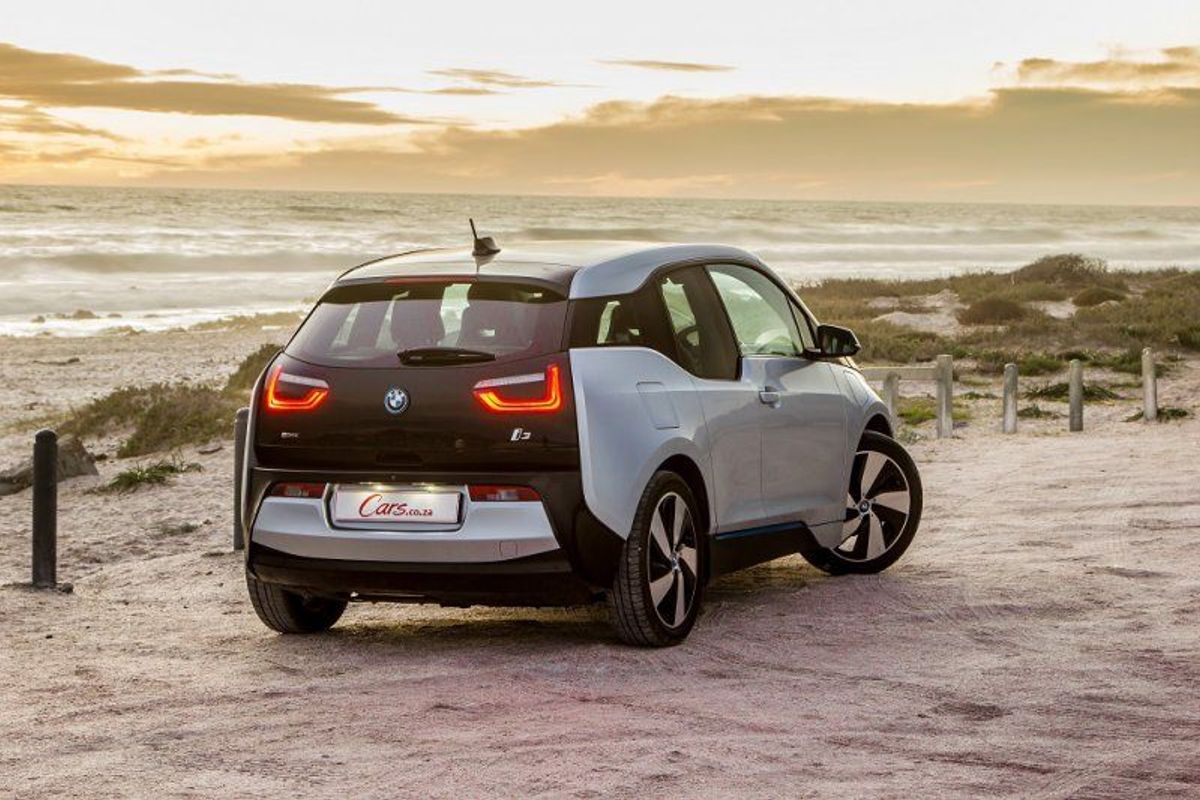
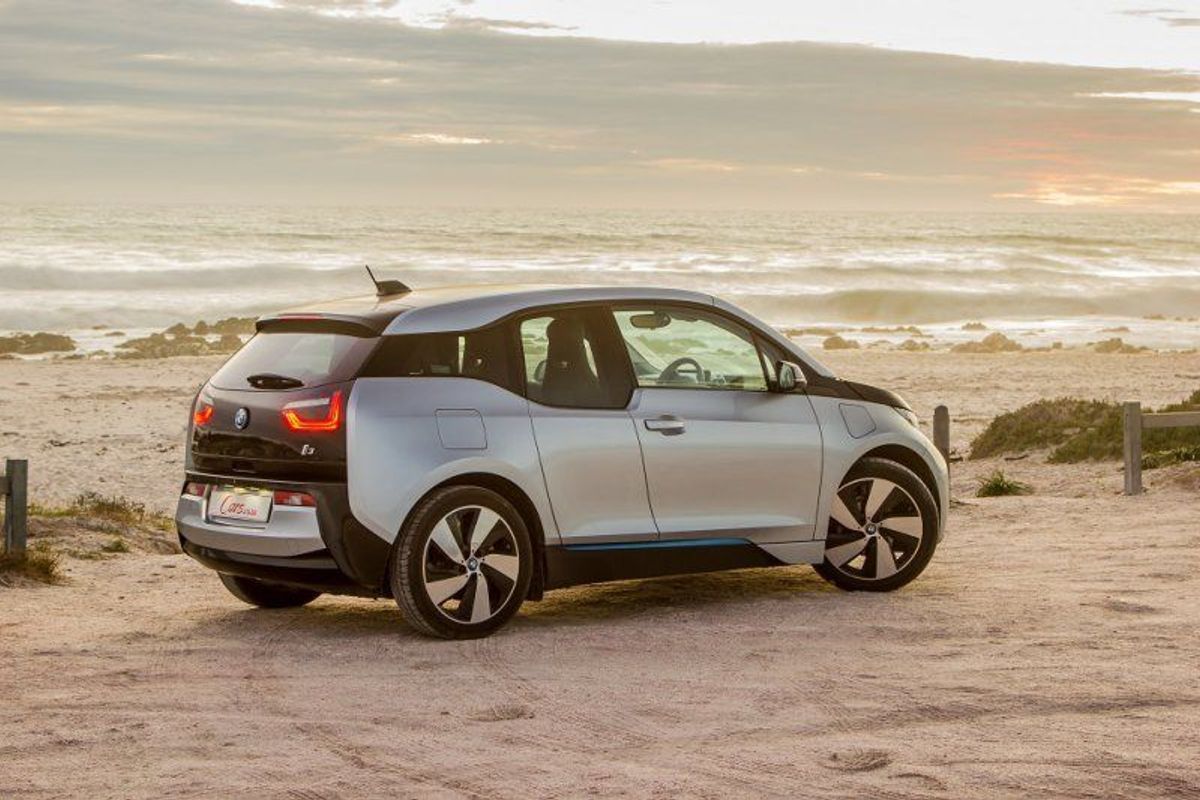
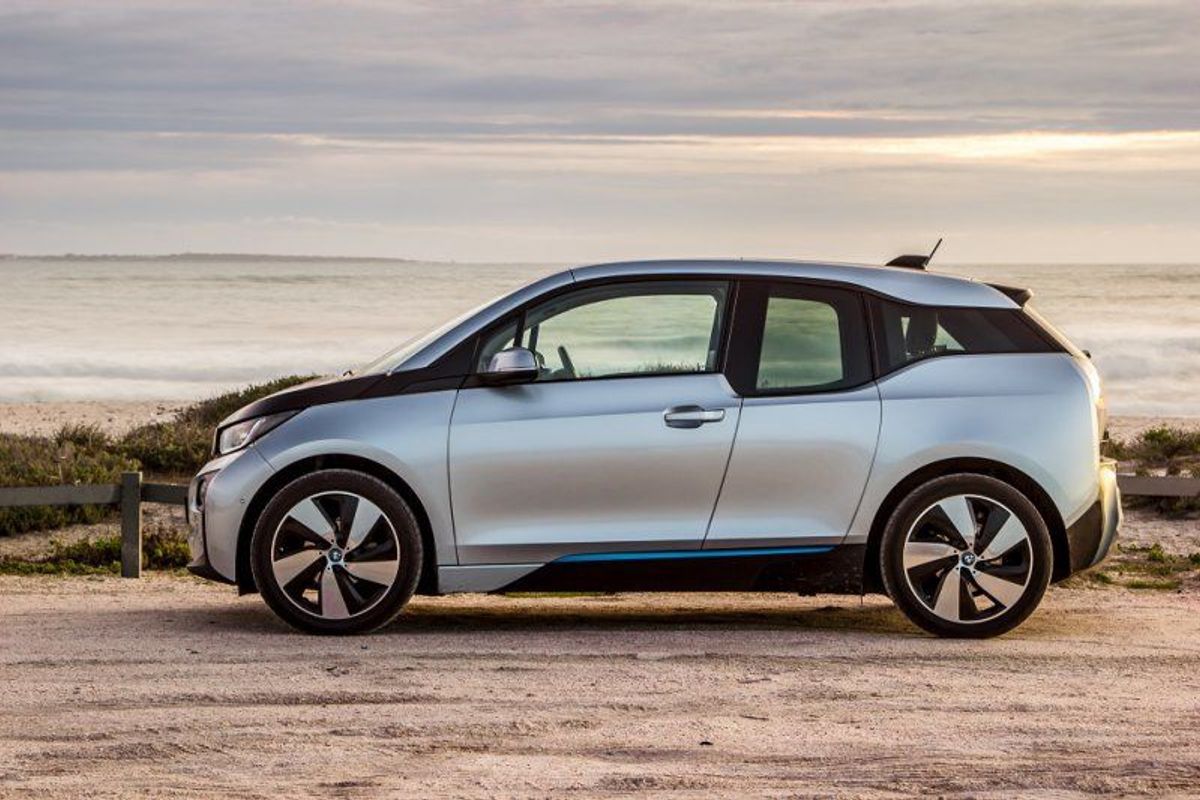
The looks of the BMW i3 Range Extender are very quirky and it looks like something from a Hollywood blockbuster set in the future. Its design is certainly polarising and onlookers offered comments that ranged from cute to ugly. It’s quite tall, yet narrow and it retains distinct BMW touches like the kidney grille.
The BMW i3 Range Extender is constructed out of a variety of eco-friendly and lightweight materials. An electric car is already hamstrung by the weight of its batteries so for it to work, it needs to be put on a diet elsewhere. There’s extensive use of carbon fibre, some of which you can see when you open the doors.
Cabin is Beautiful and Spacious
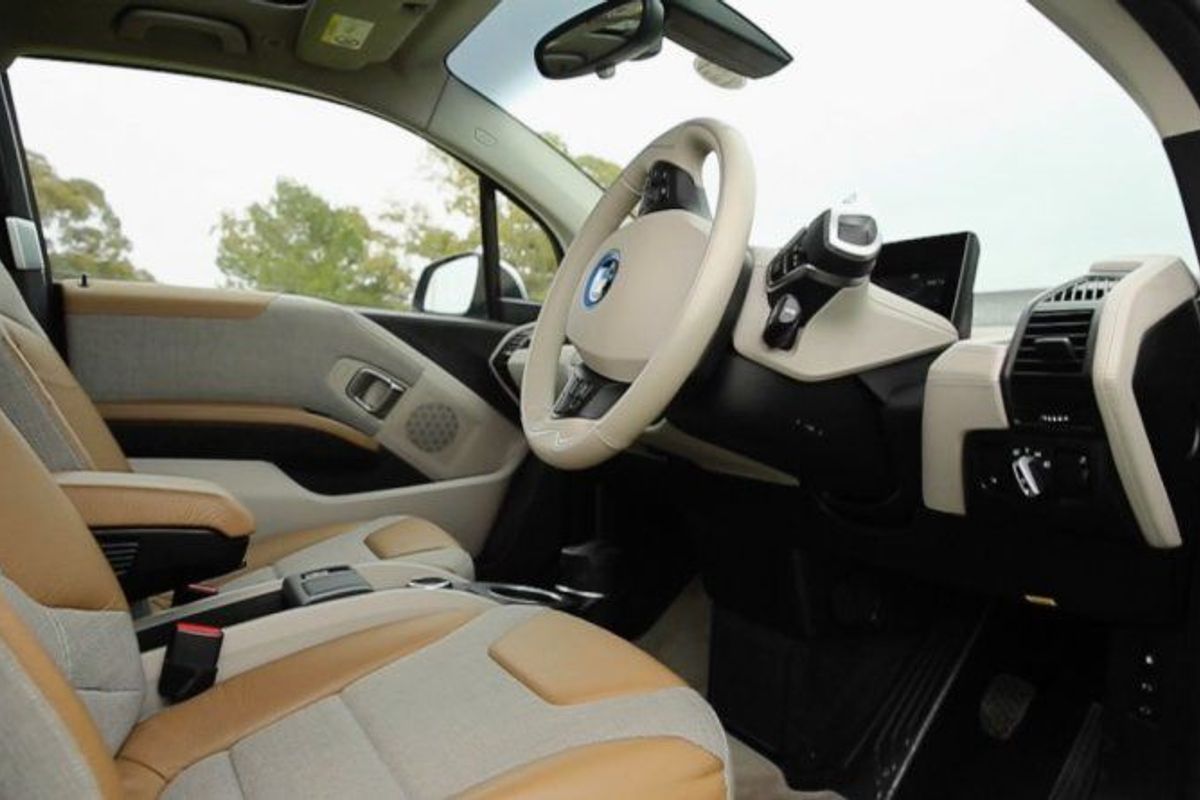
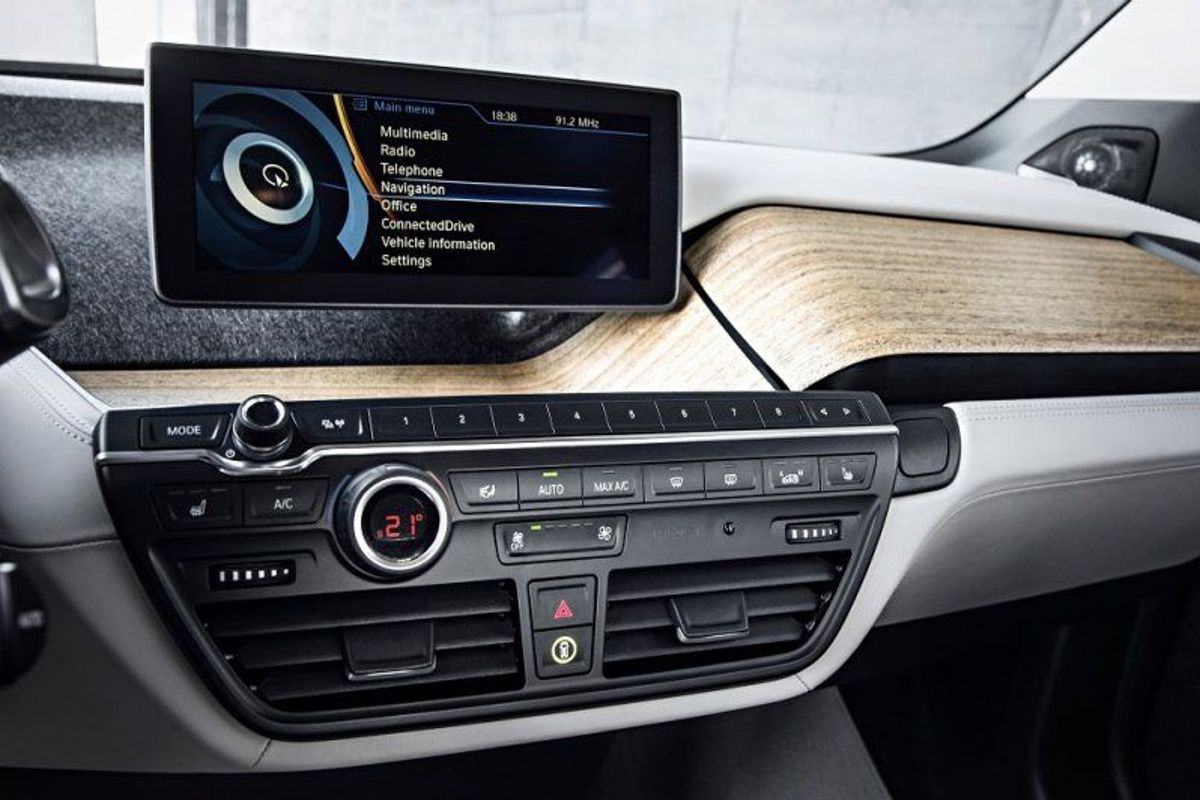
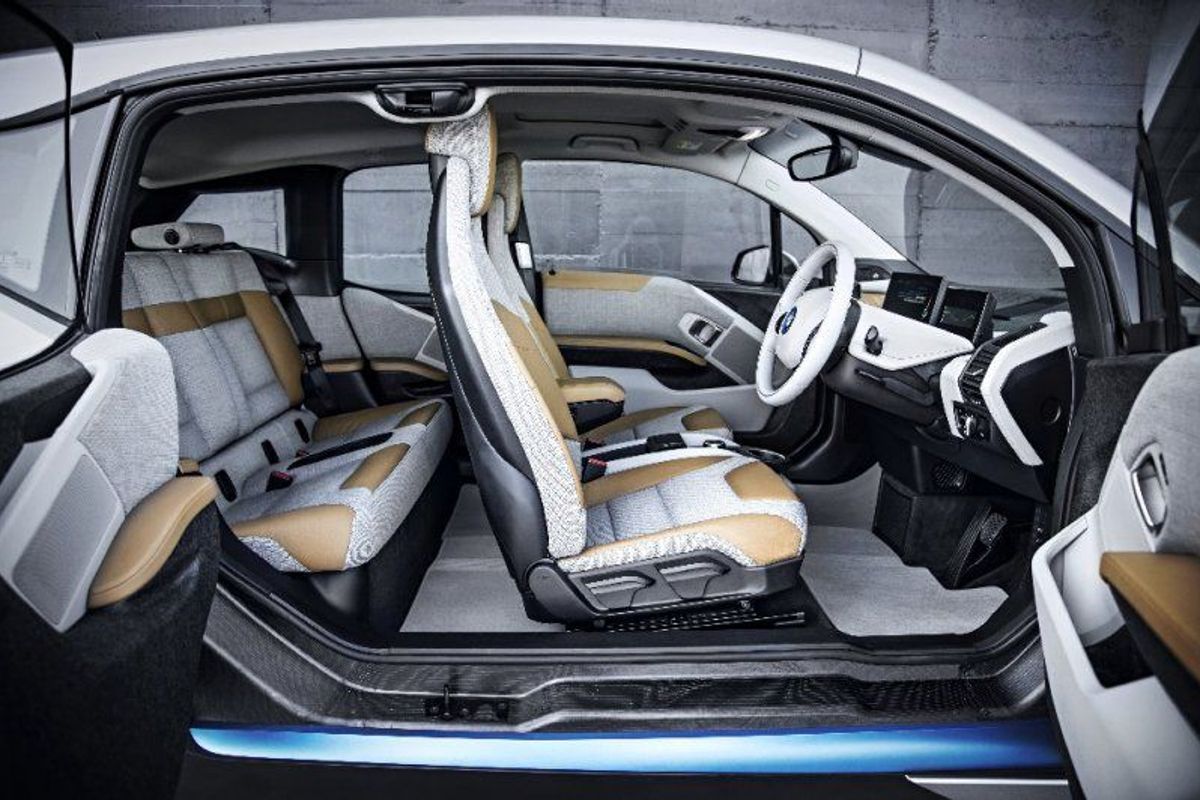
The cabin is one area where the BMW i3 Range Extender receives full marks. This isn’t a car interior, this is a combination of a modern art gallery and the flagship branch of Ikea. There’s an extremely minimalist feel to the cabin and there are clever applications of wood from sustainable forests, leather and recycled fabrics. There’s also the occasional splattering of carbon fibre-reinforced plastics.
Specification is generous too and you get the usual luxury features, but in true German fashion a number of options can be fitted to the car. You have the choice of four alloy wheels in sizes ranging from 19-inch to 20-inch. We’d recommend sticking with the smaller wheels to improve ride quality. Cabin accessibility is via conventional opening doors at the front, while the rears open in a suicide fashion. Thanks to a flat floor and high roof, interior space is generous and sufficient for four adults. The boot space is surprisingly decent too.
Engine and Drive
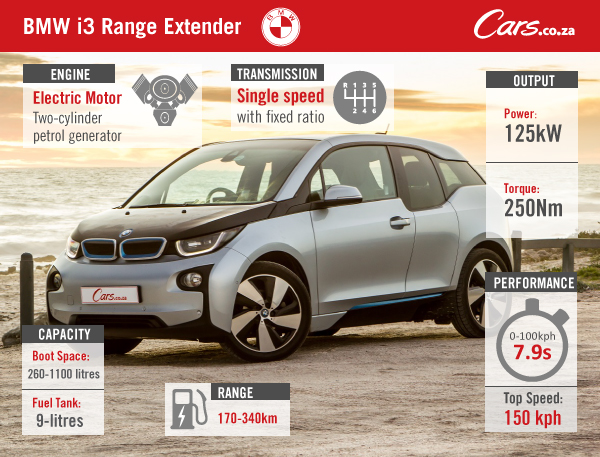
At the heart of the BMW i3 Range Extender is a 125kW and 250Nm electric motor which drives the rear wheels. You don’t get a gearbox, instead you get a drive selector that gives you the option of Drive, Park and Reverse. You select how you wish to move by turning a dial to the right of a steering wheel.
The first thing you notice about how the BMW i3 Range Extender drives is the responsiveness. With maximum torque from standstill, there’s very little this side of a genuine sportscar to touch the BMW i3 Range Extender off the line. It’s most amusing to put your foot flat and the little i3 surges ahead quietly and effortlessly. 0-100kph is claimed in the mid-7s, which gives you some idea of how zippy it is. It’s also really quiet, with almost zero transmission whine when moving and when you’re stationary, the only thing you can hear is your own breathing.
If the acceleration leaves you breathless, the deceleration will be even more surprising. BMW has fitted the i3 Range Extender with regenerative braking, meaning the moment you come off the accelerator the car harvests that energy and turns it into electricity. It’s very aggressive and the deceleration force is enough to make the i3’s brake lights come on. Within a few hours, we had mastered the art of driving using just the accelerator pedal and only resorting to the brake when an emergency stop was required.
The main difference between the standard BMW i3 and the BMW i3 Range Extender is a two-cylinder petrol engine with a 9L tank, which keeps the electricity topped up. Once your initial charge has dropped to around 5km on the range, you’ll hear a little hum as the generator fires up. Interestingly, this petrol engine does not power the wheels, but instead keeps the battery topped up. The standard BMW i3 is good for between 130-160km on a single charge, while the i3 Range Extender can stretch out to 340km if you drive in the most efficient mode. We discovered the Achilles heel of the BMW i3 is the open road where speeds in excess of 120kph are a sure-fire way to drain the battery quickly. Drive under 90kph for maximum effect and range anxiety becomes a thing of the past.
Charging
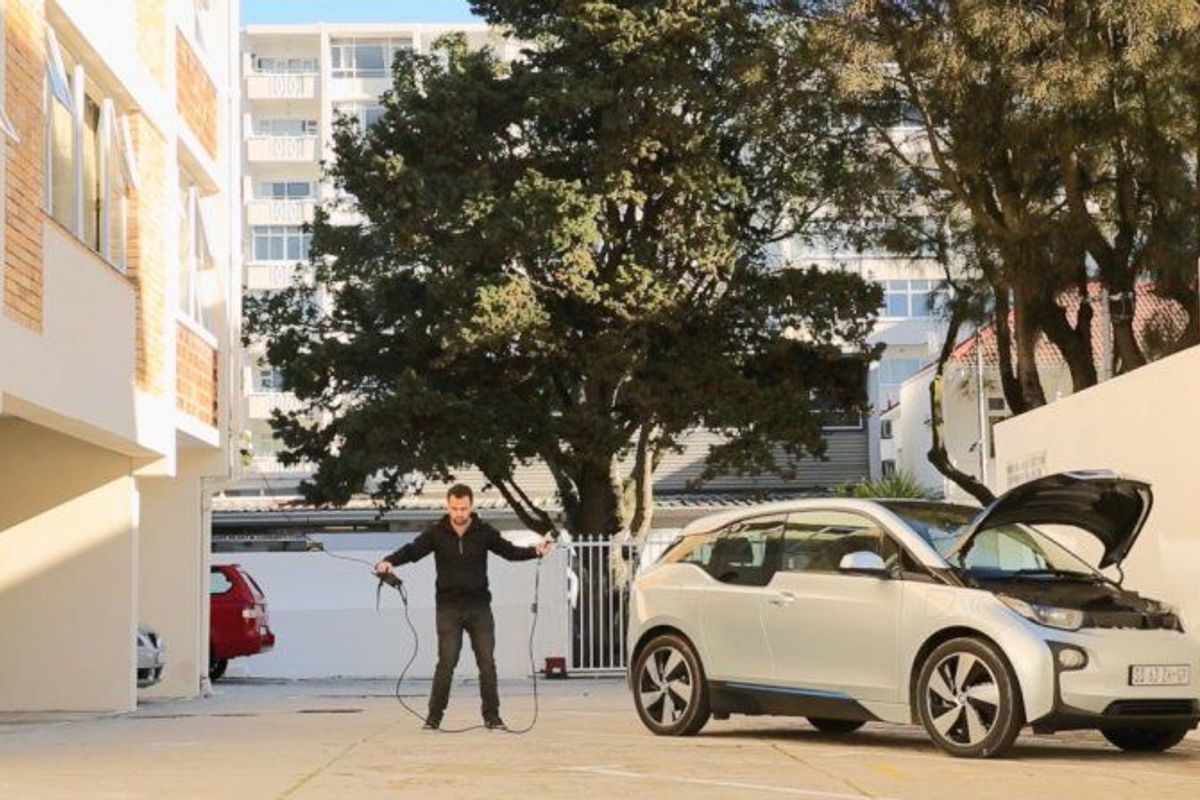
To charge the BMW i3 Range Extender, you have a number of options. Located in the bonnet storage area is a wall charger which is capable of giving you 80% in about 7 hours. This is fine for overnight use, but what you really want is the BMW i Wallbox. BMW will come to your home or office and install a charging station for around R25k, which is able to charge an i3 to 80% in under 3 hours. Finally, you can always pop down to your BMW i dealerships who will have a public charging station, which is able to give you an even faster charge. At this stage, there’s only one dealership in the Western Cape and we tried it out at SMG Cape Town. We’re happy to report that charging via this system is very easy to do.
Verdict
Eccentric looks aside, the technology used in the BMW i3 makes it a very exciting glimpse into the next generation of city motoring. The Range Extender makes the most sense and with that little generator humming behind you, range anxiety quickly diminishes. It’s a pricey way to make an eco statement, but is definitely going to win some fans thanks to its cool factor. We would like a model that had some of the luxury features removed which would bring the price down.
While the technology itself is not new, the fact that BMW has taken the bold step in making a mainstream vehicle like this sets a precedent. This is the first electric car that has broad and premium appeal in South Africa, and that interior is a work of art. Despite the Leaf being substantially cheaper, we’d have this BMW over the Nissan because of its cool factor. If only our government offered financial incentives to encourage the purchase of eco cars…
BMW i3 Range Extender Price in South Africa
The price of the BMW i3 starts at R532 500, with this i3 Range Extender going for R602 500.
Team Opinions
Understand that the i3 is a second car (or a city car), and it will fit into your lifestyle rather easily. Its appeal goes beyond the efficiencies of the drivetrain. It is good to drive too! –Hannes Oosthuizen
The i3 brings a bit of fun to the electric car idea, it’s fun and unexpectedly quick. Used purely as a city car it makes sense but it doesn’t really work on the open road where it can’t regenerate electricity. You definitely pay for the cost of driving electric though! –Ashley Oldfield
We like: Style, build quality, engineering, ease of use
We dont like: Price, novelty, unnecessary luxury features
Our annual efficiency list is up for renewal now as we look at the most fuel efficient vehicles currently on sale in South Africa. Having written last years article its interesting to see how it has evolved with new entrants and an increase in electric vehicles joining the fray.
Last year in order to make the top 10 list the magic number you needed to beat was 4.1L/100km. This year the bar has been set even lower with all cars on the list coming in at 3.8L/100km or under.
BMW has made a huge thud on the list with the introduction of its electric models and hybrids such as the i3 and i8 are claiming excellent fuel economy numbers.
Two SUVs make the list this year last year the only SUV on the list was the Cayenne Hybrid.
Again, the most fuel efficient cars are either small turbodiesels or hybrid petrol units. The real winners though are the electric cars that dont use any fuel but can be charged via a plug socket. Even when the electricity cost is added in to charge an electric car they prove more efficient than the internal combustion engine.
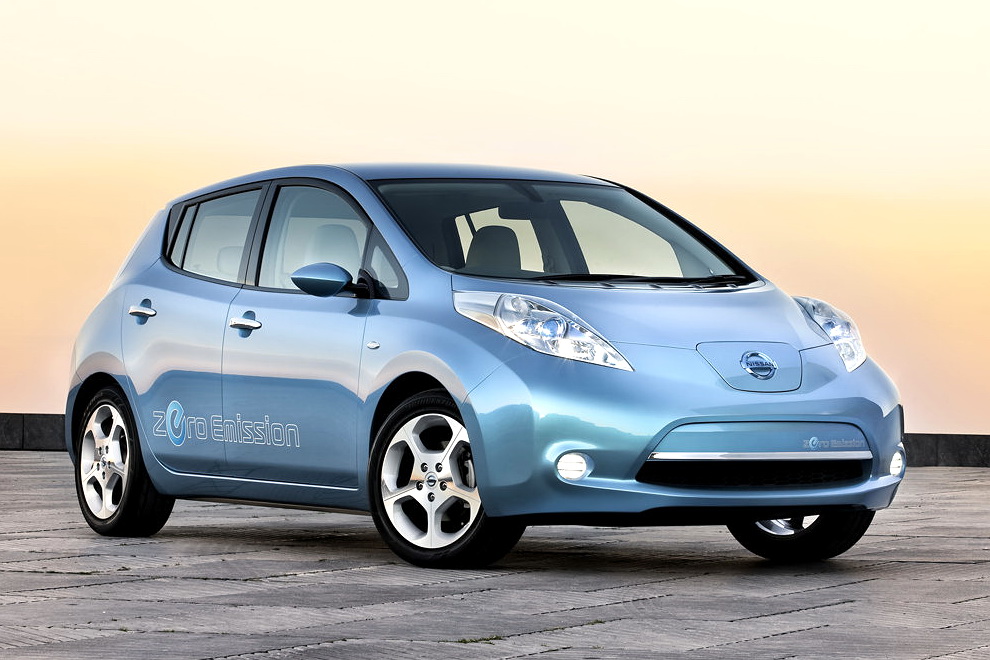
The Nissan Leaf maintains its top spot for the second year running although it is equalled by its fellow all-electric offering from BMW. Its getting easier to own an electric car in SA as charging stations across South Africa are springing up and you can charge your car at another manufacturer’s fast charging pod. The price however is still hard to believe as the Leaf is now R457 400. Each drive has a maximum length of 190km before the battery requires charge.
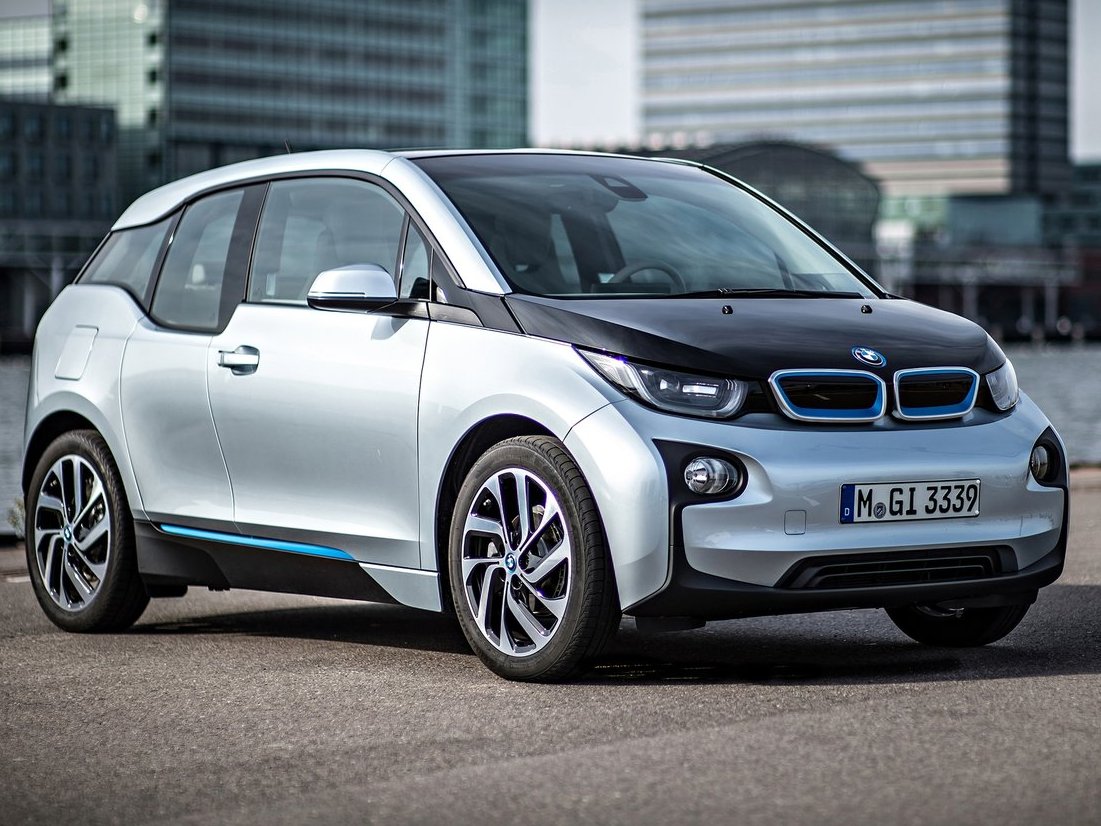
The BMW i3 is a new entrant to the top 10 with both the all-electric version and the range extender. The all-electric as the name suggests doesnt use any fuel but the range extender model is fitted with a tiny two-cylinder petrol motor and a nine-litre fuel tank. It works as a generator for the battery giving the i3 nearly double the range capability and claiming 300km and just 0.6L/100km. The i3 is still a costly vehicle though at R525 000 for the all-electric and R595 000 for the range extender.
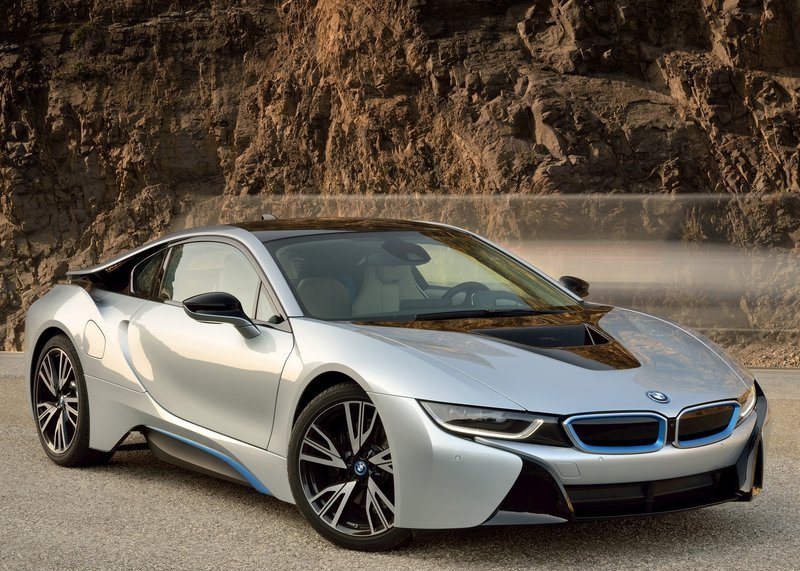
The sportscar hybrid from BMW snaps up third spot in the efficiency list. Equipped with a three-cylinder Mini engine that does the work at the top end of the power range and an electric engine that does the work at the lower end, the i8 puts out a total of 266 kW and 320 Nm. Also it only uses 2.1L/100km if you drive it in full eco mode. It does cost quite a lot at R1 755 000.
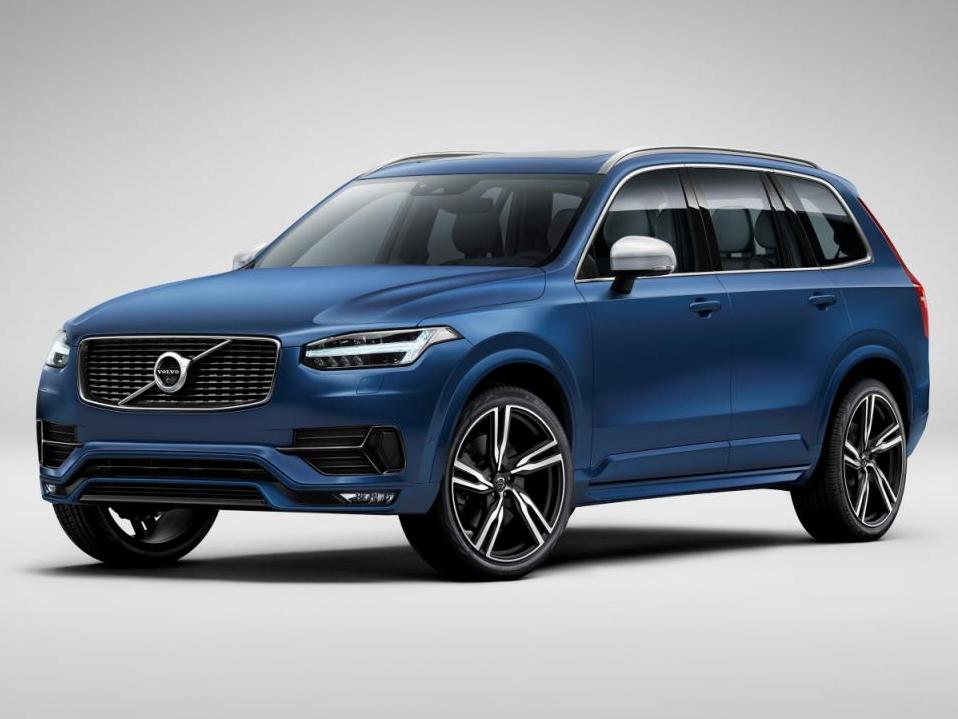
Volvos all-new XC90 is packed with loads of Swedish technology, safety and style. Volvo has also started producing and designing its own engines and the XC90 is the first vehicle to showcase this T8 derivative. Its powered by a 2-Litre petrol engine and then gets a turbo and supercharger and an electric motor to deliver 295 kW and 630 Nm of torque. The crazy thing is that in full eco run it claims 2.1L/100km. Again its not the cheapest car at R993 100.
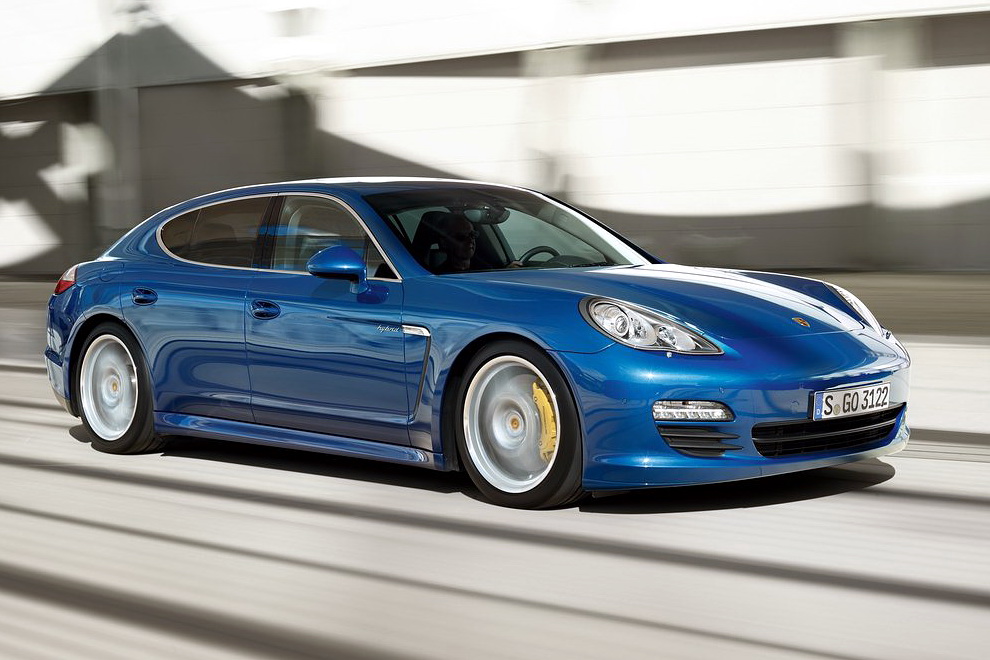
Porsche slips down from last years number two to the number five spot but thanks to the BMW i8 is no longer the most expensive vehicle in this top 10. The Panamera S e-hybrid can manage 35km in pure electric mode and will use just 3.1L/100km. The Cayenne uses similar technology to use 3.4L/100km. All this efficiency combined with a supercharged V6 on call when you need it equals guilt-free driving. R1 322 000 for the Panamera and R1 147 000 for the Cayenne.
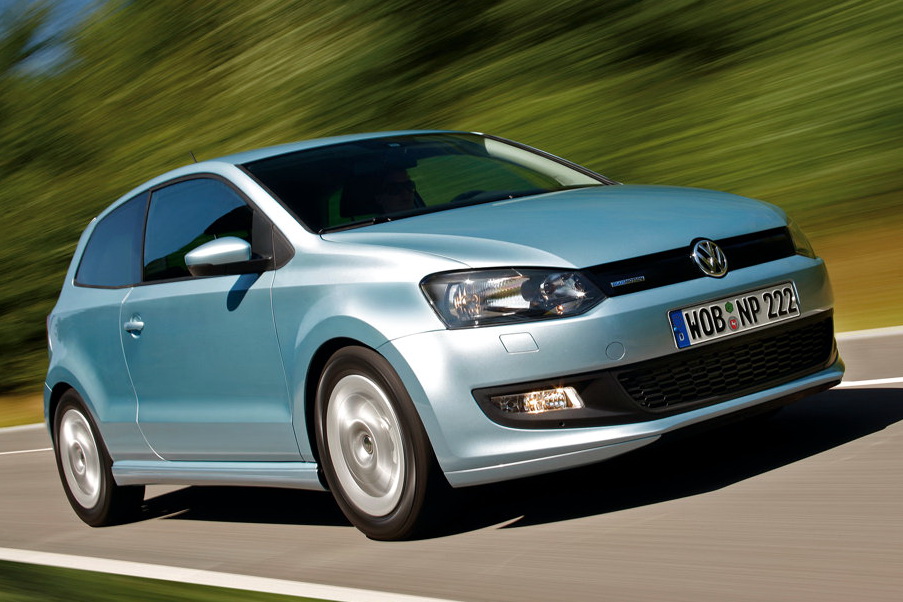
As of the time of writing this the 1.2TDI Bluemotion Polo is soon to be replaced (new Polo diesel lands in August 2015). The current 1.2 turbodiesel claims 3.4L/100km where the upcoming 1.4-Litre turbodiesel will use just 3.1L/100km. The Polo is a smart little hatchback with a diesel engine that will save you buck at the pumps. Pricing for the 1.2 TDI Bluemotion is R233 500.
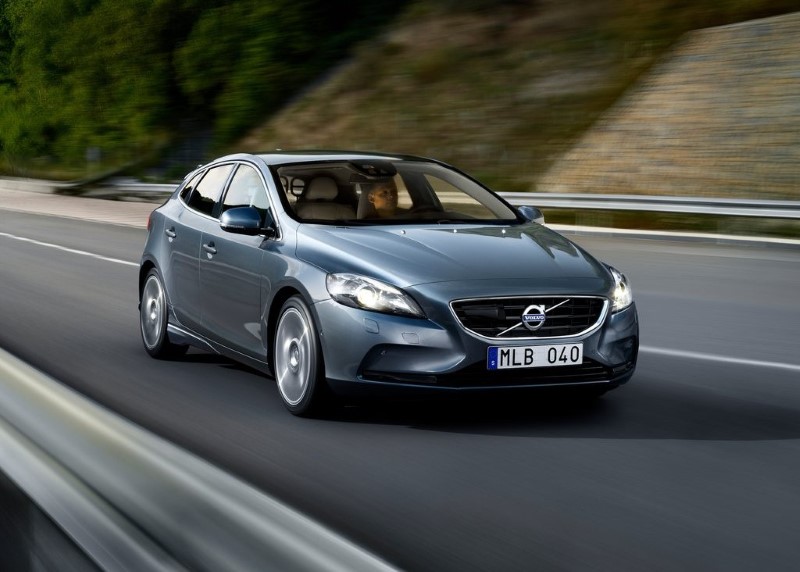
Volvo seems particularly good at delivering efficient engines. Both its D4 (2-Litre turbodiesel) and its D2 (1.6-Litre turbodiesel) make the list with the larger unit (D4) being ever so slightly more economical at 3.5L/100km with the D2 at 3.6L/100km. The V40 hatchback is a good looking alternative to the Audi A3 and BMW 1 Series. Base price for a D2 is R320 400 and a D4 is R409 700.
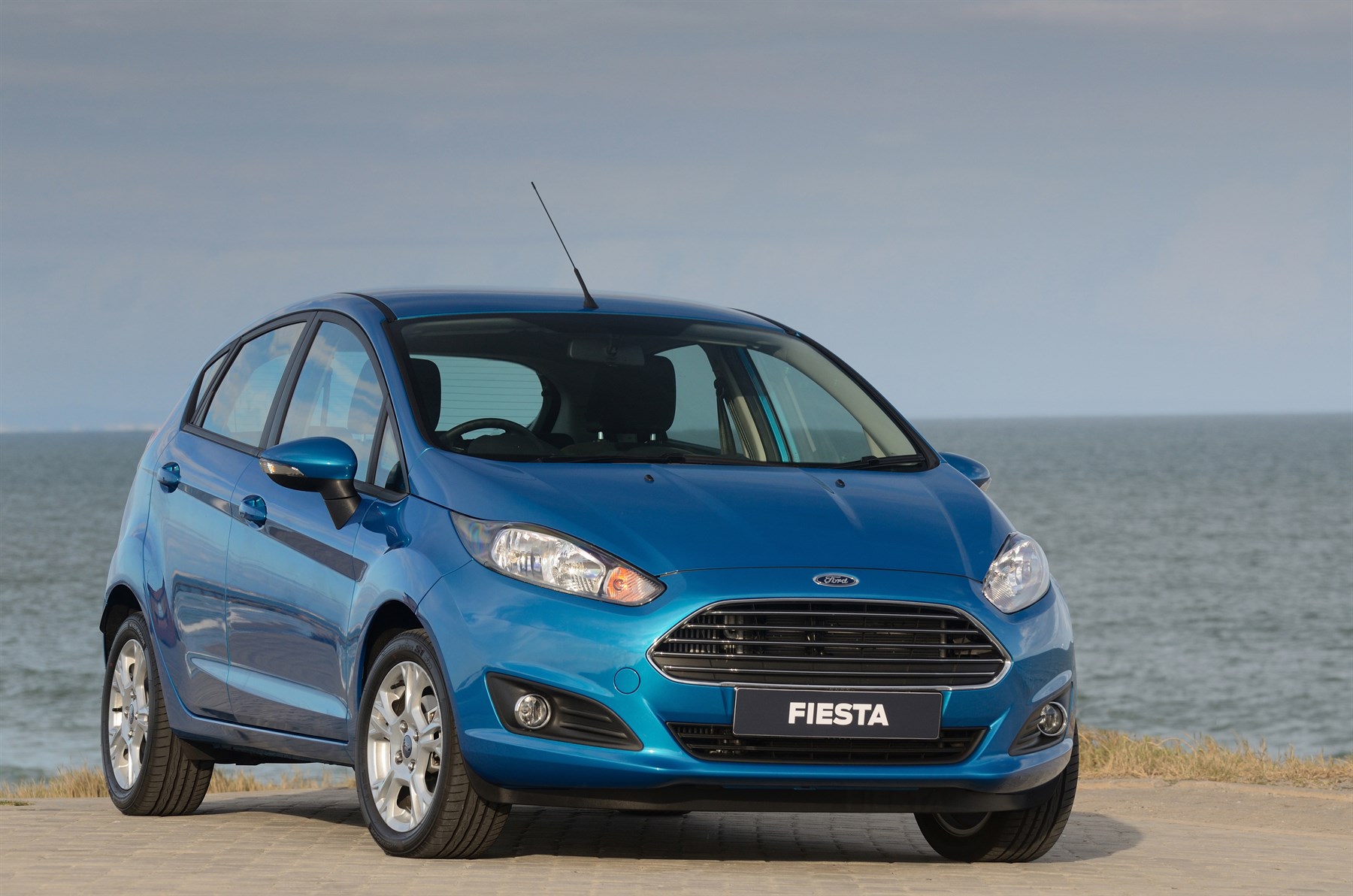
The Ford Fiesta stays in our top 10 this year albeit down from fifth place last year. Ford has recently reassessed the pricing of the Fiesta range since the introduction of the Focus in 2015. However the Fiesta seems to have been hit by escalating exchange rates as its pricing has changed from R194 900 last year to R210 030 in 2015. Youll need every cent you save then at the pumps with the 1.6TDCI using just 3.6L/100km.
The new Yaris hybrid uses the same hybrid as the previous generation except in the new model the fuel efficiency is slightly better. Toyota improved the Yaris official figure from 3.8L/100km to 3.6L/100km. After all its about marginal gains. The Yaris HSD has also been hit with a price increase and costs R20k more than last year at R277 000.
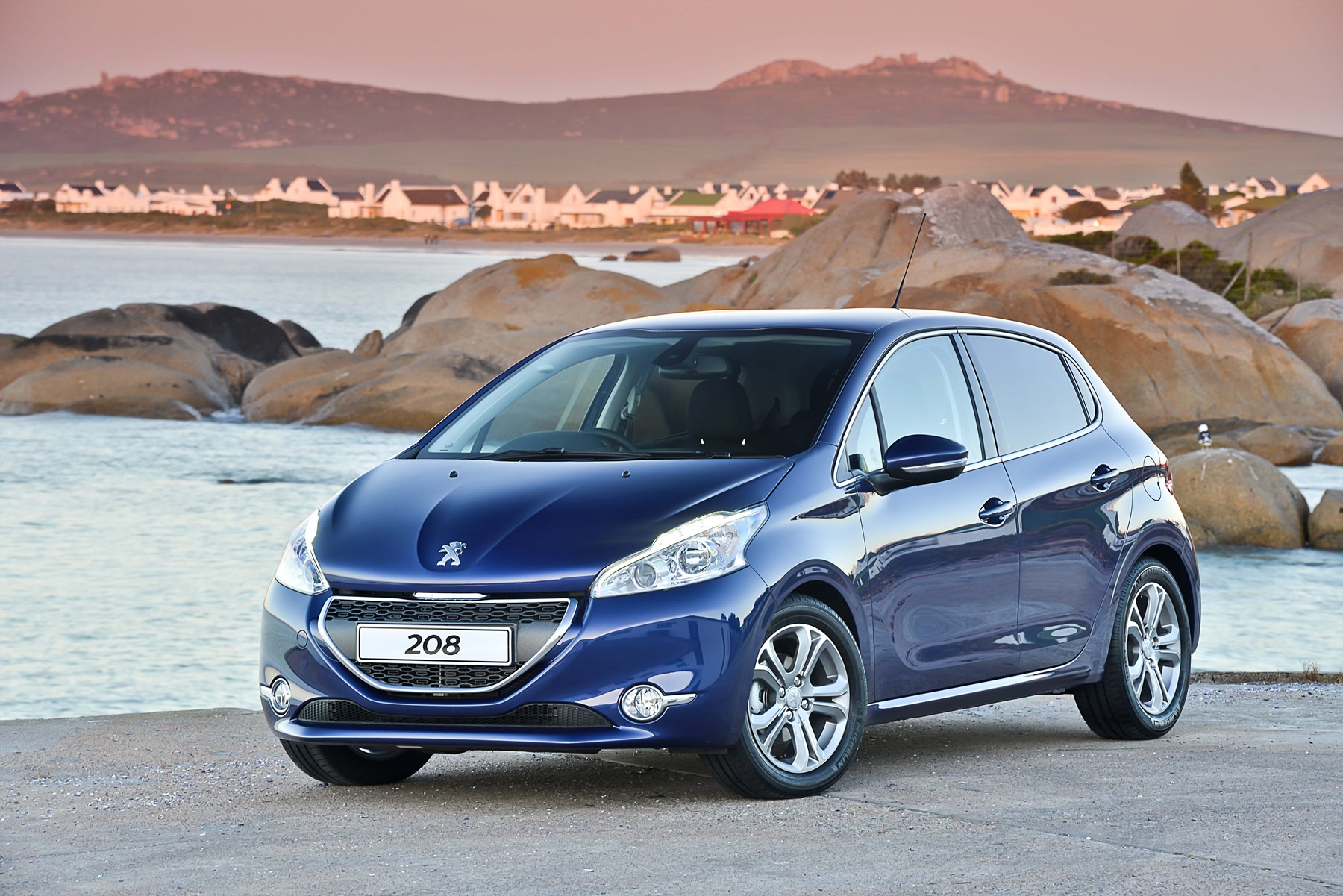
Another new entrant to the fuel efficiency gang, the Peugeot 208 makes use of a 1.6-Litre turbodiesel to sip just 3.8L/100km. The 208 is a fun little French hatchback that competes in a similar arena to the Fiesta and Polo above. Pricing for the 208 turbodiesel comes in at R223 000.