Cars.co.za journalist Ashley Oldfield will be taking part in the 2015 Jaguar Simola Hillclimb this weekend in a Jaguar XF sedan. He’ll be taking on other members of the motoring media in the annual race up the hill event in Knysna.
Knysna Hillclimb Details
The event takes place at the Simola Golf and Country Estate and will see an assortment of modern, classic and highly-tuned race cars hurtle up the hill. Jaguar SA is also fielding a number of entries such as the 405 kW supercharged V8 Jaguar F-Type R coupe. It was recently in the news for breaking the production vehicle land speed record. This vehicle will be driven by Dawie Olivier, National Aftersales Manager at Jaguar Land Rover SA.
A second V8 Jaguar F-Type R coupe will be driven by Barry Ingle from the Jaguar Experience driving academy, while the internal project car, a 2003 Jaguar XJR aptly named The Beast, will be driven by Rory Beattie, Jaguar Land Rover SA’s Customer Service director. The Range Rover Sport SVR and Jaguar XE will also make an appearance with multiple racing champion Peter Lindenberg taking the mighty SVR up the hill.
As for Ashley Oldfield, he’ll be taking on Stuart Grant from Classic and Performance Car Africa, Jesse Adams from The Star Motoring, Mark Jones (The Citizen), and Dieter Losskarn from GQ Magazine.
Video
To give you some idea of the Hillclimb route, watch this video from the 2012 event:
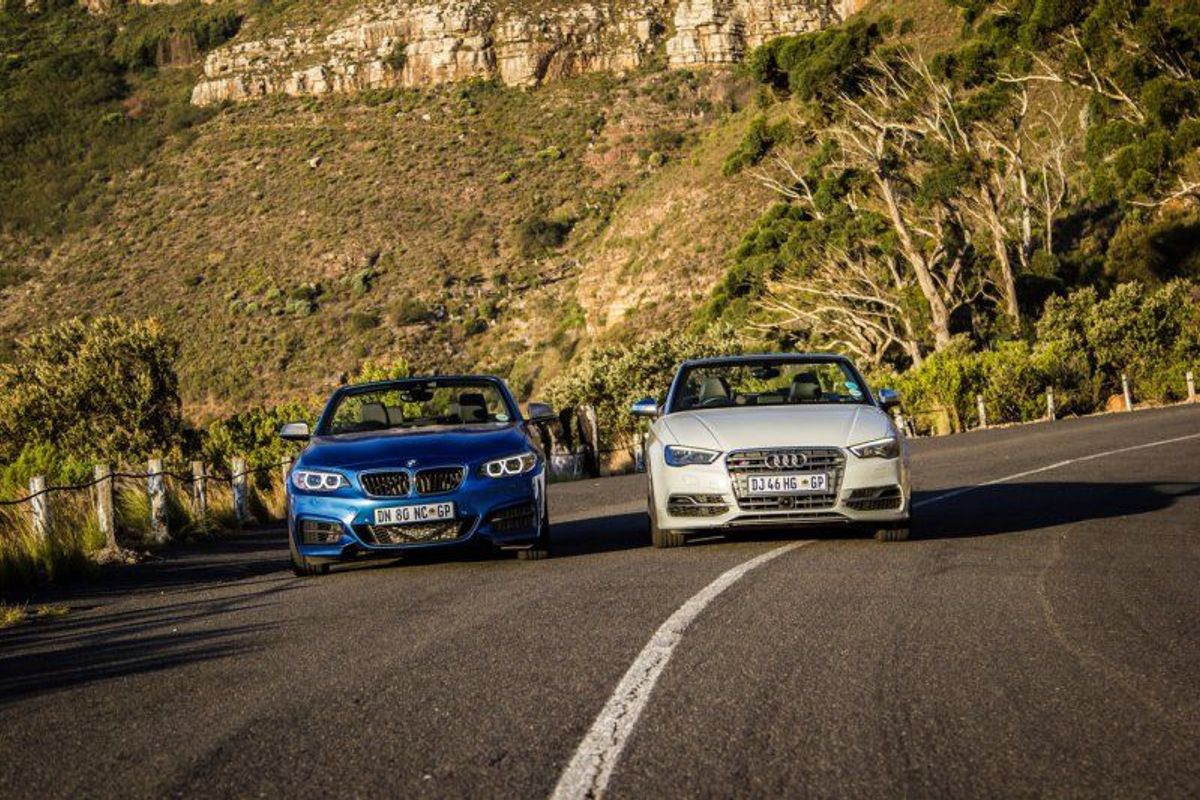
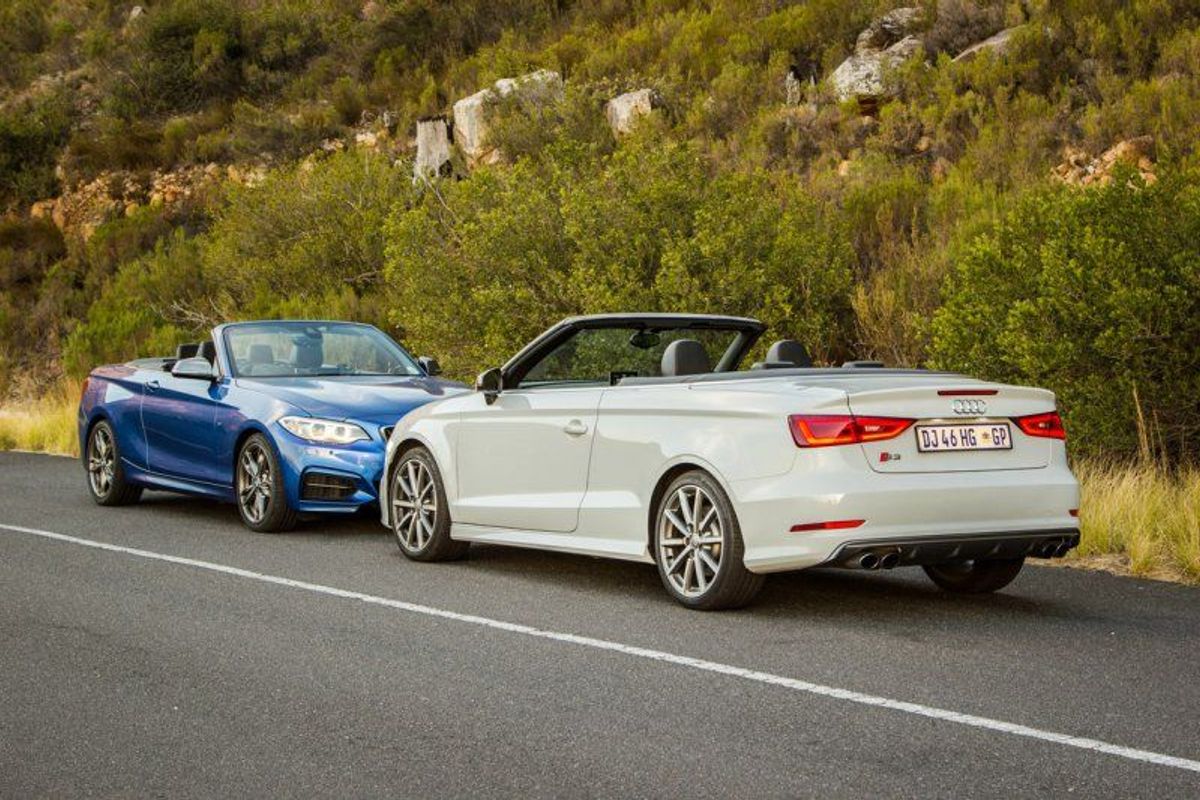
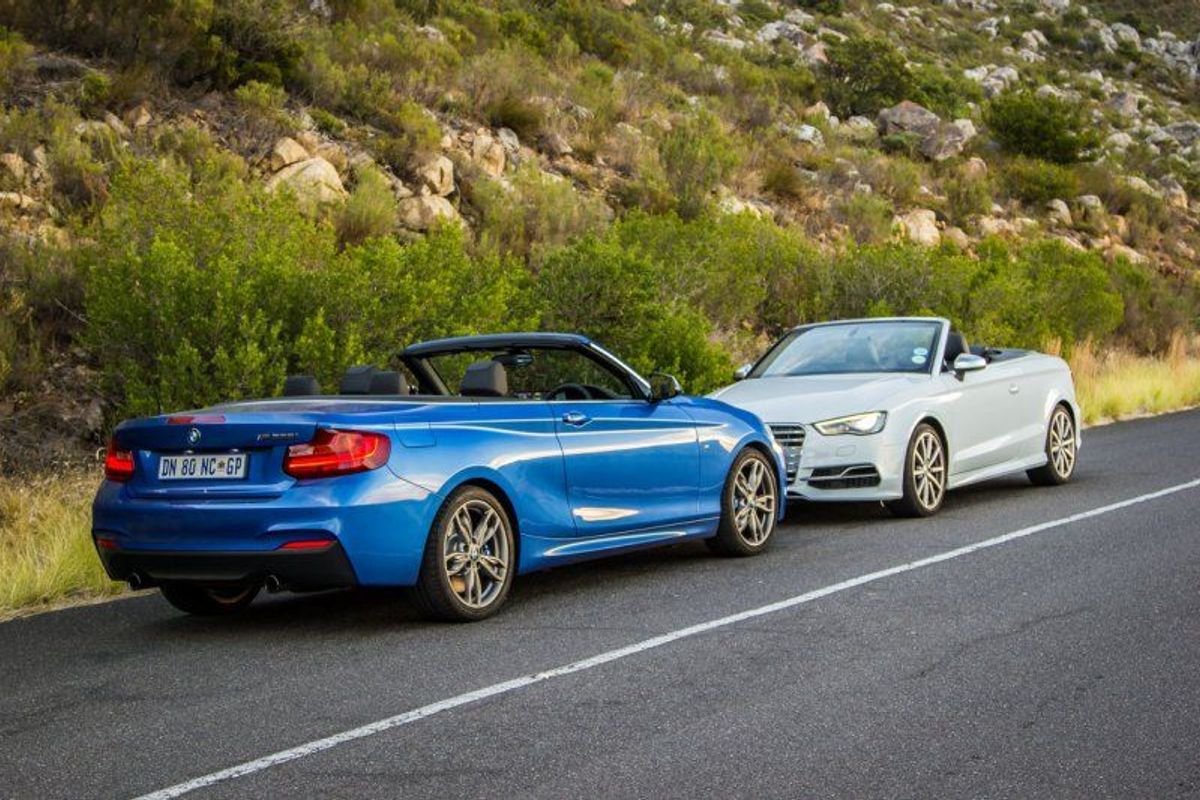
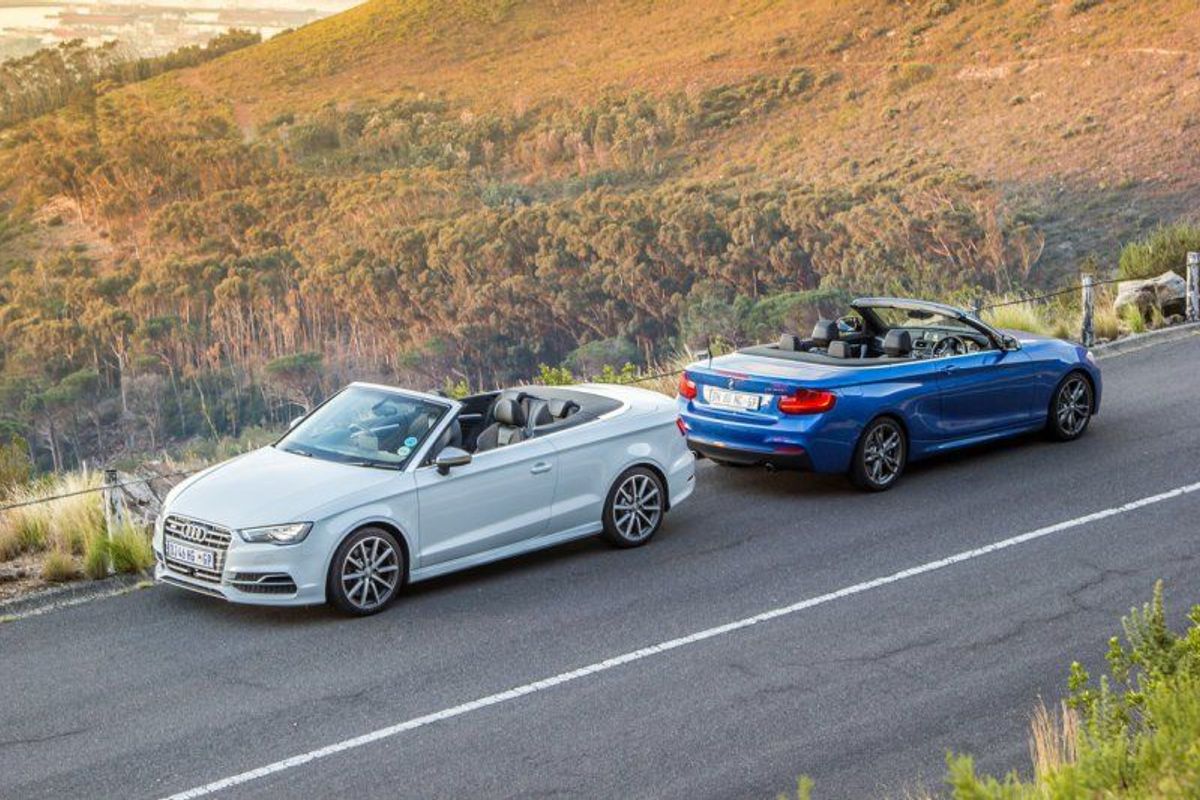
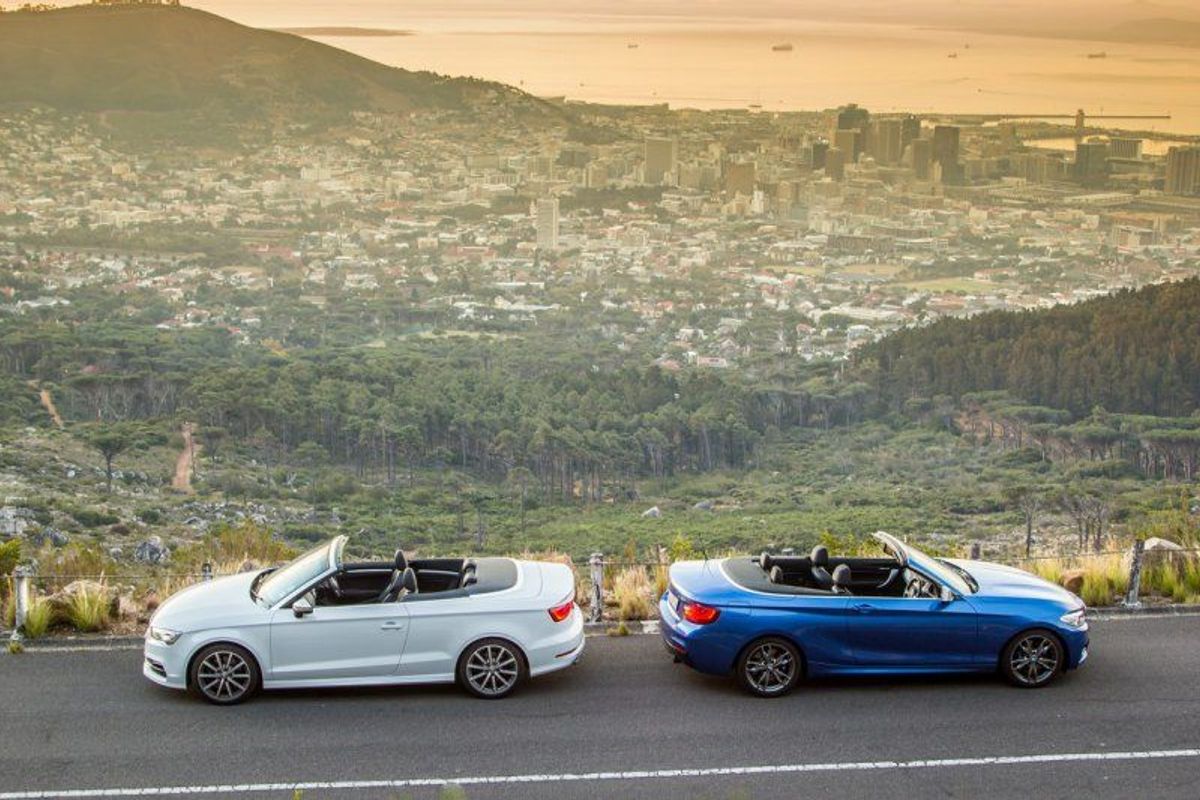
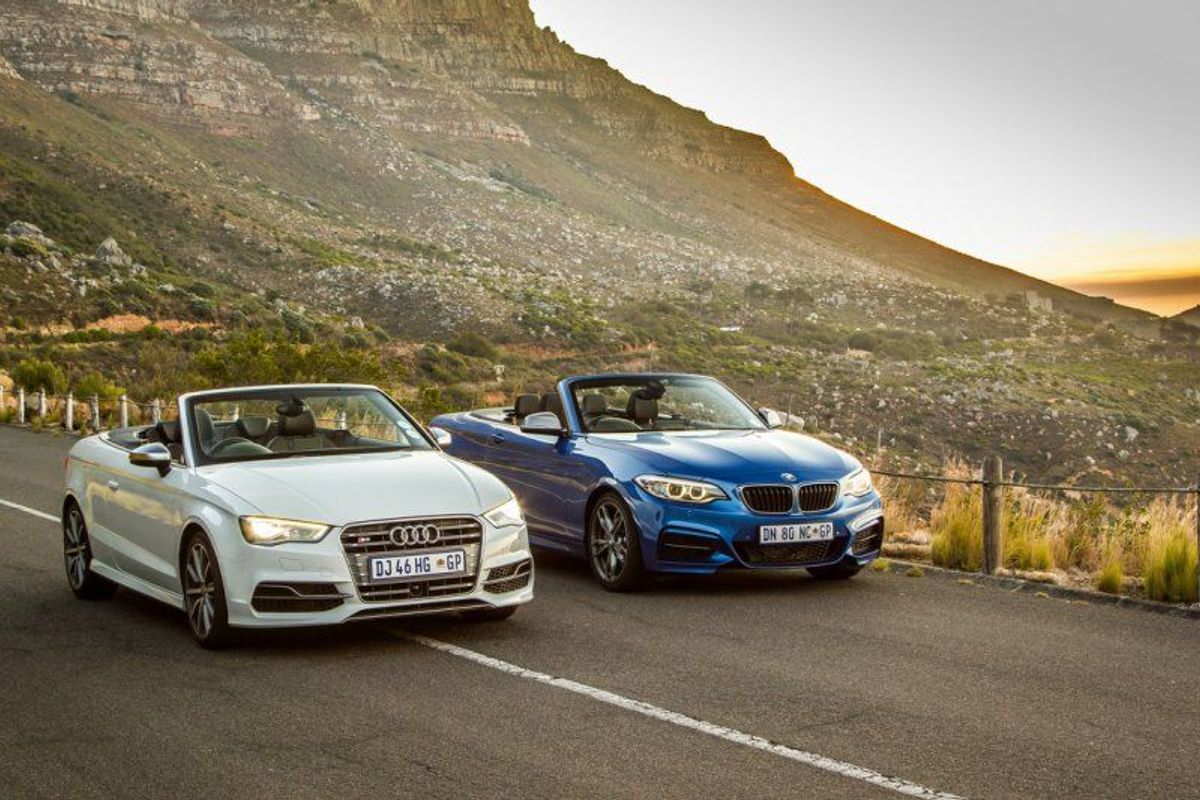
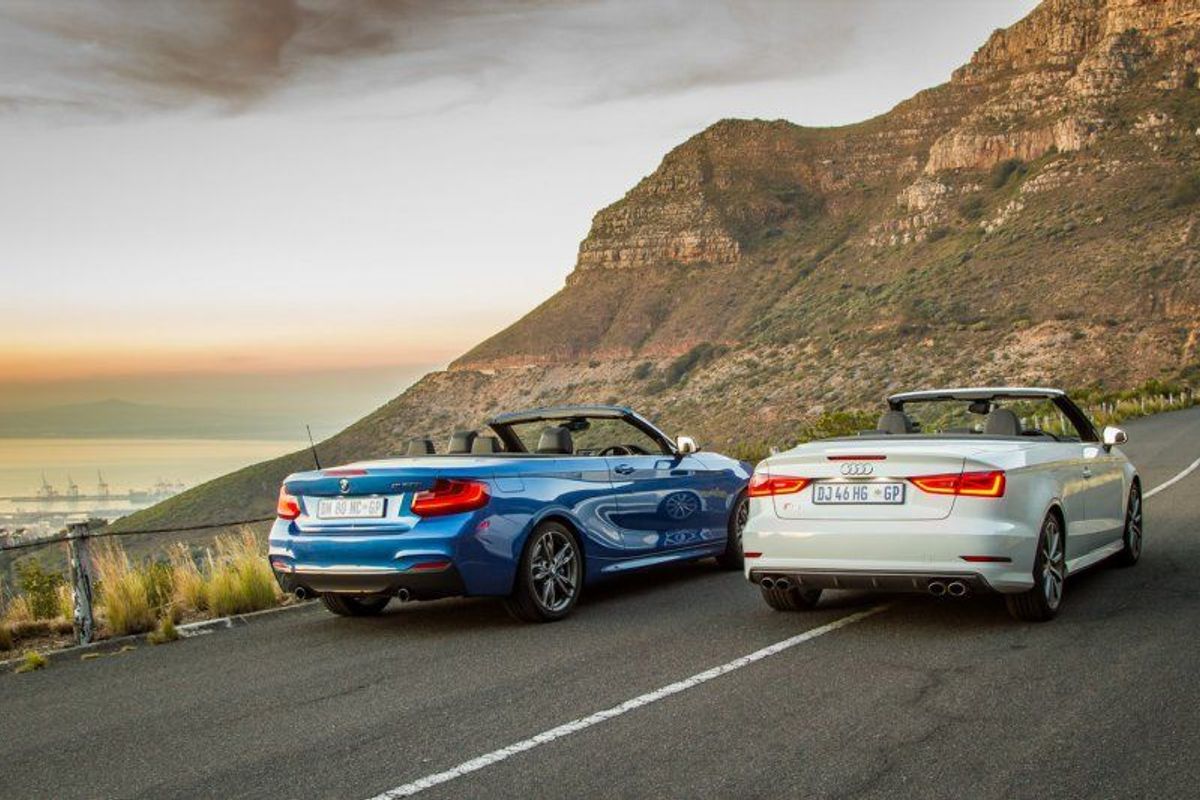
Audi S3 Convertible vs BMW M235i Convertible
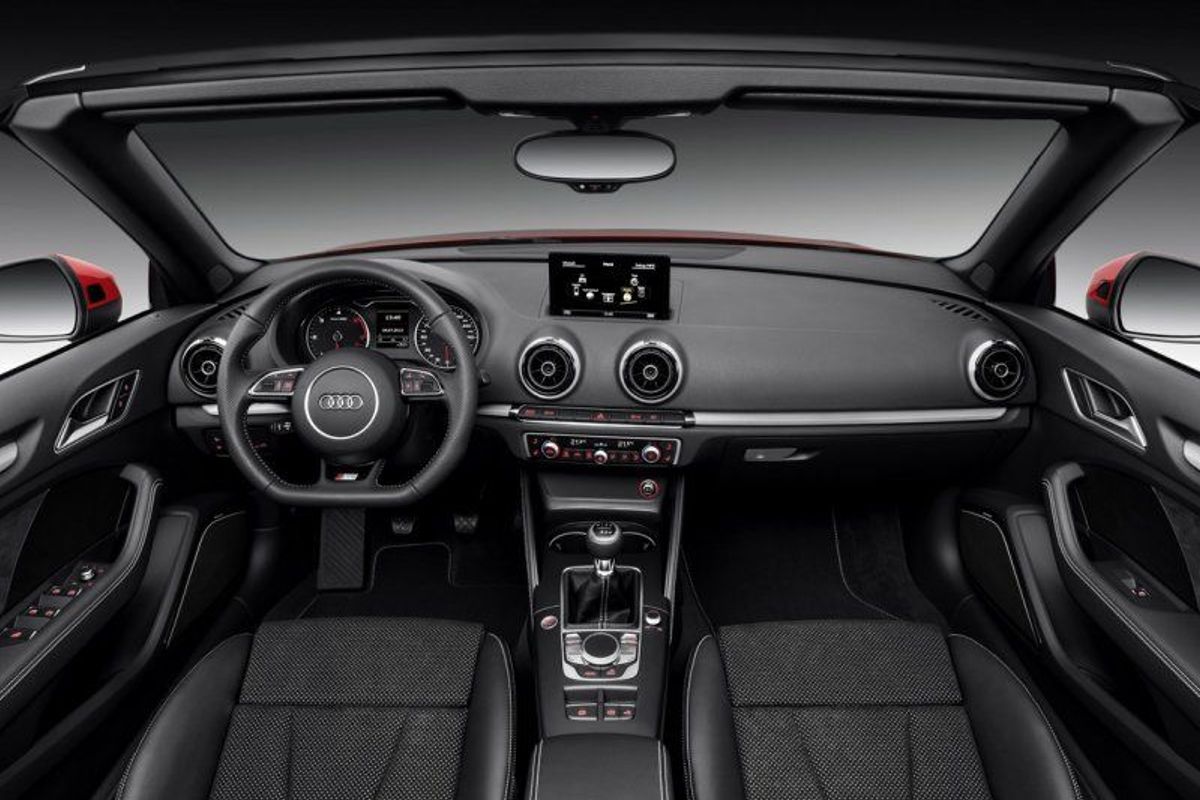
Audi vs BMW is a common comparison, with buyers and road testers having been comparing the two German marques for decades. Normally though, its in the sedan market where the two battle each other for honours. Today its a little different as weve got a pair of drop tops at our disposal and the top of the range models at that.
Where should you spend your money if youre looking to expose yourself to the great outdoor experience of wind in the hair driving and boulevard cruising? We pitted two of the newest vehicles in the segment head to head and discovered an interesting result was on the cards.
The roof, the roof, the roof .
Drop-top driving is all about the getting the roof down as quickly as possible when the conditions are favourable. On the other hand, getting the roof back up as quickly as possible if you happen to run into some inclement weather is also important.
A video posted by Cars.co.za (@carssouthafrica) on
The side by side roof race was won by the Audi as our video shows, but the BMW was only a mere second behind. Audi claims its roof lowers in just 17 seconds and can be dropped or retracted whilst on the move at speeds of up to 50kph. The BMW claims 20 seconds for its roof and these mechanical acrobatics can be done at speeds of up to 50kph. Both cars use a cloth style roof to keep the weight down. Boot space in both cars is decent with the roof up or down and will easily swallow a short weekends worth of luggage.
Back seats?
Both the Audi and BMW have back seats, but its a cramped place to sit in either. However, it’s the BMW which definitely has more room for legs. The Audi has almost nothing on offer in the way of rear legroom so if you intend on putting passengers in the back, they best be adept at some form of yoga.
Interior
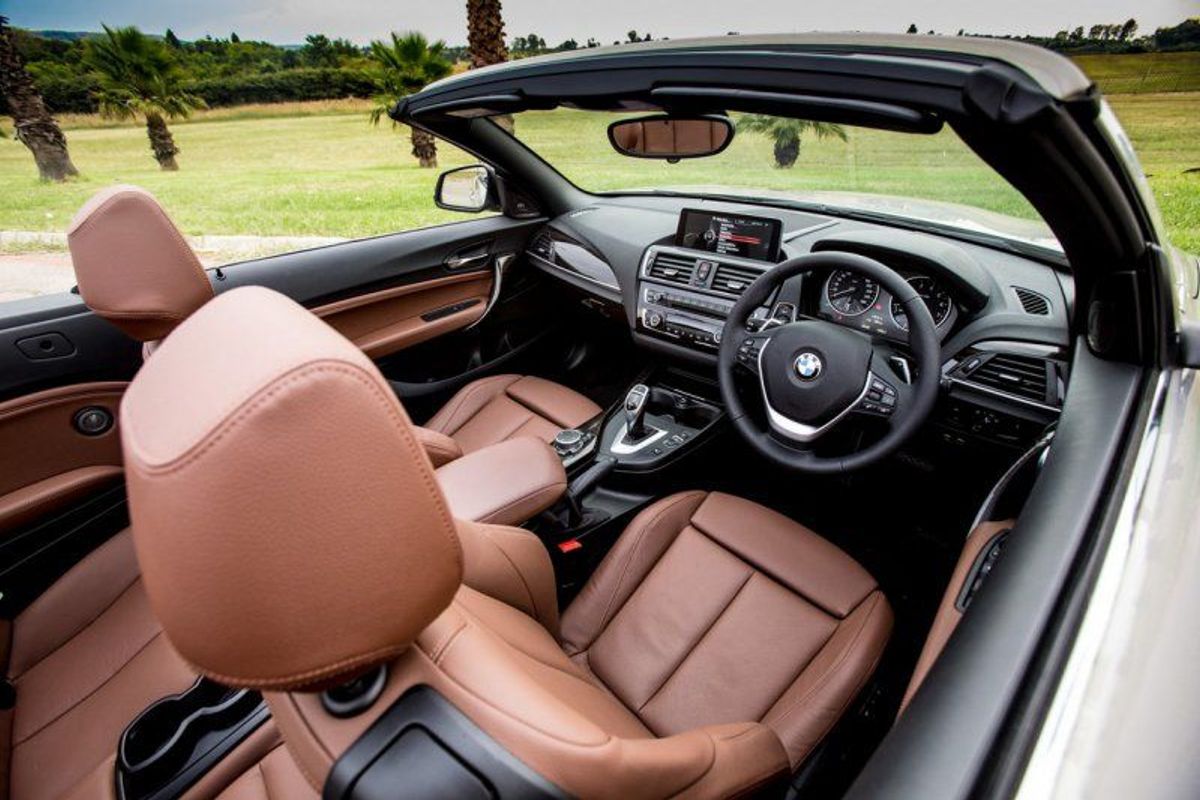
Germans build interiors brilliantly and both cars are extremely well put together and exude a premium feel and aroma yes, they even smell expensive. Turn up the speed with the roof up and the BMW is noisier inside, with wind noise and a slight shake from the window and roof seals definitely more noticeable than in the Audi that feels torsionally more rigid. Neither are a match for their hardtop counterparts in this department, but thats something you just have to live with in a convertible. Theres loads of options to choose from on both brands’ spec sheets so theres no real point in comparing spec for spec here, just know that if you tick all the boxes you can add close to 50% onto your cars base price.
Vocal Engines
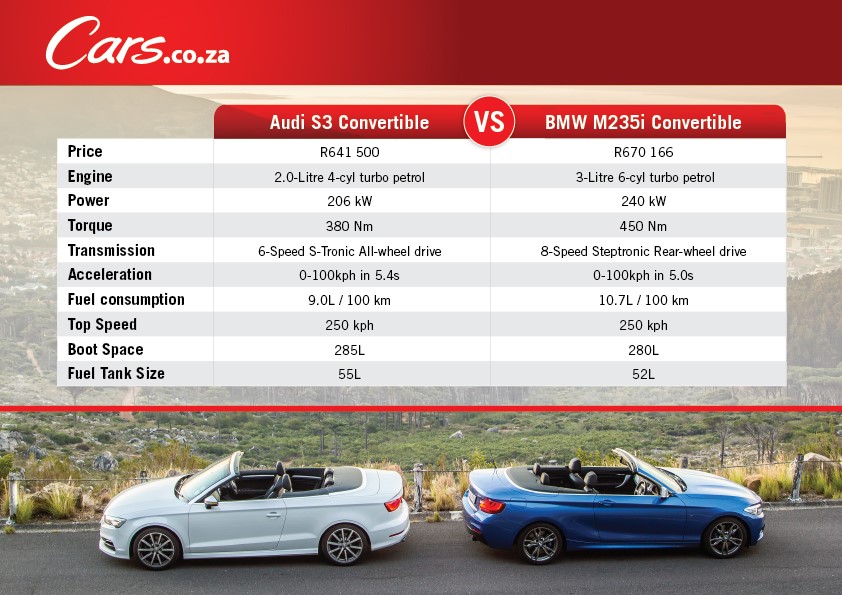
The two powertrains on display here are both petrol, both turbocharged and both put out similar amounts of grin-inspiring power. The Audi uses a 2-Litre, four-cylinder unit to churn out 206 kW and 380 Nm of torque. The BMW goes the straight-six route with a 3-Litre capable of developing 240 kW and 450 Nm. The BMW howls nicely in the upper echelons of the rev range, making for an inspiring soundtrack to listen to with the roof down on a great road. The Audi has more of a deep bass induction thrum to it and relies on the S-tronic gearshift pop to inspire the aural senses.
The BMW is certainly the faster of the two thanks to its kilowatt advantage, but neither is slow and will get the blood flowing the second you go near the throttle. Both use dual-clutch gearboxes to good effect and have the option of paddle-shifters if you want to manually get involved with shifting duties. When testing the gearboxes back to back its the Audi box that feels ever so slightly faster. Its more willing to shift down aggressively.
The open (top) road
Out on the sweeping curves of a mountain pass or the tight sinewy twists of a coastal tour road, or even on the boulevard cruise of a seaside city, convertibles will turn heads. For the driver though it can be uncomfortable as the lack of a key structural element (the roof) makes things difficult for engineers to get around. Here the Audi wins hands down, with the S3 Convertible doing a much better job of staying plush when the road gets jittery. Theres also less crashing noises when you have to deal with the holes and craters in our roads.
Out on the sweeping, faster roads the S3 Convertible feels nimbler and easier to drive. The BMW on the other hand is a bumpy ride and demands your full attention and skillset, especially when nearing the limit. It can become quite tiresome as an everyday driver, but for the enthusiast who knows how to properly exploit a rear-wheel car, it’s very enjoyable.
Verdict
The Audi feels the better built and more rewarding of the two convertibles to drive. Its the complete package as far as a convertible goes and the one I kept grabbing the keys of to go out and drive. The BMW M235i Convertible is the faster car and has more space for people, but it lacks in the ride quality department and it really doesn’t deal with uneven tarmac as well as the Audi. It also happens that the S3 Cabriolet is R30k cheaper than the BMW M235i Cabriolet at base price.
S3 Convertible vs M235i Convertible Quick Specs
Plans for Porsche-owned Kyalami Announced
“Everyone has a story about the old Kyalami”, said Porsche South Africa CEO Toby Venter. He’s right, and every motorsport fan in South Africa will happily share an anecdote or two about Gauteng’s premier racing circuit. Now, almost a year after the auction in which Porsche snapped up the track for R205-million, the German sportscar brand has announced what exactly it plans to do with the facility.
Porsche SA Saves Kyalami
I can remember live-streaming the auction on my laptop and praying that the entire complex wasn’t going to land up becoming Tuscan-style housing and shopping malls. Suddenly a phone bid came through from an unknown purchaser and the deal was done. Later it was revealed that Porsche SA CEO Toby Venter had become the new owner and the elation both in our office and the motoring community went through the roof.
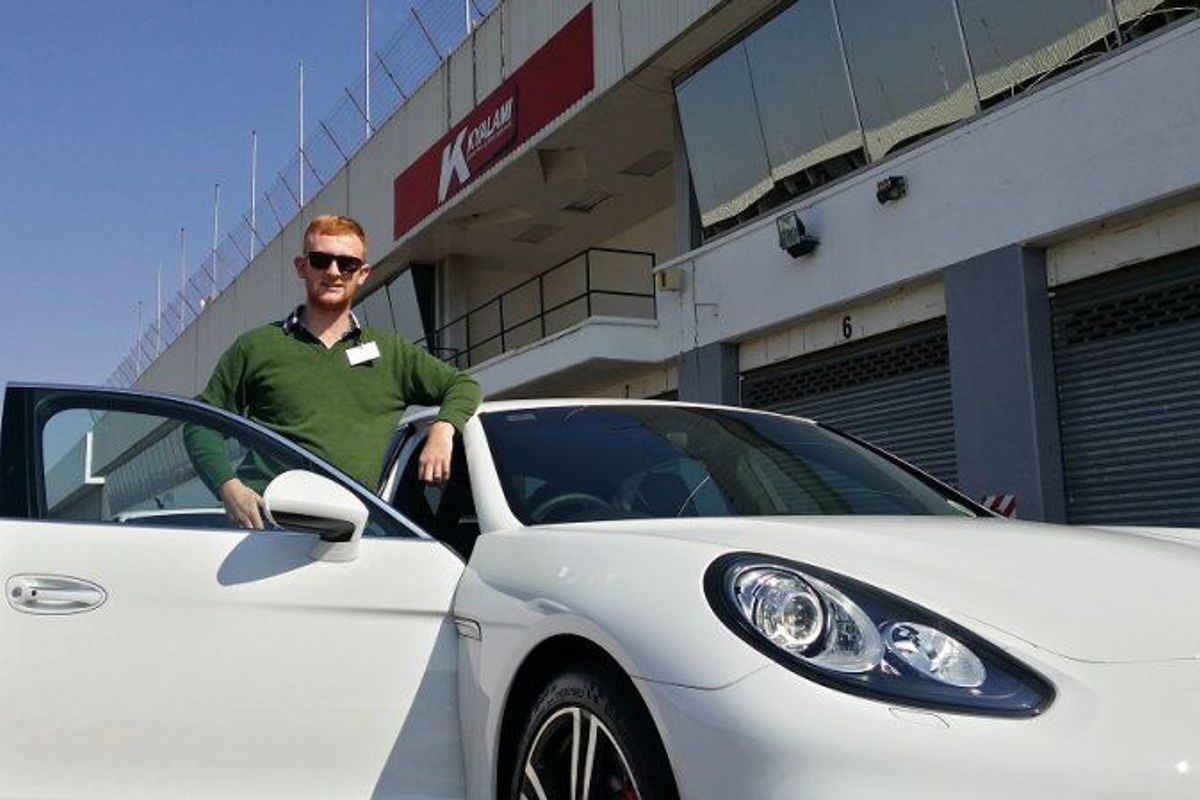
Fast forward to May 2015 and Porsche SA invited us to celebrate one last lap of the track in a Panamera Turbo and to highlight its plans for Kyalami. I thought a simple nip and tuck would be all that’s needed to restore the circuit to its former glory, but in reality the entire complex has decayed quite badly and there’s substantial work to be done. Being Porsche, things have to be done properly and that meant getting Charlie Whiting (FIA Safety Delegate) to South Africa, to share his thoughts. Considering his background and involvement with Formula One, there’s no better person to offer safety advice.
Everything Except F1
The aim is to bring the track up to FIA Grade 2 status, which is essentially everything and anything this side of F1. Given the current state of F1, both in the boardrooms and on the track, I don’t think people are too bothered. Personally, I’m very excited by the potential to have Porsche 919 Le Mans cars and an international field of Porsche GT3 Supercup racers taking to our track. Could you imagine camping at Kyalami overnight for an endurance event? It sounds terrific and you can begin to understand the vision that Porsche SA CEO Toby Venter is trying to carry out.
Track Changes
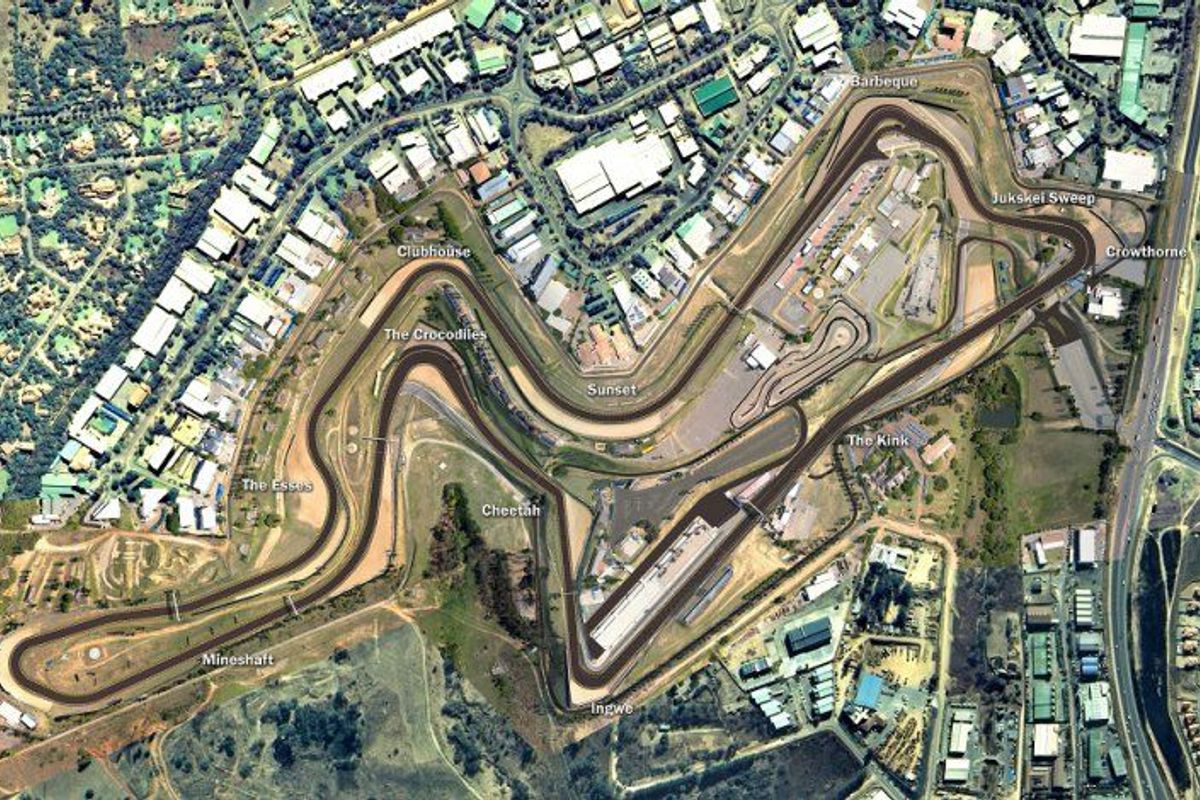
There’s a lot that needs doing at Kyalami, both in terms of infrastructure and the track itself. The tarmac has been there since the early 1990’s and needs to be resurfaced to international spec. The design will be altered to include a longer main straight with turn one being reduced in angle and extending further, resulting in a straight of around 900 metres. With the changes, the track is being lengthened by around 280 metres and the aims are to increase speeds as well as provide more overtaking opportunities.
There’ll be a new turn 2 which will be a tight-apexed left hand corner with a series of subsequent bends which will eventually rejoin the current layout at turn 4. Turn 12, commonly known as the Bowl, has been tweaked too. Finally, safety features such as FIA-spec Armco barriers and greater runoff areas will be installed. Some of the corners have been renamed with the Crocodiles, Cheetah and Ingwe making an introduction. Fans of the original Kyalami will be pleased to hear the name Barbeque making a comeback at the new turn 5. Perhaps most importantly, the elevation changes on the track will continue and it’s this factor that makes the circuit legendary. Just think of the famous Eau Rouge corner at Spa and you’ll see what I’m getting at.
Infrastructure Changes
The rest of the facility will be substantially upgraded too, with a new double lane circuit underpass to allow race transporter trucks to get to the pits being constructed. The old pits by the karting track will be upgraded to a secondary pit complex, ideal for smaller events and local racing categories which would run in support of an international event. Parking areas will be resurfaced and proper bays will be designated. Facilities like ablution blocks are also being taken care of.
It is the fan who will likely benefit the most from the facelifted Kyalami. Those eyesore bomas which obstructed racing action will be knocked down and spectator areas will be created. These areas will be in all-new positions and will be excellent vantage points on race days. For non-racing events, the exhibition and conference facilities will also be substantially jazzed up. There’s also the chance to have advanced driving schools, regardless of brand, making their way to the track
If all goes according to plan, we’ll see the new Kyalami open its doors in early September 2015 and the upgrades will cost approximately R100-million. I can’t wait!
*Look out for our last lap video as well as a 3D simulation of the new layout coming soon*
Audi TT Clubsport Turbo has 441 kW (Video)
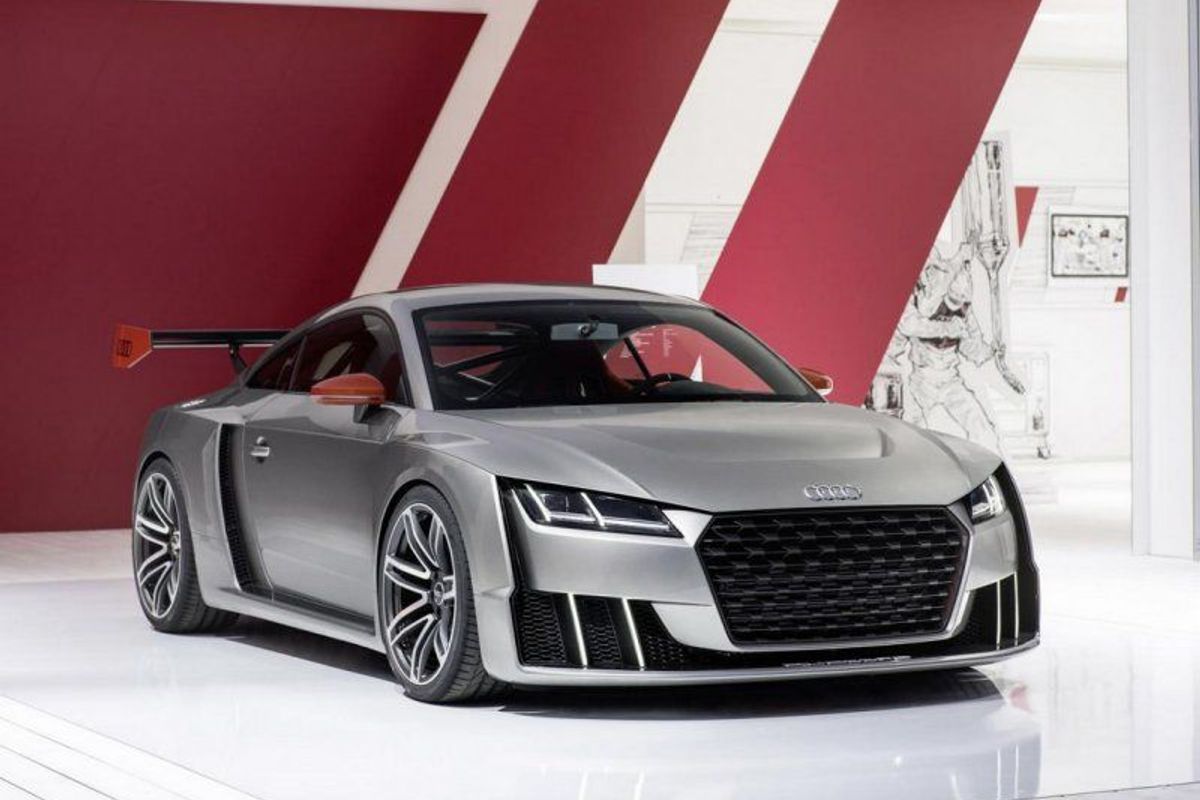
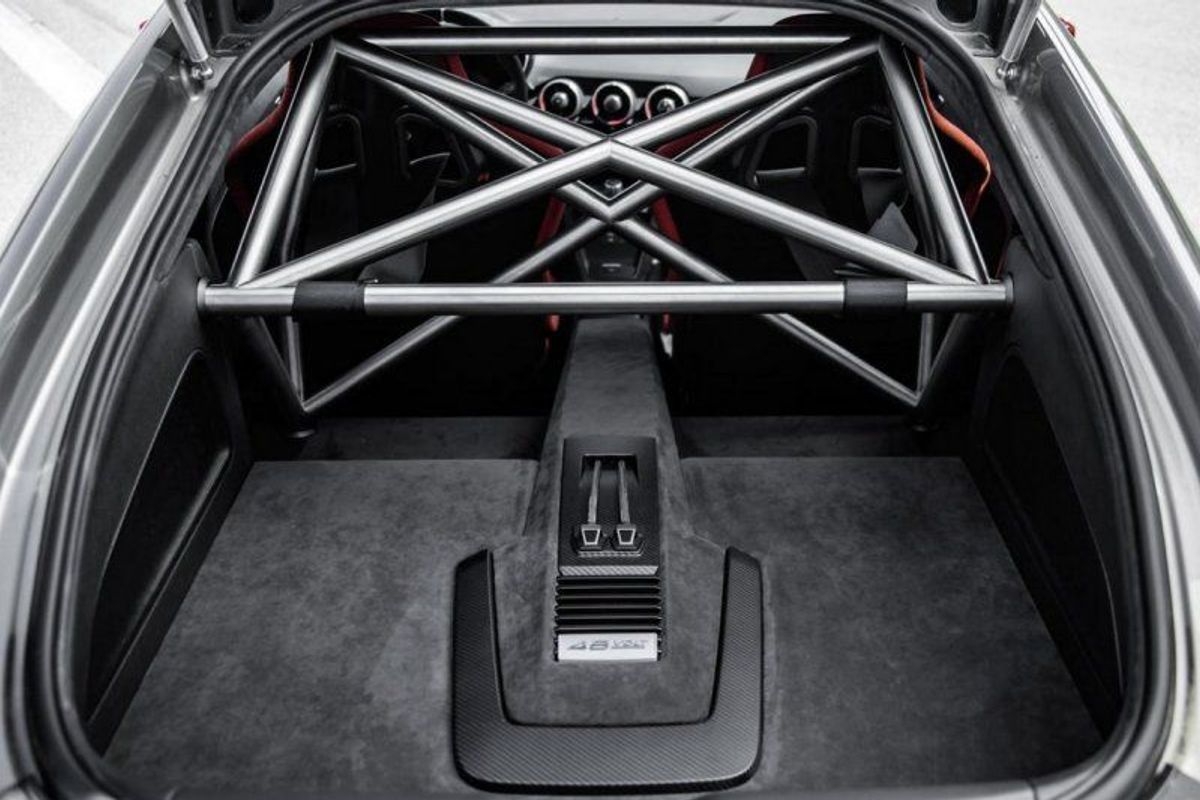
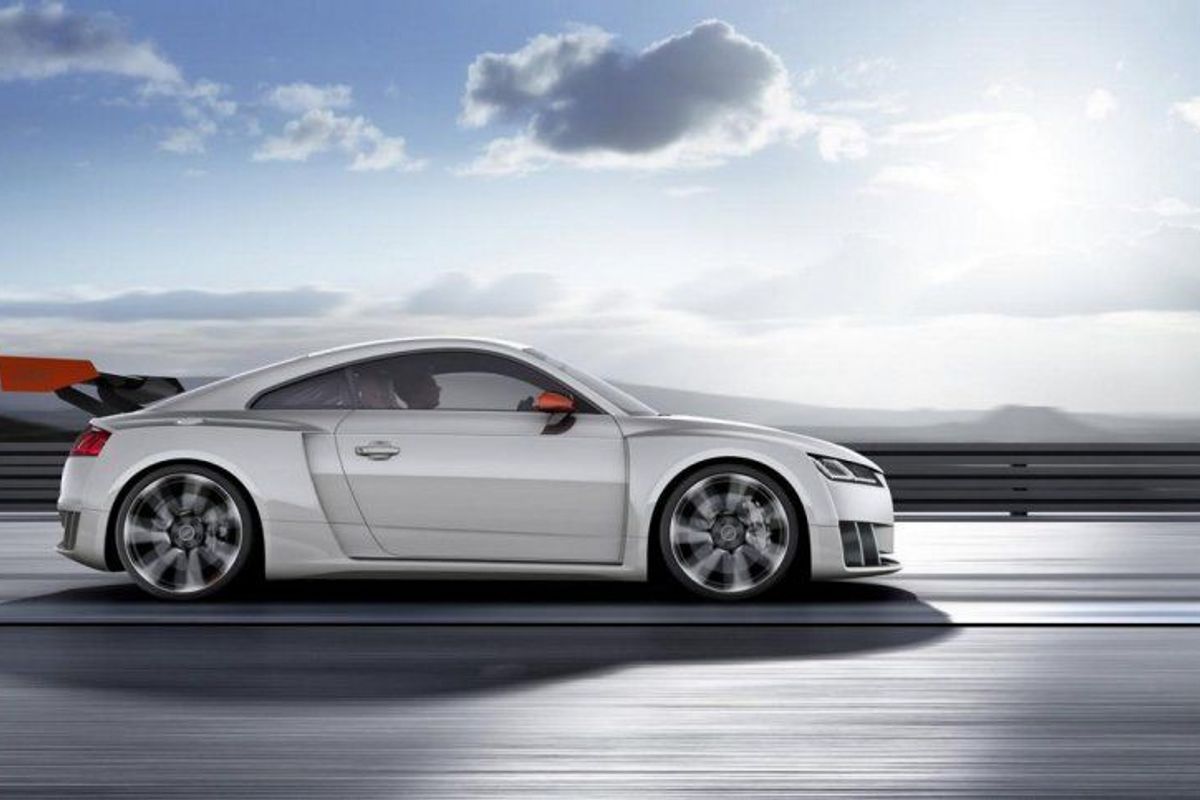
Heading to the Worthersee show later this month (May 2015) is this Audi TT Clubsport Turbo. It features Audis innovative electric turbocharger technology but is mostly about making sure the VW and Audi lovers get a suitable concept to be excited about.
Audi TT Clubsport Details
Electric turbocharging is a smart solution to eradicating turbo lag at low RPM. When there is not enough exhaust gas to spin the turbocharger adequately, it calls on the cars secondary electric compressor to provide boost. This allows instant boost and engineers can focus on ensuring high power and high revs from the power unit.
Prof. Dr. Ulrich Hackenberg, Audi Board Member for Technical Development. In our TDI engines, we are close to production readiness with this technology. We are now presenting it in a TFSI here too, we are the first automaker in the world to do this. For our fans at Wörthersee, we have packaged the electric biturbo in a very sporty show car.
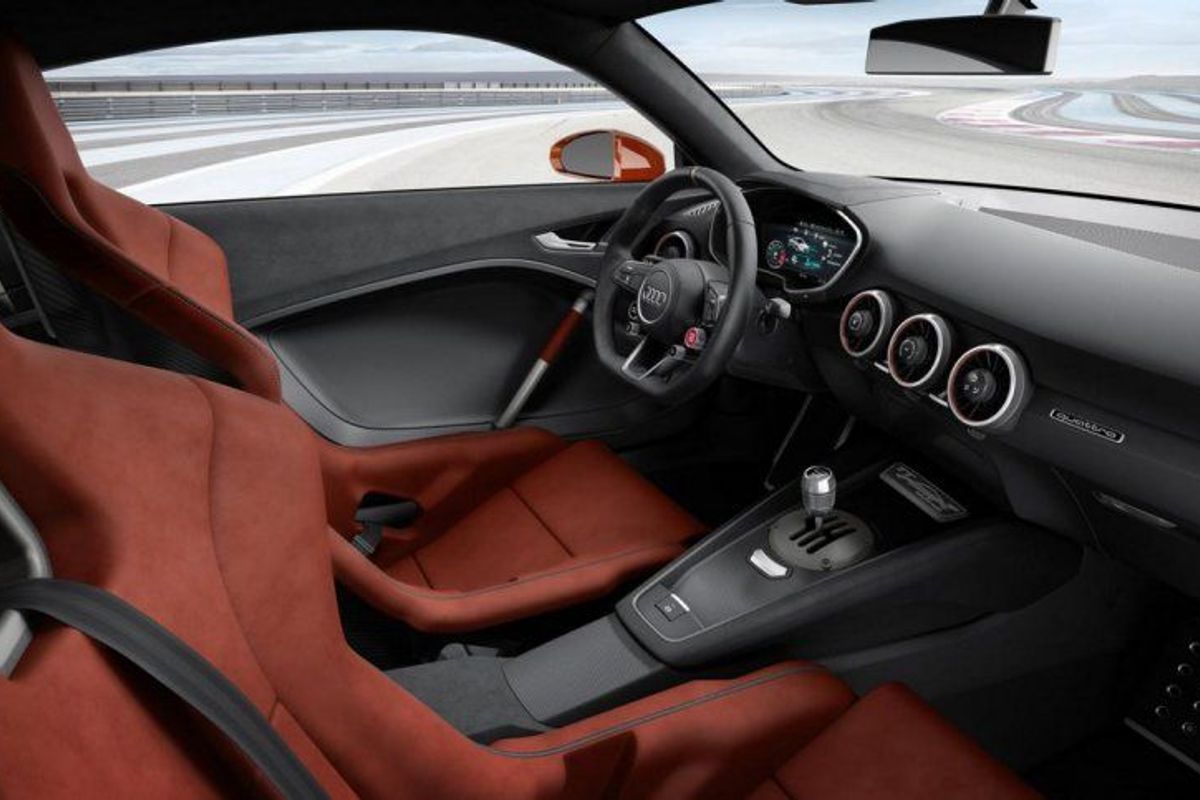
The Audi TT Clubsport Turbo makes use of the 2.5-Litre, five-cylinder unit complete with two turbos that enable a massive power output of 441 kW and 650 Nm of torque. Better yet the power unit is hooked up to a six-speed manual gearbox. Zero to 100kph takes just 3.6 seconds and will roar on to a top speed of 310kph.
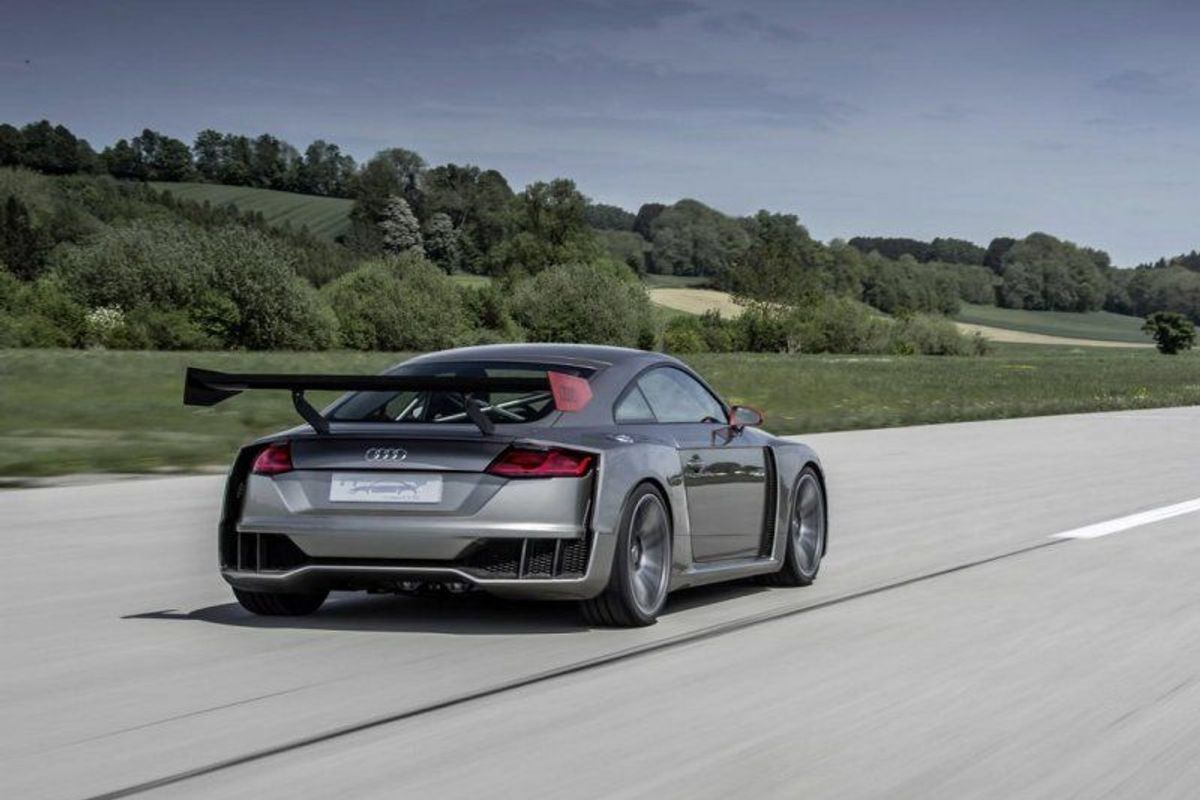
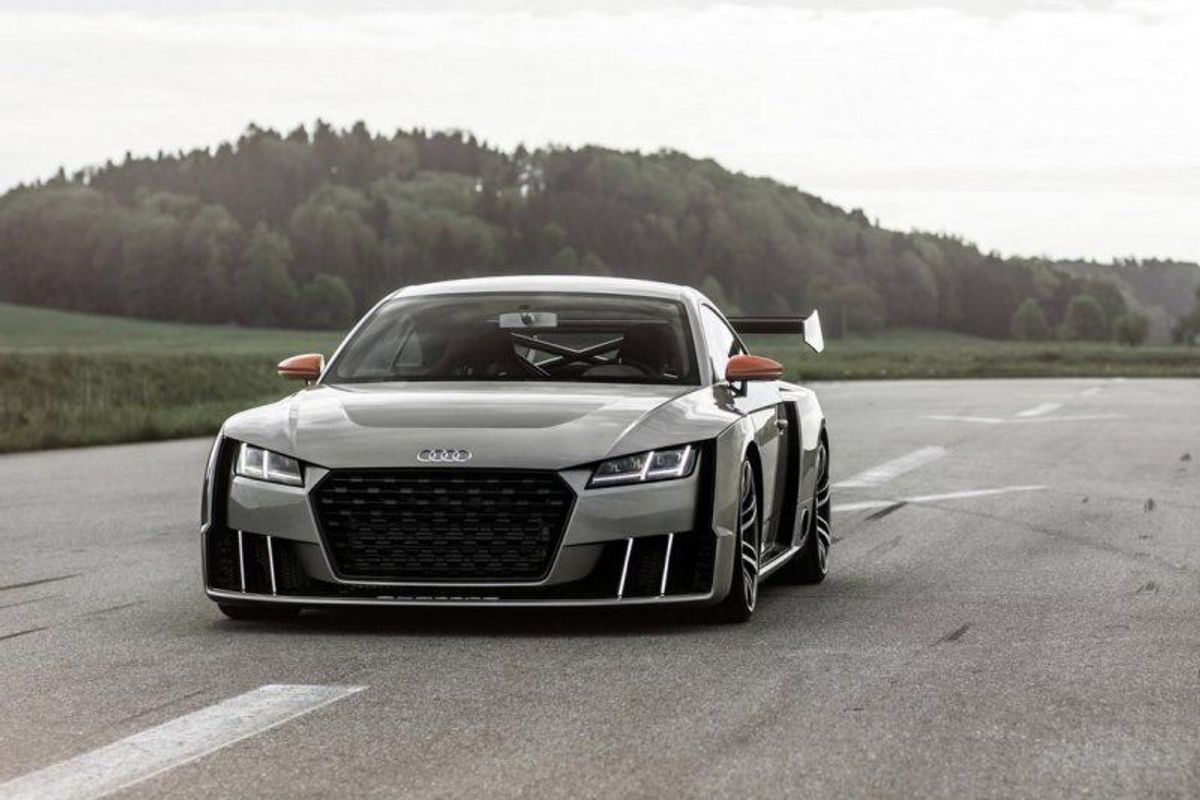
The design takes an Audi TT to an extreme. The fenders of the show car painted in the exterior colour Ferro Titanium are open at the front and rear. Air from the cars slipstream flows through them to cool the brakes. The manually adjustable rear wing is a development from the Audi Sport TT Cup with which the brand very recently launched a dedicated race series. It is now 20 cm wider, and the side flaps were given a new geometry. The wing consists of carbon-fibre reinforced polymer (CFRF) as do all other add-on parts: the air inlets and the large splitter at the front, the side panels and side sill trims as well as the diffuser at the rear whose lateral segments reference the motif of the air inlets.
Its unlikely Audi will unveil its TTRS performance model with the five-cylinder turbo unit under the hood. More than likely it will be redeveloped version of the 2-Litre turbo that sits in the Golf R and current TT.
Audi TT Clubsport Turbo
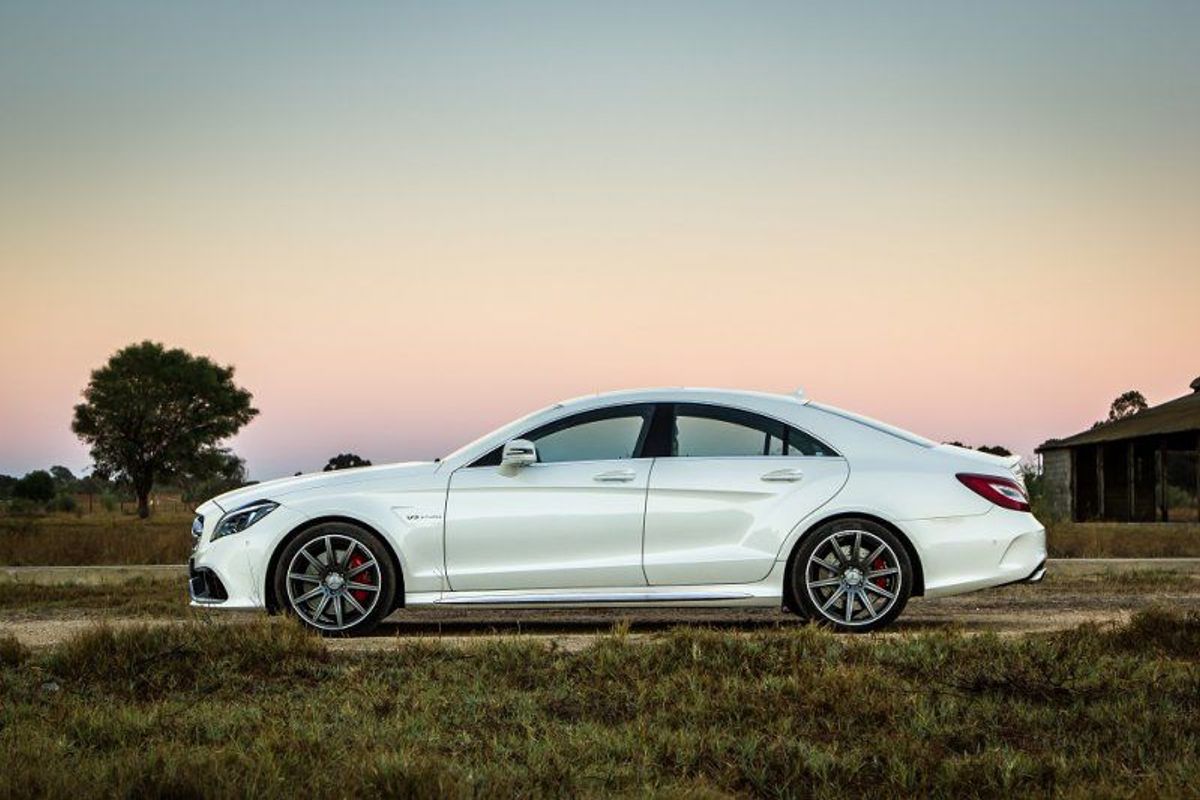
Mercedes-Benz CLS 63 AMG S (2014) Review
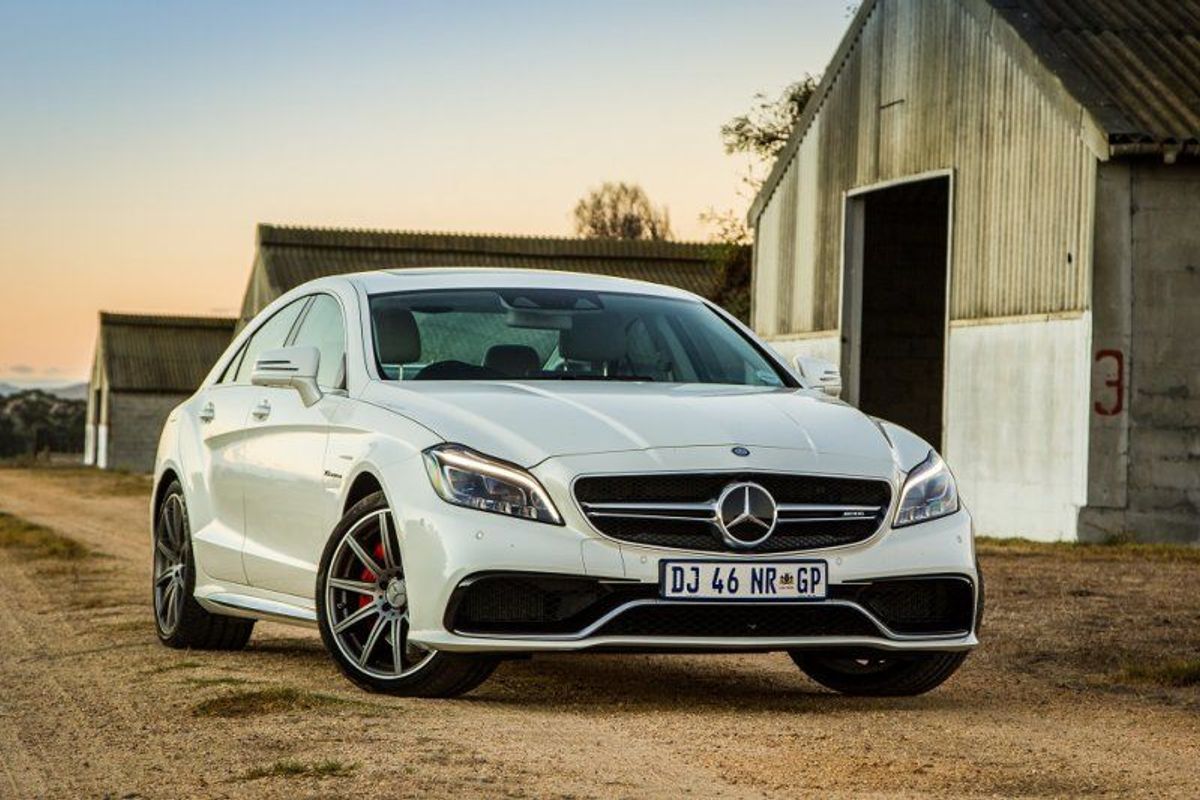
The Mercedes-Benz CLS is one of those unique and striking cars that fits in the blurry area of sedan and coupe. Officially it’s marketed as a four-door coupe and here in 63 AMG S guise, promises battleship-like firepower. How did the Mercedes-Benz CLS 63 AMG S fare over a week’s test of its abilities?
Engine and Powerplant
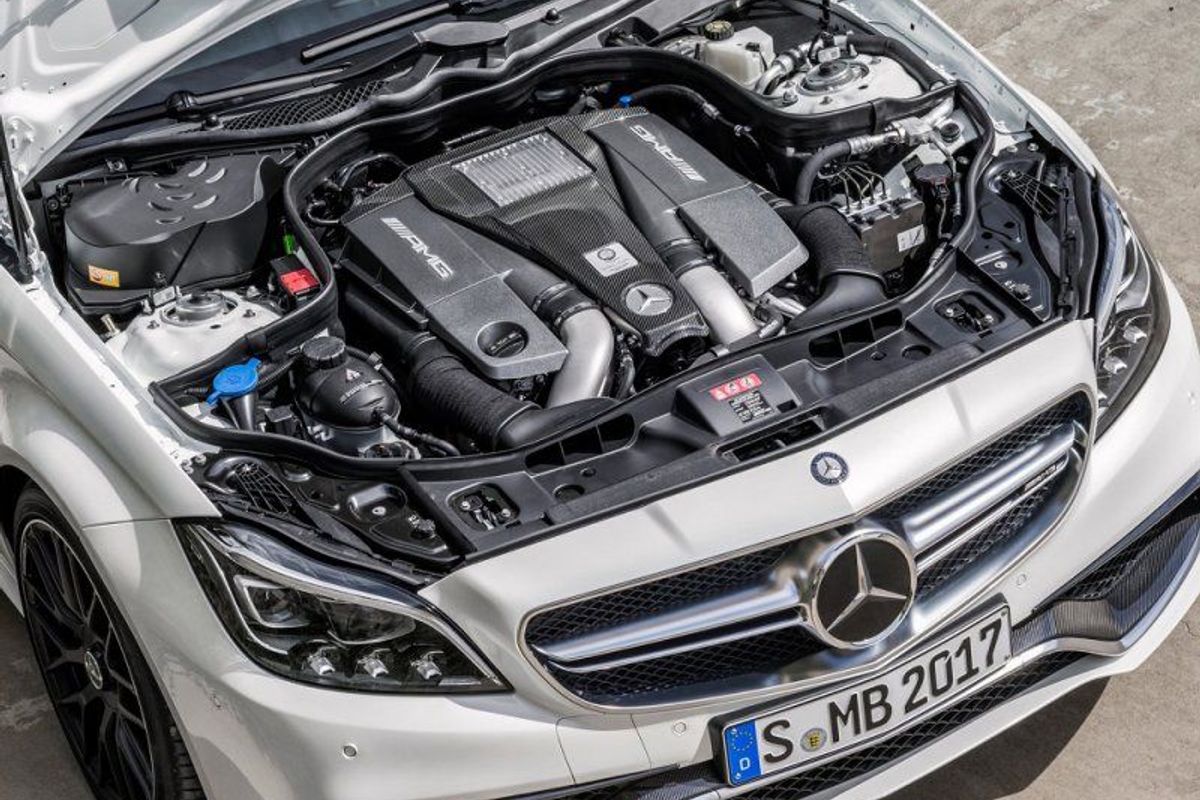
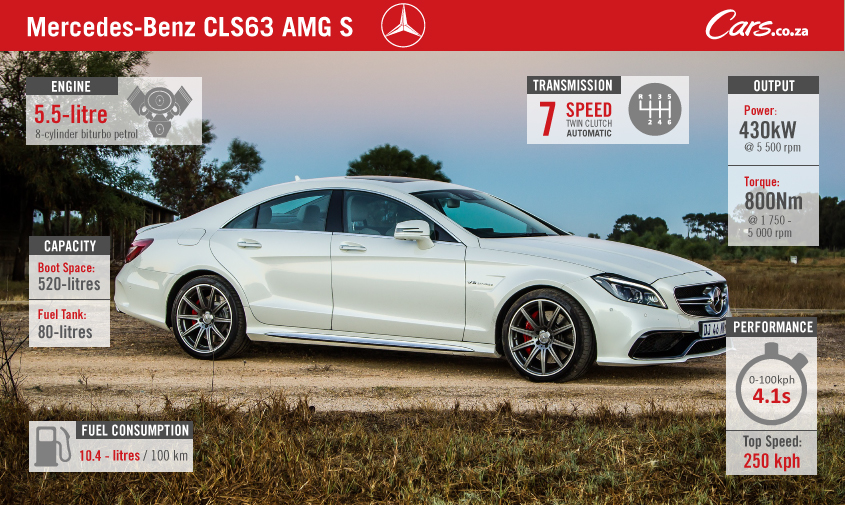
It’s fair to assume that each time there’s a new AMG model in town, the primary focus is on its V8 engine and how much power it produces. Despite the 63 badge on its rear, this engine is not a 6.3-litre V8. The days of a naturally-aspirated big V8 are numbered and most manufacturers have gone the forced induction route. The CLS 63 makes do with a biturbo 5.5-litre V8 putting out 430 kW and 800 Nm. That’s a lot of grunt and Mercedes-Benz claims this four-door coupe will rocket to 100kph in just 4.1 seconds, which is supercar performance.
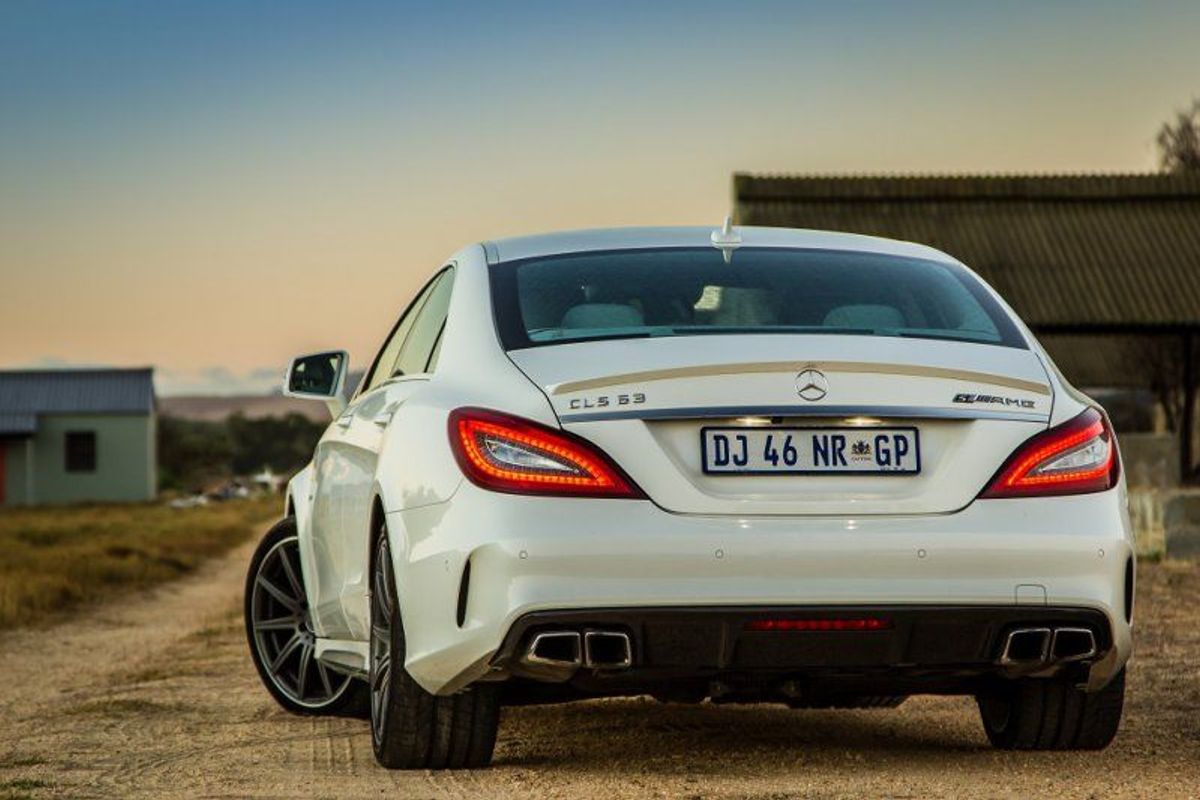
The reality is that when you dial in the race start function and set off, the rear-wheel drive only CLS 63 AMG S will battle to get traction, despite the large 19-inch 285/30 tyres at the back. Once traction is regained, the CLS 63 devours tarmac at a frightening rate of knots as it hurtles to its limited top speed of 250kph. There’s something to be said about the noise from this magnificent engine and as you hook the next gear, there’s an almighty thunderclap coming from the quad exhausts. Subtle is not a word to be used when driving an AMG product
Power from that mighty engine reaches the rear-wheels through the 7-speed twin-clutch transmission which also features steering-wheel mounted shift paddles. The car has many driving modes, but the only ones that really matter are Comfort and Sport+ . The default is Comfort and that optimises the car for day-to-day driving with suspension becoming softer and the engines sledgehammer abilities are temporarily neutered. Sport+ puts the CLS 63 into full hooligan mode and the car becomes a rocket. Fuel consumption is claimed at 9.9L/100km, but I find this extremely optimistic as a vehicle of this nature goes through a lot more unleaded in the real world. When given the boot, you can easily see the figures climb in the 14s.
Luxury and Gadgetry
Despite its light-speed performance, the Mercedes-Benz CLS 63 AMG S can still deliver qualities that fans of the brand desire. The ride is firm, but not hard enough to be overtly sporty and you can manage this through the adaptive sports suspension settings. Build quality is exceptional and the car features some impressive technology. It is the design though which pleases me most. The CLS is simply beautiful to look at and even in AMG guise with its big wheels, gaping air intakes and battery of exhausts, the design is pure and sublime.
The classiness continues in the cabin where carbon fibre, wood and leather merge in a happy blend of luxury. All the cutting edge tech youd expect from a vehicle such as this comes fitted as standard. The seats are supportive and comfortable, and offer both heating and cooling functionality. Satellite navigation, Bluetooth, USB input, cruise control, auto wipers, auto headlamps, adaptive LED headlights are just some of the gadgetry youll get. This particular unit came with a terrific Bang and Olufsen sound system which was audio heaven.
Safety and Practicality
With such performance readily accessible, youd have to have some quality safety systems plugged in. There are no less than 9 airbags, ABS brakes with EBD, and the electronic stability systems will keep things in check. Expect the traction control to flash repeatedly if youre heavy footed with the accelerator pedal.
Its practical too, with the rear seats offering up sufficient legroom for passengers. Taller passengers will feel the sloping roof brush the top of their head thanks to the coupe-like sloping roofline. The boot size is commendable and theres room for at least two sets of golf clubs or numerous suitcases. Being a large and luxurious Mercedes, theres a convenient button which enables the boot to close automatically.
Verdict
The situation most potential CLS buyers would find themselves in is that theyd be keen on the AMG derivative model, but mindful of what its siblings can offer. Despite the sheer ferocity and visual presence of the 63 model, the CLS 500 offers 90% the ability of its performance brother. The CLS500 has a smoother 9-speed box, whichll be lighter on fuel too. Yes, it’s wonderful and effortlessly fast, but you can achieve the same effect with the lesser model.
If Mercedes-Benz SA were to offer the all-wheel drive 4Matic version of this AMG product, then I think it’d be a different story. As a halo, range-topping model the CLS 63 AMG S is outstanding, but in the real world its a little over the top. If youre not a Mercedes-Benz fan, both the BMW M6 Gran Coupe and Audi RS7 offer similar levels of addictive V8 power.
Second Opinion
Some cars have so much character that they can only be described by an outlandish comparison; in this case, the Merc is a warship on four wheels. It is almost impossibly low and sleek, subtle, but aggressive, yet oozes presence. Every moment happens against the backtrack of an angry, deep growl from the four tailpipes; and it’s hard not to smile constantly while you’re in it. At the same time, it manages to be a a luxury barge par excellence, with massage seats and fine materials everywhere.
However, it has one large problem, and that it is a victim of its own success. 430 kW from a biturbo V8 sent through the rear wheels sounds great in theory, but in practice it is terrifying, especially in the rain. The car breaks traction too easily and only the most confident of drivers will feel persuaded to push the car to its limits. I think Mercedes SA has missed a trick by not bringing the 4Matic version to our roads – it’s quicker and undoubtedly (feels) safer. – Ciro De Siena
Mercedes Benz CLS 63 AMG S Price in South Africa
The CLS 63 AMG S retails for R1 611 389 and that price includes a warranty of two-years/unlimited kilometres and a six-year maintenance plan with 100 000km. There’s a service interval indicator with services every 15 000km.
We Like: Supercar-like performance, sleek looks, brimming with technology & luxury
We dont Like: Needs 4Matic, expensive, CLS500 offers similar performance for much less money
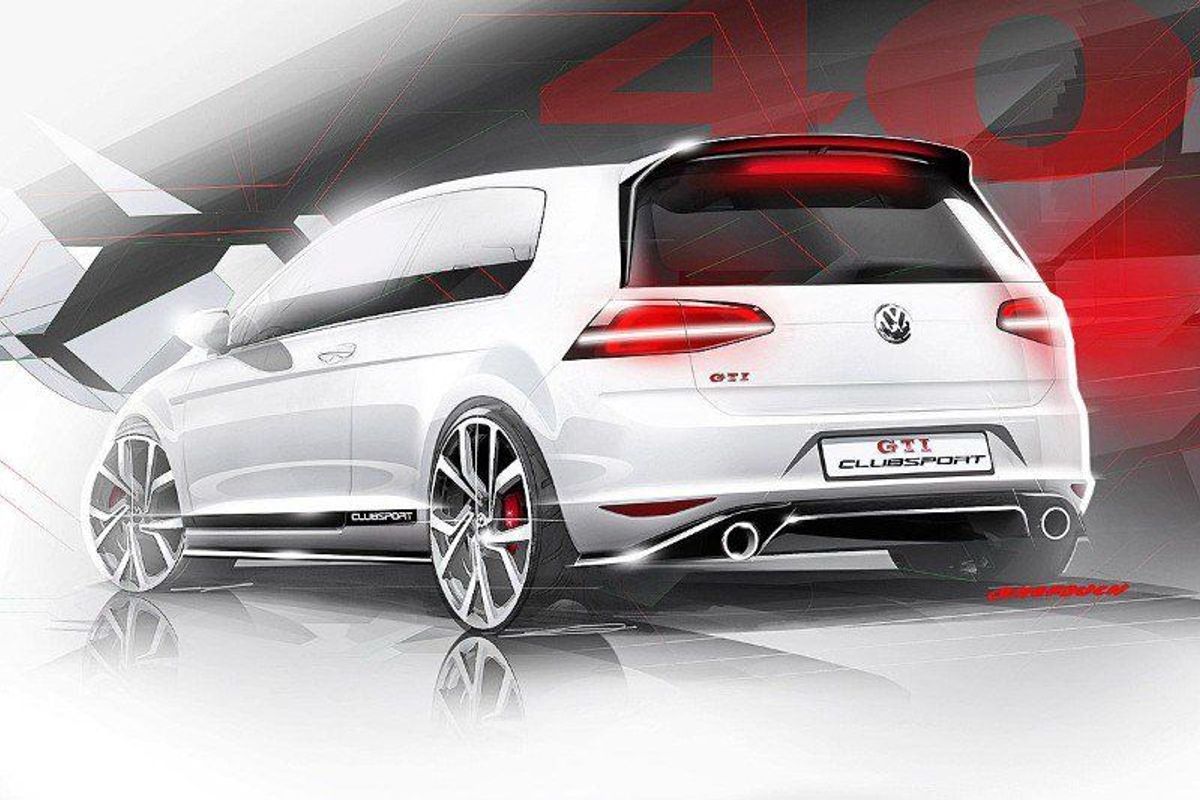
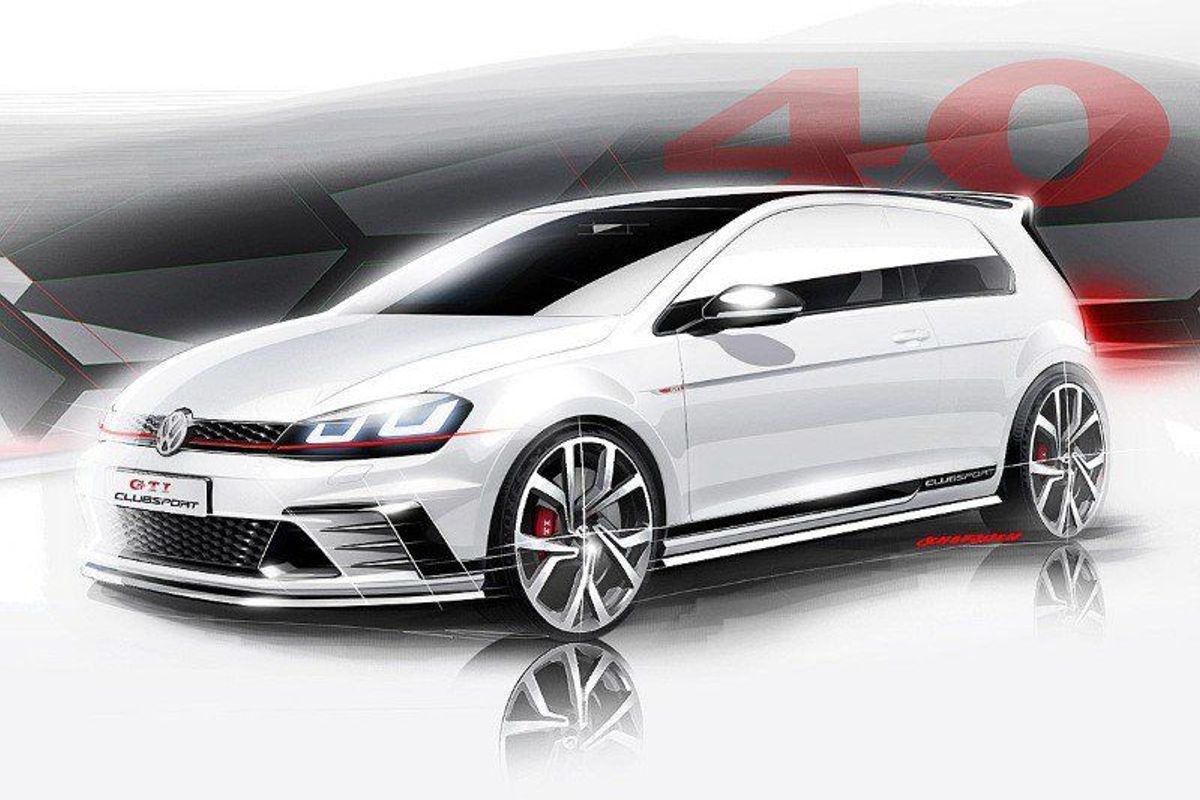
Following last week’s teaser, Volkswagen has now revealed the Golf GTI Clubsport at Wörthersee 2015.
Volkswagen Golf GTI Clubsport Details
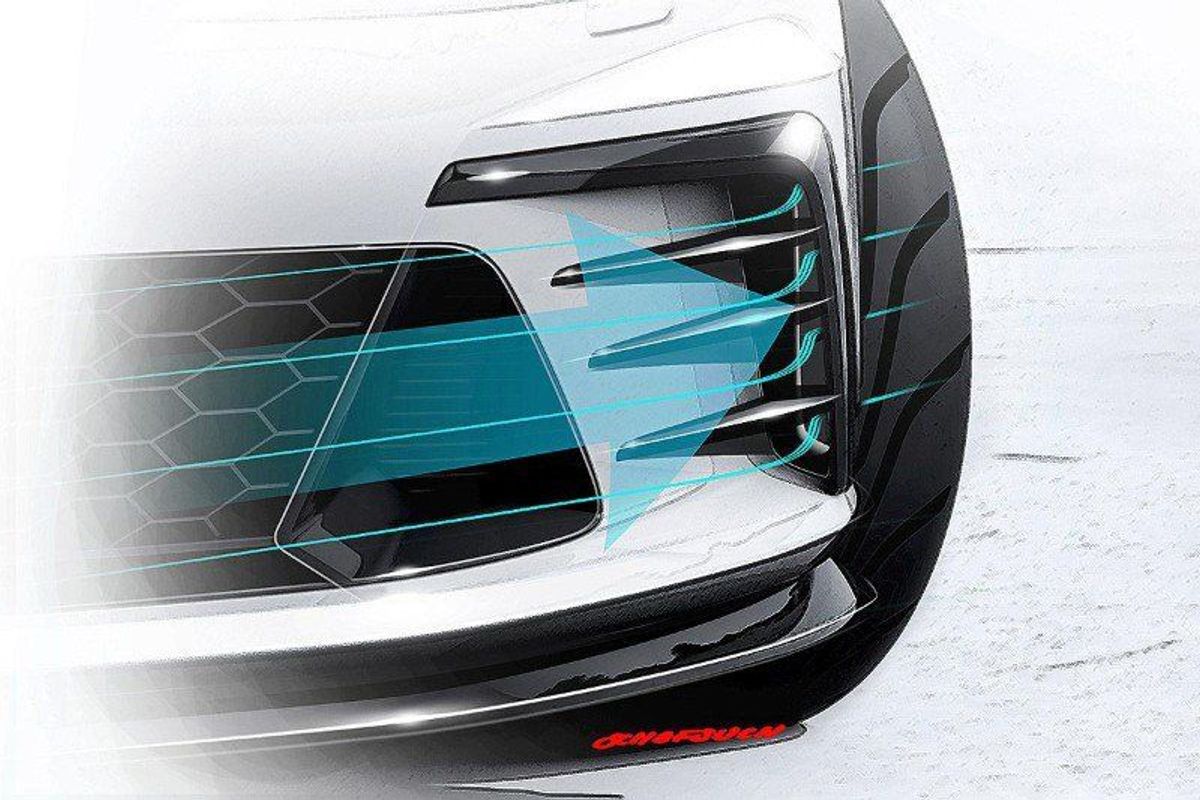
The Volkswagen GTI Clubsport concept celebrates 40 years of Golf GTI goodness and a production version can be expected sometime in 2016 . The GTI Clubsport features revised bumpers that incorporate new air vents and there’s also a new roof spoiler and rear diffuser to aid aerodynamics. Fancy-looking 19-inch, 10-spoke alloy wheels complete the GTI Clubsport package. The production version however will be fitted with 18-inch examples and may feature a black roof with Oryx White body.
Powering this Golf GTI concept is a 2.0-litre turbo engine that will generate 195 kW and you can expect an overboost function too which will add an extra 10% power, just for fun, if only for a brief moment. In production form, the GTI Clubsport concept is expected to out perform the Golf GTI Performance by a significant margin.
The Volkswagen brand is doing a lot of work at the moment and this concept comes on the back of the news that the range-topping Golf R400 has been confirmed for production.
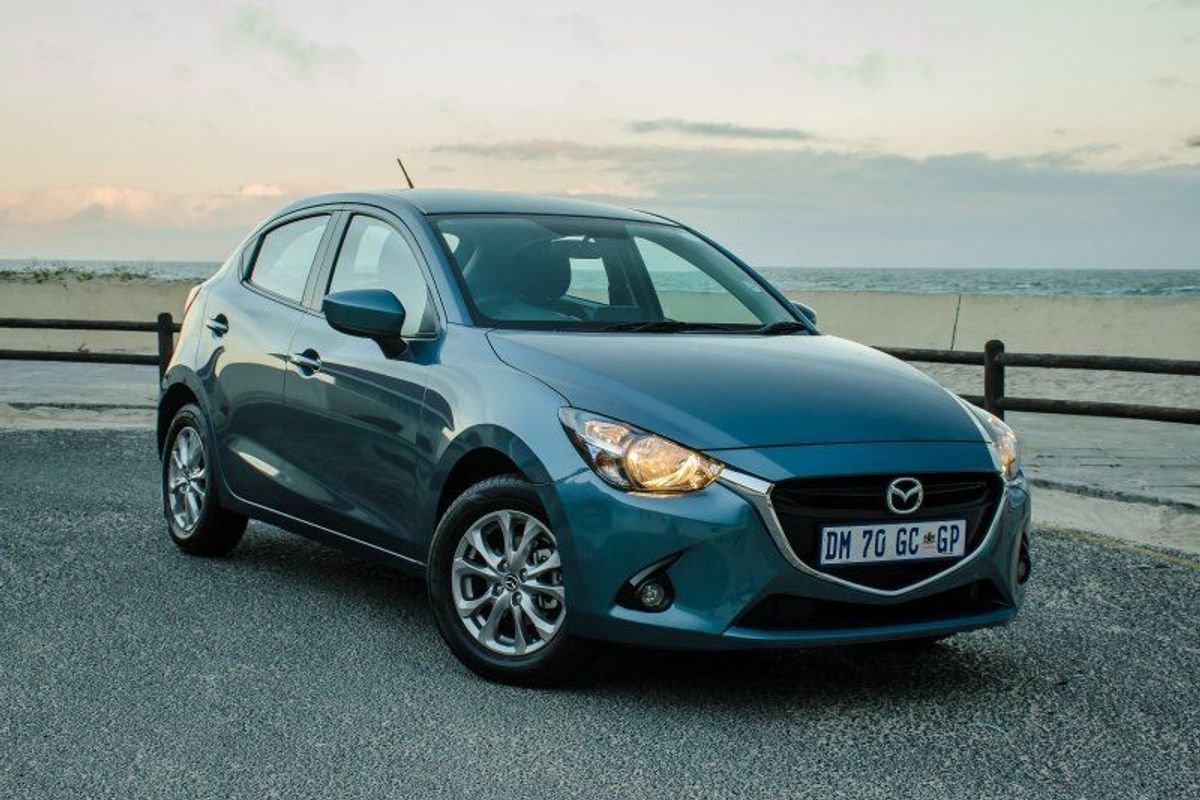
How good is the 2025 Mazda2? Ashley Oldfield reviews the Mazda2 and shares insights on its performance, features, practicality and price. Check it out!
The Mazda2 has been a firm favourite across the globe, but has been in need of a replacement for a while now.
Thankfully as part of Mazda South Africa’s rebranding strategy we’ve seen a whole host of new and facelifted models make a welcome return to the market (read our Mazda6 review).
The Mazda2 has already won Car of the Year in Japan so there’s no doubting Mazda has put together a good product, but has it got the specification right for the South African market? We got to grips with it over the course of a week’s test.
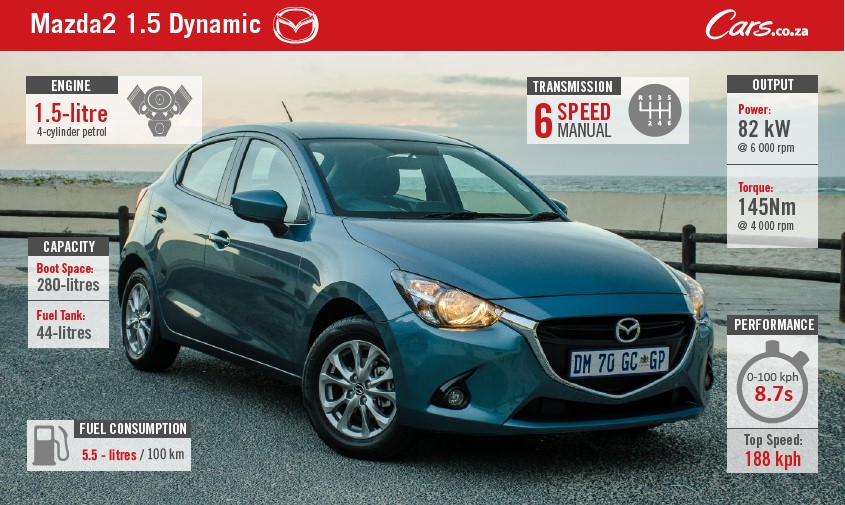
Mazda2 Quick Specs
We Like: Fun factor, high revving engine and driving dynamics
We dislike: Interior materials are scratchy in places
It’s an all-new car for 2015 and Mazda has adopted a very different strategy to other manufacturers in the segment. Mazda has gone with a naturally-aspirated petrol engine that spearheads fun performance where everyone else in the segment seems to be focusing on economy.
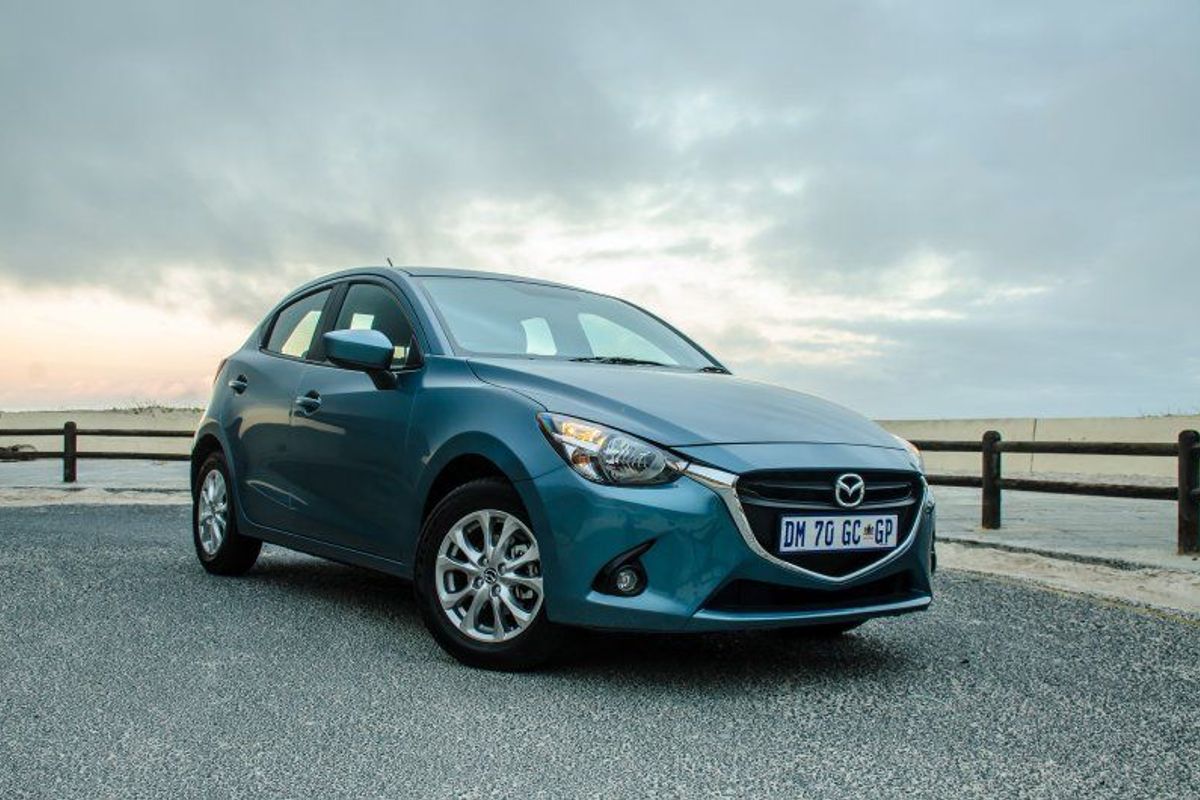
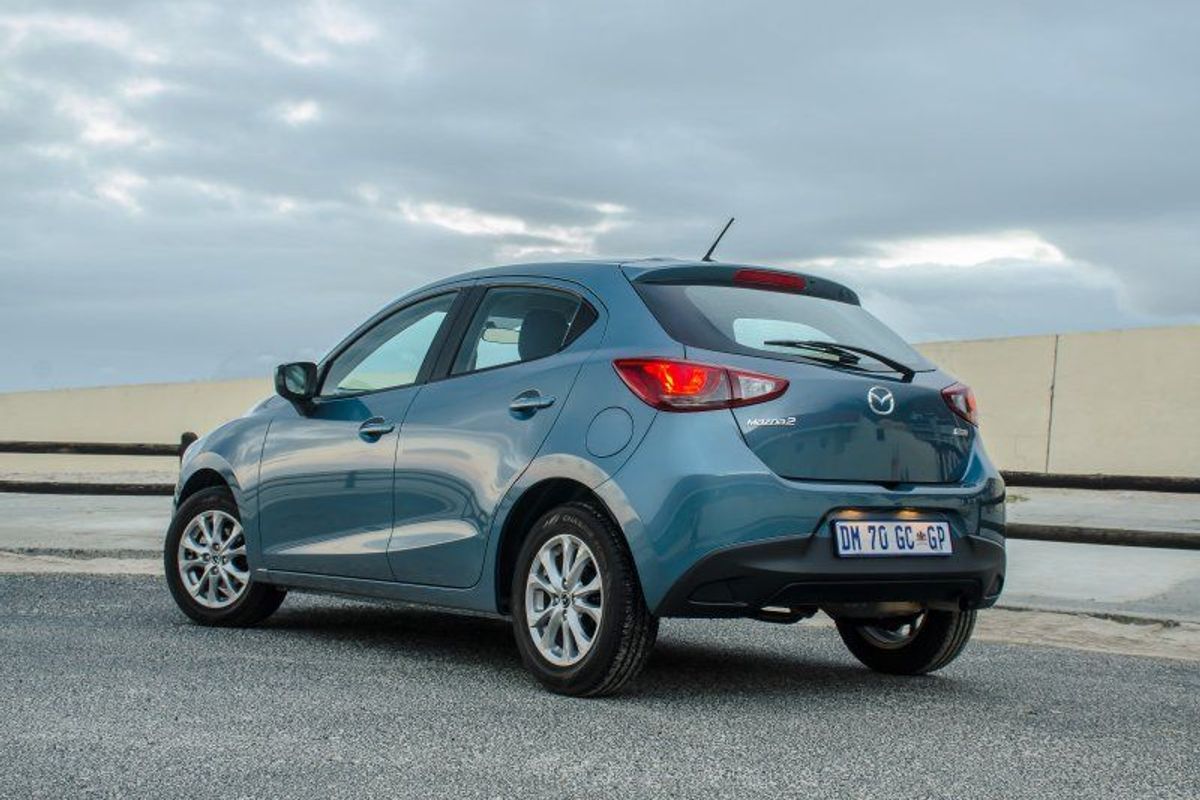
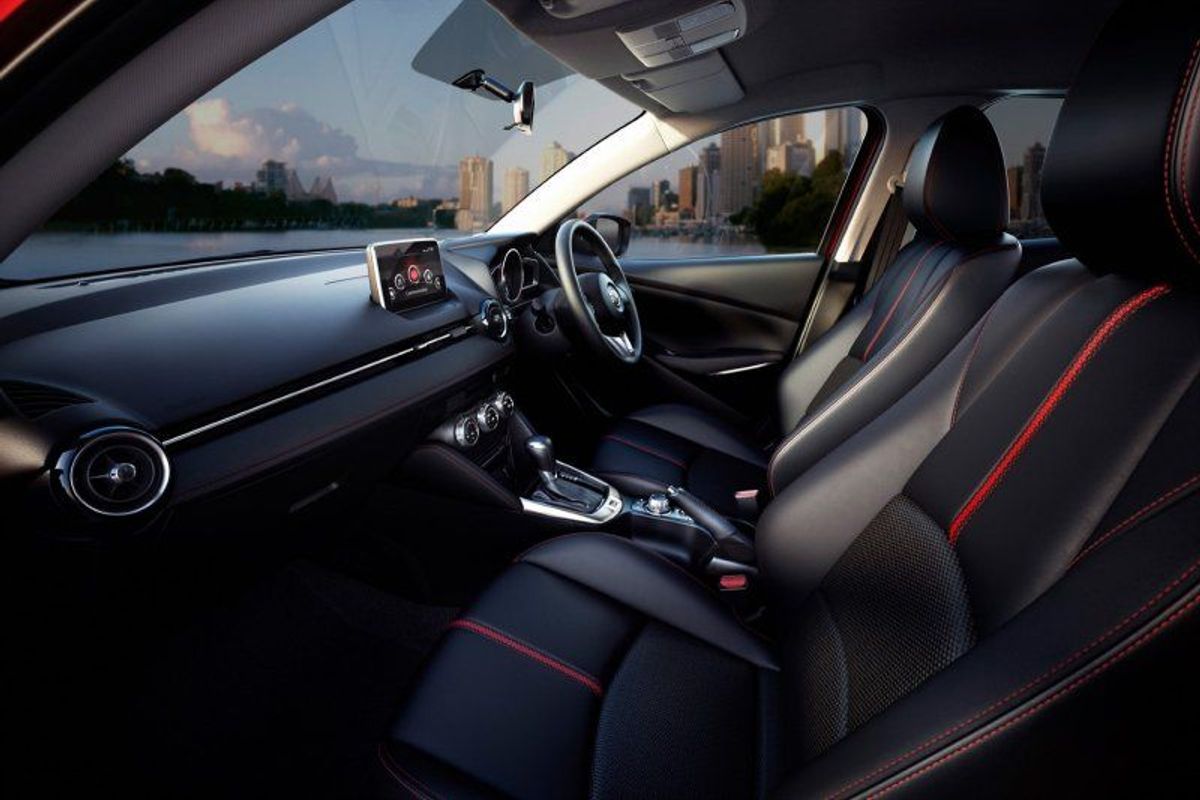
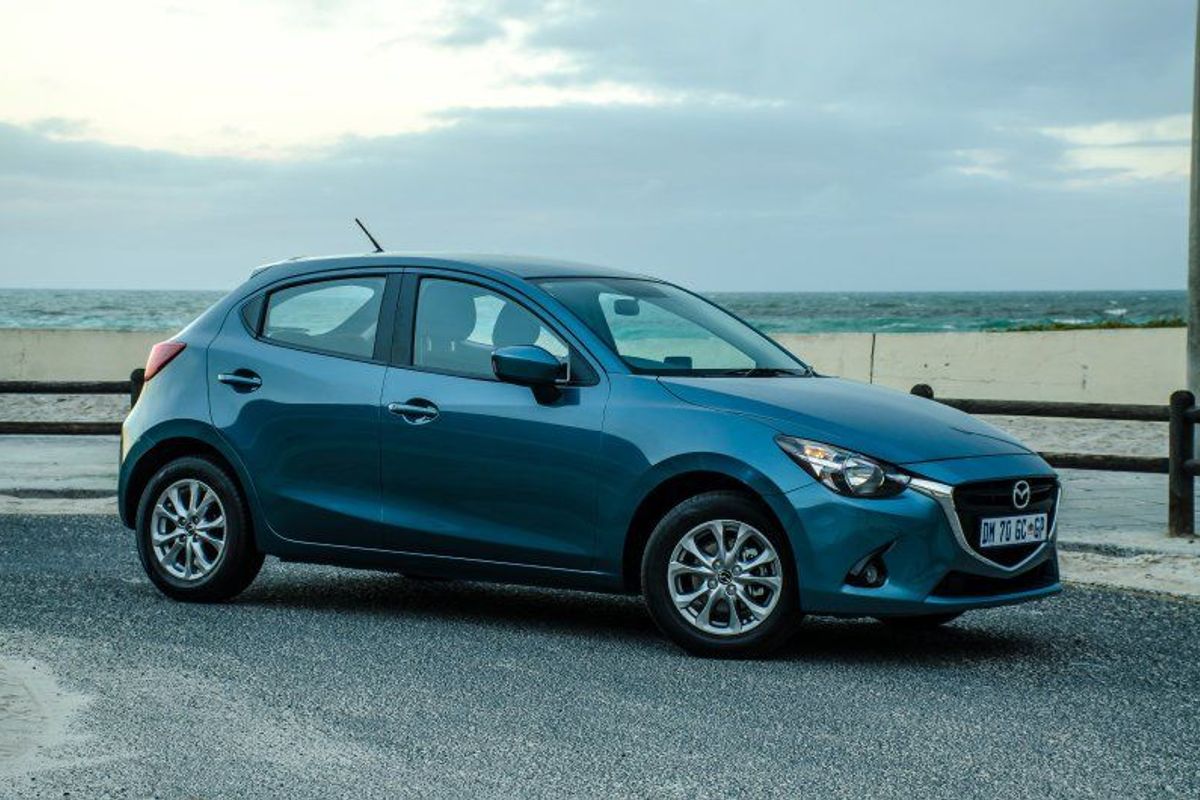
The interior has a new infotainment system that’s controlled either by touch or by a rotary knob in the centre stack behind the gear lever. This sort of setup is usually reserved for premium German cars so that’s an impressive upgrade Mazda has managed to implement across the range. Styling has obviously changed and the Mazda2 looks quite athletic and sporty for a B-segment hatchback.
What engine powers the Mazda2?
Our petrol unit in the Dynamic spec Mazda2 is an 82 kW, 145 Nm 1.5-Litre engine. The petrol engine claims 5.5L/100km, but over the week we had it on test we saw 7.1L/100km, but there’s a reason for that. The naturally aspirated engine loves to be revved and rewards you with excellent performance when you drive spiritedly.
Unfortunately, that has a negative effect on fuel consumption. It’s a fun engine combined with a smooth shifting six-speed gearbox that will sprint to 100kph in a claimed 8.7 seconds. That’s miles quicker than any other car in this segment, cementing Mazda’s plan to offer exciting cars to the public. Those performance figures make the Mazda2 the fastest accelerating car in South Africa for under 200k.
Interior
The Dynamic spec model we have here is essentially a bottom-to-mid-spec Mazda2, but as mentioned it still comes with the seven-inch touchscreen infotainment system. The system is easy to use and intuitive, and it also has all the modern-day amenities such as Bluetooth, USB and an Aux jack. On the styling side the Mazda2 interior is smart, it’s bathed in black with soft touch materials, but there is the odd bit of nasty black plastic. The centre console in particular degrades the interior and doesn’t feel particularly solid. Overall though, it’s impressive and space inside is excellent, especially for rear passengers who have a healthy amount of legroom.
Safety wise the Mazda2 covers all the essentials with things like ABS, EBD and Brake Assist as standard features. It’s also equipped with driver and passenger airbags. Further up the range there are more airbags available as well as stability control.
Ride and Drive
This is the section where Mazda aims to please and the Mazda2 does it in a unique way. You feel when you start to push the Mazda2 that it was built to be entertaining to drive, a driver’s car. Its high-revving engine also accentuates the experience.
Send it through a few switchbacks, or sharp bends and the Mazda2 absolutely loves it. You can really push on and derive a lot of pleasure from the driving experience. The ride is a bit stiff, so potholes and harsh bumps in the road tend to crash into the cabin, but it’s not something you can’t live with. The steering is decent too and feels well-weighted, providing good feel for what’s happening underneath you.
Verdict
The Mazda2 showcases a different take on what a small hatchback can be. It’s fun to drive like no other in the segment and its naturally aspirated, high-revving engine adds to the fun factor. The interior is modern and well equipped with most of the latest technologies we’ve come to expect in a modern city runabout.
There are some small iffy questions about a few of the materials used in the cabin, but nothing to be overly concerned about. If you’re looking for a B-segment hatch, that’s a little cheeky and more than just an A to B shuffler then the Mazda2 will be right up your street, and the best news is that it’s well priced, too.
The 2015 Mazda2 comes in for as little as R188 000. Our test unit here costs R199 900 and has just about everything you need. If you want a few more interior features and some nice wheels then you can step up to the Individual range that starts at R211 400. Top-of-the-range is the 1.5 Hazumi turbodiesel model that’s a bit more expensive at R259 900.
The Mazda2 is Mazda at its best. It’s a small car packed with big car features at a price that undercuts its key rivals. The infotainment system on the Dynamic model is a highlight and in terms of performance, the naturally aspirated engine is perky, with fun handling to match. The downsides are few, but odd nonetheless; you can’t have park distance control or leather seats at all, even if you want to pay for them. However between this and the Ford Fiesta, its my pick of the segment.– Ciro De Siena
Buying Advice: New Mazda2 (Video)
Frequently Asked Questions
Is the Mazda2 still sold new in South Africa?
Yes, the Mazda2 is still sold new in South Africa. The facelifted model was launched locally in 2023 with an updated design and a streamlined model lineup.
What engine is in the South African Mazda2?
All models of the Mazda2 in South Africa are powered by a 1.5-litre, naturally aspirated petrol engine that delivers 85 kW and 148 Nm of torque. This engine is paired with either a 6-speed manual or a 6-speed automatic transmission.
What is the safety rating of the Mazda2?
The Mazda2 has a 4-star Global NCAP safety rating for adult occupant protection and a 3-star rating for child occupant protection. The car comes with standard safety features like driver and passenger airbags, ABS with EBD, and stability control.
What are the main competitors of the Mazda2 in South Africa?
The Mazda2 competes in the B-segment hatchback market against rivals such as the Volkswagen Polo, Toyota Yaris, and Suzuki Swift. It is often praised for its upmarket feel and stylish design.
The segment in which the Mazda2 does battle is easily one of the most hotly contested in South Africa. Mazda will surely have taken a long hard look at the strong competition in the form of the venerable VW Polo, Ford Fiesta, Kia Rio, Hyundai i20, Opel Corsa, Suzuki Swift, Renault Clio, Peugeot 208 and Toyota Yaris a long list indeed and Ive probably not named them all.
And even so, the Mazda2 is an exceptionally strong offering. Building on the title of 2014 Japanese Car of the Year, Mazda South Africa has specced a line-up that starts at R188 000. But for just R11 000 more, the Dynamic model comes fully loaded with just about every feature you could hope for in a small car.
The touchscreen infotainment system is top notch and overall the interior feels modern and upmarket, except for the aircon controls which, seem to have been borrowed from an old bakkie. However if you want leather seats and park distance control, you cant have either. Even if you want to pay extra.
The Mazda2 is very different in one way however it uses an engine that doesnt have a turbo. Yes, this is a small car which is naturally aspirated, and while it may not offer the headline fuel efficiency figures of its rivals, in reality it is a pleasure to drive and averages much the same real world fuel consumption figures.
Its also arguable that an engine that isnt force fed will last longer and suffer less complications than a small, turbocharged powerplant. While data to back up this assumption is hard to come by, a naturally aspirated engine simply has less stuff to break.
In this video, weve taken an in depth look at the Mazda2 Dynamic model, and compared it to two of its rivals, the Renault Clio Dynamique and the Volkswagen Polo 1.2TSI Comfortline. Both these cars were chosen as they rival the Mazda as close as possible, spec for spec.
For a detailed comparison of all three: click here
A new week, a new Audi… That was a reality not too long ago. Seemingly nothing could stop the German brand from pumping out new models and niche cars to suit all sorts of tastes. Thankfully perhaps, the somewhat frenetic pace has calmed down and Audi is currently focusing on a core group of models that is lead by the A1. We attended the launch of the facelifted A1 in Johannesburg to get the lowdown on the updated hatchback.
Whats new for the facelift?
Its a minor exterior update that is mostly restricted to revised rectangular fog lights at the front and a new bumper. The rear has new light clusters and there are three new paint colours to choose from. The range now has a new lineup of engines. Even the carry over power units have been developed further to be more efficient and more powerful. The S-Tronic double-clutch gearbox is also now available on all models (except the S1) and theres a three-cylinder one-litre model to start off the new range. With the A1 competing in the so-called boutique end of the market, it is also important to note that Audi claims there are up to 250 000 different combinations of trim and colours to choose from on your A1.
New Engine Range
This is the debut of the three-cylinder petrol engine from Audi and the A1 gets to be the guinea pig. At 1-Litre in capacity and boosted with a turbocharger, the engine pushes out 70 kW and 160 Nm. It feels strong and with the manual five-speed gearbox is quite fun to drive. In fact, its so good it puts the 1.4 in the shade. The 1.4 is up to 92 kW now with 200 Nm of torque.
We drove this with the S-Tronic box which maybe took a bit away from the bottom end grunt that was more evident in the 1-Litre manual. The new 1.8 TFSI engine has been transplanted from the VW Polo GTI and dropped into the A1 with 141 kW and 250 Nm of torque. This engine really shows off the sportiness of the A1 and its taut chassis. Topping off the range is the S1s engine that we drove back in December 2014 with its mad 170 kW and 370 Nm.
Whats it like to drive?
The A1 is firm and sporty. It particularly likes smooth roads, but deals with the odd bump reasonably well. Theres good grip and feel from the chassis, but the all-new electric steering makes it feel a bit disconnected from the wheels. The system adapts the weight of the steering wheel depending on the speed youre travelling, so it gets heavier the faster you go. It saves a bit on fuel in the long run, but I do miss the old, pure mechanical systems. Still, wind the Audi A1 through some bends and its a good handler, with the firm ride and stiff suspension setup coming to the fore when its time to play.
Audi A1 Pricing
Audi has simultaneously released both the three-door and Sportback versions (five-door) in South Africa. When picking competitors you would definitely want to consider Mini and at the bottom end maybe even the new Opel Adam. Pricing for the 1-Litre A1 starts at R265 000 and climbs up to R390 000 for a 1.8T FSI Sportback with S-Tronic. The S1 is priced at R452 500 for the three-door and R460000 for the S1 Sportback.
Audi A1 Price in South Africa
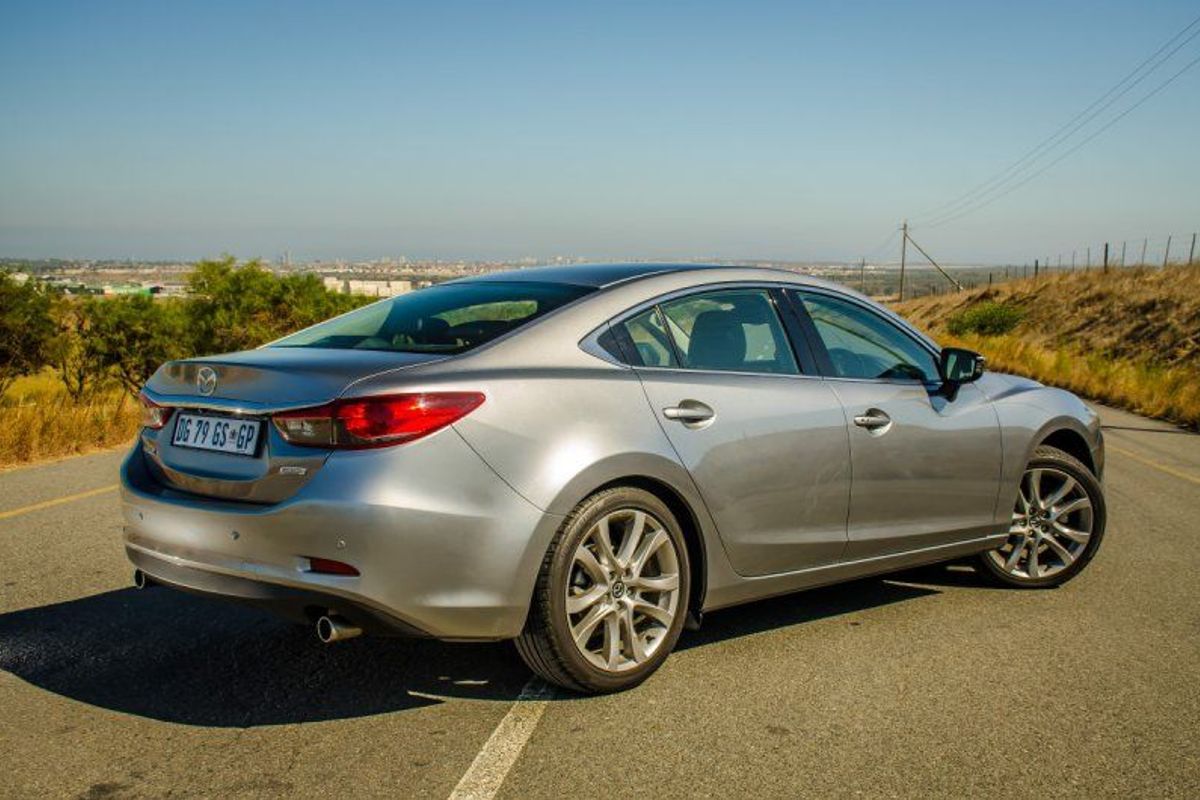
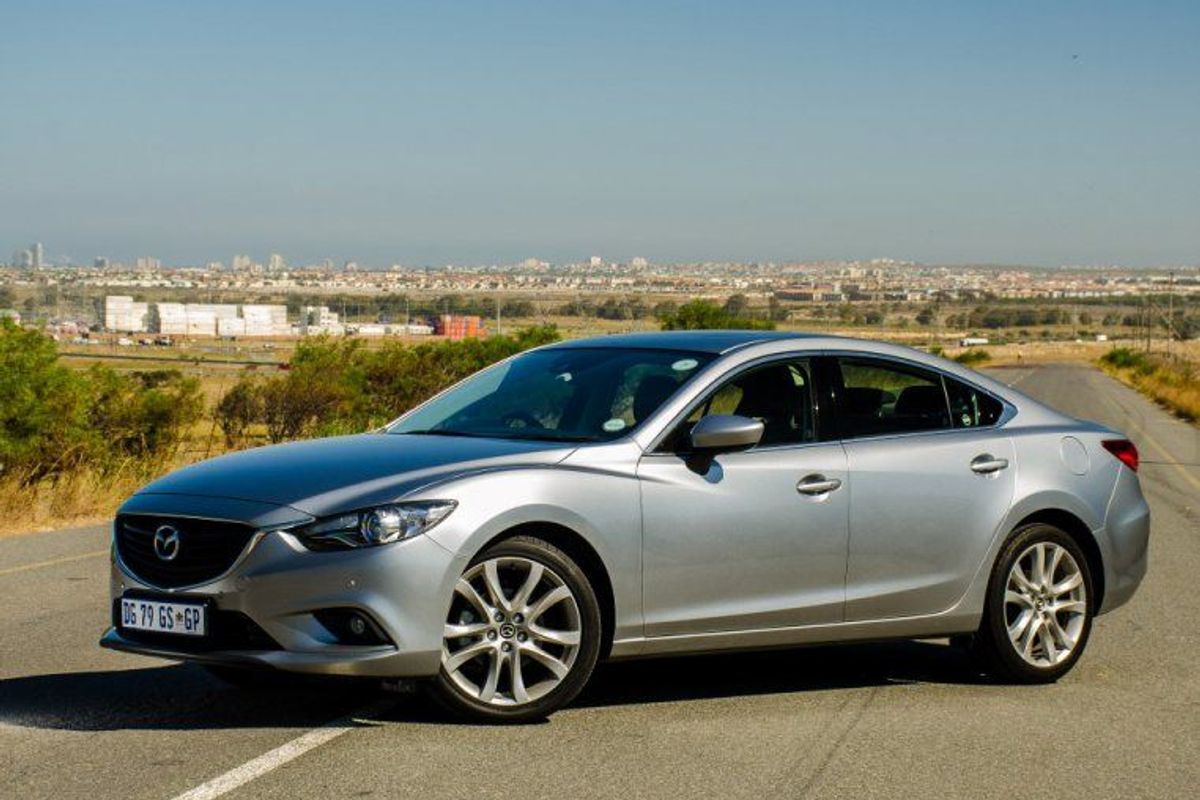
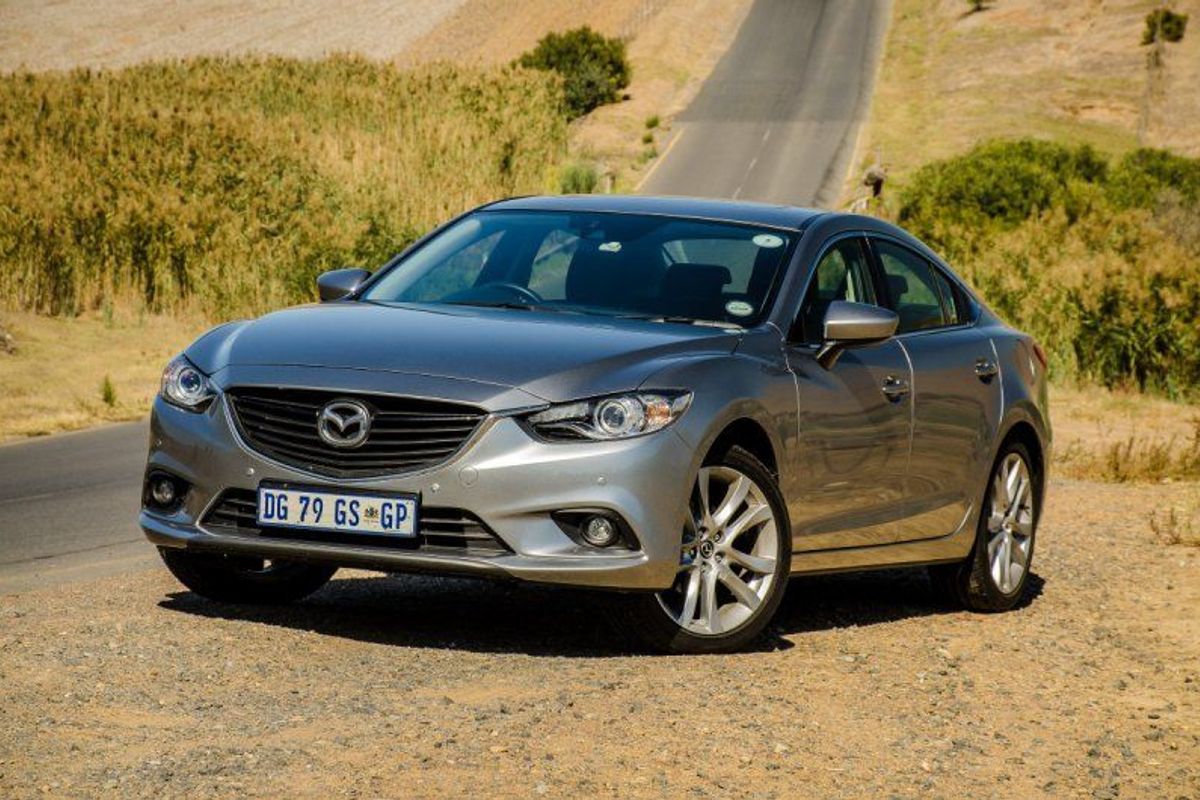
Mazda6 (2015) Review
With demand for premium sedans waning in South Africa, how much merit is there in considering the Mazda6? We investigate…
If you’re looking for a used Mazda6, this review will help you make an informed buying decision.
We Like: Good looks, spacious interior, build quality, dynamic ability
We don’t Like: Sombre cabin, ‘slurry’ transmission
Also consider: Ford Fusion, Volvo S60, Honda Accord
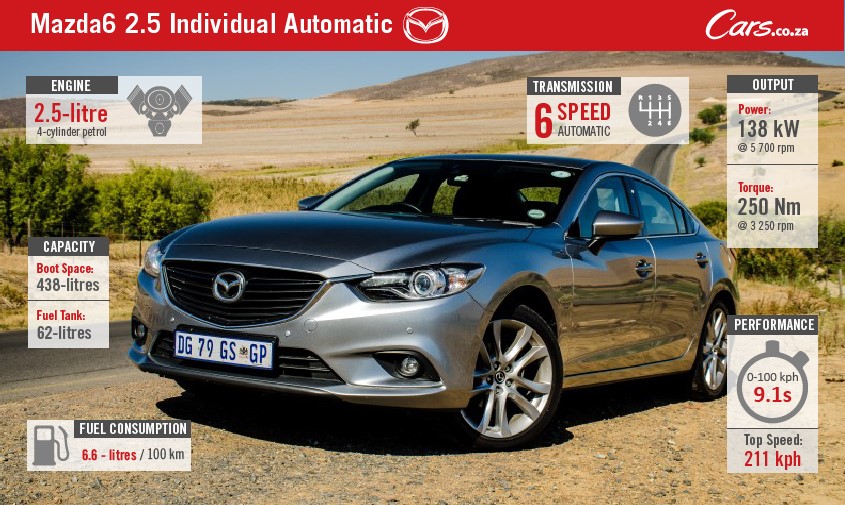
Mazda6 2.5 Individual Automatic Quick Specs
The combined popularity of SUVs and premium sedans has really all but destroyed the market for large family sedans with non-premium brand badges on the nose, despite considerable activity in this small segment (by volume) in the past 12 months.
Honda has a (relatively) new Accord, Ford has the new Fusion and then there’s the subject of this test, the rather pretty Mazda6. Soon, there will also be a new version of the Volkswagen Passat. On the other hand, Kia has given up on the attractive Optima and Suzuki’s Kizashi could soon be a ‘special order’ model. Does the Mazda6 have what it takes to not only survive, but possibly thrive?
Mazda6 has a handsome design
Where the Mazda6 immediately strikes a blow against its rivals is in the design department — it is a very handsome car that is unlikely to date fast. Riding on striking 19-inch wheels and boasting beautifully balanced body contouring, as well as eye-catching daylight running lamps, it makes most of its rivals look fuddy-duddy.
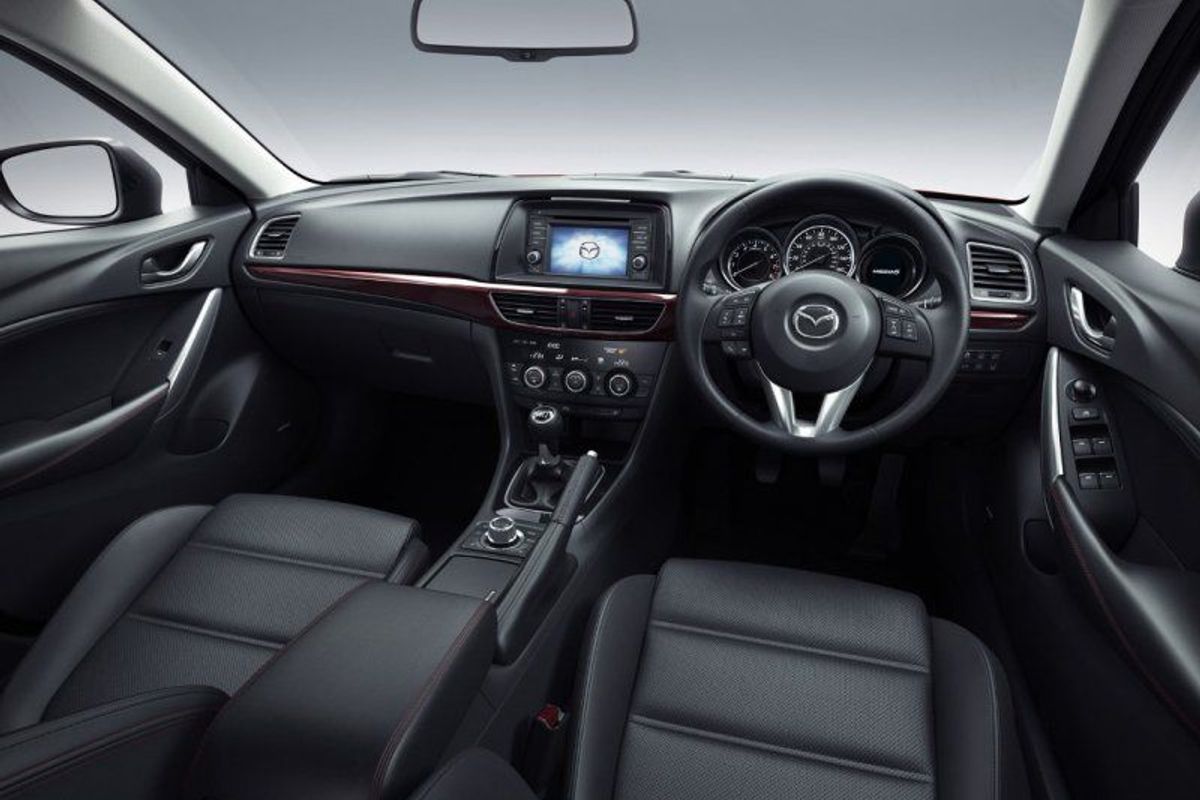
The good looks hide a structure that is very stiff and impressively light — it weighs less than 1.5 tonnes. Consequently the Mazda6 never feels as large as it really is, and with a wheelbase of 2 830 mm it certainly is sizeable. The cabin is, however, not quite as aesthetically pleasing as the exterior. There’s an abundance of sombre black trim and the facia itself appears a trifle dated. Nevertheless, fit and finish is as good as anything from the Germans.
We took the Mazda6 on a 1 000 km journey to test it in what should be its preferred environment — the open road and loaded with a family of four and all their holiday paraphernalia. Surprisingly the Mazda’s boot coped with what was demanded of it, including swallowing a bulky three-wheel urban stroller pram. Rear passengers had precious little to complain about, seeing as legroom (and headroom) is generous — again significantly up on what you’d get in a similarly priced German offering.
While cruising on the open road the Mazda impressed with its low levels of wind and road noise. It is clear that NVH (noise, vibration, harshness) control was a high priority during this car’s development.
No shortage of features
As mentioned before, the Mazda6’s cabin appears slightly dated at first glance — the control interface is cluttered by modern standards and the info-tainment screens displays are not quite as logically structured and as crisp as in some rivals. That said, you’re unlikely to find yourself being uncomfortable in this particular derivative, as it is loaded with features.
Individual specification includes dual-zone climate control, a powerful 11-speaker sound system with AUX and USB support, Bluetooth, cruise control, a reverse camera and a sunroof, among many other items. On the safety side of things the Mazda6 Individual is also a full-house offering, with front, side and curtain airbags, ABS/EBD and DSC (dynamic stability control). Surprisingly, even features such as BSM (blind spot monitoring) and LDW (lane departure warning) are present.
Real-world economy suffers
In these days of downsizing and turbocharging, it is a surprise to find a big 2.5-litre four-cylinder engine under the bonnet. It is, however, a fairly modern engine that boasts Mazdas SkyActiv technologies, including direct injection and low-friction internals. Mazda claims a combined cycle economy figure of 6.6 L/100 km, but in reality this is very difficult to achieve. A more realistic figure is around 8.5 L/100 km.
Coupled with a six-speed automatic transmission, the Mazda6 2.5 delivers a smooth, relaxing drive, but still with a decent amount of power underfoot when needed. Maximum power is 138 kW at 5 700 rpm, and 250 Nm of torque is available from 3 500 rpm. Mazda has not released claimed performance figures, but this model should accelerate to 100 kph in around 9 seconds and reach a top speed of just over 210 kph certainly good enough. Overtaking power is also good, but the transmission does take a while to access that power, which can be frustrating. This is a consequence of the Mazda simply not being able to match the low-rev responsiveness of its turbocharged rivals.
Dynamic drive
Mazda has often been called the ‘BMW from the East’, due to the brand’s emphasis on delivering thrilling driving dynamics. Among the big sedans in the South African market, the ‘6’ certainly appears to be the segment leader in this regard. The stiff structure provides an excellent starting point, and then there’s also a sophisticated multi-link rear suspension and beautifully weighted electrically assisted power steering.
The ride is on the firm side, but it’s also supple enough to iron out major bumps. Body roll is well controlled in the corners and there’s a very pleasant accuracy and overall feel to the steering. If you’re buying a big sedan, but do not want to compromise on driving enjoyment, the Mazda6 represents a very solid choice.
Conclusion and Summary
When debating the merits of buying a big sedan among the Cars.co.za team, the theory was that a sedan is still preferable to a SUV if the buyer wanted to broadcast an image of ‘executive’ success and, to a lesser degree, because of its driving dynamics. On the other hand, Mazda’s own SUV, the very capable CX-5, sells for almost exactly the same money and with the same engine, too!
Ultimately, of course, the SUV offers greater practicality and versatility. So it’s easy to see why so many people are making the switch to SUVs and crossovers. Still, if it must be a sedan, for whichever reason, the Mazda6 is a very attractive offering, with arguably class-leading dynamics and standard specification, and an excellent combo of quality and practicality.
Dynamically the Mazda6 is fun to drive with a strong naturally-aspirated engine, but it is let down by a sloppy gearbox. The interior is a bit bland, but certainly well-specced and it feels well-built. – Ashley Oldfield
Mazda6 – Price in South Africa (2015)
The Mazda6 2,5 Individual Automatic costs R399 900 and comes with a three-year/unlimited km warranty, three-year service plan and three-year roadside assistance.
No, the Mazda6 has been discontinued in South Africa. It is no longer sold as a new vehicle and is only available on the pre-owned market. It was replaced by the Mazda CX-5 and CX-60 as Mazda shifted its focus to the SUV segment.
What engines were available in the Mazda6 in South Africa?
The Mazda6 was primarily sold in South Africa with a 2.5-litre, naturally aspirated Skyactiv-G petrol engine. In some model years, a 2.0-litre petrol engine and a 2.2-litre turbodiesel were also available.
What is the safety rating of the Mazda6?
The Mazda6 has an excellent safety record, earning a 5-star Euro NCAP safety rating. It was praised for its strong performance in crash tests and was equipped with a range of i-Activsense safety features in higher-end models, including Blind Spot Monitoring and Smart City Brake Support.
Is the Mazda6 a good used car to buy in South Africa?
The Mazda6 is considered a great option on the used car market. It is known for its reliability, premium interior, and stylish design. With its robust engines and high safety ratings, it provides a compelling value proposition as a pre-owned executive sedan.