Land Rover Discovery Sport Price in South Africa Announced
Land Rover South Africa has put pricing details for the highly anticipated Discovery Sport on its website. Replacing the Freelander, the Land Rover Discovery Sport will be offered with a total of nine variants to choose from.
Discovery Sport is Big on Choice
The range starts with the Land Rover Discovery Sport S with a choice of three engines including a 110 kW / 400 Nm 2.2-litre TD4 diesel, a 140 kW / 420 Nm 2.2-litre SD4 diesel and a 177 kW / 340 Nm Si4 petrol engine.
Two engine choices will be offered in SE, HSE and HSE Luxury trim including the 140 kW / 420 Nm 2.2-litre SD4 diesel and the 177 kW / 340 Nm 2.0-litre Si4 petrol engine. All engines will be mated to a 9-speed automatic transmission.
Land Rover Discovery Sport Price in South Africa
Discovery Sport S 2.2 TD4 Diesel – R541 900
Discovery Sport S 2.2 SD4 Diesel – R590 300
Discovery Sport S 2.0 Si4 Petrol – R590 300
Discovery Sport SE 2.2 SD4 Diesel – R635 600
Discovery Sport SE 2.0 Si4 Petrol – R636 600
Discovery Sport HSE 2.2 SD4 Diesel – R692 300
Discovery Sport HSE 2.0 Si4 Petrol – R692 300
Discovery Sport HSE Luxury 2.2 SD4 Diesel – R731 400
Discovery Sport HSE Luxury 2.0 Si4 Petrol – R731 400
Volkswagen Golf SV Specs and Price in South Africa
Volkswagen has expanded its top-selling Golf range. The Golf SV (or Sportsvan as it is known in Europe) has arrived in South Africa and features the same tech from the award-winning Golf hatchback range, but packaged in a larger and more practical body.
In terms of sizing, the Volkswagen Golf SV is 83mm longer than a normal Golf. The wheelbase is longer too, and the extra 48mm helps increase interior space. Factor in an increased width and height (8mm and 126mm respectively) and you’re looking at something quite spacious.
It’s all about practicality here and the rear seats can be moved backwards and forwards by to 180 mm, to increase either passenger or luggage space. The boot capacity is up to 500 litres in comparison to the normal Golf’s 380 litres and if you fold the seats down, 1 520 litres of space becomes accessible to you.
The cabin is super practical. Between the driver and front passenger, a centre armrest with an integrated storage compartment and two cupholders is included as standard. Other practical storage bins are located on the upper dashboard and in the door panels (a 1.5-litre bottle can be stowed in each front door and a 1.0-litre bottle in each rear door). The Golf SV (Comfortline only) has underseat drawers for the front seats as well as pockets and folding tables on the backrests of the front seats.
Two Equipment Lines for Golf SV
The Golf SV will only be offered in two equipment lines, Trendline and Comfortline.
Trendline (1.2 TSI 81 kW)
ABS (Anti-lock Braking System) with HBA (Hydraulic Brake Assist)
ESC (Electronic Stability Control) including EDL (Electronic Differential Lock) and ASR (Traction Control)
XDS electronic differential lock
Automatic Post-Collision Braking System
Driver Alert system
Drivers and front passengers airbags with passengers airbag deactivation switch
Curtain airbag system, for front and rear passengers
Front seat side impact airbags
Drivers knee airbag
Drivers and front passengers whiplash-optimised head restraints
Isofix child seat preparation (for two rear child seats)
Leather-trimmed three spoke multifunction steering wheel, gear knob and handbrake grip
Electronic parking brake with auto hold function
Front centre armrest with storage compartment
Drivers and front passengers seat height adjustment
Height and reach adjustable steering wheel
Split folding rear seat backrest 60:40
Multifunction computer with visual gear change recommendation for improved fuel consumption
Composition Colour system with 5.0-inch colour touchscreen
Front and rear electric windows
Climatic manual air conditioning
Illuminated, cooled and lockable glovebox
Four load lashing points in luggage compartment
Battery regeneration and Stop/Start system
Lyon alloy wheels with 195/65 R15 tyres
Full size alloy spare wheel
Black roof rails
Comfortline (1.4 TSI 92 kW and 2.0 TDI 81 kW)
Comfortline derivatives add the following to the standard features of the Trendline:
Cruise control
Black front air intake and radiator grille with chrome trimmed inserts
Automatic coming and leaving home lighting function, plus dusk sensor and automatic driving lights
Rain sensor and automatic dimming interior rear-view mirror
Toronto alloy wheels with 205/55 R16 tyres
Front fog lights with static cornering function
Chrome trim on rotary light switch and air vents surround
Front seats with height and lumbar adjustment
Ambient interior lighting
Silver anodised roof rails
Engines for VW Golf SV
The Volkswagen Golf SV has three engines to choose from. The petrol engines are a 1.2-litre TSI 81 kW and 1.4-litre TSI with 92 kW. The diesel engine is a 2.0-litre TDI with 81 kW. Both petrol engines come fitted with BlueMotion Technology with Stop/Start and battery regeneration systems.
1.2-litre TSI 81 kW
Starting off the Golf SV model range is the 1.2 TSI with 81 kW. This turbo engine has 175 Nm and is offered with a six-speed manual gearbox. Its top speed is 192 kph and has a sprint of 0-100 kph reached in 10.7 seconds. The combined fuel consumption claim is 5.1L/100km.
1.4-litre TSI 92 kW
The next engine is the award-winning 1.4-litre TSI with 92 kW and 200 Nm. This engine has six-speed manual or optional seven-speed DSG gearbox gives it a top speed of 200kph and 0 to 100 kph claimed time of 9.9 seconds. Economy is rated at 5.4L/100km (5.2 DSG).
2.0-litre TDI 81 kW
The diesel engine for the Volkswagen Golf SV offers up 81 kW and 250 Nm. Customers have the choice of either a five-speed manual transmission or seven-speed DSG. 0-100 kph is dispatched in 10.5 seconds and it’ll go onto a top speed of 190 kph. Combined fuel economy is 4.6L/100km (4.6 for DSG) which is good.
Volkswagen Golf SV Price in South Africa
The Golf SV model range comes standard with a 5 year/90 000km Service Plan, 3 year/120 000km warranty and a 12 year anti-corrosion warranty. Service Interval is 15 000km.
VW Golf SV 1.2 TSI with BlueMotion Technlogy Trendline (81 kW) 6-speed Manual
R292 500
VW Golf SV 1.4 TSI with BlueMotion Technlogy Comfortline (92 kW) 6-speed Manual
R325 200
VW Golf SV 1.4 TSI with BlueMotion Technlogy Comfortline (92 kW) 7-speed DSG
Mercedes-Benz recently made its intentions public to enter the 1-ton bakkie market in the near future, which is all very exciting. Now, the automaker has revealed that it will partner with Nissan to develop the bakkie for key markets in Europe, Australia, South Africa and Latin America. The forthcoming Mercedes-Benz bakkie will share some architecture with the new Nissan NP300 but will ultimately be engineered by Daimler to meet customer requirements.
Mercedes-Benz double-cab bakkie on the cards
The Mercedes-Benz bakkie will be offered with a double-cab and will supposedly target both personal-use and commercial customers.
Nissan is experienced in the bakkie segment with more than 80 years in the market. Apart from reducing production costs, a 5-year strategic cooperation between Daimler and Nissan will see the Mercedes-Benz bakkie become a reality. Nissan also has a hand in developing a bakkie for Renault which will be built at Nissan’s plant in Cuernavaca, Mexico, come 2016 and will also share architecture with the NP300.
The Mercedes-Benz bakkie will be built on Renault turf in Cordoba, Argentina as well as in Barcelona, Spain towards the end of the decade.
Entering the rapidly growing segment of midsize pickups is an important step in continuing our global growth path. Thanks to our well-established partnership with the Renault-Nissan Alliance, we are able to drastically reduce the time and cost to enter this key segmentsaid Dr. Dieter Zetsche, Chairman of the Board of Management of Daimler AG and Head of Mercedes-Benz Cars.
*Pictured is the Mercedes-Benz Vans Concept
FAW V2 Limited Edition Model Announced
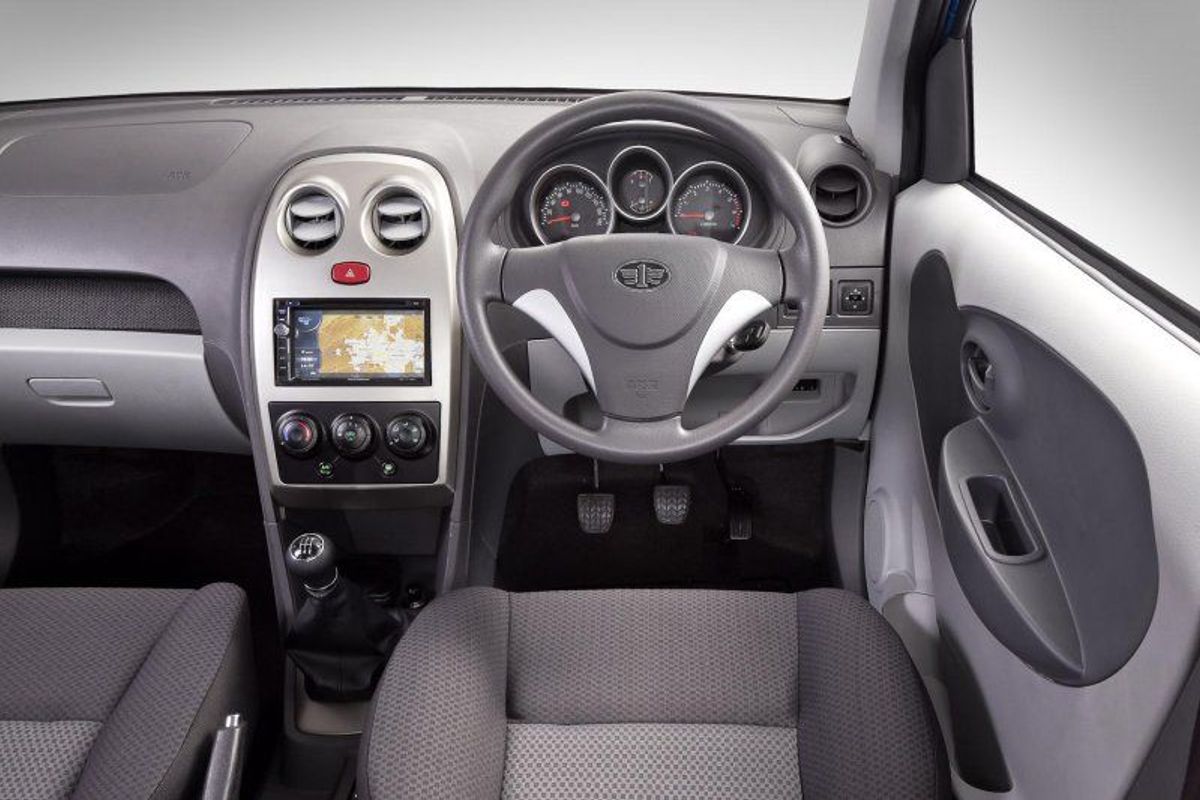
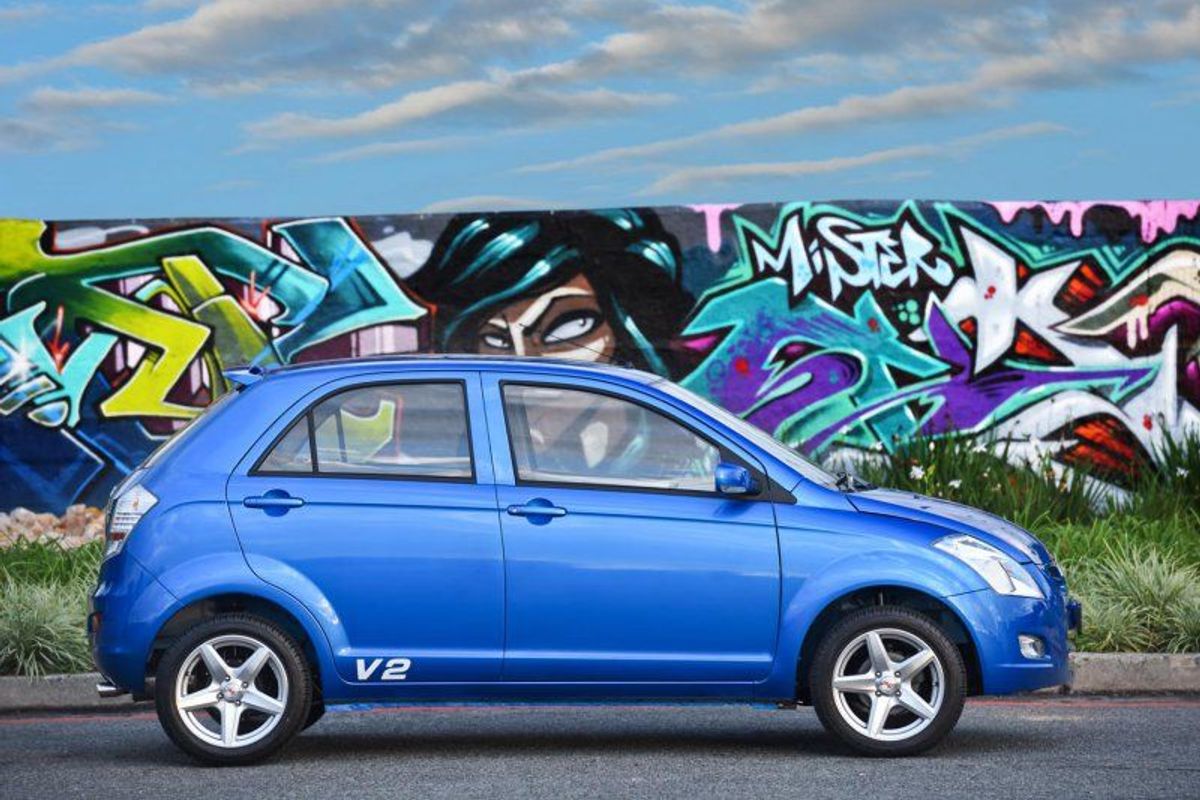
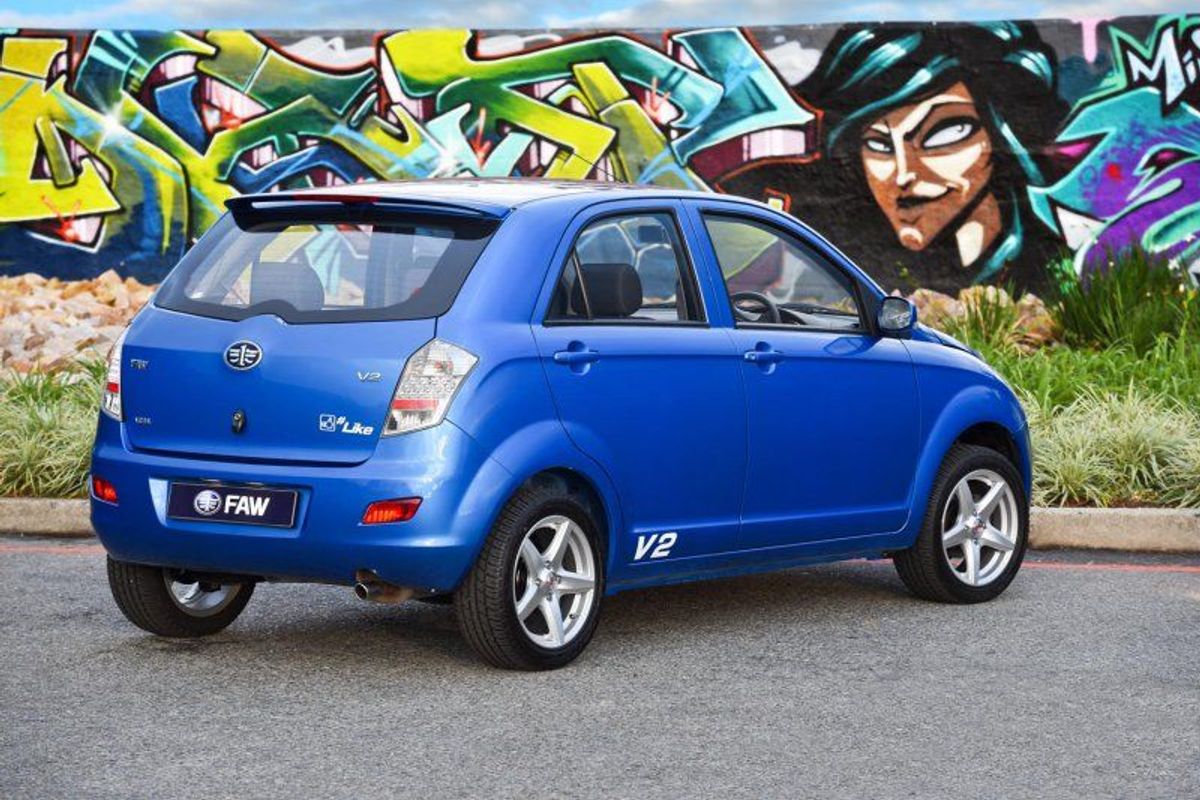
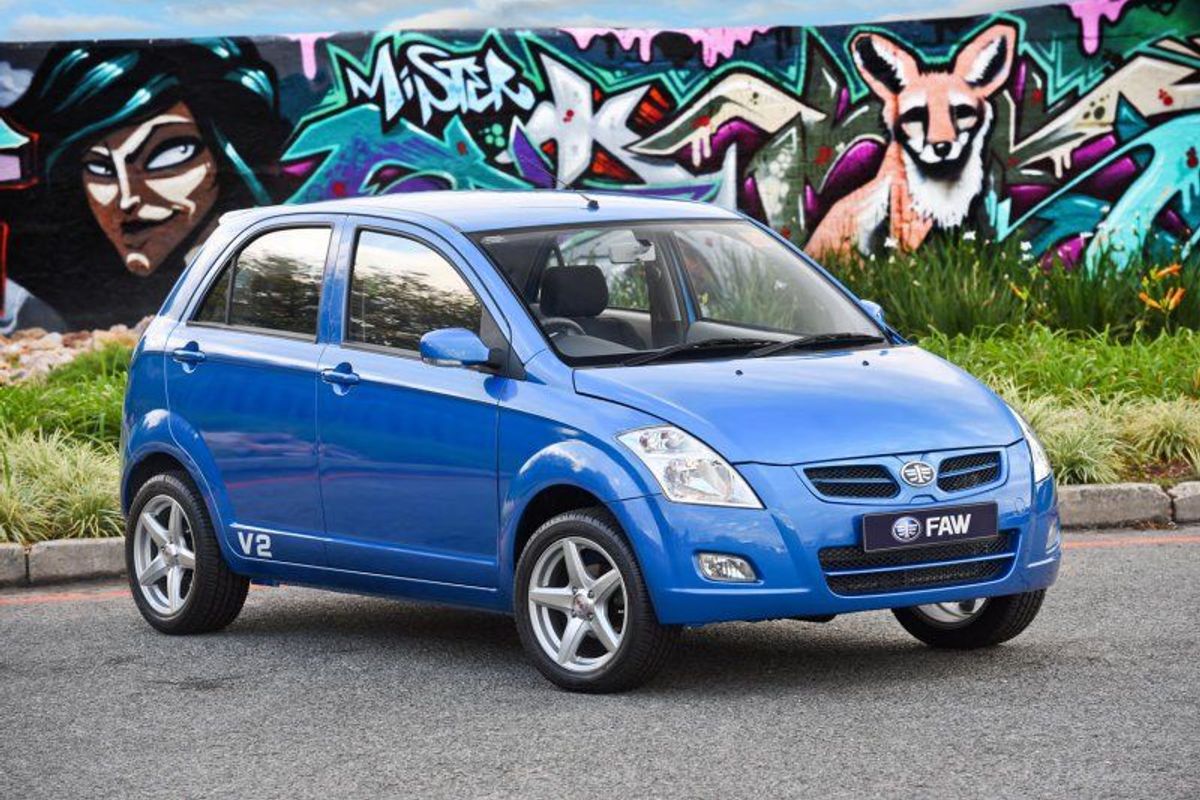
FAW Auto has launched a limited edition of its affordable base model V2 hatchback. The V2 was launched in SA back in October 2013 and the car has had some success thanks primarily to its price tag. Now there’s the limited edition model which goes by the quirky model name of V2 # LIKE.
The V2 #Like is named after the two most popular social media channels, Twitter and Facebook. The limited edition V2 # LIKE continues as an amazing value-for-money offering because it has an exceptional list of additional standard equipment and yet sells at the extremely competitive price of R109 995 including VAT and the list of features includes 15 inch alloy wheels, Bluetooth, i GO8 satellite navigation with touchscreen functionality, as well as a DVD/MP3/CD player for the audio system which also has upgraded 5-inch Sony speakers,” said Pedro Pereira, general manager of FAW Auto cars and light commercials in SA.
You have a choice of four colours (white, silver, black and blue) to choose from and the V2 hatchback is positioned towards the top end of the B-segment, meaning good interior space. The rear seats also have the ability to fold down, meaning increased carrying capacity. In terms of safety systems, the FAW V2 is not let down. You get driver and passenger air bags, anti-skid ABS brakes with electronic brake force distribution, side impact bars, a safety cell bodyshell, environmentally-friendly and fire-retardant interior trim, headlamp levelling adjustment, LED rear brake lights as well as front and rear fog lamps.
Powering the FAW V2 is a 1.3-litre four-cylinder petrol engine which has 67kW and 120Nm. Power is driven through the front wheels and the claimed fuel consumption is 6.5L/100km.
FAW V2 Limited Edition Price in South Africa
As mentioned, the FAW V2 limited edition #LIKE retails for R109 995 including VAT and comes with a 3-year/100 000km warranty and 3-year 45 000km service plan together with one-year roadside assistance. FAW Auto is backed by Imperial Group, which should add some peace of mind. The FAW V2 also spent six months in SA prior to launch to ensure it could handle everything that South Africa could throw at it, meaning this car is more than up for any local challenge.
Citroen C4 Cactus Price and Specifications Revealed
Getting a vehicle’s price and specifications well ahead of its South African launch is a rarity. Usually manufacturers keep tight-lipped on the magic numbers and for the media, it turns into a race to see who can get the pricing and specifications published first. This time it’s the Citroen C4 Cactus, a vehicle due for release towards the end of April 2015. I couldn’t believe my luck when a Citroen dealership had a shopping mall promotion featuring this car and the salesman obligingly handed over all the details.
The Citroen C4 Cactus recently won a World Car of The Year Award in the design category, and its easy to understand why. It looks revolutionary and futuristic with its narrow headlights and armour cladding on the side. This armour is called AirBump and is the perfect defence to low-speed collisions with things like shopping trolleys. Combined with some customisation options like body colours and AirBump colours, you’re looking at a very futuristic crossover.
Citroen C4 Cactus Price and Specifications
We’ll be getting two engines and two specification levels called Feel and the other is called Shine. In terms of engines there’s an entry level 1.2-litre VTI with 60kW, and there’s a 1.2-litre e-THP with 81kW.
Feel
ABS / EBA / EBD
Electronic Stability Control
Driver, front passenger, lateral and curtain airbags
Radio Mp3 player with four speakers, Aux / USB socket
Bluetooth
Air conditioning
Cruise control with speed limiter
Remote central locking with deadlocks
LED Daytime running lights
Front electric windows
Electrically adjustable door mirrors
7-inch Touch Drive interface
Steering wheel controls
16-inch Corner wheel covers
Shine
The Shine models come with the same safety features, but adds on the following:
Automatic air conditioning
Colour reverse camera with rear parking sensors
eMyWay satellite navigation
HiFi upgade (6 speaker, Jukebox, ARKAMYS amplifier)
16-inch anthracite ‘Square’ alloy wheels
Automatic lights and windscreen wipers
Front fog lights with cornering function
Dark tinted rear windows
LED interior mood lighting
Heated door mirrors
Front armrest
Additional USB socked in top box
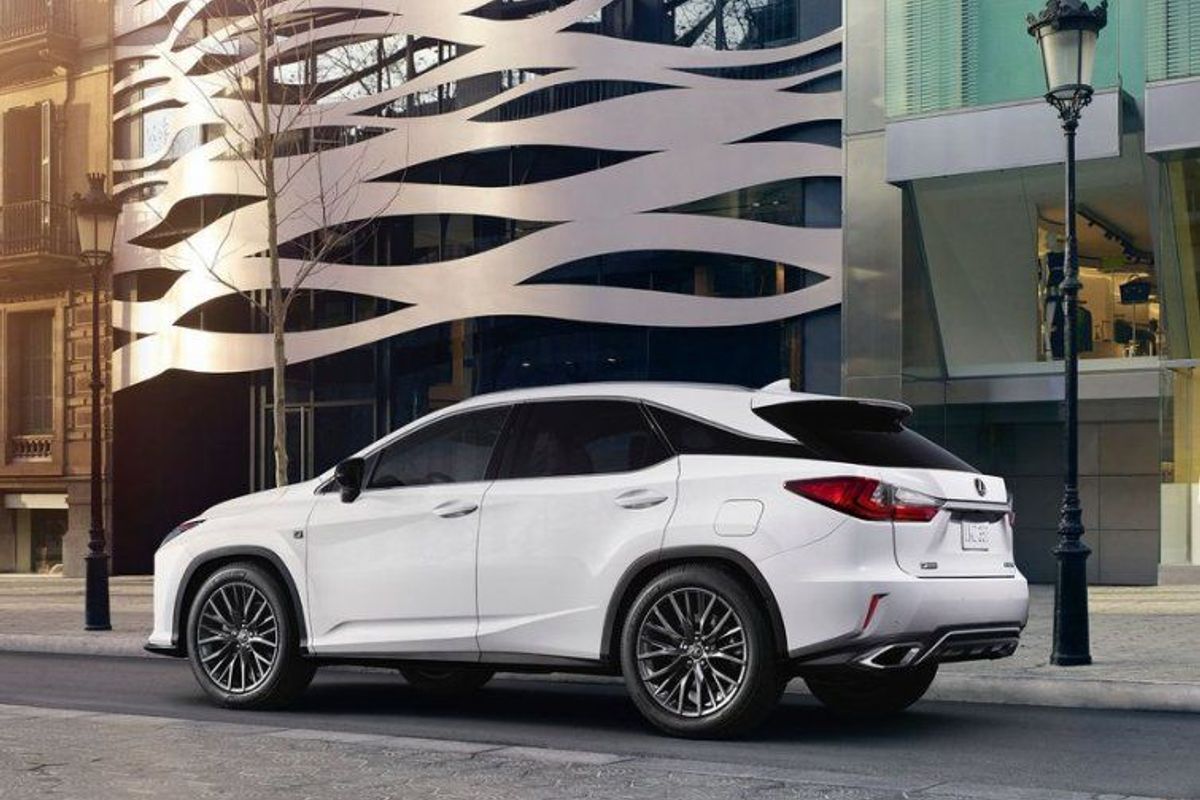
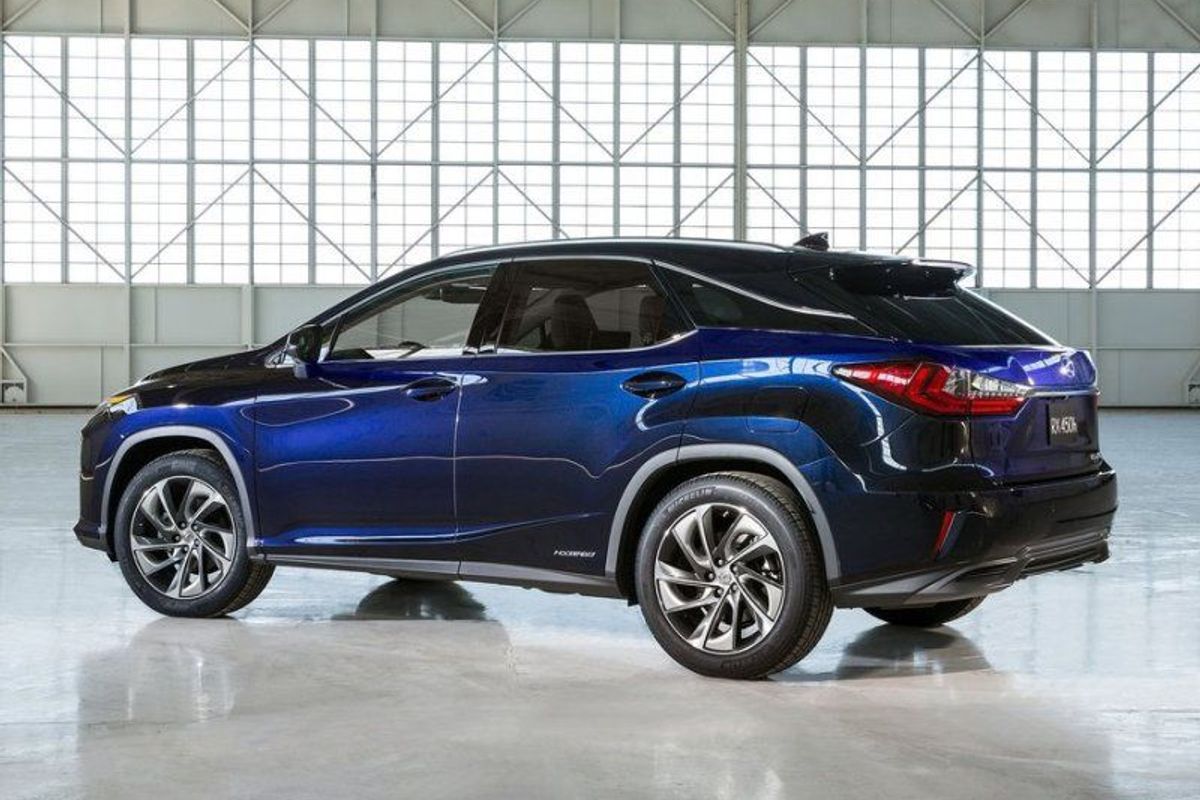
The new Lexus RX has been officially shown off at the 2015 New York Auto Show and this luxury SUV is on a mission to reclaim market share.
The Lexus RX is the best-selling model in the company’s portfolio, with 2.1 million units sold around the world. To put that into perspective, three out of every 10 Lexus models is an RX. Not bad going as the RX is priced considerably higher than the smaller sedans.
Lexus RX Details
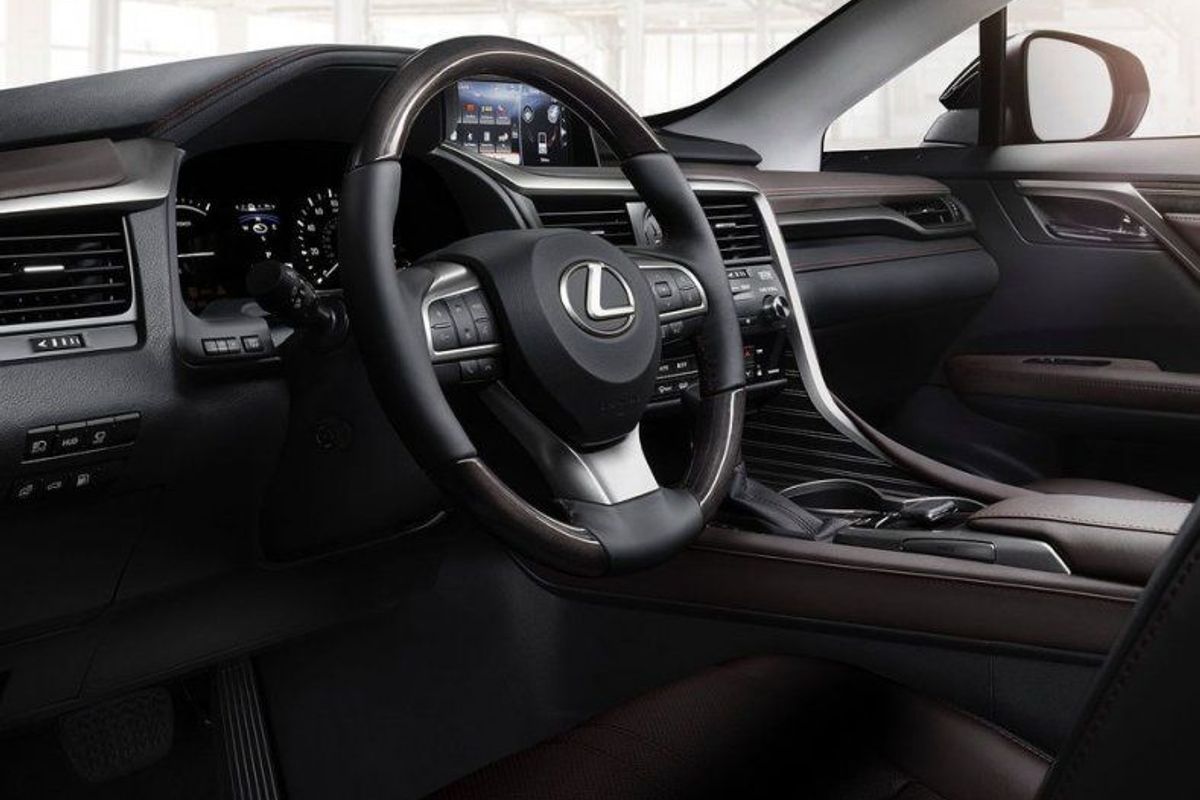
The 2016 Lexus RX features a completely new, luxurious interior to go with its fresh, new, chiseled body style. You can clearly see the similarities between the RX and the smaller NX as both feature very angled lines. The new Lexus RX is not just about looks though, as safety plays a key part.
“With the new Lexus Safety System+, we offer drivers an added level of occupant safety in a conveniently bundled package that leverages some of the latest accident prevention technology. We certainly expect the proliferation of these features to continue throughout the luxury vehicle market and our Lexus lineup as the industry remains steadfast in the pursuit of enhanced vehicle safety,” said Jeff Bracken, Group Vice President and General Manager Lexus Division.
There’s no denying the new Lexus RX looks a lot more aggressive thanks to its grille, LED headlights and daytime running lights. The car also rides on 20-inch aluminium wheels which can be customised with body colour-matching inserts. An integrated dual exhaust system has been added to give the rear a bit more of an aggressive appearance too.
It is however the cabin that has received the most attention and its not only about luxury features. There’s plenty technology too, with a color heads-up display (HUD) which projects vehicle info to the driver’s windshield, while the information display area, featuring an available 12.3-in. monitor with full-screen map, is situated atop the center stack. The shift lever, complete with leather boot, has been positioned away from the front of the instrument panel to optimize operability and create more space for the driver.
Cabin space in the rear has been increased, meaning more leg and knee room. The seats are heated and the rear seats fold down in a 60/40 split. If you’re entertainment minded, you can also fit 11.6-inch dual screens which slot into the back of the front headrests.
Powering the Lexus RX 350 is a new version of the 3.5-liter V6 that pushes out 225 kW, coupled with a new eight-speed automatic transmission. The hybrid RX 450h features the same engine, but it runs on the Atkinson cycle and works with an electric motor generator. Both cars have been tuned in anticipation of high fuel economy ratings and low carbon emissions.
In terms of safety and dynamics, the new Lexus RX offers impressive ability. Vehicle Stability Control (VSC) is standard, while Vehicle Dynamics Integrated Management (VDIM) is available on select models. Each system is designed to help recognize the loss of vehicle control, and help manage potentially dangerous situations with automatic adjustments to help the vehicle maintain optimal traction. The RX also is offered in All-Weather Drive to help the RX’s handling performance and control on dry and slick surfaces alike.
Adaptive Variable Suspension (AVS) makes its debut in the Lexus RX for the first time. AVS electronically monitors and adapts the shock absorber damping and steering to help ensure optimal handling and ride depending on the driving conditions. The system is also designed to produce less body lean through corners, providing an engaging driving experience.
Lexus Safety System+ helps avoid collisions across a wide range of vehicle speeds under certain conditions. Introduced internationally, Lexus Safety System+ integrates several of the brand’s existing active safety technologies. These include the Pre-Collision System (PCS) that is designed to detect sudden stops initiated by the vehicle in front and can engage automatic braking in certain circumstances; Lane Departure Alert (LDA), and Automatic High Beam (AHB) that helps ensure optimal forward visibility at night.
The Lexus RX also uses a millimeter-wave radar that works together with a camera to help keep the vehicle in its intended driving lane via the Lane Keep Assist feature (LKA) and enhances target detection for the Dynamic Radar Cruise Control with full stop capability. Other available features that can help the driver include Adaptive High-beam System (AHS), a Panoramic View Monitor (PVM) and Blind Spot Monitor (BSM) with Rear Cross Traffic Alert (RCTA).
The RX is an important model for Lexus in South Africa too, and should debut within the next six months.
BMW Active Tourer vs Mercedes-Benz B Class (Video)
In this modern age of niche-filling car design, it is quite odd that only two premium brands are playing in the MPV segment. Mercedes-Benz has found relative success with their B Class, especially the current 2nd generation which is a vast improvement on their first attempt.
And if imitation is the sincerest form of flattery, there must be some blushing behind all the moustaches at Mercedes HQ, as BMW have broken with tradition to launch a B Class rival, in the form of the front wheel drive 2-Series Active Tourer.
We managed to wrangle an example of each into our studio, and gave them both a thorough shaking down. The models featured in this video are the BMW 218i and the Mercedes-Benz B200.
Weve covered everything from engine power, boot space and load space, the cost of the extras (brace yourself) and theres a thorough tour of the interiors.
And then at the very end, we pick a winner
For a complete side by side comparison of the two cars, click here
BMW 2 Series Active Tourer 218i
Mercedes-Benz B Class B200
Price
R396 205
R407 223
Price of extras
R123 000
R117 000
Engine
1.5 litre 3-cyl turbo petrol
1.6 litre 4-cyl turbo petrol
Power
100 kW
115 kW
Torque
220 Nm
250 Nm
Boot space
468L (1510L seats folded)
486L (1545L seats folded)
Fuel economy
4.6L/100km
4.7L/100km
BMW Active Tourer VS Mercedes-Benz B-Class Video
New Car Sales in South Africa for March 2015
The National Association of Automobile Manufacturers of South Africa (NAAMSA) has reported improvements in sales in the light, medium and heavy commercial vehicle market while the passenger vehicle market experienced a decline in car sales during March. The Toyota Hilux and Ford Ranger topped the charts in March, and the Nissan NP200 sold well too. The usual suspects, Volkswagen Polo and Polo Vivo also showed strong sales. Vehicle exports reflected healthy gains compared to the same period last year.
It’s interesting to note that cars launched recently have started selling. The electric duo from BMW have shown good numbers with the i3 selling 21 units, while its i8 supercar sibling did 11. The Volkswagen Up sold 227, while the Ford Fusion saw 48 units drive off showroom floors. The Mazda2 sold 156 units and finally 92 Opel Corsas hit the roads.
Here is a new car sales breakdown for the month of March 2015.
New Car Sales Summary March 2015
55 449 aggregate new car sales compared to 55 440 units in March 2014.
34 147 export sales up by 38.5% (9 488 units) compared to March 2014 .
35 548 passenger car sales down by 3.0% (1 096 units) compared to March 2014.
16 808 light commercial vehicle sales up by 5.5% (875 units) compared to March 2014.
Top Selling Car Brands in South Africa March 2015
NAAMSA anticipates marginal volume growth during 2015 based on projections of a slight improvement in South Africas growth rate as well stability in the automotive industry industrial relations and stable interest rates and credit rating. Security of power supply still remains as a potential overall risk in 2015.
New Chevrolet Spark Revealed
The Chevrolet Spark is a major player for the American brand, its sold in over 40 markets worldwide and for 2016 the model has been completely refreshed featuring a new engine, safety features and connectivity.
Chevrolet Spark Details
The new Spark looks a little less like Darth Vaders helmet and more like a modern, rounded hatch. It definitely looks bigger but the stats tell us its only got a slightly longer wheelbase and is 40mm shorter than before.
New 1.4 Engine
The new engine to the Spark is a 1.4L Ecotec motor thats naturally aspirated and claimed to produce 73 kW. No torque figure is available but it can be fitted with either a five-speed manual or a CVT gearbox. Chev also claims the Spark will use around 5.8L/100km.
Feature Packed
An all-new instrument panel design with an (LCD) features a prominent centre stack for the infotainment and climate system controls.
The Sparks all-new MyLink radio features a touch colour display, with an icon-based interface similar to smartphones. And like a smartphone, the touch display allows swiping, pinching and other gestures for quick, easy operation.
Safer than before
A stronger body structure is at the core of the new Sparks safety story and is complemented by a wider array of passive and active safety features. Ten standard air bags include driver/front passenger knee air bags, roof rail side air bags and seat-mounted thorax/pelvic air bags. A rollover sensing and protection system is also offered.
Additionally, new active safety features can help drivers avoid crashes through camera-based technology providing alerts. Systems include:
Forward Collision Alert
Lane Departure Warning
Side Blind Spot Alert.
A rear-vision camera system is standard and rear park assist is offered.
Chevrolet has announced that the Spark will go on sale from the fourth quarter of 2015 (September onwards).
Honda Stuns with new Civic Reveal
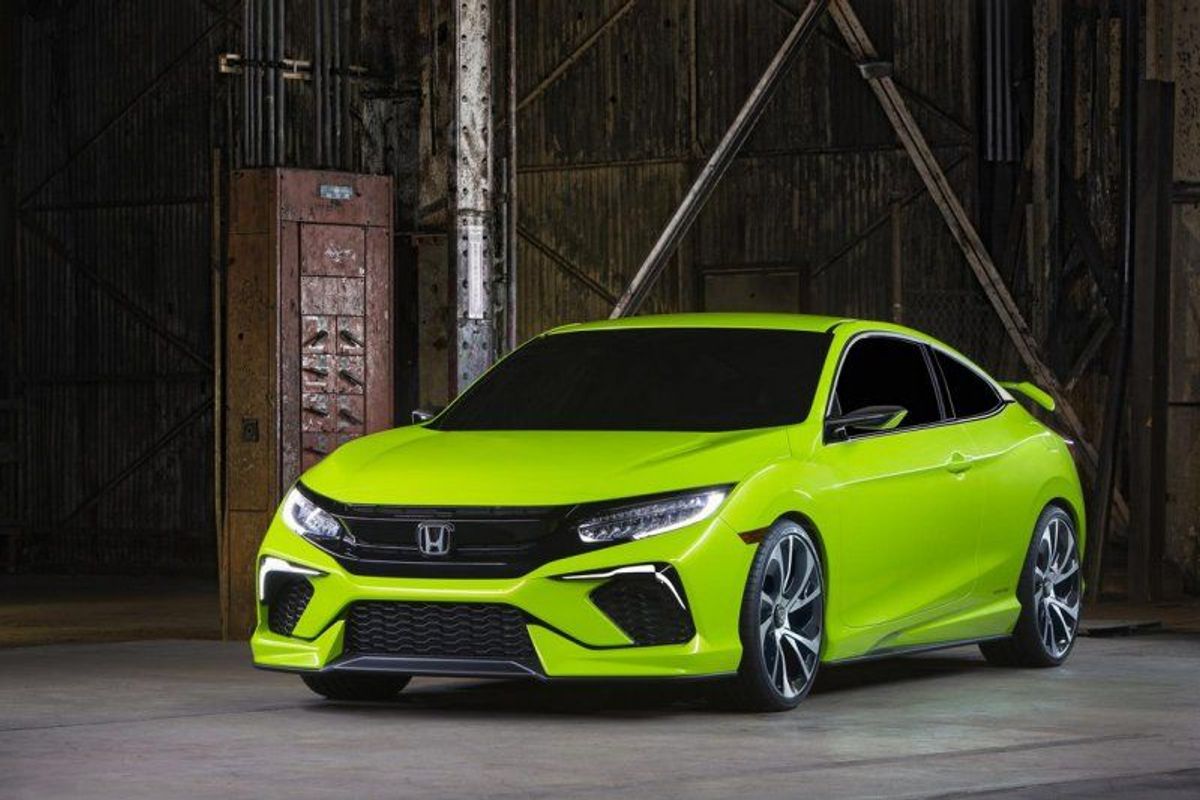
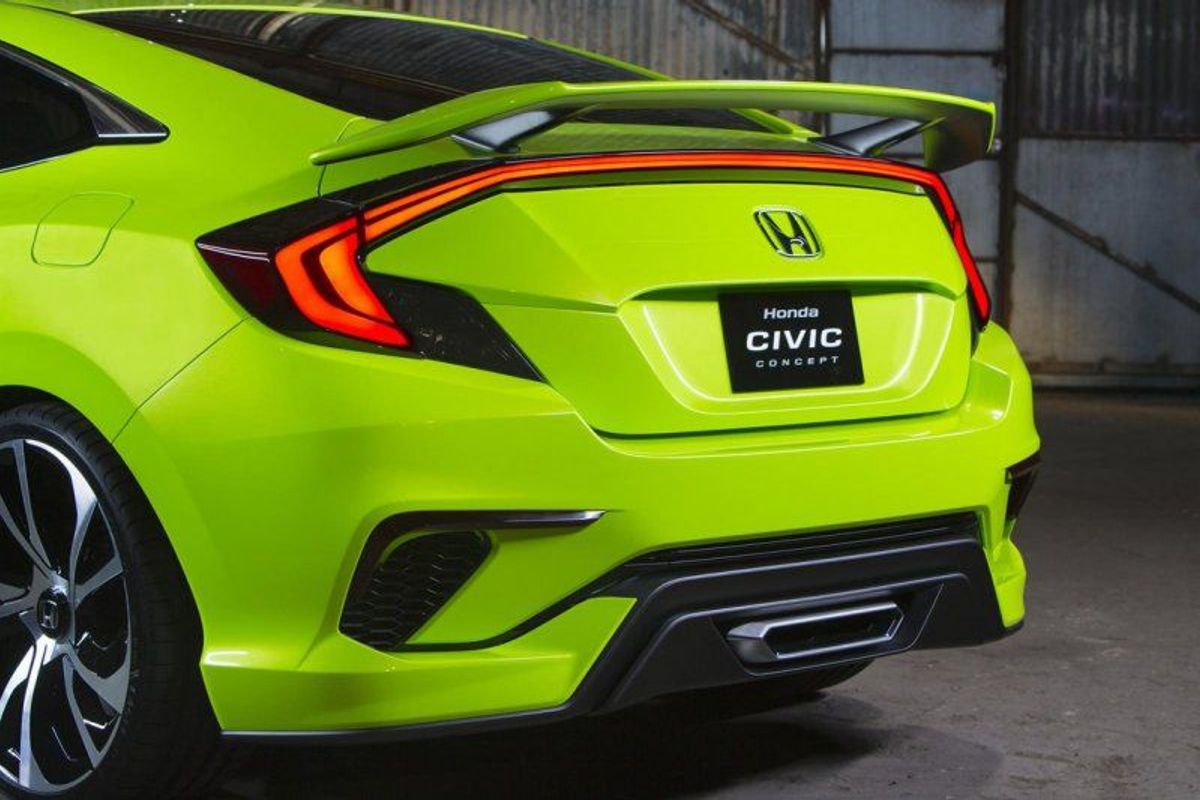
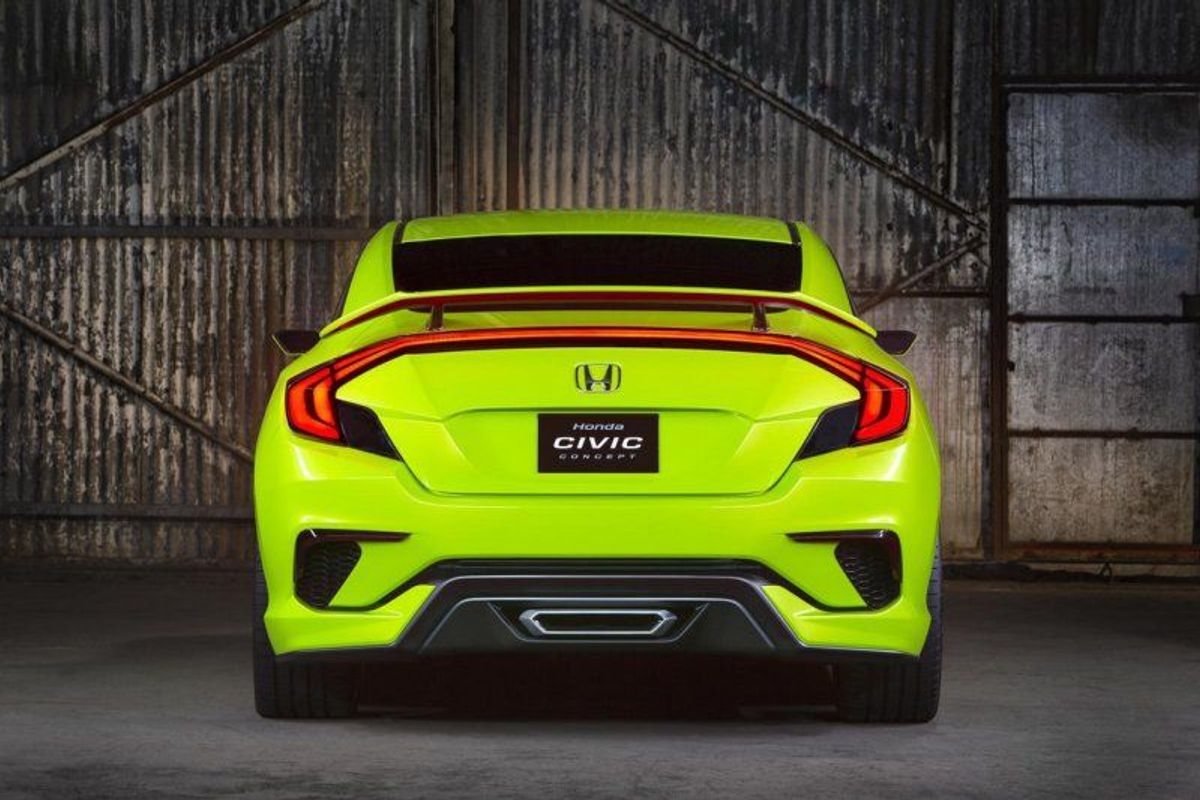
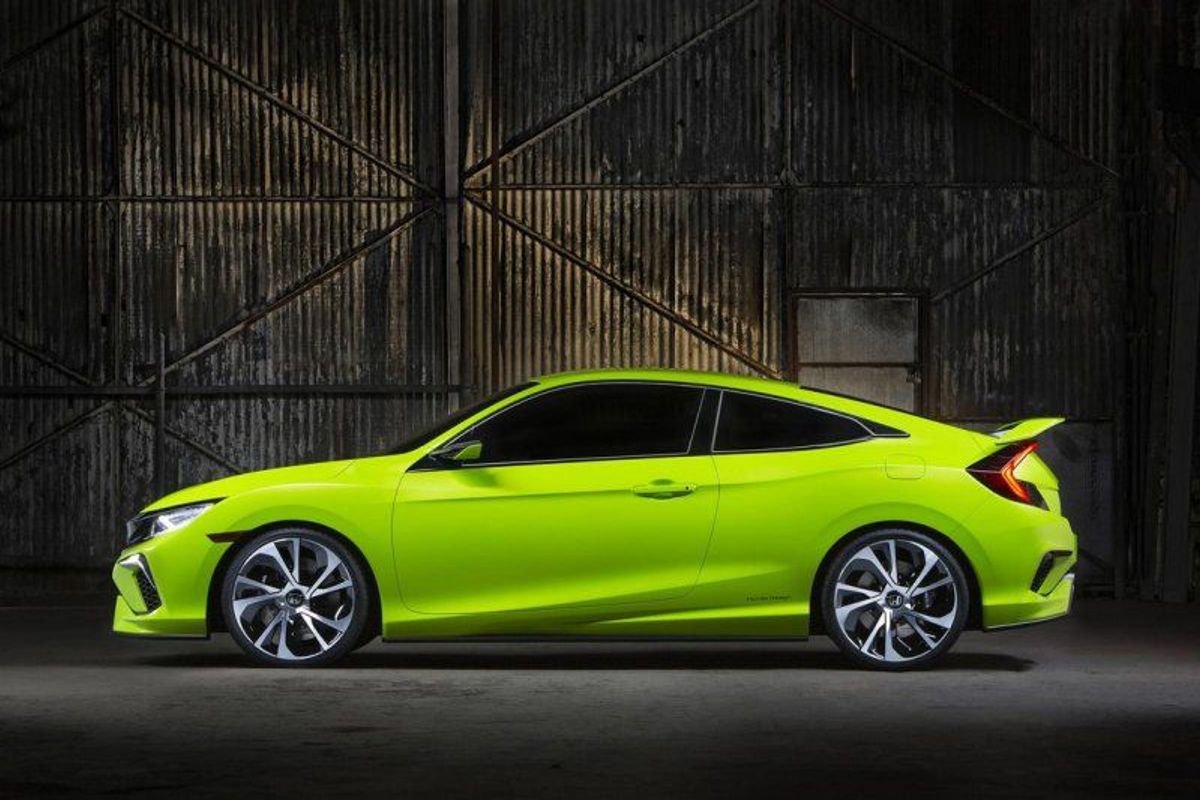
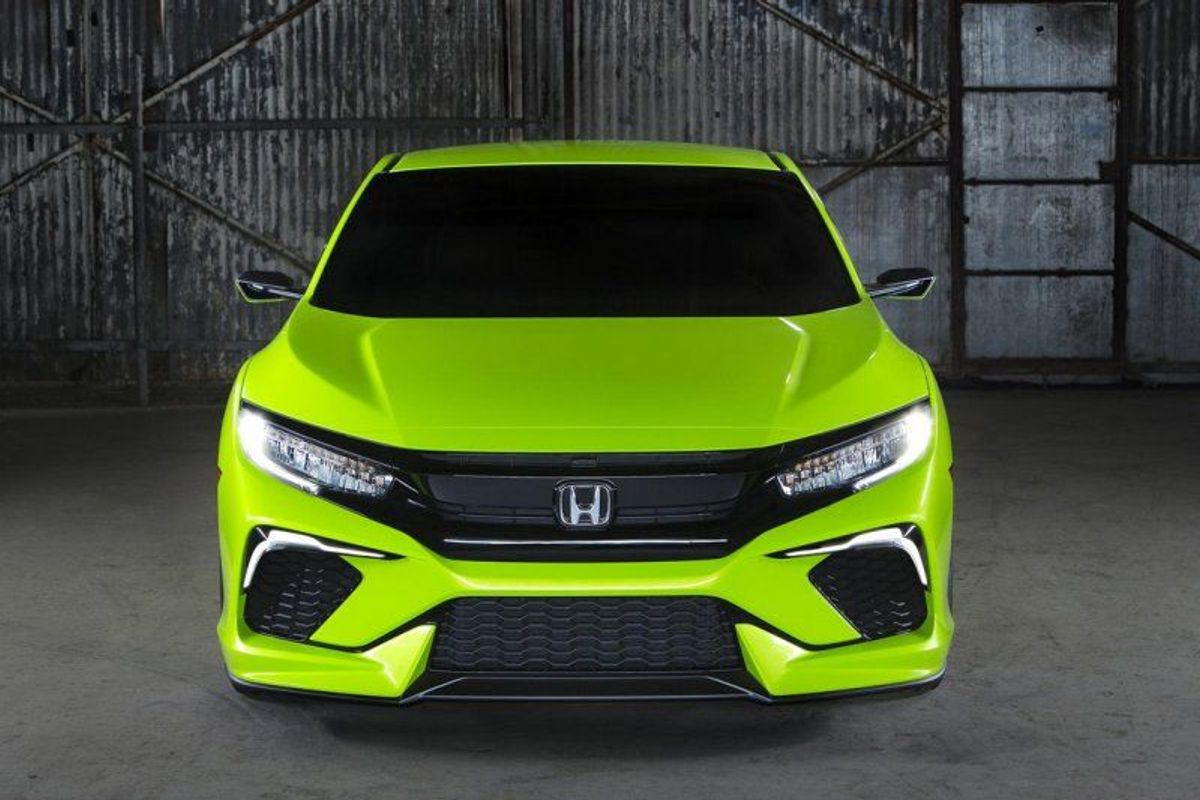
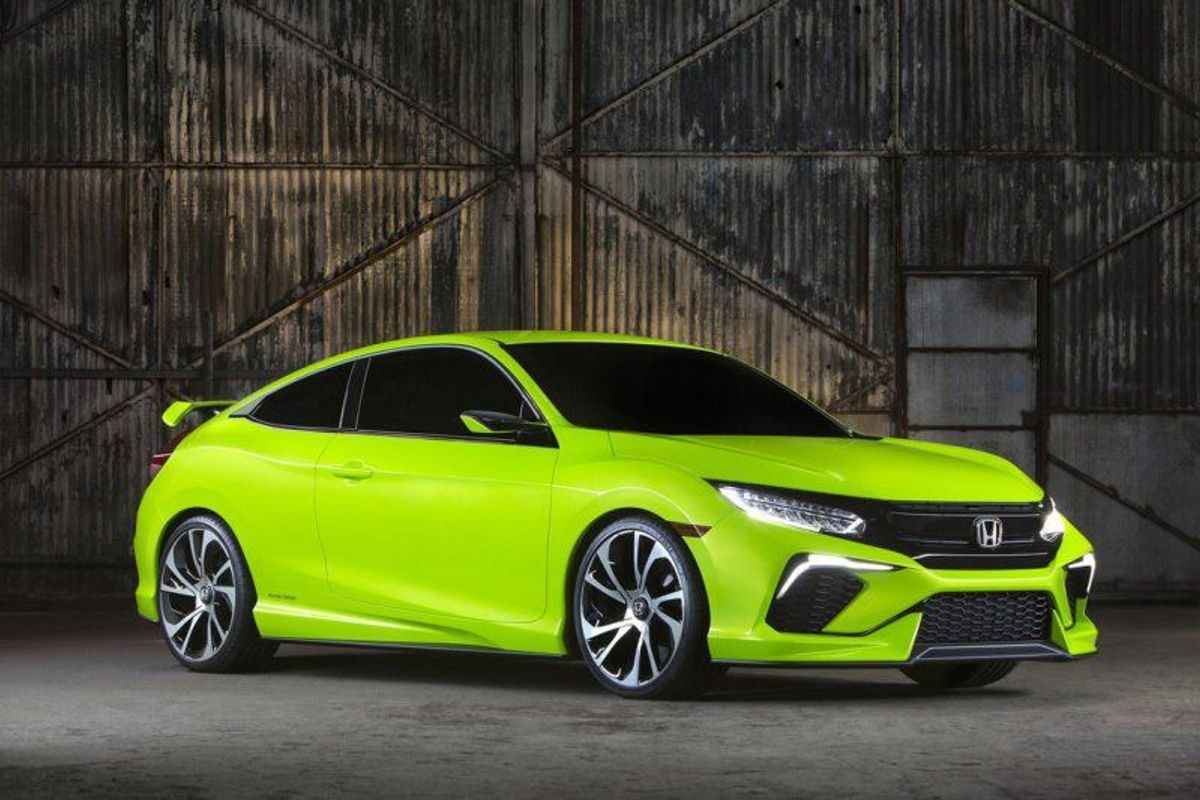
Honda has thrown quite a big surprise at the New York auto show, when it revealed a totally new and sporty Civic. We waited until the 2nd April just to see if it was for real and good news, it is! With a sharper focus on spirited performance and improved versatility, the new Civic lineup will include Sedan, Coupe and Si models along with the return of the Civic hatchback, followed by the launch of a new Type-R as the performance flagship of the Civic lineup.
“The new Civic will be, flat out, the most dynamic, the most technologically advanced and the most refined and stylish Civic we’ve ever made,” said John Mendel, executive vice president, Honda USA “In every way, this will be an epic Civic.”
New Civic Details
The concept provides a glimpse forward to the design direction for the 10th-generation Civic lineup launching in the US later this year. Featuring a longer wheelbase and lower, wider stance, the new Civic tries to emphasise its new-found aggressive personality. Proportionally it boasts a longer bonnet, a shorter front overhang and a shorter rear deck, lending the Civic a more athletic appearance.
New VTEC Turbo Engine
There will be new engines too including a 1.5-liter VTEC Turbo engine with a short-shifting 6-speed manual transmission, and a new, sportier and efficient CVT the Civic will target class-leading fuel economy ratings and fun-to-drive performance with near-luxury levels of cabin quietness and ride refinement.
It will also aim to improve safety performance and will offer safety and driver-assistive technologies, including Lane Departure Warning, Forward Collision Warning, Multi-Angle Rearview Camera, Adaptive Cruise Control and lane keeping assist.
The Civic will be both developed and built in the US. The turbo engines too will be built in the US while the hatch derivative of the Civic will continue to be built in the UK.