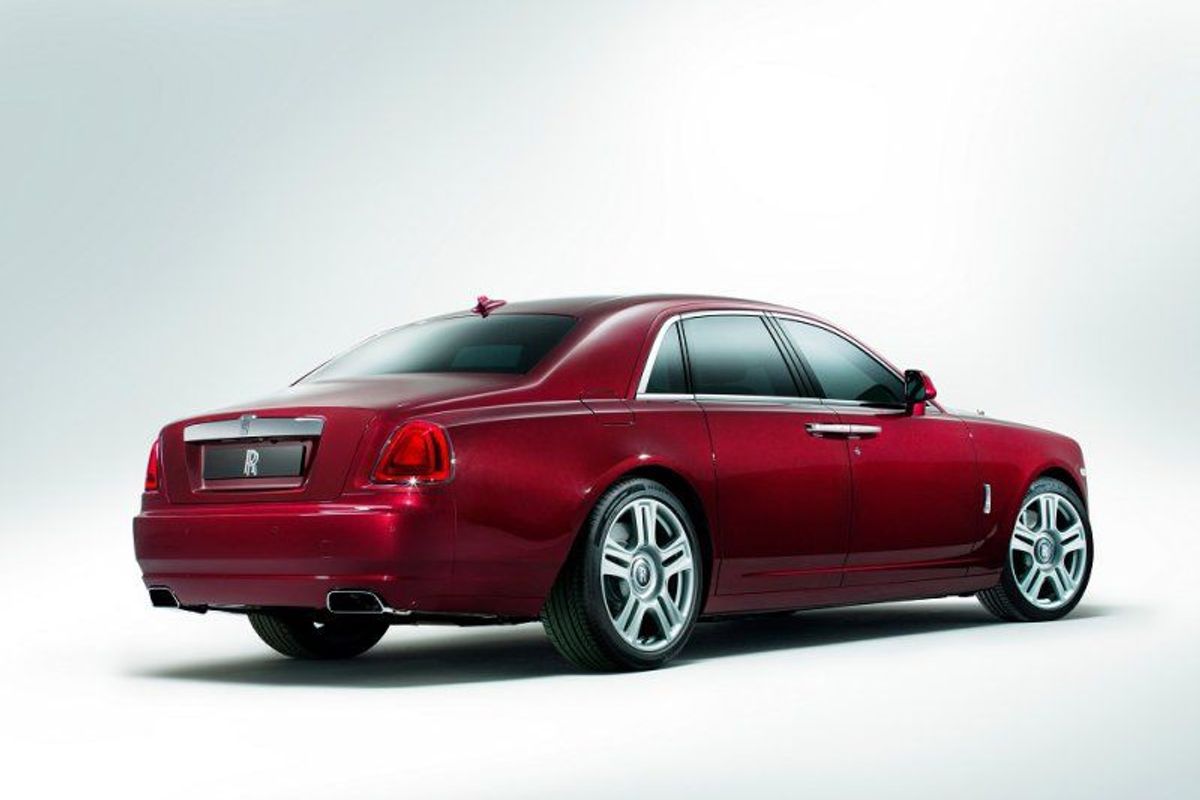
It’s regarded as the most luxurious brand in the world and there’s no doubt that it represents the ultimate in a quality automobile experience. The latest model of Rolls-Royce has just been launched to the SA media and we were there.
The Rolls-Royce Ghost Series II is the latest vehicle to be launched and we got a glimpse of its features at the only Rolls-Royce dealership in South Africa. This dealership is in the heart of Sandton and forms part of Daytona, which is the agent for Aston Martin and McLaren vehicles in South Africa.
What’s New for Ghost Series II?
The new model gains some subtle changes on the outside, but under the skin is where a whole host of industry-leading technology makes an appearance.
In the quest to produce vehicles that embody supreme quality, effortless performance and the cutting-edge of technology, the engineers at Goodwood have delivered the stunning masterpiece that were unveiling here, a contemporary vehicle created for the most successful individuals in our world today the Ghost Series II, said Pedro Carneiro, Brand Manager, Rolls-Royce Motor Cars Sandton.
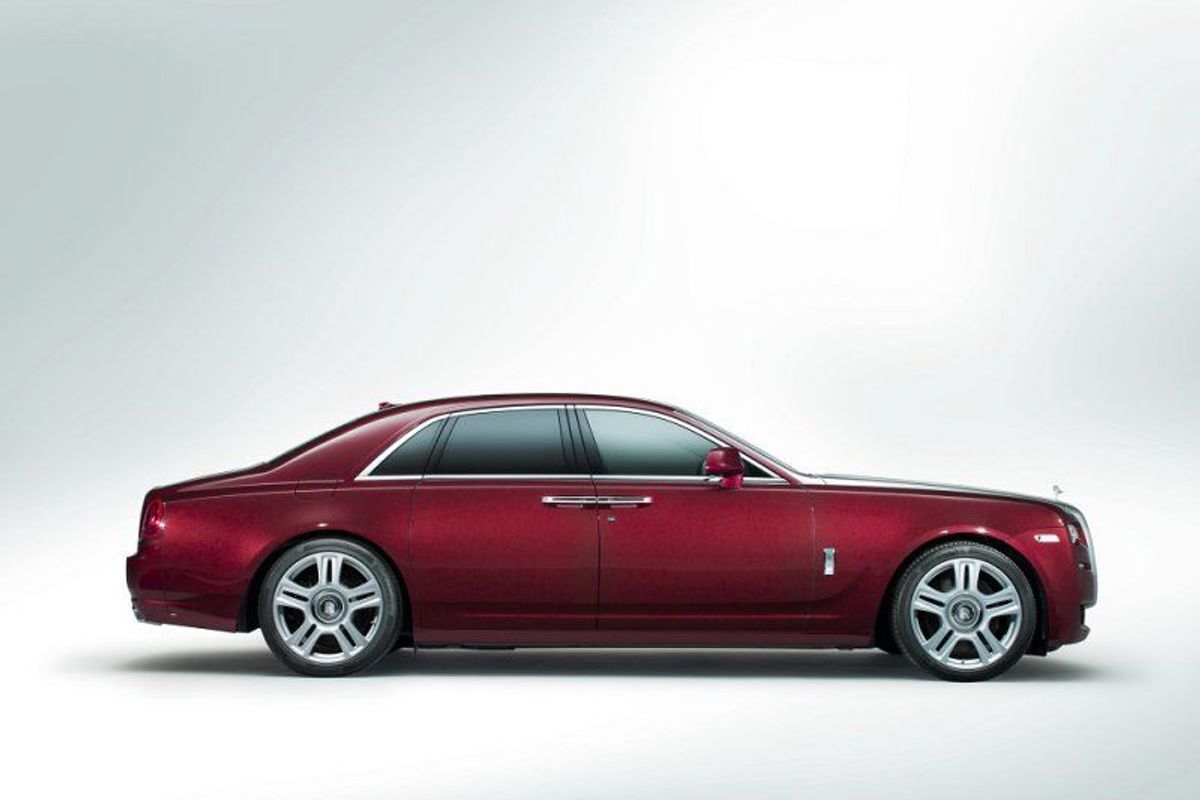
Let’s start at the front, where LED headlights surrounded by attractive daytime running lights give the car a lot more aggression at the front. There’s also a slight redesign on the bonnet which starts from the famous Spirit of Ecstacy and resembles the wake of a boat or jet. While these are just style upgrades, the re-shaped bumpers and the addition of chrome inserts to the intakes allows more cold air to reach the front brakes. Essential, considering the power and sheer weight of the Ghost Series II.
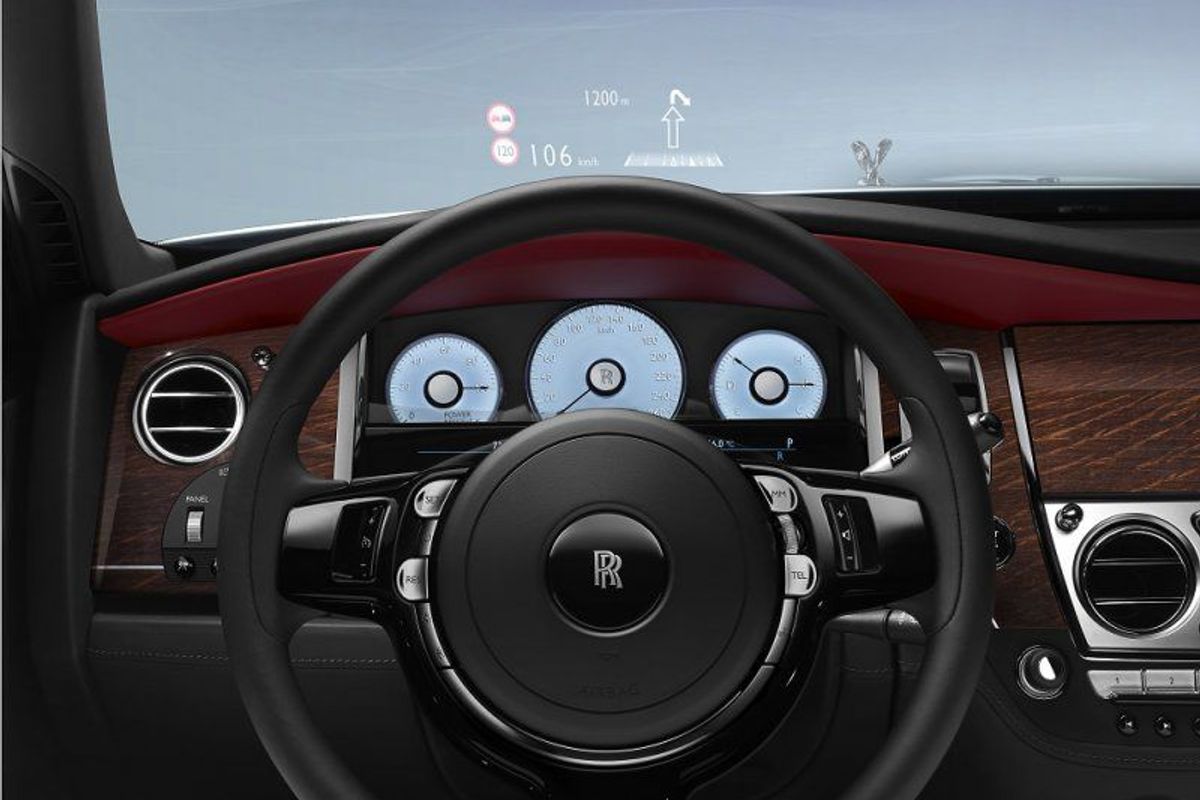
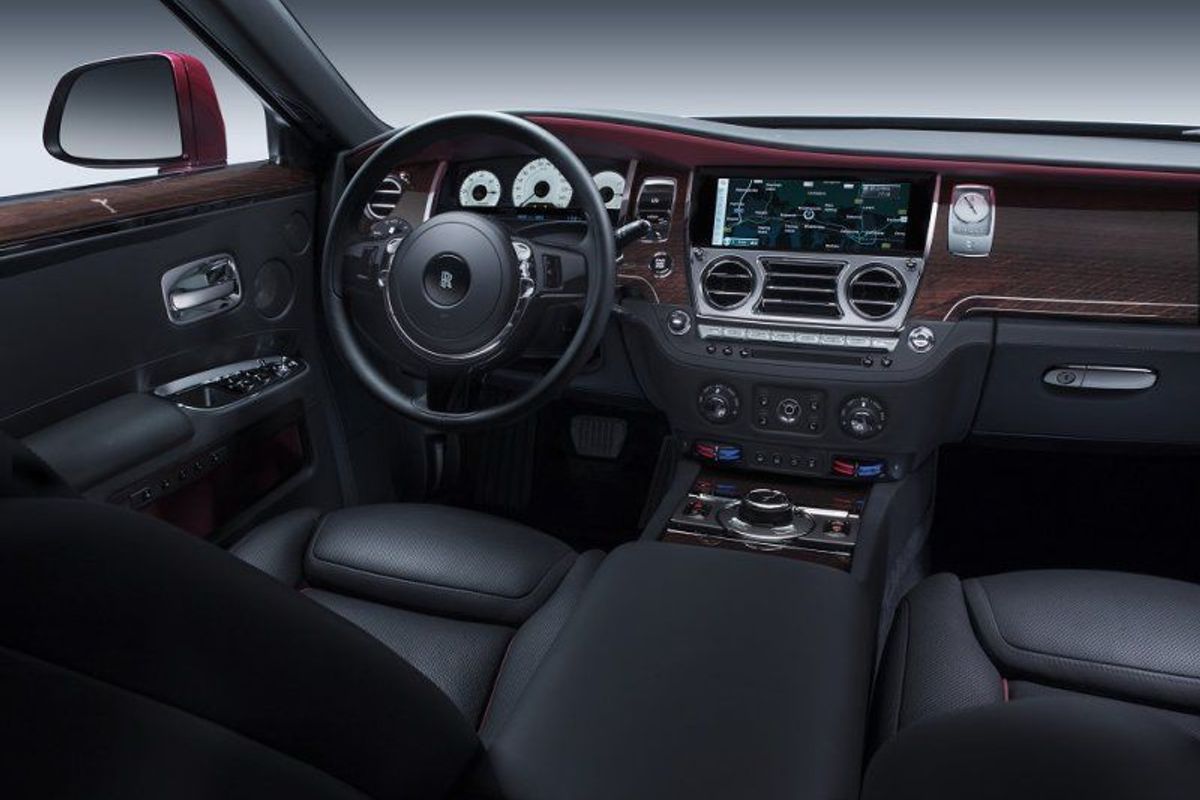
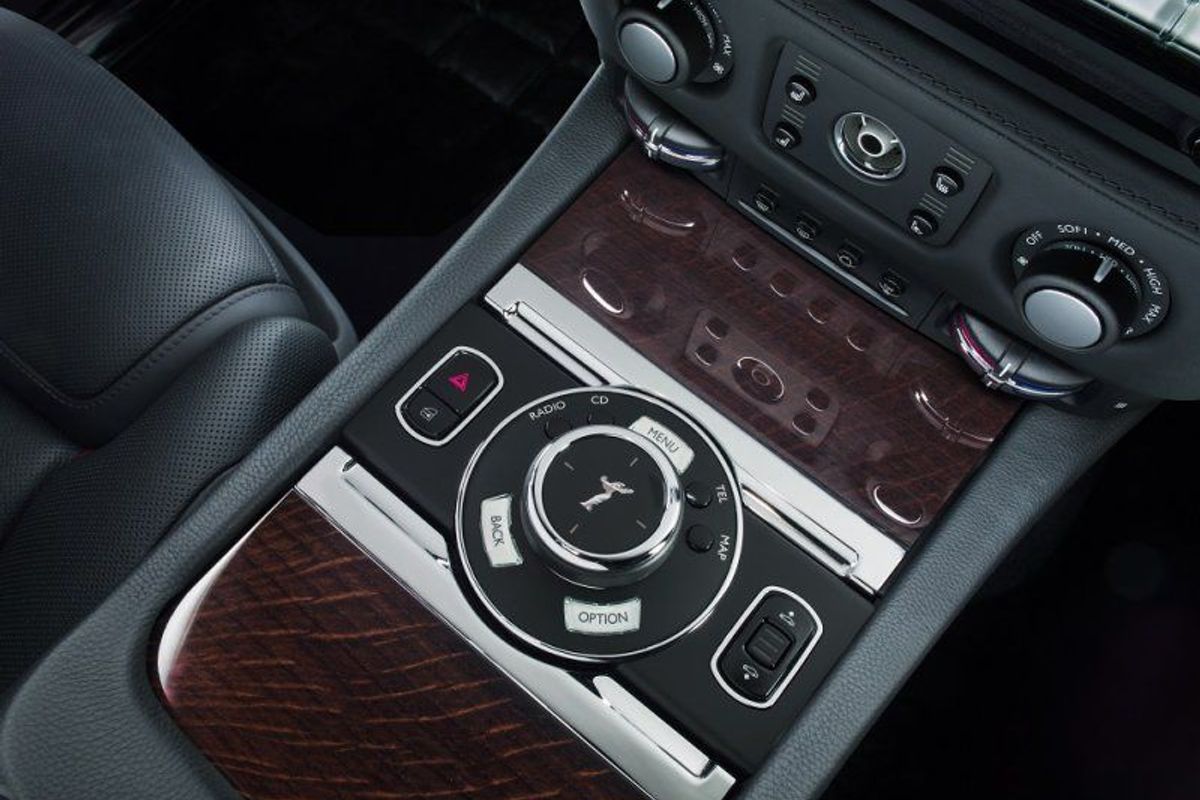
The interior gains a massive injection of technology and the cabin is a magnificent place to be. Not only is it supremely luxurious, but it represents the latest tech on offer. With a Satellite Aided Transmission (seen in the Wraith) on-board WiFi, upgrades to the navigation and interface, the Ghost Series II becomes the most connected office on wheels. If you’re a fan of quality audio, the Ghost Series II can be fitted with Bespoke Audio, which is said to to be the “most exhaustively engineered and finest audio system in automotive history.”
Powering the Rolls-Royce Ghost Series II is a 6.6-litre twin-turbocharged V12 pushing out 419kW and 780Nm. Due to its weight and size, performance is brisk, but effortless. Expect 0-100kph in five seconds dead and the car will go onto a limited top speed of 250kph. It must surely offer one of the smoothest driving experiences thanks to the 8-speed ZF gearbox.
Ghost Series II Price in SA
The Rolls-Royce Ghost Series II is now available from Rolls-Royce Motor Cars Sandton. Pricing for such a premium model is difficult and the vast customisation options doesn’t make it any easier. However I’d estimate you could bag yourself a Ghost Series II for about R7-million.-Editor
Volkswagen Sport Coupe GTE Concept Shows Bigger CC
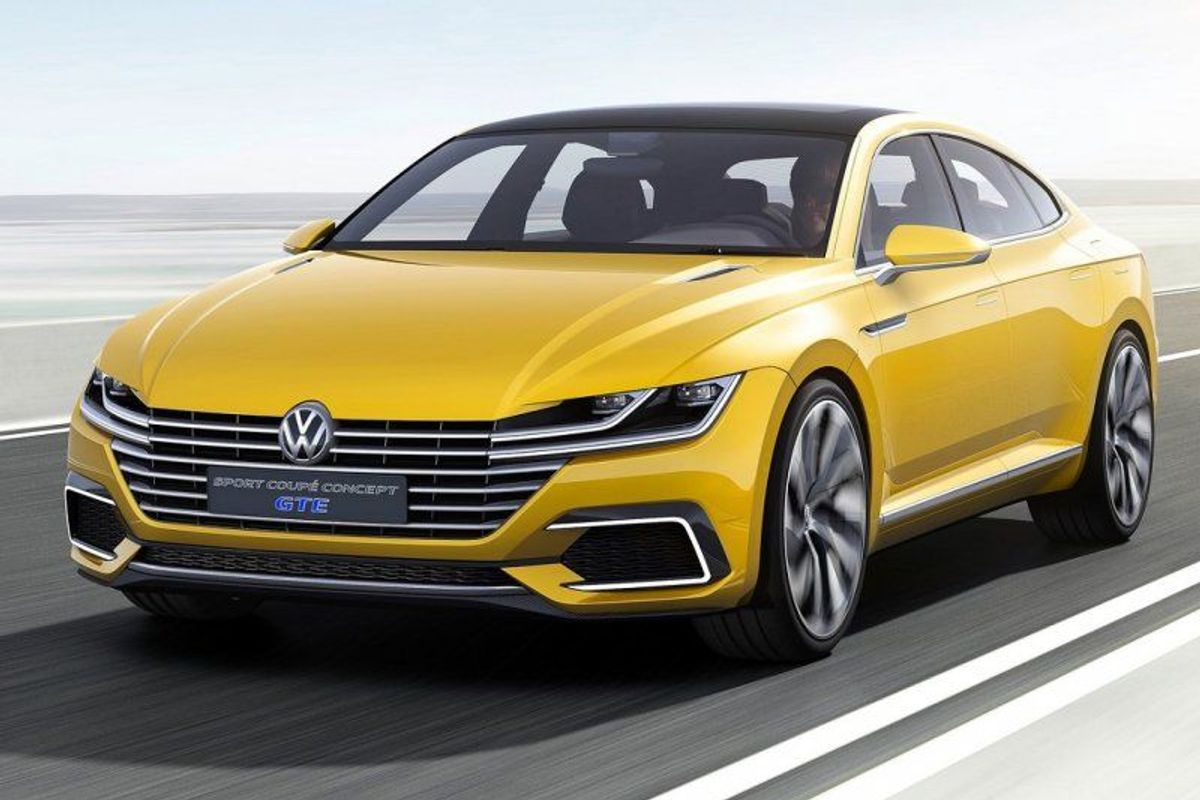
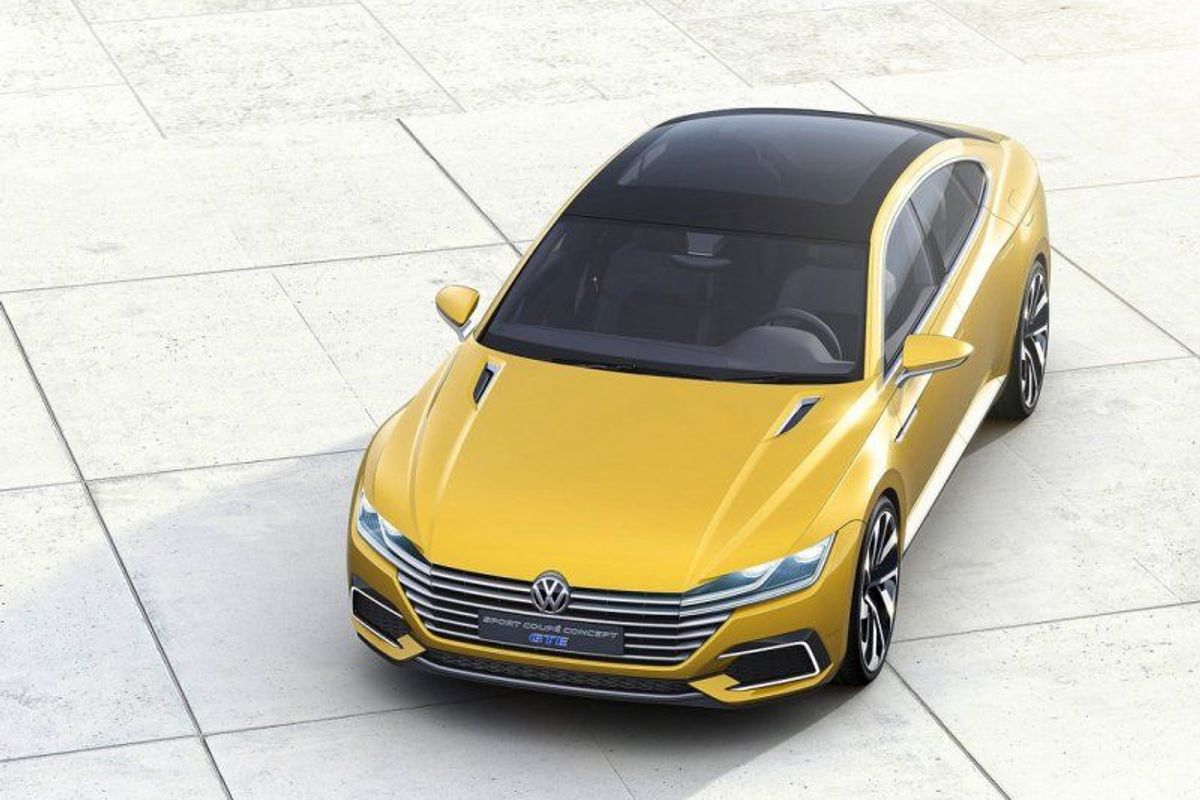
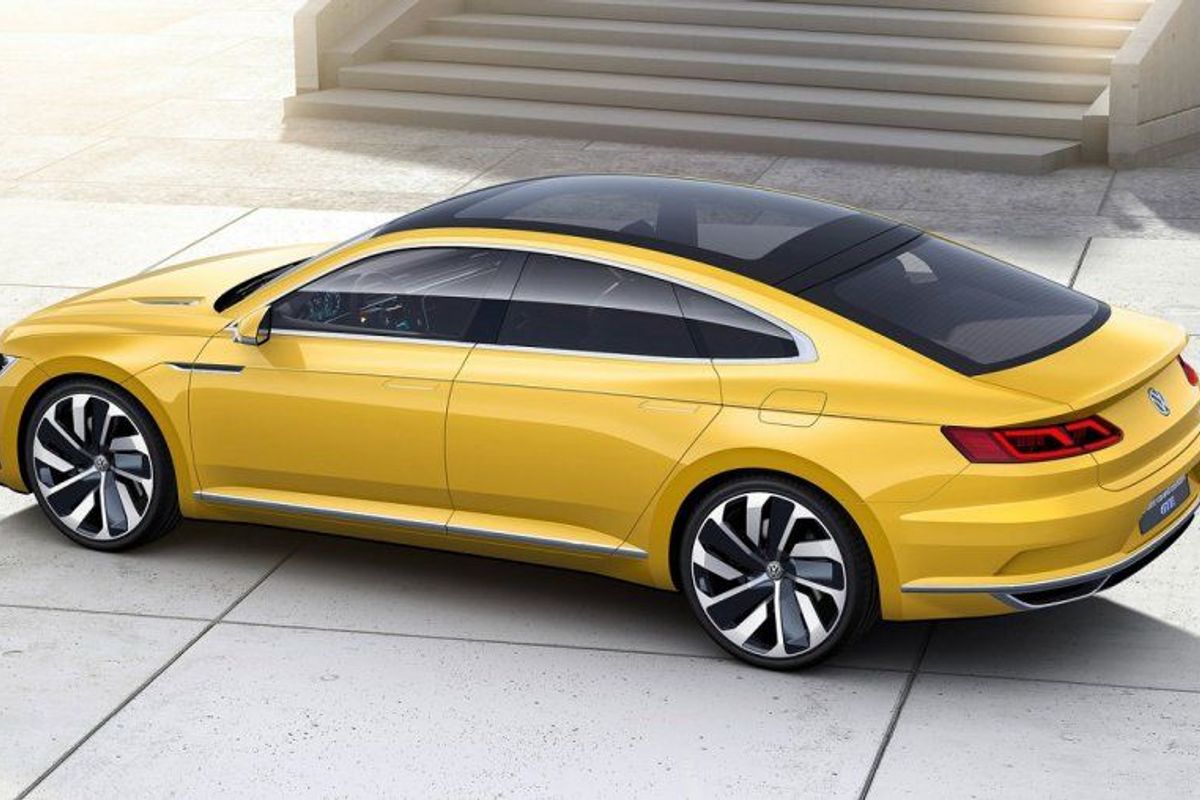
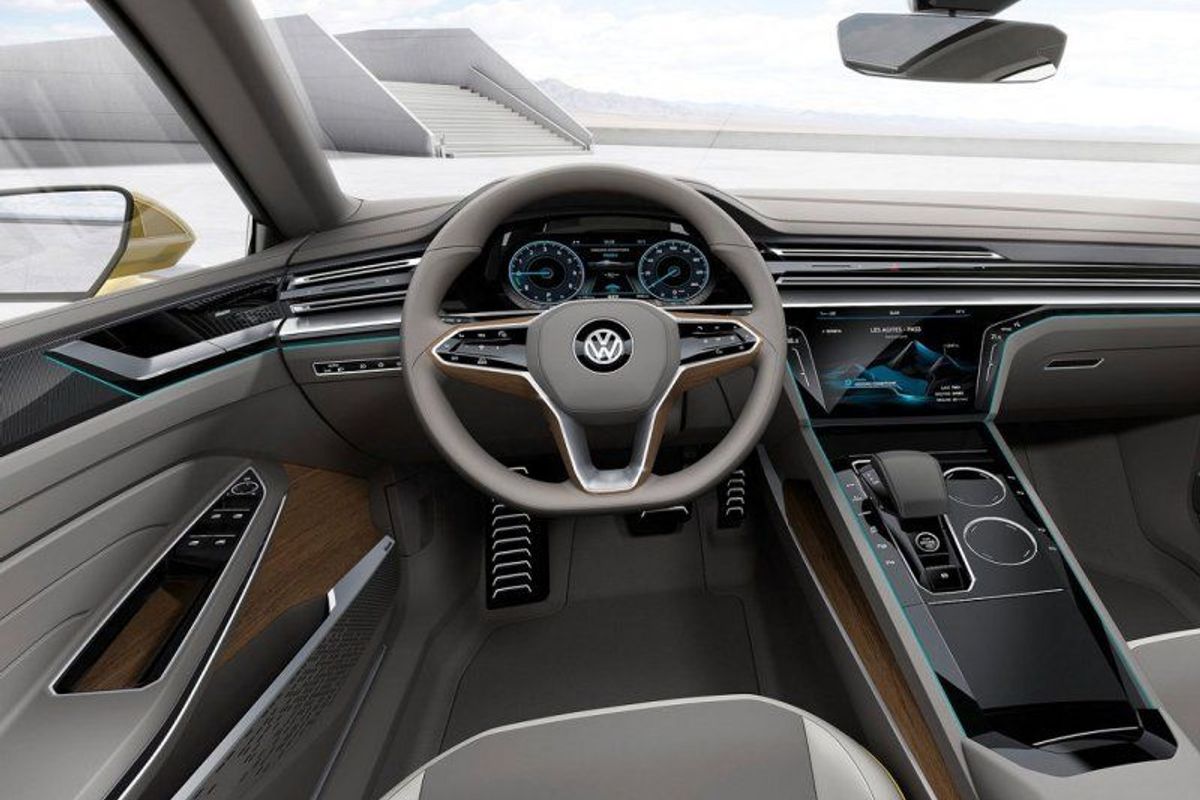
Volkswagen has developed a Sport Coupe Concept GTE that it says will be a future vehicle to sit above the CC and below the Phaeton. The concept also showcases the new front end styling that VW will adopt for new models. The concept could see VW step in to compete with the likes of the Merc CLS and Audi A7, albeit on a much leaner price tag.
What is a Sport Coupe GTE?
Dr Heinz-Jakob Neusser, Volkswagen Brand Board Member for Development, explained the new Coupé Concept GTE for the Volkswagen brand: “This concept car is a breathtakingly dynamic coupé, destined to set standards in this class. Thanks to the design in the style of an exclusive sports car combined with the added functionality of a large boot lid, we see an impressive alternative to the classic saloons of the B and C segments in this four-seater.”
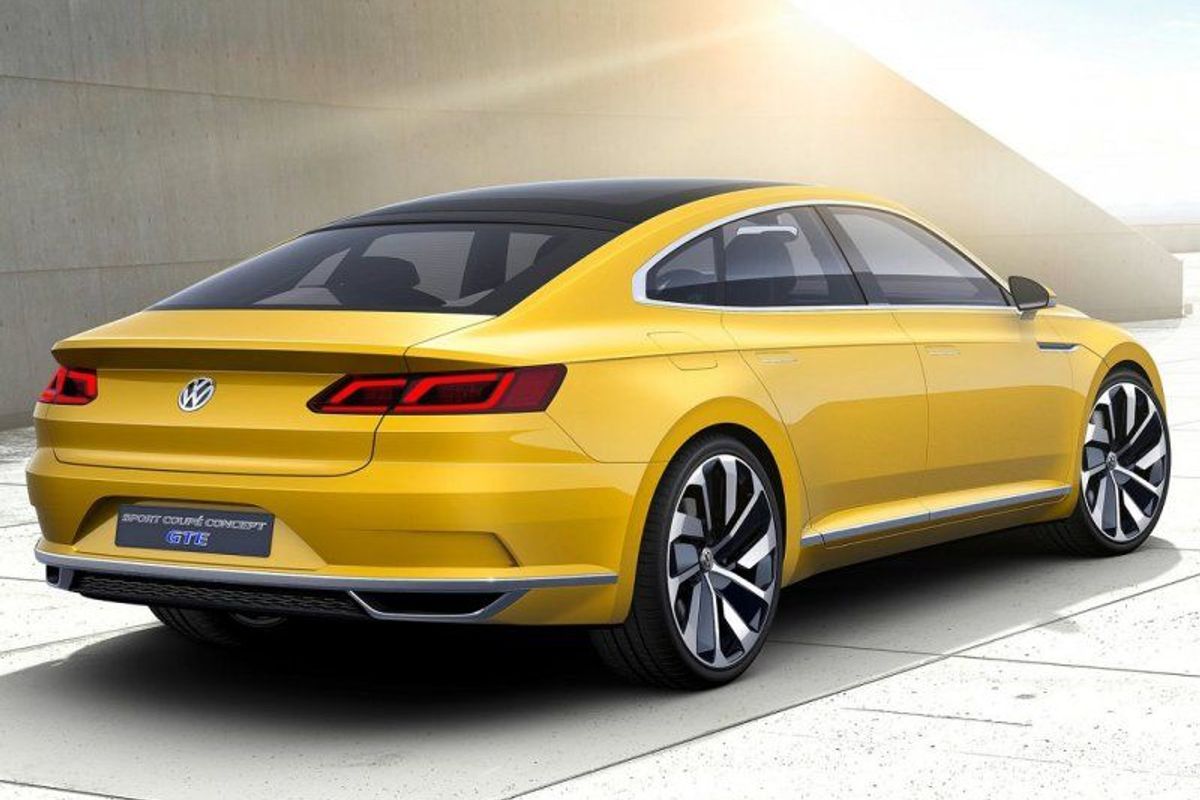
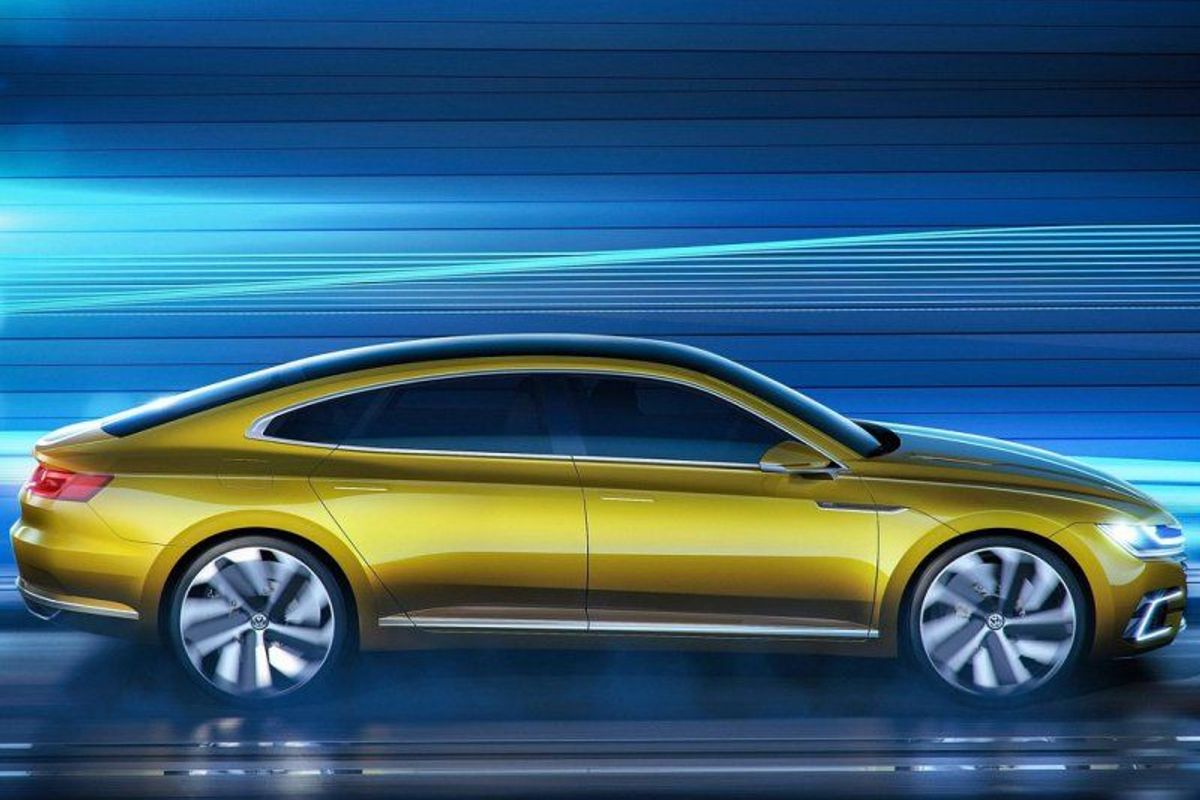
The new front grille is a big focal point on the concept and will no doubt be a talking point on many VWs to come if it is transplanted exactly as is to a model like the Golf. The low roofline and sloping rear makes the bonnet look longer and give the Sport Coupe Concept GTE a GT cruiser presence. Those wheels are big 21-inch five-spoke turbines.
Thanks to a V6 TSI engine, the 279 kW GTE plug-in hybrid enables zero-emission driving at certain times thanks to the two electric motors and an externally chargeable battery. VW estimates the top speed at 250kph and expects it has an average combined fuel consumption of 2.0L/100km. It will run in pure electric mode 50km and when forced to do an outright sprint to 100kph, manage it in 5-seconds flat.
Based on the MQB platform (Golf, A3, Tiguan, TT etc.) and even with coupe aspirations, the Sport Coupe offers good front and rear headroom. The large boot lid gives access to a 480-litre boot.
2015 Nissan GT-R Specs and Pricing Announced (Video)
Pricing for the 2015 Nissan GT-R supercar have been announced, and the model continues to be one of the most formidable performance cars on the planet.
What’s New for 2015?
There are a number of exterior, interior and handling upgrades for the 2015 model. With comfort taking priority, these upgrades to the 2015 Nissan GT-R include a mature suspension setup, reduced noise, vibration, harshness (NVH) as well as uprated braking ability powered by Brembo. Noise from these performance brakes have also been reduced.
On the visual front, there’s a new multi-spoke alloy wheel design for the GT-R Premium Edition. What is most important to note is that the price increase on 2015 Nissan GT-R derivatives has been capped at a mere 1%, comments Konstantin von Vieregge, General Manager Product Planning at Nissan South Africa. This means a minimal increase of just R15 000 to all models, offering the 2015 modifications at exceptional value.
The engine is still the 3.8-litre turbocharged V6 with 397kW ad 628Nm. O-100kph is dispatched in 2.9 seconds and the 2015 Nissan GT-R will go onto a top speed of 315kph. Power goes to all four wheels through a six-speed dual-clutch auto box. The car also features a high-performance mechanical limited-slip differential for better cornering.
2015 Nissan GT-R Price in South Africa
Pricing includes VAT
GT-R Premium Edition R 1 490 000
GT-R Premium Edition (red interior) R 1 541 000
GT-R Black Edition R 1 542 000
Introducing the 2015 Nissan GT-R Video
Toyota Accidently Reveals Facelifted Corolla (video)
In a video meant to showcase Toyotas new Safety Sense technology it may have let slip a very early mock-up of the facelifted Toyota Corolla.
Facelifted Euro Spec Corolla
The video was posted by Toyota Belgrade in Serbia and digitally showcases Toyota technologies such as collision prevention and lane departure alert. The car in question seems to be an updated European spec Toyota Corolla. The latest iteration of the Toyota Corolla is only just two years old so this would indicate that Toyota is hastily looking to change certain aspects of the Corolla.
The most distinctive change is to the front end where the grille and bumper has been redesigned with less chrome slats and a more aggressive front end is the result.
The dashboard dials seem to be very similar to the ones shown in the 2015 Toyota Auris update in 2014. This leads us to believe the video car is more of a facelift Corolla than merely a digital rendering of a car.
Possible Toyota Corolla Facelift Video
Lamborghini Huracan to get RWD versions
Much has been said about the Lamborghini Huracan and its four-wheel drive bias. Critics have commented at the lack of outright purity that a Lambo should have and that the all-wheel drive layout makes the Huracan an understeery Lambo. The Italians have now announced it will build two versions that are pure rear-wheel drive beasts.
Lamborghini Huracan Superleggera on the cards
The announcement came from Lamborghinis chief test driver Giorgio Sanna who pointed towards one of the models being a Huracan Superleggera. The Superleggera nameplate will put the Huracan on an extreme diet as to shed all unnecessary weight as well as a likely power boost.
The second model to benefit from pure rear-wheel drive could be called the LP 610-2. This will likely sit under the Superleggera model as a less expensive way to get a rear-driven Huracan.
Dont start ordering your rear-driven Huracan just yet though as the announcement is only set to be made in 2016.
Audi head honcho Rupert Stadler confirmed that Audi will be ready to put the Audi Q1 into production by 2016. The Q1 will also run on a slightly modified version of the adaptable MQB platform that much of VW and Audi cars sit on.
Audi Q1 Details
The Audi Q1 is set to be an upmarket compact SUV with slightly smaller proportions than the Q3. Strangely though Audi has said the Q1 is expected to be more A3 size inside than A1 which could see it steal a few sales from the Q3.
Engines for the Q1 are likely to be carried over from the A3 and theres strong talk about a halo SQ1 model to burn up some tarmac. Most models will be planned as front-wheel drive models but a quattro option will be made available.
On the design front the Q1 will also showcase the latest iteration of Audis face that will lead its new models.
At the Q1s announcement Stadler gave a hint that there is a sportier Q model car in the pipeline as well, pointing to the idea that Audi may build a BMW X6 and Merc GLE competitor.
*Audi Q1 sketch pictured
BMW 3-Series vs 4-Series: Which Should You Buy (Video)
BMW make a fantastic coupe called the 4-Series. We drove the range-topping 435i and we were hugely impressed. But there was always the rumour that BMW would give the 4-Series the same treatment as the 6-Series, and launch a four-door version, dubbed the Gran Coupe.
And there was always the possibility that this would end up being a terrible idea. But it wasnt, and the 4-Series Gran Coupe is very good in almost every way.
BMW 3-Series vs 4-Series Gran Coupe
However, BMW already has a very successful sedan the 3-Series. It has been the sector-defining car for as long as anyone can remember, and the latest generation is a solid example of what BMW can offer.
And so you, the buyer, are now faced with a difficult decision: should you plump up and spend the extra cash on a four-door 4-Series, or is the 3-Series more than enough?
Weve tried to answer that question in our latest video, lining up the 328i against the 428i Gran Coupe. And for a quick overview of the stats, here are three comparison tables of the entry level versions of both cars, mid-spec derivatives and the top of the range versions.
Entry level 3 Series vs 4 Series Gran Coupe
Model
320i (M)
420i (M)
Price
R435 462
R508 475
Engine
2.0l i-4 turbo
2.0l i-4 turbo
Power
135kW
135kW
Torque
270Nm
270Nm
Fuel Efficiency
6.1l/100km
6.3l/100km
Featured in our video: 328i vs 428i Gran Coupe
Model
328i Modern Sports Auto
428i Modern Sports Auto
Price
R541 670
R620 670
Engine
2.0l i-4 turbo
2.0l i-4 turbo
Power
180kW
180kW
Torque
350Nm
350Nm
Fuel Efficiency
6.3l/100km
6.3l/100km
Range topping 335i vs 435i Gran Coupe
Model
335i M Sport
435i M Sport
Price
R677 927
R771 840
Engine
3.0l i-6 turbo
3.0l i-6 turbo
Power
225kW
225kW
Torque
400Nm
400Nm
Fuel Efficiency
7.2l/100km
7.5l/100km
BMW 3-Series vs 4-Series Video
Kia Soul (2015) Review
Kia’s polarising Soul has returned with a much improved model that aims to be more stylish, better equipped, a better drive and able to carry more things while offering passengers more room. We spent a week with the top of the range 1.6 turbodiesel Smart automatic to see how it’s improved.
What’s New
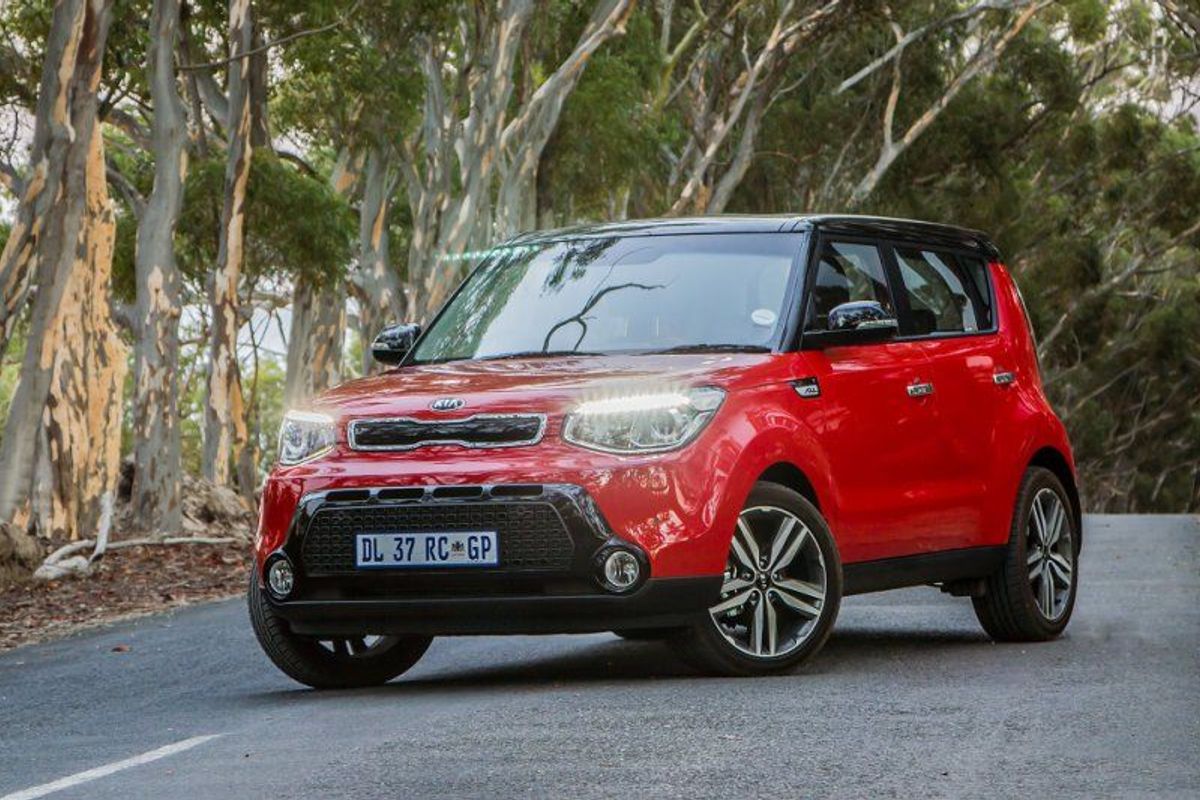
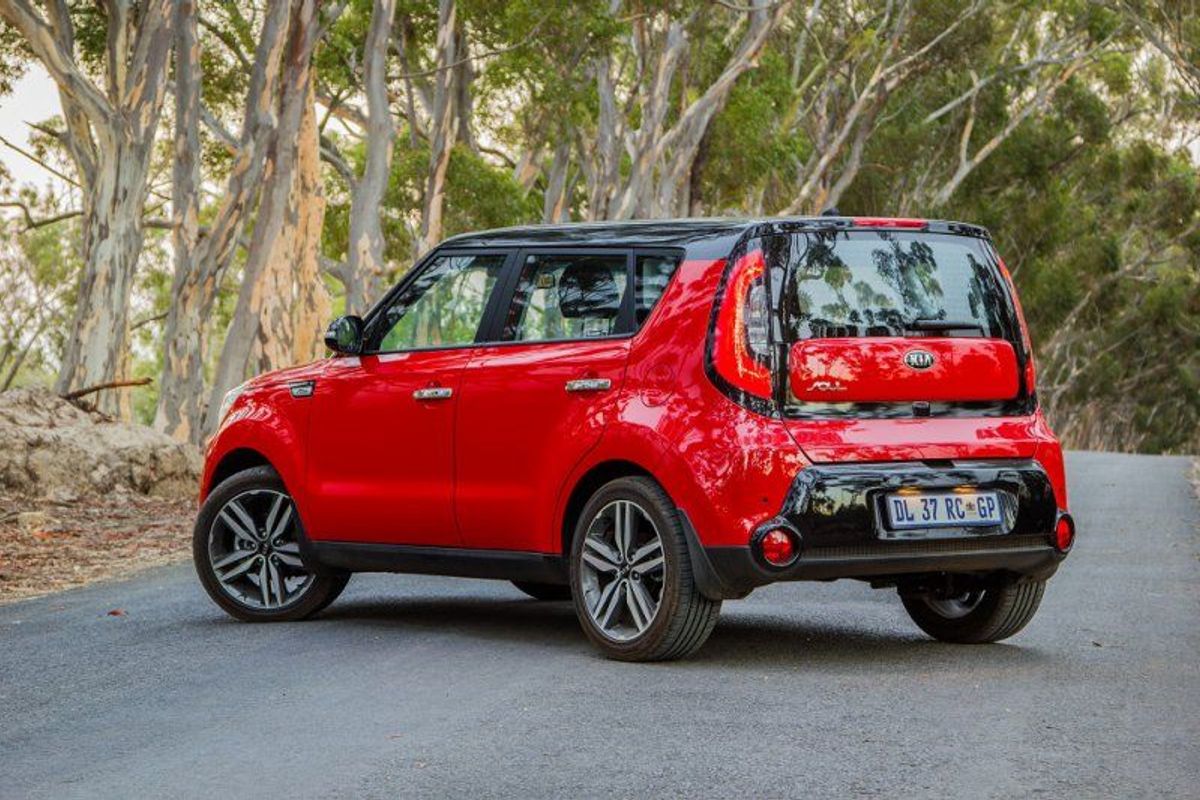
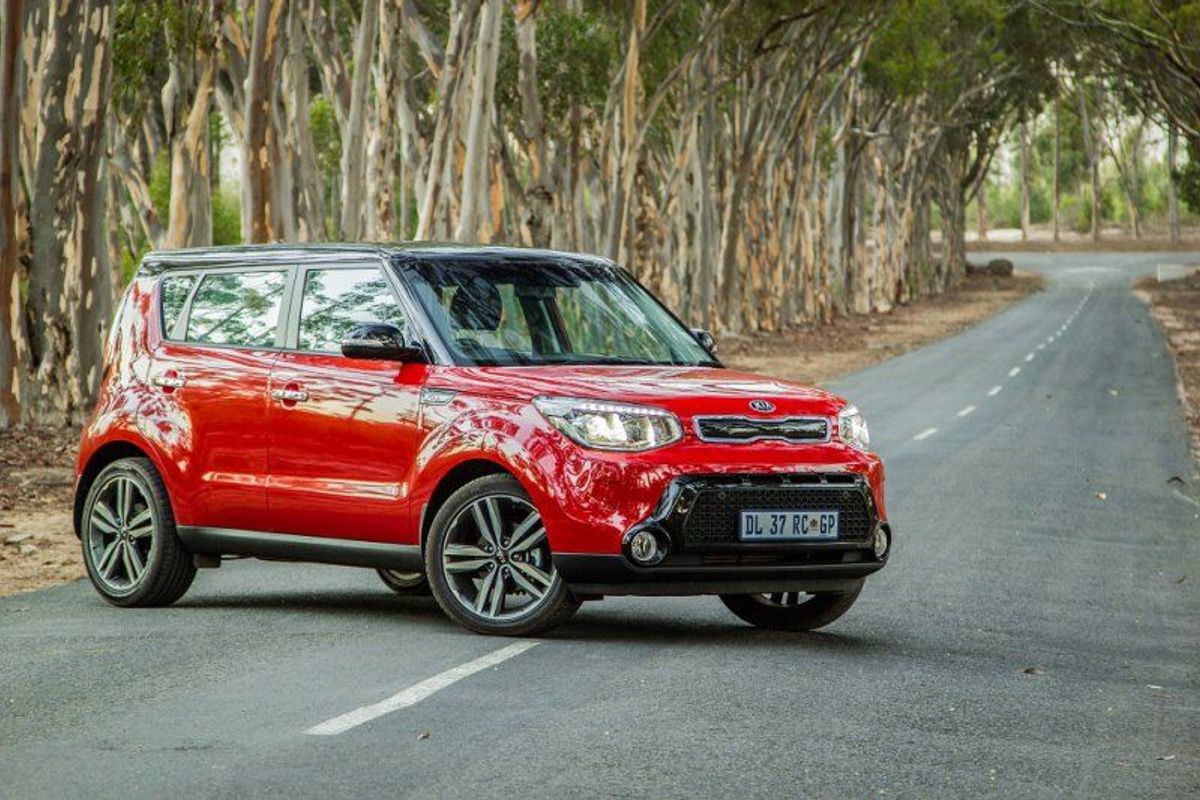
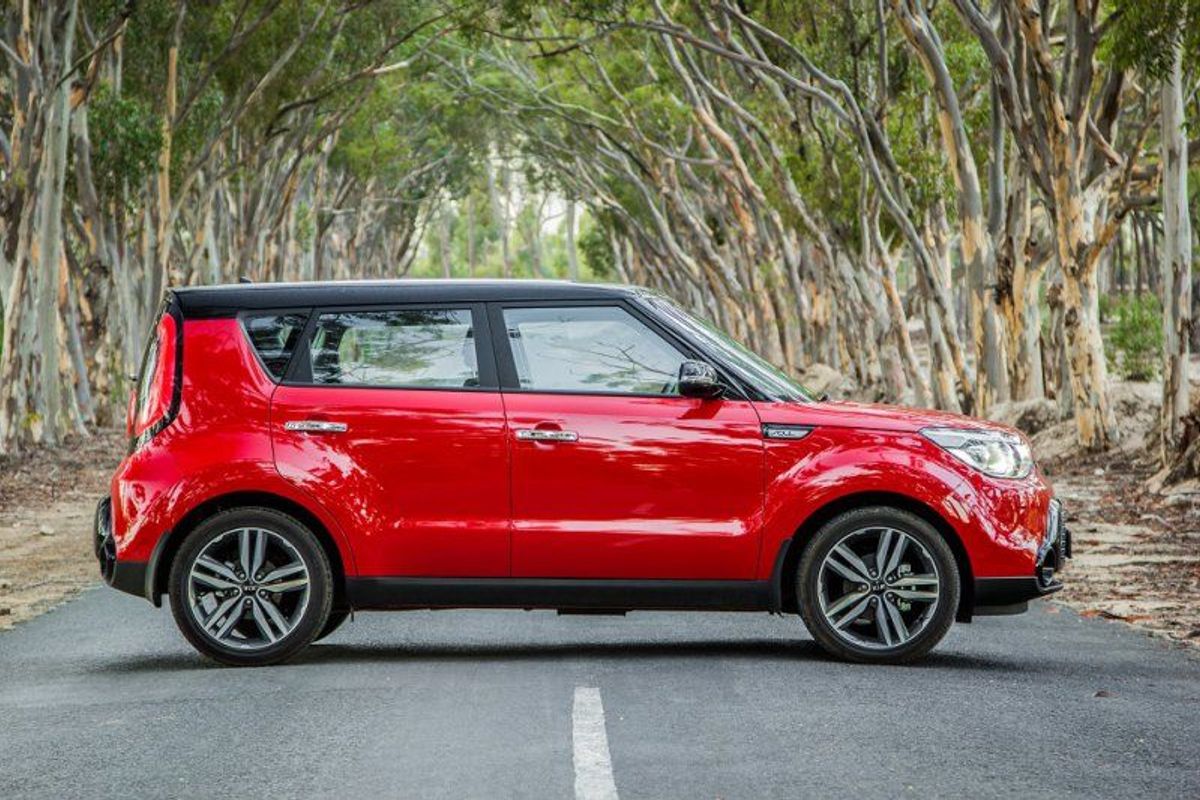
The Kia Soul has always polarised opinion on style, people either seem to think it’s the ugliest car they’ve ever seen or they think it’s really stylish and often use the word ‘funky’ to describe it. Nobody though has ever looked at the Kia Soul and said ‘meh, it’s okay’. Much of the style of this all-new Kia Soul has been pulled from the Track’ster concept released in 2012. The front end has had a bit of a rework with the positioning of the lights and fog lights and the rear has an added ‘floating’ body-colour panel to make it stand out. The whole car is a bit bigger as well, it’s wider (15mm) and longer (20mm) and 10mm lower than the old model. The platform is also all-new, borrowed from the European Cee’d and the suspension has been reworked to offer a more comfortable ride while the steering has also been adjusted to deliver better feel and feedback around the centre.
Vodka Bar Interior
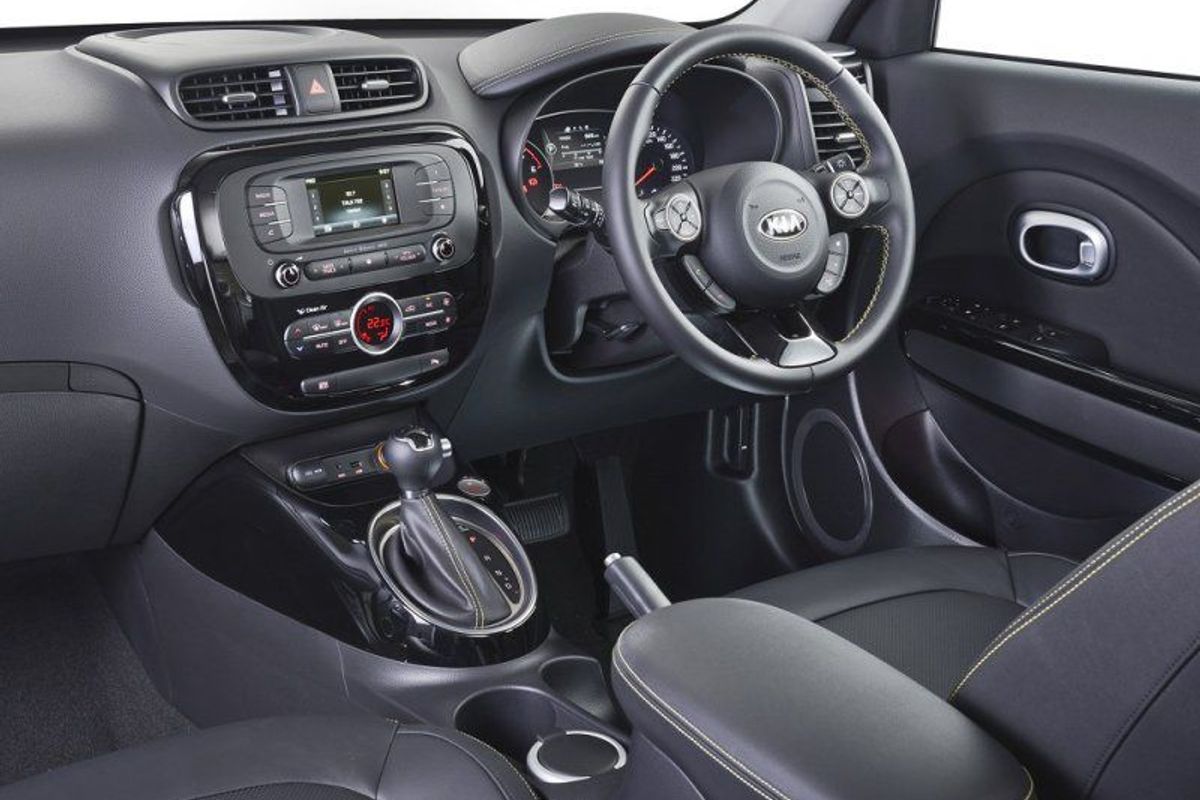
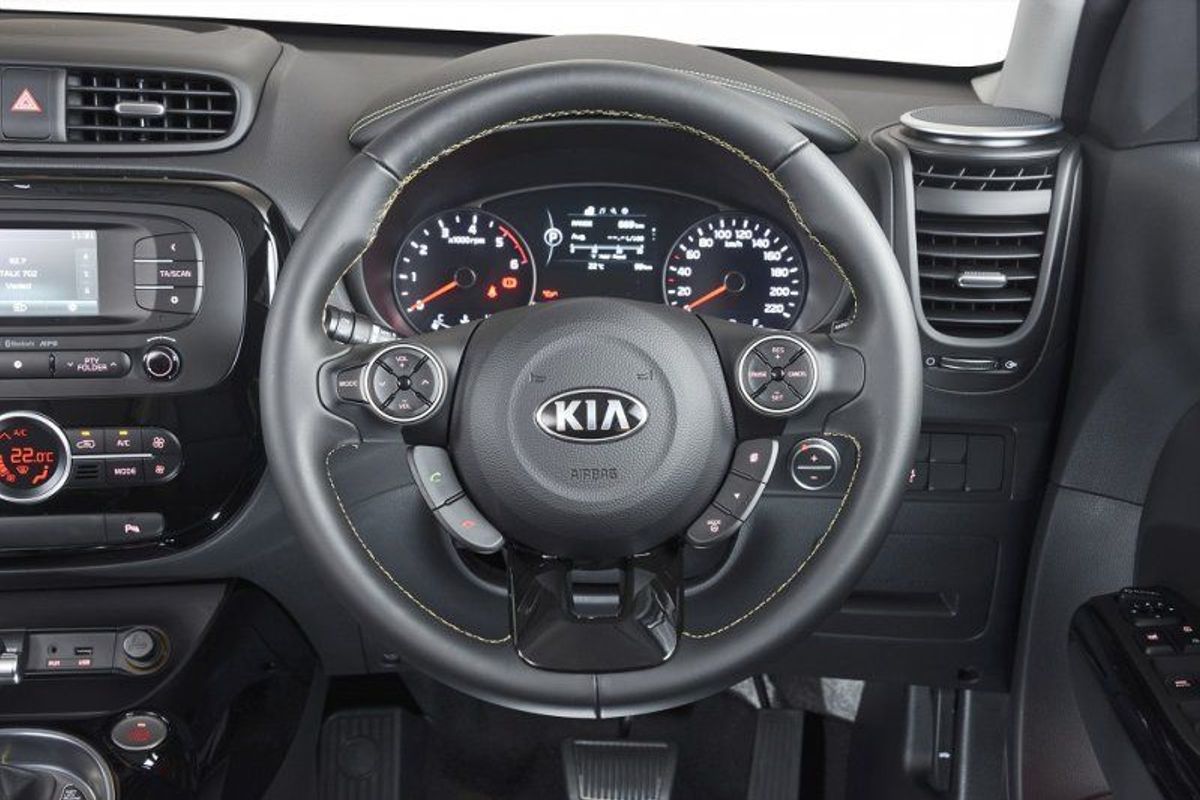
Kia has worked on improving the Soul’s noise and vibration harshness levels in order to make the cabin a quieter place to be. It’s worked as even at freeway speed limits there’s a quiet murmur from the wind and nothing too annoying from the tyres on the road either. The cabin layout isn’t as eccentric as the exterior and looks relatively standard fare for an average Kia. The Soul’s party piece inside is the mood lighting that turns the Soul into a new age Vodka Bar. Basically what happens is you press one of the selective buttons on the right of the steering wheel and the interior speakers glow with a ‘rave stick’ that can be set to flash and glow in time with the music. The basketball hoop centre storage hole is gone, but there’s still good storage spots around the cabin. Kia is falling a bit behind in the entertainment department with regards to the centre screens. It is a touch screen system, but lacks the screen size to make it effective – those with larger digits will struggle. The screen doubles as a reverse camera but again, it’s a bit small for that and distorts the rear view making everything seem really far away. The Soul is well specced though, as most Korean offerings are and standard equipment right from the base model includes things like 17-inch alloys, ABS brakes, fog lamps, electric mirrors, air-conditioning, Bluetooth, Aux connection and front, side and curtain airbags. As you climb up the range the equipment obviously gets better, as does the safety and our top spec ‘Smart’ model has LED daytime running lights, parking sensors, electric seats, cruise control, stability control and a chilled glove box.
Engine spec
The diesel model we had here was the 1.6 turbodiesel variant, paired with a six-speed automatic ‘box. It puts out good power and torque figures at 94 kW and 260 Nm respectively. There’s very little lag from the turbo and the engine feels eager to get a move on. Overtaking isn’t much of a task with good torque delivery through most of the rev range, the only thing that holds it back slightly is the six-speed automatic gearbox. It doesn’t feel up there with the smooth shifting, almost pre-emptive ‘boxes we’ve become used to. It often feels like it’s holding the whole speeding up process back with lazy like shifts up the gears.
Driving it
The Kia Soul is a fun car to whip around the city and the added ground clearance you get from it means it’s pretty good at climbing the odd pavement and bashing down a dirt road – although it’s not at its most comfortable on dirt. Kia has improved the steering feel with the Soul, and unlike its stablemates it doesn’t feel overly light and disconnected. It has good weight to it around the centre and you’re able to get a good feel for what the car is doing underneath you. It’s now quite a confidence inspiring car to send down a nice road, but probably not in the same way as a hot hatch.
Verdict
I quite enjoy the new styling on the Kia Soul, it’s something different on the roads and the improvements to the space inside means it’s more practical for those who like carrying many things. The top spec model is well endowed with gadgets and tech although the touch screen could do with being a couple inches bigger and more hi-res. The diesel engine is efficient and performs decently although it’s let down by the lazy automatic box. It is however a bit out of its price market when compared to other stylish hatch/crossovers like the Nissan Juke or the Ford Ecosport, especially in diesel form. If you want a Kia Soul, you’re definitely better off in a petrol version where you’re going to get better value for money.
Pricing
The Kia Soul starts from R244 995 for a 1.6-litre petrol. At the top end of the range and the model we had on test is the R344 995 1.6-litre turbodiesel Smart auto.
Second Opinion
I've always liked the wacky and space age looks of the Kia Soul, and I've never driven one until now. Despite its good build quality, concept car looks and generous specification, the entire package is let down by a woeful gearbox & engine combination. For a car that's claimed to be super economical, we couldn't get lower than 8L/100km. Stick with the petrol models and you'll save some money too. – David Taylor
We Like: Cool styling, good space inside, improved ride and drive
We Don't Like: Entertainment system feels old and small, expensive, autobox is poor
Kia Soul Quick Specs
Engine
1.6-Litre 4-cylinder turbodiesel
Power
94 kW
Torque
260 Nm
Transmission
Six-speed automatic
Wheels
17-inch alloy wheels
0-100km/h
12.2 seconds (claimed)
Top Speed
177 kph
Fuel Economy
6.2L/100km (claimed)
Fuel Tank Capacity
54 Litres
2016 Chevrolet Spark Teased Ahead of Reveal
A teaser image of the all-new Chevrolet Spark has hit the Internet. The vehicle will debut on the 2 April at the Seoul and New York auto shows.
2016 Chevrolet Spark details
The teaser image shows off a slightly sleeker and more aerodynamic profile. Chevrolet claims the redesigned Spark has ‘a more sophisticated aesthetic that reflects the changing tastes of the global minicar market.’ Fair enough then, don’t change what’s not broken as the Chevrolet Spark has proven to be a popular seller in its segment in South Africa.
The new Sparks design has evolved and grown up with the segment, said Michael Simcoe, GM International vice president of Design. The youthful whimsy of the original Spark is still in its genes, but it is conveyed in more traditional proportions that reinforce the customers refined expectations.
Chevrolet has sold over 1.1 million Sparks around the world since it went on sale as the Beat in India back in late 2009. Today, the Spark is available in 71 markets worldwide, selling the most in South Korea, followed by the United States and Mexico. The Chevrolet Spark is aimed at the young market with over a quarter of sales going to people under the age of 35.
The brand has continued to break records as more of its products were sent down the 4 900m Upington airport runway. With professional drivers Dawie Olivier, Brian Hastie, and JP Joubert at the helm, the XF 2.2D, XJ 3.0D and F-Type S convertible broke records in their respective classes.
Jaguar SA Breaks Records
First up was the XF 2.2D with its 140kW and 450Nm 2.2-litre turbodiesel completing a 211.01kph in a flying kilometre. It goes into the record books for production cars with turbocharged or supercharged diesel engines between 2.0 and 2.5-litres in capacity.
Next was the mighty 202kW, 600Nm 3.0-litre V6 diesel in the Jaguar XJ 3.0D engine which recorded a top speed of 235.54kph which a class record for production vehicles with turbocharged or supercharged diesel engines between 2.5- and 3.0-litres.
Finally Jaguar F-Type S Convertible got in on the action. With its supercharged 3.0-litre V6 engine pushing out 280kW and 460Nm, a class record of 262.26kph was set for production vehicles with turbo or supercharged petrol engines between 2.5- and 3.0-litres). Just for interest’s sake and to prove that the vehicle is just as capable and safe with the top down, a second, unofficial run recorded a speed of 254.88kph.
We are proud that weve been able to put the F-Type Rs stablemates on the board, to write records in their respective classes and fly the Jaguar flag with even more pride, said Mallett. After all, racing is in Jaguars blood, and we cannot think of a better way to prove that statement.