Rent-to-own and blacklisting: Consider DrivePass before you commit
Rent-to-own can sound like an attractive solution when a poor credit record prevents you from getting vehicle finance. But the promise of eventually owning a car can come with a lengthy commitment, substantial costs and conditions you need to understand. Before signing, consider a DrivePass subscription.
When you need reliable transport and the bank has declined your application, getting approved elsewhere can feel like the answer. However, approval is only the beginning. What matters is how much you will pay, how long you must keep paying and what happens if your circumstances change. Before committing to rent-to-own, compare it with DrivePass, Cars.co.za’s prepaid car-subscription offering.
DrivePass: Virtually new cars without a long-term commitment
DrivePass gives you access to virtually new vehicles, from entry-level hatchbacks to larger family cars and SUVs. You can choose a vehicle that suits your needs and budget, subject to availability.
There are no traditional credit checks or requirements to submit bank statements and payslips. A poor credit score does not prevent you from using the offering.
How does DrivePass work?
Choose your car, pay a refundable deposit and your first 30 days’ fee upfront, then top up your account for each additional 30-day period.
There is no long-term lock-in, and you can change or cancel your plan without cancellation penalties. To cancel, return the vehicle and end your subscription.
Your monthly payment includes insurance, servicing, maintenance, warranty and tracking. You don’t even need to worry about routine tyre replacement. Simply add fuel and go.
There is a mileage allowance, with additional charges if you exceed it. Tolls and traffic fines are separate.
You need an eligible payment card and a valid driver’s licence first issued more than a year ago.
Card requirements vary by subscription price.
The subscription does not automatically transfer ownership to you. However, you can explore buying the car at any stage. If your credit profile improves and you qualify for finance, DrivePass can help facilitate the purchase.
Rent-to-own generally allows you to use a vehicle while making payments over an agreed term. Ownership depends on completing the requirements in the contract, which may include a final purchase payment.
Getting the keys does not mean the car is yours. You need to establish exactly when ownership transfers and what you must pay to get there.
Why you should approach rent-to-own cautiously
1. Ownership can be years away
Some agreements require payments for 4.5 to 5 years. That is a substantial commitment, particularly if you are already working to repair your finances.
Ask yourself whether the payment will remain affordable if your income falls or household expenses rise. A manageable payment today does not guarantee a manageable commitment for the full term.
You also need to consider the age and condition of the car you will eventually own after those years of payments.
2. The monthly payment can disguise the full cost
Rent-to-own can be an expensive route to ownership. The vehicle’s price may exceed its market value, and the total paid over the contract can be substantially higher than with traditional vehicle finance.
Calculate the upfront payment, every rental payment, fees and any final purchase amount. Then establish which running costs are additional. Insurance and maintenance are not included in every offering.
An accessible approval process does not necessarily mean good value.
3. You could pay for years and still leave without a car
If you cannot complete the ownership requirements, you may have paid substantial amounts without acquiring the vehicle.
In that situation, the promise of ownership has effectively delivered paid use of a car – and potentially an expensive rental at that. Depending on the contract, ending early can also carry financial consequences.
Before signing, ask what happens to payments already made and whether you will owe anything after returning the vehicle. Do not assume those payments become savings you can recover or put towards another car.
4. The car itself may bring additional costs
Vehicle age, condition and maintenance cover varies between providers. Some rent-to-own offerings involve older, higher-mileage cars that may need frequent repairs.
Check the vehicle’s condition and establish who pays when something goes wrong. Paying towards eventual ownership is less appealing if you are also funding significant repairs along the way.
5. A final payment could stand between you and ownership
Completing the monthly payments may not be the last step. Some agreements require a final lump sum before ownership transfers.
Establish that amount upfront and include it in your calculations. If you cannot afford the final payment, you may reach the end of the rental term without being able to buy the car.
Compare the commitment – not just the promise
Rent-to-own may suit some buyers, but the ownership promise should earn its place in your budget.
Compare actual quotes: upfront costs, monthly payments, included services, vehicle condition, ownership requirements and exit terms.
If your immediate priority is reliable transport while you improve your financial position, DrivePass offers a practical alternative: access to a virtually new car, bundled running costs and the flexibility to continue 30 days at a time.
You can meet today’s transport needs and revisit purchasing when you are better placed to do so.
Keep working on your credit profile … or get DrivePass
Alongside meeting your transport needs, review your credit report, address incorrect information and work towards keeping payments up to date.
Treat improving your credit profile as a separate task. Using a car subscription should not be assumed to improve your credit score automatically.
If your credit profile improves and you qualify for vehicle finance, DrivePass can help you explore purchasing the car you are driving.
Rivals, beware? Toyota SA boss bullish after sales record
After September 2026 saw Toyota post record sales in South Africa, the Japanese firm’s local boss has hinted at “very strong plans” for the final quarter of the year…
Toyota hit record sales in SA in September
Local boss predicts “very strong” Q4 2026
“We’re challenging ourselves at every level”
The head of Toyota South Africa Motors says the company has “very strong plans” for the final quarter of the year after the Japanese automaker’s local division posted record sales in September 2026.
As a reminder, Toyota SA Motors (including Lexus and Hino) not only ranked as Mzansi’s top-selling automaker in September 2026 but also posted its highest-ever single-month tally of 15 366 units. That represented an 11.2% month-on-month increase as well as a 24.9% share of the total market.
When asked about September’s record figure, Andrew Kirby, President and CEO of Toyota SA Motors, quipped that “it was slightly lower than our original plan”. He was speaking during a wide-ranging interview in Cars.co.za’s custom-built podcast booth at Naamsa’s SA Auto Week 2026 gathering in Durban, KwaZulu-Natal earlier in October.
“No, it was largely where we wanted to end up in September and we’ve got very strong plans for the remainder of the year. As a brand, we tend to – [when factoring in an uptick in] car-rental [sales] – have a fairly strong last quarter of the year. That’s always typically been our seasonality,” Kirby told us.
“It was a lot of hard work and we had tremendous support from our dealer network, from our fleet customers, from the car-rental companies as well. So, it was a good team effort and we intend to progress that for the remainder of the year. But it’s [still] an extremely tough market,” he said.
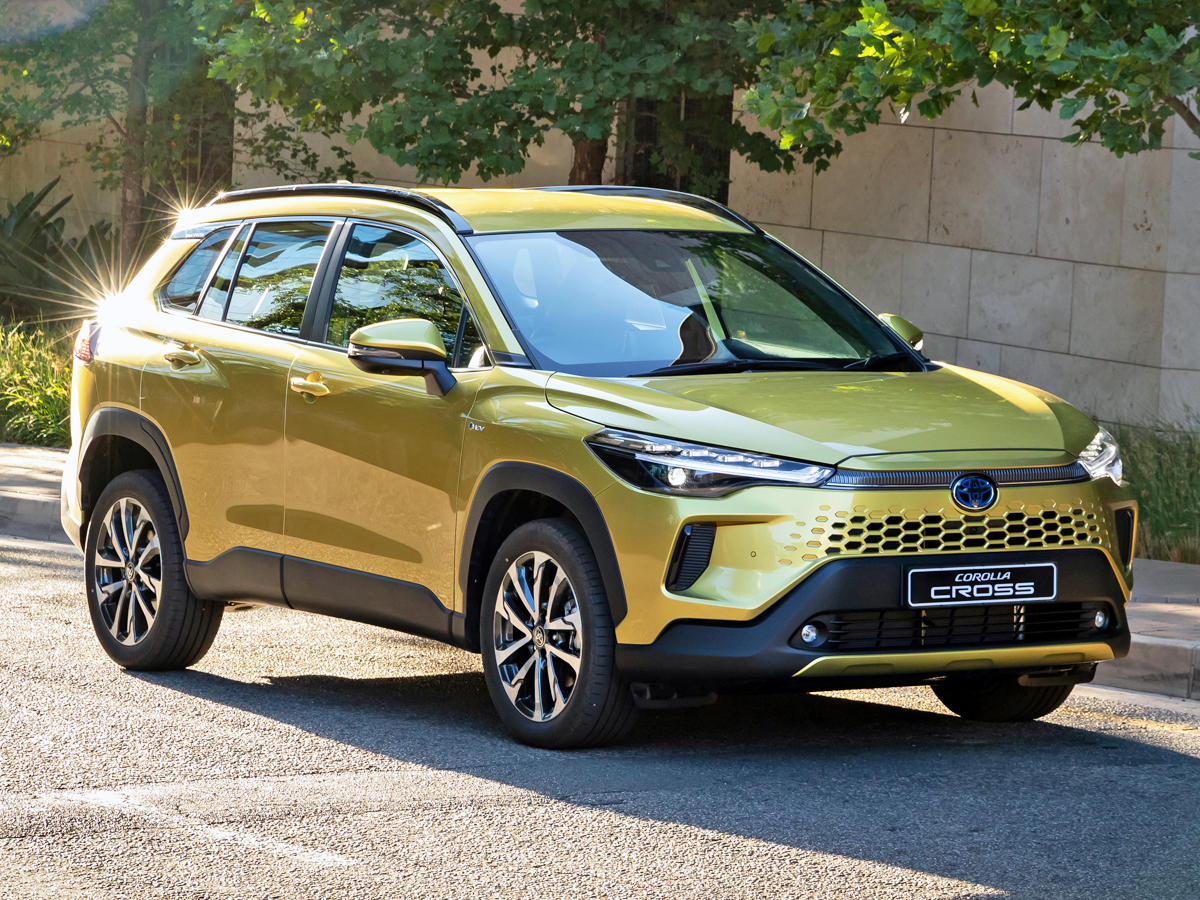
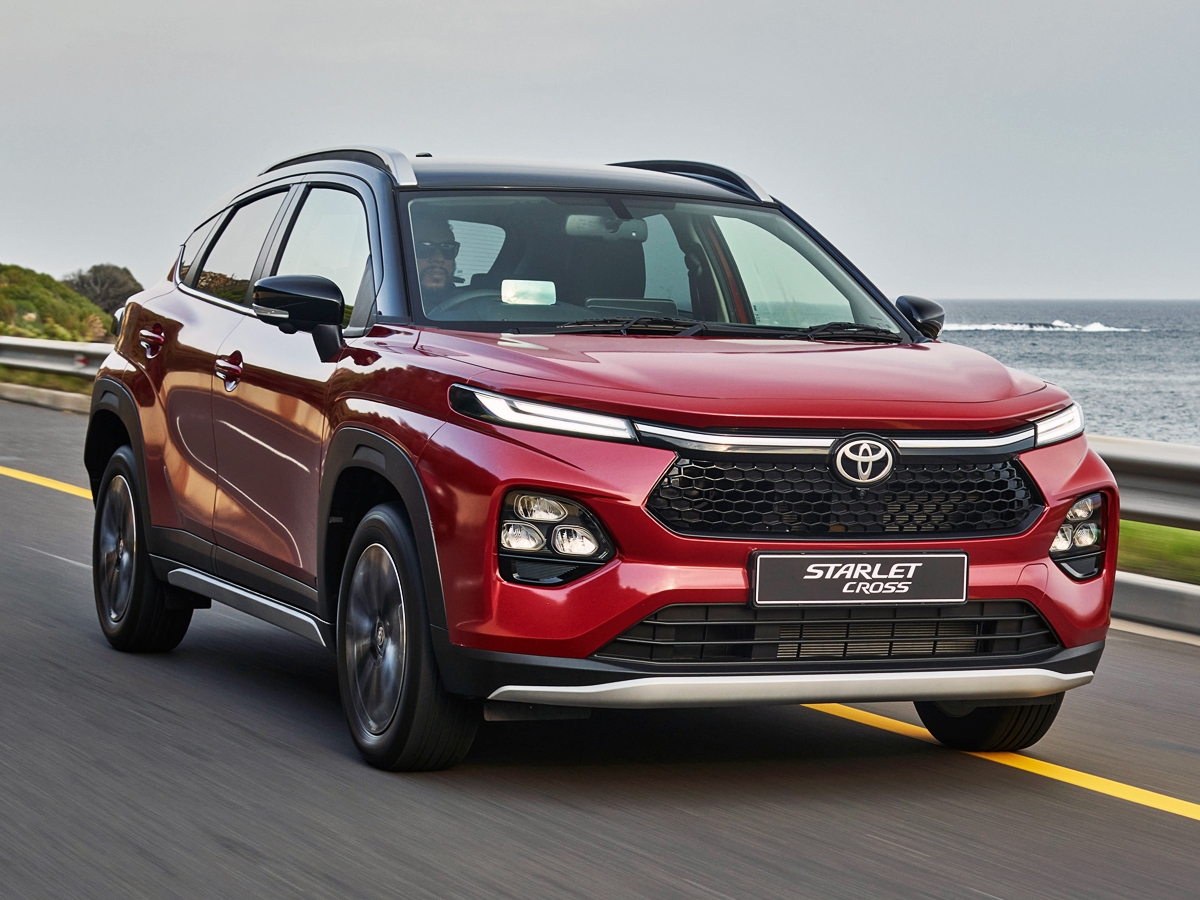
In September, the Prospecton-built Hilux and Corolla Cross led the charge for the brand, registering 3 769 units and 1 964 units, respectively. The Starlet (1 573 units), meanwhile, broke back into the top 5 on the list of SA’s best-selling passenger vehicles, with the Starlet Cross (1 478 units) and Urban Cruiser (1 328 units) likewise cracking the top 10.
“One shouldn’t think that [September’s record sales performance] was without effort. This has been extremely tough for us. We are challenging ourselves at every level – how do we create more value for customers, how do we improve our service levels, how do we enhance our products? We’ve taken very little price [increases] this year to try to keep our cars as competitive as possible. So, it’s been a big effort,” Kirby said.
Year to date at the end of September 2026, Toyota SA Motors has registered 113 975 units, putting it well ahead of the 2nd-placed Suzuki Auto SA (53 784 units). For the record, 2025 saw Toyota rank 1st in SA for the 46th consecutive year, reaching a total of 148 122 units. And, based on its current trajectory, the company appears well on track to eclipse that figure in 2026.
Frequently Asked Questions (FAQ)
Q: What record did Toyota South Africa Motors set in September 2026?
A: Toyota South Africa Motors recorded its highest-ever single-month sales tally of 15 366 units in September 2026, capturing a 24.9% share of the total local automotive market.
Q: Which models were Toyota’s best-sellers in South Africa during September 2026?
A: The locally built Hilux led the sales charge with 3 769 units, followed by the Corolla Cross (1 964 units), Starlet (1 573 units), Starlet Cross (1 478 units) and Urban Cruiser (1 328 units).
Q: What is Toyota SA’s total year-to-date sales figure at the end of Q3 2026?
A: By the end of September 2026, Toyota South Africa Motors registered a total of 113 975 units year-to-date, positioning the brand well ahead of its nearest competitor, Suzuki Auto SA.
Ford Ranger 2.3 petrol vs 3.0 V6 diesel: The real-world costs and performance maths
How should buyers calculate the running costs between the Ranger 2.3 turbopetrol and the 3.0 V6 turbodiesel? We break down the fuel, price and performance metrics shoppers of these double-cab bakkies need to consider.
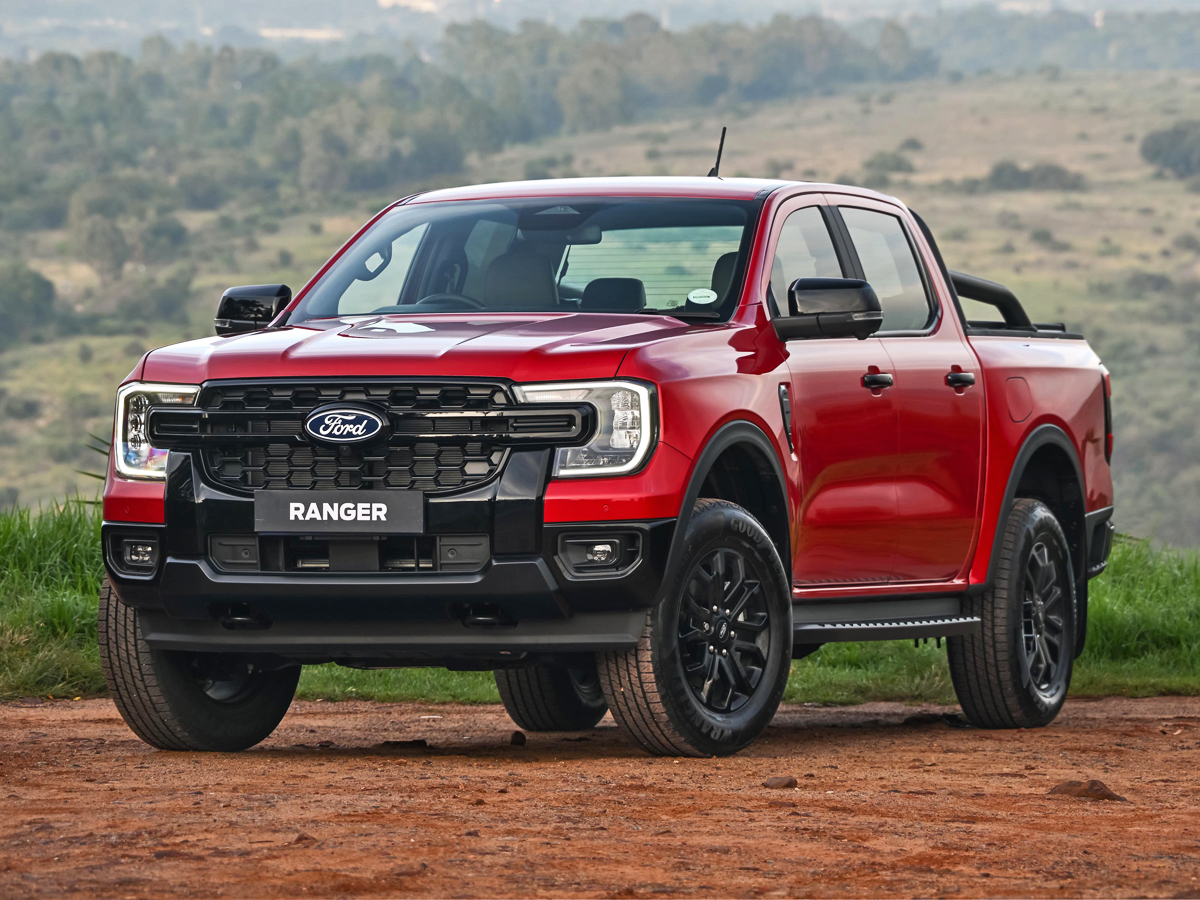
Since launching the current Ranger, Ford has regularly led double-cab sales in South Africa – the natural result of pouring significant resources into a single core segment. Globally, body-on-frame bakkies drive profitability for Ford. South Africa directly benefits from that global engineering scale, operating in a market where body-on-frame bakkies remain the top-selling vehicle category.
Much of Ford’s double-cab success was initially built on an engine option that no longer sits in the lineup: the 2.0-litre bi-turbodiesel (BiT). Discontinuing the 2.0 BiT changed the performance-to-economy equation for prospective Ranger buyers.
The revised engine line-up created a noticeable gap in price, power and specification across the range. Because the 2.0 BiT delivered strong output for its displacement—frequently outperforming traditional large-capacity turbodiesels – it catered to a broad spectrum of South African buyers.
Now, with shifting fuel pricing and revised engine options, how should current and prospective Ford Ranger drivers rethink real-world performance versus total cost of ownership?
Of the local big-three legacy bakkie models, Ranger is the only one offering a turbopetrol.
Among the established legacy bakkies in South Africa, the Ranger is unique in offering a high-output turbopetrol engine in its mainstream line-up.
Following line-up restructuring, buyers looking above the middle tier have to shop beyond the single-turbo 2.0 SiT diesel (125 kW) if they want high-grade trim levels with effortless highway cruising and overtaking capability.
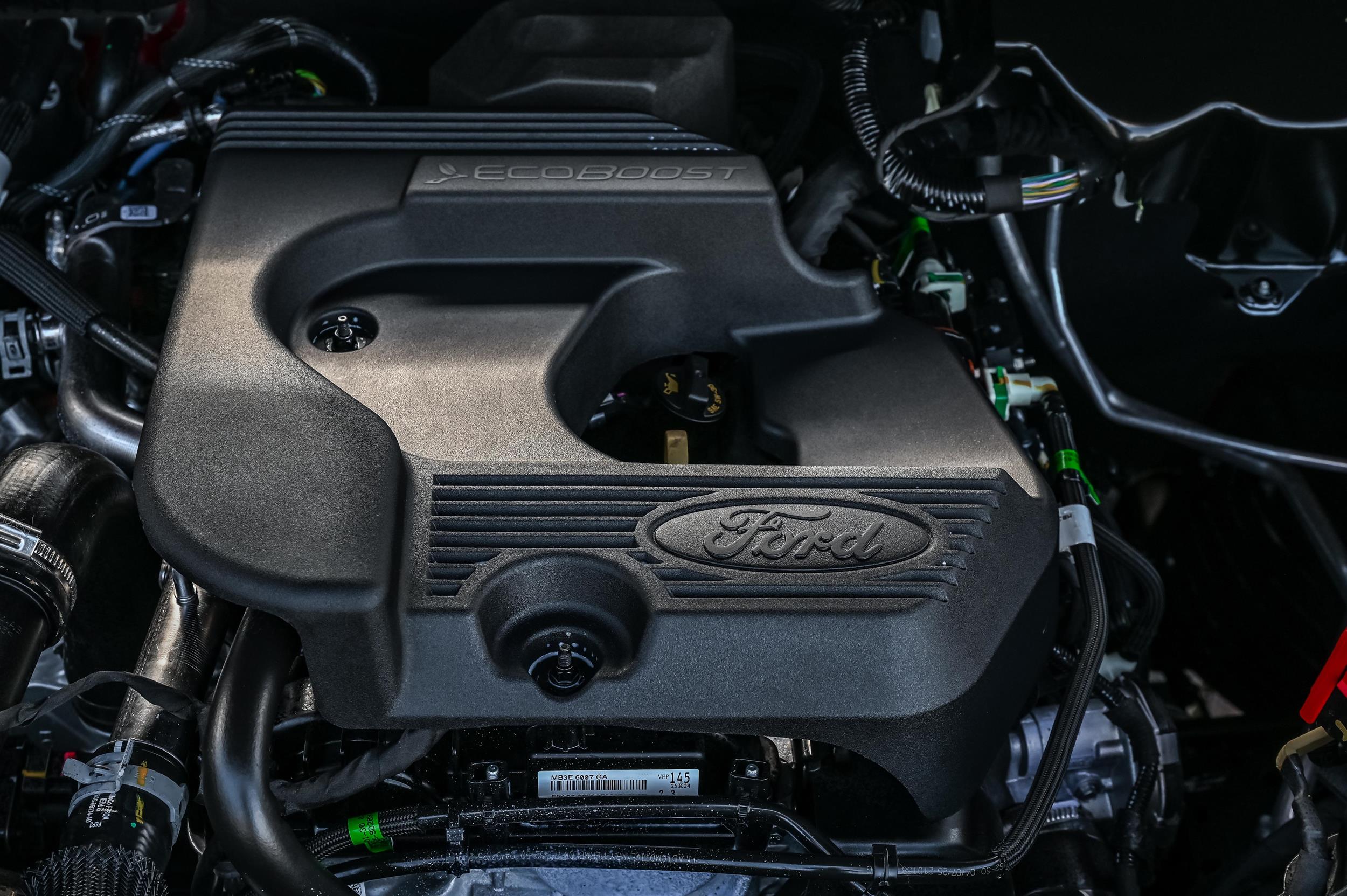
Ford’s strategy guides traditional 2.0 BiT buyers toward the flagship 3.0 V6 turbodiesel models. Simultaneously, Ford introduced the 2.3-litre EcoBoost turbopetrol, an option unmatched by key competitors like Toyota, whose petrol Hilux offering remains limited to lower-spec commercial variants.
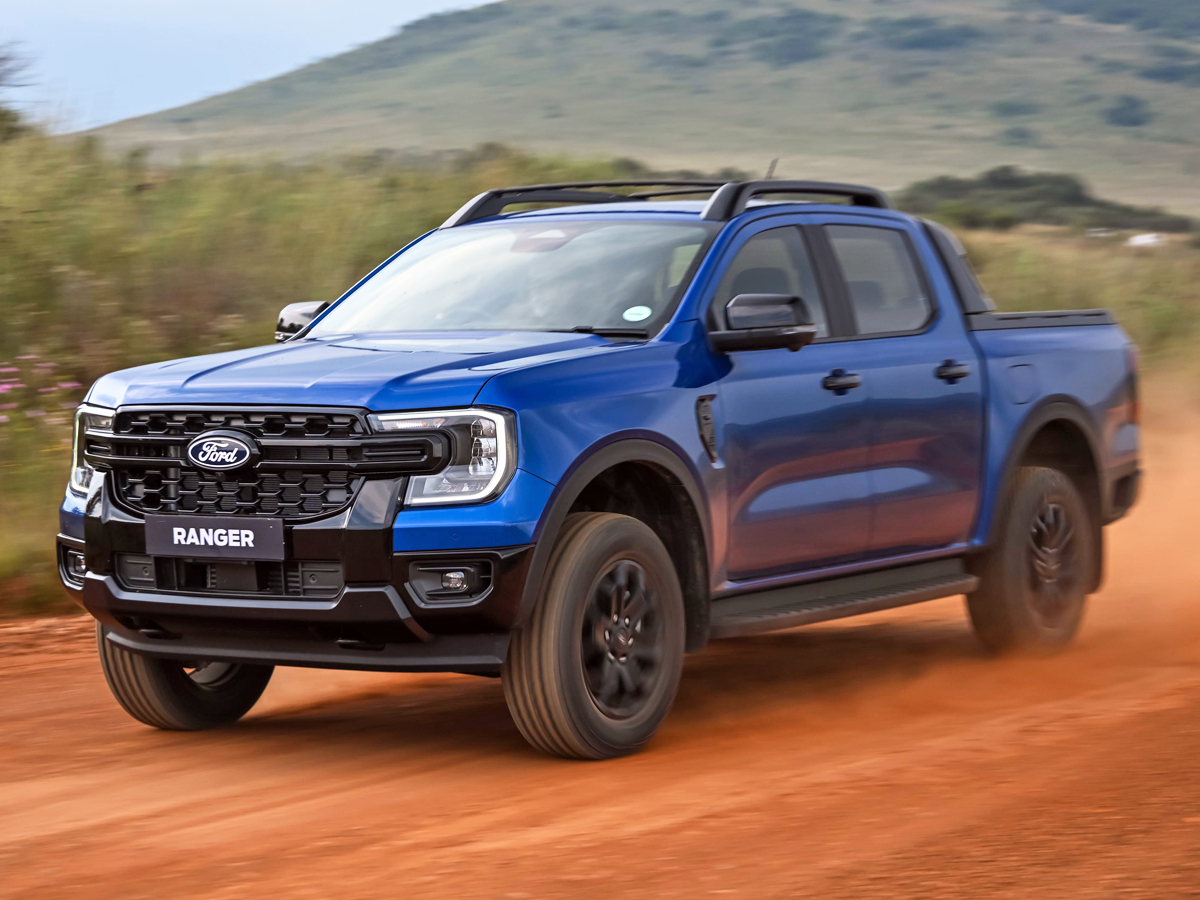
For buyers seeking a double-cab with high cabin comfort, premium tech and lifestyle styling (such as the Sport trim level), the choice often comes down to two distinct powertrains: the 2.3-litre turbopetrol or the range-topping 3.0 V6 turbodiesel.
South African bakkie buyers prefer diesel. For most Ranger double-cab trims, that now means a V6.
Before the arrival of modern luxury-spec imported bakkies, turbopetrol engines were rarely considered by local buyers. Mainstream competitors like the Toyota Hilux and Isuzu D-Max focus almost exclusively on turbodiesel powerplant options. Adding a high-output turbopetrol to the Ranger was a bold move by Ford.
On paper, the figures reveal two very different driving characteristics:
Ranger 2.3 EcoBoost: Produces 222 kW, giving it roughly 20% more peak power than the 3.0 V6 turbodiesel (184 kW). For a lifestyle bakkie, peak power delivers lively acceleration and effortless high-speed highway overtaking.
Ranger 3.0 V6 EcoBlue: Produces 600 Nm of torque compared to the 2.3 EcoBoost’s 452 Nm – a torque advantage of nearly 33%.
That extra torque is invaluable for low-speed off-road driving, heavy towing and immediate low-down responsiveness when hauling heavy payloads. However, given that many urban lifestyle double-cabs rarely run near maximum payload capacity, buyers must decide whether that additional diesel torque is essential for daily driving.
The Ranger’s 2.3 EcoBoost turbopetrol is nearly a quarter more powerful than the 3.0 V6 turbodiesel.
South African double-cab buyers traditionally lean toward turbodiesels due to the fuel’s higher energy density, which typically yields better open-road range. However, engine capacity plays a role in closing that gap.
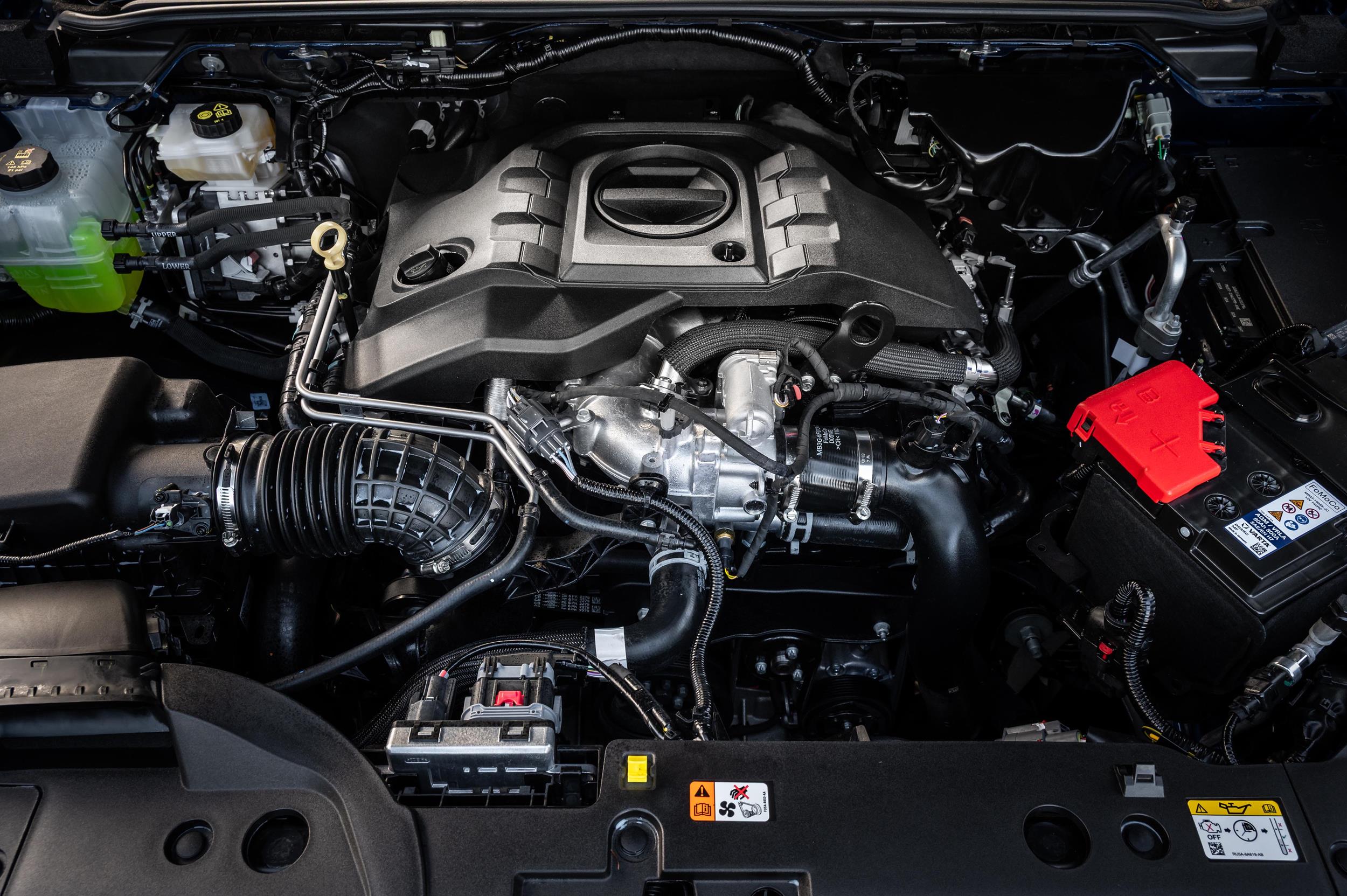
The 3.0 V6 turbodiesel features two extra cylinders and roughly 30% more engine displacement than the 2.3 turbopetrol. Consequently, real-world fuel consumption figures are closer than traditional petrol-versus-diesel assumptions suggest:
Claimed fuel consumption: The 2.3 EcoBoost has a claimed consumption of 9.3 L/100 km, while the 3.0 V6 EcoBlue claims 8.4 L/100 km – roughly a 10% efficiency advantage for the V6 diesel.
However, running costs must be calculated alongside the initial purchase price. The 3.0 V6 Sport model (which includes Ford’s permanent four-wheel-drive system) commands a significant premium over the 4×2 2.3 EcoBoost Sport.
Depending on the price gap at purchase, that capital saving covers dozens of full fuel tanks for the petrol model – translating to thousands of kilometres of driving before the diesel’s fuel efficiency advantages offset the initial cost difference.
Long-term ownership considerations
The Sport V6 has all-wheel drive, which enhances traction, stability and safety on dirt roads.
Beyond fuel consumption and purchase price, daily operating conditions factor into the total cost equation.
Modern turbodiesel engines equipped with complex emissions systems, such as diesel-particulate filters (DPFs) and AdBlue injection, require specific operational habits. Heavy stop-start urban traffic without periodic highway runs can lead to DPF clogging, while maintaining AdBlue fluid levels adds an extra maintenance step during long-distance travels.
Conversely, the 2.3 EcoBoost turbopetrol avoids AdBlue requirements entirely and offers responsive, smooth power delivery suited to urban commuting and rapid highway joining.
Diesel particulate filter systems don’t thrive in heavy traffic. AdBlue can become admin, too.
For buyers using a double-cab primarily as an urban family vehicle and light leisure cruiser, the 2.3 EcoBoost presents a compelling case. It offers lower upfront expenditure, high peak power, and simpler daily operation against the heavy-towing capability and low-down shove of the 3.0 V6 diesel.
Isuzu reveals brawnier bi-turbodiesel engine for D-Max
Isuzu in Thailand has revealed a new 2.2-litre bi-turbodiesel engine for the D-Max and MU-X – and it outpunches the current 3.0-litre powerplant. Here’s what we know…
New 2.2-litre bi-turbodiesel powerplant detailed
Debuts in updated D-Max and MU-X in Thailand
No word yet on plans for South African market
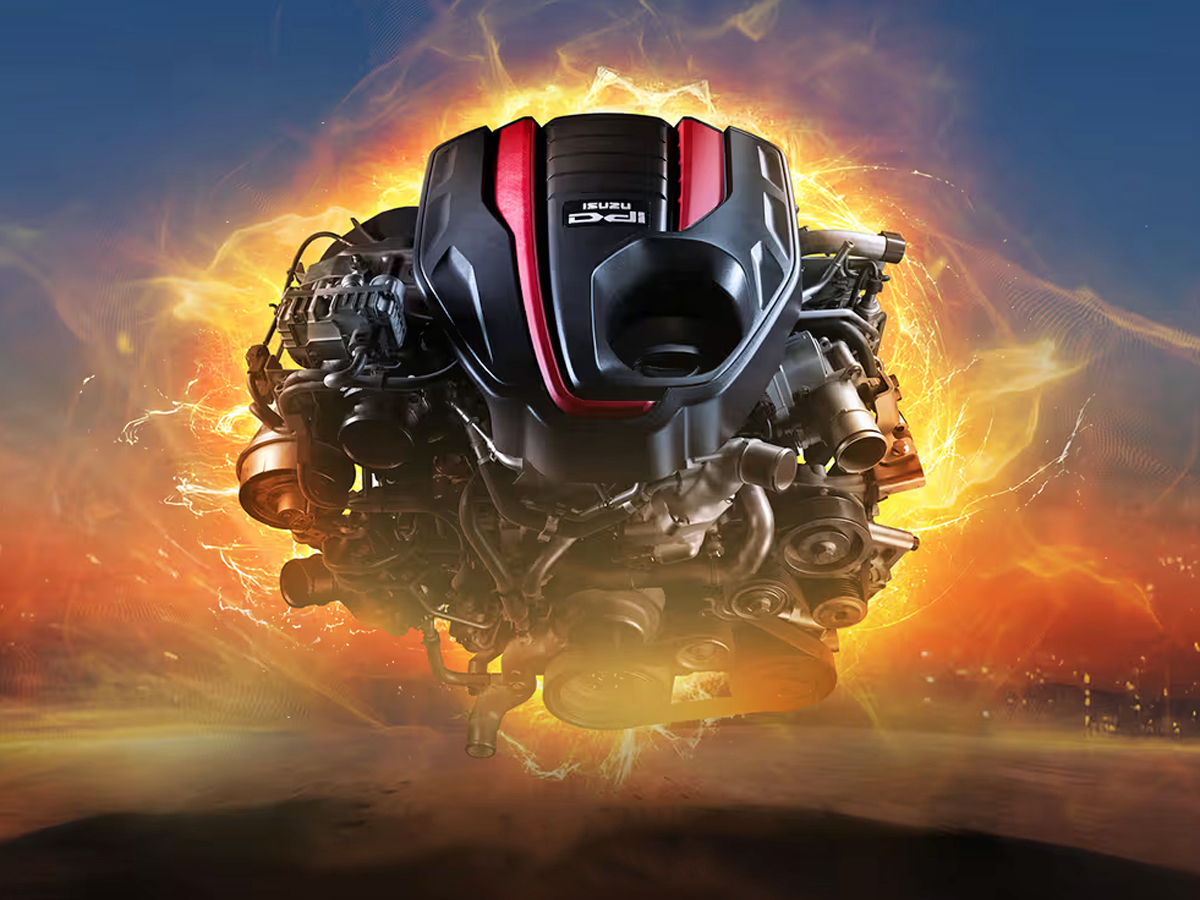
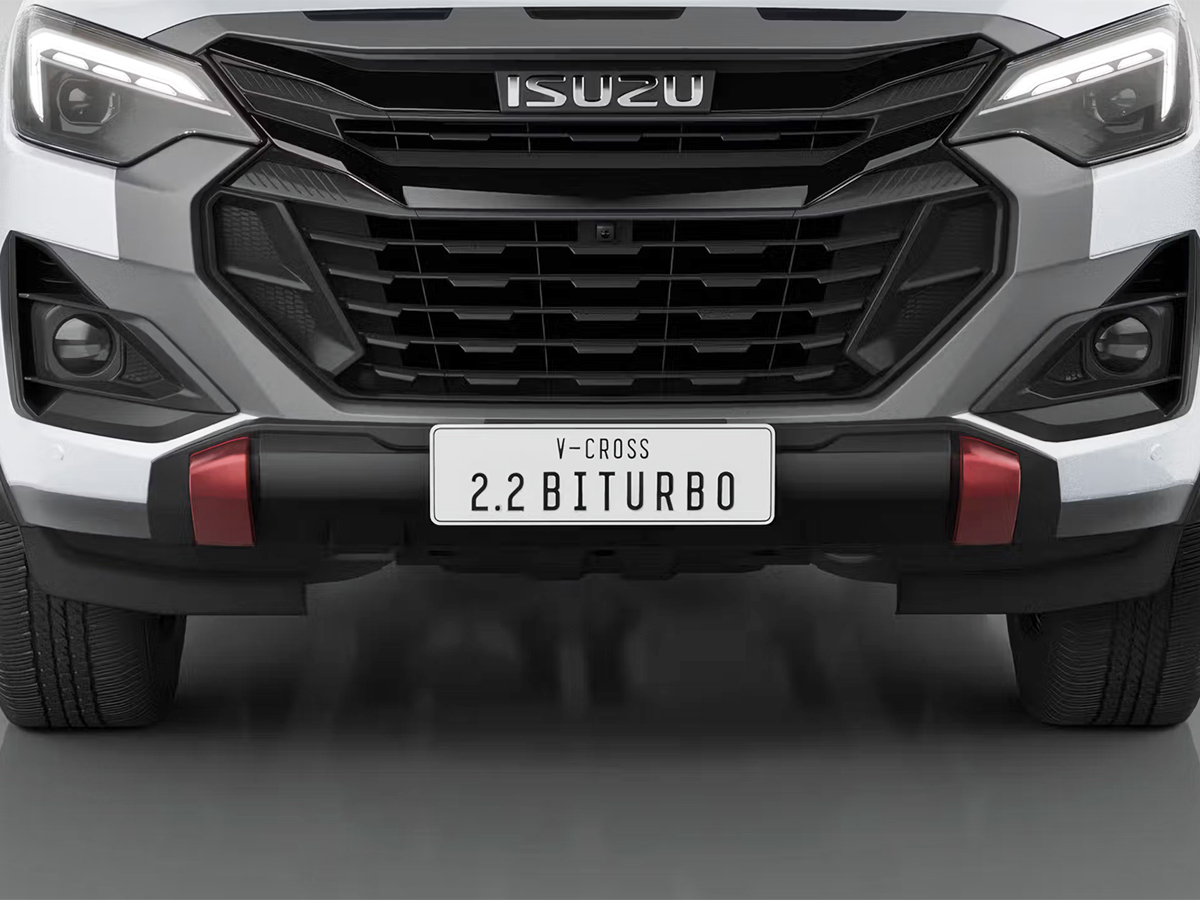
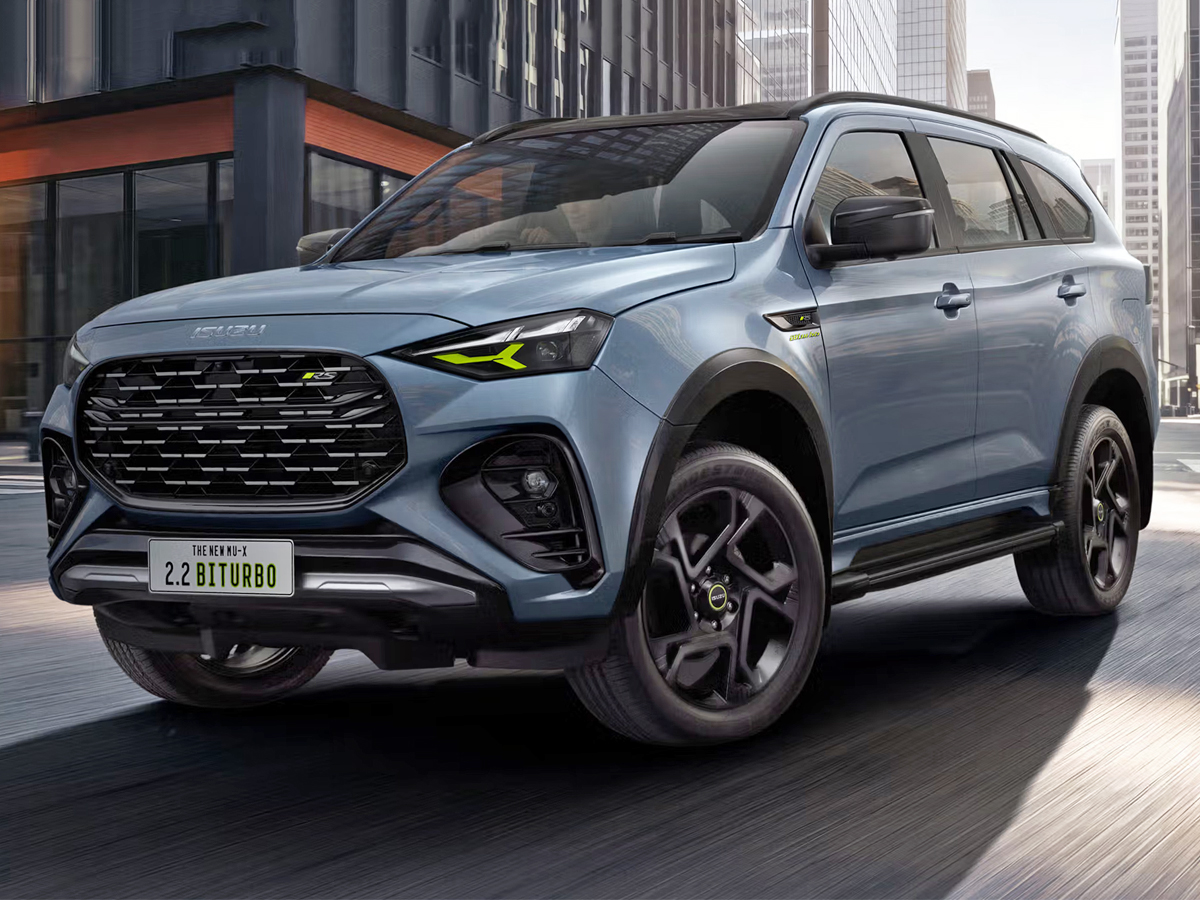
Isuzu’s Thailand division has released initial details about a new 2.2-litre bi-turbodiesel, 4-cylinder engine – which outpunches the Japanese brand’s 3.0-litre oil-burning motor – for updated versions of the D-Max bakkie and MU-X adventure SUV.
As a reminder, both the D-Max and MU-X are produced in Thailand. The versions offered in that market has now received not only minor styling updates but also the option of a new bi-turbodiesel mill (featuring an internal desgination of “RZ4F-TCX”) for high-spec derivatives.
While the current 3.0-litre motor (4JJ3-TCX) offers peak outputs of 140 kW and 450 Nm, the new 2.2-litre bi-turbodiesel unit – closely related to the 120 kW/400 Nm single-turbo 2.2-litre engine (RZ4F-TC) that was rolled out in Thailand late in 2024 – generates 150 kW (at 3 600 rpm) and 500 Nm (from 1 600 rpm to 2 600 rpm).
That sees it match the outputs of the Toyota Hilux‘s 2.8-litre GD-6 engine (1GD-FTV). According to Isuzu Thailand, the new twin-turbo 2 164 cc motor delivers a 5% faster 0-100 kph sprint and 12% stronger in-gear acceleration (from 80-100 kph) compared to the 3.0-litre engine, while also offering an 8% improvement in fuel efficiency.
Mated to either a 6-speed manual gearbox or an 8-speed automatic transmission, this MaxForce-badged powerplant has thus far been confirmed only for the Thai market. As a reminder, the D-Max available in South Africa is produced at the Japanese firm’s Struandale plant rather than imported from Thailand.
In addition, it worth noting the aforementioned single-turbo version of the 2.2-litre oil-burning motor has yet to launch in Mzansi (despite being available in Thailand for nearly 2 years), with the current D-Max and MU-X line-up instead sticking with the 110 kW/350 Nm 1.9-litre 4-cylinder and the older 3.0-litre motor.
Considering Isuzu Motors South Africa’s Struandale facility imports its D-Max engines and transmissions (and indeed the fully built-up MU-X) from Thailand rather than producing powertrains locally, there’s certainly a chance our market will eventually gain the option of this new bi-turbodiesel unit. But history would suggest the local market is in for a bit of a wait, what with the facelifted D-Max having launched here only earlier this year…
Frequently Asked Questions (FAQ)
Q: What are the specs of Isuzu’s new 2.2-litre bi-turbodiesel engine?
A: The new 2.2-litre bi-turbodiesel 4-cylinder engine (RZ4F-TCX) produces 150 kW at 3 600 rpm and 500 Nm of torque between 1 600 and 2 600 rpm, outpowering the brand’s existing 3.0-litre motor while offering a claimed 8% improvement in fuel efficiency.
Q: How does the new 2.2-litre bi-turbodiesel compare to Isuzu’s 3.0-litre engine?
A: The 2.2-litre bi-turbo unit delivers 10 kW more power (150 kW vs 140 kW) and 50 Nm more torque (500 Nm vs 450 Nm) than the 3.0-litre 4JJ3-TCX engine, resulting in claimed 5% faster 0–100 km/h acceleration and 12% stronger in-gear response.
Q: Is the new 2.2-litre bi-turbodiesel engine coming to the Isuzu D-Max and MU-X in South Africa?
A: Isuzu Motors South Africa has not confirmed plans to introduce the 2.2-litre bi-turbodiesel locally. The SA-built D-Max line-up continues to utilise the established 1.9-litre (110 kW/350 Nm) and 3.0-litre (140 kW/450 Nm) turbodiesel powerplants.
The head of Mazda in South Africa says the Japanese brand plans to launch a PHEV in Mzansi in 2027, though she stopped short of confirming which model is coming…
Mazda’s local boss confirms PHEV is coming
CX-60 PHEV or CX-80 PHEV seem most likely
Scheduled to arrive at some point in 2027
Mazda Southern Africa has confirmed to Cars.co.za that it plans to enter South Africa’s growing plug-in hybrid electric vehicle (PHEV) segment in 2027, though the head of the Japanese brand’s local division stopped short of revealing which model is on the cards.
Bonite van der Merwe, Managing Director at Mazda Southern Africa, made the comments during an interview in Cars.co.za’s custom-built podcast booth at Naamsa’s SA Auto Week 2026 event in Durban, KwaZulu-Natal earlier in October.
Mazda says it’s planning to launch a PHEV locally in 2027.
“We’re working on an alternative new-energy vehicle for next year [2027] and we are currently making sure that our dealers are ready for [its] introduction into the South African market,” she said, before adding: “I can confirm it’s a plug-in hybrid”.
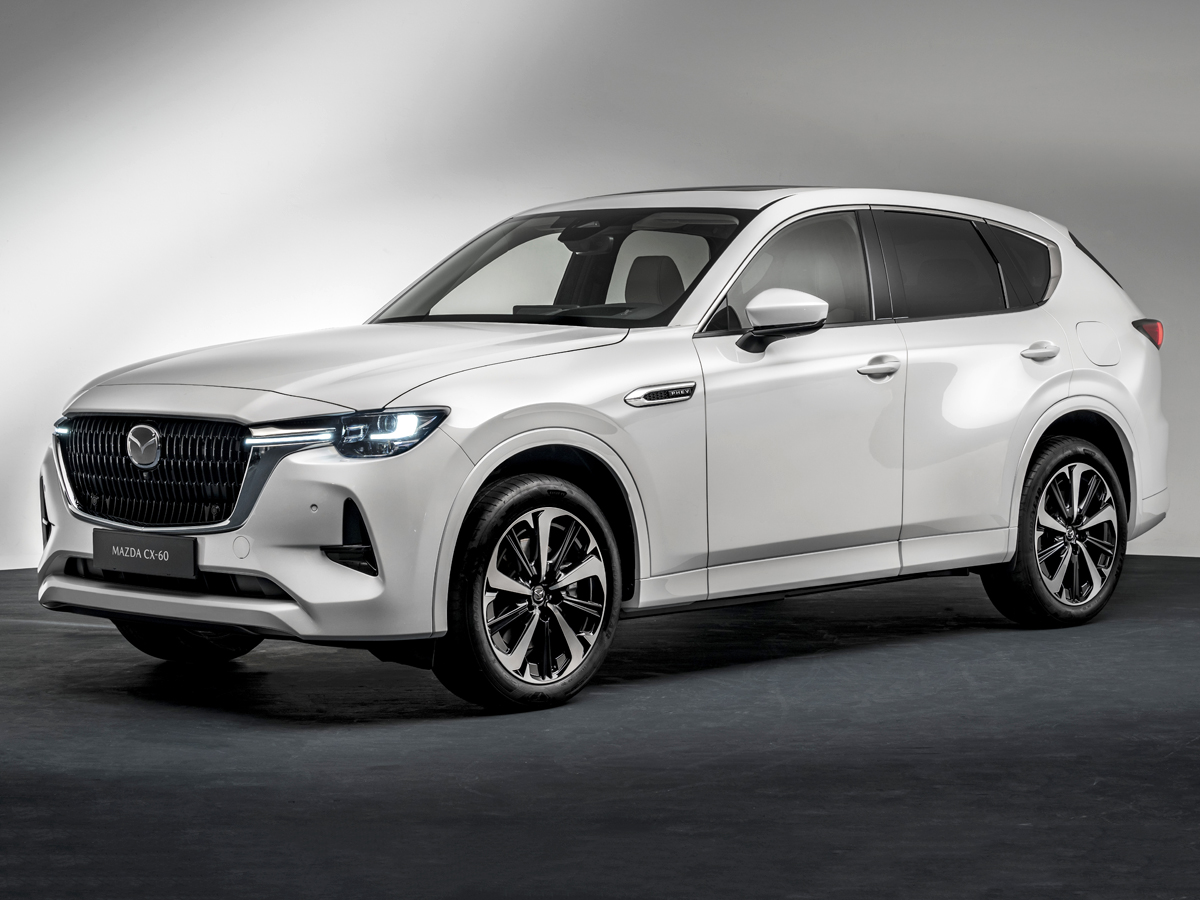
So, which PHEV is on the cards for Mzansi? Well, we’d speculate that Van der Merwe was referring to one of two models: either the CX-60 PHEV or the CX-80 PHEV. As a reminder, the CX-60 is already available in SA, offered with either a naturally aspirated 2.5-litre petrol engine or a 3.3-litre turbodiesel motor featuring mild-hybrid assistance.
The CX-60 is available in other right-hand-drive markets in PHEV guise.
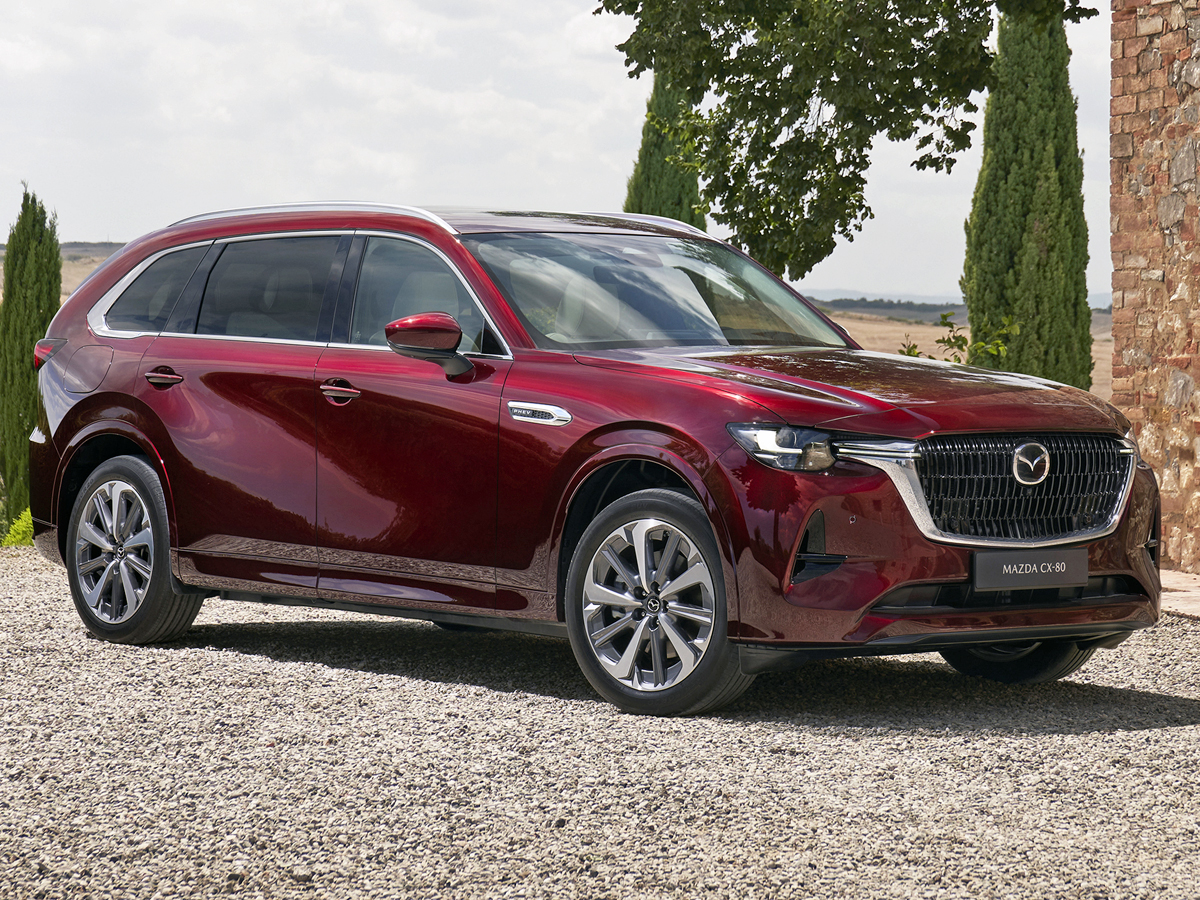
Meanwhile, the CX-80 – which, like the CX-60, is available overseas with a PHEV powertrain built around the Fuchū-based automaker’s atmospheric 2.5-litre petrol engine – was tipped for a local introduction back in 2024. However, this 3-row contender didn’t arrive, with Van der Merwe’s predecessor suggesting the local division’s CX-80 plans had been nixed.
Are there any other outside possibilities? Well, Mazda also sells its CX-70 and CX-90 in PHEV form in North America, but these models seem far less likely candidates for South Africa. And, considering the new CX-5 is not (yet?) available anywhere in the world with a plug-in set-up, we’d rule out that model, too.
Initial plans to launch the CX-80 in SA seemingly fell through.
Van der Merwe, who stepped into the top job at Mazda Southern Africa in October 2025, said the company’s global division was well aware that “not all markets” were transitioning to new-energy vehicles at the same pace.
“We will continue with our ICE [internal combustion engine] vehicles and we’ll gradually introduce new-energy vehicles. As the [local] market transitions [to NEVs], we will provide the [relevant] vehicles to the market,” she explained.
Frequently Asked Questions (FAQ)
Q: Is Mazda launching a plug-in hybrid (PHEV) in South Africa?
A: Yes, Bonite van der Merwe, Managing Director at Mazda Southern Africa, confirmed to Cars.co.za that the Japanese brand plans to introduce its first plug-in hybrid model to the local market in 2027.
Q: Which Mazda PHEV models are most likely coming to Mzansi?
A: While the exact model has not been officially named, Cars.co.za reports that the most likely candidates for South Africa are the CX-60 PHEV or the 3-row CX-80 PHEV.
Q: What type of plug-in hybrid set-up does Mazda offer overseas?
A: In right-hand-drive global markets, Mazda’s PHEV powertrain combines a naturally aspirated 2.5-litre 4-cylinder petrol engine with an electric motor and a lithium-ion battery pack.
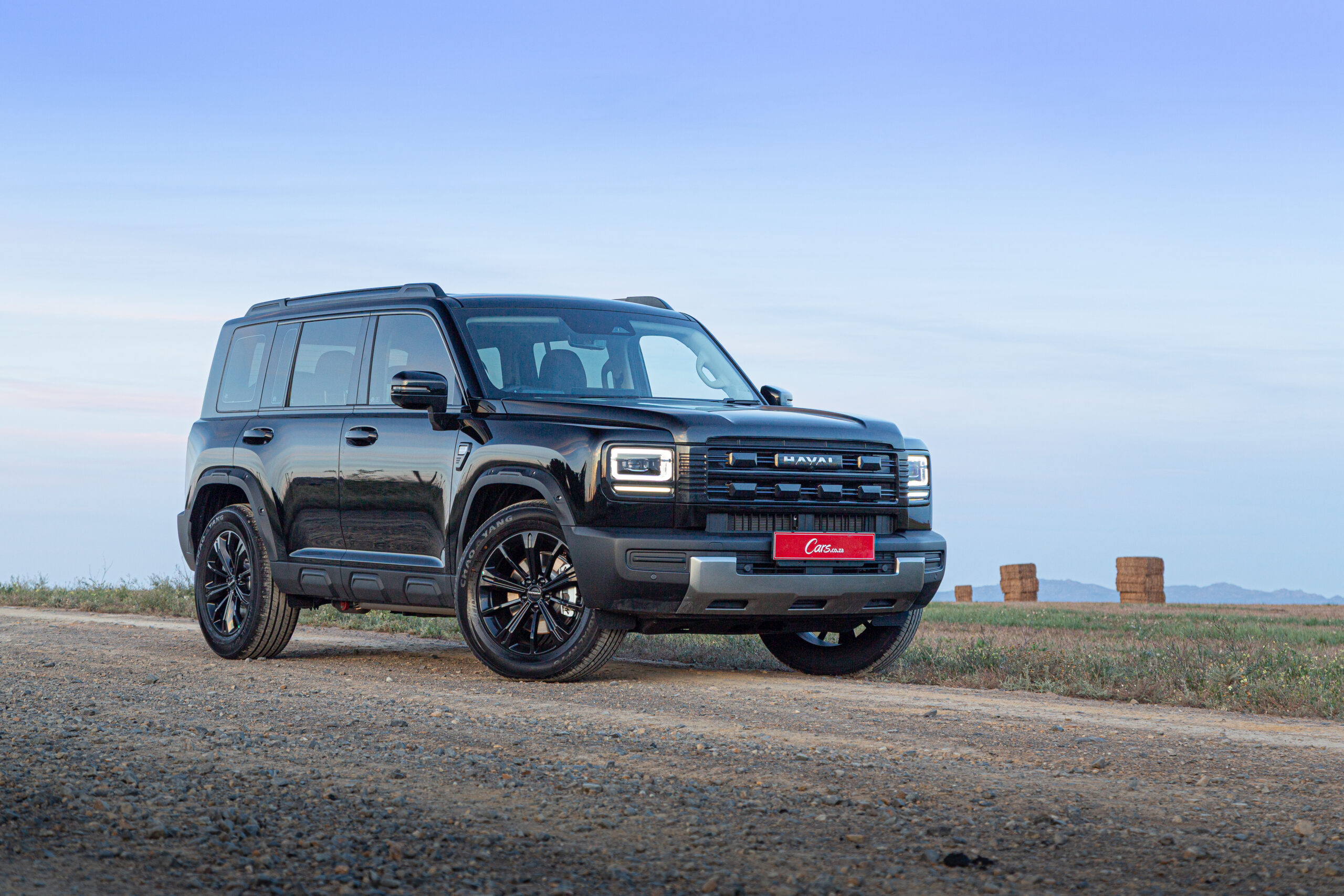
The updated Haval H7 arrives to take the fight directly to the hugely successful Jetour T2. We spent quality time with the HEV variant to evaluate its electrified powertrain, cabin refinement and practicality, plus its value-for-money offering.
We like: Impressive real-world fuel economy; well-insulated cabin; generous rear passenger legroom; comprehensive warranty and service backing on all H7 models.
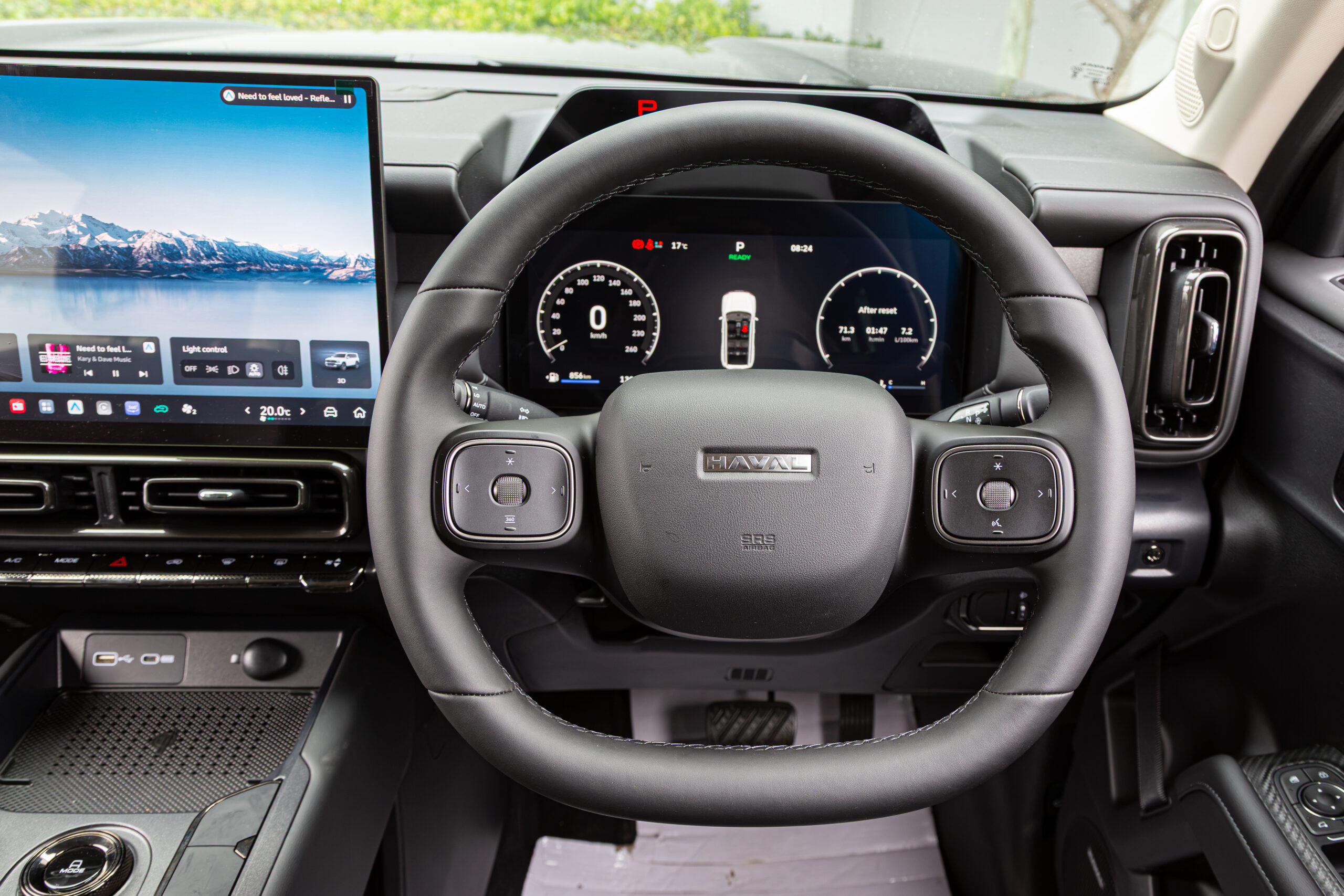
We don’t like: Brake-by-wire pedal feels snatchy at low speeds; over-reliance on touchscreen controls for cabin adjustments; boot floor is relatively shallow for bulkier luggage items.
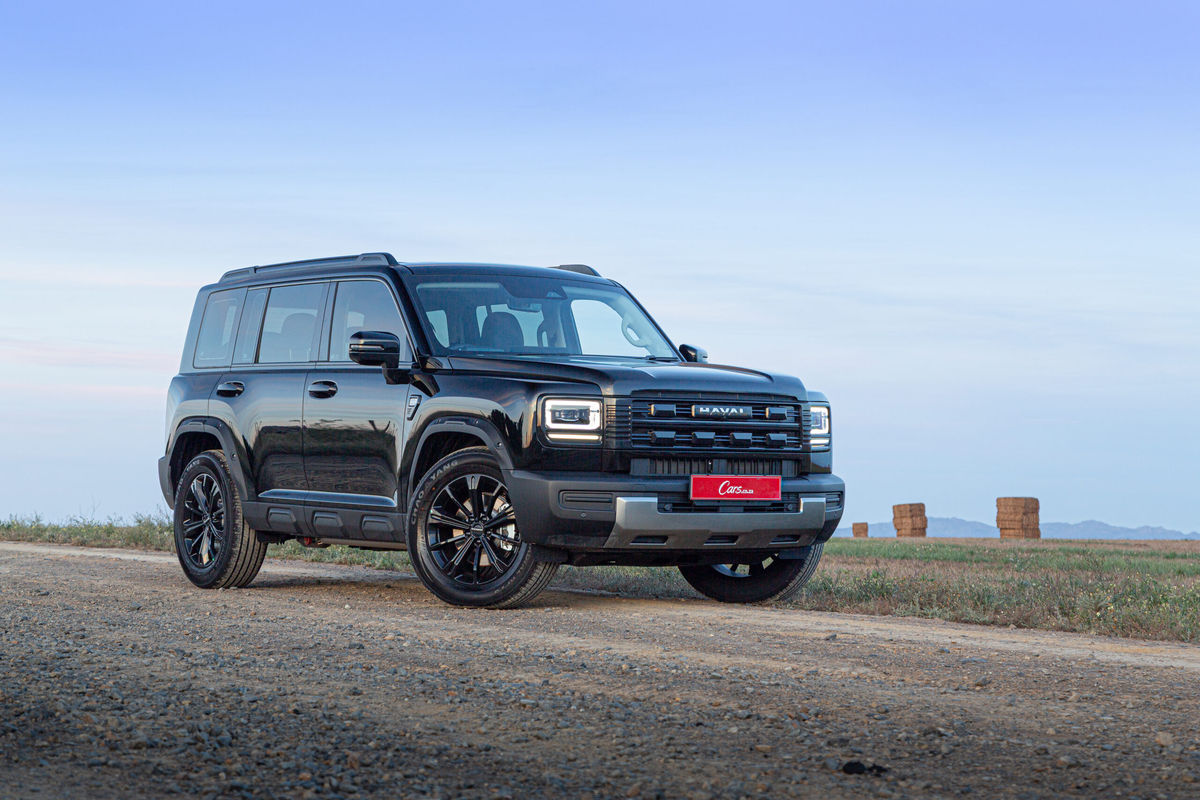
Haval has expanded its local sports utility vehicle line-up with the introduction of the new H7, stepping directly into the spotlight of the lifestyle-oriented crossover market. Positioned to challenge segment heavyweights like the Jetour T2, the refreshed H7 arrives with aggressive pricing and a choice of advanced powertrains, including this traditional hybrid HEV derivative (there’s also the option of straightforward petrols and a PHEV).
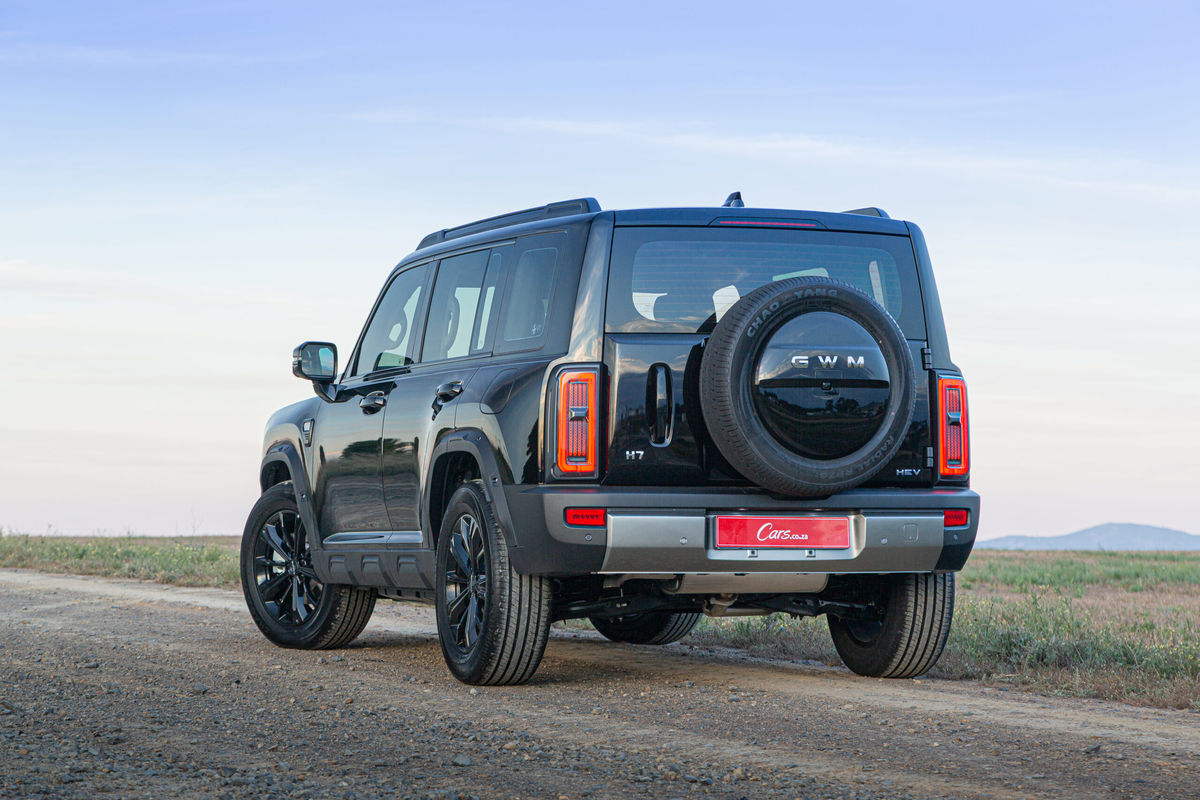
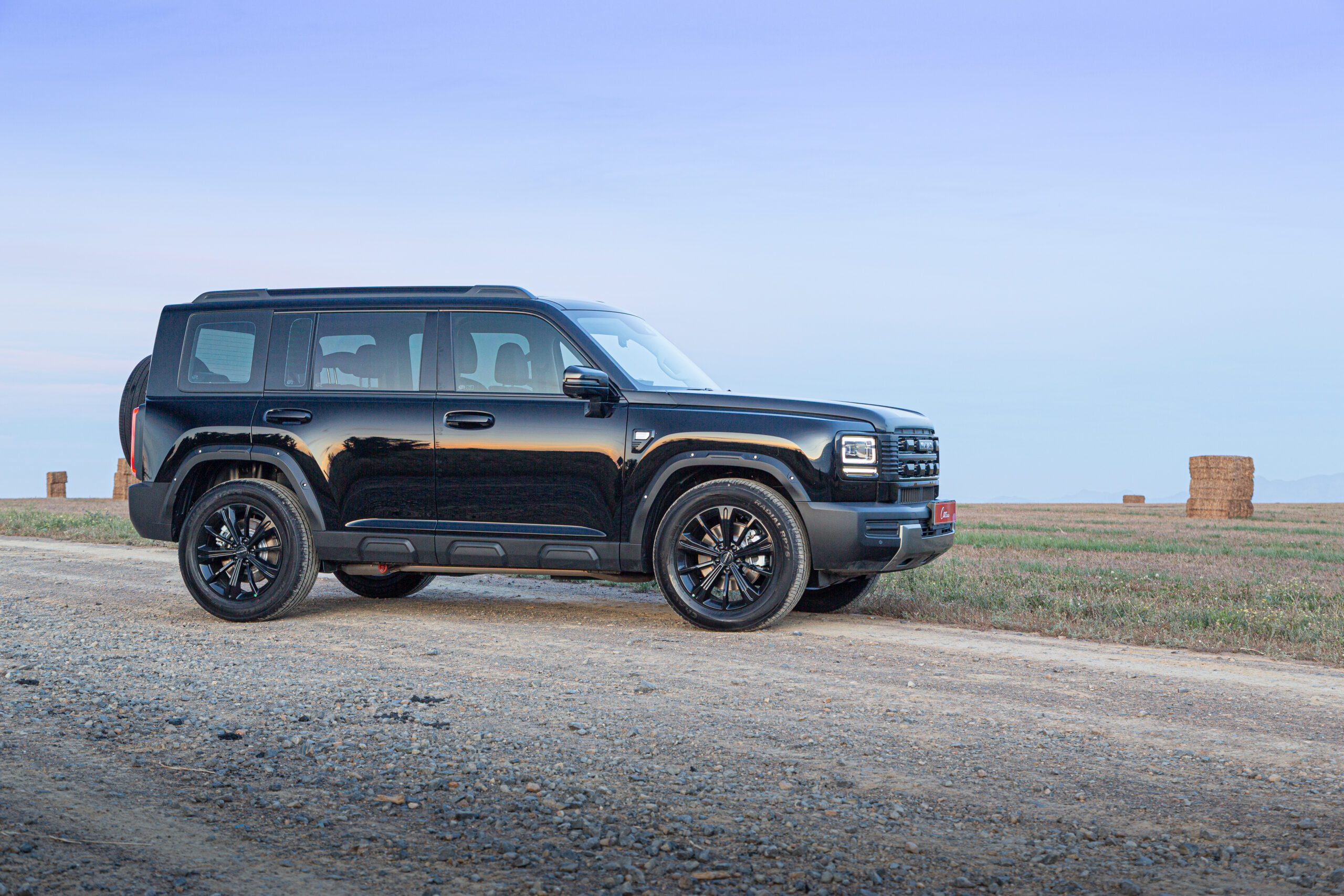
Unlike the outgoing H7, this latest version is based on a model known as the “Haval Raptor” in China (where it’s been in production since 2023). Measuring 4 800 mm from snout to rump, the new version is some 95 mm longer than the model it has replaced.
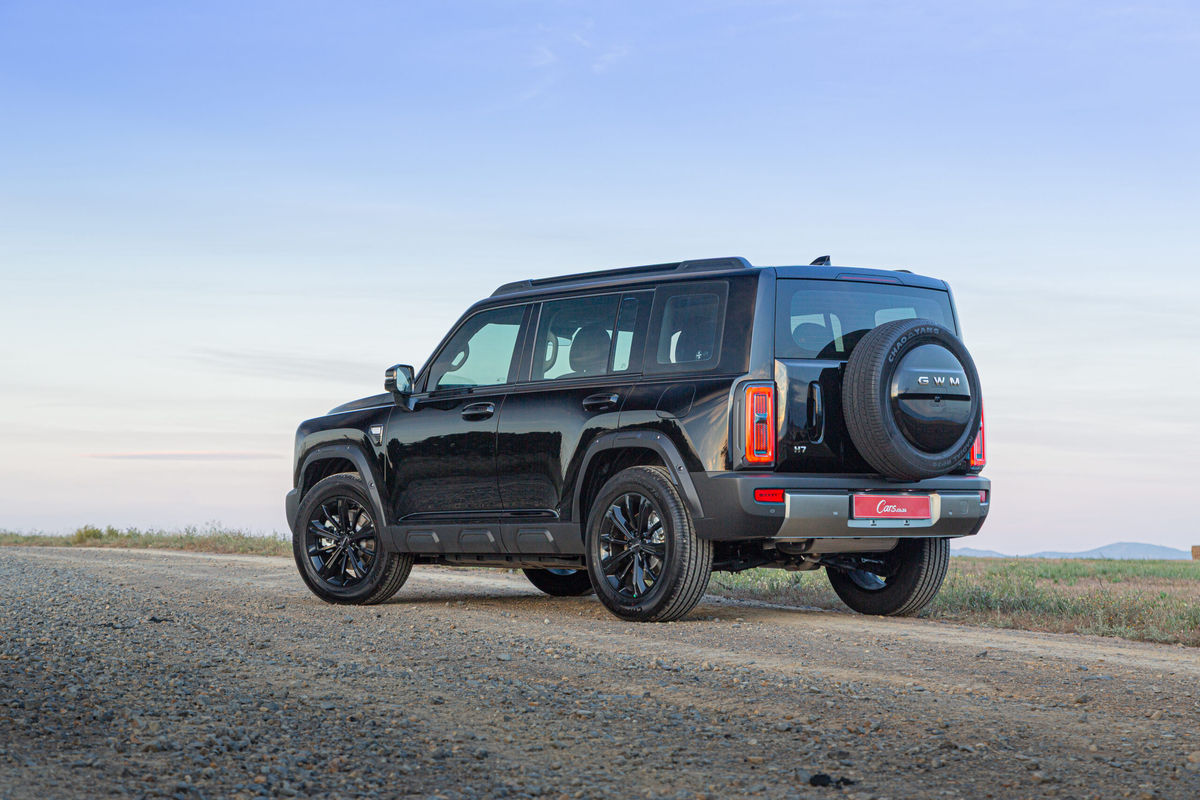
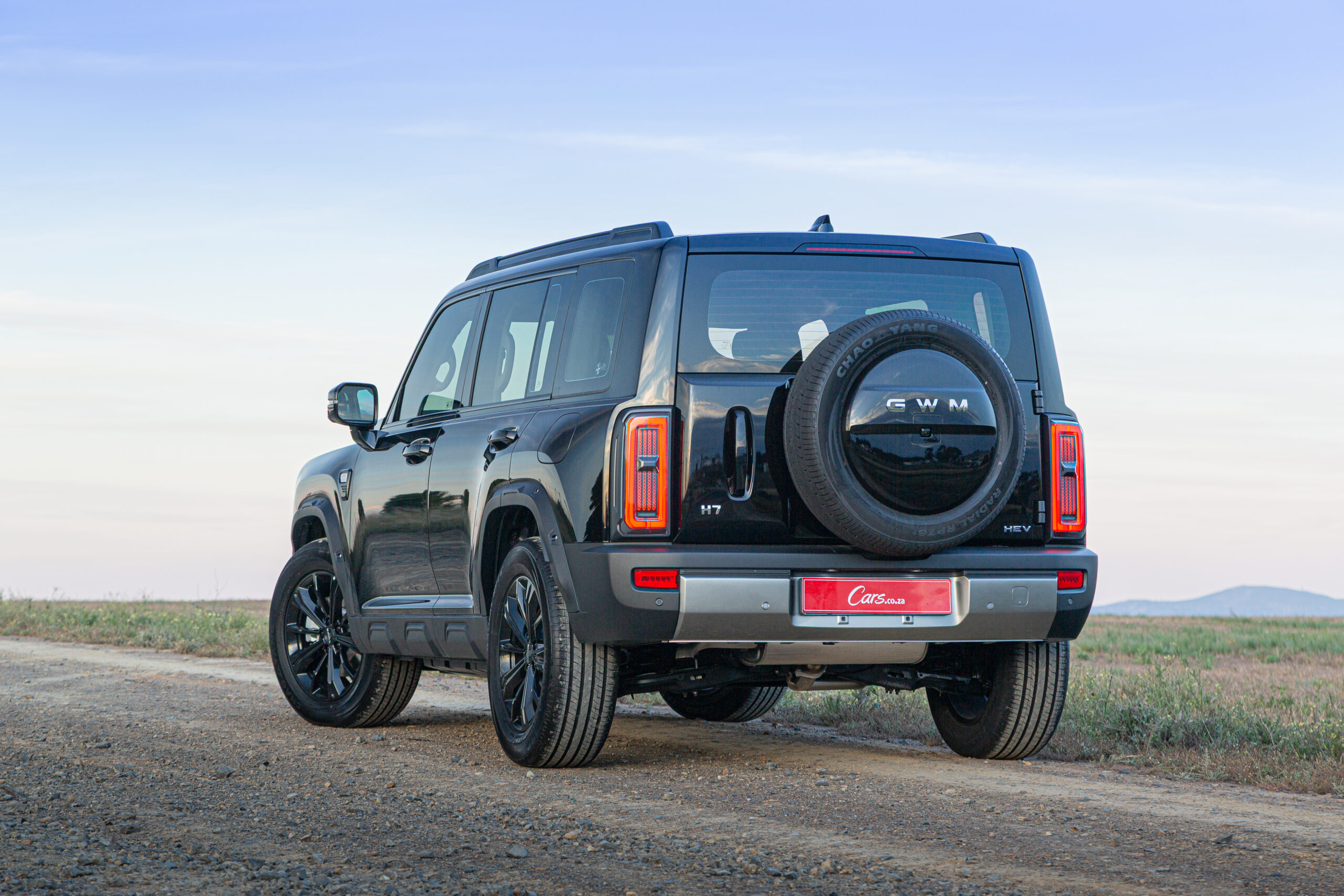
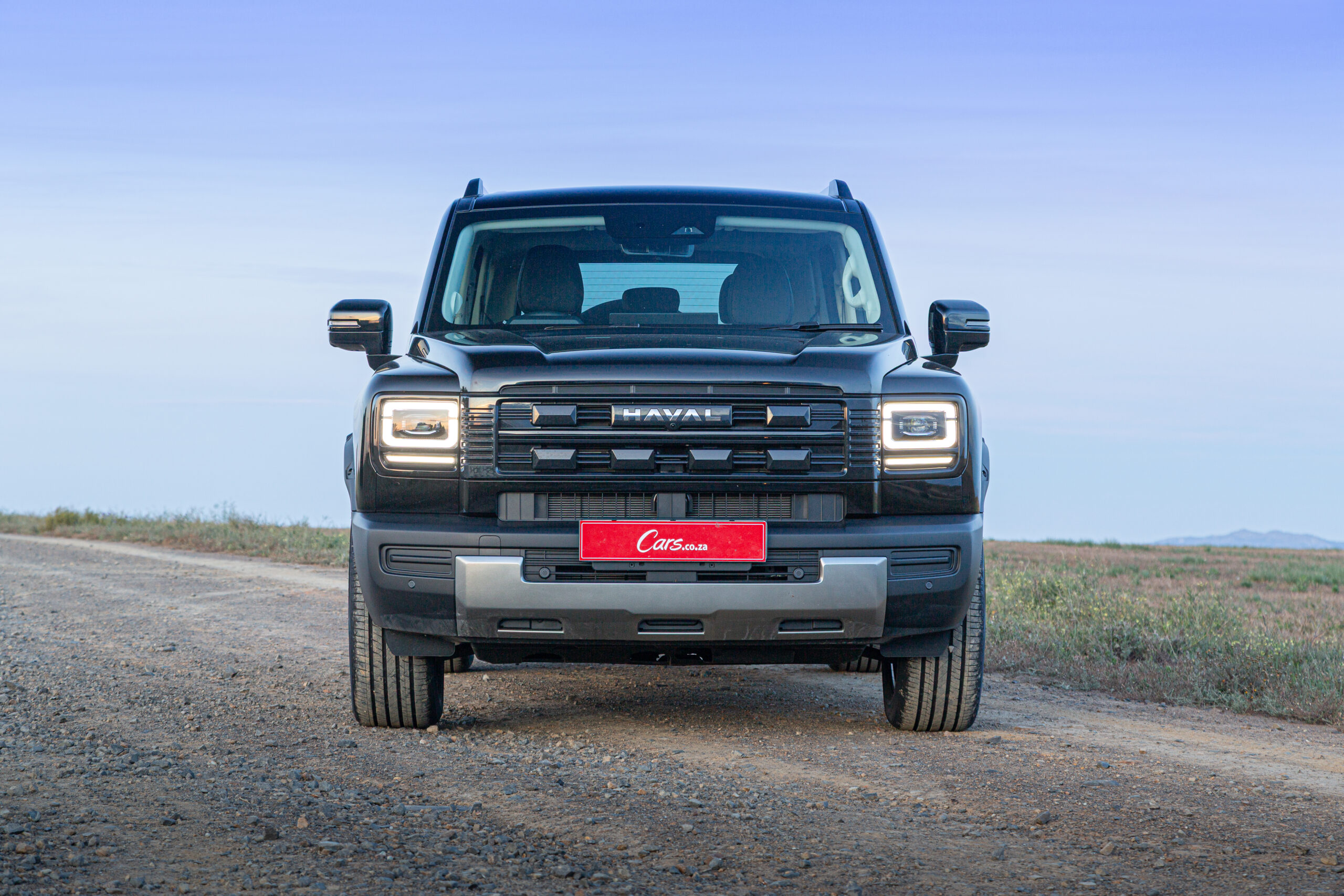
Visually, the H7 adopts an upright, boxy stance that leans even more into traditional off-road design cues than its predecessor, complete with a side-hinged tailgate and a square-shaped silhouette. While front-wheel-drive HEV variants prioritise efficient on-road prowess rather than hardcore rock-crawling capability, the rugged exterior styling gives it strong visual appeal.
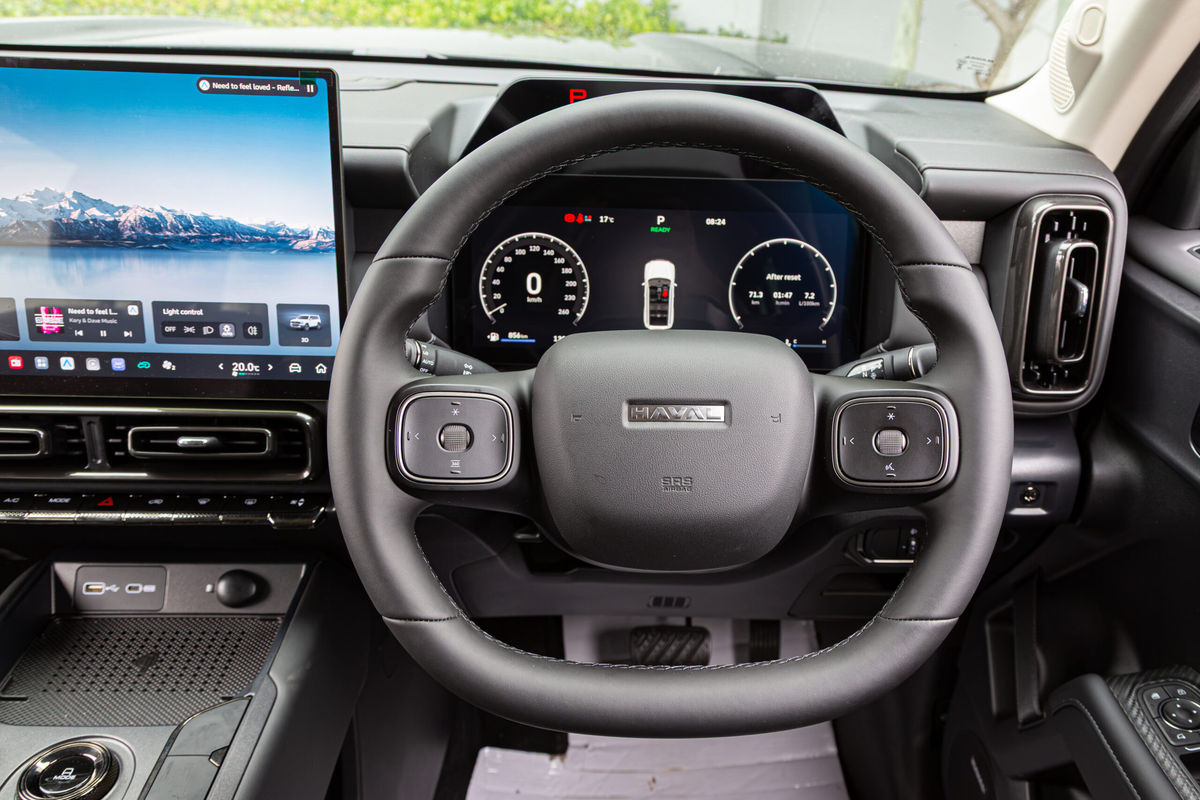
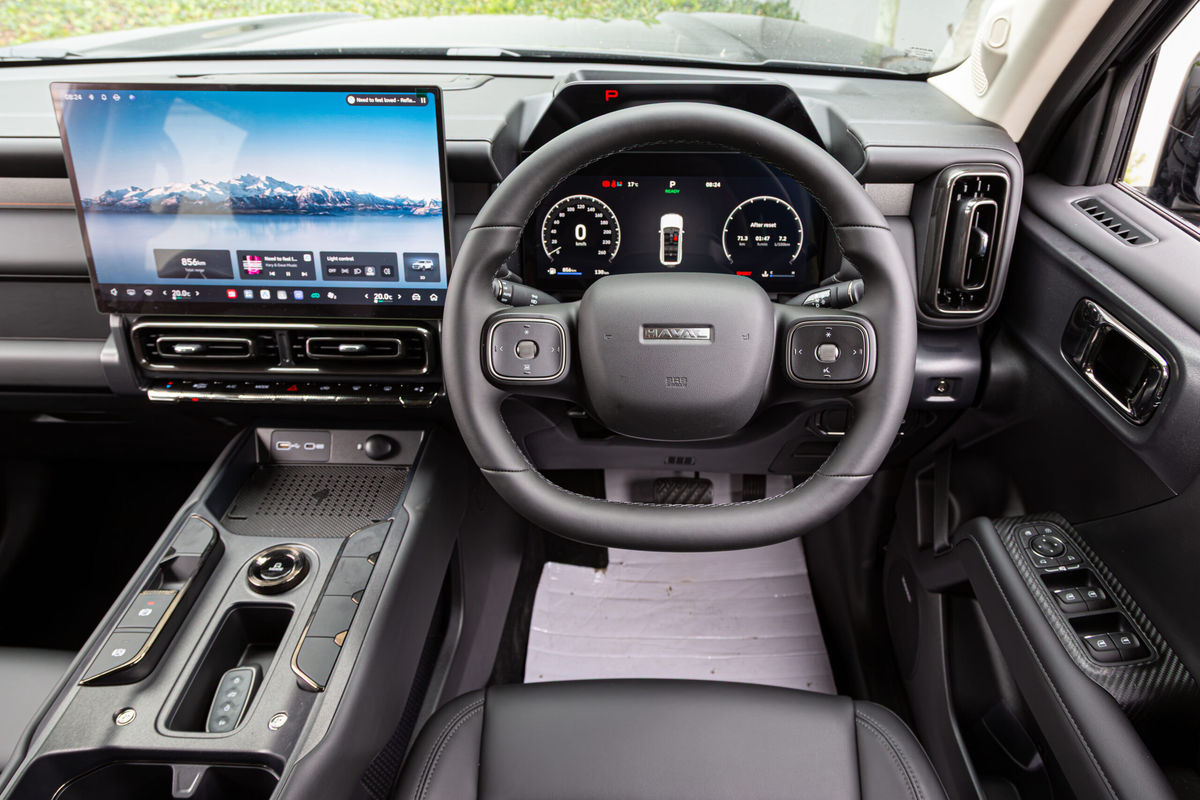
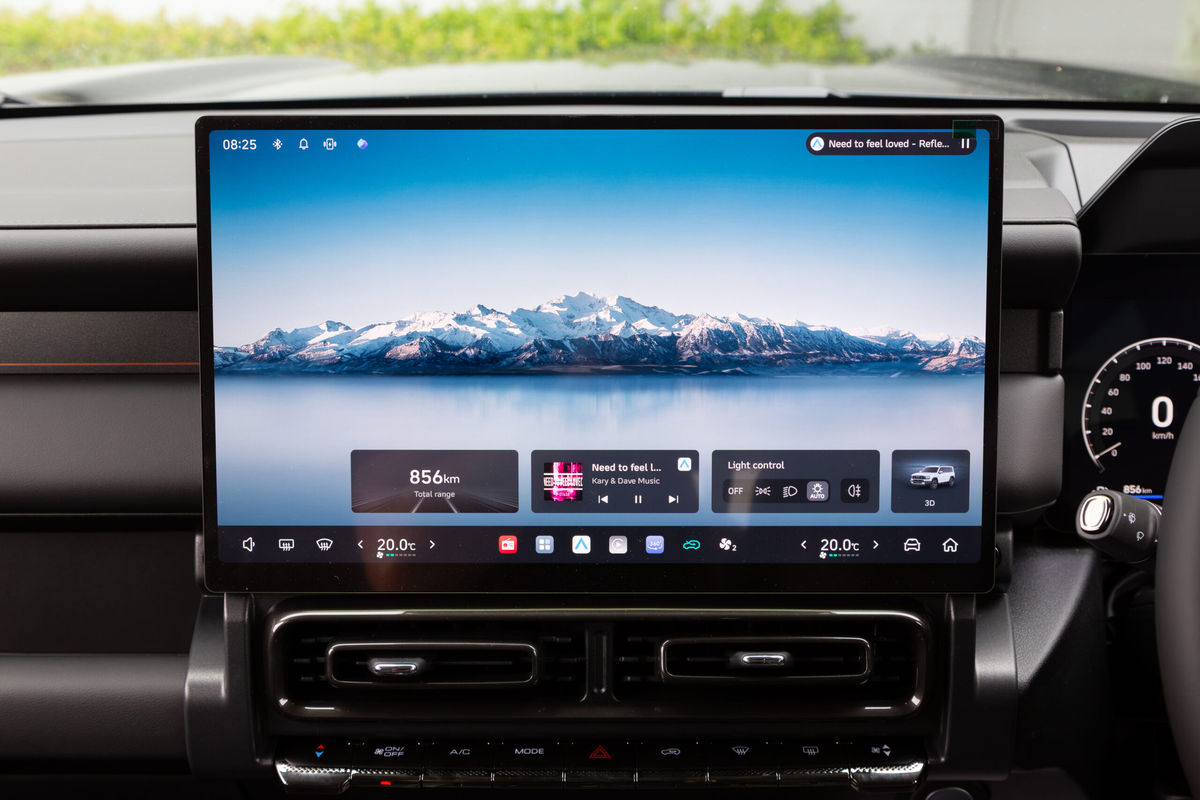
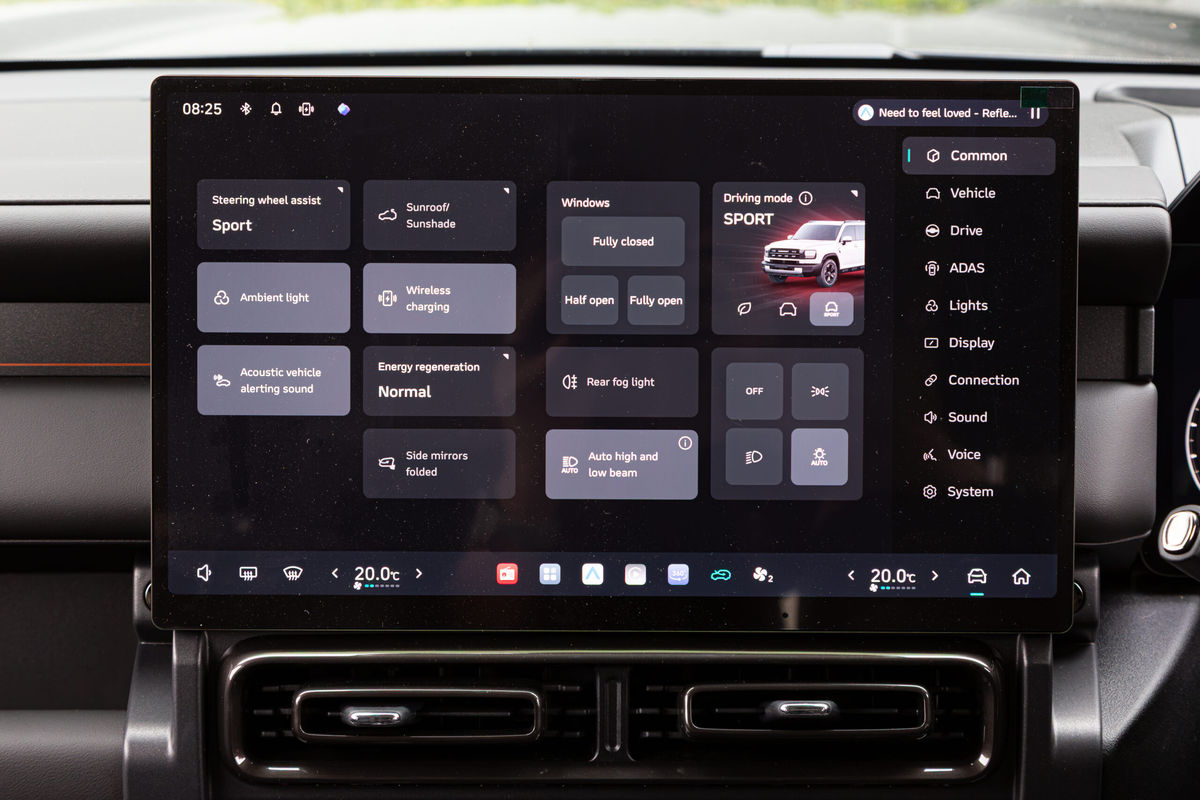
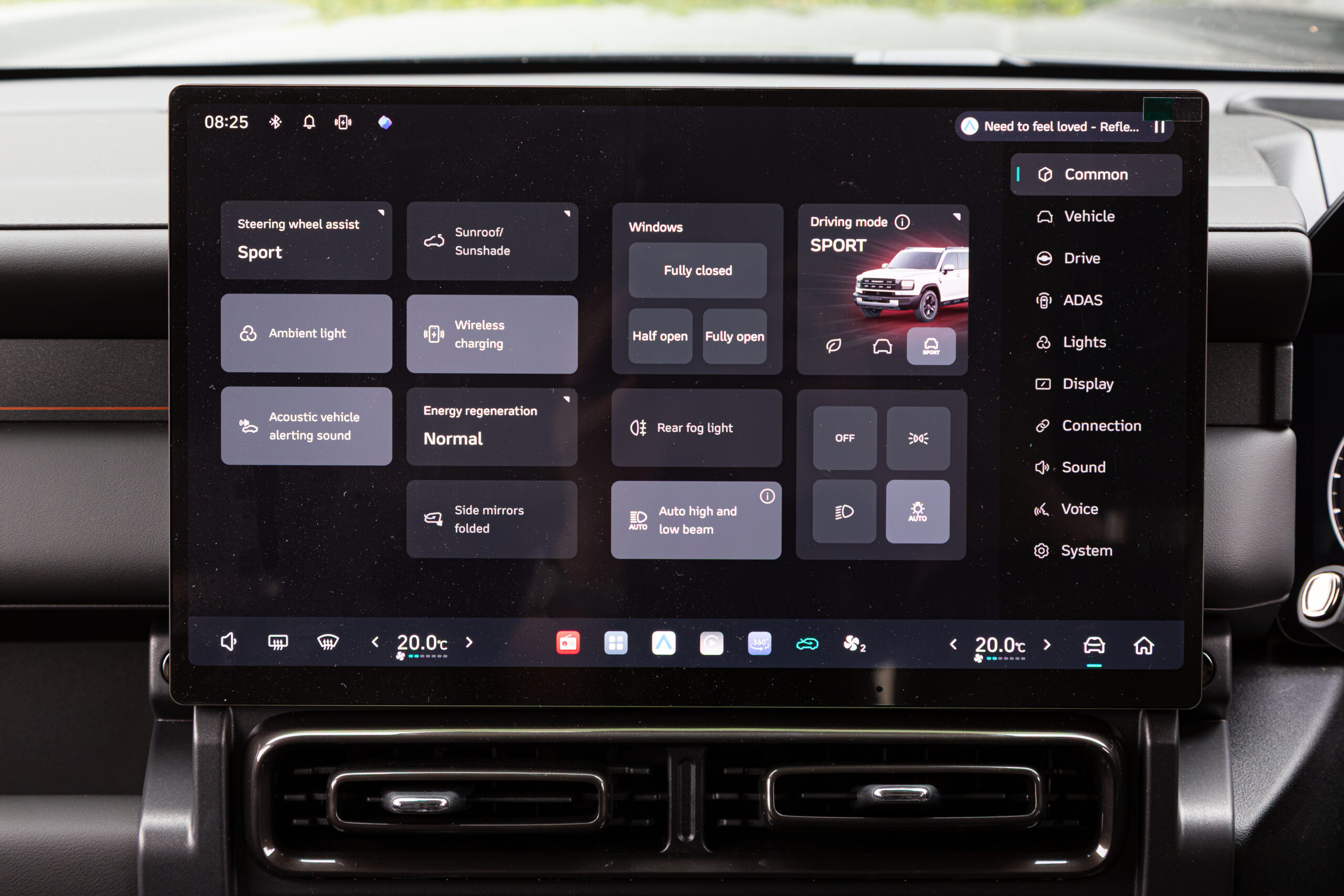
Inside, the cabin favours digital minimalism. A massive central touchscreen dominates the dashboard layout, controlling most vehicle functions including climate adjustments and infotainment features. As always, we prefer a user-friendlier balance between screen and physical controls. Perceived quality is stellar, as we’ve come to expect from GWM’s more premium products.
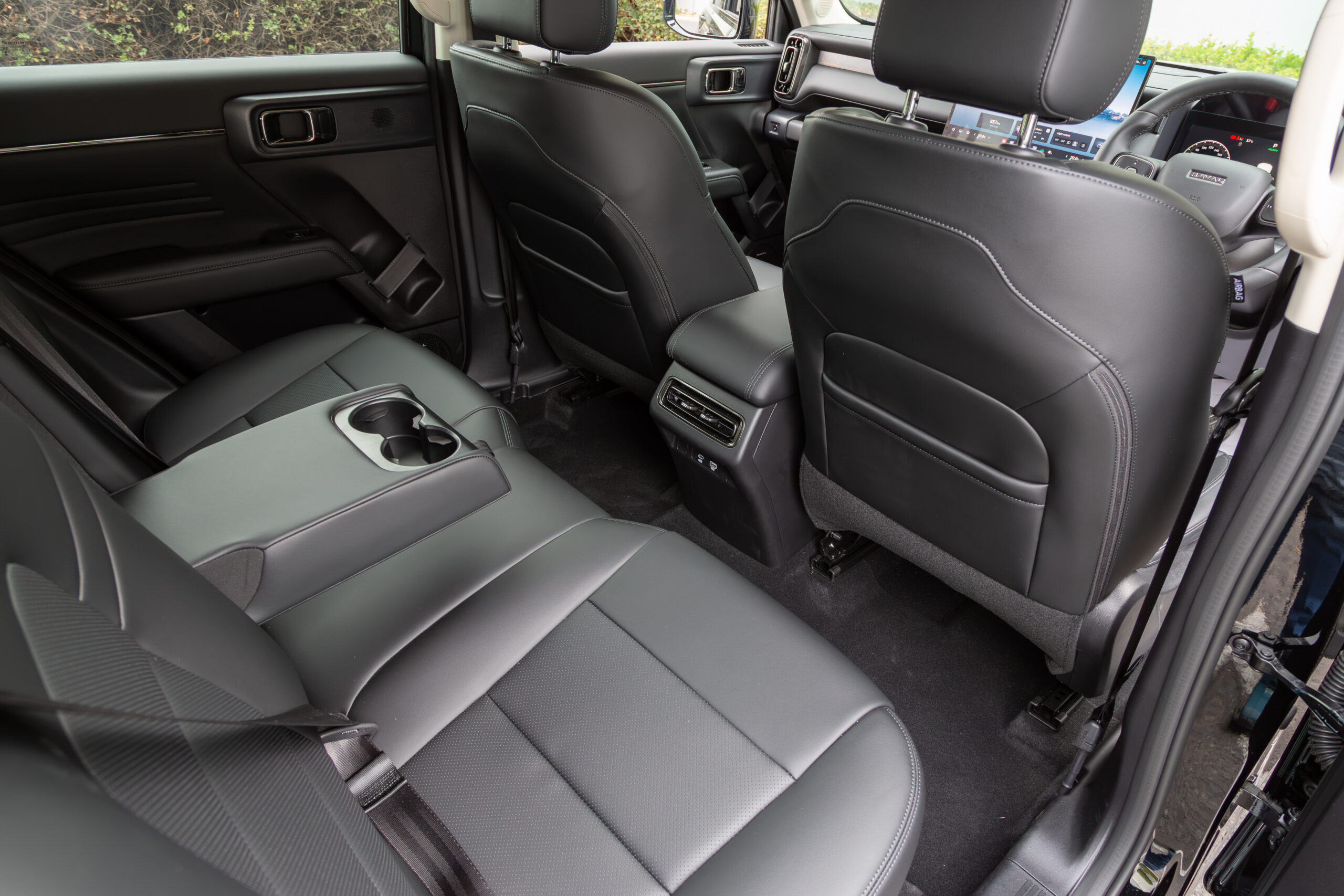
Passenger accommodation is a major strong suit, offering exceptional legroom and headroom in the second row, complemented by a massive panoramic glass sunroof. Luggage space is functional, although the boot floor is somewhat shallow, and a practical 220 V power outlet is included in the rear compartment.
Performance & Efficiency
Under the bonnet, the H7 hybrid combines a 1.5-litre turbocharged four-cylinder petrol engine with an electric motor system, delivering a combined output of 182 kW and a substantial 540 Nm of torque. Power is sent to the front wheels via a dedicated hybrid transmission.
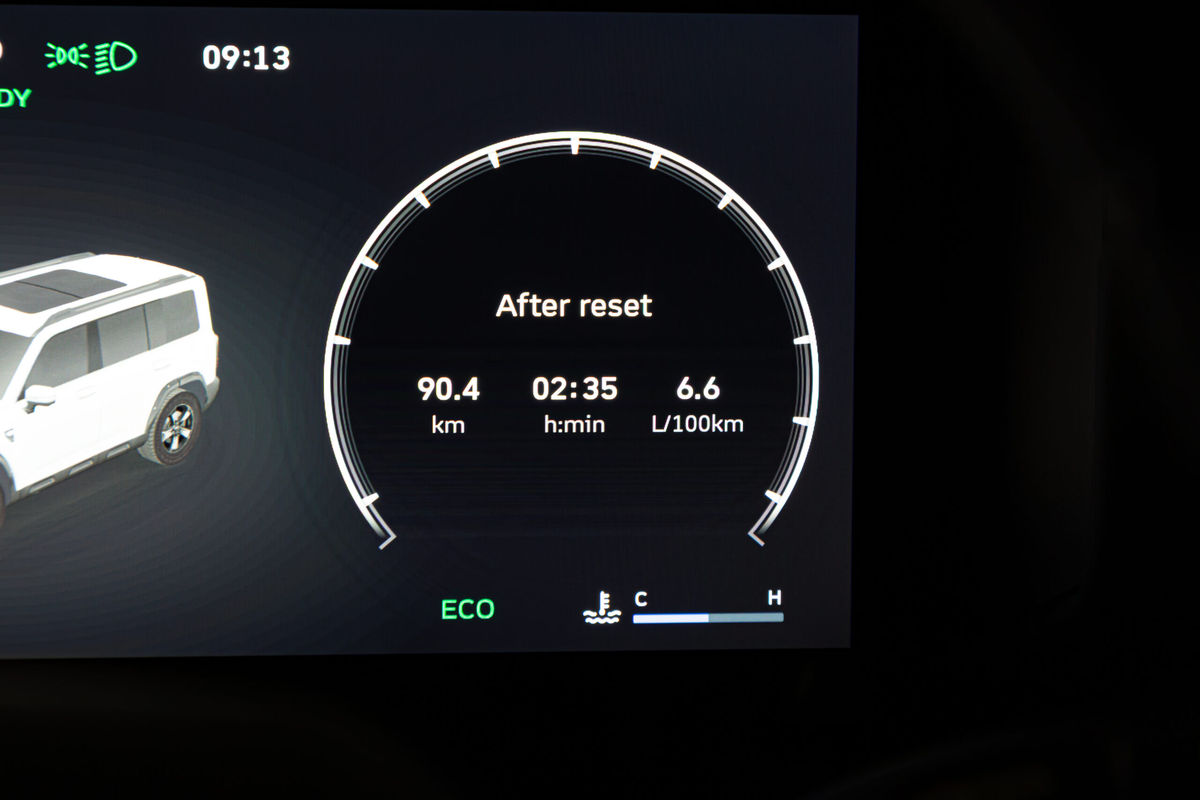
On the move, the transition between electric propulsion and internal combustion is mostly seamless. The hybrid powertrain delivers strong, responsive acceleration for overtaking, while real-world fuel consumption settles around an impressive 5.9 L/100 km during mixed city driving. However, the adoption of brake-by-wire technology introduces a snatchy pedal feel during low-speed stopping and parking manoeuvres.
Ride, Handling & Comfort
On South African roads, the H7 delivers a plush, well-damped ride quality that insulates occupants effectively from road imperfections. Cabin quietness is impressive, with wind and tyre roar kept to a minimum even at national speed limits.
The steering is light and effortless around town, making daily driving relaxing, though feedback is somewhat muted. While the vehicle looks rugged, front-wheel-drive variants are best suited to gravel touring and suburban duties rather than technical off-road trails.
Price & After-sales support
Pricing for the Haval H7 sits competitively within the mid-R500k to R800k bracket, where it squarely competes with the Jetour T2. Local ownership is backed by a comprehensive 7-year/200 000 km vehicle warranty, an 8-year/150 000 km battery warranty for electrified components, and a 7-year/75 000 km service plan.
H7 2.0T Super Luxury 4×2 9DCT
R554 900
H7 2.0T Ultra Luxury 4×2 9DCT
R594 900
H7 2.0T Ultra Luxury 4×4 9DCT
R654 900
H7 1.5T HEV Super Luxury 4×2 DHT
R624 900
H7 1.5T PHEV Super Luxury 4×2 DHT
R734 900
H7 1.5T PHEV Ultra Luxury 4×4 DHT
R794 900
All pricing correct in October 2026.
Verdict
The Haval H7 HEV proves to be a strong challenger in the ruggedly-designed crossover space, matching hybrid efficiency with generous interior space and competitive pricing. While minor ergonomic quirks like touch-heavy controls and brake modulation require getting used to, its overall polish makes it a serious contender against segment favourites.
Will it give the Jetour T2 a run for its money in the monthly sales charts? We’ll report back next month…
Q: What powertrain and output figures does the Haval H7 1.5T HEV feature?
A: The H7 HEV pairs a 1.5-litre 4-cylinder turbocharged petrol engine with an electric motor to generate a combined output of 182 kW and 540 Nm of torque, driving the front wheels via a dedicated hybrid transmission.
Q: What real-world fuel consumption does the Haval H7 hybrid achieve?
A: While Haval claims a fuel consumption figure of 5.3 L/100 km, real-world testing over mixed routes yielded an impressive average reading of 5.9 L/100 km.
Q: What is the price and warranty coverage for the Haval H7 1.5T HEV Super Luxury in South Africa?
A: The Haval H7 1.5T HEV Super Luxury 4×2 DHT is priced at R624 900 (pricing correct as of October 2026) and includes a 7-year/200 000 km vehicle warranty, an 8-year/150 000 km battery warranty, and a 7-year/75 000 km service plan.
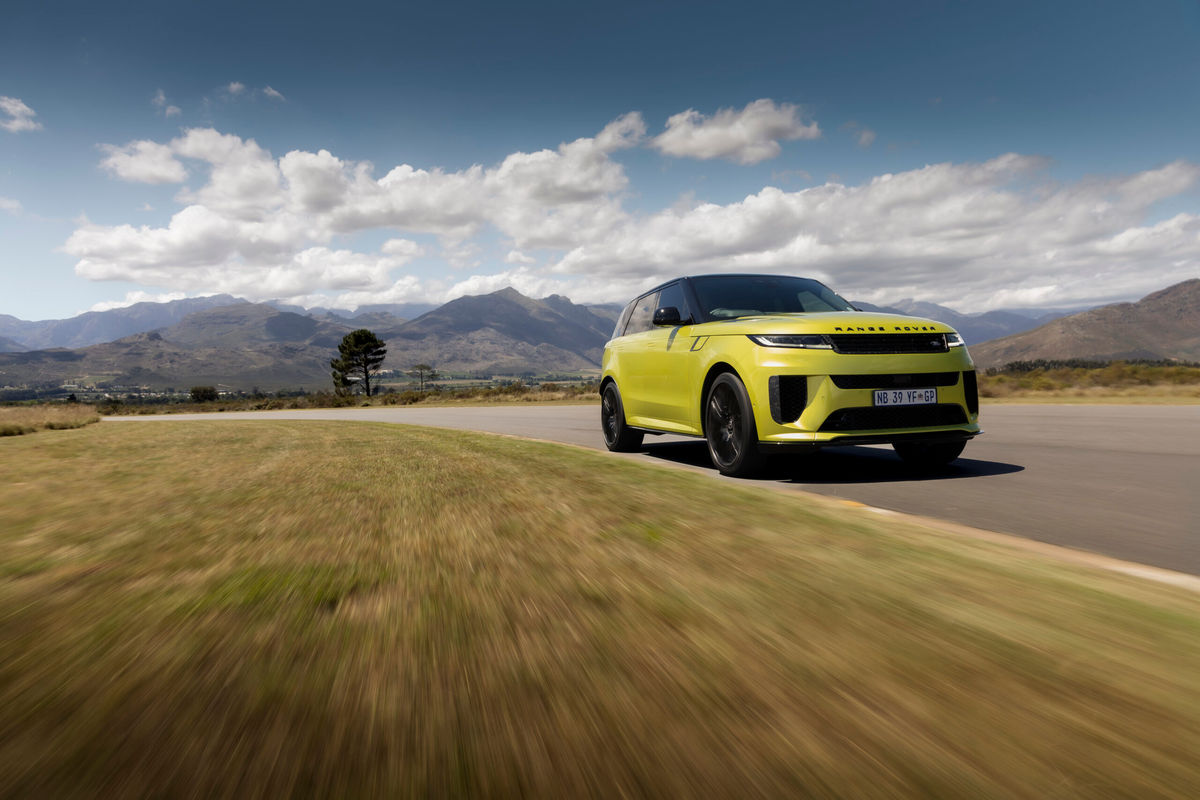
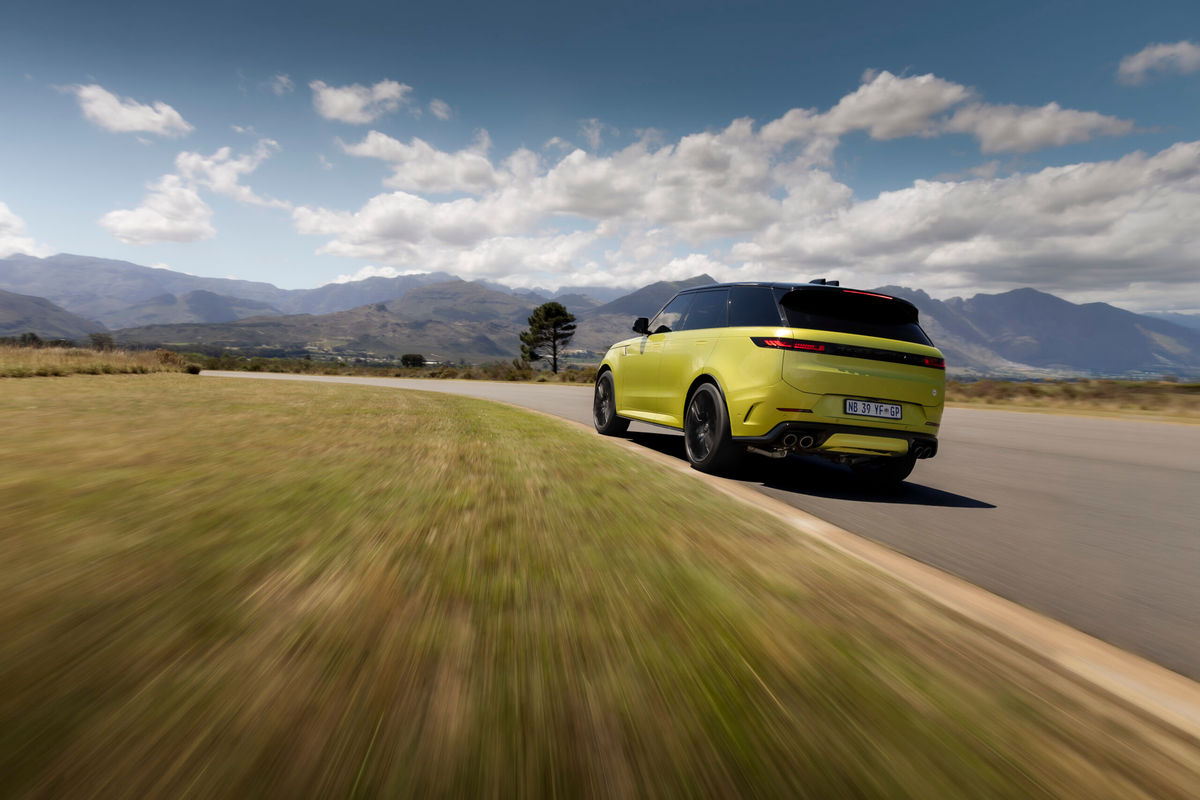
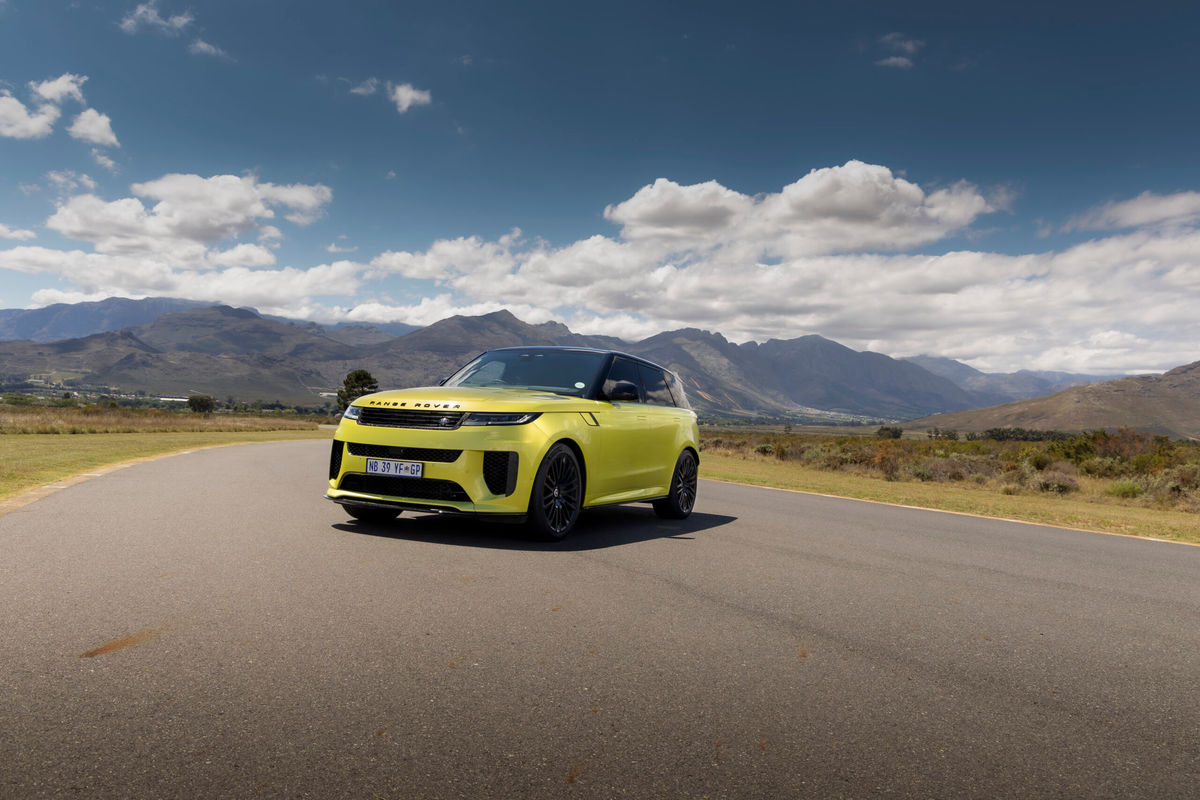
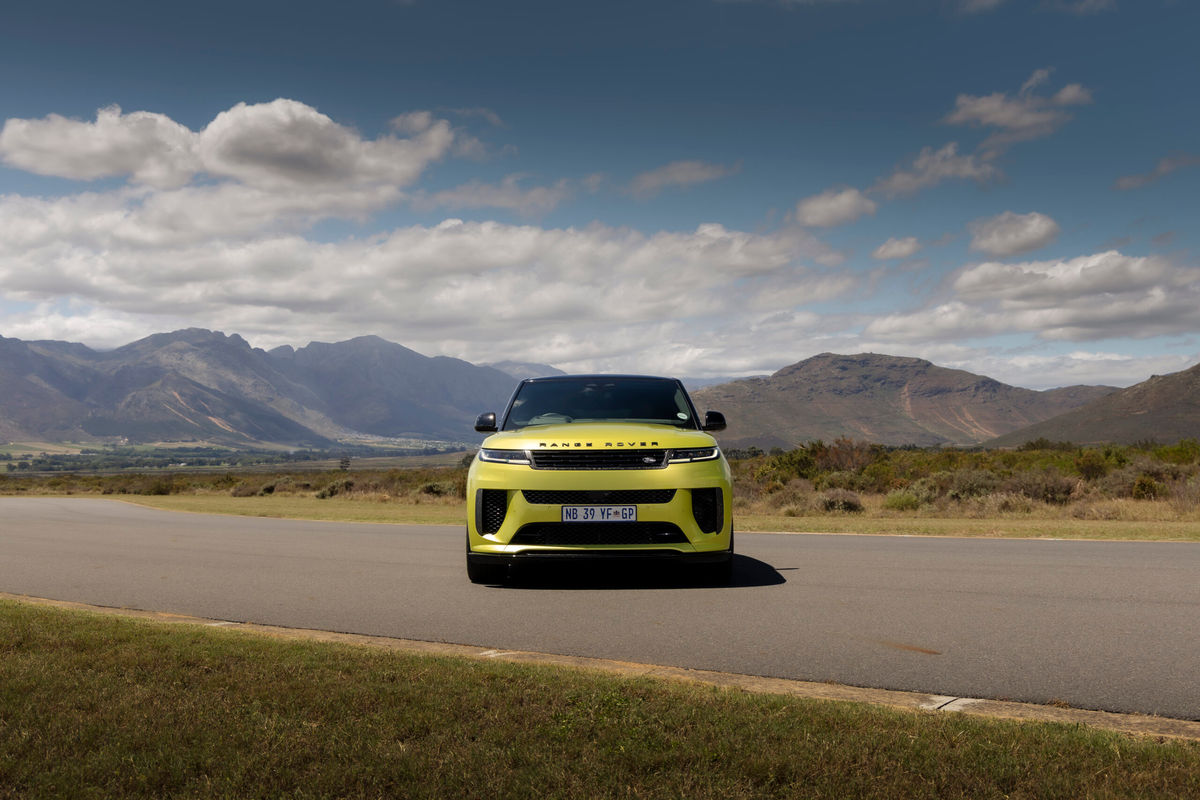
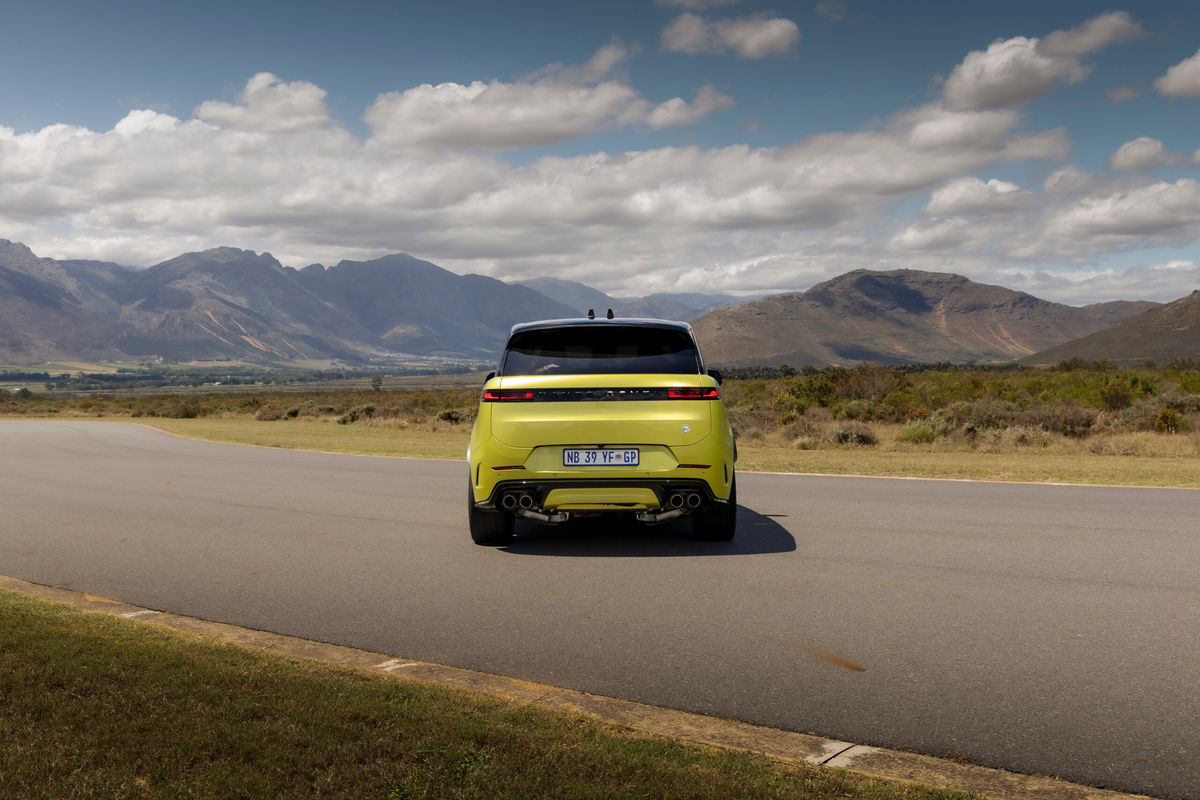
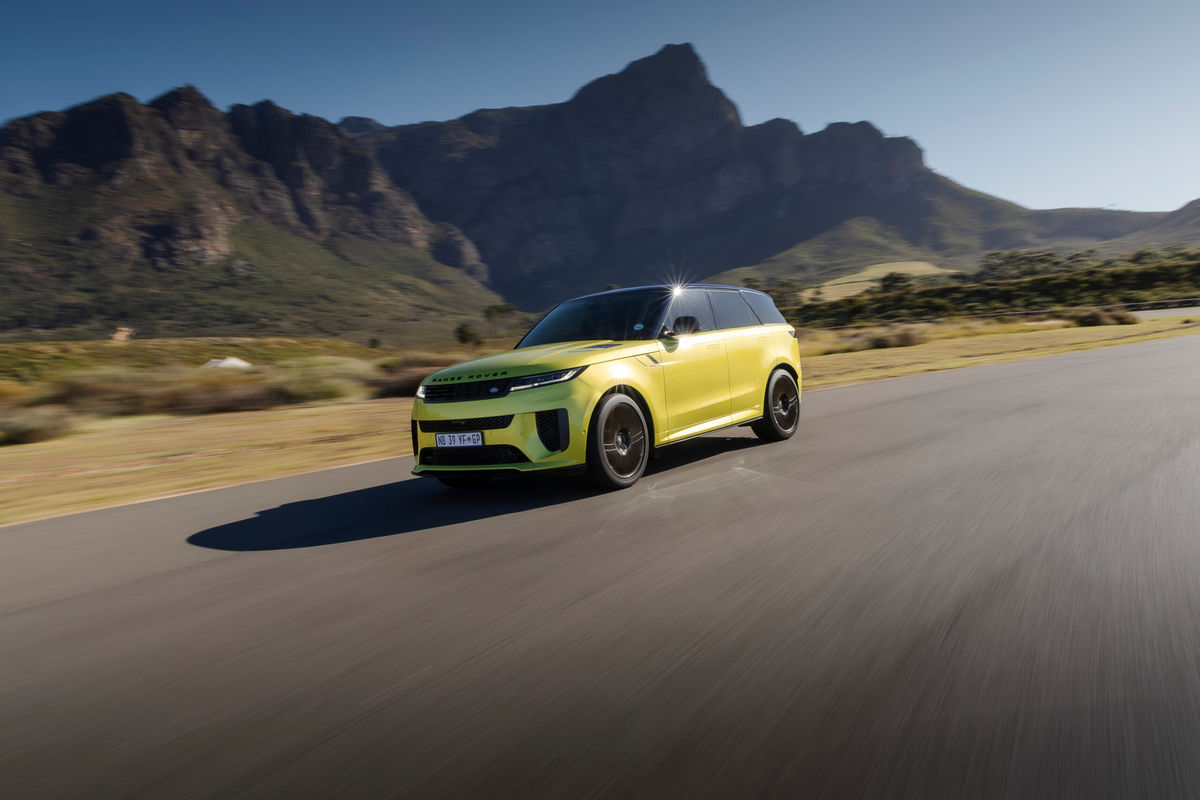
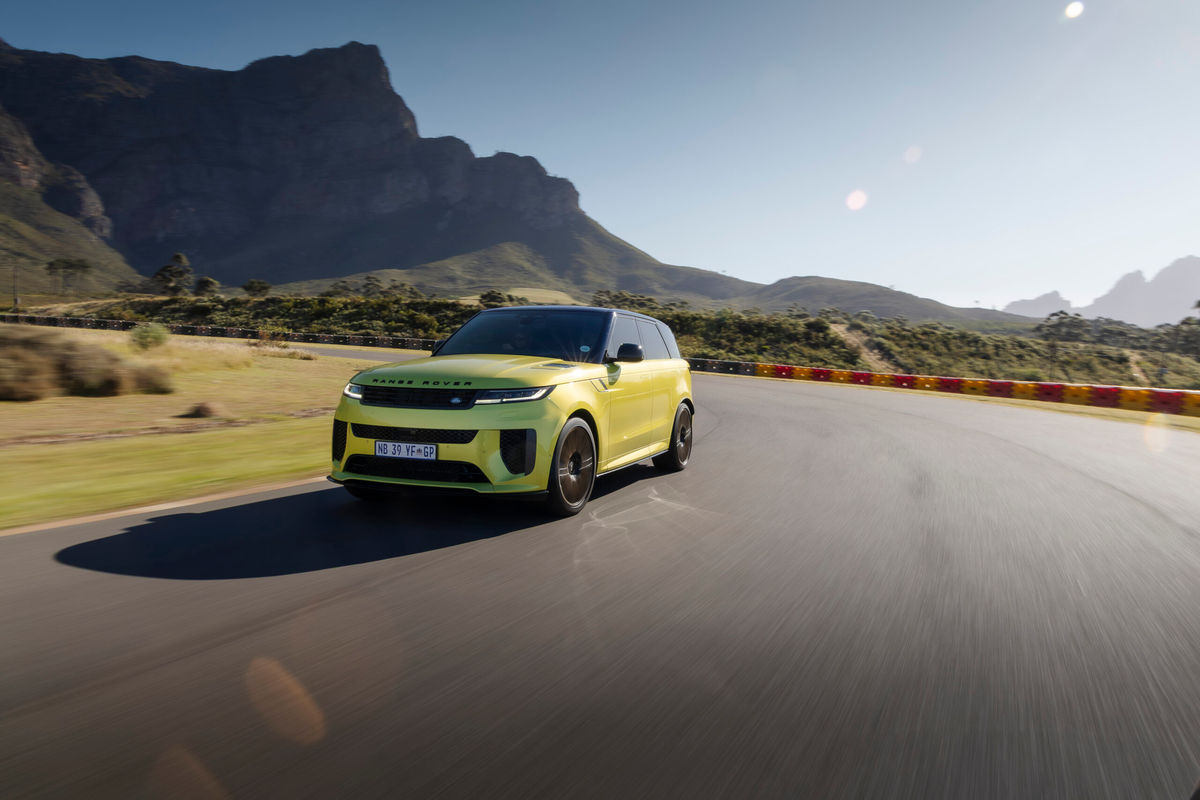
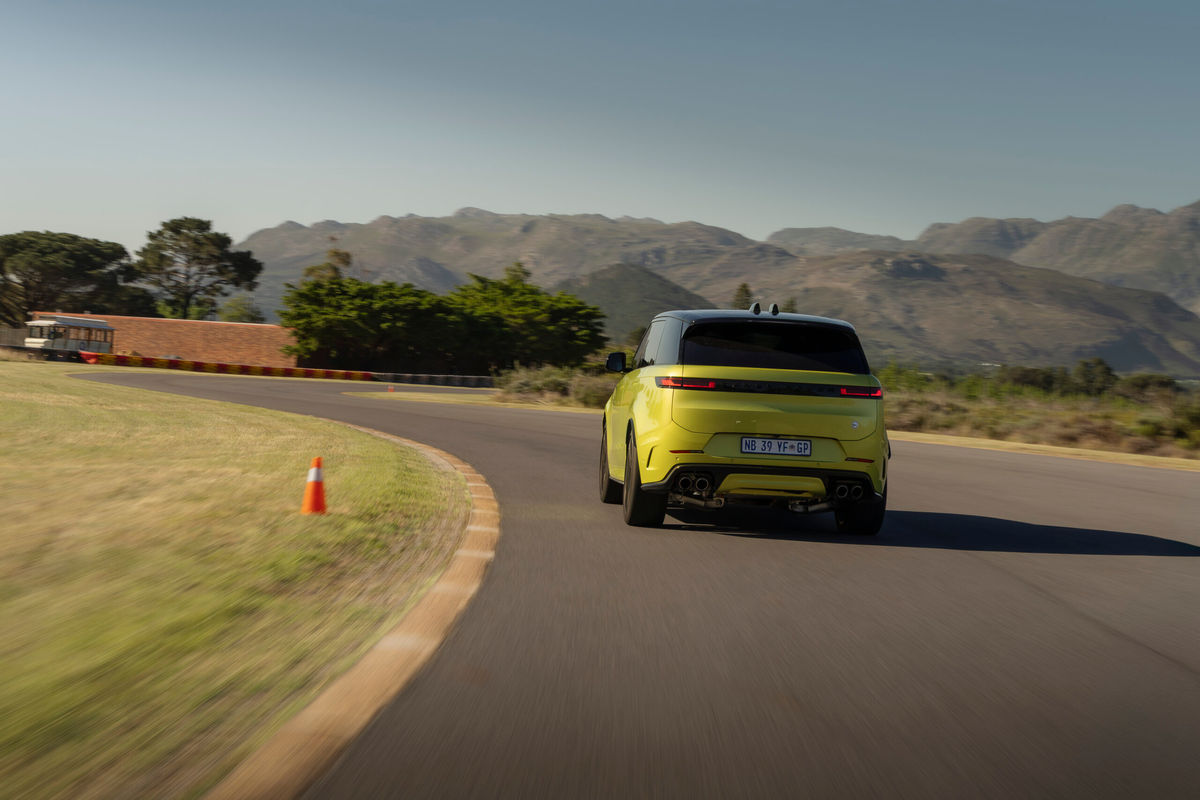
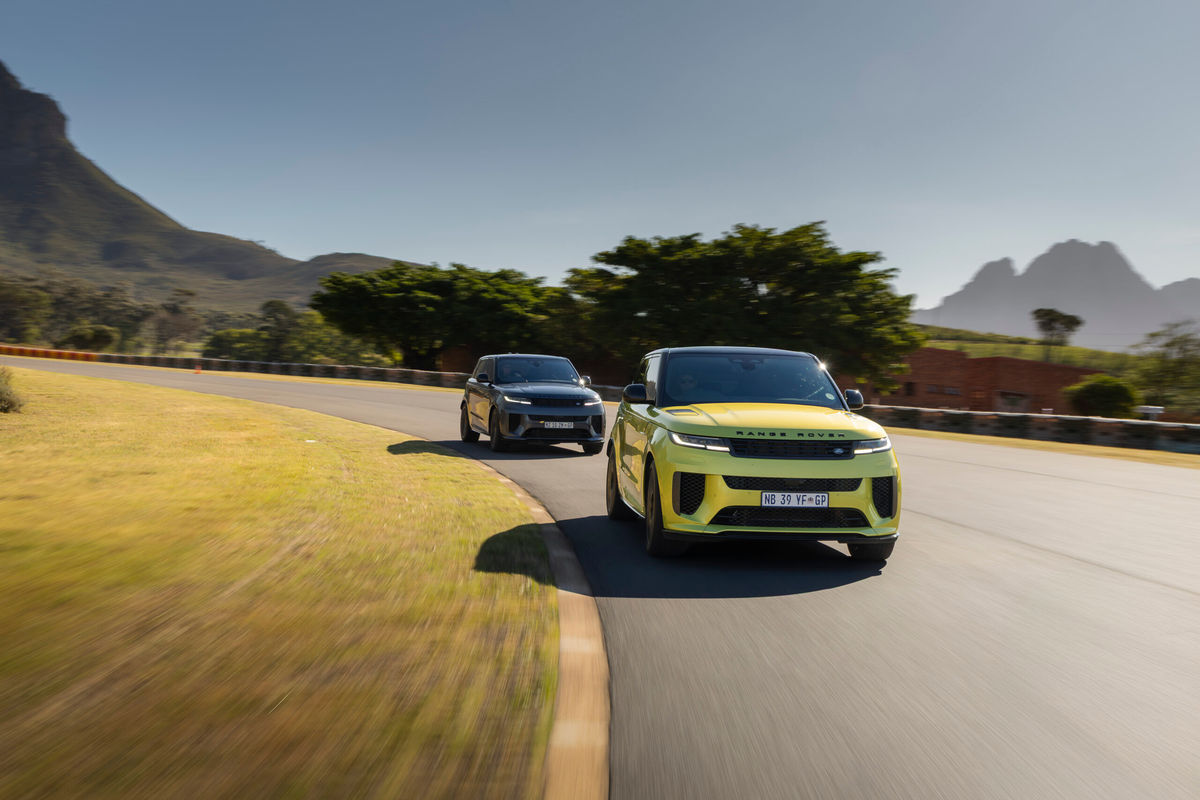
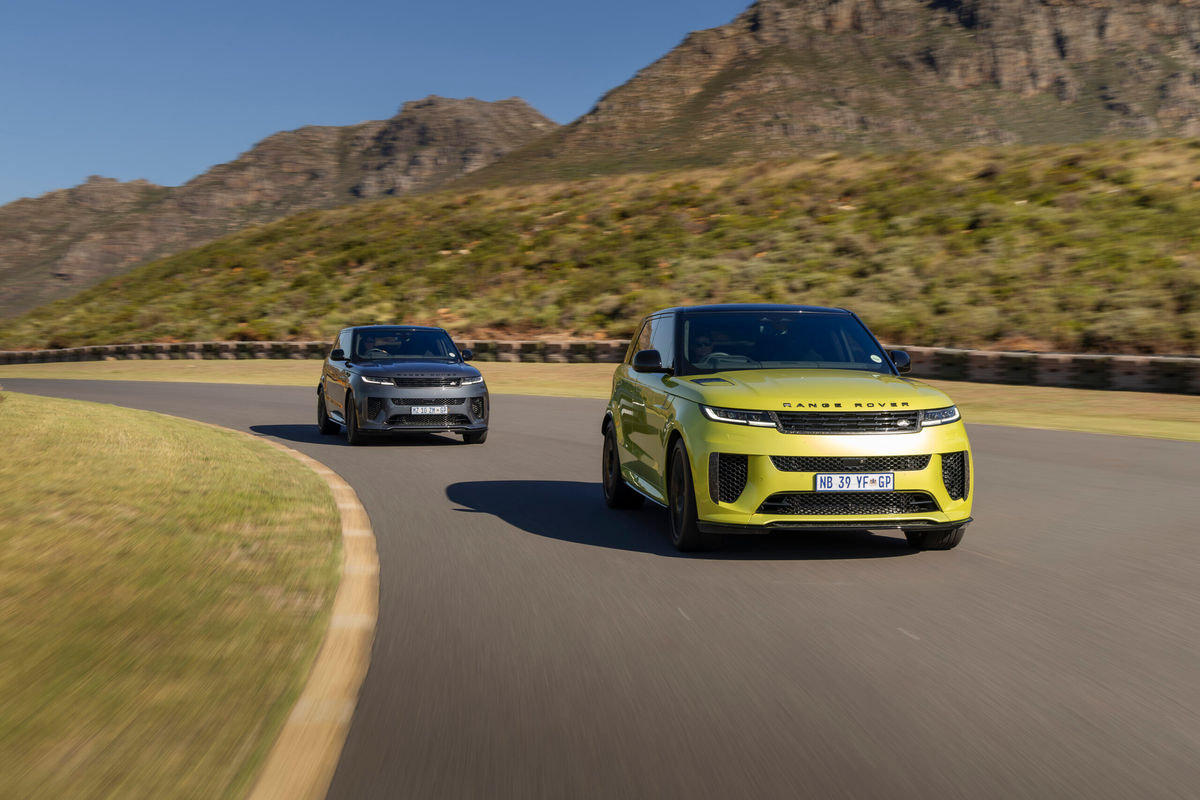
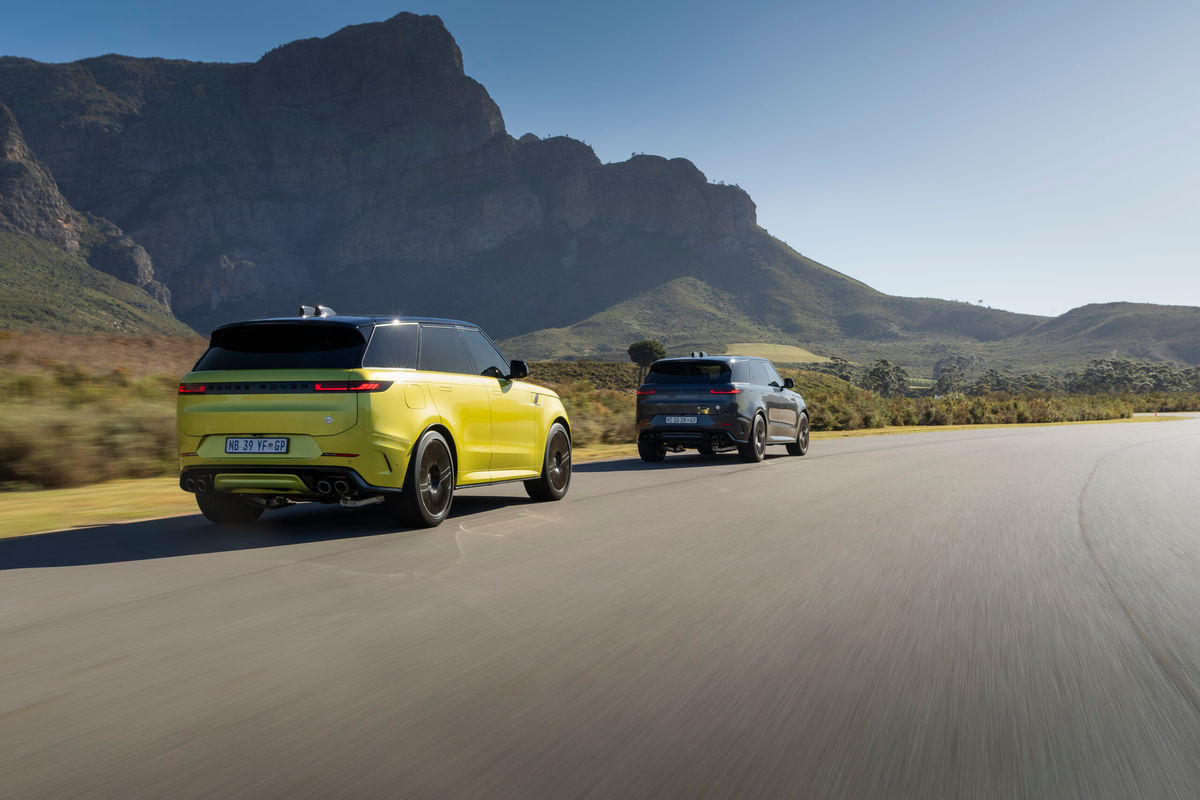
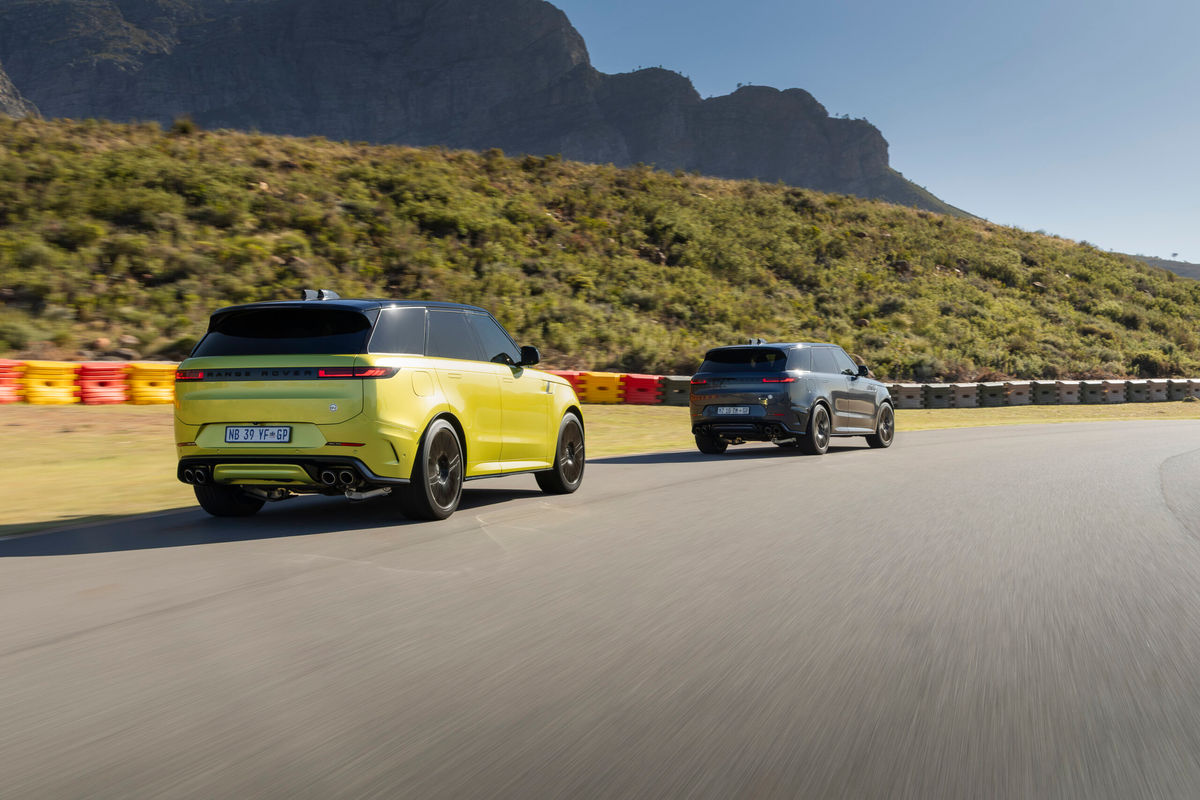
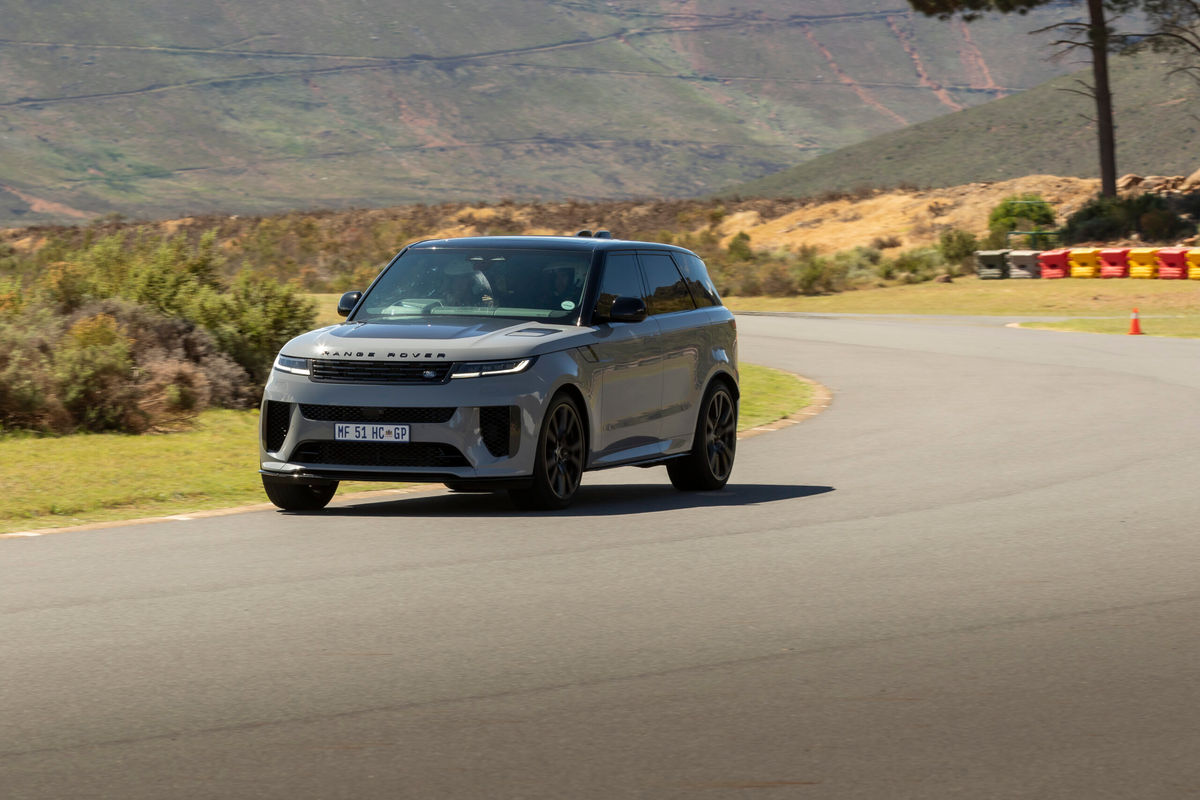
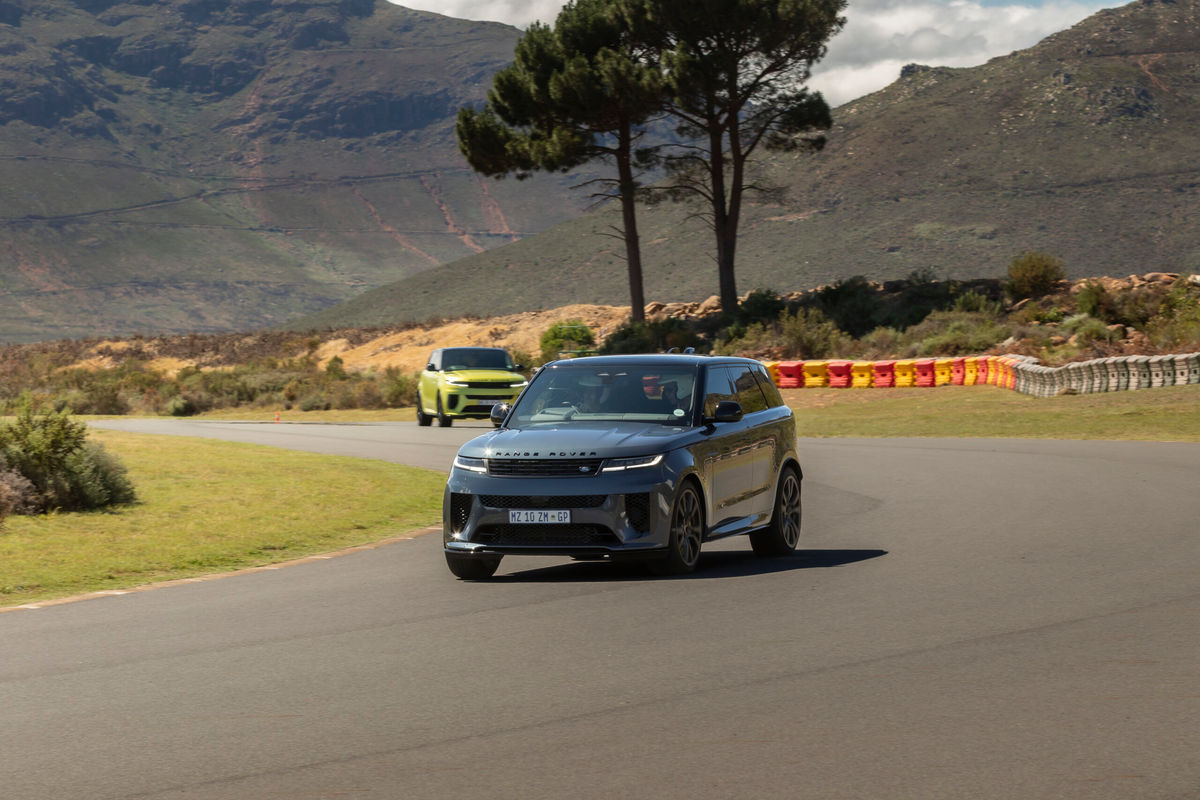
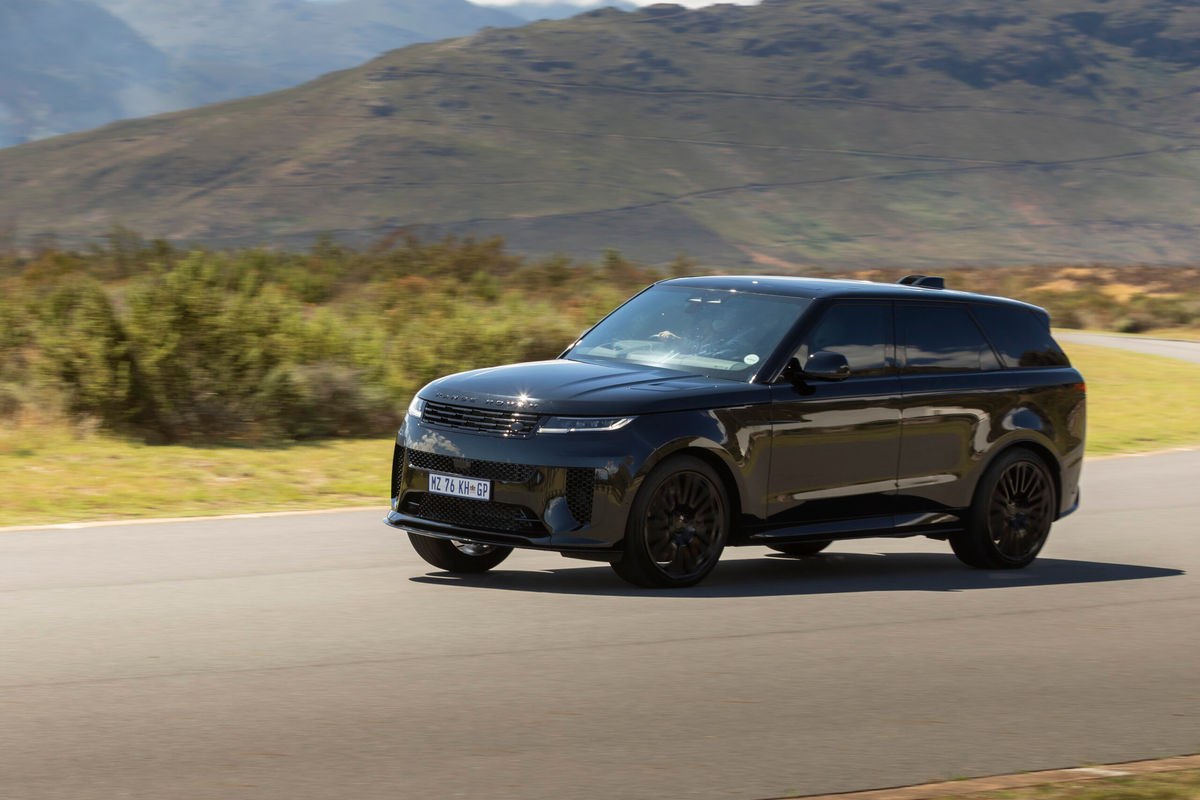
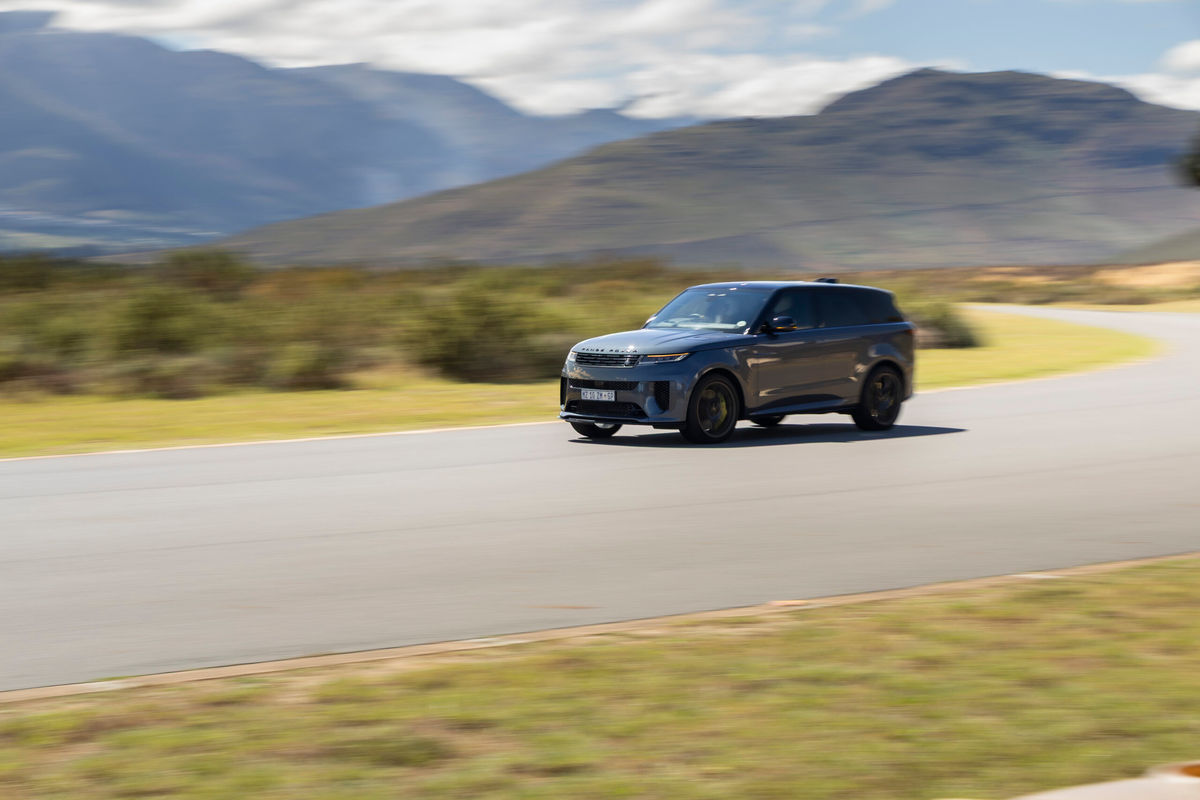
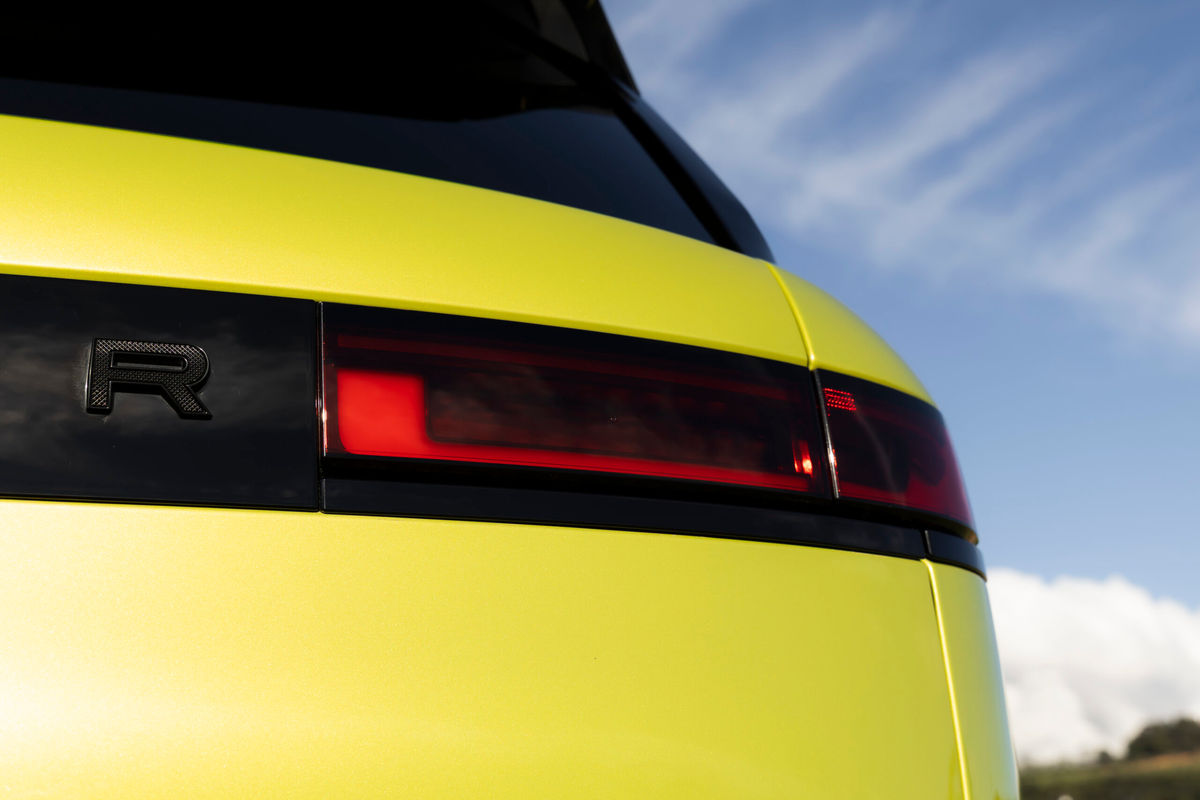
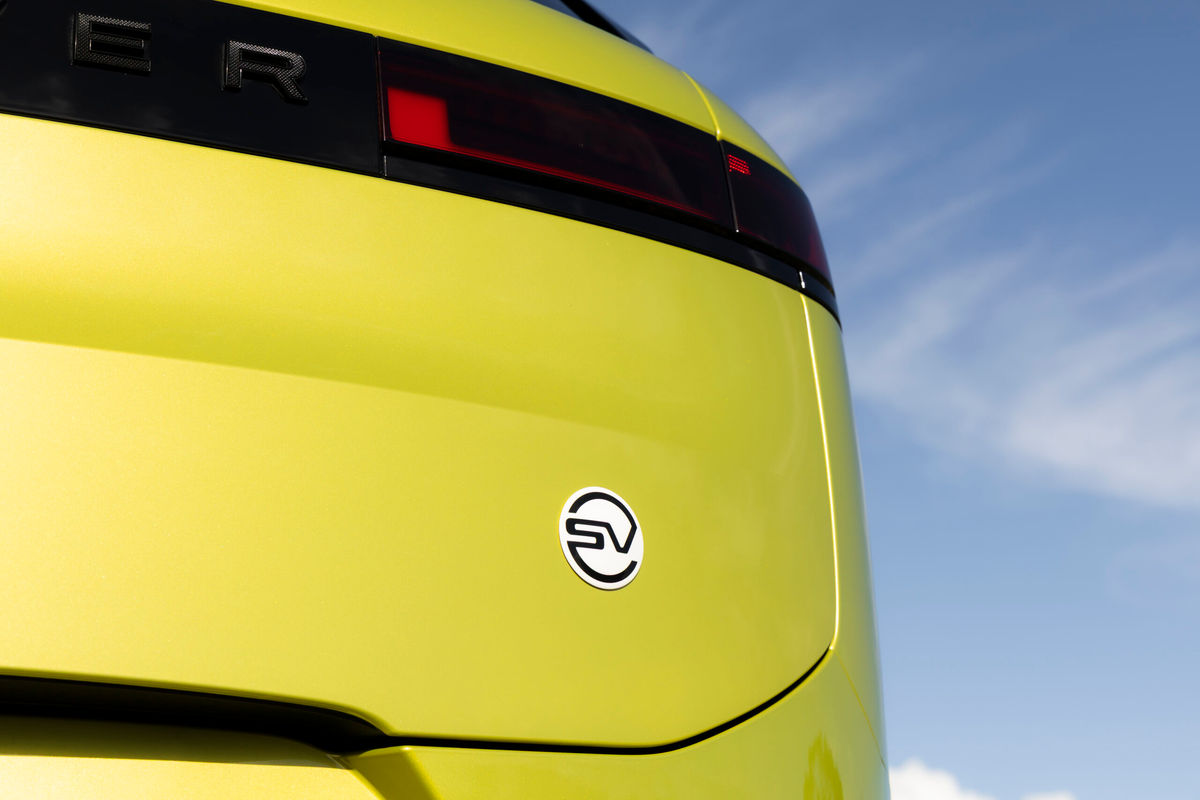
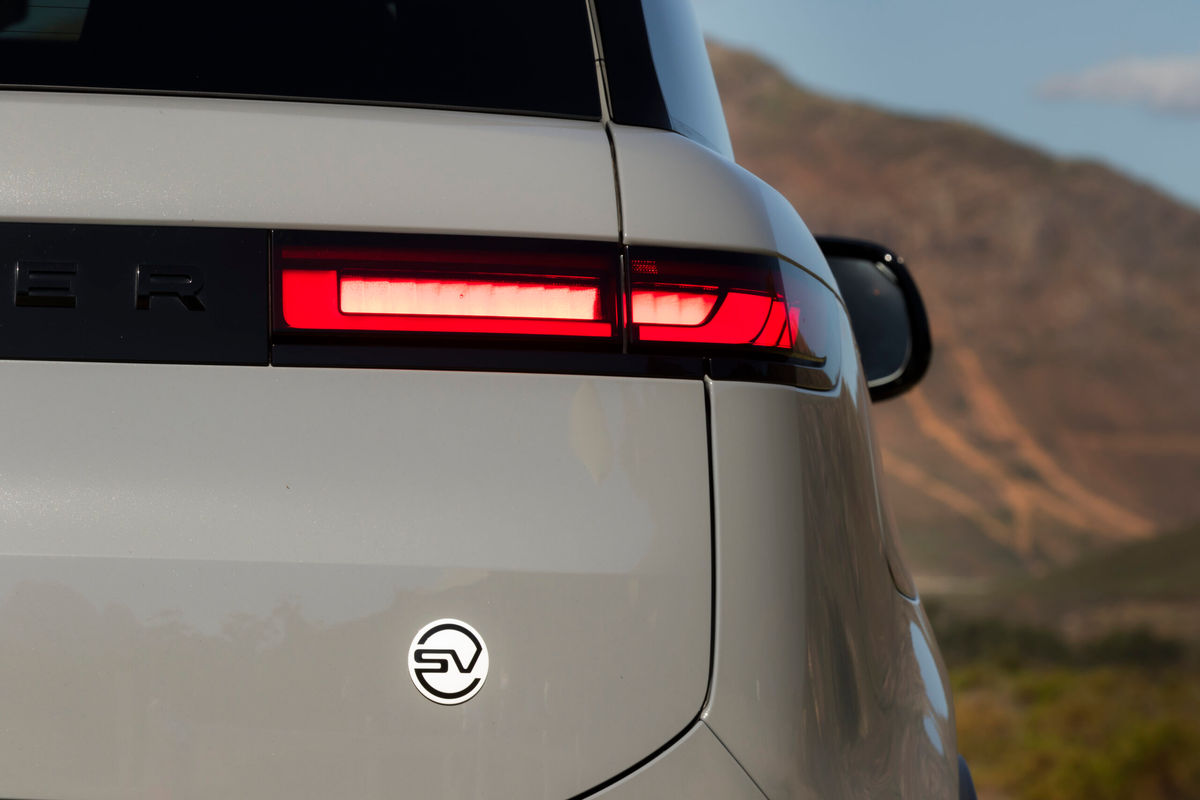
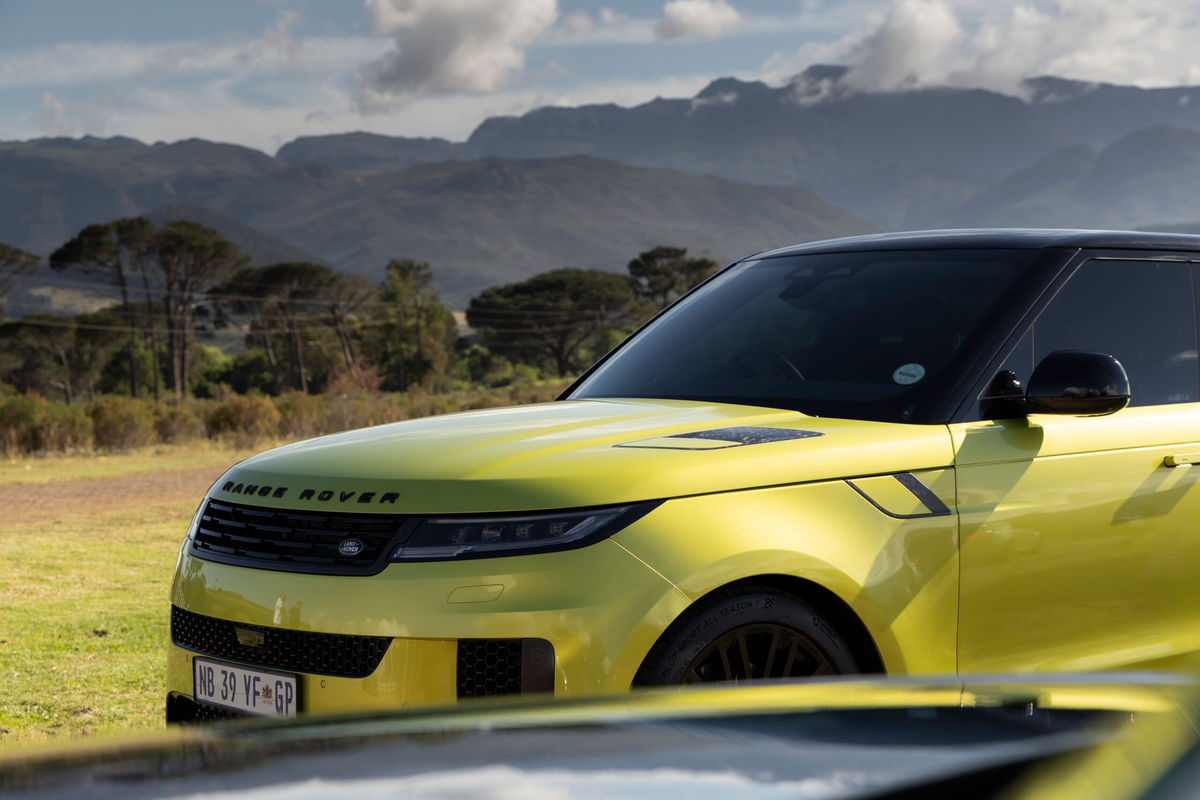
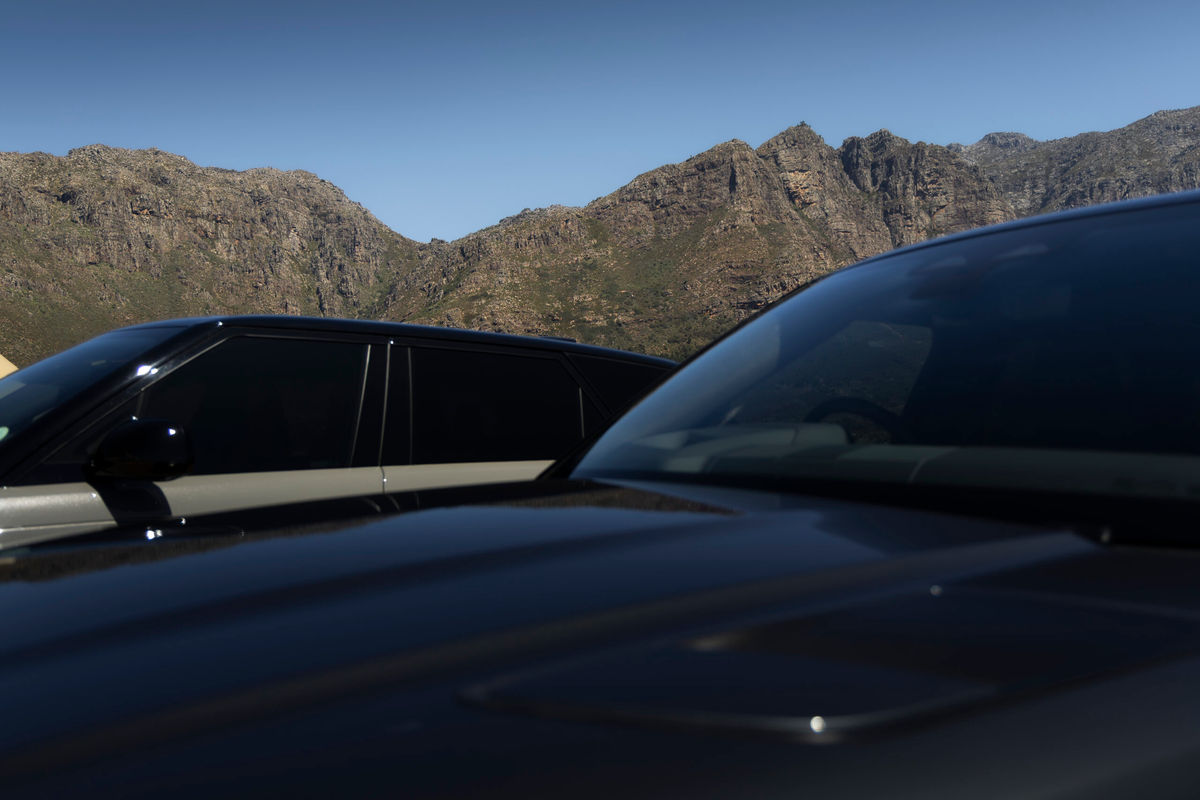
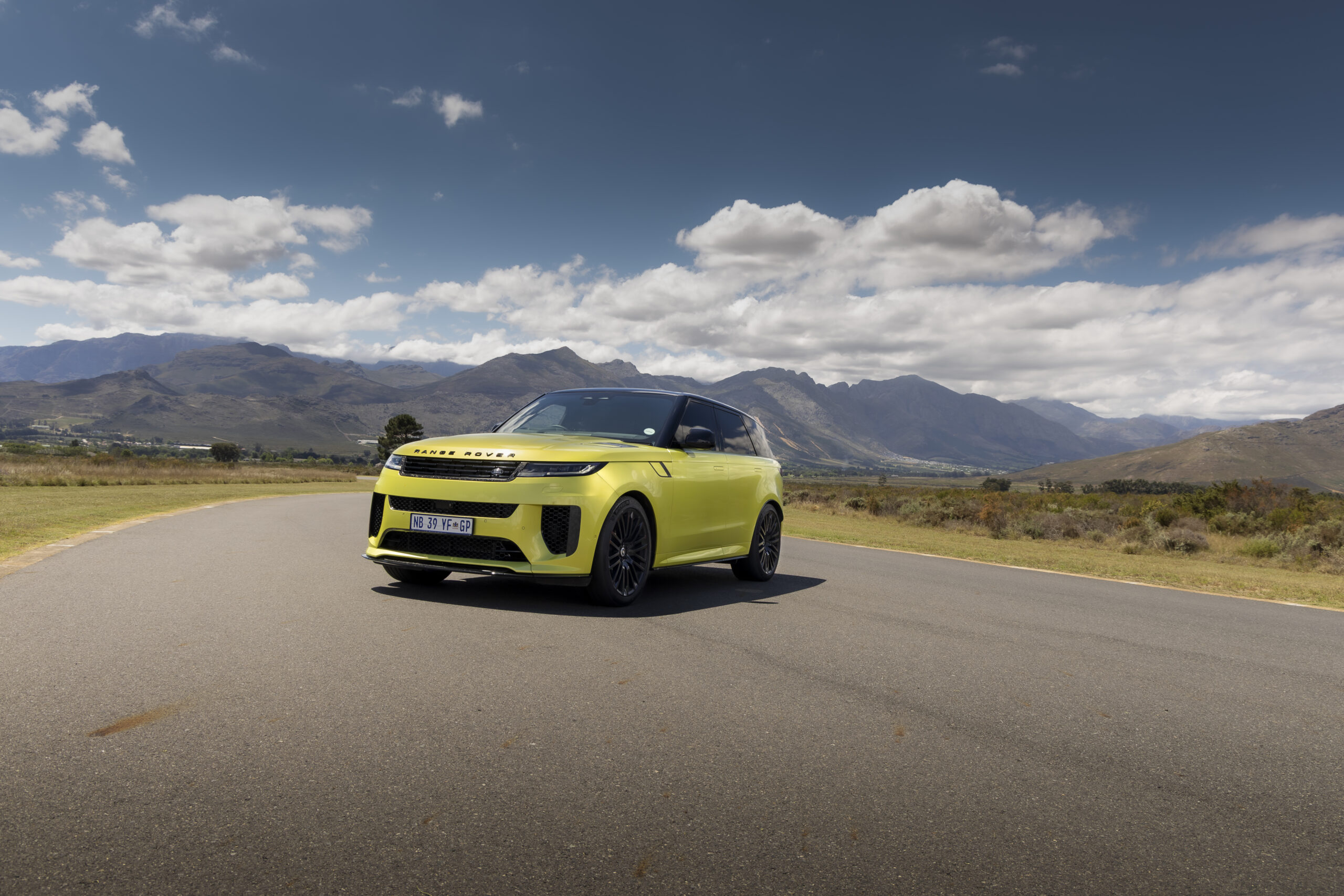
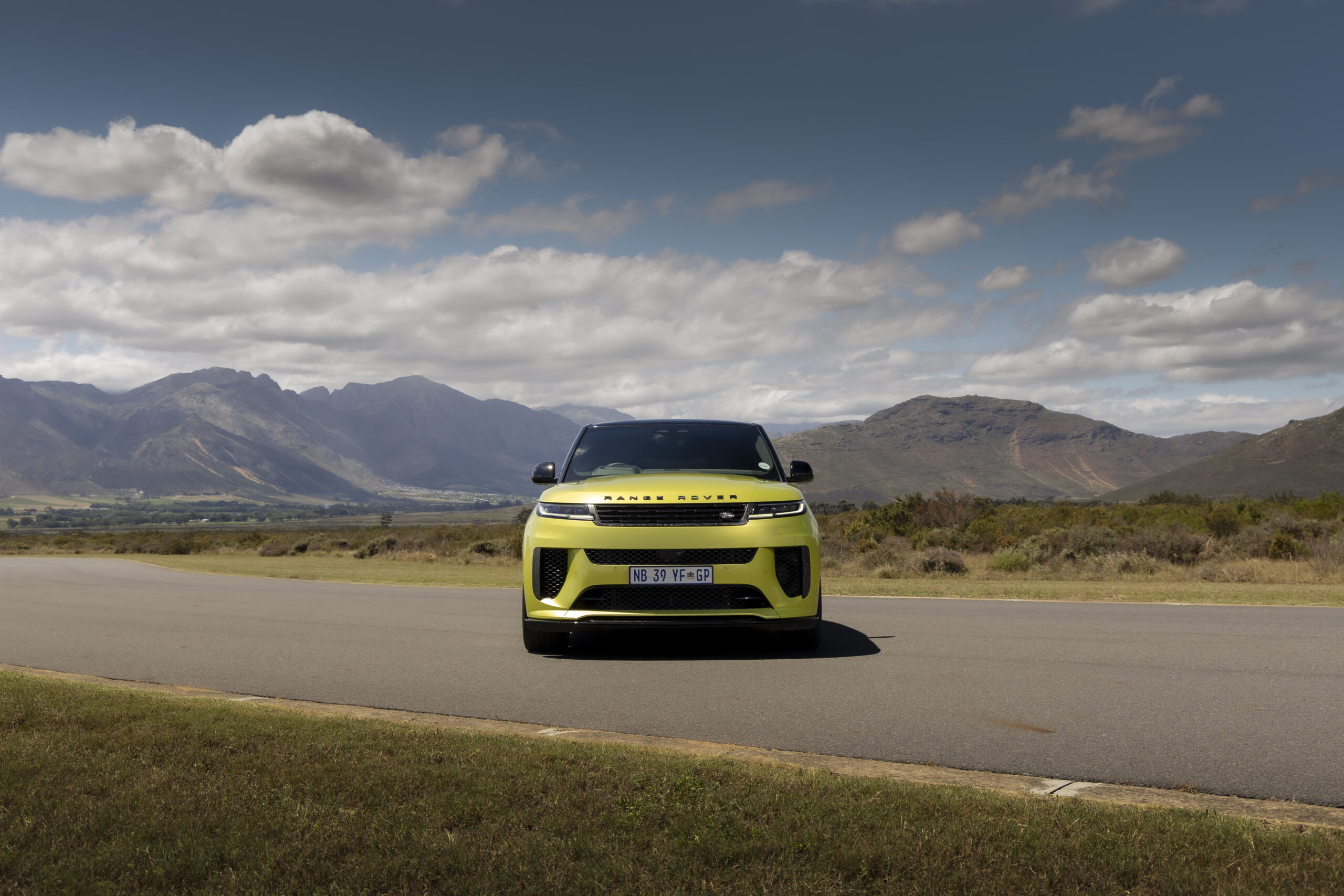
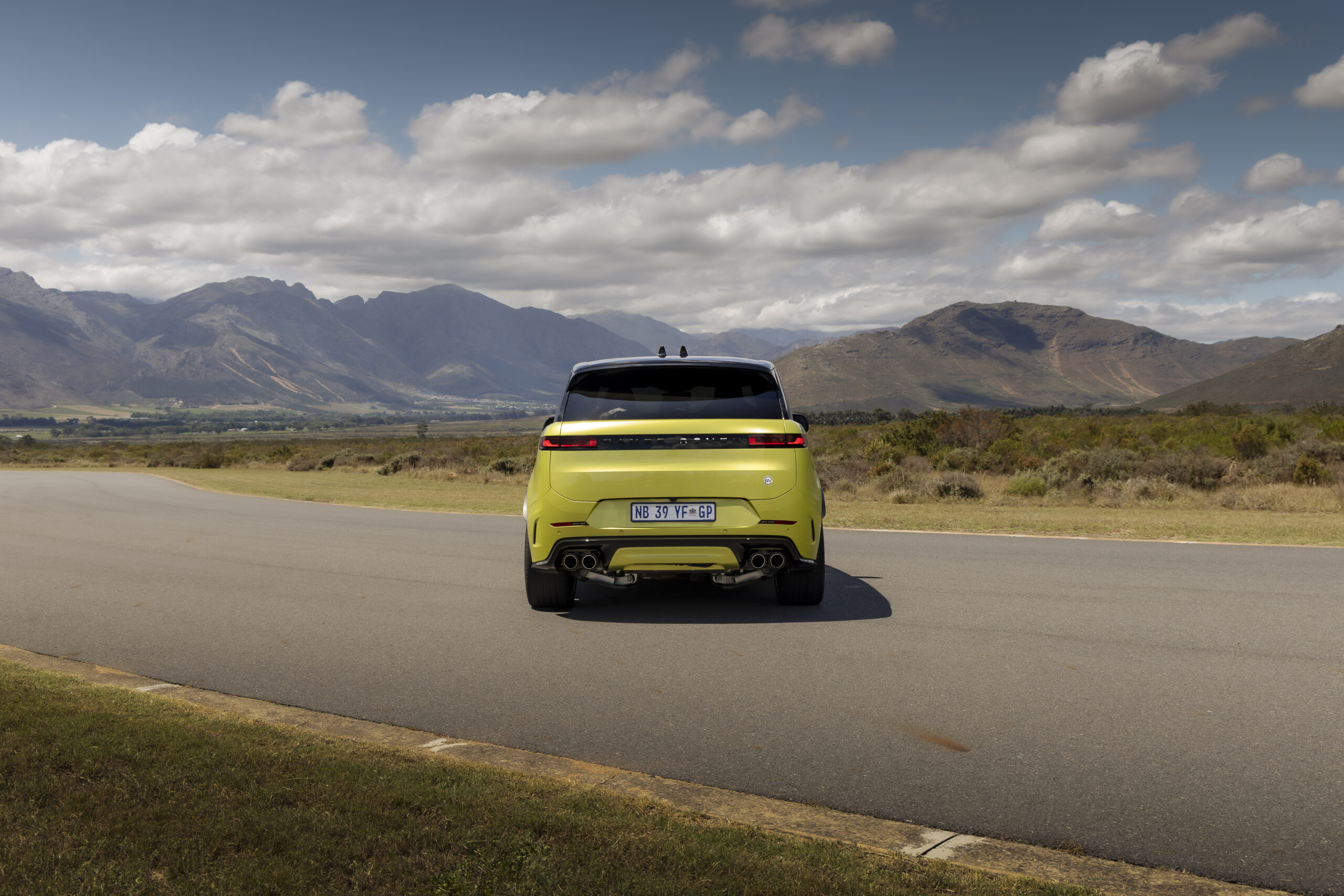
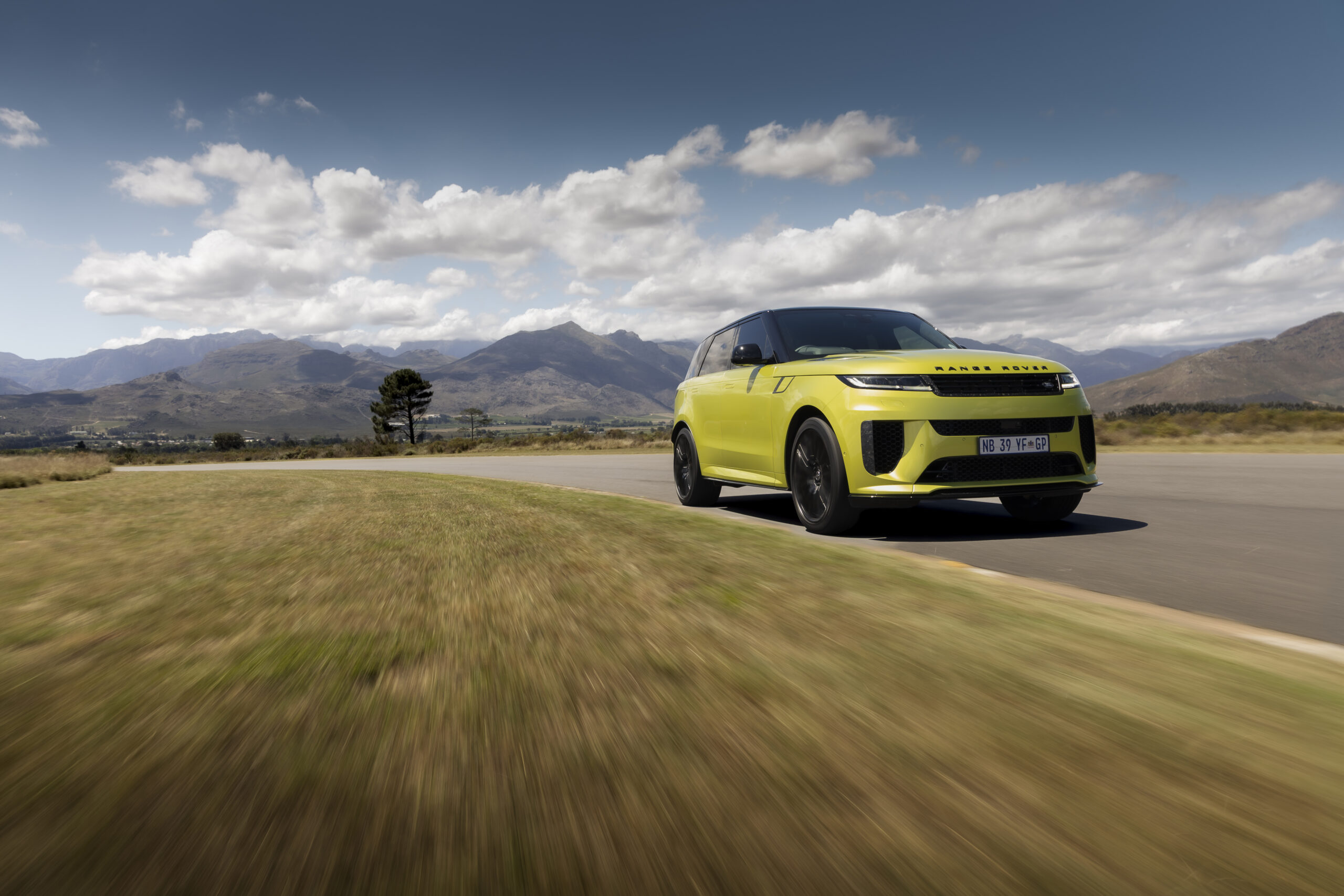
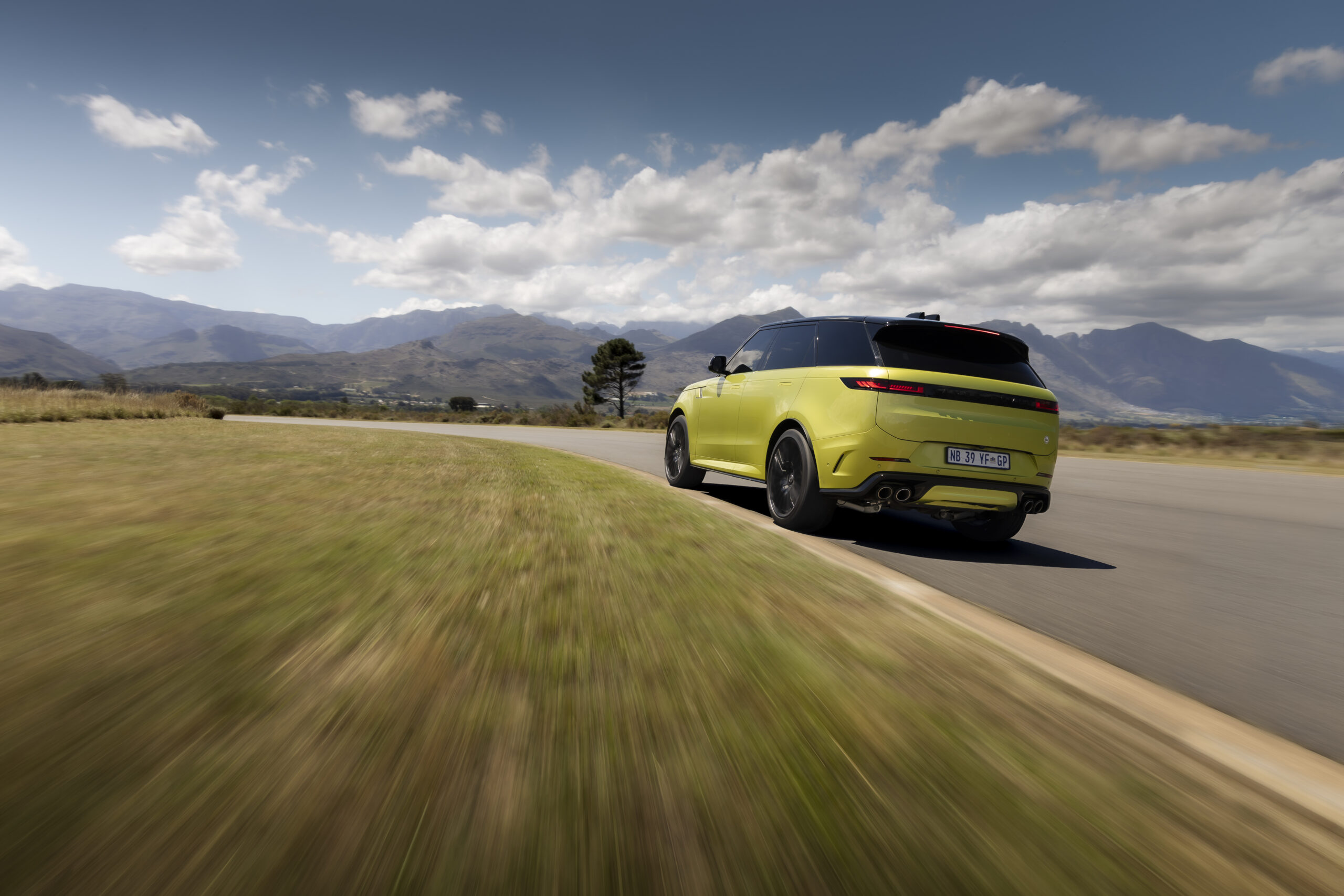
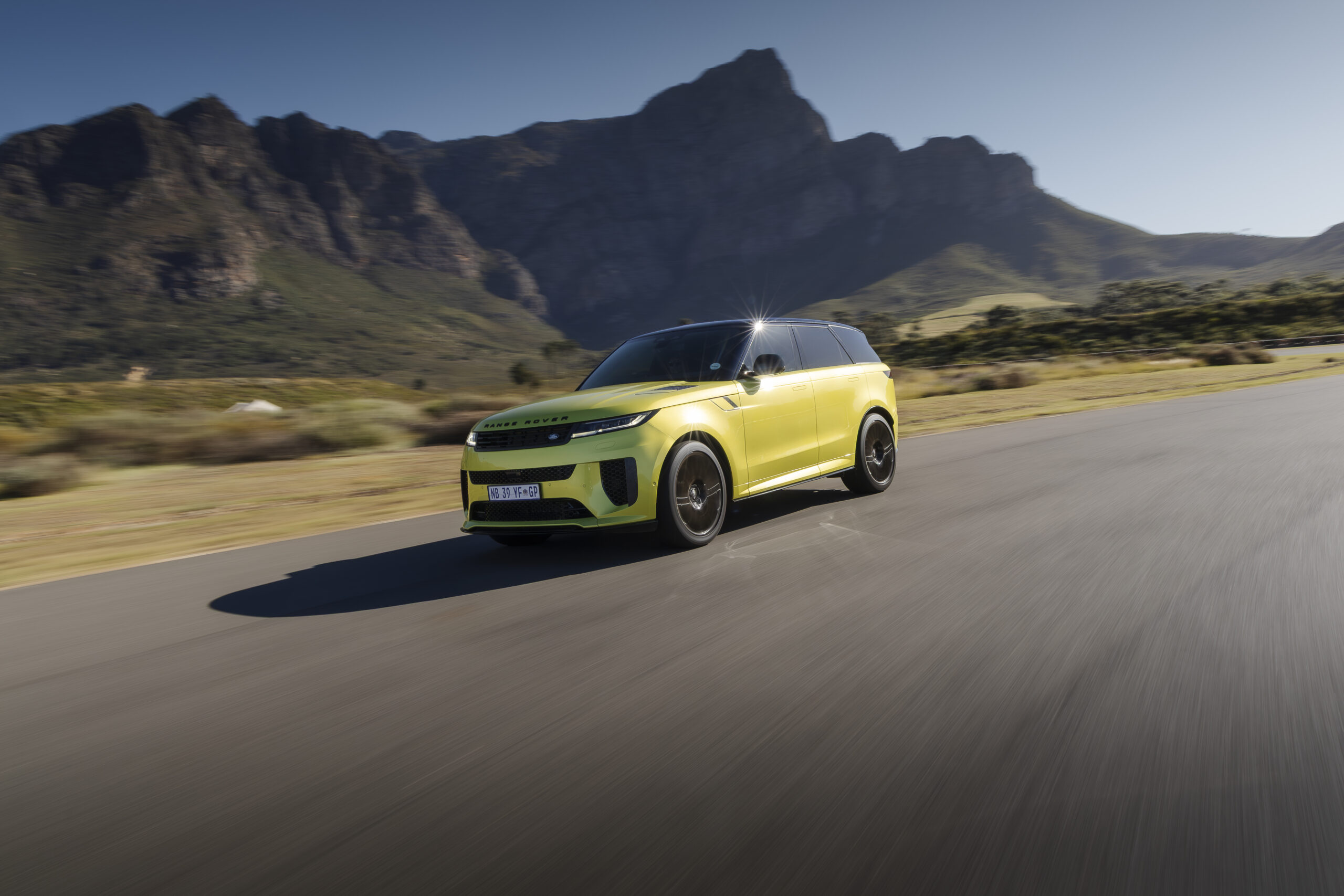
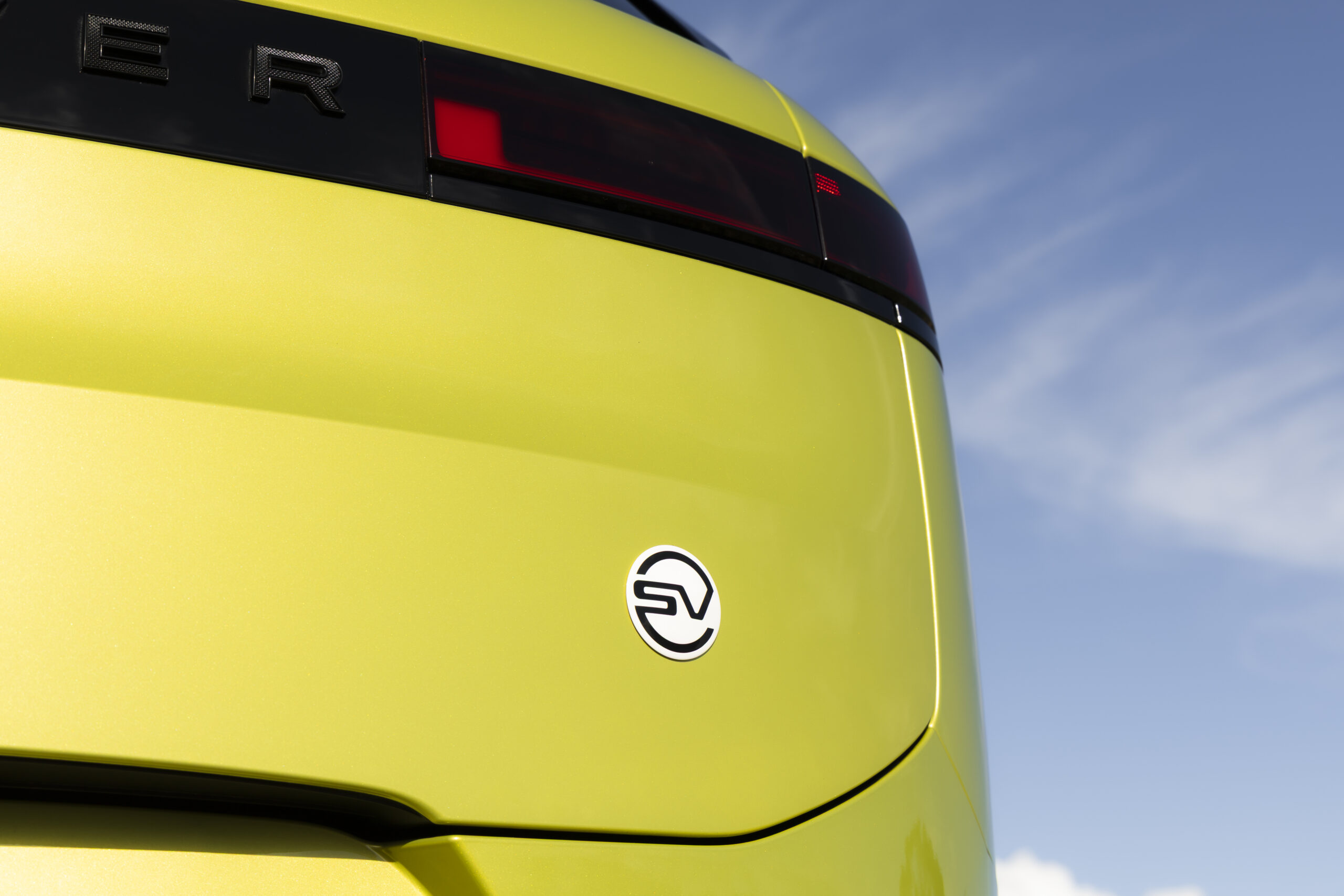
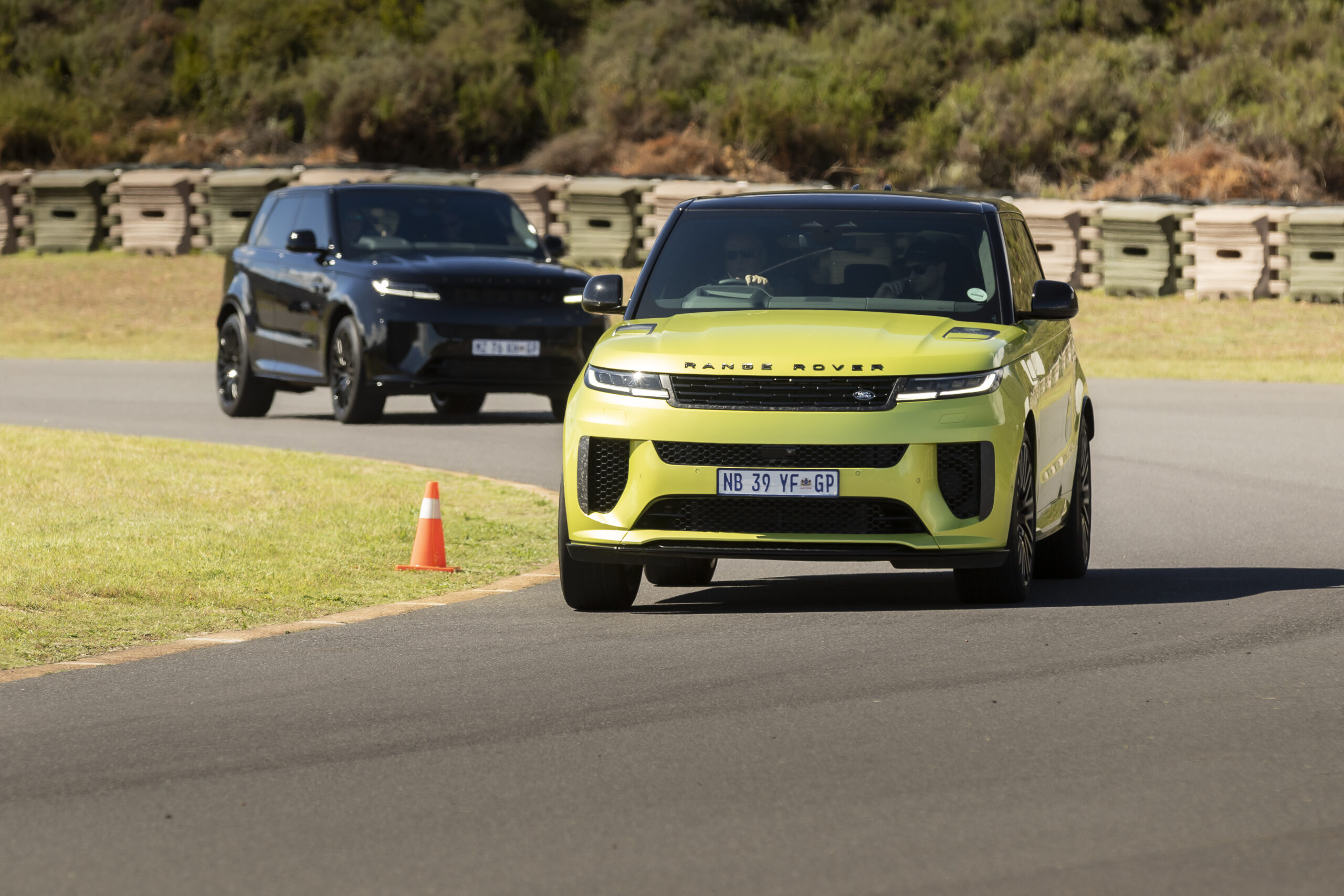
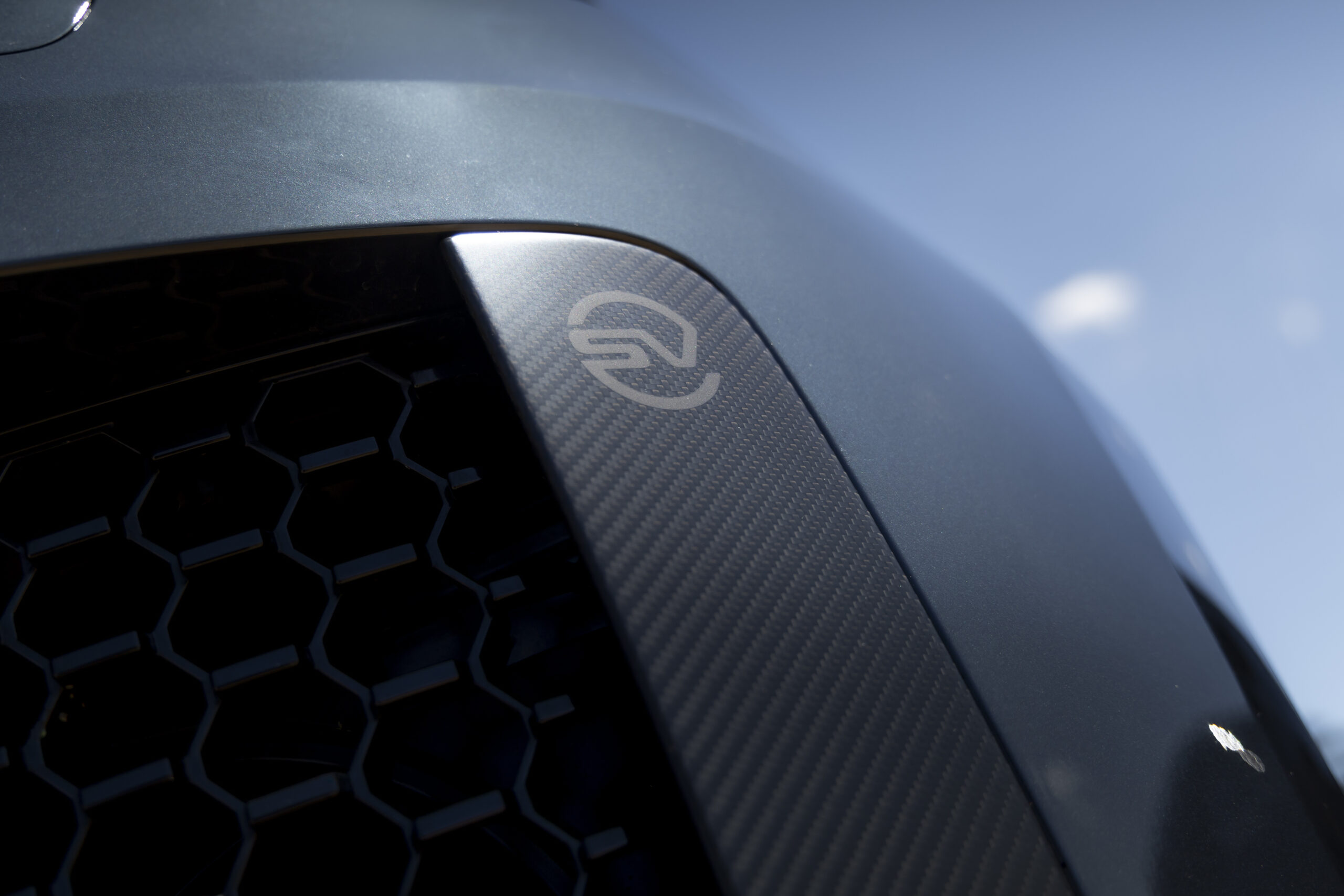
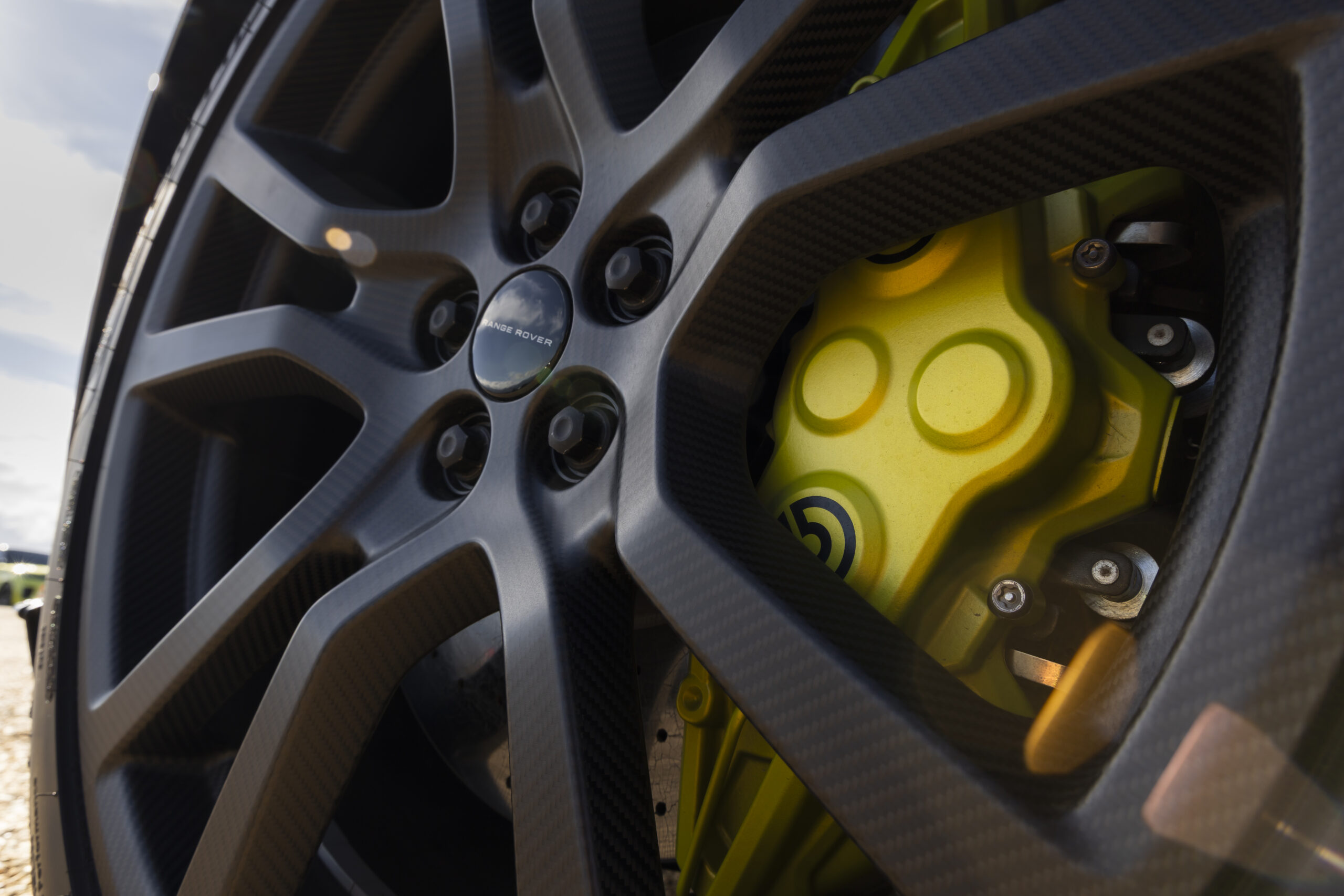
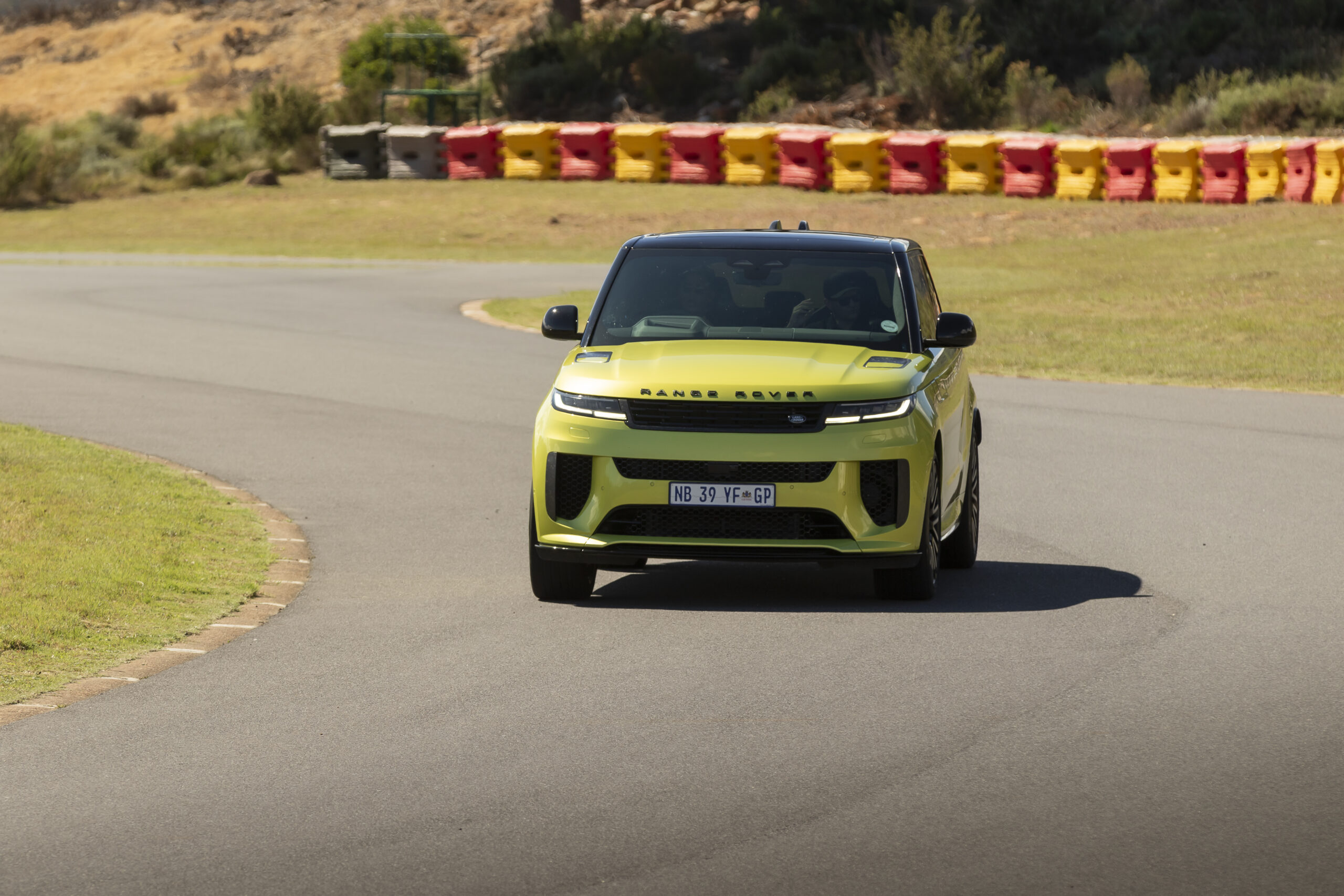
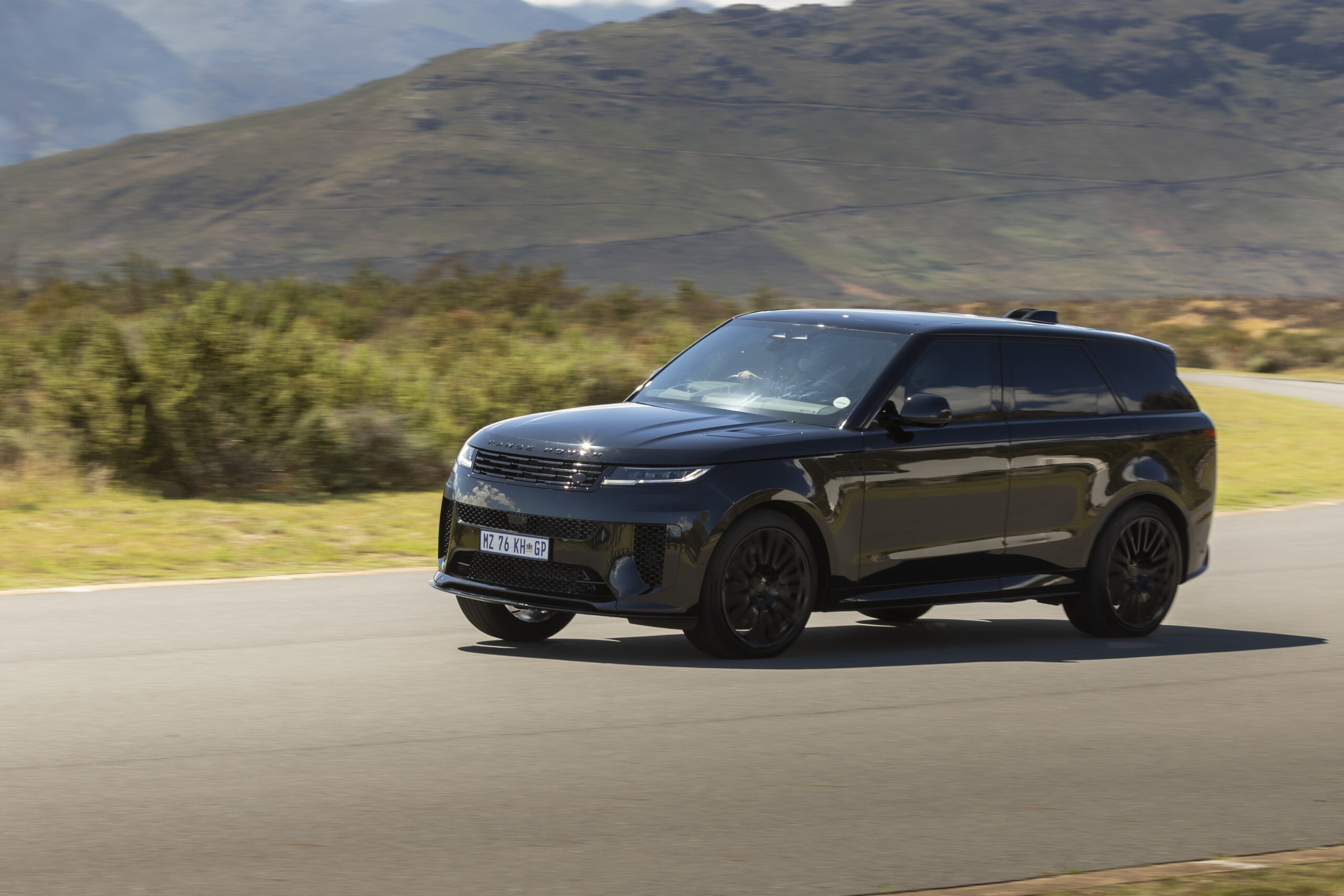
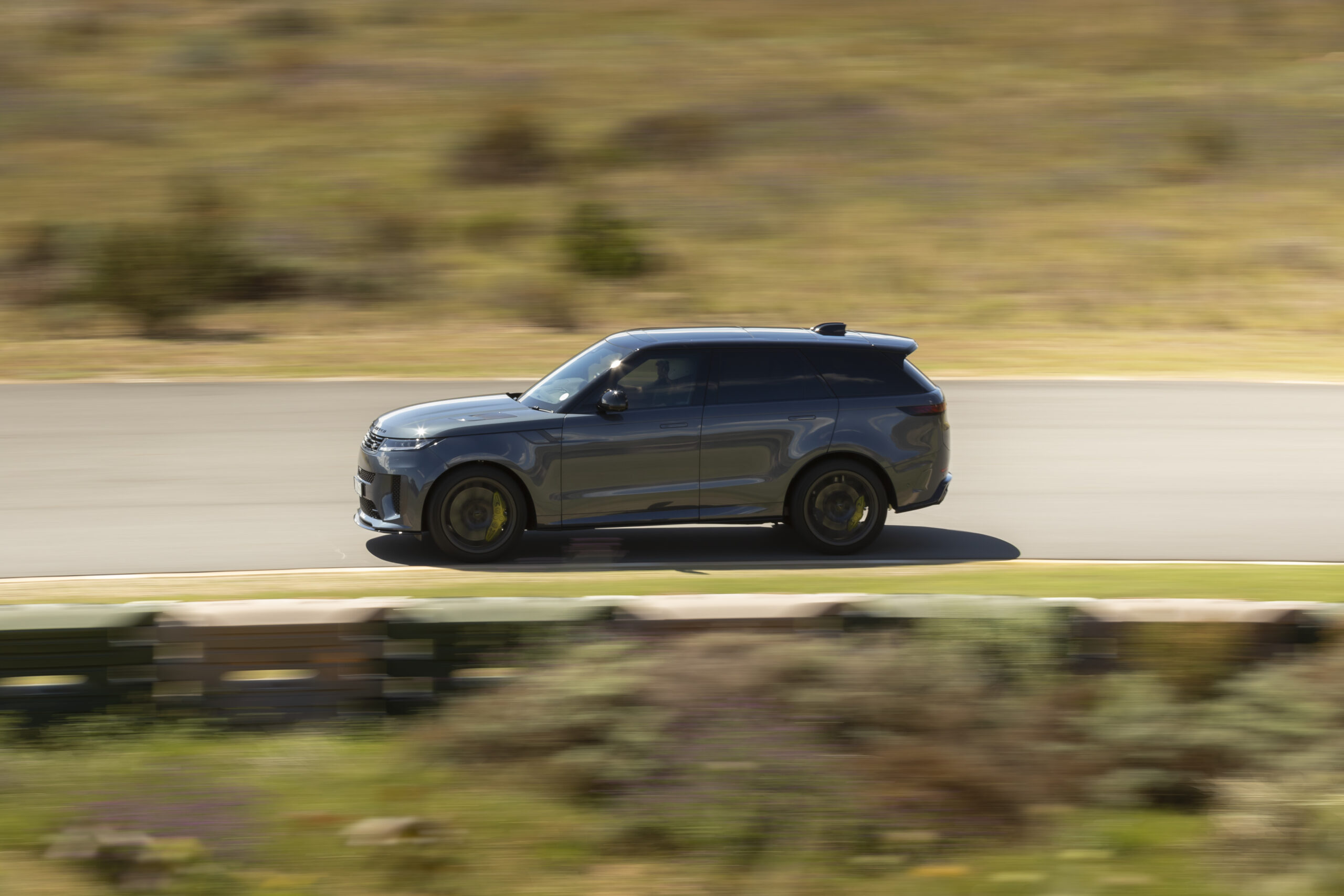
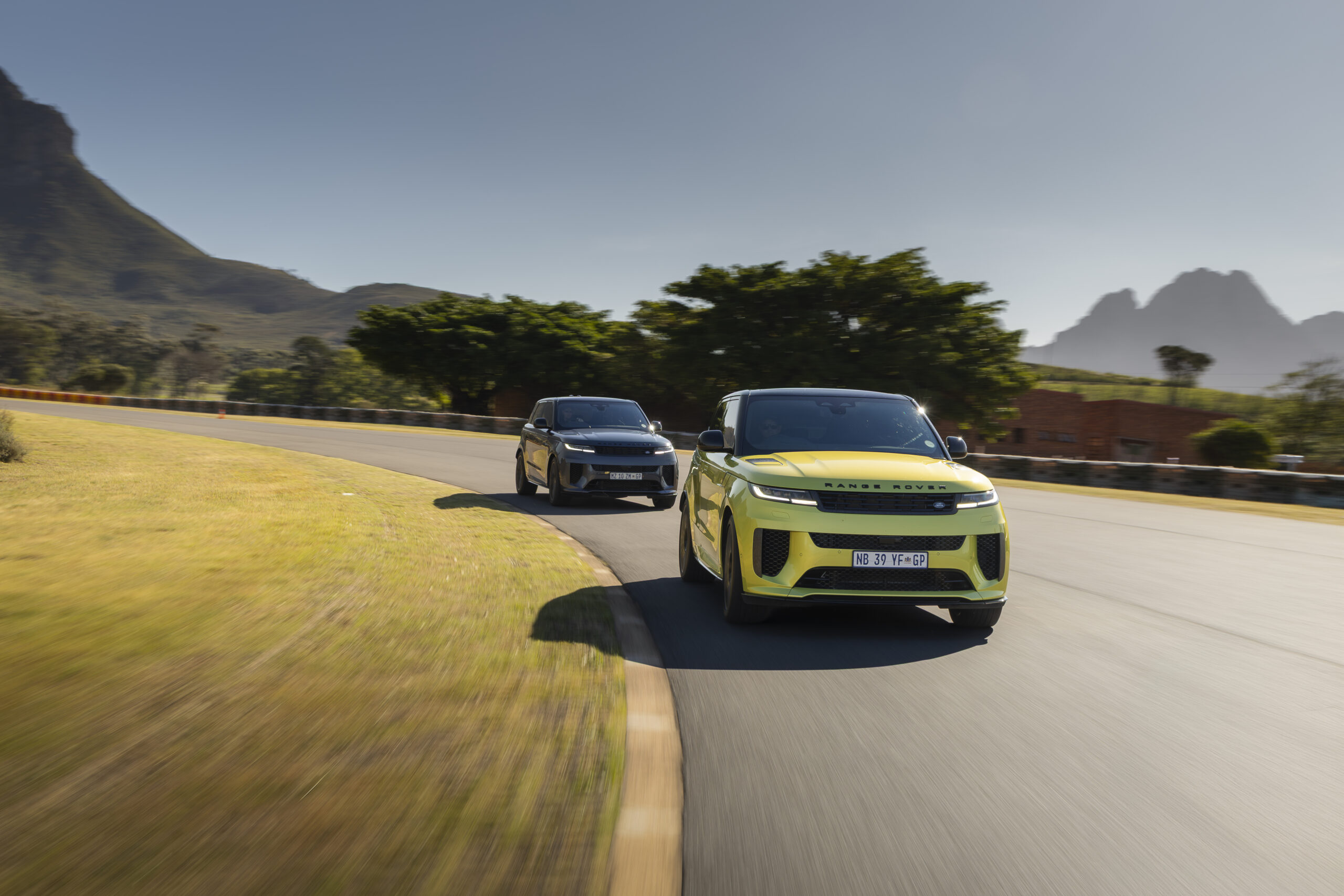
How to bend physics without binning a Range Rover Sport SV (2026)
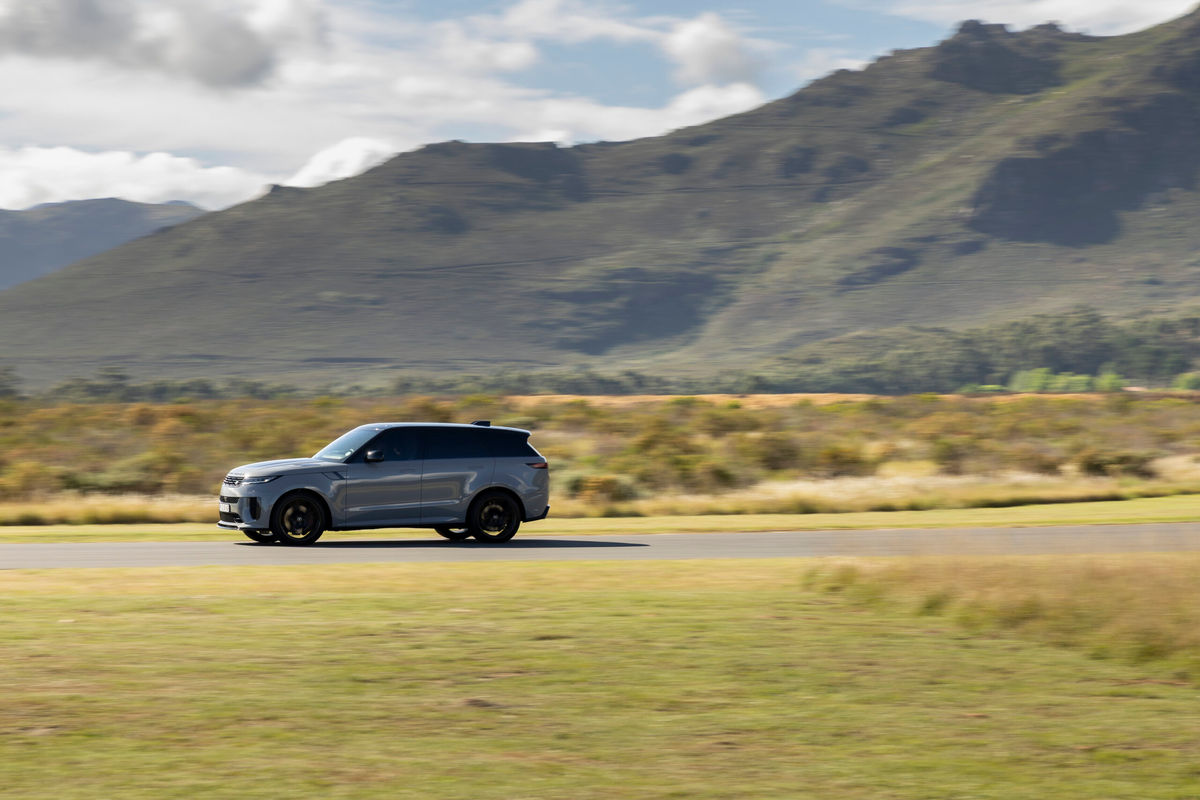
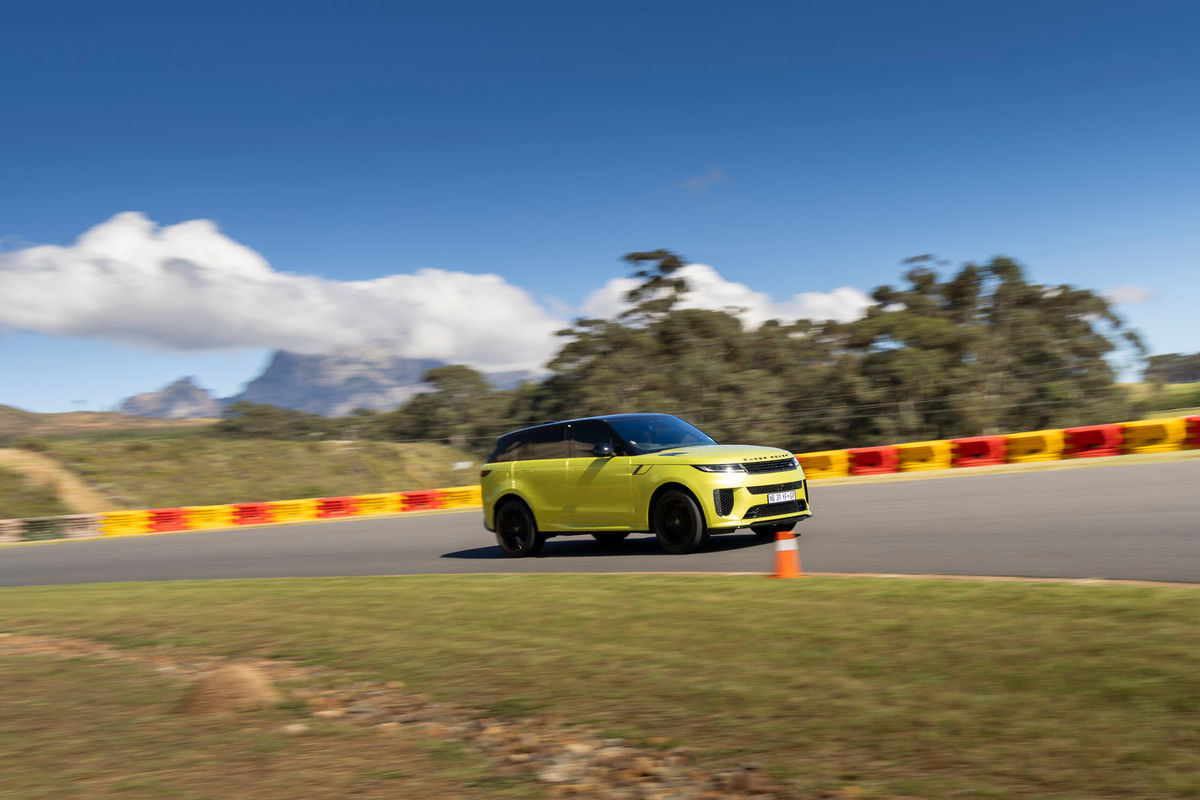
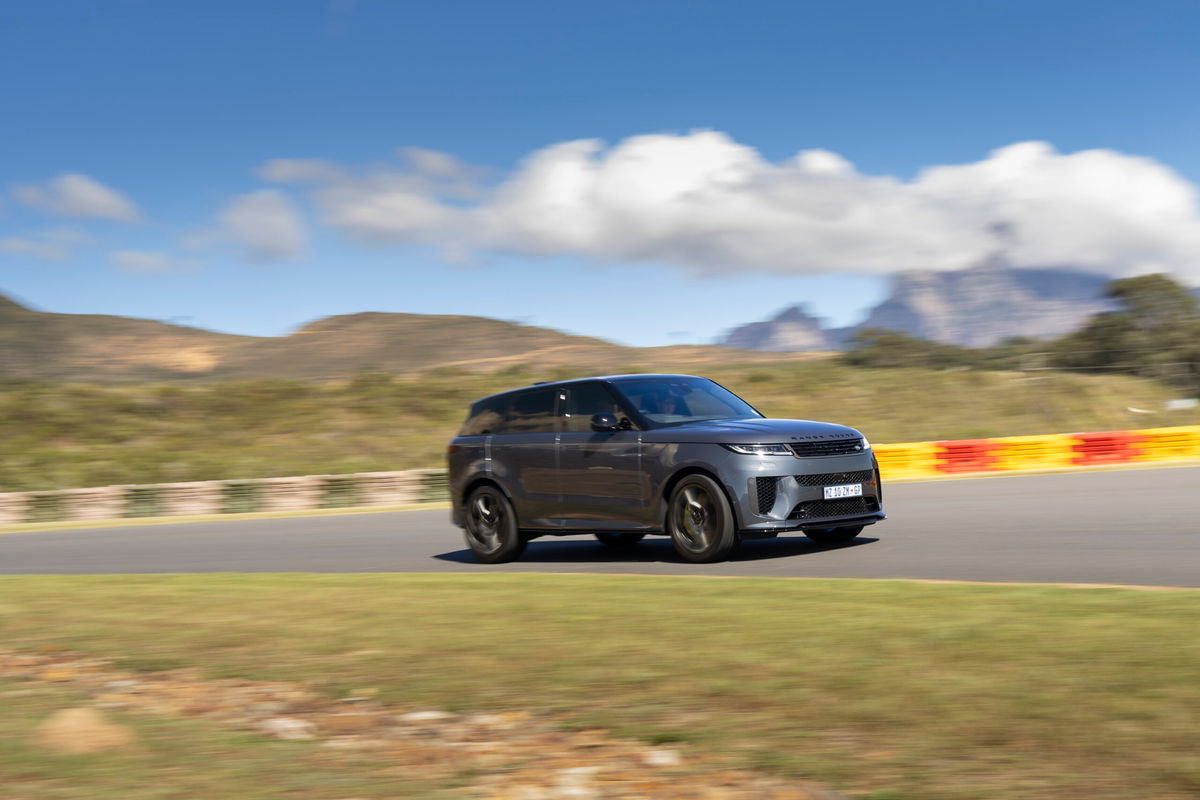
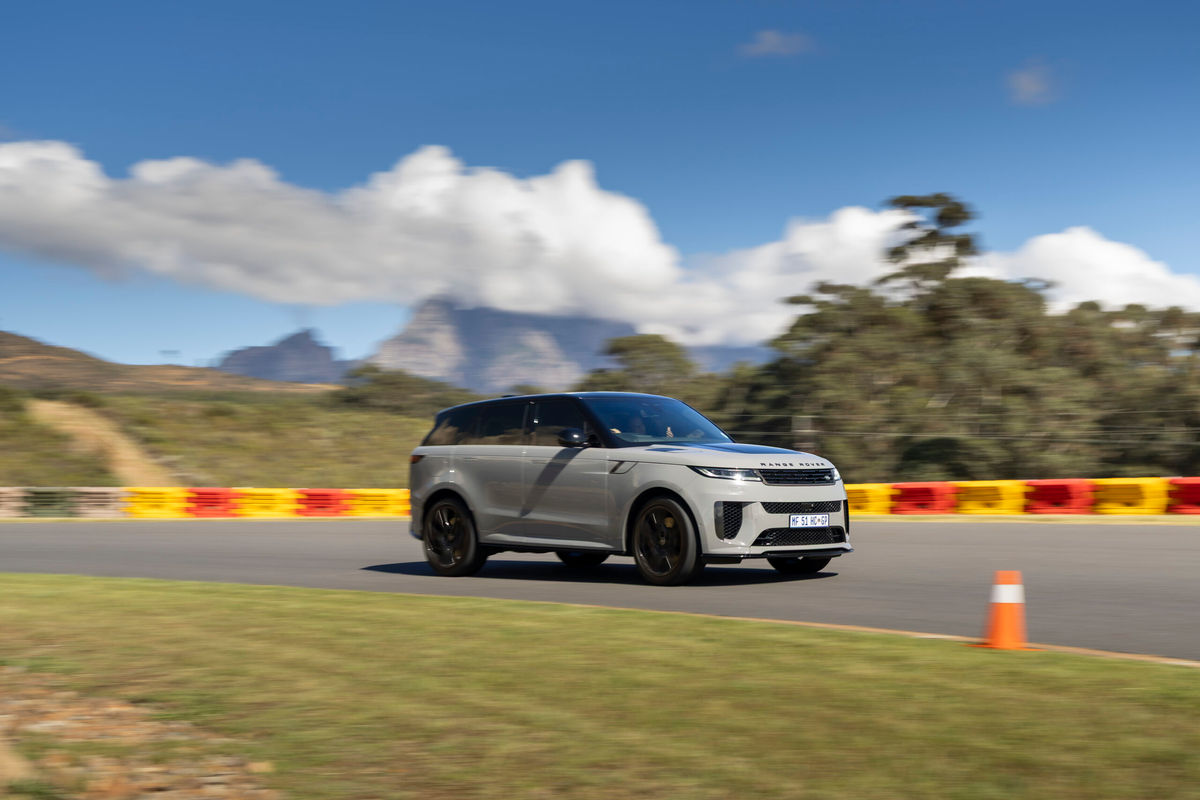
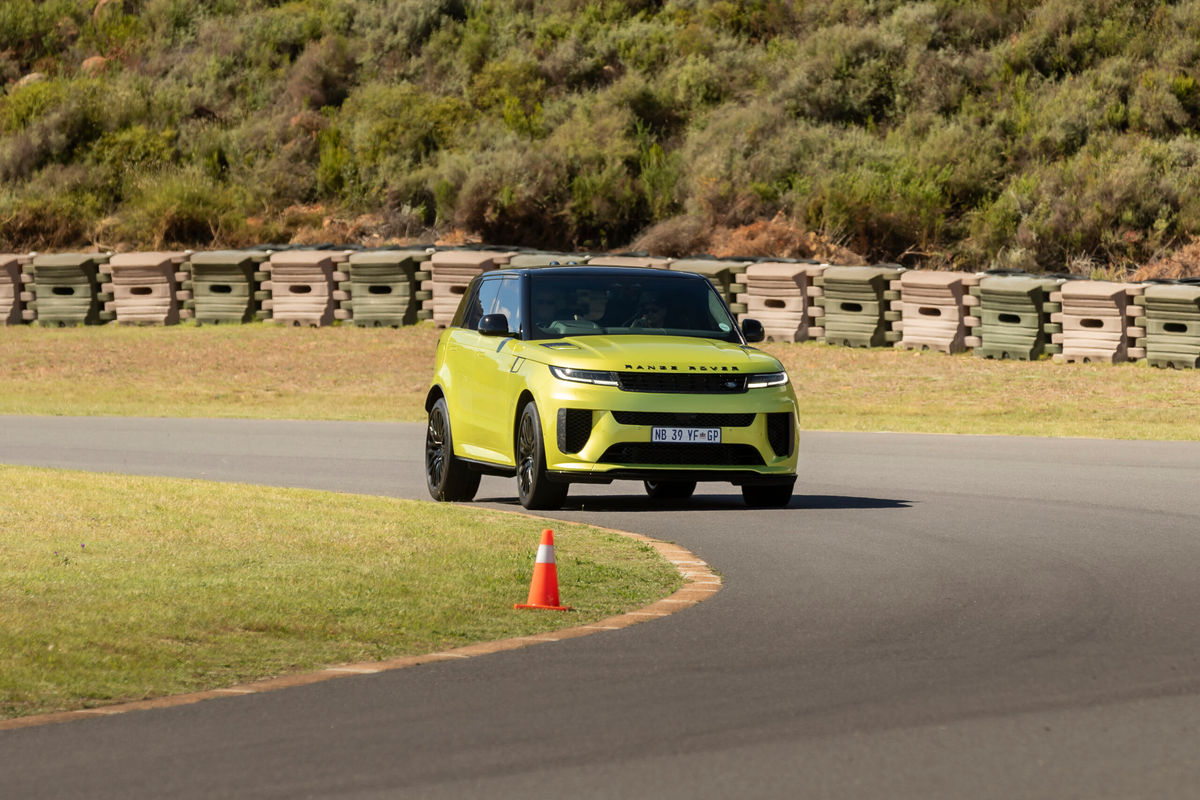
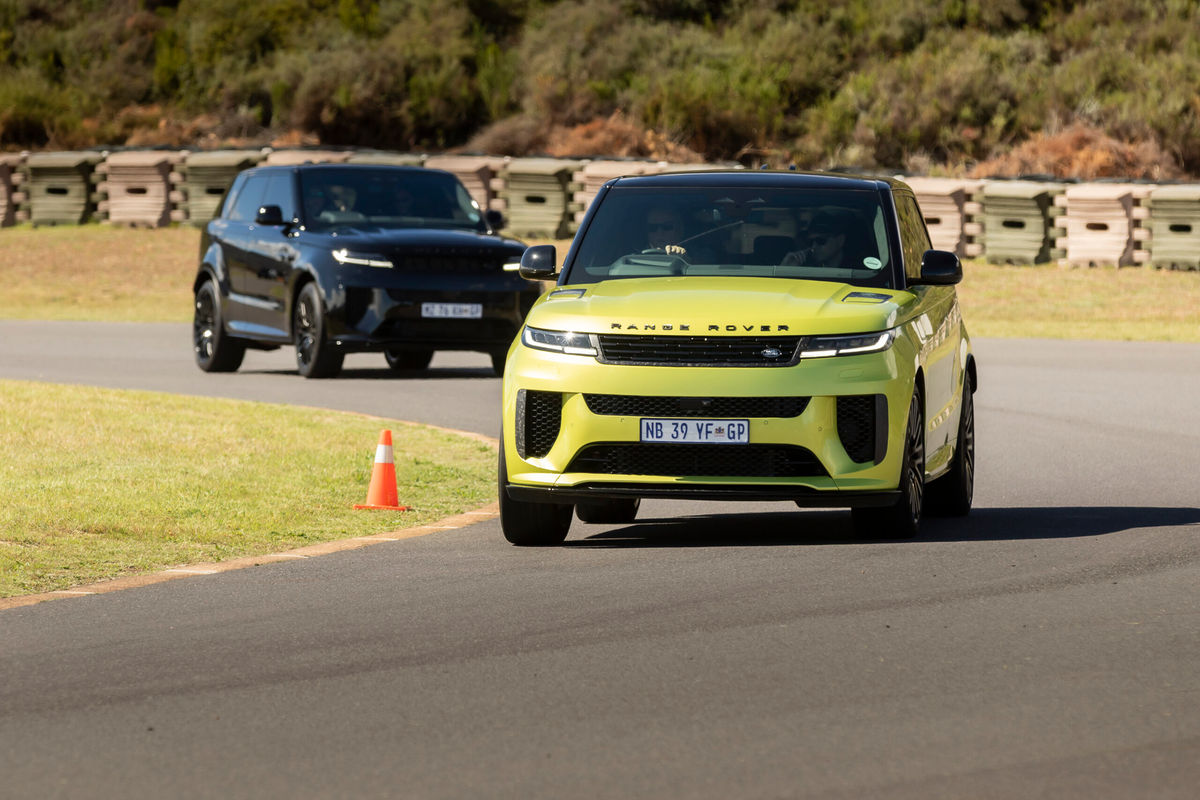
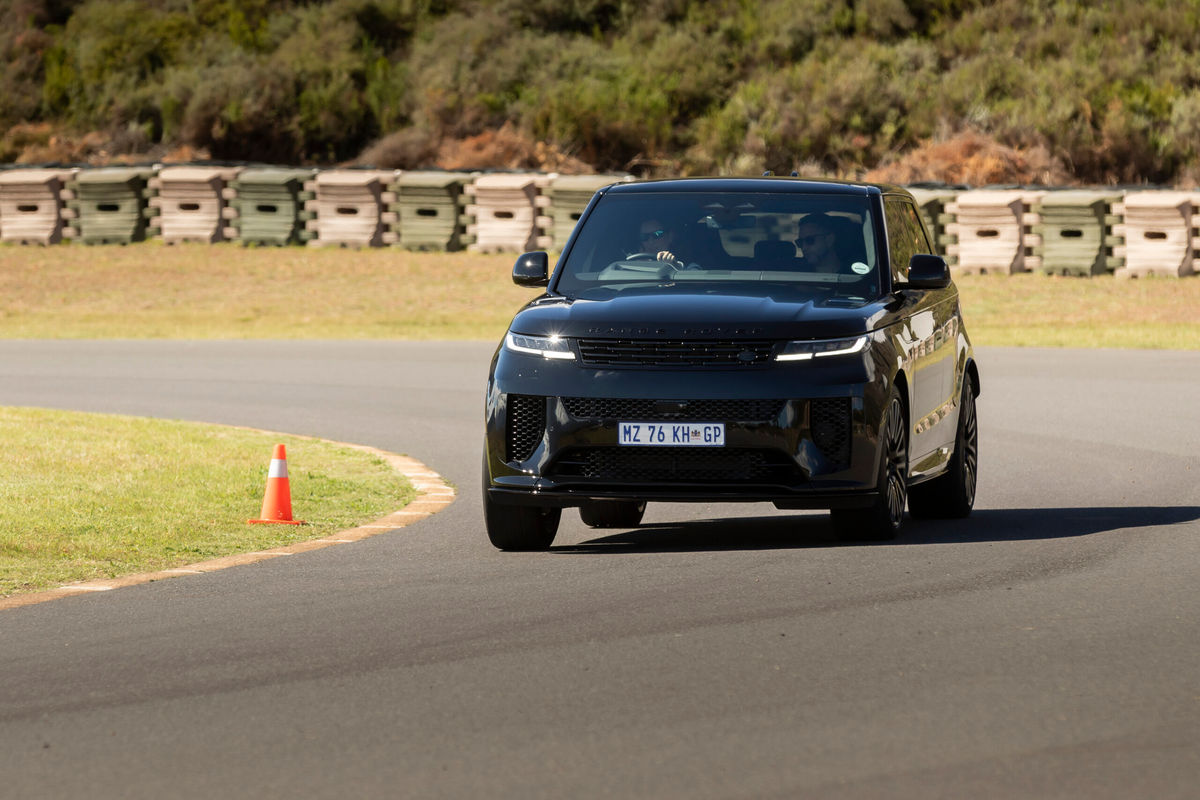
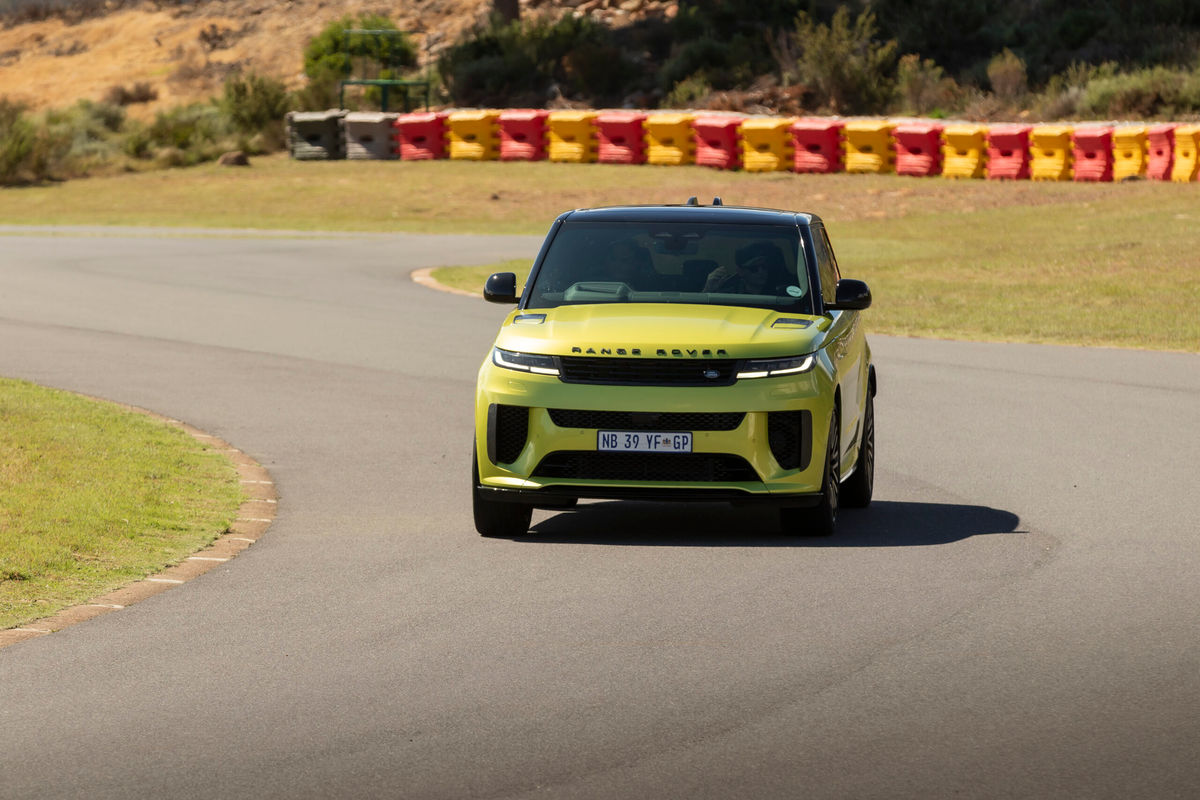
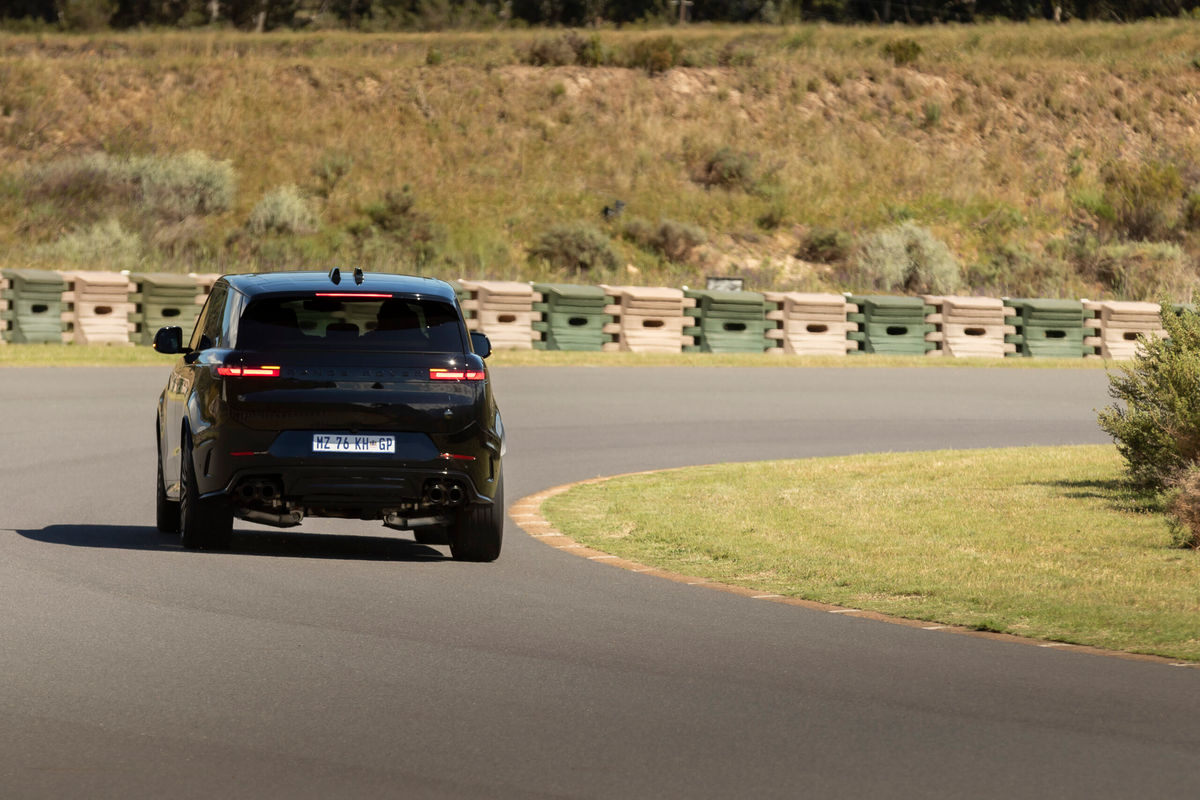
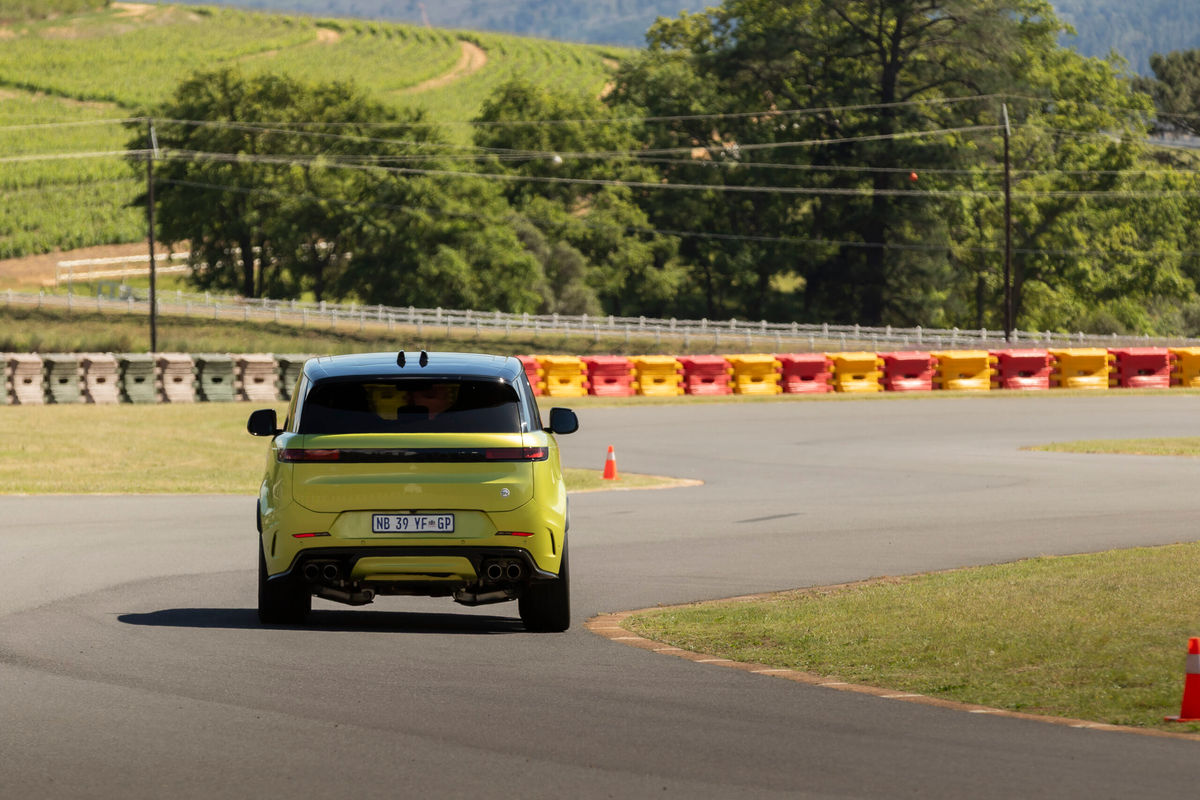
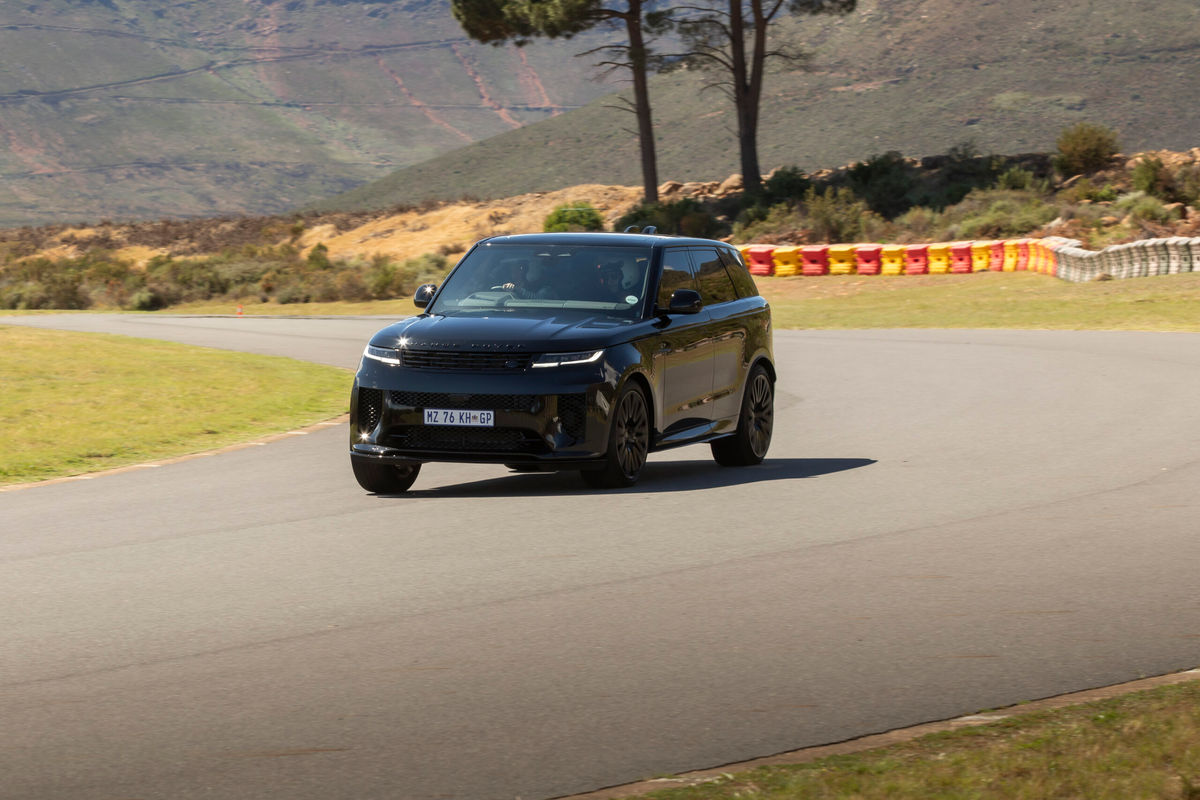
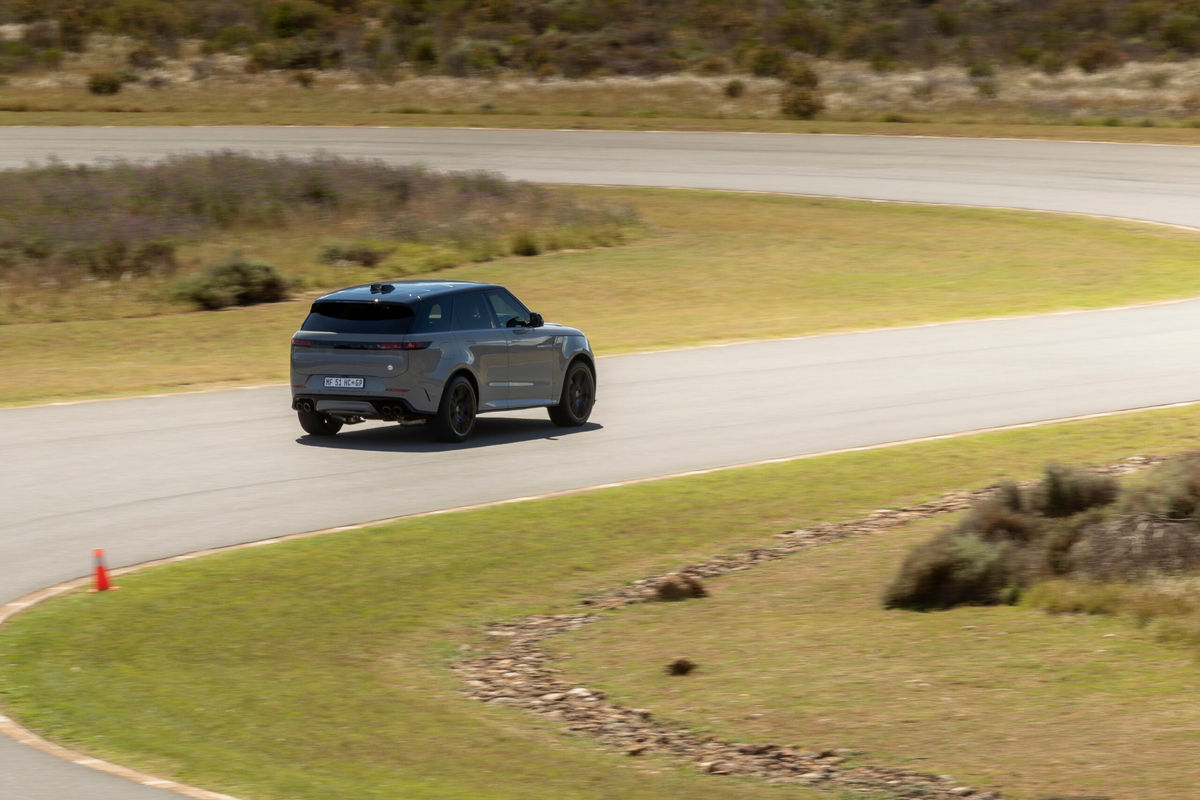
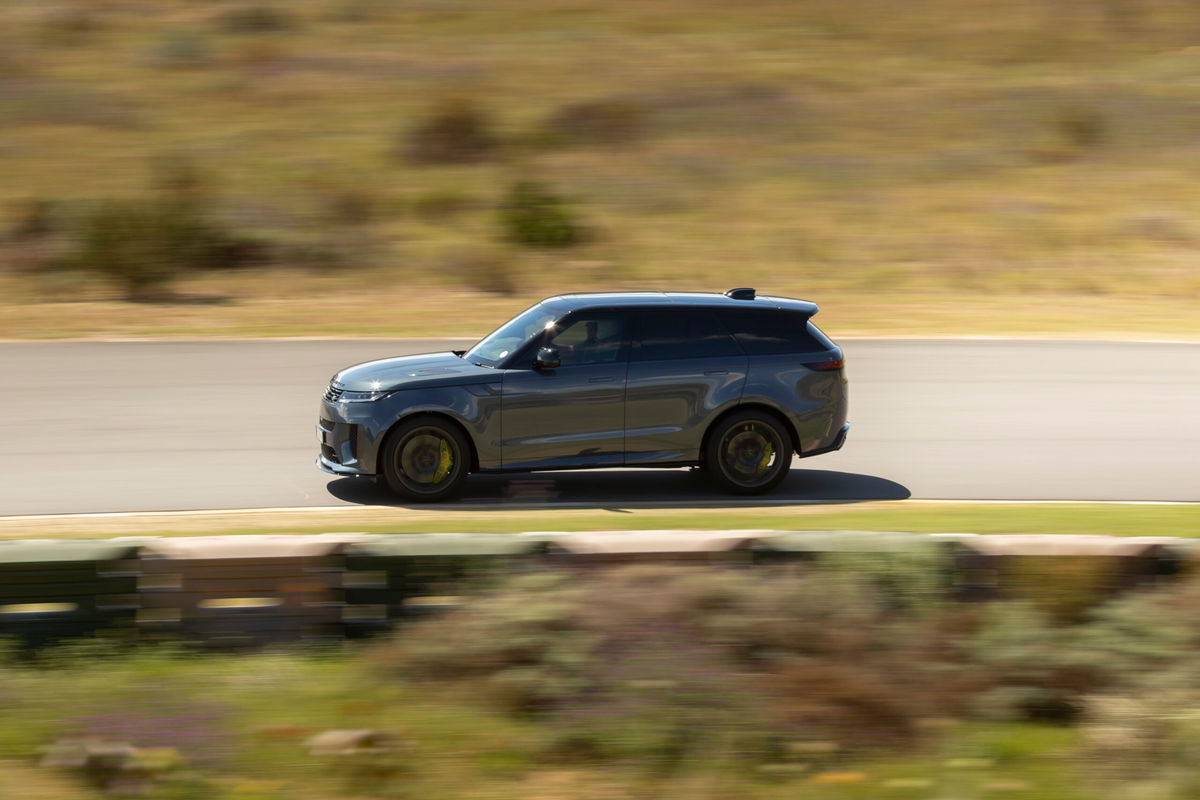
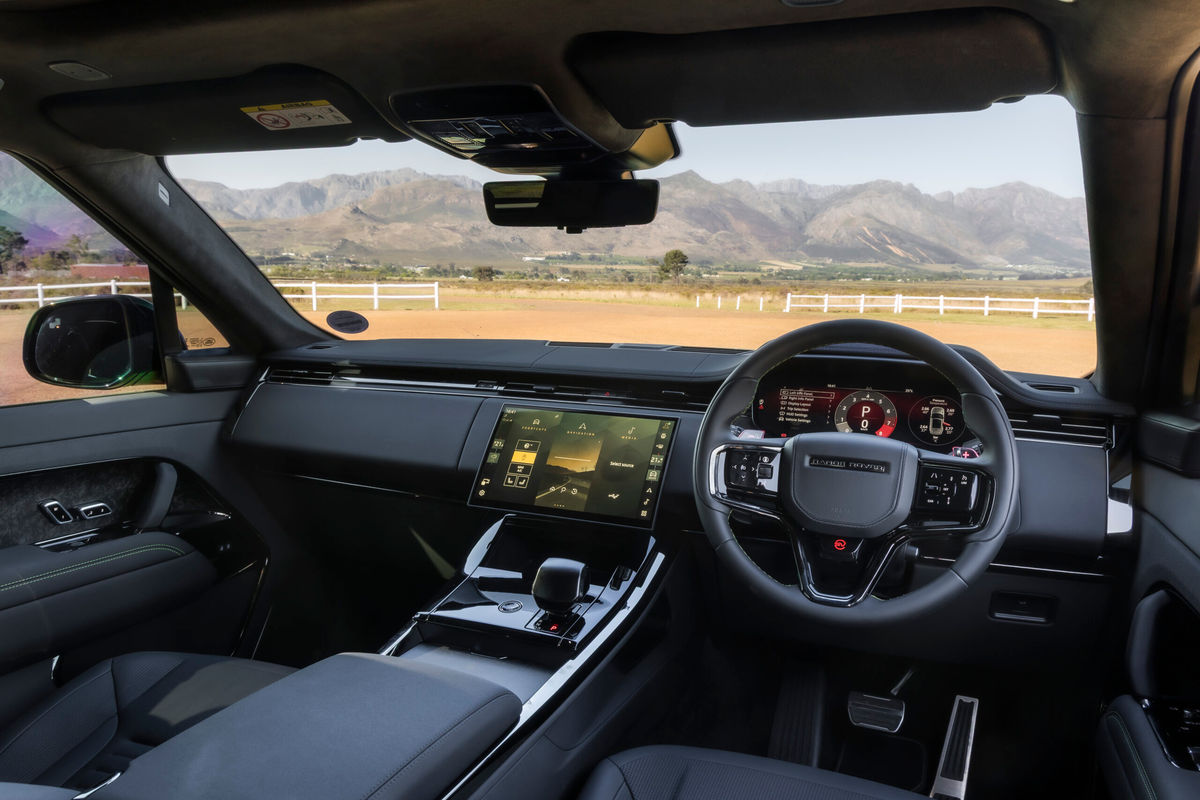
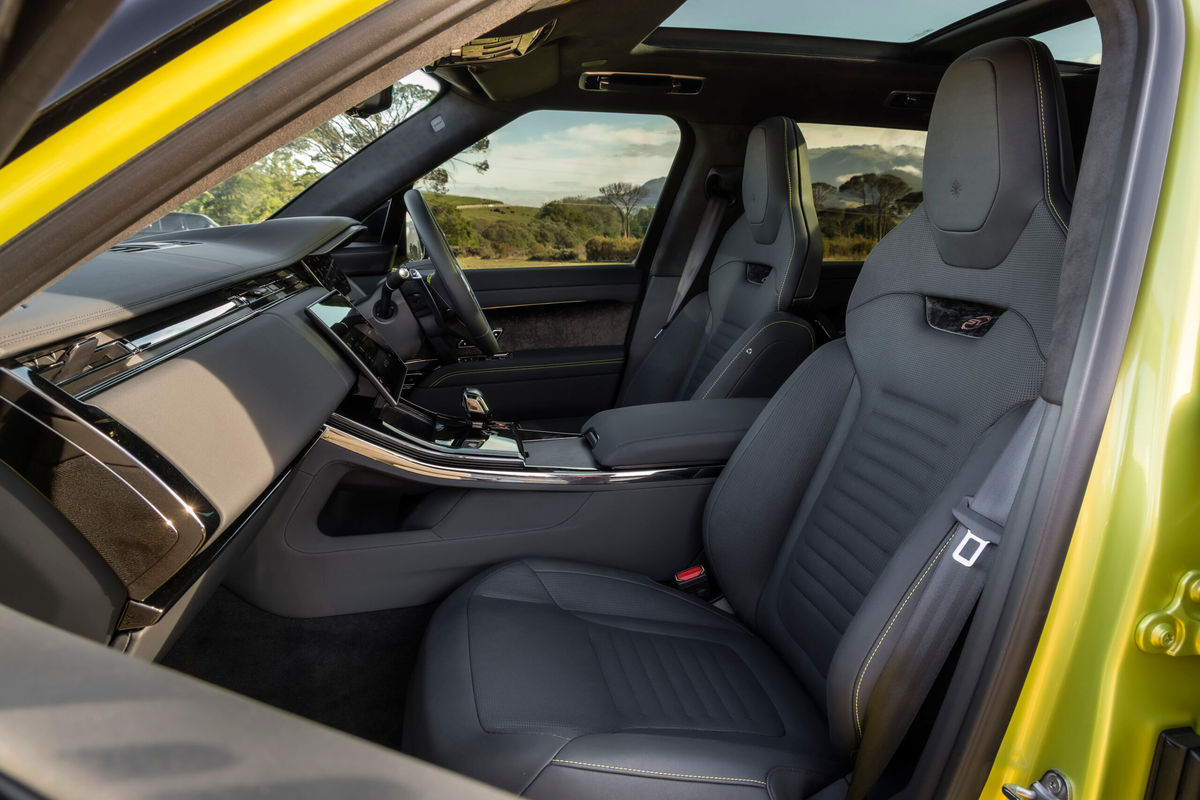
A secret Western Cape circuit, 467 kW of twin-turbo V8 muscle and one very patient instructor… We discover whether Range Rover’s 6D Dynamics can make a 2.5-tonne luxury SUV behave like a sports car.
The average car launch is an enjoyable way to spend a day. It is often the first time a new model has been seen and driven by the media — or anyone outside the company, really. The route is carefully planned to give us motoring hacks a proper chance to assess the car and, with luck, enjoy it.
Lunch and dinner are jovial affairs, where we catch up with industry friends and get valuable face time with the manufacturer’s representatives.
It is an honour and a privilege to be invited to a media launch, and one we do not take for granted. But all of us journos secretly get a little more excited when track driving is involved.
The reasons may seem obvious, but for me a track drive is an opportunity to sharpen my skills, receive training from the pros, go very fast in a safe environment and munch through someone else’s tyre budget instead of my own.
The point of track time on a launch is to let the media — and a few select clients — explore what a performance car can really do, hopefully without ending up in the scenery.
To help prevent that, manufacturers enlist professional driving instructors. They brief you in detail, put a helmet on your head and sit beside you whenever you are on track.
In my experience, South African professional driving instructors are among the best in the world: friendly, helpful, exceptionally knowledgeable, highly skilled and incredibly patient. Most importantly, they inspire confidence and help you enjoy both yourself and the car — while ideally keeping the machinery out of the bin.
The instructor team used by Jaguar Land Rover South Africa is world-class. They are also a lovely bunch of people. A few have been around for as long as I have, yet they still have noticeable biceps and strong jawlines.
And so the stage was set: I would pilot the latest Range Rover Sport SV around a racetrack, have a blast and then write about it. Which brings us here.
A racetrack that officially does not exist
First, a word about this particular racetrack. In the Western Cape, where I live and where the Cars.co.za content office is based, we are blessed with many things. There are more than 450 wine farms, for instance, but only one permanent race circuit.
Killarney International Raceway, just outside Cape Town, is legendary and well managed. We love filming and racing there.
However, if you make a few calls, ask very nicely and agree to a fairly long list of terms and conditions, the Western Cape does offer another racetrack.
And that, unfortunately, is all I can tell you about it. Seriously: if I say any more, the people from Range Rover could get into quite a lot of trouble, and we do not want that.
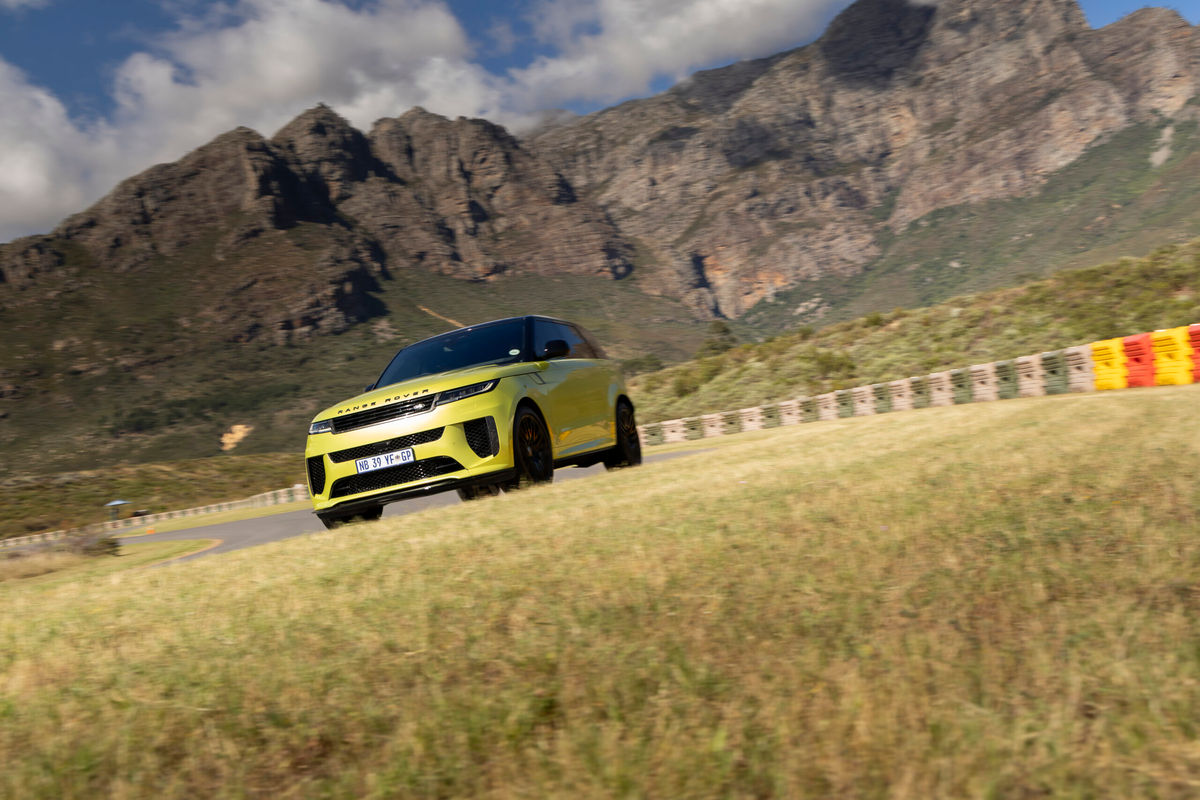
Tucked into the folds of famous mountains and carved through the fynbos is a glorious 2.8 km ribbon of tarmac. For context, Killarney’s full circuit is 3.267 km long, while Kyalami’s modern Grand Prix layout measures 4.522 km.
In front of me lay a winding, wide and immaculately surfaced circuit. It was designed by international professionals and built to exacting standards with first-class materials.
And yet it might as well not exist. No amount of money can simply buy you or your company access. Entry is by invitation of the owner and subject to strict terms and conditions.
Even seeing this place in real life is a privilege. Driving it is the kind of opportunity that may come along only once in a career.
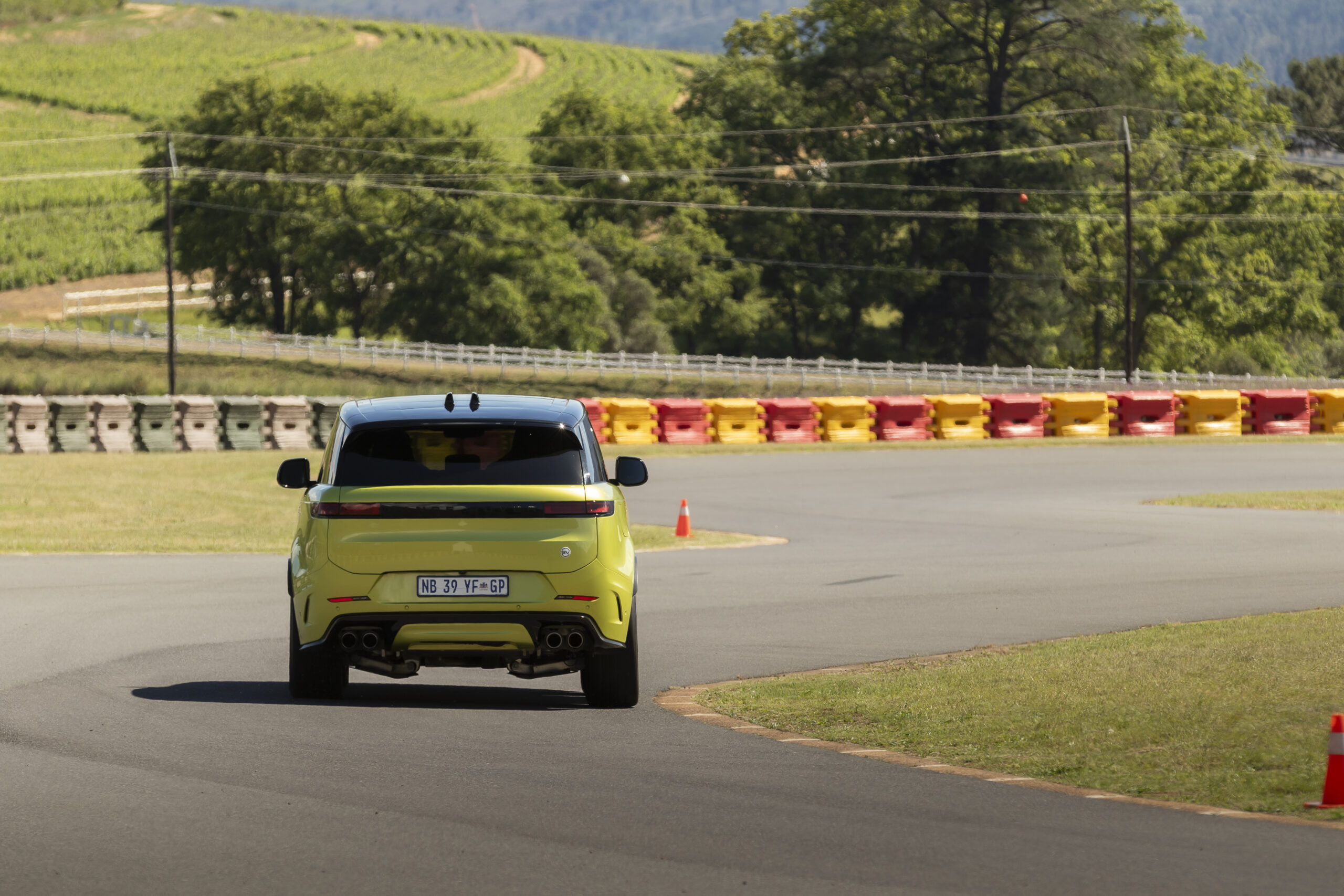
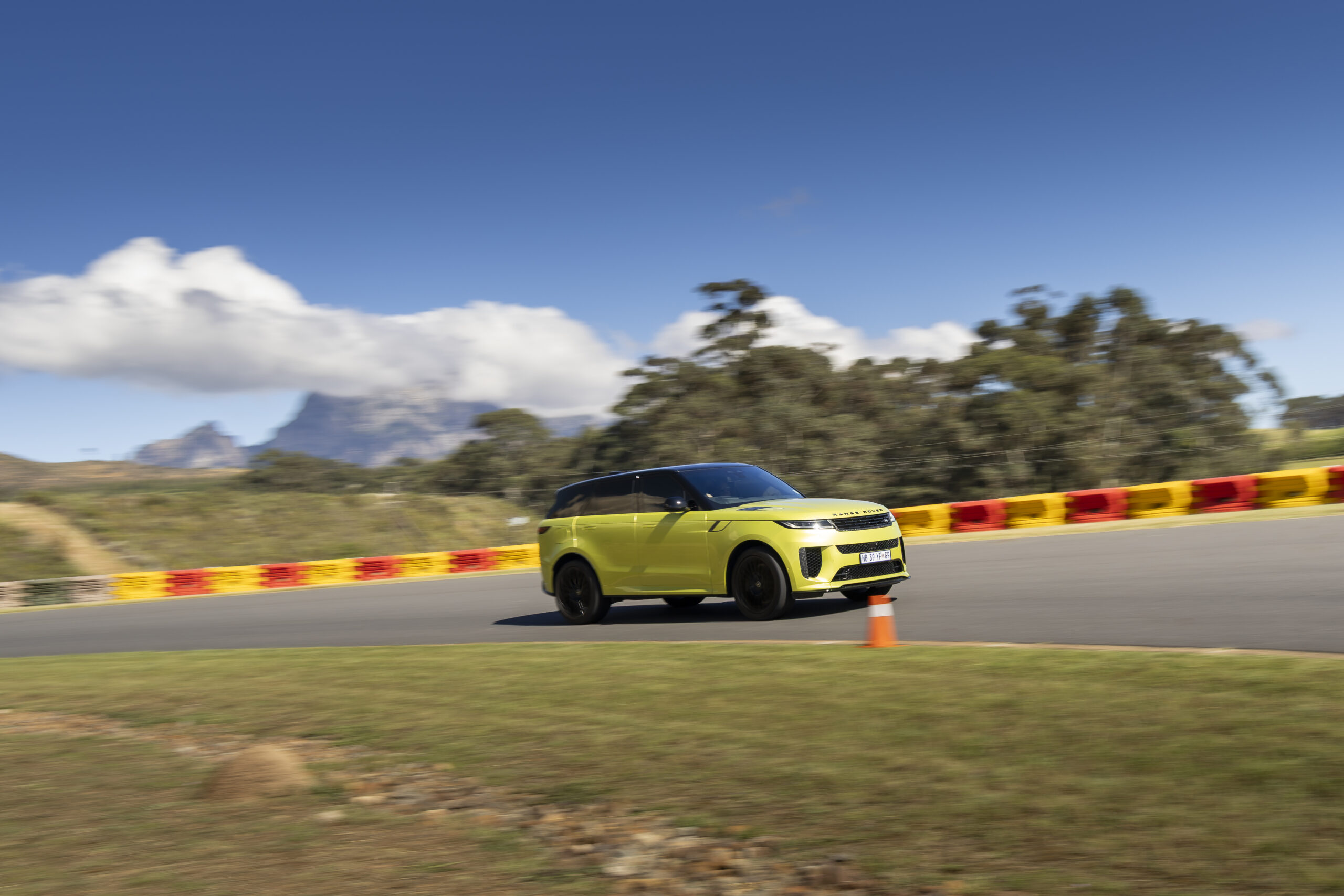
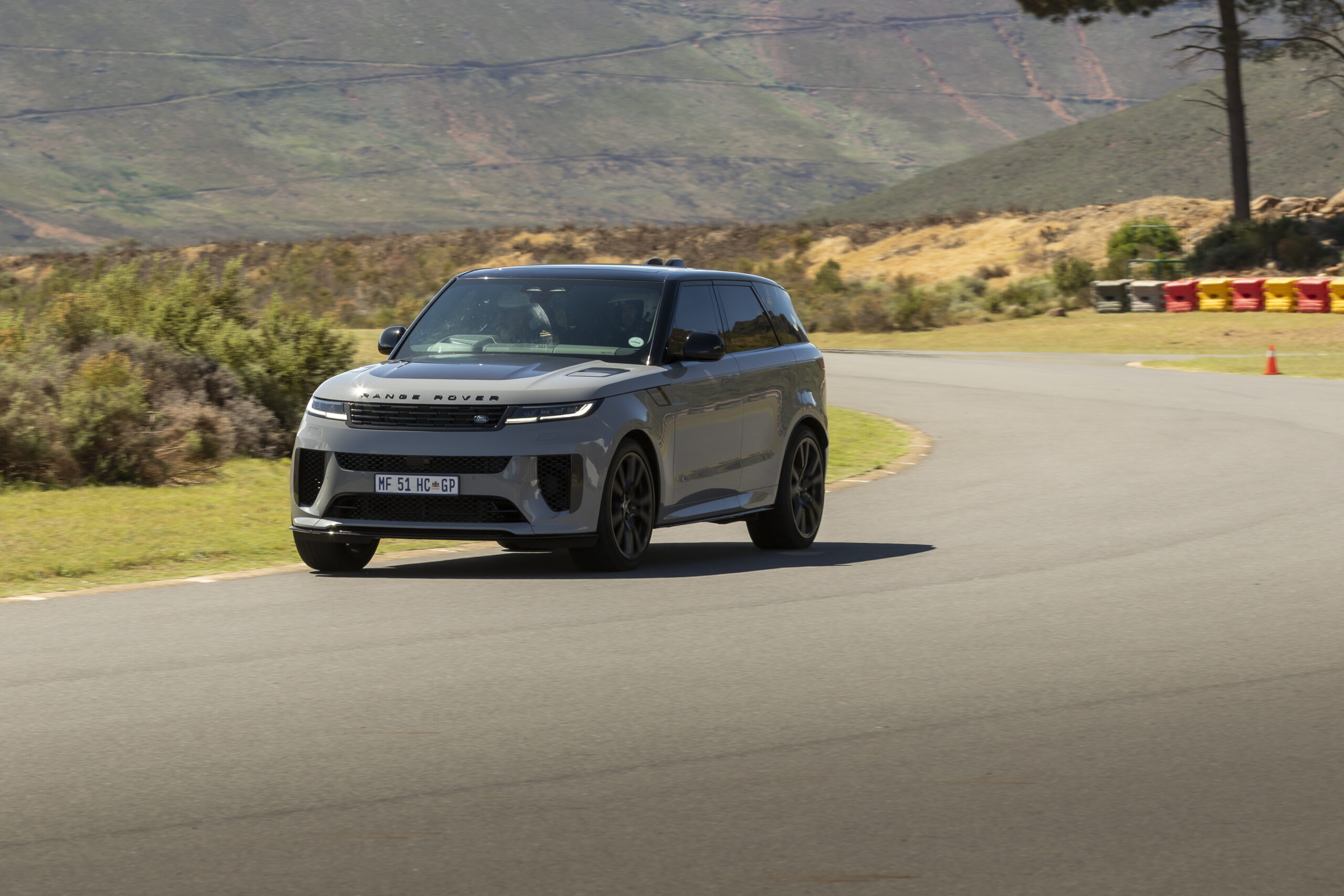
There I sat in a 467 kW/800 Nm, roughly R4-million Range Rover, with one of the best instructors in the business beside me, waiting to be waved onto the track. This was a particularly good day at the office.
Goodbye supercharger, hello BMW V8
The big powertrain news is that the Sport SV no longer uses Jaguar Land Rover’s thunderous supercharged 5.0-litre V8. In my opinion, that remains one of the finest engines ever made.
Emissions and efficiency requirements have moved the game on, however, and the old 5.0-litre could not continue indefinitely. Its gloriously antisocial soundtrack probably did not help, either.
Developing a new engine from scratch is frighteningly expensive. Aston Martin, for instance, has sourced V8 power from Mercedes-AMG.
Even the billions Sir Jim Ratcliffe poured into developing the Ineos Grenadier did not stretch to a bespoke engine, so Ineos struck a deal with BMW.
Jaguar Land Rover took a similar route for the Sport SV, choosing a muscular and highly tunable BMW-sourced 4.4-litre twin-turbo mild-hybrid V8 — related to the unit used in cars such as the BMW M5.
The Range Rover Sport SV is therefore the lovechild of a German-British affair. But this is certainly not a case of dropping a BMW engine into the Rangie and heading for the pub.
The air intakes and cooling package are bespoke to the Range Rover, as are the engine calibration and exhaust system. The result is 467 kW and 750 Nm from the engine, with up to 800 Nm available through the mild-hybrid system in Dynamic Launch mode.
Those are the headline differences, but the integration runs far deeper than a badge-engineering exercise.
The Range Rover Sport SV 6D Dynamics party trick
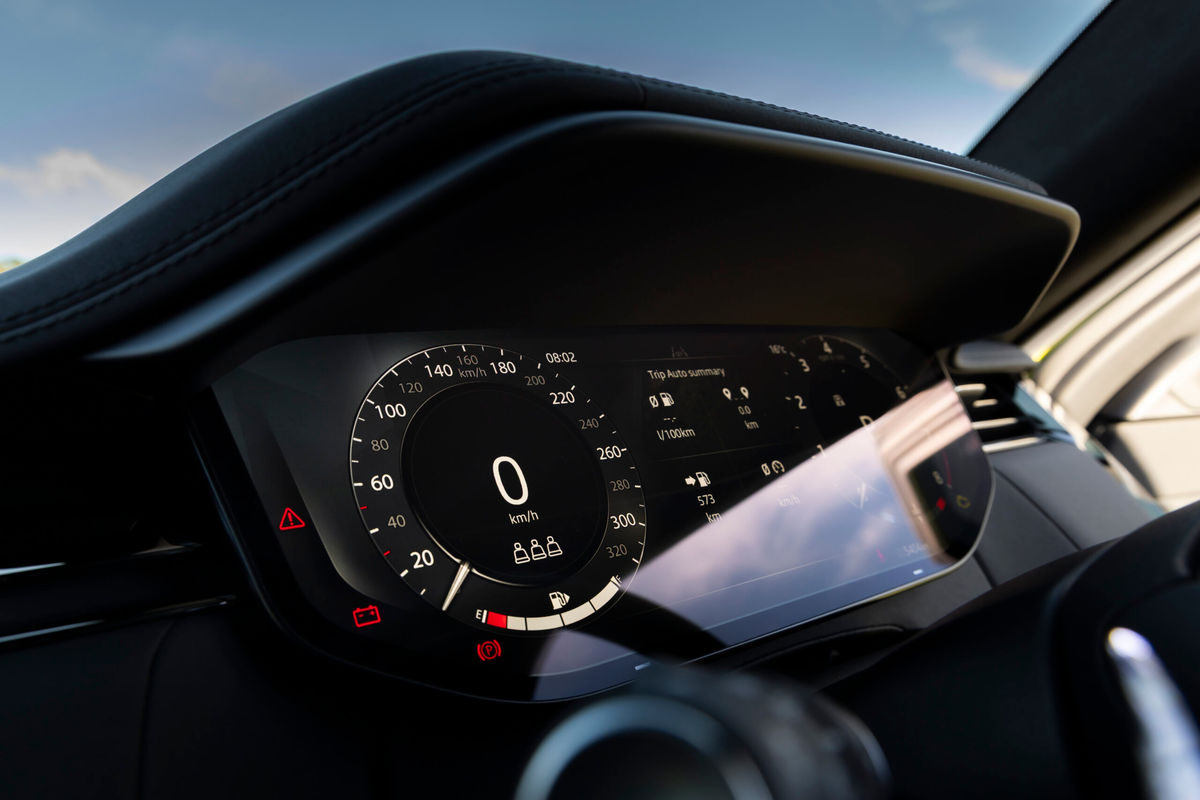
The car’s real party trick — and the reason we were here — is its 6D Dynamics suspension. The instructors were particularly keen for us to feel it working at speed.
I am enough of a car nerd to disappear down a technical rabbit hole here, but the short version is this: the system replaces conventional anti-roll bars with hydraulically interlinked dampers and height-adjustable air springs. By controlling pressure across the circuit, it actively resists both body roll and pitch.
The aim is to manage the Range Rover’s considerable mass under acceleration, braking and, especially, cornering. Remember, this is still a proper four-wheel-drive luxury SUV, complete with a twin-speed transfer case and low range.
Plainly, SUVs do not make natural race cars. There is a reason you do not see BMW X5 Ms or Porsche Cayennes at Le Mans. No matter how fast or clever a modern performance SUV may be, it still has to negotiate the stubborn laws of physics.
That has not discouraged Range Rover’s engineers from trying to bend those laws, and I was about to find out whether they had succeeded.
After a few sighting laps — learning where to brake and when to get back on the power — Devin, my instructor, perhaps sensed that I could handle a little more speed. That is always a compliment. He had no pedals or steering wheel of his own, so self-preservation was also a powerful motivator.
In Comfort mode, the suspension turns the car into a giant, comfy pillow. It wafts along while still keeping body movement neatly in check.
Select Dynamic mode and the 6D system wakes up. Throttle response sharpens, the exhaust grows louder, gearshifts become more assertive and the transmission holds each ratio almost to the redline.
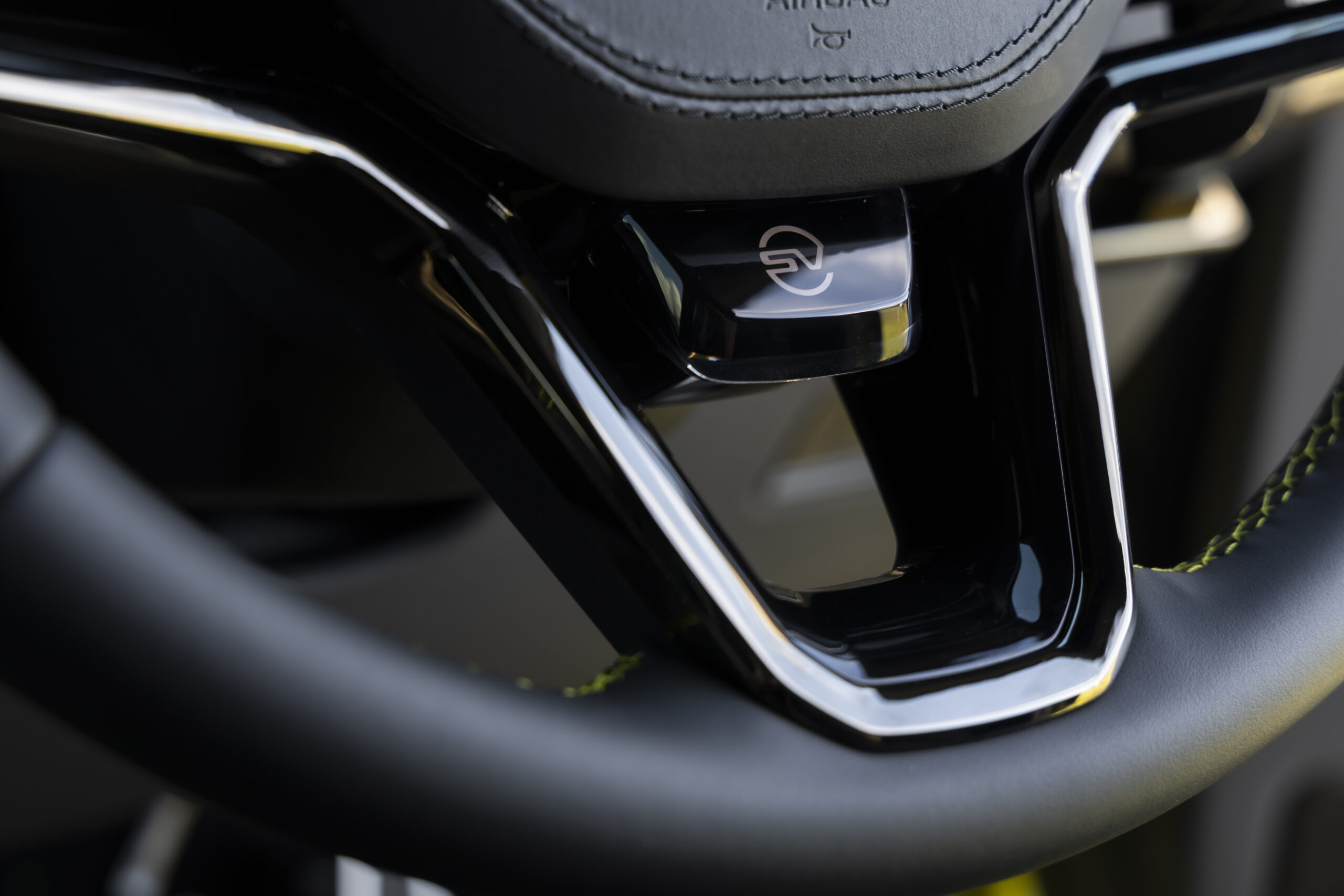
Then Devin said: “Let’s go into SV mode.” The Range Rover Sport promptly turned savage. The V8 went to maximum attack, and so did the chassis.
Then I was told to go — really go. Flat-footed down the back straight, the Sport SV delivered relentless acceleration; we touched 195 km/h before the braking zone.
I was completely dialled in, and Devin seemed happy. He urged me to get on the power earlier and carry more speed on the exit while helping me find the best line through the circuit’s fantastic sequence of corners. At times, my instinct was to back off: every sense told me a car this heavy and tall could not possibly make it through in one piece.
Devin was one step ahead. He sensed the hesitation and told me to stay on it, maintain my speed and hold a constant throttle. It was absolutely exhilarating.
Engineering wizardry — but does anyone need it?
The most remarkable aspect of the experience was the body control. I had never driven an SUV that cornered this flat, resisted roll so convincingly under huge lateral load, and remained so neutral under hard braking and acceleration.
This is engineering wizardry. The Range Rover Sport SV is heavy and its centre of gravity is high — two characteristics you emphatically do not want in a race car or sports car, and two traits those pesky laws of physics are normally delighted to expose.
Yet the Sport SV laughs at those laws, raises a middle finger and says: catch me if you can.
It is, by some margin, the best-handling SUV I have driven. Its limits sit far beyond what the average driver will ask of it, and if you run out of talent, the stability control and torque-vectoring systems are ready to help save you from a long phone call to Budget Insurance.
For all that, I am not convinced this hugely impressive ability is strictly necessary. Few people buy a Range Rover Sport dreaming of — or intending to — hammer it around a circuit.
If you can afford one, it is unlikely to be your only car. I imagine something low-slung, two-seater and overtly sporty might be parked beside it.
Yet in the modern motoring marketplace, the Range Rover Sport SV makes complete sense. The appeal is that the SV can be driven on track. It can hunt SUV lap records. It can hang onto the taillights of your mate’s M5 at the next track day.
Whether the owner ever does any of that is almost beside the point.
Range Rover knows its clients. They want the best of the best: luxury, power, status, regal aesthetics and badge prestige.
Excitingly — and increasingly rarely — the bean counters appear to have let the engineers run wild. Range Rover can now make a credible claim to building one of the finest-handling SUVs in the world.
In my experience, right now, nothing else comes close.
Mega list: 100 future classic cars from the Noughties
Some were fast and great to drive, some were pretty, and others just plain quirky. We pick our 100 most memorable cars from the Noughties (2000–’09)…
Alfa Romeo 147 GTA
Alfa Romeo dropped its 3.2-litre 24-valve V6 into the compact 147’s body and created a real rocket. With 184 kW of power, the GTA blitzed to 100 kph in 6.3 seconds. It was a handful, to say the least.
Alfa Romeo 156 GTA
Alfa Romeo’s seductive 156 (a Walter de Silva masterpiece) gained some aggression with the launch of the GTA in 2001. It used the fabulous 3.2-litre V6 “Busso” engine, so wasn’t only fast, it also sang a lovely tune.
Alfa Romeo Brera
Yes, the Brera was a deeply flawed car courtesy of the clumsy GM/Fiat platform used in its construction, and even in V6 form hardly set the road alight, but it makes this list purely based on looks. Designed by the legendary Giorgetto Giugiaro at Italdesign.
Alfa Romeo GT 3.2
Based on the 156 platform and featuring gorgeous styling by Bertone, the flagship GT also made use of the lovely 3.2-litre V6 “Busso” engine. These days you can pick up a decent GT 3.2 for not much money.
Aston Martin DBS
First seen in Daniel Craig’s launch Bond film Casino Royale and again in Quantum of Solace, the DBS combined stunning design with a thumping 6.0L V12 engine (available with a manual transmission, too). Oh, and the sound!
Aston Martin V12 Vantage
Gorgeous looks plus a naturally aspirated 380 kW 6.0L V12, coupled with a manual transmission … what’s not to like?
Aston Martin Vanquish
Penned by Ian Callum, the Aston Martin Vanquish also has Bond heritage, having appeared in the 2002 film, Die Another Day. The last Aston Martin assembled at Newport Pagnell, the Vanquish makes this list by virtue of its drop-dead gorgeous looks, rarity and performance (delivered by a 5.9L V12).
Audi S8
Unleash your inner Jason Statham with this storming luxury sedan. Sporting a naturally aspirated V10 engine based on the unit found in the contemporary Lamborghini Gallardo, the S8 could blitz to 100 kph in only 5.1 seconds.
Audi R8
To say the R8 arrived with a bang is an understatement. With dramatic looks almost unchanged from the stunning Le Mans concept, the R8 (first as a V8, later as a V10) certainly propelled the Audi marque up the desirability rankings. At the time of its launch few cars caused more rubber-necking by onlookers.
Audi RS4 (B7)
Definitely one of the most memorable sports sedans of its era, the B7-generation RS4 took the fight to contemporary offerings from Mercedes-Benz and BMW in a far more convincing way than previous fast Audi sedans. Its 4.2L naturally aspirated V8 made a lovely sound, too, while the all-wheel drive system didn’t entirely blunt its dynamics.
Audi RS6 Avant
Audi rules when it comes to consistently delivering desirable, fast estate cars, and the 2008 RS6 Avant was one of its best. Packing a 426 kW V10 engine, this macho wagon could sprint to 100 kph in 4.6 seconds.
Audi S3
Later S3 models were faster and handled better, of course, but there’s something quite special about the very first model, launched in 2001. Maybe it’s those flared wheelarches, or maybe the fact that this little 154 kW pocket rocket is now so scarce.
Audi TT Quattro Sport
Picking which variant of the first-generation Audi TT to include is not so simple. Personally I love the purity of the original 1.8T Coupe (in silver), and some will argue that you really need the V6. So I’ve settled on neither, and rather included the rare, more powerful (176kW) 1.8T quattro Sport. I’ve only ever seen one, once!
Bentley Arnage T
An “old-school” Bentley powered by a twin-turbocharged 6.8L V8 that delivered a thumping 373 kW and 1 000 Nm of torque. The T was positioned as sportier (compared with the Arnage R), and could leap to 100 kph in 5.5 seconds.
Bentley Continental GT Speed
When launched in 2003 the Continental GT brought Bentley ownership within reach of a far wider audience, and today you could pick up one of these twin-turbocharged 6.0 W12 coupes for similar money to a new compact German executive sedan. Tempting, isn’t it… The more powerful, more agile GT Speed is more exclusive, however, and arrived in 2008.
BMW 135i Coupe
Before there was the iconic 1M, the compact, rear-wheel drive 135i variant of the E82 range made good use of its 225 kW 3.0L N54 turbocharged straight-6. Add rear-wheel drive and a slick 6-speed manual transmission to the mix and you’ve got a potent package.
BMW 325ti Compact
South Africa never got the first-generation BMW 3 Series Compact, but we did get the E46/5 and though largely forgotten these days, I remember the 325ti as a crisp-handling, high-performance hatchback. Did look a bit odd, though.
BMW (E39) M5
The E39-generation M5’s star is rising (fast), and it would probably make a Top 10 list of cars from this era, too. Key to its appeal? A lusty 4.9L V8 that had a 7 000 rpm red line, coupled with a 6-speed manual transmission.
BMW (E46) M3/M3 CSL
Whether in standard or CSL form, the E46-generation M3 was a true driver’s delight and would likely come out tops in a Top 10 ranking of performance cars from this era. With fewer than 1 500 built, the CSL is already a collectible modern classic. A howling 3.2L straight-six engine and pin-sharp dynamics were the highlights.
A highly controversial car, mostly because of its annoying SMG transmission, the E60-generation M5 was however a magnificent thing when driven in anger. Powered by a 373 kW V10 engine and with excellent dynamics, it’s increasingly coveted by collectors. If you can get your hands on one of the M5 Tourings, that would be even better, as only around 1 000 were made!
BMW (E92) M3 Coupe
So many great BMWs from this era… The E92 M3 saw BMW switch to a naturally-aspirated V8 engine (309 kW) that retained the high-revving character of previous 6-cylinder units. And it delivered the kind of dynamic finesse that one would expect from a car with the M3 badge. If I had to be picky, I’d try and get one of the 25 Frozen Edition units sold in South Africa. With more power and some AC Schnitzer bits, it was a spectacular drive.
BMW Z4 M Coupé
Powered by the same highly-acclaimed 3.2L straight-6 fitted to the E46 M3, the Z4 M Coupe certainly delivered fireworks. How could it be any different – rear-wheel drive, lower seating position… It’s rare and the design has aged well, too.
Chevrolet Lumina SS Ute
And now for something different… I can’t quite forget sliding around Cape Town in a bright purple Chev Lumina SS Ute. With 270 kW, a 6-speed manual gearbox and very little weight over the rear axle, it was hilarious fun.
Chrysler 300C SRT-8
For a while the Chrysler 300C was quite a popular choice in South Africa. Based on the contemporary E-Class, but with very, uhm, American styling, it certainly was distinctive. In flagship SRT-8 form, it was also very fast. Power (318 kW) came from a roaring 6.0L V8.
Chrysler Crossfire SRT-6
The Chrysler Crossfire was a missed opportunity. Based on the running gear of the first-generation Mercedes-Benz SLK, it just didn’t look right when it hit the market in 2004. Initially only available with a 3.2L V6, it also lacked performance sparkle. Both of the above issues were addressed with the arrival of the SRT-6, however. This was essentially a SLK32 AMG underneath and, in coupé form at least, the Crossfire finally gained some visual appeal, too. Very rare.
Daihatsu Materia Turbo
Yes, seriously… Developed in South Africa, the boxy Materia Turbo got a turbocharged 1.5L engine that developed 110 kW, hissing, popping and whistling as it went about its business. You could even get a limited-slip differential for it to put the power down better, but with Eibach springs, firmer suspension and cross-bracing it was a hoot to drive even without it. Only 40 were built, apparently.
Ferrari 430 Scuderia
The 430 was a pretty car and a significant improvement over the somewhat disappointing 360 Modena. In Scuderia form, it gained a real performance edge, with some of the development driving done by none other than Michael Schumacher. It is said that the Scuderia lapped Fiorano in a similar time to the iconic Enzo hypercar. Its 4.3L V8 developed 375 kW, enough to blast the Scuderia to 100 kph in 3.6 seconds.
Ferrari 575M Maranello
What a beauty! Replacing the gorgeous 550 Maranello, the 575M was a big, seductive V12 in the classic Ferrari tradition. Significantly refined and upgraded compared with the 550, the “M” stands for modificata (modified). Very few manual-transmission cars were produced (246 overall), and one of them recently traded hands in South Africa. Watch a video featuring that car, here.
Ferrari 599 GTB Fiorano
Replacing a car as gorgeous as the 575M Maranello was always going to be difficult, but Ferrari got it right with the 599 GTB Fiorano. The seductive Pininfarina-styled 599 was powered by a 456 kW 6.0L V12 engine, giving it crushing performance.
Fiat Panda 100HP
A feisty little thing that used its power (only 74 kW) to good effect. A 6-speed manual transmission, low weight and firm suspension set-up made it hilarious fun to chuck around.
Ford Fiesta ST
Ah… where are the days when you could buy a thrilling hatchback for a reasonable price? The Fiesta ST may have had “only” 110 kW from its naturally-aspirated 2.0L engine but it made the most of it, courtesy of a beautifully balanced chassis.
Ford Focus ST
In a market dominated by the VW Golf GTI, the Ford Focus ST always provided a tempting alternative. Though it lacked the Golf’s refinement, its slightly gruff and flamboyant character was endearing. Besides, that turbocharged five-pot made a lovely noise.
Honda Civic Type-R
South Africa’s first taste of the Honda Civic Type R came in 2007 with the launch of the FN2-generation car. Predictably, the naturally aspirated 148 kW 2.0L engine loved to rev and the 6-speed manual gearbox was a gem.
Honda S2000
Another contender to make a Top 10 list of cars from this era, the S2000 is held in very high regard by most motoring enthusiasts. Wringing its engine’s neck to well over 8 000 rpm and shifting through arguably the slickest 6-speed manual ‘box of all time leave lasting memories.
Jaguar S-Type R
The S-Type definitely doesn’t represent a high water mark in the history of the Jaguar marque, and received a frosty reception when it was launched. It just looked … odd. A facelift in 2005 improved matters, but it’s the “R” model that started convincing critics. Dynamically entertaining and with a charming, supercharged 4.2L V8, the S-Type R can be had for peanuts, these days.
Jaguar XFR
Many years ago, I had the good fortune of spending a year with the Jaguar XFR. I never tired of it. At the time, Jaguar unleashed a number of cars with exquisite road manners, and for me the XFR was one of its finest. It was all about control-harmonisation – the weighting and responsiveness of all the major controls (steering, brakes, throttle) were so beautifully judged.
Jaguar XKR
One of the best-kept secrets of the Noughties, the second-generation XKR can be had for almost no money at all, and what you get is an astonishingly big serving of performance, style and luxury.
Lamborghini Gallardo Superleggera
The “baby bull” was big news (and very necessary) in the early 2000s but there was always the concern that it would not be a “real” Lamborghini in terms of spirit and performance. The Gallardo quickly proved otherwise. The most memorable of the first Gallardos? Definitely the Superleggera, which was lighter (by 100 kg) and slightly more powerful. Fewer than 700 were built.
Lamborghini Murciélago LP640-4
The first Lamborghini to be developed under Audi ownership, the Murciélago was everything a flagship Lambo needed to be. With wild styling by Luc Donckerwolke, the Murciélago was continuously refined during the years, and the later LP640-4 was considerably more “resolved” than early cars. It was powered by a mega 6.5L V12 engine that delivered 471 kW. Driving a Murciélago through a German forest was an unforgettable (nerve-wracking) experience.
Lexus IS-F
Everyone wanted a slice of the performance sedan pie in the Noughties, even Lexus. It rolled out the IS-F in 2008, powered by a 5.0 V8 engine that delivered 311 kW so it certainly had grunt. Though charming in its own way, it ultimately lacked the dynamism of a BMW M3 and the powertrain character of a C63 AMG. Still, if you can find one, the IS-F is a bargain muscle car.
Lotus Exige S
With on-off distribution in South Africa the Lotus marque hasn’t always received the recognition that it deserves. It certainly produced some of the best driver’s machines of the 2000s, and a stand-out car for me was the 2008 Exige S. With 163 kW from its 1.8L engine, light weight, rigid structure and pin-sharp steering, it was a blast!
Maserati 3200GT
This car makes the list because of its… tail lights. Yes, the later, updated models (simply called Coupe) were better in every department, but I just really like the look of the 3200 GT’s boomerang tail lights. By the way, the 3200 GT was the first car to feature LED tail lamps. So there’s that…
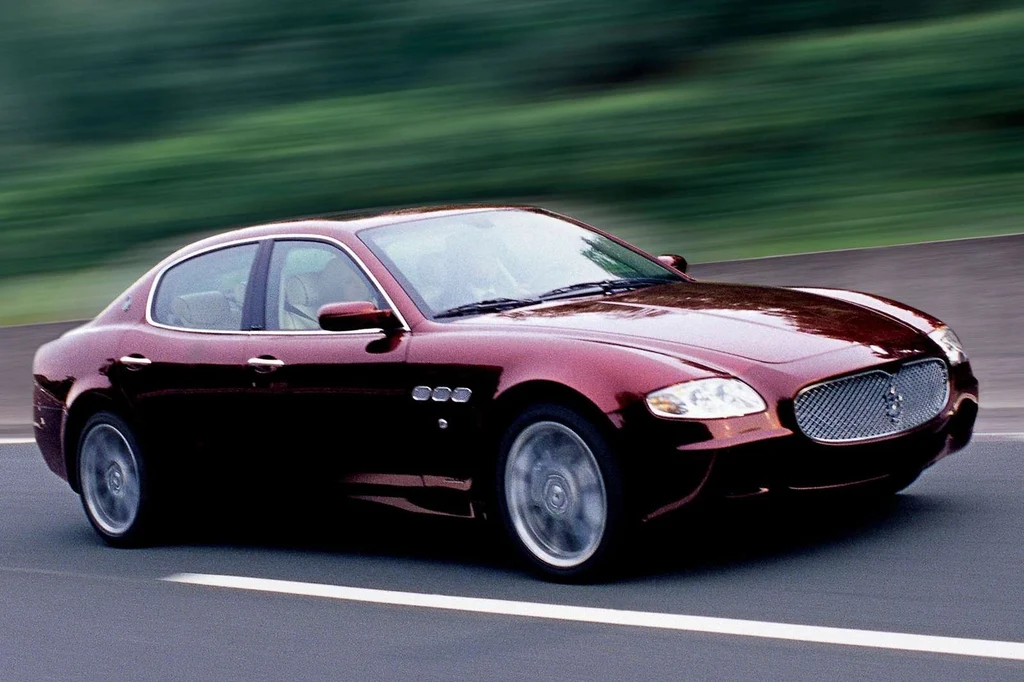
Maserati Quattroporte
The fifth-generation Maserati Quattroporte boasted seductive styling by Pininfarina and a Ferrari-sourced 4.2L V8 engine. Sure, it was never particularly well built and the ergonomics were disastrous, but it was certainly distinctive and a thrill to drive.
Mazda3 MPS
Largely forgotten (not many were sold), the Mazda3 MPS certainly didn’t lack firepower. It packed a 190 kW whopper of a punch, but all of that power had to go through the front wheels only!
Mazda6 MPS
A real unsung hero, this car… The Mazda6 MPS was powered by a 191 kW turbocharged 2.3L engine and featured all-wheel drive, too. Clothed in a handsome, but fairly anonymous body, it was a charming sleeper of a car that could give serious sportscars a real scare. Sadly, it didn’t sell particularly well, so finding a good-quality example now is very, very difficult.
Mazda MX-5
The second-generation MX-5 largely stuck to the formula of its iconic forebear. It was light, had a willing 118 kW 2.0L engine coupled to a quick-shifting 6-speed manual transmission, and crisp, delicate dynamics. A rising star…
Mazda RX-8
A memorable car for more reasons than just its creamy smooth, high-revving rotary engine. The RX-8’s design was unique, too (rear suicide doors, for example). Interesting factoid: the RX-8 was designed by Ikuo Maeda, the son of Matasaburo Maeda, who designed the original RX-7.
Mercedes-Benz C63 AMG
The E90-generation of BMW M3 sedan is arguably the king of performance sedans from this era, but the Mercedes-Benz C63 AMG was a charming and talented alternative. Much of that charm was due to its thumping powerplant – a 6.3L V8 that delivered 336 kW and a wonderful sound.
Mercedes-Benz CL600
Back in my early road testing days, the CL600 delivered a very memorable day of performance testing. Blasting to 100 kph in only 4.8 seconds, while disappearing into the soft seats, I marvelled at the silence as the horizon rushed towards the windscreen. The turbocharged 5.5L V12 was rated at 368 kW and 800 Nm of torque. No wonder…
Mercedes-Benz CLS63 AMG
Admittedly, I wasn’t the biggest fan of the first-generation CLS. It looked a bit like a banana. In CLS63 AMG form, however, it gained some welcome visual muscle, in addition to thumping power from a naturally-aspirated 378 kW V8 engine. It looked sinister, but wasn’t stealthy at all … not with that soundtrack!
Mercedes-Benz E55 AMG
The thundering sound of the W211-generation E55 AMG under hard acceleration will forever be a fond memory. Very much like an old-school muscle-car in character, the E55 AMG’s supercharged 5.4L V8 engine delivered 350 kW, so performance was shattering. And while it lacked the dynamic finesse of an M5, it had a certain charm that I find irresistible.
Mercedes-Benz SL55 AMG
A rising star in the modern classic car space, the R230 SL is ageing gracefully. In SL55 AMG form, however, the R230 trades grace for aggression. A wonderful memory is driving top-down with the supercharged 5.4L V8’s roar bouncing off roadside cliff faces.
Mercedes-Benz SL65 AMG Black Series
The ultimate evolution of the R230 SL, the very limited-edition SL65 AMG Black Series, traded its folding hard-top for a lighter fixed roof, sprouted some (very) muscular arches and featured a 493 kW biturbo 6.0L V12 that churned out 1 000 Nm of torque. The result? It blasted to 100 kph in 3.9 seconds and had an electronically limited top speed of 320 kph.
Mercedes-Benz S65 AMG
I have a soft spot for the W220-generation S-Class and the model that is most memorable is undoubtedly the S65 AMG, powered by a 6.0L twin-turbocharged V12 engine. Whereas the 450 kW V12 was near-silent in the S600, it made a wonderful noise in the AMG.
Mercedes-Benz SLK32 AMG
The otherwise relatively demure first-generation SLK finally gained some muscle with the SLK32 AMG. A flawed vehicle in some respects, but memorable because of its supercharged 260 kW 3.2L V6 engine.
Mercedes-Benz SLK55 AMG
The second-generation SLK (R171) was a significant step forward from its predecessor, and at the top of the range sat a compact hot-rod of a car, the SLK55 AMG. Unlike the top-dog R170, which used a supercharged V6, the SLK55 AMG boasted a V8 with 265 kW. Coupled with a 7-speed automatic transmission this roadster could sprint to 100 kph in 4.9 seconds. You can pick up one of these for less than R200k these days…
MG TF
In the early 2000s Rover and MG were having a go at the South African market and some of the products on offer were actually pretty good. The MG TF (in 160 guise) was one of them … offering frisky performance and nicely balanced handling. The interior wasn’t of great quality, but it looked decent enough on the outside. Cheap as chips, these days…
MG ZT V8
Now here’s something that’s going to be very difficult to find in South Africa. Based on the Rover 75 (that’s also on this list), the significantly fettled ZT V8 was really a modern-day muscle-car. It boasted a 4.6L V8 (from the Ford Mustang) that delivered 227 kW to the rear wheels (the 75 was front-wheel drive by comparison) via a five-speed manual transmission. Mainly developed by Prodrive, this thing was a hoot to drive!
Mini Cooper S JCW GP
I fondly remember the first-generation Mini Cooper S, particularly the whine of its supercharged engine. But if I had to pick one Mini from the Noughties I think this John Cooper Works GP edition would be it, largely because of its rarity, but also because it was lighter, faster and therefore even more fun.
Mitsubishi Lancer Evo IX
Towards the end of the Subaru Impreza WRX STI’s glory days in South Africa, Mitsubishi finally launched the Scooby’s fiercest rival, the Lancer Evo. In IX specification it boasted an output of 206 kW and arguably better dynamics than the highly rated Subaru.
Nissan 350Z
There was a real buzz around the introduction of the 350Z, a modern-day (then) successor to the iconic 240Z. When it finally arrived in 2003, the motoring media was impressed. Powered by a 3.5L V6 developing 206 kW, and sporting fine rear-wheel drive dynamics, the 350Z offered Porsche-like thrills at a lower price.
Nissan 370Z
Following on the 350Z, the 370Z perhaps didn’t have the same impact on the market, but it nevertheless delivered a thrilling drive. As the name indicates, it had a bigger, more powerful engine (245 kW) and retained its predecessor’s fun, rear-wheel drive dynamics.
Nissan GT-R
The iconic GT-R was launched in South Africa in 2009, so (just) qualifies to be on this list. The expectation around the car was immense. I remember being in Tokyo when it was unveiled to the world media, and members of the Japanese media just about fainted as the covers were pulled off. When it arrived in South Africa, it made an immediate impression: the 357 kW beast offered gravity-defying dynamics and the ability to annihilate exotica costing much more.
Noble M400
Assembled in South Africa by Hi-Tech Automotive, the British marque was riding a wave of success in the Noughties and the M400 was one of its best. Power came from the Mondeo-sourced 3.0L V6 engine, but twin-turbocharged to 317 kW. It’s probably one of the best-handling, most involving cars of its era.
Opel Astra OPC
The Astra G-generation was a largely forgettable car, particularly as it followed on model ranges that boasted halo performance derivatives such as the iconic Superboss and 200t S. Then, towards the end of this Astra’s model life came the first OPC, and Opel fans rejoiced. It looked the business, and delivered sparkling performance courtesy of a 147 kW 2.0L turbocharged engine. When last did you see one of these?
Opel Astra OPC
Sporting dramatic looks, a 177 kW 2.0L four-cylinder engine and the ability to blast to 100 kph in 6.4 seconds, the Astra (H generation) OPC looked set to re-establish Opel as a performance brand in South Africa. It was a bit unruly, however, and lacked the polish of the fast Golfs of the era.
Peugeot 206 CC
Admittedly, the 206 CC makes this list by the skin of its teeth. That said, at the time of its launch in 2003 it brought drop-top motoring within reach of a far wider audience and at its core the 206 was a sweet-handling machine.
Peugeot 206 GTI 180
There was a time when the market was awash with fun-to-drive, compact and reasonably affordable hatchbacks, and back in the early Noughties the 206 GTI 180 was one of the frontrunners. Its 2.0L engine delivered a meaty 130 kW, resulting in sizzling performance. Thankfully, the chassis was up to the challenge, too.
Peugeot 406 Coupé
Though originally launched in 1996, the 406 Coupé makes this list as it was still available in the early 2000s. Besides, the Pininfarina-designed and -built 406 was one of the last Peugeots that could be described as pretty (before the x07-designated cars arrived with their ugly faces), and in 3.0L V6 form offered effortlessly smooth (and swift) performance.
Porsche Cayenne Turbo
Not many SUVs will become classics, but times are changing and, in the case of Porsche at least, the right badge does wonders. The first-generation Cayenne was an eyesore, but it was vastly improved at the time of the 2008 facelift. There was never anything wrong with the way the first-generation Cayenne drove (compared with contemporary sports-SUVs it was a revelation) and in Turbo guise it was sensationally fast: 0-100 kph in 5.1 seconds and a 275 kph top speed. You can pick up a Cayenne Turbo for around R250 000…
Porsche 911 (996) Turbo S
Now, the 996 was not the greatest 911 generation ever, but there were some highlights. I’ve not included the spectacular 996 GT3/GT3 RS because there’s the better 997 on this list, but the Turbo S was epic. The 3.6L engine was based on the unit used by the 1998 Le Mans-winning GT1 racing car and developed 331 kW. Coupled with all-wheel drive, this made the 911 Turbo S a slayer of exotics costing much more.
Porsche 911 (997) GT2
To be honest, one could fill this list with a lot of Porsches, so picking only a few is difficult. The 997-generation GT2 was, at the time, the fastest and most powerful road-going 911 model ever. With 390 kW from its twin-turbo flat-six, coupled with a six-manual gearbox, it was blisteringly fast, with a 0-100 kph time of 3.7 seconds. Oh, and it was rear-wheel drive … so a handful!
Porsche 911 (997) GT3 RS
One of the best drives of my life, the 997-generation 911 GT3 RS is not only a highlight of this decade, but would feature in a fantasy garage comprising cars of all generations. Powered by a high-revving, naturally-aspirated 3.6L flat-6 developing 305 kW, the GT3 RS accelerated to 100 kph in 4.2 seconds. Best of all, it was a manual. It was, to say the least, very involving.
Porsche Boxster S
One could include the first-generation Boxster in this list, of course, seeing as it was probably historically more significant than its successor, but the 987-generation Boxster was a much better car, bringing drop-top Porsche ownership within reach of a bigger audience, without sacrificing the brand’s reputation for quality and excellent performance/dynamics.
Porsche Cayman S
I’ve included the Cayman S in addition to the Boxster S simply because they both deserve it. In the Noughties, there simply wasn’t a better-balanced sportscar (at the price) than a Cayman S.
Range Rover (L322)
Compared with its forebear, the L322-generation Range Rover was a revelation. Developed under BMW ownership, and later further improved by JLR after the change of ownership, it was often described as the “Rolls-Royce” of SUVs. A well-maintained, low-mileage example would definitely be very tempting.
Range Rover Sport
Slotting in between the Land Rover Discovery 3 and period Range Rover models was the first-generation Range Rover Sport. It very quickly became a desirable status symbol, but it’s more than just handsome. Sportier to drive on the road than the Discovery on which it was based, it retained some serious off-road ability, too. Mostly makes this list, however, because it still looks so bad-ass.
Renault Clio Sport 2.0 16v
The Renault Clio II was a massively popular budget car in South Africa in the early 2000s, and also the basis for one of the most fun “junior” hot hatches of the era, the Clio Sport 2.0 16V. Power (a significant 124 kW) came from a naturally-aspirated 2.0L 16-valve, and a raft of chassis improvements transformed the Clio from city slicker to track-day toy.
Renault Clio Sport R27
To be fair, all of the third-generation Clio Sport models are fun to drive, but due to the rarity of the R27 it gets the nod for inclusion on this list. Only 27 of these Clios were sold in South Africa. Besides the obvious visual differences, it also got the ultra-sporty Cup chassis and revised suspension. With a short-throw six-speed manual gearbox coupled to that excellent naturally aspirated 145 kW 2.0L engine, this Clio made every drive an experience.
Renault Clio V6
What a thing! Based on the econo-box Clio II, but not so that you would notice, the Clio V6 recalled the iconic mid-engined 5 Turbo and featured a 3.0L V6 mounted behind the front seats. Early cars had 166 kW but the later model (shown above) packed 187 kW. Add rear-wheel drive and a six-speed manual ‘box to the mix and you’ve got a recipe for fun.
Renault Mégane F1 R26
Perhaps the finest hot hatch of its generation… The ultimate incarnation of the “bustle-butt” Mégane II (in South Africa, at least) was the F1 R26. Offered in limited numbers, and with a suspension set-up further fine-tuned by the folks at RenaultSport, the R26’s turbocharged 2.0L engine delivered 169 kW and was coupled with a slick 6-speed manual transmission.
Renault Vel Satis
Don’t laugh… Admittedly, the Vel Satis missed most of the executive car segment benchmarks by miles, but then remember it was trying to offer something very different. It’s quirky looks and near-monospace packaging hid a top-notch interior, while the Nissan-sourced 3.5L V6 delivered smooth, brisk performance. Very different, and very, very rare.
Rolls-Royce Phantom
A new Rolls-Royce is always big news and the Phantom, the first Rolls to be launched under BMW ownership, was a crucial car to get right. They nailed it. Powered by a silky-smooth 6.75L V12 engine, the Phantom was both an event to be driven in, or to drive yourself.
Rover 75
This might look like a weird inclusion, and finding a Rover 75 in a condition that’s worth buying is a challenge in itself, but this was a very impressive product when it was launched. Developed under the watchful eye of BMW, it was silky smooth in 2.5 V6 form and had the kind of interior that Jaguars of the era were sorely missing. Now, to find a Tourer!
Smart Roadster & Roadster Coupé
What a frustrating little thing this was. Frustrating because so much of it was so right. Compact, lightweight (as low as 790 kg) and interesting to look at, the Smart Roadster and Roadster Coupé were supposed to recall the glory days of compact, affordable British sportscars. If only it had a manual transmission instead of the lurching automated manual. Nevertheless, on the odd occasion that I do spot one, I’m interested in having another go in one.
Subaru Forester Prodrive
Who remembers this one? Only 50 of the special-edition Foresters (locally developed and based on the XT) were offered and the test unit back in the day certainly left a lasting impression. Riding 50 mm lower and packing “around” 185 kW, it was a fantastic gravel-road annihilator.
Subaru Impreza WRX STi “bug eye”
Funny how time changes perceptions. When the “bug-eye” Impreza was launched, the hate was just about universal, but these days there’s growing appreciation for the quirky-looking and blisteringly fast Impreza STI.
Subaru Impreza WRX STi
Like the “bug-eye”, the hatchback Impreza had a frosty reception when it was introduced, but now, in the age of the Mercedes-AMG A45 AMG, BMW M135i xDrive and VW Golf R, it seems like the Impreza WRX STI hatchback was ahead of its time! If you can find a good one (good luck), this is well worth a closer look.
Toyota MR2
The third-generation MR2 was a very different car to the model it replaced. The focus shifted back towards simplicity and light weight. With a target weight set at below 1 000 kg, this MR2 didn’t need much power to deliver swift performance. Its revvy, mid-mounted 103 kW 1.8L engine was more than sufficient to serve up a fun (and affordable) driving experience.
Toyota RunX RSi
Finding an unmolested RunX RSi is going to be a problem, but if you can, this iconic Toyota is not only a sure bet for driving thrills, but also future collectability. This car is all about its engine – the 1.8L engine delivers 141 kW at a dizzy 7 800 rpm, and did so with a noticeable kick after 6 000 rpm. Wringing this little car’s neck was a road testing highlight.
Toyota Yaris TS
By dropping a 98 kW 1.8L engine into the lightweight body of a three-door Yaris, Toyota finally had a zesty, compact performance car again. It was a fun drive even though suspension changes were minimal compared with the mainstream models. The big problem at the time, however, was steep pricing.
TVR Tuscan
TVR was at the height of its powers in the Noughties, with the British press in particular rating the marque’s quirky sportscars highly. The Tuscan also benefited from some Hollywood exposure (it featured in the John Travolta/Halle Berry film Swordfish in 2001). Combining wild looks with the marque’s self-developed Speed 6 engine (in various engine sizes), the Tuscan was an exhilarating drive.
Volkswagen Beetle Cabriolet
The retro craze of the late ’90s and early ’00s gave us cars such wildly different in appeal as the Chrysler PT Cruiser and BMW Z8 (sadly not in SA), but at the time few grabbed the headlines in as dominant a fashion as the reborn Beetle. There will come a time when we look back at the “millennium” Volksie more fondly than we do now, but if you’re going to back a retro Beetle why not go all the way and get the Cabriolet?
Volkswagen Citi R-Line
It’s hard to imagine now, but you could still buy the Golf Mk1 in South Africa in 2009! One of the last models launched was the so-called R-Line. Think of it as a Citi Golf R, or a reborn Mk1 GTI (or later CTI). It featured a 90 kW 1.8kW engine and the red striping usually reserved for a GTI…
Volkswagen Golf V R32
South Africa missed out on the Golf IV R32, but happily we got sharper-handling successor. Powered by a charismatic 3.2L V6 engine developing 184 kW and featuring 4Motion all-wheel drive, the then-new SuperGolf was offered in limited numbers. Highly desirable, these days.
Volkswagen Golf VI GTI
Though it was the Golf V (Mk5) that signalled a return to dynamism for the hallowed GTI badge, the later Golf VI added a layer of refinement and sophistication that further heightened the appeal. It’s certainly aged well…
Volkswagen Scirocco
Unfortunately, the Scirocco R arrived on the market too late to be included on this list, but even so the “mainstream” 2.0 TSI DSG derivative is an attractive (and cheap) sporty coupé from the Noughties. Essentially a sexy three-door version of the impressive Golf V GTI, the Scirocco was good to drive and interesting to look at.
Volkswagen Touareg R50
Very few of these limited-edition Touaregs made it to South Africa, and at one stage Giniel de Villiers (then a VW Dakar driver) used to drive one. Striking to look at and with 850 Nm of torque on tap from its V10 turbodiesel engine, the Touareg R50 is a rare thingL a collectible SUV.
Volvo S60R
Yes, there was a time when traditionally conservative Swedish brand Volvo thought it could challenge the likes of the BMW M3 and Audi S4. The neatly styled S60 R packed a turbocharged inline 5-cylinder engine that developed 220 kW. Equipped with a manual transmission, it could sprint to 100 kph in 5.8 seconds. The all-wheel drive S60 R lacked the handling finesse of its German rivals, but rarity and charm make it an interesting (and affordable) modern classic these days.
Volvo C70
Another forgotten coupe from the early Noughties. I was tempted by the second-generation C70, of course, but there’s something very elegant about the first-generation C70 Coupé. Penned by Peter Horbury and entering manufacture in 1996, the C70 was a break from Volvo’s traditionally boxy design language of the ’90s.
Confirmed! Honda to launch bakkie based on Triton
Honda and Mitsubishi have confirmed a “collaboration” that will see the Minato-based automaker offer a ladder-frame bakkie based on the Triton…
Japan’s Honda and Mitsubishi sign MoU
New Honda bakkie to be based on Triton
Thai-built model set for release in 2028
Confirming a report from earlier in October 2026, Japanese automakers Honda and Mitsubishi have signed a memorandum of understanding (MoU) that is set to result in the “development of a Honda model based on the Mitsubishi Triton” bakkie.
In effect, Honda plans to sell a rebadged version of the Triton ladder-frame bakkie, just as Japanese daily newspaper Yomiuri Shimbun reported earlier in the month. The Minato-based automaker says the new model is “scheduled to go on sale” in Southeast Asian markets in 2028.
The current-generation Triton hasn’t proven particularly popular in SA.
“Through this collaboration, Honda will add a pick-up truck model to its line-up primarily in the ASEAN market, where it does not currently offer pick-up truck models, enabling Honda to enhance its product line-up quickly and efficiently in the market,” the brand said in a statement.
“Meanwhile, this collaboration will enable Mitsubishi Motors to increase production volume and improve capacity utilisation at its production plant in Thailand. The two companies reached this agreement after determining that this collaboration would generate synergies for both companies,” it added.
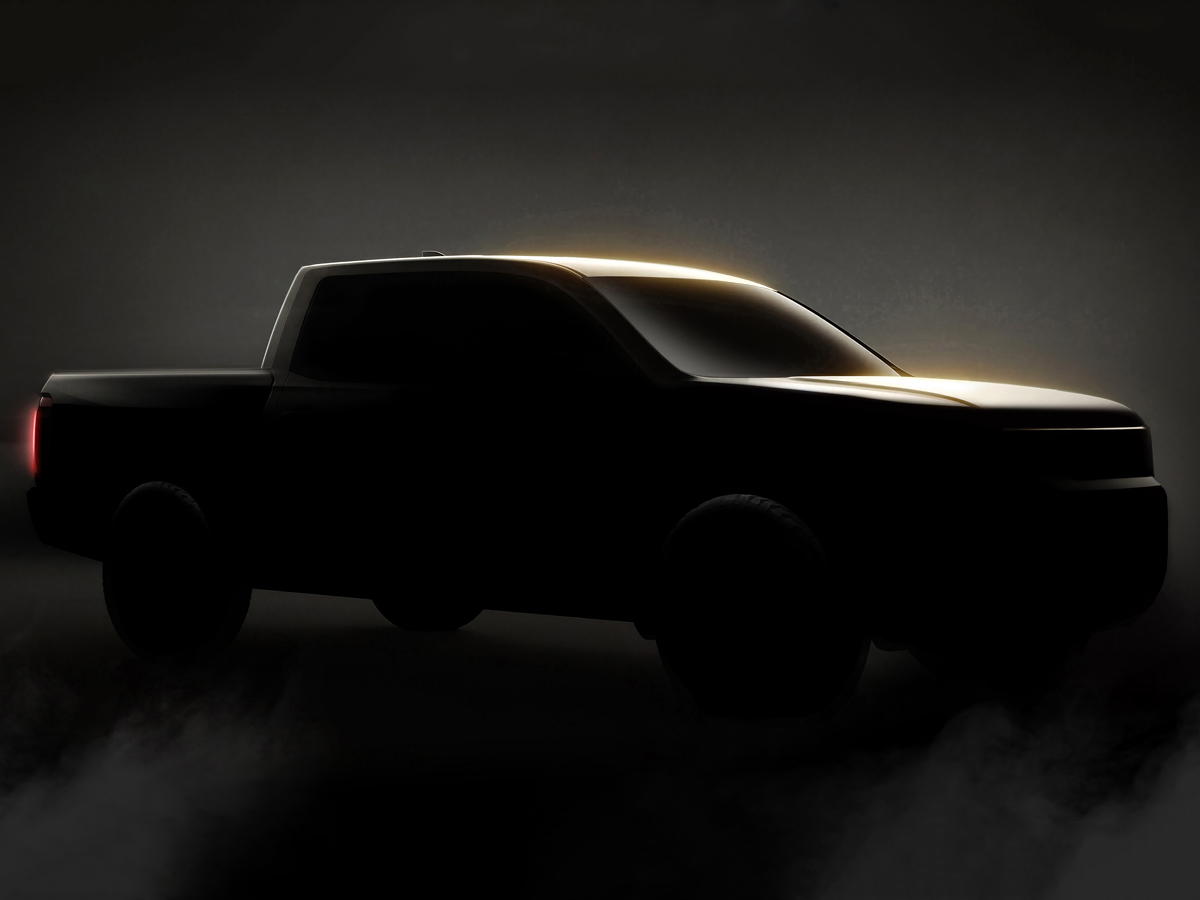
Honda’s teaser image of the upcoming 3rd-gen Ridgeline.
While Honda already manufactures the Ridgeline pick-up in Alabama, that left-hand-drive model – which is slated to enter its 3rd generation towards the middle of 2028 – features a unibody construction (and is exclusive to North America). In contrast, the Triton features a body-on-frame configuration and is available in right-hand drive, too.
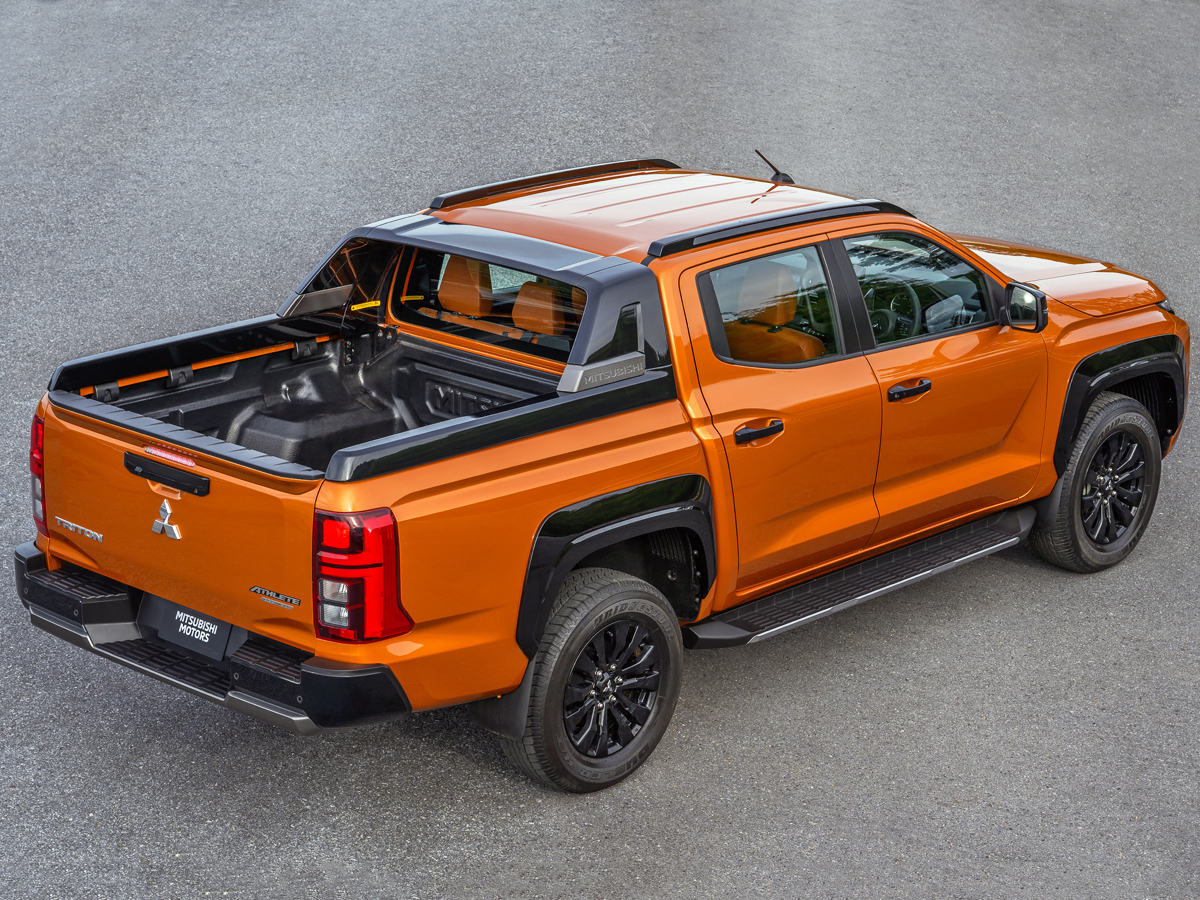
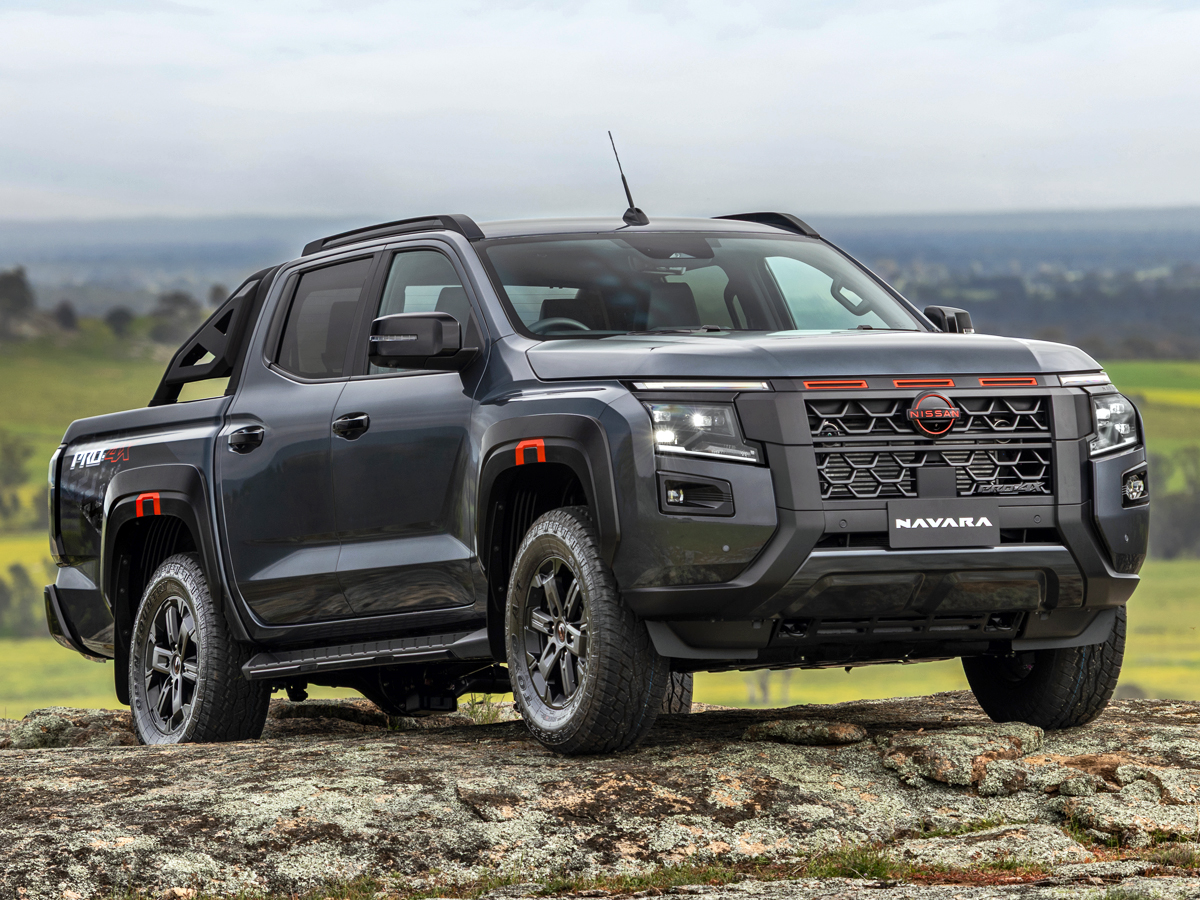
Of course, the current-generation Triton – which was unveiled globally in 2023 – also forms the basis for the D27-series Navara that is sold in Australia and New Zealand (while the D23-series bakkie soldiers on in other markets, including South Africa).
The D27-series Navara sold in Australia and New Zealand is also based on the Triton.
Based on Honda’s statement, right-hand-drive production of the new Honda-badged bakkie – which would surely employ a version of Mitsubishi’s 2.4-litre turbodiesel engine – seems very likely, particularly with Thailand being at the centre of the story.
And that would theoretically open the door for Honda Motor Southern Africa to finally enter the bakkie market. Of course, whether local bakkie buyers would accept a Triton wearing a Honda badge – what with the Triton itself proving to be one of the segment’s slower sellers – remains to be seen…
Frequently Asked Questions (FAQ)
Q: Is Honda introducing a new bakkie based on the Mitsubishi Triton?
A: Yes, Honda and Mitsubishi have signed a Memorandum of Understanding (MoU) confirming the development of a new Honda-badged ladder-frame bakkie based on the Mitsubishi Triton, scheduled for release in 2028.
Q: Where will the new Honda Triton-based bakkie be built and sold?
A: The new bakkie will be produced at Mitsubishi’s manufacturing facility in Thailand and is primarily targeted at ASEAN markets, where Honda currently lacks a pick-up model.
Q: Could the Honda-badged bakkie launch in South Africa?
A: While not officially confirmed for Mzansi, the fact that it will be produced in right-hand drive in Thailand opens a theoretical door for Honda Motor Southern Africa to consider a local release.
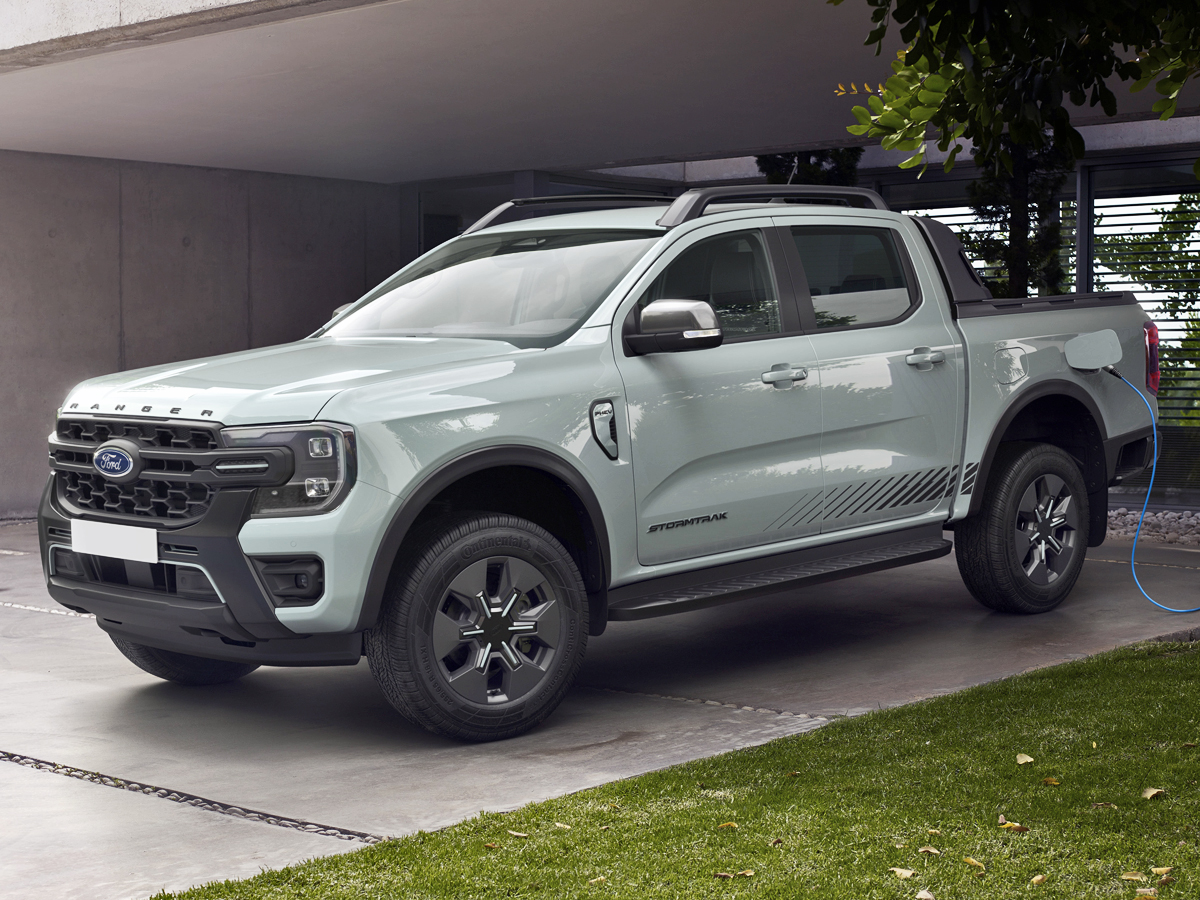
Why Ford hasn’t (yet) launched the Ranger PHEV in SA
The head of Ford in South Africa has explained why the locally built Ranger PHEV is still not sold in Mzansi, before revealing the brand is looking at a potential introduction “very carefully”…
SA-built Ranger PHEV still not sold here
Ford’s local boss calls for NEV incentives
Brand “continues to evaluate” derivative
The Ford Ranger PHEV was revealed over 3 years ago and is (for the time being, anyway) exclusively produced at the Blue Oval brand’s factory in Silverton, right here in South Africa. Why then is this plug-in hybrid bakkie – which has since been surpassed in the power stakes by a handful of Chinese PHEV contenders – still not available to new-vehicle buyers in Mzansi?
Well, Neale Hill, President of Ford Motor Company Africa, laid out the reasons during a wide-ranging interview in Cars.co.za’s custom-built podcast booth at Naamsa’s SA Auto Week 2026 event in Durban, KwaZulu-Natal earlier in October.
“It comes back to the fact that we don’t have any incentives or any drive within South Africa that’s pushing for the adoption of new-energy vehicles. So, if you look at markets where there’s been dramatic growth in new-energy vehicles, there’s not only a production element – in terms of encouraging production – but there’s also a demand-side stimulation,” he said.
This suggests that without local-market incentives, Ford Motor Company of Southern Africa believes the Ranger PHEV would potentially be priced higher than is feasible – despite being built locally. Interestingly, this model (which Ford’s SA factory currently exports to Europe and Australia) is due to enter production at the brand’s Pacheco plant in Argentina in 2027.
Still, Hill didn’t rule out eventually introducing the PHEV derivative – which he a year prior described as a “critical step in terms of protecting the future of Ranger in South Africa” – to the local market, though he wouldn’t be drawn on exactly when that might happen.
“We’ve been looking at [a potential local introduction of the Ranger PHEV] very carefully and we continue to evaluate when [would be] the right point to bring the PHEV to our line-up in South Africa. We’ll keep you on tenterhooks and let you know when that’s going to happen, because we don’t give away secrets here,” he quipped.
“But I think it’s really important that we do have this transition into new-energy vehicles. They [represent] an exciting opportunity to really revolutionise driving. Having driven the [Ranger] PHEV, [I can say] it’s a fantastic vehicle, so we really look forward to the opportunity in terms of that particular point [in time] when we can add it to our portfolio.”
As a reminder, the Ranger PHEV’s powertrain combines Ford’s turbocharged 2.3-litre, 4-cylinder petrol engine and 10‑speed automatic transmission with a 75 kW electric motor and an 11.8 kWh (usable capacity) battery pack. Peak system outputs stand at 207 kW and 697 Nm, with this torque figure described as the “highest of any production Ranger ever” (eclipsing even the high-performance Raptor’s 583 Nm).
The Ranger PHEV’s single-charge electric-only range is listed as 49 km, while the maximum AC charging rate is 3.5 kW. The Dearborn-based brand says the “estimated time” to fully charge the battery pack from zero to 100% using a 3.5 kW charger is around 4 hours.
Based on Australian specifications, the payload tops out at 830 kg, while the braked towing capacity comes in at 3 500 kg. The Ranger PHEV employs an “e-4WD” system along with a dual-range transfer box and rear differential lock. The traction battery, meanwhile, is packaged between “specially engineered” frame rails.
Frequently Asked Questions (FAQ)
Q: Why is the SA-built Ford Ranger PHEV not sold in South Africa?
A: Neale Hill, President of Ford Motor Company Africa, suggested to Cars.co.za that the lack of local demand-side incentives for New Energy Vehicles (NEVs) in South Africa makes introducing the plug-in hybrid locally financially unviable at present, despite it being manufactured at Ford’s Silverton plant in Pretoria for export.
Q: What are the performance and powertrain specs of the Ford Ranger PHEV?
A: The Ranger PHEV pairs a 2.3-litre turbocharged EcoBoost petrol engine with a 75 kW electric motor and an 11.8 kWh battery to deliver total outputs of 207 kW and 697 Nm of torque. It features an all-electric driving range of up to 49 km and a 3 500 kg braked towing capacity.
Q: Will the Ford Ranger PHEV ever be launched in South Africa?
A: Ford SA told Cars.co.za it continues to evaluate a potential local release “very carefully” as part of the country’s broader transition to NEVs, though no official launch date has been confirmed.