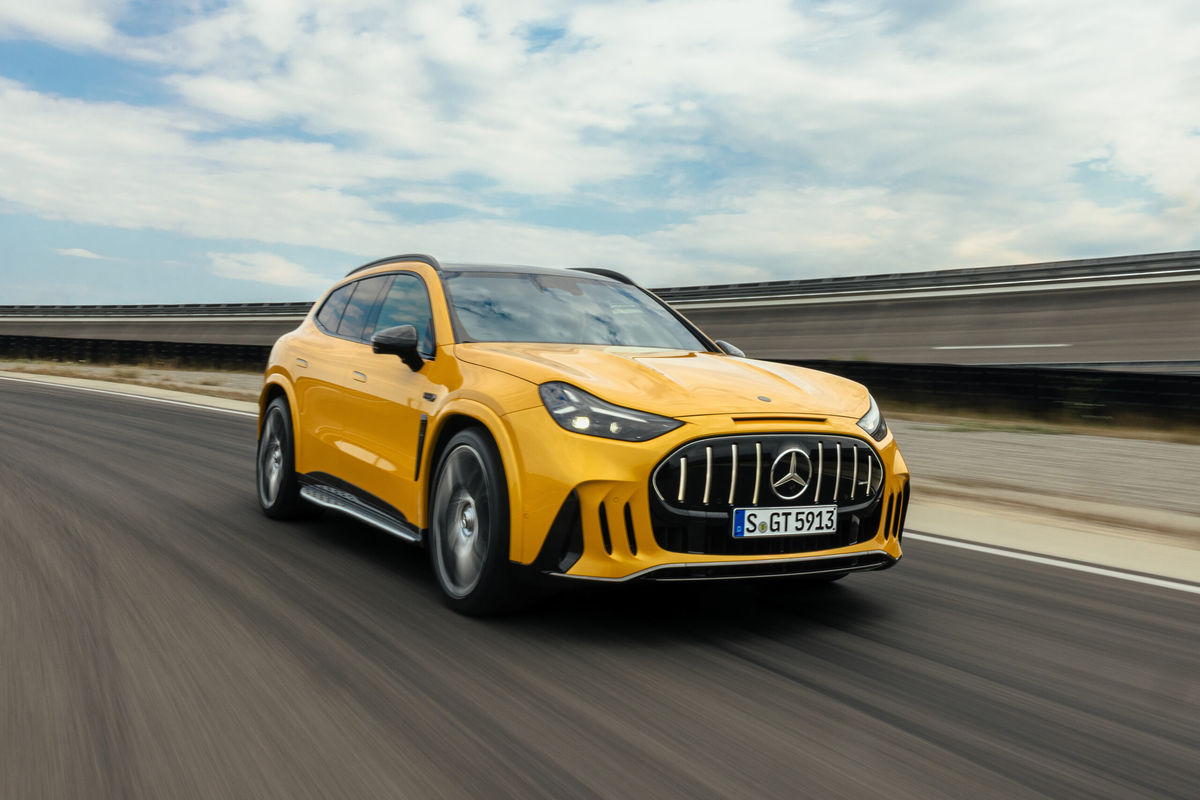
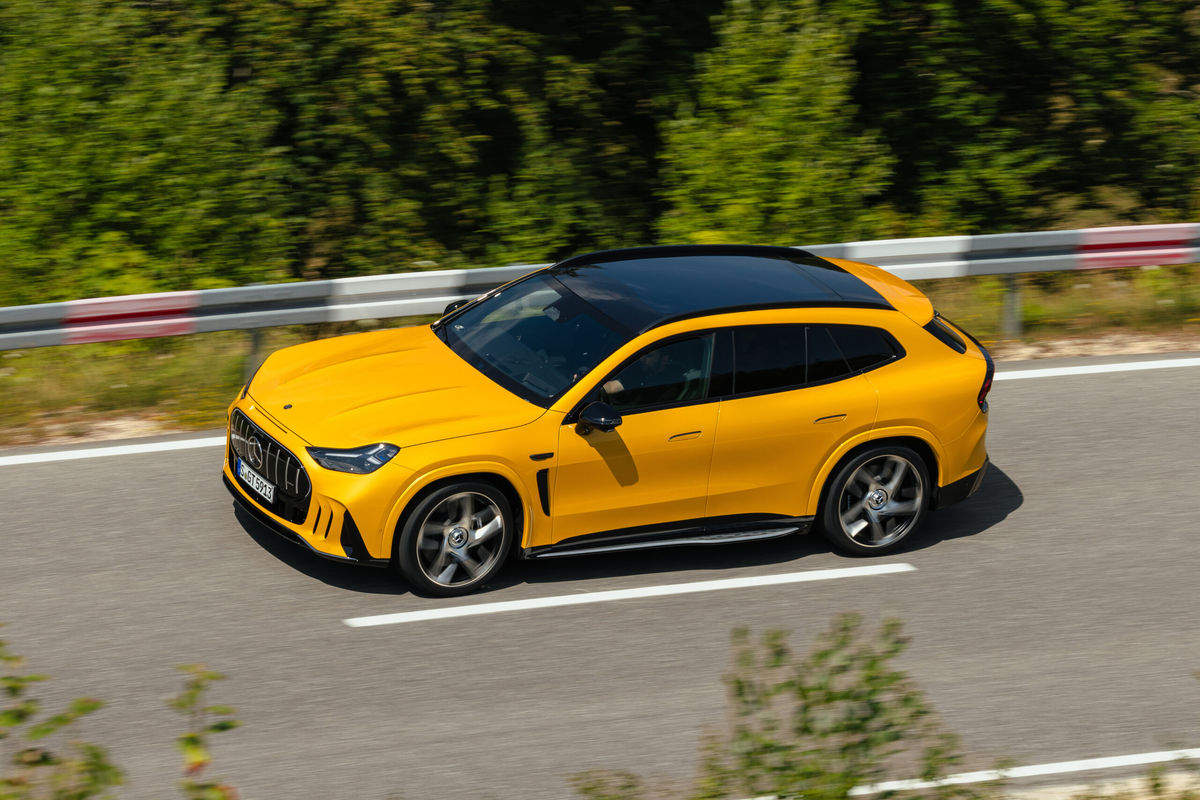
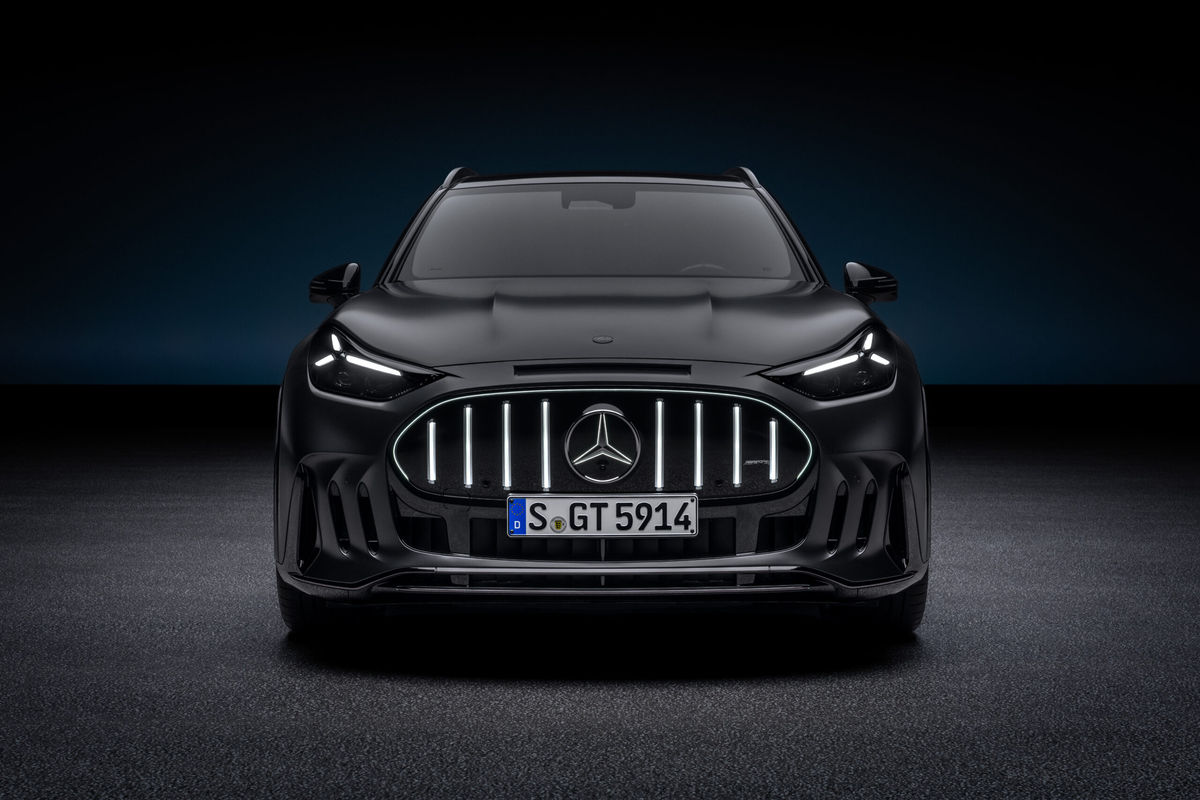
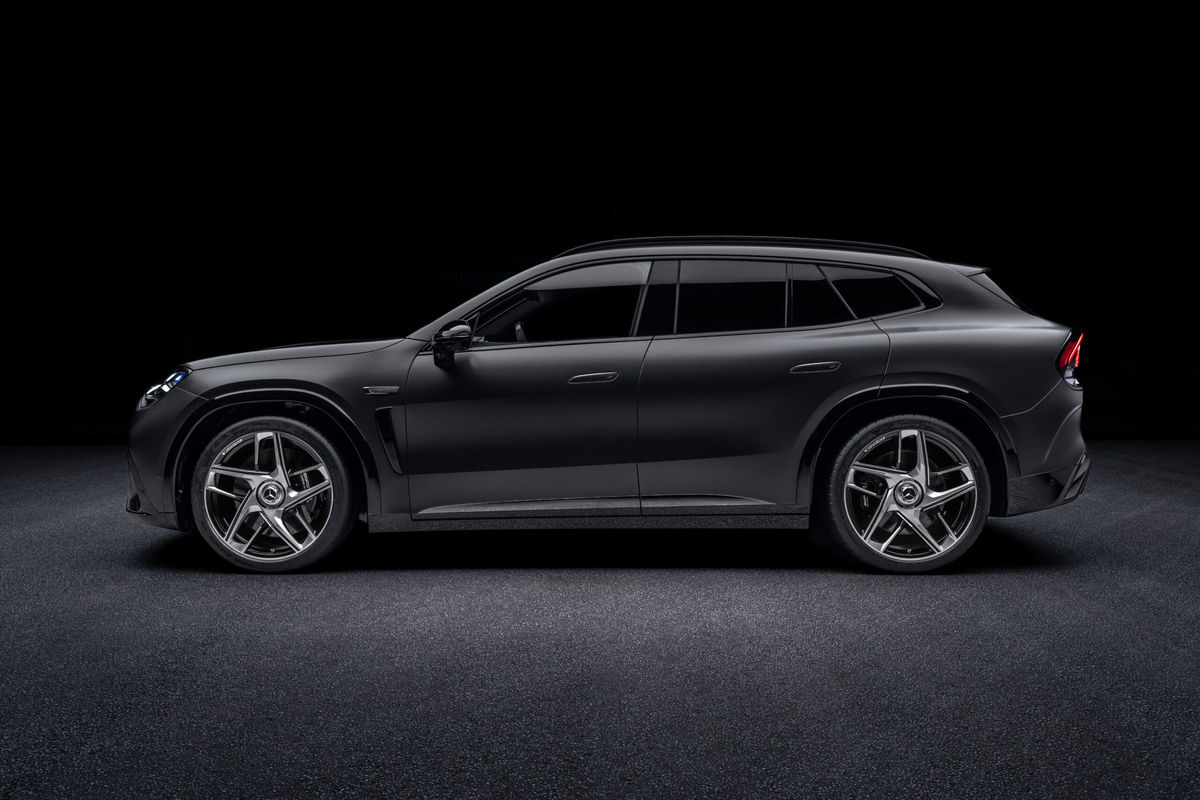
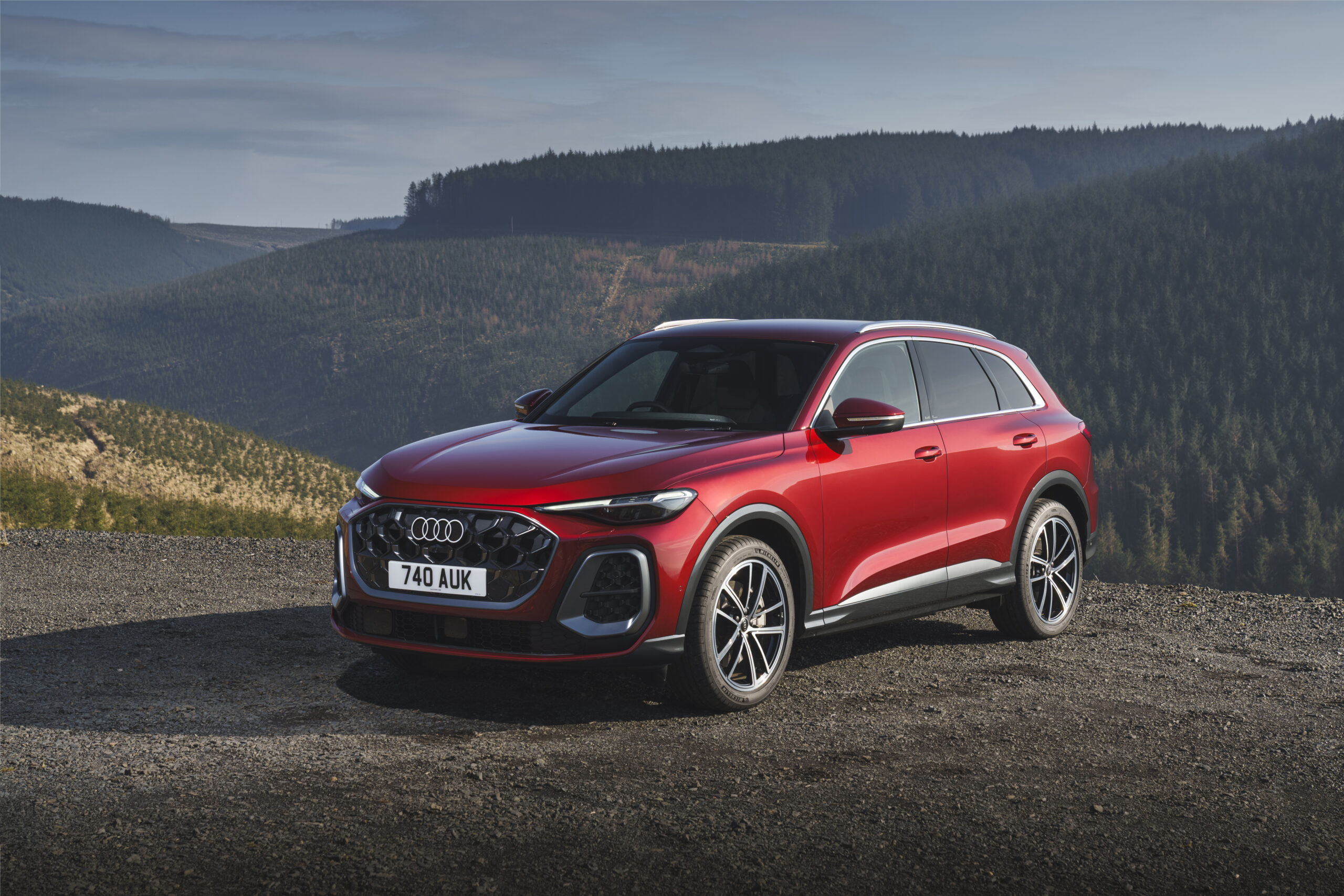
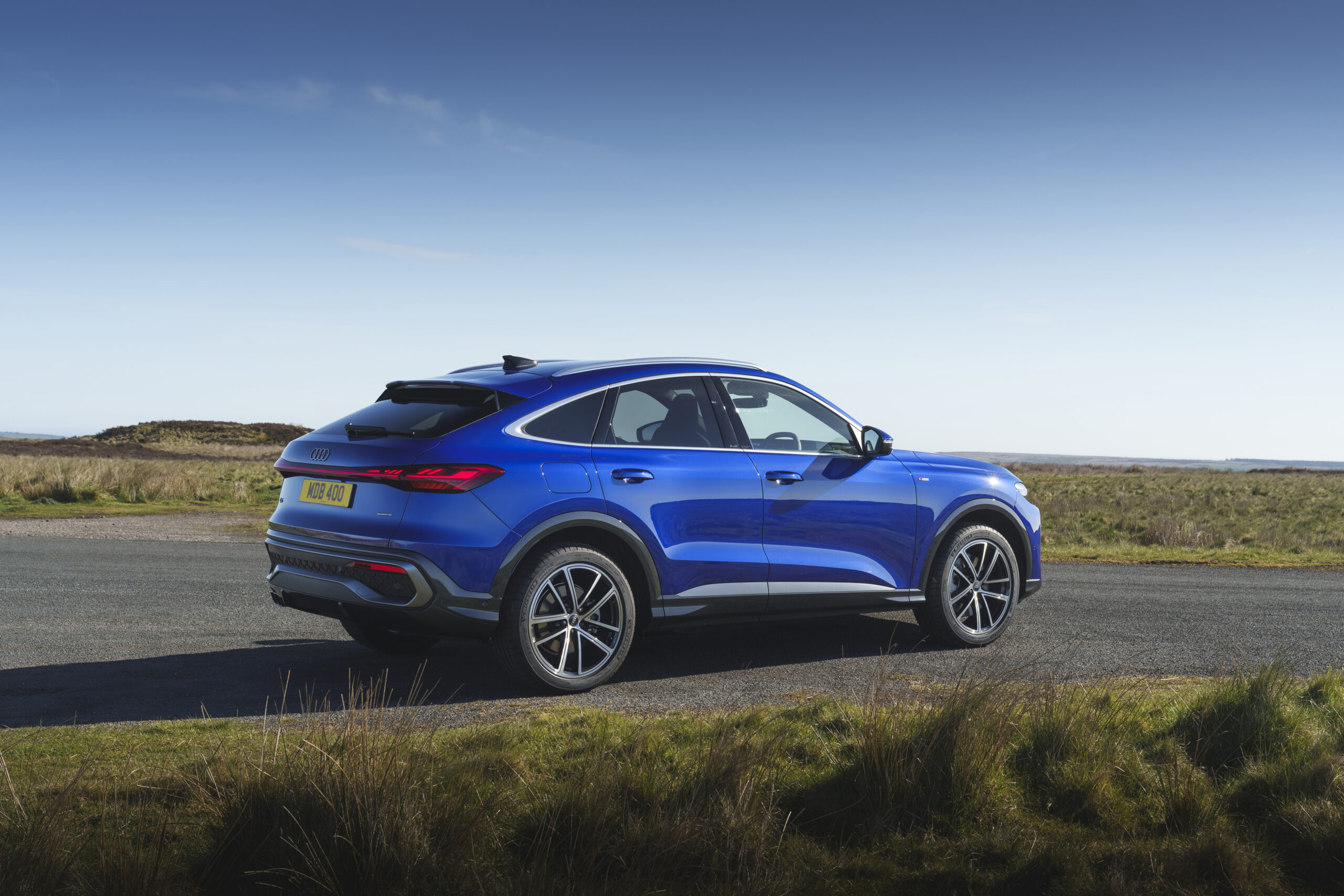
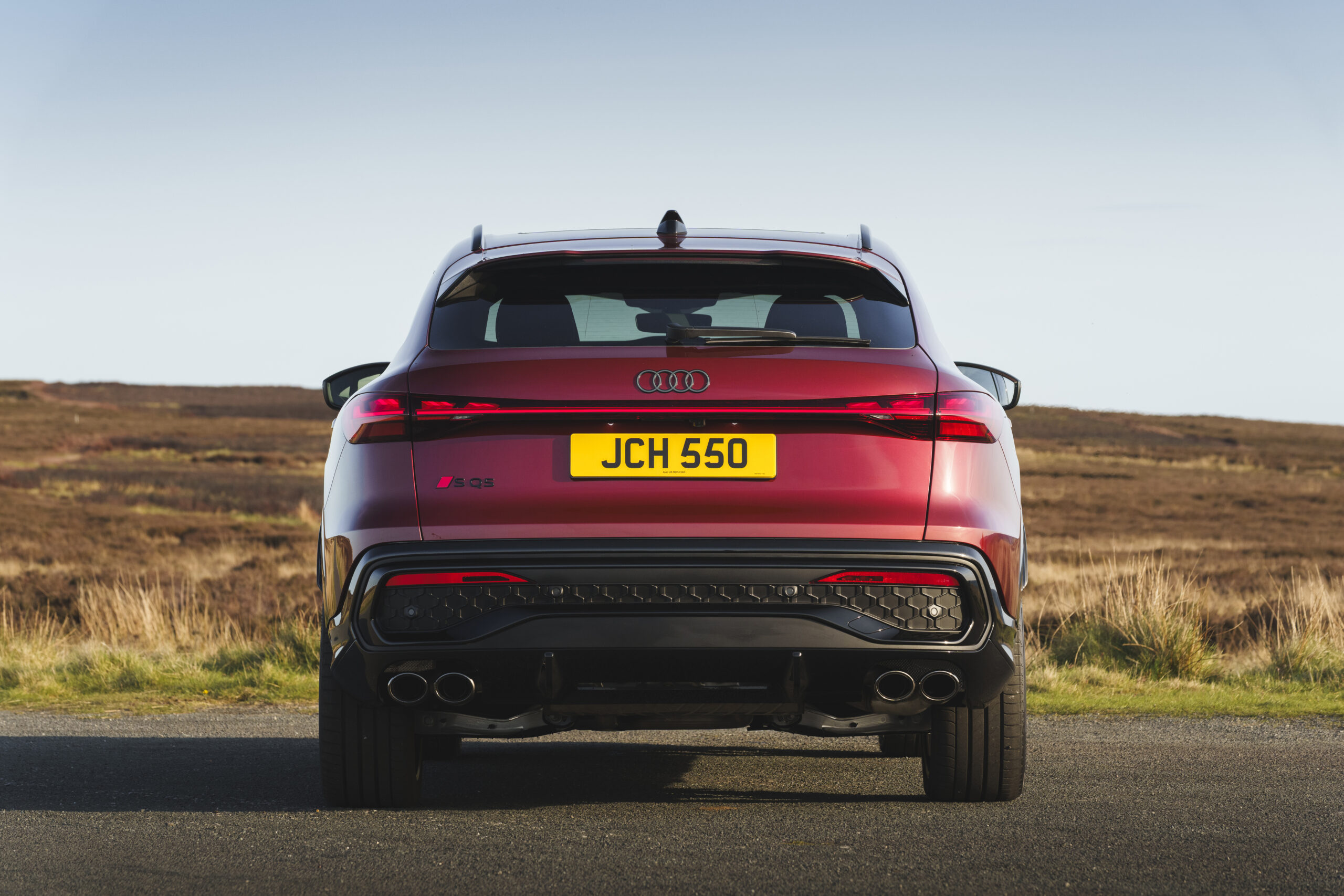
Wondering what the new 150 kW Mitsubishi Triton Bi-Turbo costs in South Africa? Well, we can confirm local pricing for the flagship version of the Japanese bakkie…
150 kW version of Triton finally arrives in Mzansi
Commands R100k premium over 135 kW Athlete
New flagship scores a full suite of ADAS features
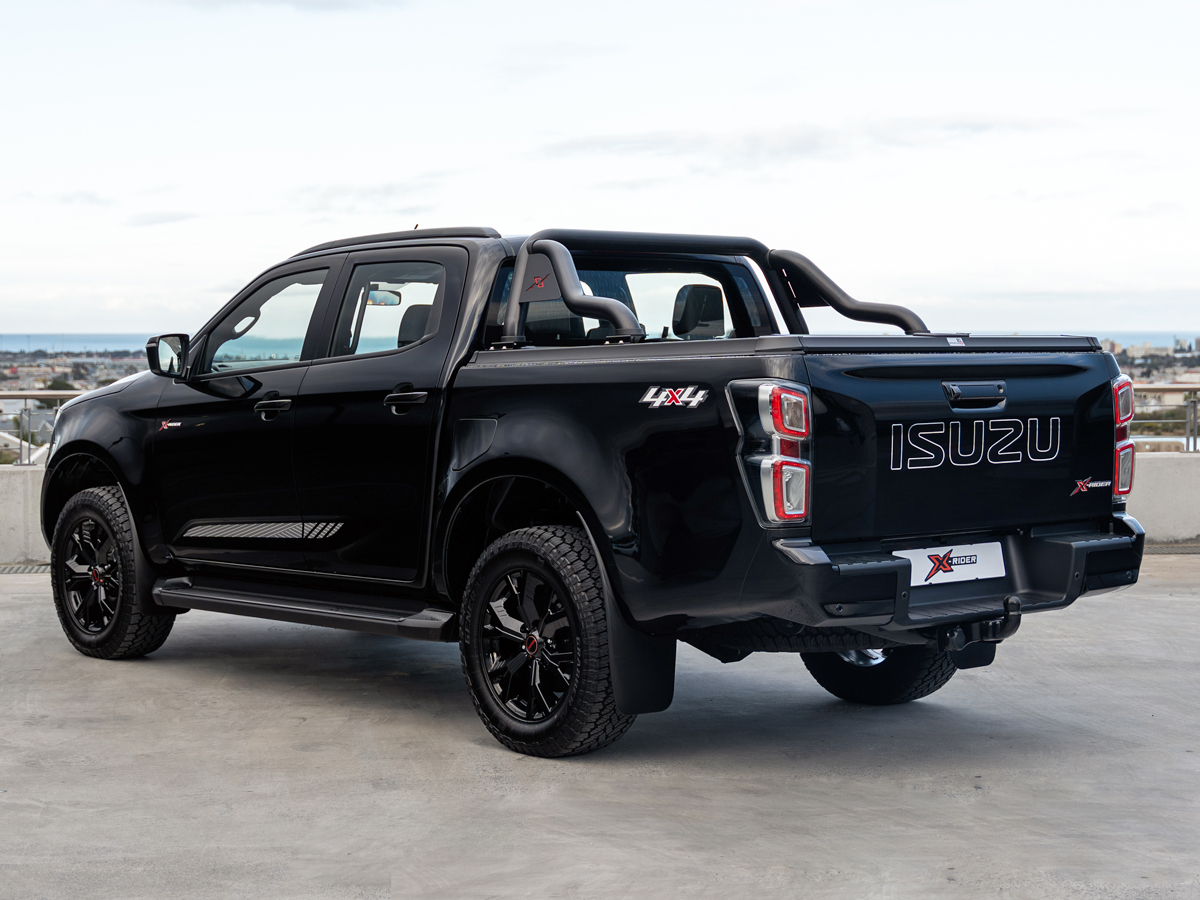
The Mitsubishi Triton Bi-Turbo has finally arrived in South Africa, slotting in at the very summit of the Japanese brand’s local bakkie range. And Cars.co.za can confirm pricing for this fresh 150 kW derivative.
As a reminder, the 6th-generation Triton was revealed in Thailand in July 2023, before arriving in South Africa in November 2024. At launch in Mzansi, all variants employed a single-turbo 2.4-litre diesel engine, which offered 81 kW/200 Nm in GL guise and 135 kW/430 Nm in all other derivatives.
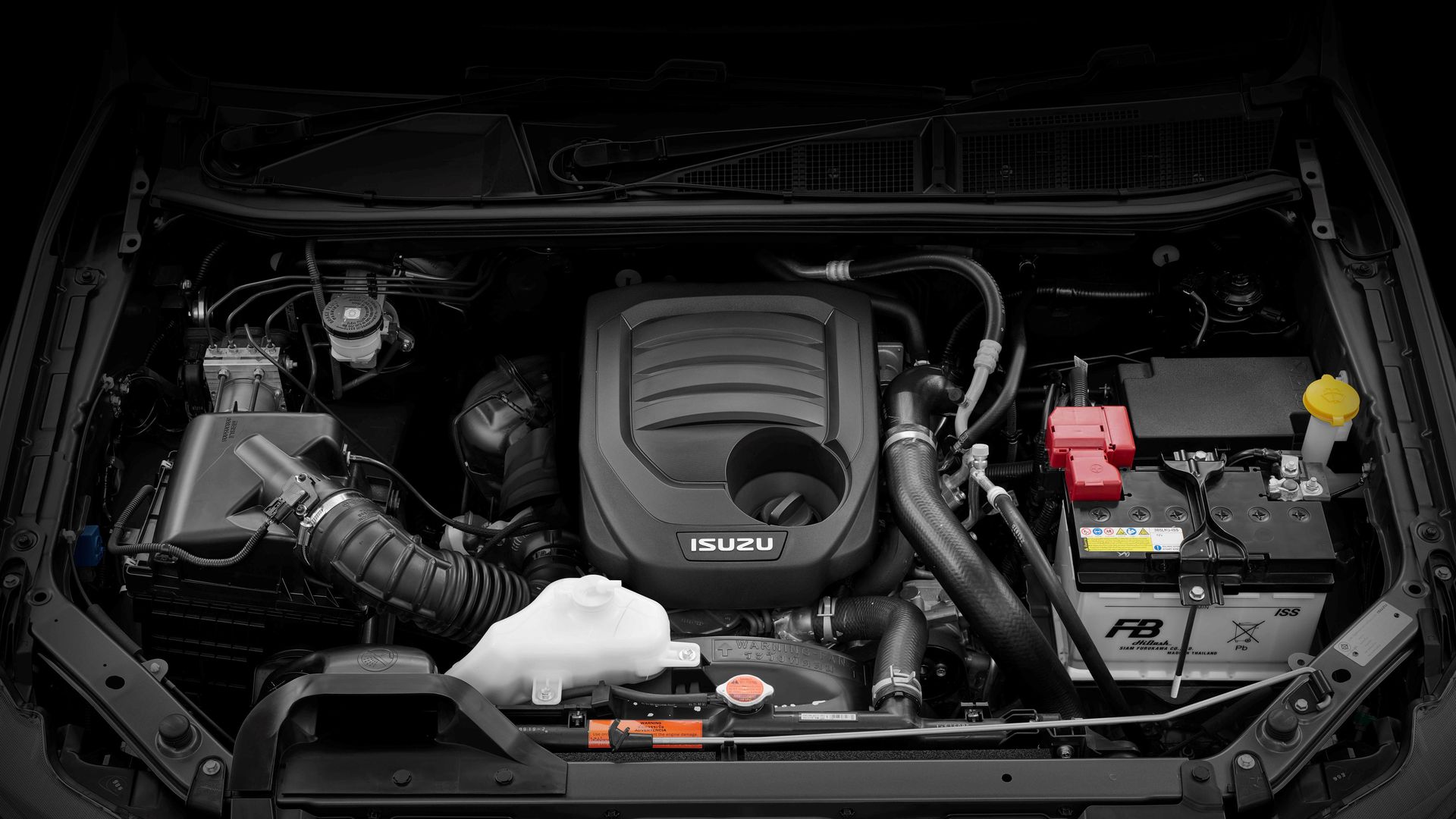
Now, the bi-turbo version of this 2.4-litre 4-pot has finally made local landfall, offered exclusively in top-spec double-cab trim. This so-called “Super High Power” motor generates 150 kW and 470 Nm (the latter on tap between 1 500 and 2 750 rpm), peak outputs that are delivered to all 4 wheels via a 6-speed automatic transmission as standard. Braked towing capacity is 3 500 kg.
According to our information, the new Triton 2.4 DI-D Bi-Turbo Double Cab 6AT 4×4 is priced at R959 990, effectively commanding a R100 000 premium over the 2.4 DI-D Double Cab Athlete 6AT 4×4 (R859 990). It furthermore slots in some R70 000 above the Edition 46, which comes kitted out with extras like a nudge bar, a black canopy, a roof rack, a rubberised load bin and Dunlop AT3G tyres (265/65 R18).
Interestingly, while the SA-spec Triton Bi-Turbo doesn’t appear to officially wear the “Athlete” badge, it seems to share much of that derivative’s bold exterior styling. As such, the new flagship variant features items like a black styling bar and roof rails as standard.
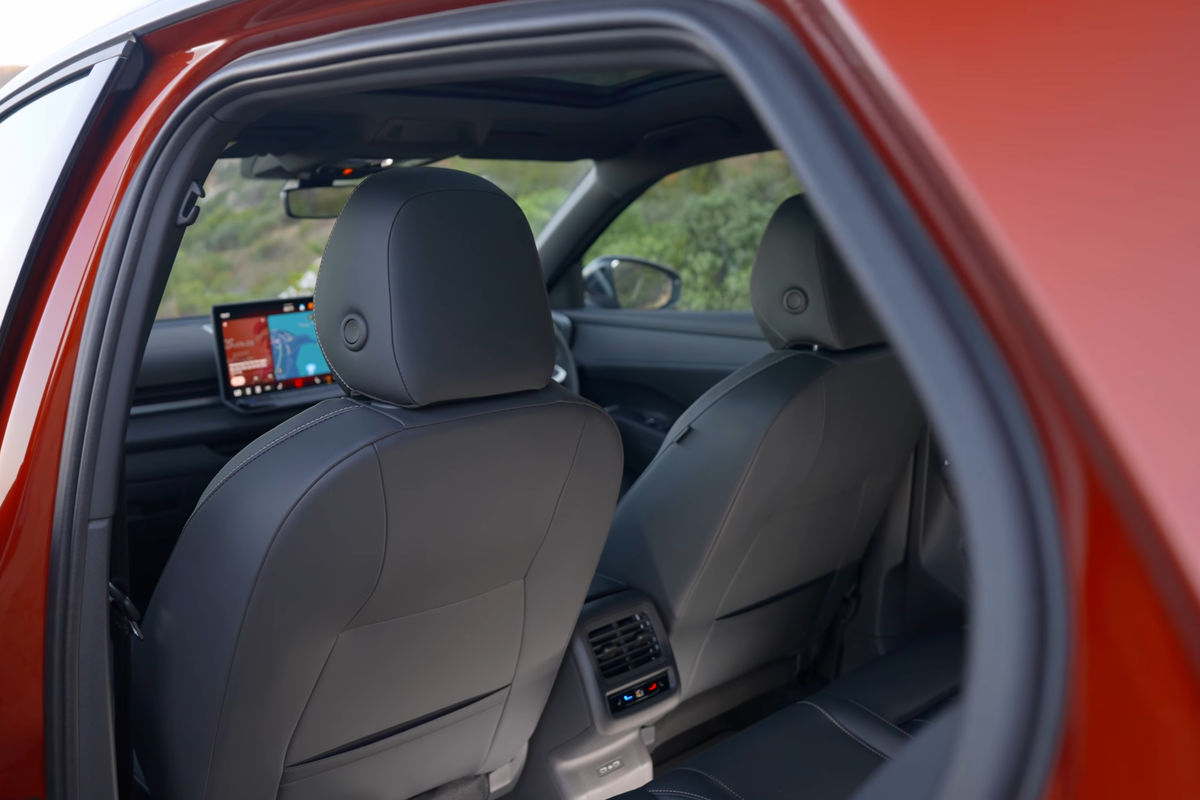
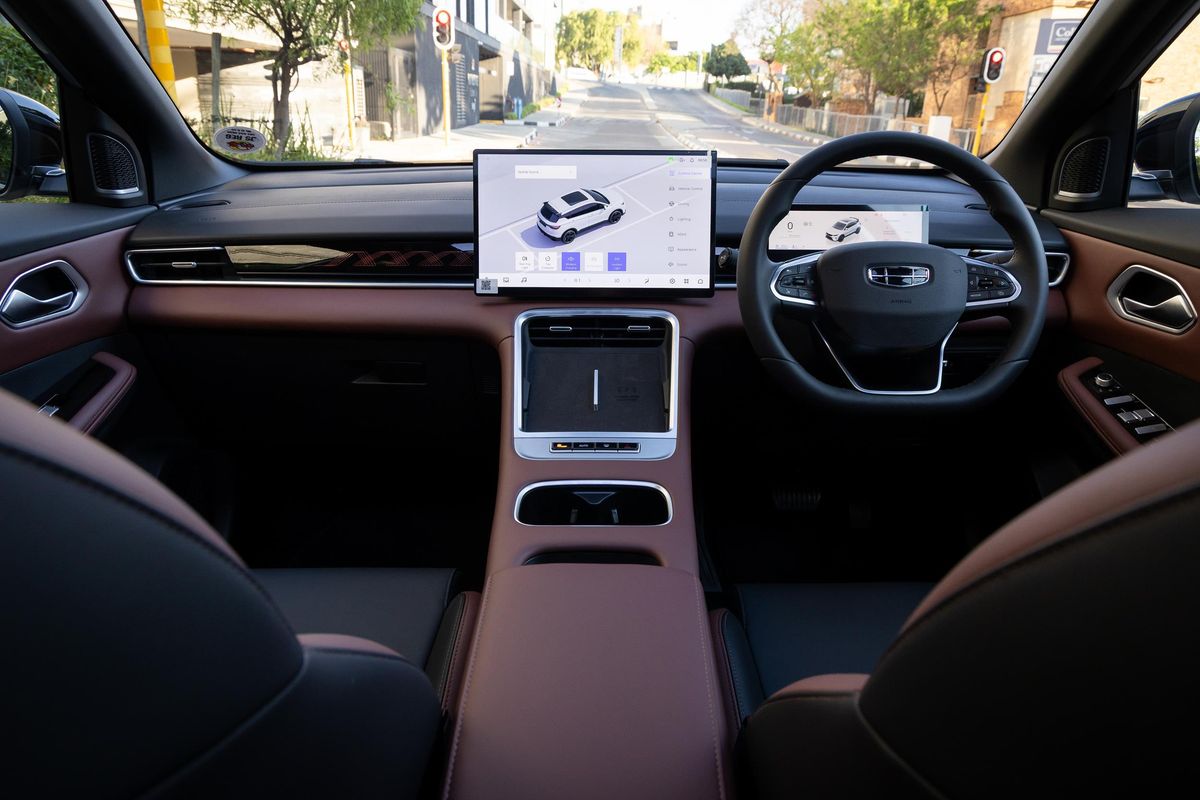
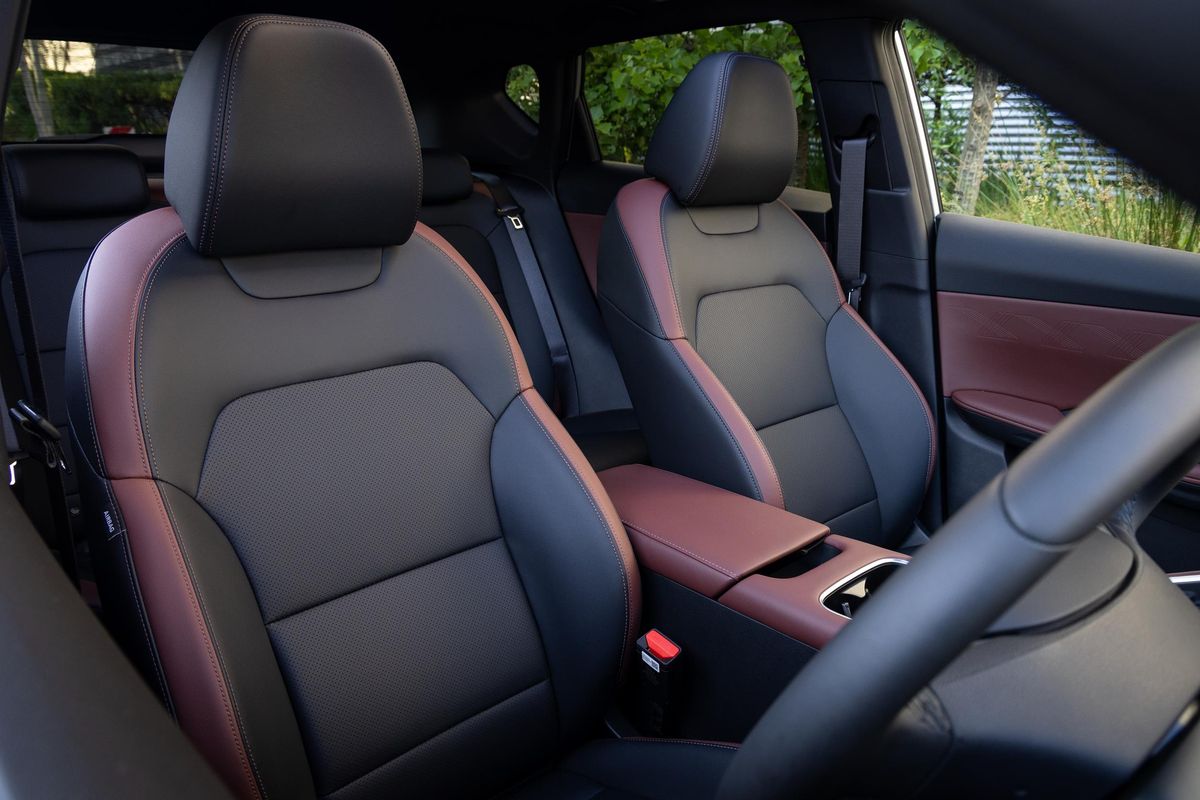
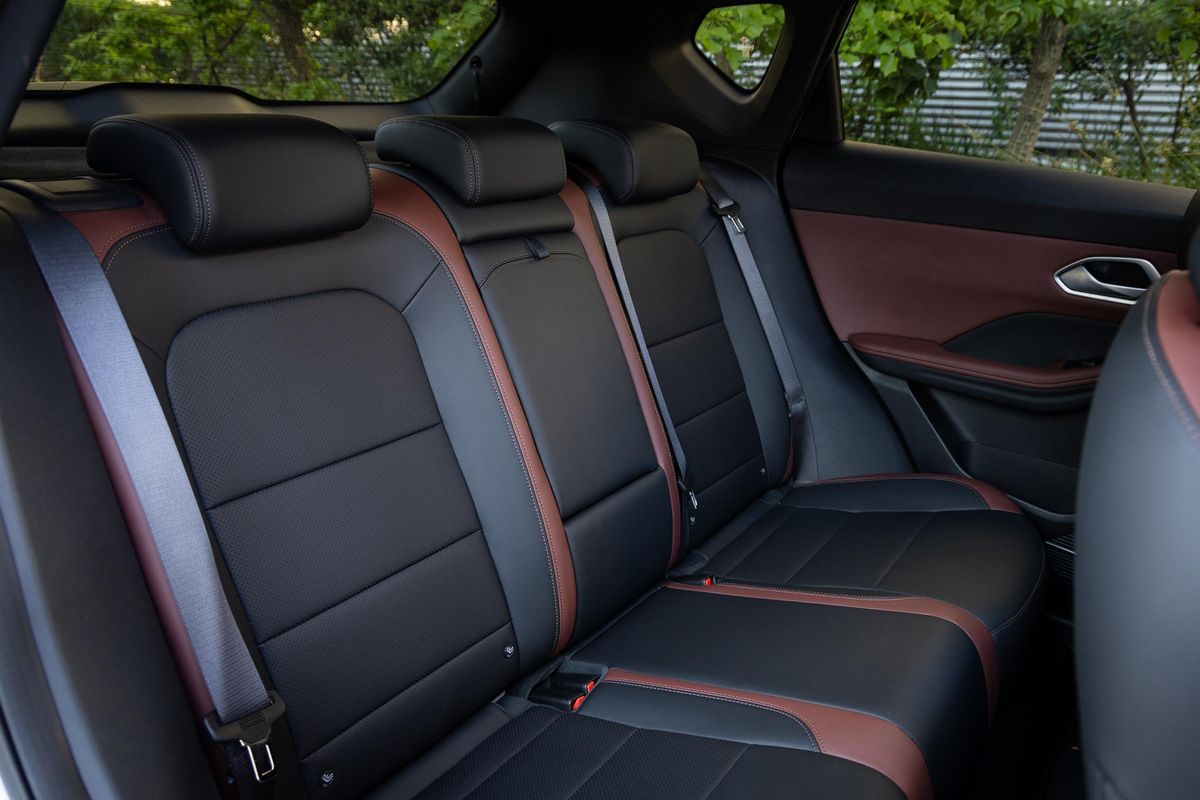
Inside, the Triton Bi-Turbo gains Mitsubishi’s 360-degree camera system and also scores various advanced driver-assistance system (ADAS) features, from adaptive cruise control and blind-spot monitoring to rear cross-traffic alert, lane-departure warning, forward-collision warning (with pedestrian detection) and automatic high beams. It also features sections of orange trim on the seats.
Sales of the new Triton have been somewhat underwhelming in South Africa, with registrations of this bakkie dipping 11.2% year on year to just 500 units in 2025 (seeing it finish 14th on the list of Mzansi’s best-selling bakkies last year). Over the opening 4 months of 2026, Mitsubishi has sold a further 146 units of the Triton, which puts it in 15th spot, year to date.
What does the Mitsubishi Triton Bi-Turbo cost in SA?
DERIVATIVE
PRICE
Triton 2.4 DI-D GL Single Cab 5MT 4×2
R499 990
Triton 2.4 DI-D GL Single Cab 5MT 4×4
R559 990
Triton 2.4 DI-D GL Double Cab 5MT 4×4
R639 990
Triton 2.4 DI-D GLS Double Cab 6AT 4×2
R679 990
Triton 2.4 DI-D GLS Double Cab 6MT 4×4
R739 990
Triton 2.4 DI-D GLS Double Cab 6AT 4×4
R759 990
Triton 2.4 DI-D Xtreme Double Cab 6AT 4×2
R769 990
Triton 2.4 DI-D Double Cab Athlete 6AT 4×2
R779 990
Triton 2.4 DI-D Xtreme Double Cab 6AT 4×4
R849 990
Triton 2.4 DI-D Double Cab Athlete 6AT 4×4
R859 990
Triton 2.4DI-D Edition 46 Double Cab 6AT 4×4
R889 990
Triton 2.4 DI-D Bi-Turbo Double Cab 6AT 4×4
R959 990
The prices above includes a 5-year/unlimited kilometre warranty and a 5-year/90 000 km service plan (with intervals of 10 000 km).
Q: What is the price of the new flagship Mitsubishi Triton Bi-Turbo in South Africa?
A: The range-topping Mitsubishi Triton 2.4 DI-D Bi-Turbo Double Cab 6AT 4×4 is priced at R959 990. This positions it at the very summit of the local lineup, commanding a R100 000 premium over the 135 kW Athlete 4×4 variant and R70 000 over the accessorised Edition 46.
Q: How does the Bi-Turbo’s “Super High Power” engine performance compare to the standard Triton models?
A: While standard Triton models utilise a single-turbo 2.4-litre diesel engine delivering either 81 kW/200 Nm or 135 kW/430 Nm, the new Bi-Turbo version features a “Super High Power” setup. It develops a potent 150 kW and 470 Nm of torque (available between 1 500 and 2 750 rpm), paired exclusively with a 6-speed automatic transmission and a 4×4 system.
Q: What extra features and safety technology does the Triton Bi-Turbo flagship include?
A: On top of sharing aggressive styling cues with the Athlete model (such as a black styling bar and roof rails), the Bi-Turbo gains a 360-degree camera system and unique orange seat trim accents. Crucially, it scores a full suite of advanced driver-assistance systems (ADAS), including adaptive cruise control, blind-spot monitoring, rear cross-traffic alert, lane-departure warning and forward-collision warning with pedestrian detection.
The Toyota Hilux GR parts catalogue has been released, showcasing both cosmetic and functional upgrades for the 9th-generation model.
The 9th-generation Toyota Hilux will be hitting South African showrooms around June/July 2026 and while the lineup and derivatives are yet to be confirmed, Toyota Racing Development has released the Toyota Hilux GR parts catalogue.
Gazoo Racing is Toyota’s sporty arm and the goodies offer both cosmetic and functionality enhancements. Visually, you can switch out the standard grille for a gloss-black unit, add GR mud flaps in either black or red, there’s a dual-pipe stainless steel muffler and GR Sport side window deflectors.
From an engineering enhancement point of you, there’s a GR performance damper which Toyota Racing Development says will reduce driving noises and vibrations, thus improving ride comfort and handling stability. These performance dampers were developed by Yamaha.
As a reminder, the Toyota Hilux, which made its local debut way back in 1969 – has held the title of SA’s best-selling vehicle overall for more than 50 years. It’s also produced at Toyotas’ Prospecton facility in KwaZulu-Natal.
Changes from the 8th to the 9th-generation Hilux include new hydraulic engine mounts, shear-type cabin mounts, electric power steering and a substantially enhanced cabin, bringing it more up to date in terms of infotainment and ergonomics.
While we wait for official powertrain confirmation for our market, it appears the engines are carried over from the previous generation with the flagship 1GD-FTV motor making 150 kW and 500 Nm.
What are the major changes for the 9th-generation Hilux?
The 9th-generation model introduces a bold “Cyber-Sumo” front fascia with a prominent hexagonal grille and sharper LED headlamps. Inside, it receives a major technology upgrade inspired by the Land Cruiser Prado, featuring a dual-display cockpit with 12.3-inch screens on high-spec variants. Mechanically, it debuts Electric Power Steering (EPS) and retuned suspension bushes for significantly improved ride comfort and lighter, more car-like handling.
What engine options power the new Toyota Hilux?
The cornerstone of the local range remains the proven 2.8-litre GD-6 turbodiesel engine, delivering 150 kW and 500 Nm (paired with a 6-speed automatic) or 420 Nm (paired with a 6-speed manual). For the 9th-generation launch, upper-tier automatic models come standard with 48V mild-hybrid (MHEV) technology to improve stop/start smoothness and low-speed throttle response.
Will there be an all-electric or hydrogen Toyota Hilux in South Africa?
Toyota has globally revealed an all-electric (BEV) dual-motor Hilux powertrain featuring a 59 kWh battery, as well as a planned Hydrogen Fuel Cell (FCEV) variant scheduled globally for 2028. However, official South African launch timelines and local availability for these alternative zero-emission powertrains are yet to be confirmed.
What is the towing and payload capacity of the 9th-generation Hilux?
The 9th-generation Hilux retains its core utilitarian capabilities, offering a class-competitive braked towing capacity of up to 3,500 kg on 4×4 models and a maximum payload capacity of approximately one tonne depending on the body configuration and trim.
Toyota Land Cruiser FJ (2026) Launch Review
The Toyota Land Cruiser family has gained a new member in the form of the compact FJ. We take it for a quick off-road jaunt!
What is it?
To say this Toyota Land Cruiser FJ is a successor to the retro-styled FJ Cruiser would be doing it a disservice, as the family tree doesn’t quite branch that way. With origins tracing back to the original Cruiser from 1951, Toyota’s framing the LC FJ as a descendant of the current-shape Prado.
The Toyota Land Cruiser brand is immense, with over 12.4 million sales across more than 190 countries. Interestingly, South Africa is in the top 10 markets for the Land Cruiser brand. Expectations of the new Land Cruiser FJ are immense, both locally and globally.
Under the skin is an enhanced version of the Toyota IMV platform, adopting portions from both the Fortuner and Hilux. It has a relatively short wheelbase of 2 580 mm for easier off-roading. Visually, its a curious design and there’s nothing quite like it on the road. It’s very box-like and radically different to the previous FJ.
There are two derivatives offered, GX and VX, and customers have a choice of 5 colours. The Calcite Blue is pictured, and I think that and the Oxide Bronze are the standout tones. VX adds larger wheels, leather trim, ADAS tech, dual-zone climate control and other niceties.
There’s one powertrain offered for now, with a diesel option highly likely in the future. The 2.7-litre naturally-aspirated petrol offers up 122 kW and 245 Nm, and is paired to a 6-speed automatic transmission. Fuel consumption is claimed at 10.7 L/100 km. It’s interesting to note this powertrain is also available in the Prado as a commercial spec in some markets!
It wouldn’t be a Land Cruiser unless there’s genuine off-road capabilities. This model fits the bill, with both high-range and low-range gearboxes, 245 mm of ground clearance and 29/38 degrees of respective approach and departure angles. There’s also a lockable rear differential.
If you’re serious about living that Land Cruiser life, Toyota has made a number of accessories available, such as a snorkel, skid plate, roof rack and so on. You can also upgrade to a larger and improved infotainment system for R12 000. Due to production timings, the SA-spec FJs were signed off before this better infotainment system was available, so if you’re not satisfied with the standard unit, you have some recourse.
What’s it like to drive?
Our driving route took us from Cape Town’s City Bowl onto the national highways and out towards the Malmesbury/Riebeek-Kasteel region. Initial concerns around the vehicle’s performance proved unfounded. The 2.7-litre petrol engine is relatively free-revving, despite our test unit having only a few hundred kilometres on the odo.
The 6-speed ‘box shifted cogs in a fuss-free manner, showing some hesitation only on freeway overtakes. The engine is adequate, but it’s worth noting that the claimed fuel consumption is ambitious. At the national speed limit, the rev counter is sitting around the 2 500 rpm figure, which helps maintain low levels of noise and vibration, but consumption doesn’t benefit too much.
Granted, we weren’t shy with the throttle and didn’t get to our destination with economy in mind, but some may find 13.5 L/100 km a tad alarming. Drive with a degree of restraint and, once the engine is run in, under 12.0 L/100 km may be possible. Consider the aerodynamics of the vehicle – it is box-like, after all.
This then begs the question: why isn’t there a diesel engine? Toyota SA confirmed it’s considering an oil-burner option. While we anticipate the 0-100 kph performance will be similar, the in-gear overtaking capability and overall range will be better. Is the 2.7-litre engine a dealbreaker? Not at all, and there are few positive takeaways here. This engine is tried-and-tested in South Africa, and mechanically, should be easy and cost-effective to maintain and repair.
The driving position is best described as commanding. You sit high up and have excellent outward visibility. We did have reservations about a potential blind spot around the C-pillar and, while it exists, we’re grateful for blind-spot monitoring!
Granted, the FJ can feel top heavy, but it’s not bad given the vehicle’s height. Photographs don’t do the FJ justice, by the way. It’s a lot bigger in the metal and comparisons between this and the Jimny are unfounded, as Suzuki’s plucky off-roader is dwarfed by the FJ.
Ride quality and refinement are acceptable on road, but expect the usual culprits like a jiggly ride on poorer-quality surfaces.
Where the Land Cruiser FJ shines is when the tar ends, and this off-roader offers a refreshingly uncomplicated experience. Fitted with all-terrain tyres as standard, it’s going to take some special carelessness to get this thing stuck.
There are no off-road modes. Simply engage high range or low range depending on the terrain, and off you go. The steering setup is light and quick; we suspect the turning circle of the FJ is far tighter than most vehicles in this class. We’ll give this vehicle a thorough and comprehensive 4×4 test in the near future, but as far as first impressions go, this is a Cruiser through and through.
How much does the new Land Cruiser FJ cost in South Africa?
Land Cruiser FJ GX
R714 000
Land Cruiser FJ VX
R761 400
The vehicle is sold with a 9-service/90 000 km service plan with intervals every 10 000 km, as well as a 3-year/100 000 km warranty. Service and warranty extensions are available through Toyota’s national dealer network. All new Toyota vehicles are equipped with connectivity hardware, enabling in-car Wi-Fi (including a complimentary 25Gb allocation) and a suite of Toyota Connect services.
Summary
The Toyota Land Cruiser FJ is a uniquely-styled compact SUV, but unlike the current crop of competitors, can actually venture far beyond the comforts of the metropolitan areas. There’s something refreshingly mechanical and uncomplicated about this vehicle. Sure, the exterior design team injected their youthfulness into the aesthetics, but at its core, it’s Land Cruiser through and through.
Given its appeal and positioning as an entry point to the Land Cruiser hierarchy, it should come as no surprise that demand comfortably outstrips supply and the Toyota Thailand factory will be churning them out as fast as realistically possible.
How much does the Toyota Land Cruiser FJ cost in South Africa?
As of May 2026, the Toyota Land Cruiser FJ is available in two specification grades: the entry-level GX costs R714 000 and the flagship VX costs R761 400.
What engine powers the Land Cruiser FJ in SA?
The Land Cruiser FJ is powered by a 2.7-litre naturally aspirated four-cylinder petrol engine (2TR-FE) that produces 122kW of power and 245Nm of torque.
Is the Toyota Land Cruiser FJ an automatic 4×4?
Yes. Both the GX and VX derivatives come standard with a 6-speed Super ECT automatic transmission paired with a part-time four-wheel-drive system, a low-range transfer case, and a rear differential lock.
What platform is the Land Cruiser FJ built on?
The Land Cruiser FJ utilizes a rugged, body-on-frame setup built on a modified version of Toyota’s IMV platform, which it shares with the Hilux and Fortuner.
What warranty and service plan is included with the Land Cruiser FJ?
The vehicle is sold with a standard 3-year/100 000 km warranty and an extensive 9-service/90 000 km service plan.
Record fuel prices: Are South Africans getting what they pay for?
Record fuel price increases are making South Africans rethink their vehicle choices and driving behaviour. What exactly are we paying so much for?
Fuel rewards data is one of the best indicators of how urban South Africans are driving. In April, one of the country’s biggest fuel rewards programs showed a nearly 30% reduction in fuel purchases. That’s not because South Africans have, by some miracle, converted en masse to PHEVs and EVs… It’s all about the fuel price.
This has made us wonder – are South Africans really getting what they are paying for when it comes to fuel? Are fuel prices carrying legacy levies and costs that no longer apply? Are these making fuel more expensive than it needs to be? And why is South Africa importing so much fuel when we were once capable of making nearly all our own petrol and diesel?
Why clean fuel matters
Modern diesel engines are super sensitive to sub-standard fuel.
Beyond the cost factor, what is the real near-term risk when talking about fuel in South Africa? Unless you are a petrochemical engineer, fuel purity is something most South African vehicle owners never really think about … but they should.
Modern engines require high-quality, low-contaminant fuel. And contaminants aren’t always what you think they are. Sure, diesel drivers know the difference between 500 and 50 ppm diesel, or ‘low sulphur’ diesel. But there’s more to fuel contamination than just particulate matter, which can destroy injectors.
Water is the other big risk. When the fuel production and supply chain system experiences temperature and condensation issues, moisture can form and contaminate fuel. Water, in any form, isn’t a lubricant. Engine fuel injectors operate at very high pressures. That makes them highly susceptible to moisture in the fuel, which acts as a cutting agent when it is pressurised through the fuel system and injection rail.
The blended diesel risk
It might look fine but impure diesel can be disastrous for your engine.
When fuel prices surge, especially the cost of diesel, the risk of blending becomes a real concern for South African transport operators and private vehicle owners.
Blended fuel is diesel that has been volume-enhanced (or ‘adulterated’) with kerosene. Fuel syndicates create these blends to offer lower-priced fuel to desperate buyers. Syndicates also keep most of the fuel-tax difference. How? Well, blended diesel is sold illegally.
Like high-sulphur diesel or diesel that’s been poorly transported, bunkered, and transferred (gaining dust particles and moisture), blended diesel is destructive to injectors. While there’s been a clampdown on these syndicates, some slips through the system and manage to distribute and sell blended diesel.
The risk of filling up with blended diesel can be avoided by visiting recognised forecourts and established retailers. While that can be a challenge when you’re road tripping in a diesel double cab or SUV into rural areas, smart planning by refuelling in bigger towns before turning off onto dirt tracks can avoid derailing your adventure.
High-pressure injection systems, like on this V8, require the cleanest fuel possible.
Ironically, a solid proportion of South African fuel has improved in quality over the last few years… The reason is less positive – the local fuel-refining industry has collapsed.
South Africa now imports most of its petrol and diesel as fully refined products from some of the world’s best and most sophisticated refineries in the Middle East. That means a lot less of the petrol and diesel you buy is made by local refineries, some of which date back to the 1960s…
The collapse of South African refining is largely due to low-sulphur fuel requirements. Sophisticated petrol and diesel engines have become standardised on new vehicles on sale in South Africa. That means high-pressure direct injection and exhaust gas recirculation (EGR) valves. On diesels, additional emissions control systems such as AdBlue and diesel particulate filters add to the clean fuel requirement.
All those emissions-control components and turbocharged powertrains require a much higher level of fuel purity. Yet, when engineers evaluated South Africa’s future powertrain pipeline in the late 2000s and early 2010s, investors in the fuel sector and government were unwilling to spend the money to produce future-spec Euro-compliant fuels.
More than half of South Africa’s refineries are no longer in commission.
Fuel price structures
It would be great to have fully domestic fuel production again, potentially saving on shipping costs. But it is unlikely. Why? Upgrading local petrochemical refineries to supply the clean fuels needed for South Africa’s current and future vehicle fleet is just too expensive.
Crucially, while we’ve gone from producing nearly all the fuel we need, to importing most of it, it would appear most of the fuel levies and taxes have remained unchanged. The various levies and taxes for locally made fuel made from imported oil, versus the costs applied to fully imported fuel, surely can’t be the same?
There are further unanswered questions, such as how the carbon fuel levy works and whether it is time to update it. South Africa does not tax engine size or specific emissions outputs, unlike many other countries. All South African drivers effectively pay the same carbon fuel levy per litre of fuel. That means the effective carbon fuel tax you pay on a 1.0-litre city car is the same as with a V8 performance car.
While we all ponder what will happen to the fuel price next month and the month after that, we should instead be asking whether the legacy taxes and levies are still relevant in 2026…
The facelifted Tata Tiago has been revealed and the Indian brand’s local distributor has confirmed plans to launch this refreshed hatchback in SA in 2027…
Refreshed Tiago unveiled in India
Due to arrive in Mzansi in H1 2027
Updates appear largely cosmetic
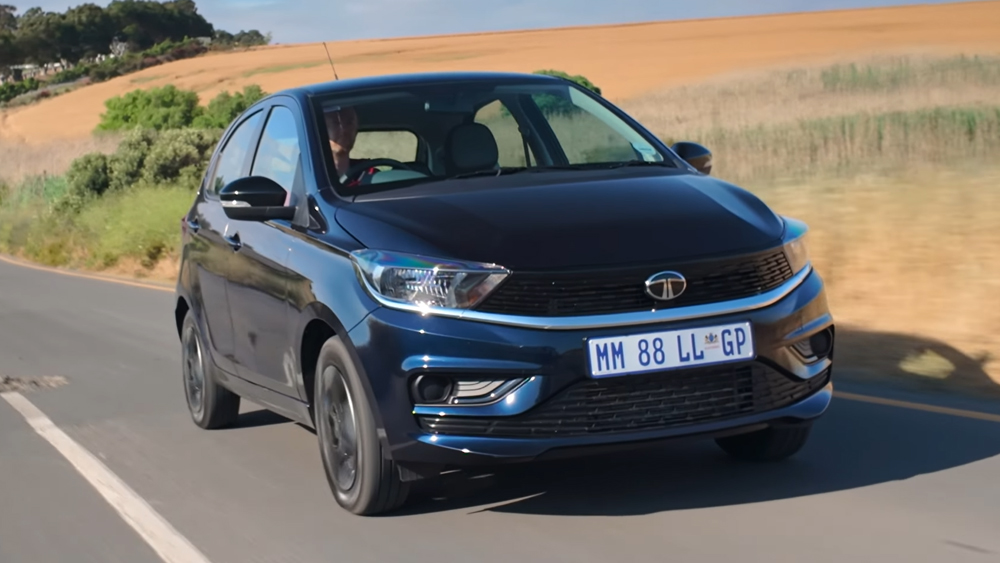
Meet the faceliftedTata Tiago. The refreshed version of the Mumbai-based brand’s budget hatchback has just been revealed in India, but we already know it’s planned to reach South Africa in the opening half of 2027.
Yes, Tata Motors Passenger Vehicles South Africa has confirmed to Cars.co.za that the facelifted Tiago is scheduled to launch in Mzansi in the “first half of next year [2027]”, adding that “more information about exact dates will be shared in due course”.
Note the lightbar connecting the taillamps.
It’s worth keeping in mind the Tiago has been around in India since 2016, making it a decade old. This model benefitted from a significant refresh in 2020, before being handed more subtle updates in early 2025 (ahead of its arrival in SA, when the brand returned in September last year). Therefore, in effect, this is the hatchback’s 2nd major facelift.
So, what do we know about the updated budget car? Well, the Tiago gains fresh front-end styling, including an updated headlamp design, a new (slimmer) grille and a thoroughly revised front bumper. Round back, the changes are perhaps even more significant, with the redesigned taillamps now connected by a lightbar. The rear-bumper design has been overhauled, too.
Latest version on top; current SA-spec version at the bottom.
Of course, the Indian automaker has also taken this opportunity to roll out fresh alloy-wheel designs and exterior paint colours for the Tiago. There are some design changes in the cabin as well, where a new free-standing instrument display replaces the previous, more traditional cluster. The centre console has been revised, too.
In India, the refreshed Tata Tiago retains the outgoing version’s powertrain options. As a reminder, in South Africa the Tiago comes with a naturally aspirated 1.2-litre, 3-cylinder petrol engine, which delivers 63 kW and 113 Nm to the front axle via either a 5-speed manual gearbox or an AMT with the same number of cogs.
The updated Tiago gains a freestanding instrument display.
The current Tiago serves as Tata’s entry-level model in in South Africa, with the local line-up comprising a trio of derivatives priced from R189 900 to R224 900. Based on the past couple of months (with Tata now reporting sales figures to Naamsa), it’s also the brand’s strongest seller here, with 426 units and 346 units registered in March 2026 and April 2026, respectively.
Frequently Asked Questions (FAQ)
Q: When is the facelifted Tata Tiago expected to launch in South Africa?
A: Tata Motors Passenger Vehicles South Africa has confirmed to Cars.co.za that the refreshed budget hatchback is scheduled to arrive in Mzansi during the first half of 2027, with precise launch dates to be shared closer to the time.
Q: What are the primary styling and exterior updates on the refreshed Tata Tiago?
A: The second major facelift for the Tiago introduces a redesigned front end featuring slimmer grille elements, updated headlamps and a revised front bumper. The rear features a modern lightbar that visually connects the newly styled taillamps, alongside an overhauled rear bumper, fresh alloy-wheel options and new exterior paint colours.
Q: Have there been any changes made to the interior or the mechanical powertrain?
A: In the cabin, the updated Tiago trades its conventional instrument cluster for a new free-standing digital display and features a revised centre console. Mechanically, the hatchback retains its current powertrain: a naturally aspirated 1.2-litre 3-cylinder petrol engine pushing out 63 kW and 113 Nm, mated to either a 5-speed manual transmission or a 5-speed automated manual transmission (AMT).
Thanks to an influx of Chinese brands, South Africa’s new-vehicle market features several more affordable EVs than in years gone by. Here are the 5 cheapest examples…
Back in 2023, the most affordable fully electric vehicle (EV) on South Africa’s new-car market was priced at nearly R800 000. Today, the cheapest battery-powered model available in Mzansi costs well under half that figure.
Mirroring a phenomenon we’ve already seen in the plug-in hybrid electric vehicle (PHEV) space, Chinese brands have started something of a price war in the local EV market, which means SA buyers now have several far more affordable options than in years gone by.
Note we’ve not been able to include the Dayun S5 here as its distributor, Enviro Automotive, doesn’t currently list a retail price on its website. Right, let’s take a closer look at the 5 cheapest EVs (prices correct in May 2026)…
1. Geely E2 Aspire – from R339 900
Serving as China’s best-selling vehicle overall in 2025, the Geely E2 – which measures 4 135 mm long – recently grabbed the title of SA’s cheapest EV. Equipped with a 39.4 kWh lithium-ion phosphate battery pack and an electric motor driving the rear wheels, this hatchback features peak outputs of 85 kW and 150 Nm. The base Aspire derivative is priced from R339 900, while the more generously specified Apex variant comes in at R389 900.
Measuring 3 925 mm front to back, the BYD Dolphin Surf is more compact than the Geely E2. Its front-mounted electric motor generates 55 kW and 135 Nm, drawing urge from a 30.1 kWh battery pack. While the Comfort grade kicks off at R341 900, the Dynamic derivative costs R393 900 and upgrades to a 38.9 kWh battery.
Like its pair of rivals above, the 4 020 mm-long Dongfeng Box is a 5-seater electric hatchback. All 4 derivatives in the local range come standard with a front-mounted electric motor, which delivers peak outputs of 70 kW and 160 Nm. While the E1 (R459 000) and E2 (R469 000) feature a 32.6 kWh battery pack, the E3 (R499 000) and E4 (R519 900) upgrade to a 43.9 kWh battery pack, offering added range.
Claimed range: 330 km (E1 and E2)/430 km (E3 and E4)
While all 3 models above are hatchbacks, the freshly launched Dongfeng 06 E1 – which wears the Vigo badge in many international markets – is a 4 510 mm long crossover. The Chinese brand offers 2 variants in South Africa, both of which feature a front-mounted electric motor offering 120 kW and 230 Nm. The E1 (R499 000) employs a 44.9 kWh battery pack, while the E3 (R579 900) upgrades to a 51.9 kWh item.
The new iCaur V23 – a boxy, retro-styled unibody crossover – grabs the final spot on the list of South Africa’s 5 most affordable EVs. The rear-driven base variant offers peak outputs of 100 kW and 180 Nm from a single electric motor. The V23 RWD employs a 59.93 kWh battery pack, while the pricier AWD derivative (available from R669 900, gaining a 2nd electric motor, and generating 155 kW and 292 Nm) upgrades to an 81.8 kWh item.
Claimed range: 360 km (RWD)/430 km (AWD)
Battery warranty: 8 years/160 000 km
iCaur listings coming soon to Cars.co.za
Frequently Asked Questions (FAQ) About South Africa’s Most Affordable EVs
Q: How has the entry-level price for electric vehicles changed in South Africa since 2023?
A: The shift has been dramatic. In 2023, the cheapest EV in Mzansi cost nearly R800 000. As of April 2026, thanks to a “price war” led by Chinese manufacturers, the barrier to entry has dropped by more than half, with the Geely E2 Aspire now leading the market at just R339 900.
Q: What are the differences between the two most affordable models, the Geely E2 and the BYD Dolphin Surf?
A: While only R2 000 separates them in price, they offer different setups. The Geely E2 (R339 900) is a larger hatchback (4 135 mm) with a rear-wheel-drive configuration producing 85 kW. The BYD Dolphin Surf (R341 900) is more compact (3 925 mm) and uses a front-wheel-drive motor producing 55 kW. The Geely also offers a slightly higher claimed range of 325 km compared to the BYD’s 300 km.
Q: Are there any affordable electric crossovers available for under R500 000?
A: Yes, the Dongfeng 06 E1 recently launched as a more practical alternative to the entry-level hatchbacks. Priced at R499 000, it is a 4 510 mm-long crossover (significantly larger than the hatchbacks on this list) and offers a more powerful 120 kW motor and a claimed range of 401 km.
Chery sub-brand iCaur has officially hit the market in South Africa. Here’s what the fully electric iCaur V23 – offered in rear- and all-wheel-drive – will cost you…
V23 pricing released as iCaur officially hits SA
Local V23 range comprises pair of EV variants
Rear-wheel-drive derivative priced at R520k
Chery sub-brand iCaur has officially joined the market in South Africa. While we’ve already brought you local pricing for the likewise unibody 03T, the Chinese new-energy vehicle marque has now announced prices for its similarly boxy iCaur V23.
At launch, the local V23 line-up comprises a pair of retro-styled yet fully electric derivatives. The V23 RWD is priced at R519 900, while the V23 AWD costs a considerable R150 000 more at R669 900.
The V23 seen wearing the “iCar” badge used in China.
The rear-driven variant offers peak outputs of 100 kW and 180 Nm from a single electric motor, resulting in a claimed 0-100 kph time of 11.0 seconds (and a top speed of 140 kph). The V23 RWD employs a 59.93 kWh battery pack offering a listed NEDC range of 360 km.
Meanwhile, the all-paw derivative adds a 2nd electric motor (so, there’s one on each axle), pushing maximum system outputs to 155 kW and 292 Nm. That, in turn, sees the claimed 0-100 kph time drop to 7.5 seconds, while top speed remains 140 kph. A larger, 81.8 kWh battery pack offers a listed NEDC range of 430 km.
A 15.4-inch touchscreen comes standard.
Measuring 4 220 mm from front to rear, the iCaur V23 has a wheelbase of 2 735 mm. While the RWD version features a ground clearance of 205 mm, its AWD sibling’s figure comes in at 210 mm. From what we can tell, faux-leather upholstery ships standard in both, along with a 15.4-inch touchscreen and 6 airbags. Electrically adjustable front seats are also included, with ventilation in the RWD and adding heating in the AWD.
The V23 RWD comes with a reverse-view camera and 19-inch alloy wheels, while the AWD flagship upgrades to a 540-degree camera and 21-inch rims, plus an “off-road mode” and a raft of advanced driver assistance system (ADAS) features.
Watch our pre-launch review of the V23 below
What does the iCaur V23 cost in South Africa?
DERIVATIVE
PRICE
iCaur V23 RWD
R519 900
iCaur V23 AWD
R669 900
The prices above include an 8-year/200 000 km vehicle warranty, an 8-year/160 000 km battery warranty (for the first owner), a 5-year/100 000 km service plan and roadside assistance for 8 years or 200 000 km.
Frequently Asked Questions (FAQ)
Q: What is the pricing for the newly launched iCaur V23 range in South Africa?
A: The fully electric iCaur V23 launches with two derivatives in the local market. The entry-level, rear-wheel-drive iCaur V23 RWD is priced at R519 900, while the range-topping, all-wheel-drive iCaur V23 AWD is priced at R669 900.
Q: How do the performance and battery specifications compare between the RWD and AWD models?
A: The V23 RWD features a single electric motor producing 100 kW and 180 Nm, paired with a 59.93 kWh battery pack that offers a 360 km NEDC range and an 11.0-second 0-100 km/h time. The V23 AWD utilizes dual electric motors to deliver 155 kW and 292 Nm, dropping the 0-100 km/h sprint to 7.5 seconds, while a larger 81.8 kWh battery pack ups the listed NEDC range to 430 km.
Q: What standard equipment and key features are included on the iCaur V23?
A: Both models come standard with faux-leather upholstery, a 15.4-inch central touchscreen, and 6 airbags. The RWD model rides on 19-inch alloy wheels and includes a reverse-view camera, while the AWD variant steps up to 21-inch rims, a 540-degree camera system, a specialised off-road driving mode and a comprehensive suite of advanced driver assistance systems (ADAS).
Chery division Omoda & Jaecoo is set to introduce its first fully electric vehicle in South Africa, with the Jaecoo J5 EV effectively confirmed for the local market. Here’s what to expect…
Brand O&J set to launch J5 EV in SA
Due to arrive in 3rd quarter of 2026
155 kW FWD configuration looks likely
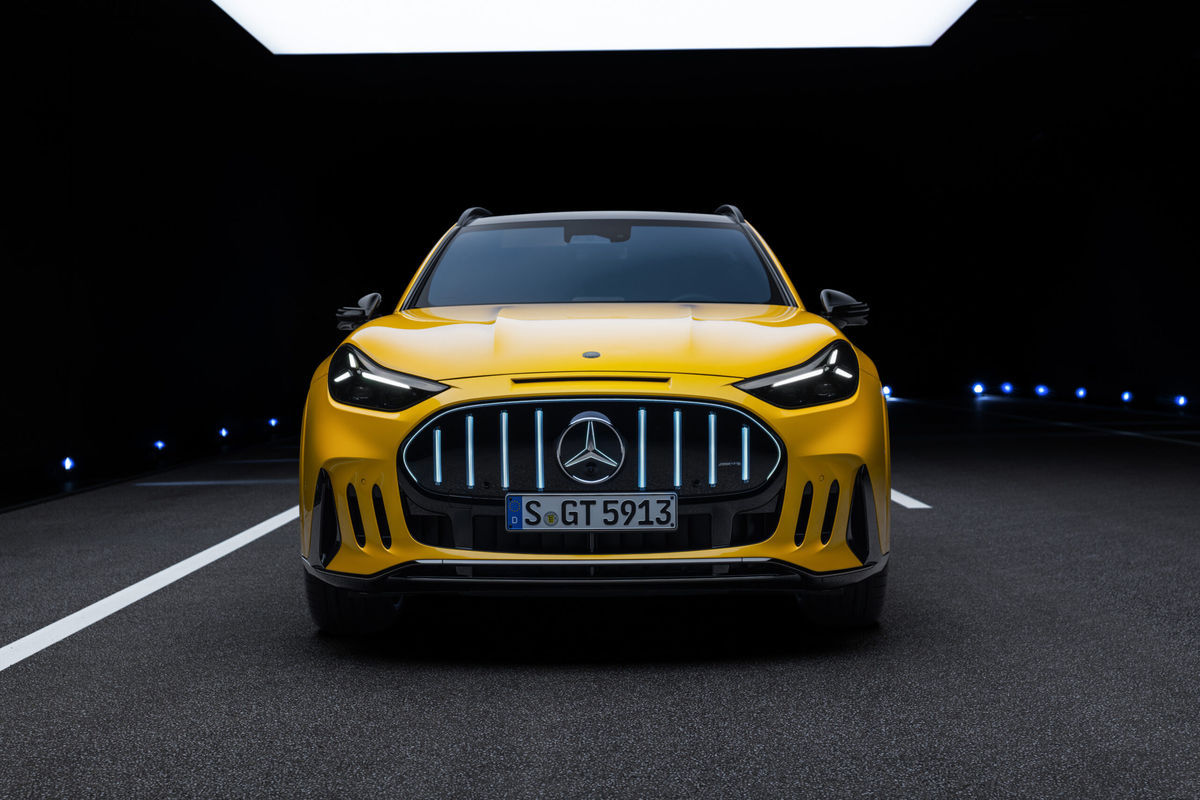
Chery division Omoda & Jaecoo has confirmed plans to introduce its first fully electric vehicle in South Africa, releasing a shadowy teaser image of the Jaecoo J5 EV and suggesting a local launch will take place at some point in the 3rd quarter of 2026.
While the Chinese firm already offers a traditional hybrid variant in the form of the Omoda C5 SHS HEV (with the J5 HEV expected soon, too) as well as plug-in hybrid derivatives like the J7 SHS PHEV, C7 SHS PHEV and C9 SHS PHEV, it has yet to launch a fully electric model in Mzansi.
That will soon change, with the J5 EV – which features a model-specific grille design – now effectively confirmed for SA. While Brand O&J’s local division has yet to announce any specification details, we can look to fellow right-hand-drive market Australia (and indeed the United Kingdom, where this model is badged as the “E5”) to form an idea of what to expect.
Down Under, the Jaecoo J5 EV employs a single electric motor delivering 155 kW and 288 Nm to the front axle. In that market, a 58.9 kWh lithium iron phosphate (LFP) battery pack offers a claimed range of 402 km (on the WLTP cycle). According to the brand, the Jaecoo J5 EV can see off the 0-100 kph sprint in 7.7 seconds.
Inside the Aussie-spec version, you’ll find items like a 13.2-inch touchscreen, wireless smartphone charging and an 8-speaker sound system, along with “pet-friendly” synthetic leather upholstery made from a silicone-based material, which the company claims is “antibacterial and wear-resistant”.
For the record, the current J5 range in South Africa comprises a quartet of purely petrol-powered derivatives, priced from R339 900 to R479 900 (with the J5 HEV still to launch). Check back in the coming weeks for confirmed details on the Jaecoo J5 EV, from local specifications to the all-important pricing factor…
Frequently Asked Questions (FAQ)
Q: When will the Jaecoo J5 EV launch in South Africa?
A: The Jaecoo J5 EV is officially scheduled to land in South Africa during the third quarter of 2026. This launch marks a significant milestone as the very first fully electric vehicle (BEV) to be introduced locally by Chery’s Omoda & Jaecoo division.
Q: What are the expected performance and battery specifications for the Jaecoo J5 EV?
A: While local specifications are still to be finalised, right-hand-drive benchmarks indicate the Jaecoo J5 EV will feature a front-wheel-drive configuration powered by a single electric motor producing 155 kW and 288 Nm. Equipped with a 58.9 kWh lithium iron phosphate (LFP) battery, it is expected to deliver a claimed WLTP driving range of approximately 402 km and achieve a 0-100 km/h sprint time of 7.7 seconds.
Q: What unique interior features can we expect from the upcoming Jaecoo J5 EV?
A: Based on international right-hand-drive market models, the cabin is set to showcase a large 13.2-inch central touchscreen, wireless smartphone charging and an 8-speaker sound system. A notable highlight is its pet-friendly interior upholstery constructed from a specialised silicone-based synthetic leather that is highly wear-resistant and antibacterial.
VCSA’s inaugural auction sets a new benchmark in South Africa
Roughly 600 people descended on the brand-new VCSA Auction House in Shere, just outside Pretoria, on 21 May for what turned out to be a very special moment in the South African classic car scene. Not because every lot sold, or because records were shattered. But because for the first time, in a very long time, it felt like someone had built something for us petrolheads.
This was the inaugural auction of Vintage Cars South Africa, better known as VCSA, the brainchild of founder and CEO, Corber Viljoen, and his wife, Nadia. And if this first outing is anything to go by, something significant has arrived.
The VCSA venue: A statement in itself
Before a single bid was placed, the venue had already won the crowd over.
VCSA’s beautiful new auction house is a purpose-built facility that makes most classic car venues in South Africa look like borrowed warehouse space. High ceilings, polished floors, thoughtful lighting, and a layout where cars are not merely parked, they are presented like art. It manages to feel simultaneously relaxed and “premium”, an achievement in its own right.
Corber Viljoen.
The VCSA showroom that is just 800 metres up the road in Shere, which many enthusiasts already know and love, laid the groundwork, but this new 10-hectare auction precinct in Zwavelpoort takes things to an entirely different level. Catering was excellent, live entertainment was provided, and the atmosphere throughout the evening struck that rare balance between celebratory and genuinely professional. Well-dressed crowds, cold drinks, great cars, and a buzzing energy that only the prospect of a hammer fall can produce.
Opening proceedings on the night was none other than WeBuyCars’ Faan van der Walt, a lover of classic cars himself, who set the tone with warmth and authority, a fitting choice for a crowd that included everyone from serious collectors to first-timers simply curious about what VCSA was building.
Auctioneer Brandon Leer.
Behind the hammer was Brandon Leer, a seasoned auctioneer who managed to walk that fine line between showmanship and professionalism with considerable skill. Classic car auctions live or die by the energy in the room, and Leer kept the temperature right throughout, reading the crowd, coaxing bids, and moving the evening along without ever making it feel rushed.
Cars.co.za’s own chief marketing officer, Nicole Capper, a petrolhead in her own right, took to the stage to speak about the classic car market and the role a platform like Cars.co.za plays in connecting buyers, sellers, and enthusiasts. It’s a natural partnership, if you think about it. Cars.co.za has long been the home for South Africans looking to find their next vehicle, and the classic and prestige segment is one that’s growing with real momentum. VCSA represents exactly the kind of curated, credible marketplace that the segment deserves.
Going under the hammer on the launch night were no fewer than 13 vehicles, carefully selected by VCSA to not cater to only one specific segment of the market. From a relatively affordable Volkswagen Beetle and Mercedes-Benz W123, through to some beautifully preserved commercial vehicles, right to the top-end supercars and muscle cars – there was something for everyone. Also on offer was a vintage Rolex Kermit, as well as premium experience at Babylonstoren Wine Estate.
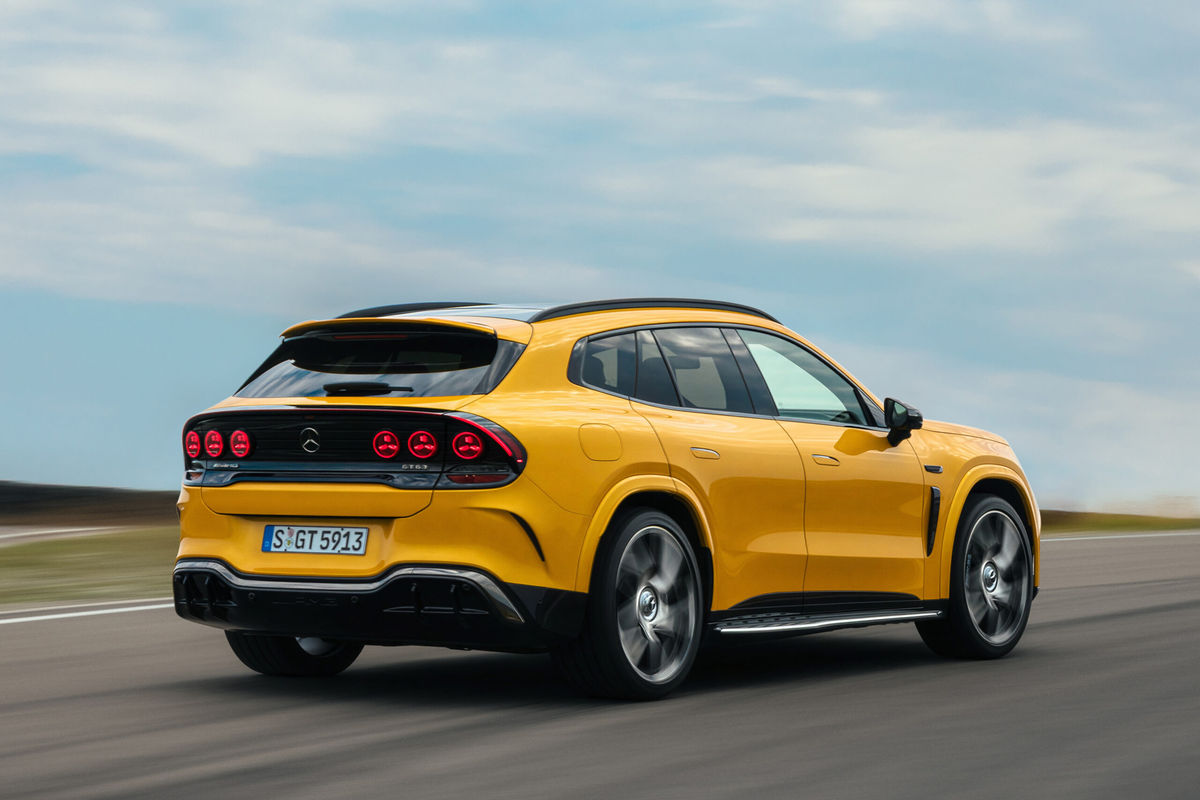
The donation lot: A Morris Minor moment no one will forget
Lot 01 of the VCSA auction was designated a donation lot, with all proceeds going to the Toekomsbouer initiative powered by Akademia and Kanton. The car in question was a charming 1956 Morris Minor Traveller Deluxe, in maroon with its signature wood-framed rear, running well and presented honestly.
What happened next is the kind of thing that makes car auctions entertaining and memorable.
The Morris Minor hammered at R300 000, already a significant amount and a meaningful result for a worthy cause, and then the winning bidder did something extraordinary. He donated it back to be bid on again!
Back it went under the hammer. The room, already warm, ignited. The second time around, it fetched another R200 000. Half a million rand for a quirky 70-year-old British estate car, and all proceeds being donated. You couldn’t have scripted a better start…
The headline lots at the VCSA auction
Lot 18 – 1958 Mercedes-Benz 220S Coupé RHD Sold for R2 800 000
If the Shelby GT350-H (see below) was the one that got away, the 1958 Mercedes-Benz 220S Coupé was the evening’s quiet triumph. Only 1 251 Coupés were built worldwide, and just 23 of those were right-hand drive. This particular example – restored over 5 years by the late, great Otto Langeveld and refinished in 2024 in its original DB334 Hellblau (light blue) – is one of the most significant post-war Mercedes-Benz models you’re likely to encounter on the market in South Africa. Powered by a 2.2-litre inline-6 with twin Solex carburettors and paired to a column-shift four-speed manual, it sold for R2 800 000.
Lot 13 – 1968 Shelby GT350-H The One That Got Away
The car that generated perhaps the most pre-auction conversation was Lot 13, a 1968 Shelby GT350-H, one of the famous Hertz “Rent-a-Racer” cars. Only 224 examples were built worldwide in 1968, and this one – documented, Marti Report-confirmed, with its original Hertz Pasadena ownership history and largely original interior in Saddle vinyl – is believed to be the only GT350-H on the African continent.
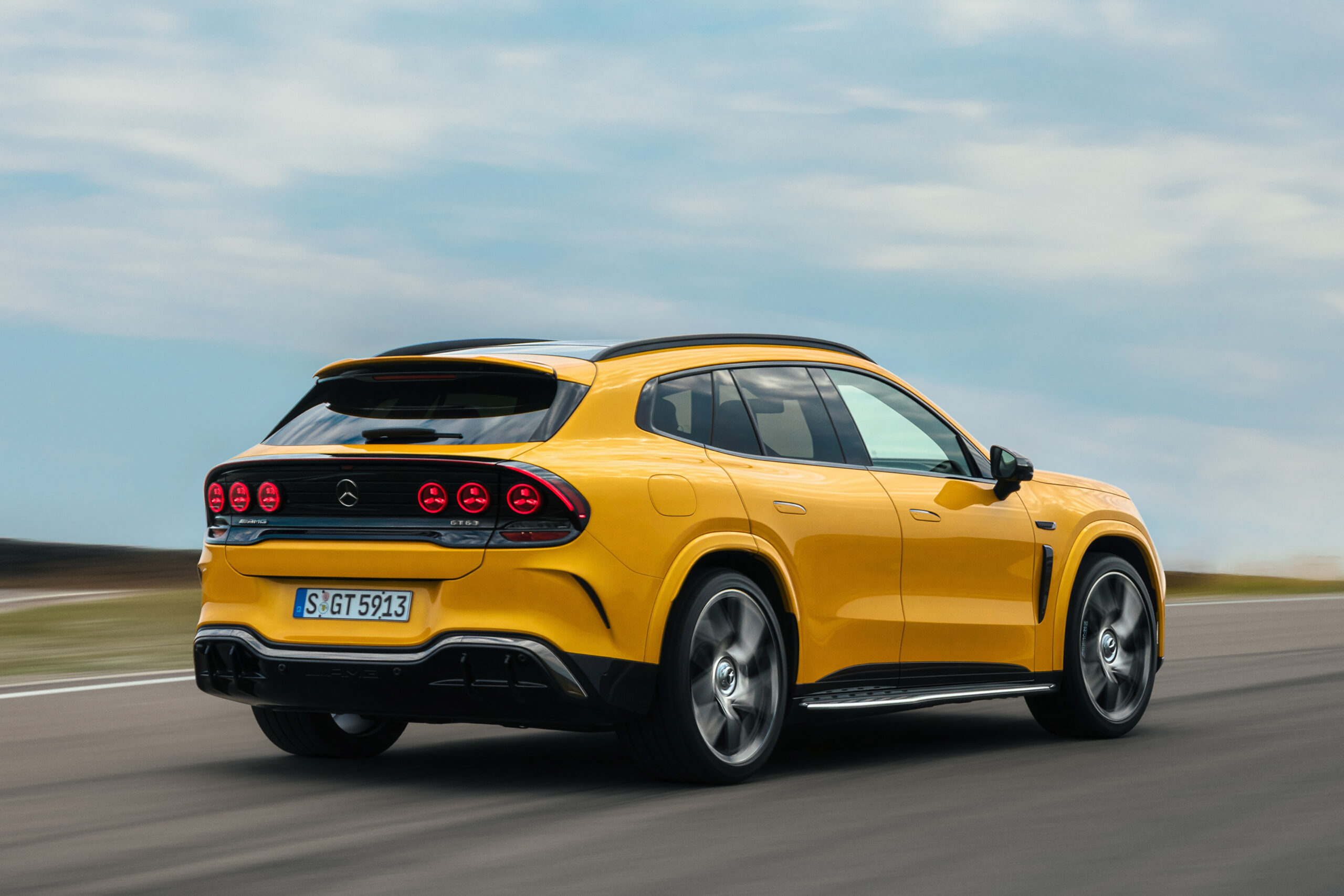
The bidding was serious. The room was serious. But ultimately, the lot did not meet its confidential reserve, and it remained subject to confirmation at the fall of the hammer (at R3.7m). That’s not failure – it’s the market speaking honestly. The car will find its owner. When it does, that person will have acquired something genuinely irreplaceable.
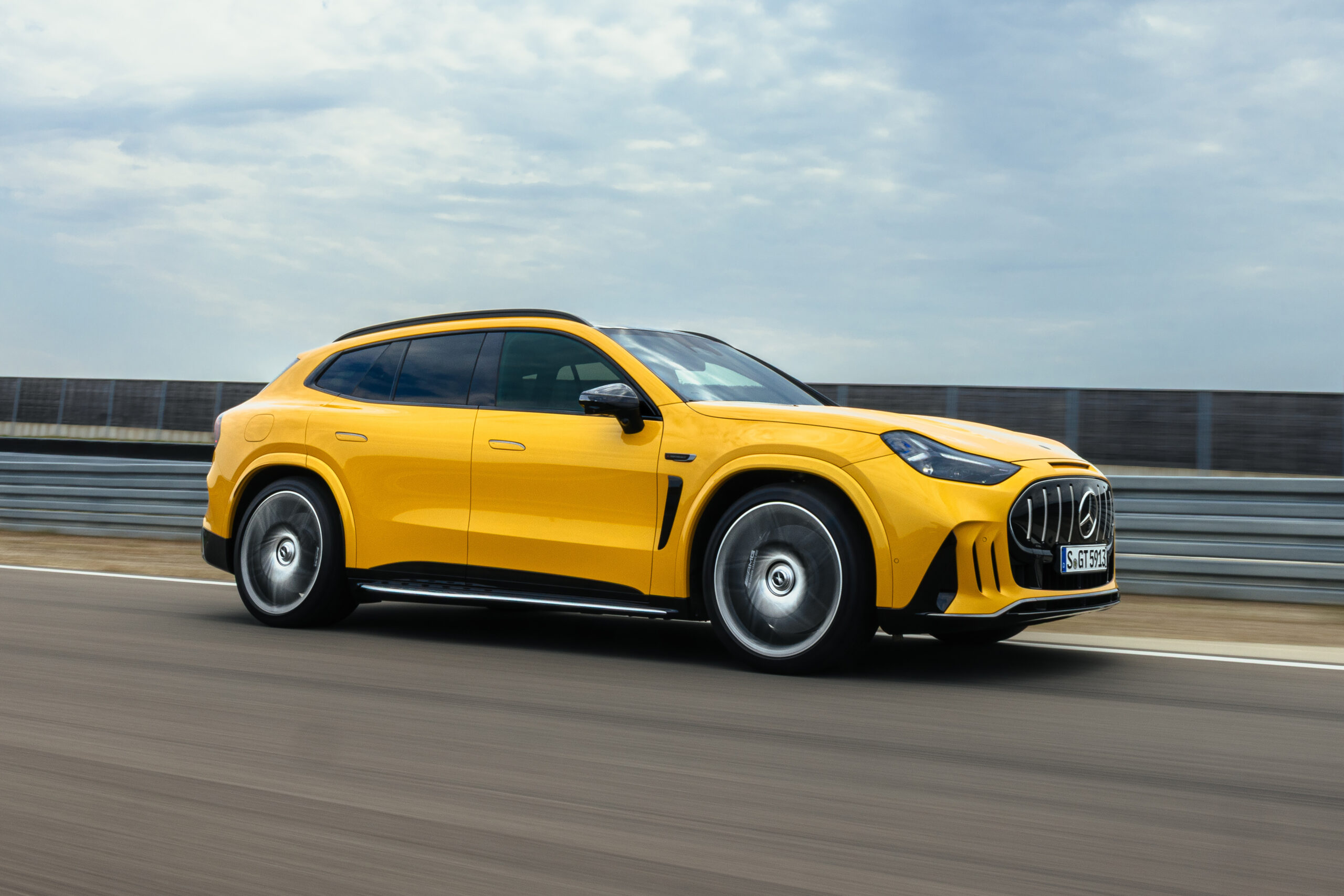
Lot 17 – 1963 Mercedes-Benz Unimog 404 Sold for R1 150 000
And then there was the Unimog. This was a truly fun bidding war to watch, with all the emotions in full swing on the floor (and online).
A big part of the reason why the Unimog auction was so entertaining is because nobody really knew what to expect. After all, you never quite know how a crowd will respond to a “utility vehicle” at a classic car auction.
The answer, on this evening anyway, was with considerable enthusiasm. The 1963 Mercedes-Benz Unimog 404 – fully nut-and-bolt restored to a standard that genuinely made it appear newer than factory fresh, finished in Ivory Sand and powered by its factory 2.2-litre petrol engine – drew a bidding rally that had the room properly animated. It was one of those moments where the auctioneer earns his fee. Bidding started at R350 000 and raced to R1 150 000!
Lot 07 – 1967 Ford Mustang Eleanor RHD Sold for R1 800 000
The Mustang Eleanor needs no introduction. This 1967 tribute, however, earns its place in the room on merit. A 347 ci stroker V8 with a five-speed manual, air-conditioning, aluminium steering column, and, critically for South African roads, right-hand drive. The bidding reflected genuine appetite for a properly built, properly usable muscle car. It sold for R1 800 000.
Lot 15 – 1969 Porsche 911S Presse Sold for R2 750 000
This one deserves a paragraph all of its own. The 1969 911S “Presse”, finished in Pastel Blue, is not merely an early air-cooled Porsche. It’s a Porsche press car, verified via Kardex Report, with VIN number 12 – placing it among the earliest examples produced. Restored to original factory specification, with its 2.0-litre flat-6 singing above 5 000 rpm as only an early S can, and accompanied by owner’s manuals and full history documentation, this is the kind of car that makes serious collectors go very quiet and very focused. A genuine piece of Porsche history, right here in South Africa. It sold for R2 750 000.
Lot 14 – 1959 Ford Galaxie Skyliner Sold for R1 350 000
The 1959 Ford Galaxie Skyliner is one of those cars that stops conversations mid-sentence. People who don’t know what it is walk past, do a double take, walk back, and then spend the next 10 minutes trying to explain to someone else why they can’t stop staring at it. Those who do know what it is, tend to circle it slowly, reverently, the way you might approach something in a museum … except this one starts, runs, and crucially, is capable of performing its trademark trick.
That trick, of course, is the giant, fully retractable steel roof that folds itself neatly into the boot at the touch of a button. Powered by its original 352 ci V8 and wearing its factory red and black colour combination with a matching original interior, this particular Skyliner works exactly as it should. These cars are rare worldwide. In South Africa, in this condition, they are essentially unicorns.
It sold for R1 350 000, a bit of a bargain in my eyes, considering the head-turning appeal and rarity of it, never mind its exceptional condition!
Other sellers
1967 Pontiac Tempest Le Mans Convertible – R400 000
1997 Ferrari F355 F1 Spider – R2 100 000
1977 Mercedes-Benz W123 230 – R190 000
1965 Shelby Daytona Coupé – R2 000 000
1959 Ford Galaxie Skyliner – R1 350 000
1975 Ford F100 Custom – R290 000
1971 Volkswagen Beetle 1300TP – R200 000
Porsche 356 Speedster Recreation – R520 000
1958 Chevrolet Apache – R475 000
The bigger picture at VCSA
What VCSA is attempting – and, on the evidence of this first auction, achieving – is something the South African classic car market has needed for a long time: a professional, transparent, properly resourced auction platform that treats both cars and collectors with the respect they deserve.
The Rules of Auction are published in terms of the Consumer Protection Act. Lot descriptions are compiled in good faith. Buyers’ premiums are clearly disclosed (12.5% plus VAT on the premium). The Natis process is handled and paperwork is in order. These things sound basic, but in a market where horror stories about murky transactions and questionable provenance are not uncommon, they matter enormously.
Look out, Defender? New BYD Ti 7 firming for South Africa
With the Defender 110 firmly in its sights, the BYD Ti 7 could be coming to South Africa after the Chinese brand filed to trademark the badge locally. Here’s what we know…
BYD files to trademark “Ti 7” in Mzansi
Badge applied to 7-seater unibody SUV
PHEV powertrain confirmed for UK
A fresh trademark application suggests the BYD Ti 7 – a boxy Chinese 7-seater SUV that appears to have Land Rover’s Defender 110 firmly in its sights – could be on the menu for South Africa.
Yes, Cars.co.za can confirm the Shenzhen-based new-energy vehicle (NEV) automaker filed to trademark the “Ti 7” badge in Mzansi as recently as 22 April 2026. Interestingly, the company applied to protect “Tai 7” – the name used for this model in China, albeit under BYD Auto’s Fangchengbao sub-brand – back in September 2025.
So, what do we know about the BYD Ti 7? Well, the export version already confirmed for the United Kingdom (a fellow right-hand-drive market) measures 5 146 mm from front to back, making it 128 mm longer than a Defender 110. Of course, this unibody vehicle features 3 rows of seating, along with what the Chinese brand describes as a “generous load space”.
In the UK, the Ti 7 will feature BYD’s so-called “Dual Mode Performance” (DM-p) plug-in hybrid powertrain. Though outputs have yet to be confirmed, we know the system includes a pair of electric motors and a turbocharged 1.5-litre, 4-cylinder petrol engine. The brand claims a 0-100 kph time of 4.8 seconds.
Curiously, the left-hand-drive version already on the market in Saudi Arabia has a half-second slower claimed 0-100 kph sprint time of 5.3 seconds. In that country, the Ti 7’s PHEV powertrain employs a 26.6 kWh battery pack and generates peak outputs of 360 kW and 630 Nm. For the record, a fully electric version is furthermore available in China.
Of course, as we always point out in such instances, trademark applications are by no means guarantees the automaker will use the badges in question. But this latest filing suggests the Shenzhen-based automaker is at least considering slotting the new Ti 7 towards the top of its local line-up. More info as we have it…
Frequently Asked Questions (FAQ)
Q: What indicates that the new BYD Ti 7 SUV could be heading to South Africa?
A: BYD has recently filed a local trademark application for the “Ti 7” badge in South Africa on 22 April 2026. This follows a previous filing in September 2025 to protect the name “Tai 7” (which is the moniker used for the vehicle in the Chinese market under BYD’s Fangchengbao sub-brand), suggesting the automaker is evaluating a local introduction.
Q: How does the BYD Ti 7 compare in size and seating to rivals like the Land Rover Defender 110?
A: The BYD Ti 7 features a boxy design aimed directly at the Defender 110 segment. Measuring 5 146 mm from nose to tail, the unibody Chinese SUV is actually 128 mm longer than a Defender 110, allowing it to easily accommodate three rows of seating for up to seven passengers alongside a generous luggage compartment.
Q: What powertrain and performance specifications can be expected from the BYD Ti 7?
A: Right-hand-drive export versions like the one destined for the UK will feature BYD’s Dual Mode Performance (DM-p) plug-in hybrid (PHEV) setup, pairing a 1.5-litre turbocharged 4-cylinder petrol engine with dual electric motors for a claimed 0-100 km/h time of 4.8 seconds. In other markets like Saudi Arabia, the PHEV system produces 360 kW and 630 Nm using a 26.6 kWh battery pack, while a fully electric version is sold in China.