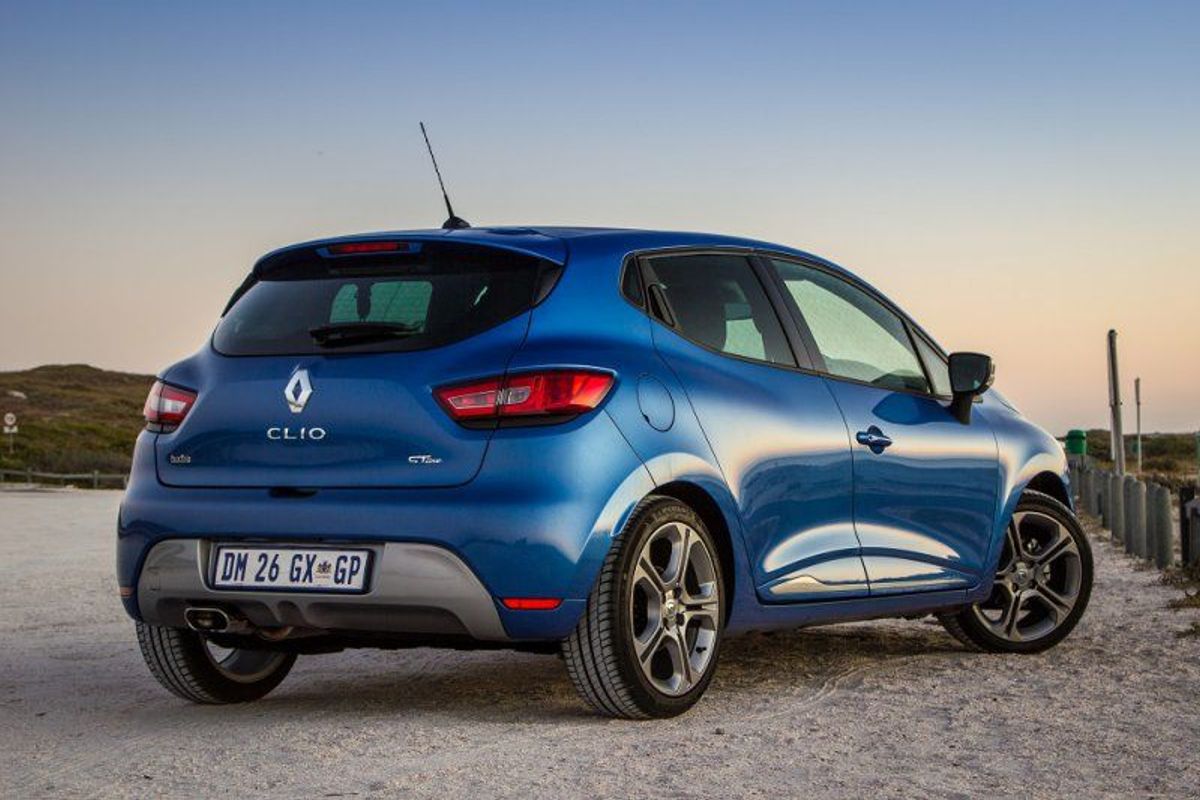
Pricing Update: Mercedes-Benz AMG GT Revealed (video)
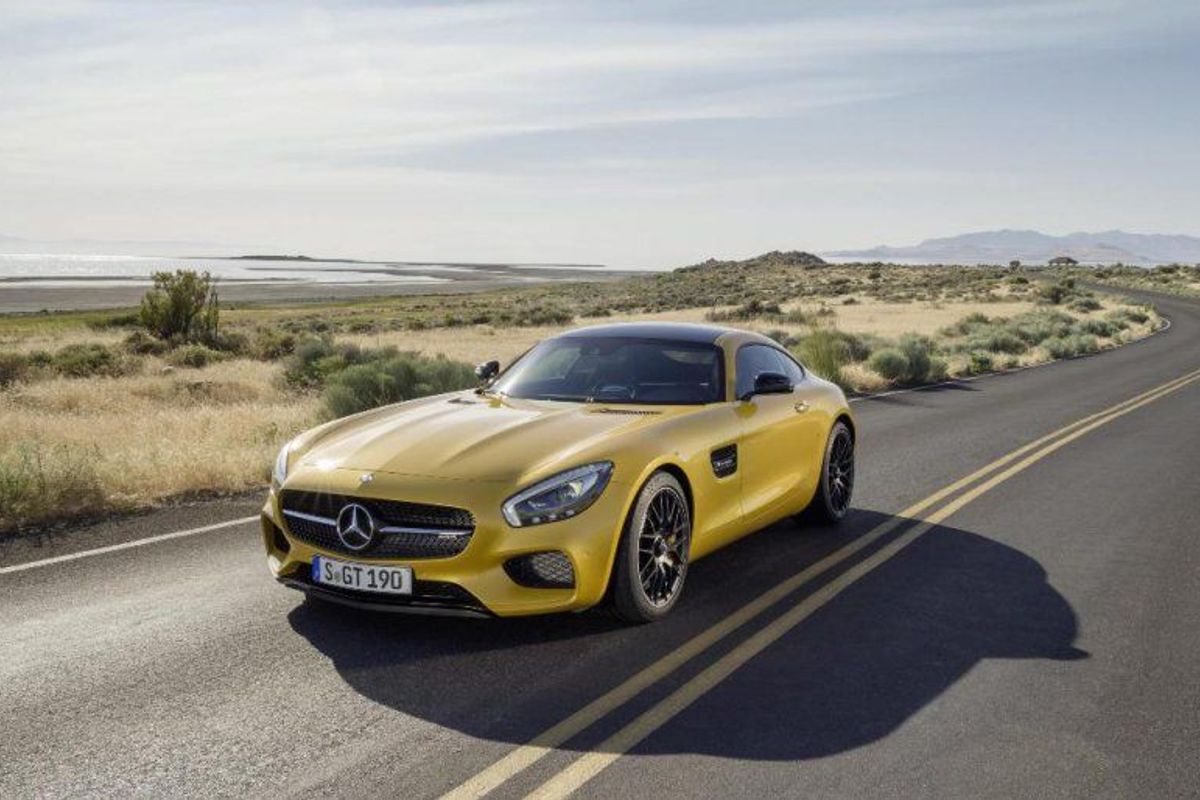
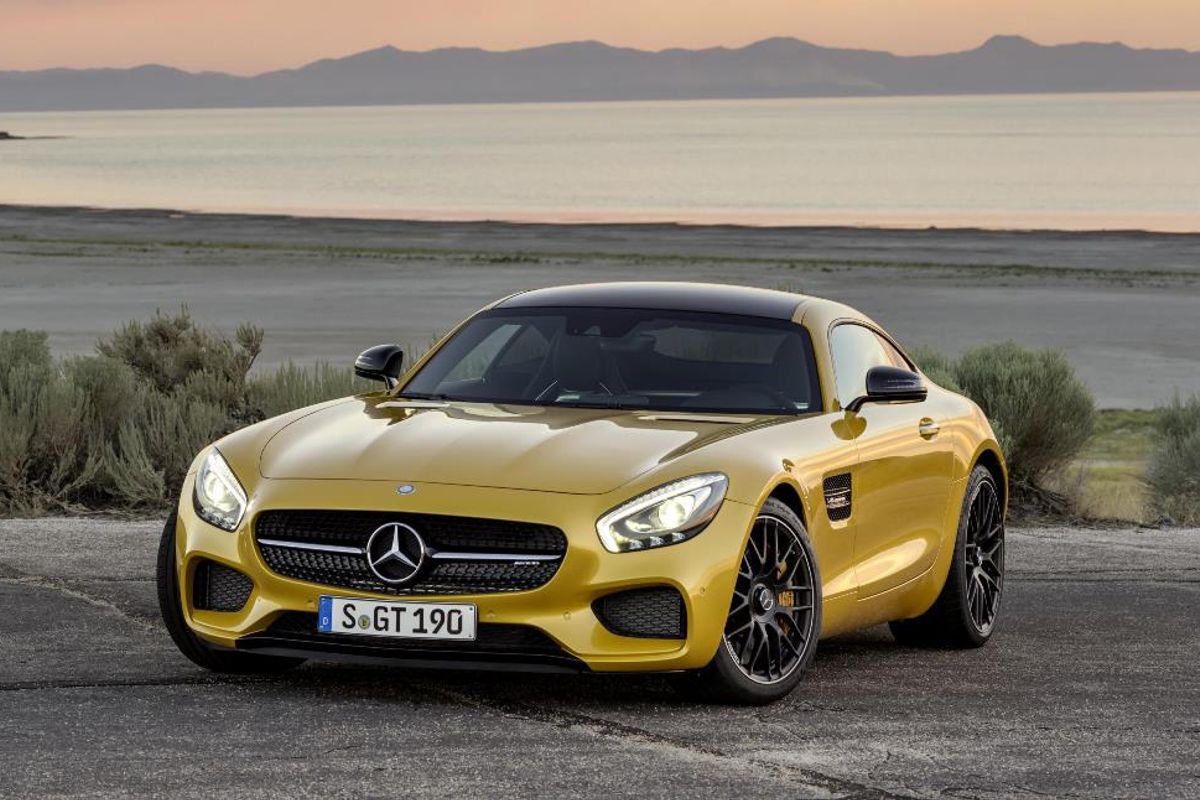
The most highly anticipated AMG model of the year has finally been revealed to us. The AMG GT has been solely designed and built by the AMG and the team there have labelled it as an everyday sportscar.

AMG GT Details

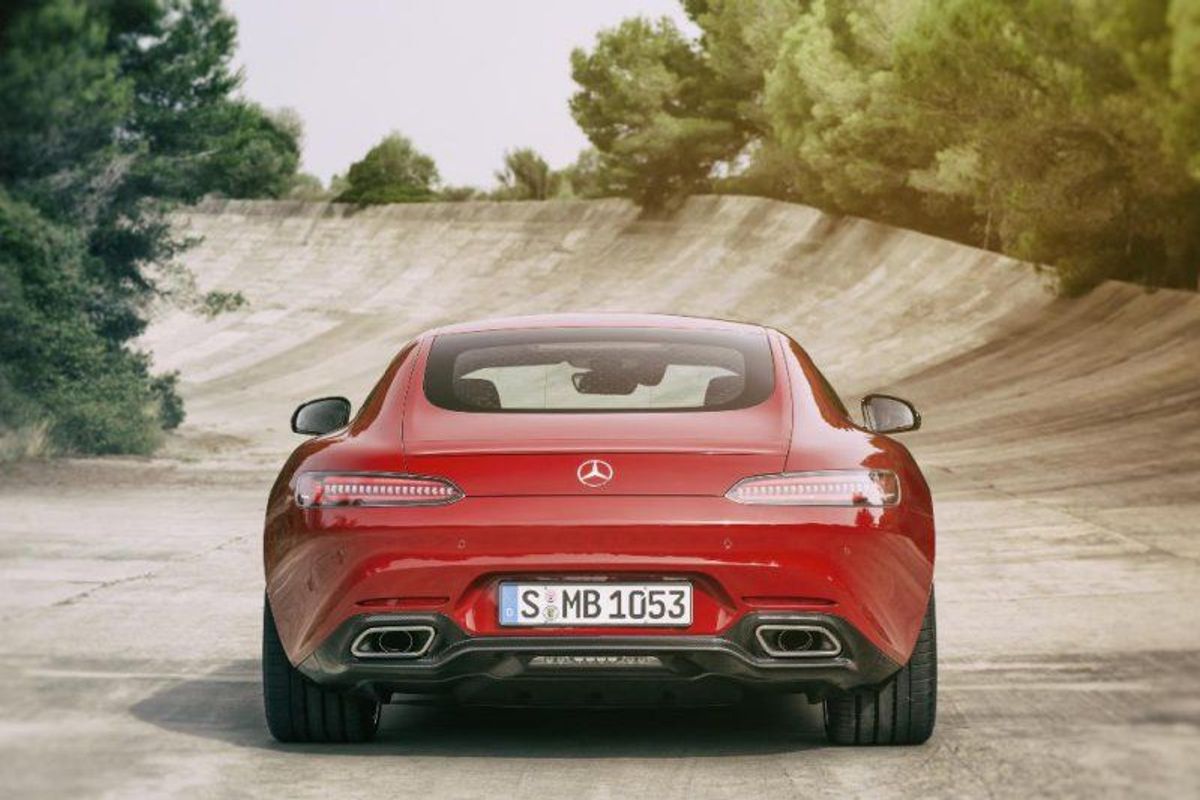
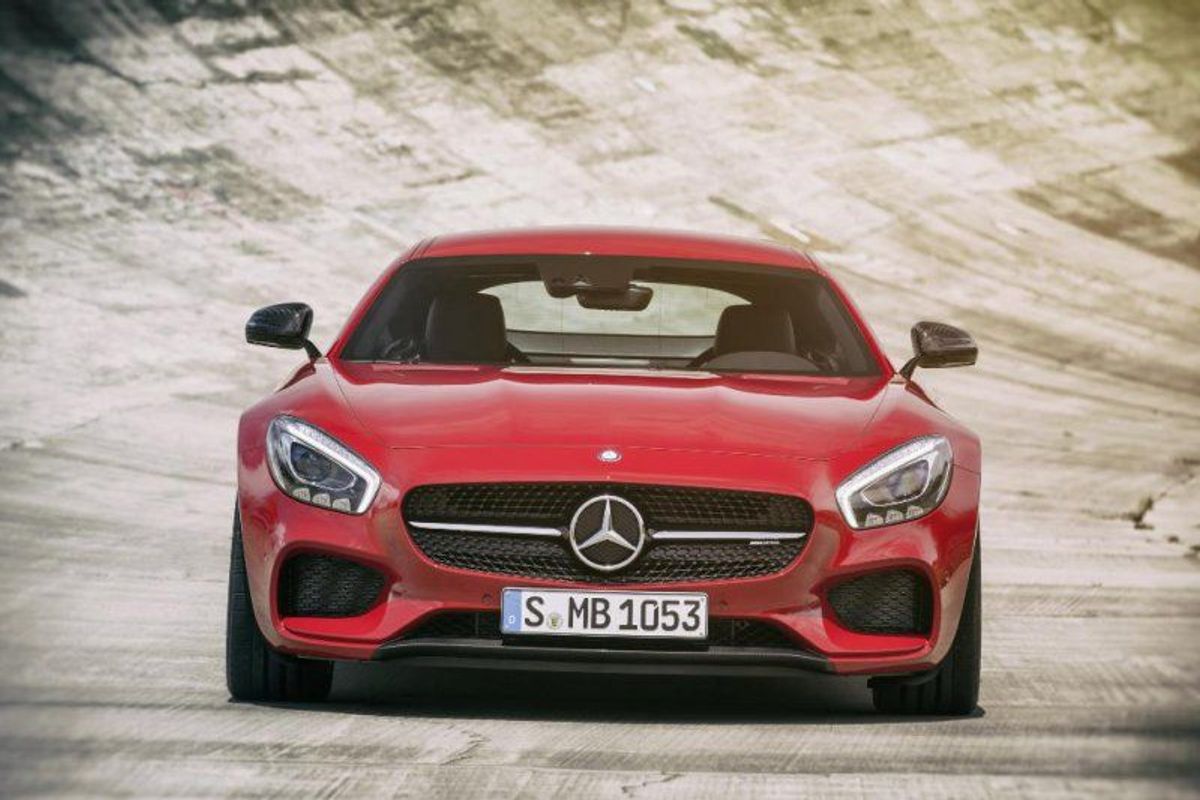
The AMG GT design has been a key talking point over the months of spy pics and shadowy, partial reveals. The front end in particular with its inward and downward pointing headlamps will be a bone of contention for some but it certainly stands out.

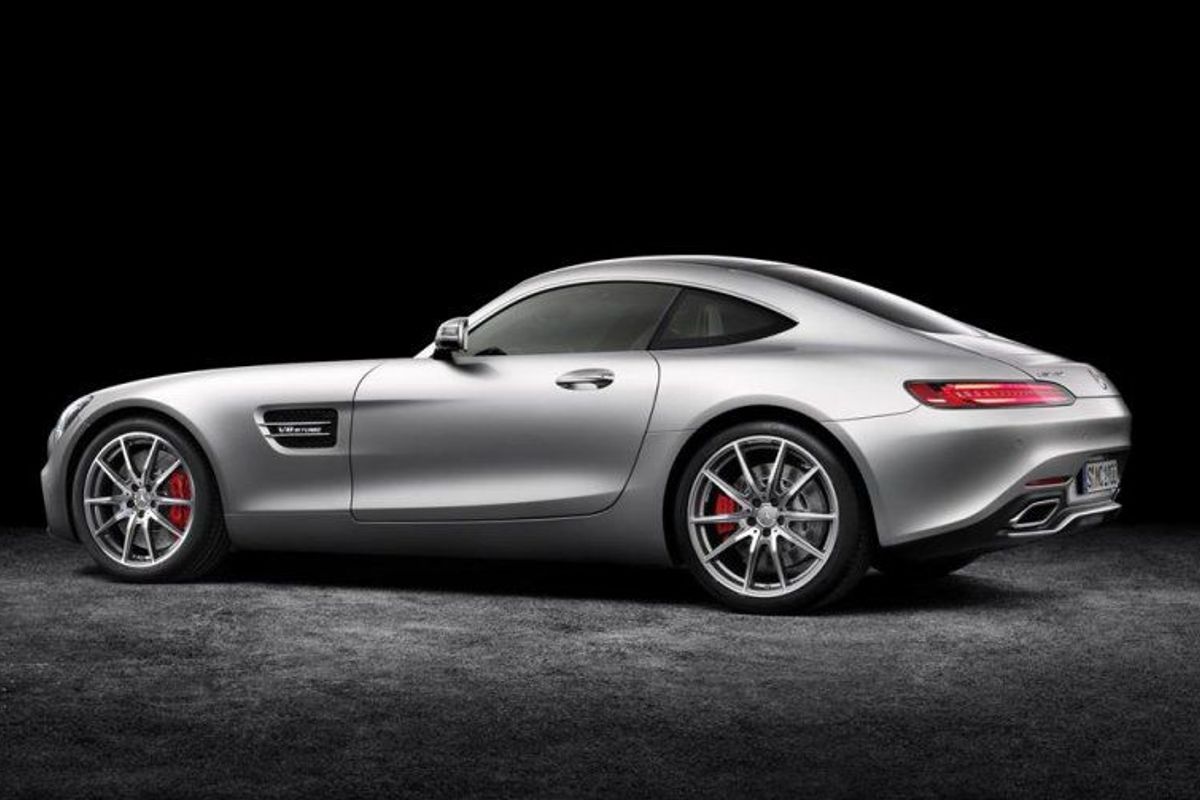
The AMG GT was revealed with two models, a standard GT and a GT S for the go even faster crowd. The AMG GT rides on 19-inch wheels with the GT S having the option of 20s. The roofline slopes down to the rear sweetly and personally I can see quite a bit of Jaguar E-and F-Type installed there. It’s not a negative though as the rear end looks majestic and quite like its big brother the SLS AMG.

The power unit is all new and AMG have developed a four-litre, twin-turbo V8 for specific use in the AMG GT. The power unit has two different power outputs, the first for the standard AMG GT churns out 339kW and 600Nm. The more powerful version for the GT S pumps the power up to 375kW and 650Nm. The extra power means that the GT S is two-tenths faster in the sprint to 100kph, managing it in just 3.8 seconds. Top speeds are electronically limited, but are allowed to run as fast as 304kph and 310kph respectively.

Weight was a major factor when building the AMG GT as the engineers wanted to keep the weight low down in the car and as light as possible. Extensive use of aluminium, steel and magnesium means the AMG GT weighs in at just 1 540 kg.

The major difference between the two models is in the suspension and differential department. Standard GT is equipped with a mechanical locking differential whilst the GT S gets the full electronic differential, AMG say it responds faster than the mechanical one. The GT S also gets ride control, allowing three-stage damper settings to adapt the ride from comfort to sport and sport plus.

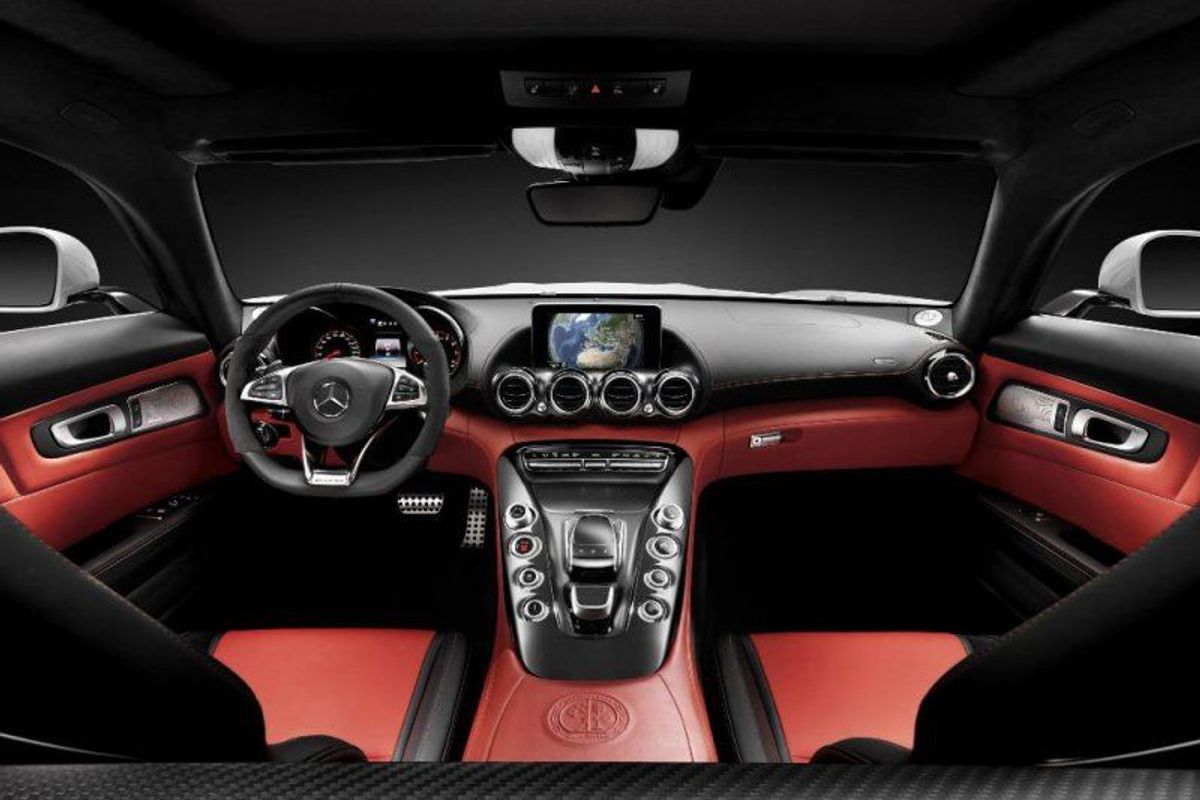
The interior features high quality materials such as nappa leather, carbon and aluminium. An 8.4-inch central screen sits above the four air vents and is equipped with Mercedes-Benz’s COMAND system. One of the many buttons inside the cabin controls the exhaust valves opening up the full roar of the V8.

Take a gander at the video below to see the car in action in Spain and on a racetrack where the V8 is at full song.

Mercedes-Benz AMG GT price in South Africa

Mercedes-Benz has released pricing details for the AMG GT which is set to launch locally during the second quarter of the year.

The standard GT is said to be priced from R1 642 000, while the GT S will start at R1 999 000. Pricing excludes CO2 and the Edition 1 package retails for an extra R211 000 on top of the GT S price tag.
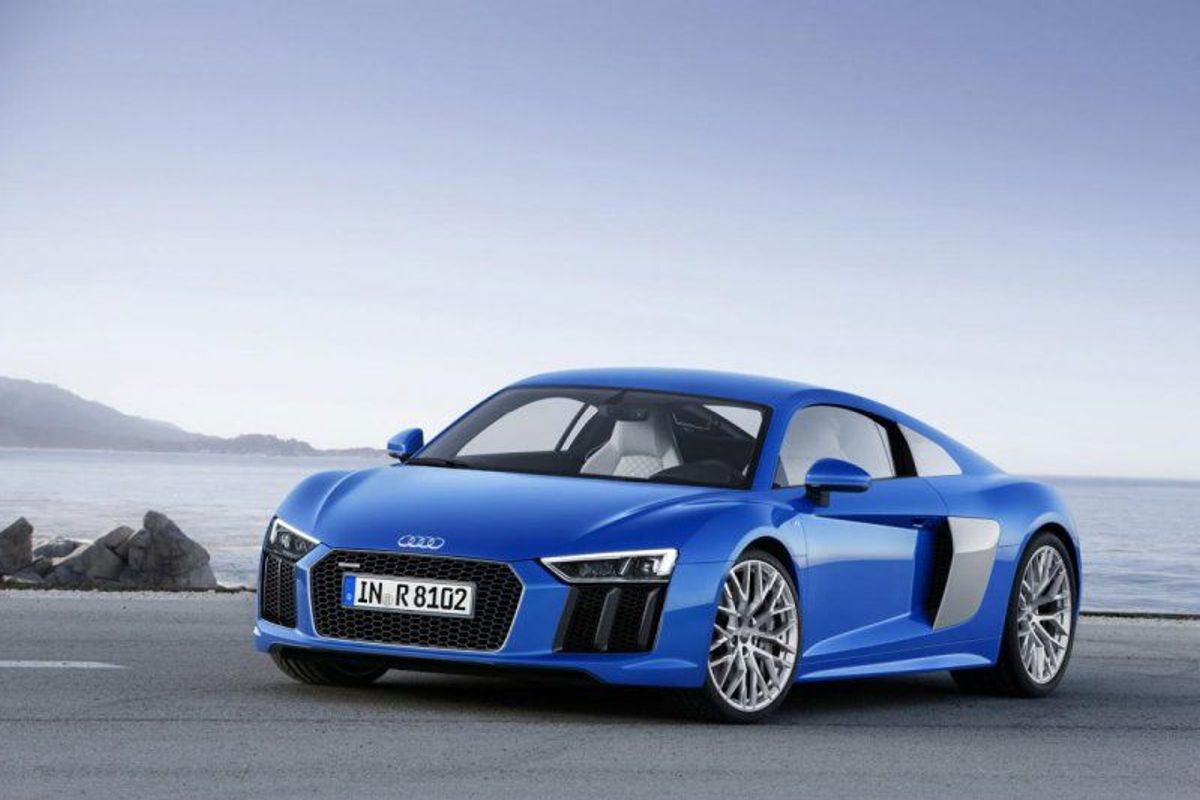
Mercedes-Benz AMG GT Video

All-New Audi R8 Fully Revealed

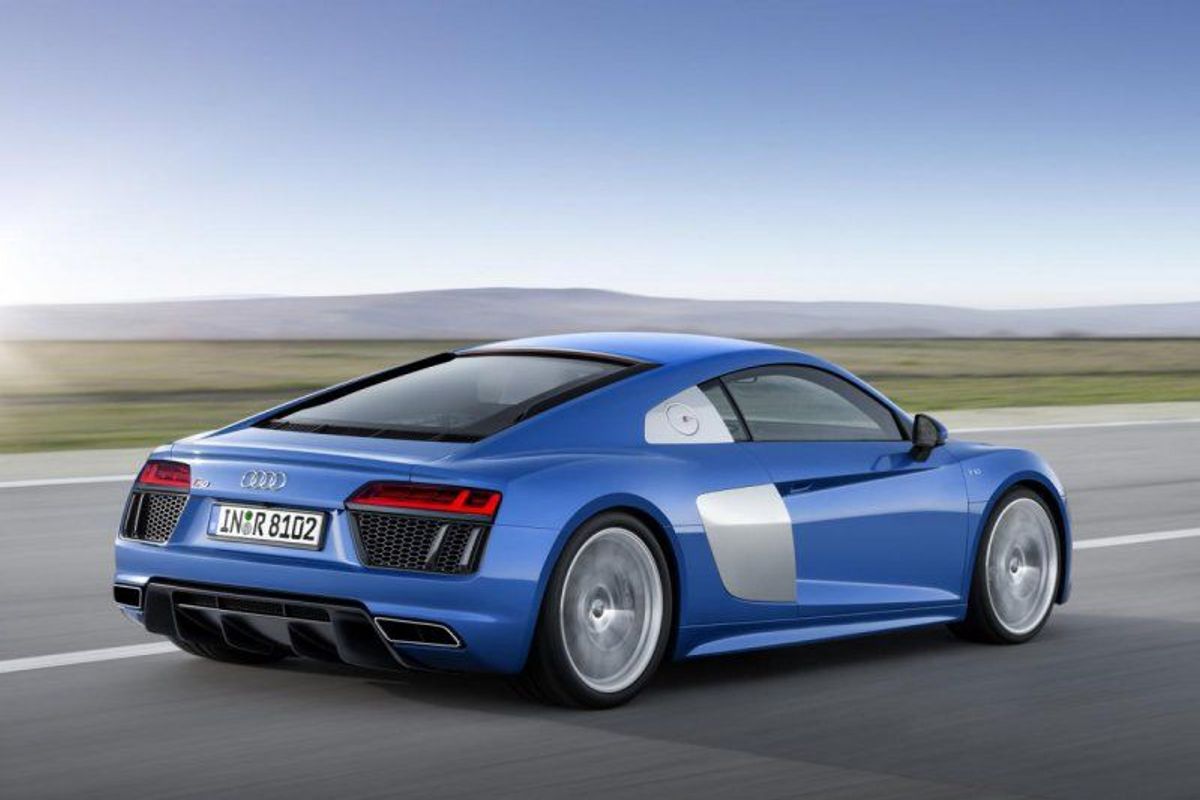
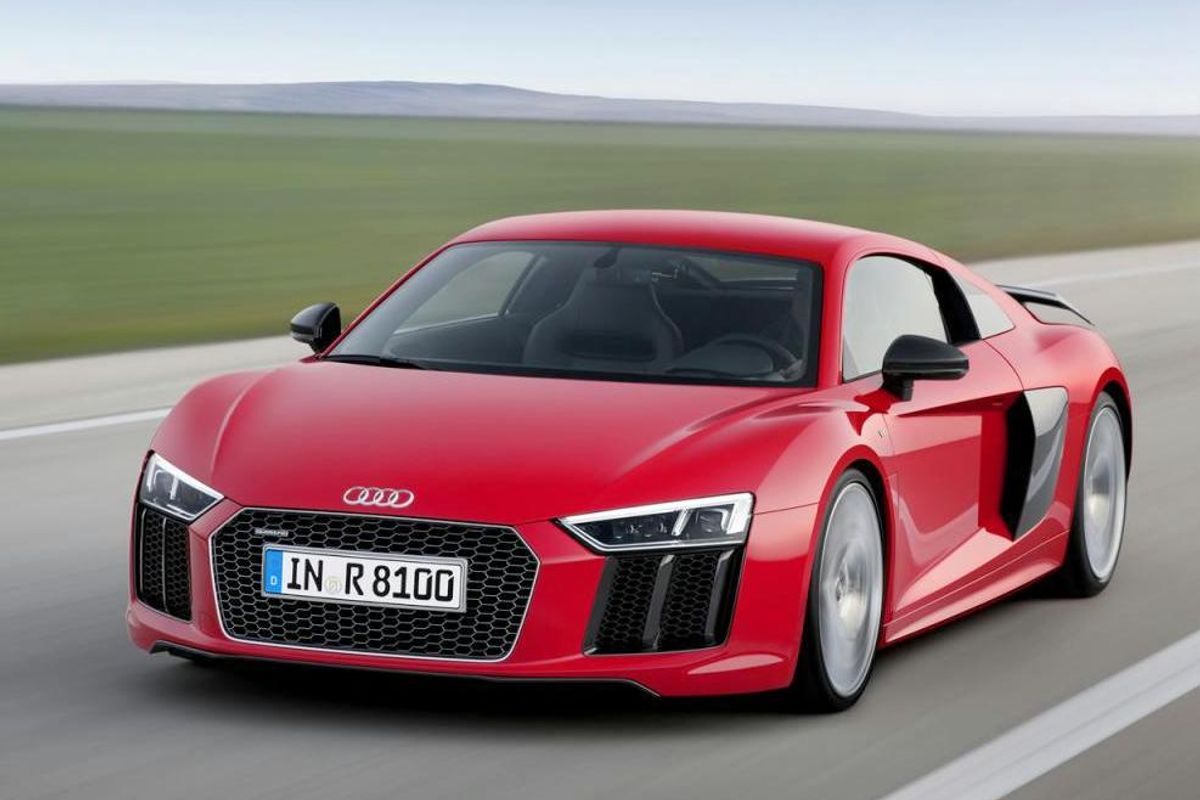
Audi has finally lifted the covers off the second-generation R8 supercar scheduled to publicly premiere next week at the Geneva Motor Show.

Engine specifications

The new Audi R8 comes complete with an updated 5.2-litre FSI V10 engine with two output options. The base model delivers 397 kW and 540 Nm, while the V10 Plus model produces 449 kW and 560 Nm.

Audi says the R8 will need just 3.5 seconds to complete the 0-100 kph sprint before topping a speed of 320 kph, while the V10 Plus model will only need 3.2 seconds to reach a top speed of 330 kph.

Both variants are connected to a seven-speed S-Tronic transmission which is combined with a newly developed Quattro system. The system can distribute the torque according to the respective driving conditions, sending up to 100% of the torque to the front wheels, while the rear end hosts a mechanical differential lock which provides optimal traction on any road conditions.

There’s also an Audi e-tron R8 coming. With two electric motors, power is rated at 340 kW and 920Nm, and performance is expected to be quite fast considering its an all-electric supercar. How does a 0-100kph time of 3.9 seconds grab you? Top speed is an electronically-limited 250 kph.

All-new Audi R8 Styling

The high-performance Audi R8 sports car has been enhanced with a singleframe radiator grille with a honeycomb design flanked by standard flat LED headlights or optional laser lighting clusters which double the range of the high beam to 600 meters.

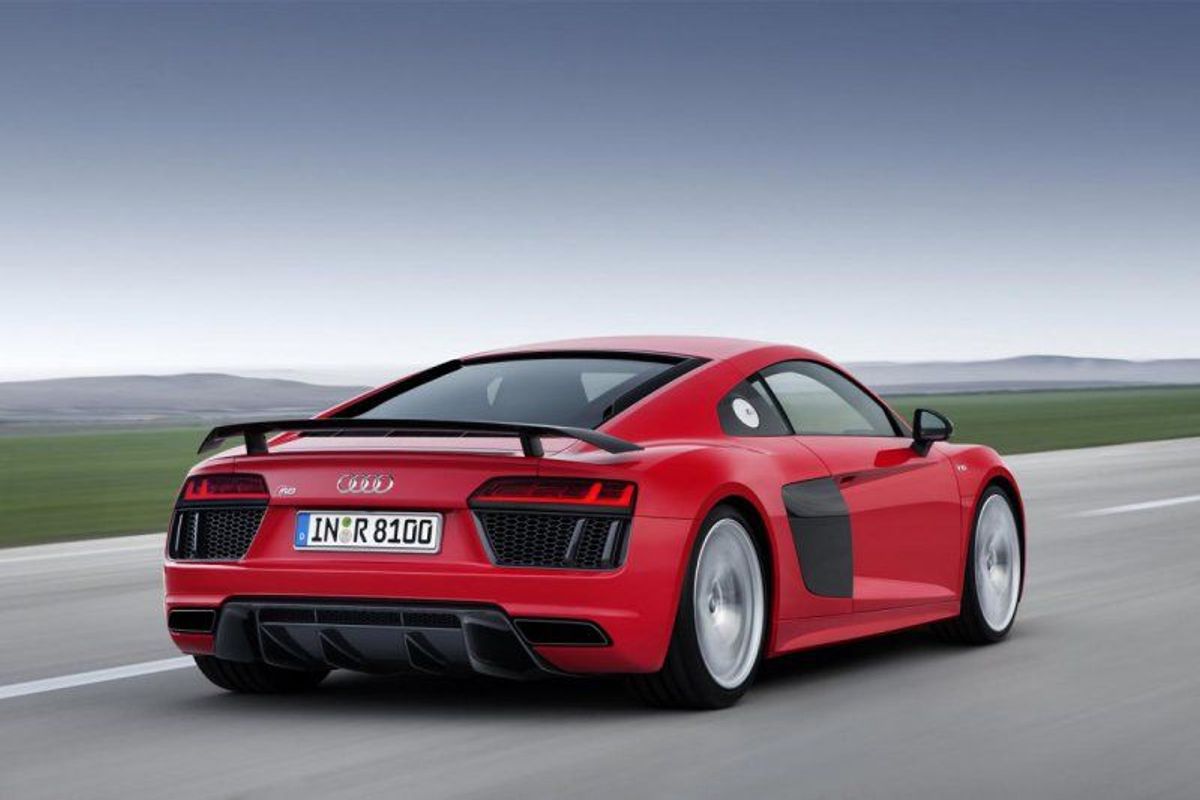
At the rear, the sports car features a flat configuration with a curvy, prominent shoulder line and a retractable spoiler, as well as standard dynamic turn signals.

The base model is fitted with rides on 19-inch wheels with 245/35 front & 295/35 rear tyres while 20-inch alloys with 245/30 & 305/30 tyres are available as an option. The car also comes standard with steel brake discs on and carbon fibre ceramic discs on the R8 V10 Plus.

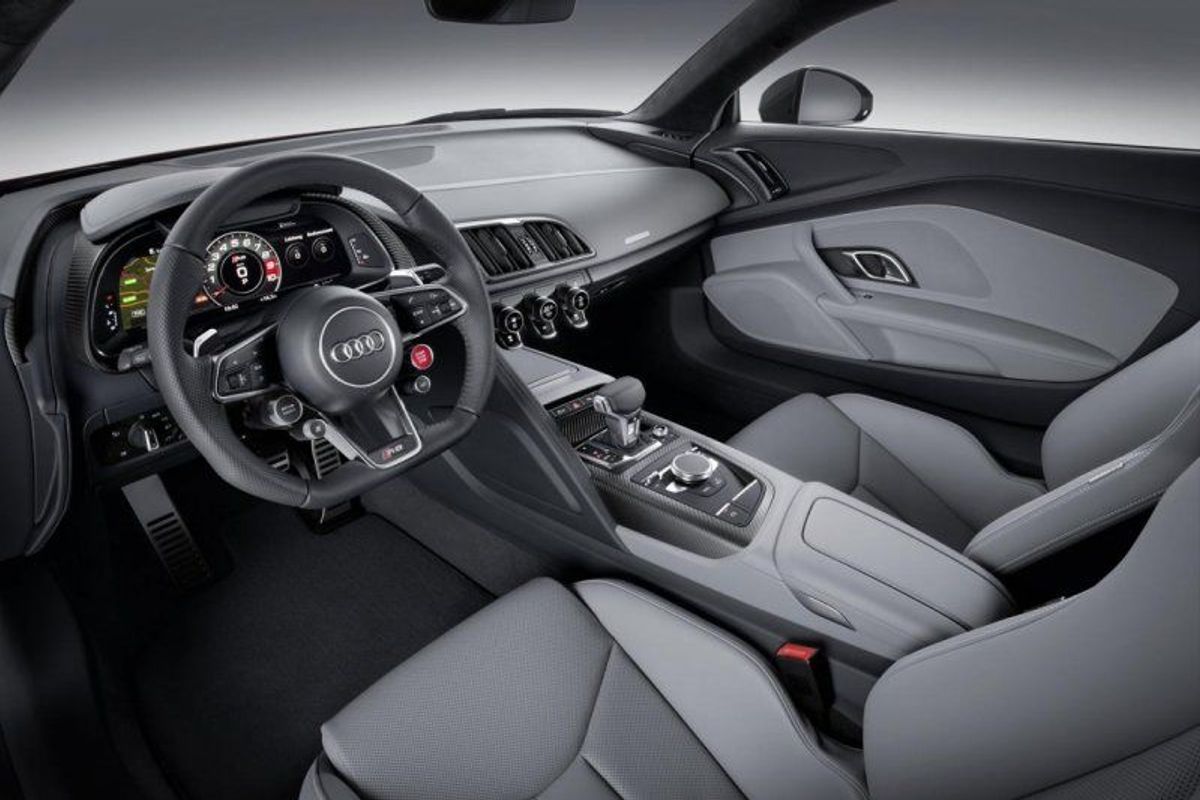
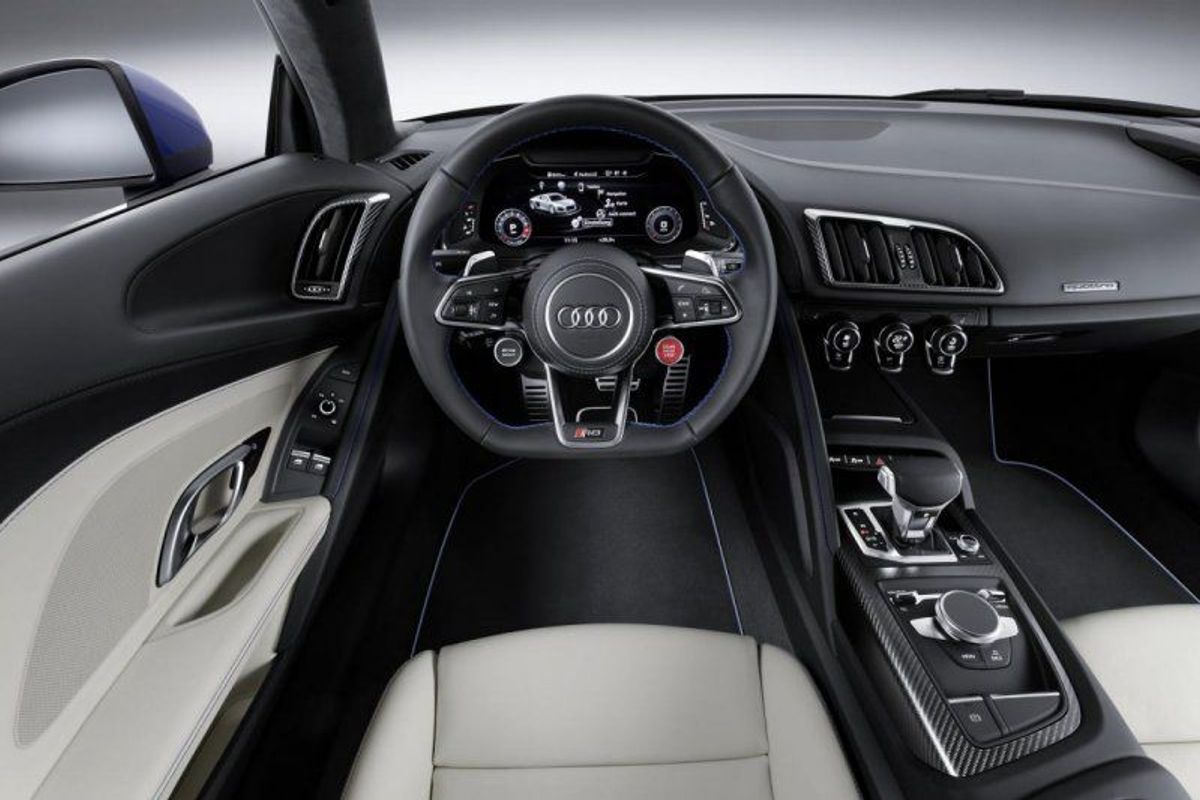
Inside, the supercar borrows the new Virtual Cockpit which was first seen on the new TT last year. It features driver oriented functions which allow for easy operation, newly developed R8 bucket seats, and a range of Nappa leather upholsteries and carbon fibre inserts. At an extra cost customers can get a 500-watt Bang & Olufsen sound system which can be added along with an Audi phone box.

The all-new Audi R8 will make its official debut in a few of days, during the 2015 Geneva Motor Show, and Audi South Africa confirmed it will make landfall in SA in 2016.

Mitsubishi Pajero LWB: All You Need to Know (Video)


In this video we’ll save you the hassle of driving to an Mitsubishi dealership with a detailed look inside, outside and under the bonnet of the new Mitsubishi Pajero.

If you are a fan of hurrying around, the Mitsubishi Pajero is not the car for you. In a world where modern 4x4s seem to be engineered to keep up with hot hatches, the Pajero might seem like an anachronism. But in most ways, it is a very welcome blast from a more adventurous past.

For a start the tyres are old school, tall sidewall monsters which are not only very comfortable, but are better able to cope with offroad conditions. And while you can’t charge into corners, the wafty-feeling ensures that you just don’t want to.

The engines haven’t changed, the short wheelbase and the LWB will both run the 3.2 litre DI-D turbo diesel, which I’m convinced is made of granite. It’s not very frugal, Mitsubishi claim 9.2 litres/100km while I achieved around 12l/100km. But the engine will run on 500ppm diesel, ensuring that in remote areas, refuelling won’t be an issue.

The interior has seen minor upgrades but the highlight is the new touchscreen infotainment system which admittedly is very far behind German offerings in look and feel but still provides everything you may need to connect to your smart devices. The screen also displays the reverse camera which helps enormously when trying to park what is a very large car.

Rear load space is obviously generous and with all the seats folded, its about the size of a good garden shed. A small third bench folds like origami out of the floor should you need to transport a couple of extra passengers, turning the car into a 7-seater.

Pajero Rivals

But where the Pajero really wins is on price. It compares favourably to its two key rivals, the Land Rover Discovery and the now discontinued Toyota Prado. While there is a Discovery available without the clever air suspension, the XS model, it suffers from very low ride height, so we’ve compared it to the base model diesel, the SDV6 S.

For our full written review on the Mitsubishi Pajero, click here. 

Spec Sheet: Mitsubishi Pajero vs Land Rover Discovery vs Toyota Prado

Pajero LWB Exceed Discovery SDV6 S Prado 3.0 DT VX
Price R659 900 R842 986 R732 400
Engine 3.2l DI-D turbodiesel 3.0l V6 turbodiesel 3.0l i-4 turbodiesel
Power 140kW 183kW 120kW
Torque 441Nm 600Nm 400Nm
Fuel consumption 9.2l/100km 8.8l/100km 8.5l/100km
Gearshift 5-spd auto 8-spd auto 5-spd auto
Towing capacity 750kg (unbraked) 750kg (unbraked) 750kg (unbraked)

Nissan Qashqai Range Expanded With New Turbo and Xtronic Models


Nissan has expanded the local Qashqai range to seven derivatives, which now includes a new CVT-equipped 1.2-litre turbocharged petrol model and a new range-topping 1.6-litre turbocharged petrol variant.

New turbo and Xtronic models

The range-topping Nissan Qashqai 1.6T Acenta model features a 120kW/240Nm turbocharged petrol engine connected to a six-speed manual gearbox and comes with a stop/start function as standard.

The 1.2T Acenta Xtronic variant features the same 85kW/165Nm turbocharged 1.2-litre petrol engine found in other models which now offers a luxurious drive thanks to the Xtronic transmission.

At Acenta trim level, both of these derivatives boast a raft of standard equipment, including alloy wheels (17-inch on the 1.2T and 19-inch on the 1.6T), LED daytime running lights, privacy glass, automatic wipers and an auto-dimming rear-view mirror. The 1.6T Acenta also benefits from LED headlights with auto levelling, silver roof-rails, chrome-accented front fog-lights and an intelligent key with keyless entry and push-button start.

Available as an option on both derivatives is the TECHNO PACK which comprises of Nissan’s Around View Monitor, heated door mirrors, NissanConnect for smartphone integration and Nissan’s navigation system with a 7-inch touch screen display. Heated leather seats are also available as an option on the 1.6T.

Nissan Qashqai price in South Africa

Nissan Qashqai 1.2T Acenta Xtronic – R327 700

Nissan Qashqai 1.6T Acenta 6MT – R357 700

Nissan Qashqai 1.2T Acenta Xtronic with Techno Pack – R344 500

Nissan Qashqai 1.6T Acenta 6MT with Techno Pack and leather – R374 500

Nissan Qashqai 1.6T Acenta 6MT with Techno Pack and leather – R385 500

Prices include a six-year or 150 000km warranty and five-year or 90 000km service plan.

Lamborghini Aventador SV Teaser Video


*pictured is the last Lamborghini SV model – the Murcielago*

Lamborghini has shown off a little teaser video ahead of its Geneva Motor Show press conference next week. Rumours are very strong that the new model will be the Lamborghini Aventador SV – the most hardcore of Aventador models. As if the Aventador needed a hardcore version, it’s already regarded as a lunatic!

Lamborghini is calling it the most reactive car to ever come out of the factory at Sant’Agata, Italy. Details are scarce at the moment, but from the video you can see trademark ‘S’ from SV and the interior of an Aventador. Being an SV model, the new Lamborghini Aventador SV will gain a large rear wing, shed some extra weight and a power increase from its monster 6.5-litre V12. Power is expected to be around the 514kW mark…

Lamborghini Aventador SV Teaser

McLaren 675LT Revealed Ahead of Geneva Debut


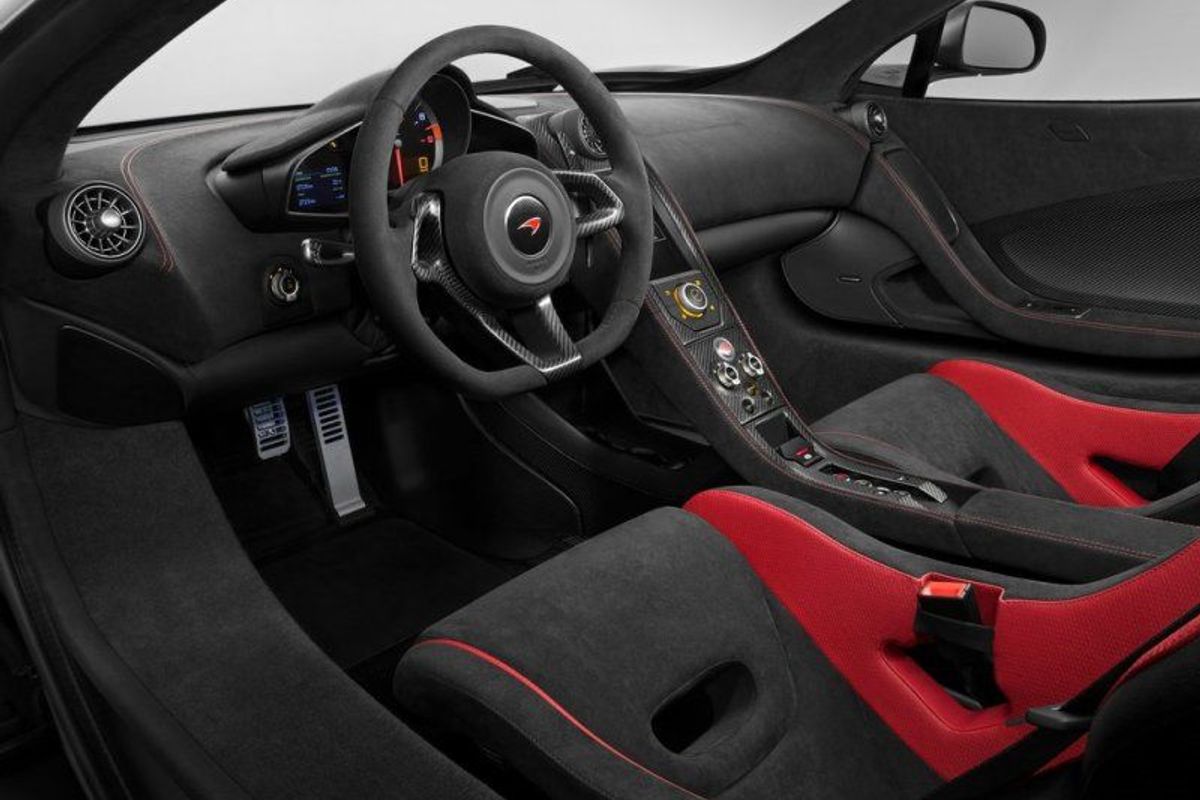
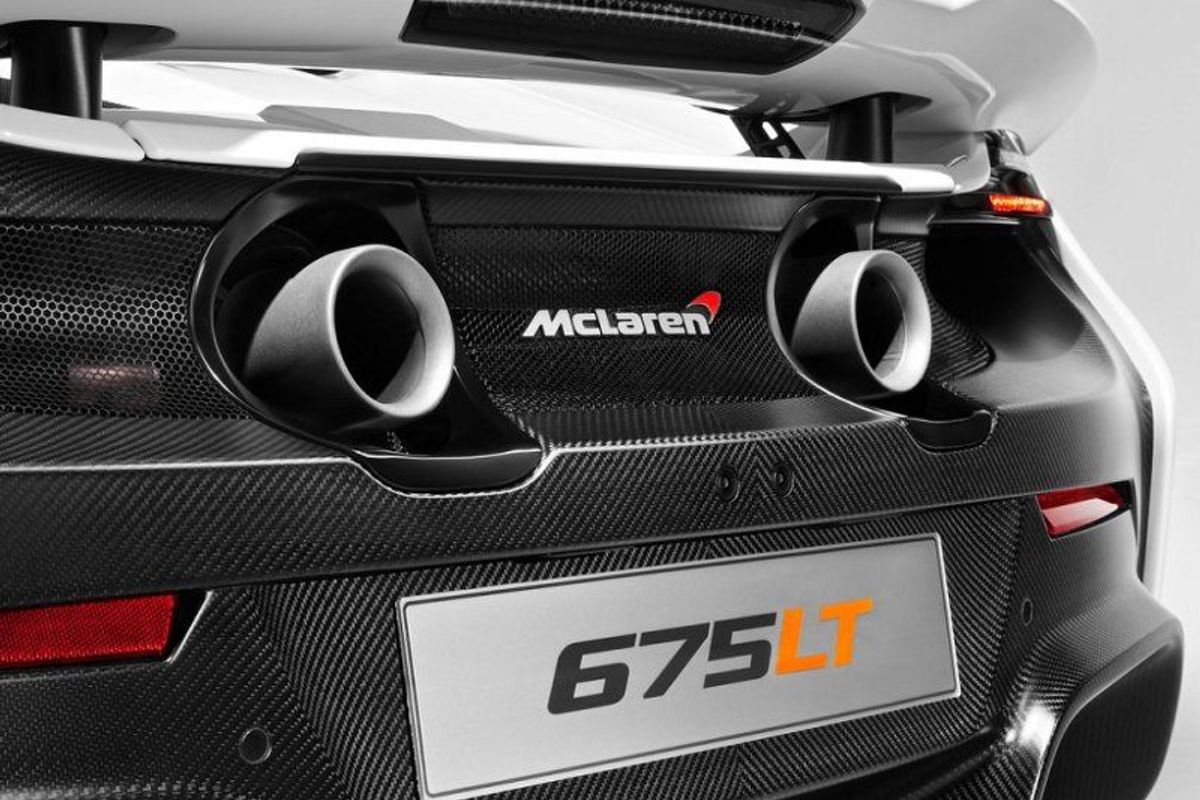
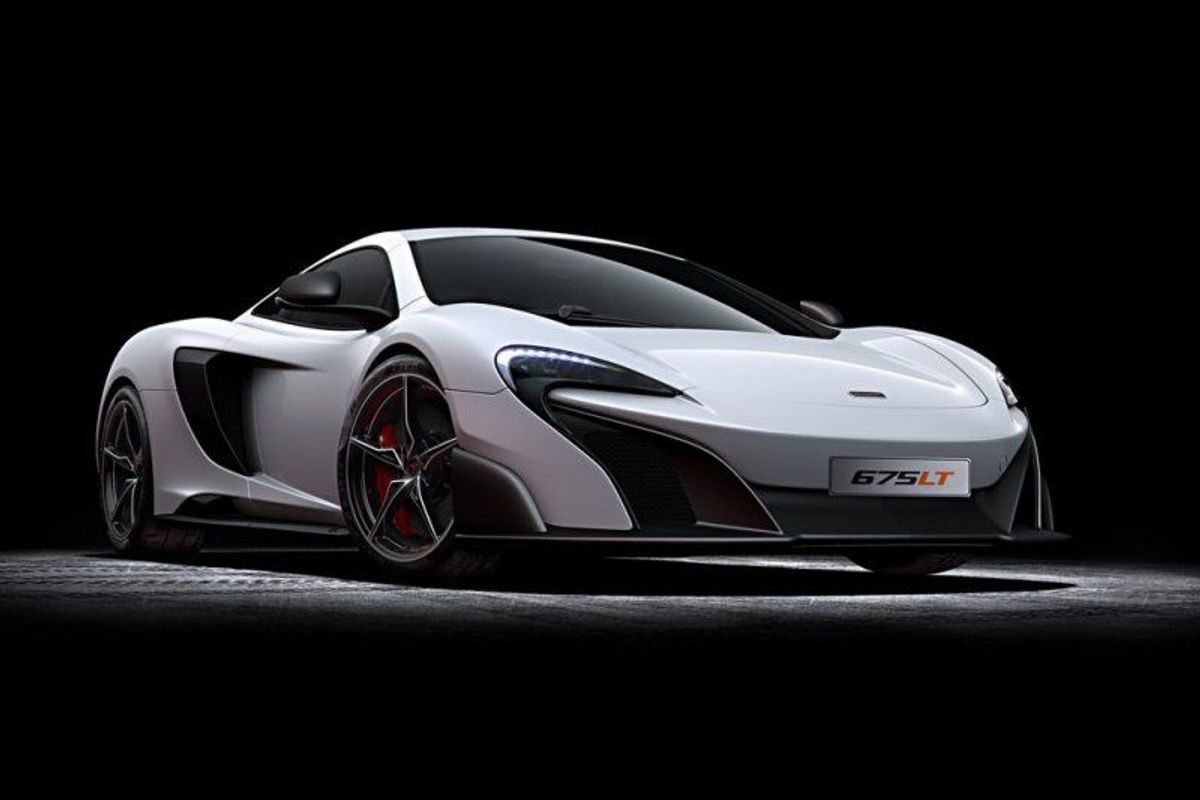
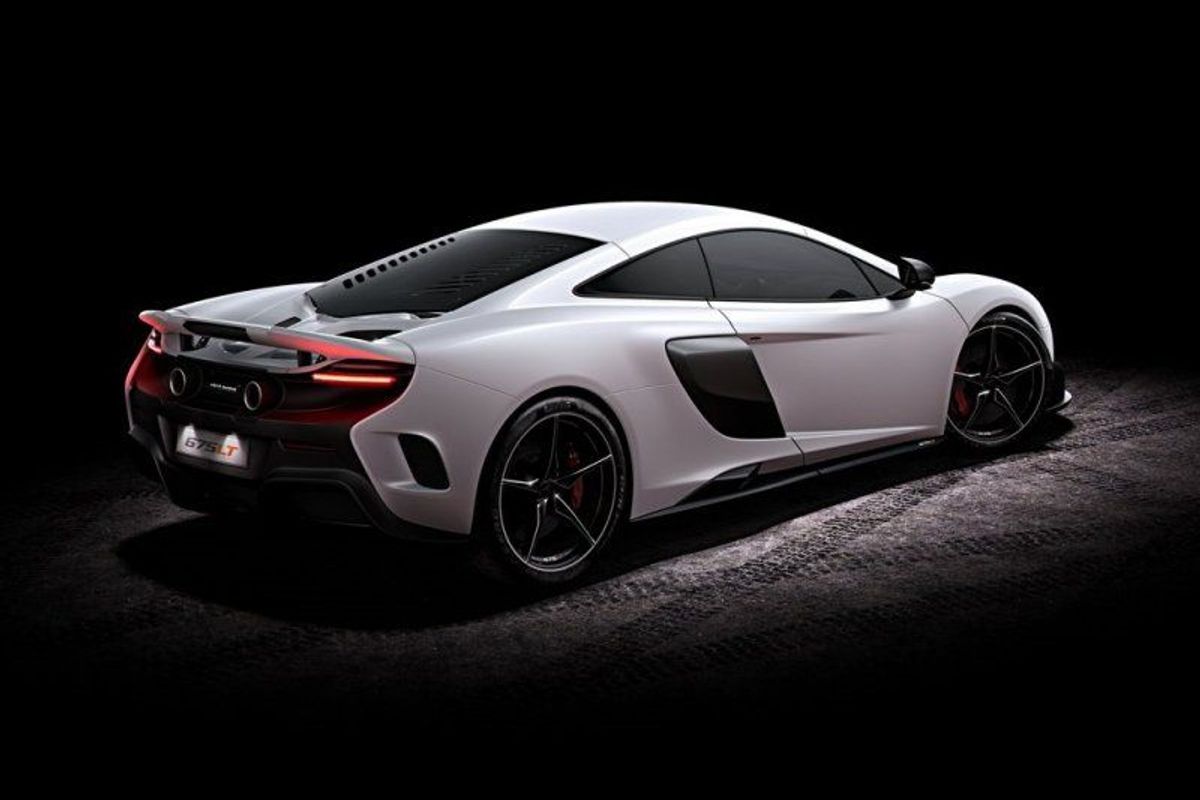
There’s another variation of the McLaren 650S / McLaren MP4-12C out. This is the McLaren 675LT and is regarded as the most track-focused model in the range. Set to be debuted at the 2015 Geneva Motor Show, this performer offers brutal performance and ultimate levels of driver engagement.

McLaren 675LT Details

The 0-100kph time has been cut to 2.9 seconds, but I find the 0-200kph time of 7.9 seconds far more impressive. Top speed is rated at 330kph. The 3.8-litre twin-turbocharged motor has received a few tweaks and McLaren claims that 50% of parts in the motor have been changed. These upgrades include new, more efficient turbos, changes to the cylinder heads and exhaust manifolds, new camshaft and lightweight connecting rods, and a faster-flowing fuel pump and delivery system. These changes are so extreme the engine receives a new engine code, which is M838TL.

Other changes included a more aggressive front, bigger titanium exhaust popues as well as additional cooling vents. Most obvious is the active Longtail airbrake, which is 50% bigger, yet lighter than the 650S unit. Overall, weight of the McLaren 675LT has been reduced to 1 230kg.

So with a bit more power, less weight and even smarter aerodynamics, the McLaren 675LT looks like it can offer brutal performance. The car is offered in five specifications which include four new colours: Silica White, Delta Red, Napier Green and Chicane Grey.

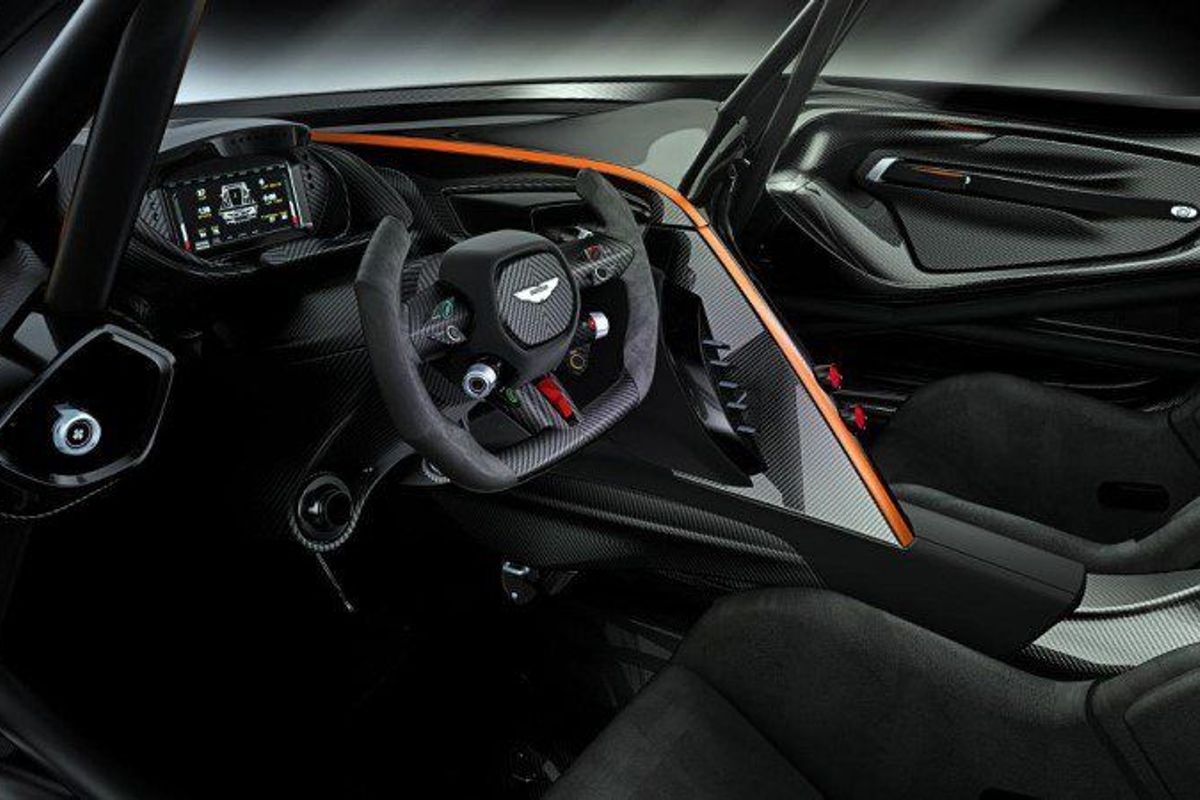
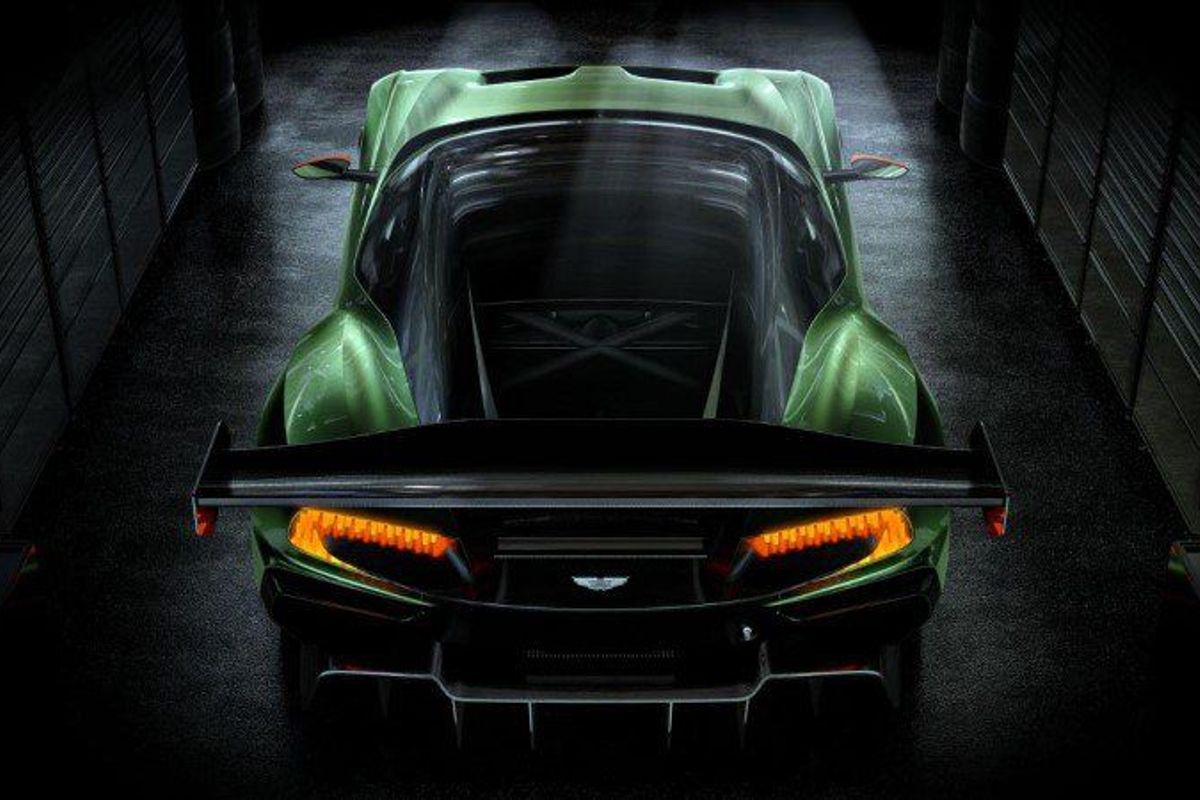
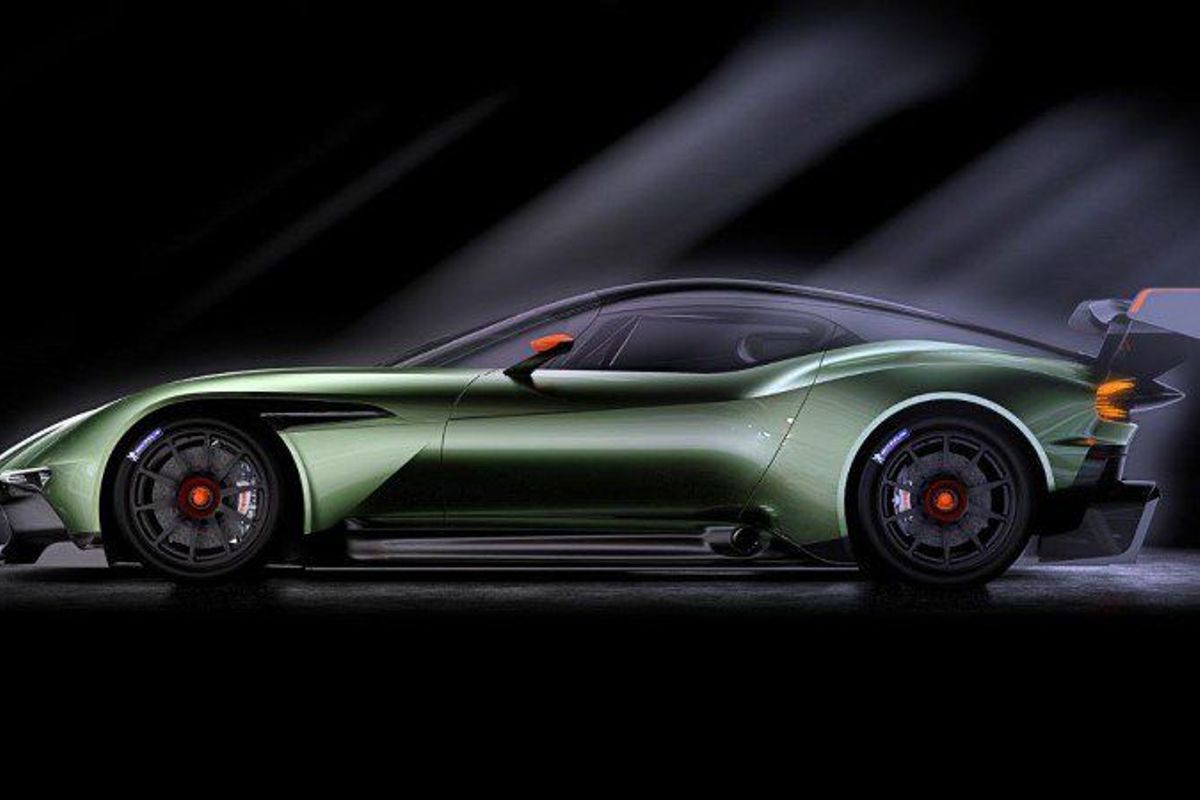
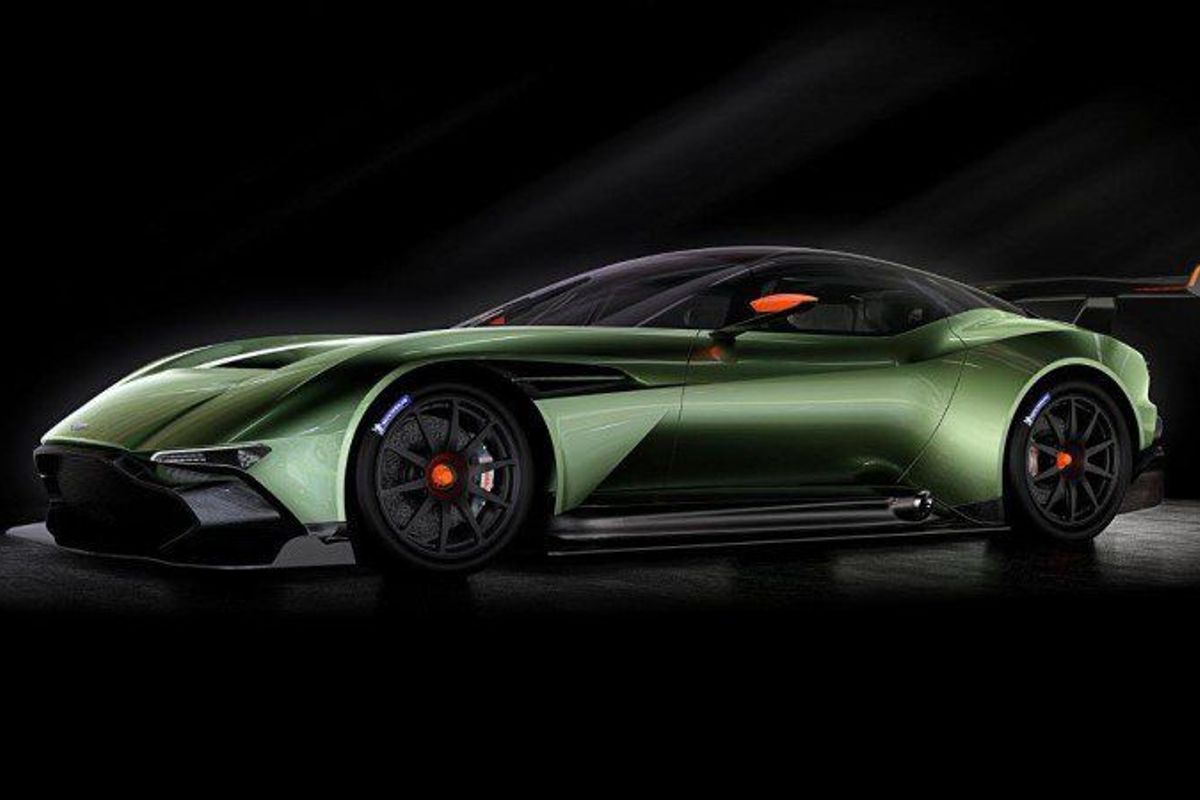
Aston Martin Vulcan – The British Supercar Bombshell


British luxury car manufacturer, Aston Martin, has spilled some beans on its latest creation, the Vulcan supercar. After teasing us with vague images and cheeky videos, we knew the Vulcan was something special, and judging by these images, it really is. Aston Martin describes the Vulcan as its “most intense and exhilarating creation to date.”

Track-Only Vulcan Goes Extreme

Apart from its intriguing styling, the Aston Martin Vulcan promises extreme performance. An all-carbon-fibre monocoque and body, coupled with the brute force of its 7.0-litre V12 petrol engine, will offer more than 596 kW of power for its driver to enjoy on the track.

Andy Palmer, Aston Martin CEO said, “Aston Martin Vulcan is, by its very nature, a rare and thrilling supercar. Designed and engineered to deliver a genuinely bespoke driving experience that draws on our rich heritage, this car tailors its power and handling to both the capabilities of the driver and the characteristics of the track.”

The front mid-engined, rear-wheel drive Vulcan makes use of a Xtrac six-speed sequential shift gearbox to put all that power onto the tarmac. The track focused pushrod suspension features anti-dive geometry and is complemented by Multimatic’s Dynamic Suspension Spool Valve (DSSV) adjustable dampers.

Unique Track Experience for Vulcan Owners

Only 24 examples of the Aston Martin Vulcan will be available worldwide and will offer owners a unique track experience. Before taking ownership of their Vulcan, owners will take part in extensive track driver training. Owners will by guided through their learning experience alongside Darren Turner (Aston Martin Racing Le Mans winner) and will have the chance to hone their track driving skills in the V12 Vantage S, One-77 and the GT4 race car before applying their driving skills in their Vulcan. Owners can also spend time in Darren Turner’s Base Performance Simulators to further improve their skills.

Additional details will be revealed when the Aston Martin Vulcan is officially shown at the Geneva Motor Show from 3 March 2015.

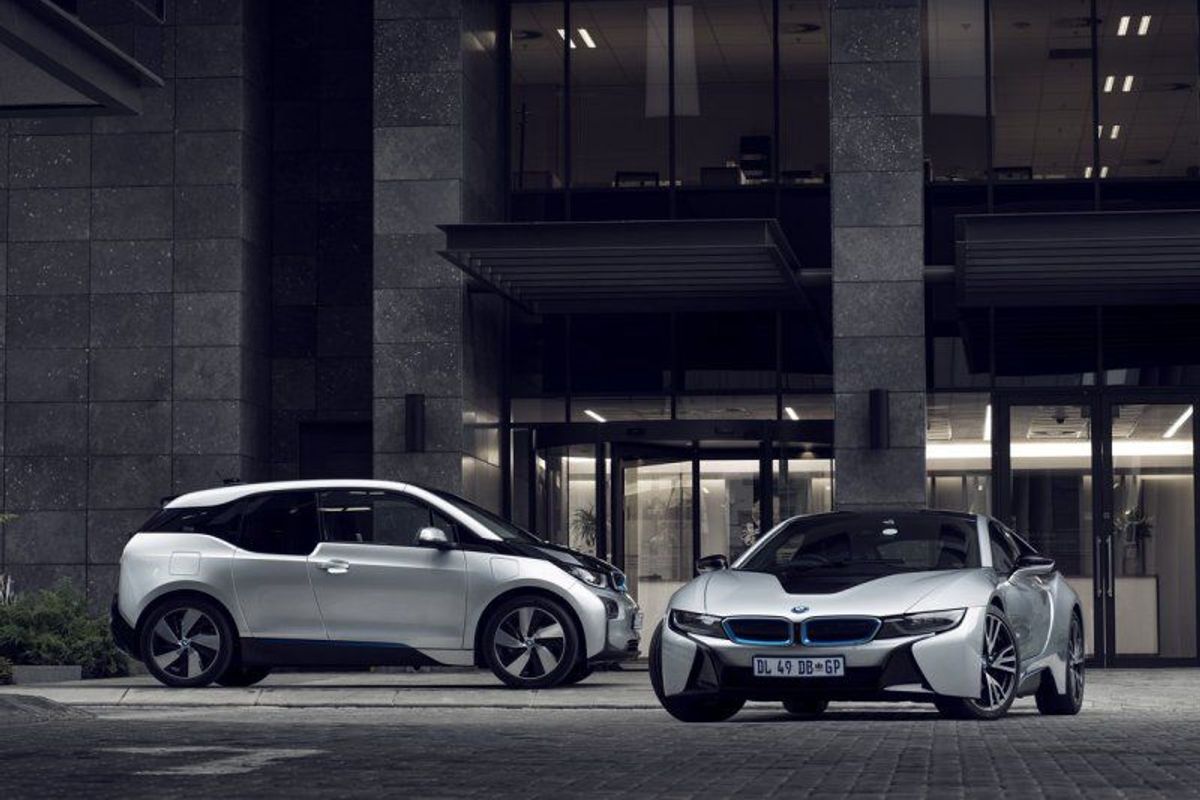
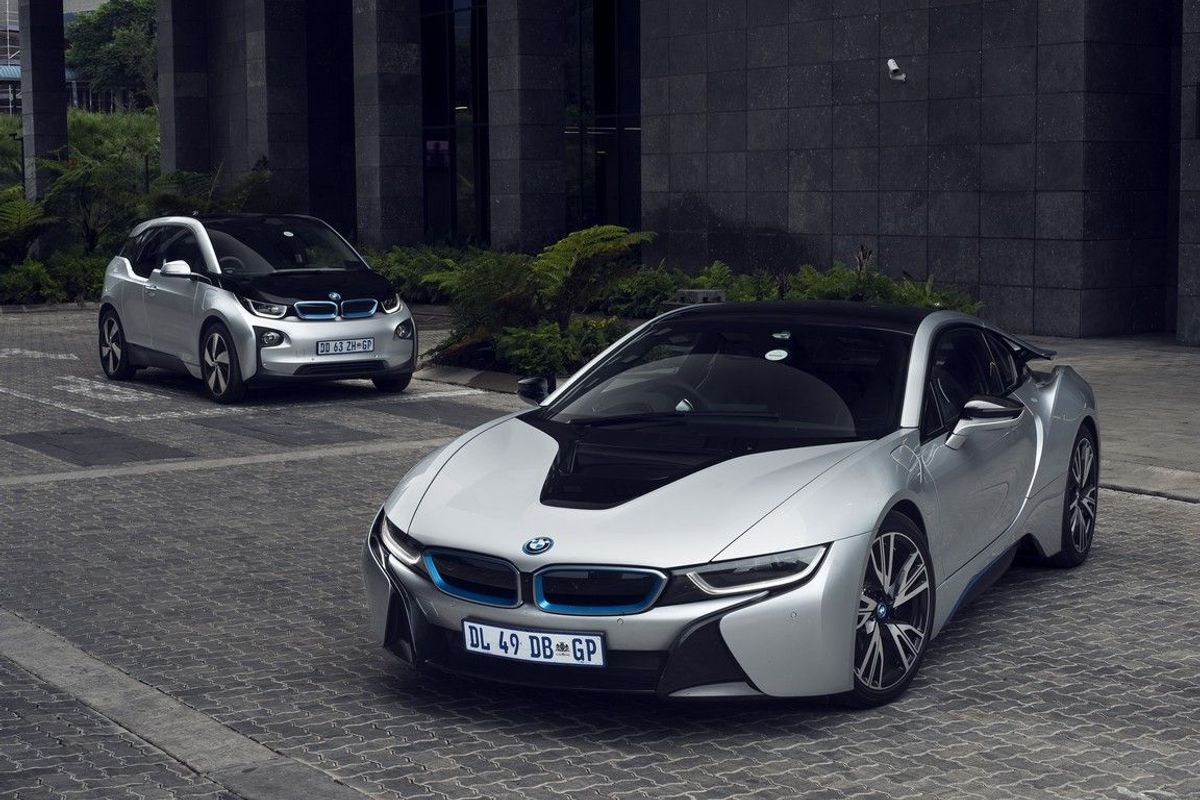
BMW i3 and i8 First Drive


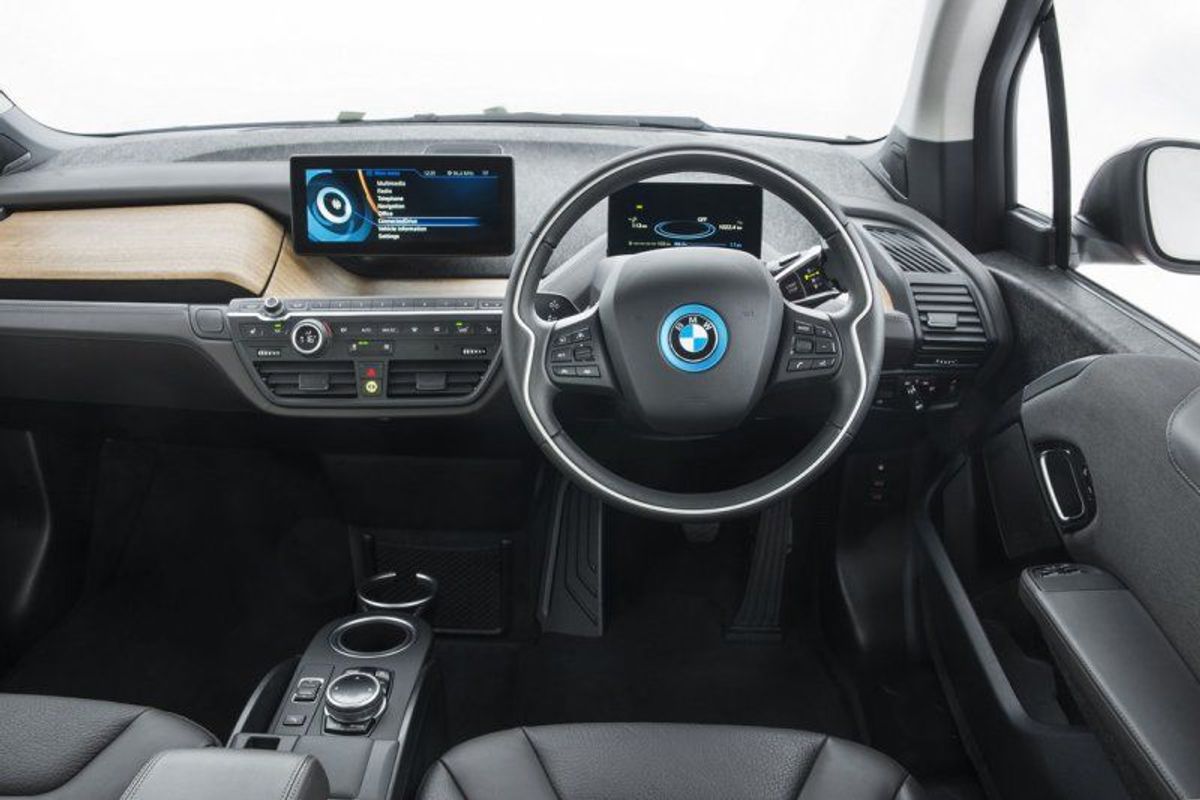
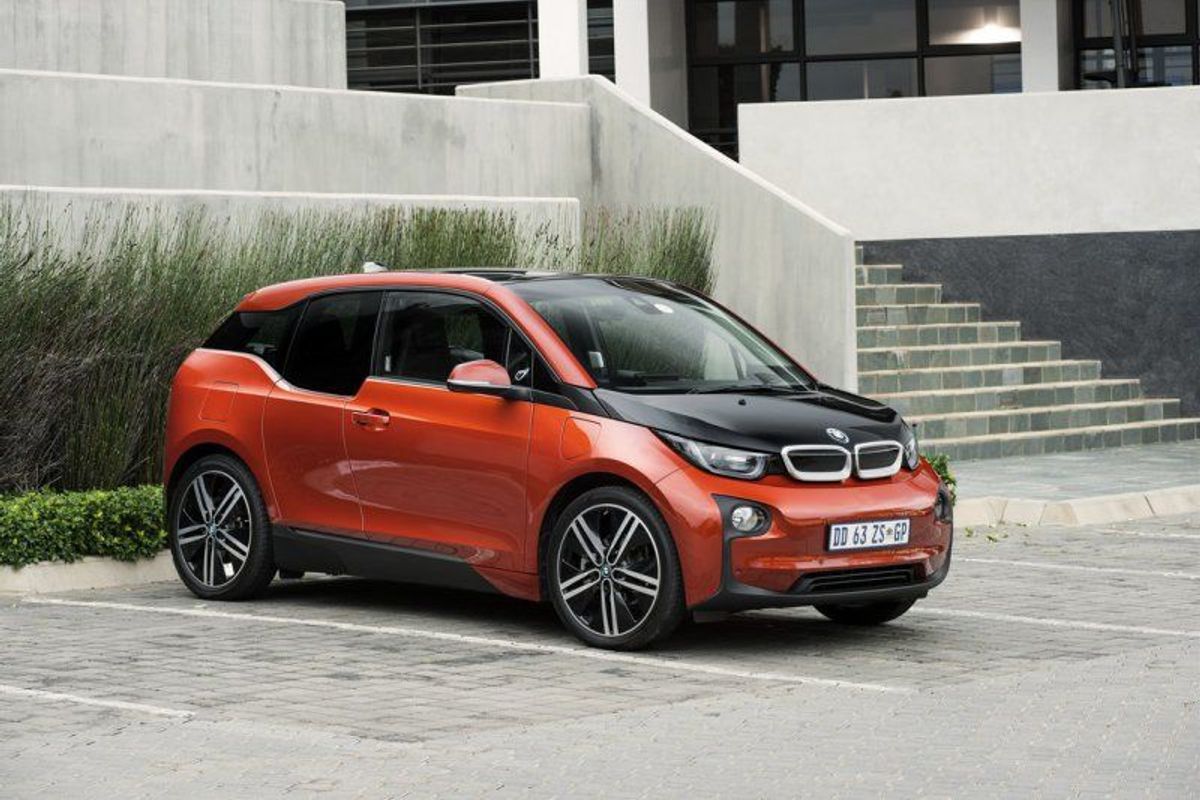
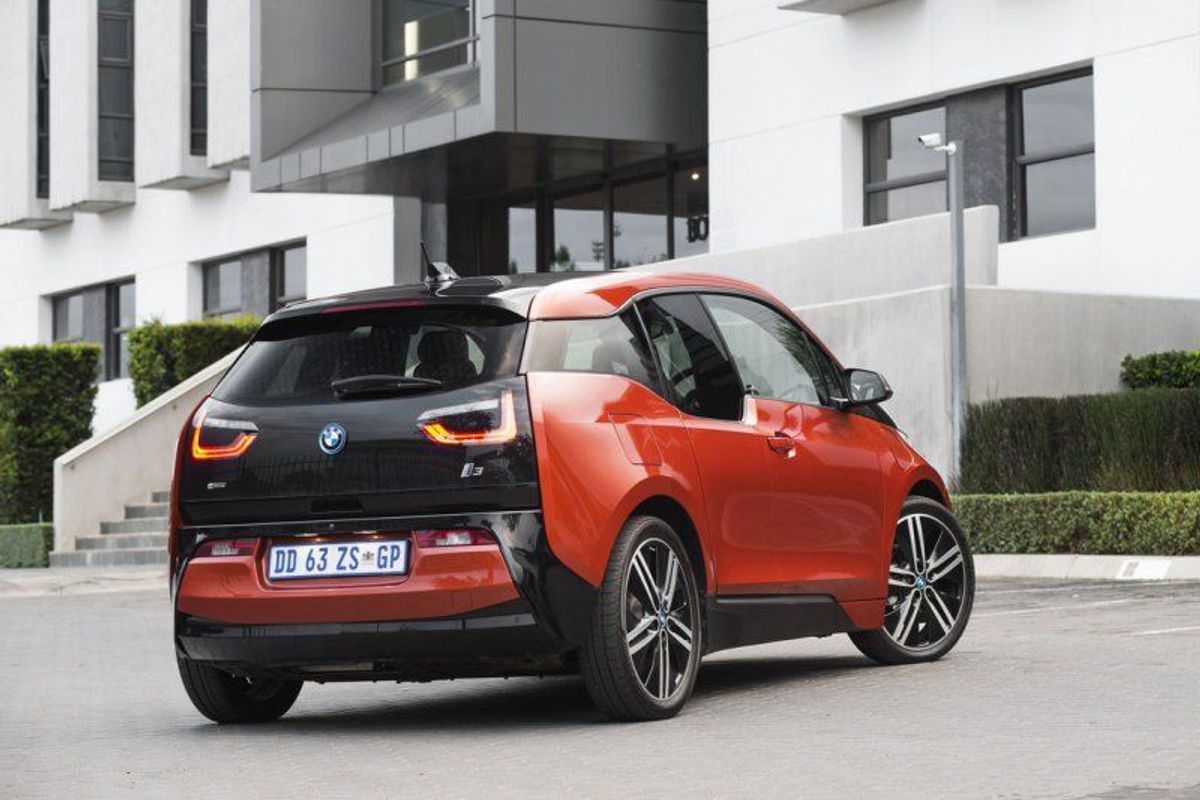
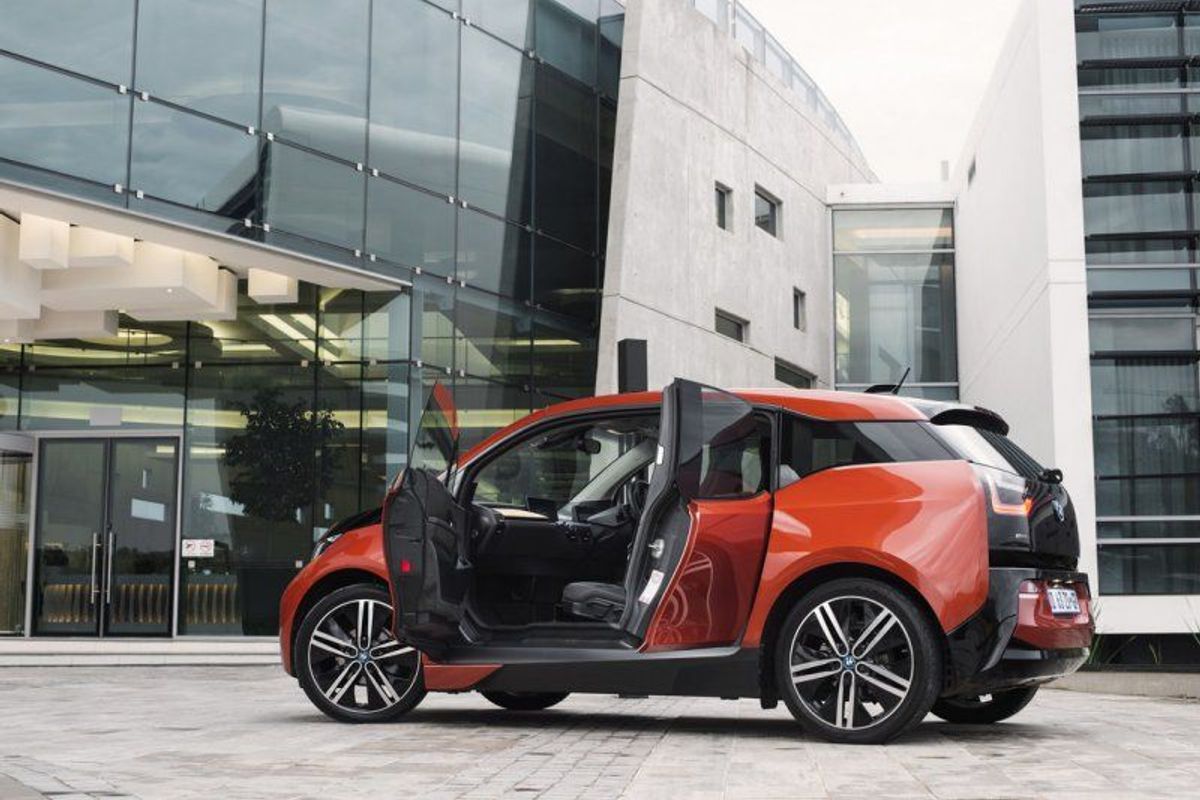
The gradual transition towards electric cars is happening, albeit at a slower pace than the green activists would like. The BMW i3 and i8 are two different ways of implementing electrically-powered vehicles. The i3 is the typical everyday city car that grinds through traffic, while the i8 takes the performance sports car to another place using a small capacity engine paired with electric power for added shunt.

Two Versions of i3

The i3 has landed in SA in two formats, the first being a pure electric model and the second with the addition of a petrol engine used as a generator to charge the batteries. The pure electric model claims a range of around 130-160km on a single charge. There are three driving modes to choose from that obviously affect the range, ECO Pro Plus is the most efficient mode, ECO Pro the middle mode and Comfort mode gives you all the power you want and doesn’t skimp on ancillaries like the air conditioner.

Our drive in the pure electric model showed that the i3 is a step ahead of the Nissan Leaf in terms of power delivery and feel. It’s quite rapid as well with 125 kW and 250 Nm of torque. You really feel that instant shove electric vehicles give as all the torque is available from the moment you touch the throttle. The electric motor is responsive and will cruise at 120kph with ease on the freeway. The range will drop dramatically on the freeway however as the i3 recoups a fair amount of charge from coasting and braking so it’s more suited to city driving where it is constantly recharging under braking.

The Range extender model, called REX is able to nearly double the range of the i3 to 300km thanks to a 650cc two-cylinder engine that keeps the batteries charged as you drive along. The petrol engine is equipped with a tiny nine-litre fuel tank that gives it the boost in range.

How to Charge

As for charging the i3 you have three choices. First there’s the DC fast charging method that BMW has installed at various dealerships around the country, these will fully charge an i3 in 30 minutes. The second option is a home charging unit that BMW will install at your house for about R25k that will charge the battery in three hours. The final method is a standard wall socket charge from any plug you can find, but this charge takes around eight hours to charge fully.

The i3 is a fun car to drive, it overtakes rapidly thanks to the instantaneous torque, has loads of gadgets to play with and is surprisingly spacious in the front, rear and boot. In keeping with the green theme, much of the i3 is built from sustainable materials and recycled products to give the owner more guilt-free driving pleasure.

BMW i8

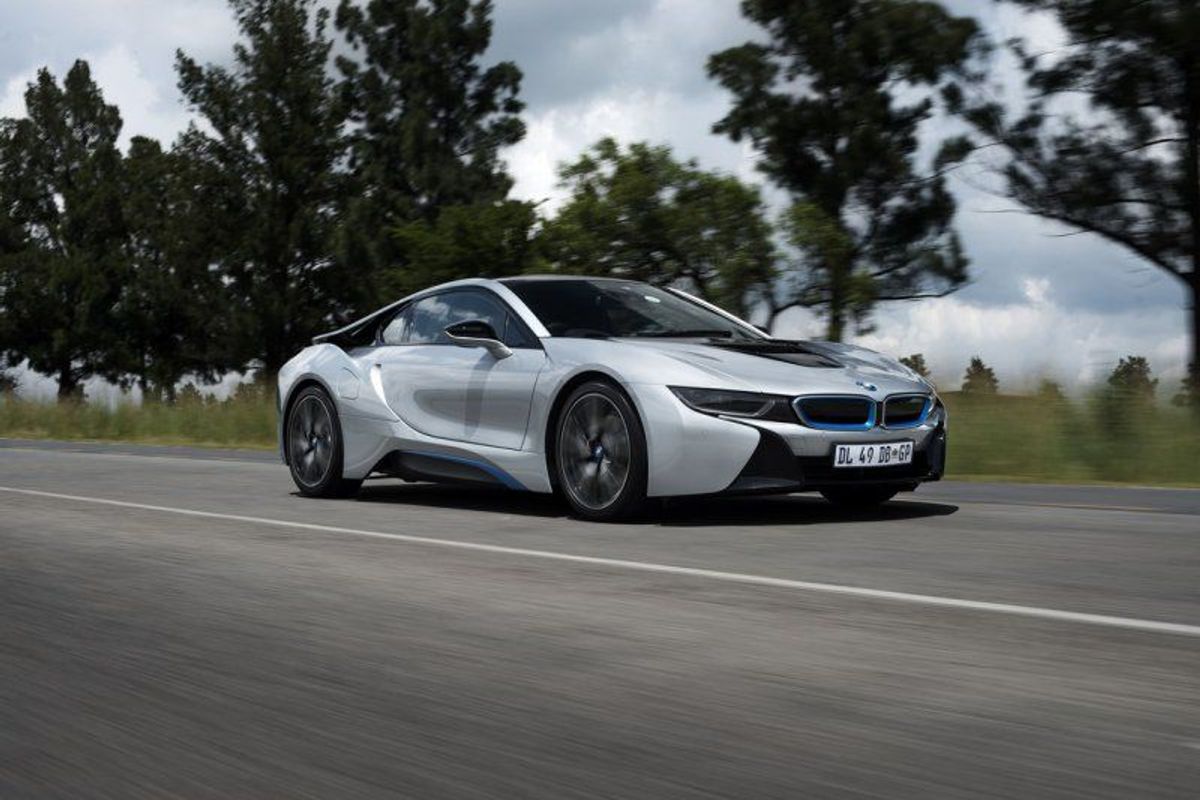
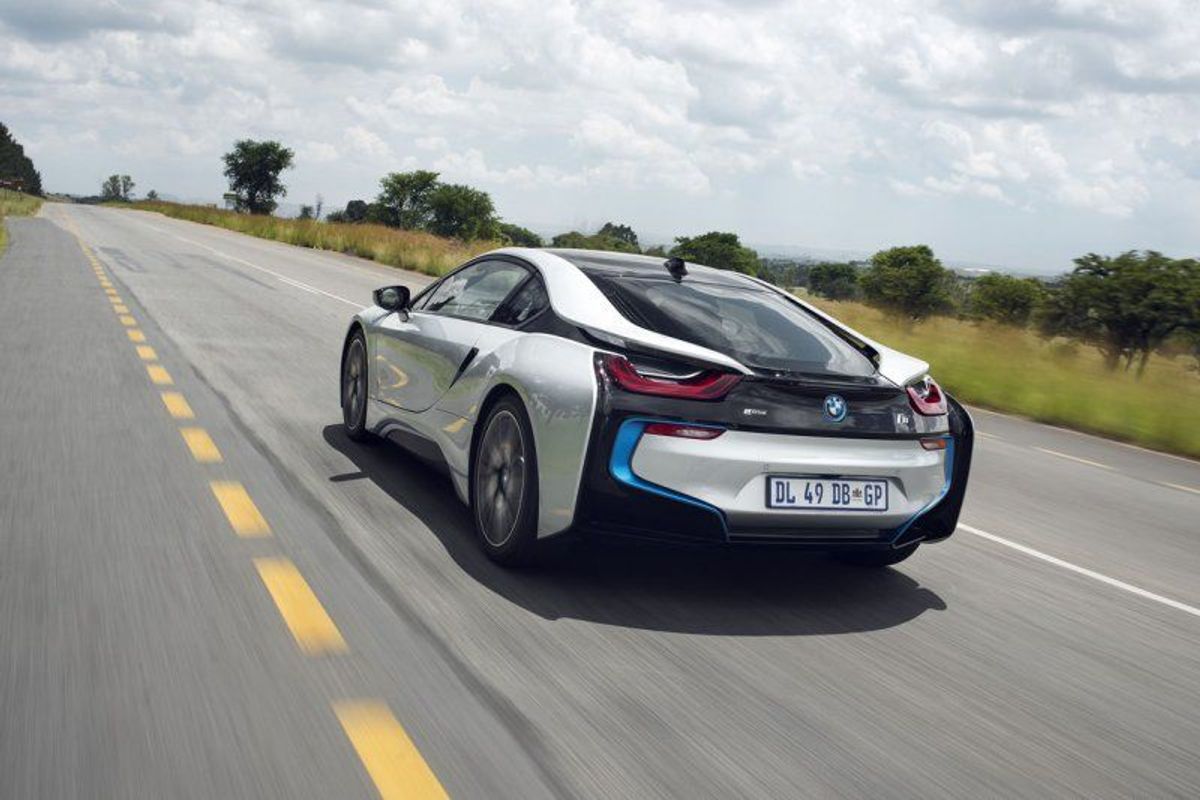
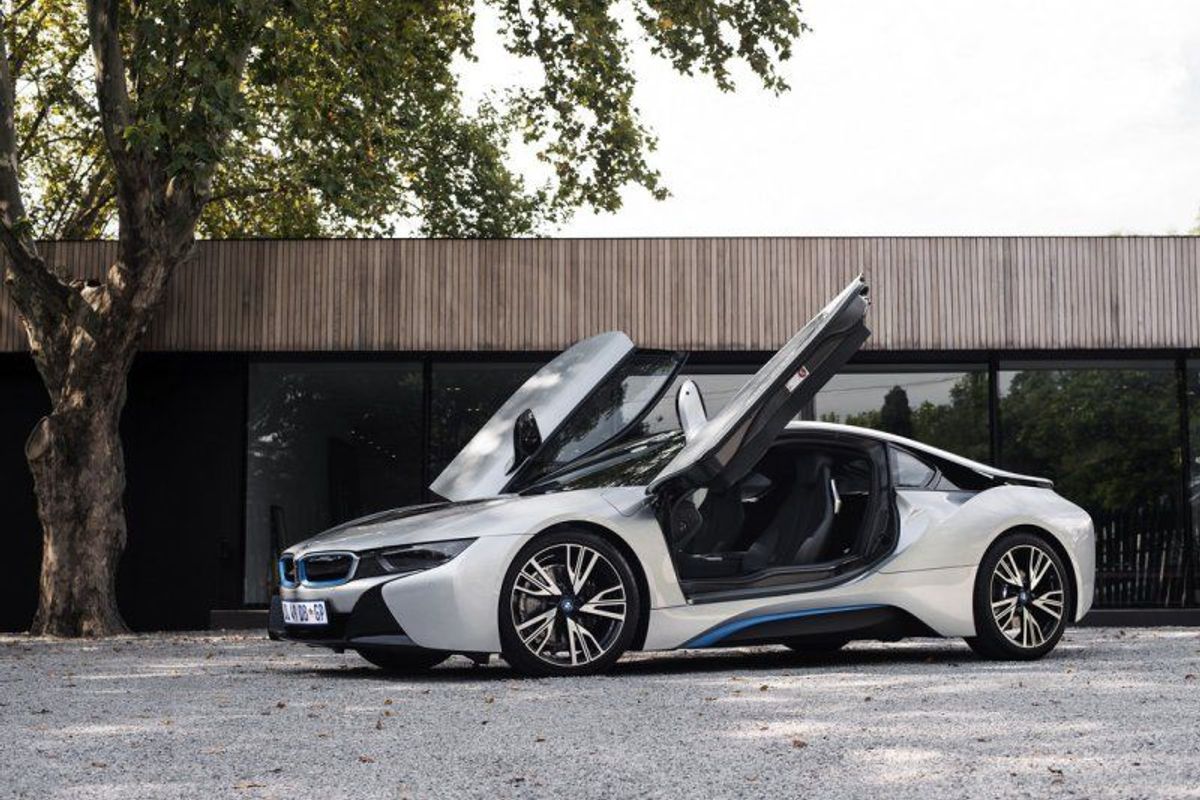
The BMW i8 is an amazing looking car, it’s been ages since something that looks this much like a concept has made it to production. BMW doesn’t really do supercar design like Mercedes AMG or Audi does with the R8 so this is a step in the right direction for a new line of sportscar design for them.

Dual Power

The i8 subscribes to the philosophy of pumping up the power on a small capacity petrol engine – in this case, the 1.5-Litre three-cylinder petrol and then harnessing the electric motor to deal with the low down grunt. It’s a fantastic idea and it works so well on the i8. The 1.5-Litre petrol pumps out 170 kW and 320 Nm of torque while the electric engine helps with a further 96 kW and 250 Nm. The total power works out at 266 kW and 320 Nm in a car that will set you back R1 755 000.

Ride and Drive

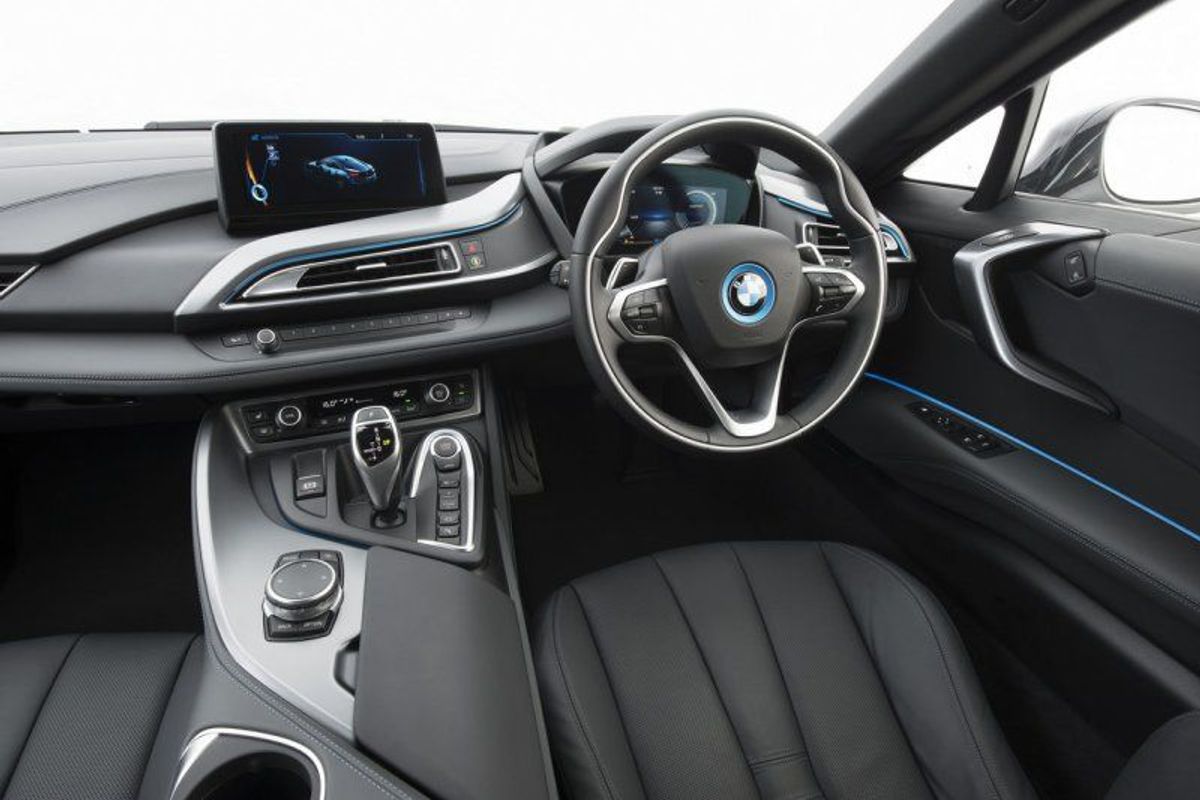
With the figures cast away into the back of my mind I decided it was time to unleash the power of the i8 over some of the best passes in the Cape. You’re seated low in the i8, but not so low that you have to stretch to see obstacles out of the window. It’s extremely easy to drive at low speed and the ride is plush over bumps unlike many hard-sprung sportscars. Wind up the revs and the augmented sound fires back through the speakers, despite it being a synthetic or manipulated roar, it still gives you a thrill.

The i8 holds on in the bends brilliantly, there’s so much grip and the balance is sweet so it never feels on edge. The power is delivered instantaneously, but once you start to push on a bit harder you’re left wanting more power, under 100kph it has great acceleration, but after that it tapers off and leaves you wanting more. I began to wish that BMW had used the Mini’s 2-Litre turbo motor instead as that would have given the added power I was craving.

In a car that looks this amazing you almost expect it to come with supercar credentials and terrifying performance figures but it doesn’t. For the price you can get all those thrills in an R8 or Nissan GT-R, but neither will turn as many heads or claim to be the future of the sportscar that the i8 can.

Pricing:

BMW i3 BEV (full electric) – R525 000

BMW i3 REX (range Extender) – R595 000

BMW i8 – R1 755 000

Renault Clio GT-Line (2015) Review


The Renault Clio range in South Africa has been bolstered by the arrival of the GT-Line model, aimed at bridging the gap between the Dynamique and the fiery RenaultSport. We had a seven day romance with a very blue Clio GT-Line and here’s how it performed.

I get the idea behind Renault’s GT-Line. The base model offers adequate performance, but you’re after something that looks the part and you either don’t want/ or can’t stretch the budget to the performance RenaultSport model. Enter the GT-Line. It has all the features of the normal model, while visually it looks racy.

What’s Different?

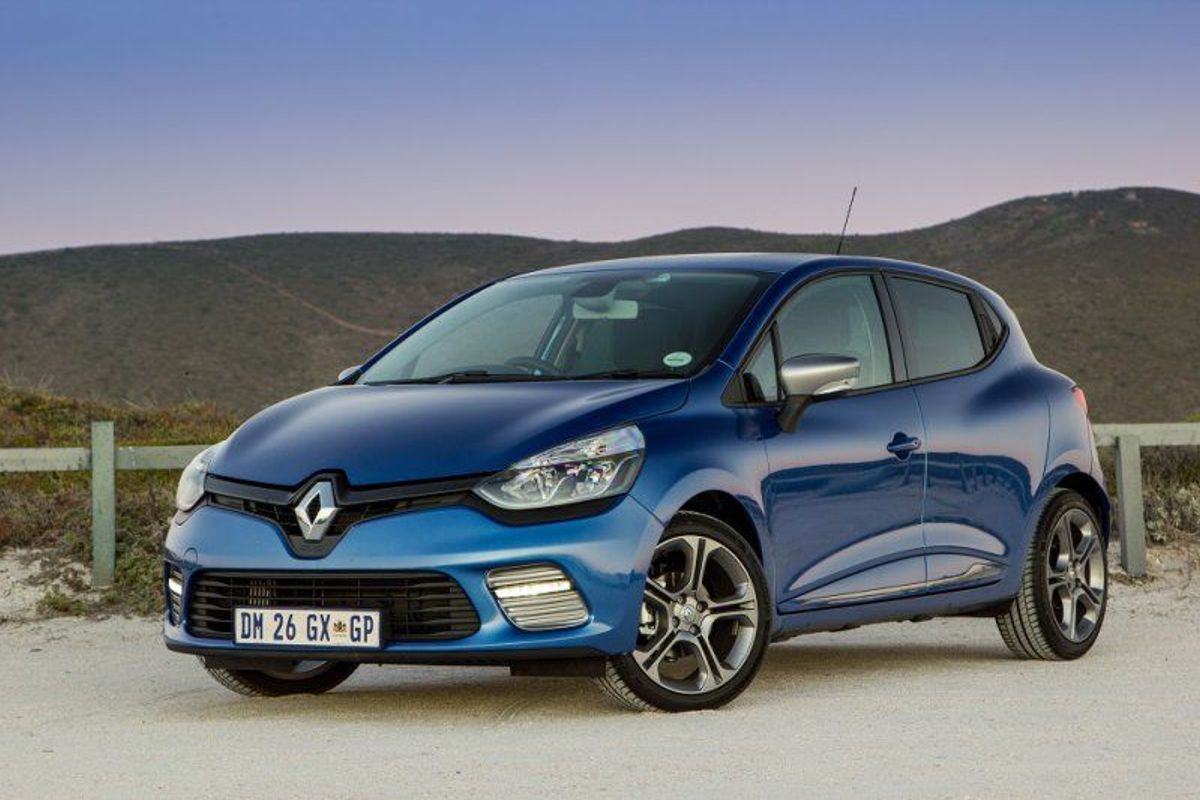
The new Renault Clio GT-Line is different to lesser Renault Clios mostly in the visual department. For starters, there’s that lovely blue paint. There’s also a new 17-inch alloy wheel design, and a more aggressive front end bumper.

This redesigned bumper has moved the daytime running LEDs to the bottom edges as opposed to the near centre LEDs in the other models. It also gets a rear diffuser. This makes it look like a RenaultSport model, which is not the worst thing in the world! Finally, the exhaust receives a redesigned chrome tip.

The engine gets a very mild tweak, but don’t get too excited. Despite its RenaultSport scuffplates and sporty bodykit, performance is orientated towards economy. Renault SA claims its 0.9-litre turbocharged three cylinder gains an overboost function that gives it a little bit more grunt. Power is still rated at 66kW and 135Nm, but when in Overboost Mode (2nd & 3rd gear) the Clio GT-Line gains 4kW and 15Nm for 40 seconds.

Features

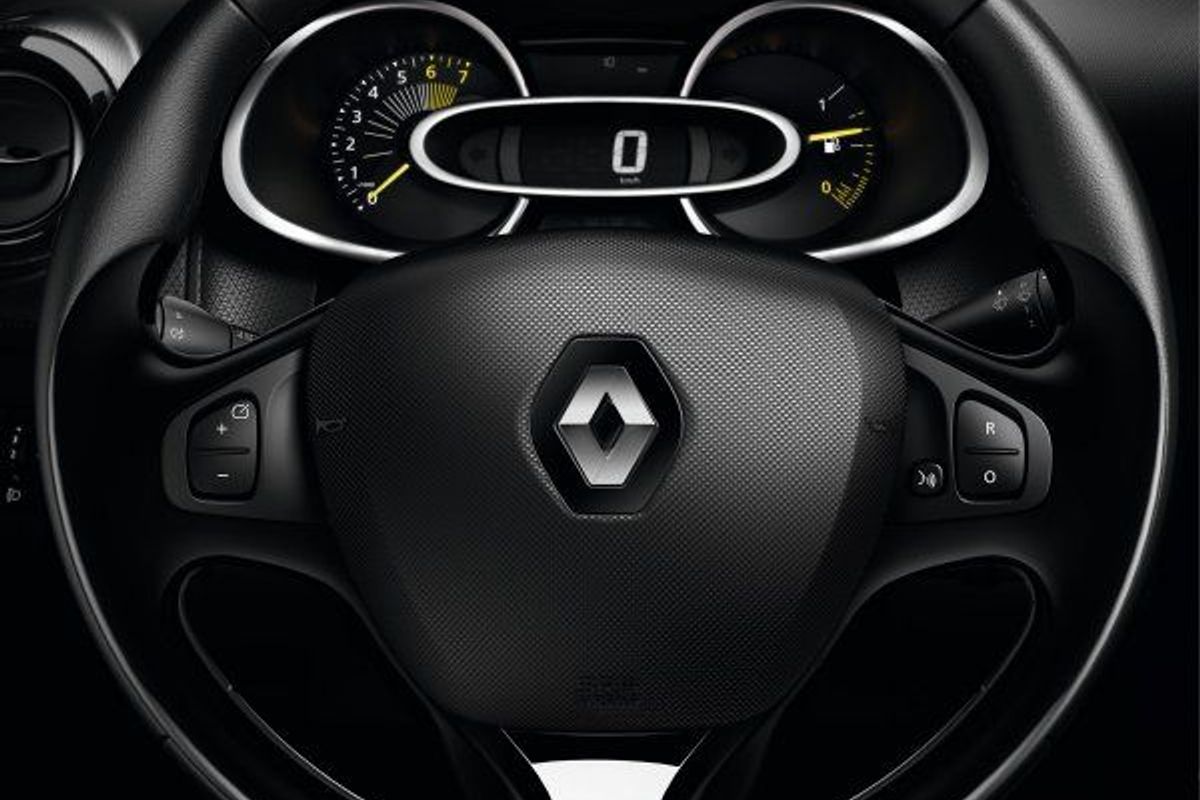
Renault really hasn’t skimped on the features of the Clio range, and the GT-Line is no exception. There are very few cars in this class that are as well specced for this amount of money. Cruise control, speed limiter, satnav, touchscreen infotainment system, auto wipers, auto head lights, hands-free access and start, eco mode as well as a start/stop function are all standard.

It’s very safe too, thanks to numerous airbags as well as ABS/ EBD/ ASC. We at Cars.co.za rate the Renault Clio highly in terms of safety and it ranked No 2 in our list of safest cars in SA.

How Does It Drive?

Despite the marketing material saying it’s got a touch more power and torque, I’d be lying if I said I could feel a difference. I even resorted to phoning a mate with a normal Clio Dynamique and drove both cars back to back, and didn’t notice the overboost in action. Does this bother me? Not in the slightest.

The Renault Clio is a fun city car which offers reasonable performance along with dashing good looks. It’s so stylish, and in GT-Line guise even more so. It makes the Volkswagen Polo look positively ancient in comparison. Sadly, that’s where the goodness ends as the flaws of the standard Clio I reviewed in 2013 are still apparent.

See, while I can appreciate the downsized engine in the name of economy and emissions, it requires patience and skills if you’re to get anywhere near the claimed fuel consumption figure of 4.5L/100km.

In reality and driving like Joe Average in traffic I was averaging 6.1L/100km, even in Eco Mode. I suspect it’s the little turbo engine working hard to shift the Clio GT-Line about. The moment you start hurrying about, the consumption figure will rise quickly.

Renault Clio GT-Line Price in SA

The Renault Clio GT-Line retails for R224 900. The price includes a service plan of 3 years/ 45 000km as well as a 5 year/ 150 000km warranty.

Verdict

The Renault Clio GT-Line is not vastly different from the lesser Clio models, but it’s light years away from the RenaultSport model in terms of performance. I’ve heard rumours of the 1.2 turbo Clio EDC making its way to SA with considerably more power, but I feel pricing will be a little on the high side, so this GT-Line will have to do for now.

I give the Clio GT-Line full marks for looking even more handsome than the standard model, if that’s even possible. It does the fundamental basics right with European dashing good looks, class-leading specification and top notch safety features. I have my doubts over the fuel consumption figures, but I’d fork over the extra R7 000 on top of the Clio Dynamique’s R217 900 just for the looks alone.

Second Opinion

The Clio has been a remarkable performer for Renault SA, showing that French cars can sell well here, they just have to look amazing and undercut the competition with way more kit. The Clio GT-Line’s slight power increase is probably not enough to be noticeable to the everyday driver but the spec is impressive and the styling makes it an eye catching hatch. The increase in pricing does move it quite close to the even more popular Polo however. -Ashley Oldfield

We Like: Beautiful looks, generous specification, top class safety

We Don’t Like: Performance increase is hardly noticeable, fuel economy is nowhere near claimed

Also Consider: Ford Fiesta, Volkswagen Polo, Hyundai i20, Opel Adam

See a comparison between the Renault Clio, Volkswagen Polo and Hyundai i20 here.

Renault Clio GT-Line Specs

Engine 0.9-Litre 3-cylinder turbo petrol
Power 66 kW
Torque 135 Nm
Transmission Five-speed manual
Wheels 17-inch alloy wheels
0-100km/h 12.2 seconds (claimed)
Top Speed 182 kph
Fuel Economy 4.5L/100km (claimed)
Fuel Tank Capacity 45 Litres

Audi Prologue Avant Concept Goes Official


With the 2015 Geneva Auto Show about a week away, Audi has released official photos of its Prologue Avant concept. Audi previously had shown off some teaser sketches in the second week of February 2015, but now we have more photos and more details to share.

Prologue Avant Concept

Audi calls it a ‘design with dynamic elegance and the latest high end technologies’. Back in November 2014, Audi showed off its Prologue concept at the LA Motor Show and this version expands on what that concept offered. The length has grown to just over 5 metres and its almost 2 metres wide.

Being an Audi and being a concept, you can bet your money the interior is top dollar. Audi claims the dashboard consists of three touch displays and the driver + three passengers have access to OLED display units. There are slim, detachable OLED displays in the rear and these are similar to the new Audi tablet which does duty in the new Audi Q7.

Powering this concept is an engine which Audi claims is almost ready for mainstream production. This powerplant is a plug-in hybrid from the q7 e-tron quattro pushing out 335 kW and 750 Nm from a combination of a 3.0-litre TDI and an electric motor. Sprint time is claimed to be 5.1 seconds, but importantly, Audi is claiming a pure electric range of 54km. Other engineering tech included is adaptive air suspension, Matrix laser headlights and all-wheel drive steering.

I think we’ll see many of the styling cues from the Prologue Avant Concept in future generations of Audi A6, A7 and A8.