Infiniti has teased its QX30 concept which set to premiere next month at 2015 Geneva Motor Show.
QX30 Concept foreshadows an urban explorer
According to the automaker, the QX30 concept will reignite the premium compact segment with a distinctive approach to design that looks beyond the practicality and conformity expected of the segment.
Details are yet to be revealed, however, Infiniti has issued a teaser image showing the cars distinctly and dramatically styled backside with a mixture of contoured lines and curves. You can also see a prominent tailgate, trapezoidal exhausts housed on a large bumper, and large wheels possibly fitted with wide wheel arches with plastic body cladding.
Apparently the crossover will also follow in the footsteps of the Q30 concept which was unveiled at the Frankfurt Motor Show in 2013, and make use of Mercedes-Benz’s MFA platform which is currently used for the A-Class and GLA.
More details will surface once the QX30 concept premiers next month.
Audi S1: All You Need To Know (Video)
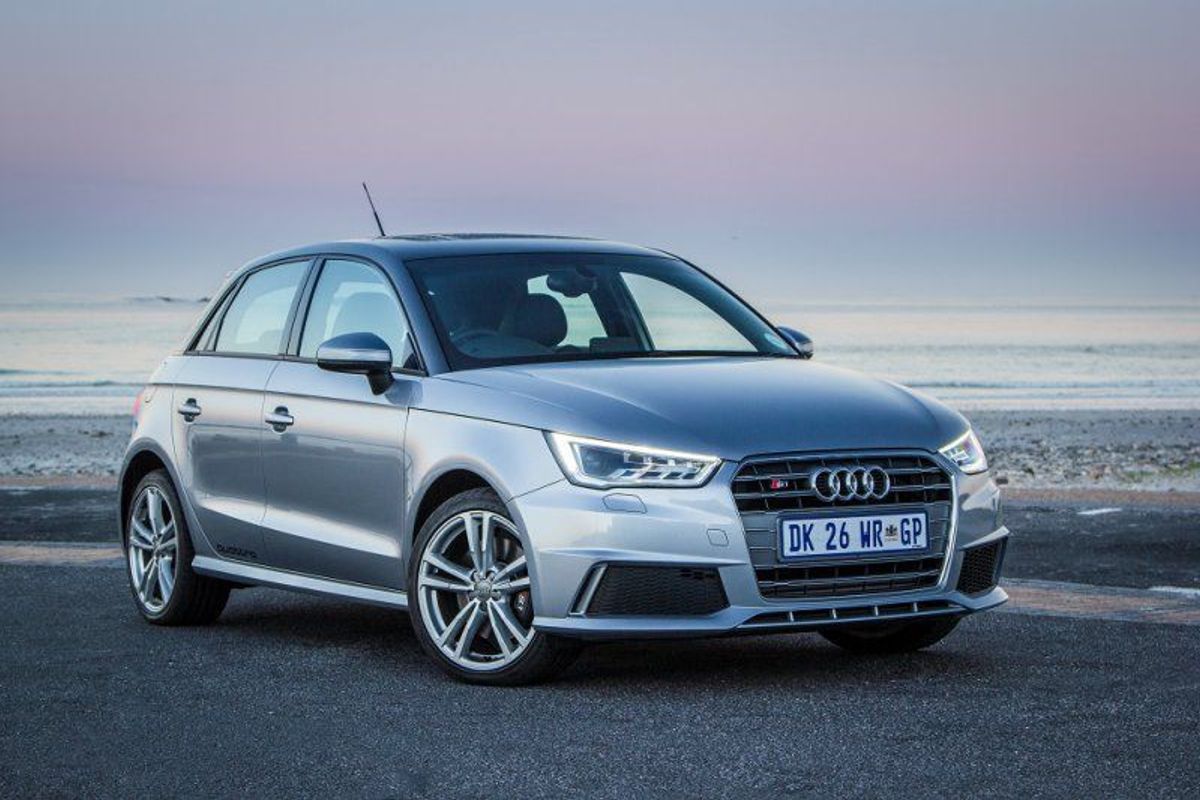
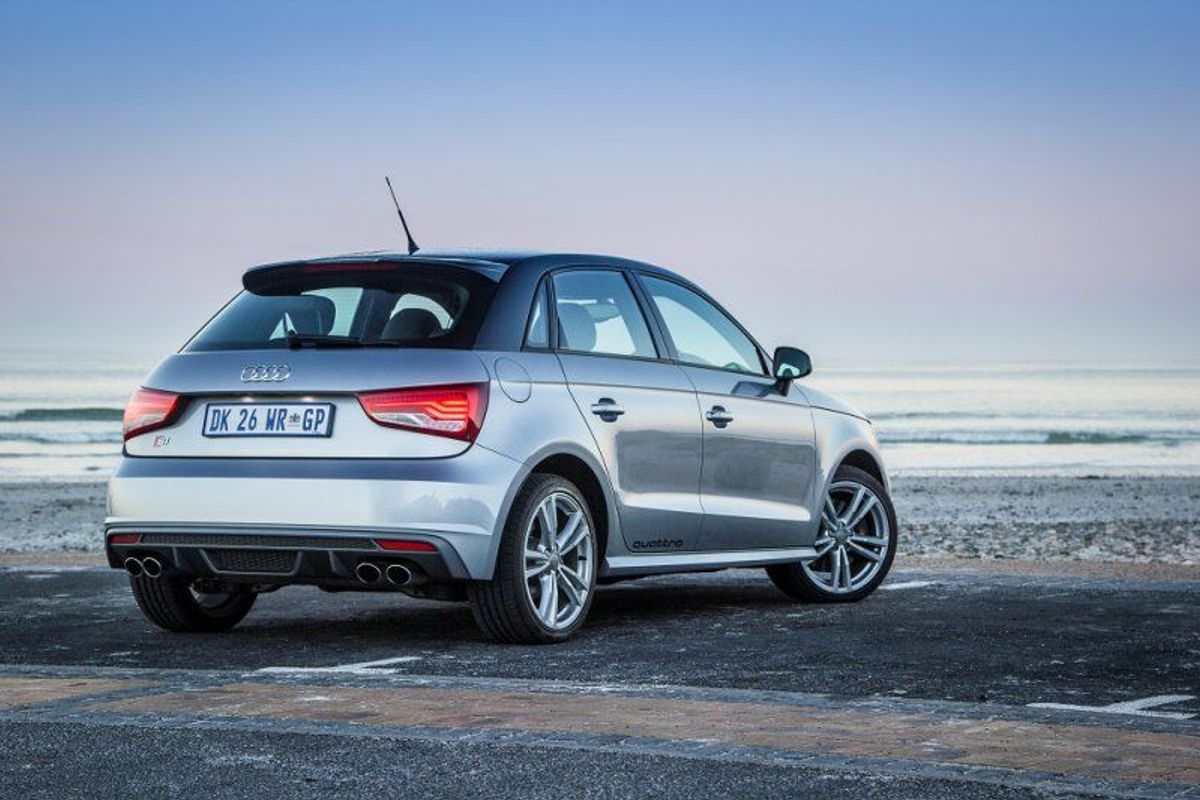
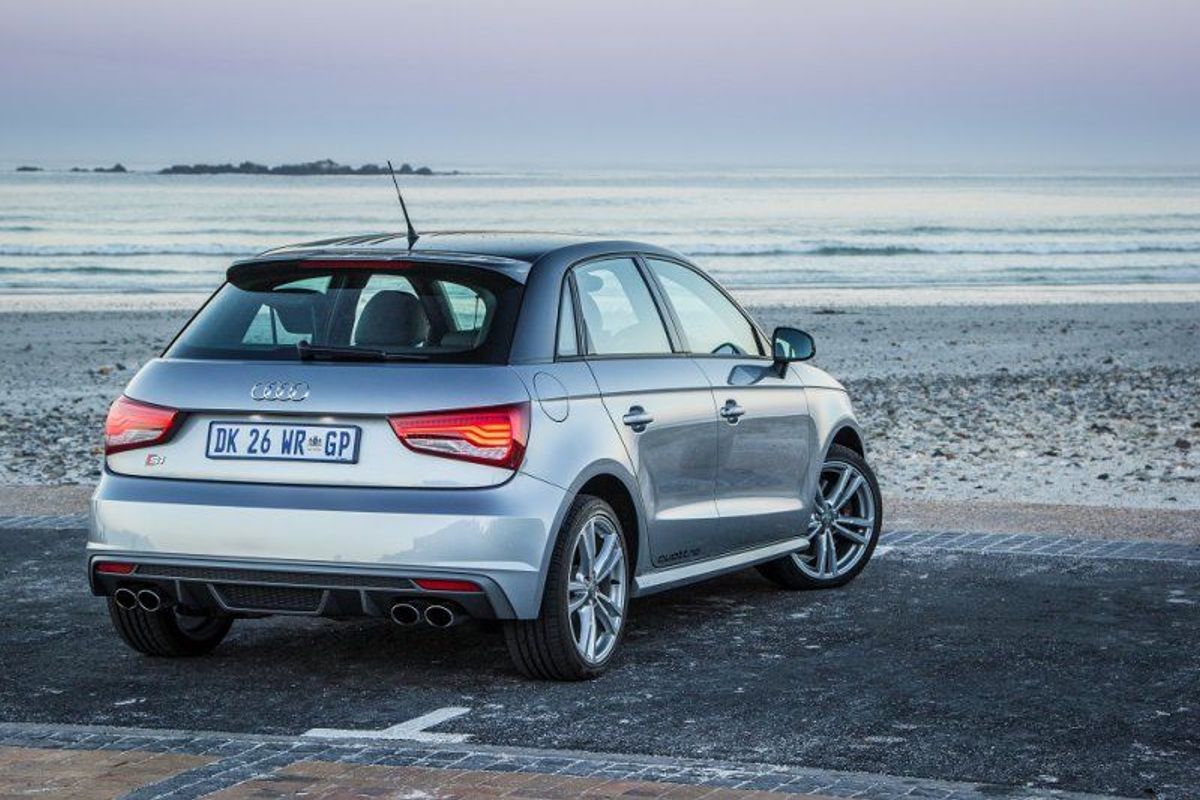
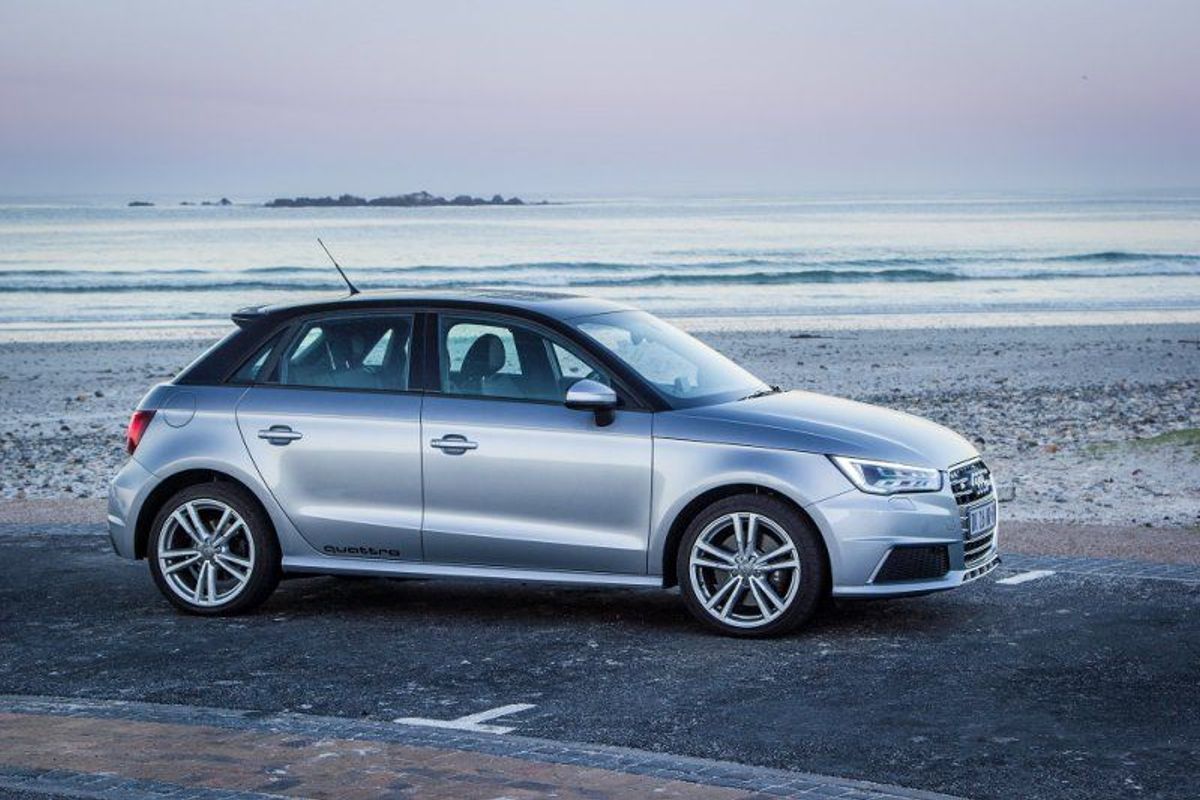
In this video well save you the hassle of driving to an Audi dealership with a detailed look inside, outside and under the bonnet of the new Audi S1.
Audi S1 (2015): All You Need to Know
When you consider these days that cars like the Audi A6, BMW 5-Series and Mercedes E-Class are powered by 2.0-litre engines, it almost seems absurd that Audi would want to squeeze a 2.0-litre powerplant into the tiny A1 the smallest car in the range.
But squeeze it is and the result is a car that on paper should be blisteringly quick. 170kW and a hefty 370Nm are figures only partially rivalled by the upcoming Mini Cooper JCW. Even so, the S1 stands alone as the only car in the segment with all-wheel drive, which is an achievement.
The quattro system helps the little tyke deal with all the horses and it does feel planted, albeit with a bit of understeer to let you know youre really being a wally. In-gear acceleration borders on frightening and snapping through the notchy box is a genuine hoot. However the weight penalty, significant reduction in boot space and the fact that Audi can only offer a manual gearbox due to space restrictions are all notable downsides of this pioneering set up.
And there is the price. At R449 500 for the Sportback, the S1 is surely a tough sell to everyone except the most hardcore lovers of small cars with big engines. For that kind of money, you could purchase any Audi A3 in the range, or even a TT. But what I suspect most Audi enthusiasts will look at is a used S3 or even a bonkers RS3.
The S1 seems to be more of a marketing exercise in what Audi can achieve with their go-faster tech, and while it is extremely good fun and a very decent daily drive, the asking price is a deterrent.
This is the first of our All You Need to Know videos, a series of short, highly informative videos that we conceived to give you, the car buyer, a detailed, visual understanding of new cars available on the SA market.
We feel its much better and much more convenient than visiting your local dealership; you dont have to leave the comfort of your home or office, you dont have to decline a cup of instant coffee and no one with a name badge is going to pressure you into buying anything.
We have plenty of these useful videos in the pipeline, so stay tuned for everything you need to know about your favourite cars.
2015 Citroen DS 4 Receives New Engines
The 2015 Citroen DS 4 has been updated with a range of engine options along with upgrades to the tech.
2015 Citroen DS 4 boasts new engines
The engine line-up on the DS 4 now consists of three new engines including a THP 165 S&S EAT6 (petrol turbo with six-speed automatic gearbox), the BlueHDi (diesel) S&S 150 6-speed manual and the BlueHDi S&S 180 EAT6 (diesel, six-speed auto).
The THP 165 S&S EAT6 enables the model to return 5.5-litres/100km with CO2 emissions of less than 130 g/km, while torque ratings for all units range from 240 Nm to 400 Nm.
Tech upgrades include a new touchscreen navigation system with a seven-inch display which the automaker says allows access to all major functions while also contributing to improving cabin ergonomics.
Volkswagen up! (2015) First Drive
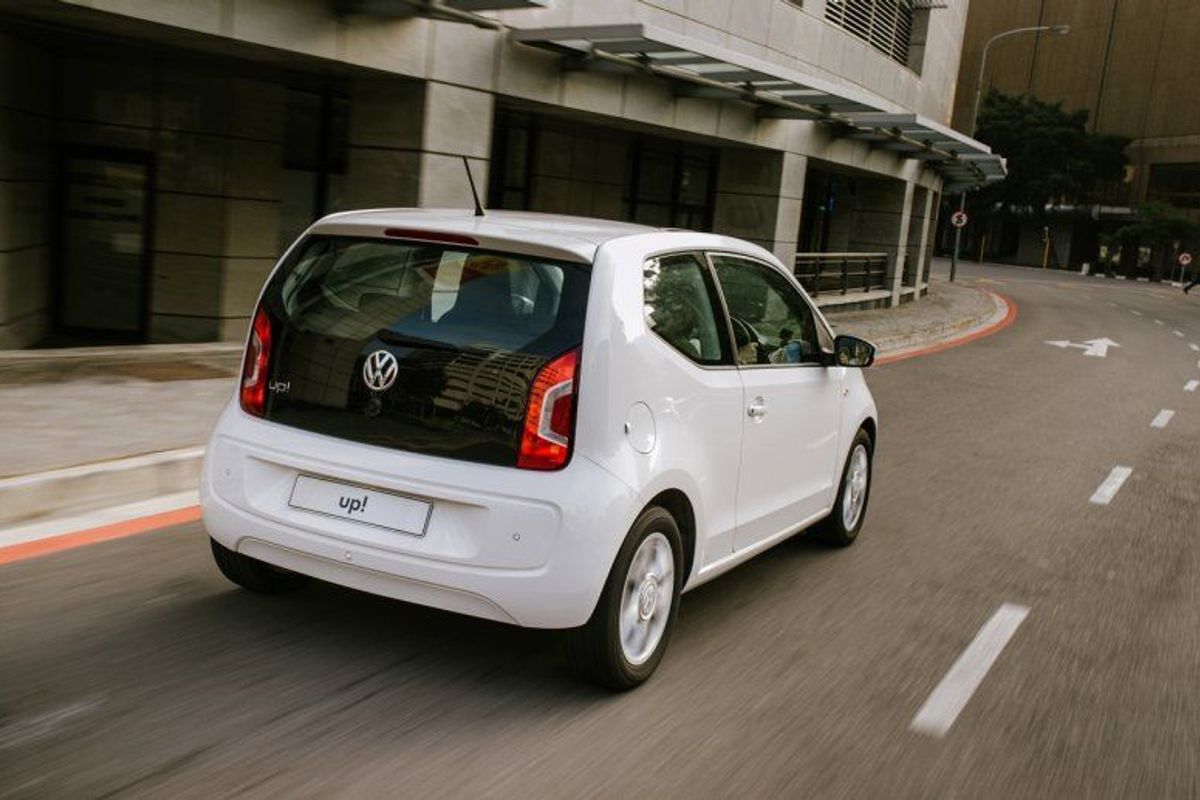
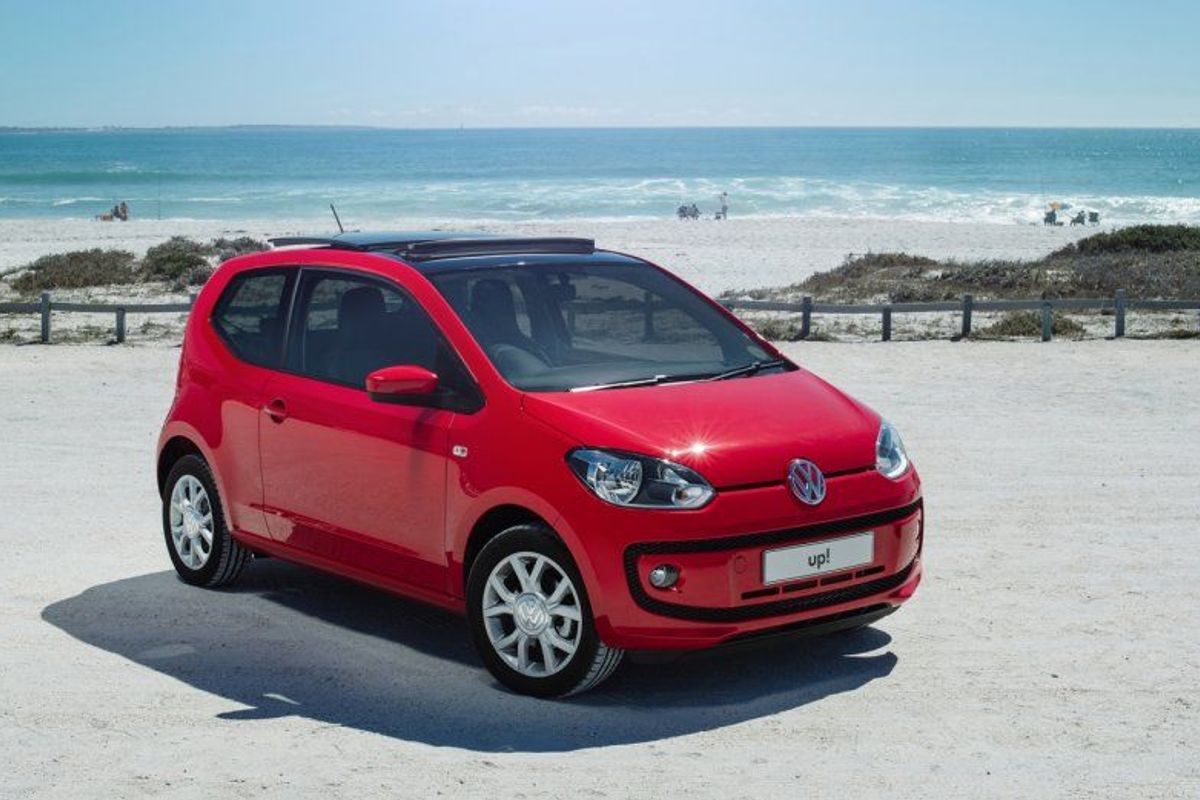
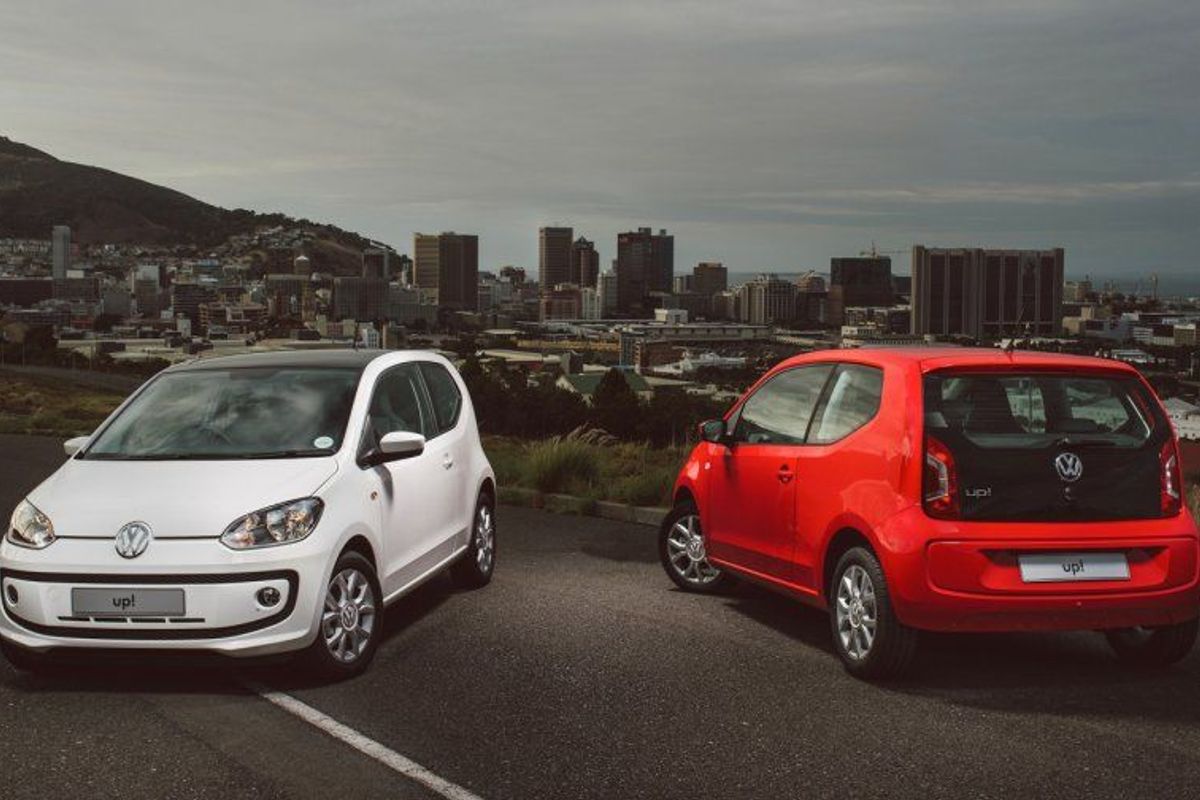
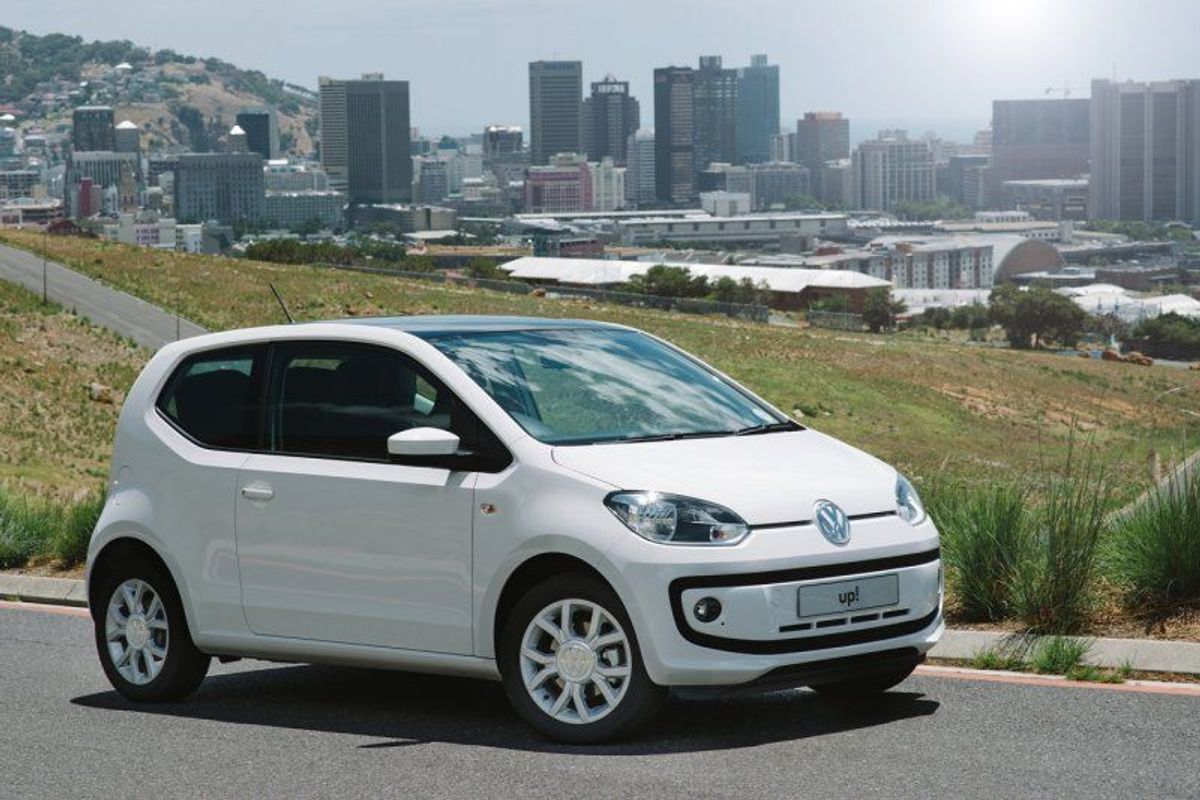
It has taken Volkswagen a fair few years to make the call to bring the up! to South Africa. Now that its been done, you wonder why it took so long. The up! fights in the small two-door hatchback segment just below the Polo Vivo and hopes that the two wont steal from each others market. WI drove the up! at the launch in Cape Town and was quite impressed with it.
Shake up!
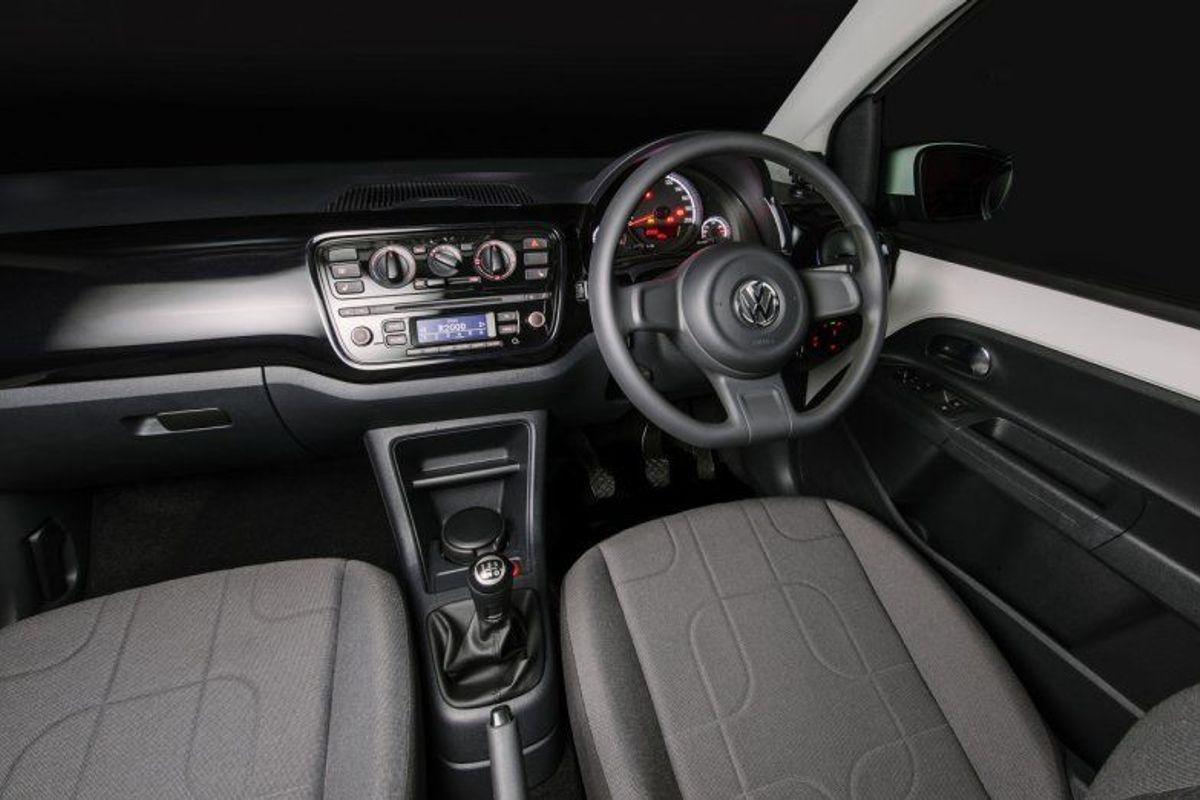
The Volkswagen up! will likely do a serious job of shaking up the entry-level hatch market. If the initial interest is anything to go by, VW will have no problem meeting the 200-250 units a month target it has set. Initial impression upon stepping into the up! is that its typically well-built inside with a solid feel to all the finishings and joins. Its not specced as well as some of the competition gadget wise, but they probably wont lose too many sales by not having a USB port or only including Bluetooth as an optional extra unit. Theres still an AUX port and MP3 compatible radio unit on the top-of-the-range Move up!
Speed up!
There is only one engine available in the up! range and thats a 1-Litre, three-cylinder petrol motor capable of 55 kW and 95 Nm. Over our test route at the coast, the engine actually felt adequate better than the Vivo 1.4 motor for sure. The up!s lightweight chassis means it get a move on quite quickly. You wont be racing around town beating up traffic, but it feels ample for city driving and not too difficult on the freeway either. Whether this is still true for those who live at the Reef will still have to be tested. Claimed fuel consumption is as low as 4.7L/100km and we were averaging around 5.5L/100km over our 250km round trip of the Cape.
Drive up!
The VW up! has a solid feel to its road holding, its sturdy and well-planted for a such a small and light car. The steering feels evenly weighted through turns in the city and out on the open road. The front of the cabin feels quite roomy but the back as youd expect is quite confined. VW rates the boot has a loading space of 251-Litres and thanks to a movable floor board in the boot can be turned into a flat load bay once the rear seats have been folded down. A big plus for the up! is its five-star Euro NCAP safety rating and standard ABS, front and side airbags and hydraulic brake assist.
Buy up! ?
The up! makes a good case for itself as VW is a much-loved brand in SA so will probably sell well on that case alone. There are two derivatives available, the Take up! entry level model is extremely basic and misses out on electrics like windows and mirrors, but importantly gets good safety equipment. The top spec Move up! gets a better radio, electric windows and mirrors and some body colour mirrors. There are a few options here and there to customise your car such as 15-inch alloys, heated seats and rear parking sensors. The up! feels like a really strong competitor in this segment with badge appeal to take on Kias Picanto, the Chev Spark and the Suzuki Splash.
Pricing:
Volkswagen 1.0 MPI Take up! (55kW) R133 500
Volkswagen 1.0 MPI Move up! (55kW) R140 500
2016 Volkswagen Caddy Revealed
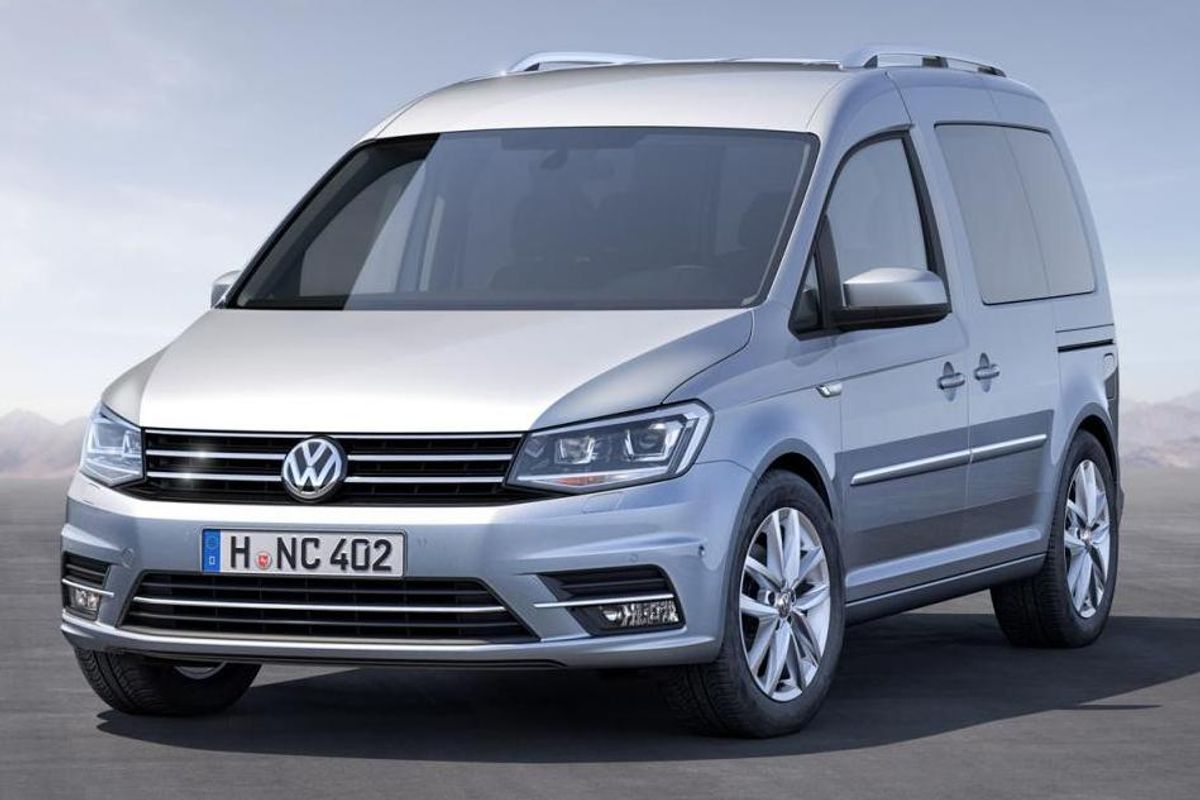
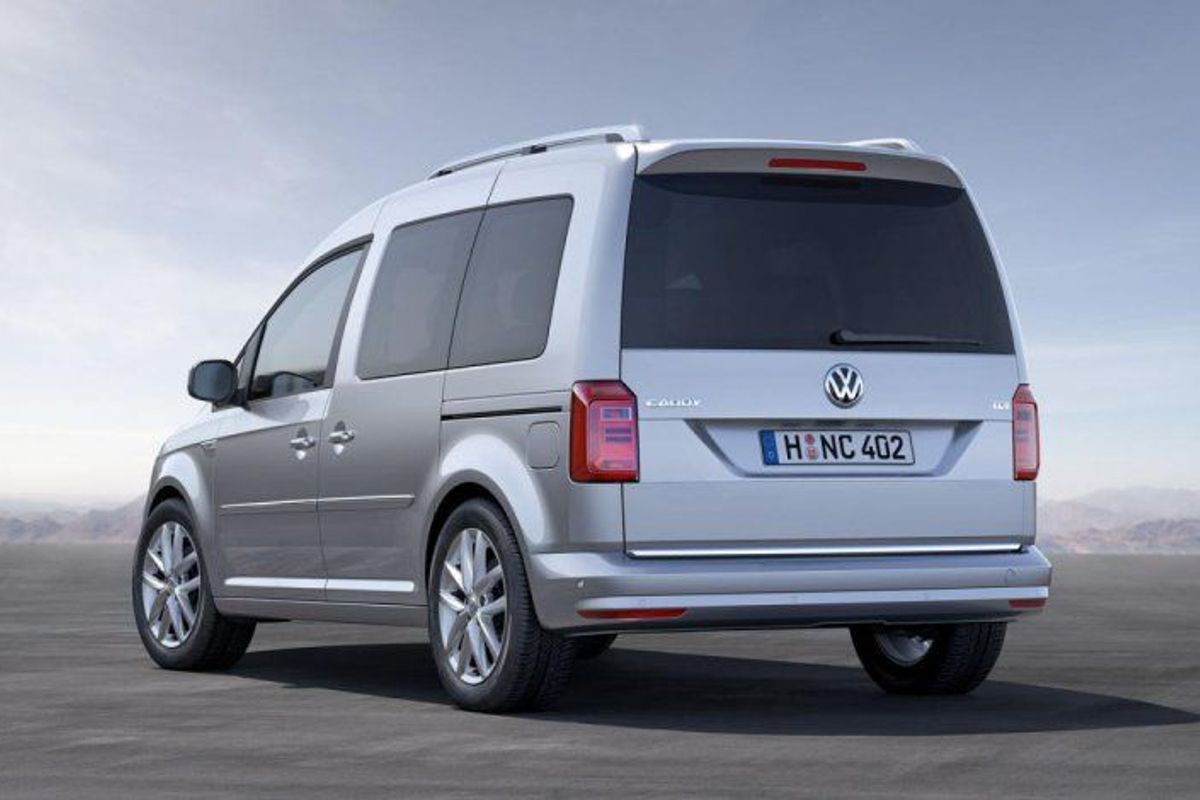
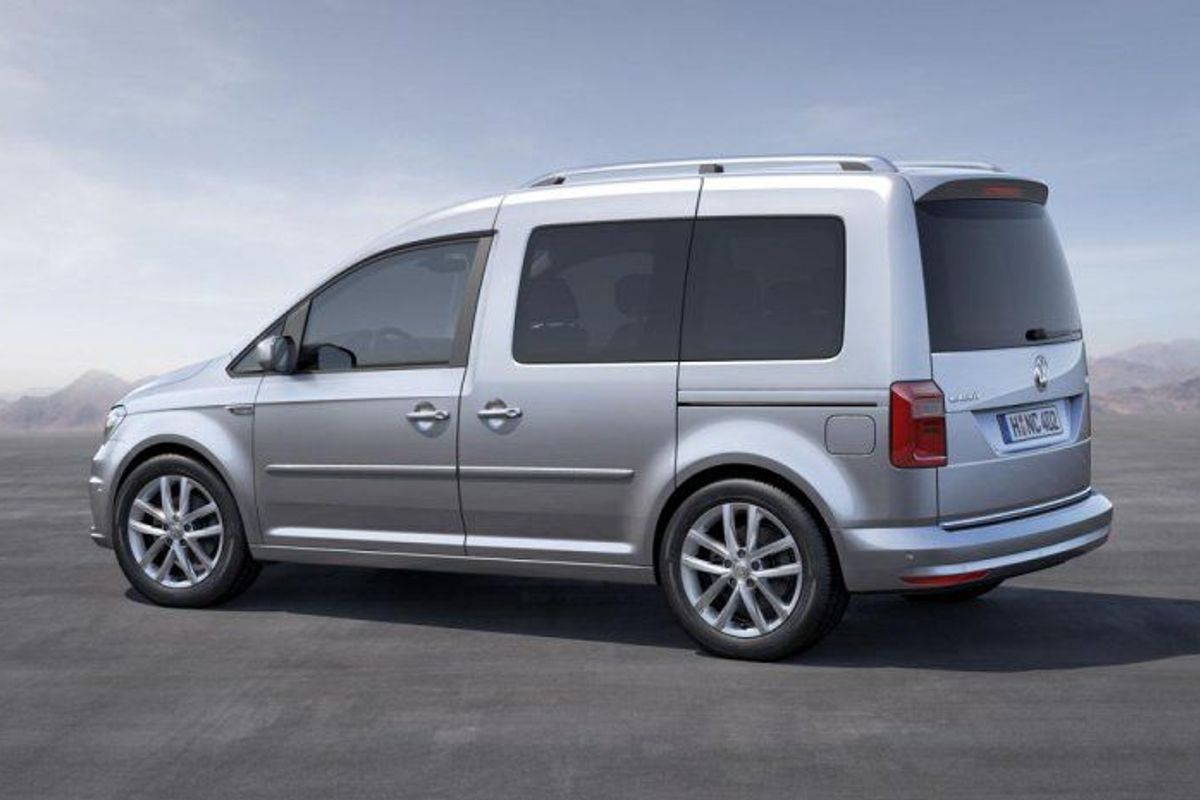
Eleven years after the introduction of its predecessor which was launched in South Africa in the last quarter of 2004 and was updated in 2010, the 2016 Volkswagen Caddy compact van has been revealed, gaining new engines, and a range of advanced safety systems.
Enhanced and refined
Globally, the Caddy has sold around 1.5 million units over the eleven year period, and Volkswagen promises a dynamic continuation of this success story with the new model.
The new Caddy has a redesigned front section with a larger grille that is flanked by restyled headlights, while at the rear it features a restructured tailgate, new bumper and restyled taillights.
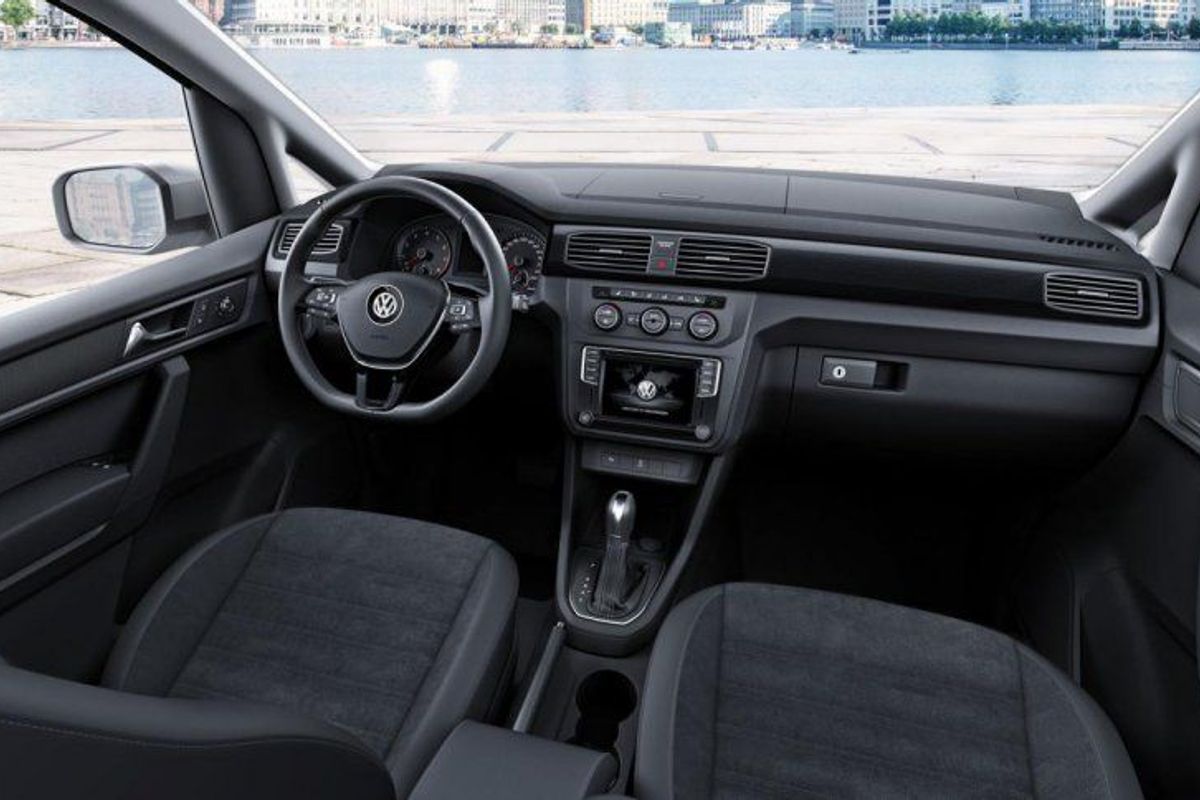
The vehicles interior has also been updated with a new infotainment system, fresh switchgear, new door panels, a new flat-bottomed steering wheel, and higher quality materials throughout including metallic accents and colour-coordinated trim on higher-end variants.
Unmatched tech specifications
For 2016, the Caddy will be available with a range of engines including a 75 kW 1.0-litre TSI three-cylinder unit, a 1.2-litre TSI four-cylinder with 62 kW and a 1.4-litre TSI four-cylinder unit delivering 92 kW. In addition, there will be four TDI diesel engines with power outputs ranging from 55 kW to 110 kW.
The 2016 Volkswagen Caddy is claimed to be the first vehicle with unmatched driver assistance systems in the urban van segment, such as city emergency braking, which automatically applies the brakes to avoid a collision or lessen its severity at speeds below 30km/h, adaptive cruise control, which is operational up to 160km/h, and light assist and driver alert systems.
Other features include satellite navigation, reverse-view camera, and semi-automated reverse parallel and rear-to-kerb parking.
McLaren 675LT Confirmed (Video Update)
McLaren has confirmed that its new track-focused supercar based on the 650S will be called the McLaren 675LT and will have its global premiere at the upcoming 2015 Geneva Motor Show in March.
McLaren 675LT official, minor details revealed
According to McLaren, the road legal supercar will embody the Longtail ethos with a focus on performance optimised aerodynamics, increased downforce, driver engagement, power and reduced weight. The number ‘675’ in the name denotes the increased output of 675PS (a “devilish”497 kw) and 700 Nm of torque. The model is said to sit just above the 650S supercars and is further described as the the lightest, the quickest, the purest version in the Super Series range.
More details of the 675LT, including more about its performance figures, will be announced closer to the cars reveal. However, the company did release a teaser video and mentioned that the 675LT will join the core range of McLaren supercars alongside the existing 650S and Asia-only 625C to form the newly named McLaren Super Series which sits above the recently announced Sports Series. It also mentioned that the car will be offered in coupe bodystyle only when deliveries start later this year.
New rear teaser
The bespoke 675LT will feature a redesigned crossover exhaust system formed from lightweight titanium with two circular pipes which go through the exposed bodywork and are positioned below the rear Longtail airbrake. According to McLaren, this system has been developed specifically for the 675LT and has been optimized for added performance and weight savings.
The McLaren 675LT to debut in Geneva
2016 Opel Corsa OPC Revealed
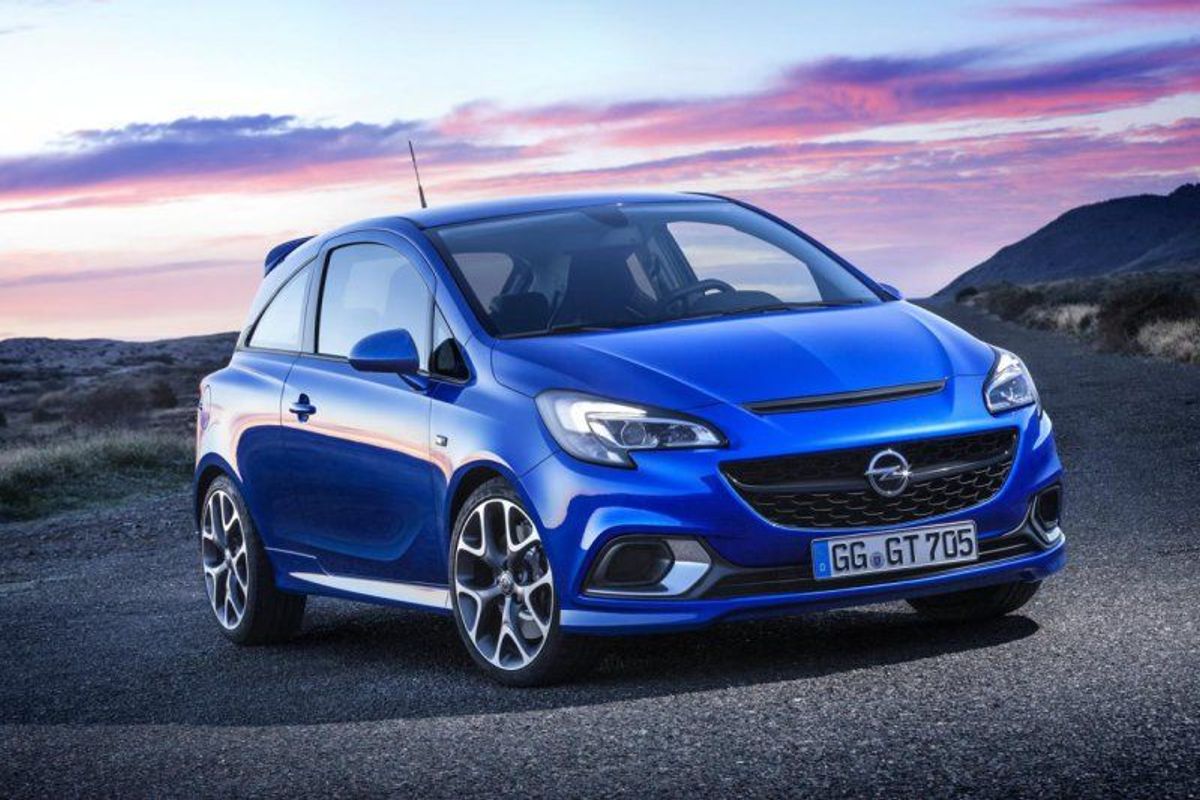
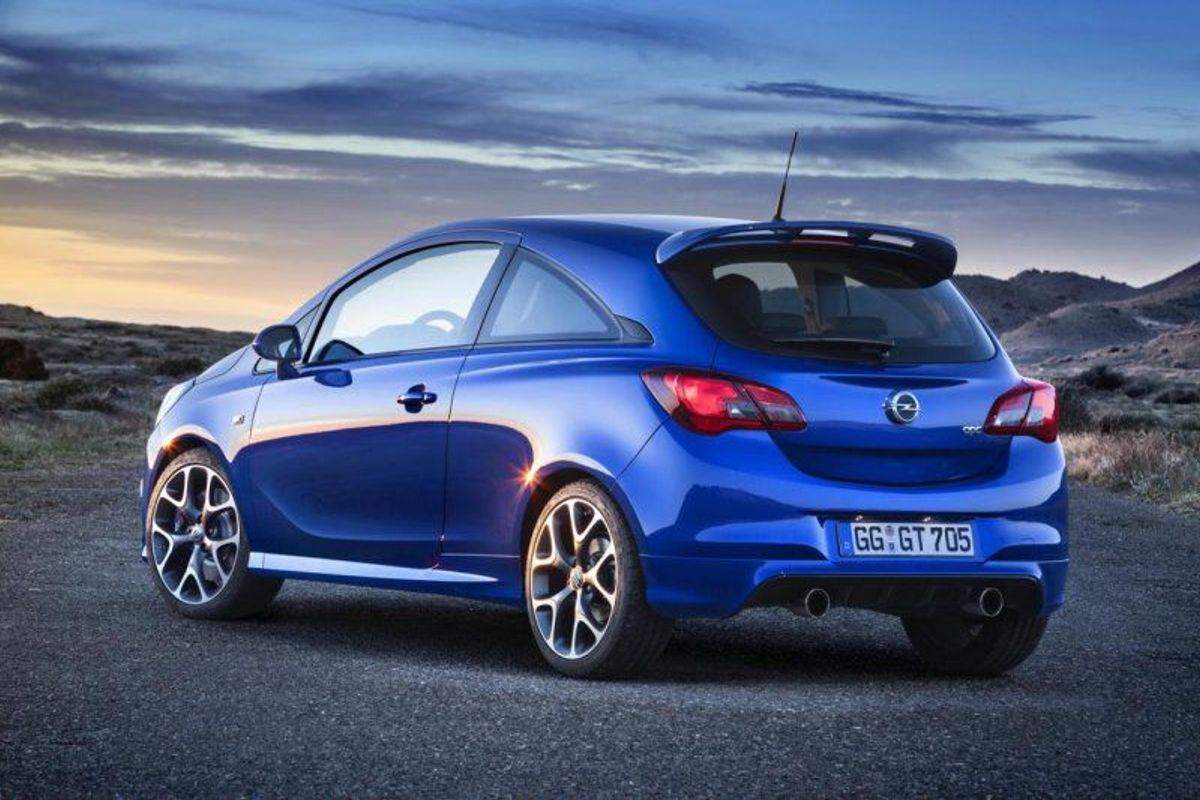
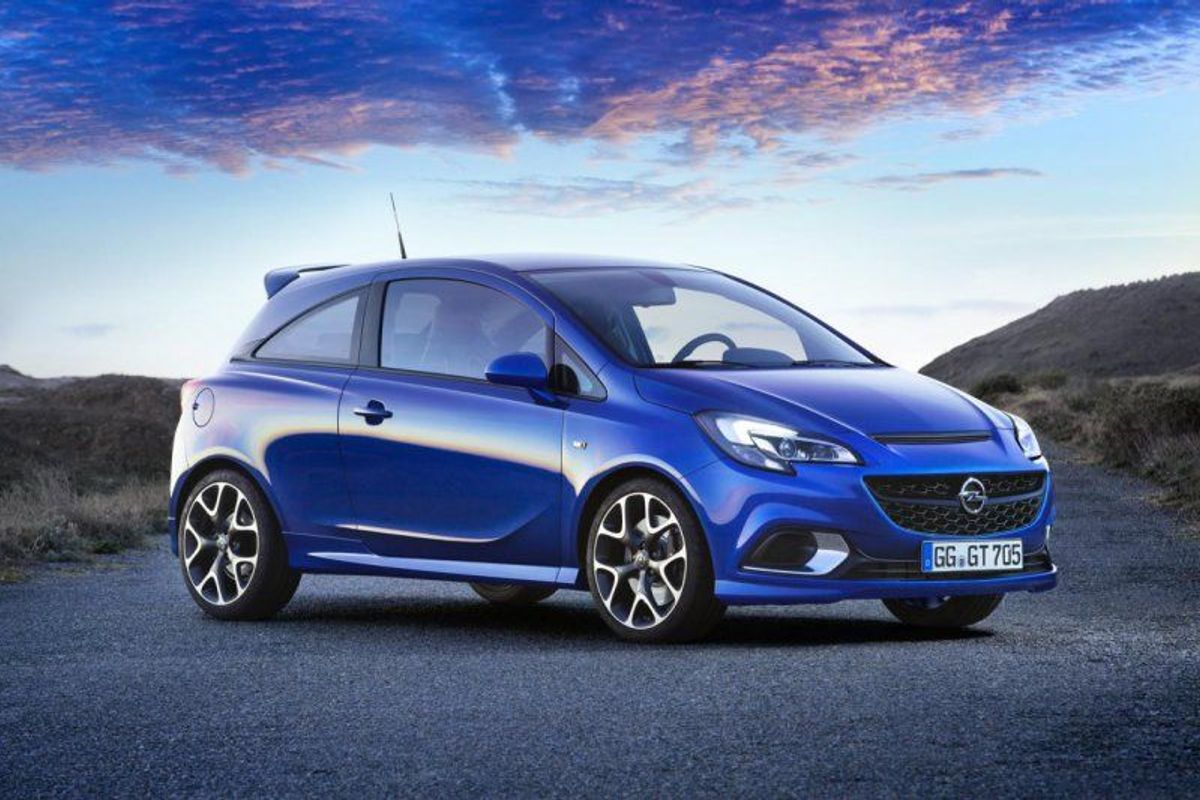
The new 2016 Opel Corsa OPC was revealed online this week, and is set to make its world debut at the 2015 Geneva Motor Show.
Powerful sporty appearance
Visually, the 2016 Opel Corsa OPC sticks to the OPC tradition, with a new OPC exclusive paint in Arden Blue, new front-end design with new large air intakes with aluminium framing and a front hood with a subtle scoop providing the car with an additional dash of athleticism.
The rear end features a subtle spoiler attached to the trunk lid which is available in two varieties including a larger spoiler that is said to increase downforce at the rear axle. The wheels measure 17 inches in diameter and come wrapped in 215/45-size Michelins. Theres also an OPC-optimised braking system with 308 mm front discs, along with a dual exhaust system from Remus with a diffuser.
Optionally you can customise your 2016 Opel Corsa OPC with a Performance Package comprising of a Drexel mechanical multi-disc differential lock, 18-inch rims wrapped around in Michelin tires along with a stiffer chassis setup and a Brembo braking system with 330mm front discs. This will make the performance fans happy, as the Corsa OPC will become a serious contender in terms of outright track prowess.
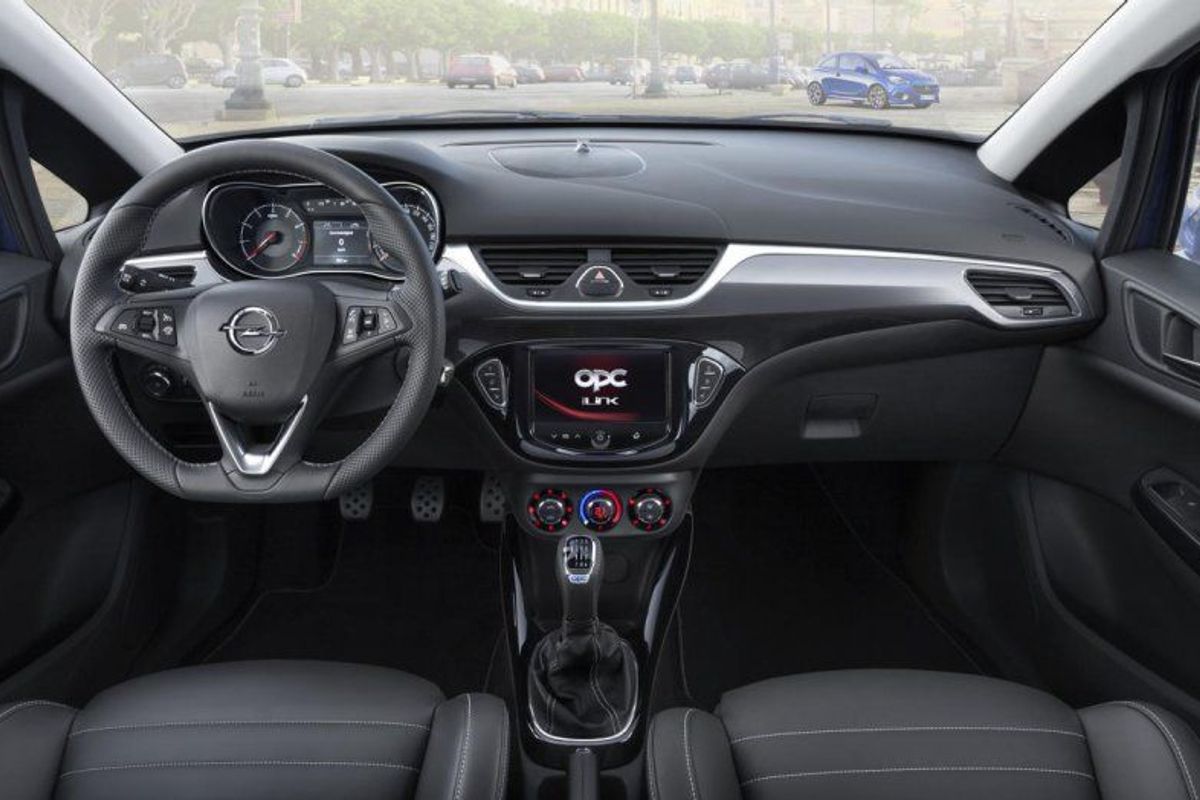
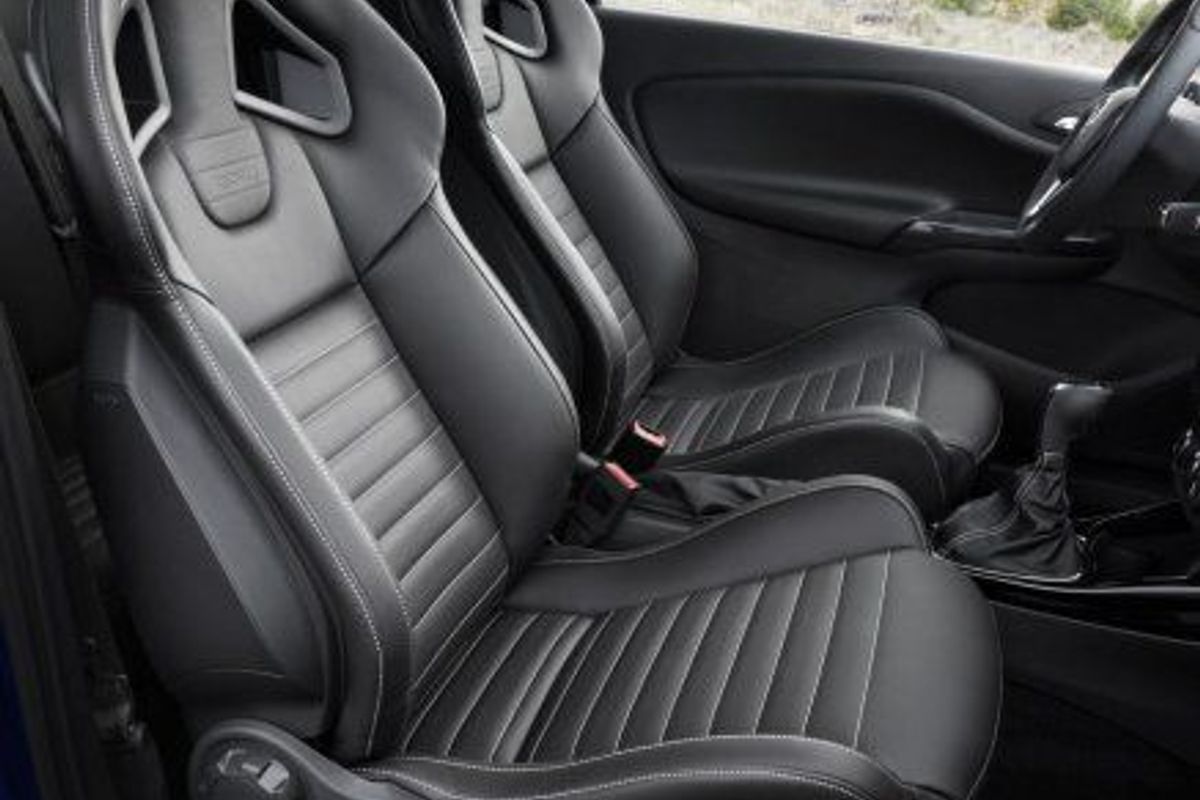
Inside youll find a leather flat-bottomed steering wheel, Recaro performance seats, an OPC gear knob, sport pedals and the rather good IntelliLink infotainment system which we’ve experienced in the Corsa’s smaller brother, the Opel Adam 1.0T.
2016 Opel Corsa OPC Engine
Under the hood, the 2016 Opel Corsa OPC packs a four-cylinder, 1.6-litre Turbo ECOTEC engine delivering 152 kW and 280 Nm of torque sent to the front axle through a six-speed manual gearbox with short ratios.
This setup allows the car to accelerate from 0-100 km/h in 6.8 seconds before reaching a top speed of 230 kph. Fuel consumption is rated at 7.5-litres/100 km with CO2 emissions of 174 g/km, but we don’t quite think you’ll get that if the potential performance and fun factor of the Opel Corsa is anything to go by.
The 2016 Opel Corsa OPC is planned for launch in South Africa in the third quarter of 2015.
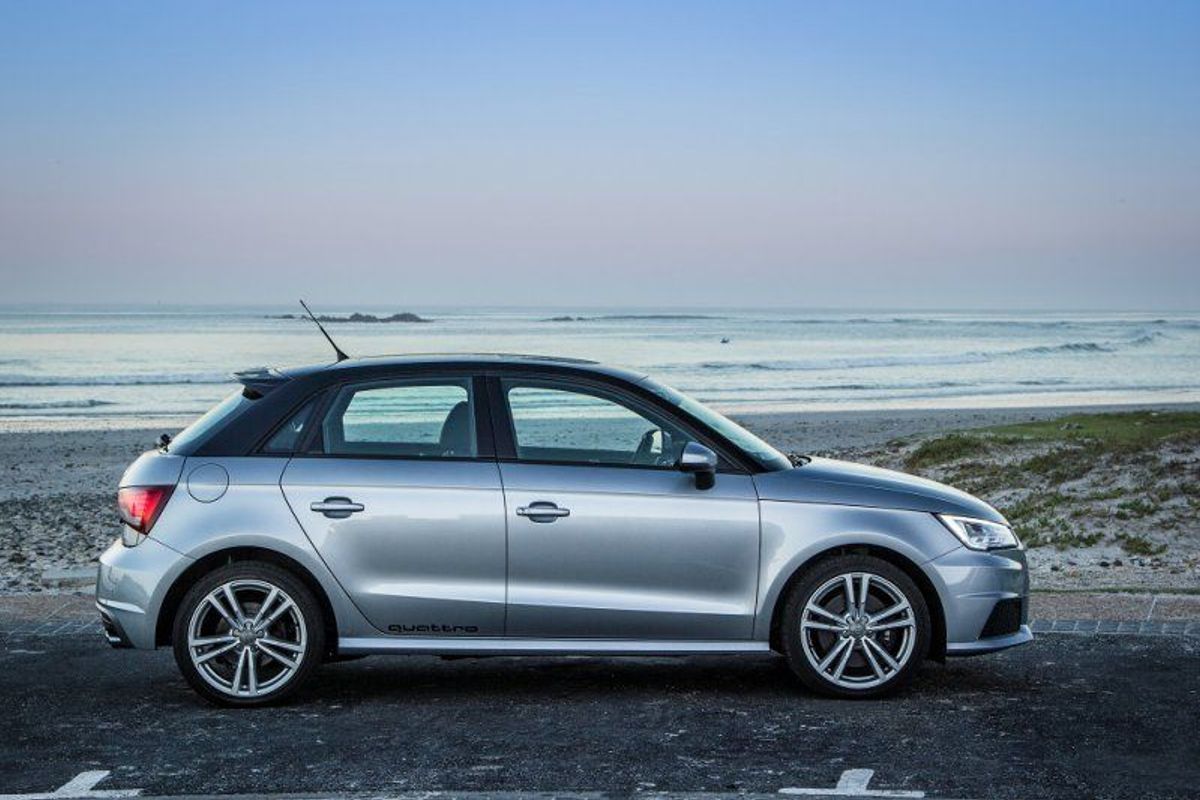
Audi S1 (2015) Review
The flagship of the Audi A1 range spent a week with Cars.co.za. How did the fiery Audi S1 fare?
Personally I love the idea of shoving a big engine into a little car and usually the results are most amusing. This is particularly true in the Audi S1.
Engine, Performance & Handling
Powering this little pint-sized road warrior is the same engine found in the Volkswagen Golf R and Audi S3. It’s slightly detuned to ensure that S3 owners don’t feel inadequate, but still, outputs are commendable. How does 170 kW and 370 Nm grab you? In something as compact as an Audi A1 and coupled with quattro all-wheel drive, performance is dramatic, visceral and exciting.
I say compact due to the vehicle’s size, but in reality a big 2.0-litre engine and quattro all-wheel drive system contribute to the car’s overall mass. Despite looking like a small car, the S1 tips the scales at 1400kg – that’s considerable and as sportscar specialists Lotus will tell you, weight is the devil.
All jokes about the Audi S1 being a fat slob are rendered null and void the moment you open the taps. With the 2.0-litre engine in Dynamic mode and some tactful use of the lovely six-speed manual gearbox, you can expect 100kph to come up in about six seconds. It’s the in-gear acceleration which really underlines the performance of the S1. You can put your foot flat at 70kph in 6th gear and the car is instantly responsive. I suspect gear ratios are nice and short too, making it an involving drive as you’ll enjoy working that transmission. Keep your foot planted and you’ll be approaching speeds which earn you time in front of a judge.
Handling is what I’ve come to expect from quattro products. Words like firm, precise and entertaining can be used to describe the Audi S1. On my favourite stretch of driving road, I got a feeling that the Audi S1 was a perfect fit. I’ve had some tremendous fun in some front-wheel drive hot hatches, but at the expense of some squealing tyres.
The S1 on the other hand was able to attack some 2nd/3rd gear corners with gusto, with the quattro system meaning you can start accelerating earlier out the turn. This sporty suspension comes at a price – you’re going to feel each and every bump and rut on uneven roads.
Interior and Practicality
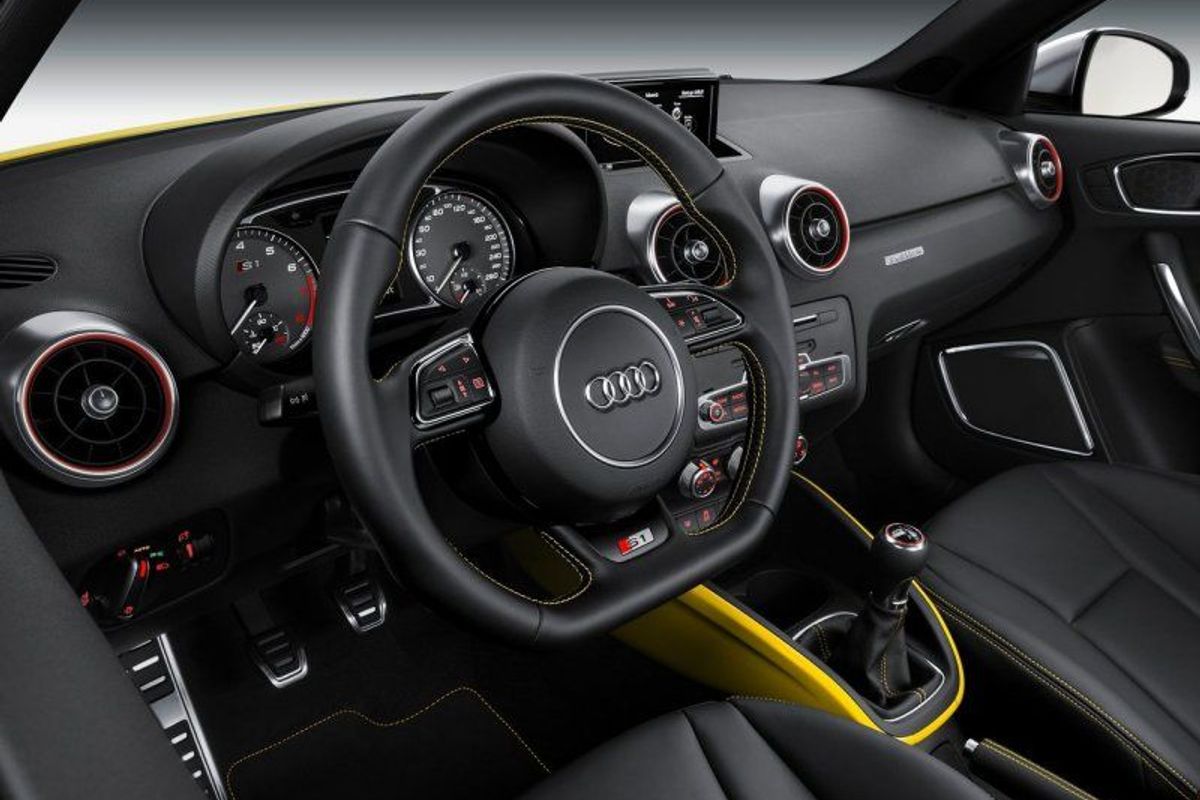
I suppose I’d better talk about the sensible things like the interior and practicality. Being an Audi, the interior is a pleasant place to be and the build quality is impressive. Things like the ventilation dials have a quality feel, and there’s a cute infotainment screen at the top of the dashboard.
Here’s where it gets interesting. Due to the dimensions of the 2.0-litre engine in the smallish A1’s engine bay, the battery has had to move into the boot. The lack of engine bay space means there’s no chance of the outstanding Audi S-tronic twin clutch gearbox as an option. The knock-on effect is unfortunate. There’s no spare tyre and boot space is a little smaller than the standard A1 1.2 Sportback. Still, it’s not the most cramped of interiors and an average-sized adult can fit into the rear seats.
There are two cupholders located just in front of the gearbox, with a further storage area located between the driver and passenger seats. There’s ample space in the doors for things like keys and smartphones.
Audi S1 – Verdict
As far as range toppers and flagship models go, the Audi S1 is an enthusiast’s choice. A reduced boot size, lack of spare tyre and a questionably high price tag count against an entertaining product. Also, if you’re wanting nice things like the outstanding yellow paint which is more appropriate for this wildchild, race seats and satellite navigation, you’re looking at R500 000.
Logic and common sense would suggest buying a second-hand Audi S3 with the brilliant S-tronic box and added interior space, but if you’re after something extraordinarily unique and a bit of a collector’s item, then check out the Audi S1.
Second Opinion
The Audi S1 was an absolute riot to drive. The S1 handled like a dream thanks to the quattro all-wheel drive and in-gear acceleration was impressive, particularly when overtaking on the highway. The interior is attractive and the seat bolstering and flat-bottomed steering wheel give the S1 a sporty feel to match the engine under the hood. My only gripe is the price and the exorbitant costs on the options list. Look past the money, and you have a fun and engaging car to throw around your neighbourhood. – Gero Lilleike
Pricing
The Audi S1 two-door retails for R442 000, while its Sportback five-door brother goes for R449 500. Options like navigation system, Nappa leather sports seats, and Vegas yellow paint retail for R24 700, R24 990 and R18 500 respectively. Pick wisely when it comes to ticking those option boxes.
We Like: Six-speed gearbox is a joy, all-wheel drive handling is confidence boosting, monster engine, build quality
We Don’t Like: Sparse interior specification, lack of an S-tronic option, lack of spare wheel, price.
Choosing between petrol and diesel is becoming more and more difficult these days. Diesel engine cars are no longer noisy or billow out plumes of smoke every time they pull off from a set of lights. They aren't even down on power compared to their petrol counterparts any more.
Petrol vs Diesel Pros and Cons
Diesels also tend to be more fuel efficient, both in city driving situations as well as in long distance mile-munching mode. The final positive for diesel right now is that as of 4 February 2015, diesel should be cheaper in most places than petrol per litre (prices vary depending on the fuel station). Current prices are R9.90 for unleaded 95 at the coast and 10.09 for inland regions. It’s not all positive for diesel cars however as the technology costs more and that makes the cars more expensive to buy. The debate goes on as diesel cars will incur less CO2 tax and are now able to run similar distances between services to petrol cars. So which should you buy? We’ve compiled a few head-to-heads of popular cars bought in SA over the life of the service plan. This should be able to give us some idea of which is the better form of propulsion. The general consensus seems to be that if you want to buy a regular sedan or hatchback then you're best off going the petrol route, even after 100 000 km it still makes monetary sense to own a petrol car. If you want a SUV however, the base prices are much closer between petrol and diesel. That means it's better to own a diesel SUV. Take a look at this Petrol vs Diesel infographic to make an informed buying decision.
Petrol vs Diesel – What should you buy?
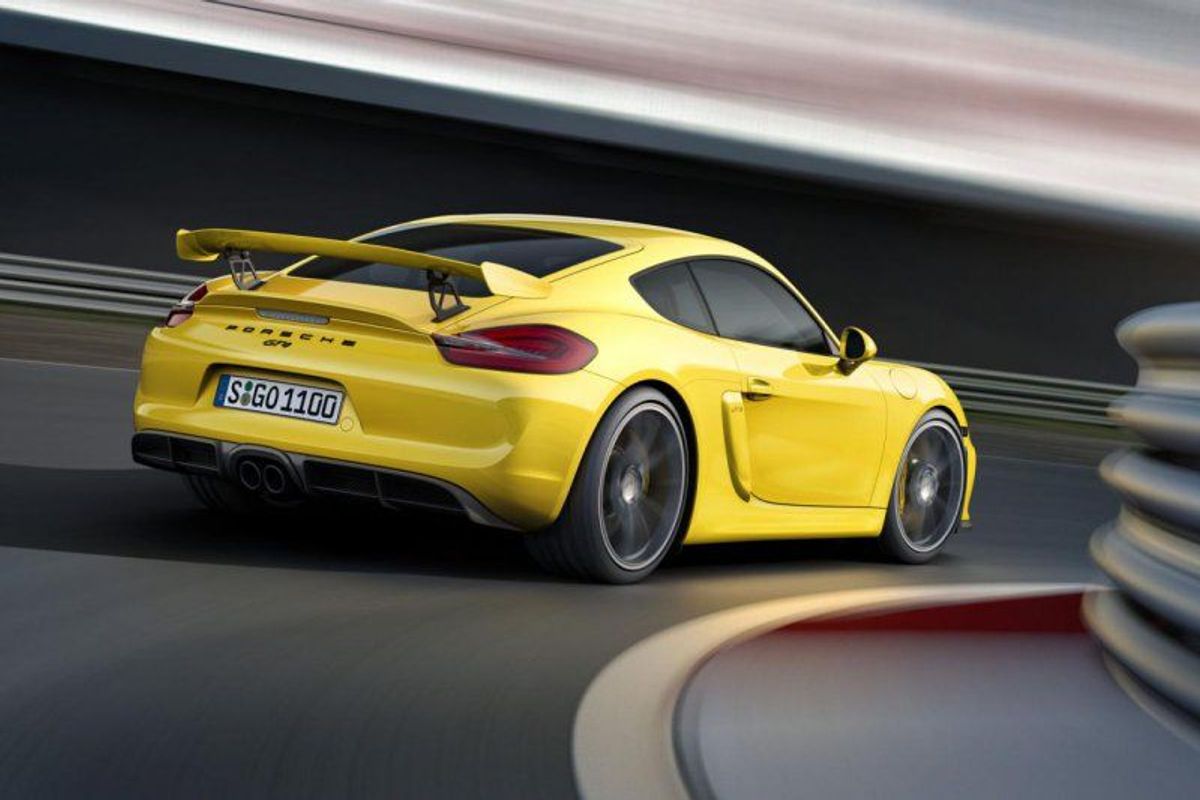
Porsche Cayman GT4 Officially Revealed
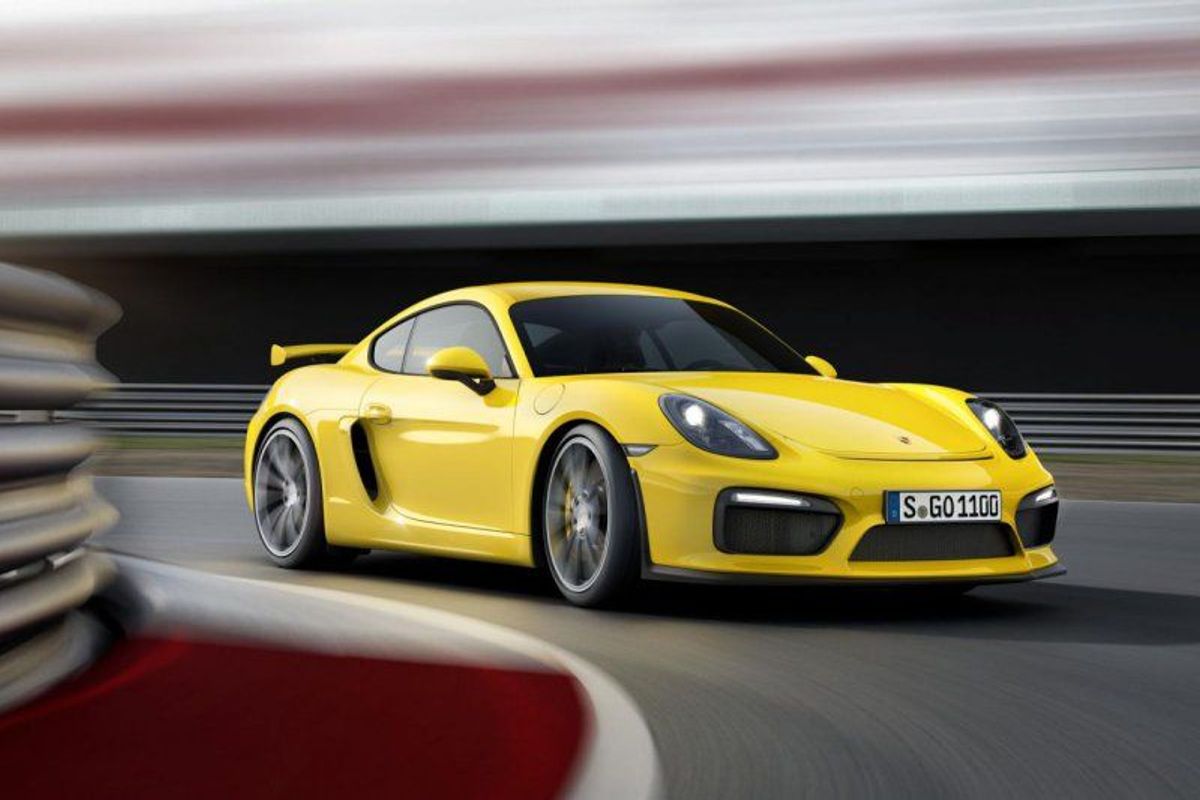
After months of rumours and numerous spy shots, Porsche has officially unveiled the Cayman GT4 which will be shown to the public at the 2015 Geneva Motor Show next month.
New member of the Porsche GT family the Cayman GT4
According to Porsche, this is the first time it introduces a GT sports car based on the Cayman which has components from the 911 GT3. The car is further dubbed as a clear statement that Porsche will continue to promote radical two-door sports cars in the future.
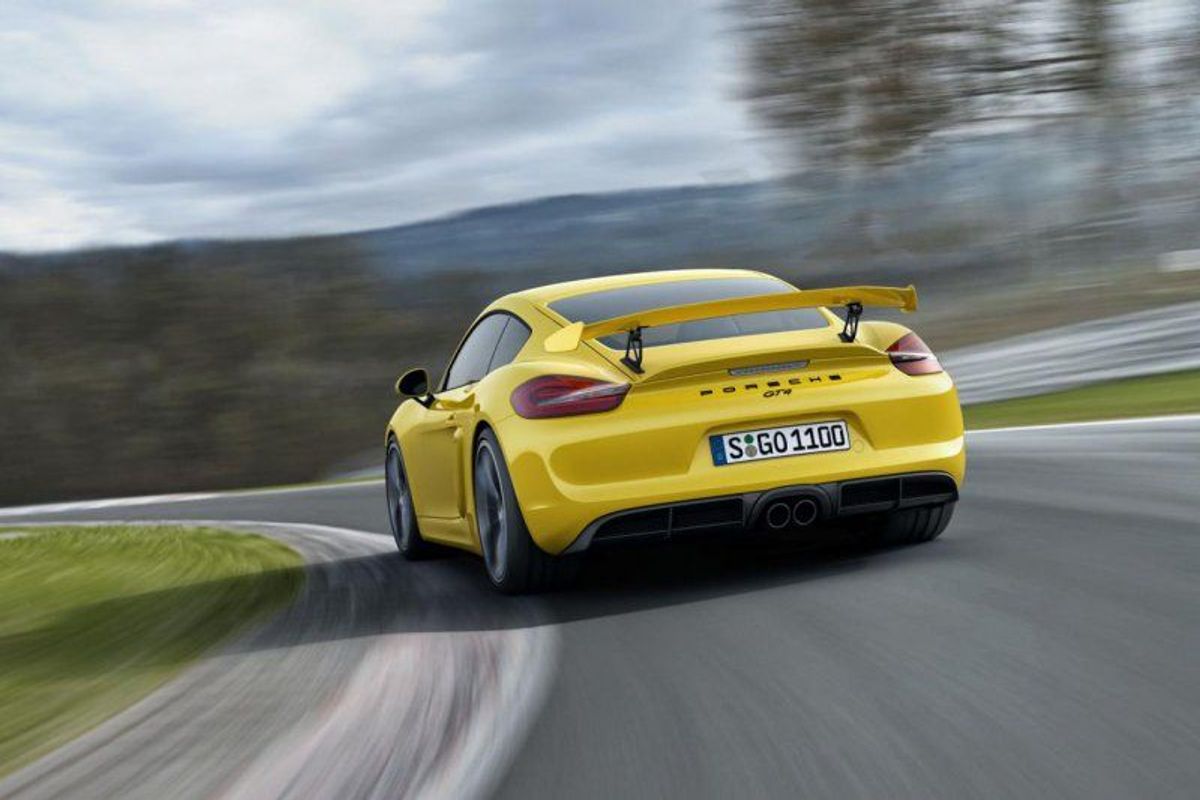
The GT4 is differentiated from lesser Cayman models by an aerodynamic package which is designed for downforce and comprises of three distinctive inlet openings at the front and a large fixed rear wing, a redesigned hood with an air inlet, new front bumper with bigger cooling vents and a lip spoiler, plus a rear diffuser with two central exhaust pipes.
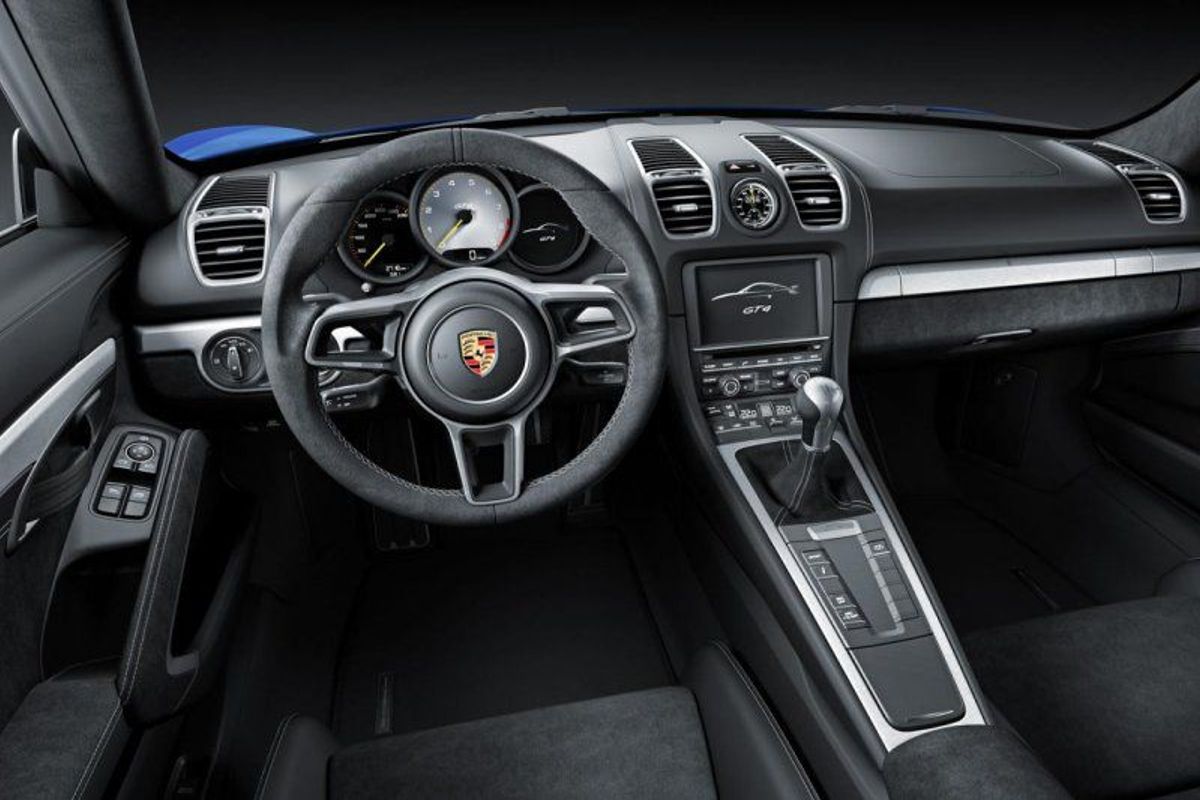
Options include the PCCB ceramic brake system and full shell seats made of carbon fibre reinforced plastic (CFRP). Theres also a custom Sport Chrono Package with the unique Track Precision app and a Club Sport Package. The cabin is equipped with leather and Alcantara sport seats as well as a new sport steering wheel.
Technical aspects
Power comes from a 3.8-litre flat-six engine producing 283 kW, which is derived from the 911 Carrera S engine. It is connected to a six-speed manual transmission that enables the car to accelerate from 0-100 km/h in 4.4 seconds before hitting a top speed of 183 km/h. In addition Porsche claims that the Cayman GT4 lapped the Nurburgring track in seven minutes and 40 seconds, which places it just behind the 911 Carrera S sitting at seven minutes and 37 seconds.