Refreshed Hyundai i30 Unveiled with New Turbo Variant

The Hyundai i30 has been introduced with a mid-life facelift including improved engines, a new seven-speed dual-clutch transmission, safety and comfort features and refreshed exterior design as well as a range-topping Turbo version.

Refreshed, sophisticated design

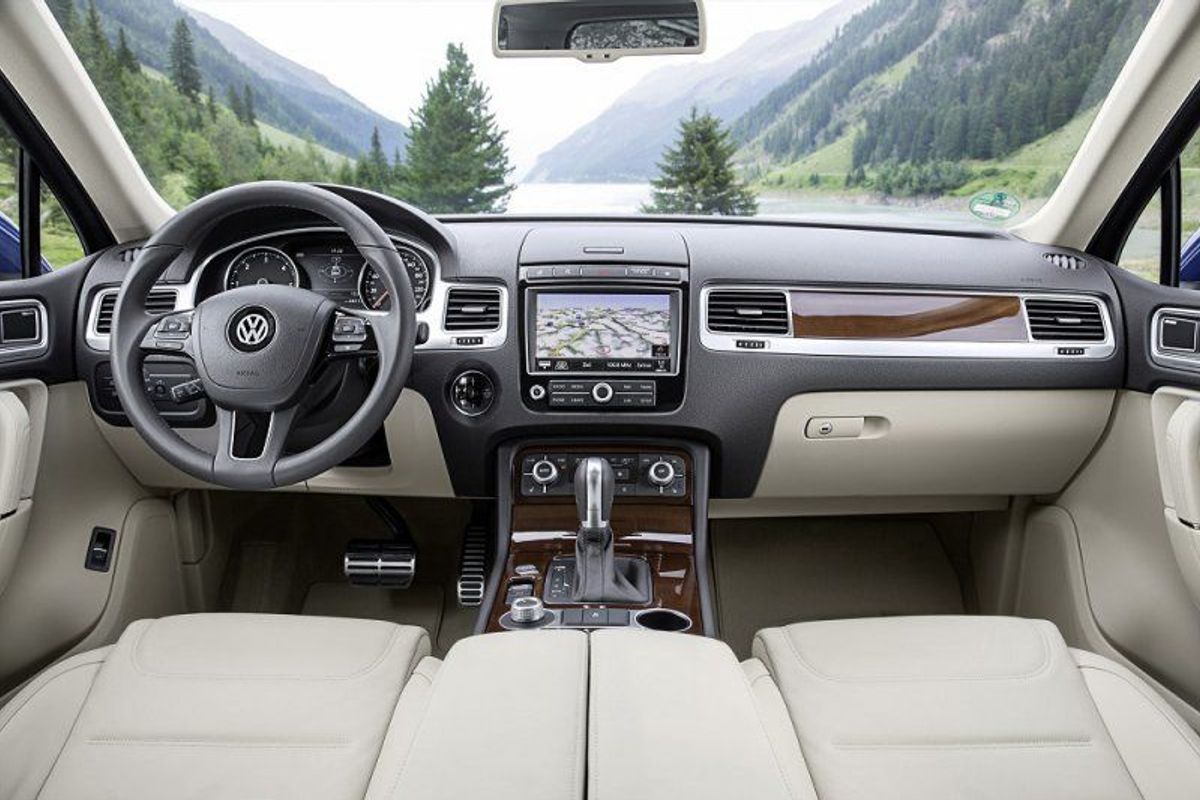
The high-performance Hyundai i30 Turbo highlights the cars sporty character of the car with a new radiator grille, front and rear bumper with red detailing, new front LED design and twin exhausts and 18-inch alloy wheels. New interior design features include sports front seats, sports instrument cluster and contrasting red details on the steering wheel, gear knob and door trims.

The regular i30 has also got some updates with the mid-life facelift, which include a new accentuated hexagonal grille, newly designed alloy wheels (16- and 17-inch), as well as three new exterior colours: Polar White and Orange Caramel. The New i30 Turbo will additionally be available on the five-door model, in a range of unique paint finishes including the new colour: Jet Black.

Enhanced engine range

The New i30 is available with an expanded choice of engines – all Euro6 compliant – with power outputs ranging from 74 kW to 137 kW and CO2 emissions from as low as 94 g/km.

The 1.6-litre diesel engine will be available in two power output versions of 81 kW and 100 kW, while petrol options include a new 74 kW and 135 Nm Kappa engine that is lighter, and is available with a 6-speed manual. There’s also a 1.6 litre Gamma engine capable of 88 kW and 156 Nm, available either with a 6-speed manual or a 6-speed automatic.

The new turbo variant is powered by a 137 kW, 1.6-litre turbocharged engine, developed to focus on sporty driving dynamics and everyday usability. Acceleration to 100kph is achieved in 8 seconds and top speed stands at 219 kph.

The refreshed Hyundai i30 lineup (including the Turbo version) is expected to go on sale in the first months of 2015.

Citroen C4 gets a Mild Facelift for 2015

The Citroen C4 is one of the more bland designs from the French manufacturer in recent times. The plan being to separate the ‘mass production’ or high volume sellers from the DS models that show off the true quirky design characteristics of Citroens. The Citroen C4 will undergo a facelift for 2014 but don’t expect too much of a change.

Citroen C4 Updates

The headlights up front have been revised with two 3D chrome-finish modules on a gloss black background. LEDs then surround the headlights to accentuate the new design. The rear has a similar 3D effect to the lights as well as some new chrome finishes. The front also gets a new touch of chrome and there’s a new set of 17-inch ‘Miami’ allow rims. The C4 has also added two new colours to its palette – Platinum Grey and Spirit Grey.

The interior doesn’t change too much with the seats being offered in new upholstery choices of black and grey. There is however now a 7-inch touchscreen in the centre-dash that controls multiple functions such as: live navigation, all media streaming including USB devices, Bluetooth and phone connections and settings for the C4. Safety and intelligent features include keyless entry and start, hill start assist, lane departure warning and blind spot monitoring.

New Engines

The main update for the C4 comes in the driving department where the Citroen gets four new Euro 6 compliant engines made up of two petrol and two diesel engines. The petrol engines come in three-cylinder form with turbochargers for added shove. Figures for the two variants sit at 81 kW and 205 Nm and 96 kW and 230 Nm, fuel consumption for the pair is 4.7L/100km and 4.8L/100km respectively.

The diesels pack a 1.6-litre turbodiesel unit that offers 73 kW and 254 Nm or in the higher output version 88 kW and 300 Nm. Impressively Citroen says that the 88 kW diesel will sip just 3.6L/100km.

New Generation Hyundai i20 Coupe Unveiled

Hyundai has revealed a new generation i20 Coupe set to go on sale in 2015 as a unique first ever three-door B-segment car featuring a dynamic exterior and striking interior design.

New Generation i20 Coupe extends appeal to younger customers

Although the coupe shares its platform with the standard i20, it has its own unique silhouette that gives it a sportier and more muscled appearance. Distinctive features include a new C-pillar design, extra creases in the rear wheel arches, a sloping roofline that sits 25mm lower, and a sporty rear-mounted spoiler.

Additional enhancements to further differentiate the three-door coupe include fresh 17-inch alloy wheels and a Tangerine Orange exterior paint that can be matched with an orange interior.

Engine specs

The choice of Euro6 engines includes petrol and diesel power units from 62 kW to 73 kW. A new 1.4-litre ‘Kappa’ petrol engine will be available from launch, with a new 1.0-litre turbocharged three-cylinder petrol engine joining the range later in 2015.

The New Generation Hyundai i20 Coupe is expected to go on sale in March or April next year.

Volkswagen Polo R not Likely

A few months ago we reported that Volkswagen was weighing up the possibility of introducing a VW Polo R to top the range. Unfortunately it now looks like the facelifted Polo won’t be so lucky.

A Volkswagen representative speaking to the Dutch Telegraph confirmed that the Polo R is not on the cards. The main reason for it not going into production seems to be that it would sit too closely to the Golf GTI and possibly suck sales from the indomitable hatchback.

Volkswagen Polo R hopefuls will have to live with the fact that VW did produce a Polo R WRC Street edition that was sold in limited numbers.

The range topping Polo GTI has had a change of engine from the pre-facelift derivative and features a 1.8-litre turbochaged petrol engine capable of 141 kW and 320 Nm. That’s a considerable step up from the pre-facelift model that coped well with 132 kW and 250 Nm. We should see the new Polo GTI on our streets early in 2015.

White Voted Most Popular Car Colour For 2014

According to a recent study released by PPG Industries, white was the most popular car colour choice in 2014.

White continues to dominate as popular car colour choice

The study was conducted on over a quarter of the vehicles sold in 2014 of which white was the most popular car colour, with 28% of all new cars sporting the shade. Coming in second was black with 18%, while silver and grey tied for third place with 13%.

In addition, PPG says silver’s popularity has decreased in the last two years by 7%. White continued to grow in popularity with 25% of vehicles sold in 2013 finished in white. Two years ago, white accounted for 22 percent of new vehicle sales.

In fourth place was what PPG calls ‘natural’ colours, which include gold, beige, yellow, orange and brown. All colours make up 10% of new car sales while nine percent of new cars sold in 2014 were red.

“Car manufacturers across the world are continually seeking new ways to create a unique appearance for models and vehicle brands. As colour selection takes place two or three years in advance of a model year, it is important for auto makers to combine colour popularity with global consumer trends,” said Jane E. Harrington, PPG manager, colour styling, automotive OEM (original equipment manufacturer) coatings.

“Today, automotive manufacturers can choose from a broad array of colours as well as a wide assortment of variations of conservative hues such as white, silver, black and grey, and distinct effects such as micas, glass flakes, fine bright aluminium and hue-shifting pigments.”

Regional trend highlights from the 2014 data

  • In North America, white remains most popular (23%), followed by black (18%), grey (16%) and silver (15%).
  • In South America, silver and white lead in popularity (32% each), followed by black (13%), grey (11%), red (8%) and blue (2%).
  • In Europe, white remains most popular (25%), followed by black (15%) and grey (14%), and natural shades such as golds, beiges, yellows, oranges and browns continue to grow in popularity (12%).
  • In Asia Pacific markets, white remains most popular (31%), followed by black (20%) and silver (12%).

Looking to 2015 models, Harrington said PPG believes drivers will continue to see an increase in natural tones such as coppers, oranges and browns.

New models also may be influenced by metal tones such as bronze, pewter and rose gold, which have had a significant influence across fashion, jewellery, furniture and industrial design in recent years.

New Volkswagen Crossover Concept To Debut In Detroit

A new Volkswagen Crossover concept is said to have its world premiere at the 2015 Detroit Auto Show next month, designed to increase the company’s range in the crossover segment and boost sales.

Volkswagen Crossover

The car is expected to hit production 2016 and go on sale later that year or early in 2017. According to Reuters, the concept will be a five-seat variant of the seven-passenger SUV that VW plans to build at its assembly plant in Chattanooga, Tennessee.

The company has not yet confirmed any additional details on the crossover concept. The North American/Detroit International Auto Show takes place on January 12th 2015, so expect more details then.

Please note pictured is the Volkswagen CrossBlue Coupe concept.

Mercedes-Benz GLE Coupe Officially Unveiled In Germany

The Mercedes-Benz GLE Coupe has been officially unveiled with distinctive styling, on-road vehicle dynamics and striking characteristics of a robust SUV.

The Mercedes-Benz GLE Coupe – a sportier choice

Ready to take on its main rival the BMW X6, the GLE coupe is the first vehicle to be named using Mercedes-Benz’s new nomenclature.

In terms of engines, there are three to choose from. The entry-level GLE350 diesel 4Matic has 190 kW and 620 Nm, while the GLE400 AMG 4Matic comes with a petrol biturbo 3.0-litre V6 that makes 245 kW and 480 Nm of torque. Finally, there is a GLE 450 AMG 4Matic with 270 kW and 520Nm.

The coupe-styled SUV is additionally equipped with a 4Matic all-wheel drive system that provides a nominal 50:50 front-to-rear apportioning of drive, and has further been tuned to deliver a more sporting 40:60 front-to-rear. There’s also a nine-speed automatic transmission with five modes; individual, comfort, slippery, sport and sport+, that can be set via a rotary control on the centre console.

The GLE model also features Mercedes’ AIRMATIC air suspension that is now available with the continuously variable damping system ADS Plus. Steel suspension is standard with selective damping system.

Styling and interior equipment

On the styling front, standard equipment includes AMG body styling with a front and rear apron, a rear-spoiler lip and larger 21-inch light alloy wheels and tyres. The single bar grille on the front is flanked by LED headlights. Additional features include plastic body cladding, a distinctive rear end with chrome trim, and a dual exhaust system.

Inside, the model is fitted with a new infotainment display, a sports steering wheel, and sport seats. It is further adorned in silver shadow accents and aluminium or wood trim. The latest version of Mercedes’ COMAND infotainment system combines a tablet-style 8.0-inch screen with a console-mounted touchpad.

The list of safety features includes Distronic Plus adaptive cruise control with Steering Assist and Stop&Go Pilot, Pre-Safe Brake with pedestrian detection, Active Blind Spot and Lane Keeping Assist, Cross-Traffic Assist, 360-degree camera and Active Parking Assist.

The 2016 Mercedes-Benz GLE Coupe will be unveiled officially at the 2015 Detroit Auto Show before going on sale later next year. We can also expect a potent AMG version in the near future.

1967 Ford Mustang ‘Eleanor’ Up For Auction

The 1967 Ford Mustang fastback dubbed ‘Eleanor’ by Nicholas Cage’s character in the 2000 remake of Gone in 60 Seconds, is said to go up for auction at Mecum’s Austin event scheduled for December 12th and 13th of this year.

Eleanor, the 1967 Ford Mustang could be yours

Eleven fictional Eleanor Mustangs were created for the movie, but only three of these were working cars, of which two were destroyed during filming. The cars were built by Cinema Vehicle Services, with key features of the 1967 Ford Mustang including a custom body kit, 17-inch wheels, air conditioning, a Lecarra steering wheel and an Auto Meter Sport Comp tachometer. Under the bonnet, the car houses a Ford Racing 351 CI crate engine with Holley 700 CFM 4-barrel carburettor with a high-volume fuel pump and 4-speed manual transmission. It is connected to a four-speed manual transmission which sends power to a Positraction rear end. The 1967 Ford Mustang ‘Eleanor’ will go up for auction at the Austin collector car auction, alongside other notable models including a 1969 Corvette L88 Coupe and a 1967 Corvette Convertible owned by astronaut Gus Grissom.

Common Driving Mistakes

As we head into the festive season, more traffic aims for the coastal areas and the national roads see a heavy increase in traffic. With that in mind we thought we would come up with a list of driving rules that are often forgotten about.

The main aim behind our list is to remind road users to be considerate of others on the road and that the simplest rules are often the ones most neglected. The Arrive Alive website has some great road safety tips as well as statistical info if you’re keen to up your road safety knowledge. If you have any tips of your own, leave a comment at the bottom and we could add them to the list.

Common Driving Mistakes in SA

1. Keep Left Pass Right

Common driving mistakes

This is the most simple of rules but somehow it’s extremely rare to find anyone who obeys it. The idea is that you stay as far left as you can and only move right to overtake, then return to the left, this aids traffic flow. If you do happen to have a faster car come up behind you then do your best to let the faster through by moving to the left when safe to do so. Don’t hog the middle lane either, the inside lane when clear is where you should always aim to be driving.

2. Traffic Circle Usage

Common driving mistakes

This rule is seemingly impossible to fathom, and is a particular sore spot for me as there is one situated on my drive to and from work. Look at the graphic above, it really is that simple, plan ahead, get in the correct lane and indicate your direction. Traffic circles are an upgrade from stop streets as you shouldn’t ever need to come to a full stop, thus traffic flow is better and you save a bit of fuel by not having to accelerate from a standstill.

3. The Solid Line

Common driving mistakes

There’s no reason to cross a solid line, they put them there for a reason. The classic mistake is when entering a freeway to cross the solid white line before it ends so you can get a jump on the traffic ahead of you. All this does is then hold up the people who waited patiently and backs up traffic as they all have to slow down. Wait your turn and be a courteous driver, no point in infuriating a bunch of other road users for your personal gain.

4. The Flashing Red Traffic Light

Common driving mistakes

We all know how stop streets work right? With all the load shedding at present, it’s quite likely you’ll come across a few out-of-order traffic lights. When this happens treat it as a stop street. Stop streets in themselves prove to be a bone of contention for most road users so here’s a quick refresher: the first vehicle to arrive at a 4-way stop has priority, don’t sneak through with the vehicle in front of you, that’s just criminal. When arriving at the same time as someone else you can either take the initiative and go first or give the other driver safe passage, just don’t do that awkward roll thing where you both end up trapped in the middle of the intersection upset at one another.

5. Tailgating

Audi S1

Not leaving enough space to the car creates a multitude of problems, worst of all, increasing the likelihood of an accident and increasing the number of casualties involved. Arrive Alive states that the human reaction time to recognise a potential hazard is 0.75 seconds. It then takes a further 0.75 seconds to react to hazard and press the brakes. The vehicle then takes 0.05 seconds to apply the brakes. Studies have indicated that when a driver follows another vehicle at 100kph and the vehicle in front suddenly applies the brakes, the driver following will need about one and a half seconds to react. So be patient and apply the two-to-three second rule by watching the vehicle in front of you pass a landmark and then counting off three seconds.

Ferrari Sergio Unveiled; All Six Units Sold Out

The Ferrari Sergio, a production version of the Pininfarina has just been unveiled and the first car has already been delivered to its new owner, the SBH Royal Auto Gallery in the UAE, at Abu Dhabi’s Yas Marina Circuit.

The first Ferrari Sergio arrives in the UAE

Unveiled earlier at the 2014 Geneva Auto Show, the Ferrari Sergio has now entered its limited production run of six vehicles – all of which have been sold. The car was created to celebrate the spirit and core values of the historic Cambiano Company in the 60th anniversary year of its collaboration with the Prancing Horse. It was also designed to pay tribute to Sergio Pininfarina, who helped to forge the company’s longstanding partnership with Ferrari.

A genuine radical roadster

The production model is based on the 458 Spider, retaining the latter’s technological content as well as all of the functional aspects of its cockpit. The main styling of the design is two bodyshell masses melded together via a longitudinal black insert.

There’s also a semi-floating front spoiler which helps to balance down force and optimises heat exchange, while at the rear, there’s a ventilated rear engine cover, circular taillights and a dual exhaust system. There’s also a rear diffuser and Sergio-specific forged alloy wheels.

The Ferrari Sergio delivered to Abu Dhabi features a three-layer red exterior paintwork and a sporty cockpit with black leather upholstery with contrasting red stitching, Alcantara seat inserts, and extensive carbon dash and door well trim. It also features Sergio-specific forged wheels, on this car gold in colour with a diamond finish.

Performance specifications are yet to be revealed, but Ferrari confirmed power will be provided by a 4.5-litre V8 engine that develops 445 kW, enabling the roadster to accelerate from 0-100 km/h in three seconds.

Each one of the six Ferrari Sergio’s was configured by its owner in dedicated sessions at the Tailor Made atelier in Maranello, which means each car will be unique.