Mercedes-Benz SL400 (2014) Review

The Mercedes-Benz SL is something of a motoring icon, with the badge being applied to the brand’s products since 1954. Recently, a new engine made its way into the luxury convertible. Meet the Mercedes-Benz SL400.

This new engine from Mercedes-Benz does duty in a number of products such as the E-class and CLS-class. Essentially, in an effort to fight the demons that are economy and emissions, the brand has done away with the old 350 motor and replaced it with this. Gone is the 3.5-litre naturally-aspirated V6 and in its place is a bi-turbocharged 3.0-litre V6. The result makes for impressive reading. Power and torque are both increased, but economy and emissions are reduced.

New Engine

Speaking of power, you’re looking at 245 kW and 480 Nm, considerably better than the older 225 kW and 370 Nm from the outgoing motor. The result is performance that is brisk. You can get the SL400 to 100kph in about 5 seconds, which is more than enough to brush aside the little boys in their hot hatchbacks. Top speed is a limited 250kph, but I feel the SL400 isn’t about top-end runs.

This engine is hooked up to the tried-and-trusted 7G-Tronic gearbox that makes for a fine pairing. Economy for the SL400 is claimed at 7.7L/100km, however during our week with the SL400 it’s more likely you’ll see a figure closer to the 9L/100km mark.

Technology

Worth mentioning is the technology in the SL400. Admittedly, not all of it comes standard with the car, but there’s such incredible tech perhaps its worth paying a little extra for it. First up is my favourite. Seeing as the SL400 comes with a panoramic glass roof, the sun still manages to enter the cabin and dazzle the occupants. Worse still is the risk of sunburn. Enter Magic Sky Control which is an electronically-controlled tinting feature. Push a button and the window magically darkens or lightens. Awesome.

My second favourite feature has to be the Air Scarf. This has been around for awhile, but its dead useful on a cold winter’s morning. It allows you to drive with the roof down on cooler days, but warm air gently blows on your neck. You can still get the full convertible experience, without suffering from the cold. Finally, you can say cheers to all those nasty speed bumps and steep driveways as the SL400 boasts a hydraulic lift setup which, raises the car by a substantial amount.

The Drive

How does it drive? Well, if relaxed cruising with the top down is your thing, you can do very little to beat the SL400. It’s a supremely competent roadster and comfort levels are in excess. The engine and gearbox are best left to their own devices, but if you want to get more involved, simply switch to manual mode and change gear via the paddles behind the steering wheel.

When in manual mode, the engine noises increase and there’s a delicious exhaust pop when you come off the throttle. The best part of this engine is the mid-range torque, meaning you can overtake slower traffic with a minimum of fuss. If you are fond of throwing cars around corners, make sure you have the Active Body Control suspension option ticked as it makes the car a little more athletic.

Conclusion and Summary

I find this new engine in the Mercedes-Benz SL400 magnificent. It’s such a pleasant surprise to find that a non-AMG engine can be this vocal and performance orientated. It sounds great and the car delivers effortless cruising ability. It also happens to look damn pretty too and combines with a ton of incredible technology.

The only downside here is its not as dynamically involving as, say a BMW 6-Series. The average owner probably doesn’t really care about this and instead chooses to gracefully float along in luxurious comfort – something the Mercedes-Benz SL400 does exceptionally well. As it’s the flagship convertible in the Mercedes-Benz range, you can expect pricing to be at a premium. As it stands, the SL400 starts around the R1 200 000 mark.

Second Opinion

The Merc SL is the only Benz I don’t like the styling on, the front is too ‘beaky’ – like a bird’s face for me. That doesn’t mean I don’t like it though, it’s a great cruiser and the 3-litre V6 twin turbo is a pearl to listen to. I also like my two-door coupes a bit sportier in the handling department and this SL feels like it caters to a more gentlemanly segment than I’m ready for. -Ashley Oldfield

We Like: Style, sophistication, luxury, technology, excellent engine

We Don’t Like: Price of extras (this test unit had almost R300k worth of extra kit!), not as dynamic as hoped.

Also Consider: BMW 6-Series, Porsche 911, Jaguar XK

Mercedes-Benz SL400 Quick Specs

Engine 3.0-litre, twin-turbocharged V6
Power 245 kW
Torque 480 Nm
Transmission Seven-speed dual-clutch gearbox
Wheels 17-inch alloy wheels
0-100km/h 5.2 seconds (claimed)
Top Speed 250 kph
Fuel Economy 7.7L/100km (claimed)
Fuel Tank Capacity 65 Litres

Volkswagen Kombi 2.0TDI DSG SWB (2014) Review

The popular Volkswagen Kombi recently saw the addition of a 7-speed DSG gearbox for the short wheelbase derivative and I tested its capabilities in and around Cape Town. I wanted to do something out of the ordinary for this test and seeing that the Kombi is first and foremost a people mover, I needed a few people to join me on my escapade. To solve the problem, I rounded up four under privileged kids from a surf outreach program in Muizenberg and in true Kombi spirit, embarked on a surf mission.

Imposing Presence

The Volkswagen Kombi is a large vehicle with imposing dimensions at just over 4.8 m in length and almost 2 m in height. This test unit came in a rather attractive Olympia Blue Metallic colour with optional dark tinted windows all round and rides on 16-inch alloy wheels, which are standard for this Kombi in Comfortline trim.

The oversize exterior mirrors in body colour help immensely and there are two sliding doors on either side, which greatly improves access to the rear seats. A large rear tailgate provides access to a low loading bay, which makes loading heavier items easier.

Space Galore

The Kombi is designed to seat eight people comfortably with a generous cargo bay that offers 1 200-litres of space with all the seats in place. The seats can be folded in various ways to create more space or they can be taken out completely that turns the Kombi into a van. The seats are rather heavy though and require some man power to move them around. The Kombi swallowed five surfboards and general surfing paraphernalia with ease.

The front seats offer decent lumbar support and arm rests for both the front passenger and driver are standard. Air conditioning is standard and flows through to the rear, keeping all passengers cool on those hot summer days. Passenger windows feature roller blinds to block out the sun as well.

Storage space up front includes a lockable glove compartment with a storage net on the underside, stowage pockets in the doors and front cup holders.  Other standard niceties include an 8-speaker Radio/CD/MP3 player, electric front windows, electric side mirrors, multifunction on-board computer and step illumination lights for the sliding doors. This model also came fitted with an optional tilt and slide sunroof with a sunblind, which was a nice feature.

Bus Driving

Powering this Volkswagen Kombi is a 2.0-litre TDI engine that develops 103 kW and 340 Nm of torque. This is mated to a 7-speed DSG gearbox. These numbers are sufficient to power the Kombi around town, but it’s on the highway where that torque ensures decent overtaking power, making the Kombi a great long distance cruiser.

The DSG gearbox works hard to find the ideal gear in congested traffic situations and doesn’t always get it right, which results in jerky, indecisive gear changes at slower speeds. On an open highway however, gear changes even out nicely with consistent acceleration inputs. With the DSG, you don’t have to worry about shifting gears and can rather focus on keeping the Kombi on the road, which makes it that much easier to live with.

Like driving a bus, the driver sits high up in the Kombi, which improves all-round visibility and you can’t help but feel like a bus driver behind the wheel. The Volkswagen Kombi can be a challenging vehicle to drive in the city. It’s big and long which means the driver needs to be extra alert around every corner and care needs to be taken when choosing a place to park, so the optional Park Distance Control (PDC) will definitely be useful.

In terms of fuel consumption, Volkswagen claim 8.0L / 100 km, but in the week we drove the Kombi we managed to achieve in the region of 10.6L/100 km.

Conclusion and Summary

The Volkswagen Kombi is a decent product overall with high levels of versatility. It can be a comfortable people mover or it can transform into a house mover if need be. Engine performance is good but I feel the DSG could be better. The Kombi is quite expensive so it’s worthwhile comparing the Kombi with its competitors. If a smile on a child’s face is anything to go by, then the Kombi could very well be the perfect companion on a long-distance family holiday and is well worth consideration if you are looking for loads of space.

Second Opinion

The Volkswagen Kombi is hard-coded into South African history so it’s hard not to feel a little nostalgic when jumping behind the wheel of the new one. It’s now expensive but infinitely easier to drive thanks to the DSG gearbox, even though it can be a bit sluggish between shifts at slow speeds. There’s nothing small about this bus as it handles eight passengers and luggage with ease. If you have a big family you want to cart around or you’re starting a kids lift club, this is the vehicle for you.

Volkswagen Kombi Price in South Africa

The Volkswagen Kombi is available in both short and long wheelbase formats with Trendline and Comfortline trim on offer. This Kombi Comfortline SWB with DSG is priced at R549 500. The Kombi Manual SWB is priced from R459 100 and the Kombi Comfortline LWB is priced from R557 500.

We Like:
– Practicality and versatility
– Loads of space
– Long distance capability

We Don’t Like:
– DSG could be better
– Expensive

Also Consider
Mercedes-Benz Viano
Hyundai H-1
Ford Tourneo Custom
Opel Vivaro

Volkswagen Kombi Quick Specs

Engine 2.0-litre TDI
Power 103 kW @ 3 500 rpm
Torque 340 Nm @ 1 750 – 2 500 rpm
Transmission 7-Speed DSG
Wheels 16-inch Cartagena alloy wheels
0-100km/h 172 kph
Fuel Economy 8.0L/100 km (claimed)
Fuel Tank Capacity 80-litres


Lamborghini Huracan LP610-4 (2014) Review

Lamborghini. The word alone elicits excitement from every petrolhead. Seeing a Lamborghini up close makes even the most non-car person take notice. As for driving one, well, that’s a completely next-level experience.

The Lamborghini Huracan is the successor to the popular Gallardo. If you wanted a Lamborghini, but couldn’t quite afford the mental Murcielago or jet-like Aventador, the Gallardo offered a great alternative. Here was a car that could still deliver fireworks in terms of driving experience, aural soundtrack and visuals. What a success that car was, and it landed up being Lamborghini’s most popular model in terms of sales.

Fast forward to 2014 and there’s a new Lamborghini in town. It’s the successor to the Gallardo and it’s called the Huracan. Visually, well just look at it. True to the unofficial Lamborghini design philosophy of making pretty much every other car look dull and bland, the Huracan looks remarkably like something out of a top-secret military program with wheels. Come to think of it, the only thing that looks even more dramatic is its older brother, the Aventador. Clad in a shimmering matte white paint, my Huracan pretty much stopped the traffic in Cape Town’s city center.

The door handles sit flush with the door, until you unlock the car and then they pop out. Climb in, close the door, put your seatbelt on and flip the start button safety catch located in the centre of the dashboard. Put your foot on the brake, depress the button and the big V10 fires up. When I say fire up, I mean unleash a symphony of ten cylinders which lets you know that you’re in something very special.

Powerplant

This all-new 5.2-litre V10 engine has 448 kW and 560 Nm, putting it squarely in supercar territory. Power reaches all four wheels through a seven-speed dual-clutch transmission so there’s no chance of you stalling or burning the clutch out. Great. With all that power, performance is going to be exceptional. While I didn’t have the bravery to try it, Lamborghini claims the Huracan can hit 100kph in just 3.2 seconds. I find the fact that the Huracan can hit 200kph in just under 10 seconds far more impressive.

I feel sorry for these supercar manufacturers as they’re forced by governments to be as economical as possible. Lamborghini has had to put in trivial things like Start/Stop technology and cylinder deactivation. I suppose these technologies do help slightly, as Lamborghini claims a fuel consumption figure of 12.5L/100km.

Interior

Clad in a vivid lime green colour, the interior of the Lamborghini Huracan is an interesting place to be. I particularly loved the infotainment screen that was integrated into the driver’s binnacle, removing the need for a secondary screen which would then complicate the interior. The centre dashboard is dominated by a row of switches, reminiscent of a fighter jet.

Here you’ll find things like window controls and hazard lights, but I found the most important thing here is the nose lift, which raises the front of the car by a few centimetres so you can clear speed bumps and steep driveways. Despite being a hardcore supercar, you still have plenty creature comforts like satellite navigation, climate control, park assist and reverse camera.

The seats are comfortable for a tall adult and despite the Huracan being very low, access is straightforward. The most important thing in the cabin is the epic multi-function steering wheel. This clever wheel has negated the need for things like wiper and indicator stalks, and the buttons are located neatly on the wheel itself. At the bottom of the wheel is a red button, marked ‘Strada’, ‘Sport’ and ‘Corsa’. These are your driving modes. I had the car mostly in sport mode which made the exhaust a lot louder and coming off the throttle resulted in big backfires and pops, which delighted onlookers.

Practicality

Gone are the days when supercars were hot, uncomfortable and impractical vehicles that terrified you when you used more than half throttle. McLaren turned the supercar industry on its head with its effortlessly simple to drive and traffic jam friendly MP4-12C, and Lamborghini has followed suite. The Huracan is so simple to drive and as mentioned earlier, there’s no risk of stalling. You could have the car in normal mode, climate control gently blowing 18degC cool air and have Classic FM on while sitting in peak hour traffic, and you wouldn’t feel like the car or you were suffering. It’s clear that Lamborghini has really wanted to make this car a candidate for a daily driver. But that’s not what supercars or Lamborghini are about.

The Drive

Once I had left the cramped and busy confines of Cape Town’s centre, it was time to see what the latest offering from Lamborghini could do. I headed for the mountains and engaged Sport mode and put the gearbox in manual, so I could change gears using the steering wheel mounted paddles. What an incredibly hands-on vehicle. With that V10 engine screaming behind you, you’re in for a very dramatic and visceral experience. You put your foot down and the car leaps ahead in a savage manner.

The car’s outright pace is exceptional and overtaking is simply a case of changing down a gear, and then flooring it. There’s no drama either when it comes to corners, and the car’s all-wheel drive does a good job of maintaining maximum traction. Essentially, the car doesn’t feel like it wants to kill you and pushing the limits is more confidence inspiring than previous Lambos.

Conclusion and Summary

The Lamborghini Huracan continues where the Gallardo left off, only this time its faster, lighter and greener. It’s a superb thing and the technology from parent company Audi makes this a terrific offering. If you’re after a supercar that delivers an experience that touches four of your five senses, then take the plunge. Your children don’t need a university education, but you do need the Lamborghini Huracan LP610-4.

We Like: Looks, engine, performance, technology, easy to drive.

We Don’t Like: Lack of visibility around you. This car has many blind spots! Speed bumps and steep driveways mean the car can easily scrape.

Also Consider: Ferrari 458, McLaren 650S, Porsche 911 Turbo

Lamborghini Huracan Quick Specs

Engine 5.2-litre, naturally-aspirated V10
Power 448 kW
Torque 560 Nm
Transmission Seven-speed dual-clutch gearbox
Wheels 20-inch alloy wheels
0-100km/h 3.2 seconds (claimed)
Top Speed 325 kph
Fuel Economy 12.5L/100km (claimed)
Fuel Tank Capacity 80 Litres

Our Blast in the Lamborghini Huracan Video

2015 Audi Q7 Officially Revealed

The 2015 Audi Q7 has been officially revealed ahead of its global debut set to happen at the Detroit Motor Show in January.

“The new Audi Q7 is a statement of our competence, said Prof. Dr. Ulrich Hackenberg, Audi Board Member for Technical Development.”

“Weighing 325kg less, it sets the benchmark in its class. It is around 26 percent more efficient and is equipped with the latest assistance systems, infotainment modules and connect features.”

2015 Audi Q7 heavy on quality

With a curb weight of just 1995 kg, the 2015 Audi Q7 is billed as being the lightest model in its class. The model further features a multi-material body design with aluminium doors, hood, front fenders and rear hatch.

The exterior mirrors are mounted on the shoulders of the doors, while blades run from the front to the rear doors and bear embossed quattro logos. There’s also options to choose either xenon, LED or matrix LED headlights, which will include double arrow LED daytime running lights. High-end models will additionally benefit from dynamic turn signals in the taillights – like the R8 has.

Inside, the new Q7 gets the Audi virtual cockpit seen on the third-gen TT, as well as the latest MMI infotainment system with a bigger touchpad. The flagship SUV will be offered with either a Bose sound system with 3D sound or a more expensive Bang & Olufsen Advanced Audio System with 3D sound and 23 speakers packing 1920 watts of power.

In seven seat configuration, the Q7 offers 295 litres of bootspace and 770 litres with the third-row seats folded flat, while in a five-seat set-up there’s 890 litres and 2075 litres with the seats folded flat.

Other features include a rear seat entertainment system with one or two optional 10.1-inch tablets powered by an Nvidia Tegra 4 processor and featuring a full HD camera, 32GB of internal storage as well as Bluetooth, NFC and LTE connectivity.

Engine specs

Audi has confirmed that from launch the SUV will be available with a 3.0 TDI rated at 200 kW and 600 Nm, which takes it from 0-100 kph in 6.3 seconds before reaching a top speed of 234 kph. It consumes just 5.7L/100km and has CO2 emissions 149 g/km. There is also a less powerful 3.0 TDI with 160 kW and 500 Nm that will be available later.

Also on offer is a 3.0 TFSI with 245 kW and 440 Nm and does the 0-100 kph run in 6.1 seconds to reach 250 kph. Its fuel consumption is rated at 7.7L/100km with 179 g/km of CO2.

Other markets will also get the 2.0 TFSI engine which delivers 185 kW and 370 Nm of torque. There will additionally be an e-tron quattro plug-in hybrid model which has a combined output of 275 kW and 700 Nm. This will be Audi’s first ever production plug-in hybrid diesel (its Le Mans racers providing the inspiration) and has a fuel consumption of just 1.7L/100km with CO2 emissions of 50 g/km and a 56 km electric range.

Audi RS3 Sportback Unveiled

Audi has officially unveiled the RS3 Sportback dubbed as a “world-beating car” with a class-conquering engine.”

Last generation Audi RS3 Sportback detailed

Notable features include an aggressive front end styling with large air intakes and a uniquely shaped quattro-branded grille. There are also widened front wings, chiselled side sills, matt aluminium-look mirror housings and large roof spoiler, while at the rear the differentiation is made by a remodelled bumper with high-gloss black diffuser insert, honeycomb grille and four bars, from which two large, oval tailpipes boldly protrude.

Also available are matt titanium or high gloss anthracite black 19-inch alloy wheels with 255/30 profile tyres up front and 235/35 profile tyres at the rear.

The interior is fitted with Nappa leather sport seats, a leather and Alcantara-bound flat-bottomed multi-function steering wheel, a leather and aluminium-trimmed gear lever, unique instrument graphics, stainless steel pedals and Alcantara door trim elements.

The high-performance hatchback is said to boast a class-leading power output of 270 kW from an updated turbocharged 2.5-litre five-cylinder petrol engine along with a 0-100km/h sprint time of 4.3 seconds.

This upgraded engine is mated to a seven-speed S tronic transmission which sends power to all four wheels through Audi’s quattro system with torque vectoring, that is designed to provide maximum driver enjoyment and involvement. There’s also high-performance brakes and a progressive steering system which is capable of varying its ratios.

Deliveries of the Audi RS3 Sportback are expected to happen in 2015. We could see the new Audi RS3 Sportback by the end of 2015.

Ford Focus RS Confirmed For Production

Following rumours that Ford is planning on bringing a new Focus RS by 2016, the company has confirmed the model will be part of its global programme to produce 12 new high performance models under a new Ford Performance banner between now and 2020.

Ford Focus RS to be available globally

The company is yet to detail any specifics but confirmed the RS ‘will be available to customers in major markets around the world for the first time.’ Also that ‘it is part of Ford’s plan to deliver even more performance vehicles, parts and accessories for customers around the world more quickly.’

“Ford remains committed to innovation through performance,” said Raj Nair, Ford group vice president, Global Product Development. “Our new global Ford Performance team ties together racing, performance vehicles and parts. It will allow us to more quickly introduce products and accessories that meet the needs of customers around the world on-road and on the track.”

In addition, Ford mentioned that it will be amalgamating its various performance divisions – such as Ford Racing, Ford SVT and Team RS into the new Ford Performance organisation.

The Ford Focus RS will join Ford’s existing performance lineup, including Fiesta ST, Focus ST, Shelby GT350 Mustang and F-150 Raptor.

Please note pictured is the 2009 Ford Focus RS.

BMW Reveals 6-Series Updates

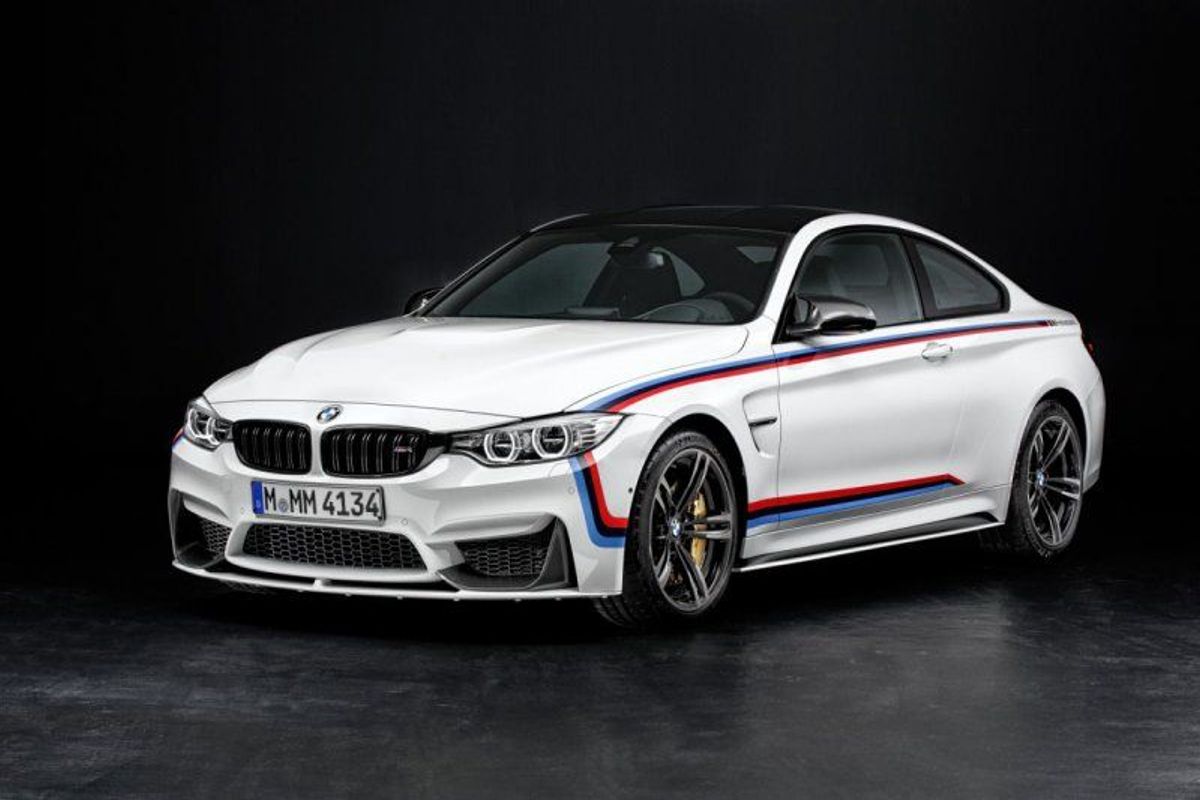
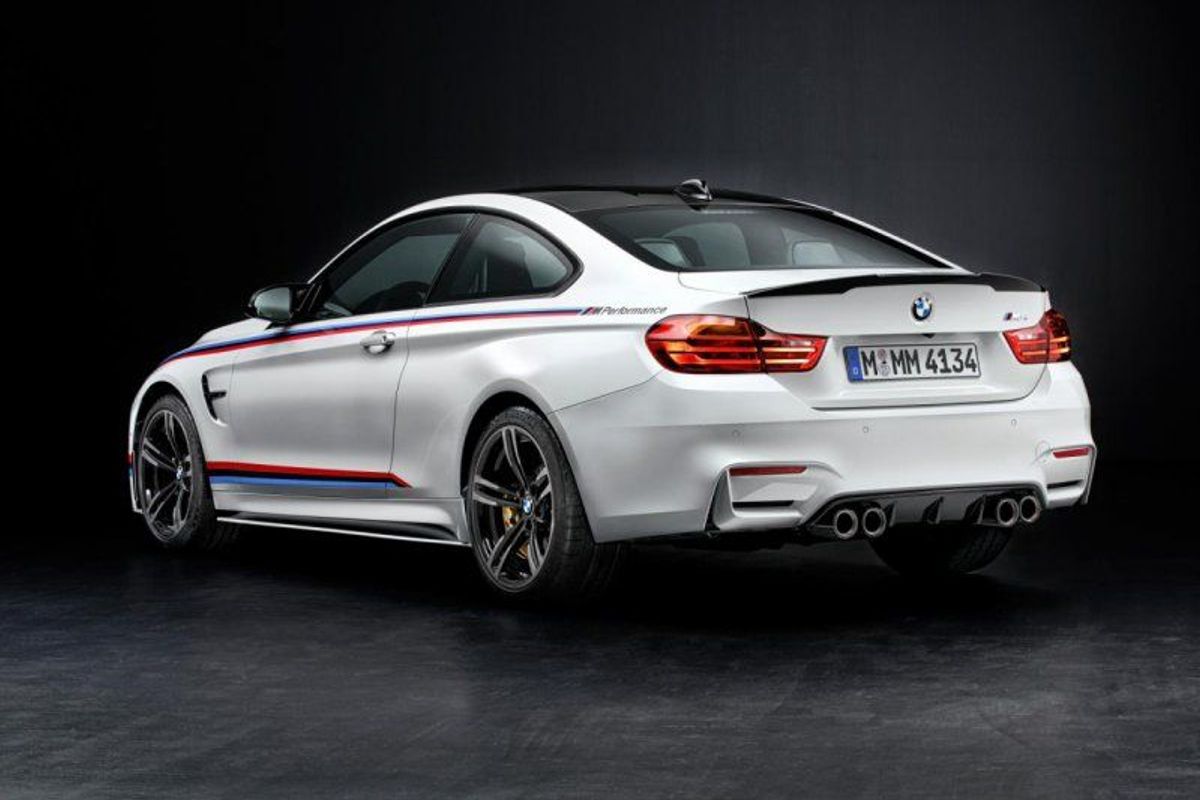
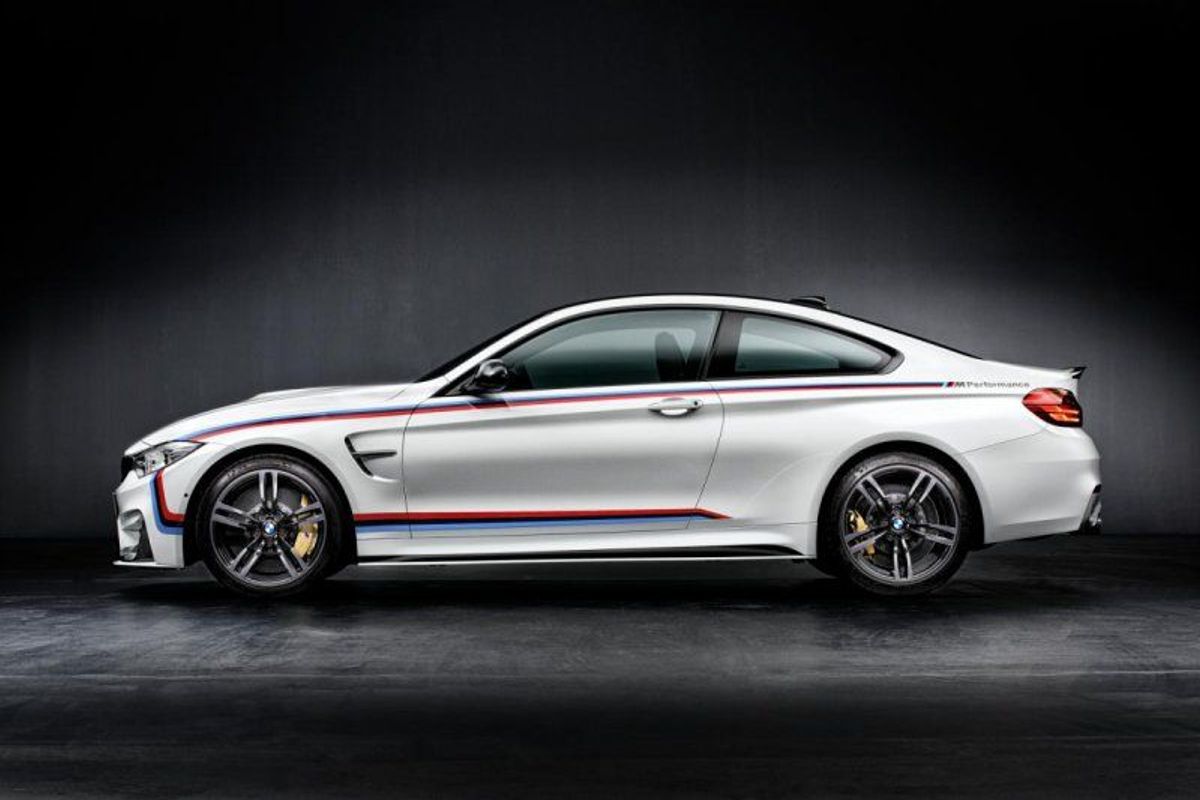
BMW has released details on the updates coming to the 6-Series in 2015. The revisions are broadcast across all three models within the 6-Series range that includes the Convertible, Gran Coupe and standard 6-Series Coupe.

BMW 6-Series Facelift Details

The exterior revisions are minute and limited to a slight modification to the kidney grille and LED headlights are now standard features. New Jatoba metallic, Cashmere Silver metallic, Glacier Silver metallic, Mediterranean Blue metallic and Melbourne Red metallic paintwork finishes are new colours added to the range.

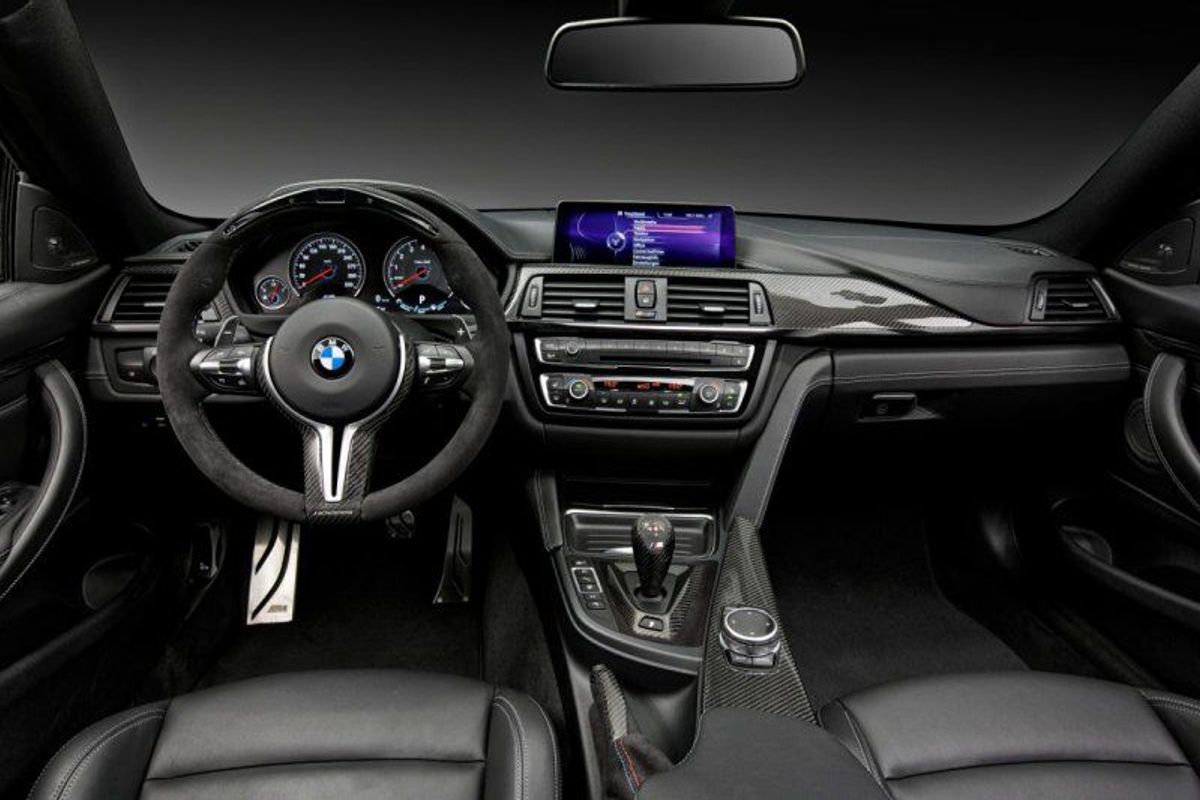
The interior now offers bi-colour leather trim as an option. The latest generation of BMW’s head-up display is now also available.

The engine lineup remains as it was pre-facelift with six-cylinder models and V8s available. The 6-Series can now be specced as all-wheel drive with BMW’s XDrive system fitted. The result is a slightly faster acceleration, but with a 75kg weight disadvantage.

If you go all out and choose the M6 model with the M Driver’s Package top speed increases from a standard 250kph to an incredible 305kph.

The facelifted 6-Series will make its international debut at the Detroit Motor Show in 2015. We should see the new BMW M6 in South Africa in the second quarter of 2015.

Opel Adam (2014) Driven

The last launch of the year has come and gone, and it was Opel who took the opportunity to end the year on a high with its new Adam city slicker.

On the eve of the Adam launch (see what I did there), I was thinking about where Opel currently sits in the local pecking order. Of late, the brand has been overshadowed by its Chevrolet sibling and considering Opel’s ties to South Africa, this is quite sad. Luckily for fans of Opel, the brand claims its back and will be tackling 2015 with a number of new products. The first product is the Opel Adam, and it will go on sale in January 2015.

The Opel Adam is claimed to take on the lifestyle-orientated city car market. Rivals included the Fiat 500, Citroen DS3 and the segment-leading MINI Cooper. Trademarks of these cars include fun factor, plenty customisation options and class and charm by the truckload. With these vehicles, it’s all about individualisation and making your car unique.

The competition is already quite deeply entrenched into the market, with all three competitors boasting reasonable sales. So what will make the Adam succeed? Firstly I think its better looking than most and secondly, I think its pricing will see it slot under the Citroen DS3 and Mini Cooper. Despite the crazy exchange rate, Opel is claiming that it can bring the Adam in for between R200 000 and R250 000, which is pretty good considering the specification.

Opel Adam Models

Speaking of specification, there are three models to choose from:

Adam 1.4 Essentia – R189 900
Adam Jam 1.0T ecoFLEX – R209 900
Adam Glam 1.0T ecoFLEX – R232 900

The 1.4 Essential makes do with the 1.4-litre engine which has 74 kW and 130 Nm. What you really want is the all-new 1.0-litre turbo three-cylinder engine which has 85 kW and 170 Nm. Not only is this engine a great performer, but it’s supposedly light on fuel. I say supposedly, because I wasn’t driving it in a fuel efficient manner along the launch route. The route took us on the winding road of Clarence Drive between Gordons Bay and Kleinmond, and with such a great chassis and sporty suspension, it was a joy to drive.

Specification

In terms of specification, you get a fair whack of technology thrown in. This is no bare-bones model and it comes with a full host of the latest toys from the General Motors family. There’s a new touchscreen infotainment system called IntelliLink (MyLink for Chevrolet). I’ve really enjoyed it in the past on the Chevrolet models and its just so intuitive. .This system enables navigation from your smartphone to be connected to the car. You can also make use of the TuneIn radio streaming service.

For the safety conscious, the new Opel Adam comes with six airbags, ABS with BAS and EBD, ESP Plus, ISOFIX child seat anchors, hill-start assist and a blindspot alert system. The cars also feature tyre pressure monitors and automatic parking for the Jam and Glam.

The basic 1.4 Adam comes with 15-inch alloys, daytime running lights, front fog-lights, heated and electric side-mirrors, cruise control with a speed limiter, a five-speaker radio/CD audio system (USB and auxiliary), a leather-bound multi-functional steering wheel (with rake/reach adjustment), Bluetooth, tinted windows with electric operation, colour-coded key fob, split-folding rear seats, speed-sensitive power steering (with City Mode) and manual air-conditioning.

The mid-range Jam adds a drive assist display, 16-inch alloy wheels, LED daytime running lights, LED brake lights, IntelliLink with seven speakers, front and rear parking sensors, Side Blind Zone Alert, and side mirrors matched to the roof colour.

Finally, the top of the range Glam includes automatic lights, rain-sensing wipers and electro-chromatic rear-mirror, climate control, eight multi-colour ambient light settings, panoramic sunroof or “64 Starz” headliner (which uses 64 individual LED elements), and 17-inch alloy wheels.

The Drive

As mentioned, our launch took me around the Overstrand region and on those tight and twisty roads, the Opel Adam was an eager and willing playmate. It may not boast performance credentials, but its still wanting to entertain. If you want some performance, then you’ll have to wait for the Adam S. The old Opel gearbox which wasn’t the greatest of units has been ditched, and in its place is a solid six-speed manual (on the Jam and Glam models).

One particular feather in the cap of the Opel Adam is the quietness and refinement. At times you could easily be fooled into thinking the engine has switched off. When idling, the engine is remarkably quiet and its only as the revs start climbing do you get the typical growl from the three-cylinder engine. Come off the accelerator after 2 000rpm and there’s a cheeky turbo wastegate sound. If you have the mental of age of 18 like me, this will never cease to be a source of amusement. There’s no turbo lag either, and you can put your foot down in most gears and the engine responds quickly.

So, a quick summary for the Opel Adam. Well, I think Opel has done a great job with the Adam. Not only is it an effortlessly stylish city car, it also happens to drive exceptionally well. My initial thoughts would say go for broke and get the 1.0-litre models as that engine is just so good.

We’ll be driving an Opel Adam Jam over the December 2014 holidays and we’ll let you know how it goes with a review and holiday diary.

Volkswagen Ushers In New Jetta To SA – Specs and Prices

Volkswagen has introduced the new Jetta in SA with a number of enhancements for the 2015 model year.

The new Jetta is sportier and modern

The new Jetta comes with redesigned radiator grille with three cross fins, optional bi-xenon headlights with cornering, turn signal and LED daytime driving lights as well as a new bumper. Aerodynamics have been improved resulting in a 10% reduction of drag, while dimensions sit at 4659 mm long, 1778 mm wide (without door mirrors) and 1482 mm tall.

The interior now features new instruments in a sporty tube look, multifunction display in the instruments, a new generation steering wheel, new accents for the centre console, elegant high-gloss black trim around the gear shift lever, new chrome accents (varies by derivative), redesigned controls for the air nozzles, ambient lighting (only available as an option with Highline derivatives) as well as designs for the seats and door trim.

Engines

The engine line-up is unchanged and includes a choice of five engines: three petrol units – 1.2 TSI 77kW, 1.4 TSI 90kW and 1.4 TSI 118kW plus two diesel units: 1.6 TDI 77kW and a 2.0 TDI 103kW.

Equipment and trim

The Jetta is offered in three different trim levels: Trendline, Comfortline and Highline. Below are key features of each equipment level.

Trendline

Manual aircon
Radio RCD-310 with 8-loudspeakers
Front, centre armrest with storage box
Multifunction steering wheel
Electric windows front and rear
Driver and front passenger’s front and side airbags with passenger airbag deactivation switch
Driver and front passenger’s seat height adjustment
Height and reach adjustable steering wheel
IsoFix child seat preparation for two outer rear seats
Glovebox, cooled and illuminated
Leather steering wheel
Leather gear knob & handbrake handle
Electric exterior mirrors, separately heated
Body-coloured bumpers and door handles
Body-coloured door mirrors with integrated indicators incorporating LED technology
Auto-dimming interior mirror
Separate daytime running lights
Windshield wiper intermittent control with rain sensor
Black radiator grille
Black lower air intake
16″ alloy rims
16″ steel spare
Hill-hold
Cruise control
Electronic stability control
USB port
Cloth upholstery

Comfortline (as per Trendline specifications plus)

Tyre-pressure monitors
Front fog lights
Chromed exterior trim (includes upper grille)
Radio/CD (6-CD changer, SD reader, touchscreen)
Rear centre armrest, two cupholders
12V socket in boot
16″ alloy rims

Highline (as per Comfortline specifications plus)

Sports front seats
Auto aircon
Cloth upholstery
16″ steel spare
Chromed window mouldings
Front fog-lights, static cornering lights
Headlight washers
17″ alloy rims

Optional features

17″ alloy rims
Power sunroof
Leather upholstery
Front and rear parking radar
Bluetooth phone preparation
Satellite navigation
Rear-view camera
Towbar (except for 1.2 TSI)
Bi-xenon headlights with diode daytime running lights
Keyless access (locking and starting system)

New Volkswagen Jetta price in South Africa

New Volkswagen Jetta 1.2 TSI 77kW Trendline – R258 000
New Volkswagen Jetta 1.4 TSI 90kW Trendline – R272 500
New Volkswagen Jetta 1.4 TSI 90kW Comfortline – R286 700
New Volkswagen Jetta 1.4 TSI 90kW Comfortline DSG – R302 700
New Volkswagen Jetta 1.6 TDI 77kW Comfortline – R302 900
New Volkswagen Jetta 1.6 TDI 77kW Comfortline DSG – R318 900
New Volkswagen Jetta 1.4 TSI 118kW Highline DSG – R331 900
New Volkswagen Jetta 2.0 TDI 103kW Highline DSG – R358 000

The new Jetta comes standard with a five-year or 90 000km service plan, three-year of 120 000km warranty and a 12-year no rust-through warranty. Service intervals is 15 000km.

MINI John Cooper Works Uncovered (Video with Tony Hawk)

The all-new MINI John Cooper Works has been revealed ahead of its debut at next month’s 2015 Detroit Auto Show.

MINI John Cooper Works prematurely revealed

According to CarAdvice, the new-generation JCW weighs 100 kg less than its predecessor and will get its power from a four-cylinder turbo petrol engine pumping out 170 kW between 5200-6000 rpm, while torque will peak at 320 Nm across 1250-4800 rpm range.

The engine is said to be mated to either a six-speed manual or six-speed automatic with paddle shifters, while an electronic differential lock will help the car through the corners. The range-topping MINI will apparently complete the zero to 100kph run in 6.3 seconds, which will take 0.2 seconds less if you choose the optional six-speed auto.

Fuel consumption in the manual JCW is rated to be an average of 6.7L/100km, while the automatic variant will sit at 5.7L/100 km.

Cosmetic tweaks include a standalone front apron, larger air intakes a more prominent rear spoiler, 17-inch alloy wheels (18-inch optional), and Brembo brakes. Inside you will find a three-spoke sports steering wheel, stainless steel pedal set, updated instrument cluster, a different gear lever and unique finishes.

We should see the new MINI John Cooper Works go on sale in South Africa in the second quarter of 2015. Pricing will be confirmed soon.

Tony Hawk and the Mini JCW